You arrive at the shooting range.
Firearm? Check.
Ammunition? Check.
Then you realize your hearing protection is sitting on the workbench at home.
Or maybe you remembered your ear protection but forgot the magazine you planned to train with.
Or your optic battery dies halfway through the session.
Anyone who spends enough time at the range eventually has one of these moments.
That's why a properly packed range bag isn't about carrying as much tactical gear as possible.
It's about carrying the right things.
The best range bag essentials help you stay safe, organized, comfortable, and focused on training instead of making an unexpected trip back home.
Whether you're heading to a controlled indoor range for an hour or spending an entire day at an outdoor facility, these 15 items deserve a place on your checklist.
Why a Well-Packed Range Bag Matters
A range bag is essentially your mobile support kit.
Your firearm and ammunition may be the obvious items, but they're only part of what makes a productive range session possible.
Think about everything that can change during a few hours of shooting:
Your hands get sweaty.
The temperature rises.
A screw works loose.
A target tears.
Your electronic hearing protection loses power.
You need a marker.
Your hands get dirty.
The weather changes.
None of these situations is particularly dramatic.
But each can interrupt training if you're unprepared.
That's why experienced shooters tend to build their range bags gradually. After enough sessions, they learn which small items consistently solve annoying problems.
The goal isn't:
Pack everything you own.
The goal is:
Pack everything you're reasonably likely to need.
Before packing, also check the specific rules of the range you're visiting. Policies concerning ammunition, targets, firearm transport, equipment, holsters, rapid fire, food, and other items vary by facility and jurisdiction.
The 15 Range Bag Essentials at a Glance
Here's the complete checklist before we break each item down:
| # | Range Bag Essential | Why You Need It |
|---|---|---|
| 1 | Eye protection | Protects eyes from debris and other hazards |
| 2 | Hearing protection | Reduces harmful noise exposure |
| 3 | Ammunition | Bring the correct type and quantity |
| 4 | Magazines | Keeps training organized and efficient |
| 5 | Shooting gloves | Grip, comfort, and hand coverage |
| 6 | Magazine loader | Reduces thumb fatigue |
| 7 | Targets, tape & marker | Target setup and repair |
| 8 | Basic firearm tools | Minor adjustments and maintenance |
| 9 | Cleaning supplies | Handles basic fouling and maintenance |
| 10 | First-aid kit | Preparedness for minor injuries and emergencies |
| 11 | Water & electrolytes | Hydration during longer sessions |
| 12 | Weather protection | Sun, rain, wind, and temperature changes |
| 13 | Small towel | Sweat and equipment cleanup |
| 14 | Spare batteries | Keeps electronic gear running |
| 15 | Training notebook | Tracks performance and progress |
Now let's look at why each one matters.
1. Eye Protection
Eye protection belongs near the top of any range bag checklist.
Shooting environments can expose your eyes to:
- Ejected cases
- Dust
- Debris
- Fragments
- Environmental hazards
Proper shooting eyewear should provide appropriate impact protection and fit securely enough to remain in place during your session.
When shopping for shooting glasses in the United States, look for eyewear that clearly identifies the applicable impact-protection standard, such as relevant ANSI Z87.1 markings, and follow your range's requirements.
The American National Standards Institute provides more information about standards at ANSI.org.
Clear vs. Tinted Lenses
If you shoot both indoors and outdoors, having more than one lens option can be useful.
Clear lenses work well indoors or in low-light environments.
Tinted lenses can improve comfort in bright outdoor conditions.
Some shooters also prefer interchangeable or photochromic lenses.
Whatever you choose, clarity and protection matter more than appearance.
And keep a backup pair in your range bag if space allows.
Eye protection is one item you don't want ending your session because you forgot it or damaged it.
2. Hearing Protection
Gunfire can produce sound levels capable of damaging hearing, so proper hearing protection is essential.
The two common options are:
Earplugs — compact, inexpensive, and easy to keep as backups.
Earmuffs — quick to put on and remove, with electronic models allowing useful ambient sounds to remain more audible while reducing hazardous impulse noise.
Many experienced shooters keep both in their bag.
Why?
Because earplugs take almost no space and can save the day if your primary earmuffs are forgotten, damaged, or out of battery.
Why Many Shooters Double Up
In particularly loud environments—especially some indoor ranges—shooters may choose to use properly inserted earplugs underneath earmuffs for additional protection.
Hearing protection should always be selected and worn according to manufacturer instructions and the conditions of the range.
A simple rule:
Never make hearing protection the item you assume someone else will have.
Bring your own.
3. Ammunition
This one sounds too obvious to mention.
Until you bring the wrong ammunition.
Before leaving home, verify:
- Correct caliber
- Appropriate ammunition for the firearm and range
- Range ammunition restrictions
- Quantity needed for your planned training
Some ranges restrict particular ammunition types, so check the facility's policies before arriving.
It also helps to think about your session before deciding how much ammunition to bring.
Are you casually practicing?
Testing a firearm?
Working on a specific drill?
Spending an entire day training?
More ammunition doesn't automatically mean better training.
A planned session often produces more value than simply shooting until the box is empty.
4. Magazines
Extra magazines can make a range session much more efficient.
Instead of repeatedly stopping to reload the same magazine, you can prepare several and spend more time focusing on training.
It also helps to mark your magazines.
A simple identification system makes it easier to track problems.
If the same magazine repeatedly produces an issue, you'll know which one needs inspection instead of wondering which identical black magazine caused the problem.
A paint marker can be surprisingly useful here.
Which brings us to another item later in the list.
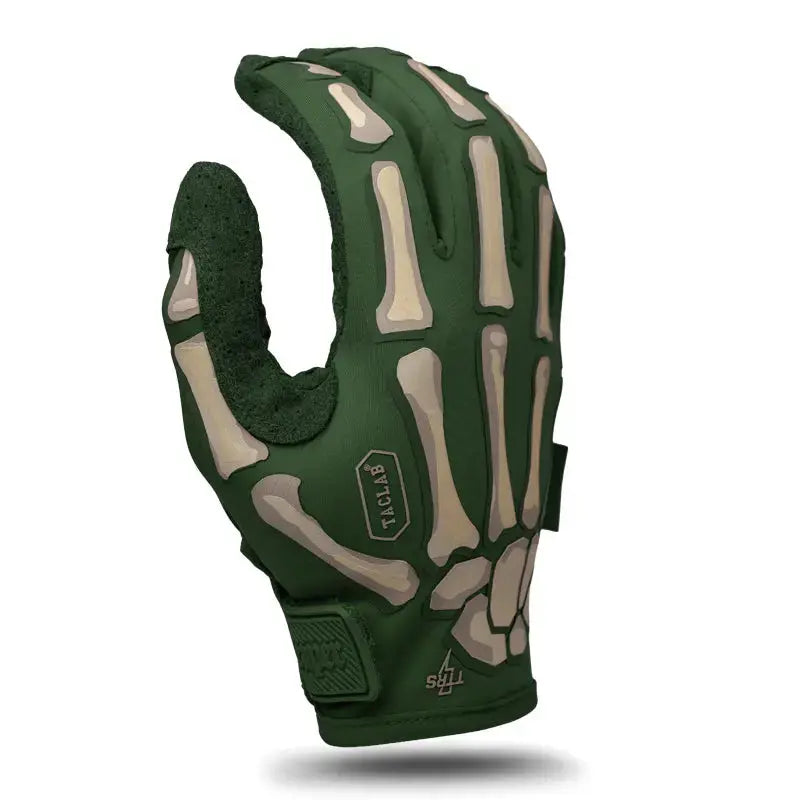
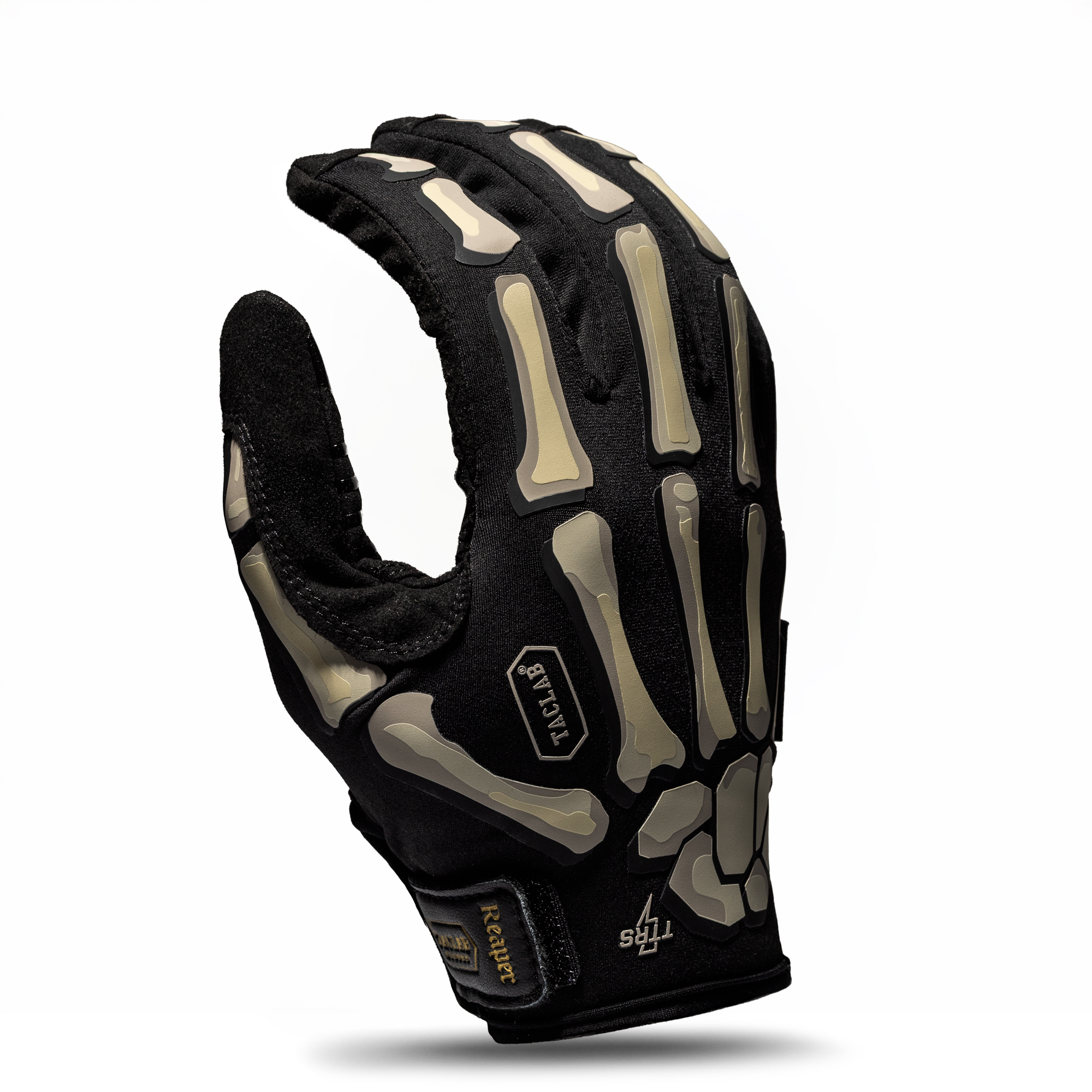
5. Shooting Gloves
Are shooting gloves mandatory at the range?
No.
Are they useful?
Absolutely—in the right conditions.
Gloves become particularly valuable during:
- Long training sessions
- Hot outdoor range days
- Cold-weather shooting
- High-round-count sessions
- Dynamic outdoor training
- Repeated equipment manipulation
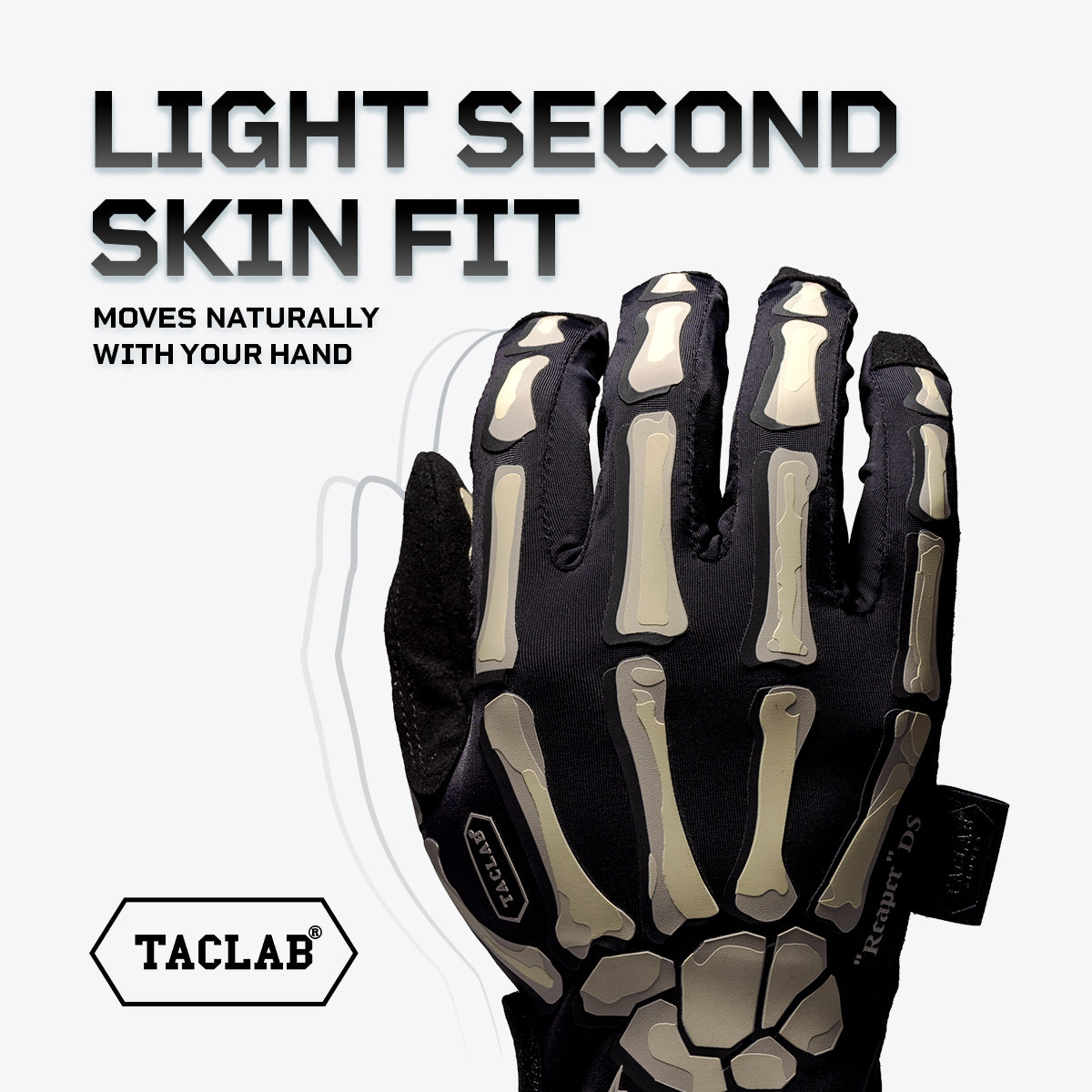
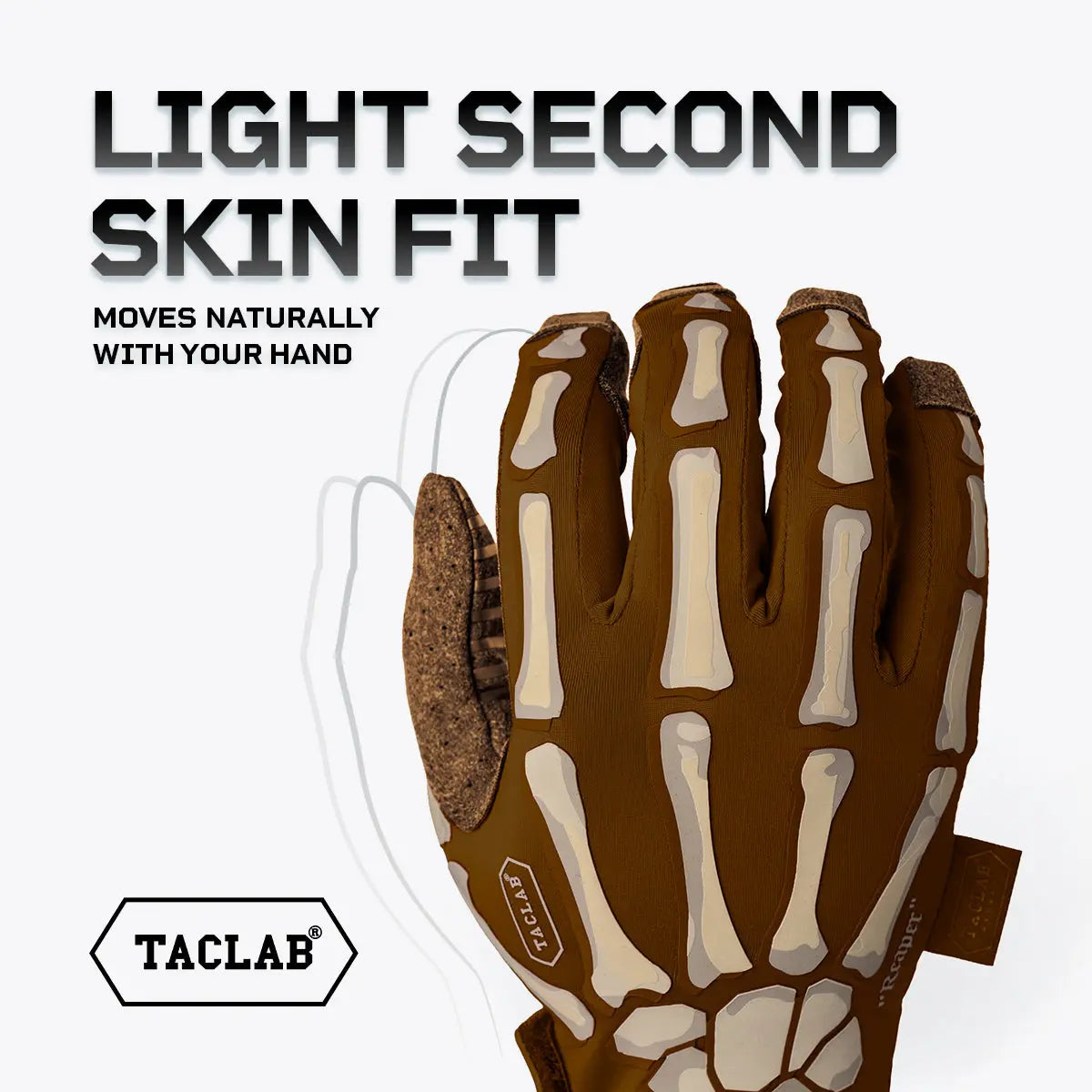
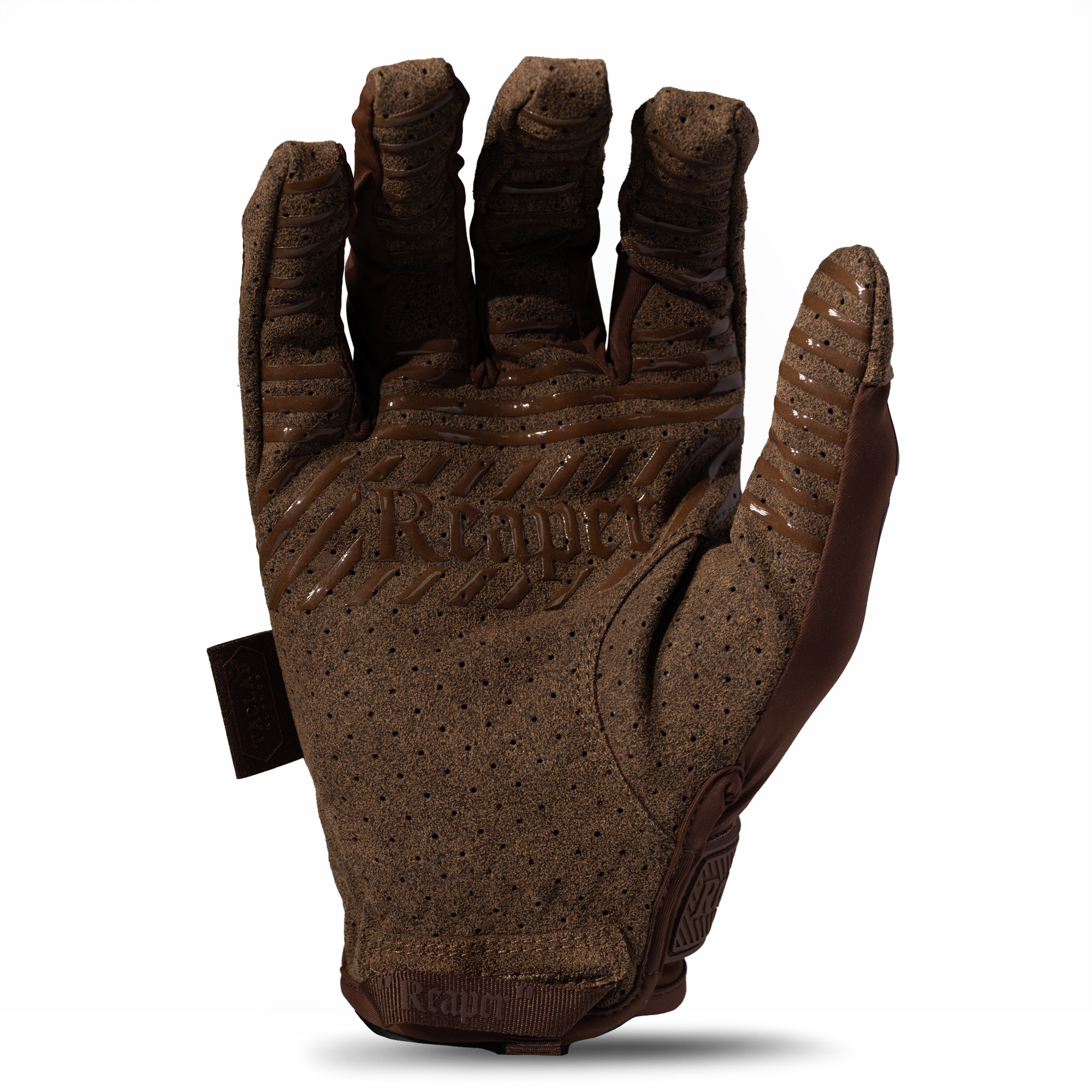
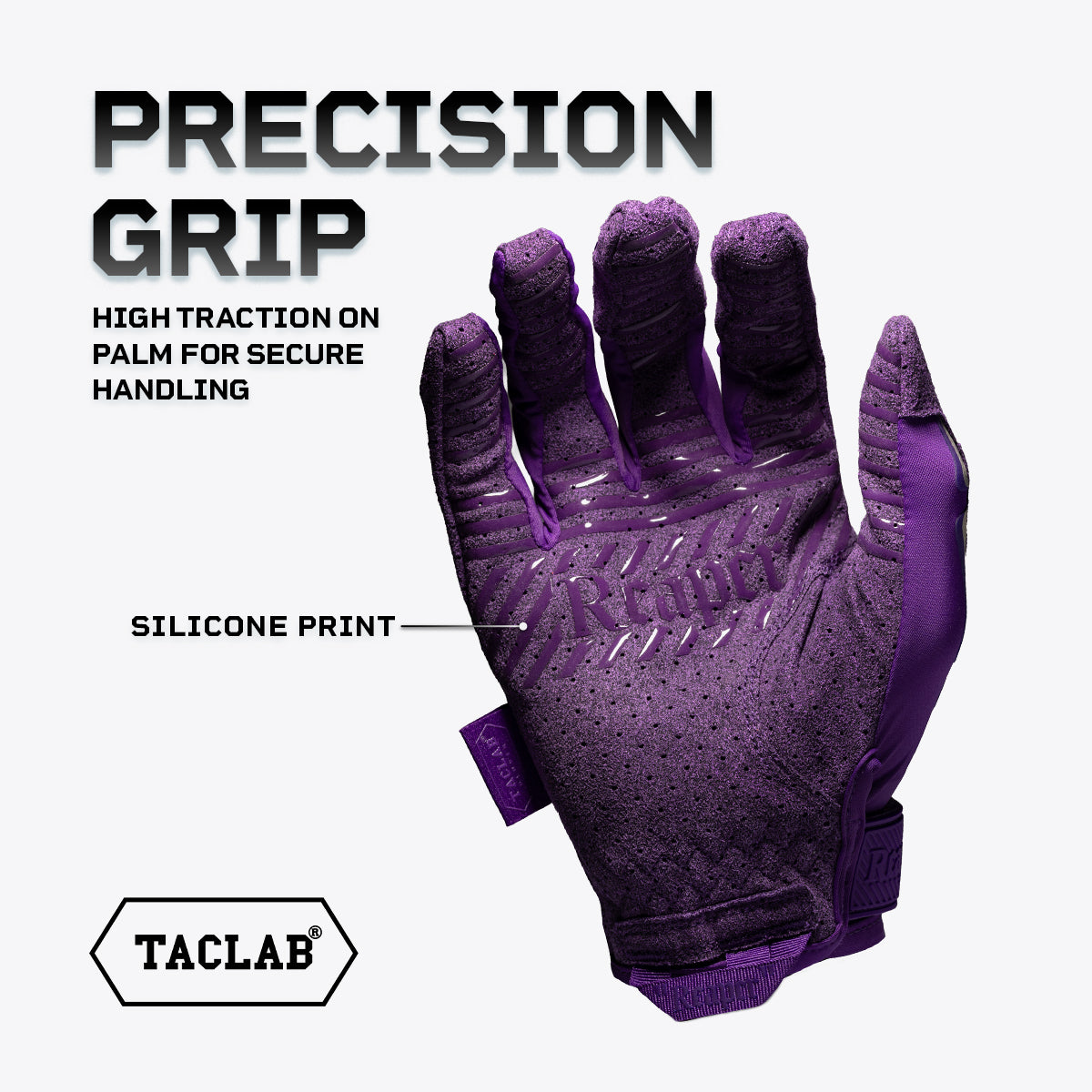
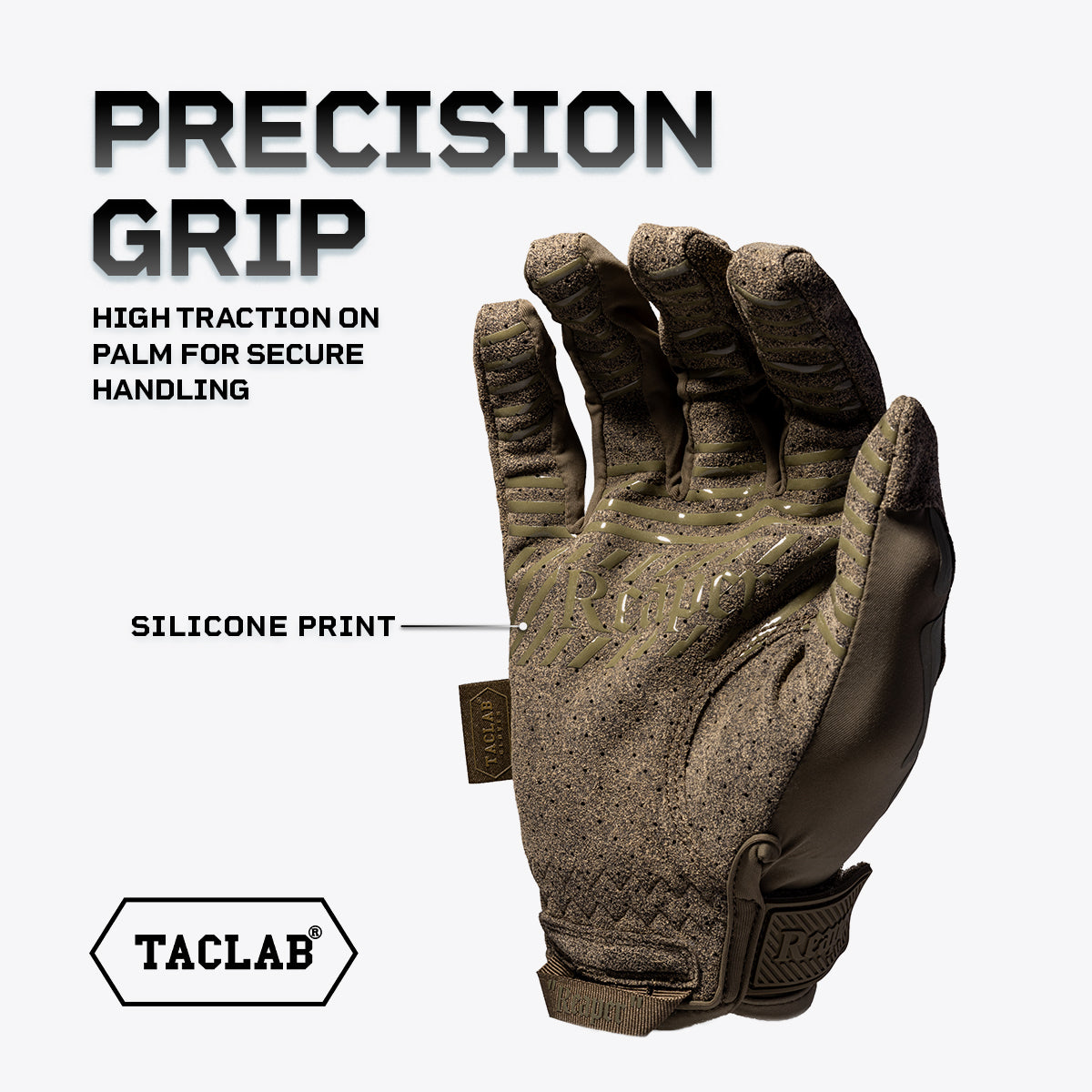
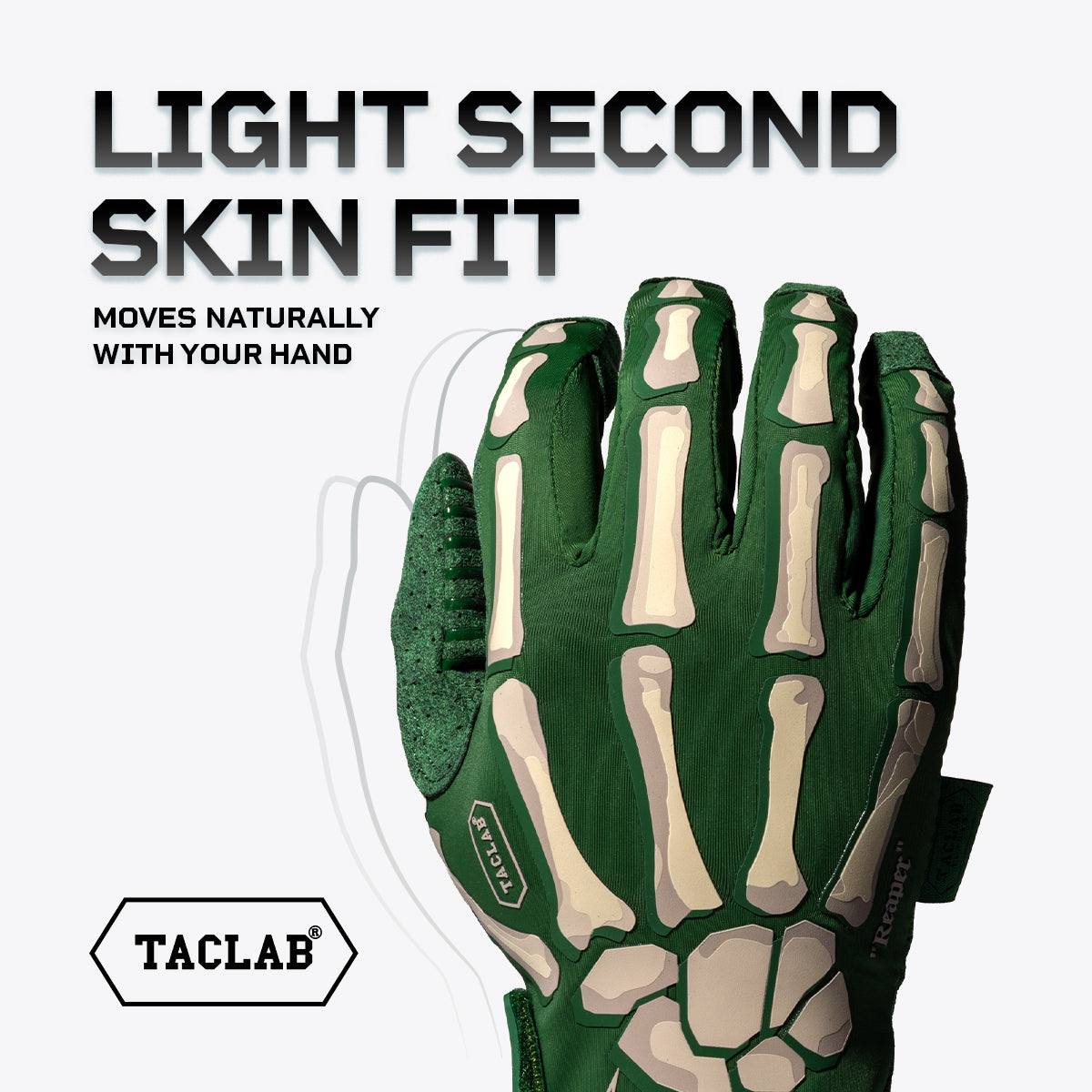
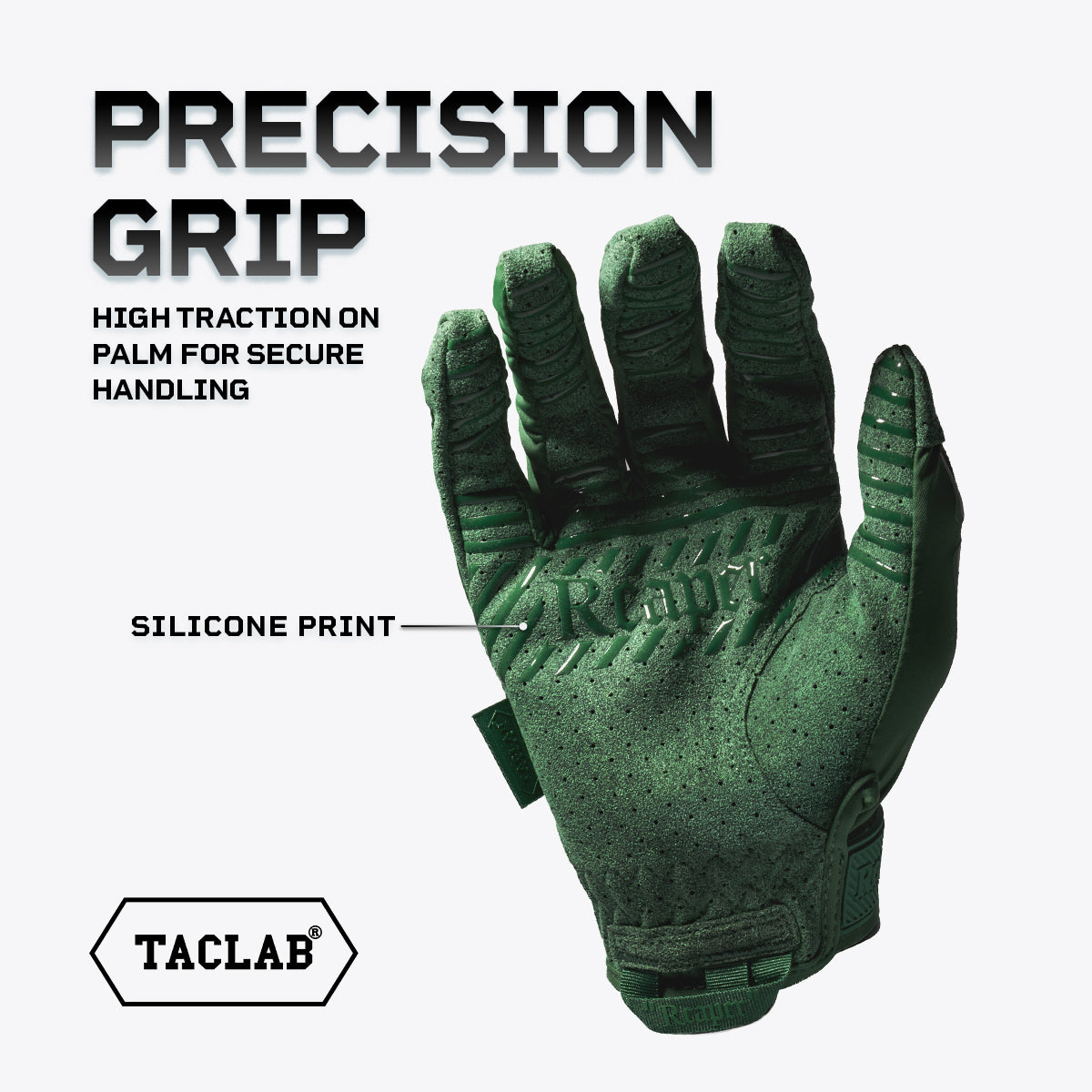
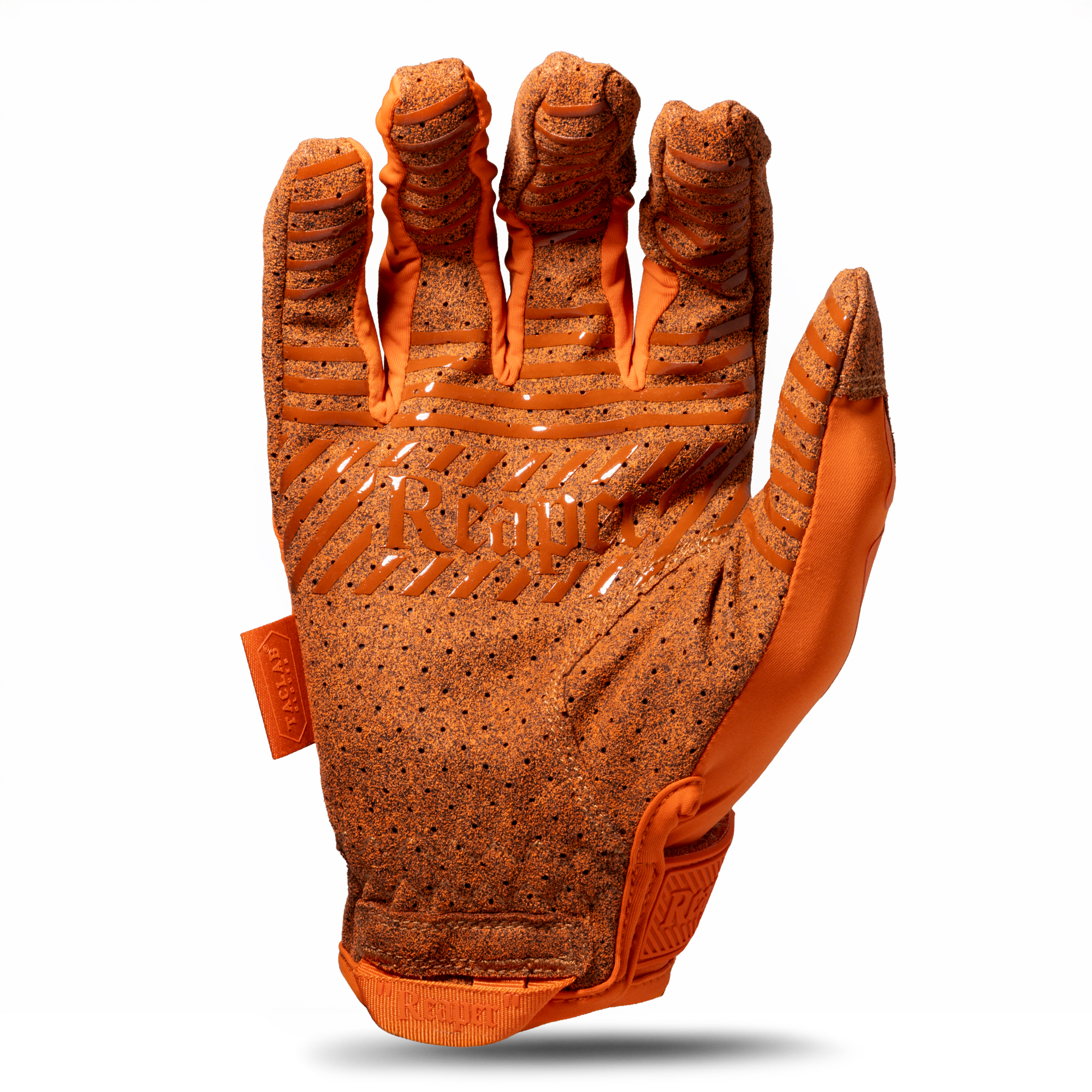
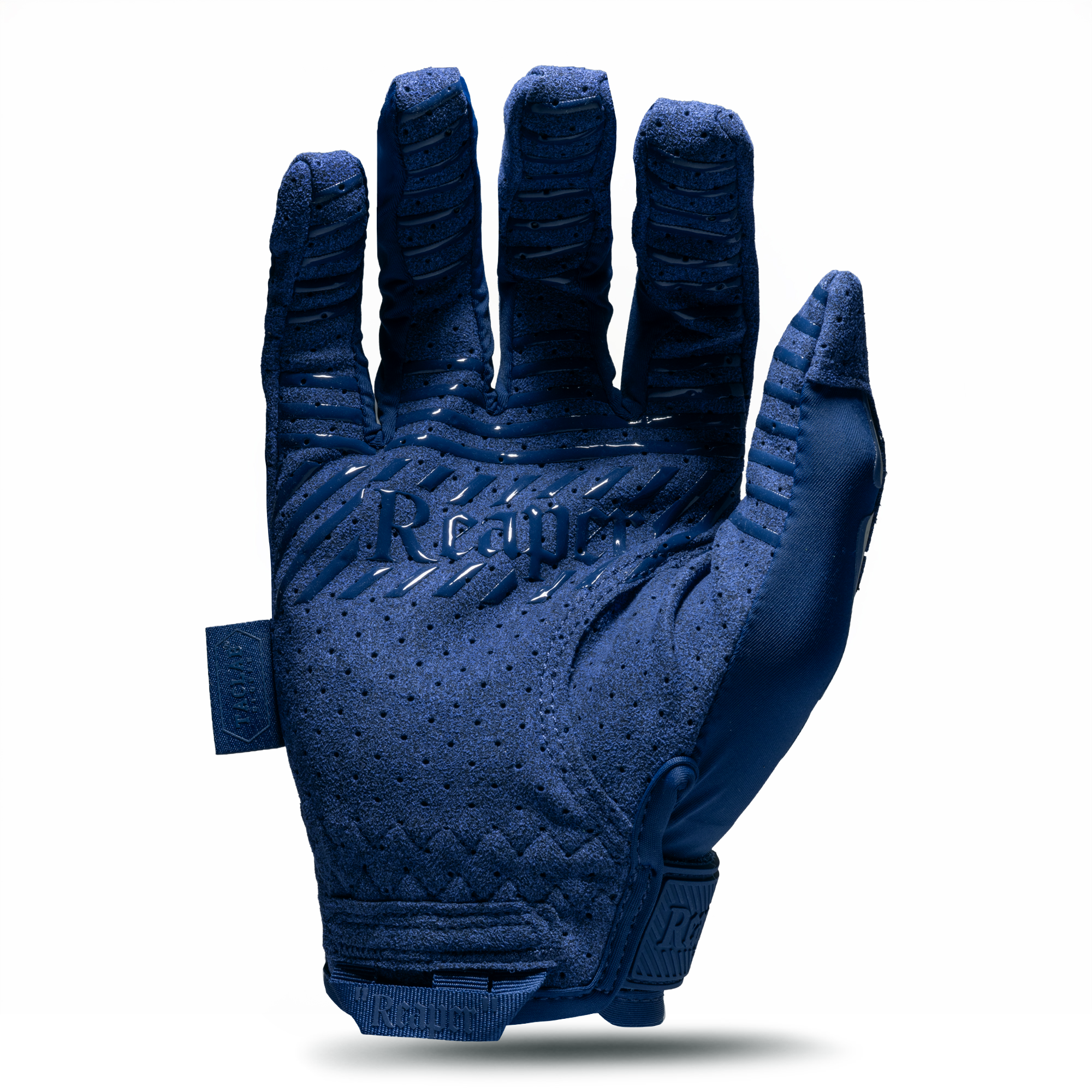
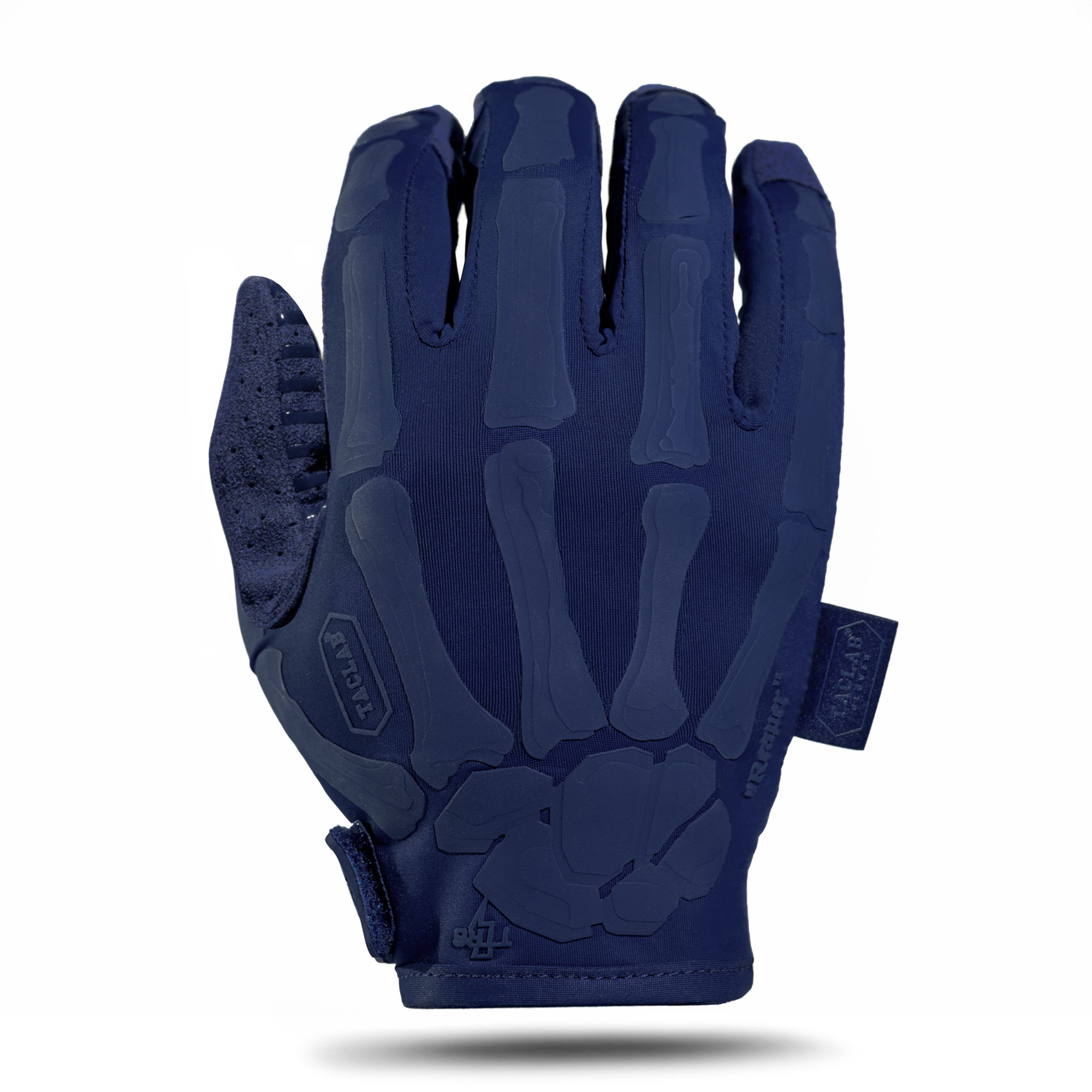
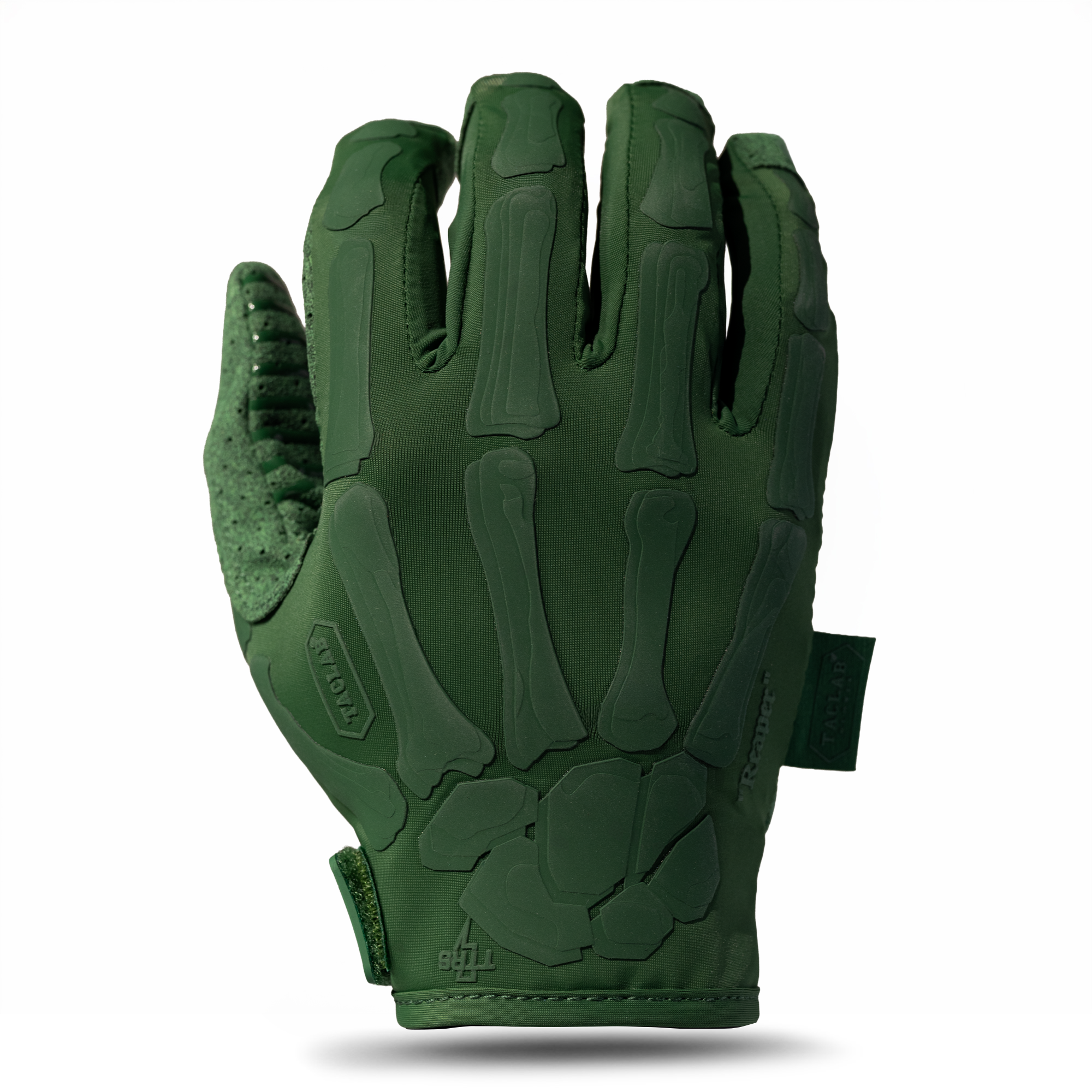
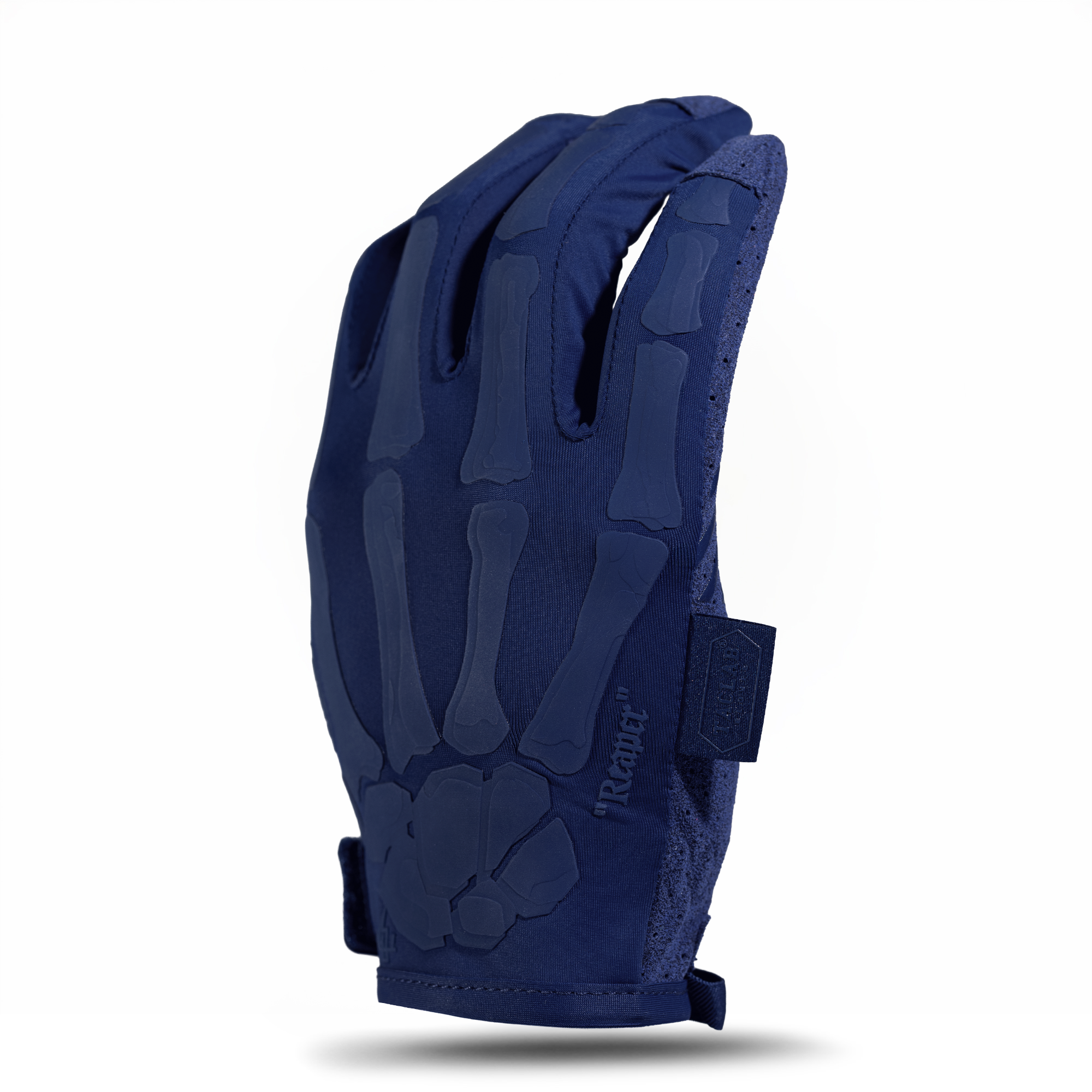
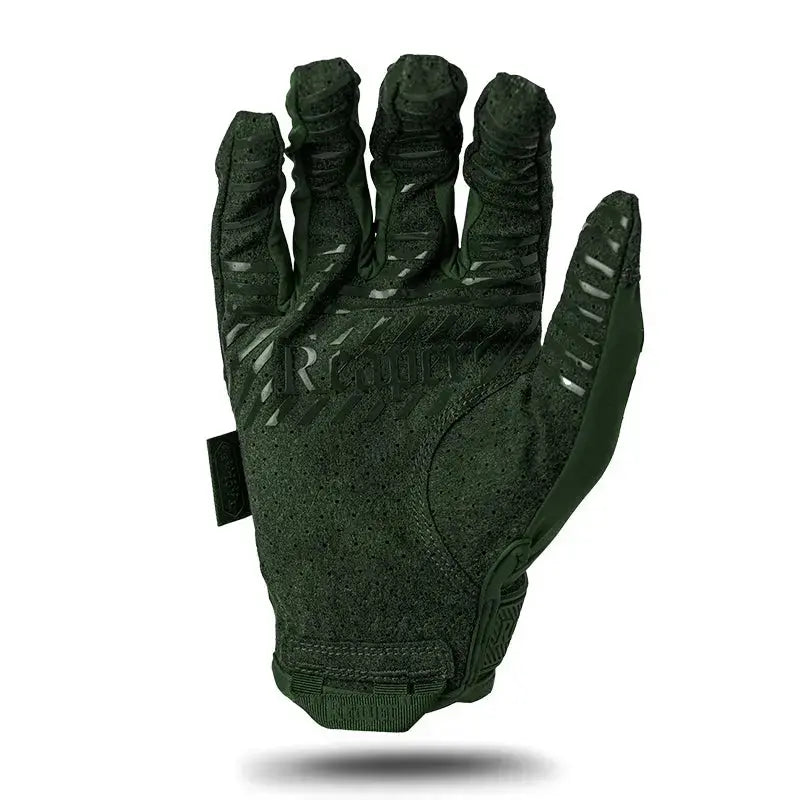
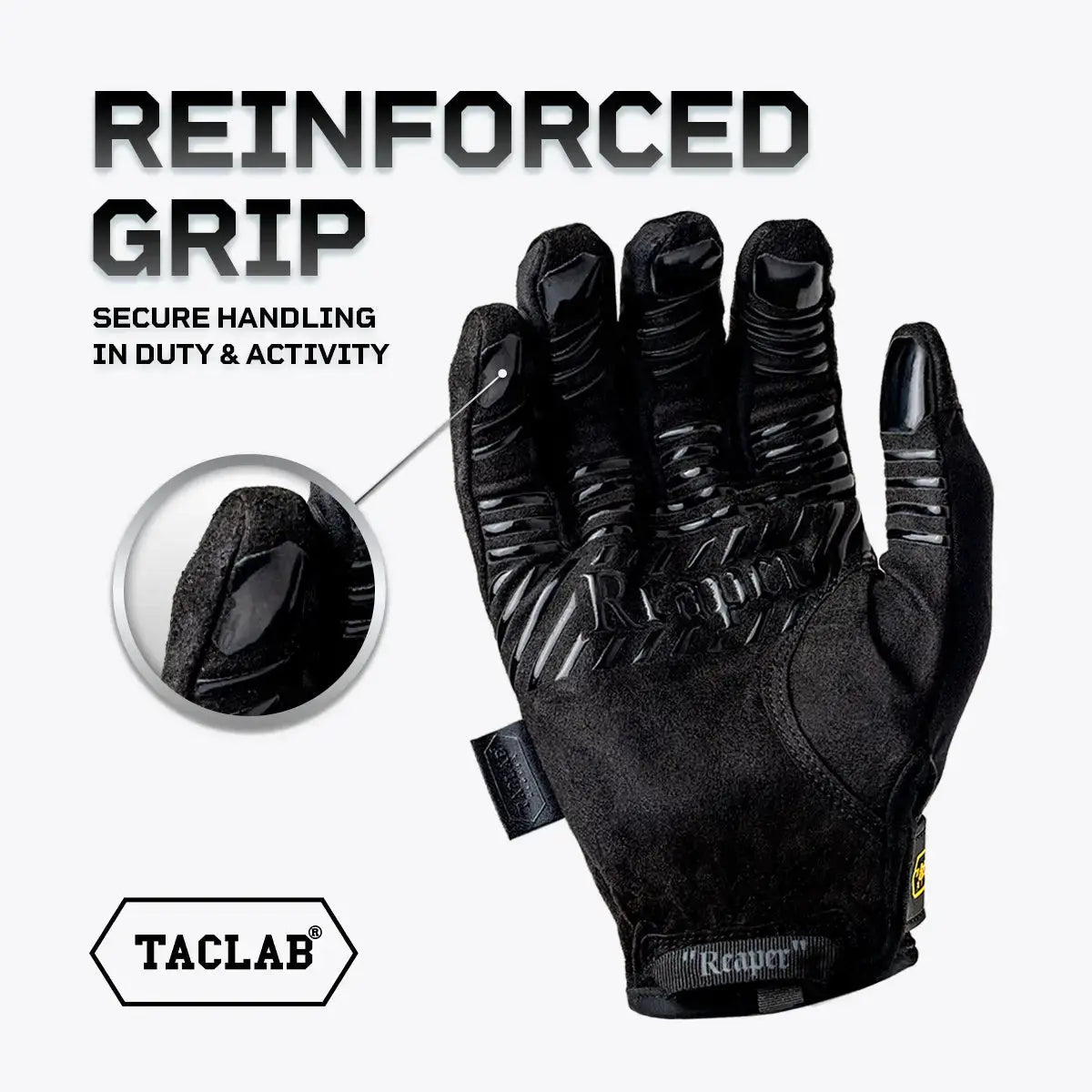
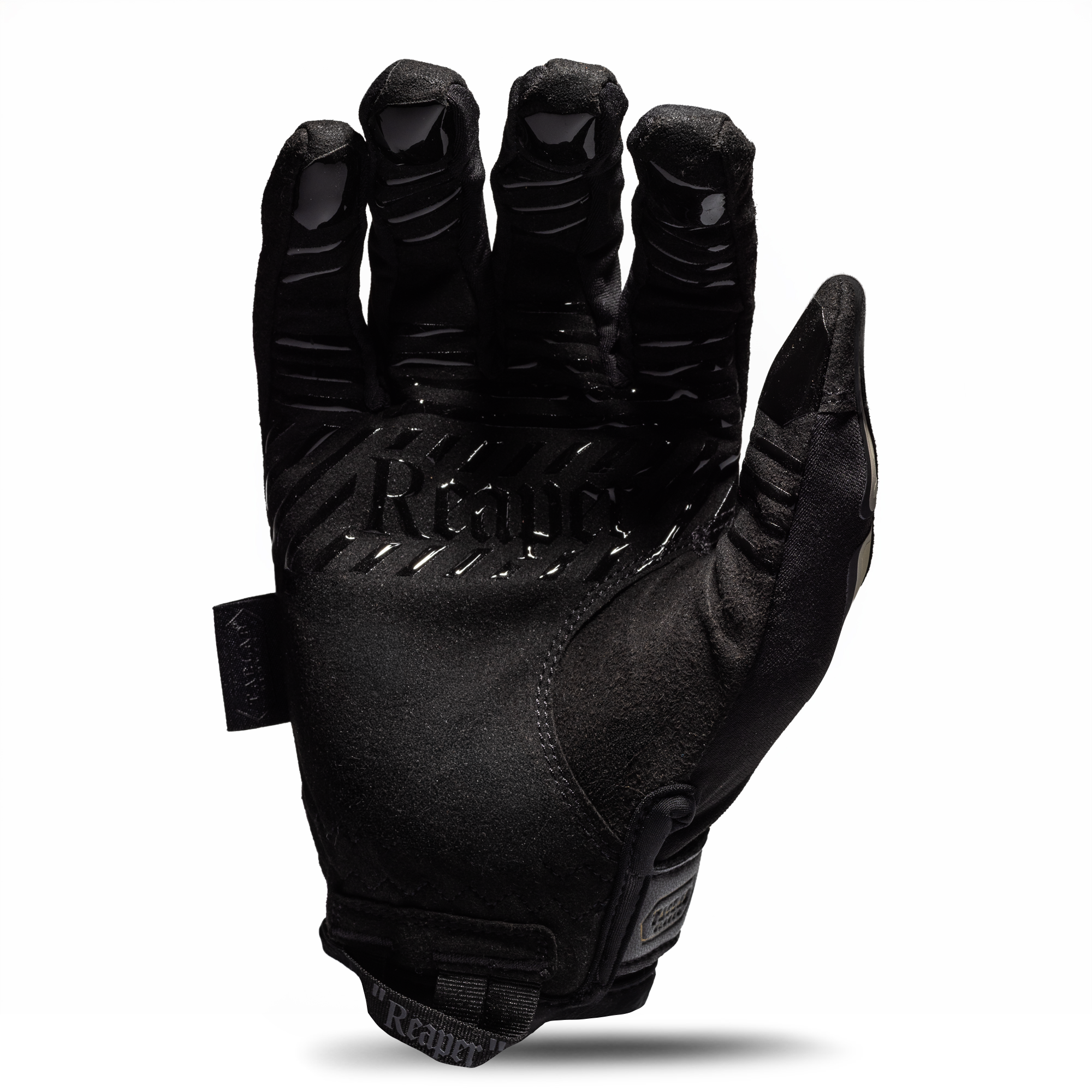
A good shooting glove can provide hand coverage, improve comfort, and help maintain a more consistent grip when hands become sweaty.
But there's an important trade-off.
When Gloves Are Actually Useful
Shooting gloves shouldn't interfere with your ability to operate equipment safely.
A glove that's too thick or poorly fitted can reduce tactile feedback and create excess material around the trigger finger.
That's why shooting gloves generally prioritize:
- Close fit
- Low bulk
- Finger dexterity
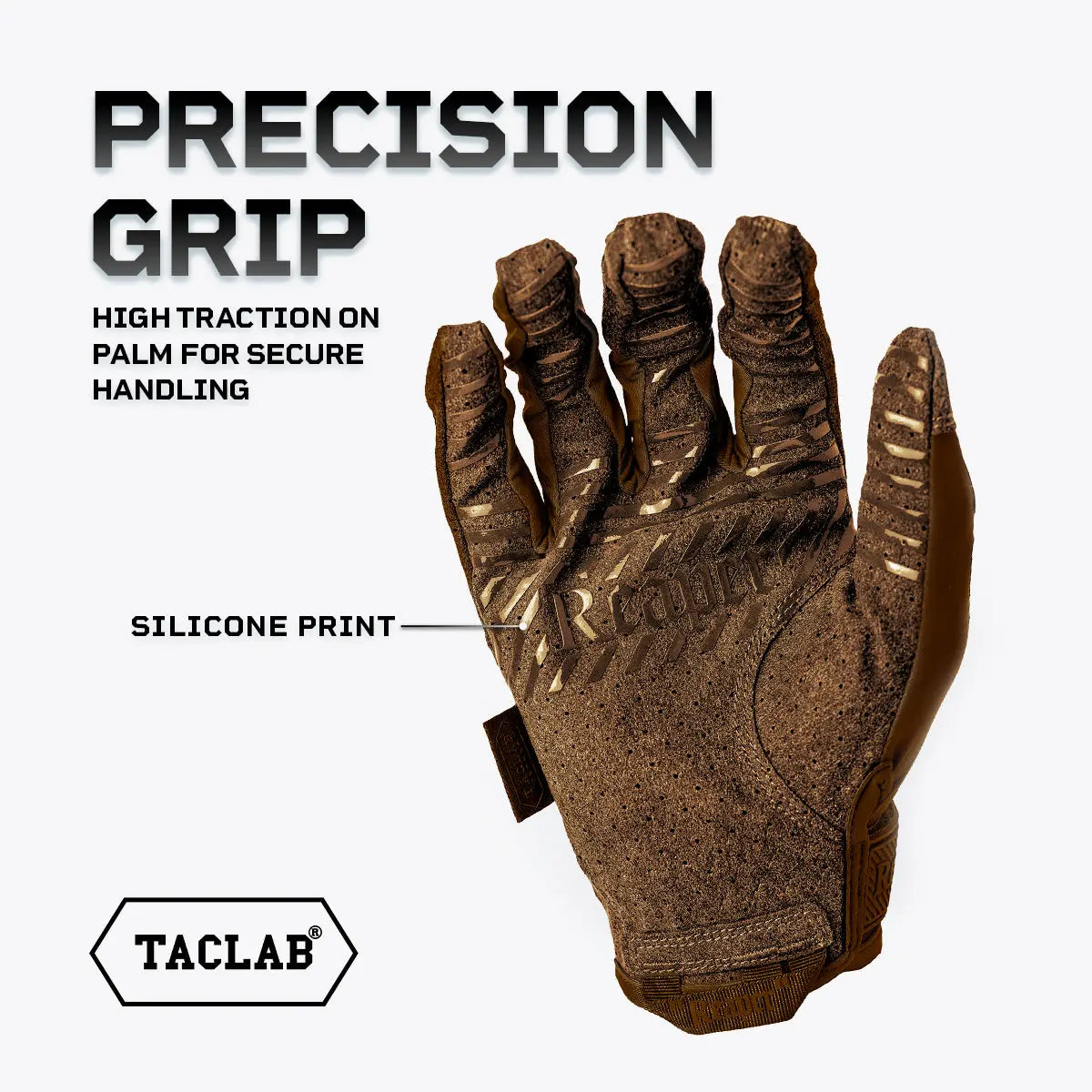
- Grip
- Flexible movement
We've covered the question in detail in our guide “Should You Wear Gloves at the Shooting Range? Pros and Cons Explained.”
We've also looked at why some shooters historically modified bulky gloves in “Why Do Shooters Cut the Trigger Finger Off Their Gloves?”
Both come back to the same idea:
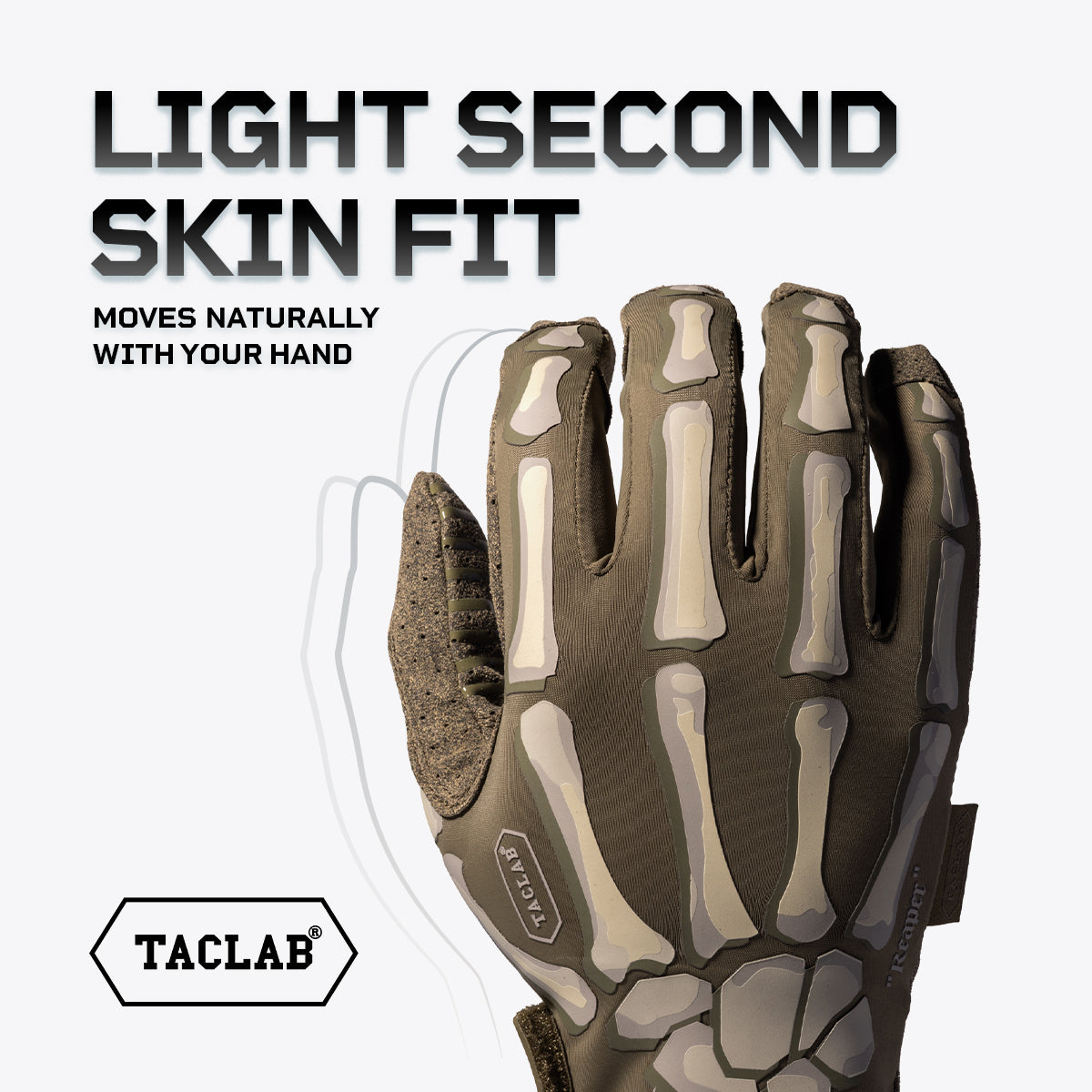
The right shooting glove should support hand control without constantly reminding you that you're wearing it.
Choosing a TACLAB Glove for the Range
This is also why TACLAB offers different gloves rather than treating every range environment as identical.
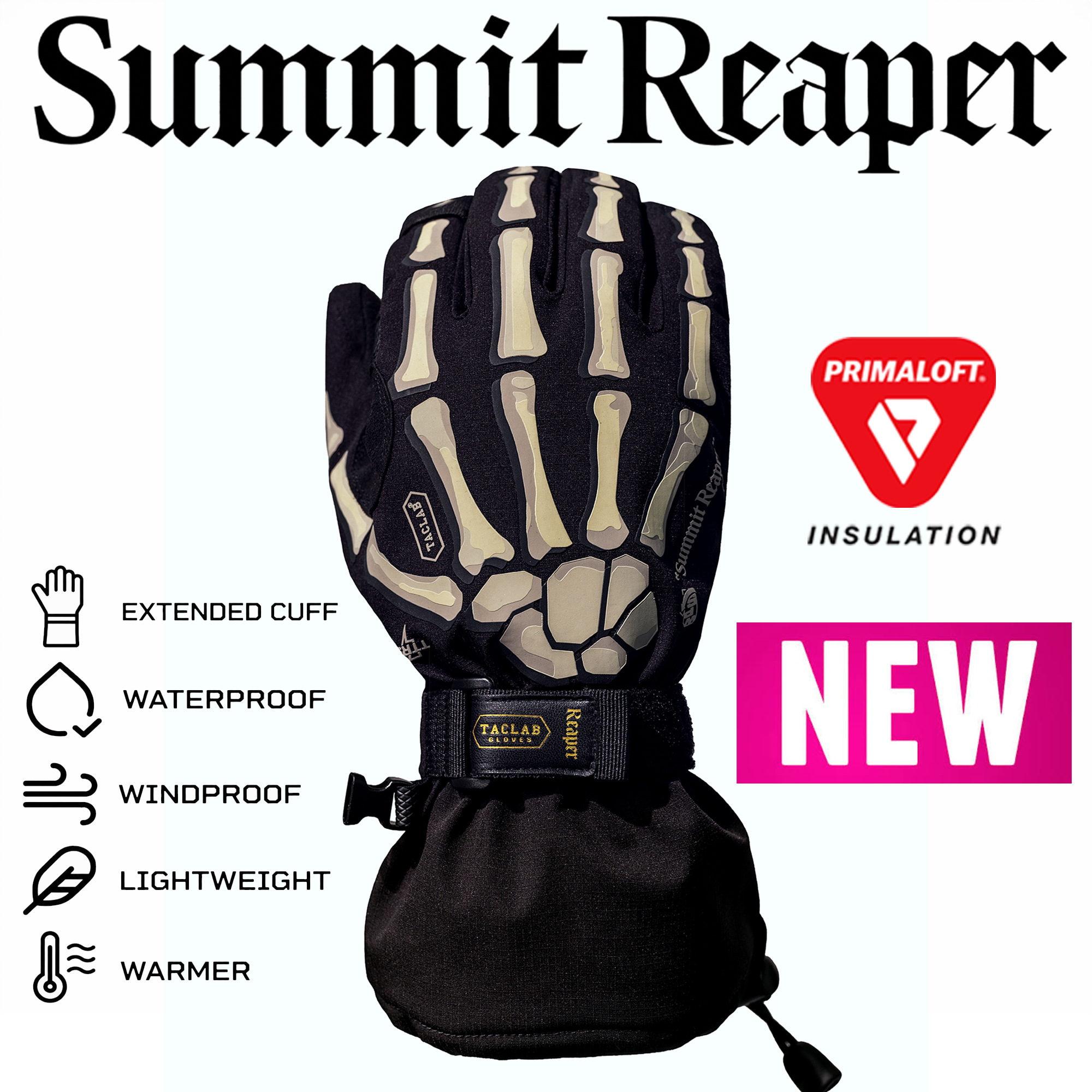
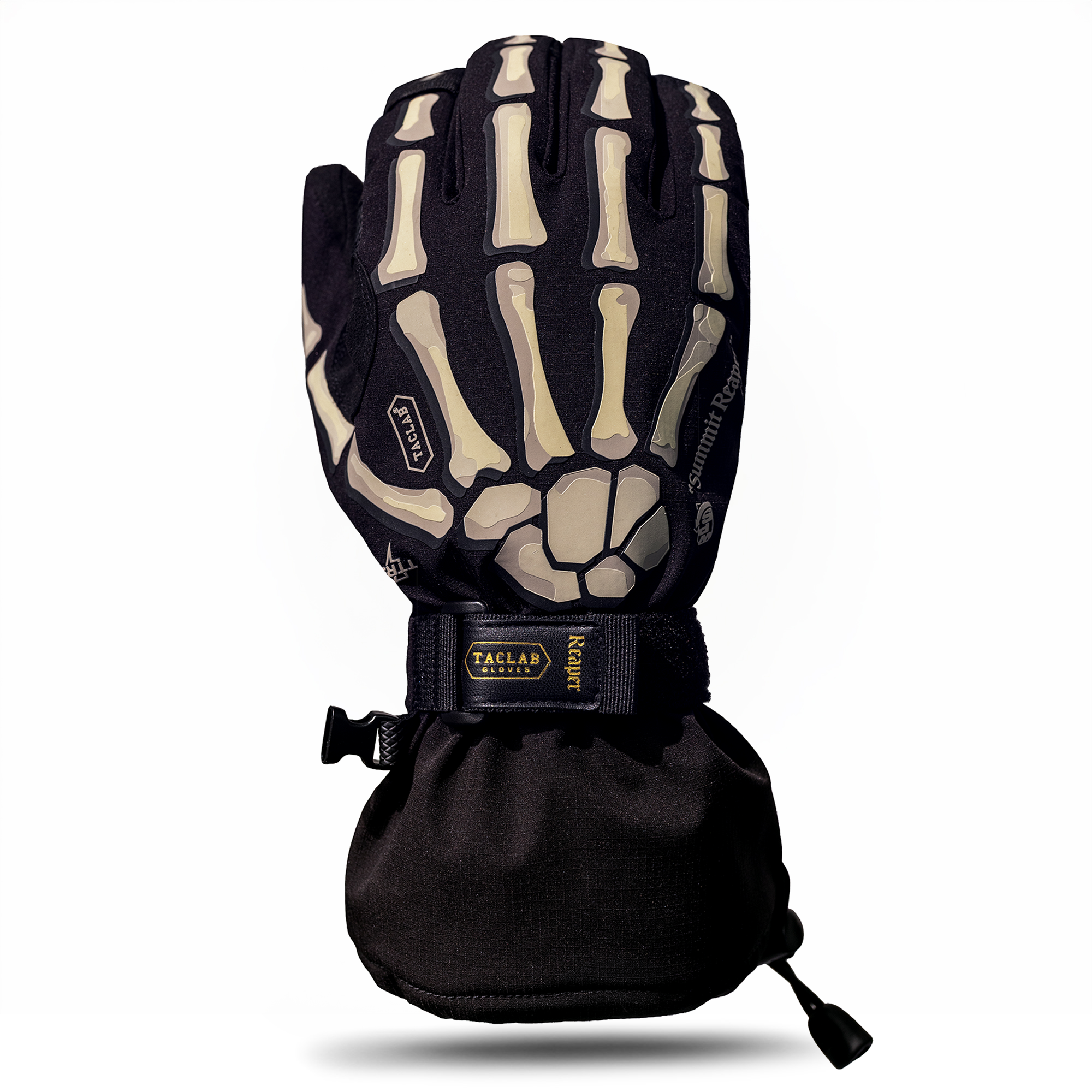
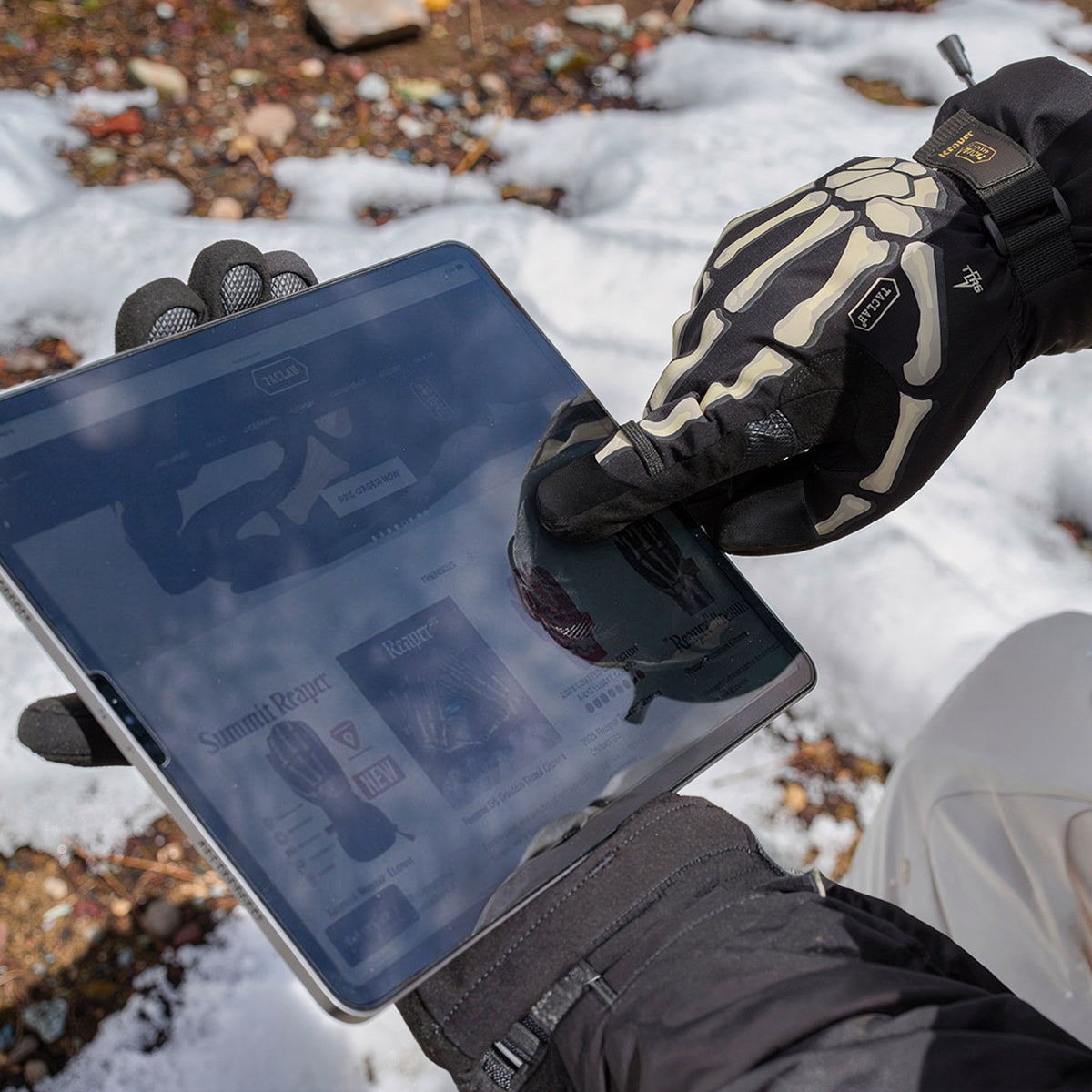
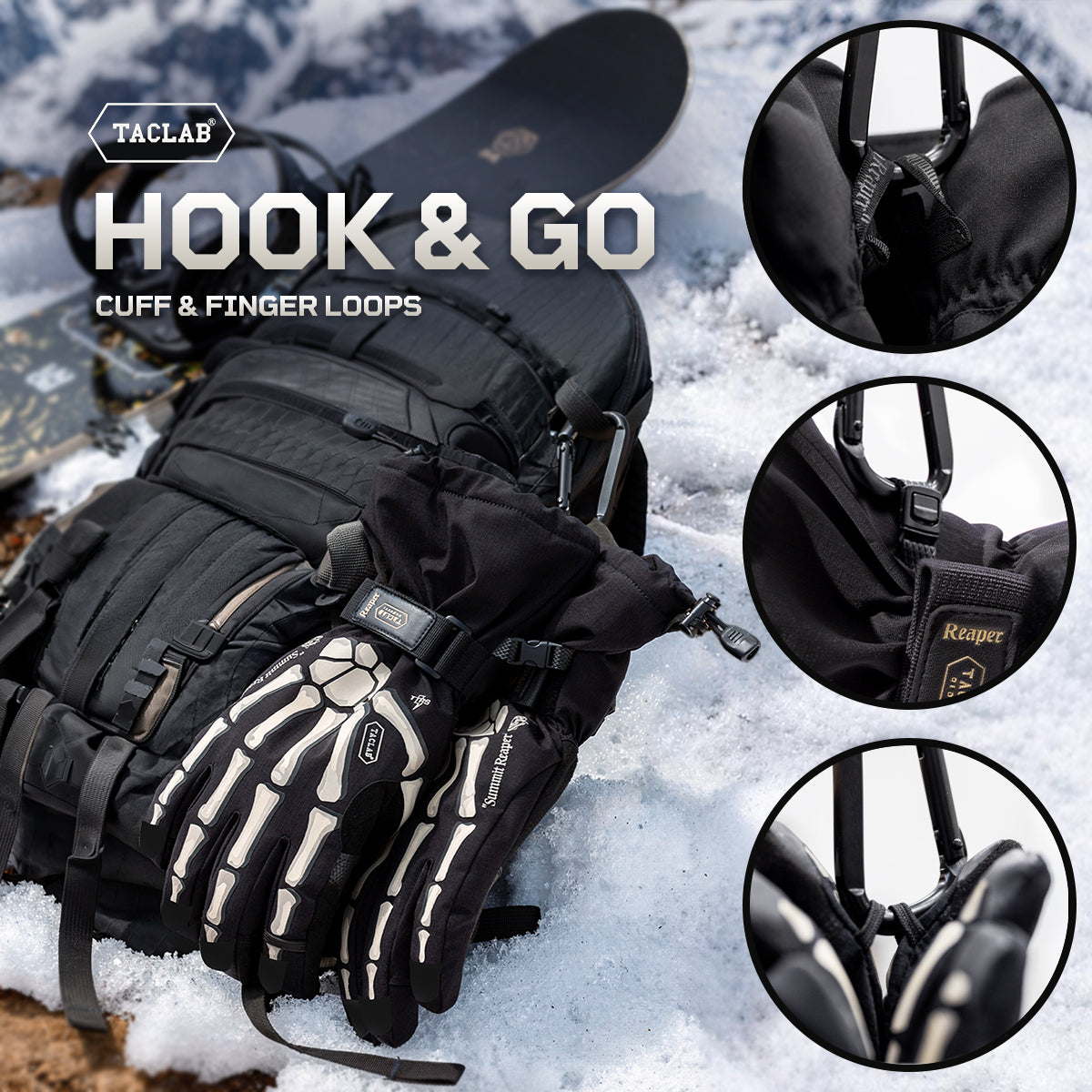
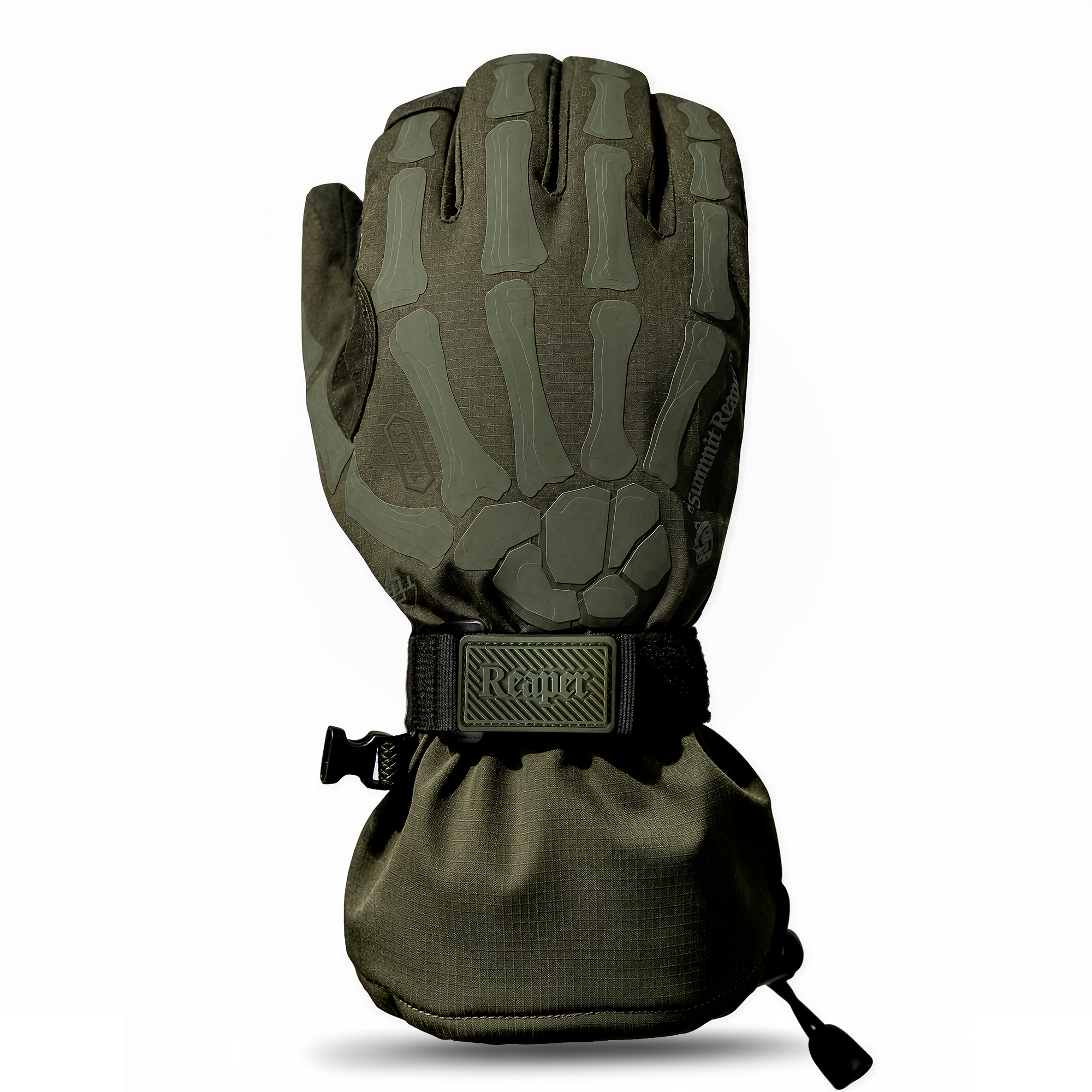
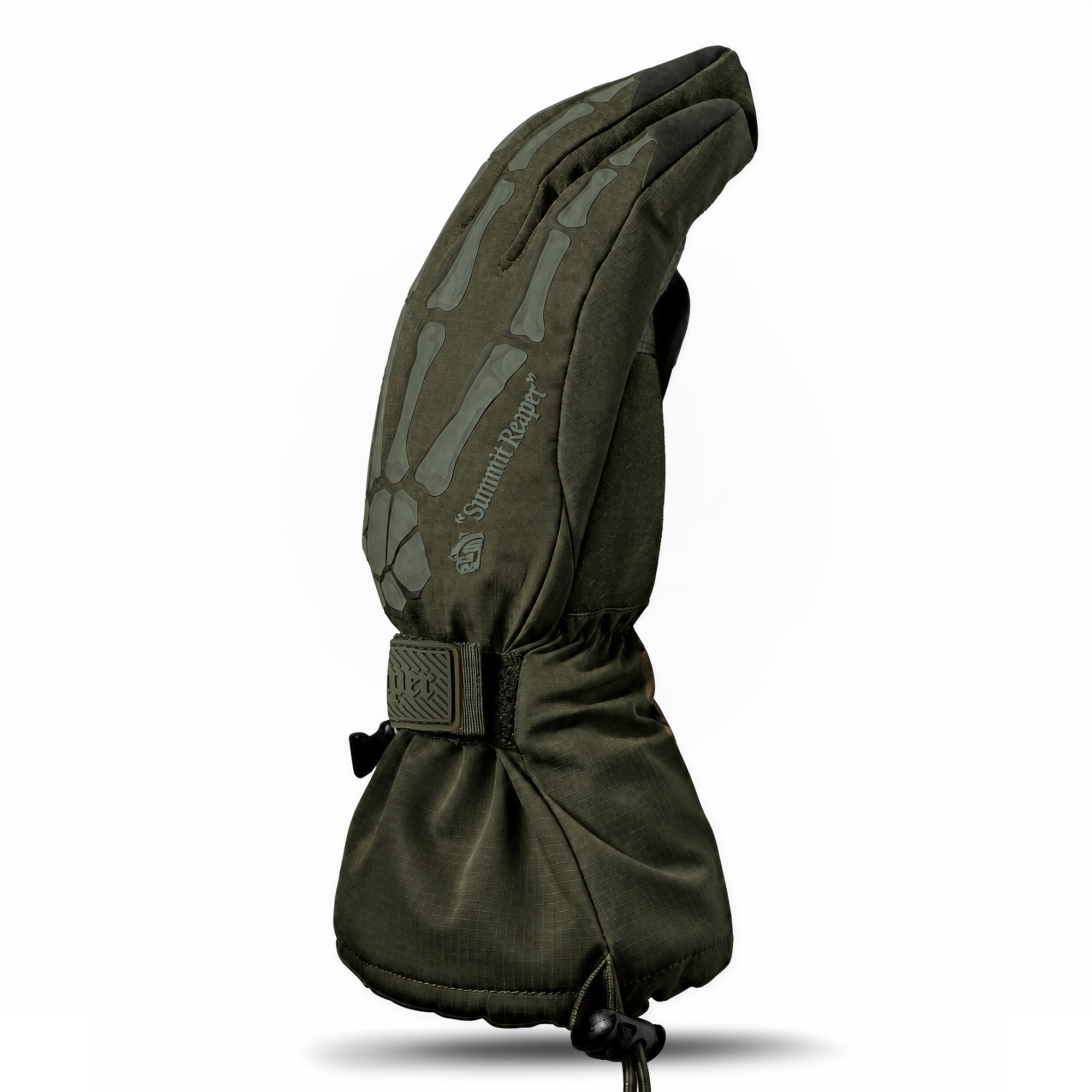
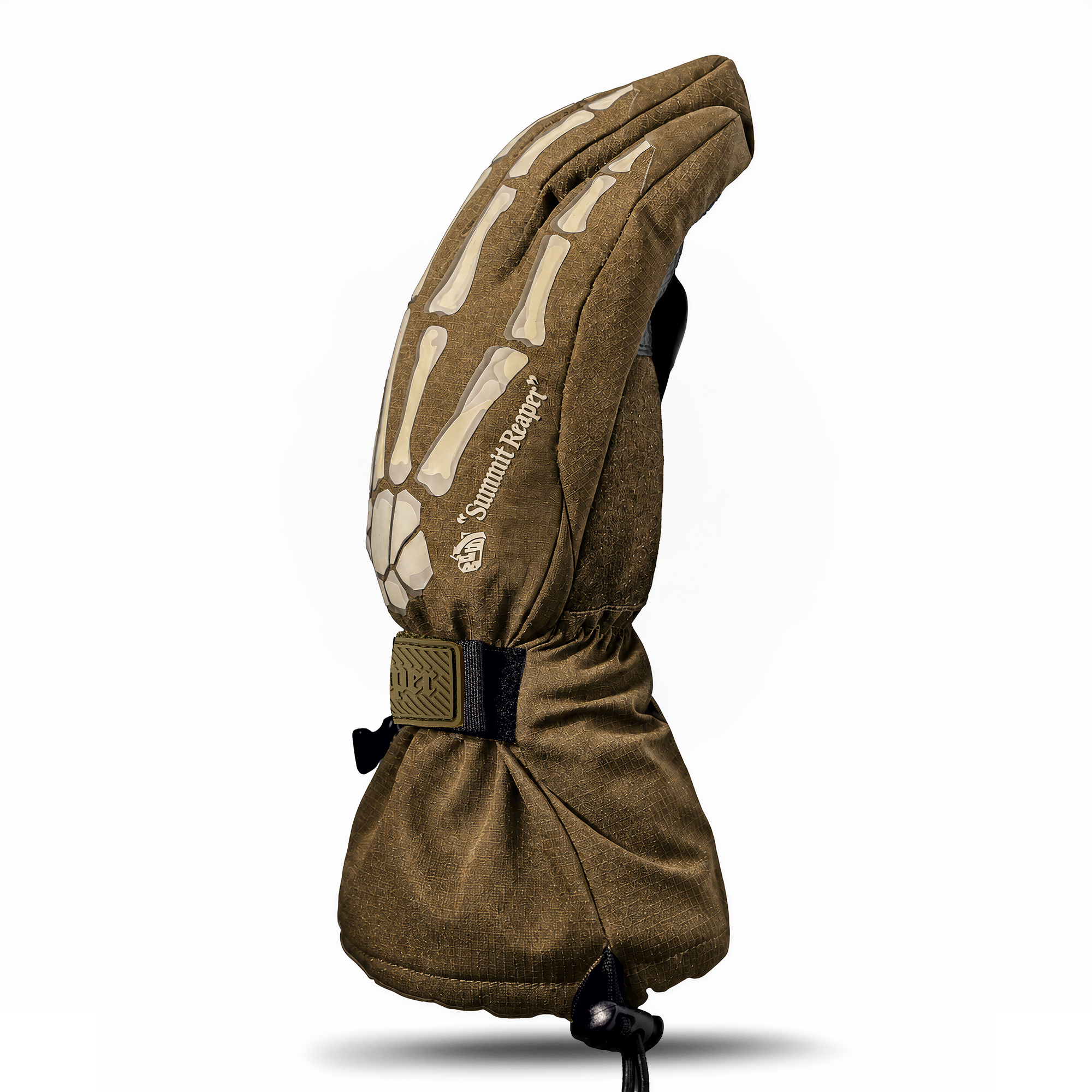
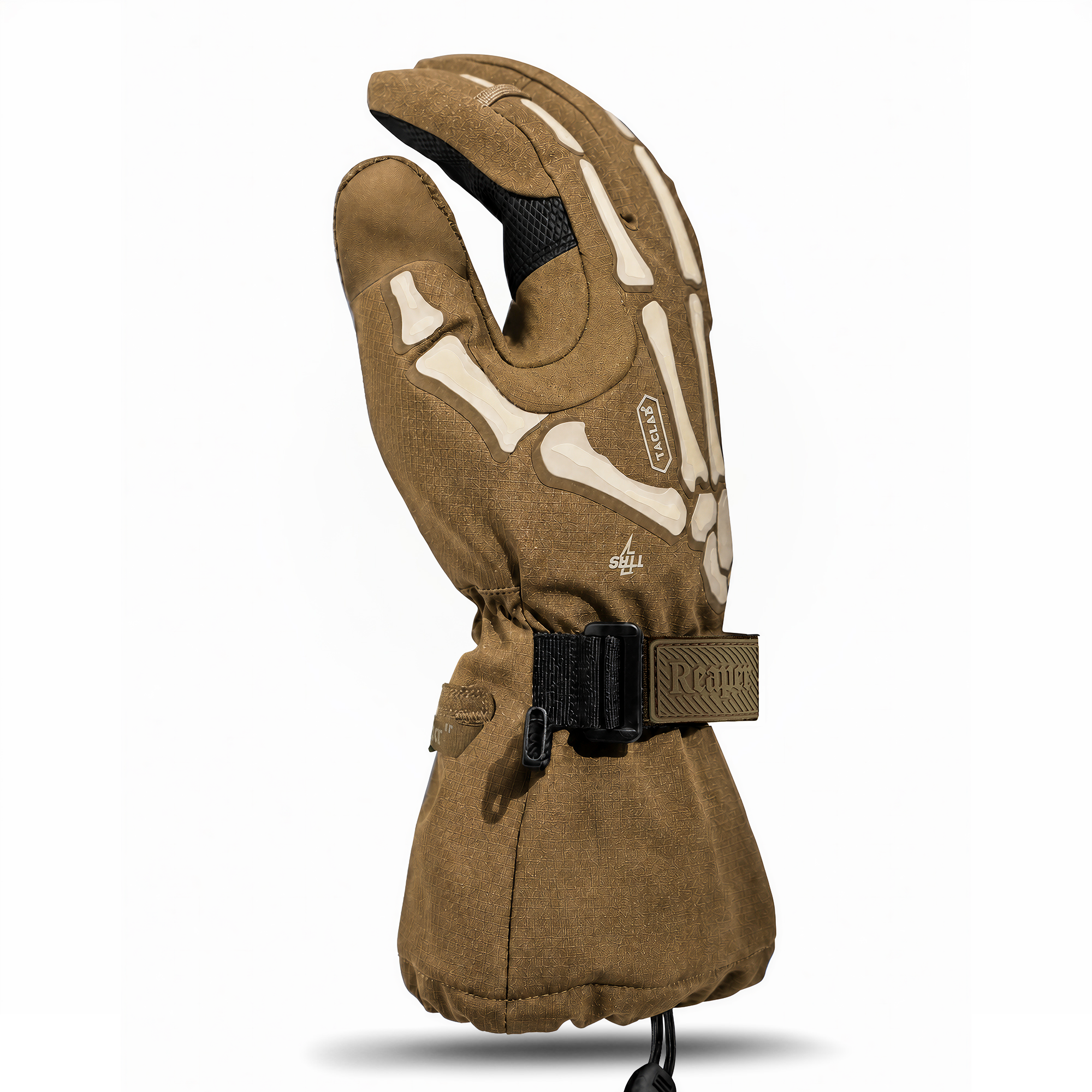
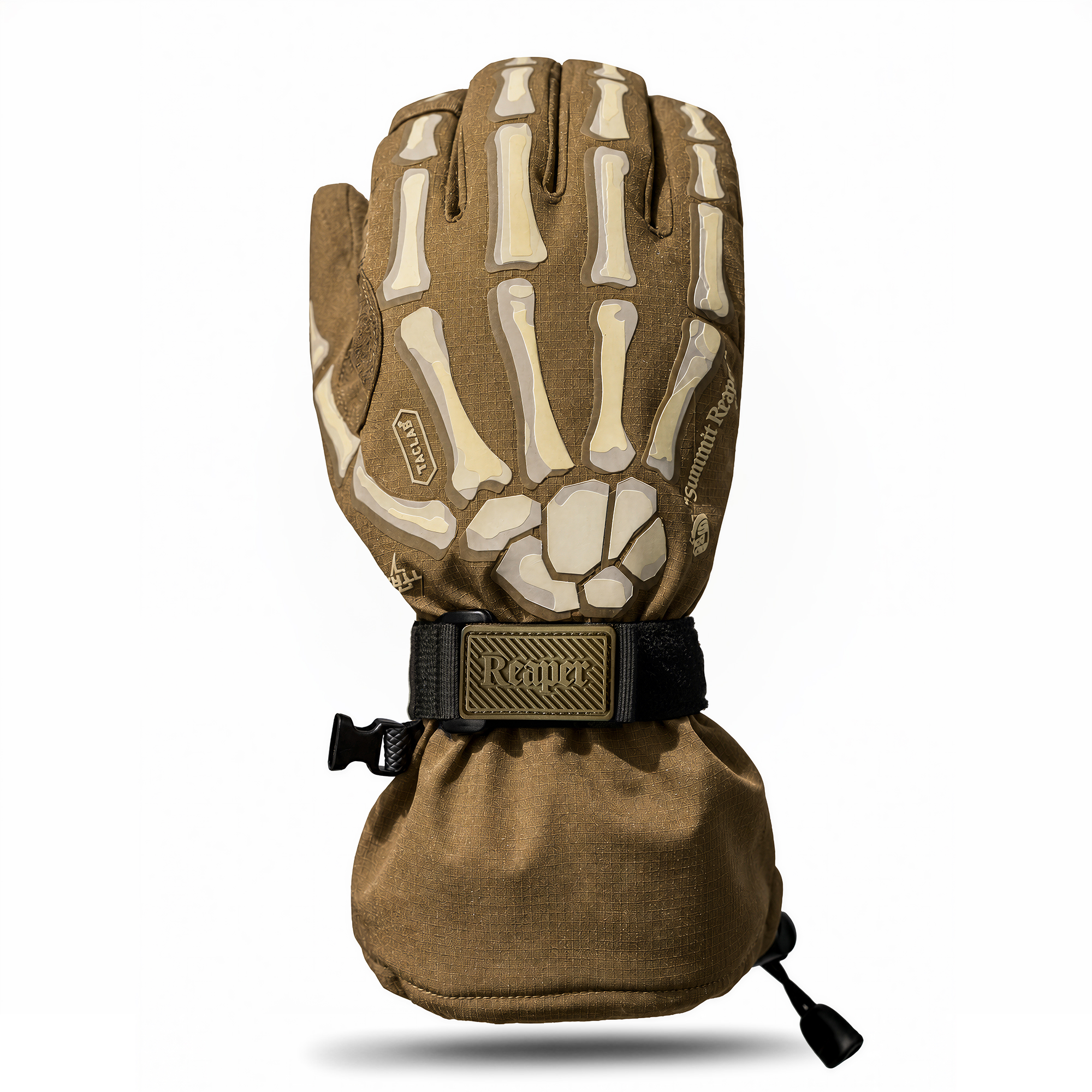
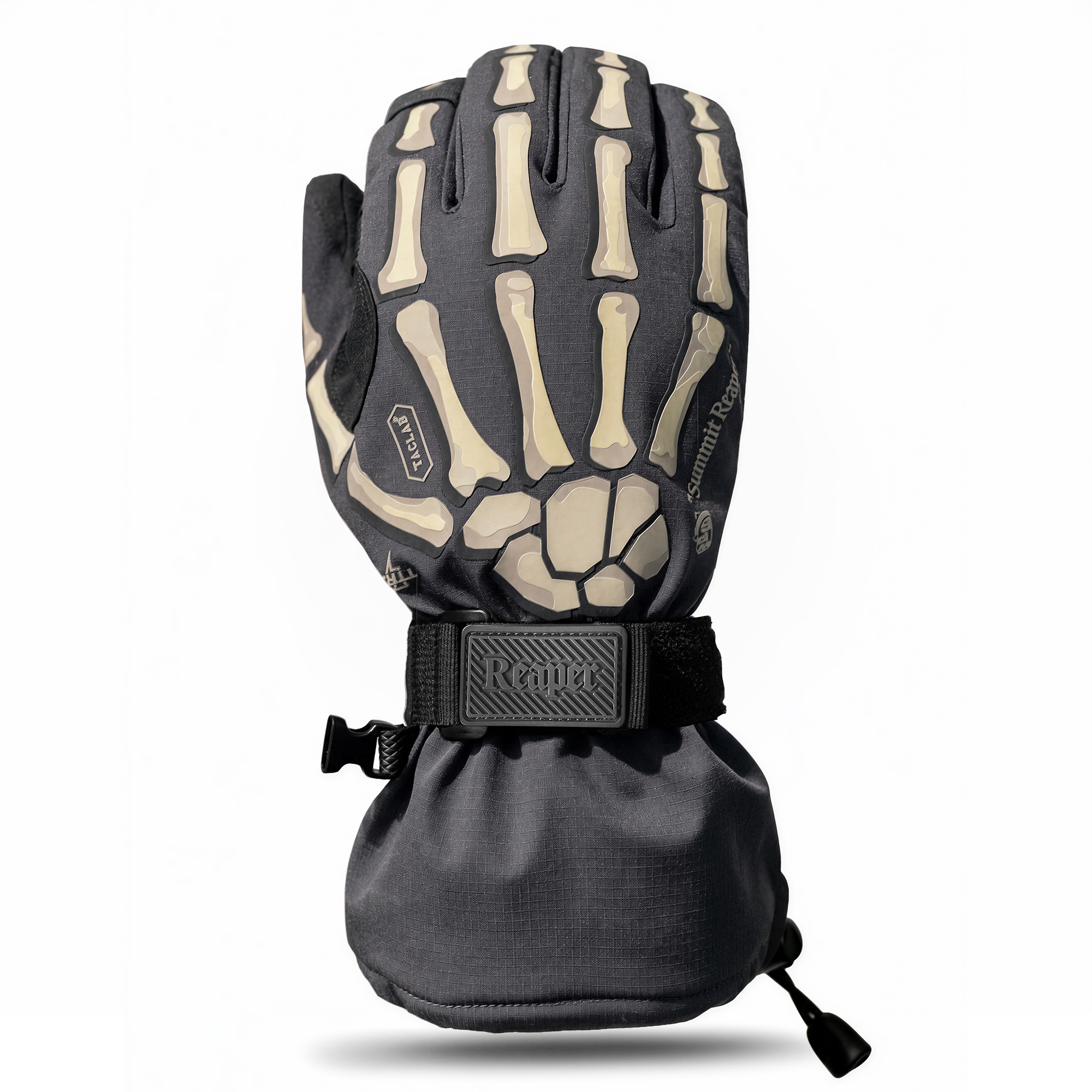
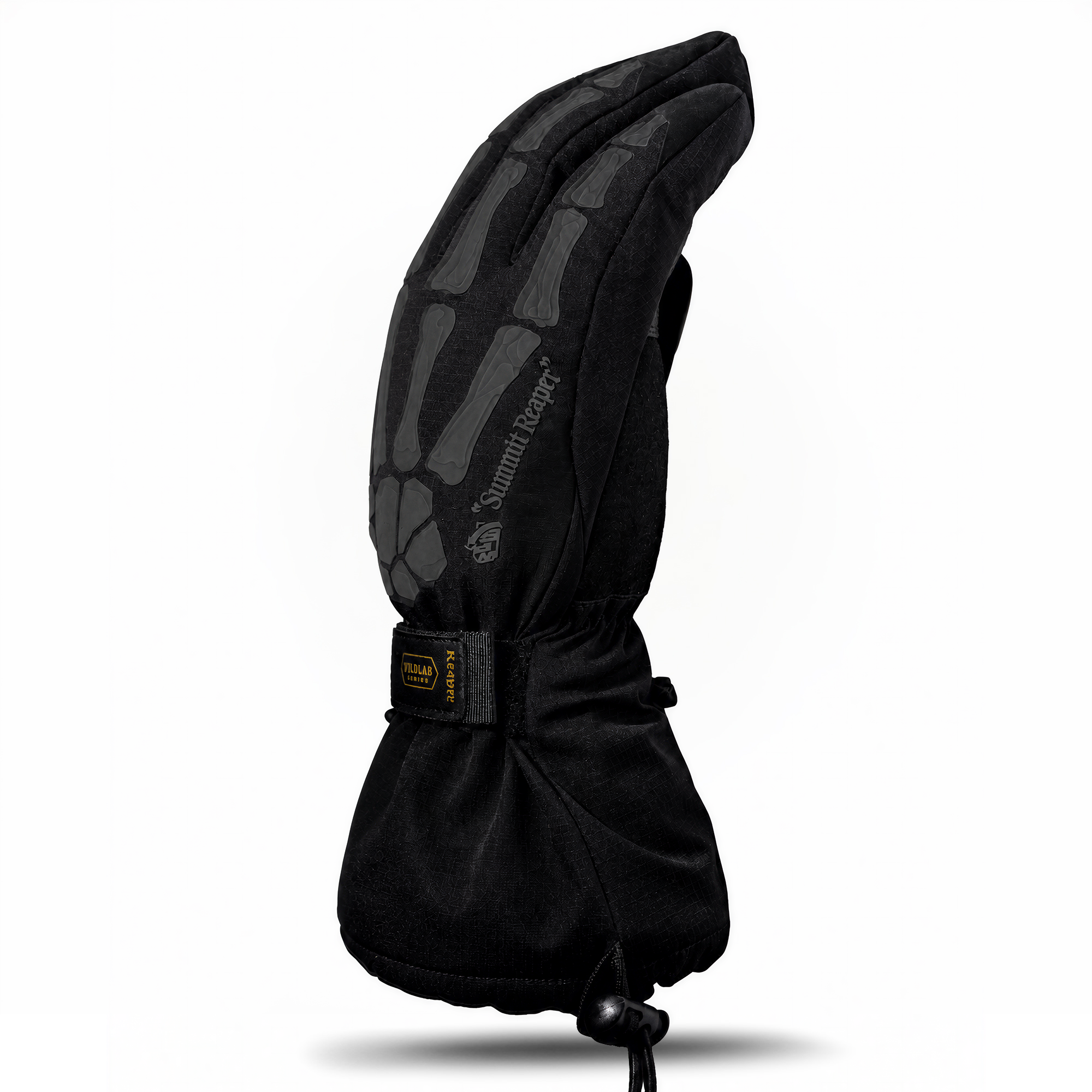
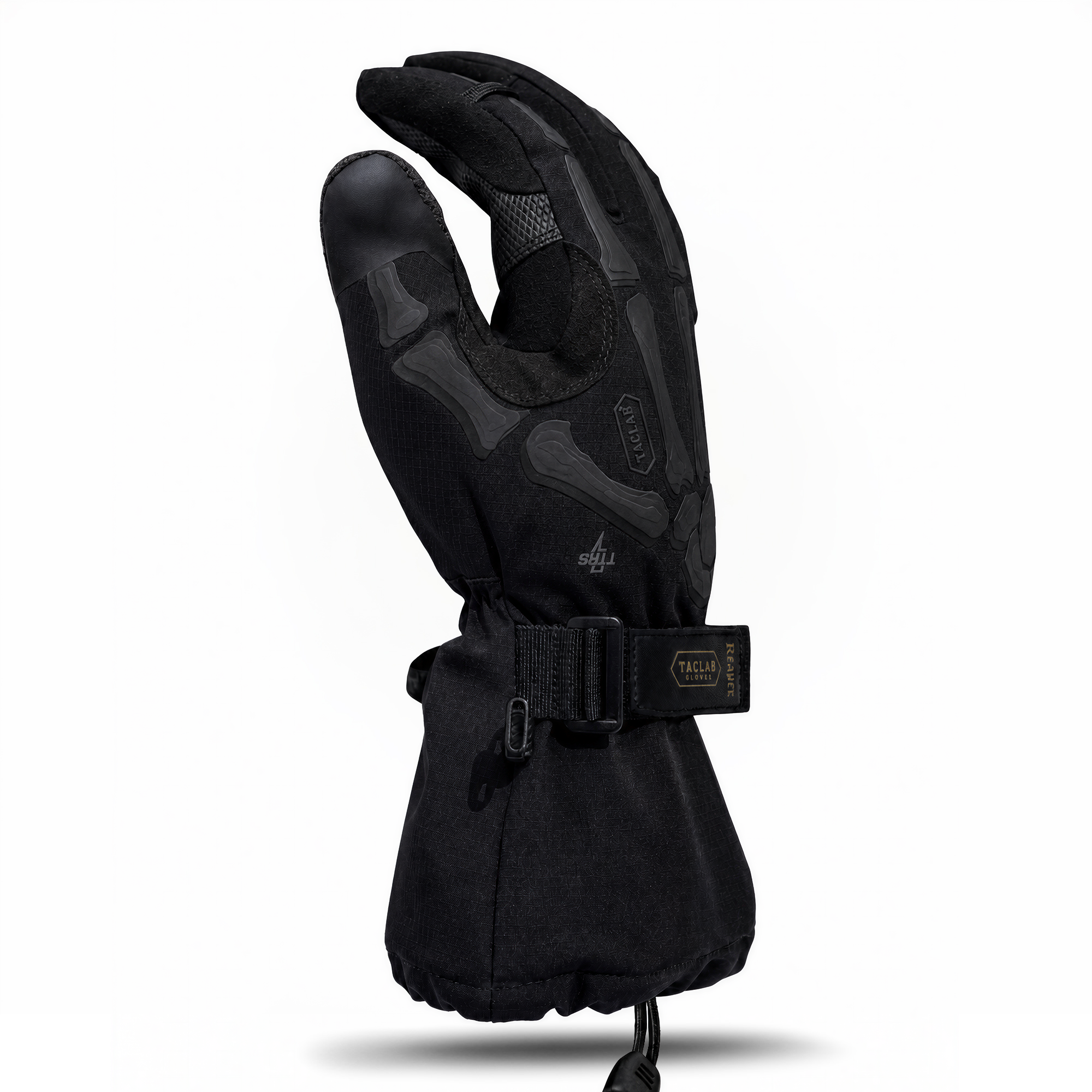
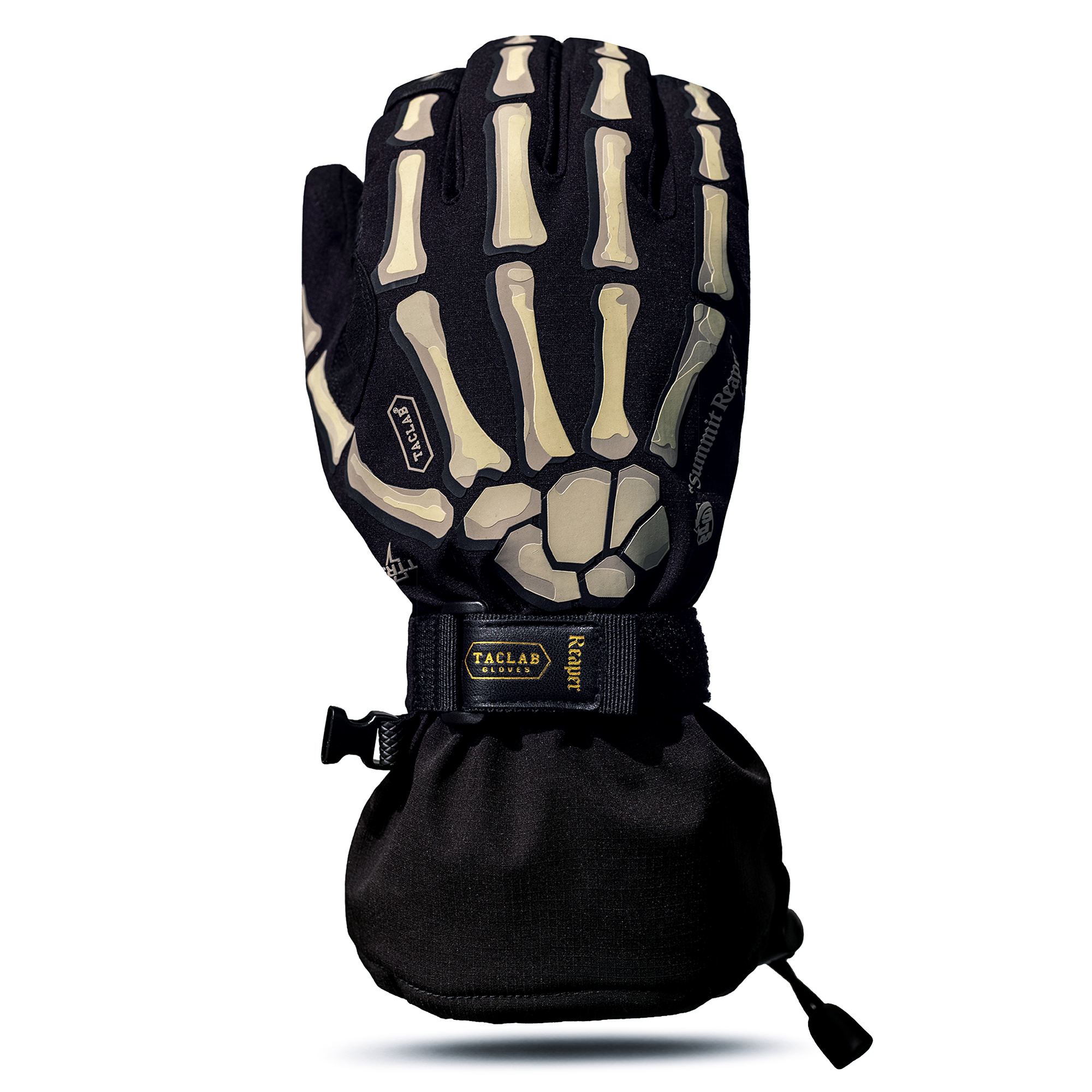
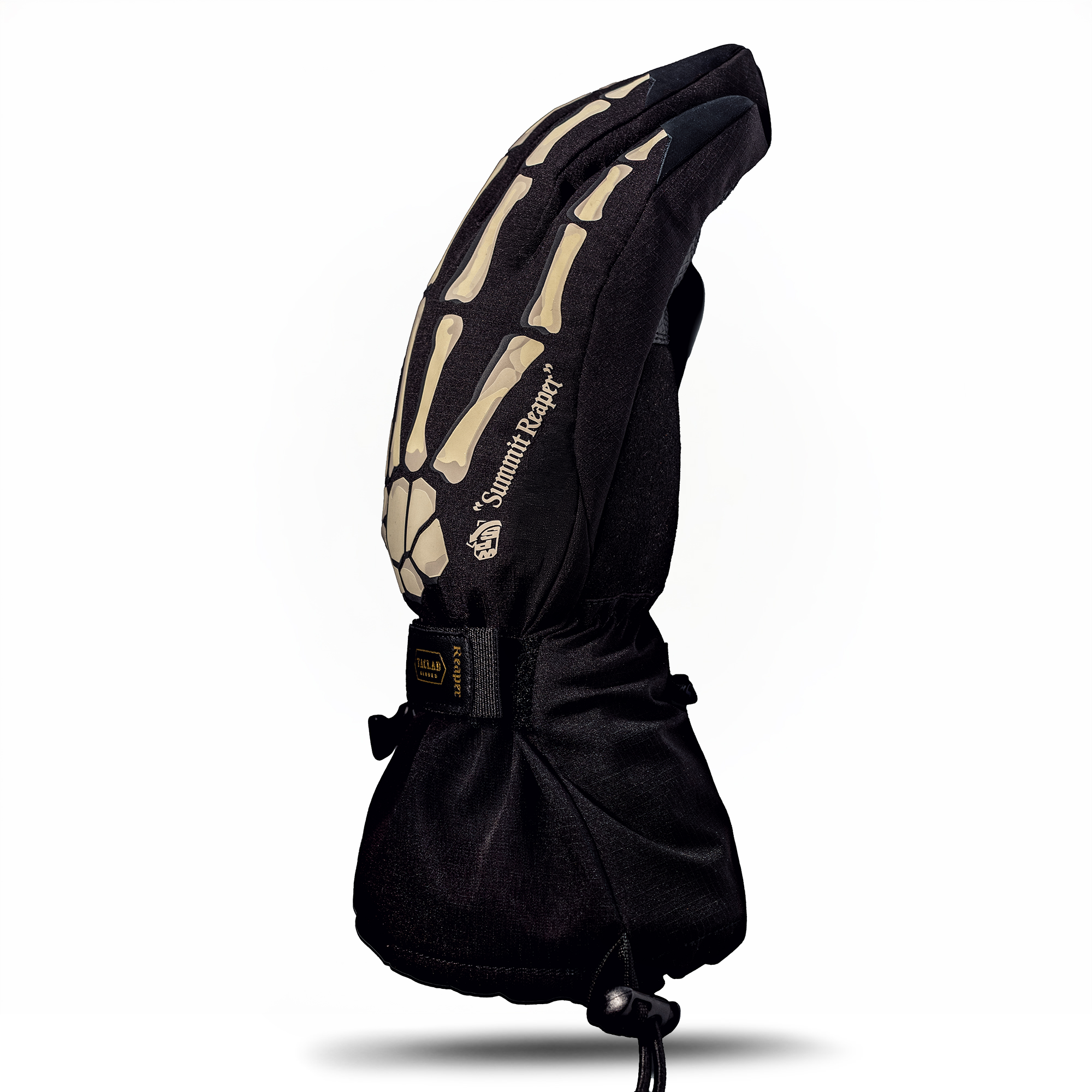
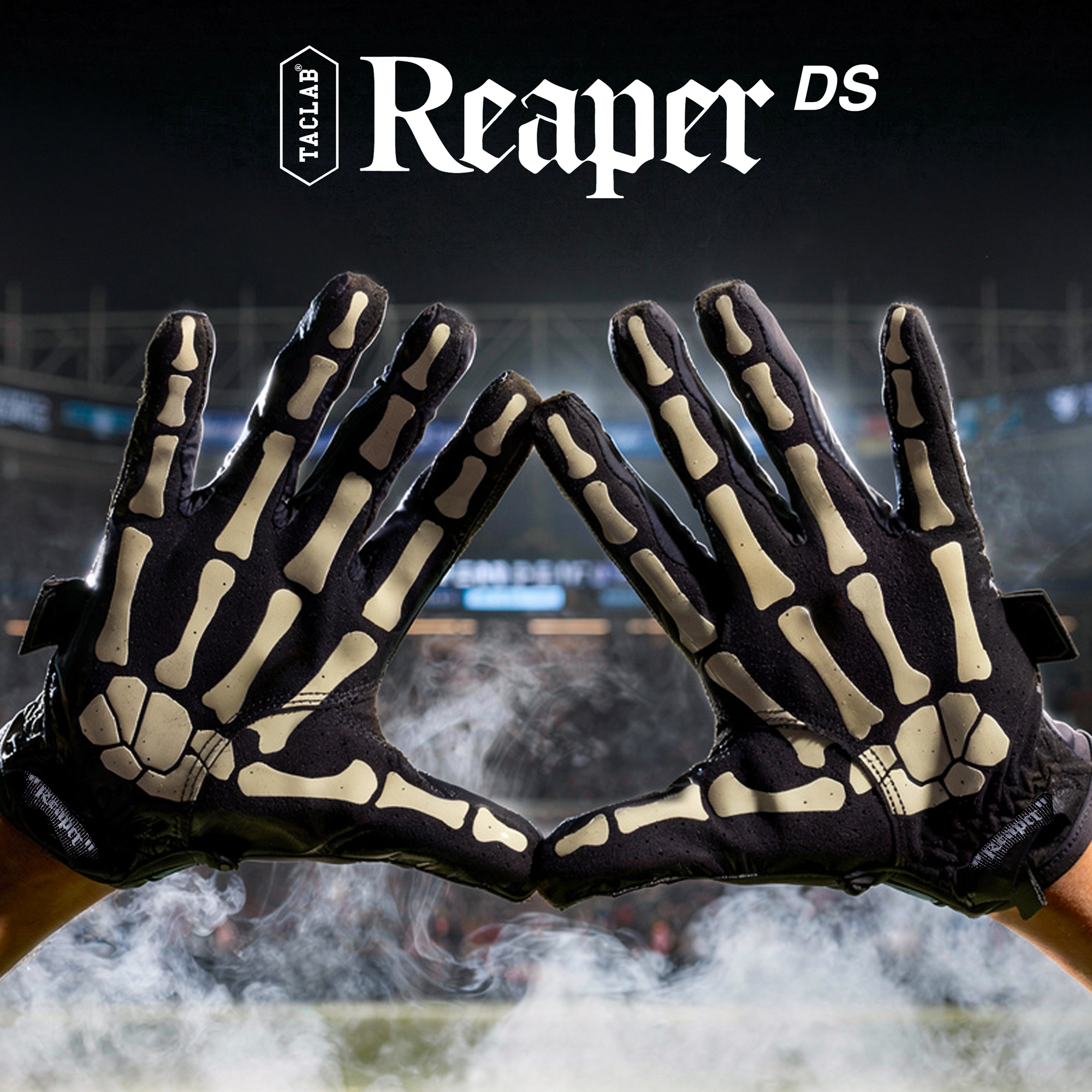
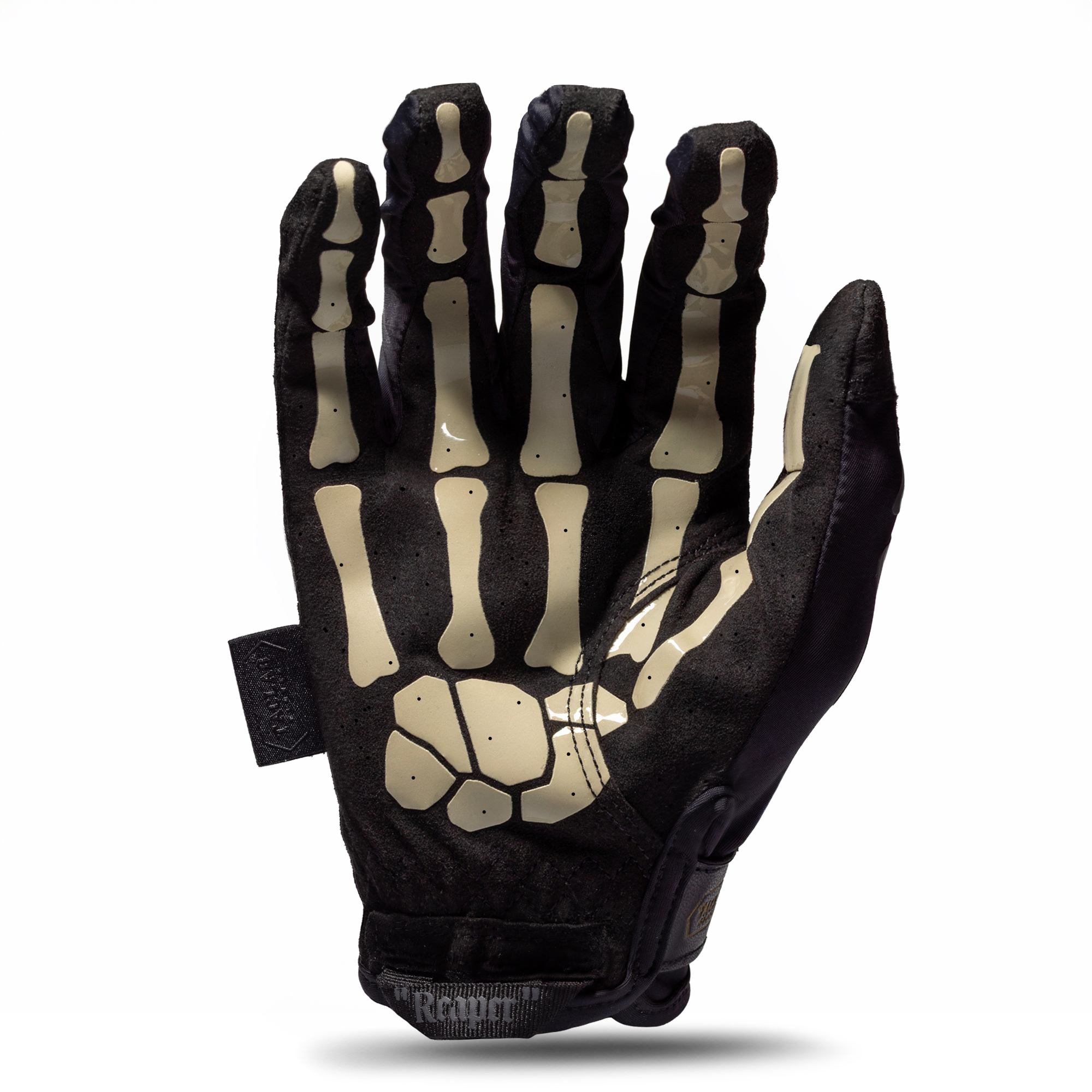
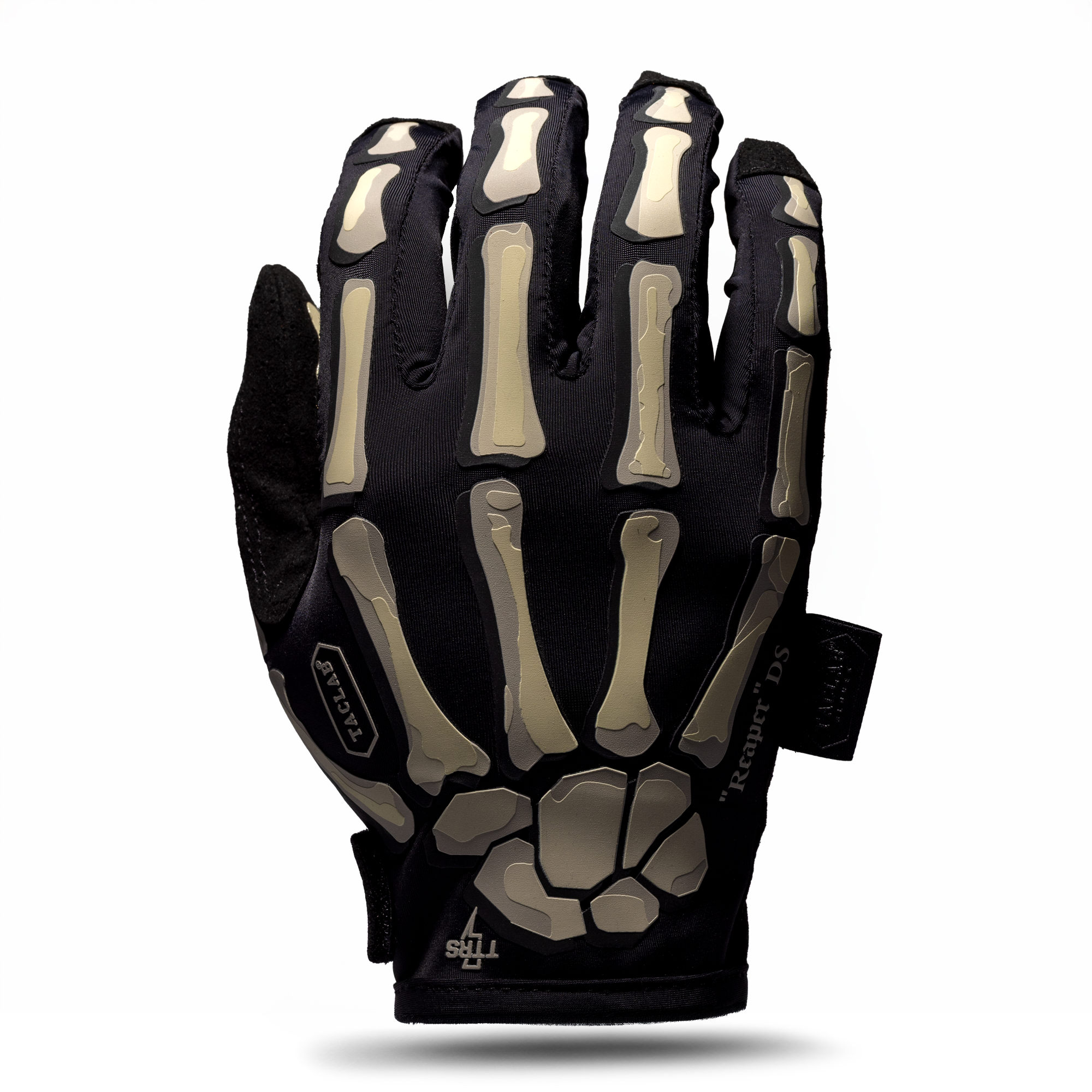
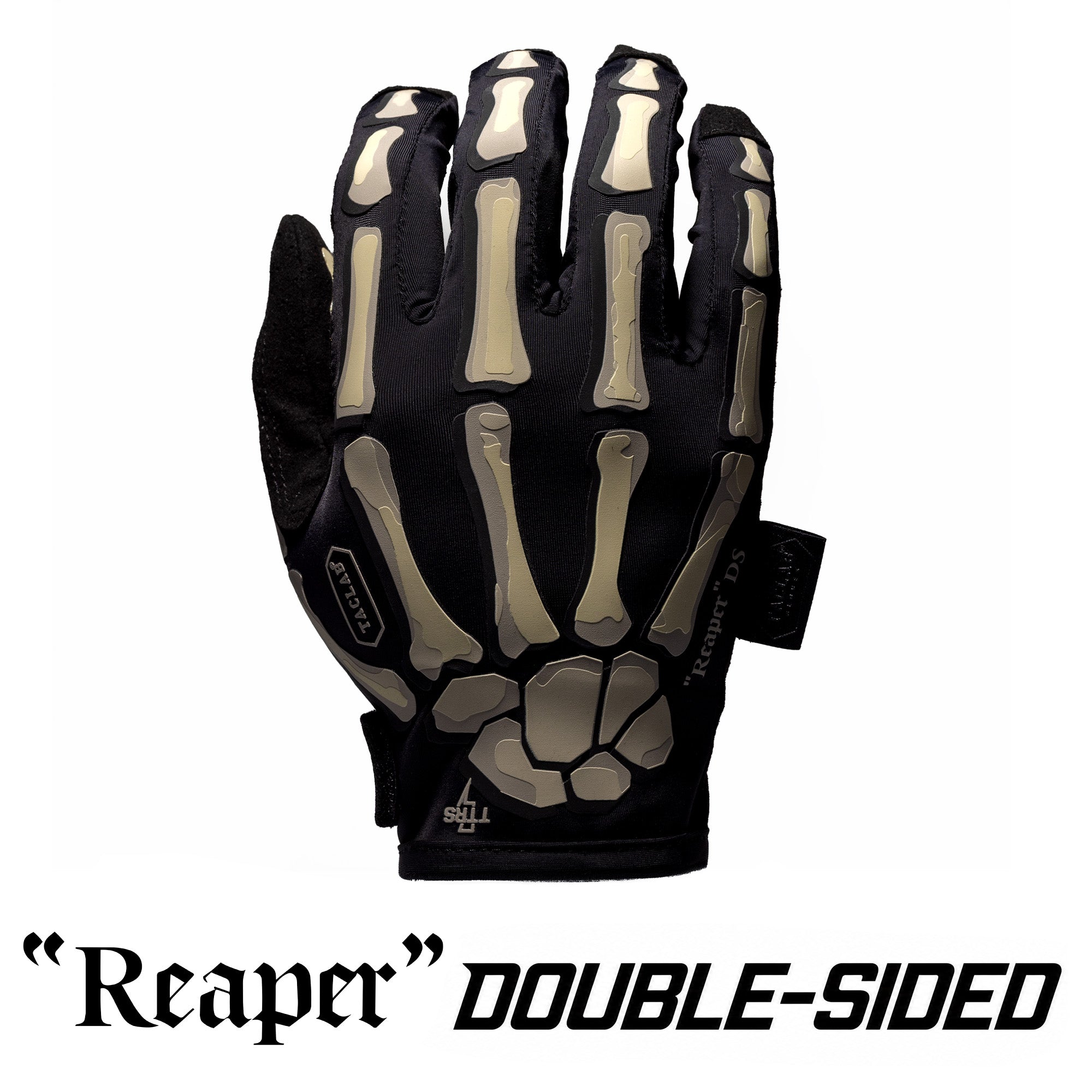
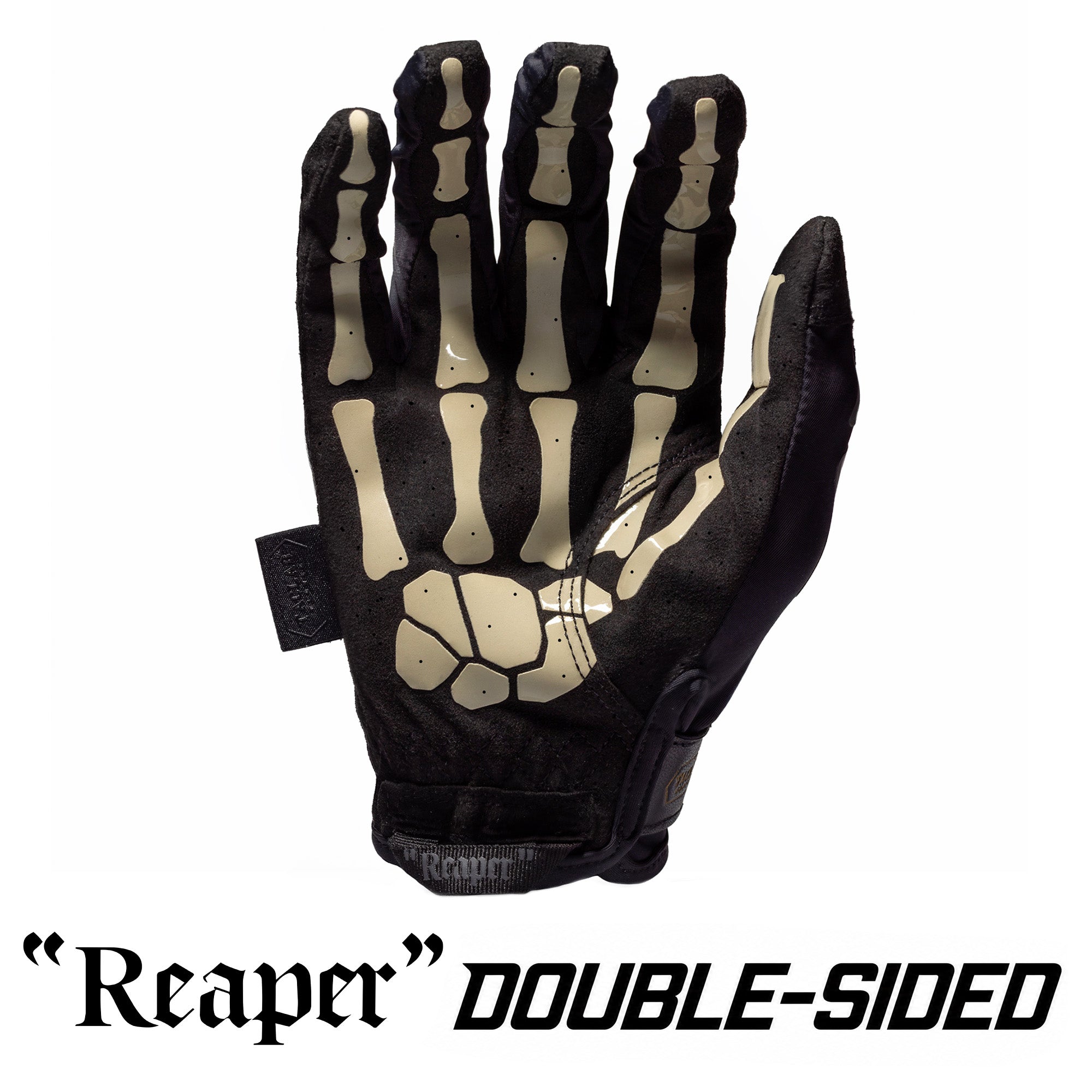
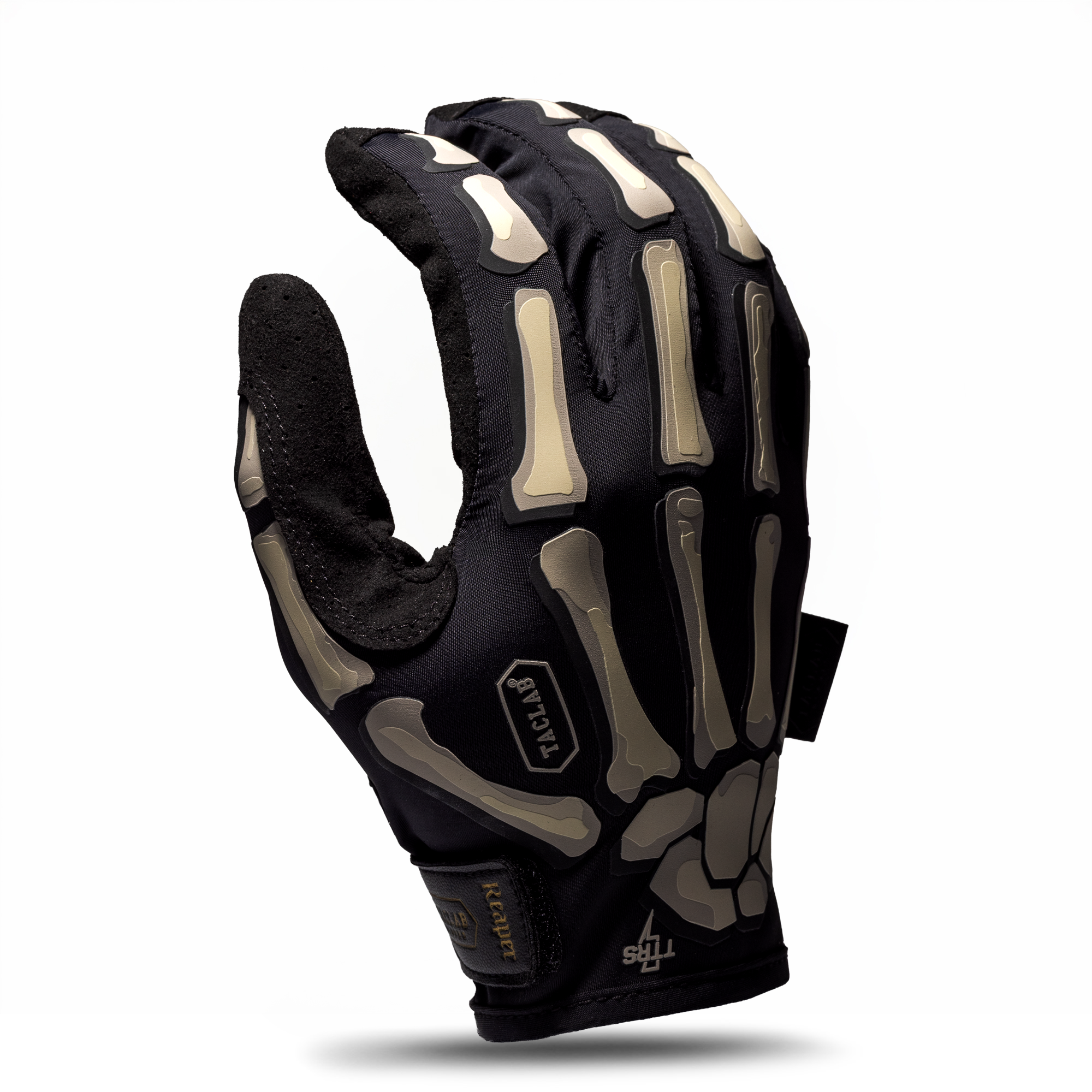
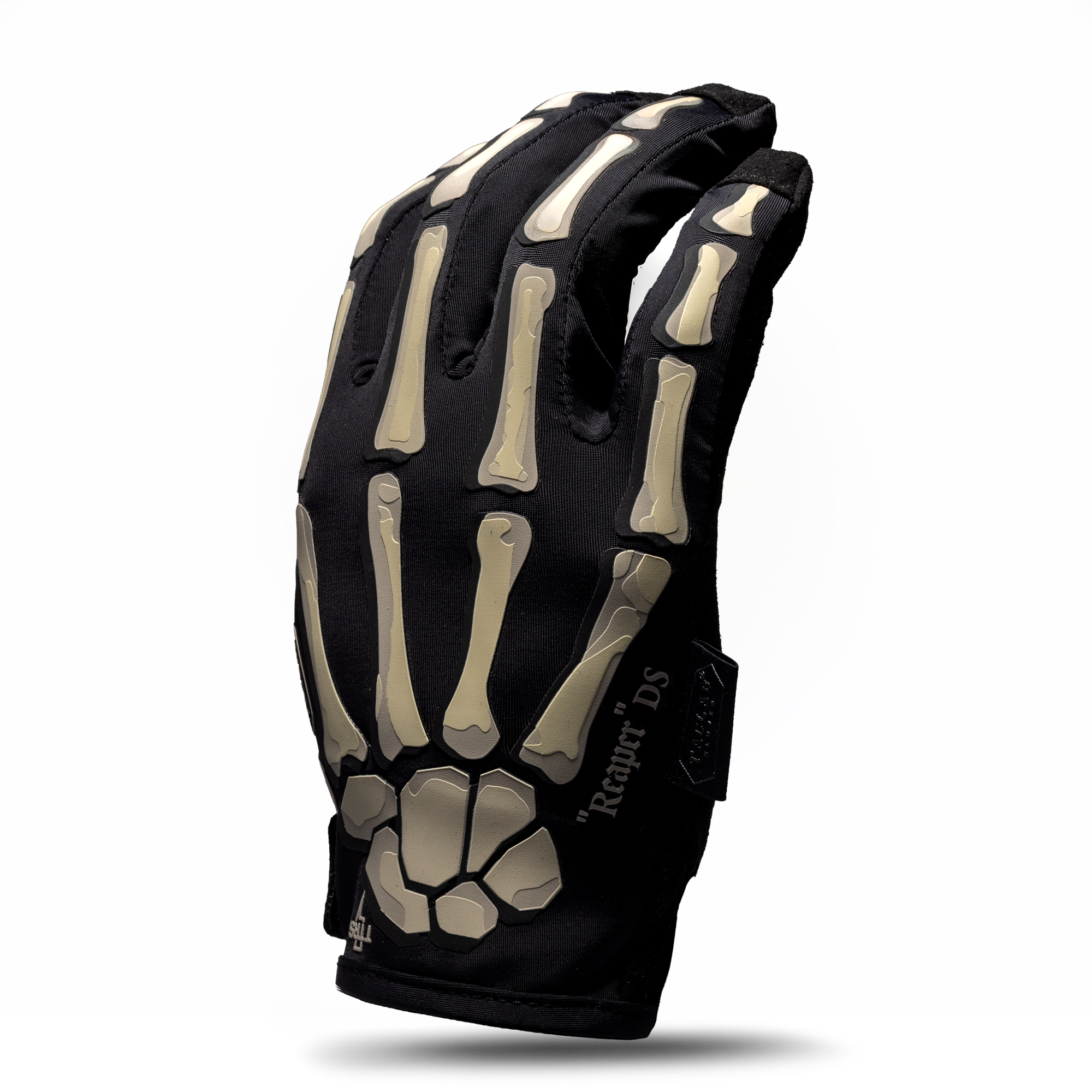
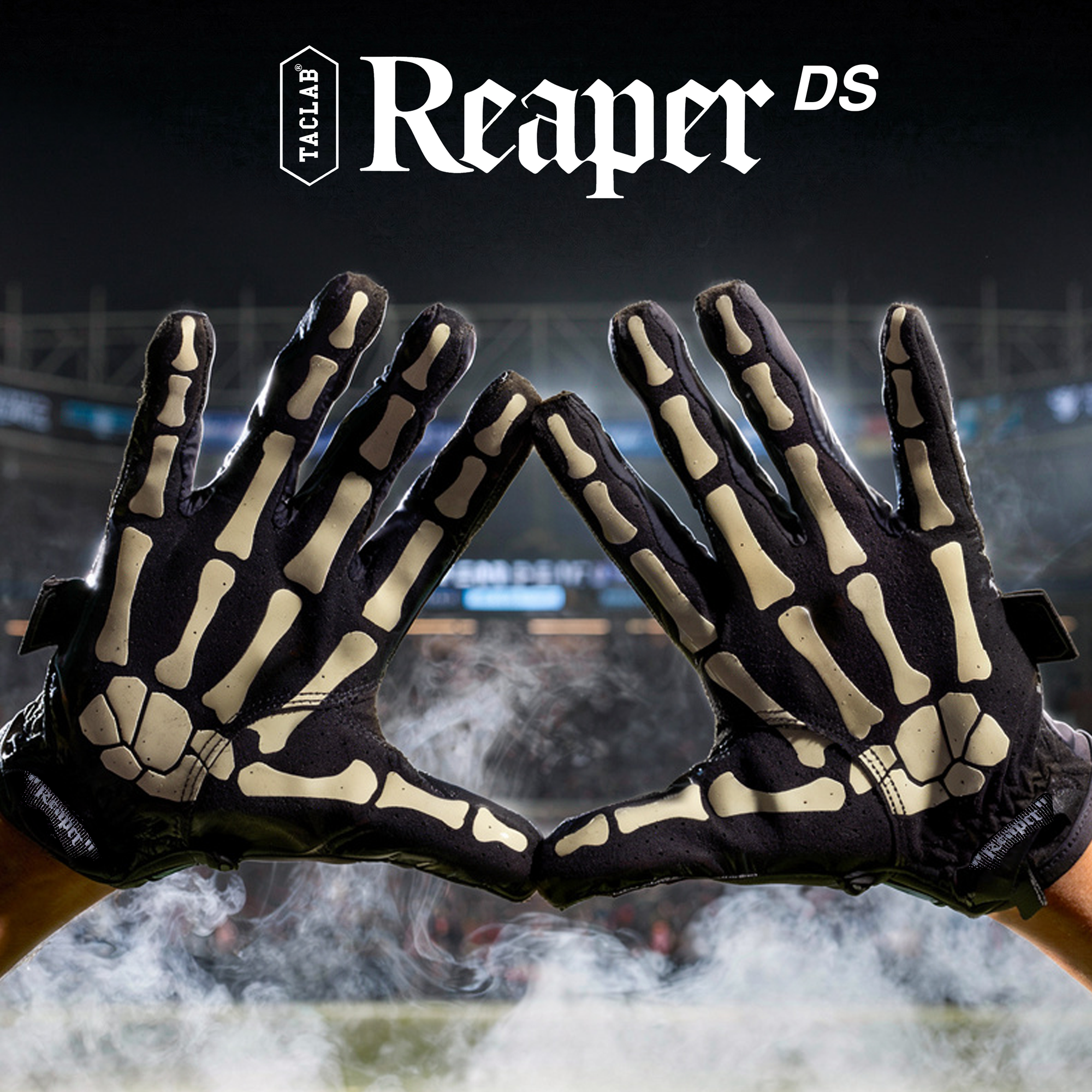
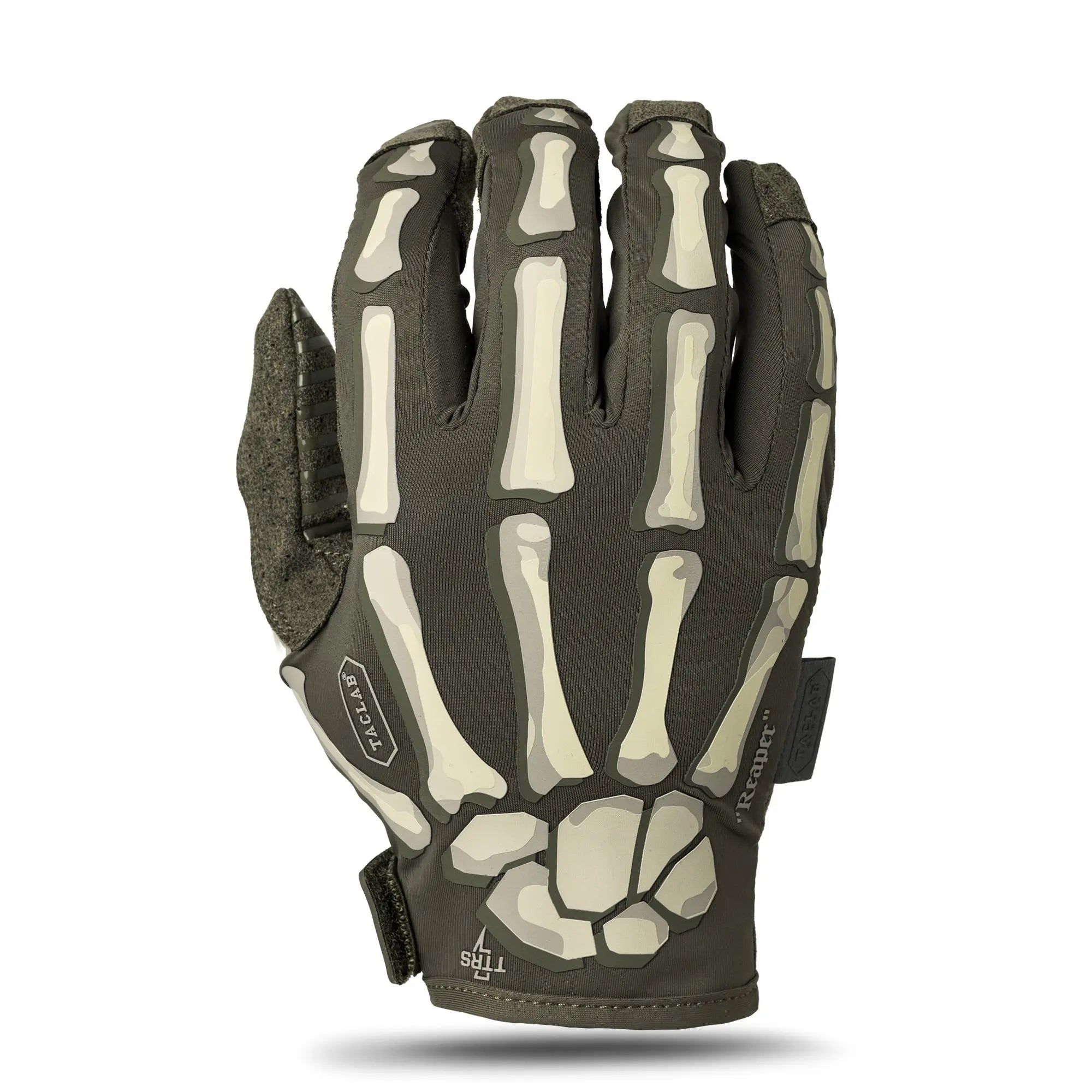
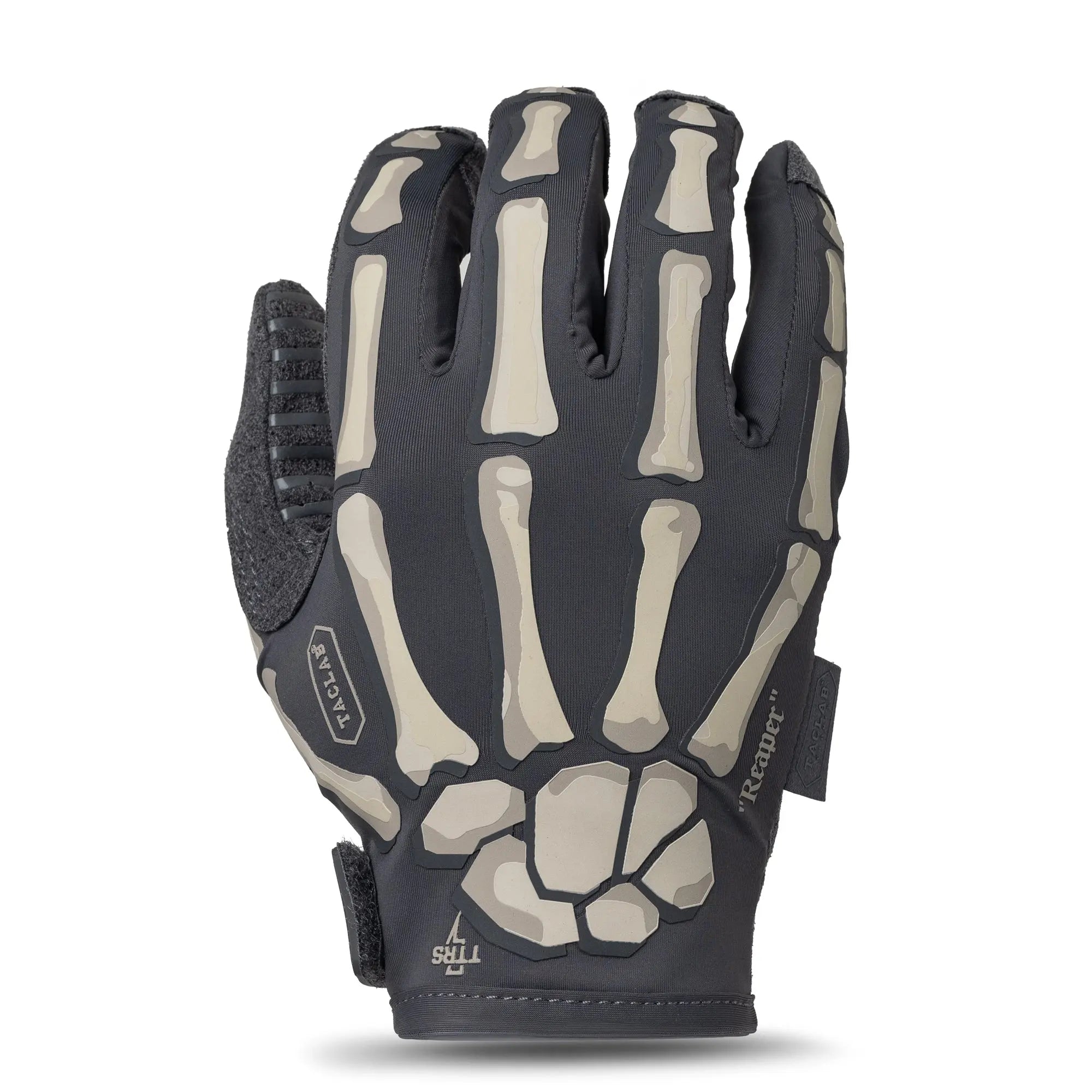
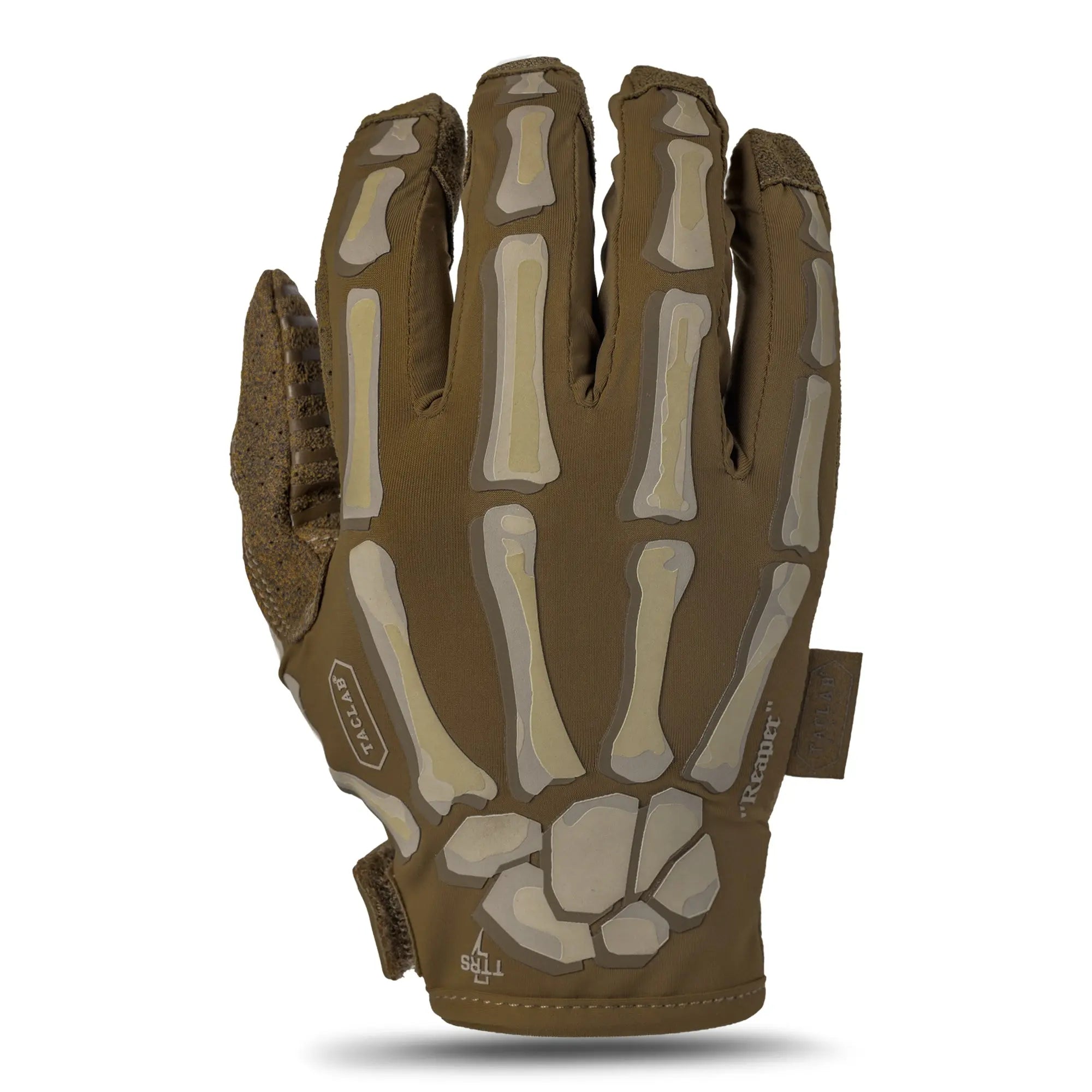
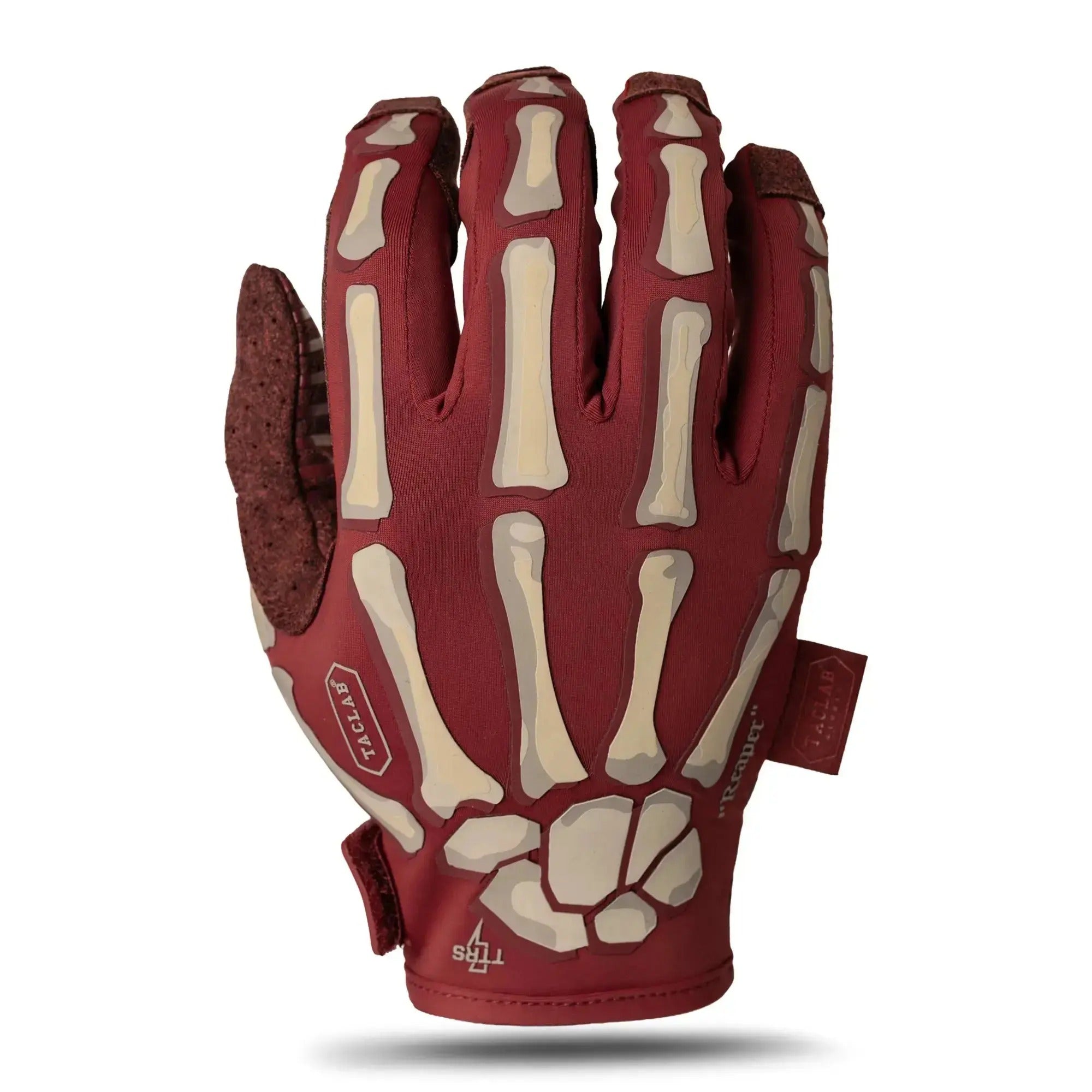
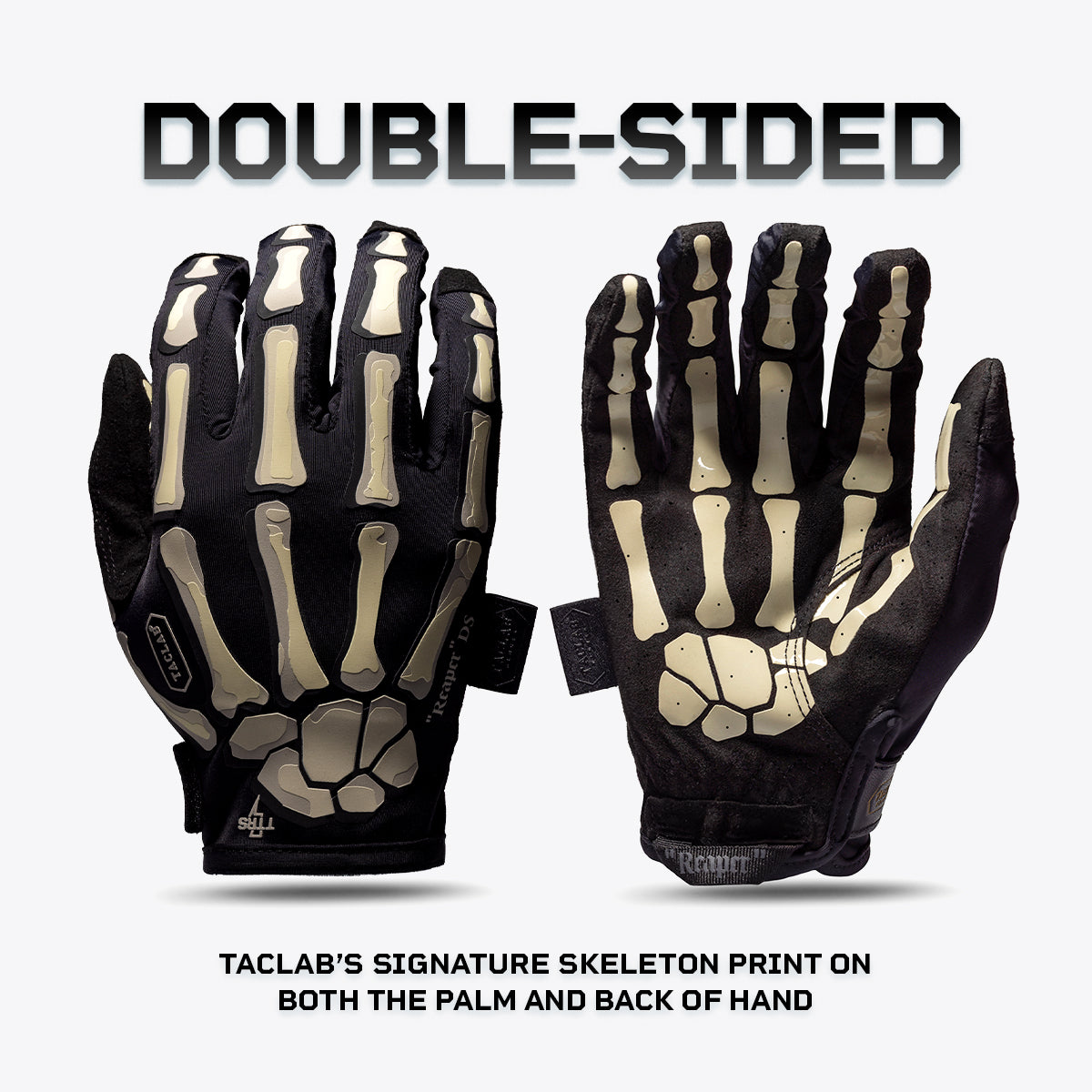
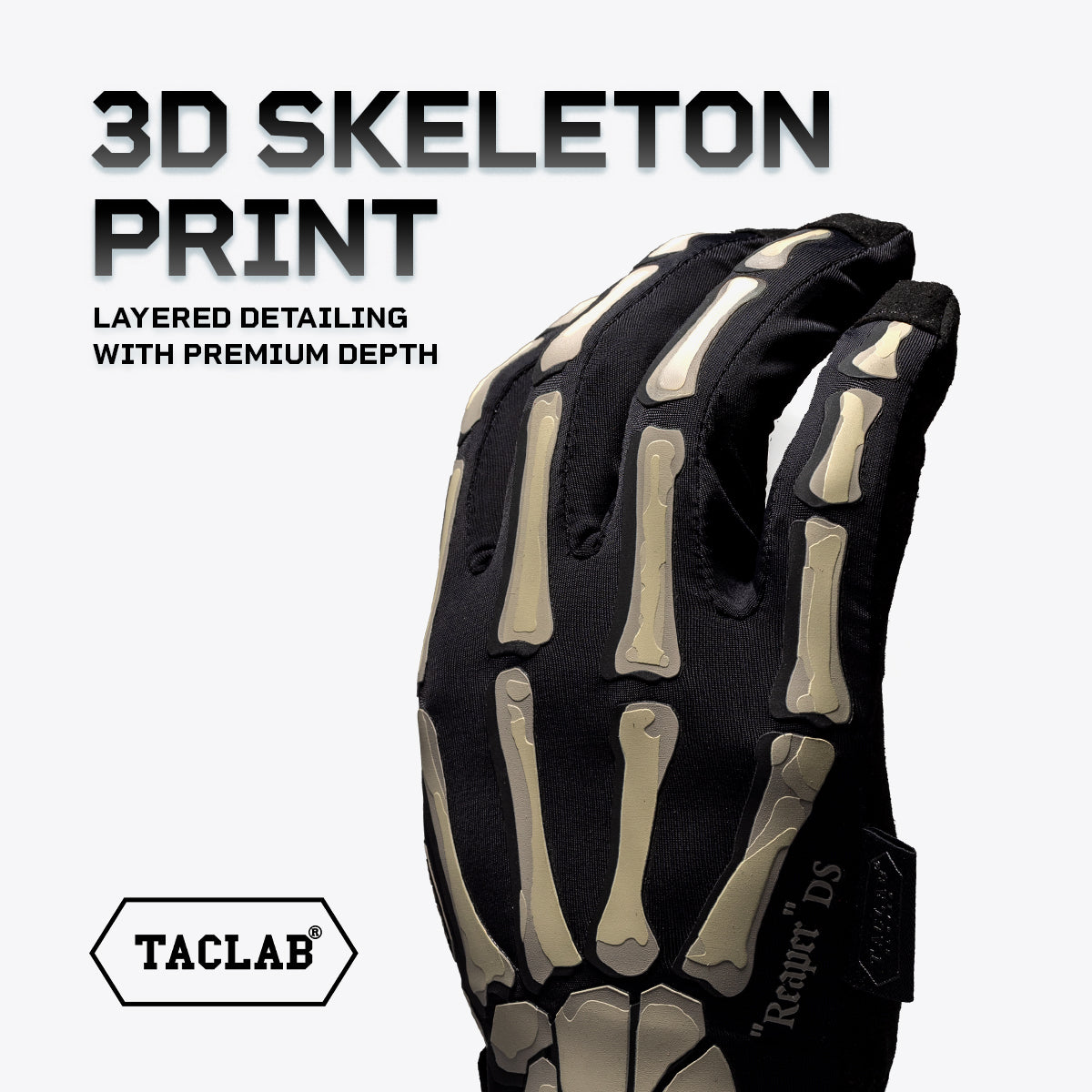
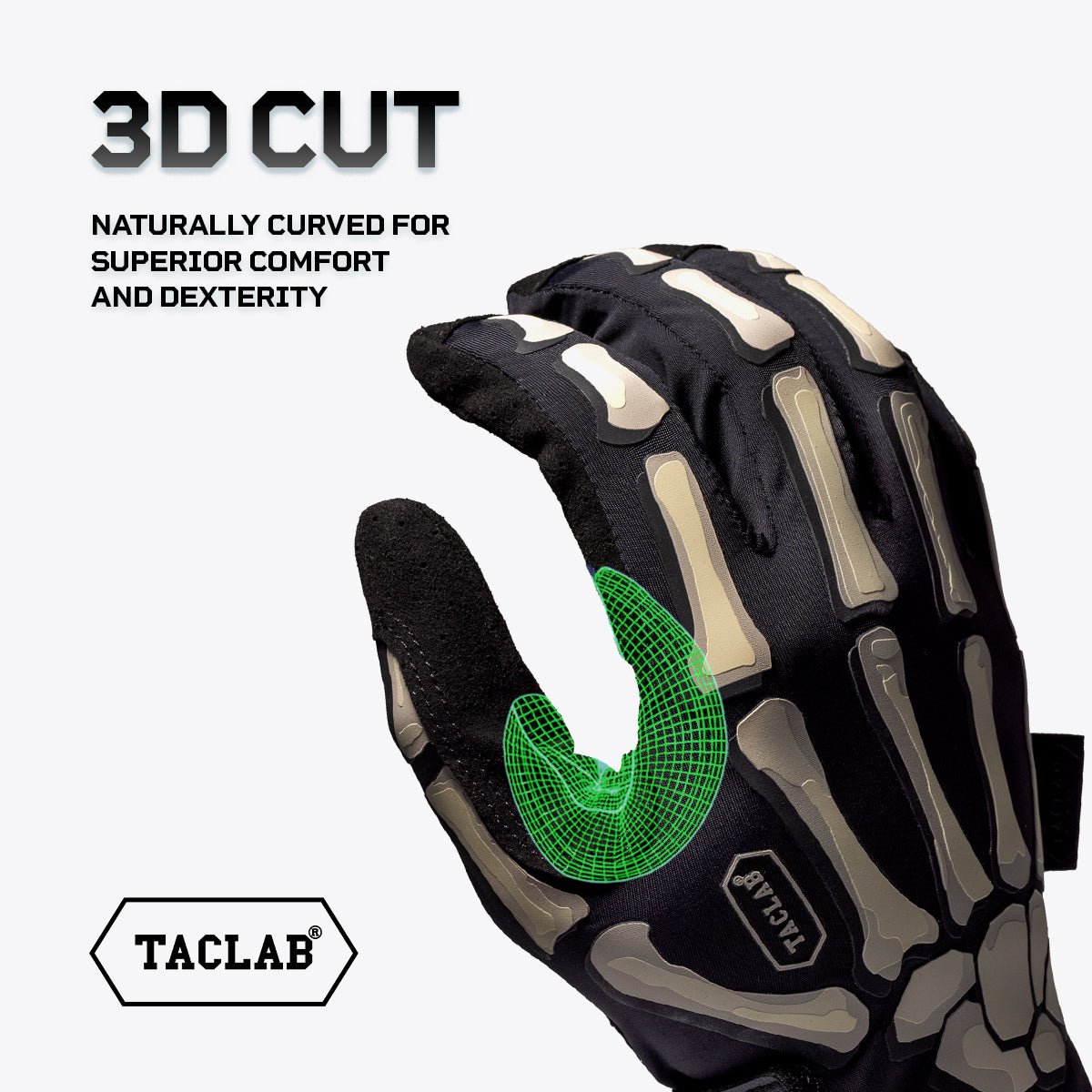
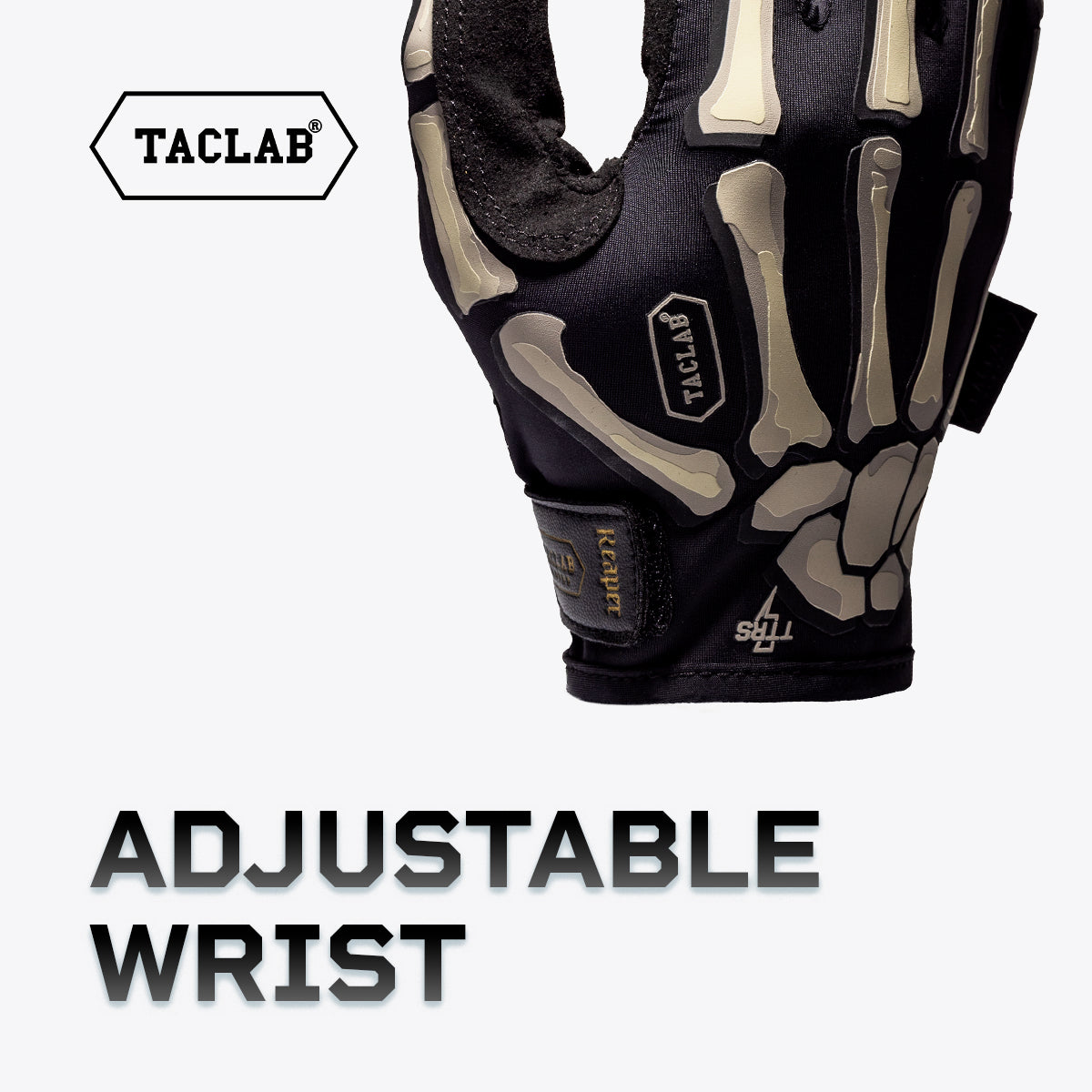
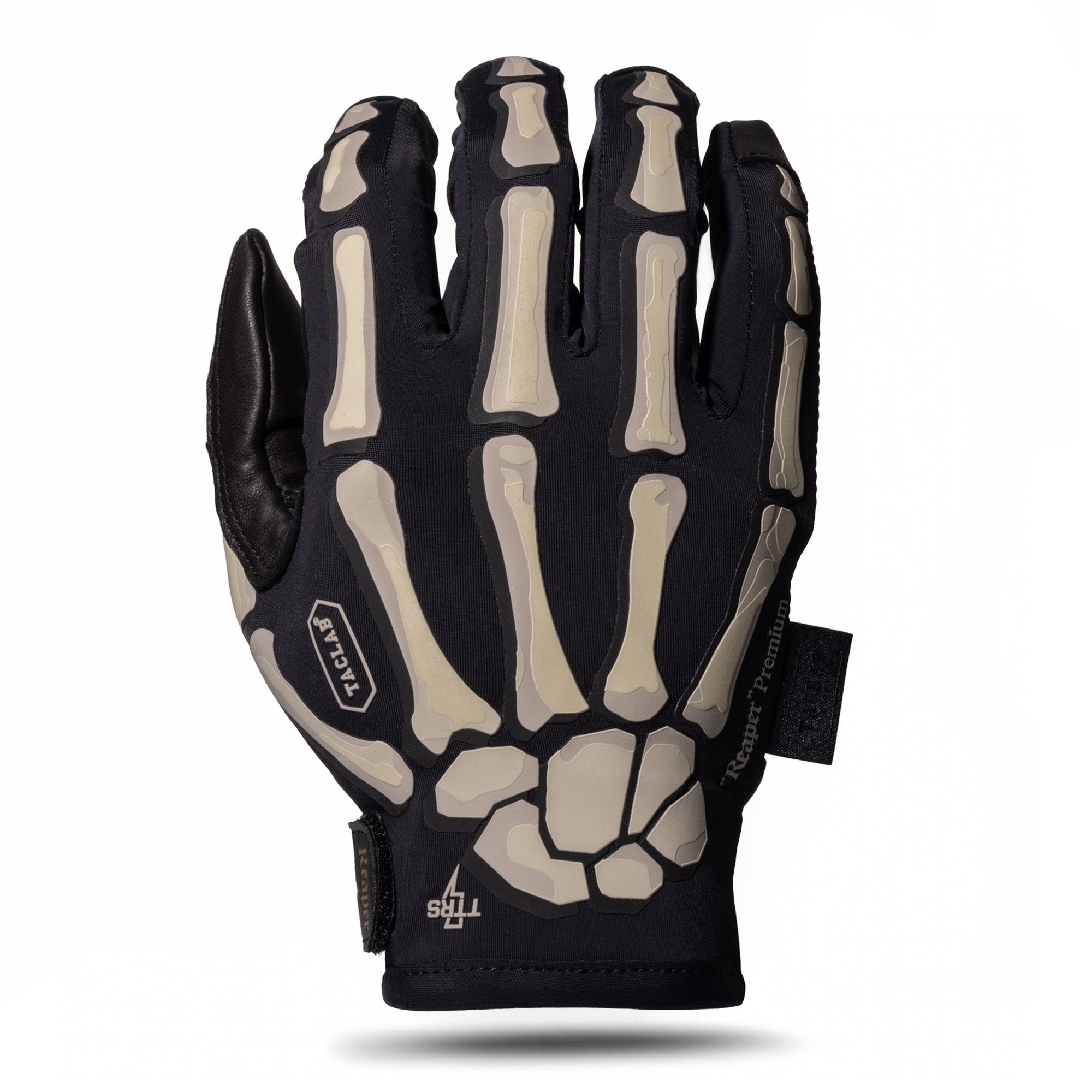
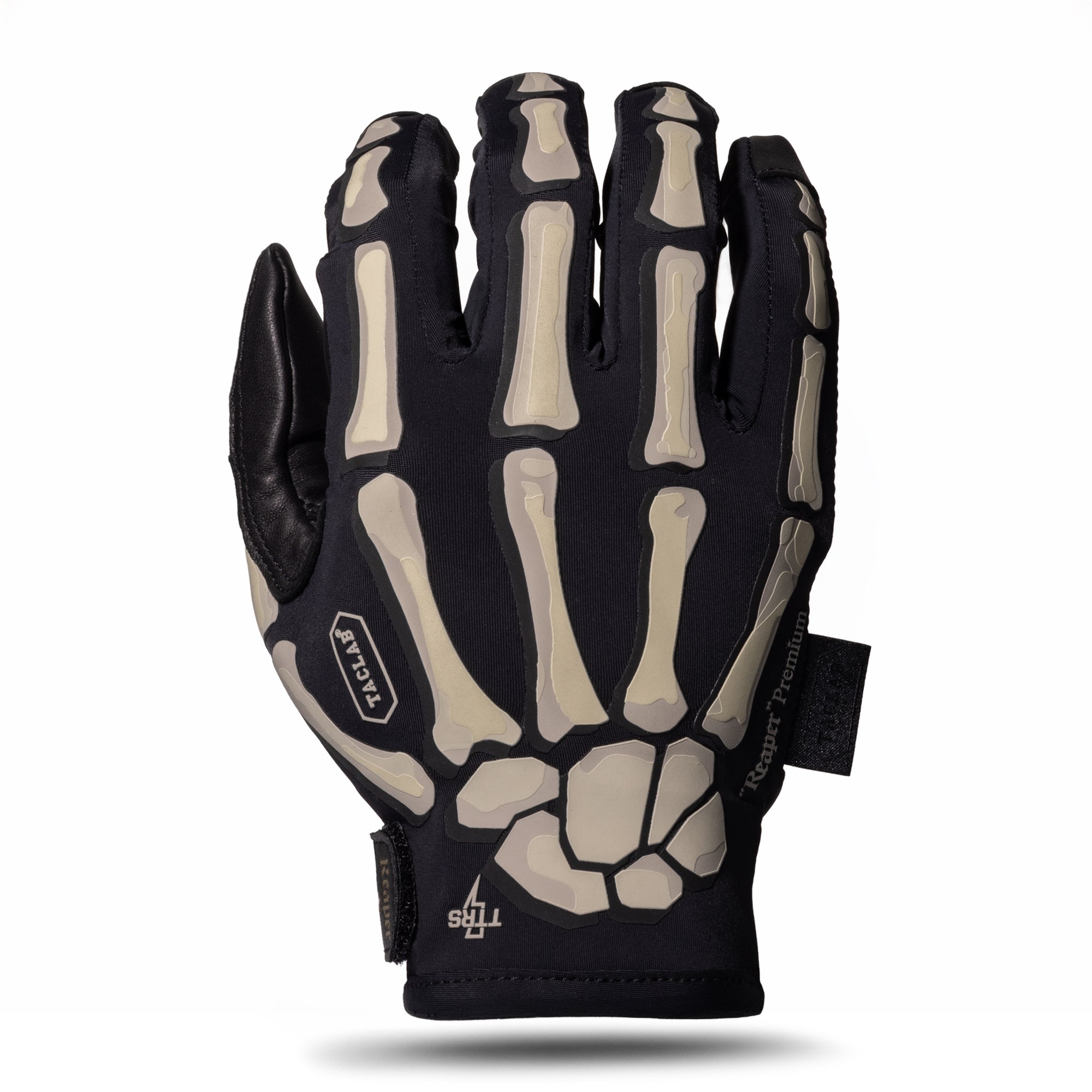
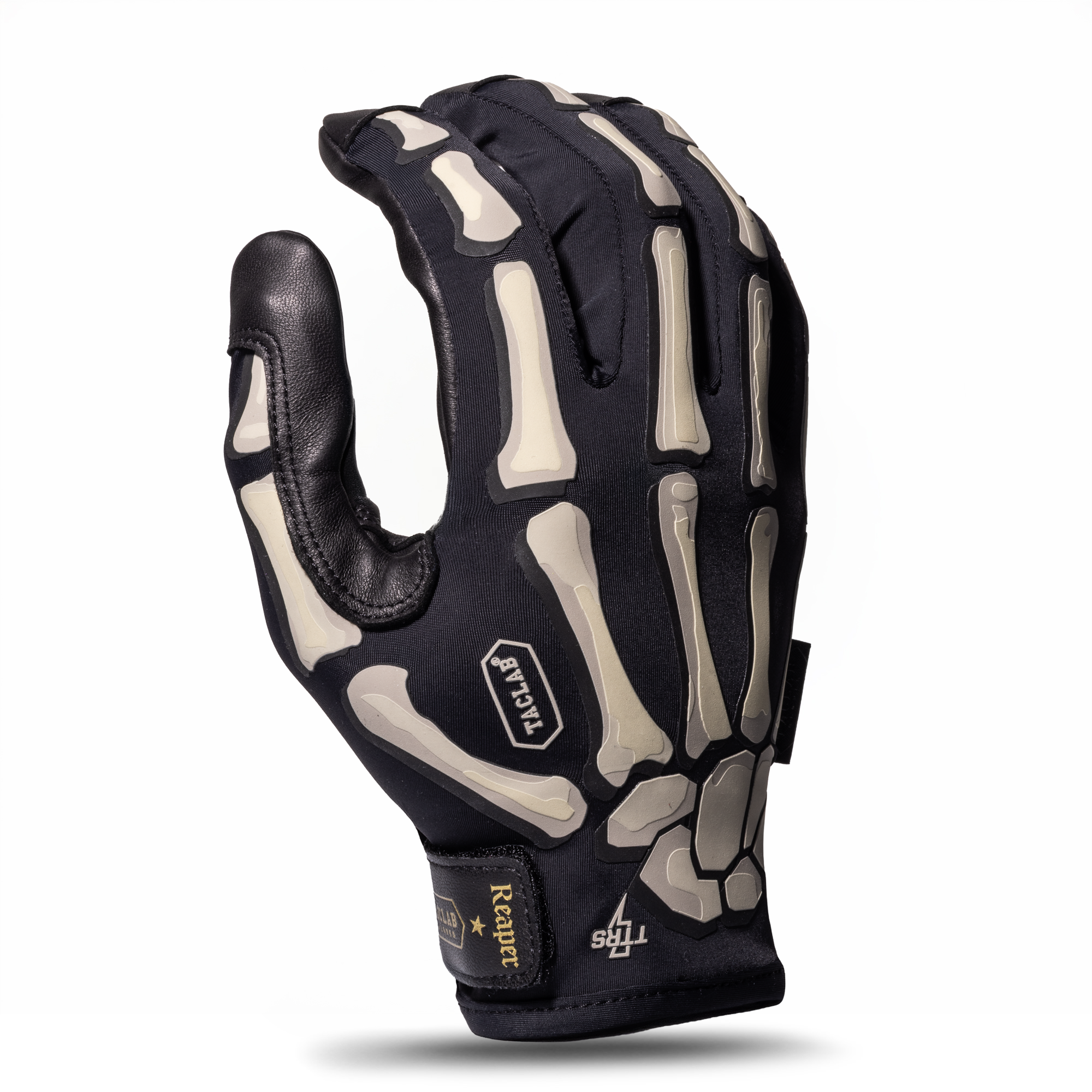
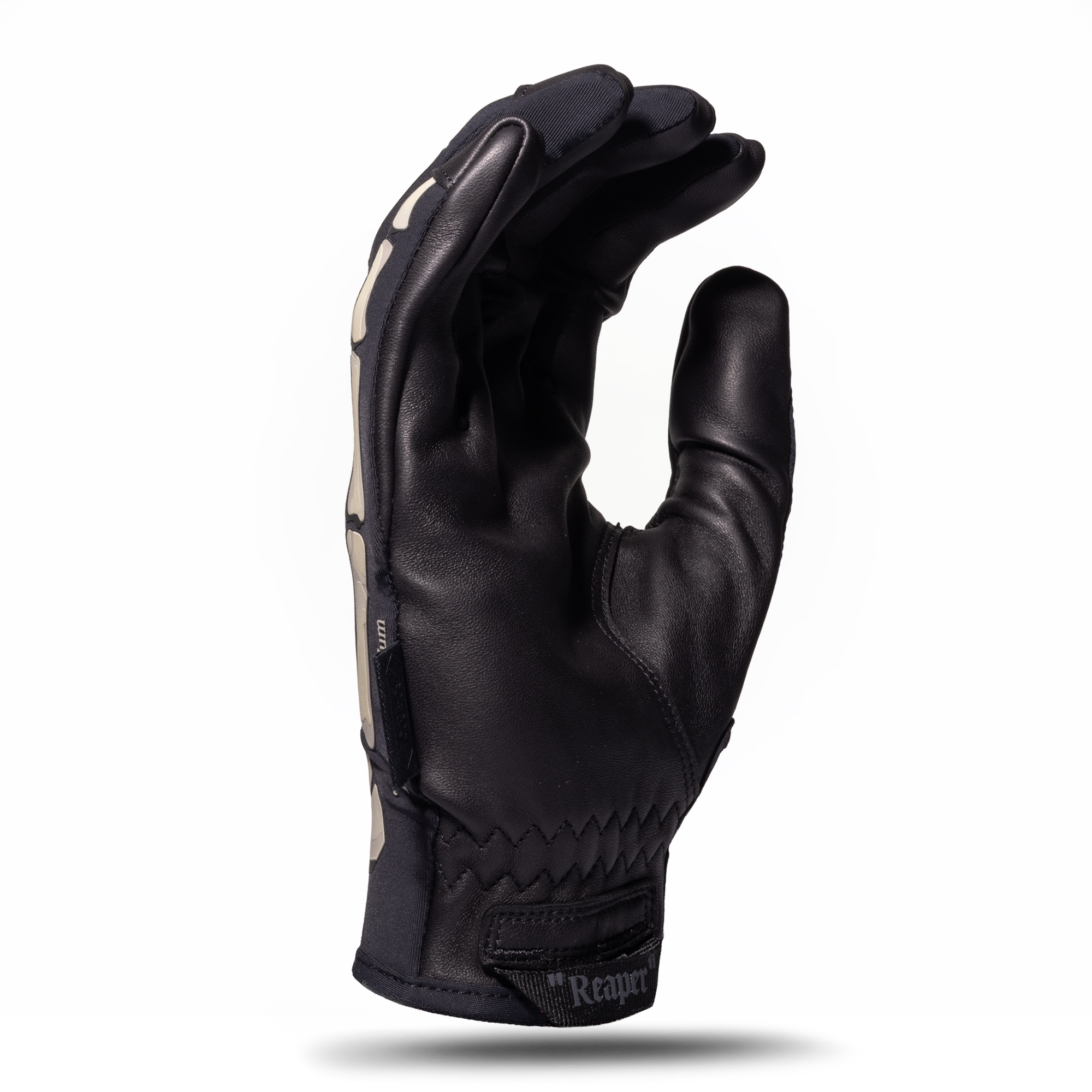
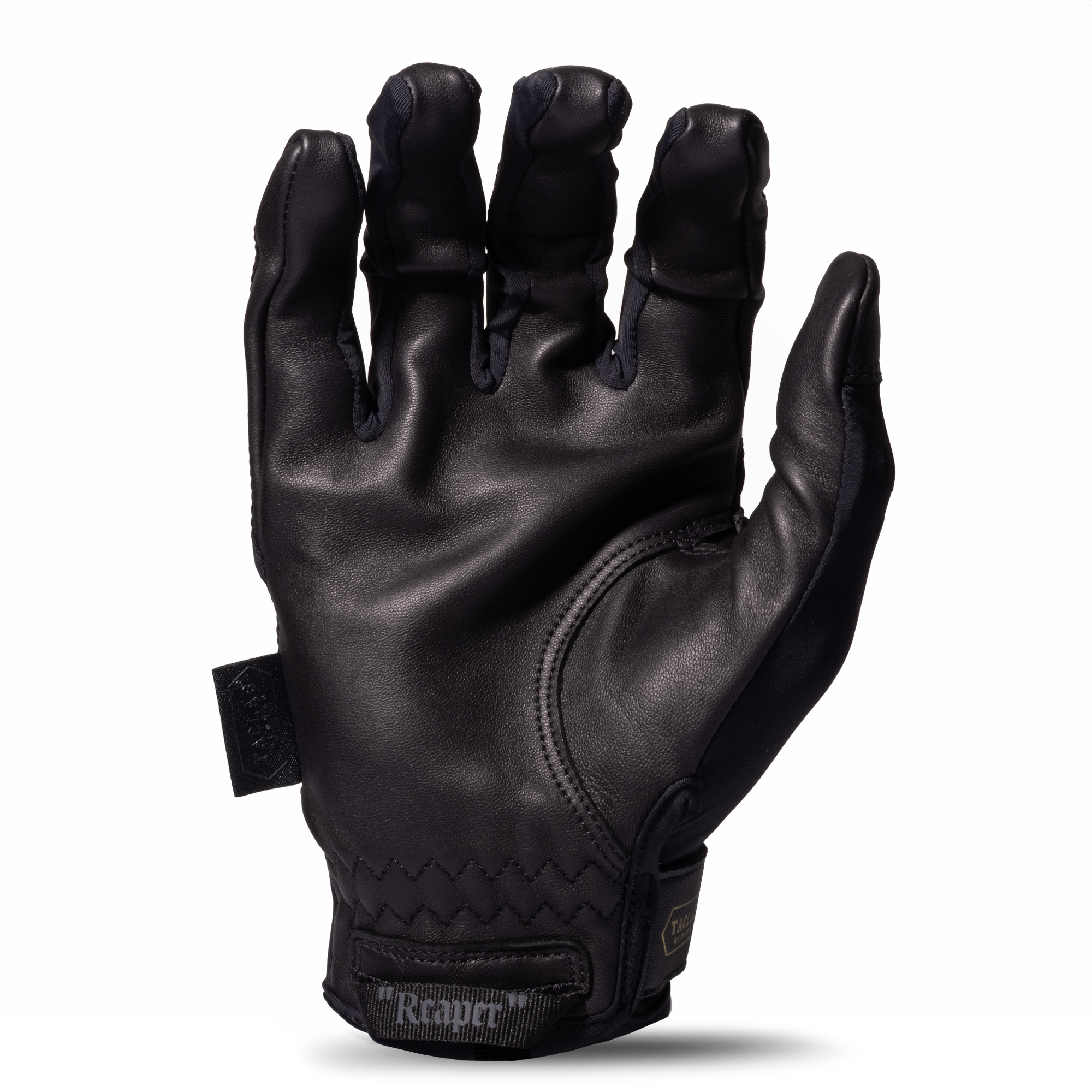
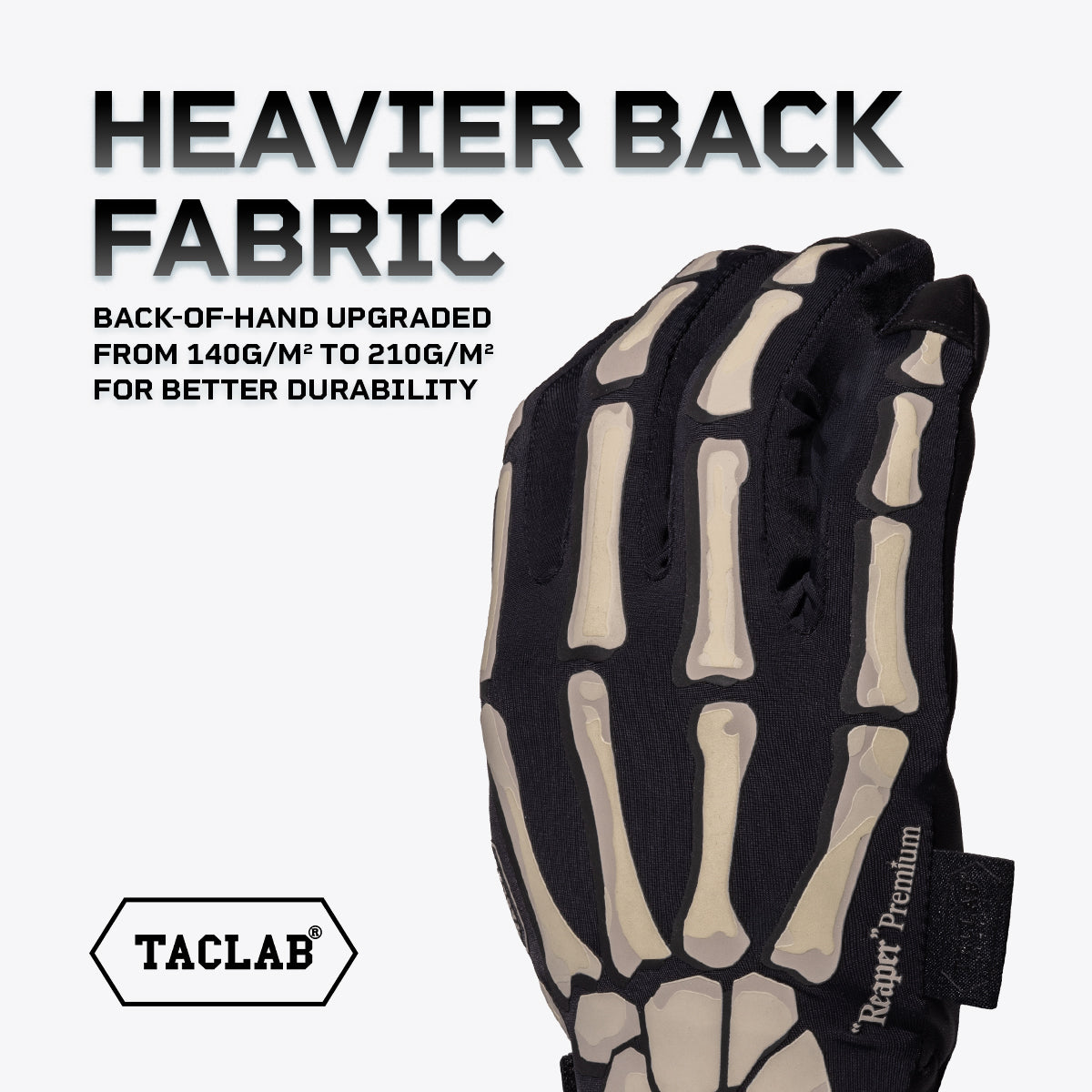
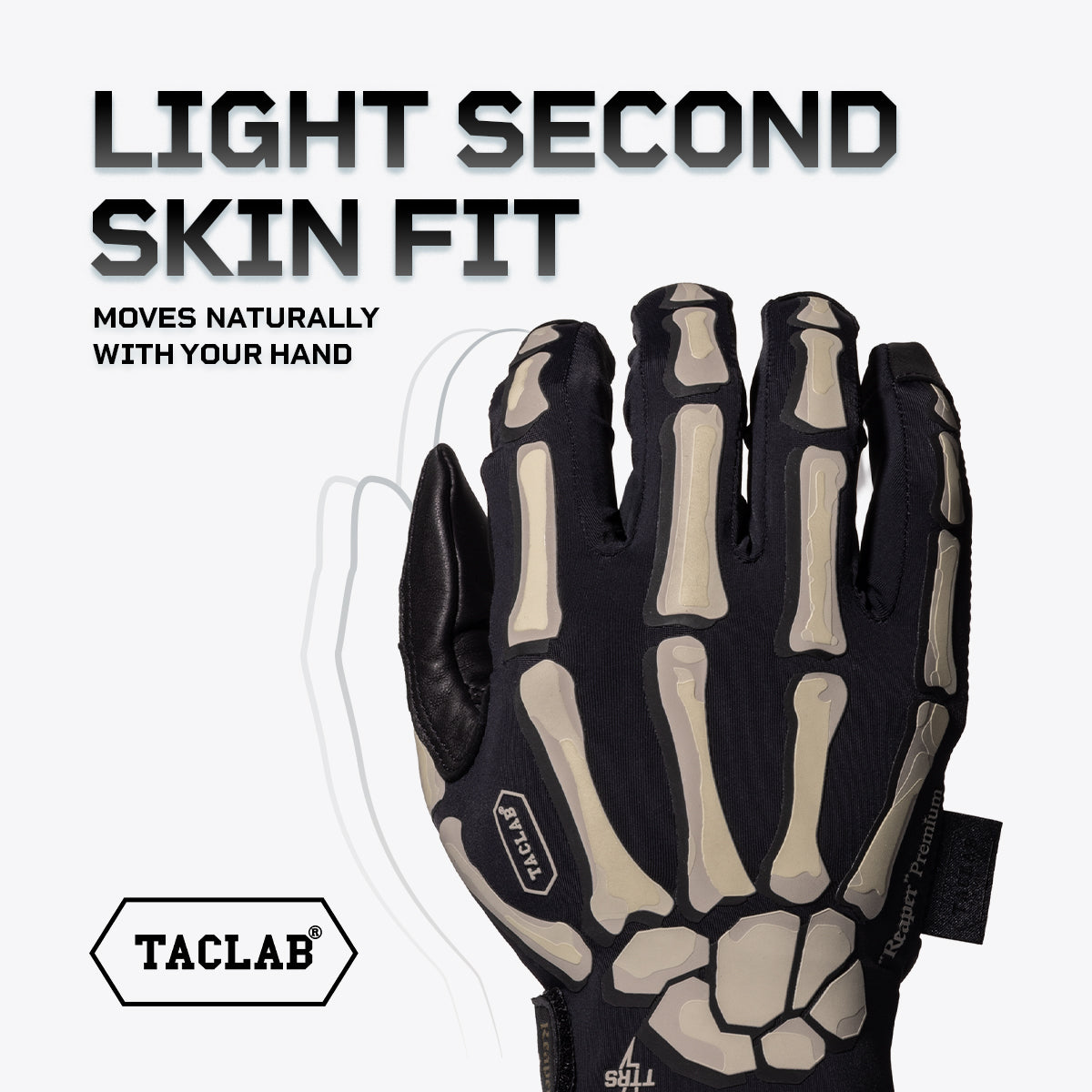
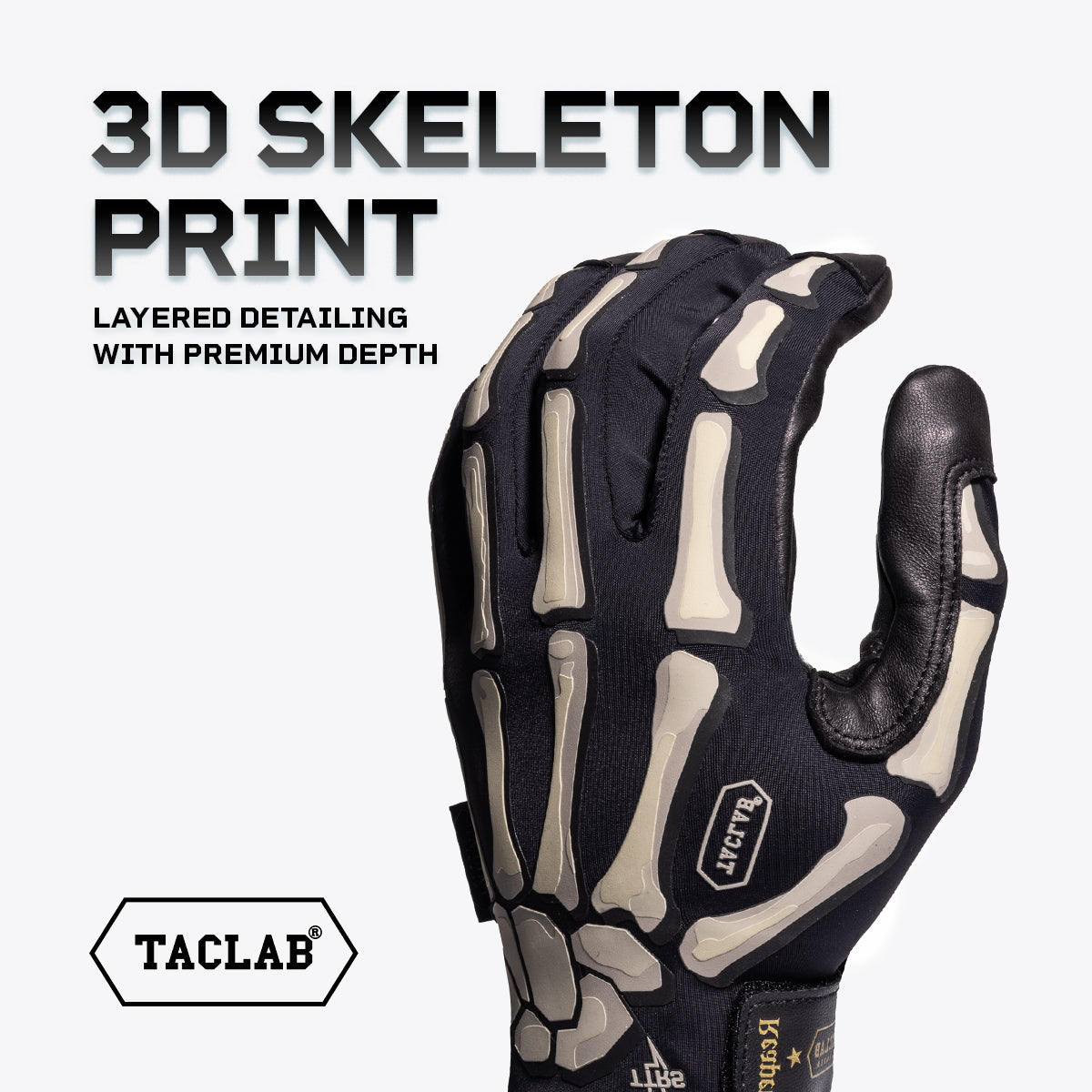
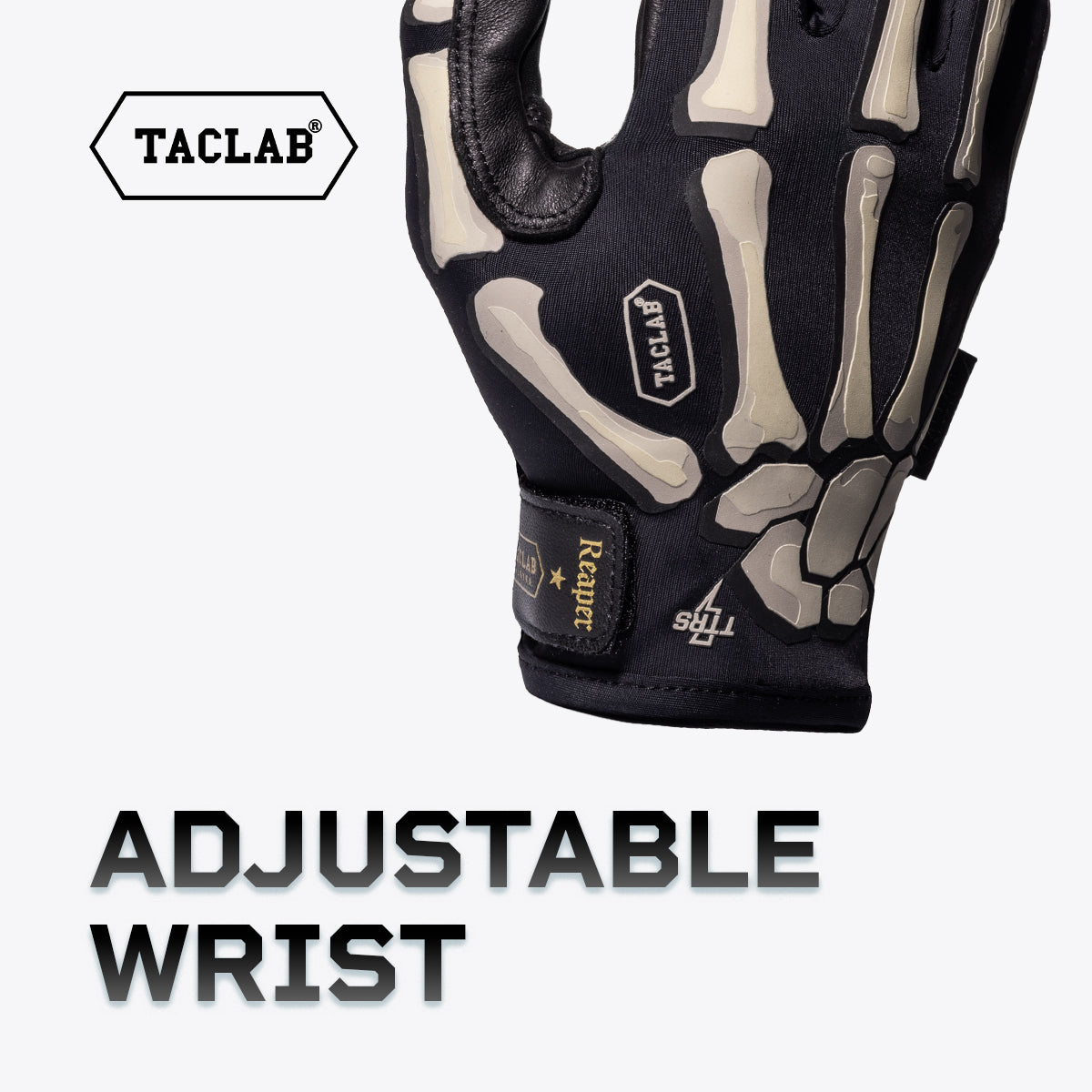
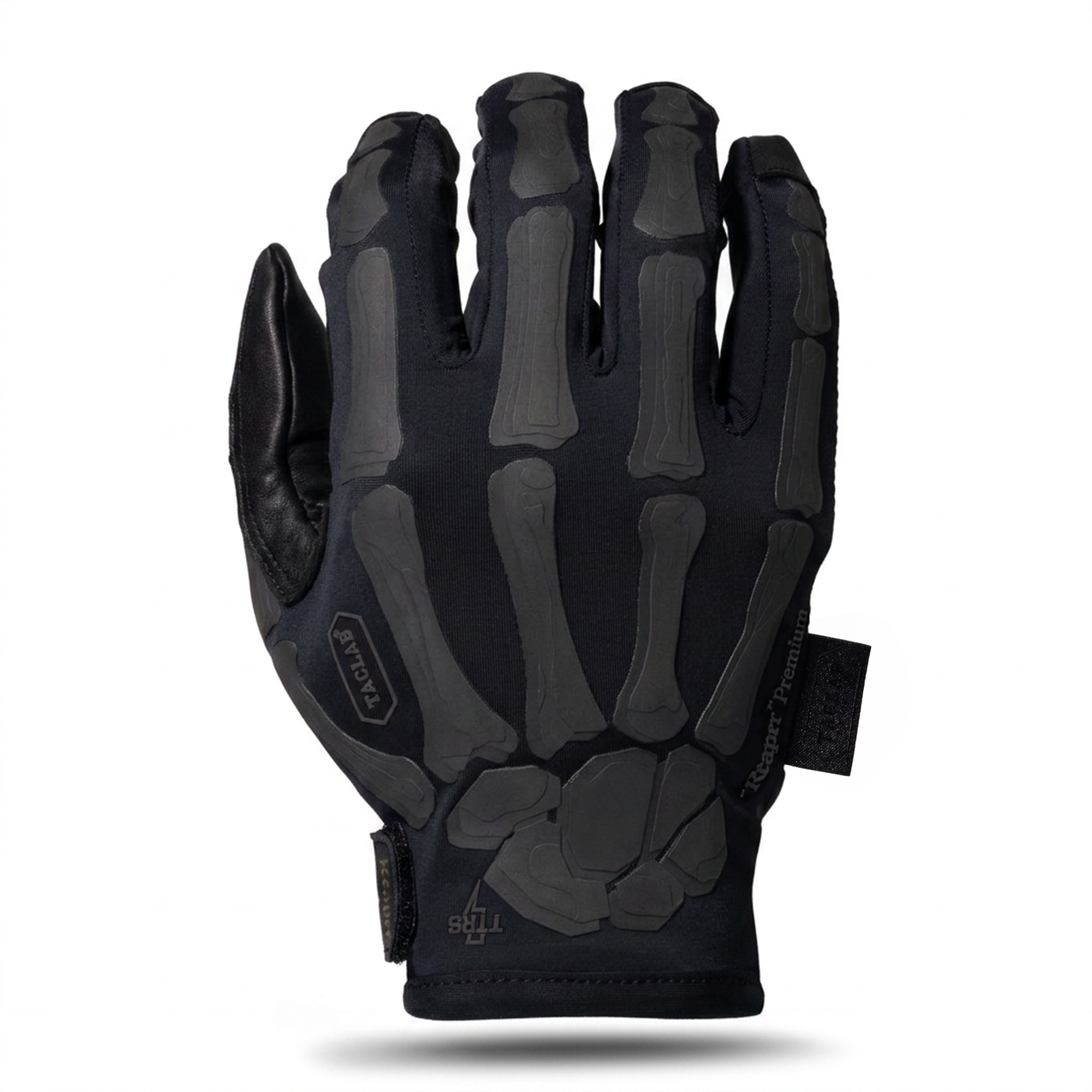
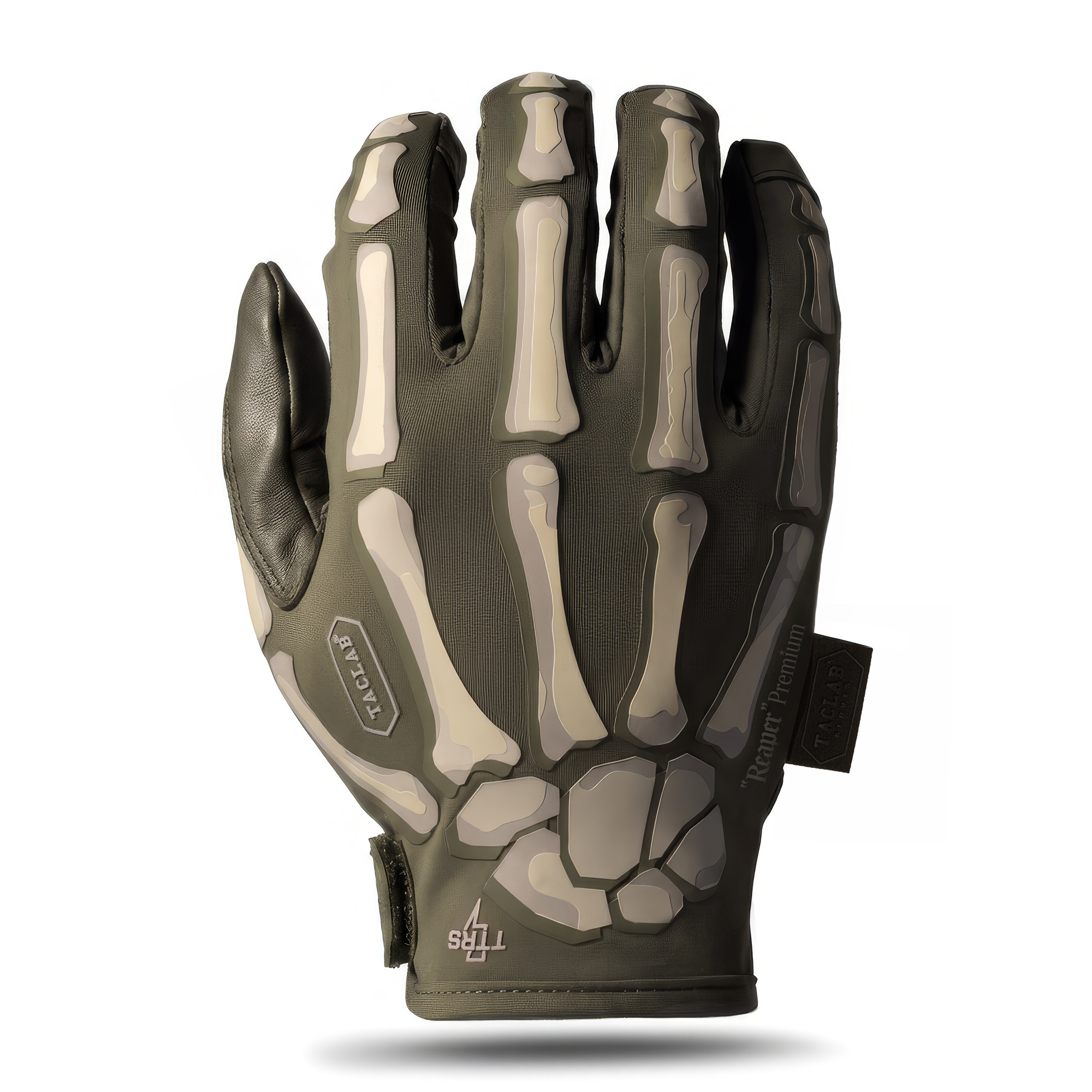
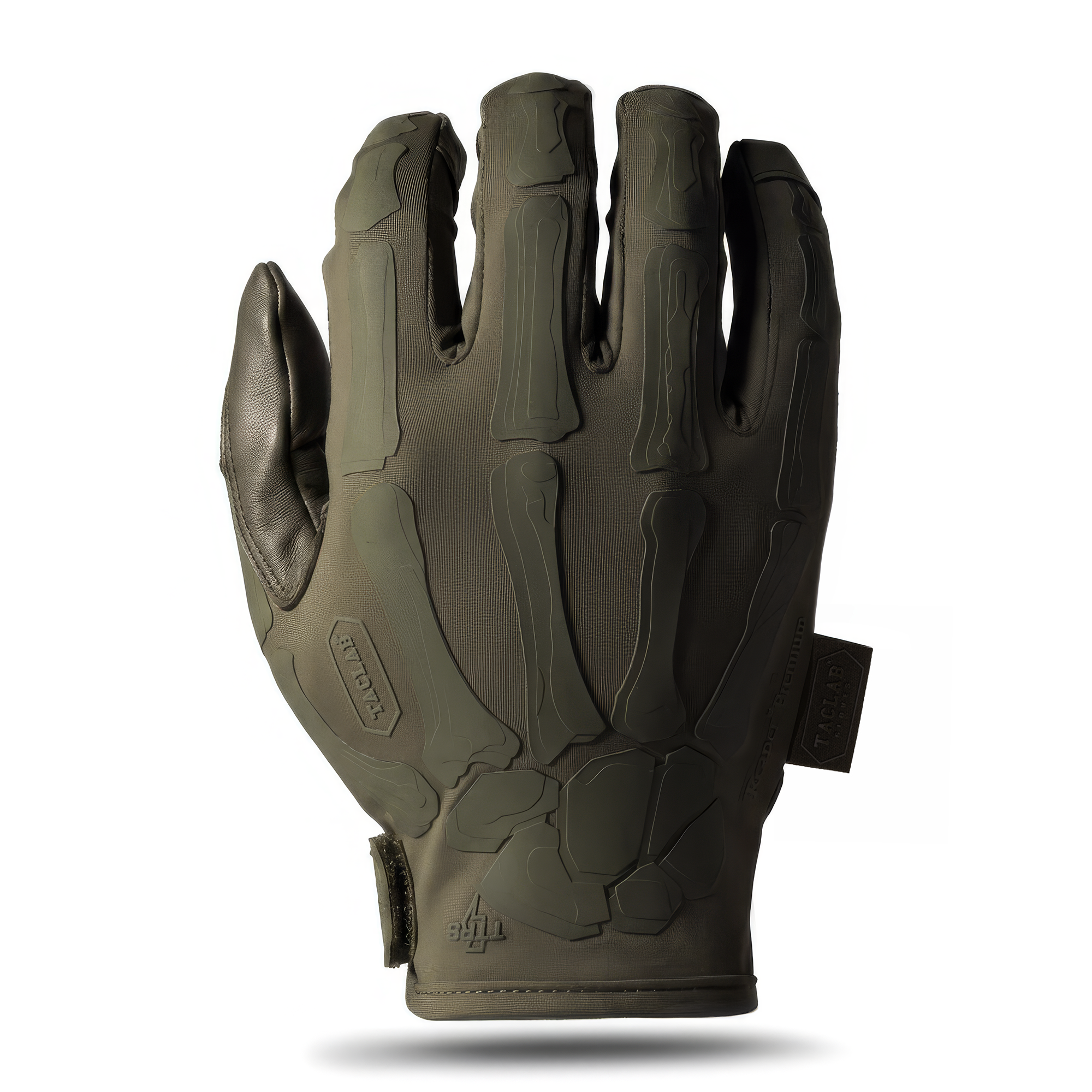
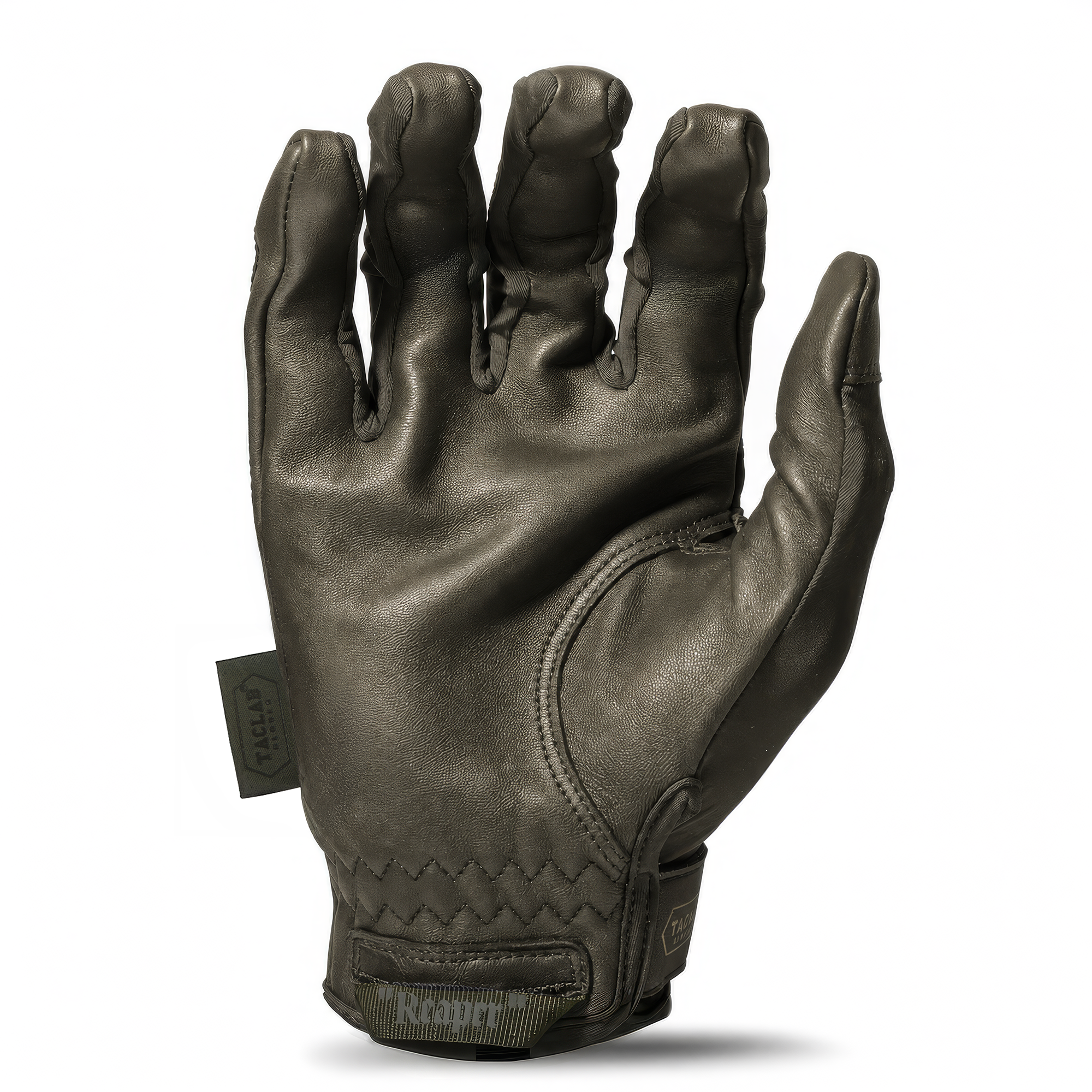
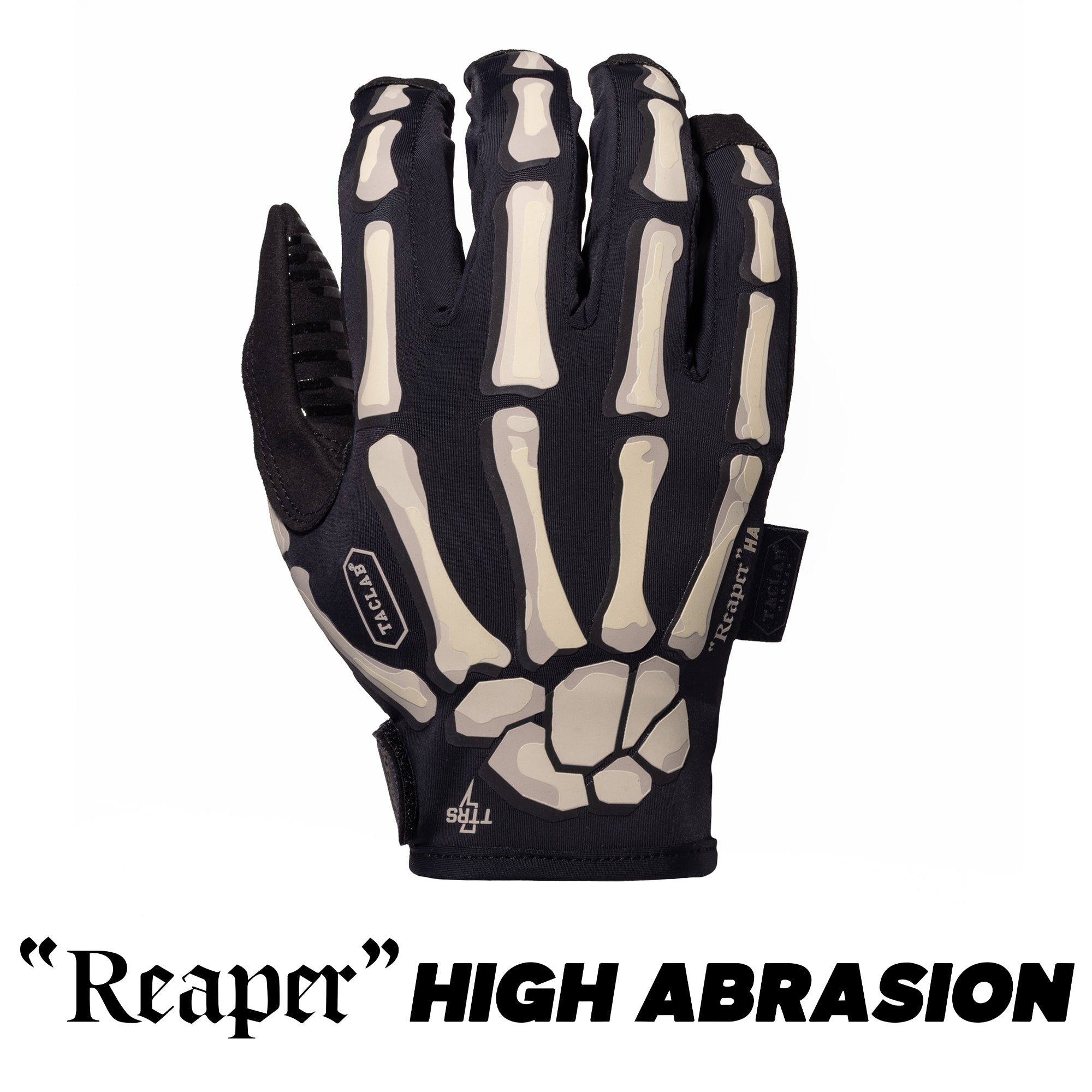
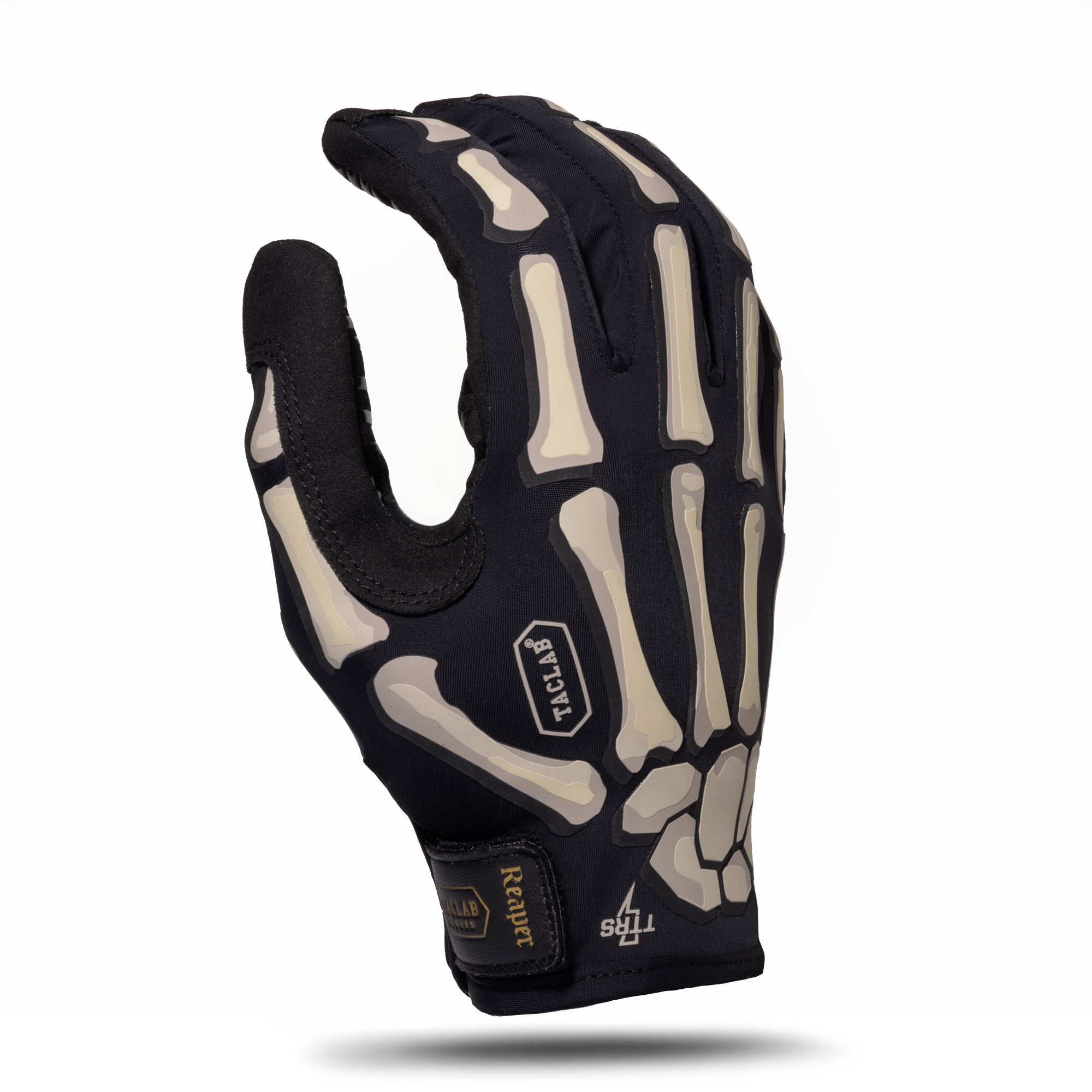
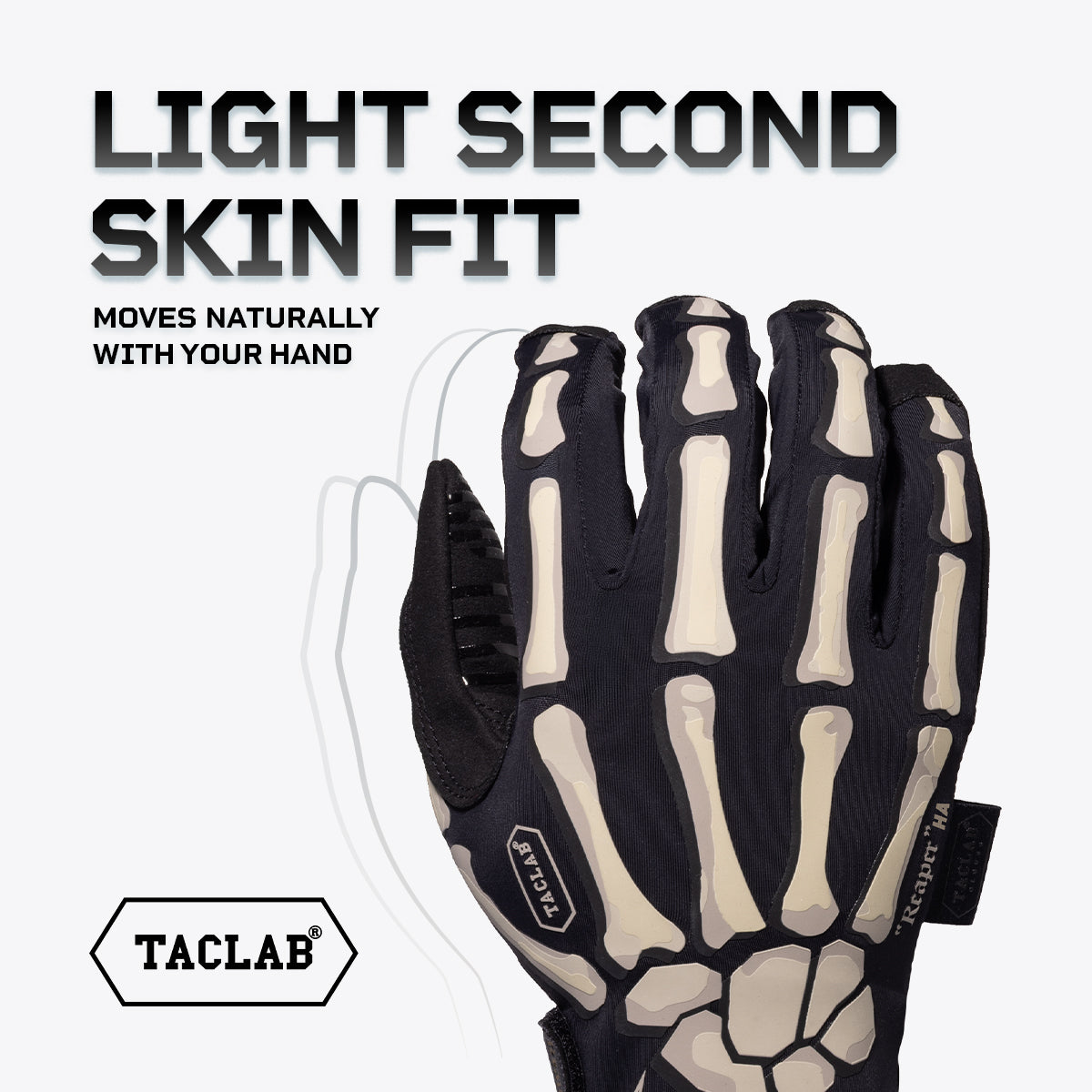
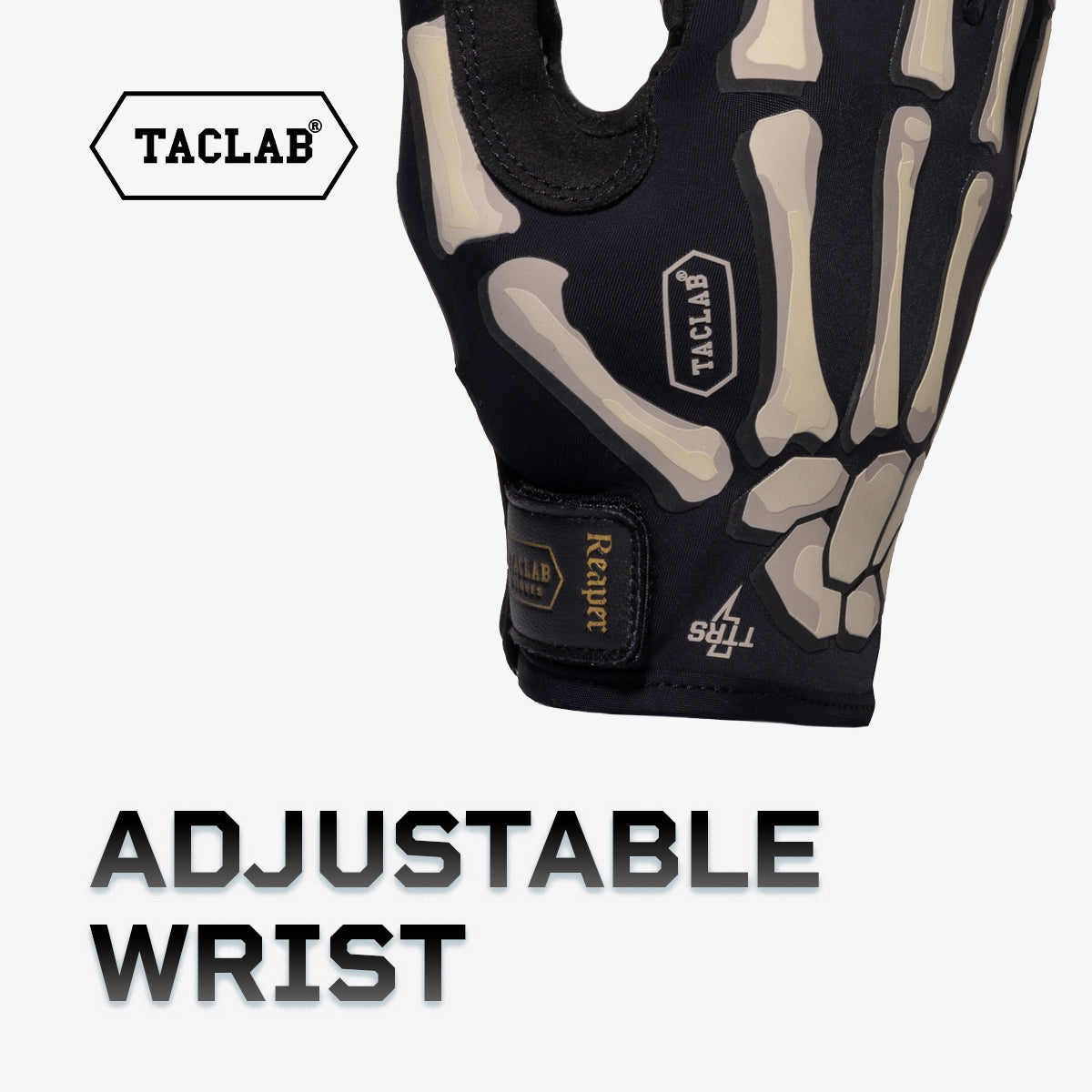
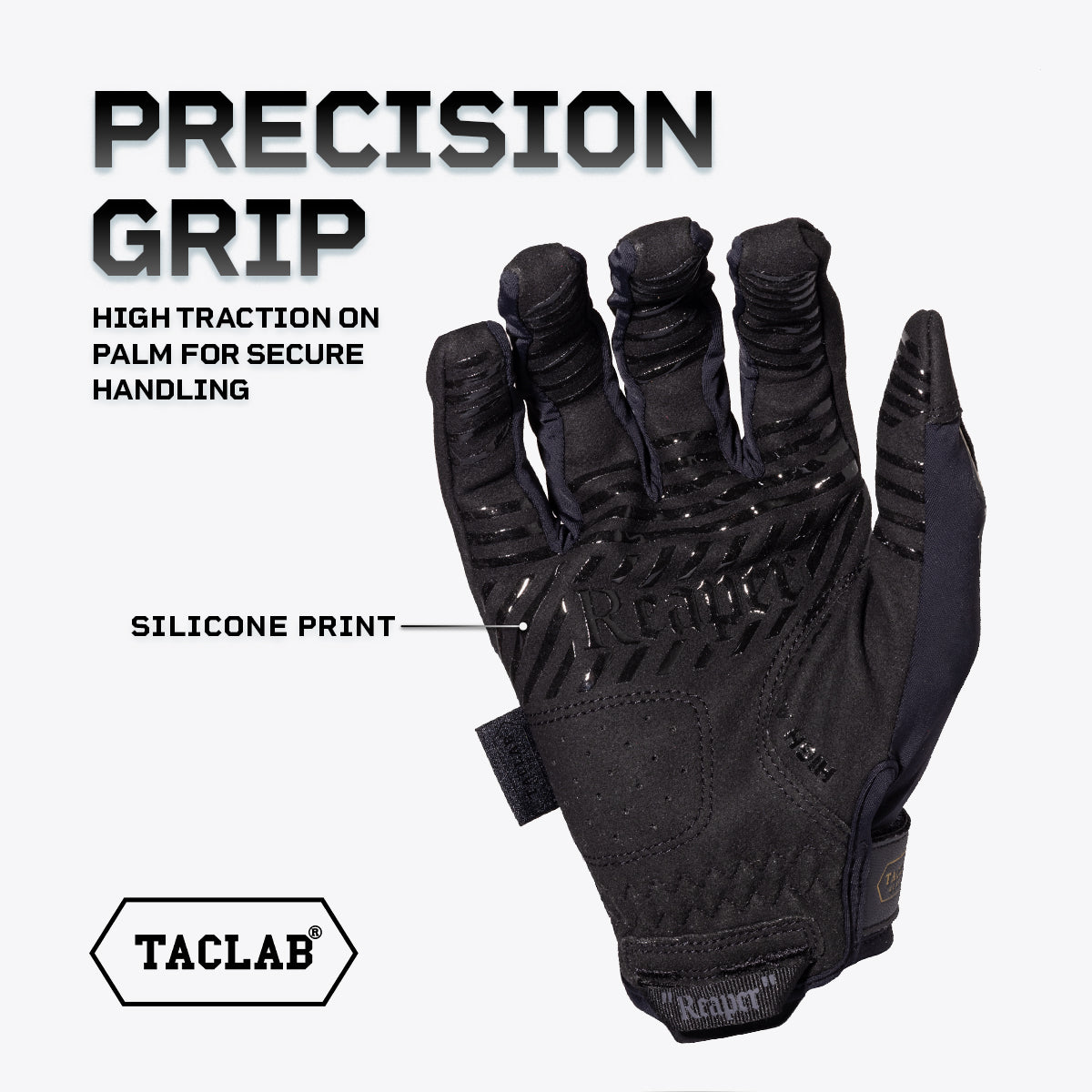
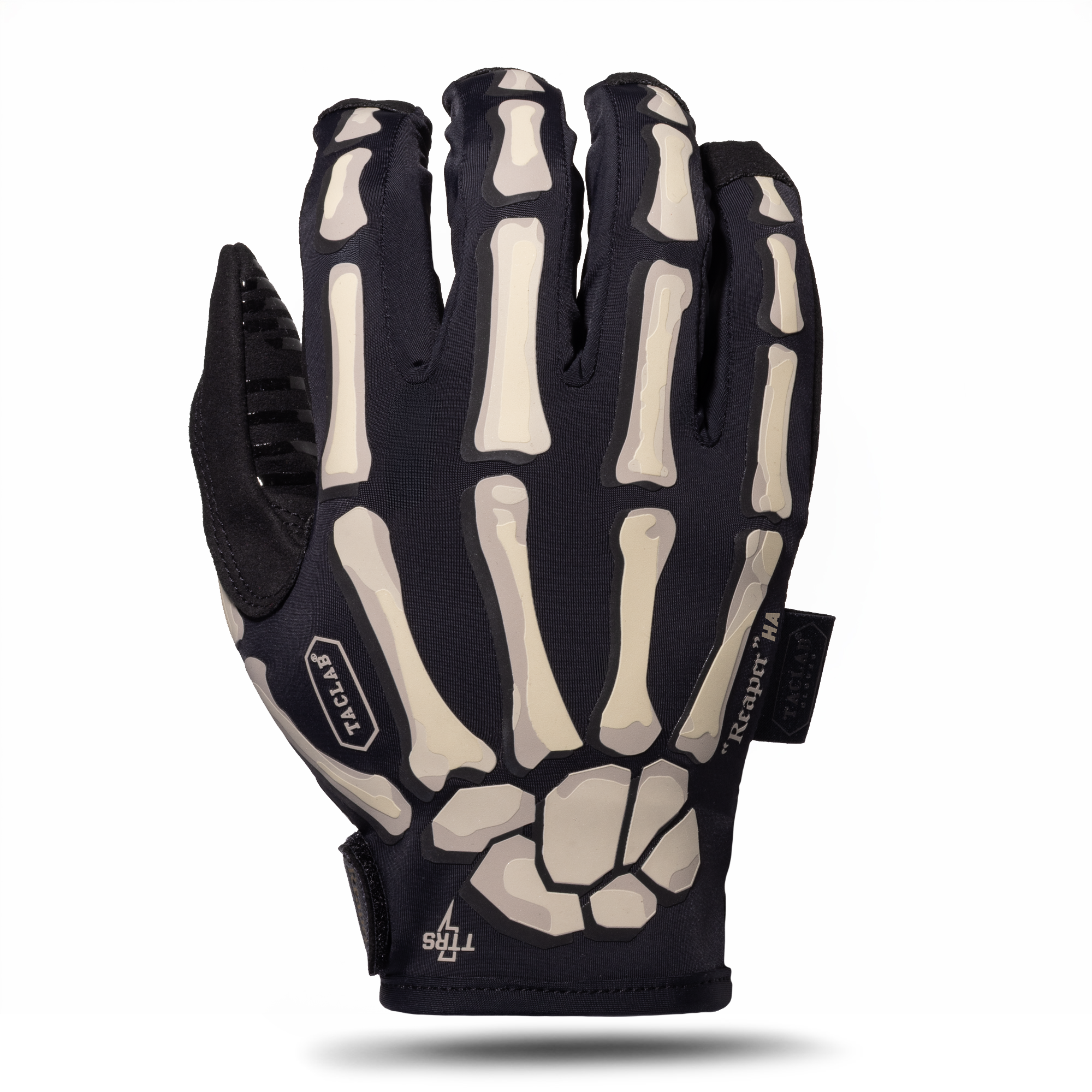
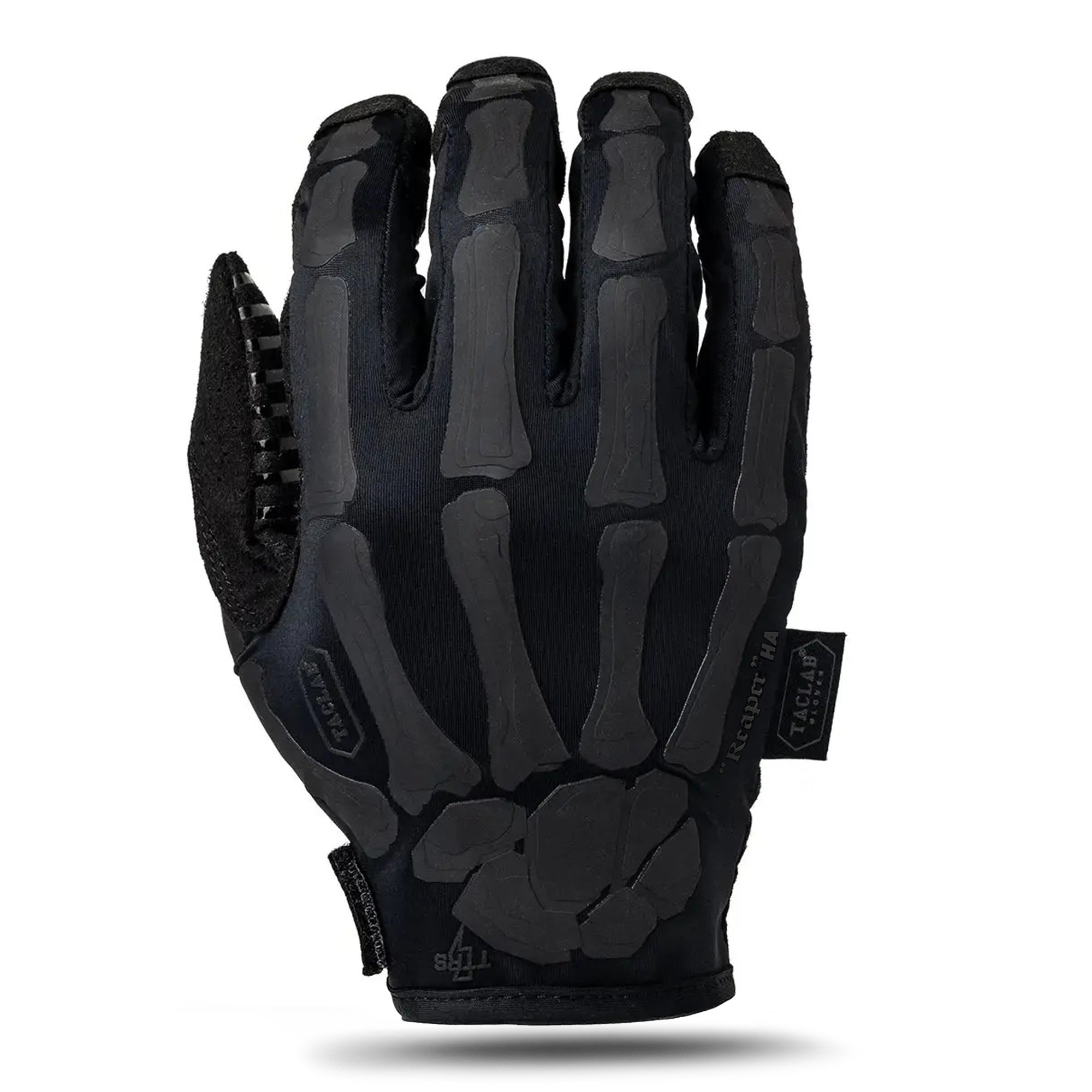
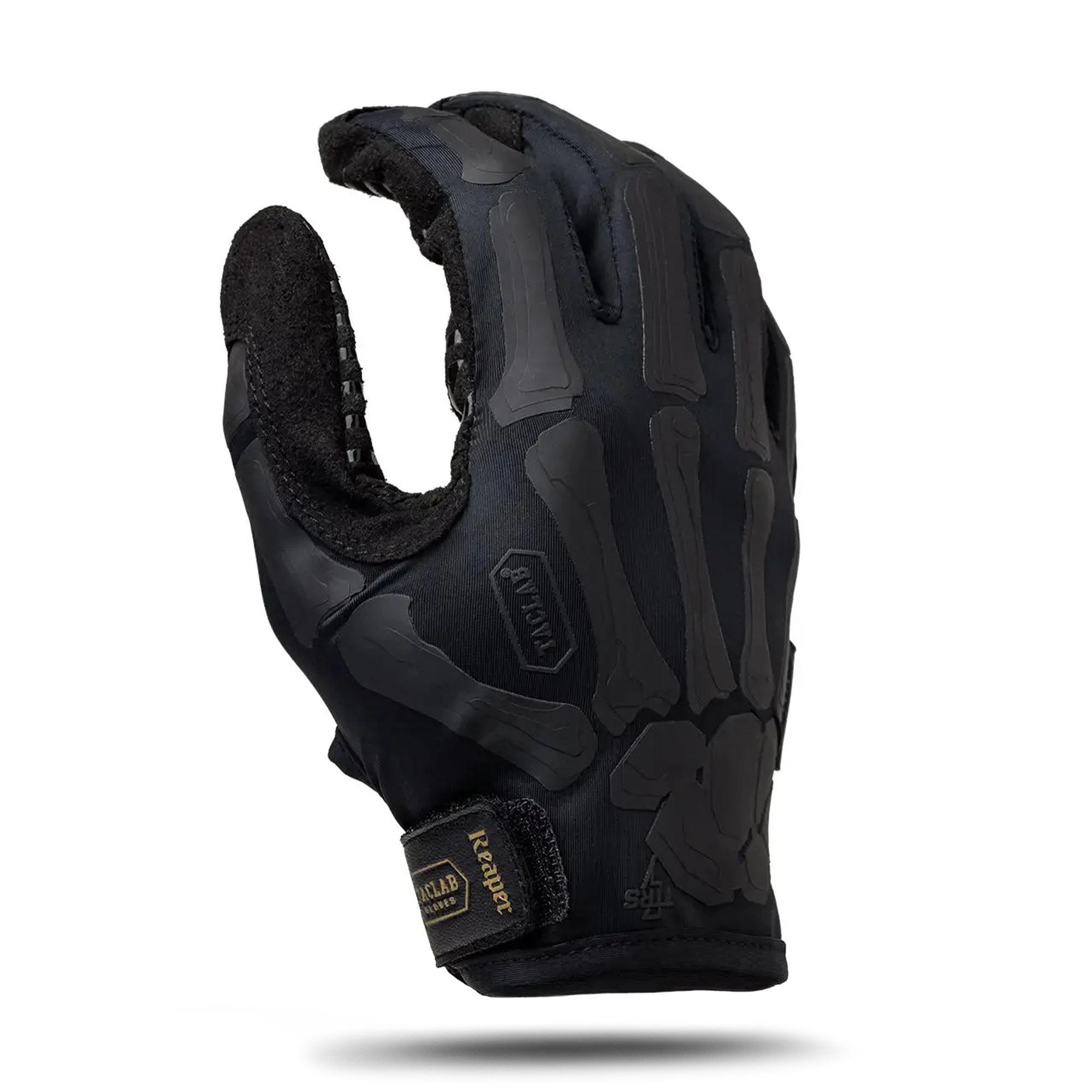
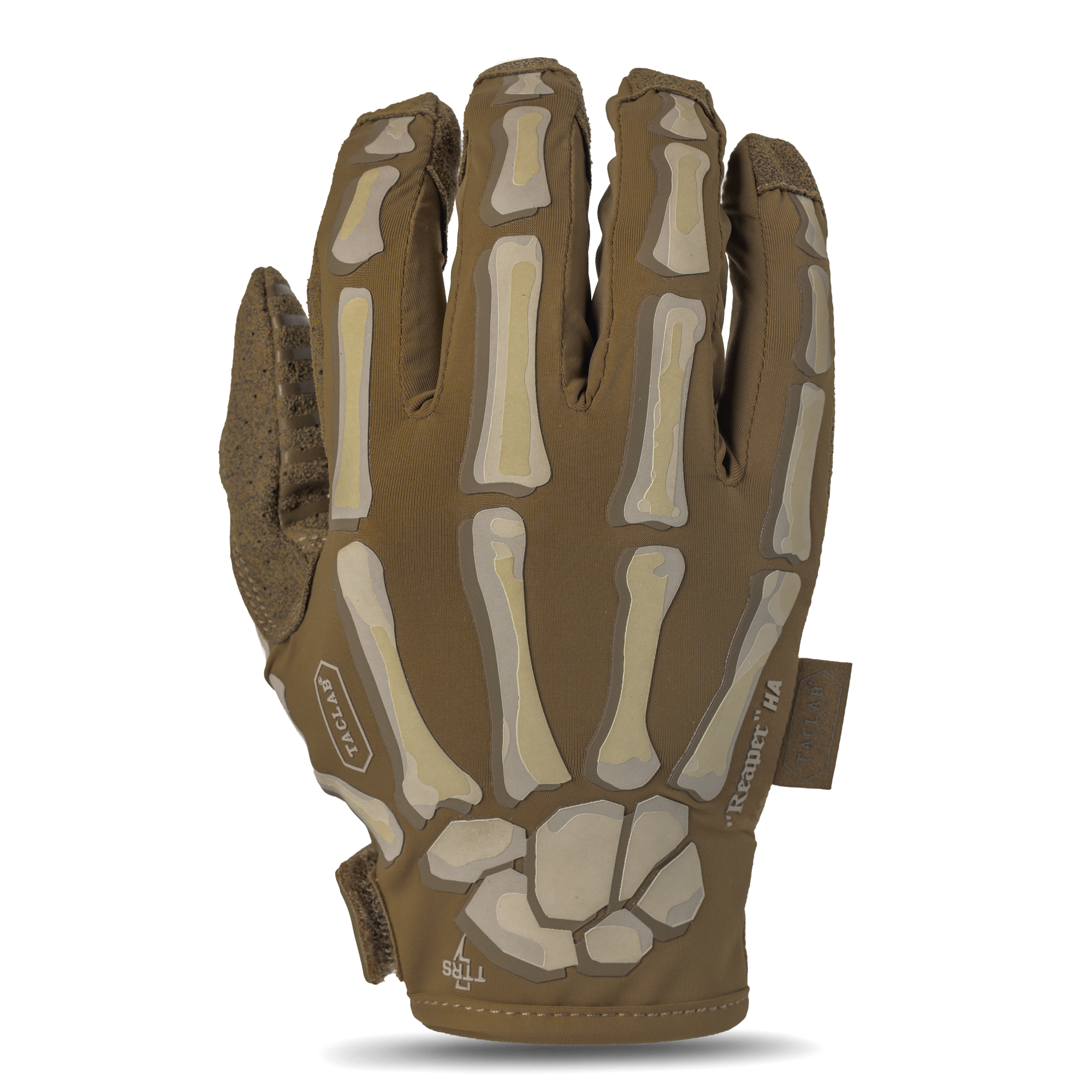
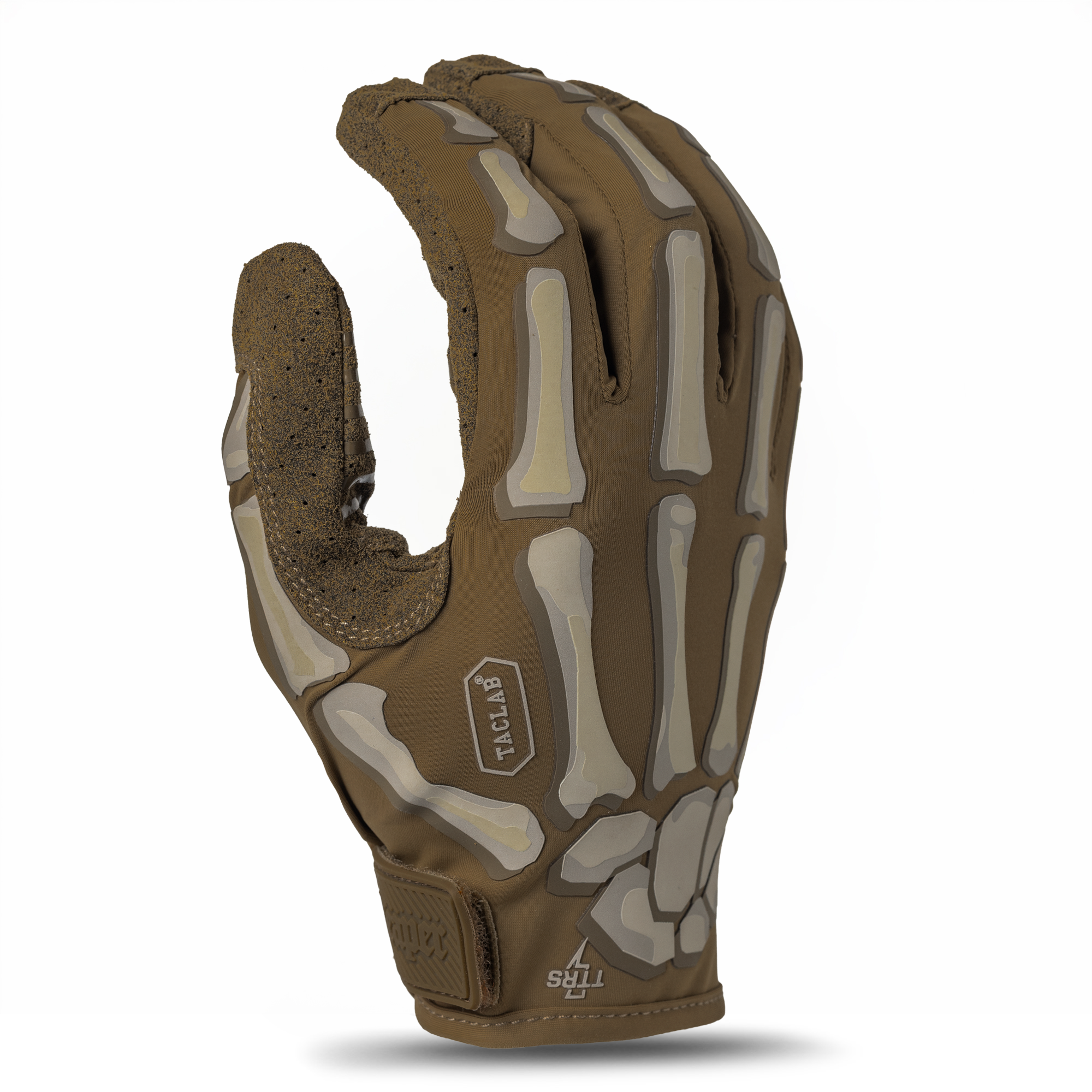
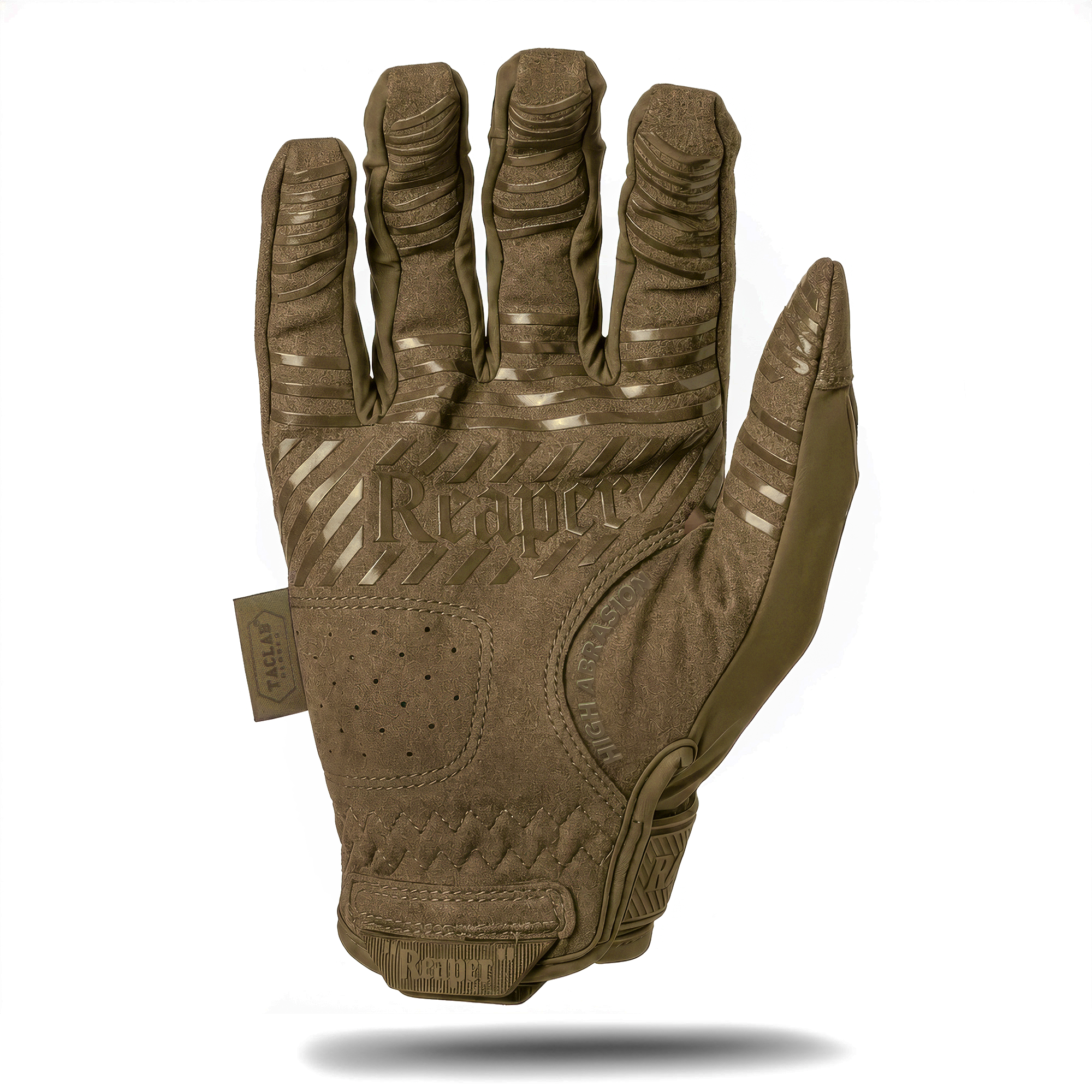
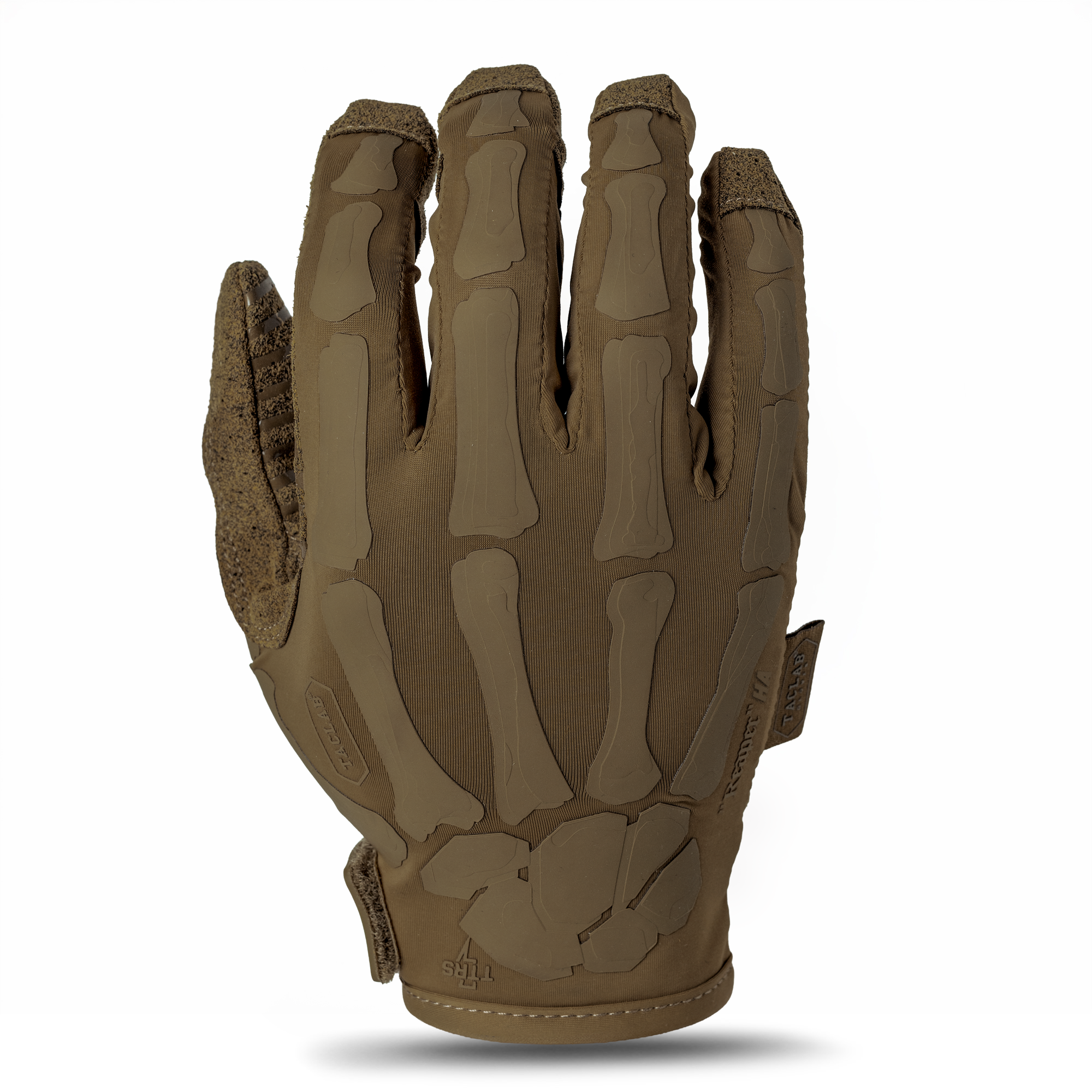
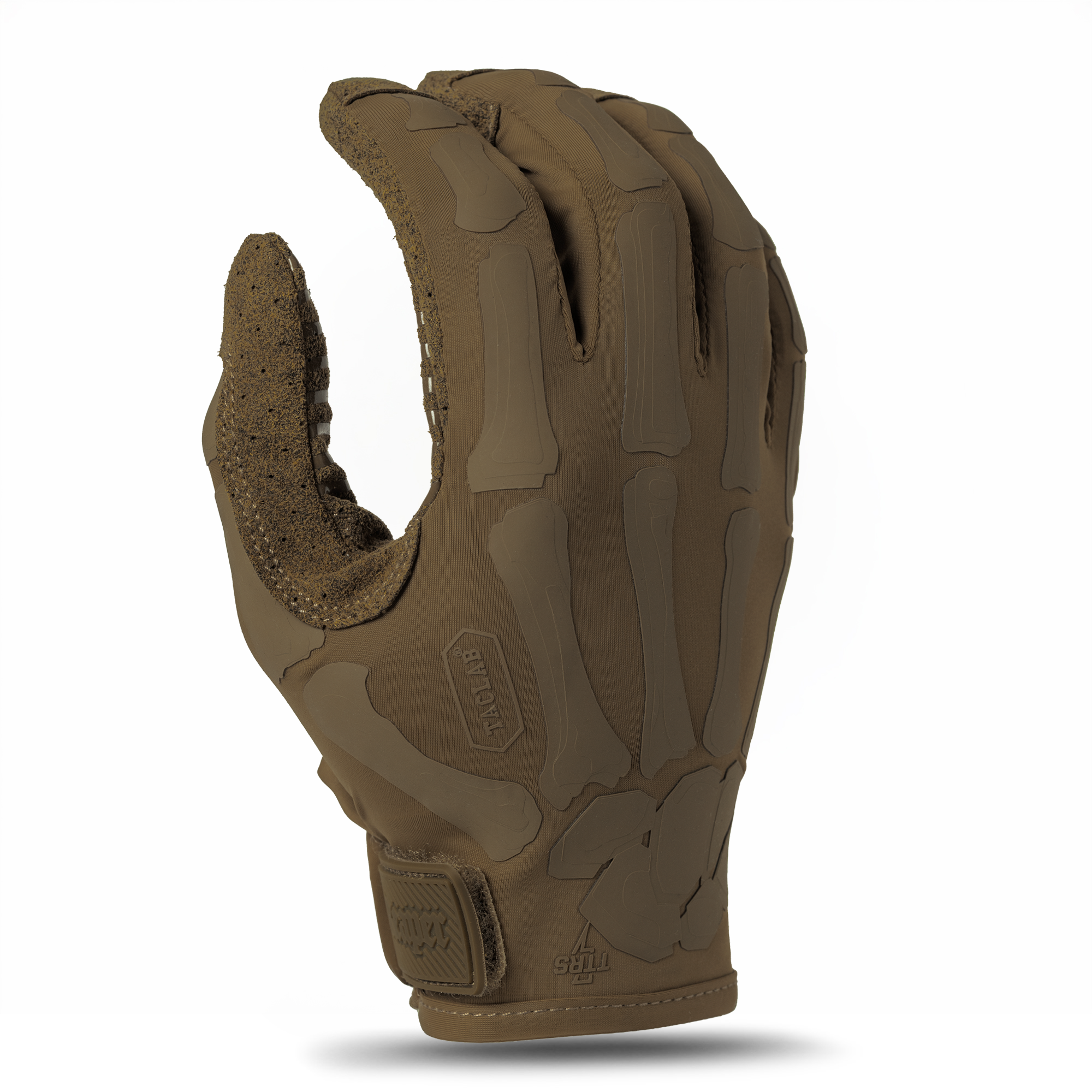
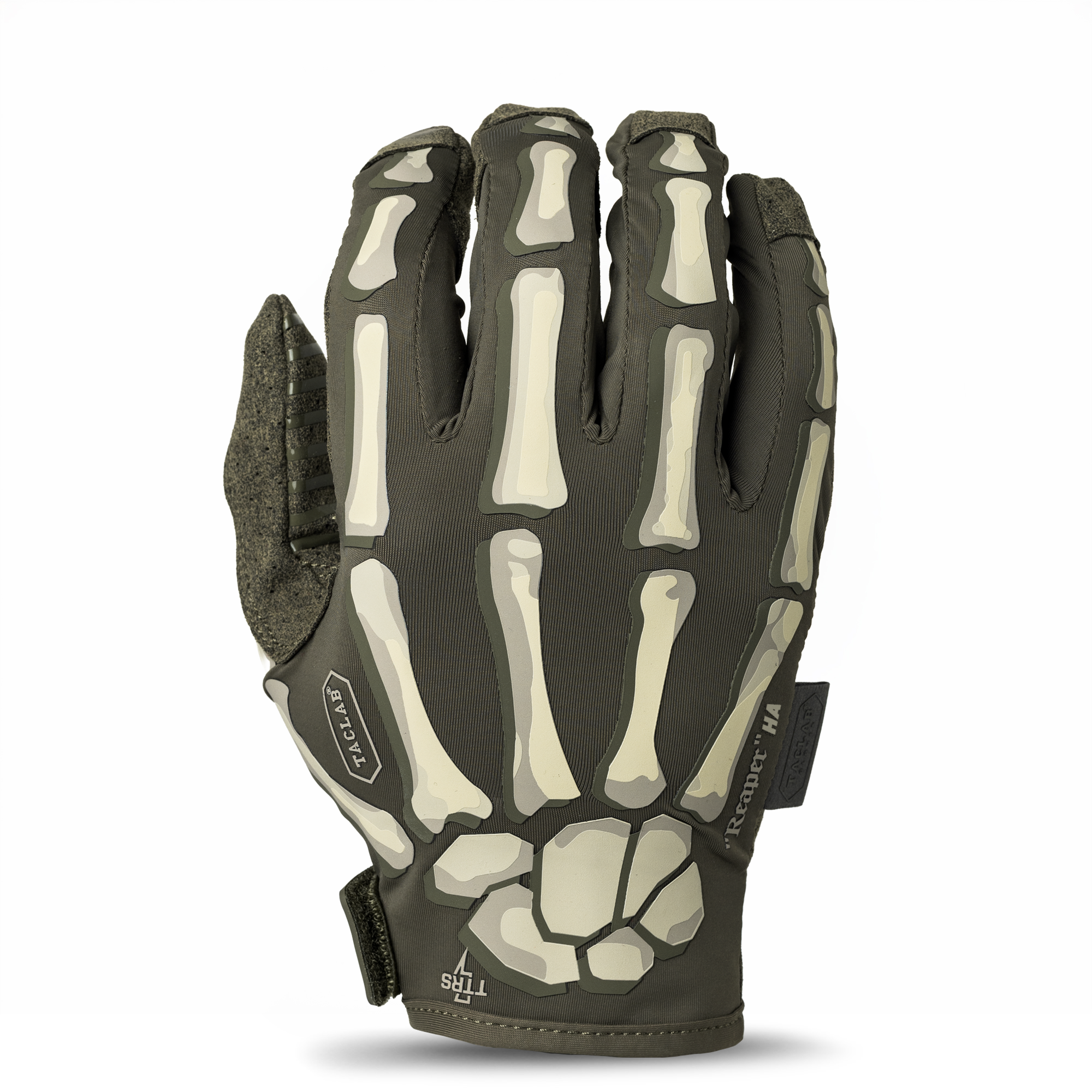
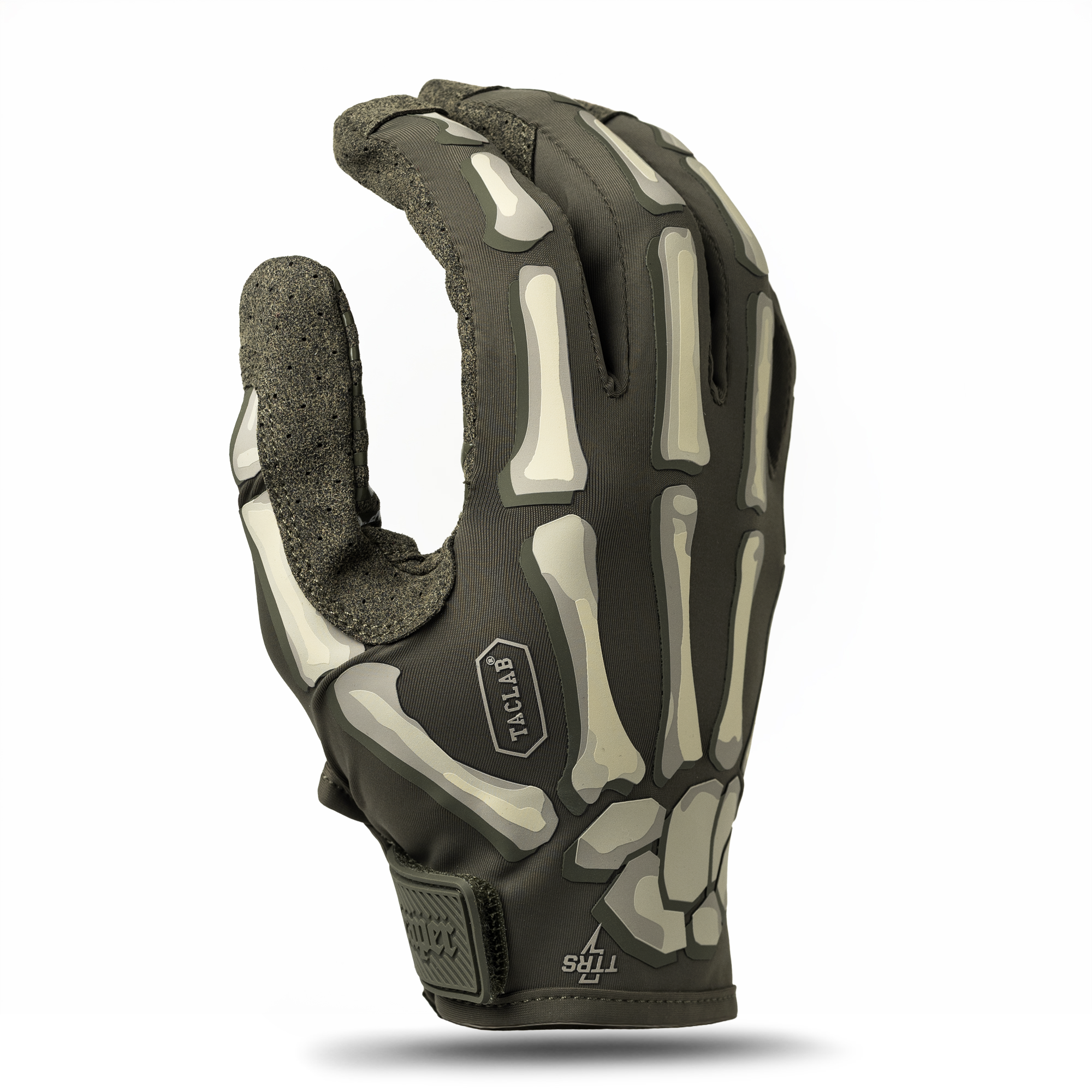
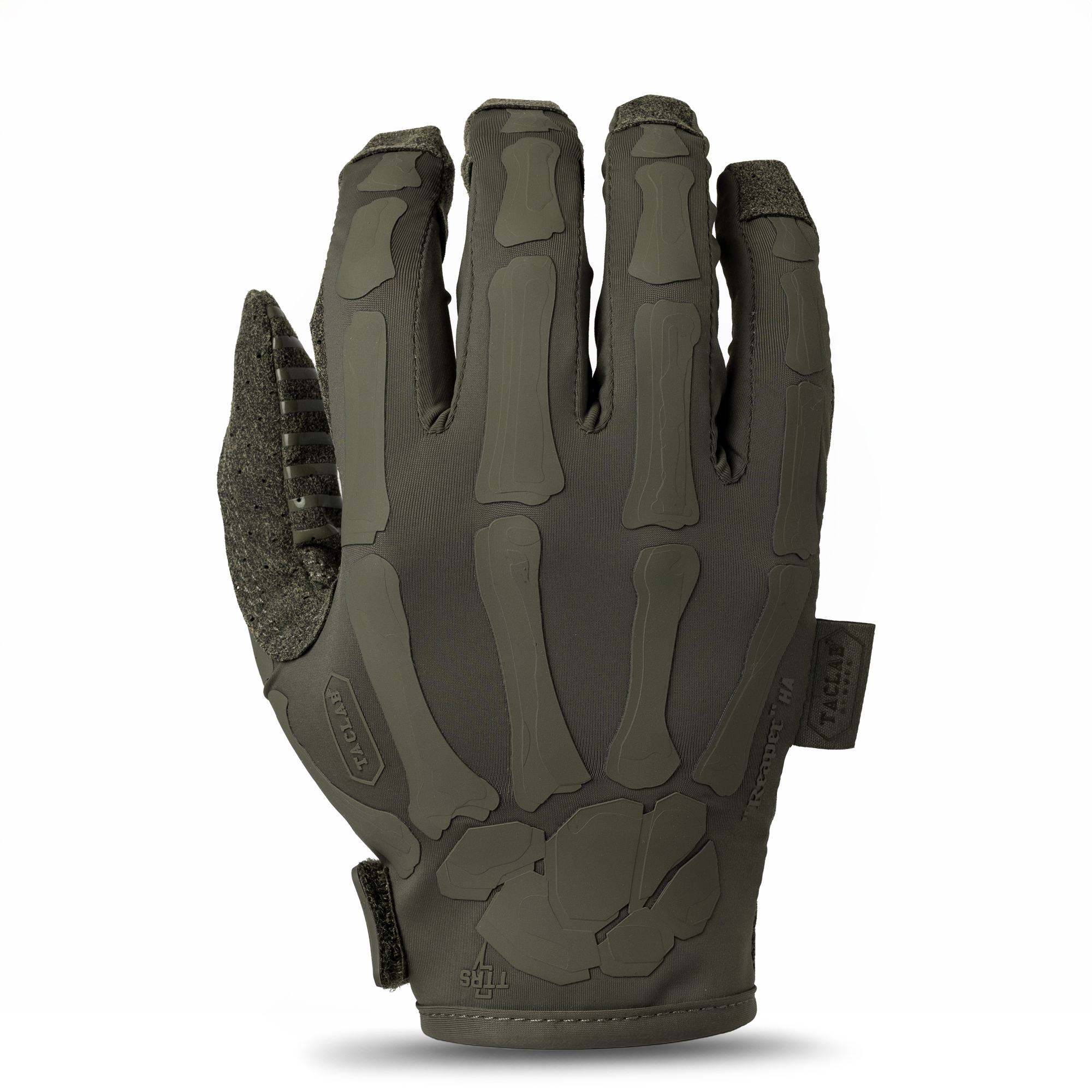
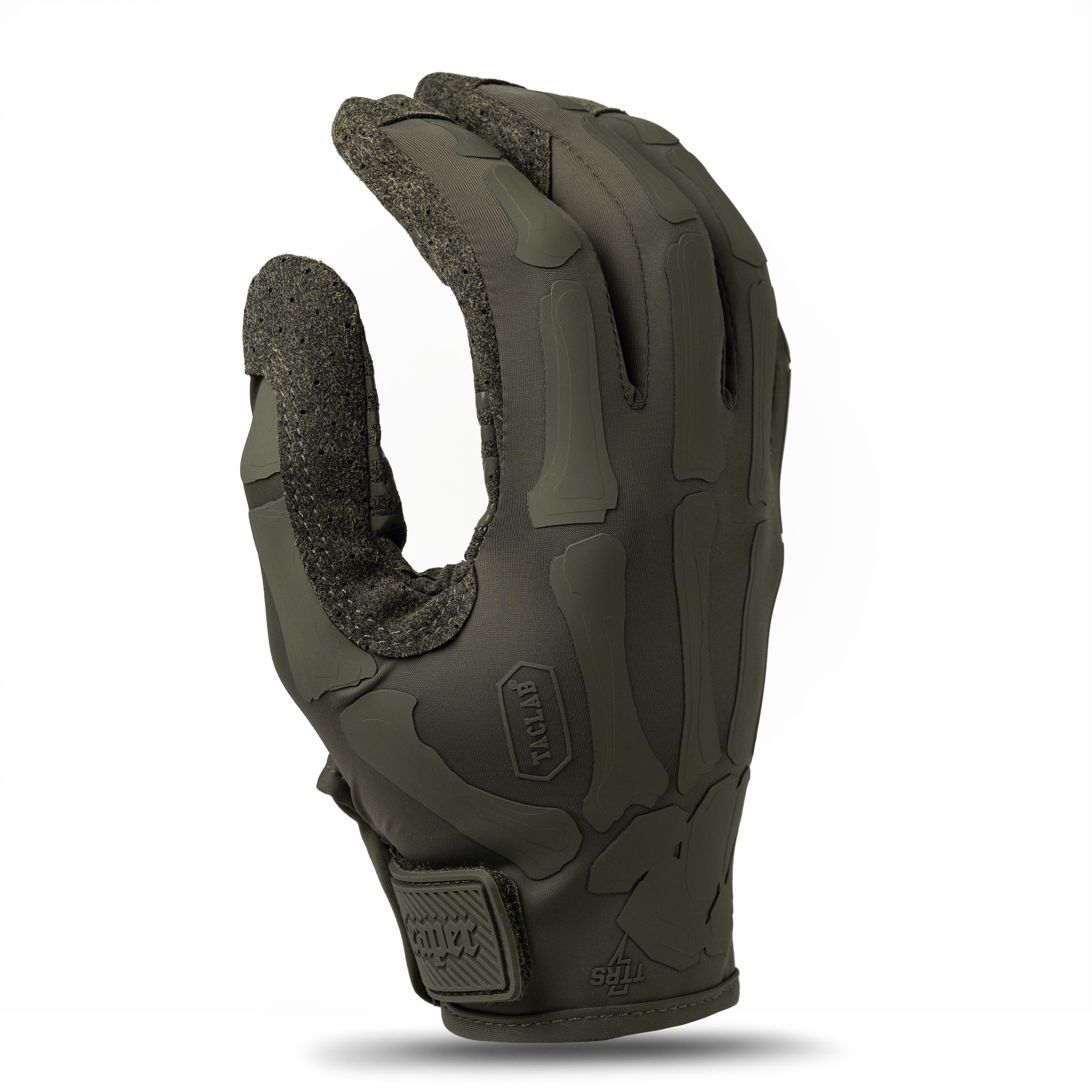
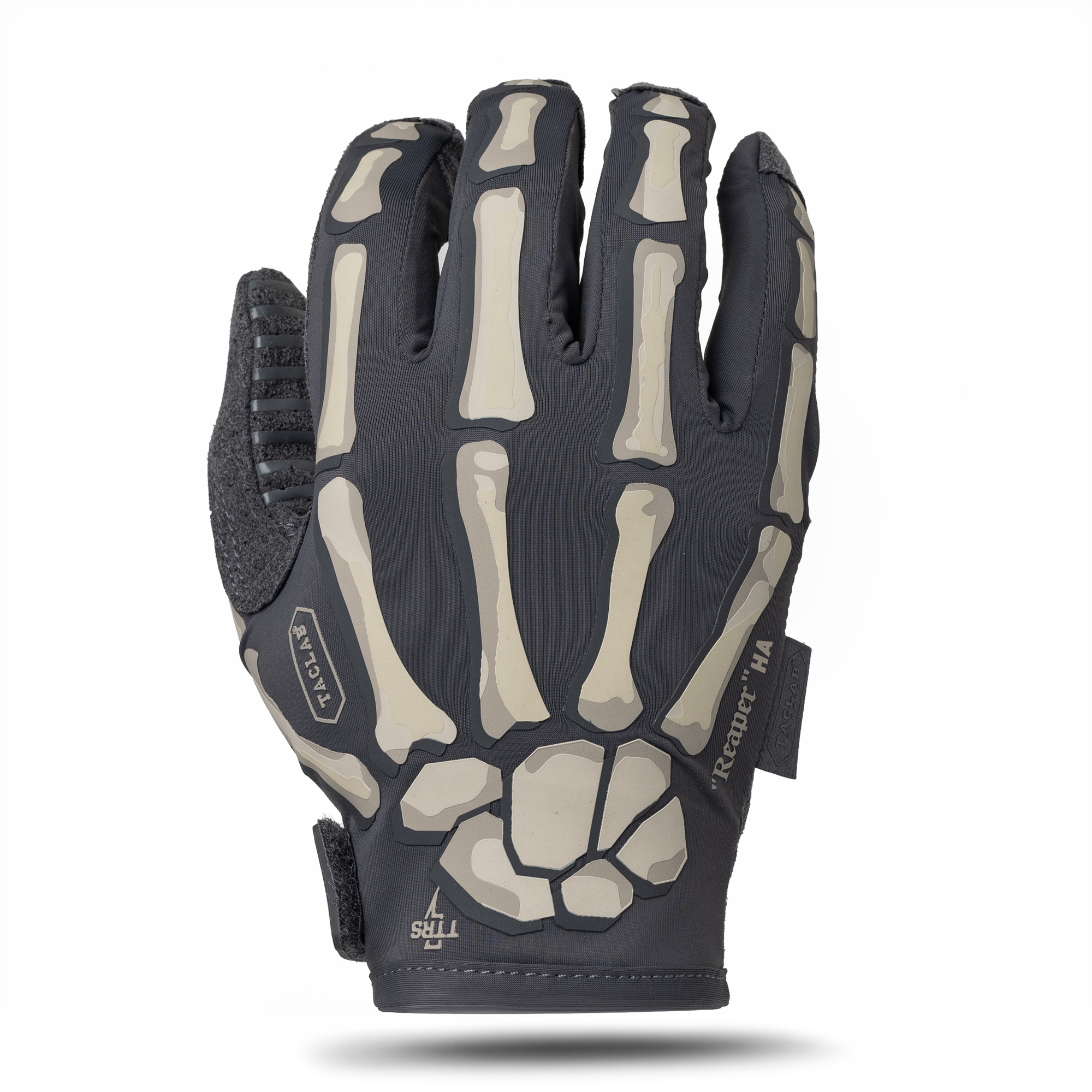
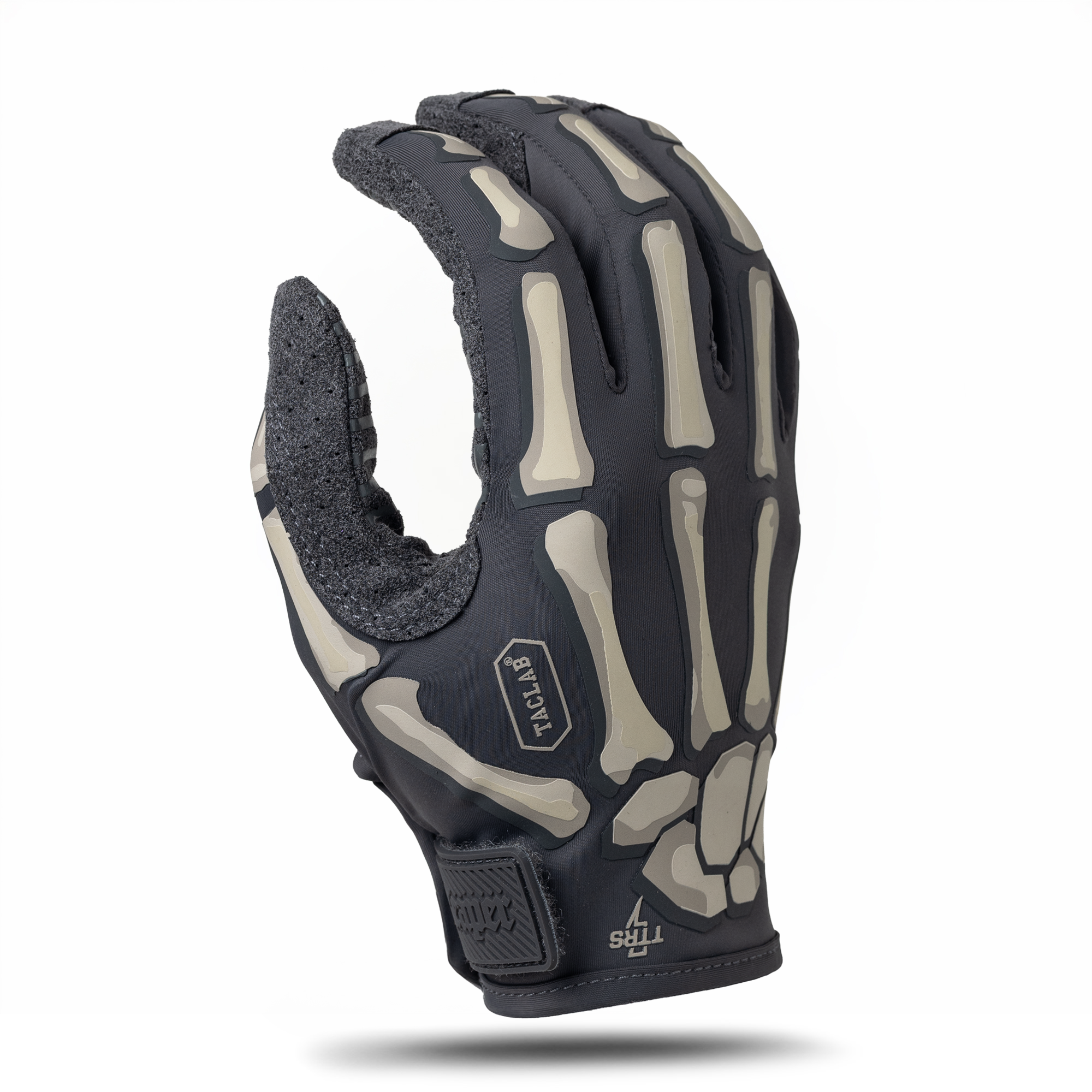
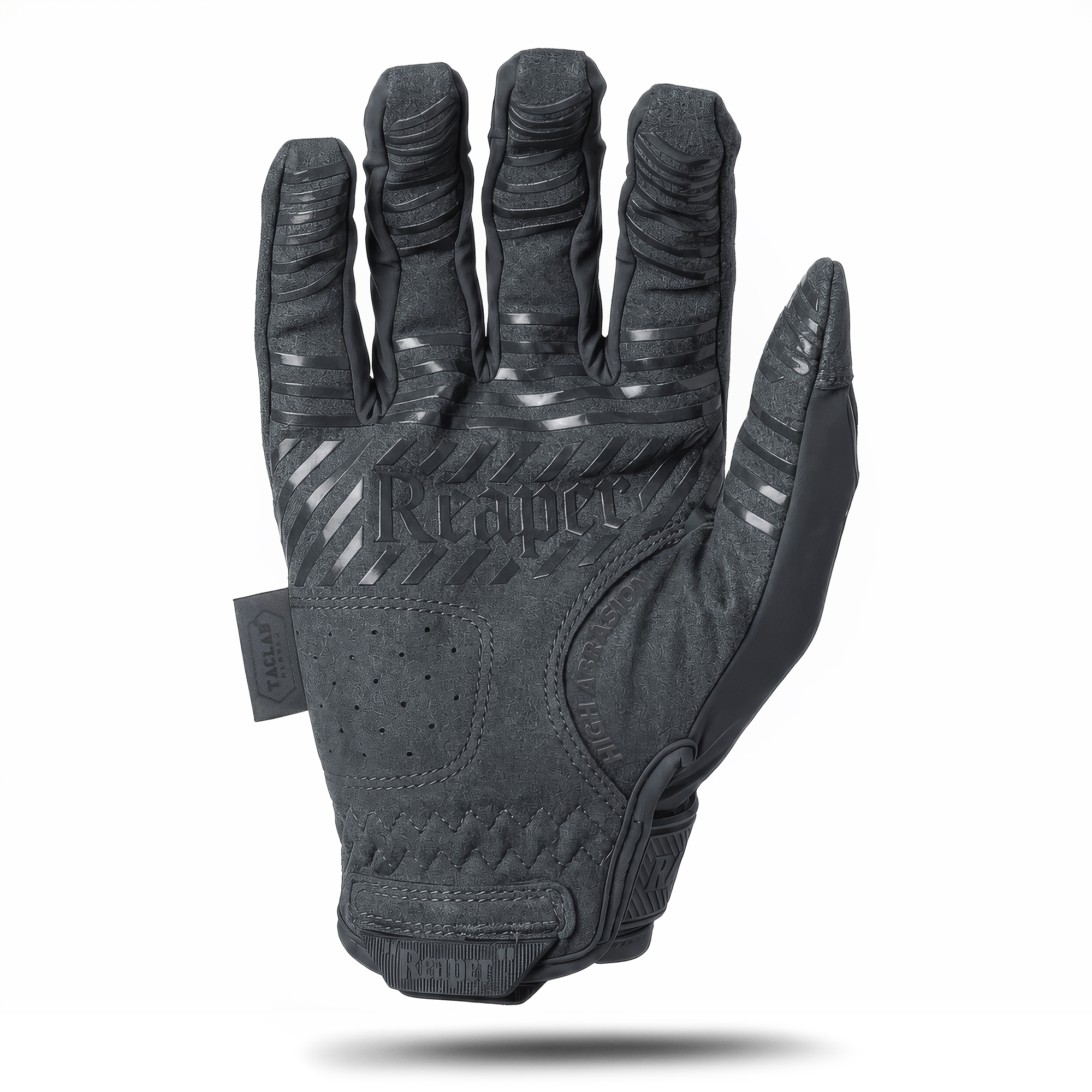
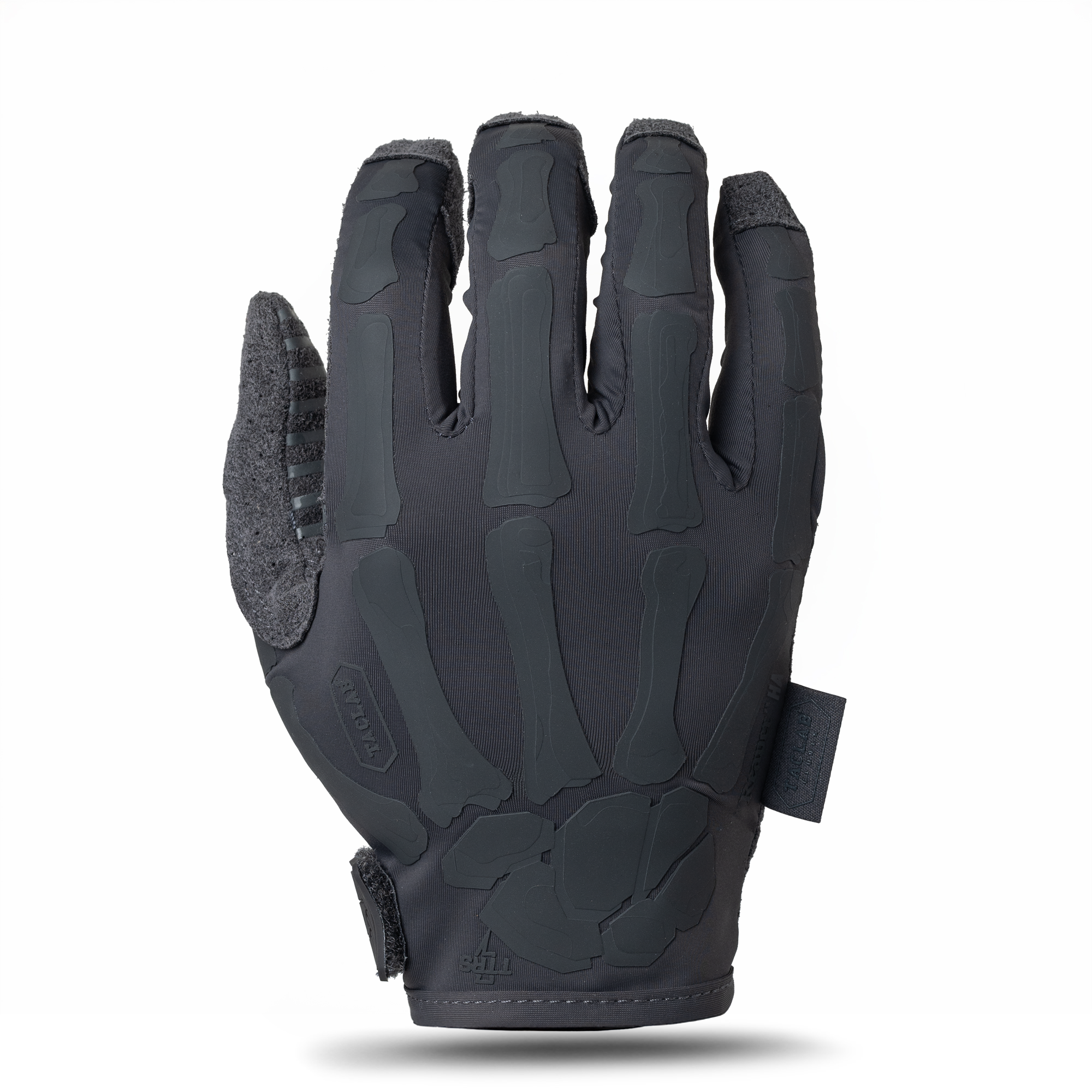
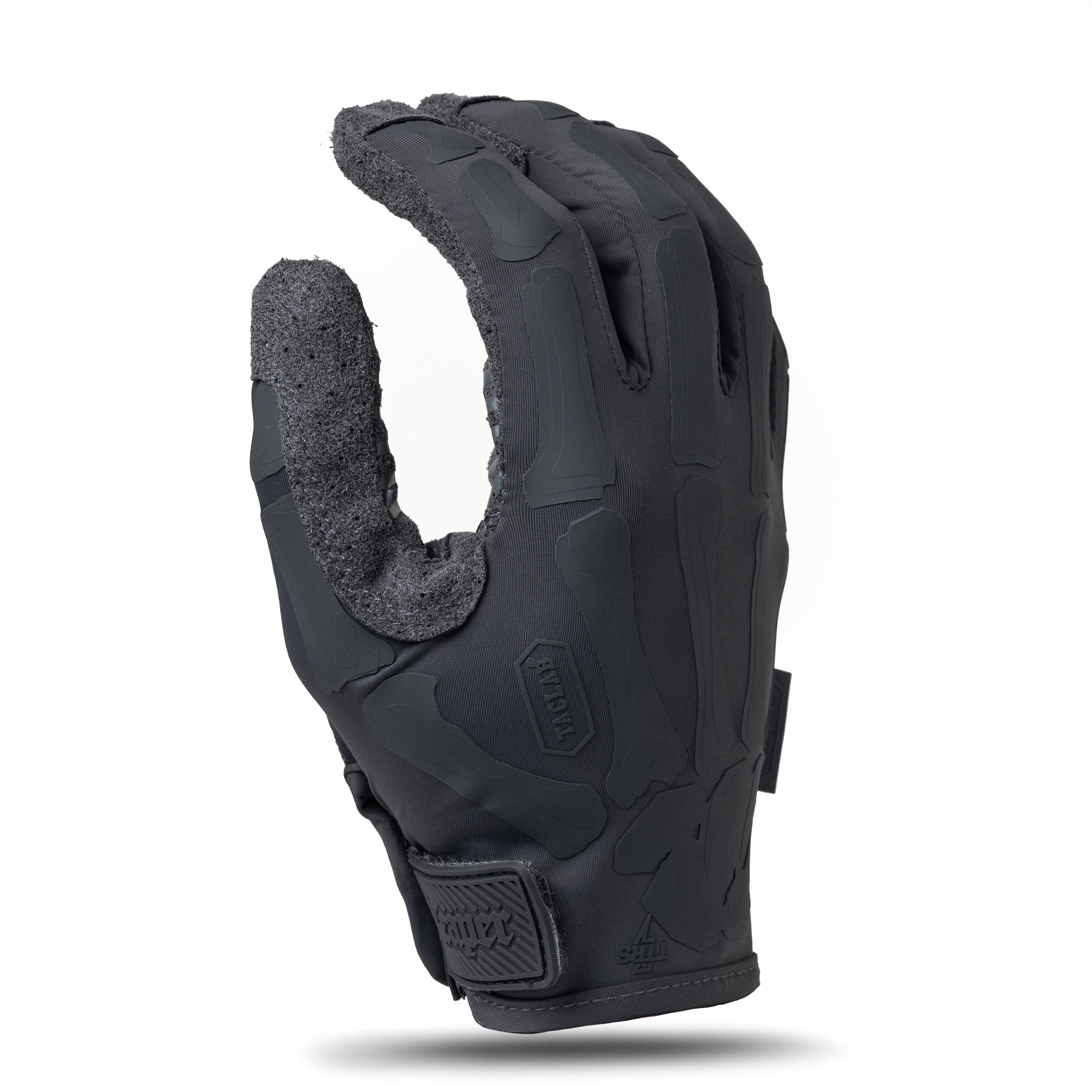
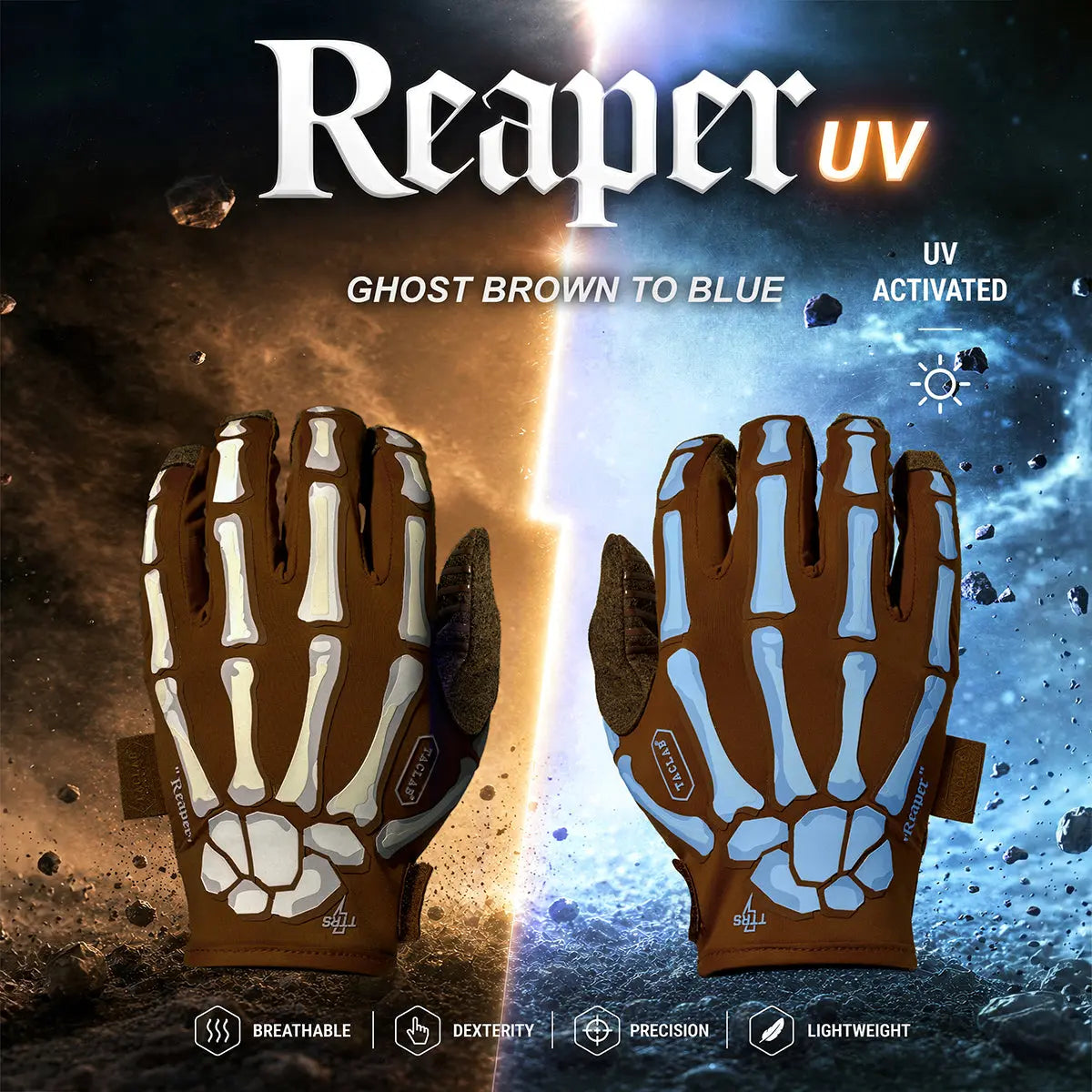
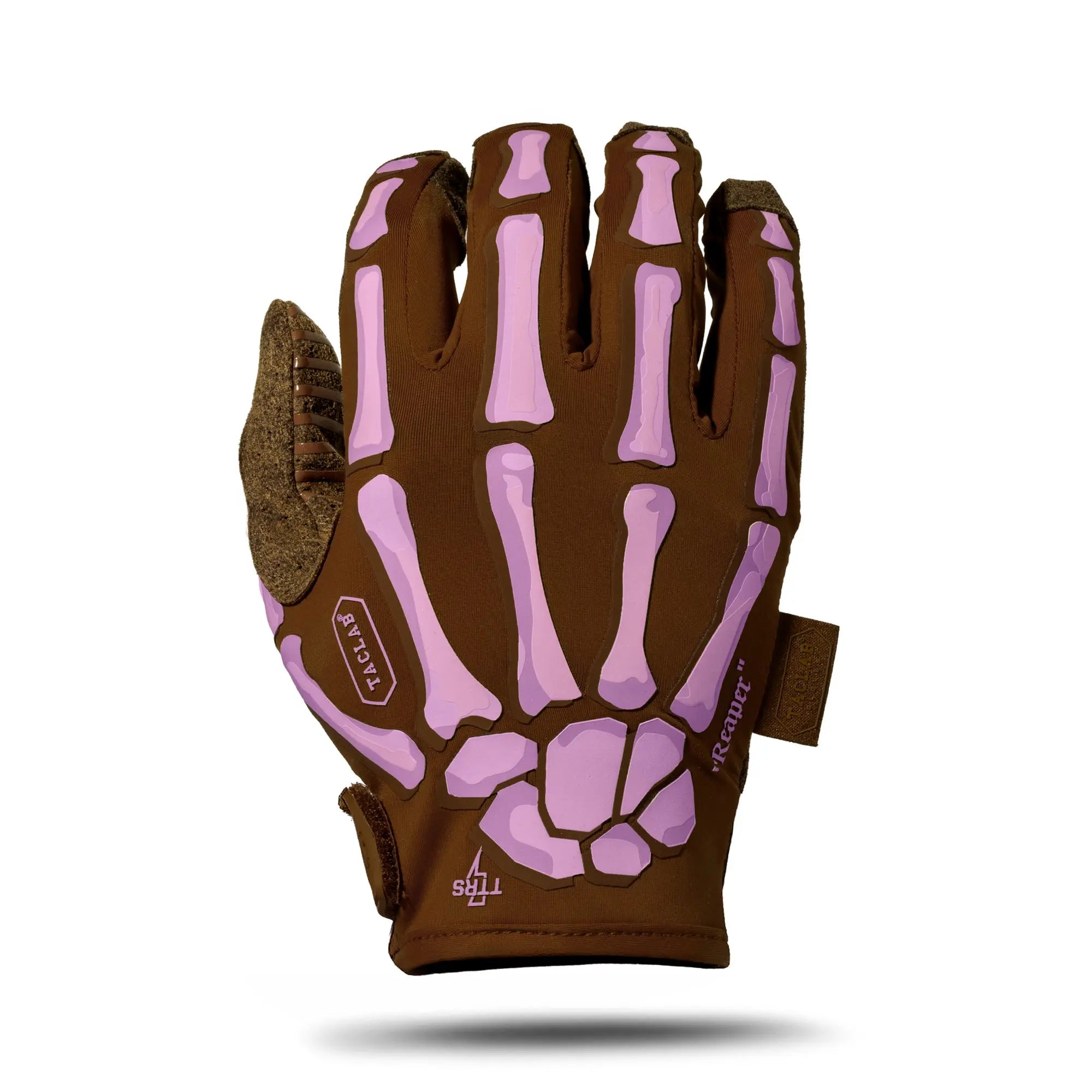
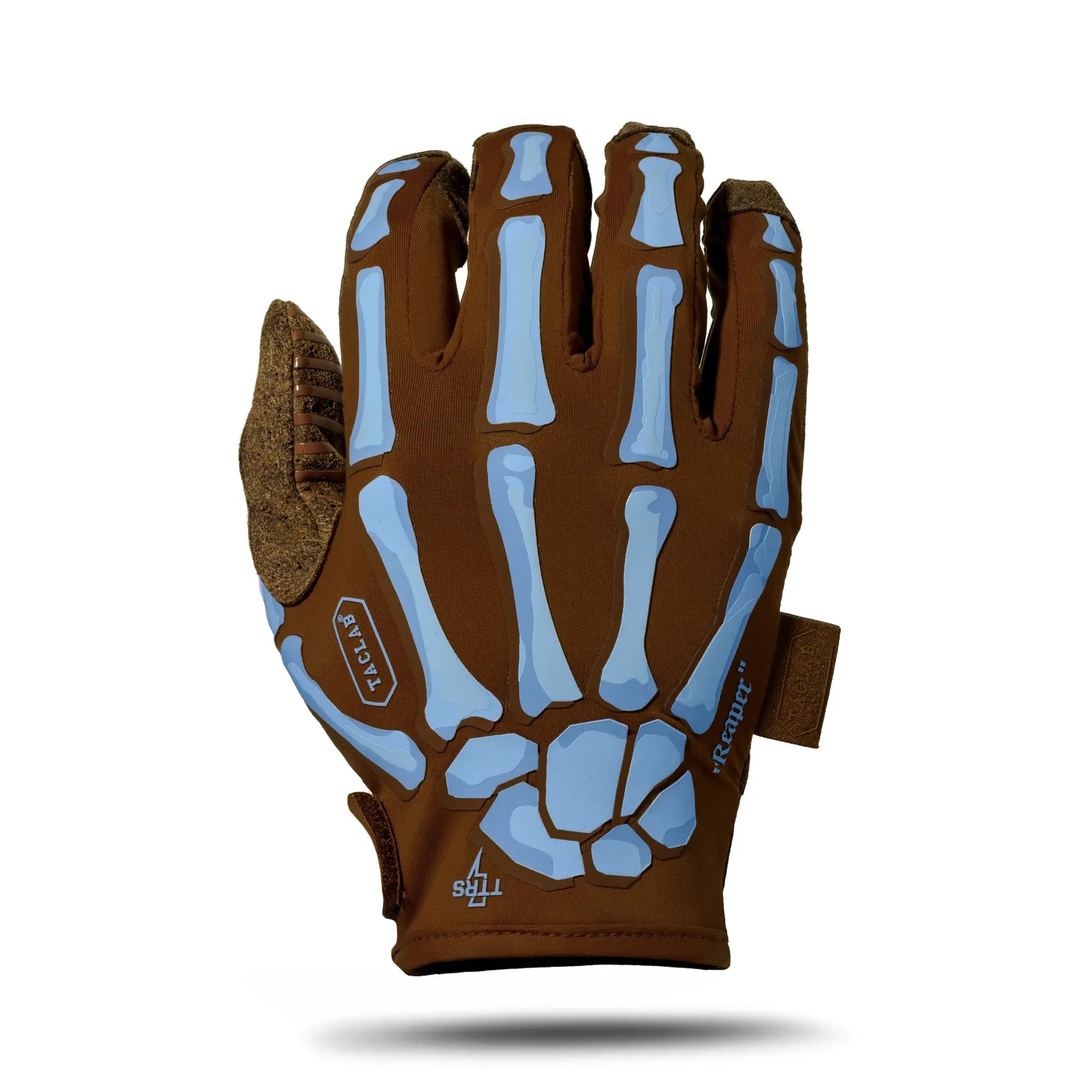
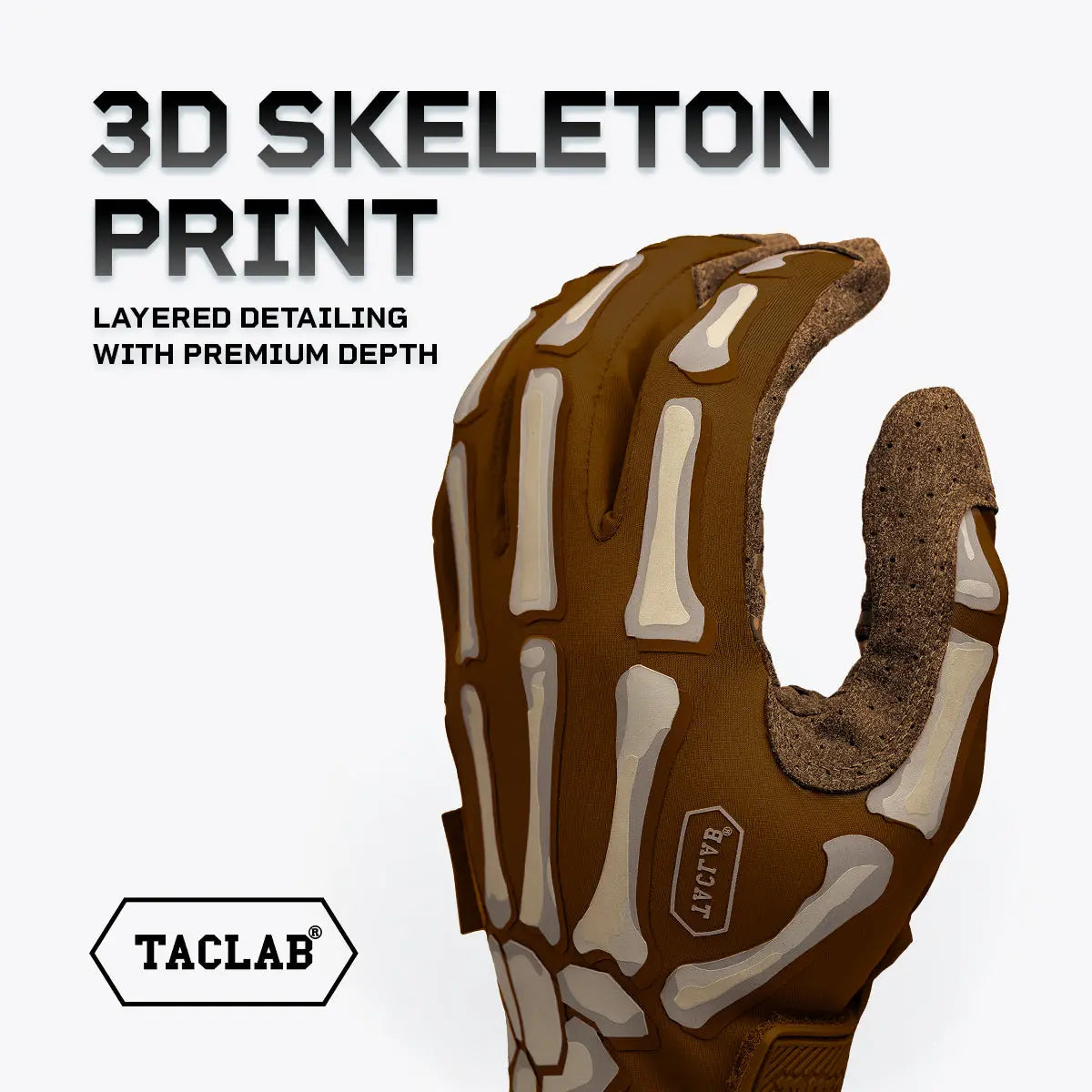
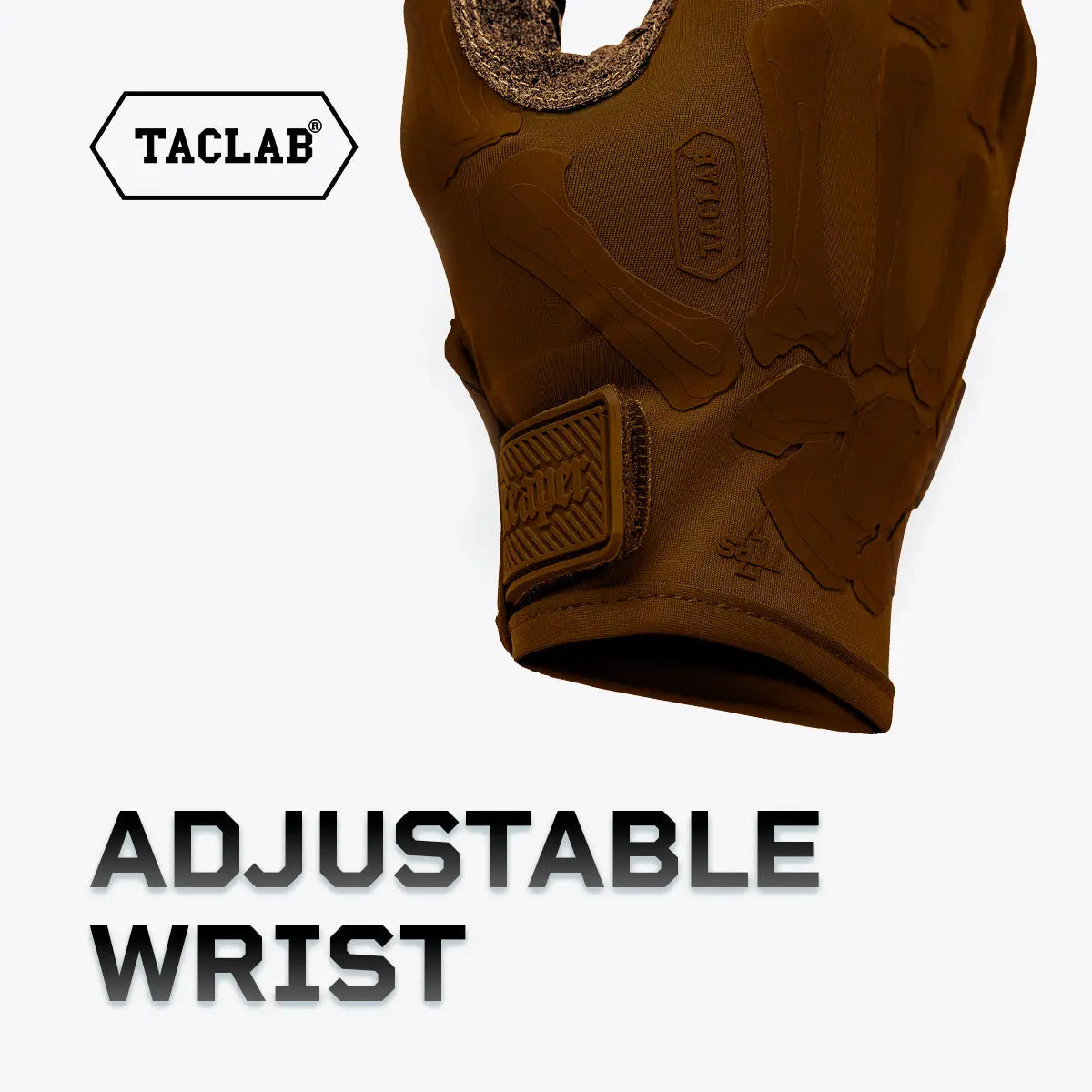
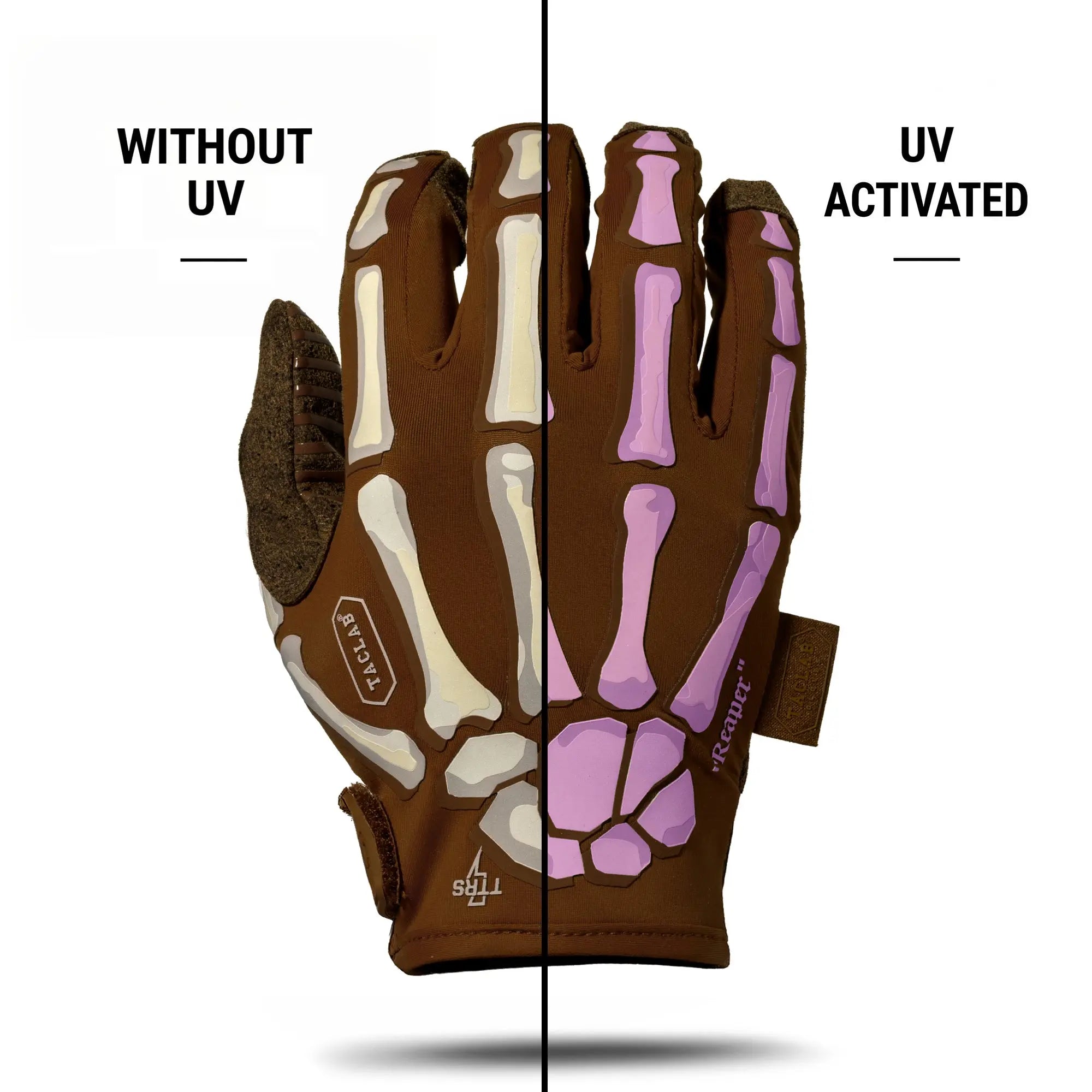
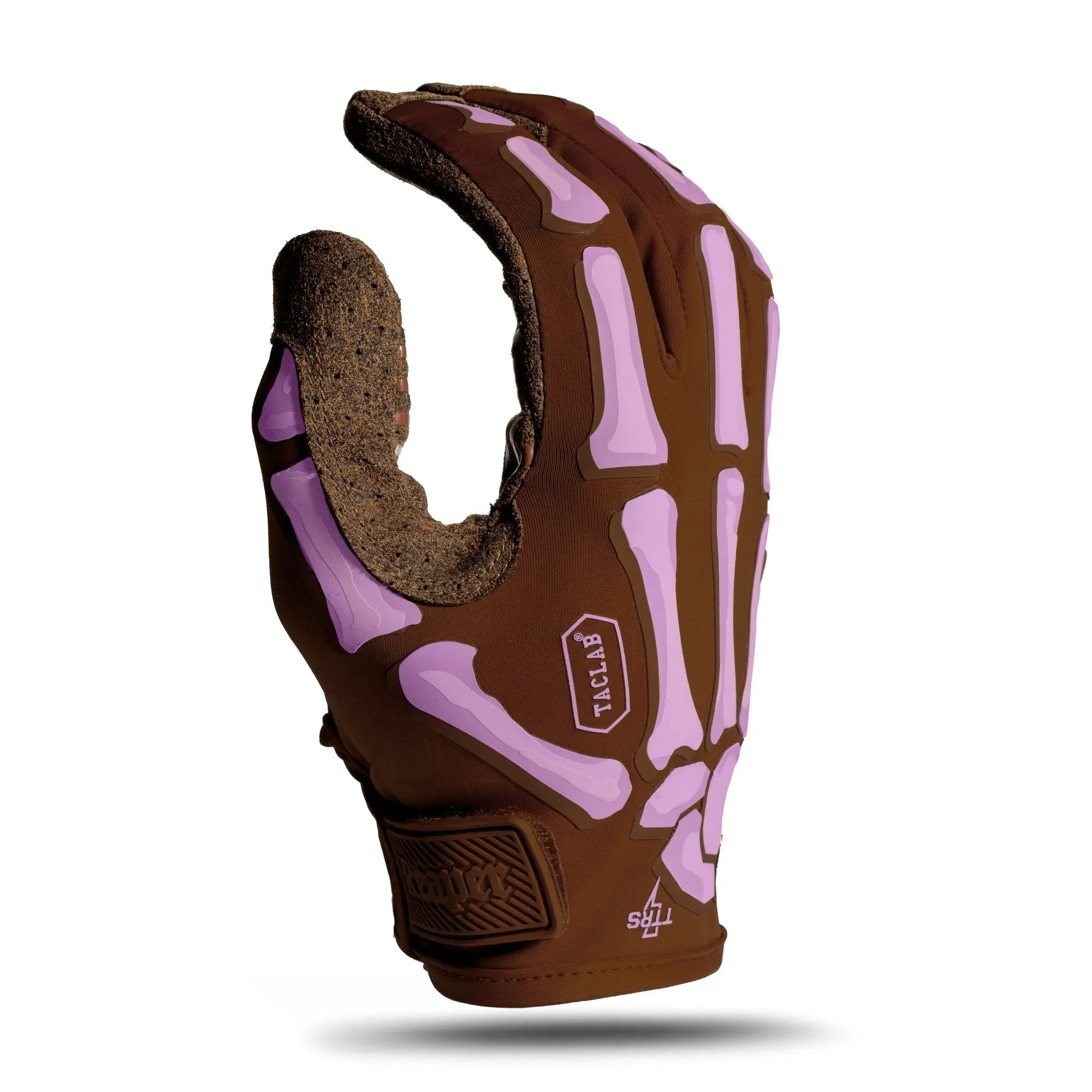
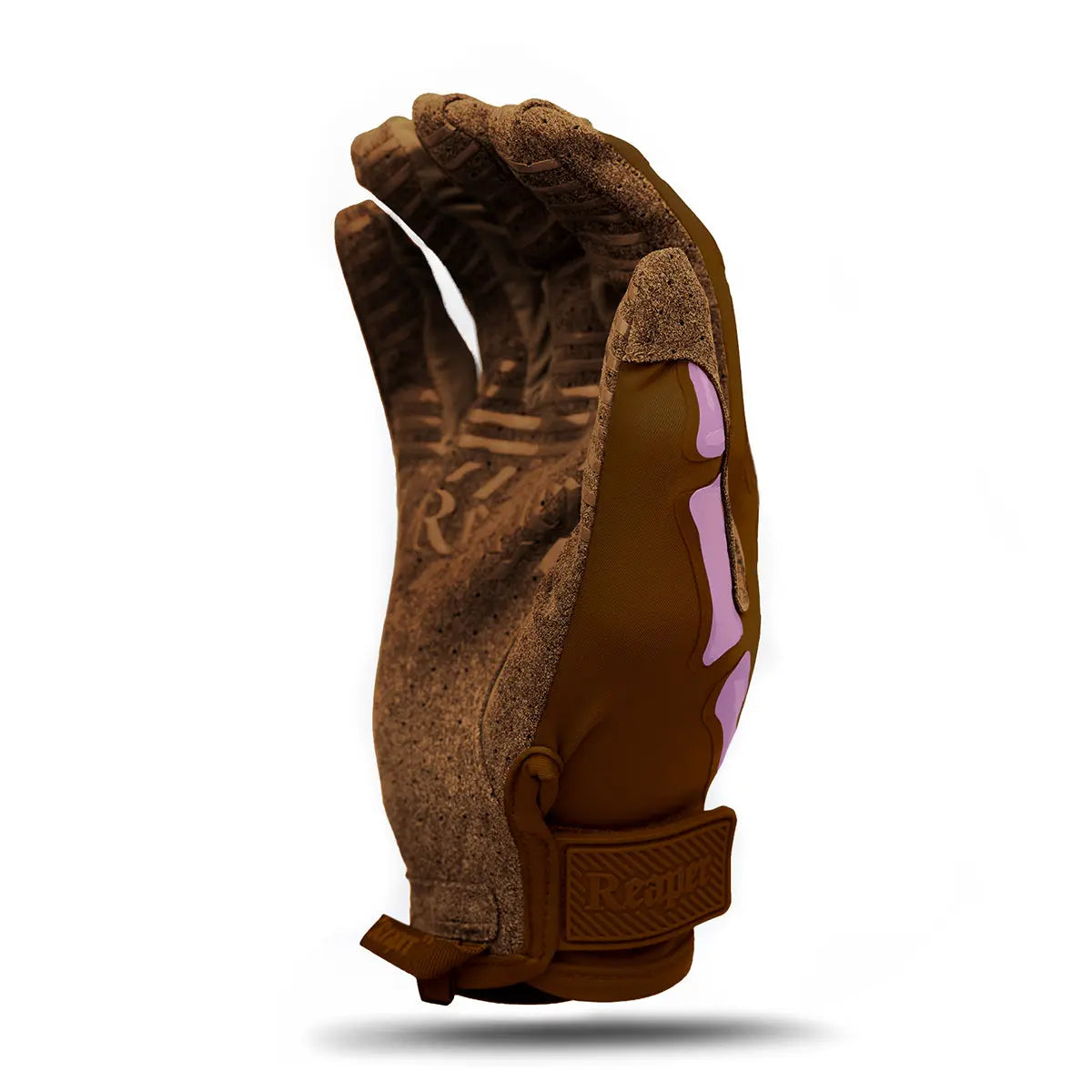
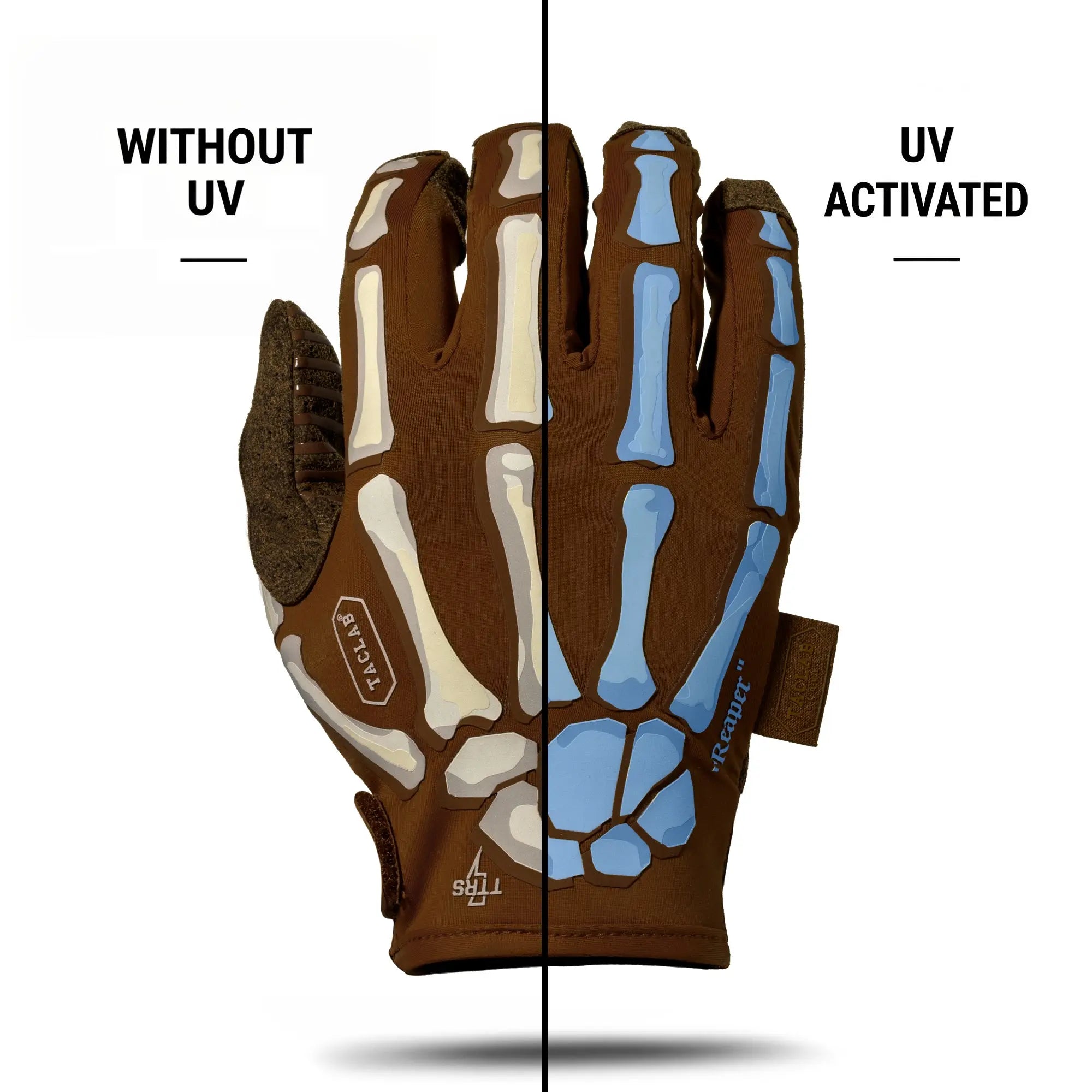
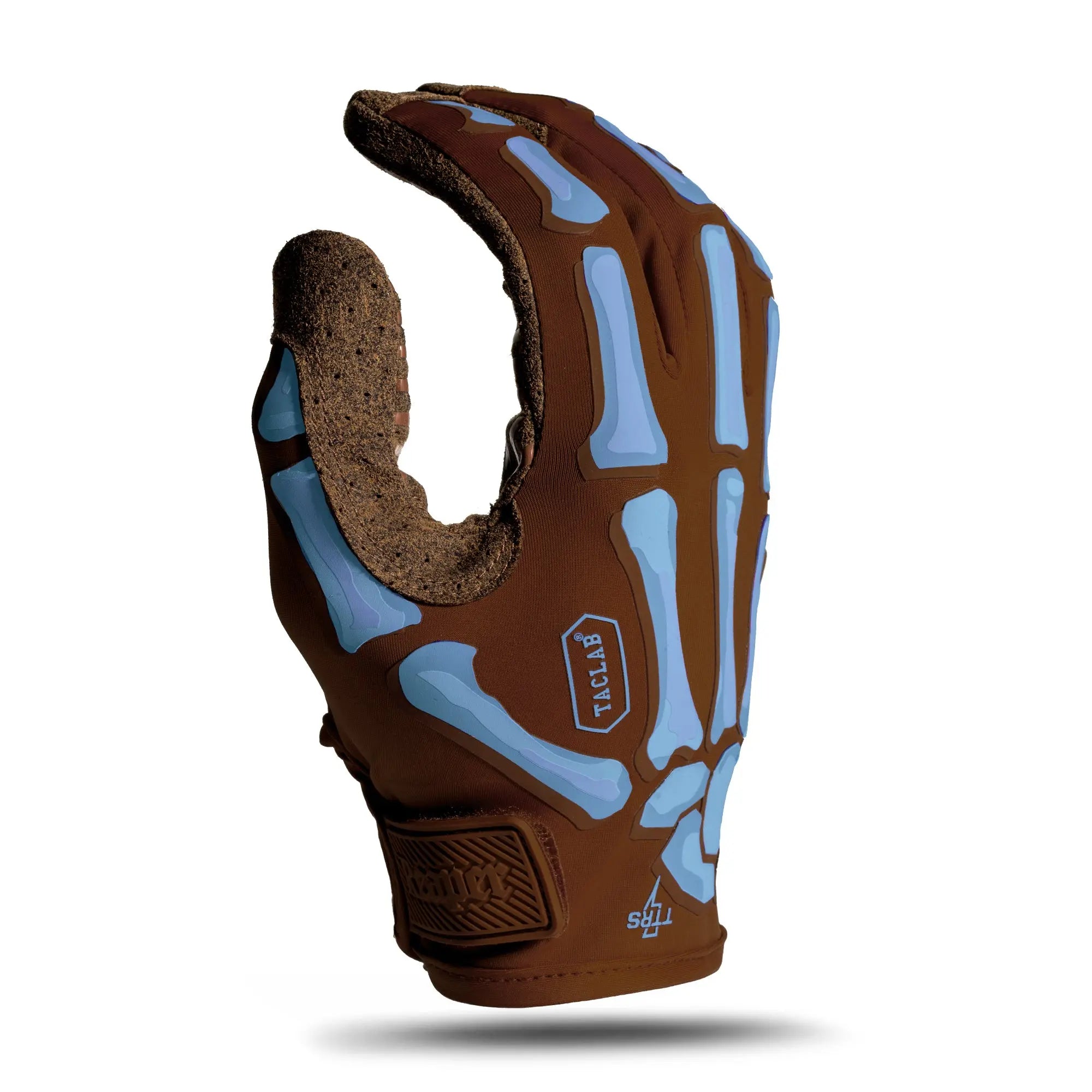
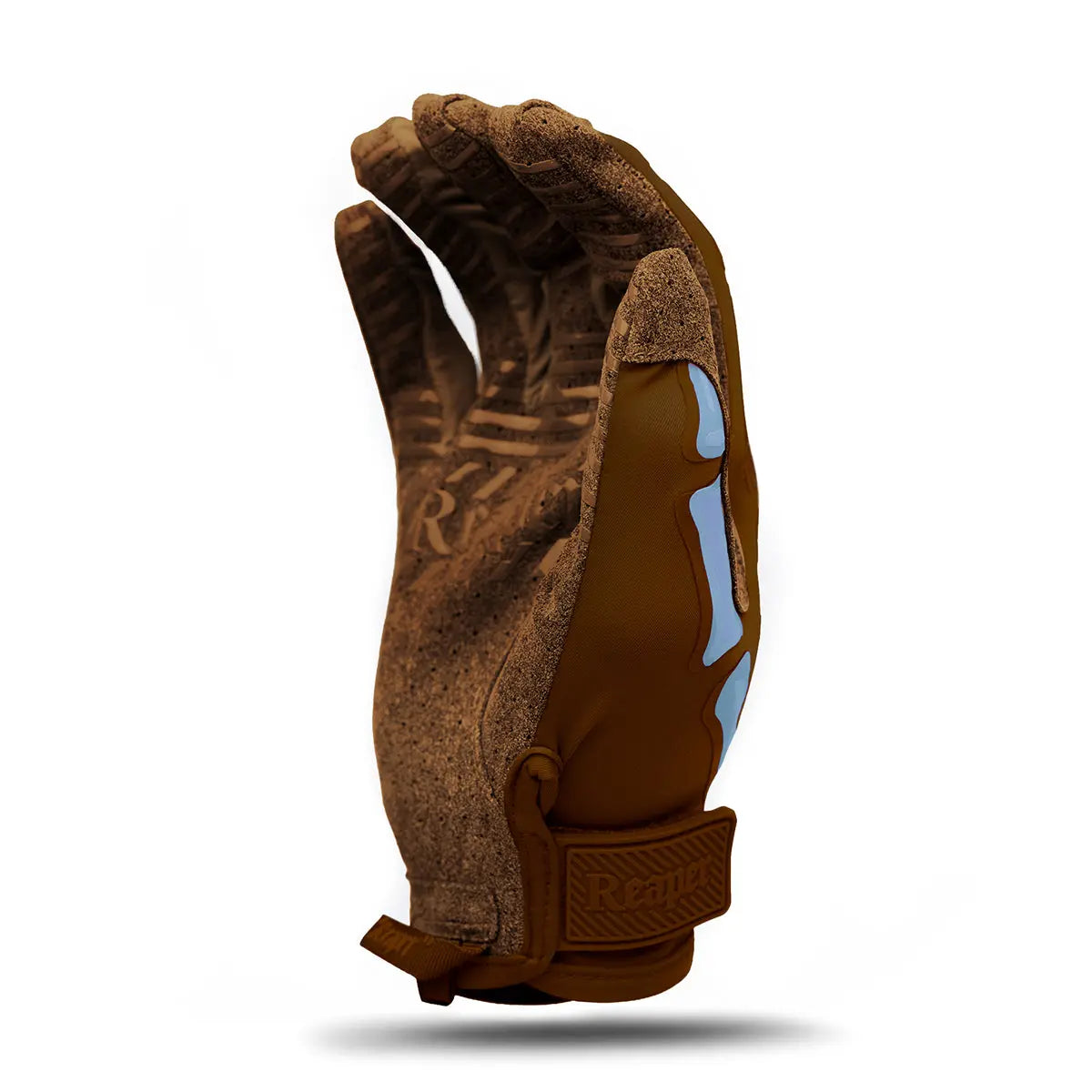
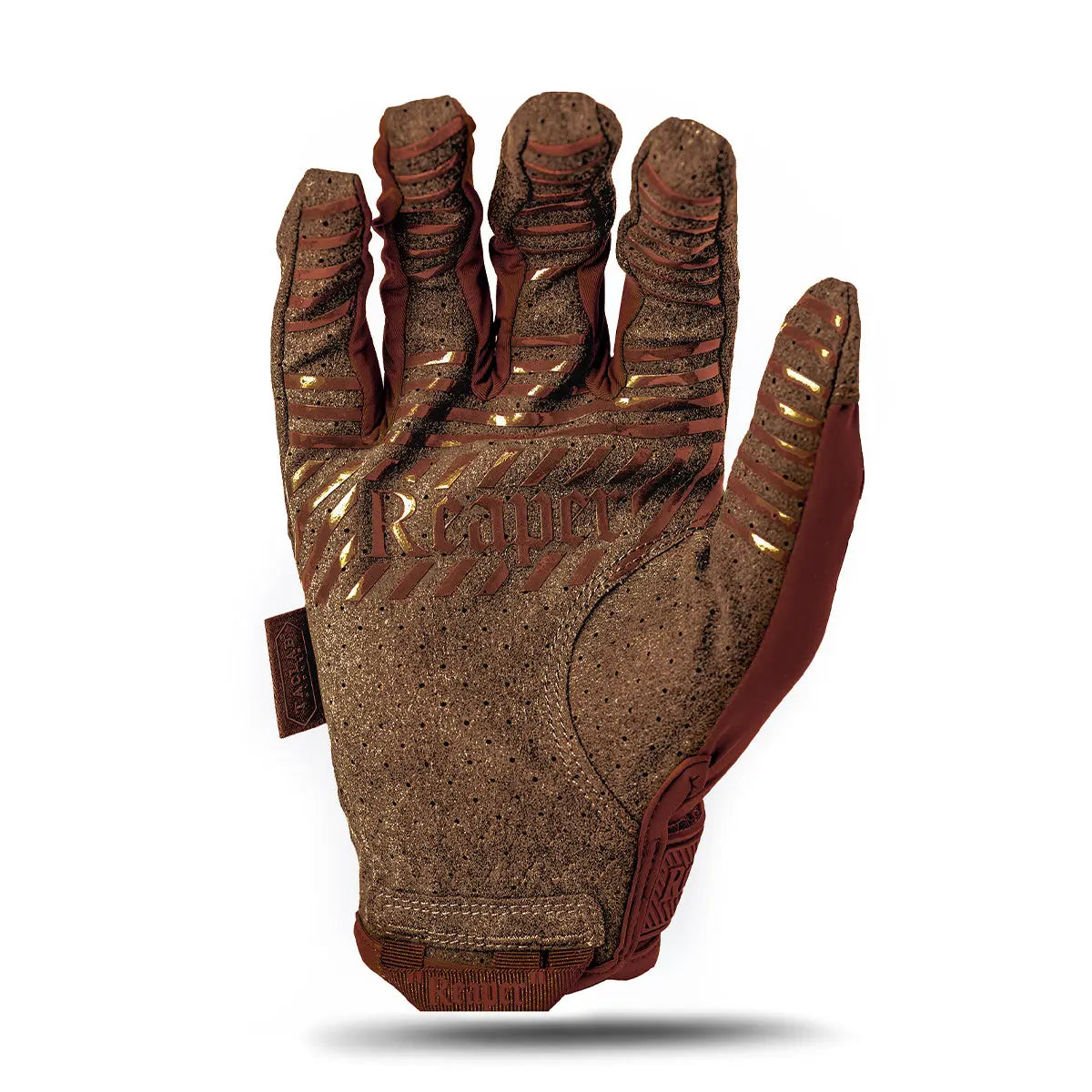
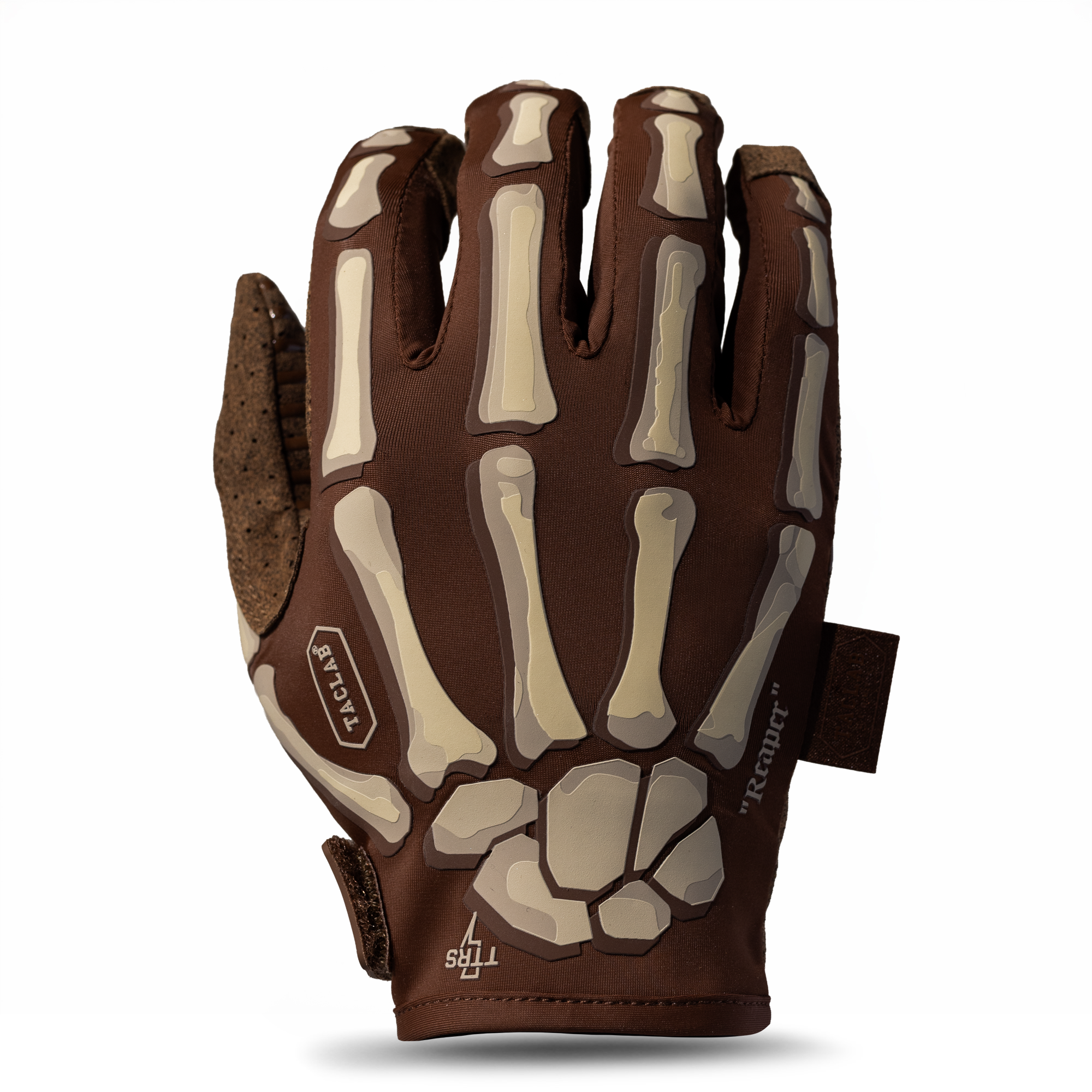
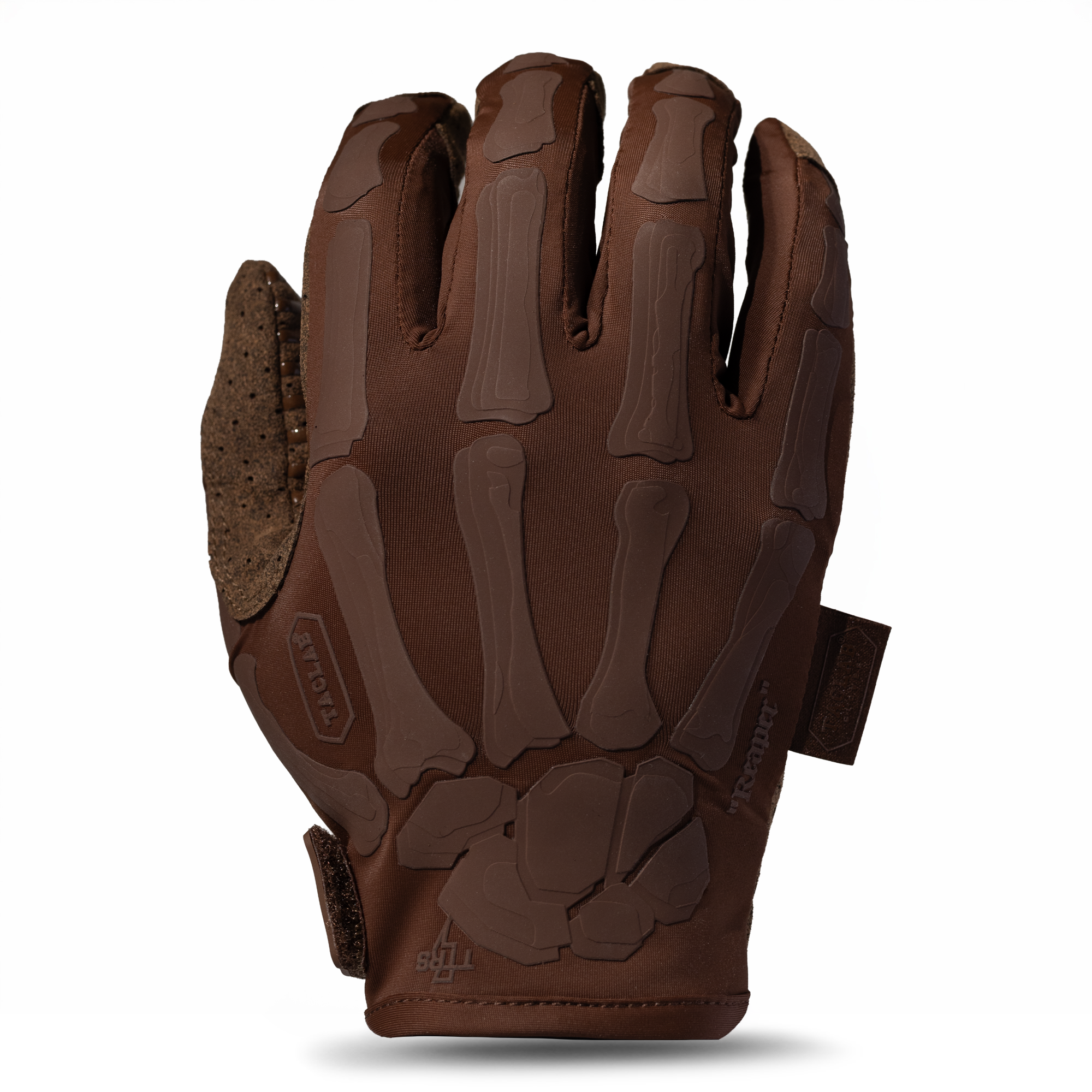
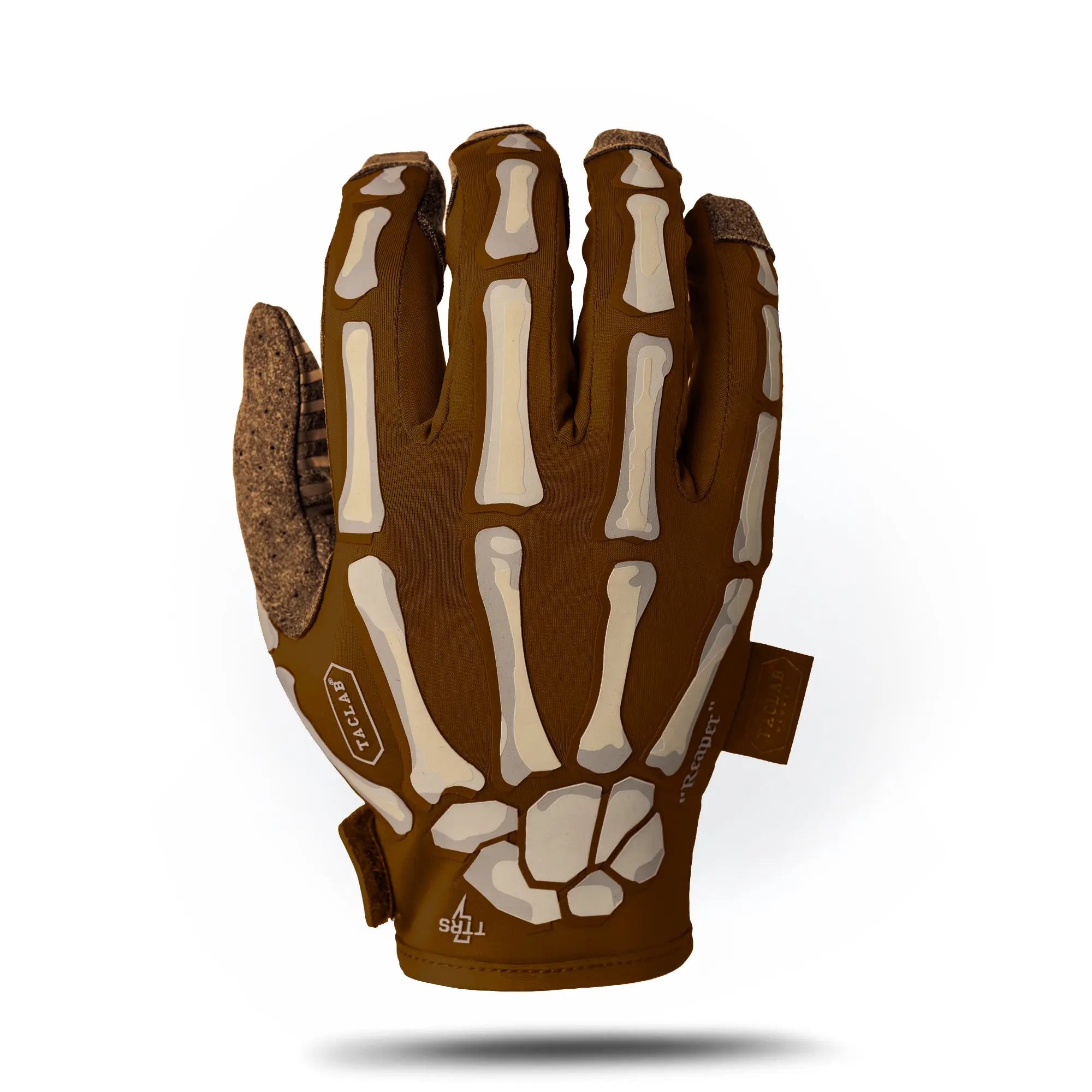
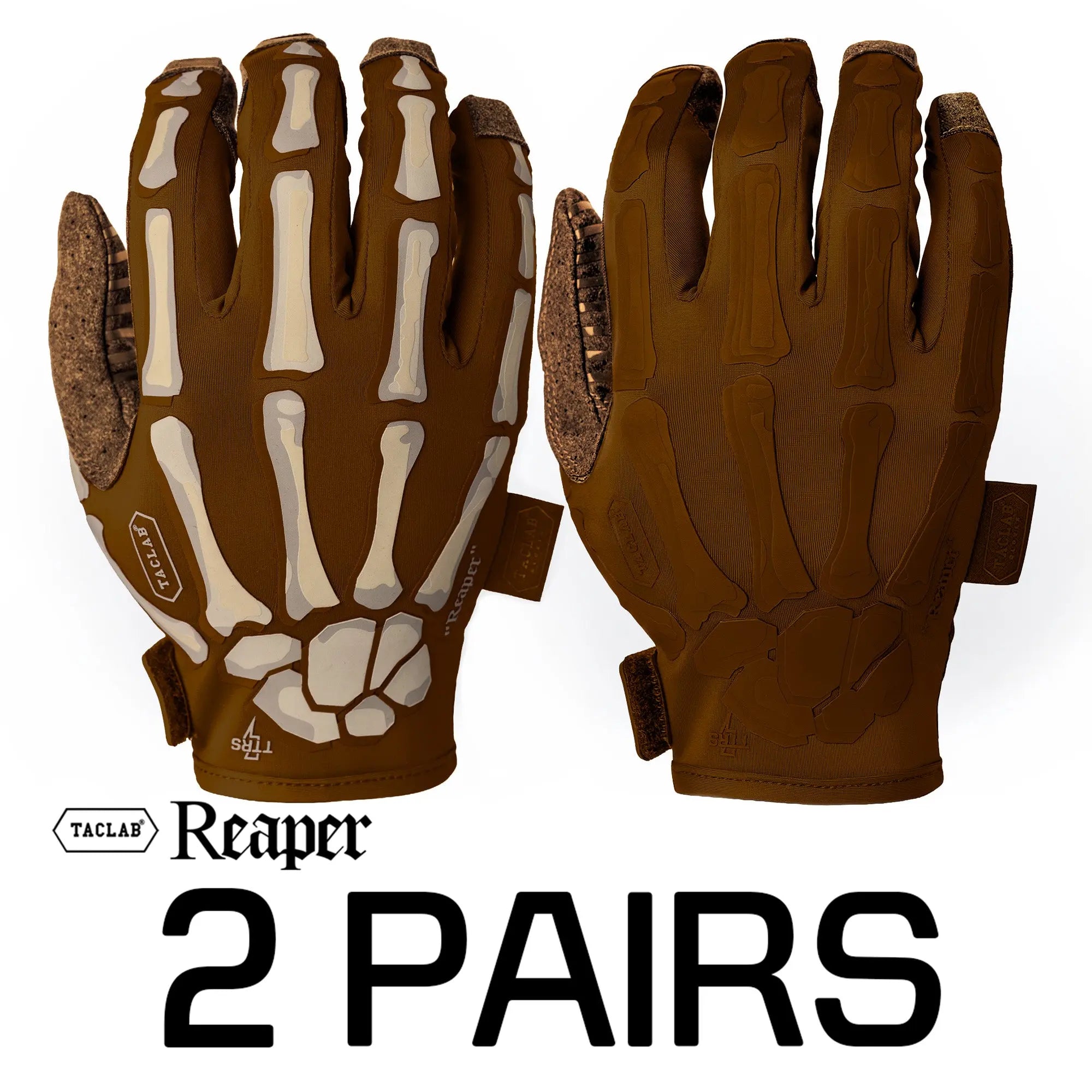
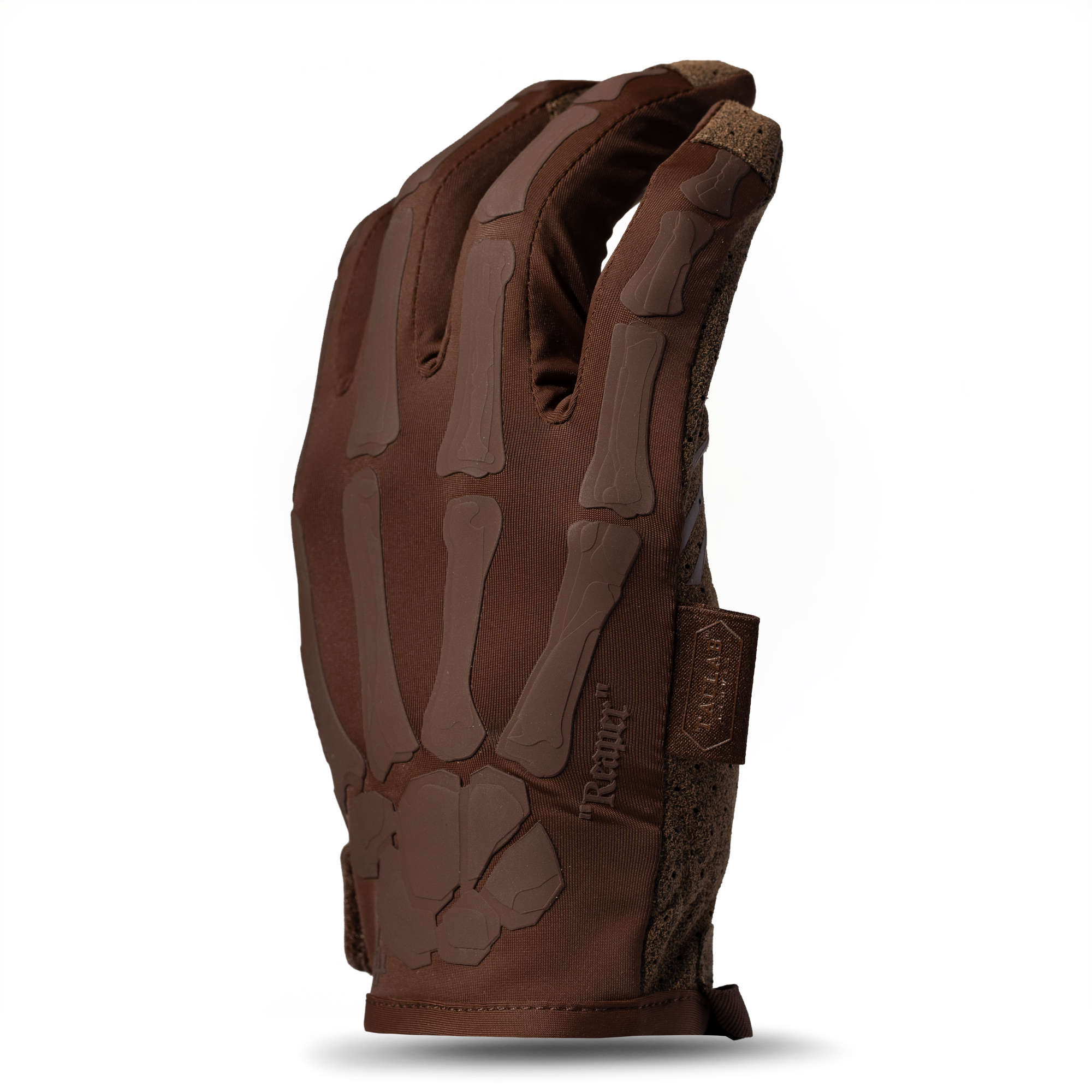
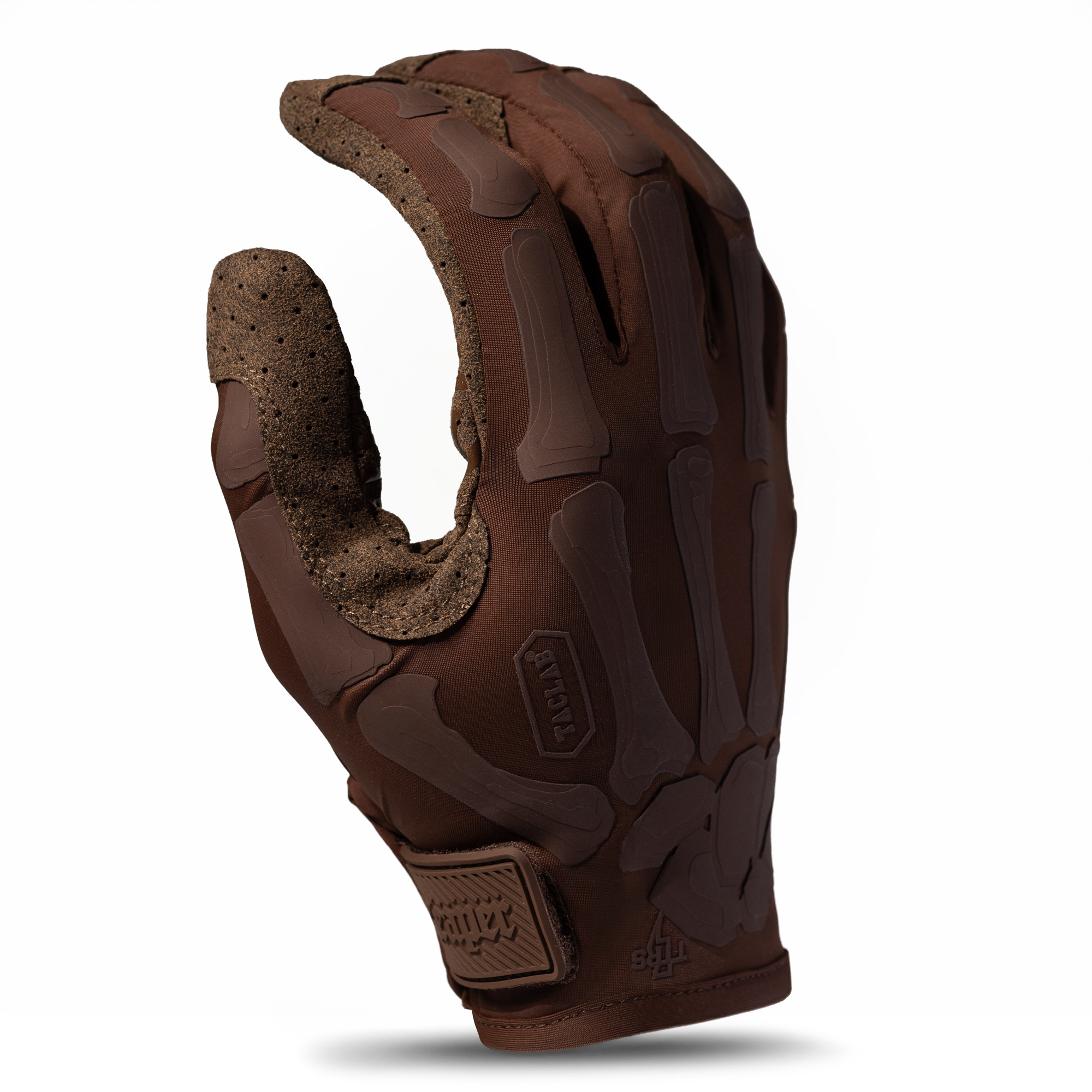
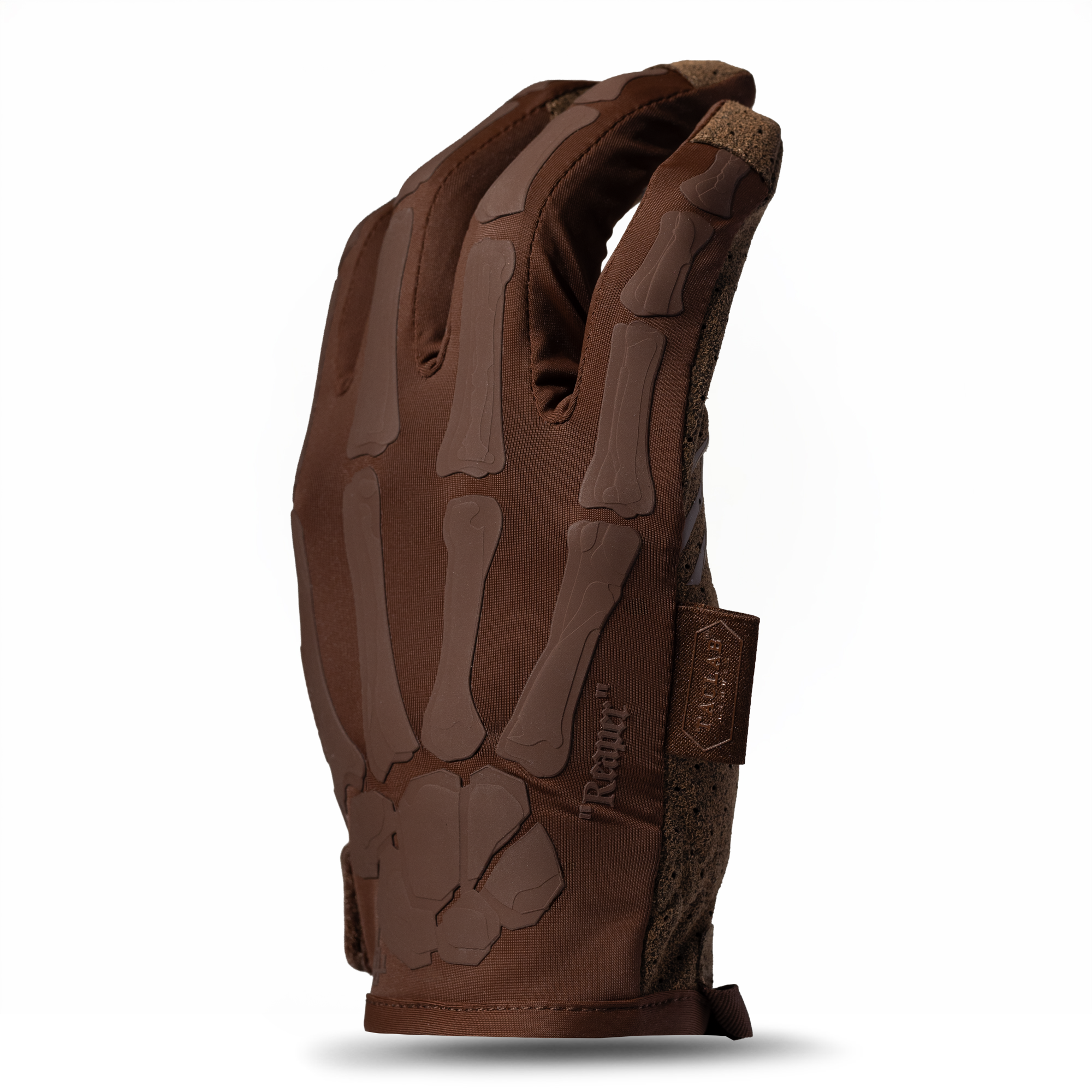
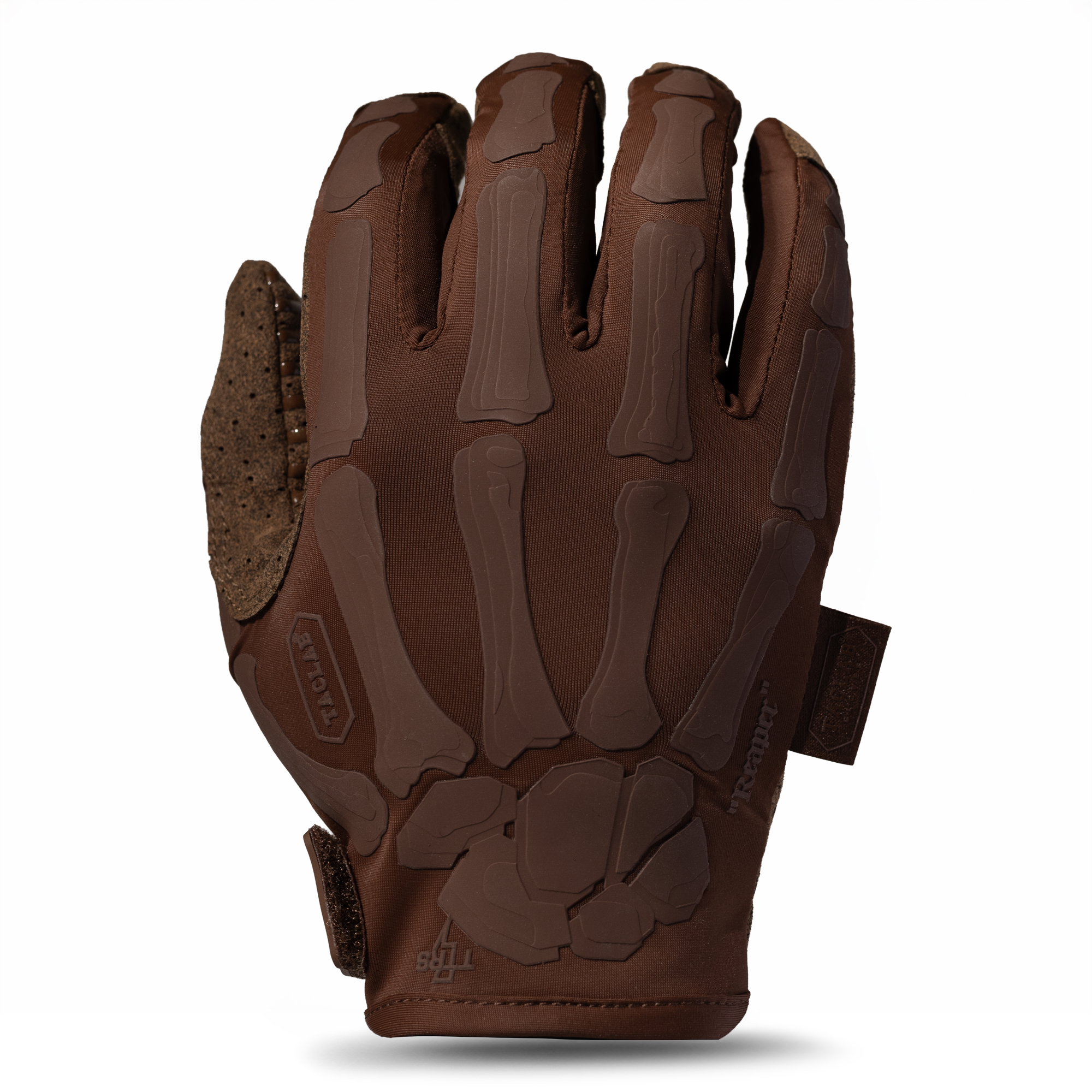
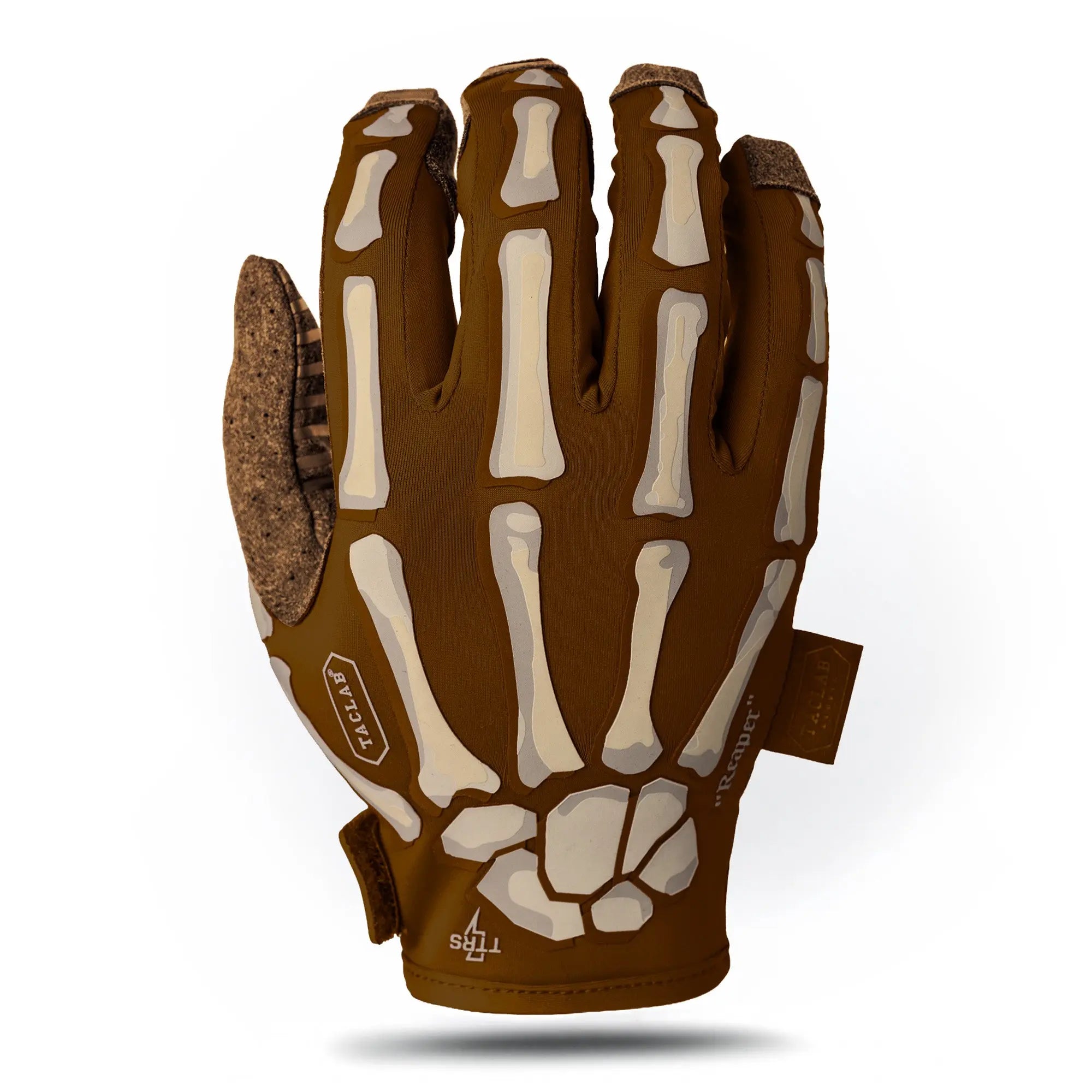
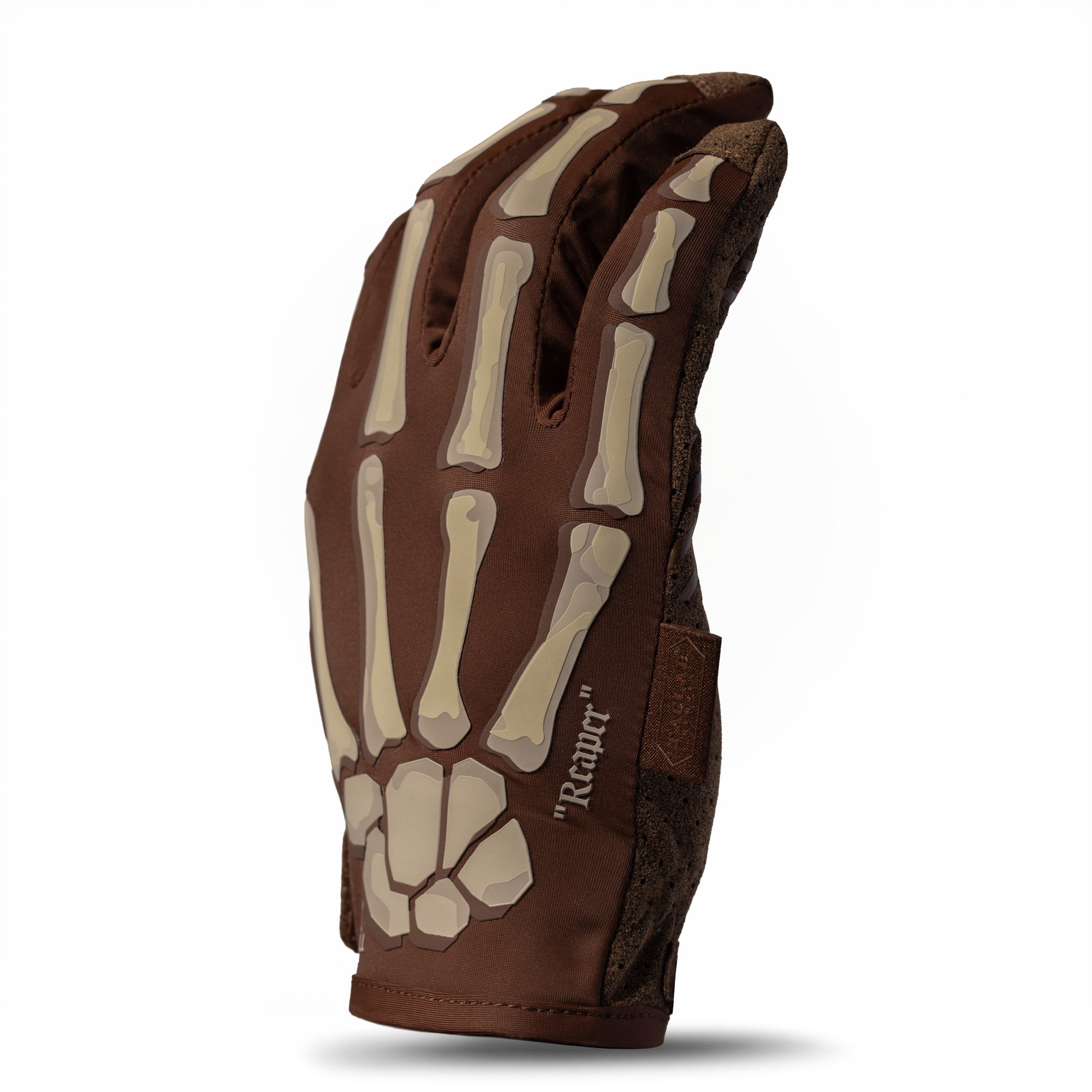
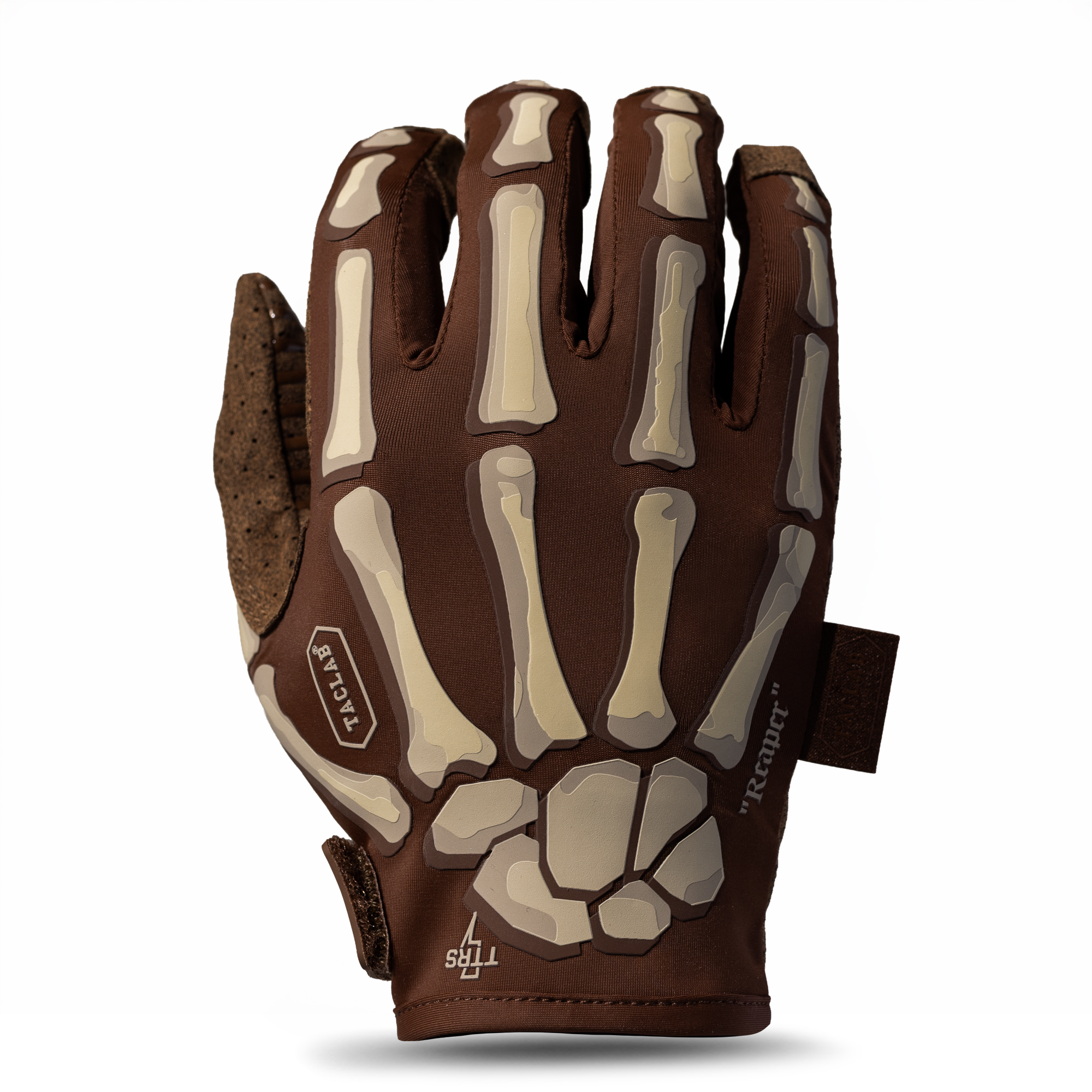
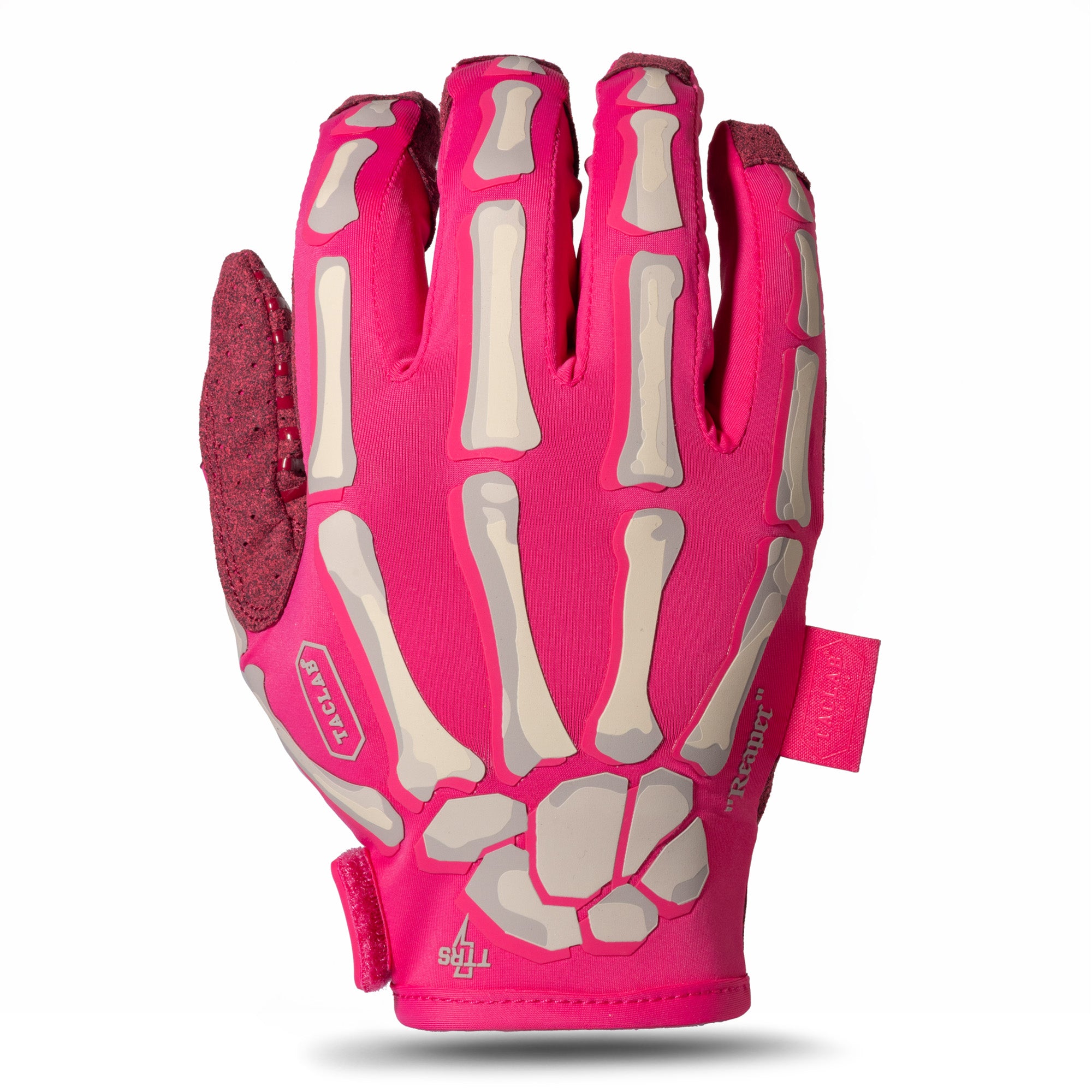
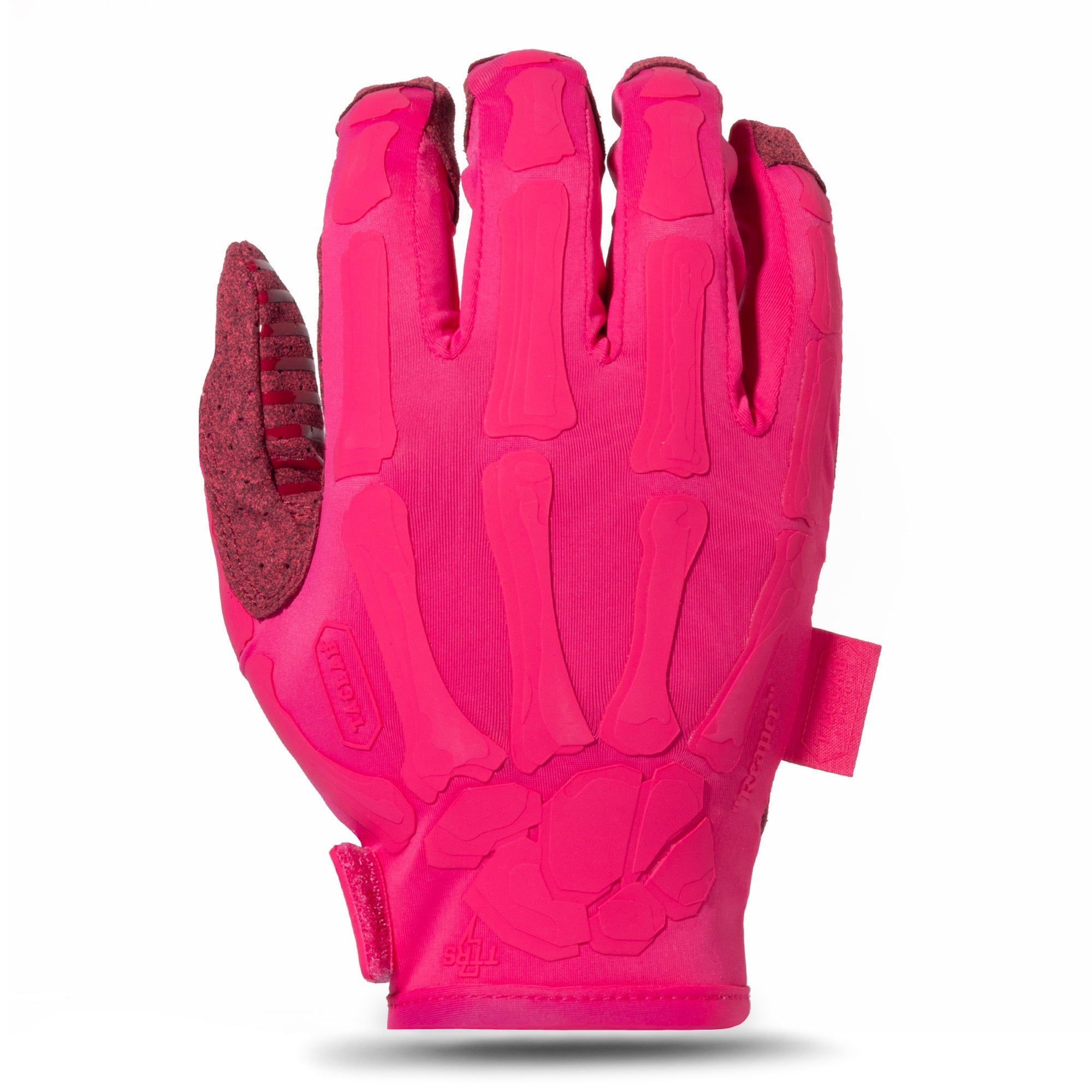
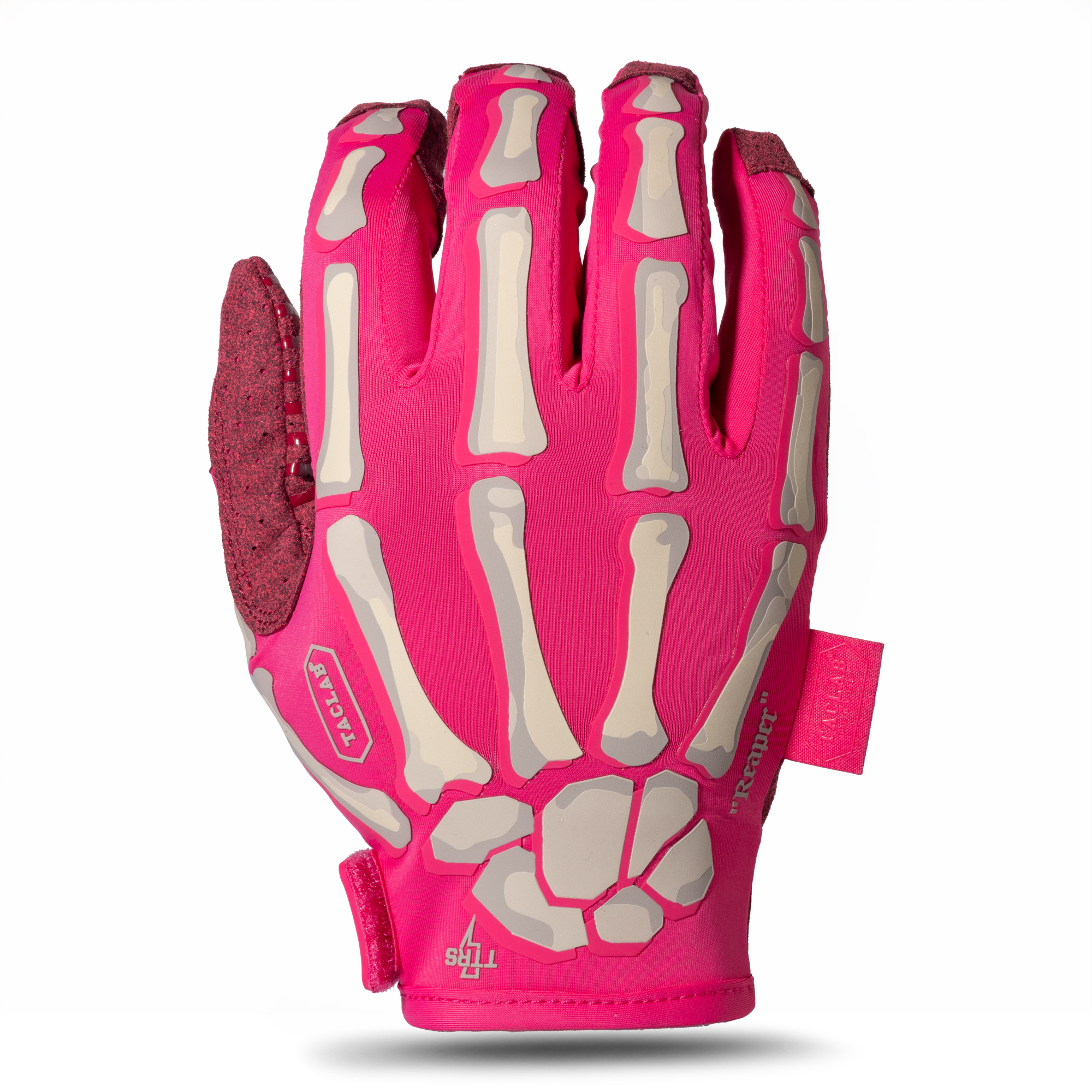
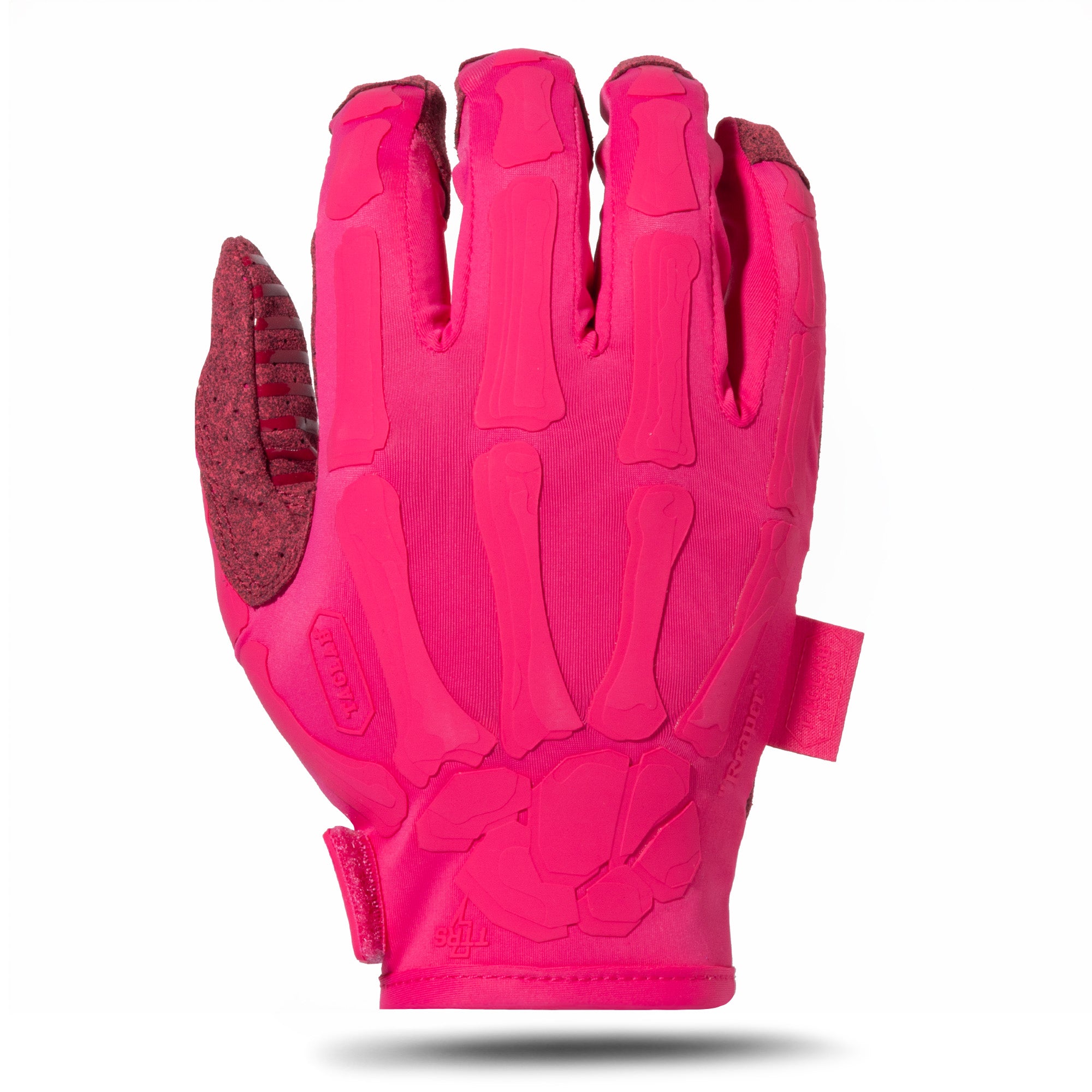
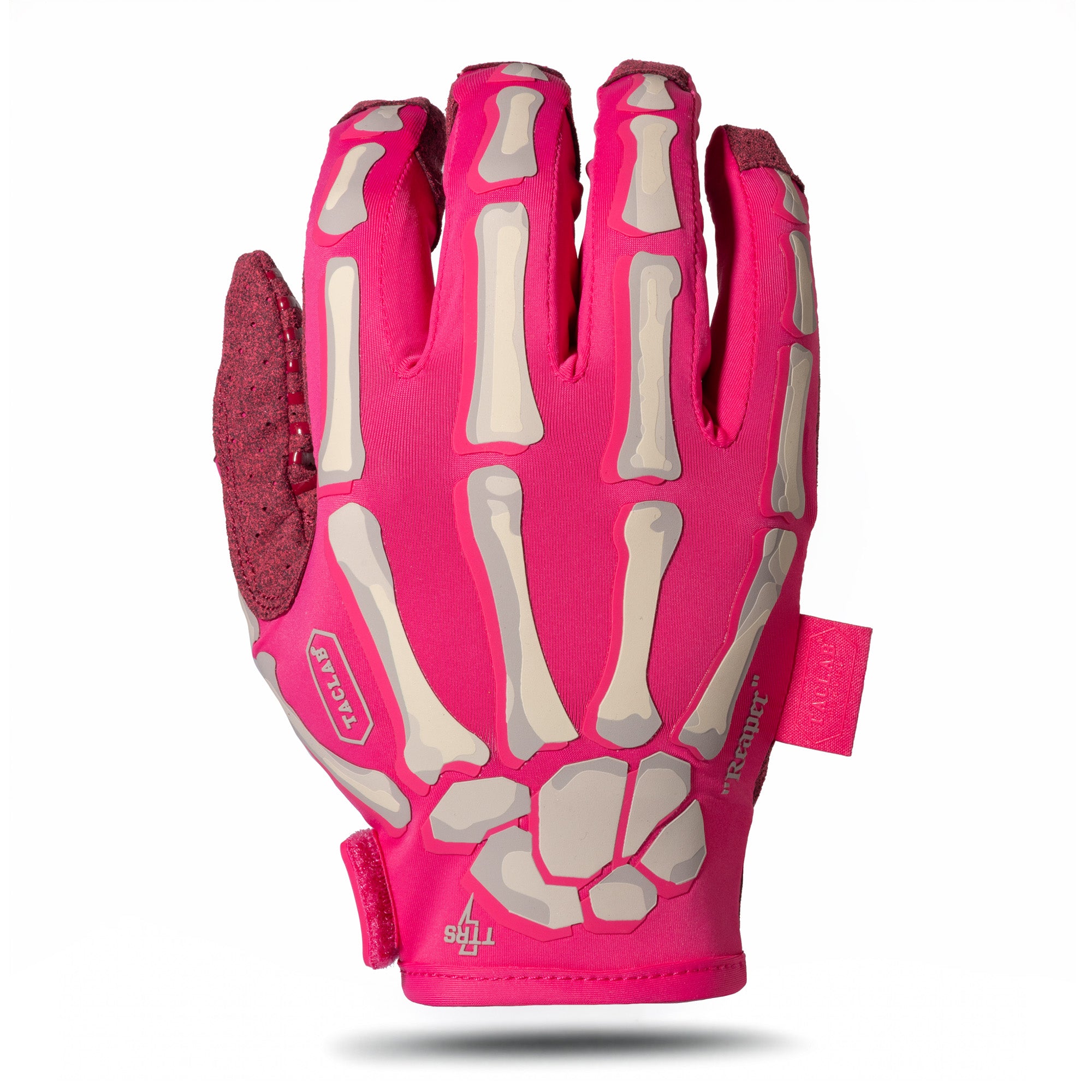
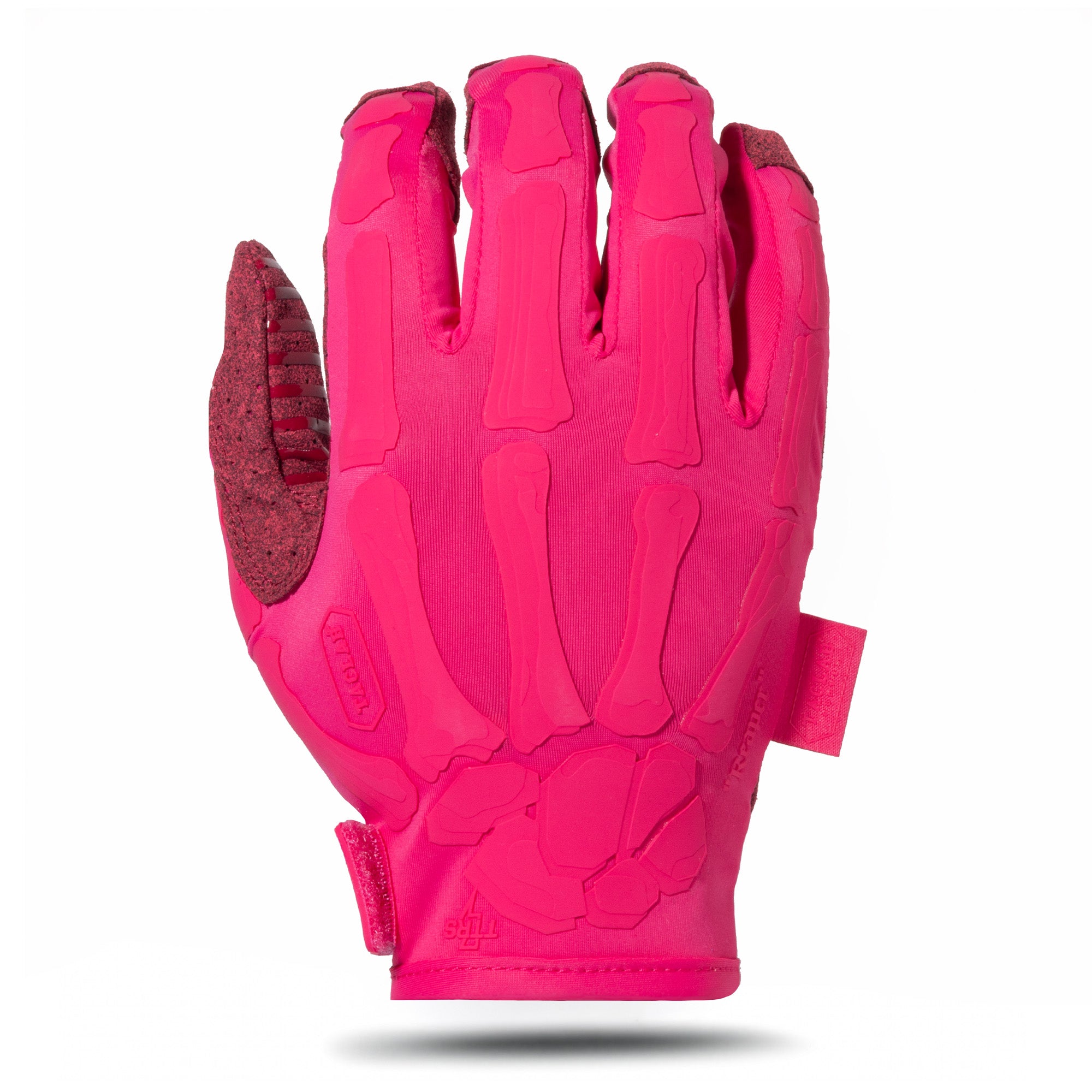
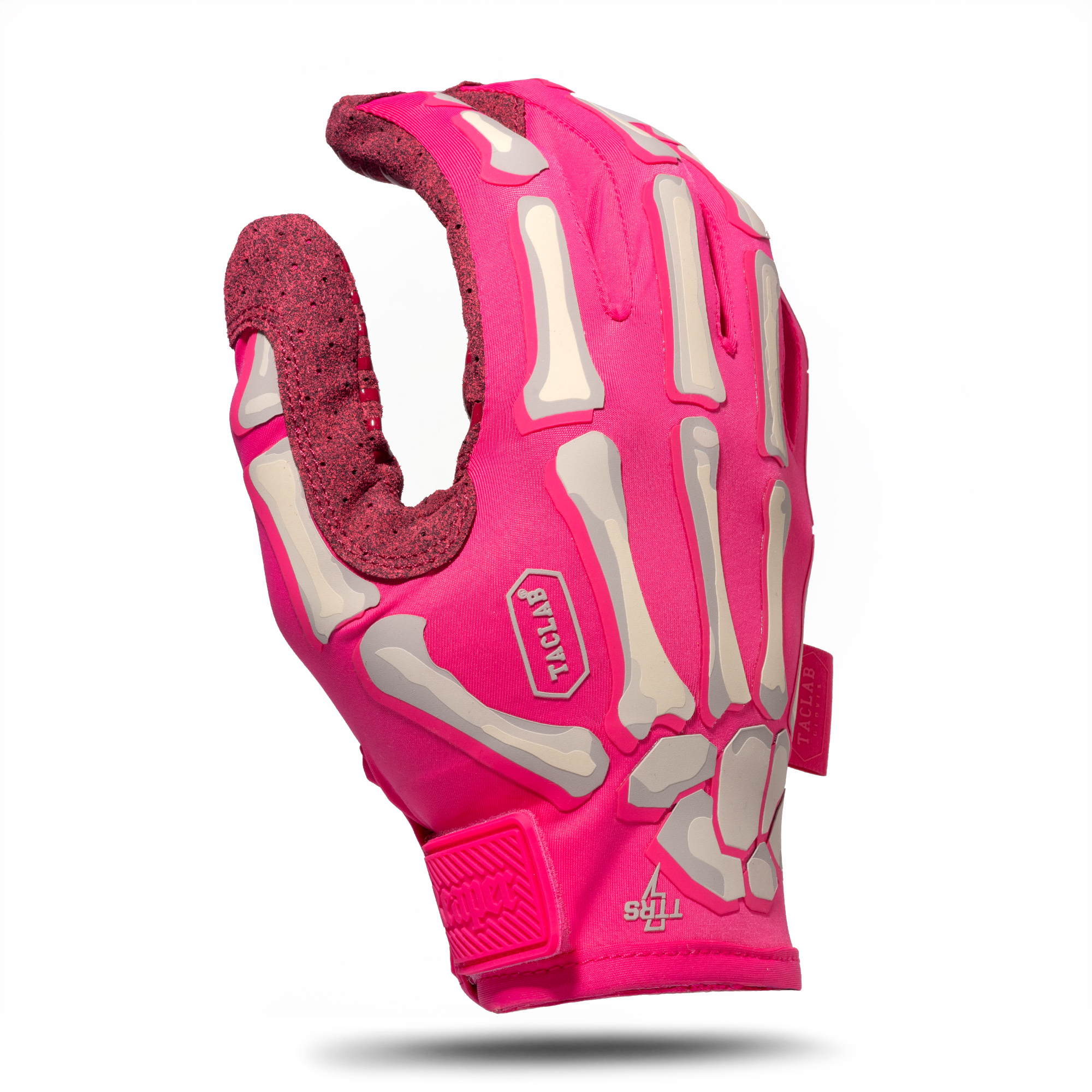
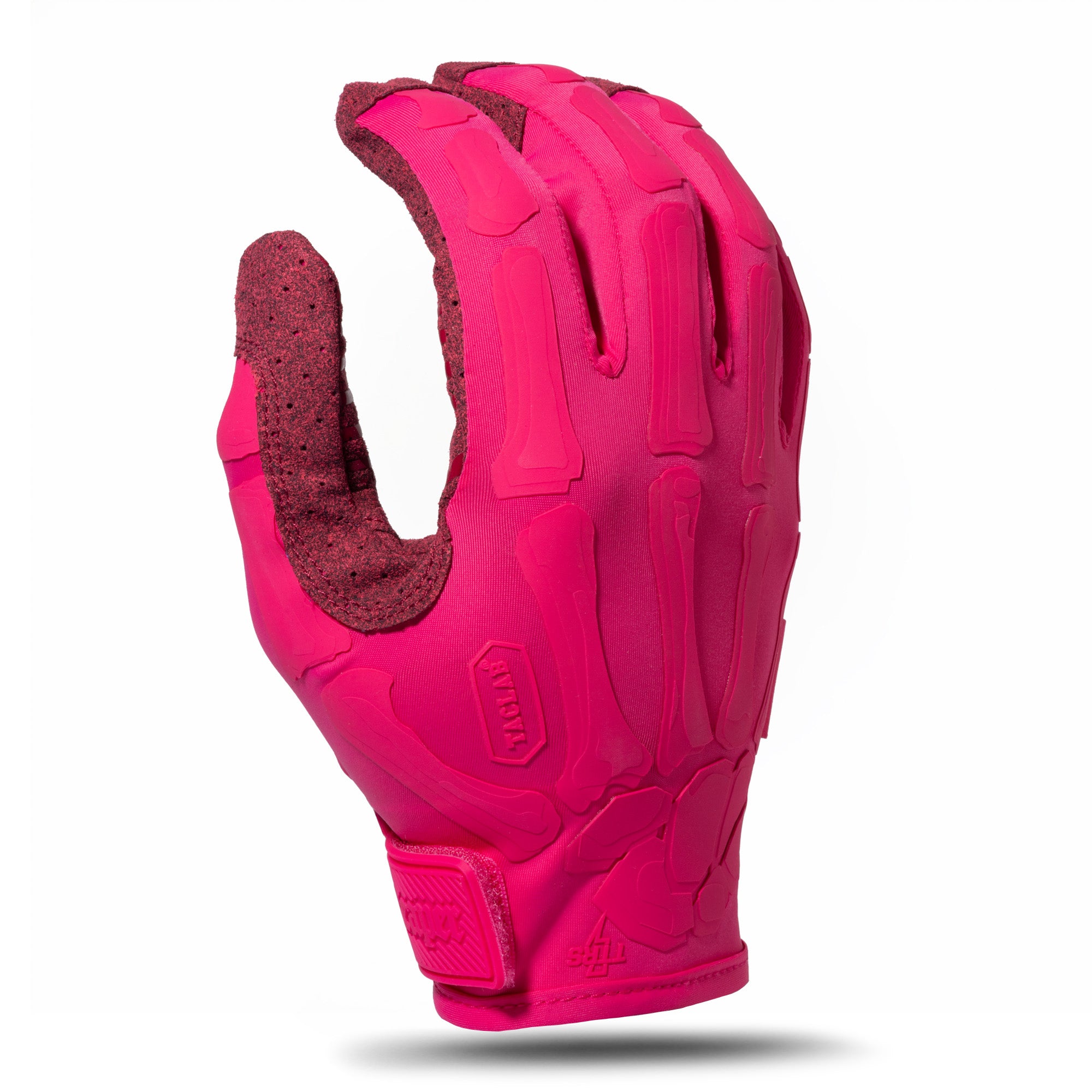
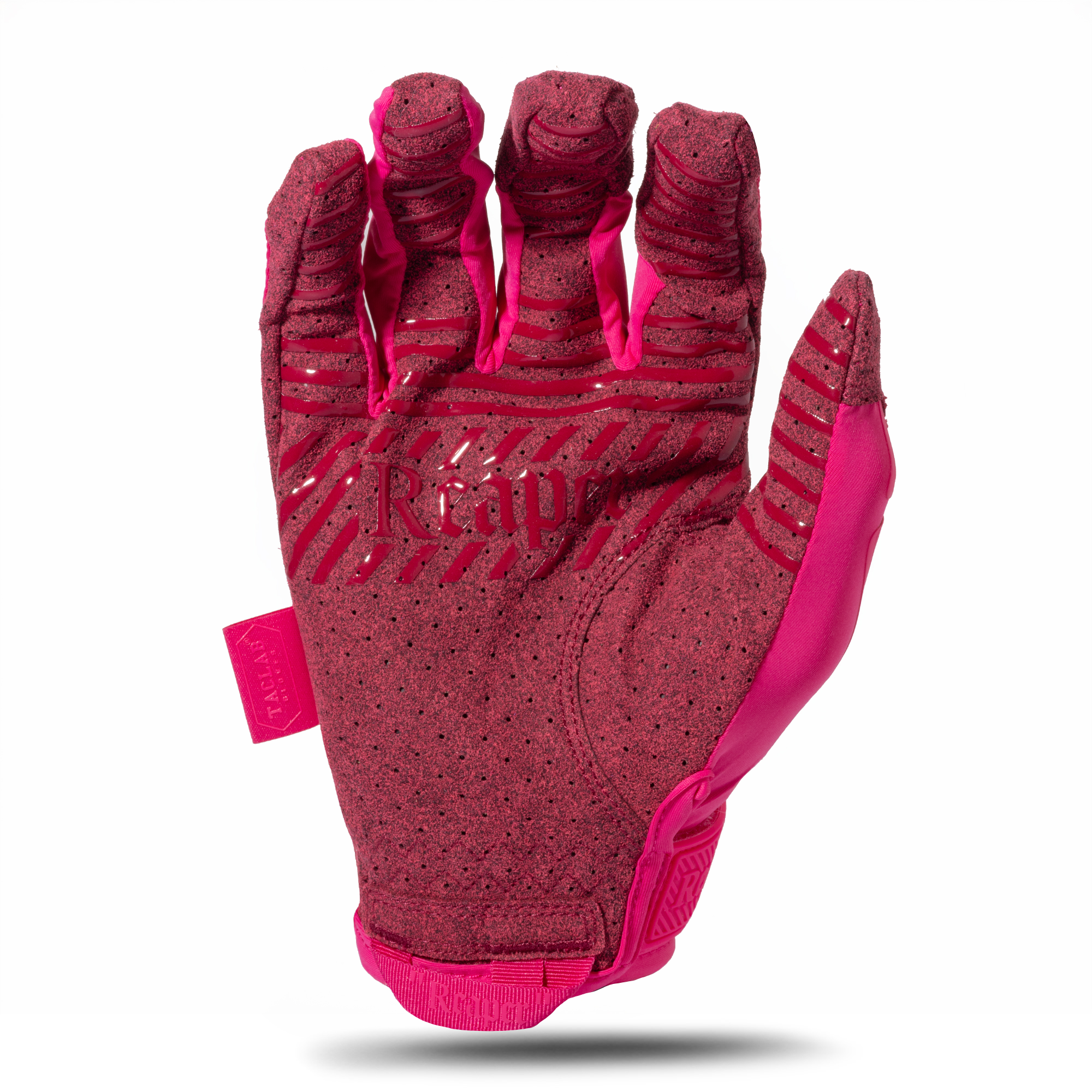
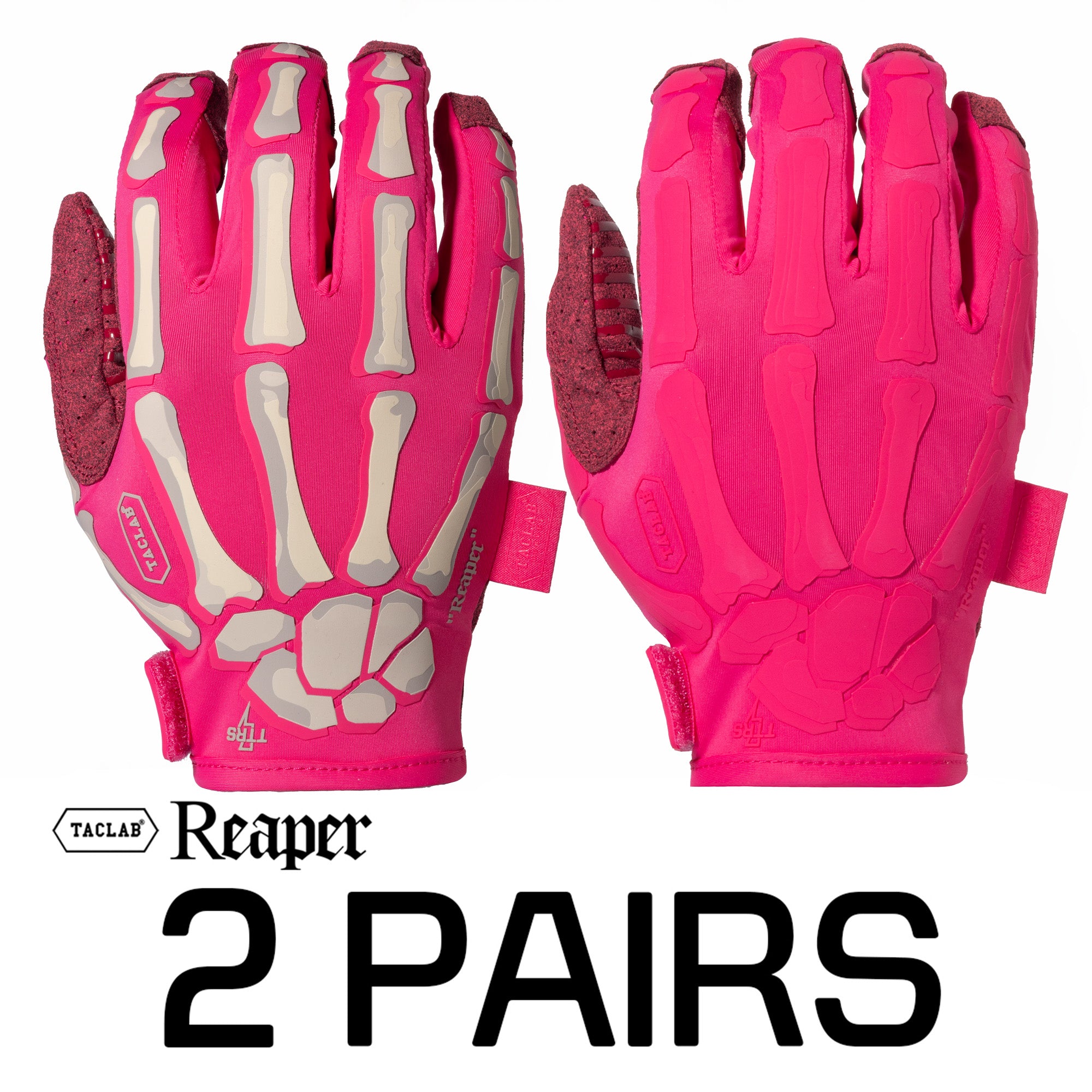
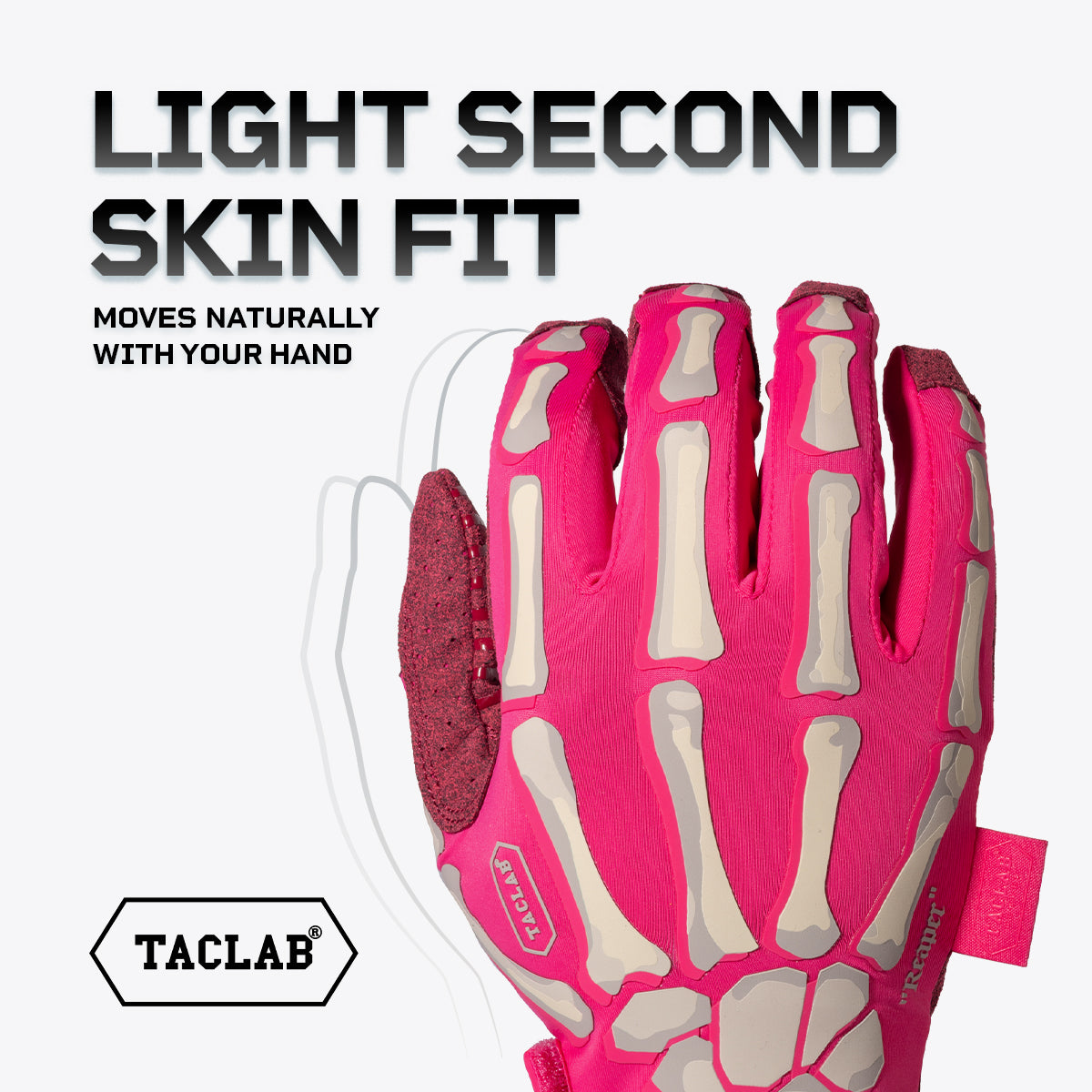
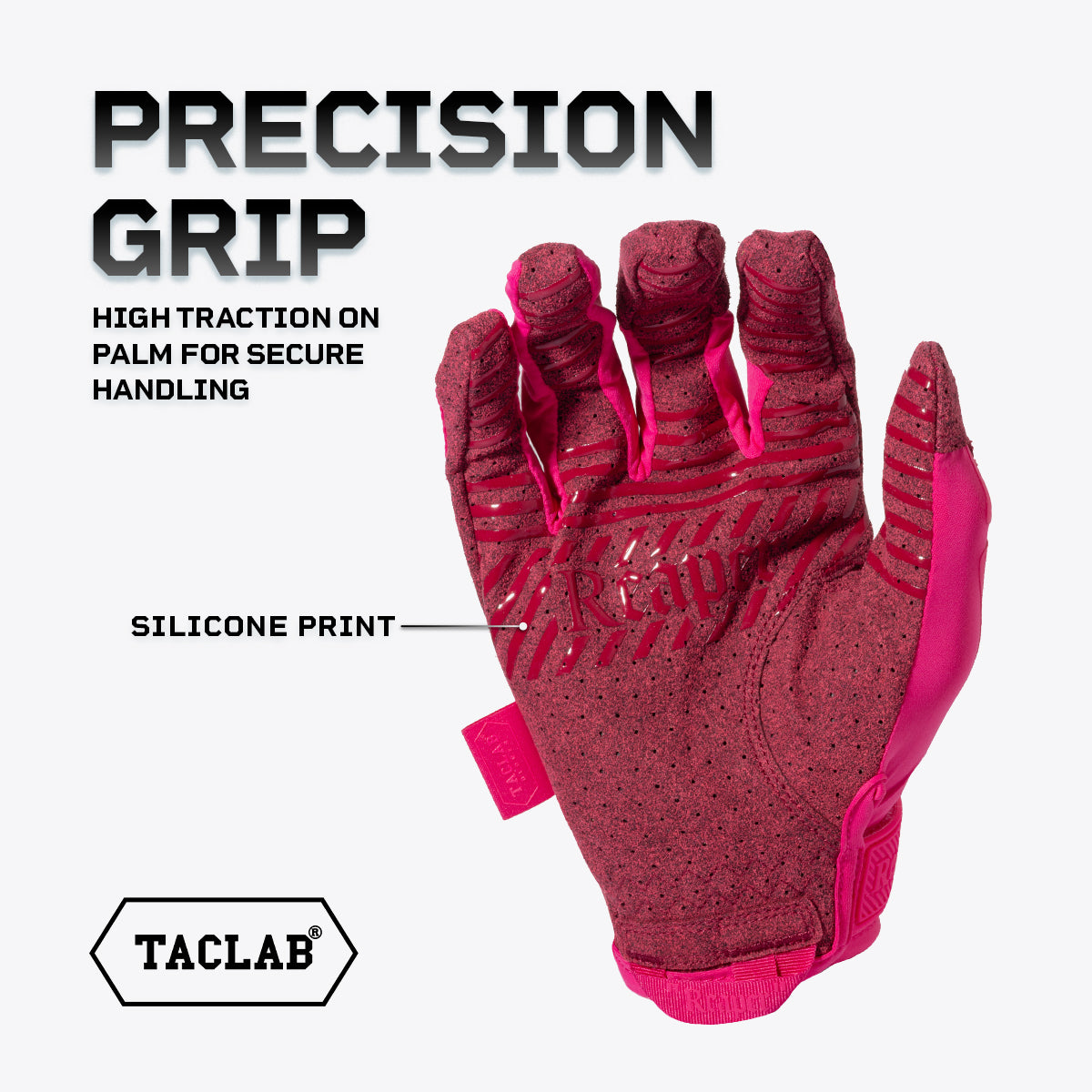
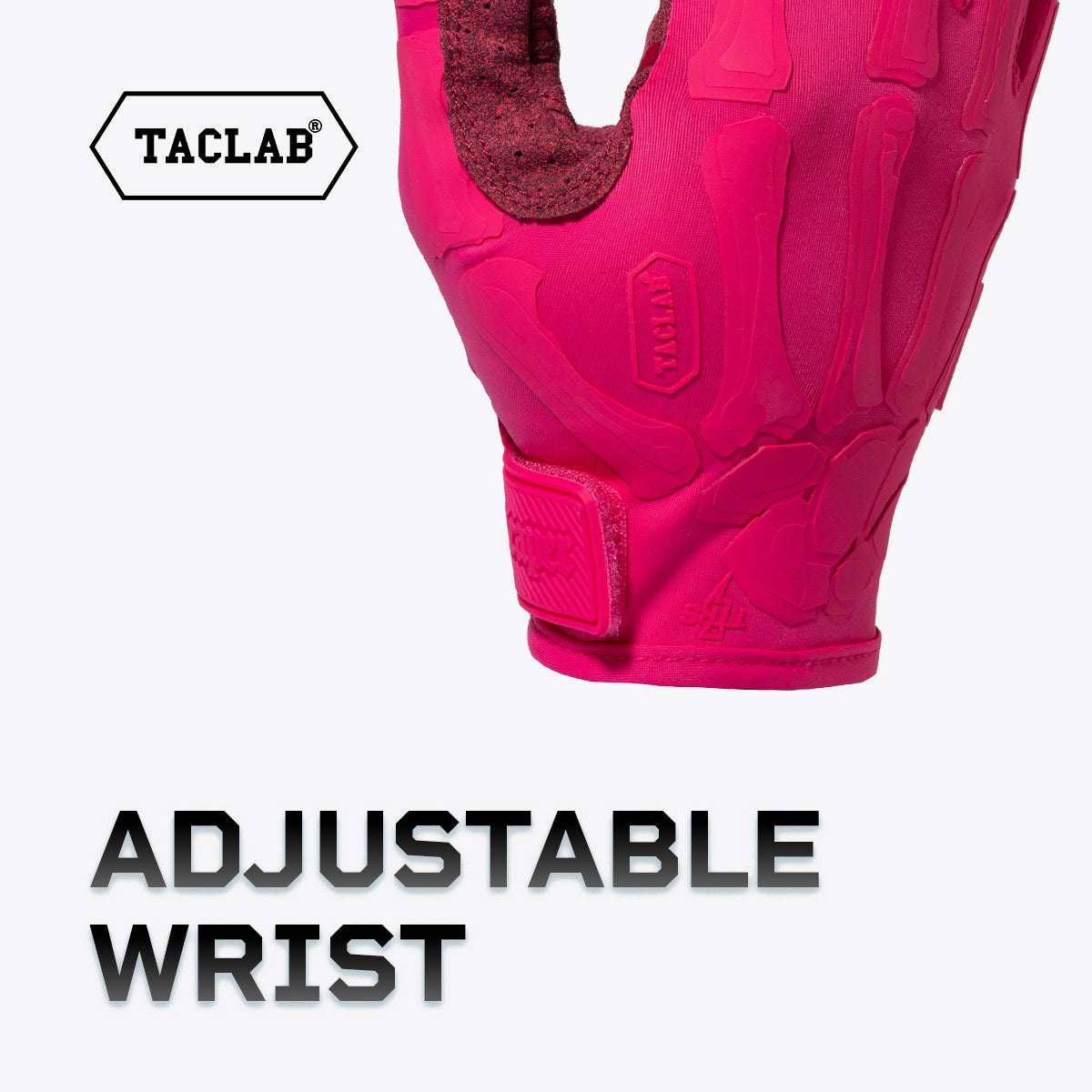
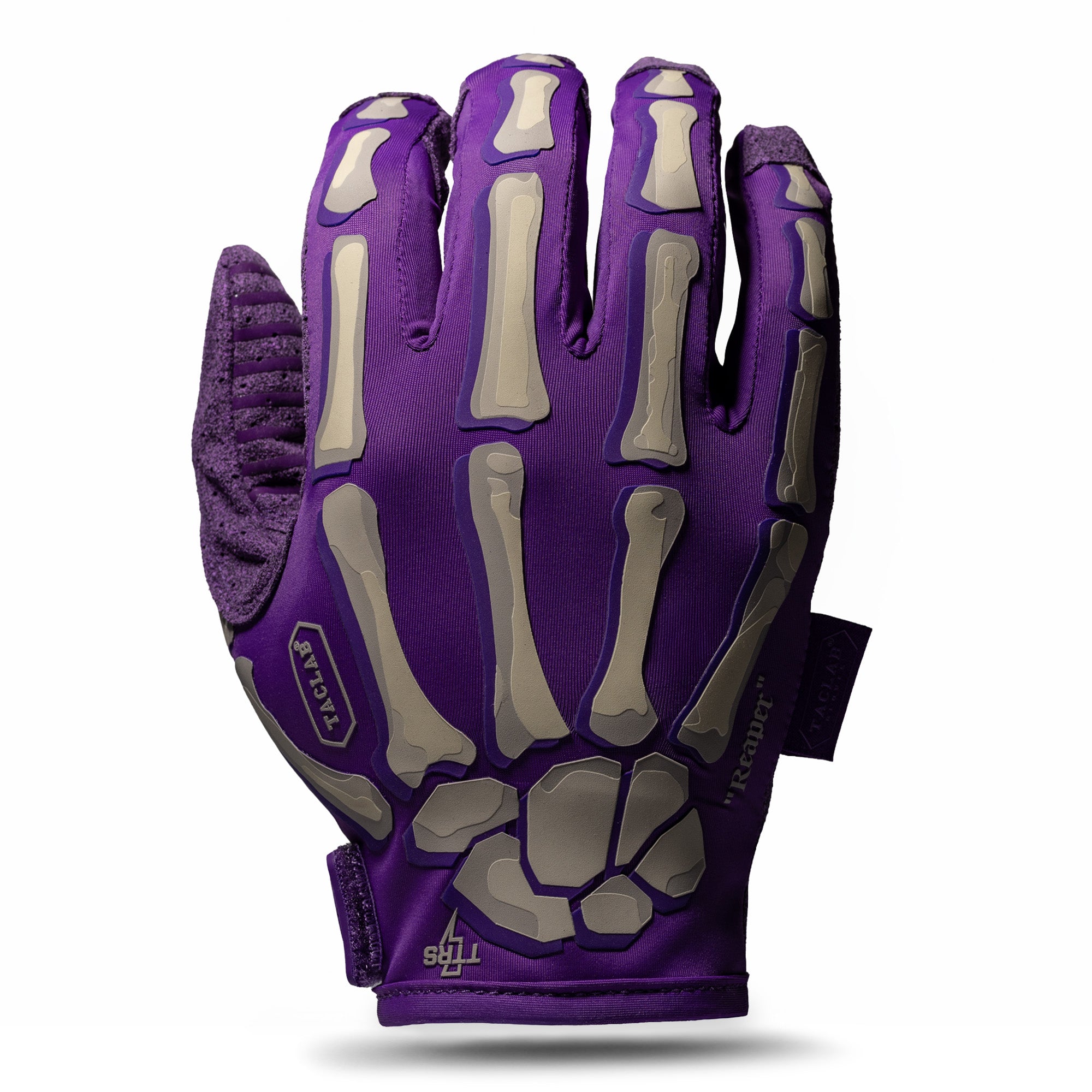
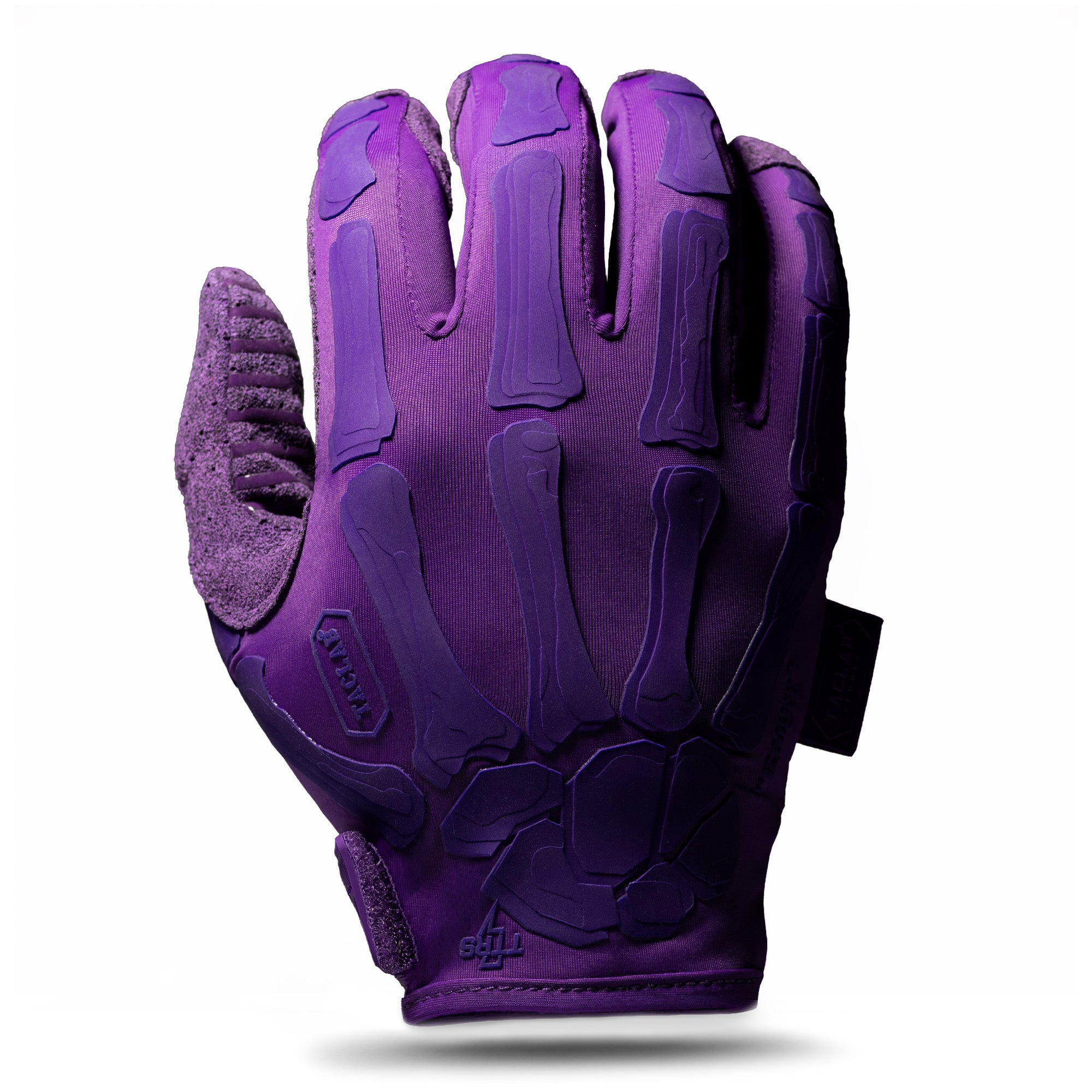
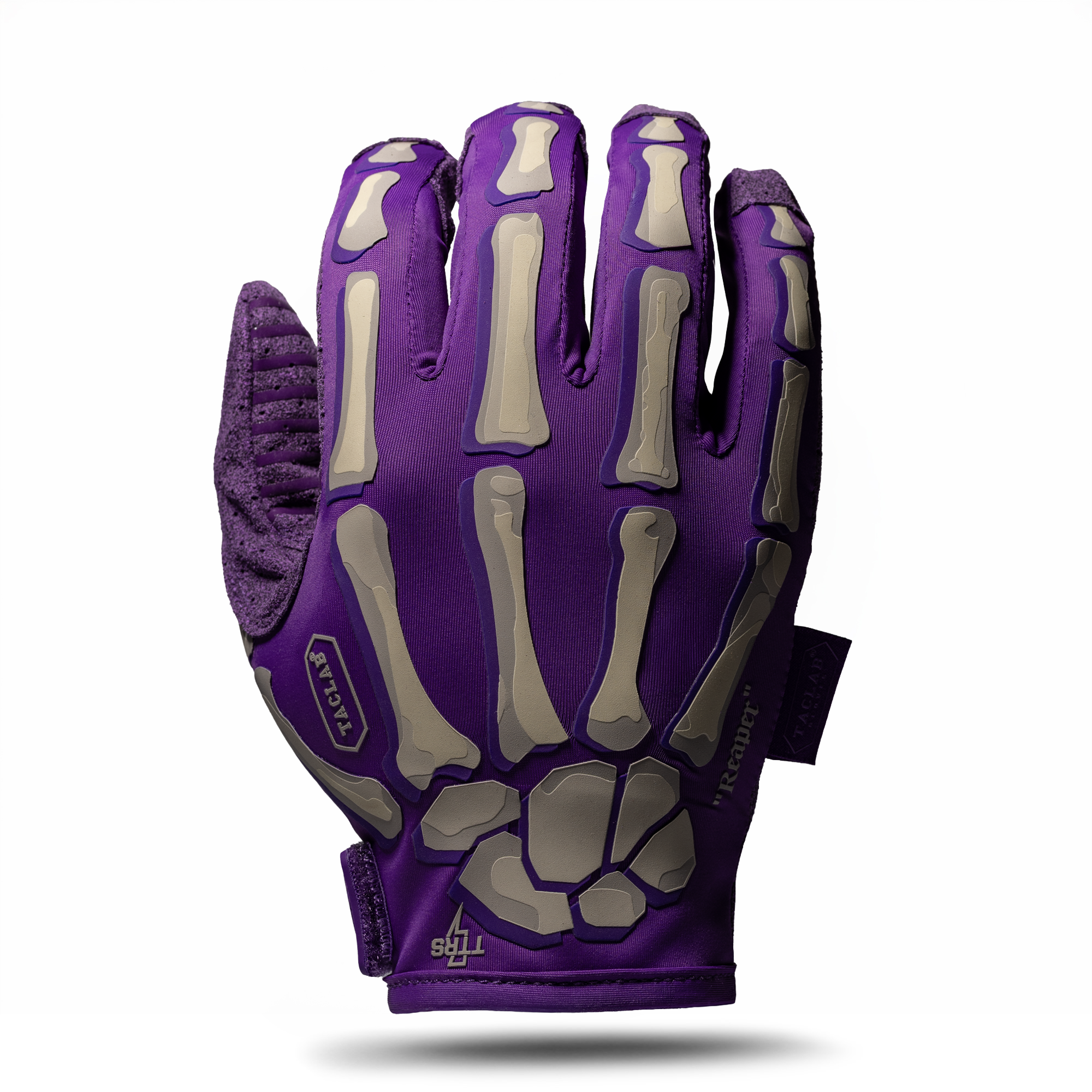
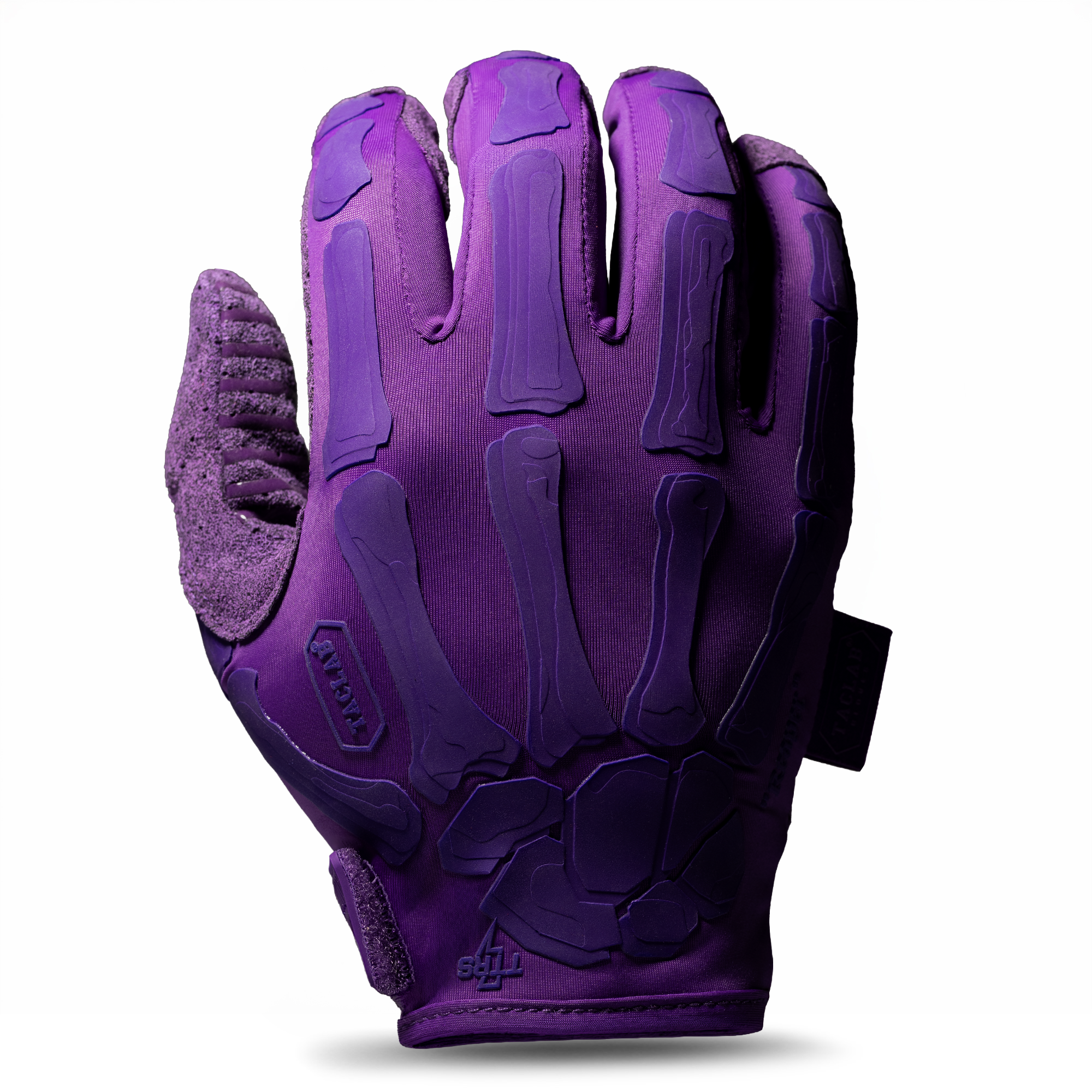
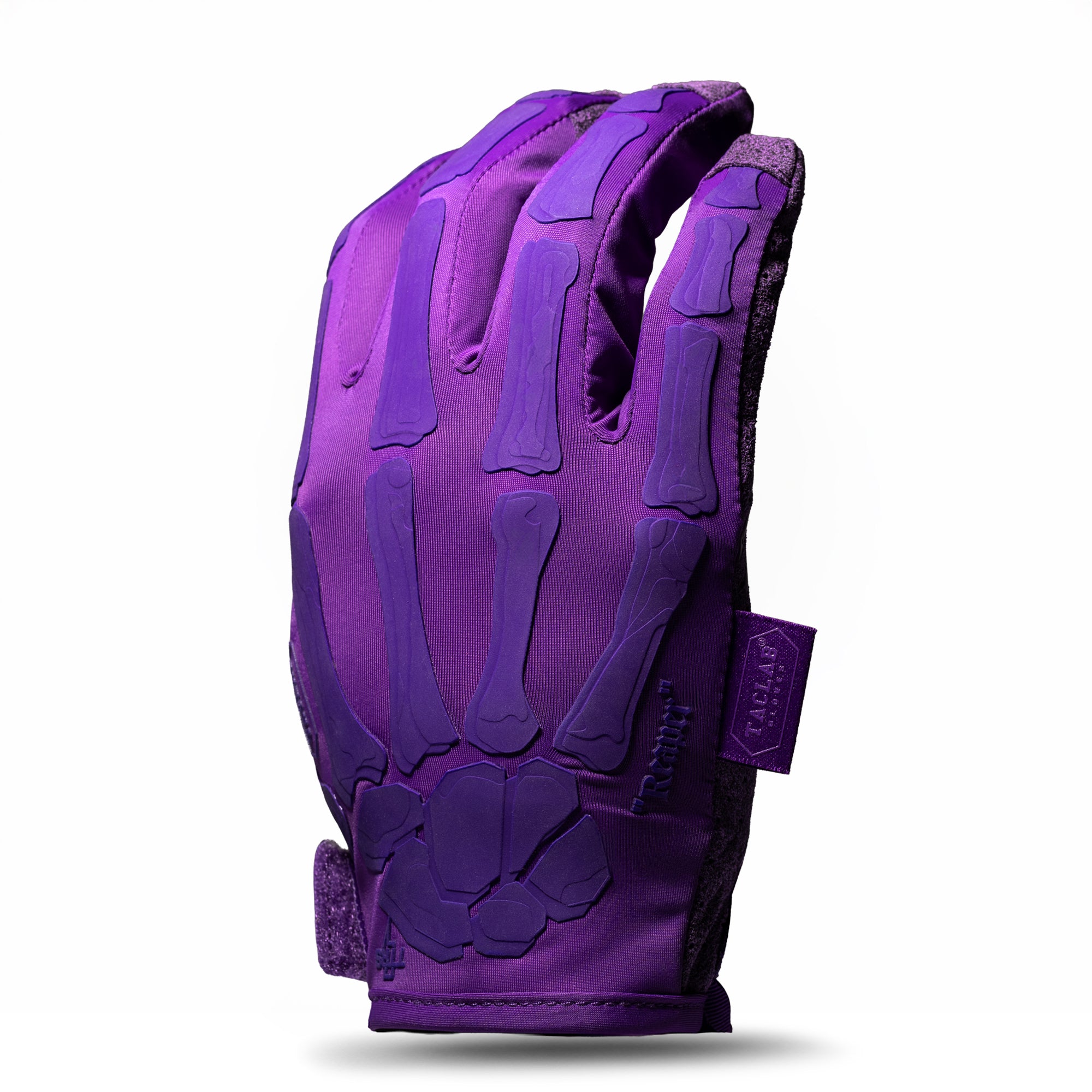
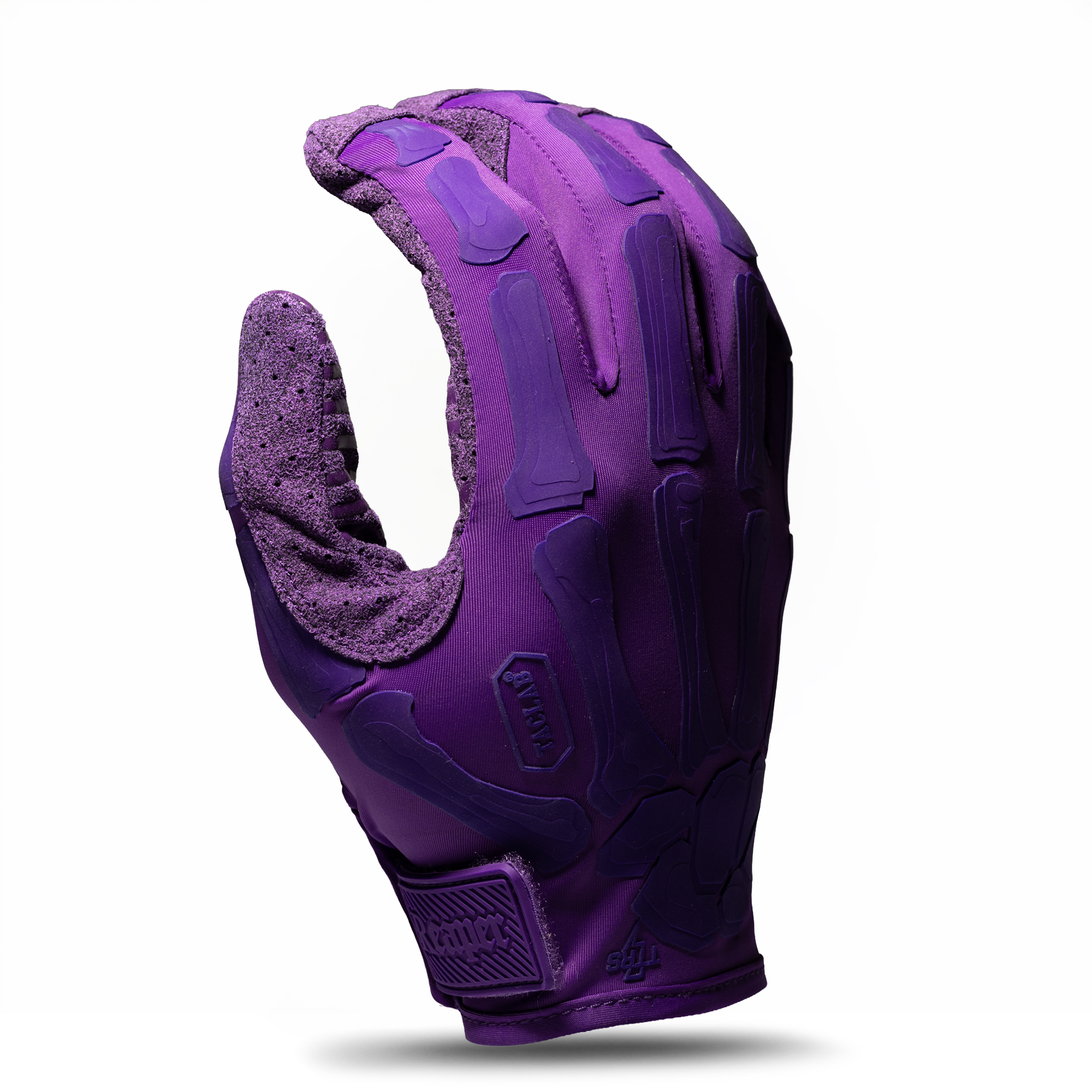
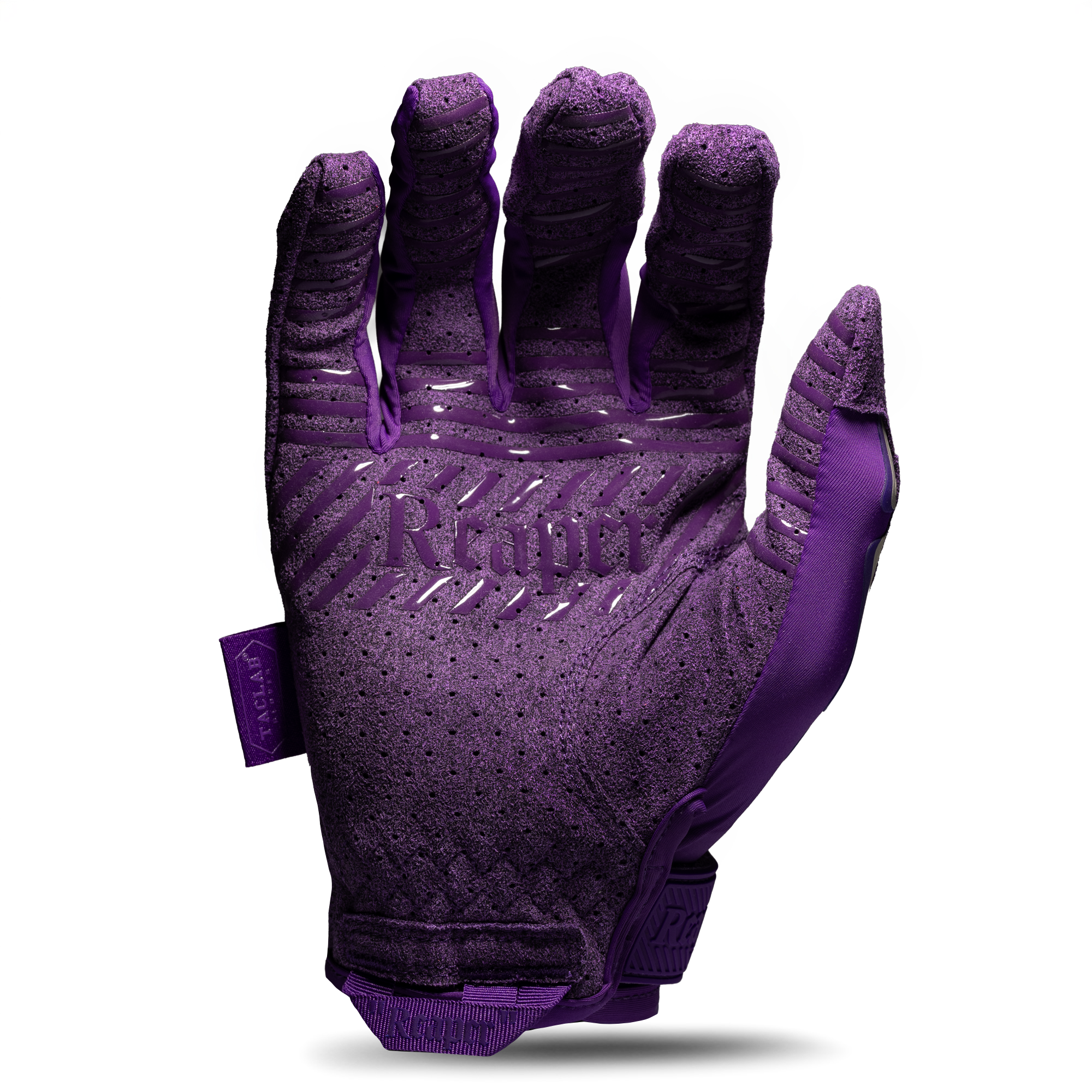
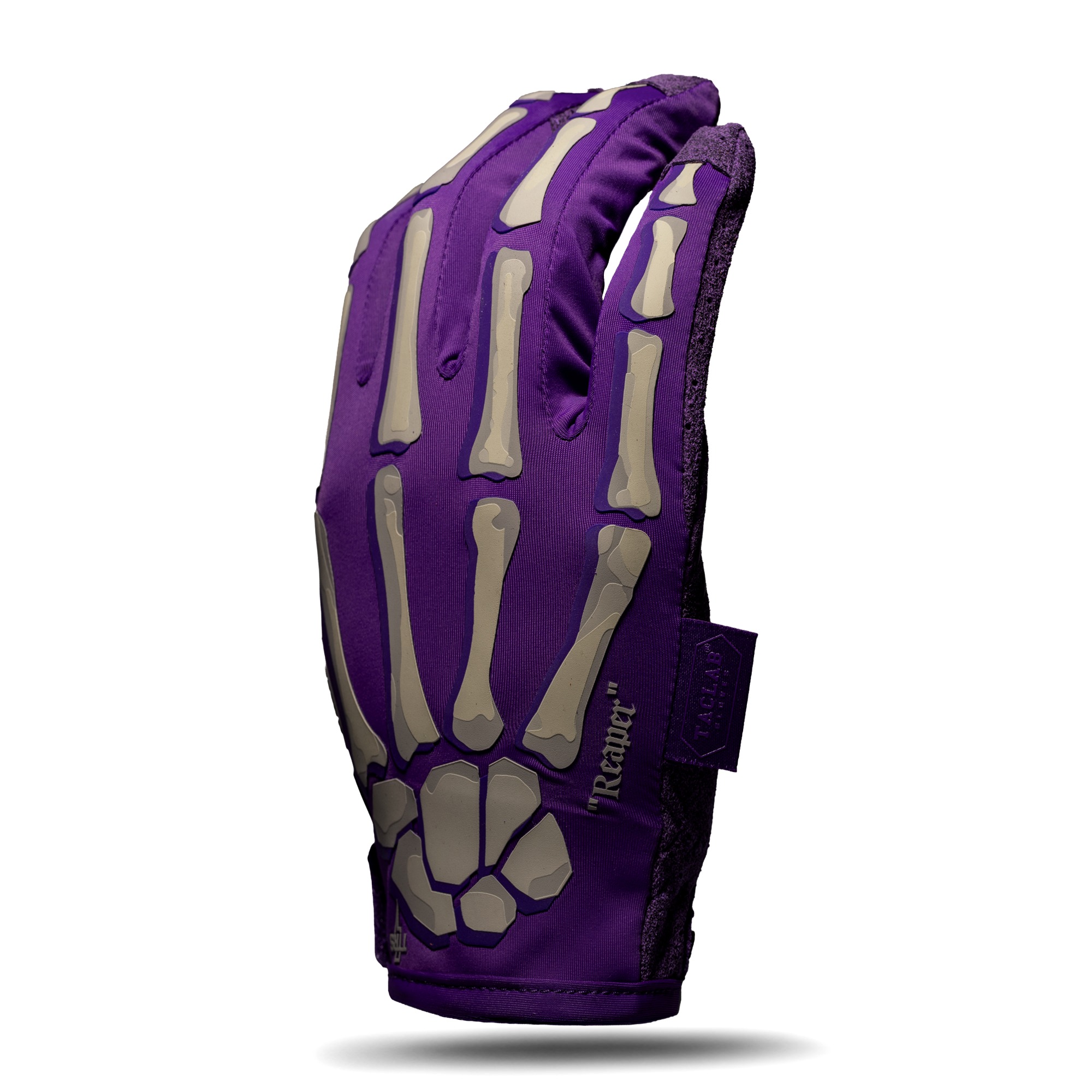
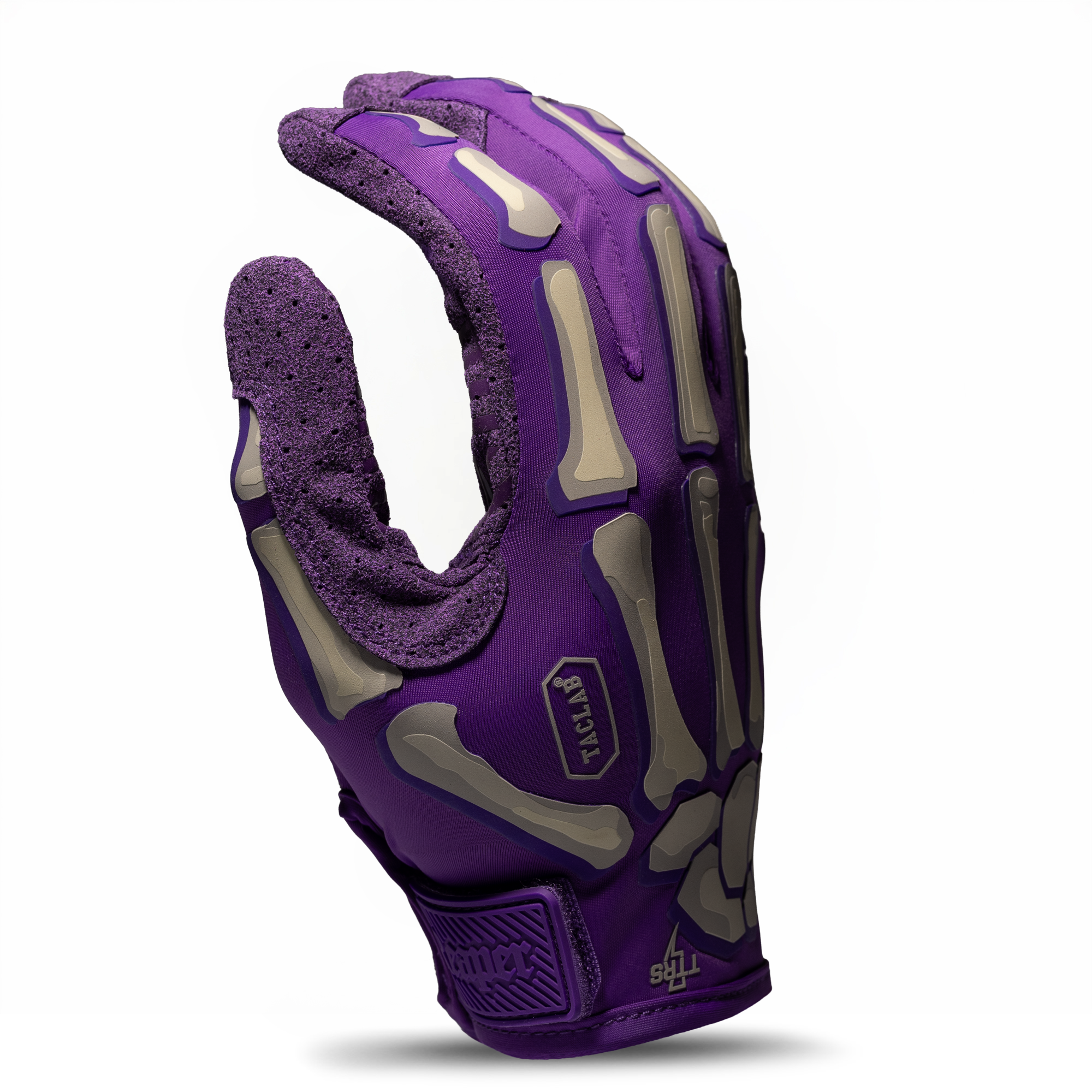
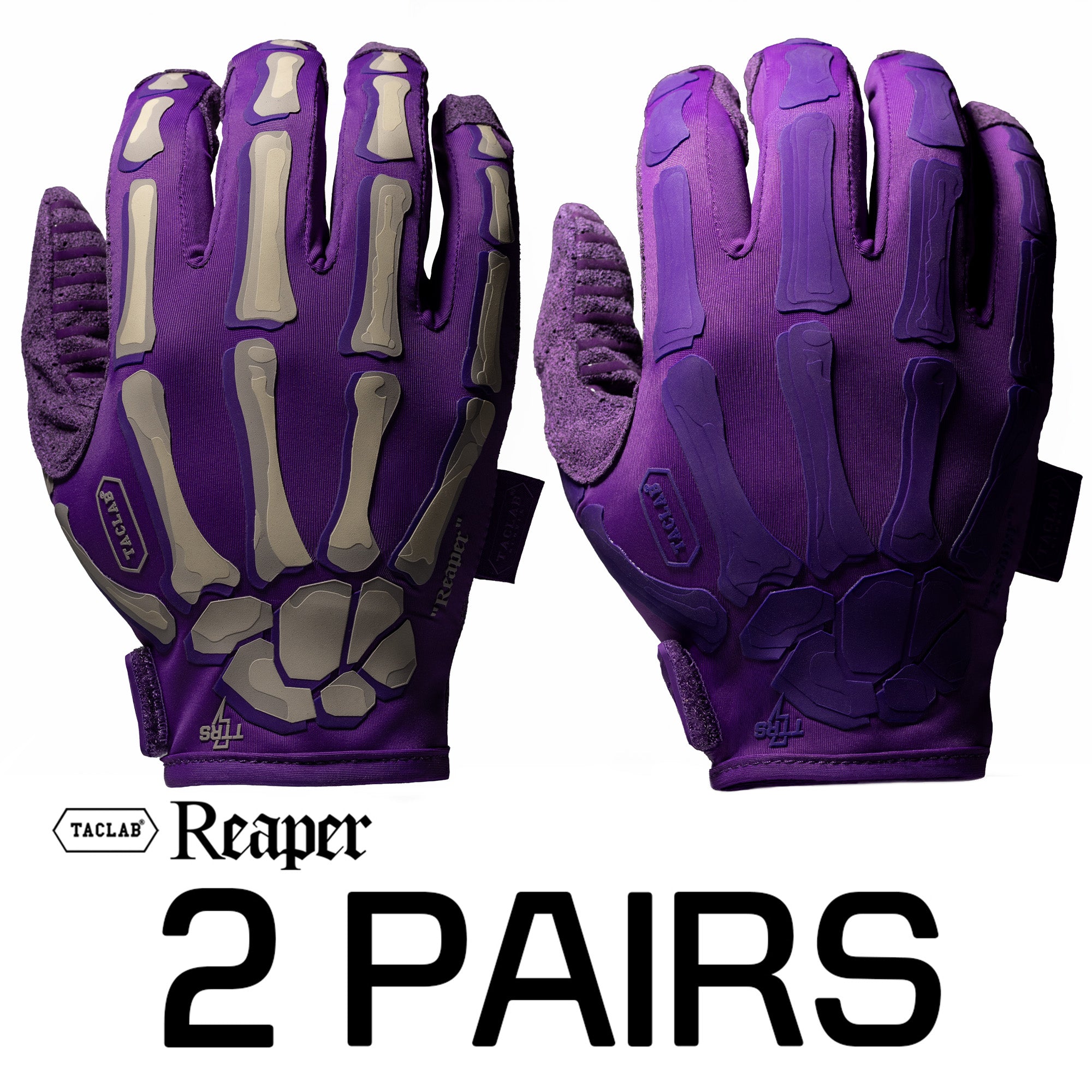
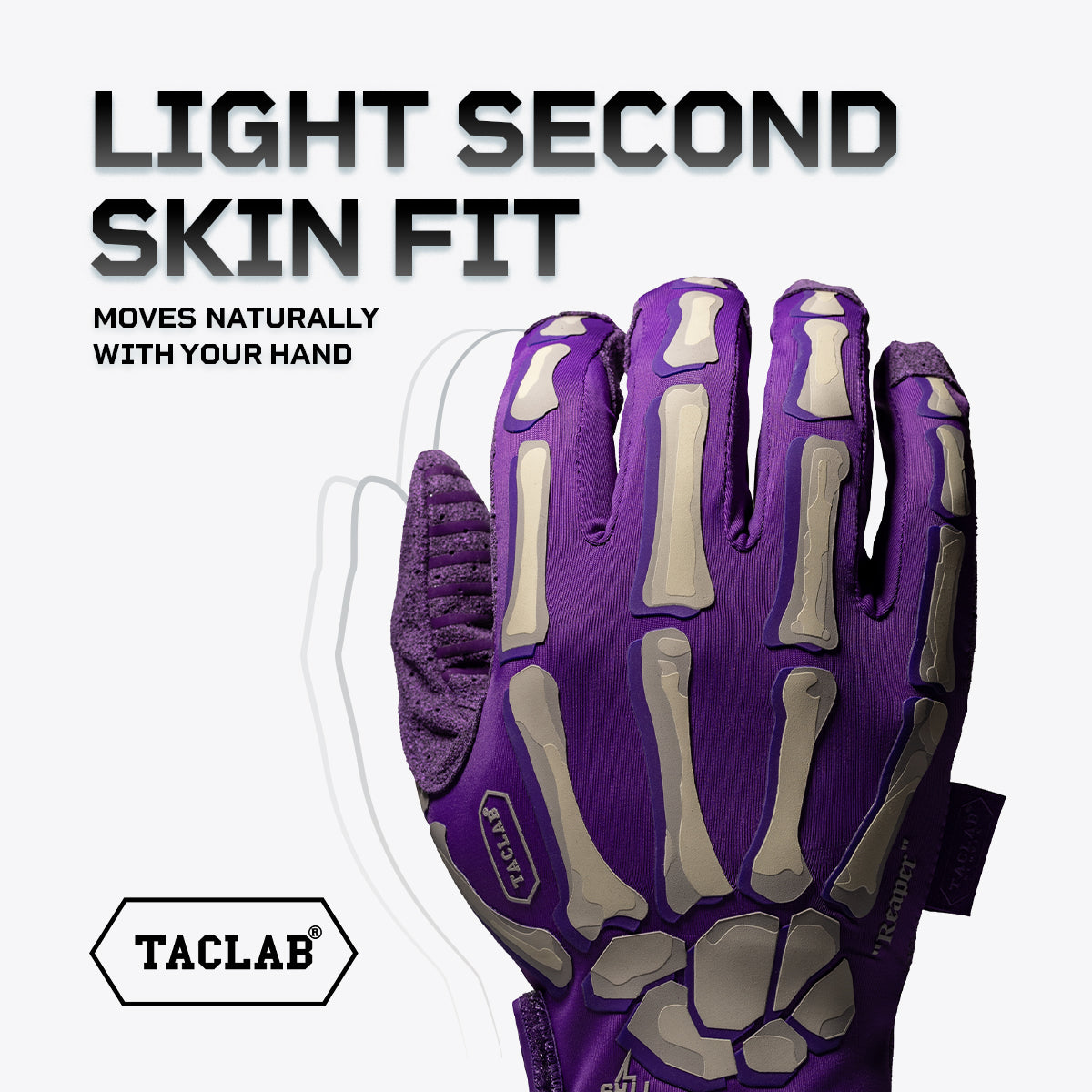
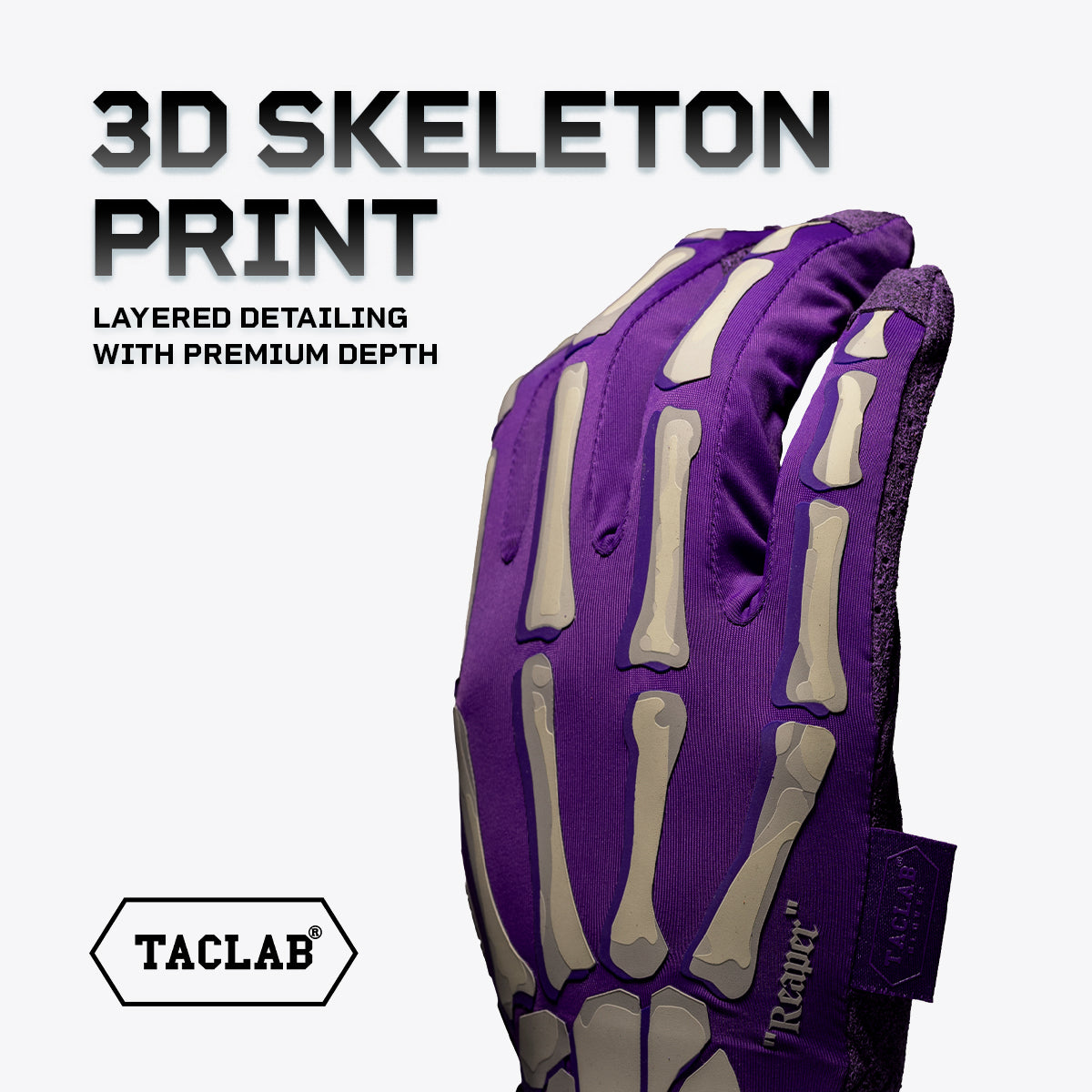
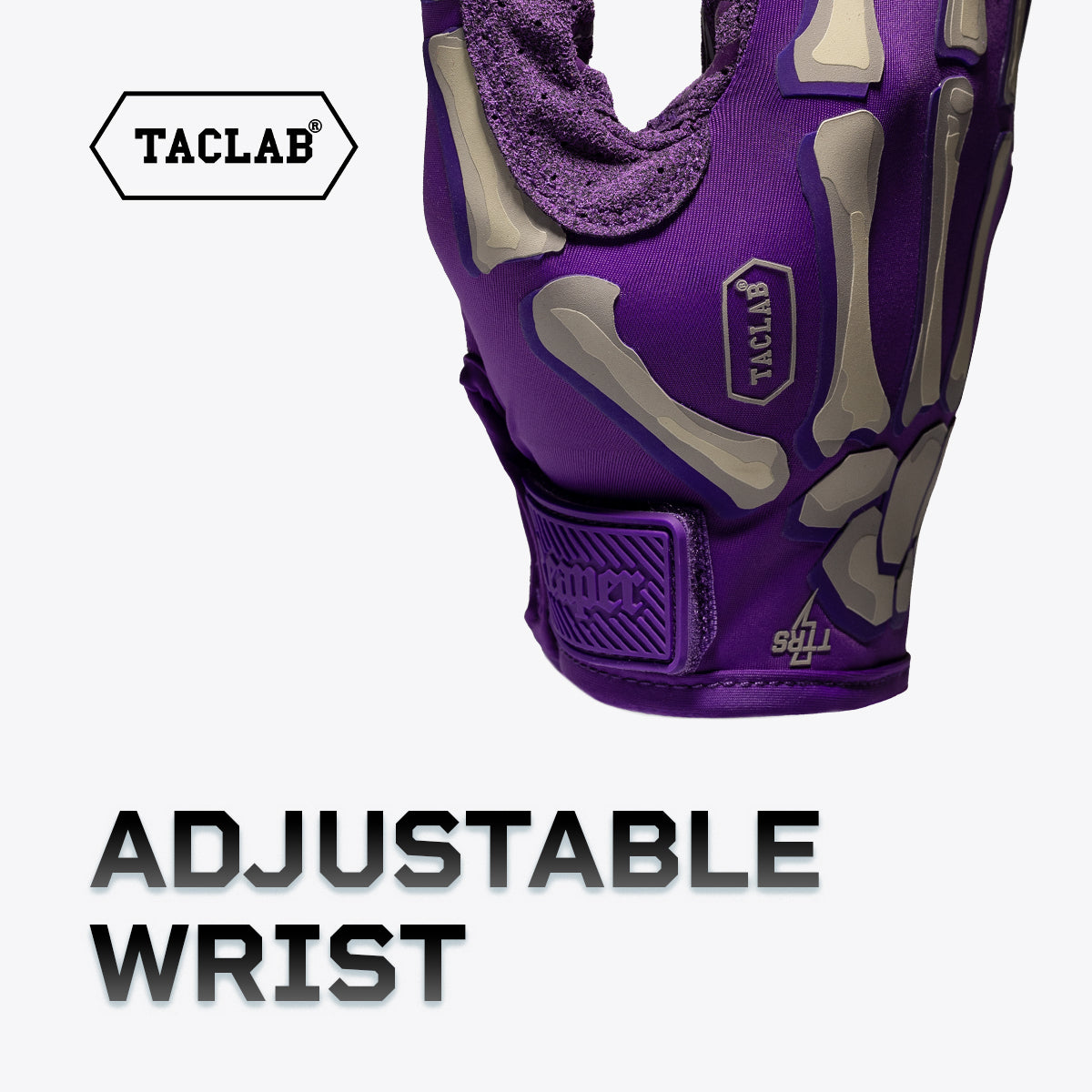
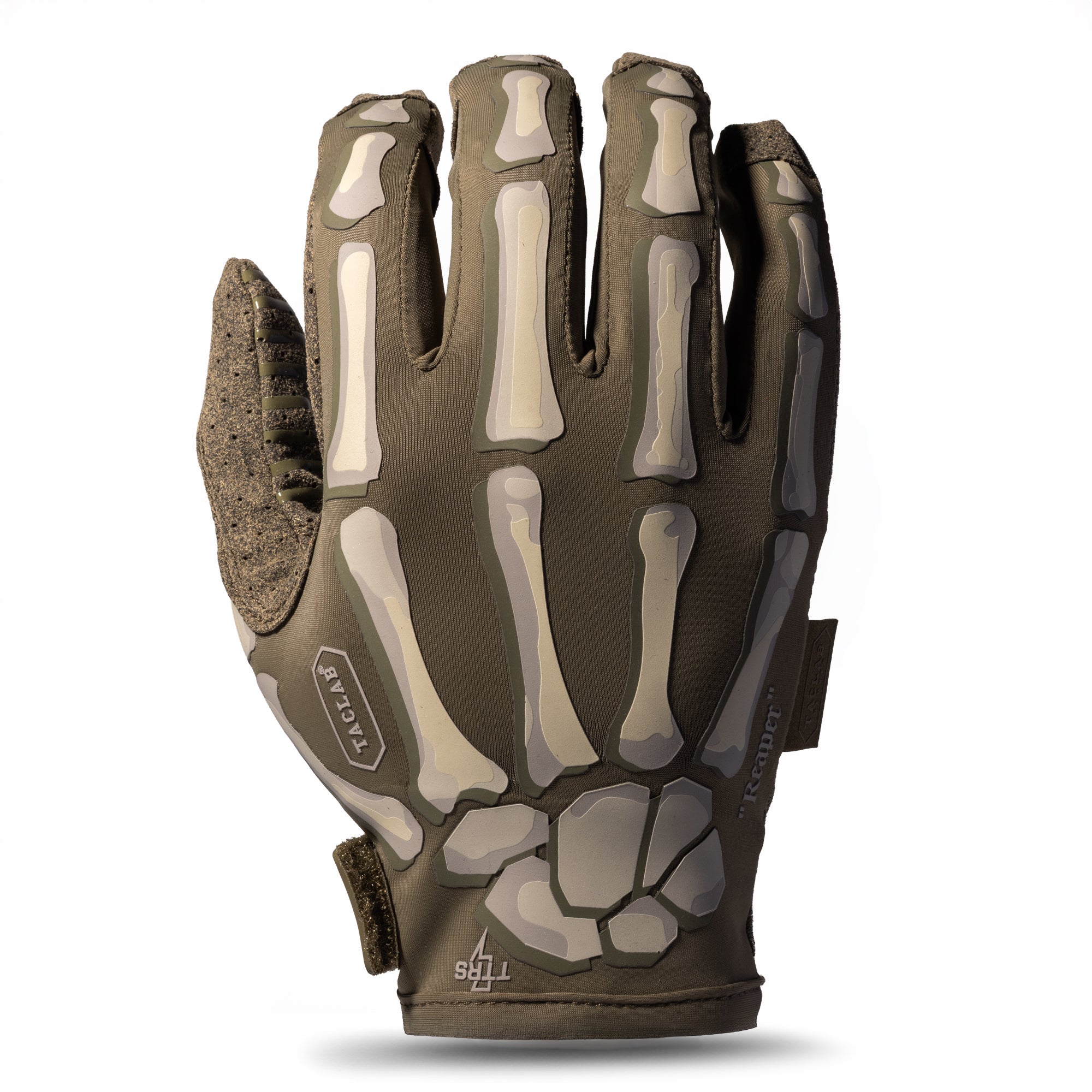
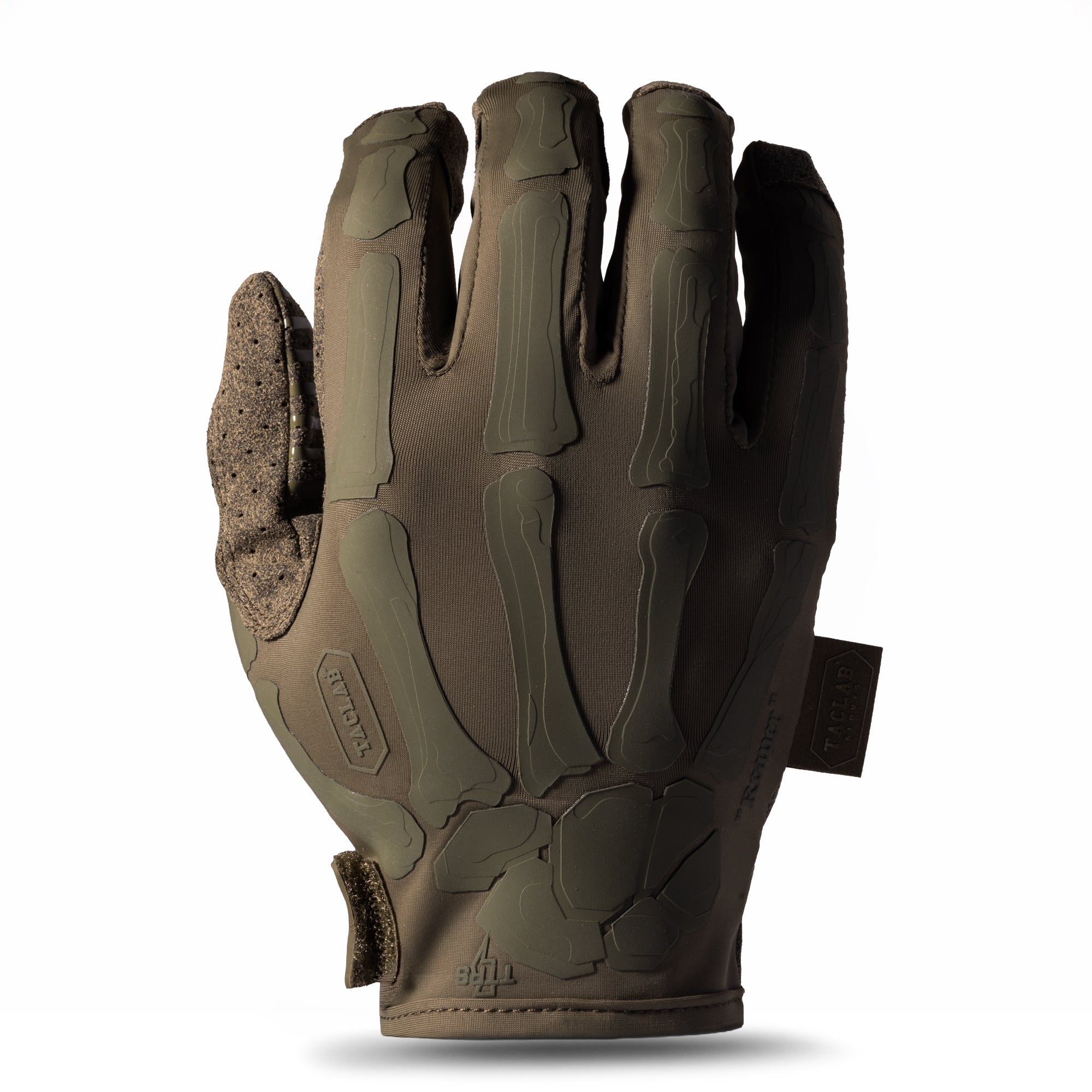
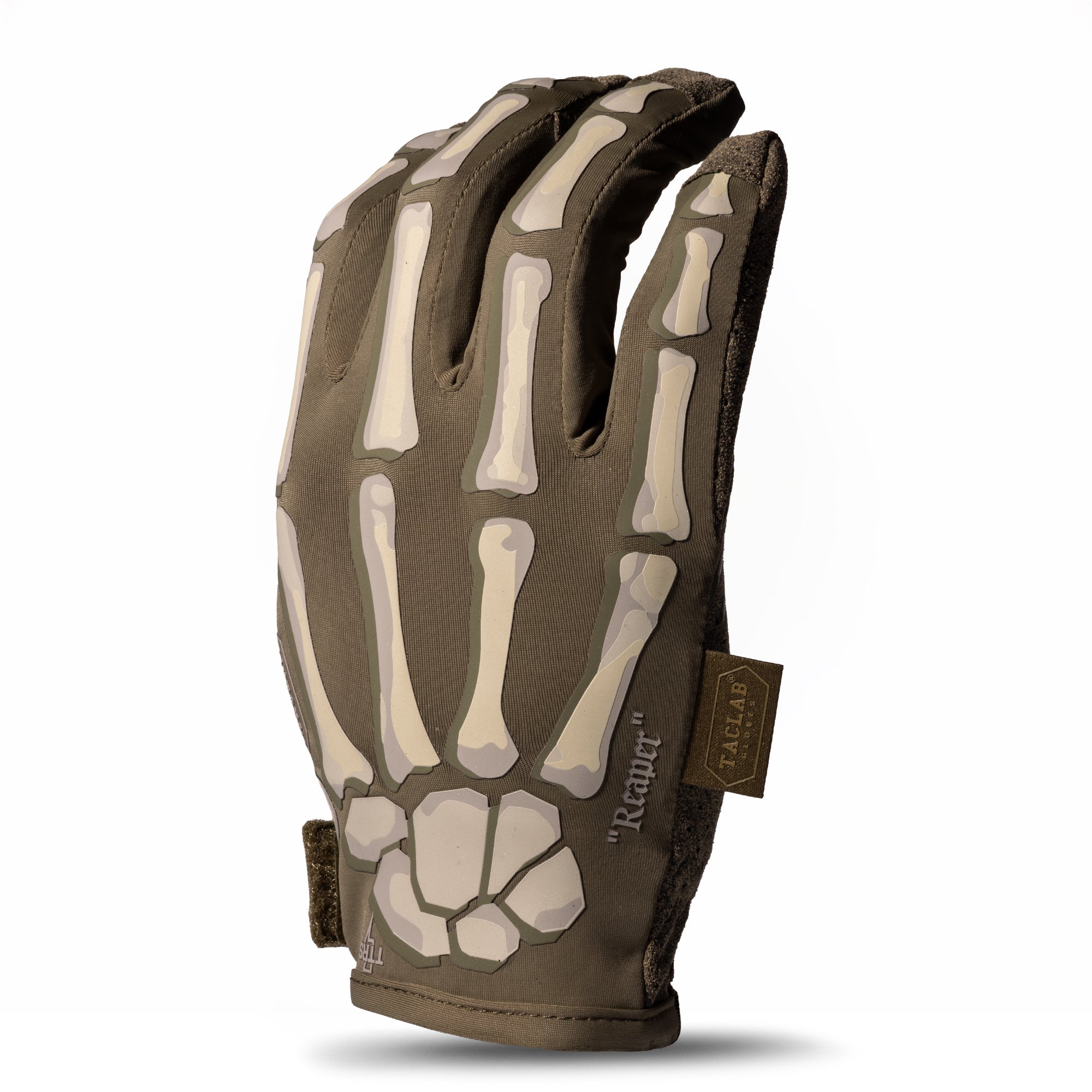
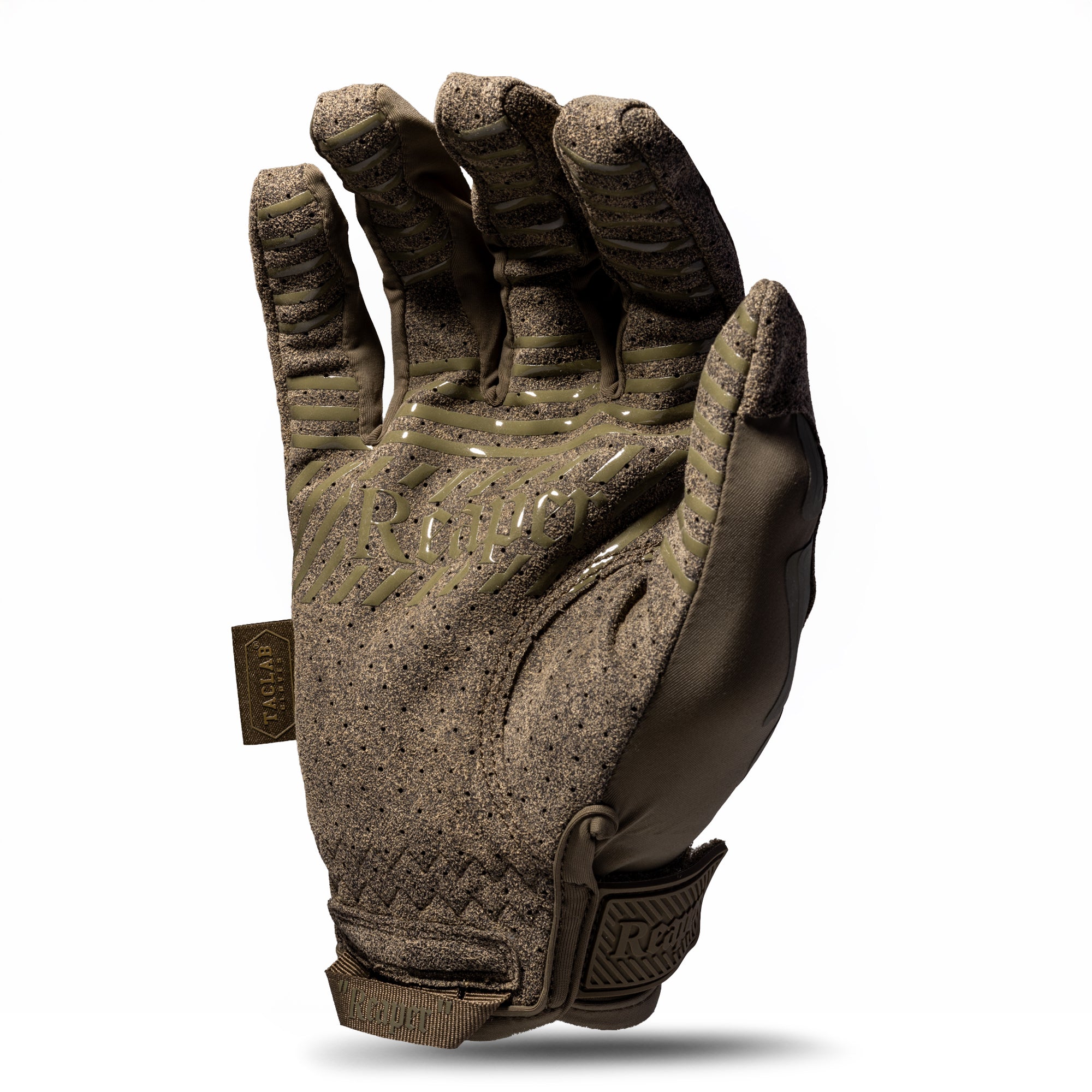
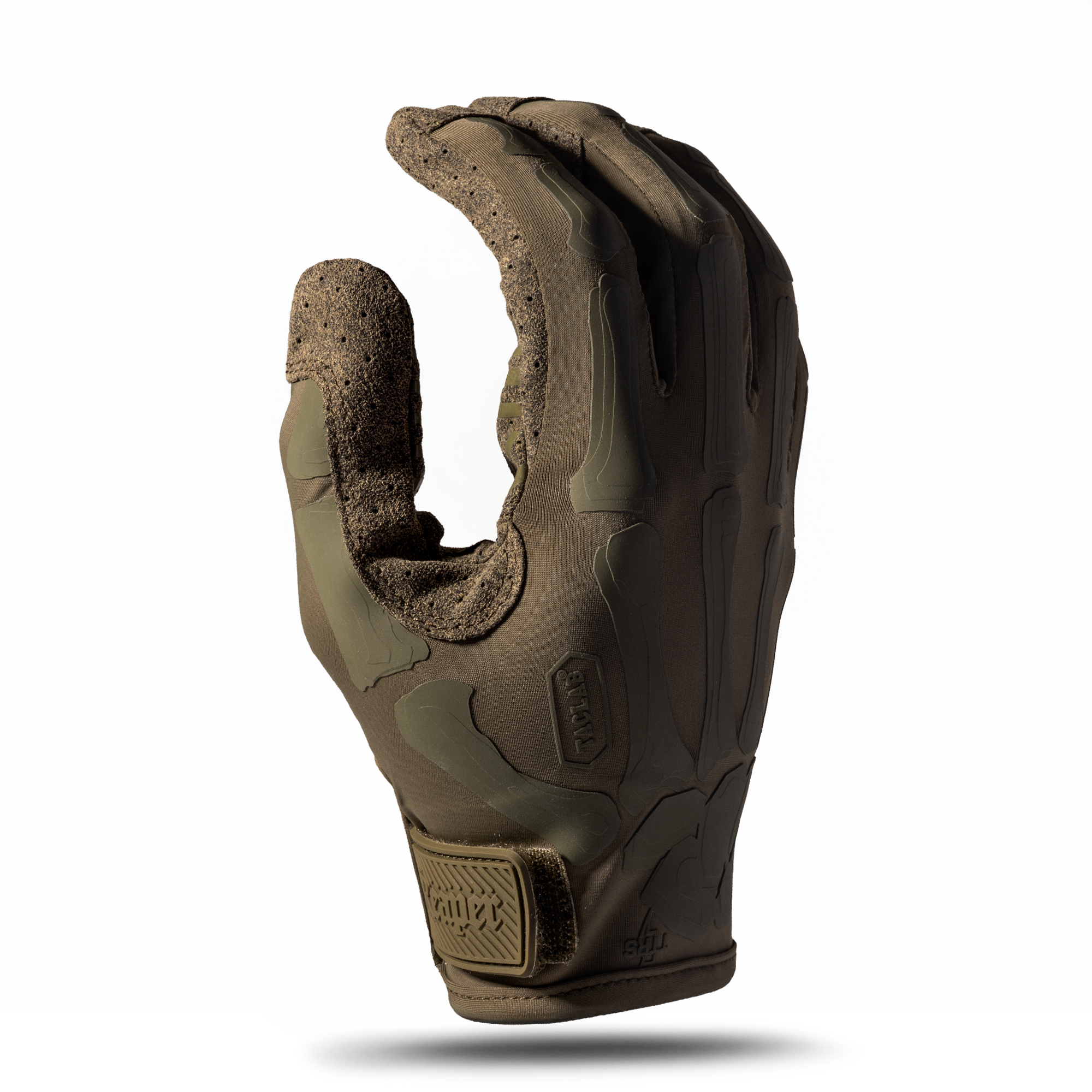
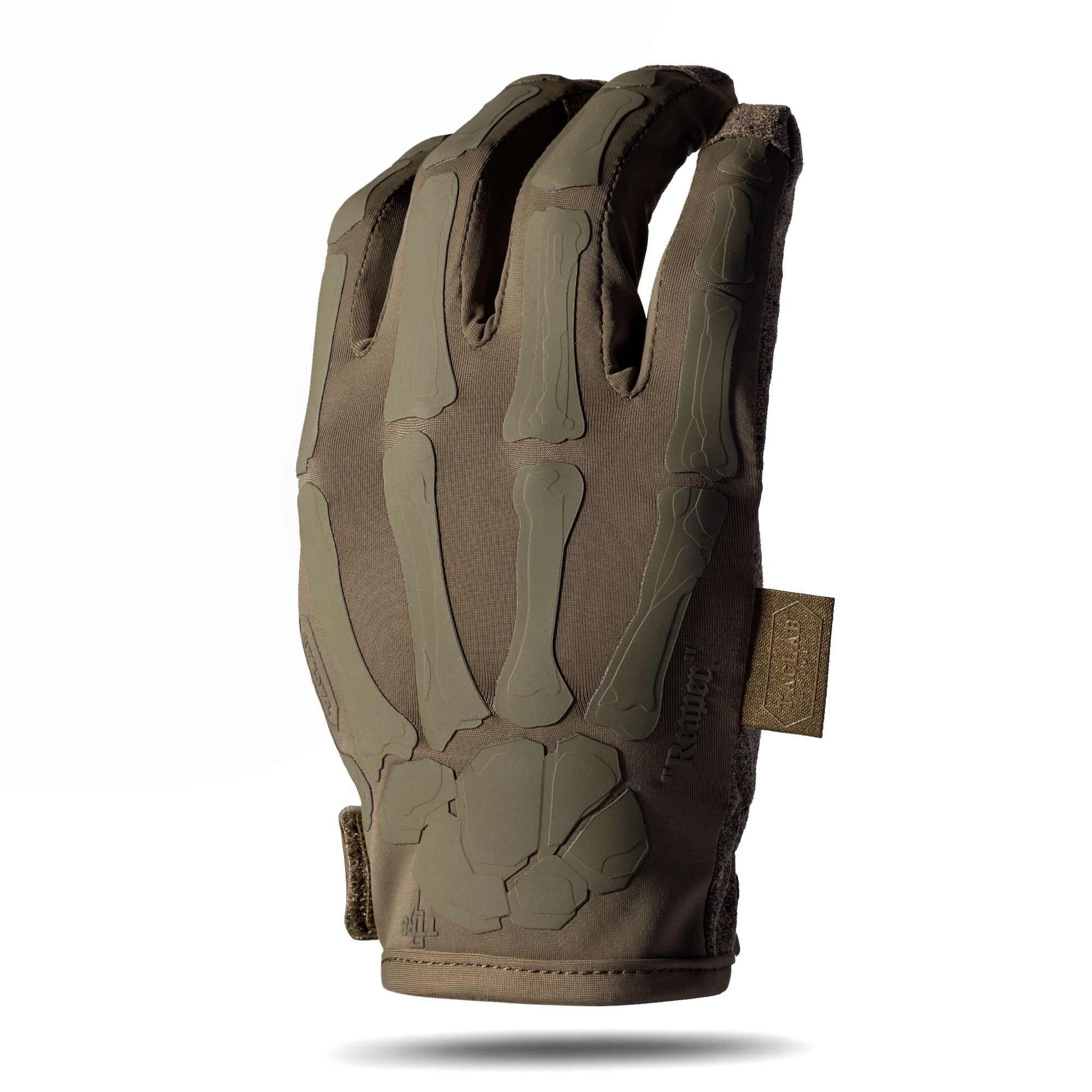
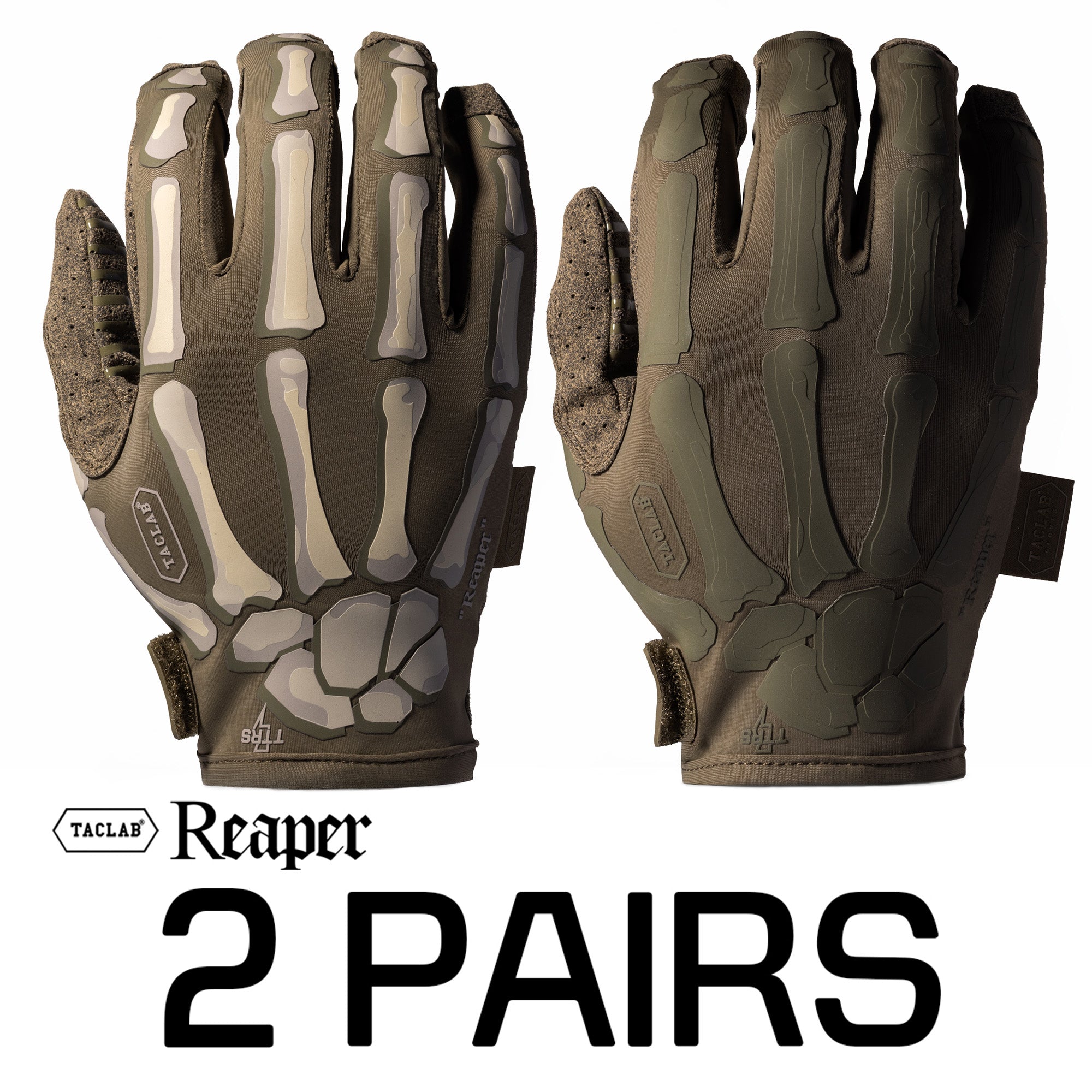
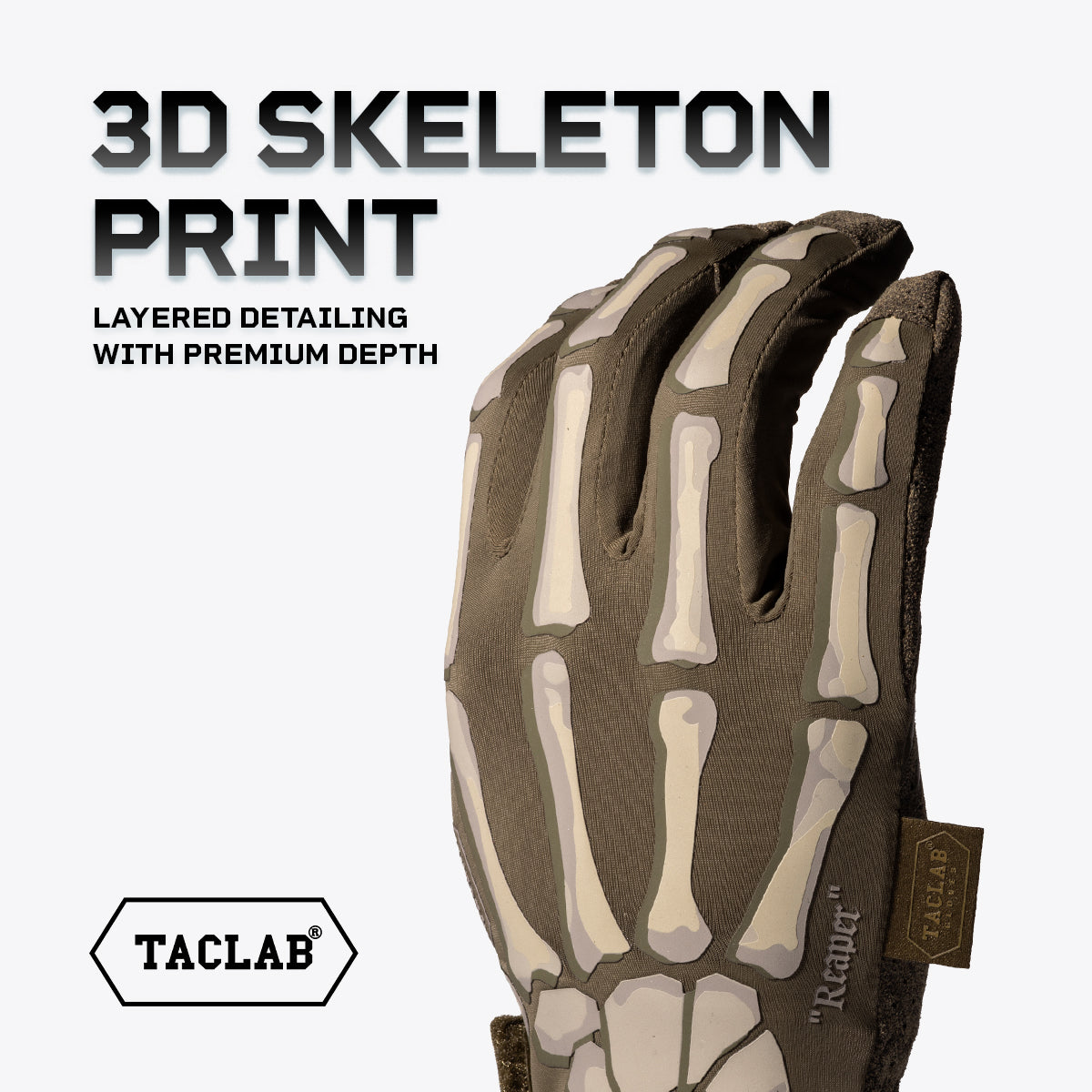
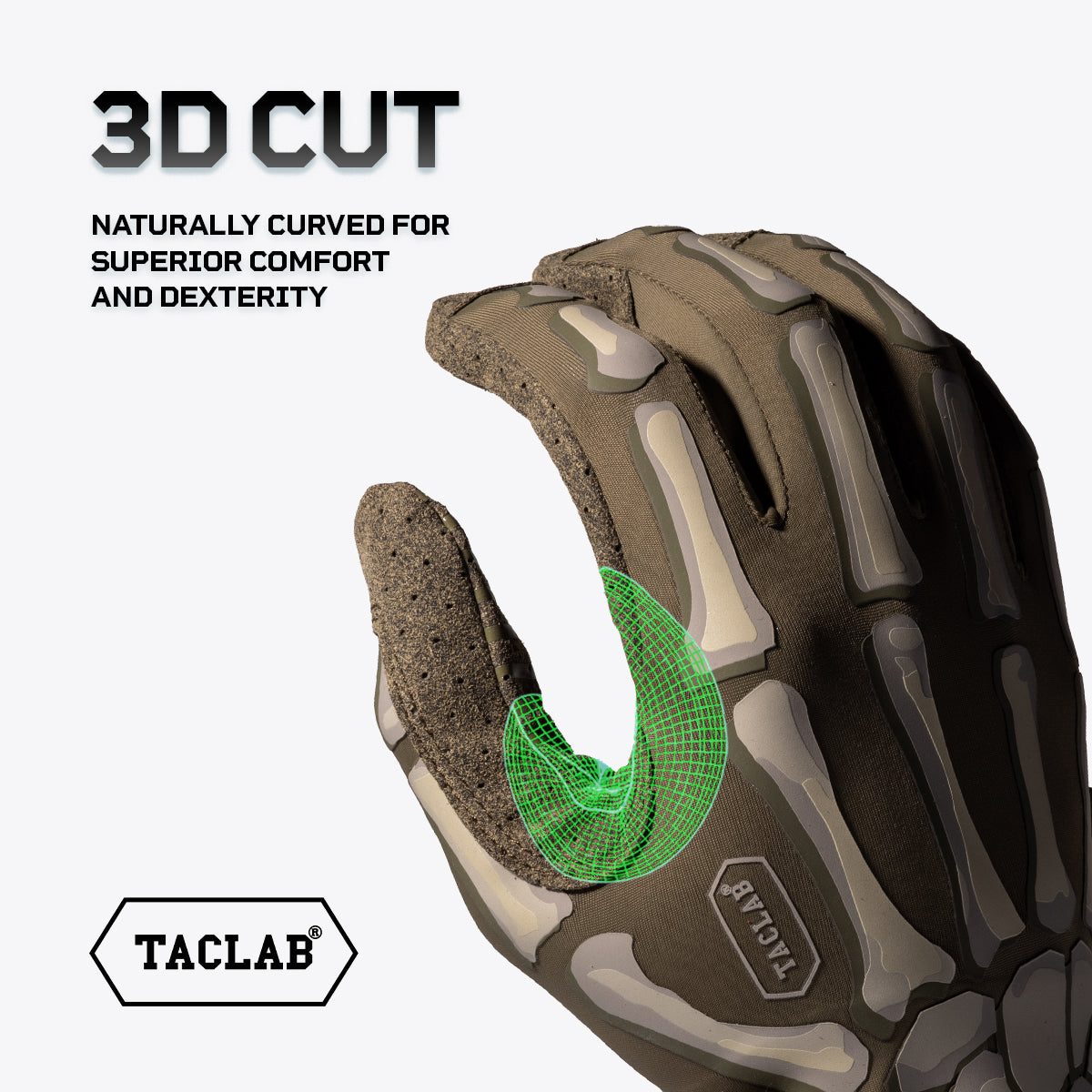
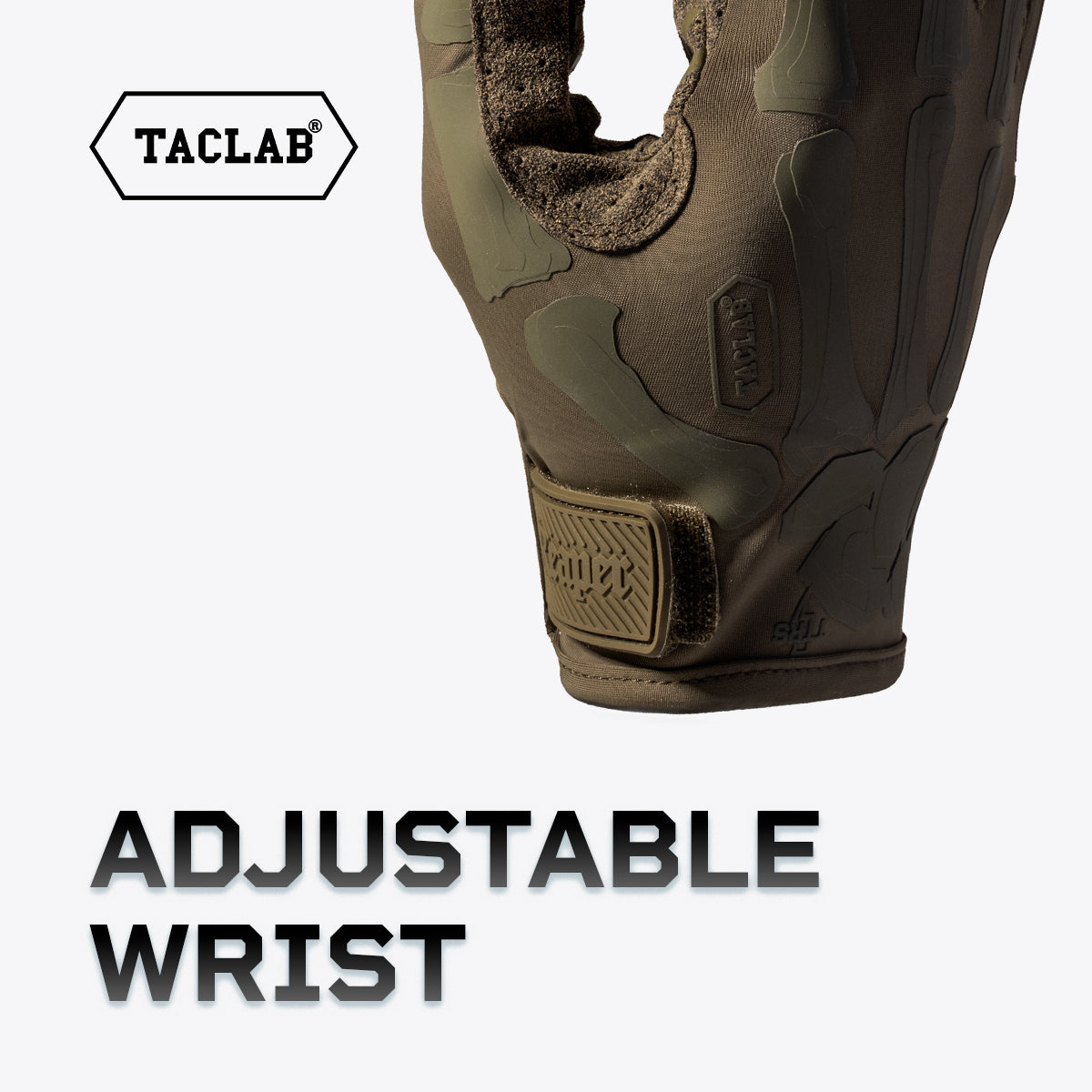
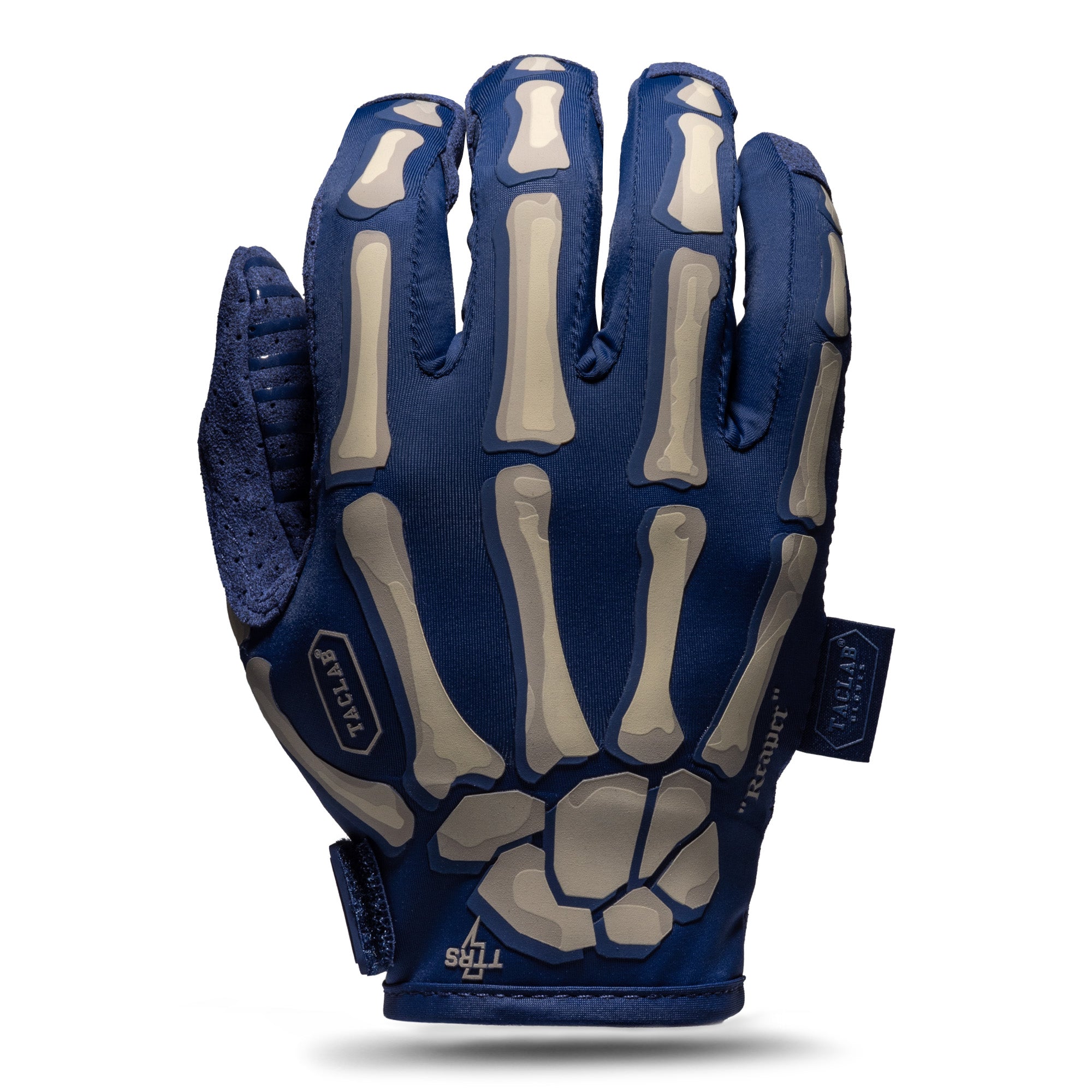
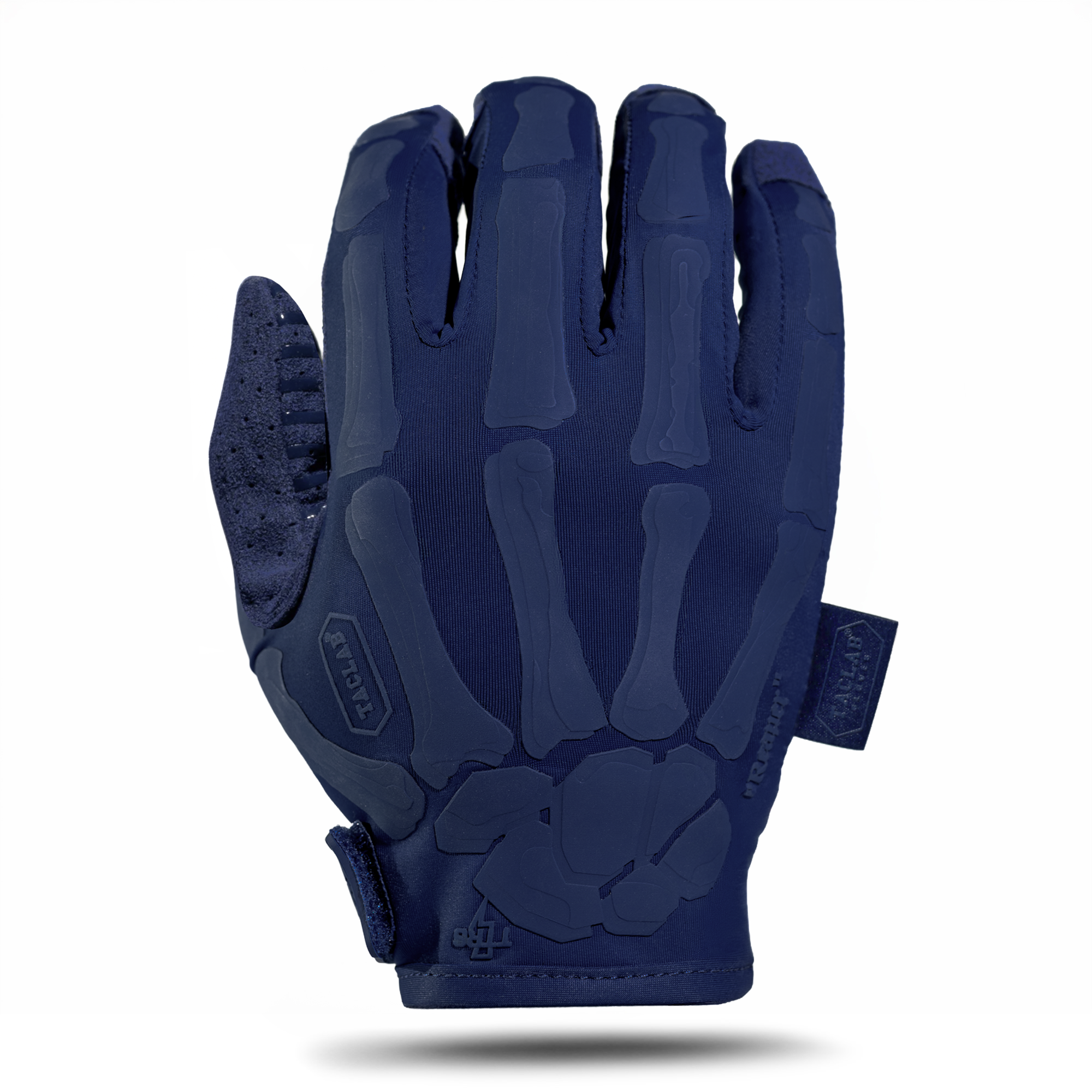
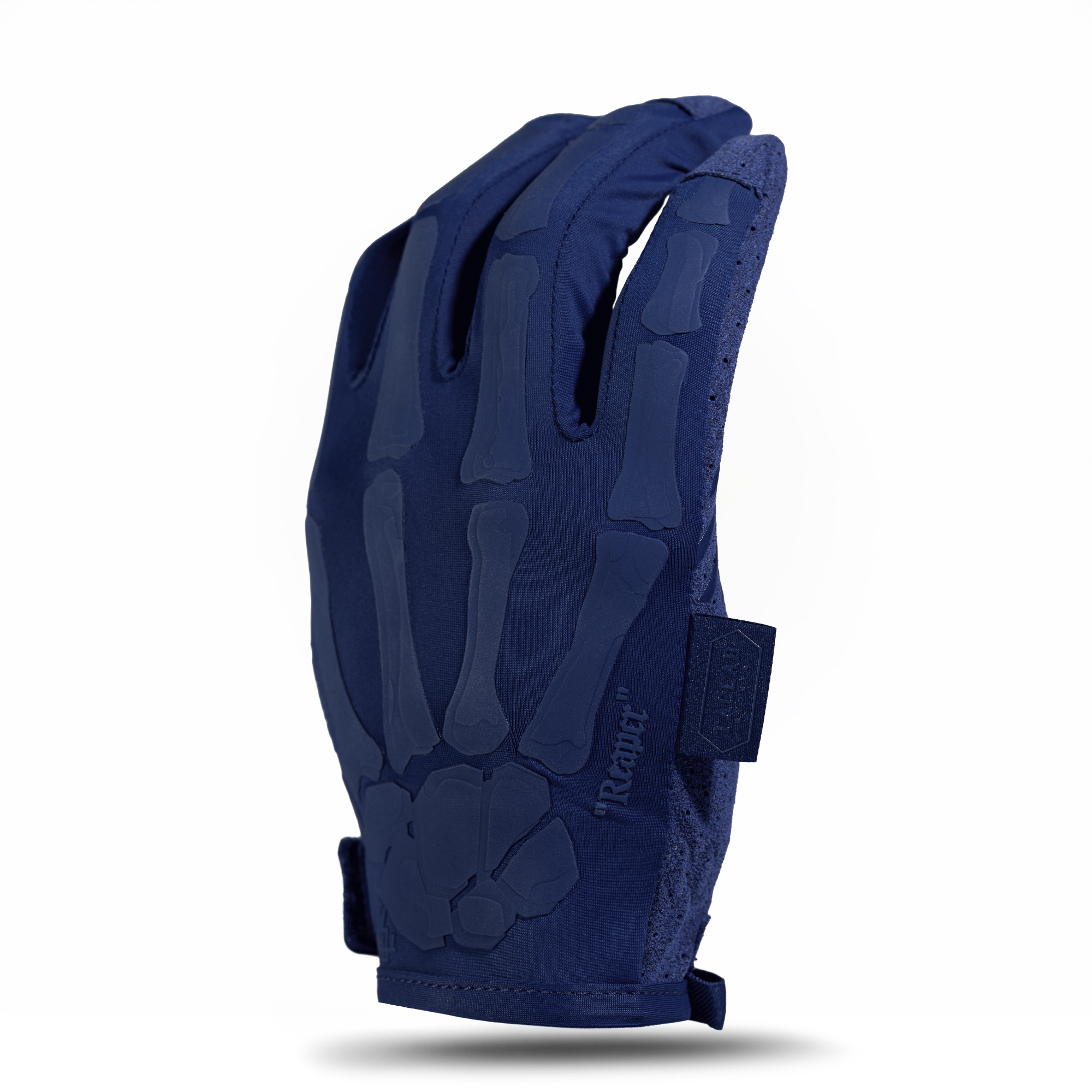
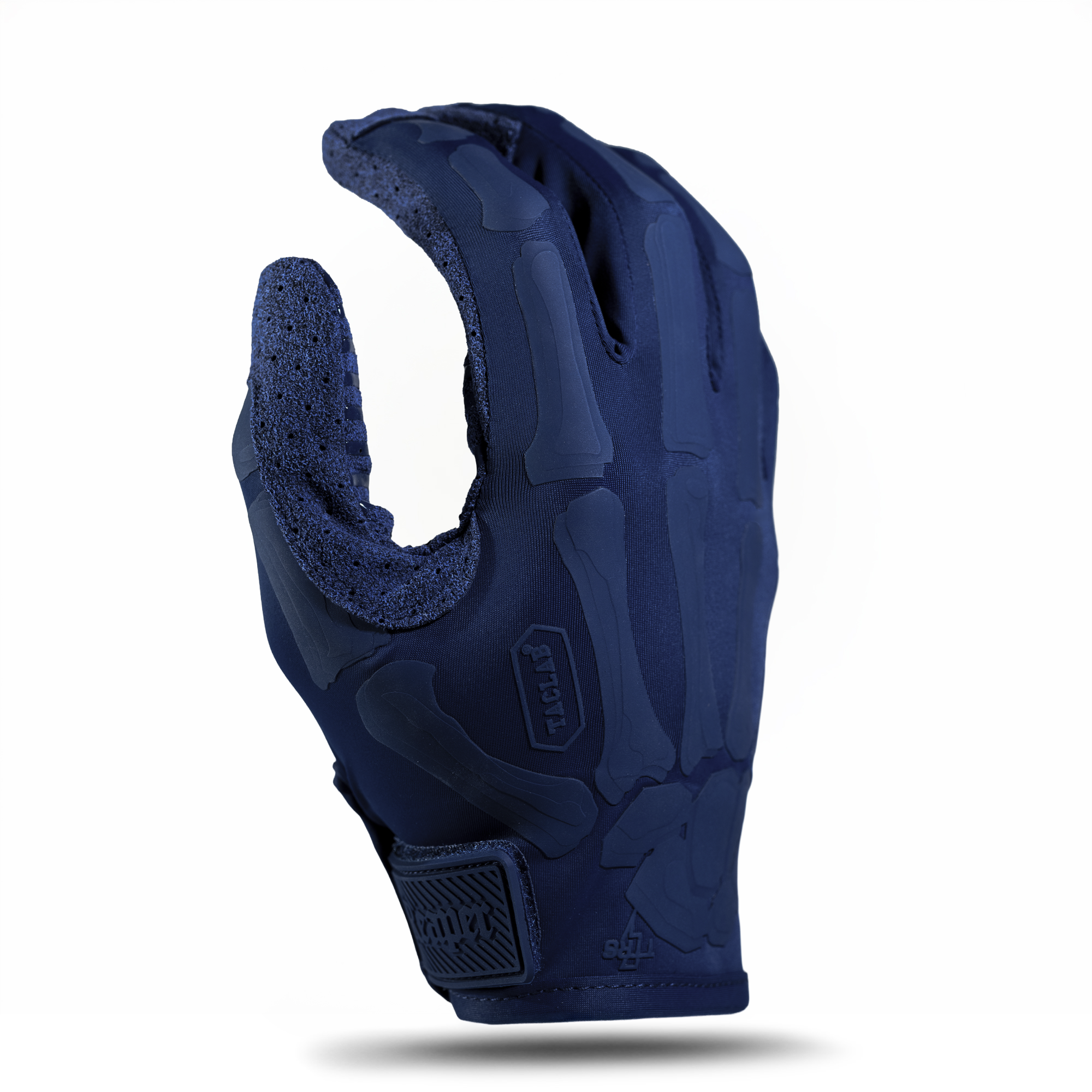
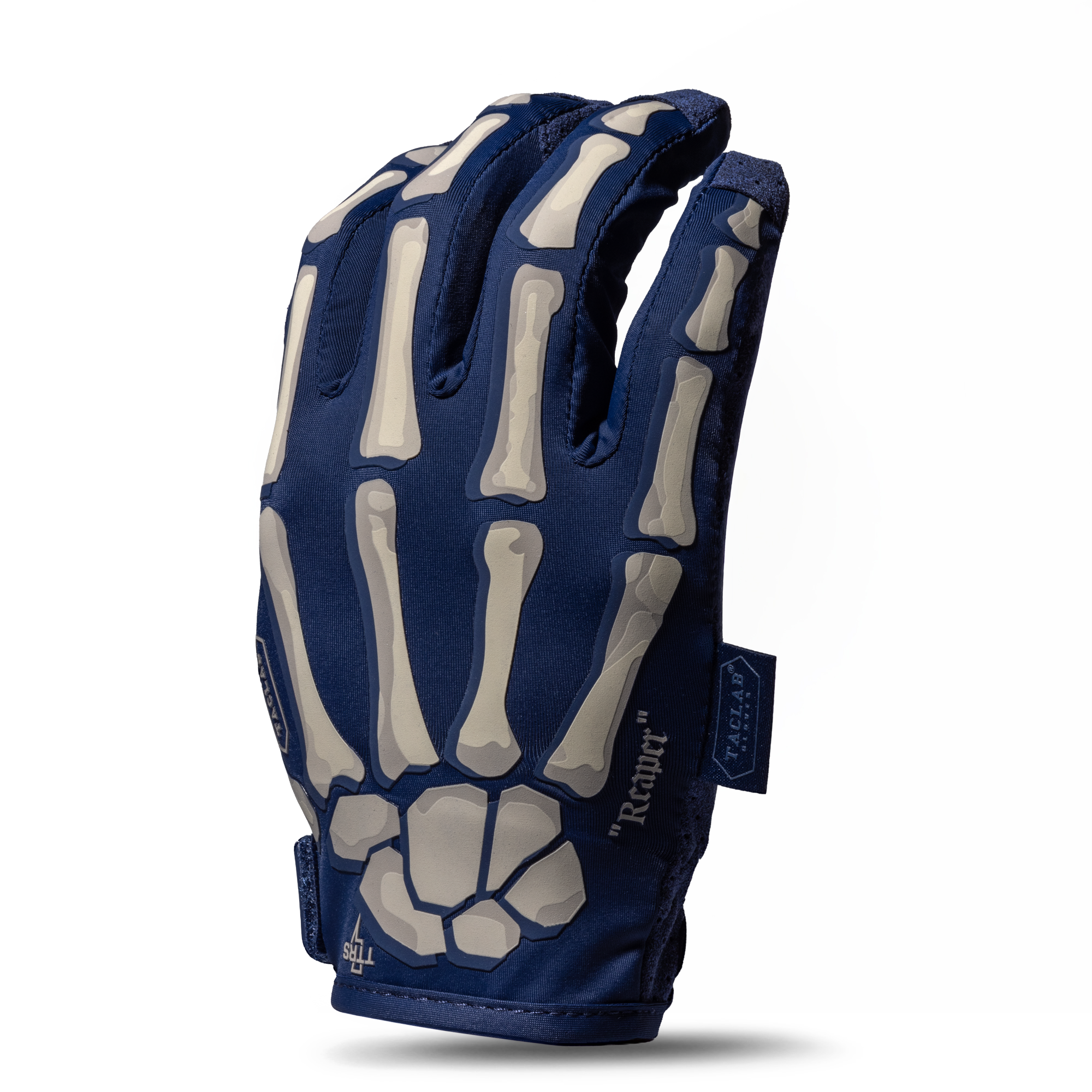
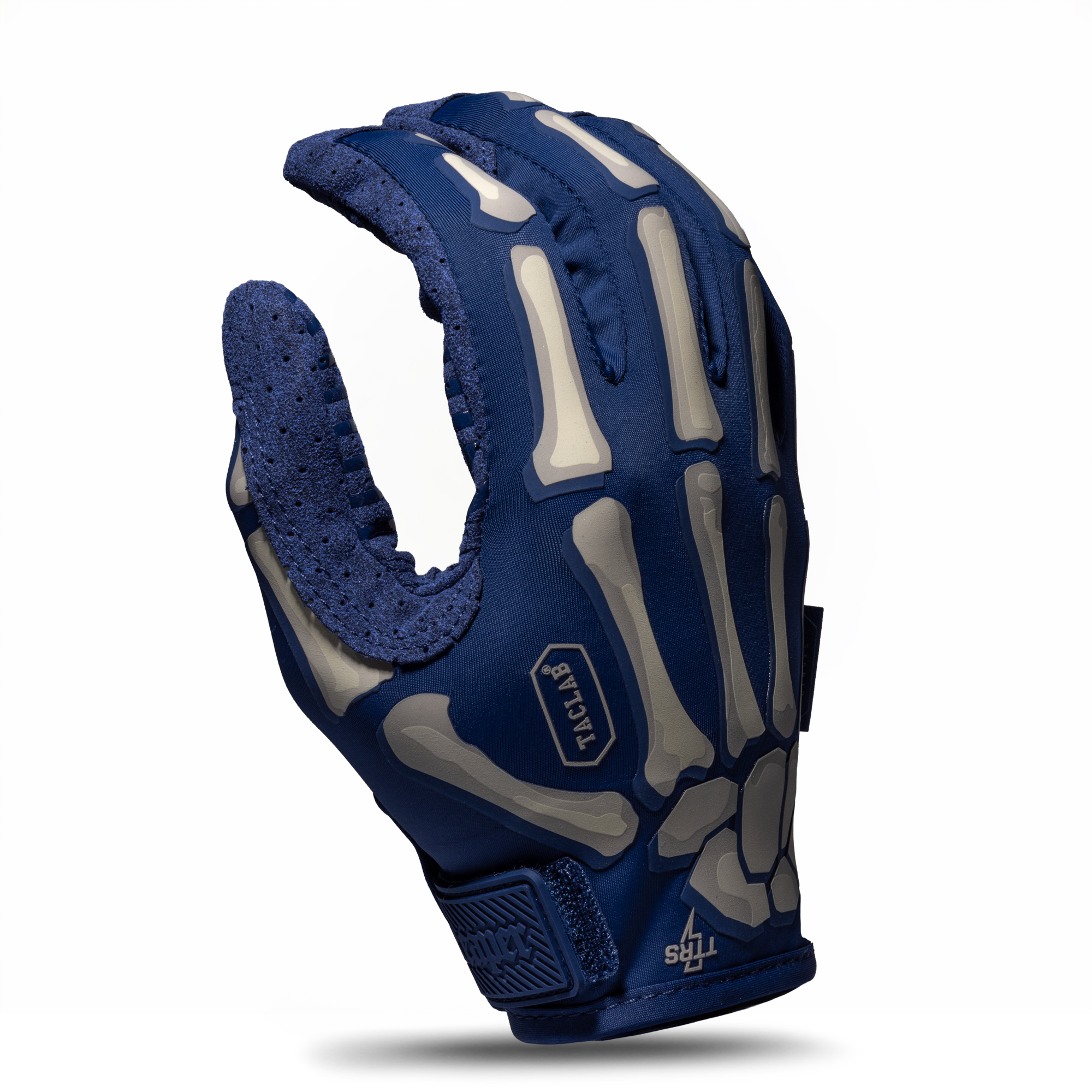
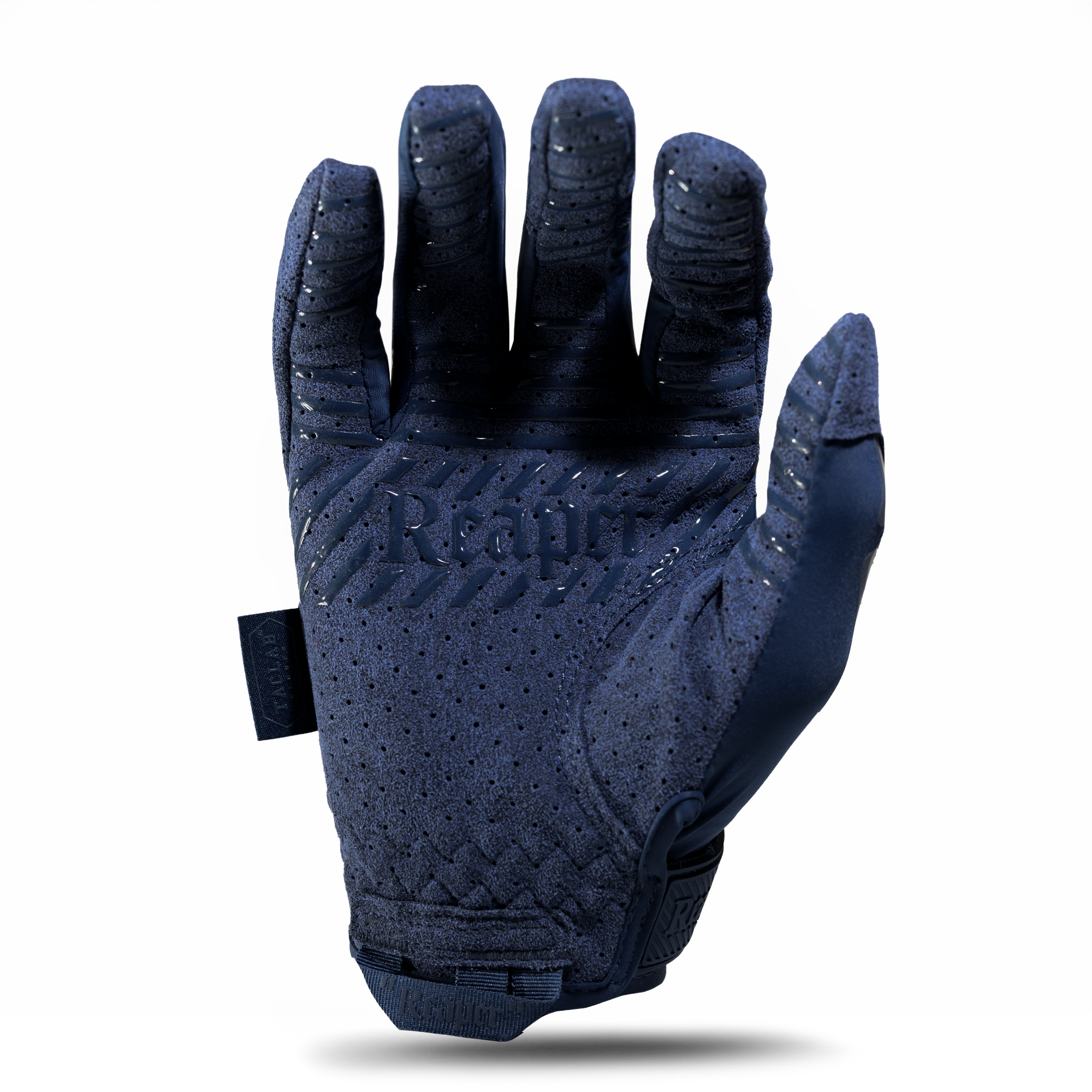
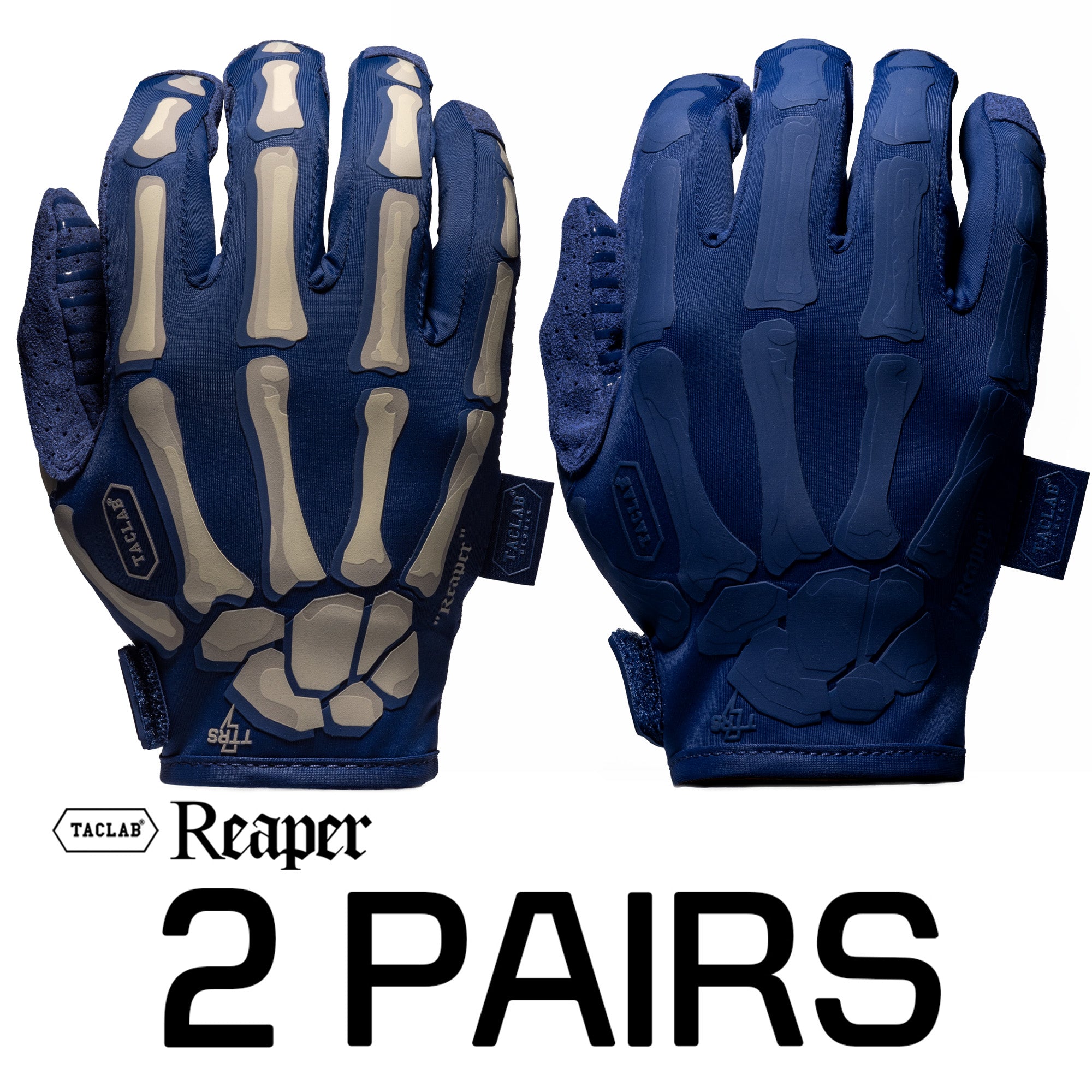
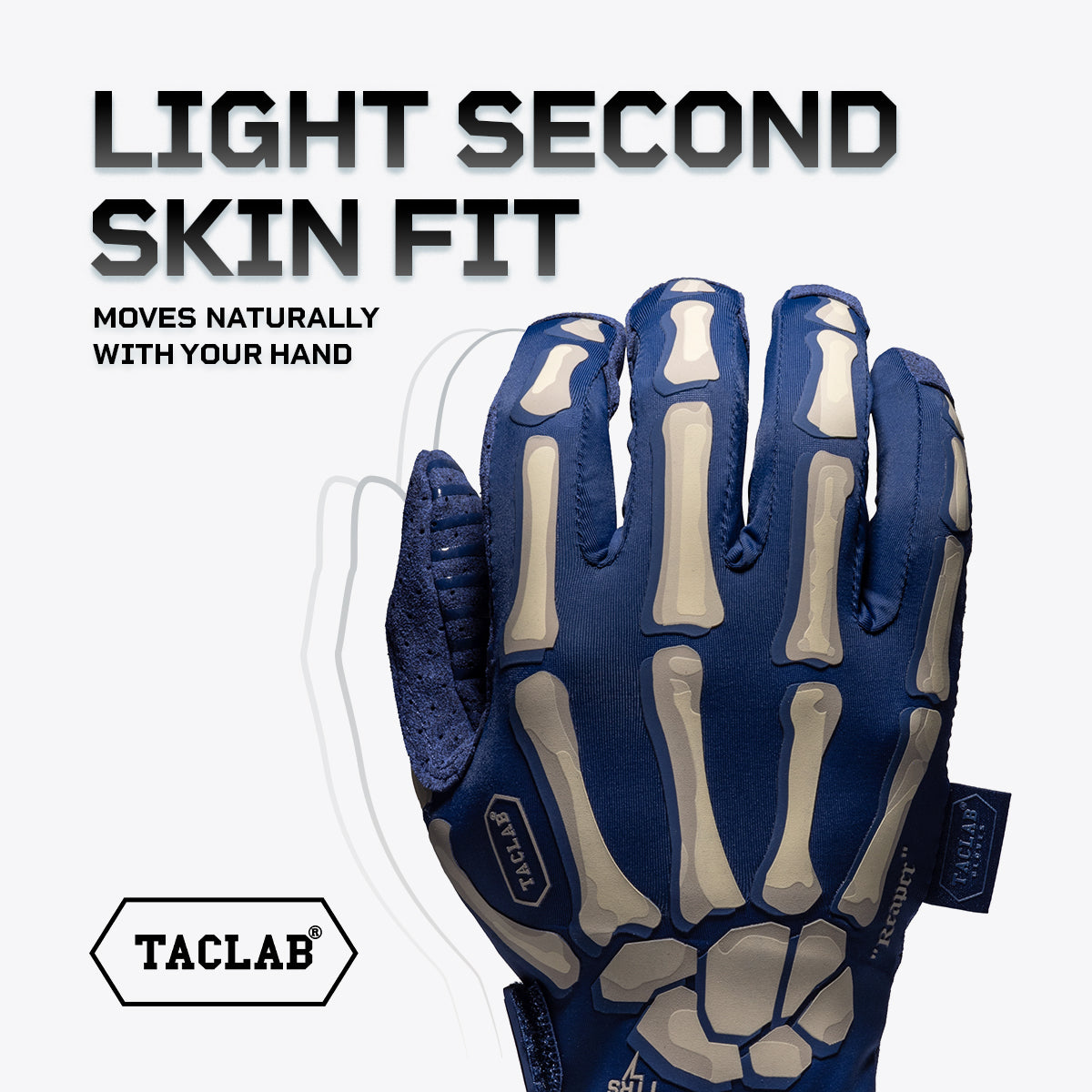
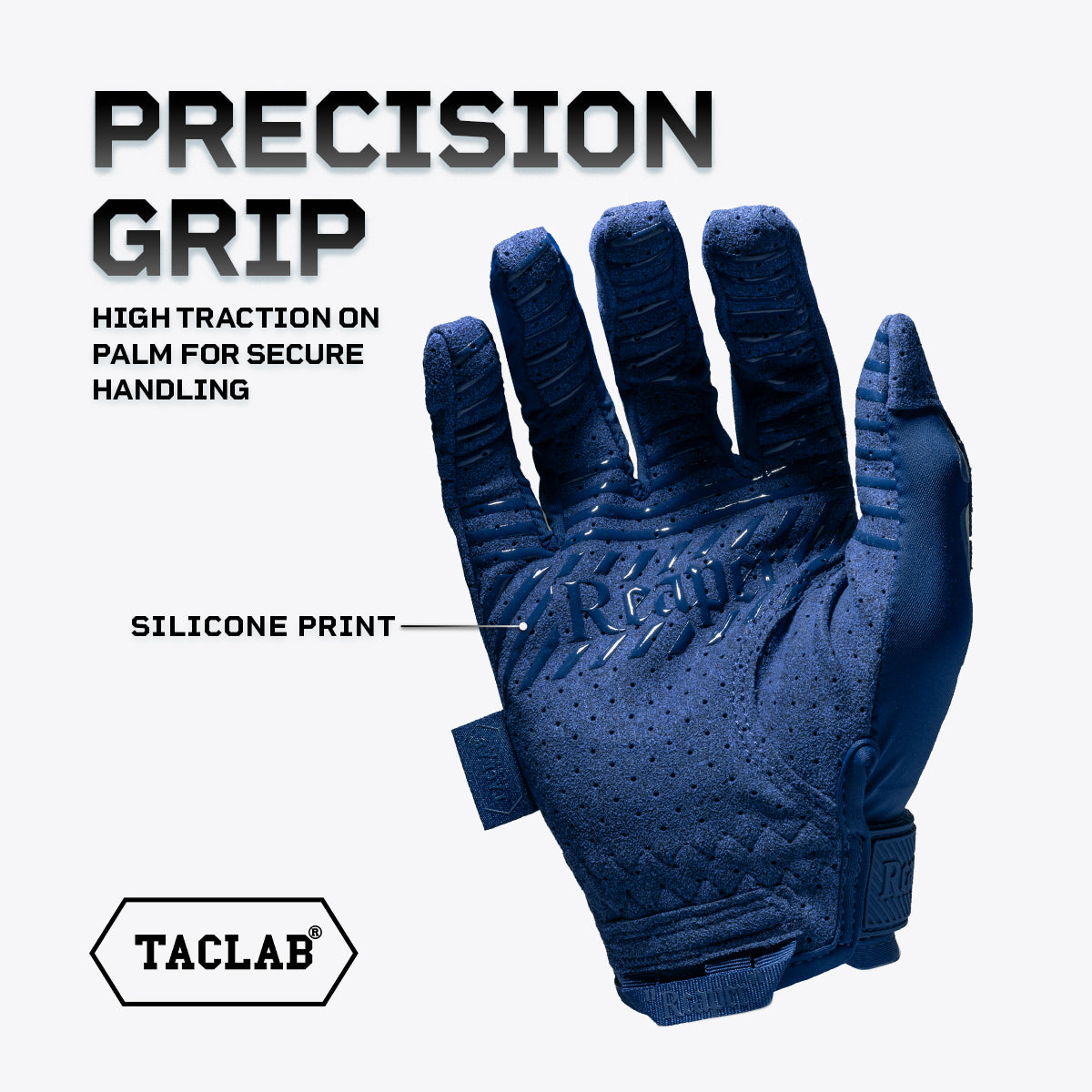
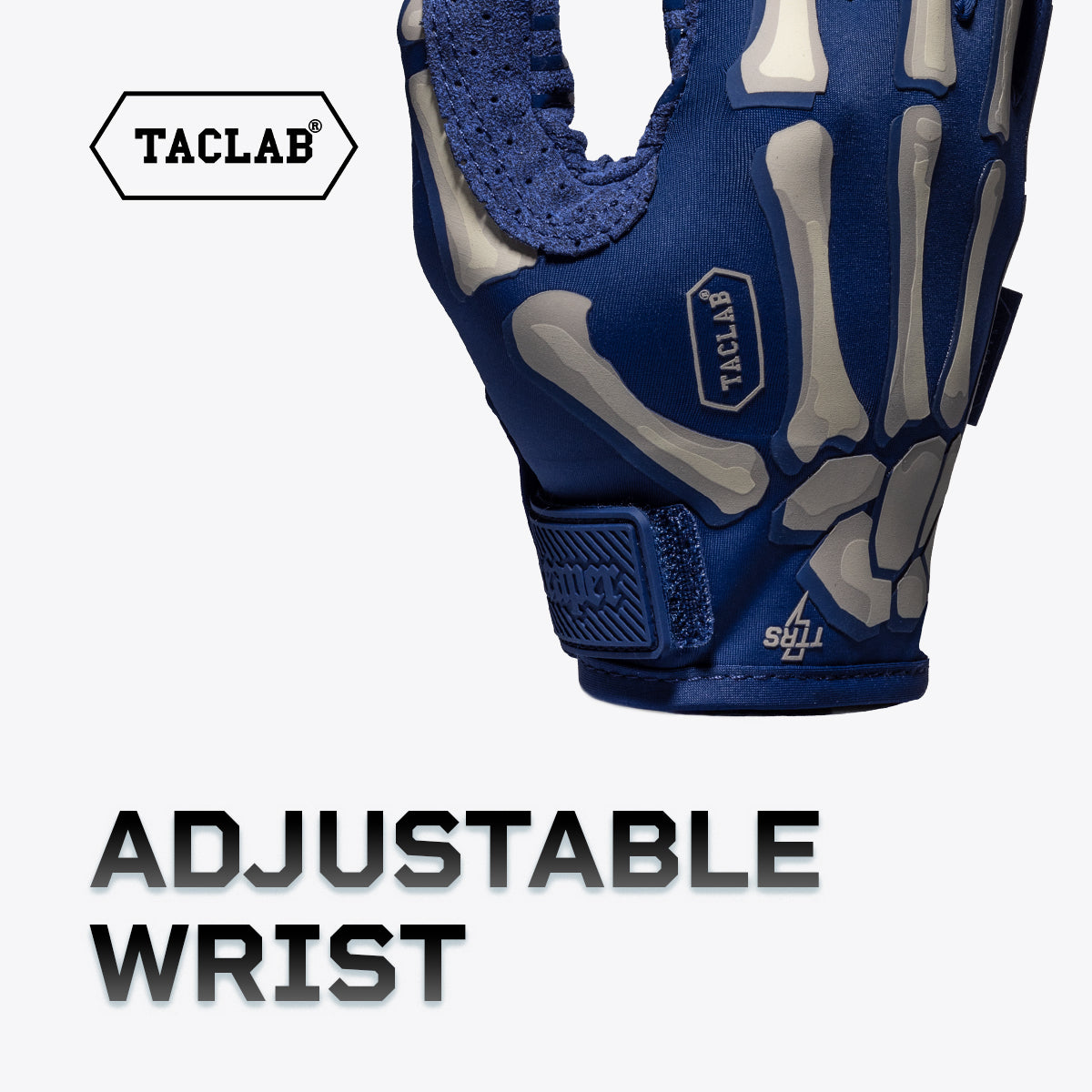
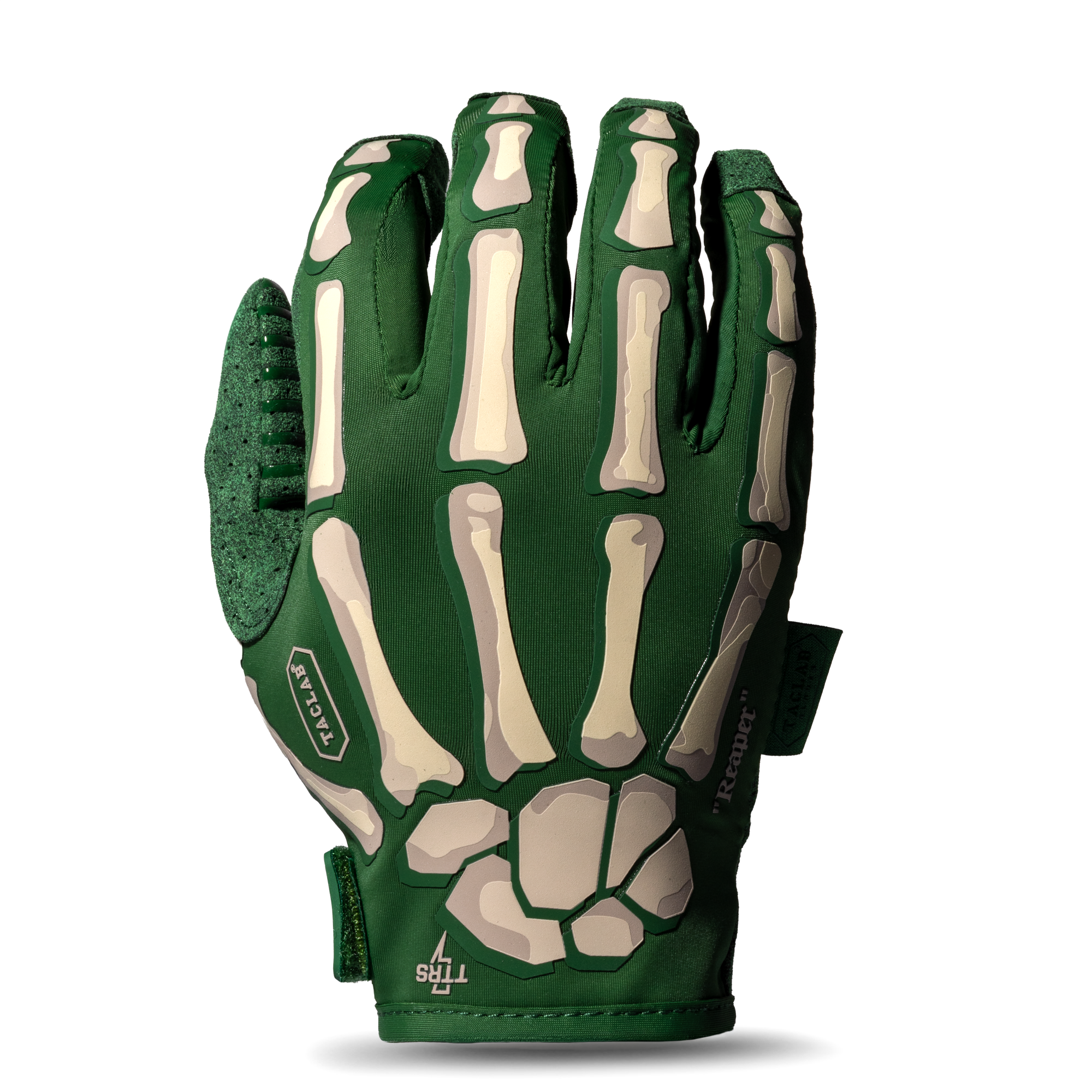
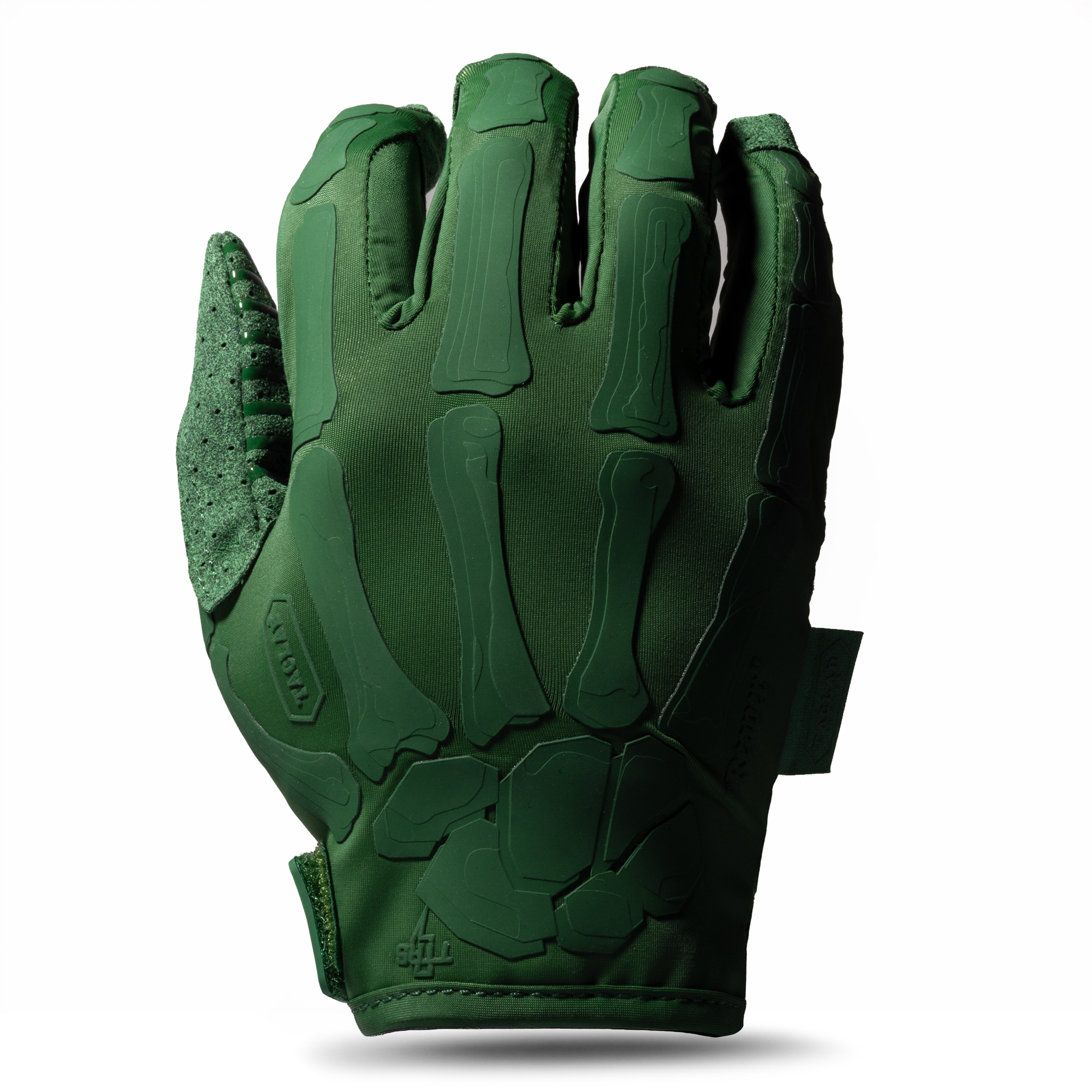
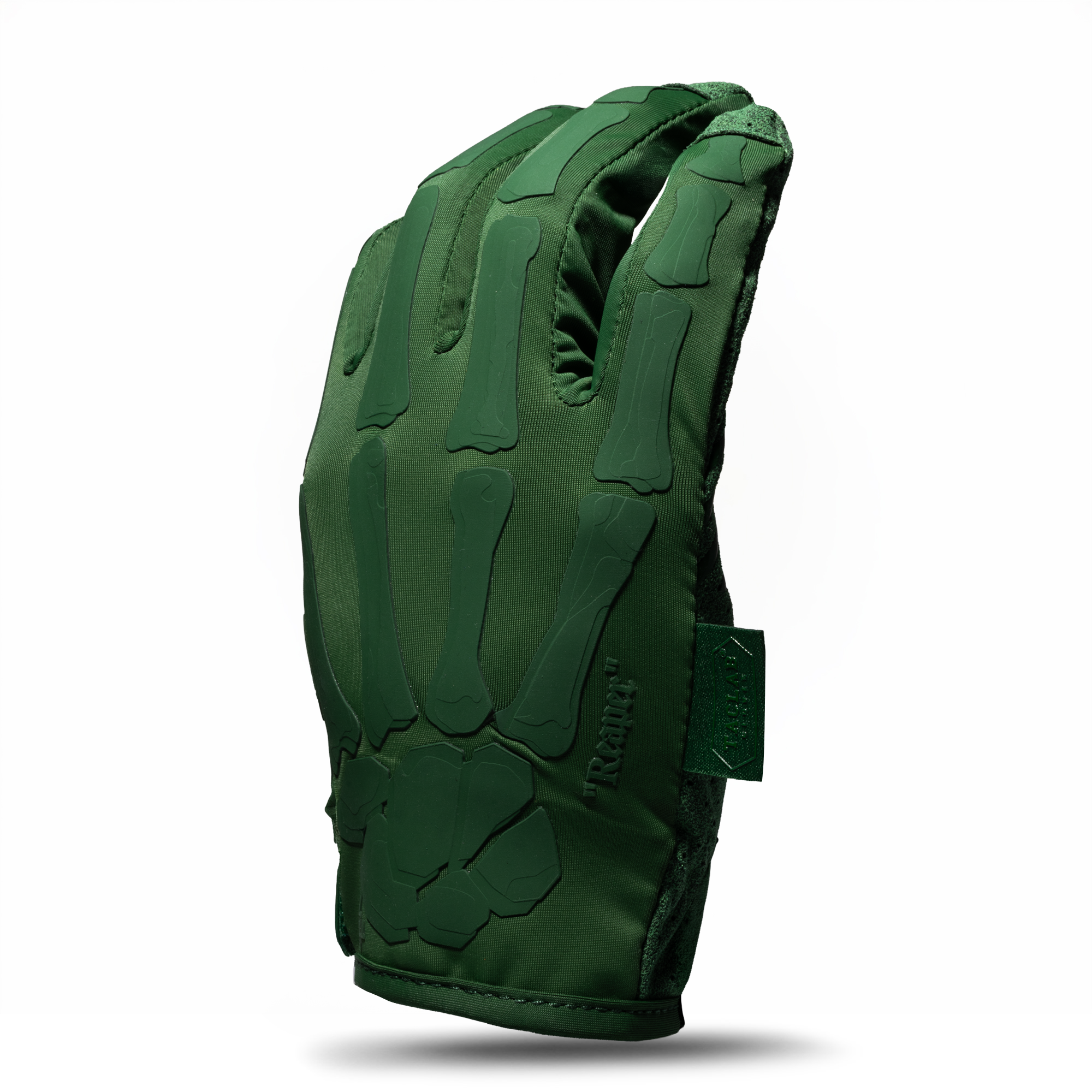
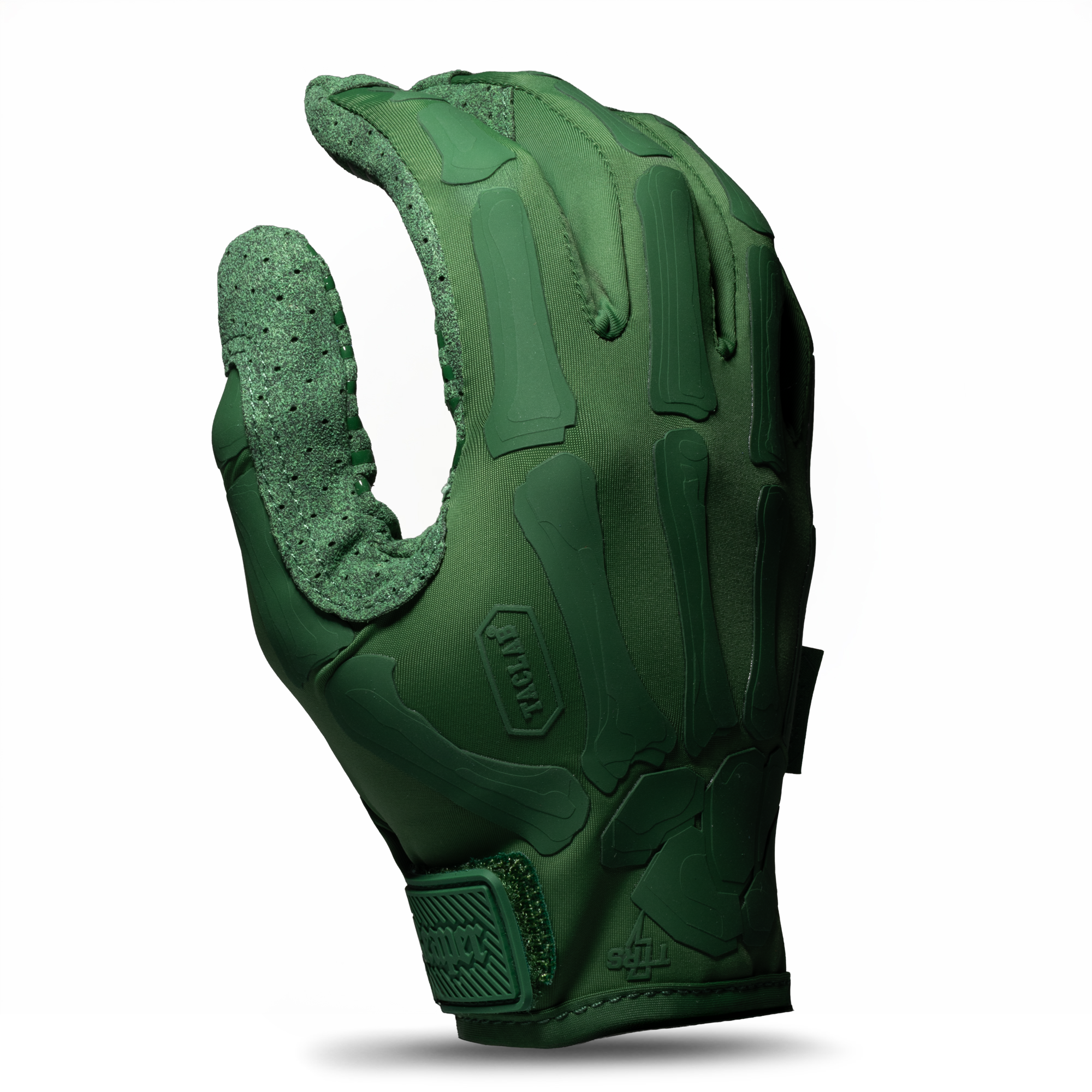
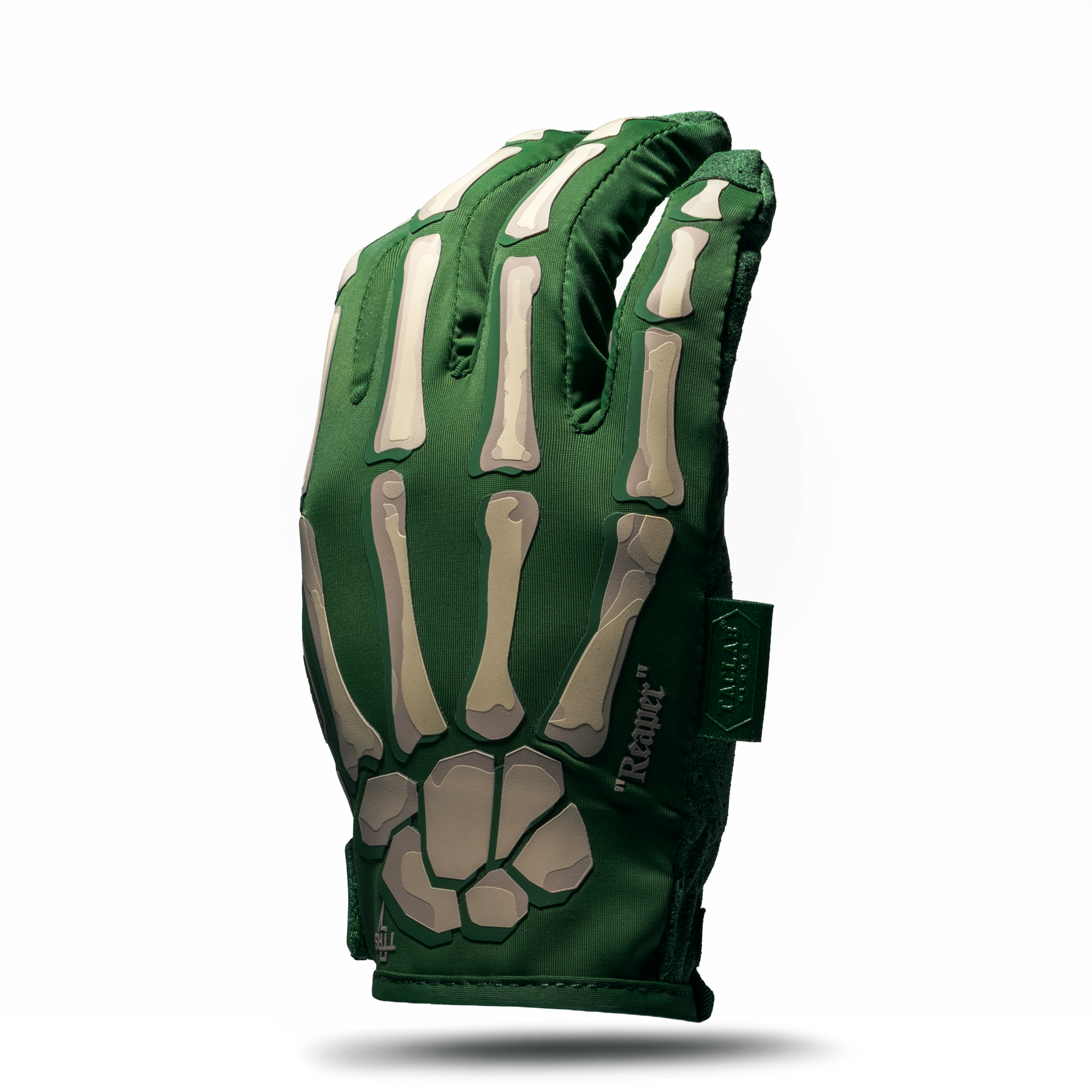
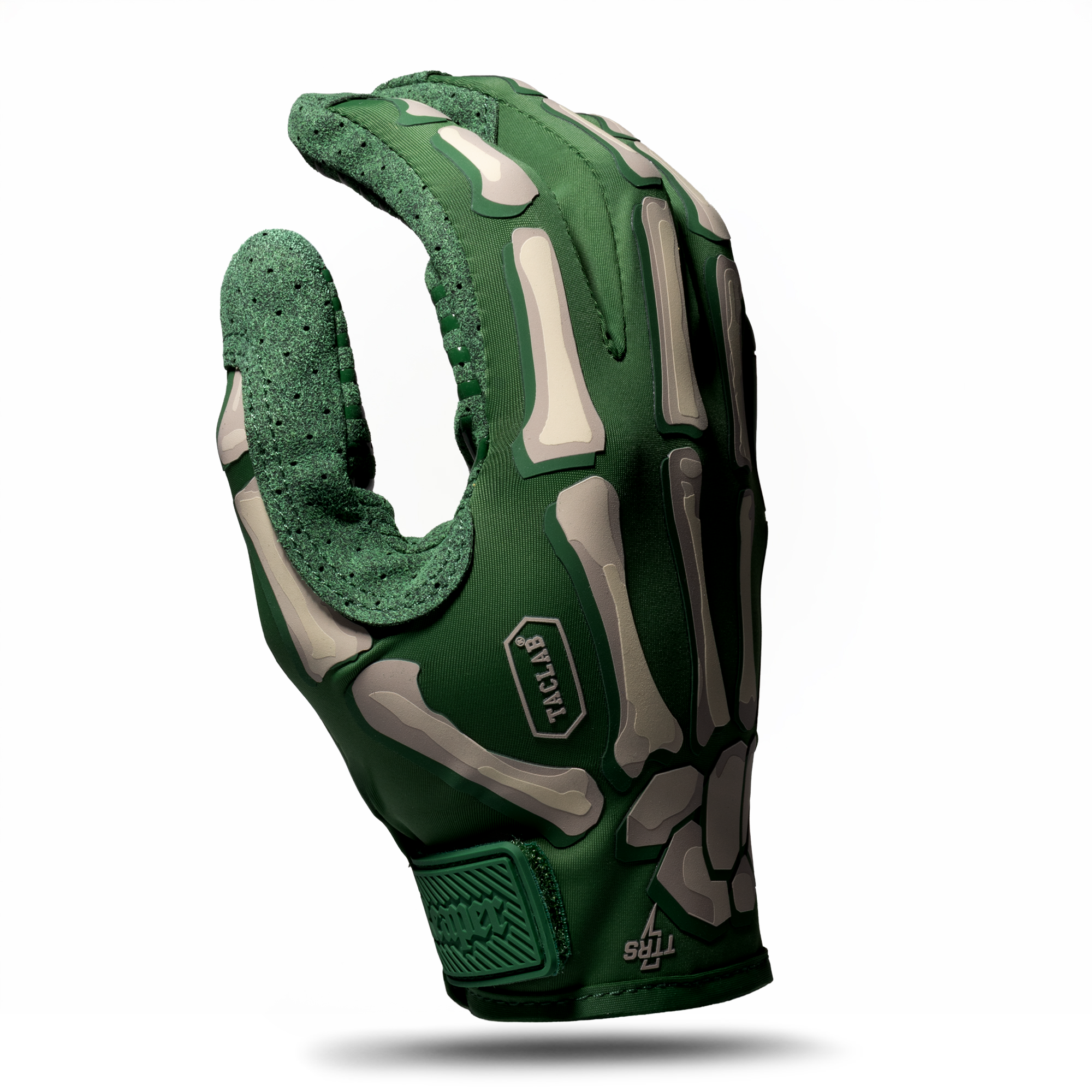
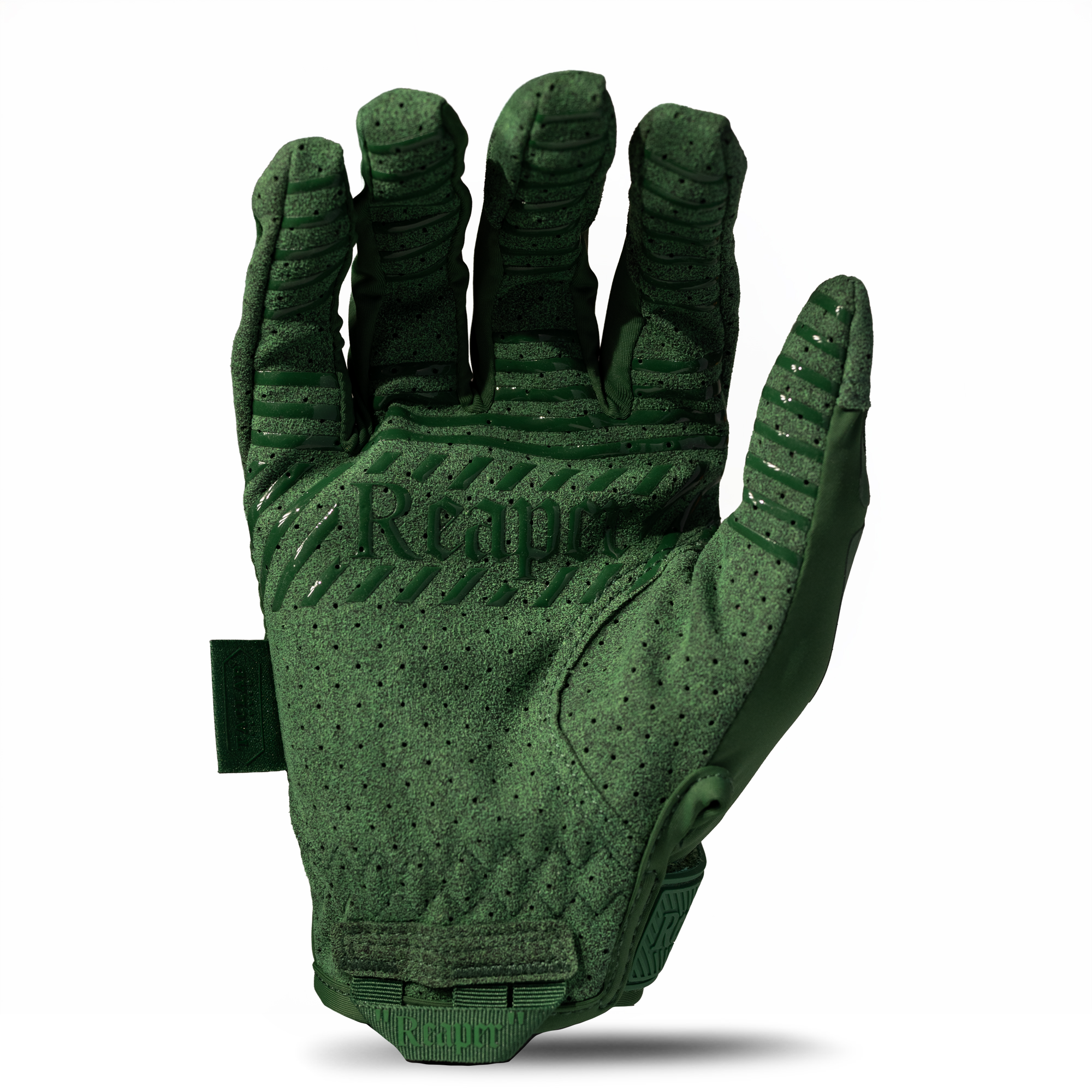
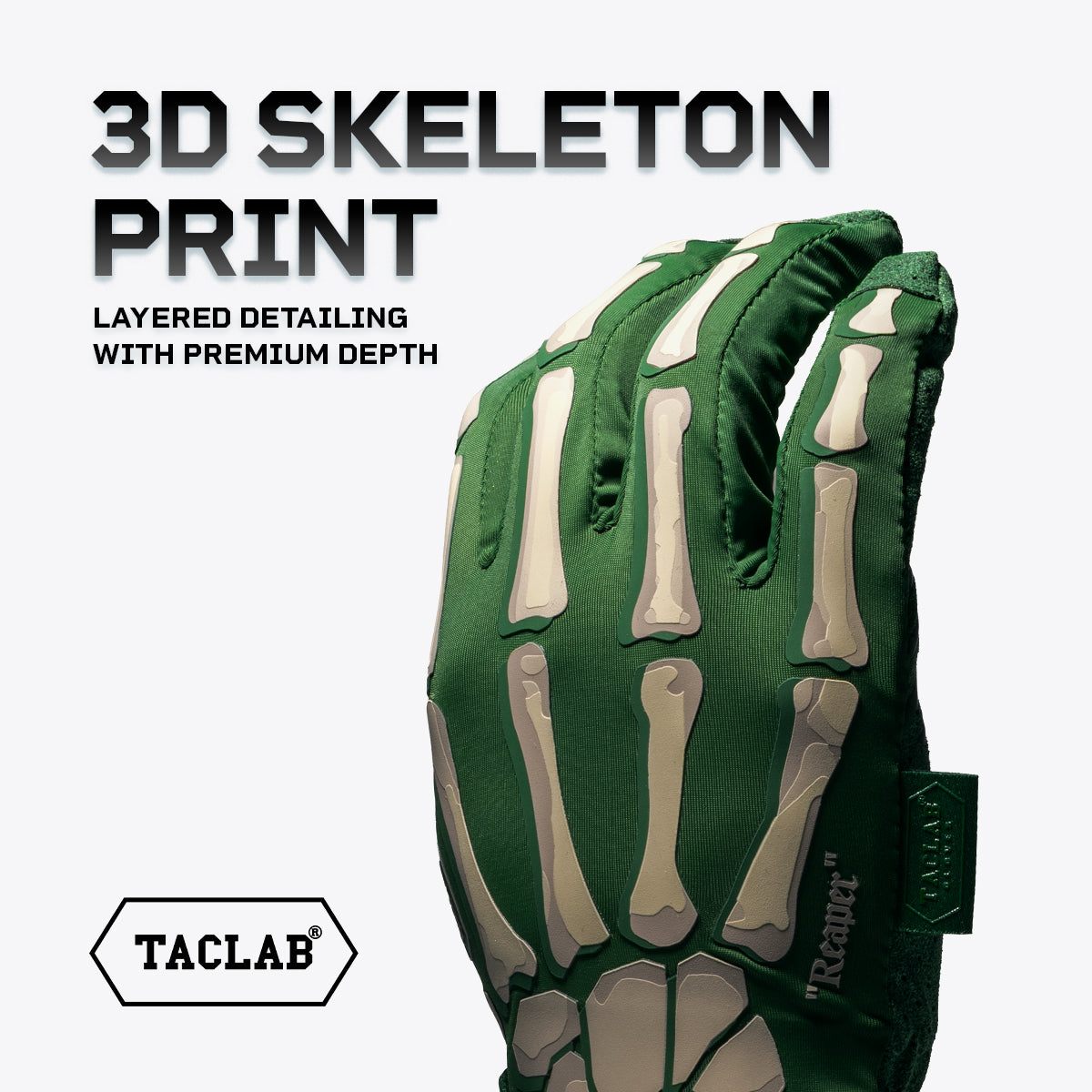
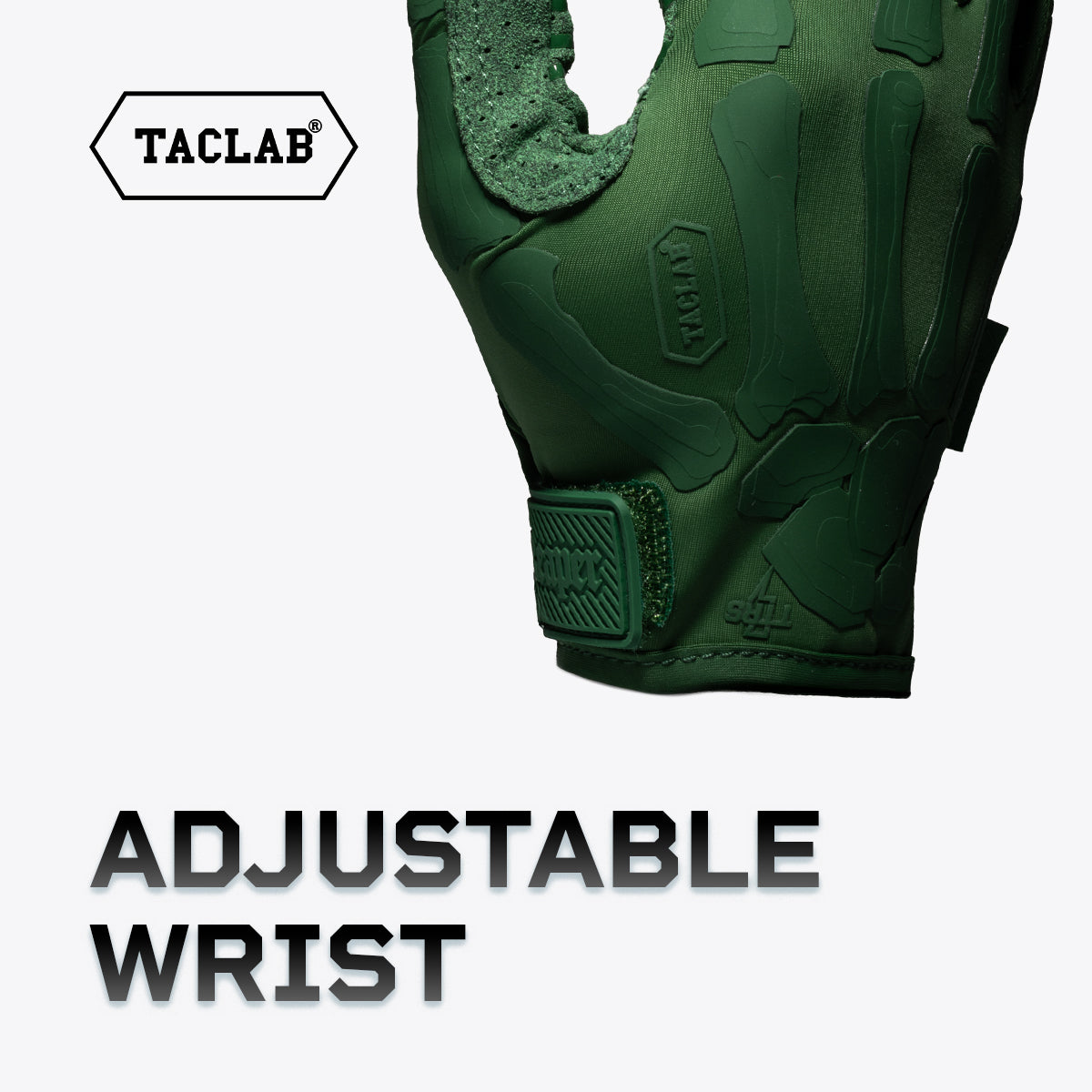
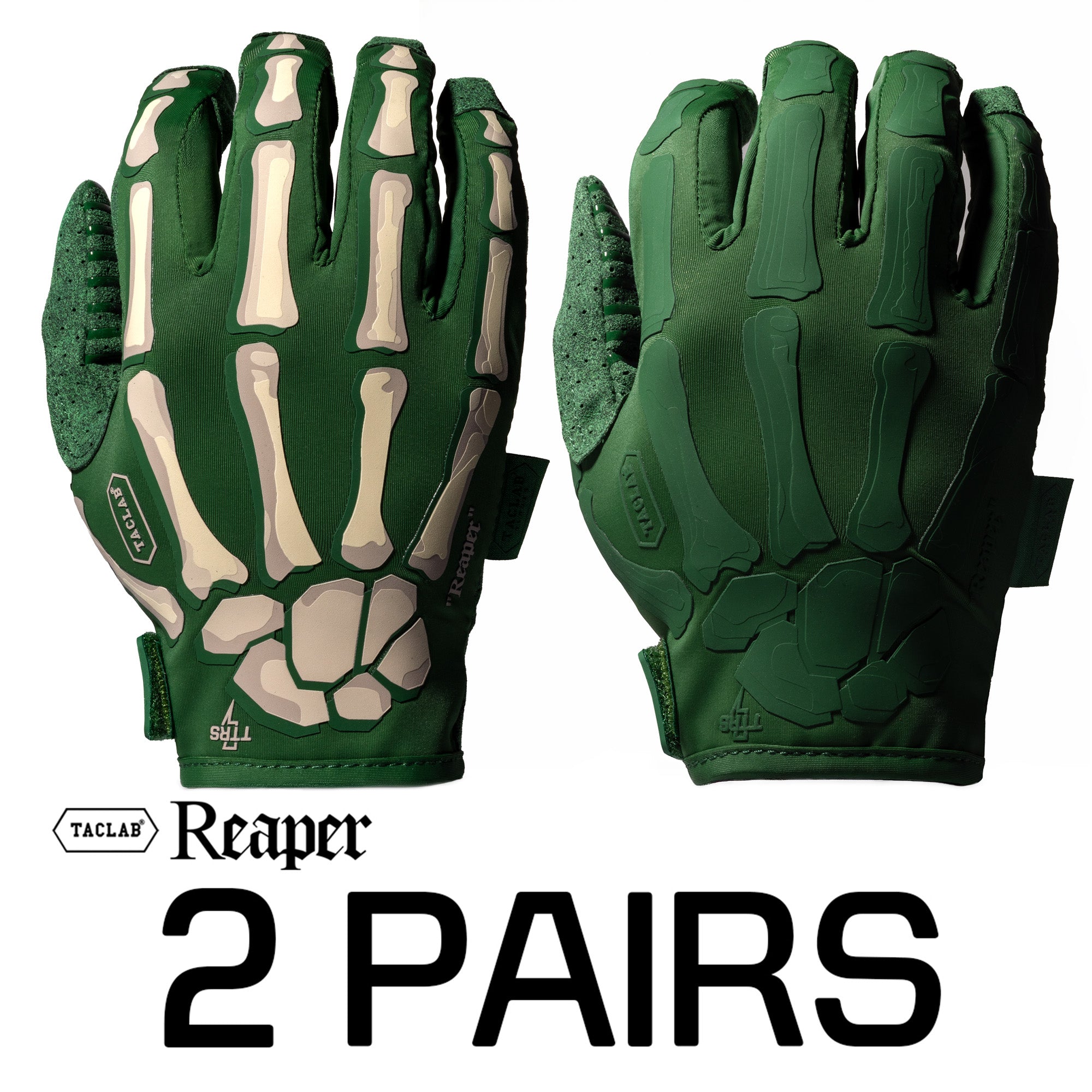
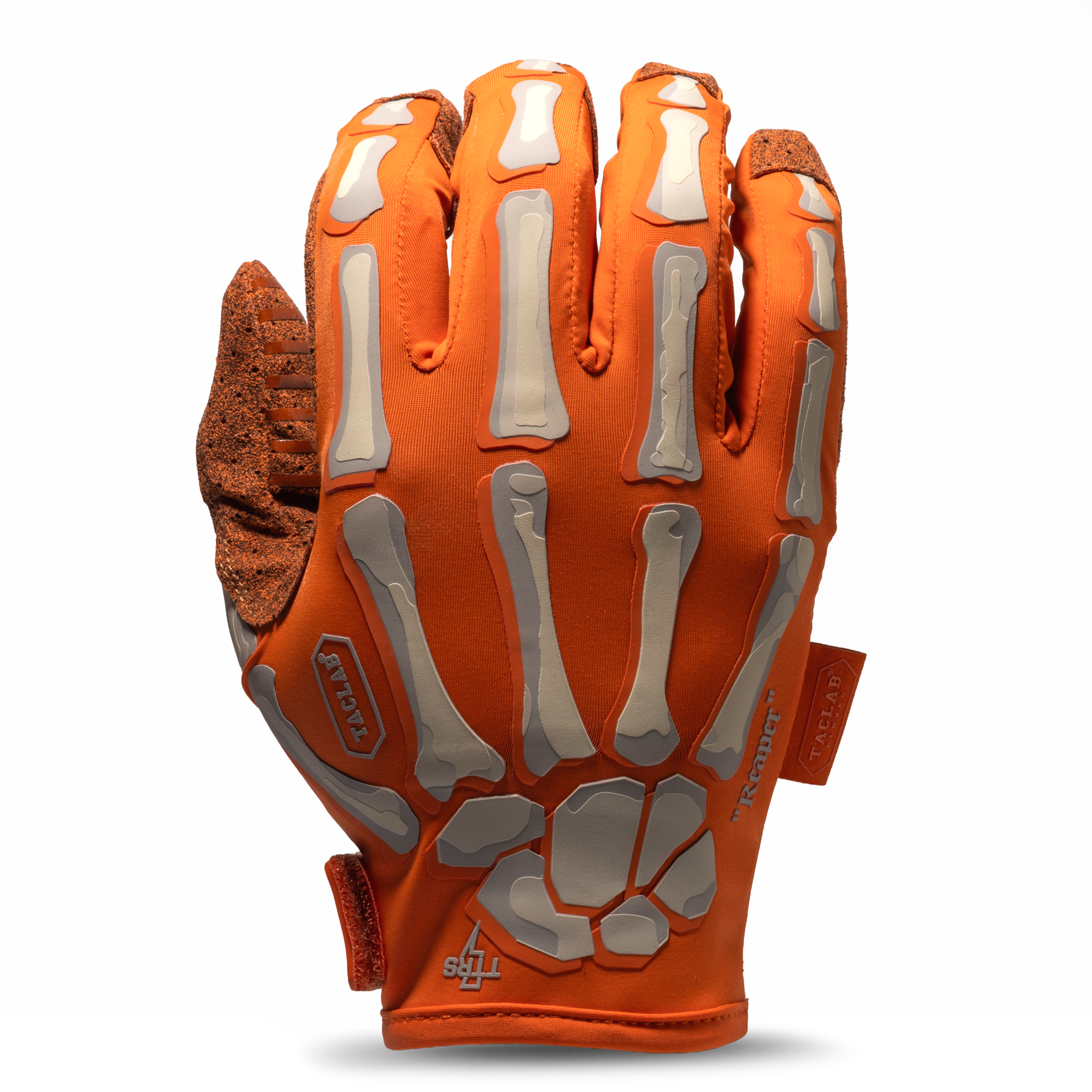
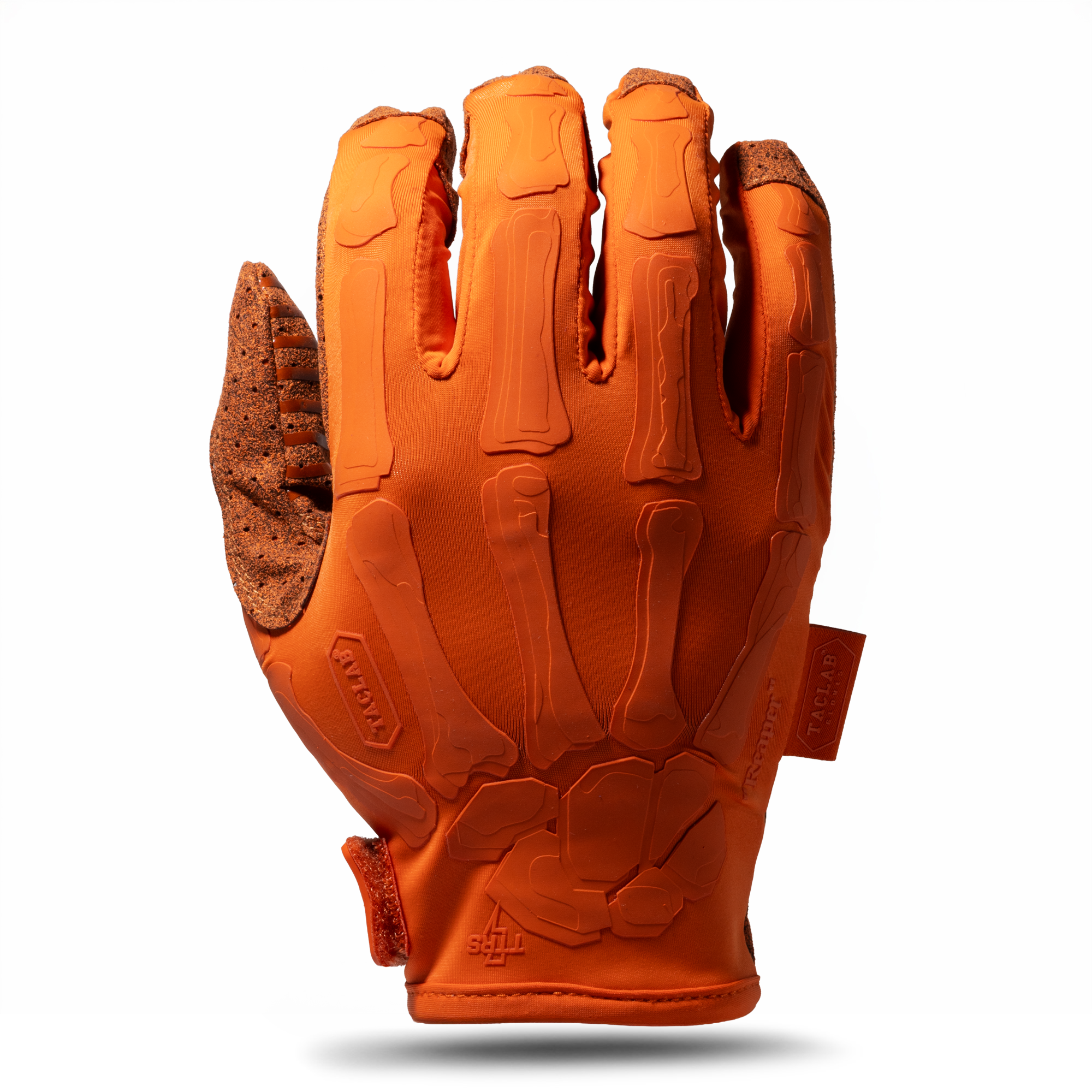
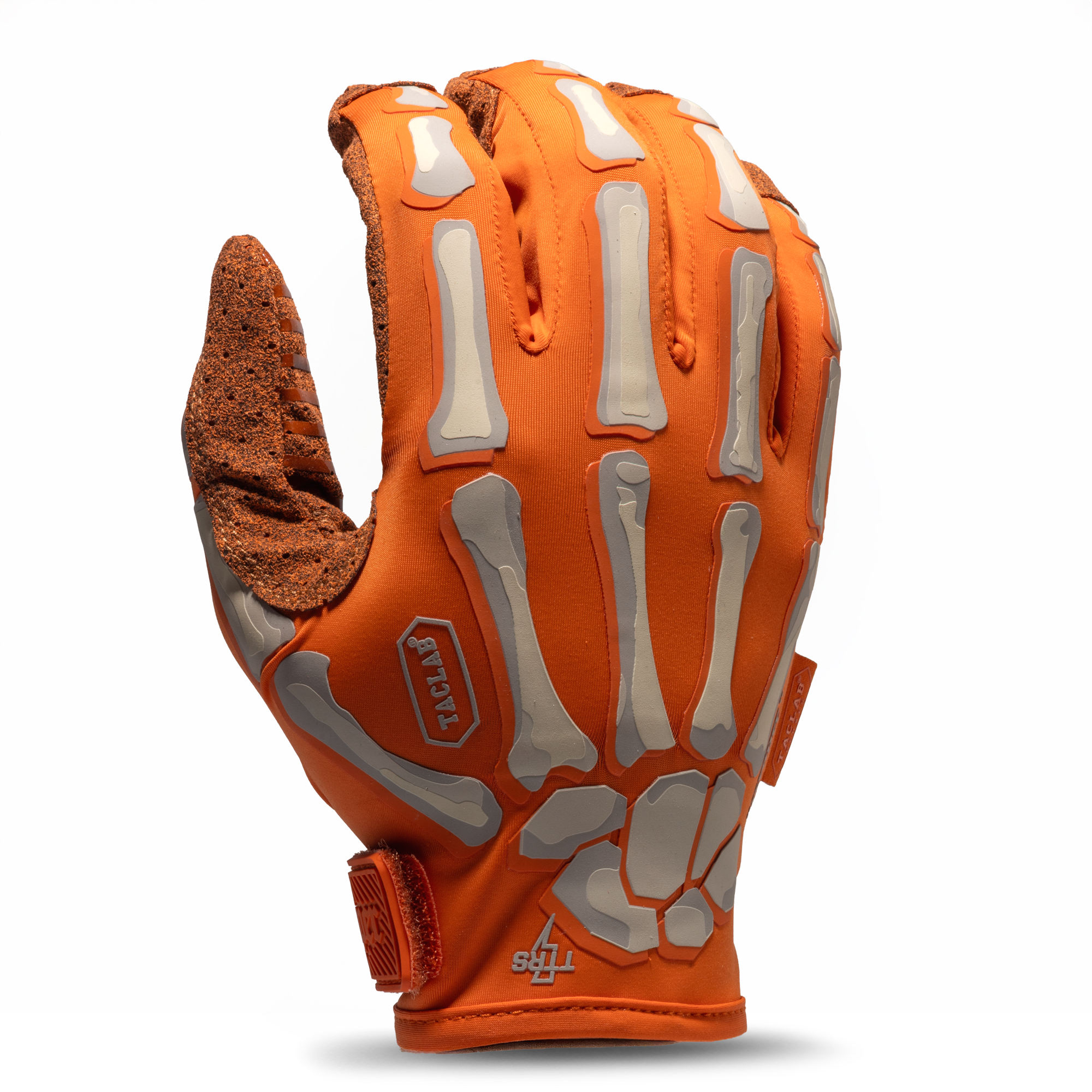
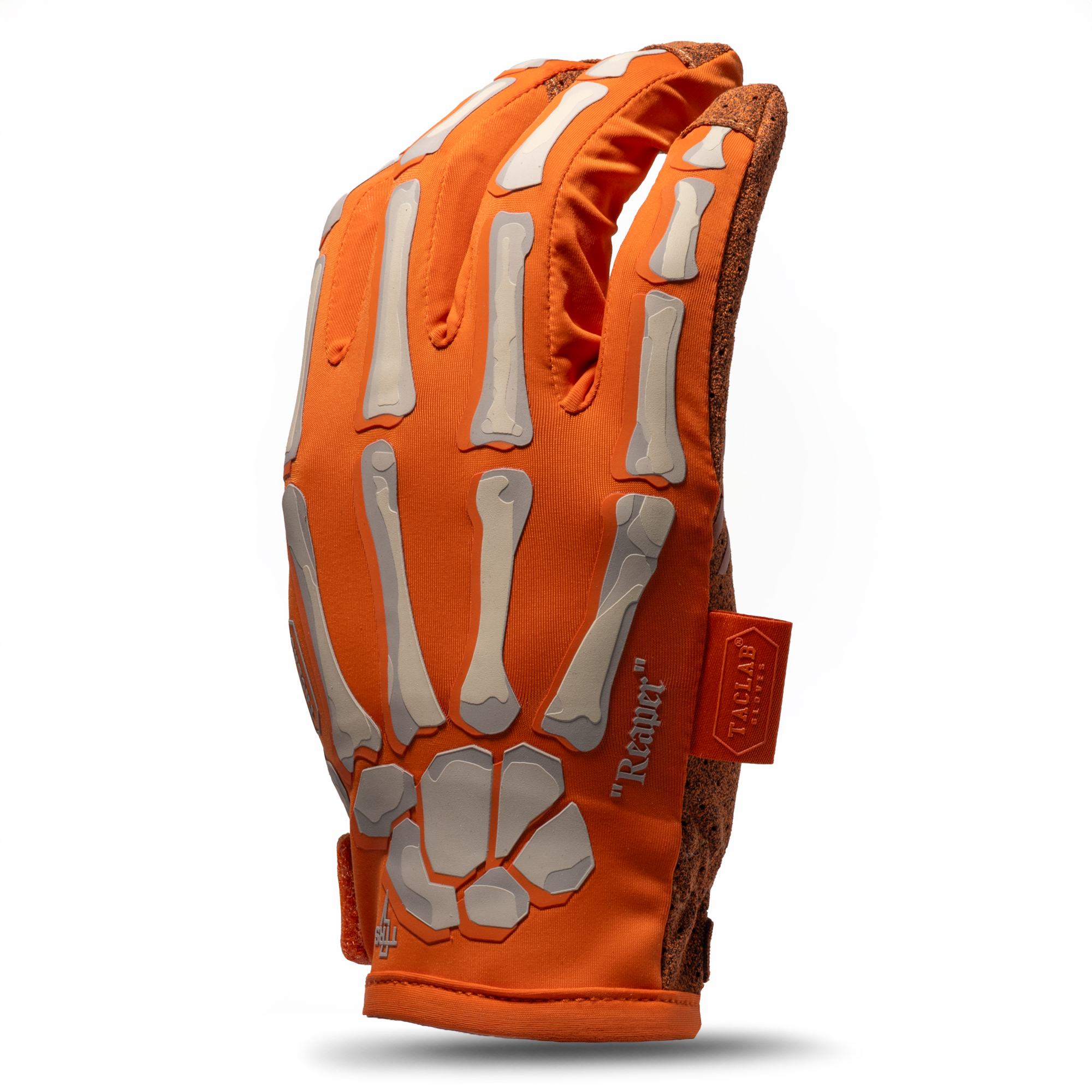
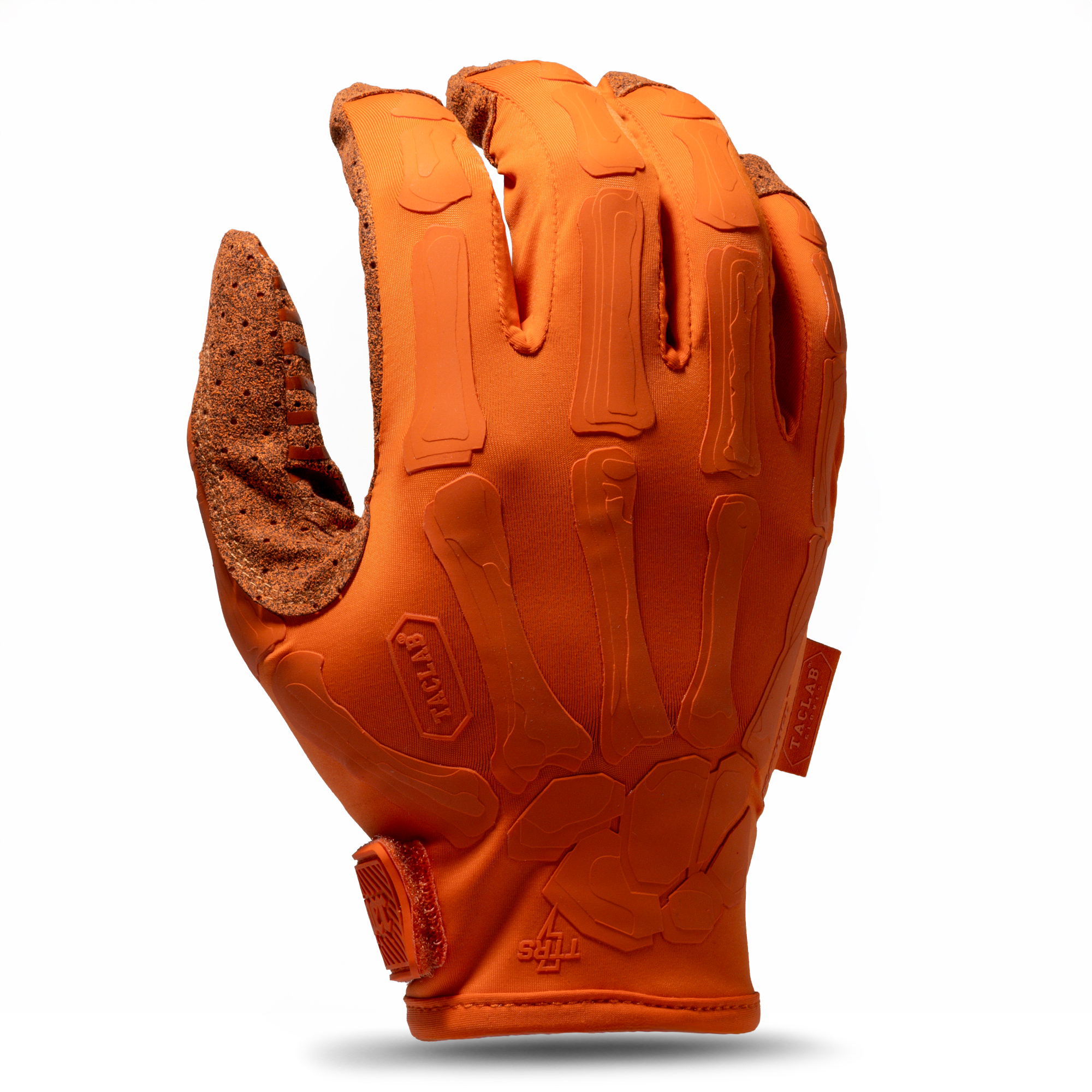
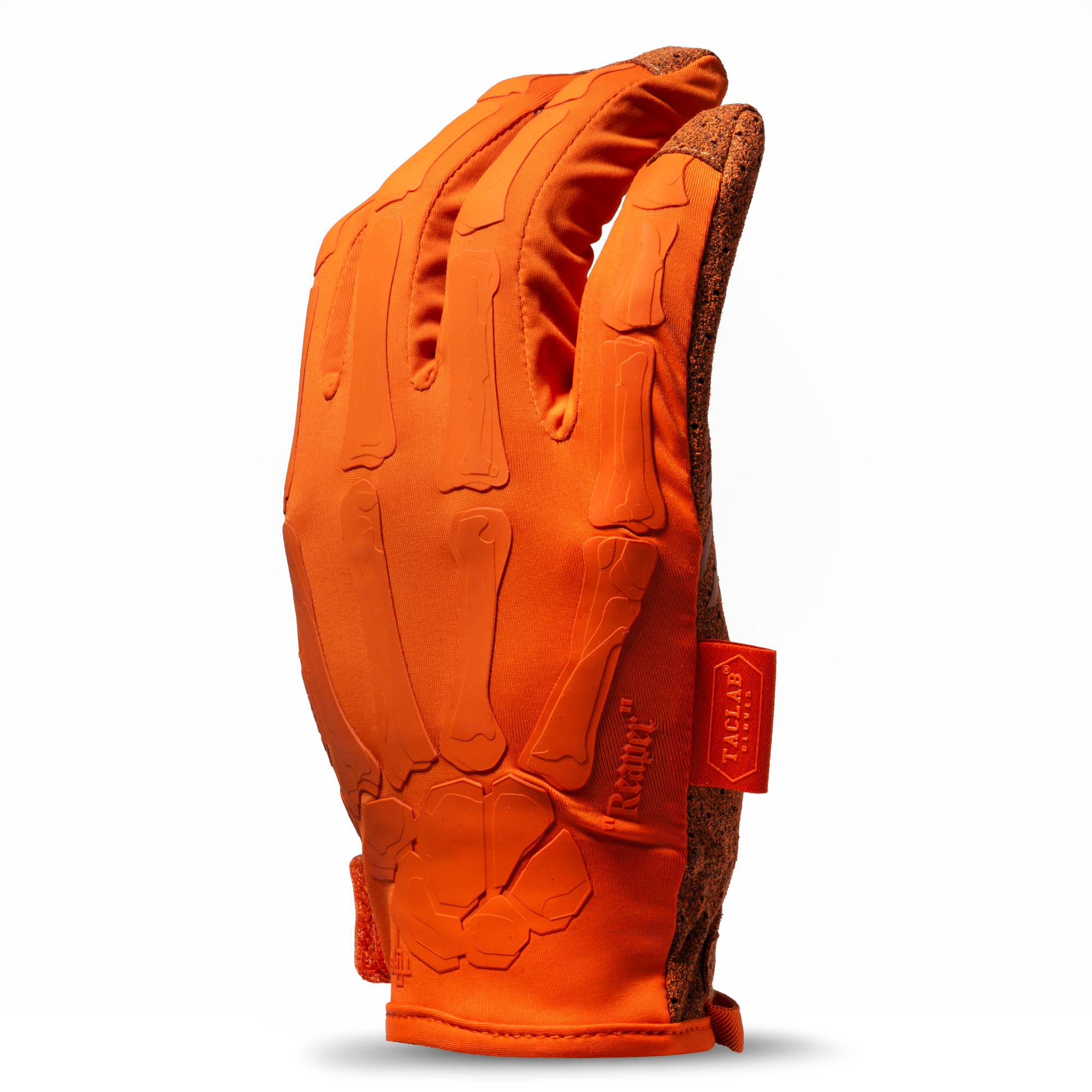
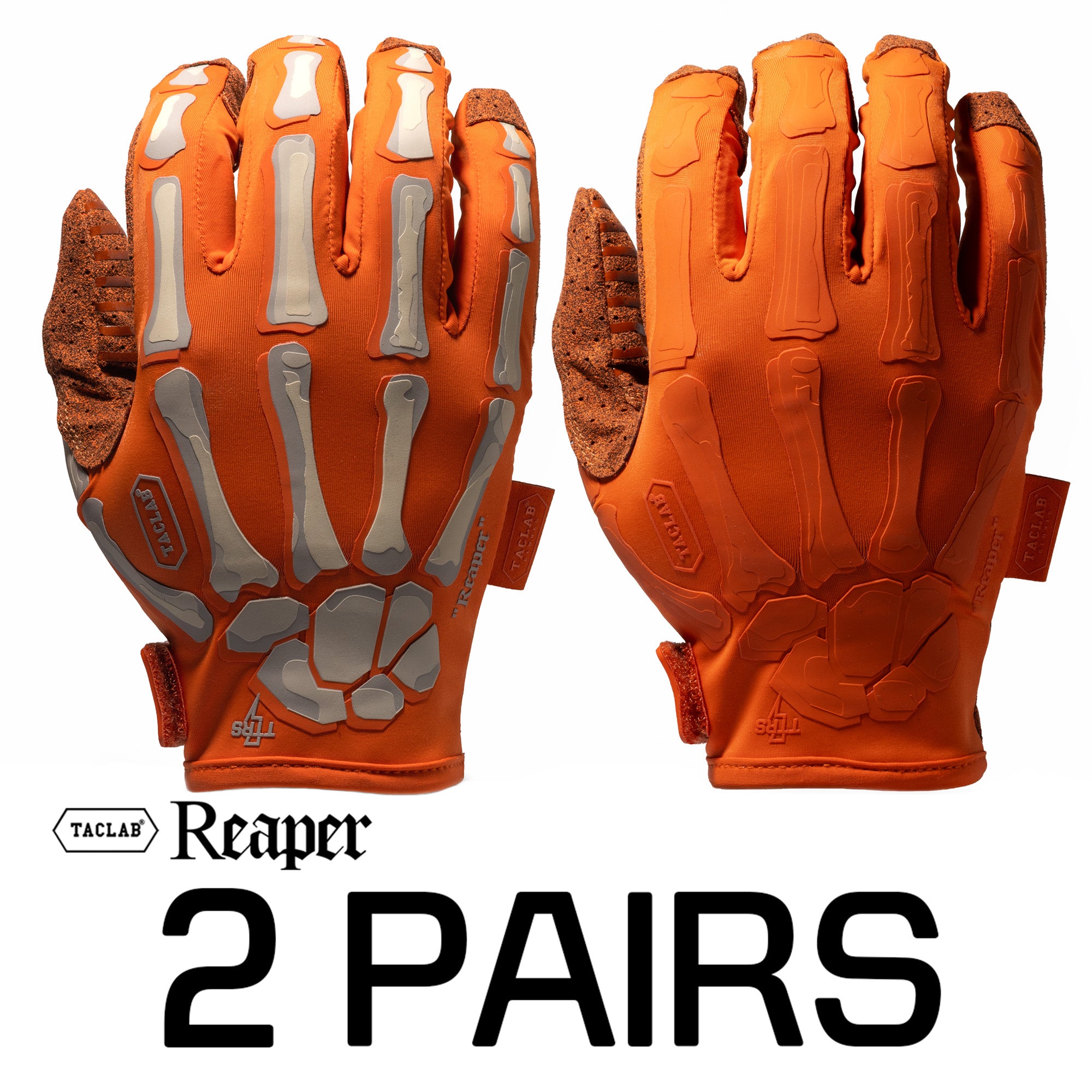
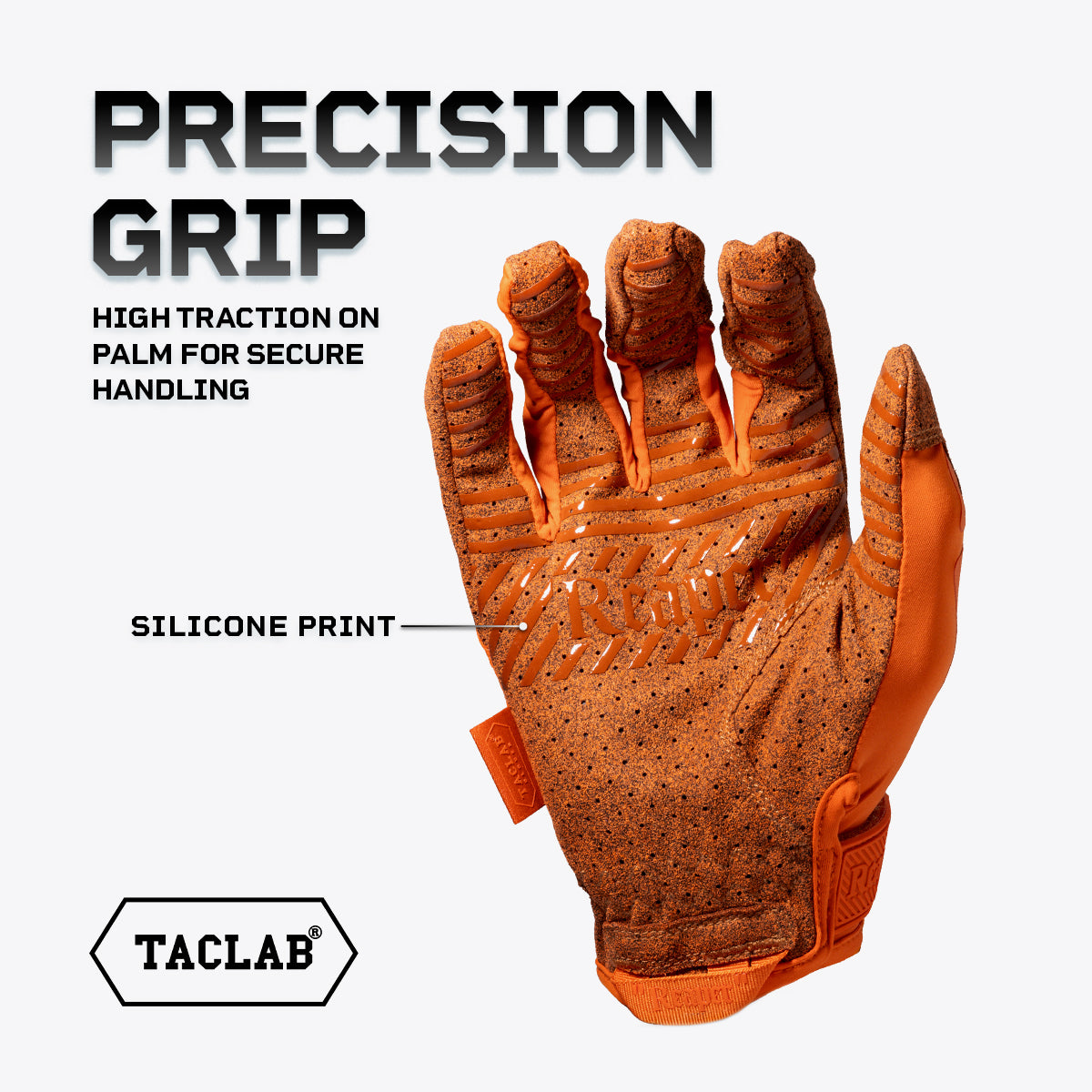
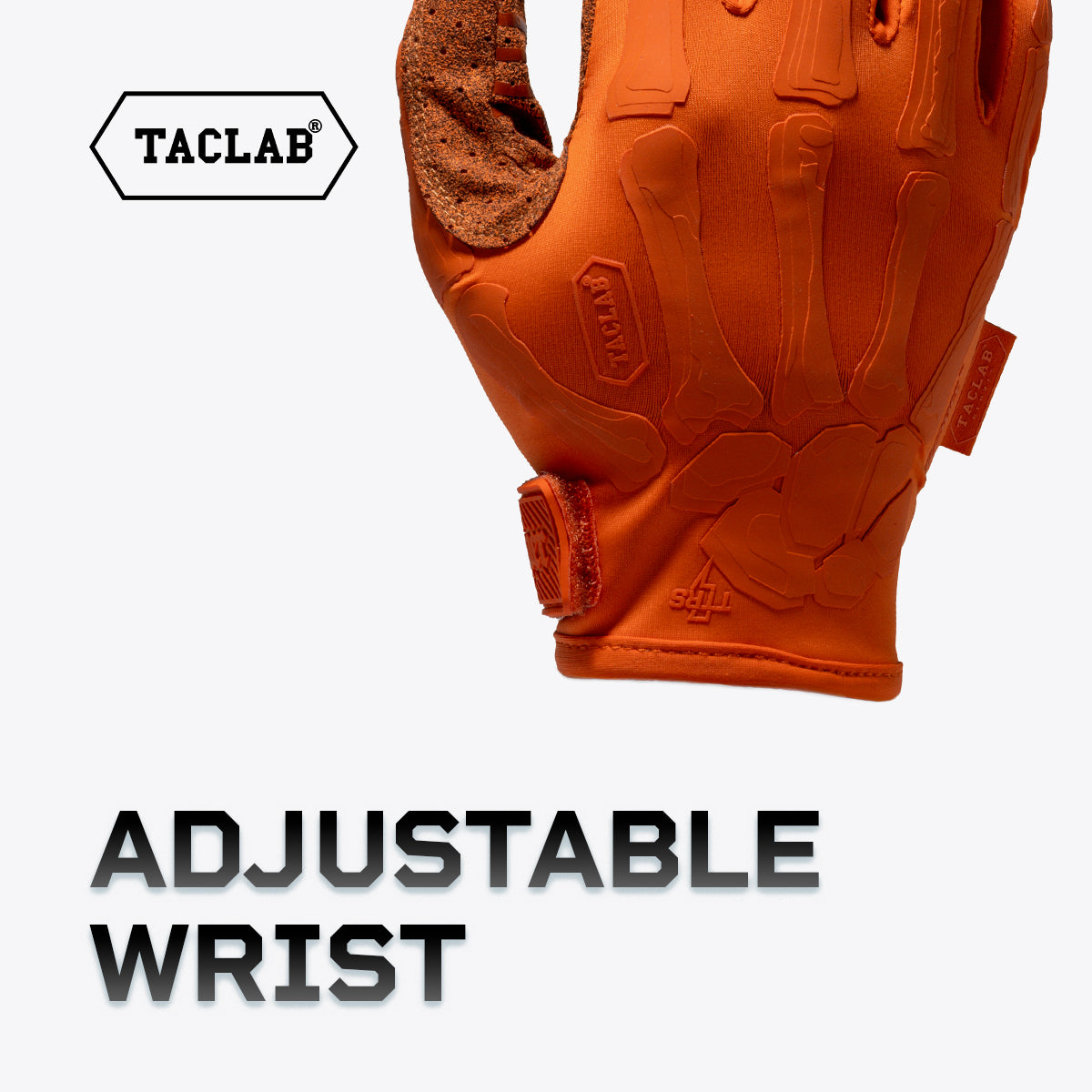
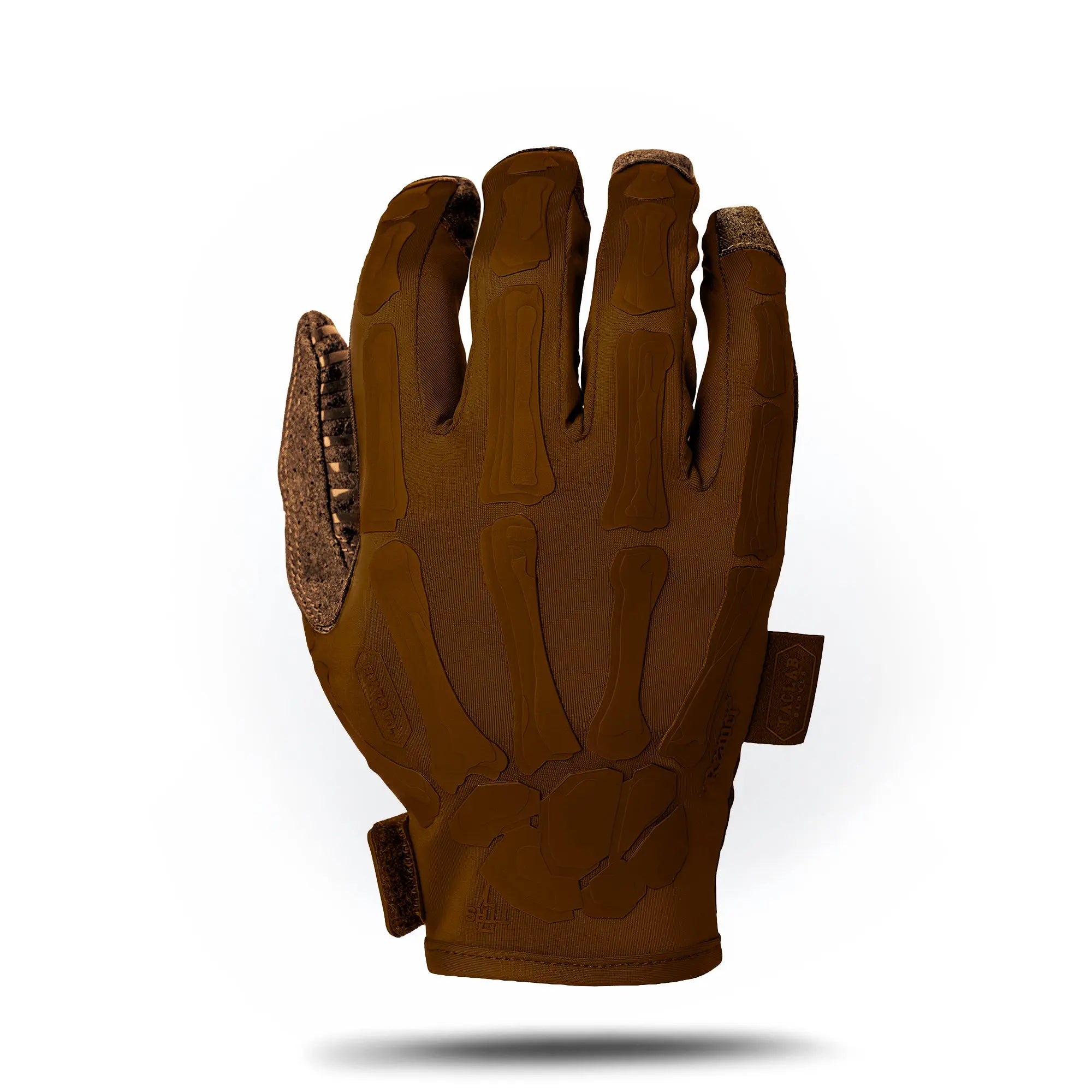
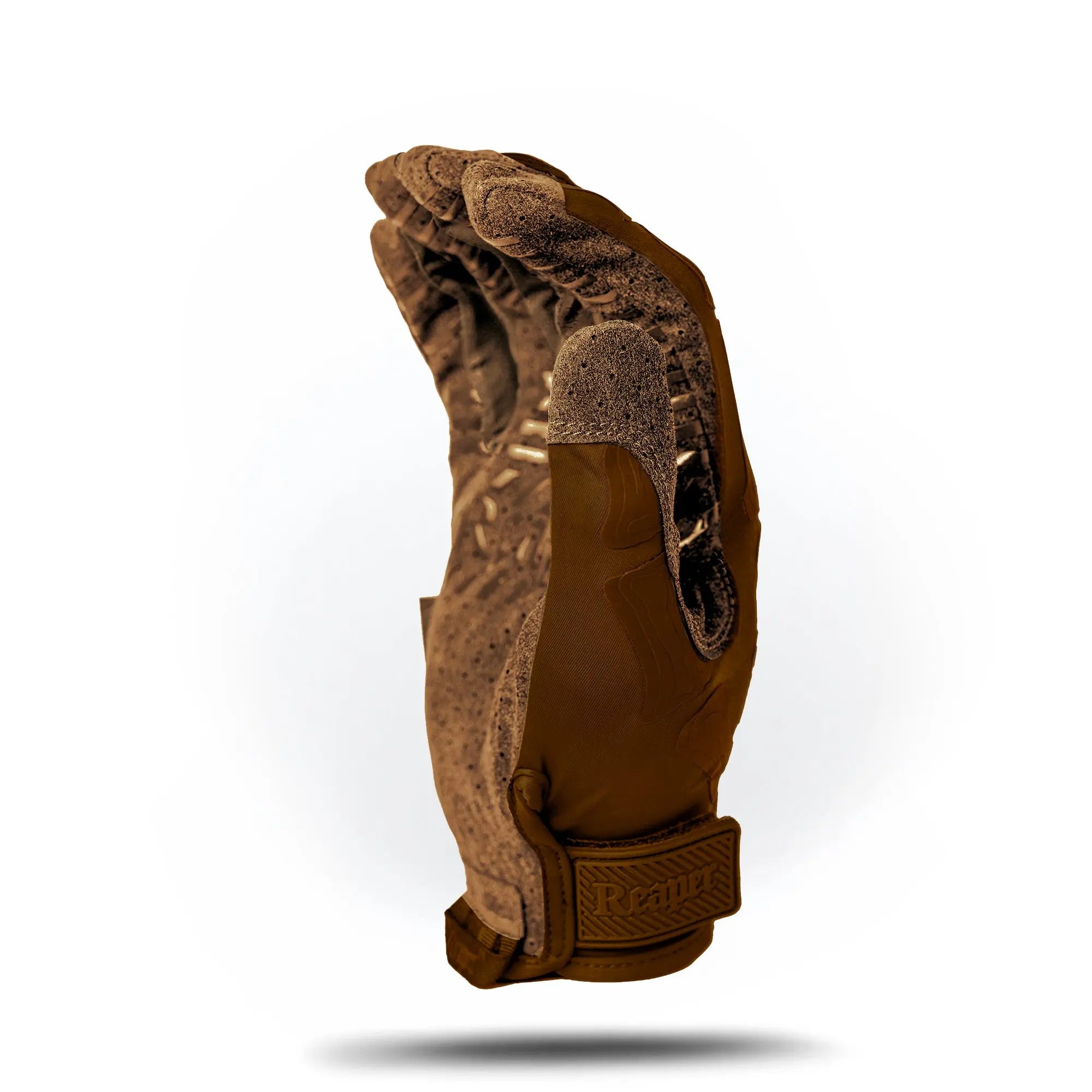
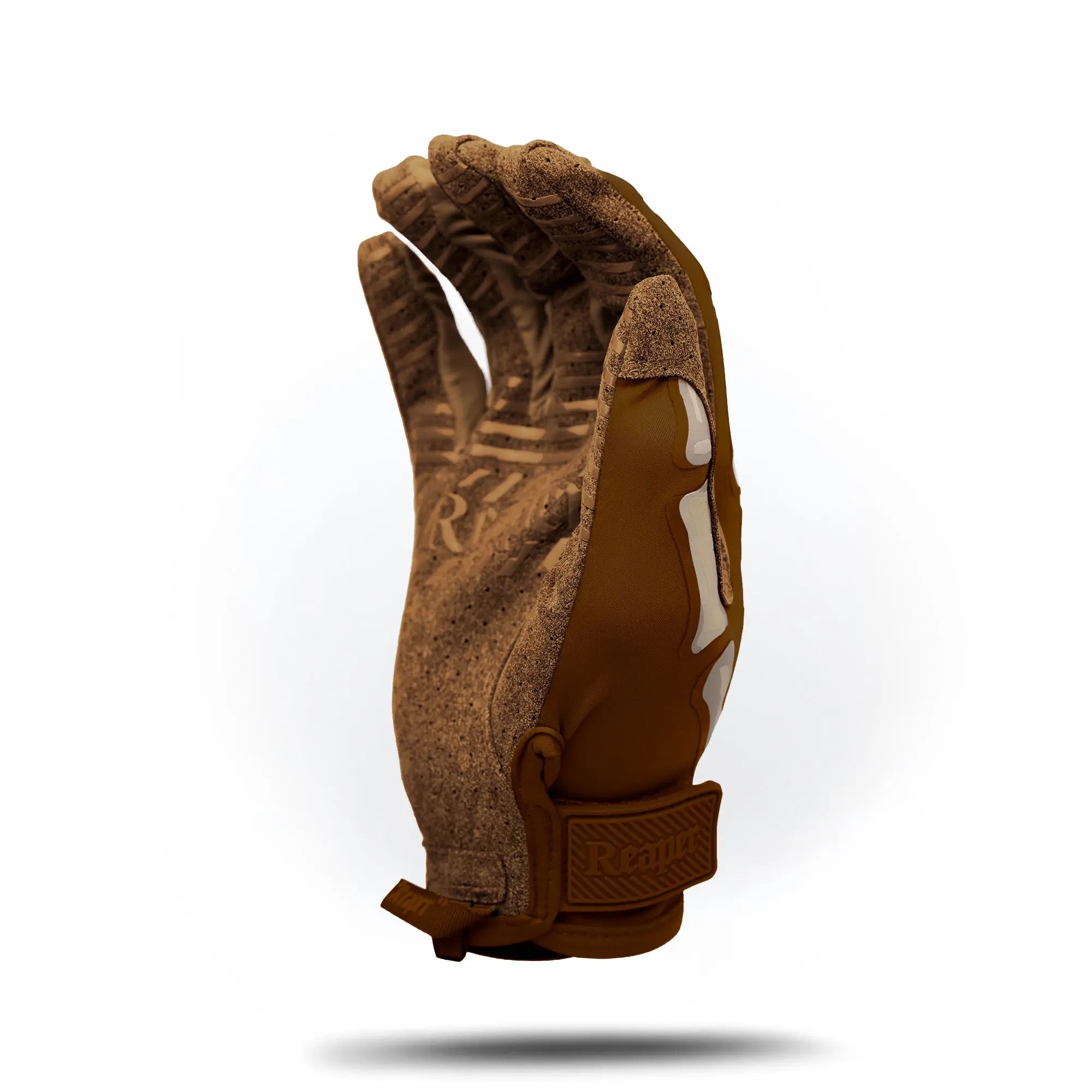
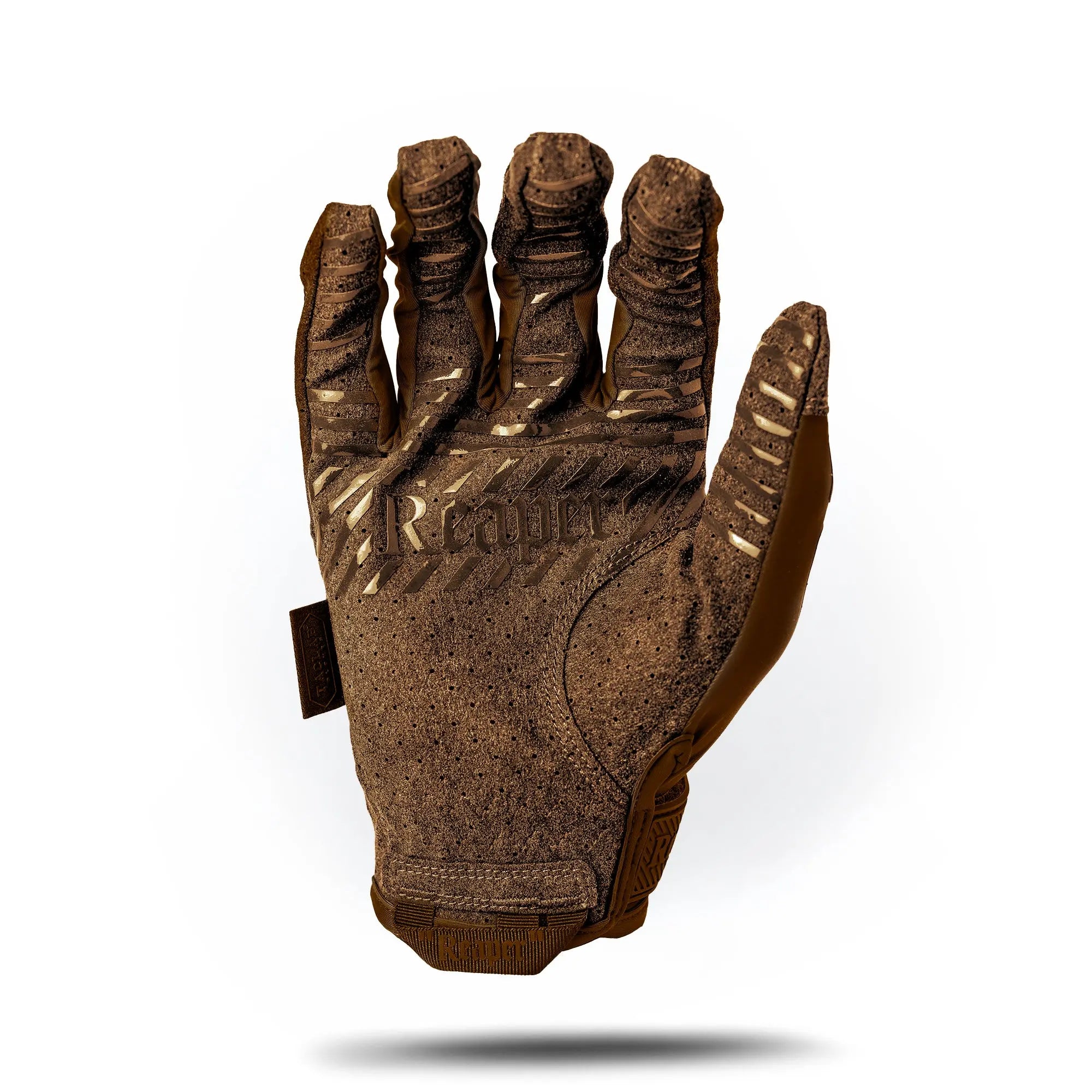
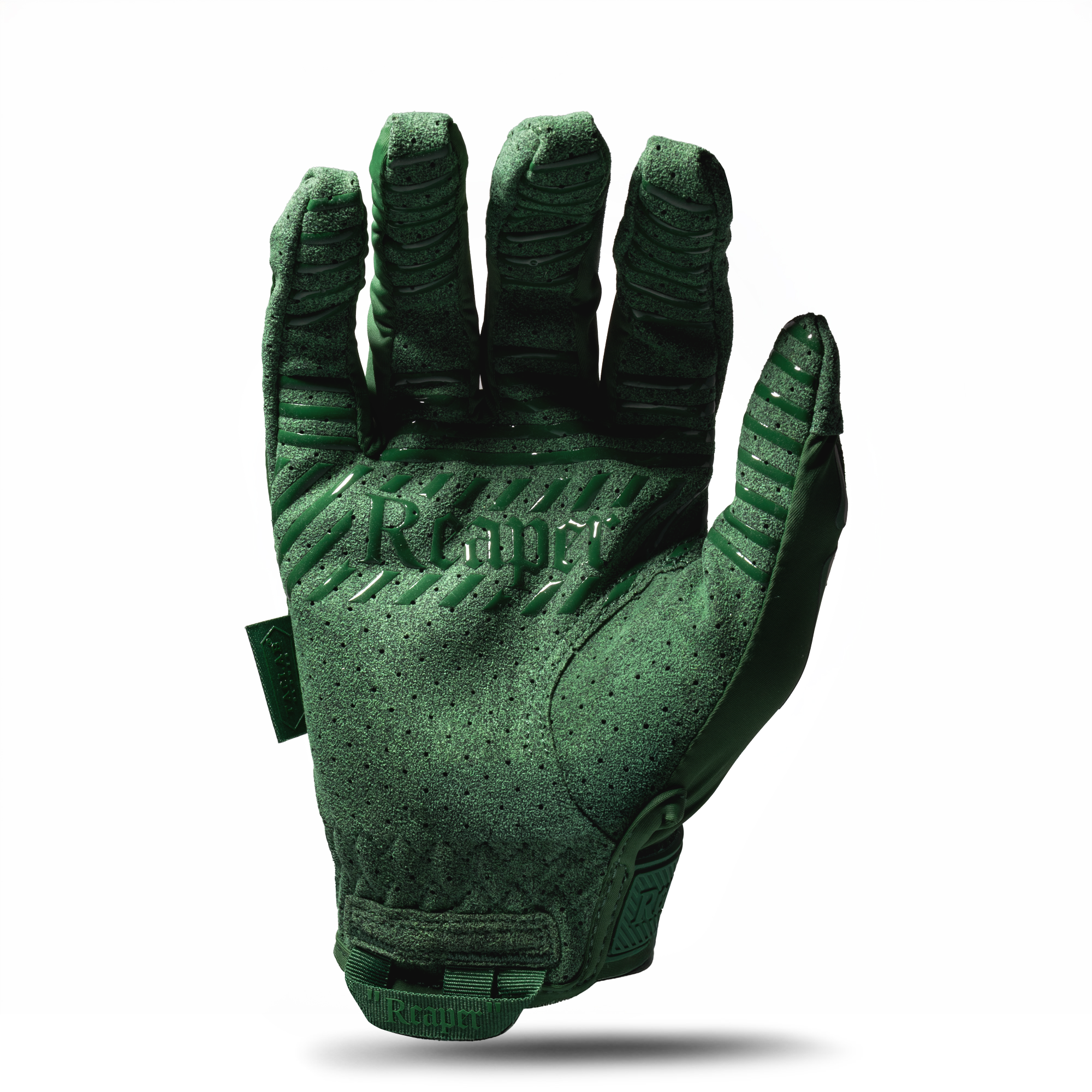
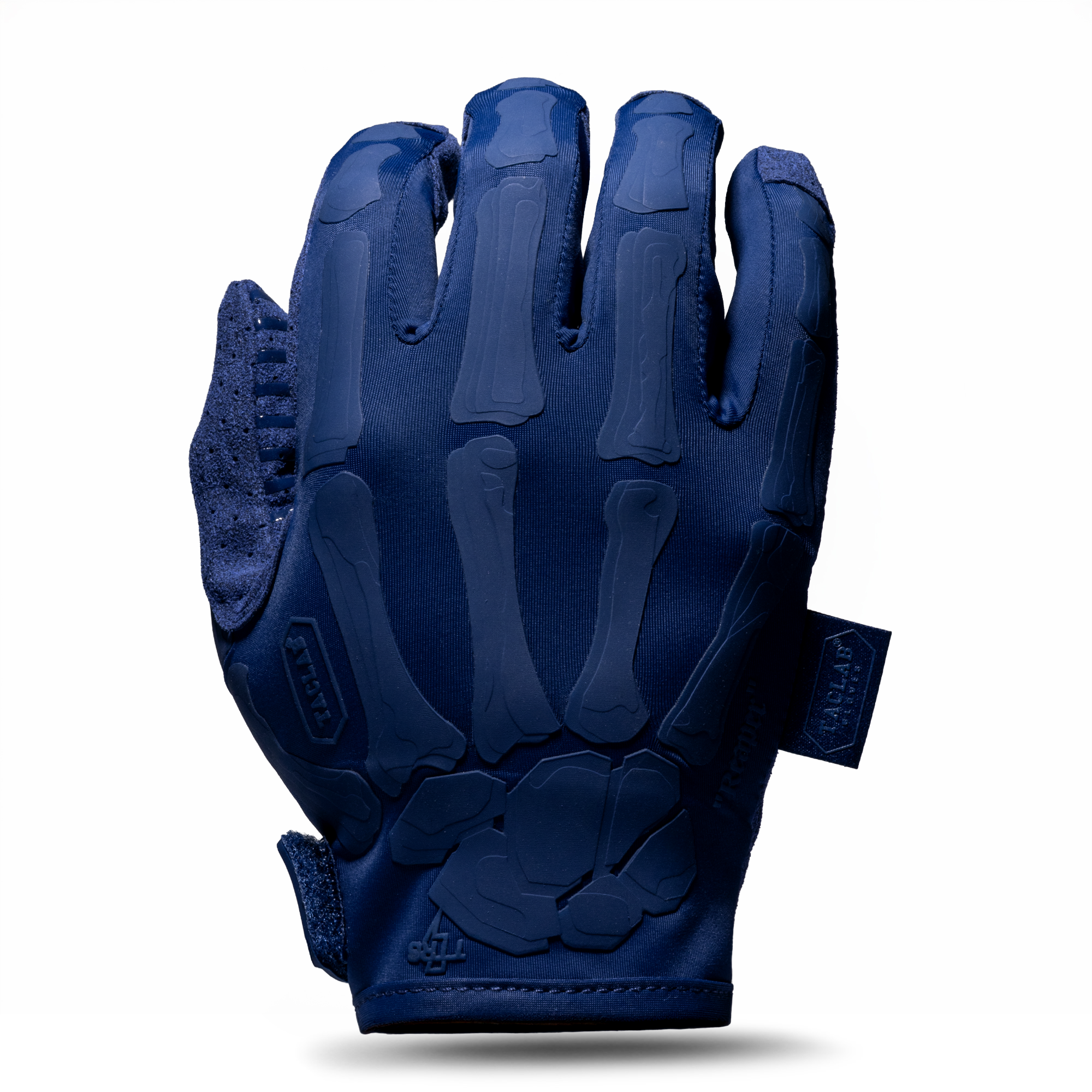
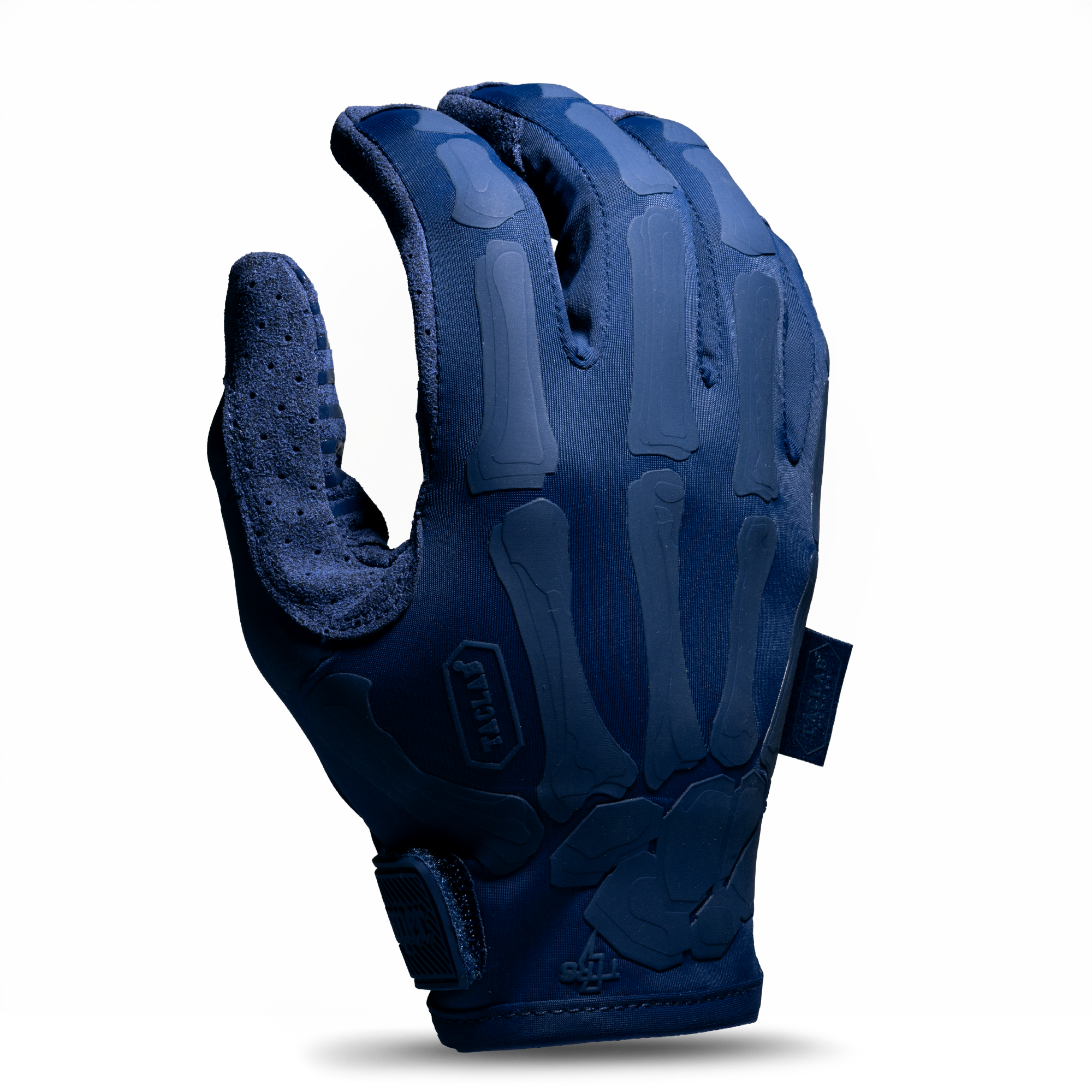
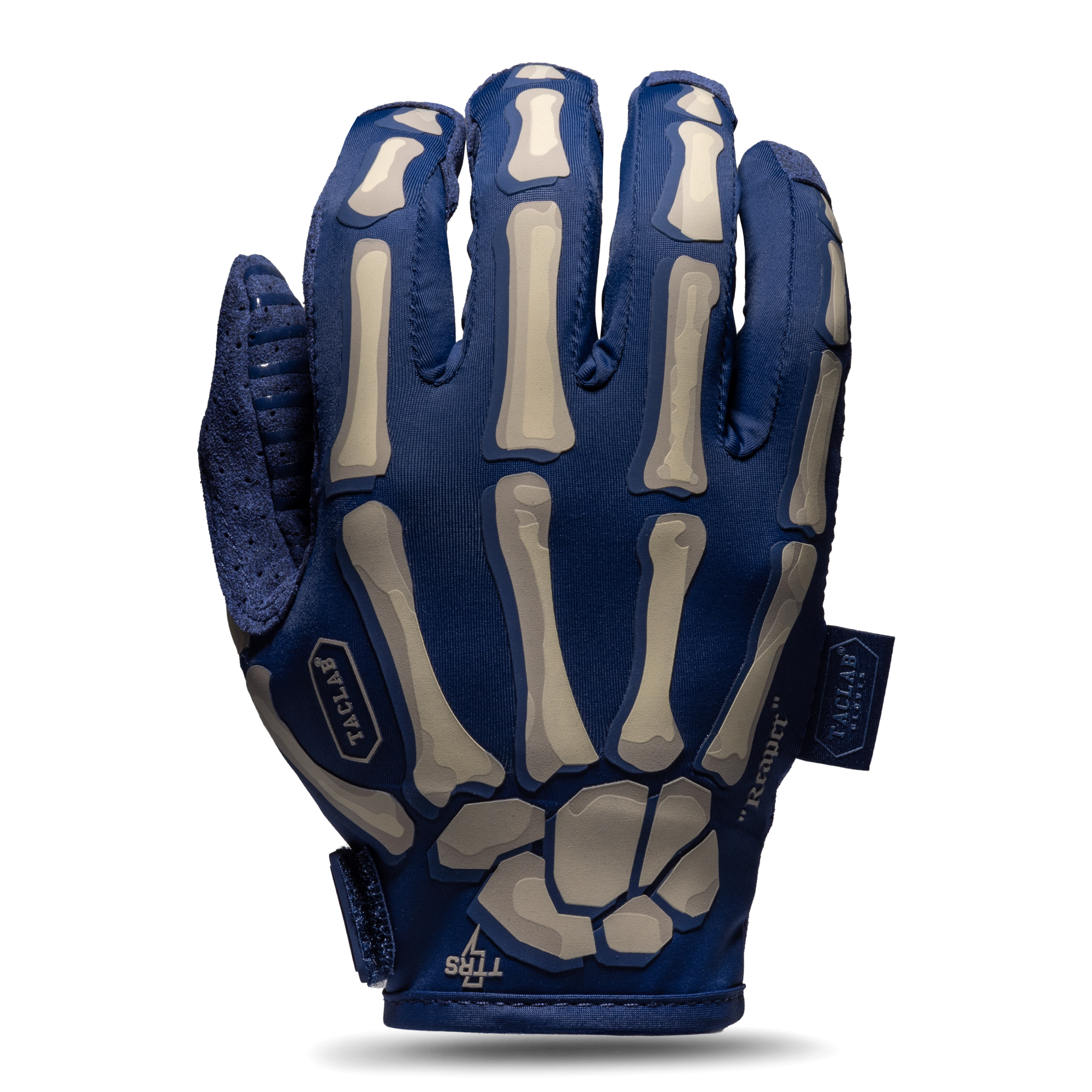
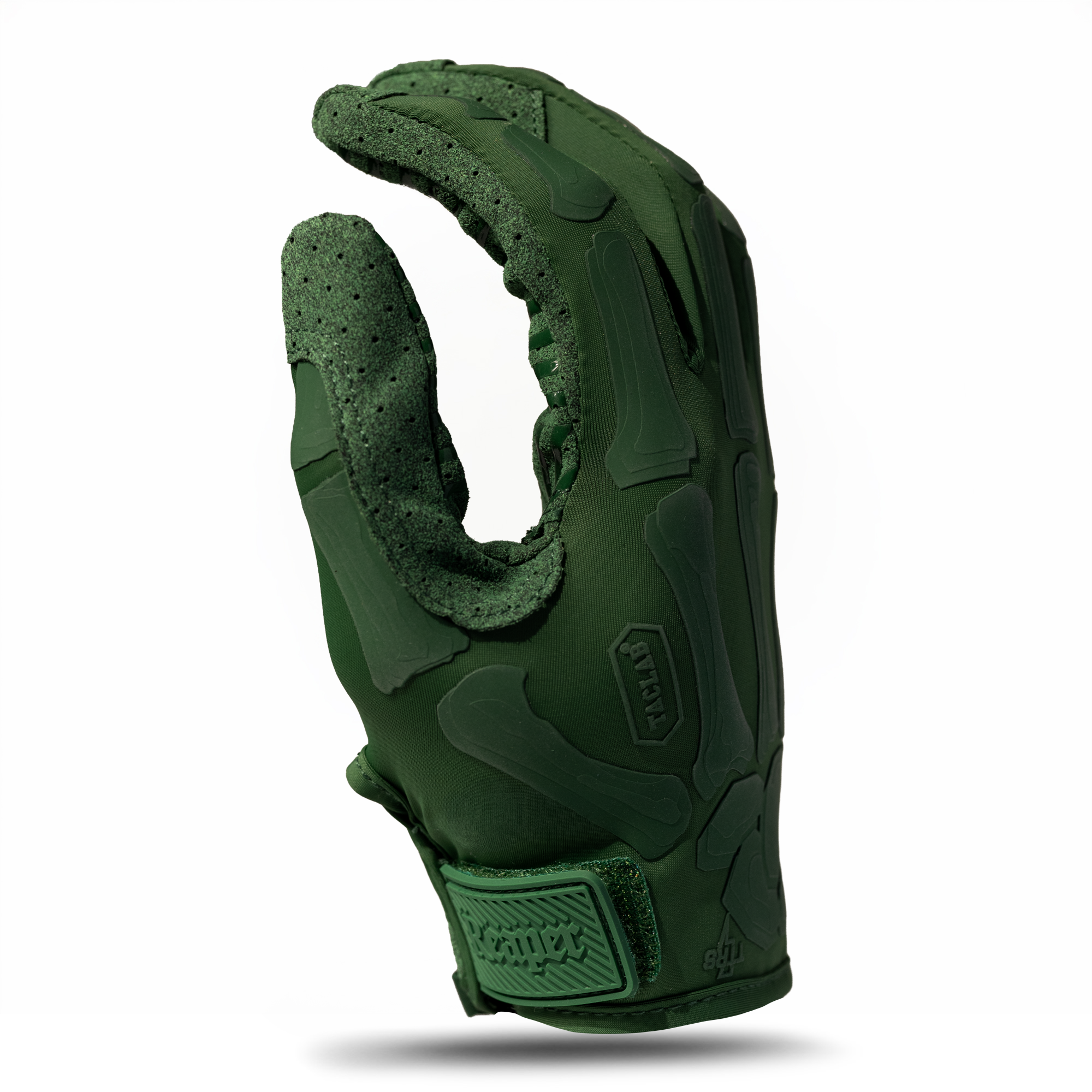
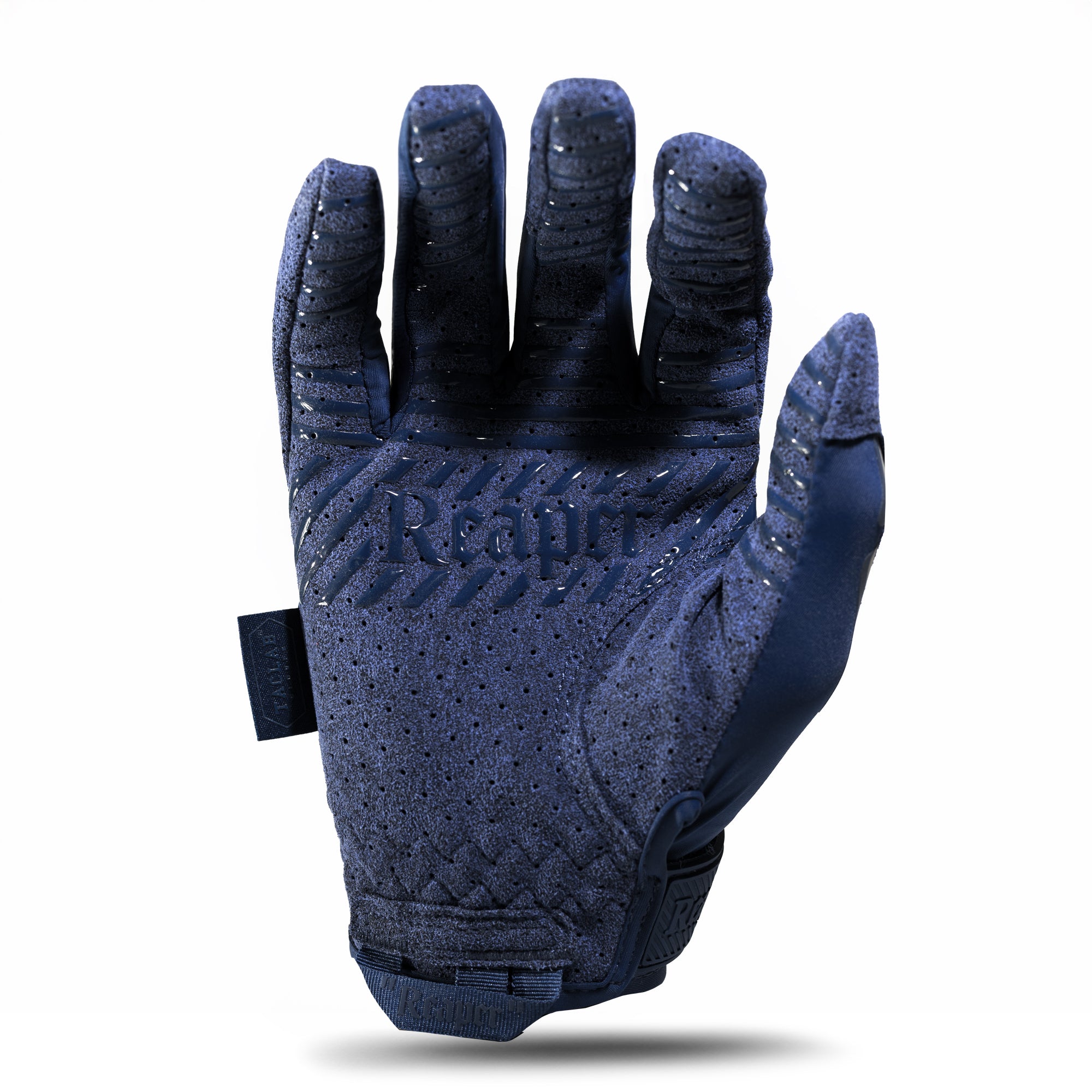
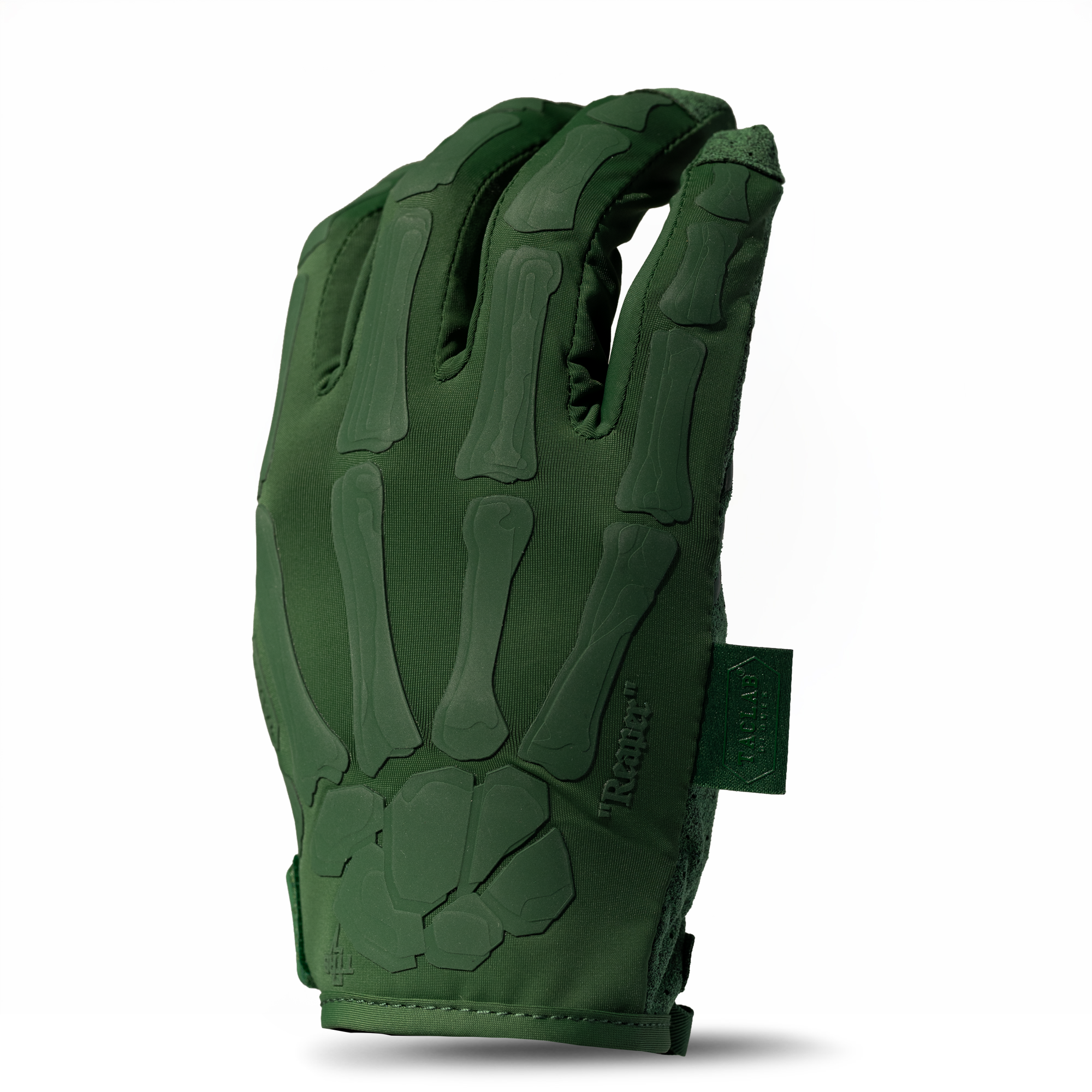
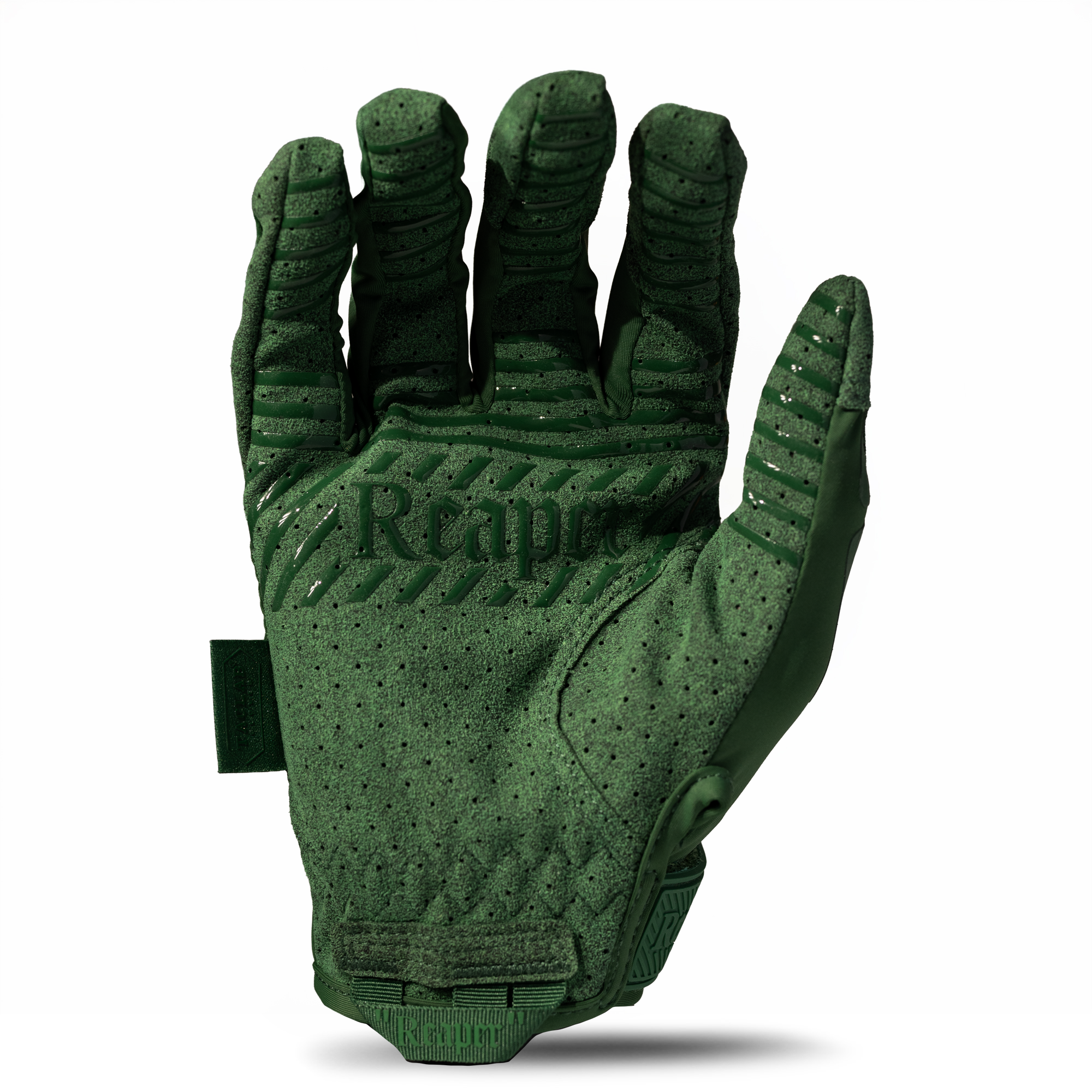
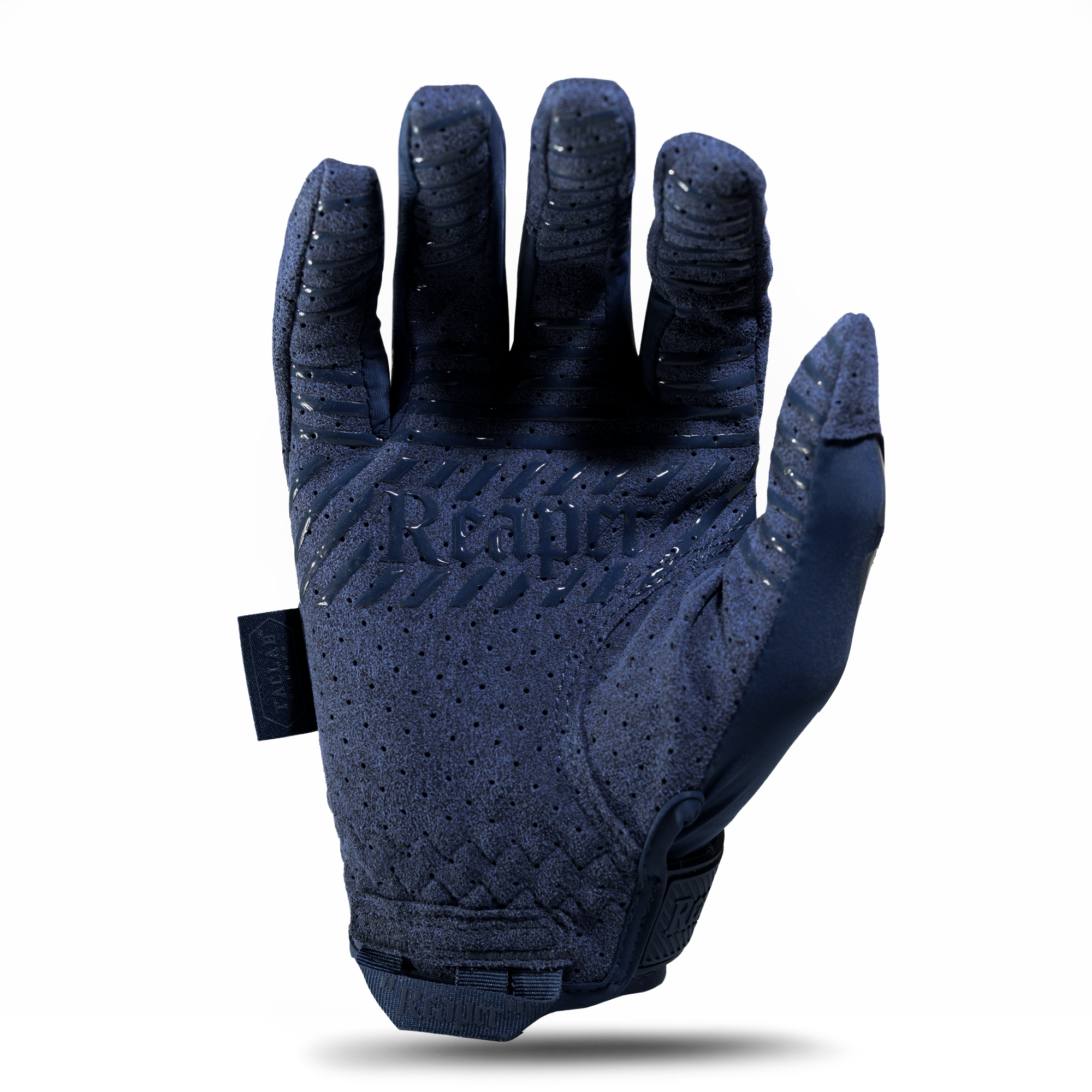
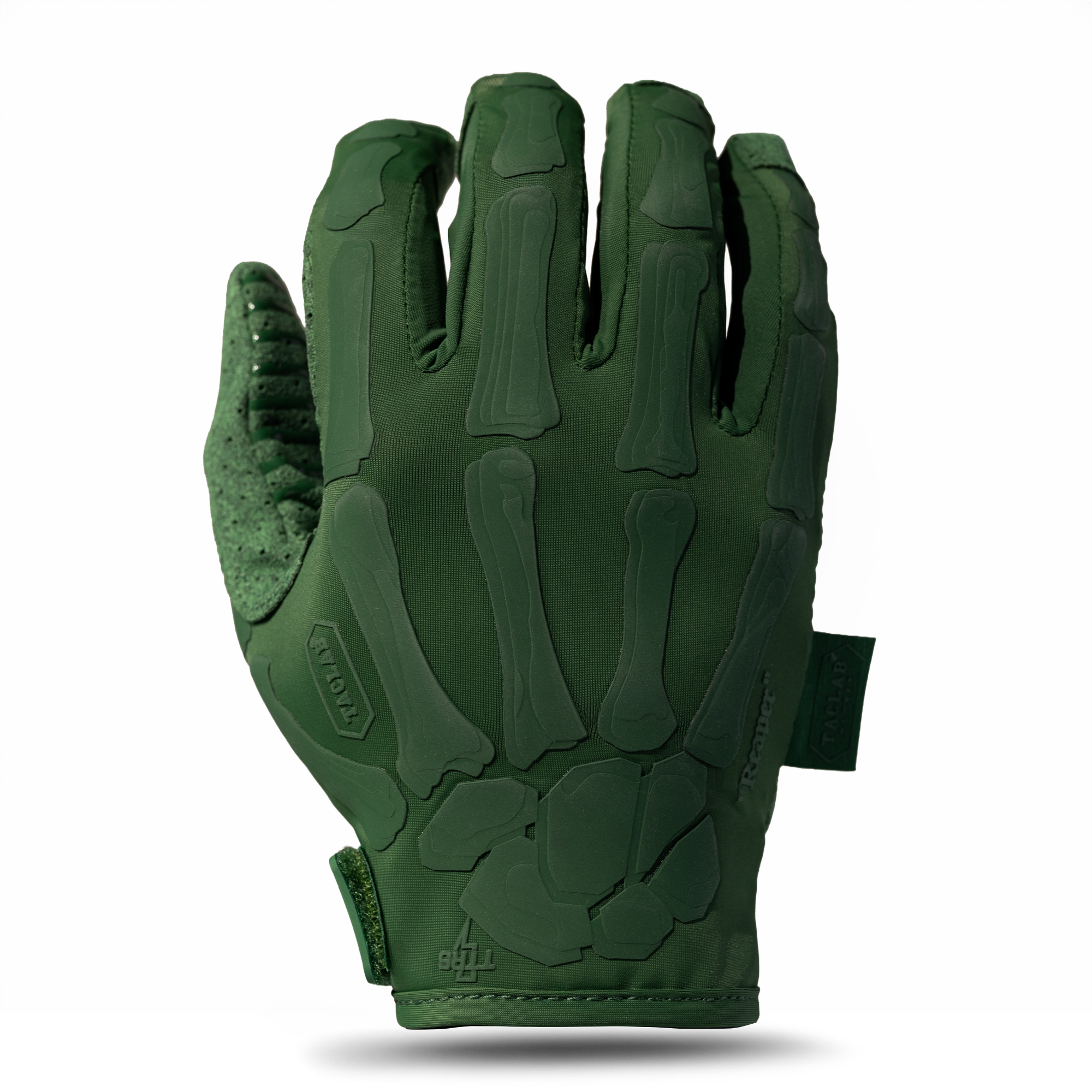
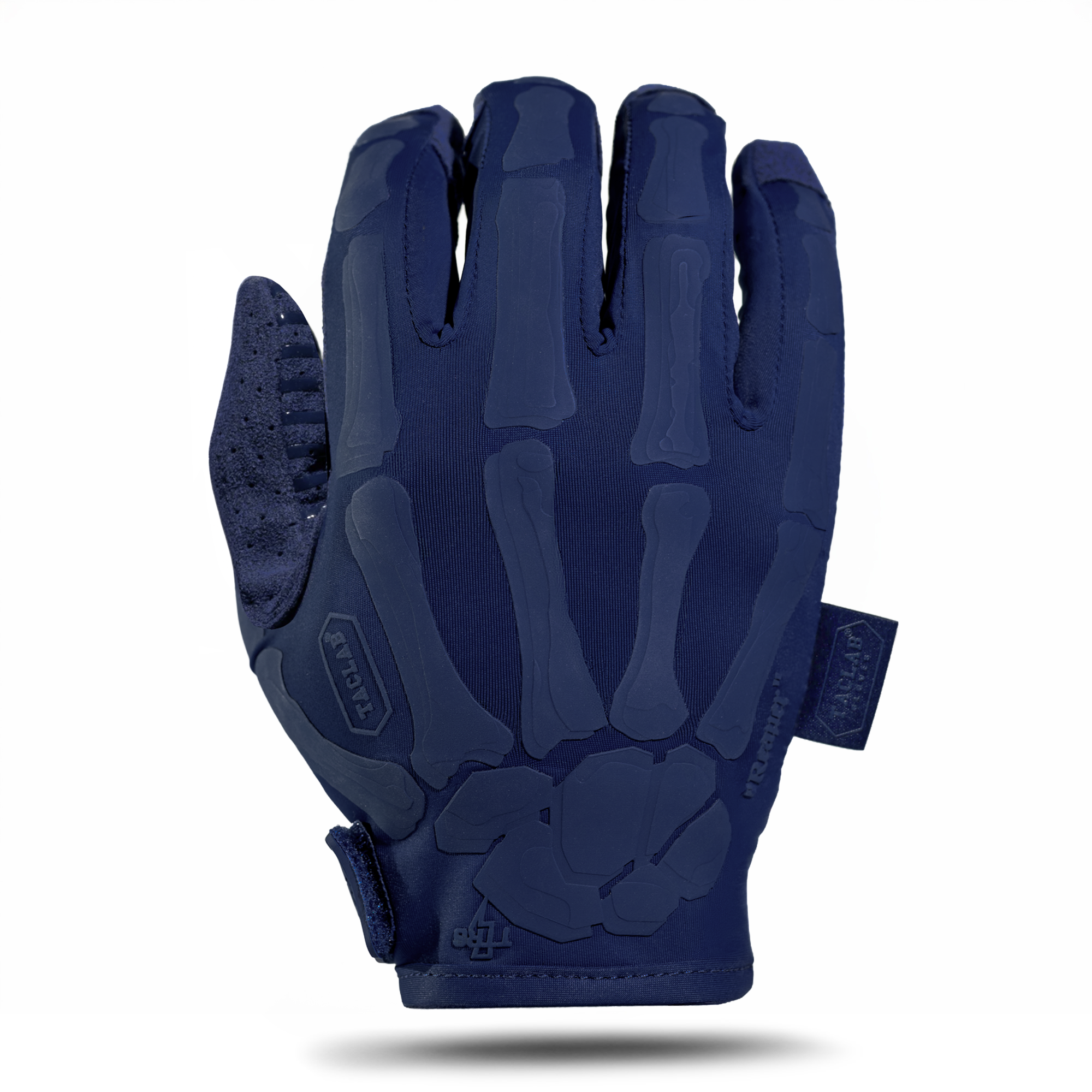
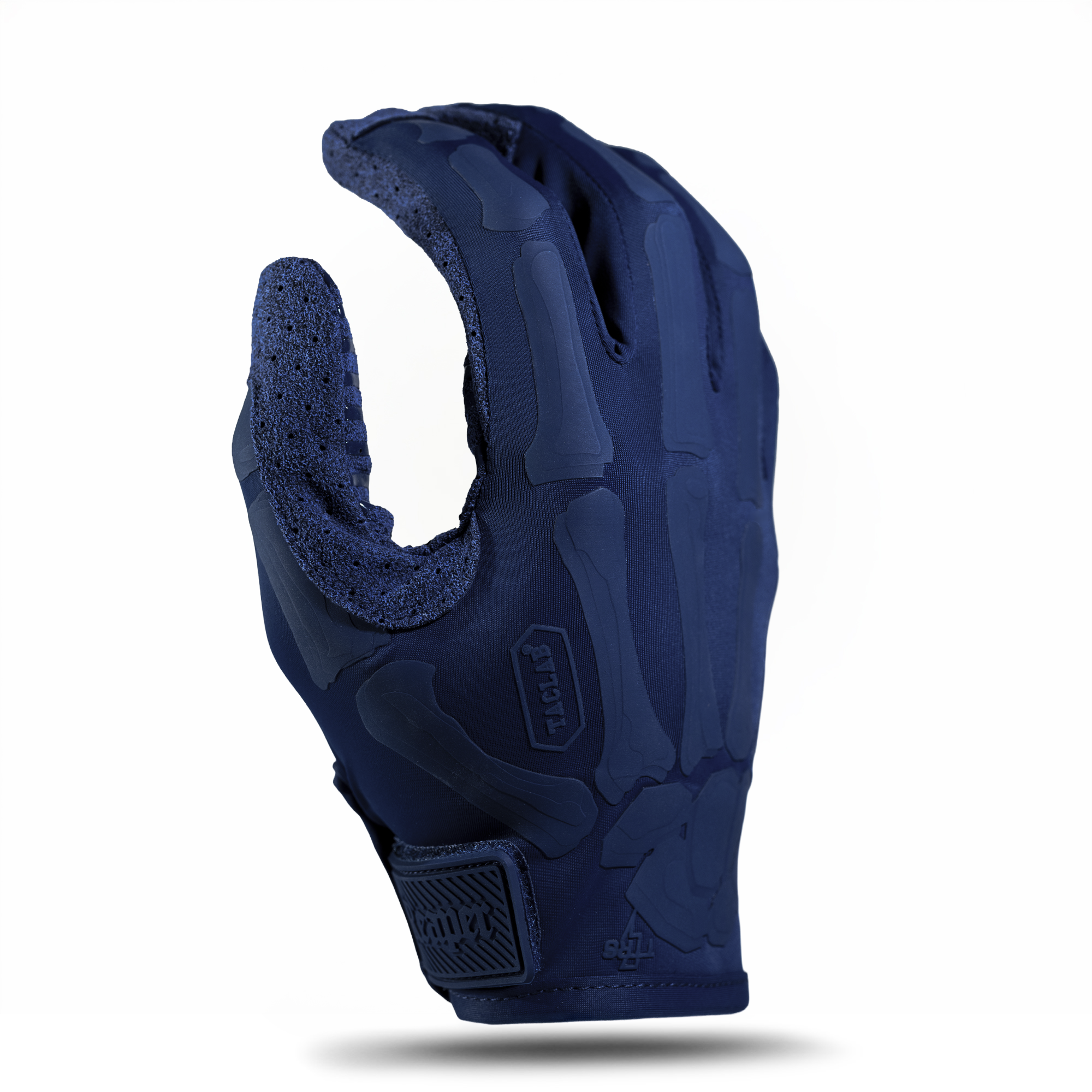
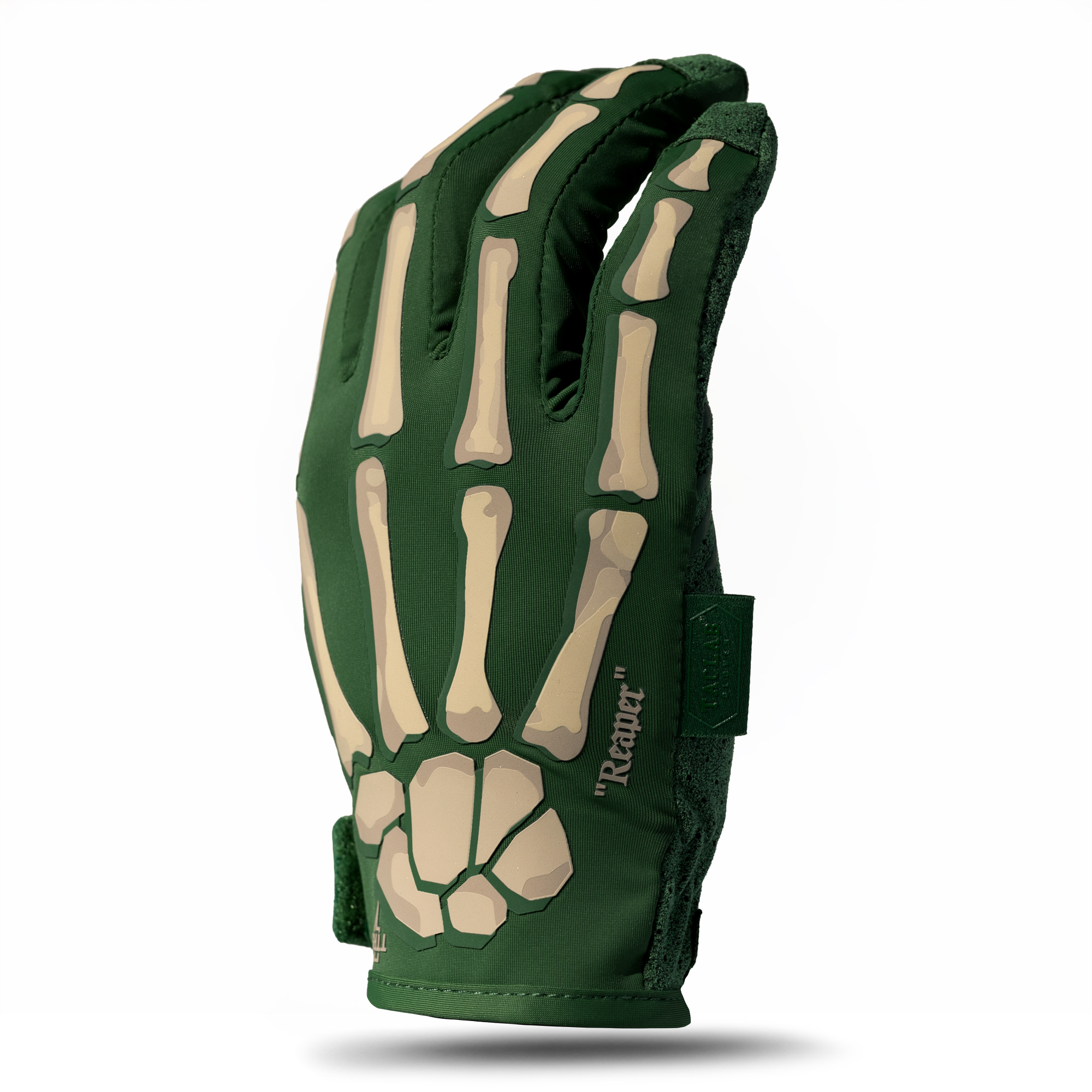
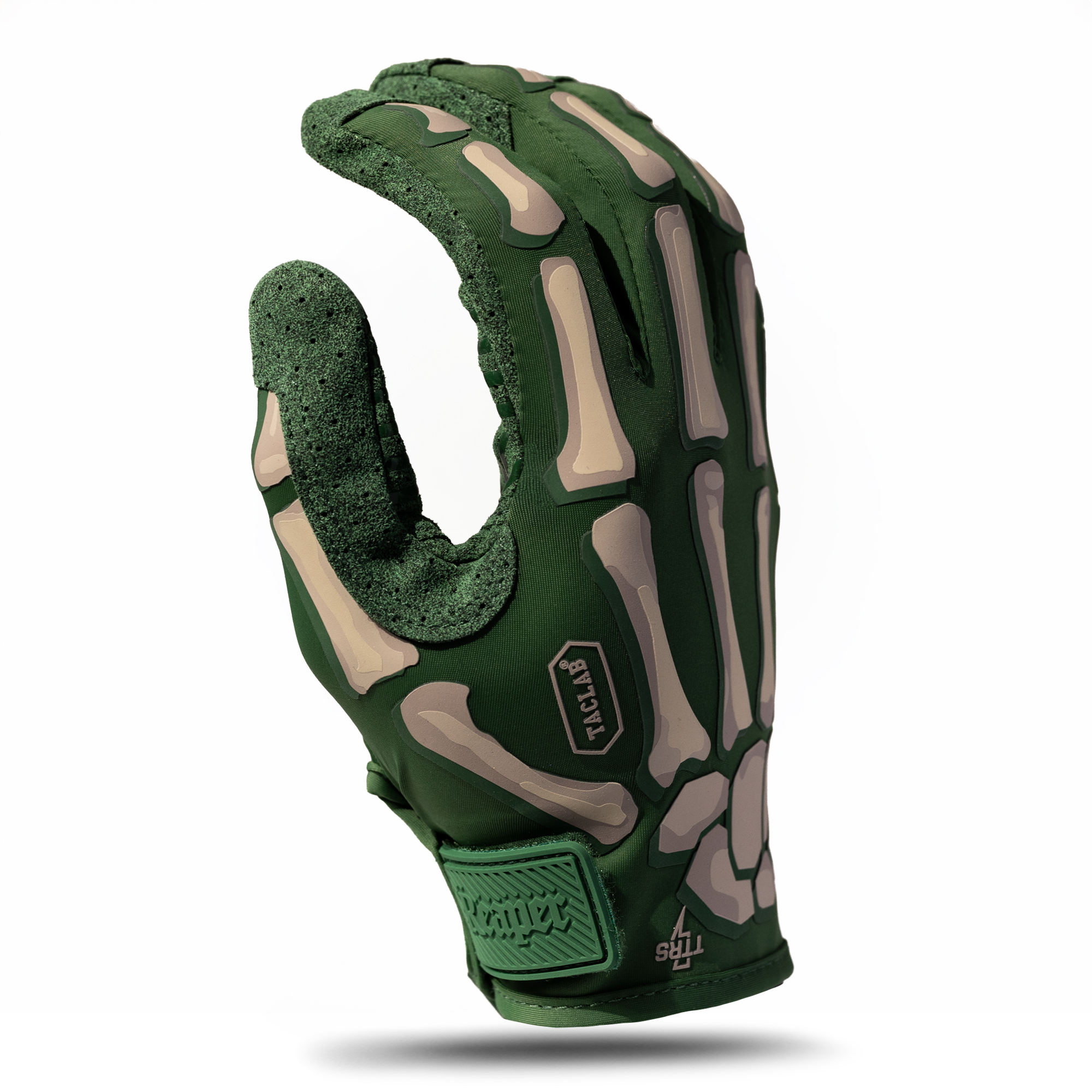
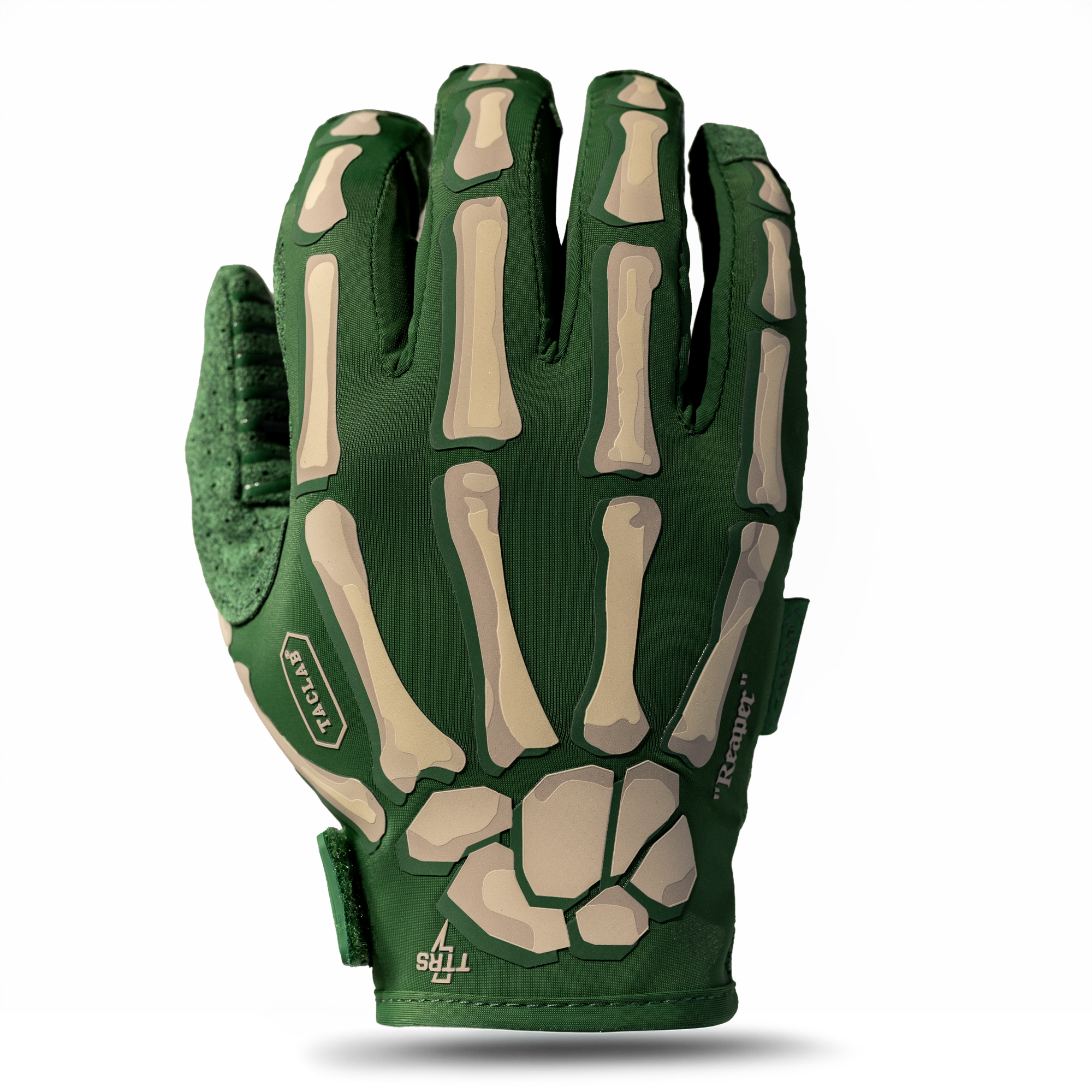
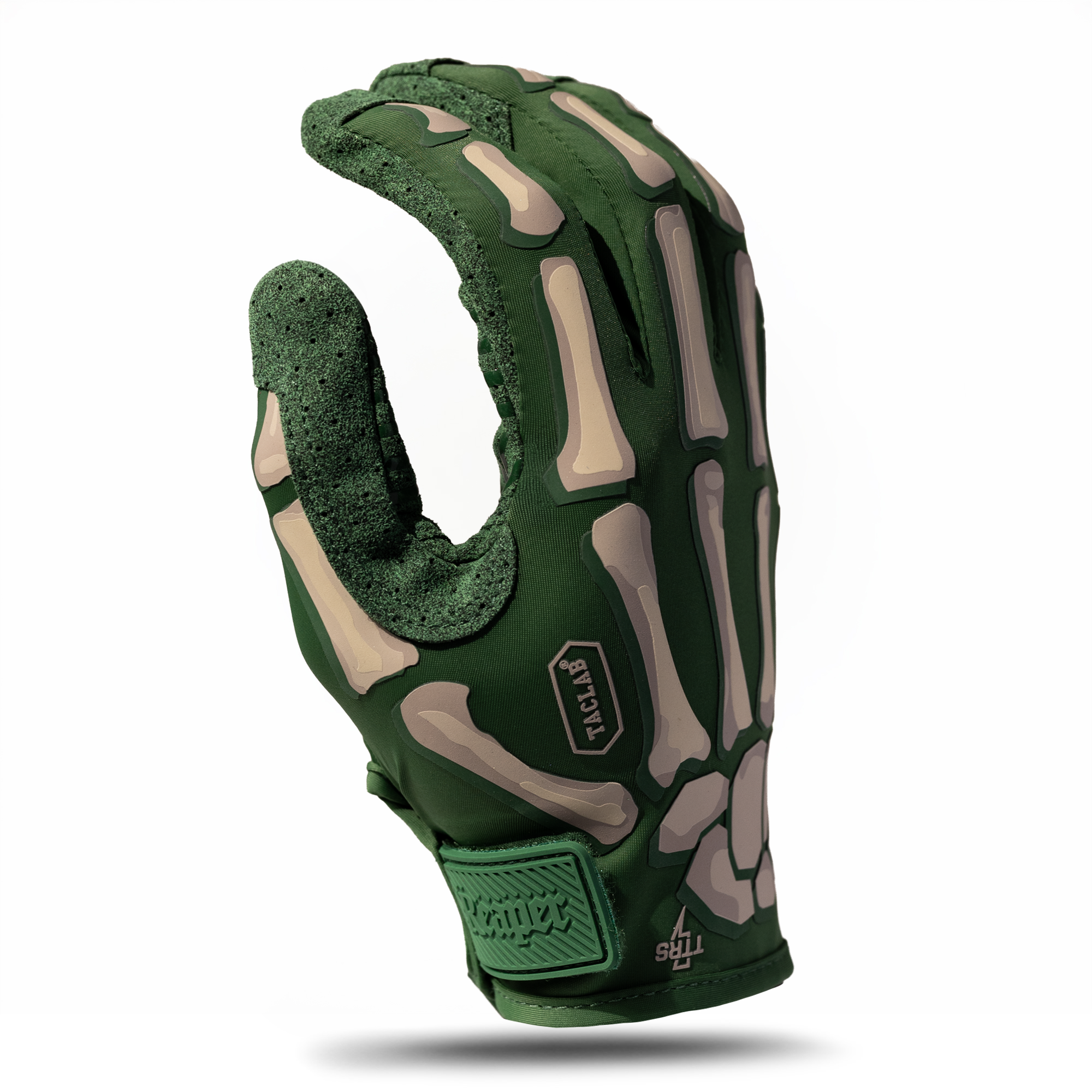
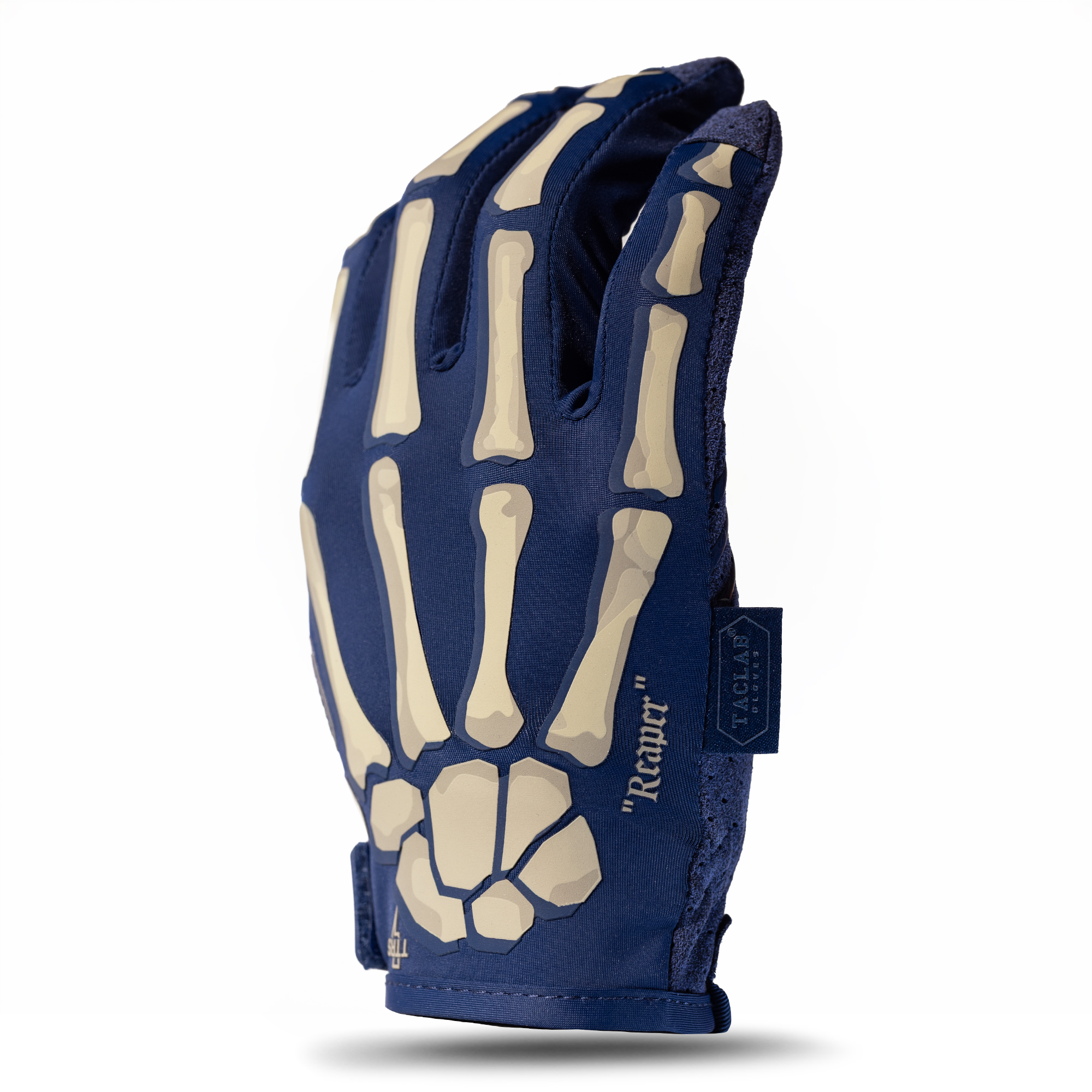
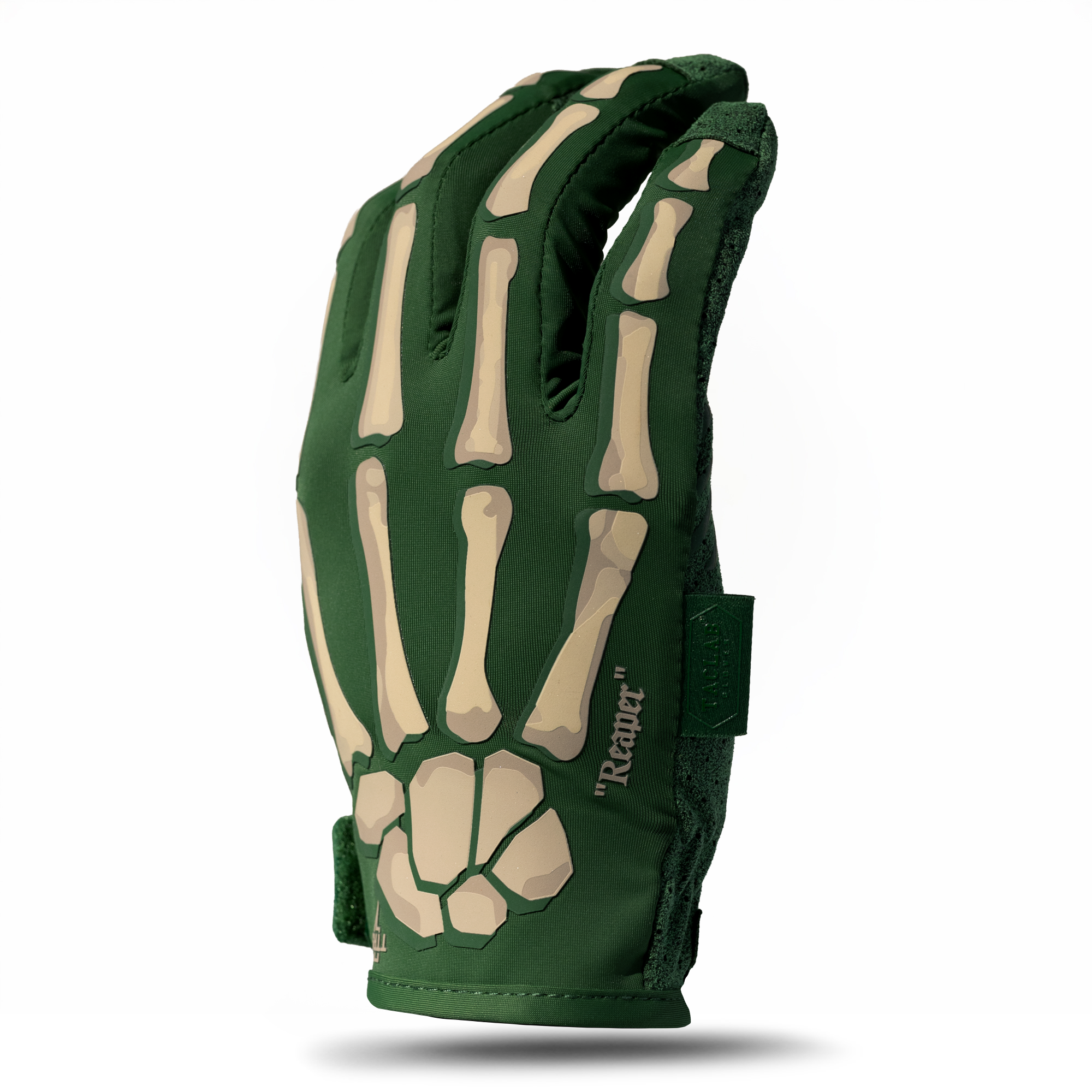
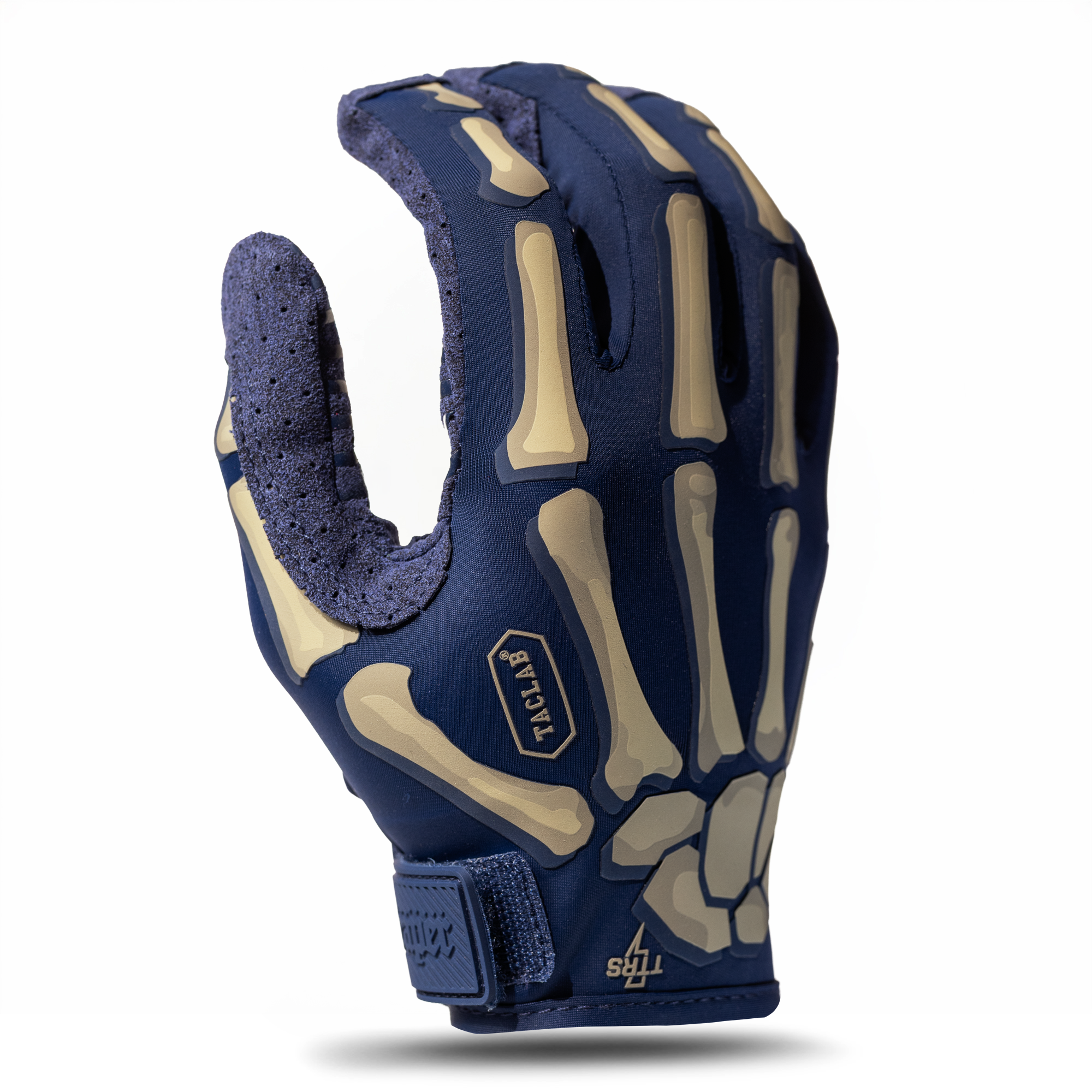
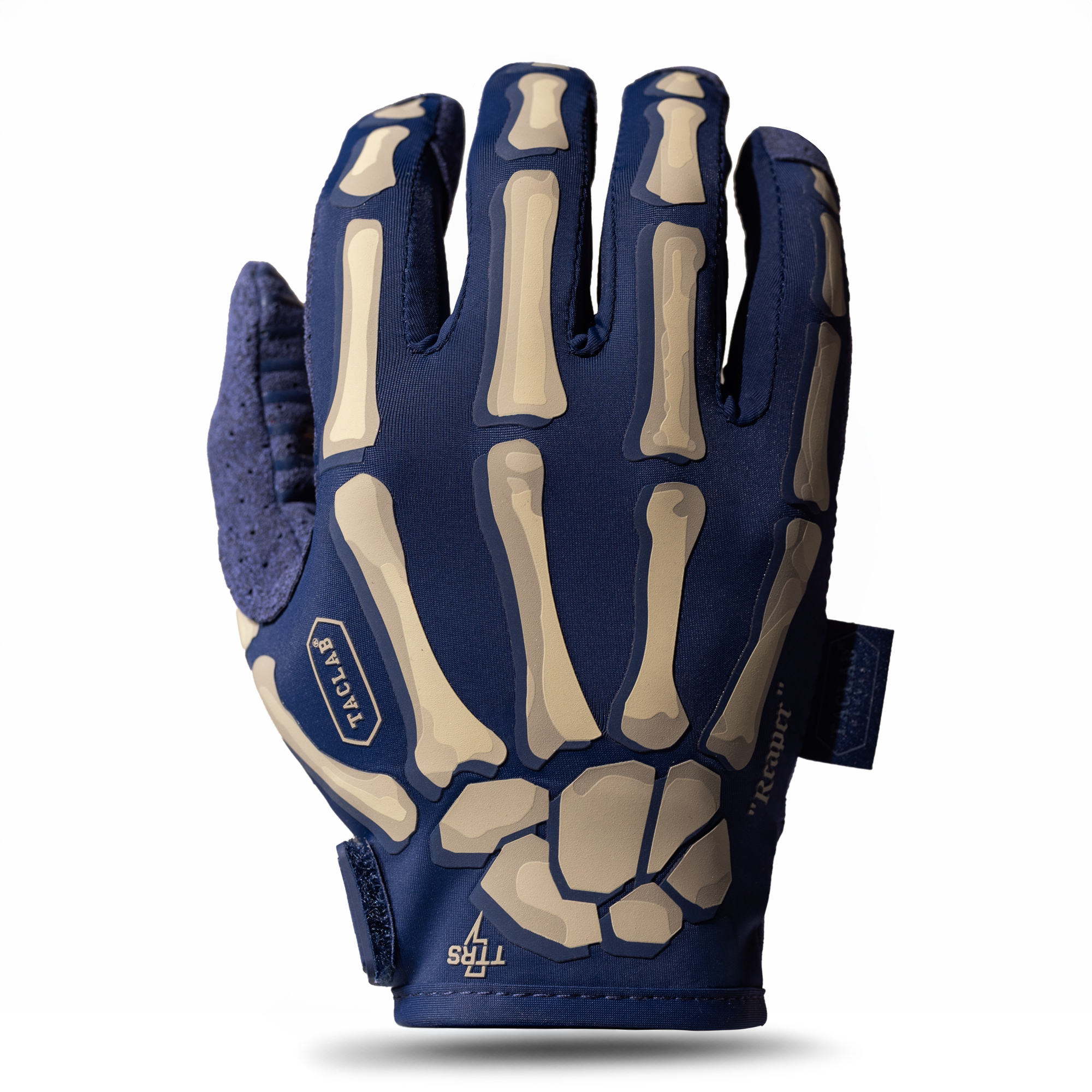
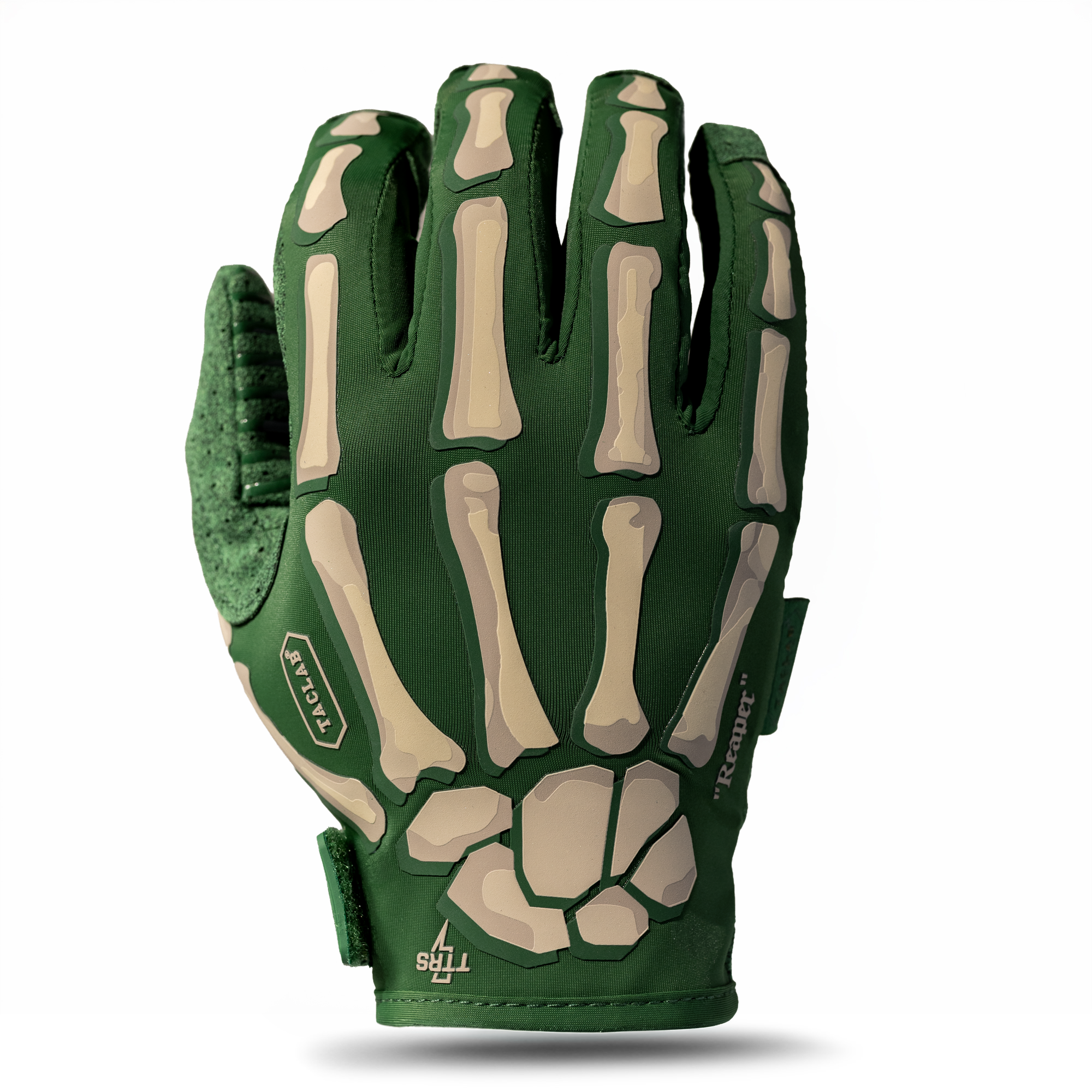
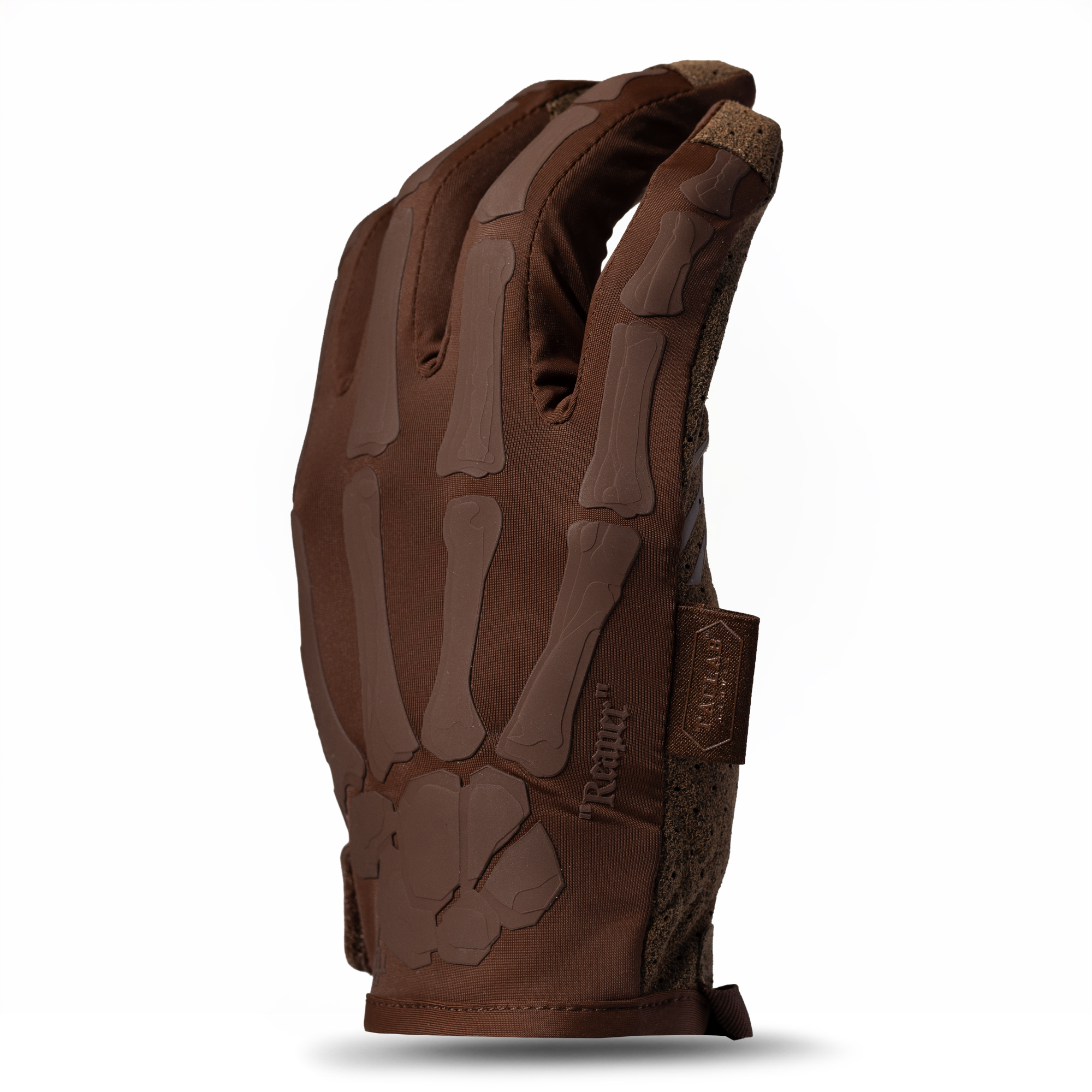
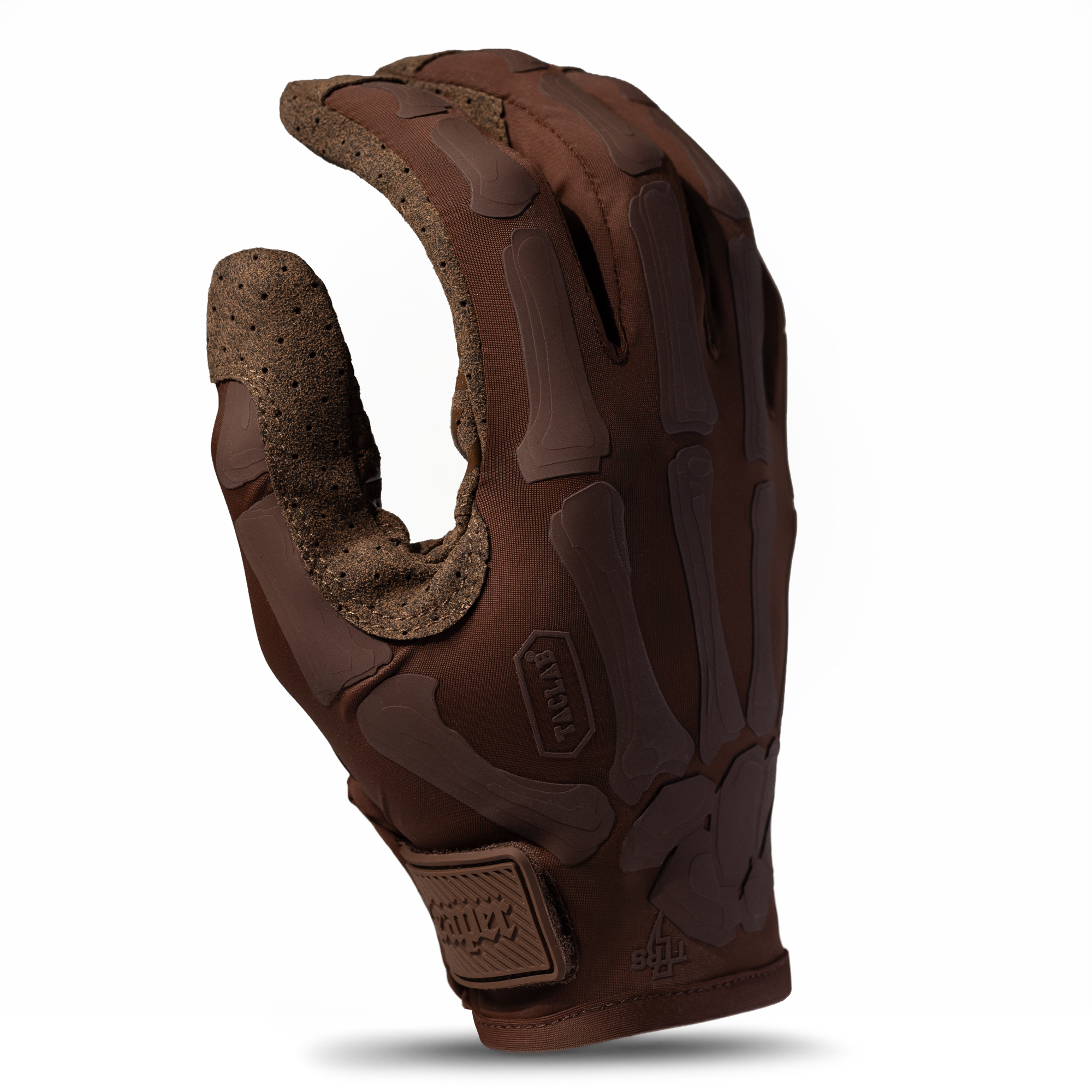
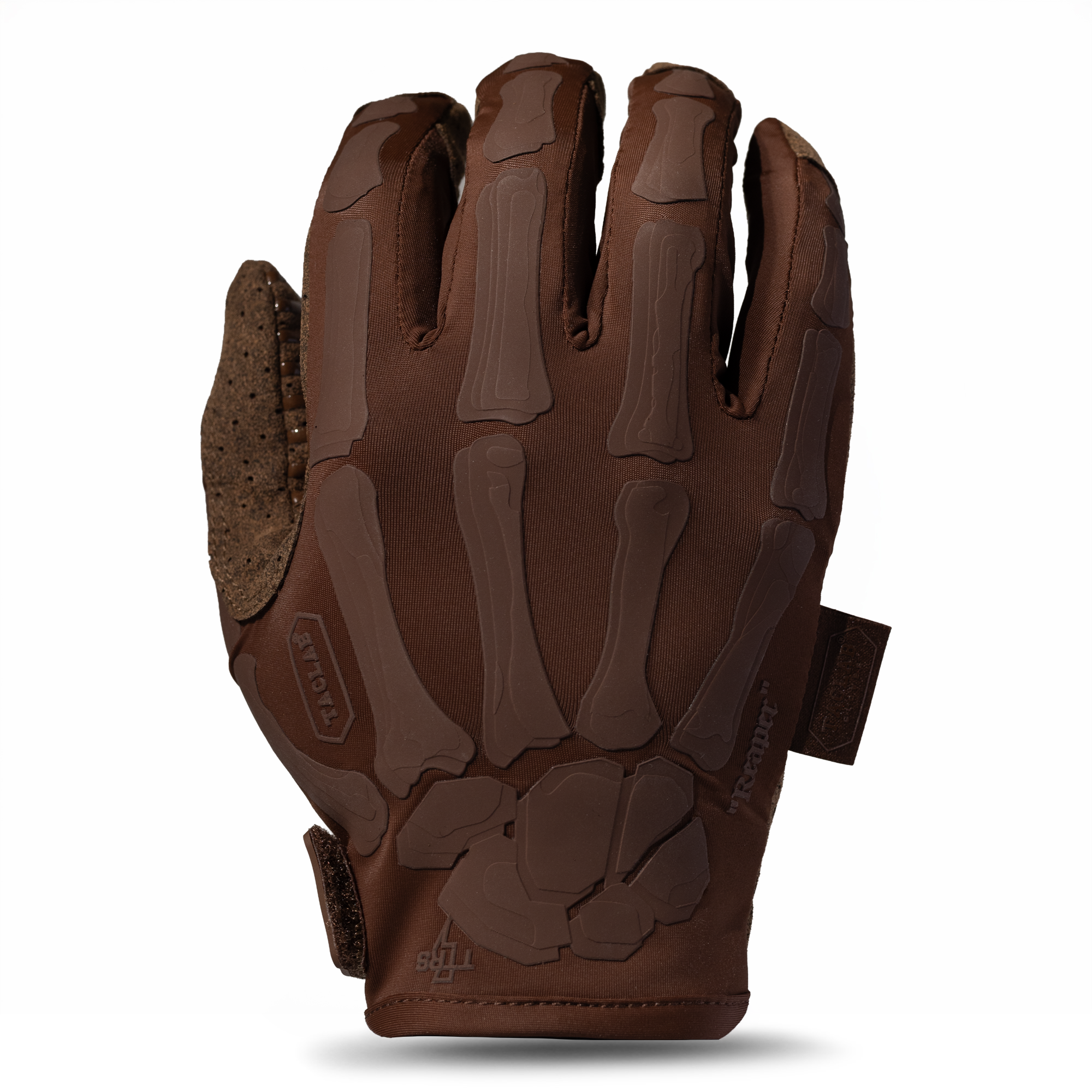
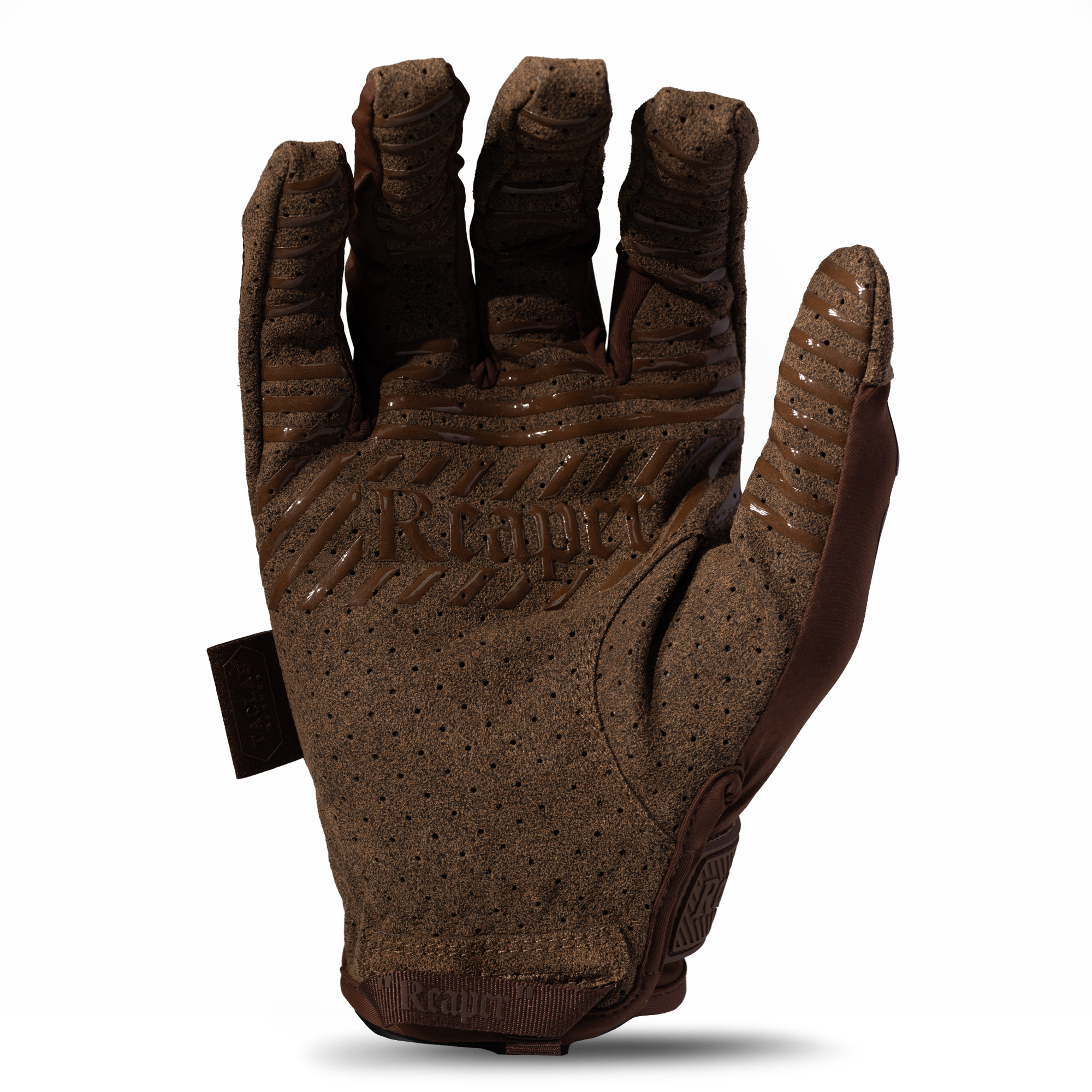
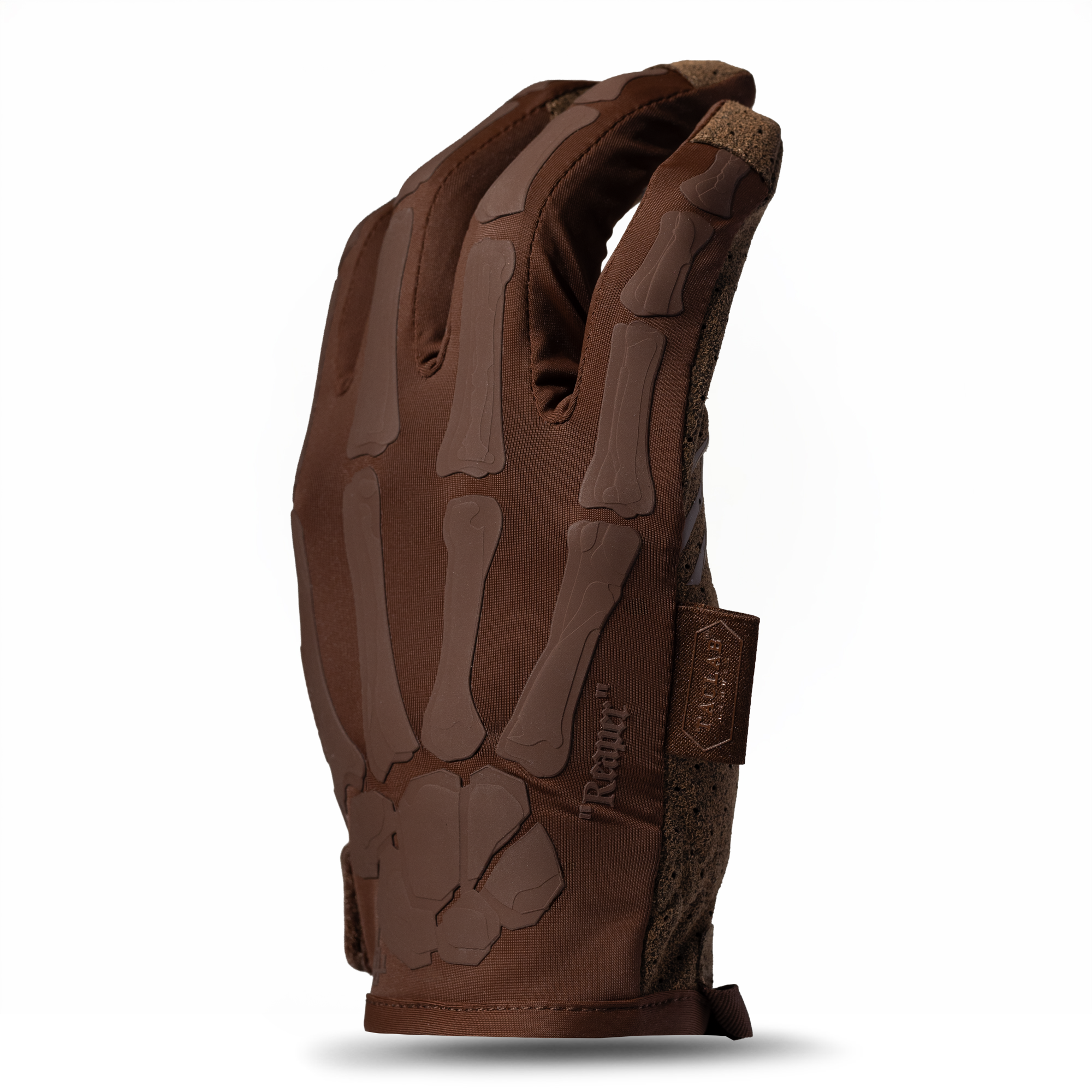
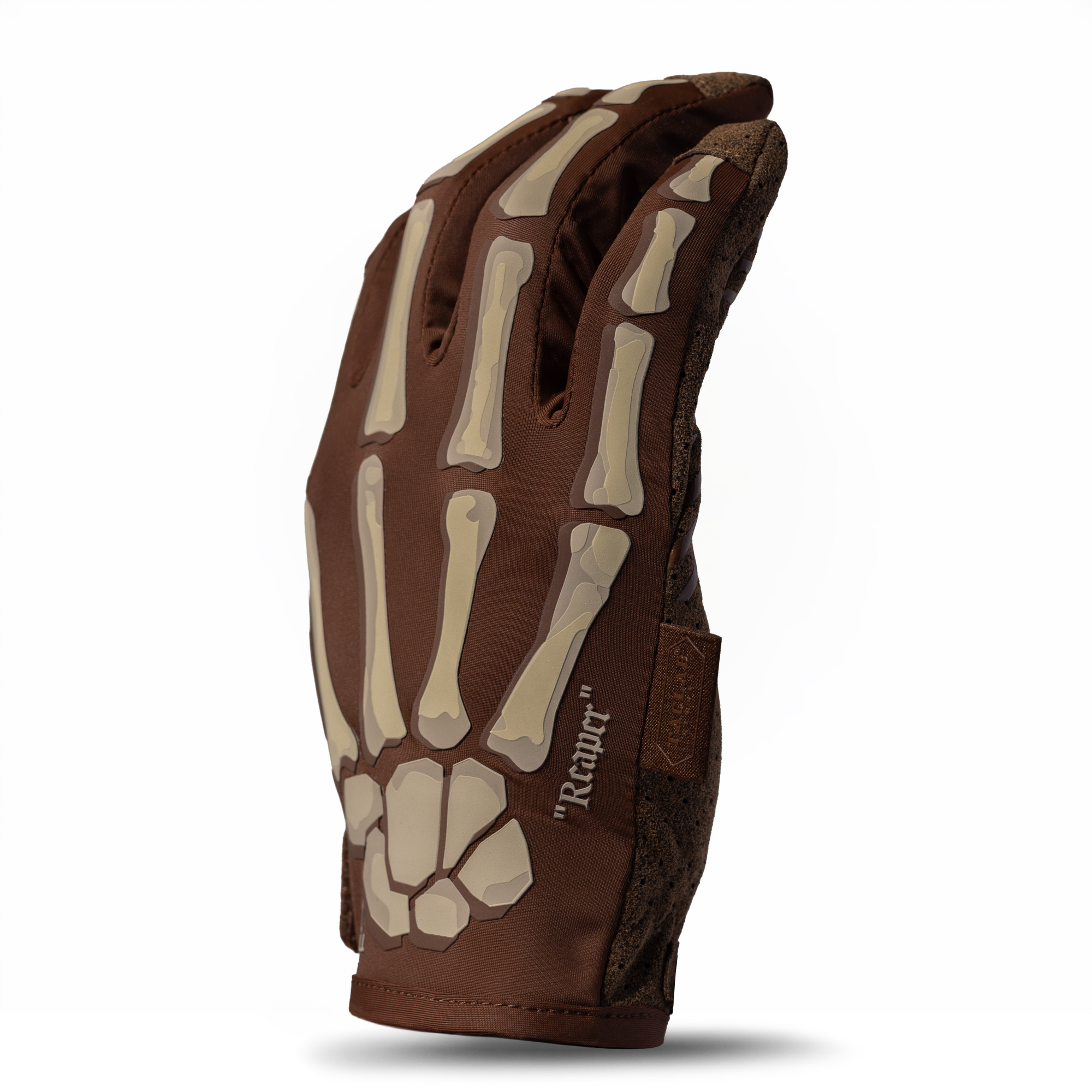
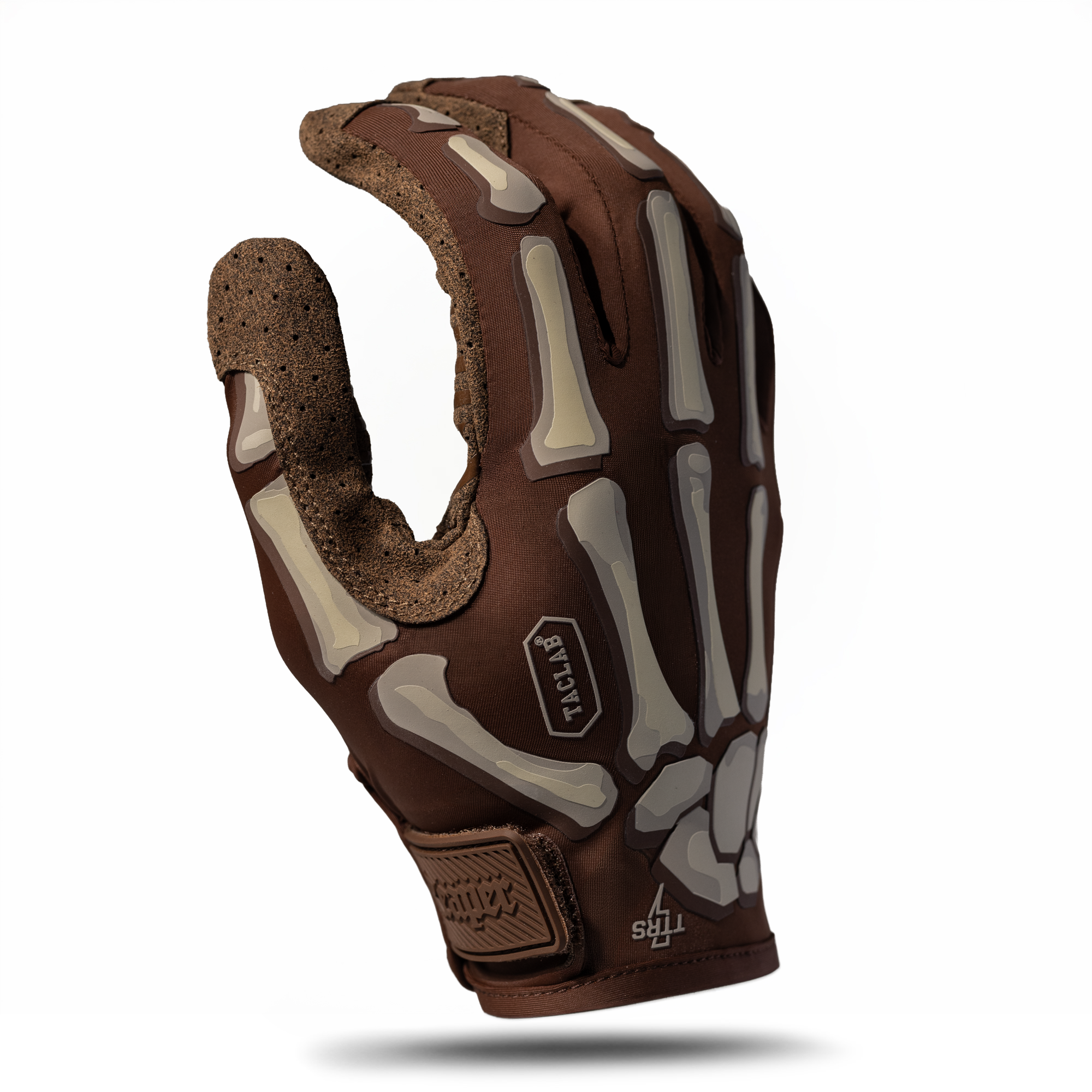
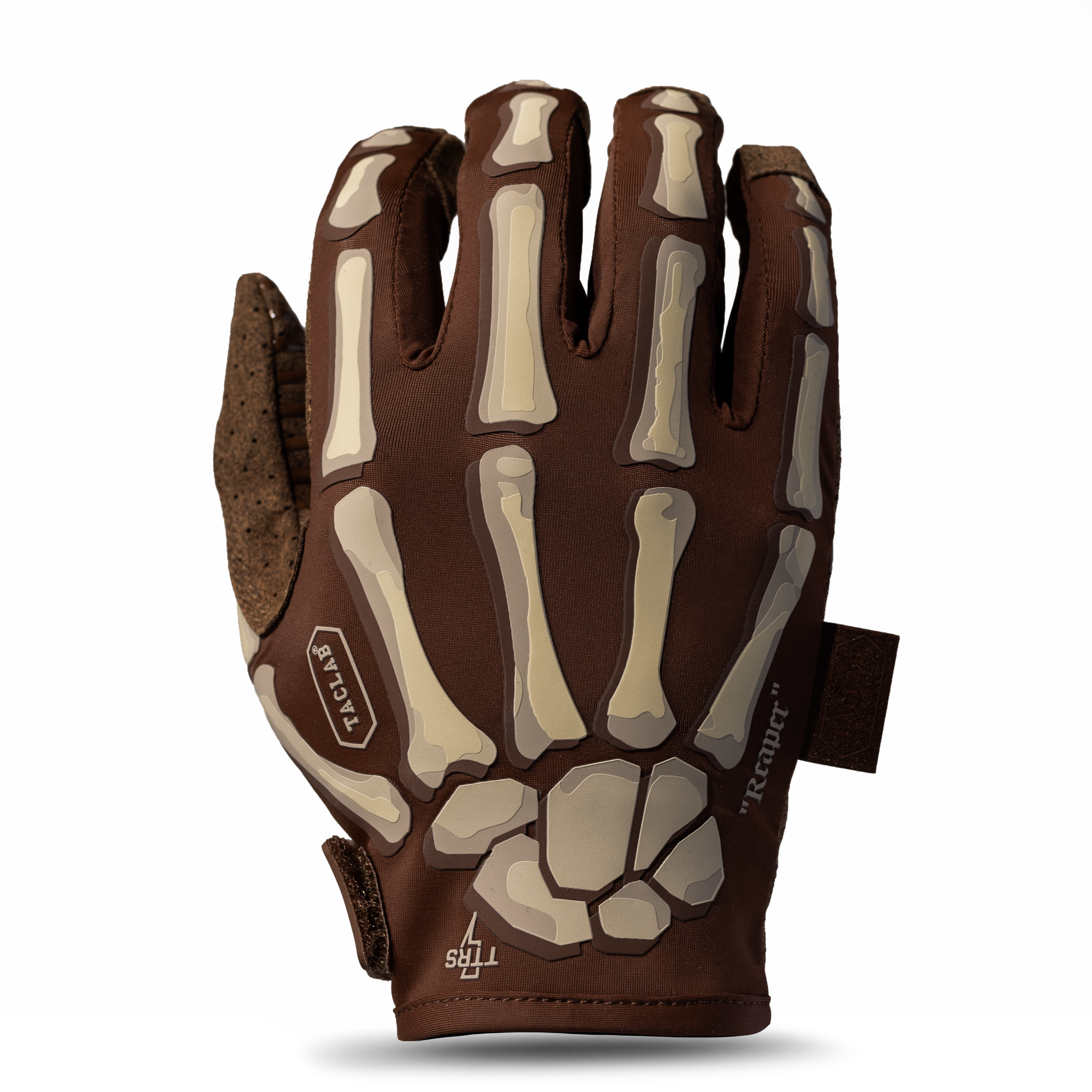
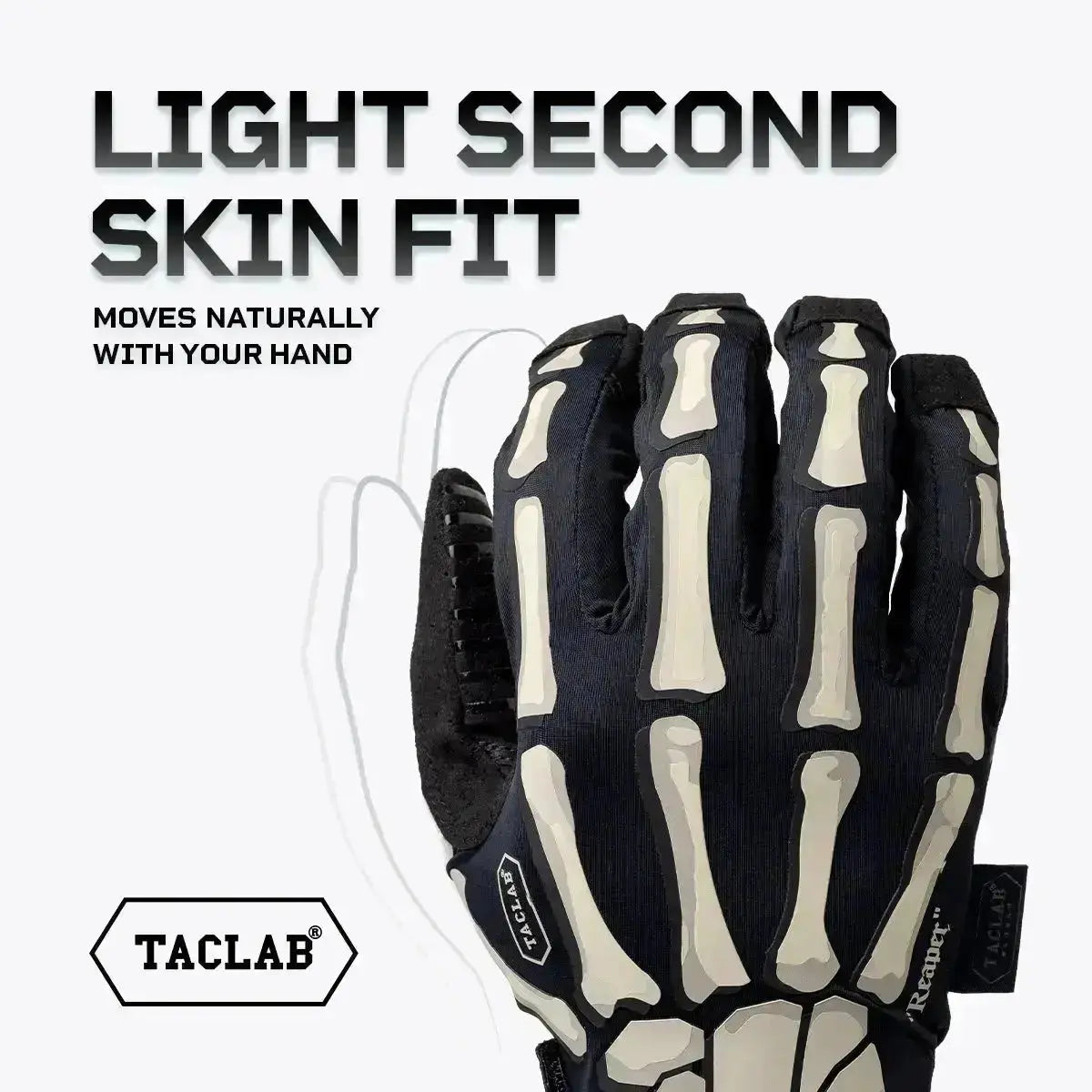
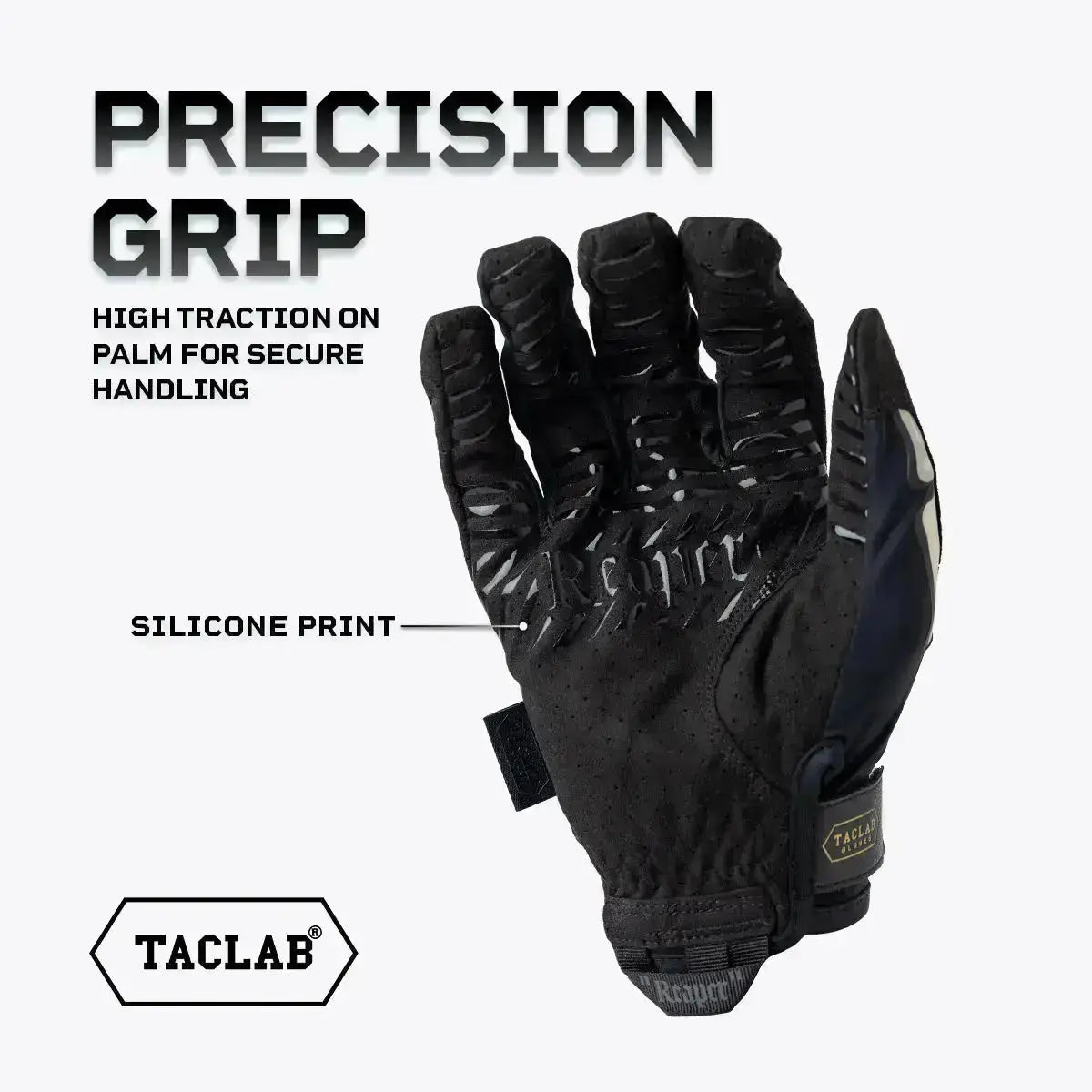
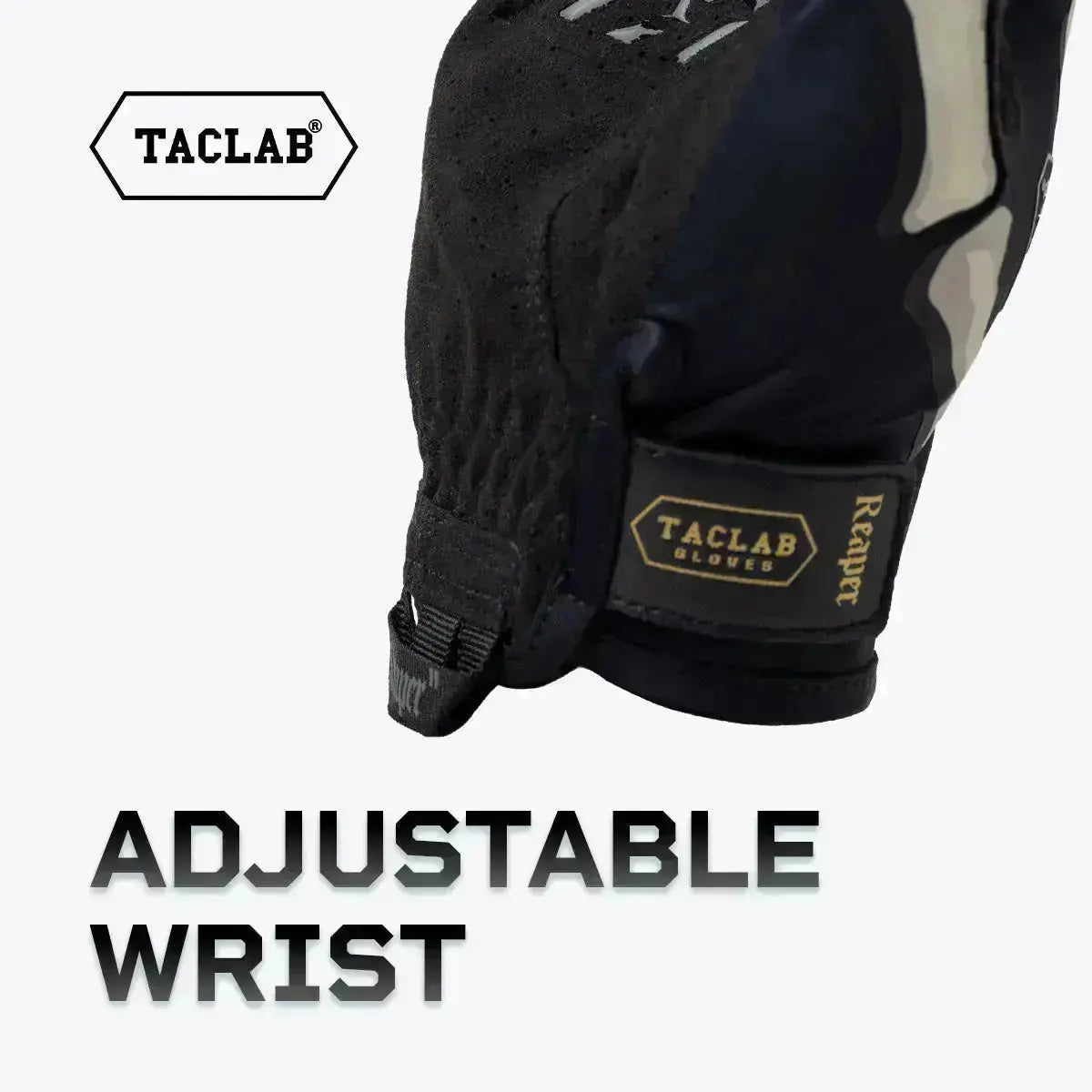
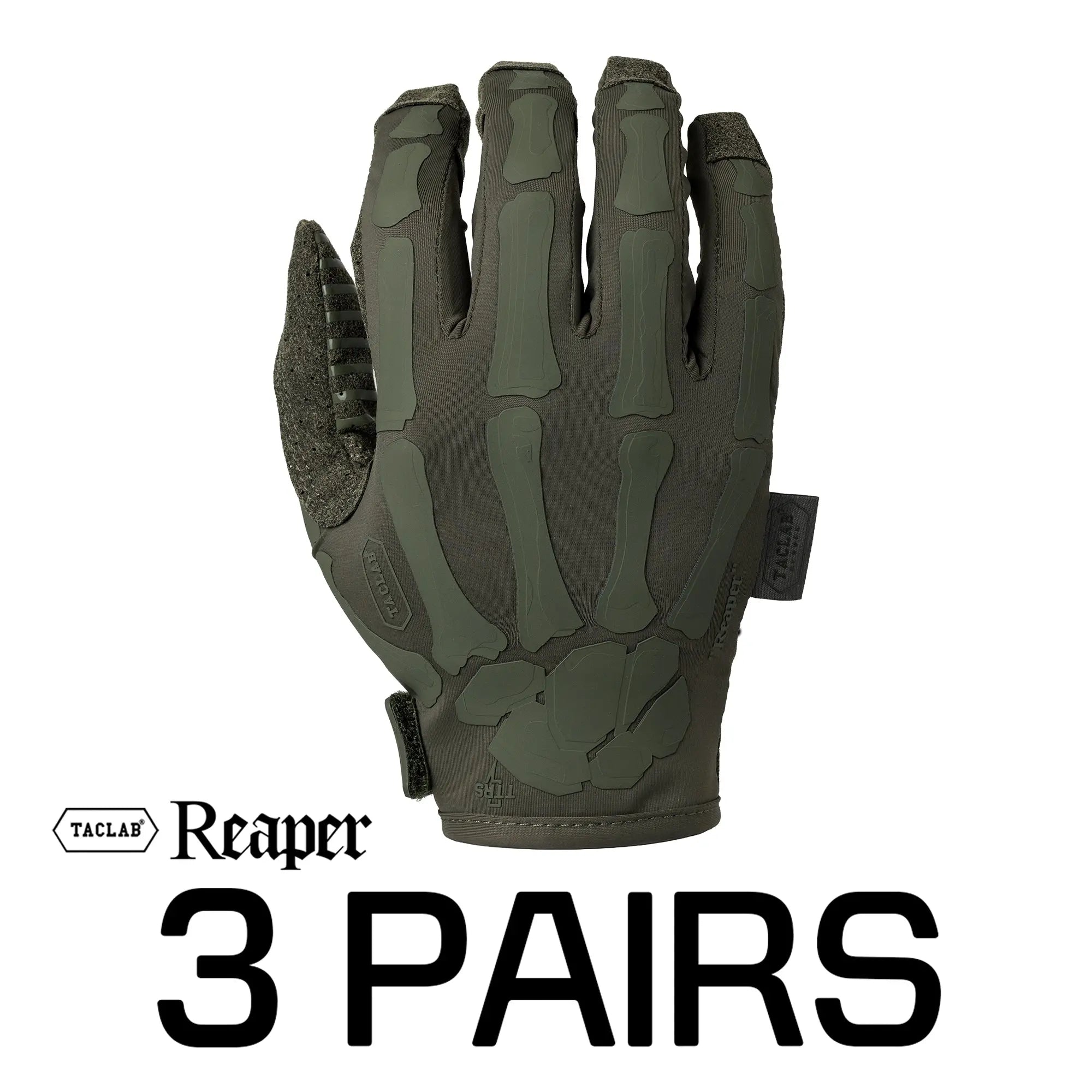
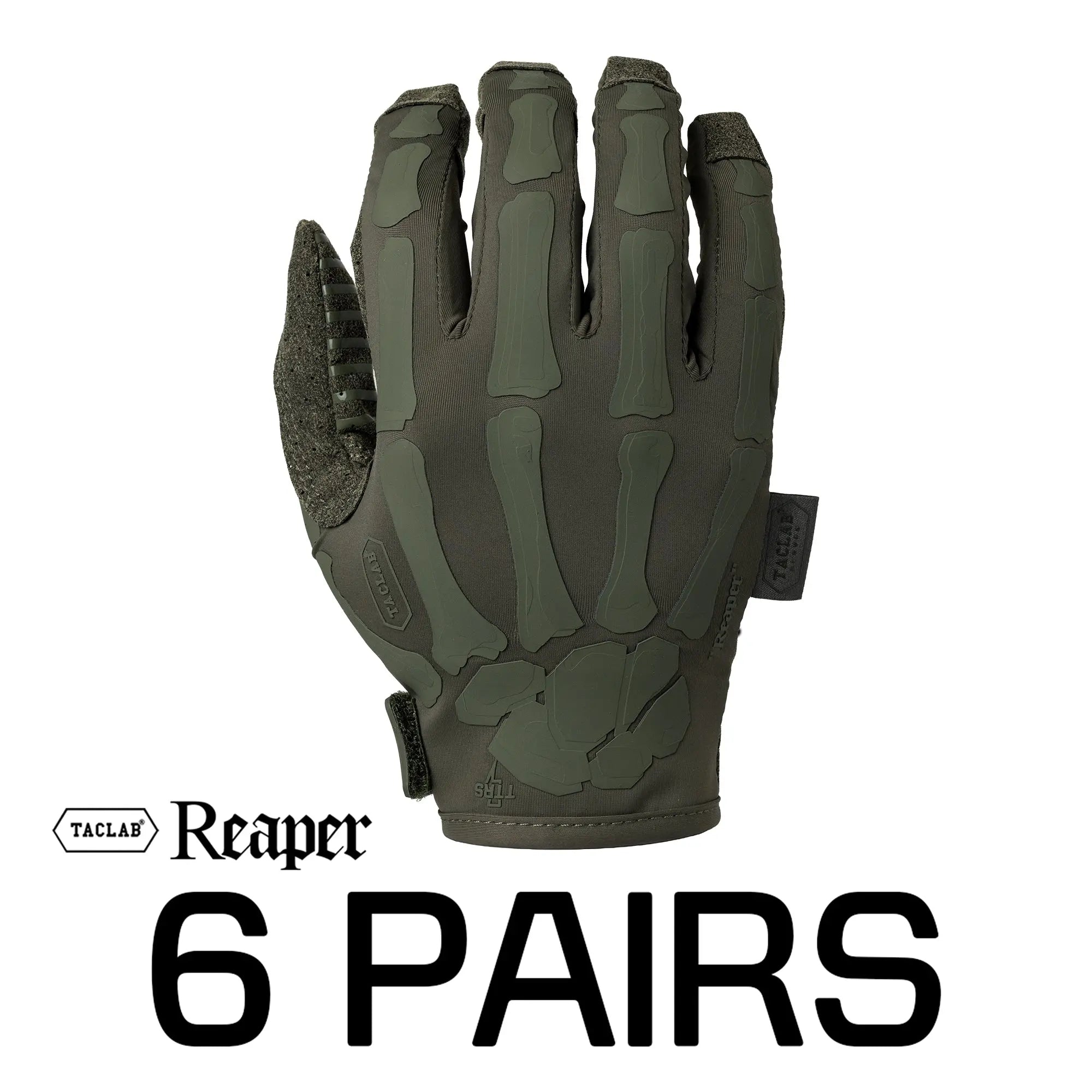
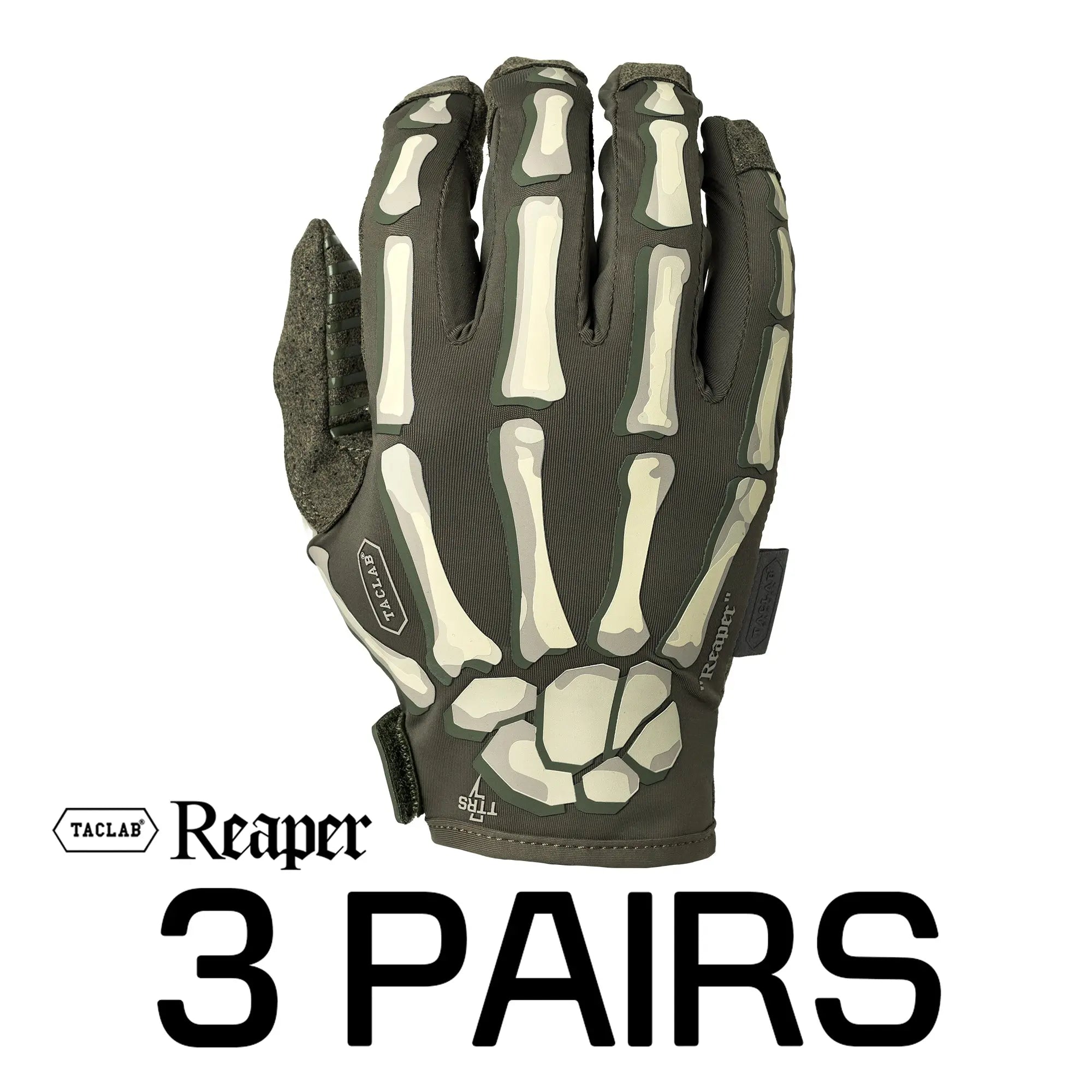
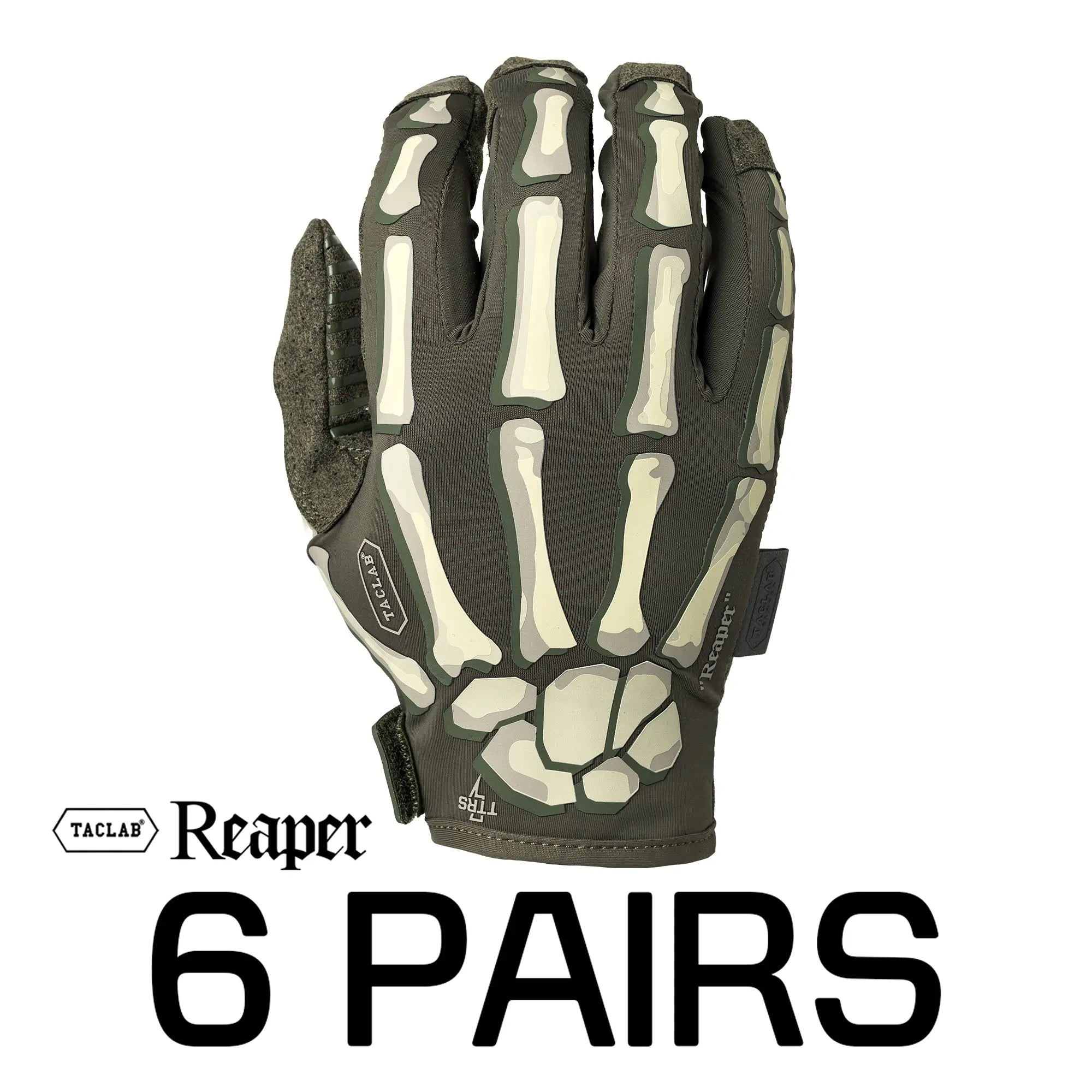
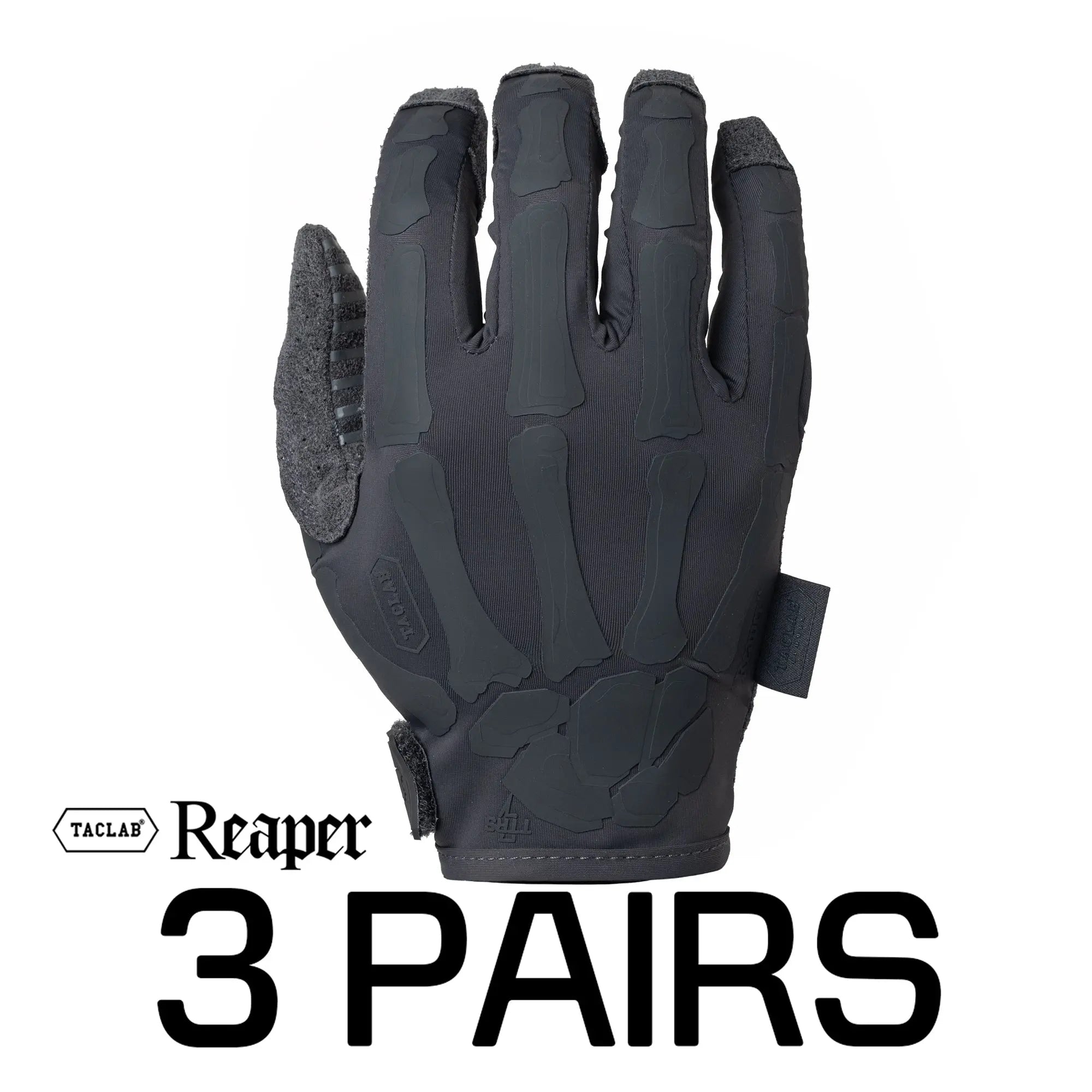
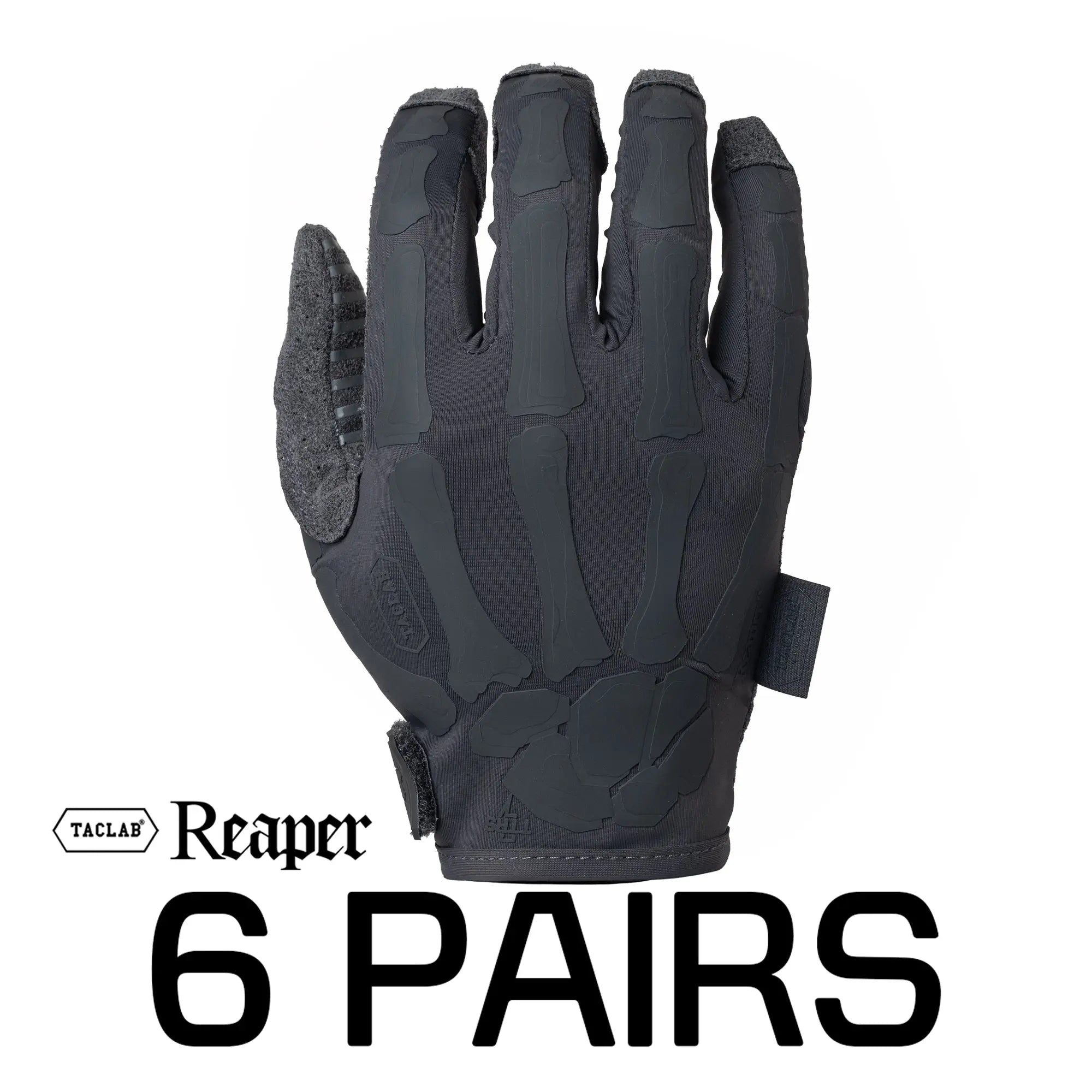
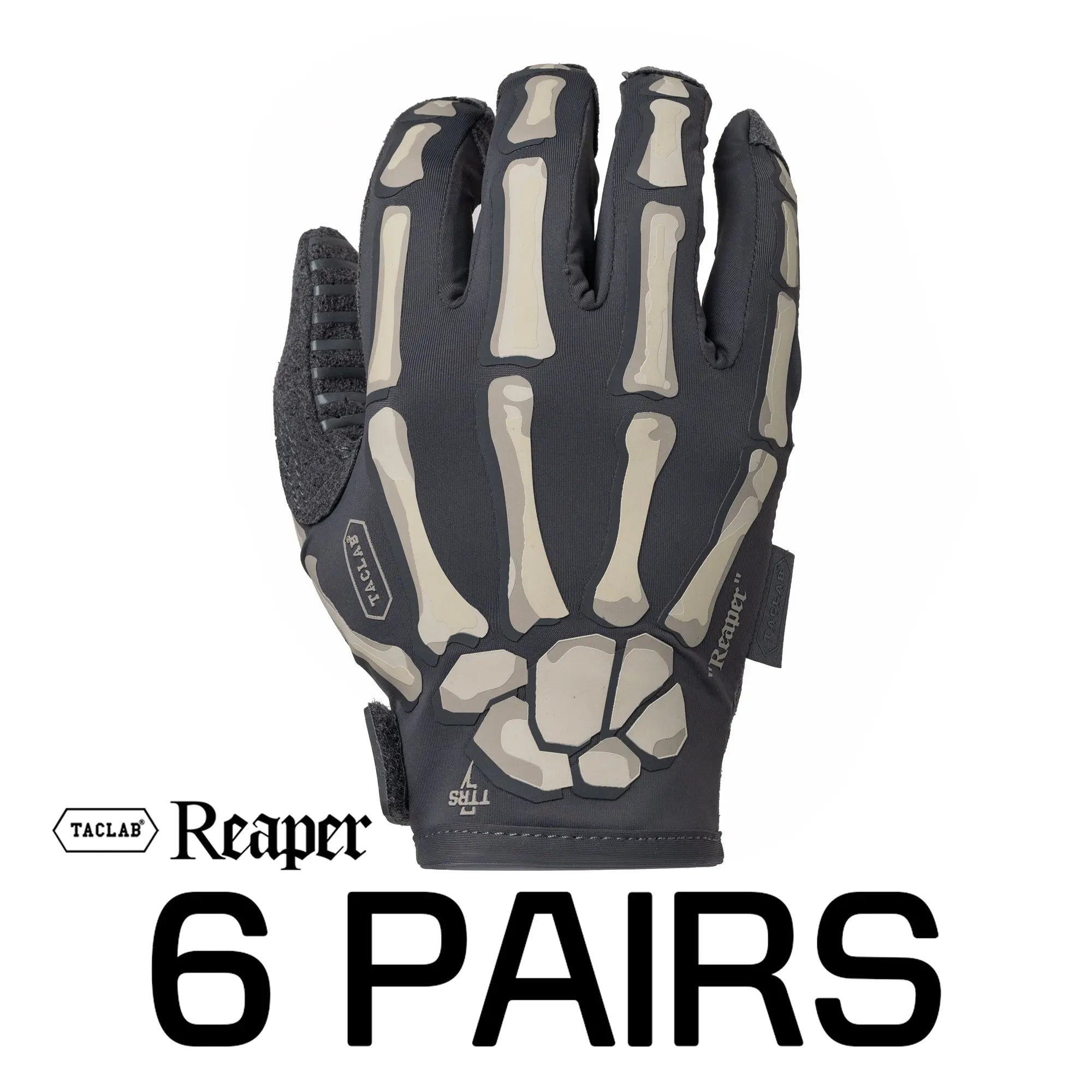
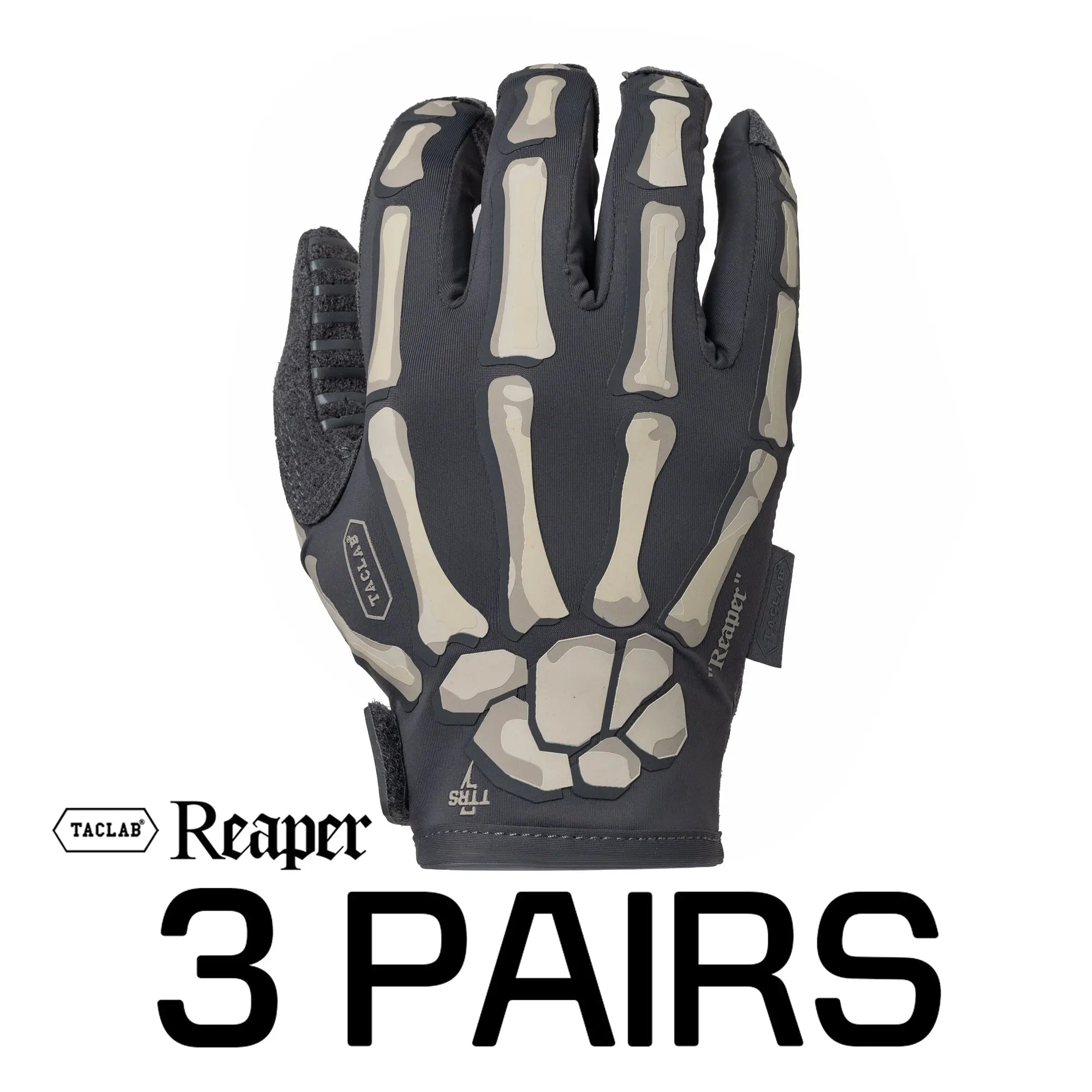
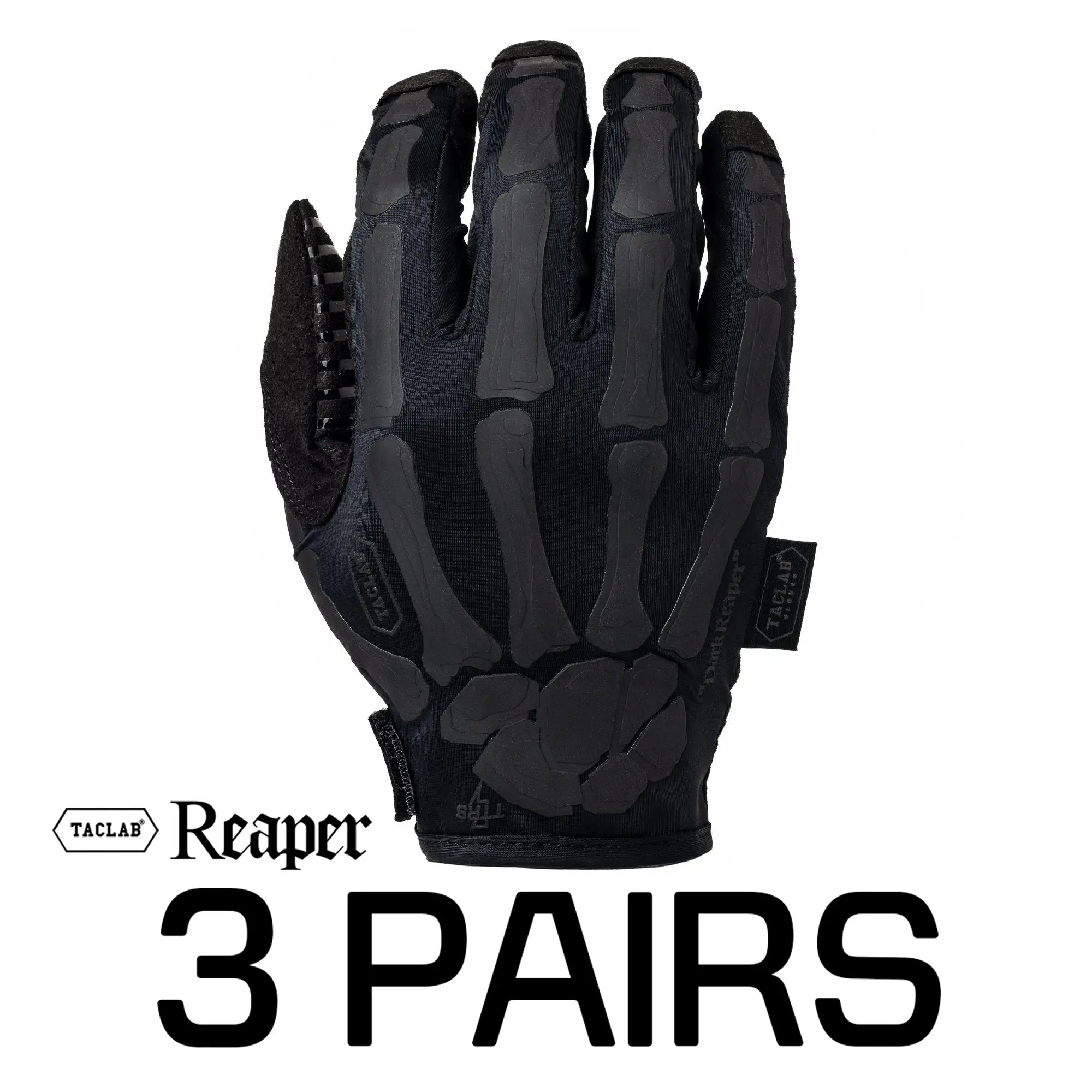
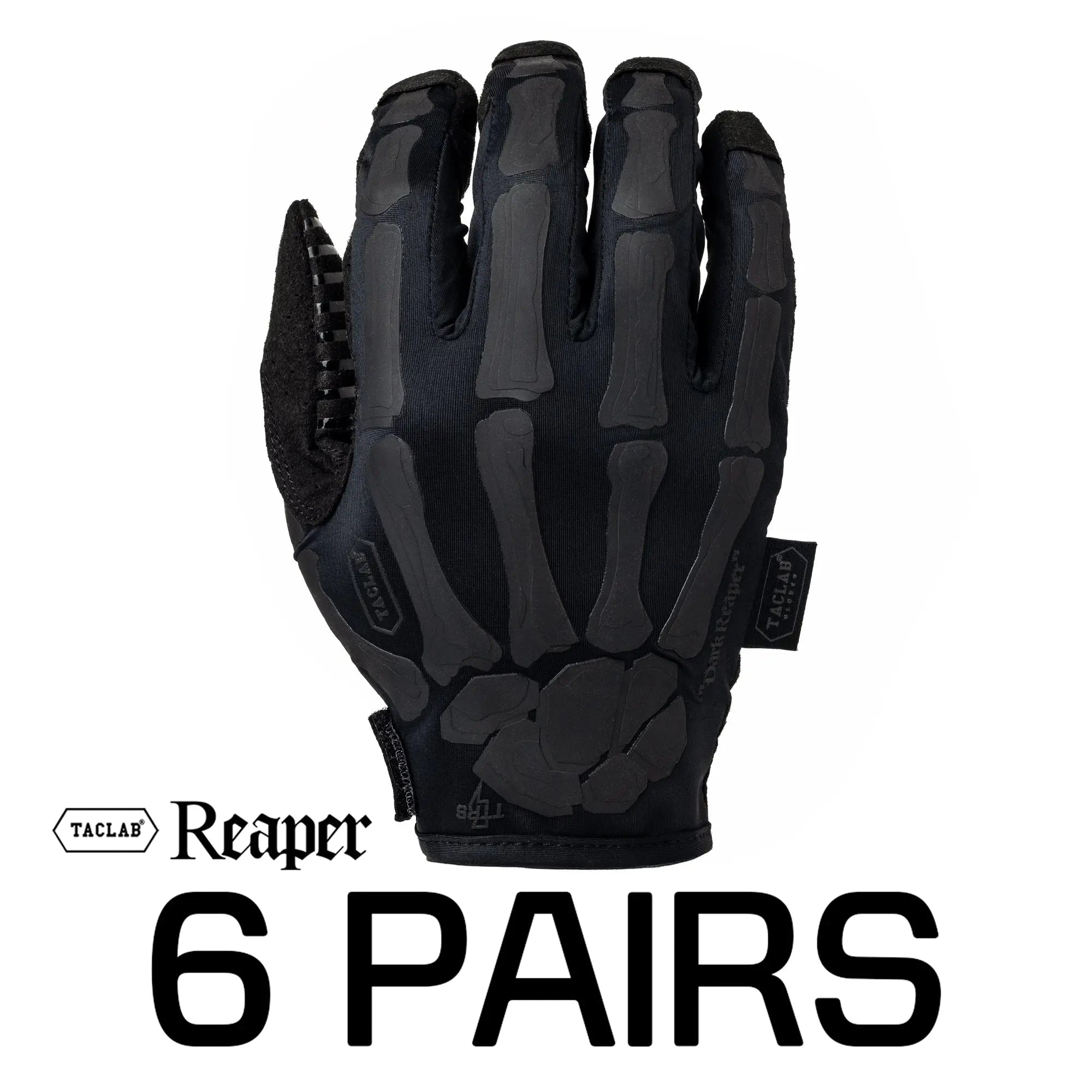
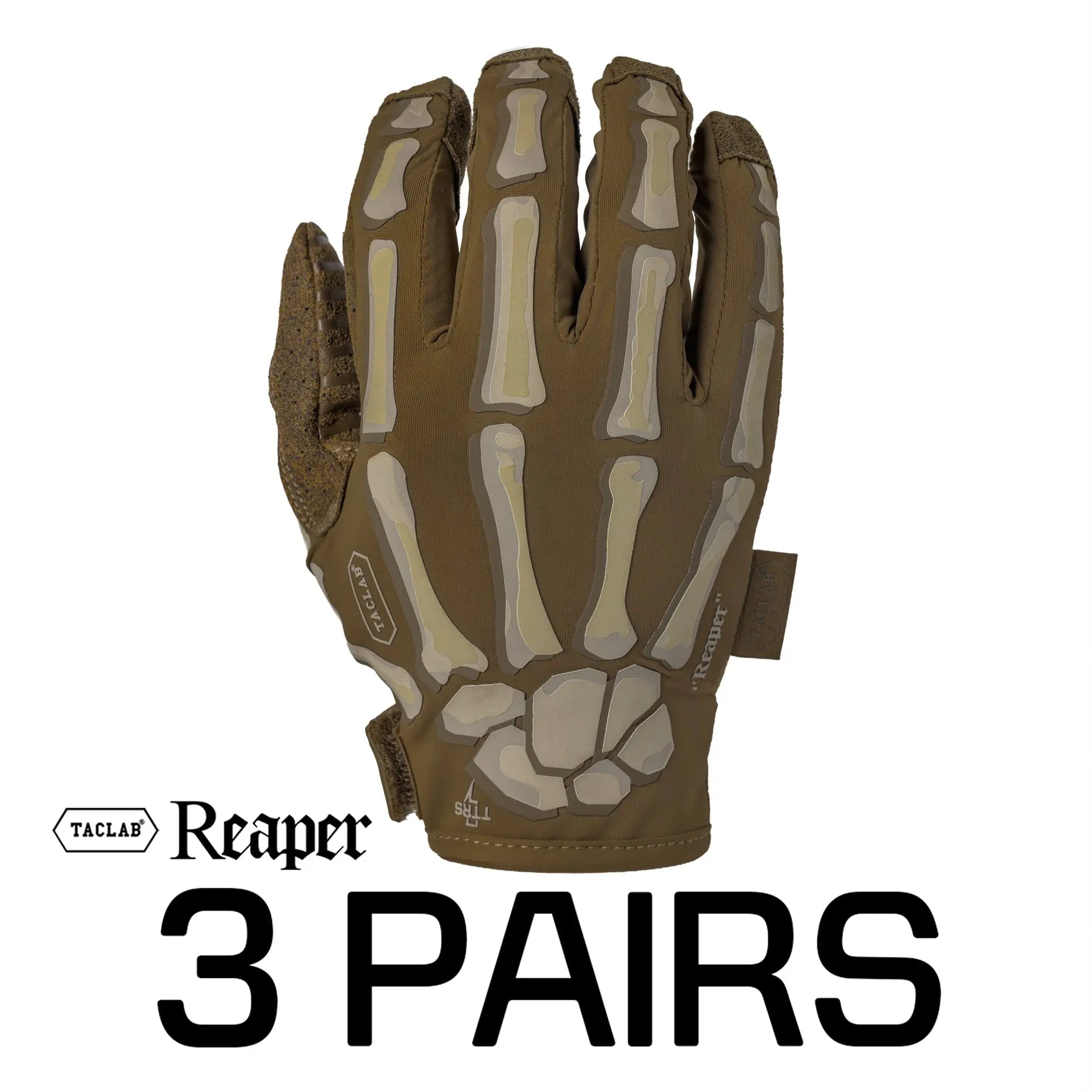
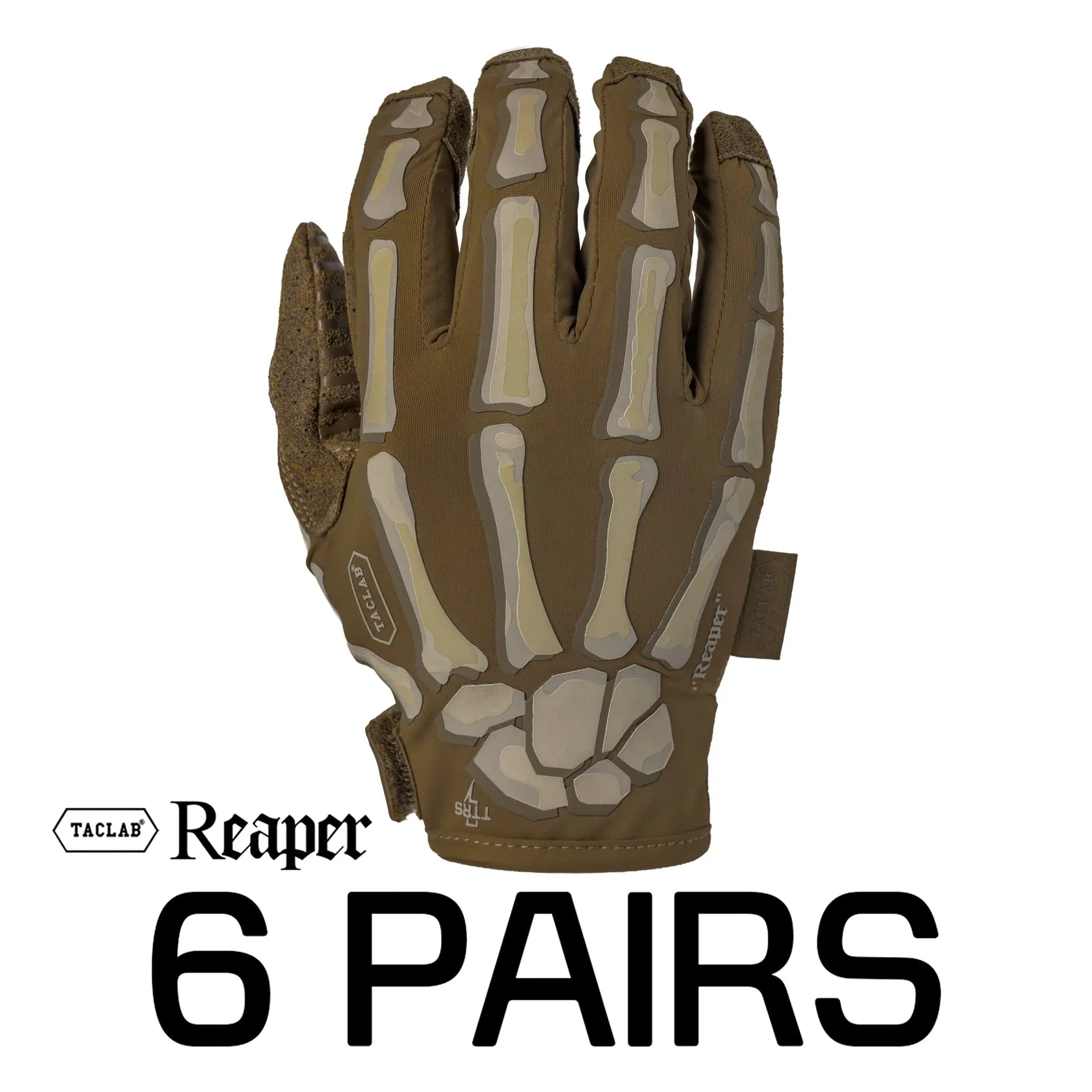
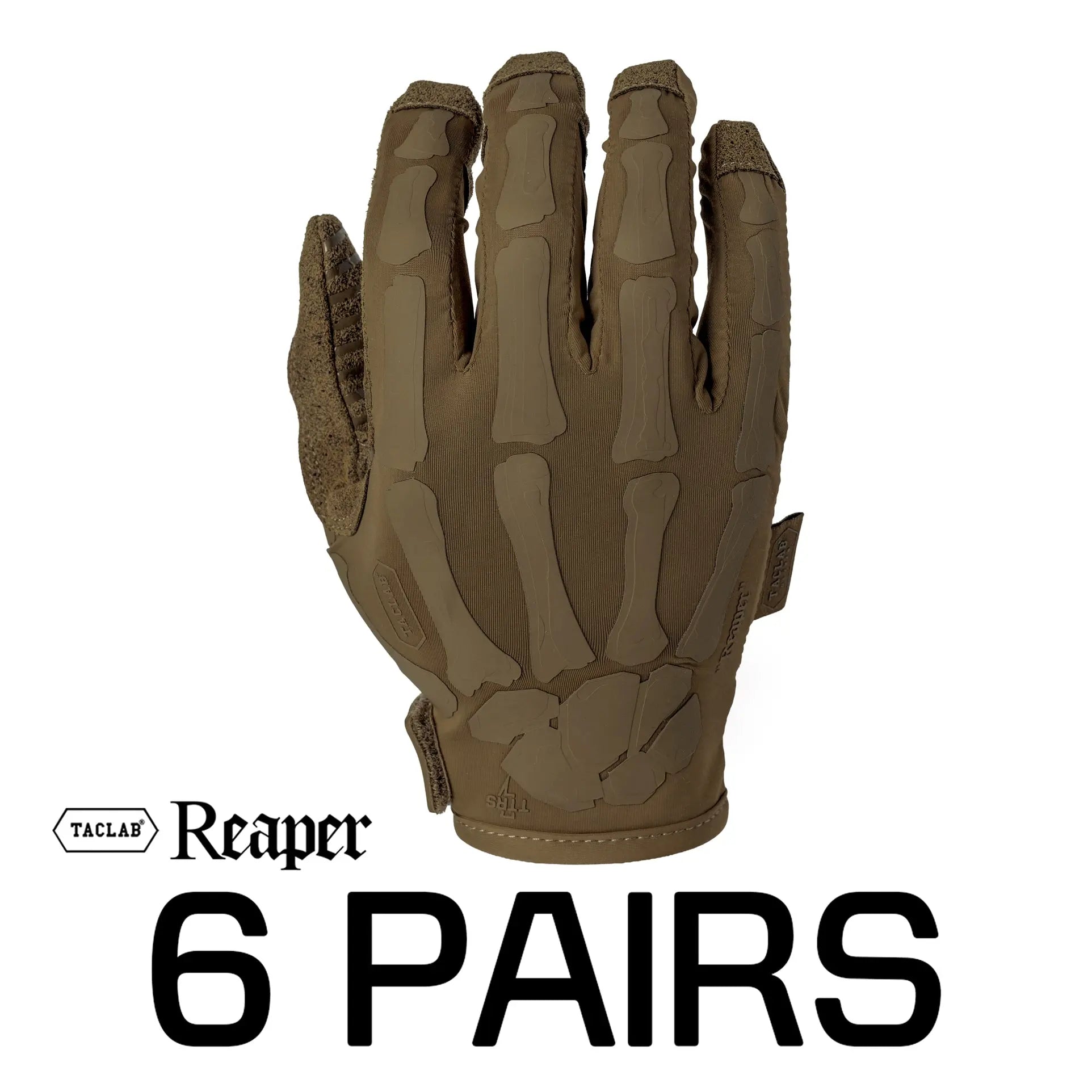
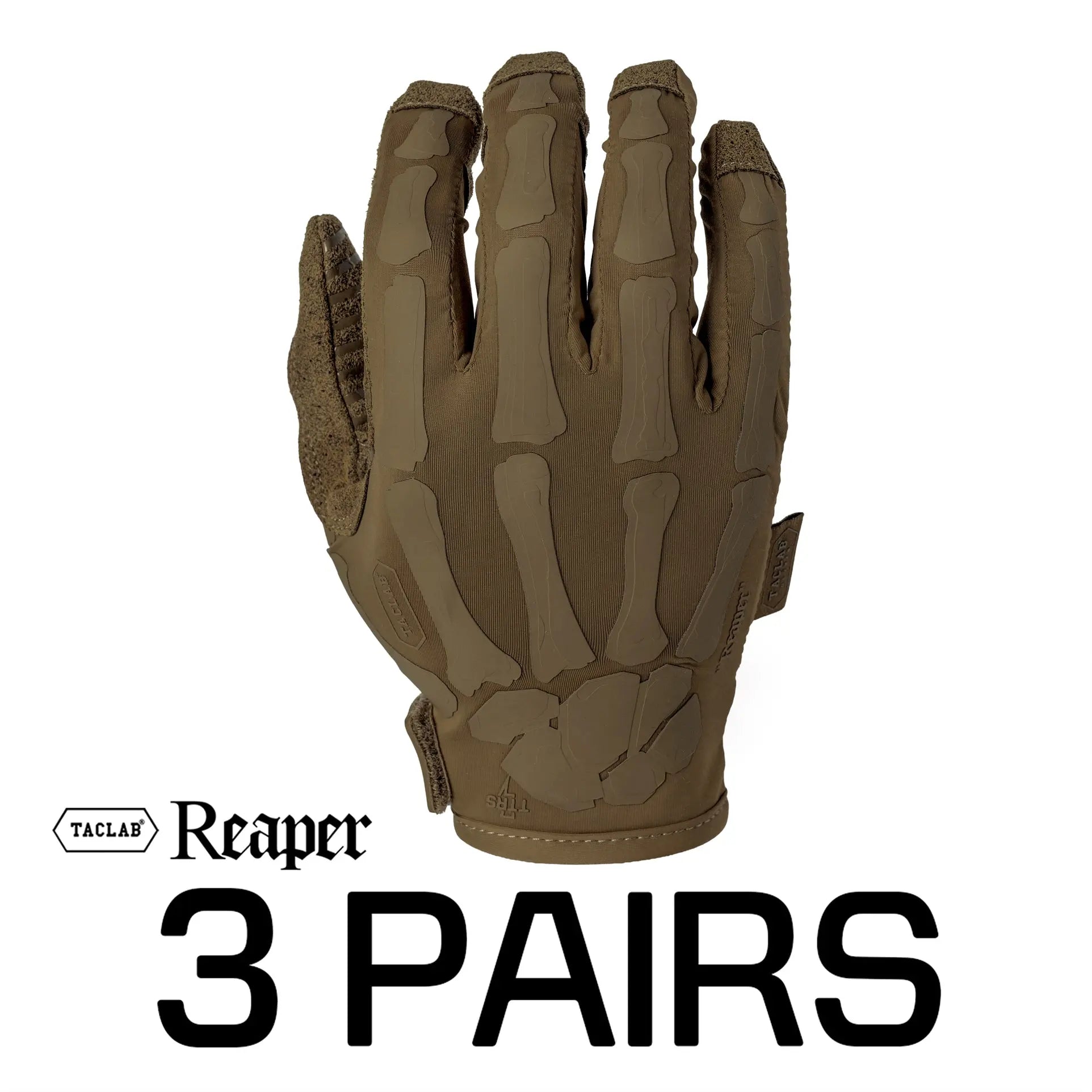
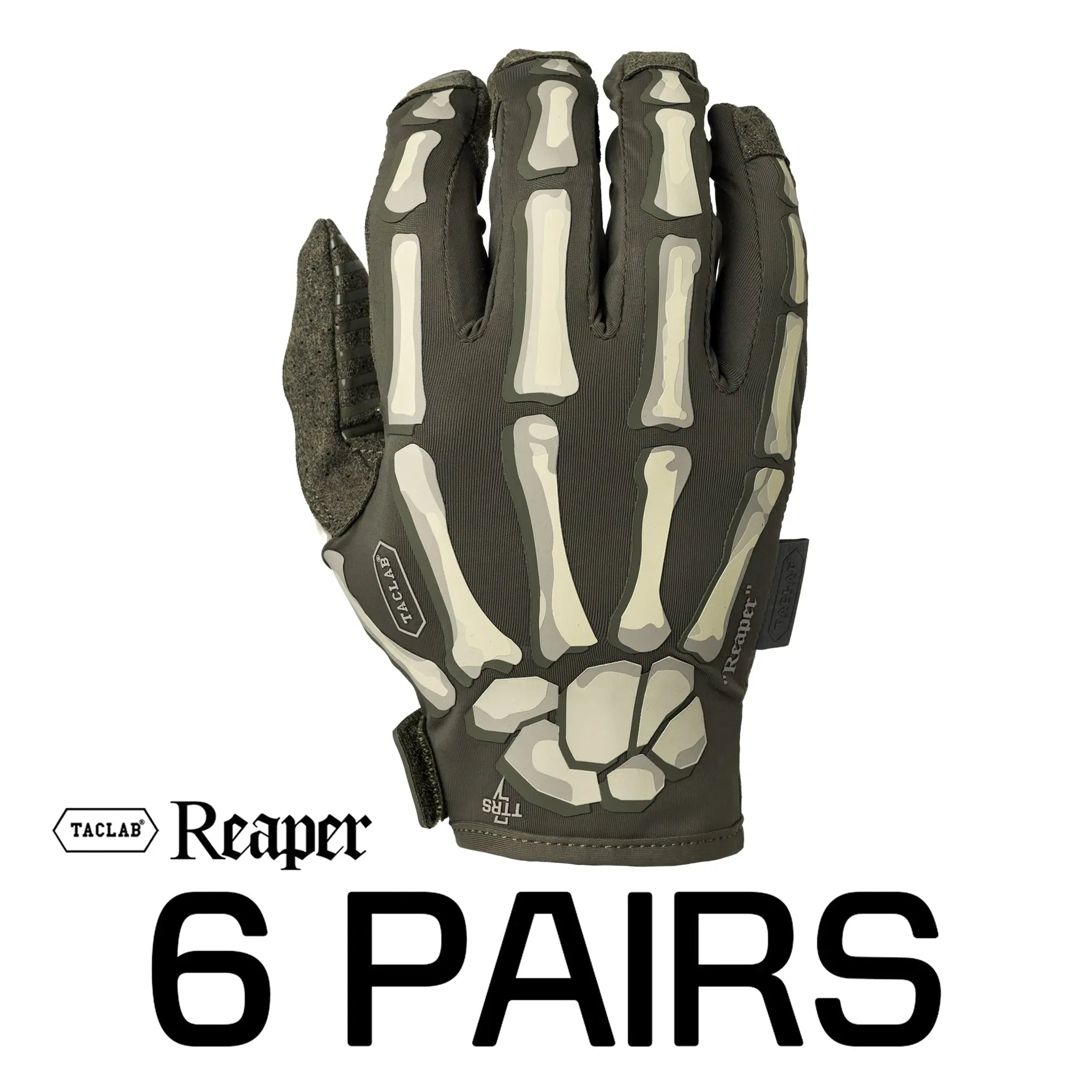
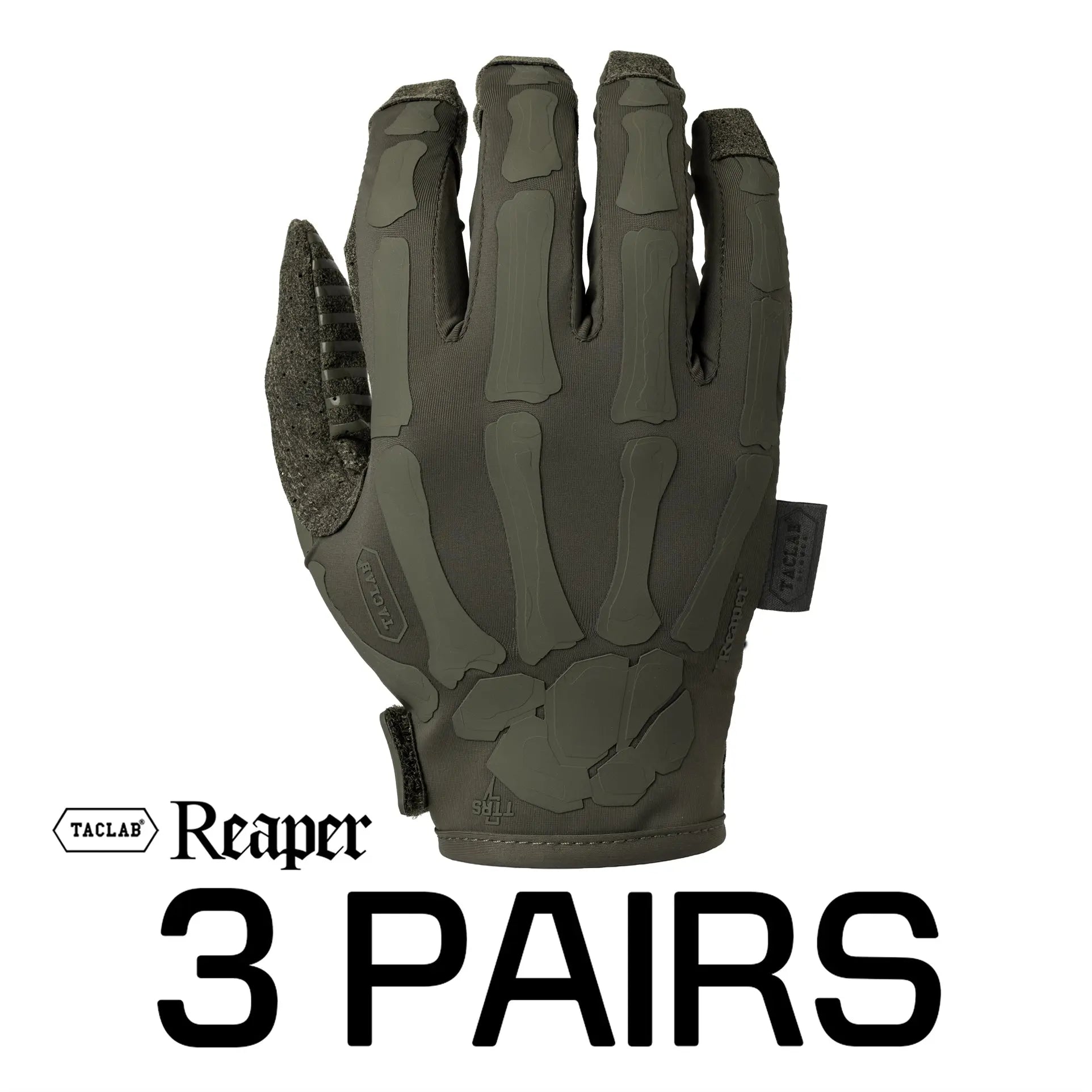
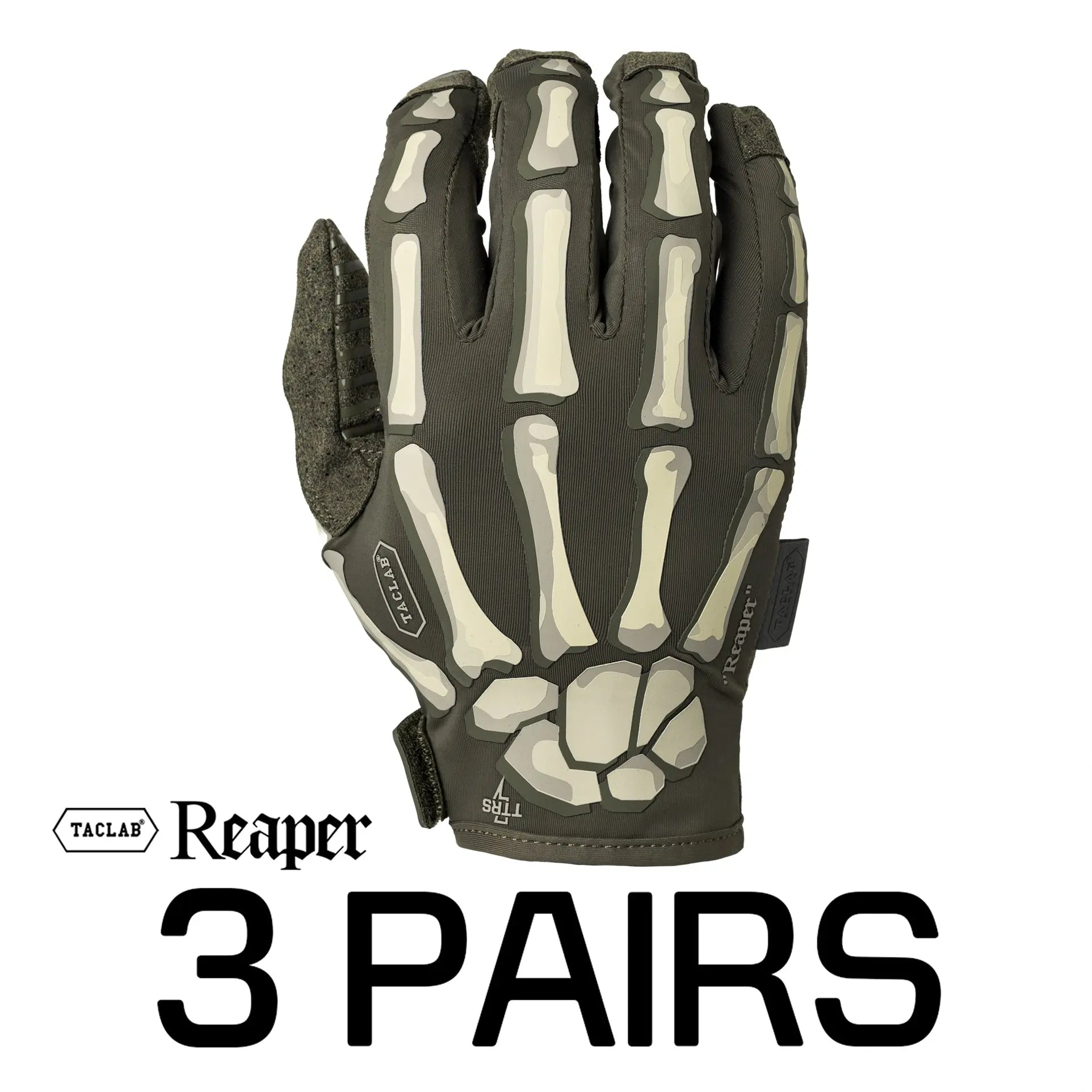
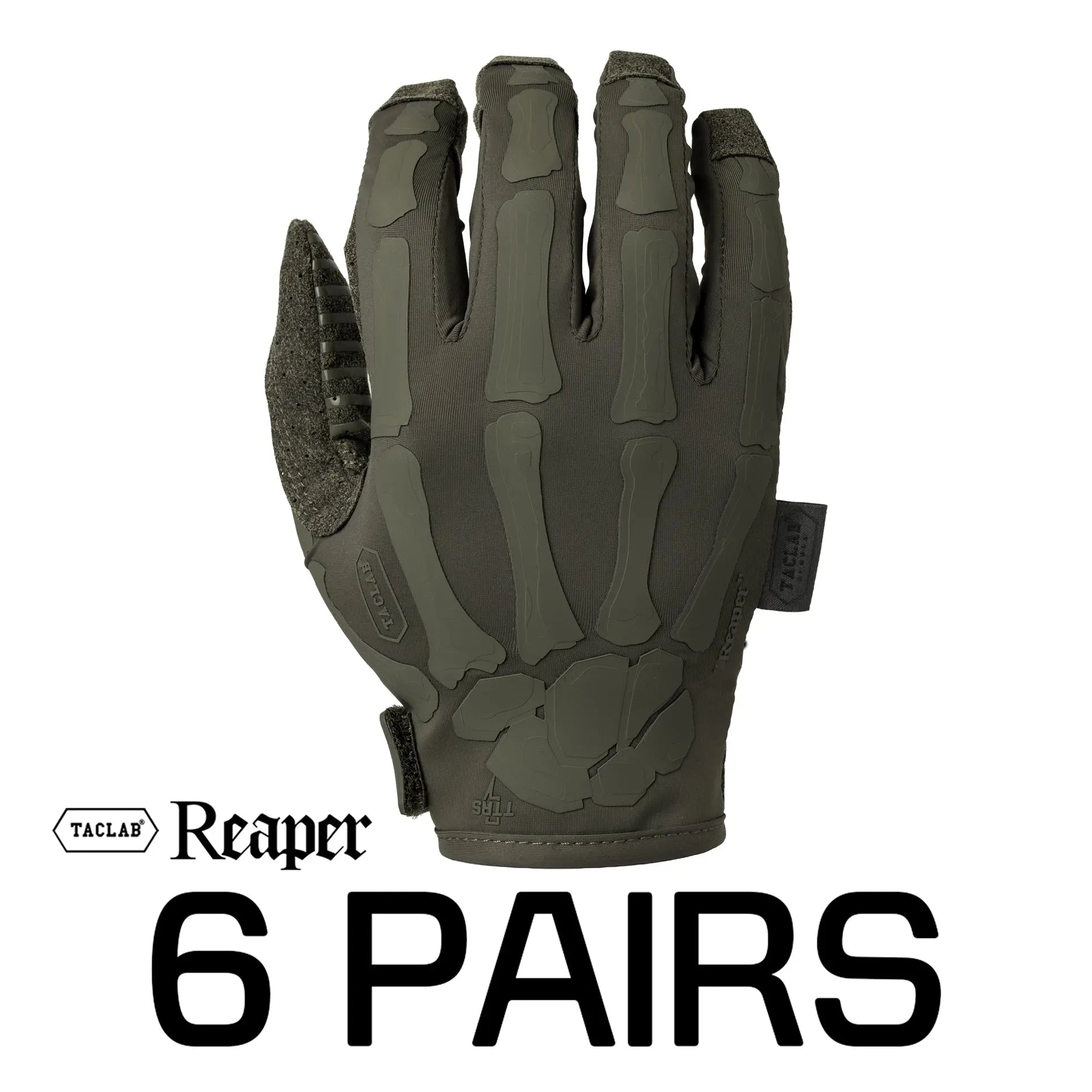
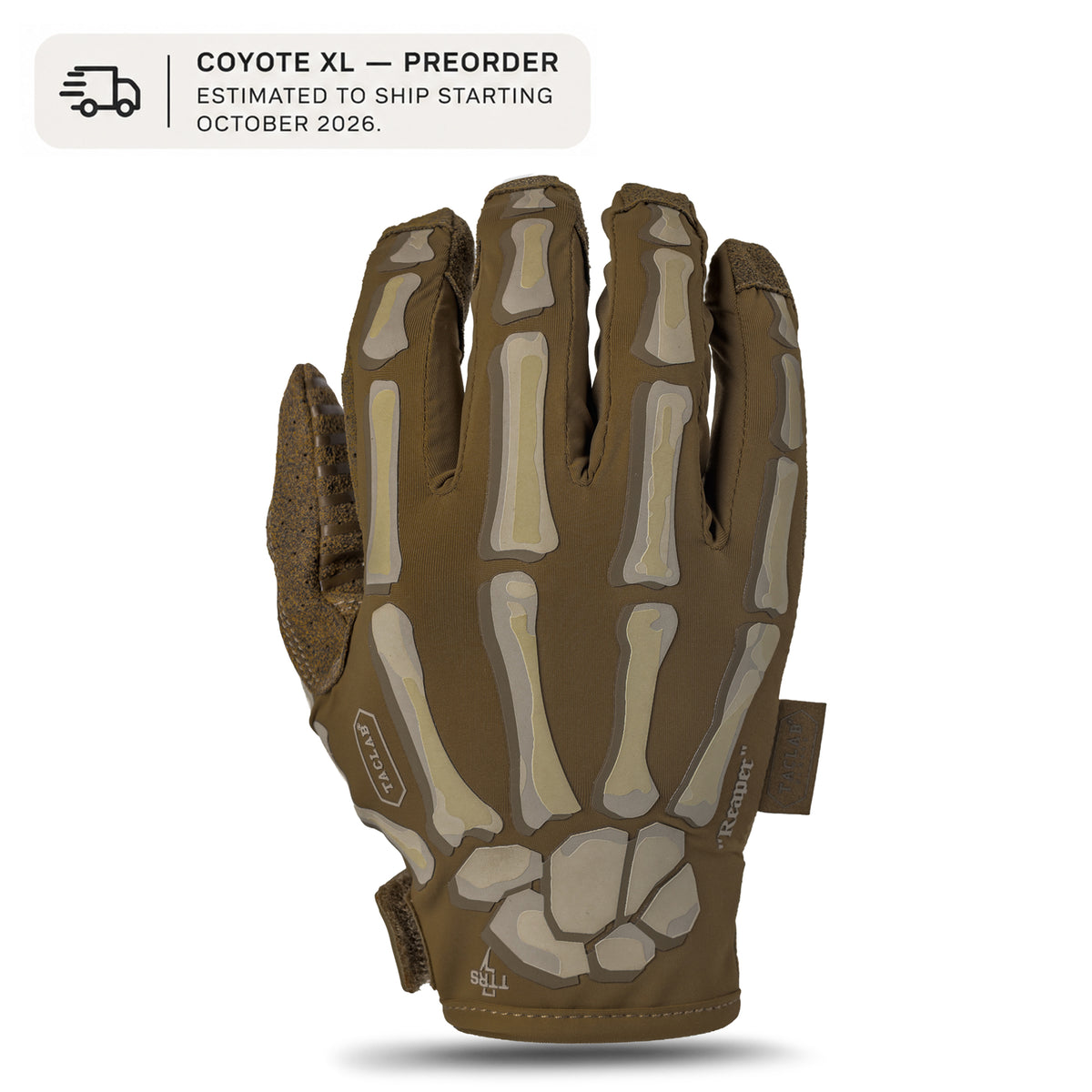
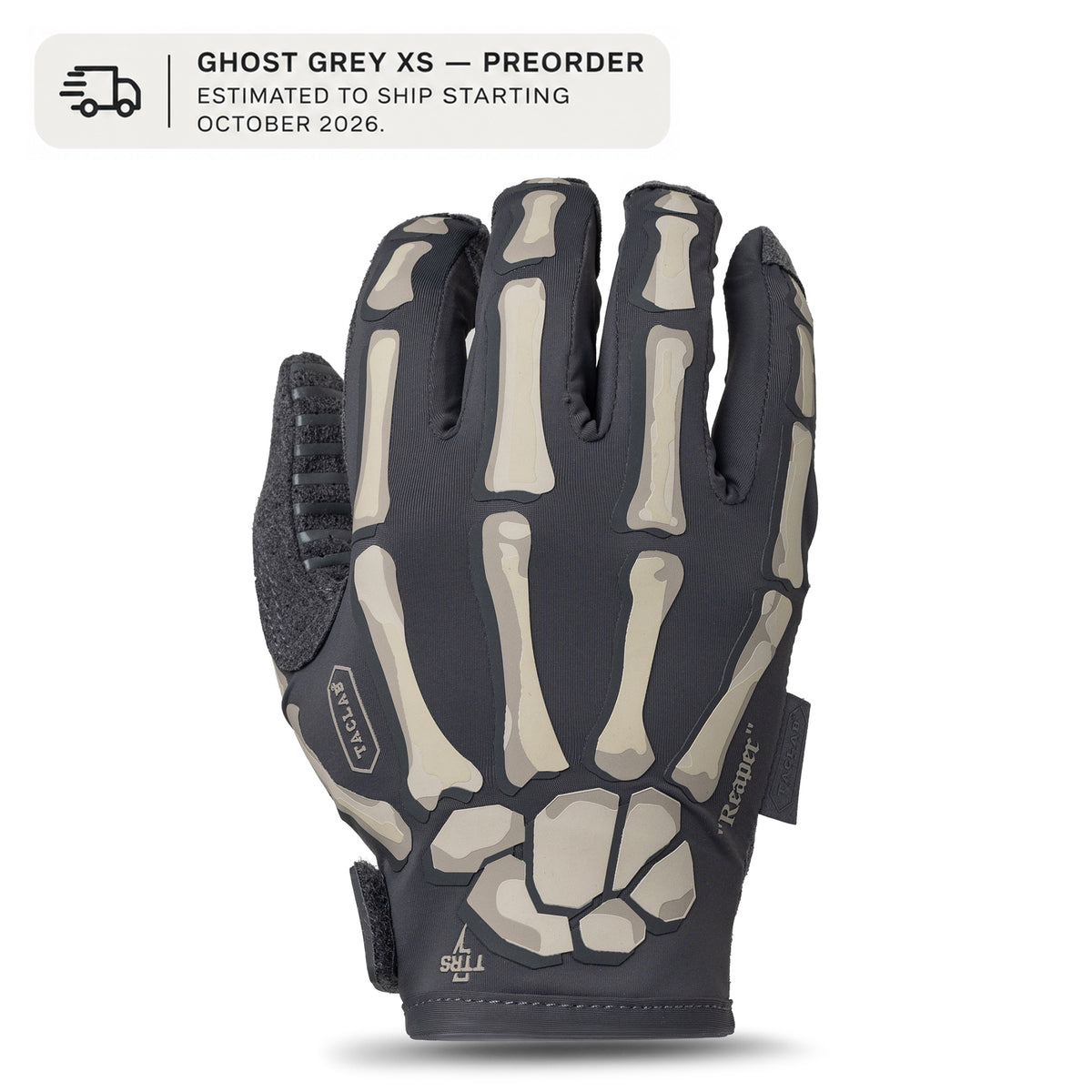
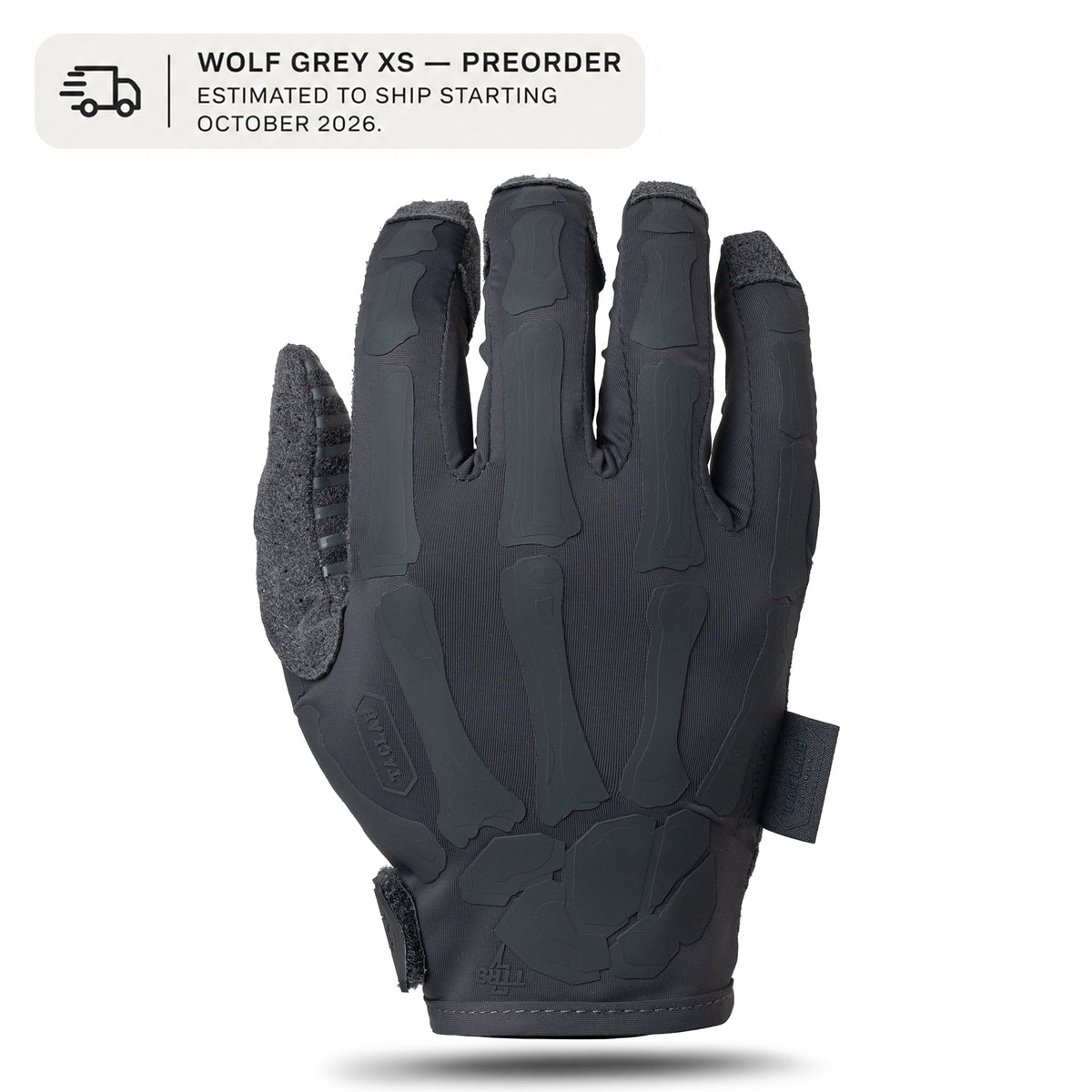
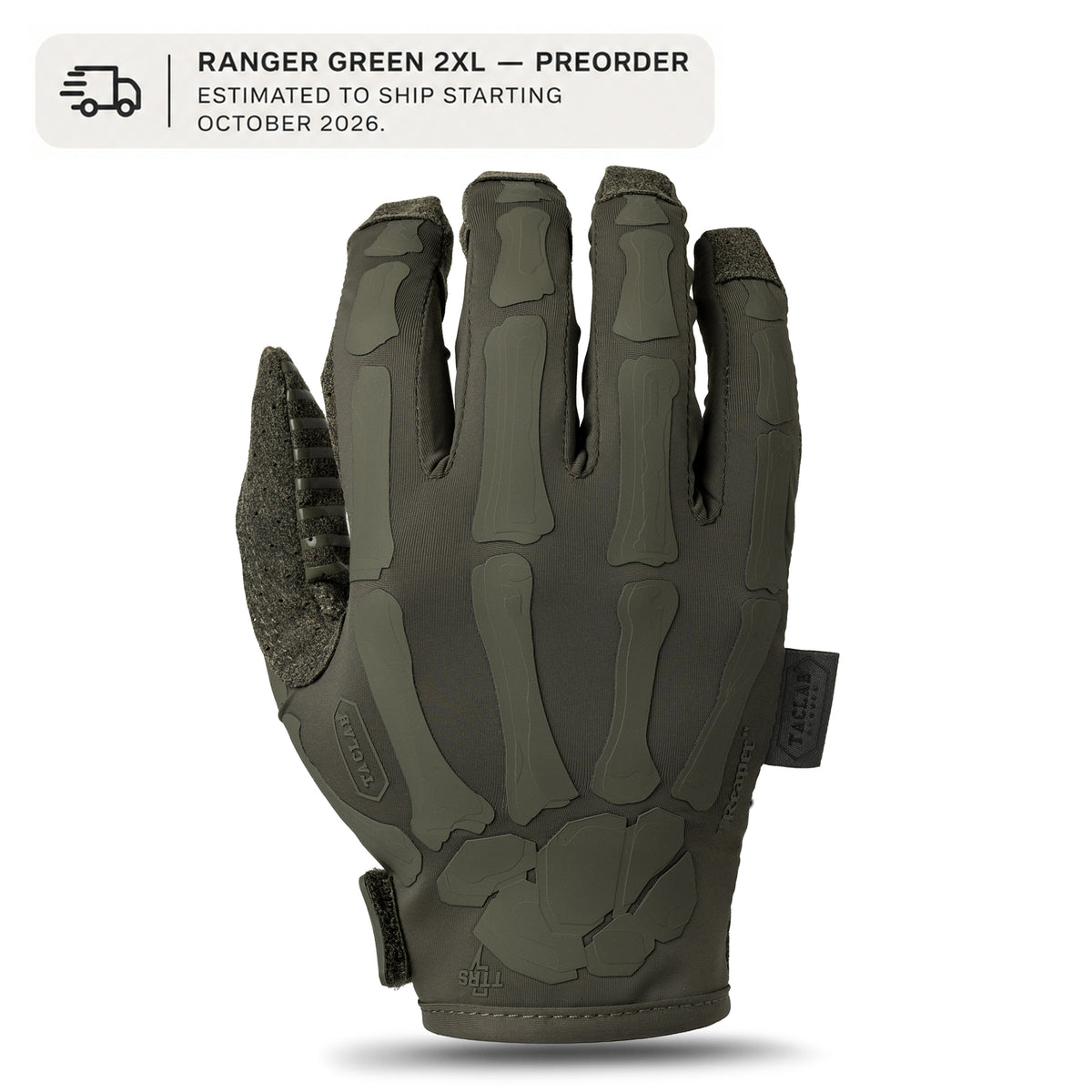
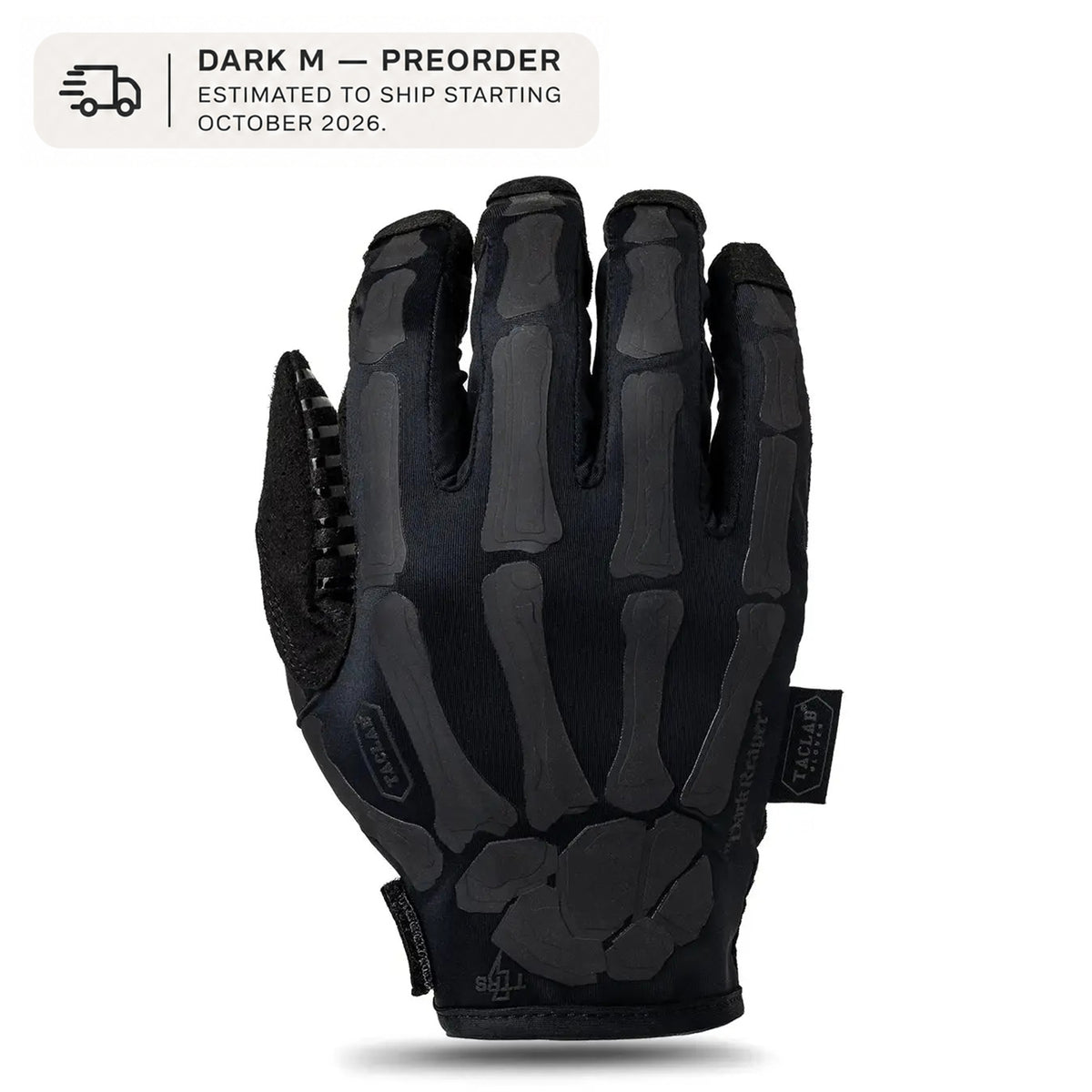
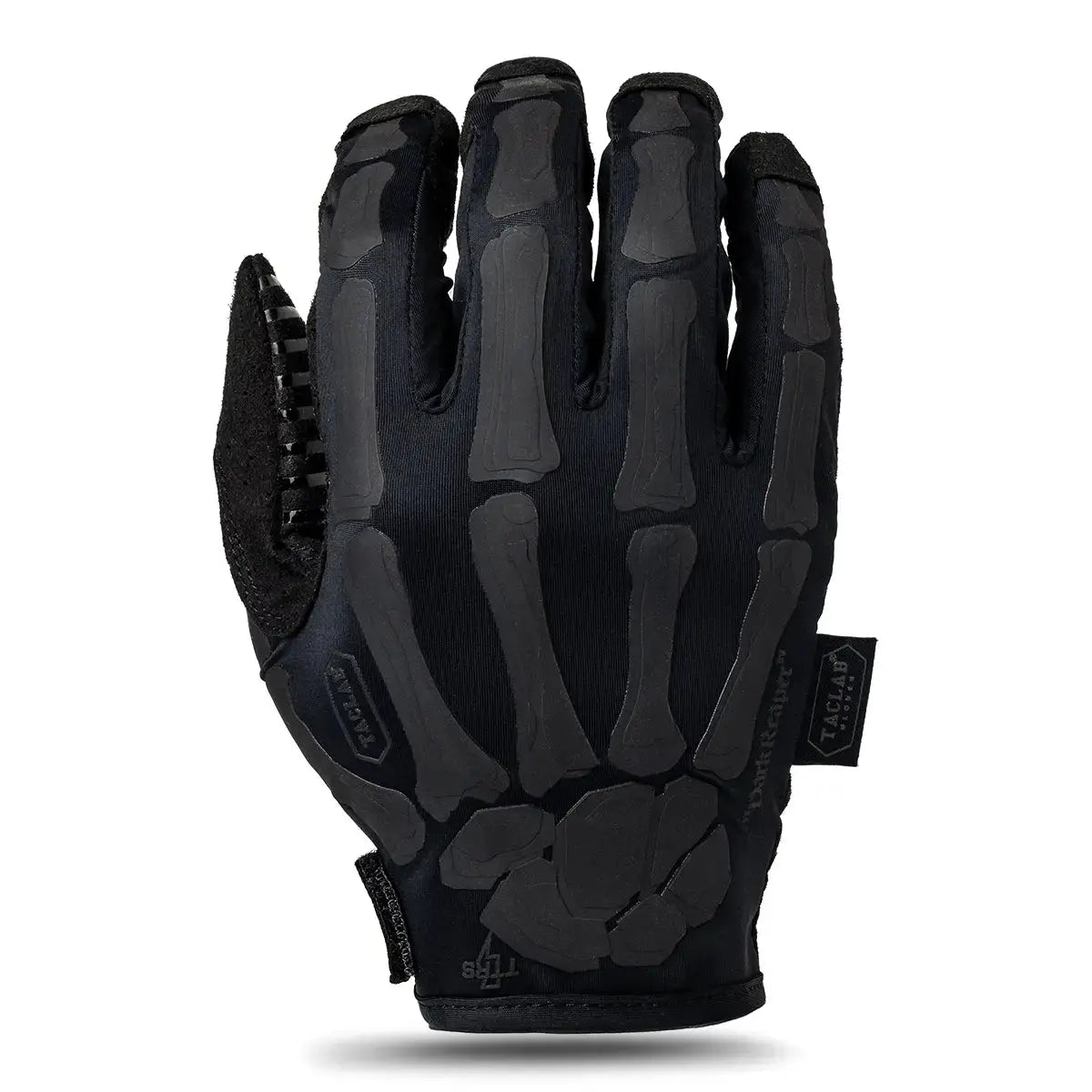
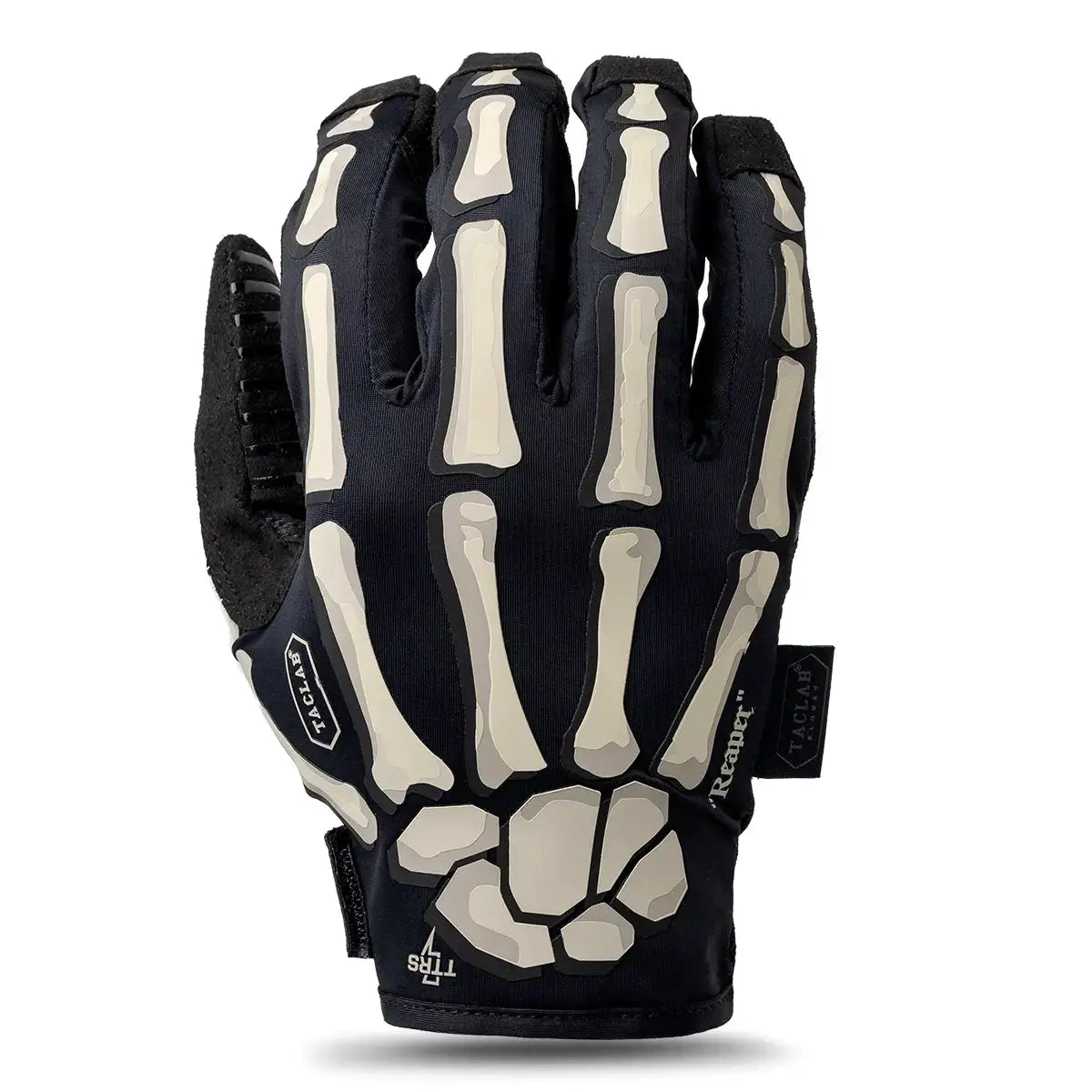
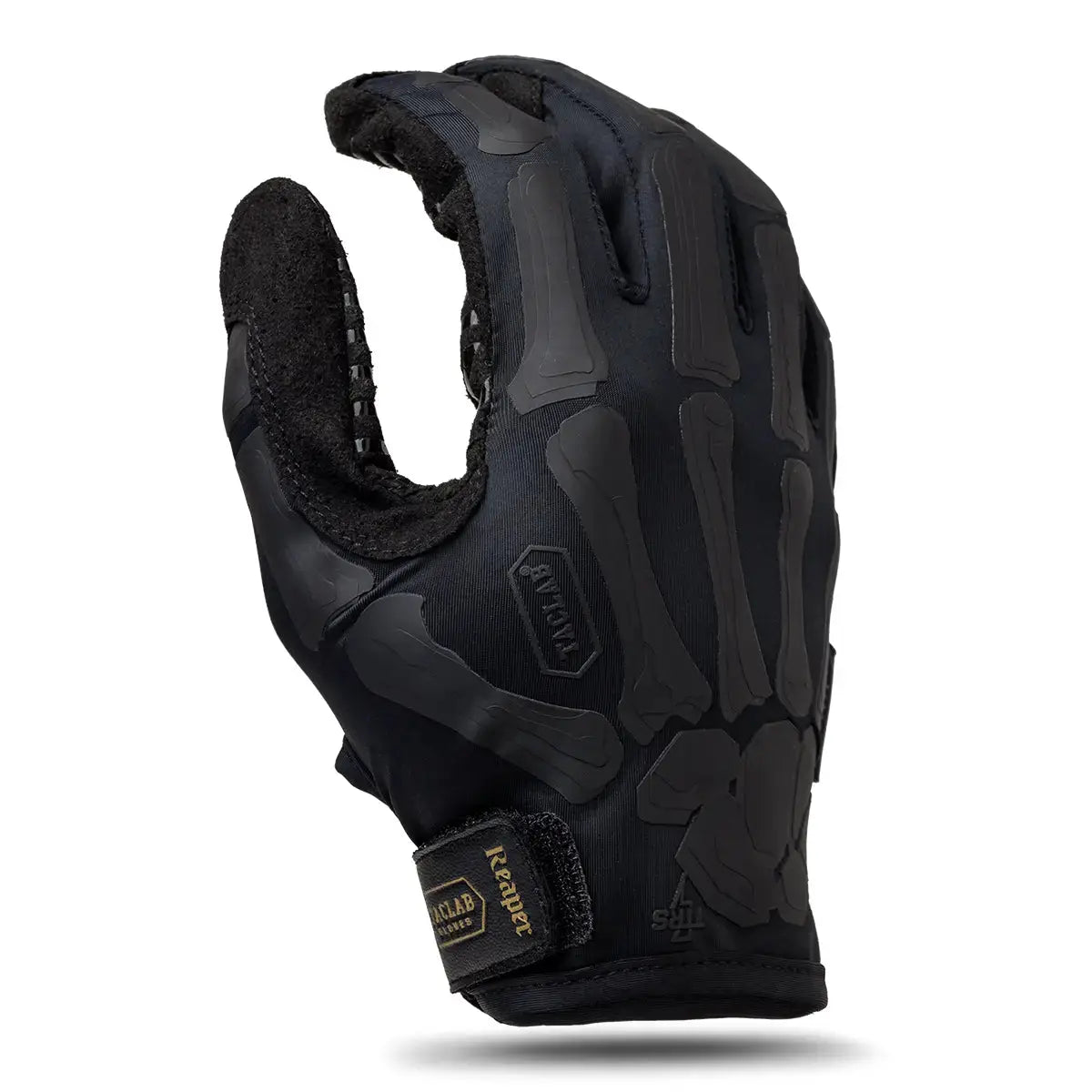
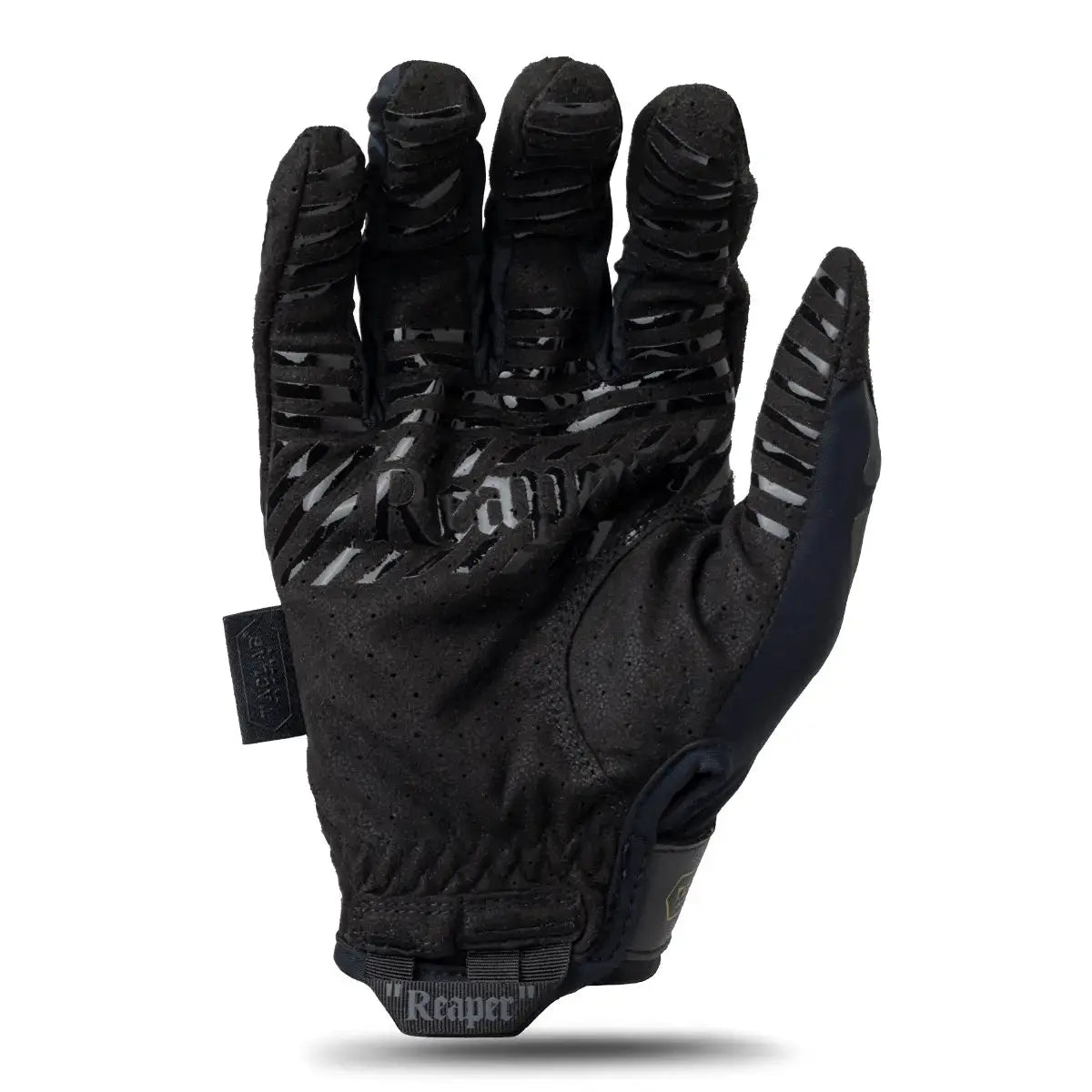
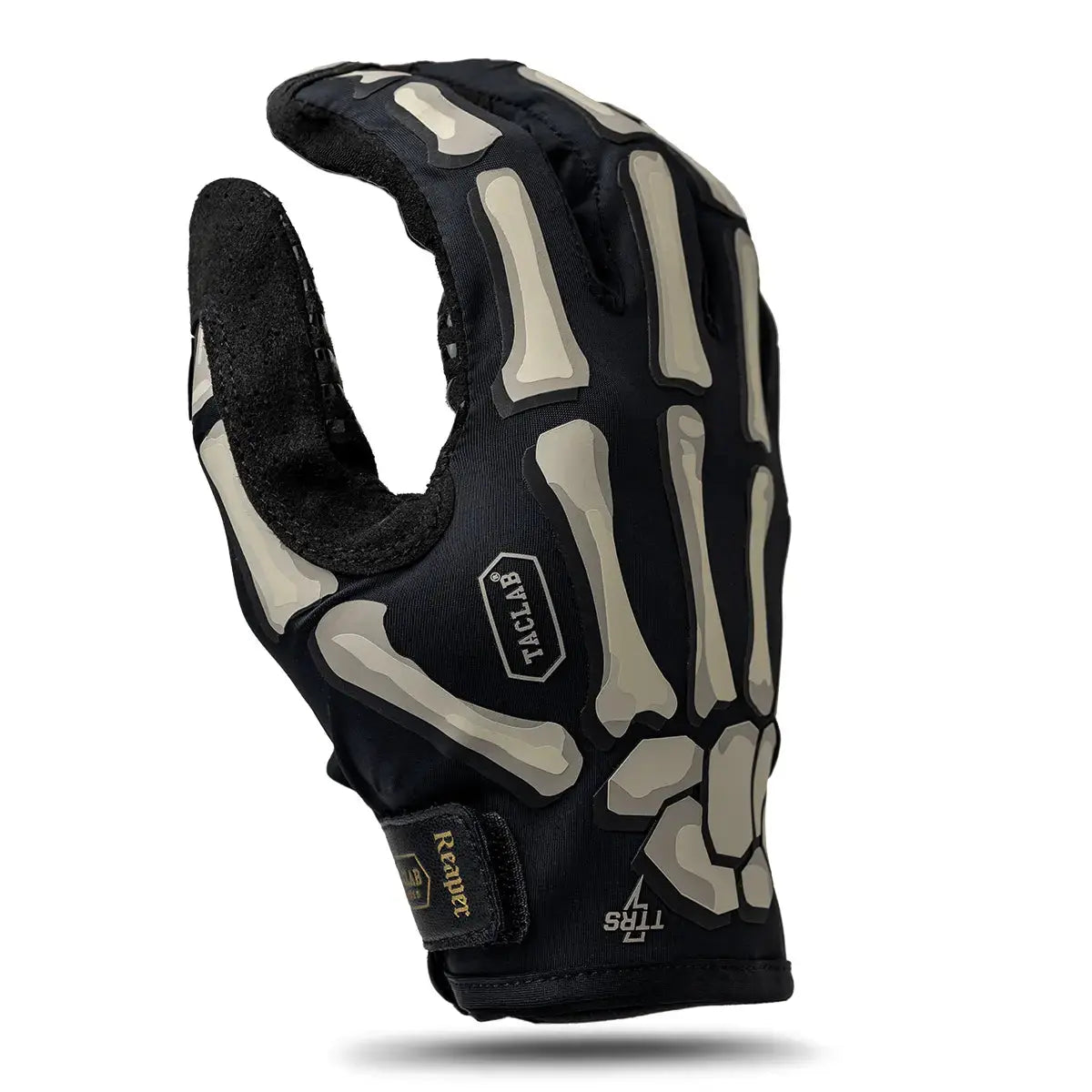
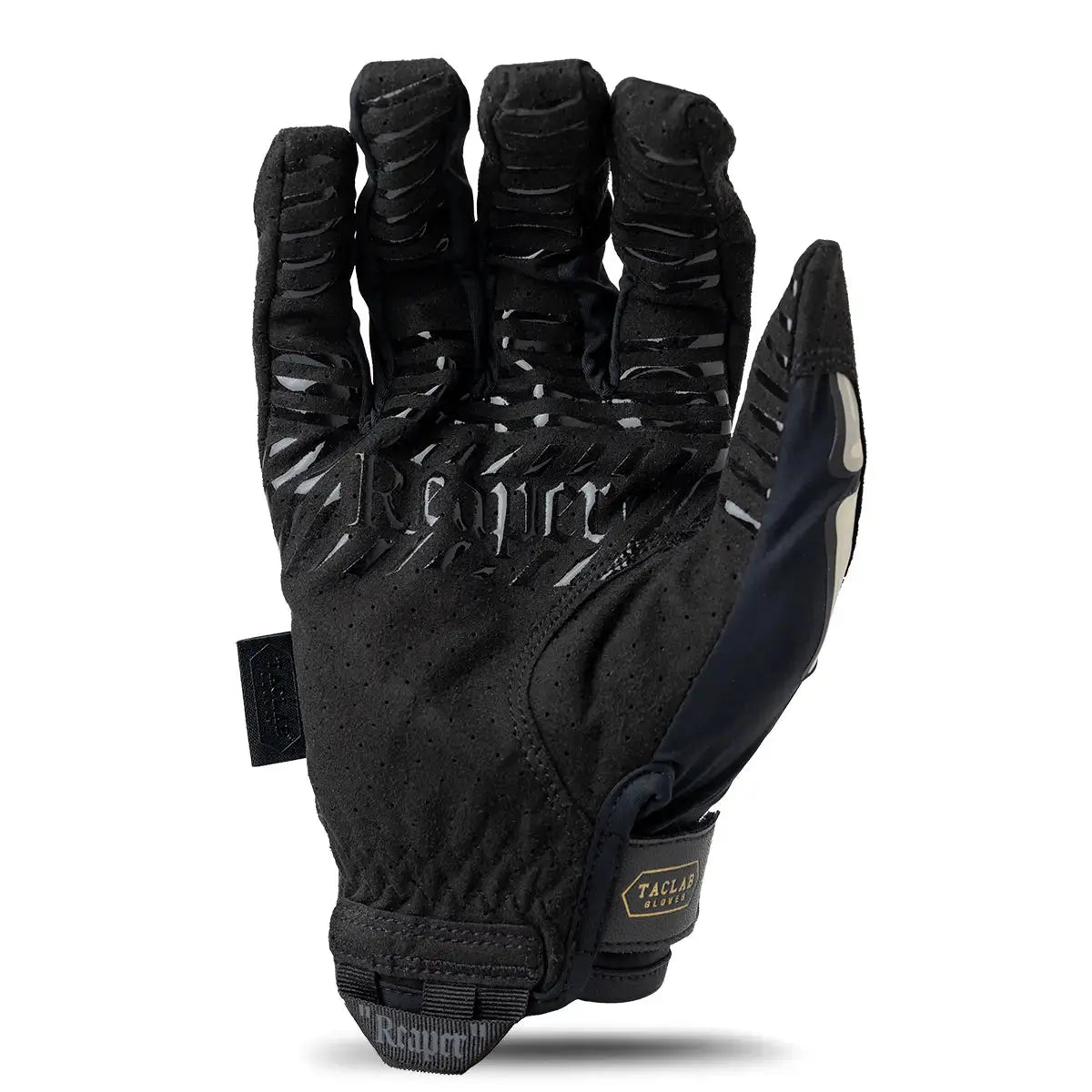
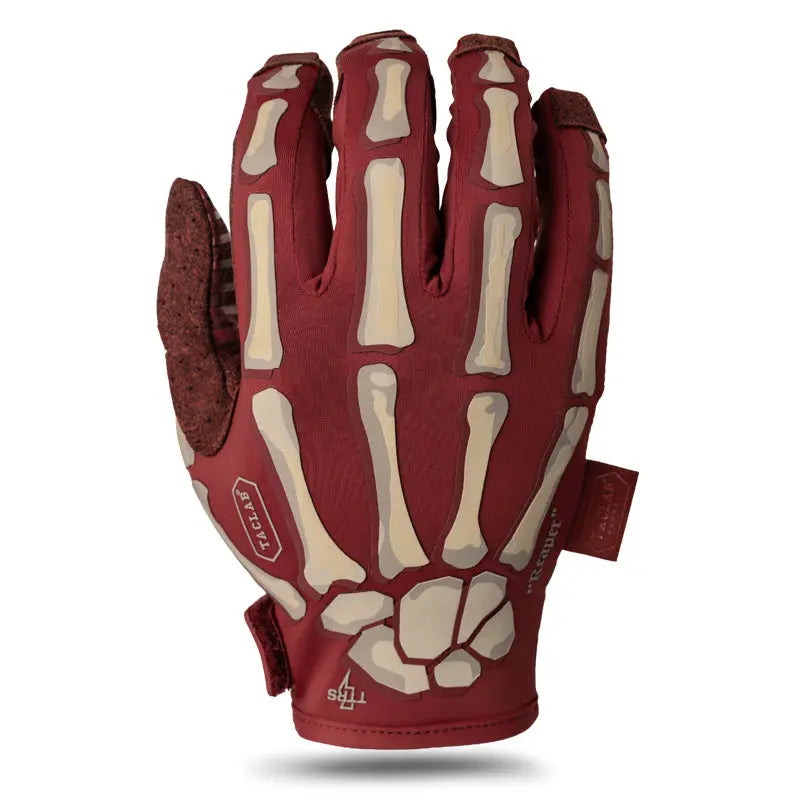
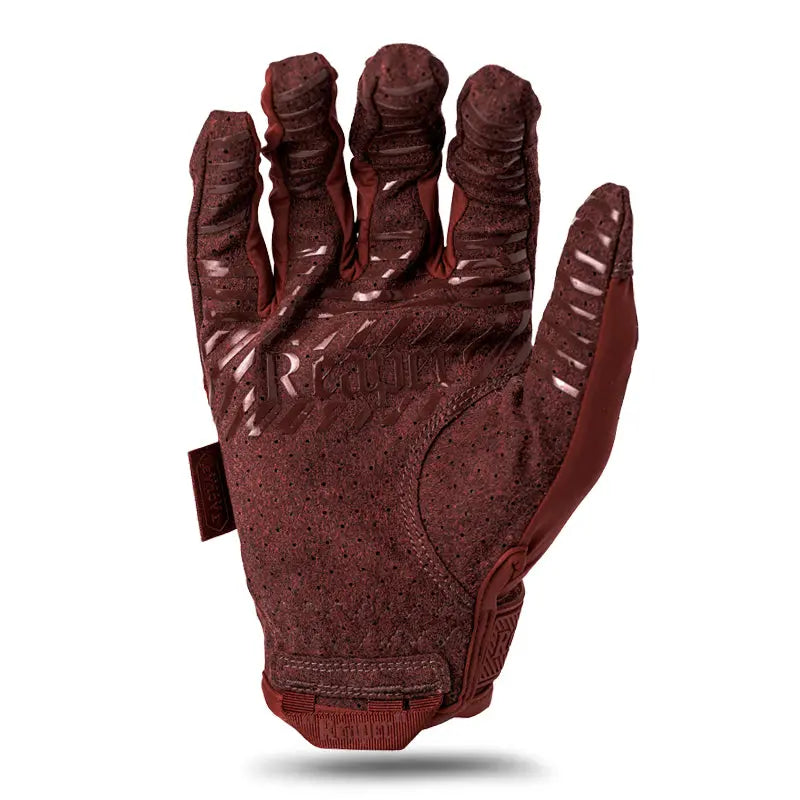
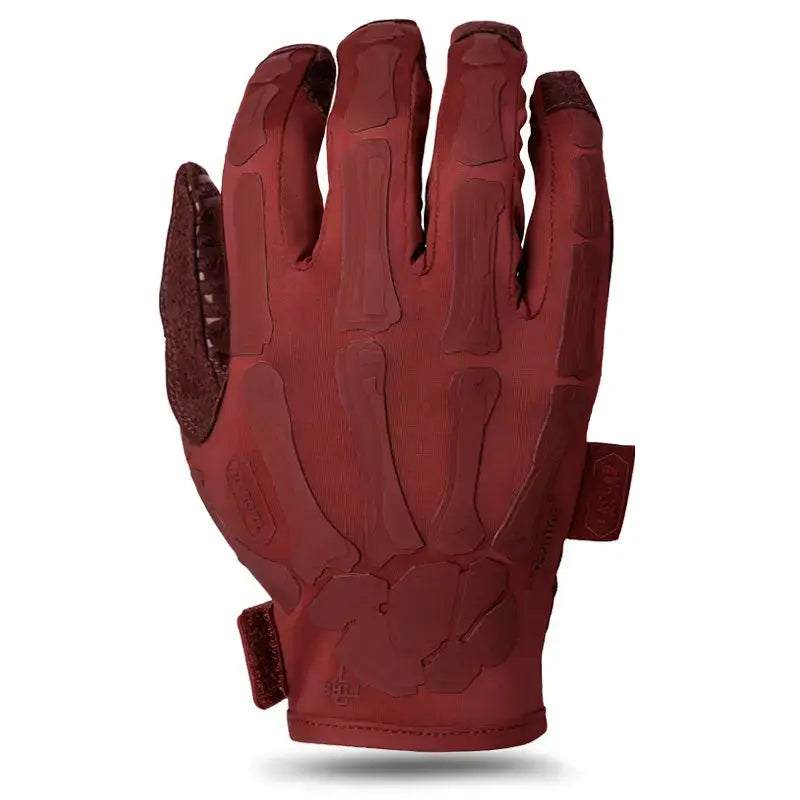
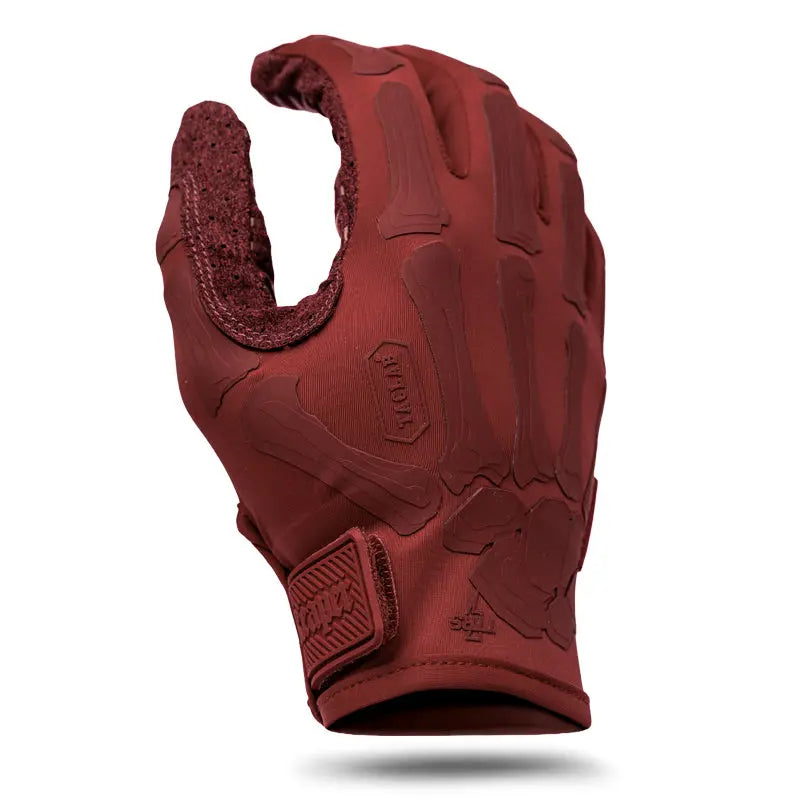
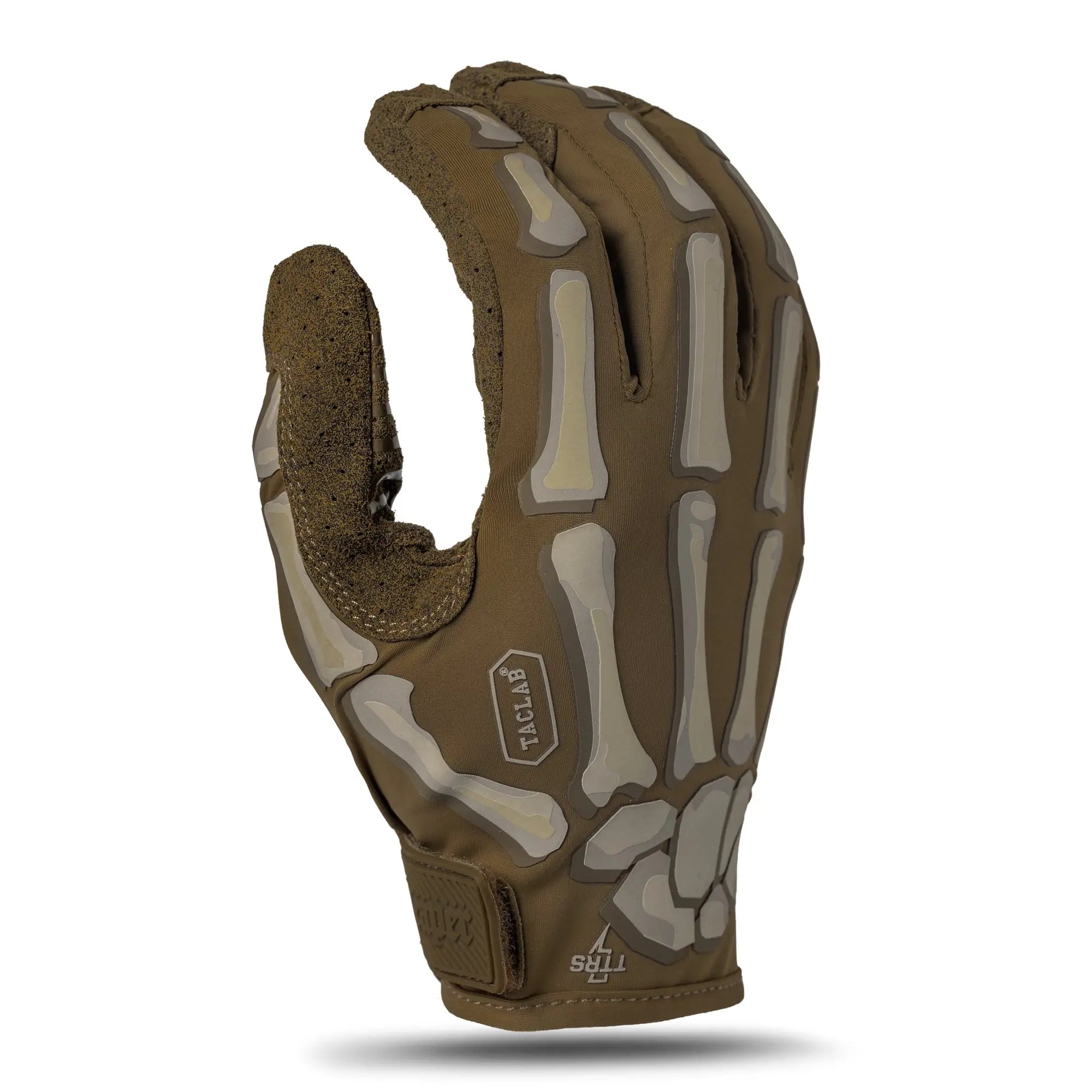
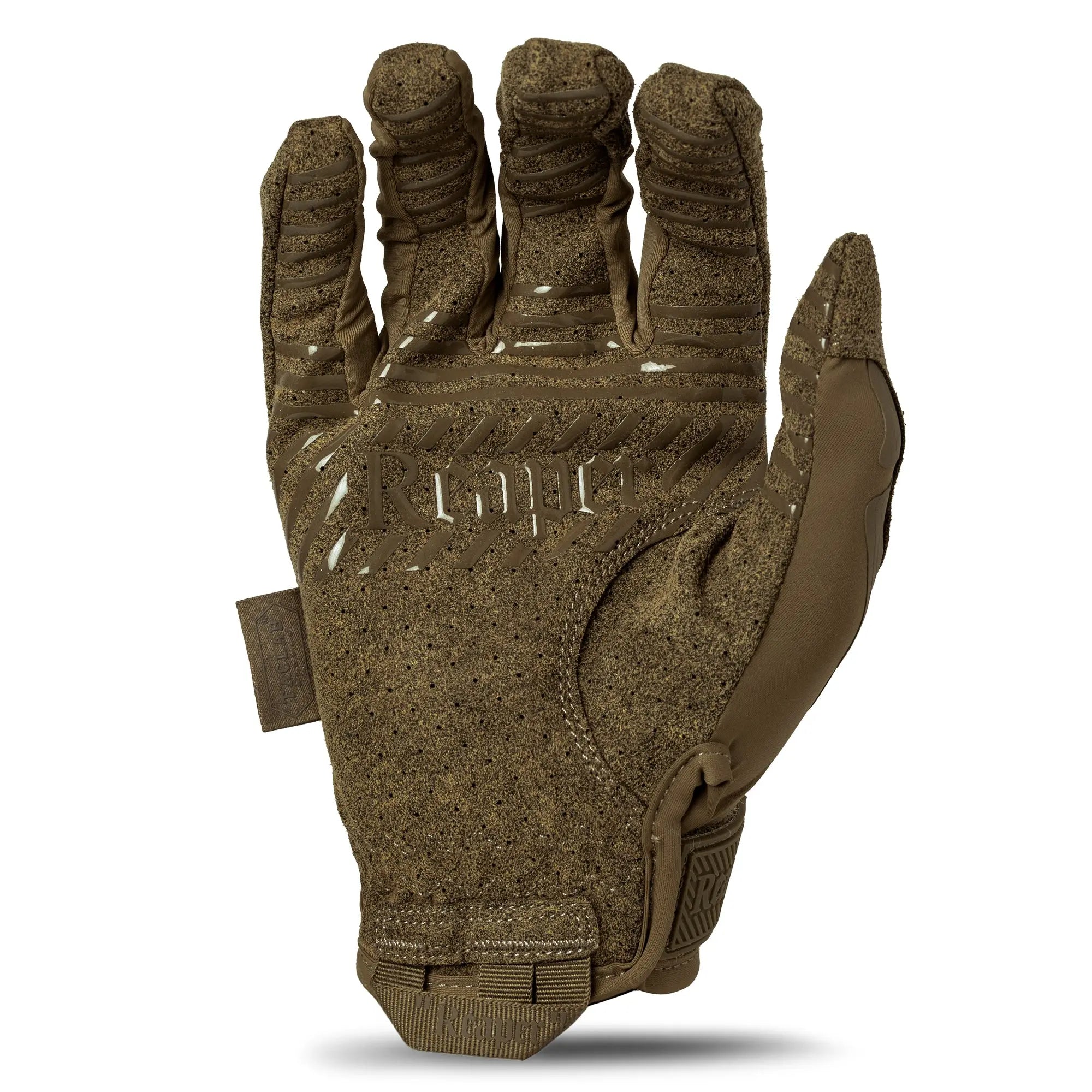
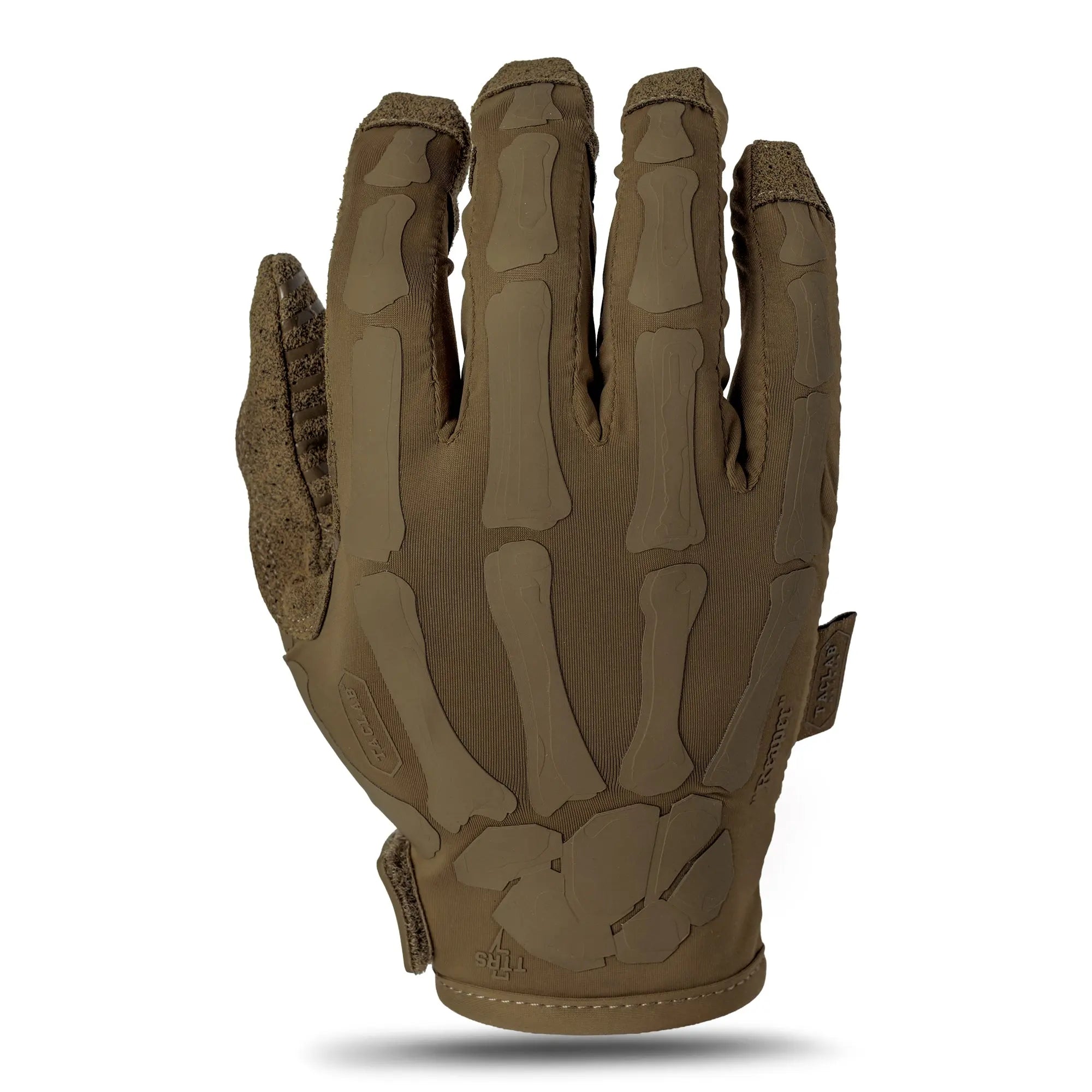
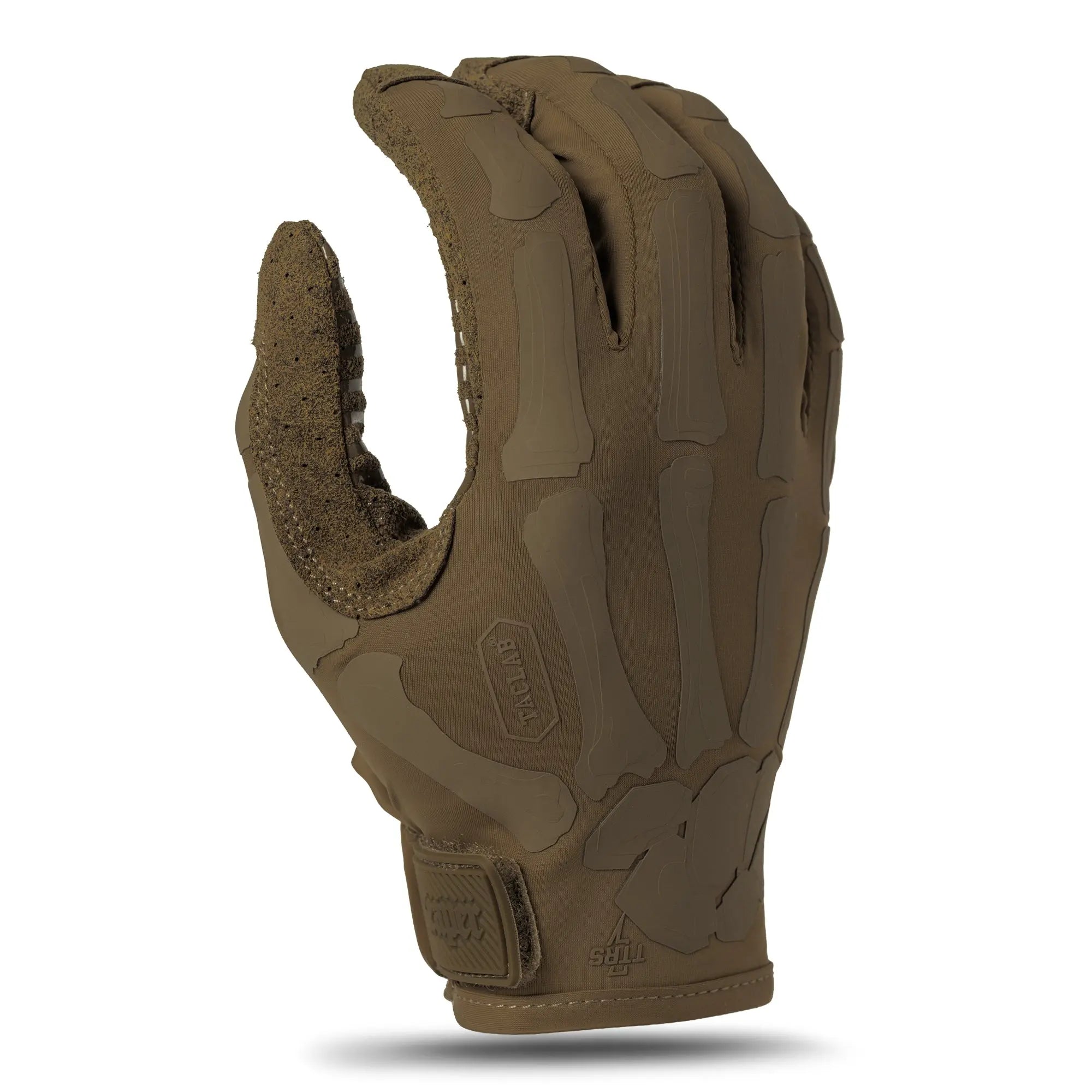
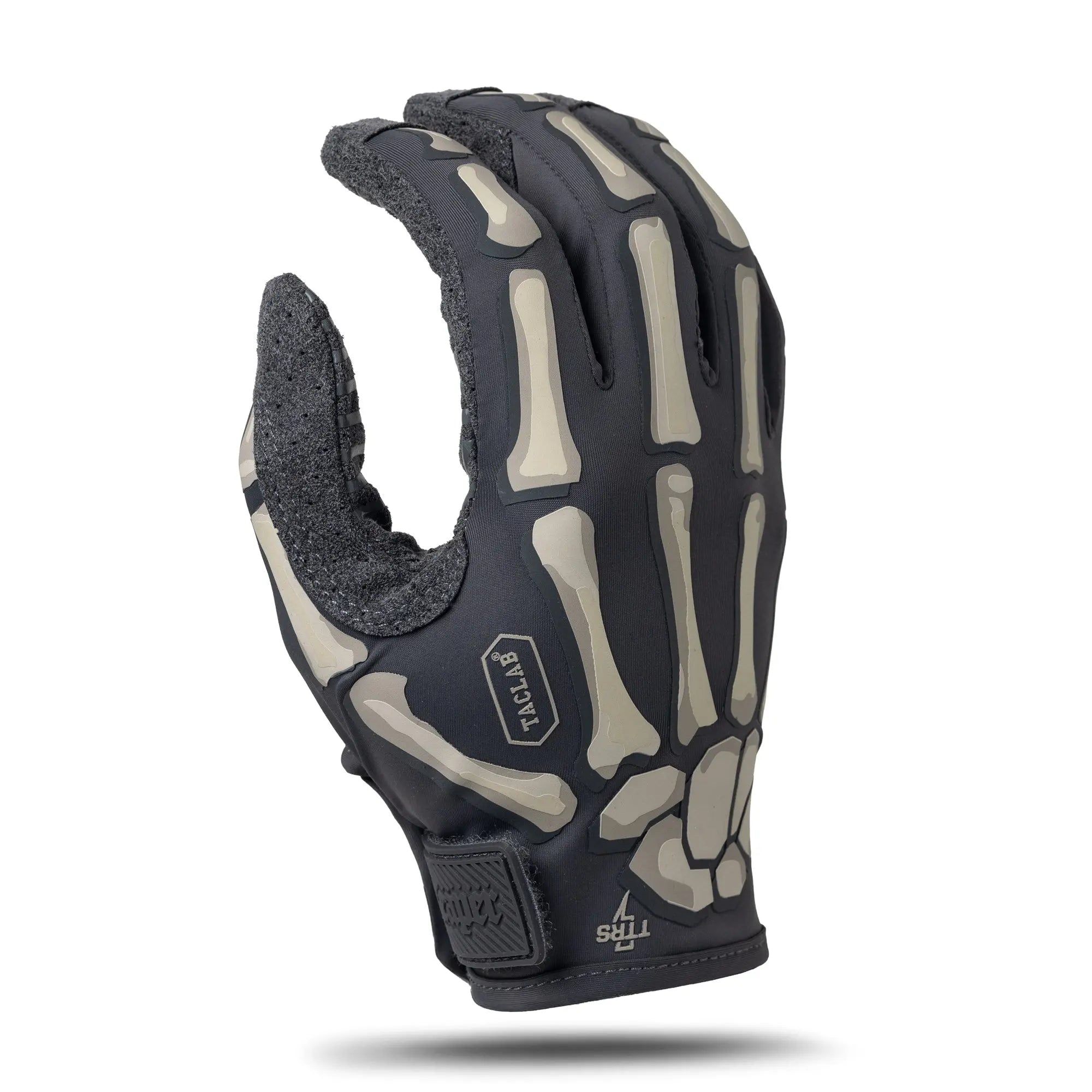
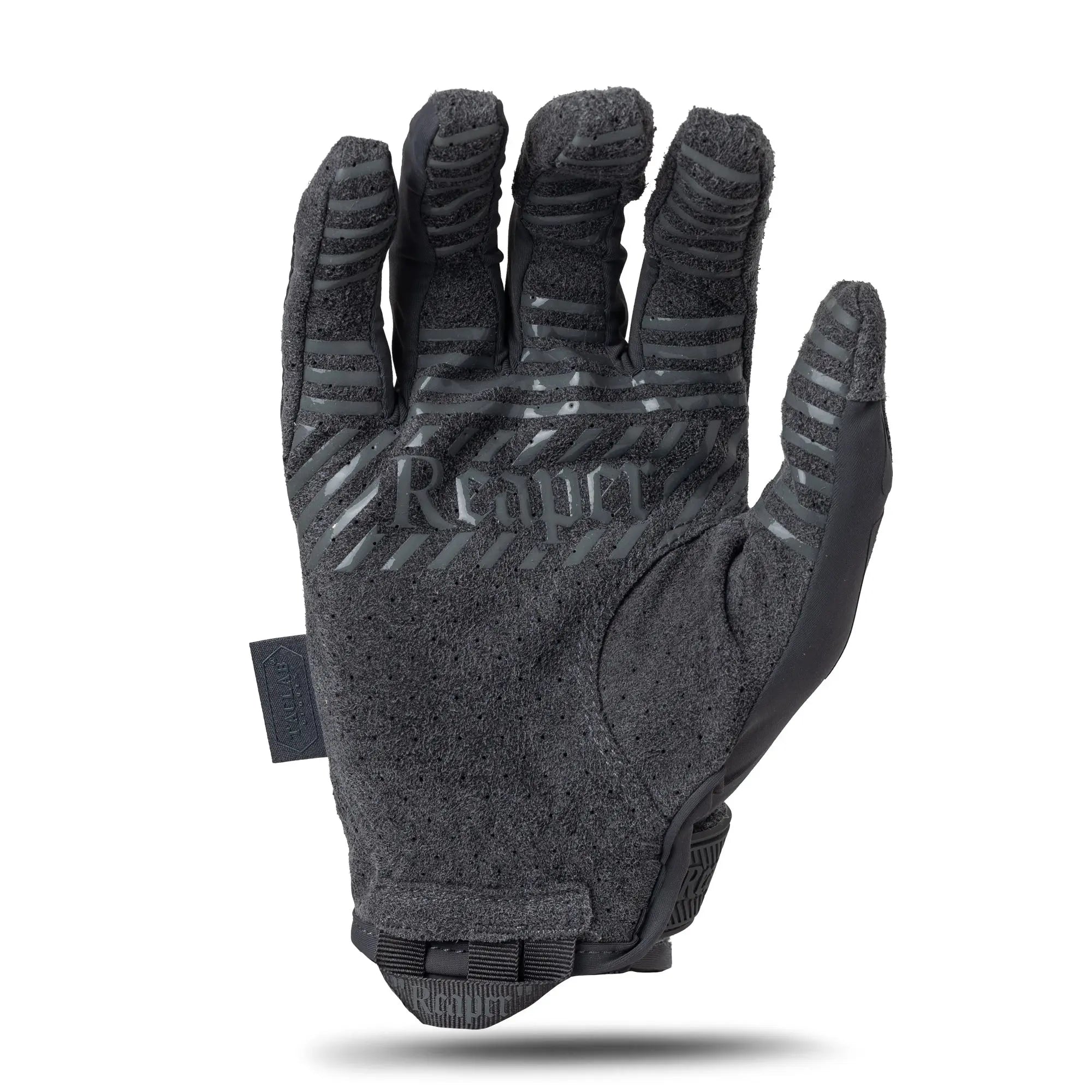
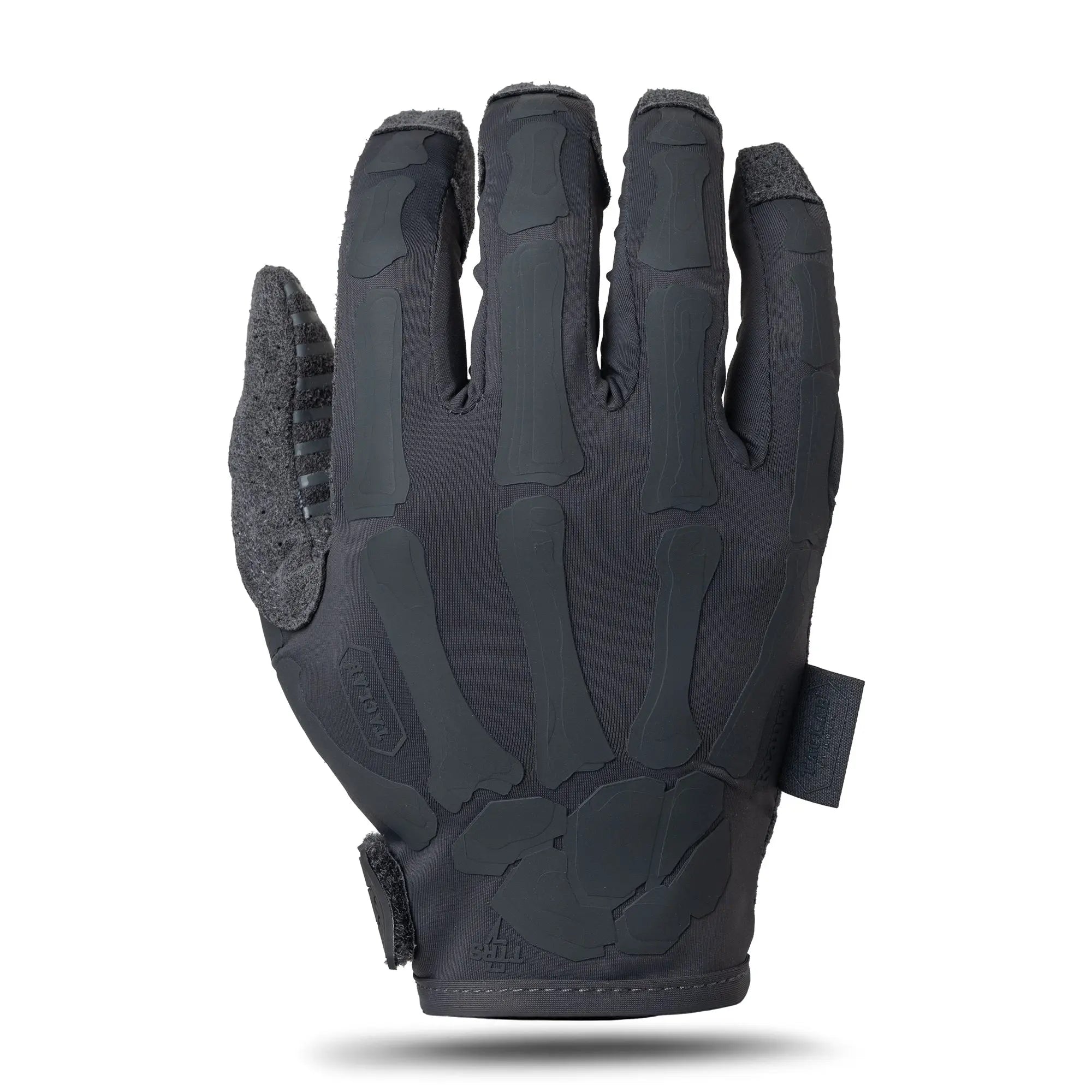
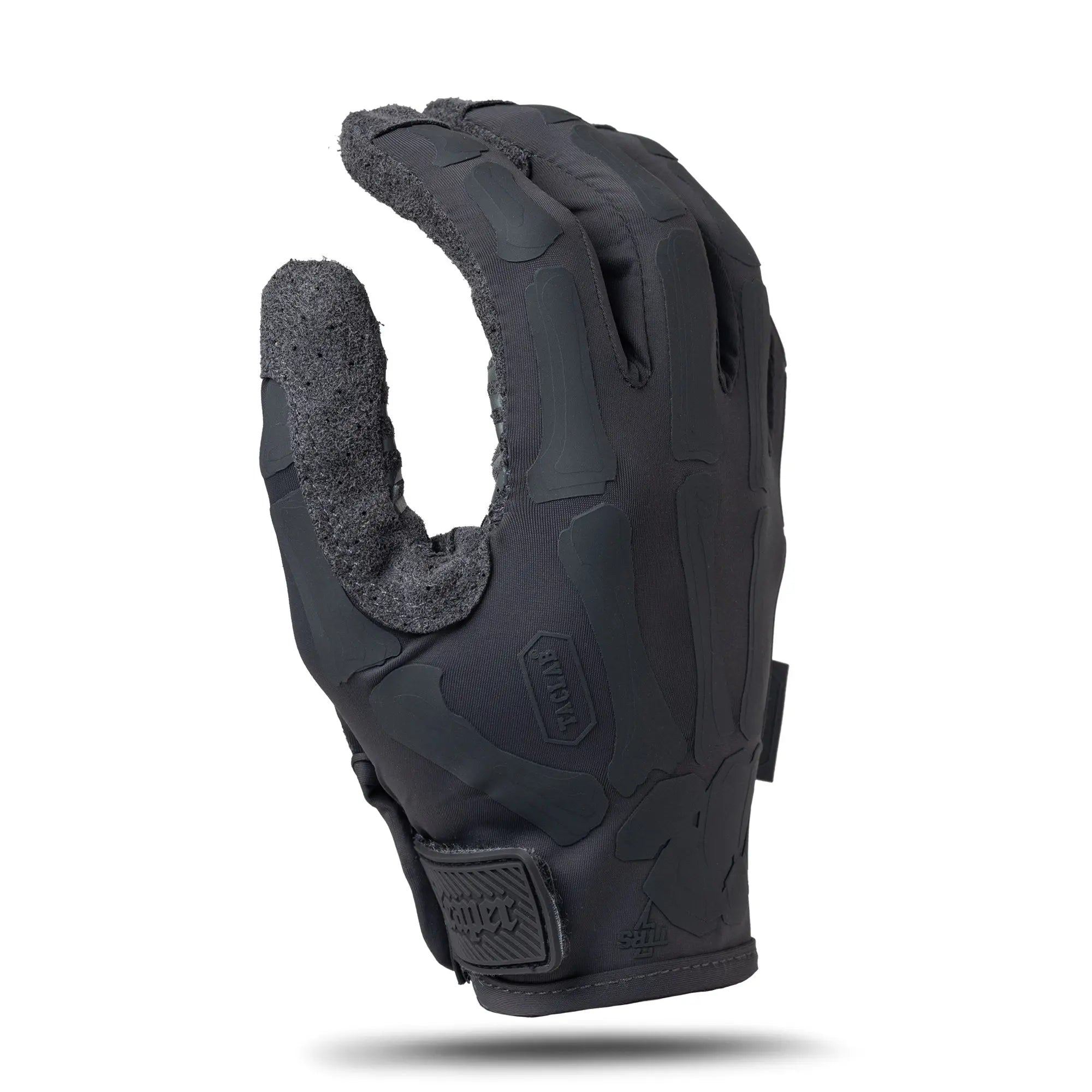
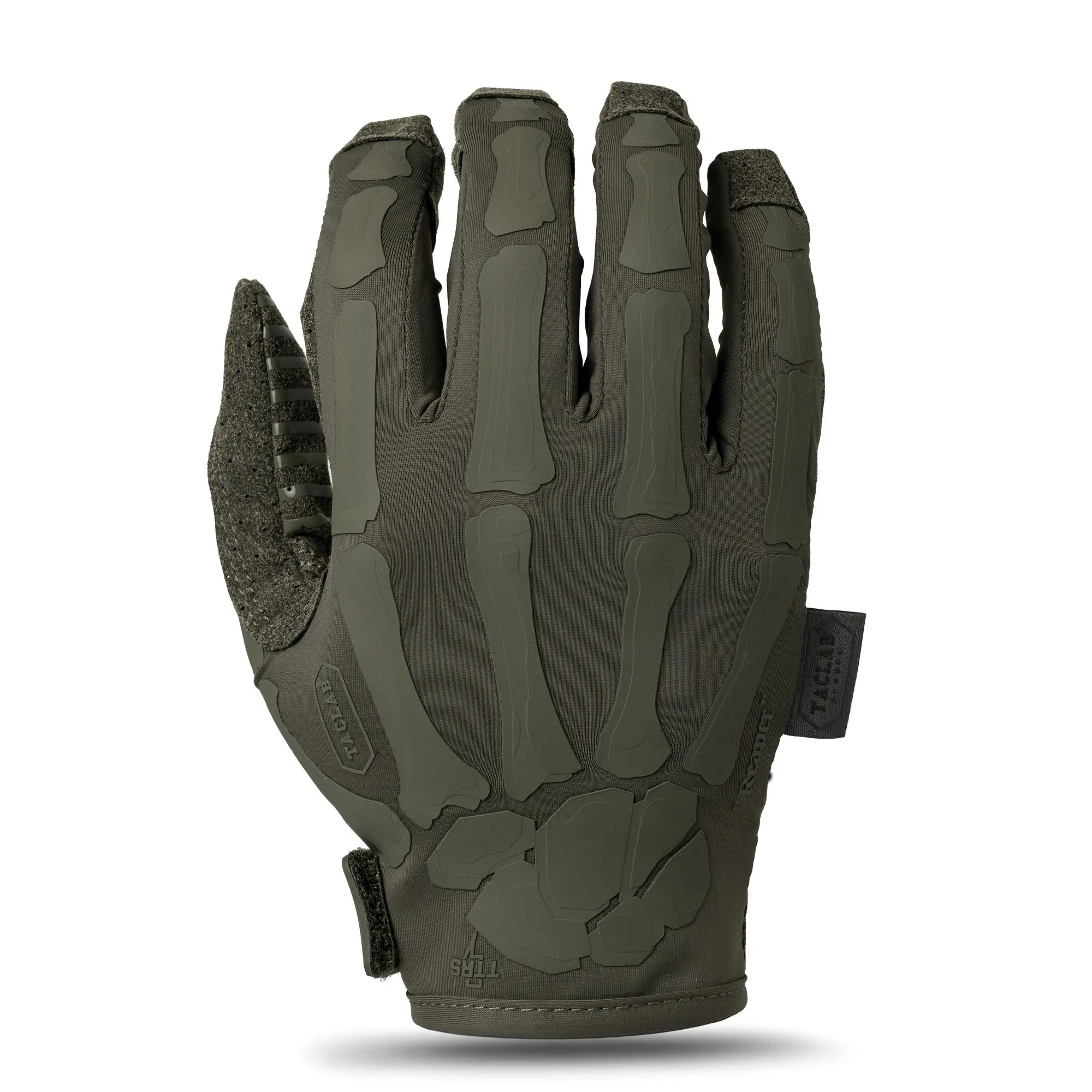
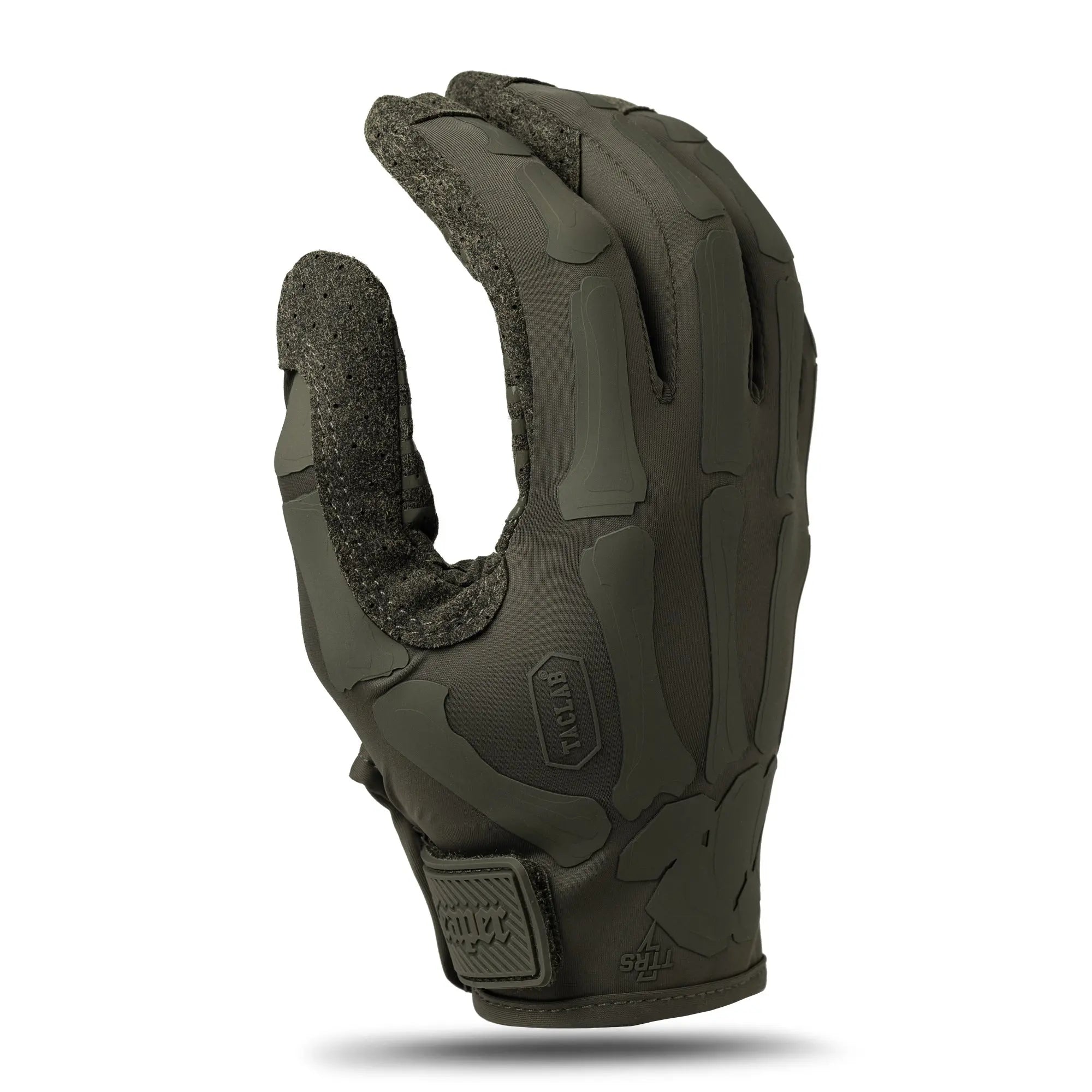
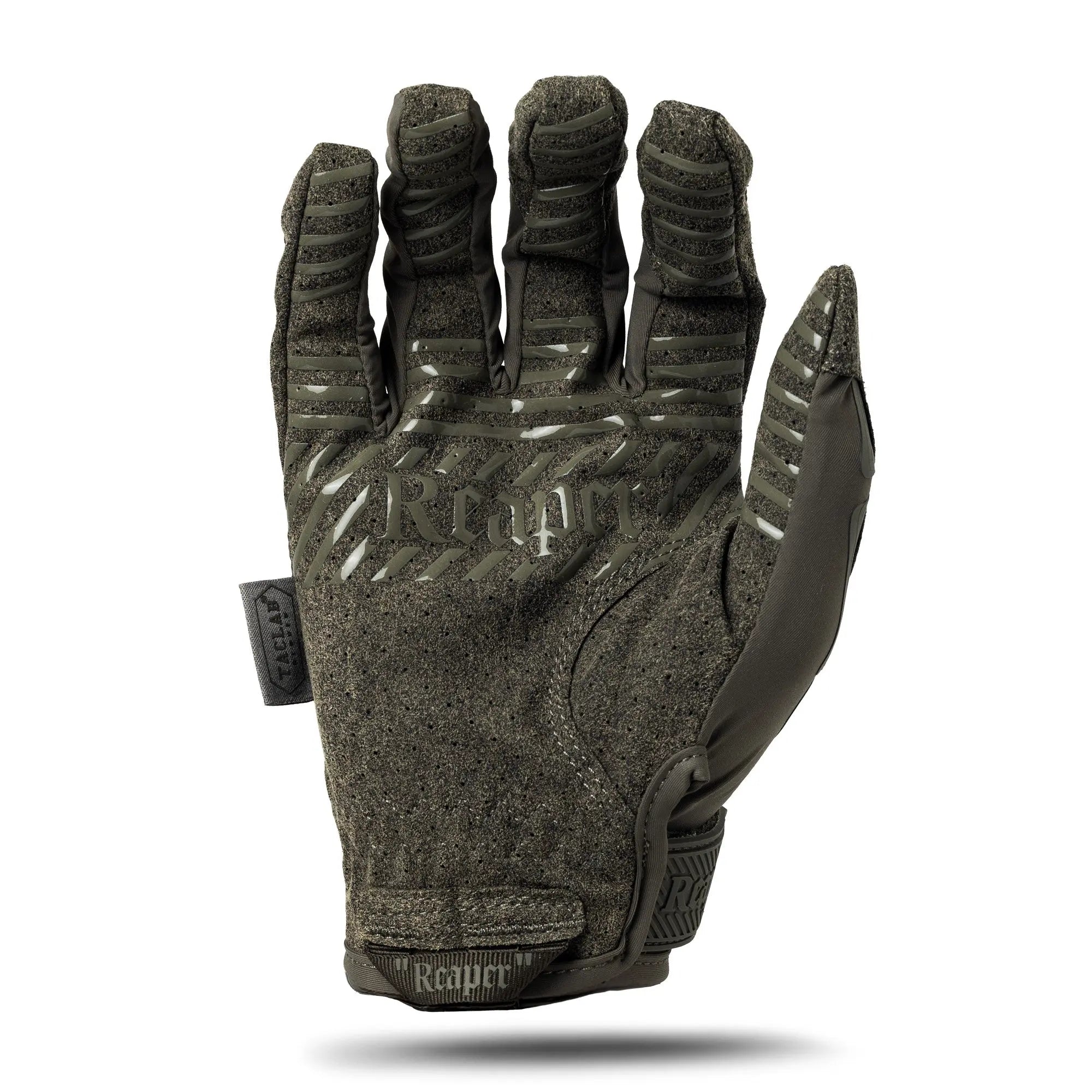
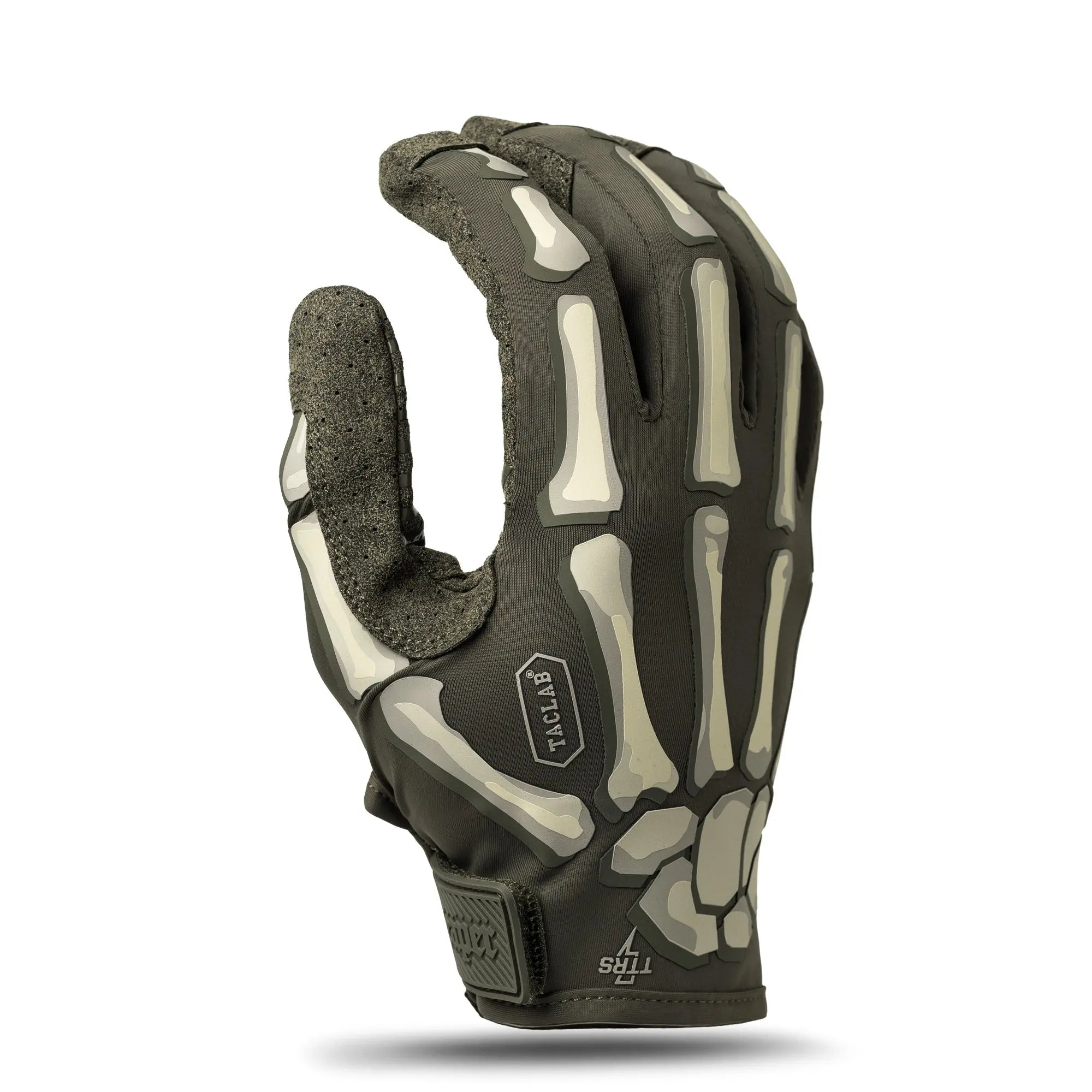
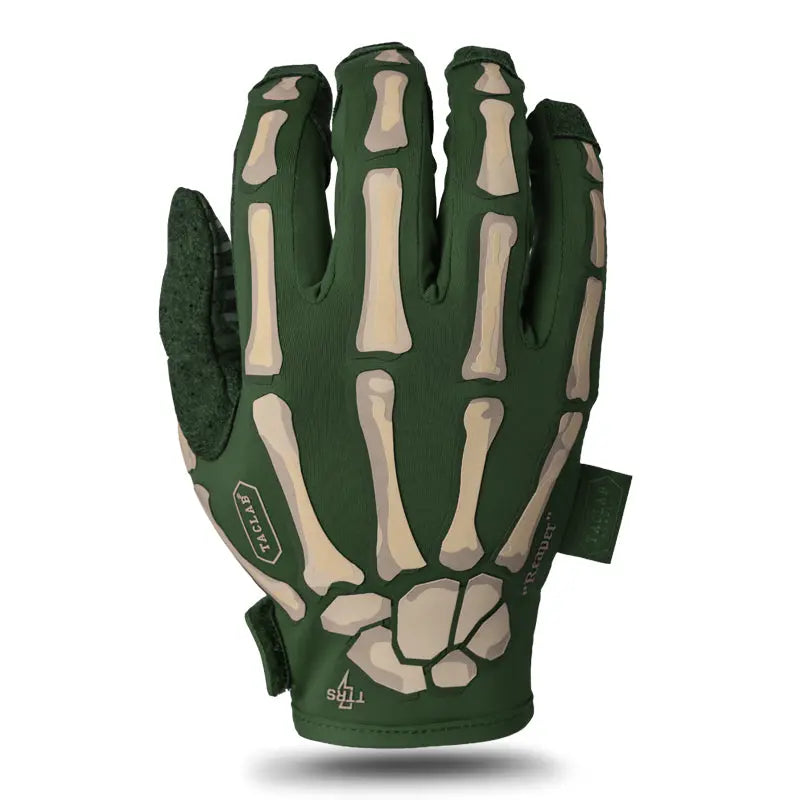
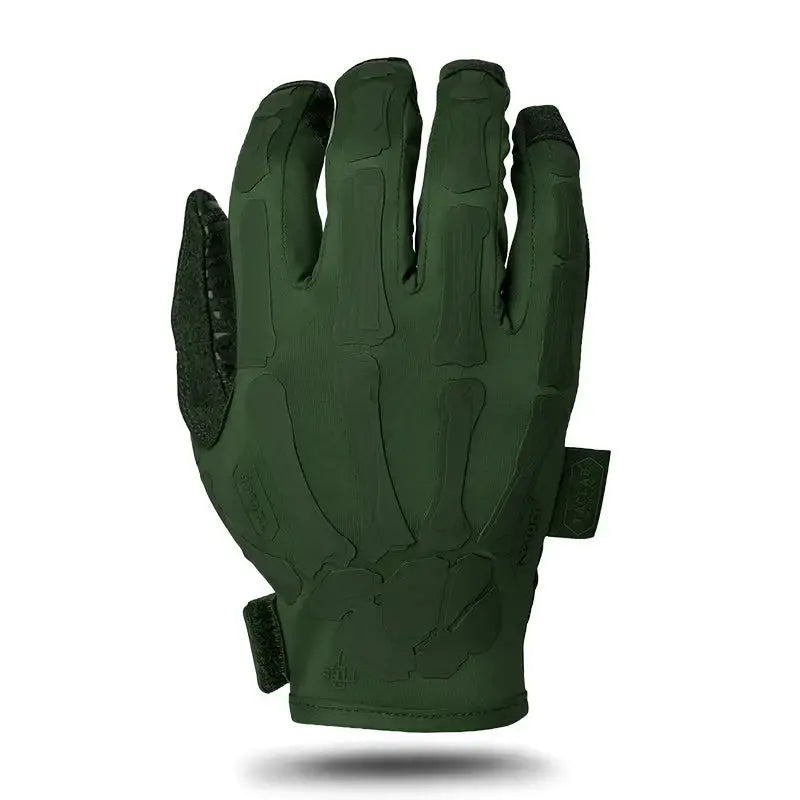
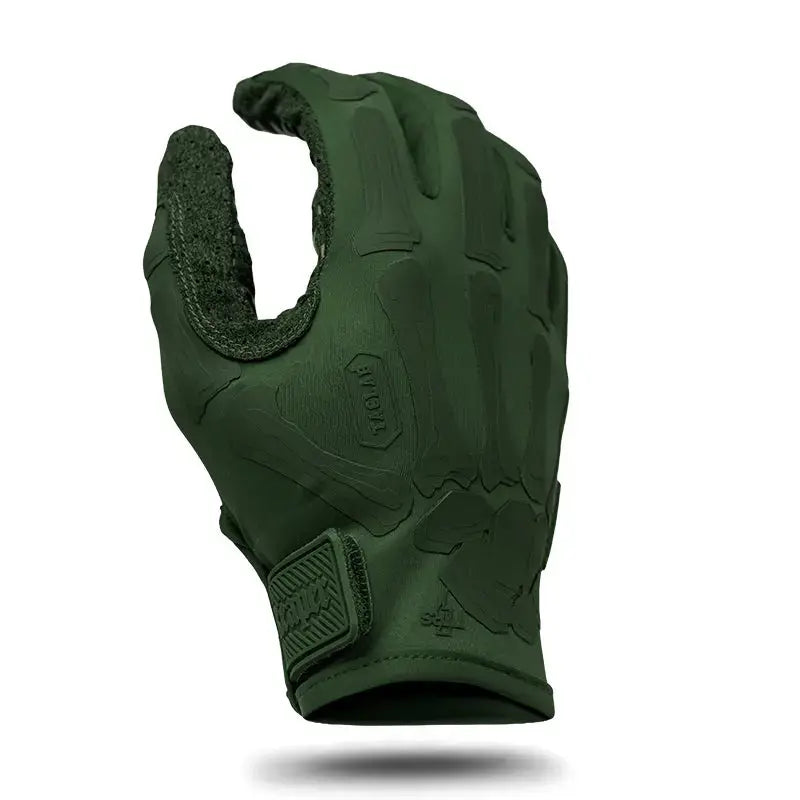
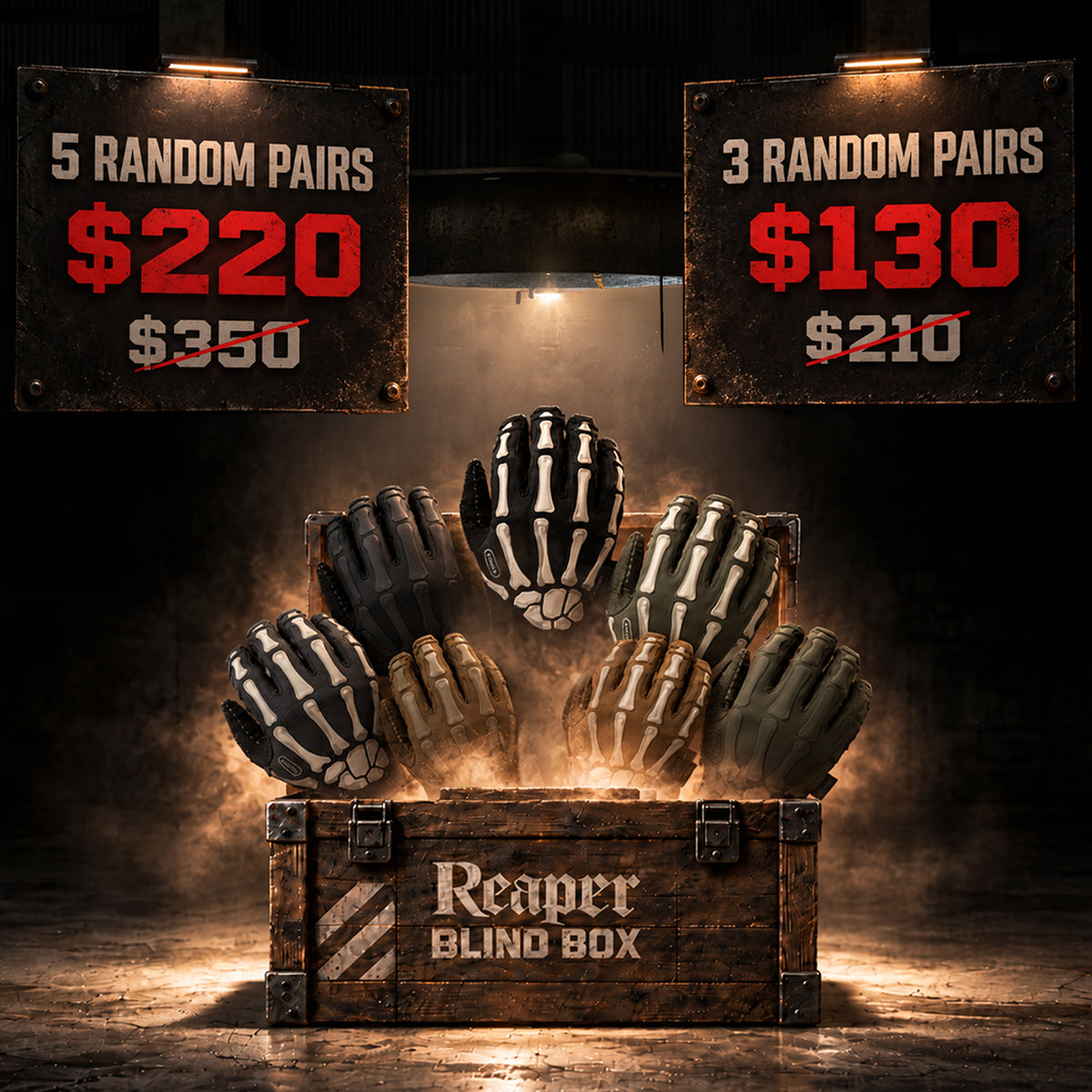
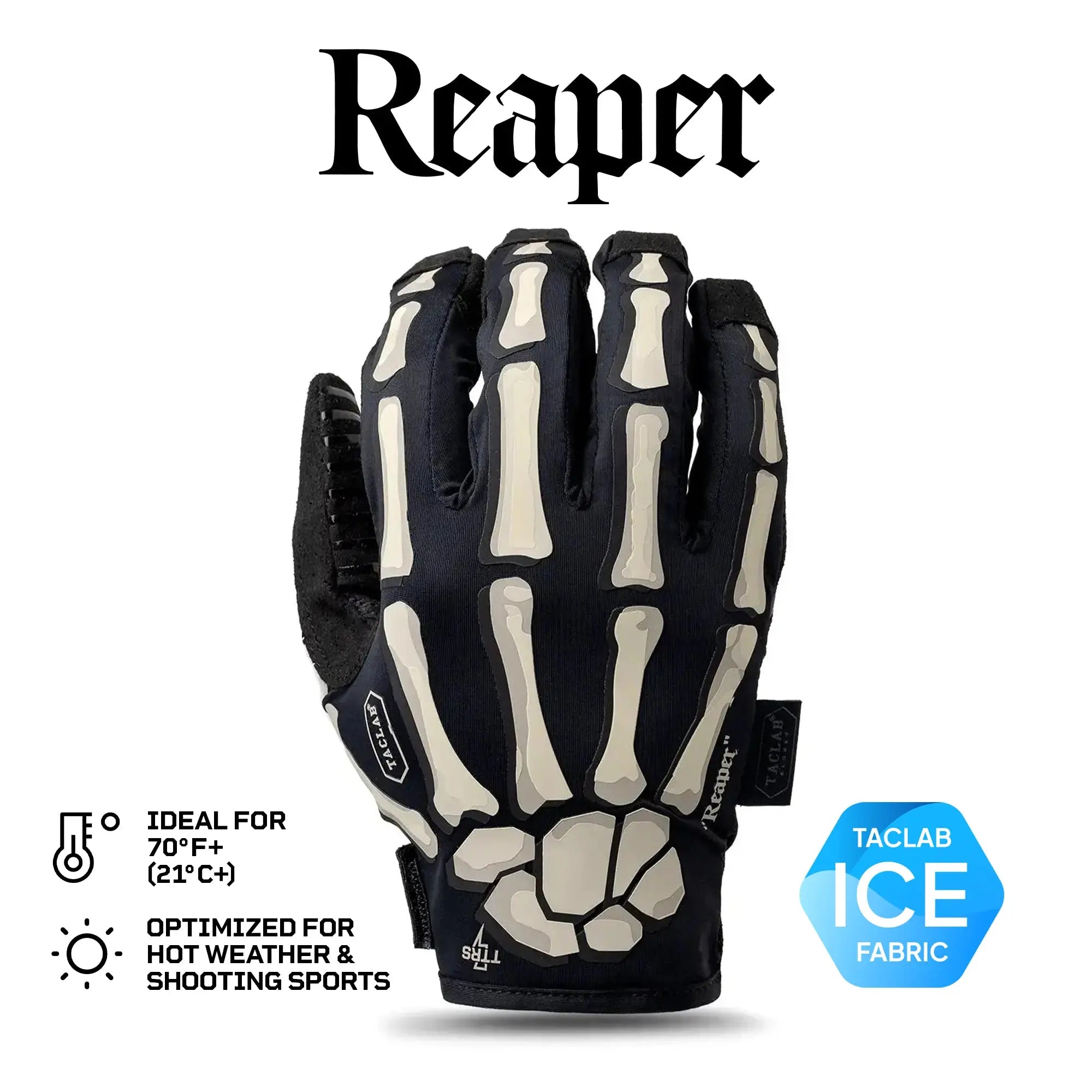
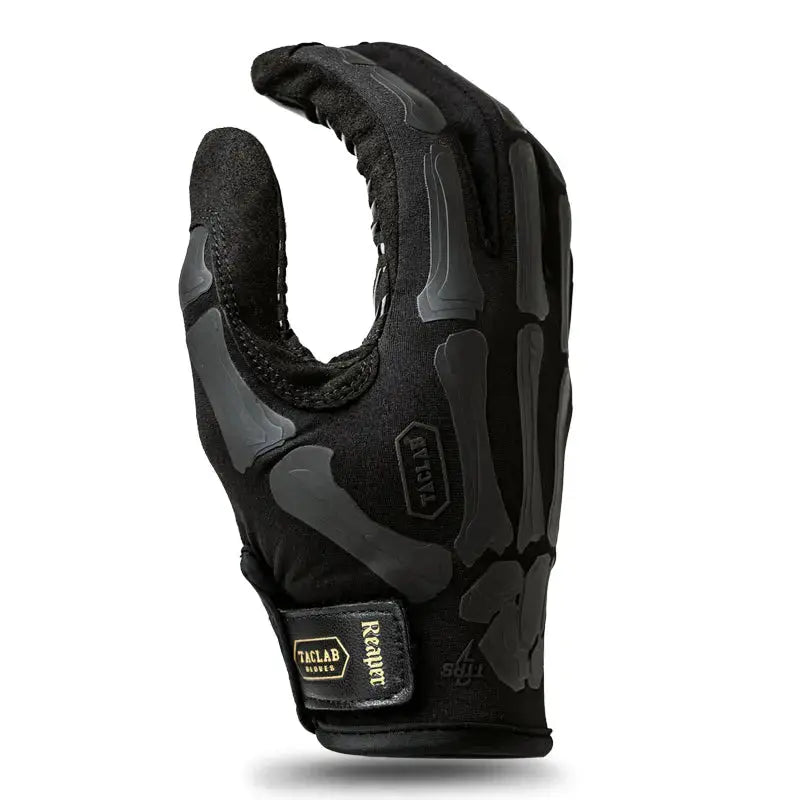
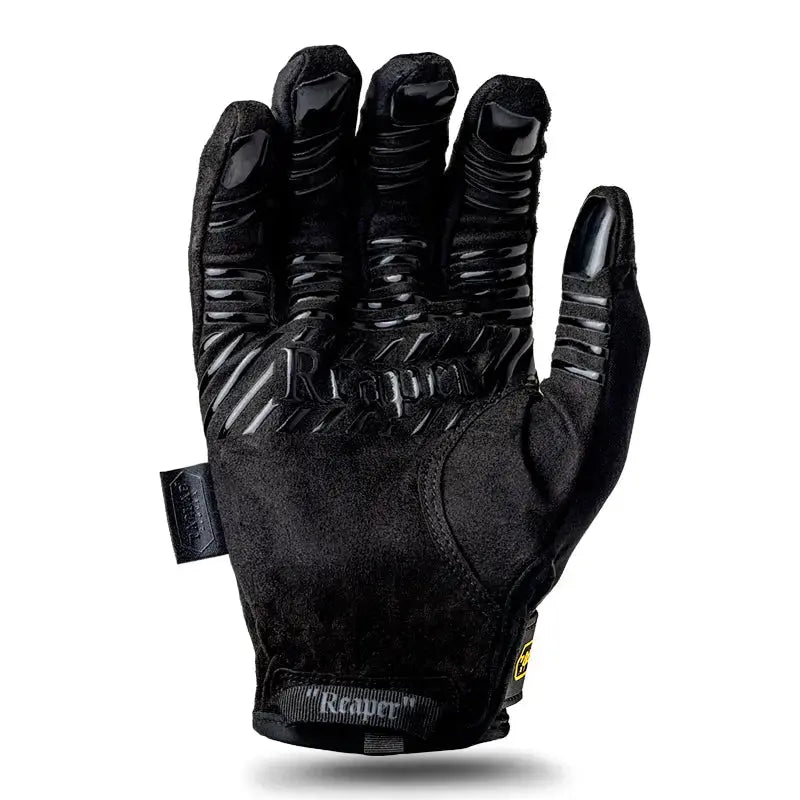
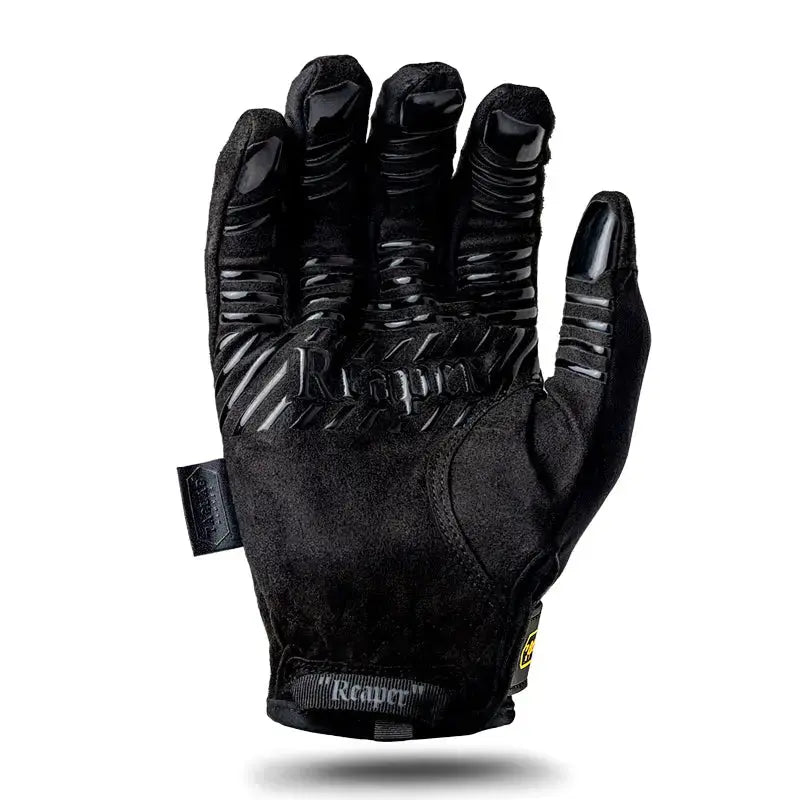
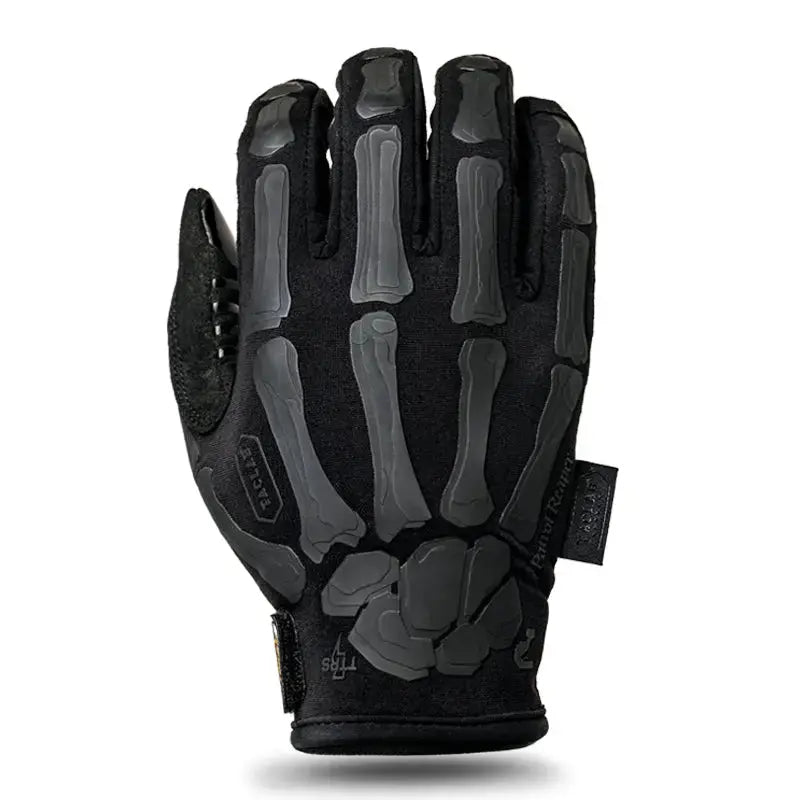
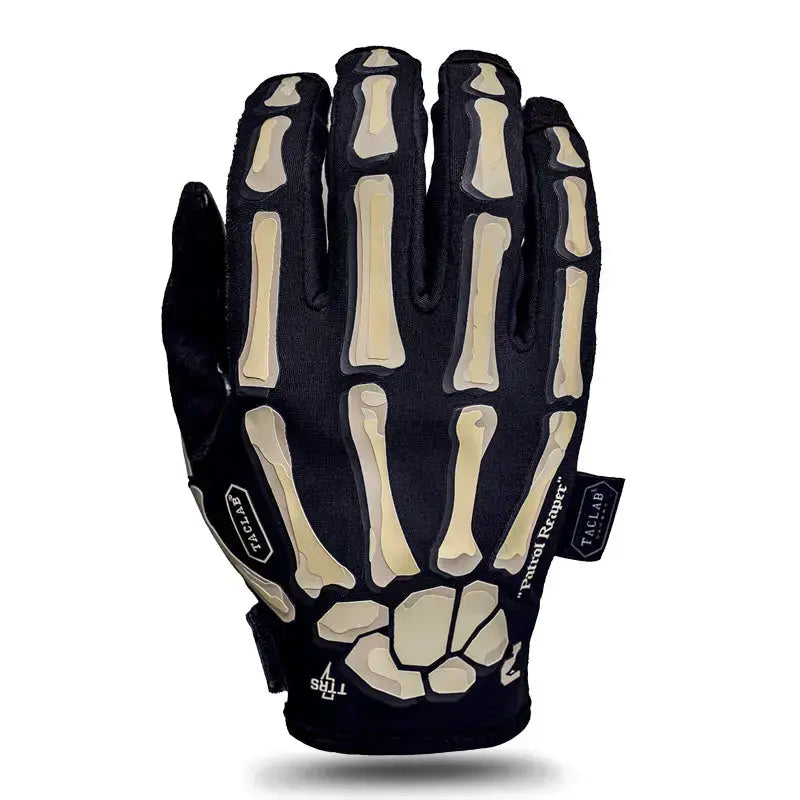
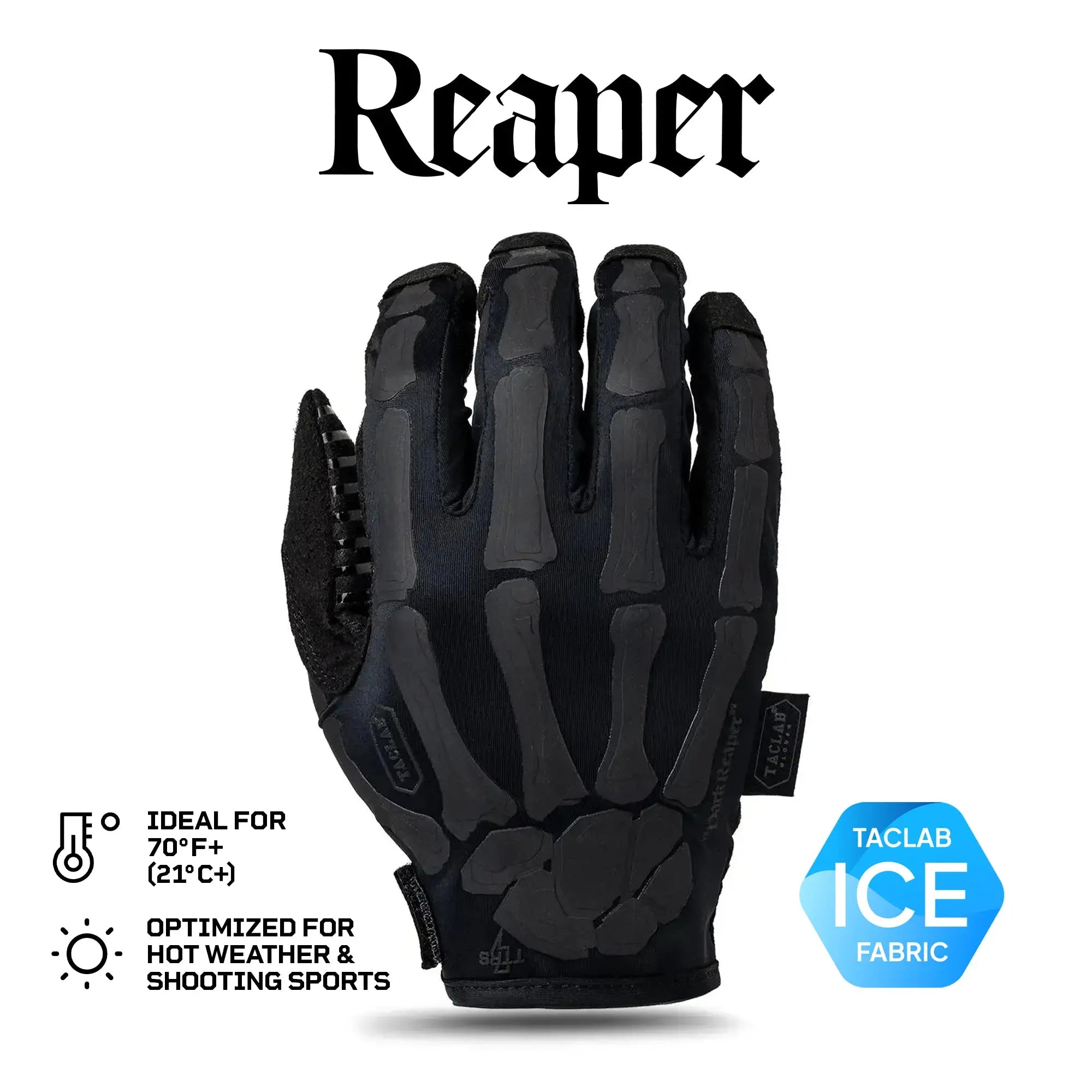
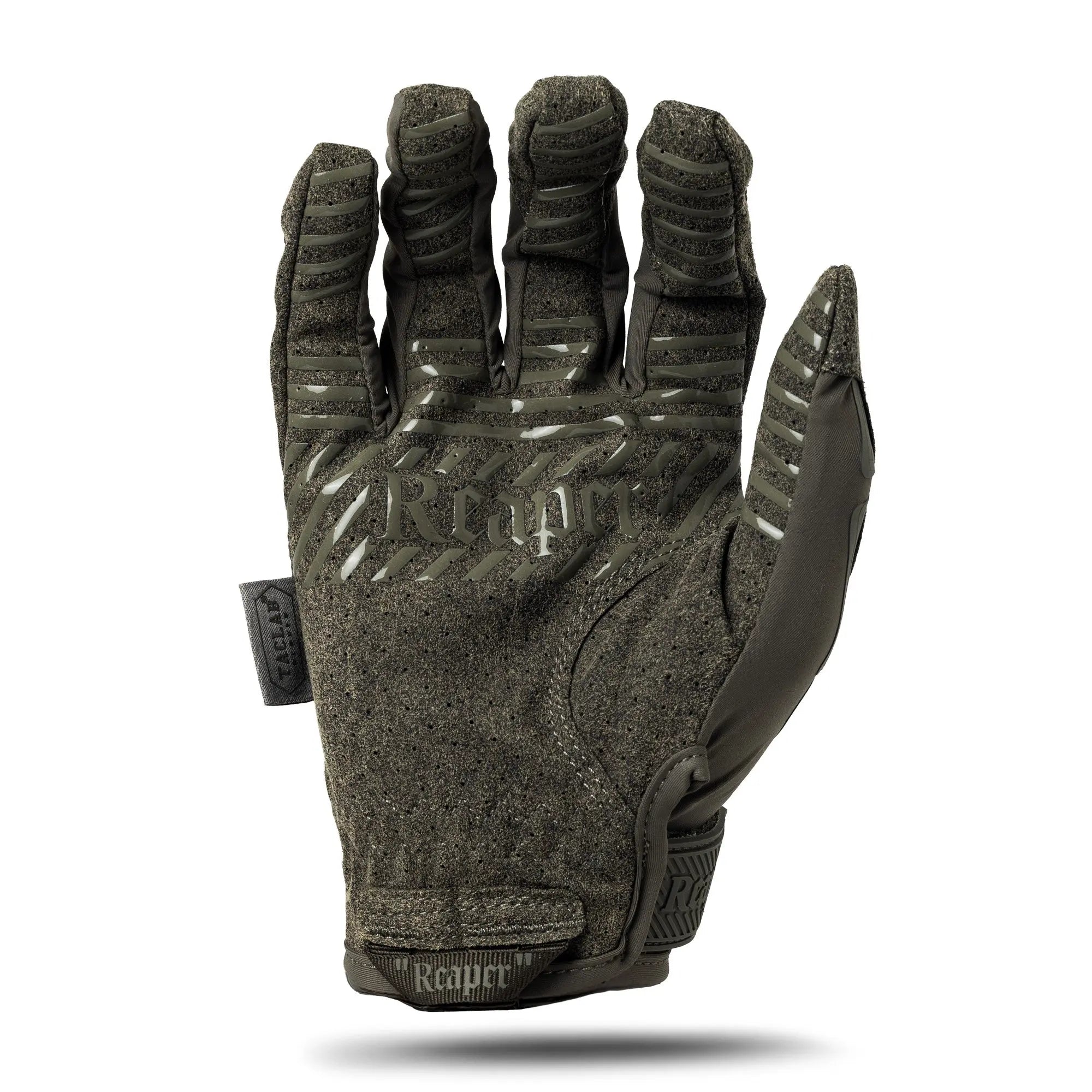
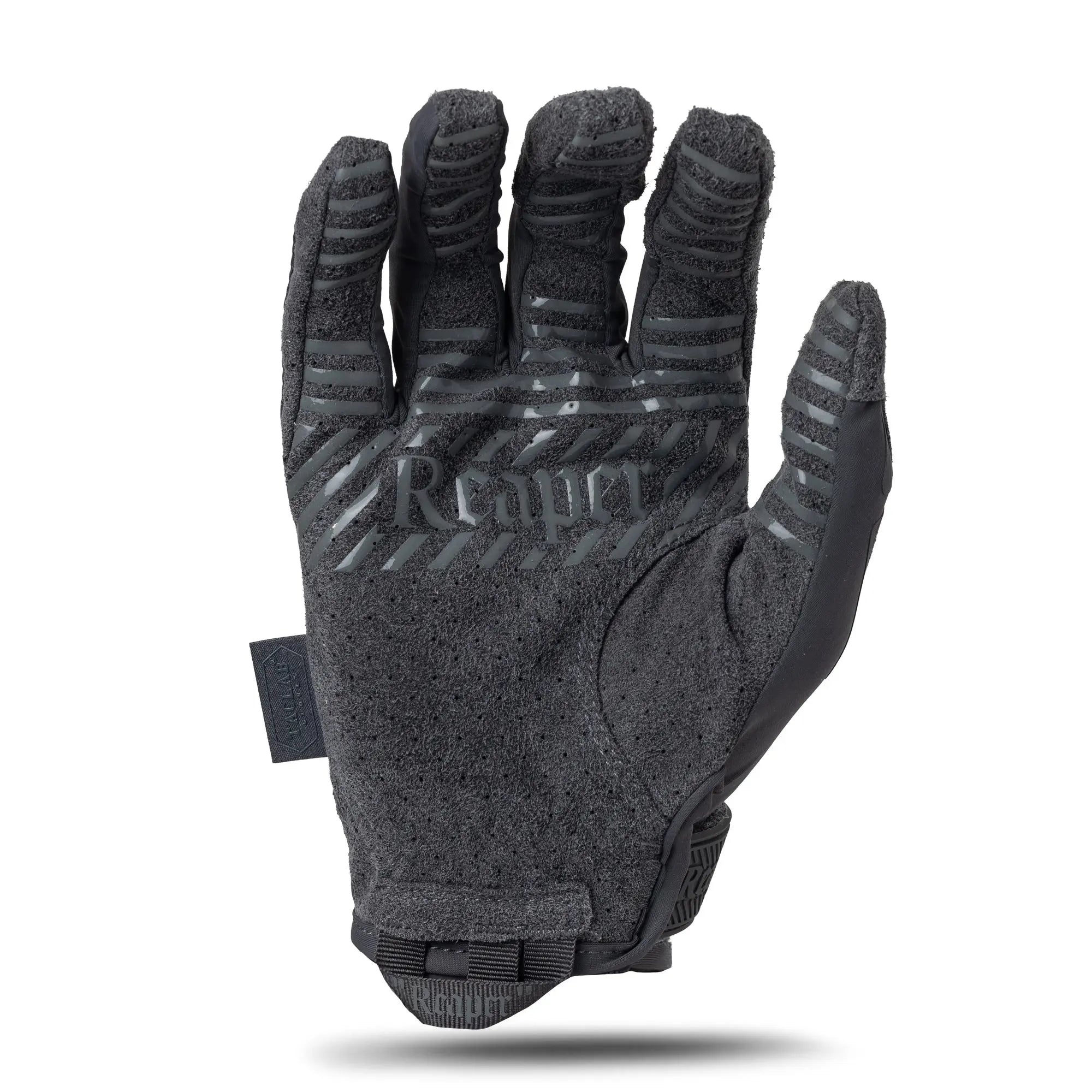
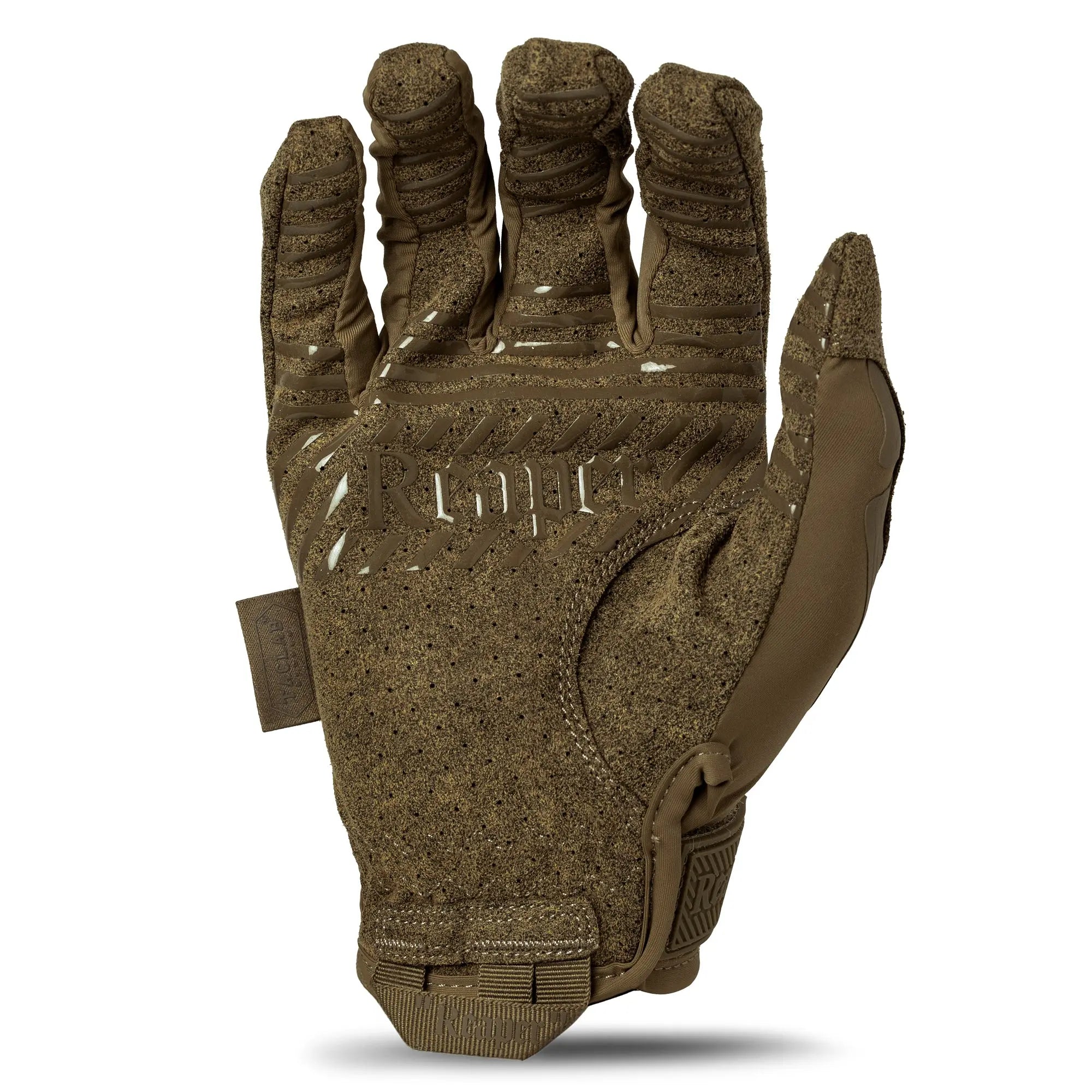
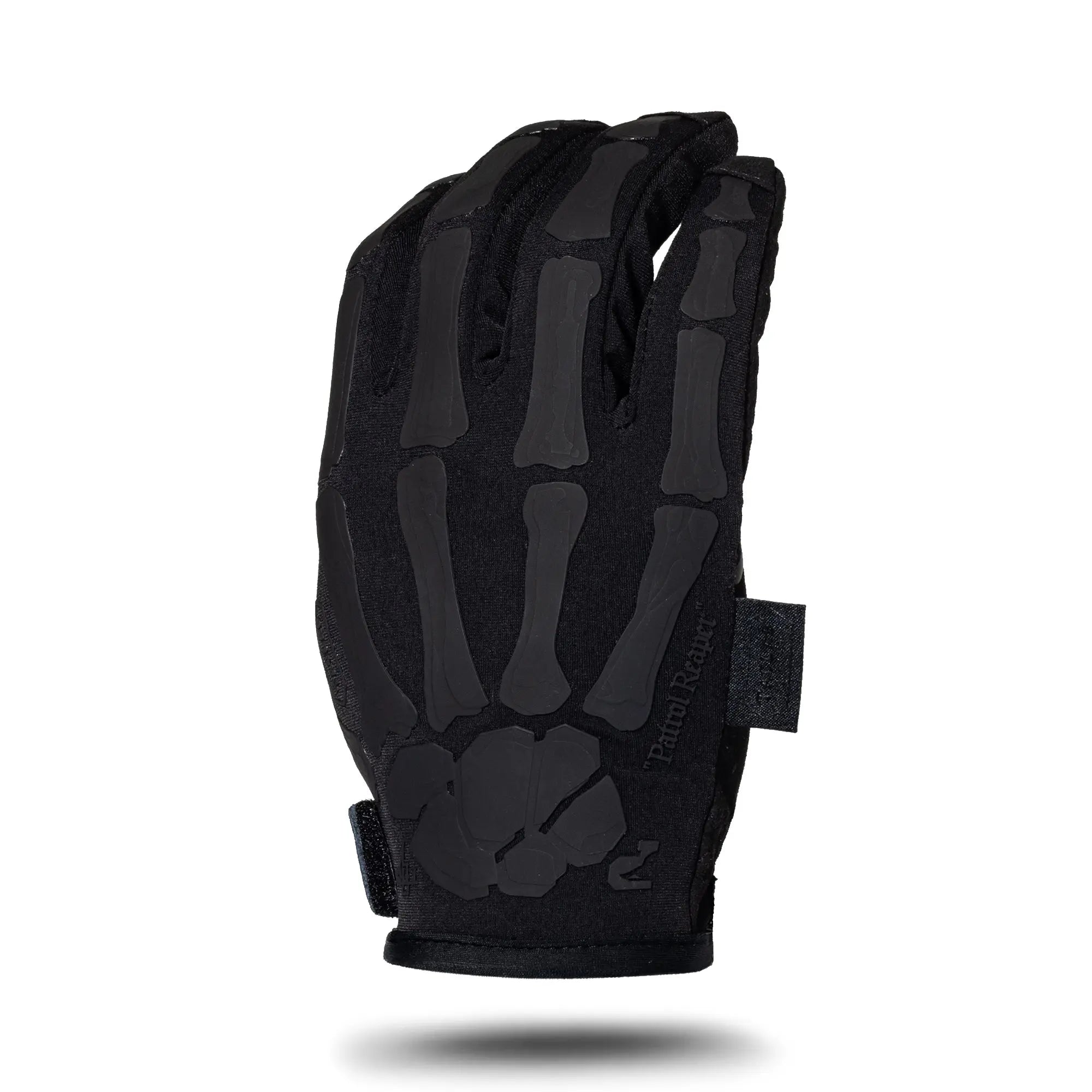
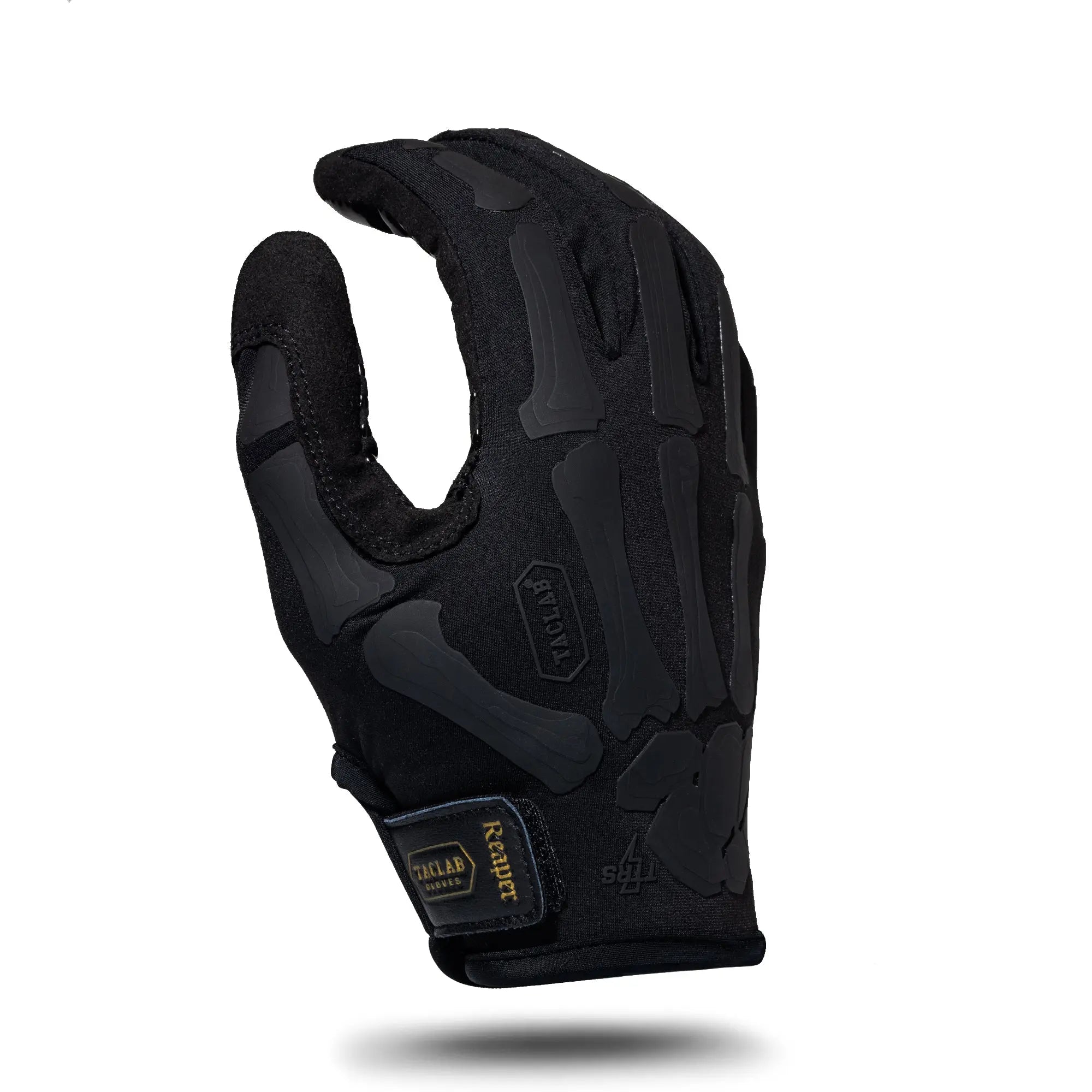
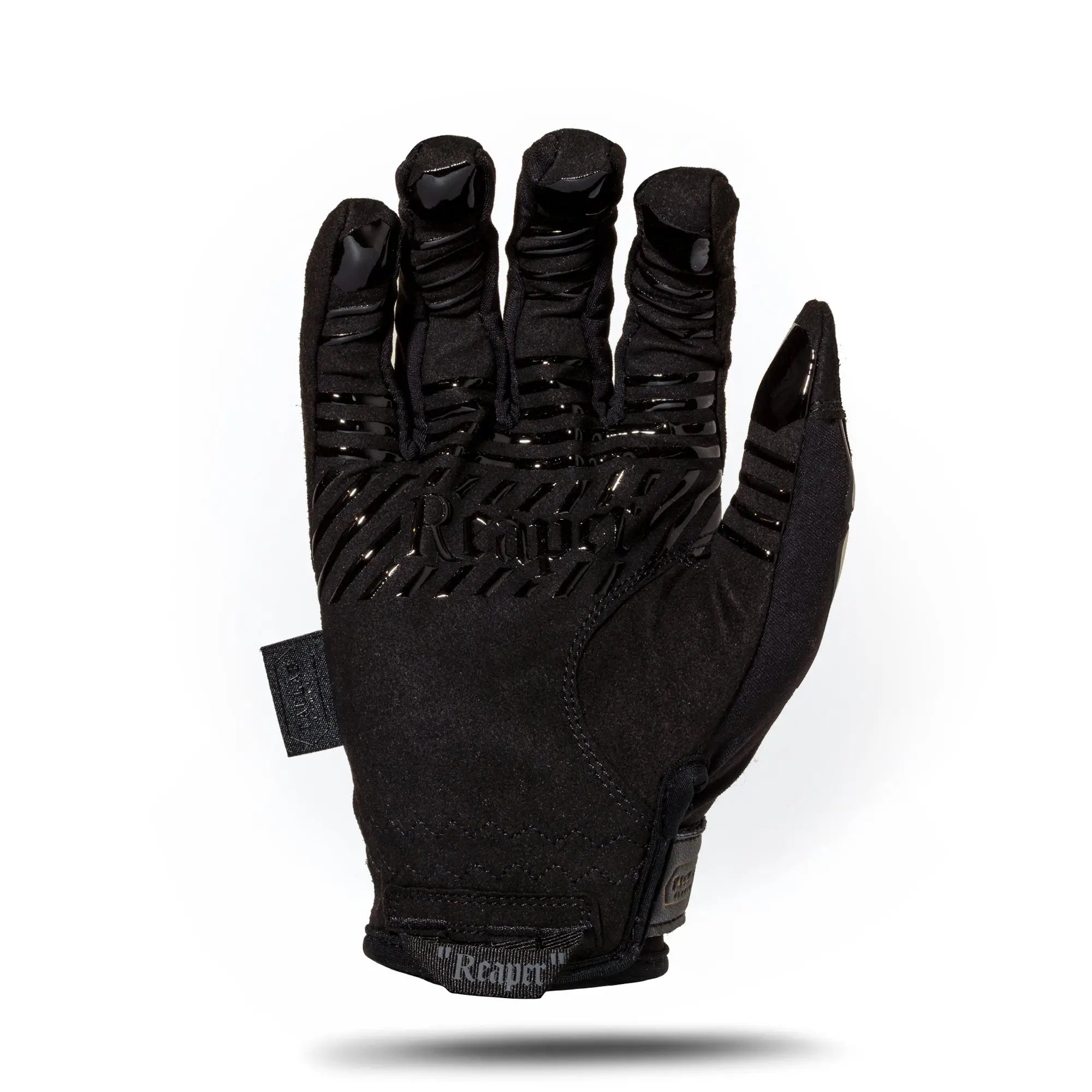
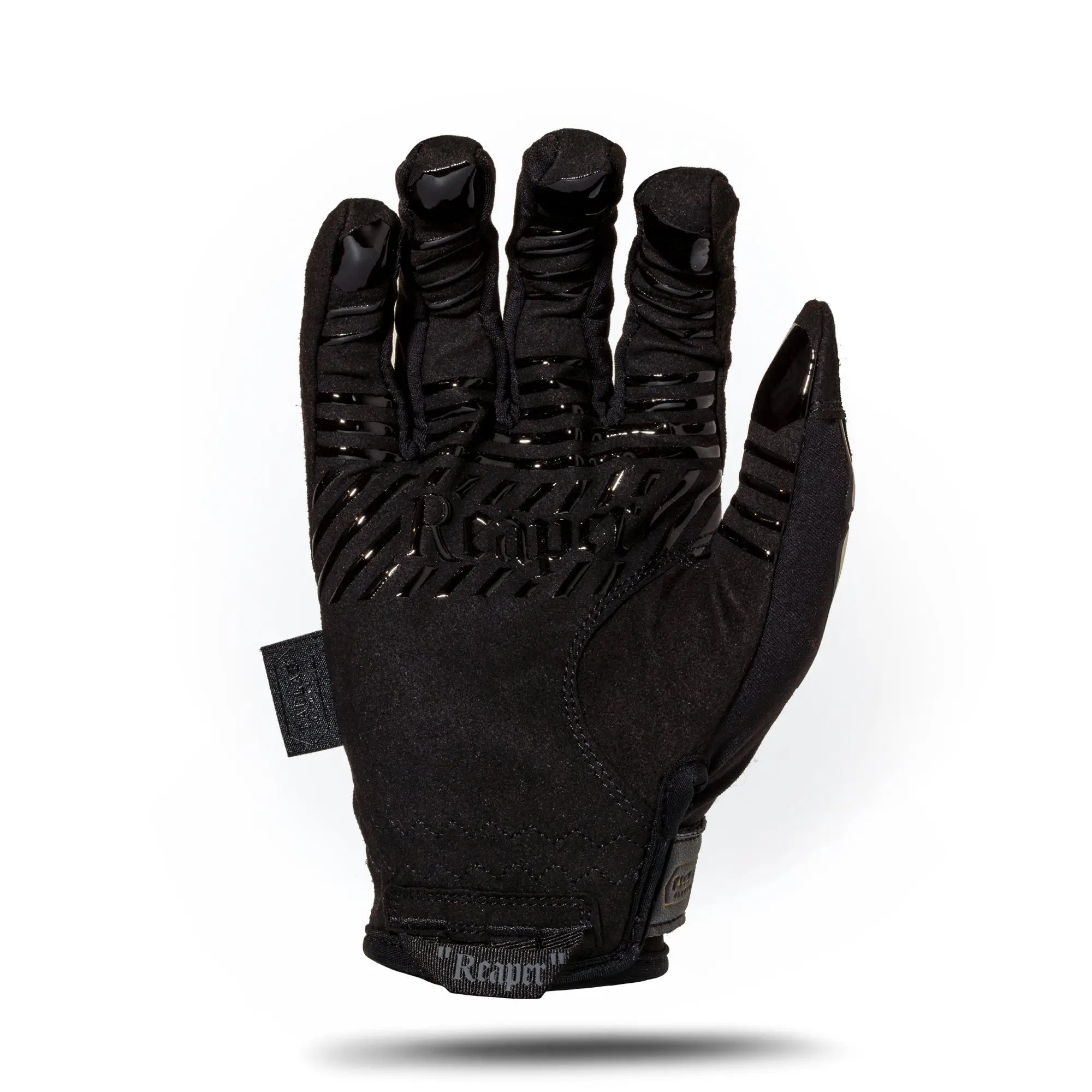
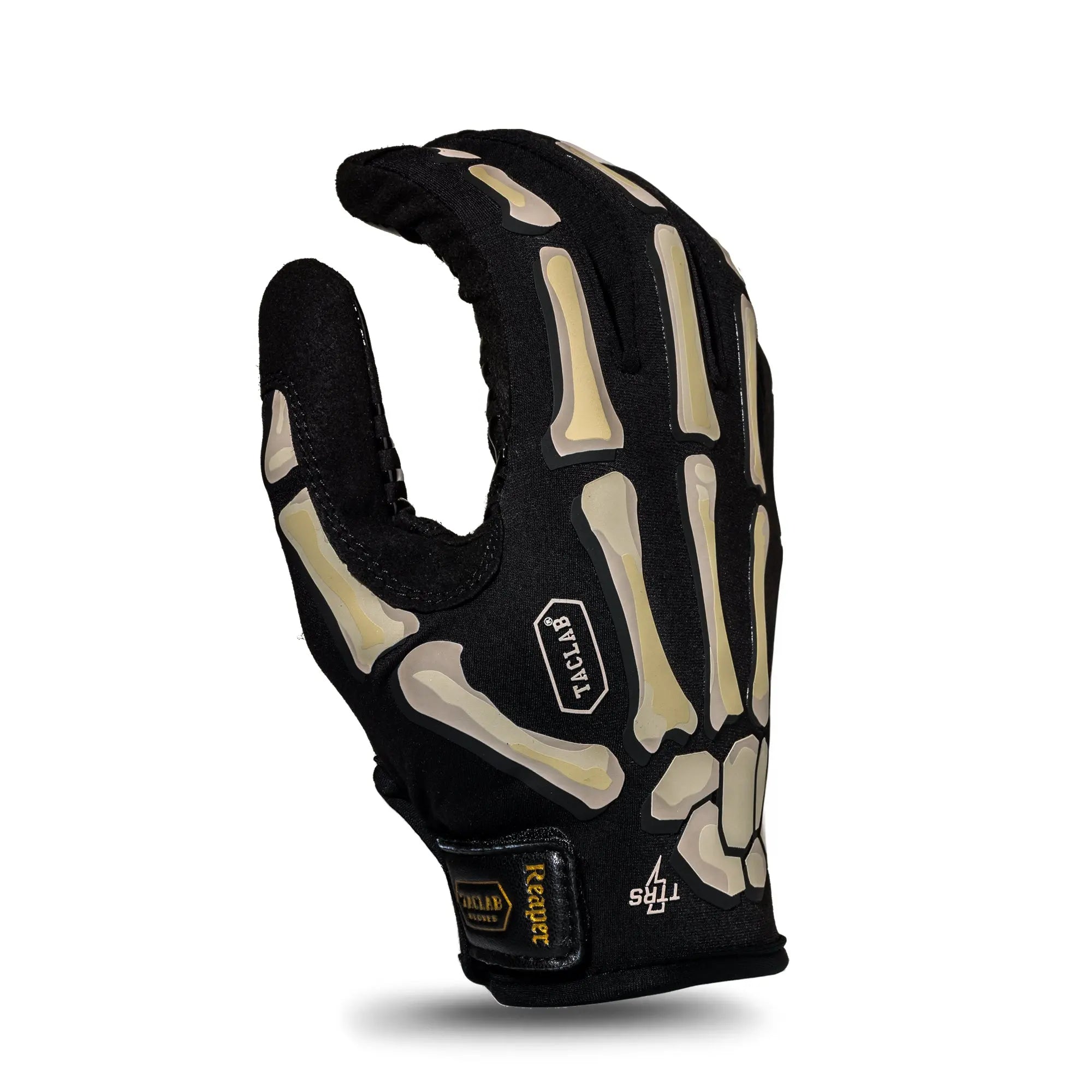
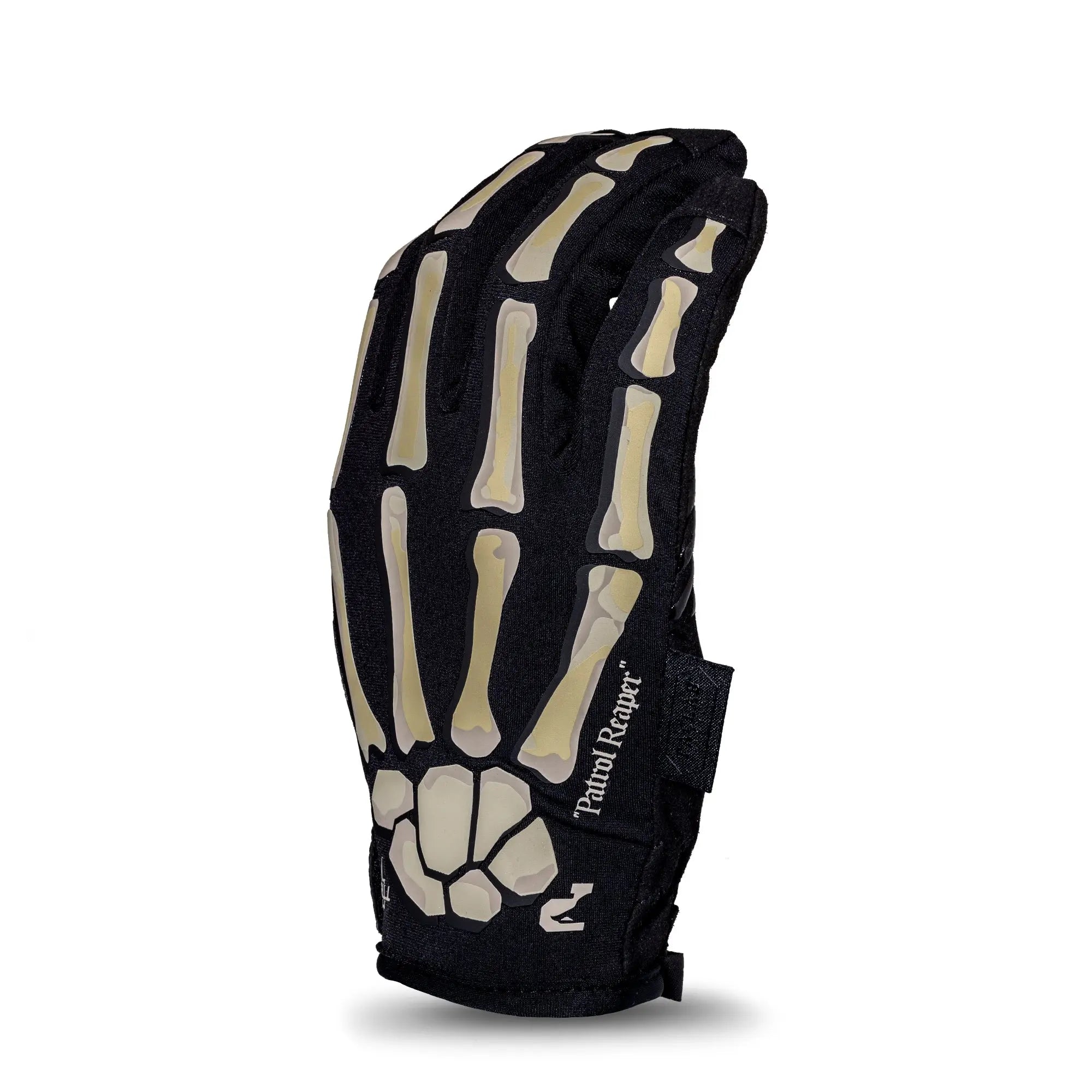
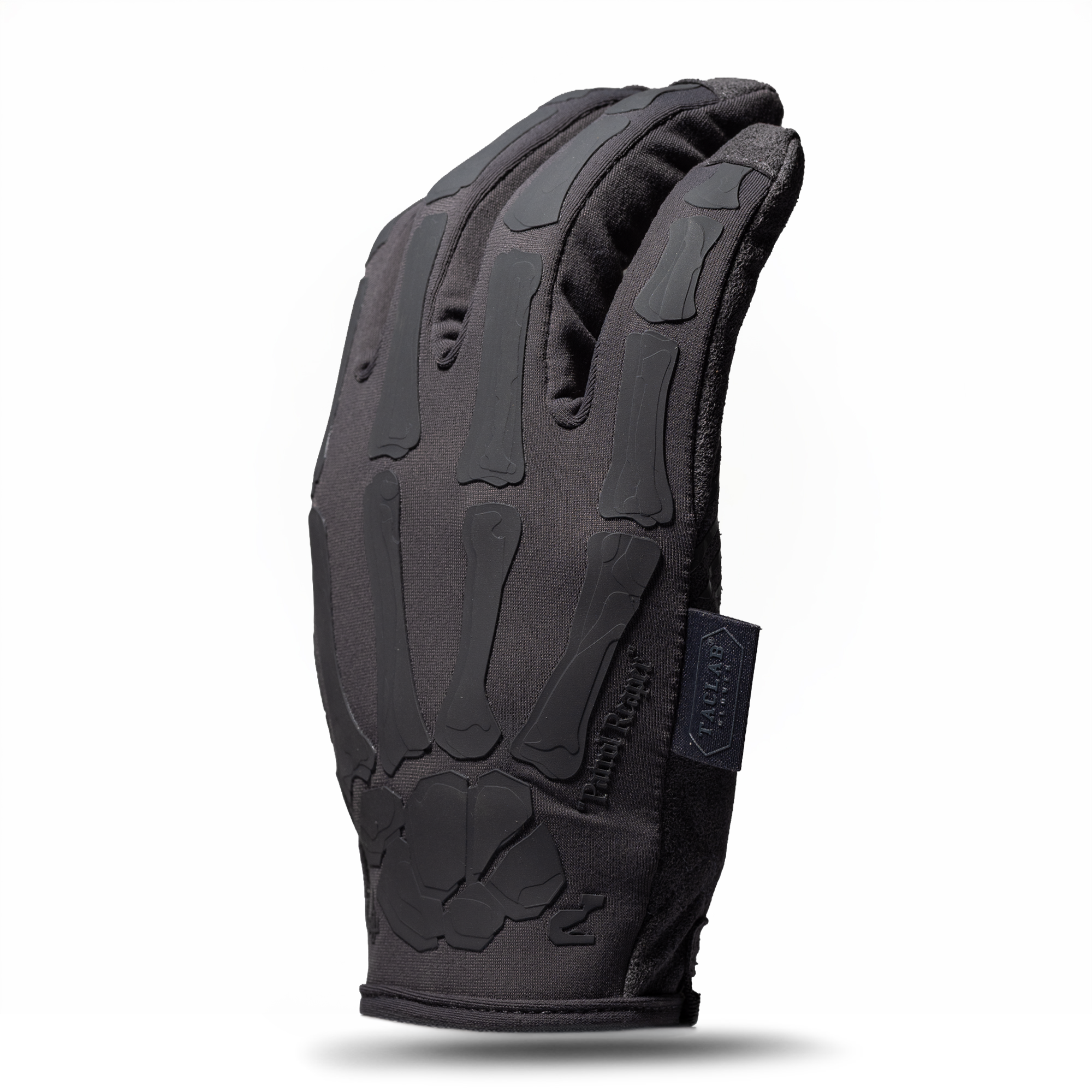
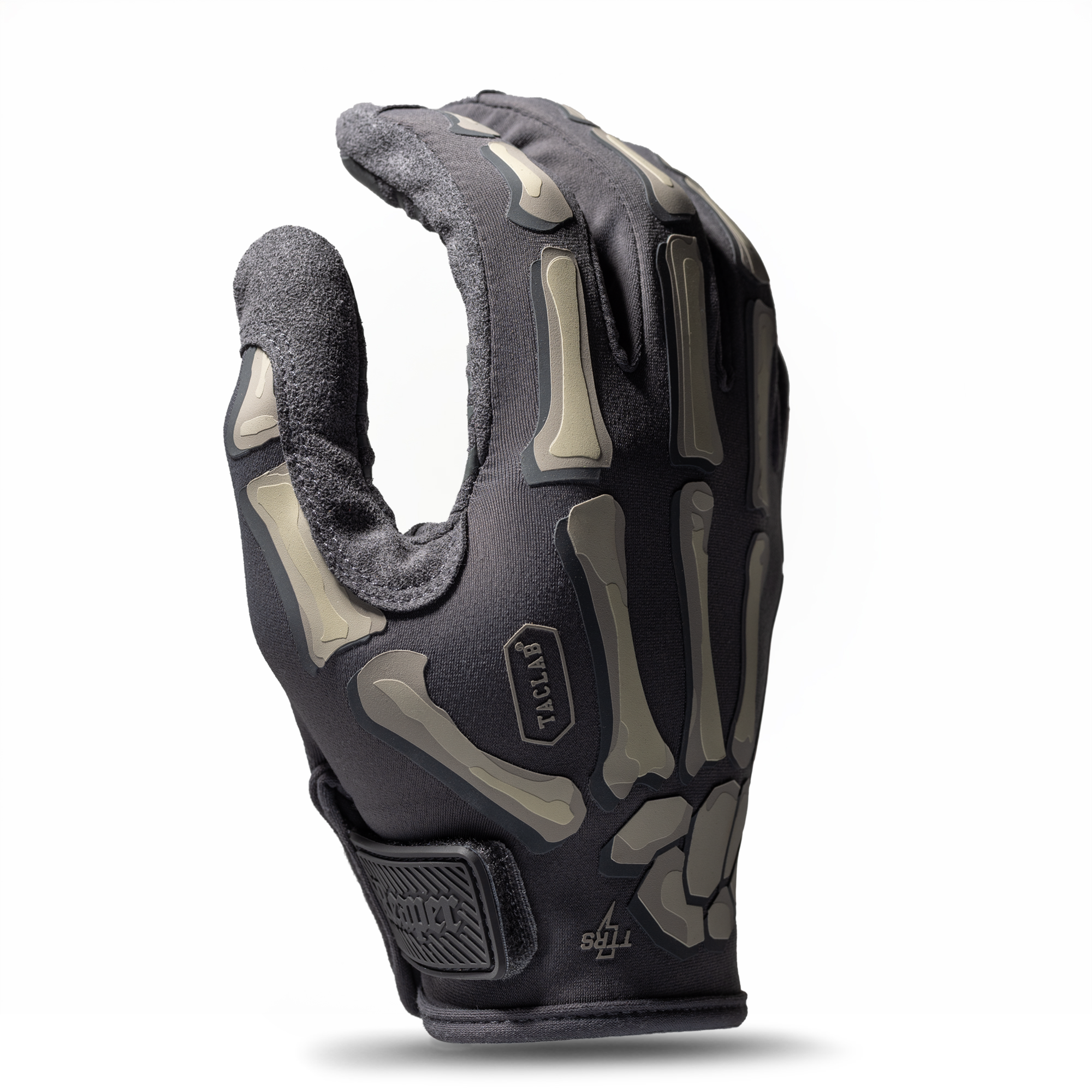
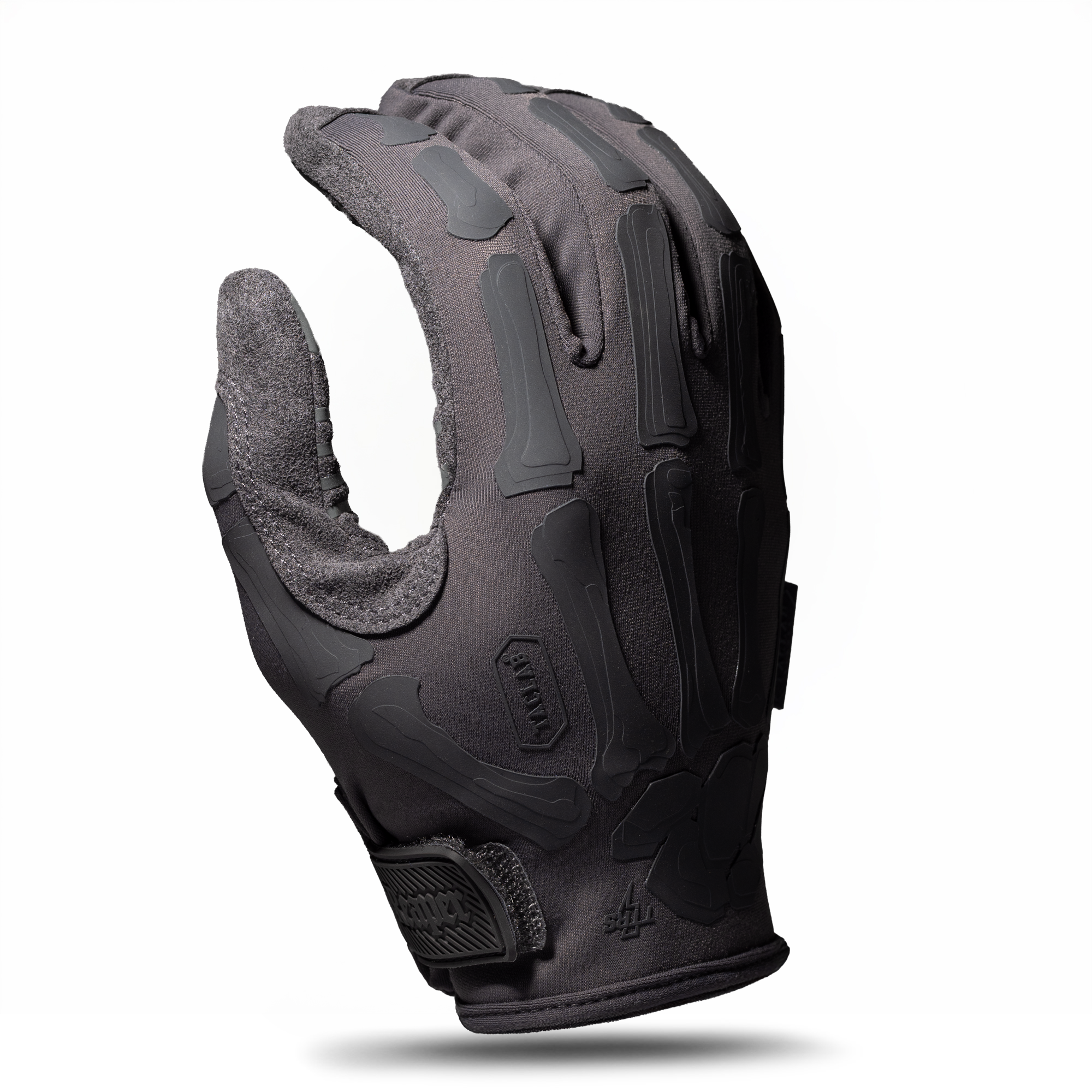
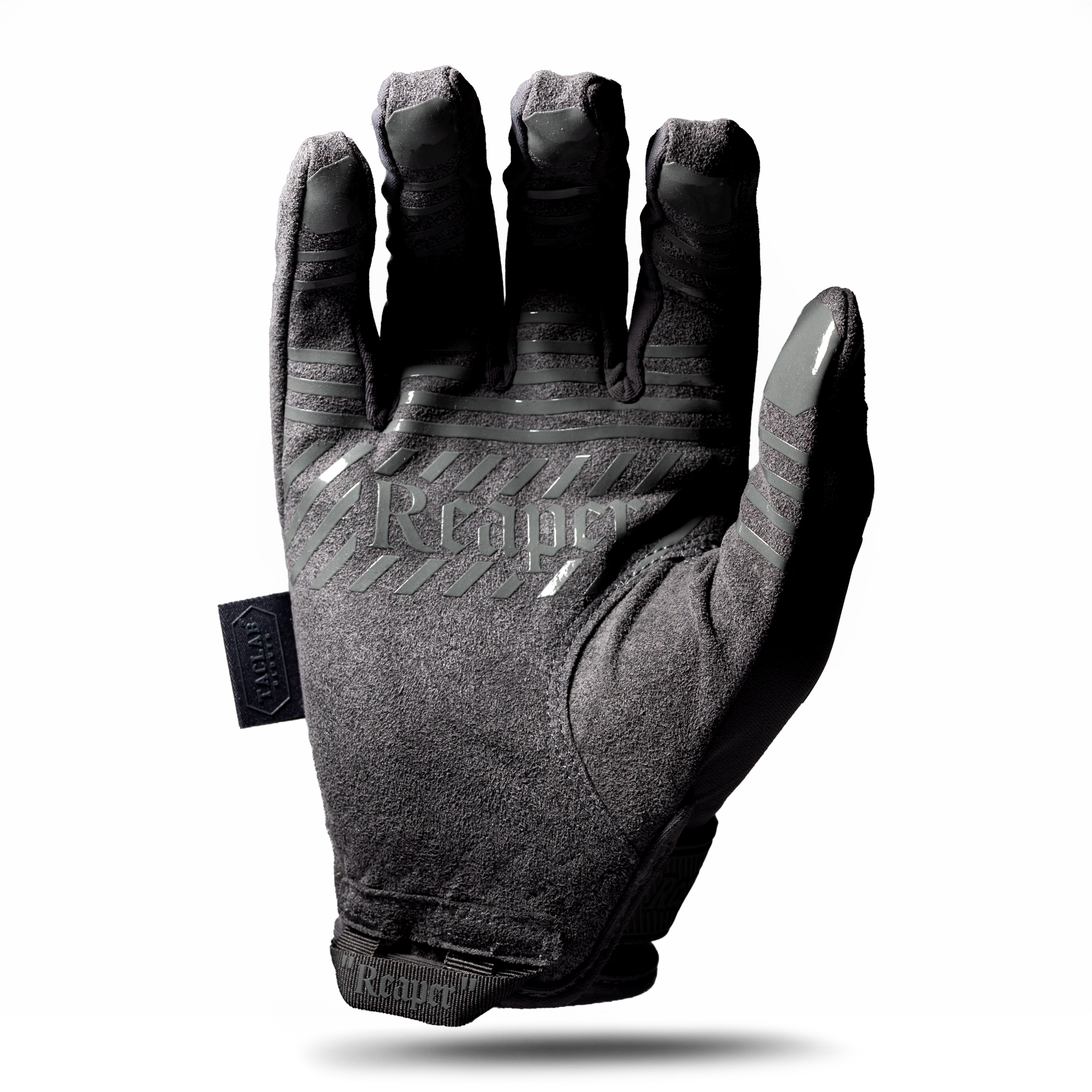
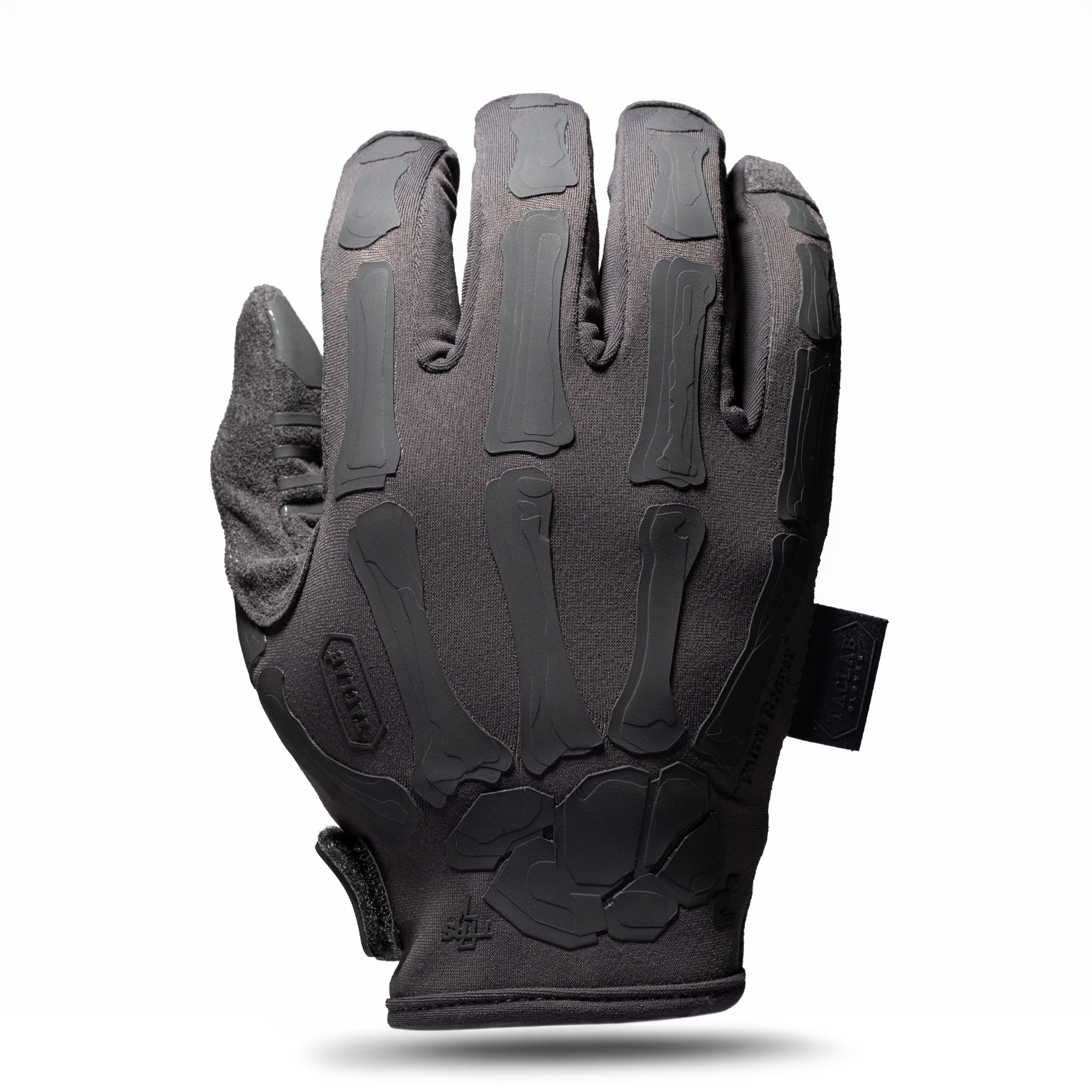
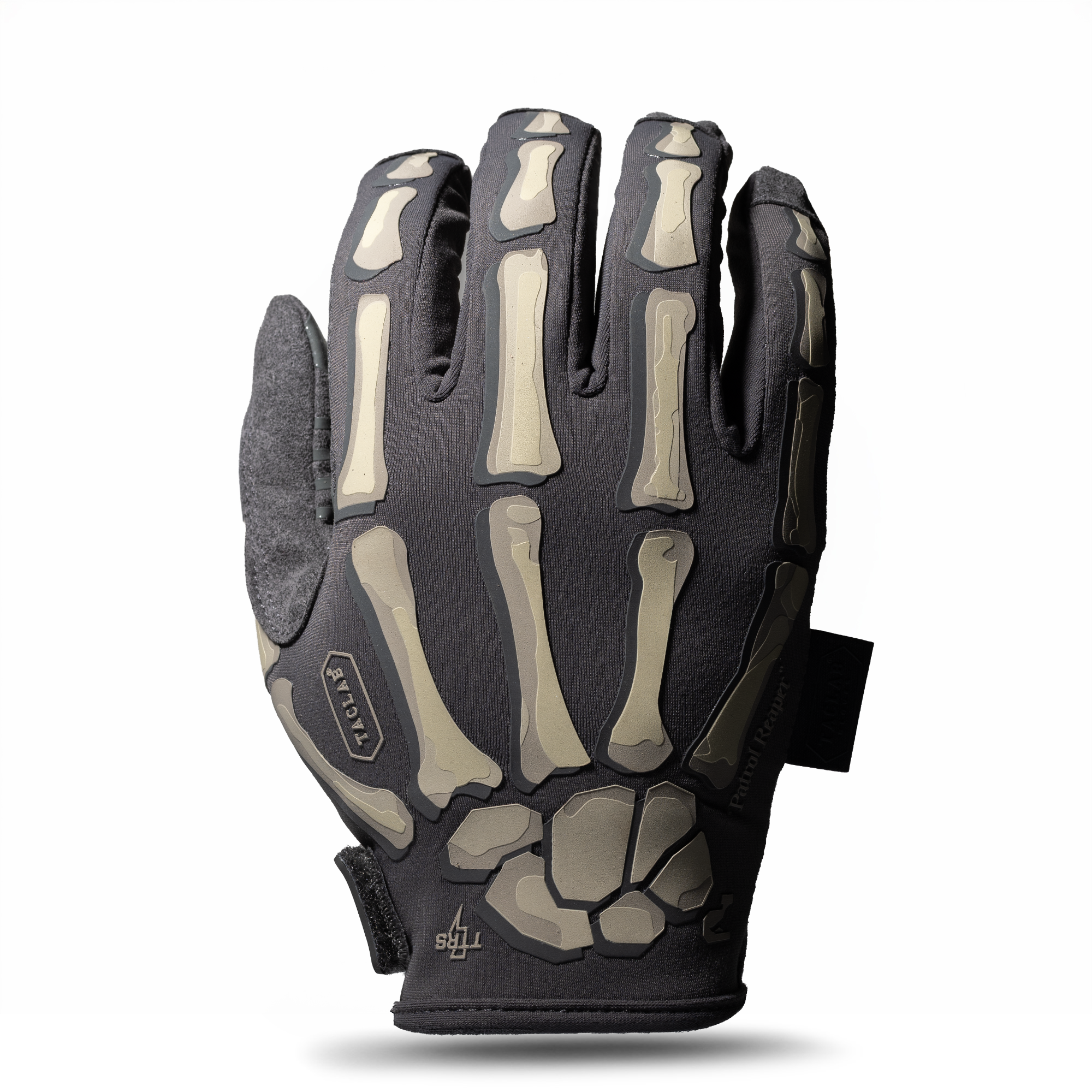
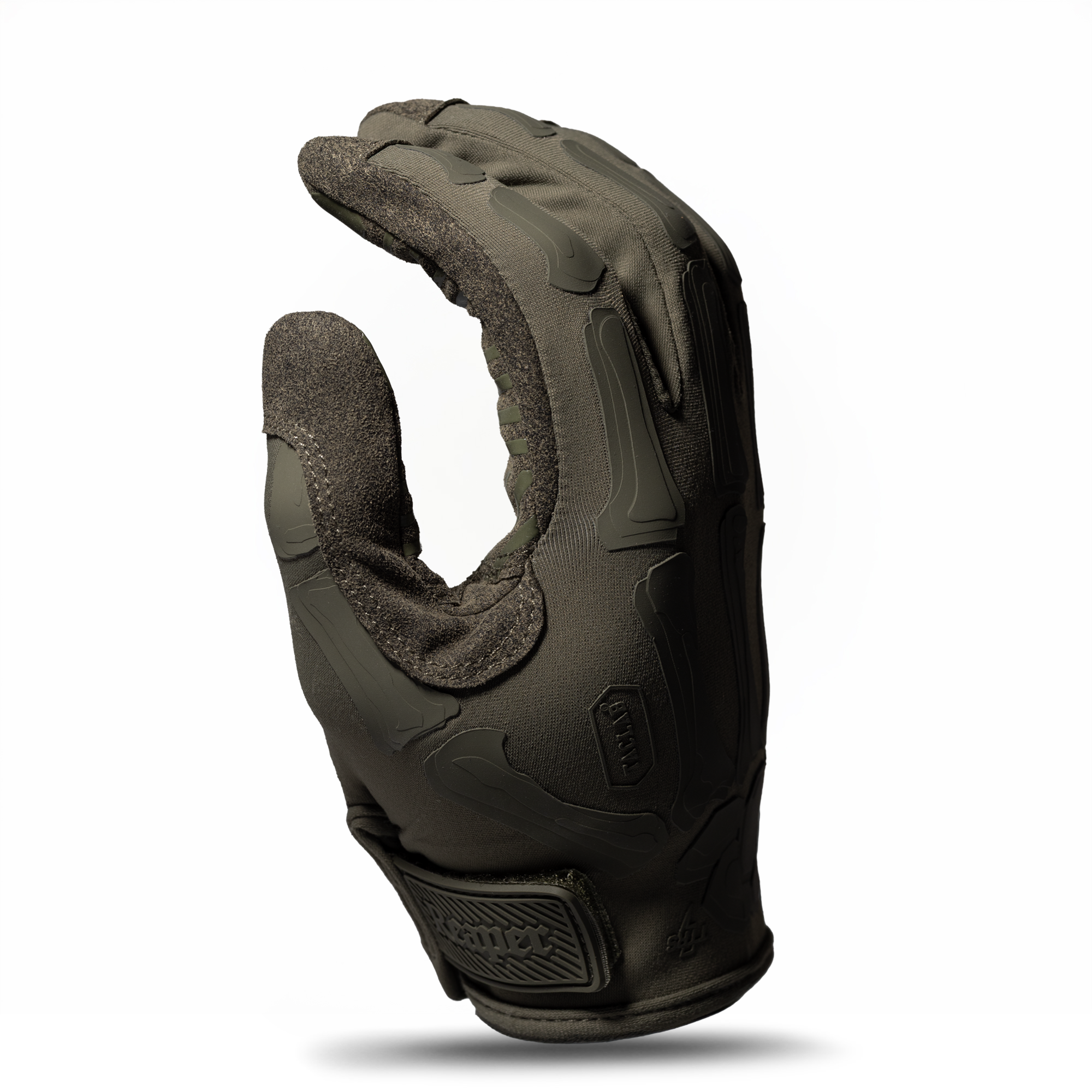
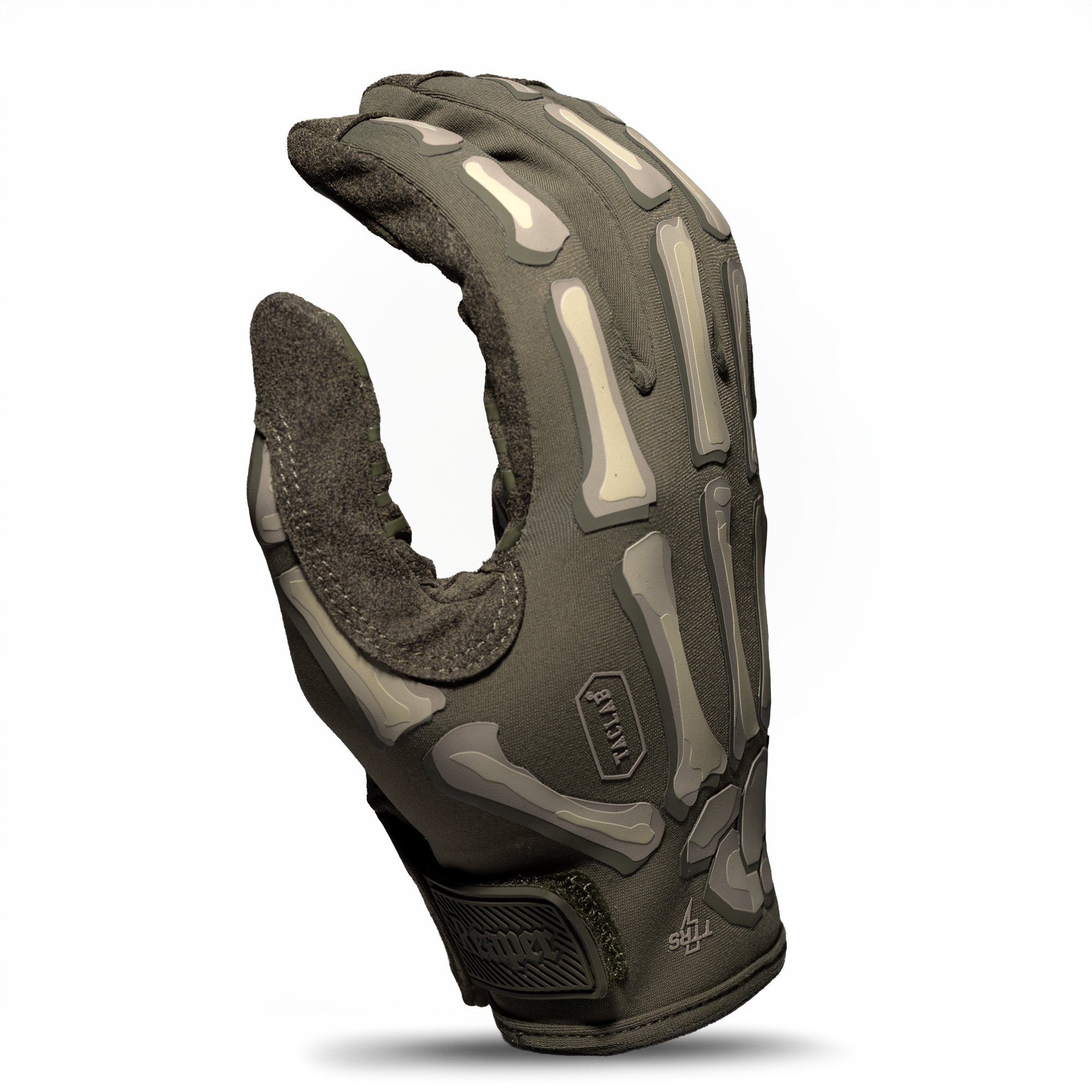
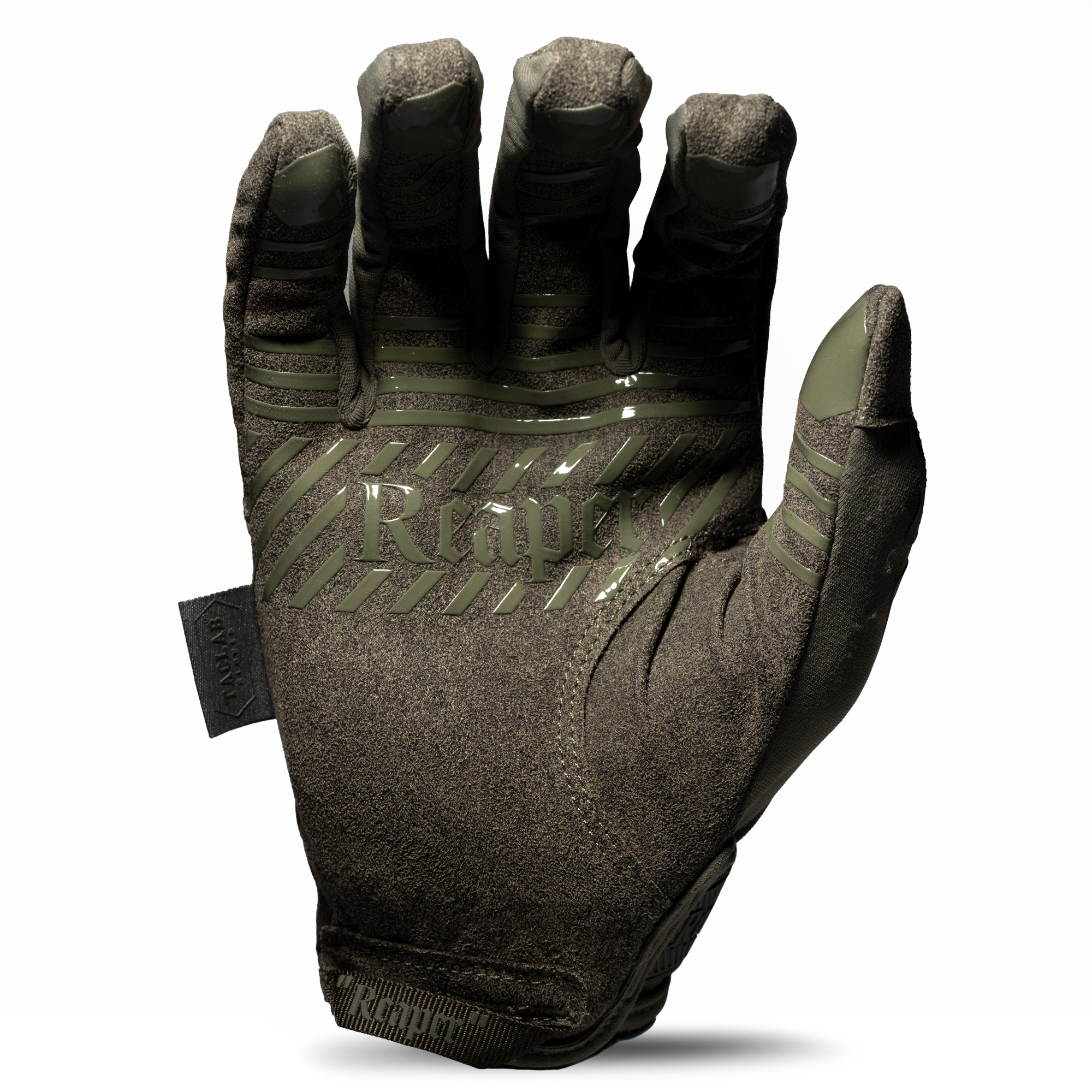
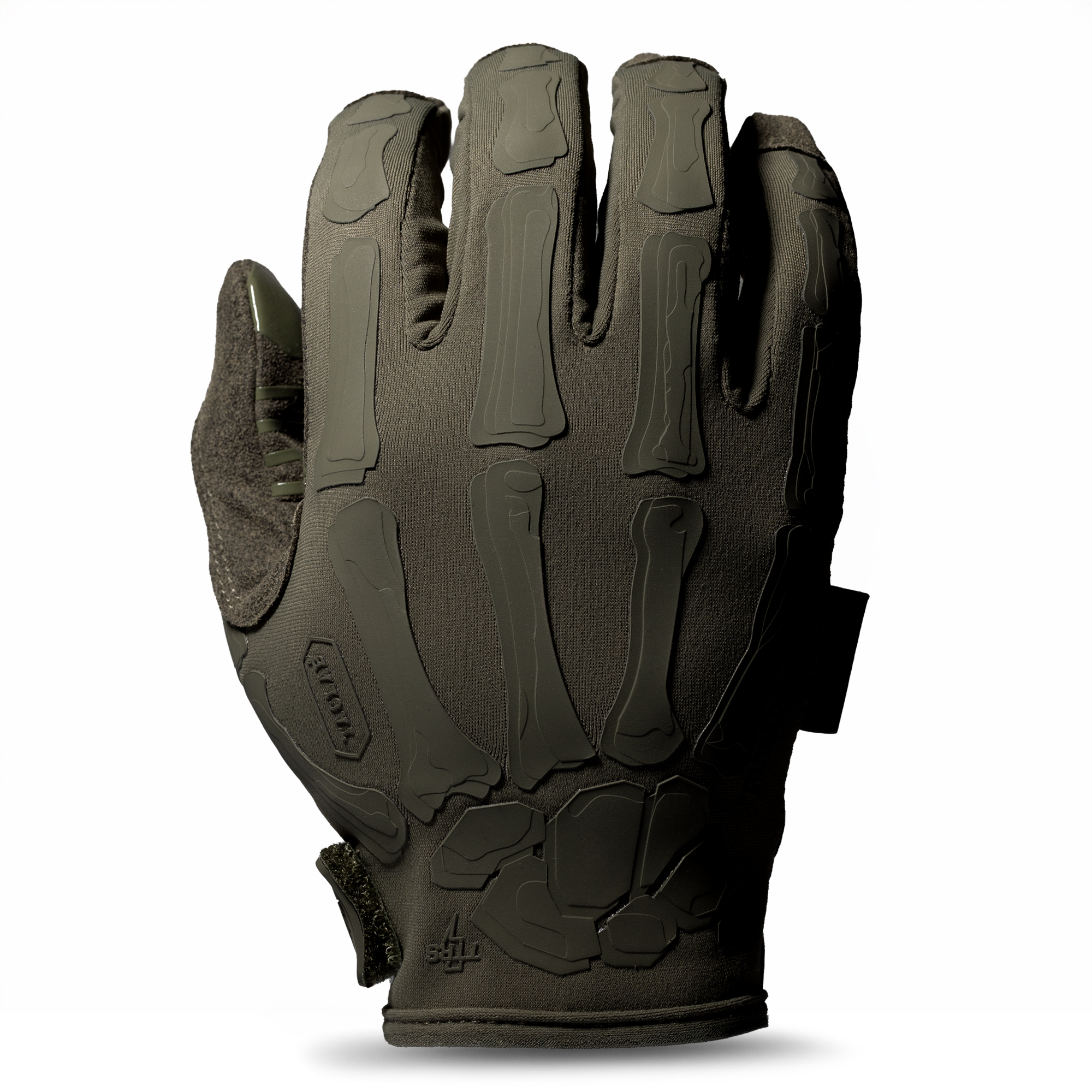
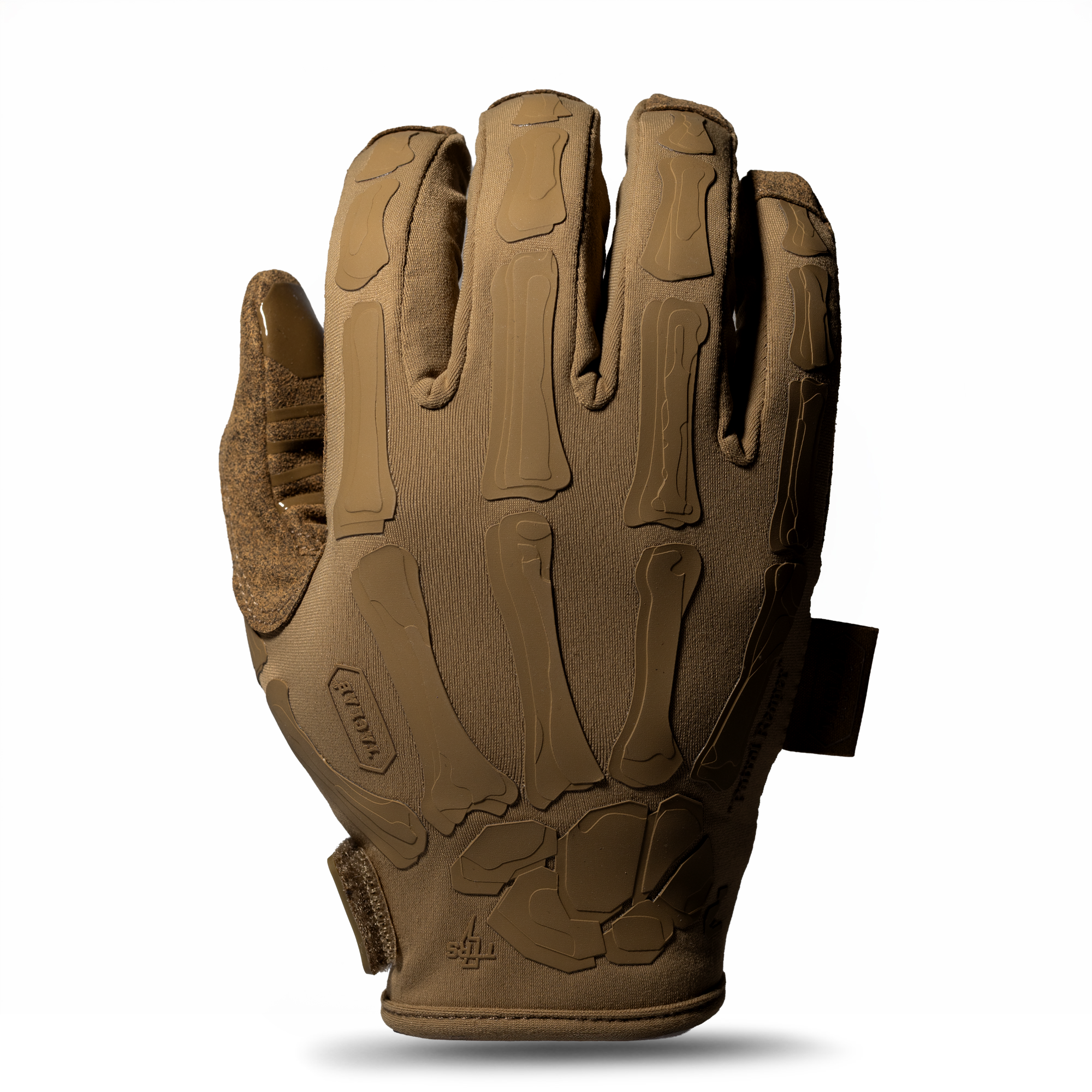
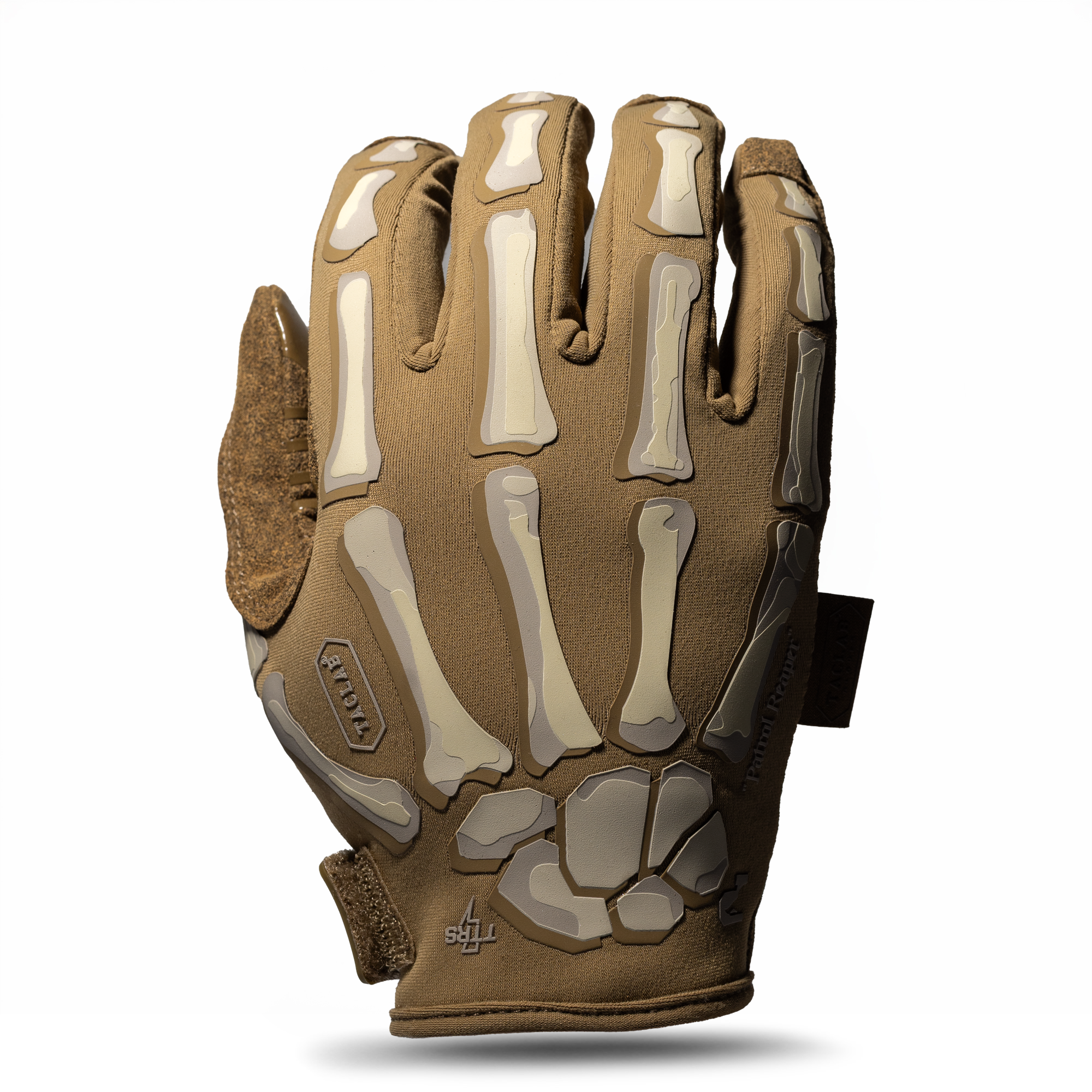
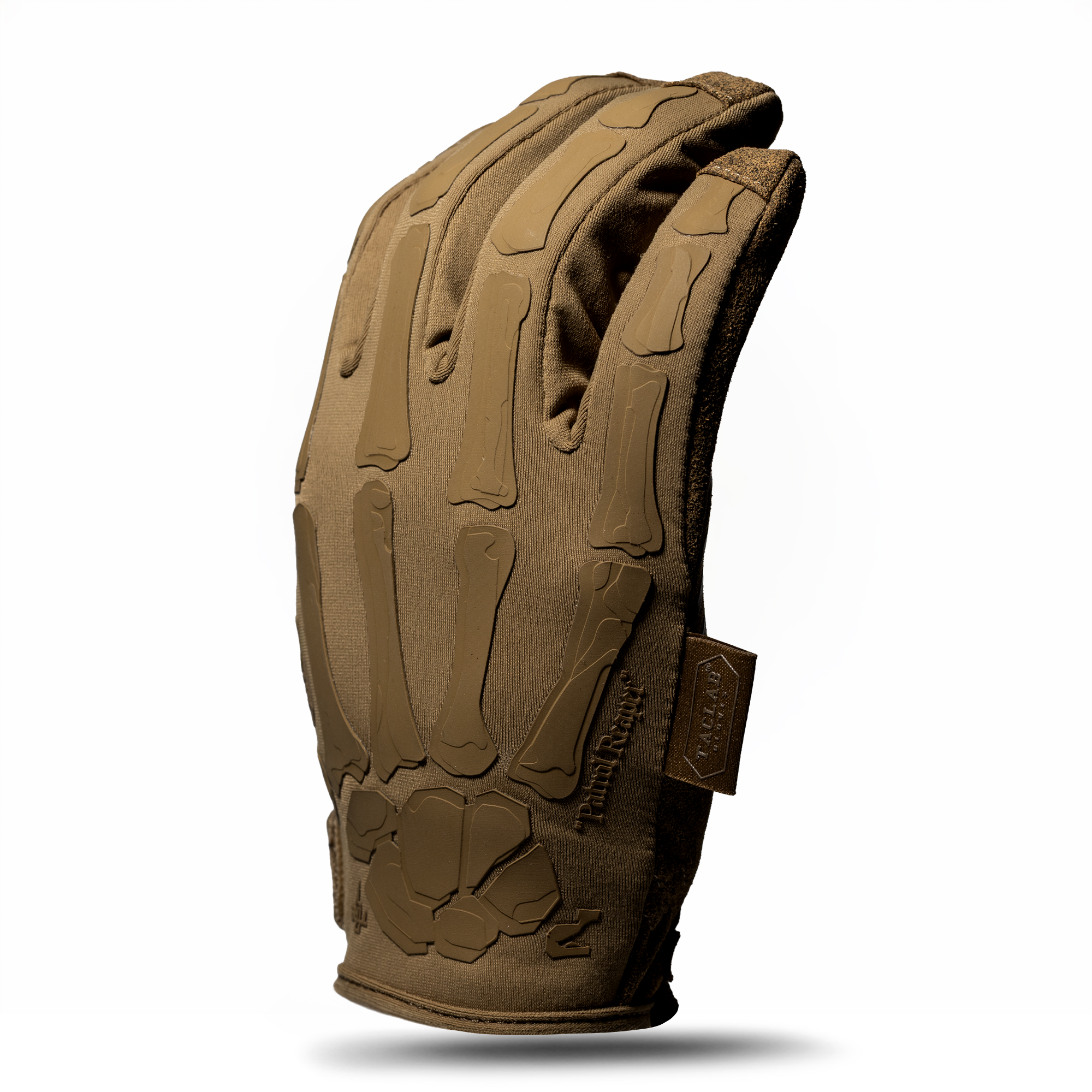
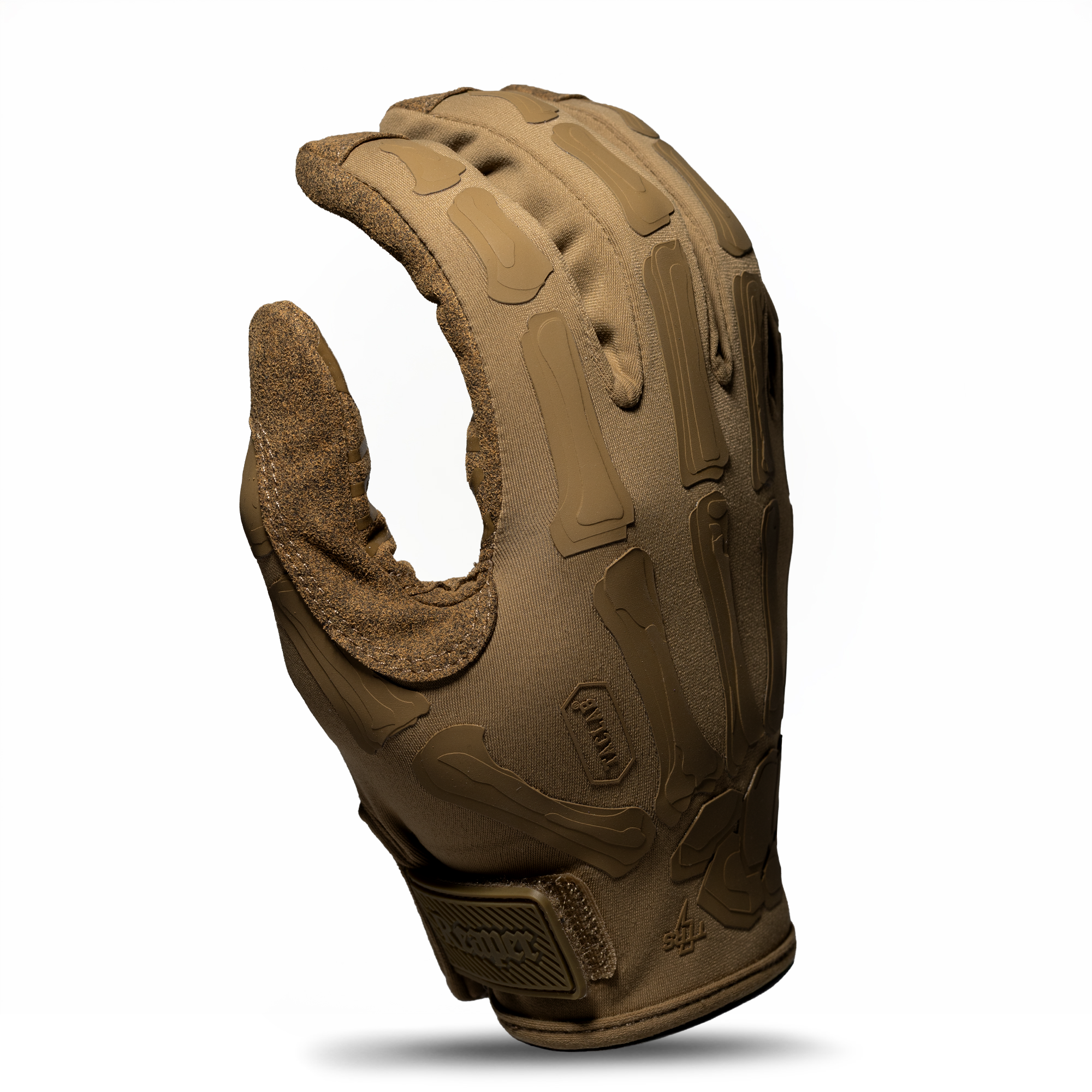
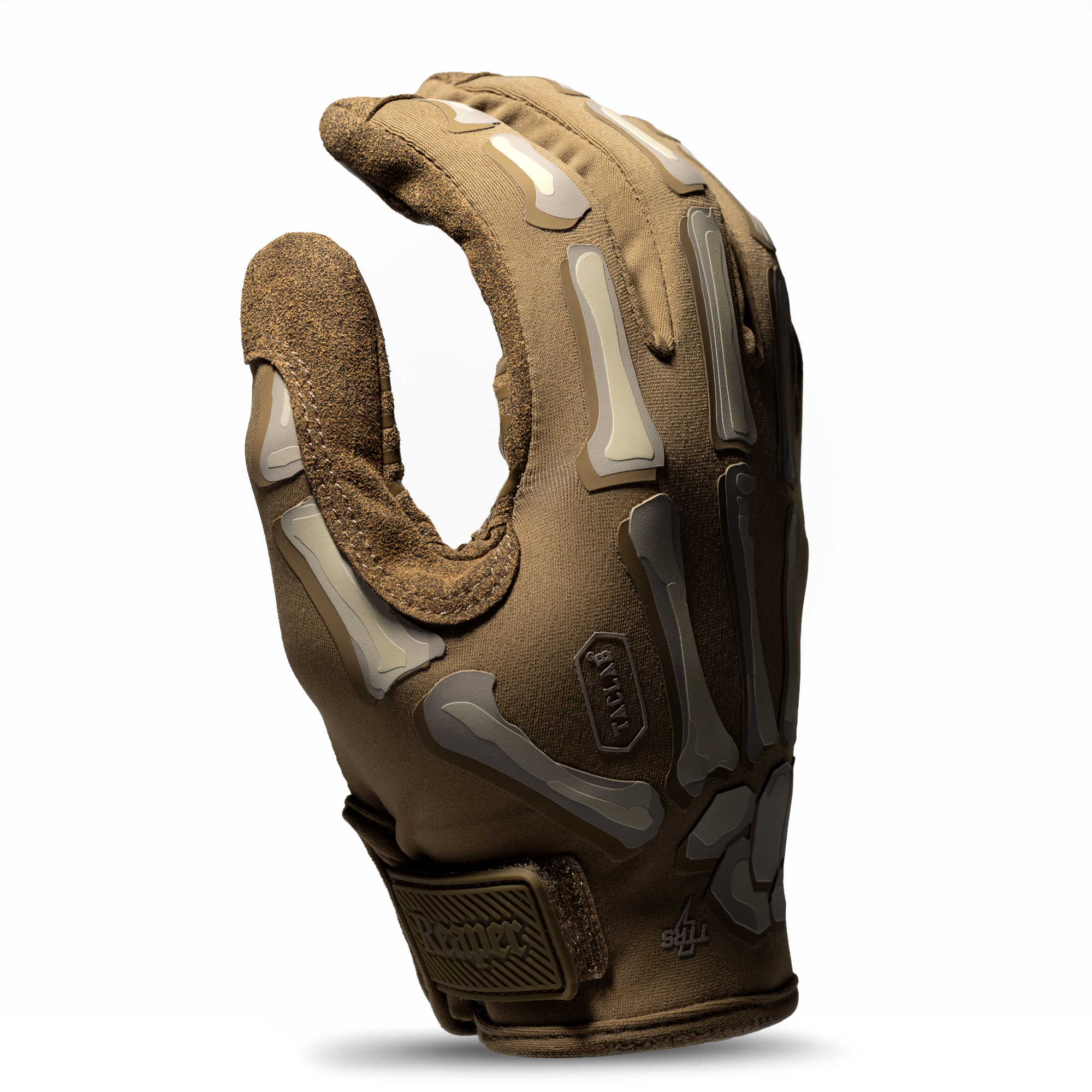
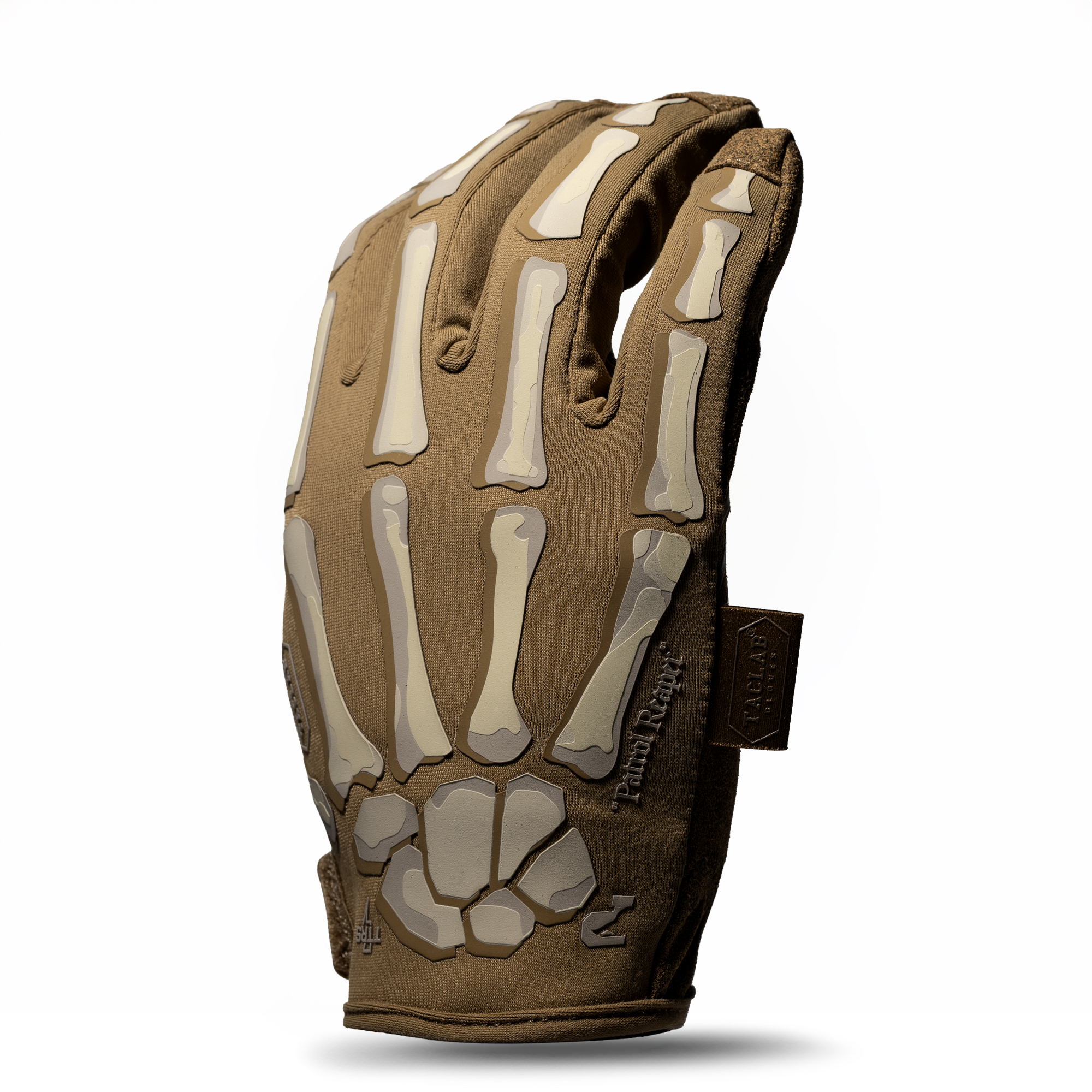
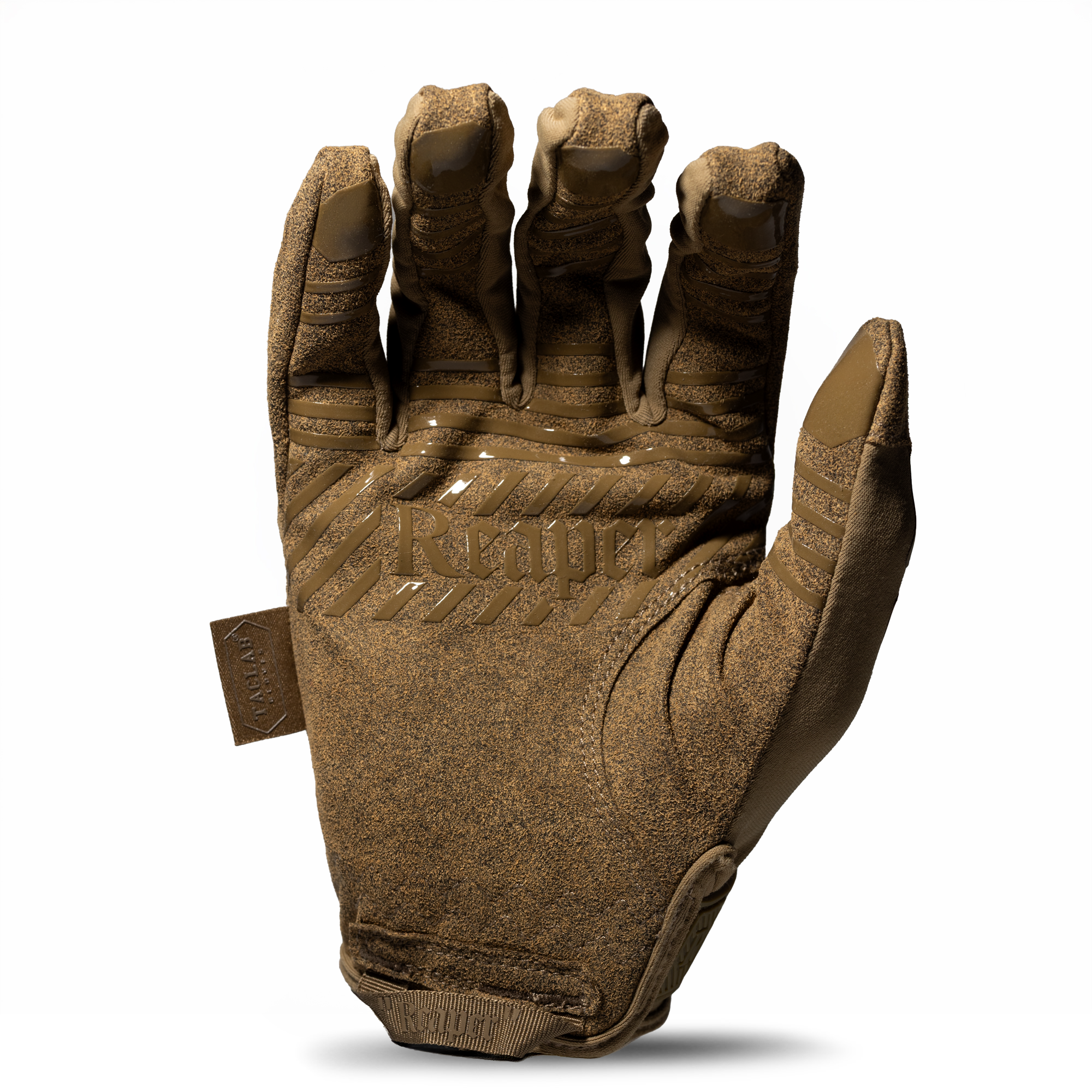
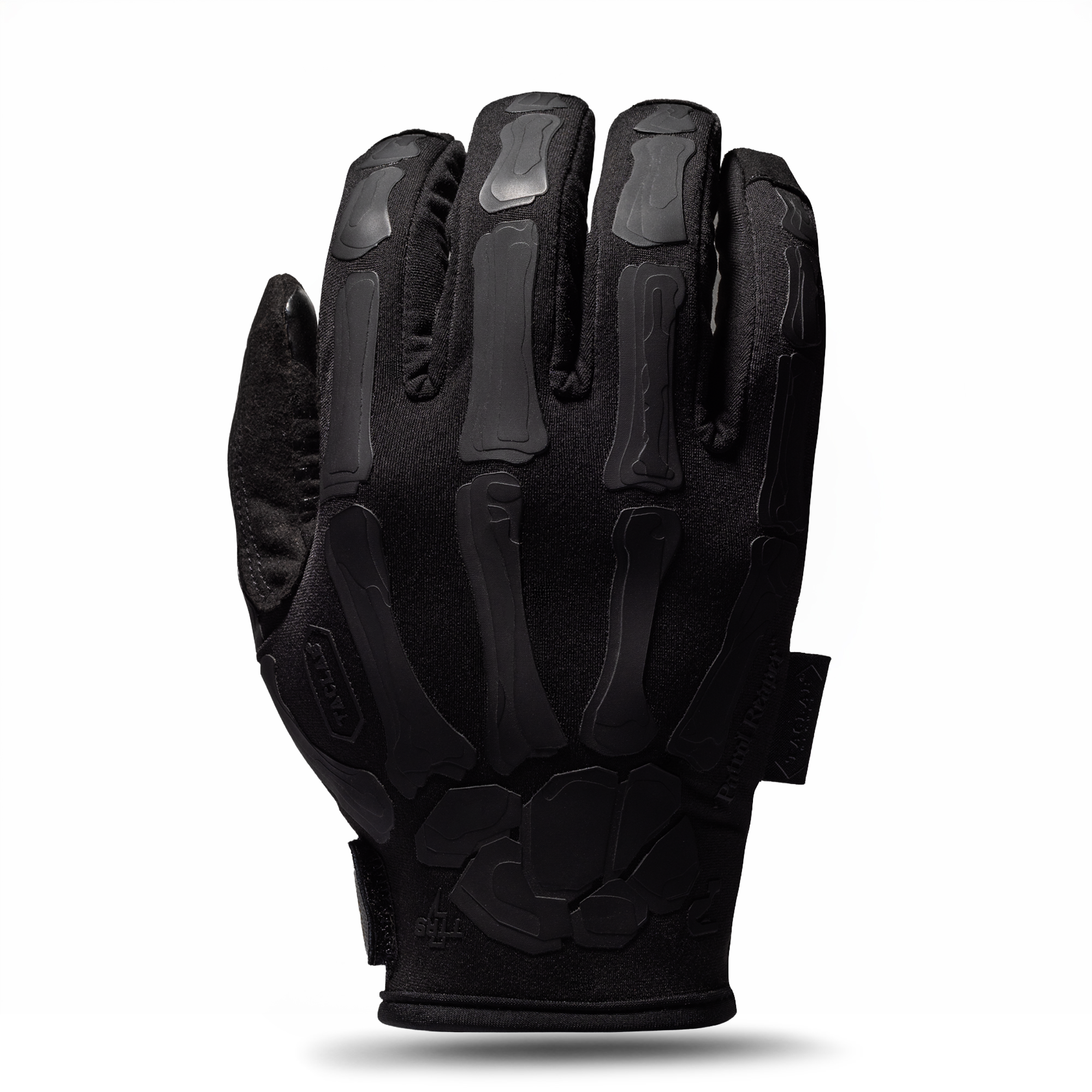
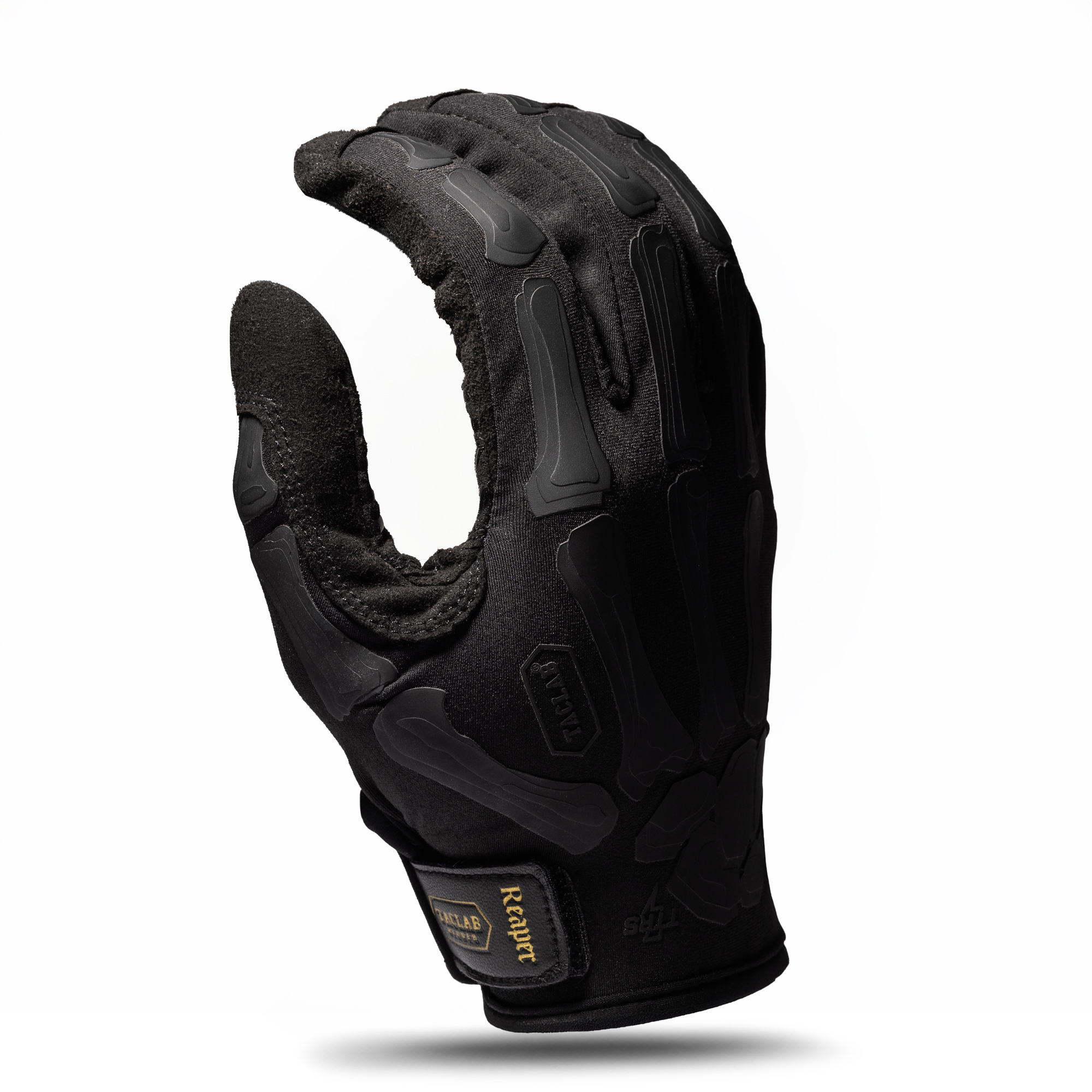
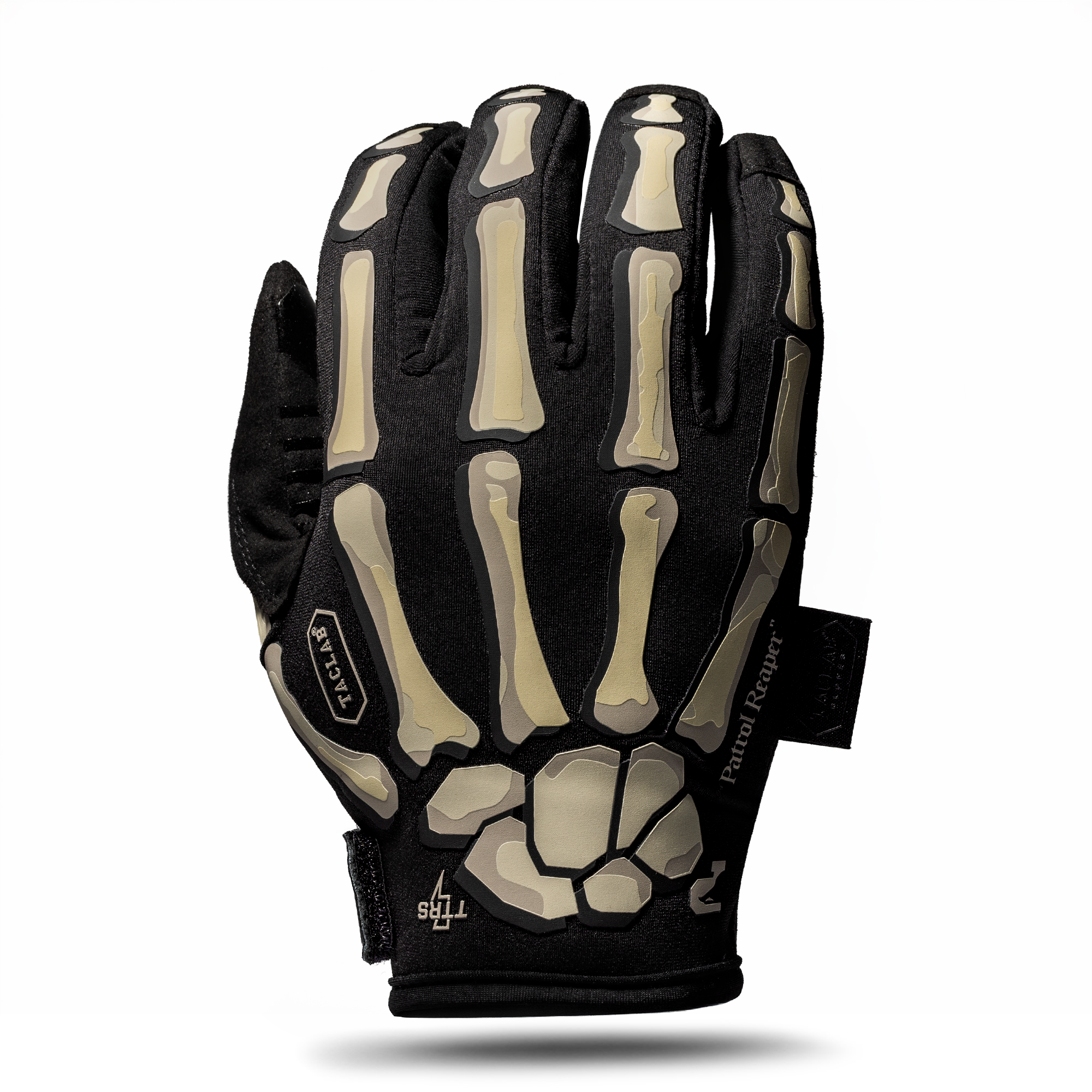
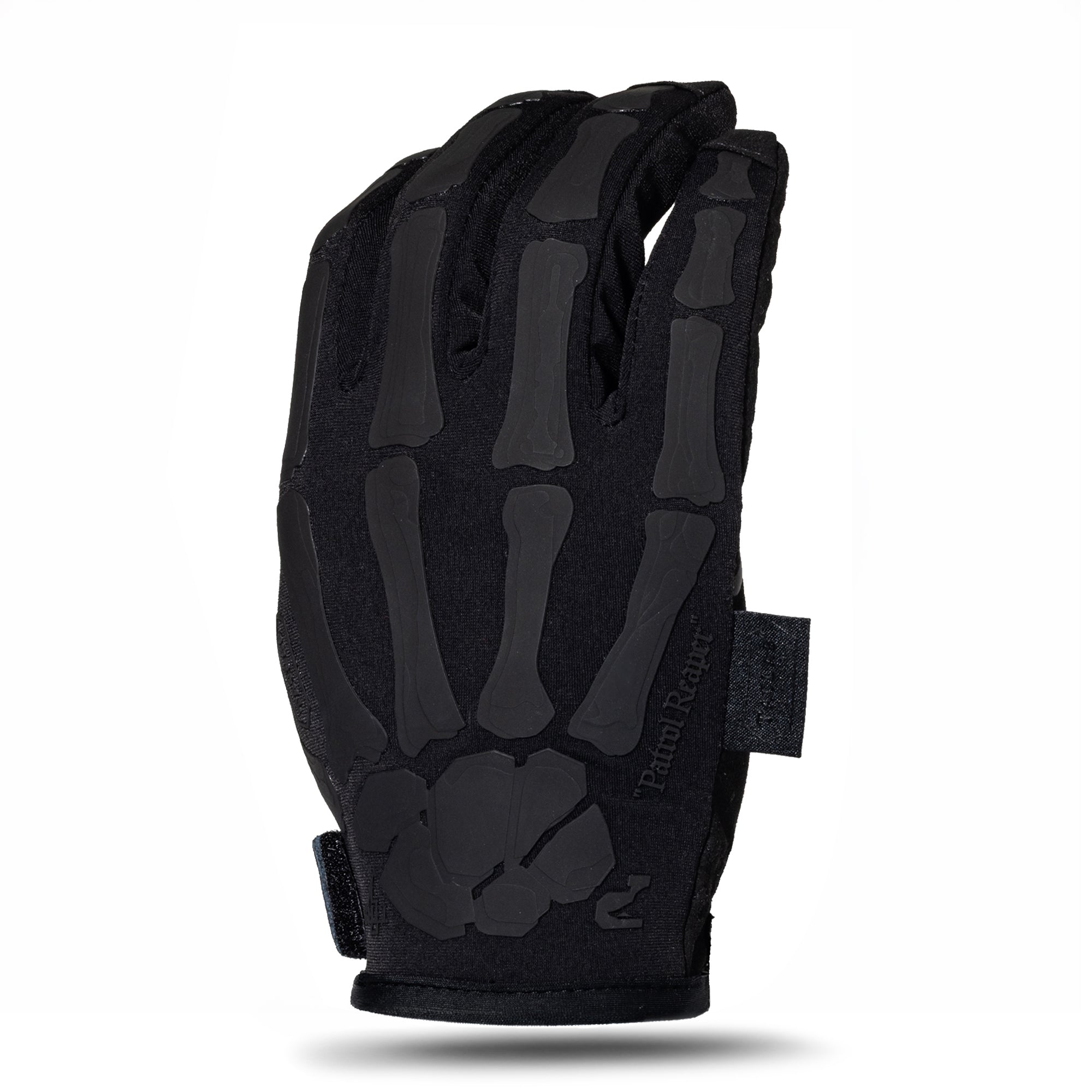
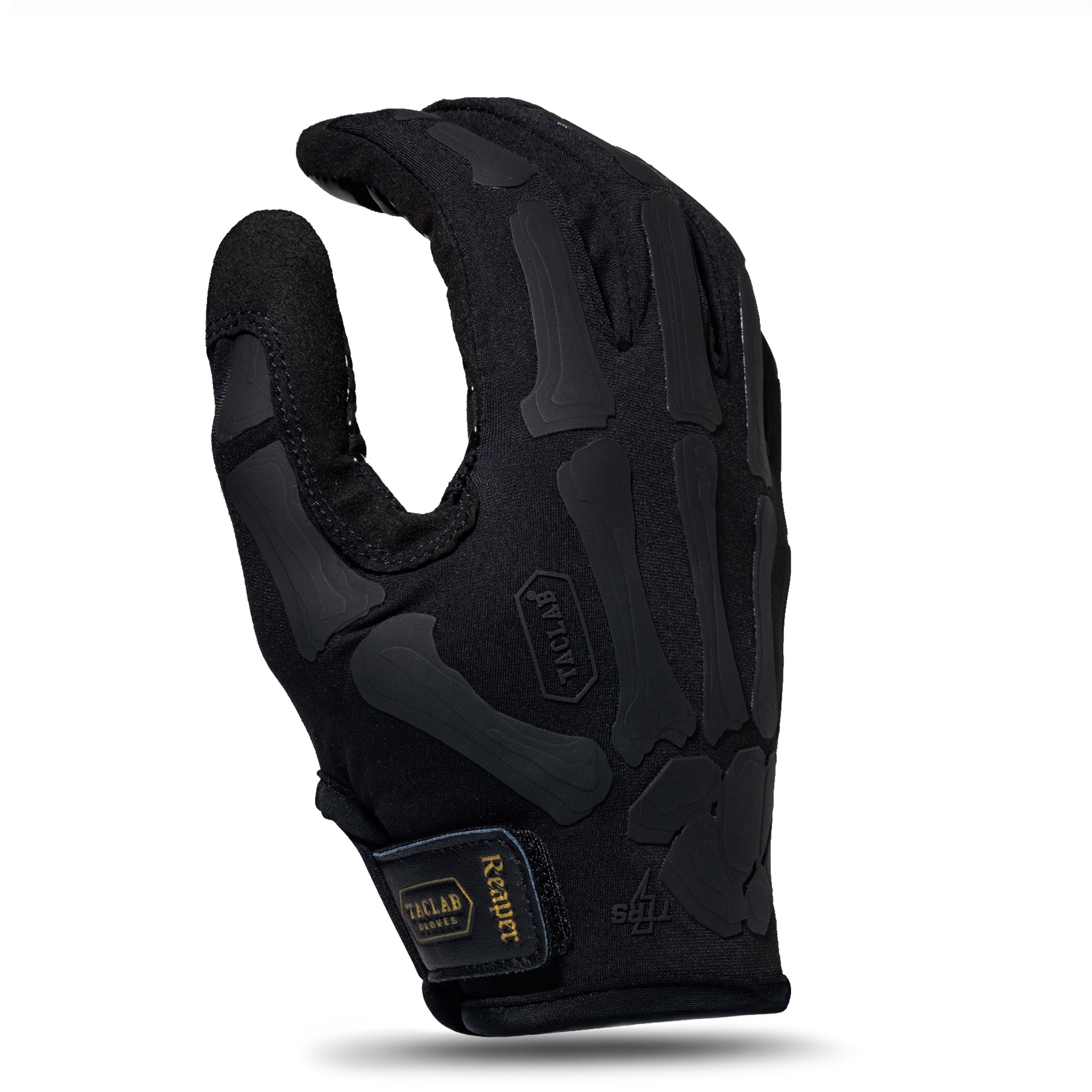
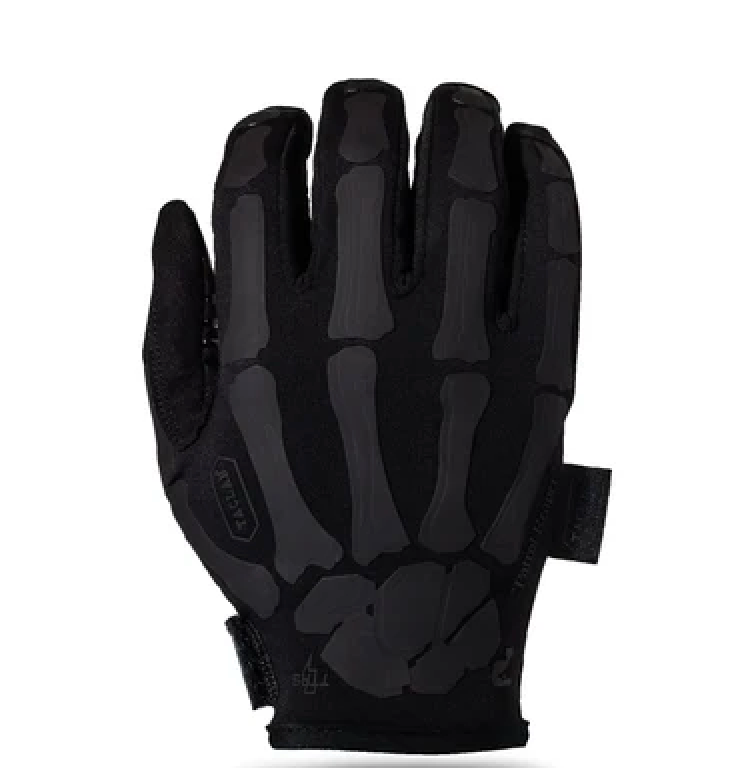
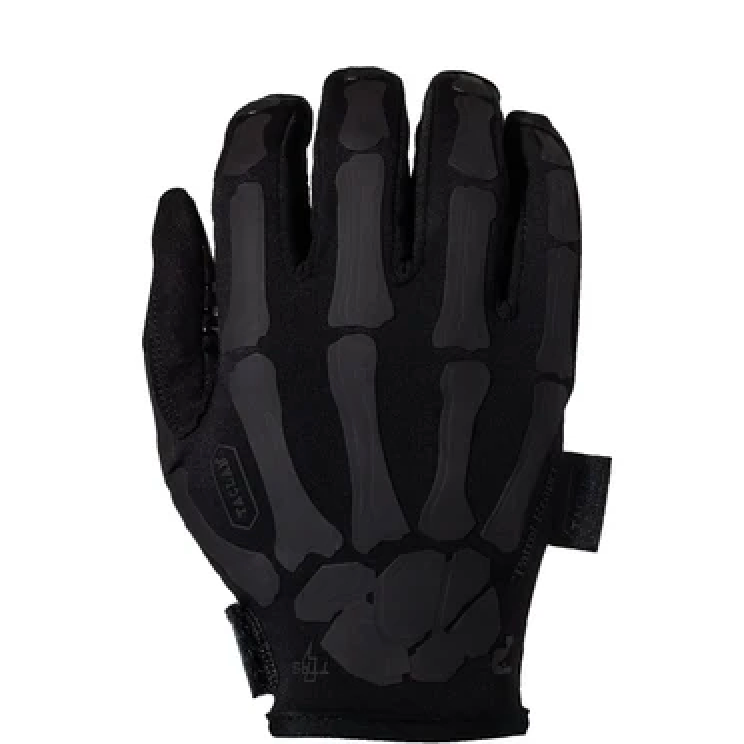
For lightweight everyday range use, the TACLAB Reaper emphasizes dexterity, close fit, grip, and flexibility.
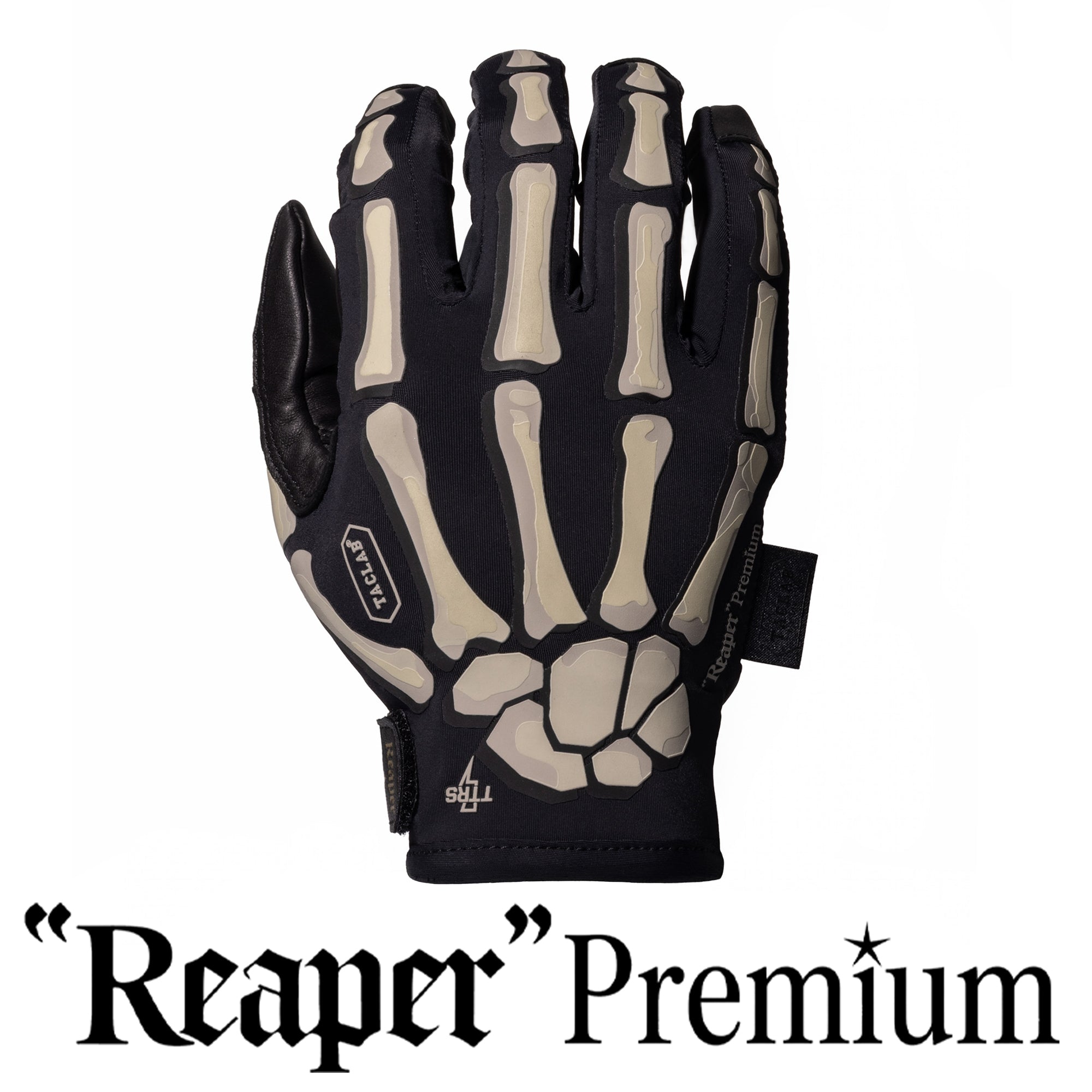
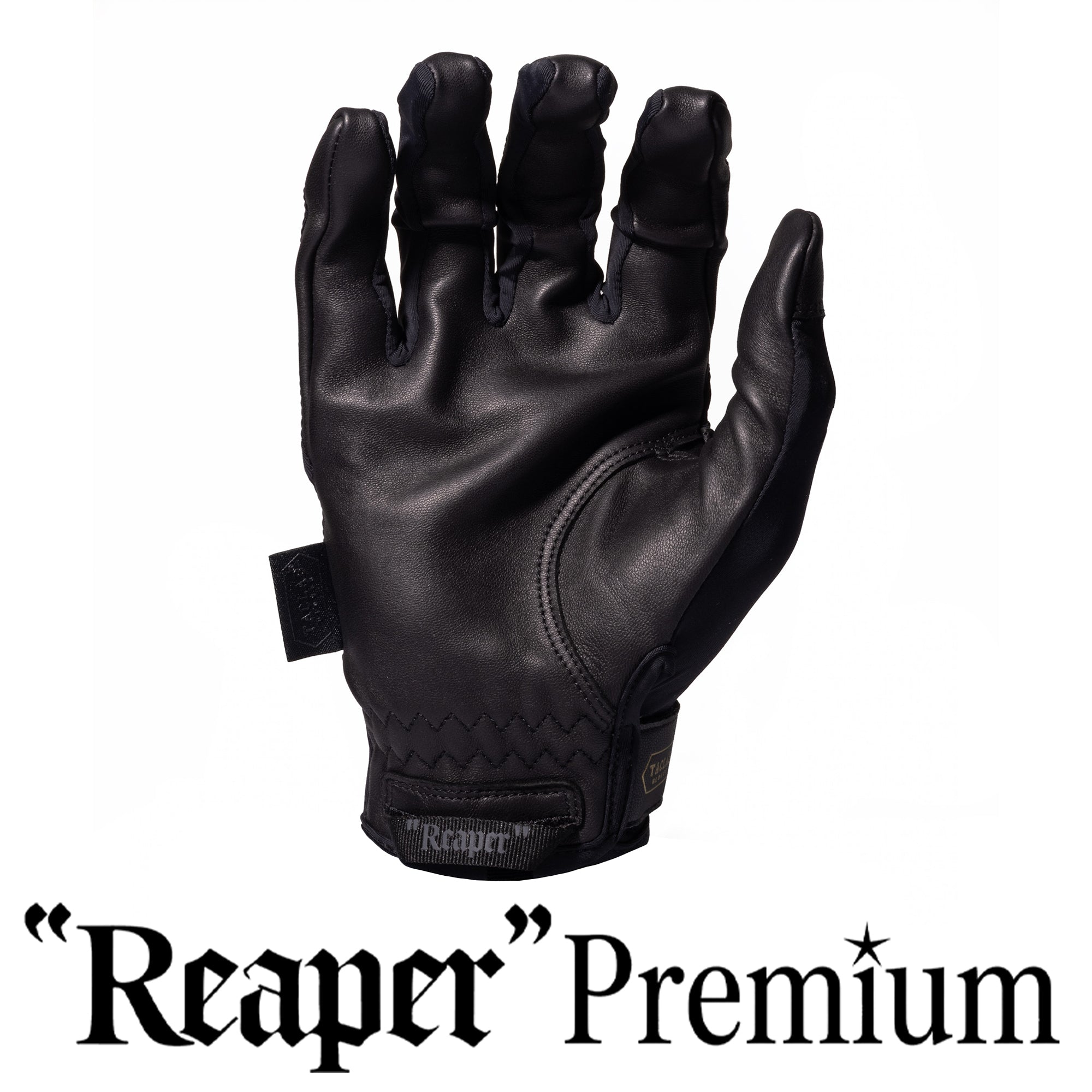
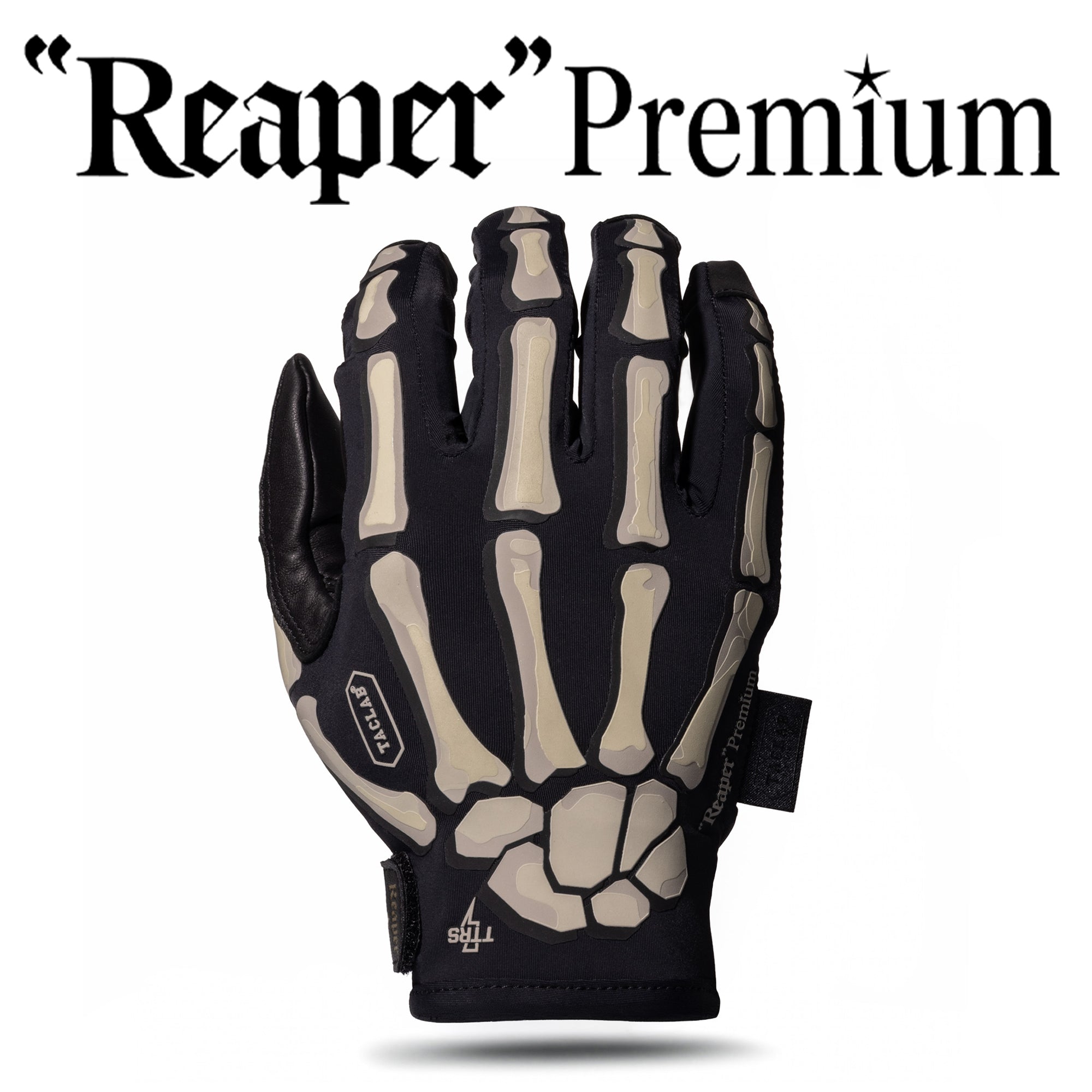
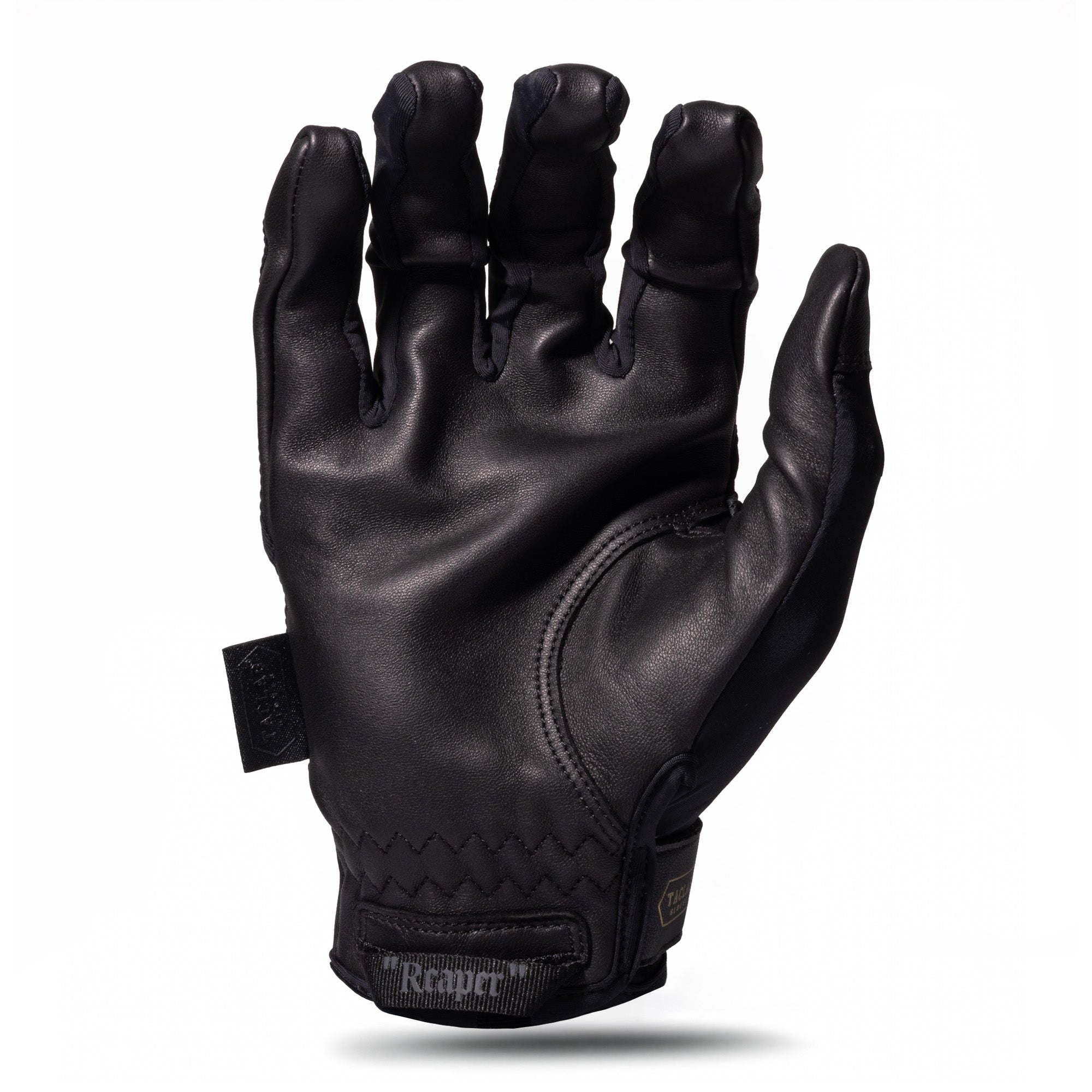
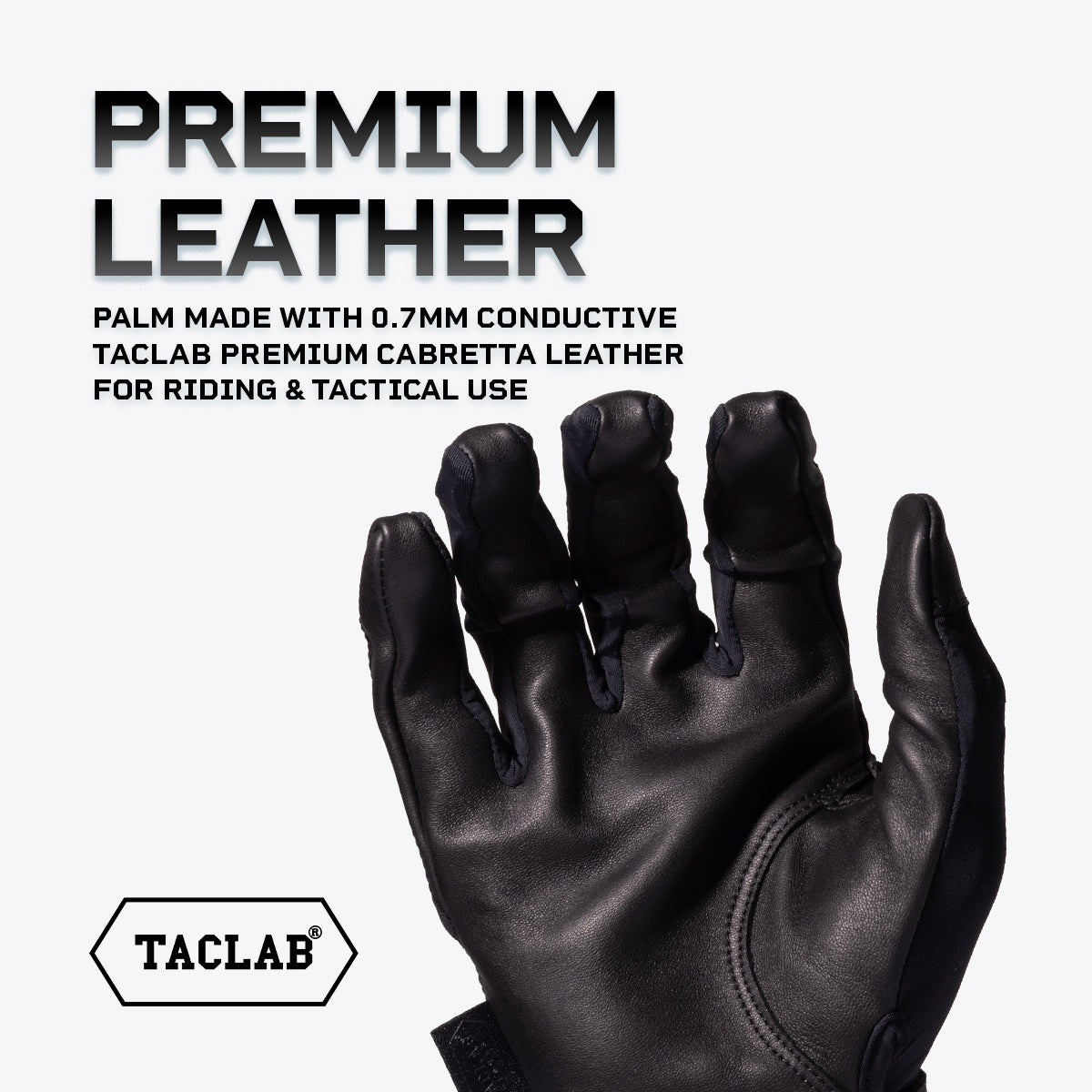
Shooters who prefer premium leather feel can look toward the Reaper Premium, which uses a thin Cabretta leather palm.
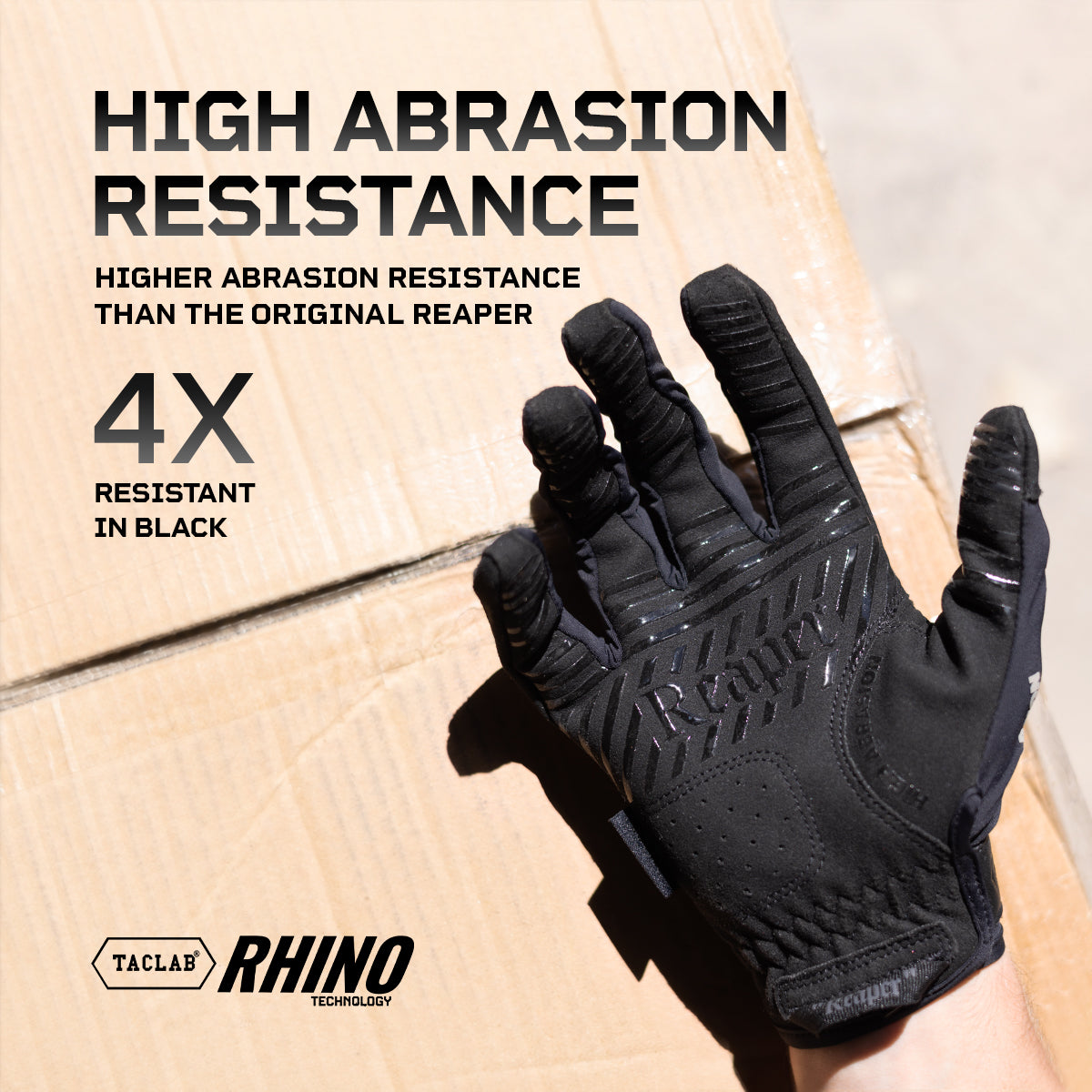
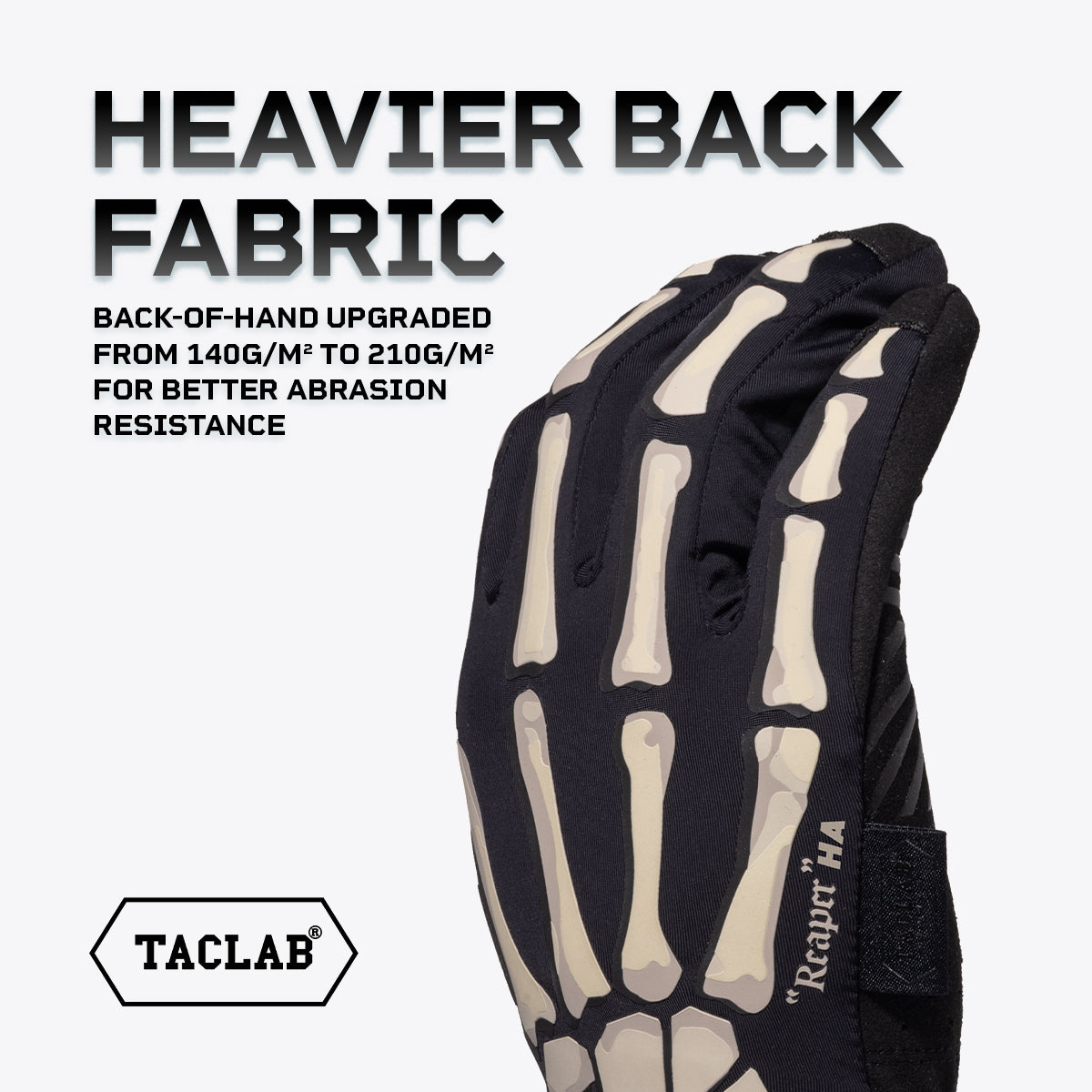
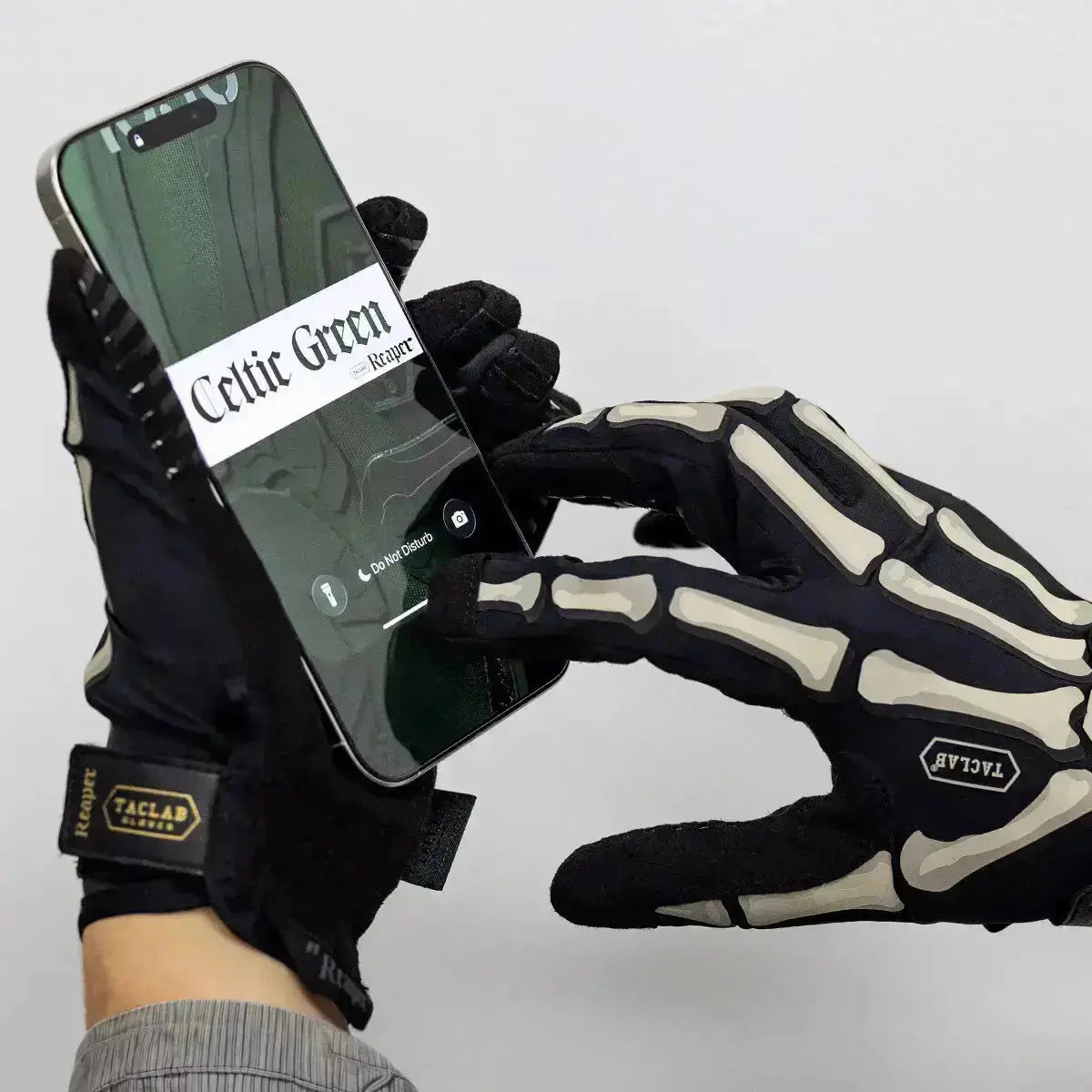
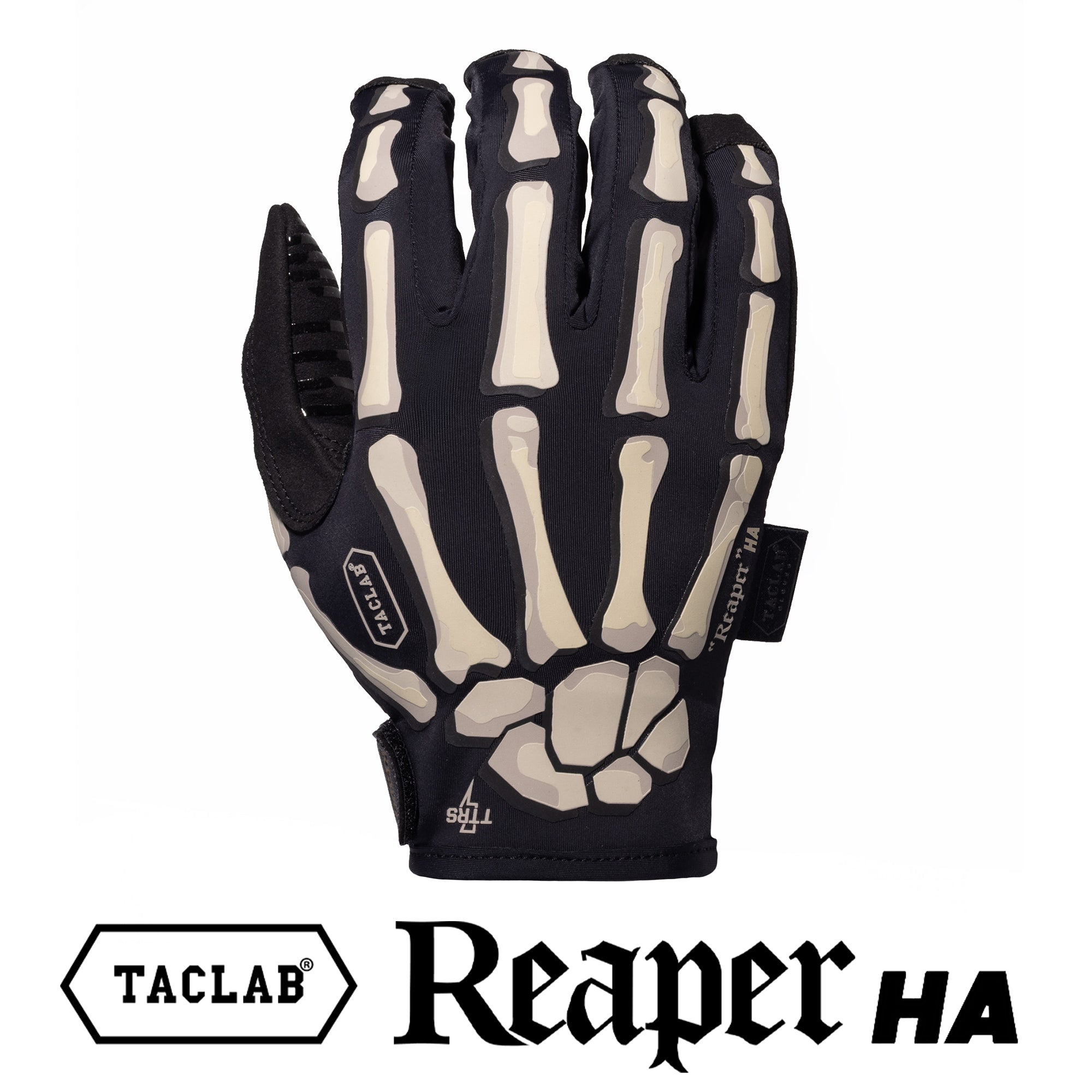
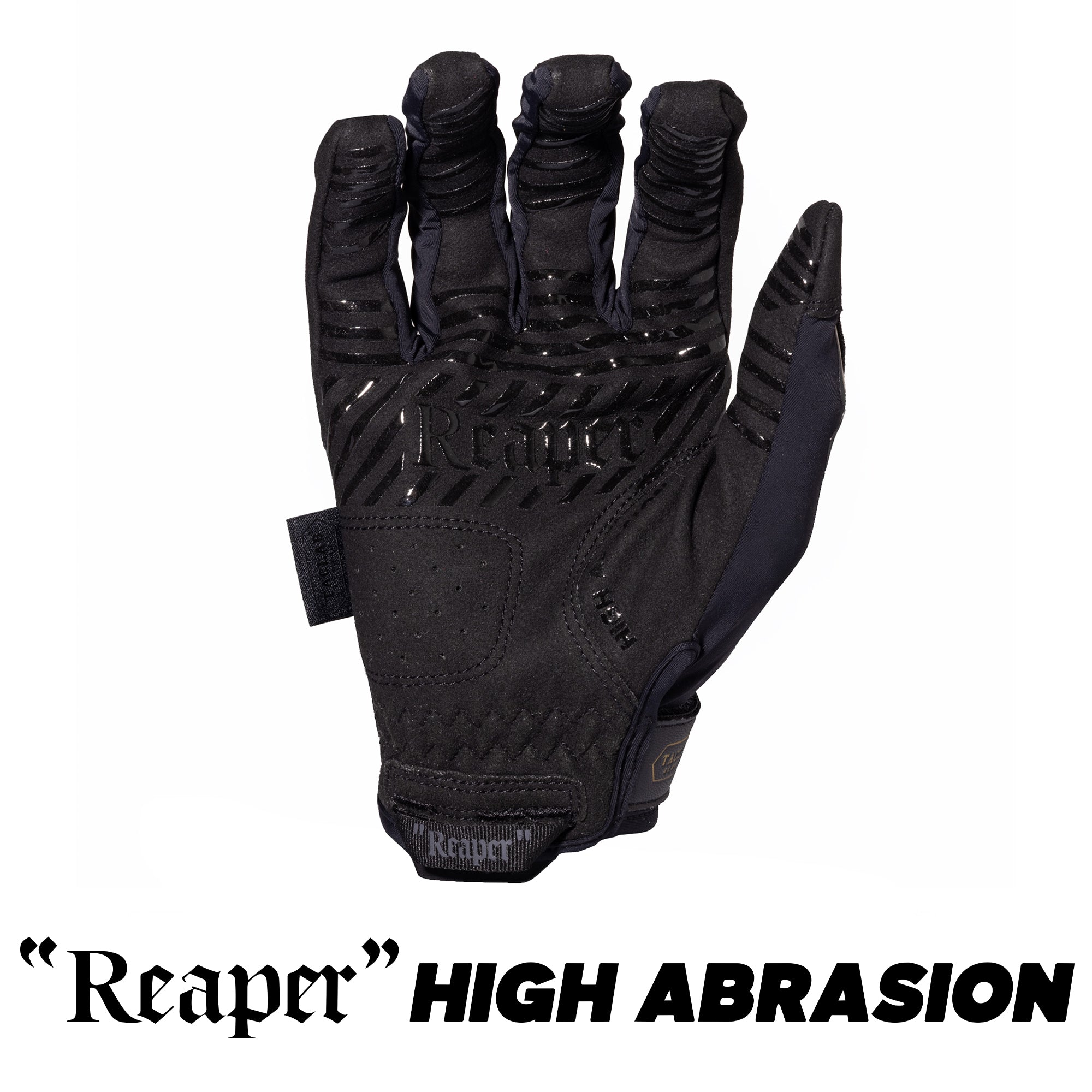
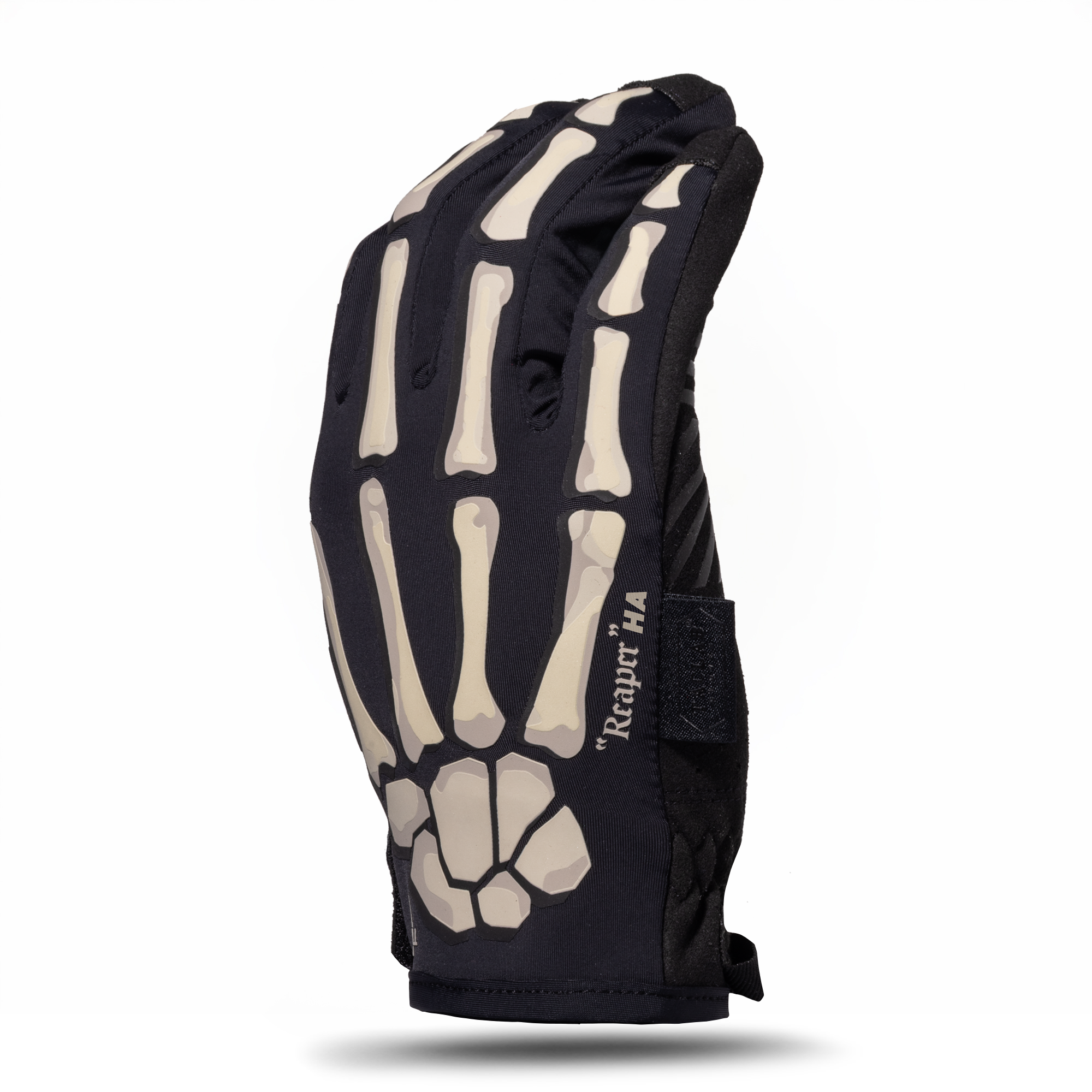
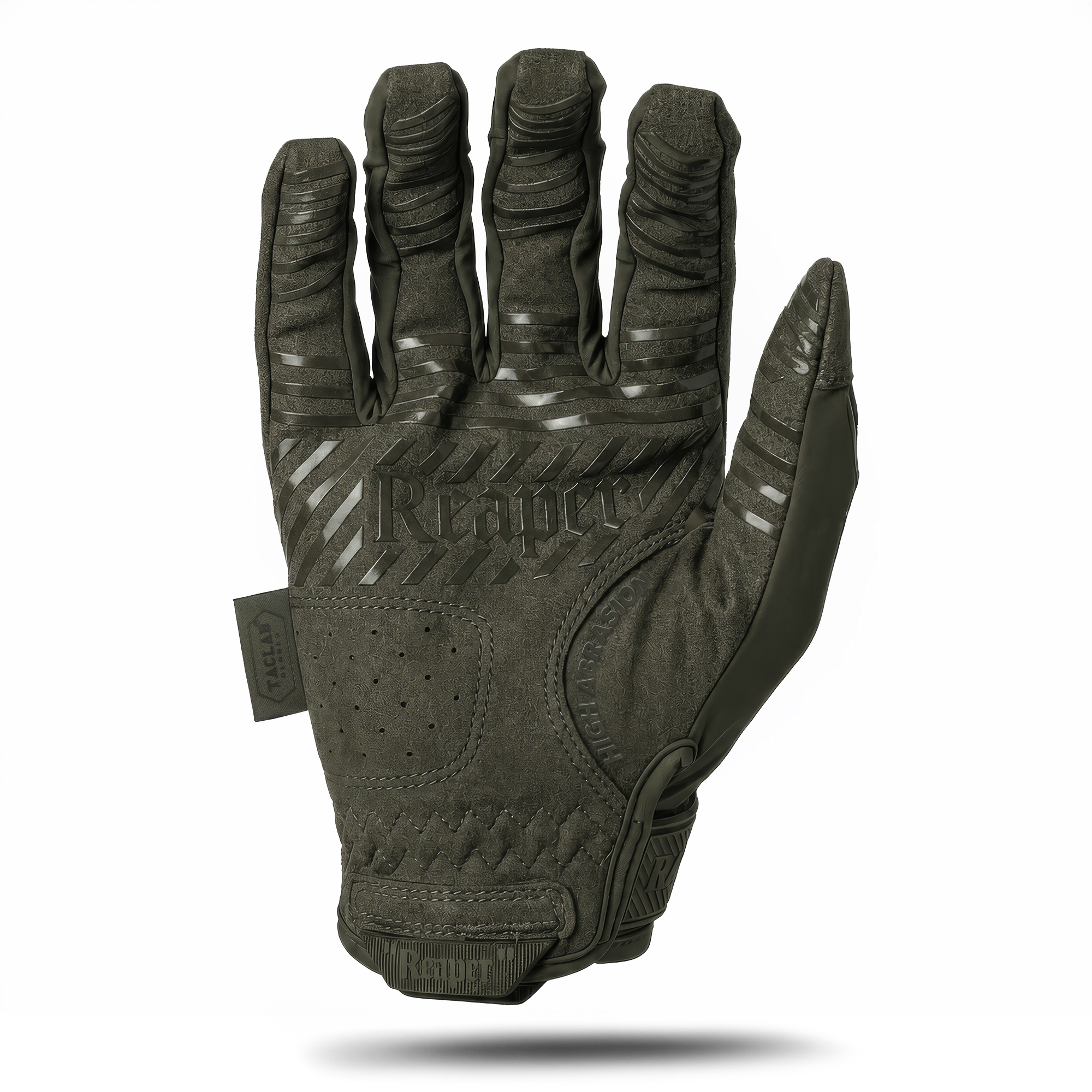
For more abrasive training environments, the Reaper HA shifts the priority toward increased abrasion resistance.
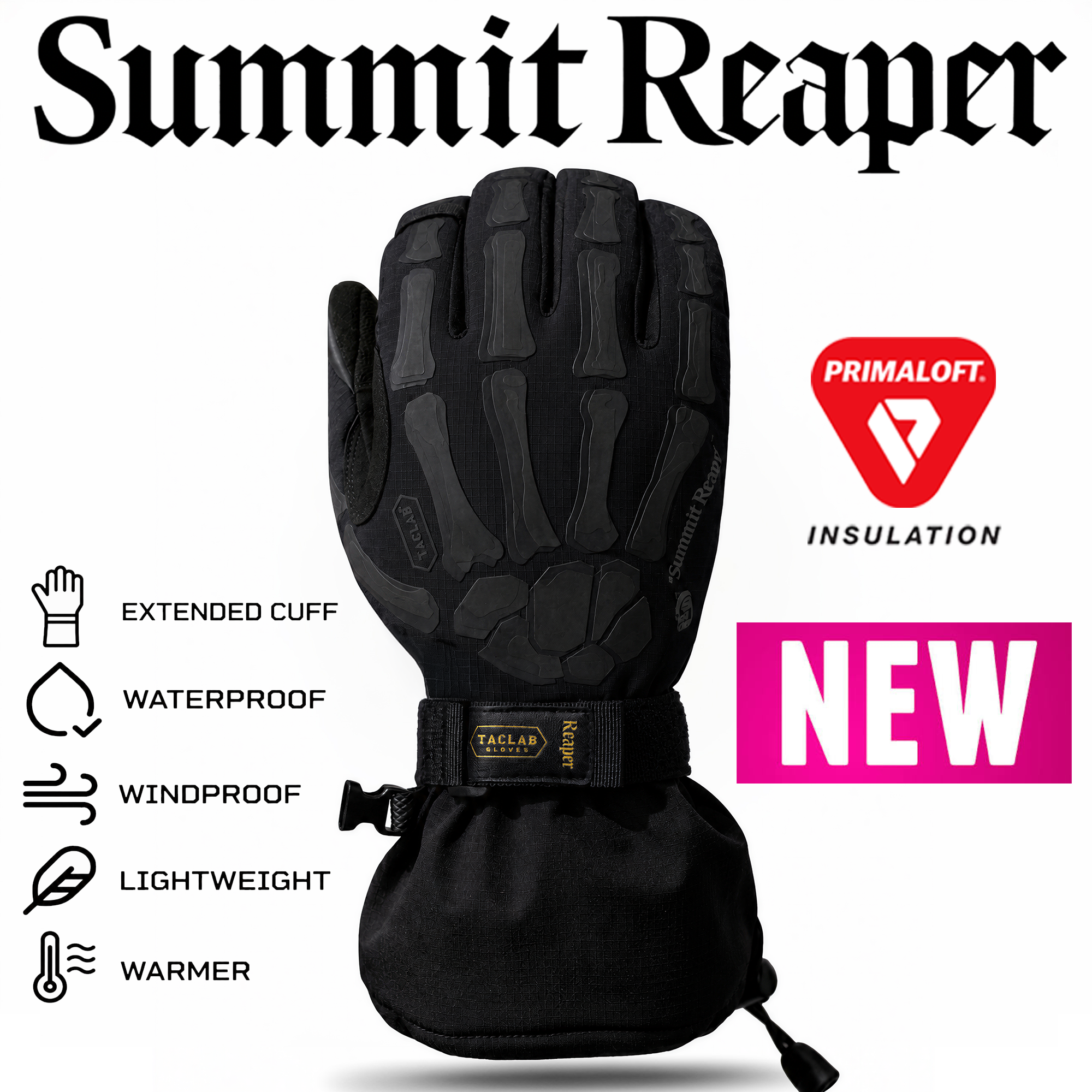
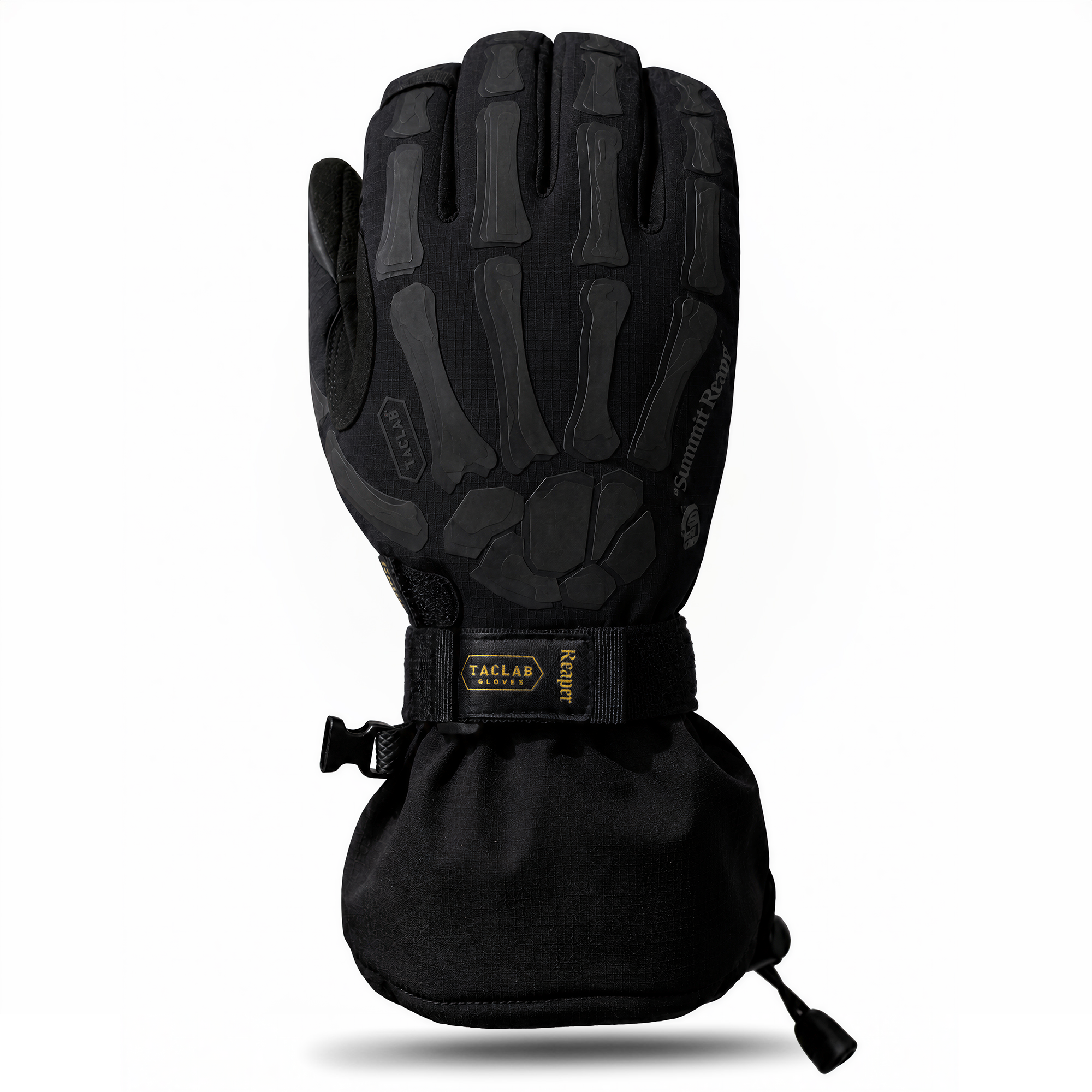
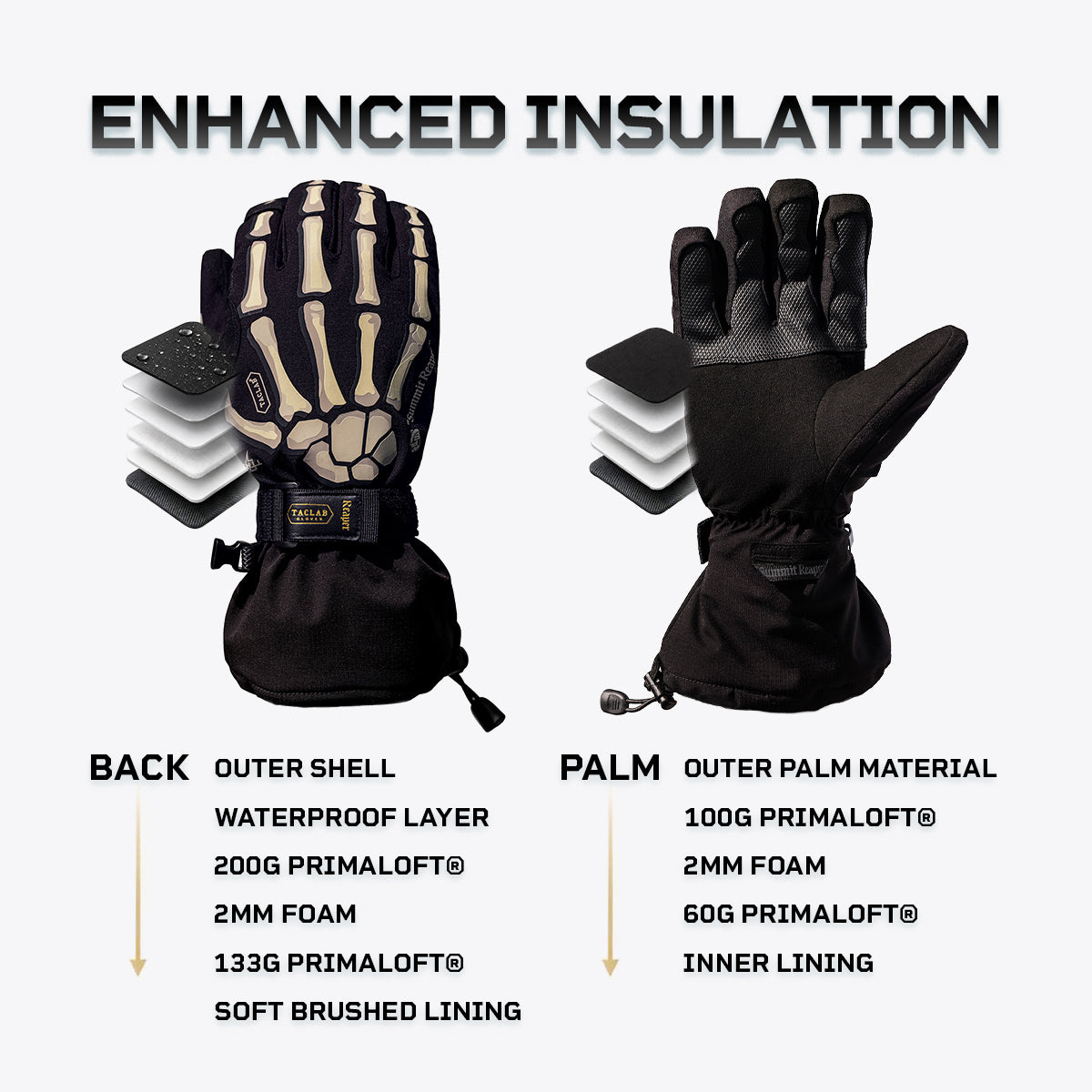
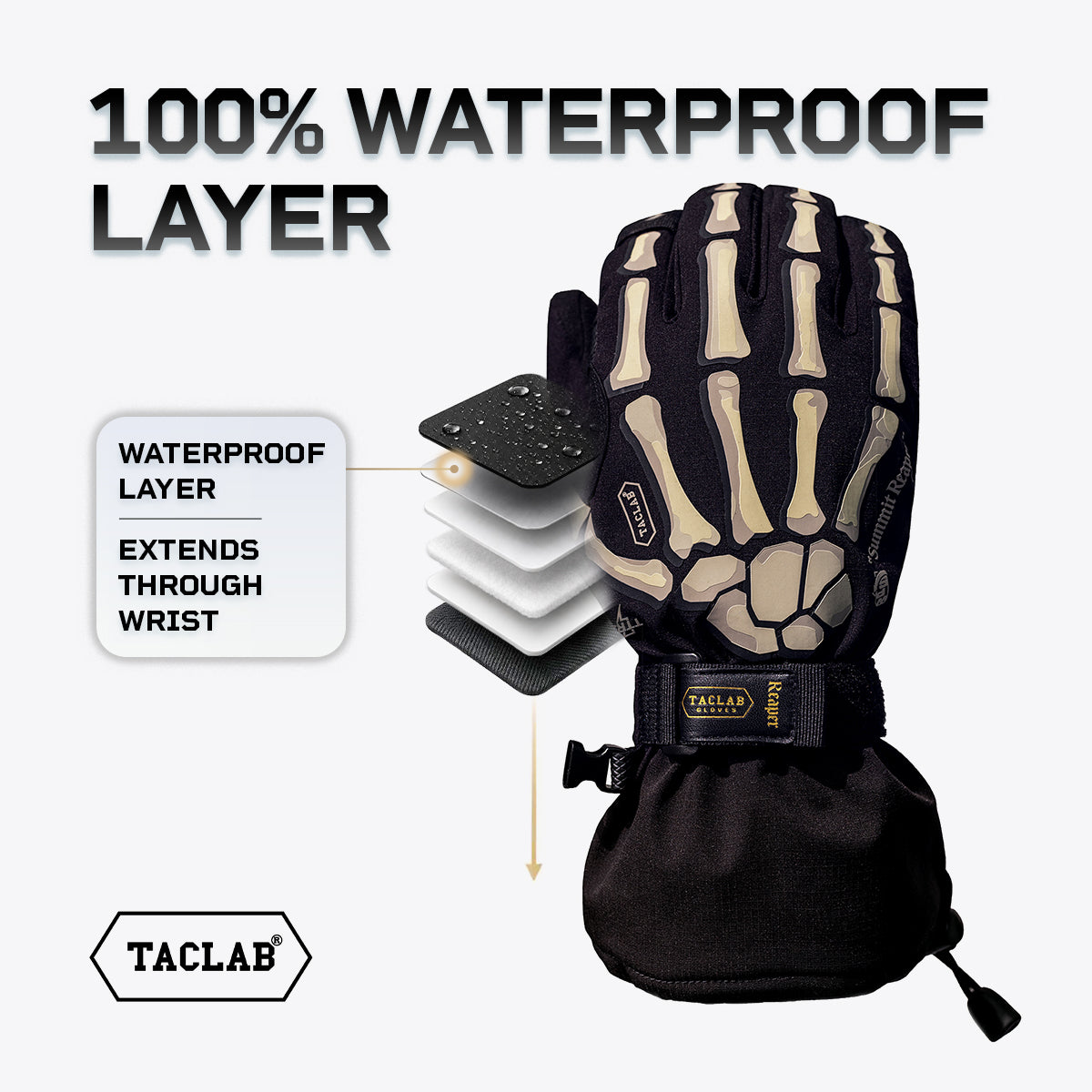
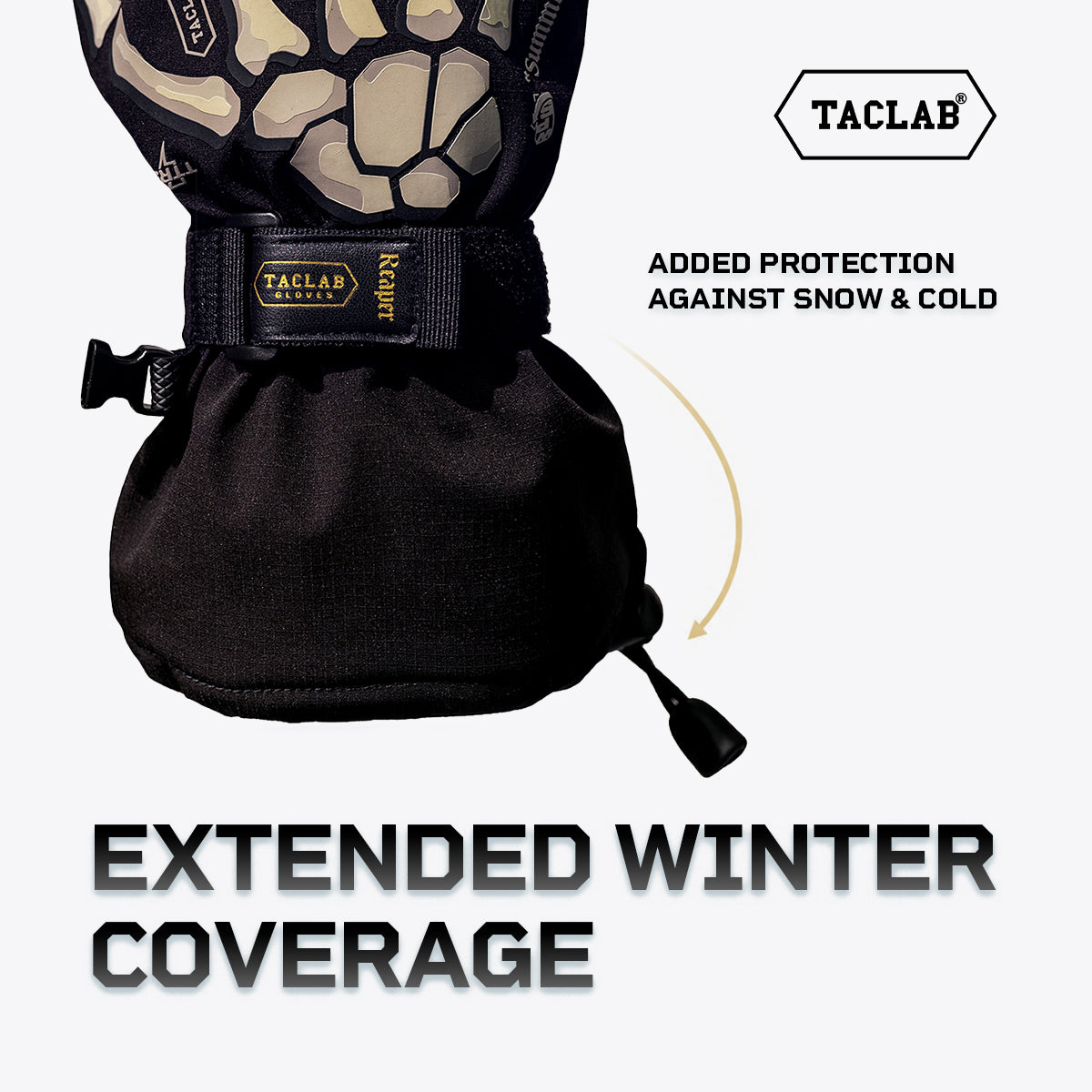
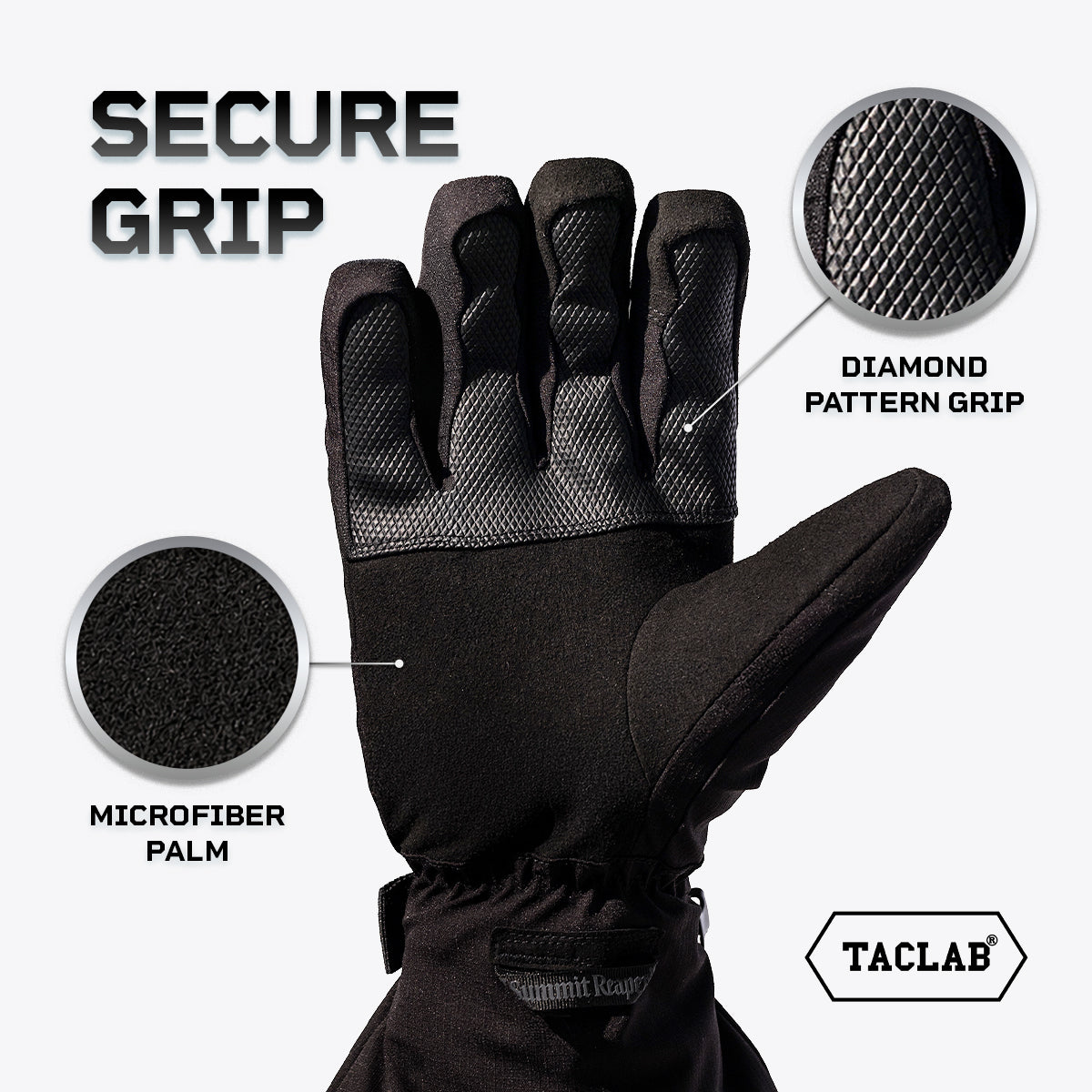
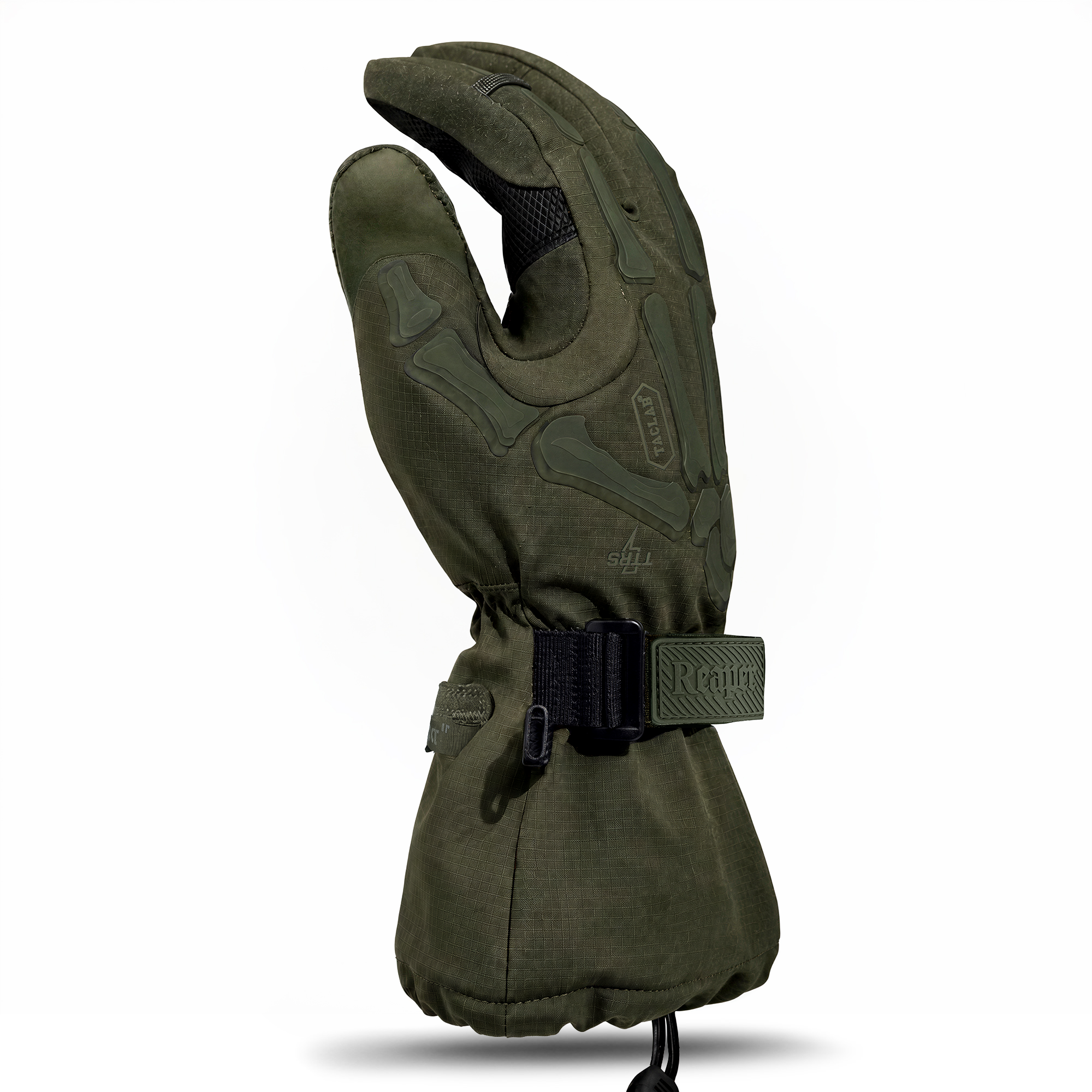
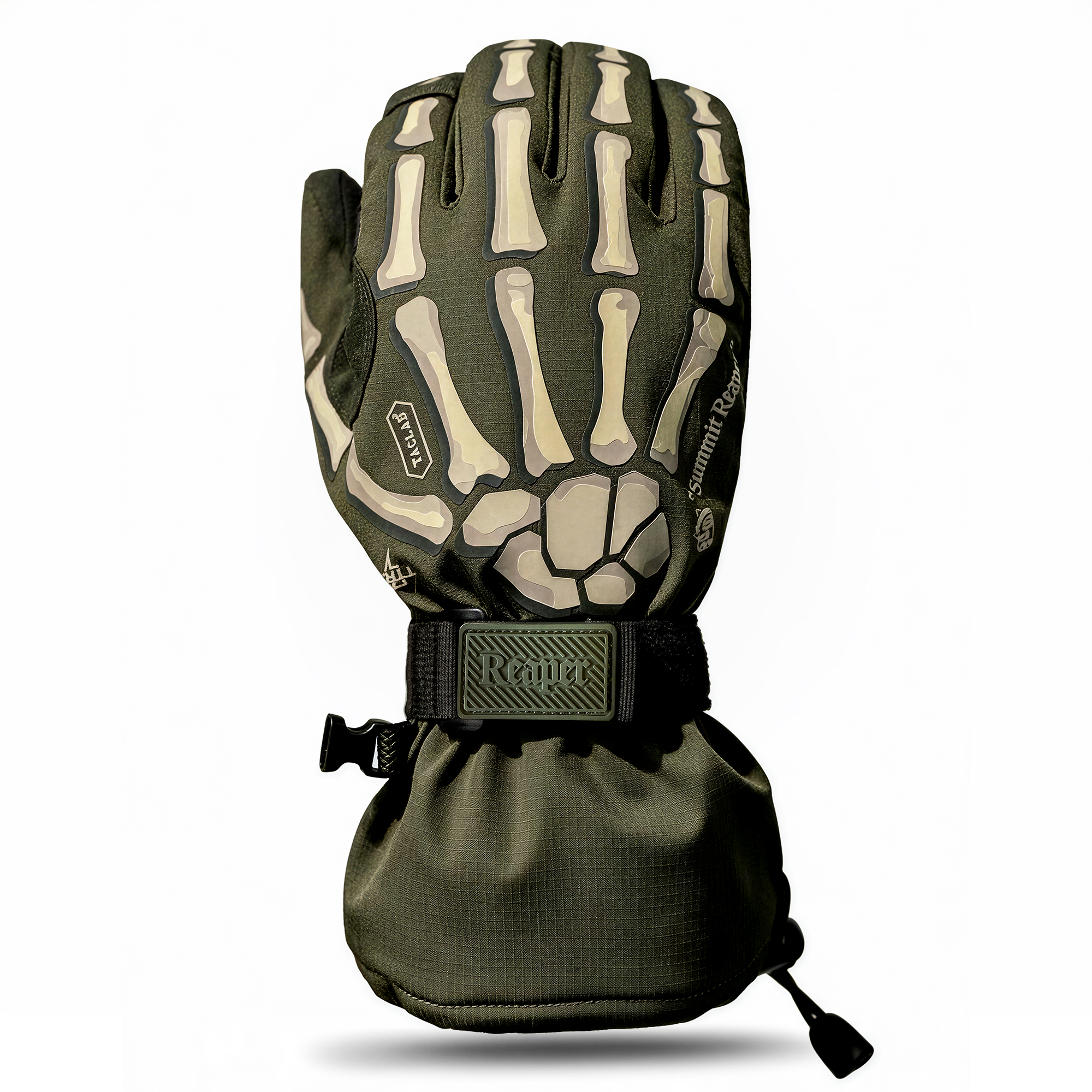
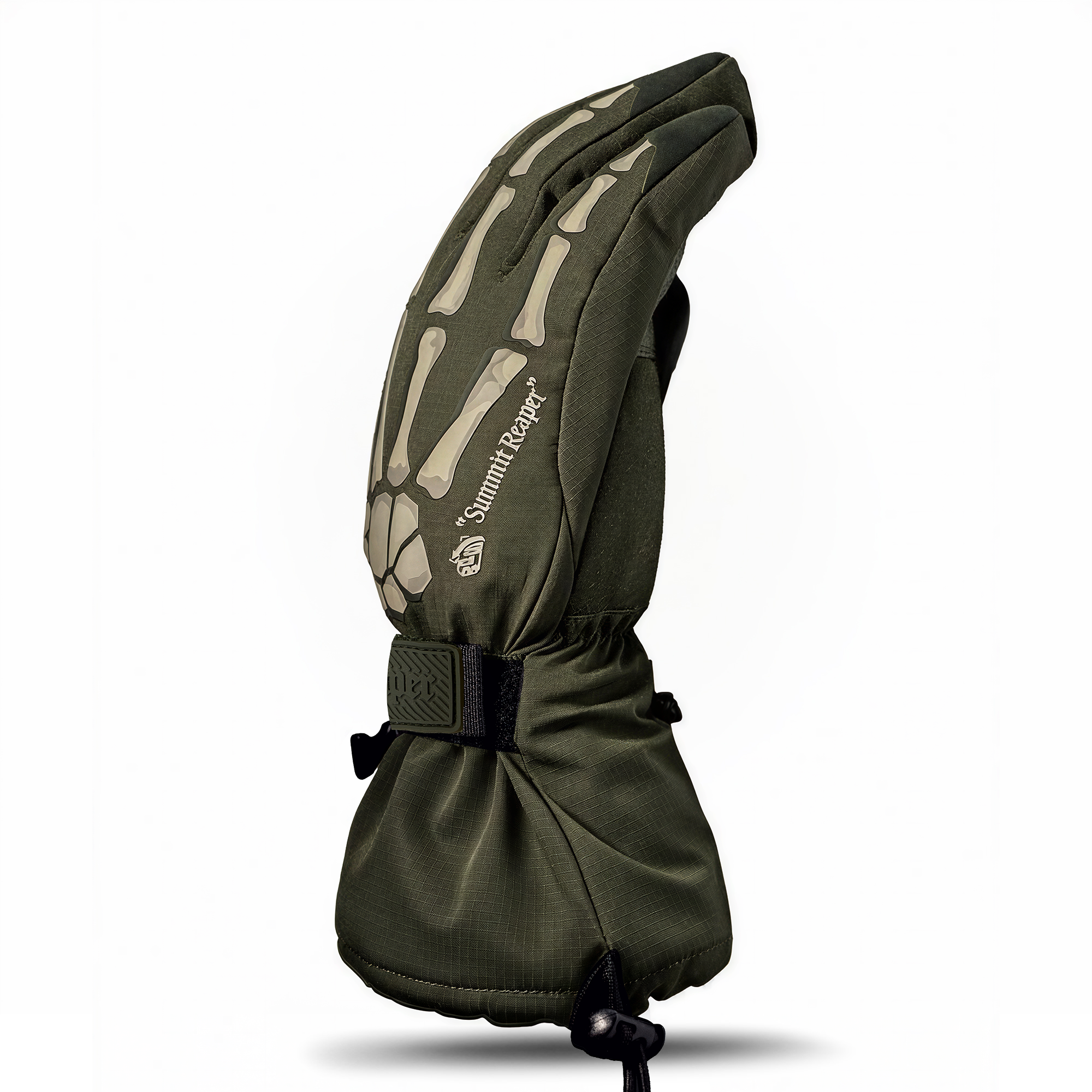
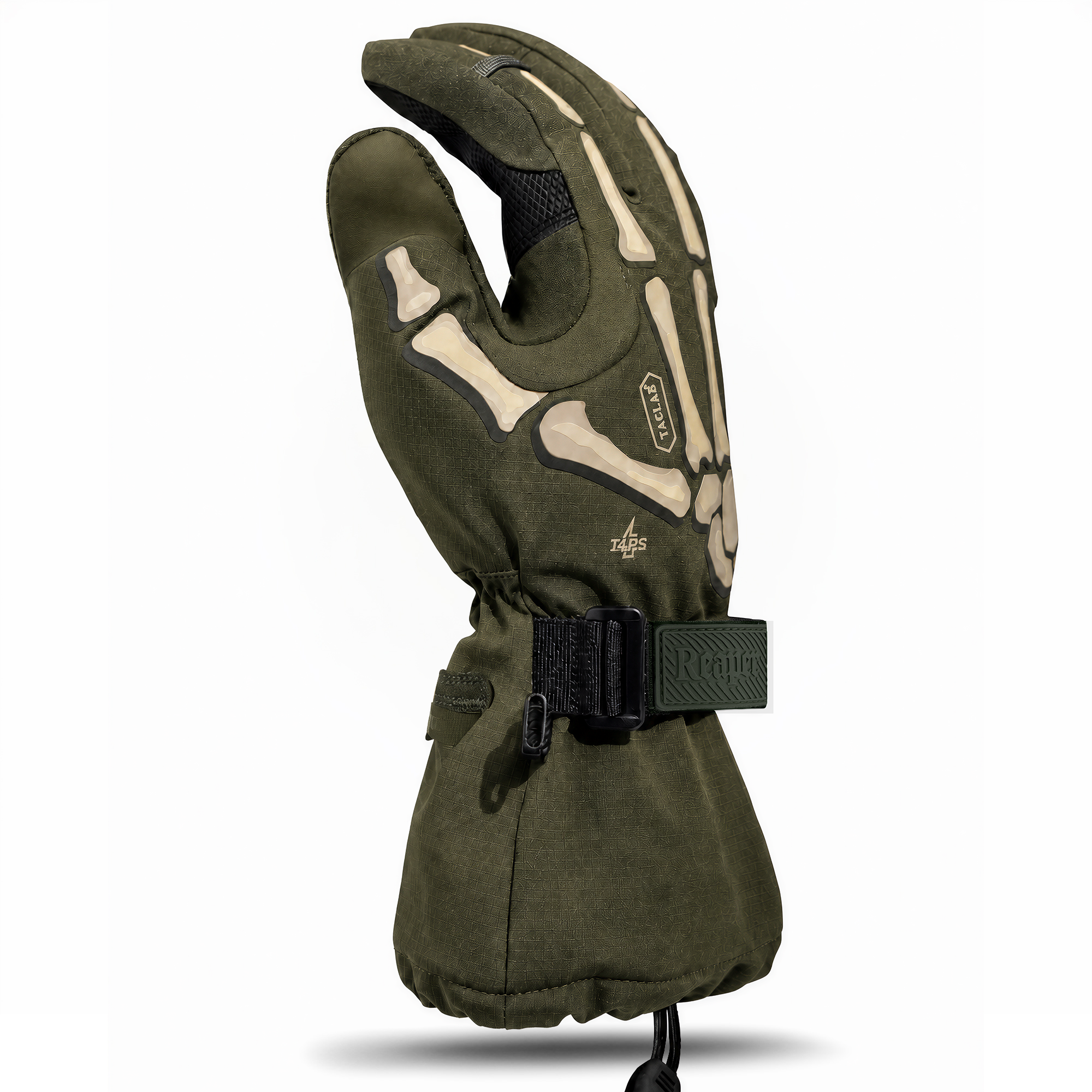
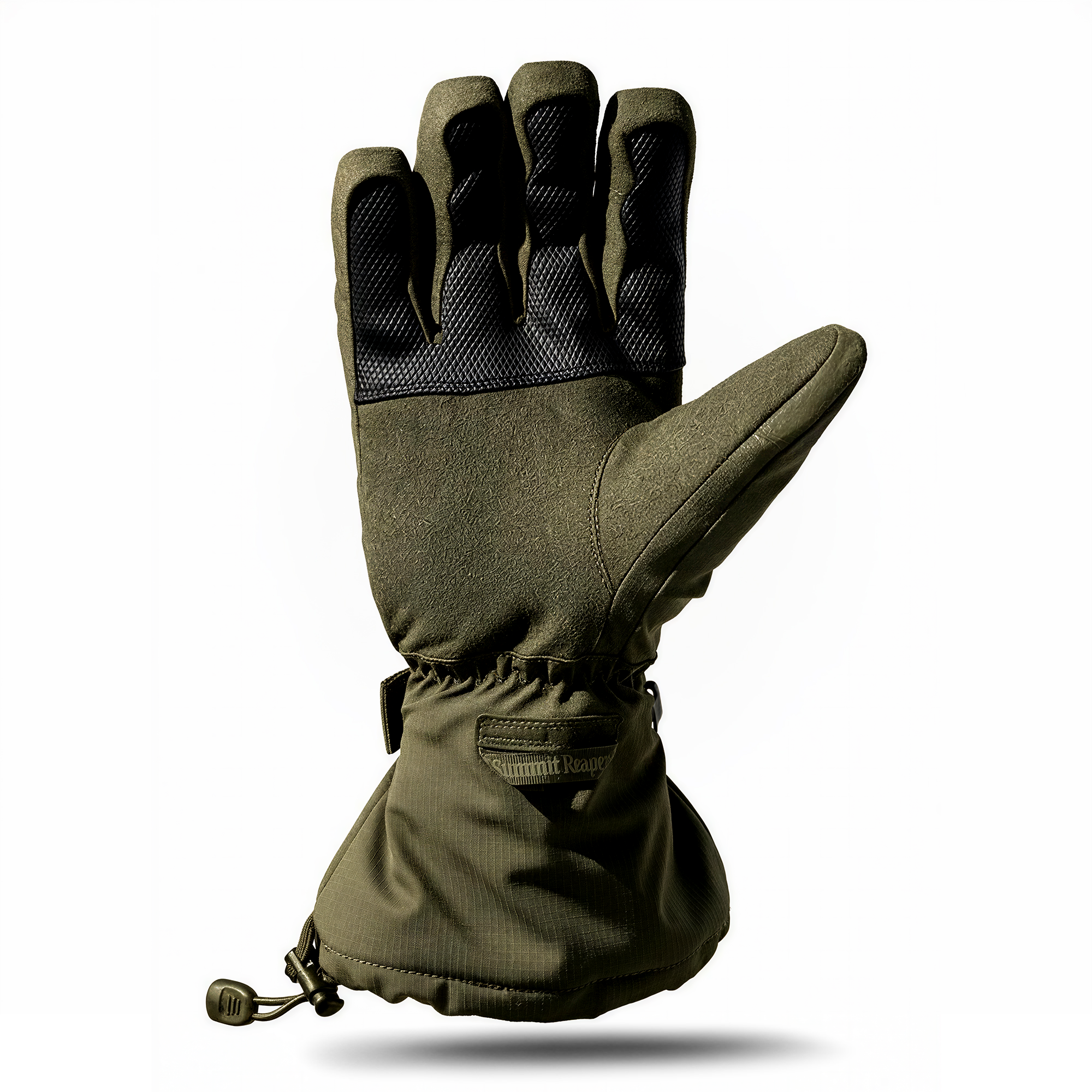
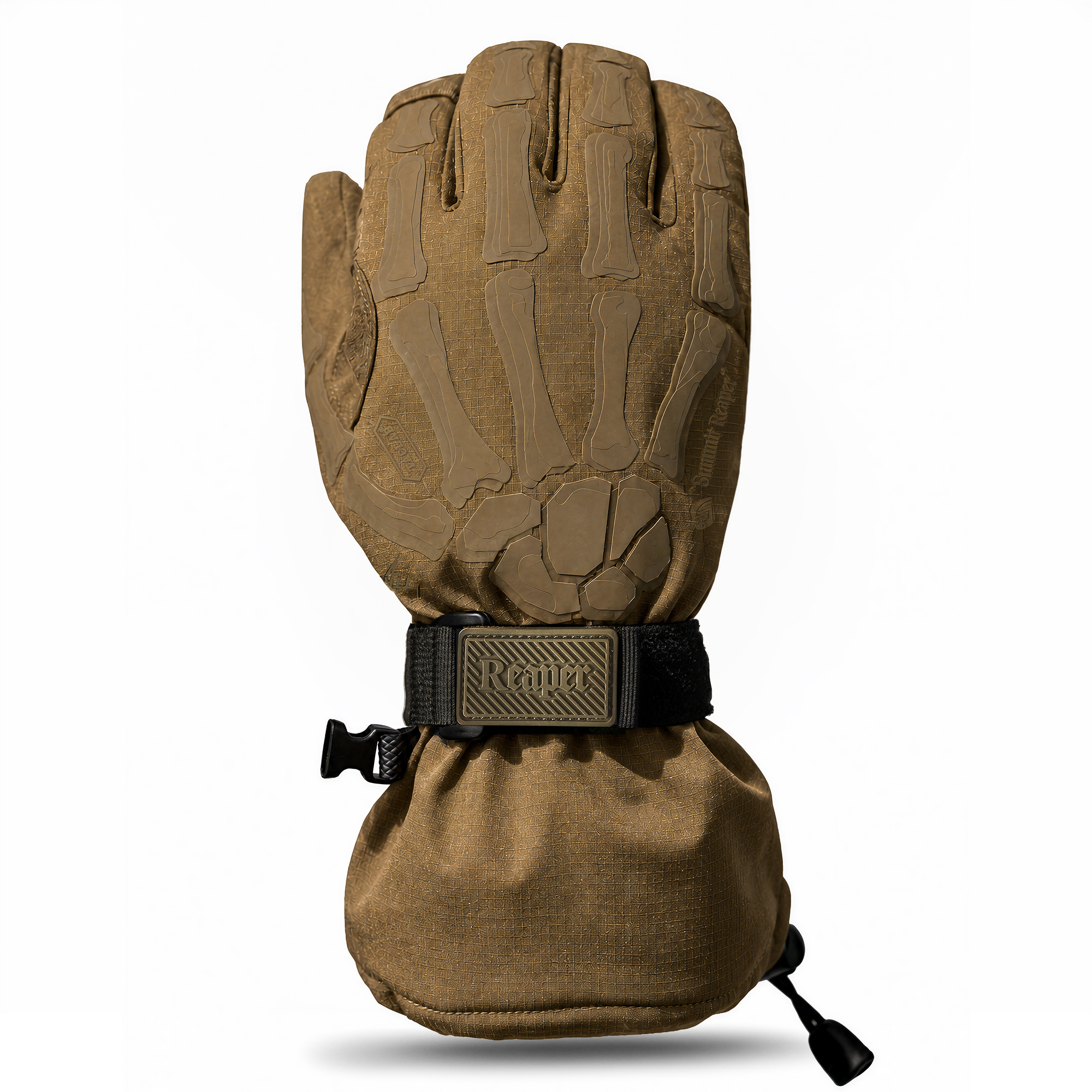
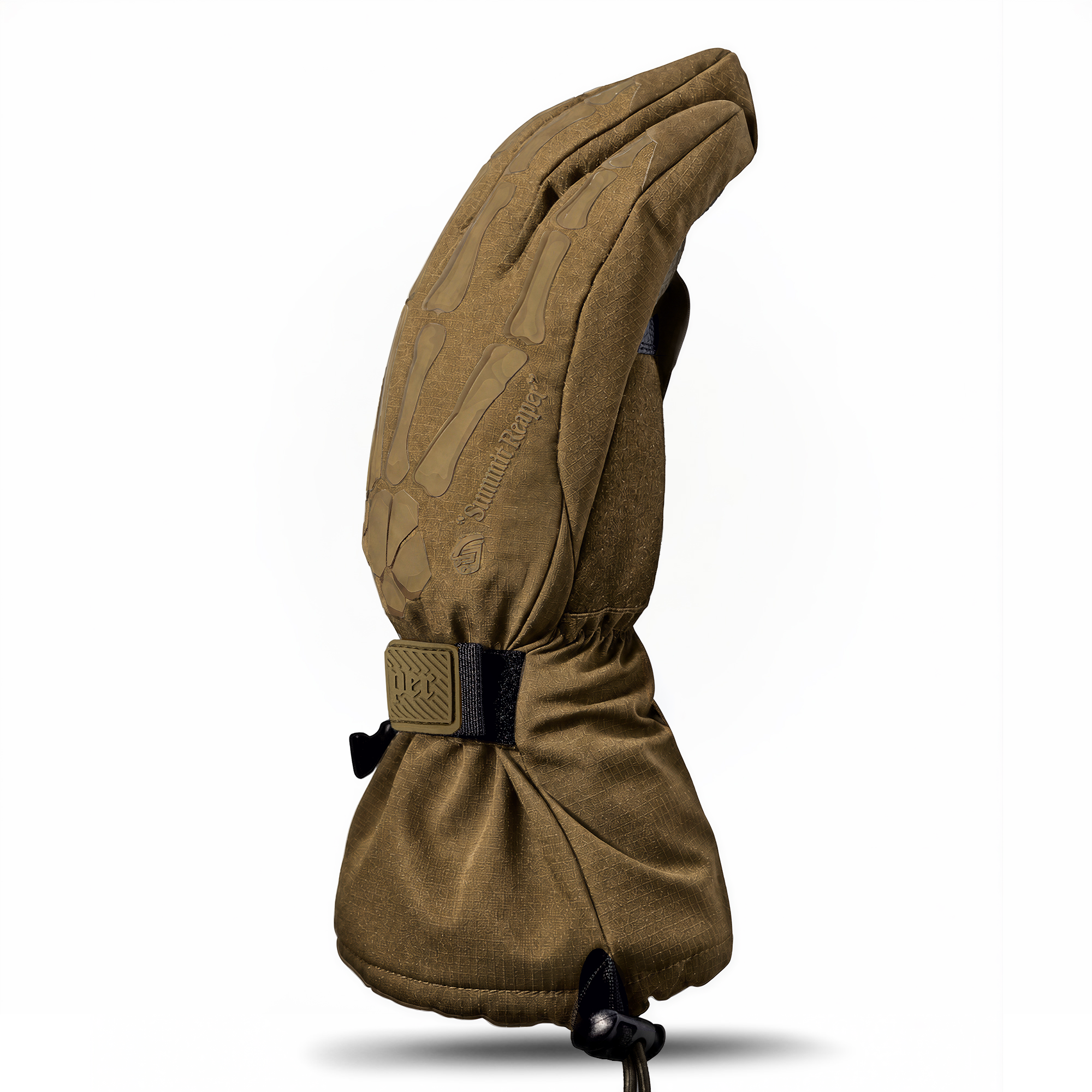
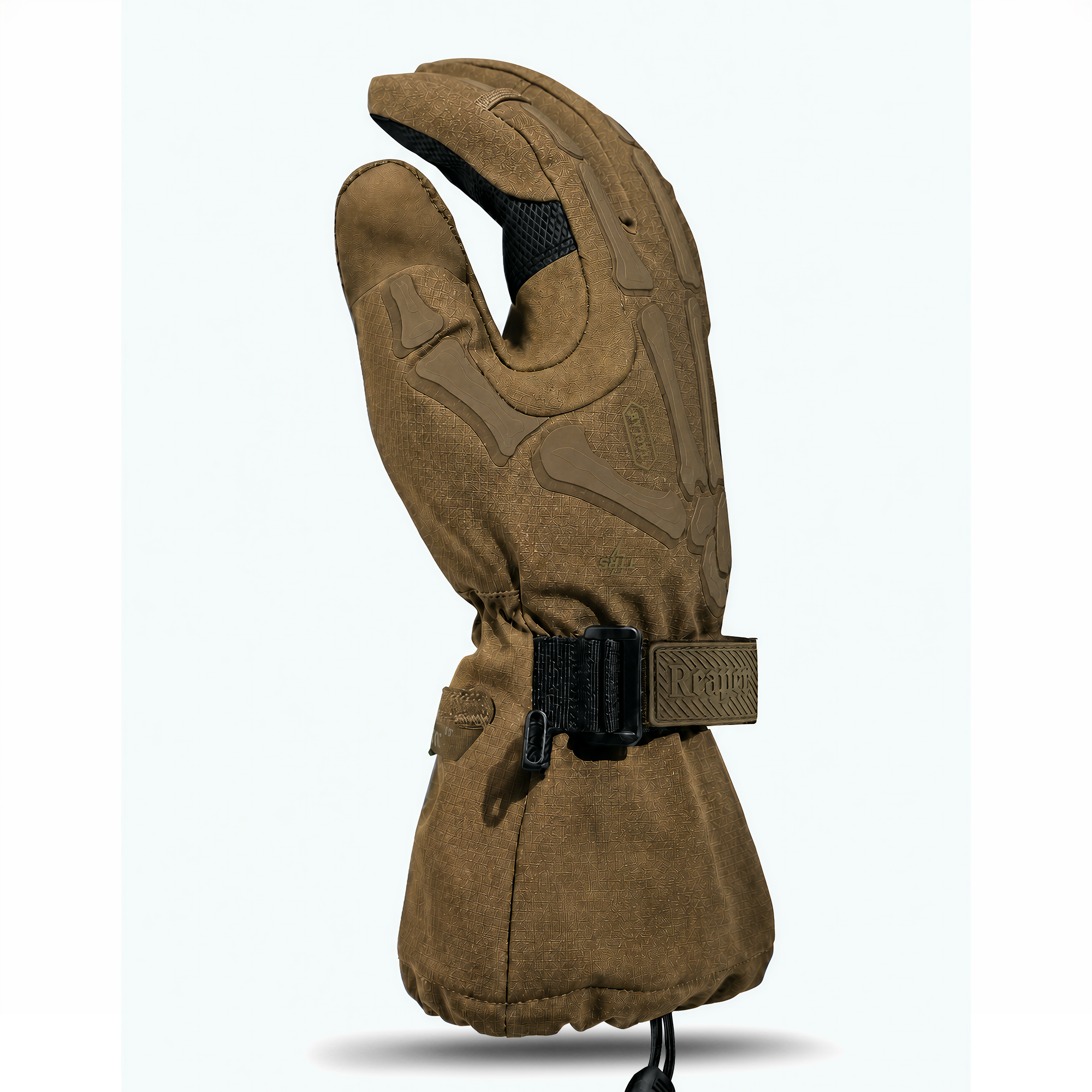
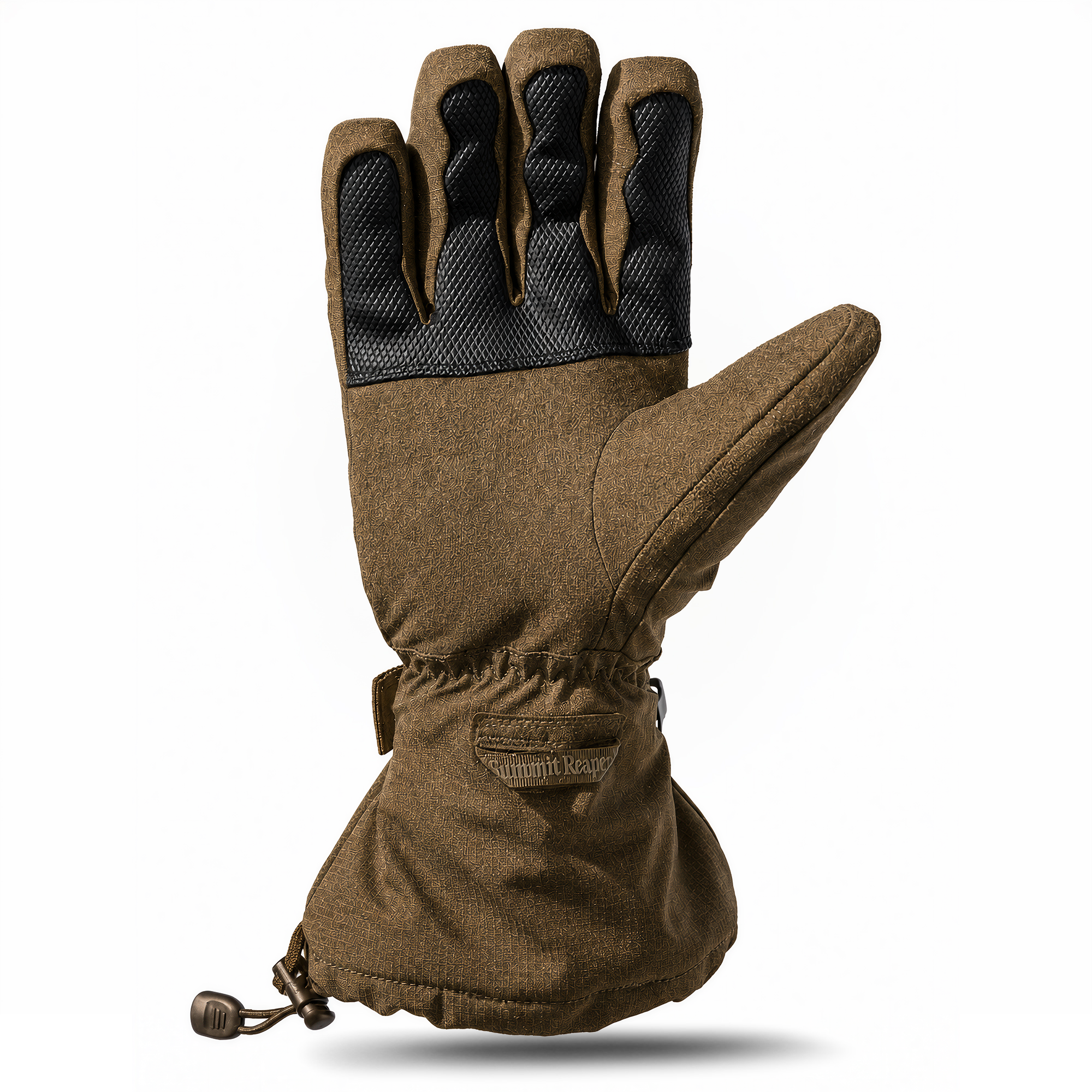
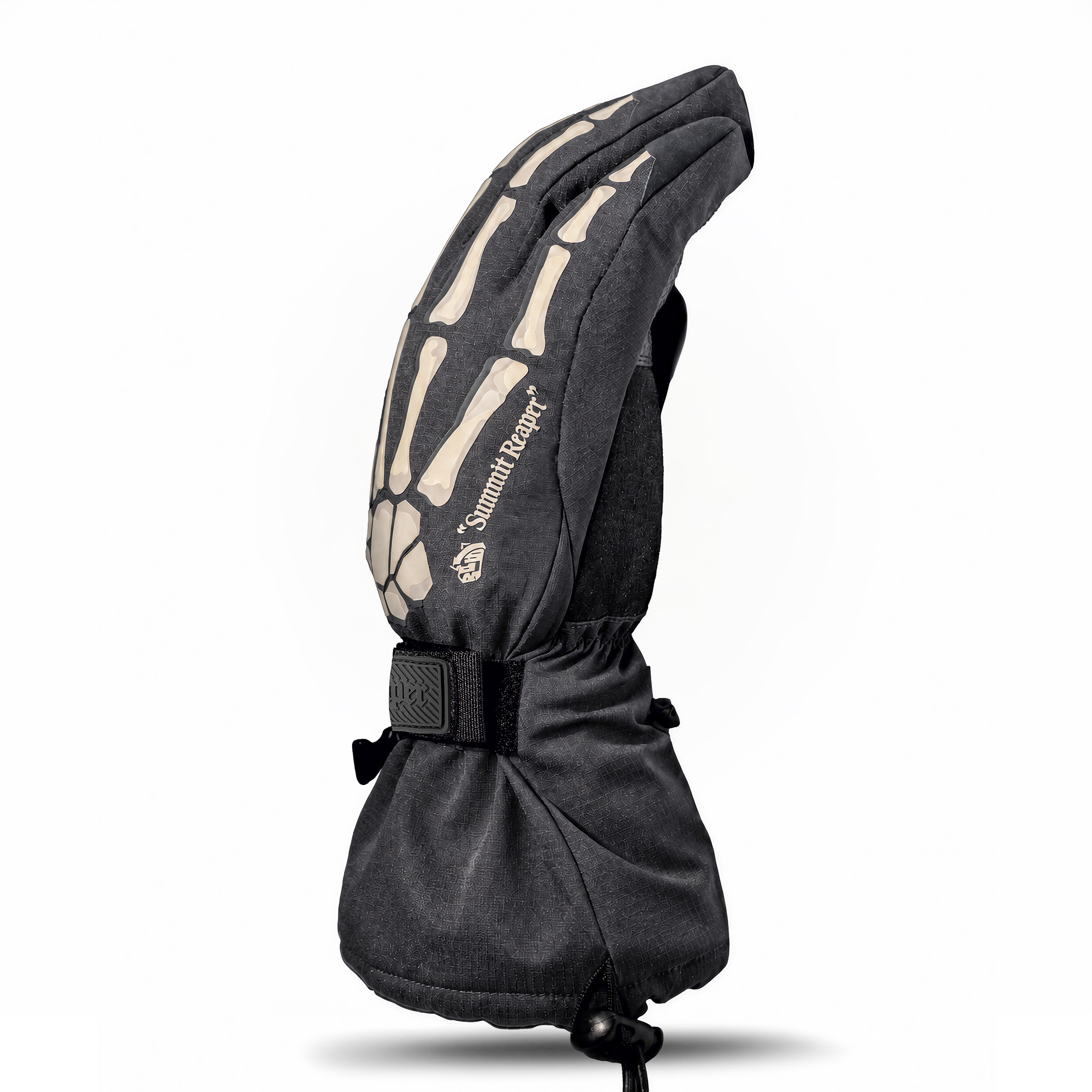
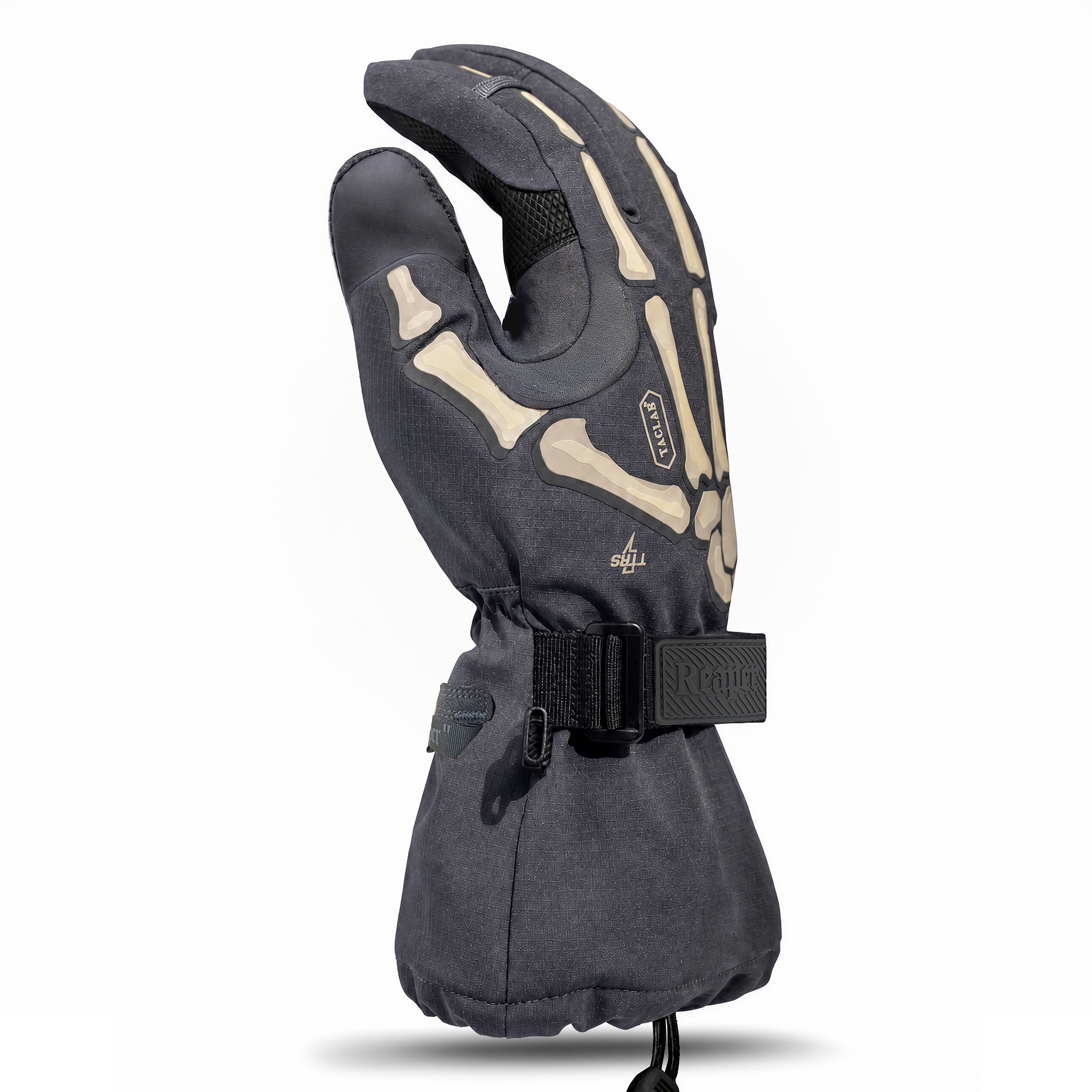
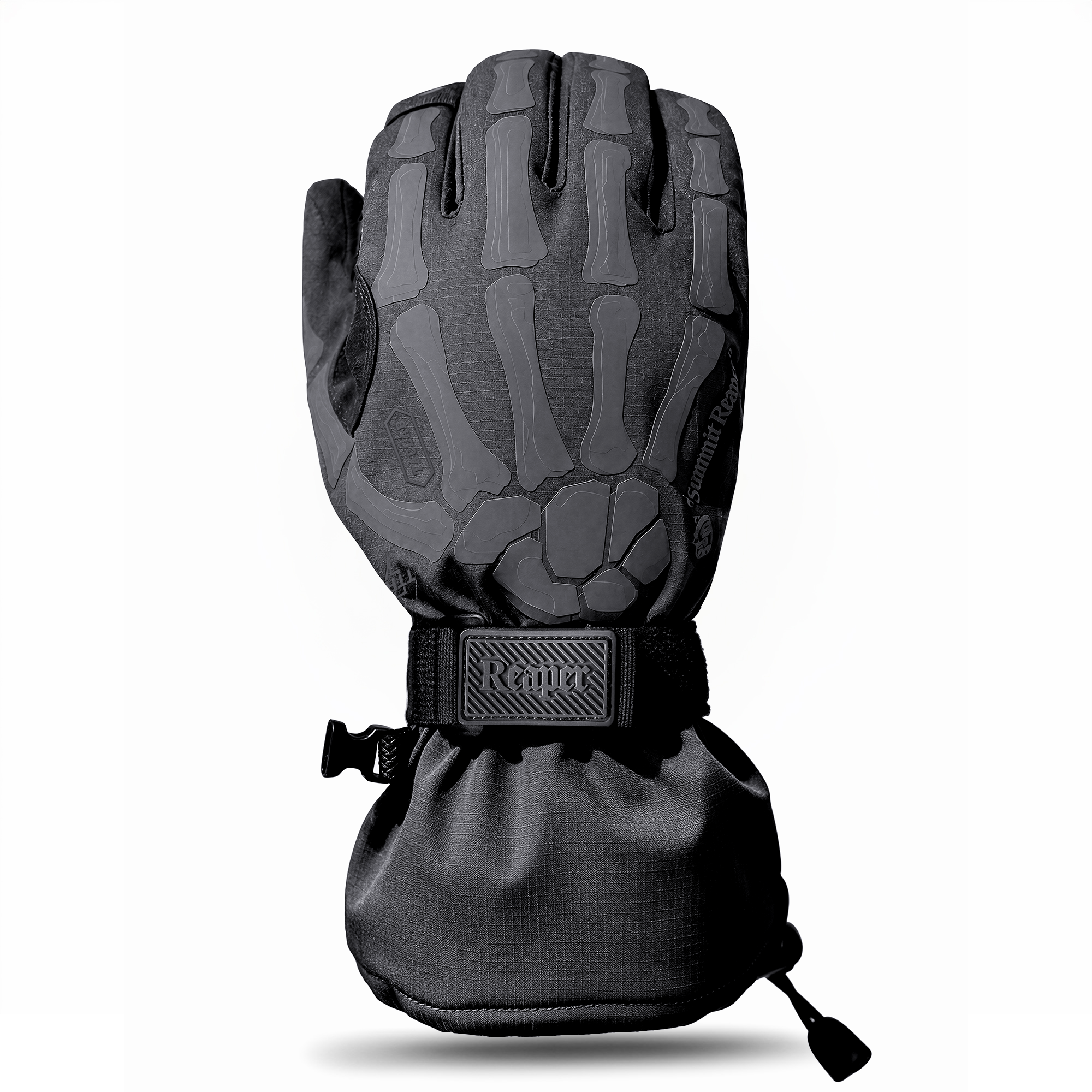
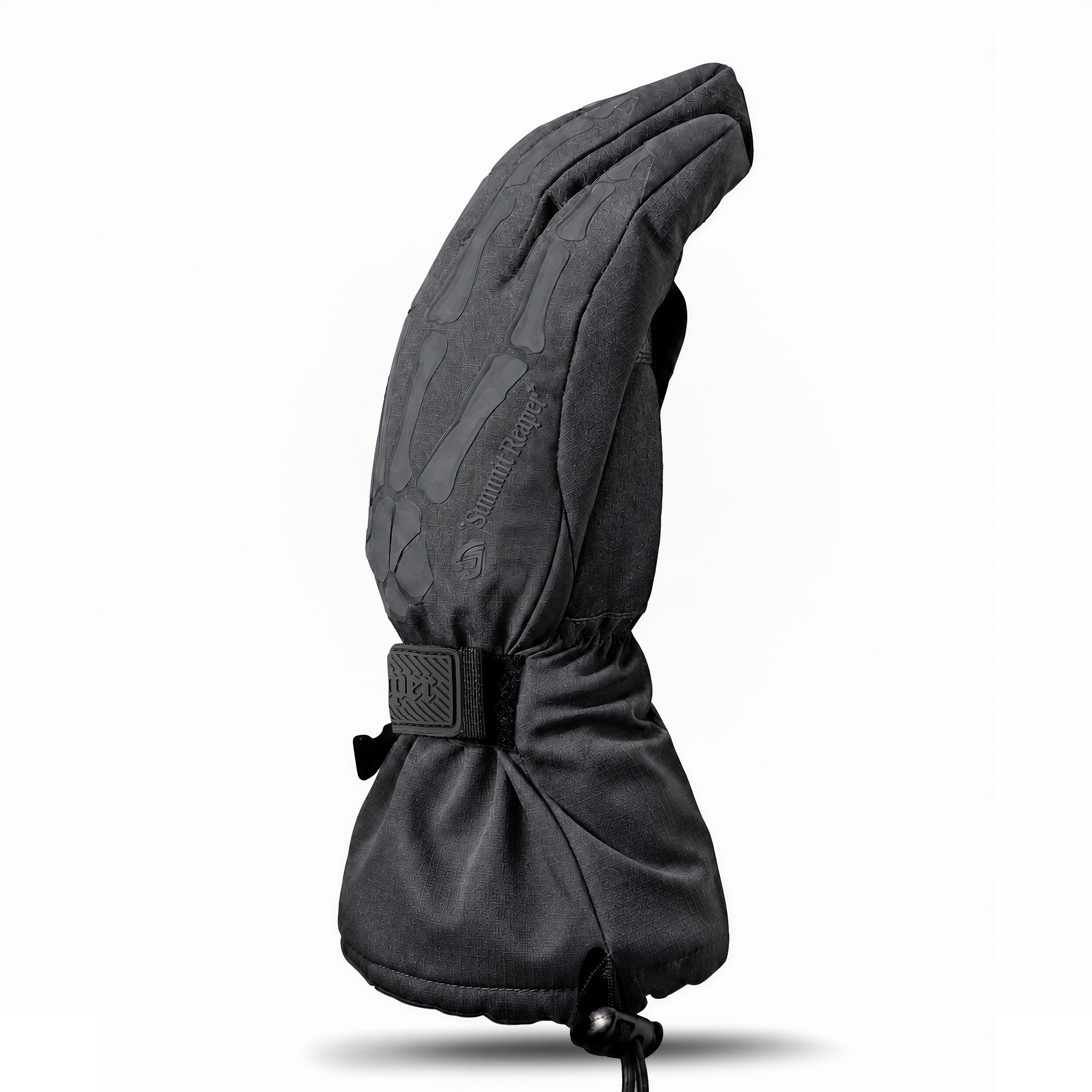
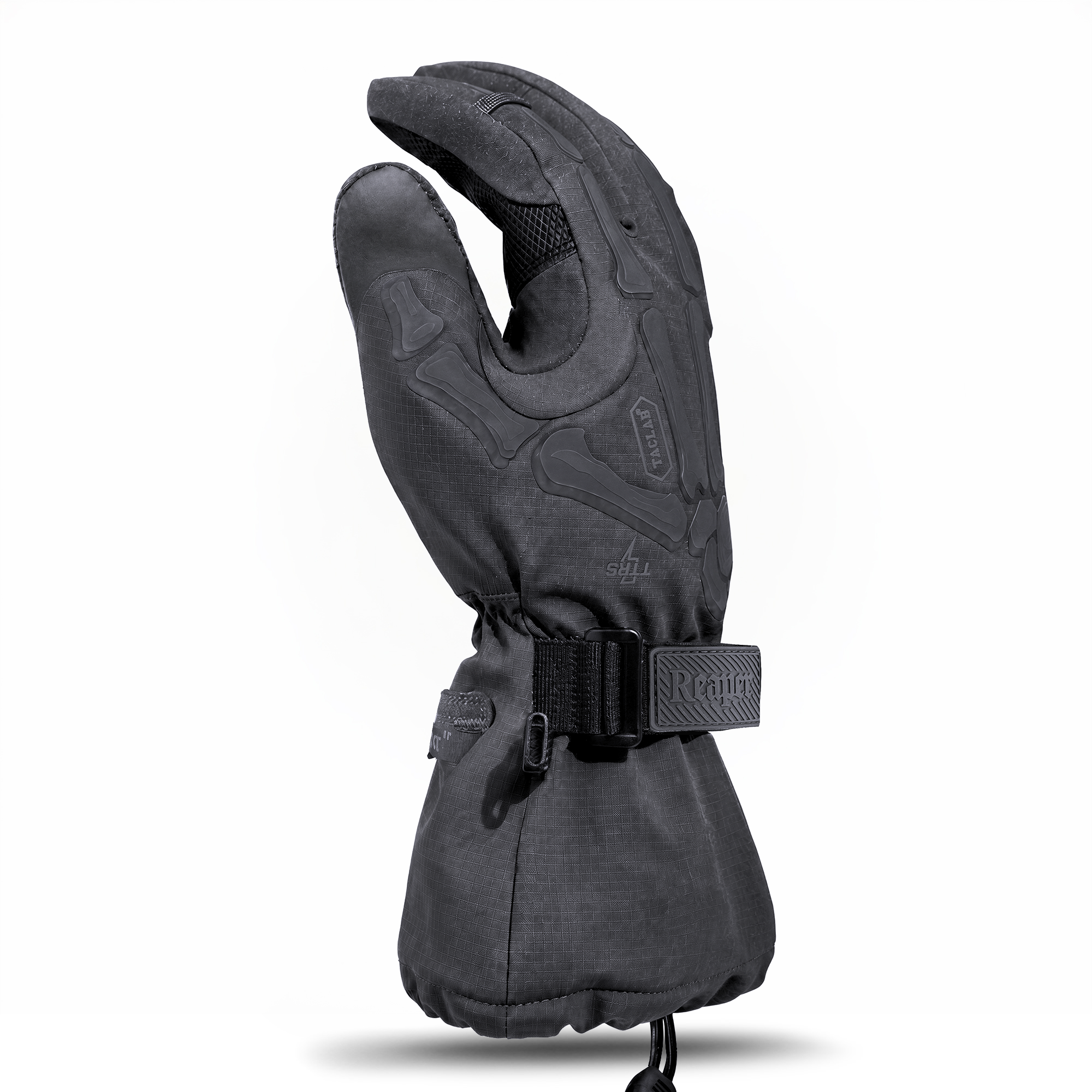
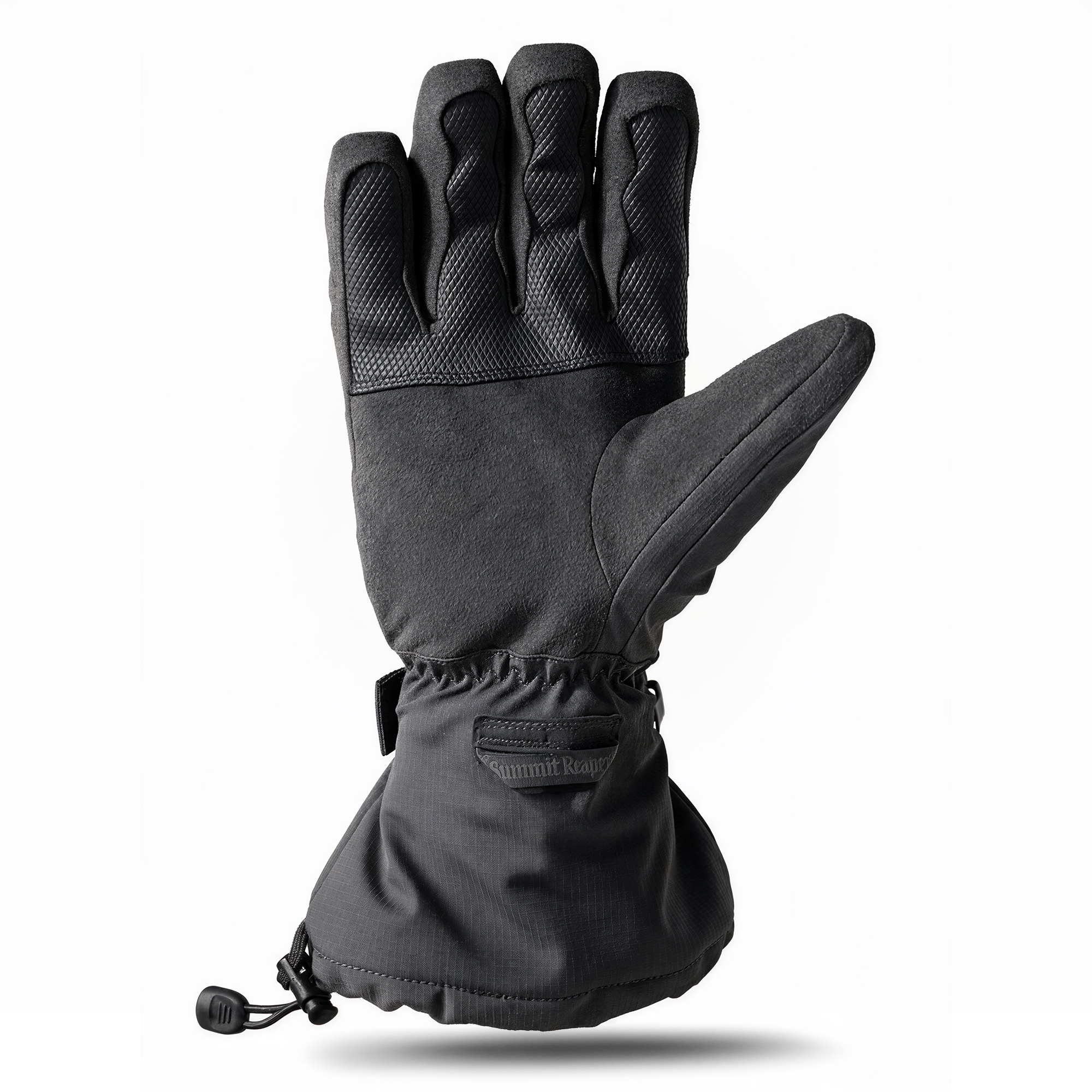
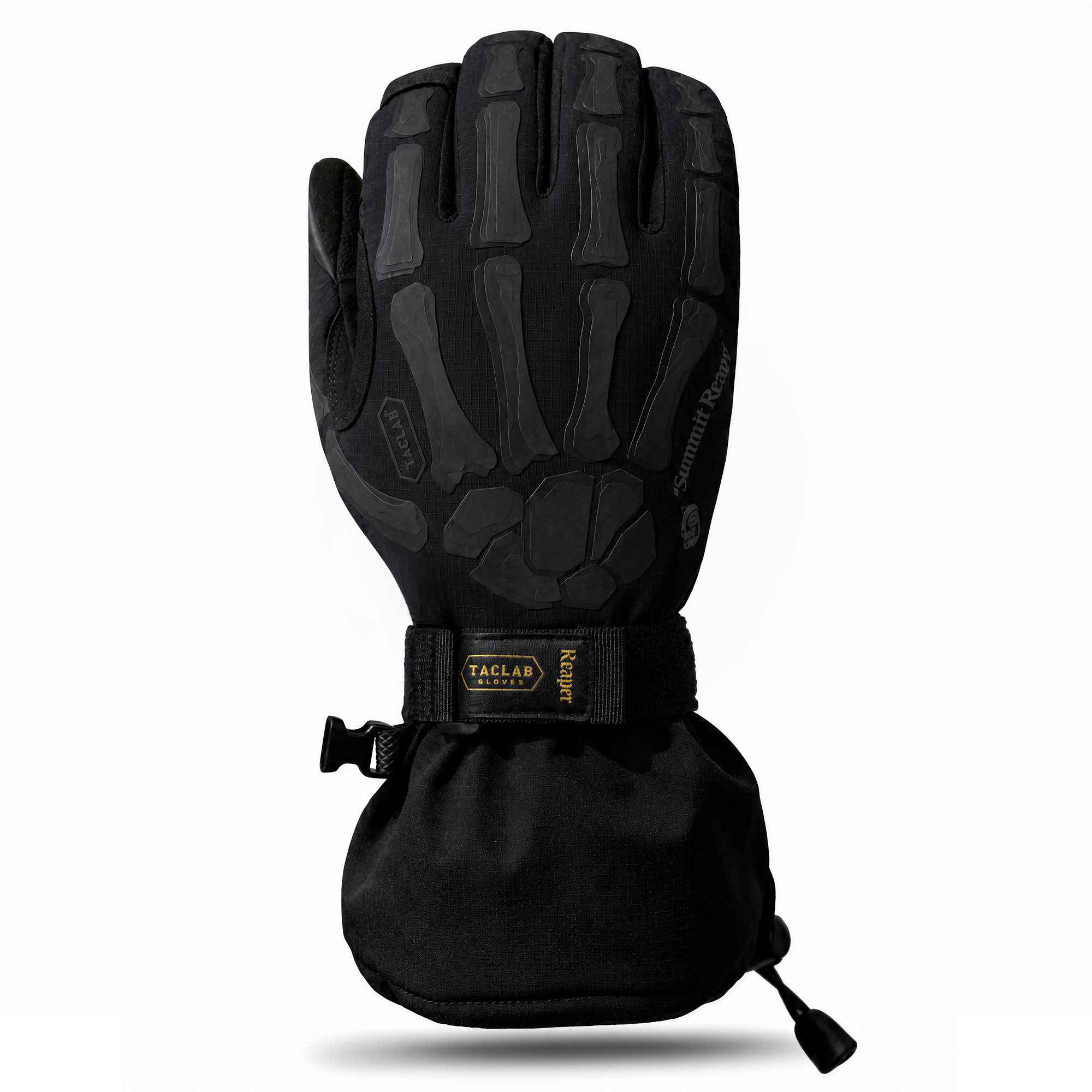
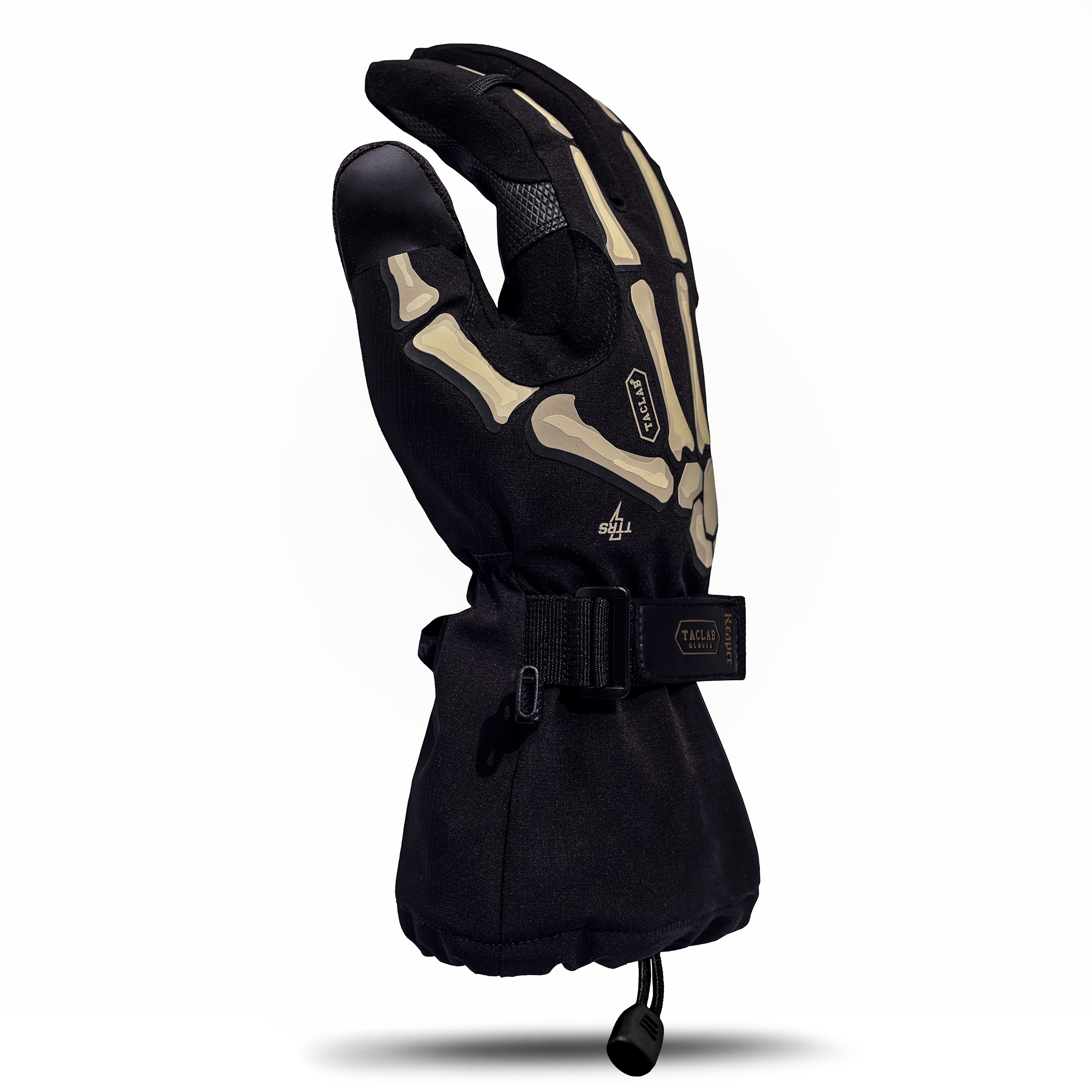
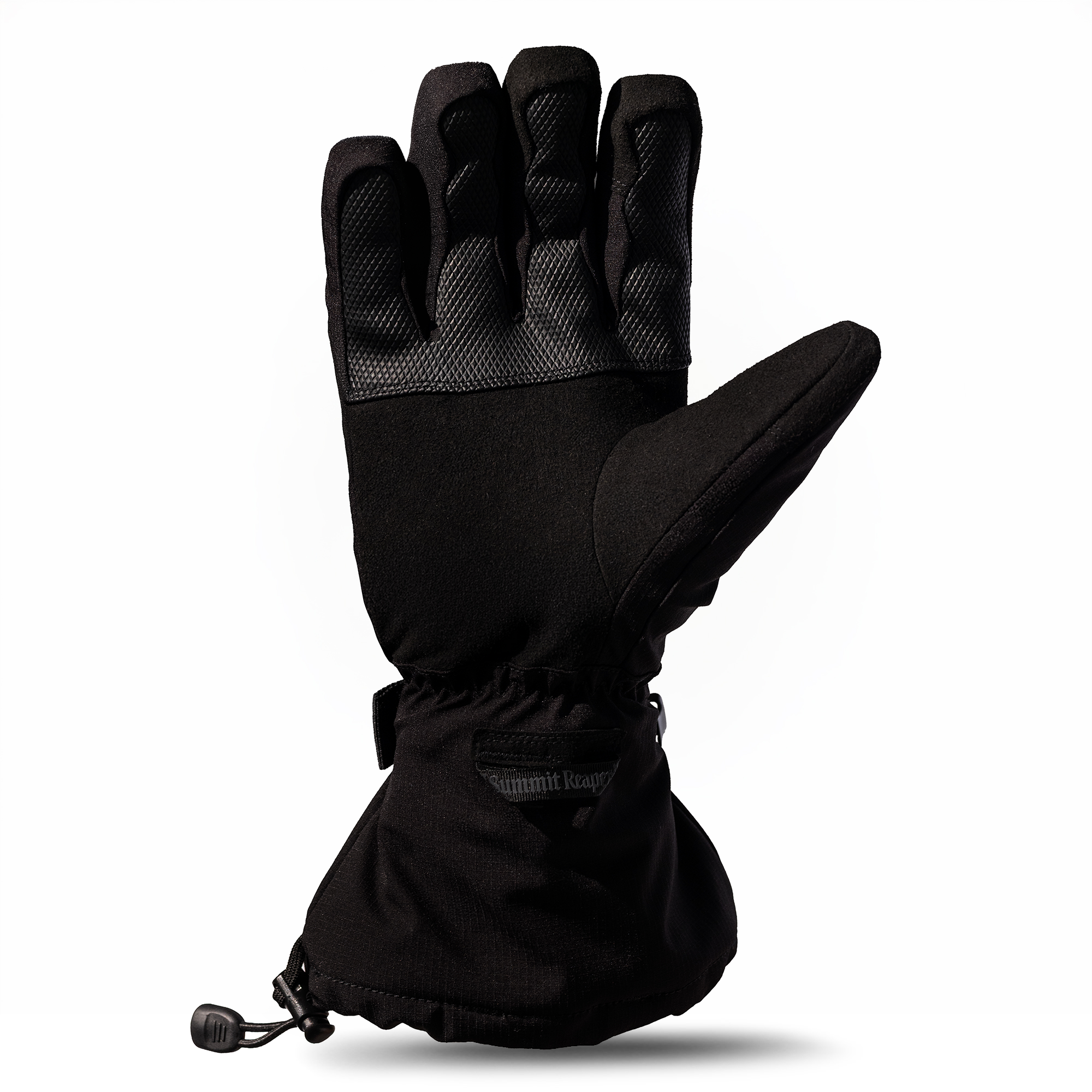
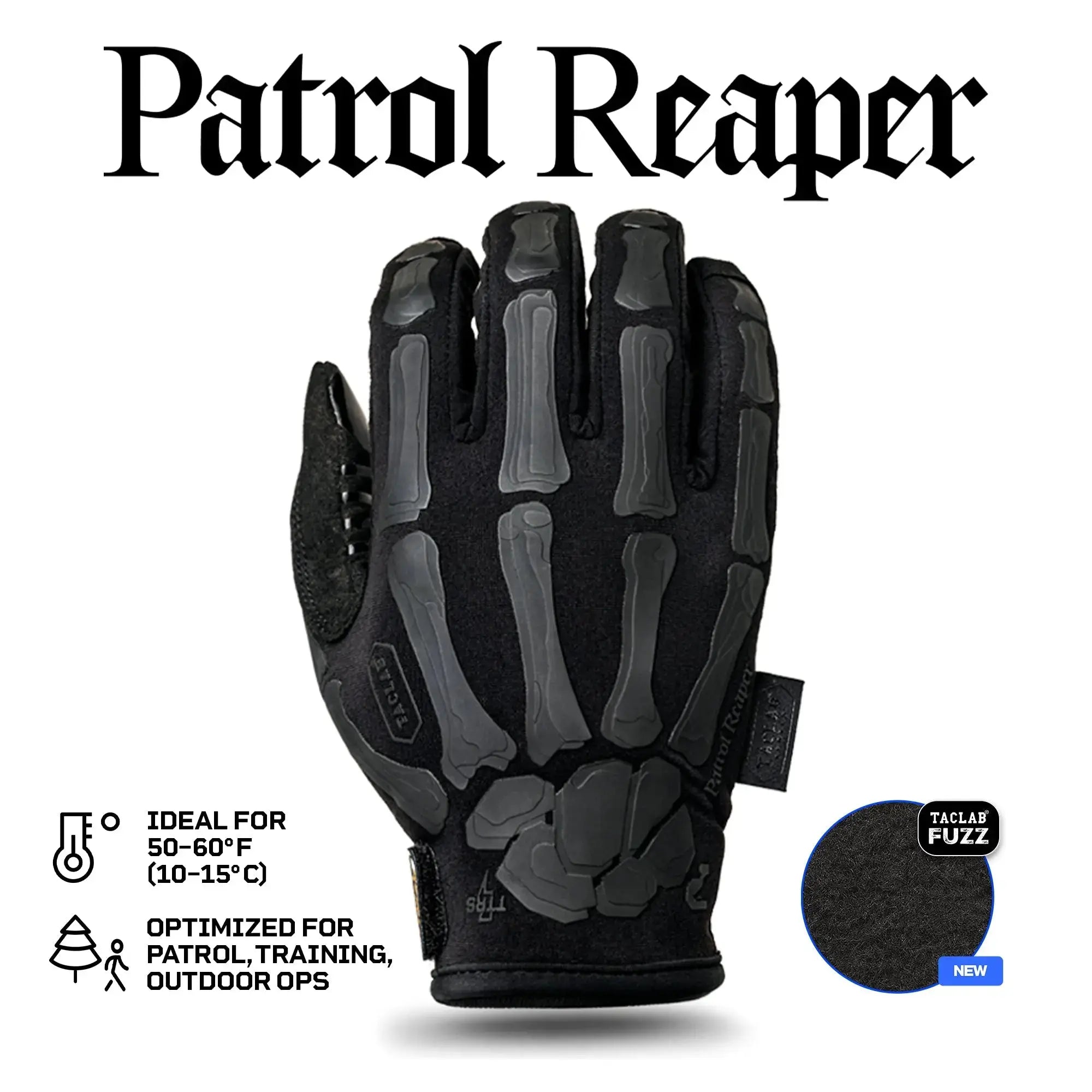
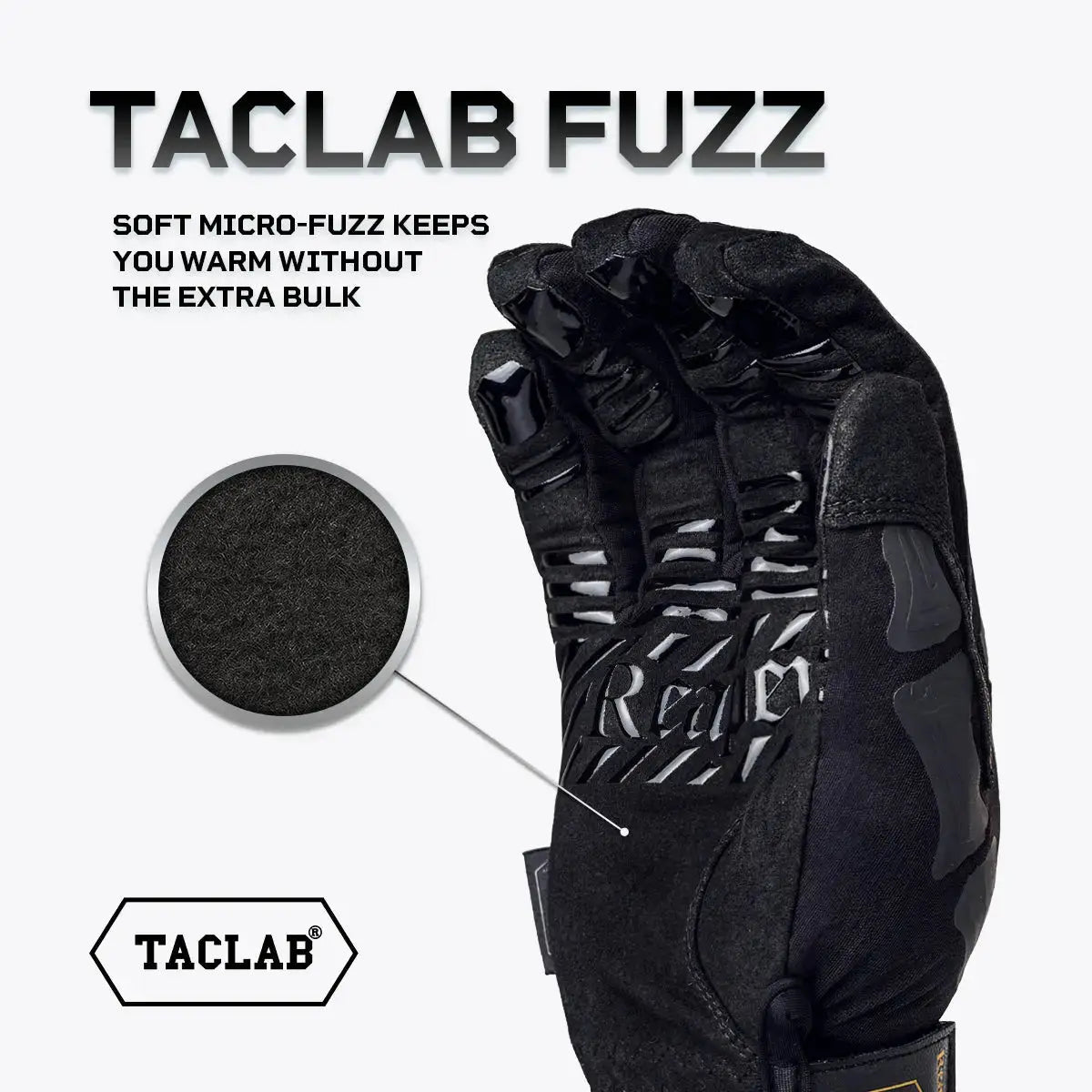
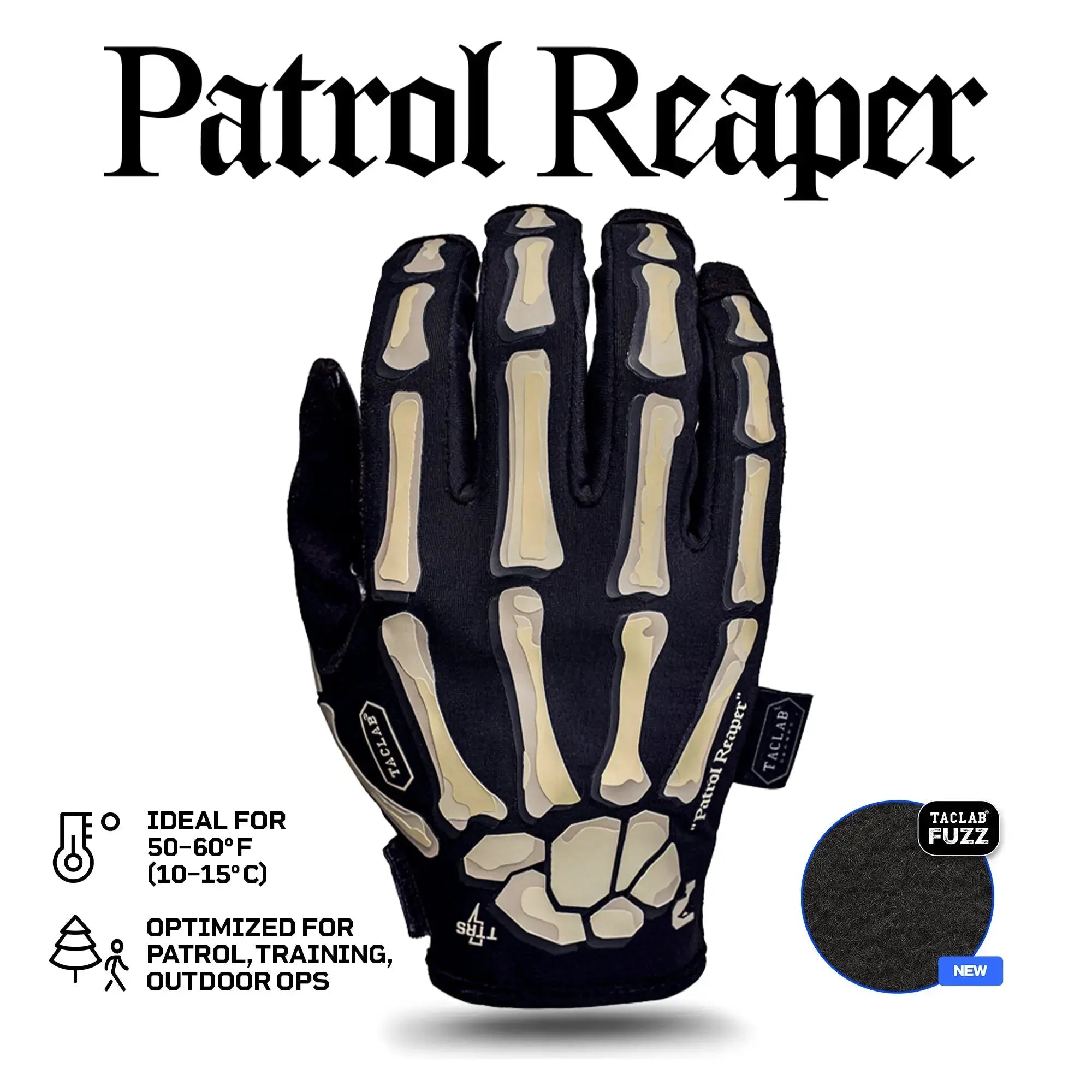
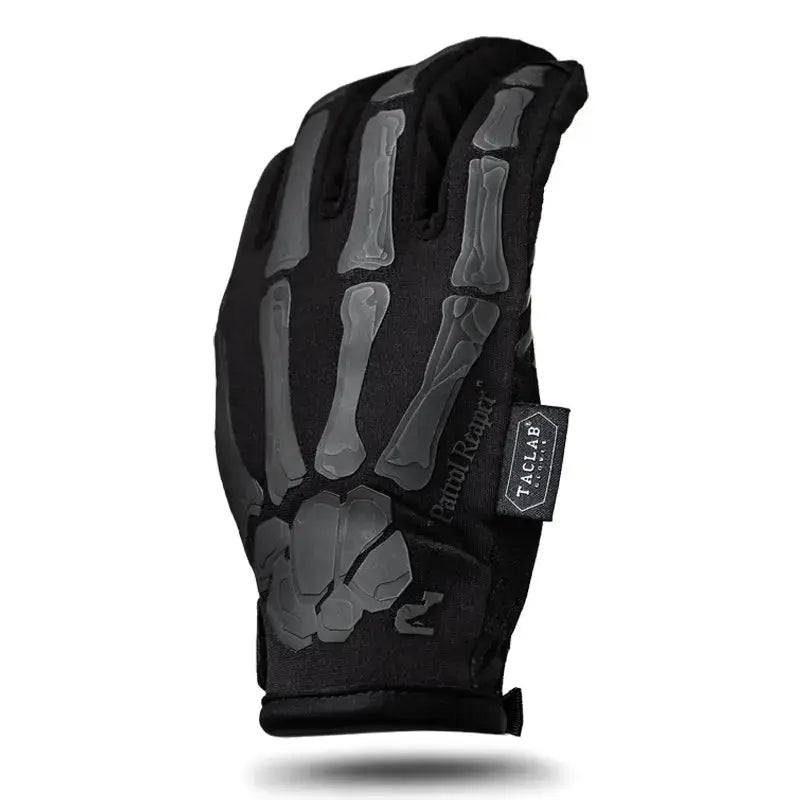
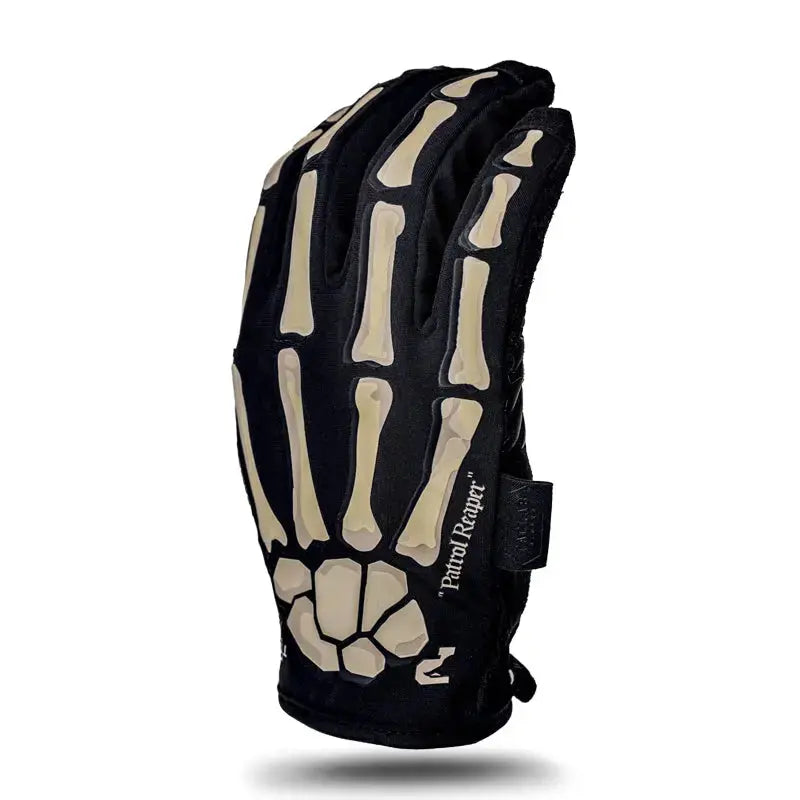
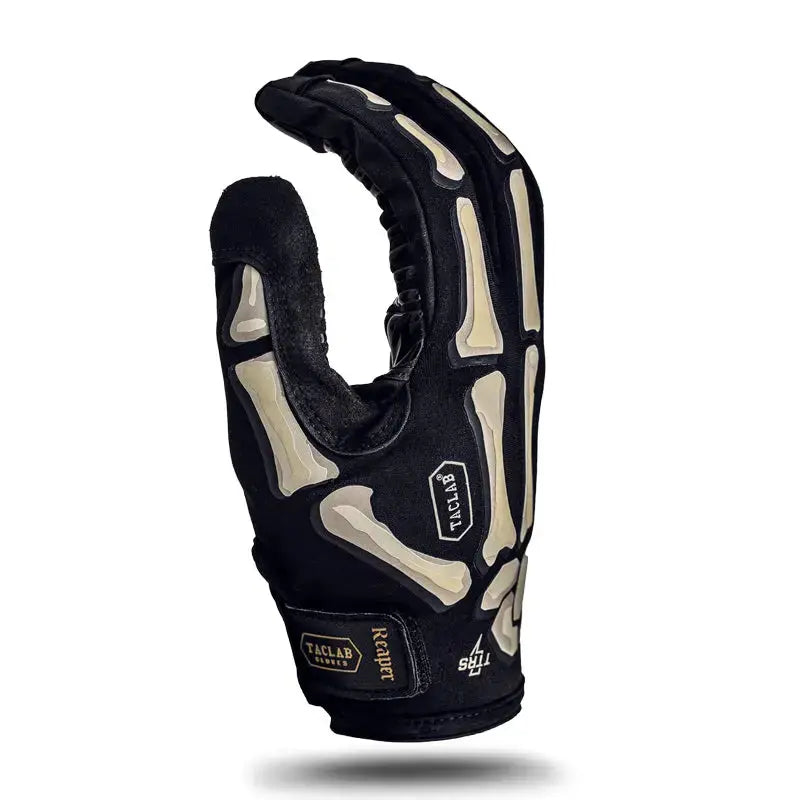
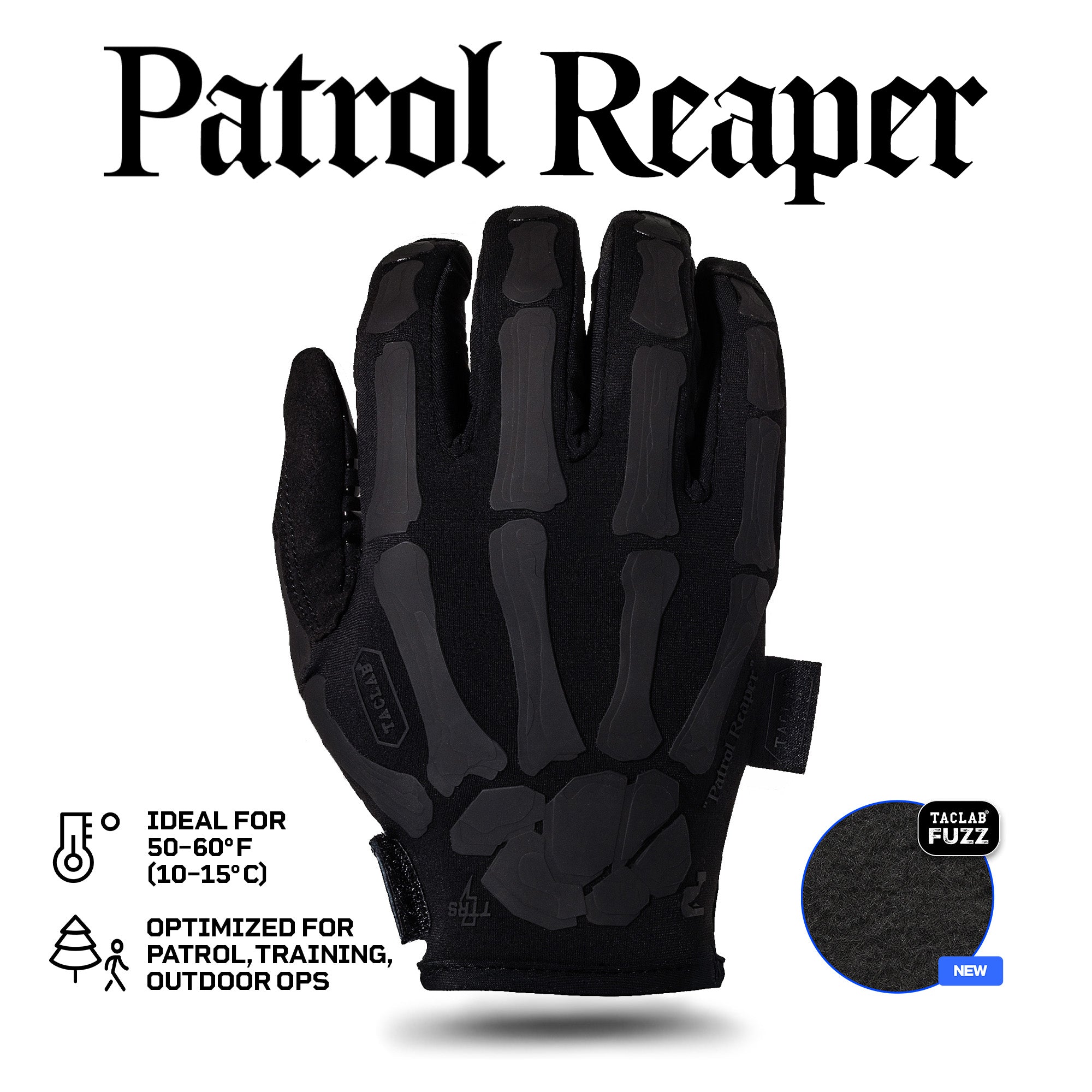
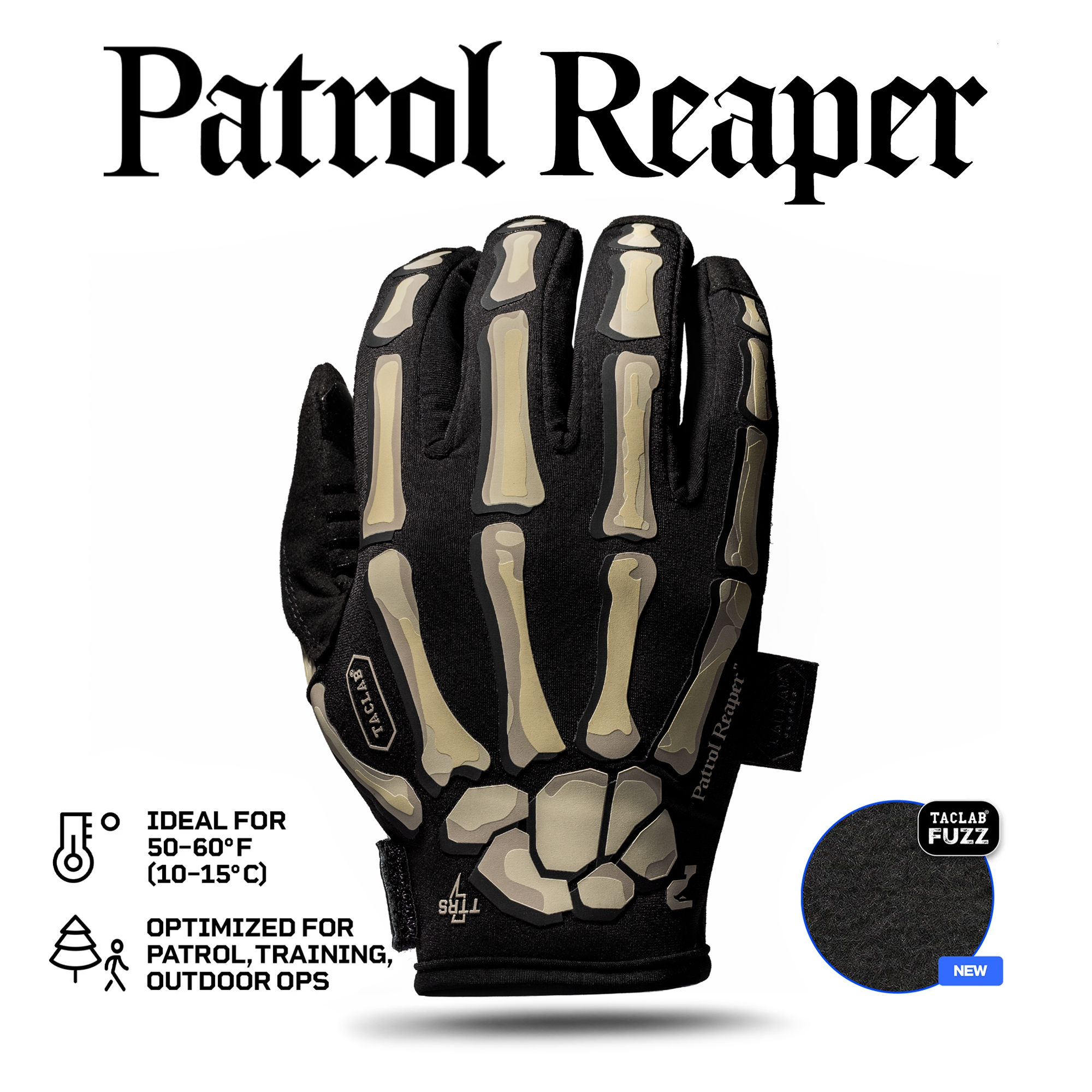
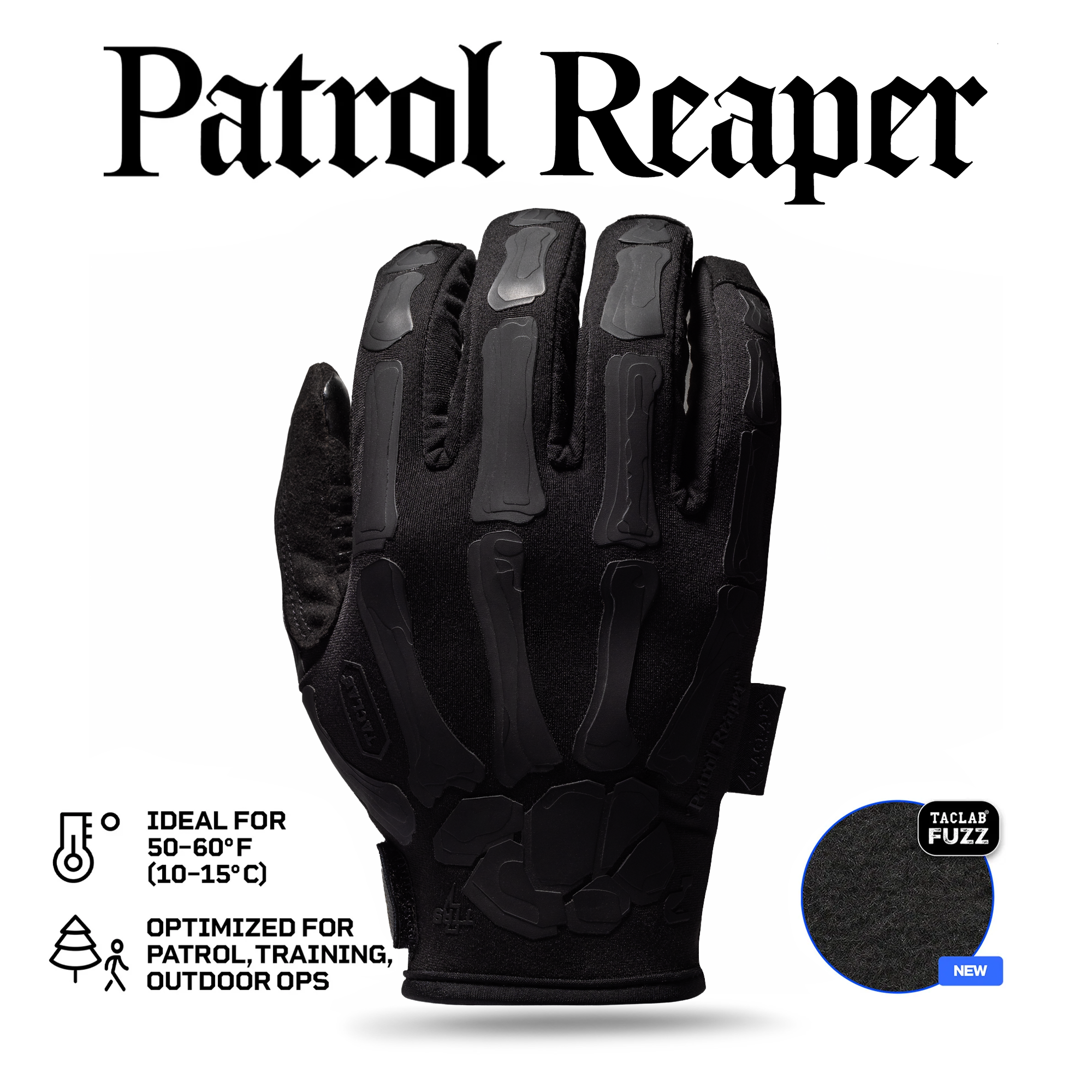
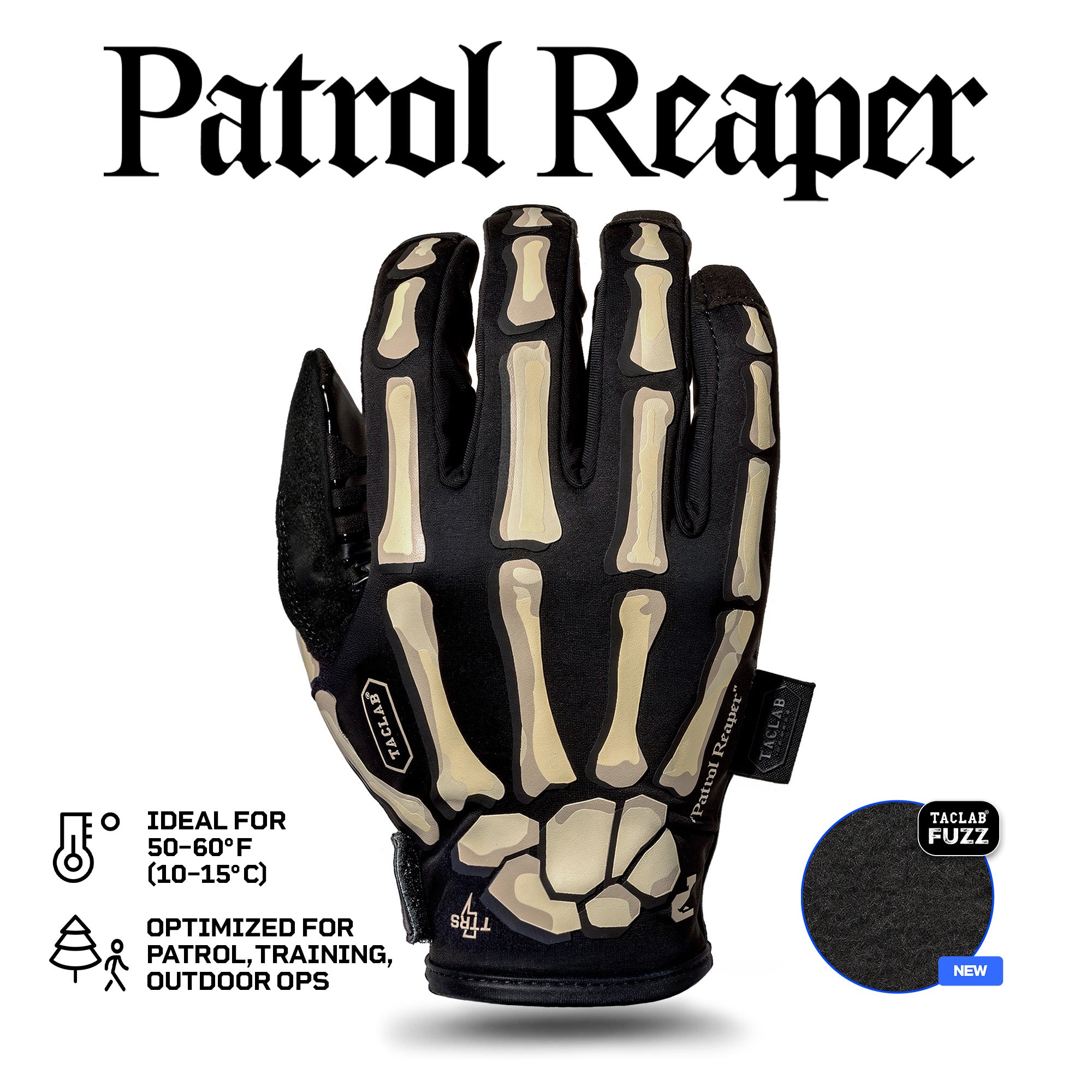
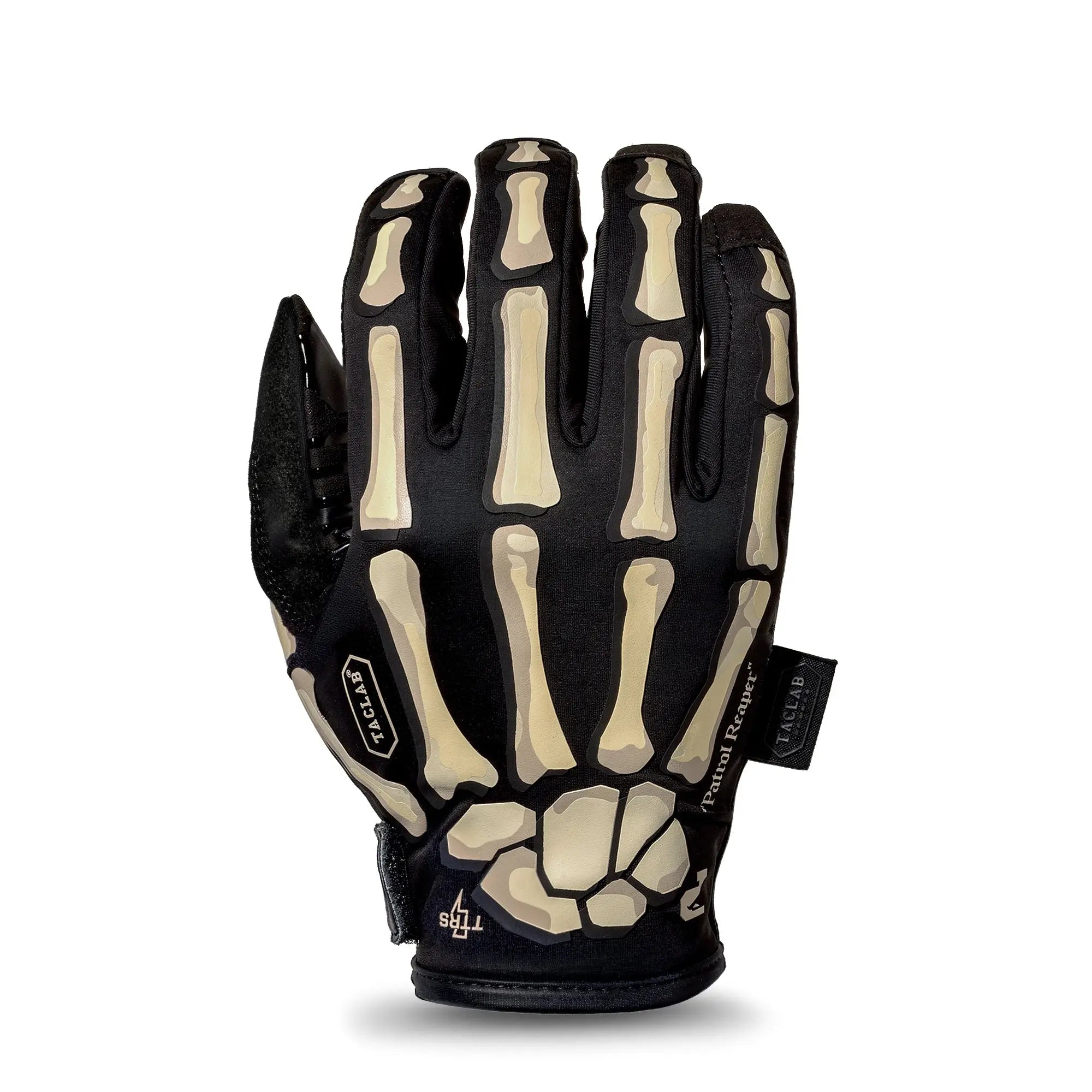
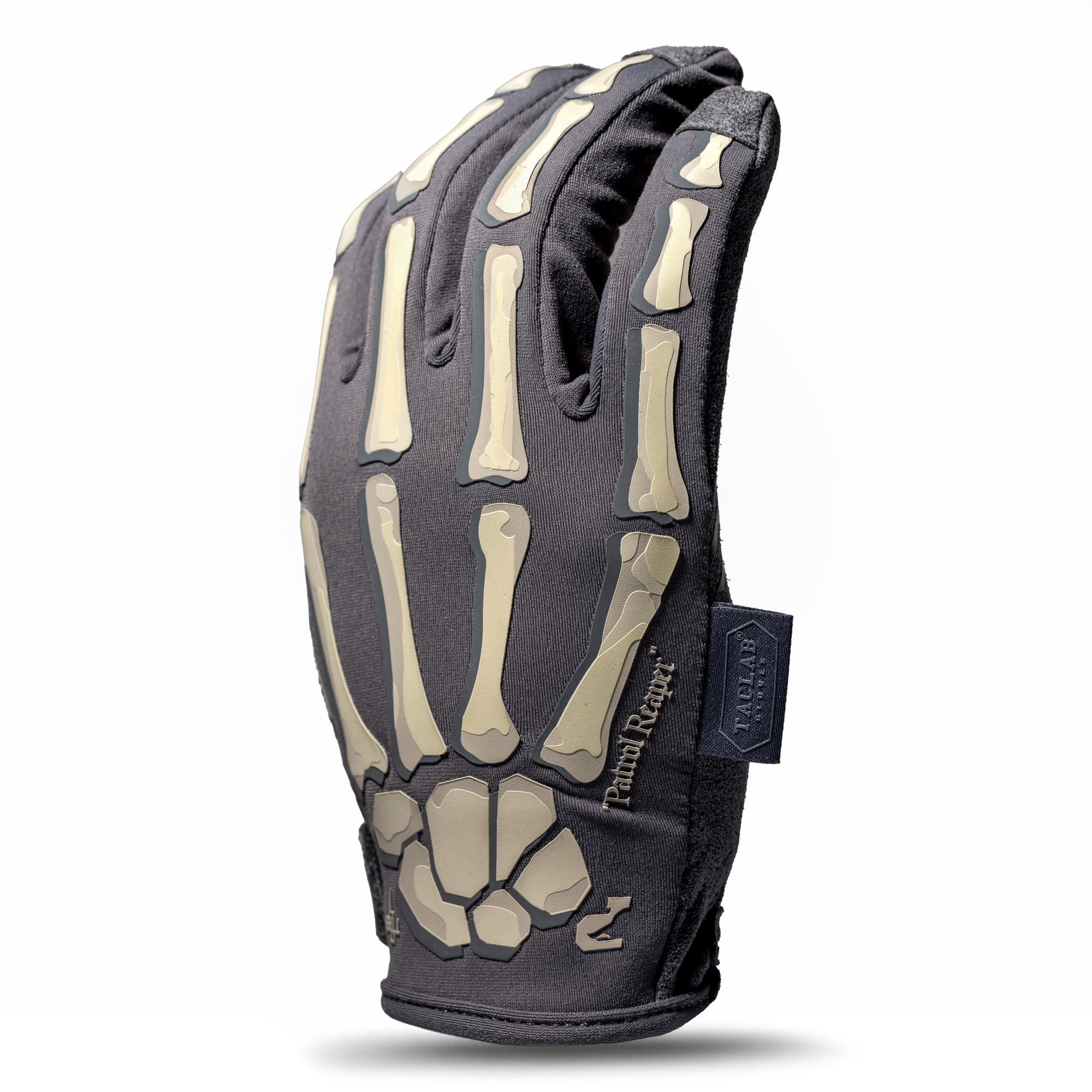
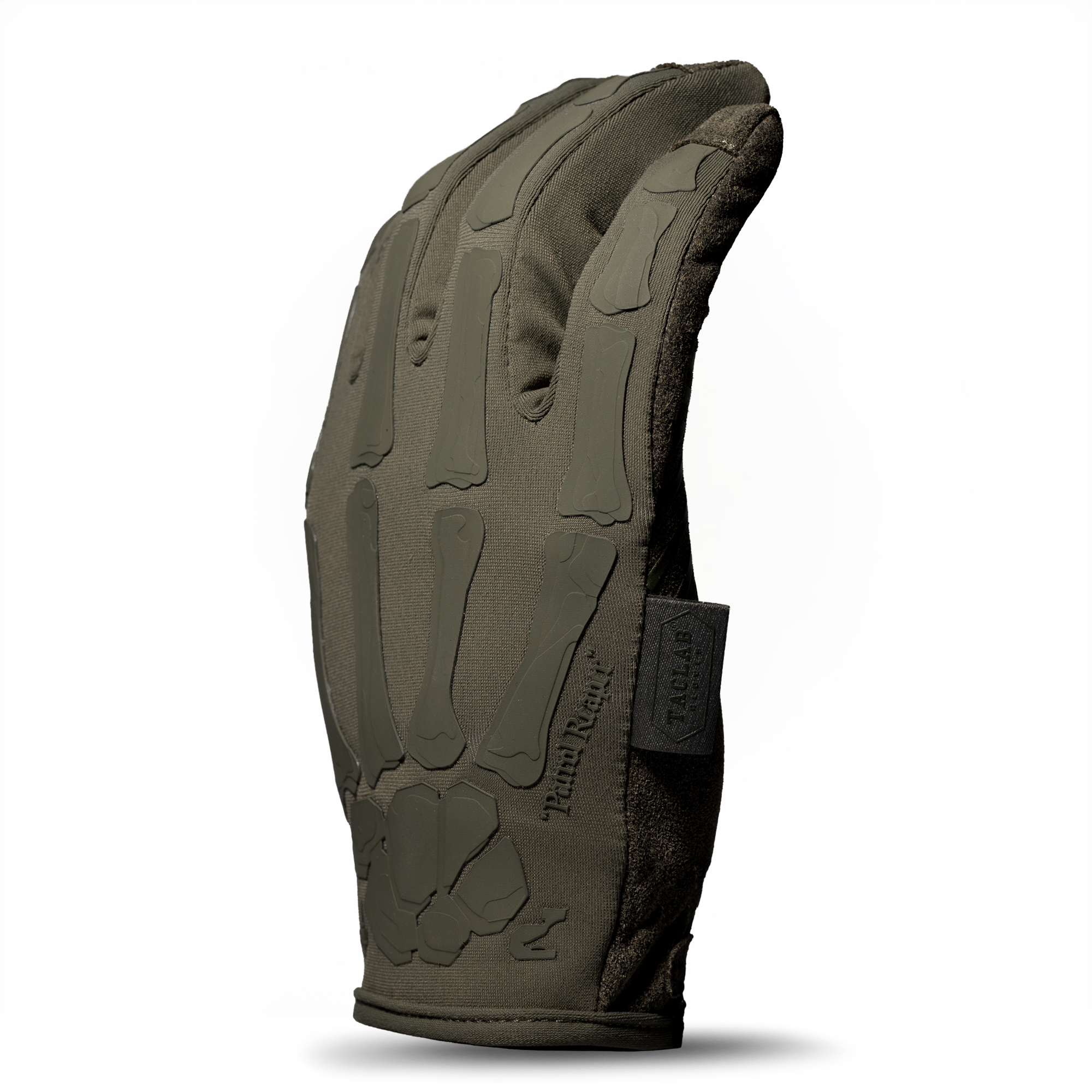
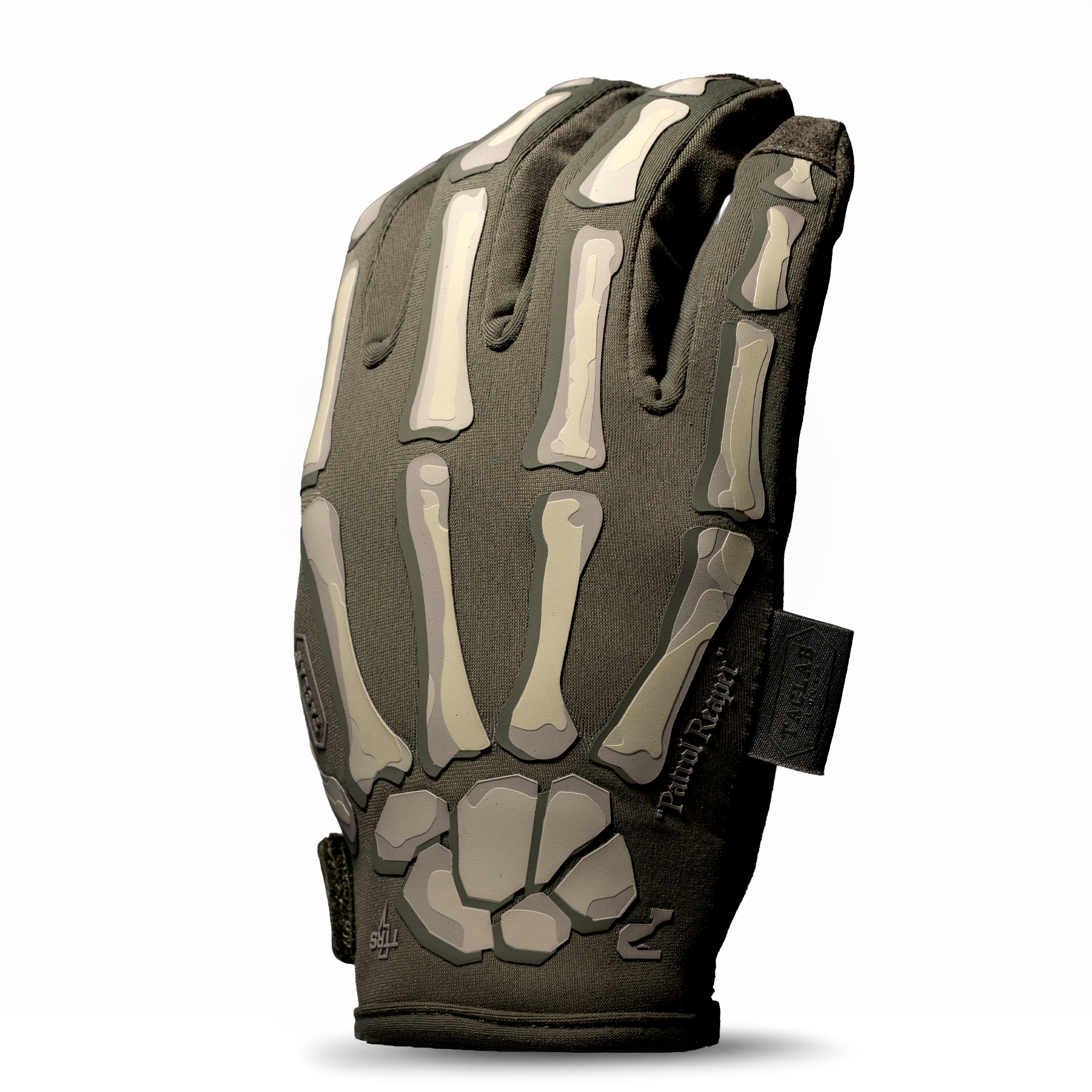
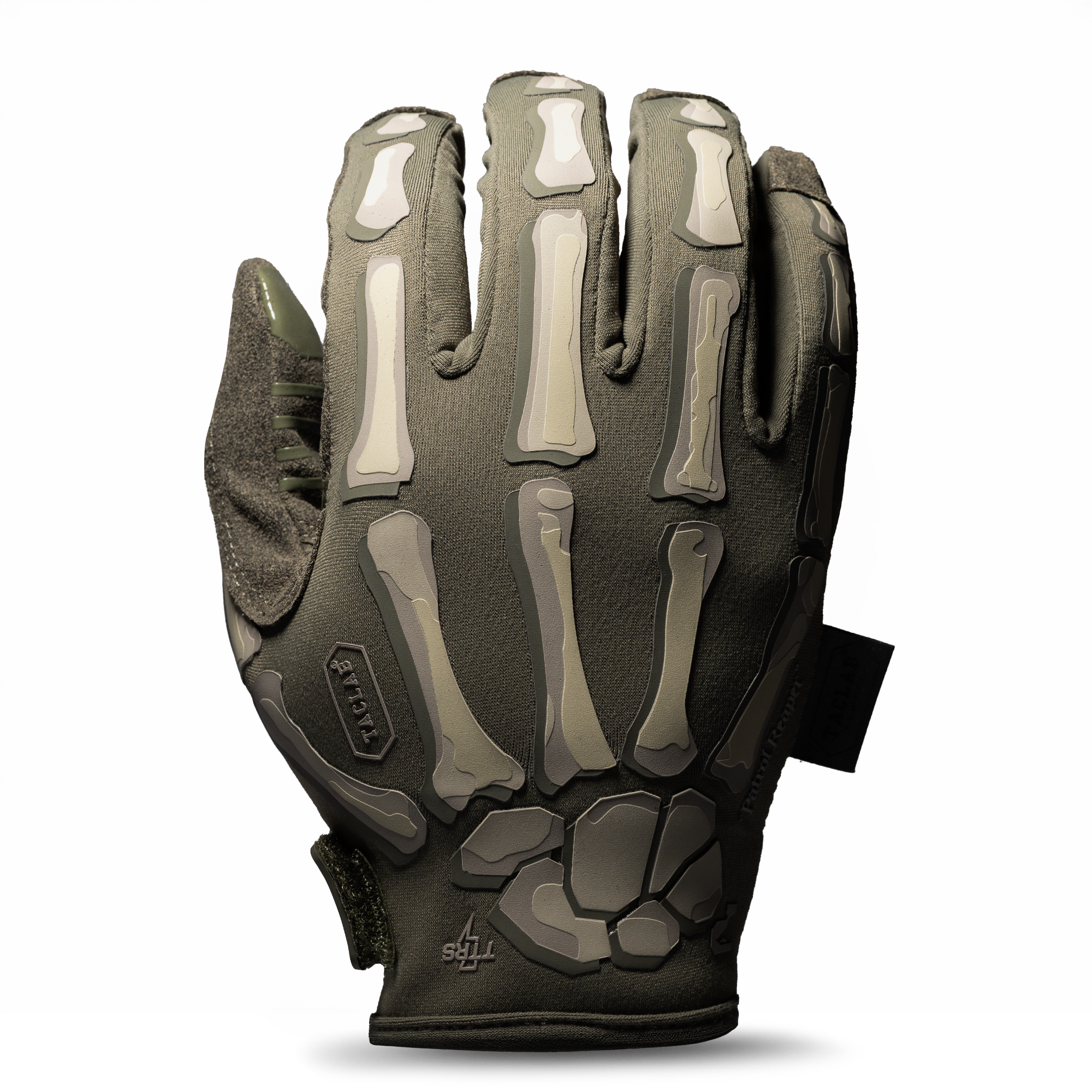
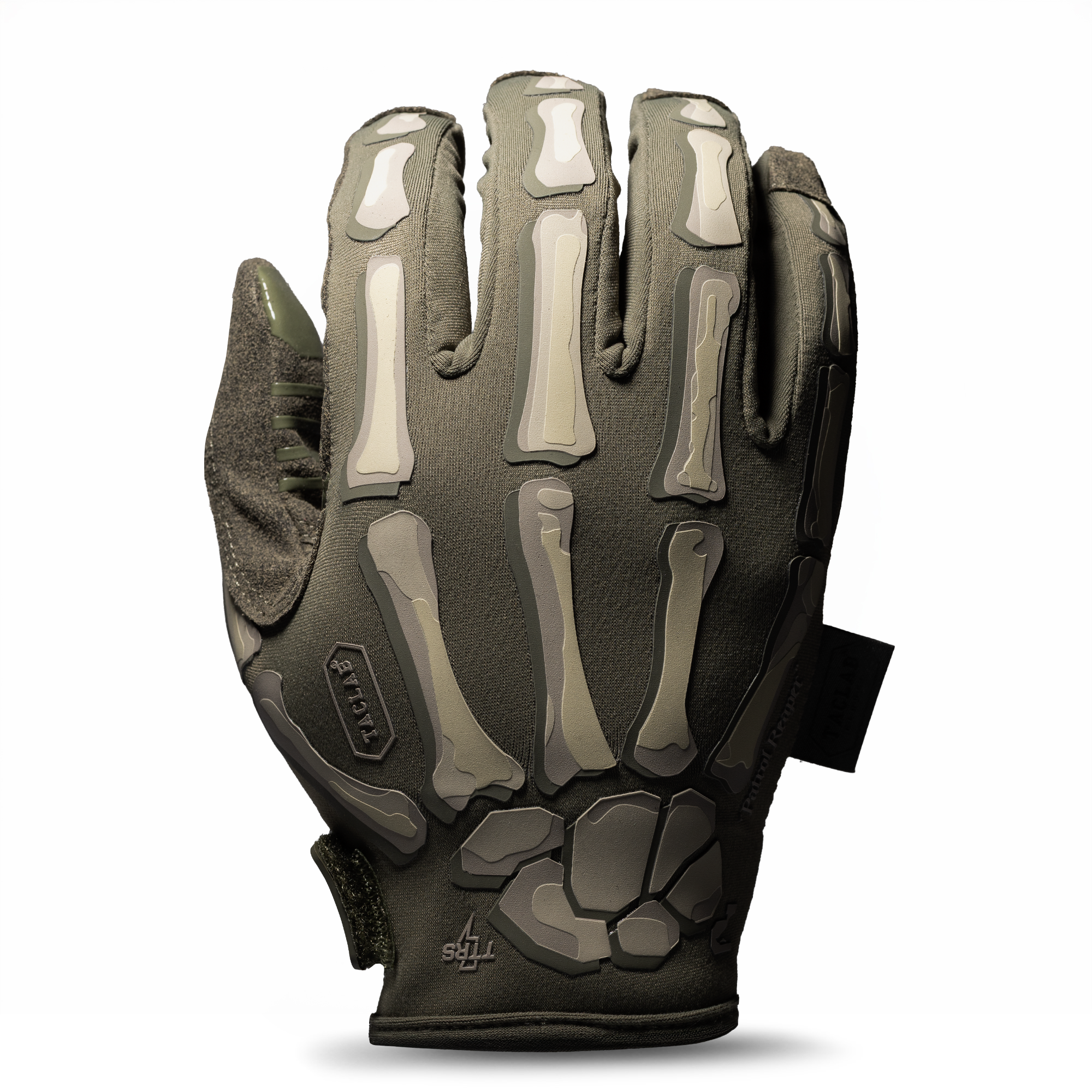
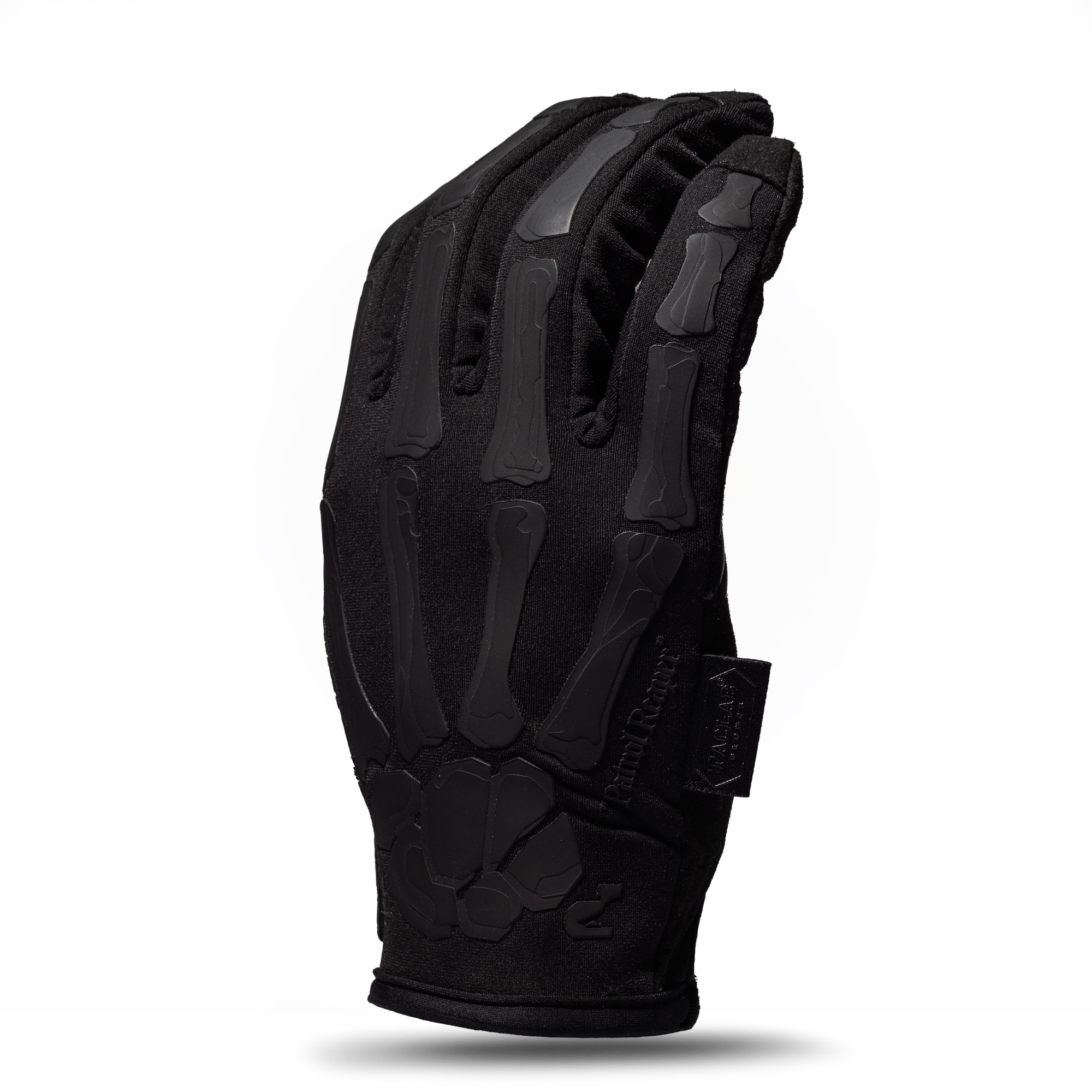
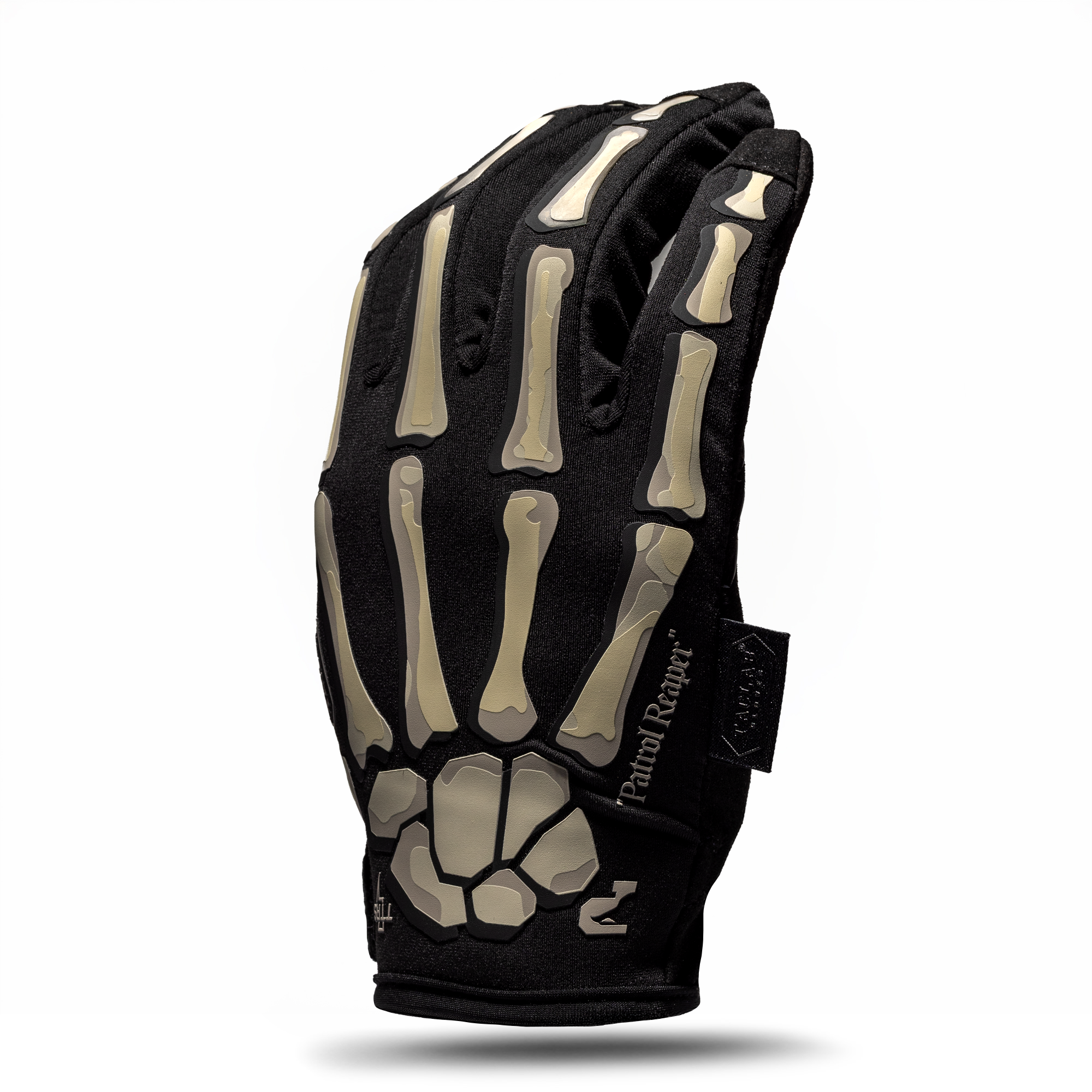
And when temperatures fall, the Patrol Reaper provides a warmer option for cold-weather shooting and outdoor use.
Explore TACLAB shooting and tactical gloves
The important thing isn't choosing the most expensive glove.
It's choosing the glove that matches the environment.
6. Magazine Loader
A magazine loader isn't essential for every shooter.
But once you've used one during a long range session, it's easy to understand why people keep one in their bag.
Repeatedly loading magazines can fatigue or irritate the thumbs, particularly during high-round-count sessions.
A compatible loader can:
- Reduce thumb fatigue
- Speed up loading
- Make long sessions more comfortable
- Help some users with limited hand strength
Just make sure the loader is compatible with the magazines you're bringing.
It's a small piece of gear that can have a surprisingly large effect on range-day comfort.
7. Targets, Pasters, Tape, and a Marker
Depending on the facility, targets may be supplied or sold on-site.
But outdoor ranges and private training locations often require you to bring your own.
Even when targets are available, a few small supplies are worth carrying:
- Target pasters
- Masking tape
- Stapler, where appropriate
- Permanent marker
- Paint marker
Tape and pasters let you repair targets instead of replacing them after every string.
Markers are useful for:
- Labeling targets
- Recording groups
- Marking magazines
- Writing notes
- Identifying equipment
It's one of those cheap items that seems unimportant until you need it.
8. Basic Firearm Tools
You don't need to carry an entire gunsmithing bench to the range.
A small set of appropriate tools is usually enough for basic needs.
Depending on your equipment, that might include:
- Correct-size hex keys
- Torx bits
- Screwdriver bits
- Small multitool
- Optic adjustment tool
- Manufacturer-supplied firearm tools
The key word is correct.
Using an improperly sized tool can damage screws and equipment.
And know your limits.
A range bag tool kit is useful for minor adjustments—not major firearm repairs.
If something is damaged or you're unsure about a firearm's condition, stop using it and have it inspected by a qualified professional.
9. Cleaning and Maintenance Supplies
You probably don't need a complete cleaning kit every time you visit the range.
But a few basic maintenance items can be useful.
Consider carrying:
- Cleaning cloth
- Appropriate lubricant
- Small cleaning brush
- Bore-safe cleaning equipment appropriate for your firearm
- Cotton swabs or similar detail-cleaning supplies
The purpose isn't necessarily to perform a complete cleaning between strings.
It's to handle minor maintenance needs that might otherwise interrupt the day.
Always follow the firearm manufacturer's maintenance instructions.
And before cleaning or inspecting any firearm, make sure it is unloaded and handled according to safe firearm practices.
10. First-Aid Kit
A first-aid kit belongs in more places than just your range bag.
At minimum, having supplies for ordinary cuts, scrapes, blisters, and minor injuries is sensible.
Depending on your training, location, and level of medical training, your emergency equipment may be more extensive.
But equipment alone isn't enough.
Training Matters as Much as Carrying It
Owning medical supplies you don't know how to use isn't the same as being prepared.
Formal first-aid training can help you understand:
- How to assess an emergency
- When to call emergency services
- How to use the supplies you carry
- What not to do
For serious bleeding or trauma preparedness, seek reputable hands-on instruction from qualified organizations.
A first-aid kit isn't a decorative tactical accessory.
It's emergency equipment.
Know what's inside it and know how to use it.
11. Water and Electrolytes
Hydration is easy to forget when you're focused on training.
It's especially important at outdoor ranges during hot weather.
Dehydration and heat can affect:
- Concentration
- Comfort
- Physical performance
- Decision-making
Bring enough water for the length of your session.
For longer, hot-weather training days, electrolyte drinks or mixes may also be useful.
And don't wait until you're extremely thirsty to remember the bottle sitting at the bottom of your bag.
A range session is still physical activity.
Treat it that way.
12. Sunscreen and Weather Protection
Indoor shooters can mostly skip this section.
Outdoor shooters shouldn't.
A sunny morning can turn into hours of direct exposure.
Consider packing:
- Sunscreen
- Hat
- Lightweight rain layer
- Extra clothing layer
- Appropriate cold-weather gear
Weather forecasts are useful.
They're also imperfect.
A small packable layer takes little room and can save an otherwise miserable afternoon.
Don't Forget Your Hands in Cold Weather
Cold hands can reduce comfort and dexterity.
This is one reason your summer and winter range bags may not look identical.
A lightweight glove may be perfect in warm weather, while an insulated model such as the TACLAB Patrol Reaper makes more sense when temperatures fall.
Prepare for the weather you're actually going to encounter—not the weather you wish you had.
13. Small Towel or Microfiber Cloth
This might be the least exciting item on the list.
It's also one you'll use constantly.
A small towel can handle:
- Sweaty hands
- Wet equipment
- Dirty surfaces
- Dust
- Minor cleanup
A separate clean microfiber cloth is also useful for eyewear and optics.
Keep the lens cloth separate from the dirty utility towel.
You don't want to wipe expensive lenses with the same cloth you just used on a dusty shooting bench.
Small organizational habits make a difference.
14. Spare Batteries
Modern range equipment increasingly depends on batteries.
You may have:
- Electronic hearing protection
- Optics
- Rangefinders
- Flashlights
- Shot timers
- Cameras
- Other electronic accessories
And batteries have an annoying habit of dying at the least convenient time.
Keep the correct spare batteries in a small protected container.
Don't simply throw loose batteries into a compartment with metal tools and other conductive objects. Store and transport them according to the battery manufacturer's guidance.
Also check them periodically.
A spare battery that has been sitting forgotten in your bag for years isn't much of a backup plan.
15. Notebook or Training Log
This is the item I wish more shooters carried.
It's also one of the cheapest.
If your goal is to improve, don't rely entirely on memory.
Record useful information such as:
- Date
- Firearm used
- Ammunition
- Distance
- Training focus
- Results
- Equipment changes
- Problems encountered
- Things to work on next time
You can use your phone, but a small notebook has advantages.
No battery.
No notifications.
No distractions.
Over time, your training log becomes a record of progress.
Instead of saying:
"I think I'm getting better."
you can actually look back and see what changed.
That's far more useful than buying another piece of gear simply because someone online said you needed it.
What Not to Put in Your Range Bag
Packing well isn't only about what you bring.
It's also about avoiding unnecessary clutter.
You probably don't need:
- Every tool you own
- Excessive amounts of unrelated gear
- Loose batteries
- Unsecured sharp objects
- Leaking cleaning products
- Food mixed with dirty range equipment
- Items prohibited by your range
One particularly good habit is keeping food and drink separated from equipment and maintaining good hygiene after shooting, especially before eating or touching your face.
Shooting environments can involve residues and contaminants you don't want unnecessarily transferred to personal items.
A clean, organized range bag is easier to inspect and easier to use.
Indoor vs. Outdoor Range Bag Checklist
Your core equipment stays similar, but the environment changes what matters most.
| Item | Indoor Range | Outdoor Range |
|---|---|---|
| Eye protection | Essential | Essential |
| Hearing protection | Essential | Essential |
| Ammunition | Essential | Essential |
| Magazines | Recommended | Recommended |
| Shooting gloves | Optional/useful | Often useful |
| Magazine loader | Useful | Useful |
| Targets | Depends on facility | Often needed |
| Tools | Useful | Useful |
| First aid | Recommended | Strongly recommended |
| Water | Useful | Essential for long/hot sessions |
| Sunscreen | Usually unnecessary | Recommended |
| Rain layer | Usually unnecessary | Useful |
| Insulated gloves | Depends | Useful in cold weather |
| Spare batteries | Recommended | Recommended |
| Training log | Recommended | Recommended |
Outdoor sessions simply create more variables.
Weather alone can transform what you need.
How to Organize a Range Bag
The best range bag isn't necessarily the biggest one.
It's the one where you can find what you need quickly.
A simple system works well:
Primary compartment: larger equipment and appropriately transported gear.
Protection compartment: eye and hearing protection.
Maintenance compartment: tools, cleaning cloth, lubricant, and small parts.
Utility compartment: tape, markers, batteries, loader, notebook.
Medical compartment: first-aid supplies in a clearly identifiable location.
Try to keep the layout consistent.
If something always lives in the same pocket, you'll notice immediately when it isn't there.
That's far better than digging through a pile of gear while everyone else is ready to start.
The 60-Second Pre-Range Checklist
Before leaving home, take one minute.
Don't think.
Check.
Safety
- Eye protection
- Hearing protection
- First-aid kit
Shooting
- Correct firearm
- Correct ammunition
- Magazines
- Targets if required
Equipment
- Gloves
- Loader
- Tools
- Spare batteries
Personal
- Water
- Weather protection
- Identification or documents required by your range or applicable law
Training
- Notebook
- Plan for the session
That 60-second check can prevent a wasted trip.
You can even save this list on your phone or keep a printed copy inside your range bag.
Frequently Asked Questions
What should I always keep in my range bag?
At minimum, consider appropriate eye and hearing protection, the correct ammunition and magazines, basic tools, first-aid supplies, and any equipment required by your range. Water, shooting gloves, spare batteries, a loader, and a training notebook can make longer sessions more productive and comfortable.
Do I need shooting gloves in my range bag?
Not necessarily. Gloves are optional for many short indoor sessions but can be useful for long training days, sweaty hands, outdoor shooting, cold weather, and repeated equipment manipulation.
How much ammunition should I bring to the shooting range?
There is no universal amount. Bring enough for your planned training session while following your range's ammunition rules. A structured training plan is often more useful than simply bringing as much ammunition as possible.
Should I keep a first-aid kit in my range bag?
Yes. Basic first-aid supplies are useful for ordinary injuries, and shooters should consider appropriate emergency preparedness based on their activity and training. Medical equipment is most useful when paired with proper first-aid training.
Do I need both earplugs and earmuffs?
Not everyone needs both simultaneously, but carrying both is useful. Earplugs take very little space and provide an excellent backup if your earmuffs are forgotten, damaged, or lose power. Some shooters use both in particularly loud environments.
What tools should I carry in a range bag?
Carry only the tools appropriate for your firearm and accessories, such as correct-size hex keys, Torx bits, screwdriver bits, optic tools, or manufacturer-supplied tools. Avoid attempting major repairs at the range if you're not qualified to perform them.
What should a beginner bring to their first shooting range visit?
Beginners should first check the facility's rules because rental ranges may provide or sell some equipment. Common essentials include identification where required, eye and hearing protection, appropriate clothing, and any firearm or ammunition permitted by the facility. New shooters should also understand the range's safety rules before shooting.
Should I have separate indoor and outdoor range bags?
You don't necessarily need separate bags. A modular setup works well: keep your core safety and shooting equipment packed, then add sunscreen, water, rain protection, insulated gloves, or other weather-specific gear for outdoor sessions.
Final Thoughts: Build Your Range Bag Around Your Training
A great range bag isn't the one with the most gear.
It's the one that contains what you actually need.
Start with safety:
Eye protection. Hearing protection. First aid.
Then add the equipment required for the session:
Ammunition. Magazines. Targets. Basic tools.
Then think about comfort and conditions:
Shooting gloves. Water. Weather protection. A towel.
Finally, think about improvement:
Bring a training plan and record what happened.
That's the difference between simply packing gear and preparing for a productive range day.
And your range bag will evolve.
After enough sessions, you'll discover which items you use every time and which gadgets have been riding around untouched for six months.
Remove the clutter.
Keep the essentials.
And before every trip, take 60 seconds to check the bag.
Because the best range session often starts before you ever leave home.
Need Shooting Gloves for Your Range Bag?
For lightweight range training, premium leather feel, high-abrasion environments, or cold-weather shooting, explore the current TACLAB Gloves Collection:
👉 https://taclab-usa.com/collections/gloves-1
Choose the glove around the conditions you actually train in—not simply the one with the longest feature list.