Walk into almost any shooting range and you'll see both types of shooters.
Some train with bare hands.
Others rarely touch a firearm without putting on tactical gloves first.
So who's doing it right?
Both can be.
Shooting gloves aren't automatically necessary every time you visit the range. But under the right conditions, they can improve comfort, grip, and hand protection—especially during long training sessions, outdoor shooting, hot weather, or cold conditions.
The problem begins when people assume that any glove is a good shooting glove.
It isn't.
A thick work glove can make firearm manipulation more difficult. An oversized tactical glove may leave loose material around the trigger finger. A heavily padded palm can change how the firearm sits in your hand.
The real question, therefore, isn't simply:
Should you wear gloves at the shooting range?
It's:
When do shooting gloves provide a real advantage—and when are you better off without them?
Here's what shooters should consider.
The Short Answer: Shooting Gloves Are Useful, but Not Always Necessary
For a short indoor range session in a controlled environment, many shooters are perfectly comfortable without gloves.
For a longer outdoor training day in summer heat, winter cold, or rough conditions?
That's a different story.
Shooting gloves can become particularly useful when you're dealing with:
- Sweaty hands
- Cold temperatures
- Hot equipment
- Repeated firearm manipulation
- High round counts
- Outdoor surfaces
- Extended training sessions
- Friction and pressure points
However, gloves introduce another layer between your hands and the firearm.
That means the benefits of protection and comfort must be balanced against:
- Trigger feel
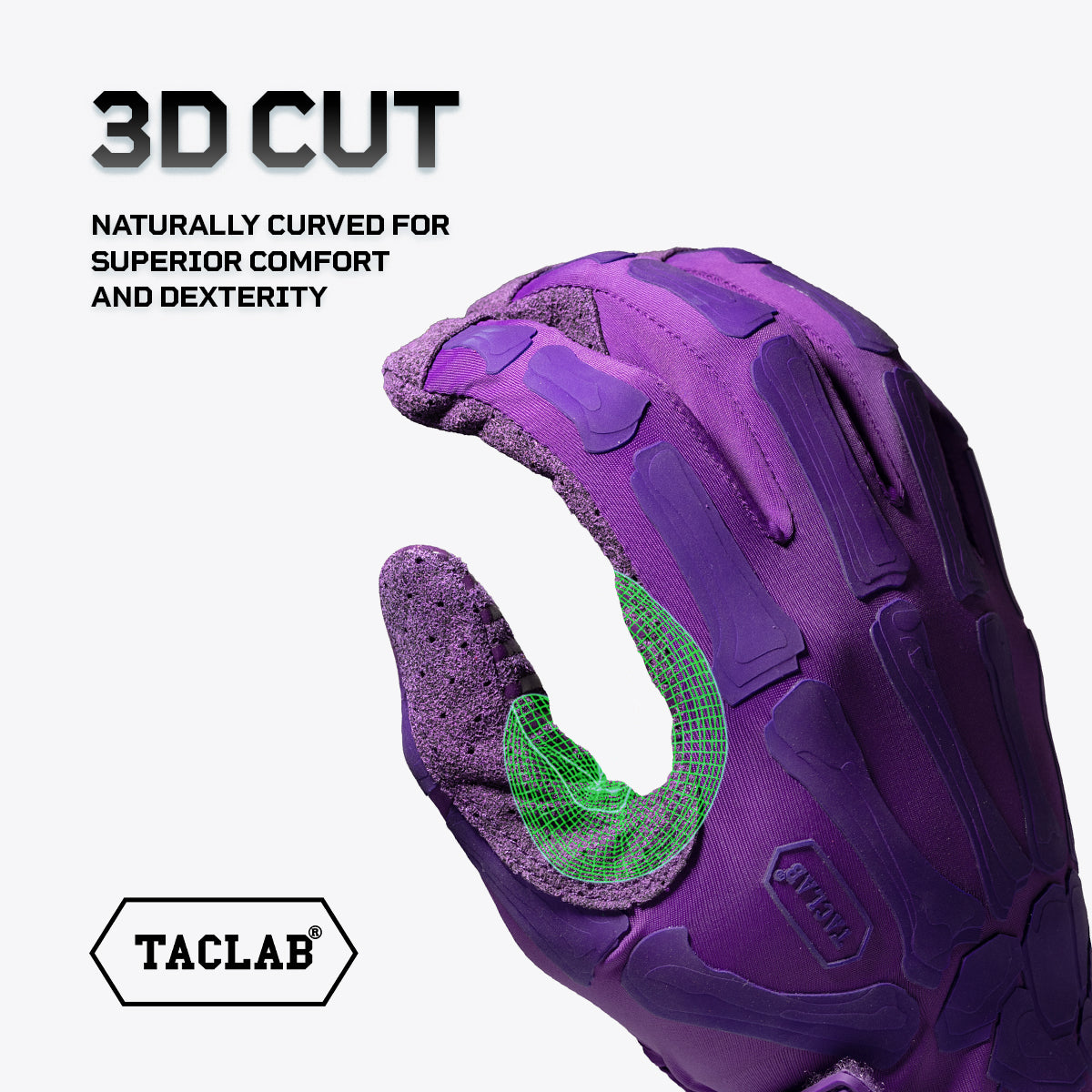
- Dexterity
- Fit
- Grip thickness
- Fine-motor control
A good shooting glove manages that compromise well.
A bad one makes you wish you'd left it in the range bag.
Why Do Shooters Wear Gloves at the Range?
There isn't one universal reason.
A competitive shooter may wear gloves for grip consistency.
Someone training outdoors may want protection from rough surfaces.
A winter shooter needs warmth.
A high-round-count training session may make heat and friction more noticeable.
And some shooters simply prefer the way a firearm feels with gloves.
This is important because shooting gloves should be chosen according to the problem they're solving.
If you don't have a problem that gloves solve, you may not need them.
That's why experienced shooters often own different gloves for different conditions instead of expecting one pair to handle everything.
Pro #1: Better Grip When Your Hands Get Sweaty
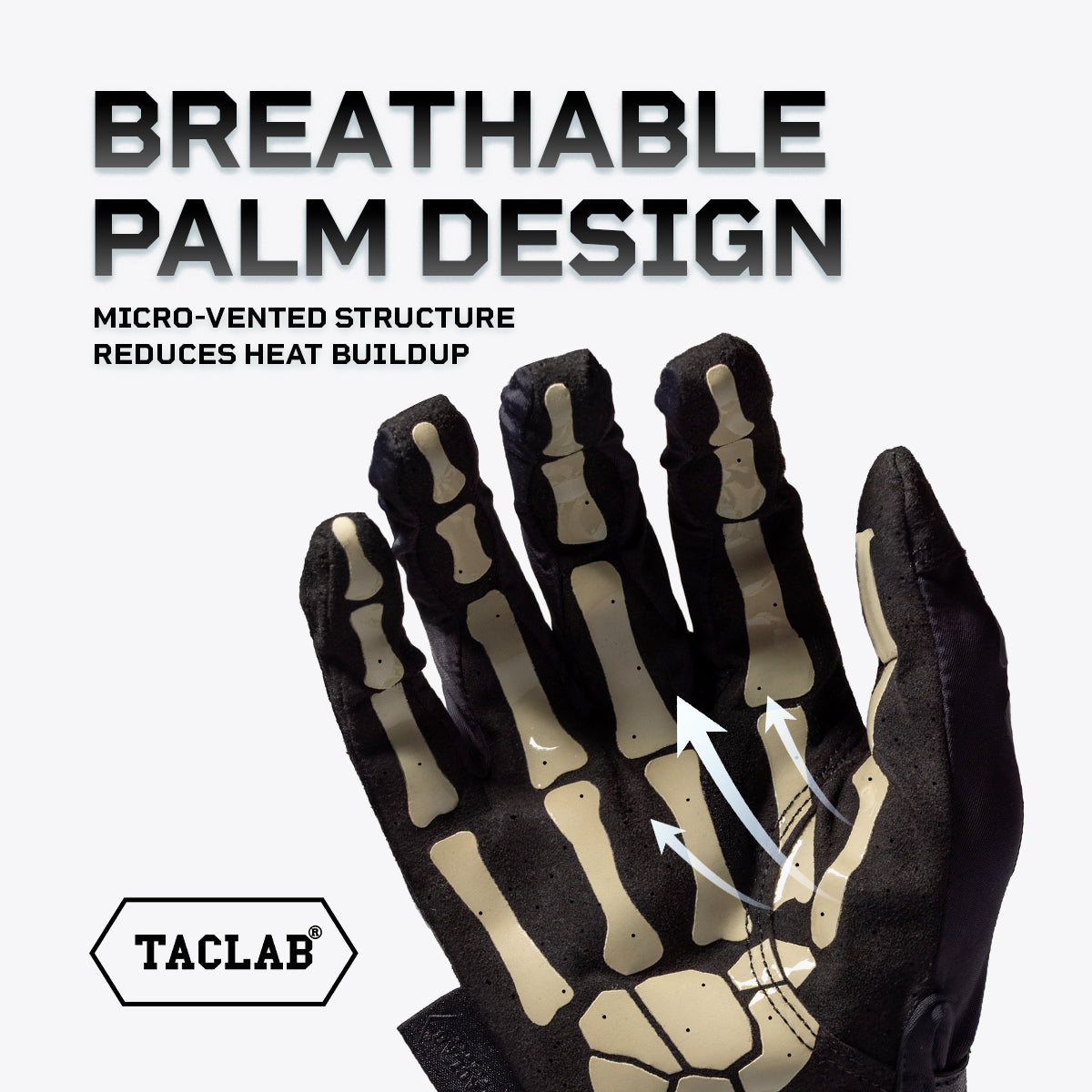
This is one of the strongest arguments for wearing gloves during warm-weather shooting.
Hands sweat.
The longer and hotter the training session becomes, the more noticeable moisture can be.
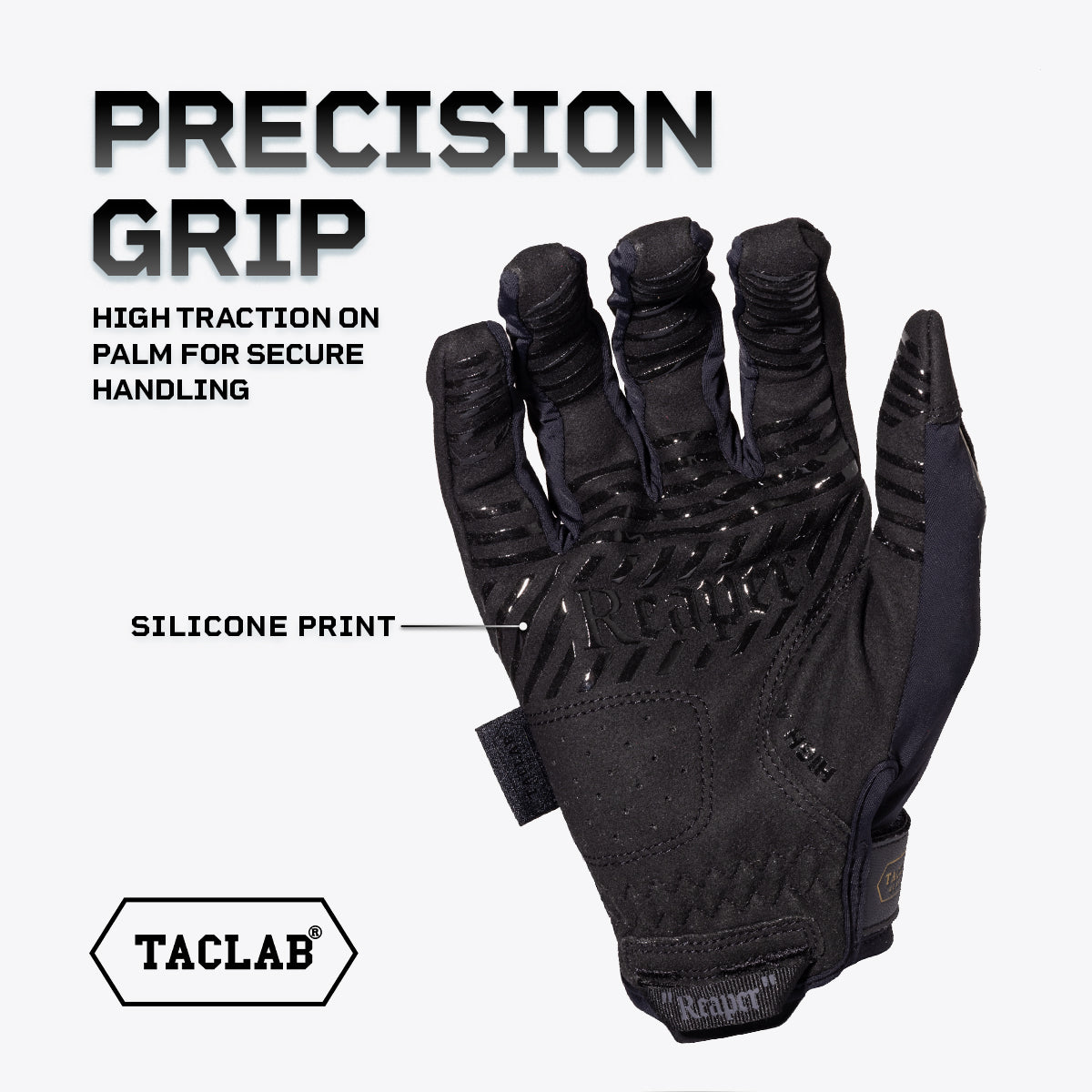
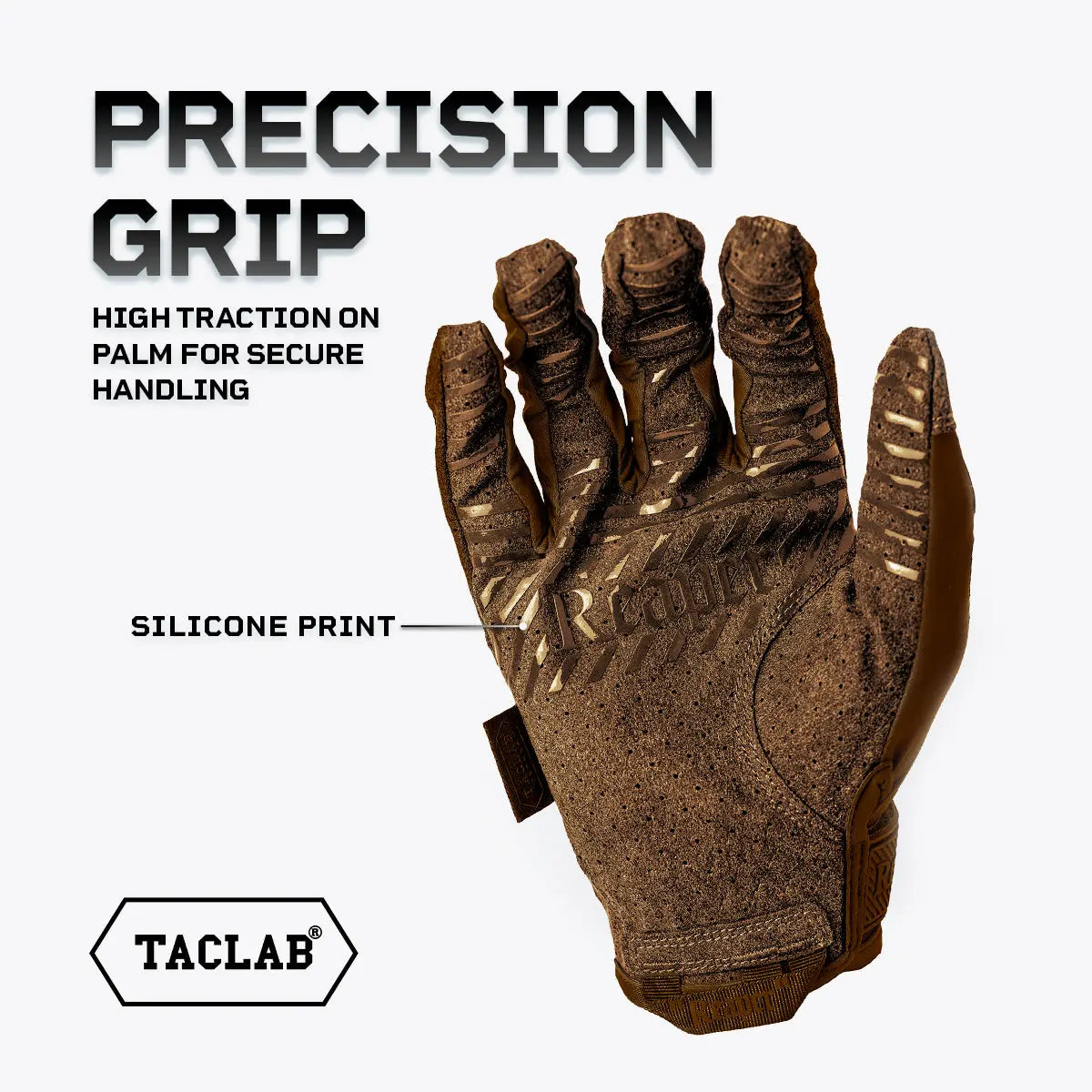
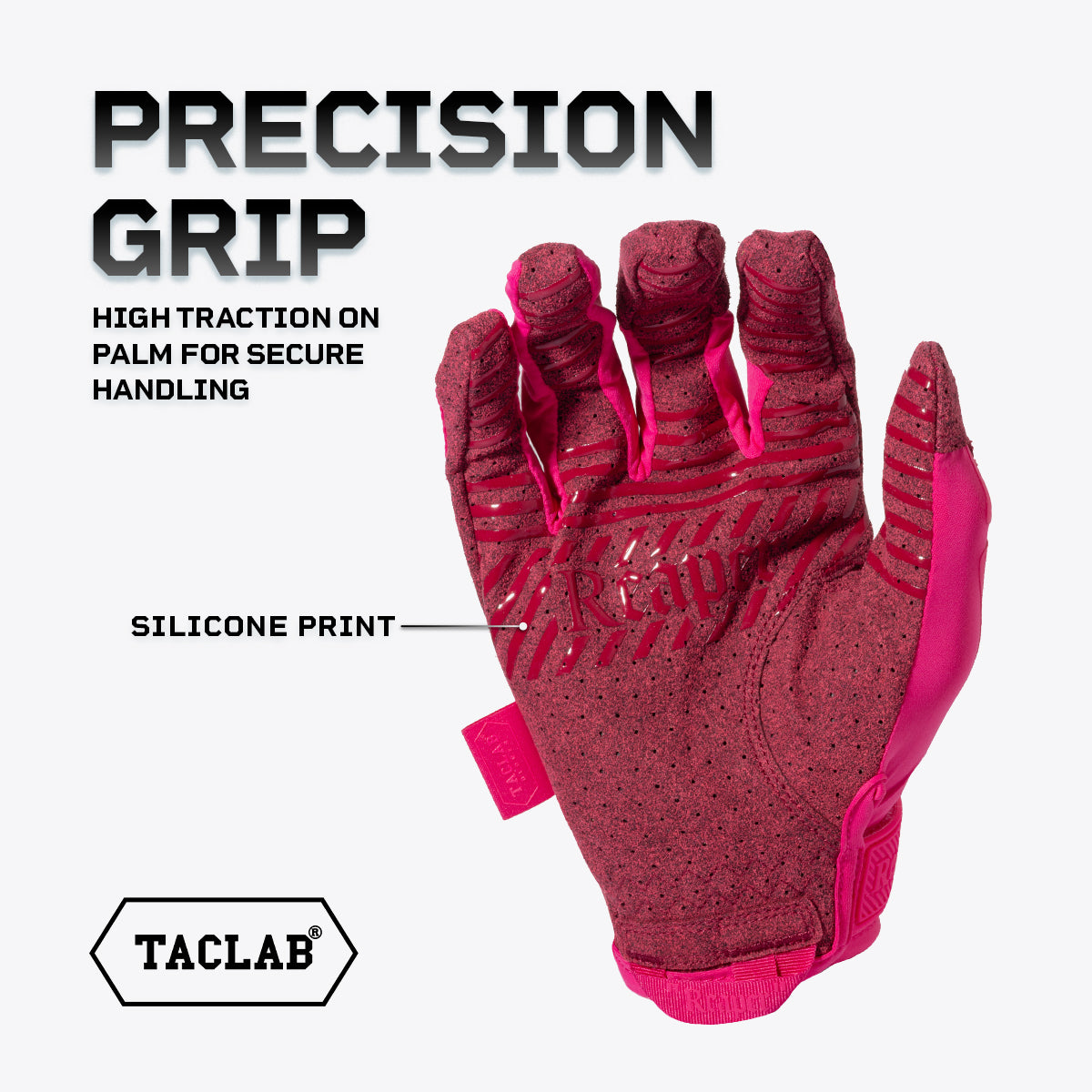
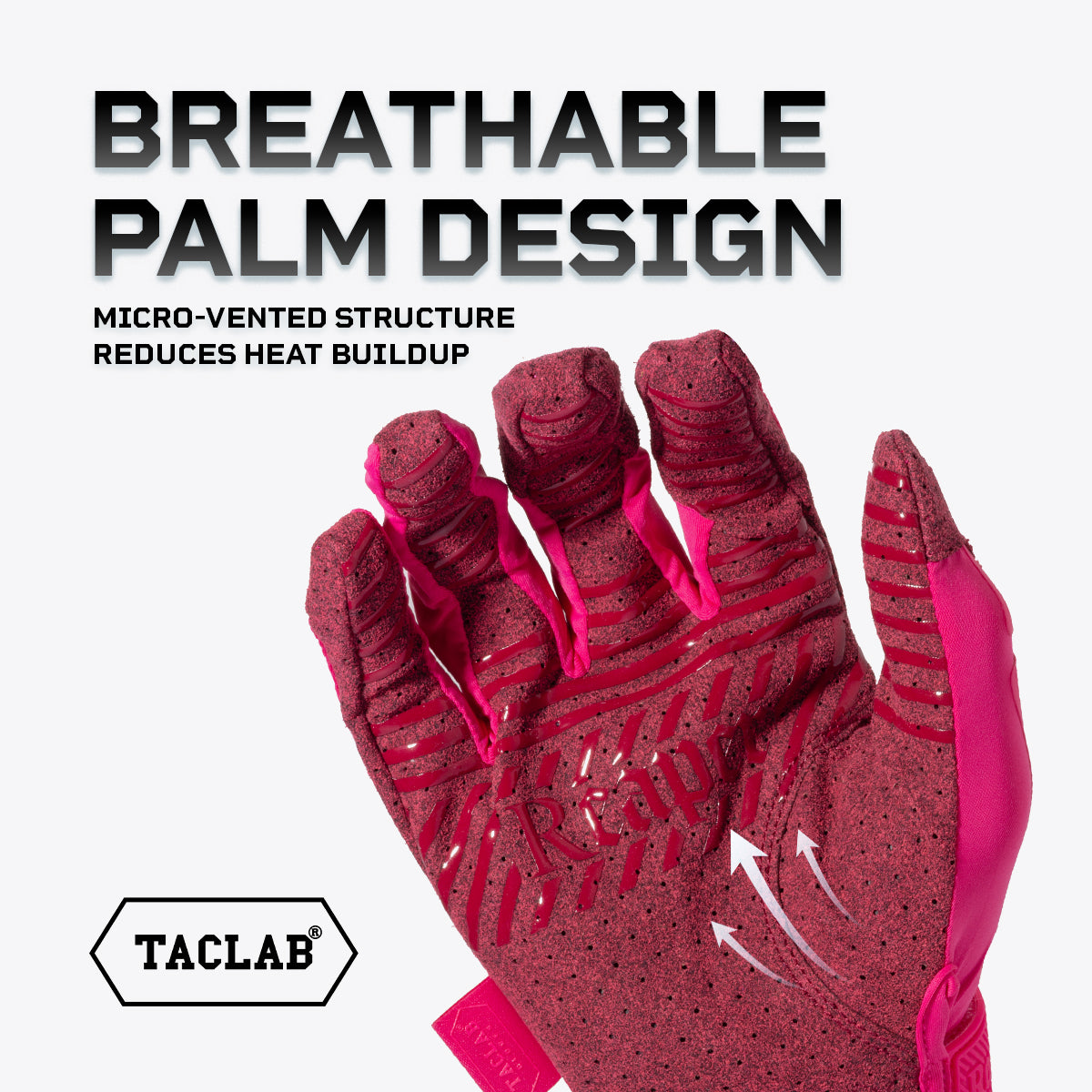
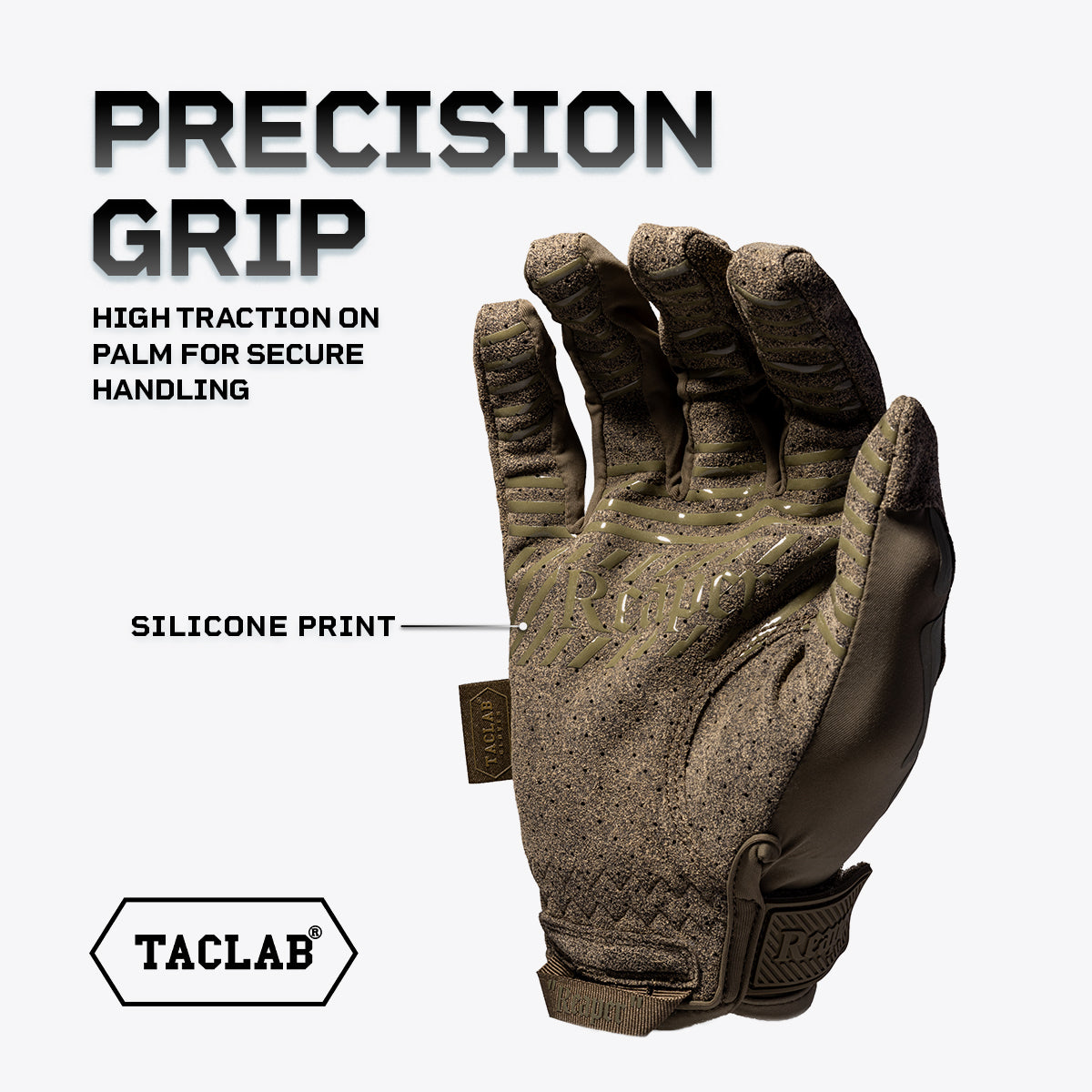
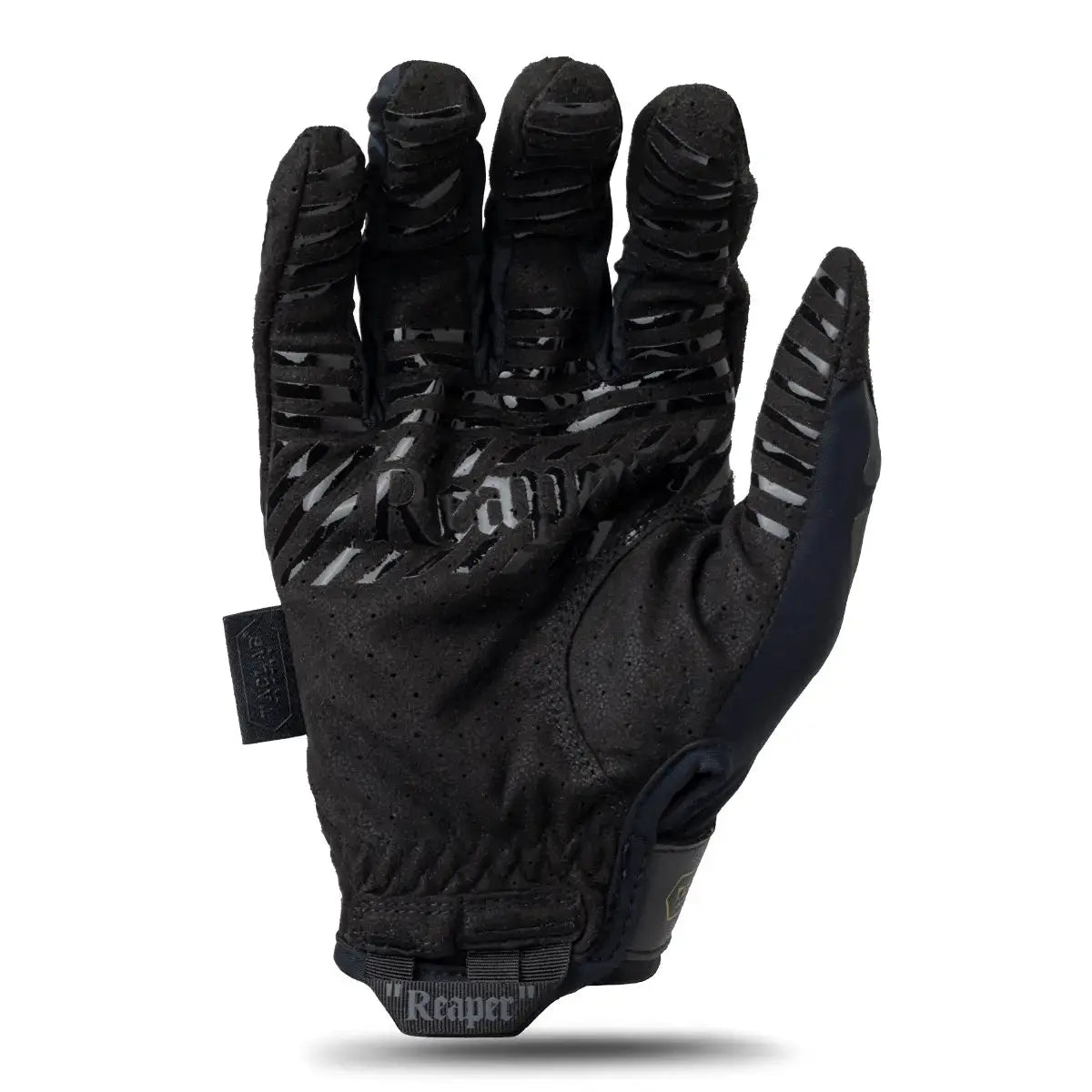
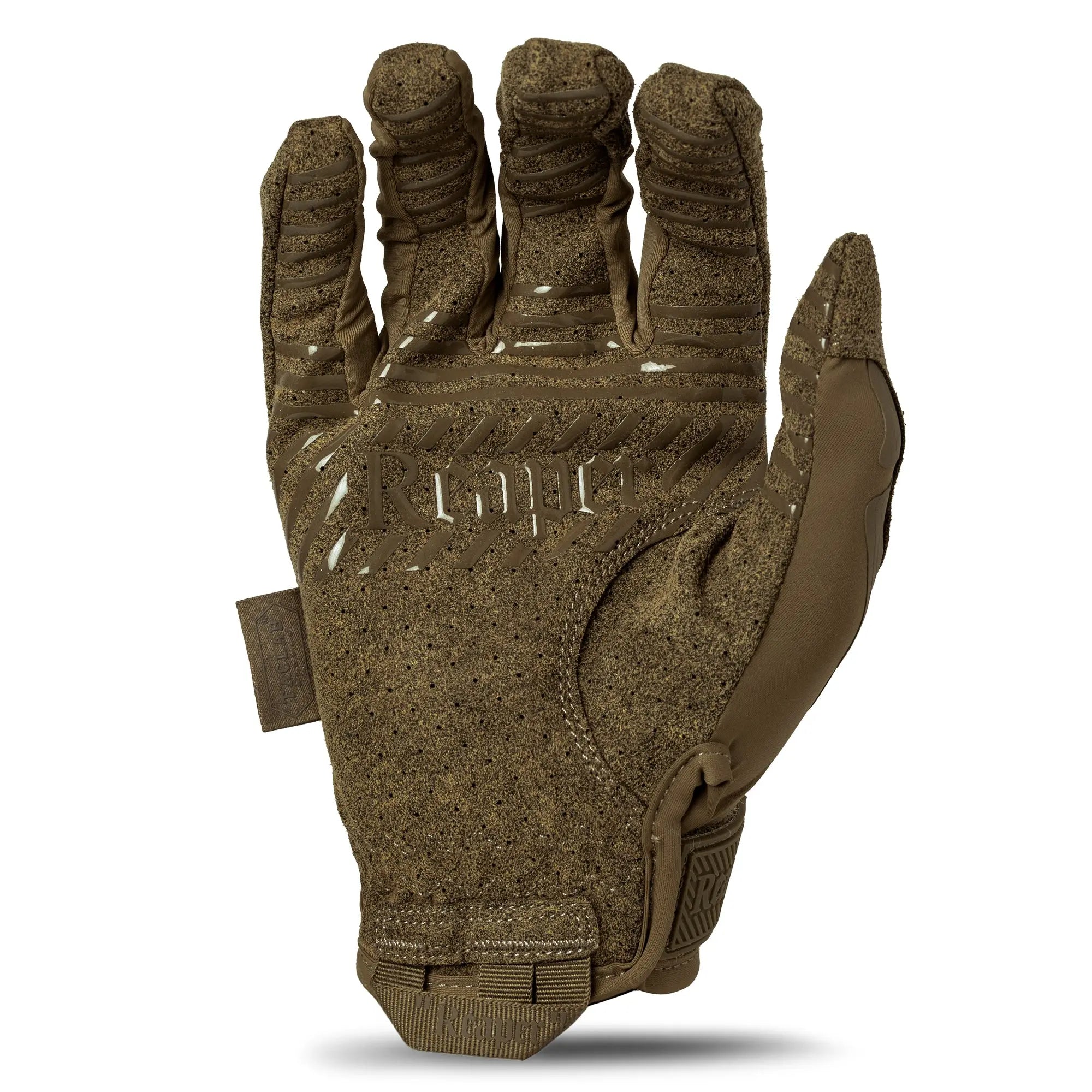
A quality shooting glove can provide a more consistent contact surface between your hand and the firearm.
That can be especially useful during:
- Outdoor summer training
- Extended range sessions
- Dynamic shooting drills
- High-humidity conditions
Why Grip Consistency Matters
Good shooting doesn't mean squeezing the firearm as hard as physically possible.
It means establishing a controlled and repeatable grip.
When your hands become sweaty, some shooters respond by increasing grip pressure simply because the firearm feels less secure.
That can contribute to unnecessary fatigue.
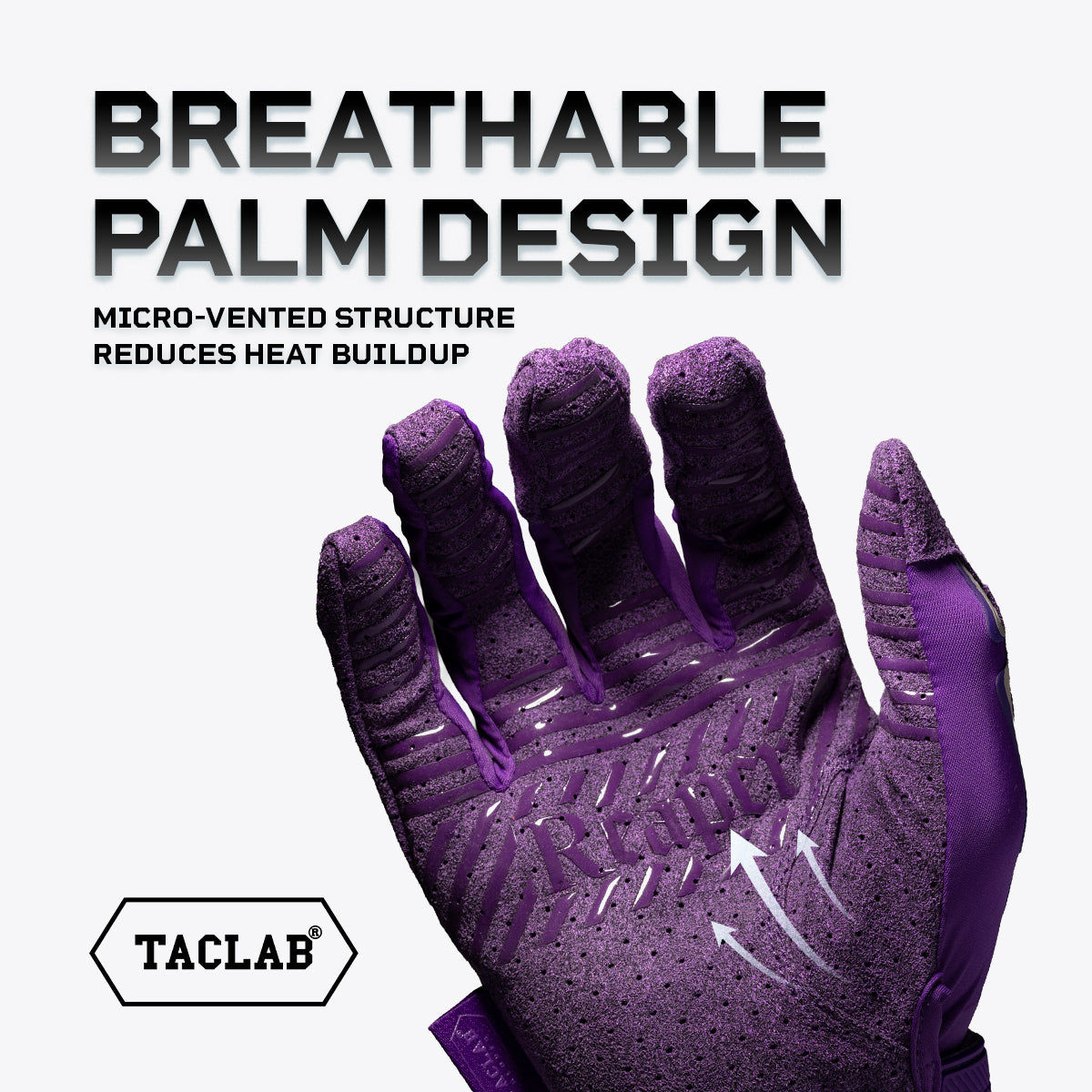
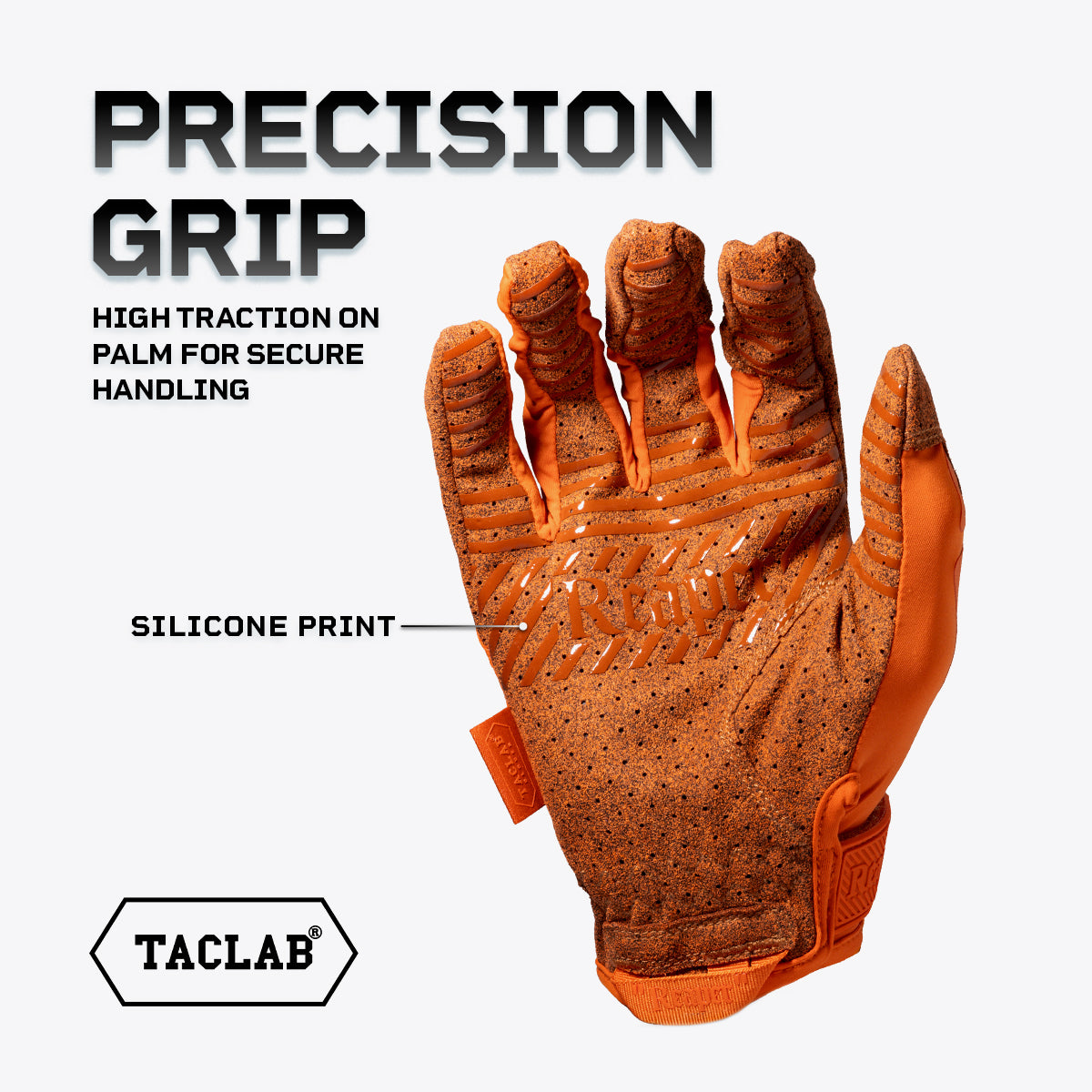
A properly designed palm material can help maintain consistent contact without requiring the shooter to constantly compensate for changing moisture levels.
Notice the wording here:
Gloves don't create good shooting technique.
They can simply make the interface between your hand and equipment more consistent.
Pro #2: More Comfort During High-Round-Count Training
A casual 50-round indoor range session and a full day of training are very different experiences.
Repeatedly:
- Gripping the firearm
- Loading magazines
- Manipulating controls
- Moving equipment
- Handling range gear
can create friction and pressure points.
Gloves provide a layer between the skin and equipment.
For occasional shooters, this may not matter much.
For people who train for hours, comfort becomes increasingly important.
Reduced discomfort can help you stay focused on the actual training instead of thinking about irritated skin or pressure spots.
Again, this doesn't mean gloves improve shooting ability by themselves.
They help create a more comfortable environment in which you can train.
Pro #3: Protection From Heat and Hot Surfaces
Firearms and equipment can become hot during extended shooting.
How quickly that happens depends on the firearm, firing schedule, environment, and other factors, but anyone who has spent time around high-round-count training knows that heat deserves respect.
Gloves can provide a limited protective barrier when handling warm equipment.
However, this needs an important warning:
Shooting gloves are not heat-proof gloves.
A thin tactical glove does not make dangerously hot metal safe to touch.
Gloves should never create false confidence around hot firearm components.
Their role is to provide an additional layer of everyday protection—not replace safe handling practices.
Pro #4: Better Comfort in Cold Weather
Cold weather may be one of the strongest reasons to wear gloves while shooting.
Cold hands can become:
- Stiff
- Uncomfortable
- Less flexible
- Slower during fine-motor tasks
But there's a problem.
The warmer a glove becomes, the more insulation it generally requires.
And insulation adds bulk.
The Cold-Weather Dexterity Problem
This creates one of the classic shooting-glove compromises:
Warmth vs. dexterity.
An extremely thin shooting glove may provide excellent trigger feel but little warmth.
A heavily insulated winter glove may keep your fingers comfortable but make fine manipulation more difficult.
The goal isn't maximum insulation.
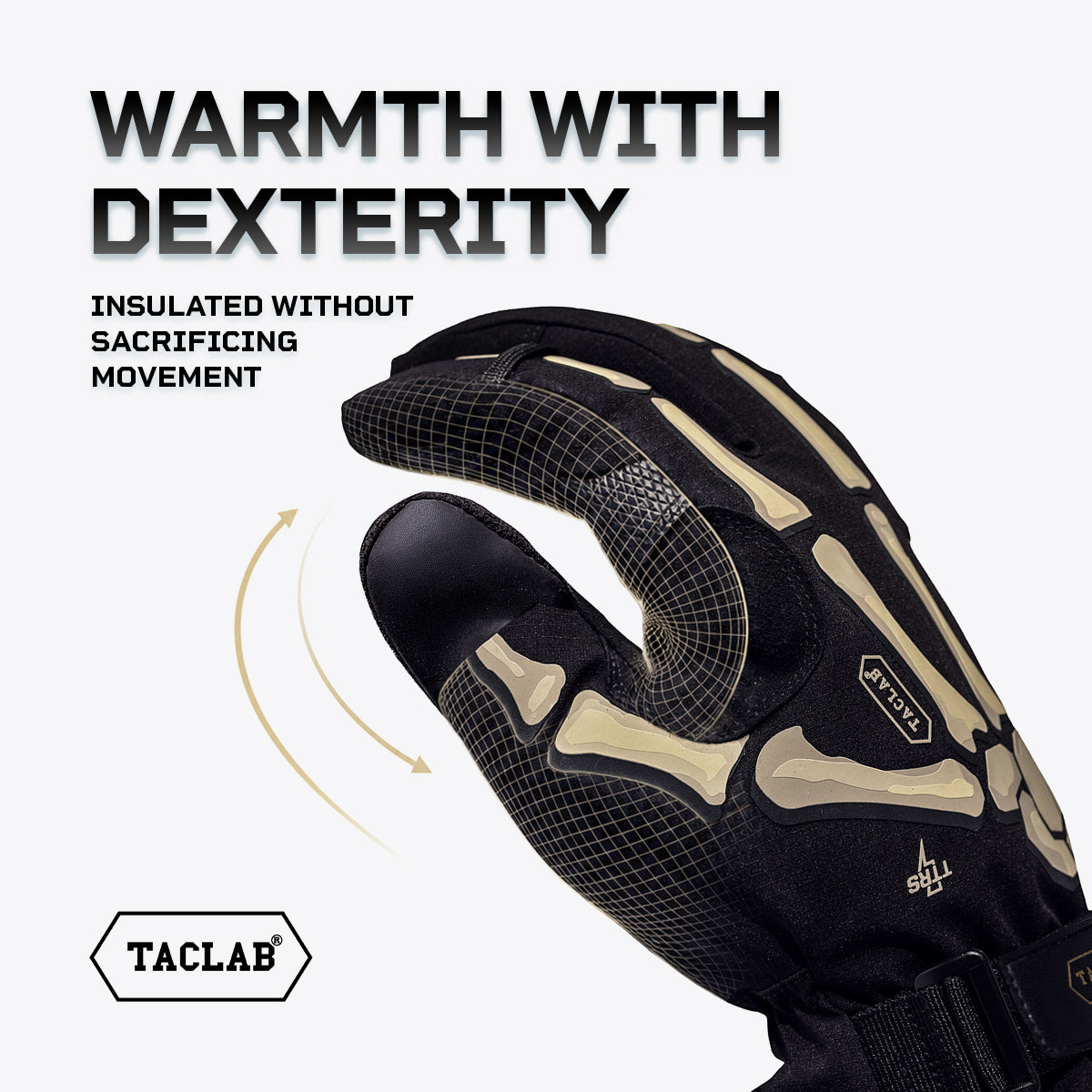
It's enough insulation for the conditions while preserving usable hand control.
This is why cold-weather shooting gloves should be selected specifically for the environment rather than simply buying a larger or thicker general-purpose glove.
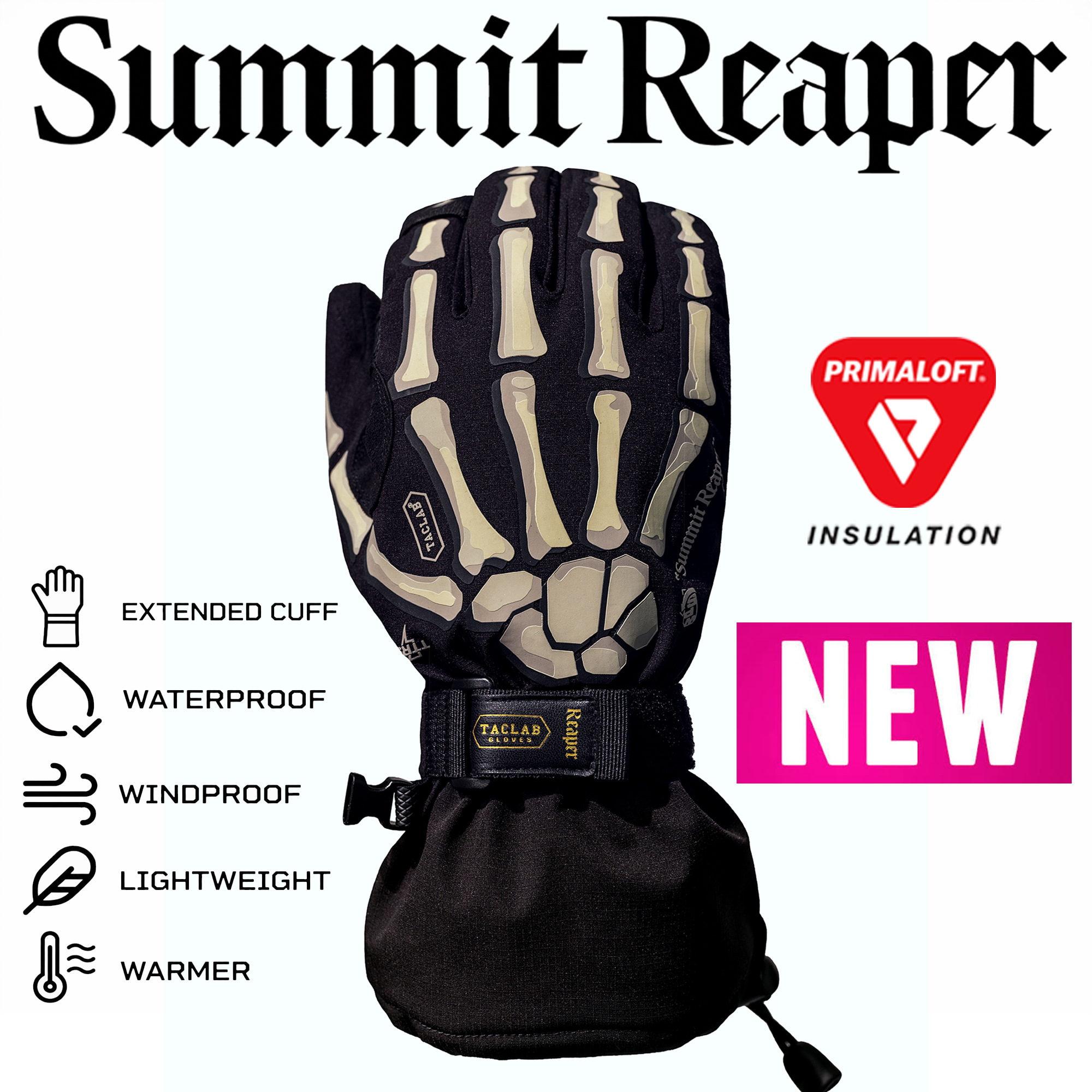
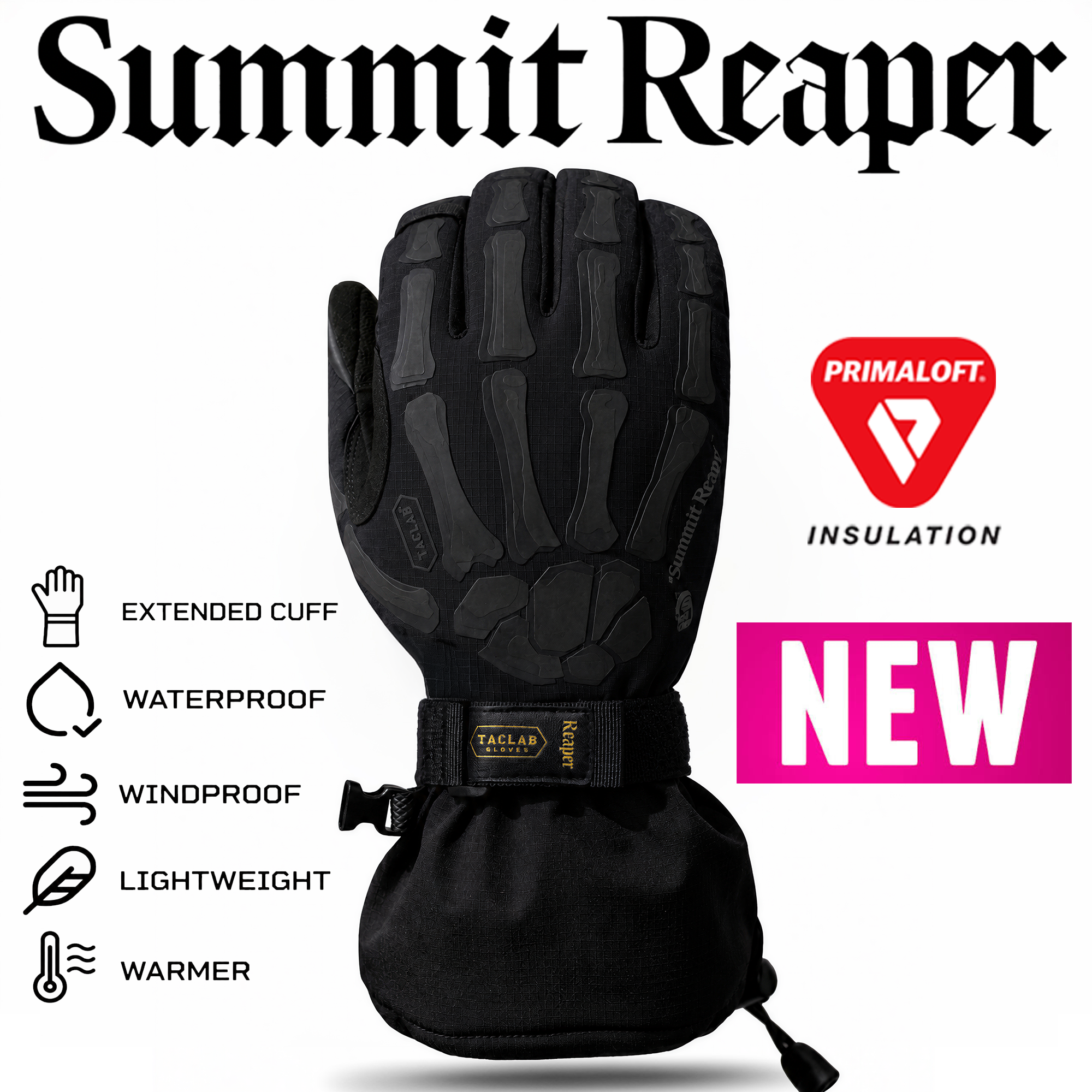
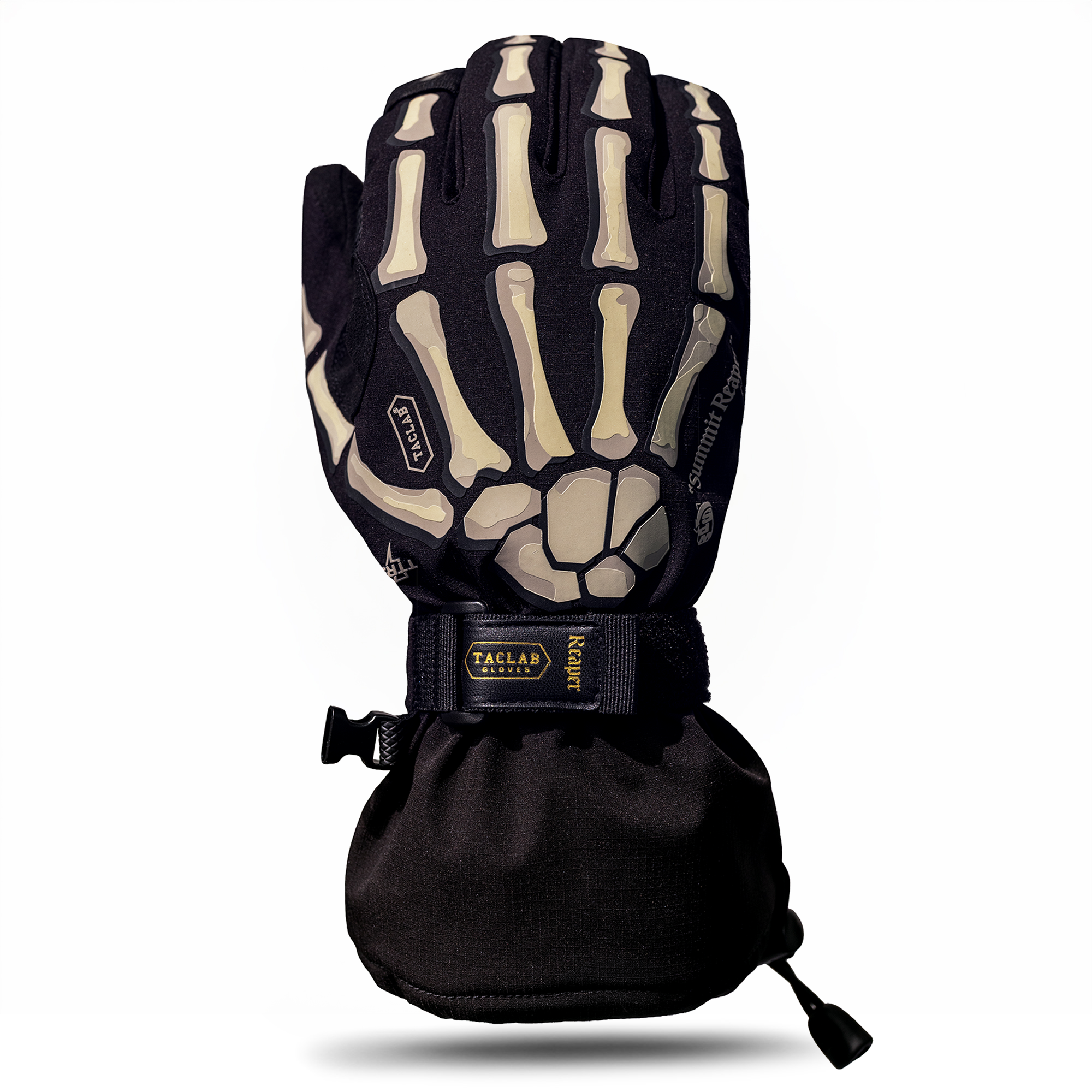
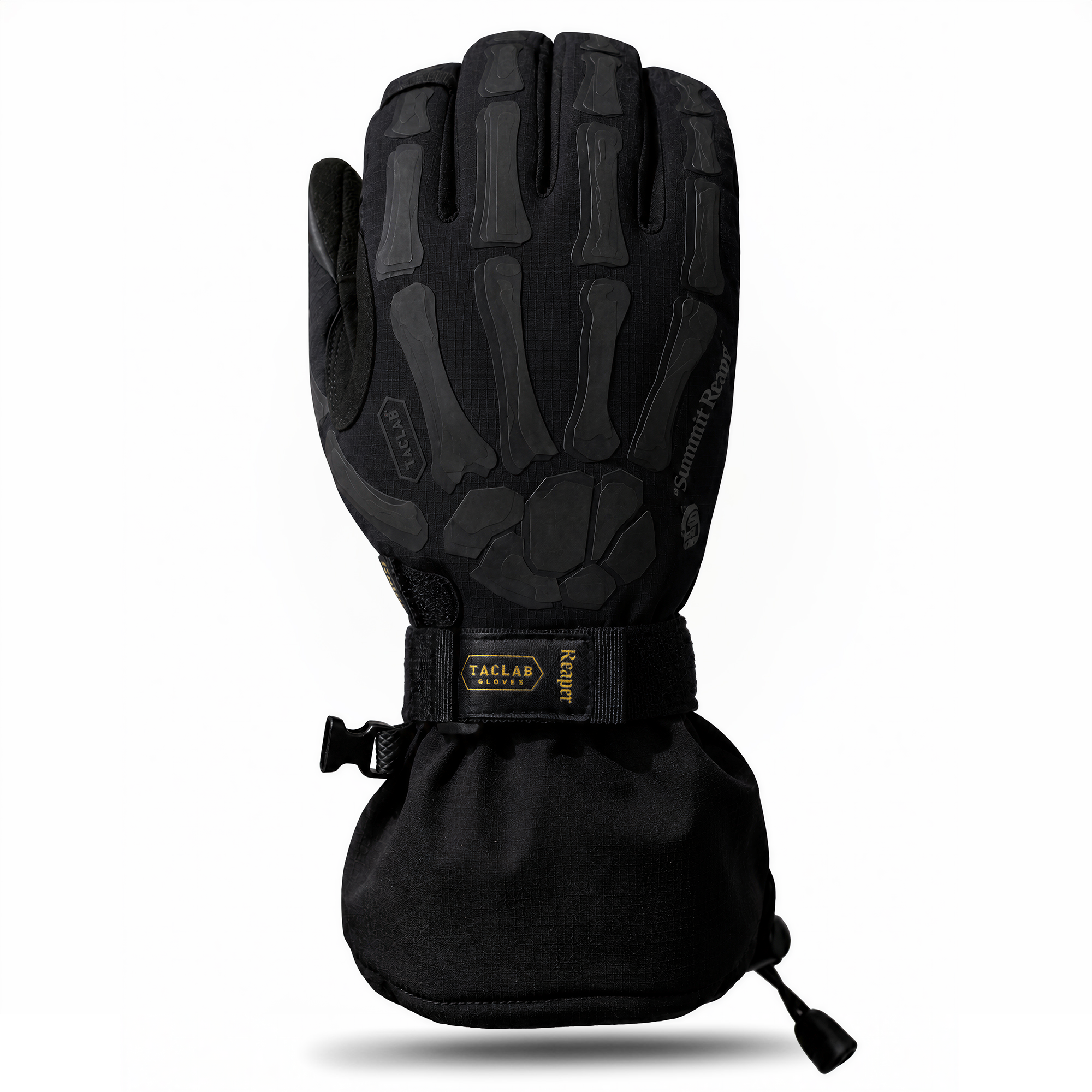
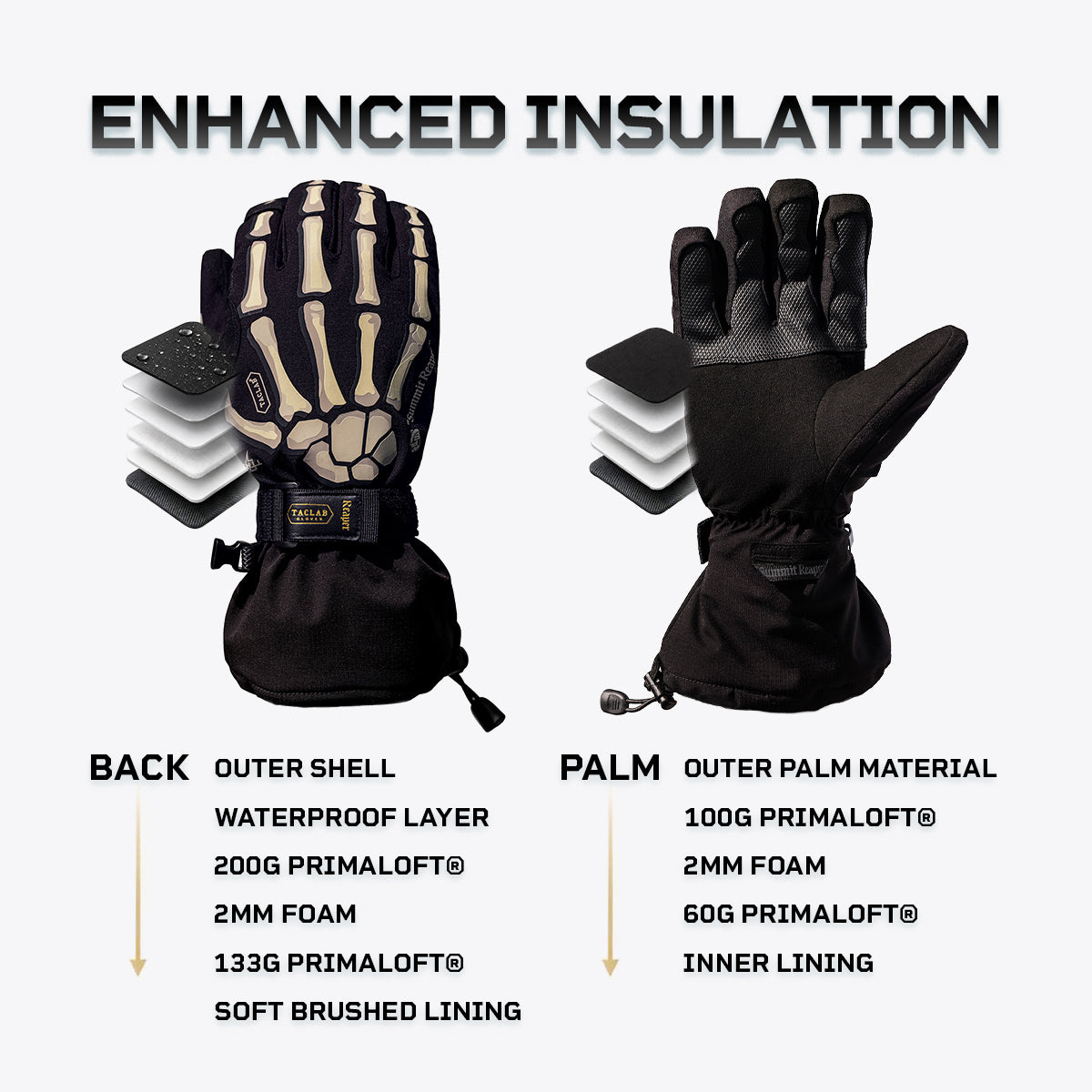
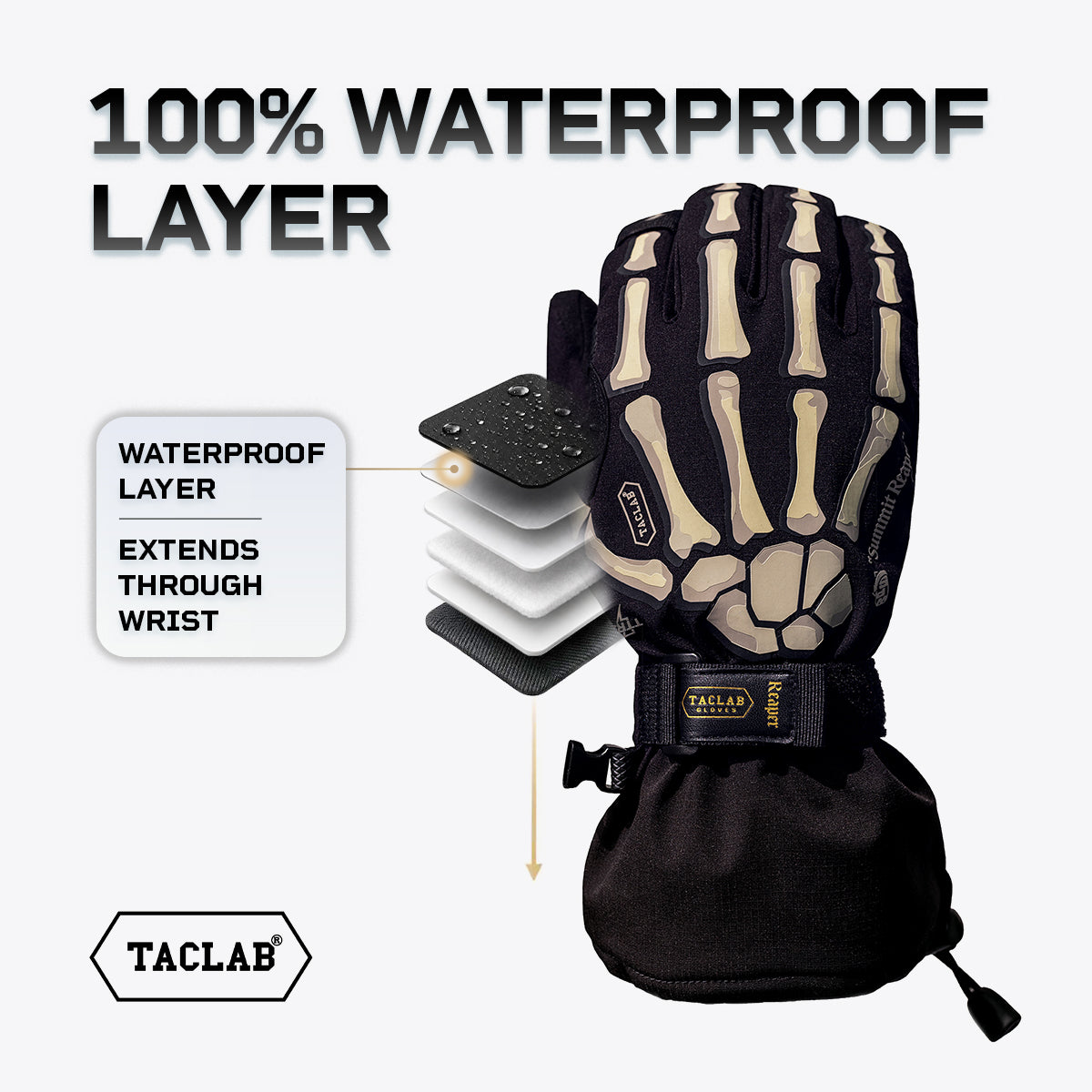
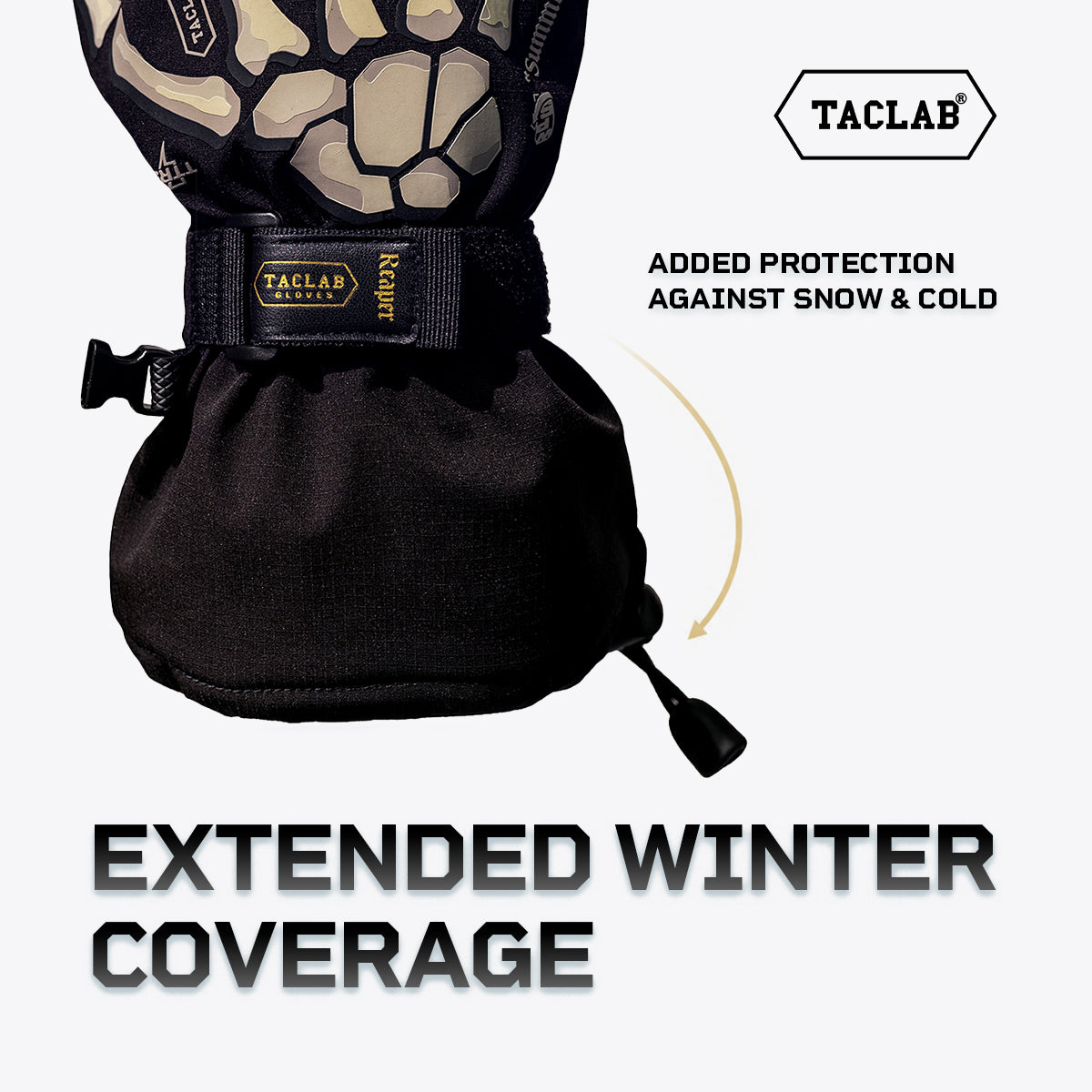
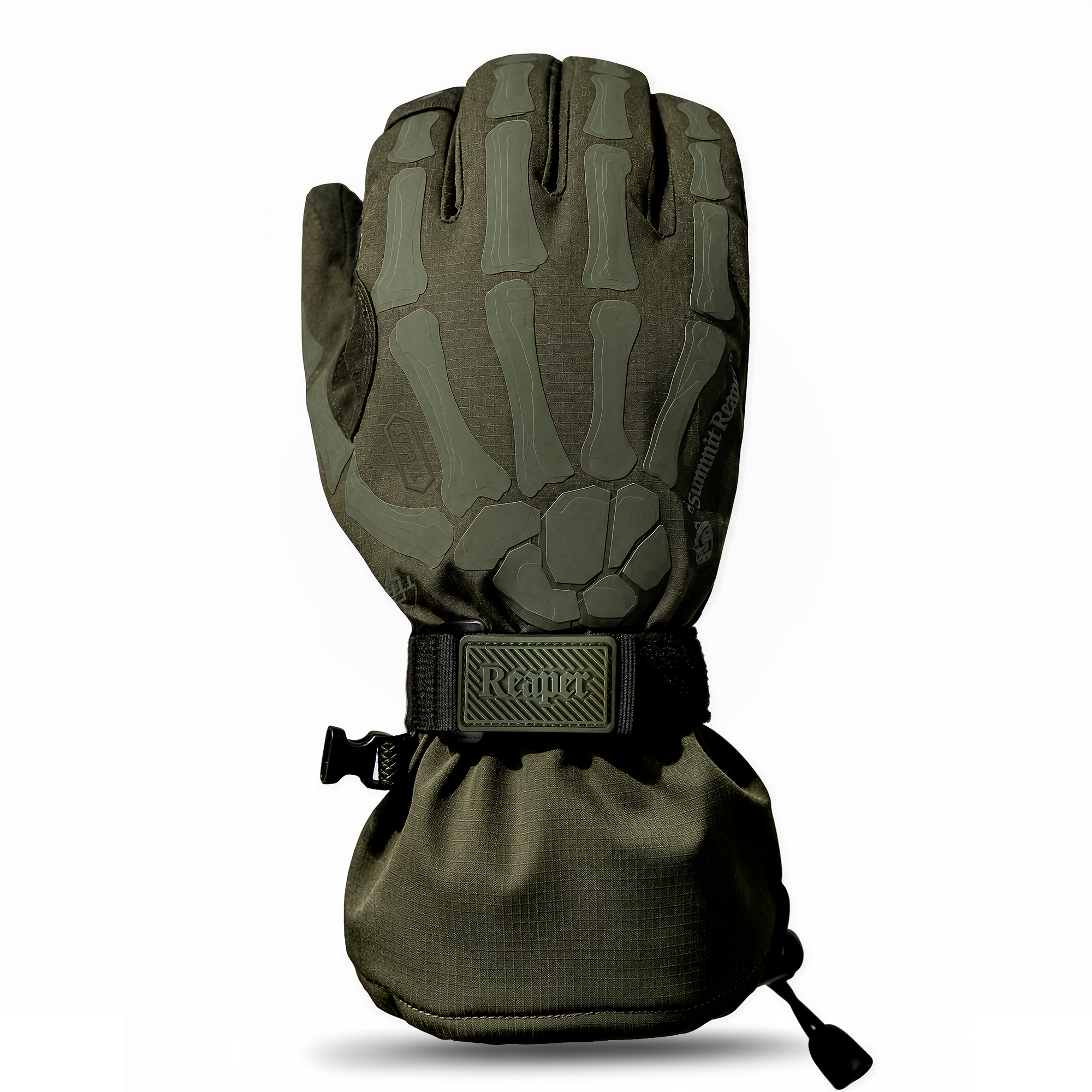
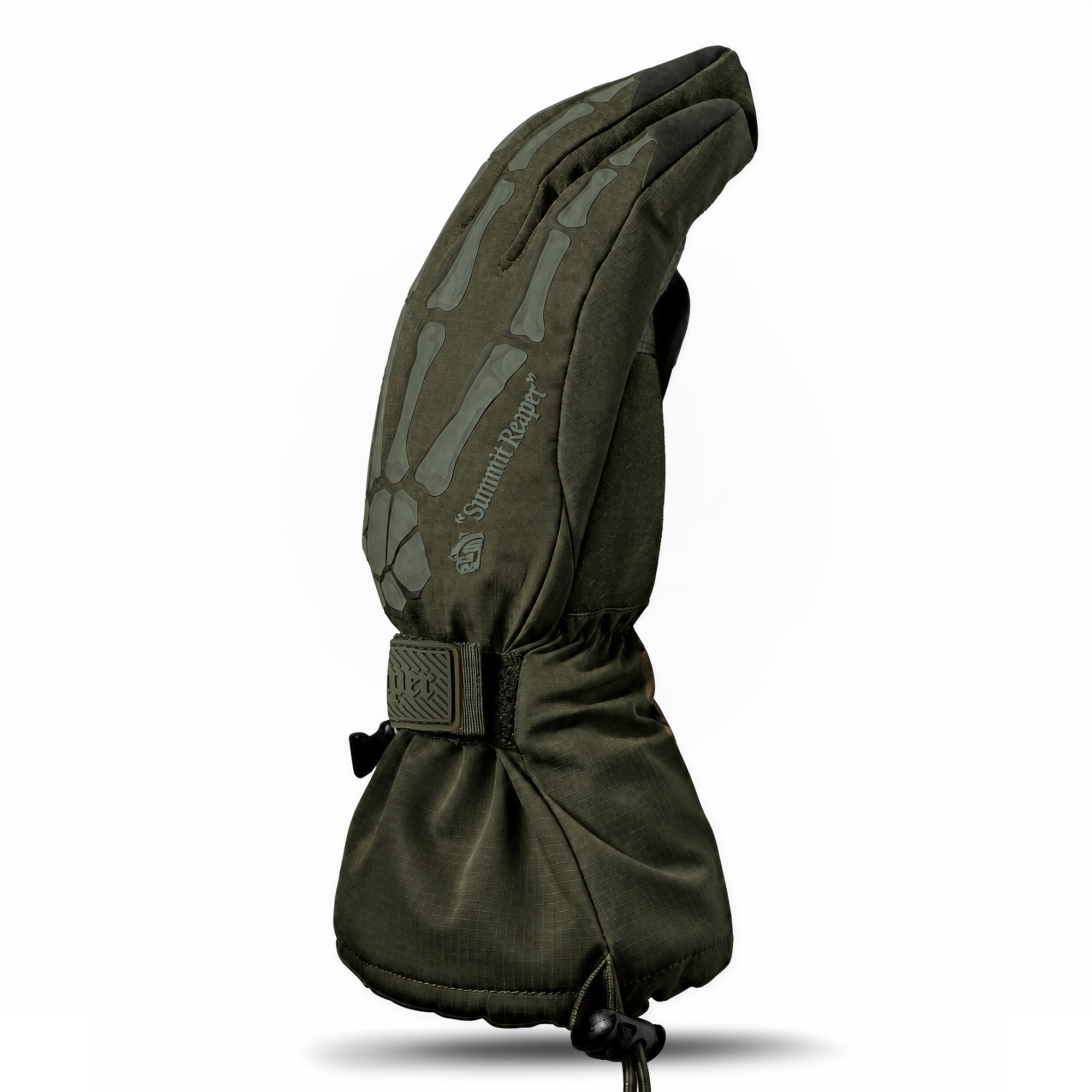
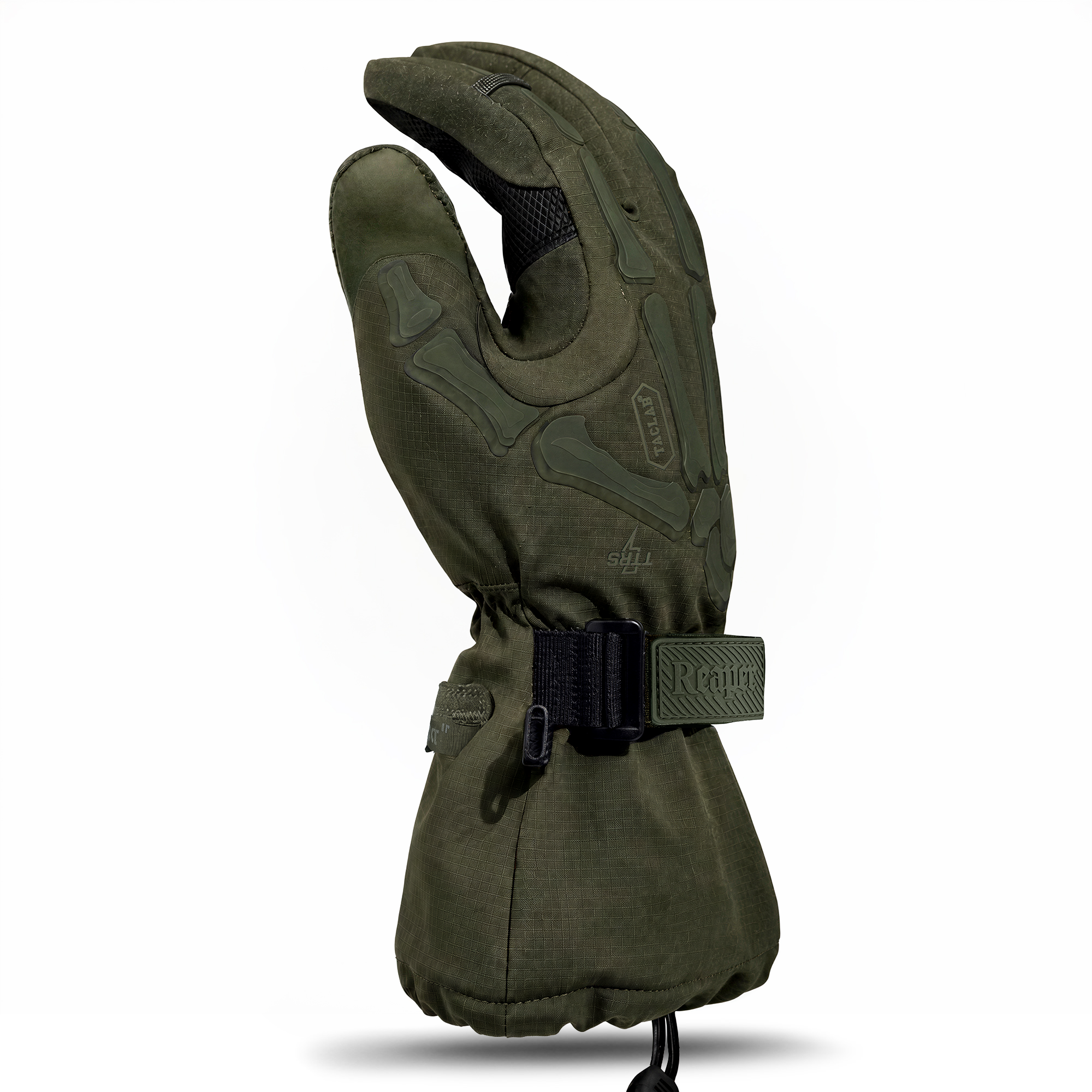
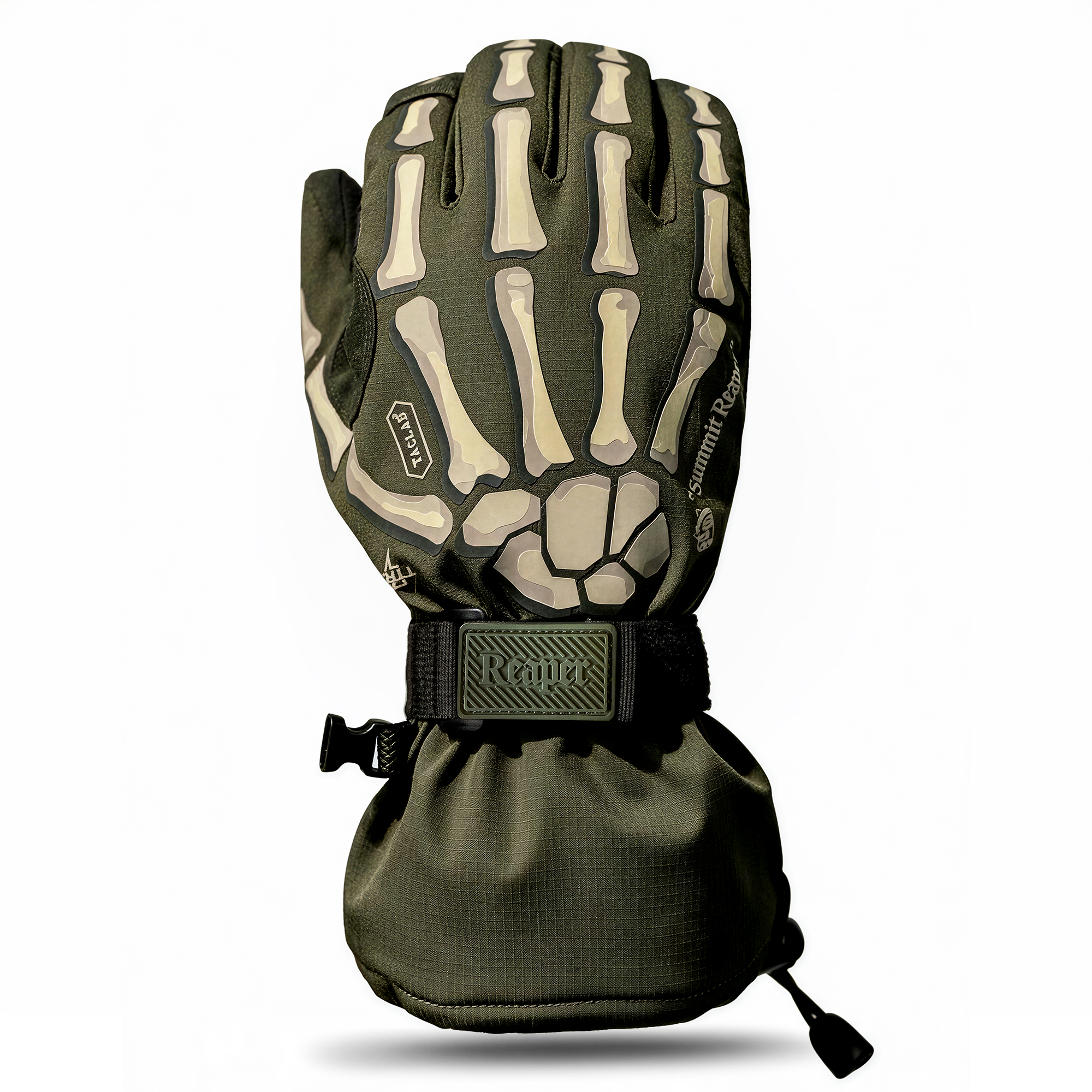
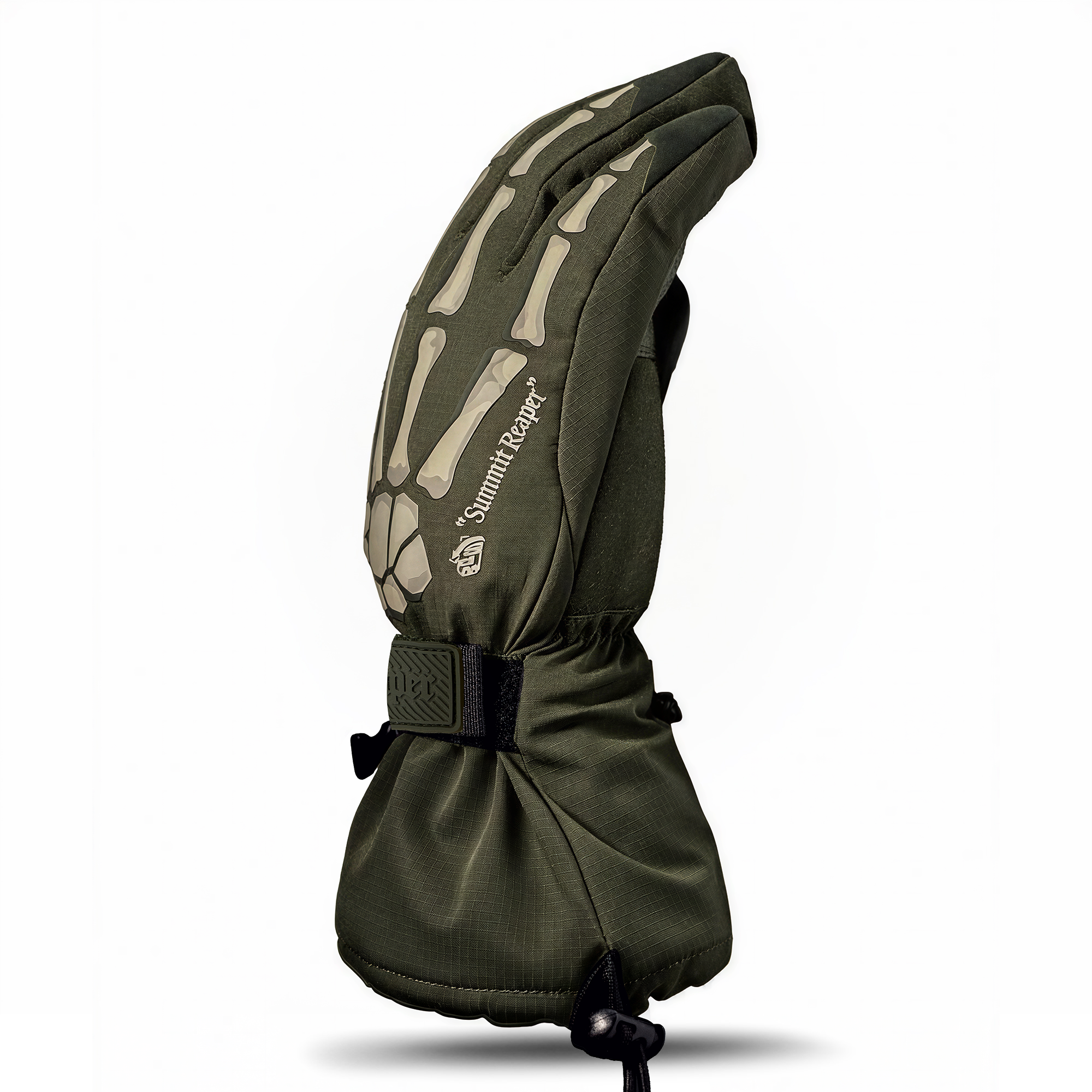
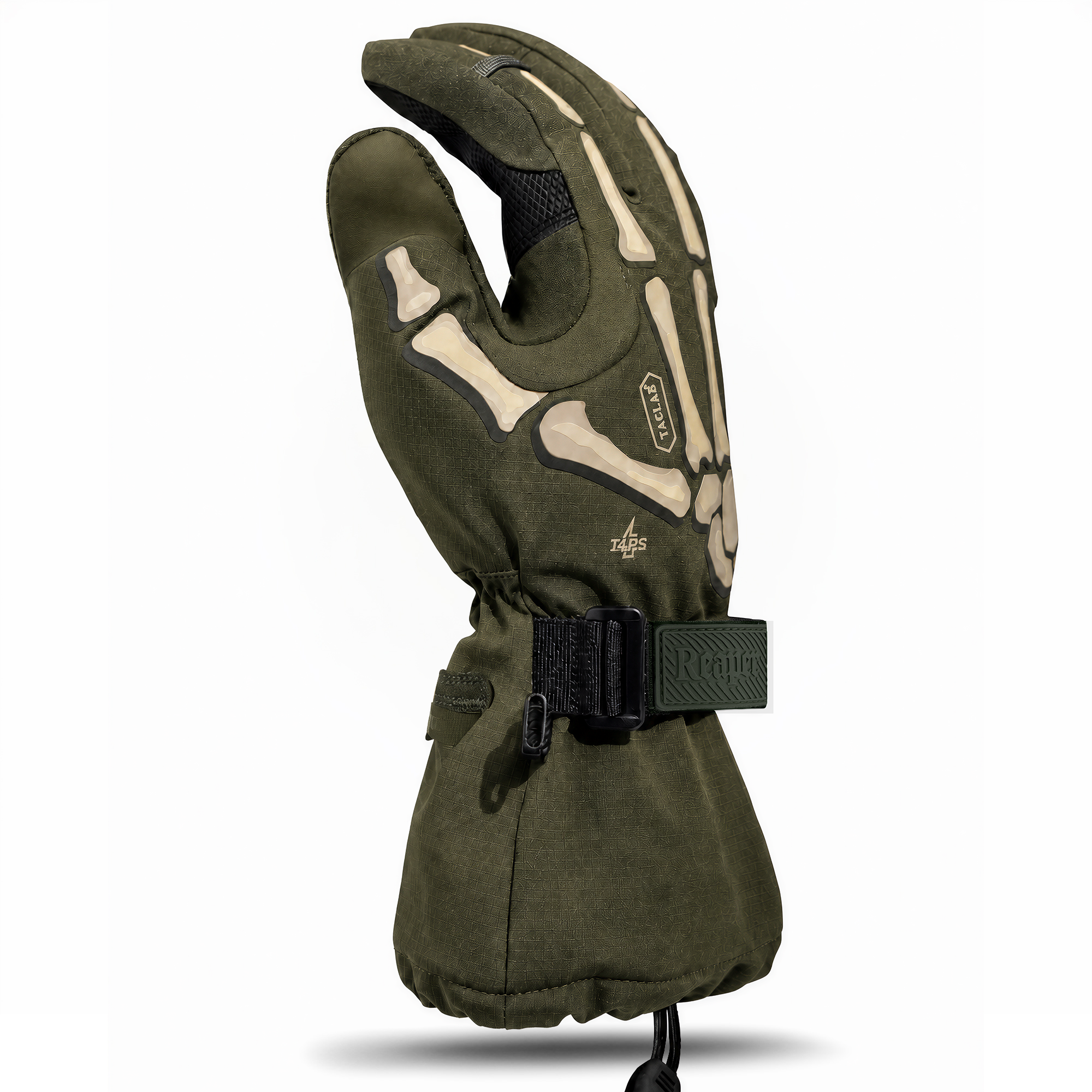
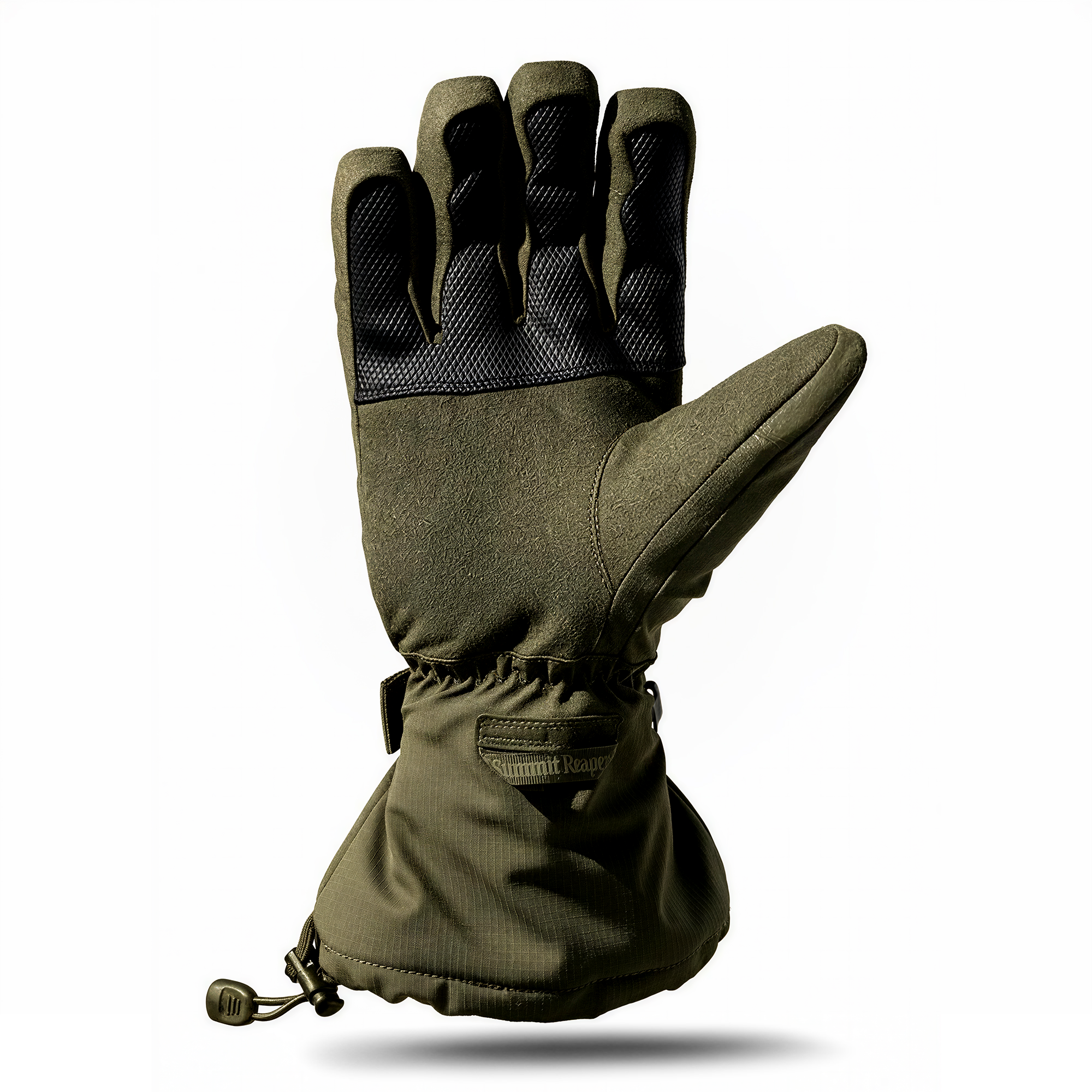
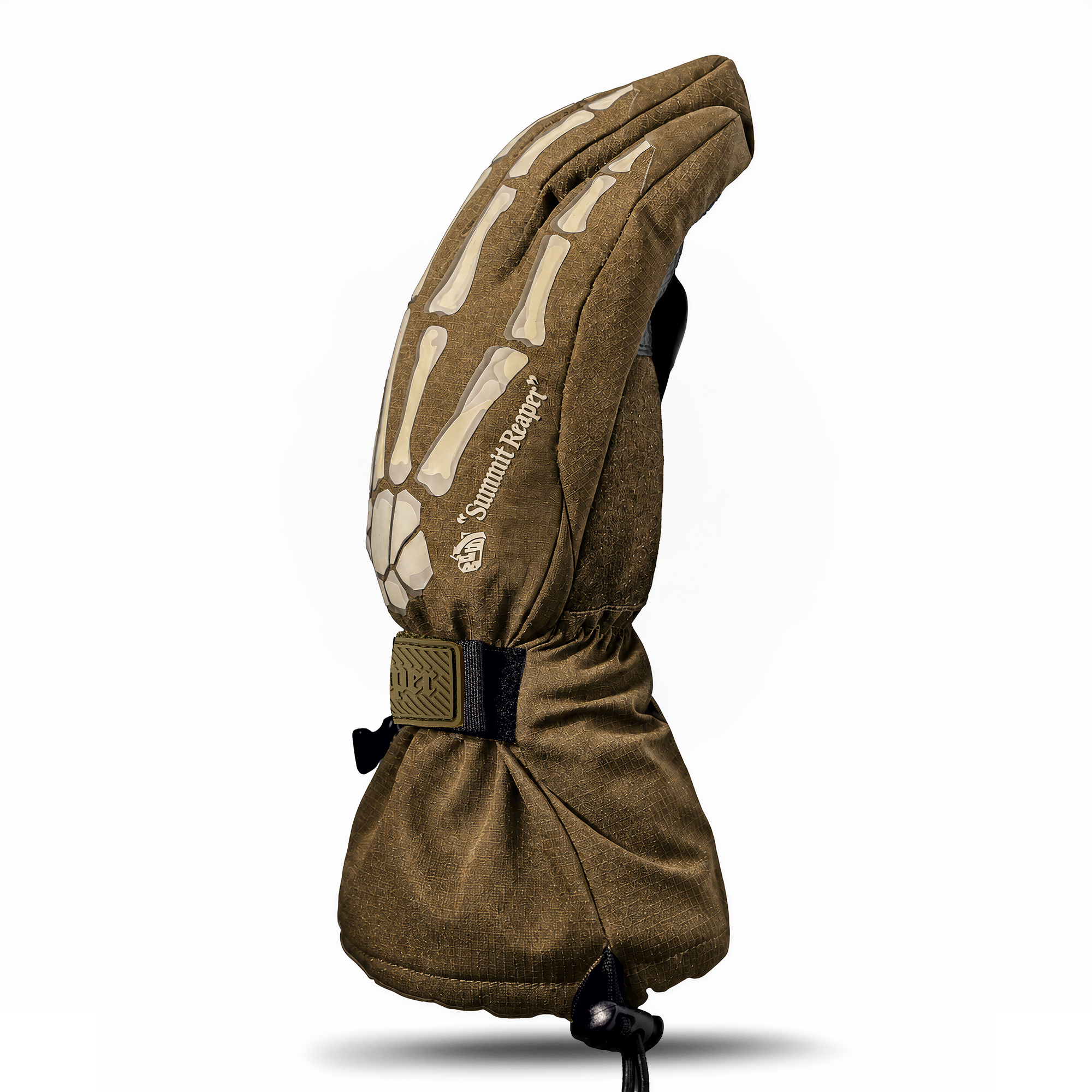
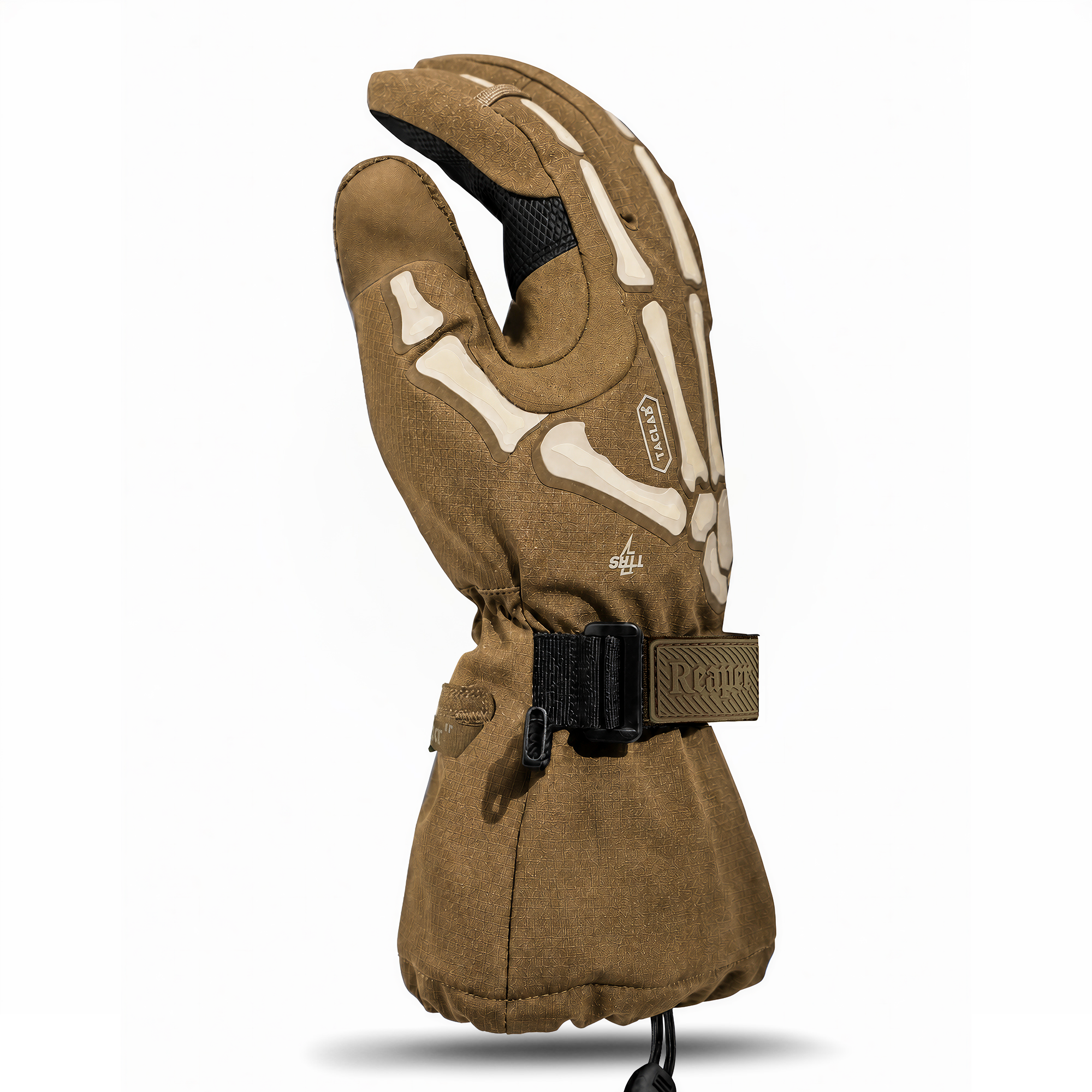
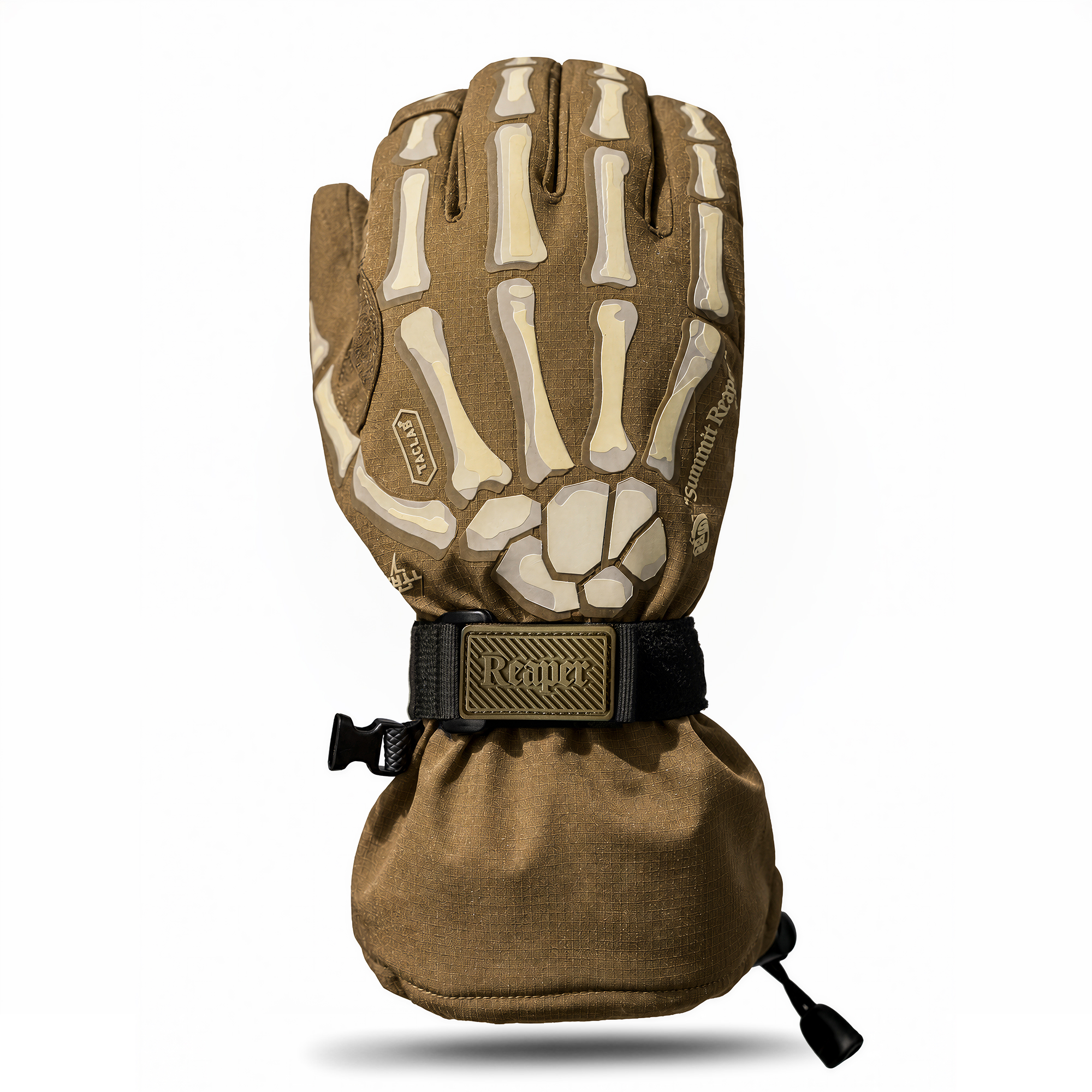
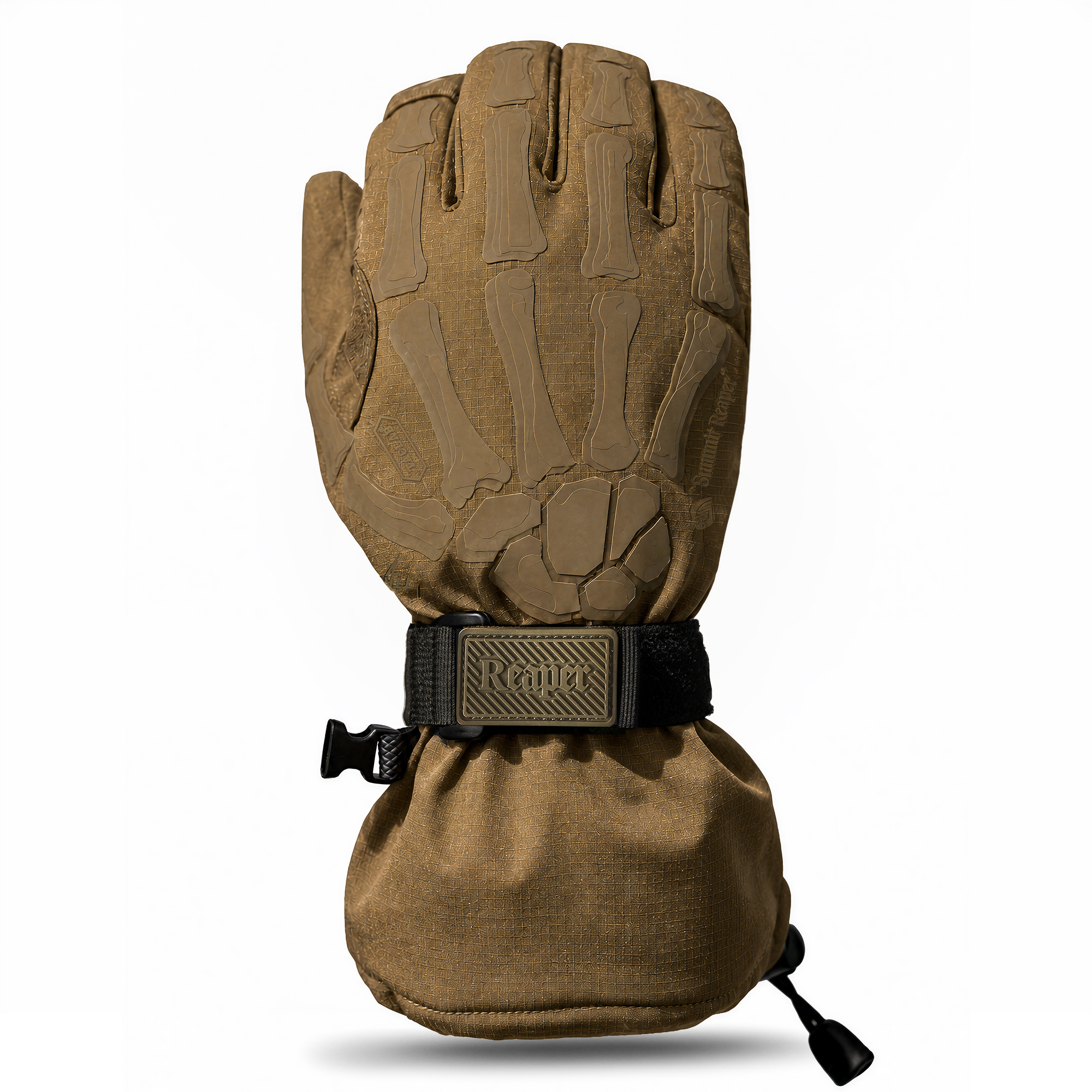
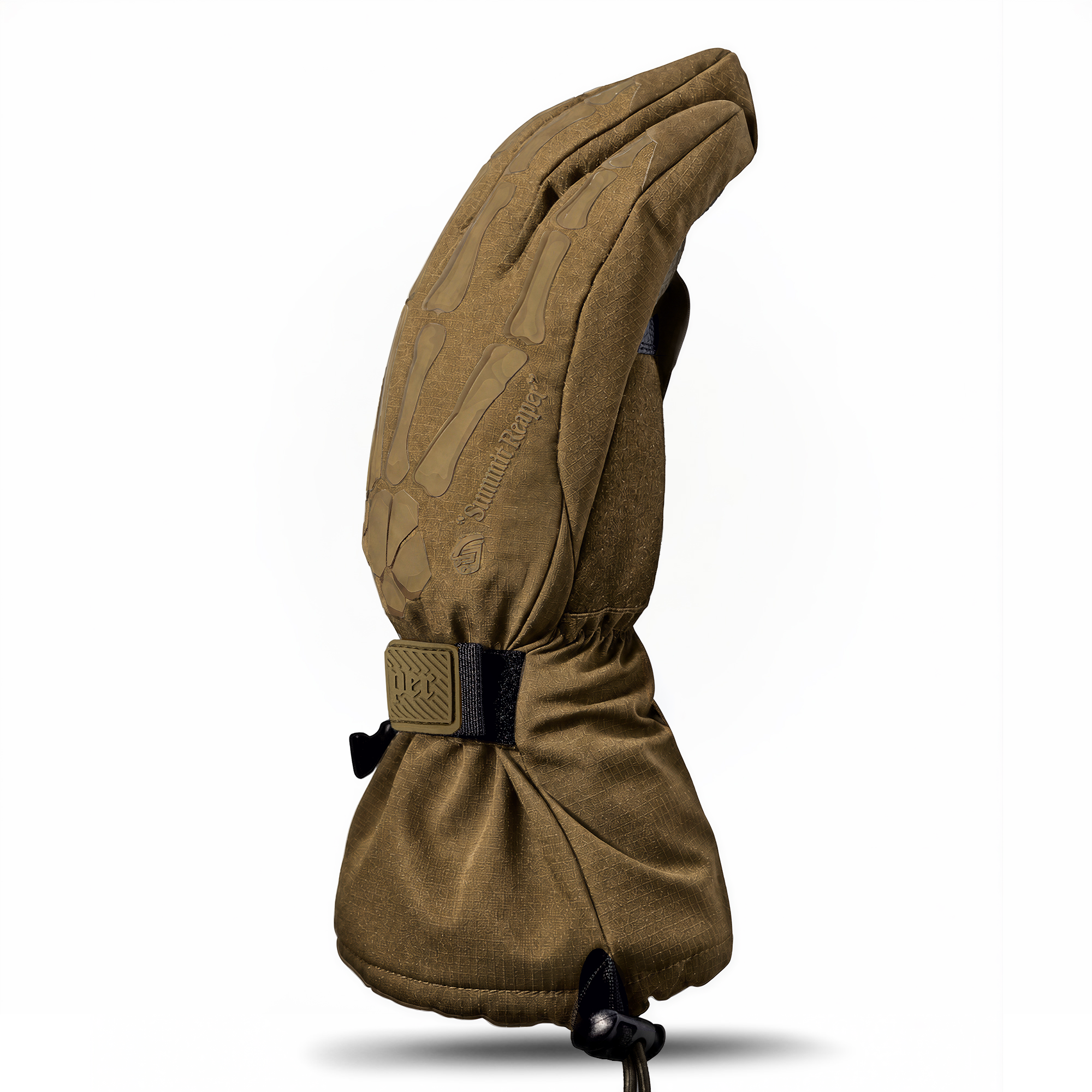
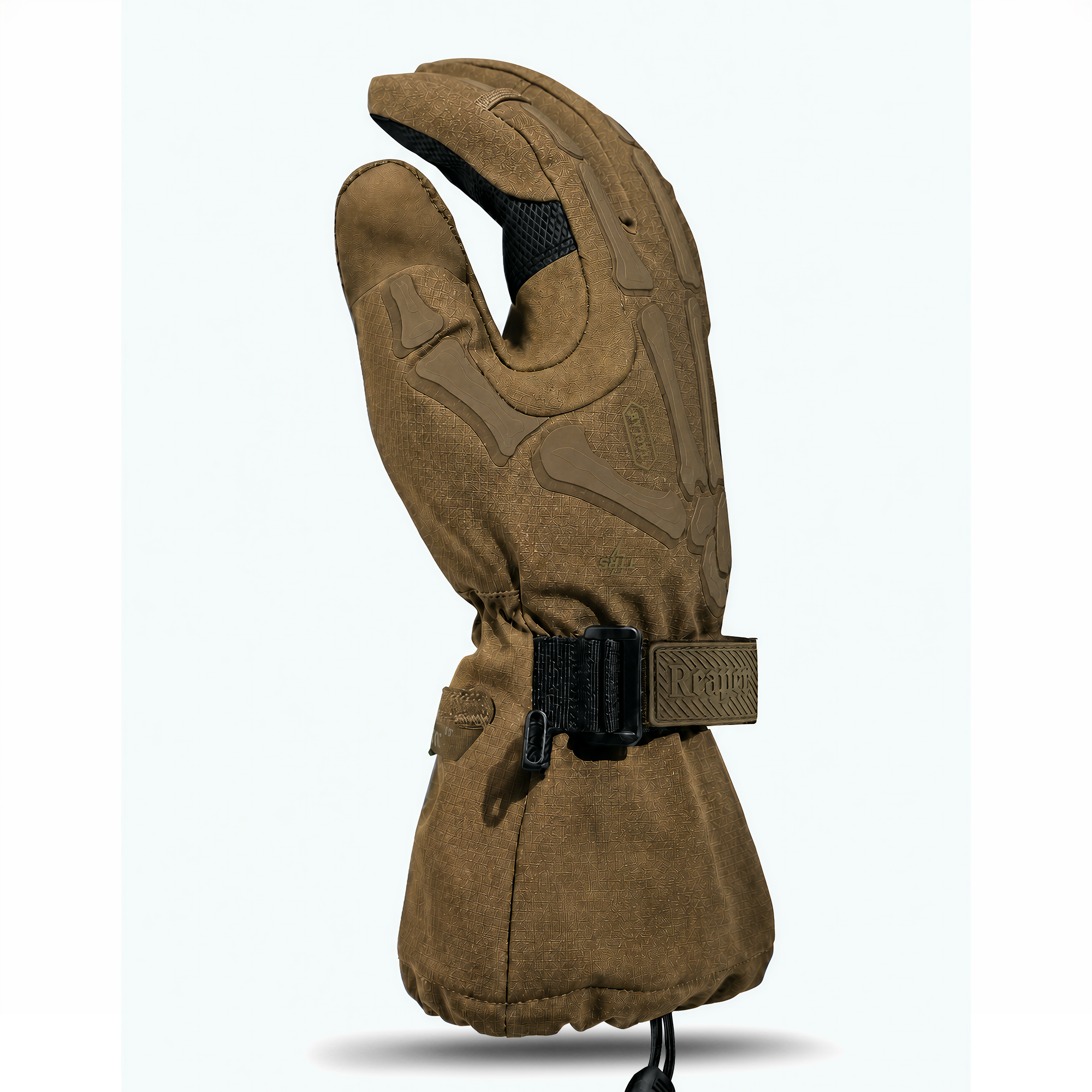
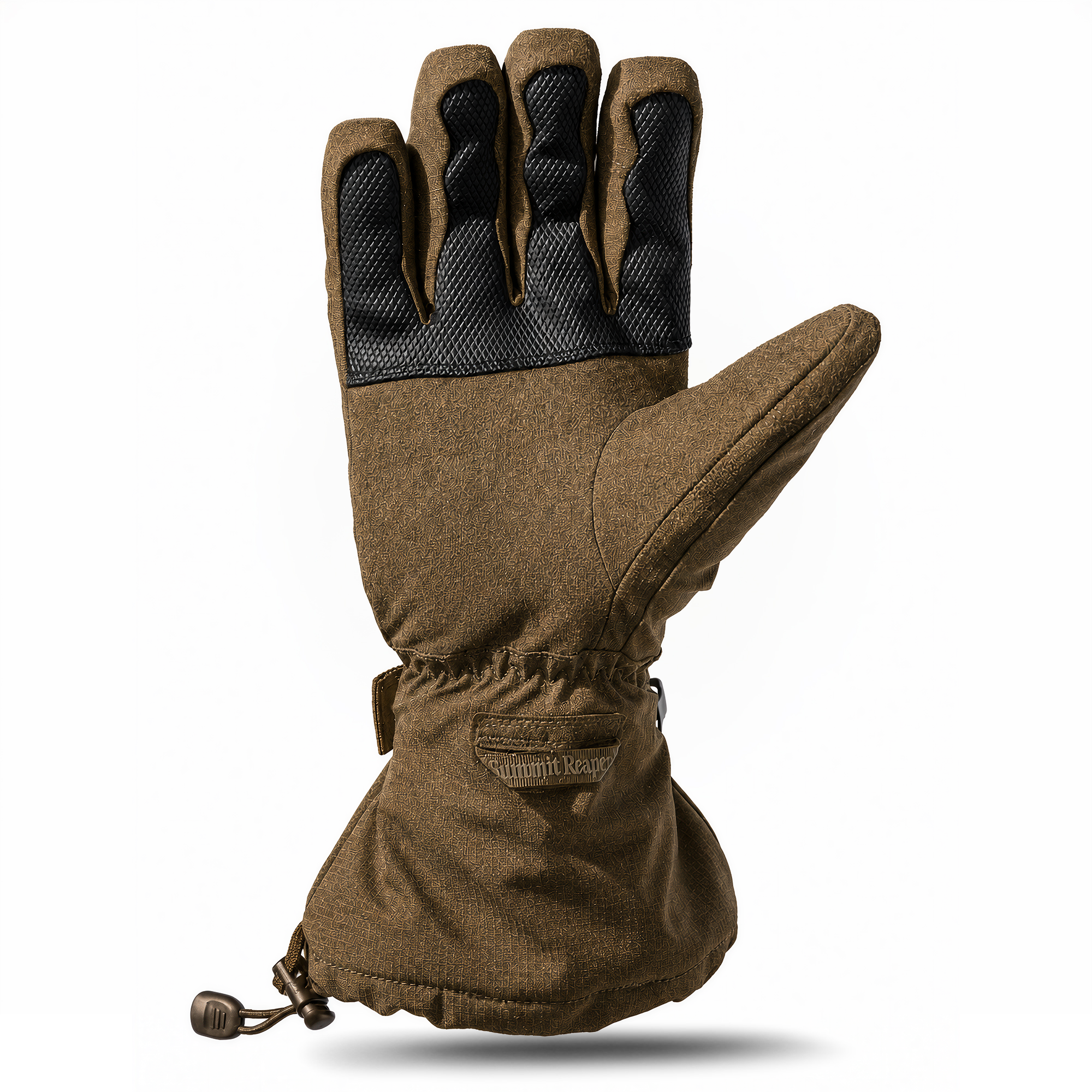
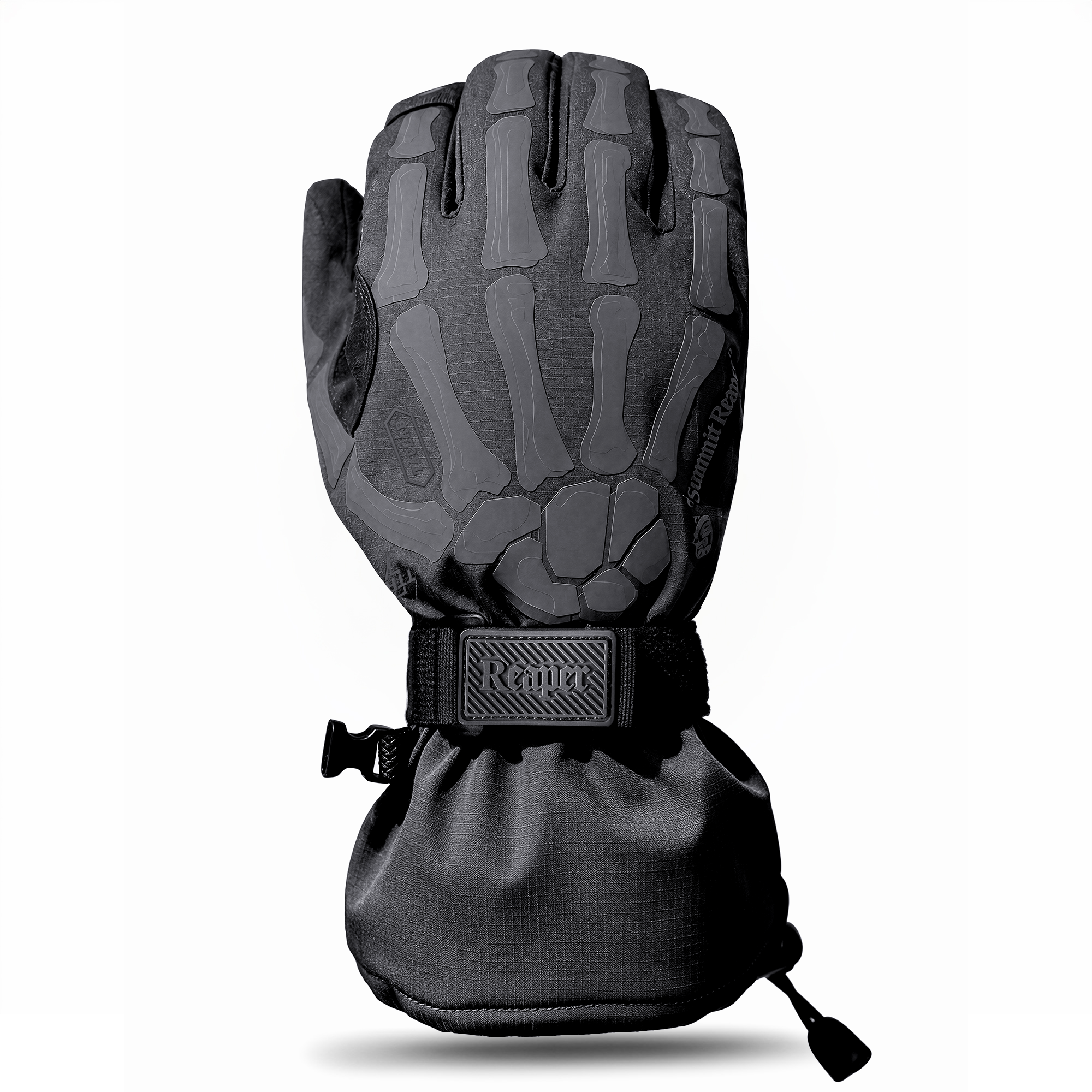
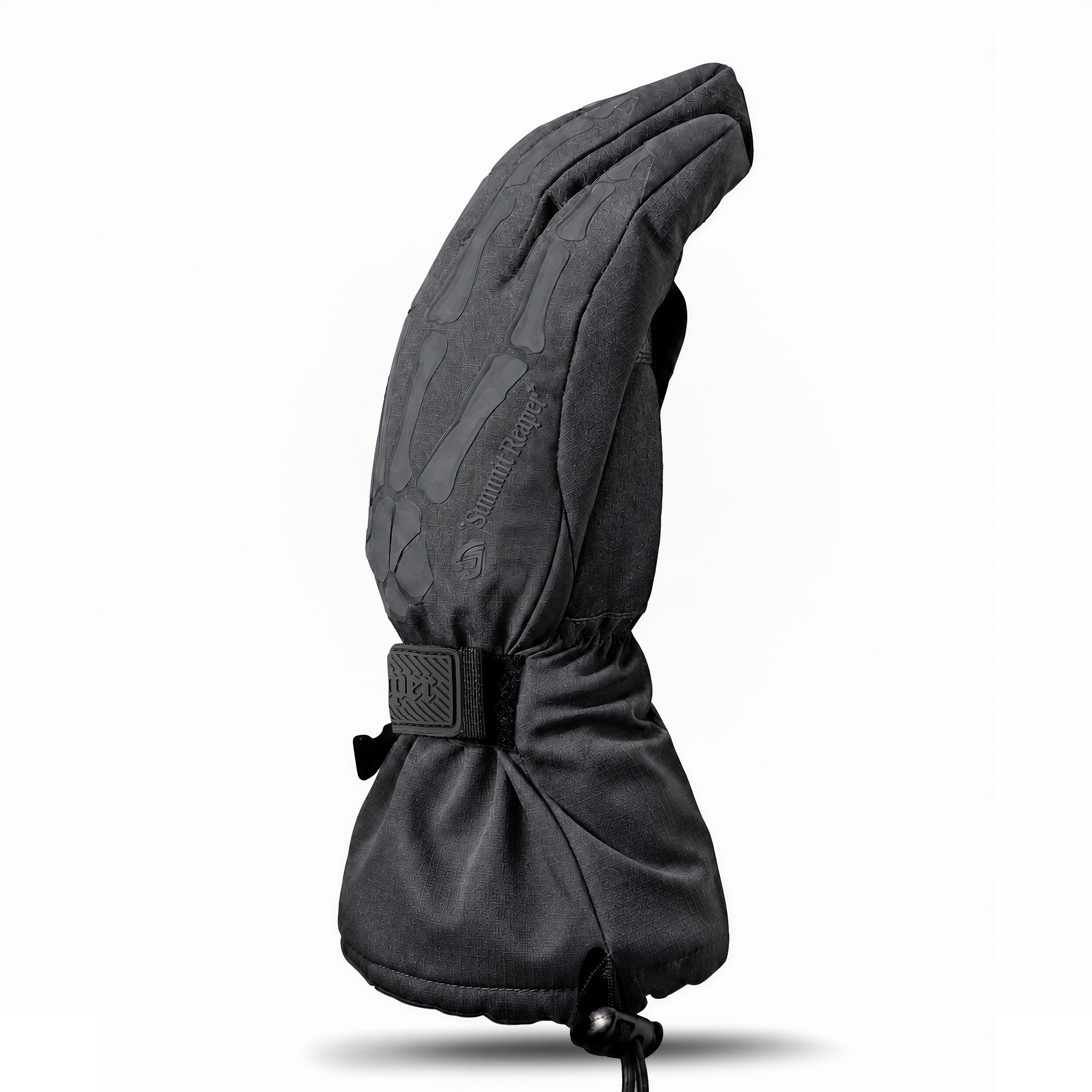
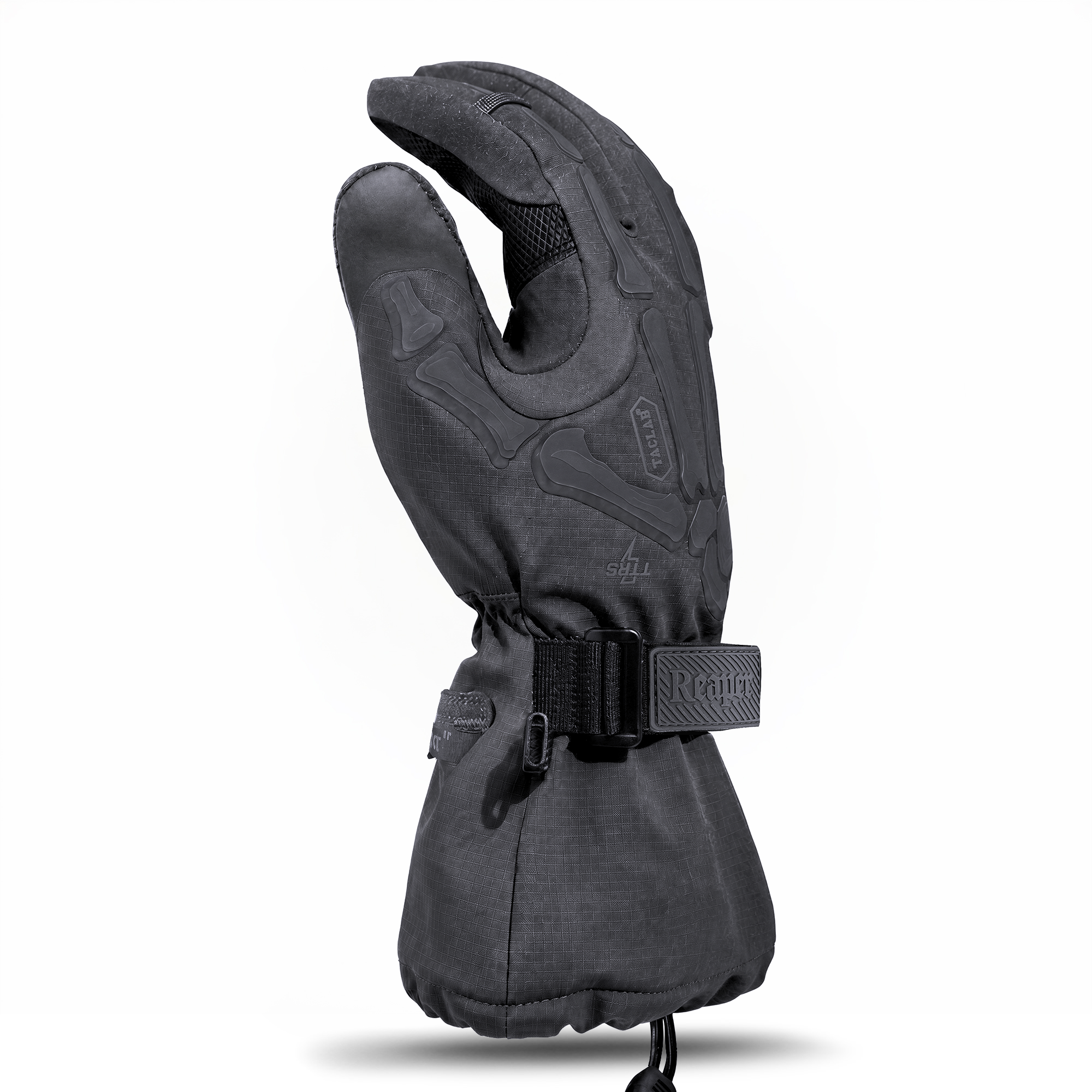
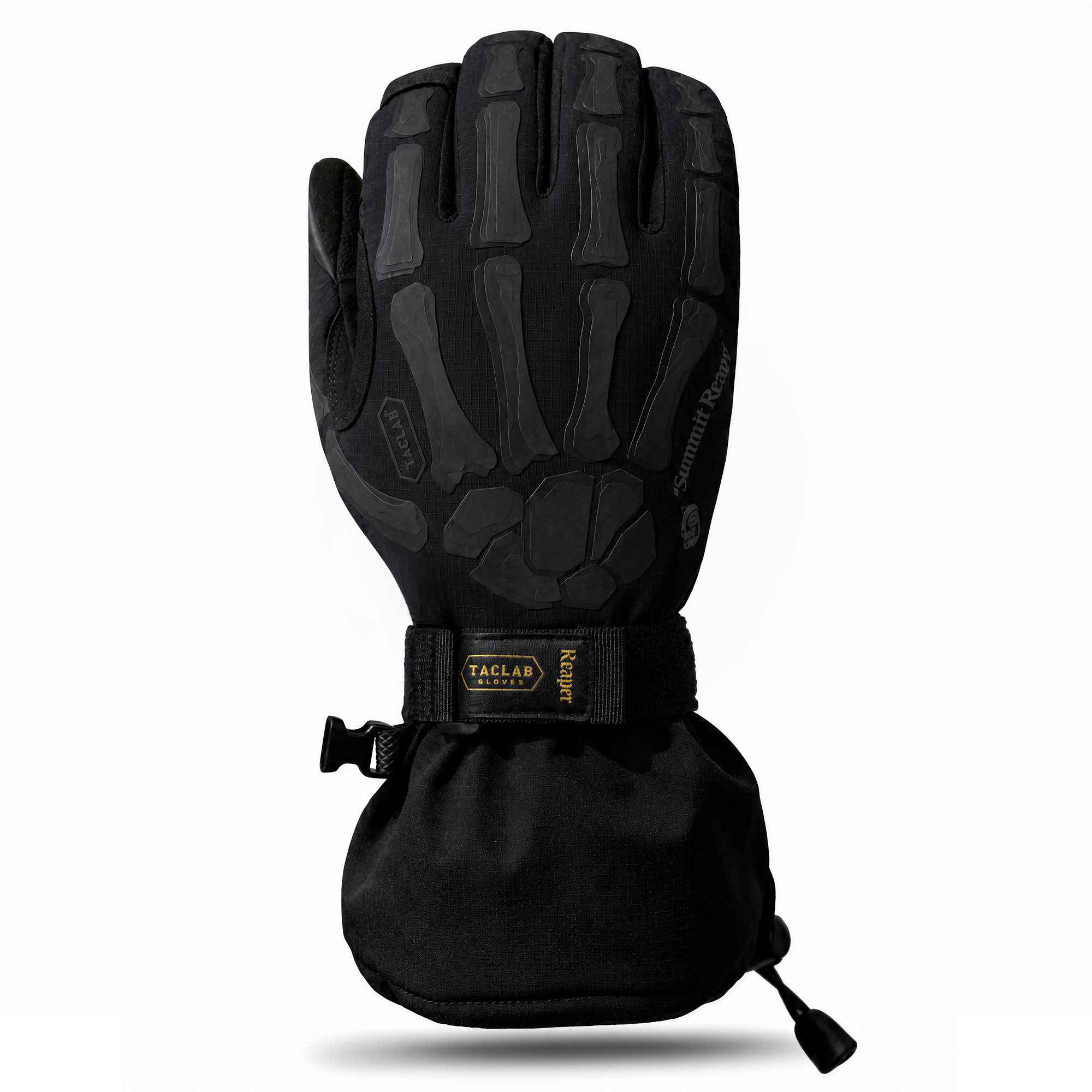
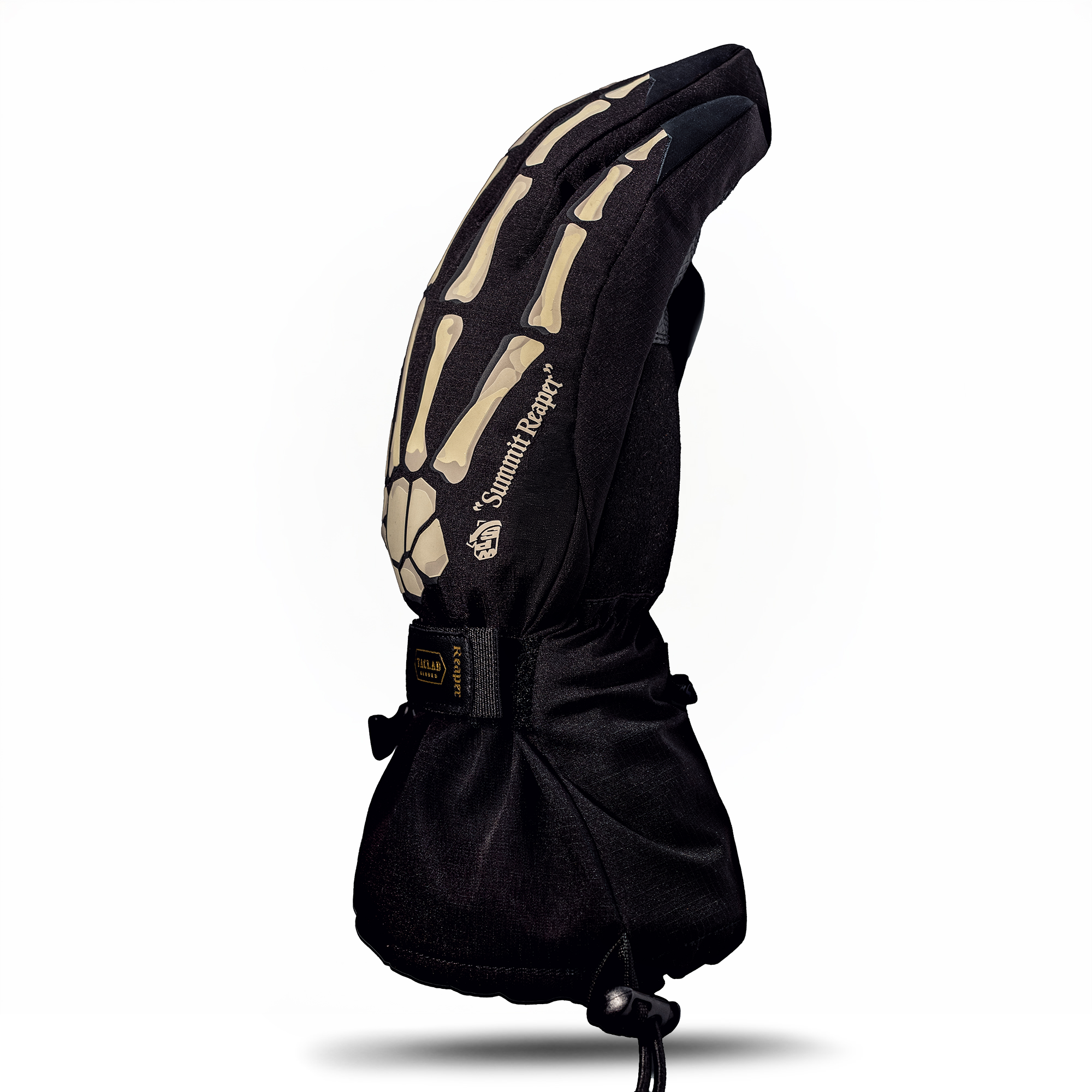
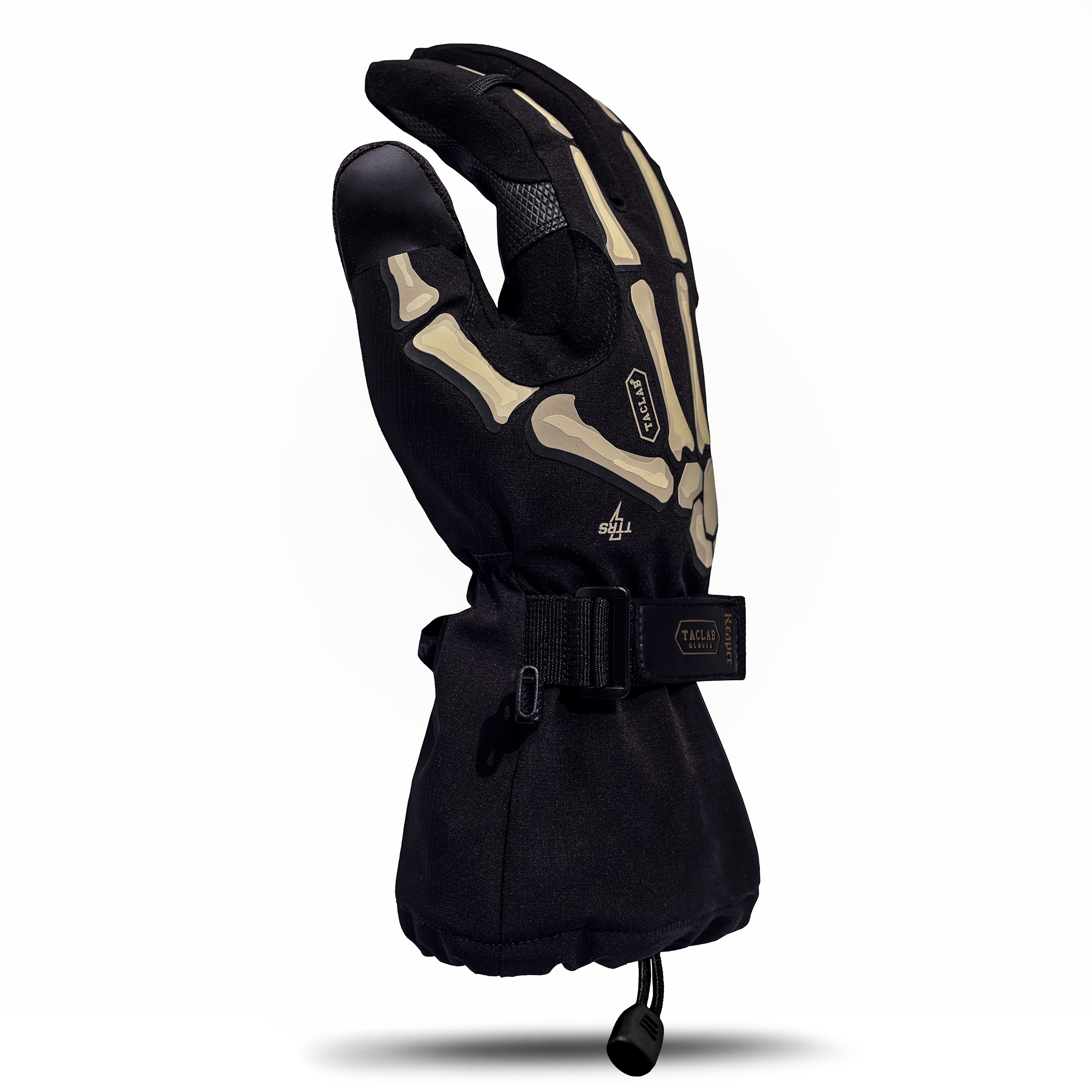
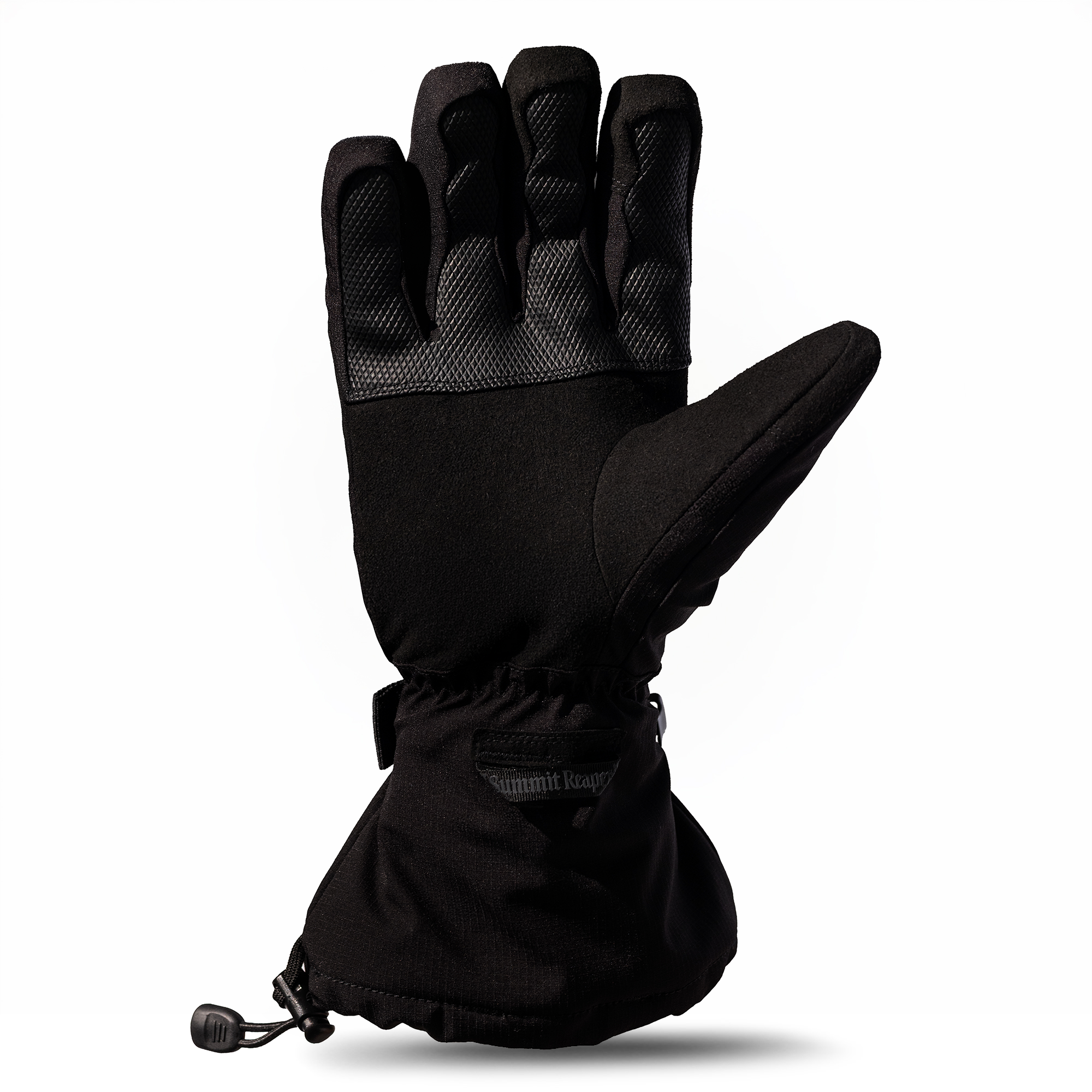
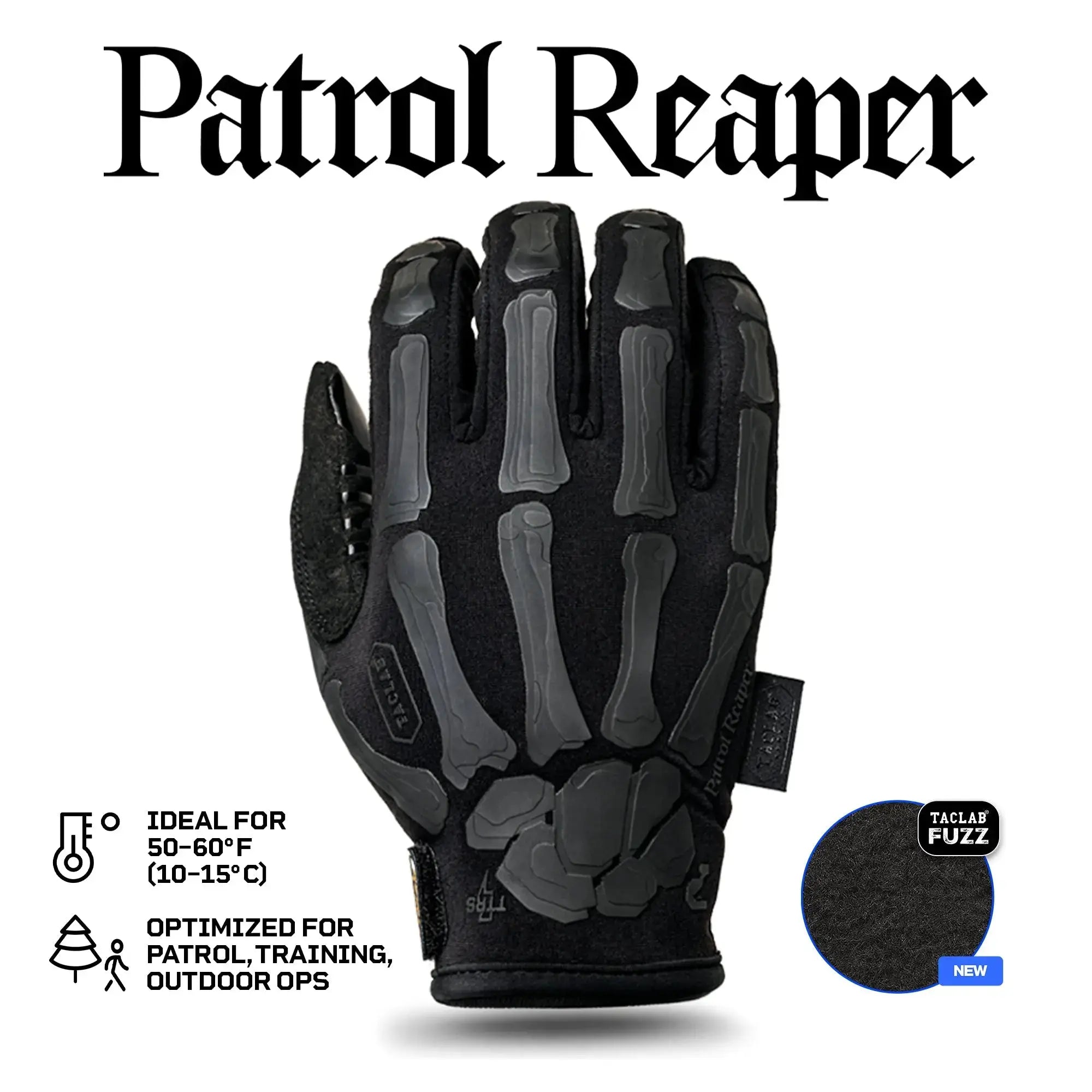
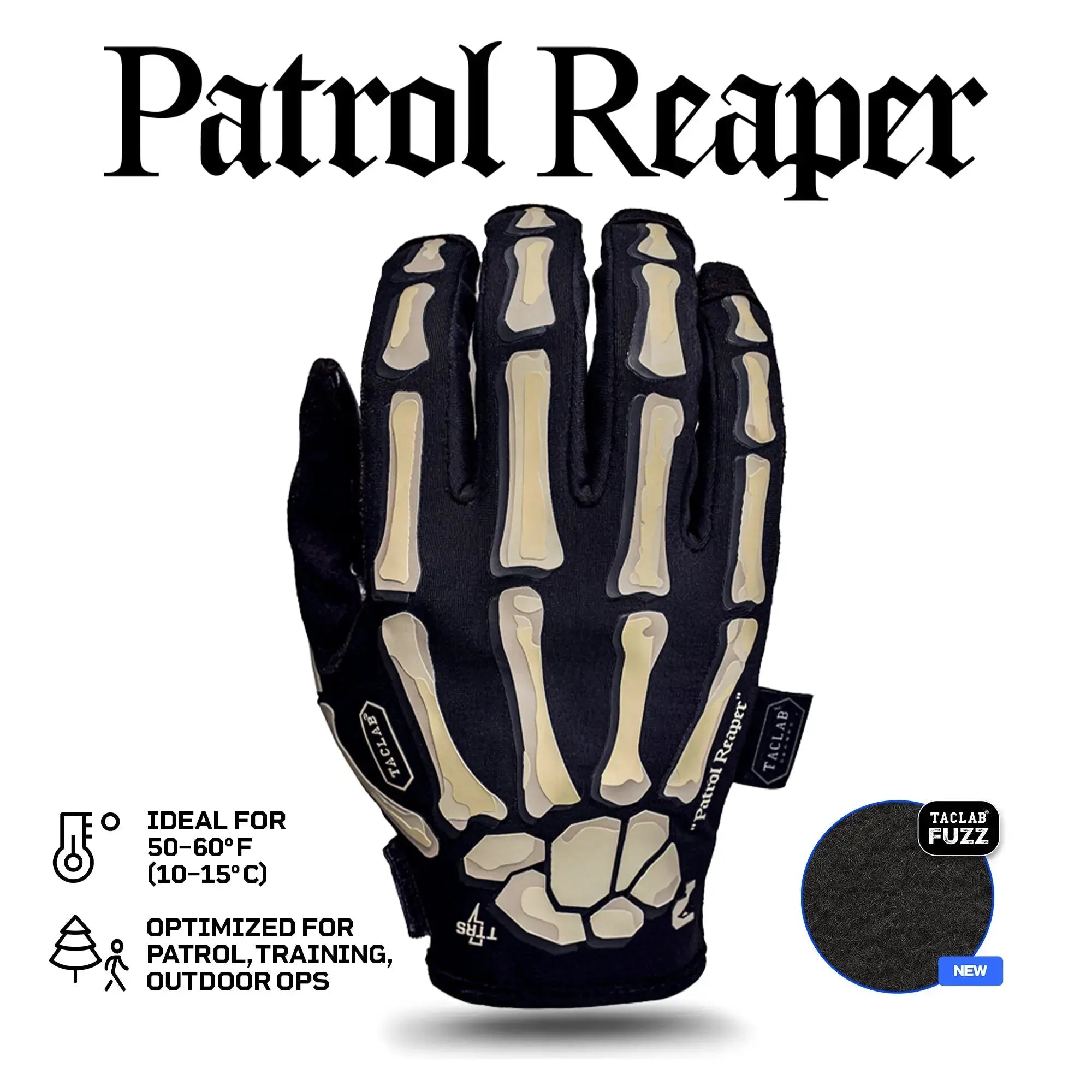
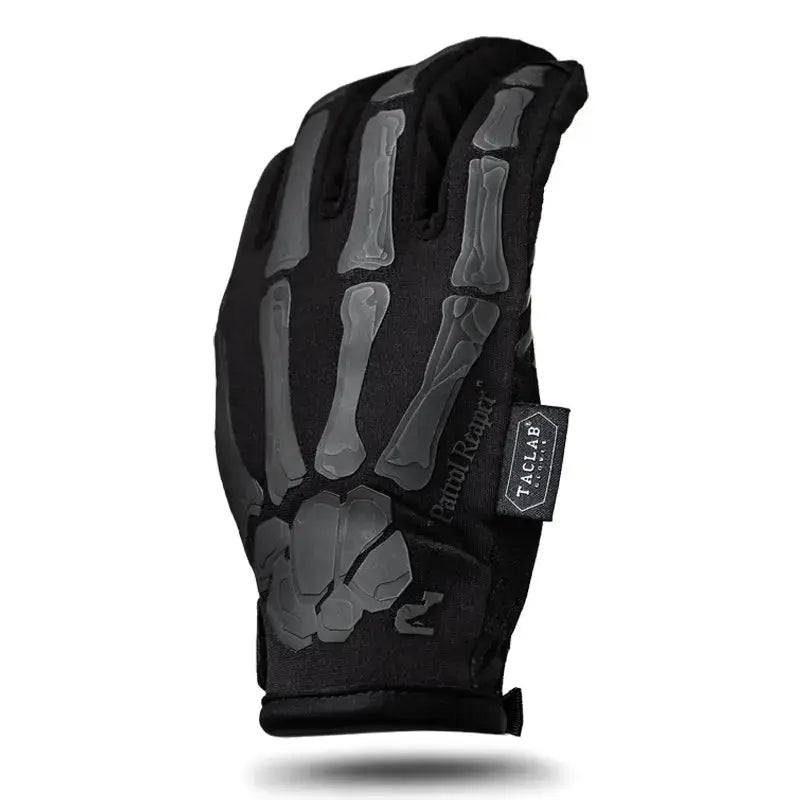
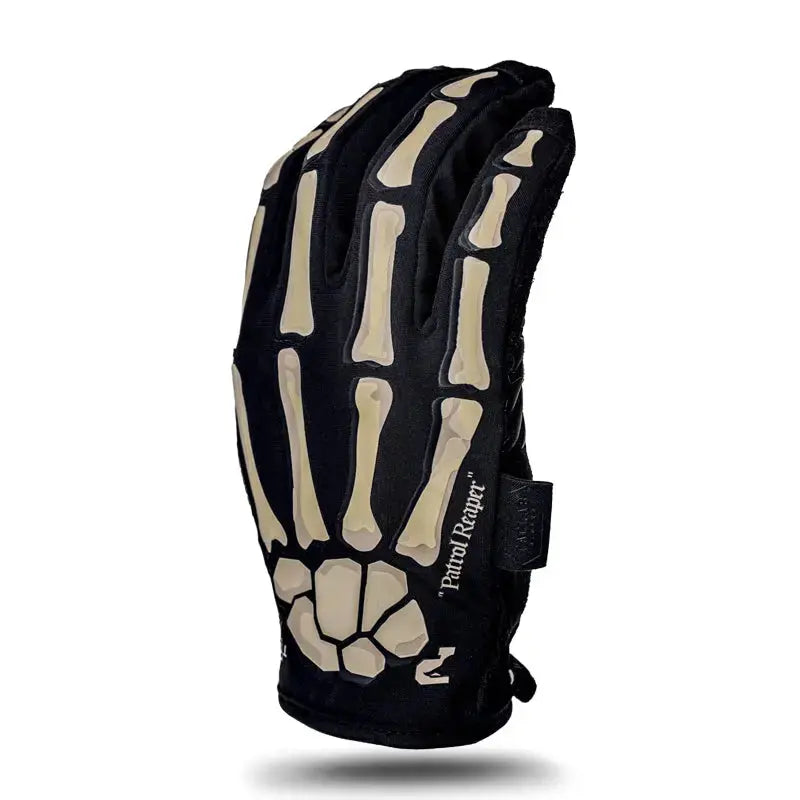
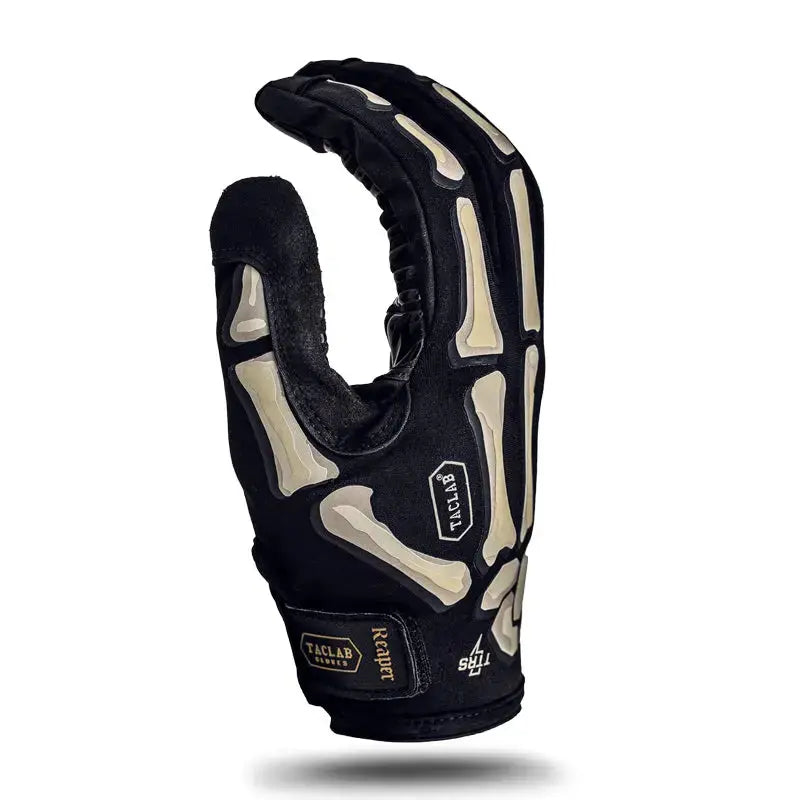
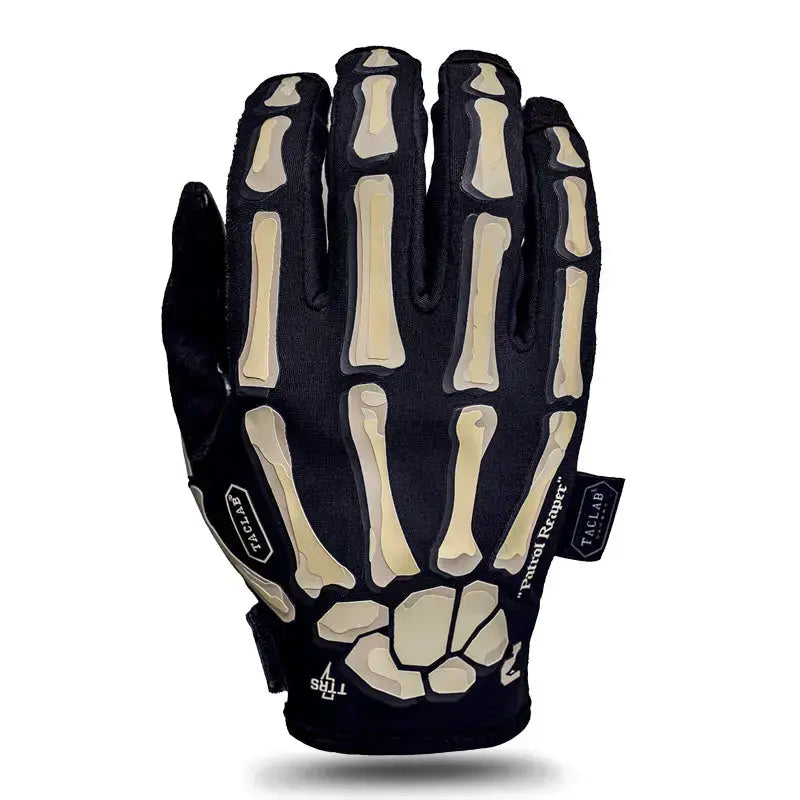
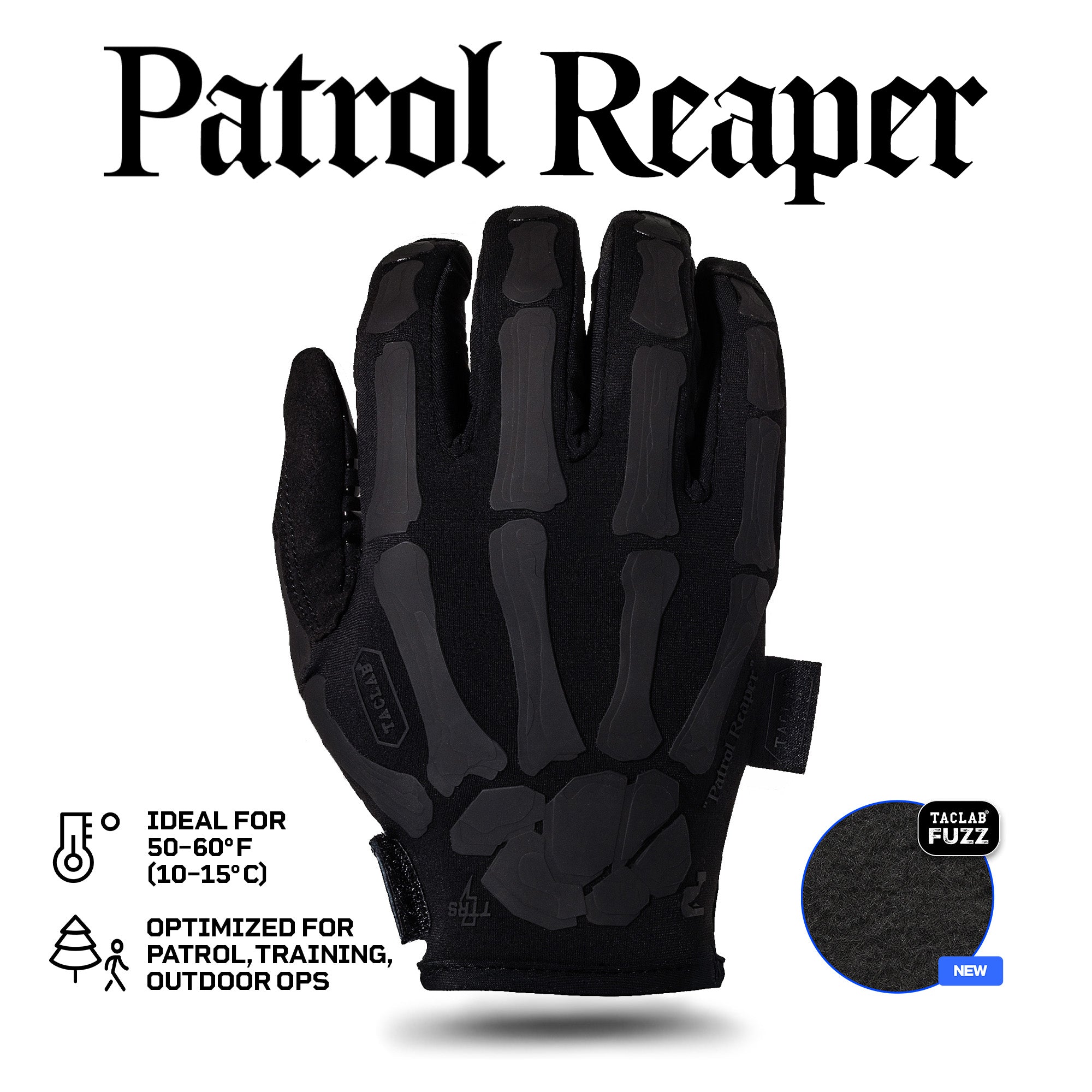
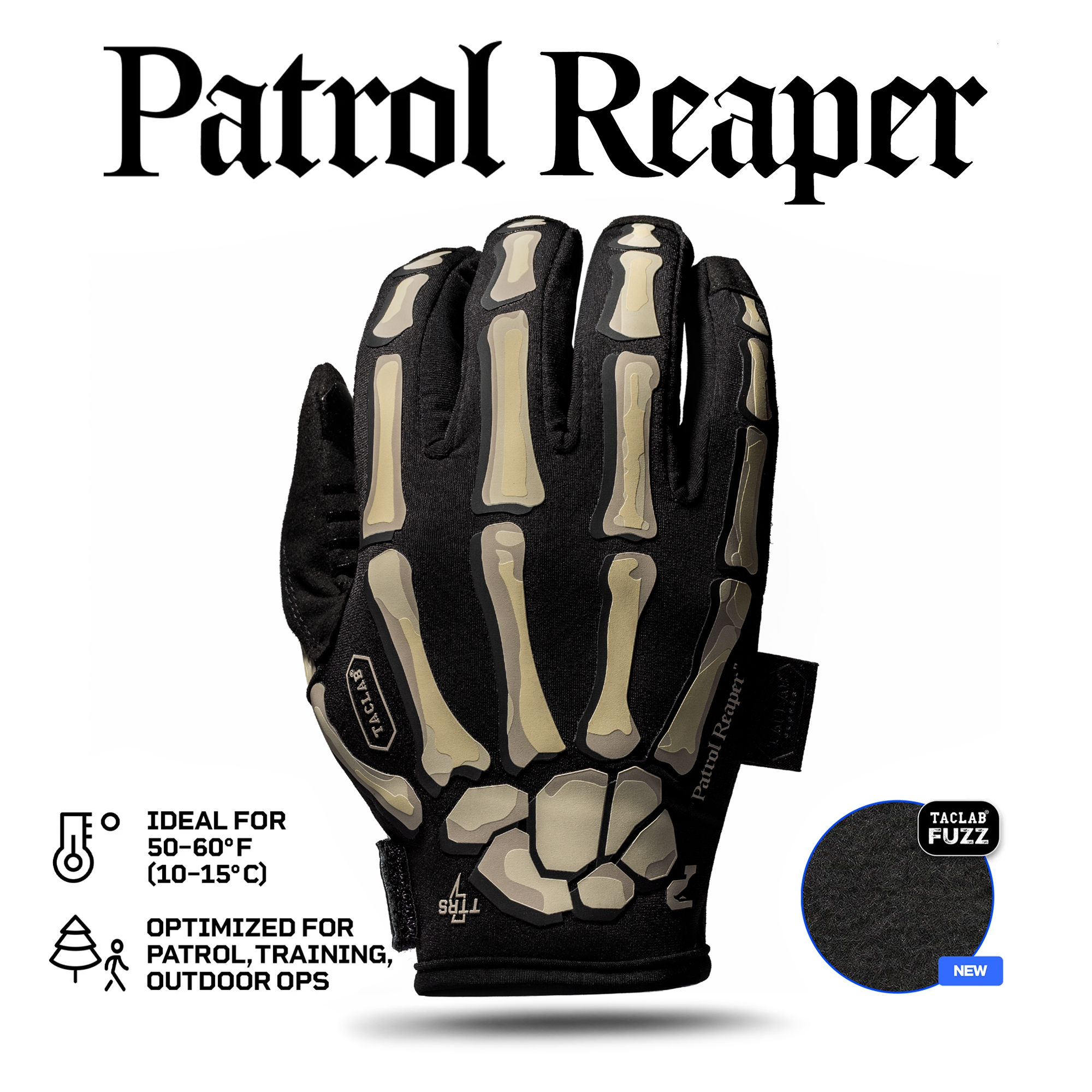
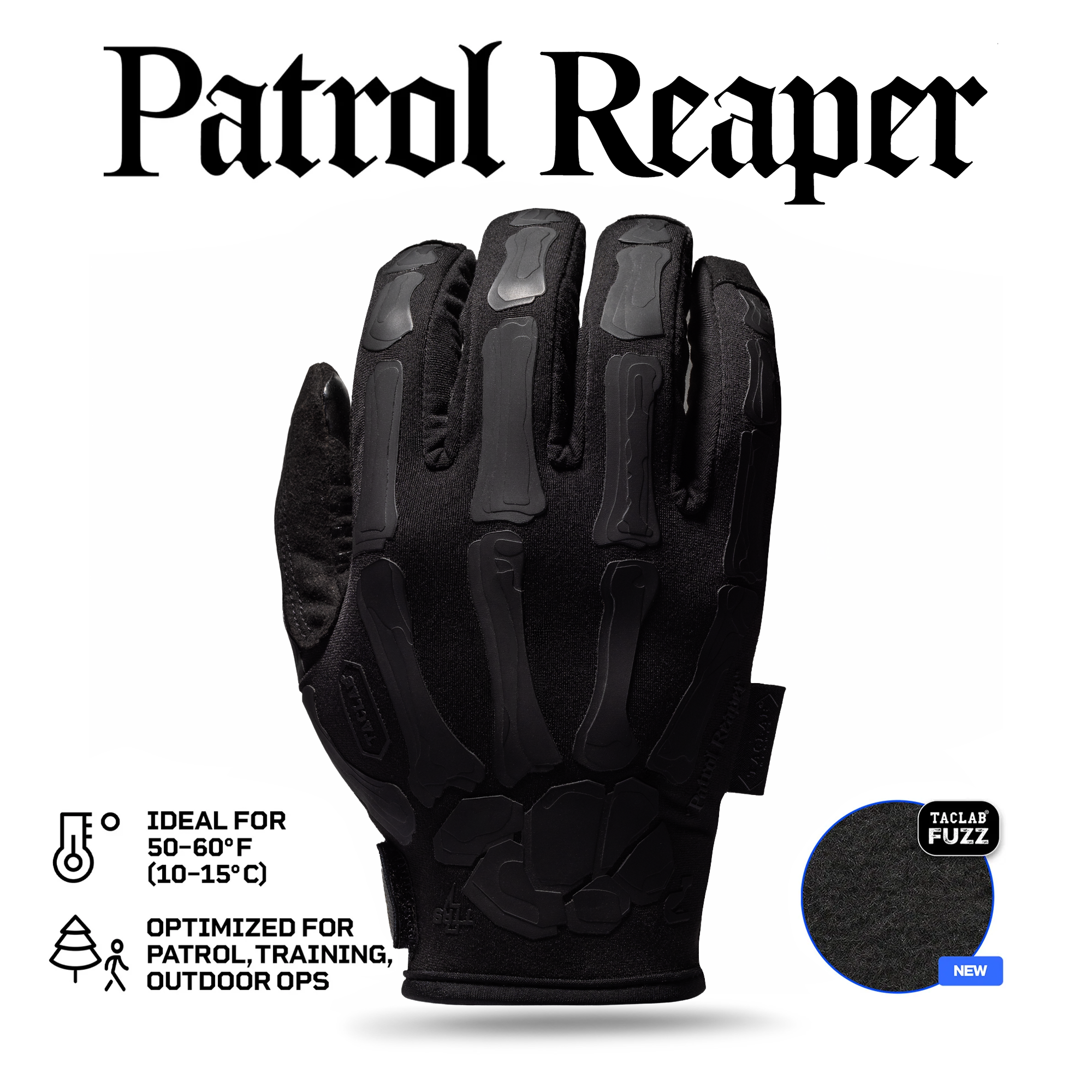
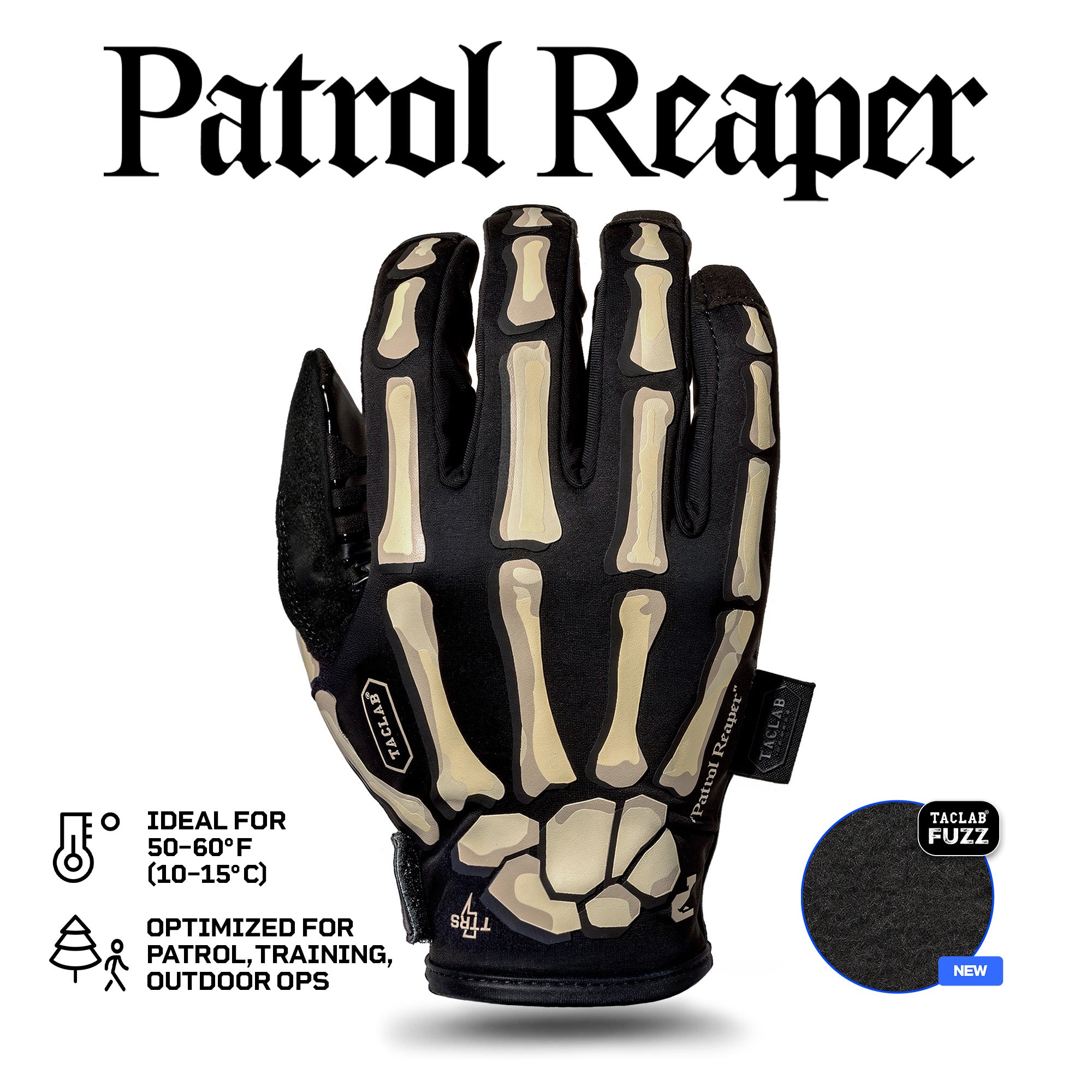
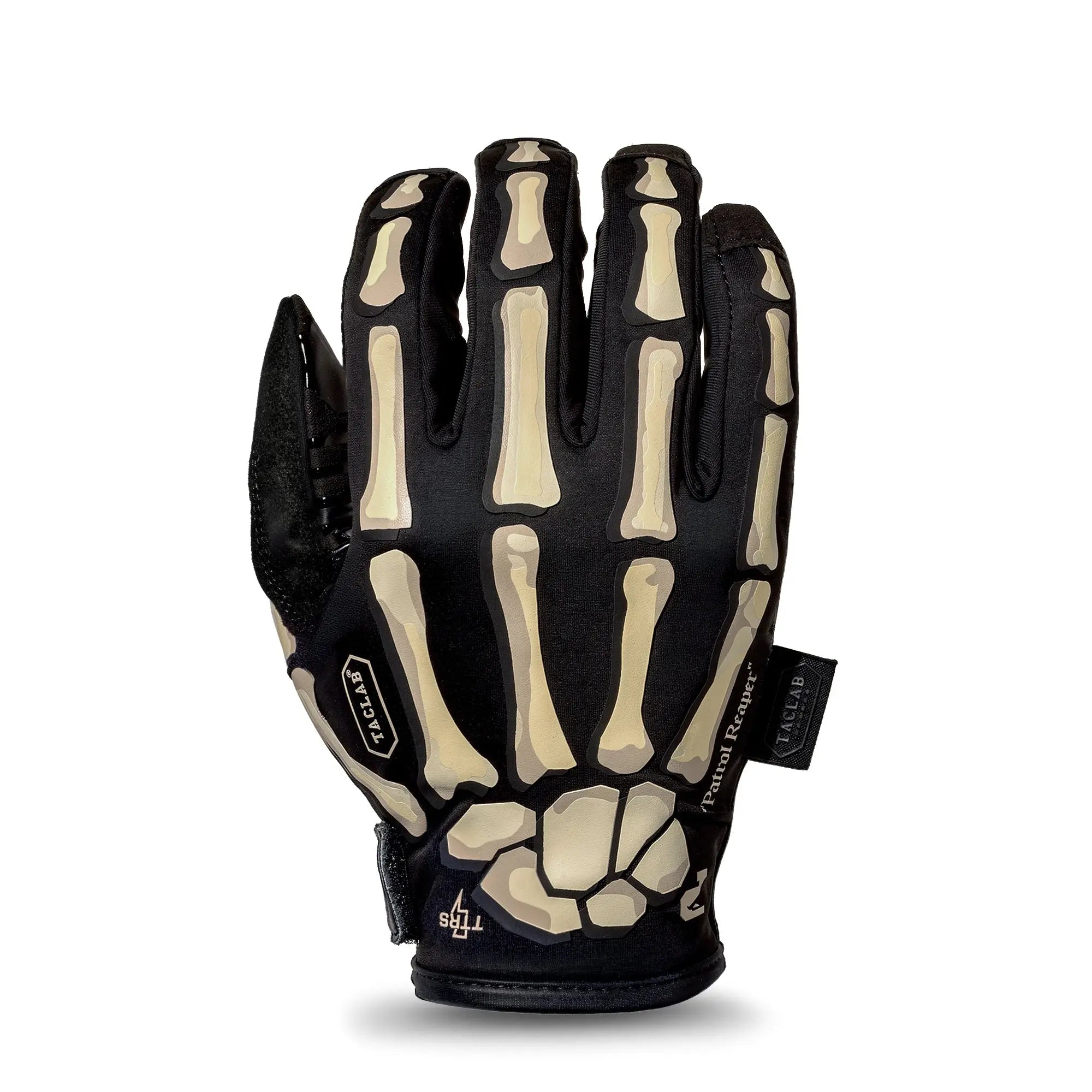
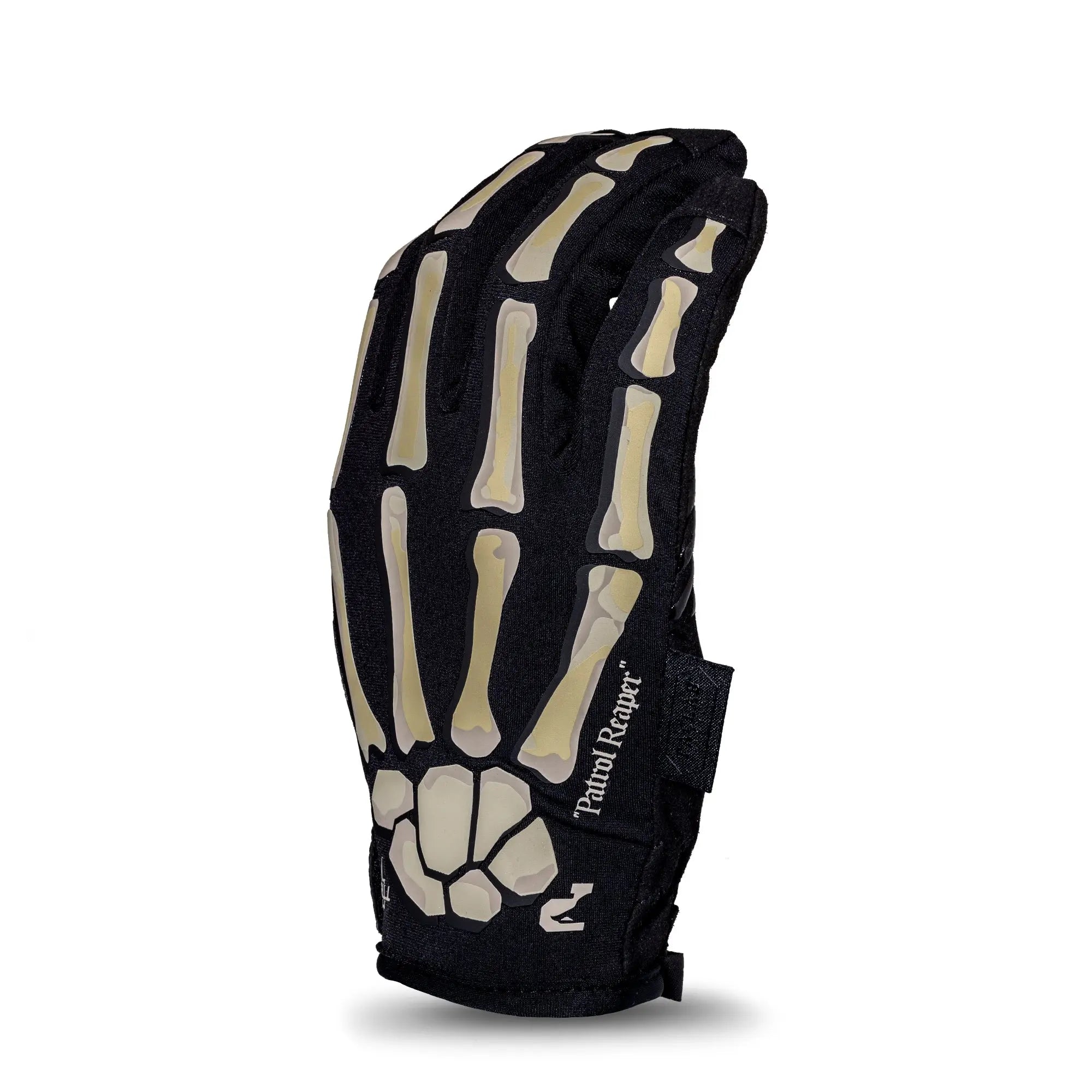
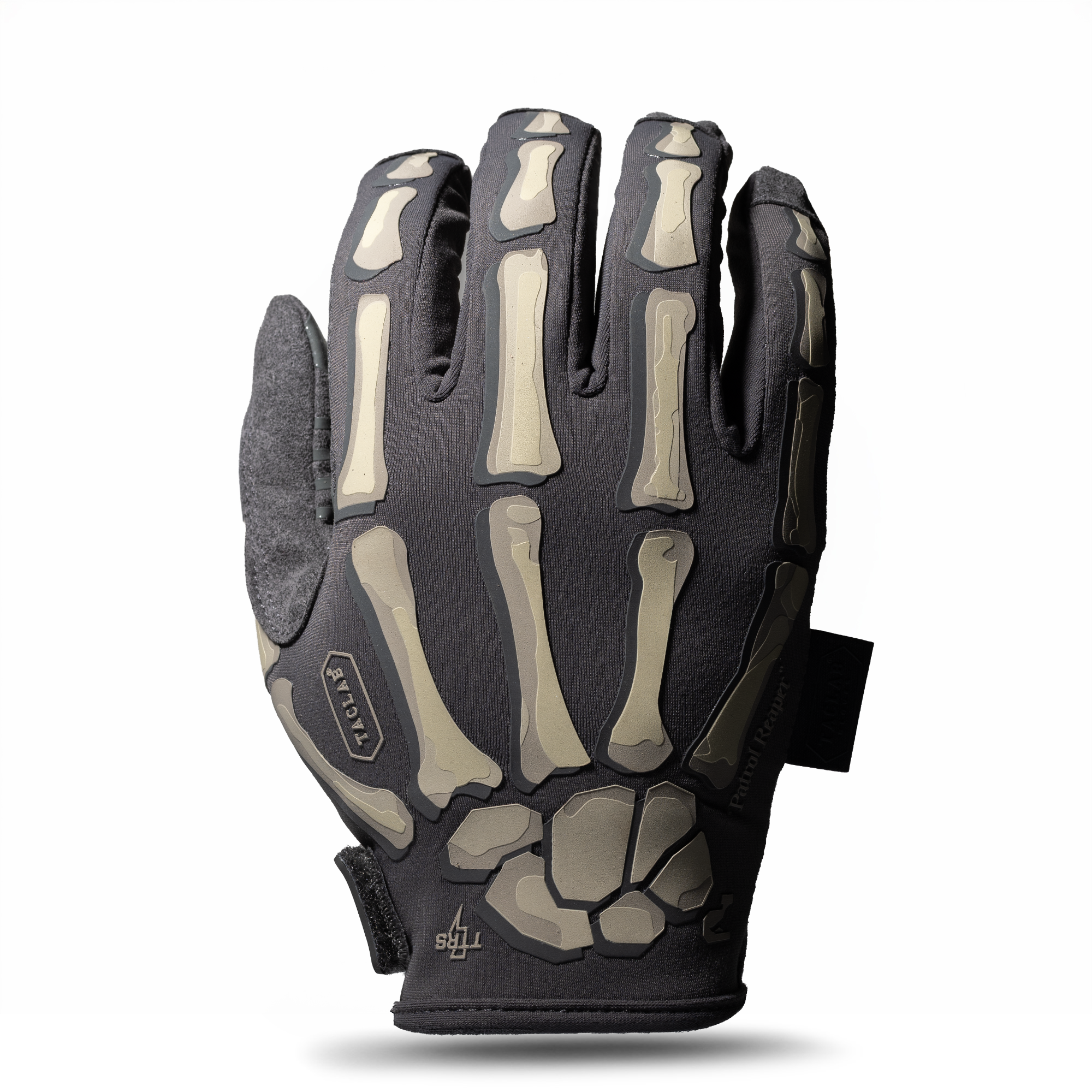
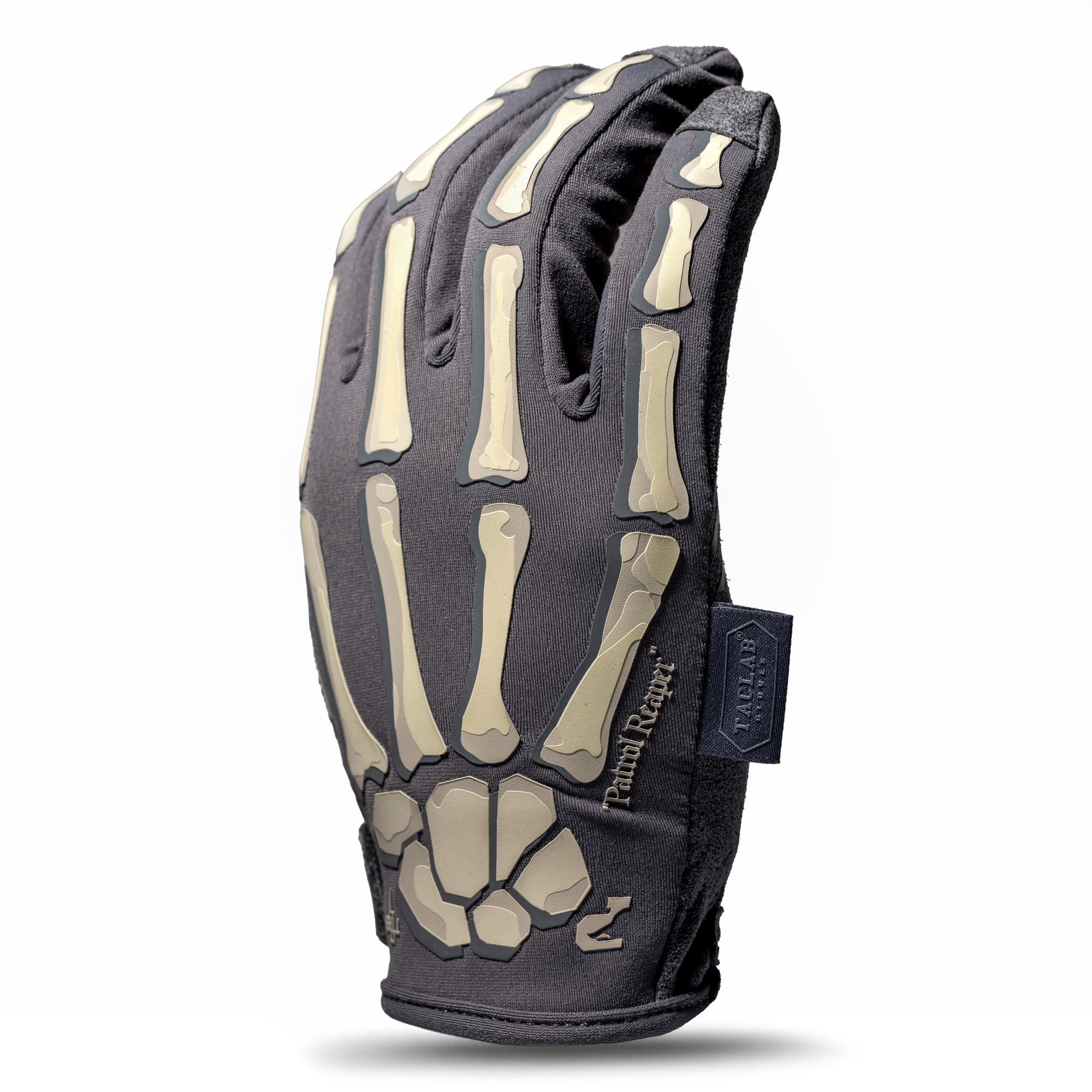
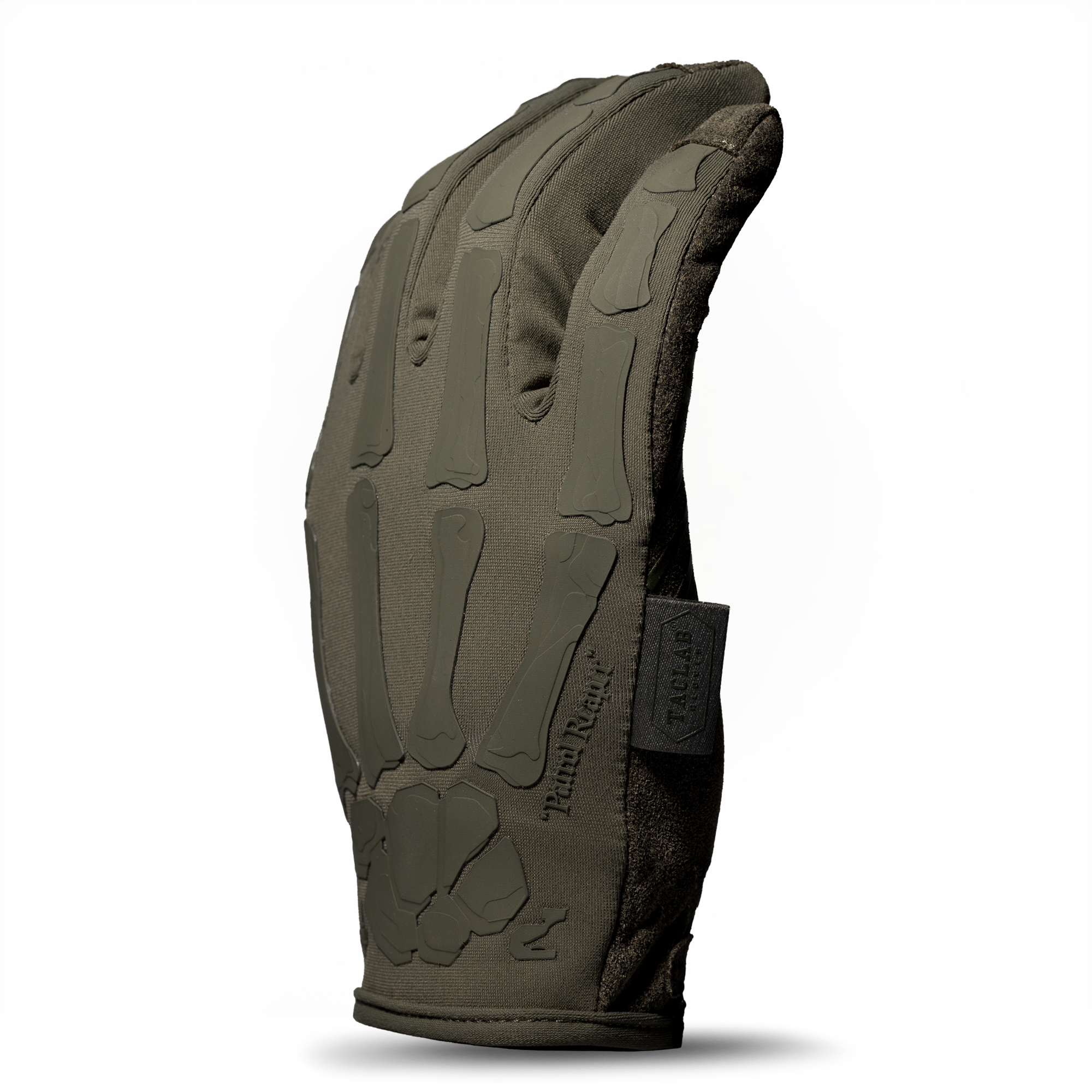
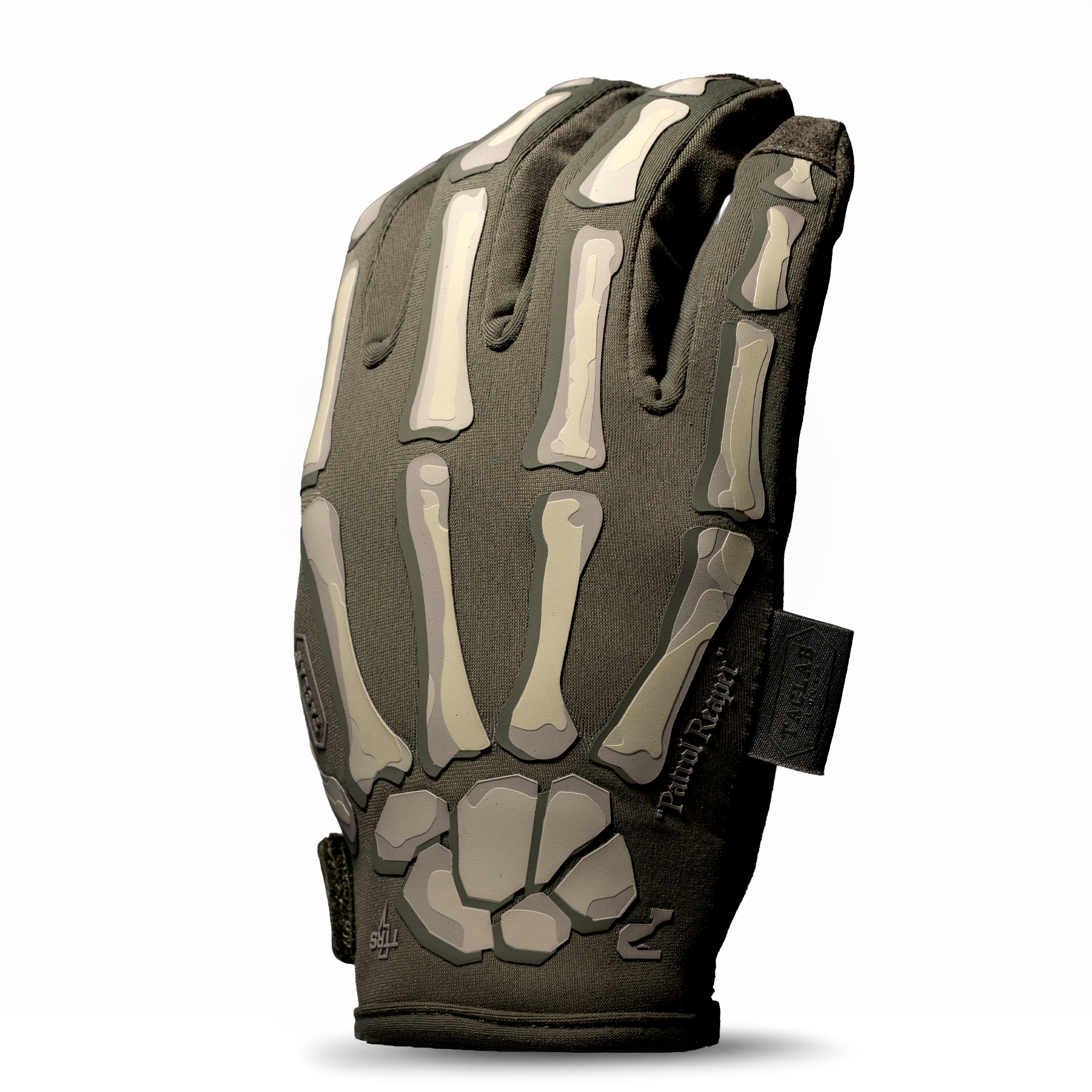
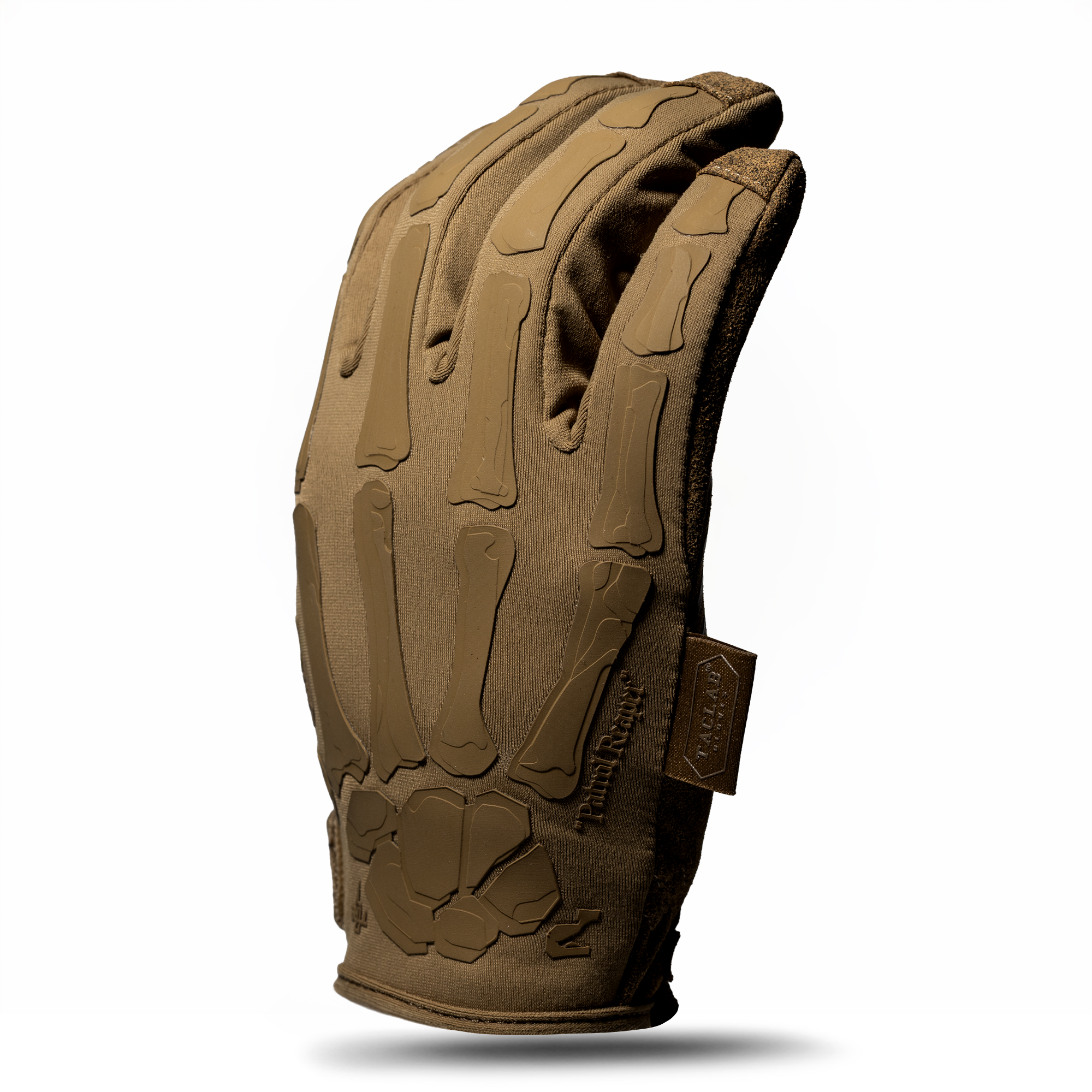
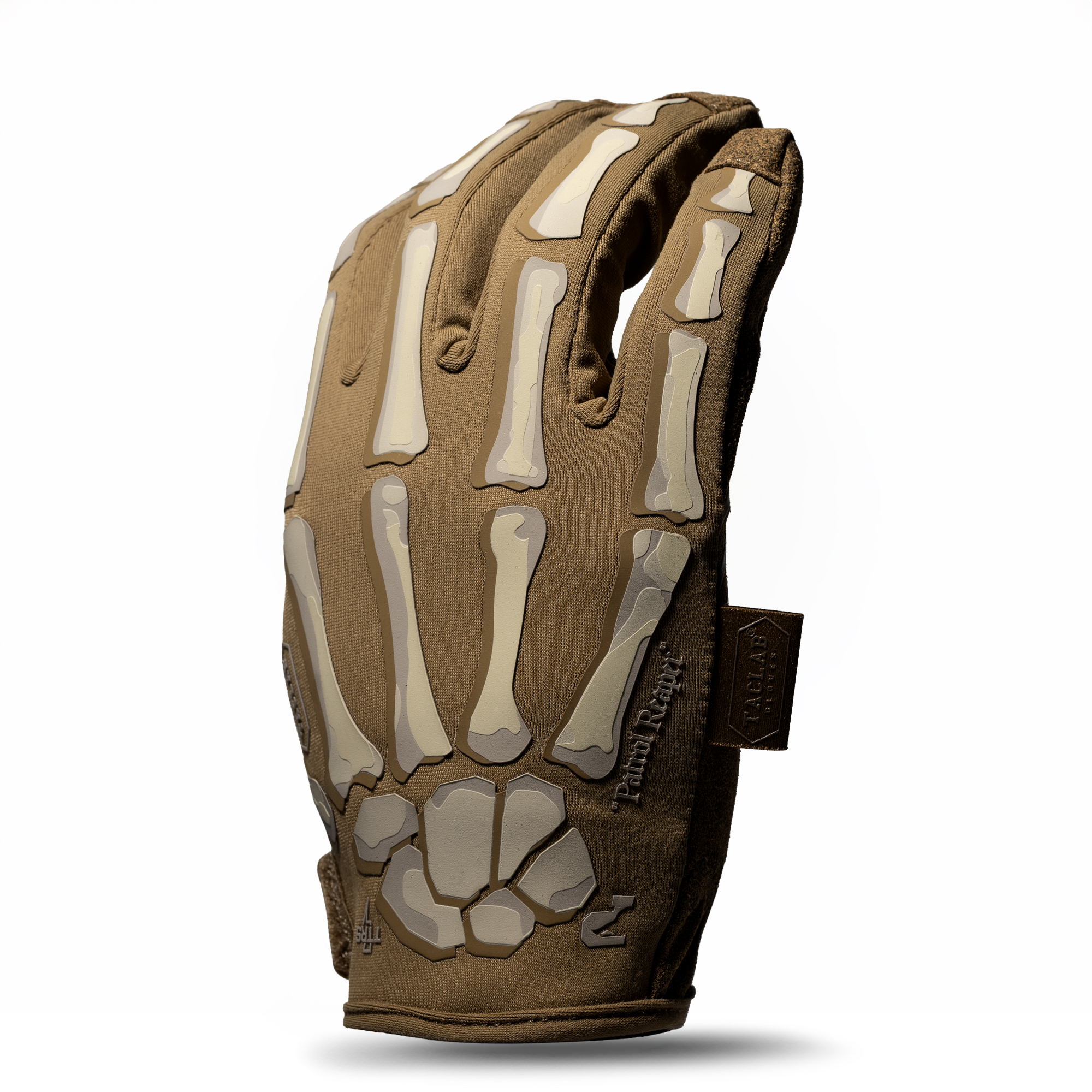
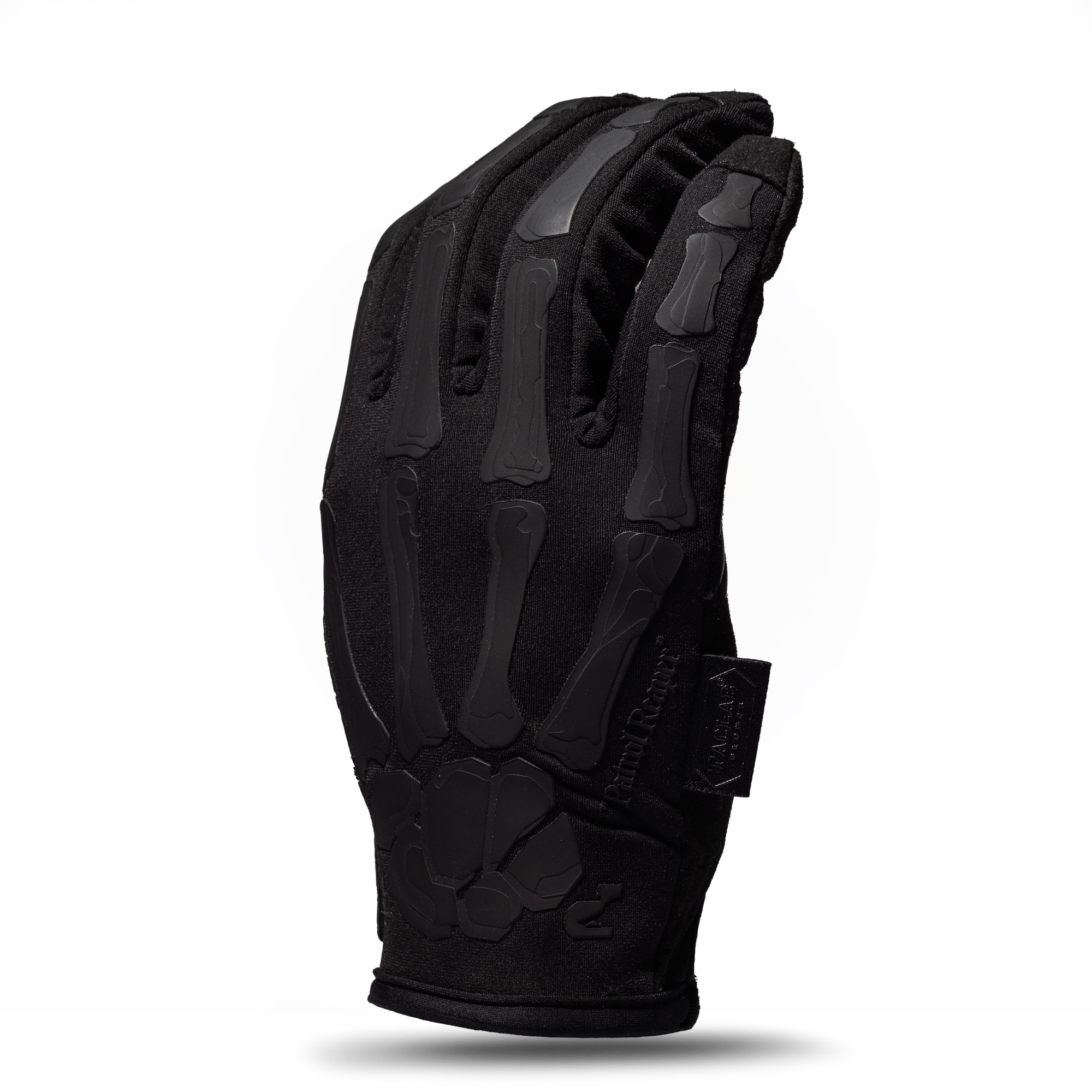
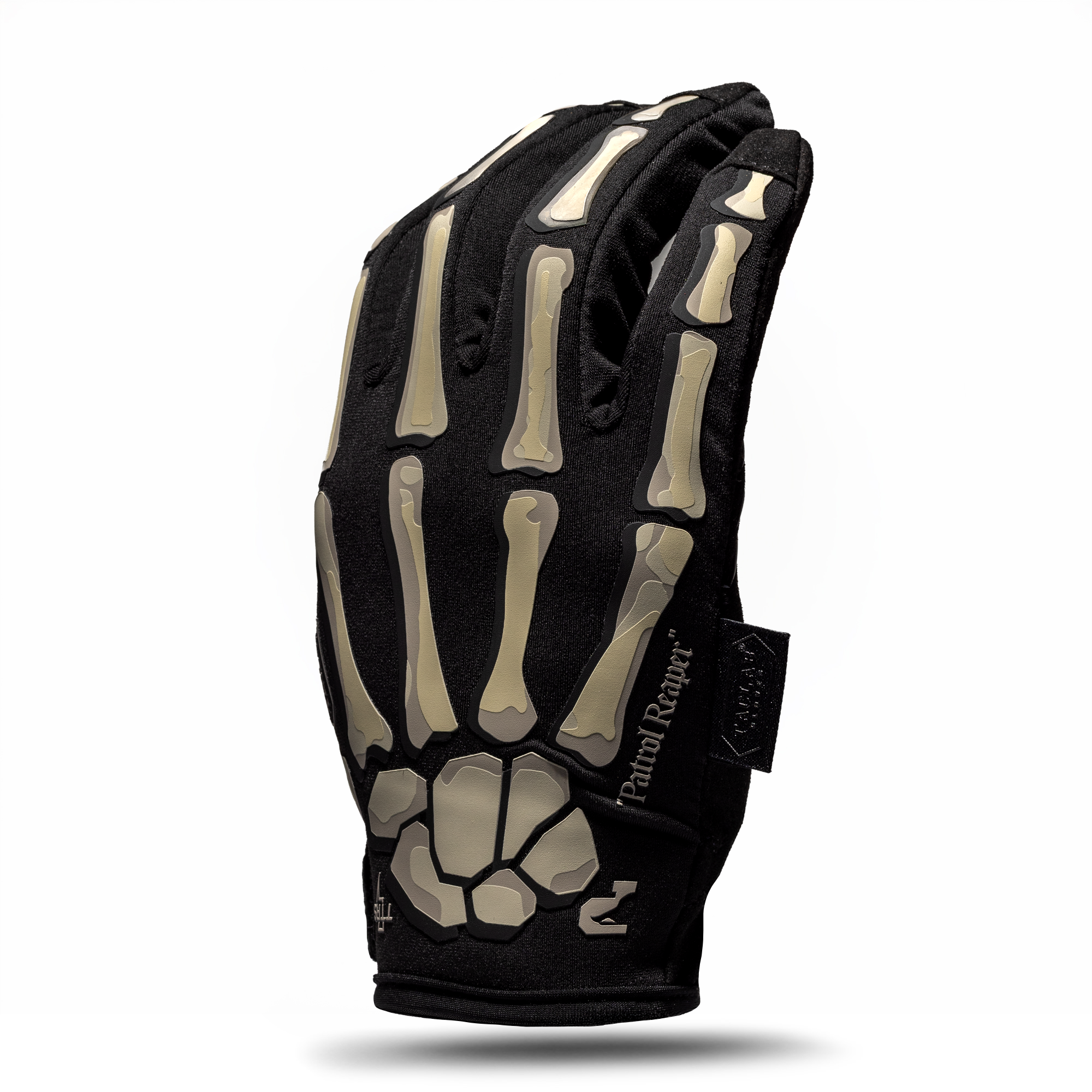
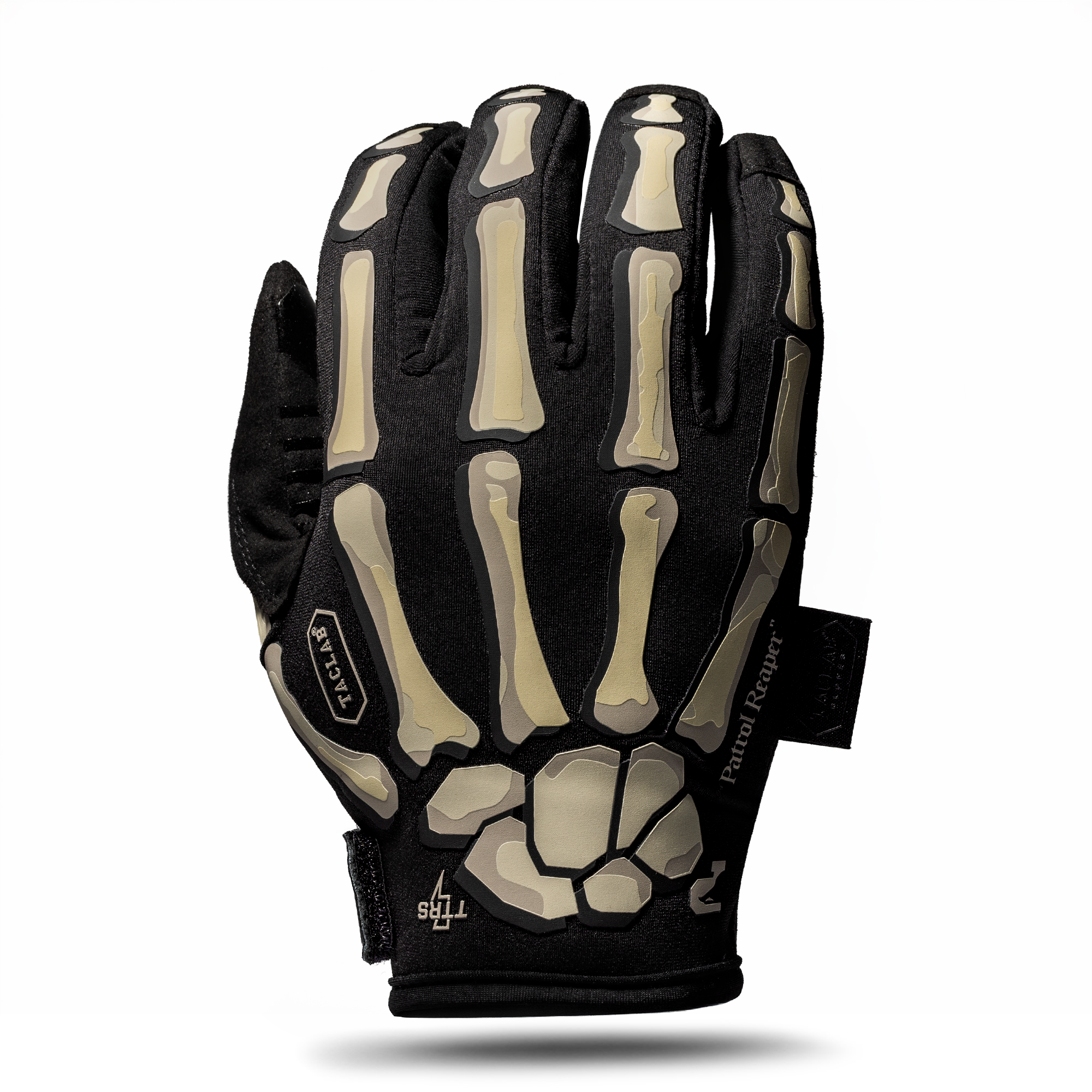
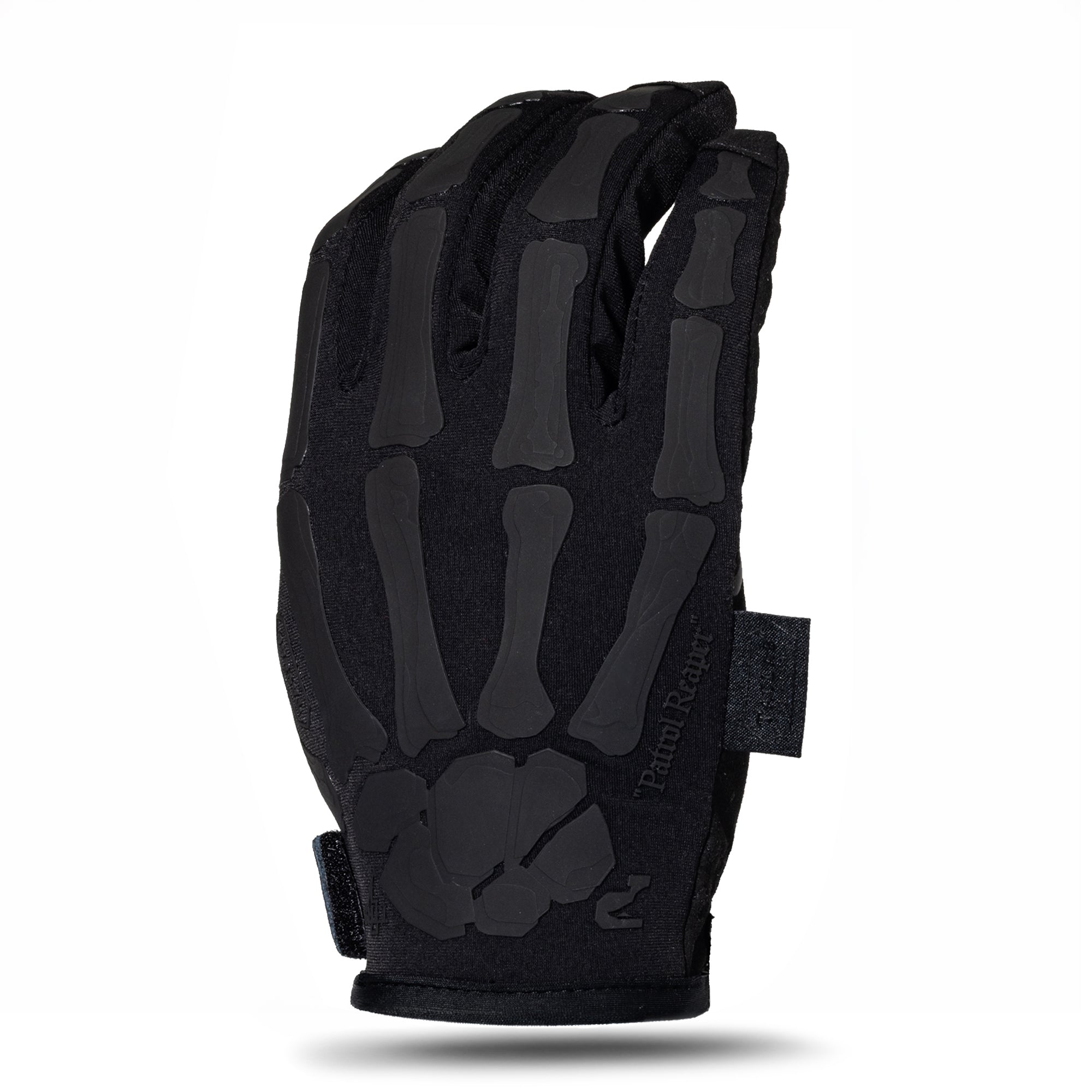
TACLAB's Patrol Reaper, for example, is designed as a warmer Reaper option for shooting, hunting, patrol, and outdoor use.
Pro #5: Protection During Outdoor and Dynamic Training
Indoor shooting ranges are relatively controlled environments.
Outdoor training can be very different.
Depending on the activity, shooters may encounter:
- Gravel
- Dirt
- Rocks
- Wood
- Rough barricades
- Vegetation
- Hot or cold surfaces
Dynamic training can also involve kneeling, changing positions, moving equipment, or working around structures.
Gloves provide general hand coverage during those activities.
This doesn't mean every lightweight shooting glove provides heavy-duty protection.
It doesn't.
But even basic coverage can make outdoor training more comfortable.
If your training involves significant abrasion or rough surfaces, however, you'll want a glove designed with greater wear resistance rather than assuming a thin shooting glove can double as a heavy-duty work glove.
We'll come back to that distinction shortly.
Now the Other Side: Why Some Shooters Don't Wear Gloves
If shooting gloves offered only advantages, every shooter would use them.
Clearly, they don't.
There are legitimate reasons some shooters prefer bare hands.
Understanding those disadvantages is just as important as understanding the benefits.
Con #1: Thick Gloves Can Reduce Trigger Feel
This is probably the most common complaint.
Every layer placed between your fingertip and the trigger changes tactile feedback to some degree.
With a thin, close-fitting glove, that difference may be minimal.
With a thick or poorly fitted glove, it can become much more noticeable.
Excess material around the index finger may:
- Reduce tactile sensitivity
- Bunch near the fingertip
- Feel awkward during trigger manipulation
- Make small controls harder to operate
Why Some Shooters Cut Off the Trigger Finger
This problem explains a modification you've probably seen before:
A shooter wearing tactical gloves with the index fingertip deliberately removed.
Historically, shooters sometimes cut the trigger finger off bulky gloves to regain direct skin contact with the trigger.
We covered this subject in detail in our guide:
“Why Do Shooters Cut the Trigger Finger Off Their Gloves?”
The important lesson isn't that you should cut your gloves.
It's that trigger-finger construction matters.
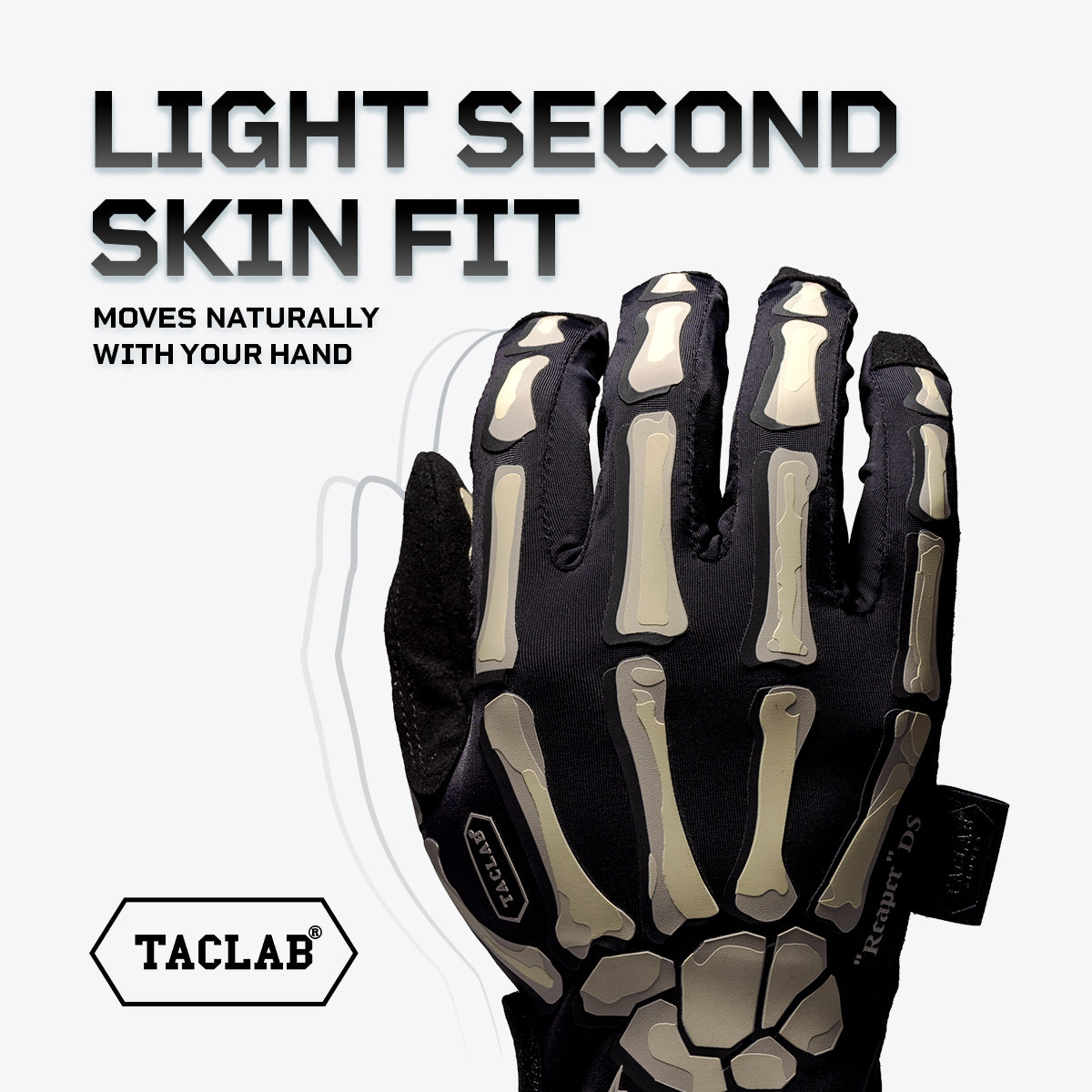
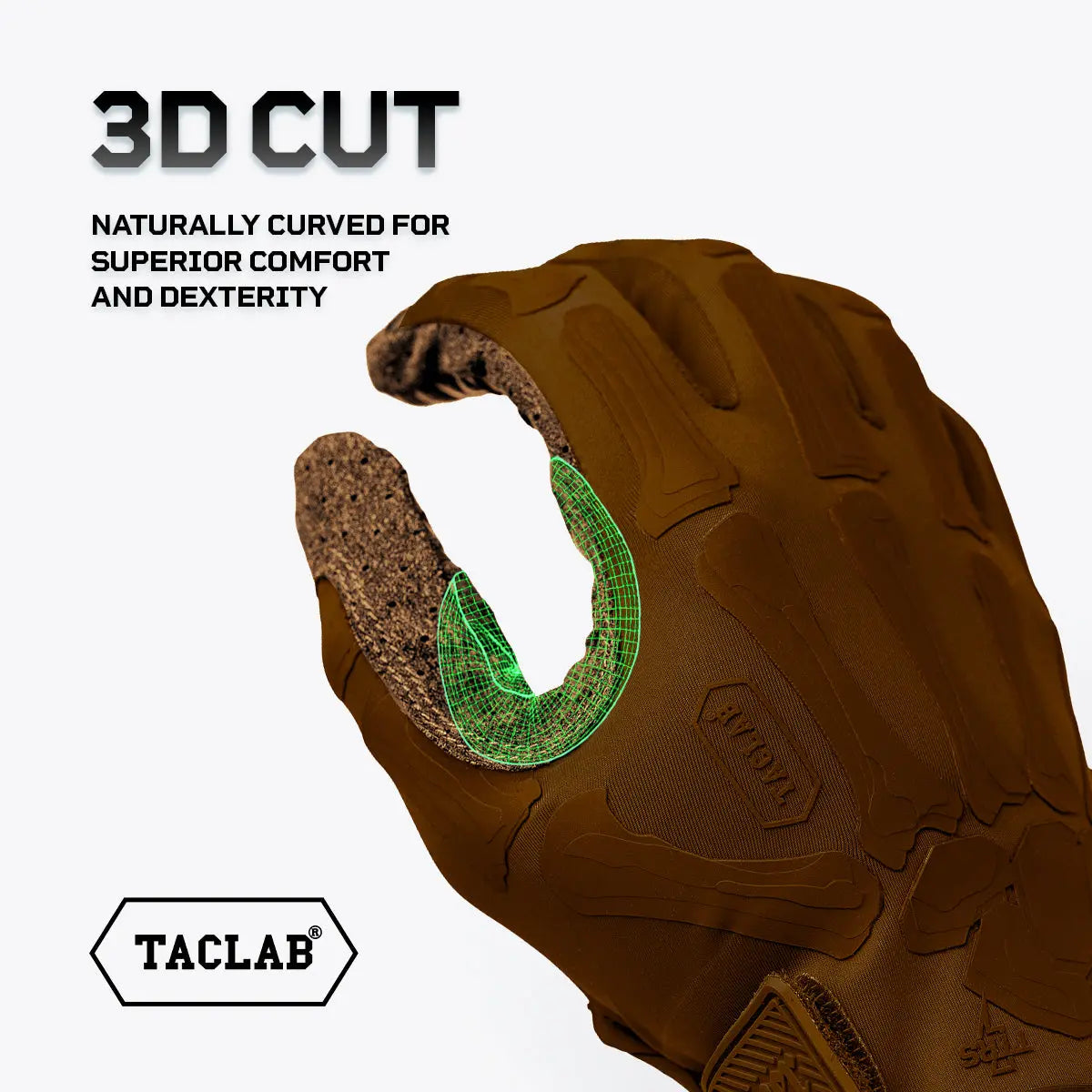
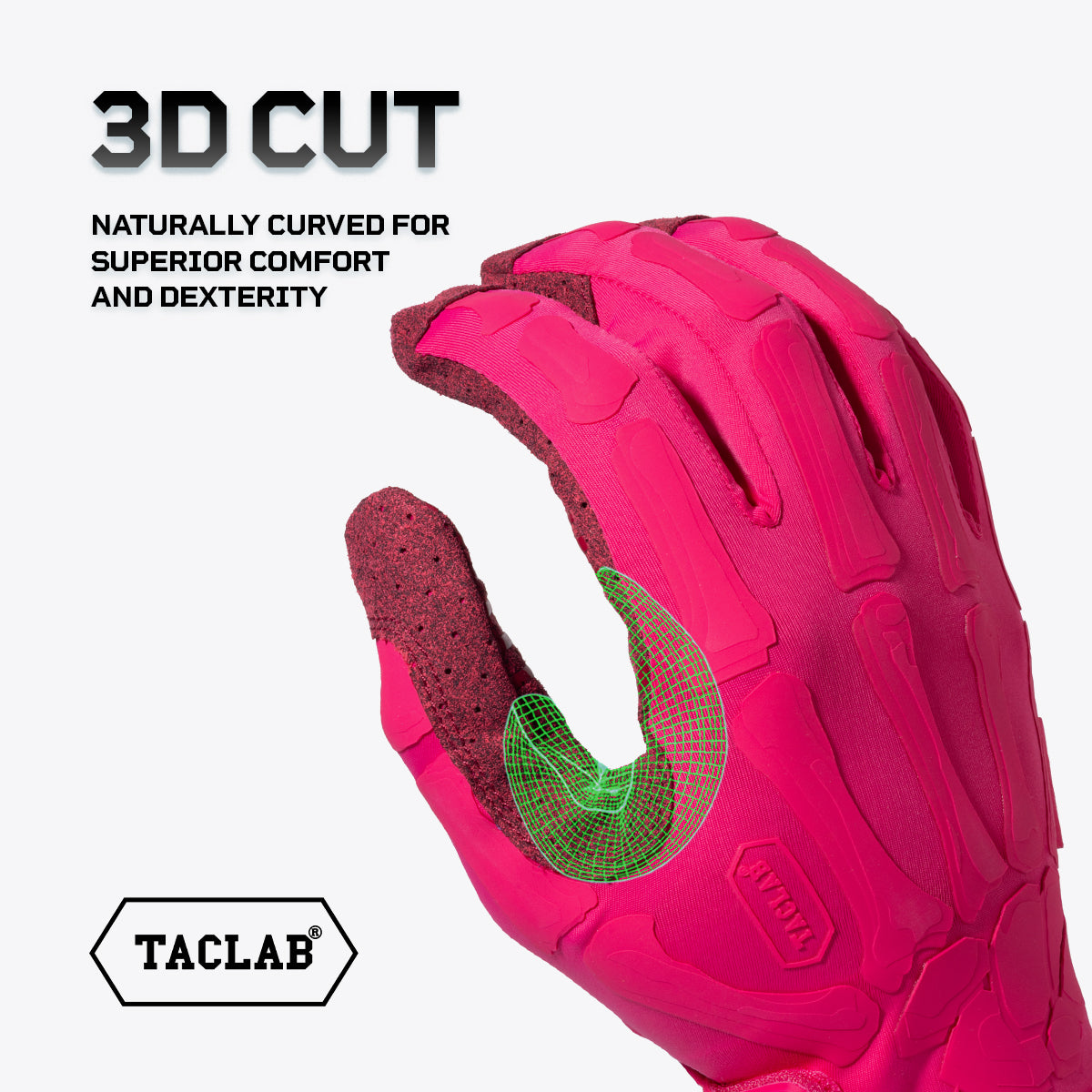
Modern shooting gloves can reduce the need for this modification by using thinner, more flexible materials and a closer fit around the fingers.
Con #2: Poor Fit Can Interfere With Control
Even an expensive shooting glove can perform poorly if it doesn't fit.
A glove that's too large may create:
- Loose fingertips
- Palm bunching
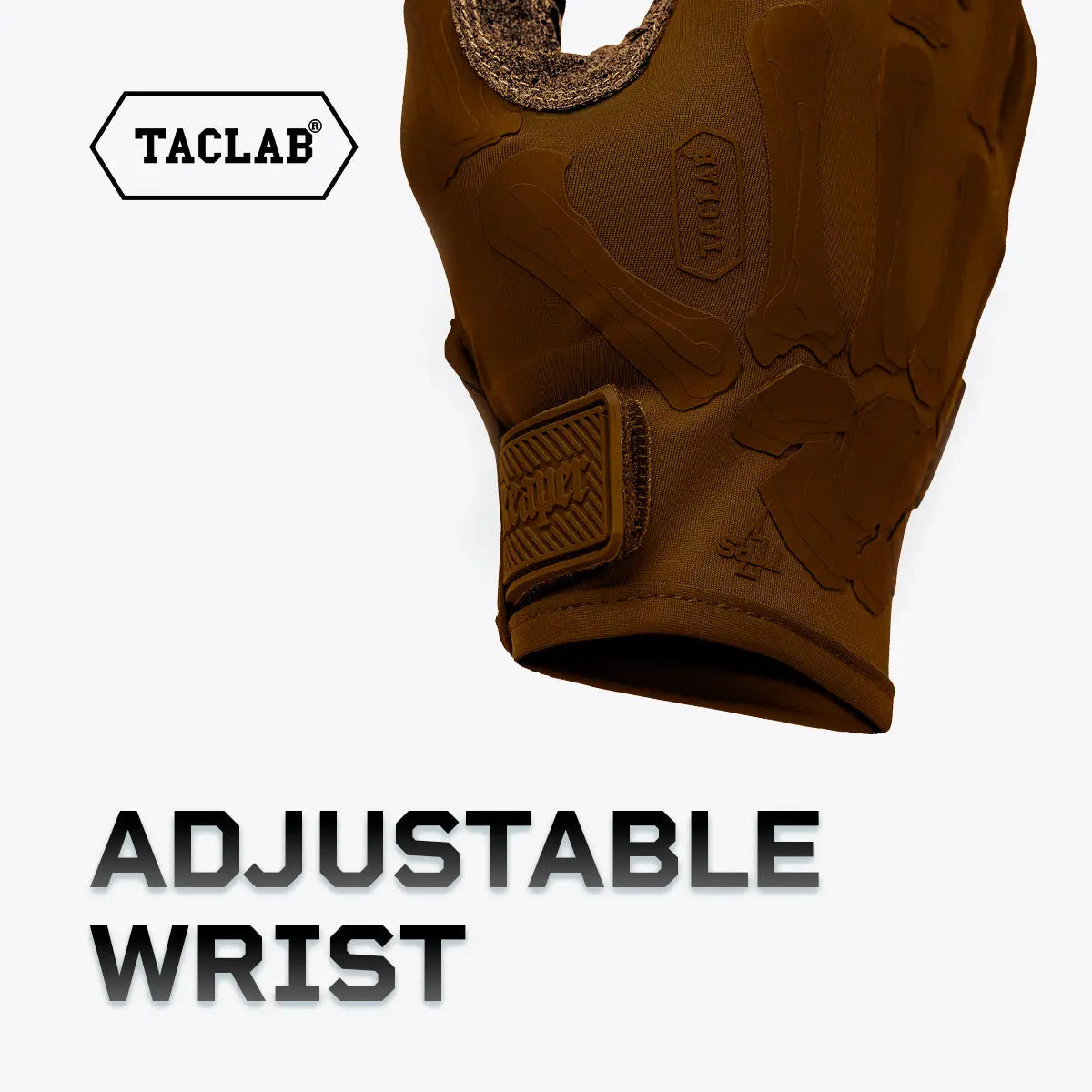
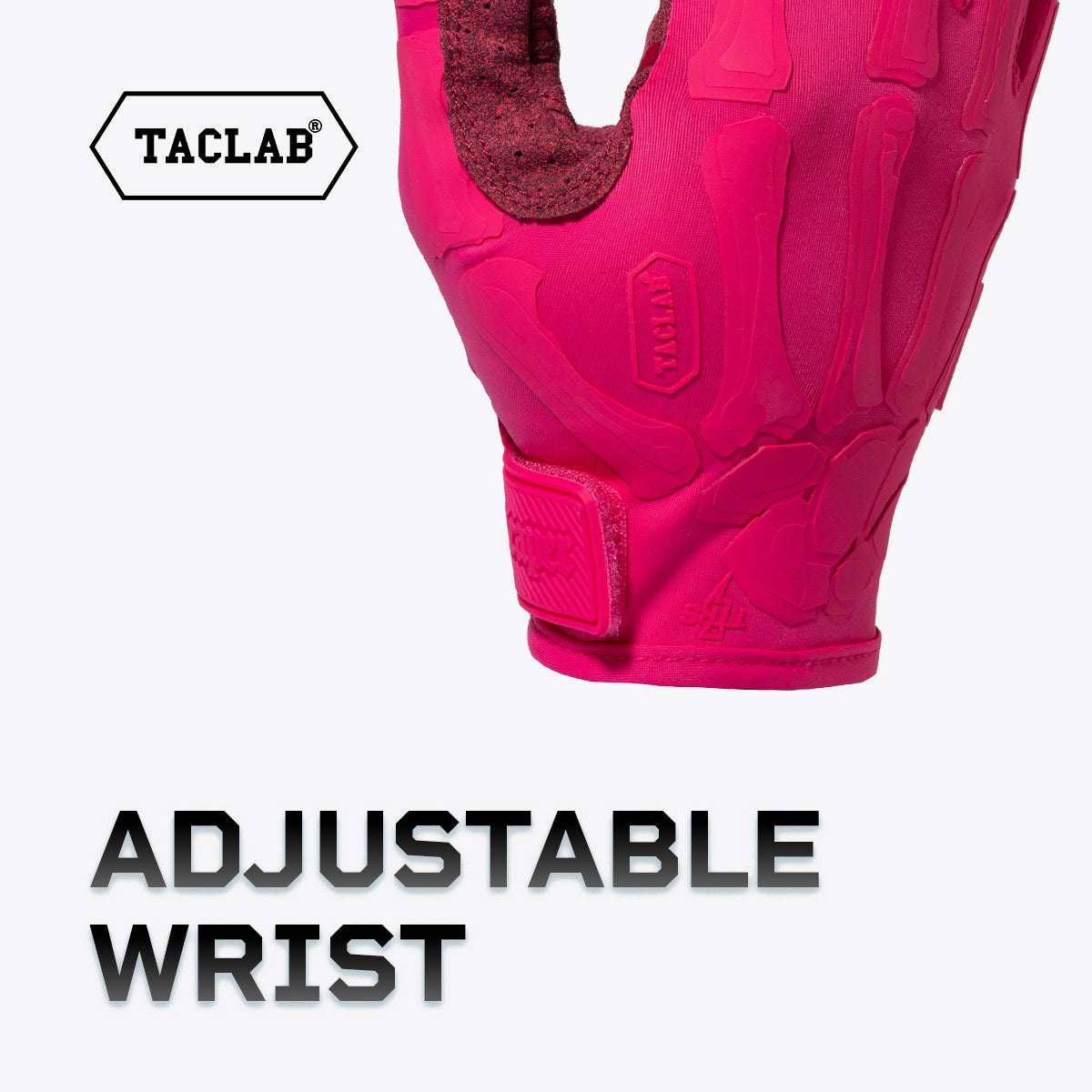
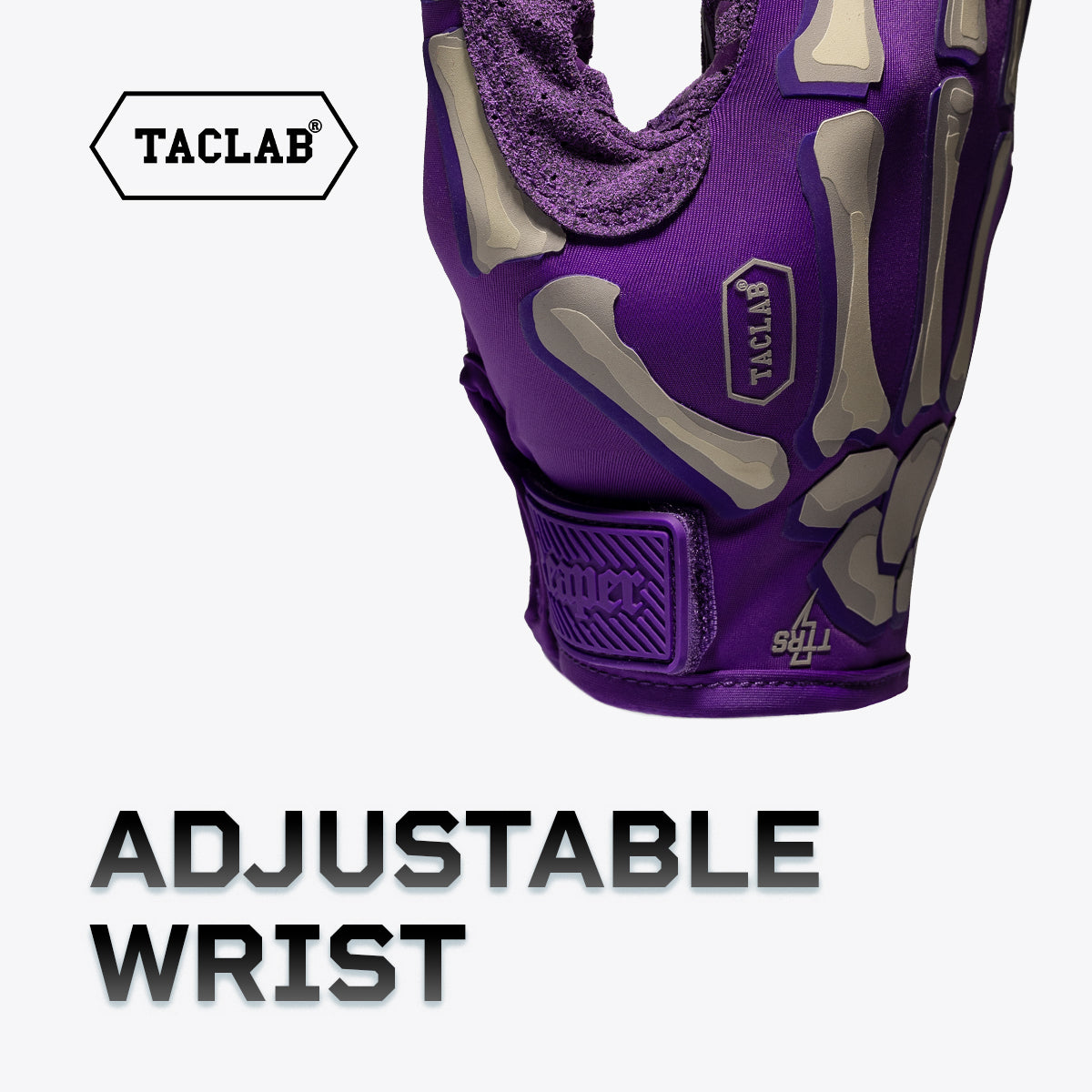
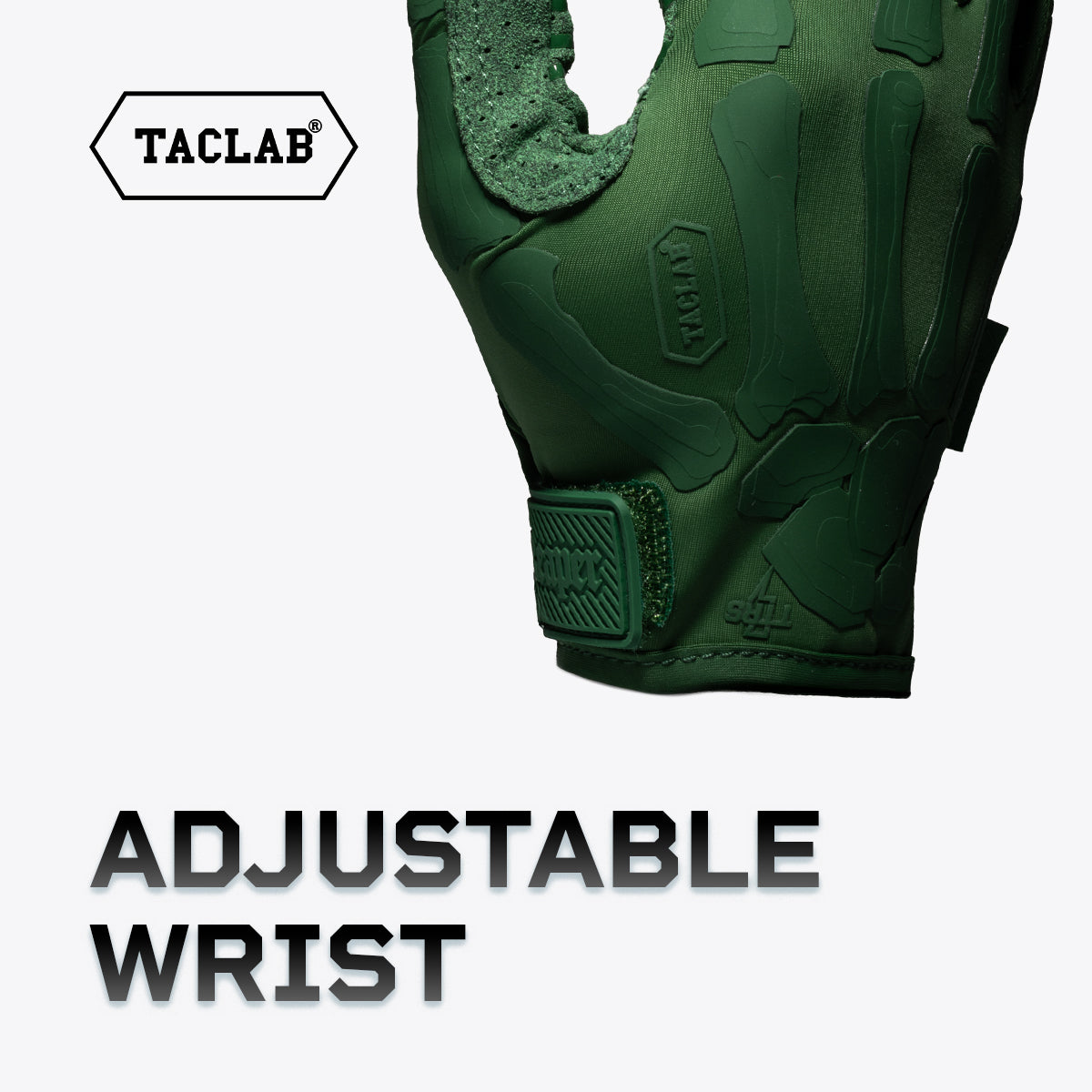
- Movement around the wrist
- Reduced tactile feedback
A glove that's too small may cause:
- Restricted finger movement
- Uncomfortable pressure
- Reduced circulation
- Excessive tension at the seams
For shooting, the ideal fit is generally close and secure without restricting movement.
Your fingers should reach the ends of the glove without painful pressure.
The palm should remain relatively smooth when gripping the firearm.
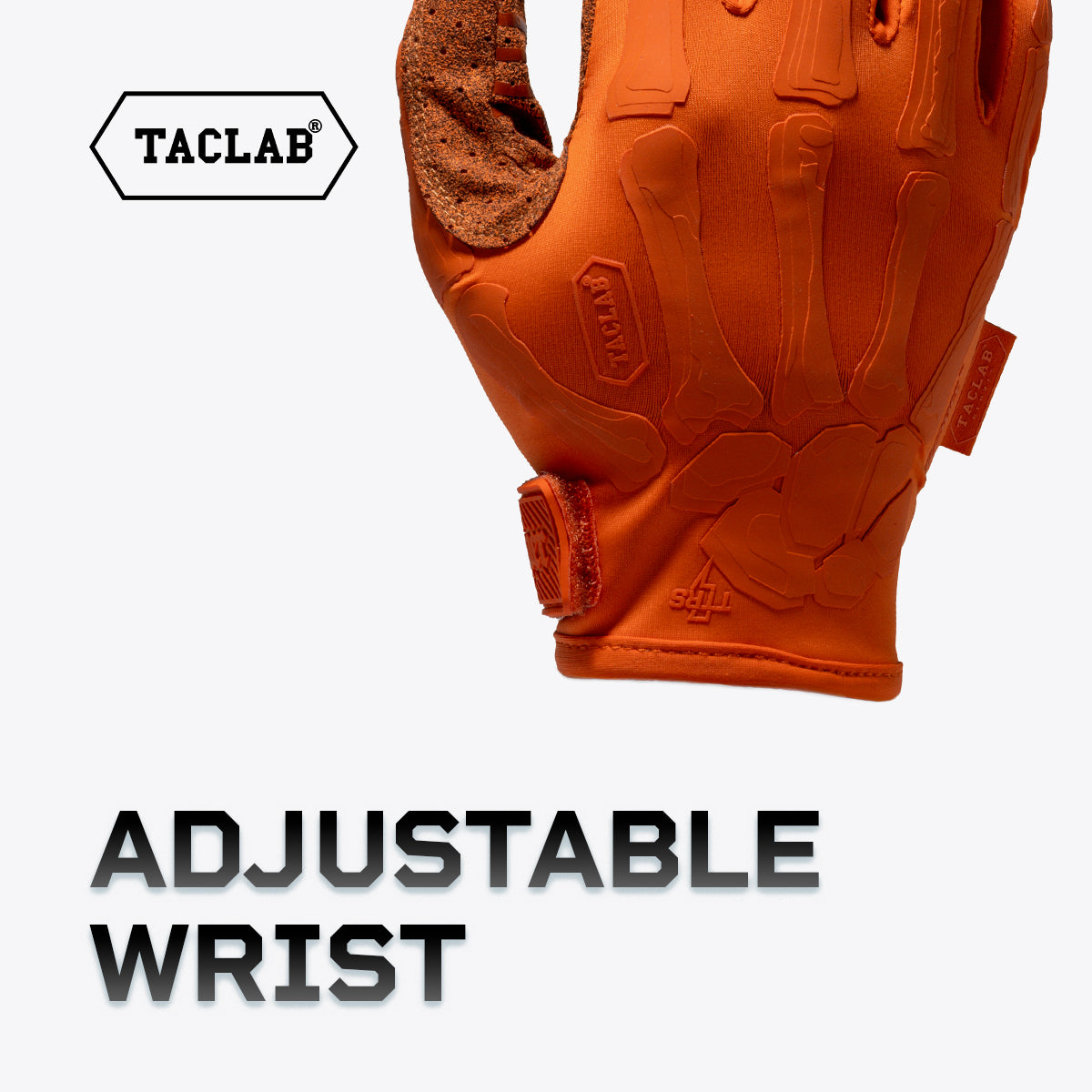
And the glove shouldn't slide around your hand during manipulation.
Fit is often more important than flashy features.
Con #3: Gloves Can Hide Bad Grip Habits
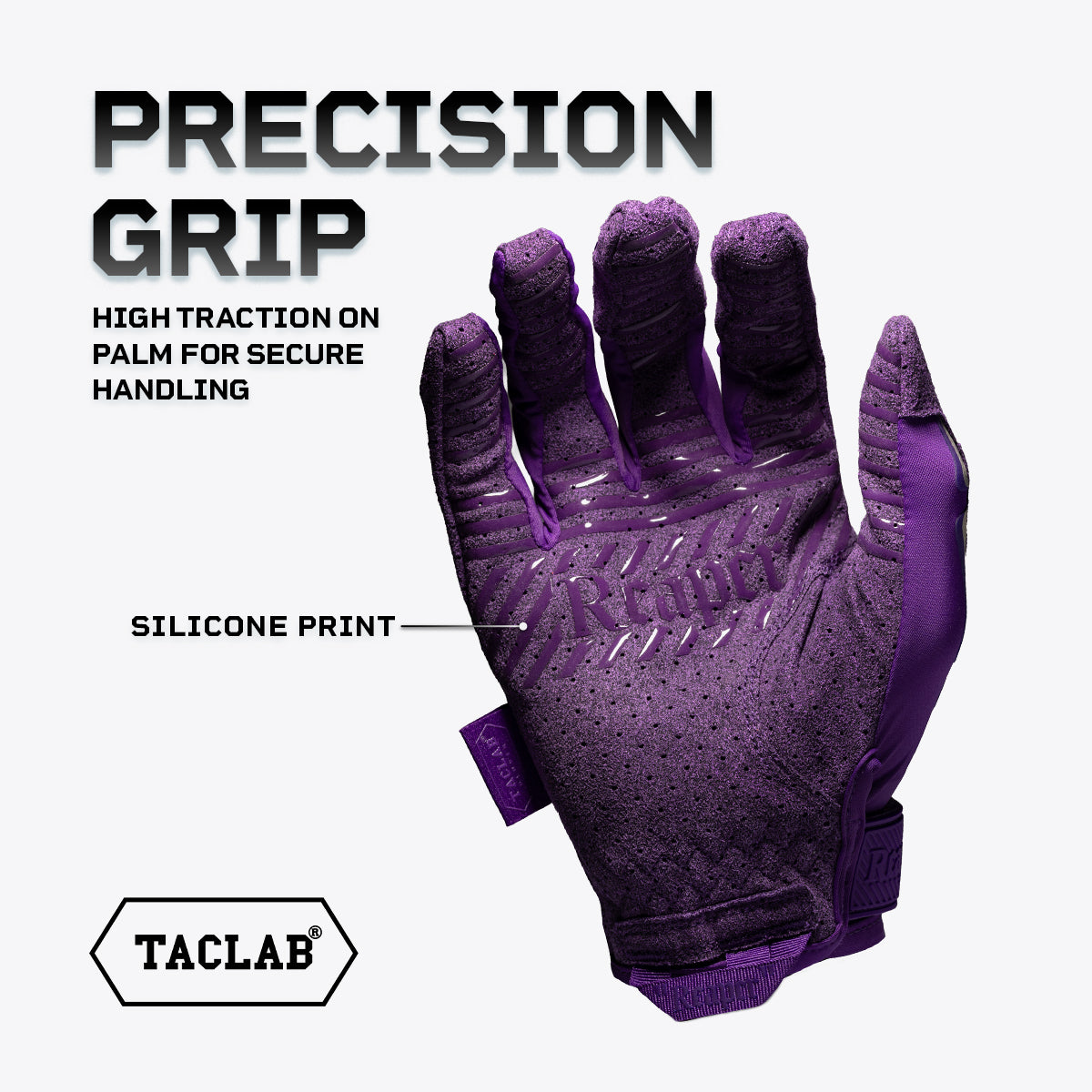
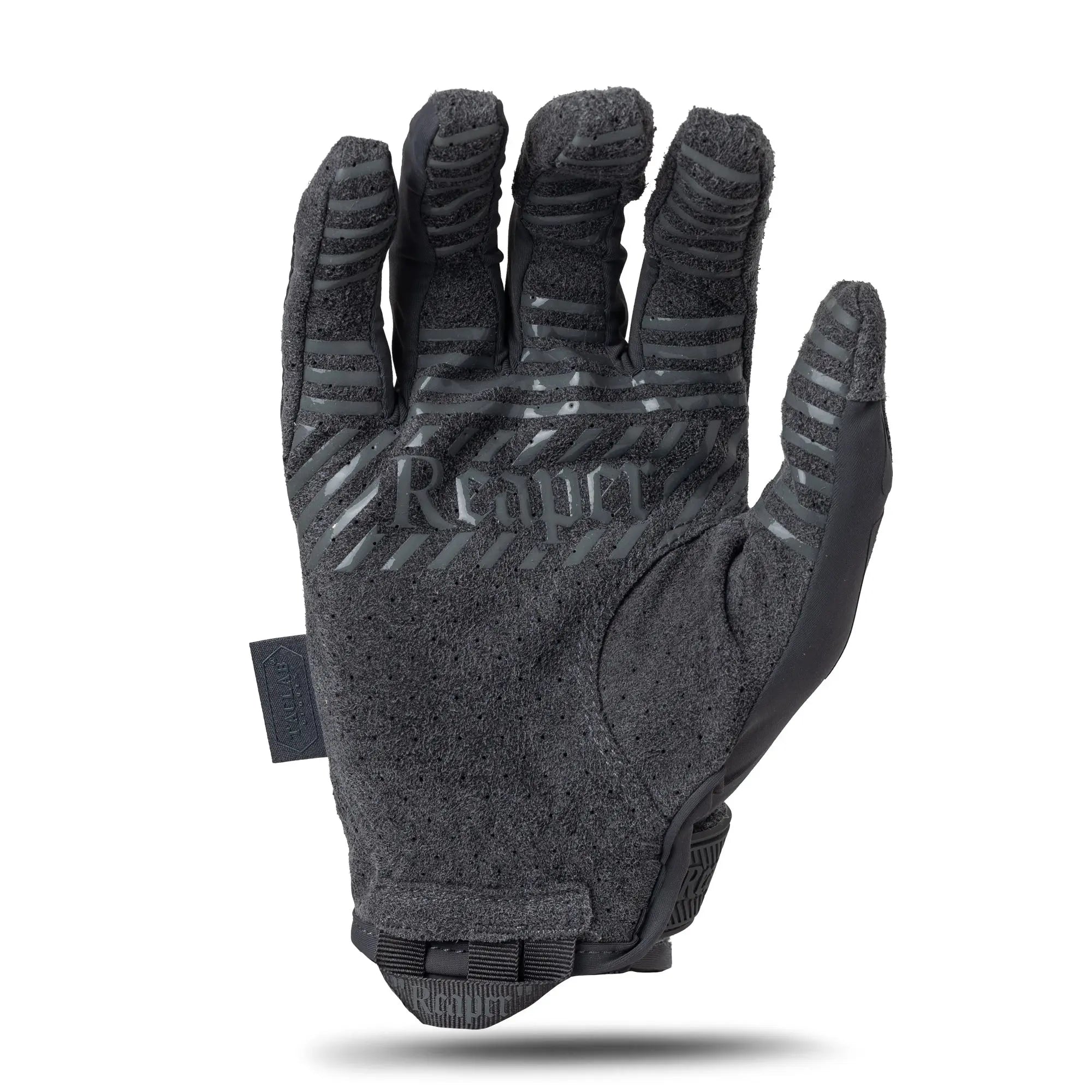
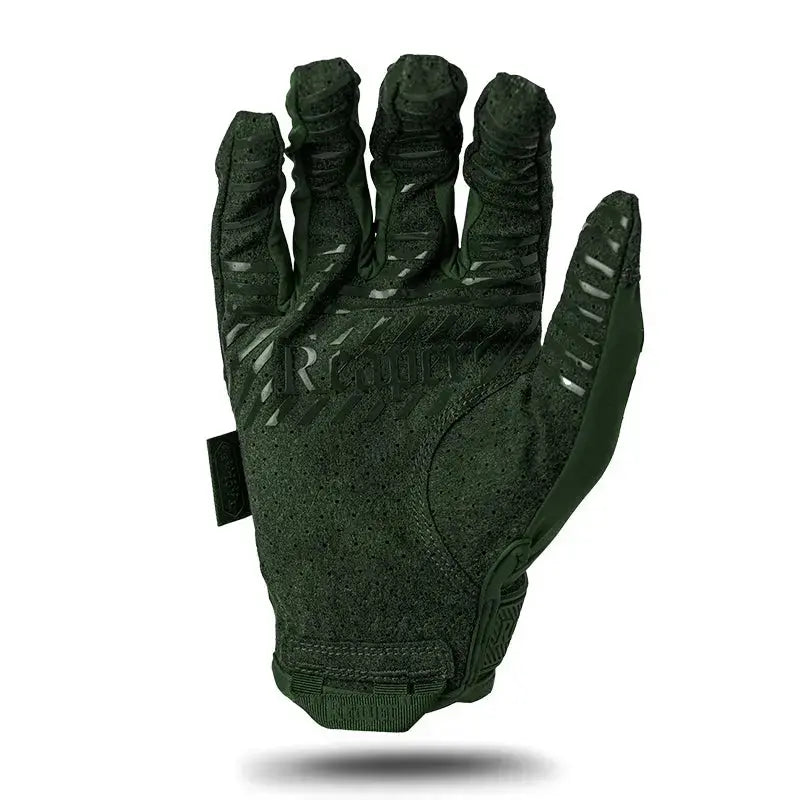
A highly textured palm can make a firearm feel more secure.
That's useful.
But equipment shouldn't become a substitute for fundamentals.
Shooters still need to develop:
- Consistent hand placement
- Appropriate grip pressure
- Proper trigger control
- Safe firearm manipulation
If your grip works only when wearing one particular pair of extremely grippy gloves, that may be worth examining.
This is one reason training both with and without gloves can be valuable for some shooters.
Equipment should support technique.
It shouldn't replace it.
Con #4: Lightweight Shooting Gloves Aren't Work Gloves
This point causes a surprising amount of confusion.
Shooters often want gloves that provide:
- Maximum trigger feel
- Maximum flexibility
- Maximum breathability
- Maximum durability
- Maximum abrasion resistance
All at the same time.
Unfortunately, material design involves trade-offs.
A thin glove built for tactile feedback generally shouldn't be expected to perform like a heavy industrial work glove.
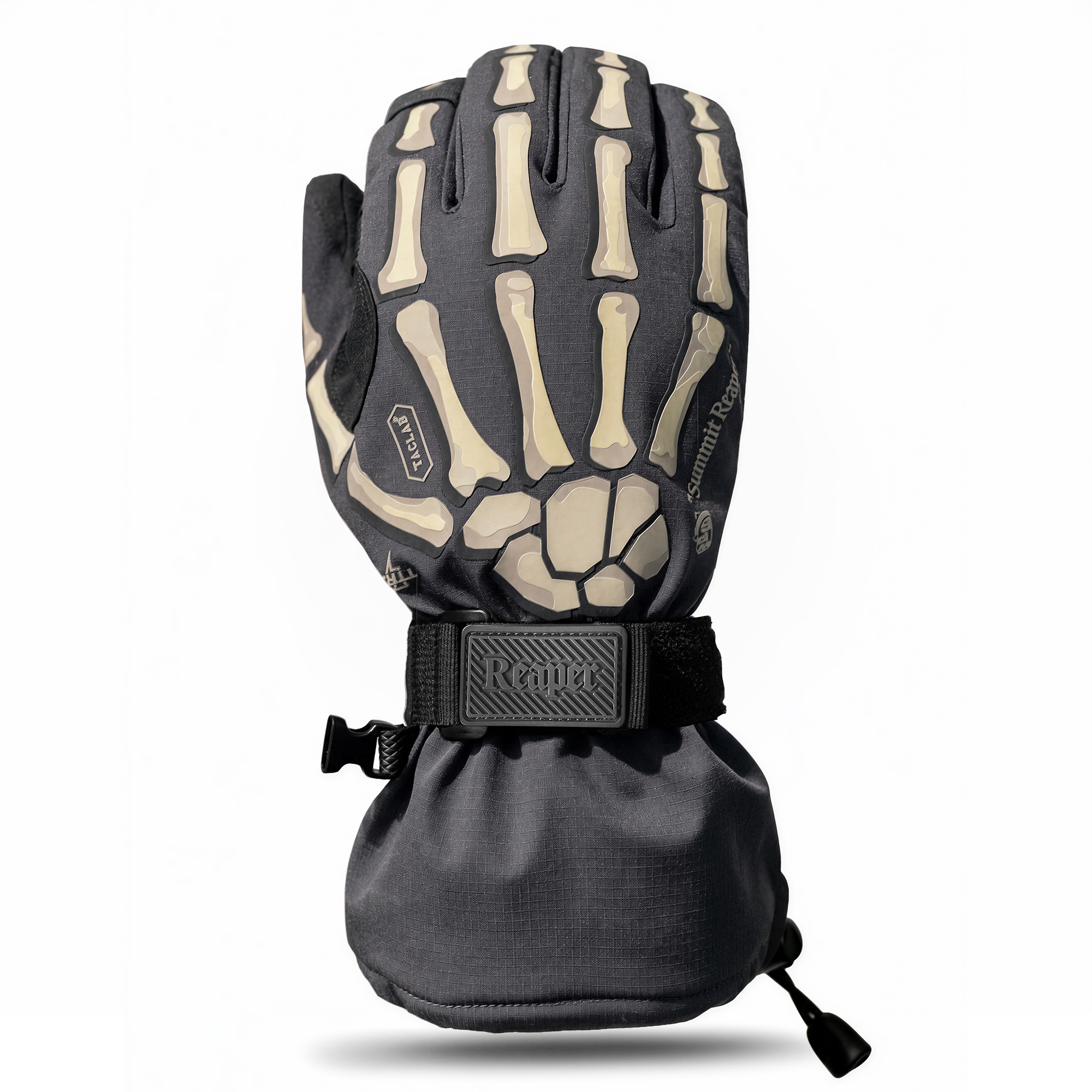
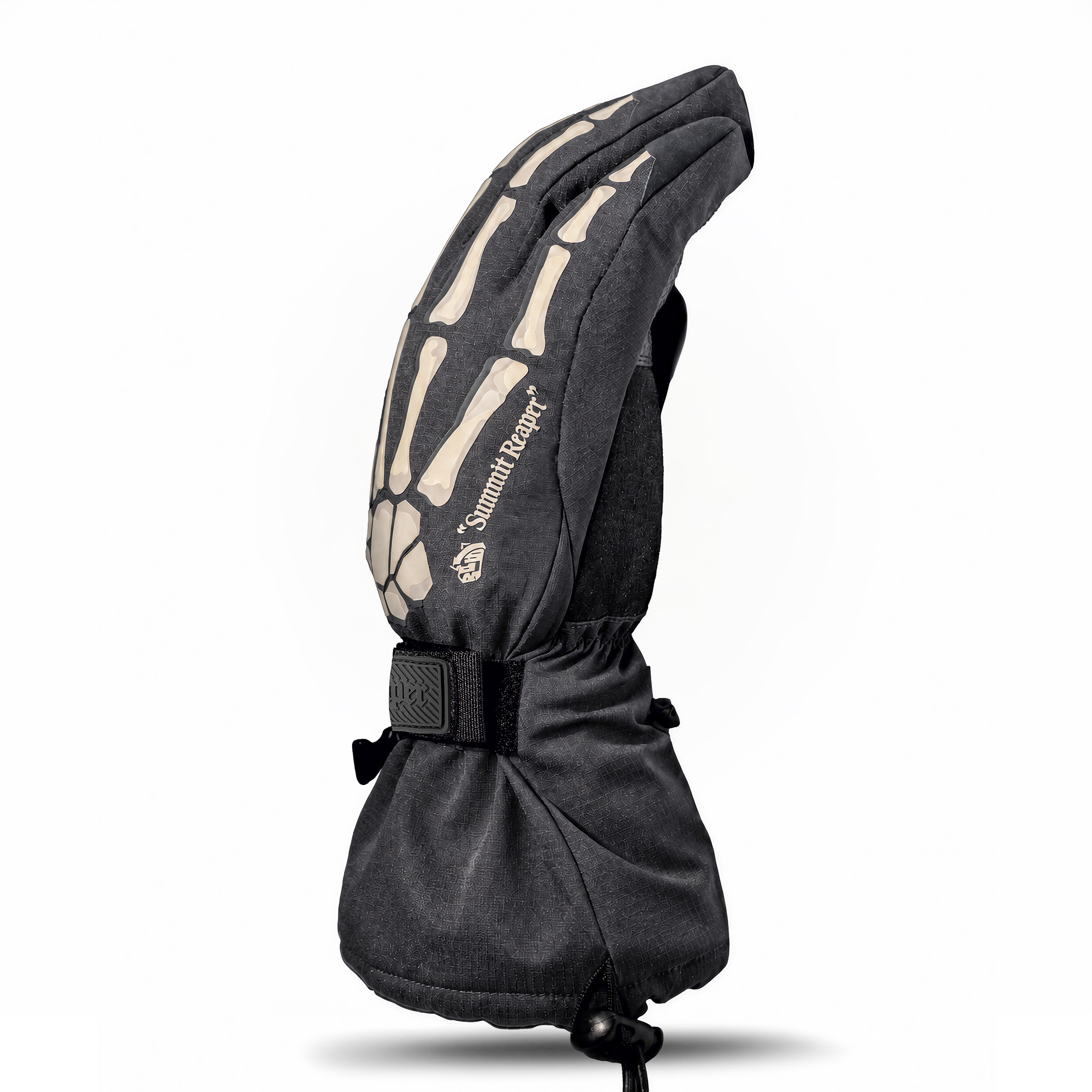
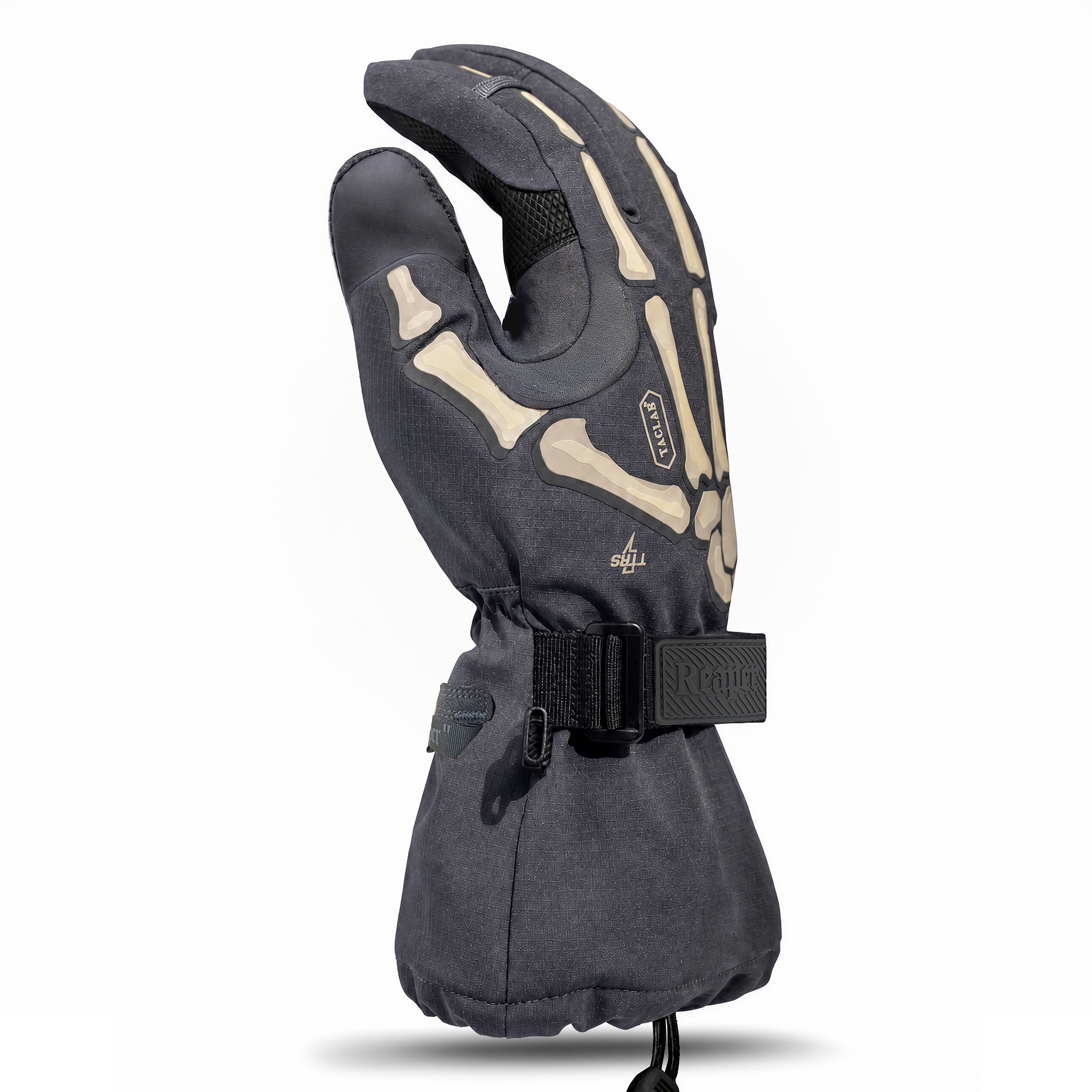
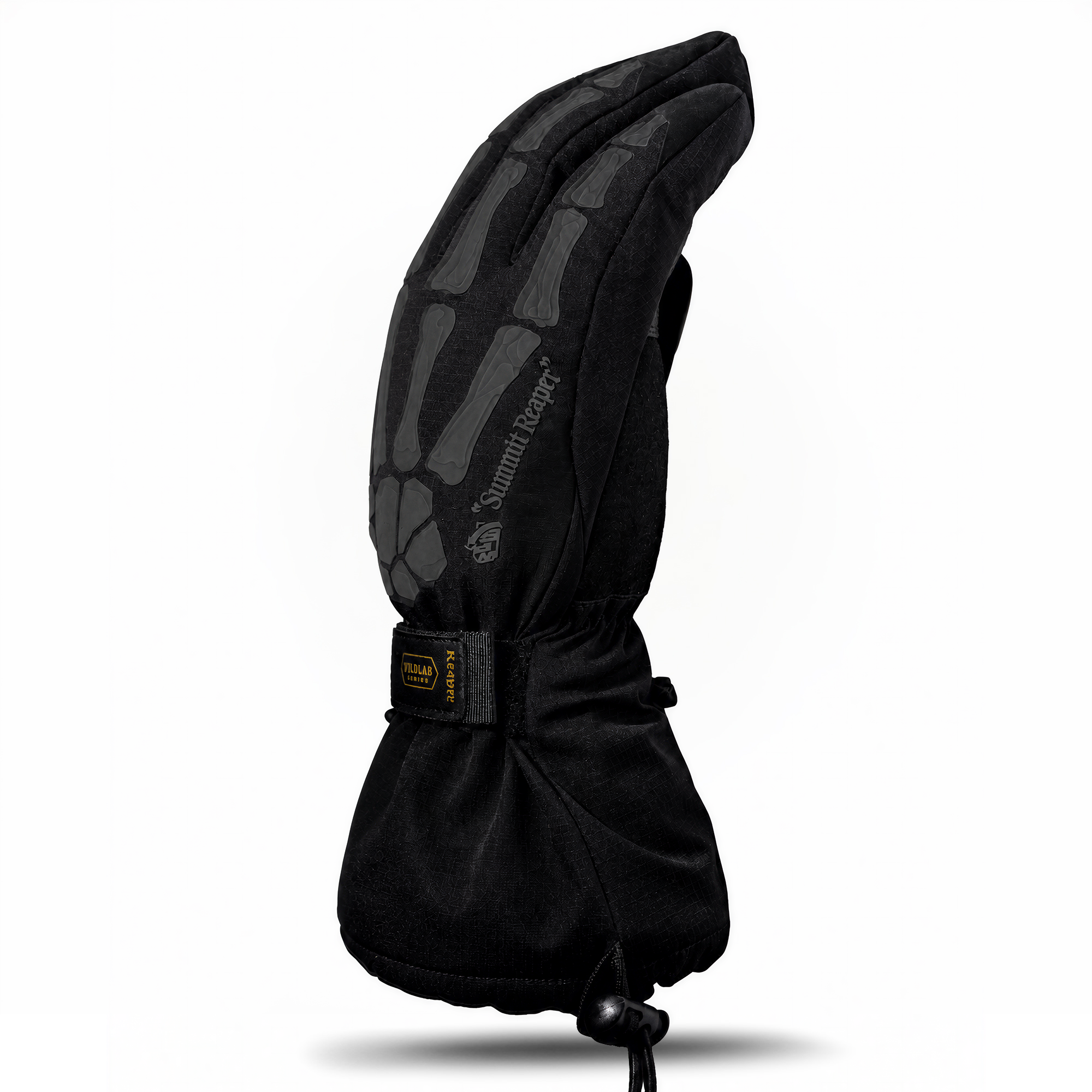
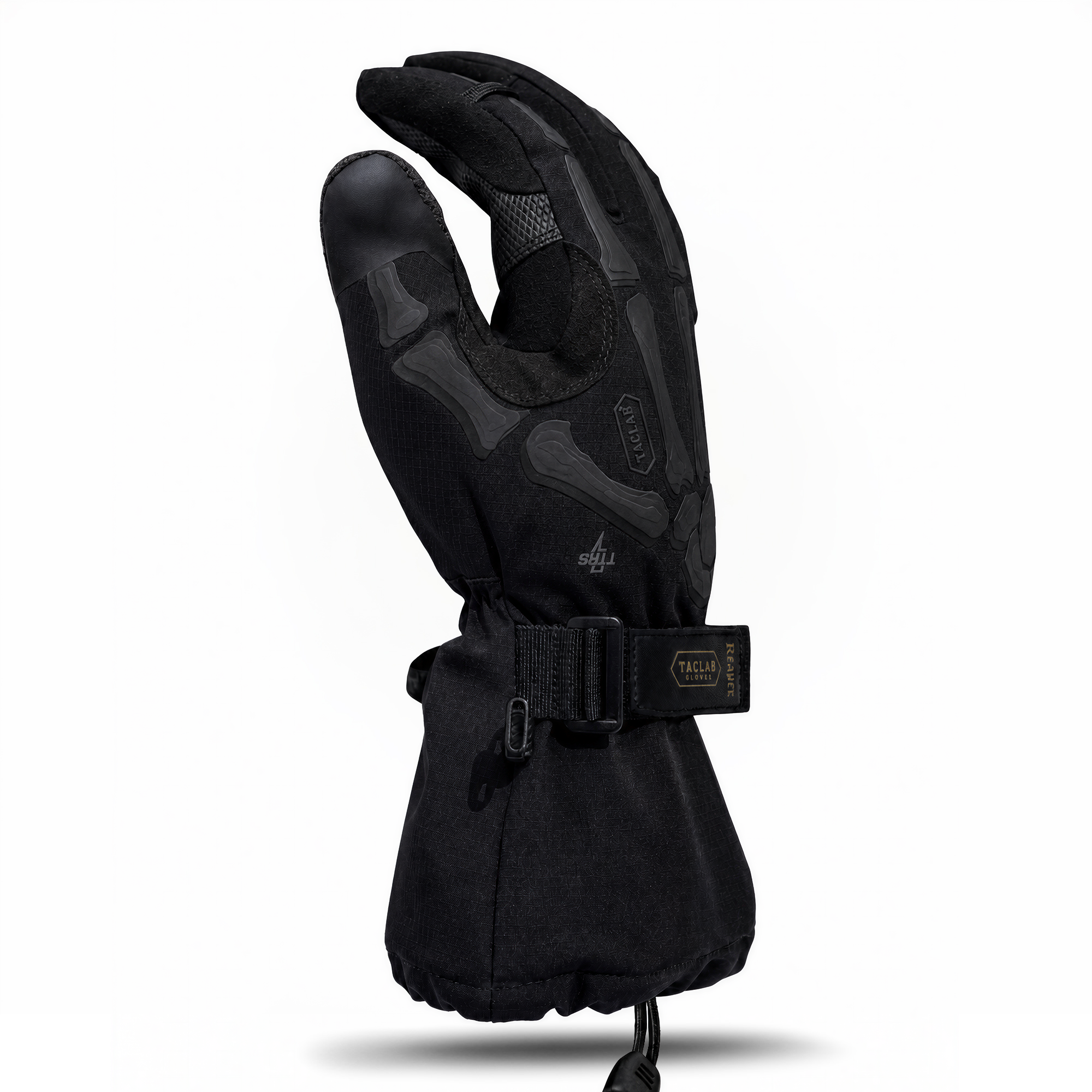
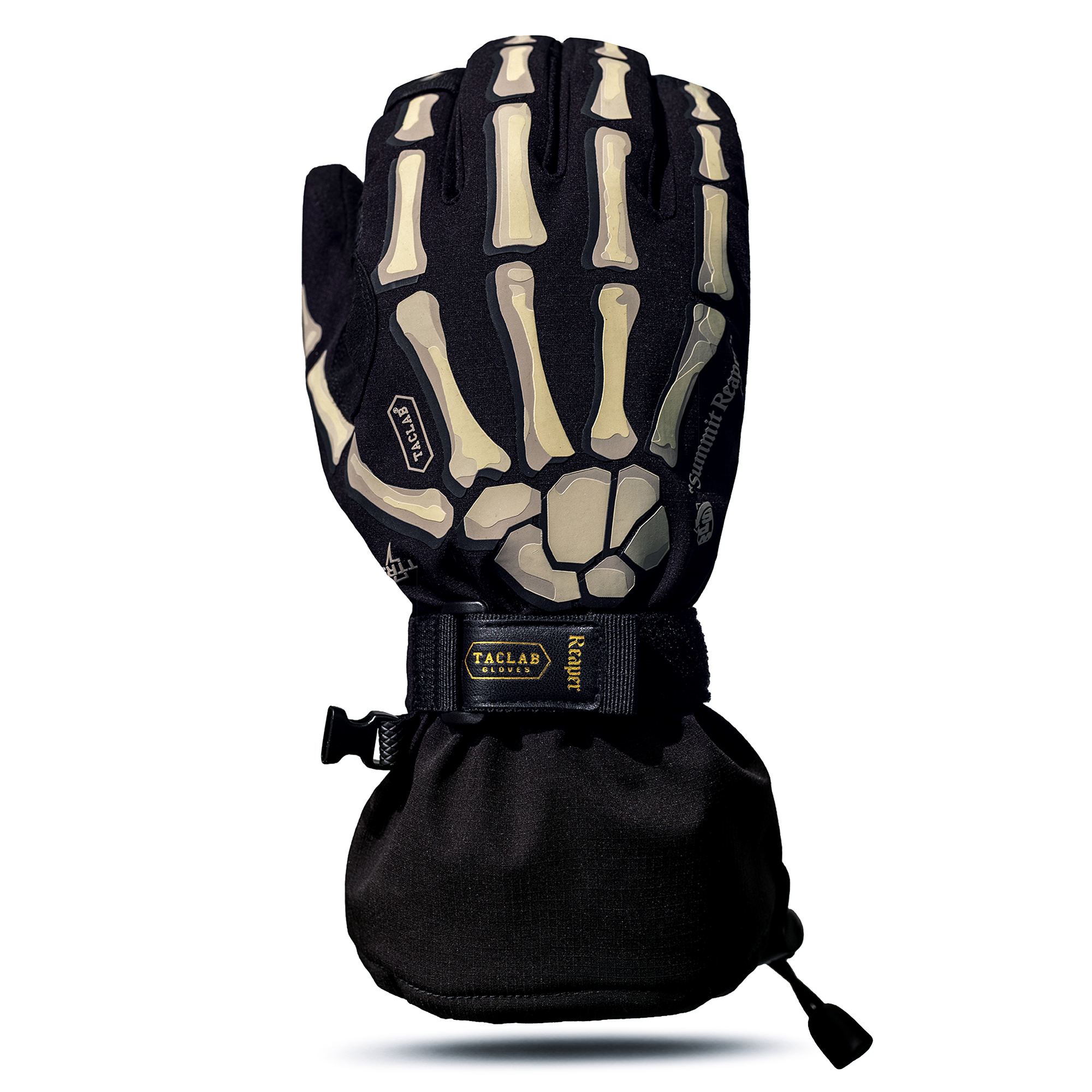
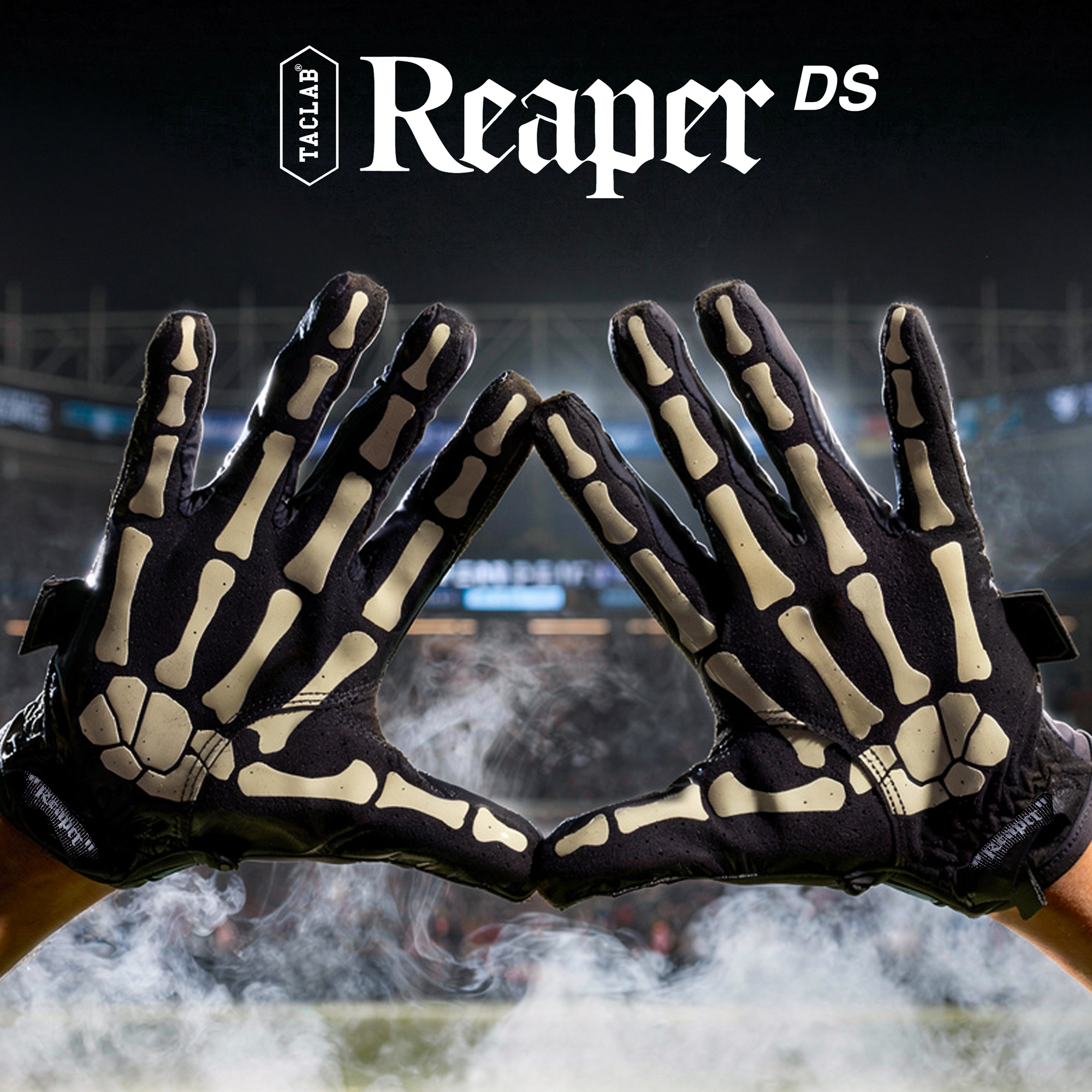
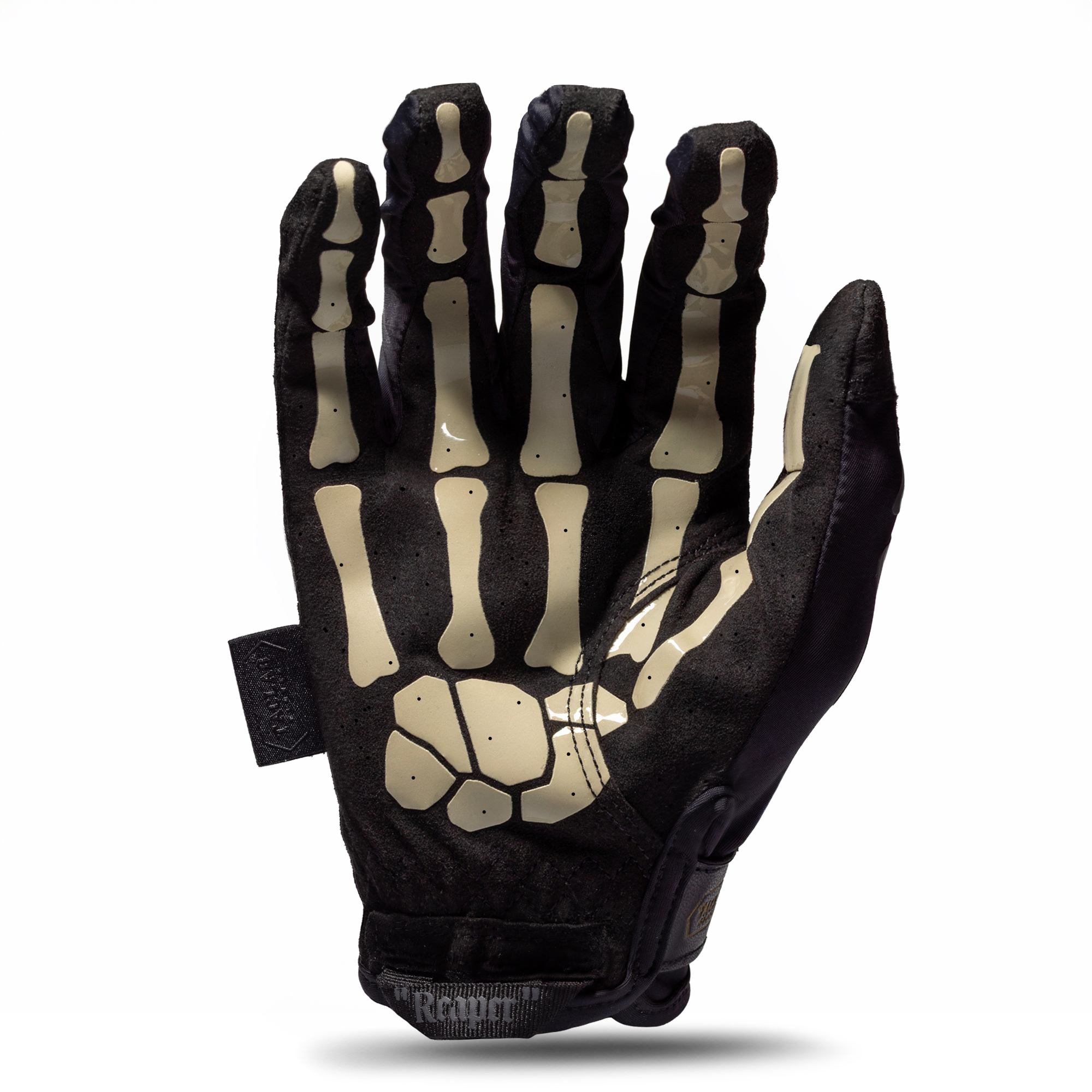
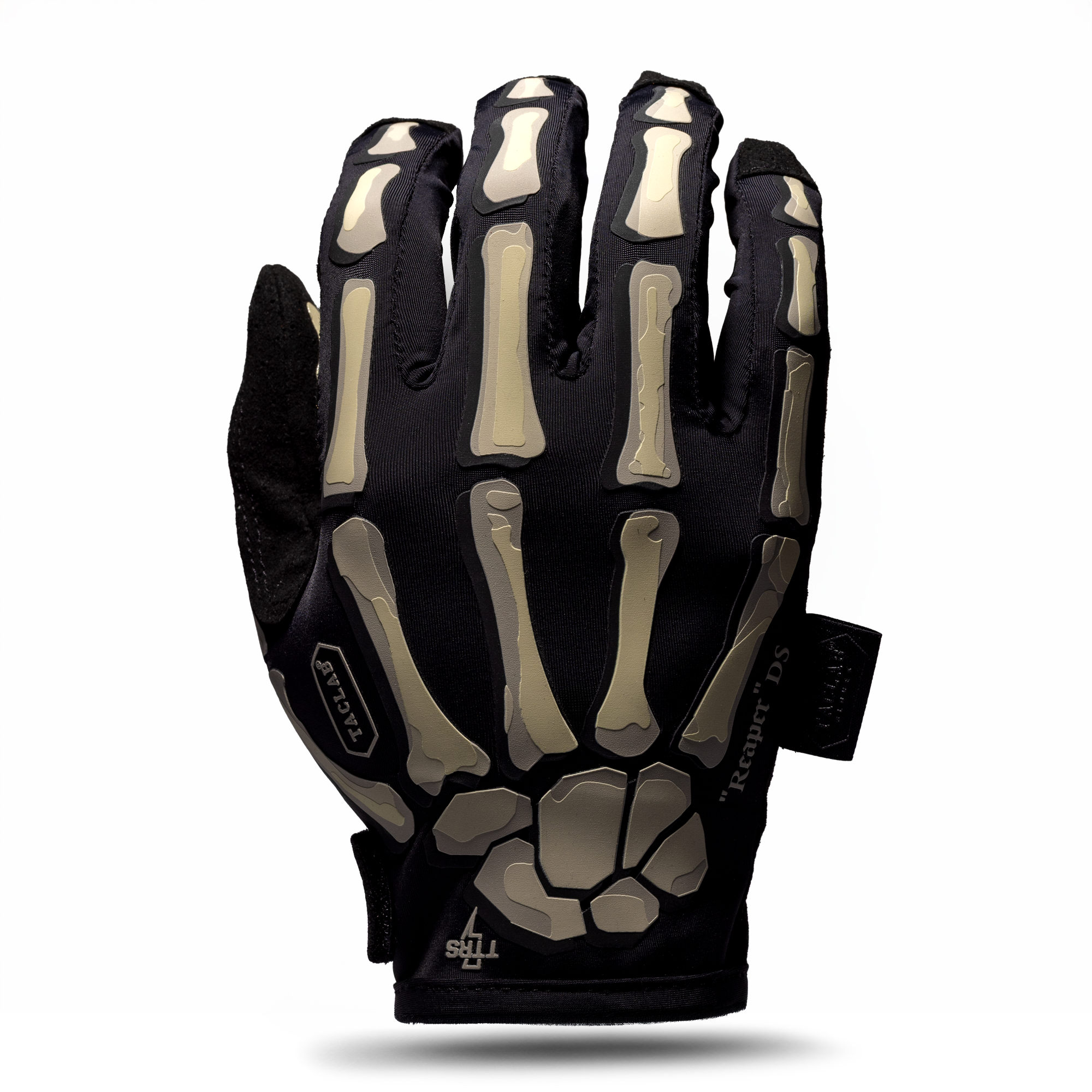
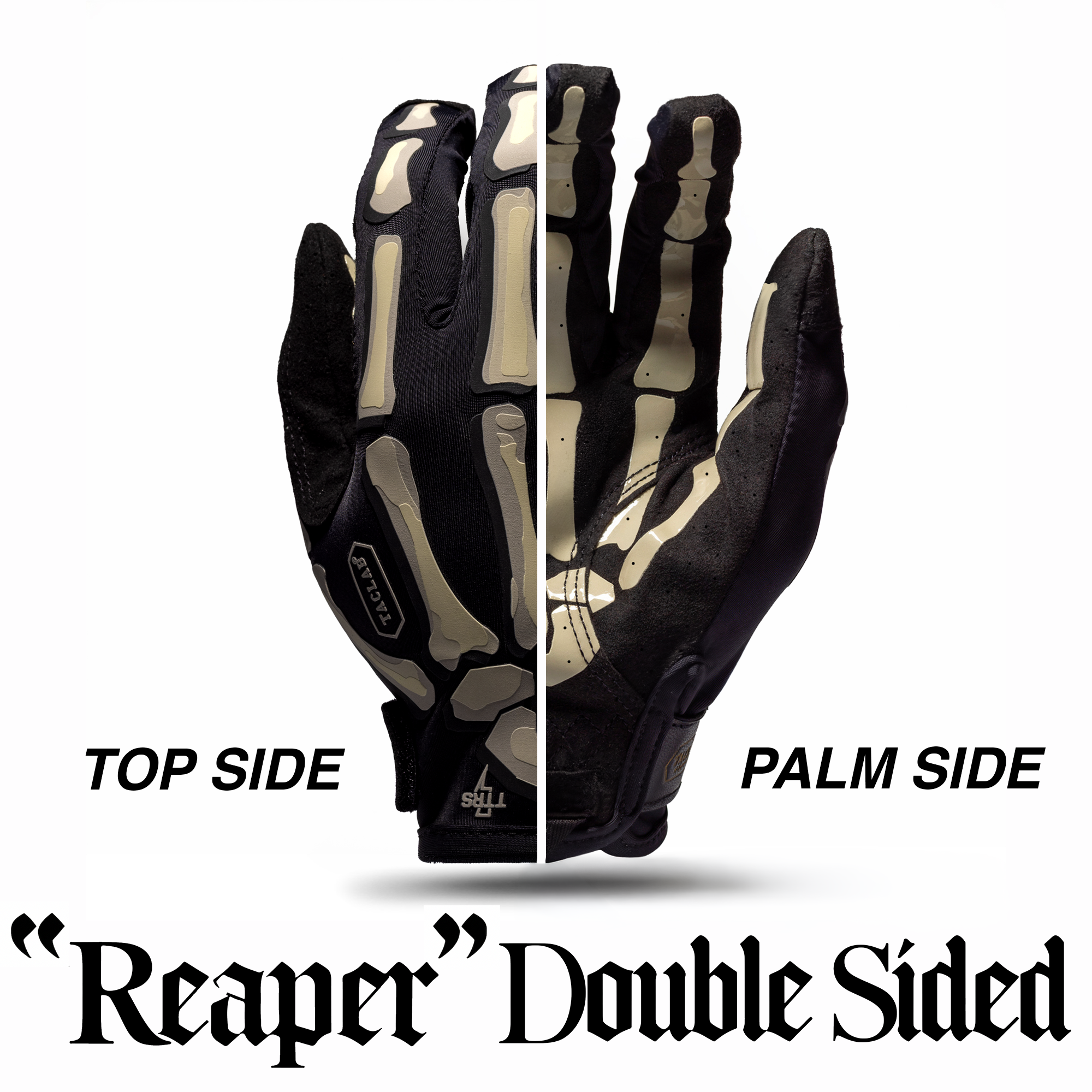
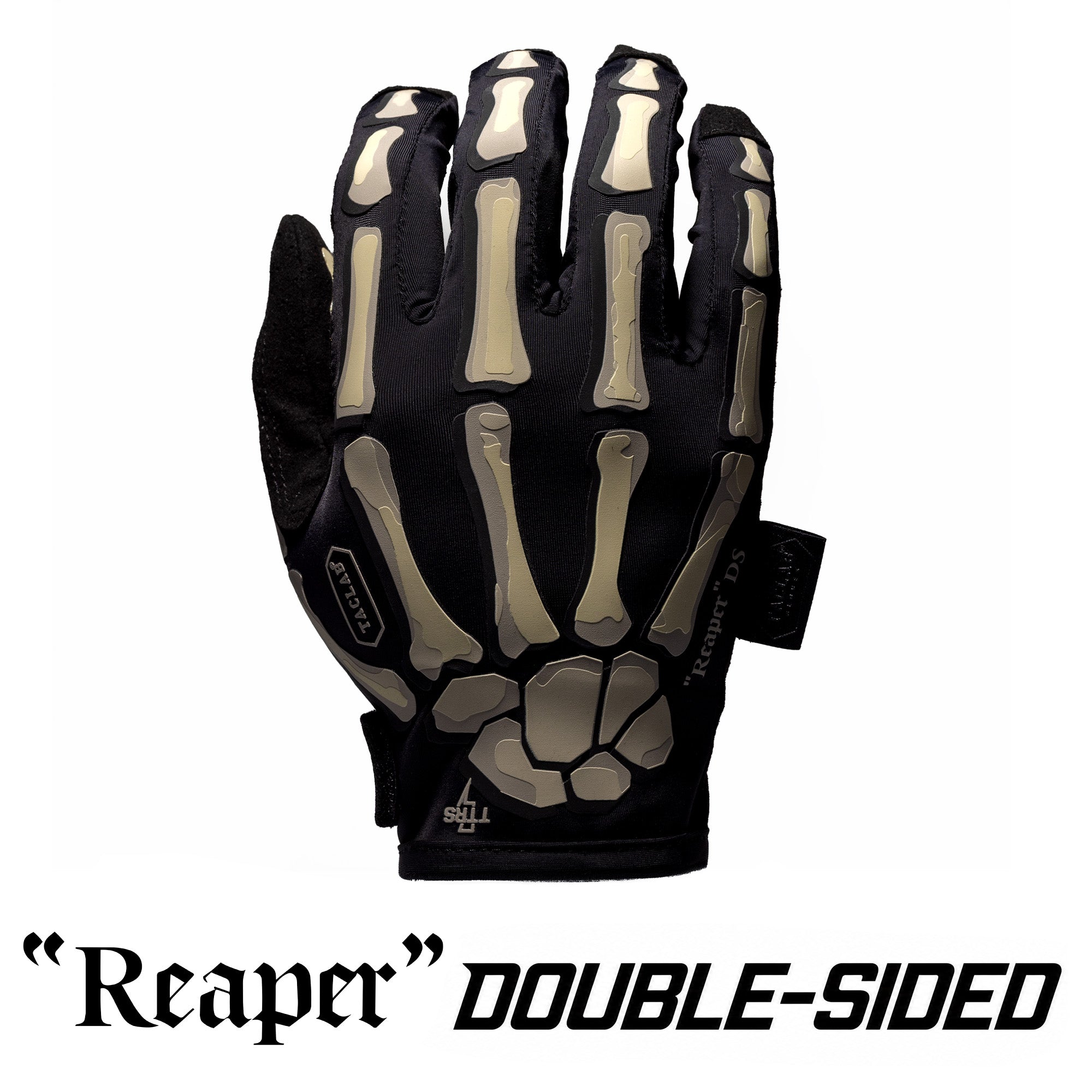
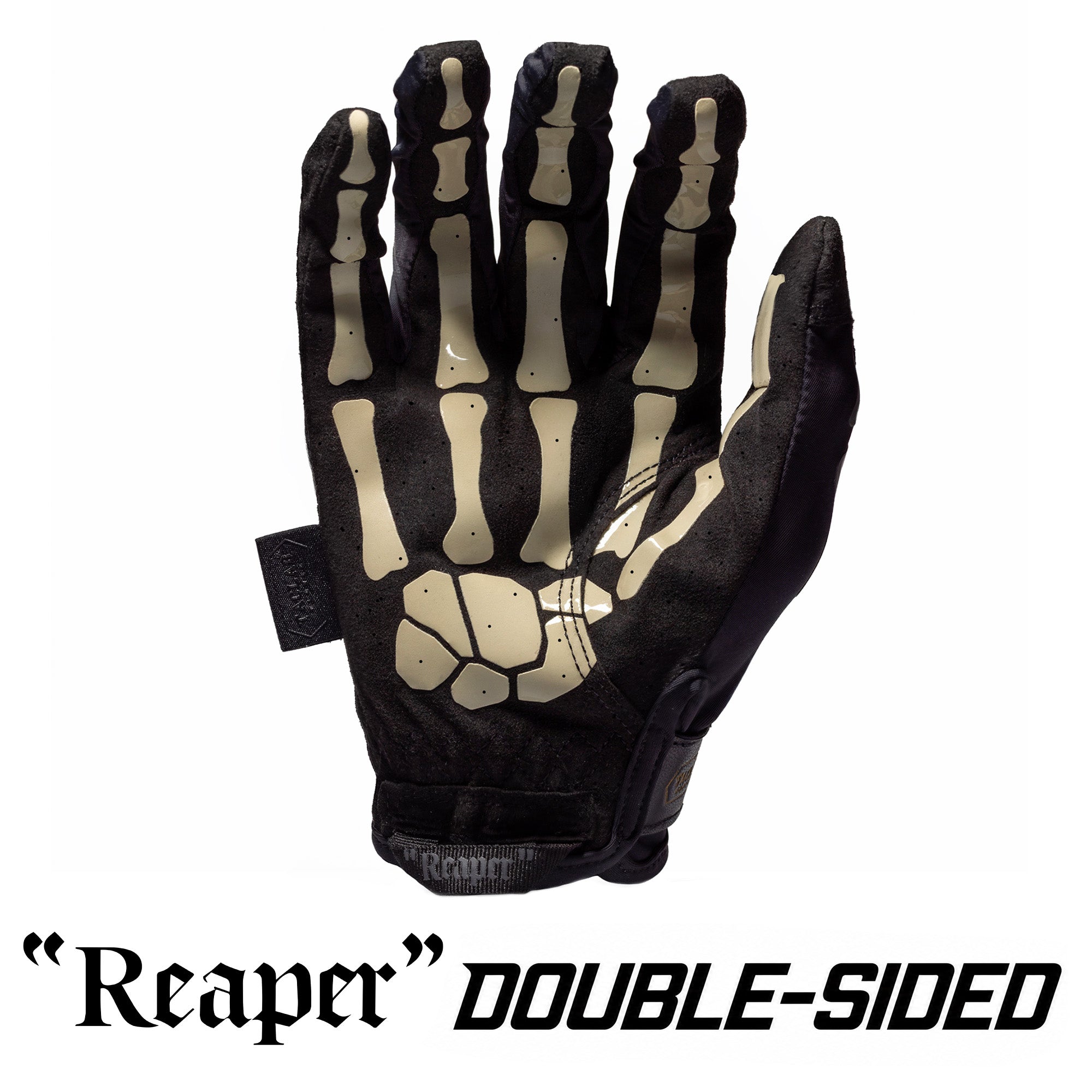
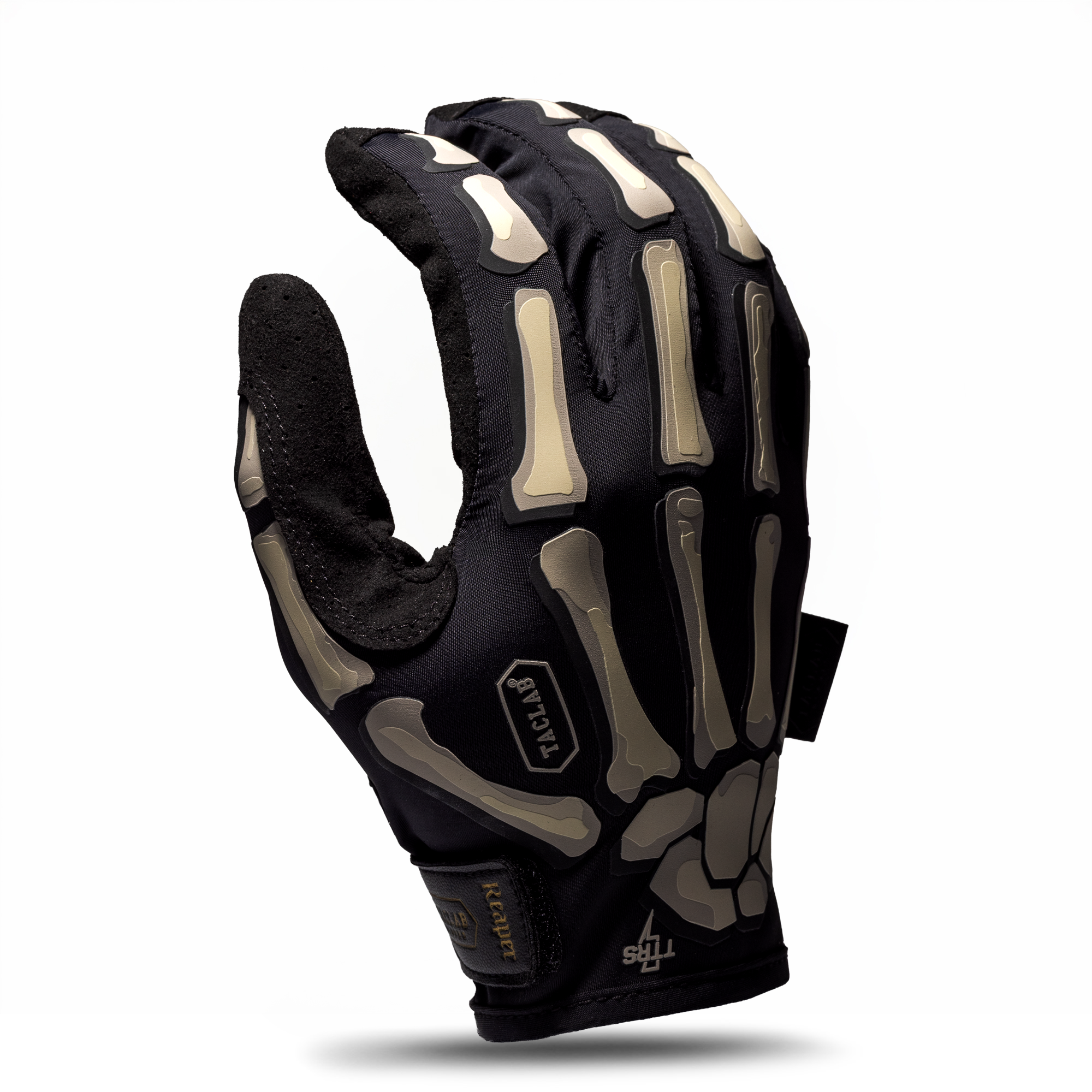
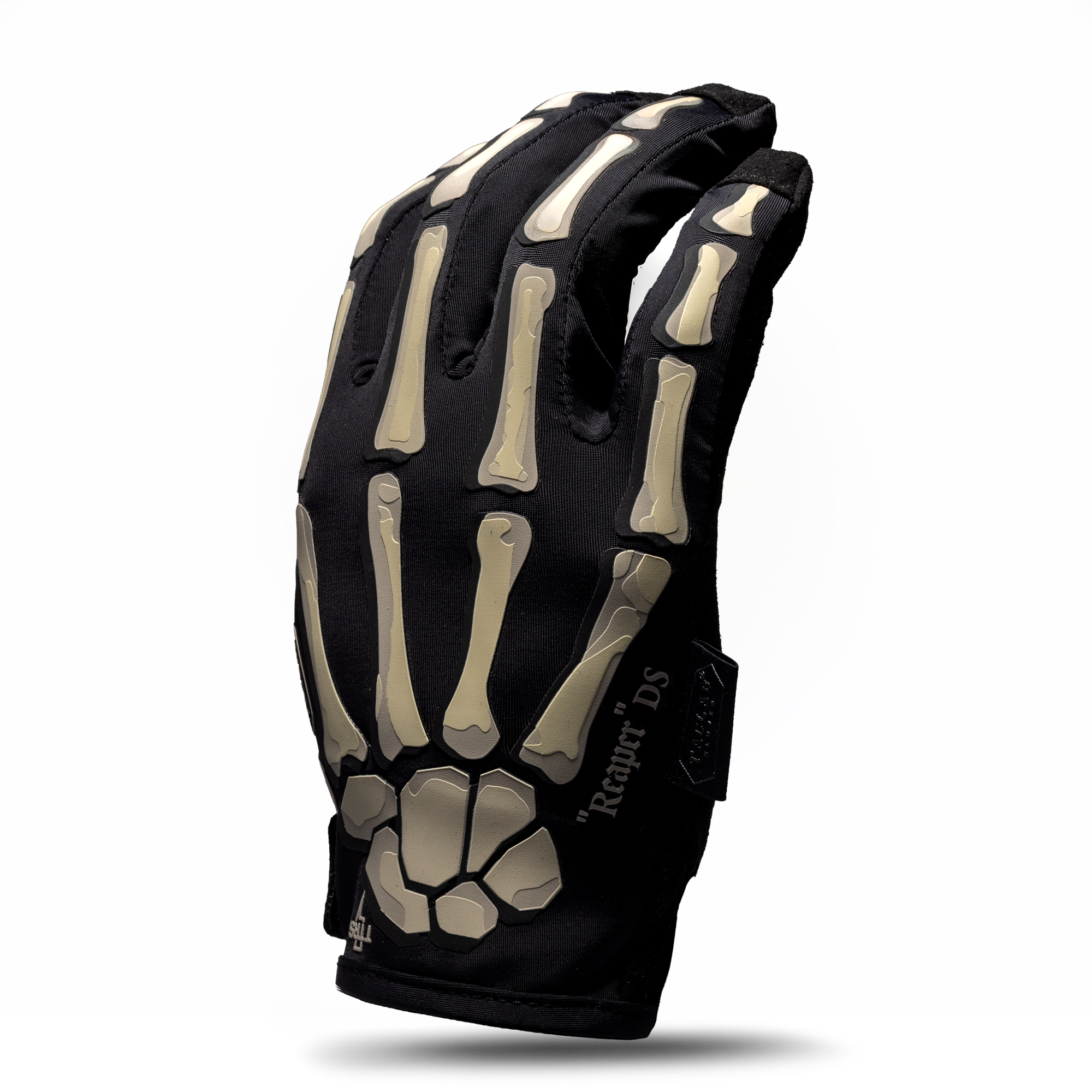
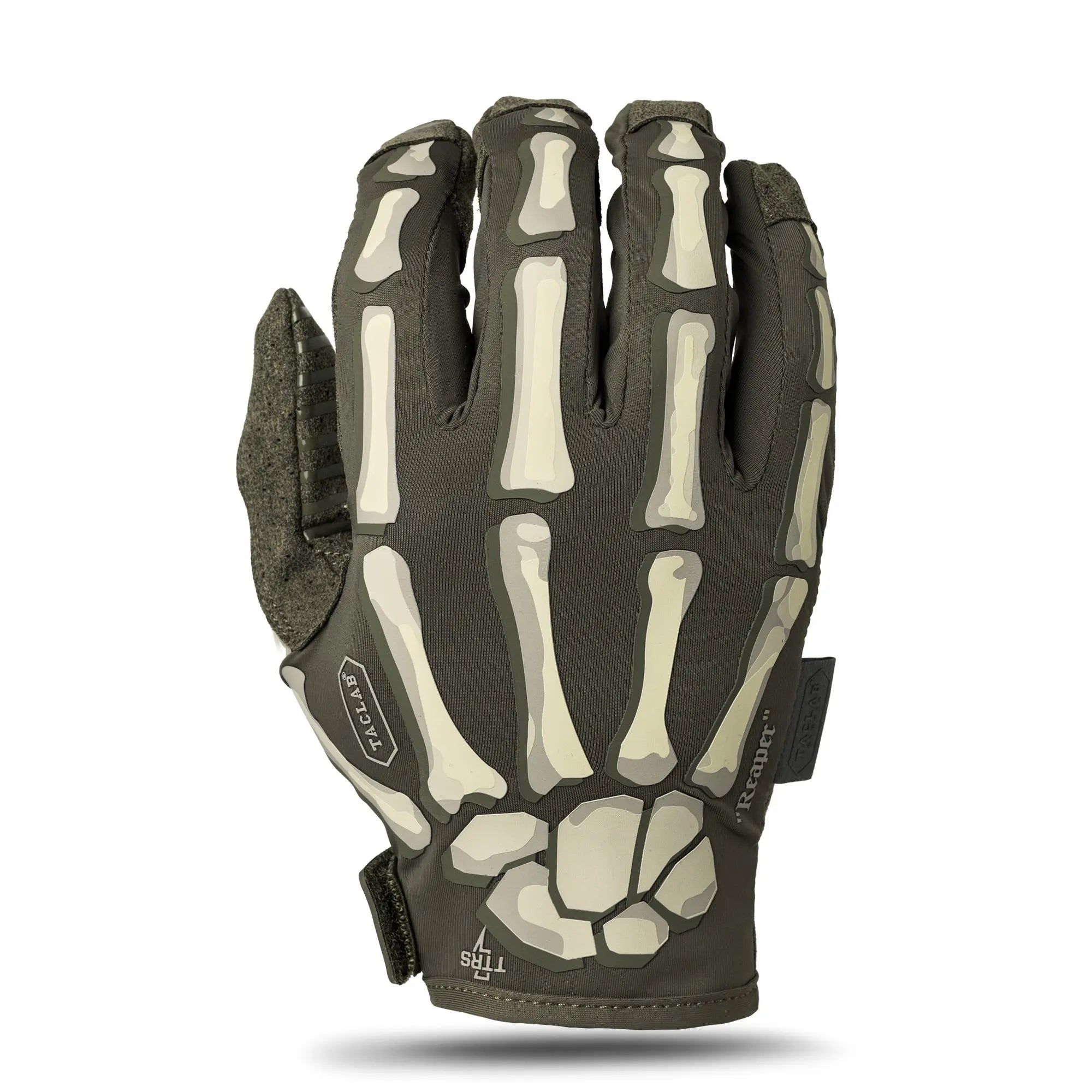
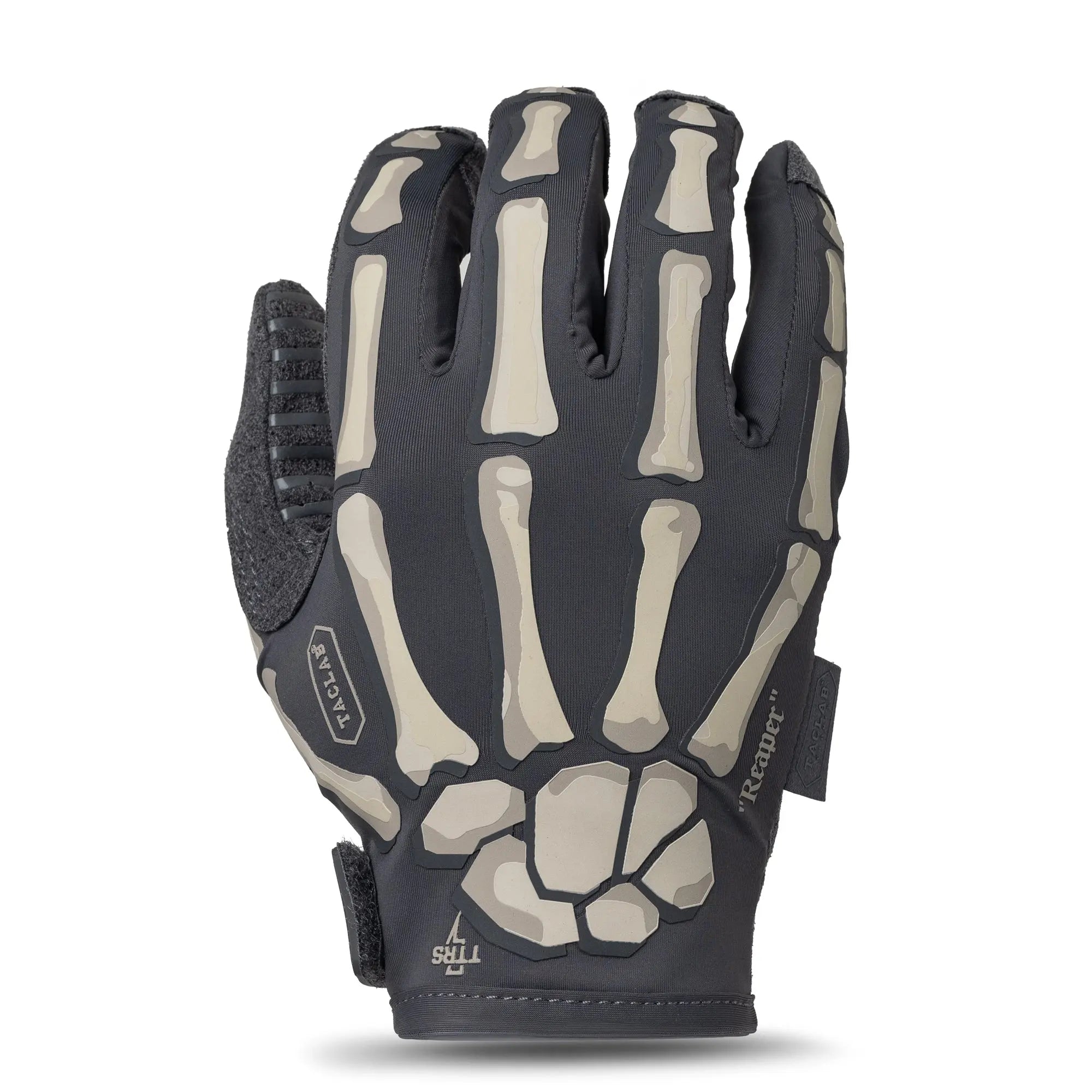
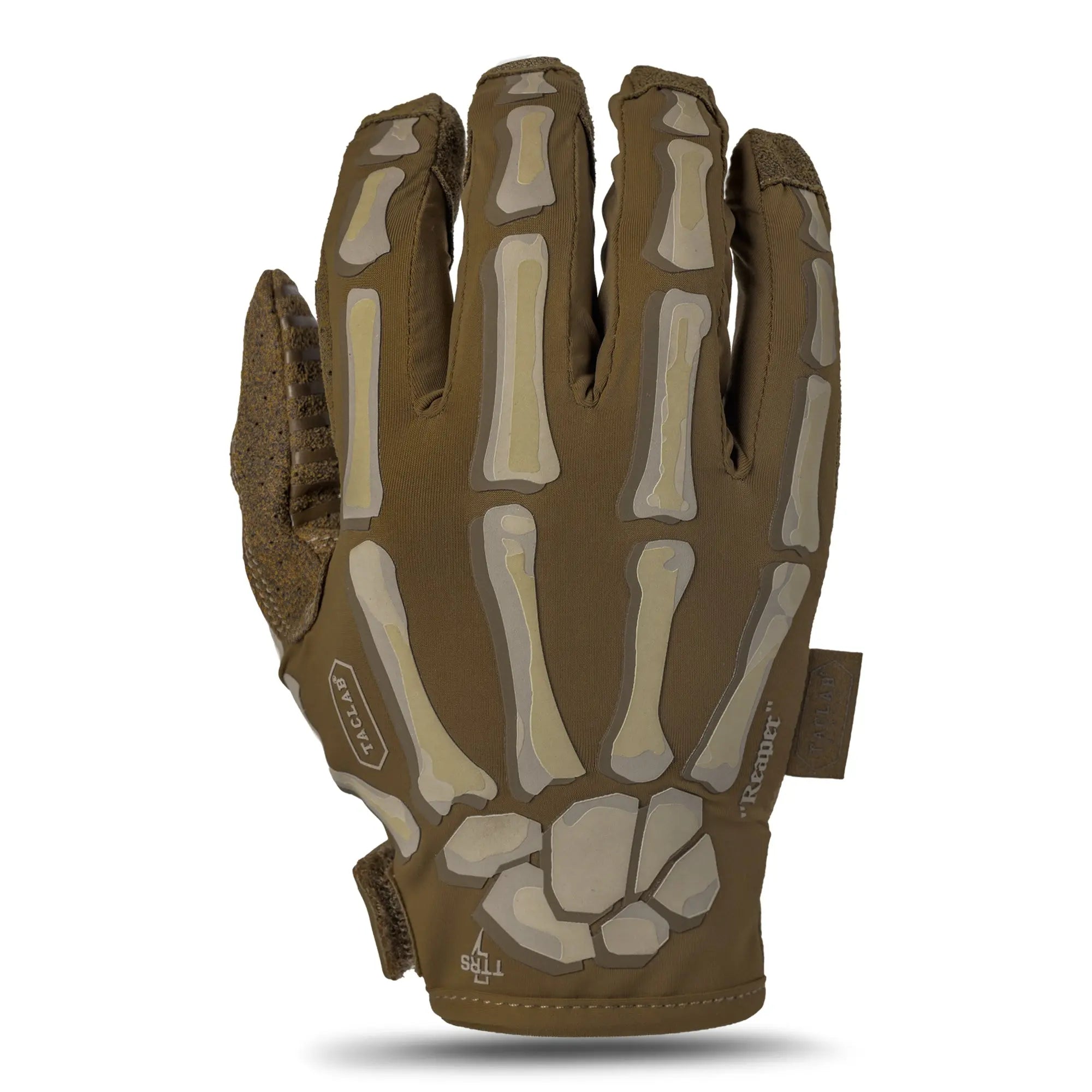
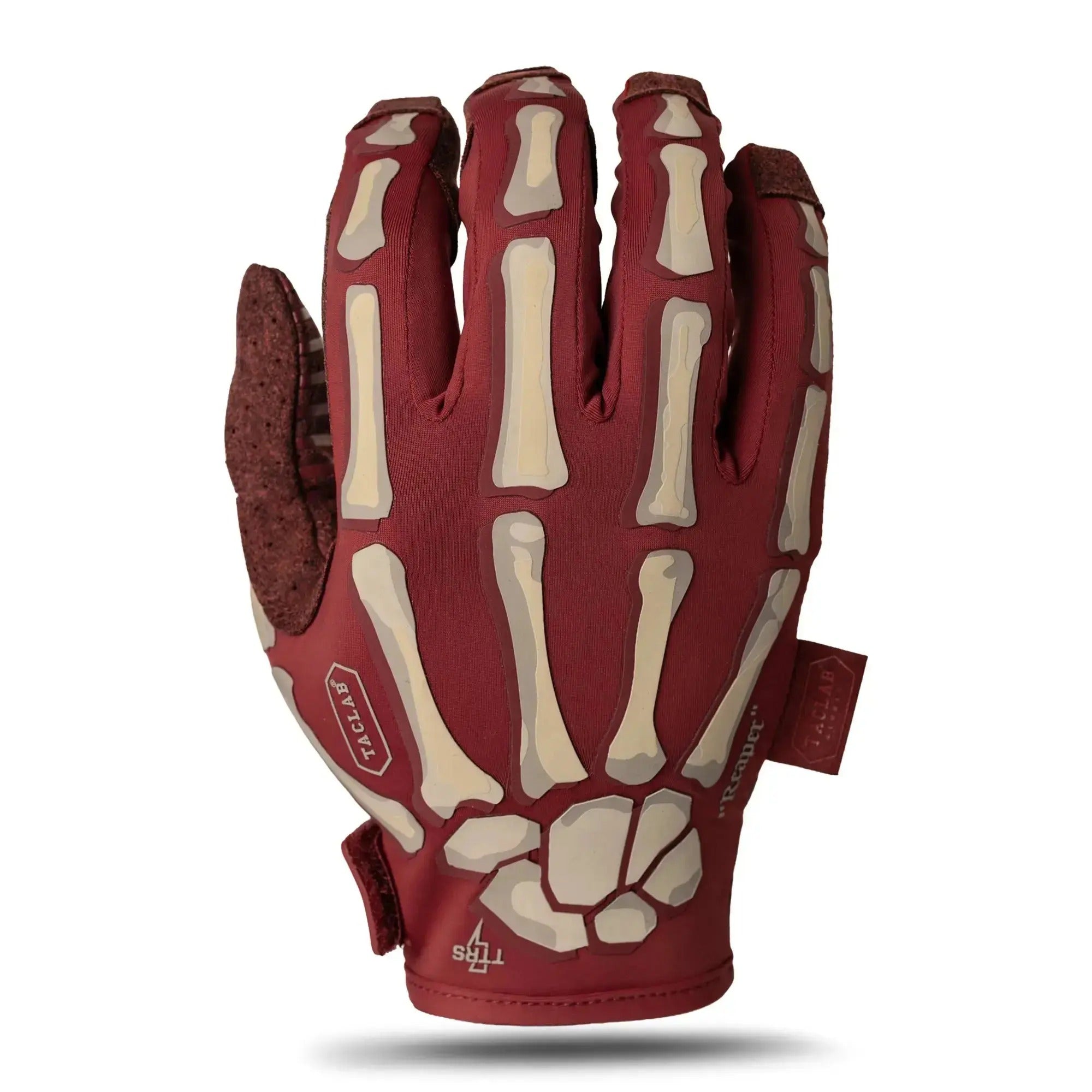
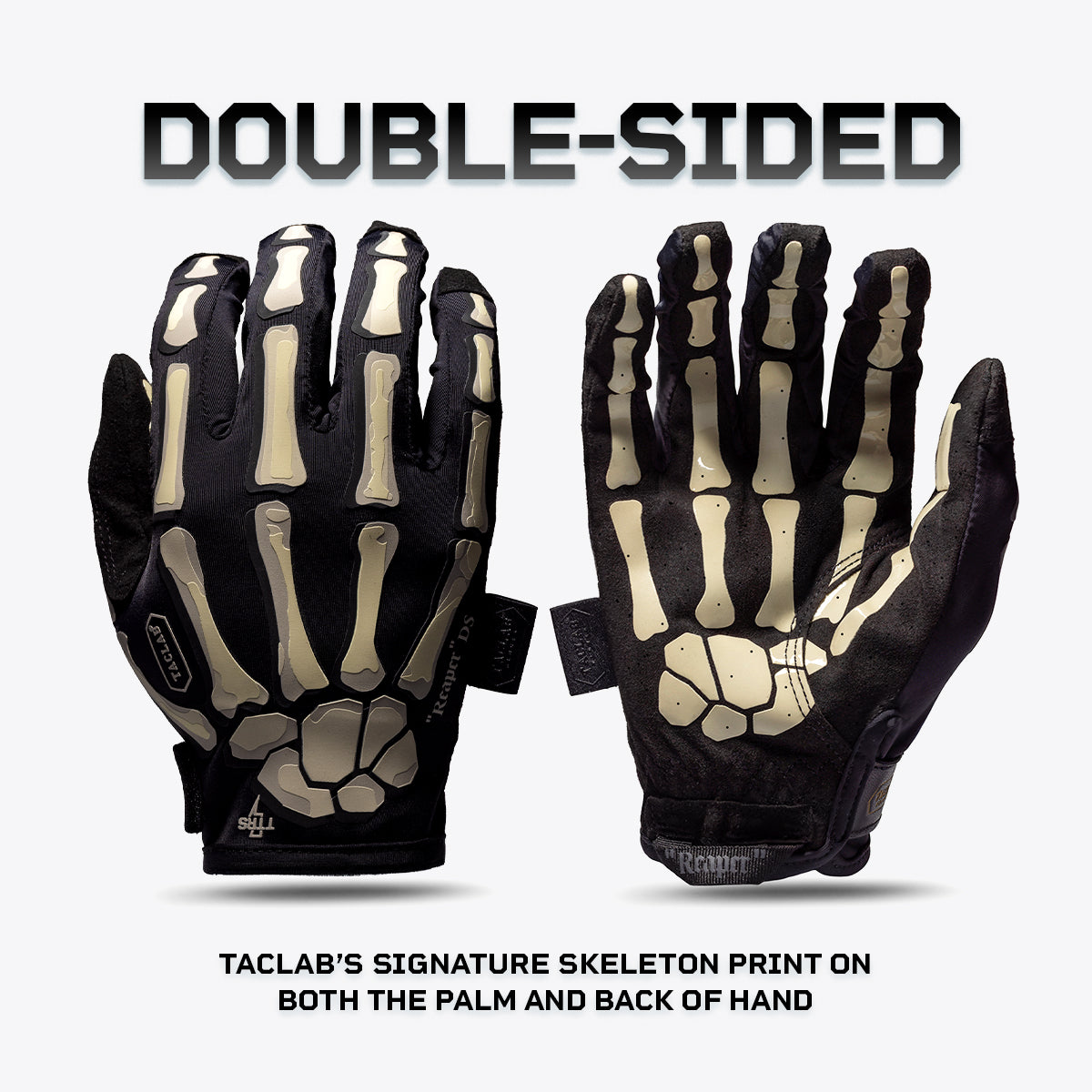
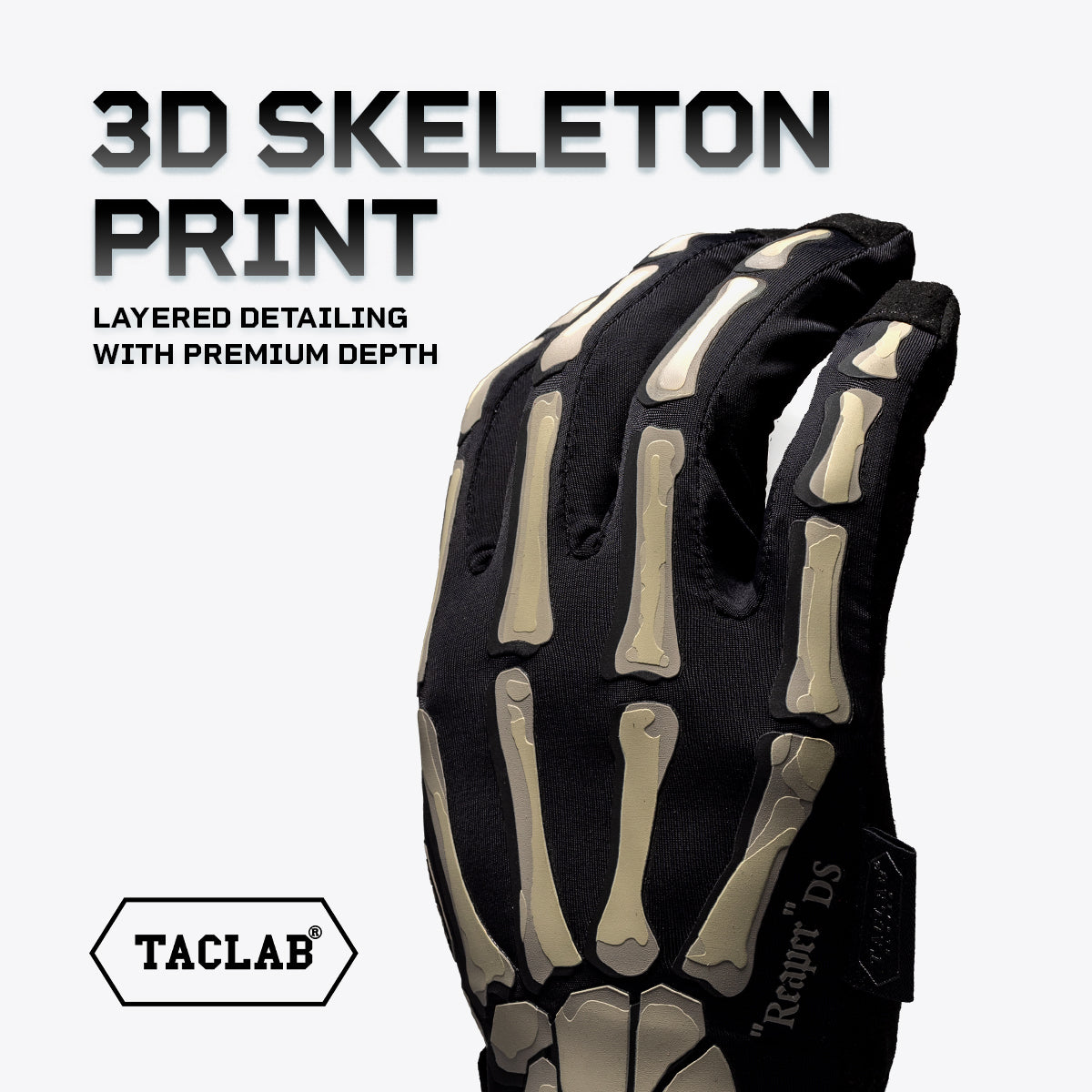
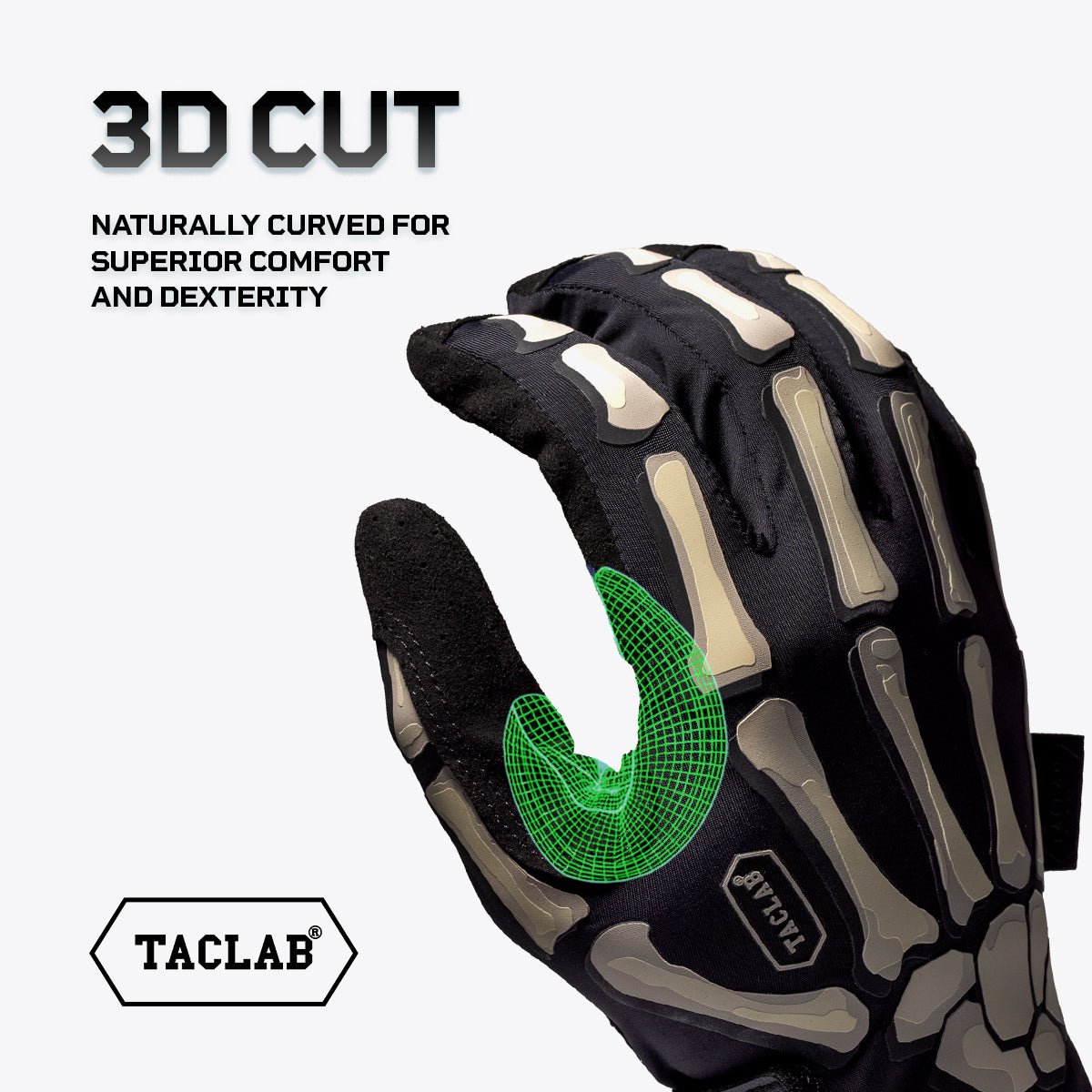
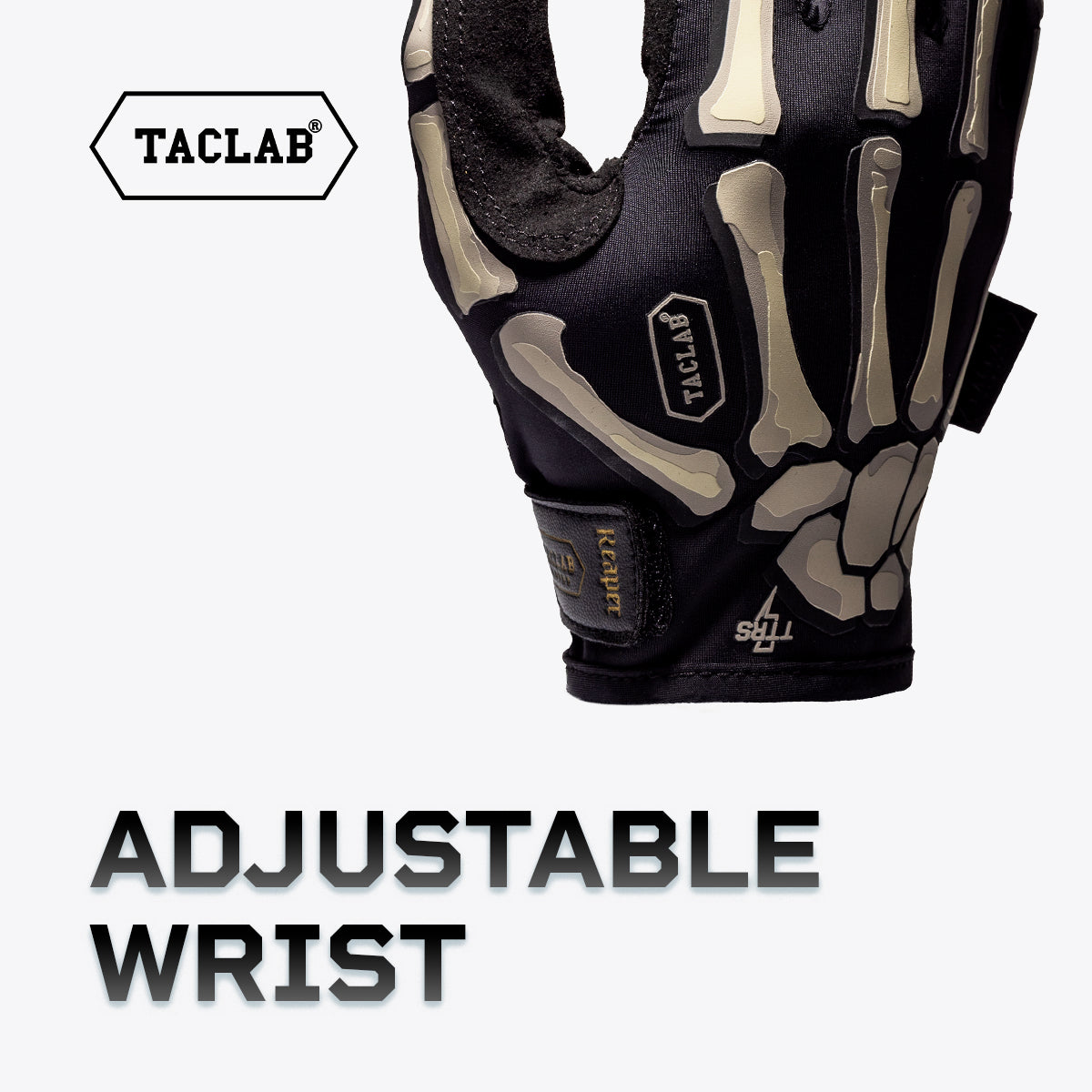
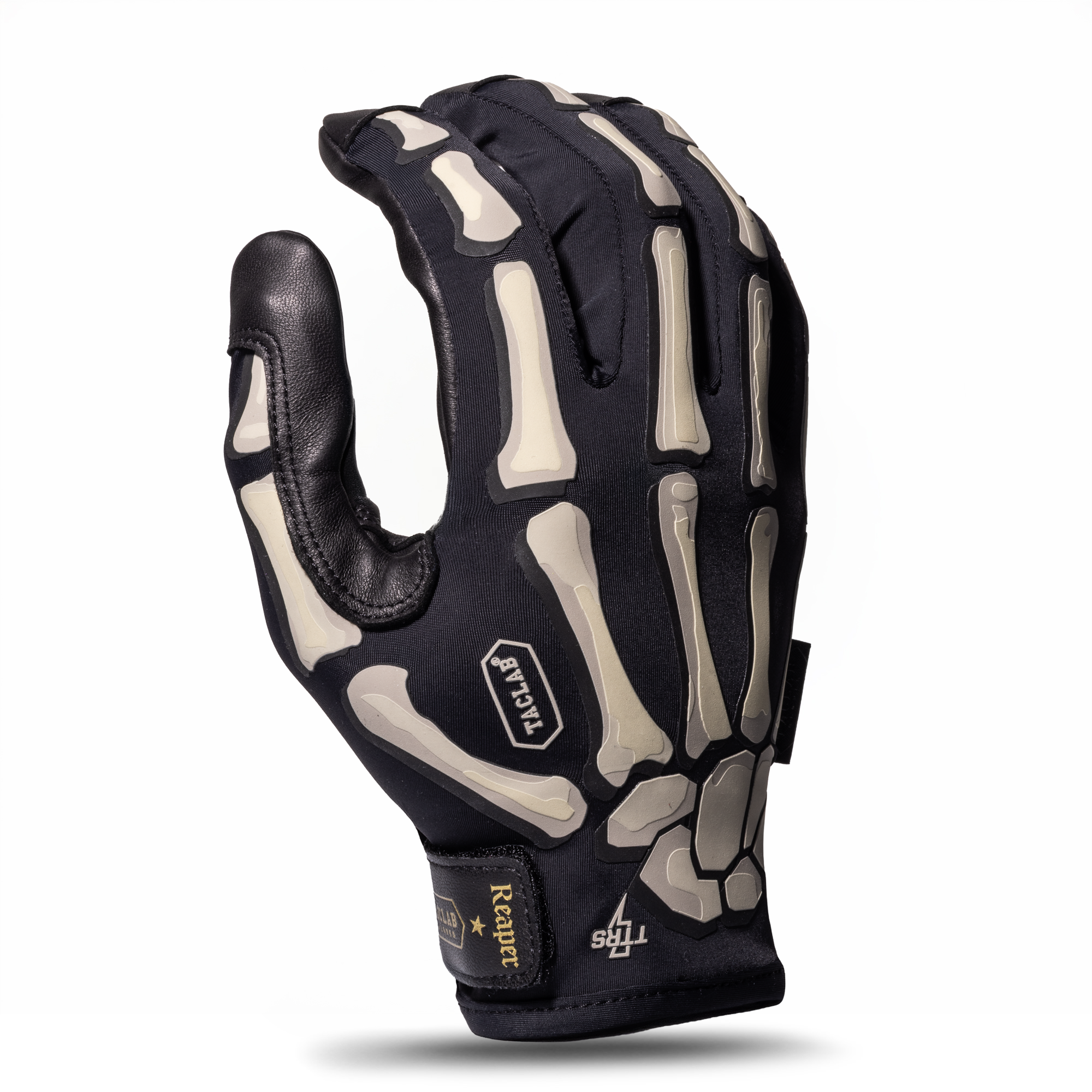
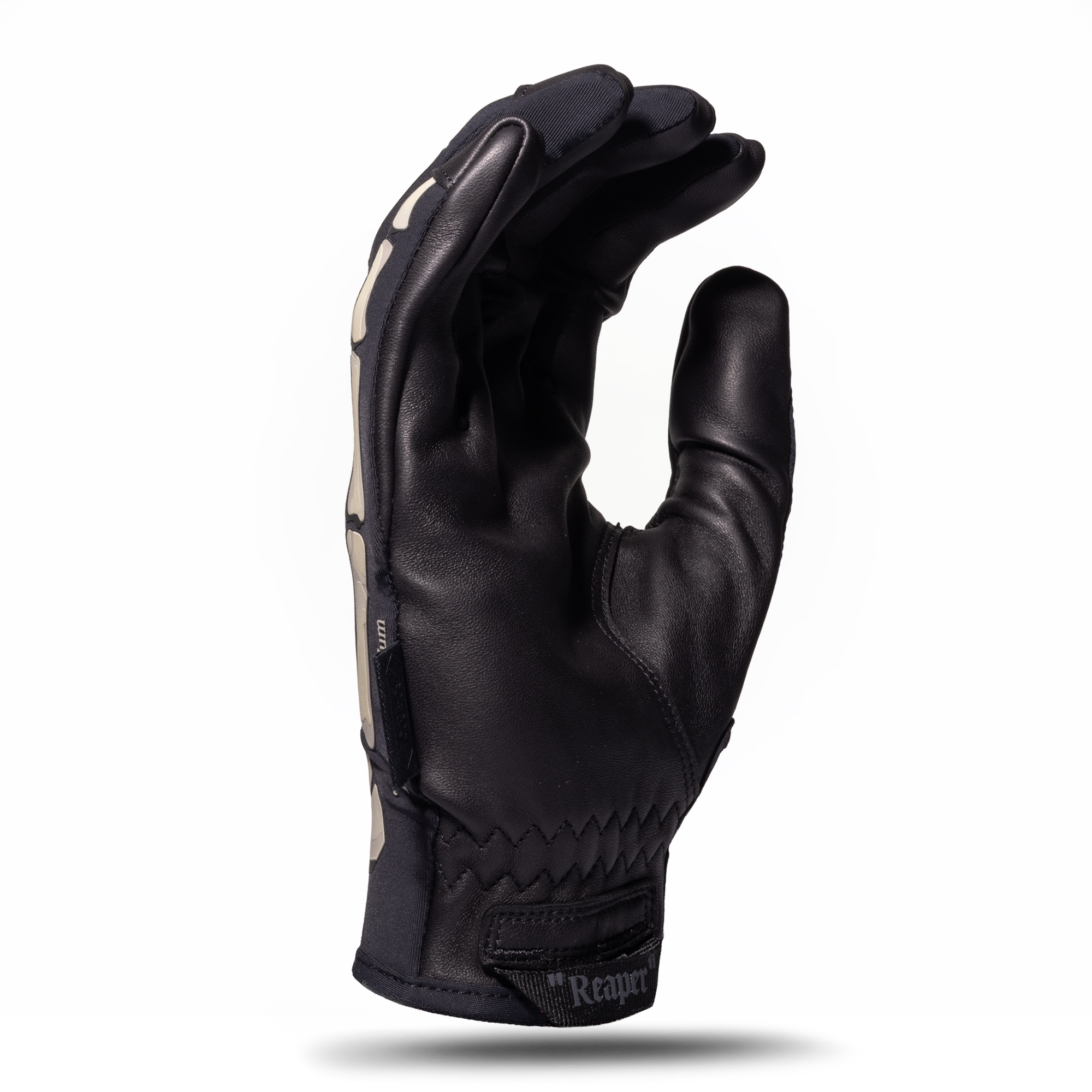
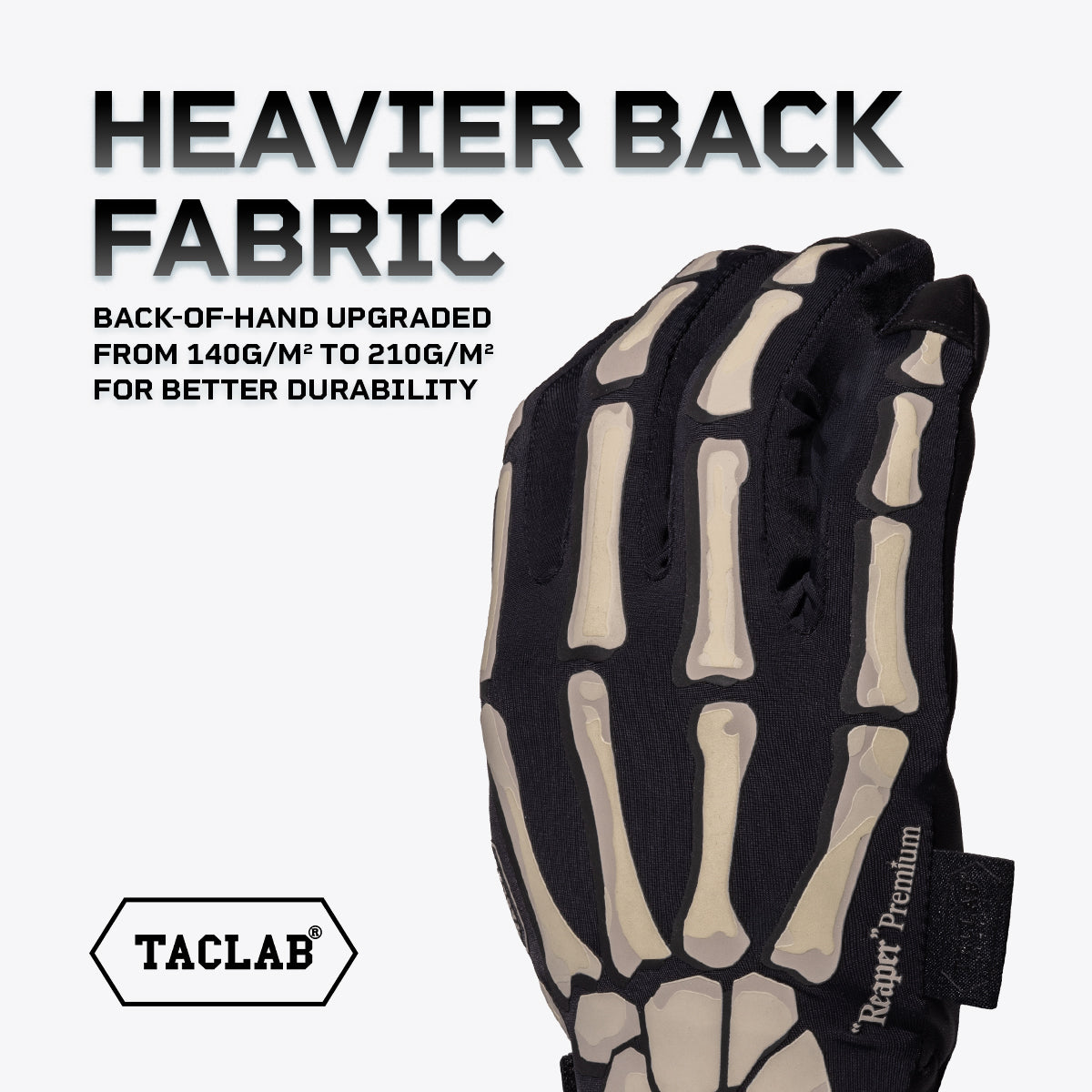
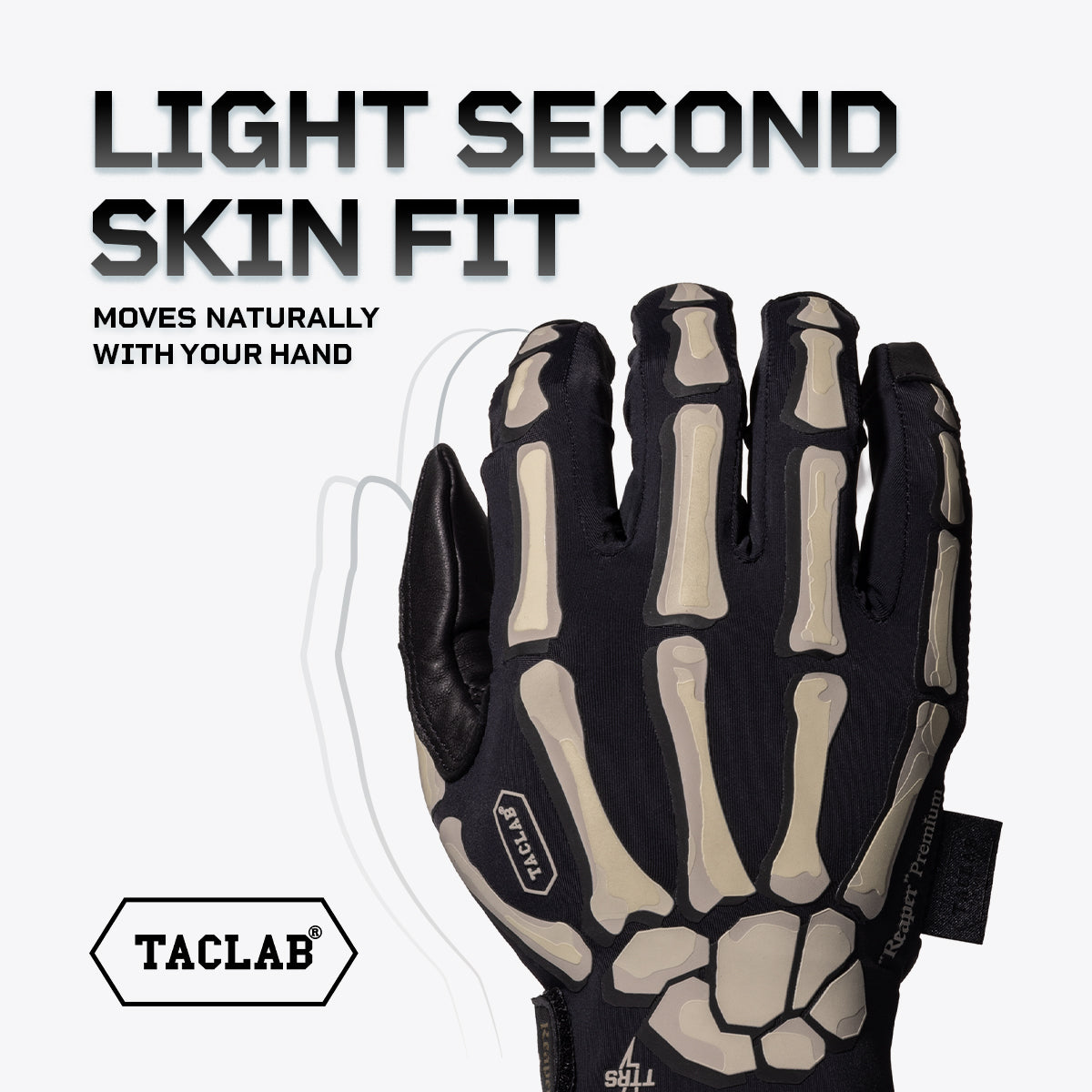
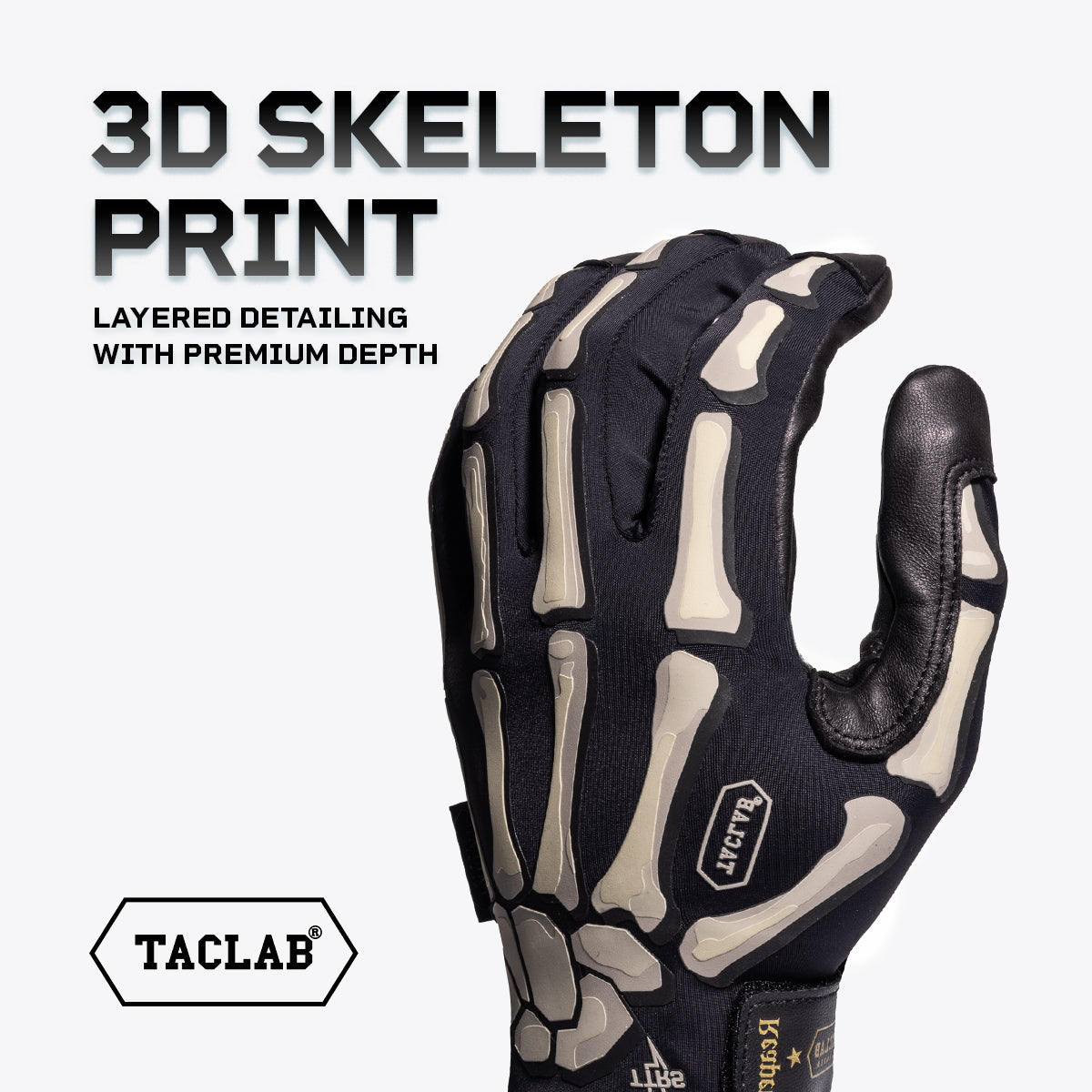
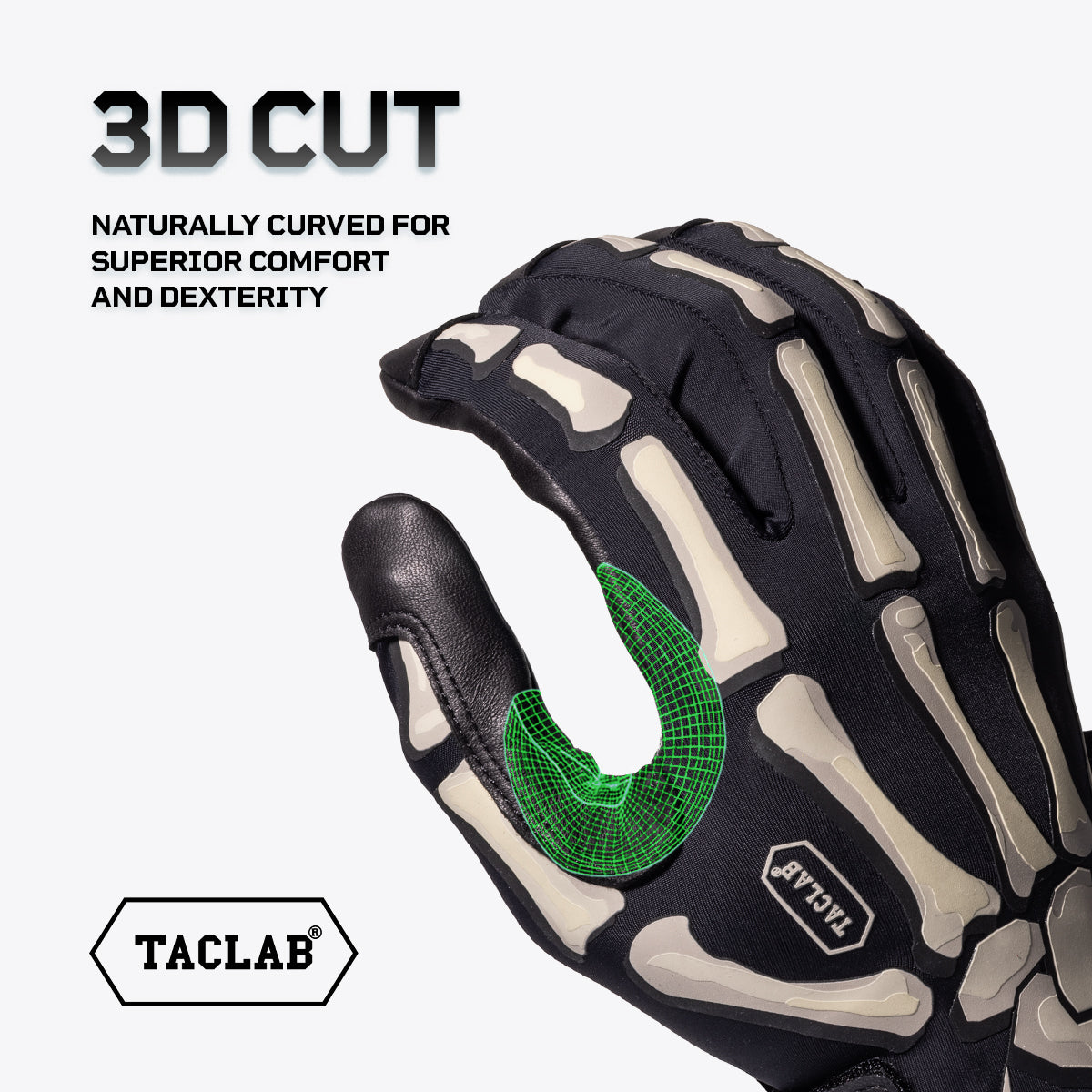
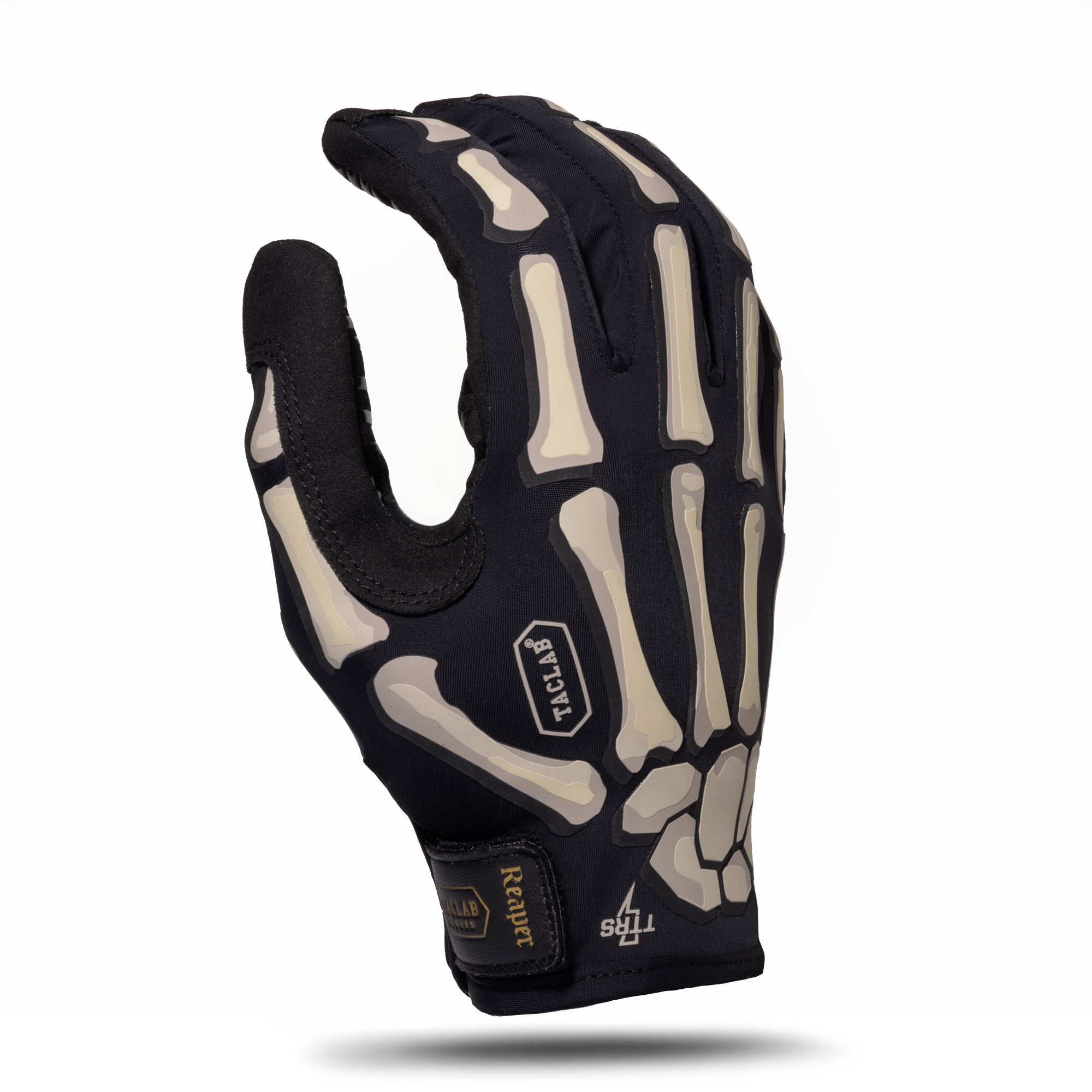
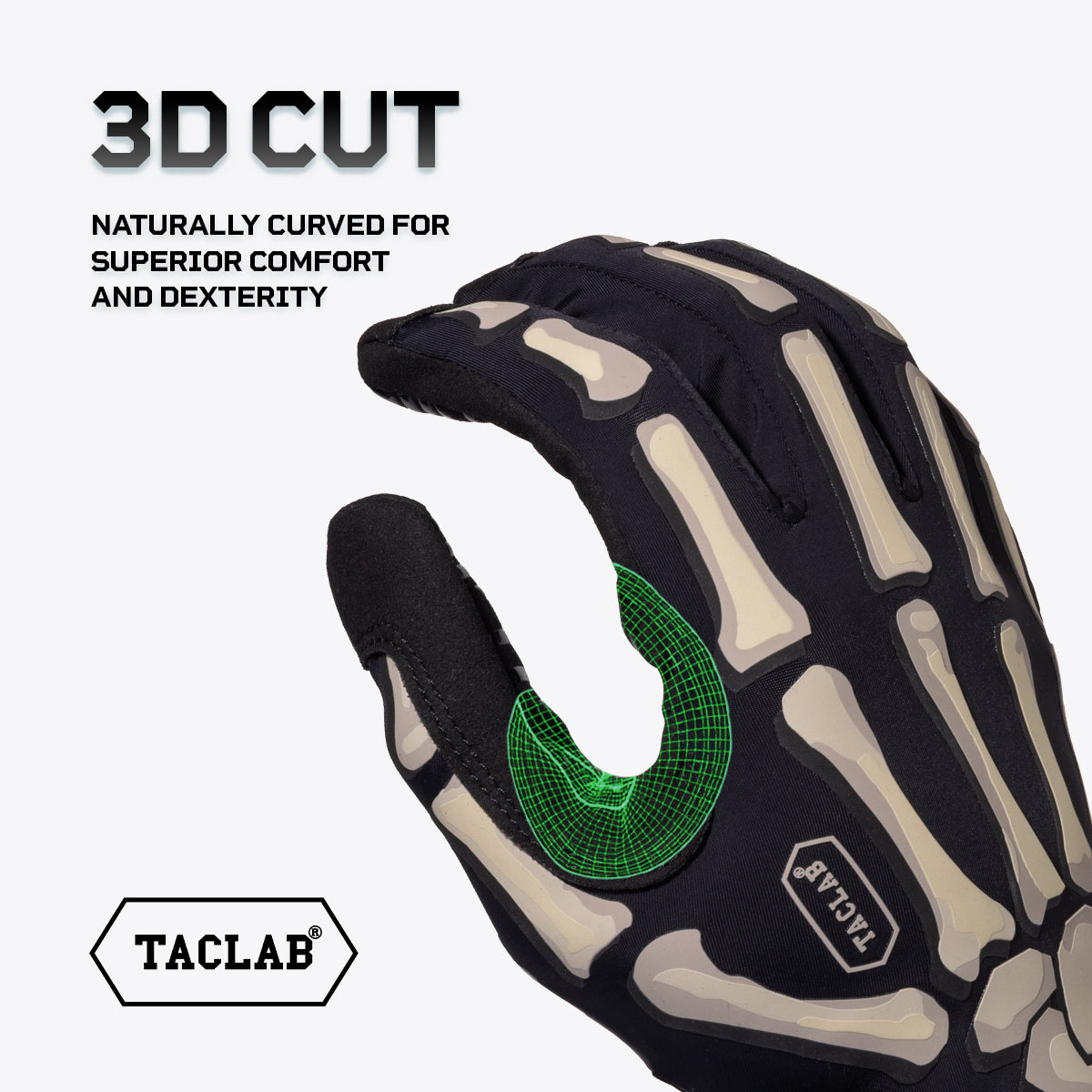
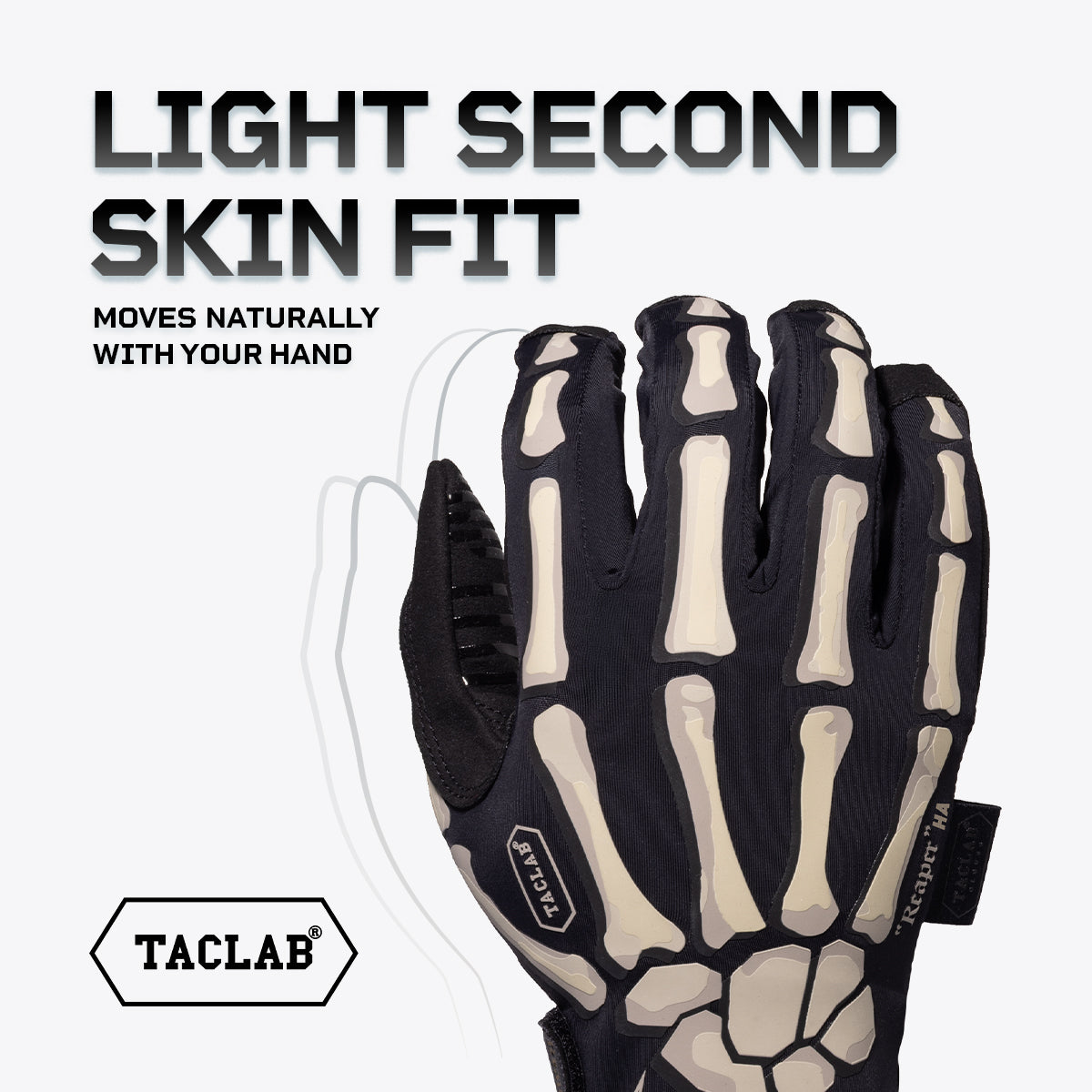
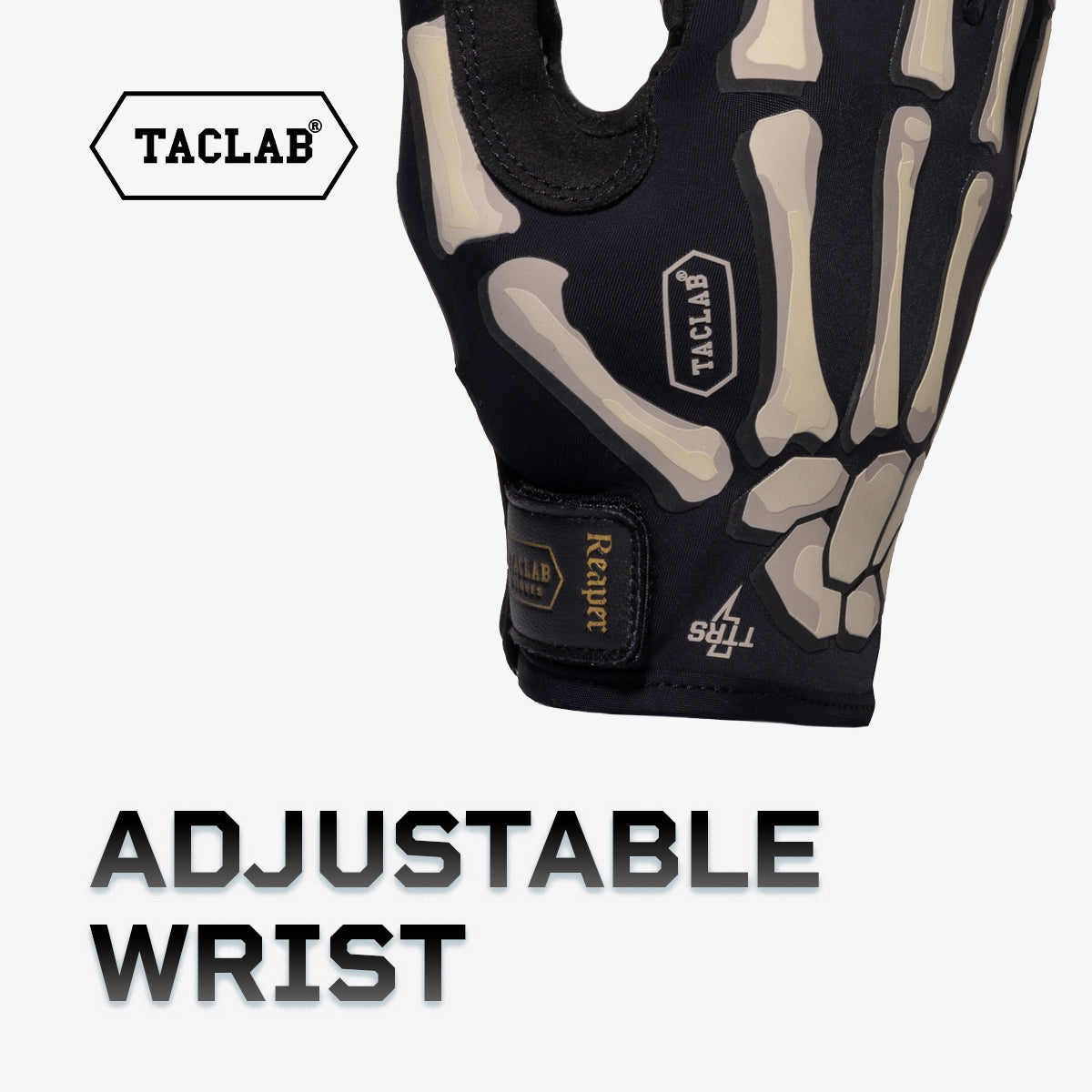
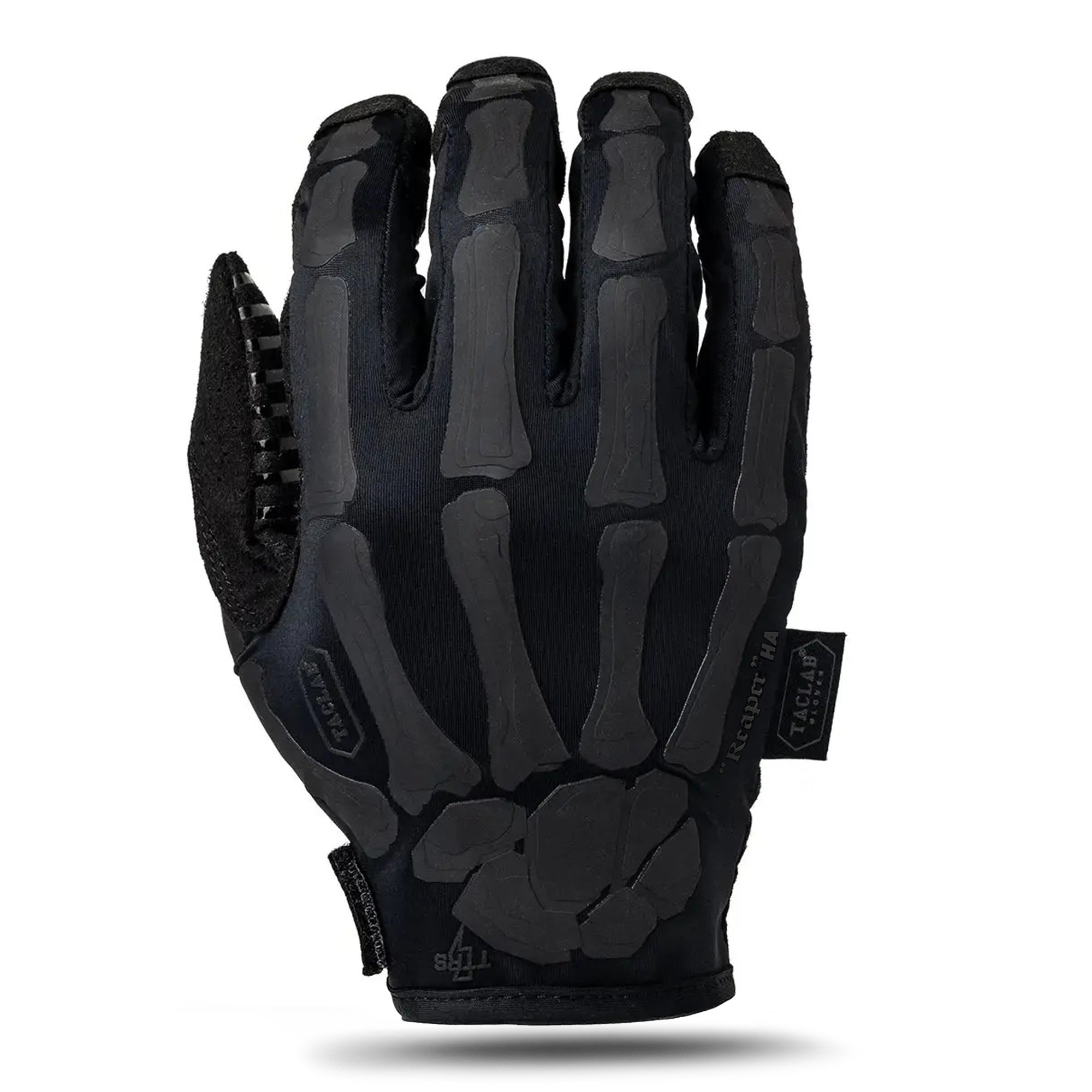
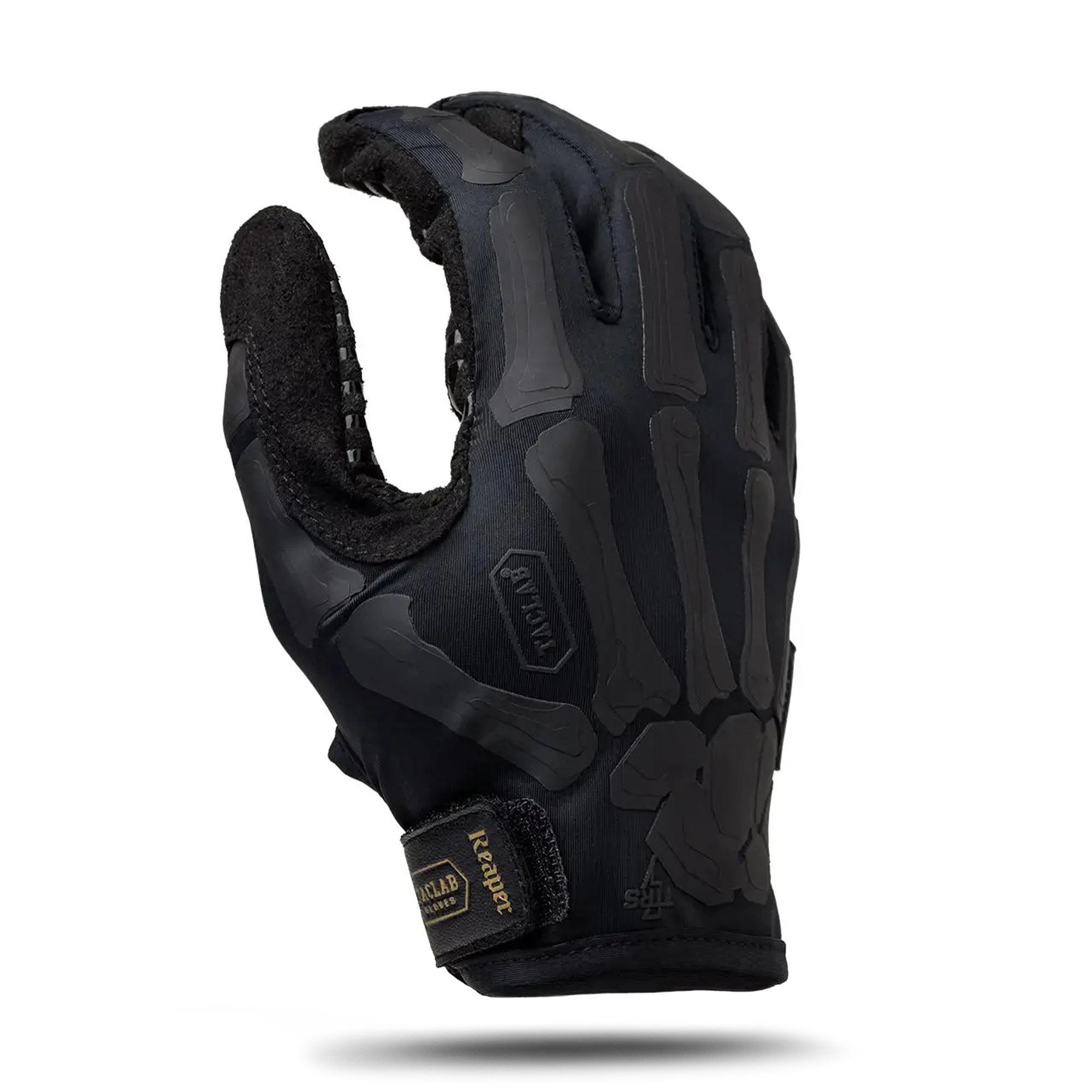
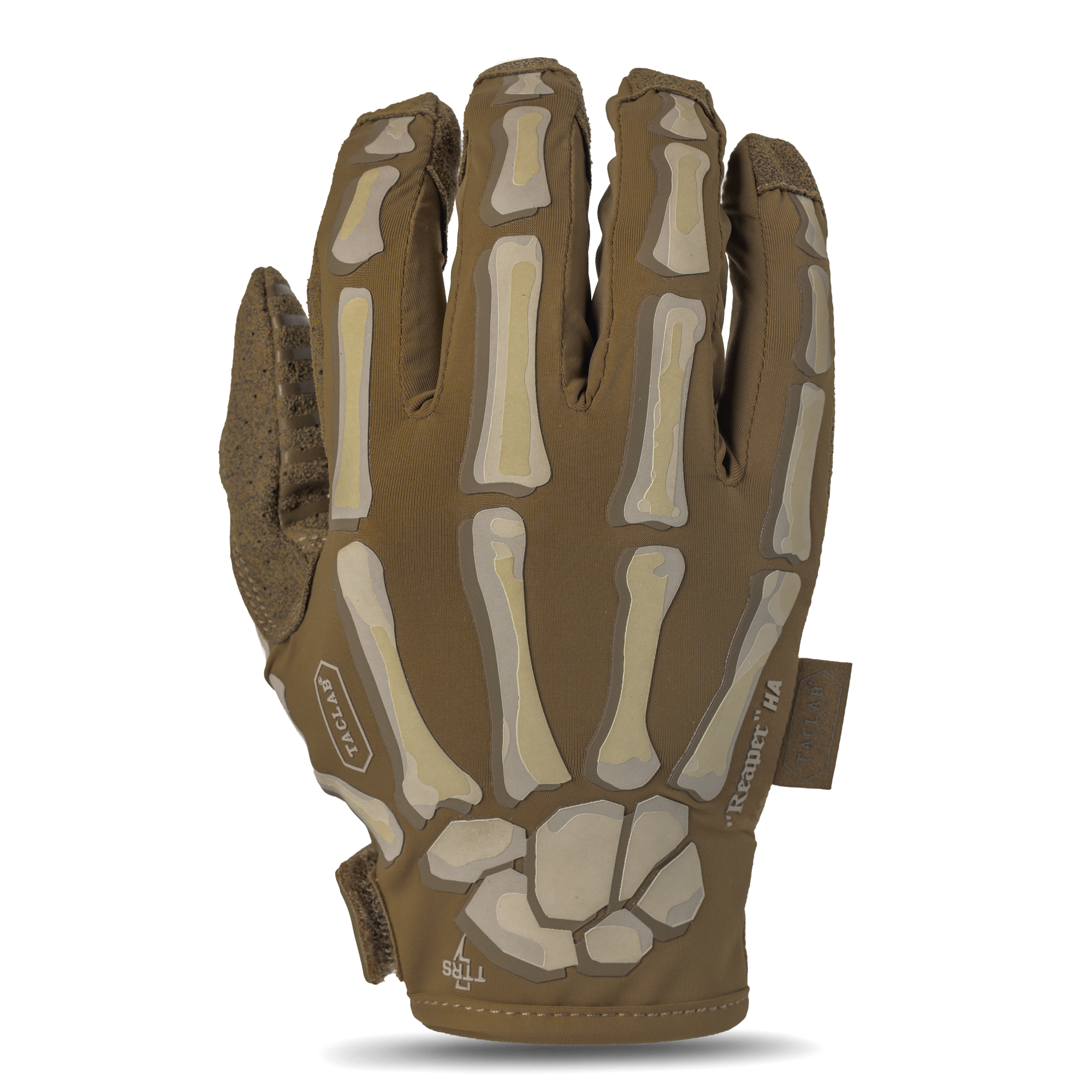
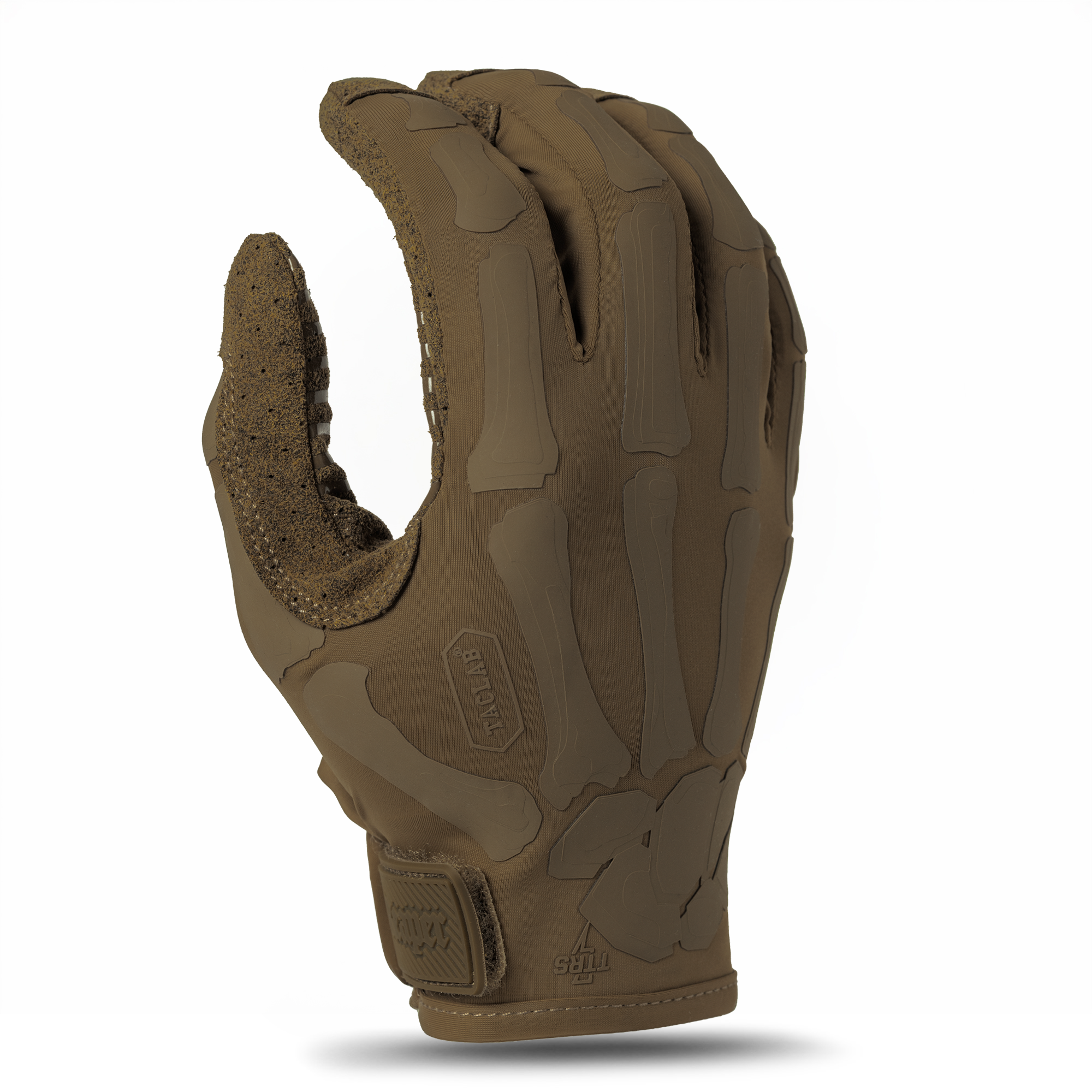
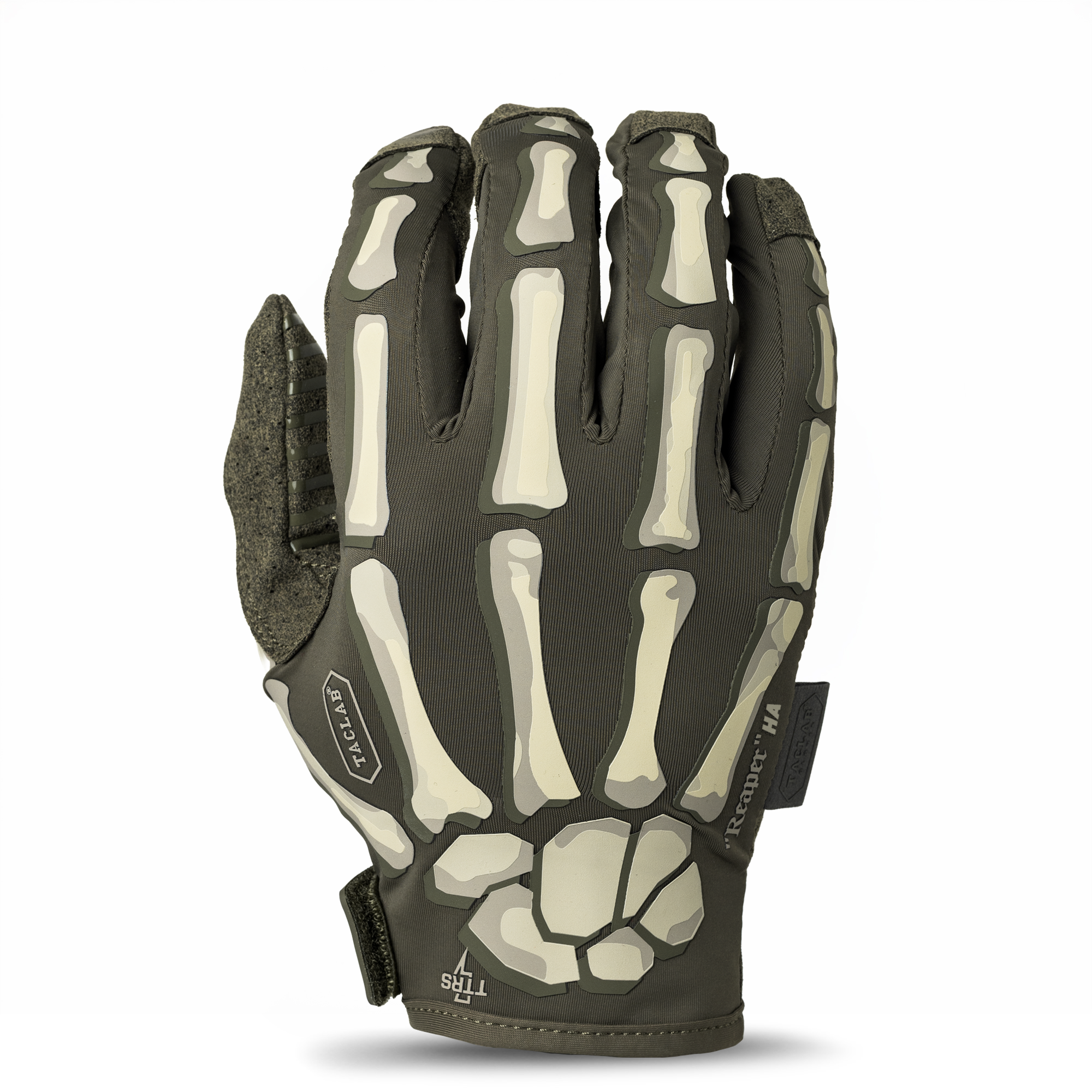
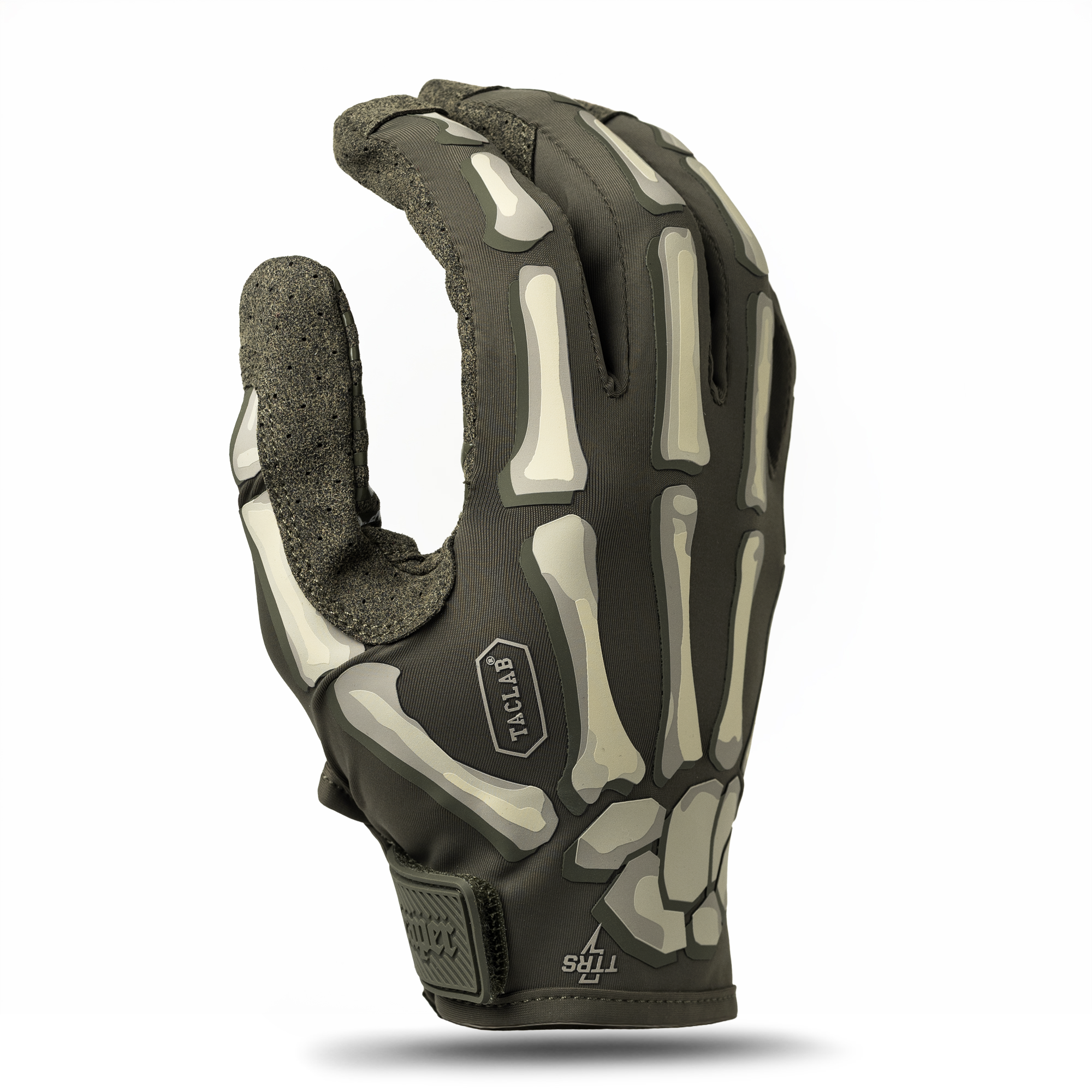
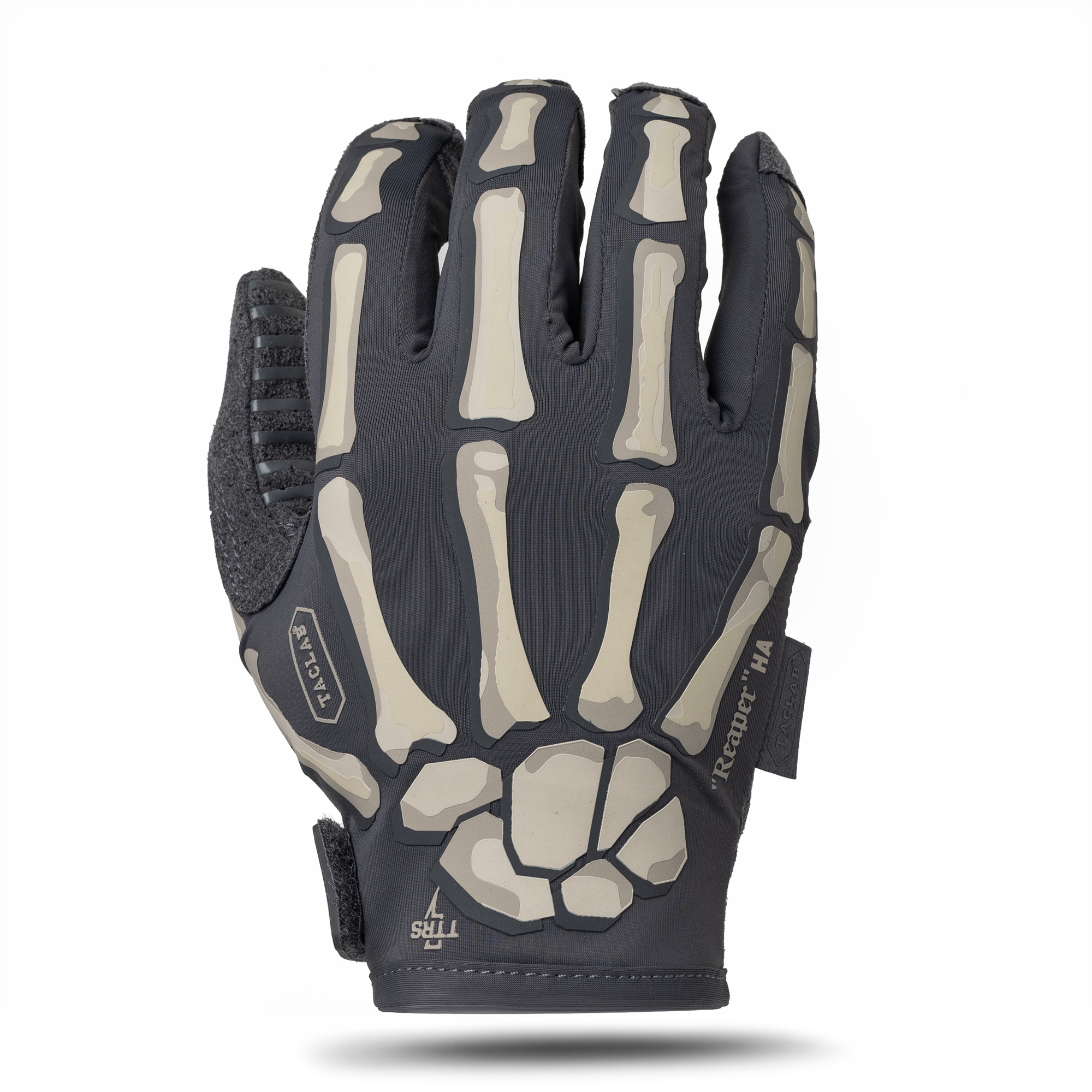
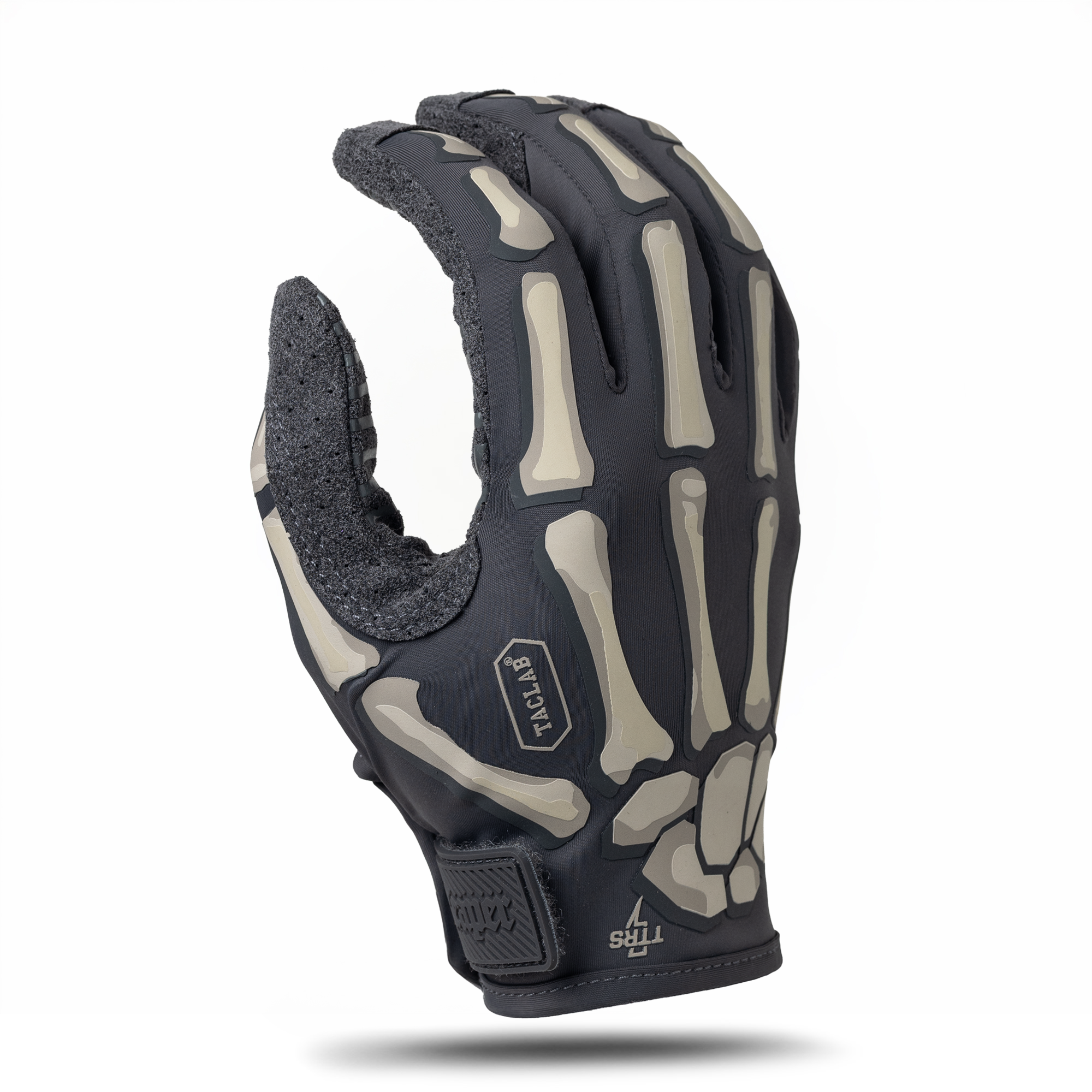
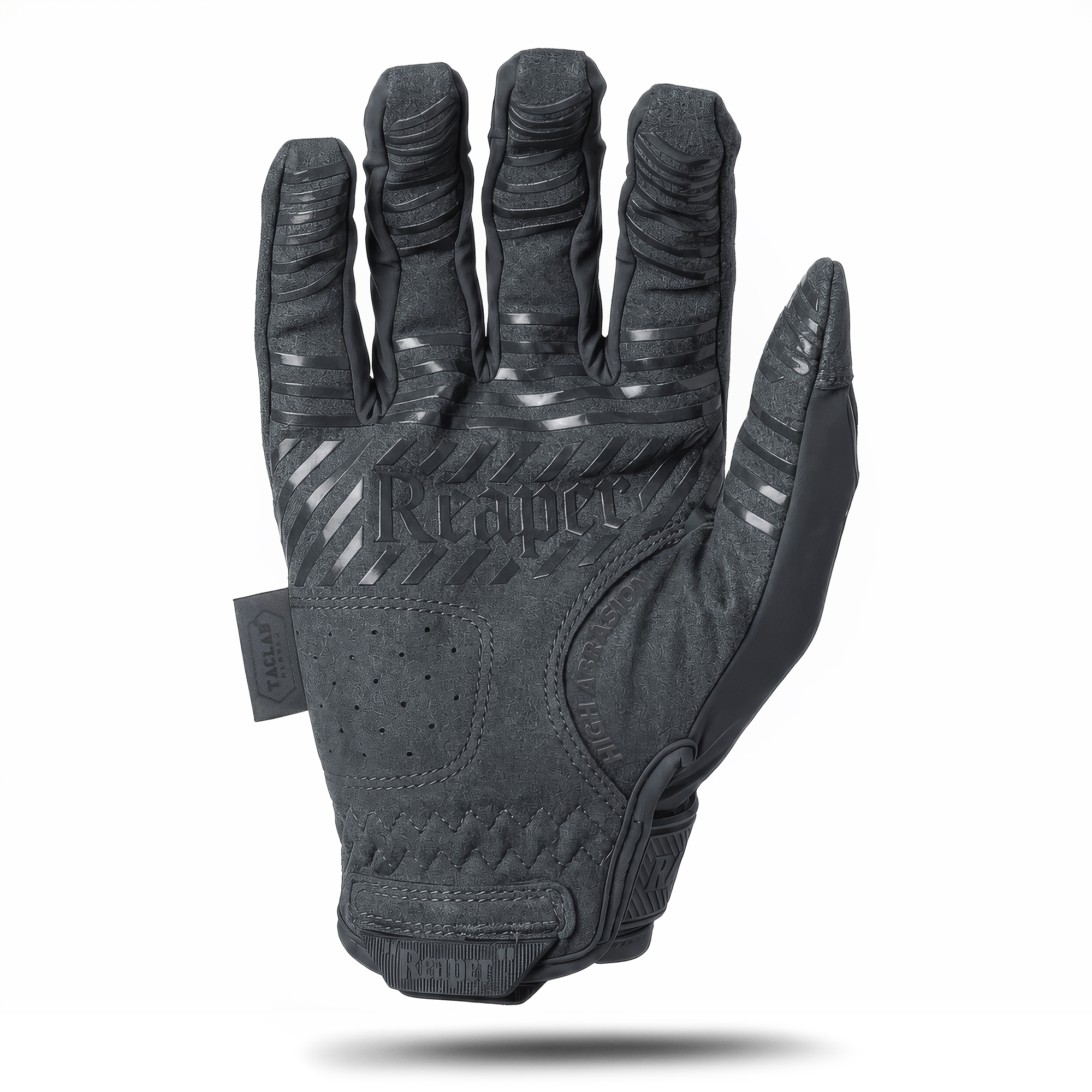
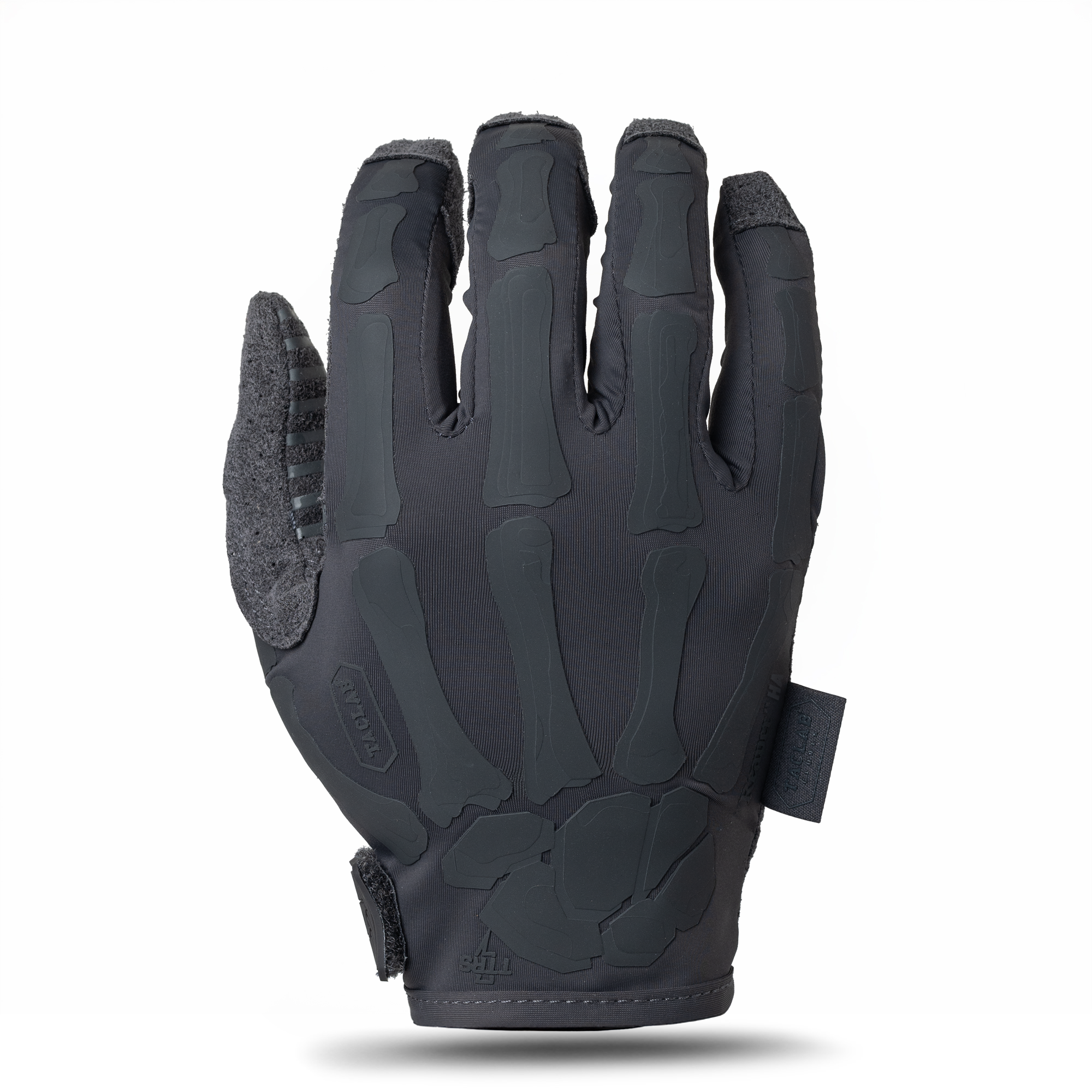
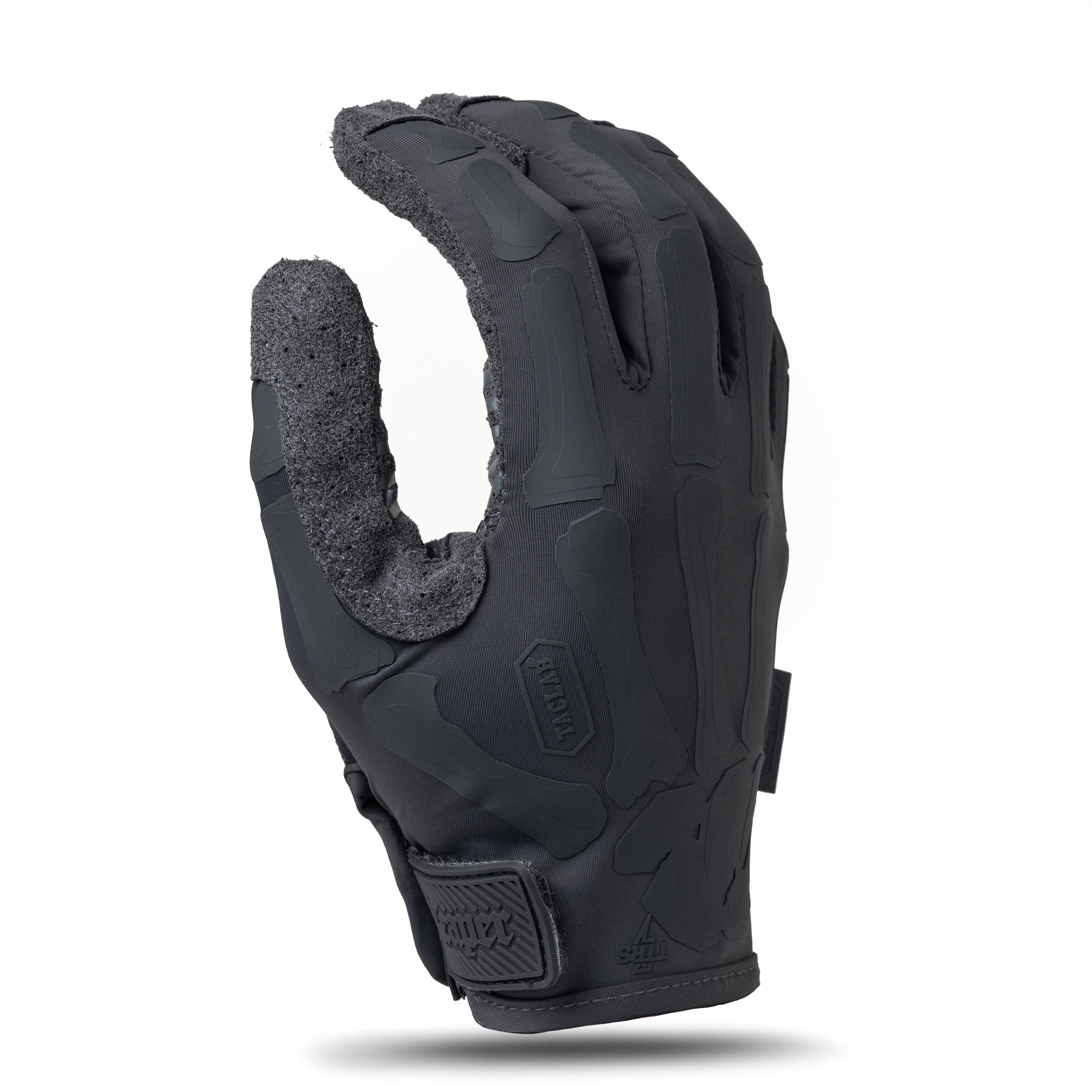
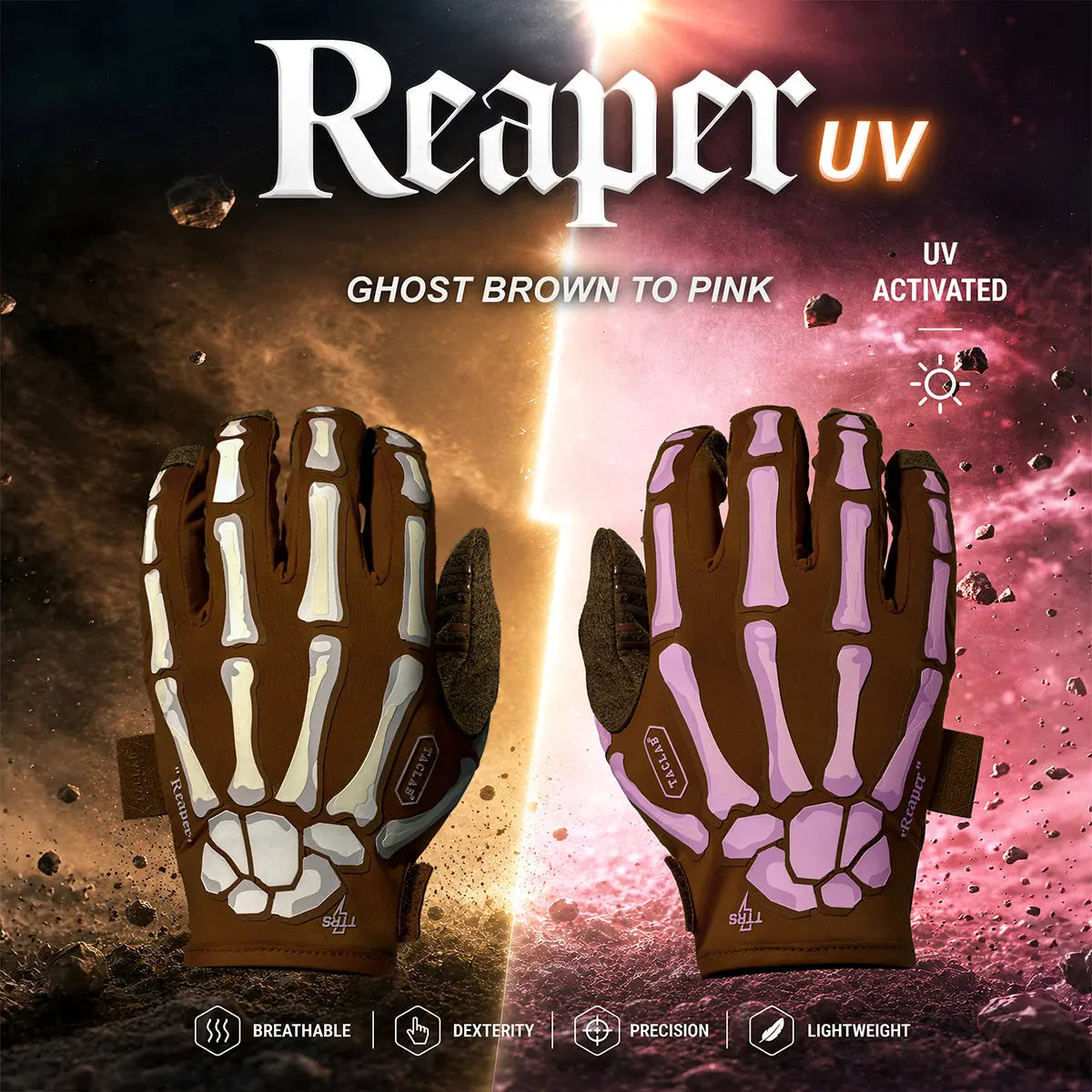
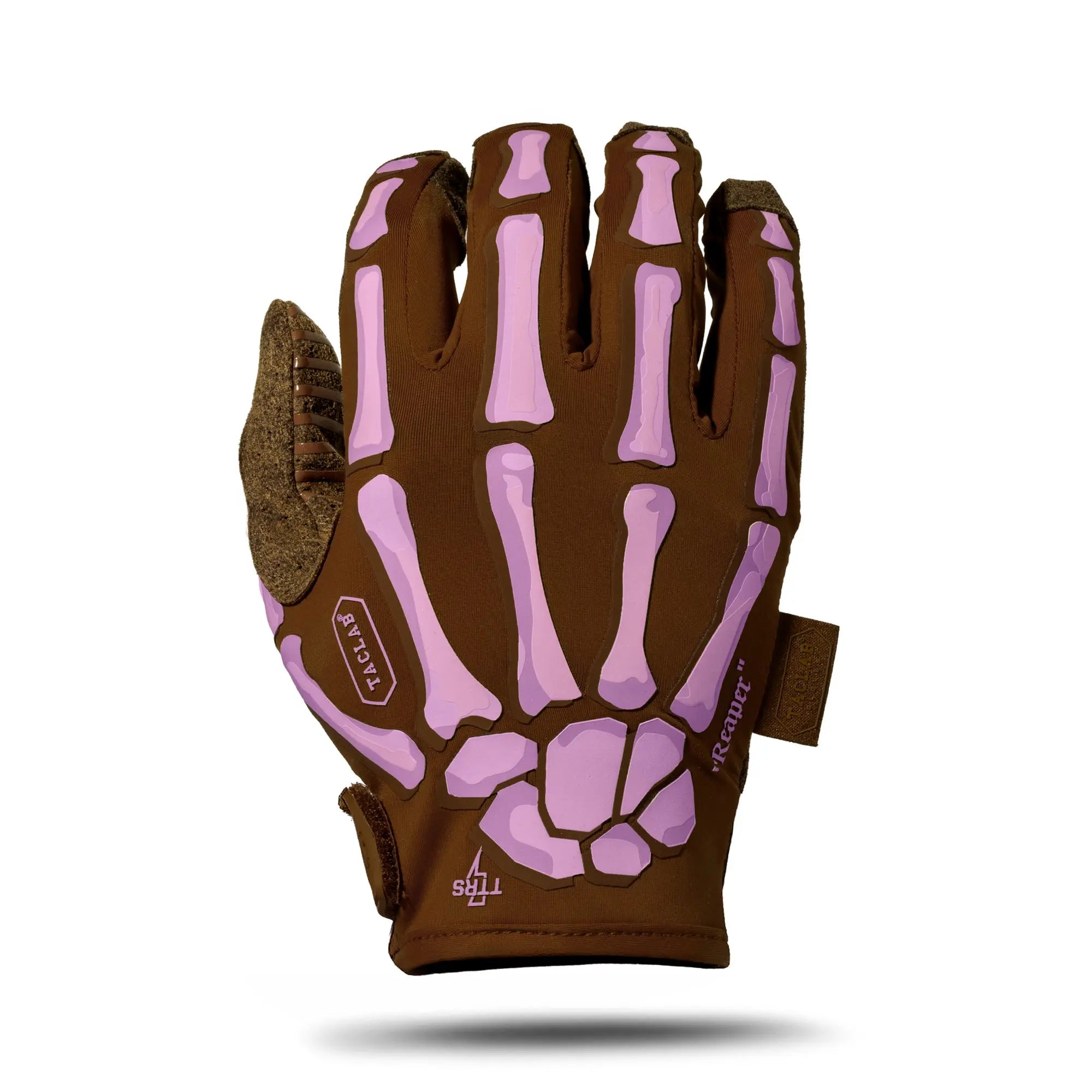
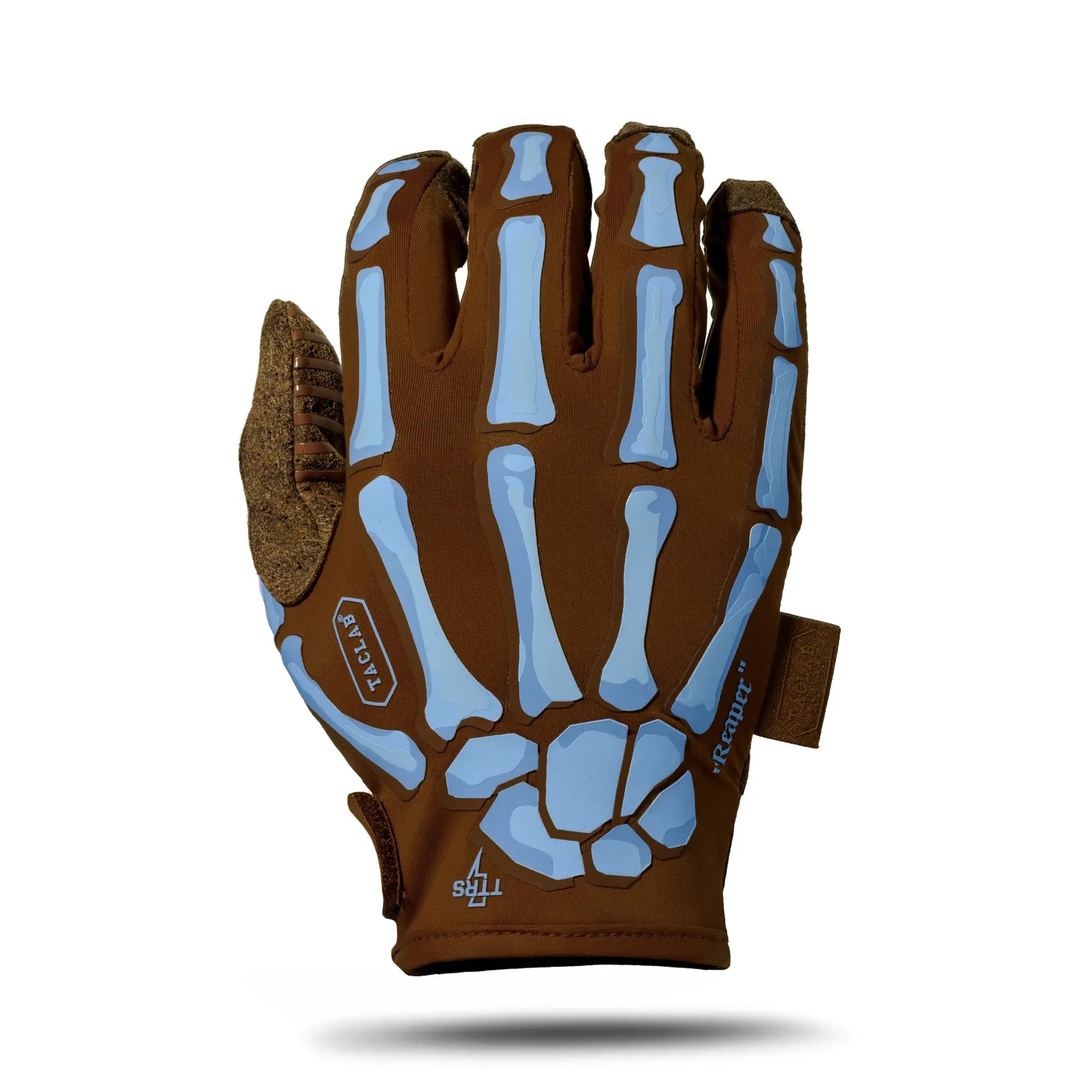
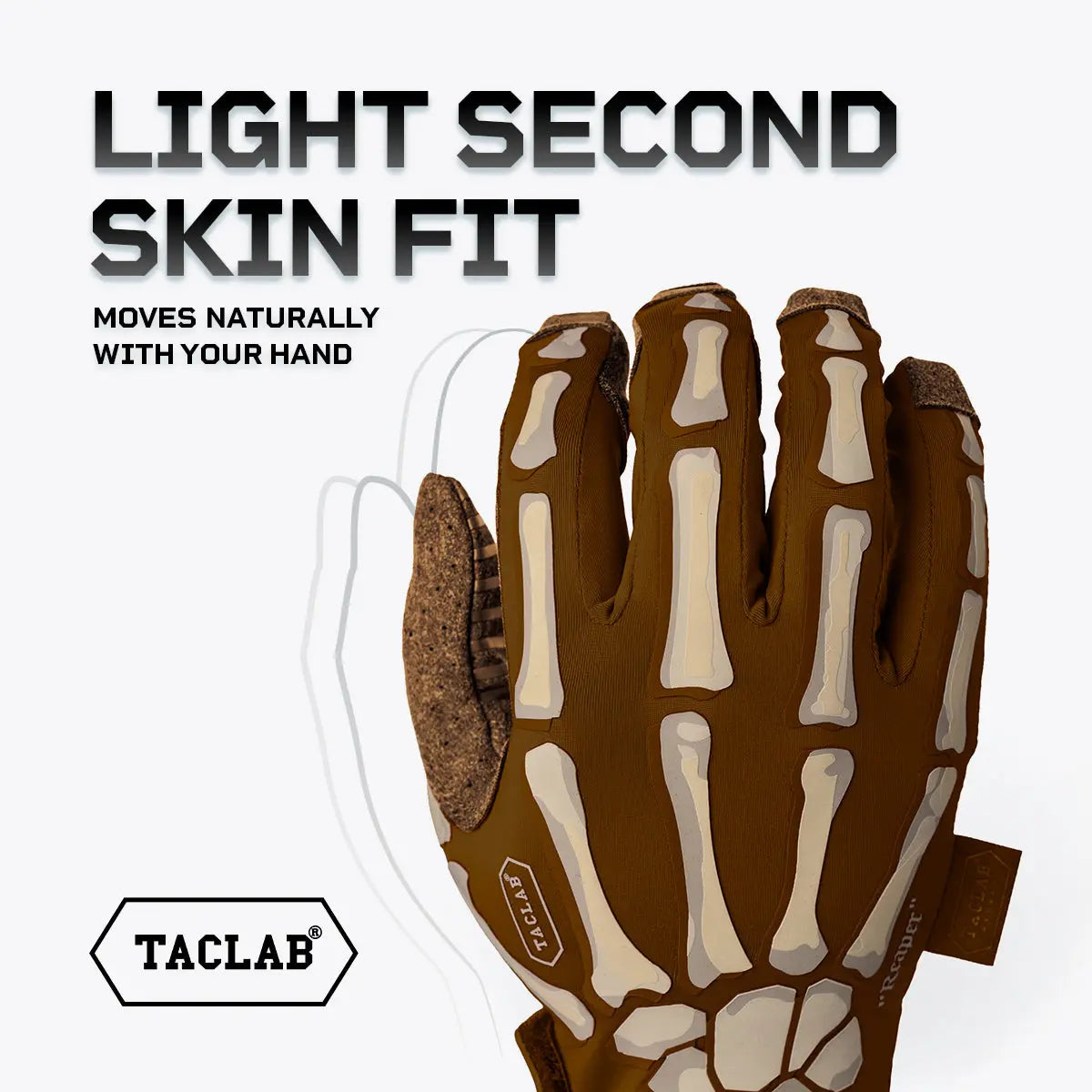
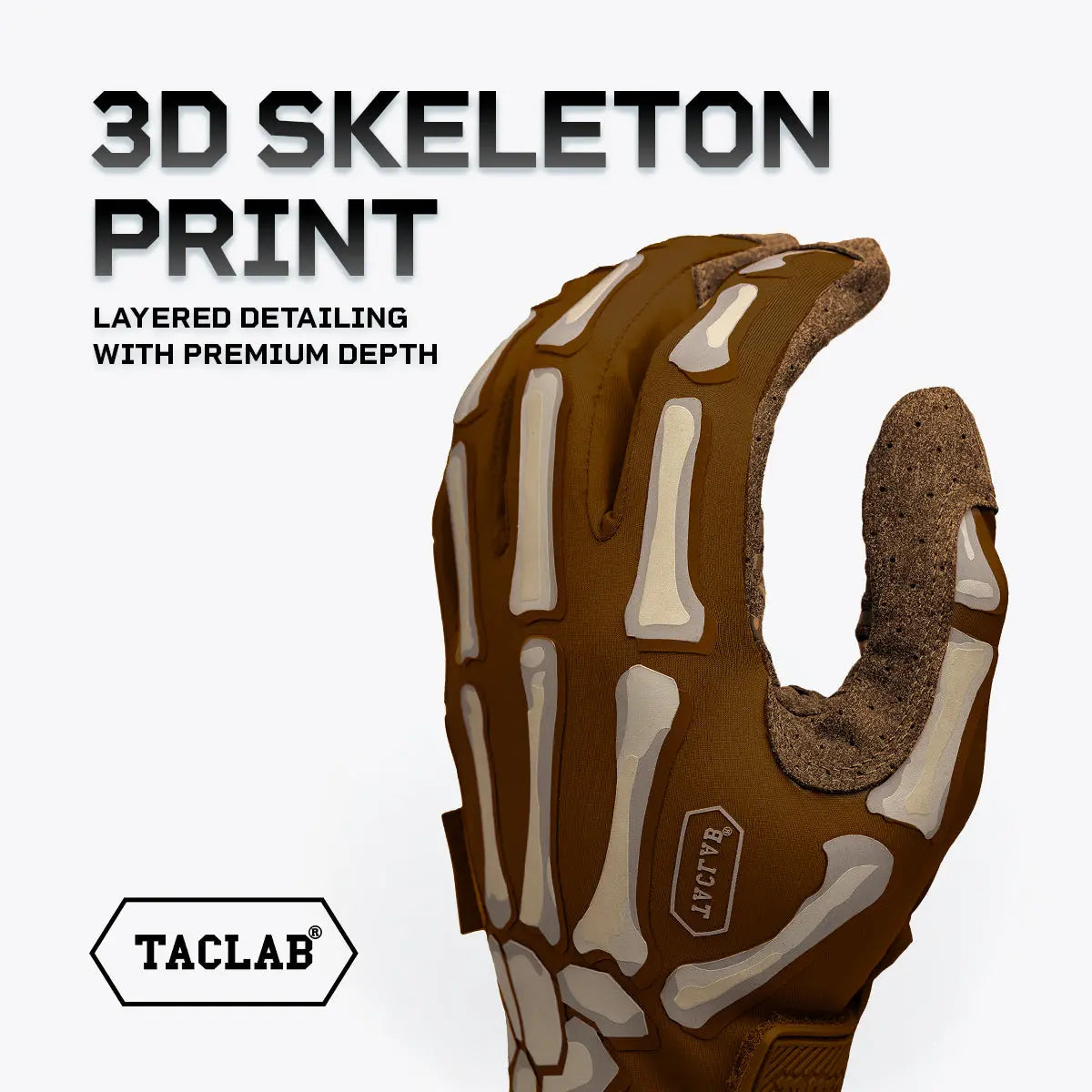
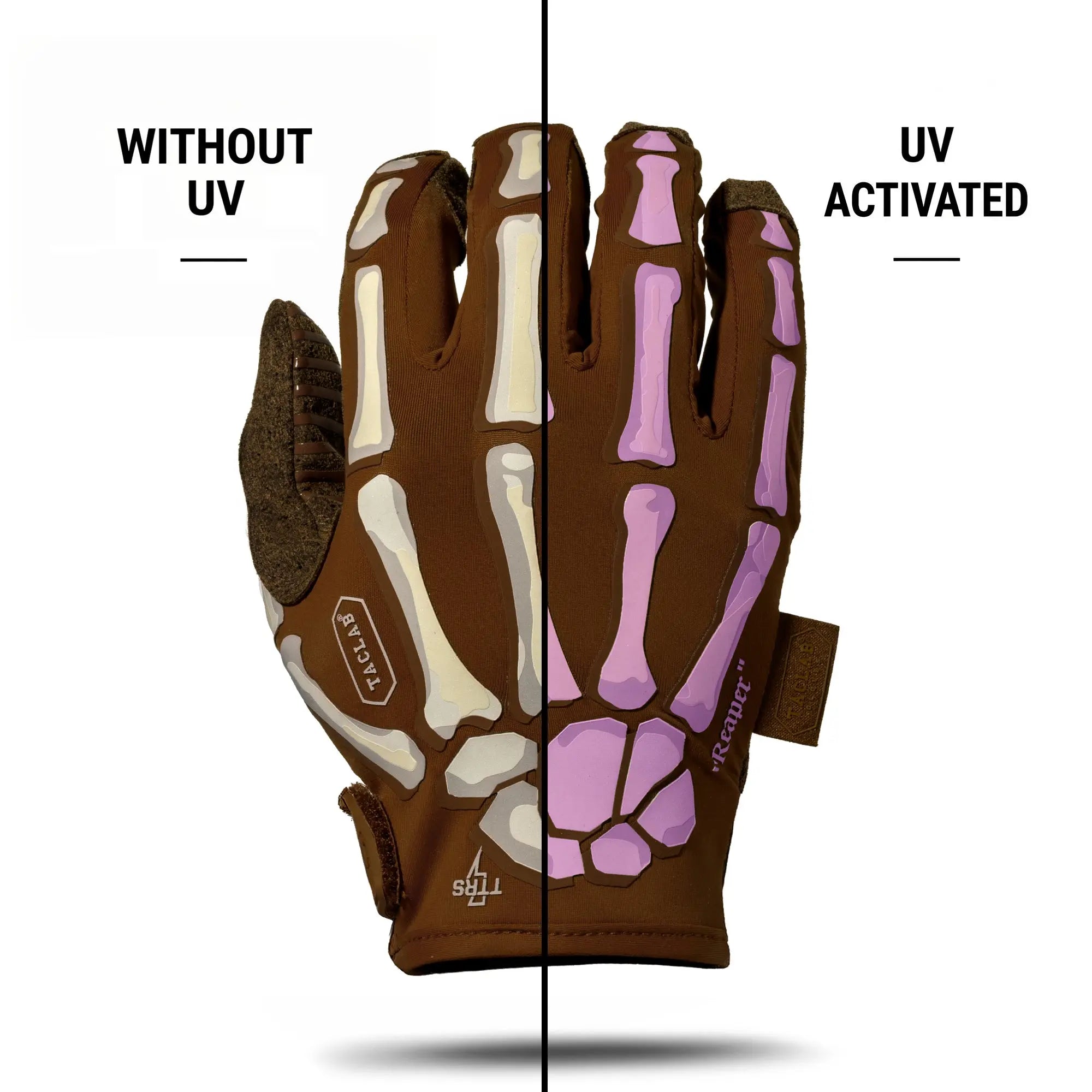
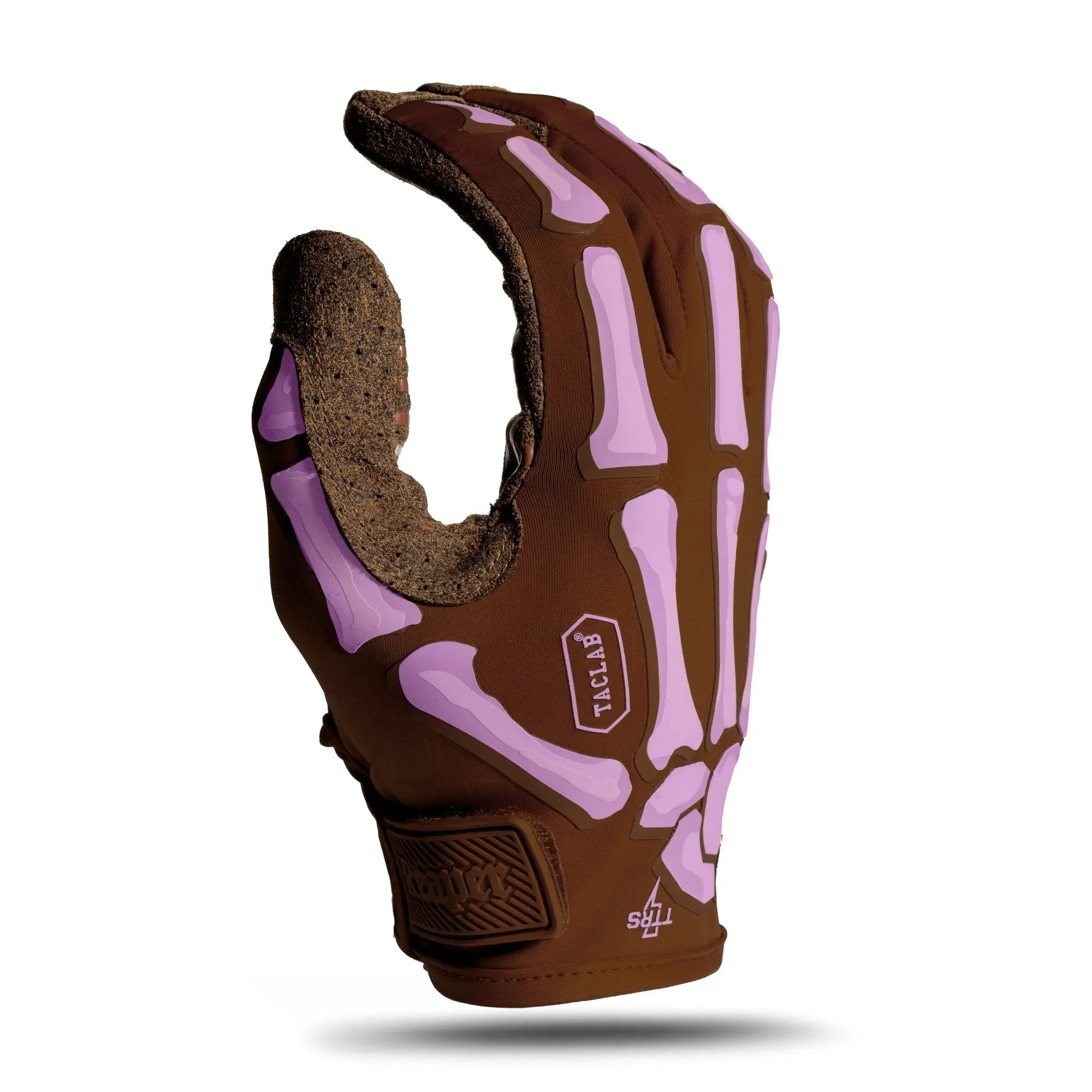
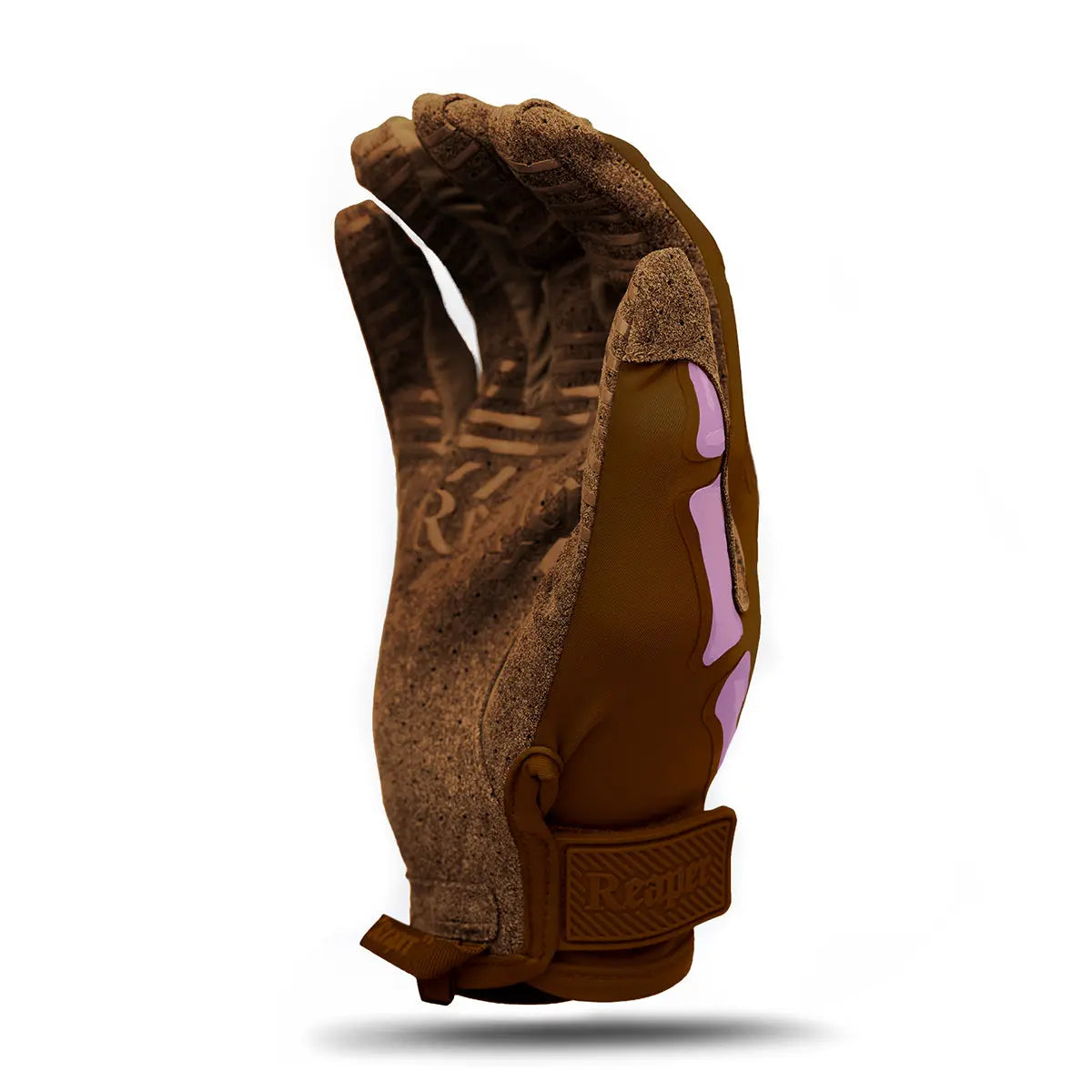
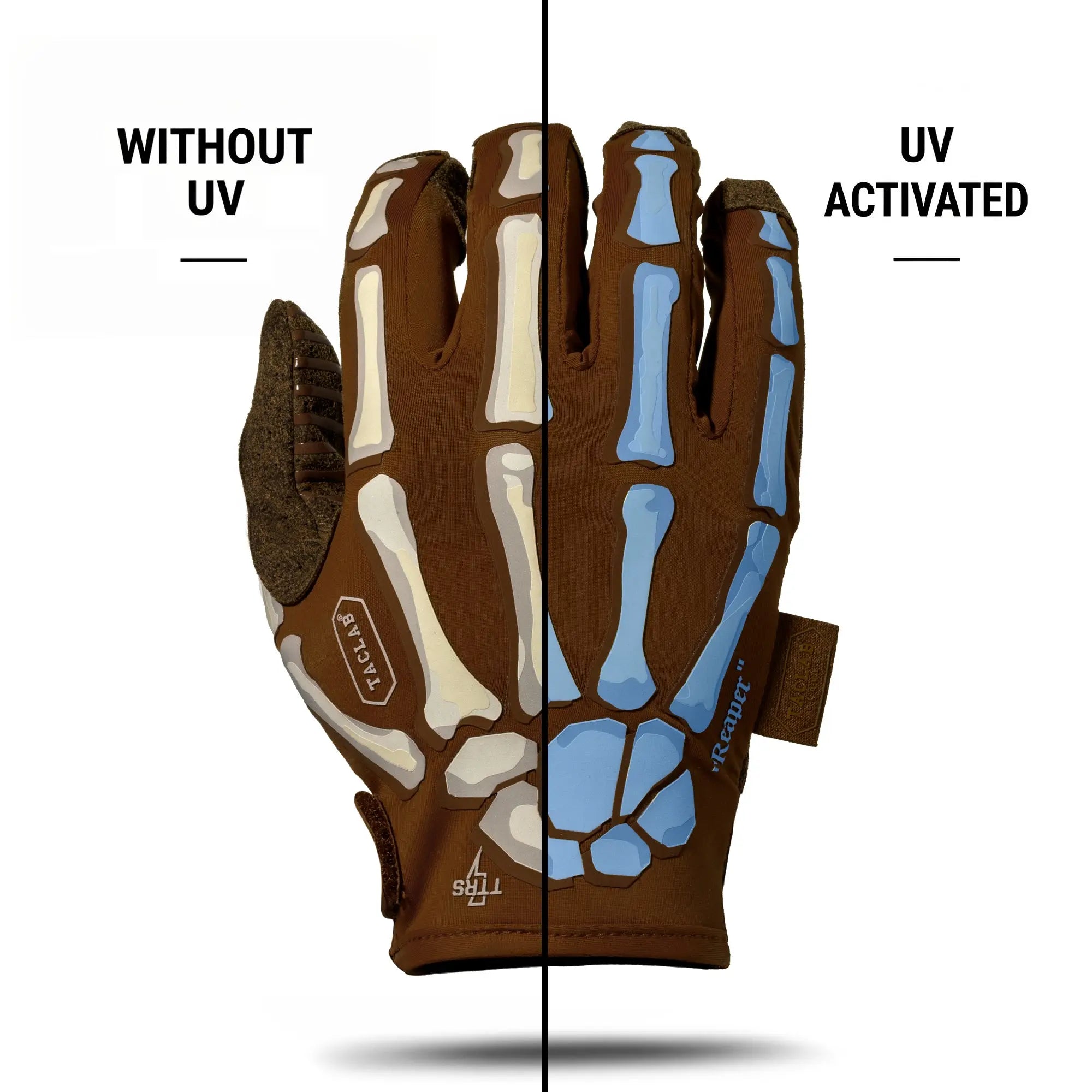
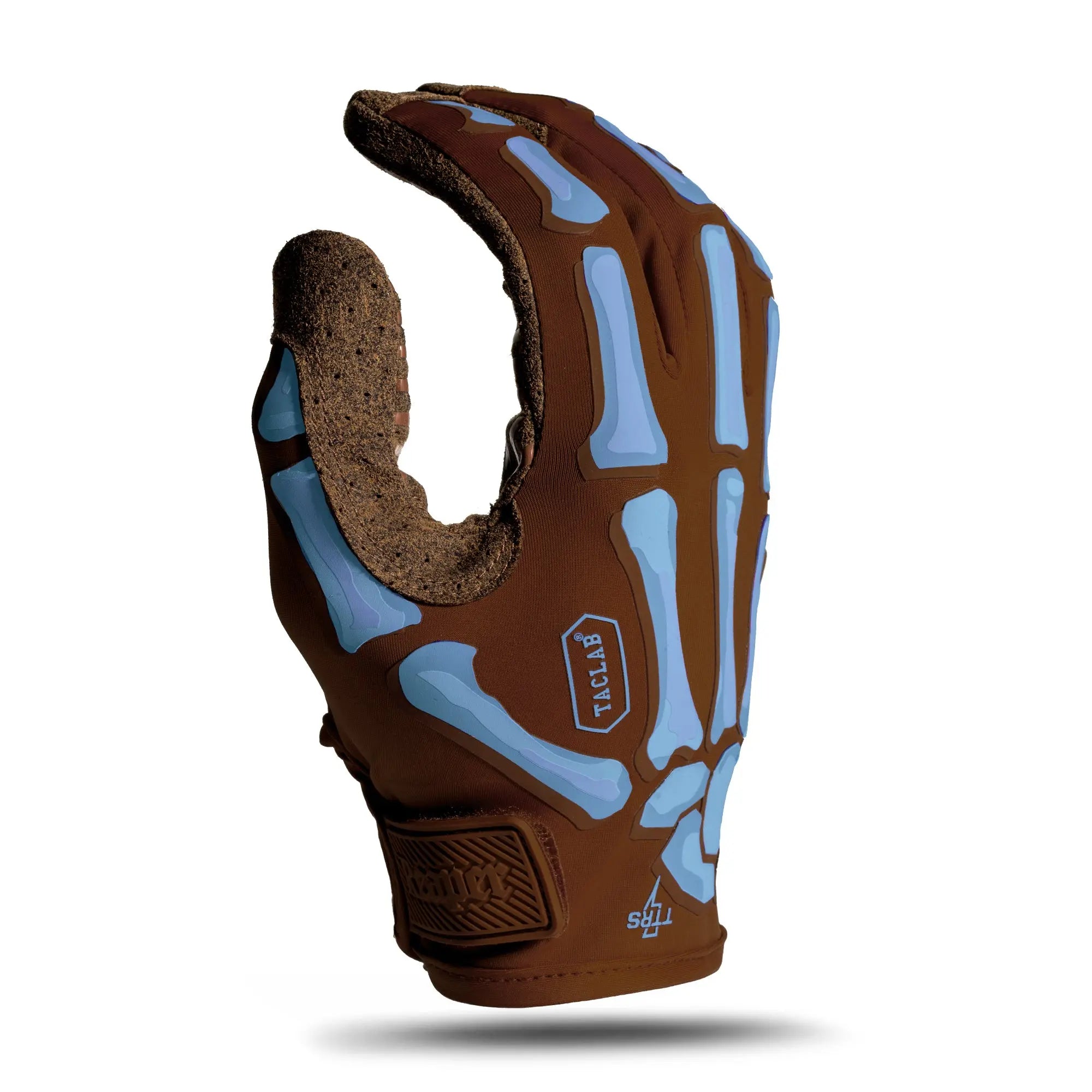
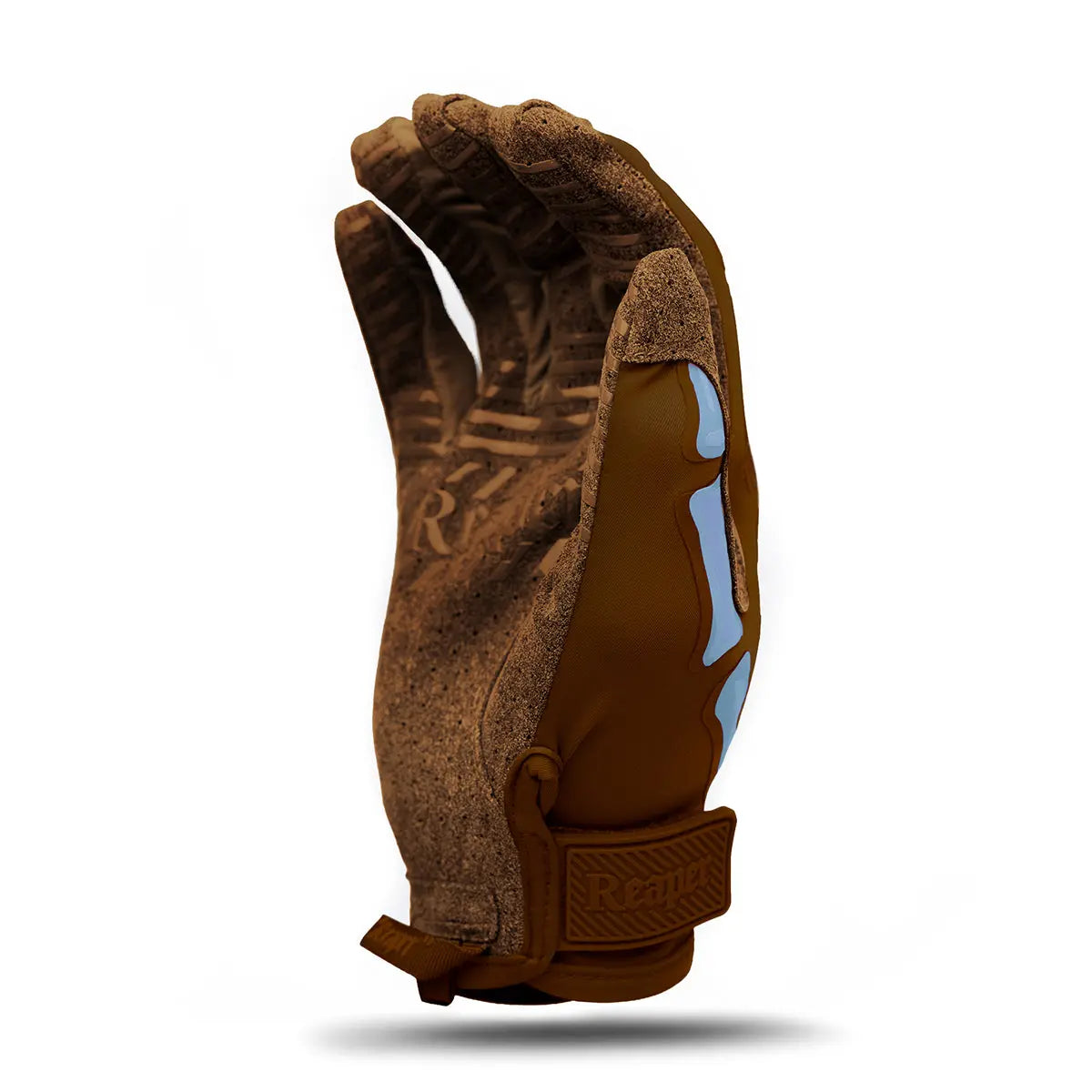
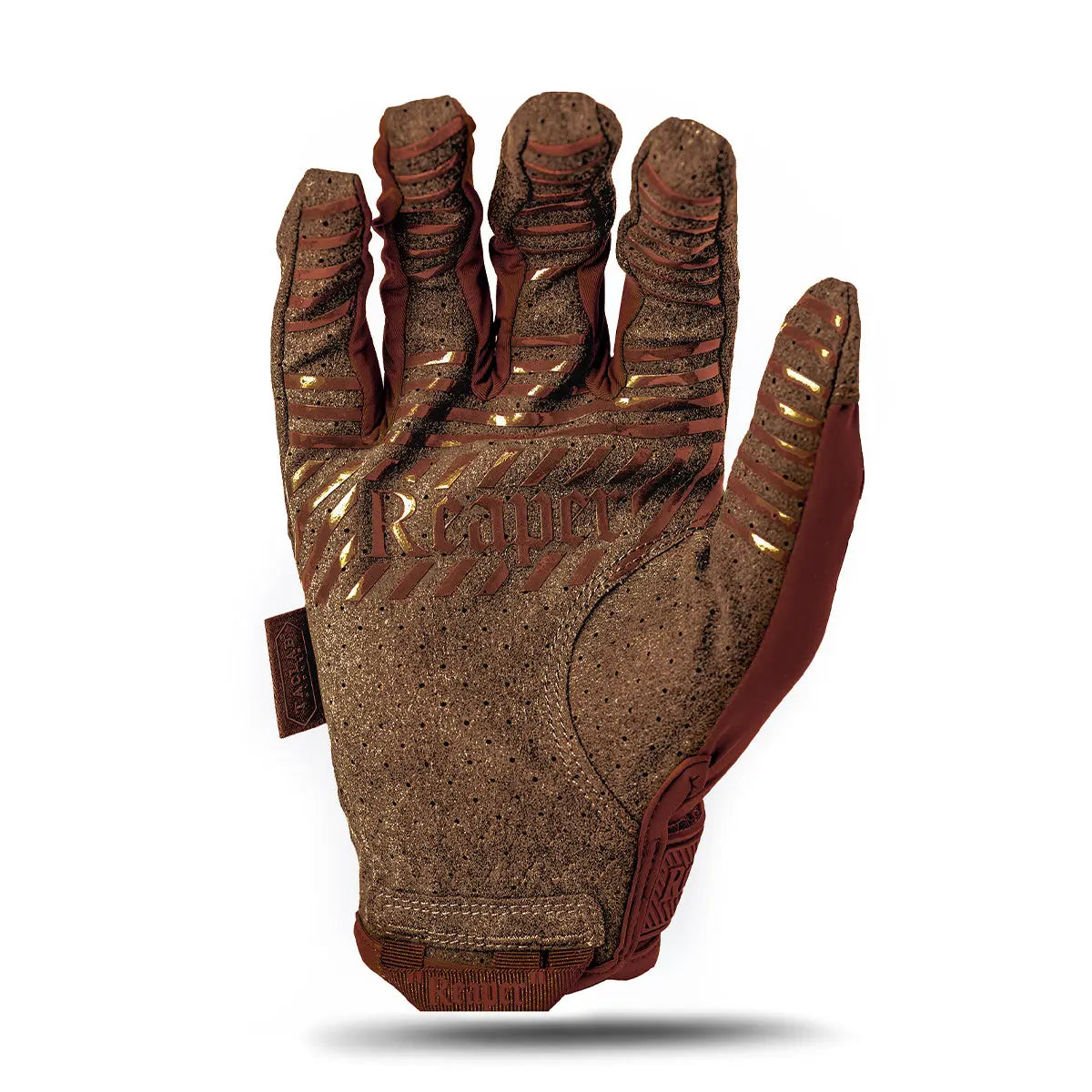
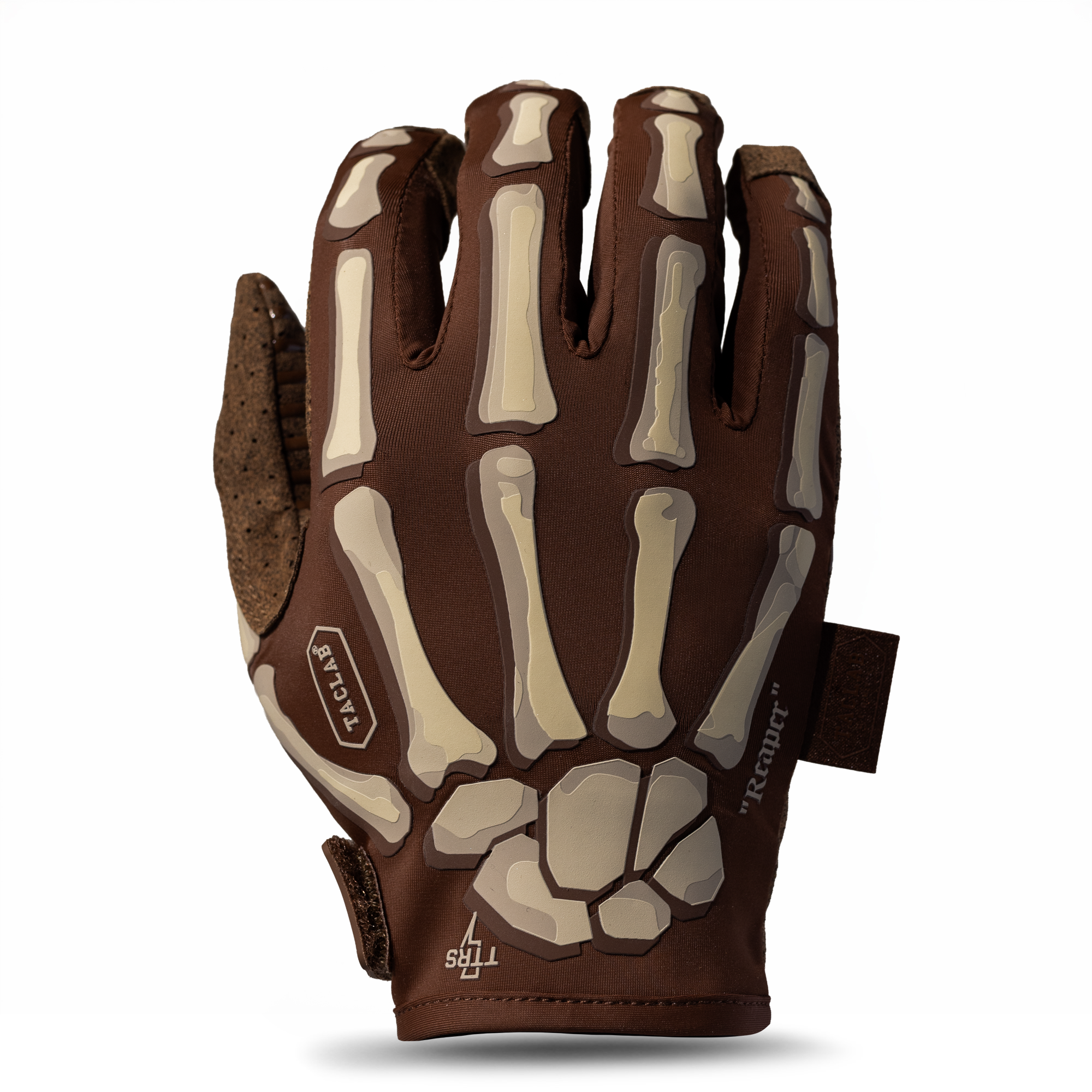
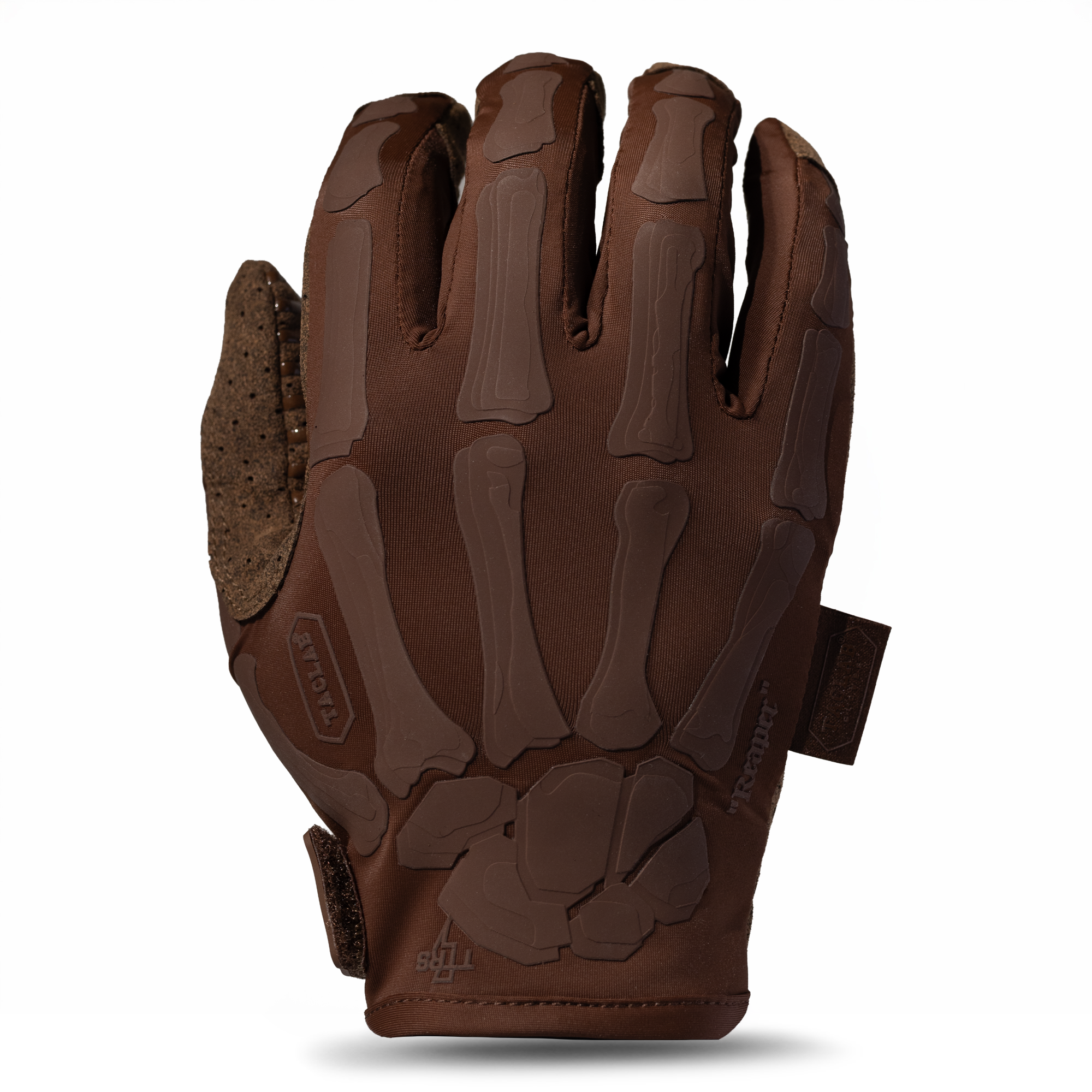
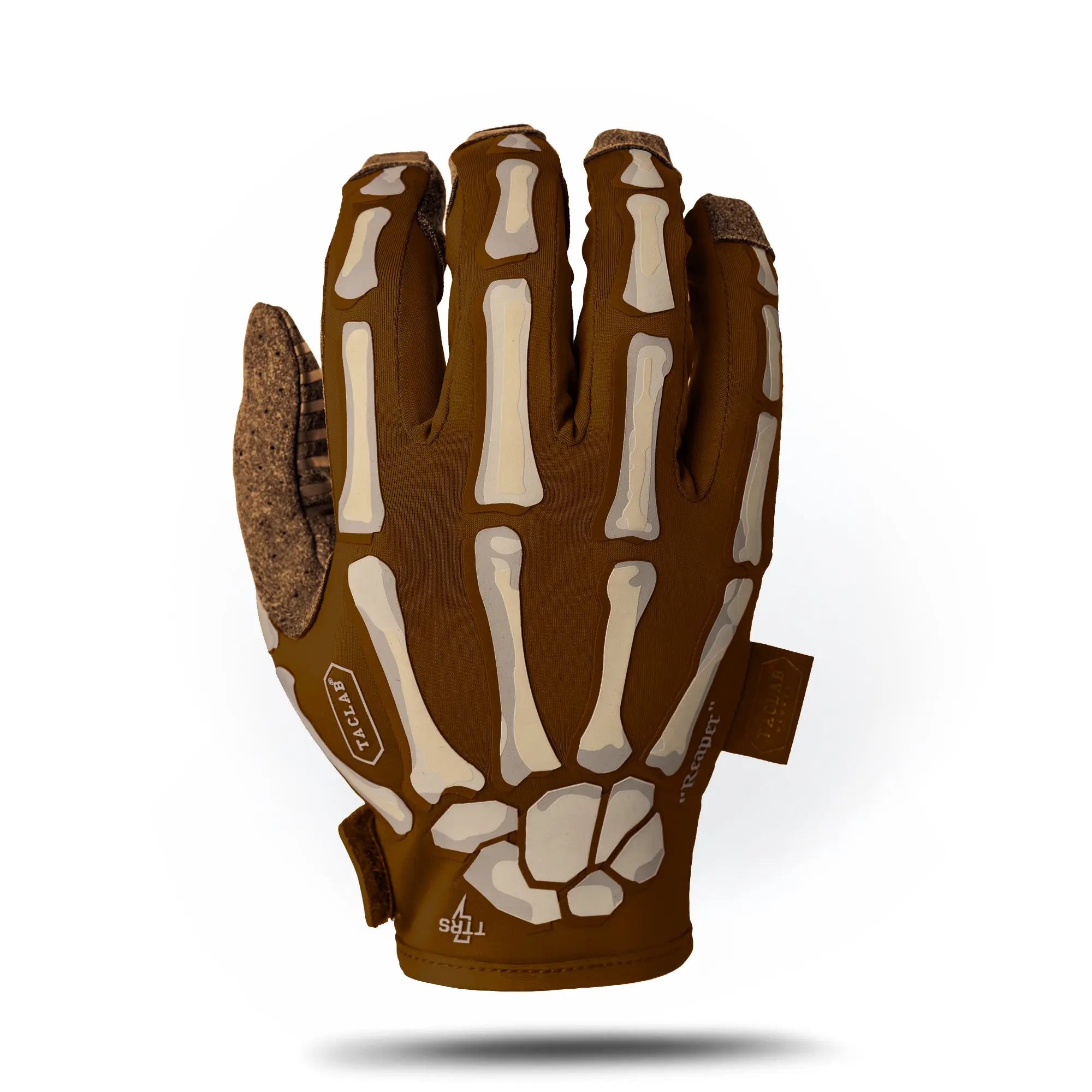
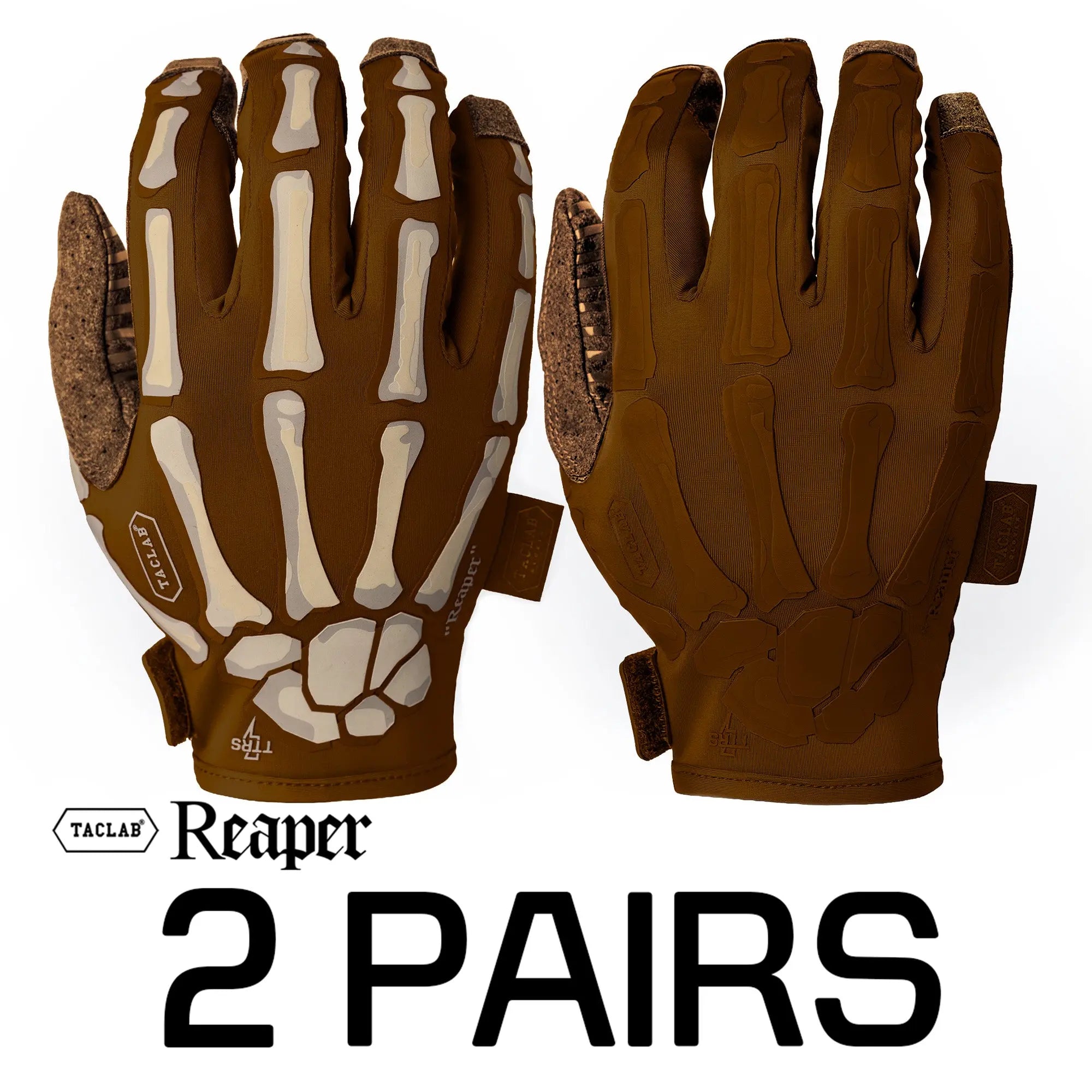
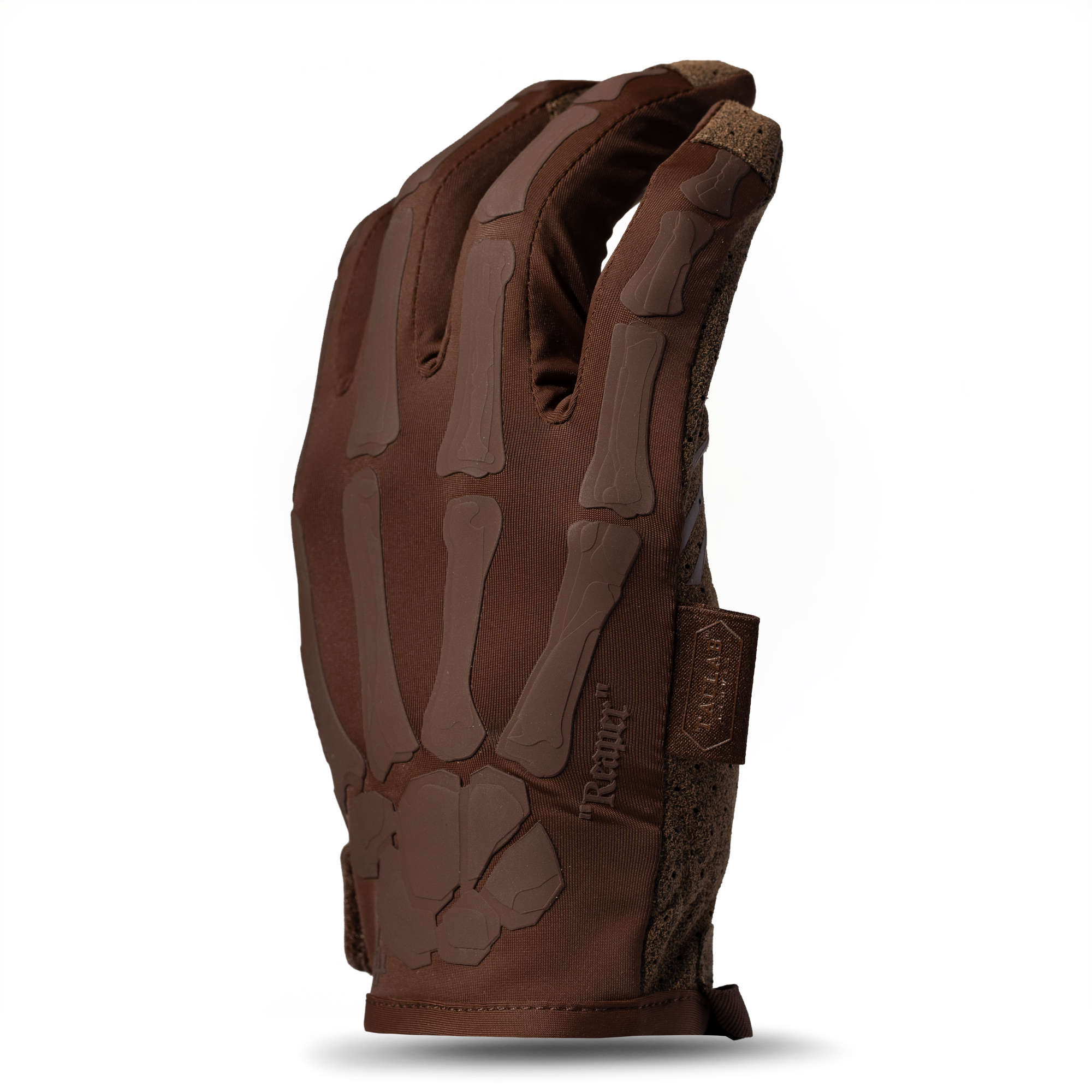
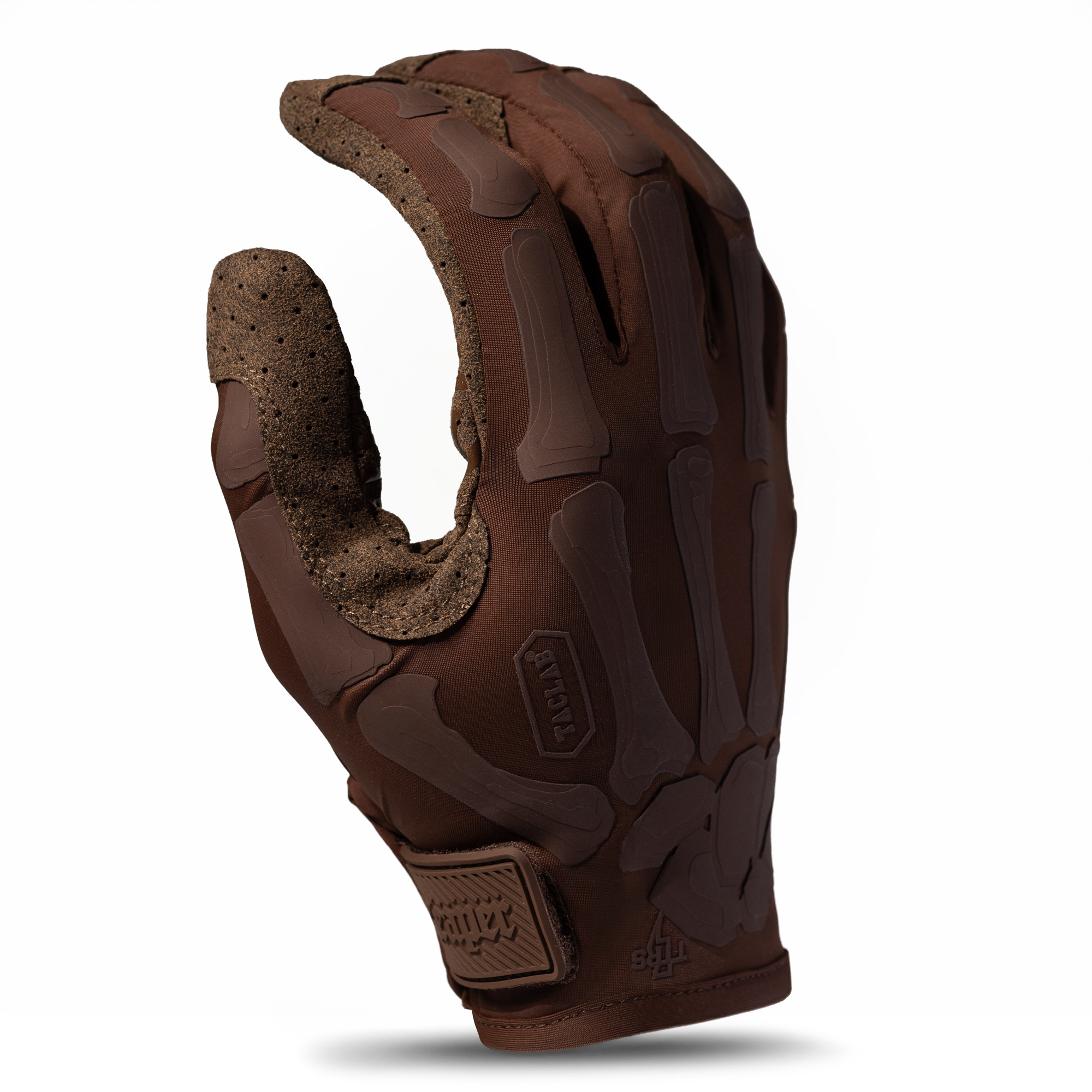
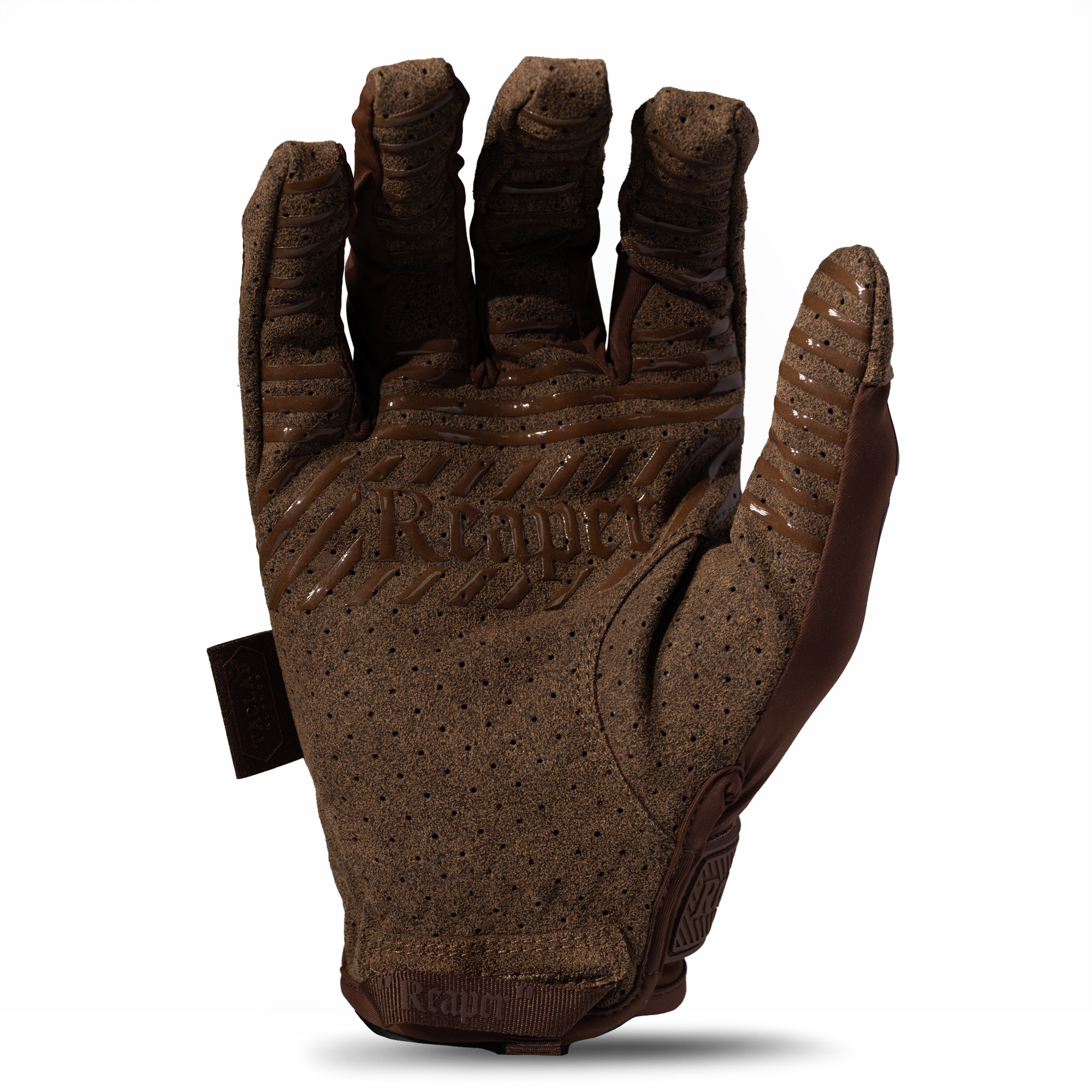
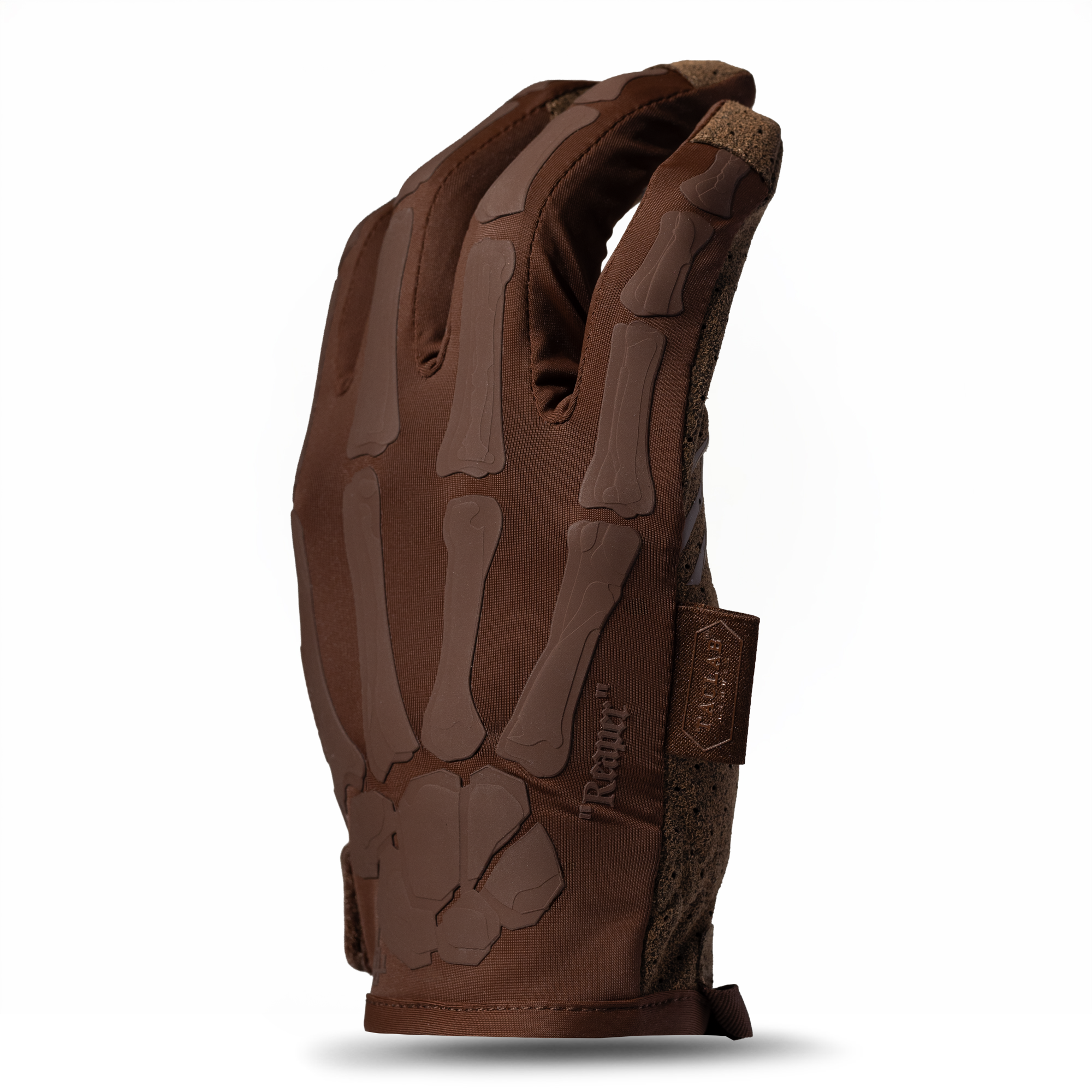
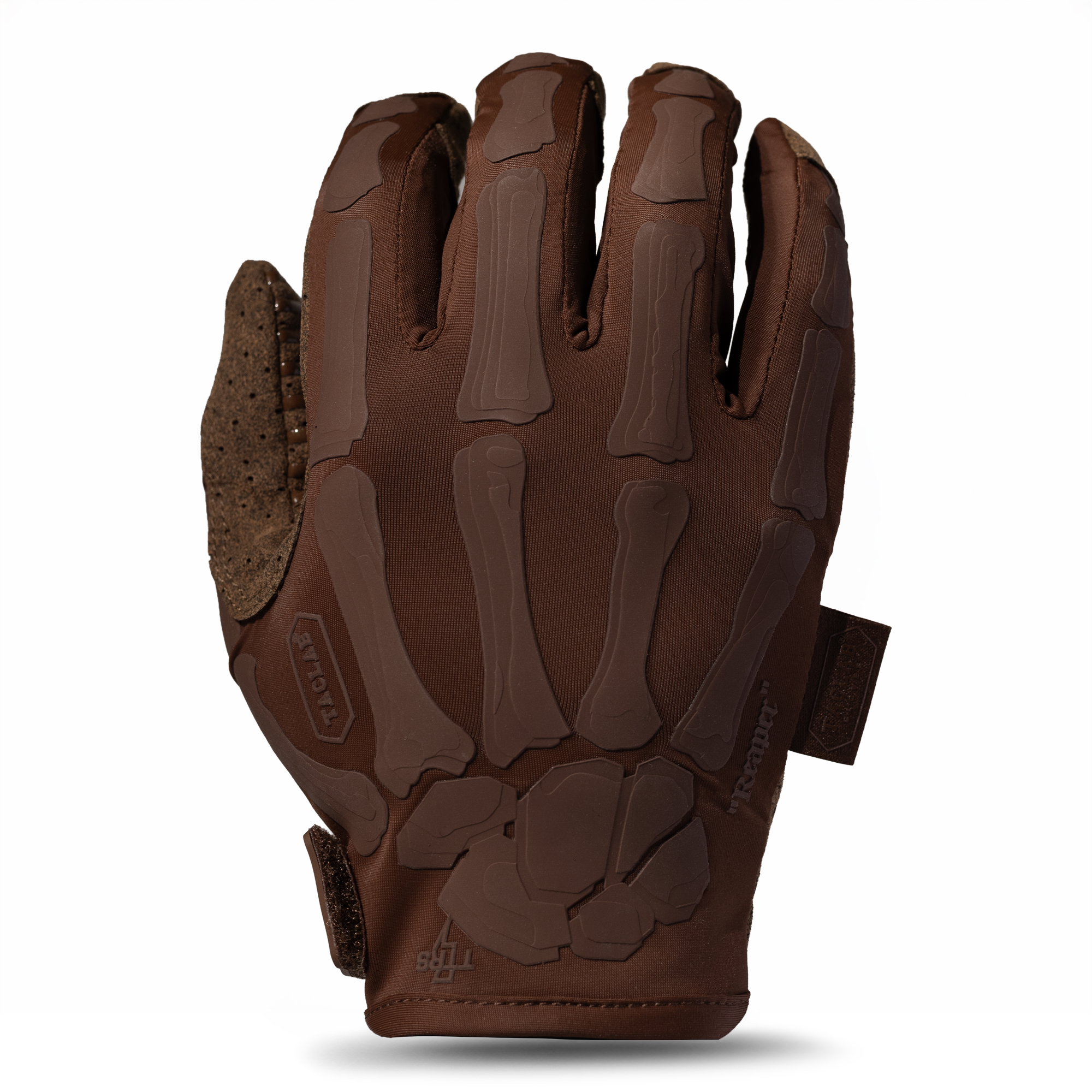
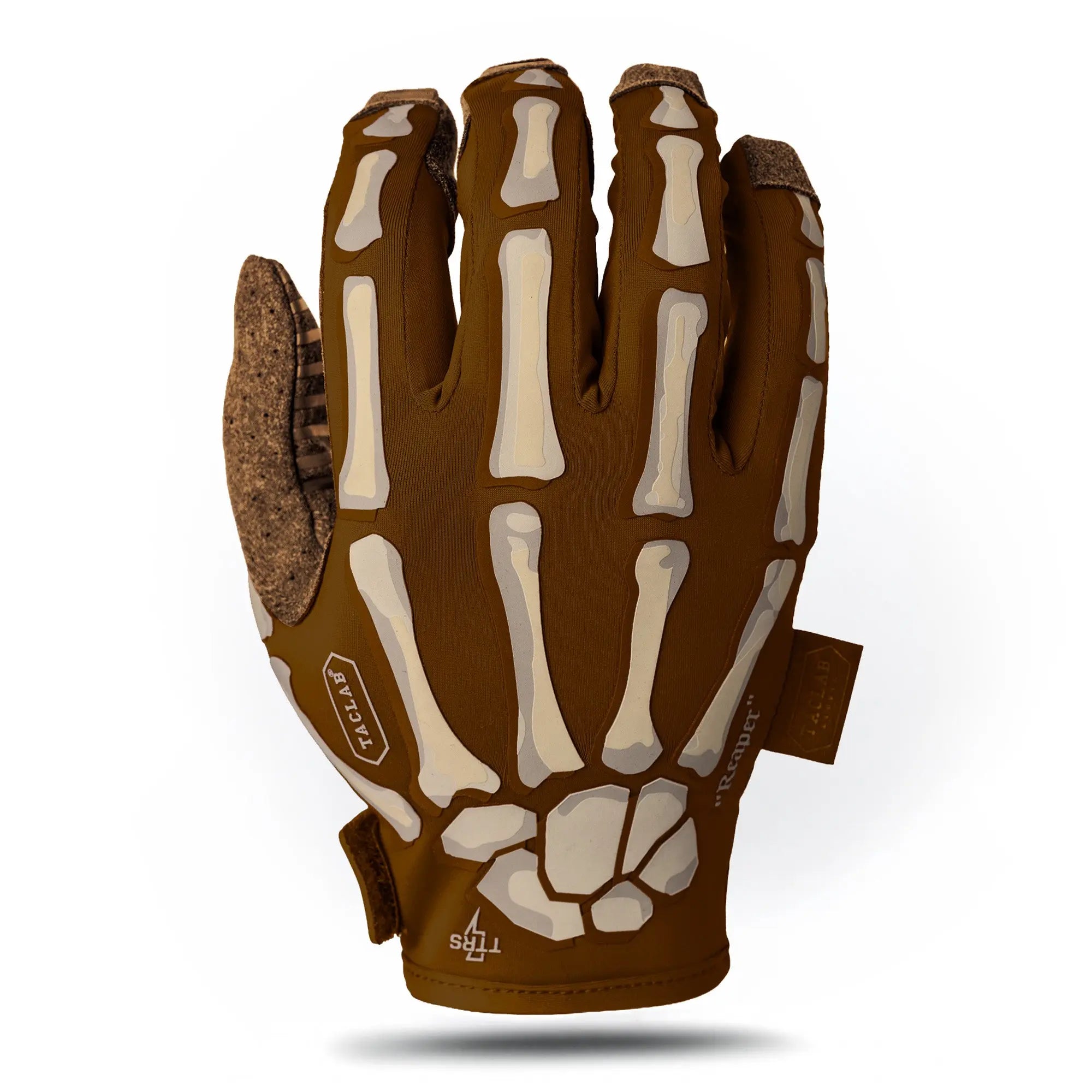
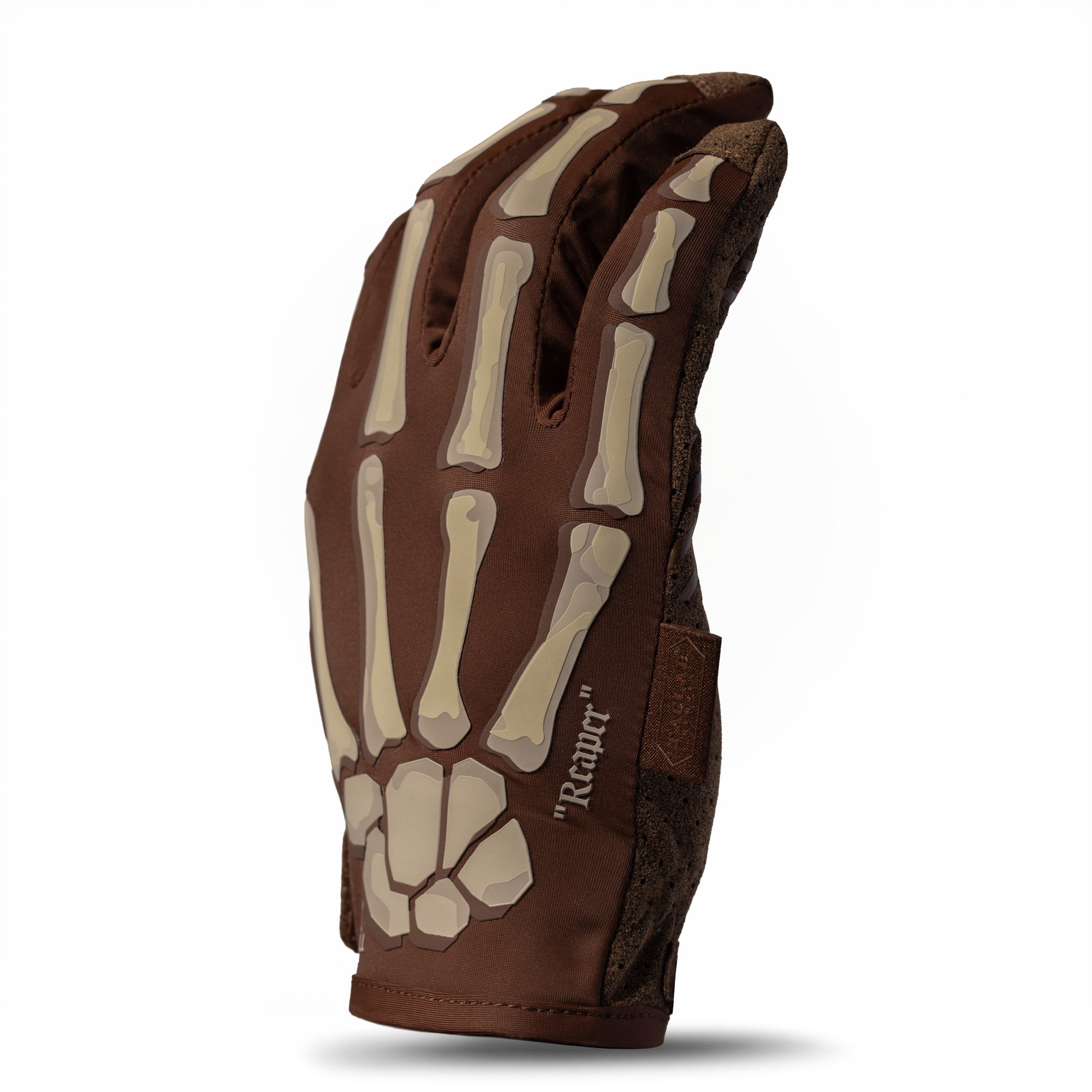
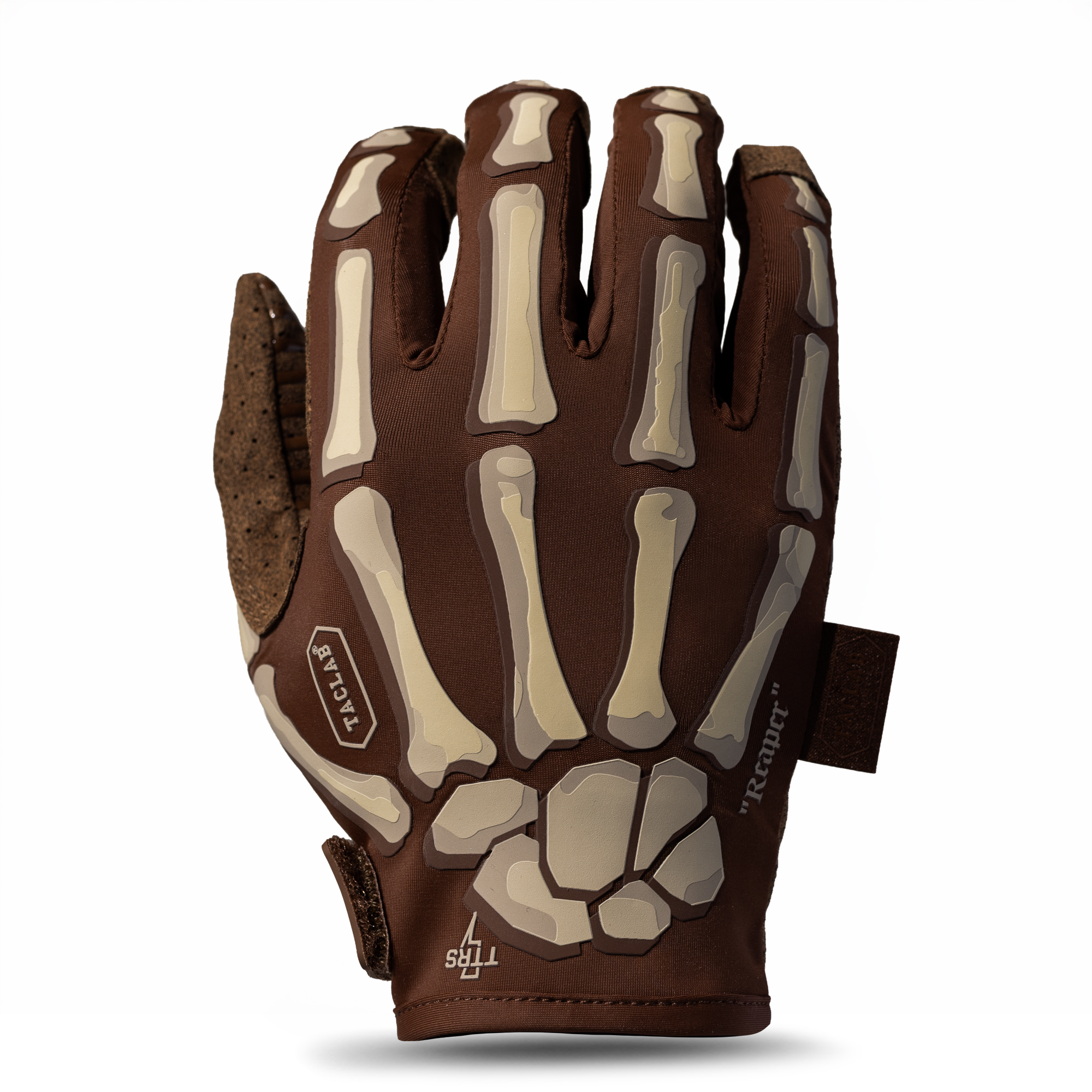
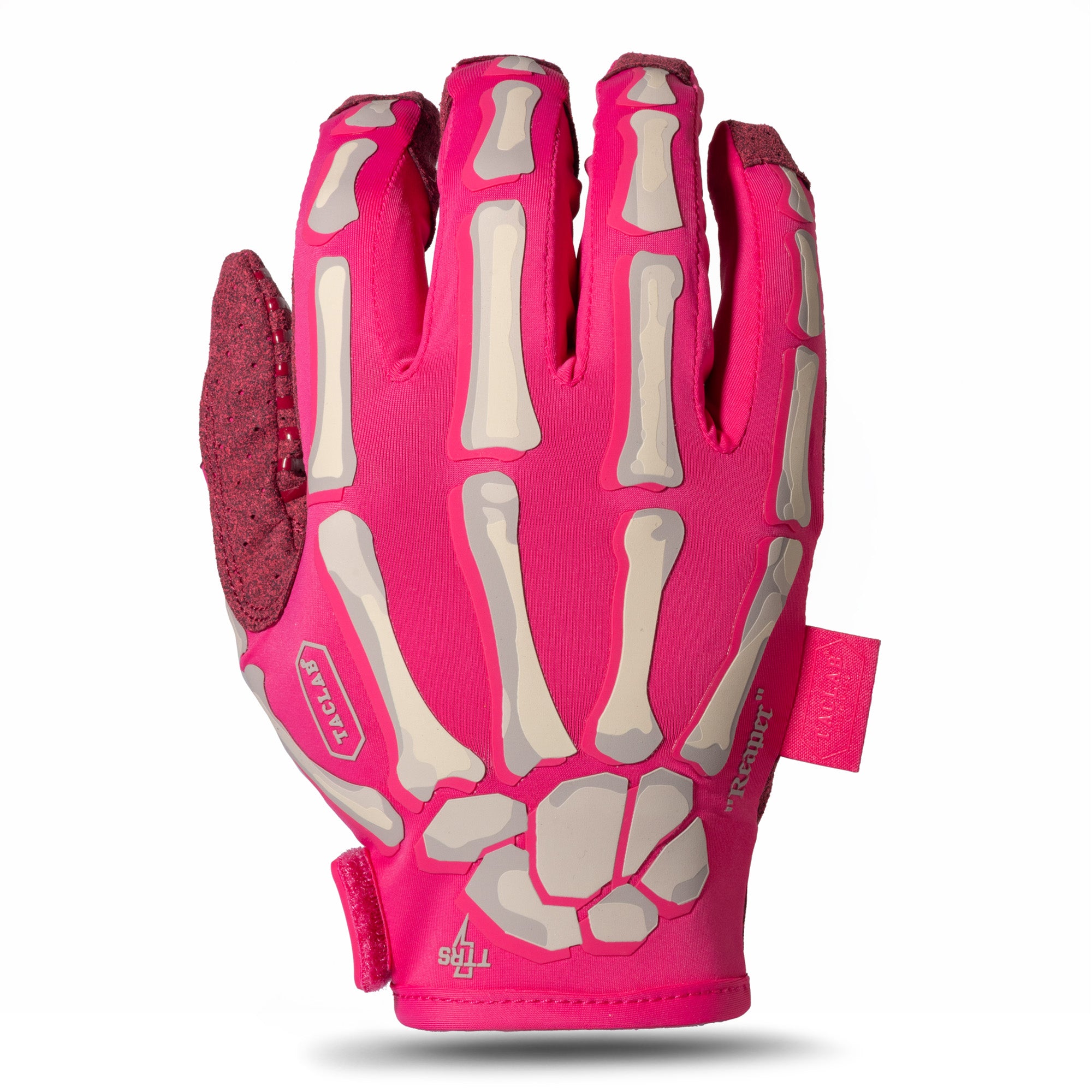
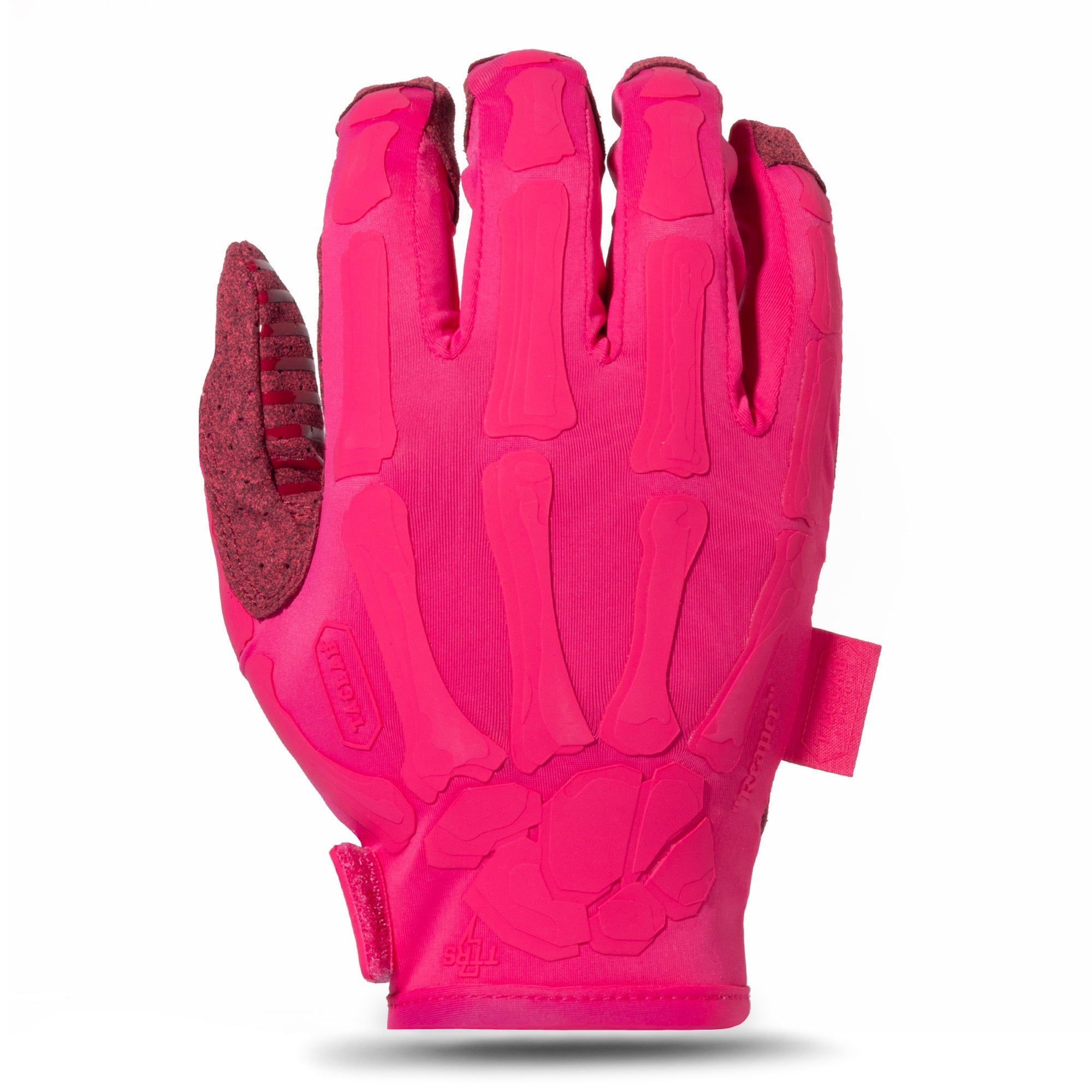
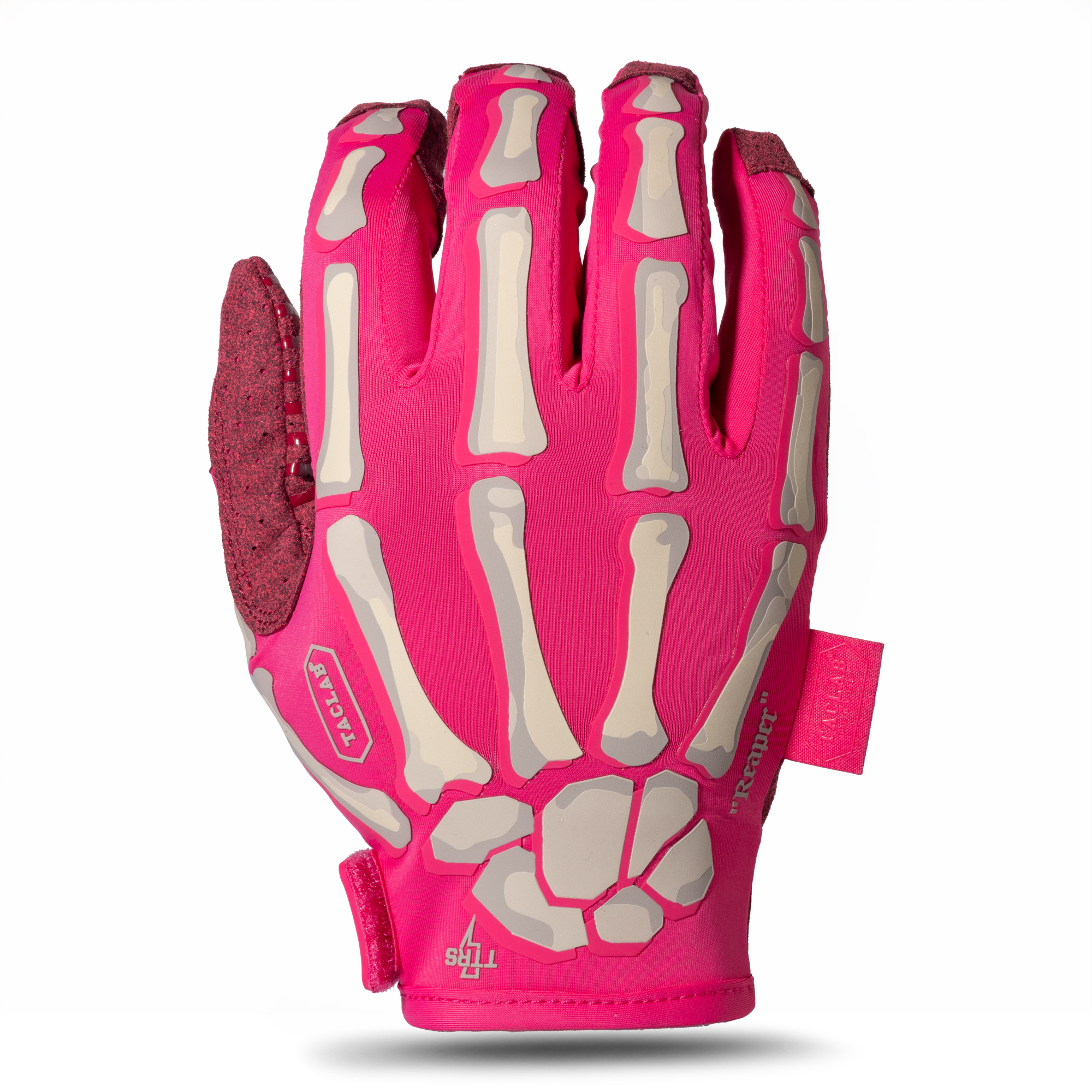
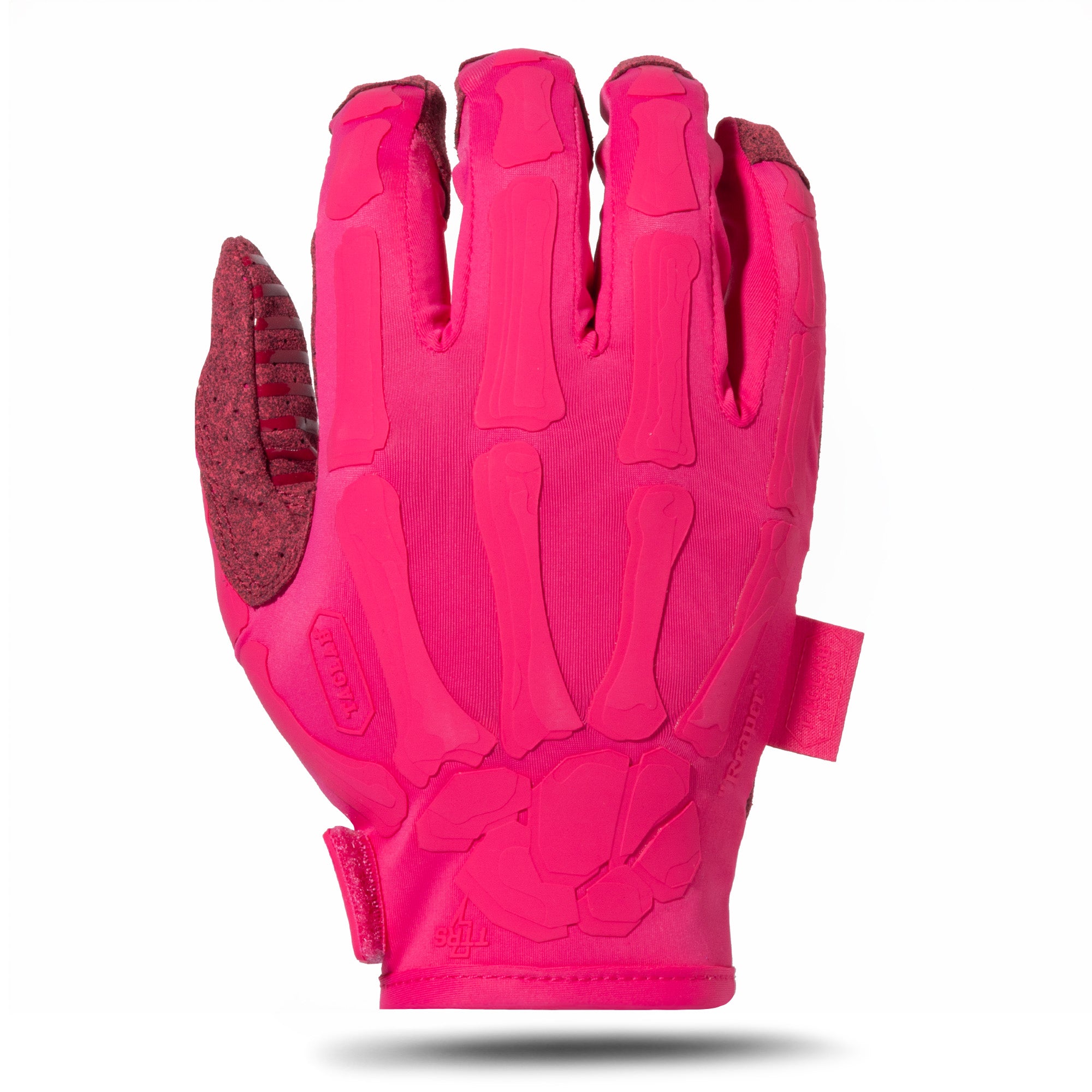
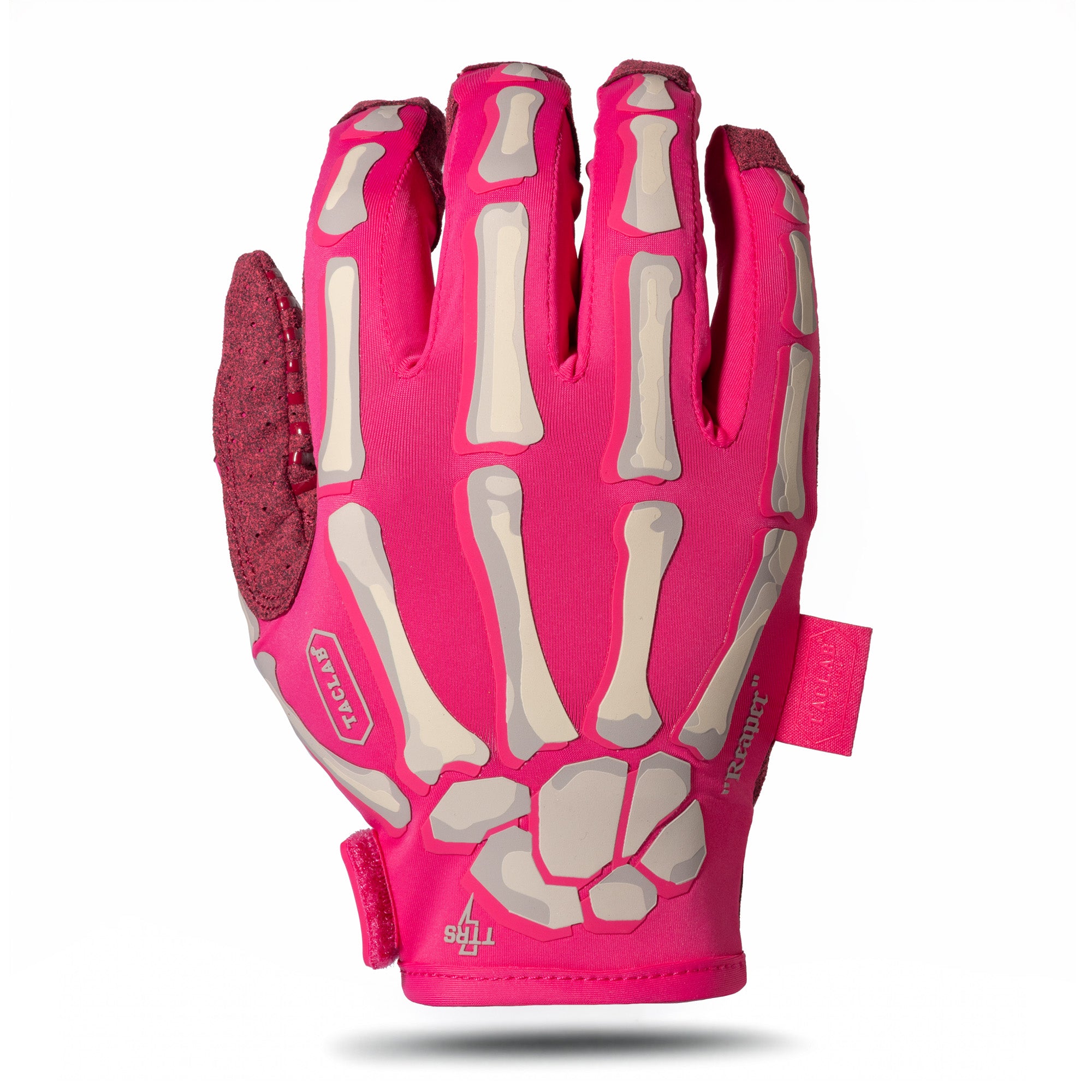
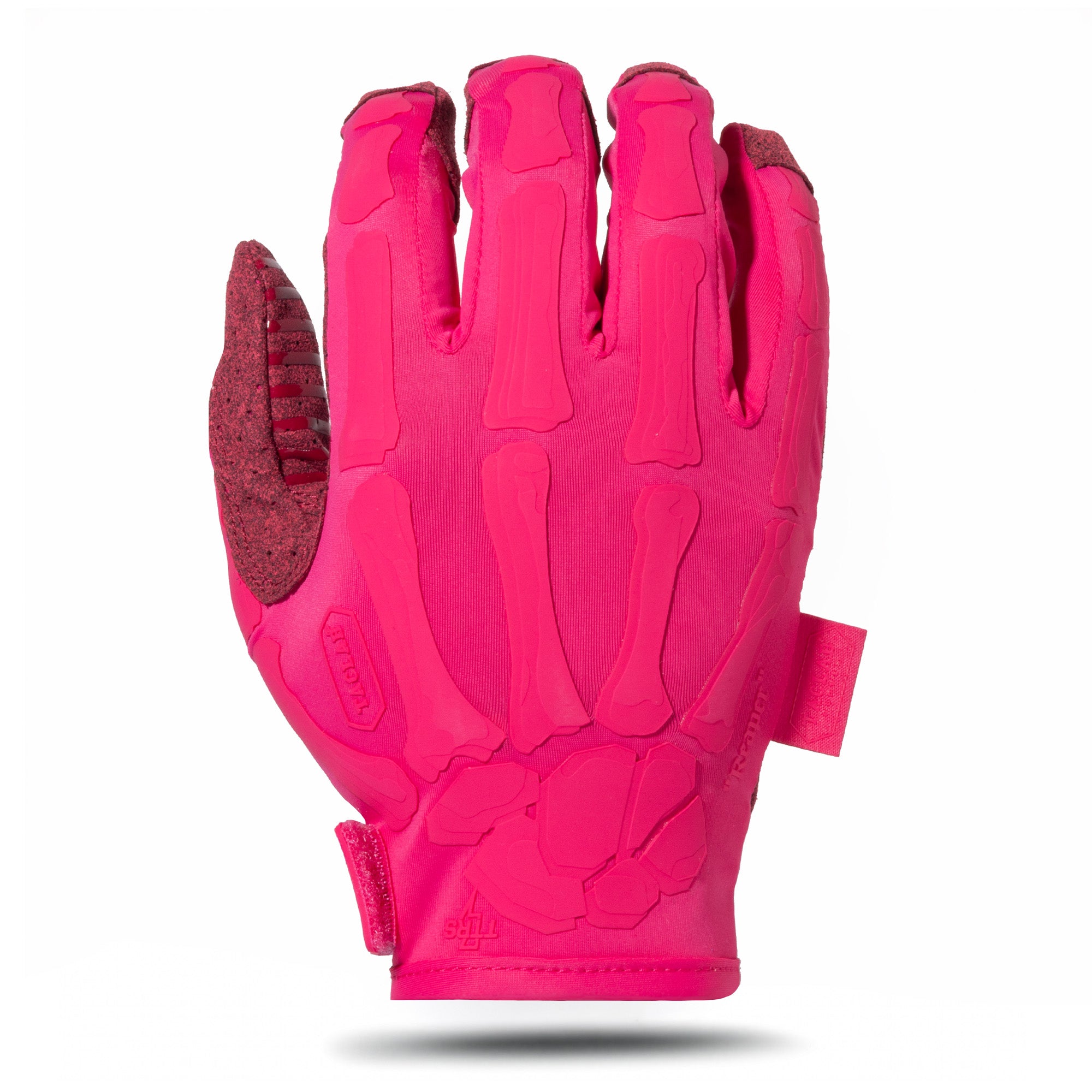
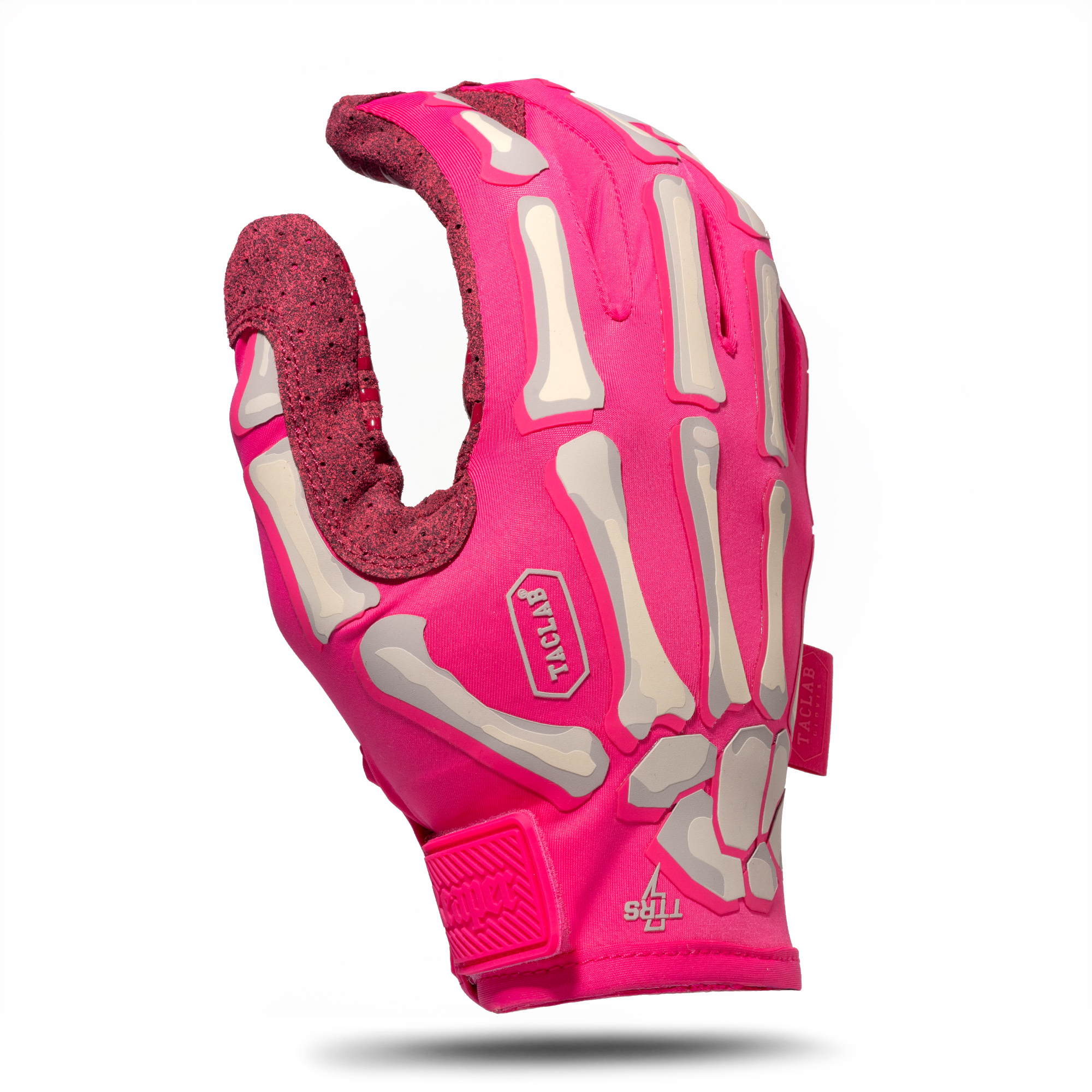
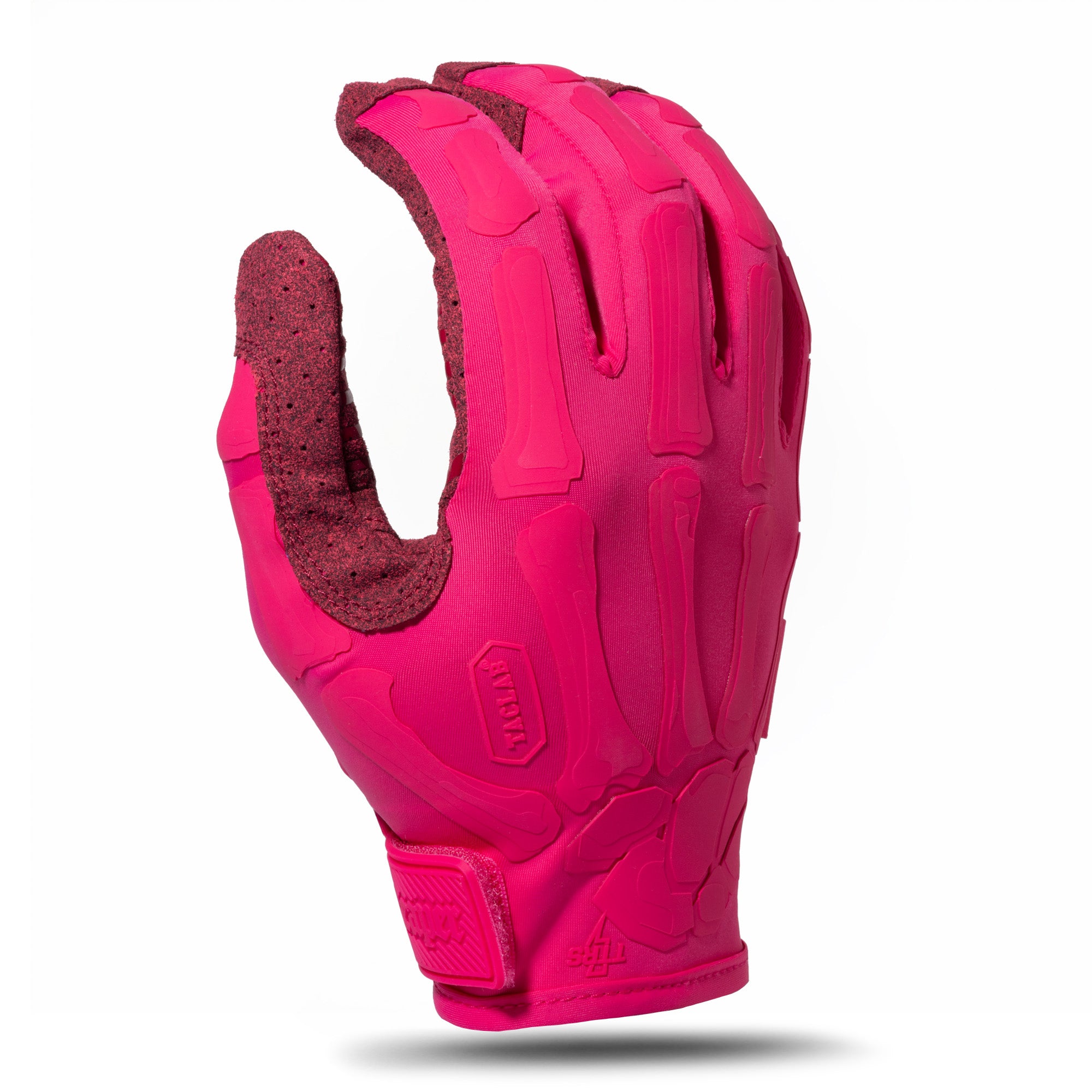
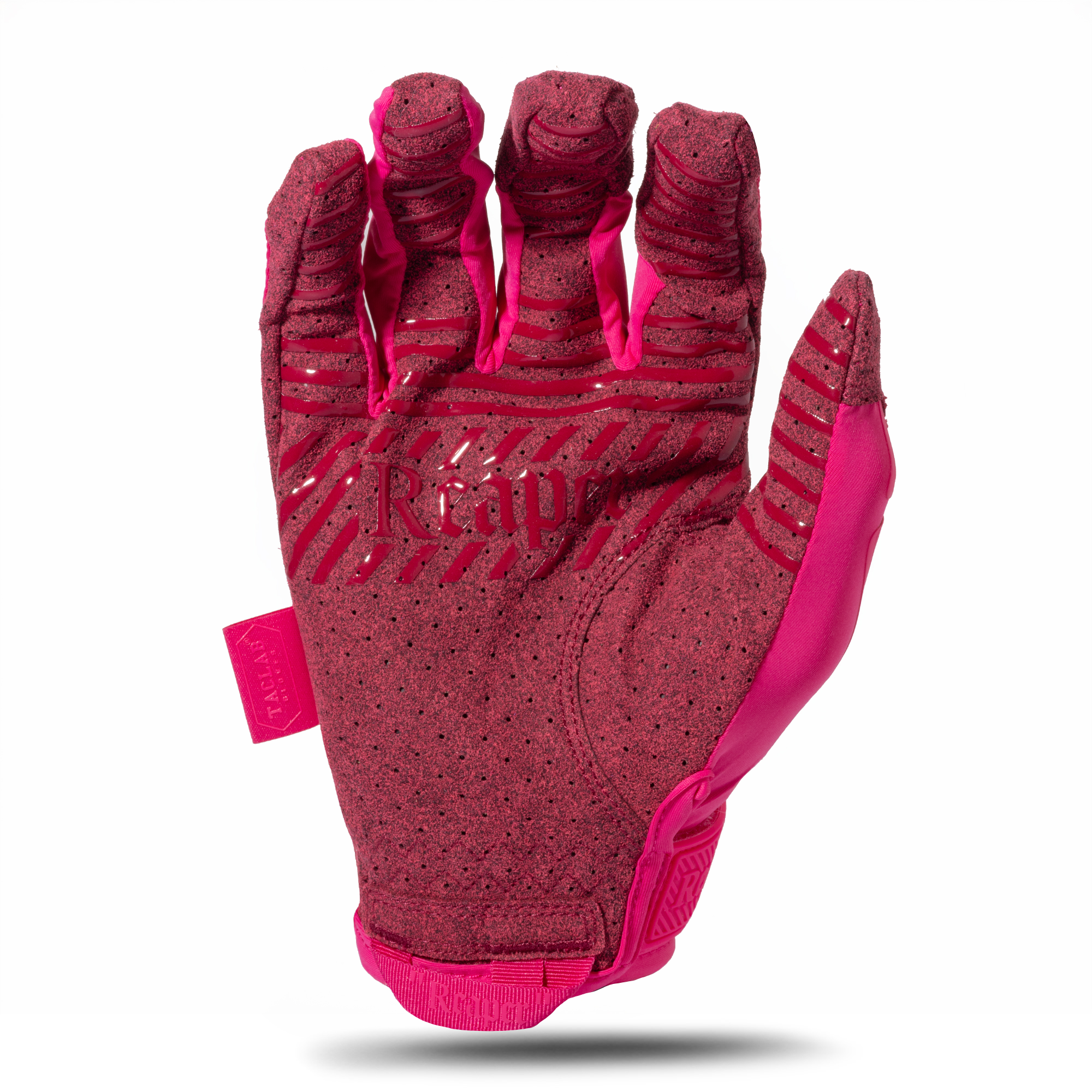
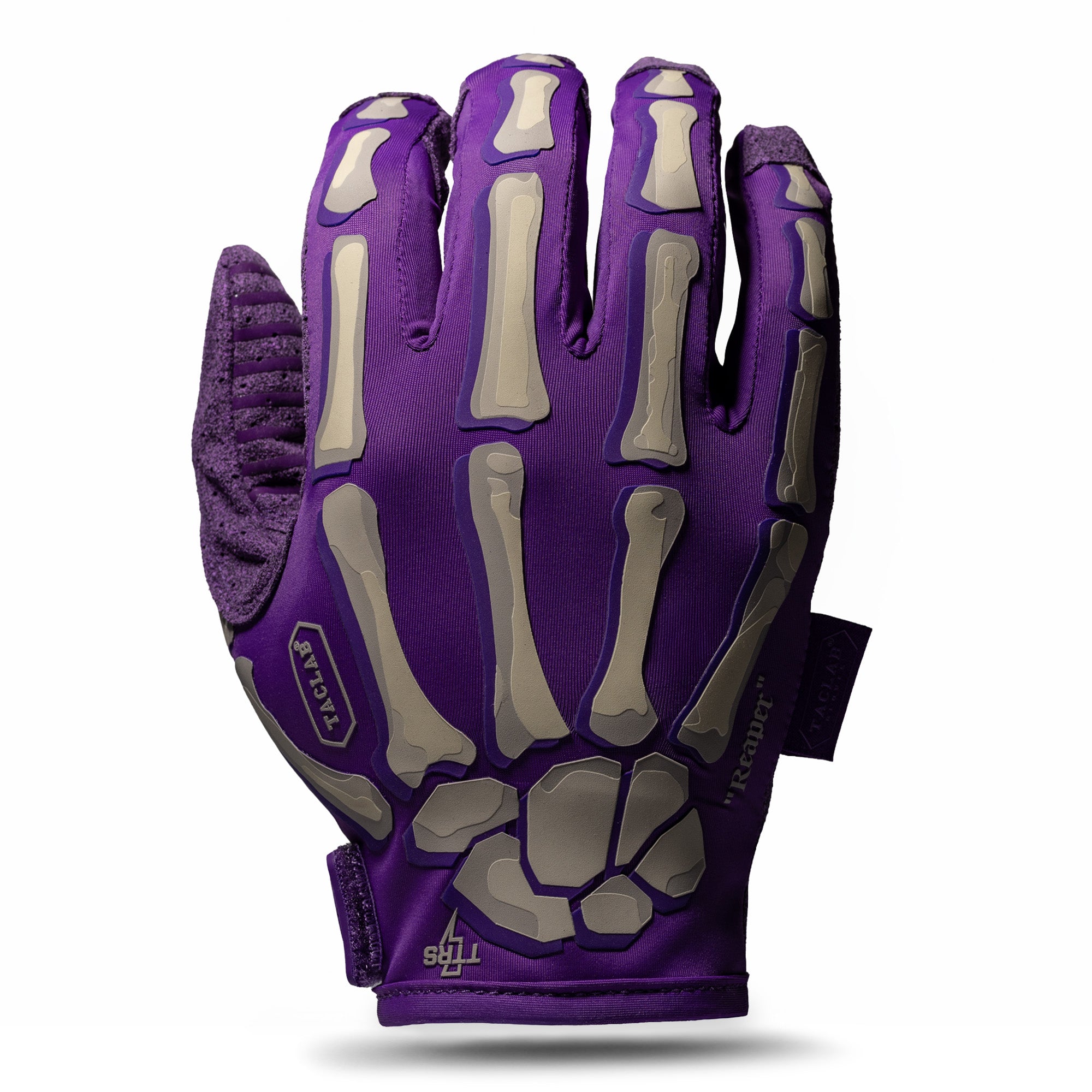
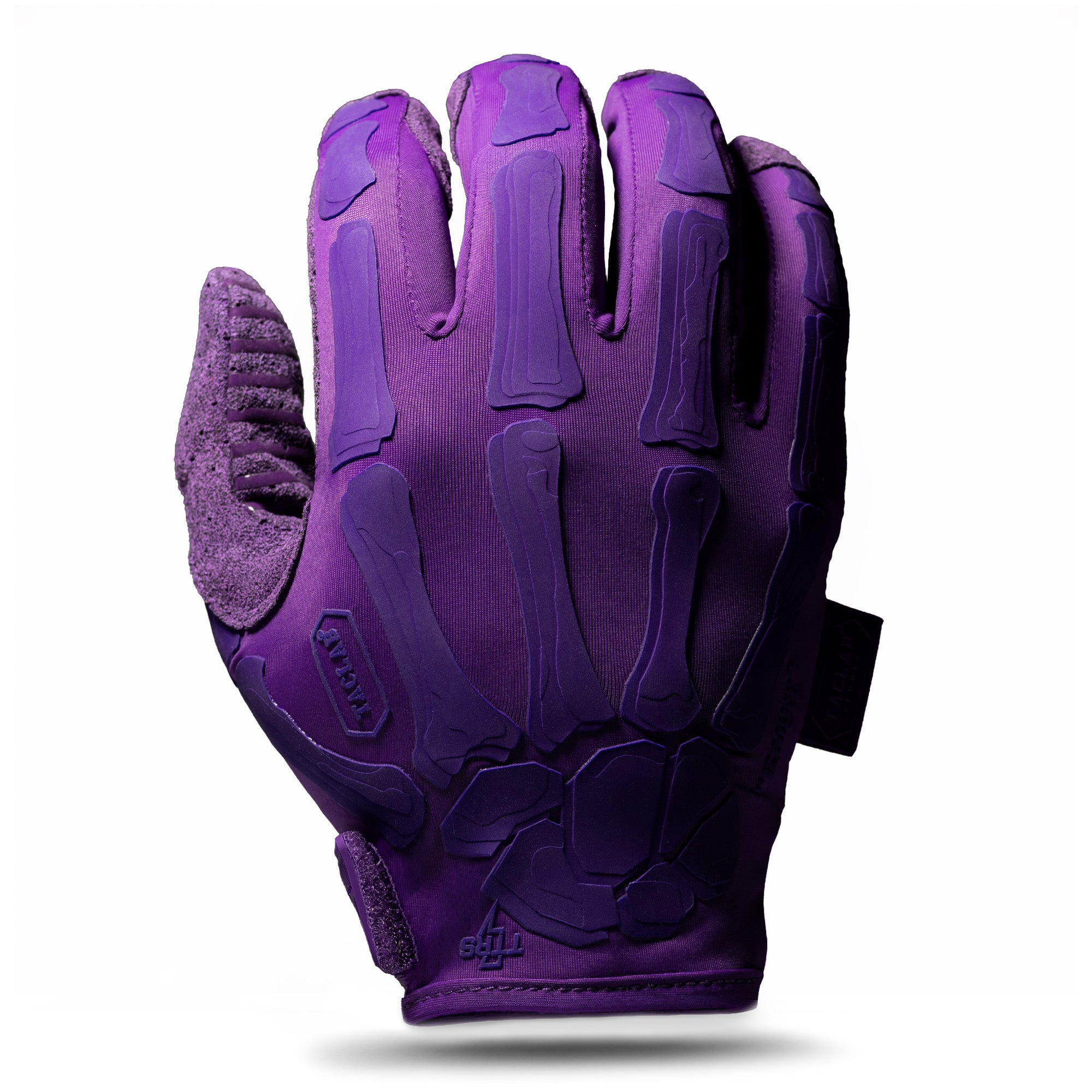
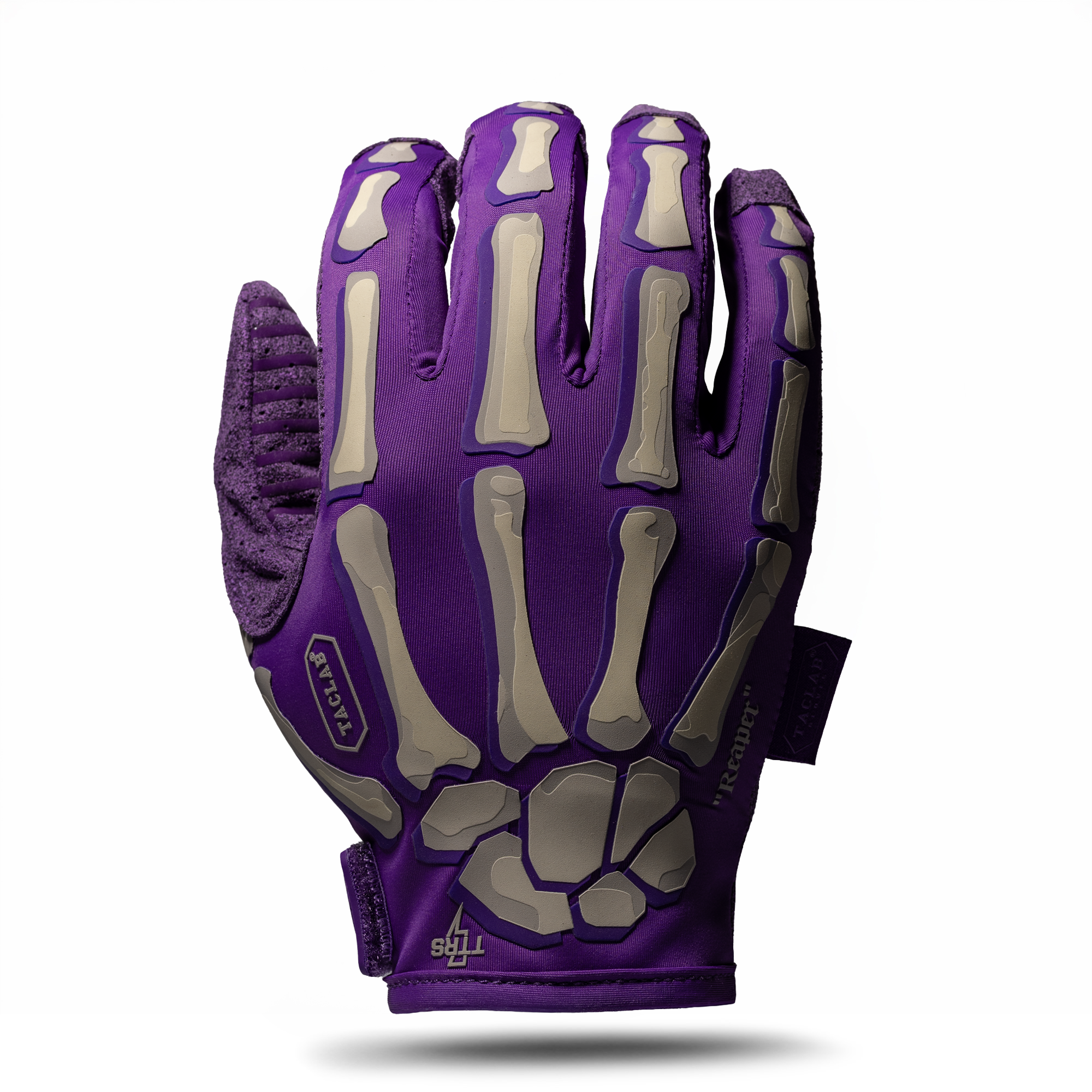
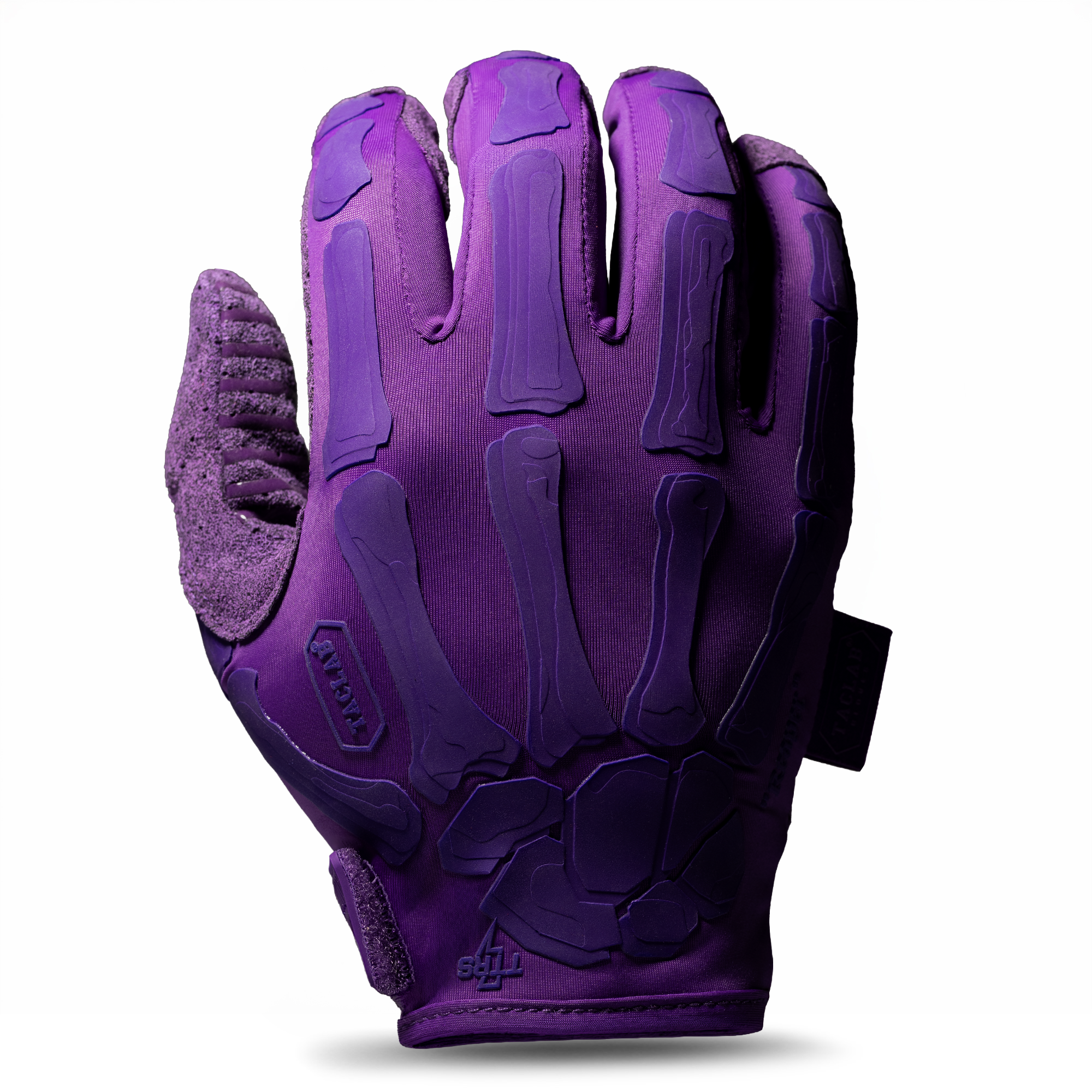
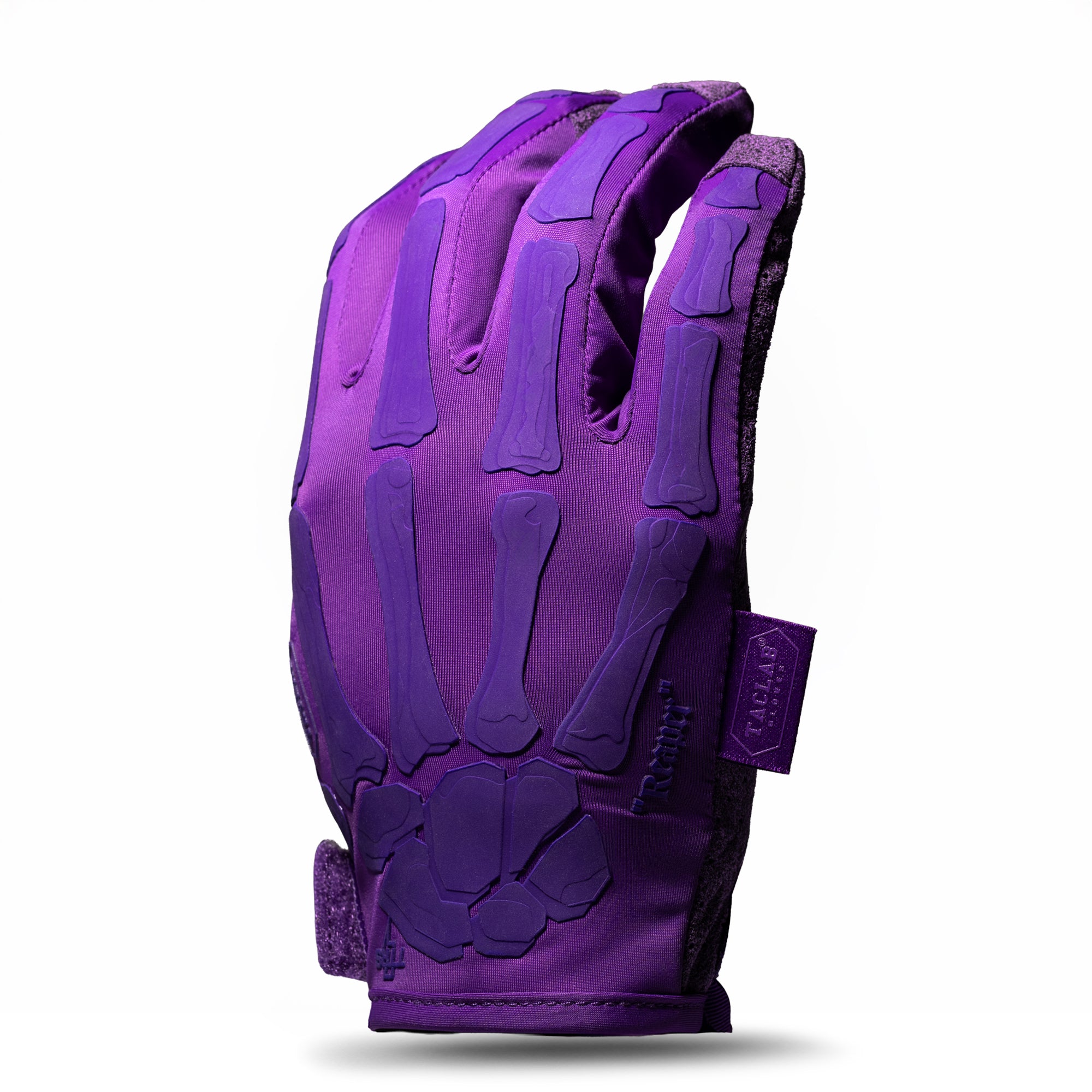
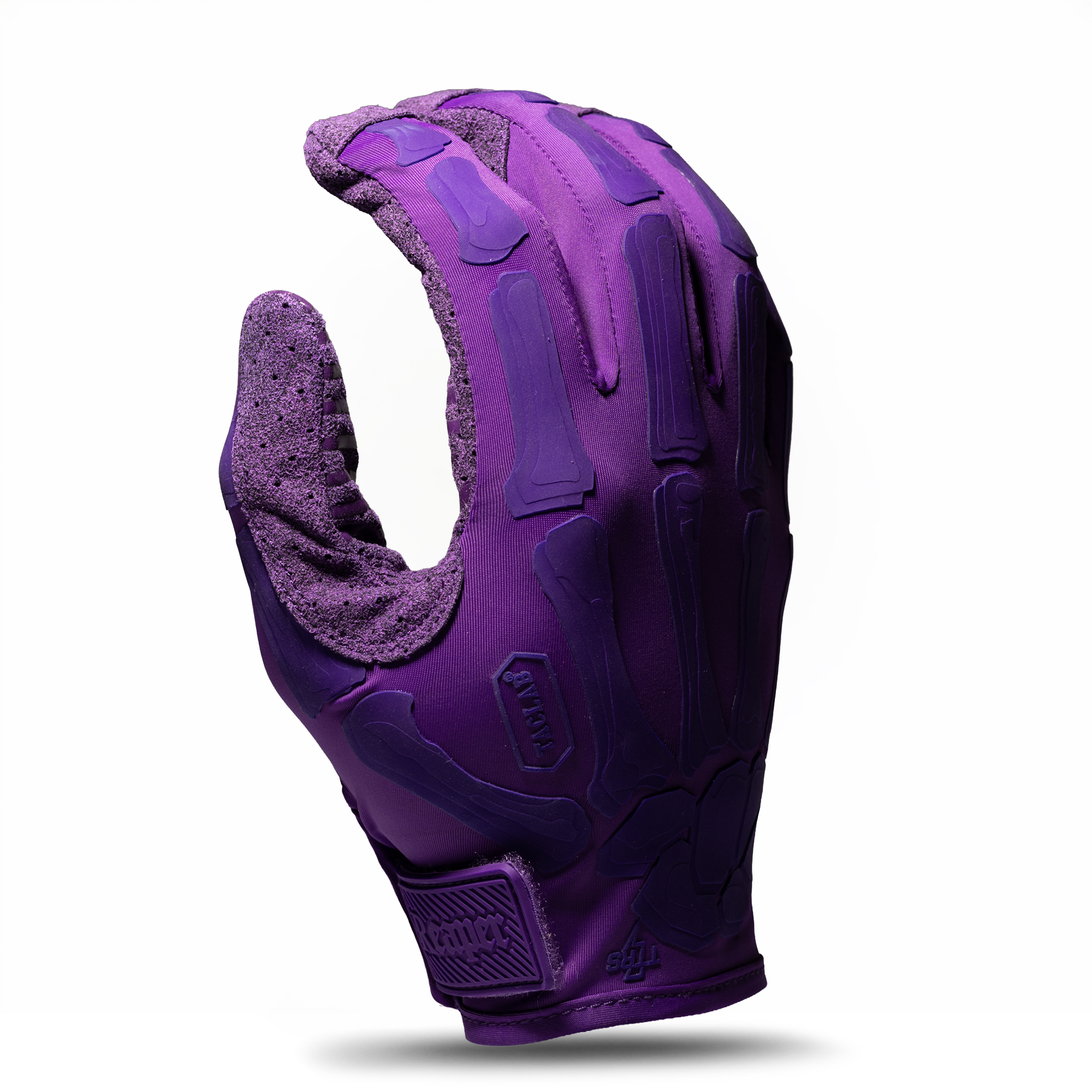
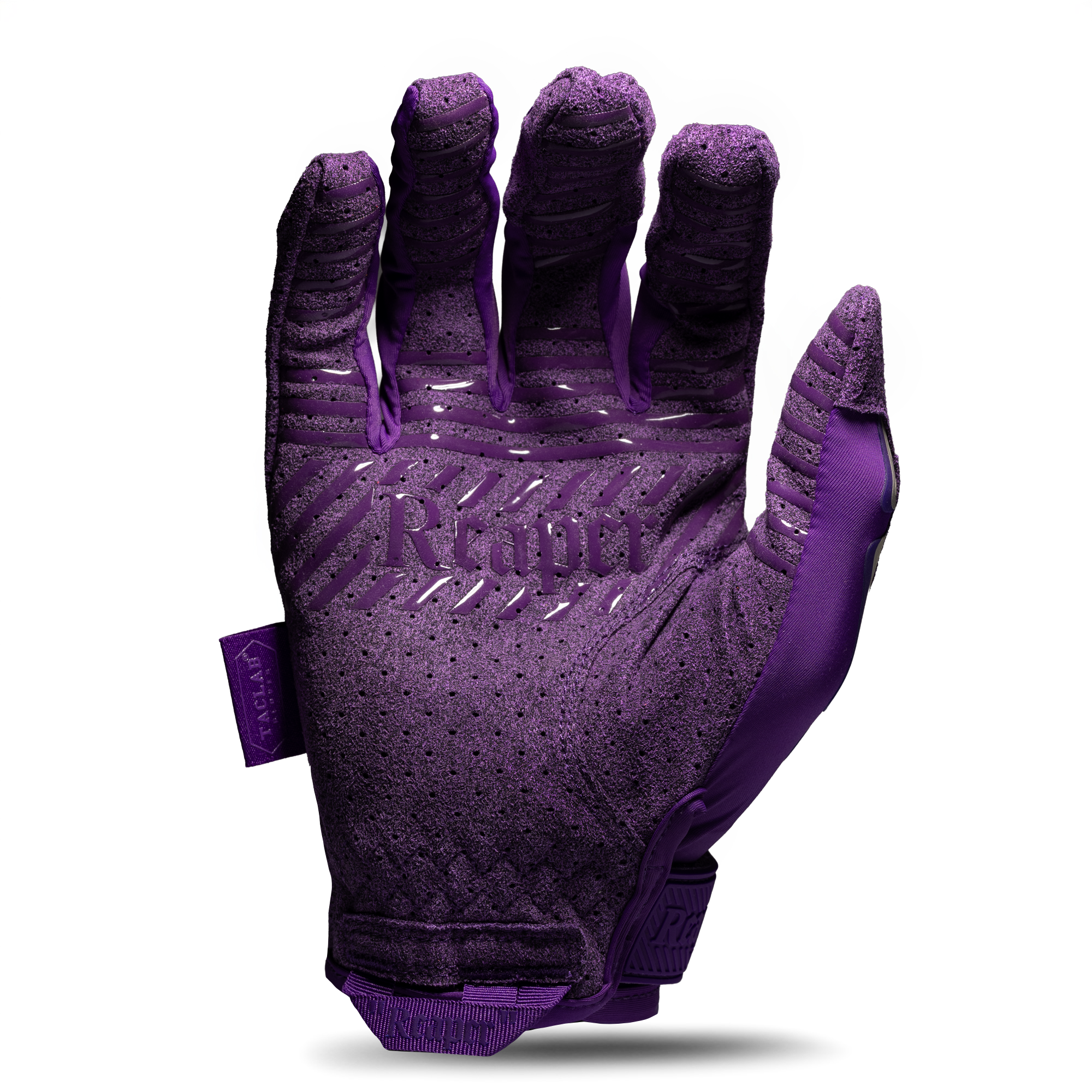
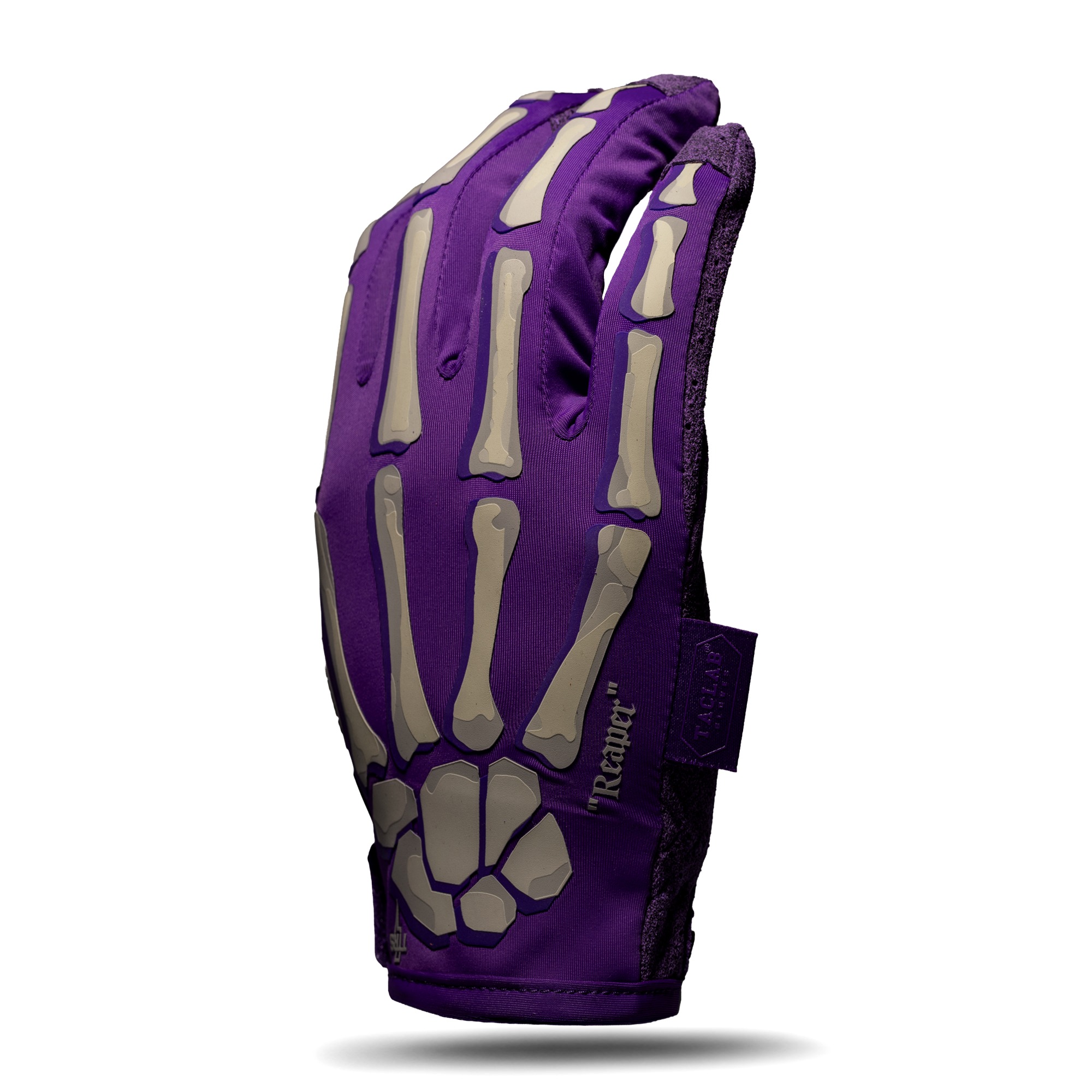
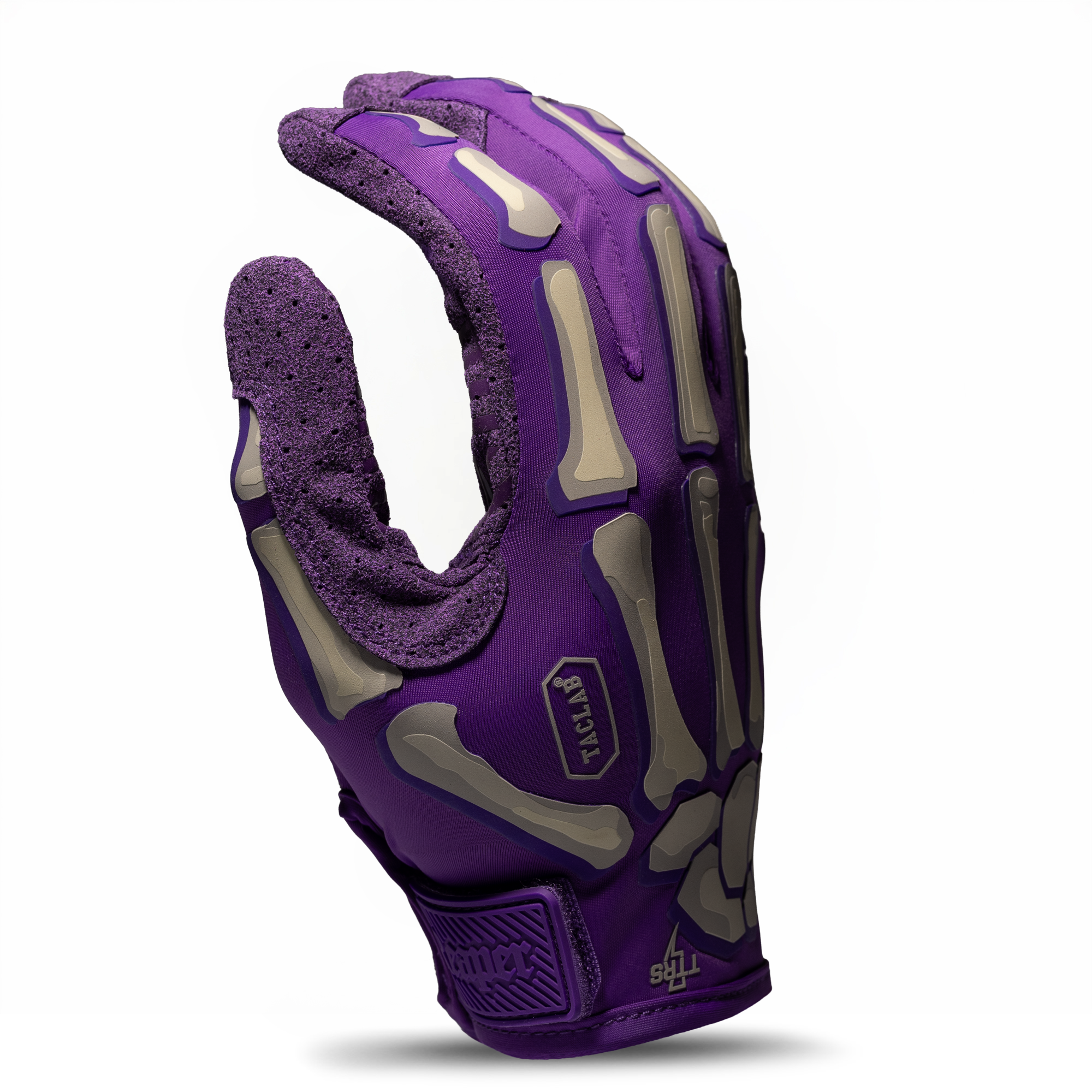
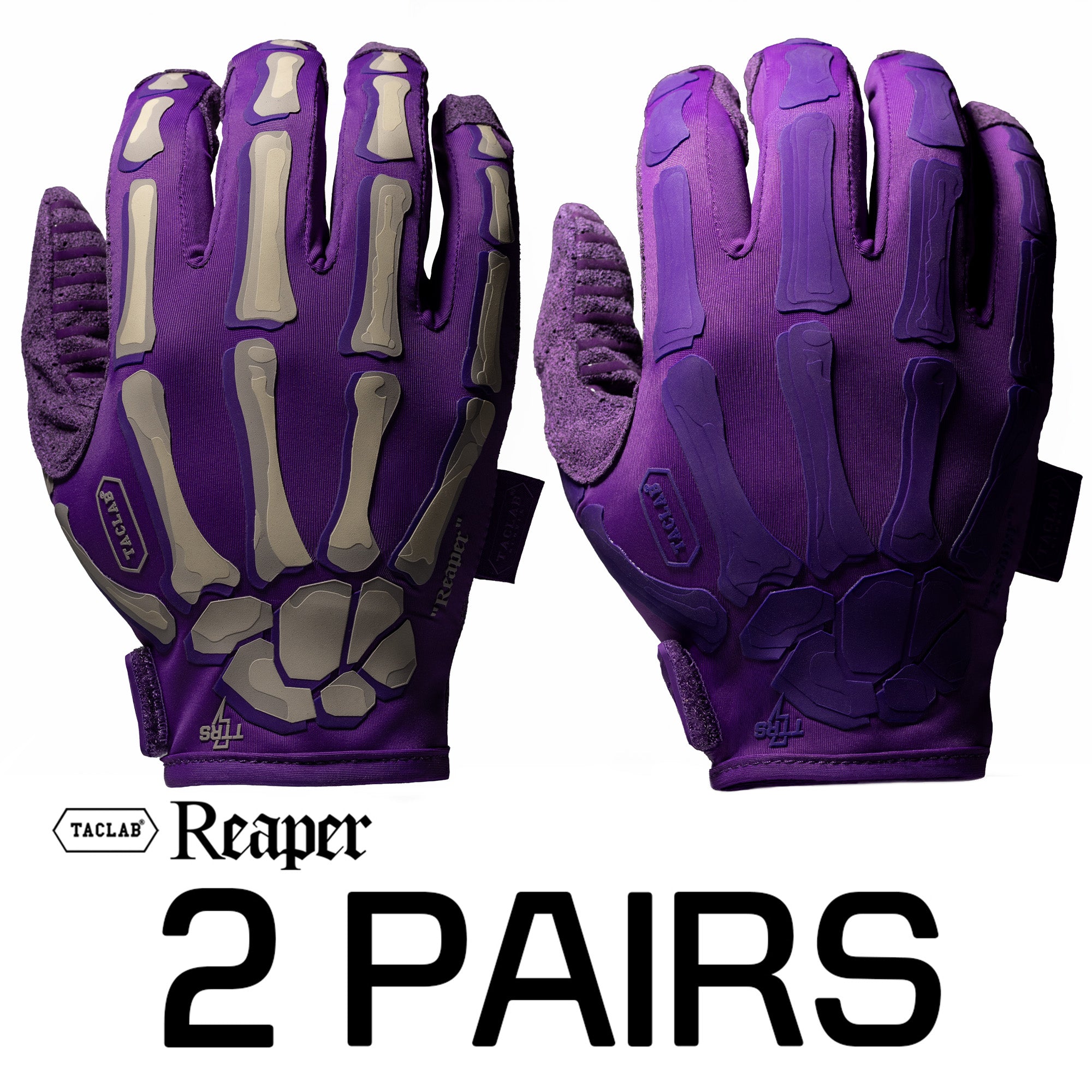
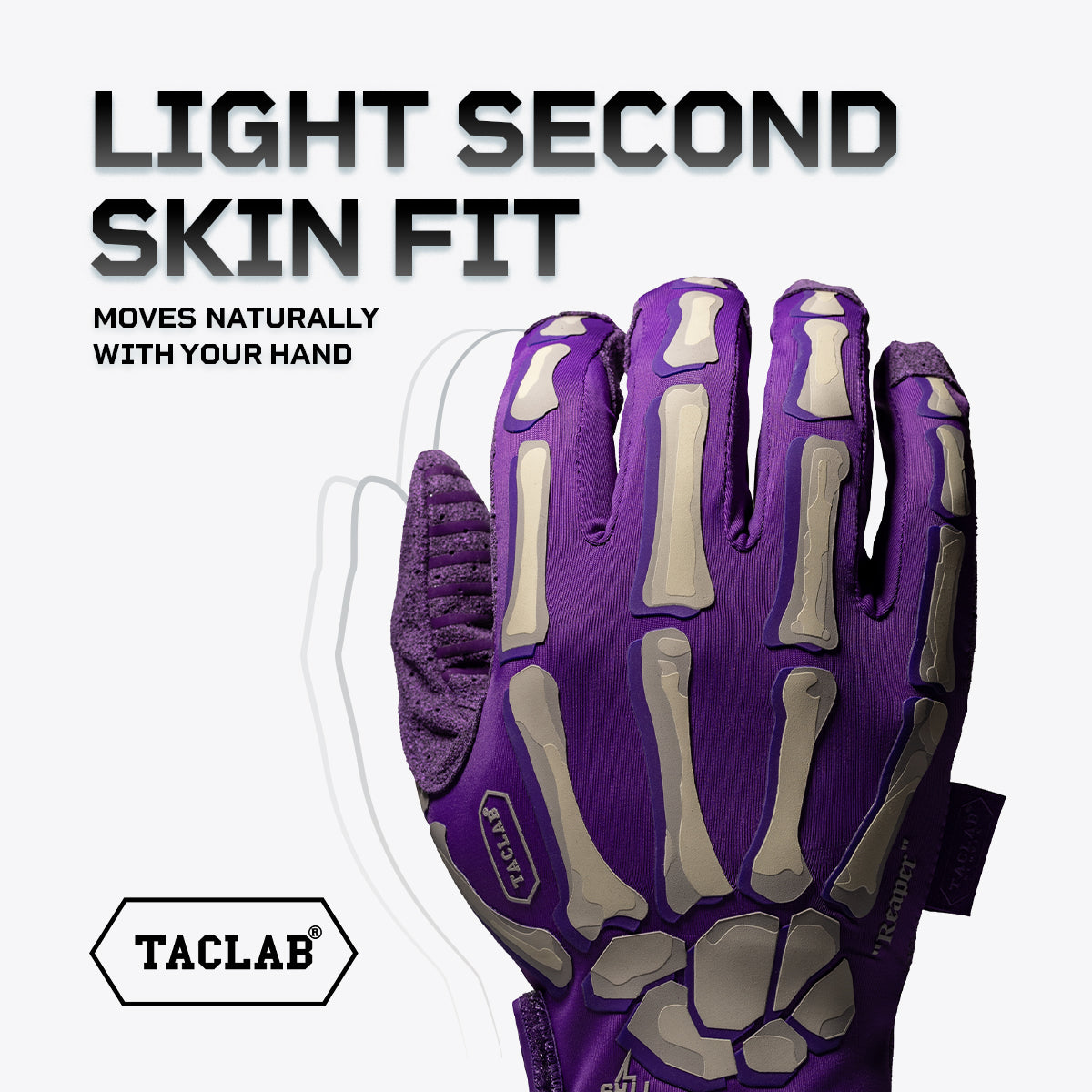
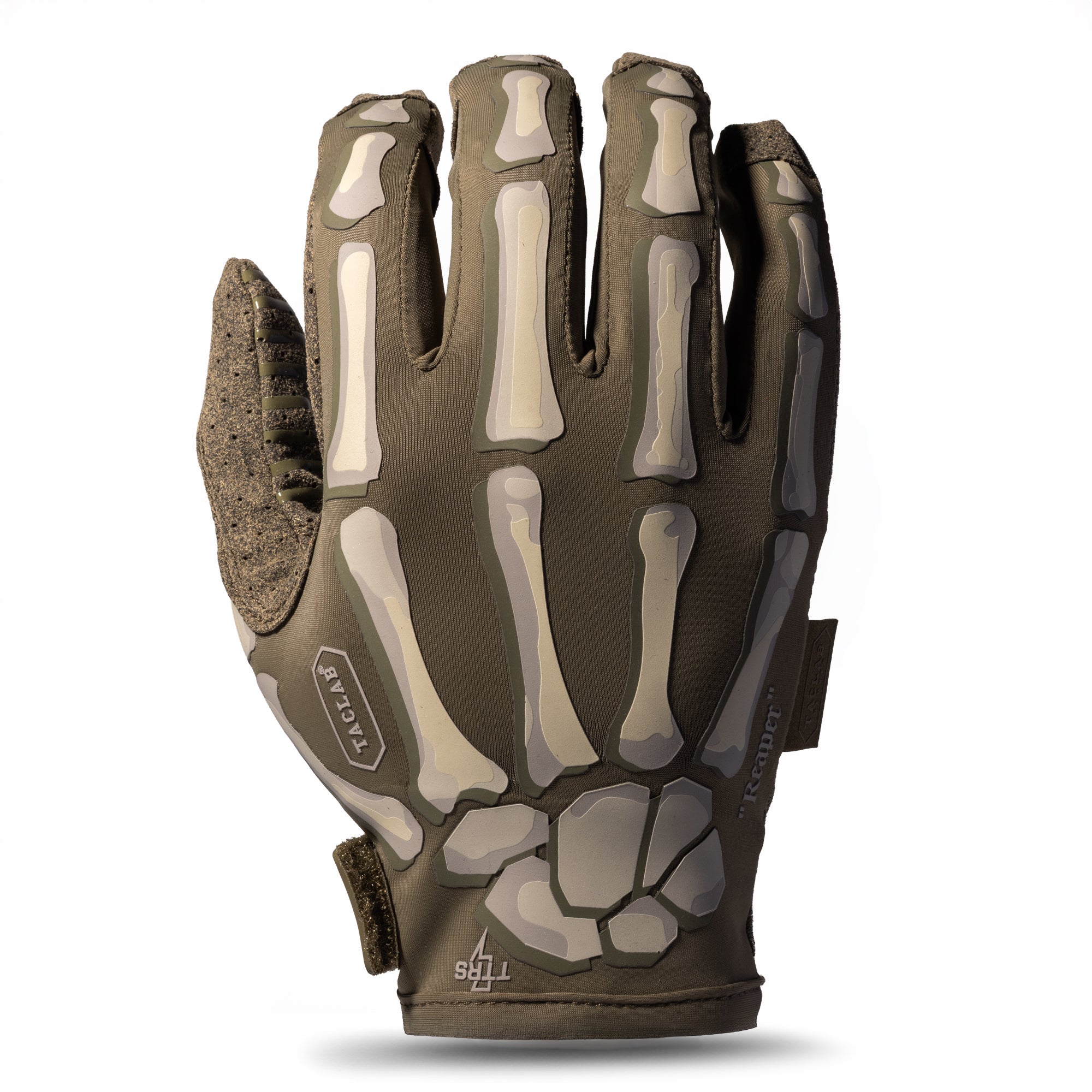
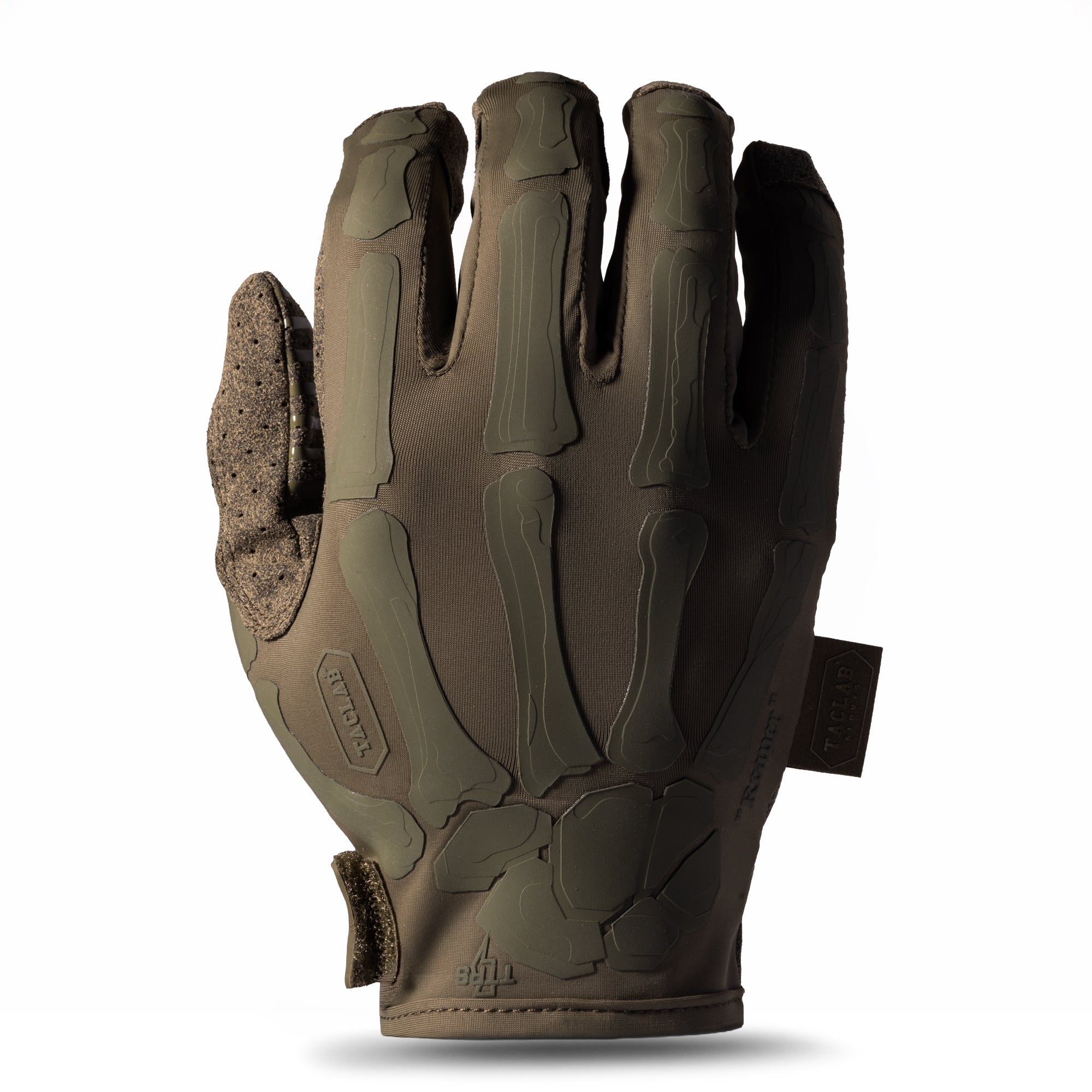
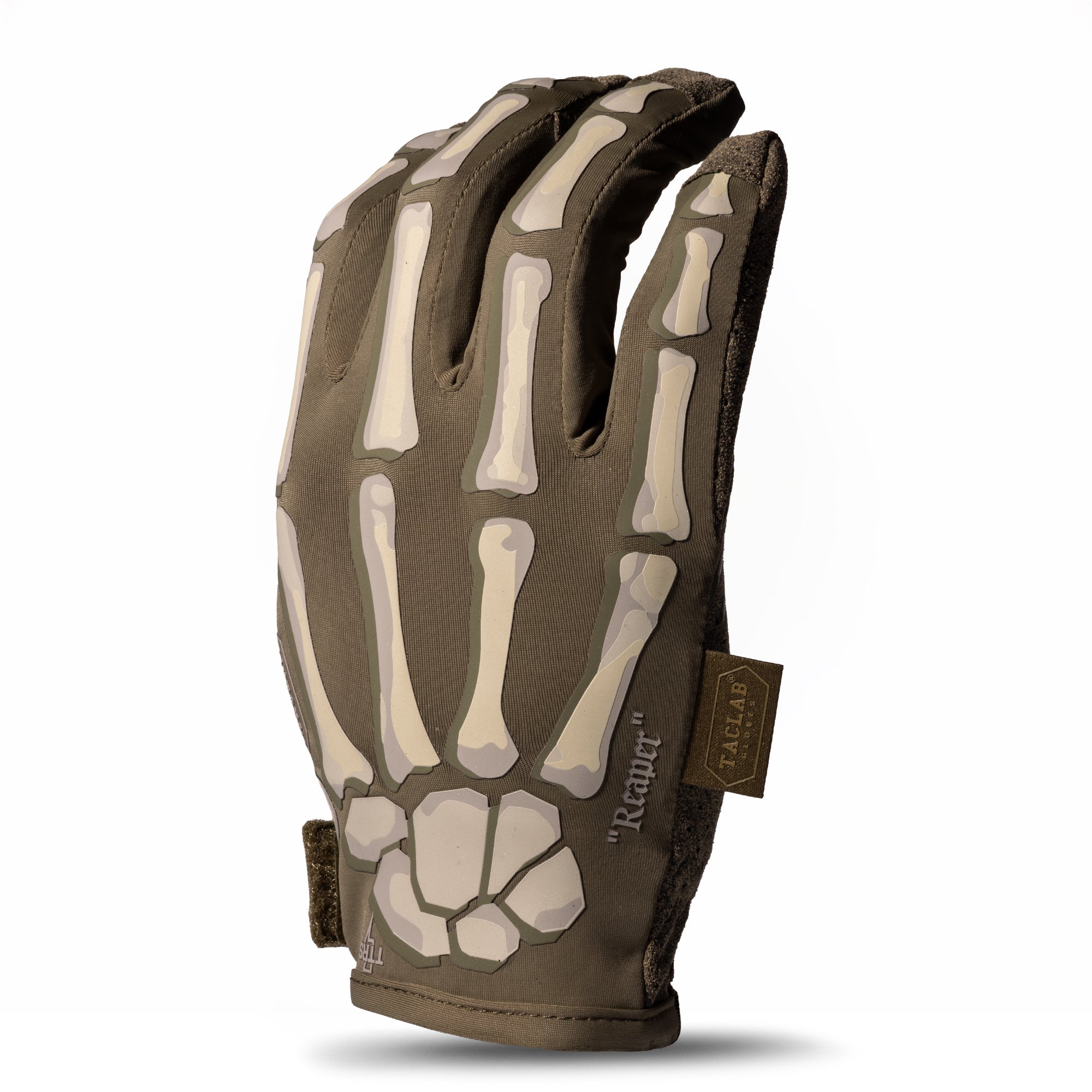
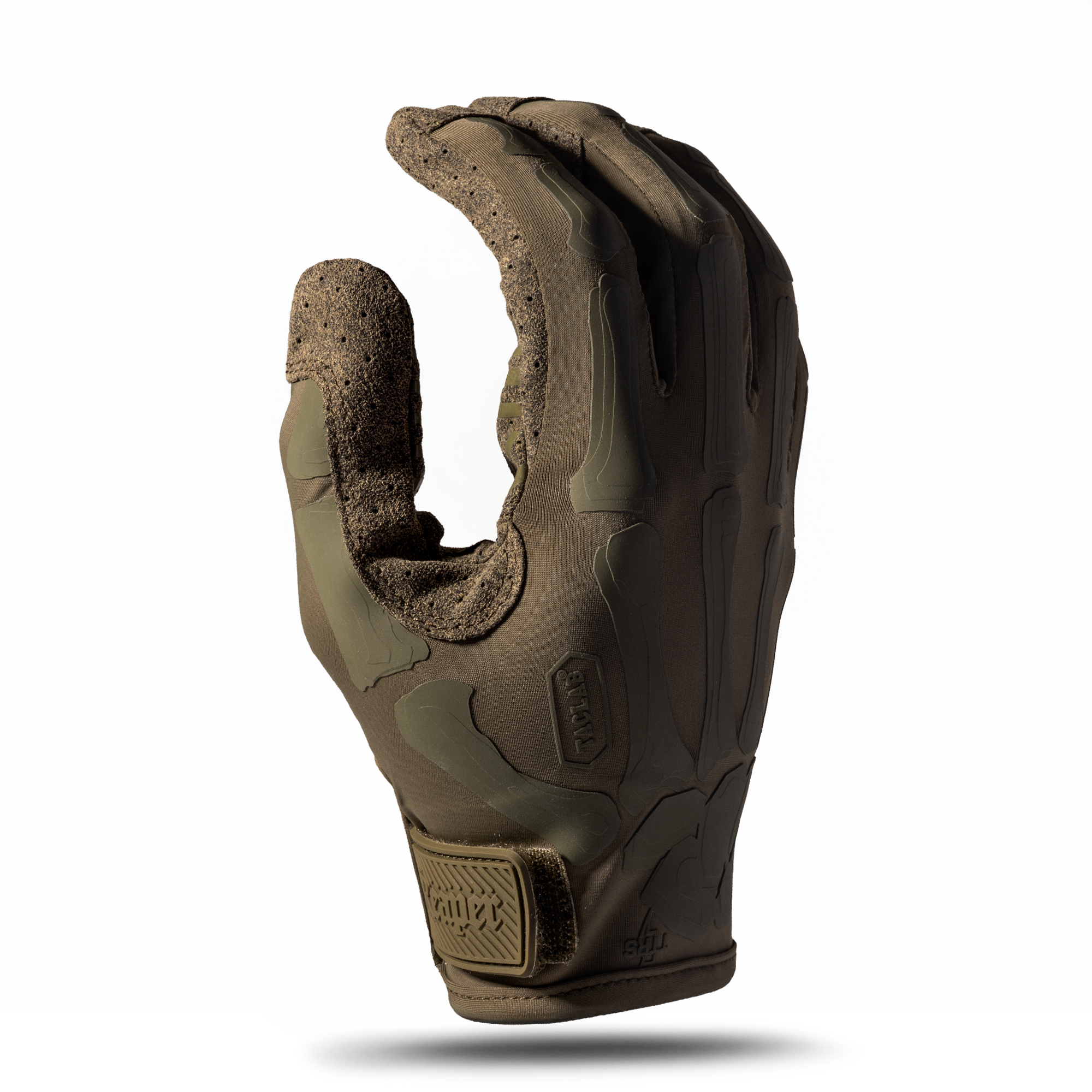
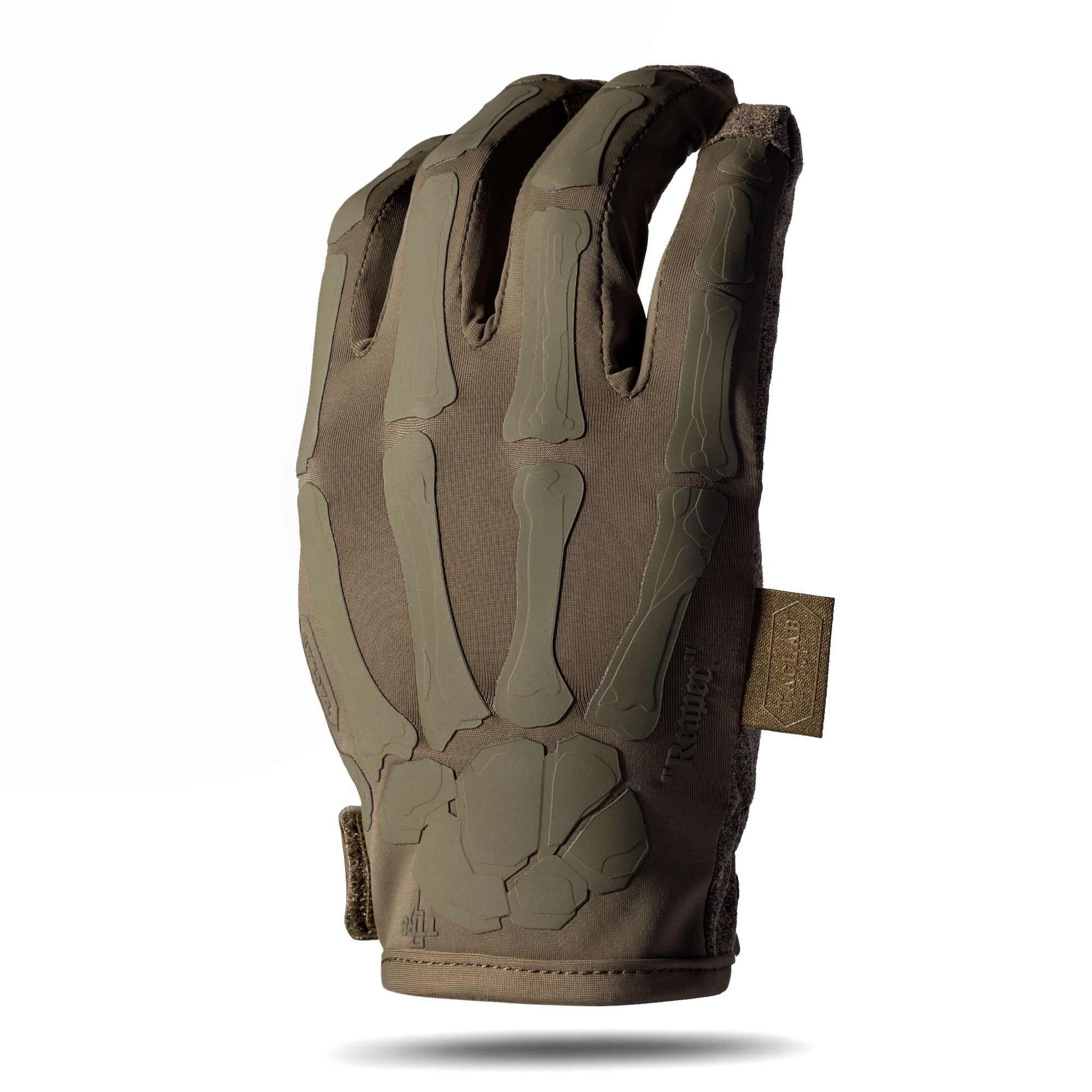
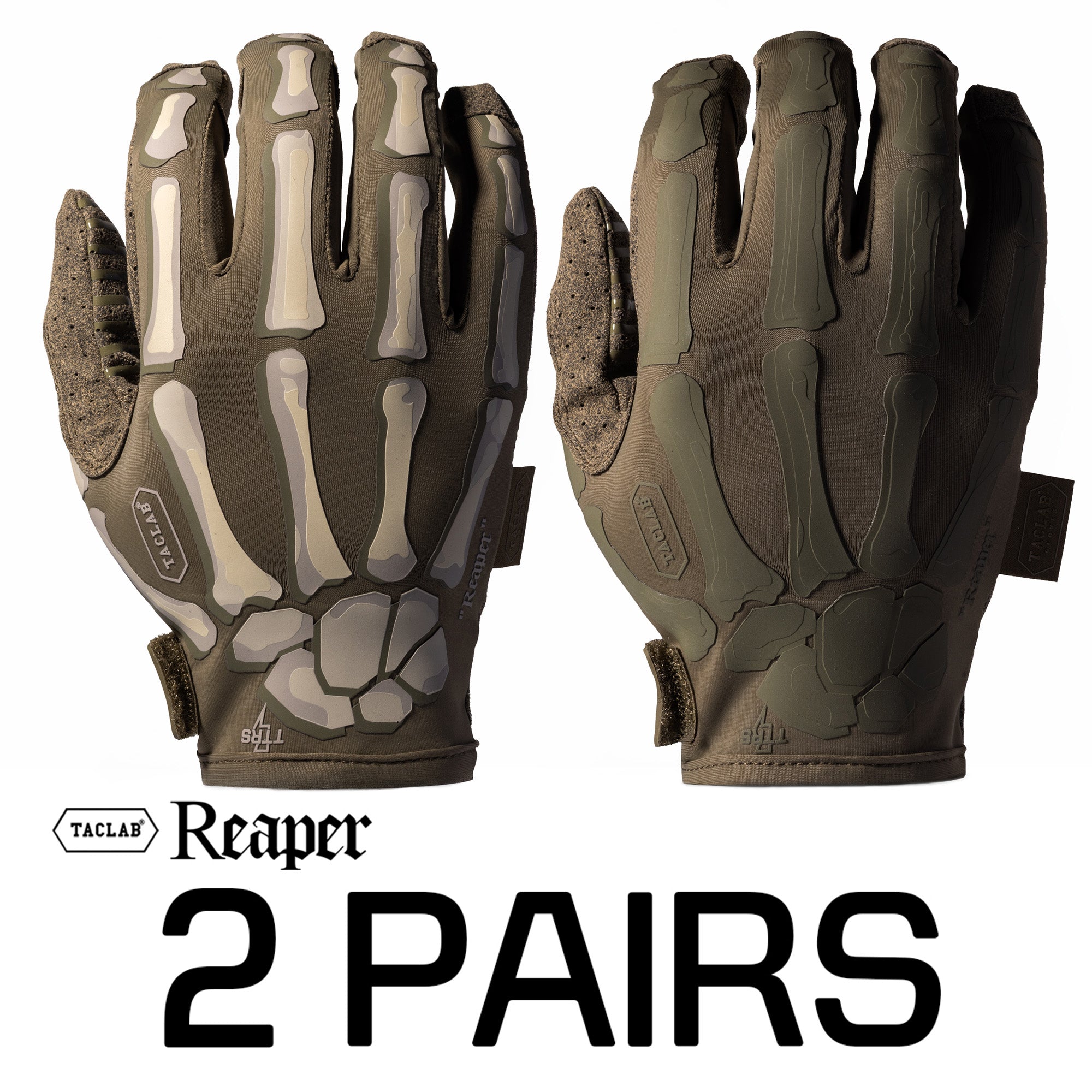
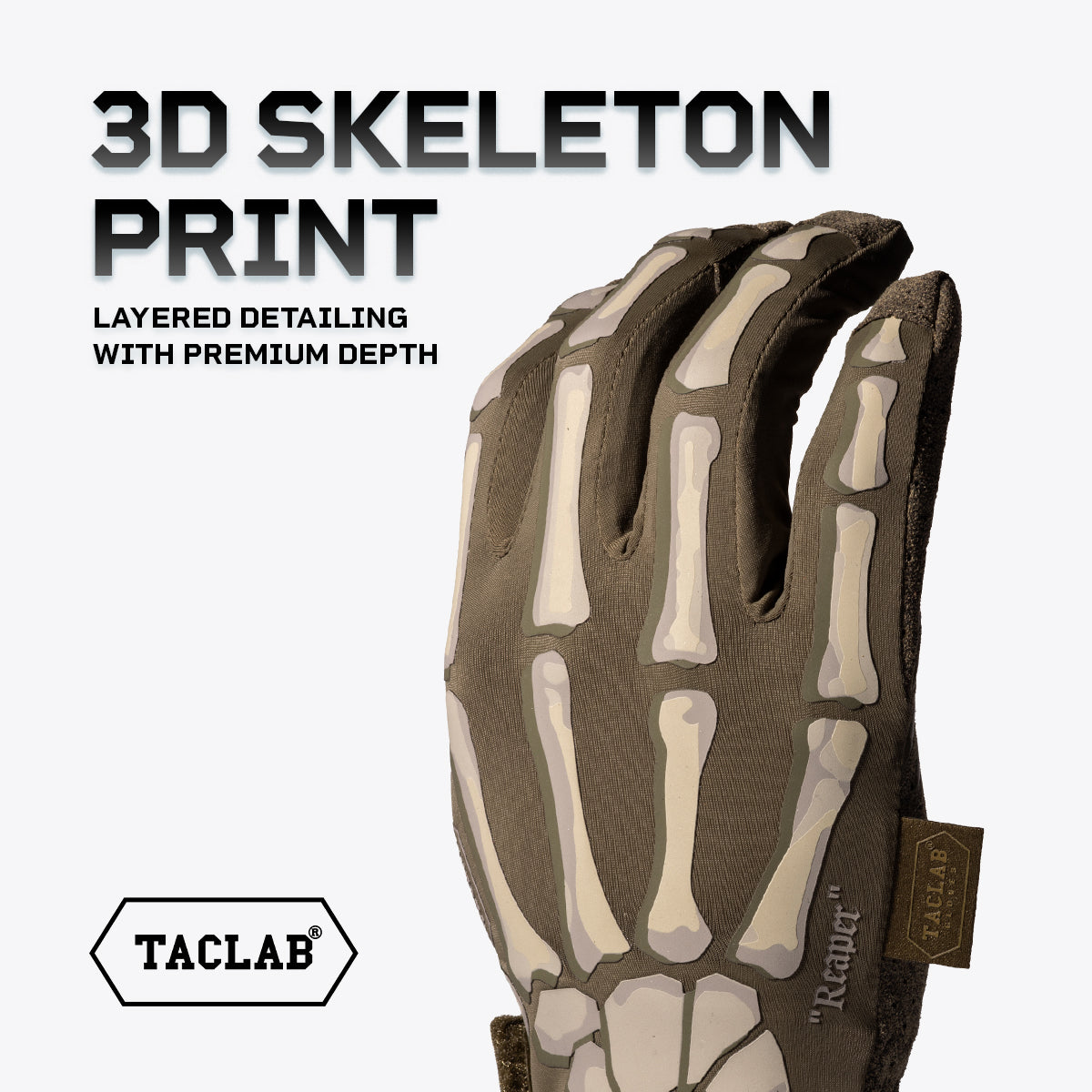
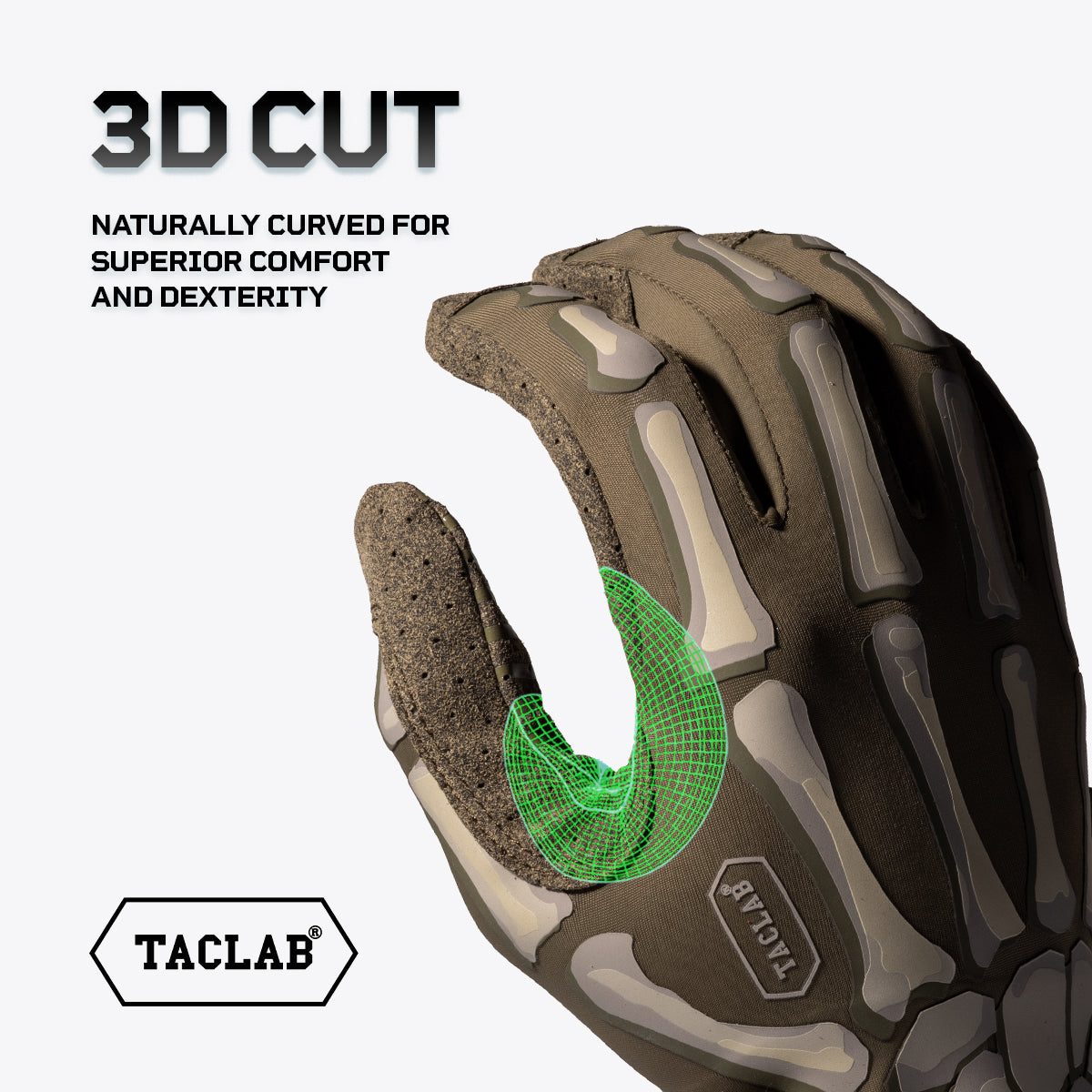
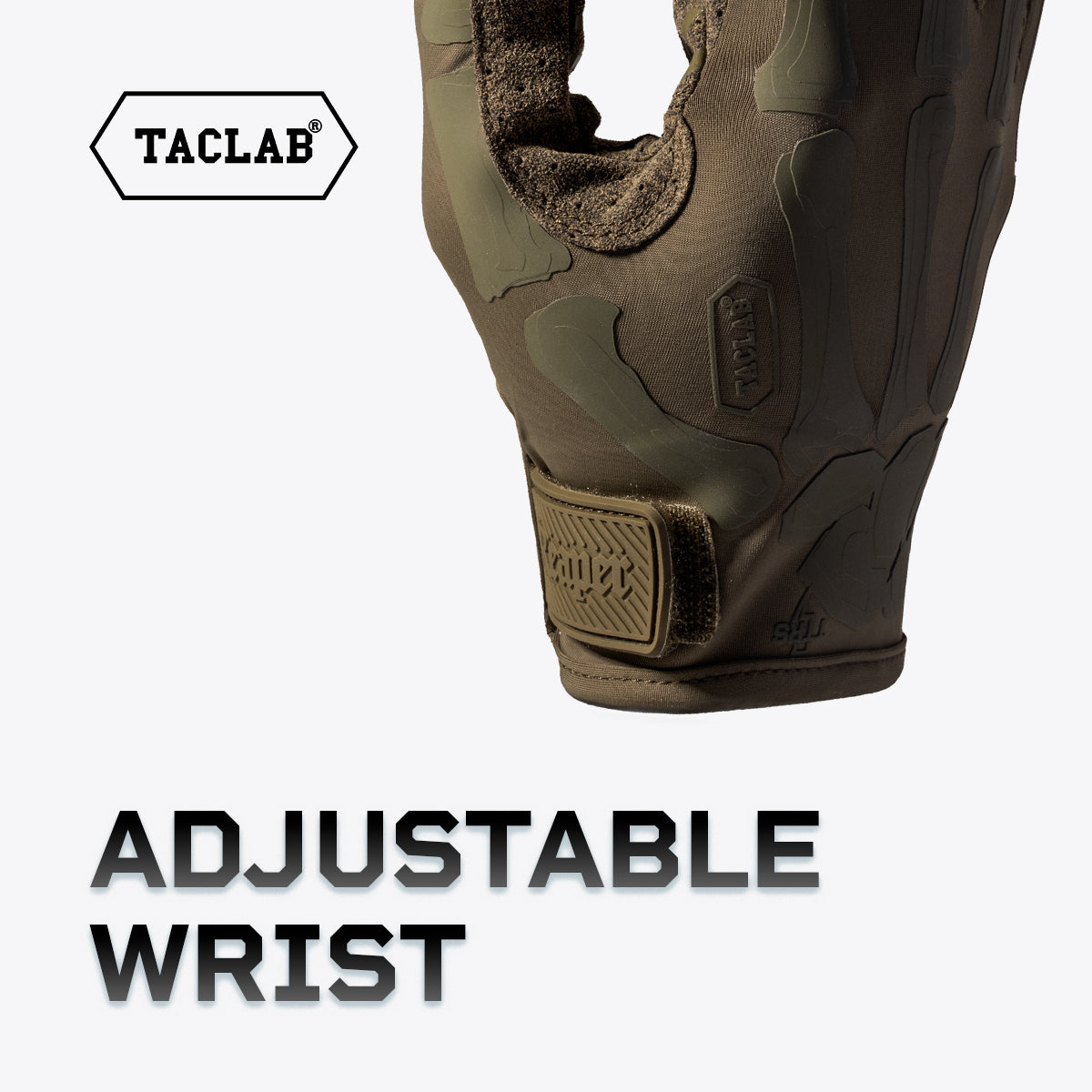
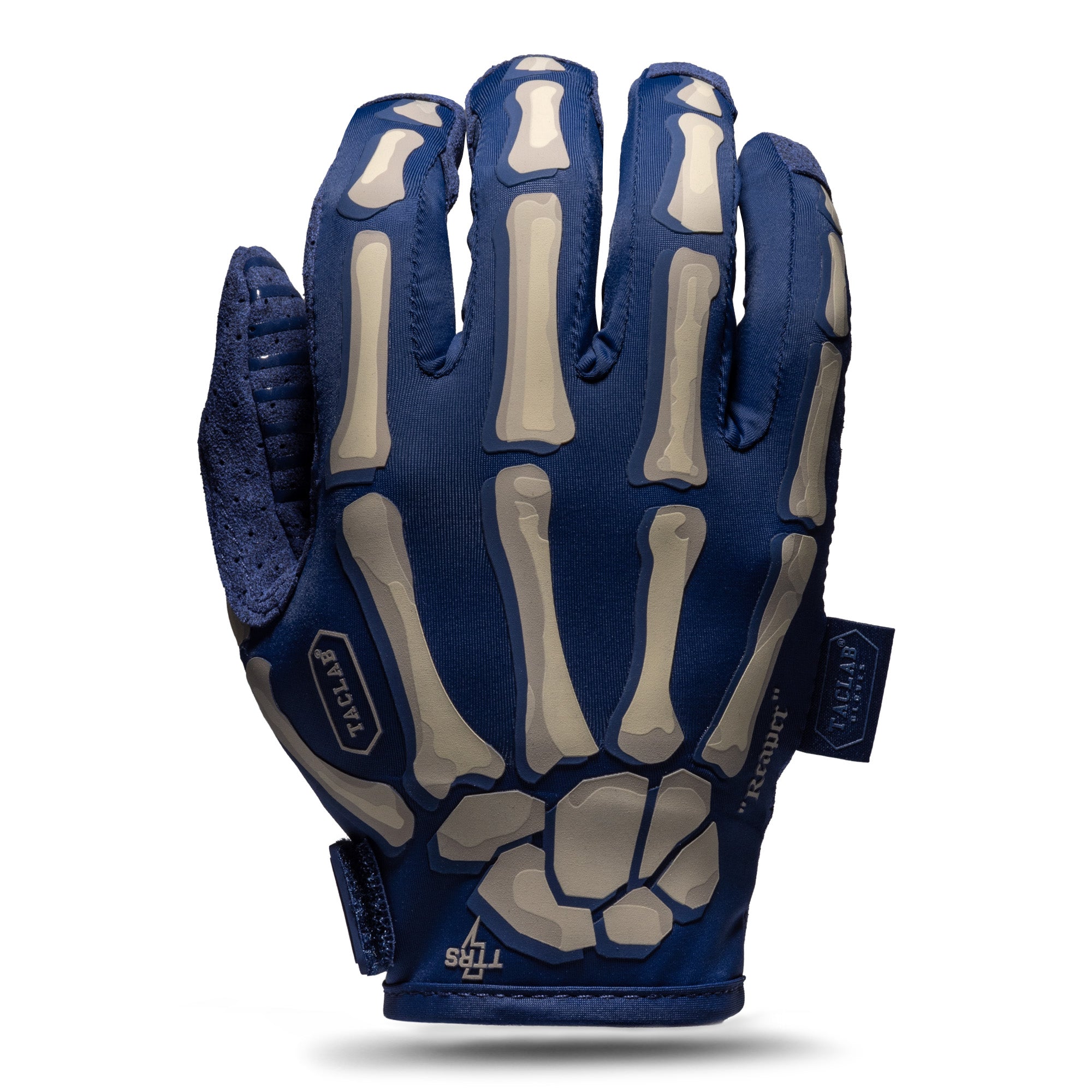
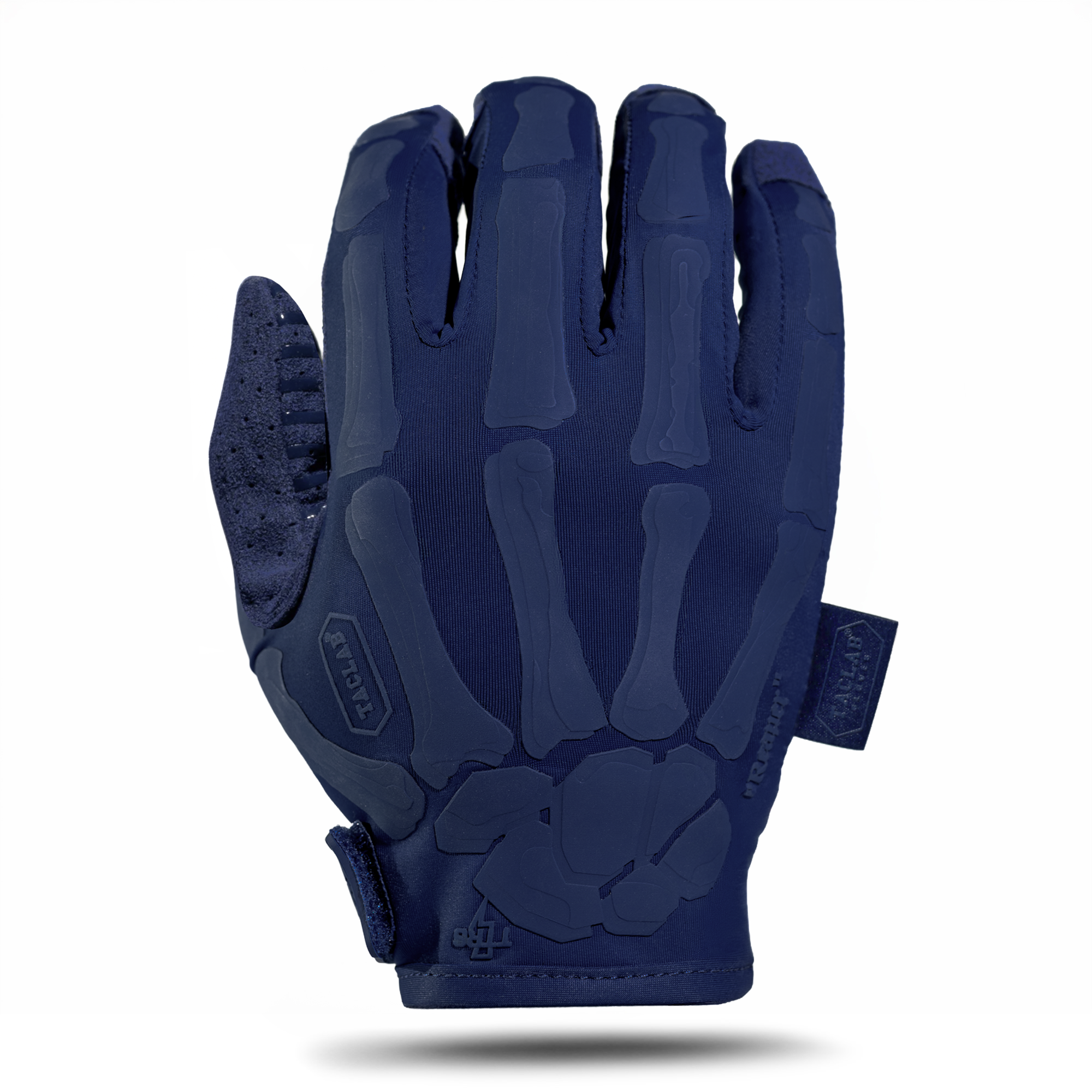
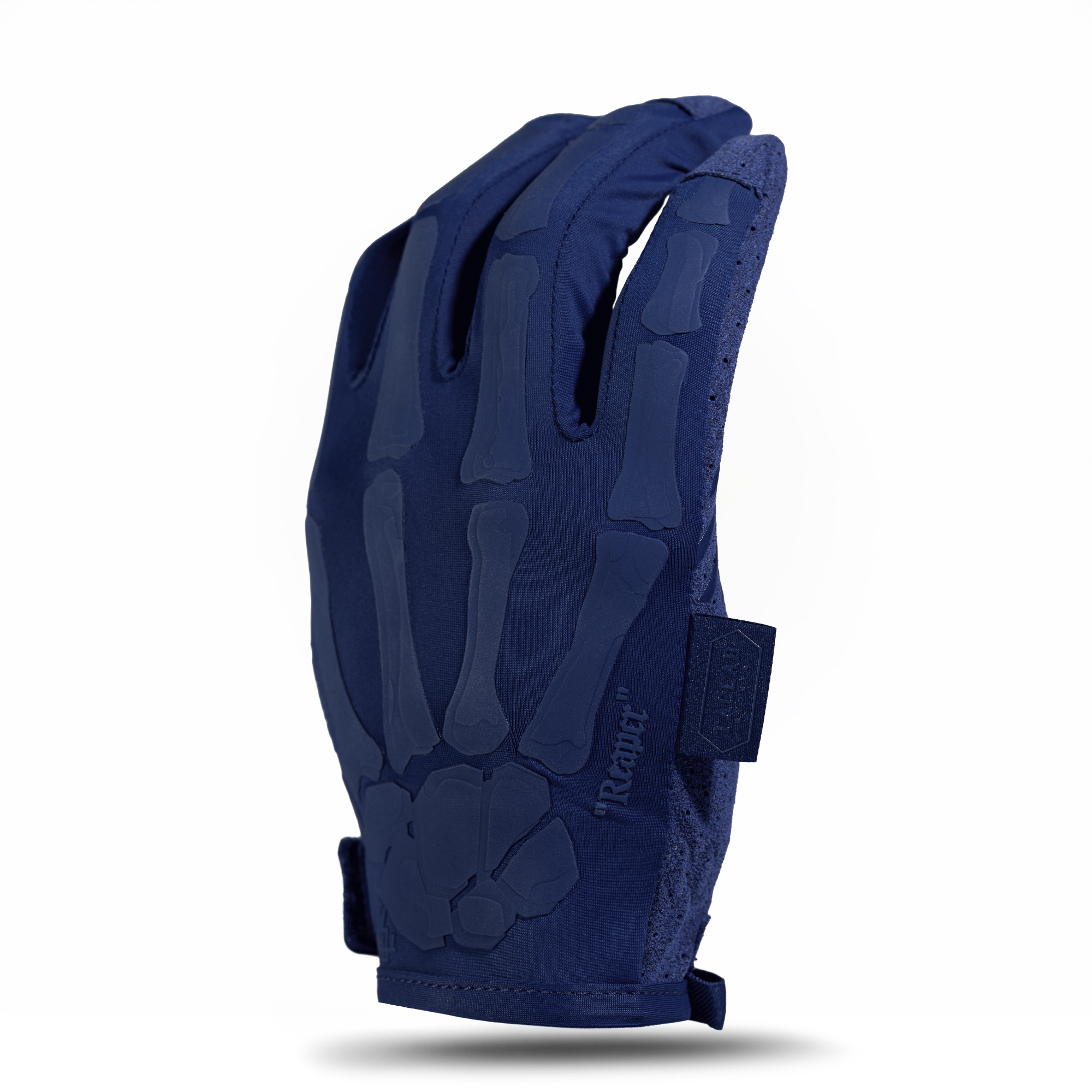
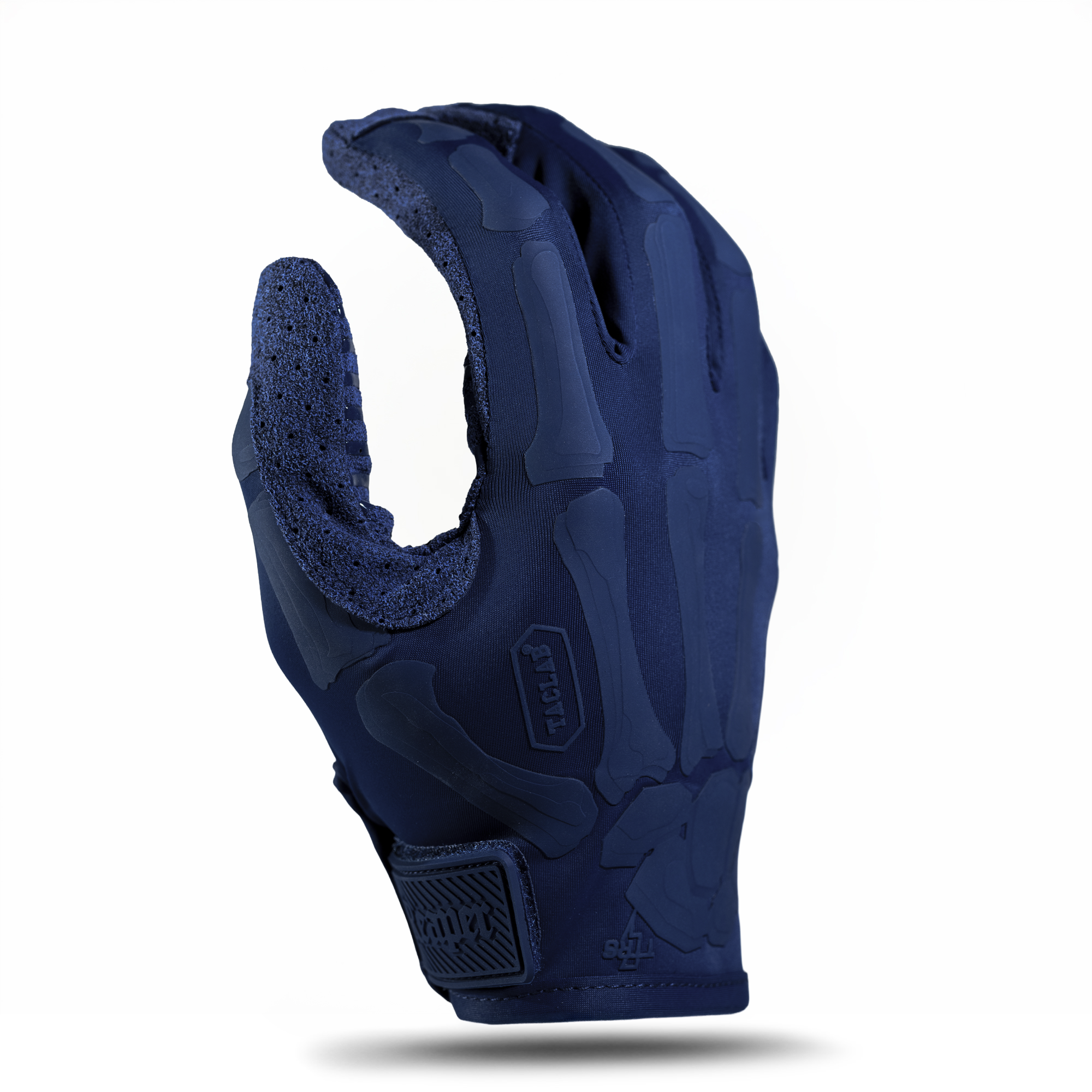
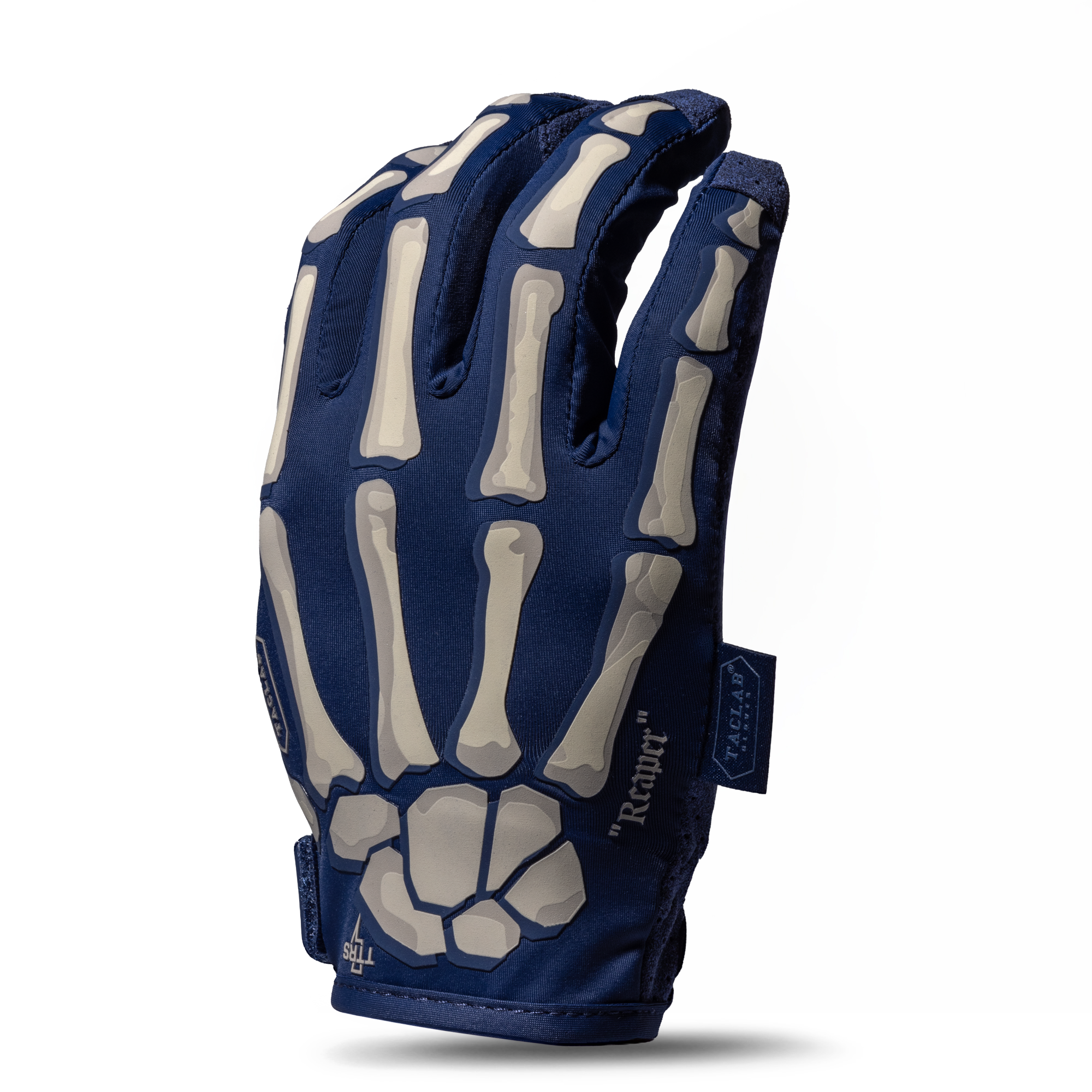
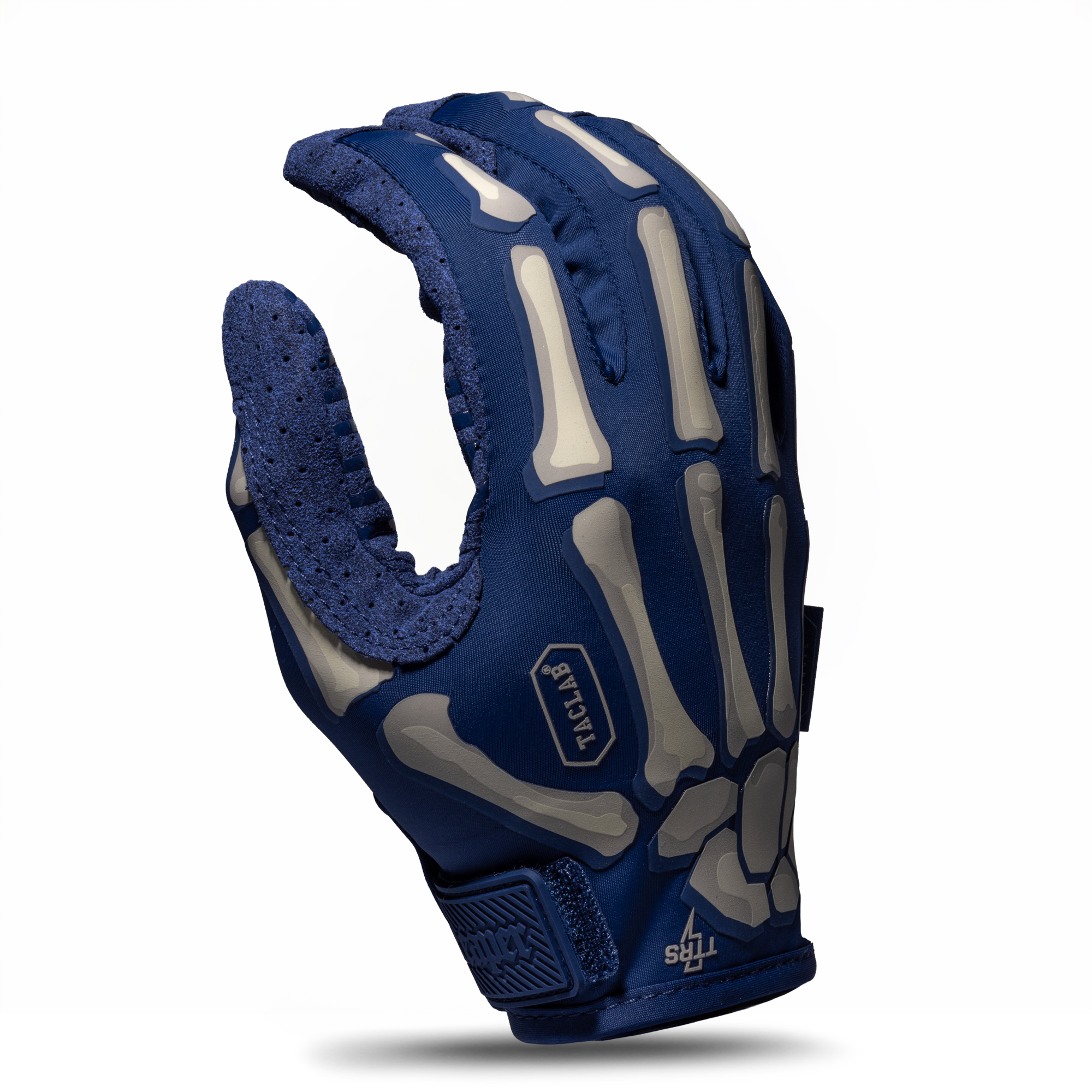
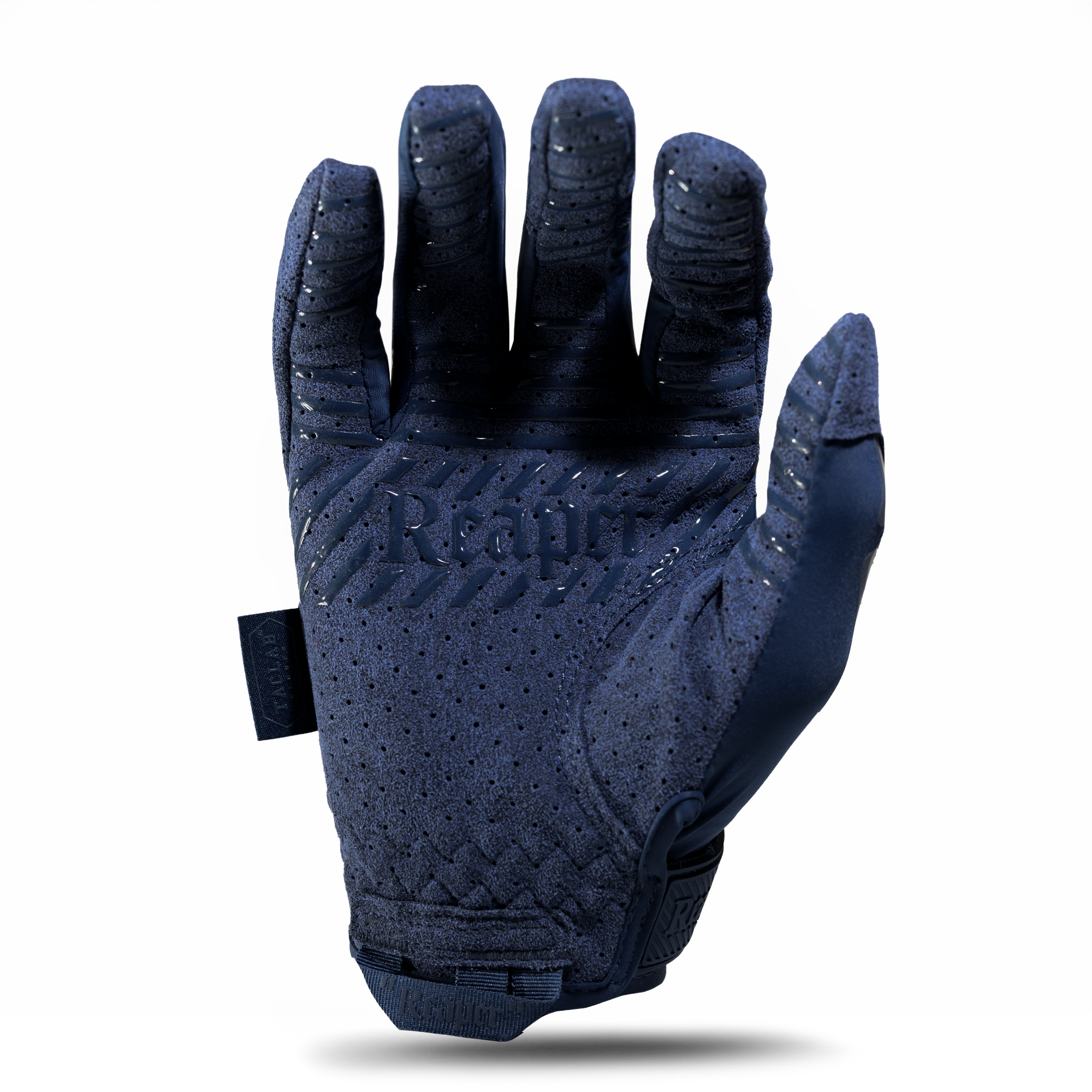
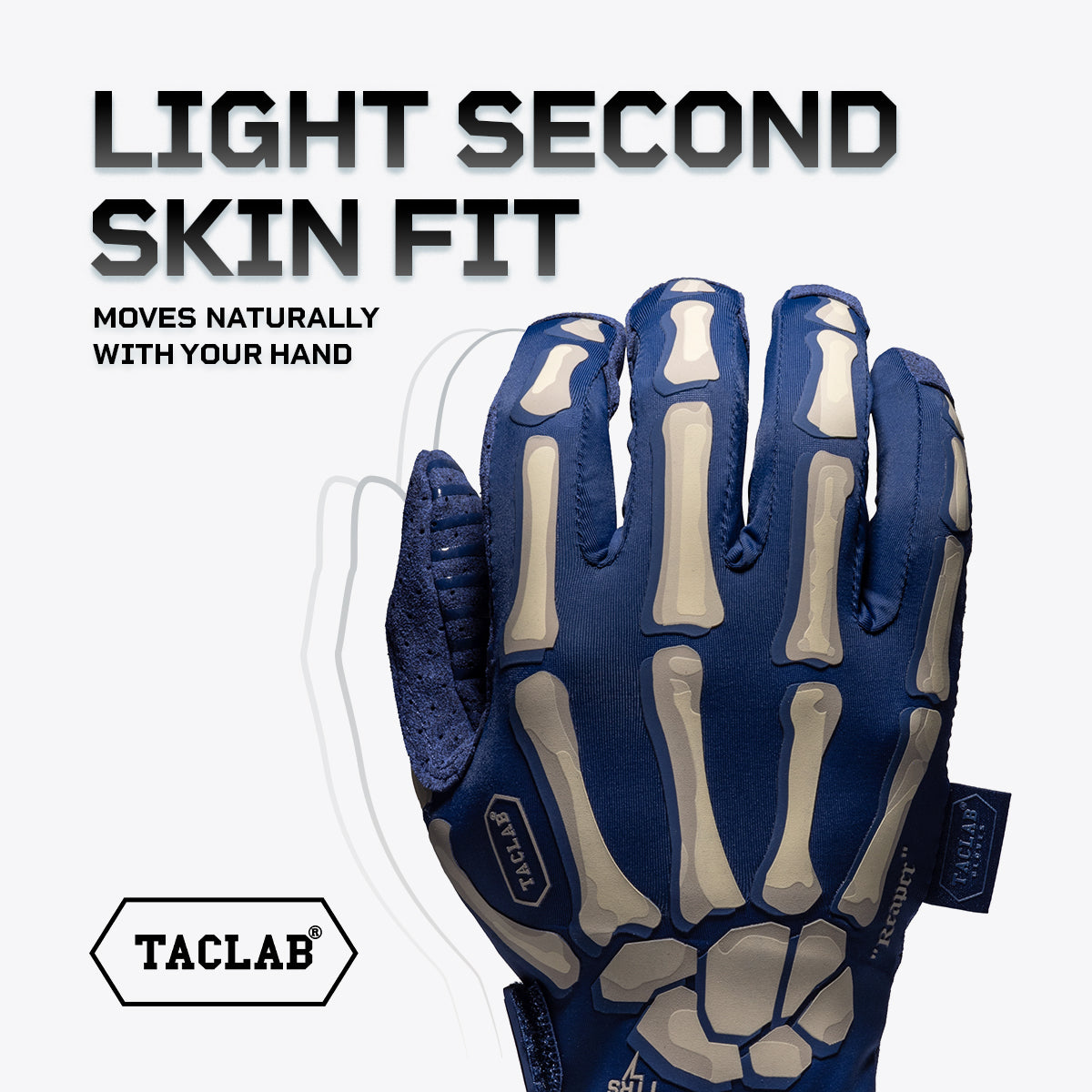
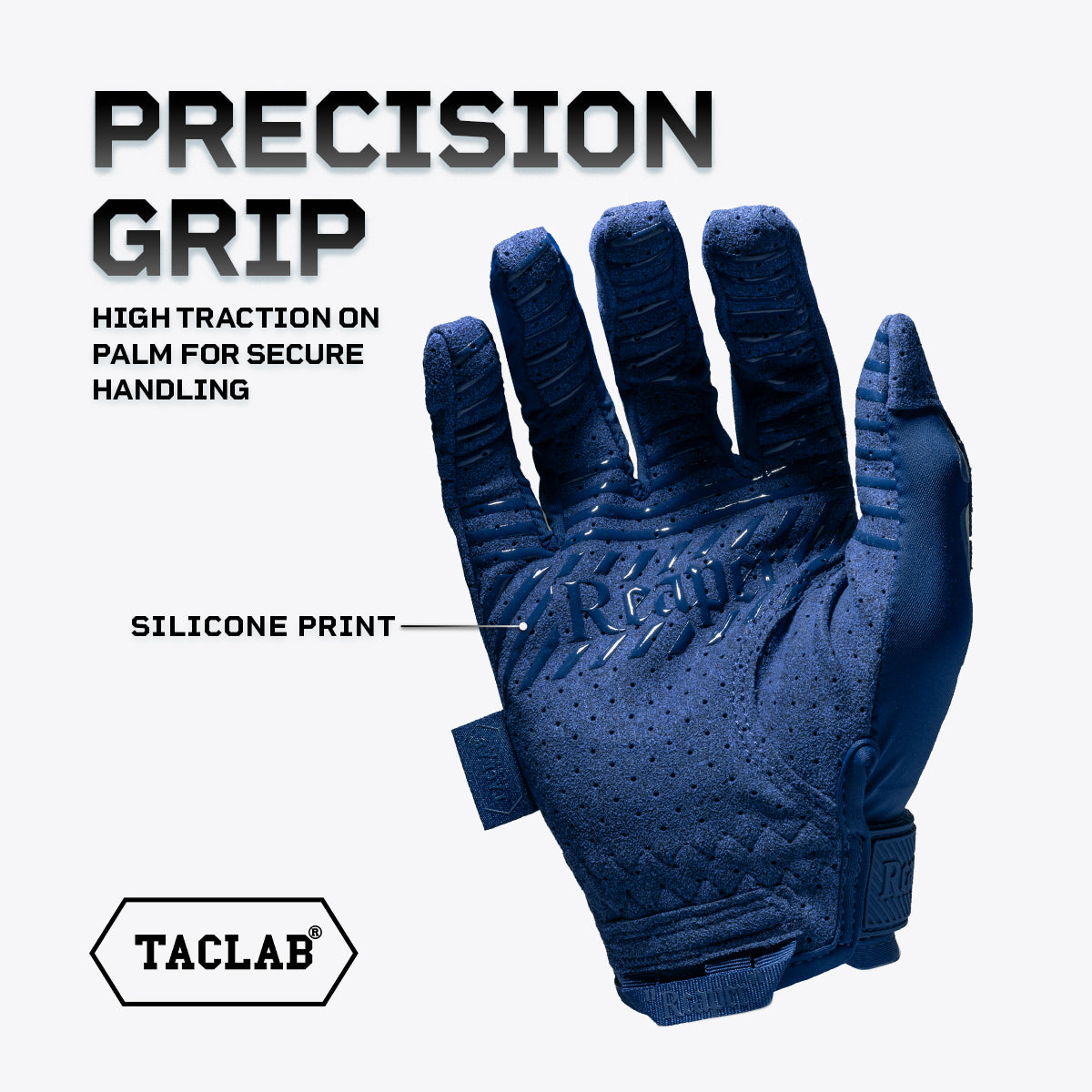
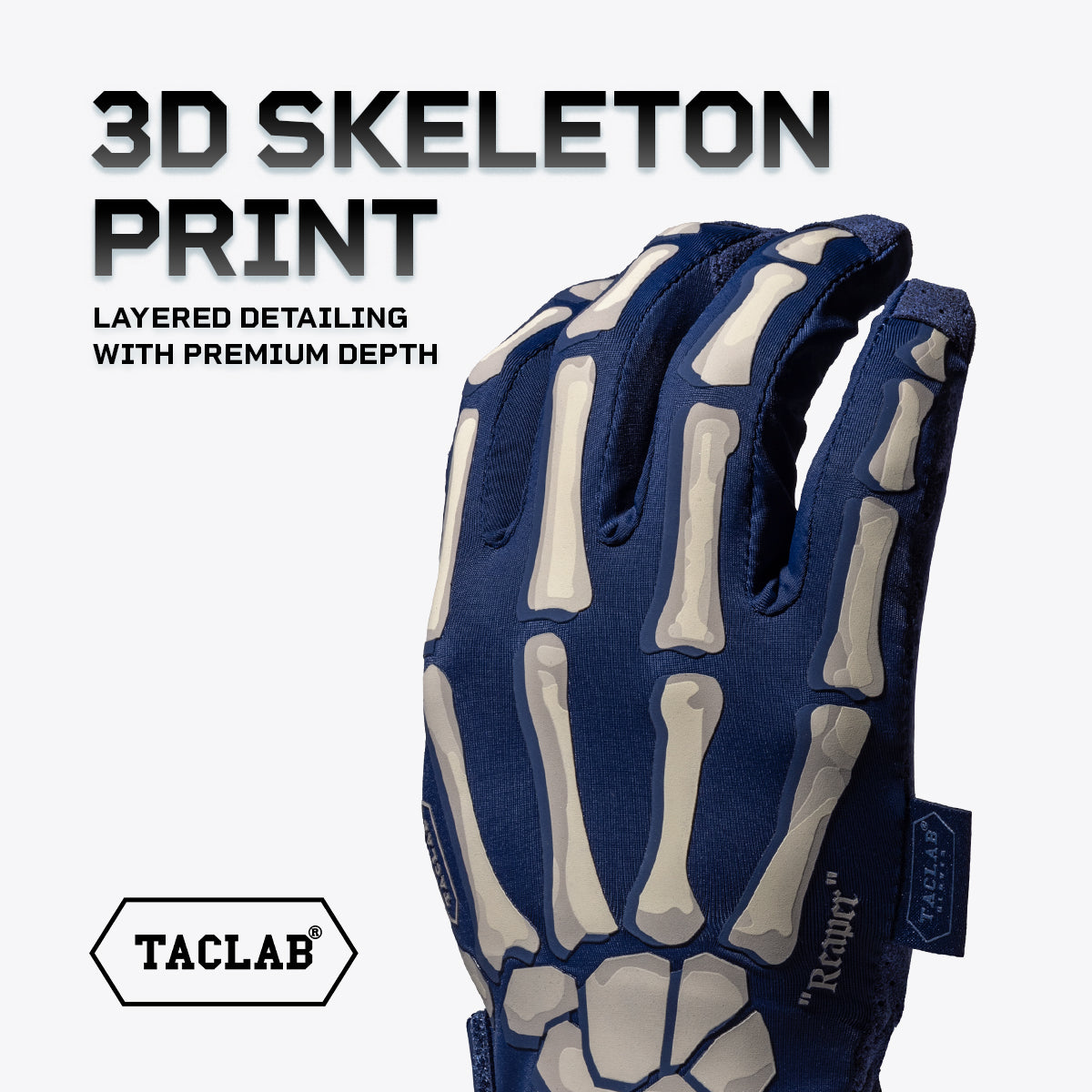
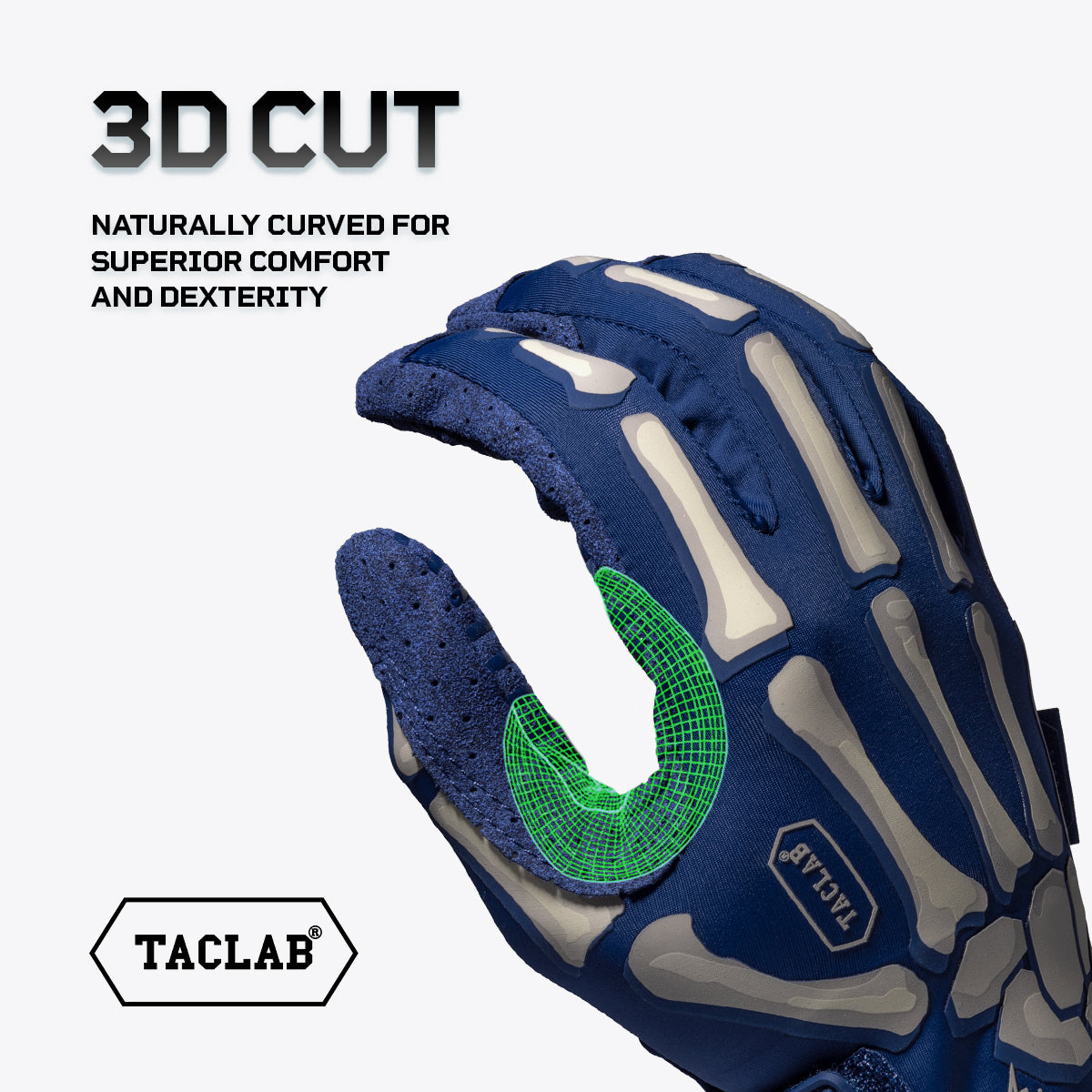
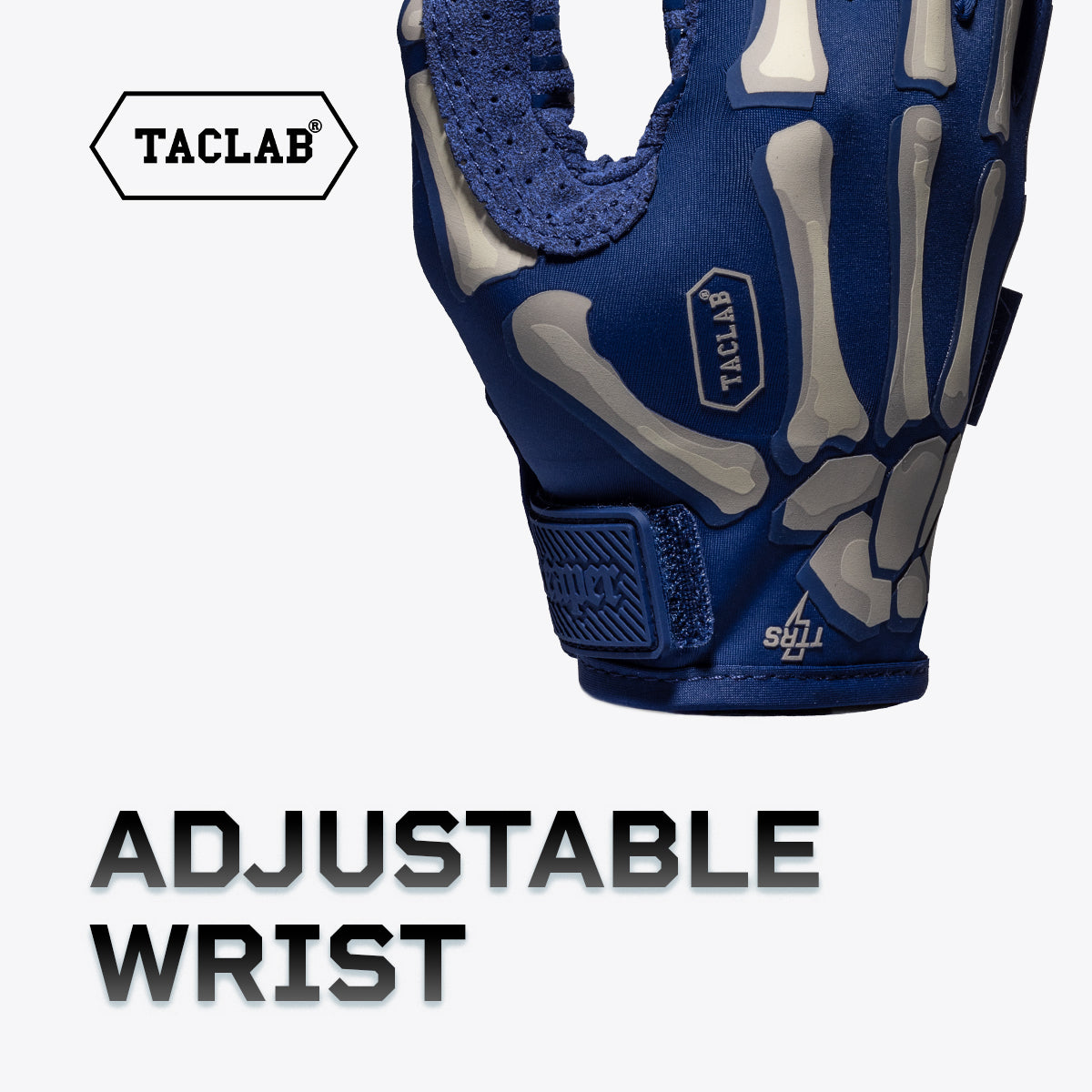
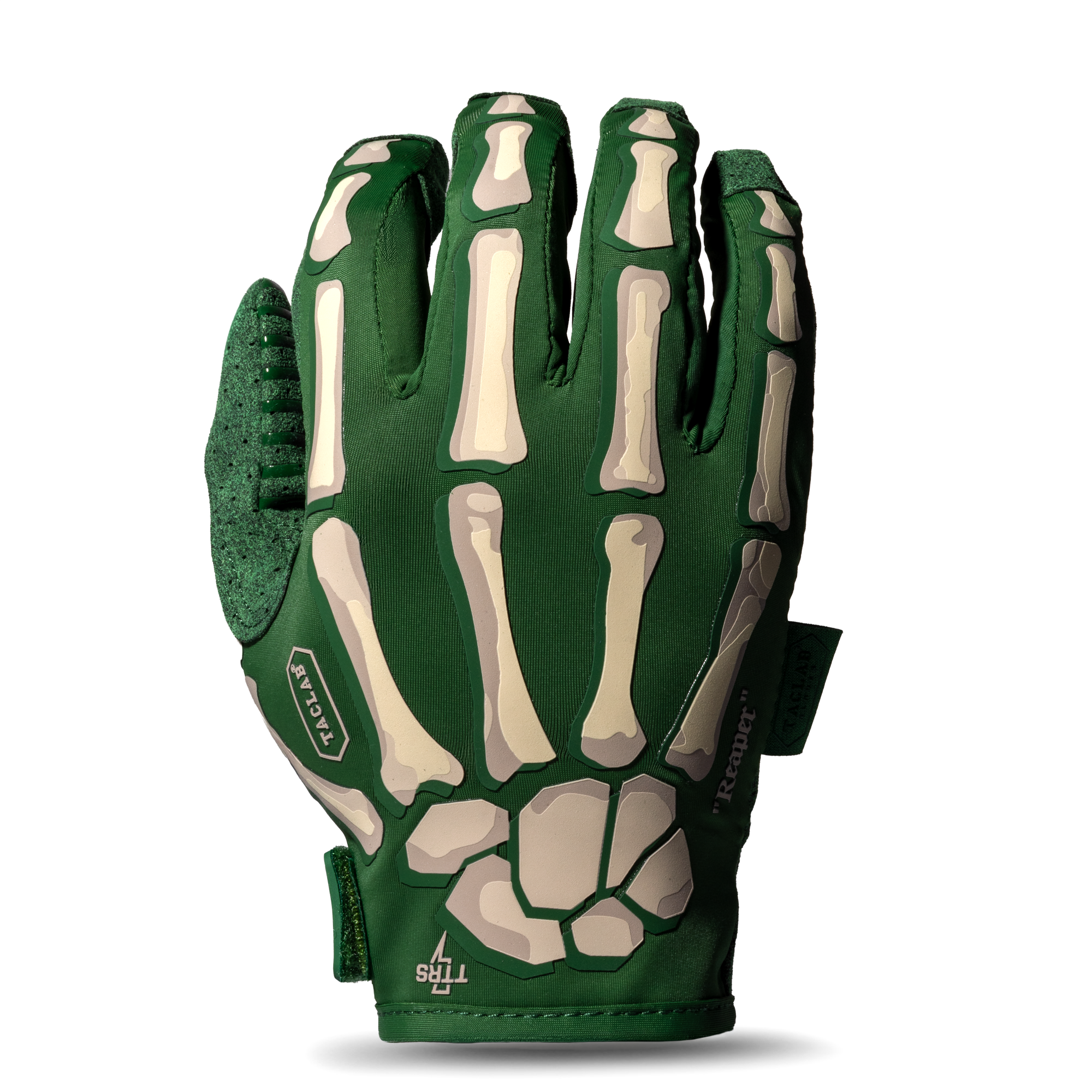
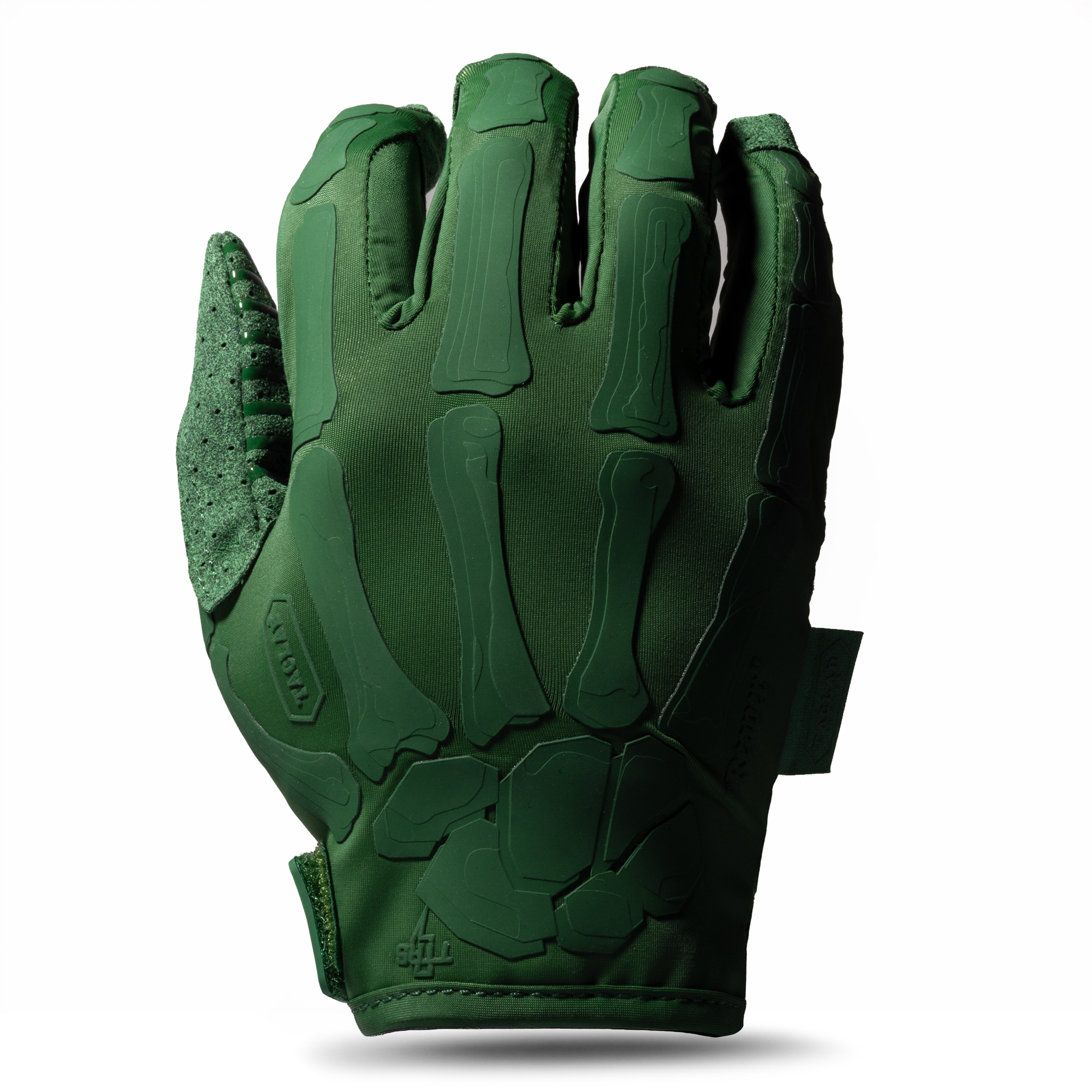
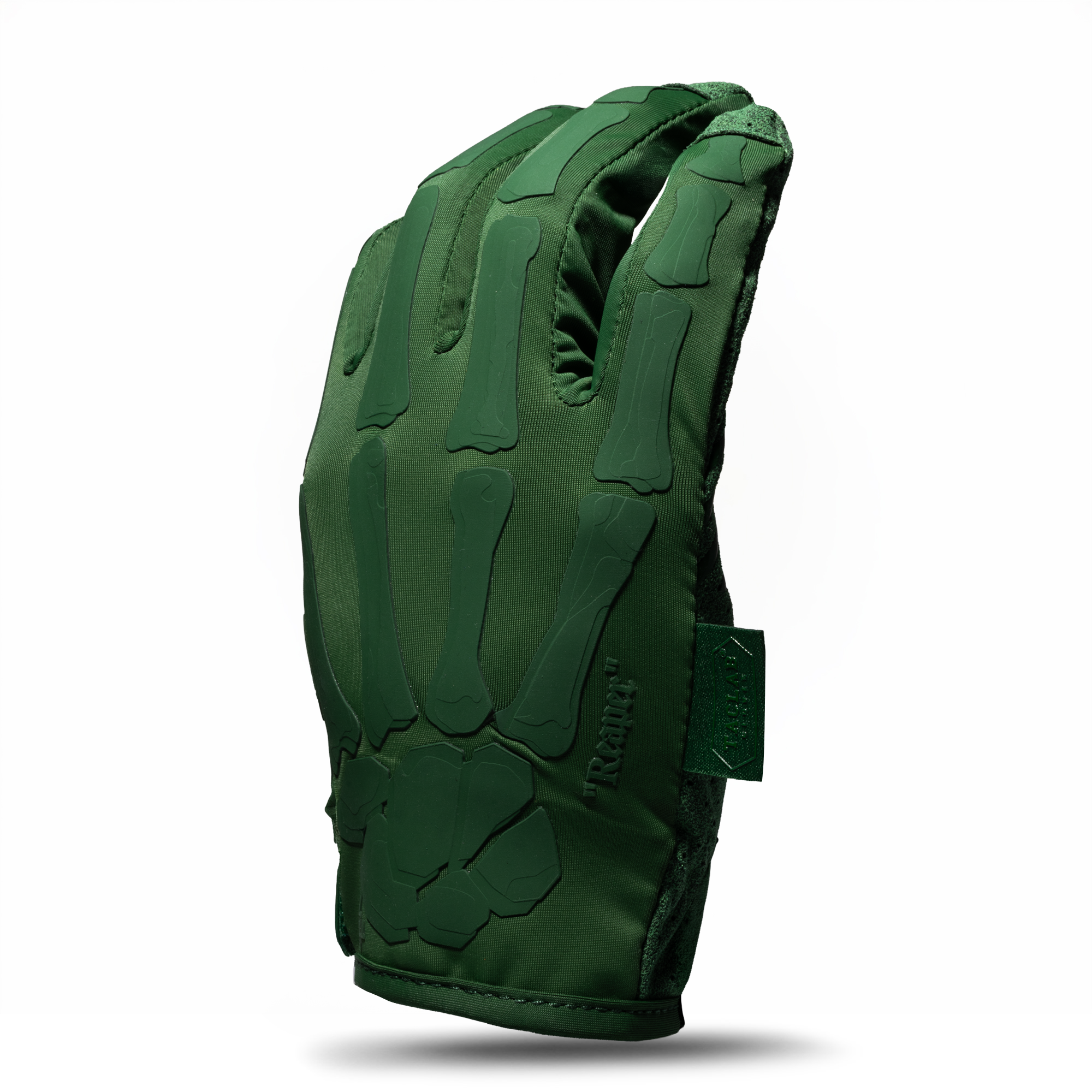
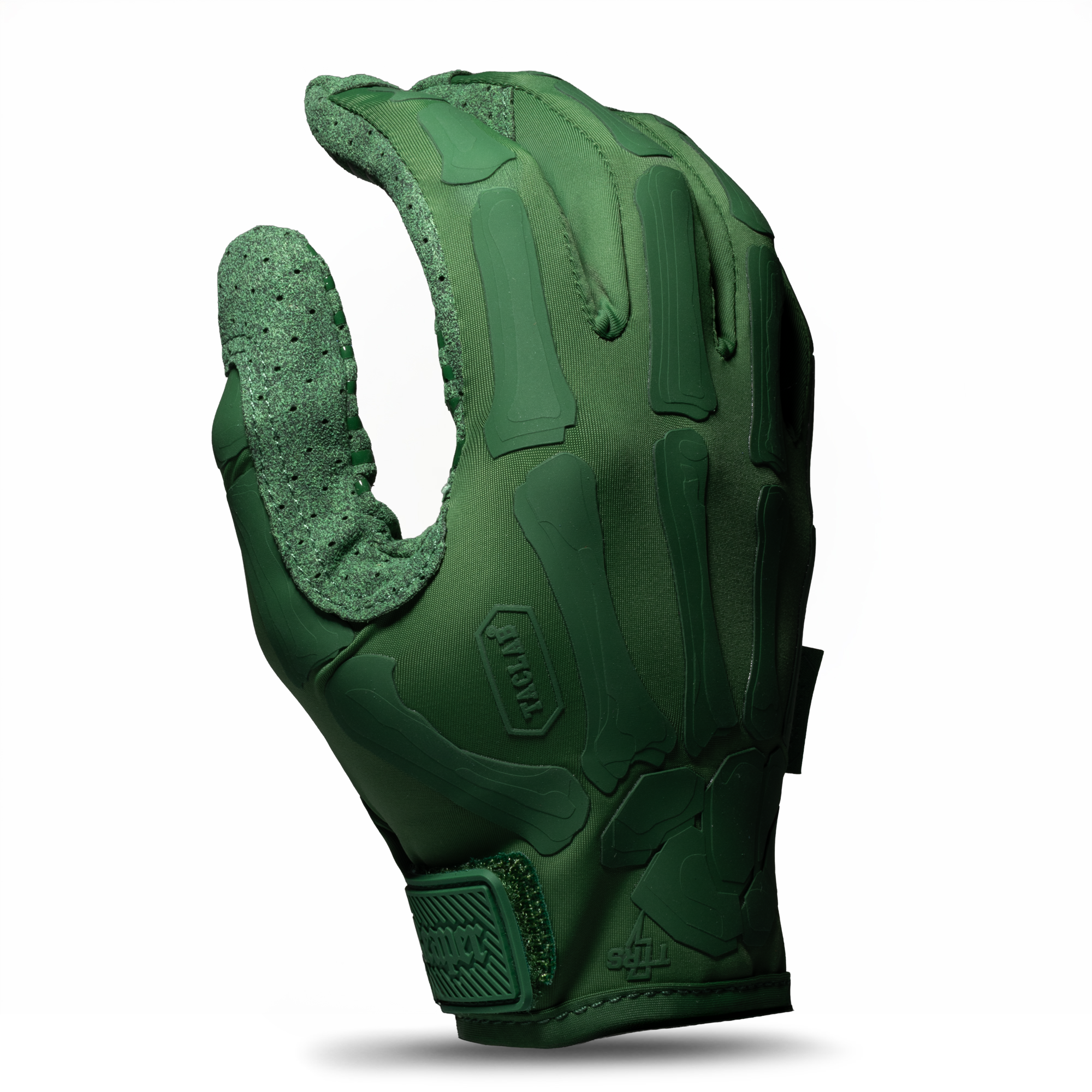
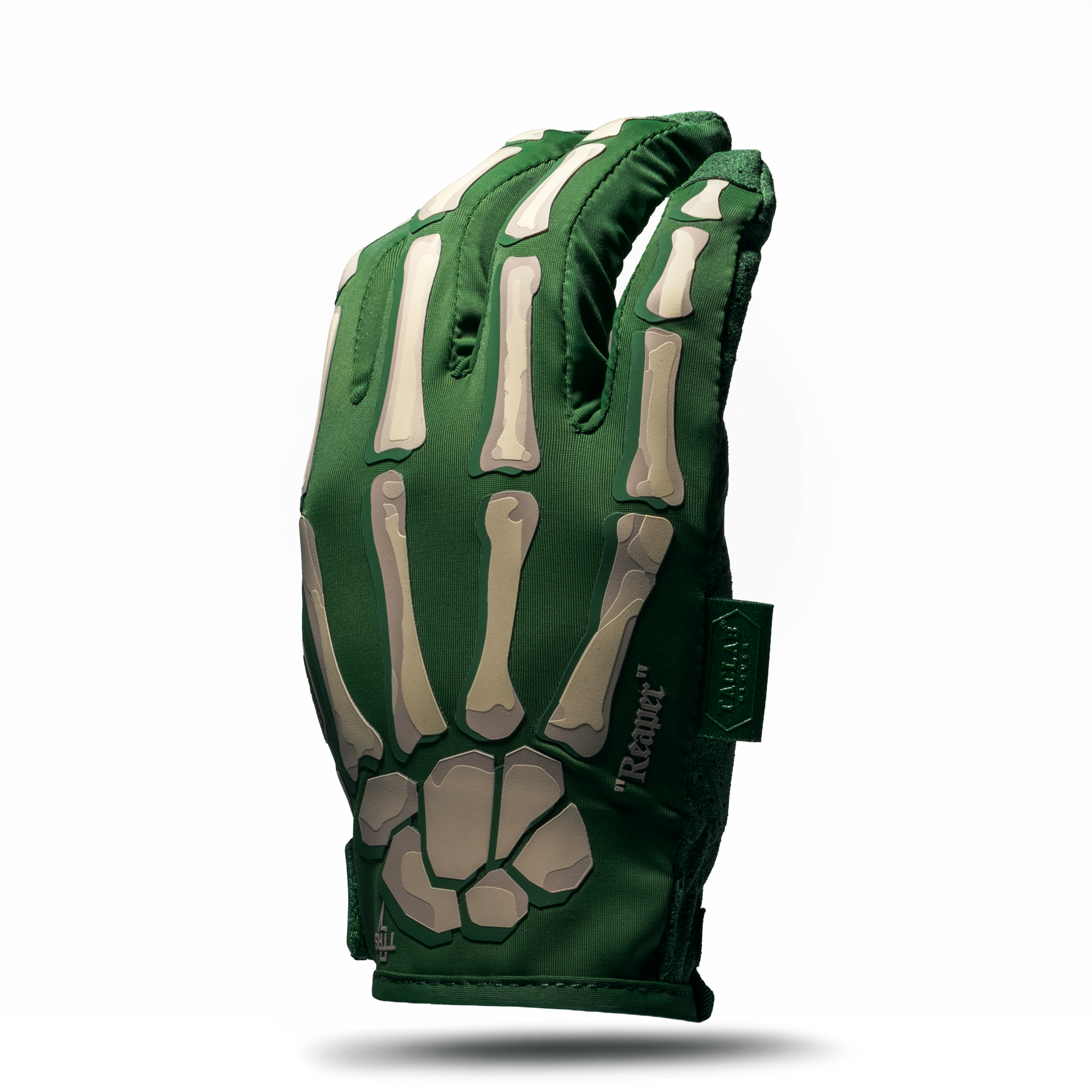
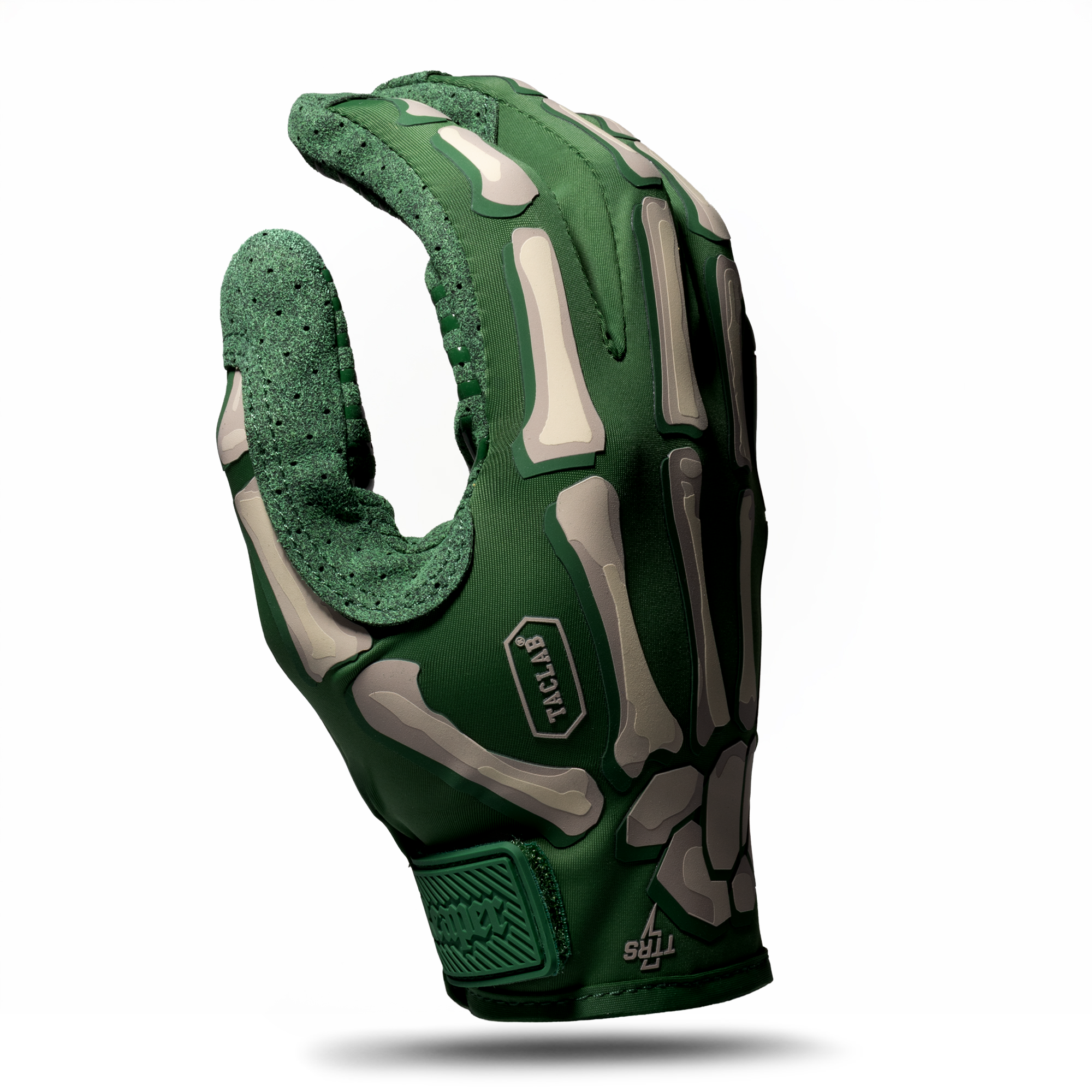
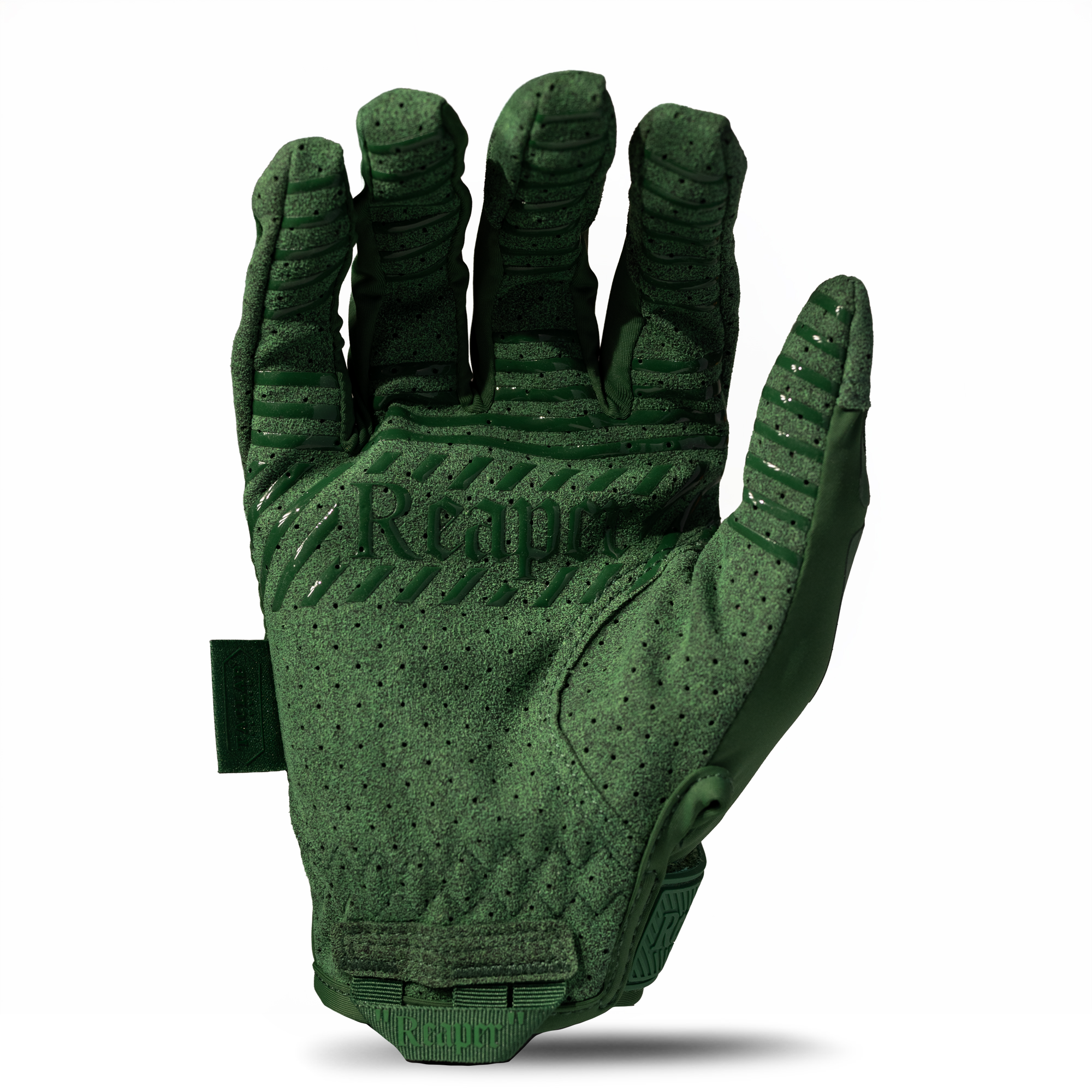
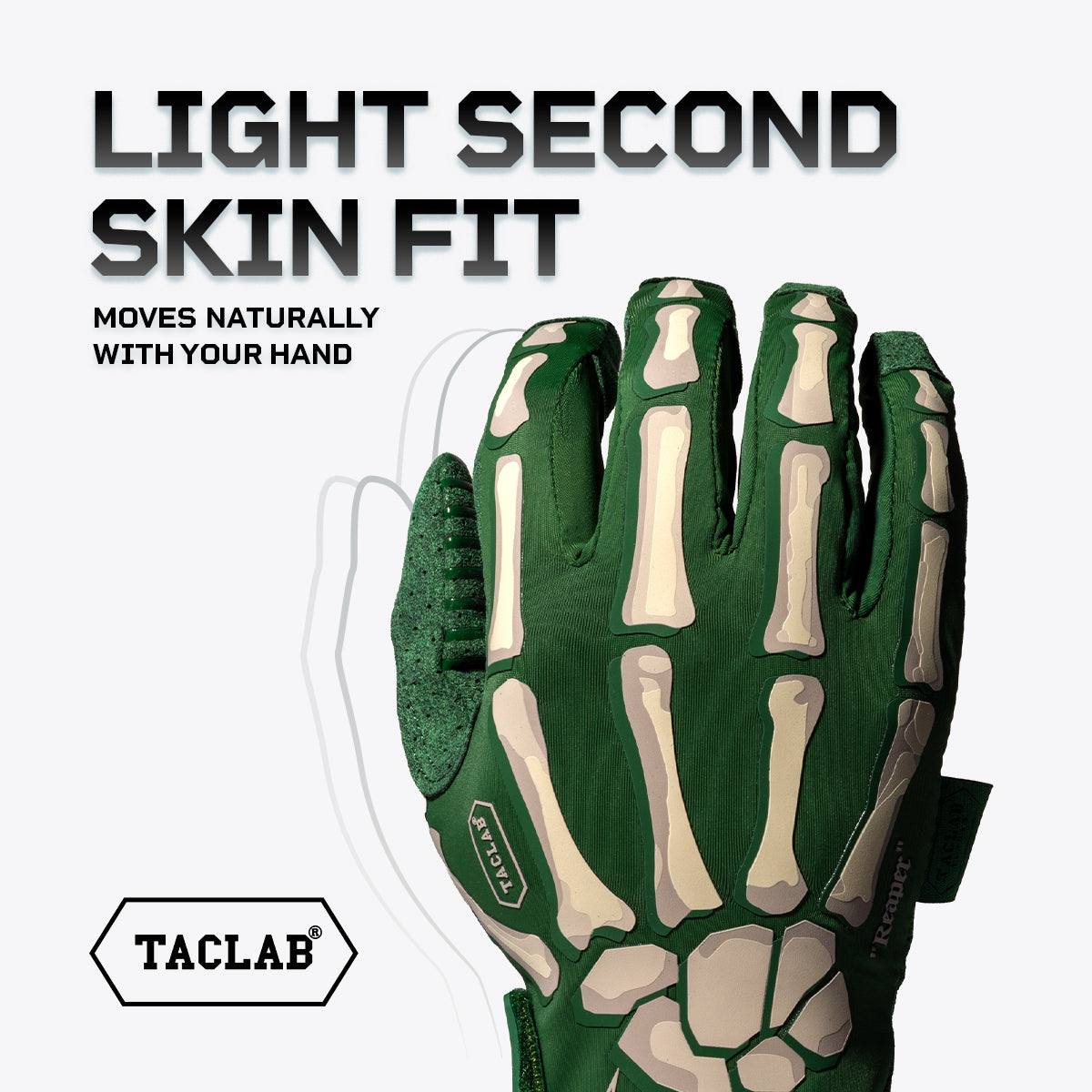
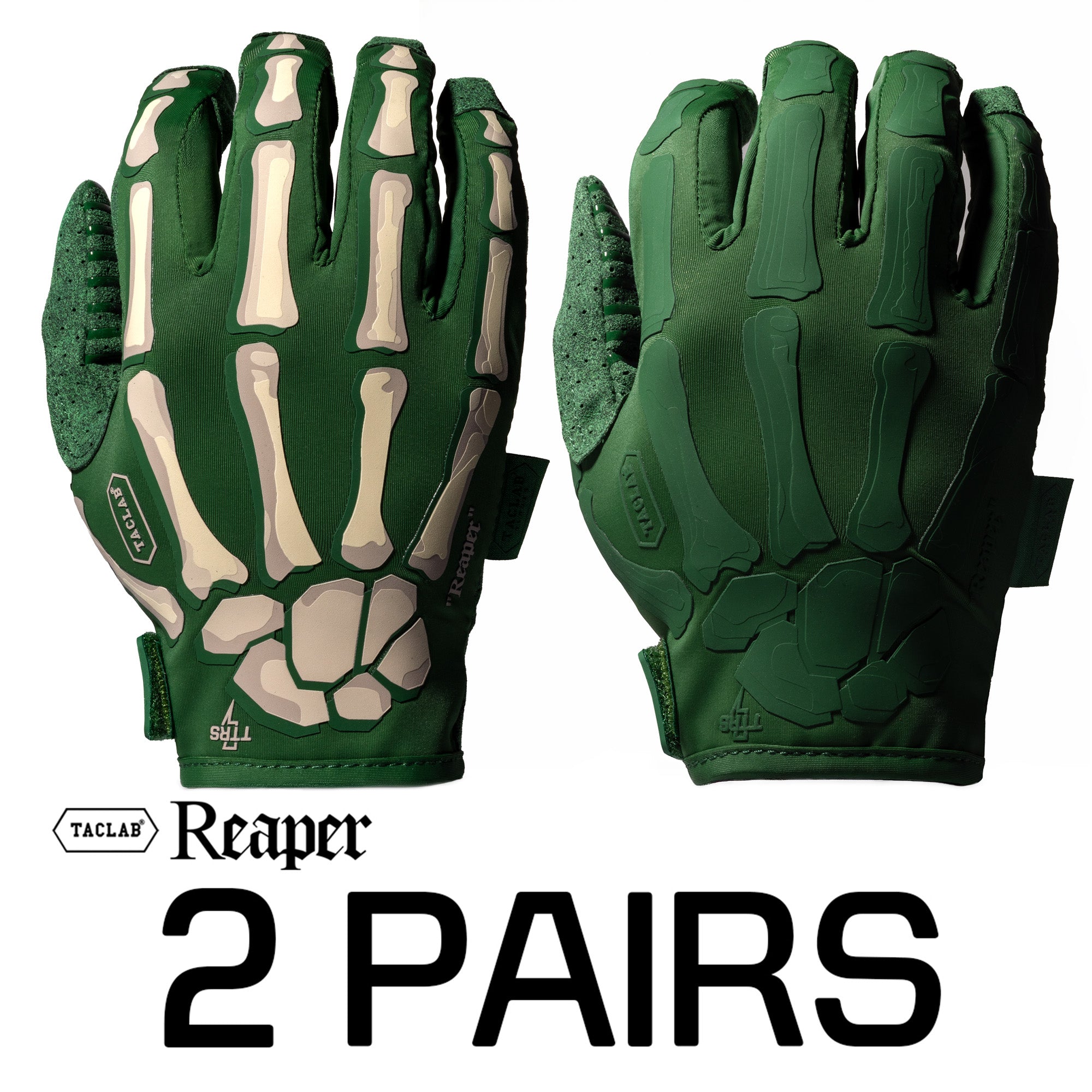
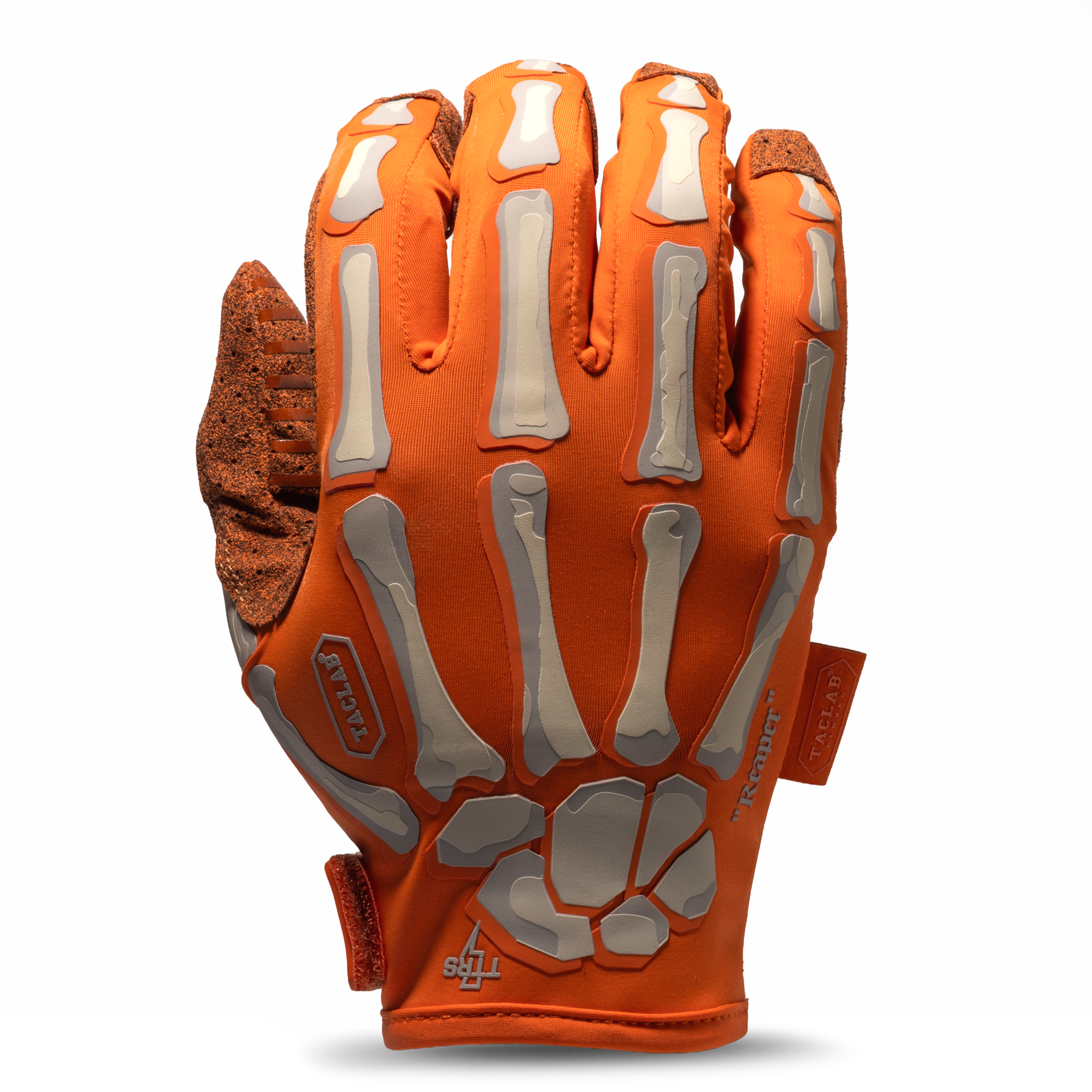
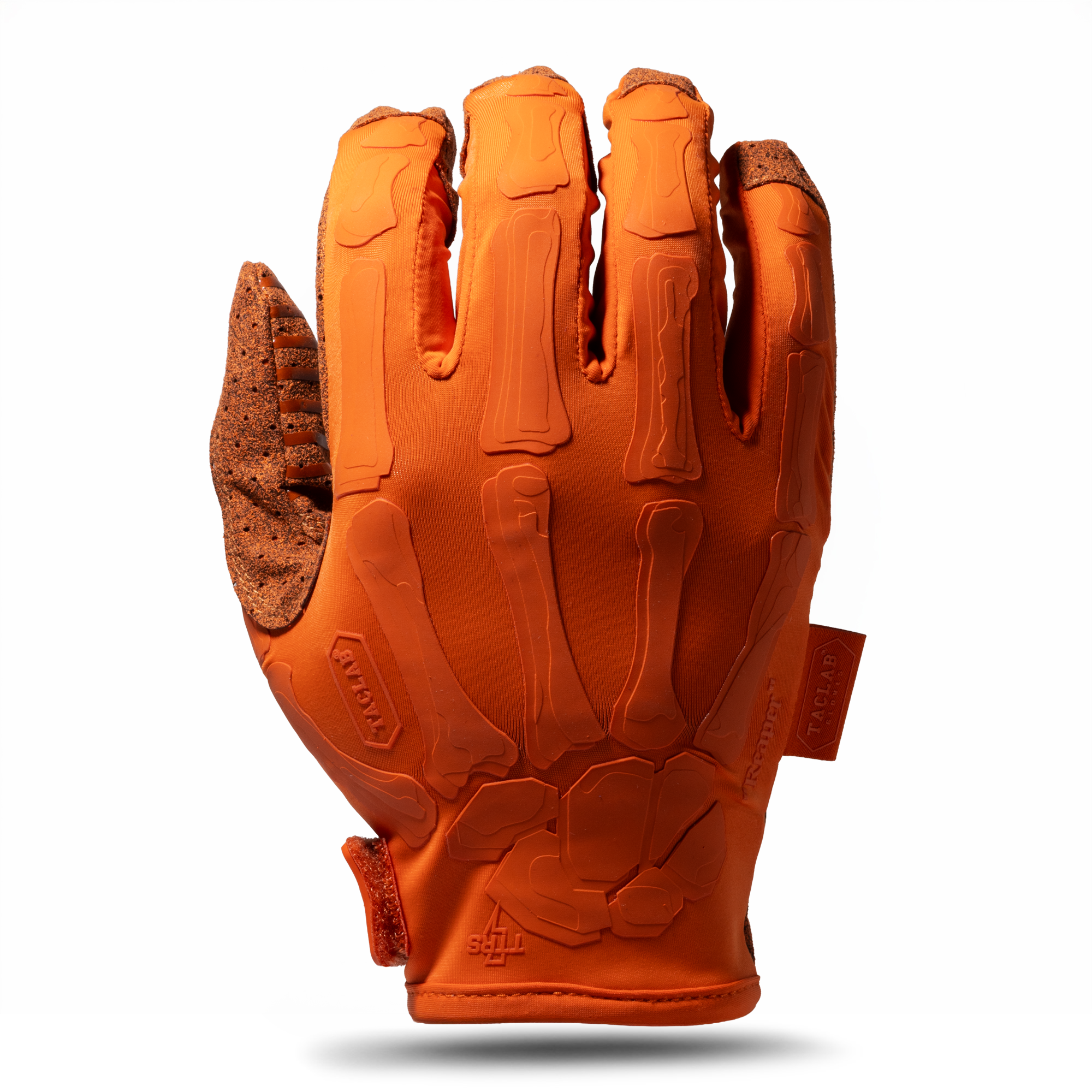
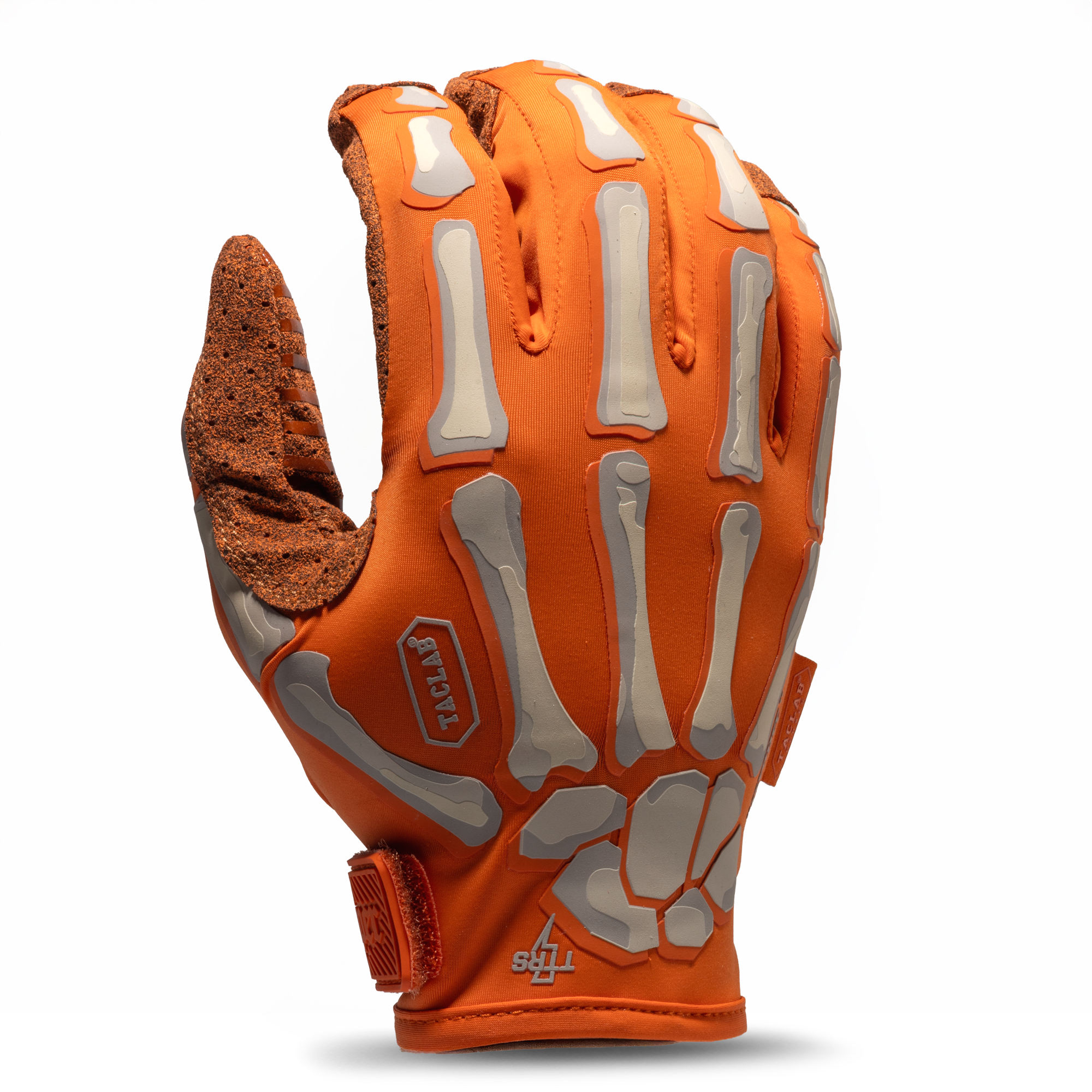
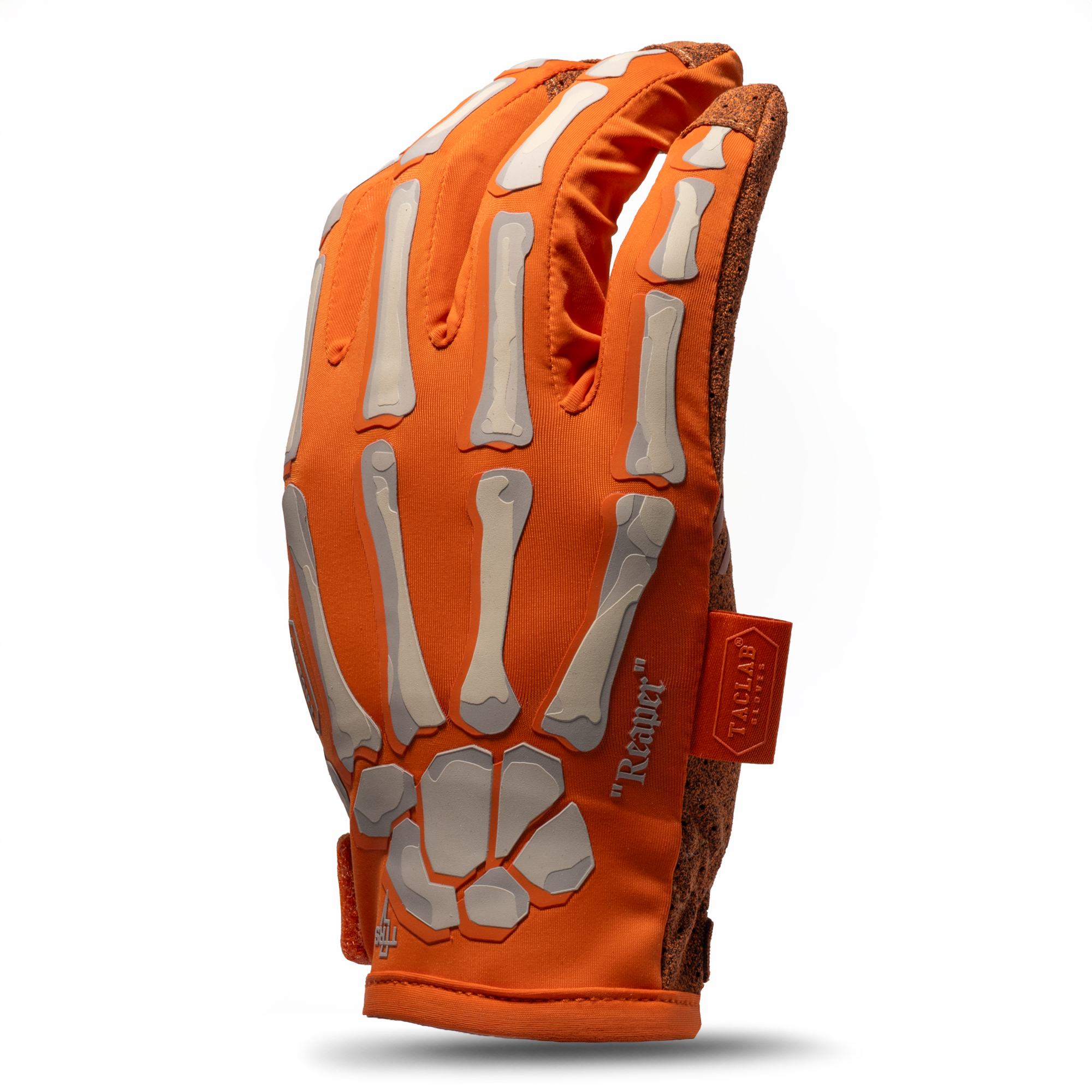
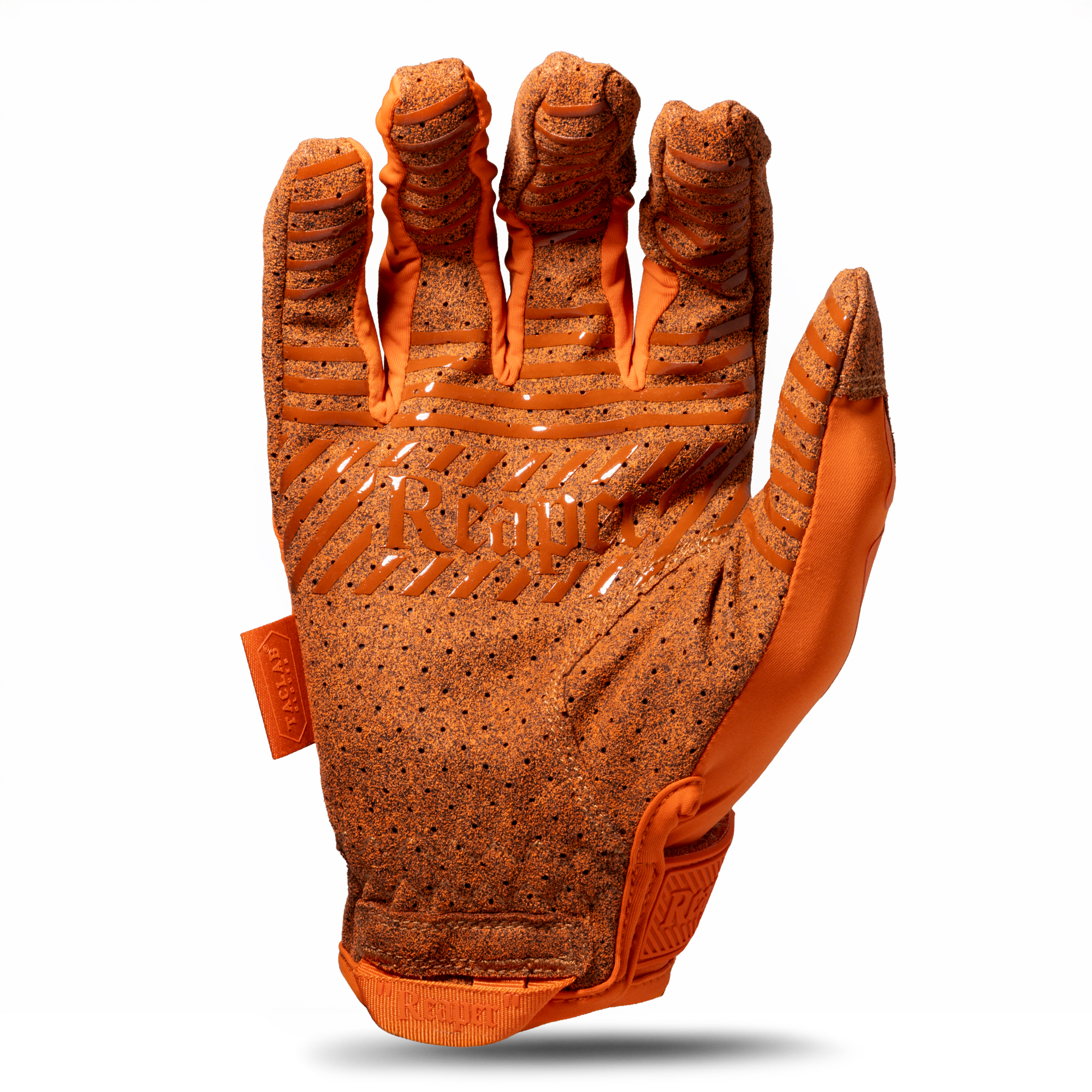
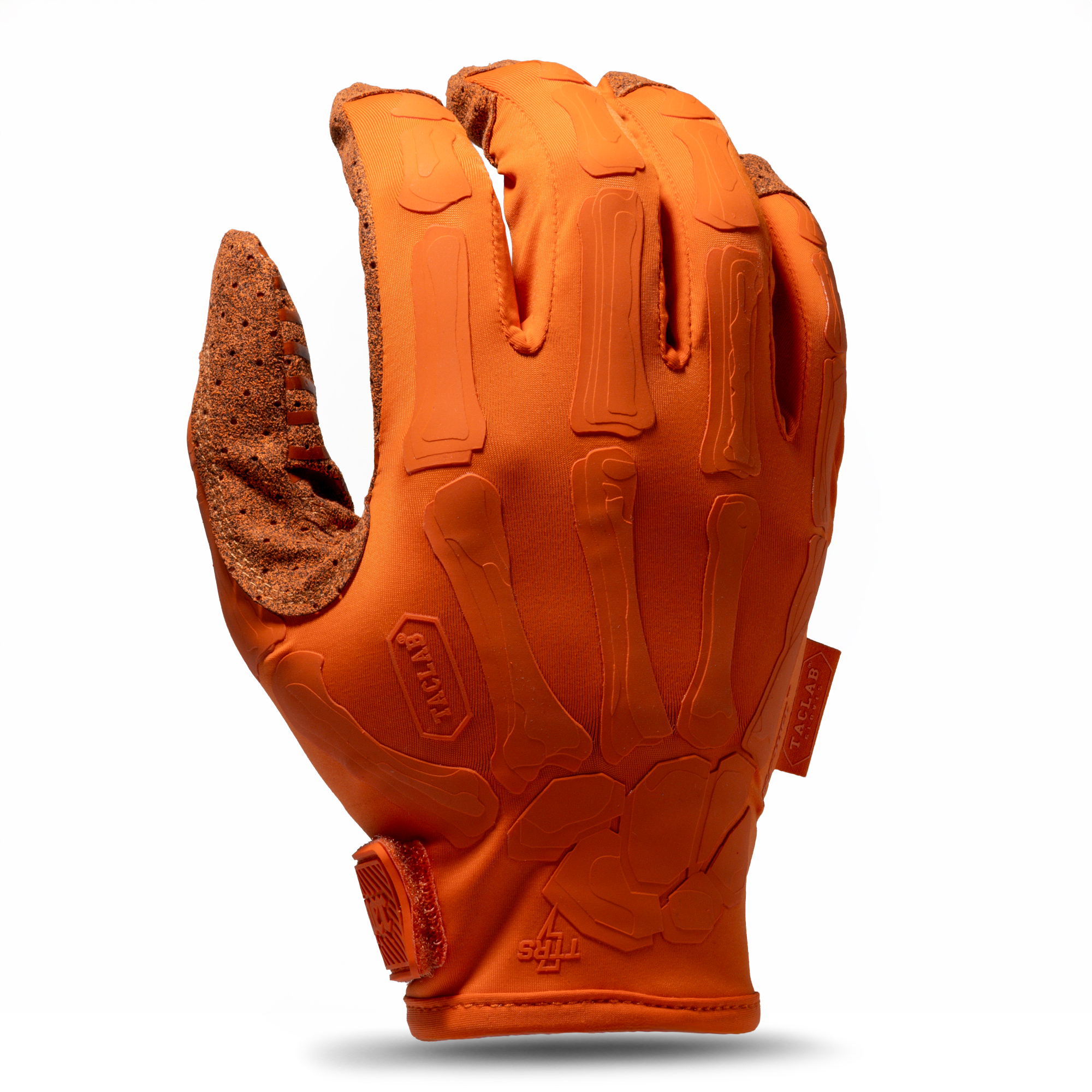
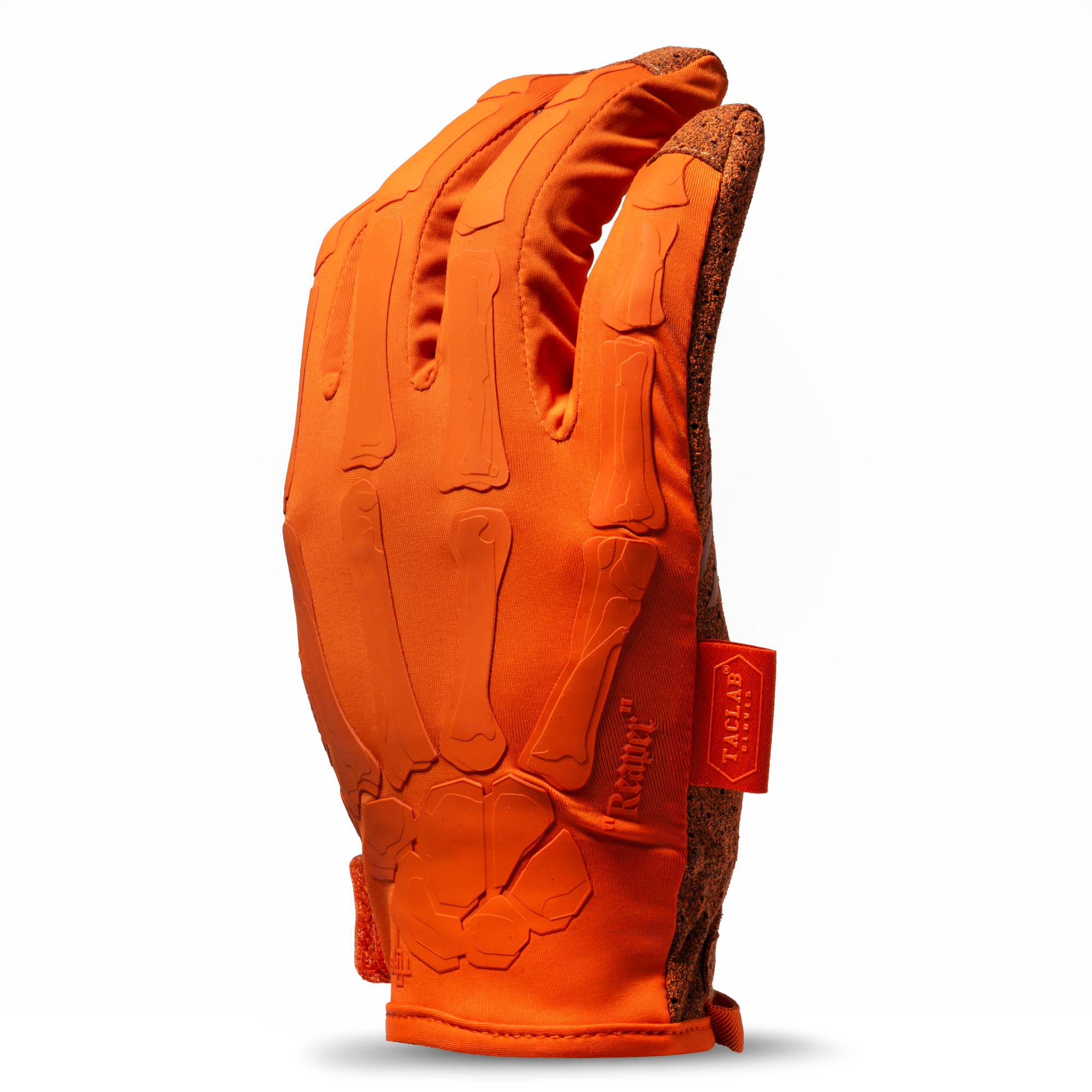
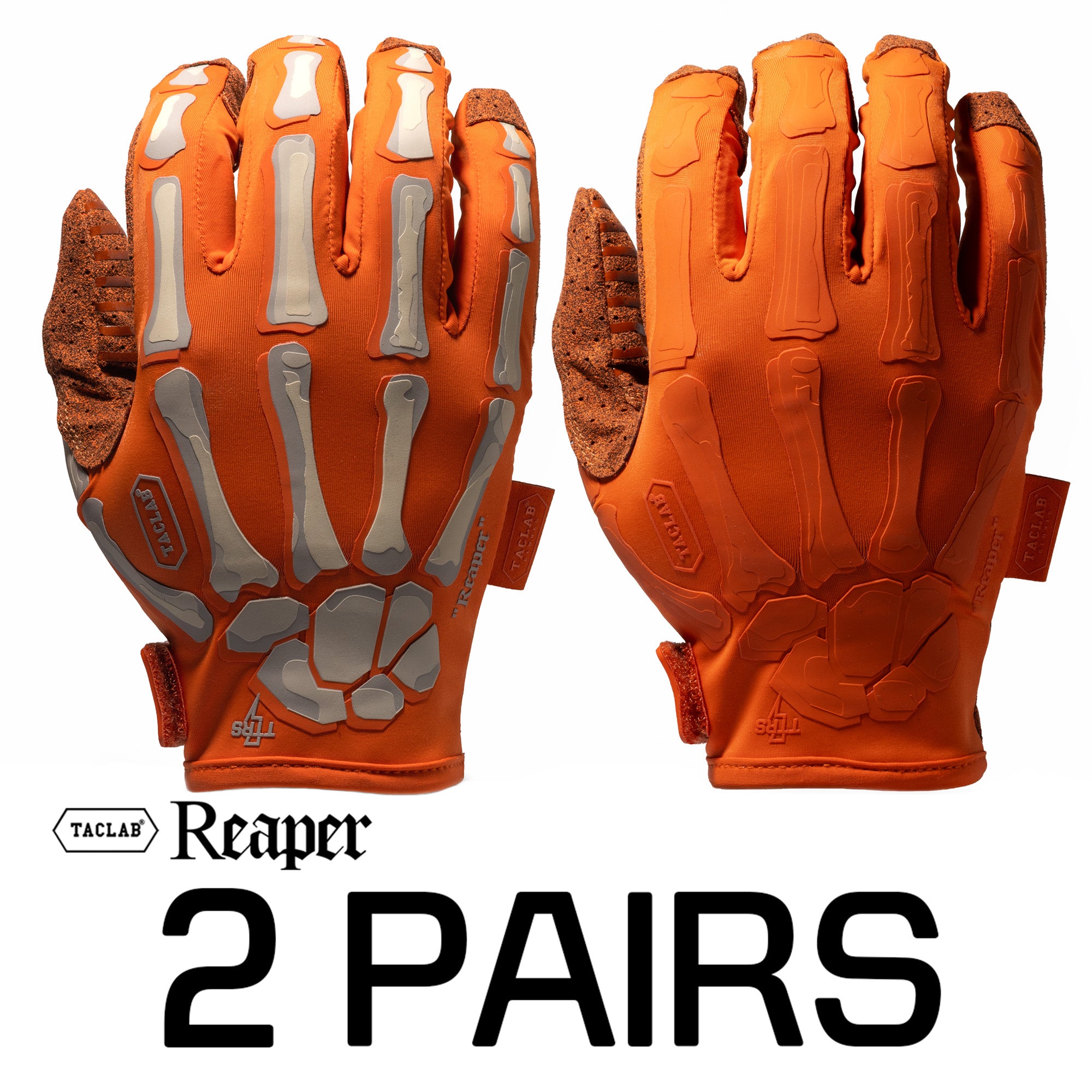
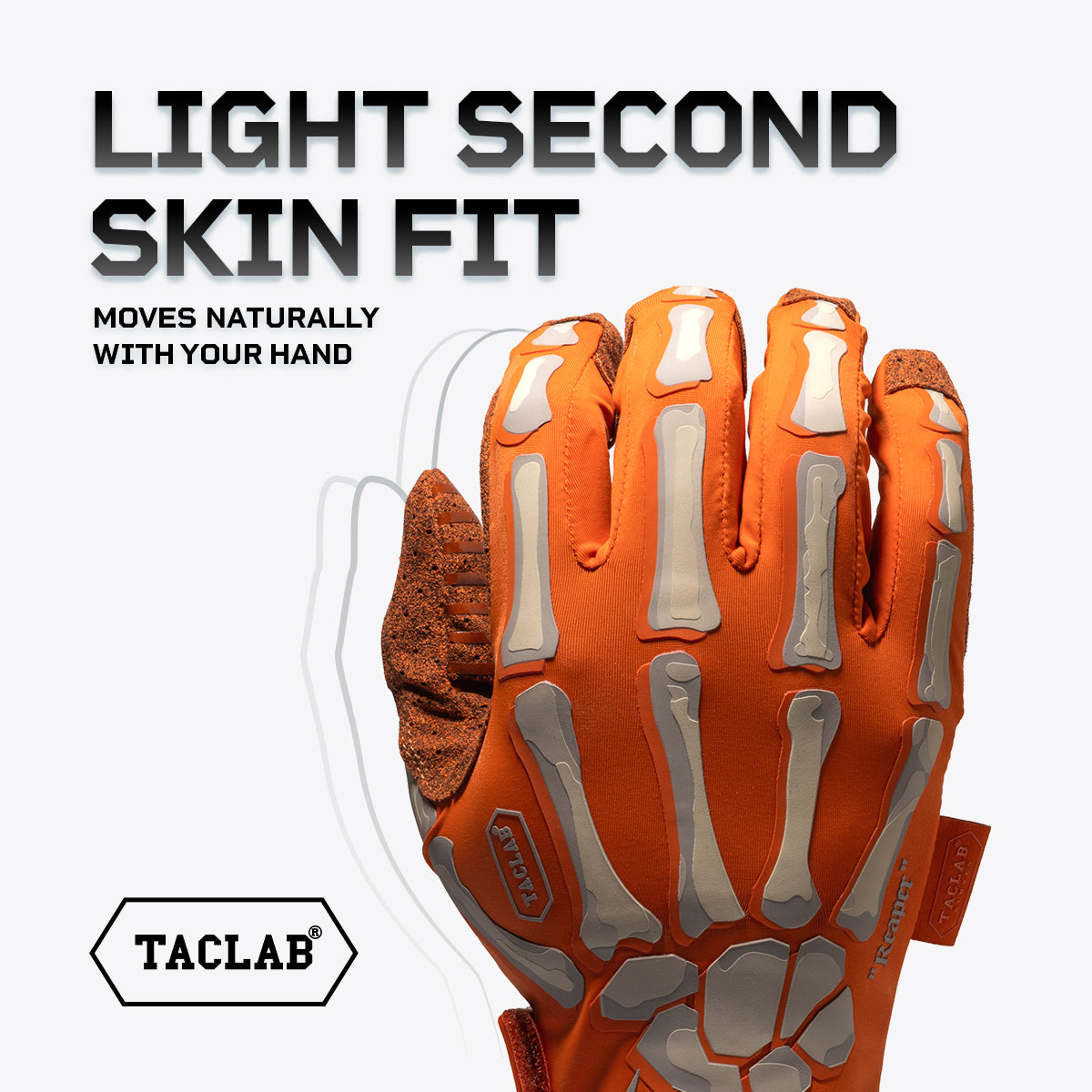
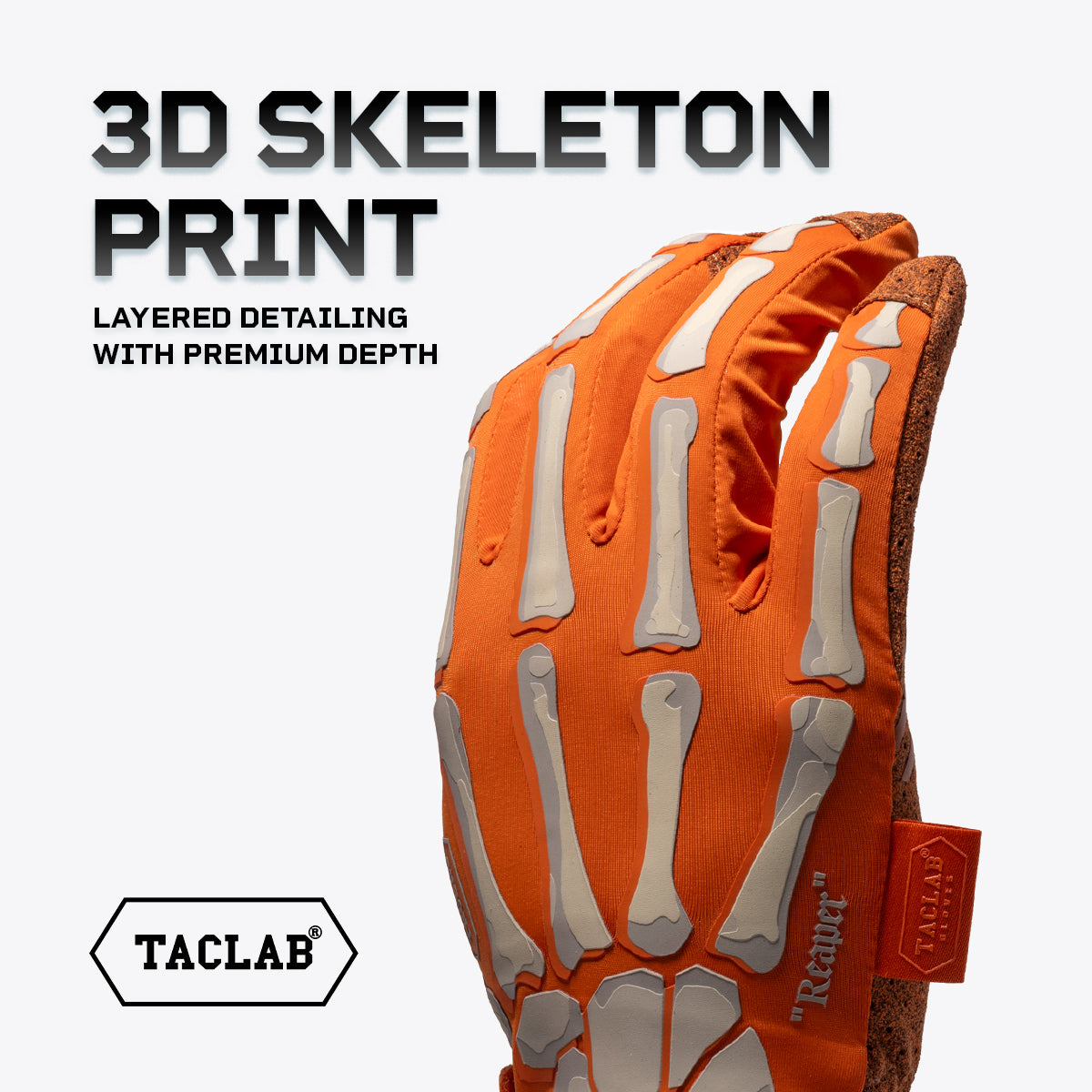
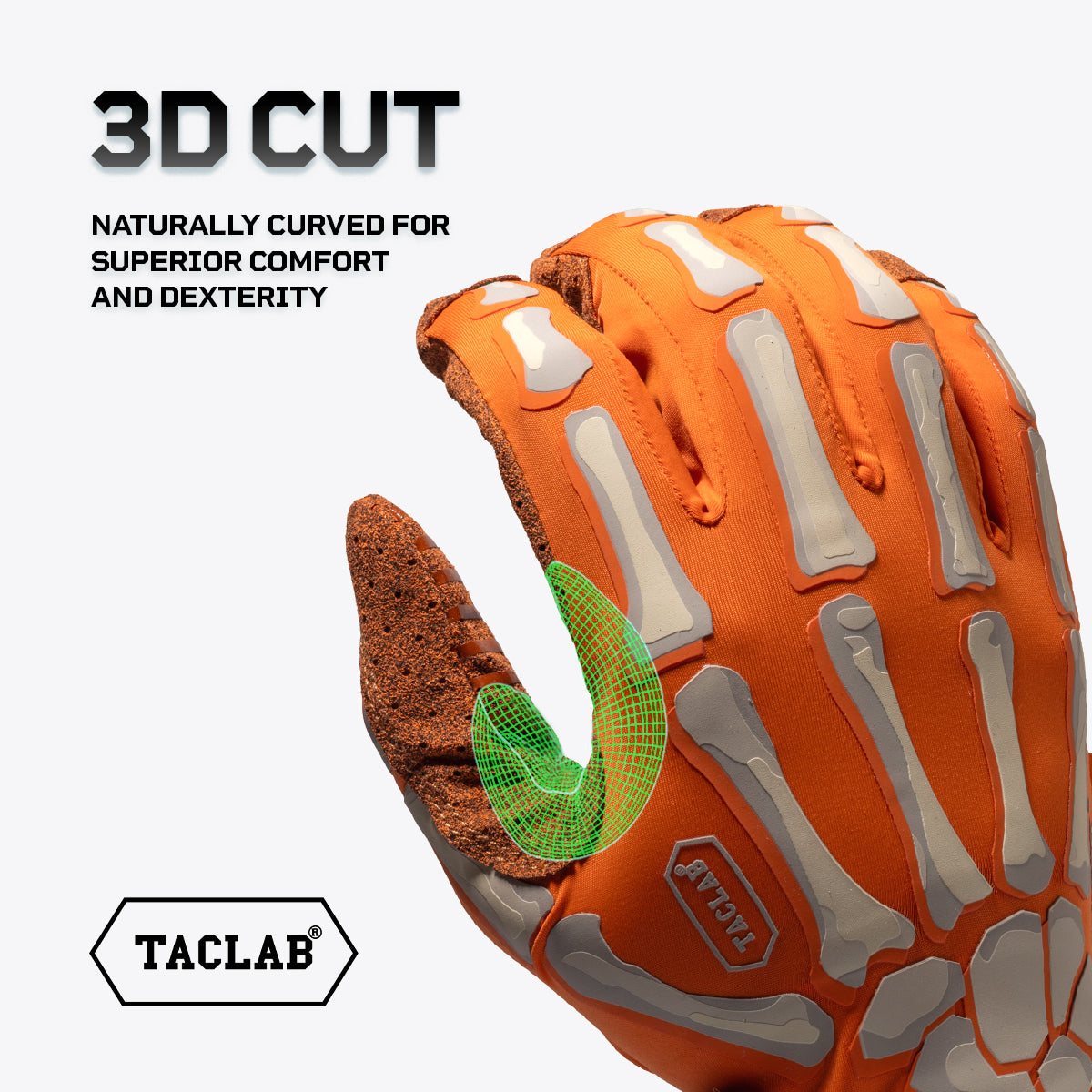
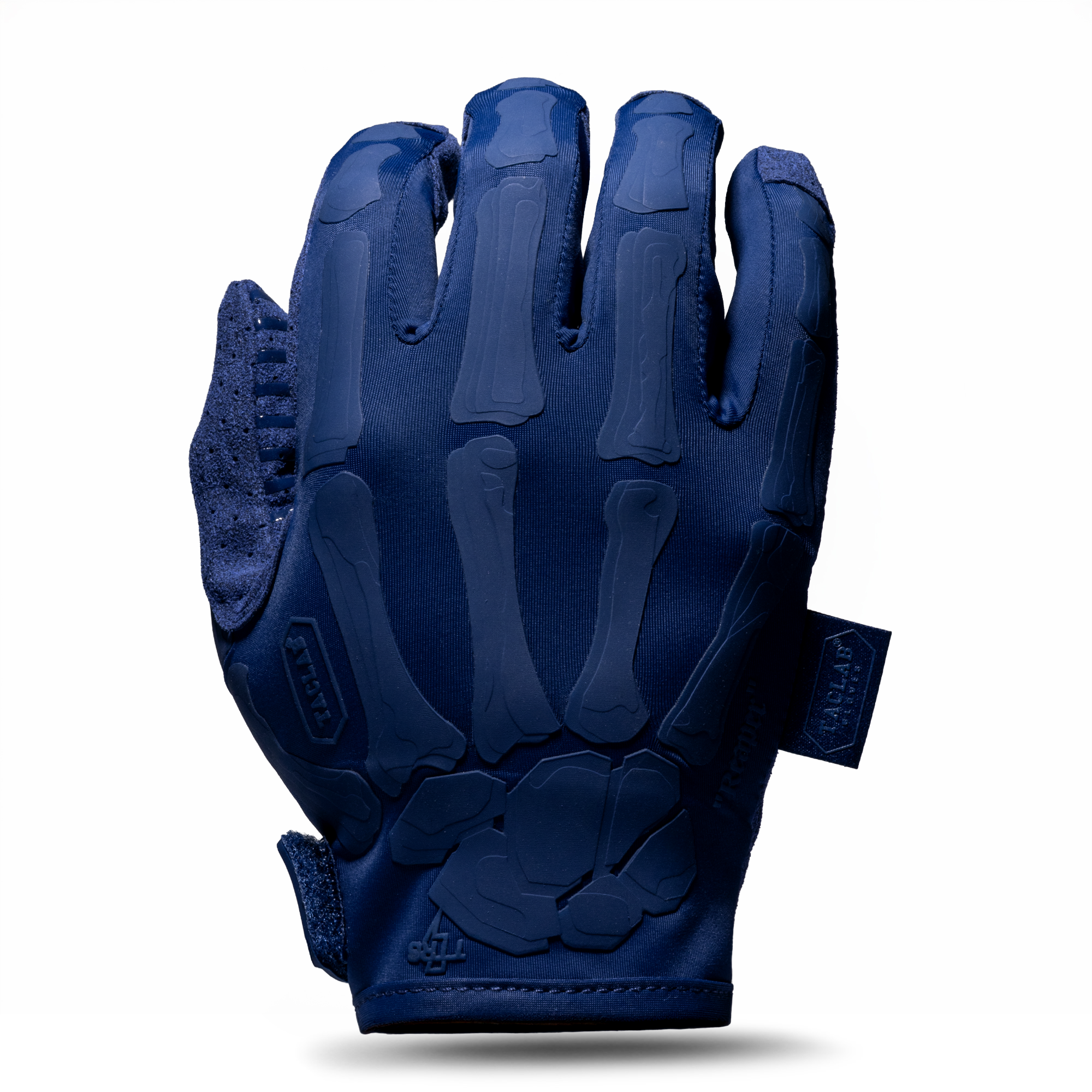
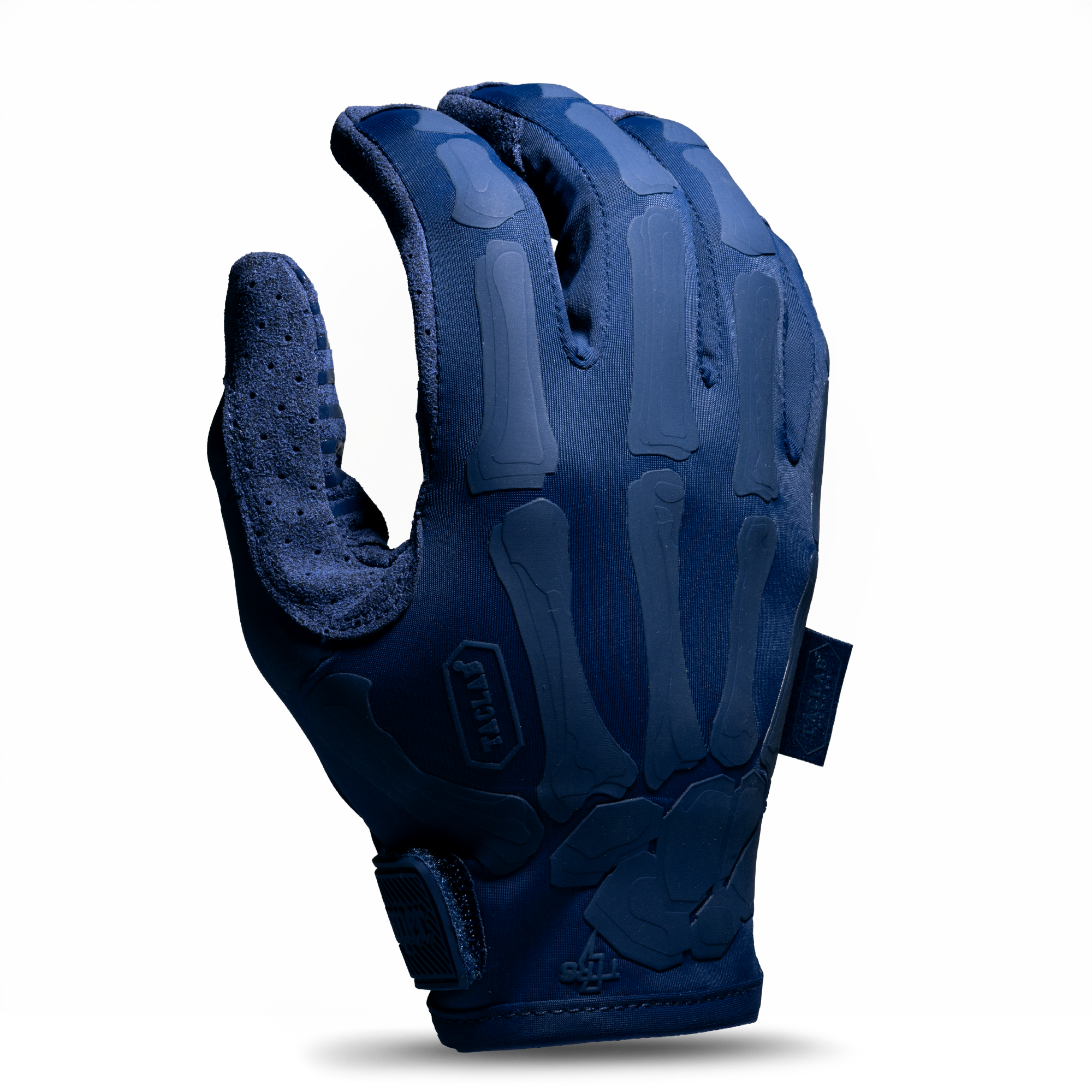
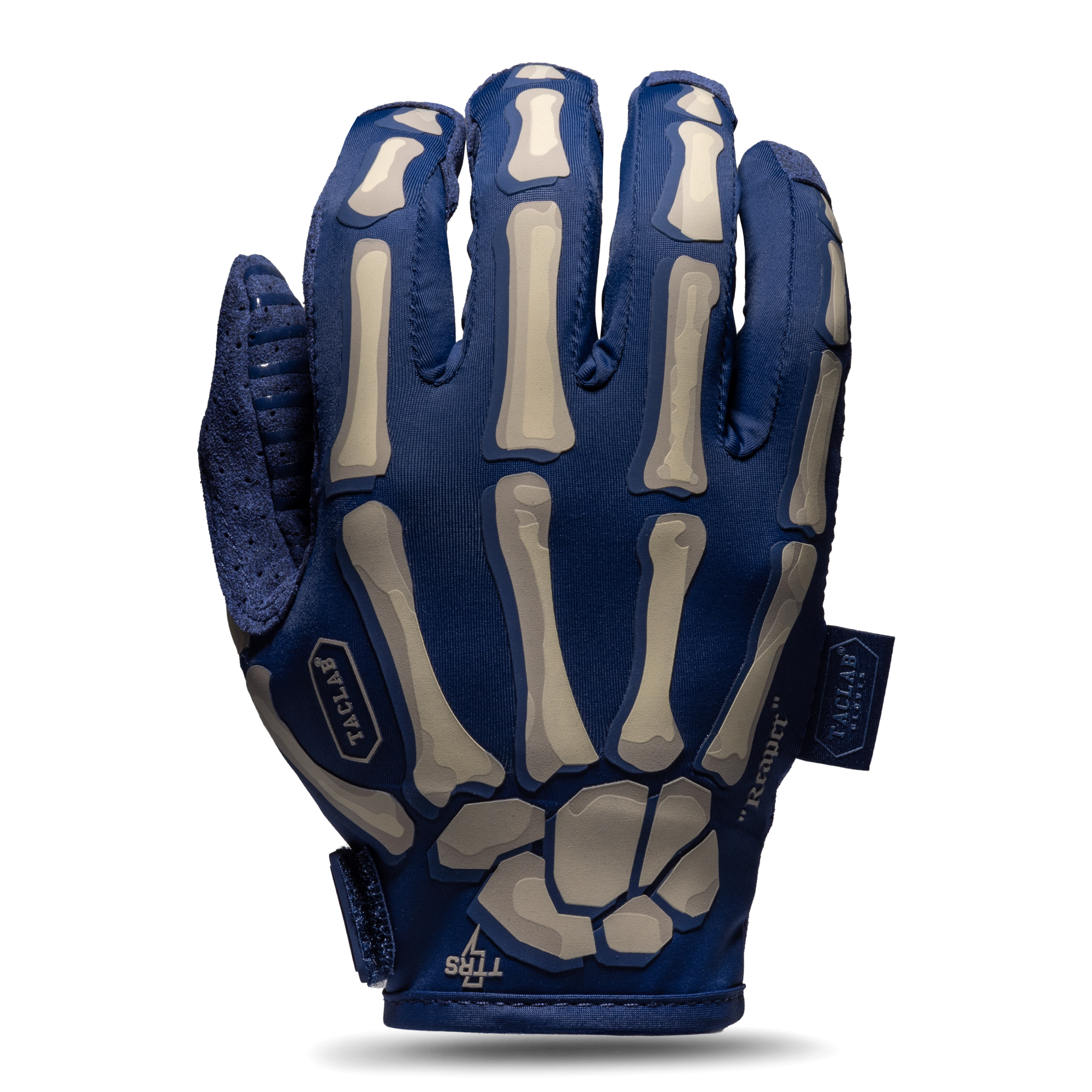
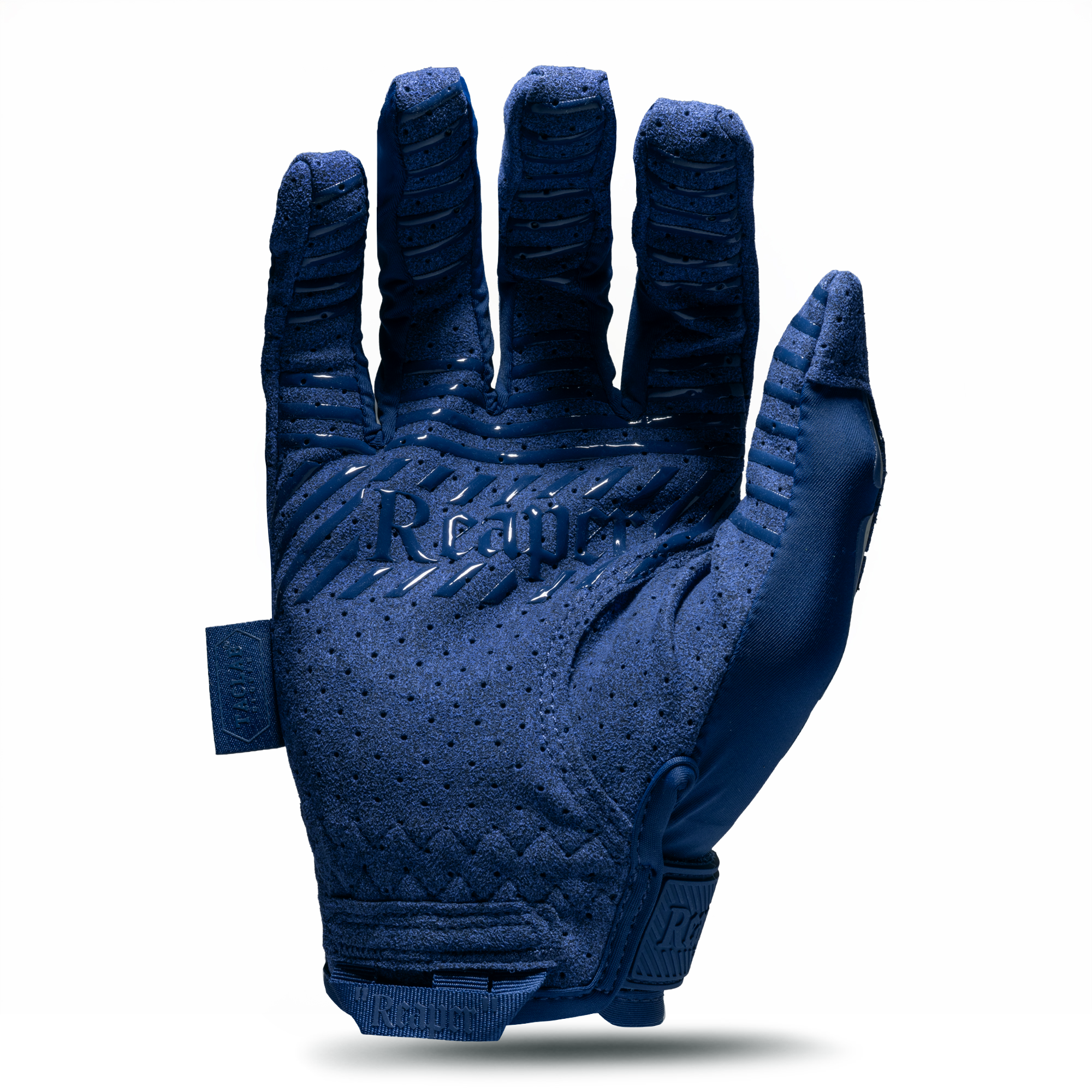
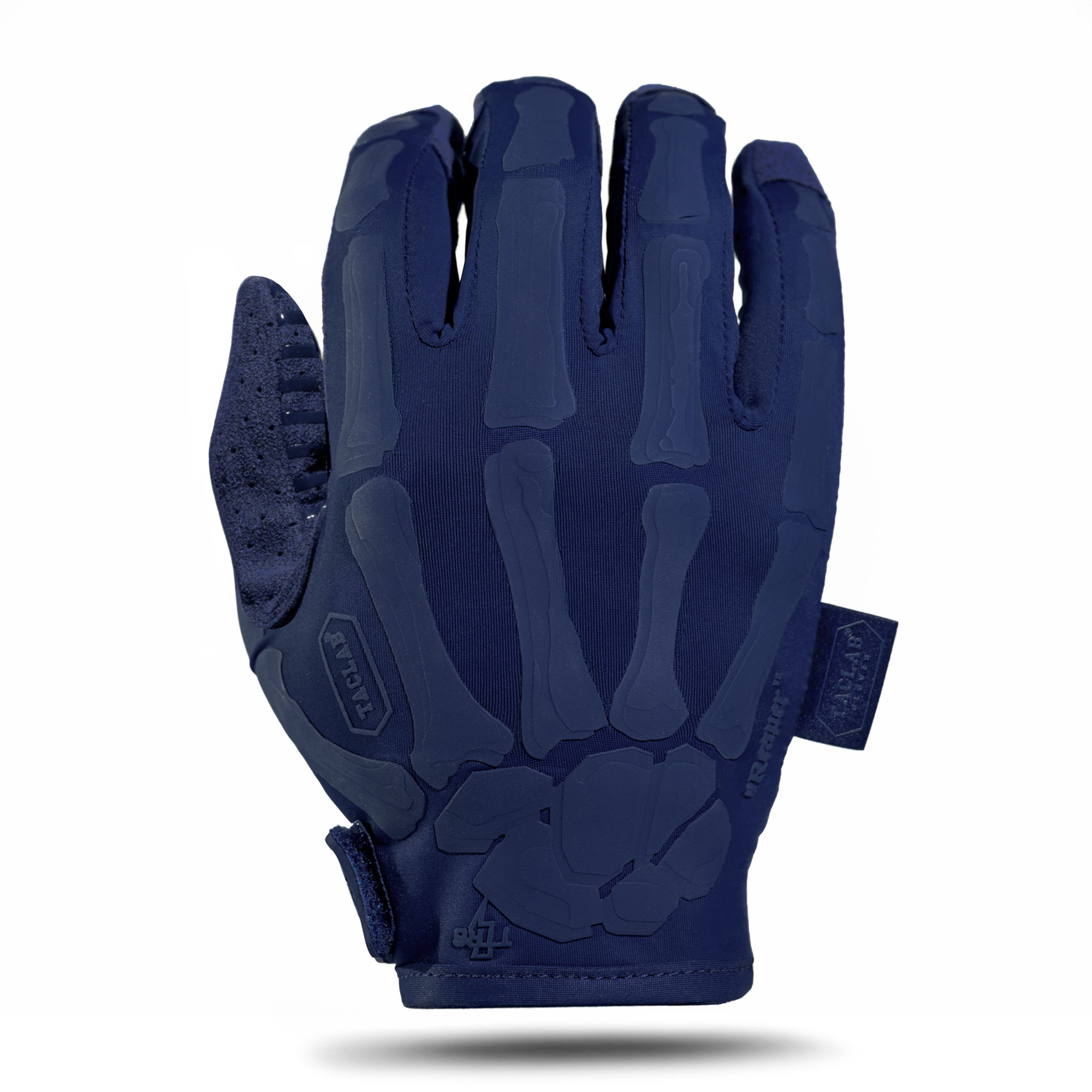
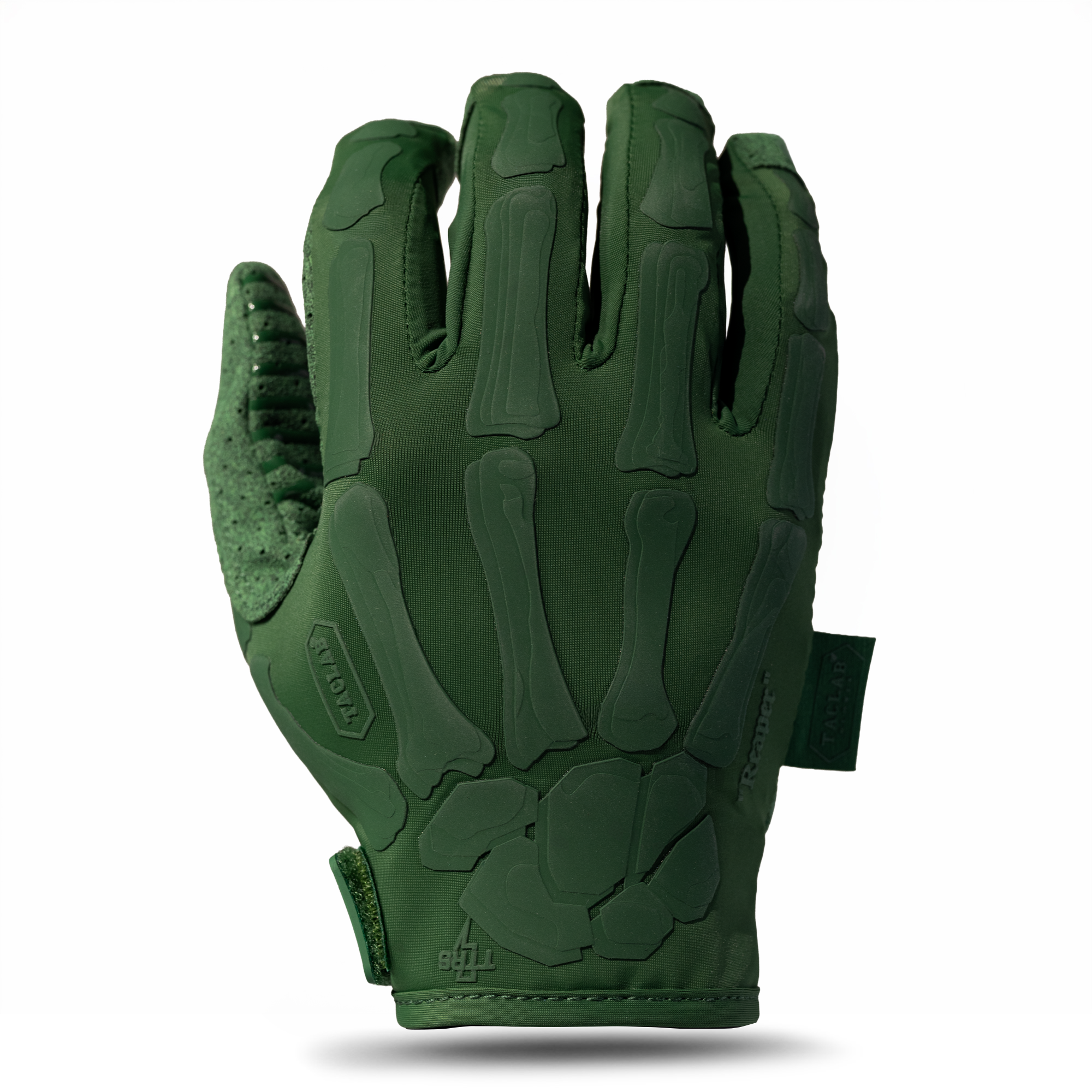
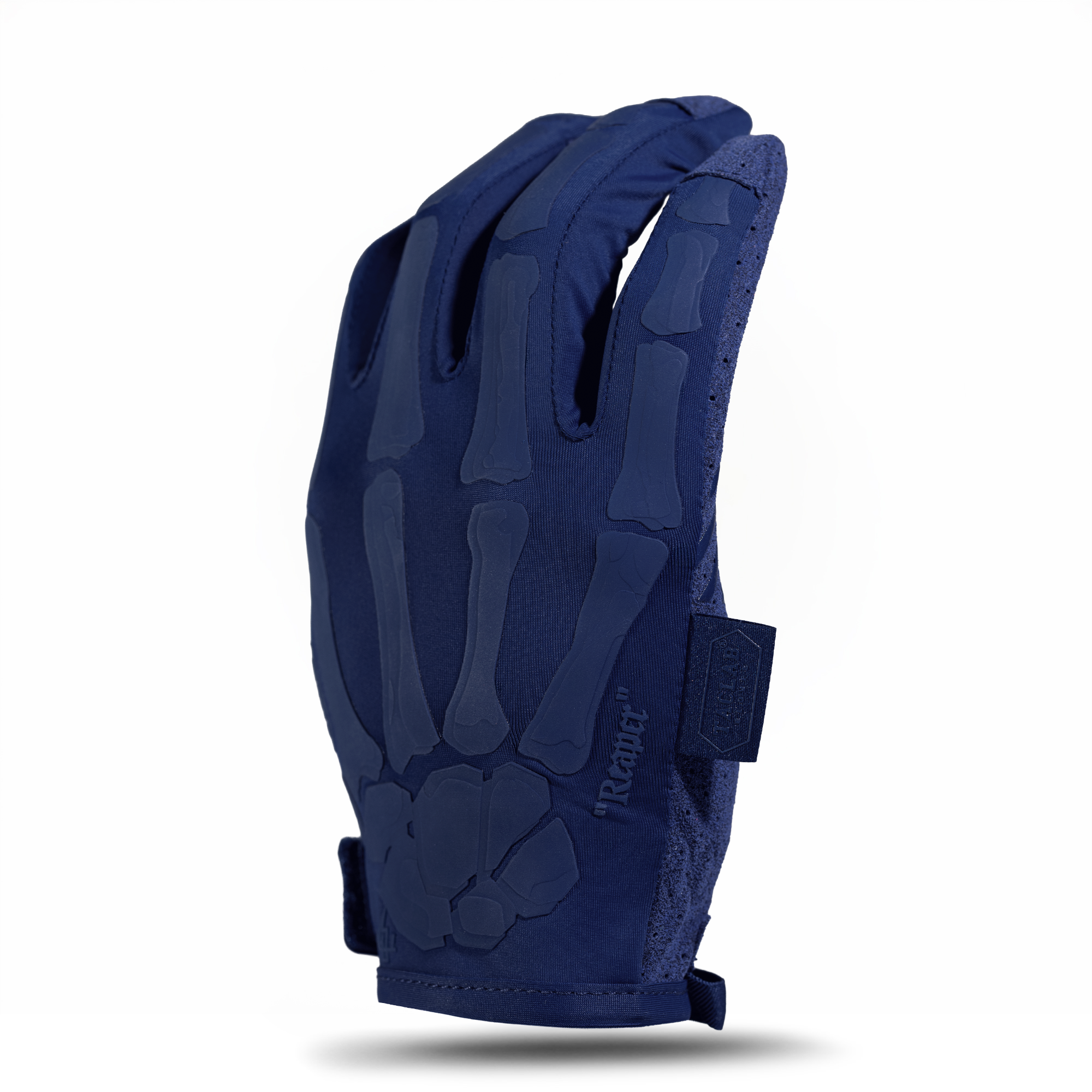
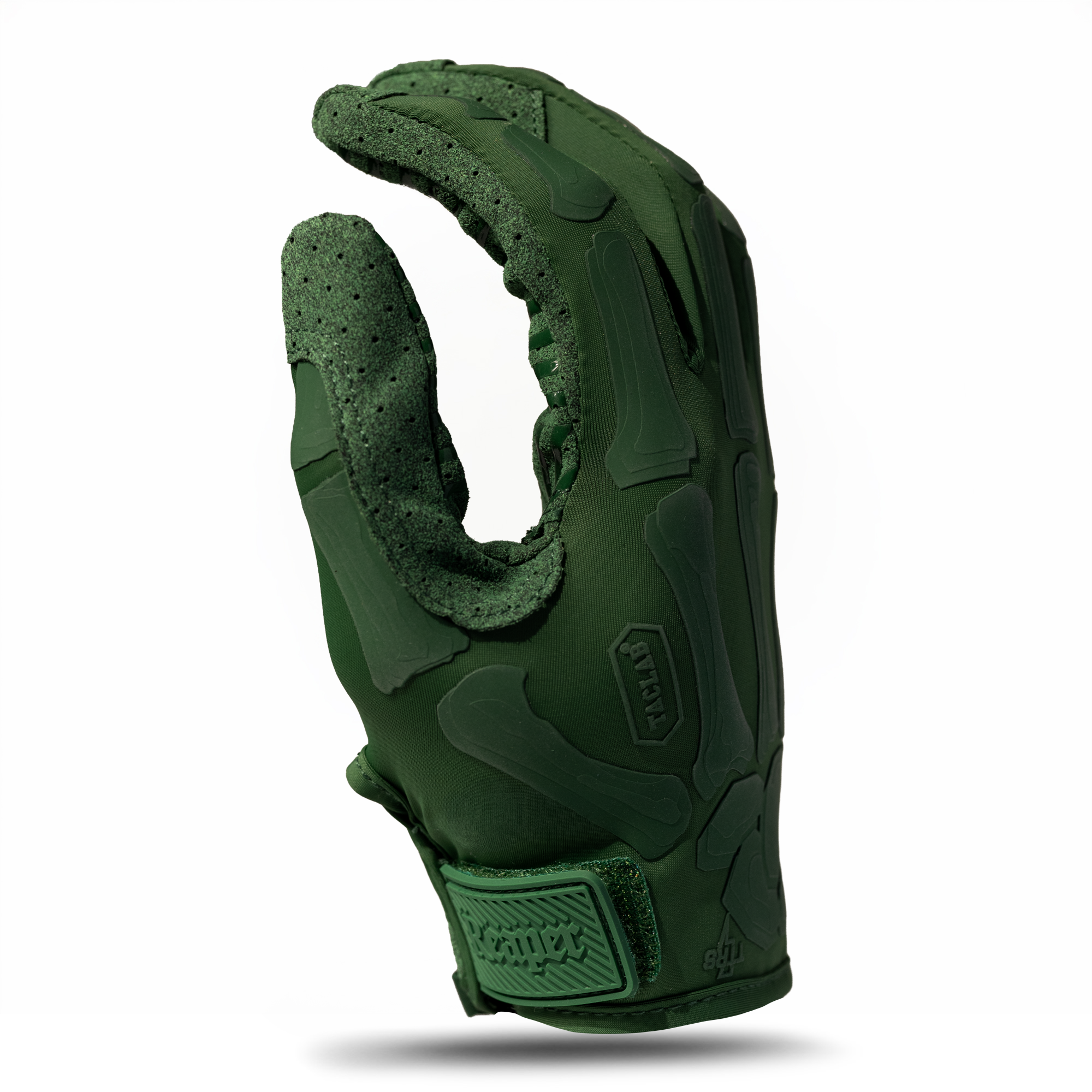
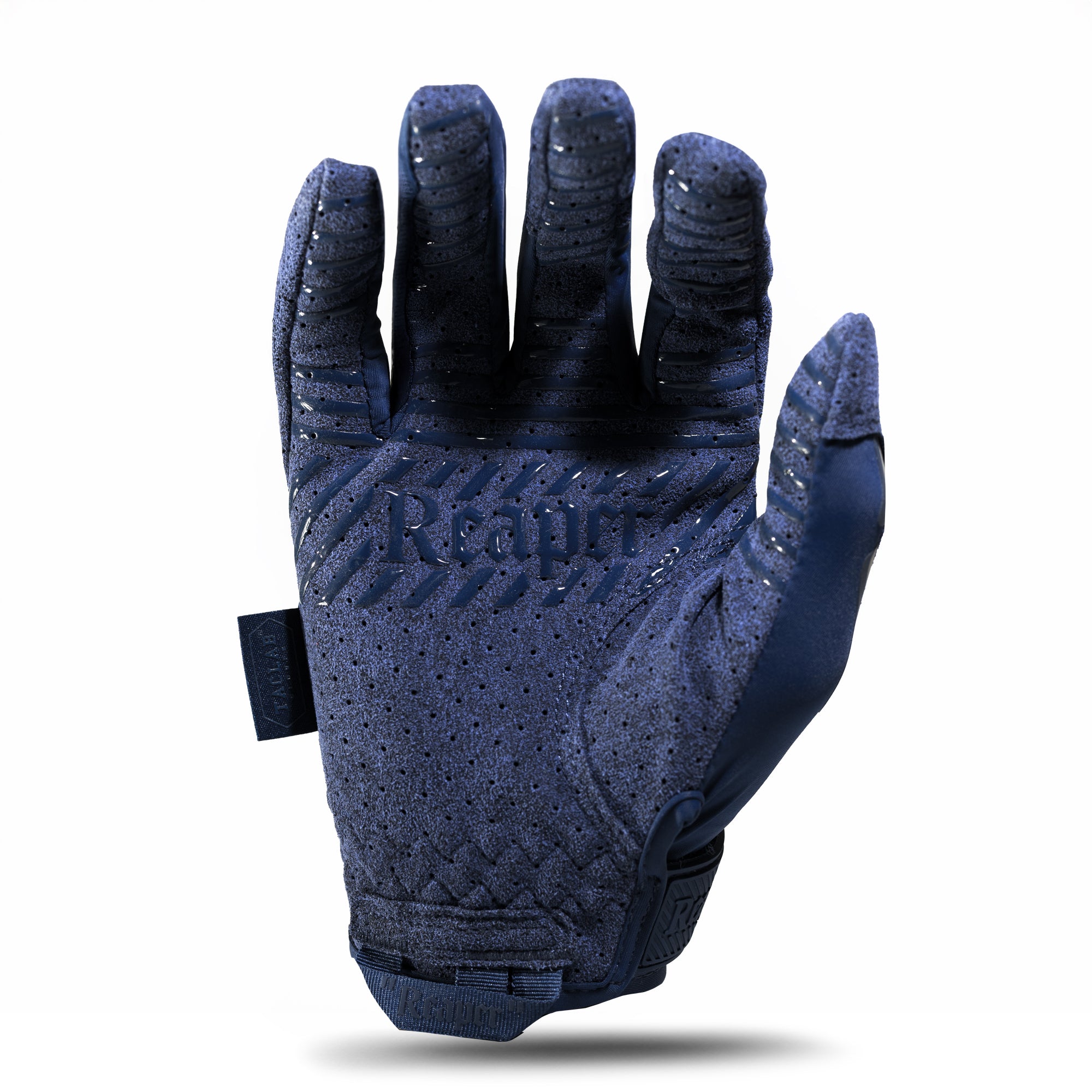
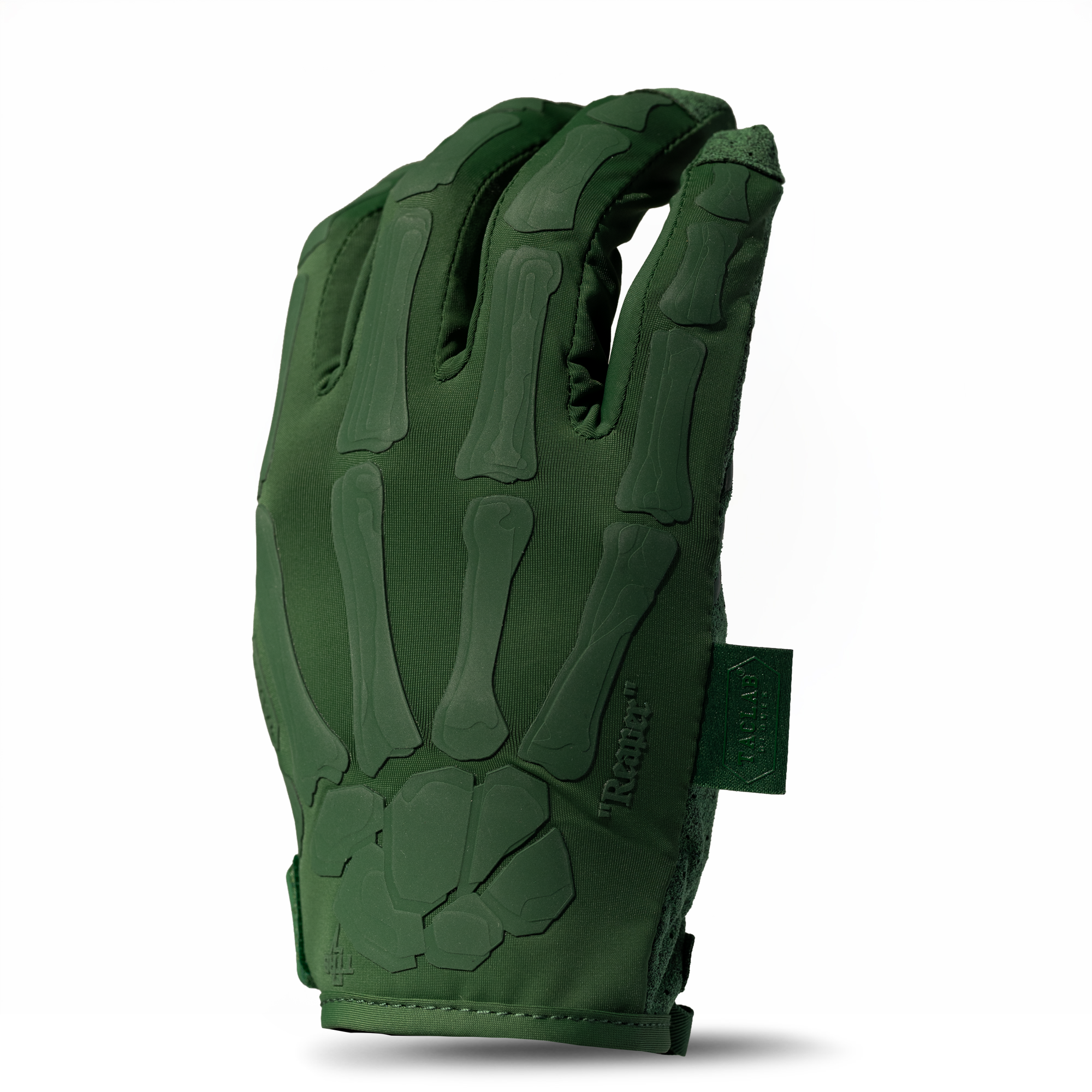
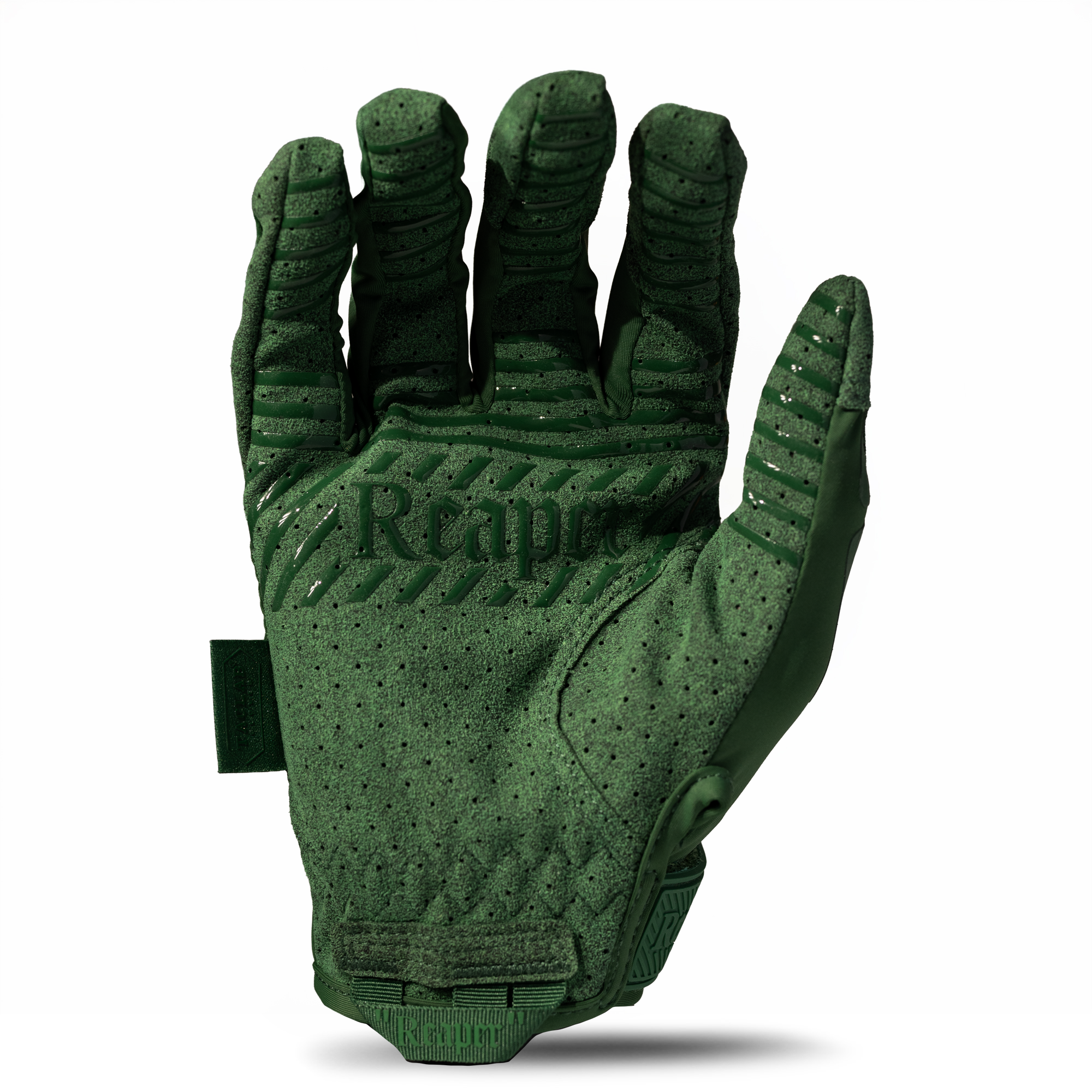
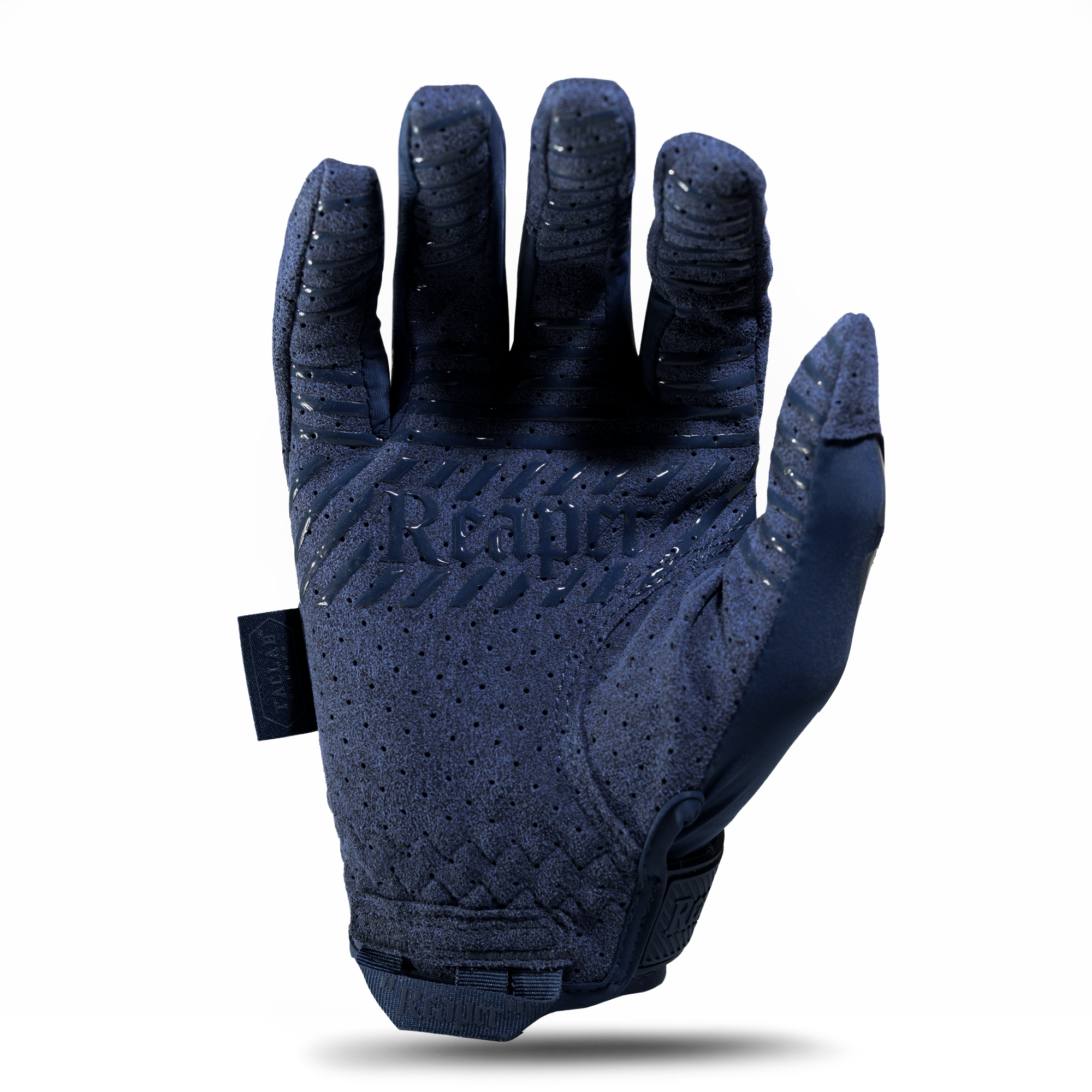
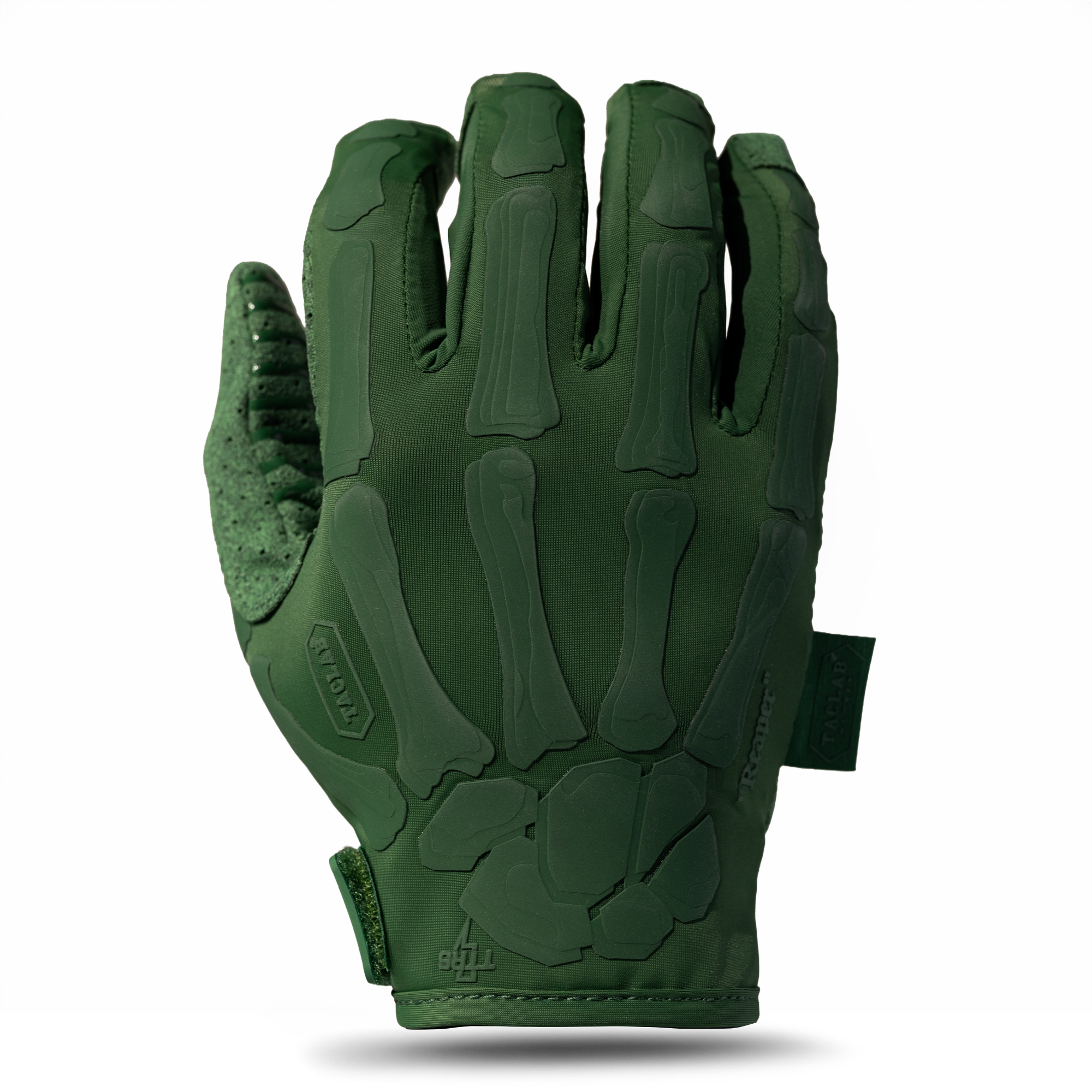
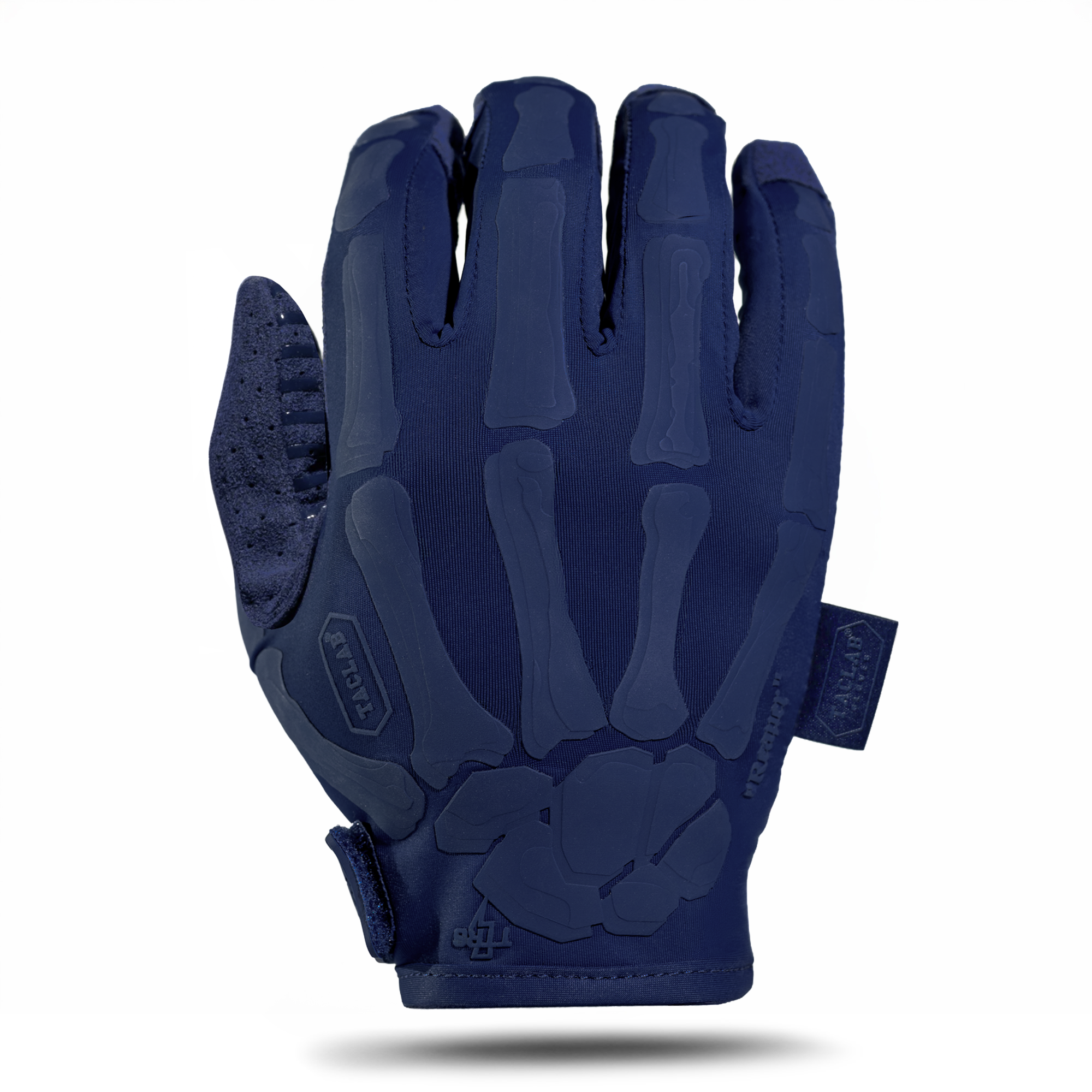
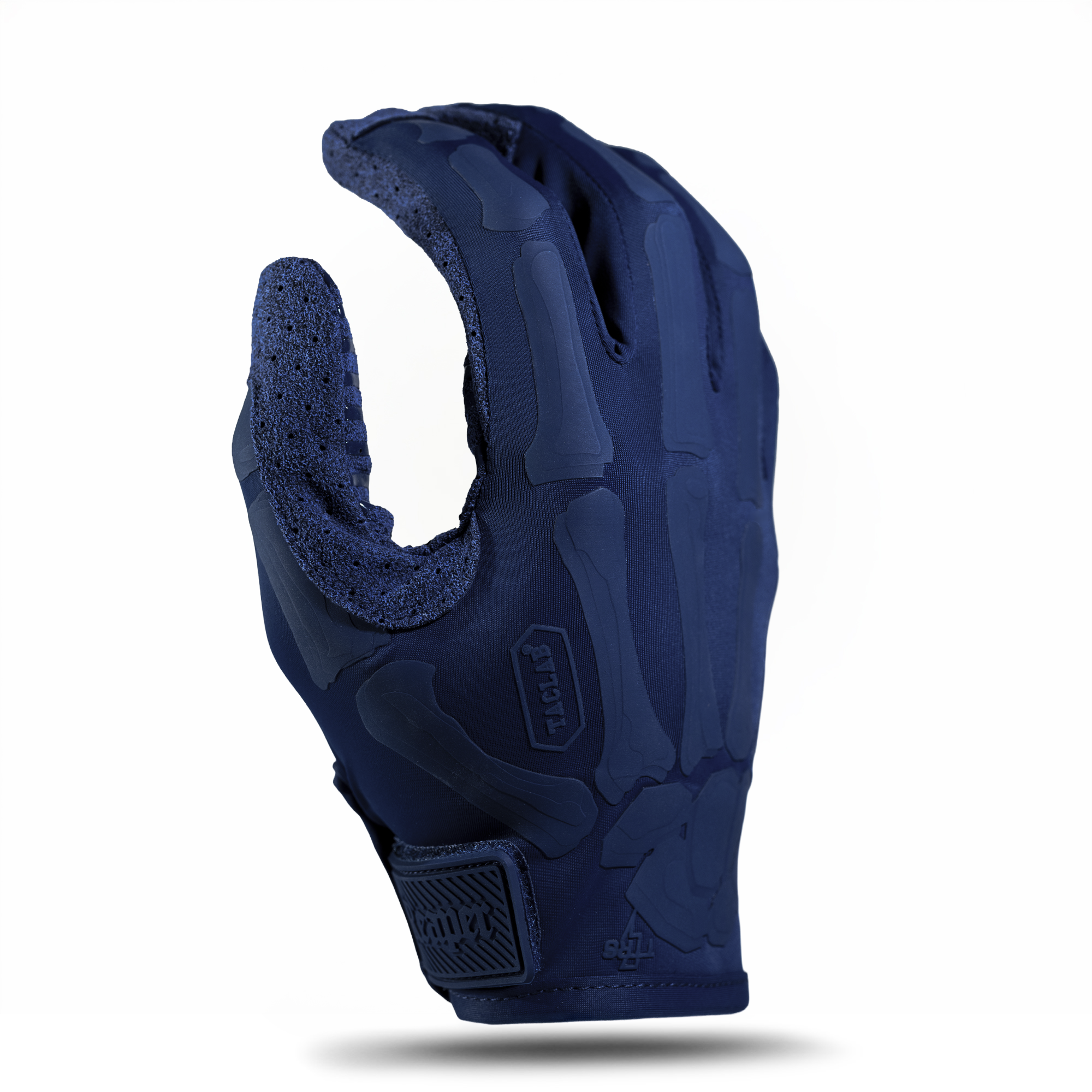
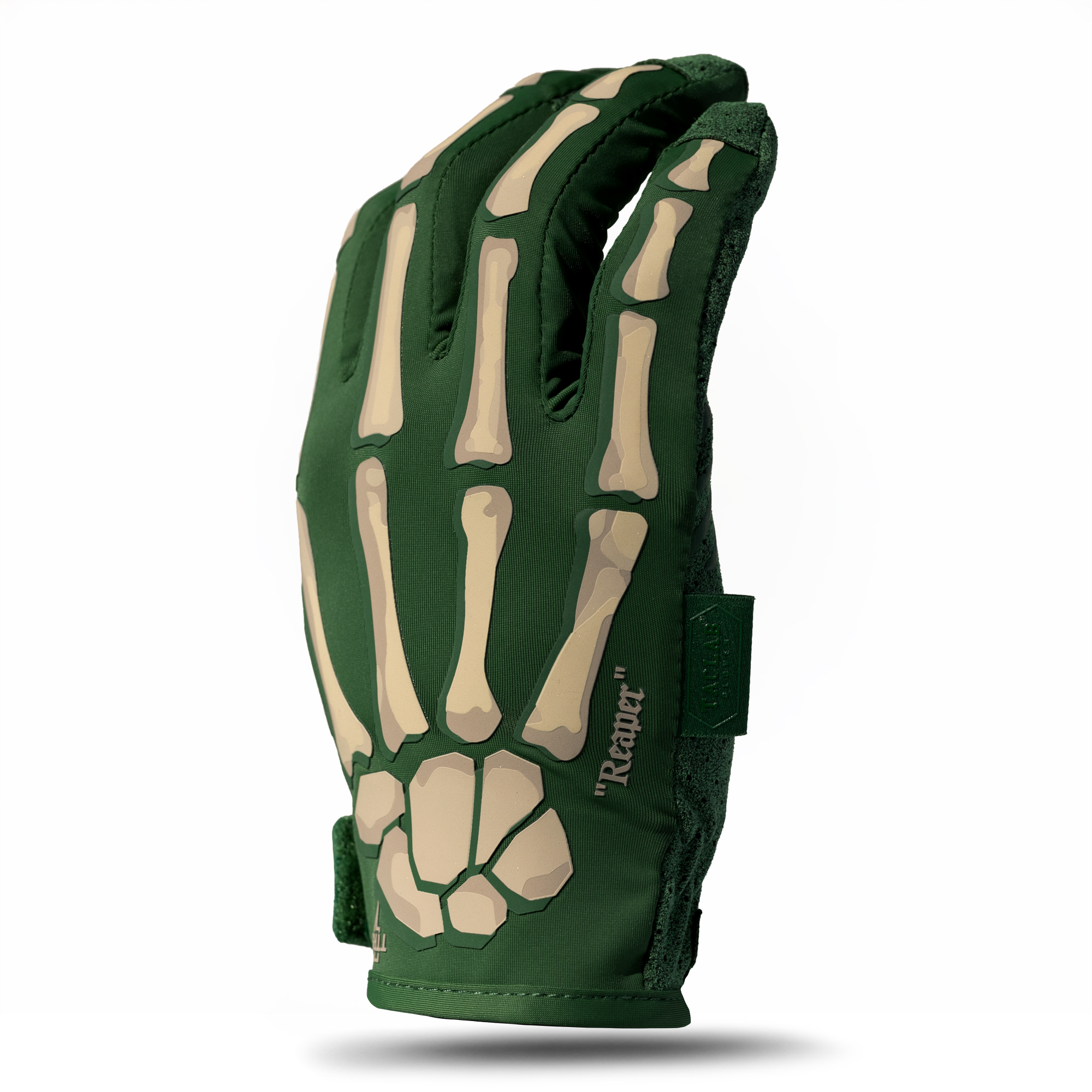
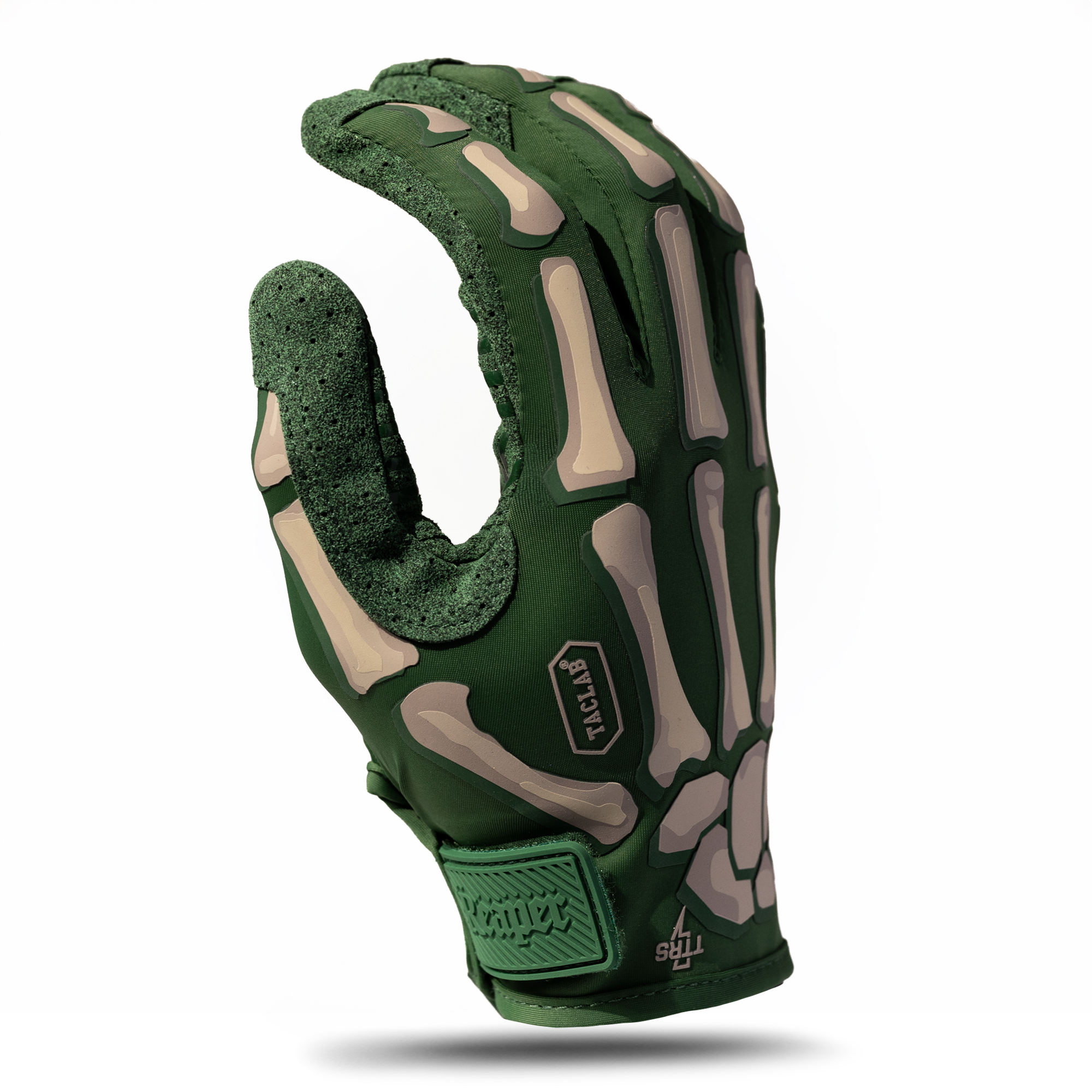
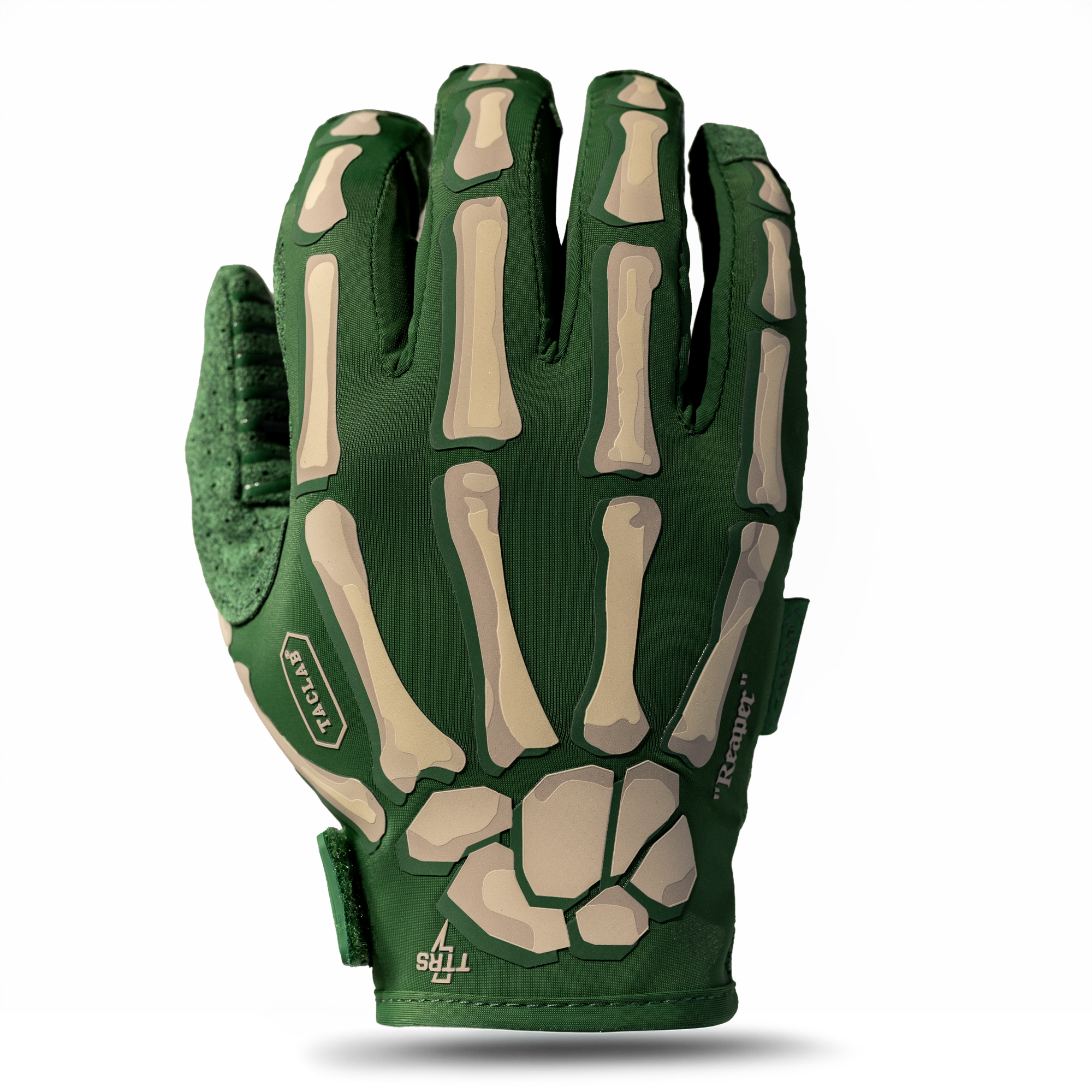
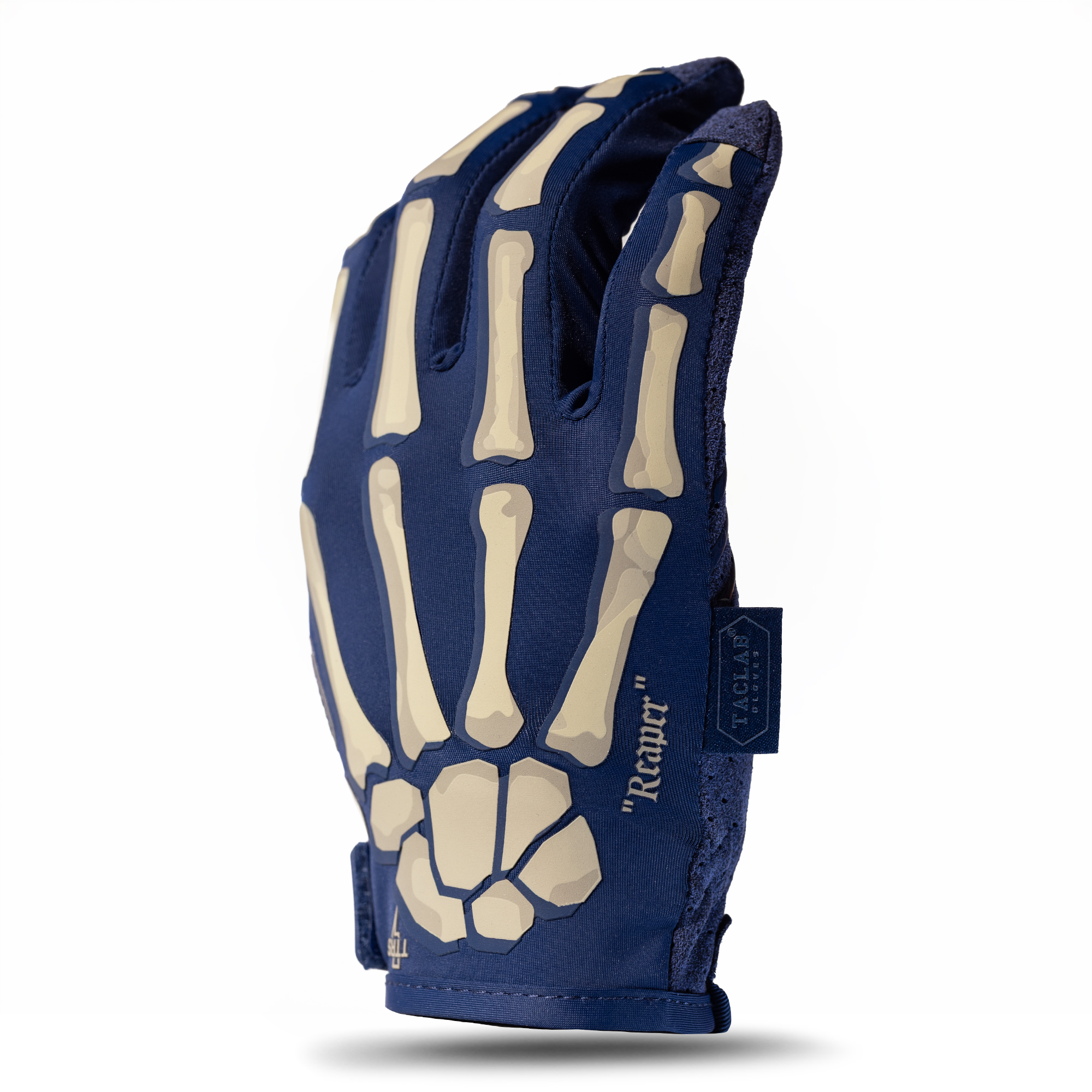
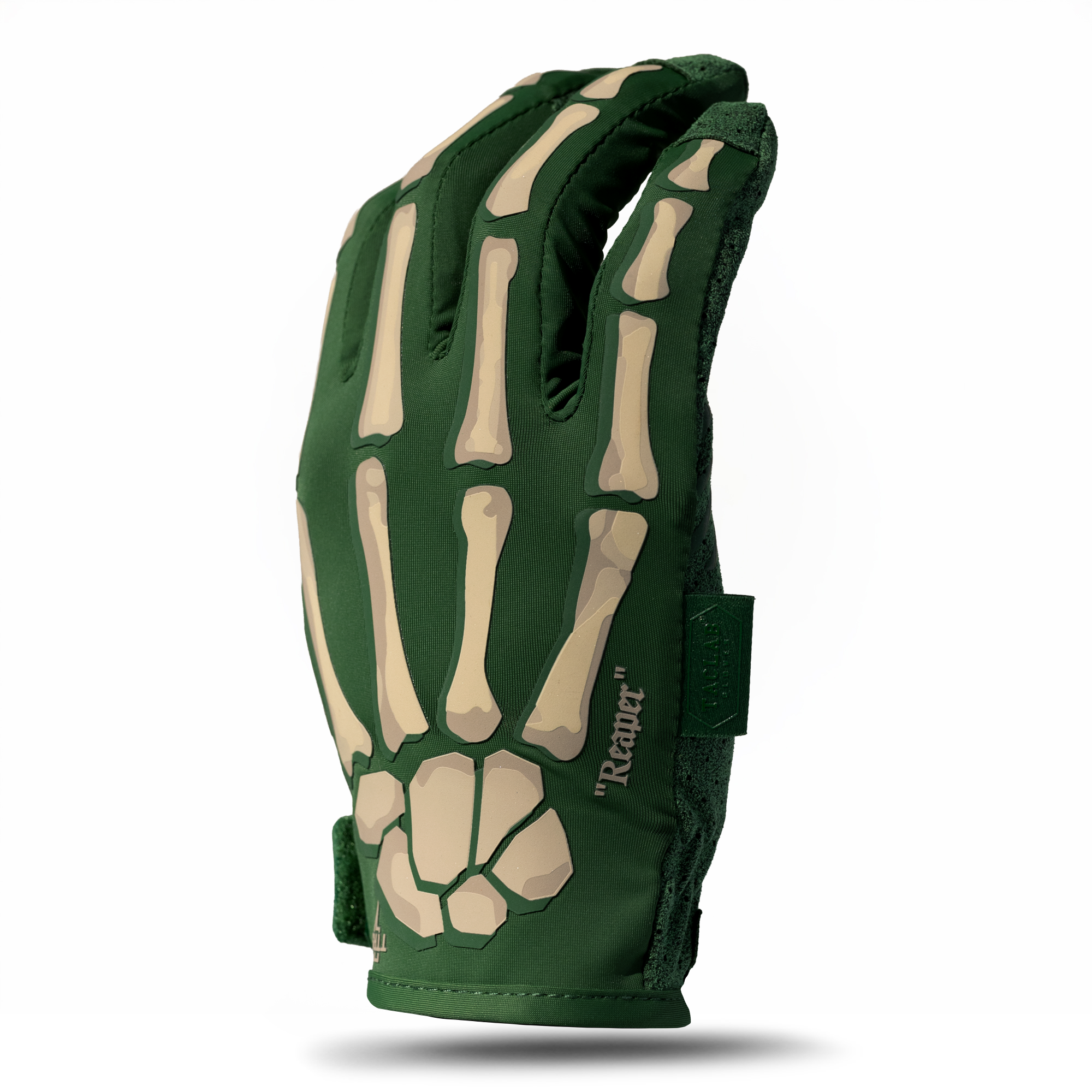
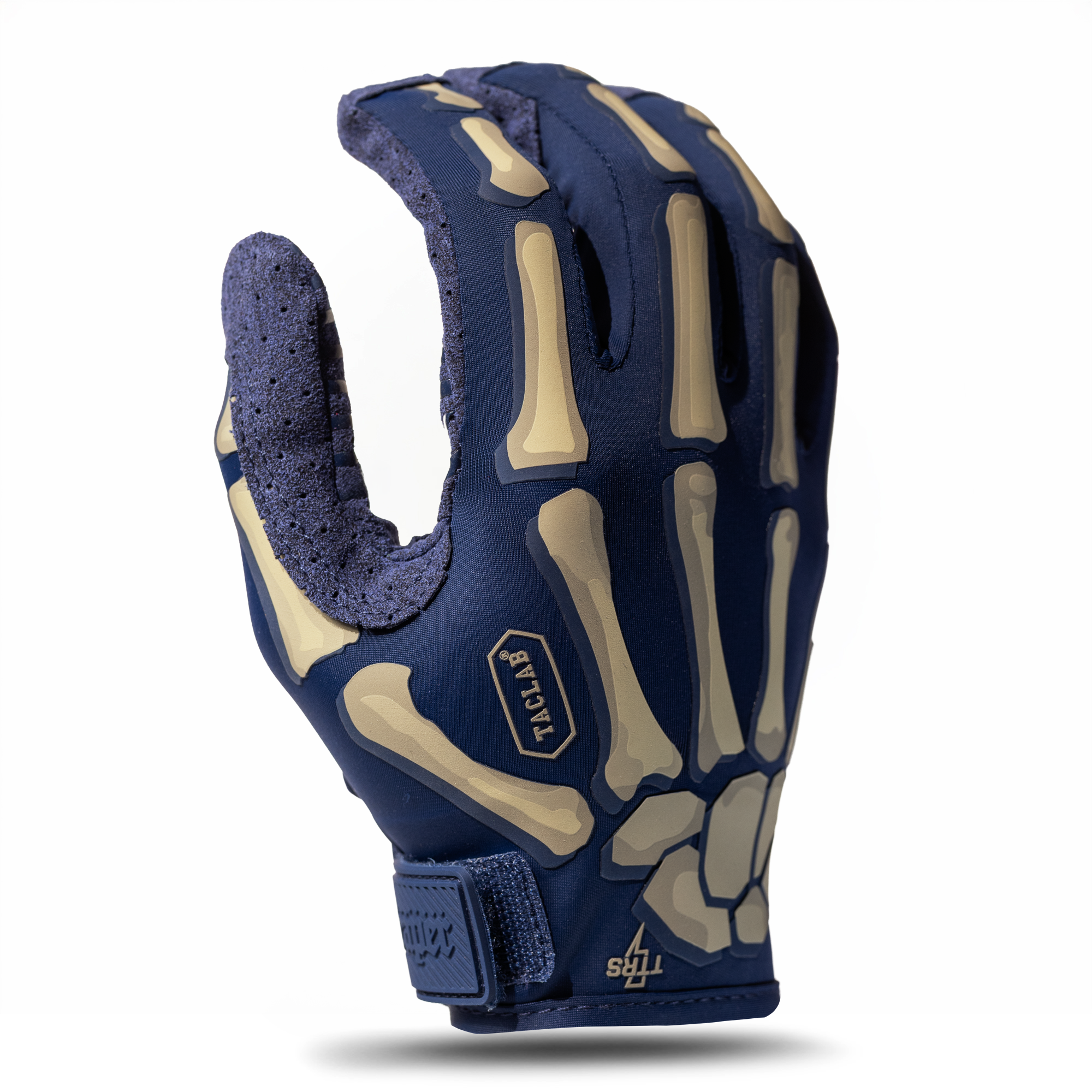
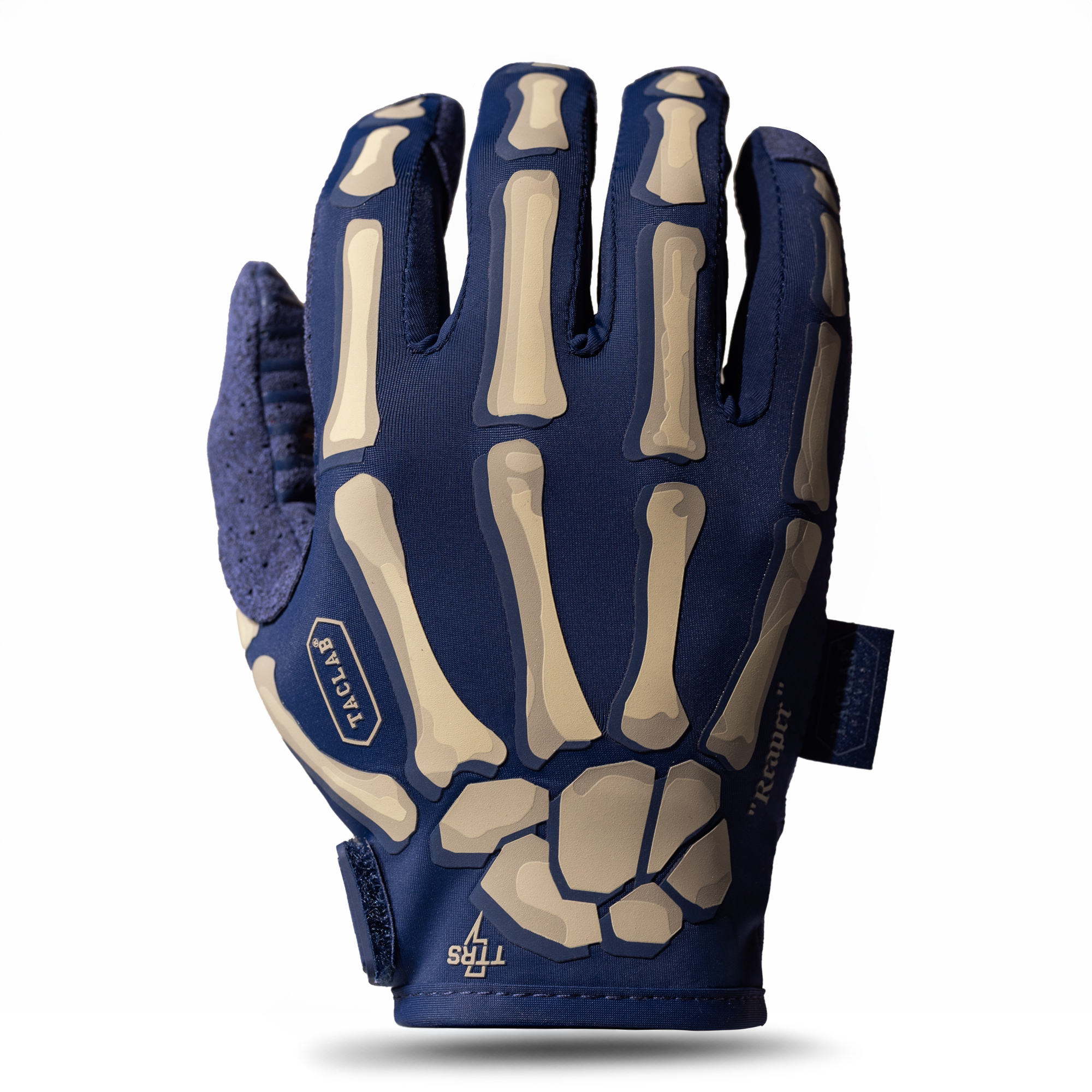
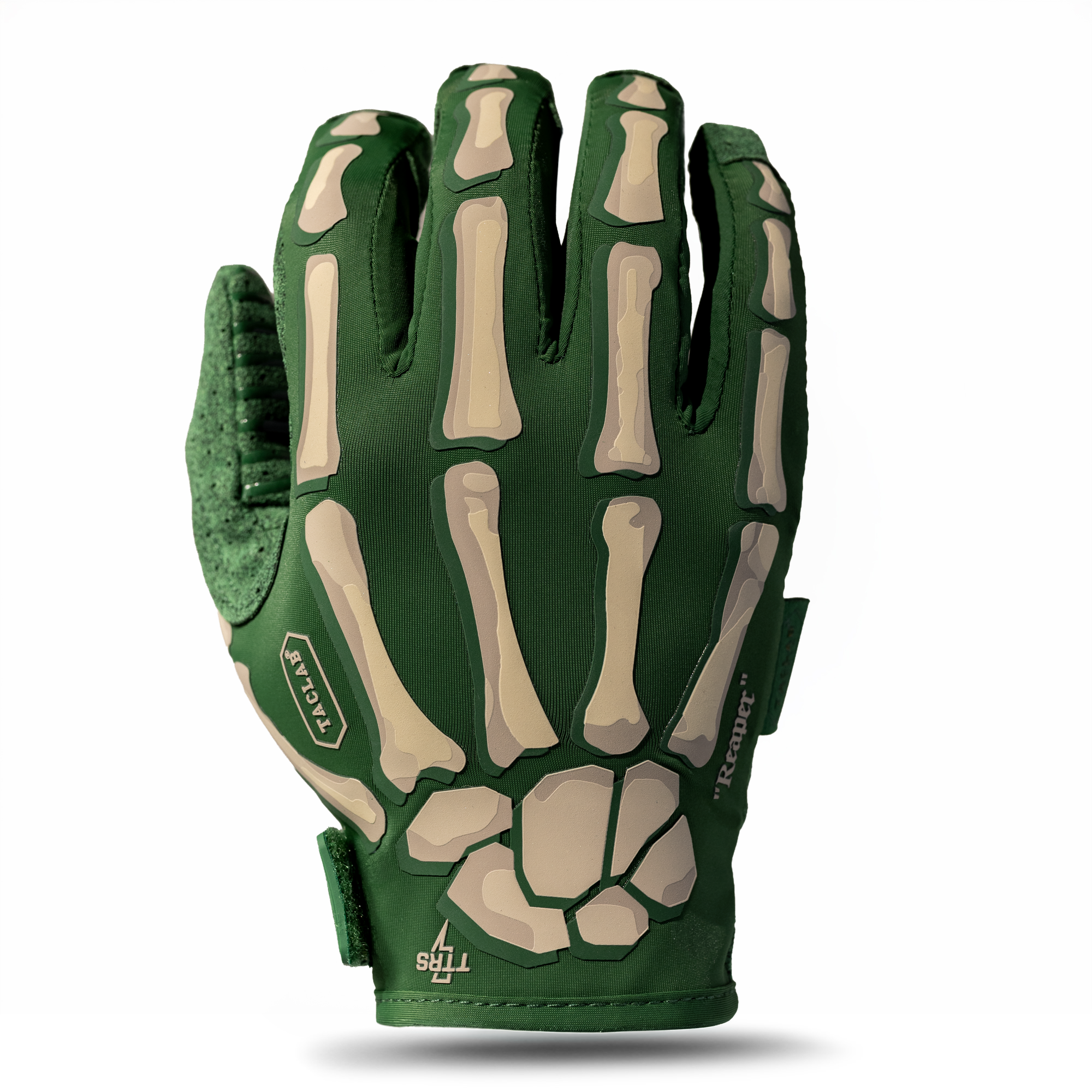
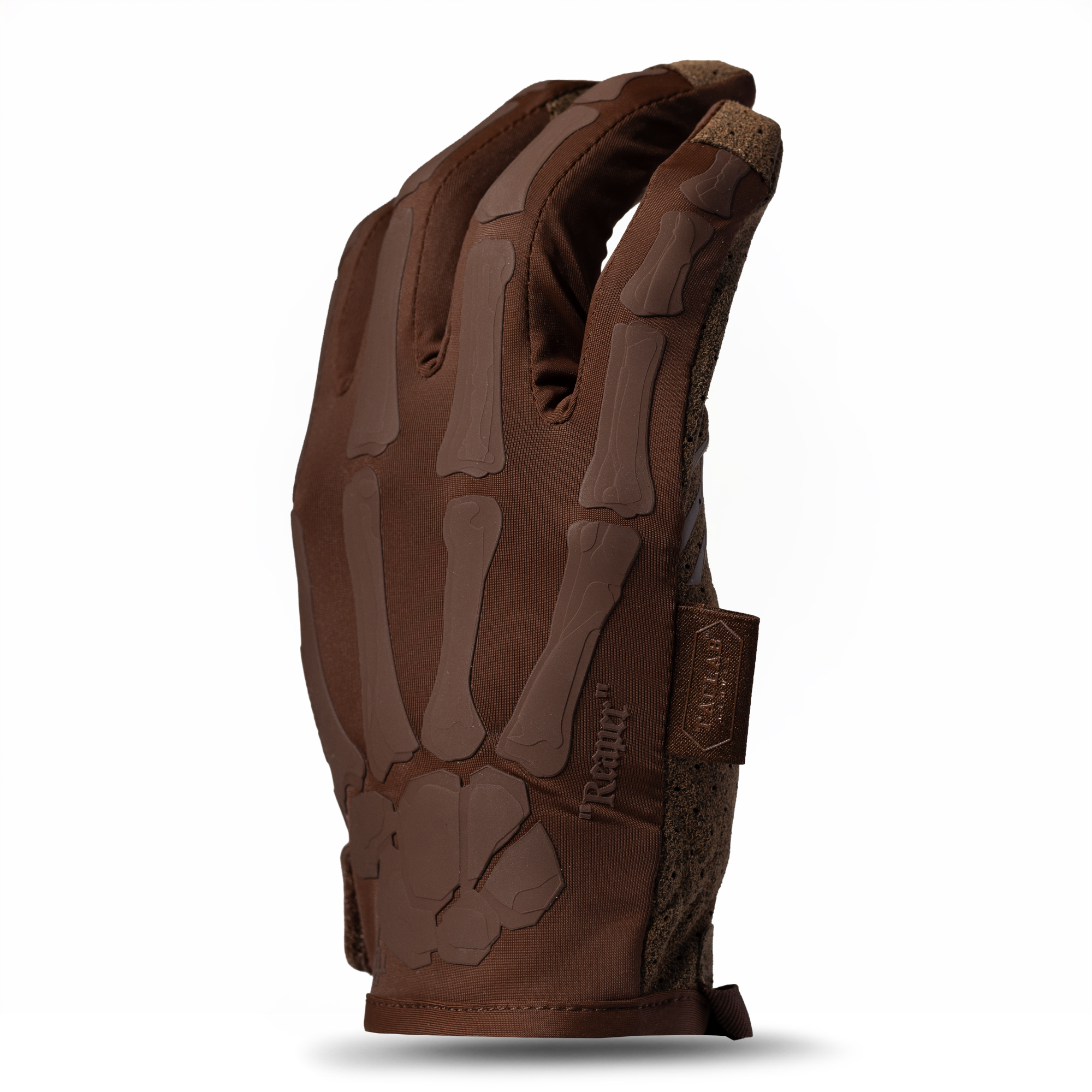
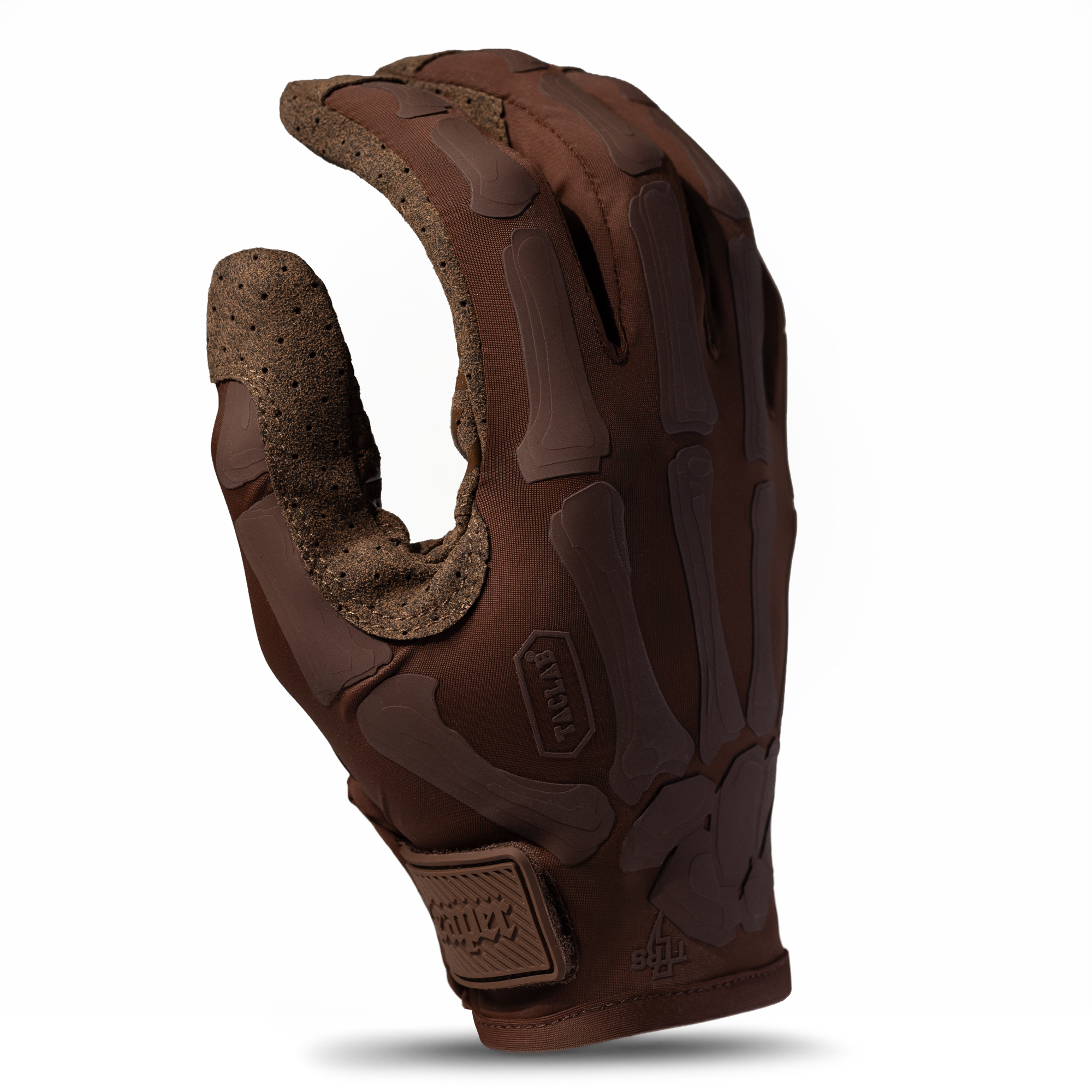
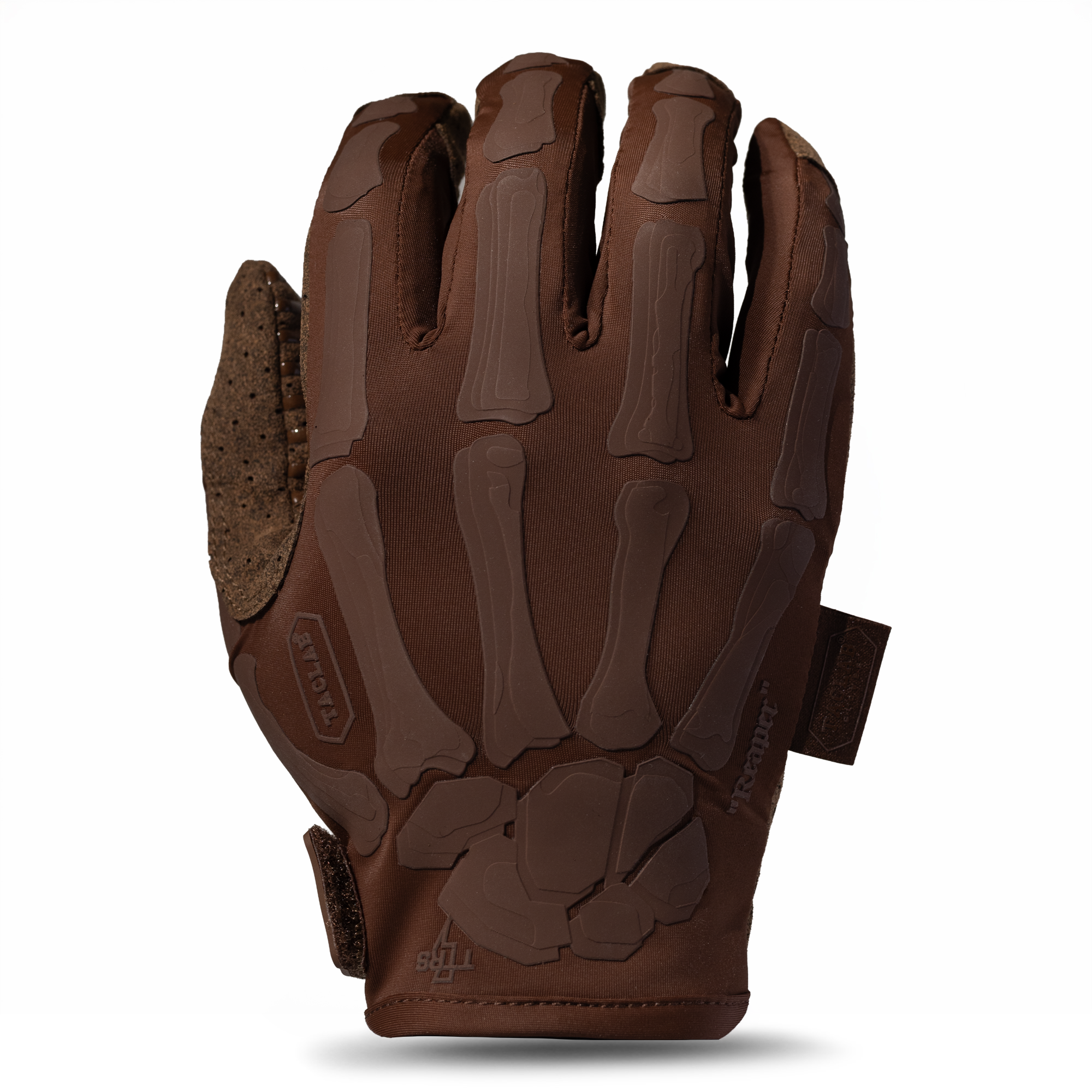
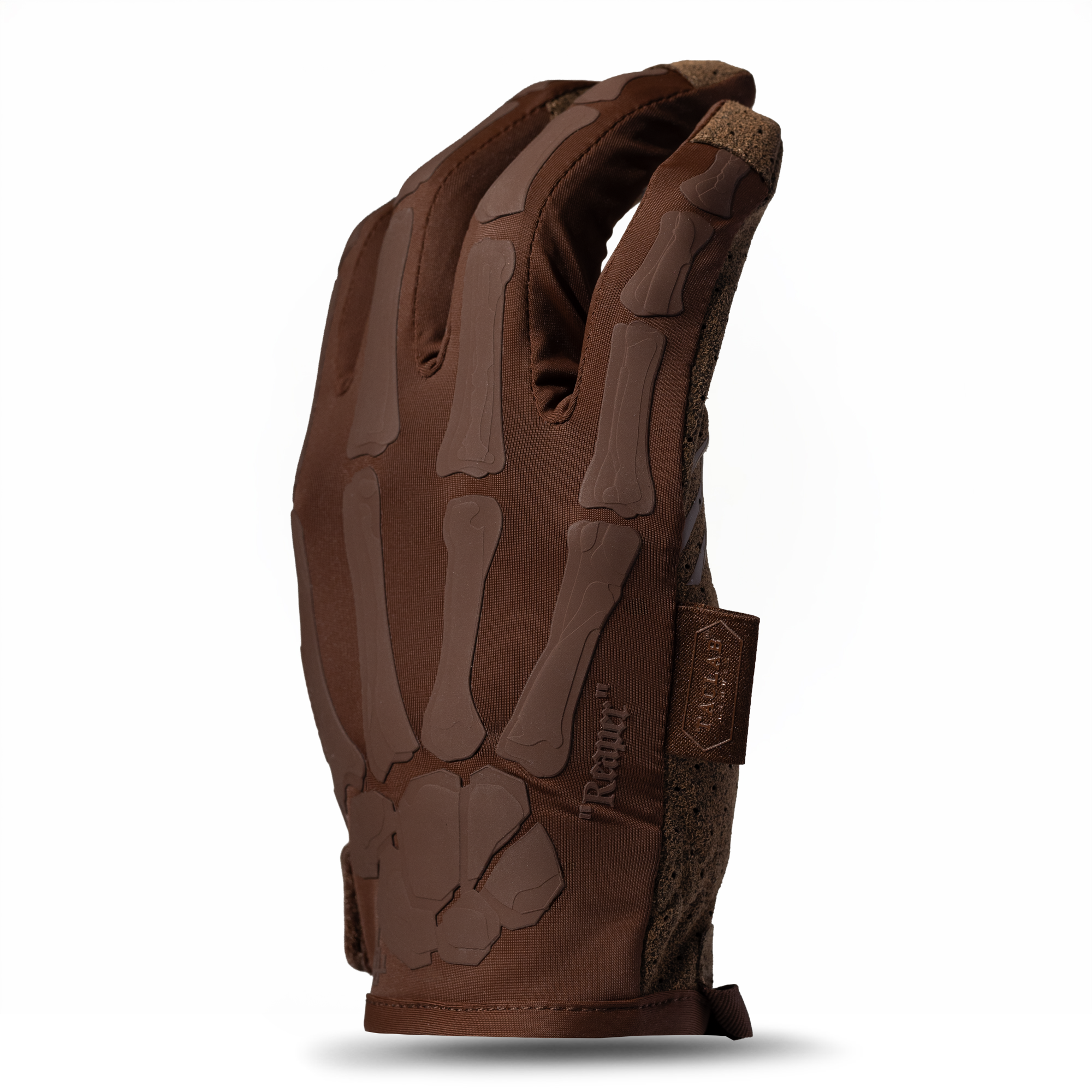
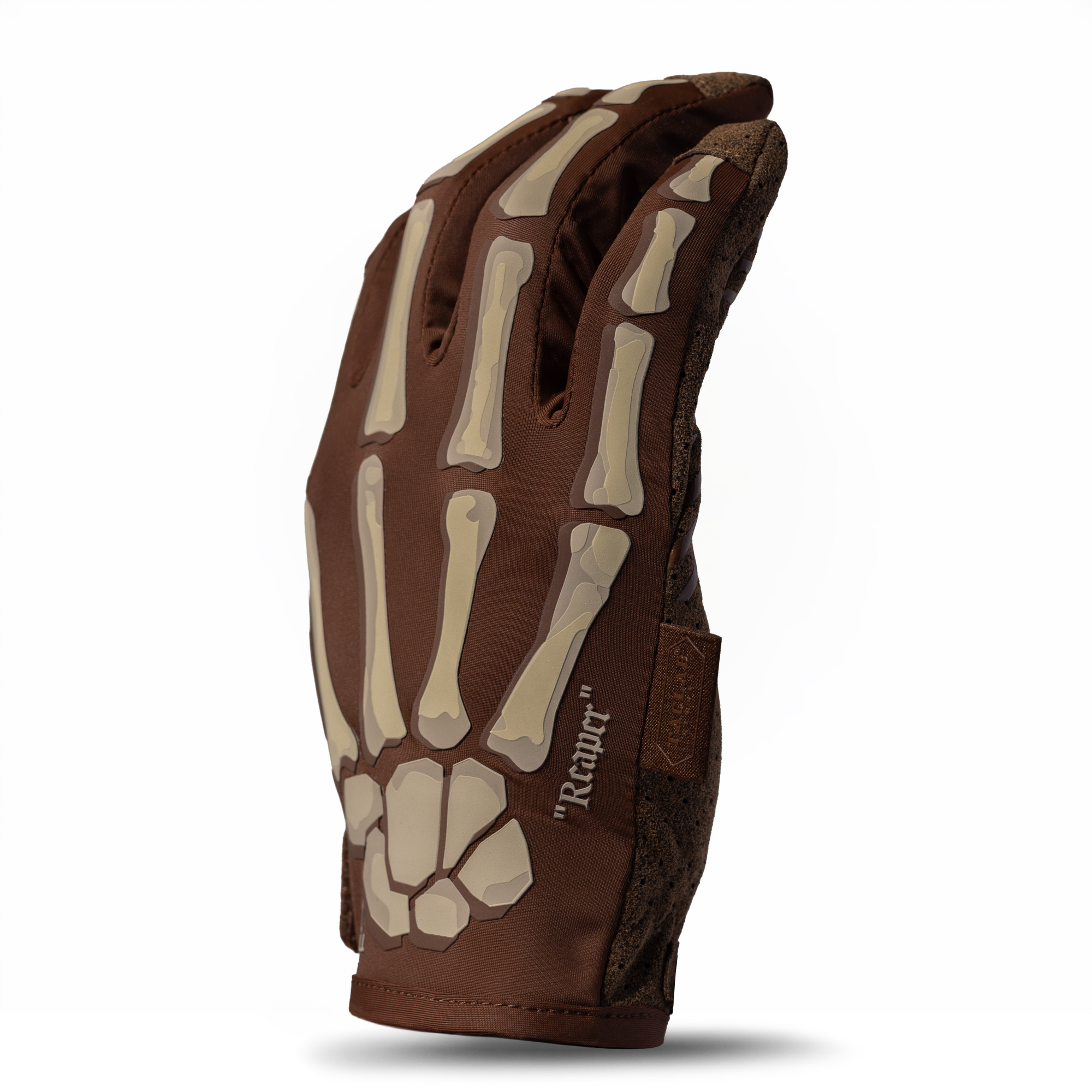
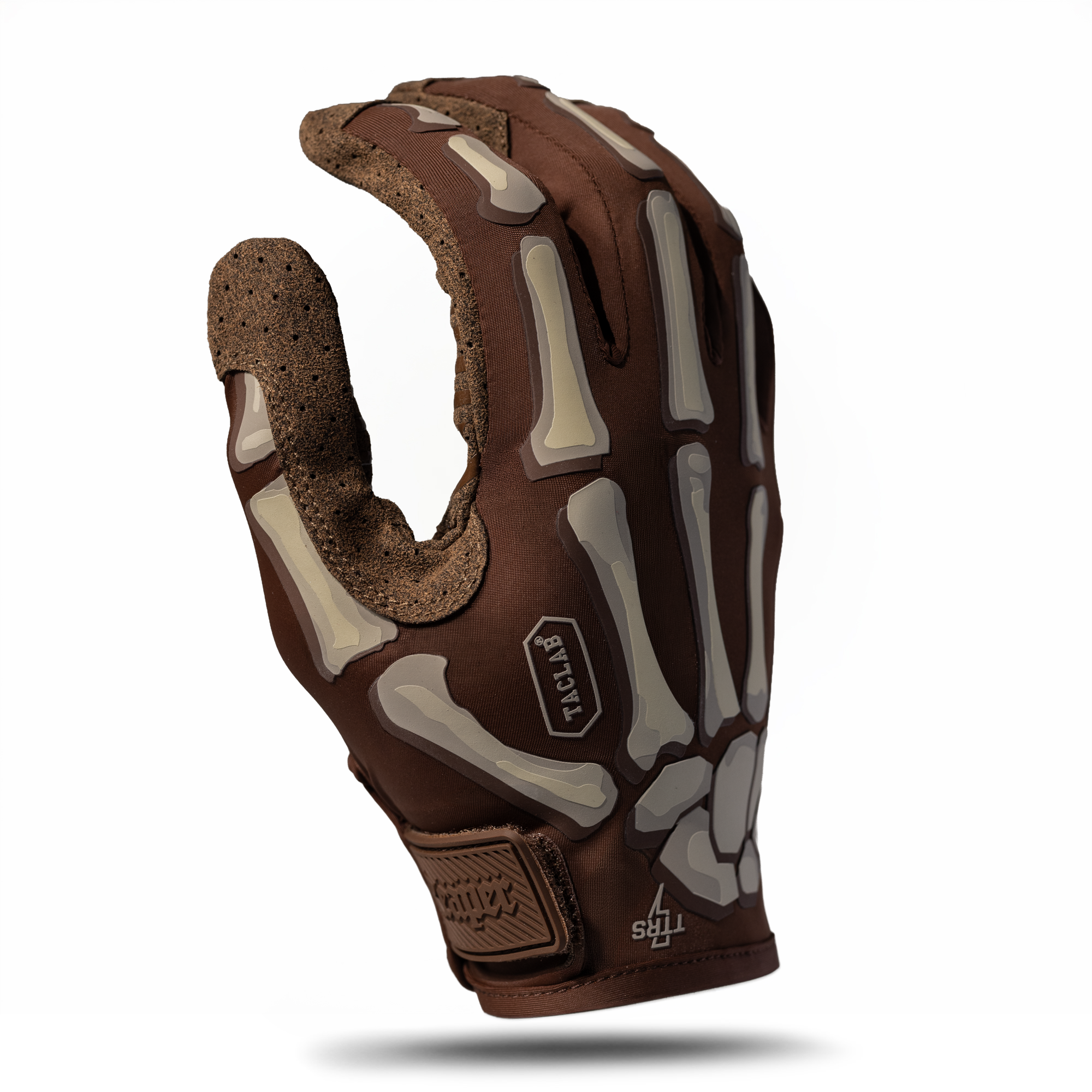
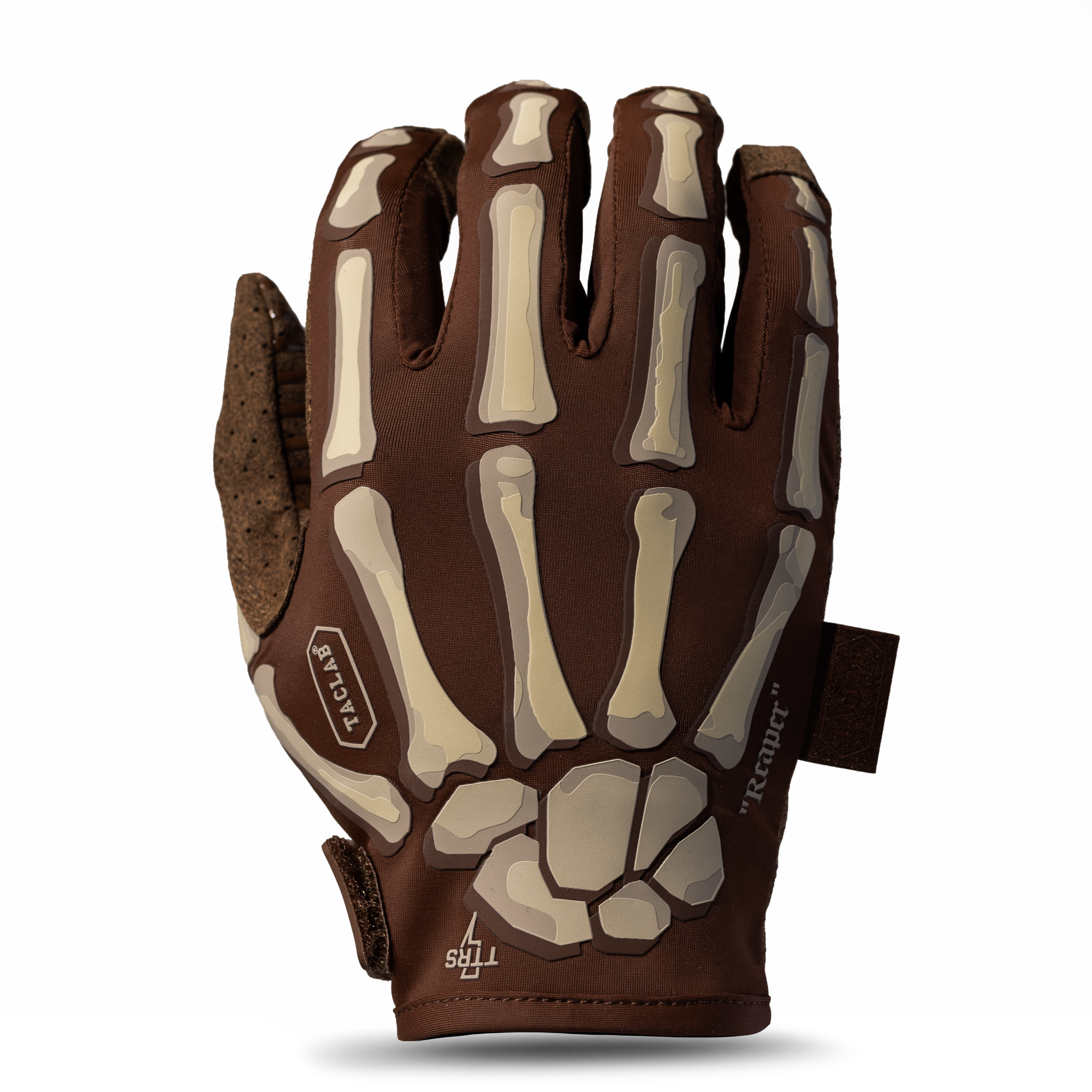
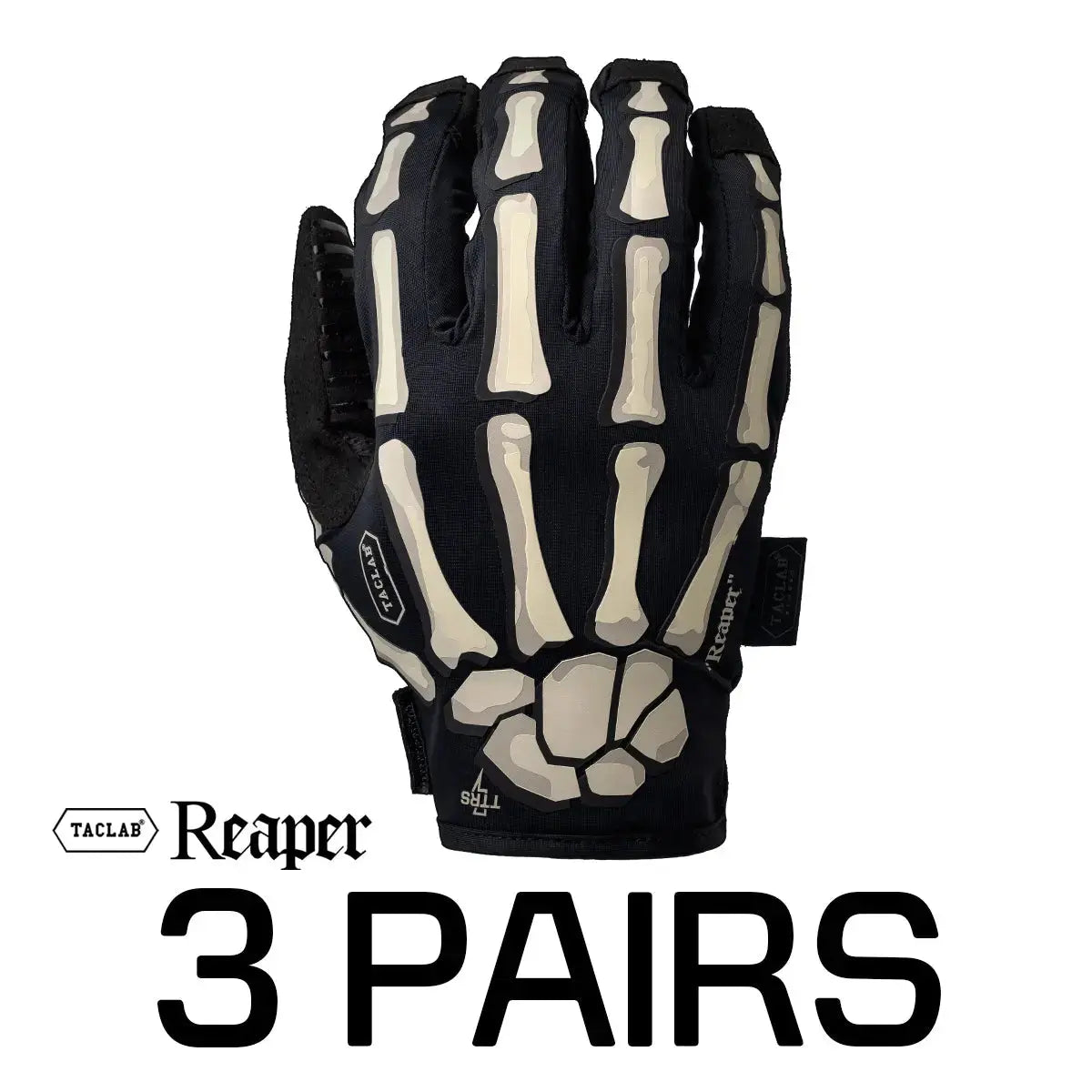
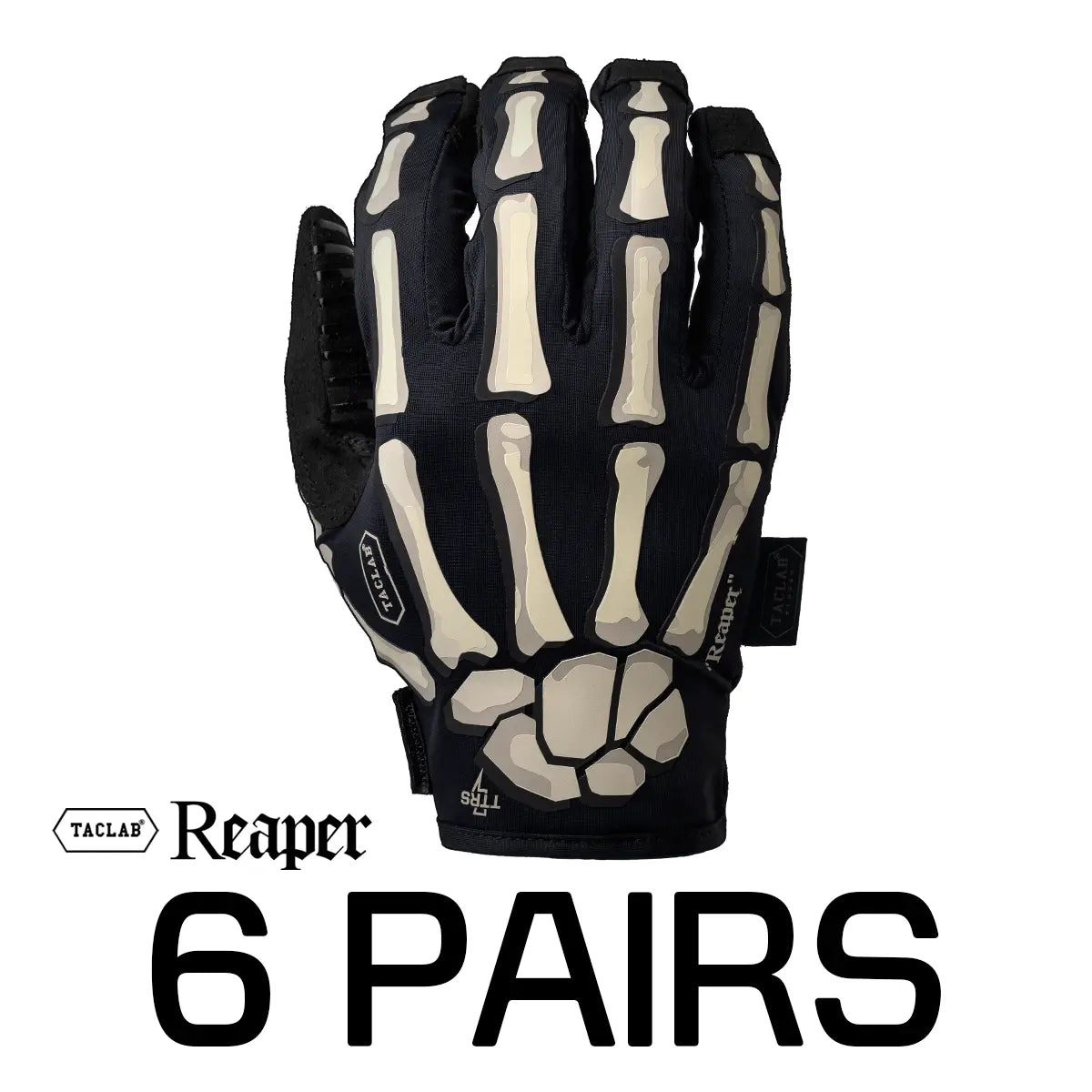
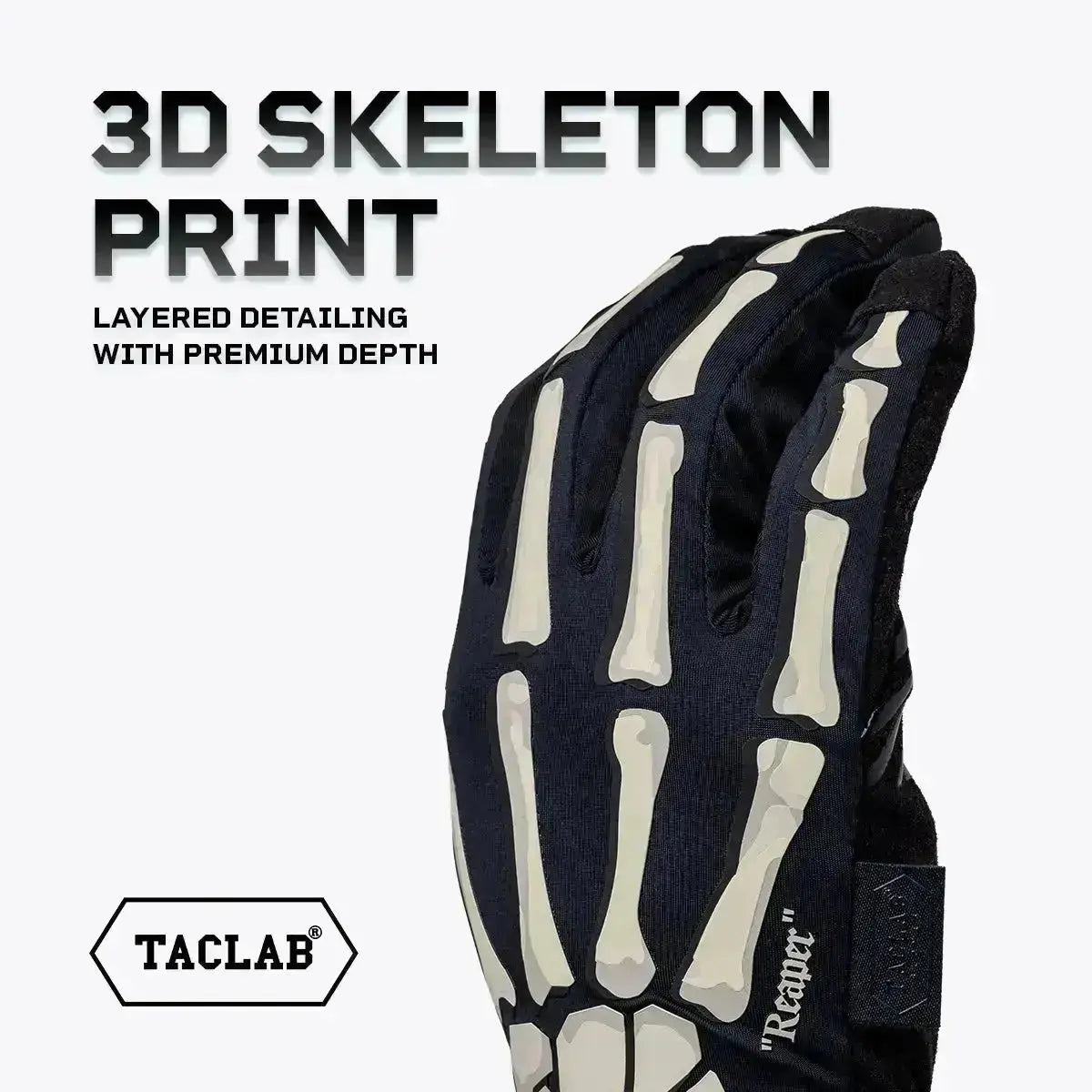
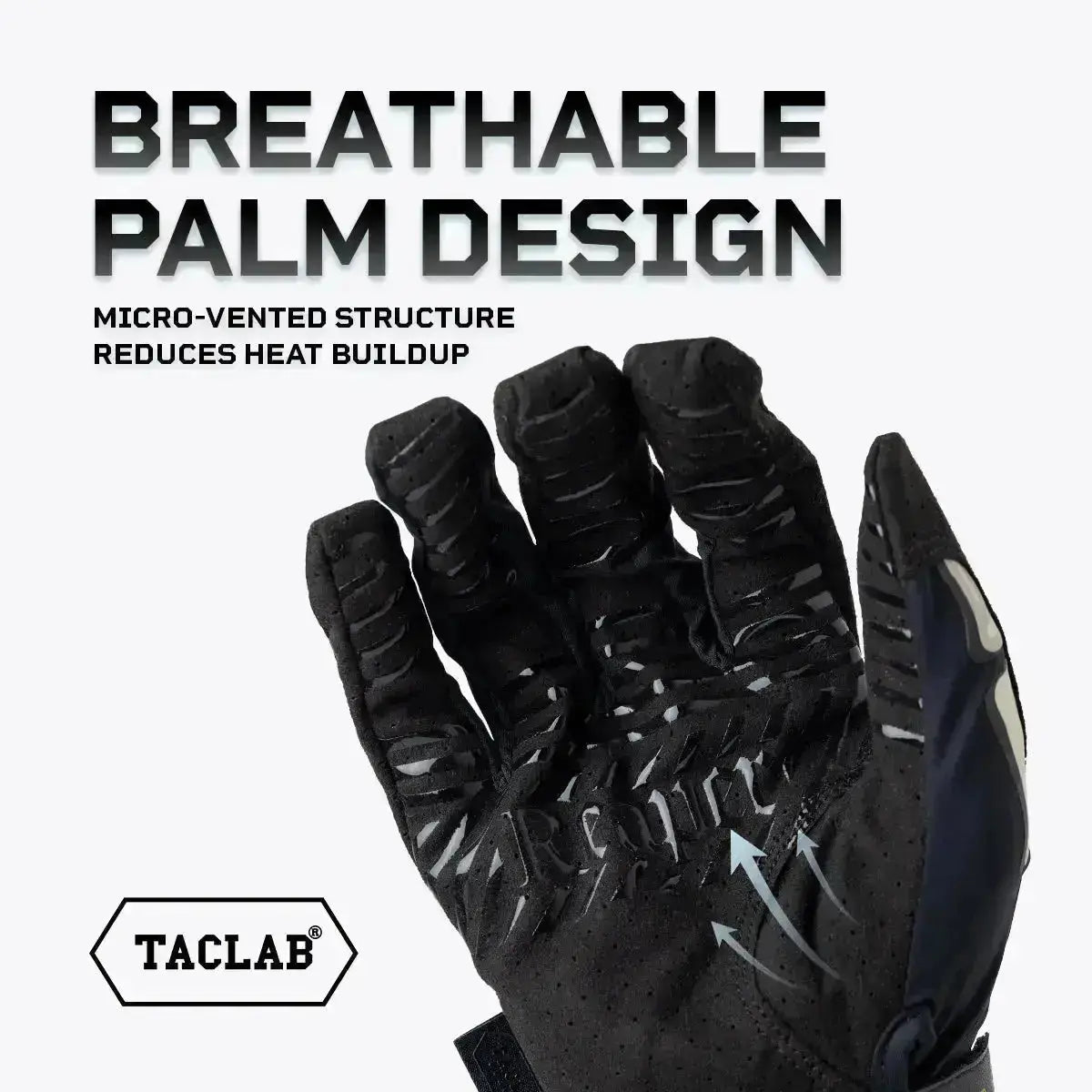
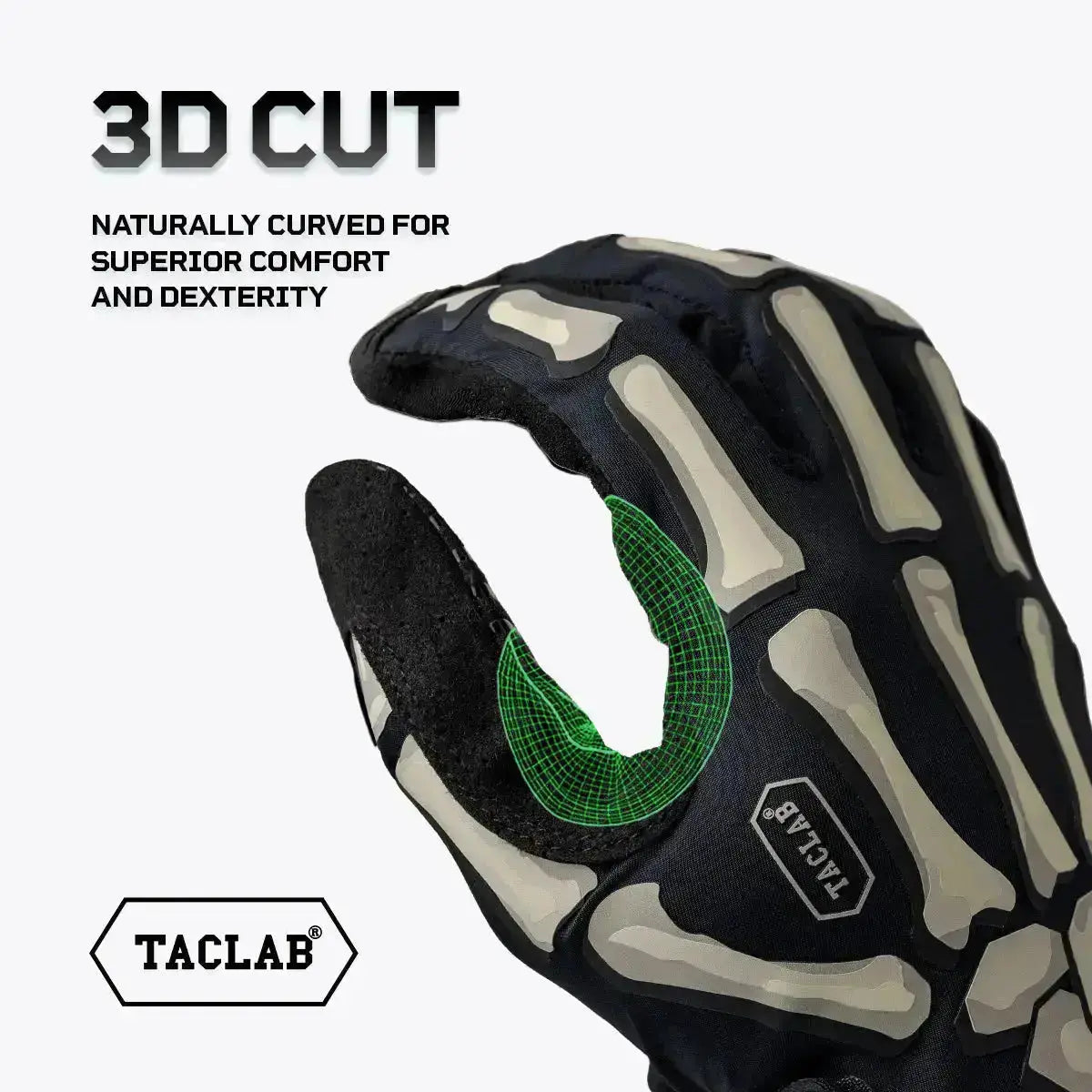
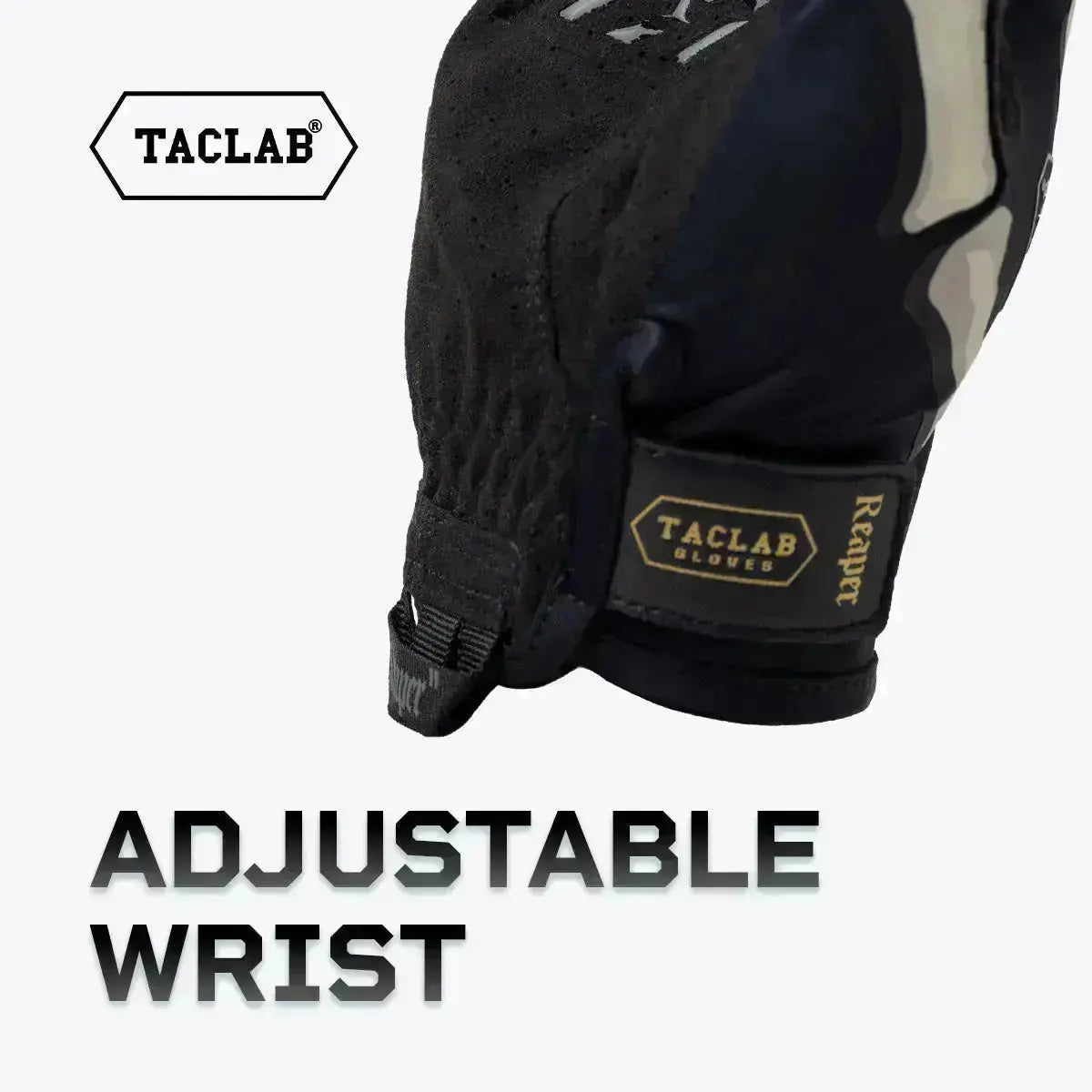
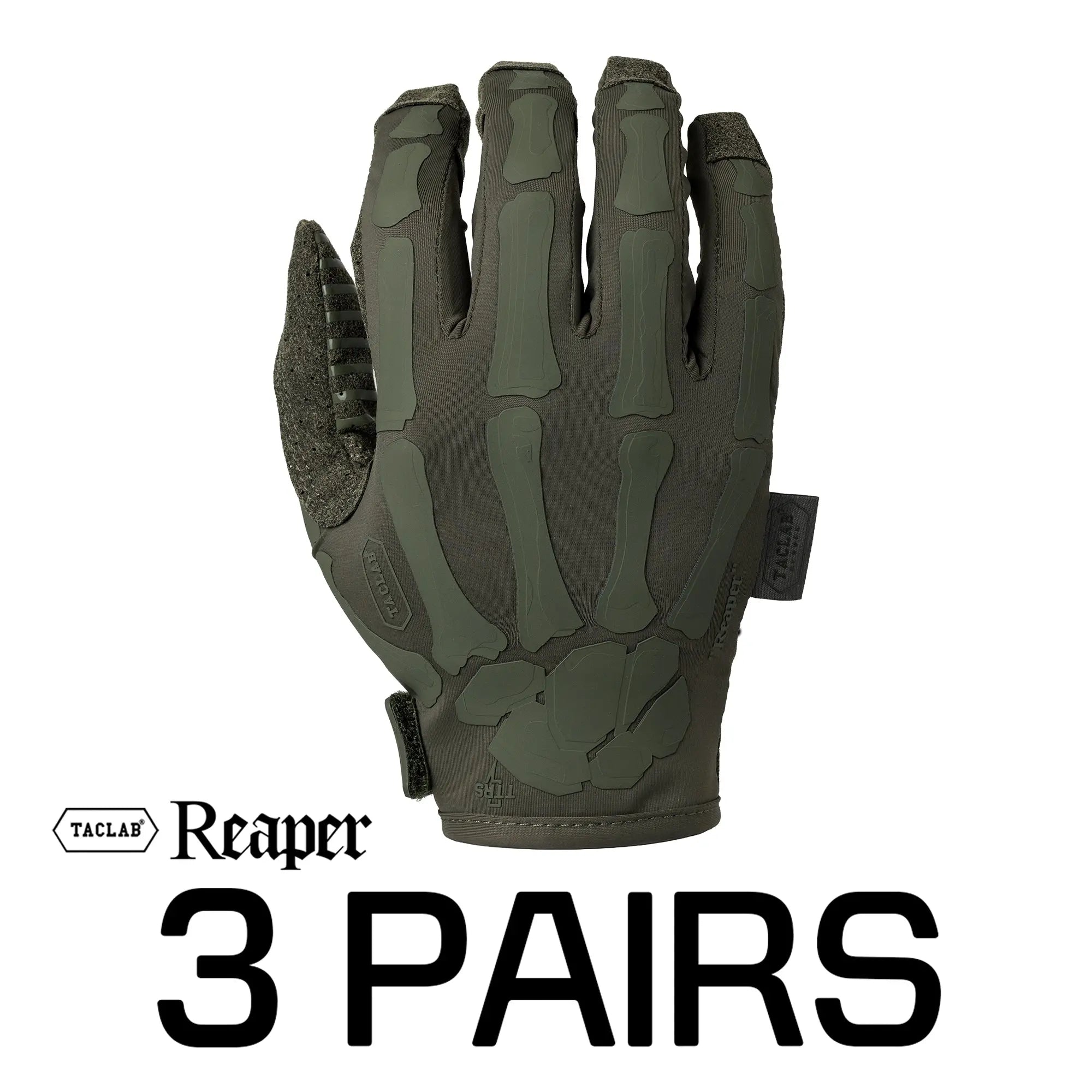
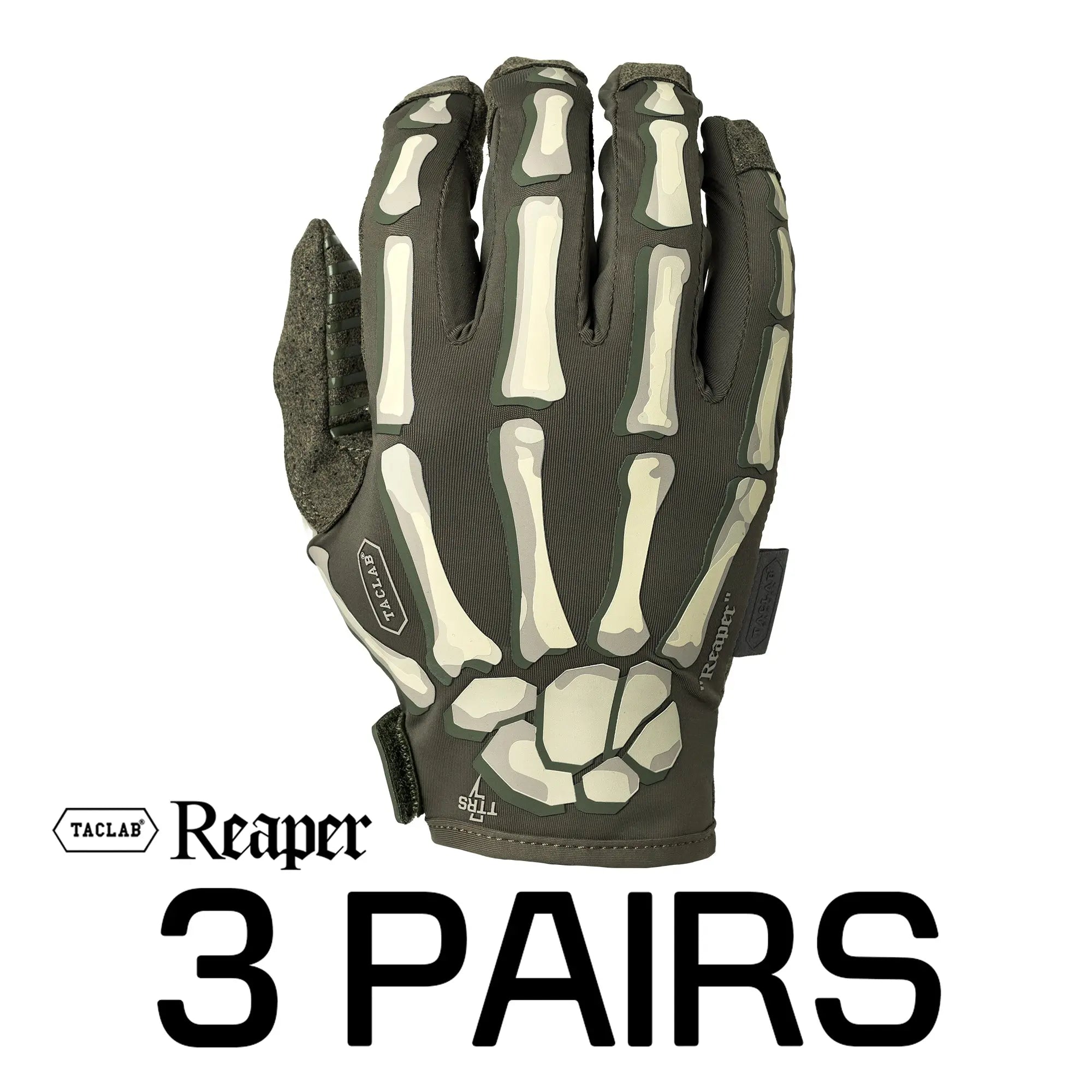
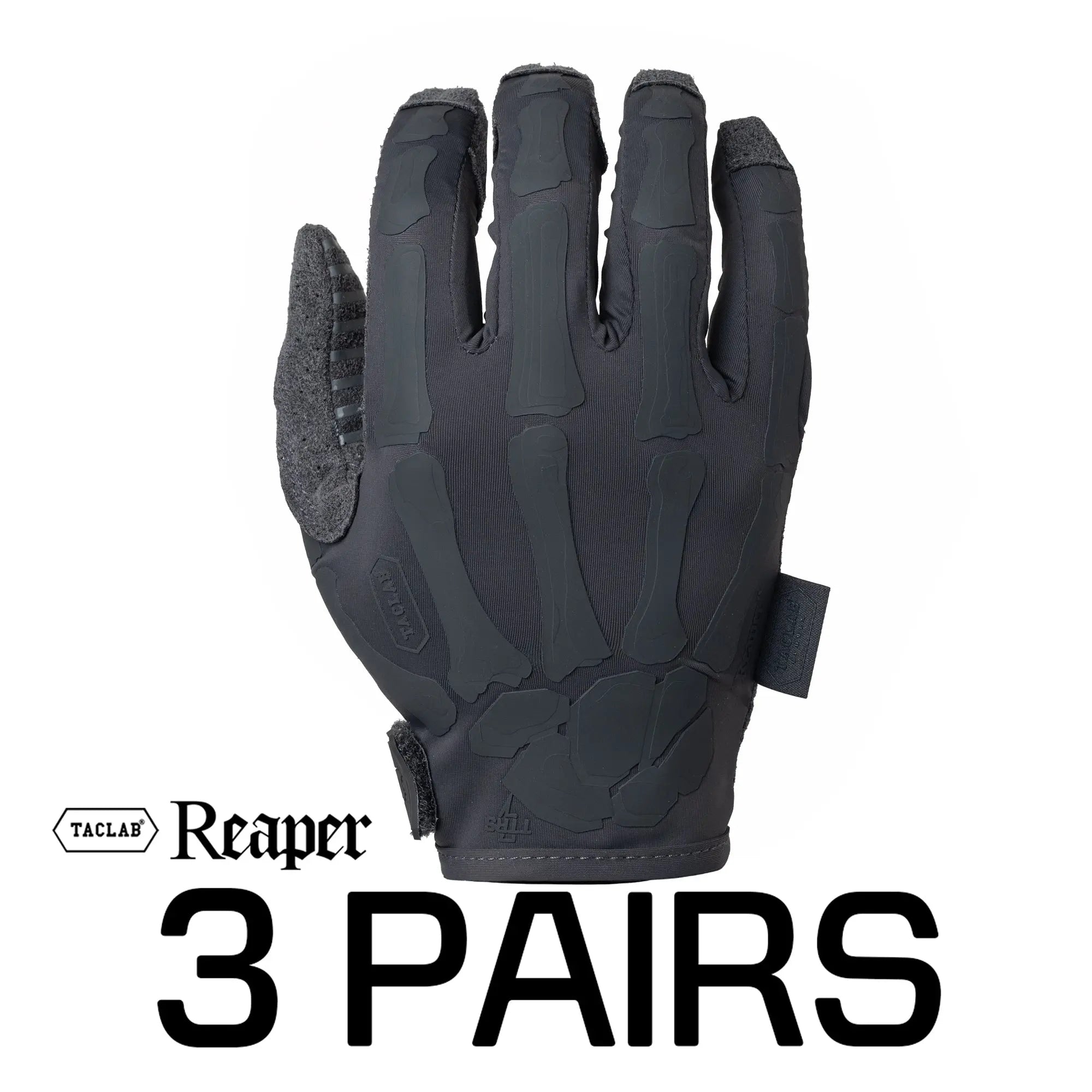
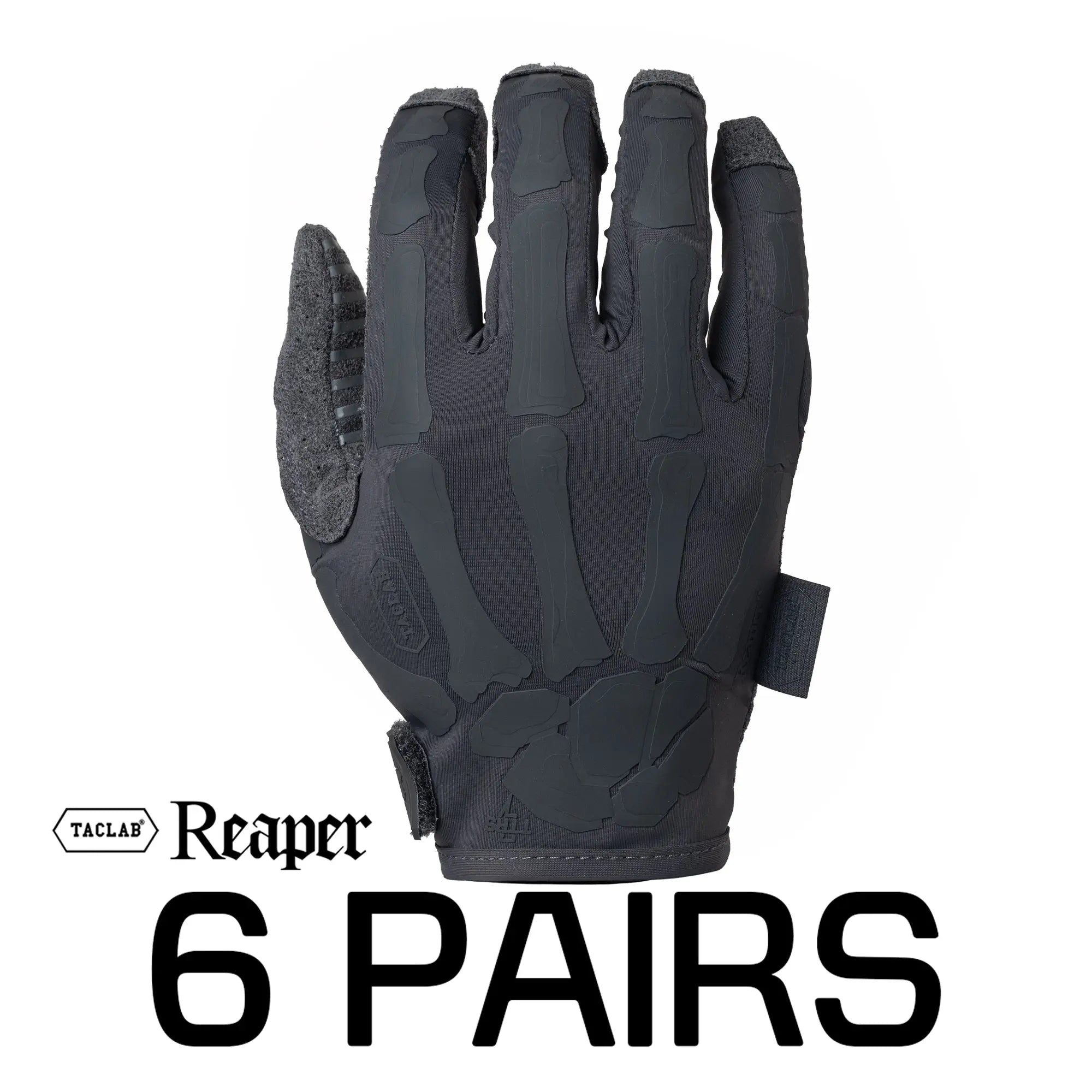
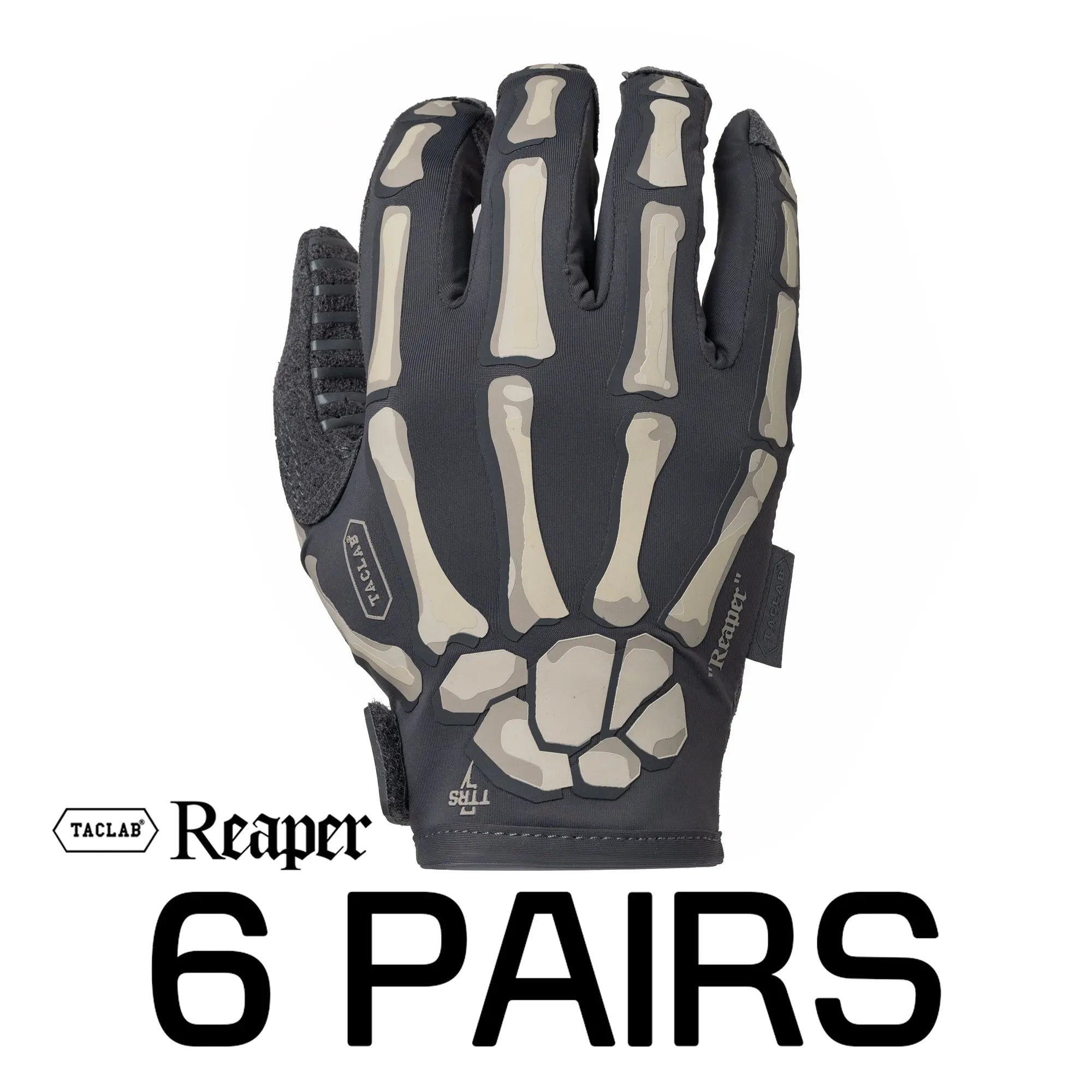
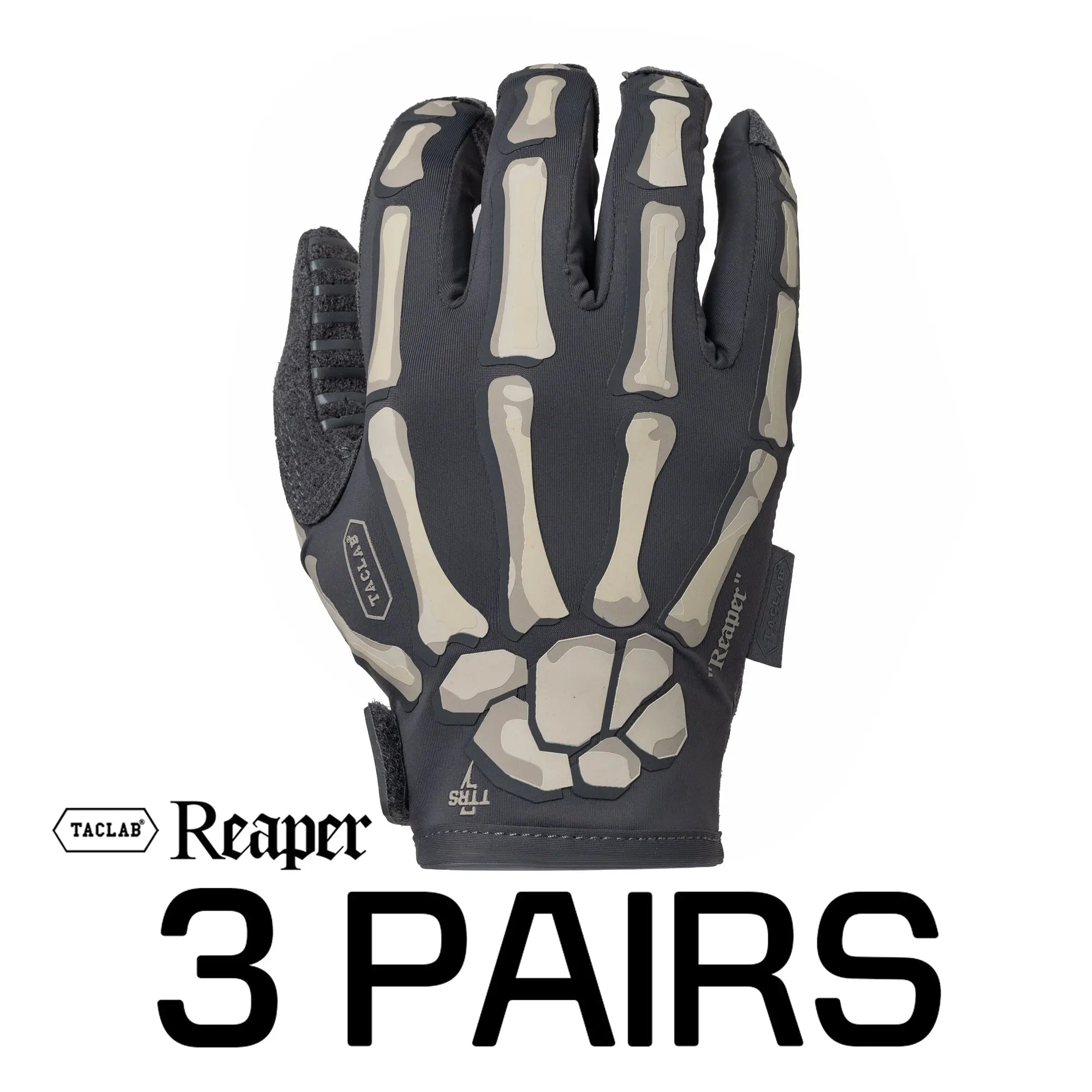
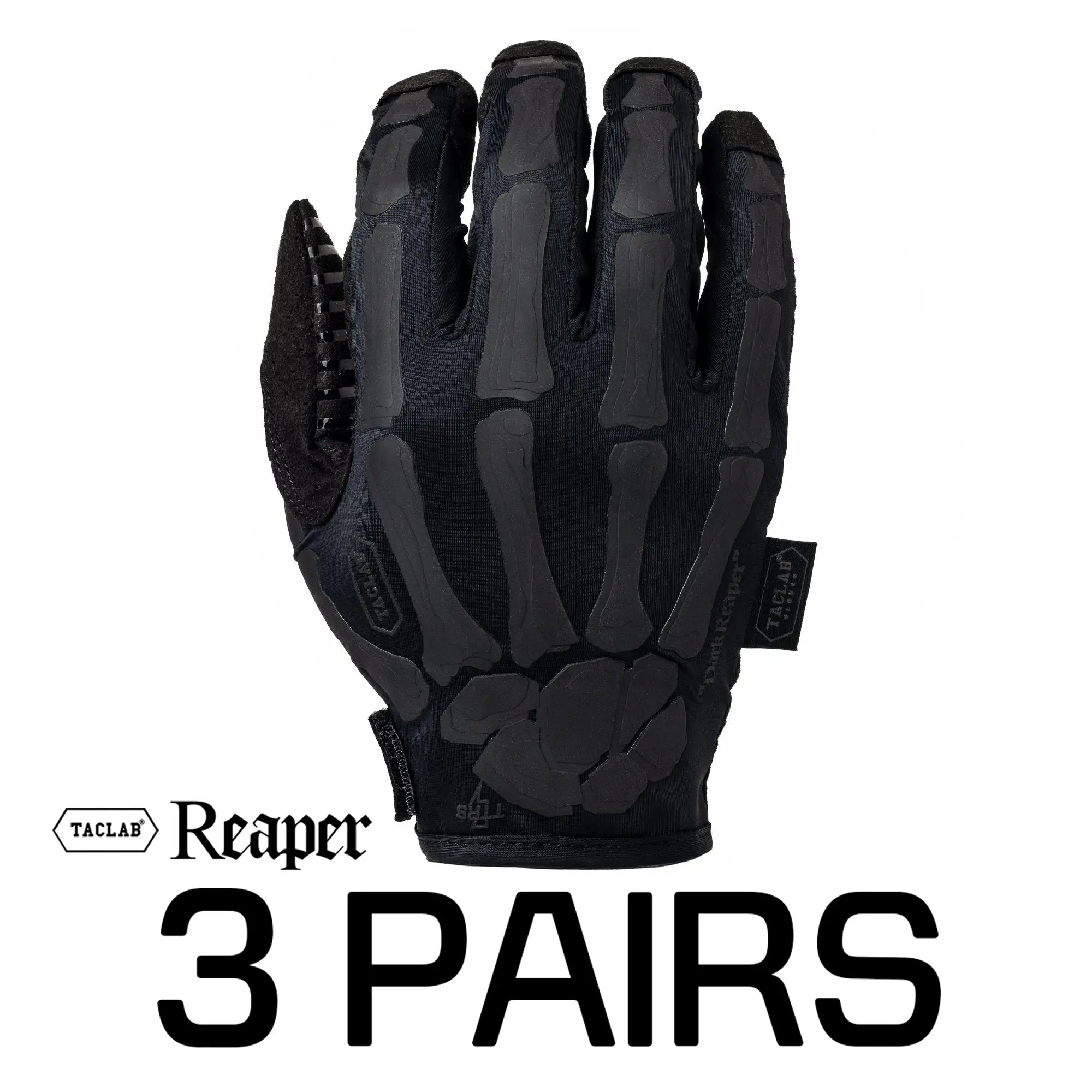
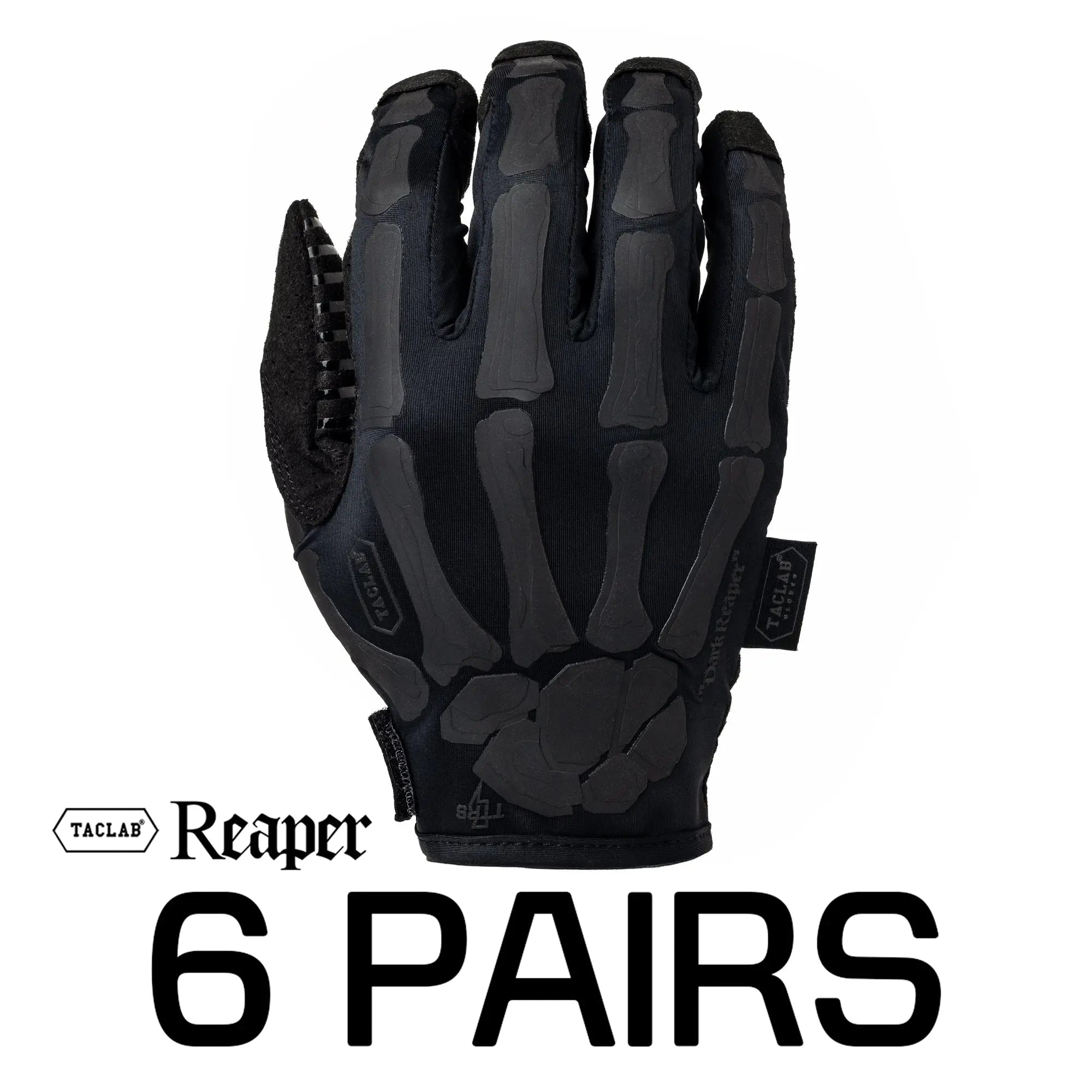
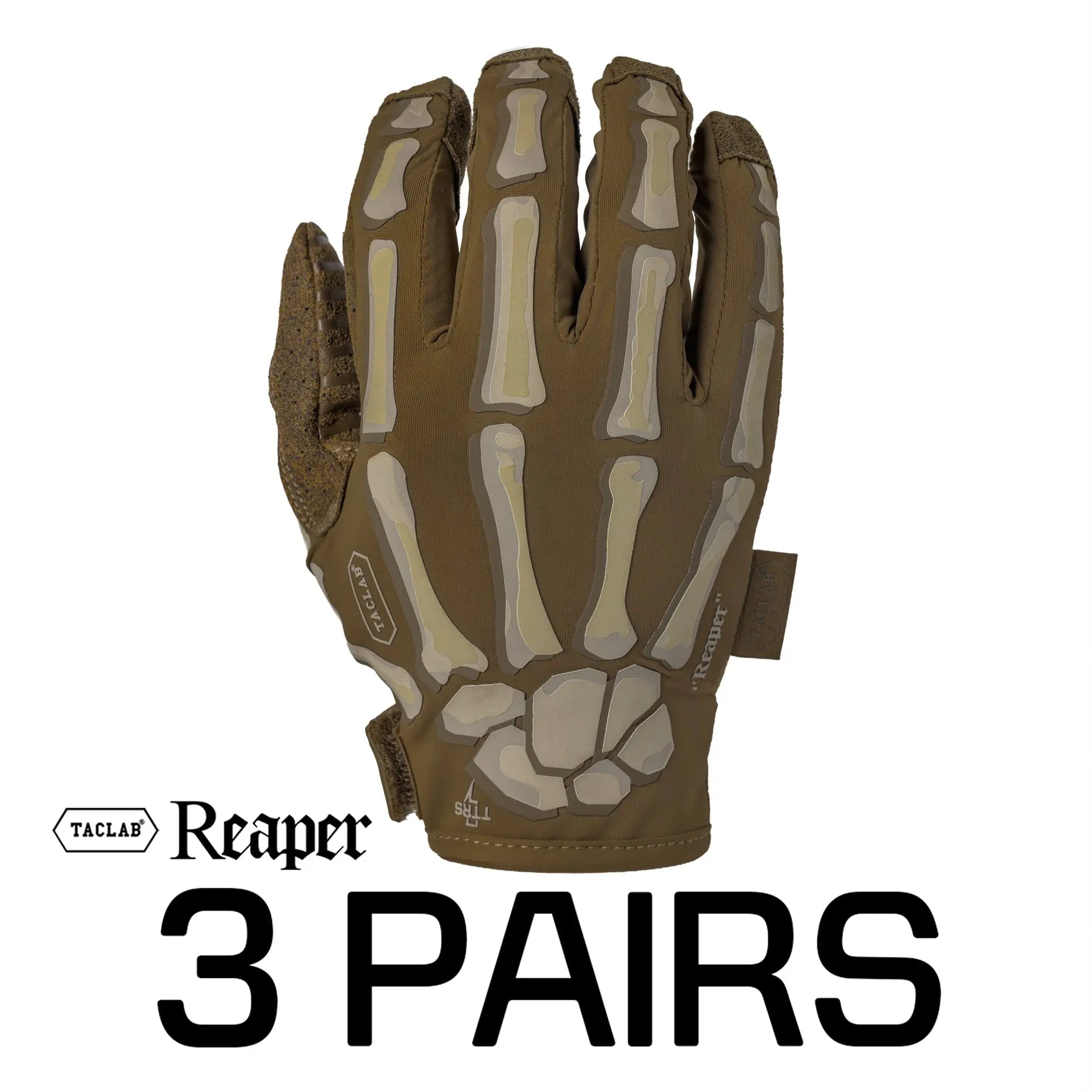
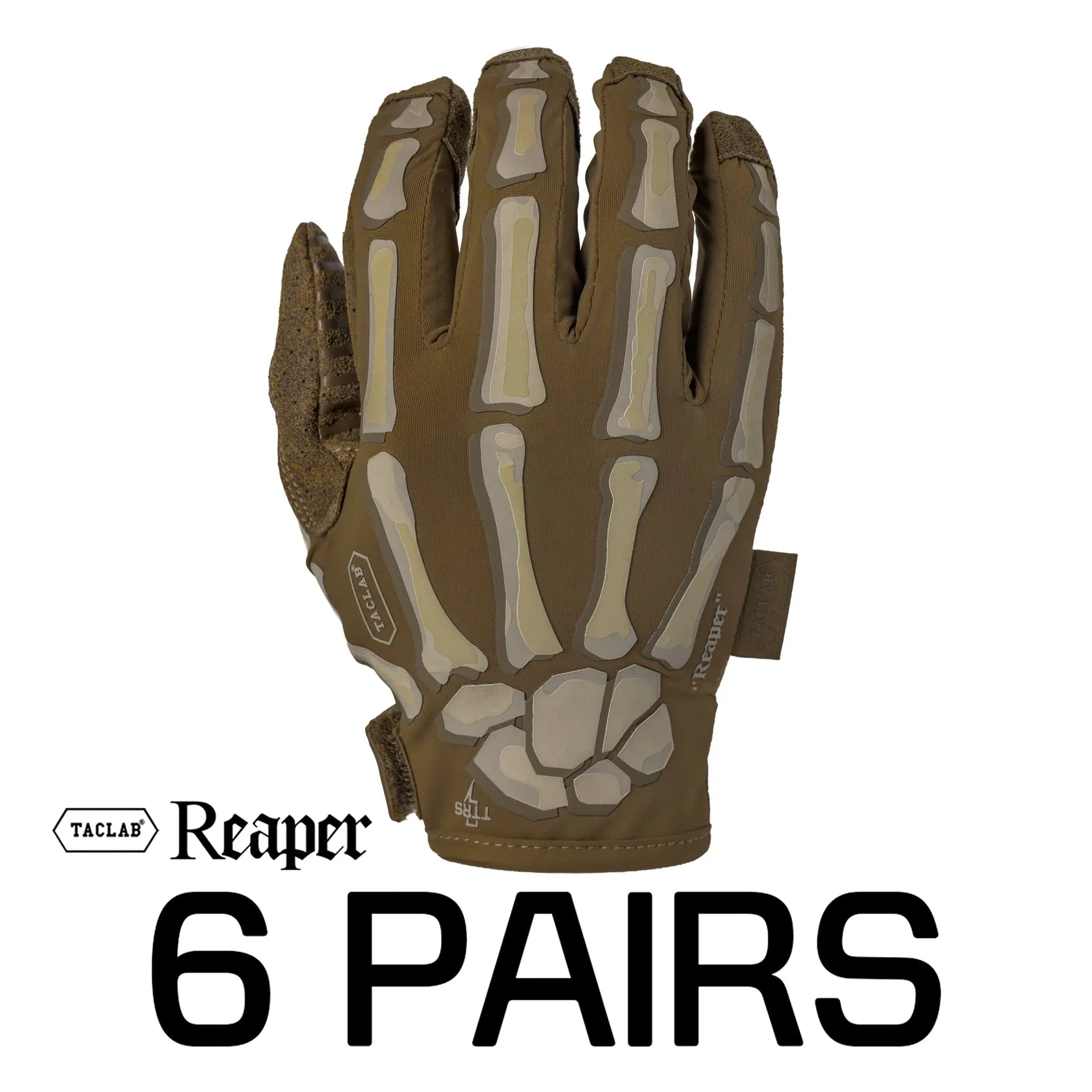
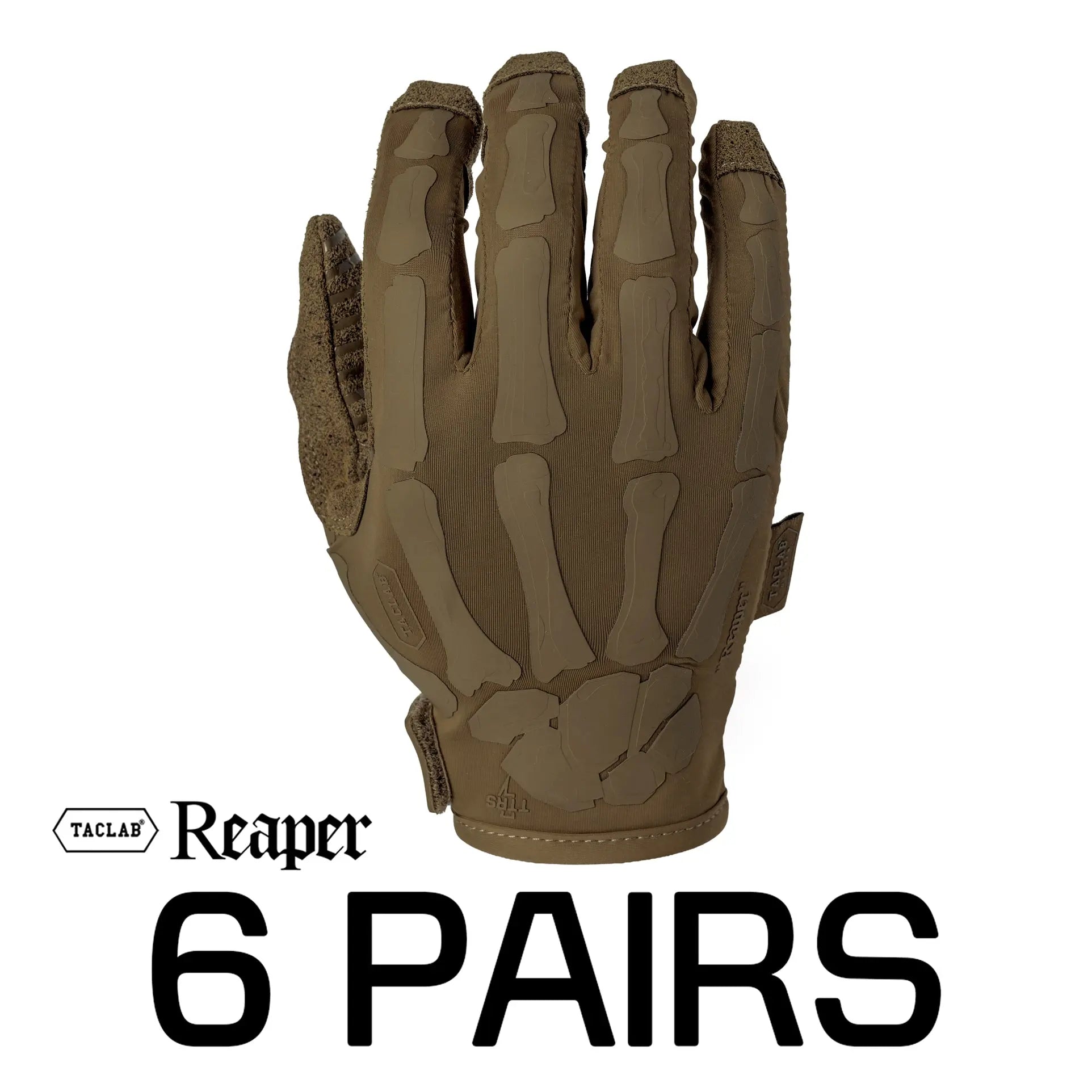
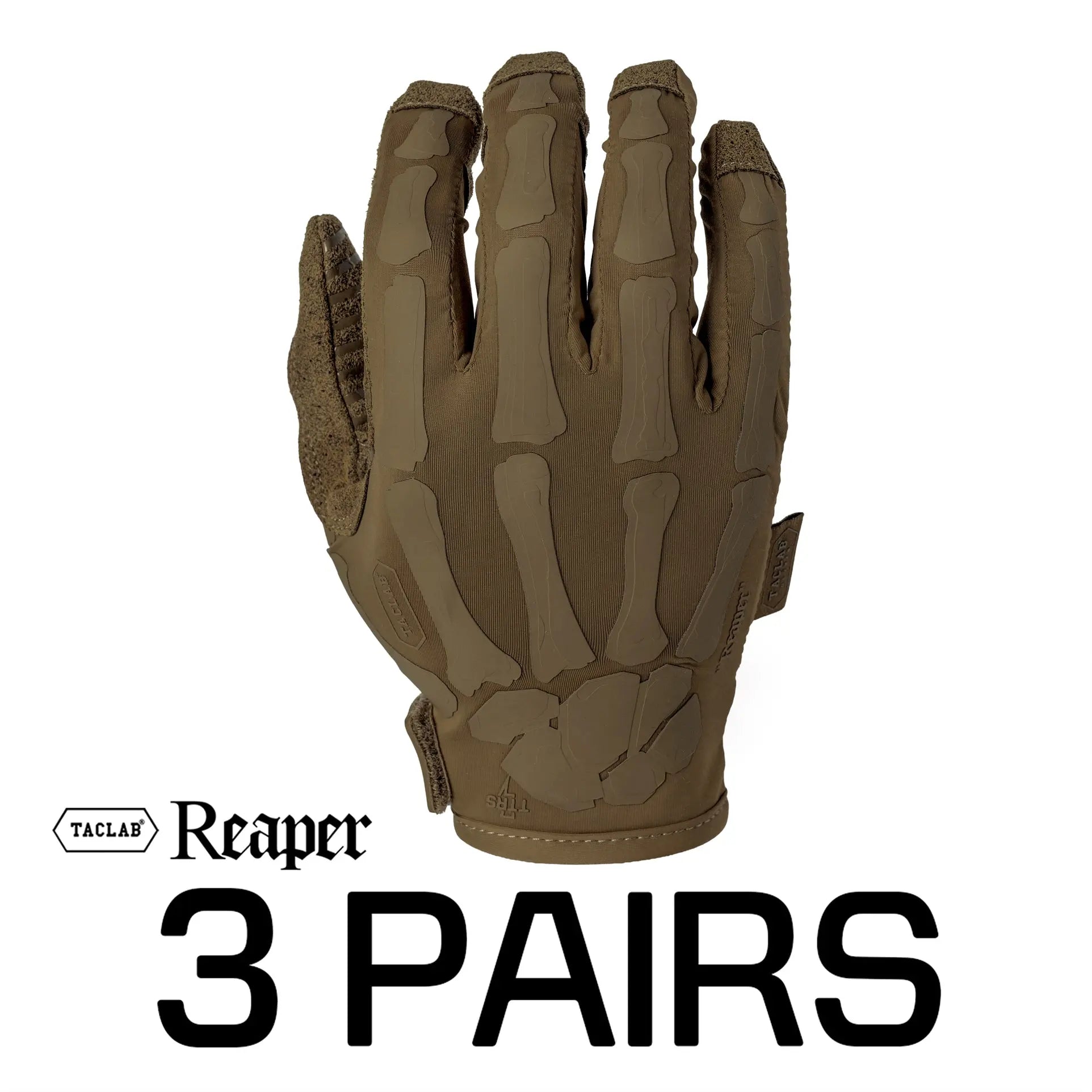
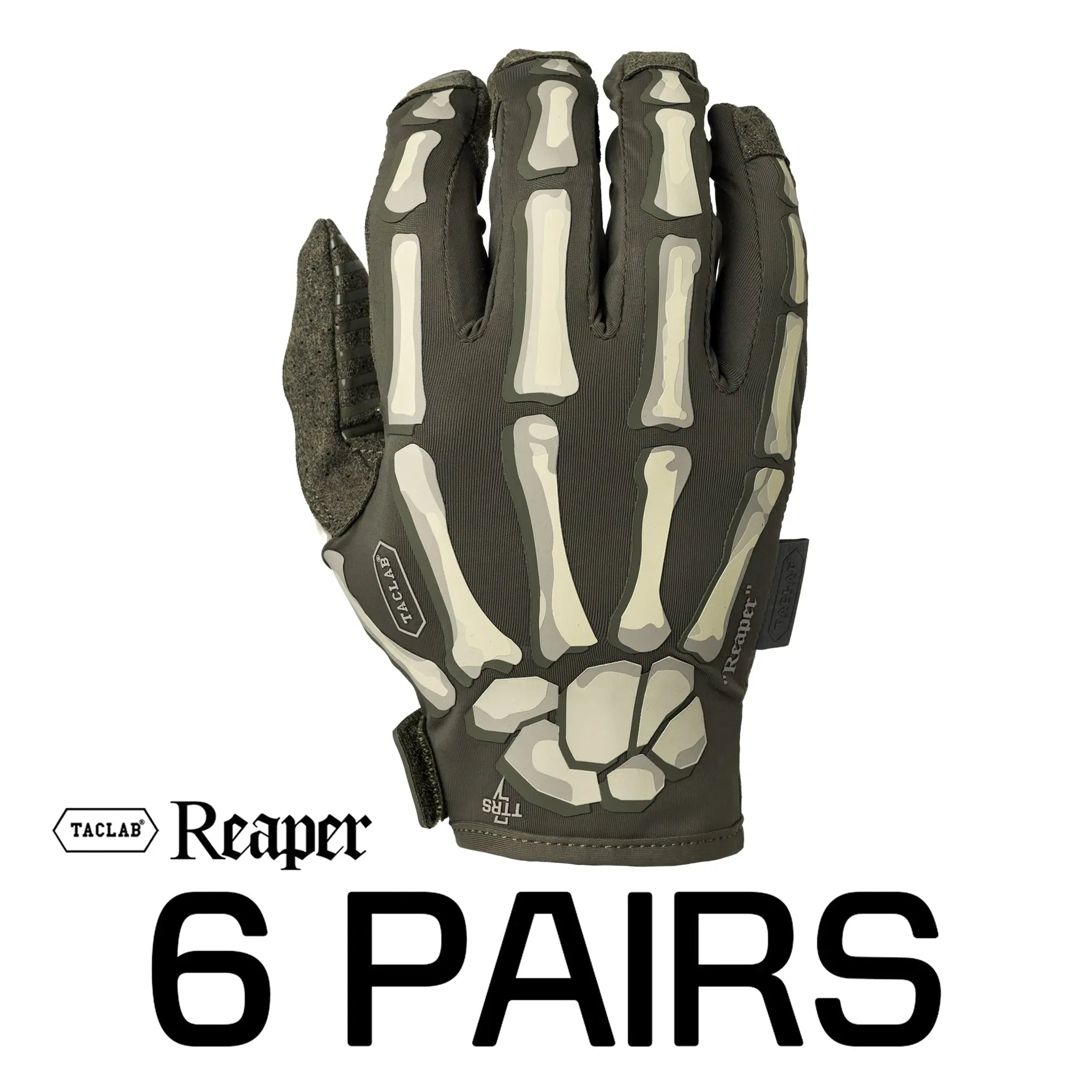
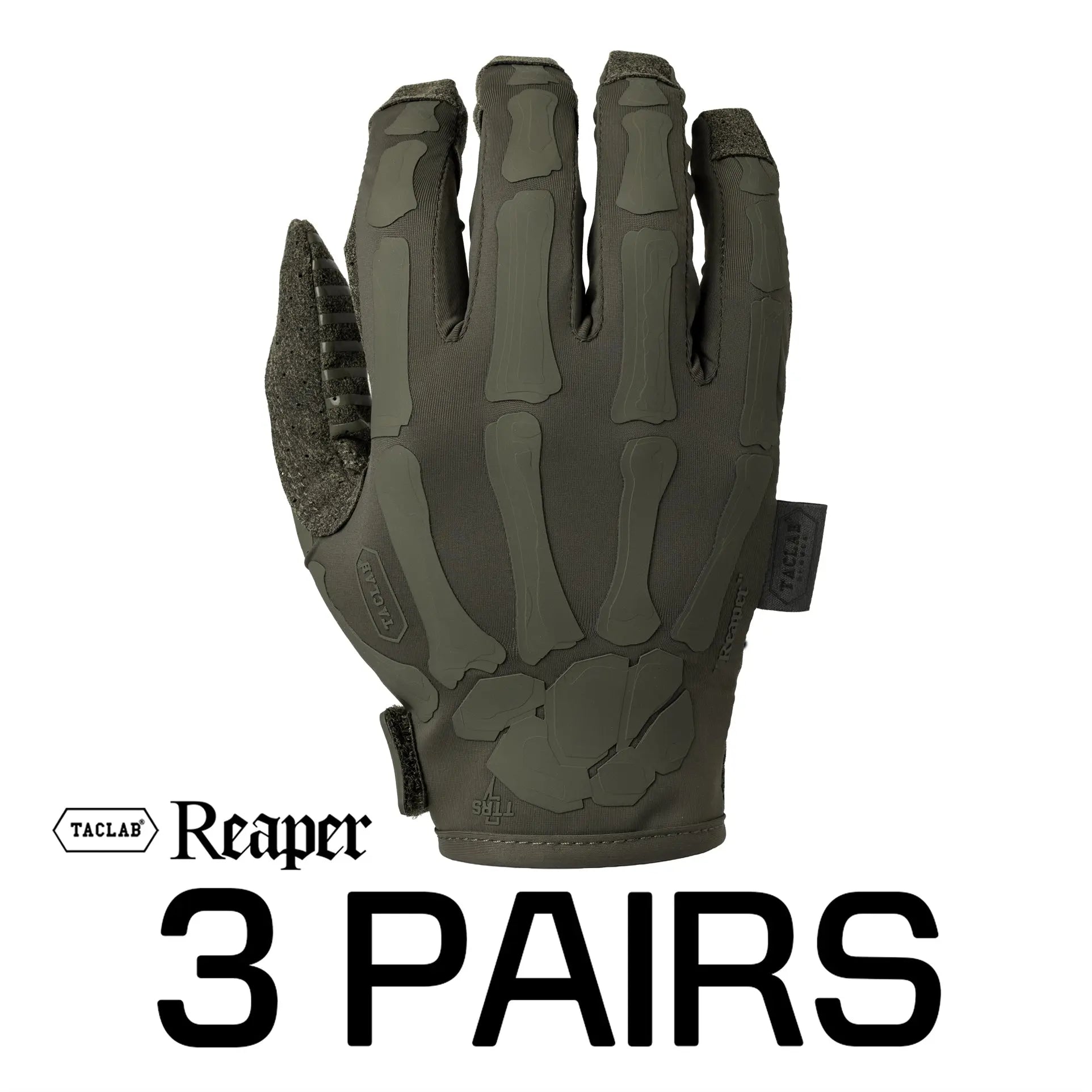
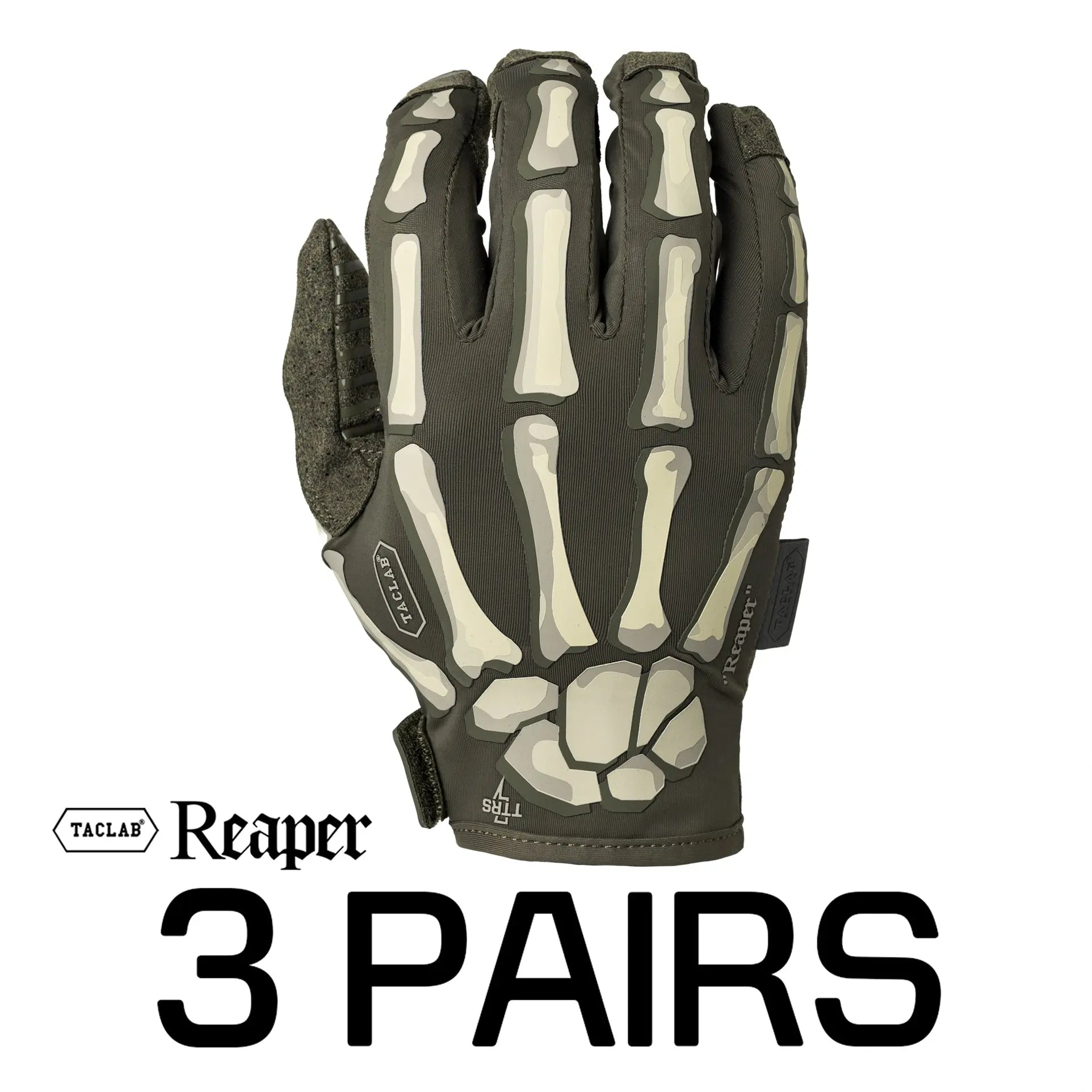
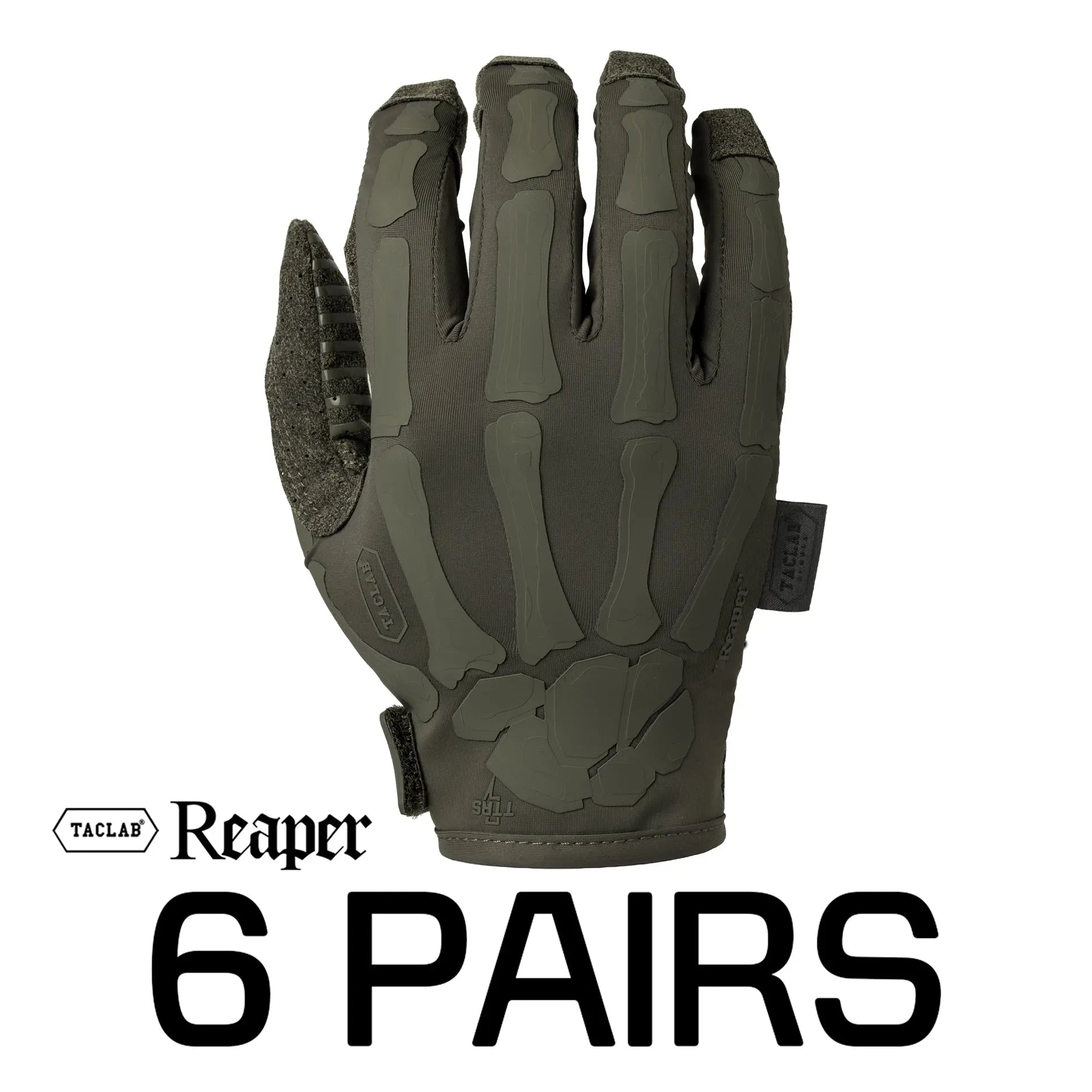
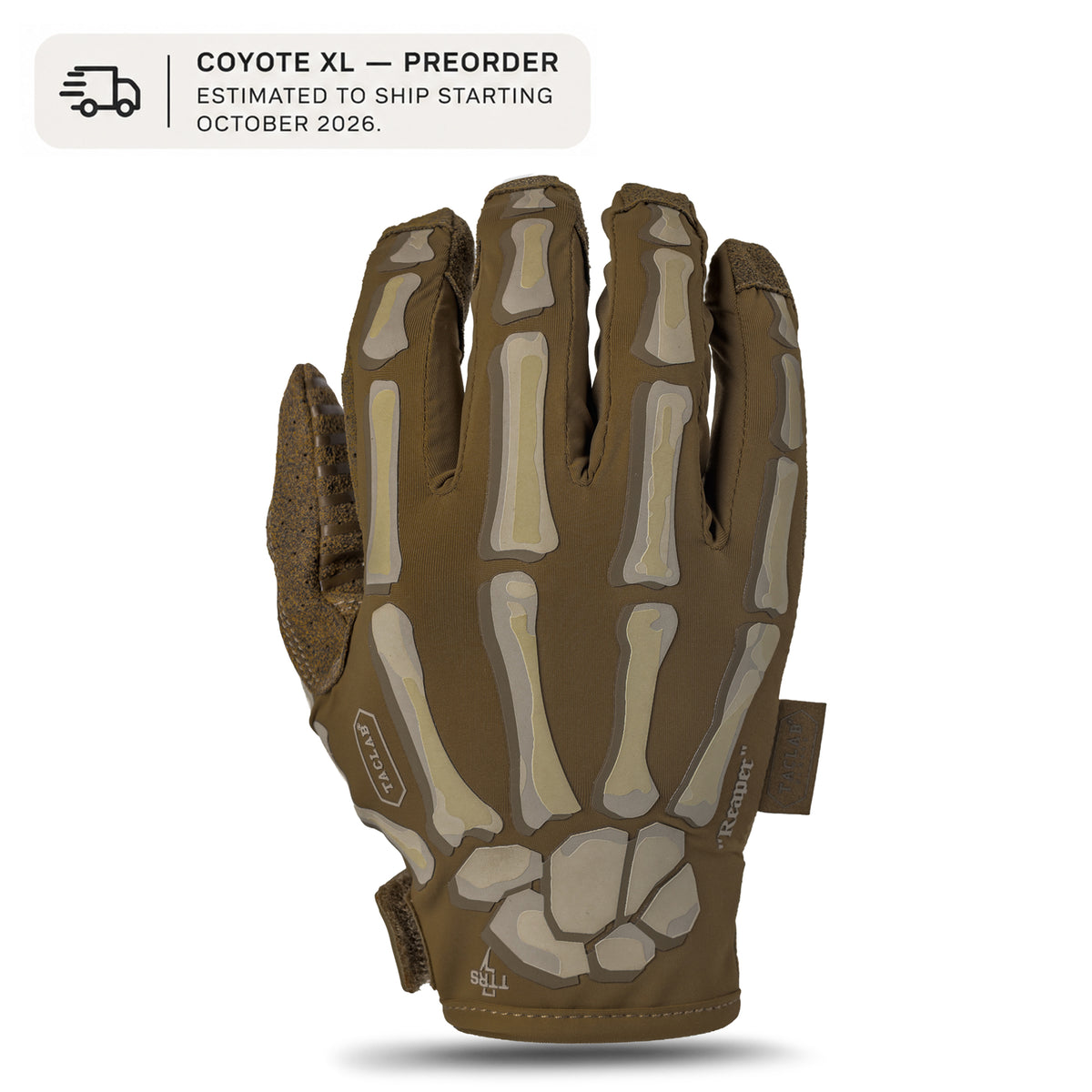
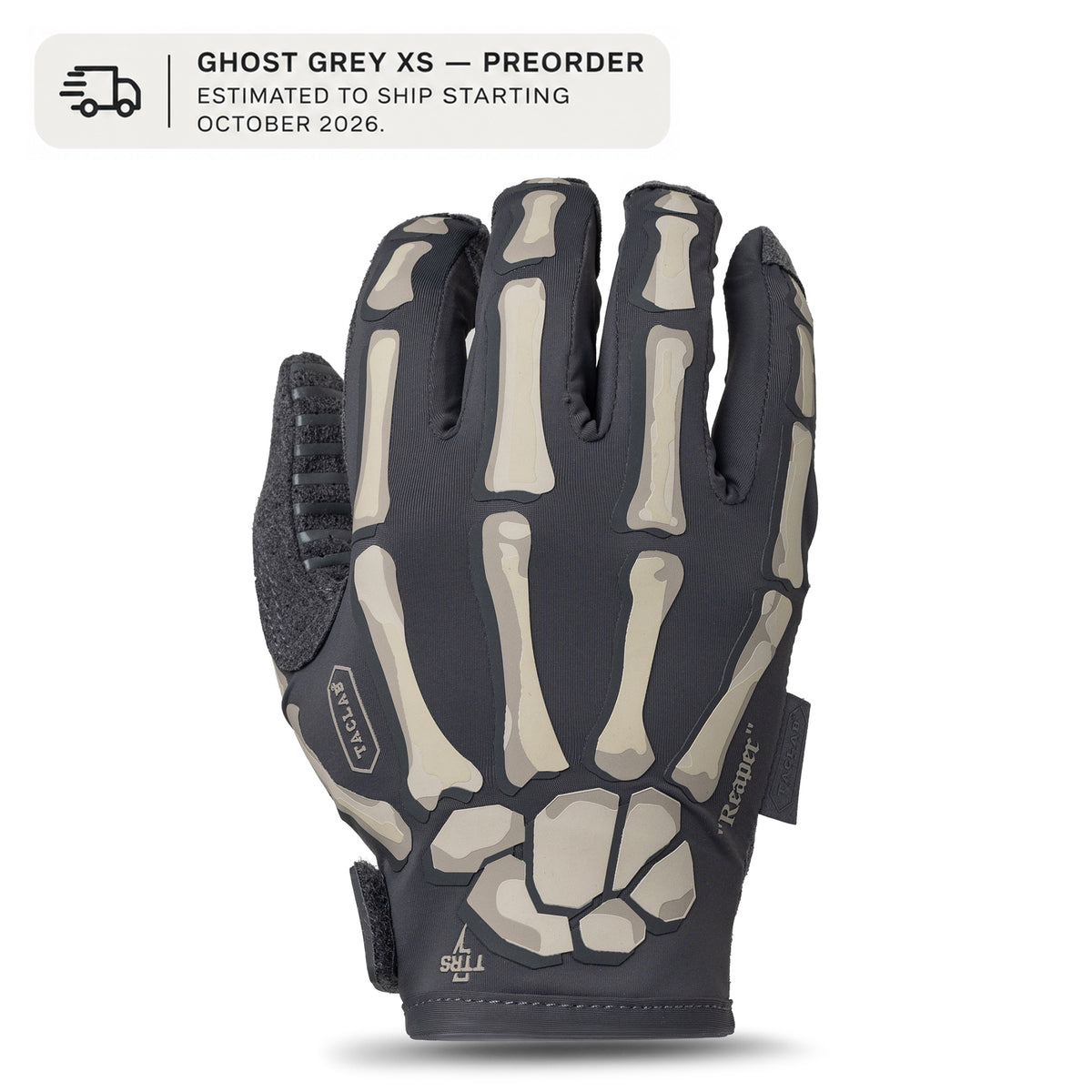
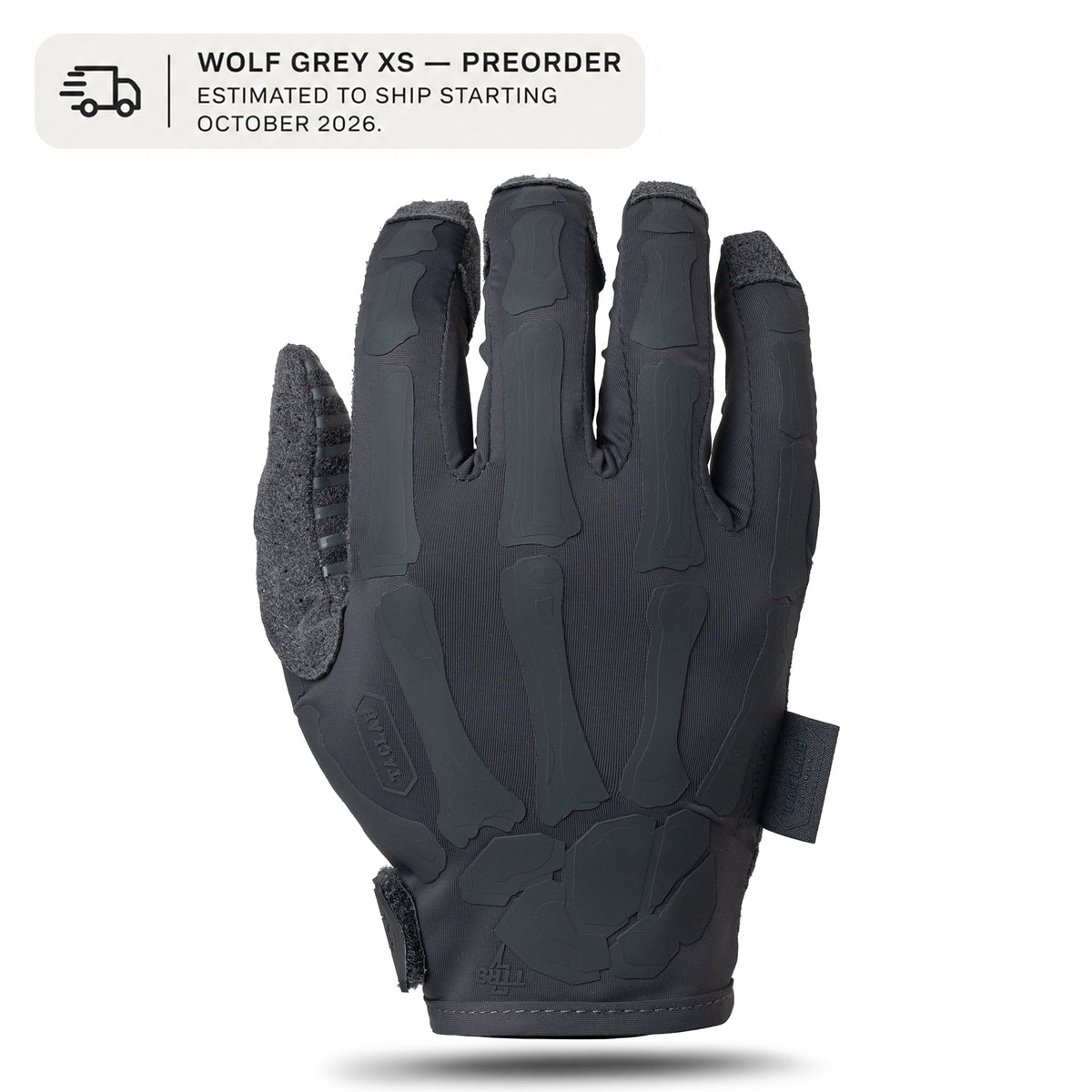
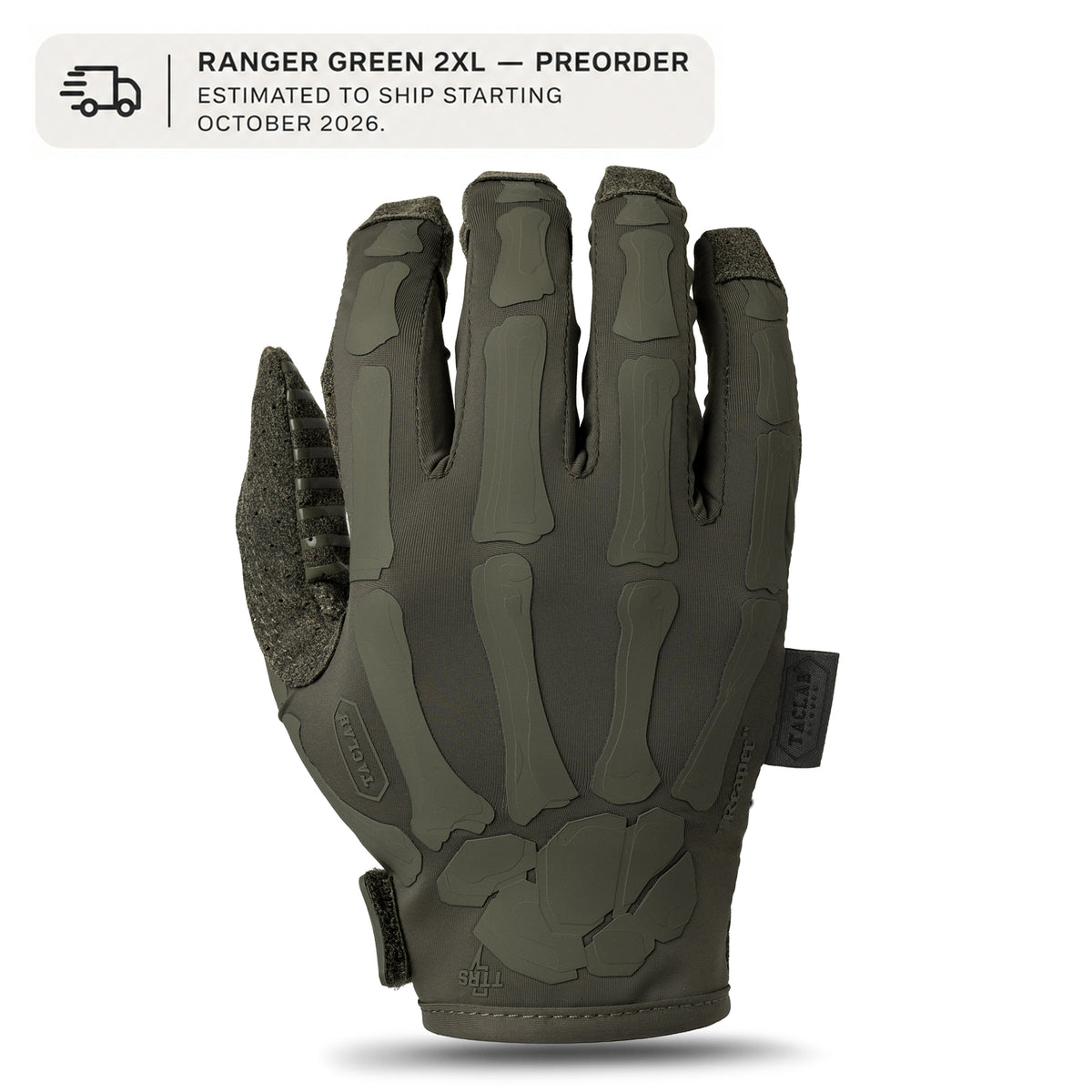
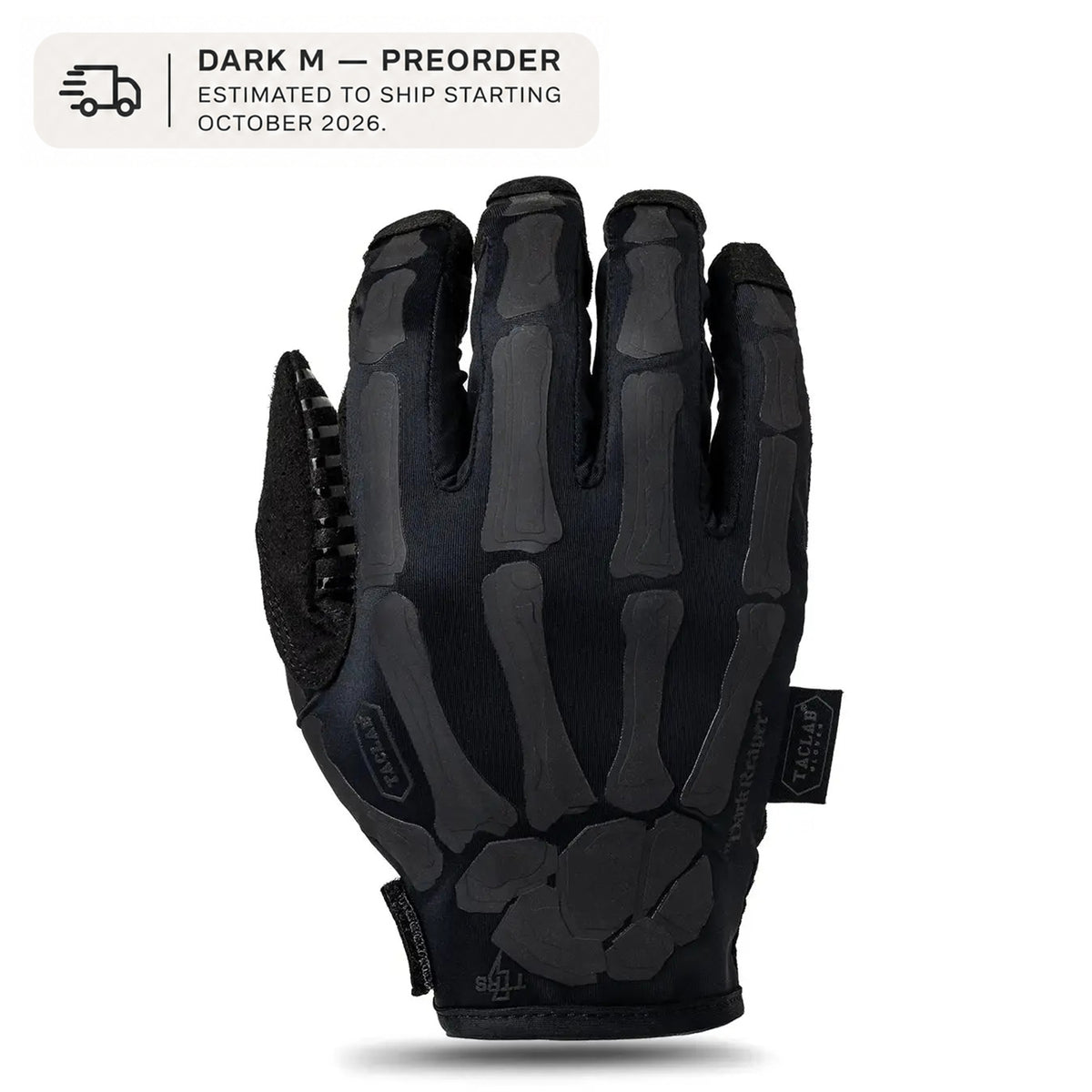
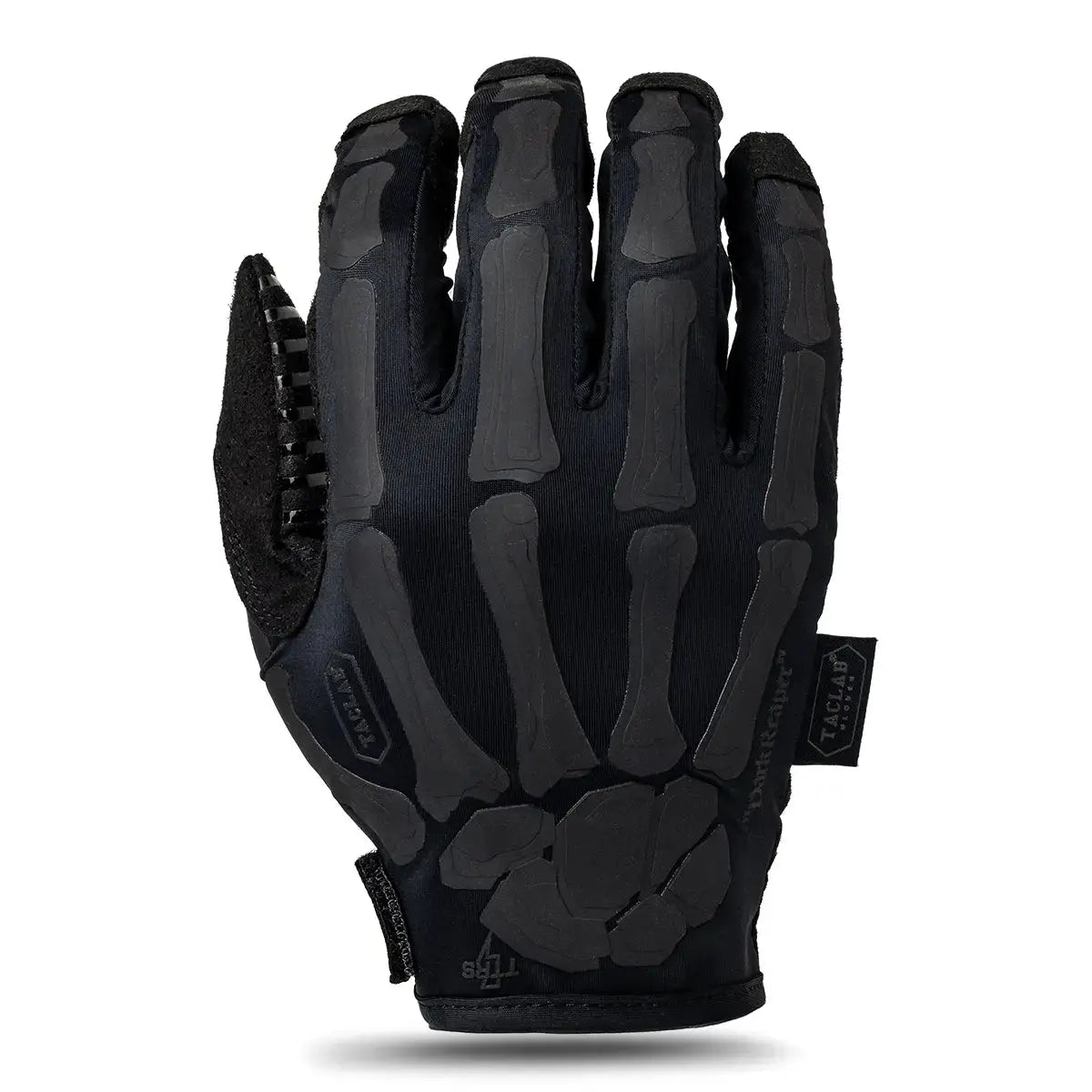
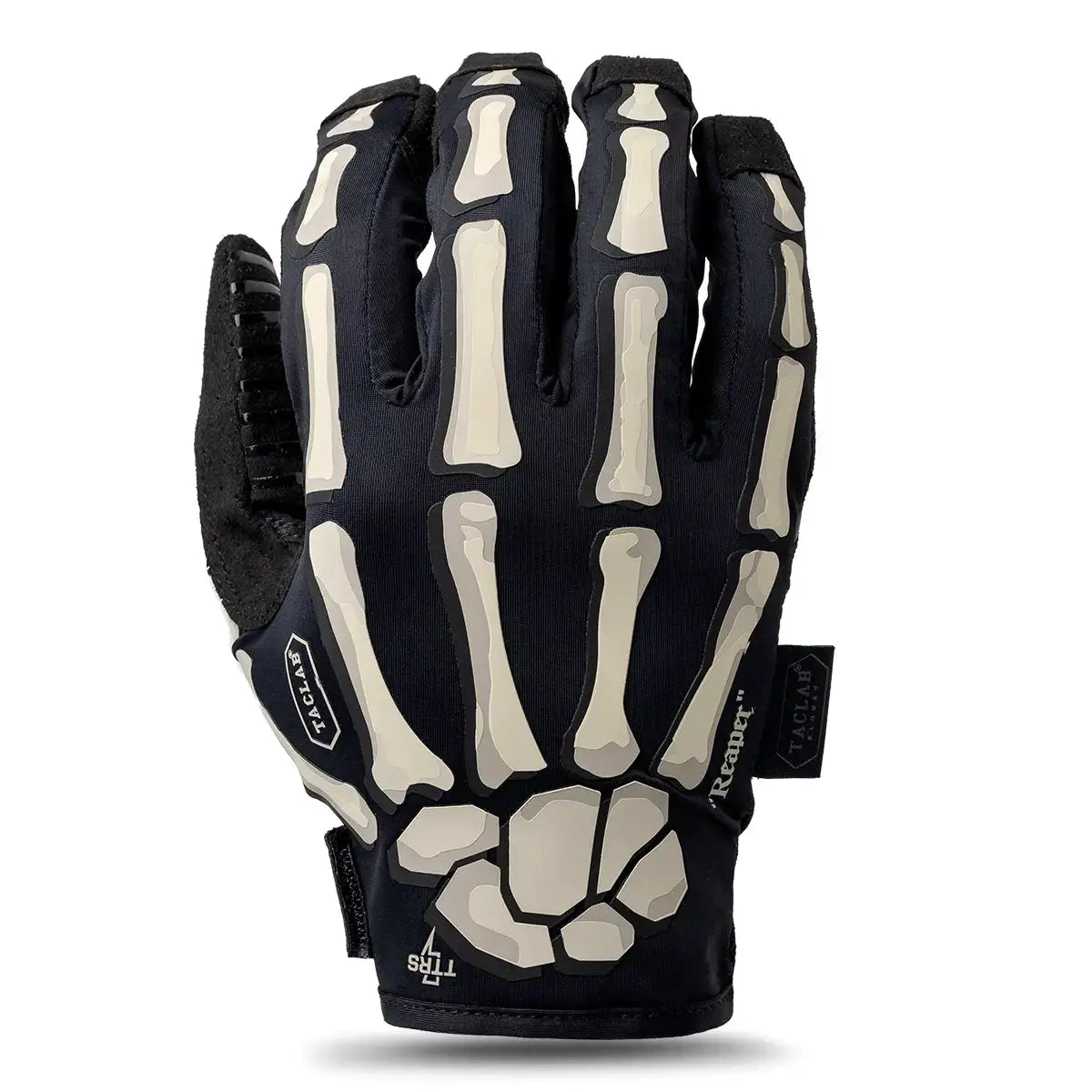
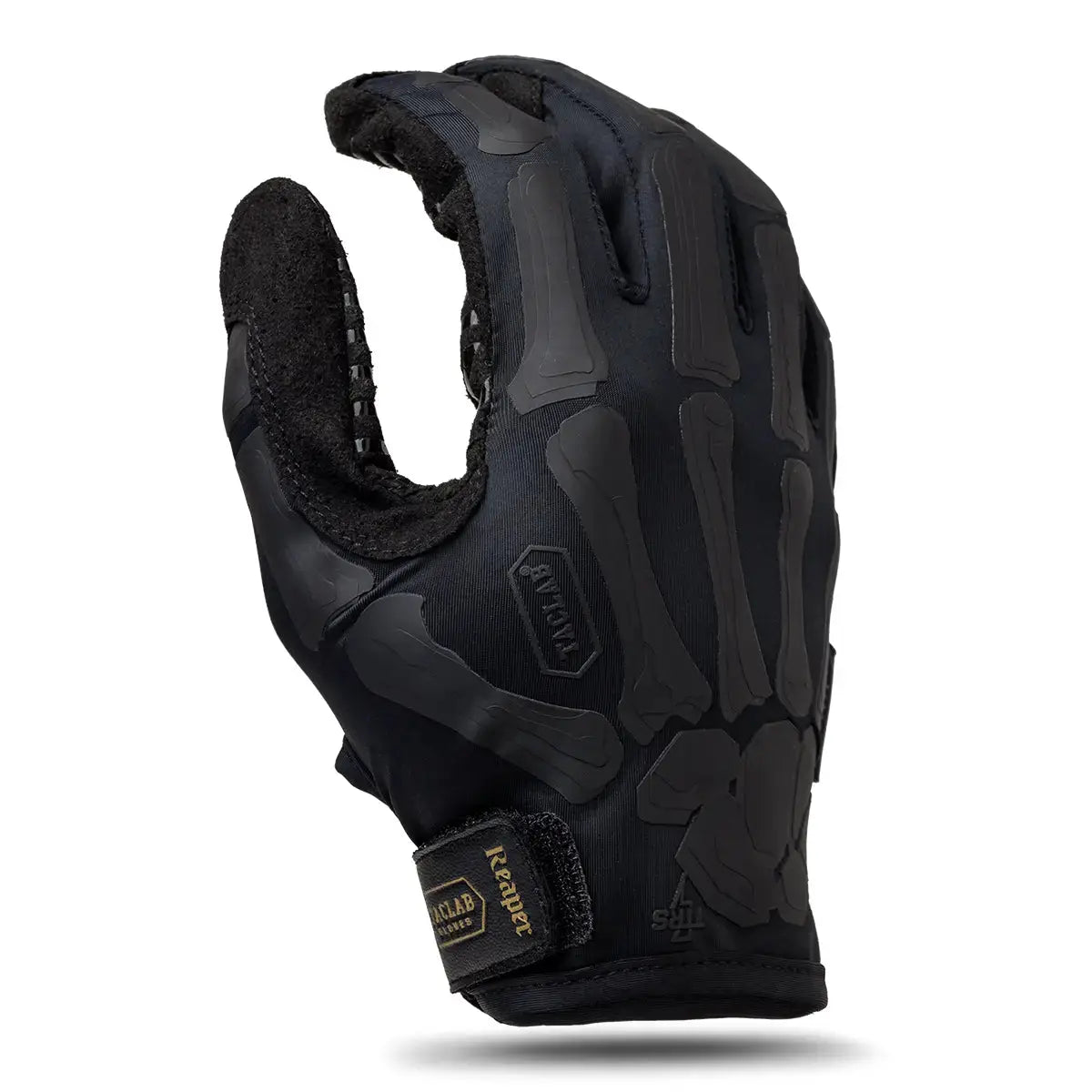
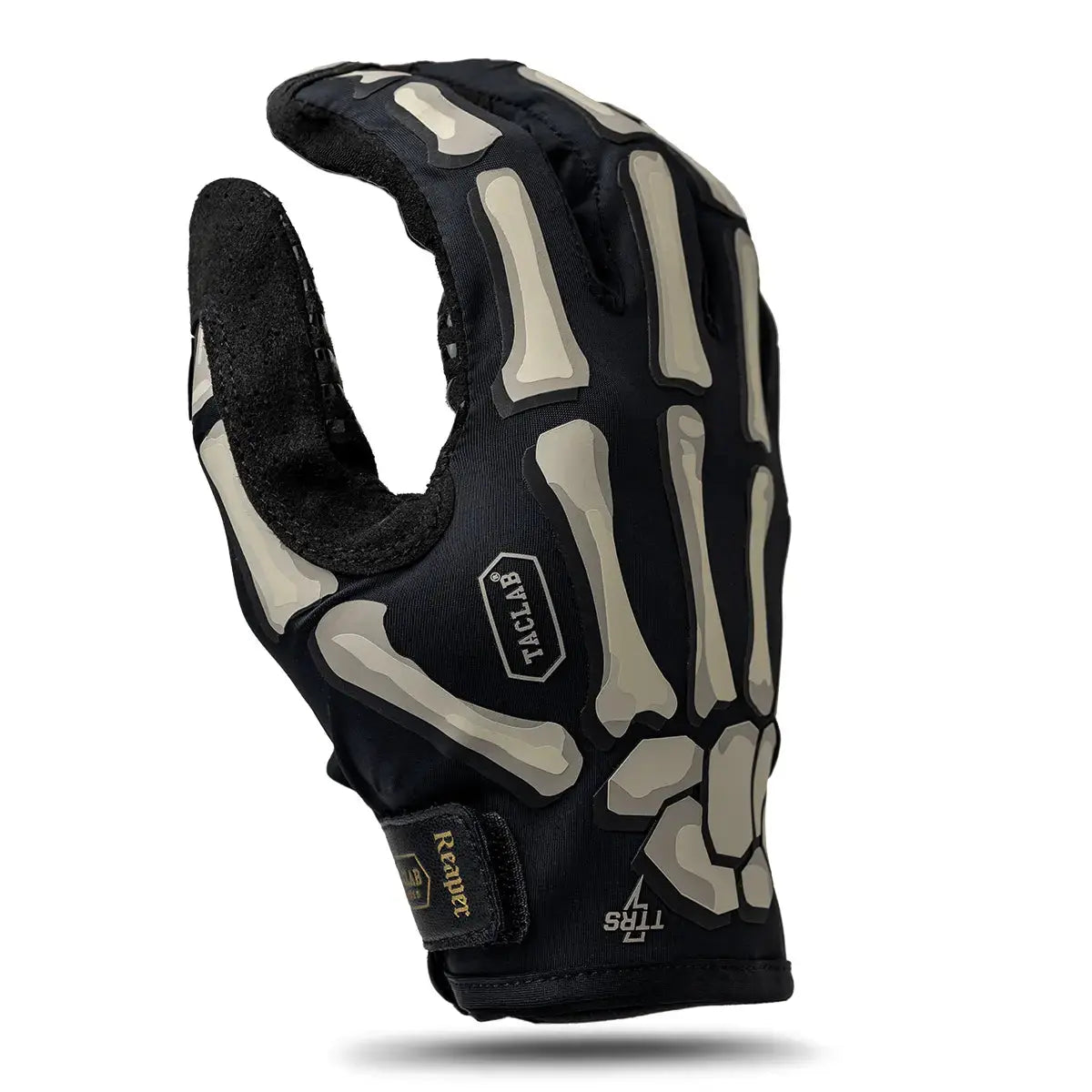
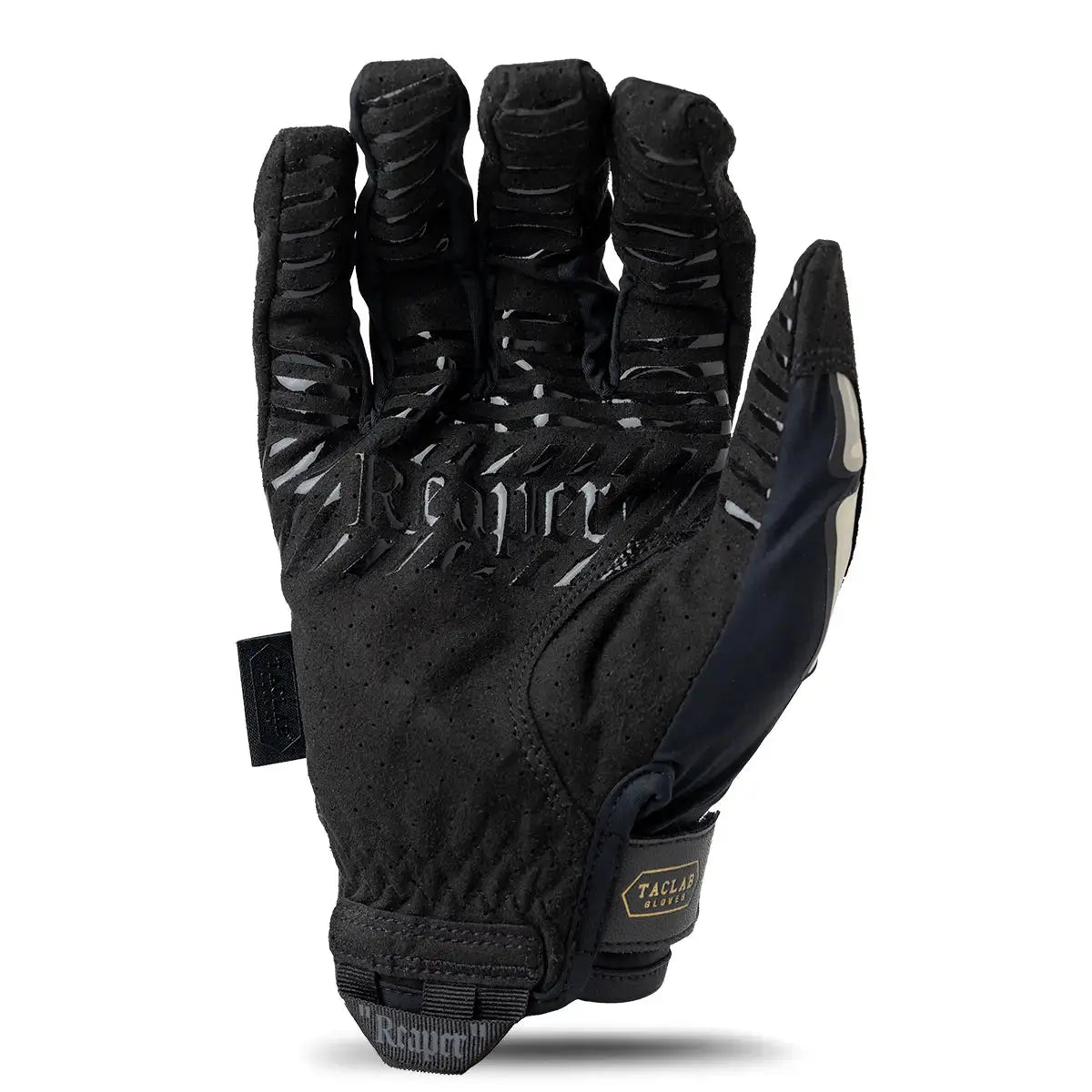
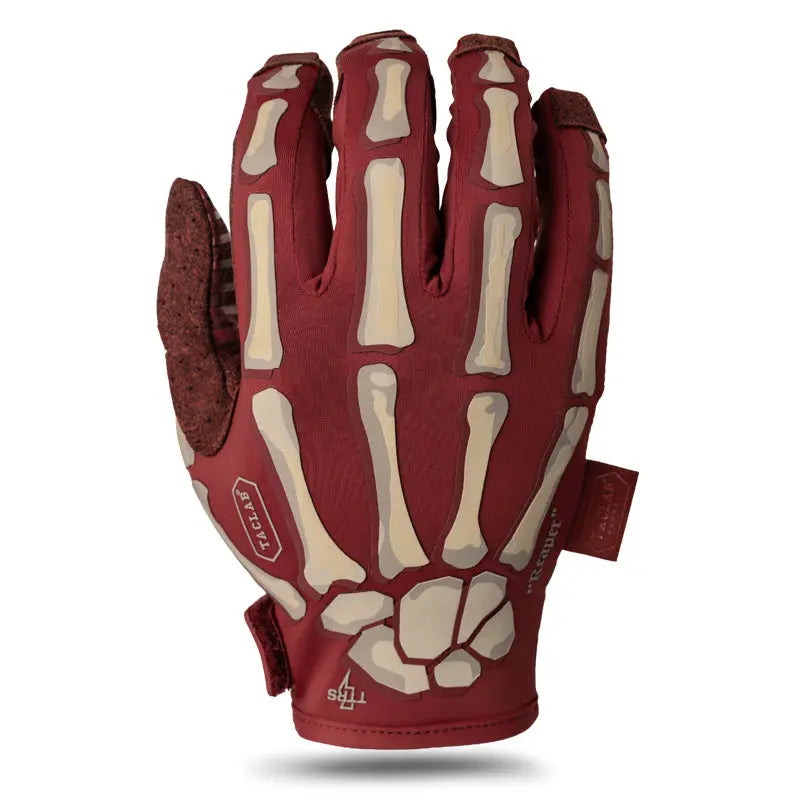
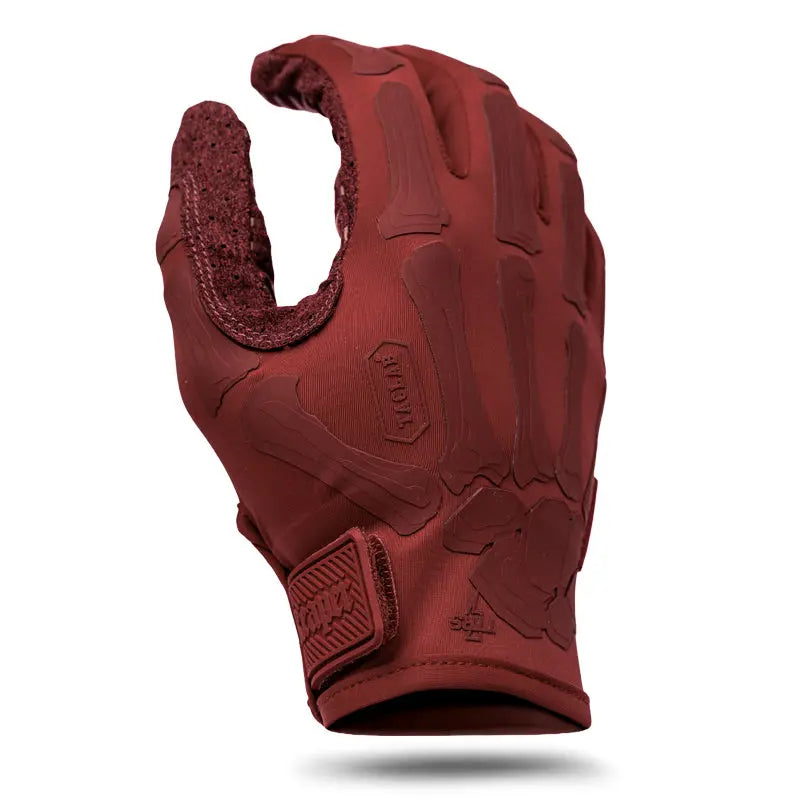
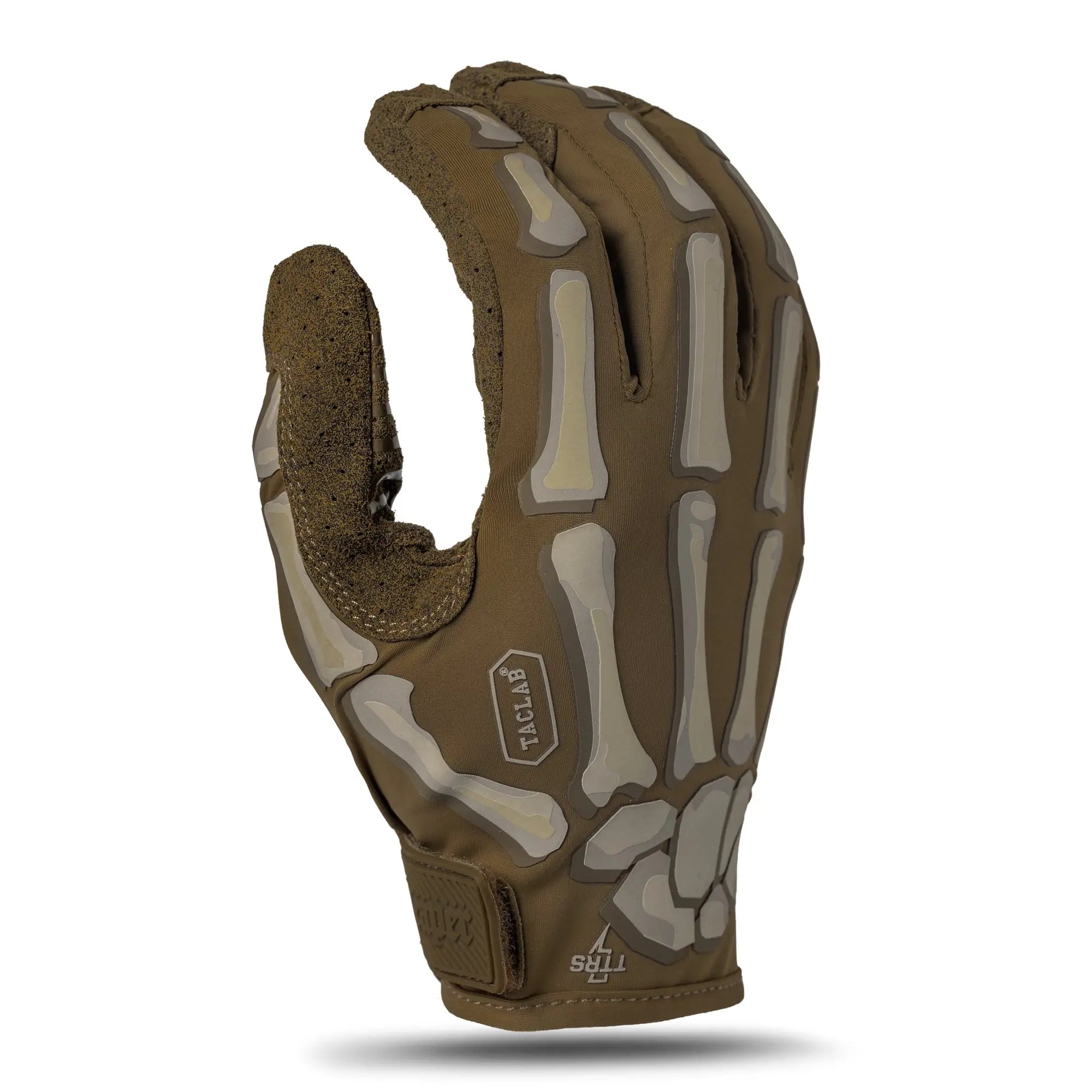
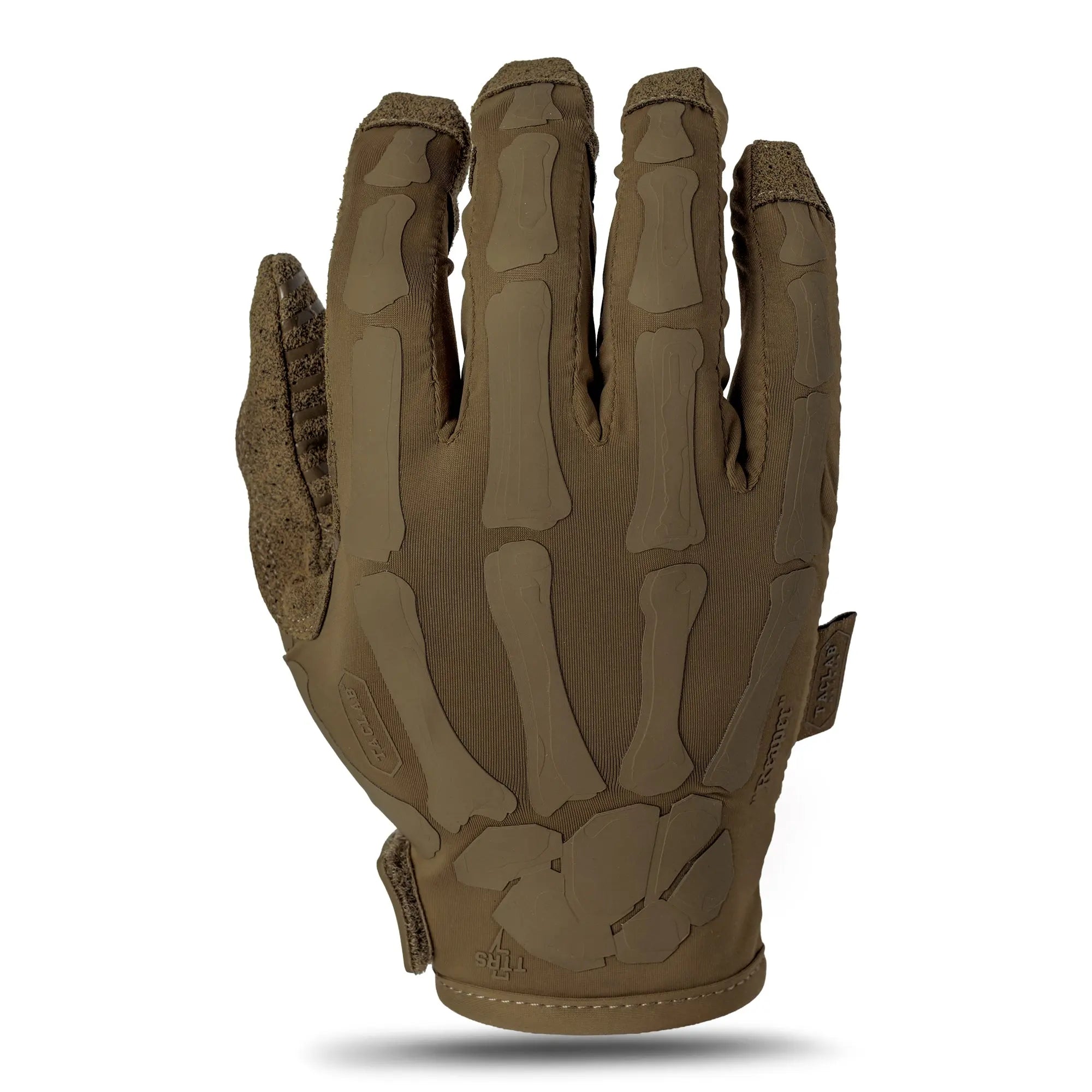
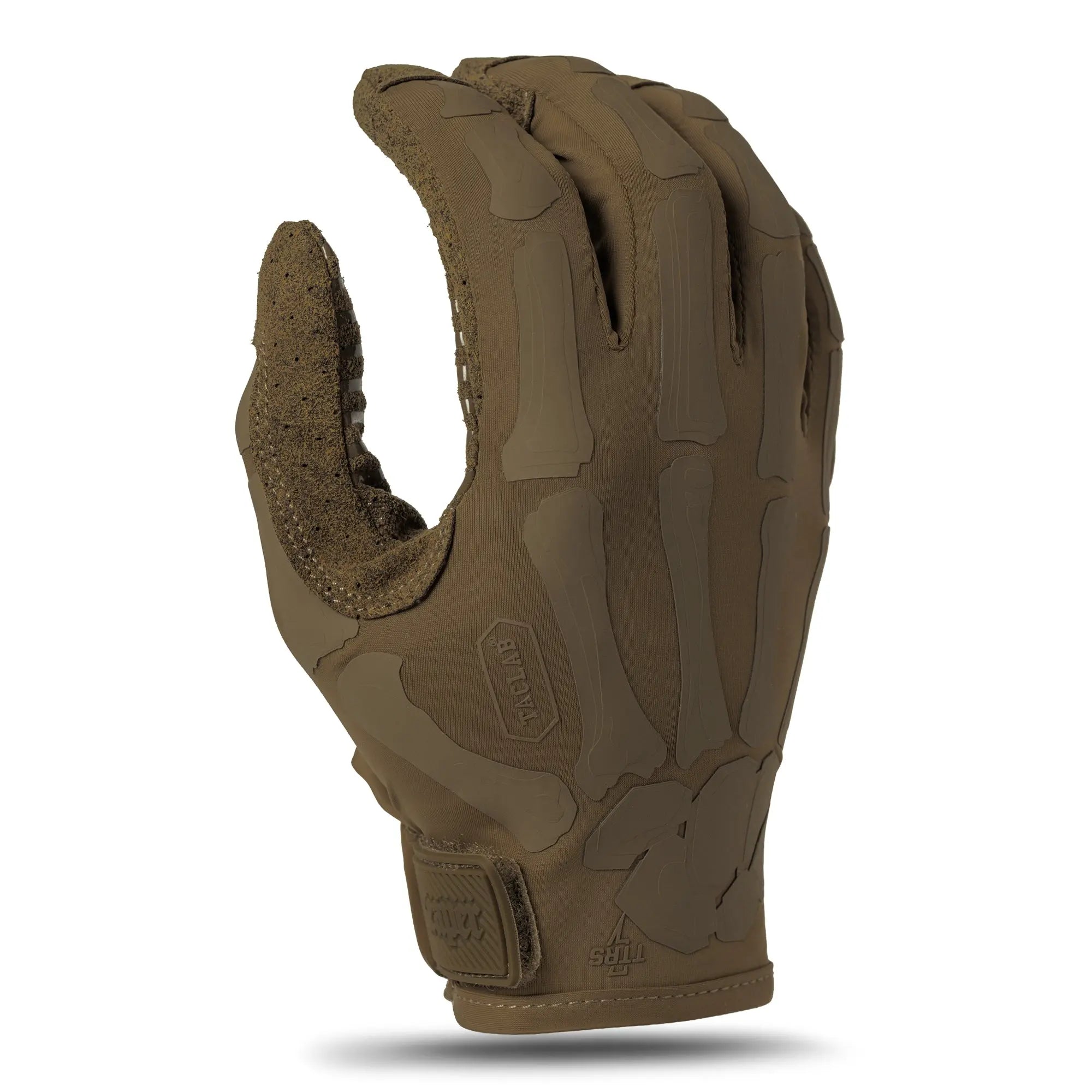
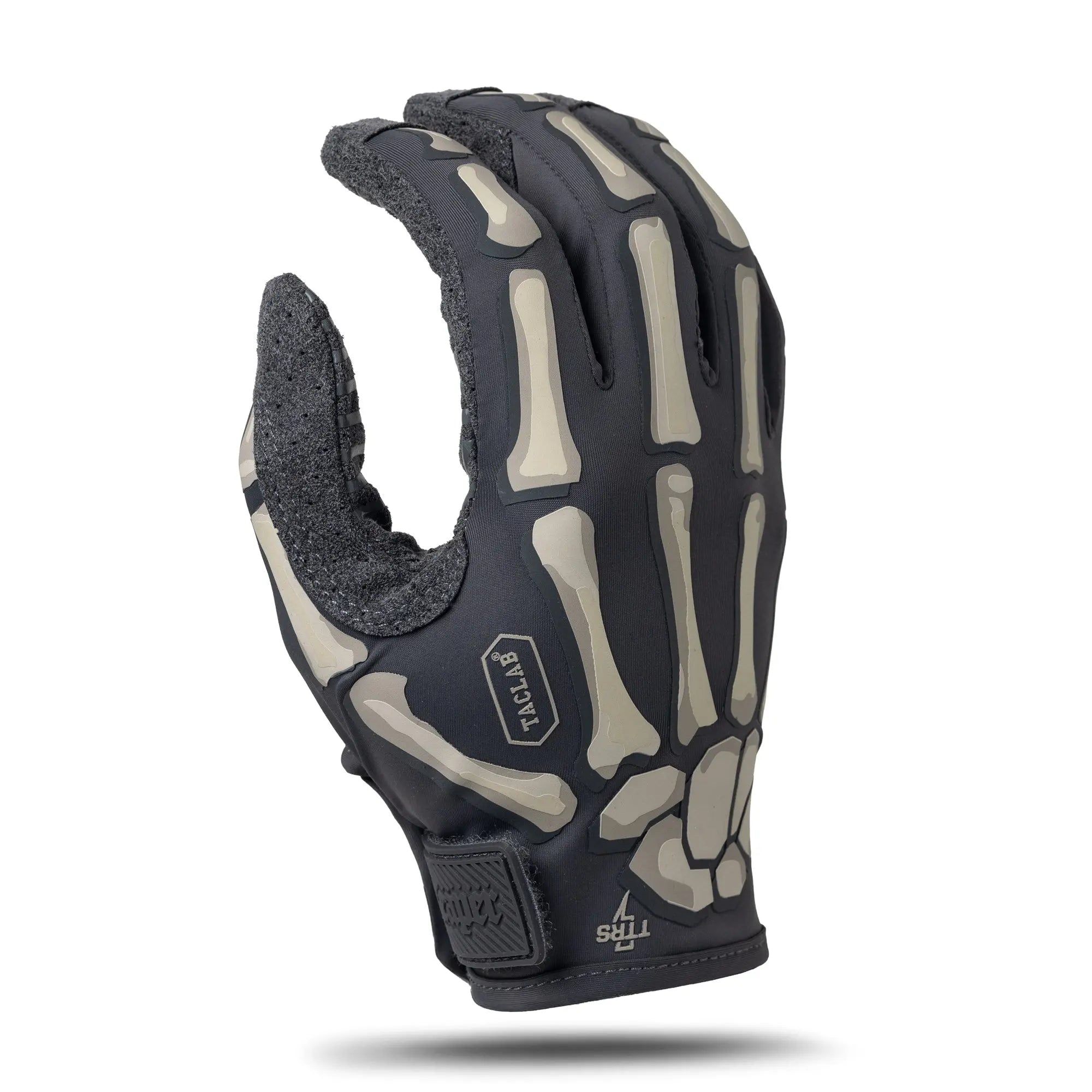
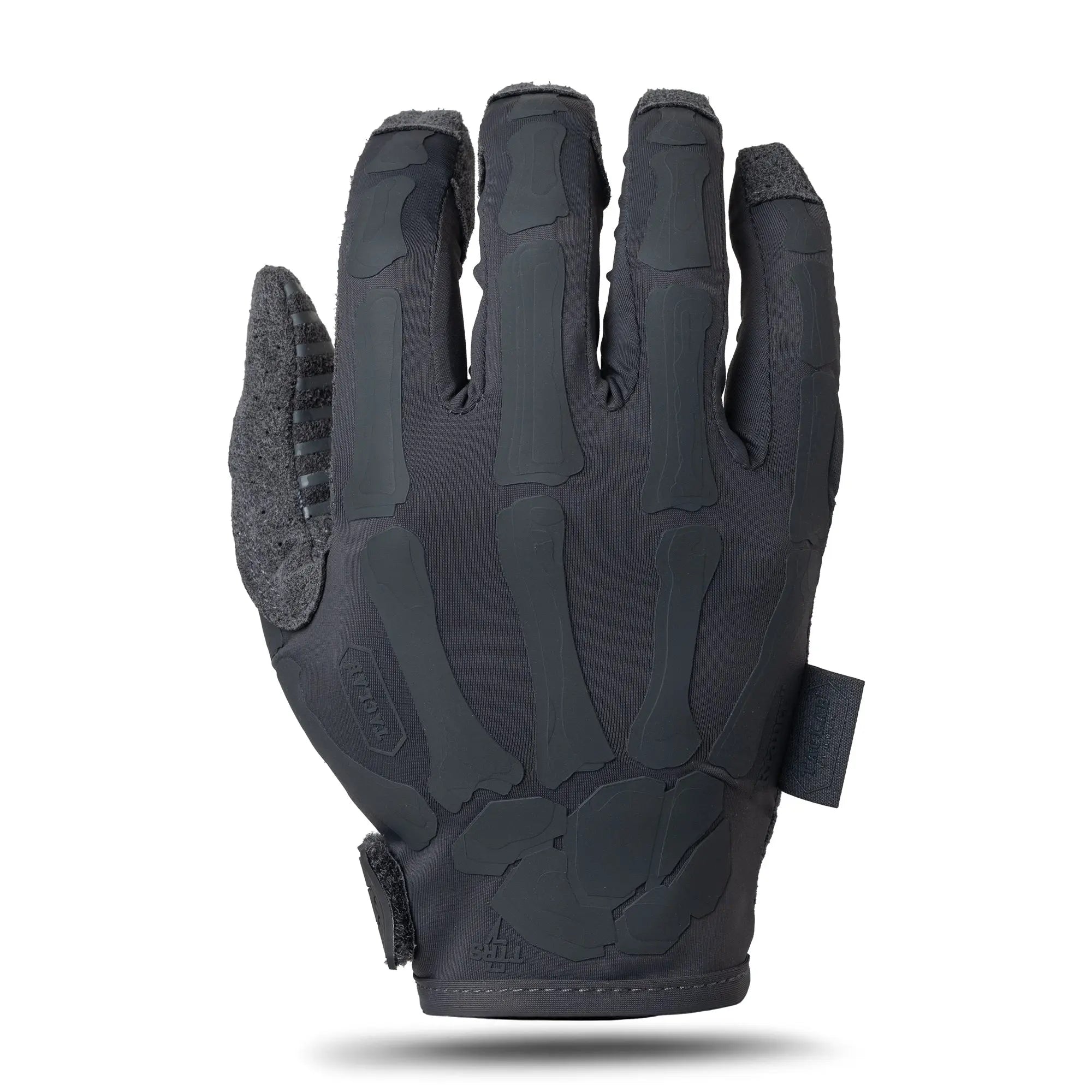
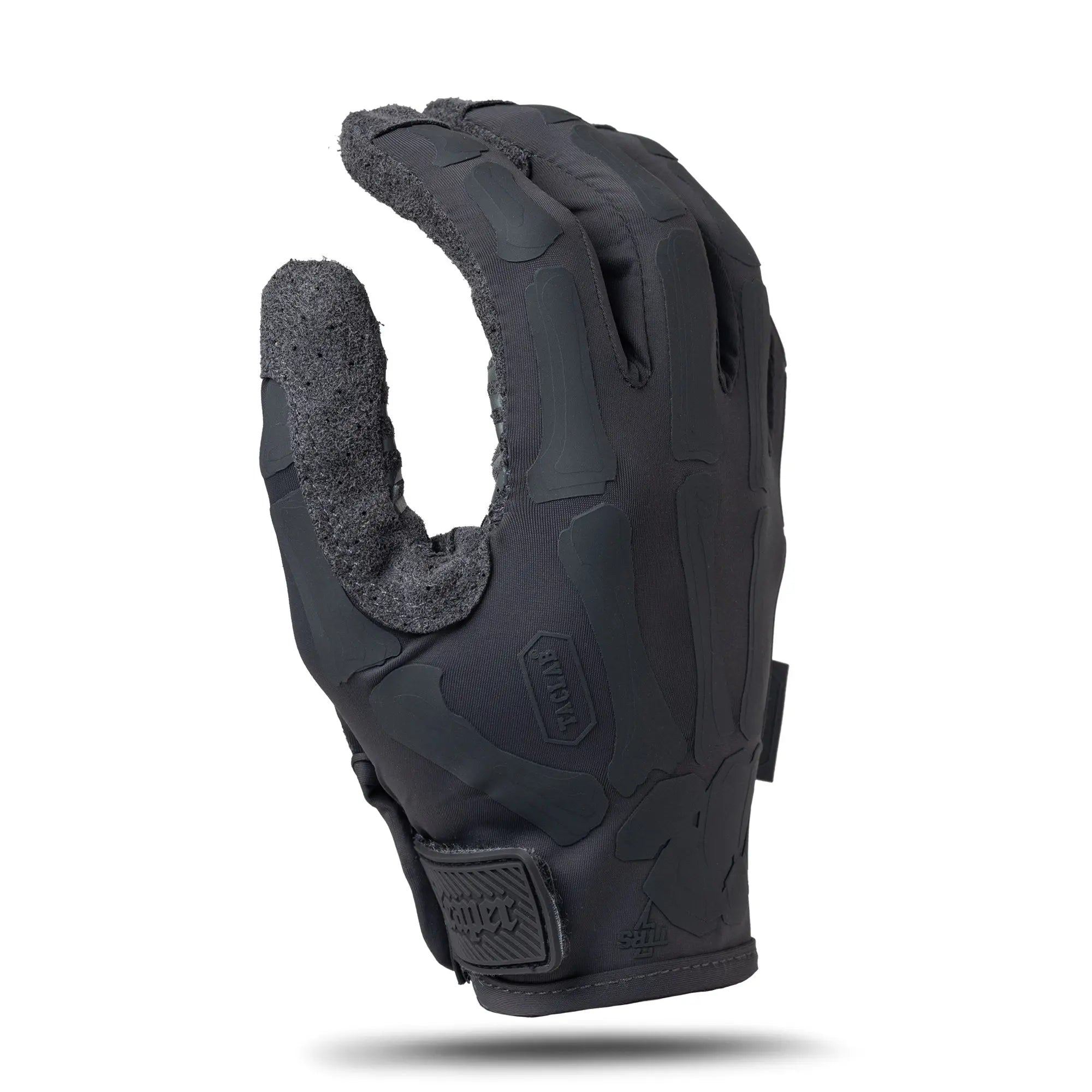
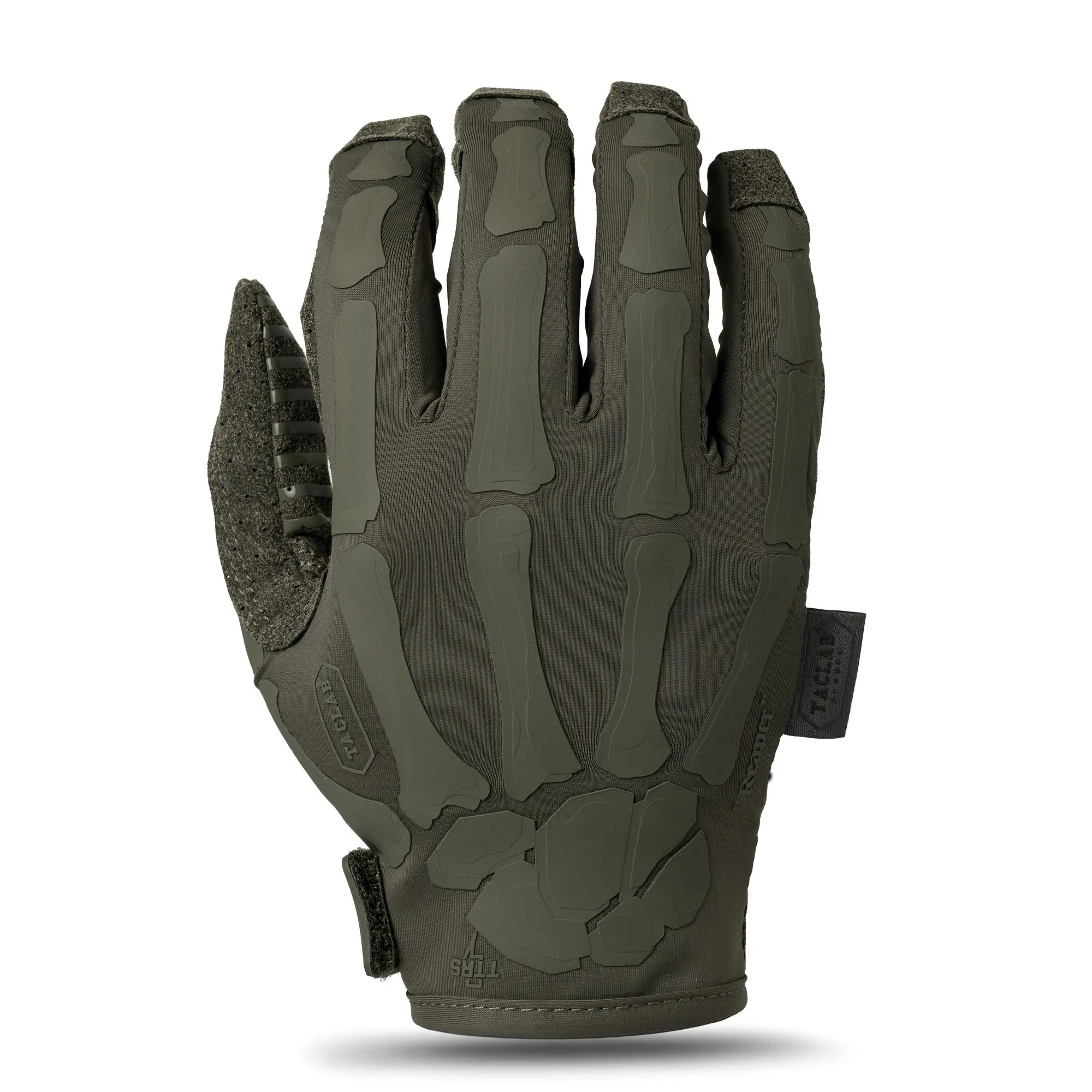
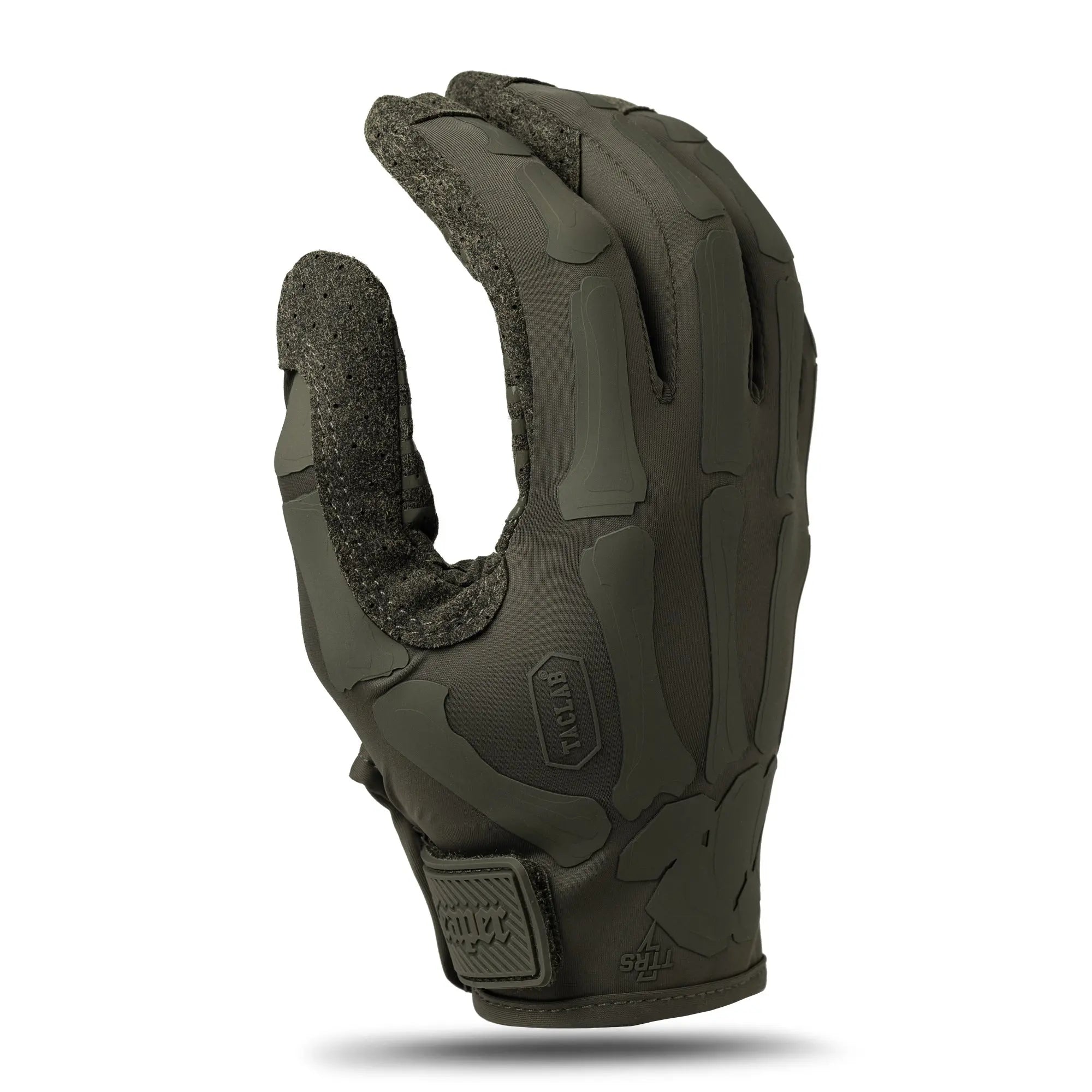
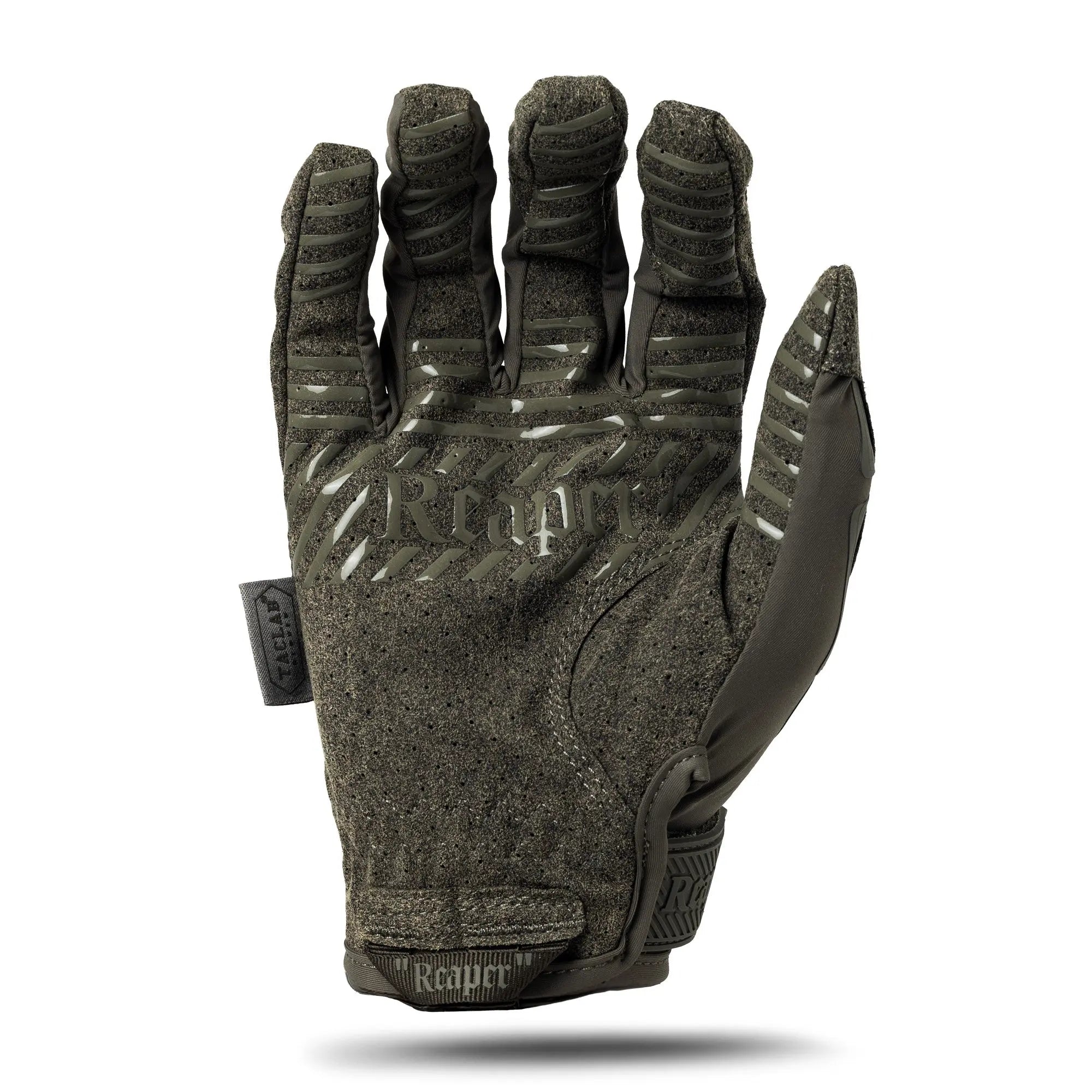
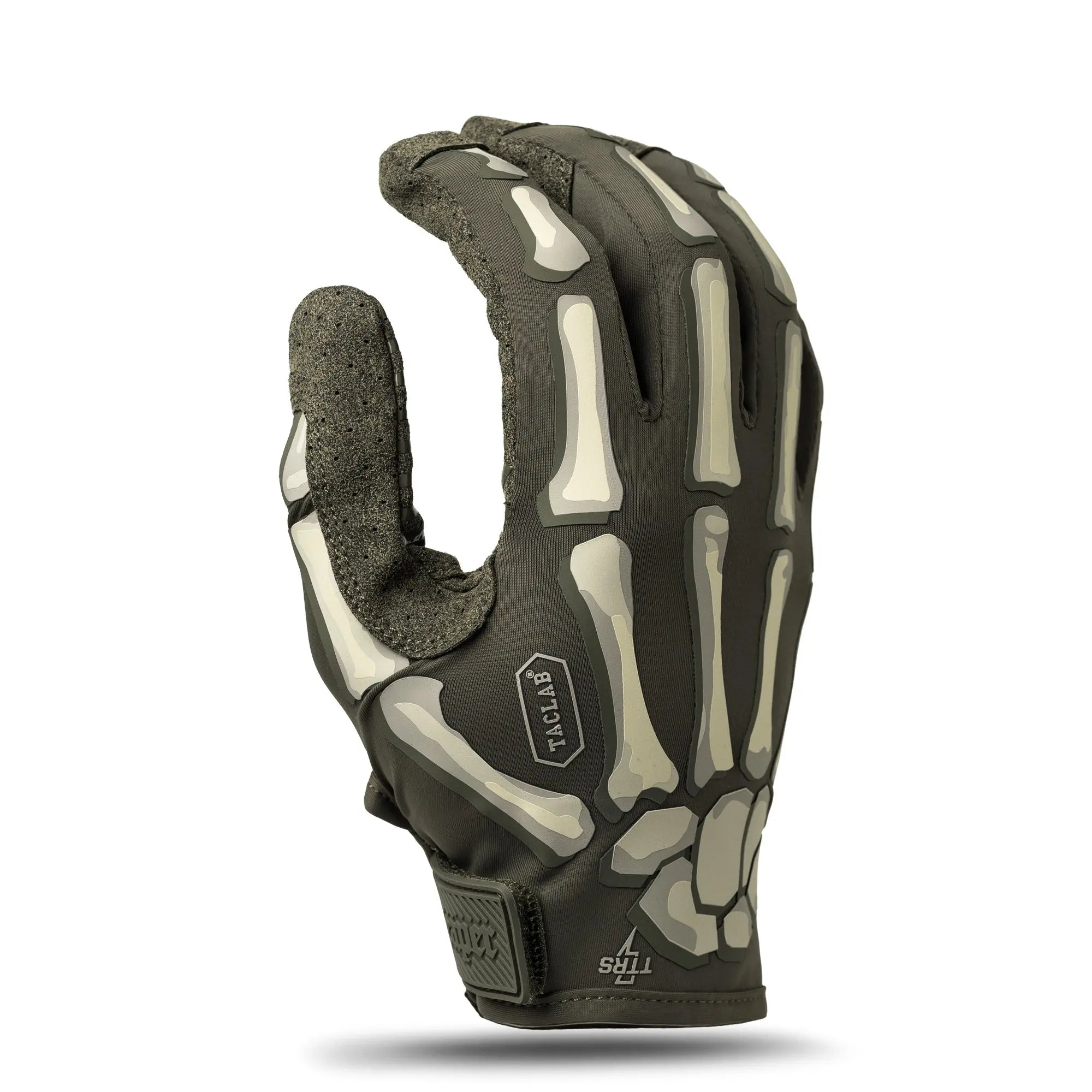
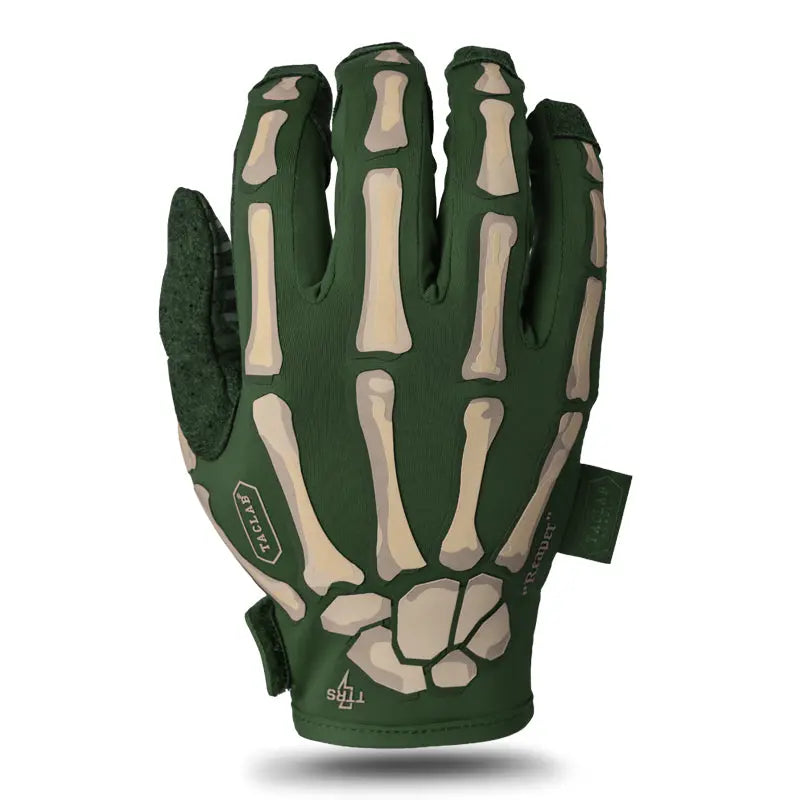
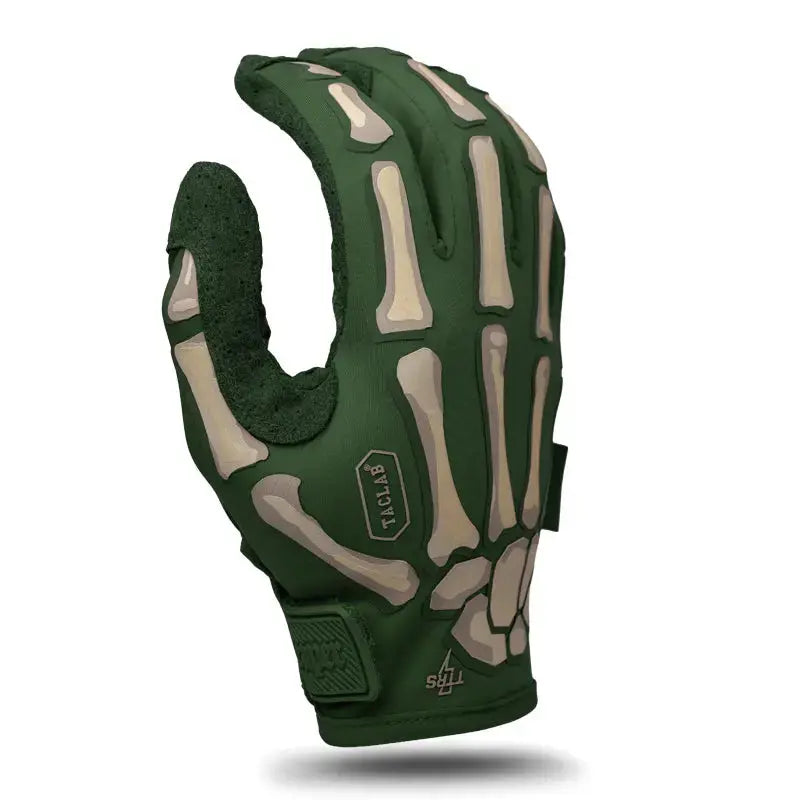
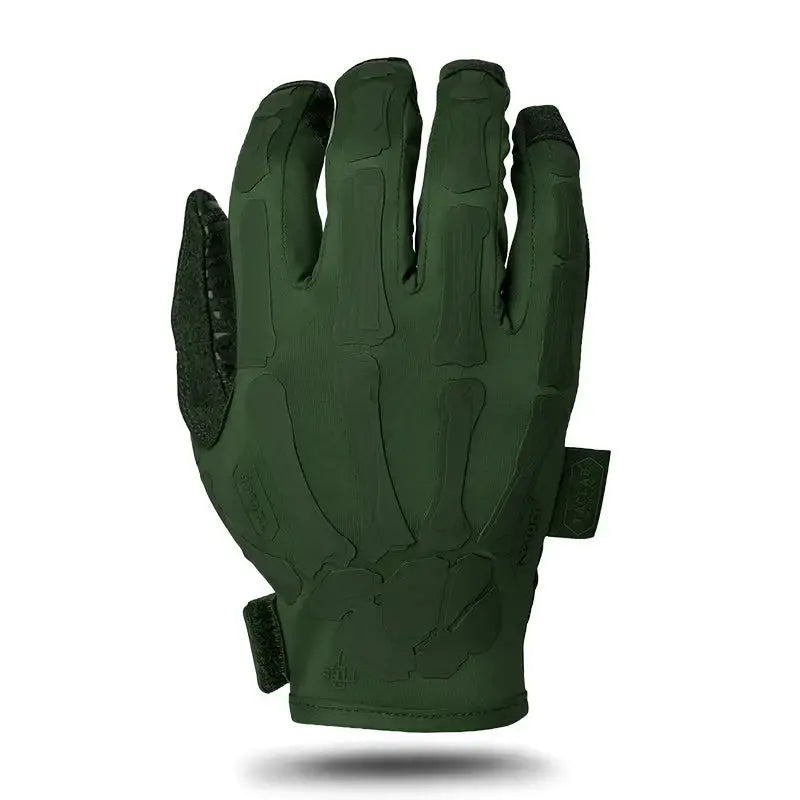
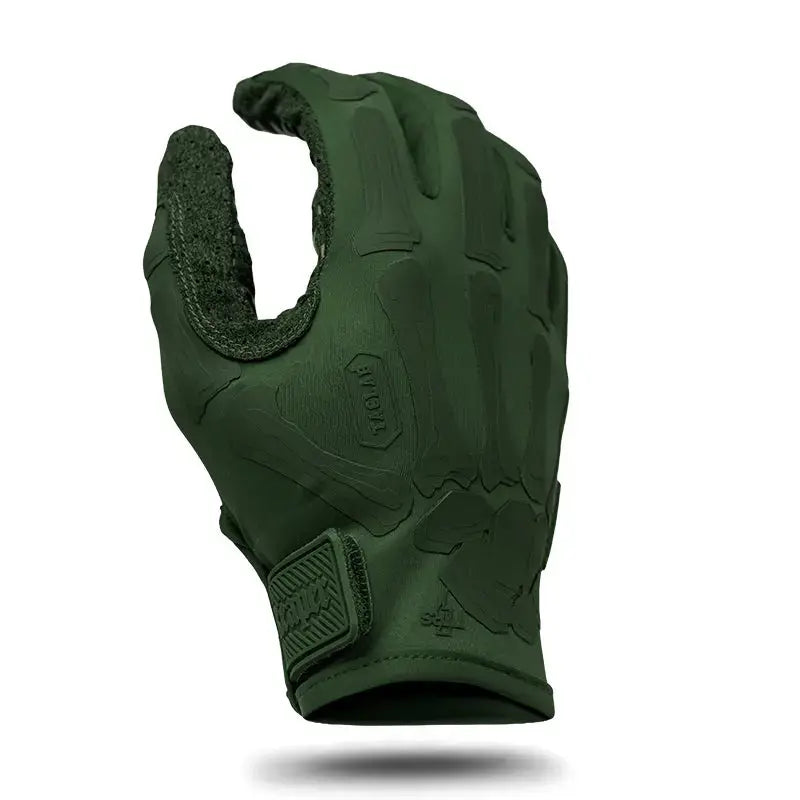
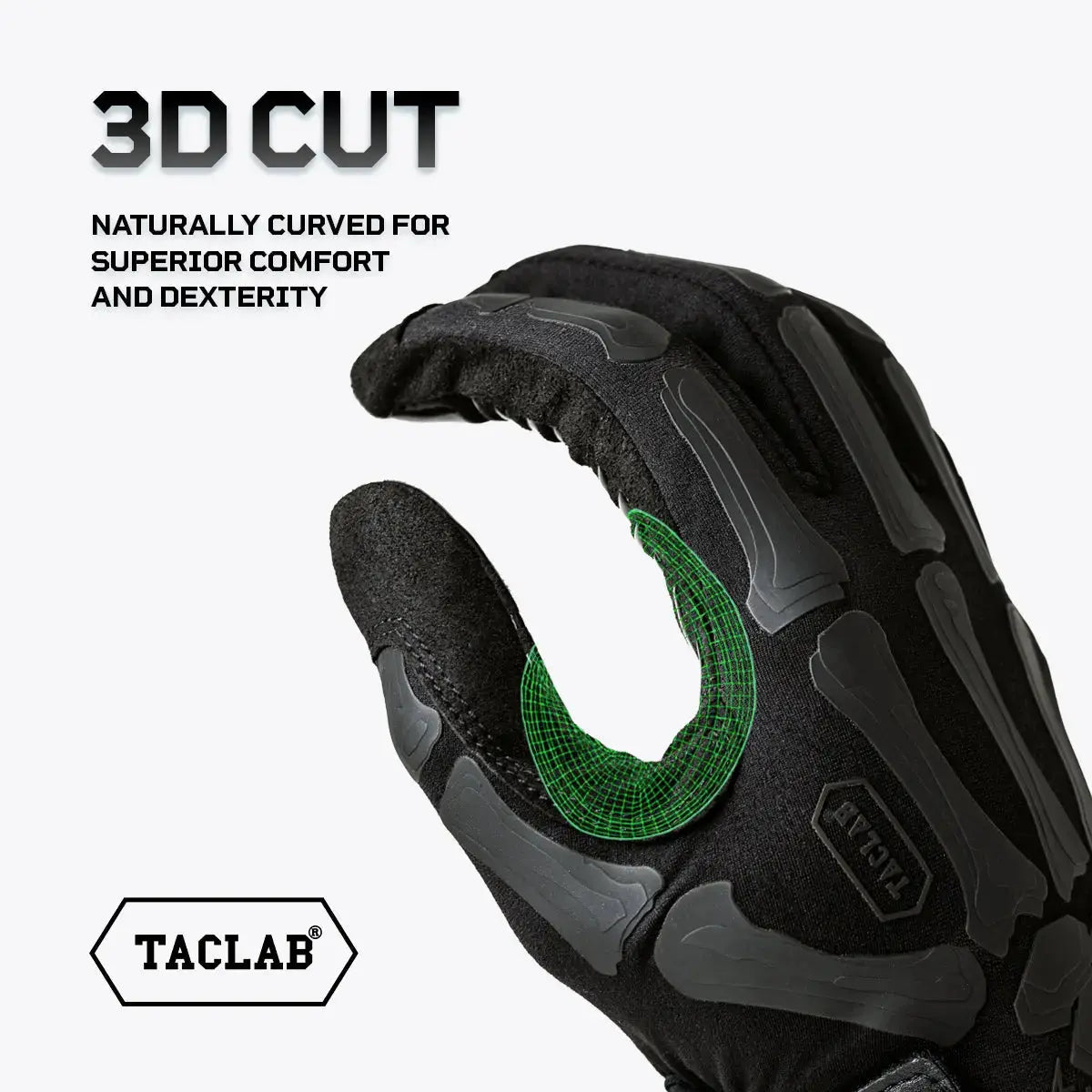
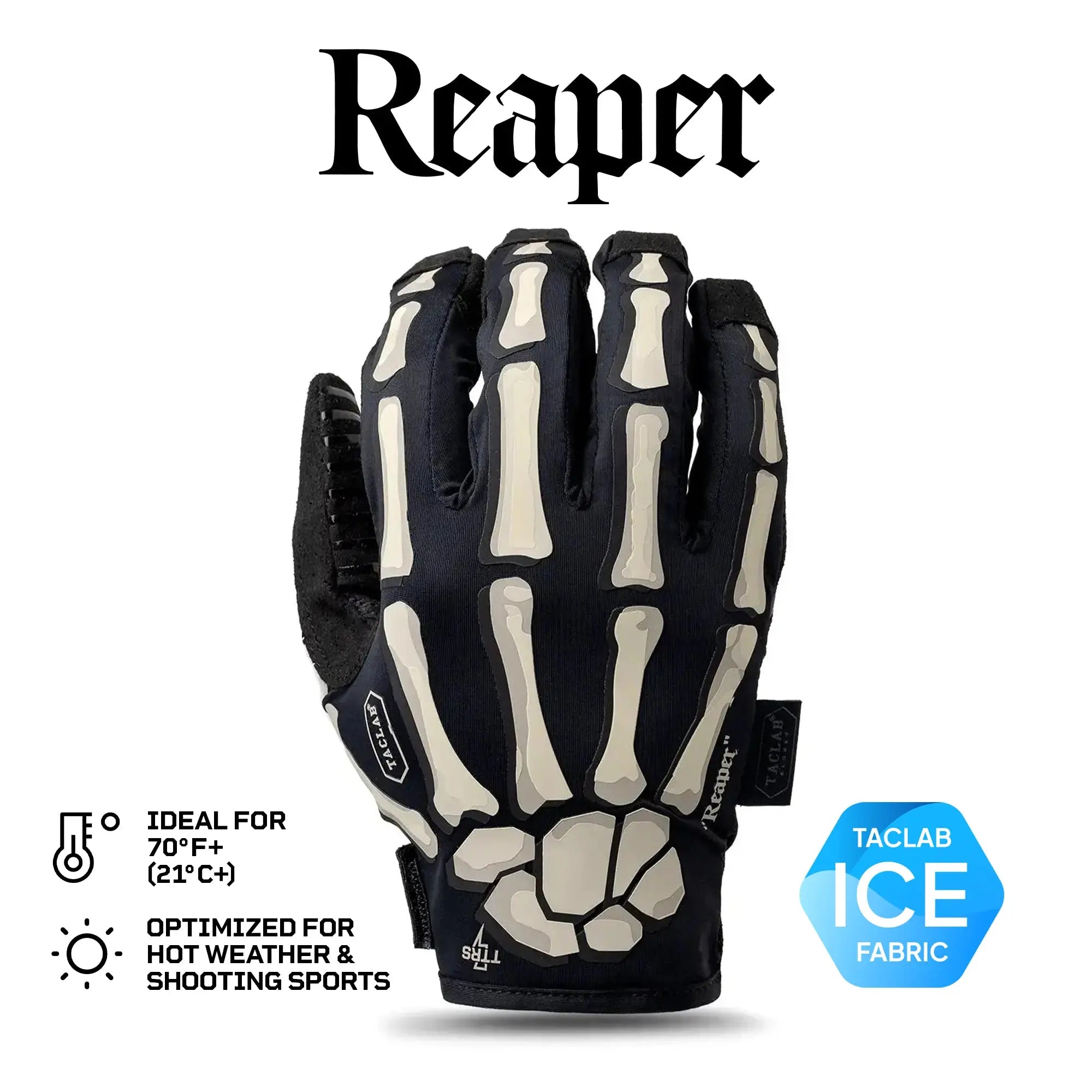
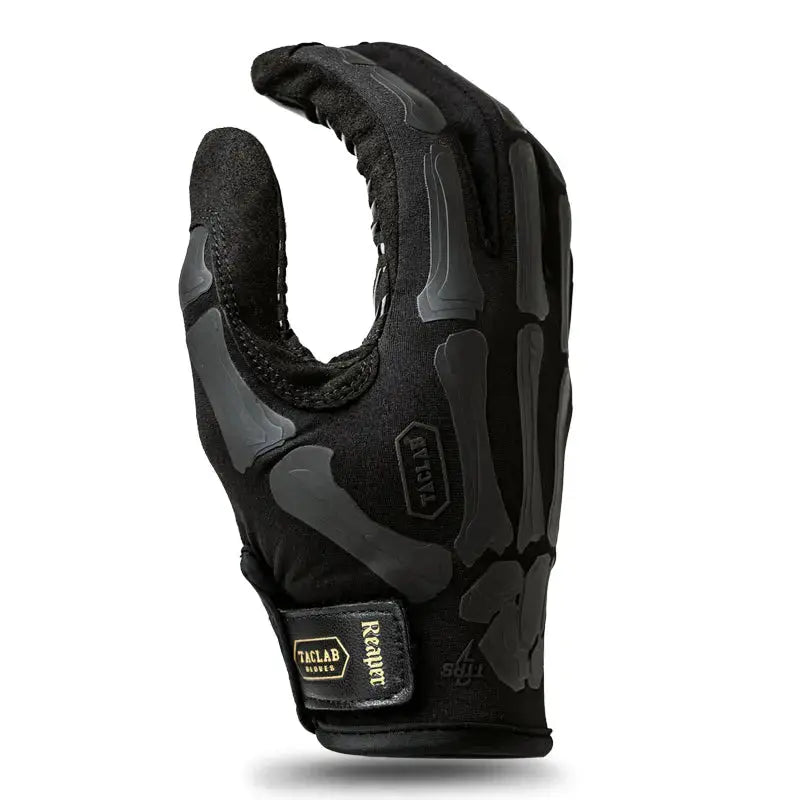
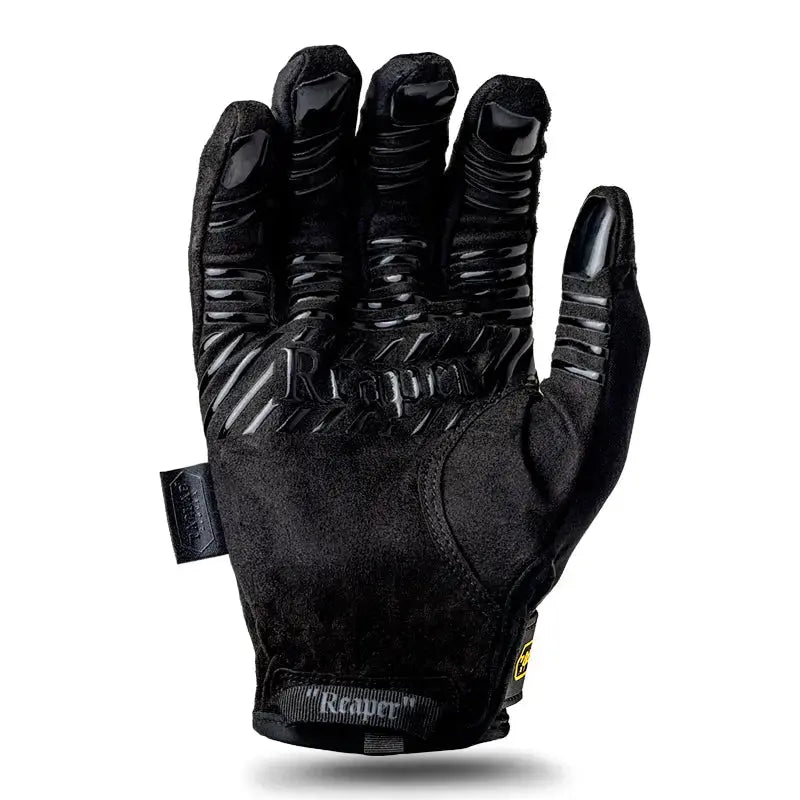
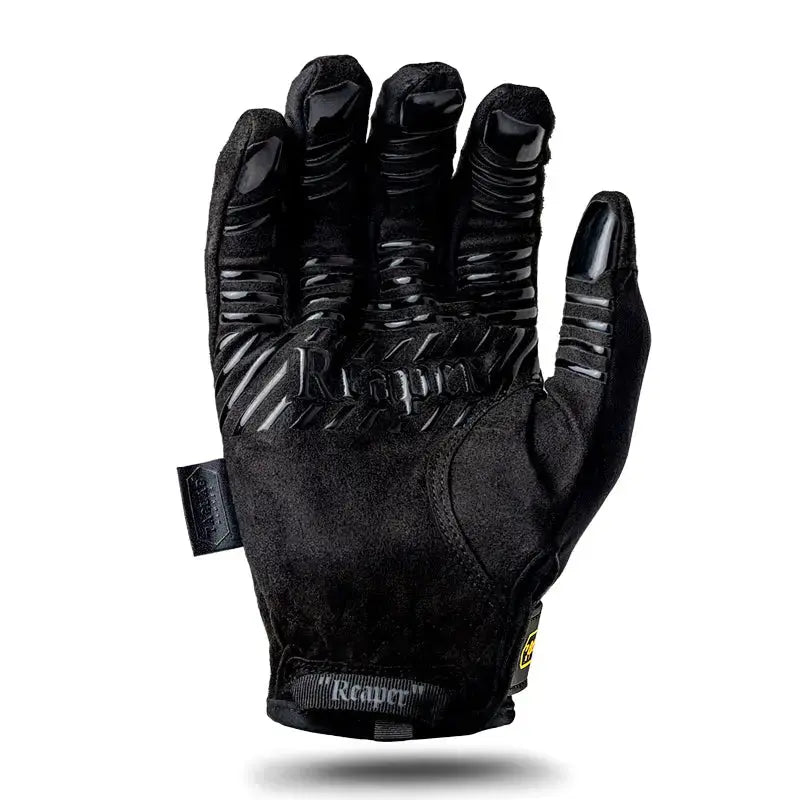
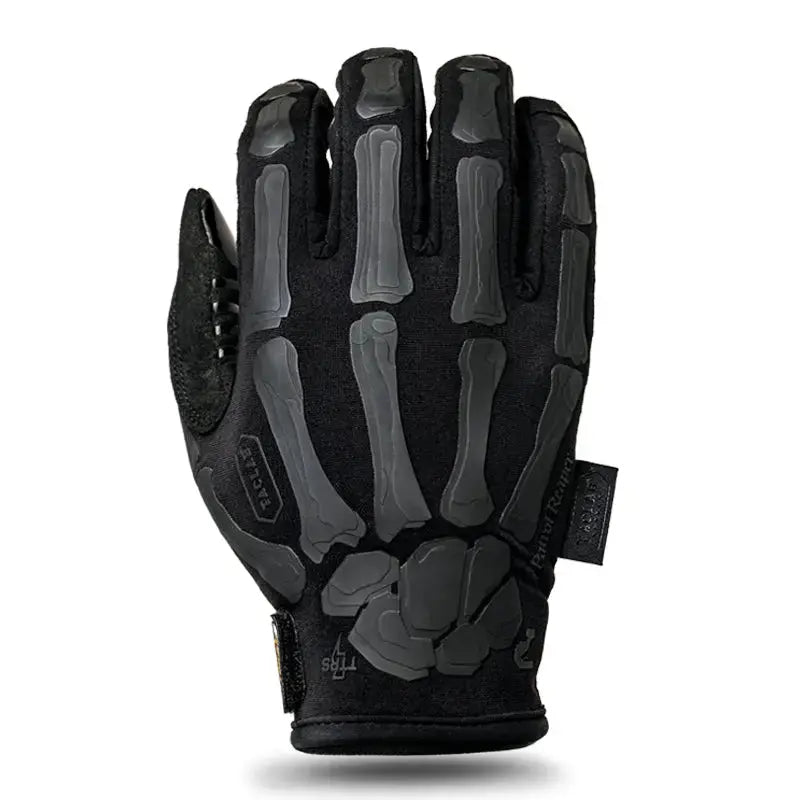
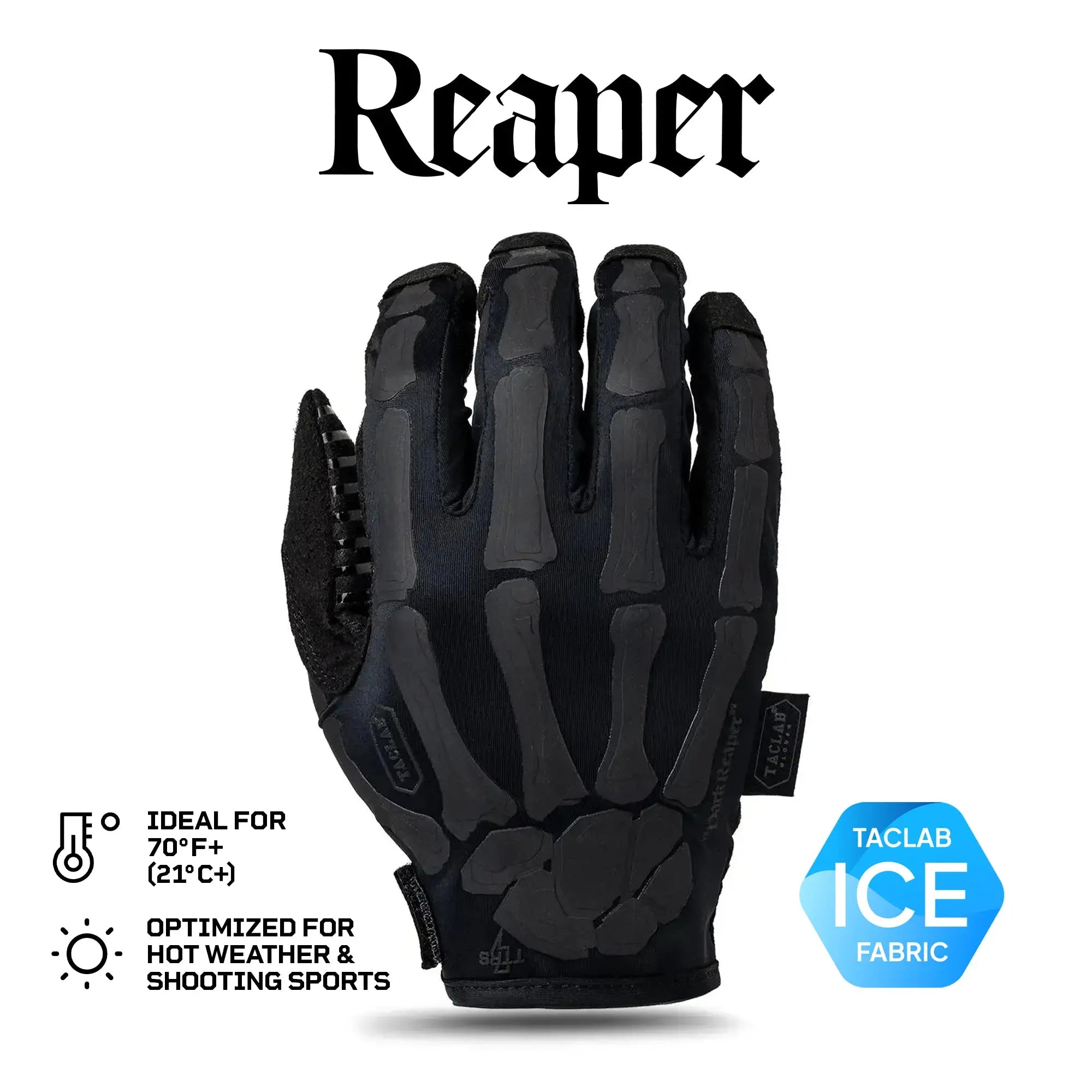
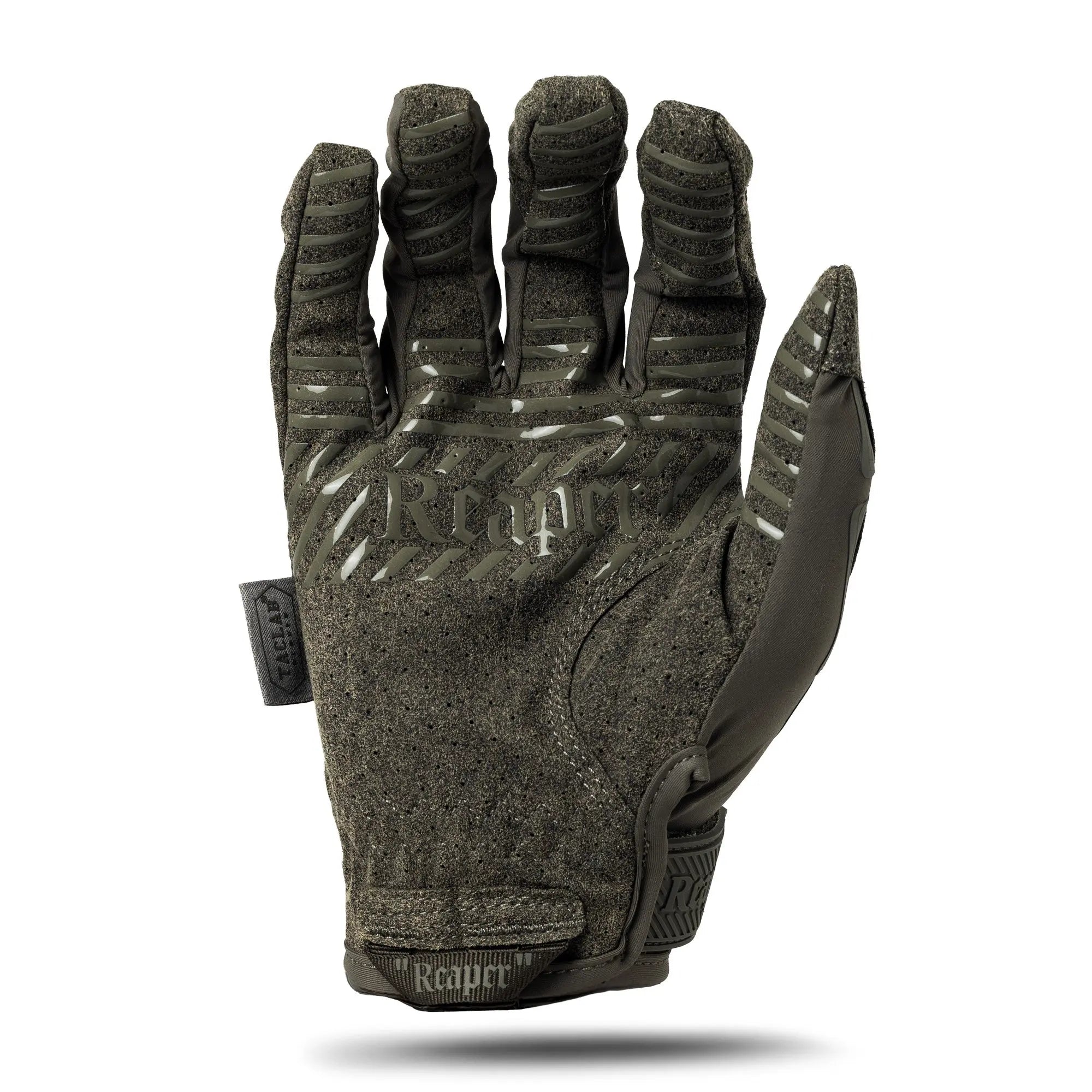
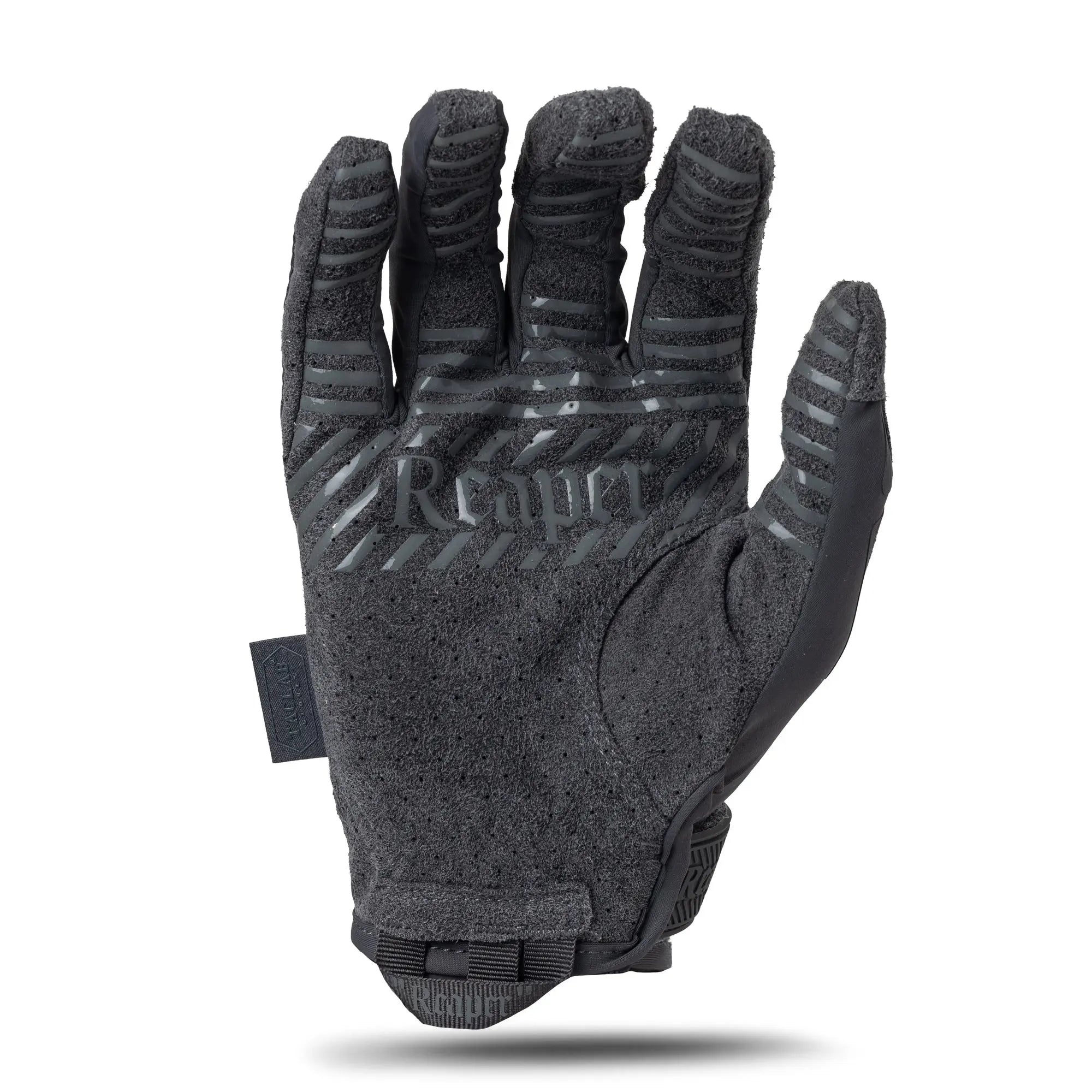
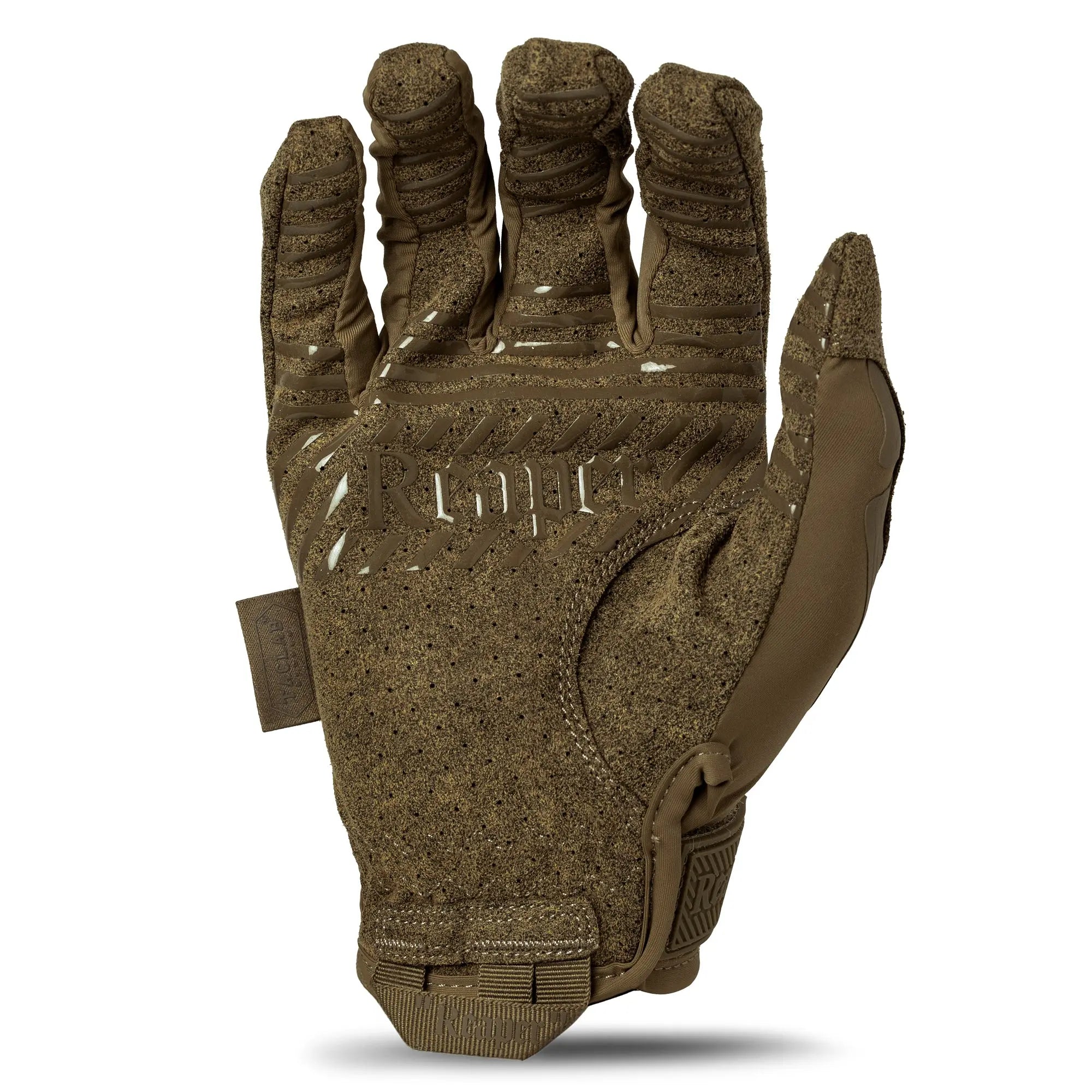
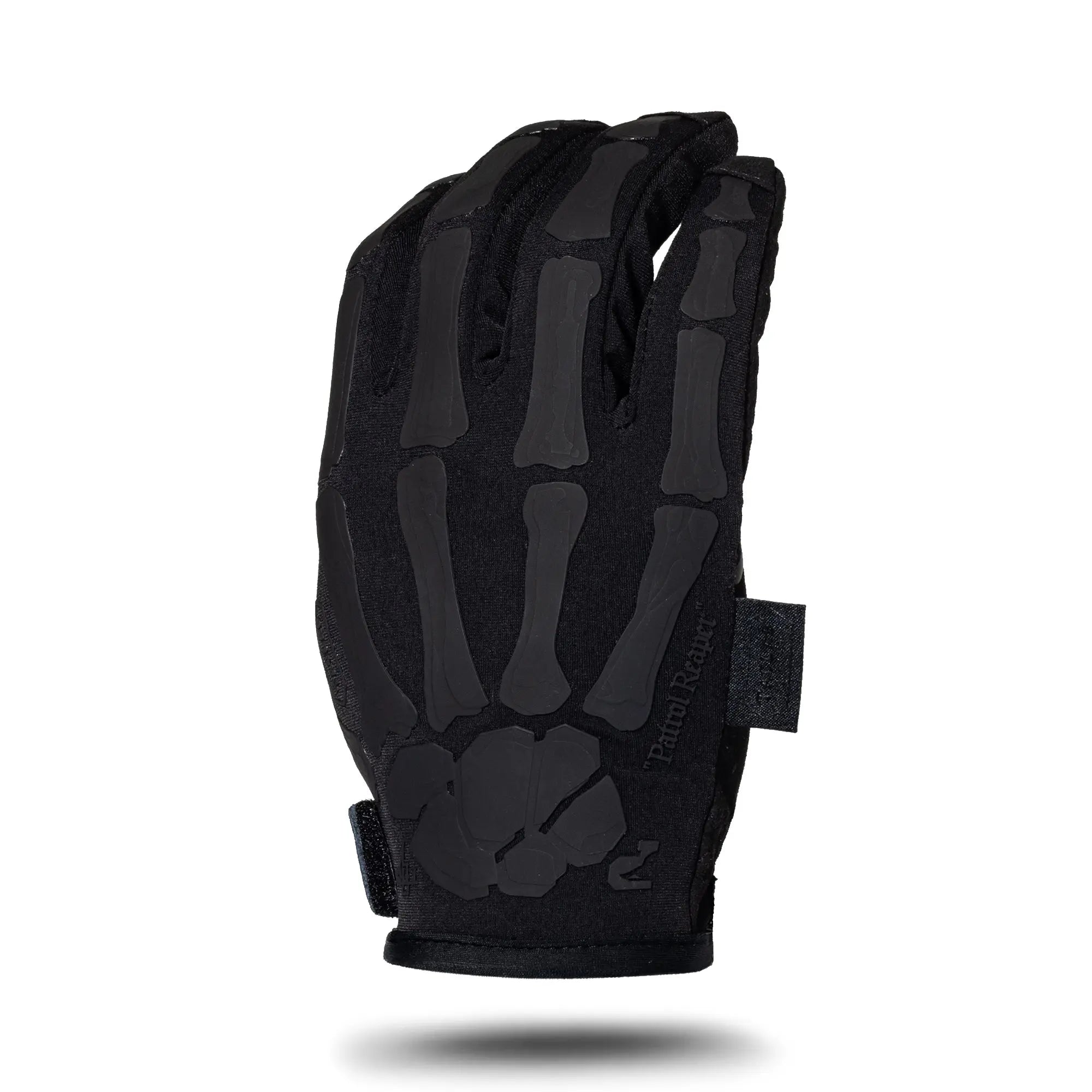
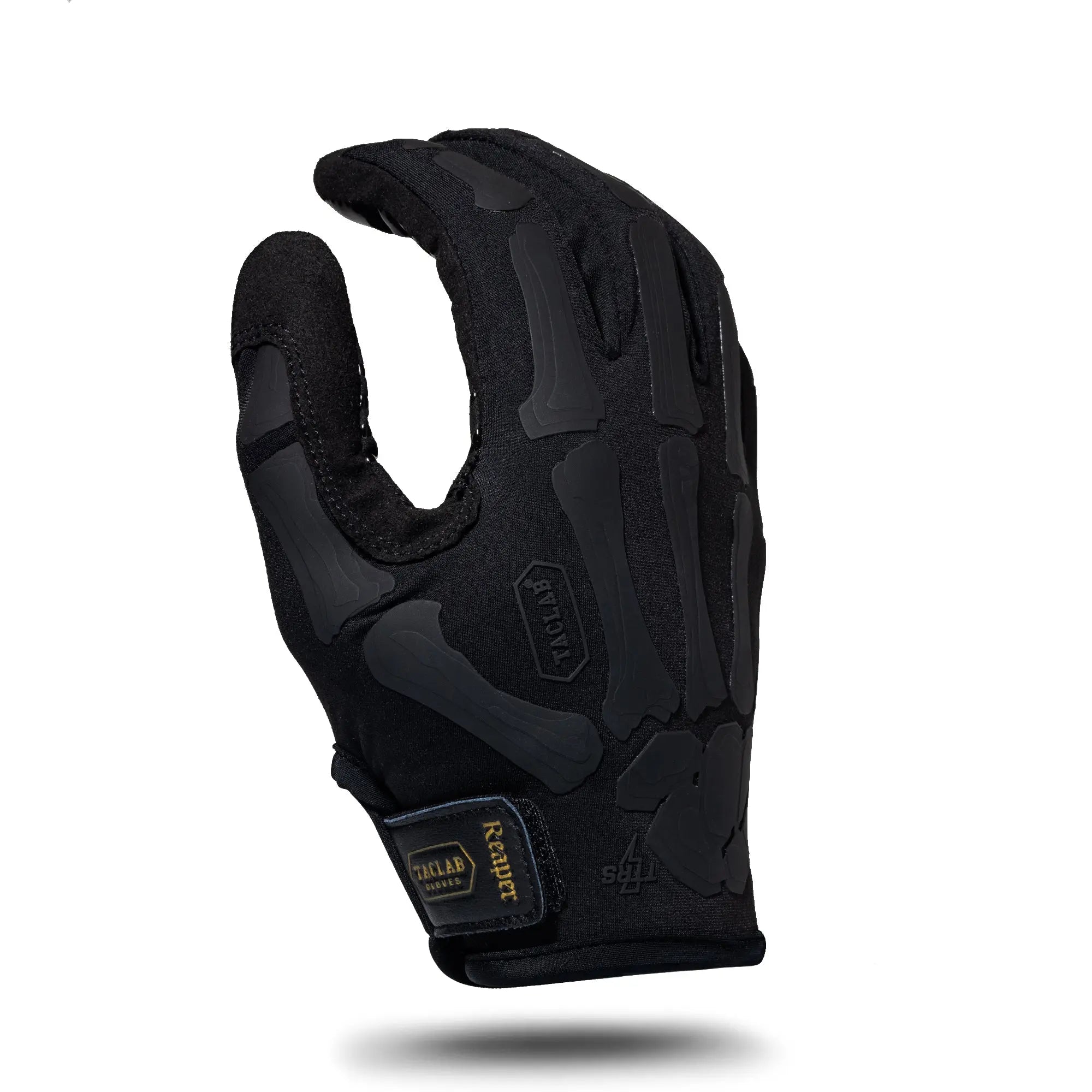
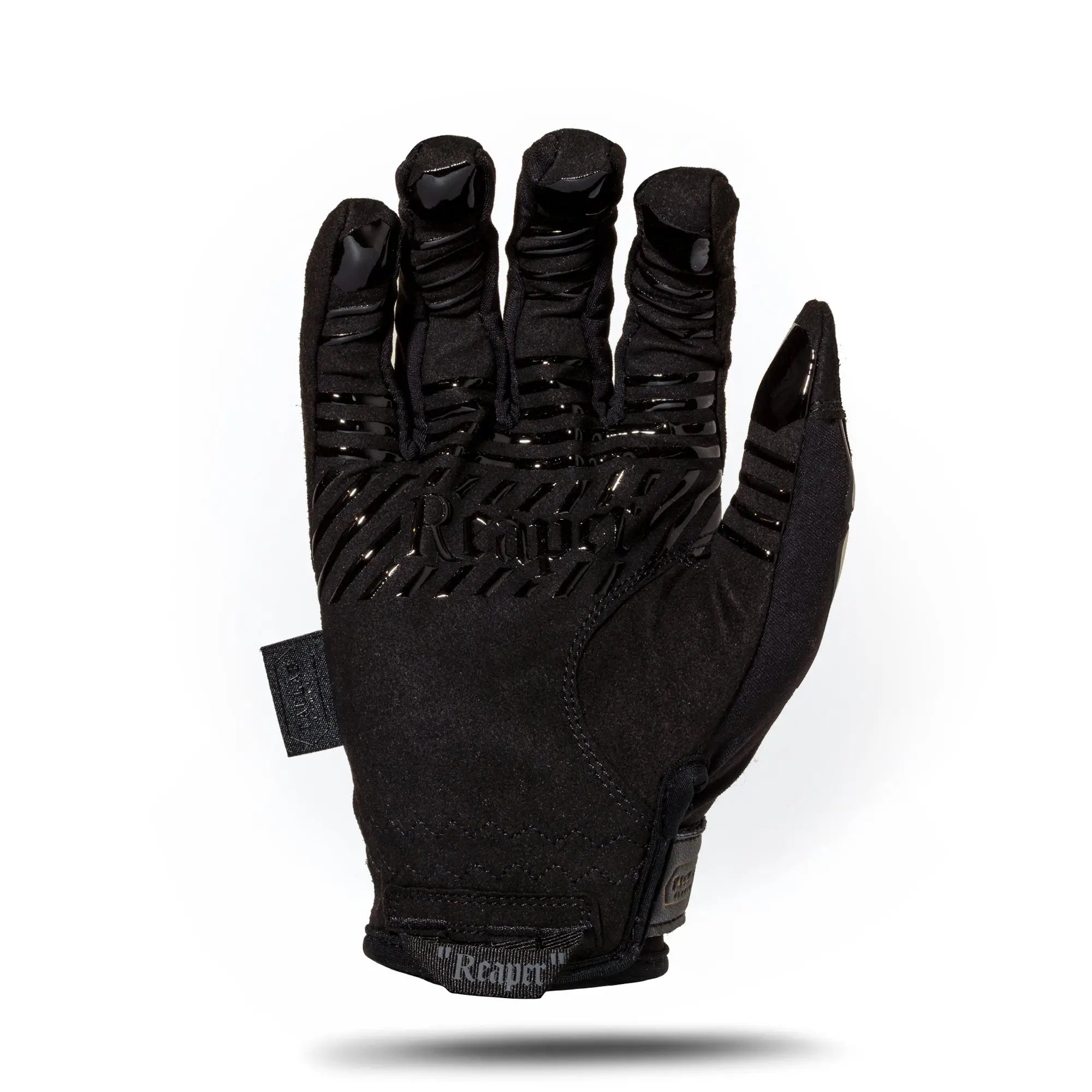
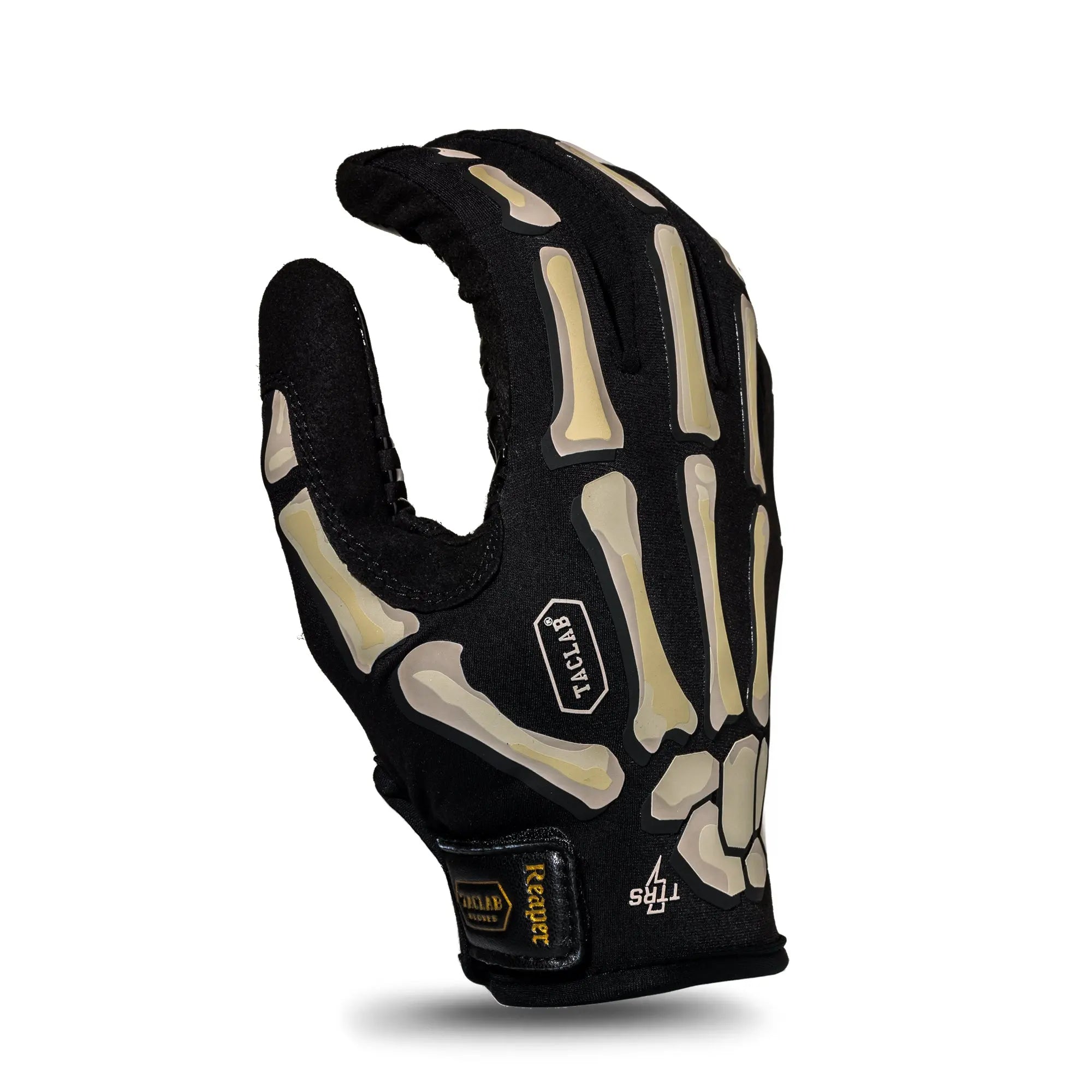
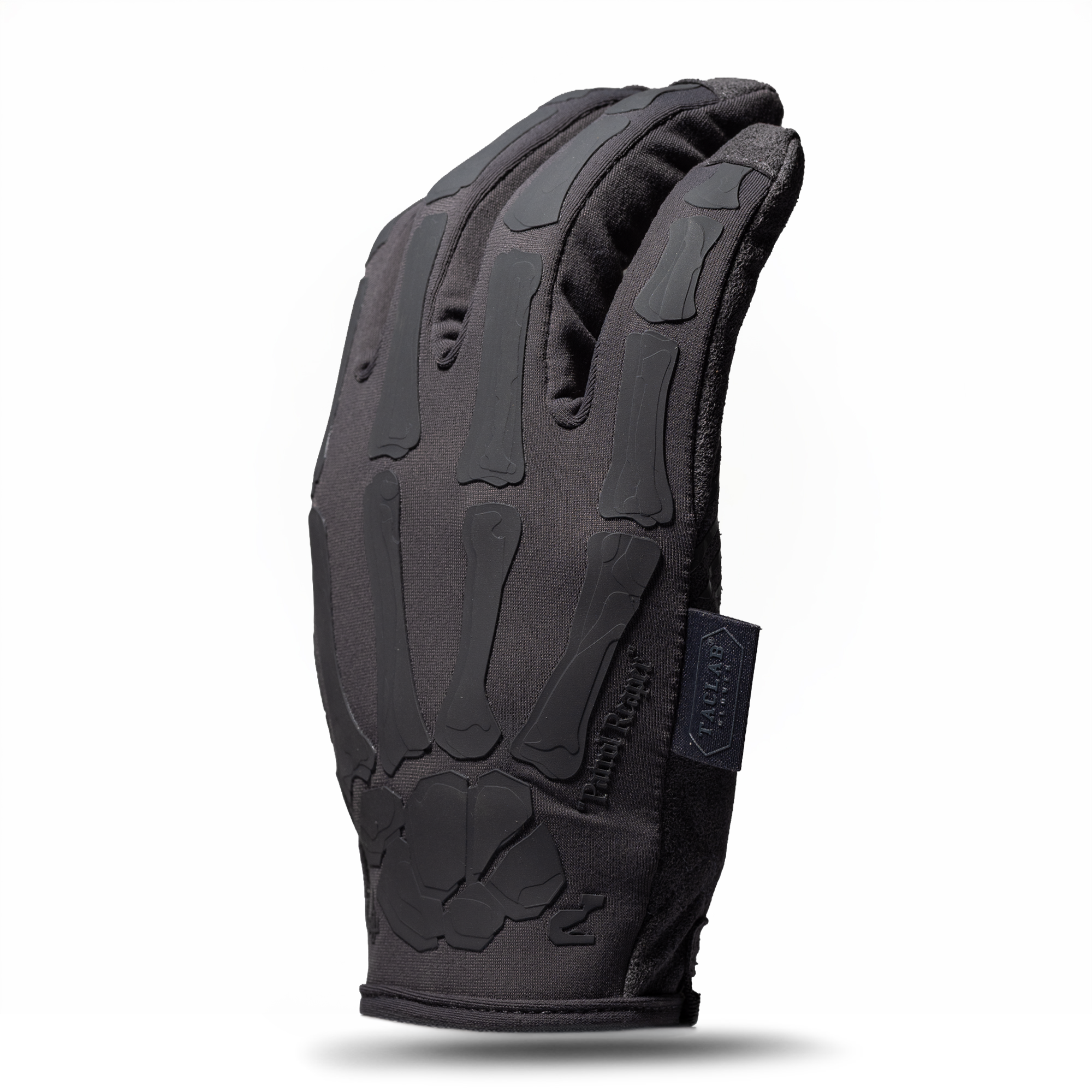
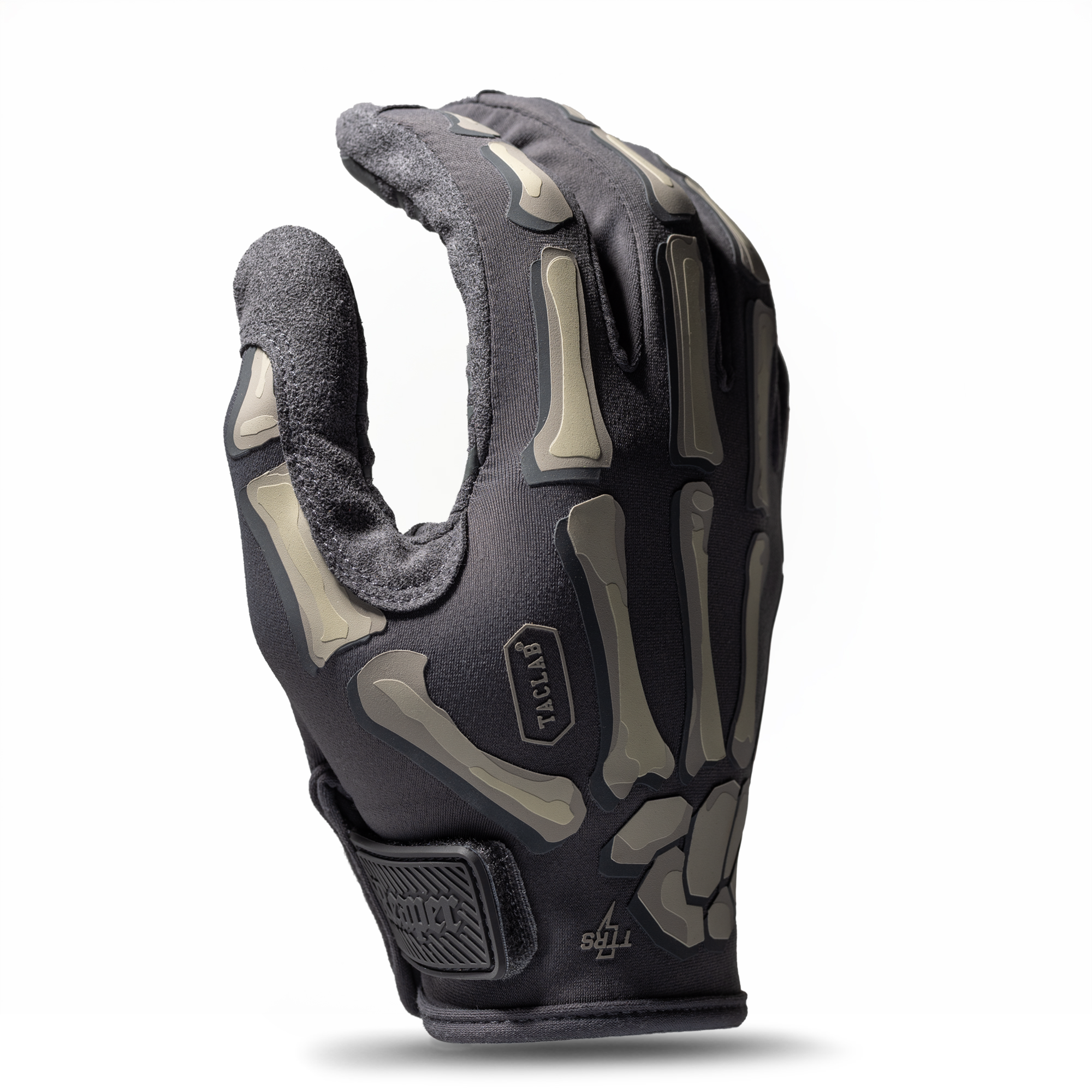
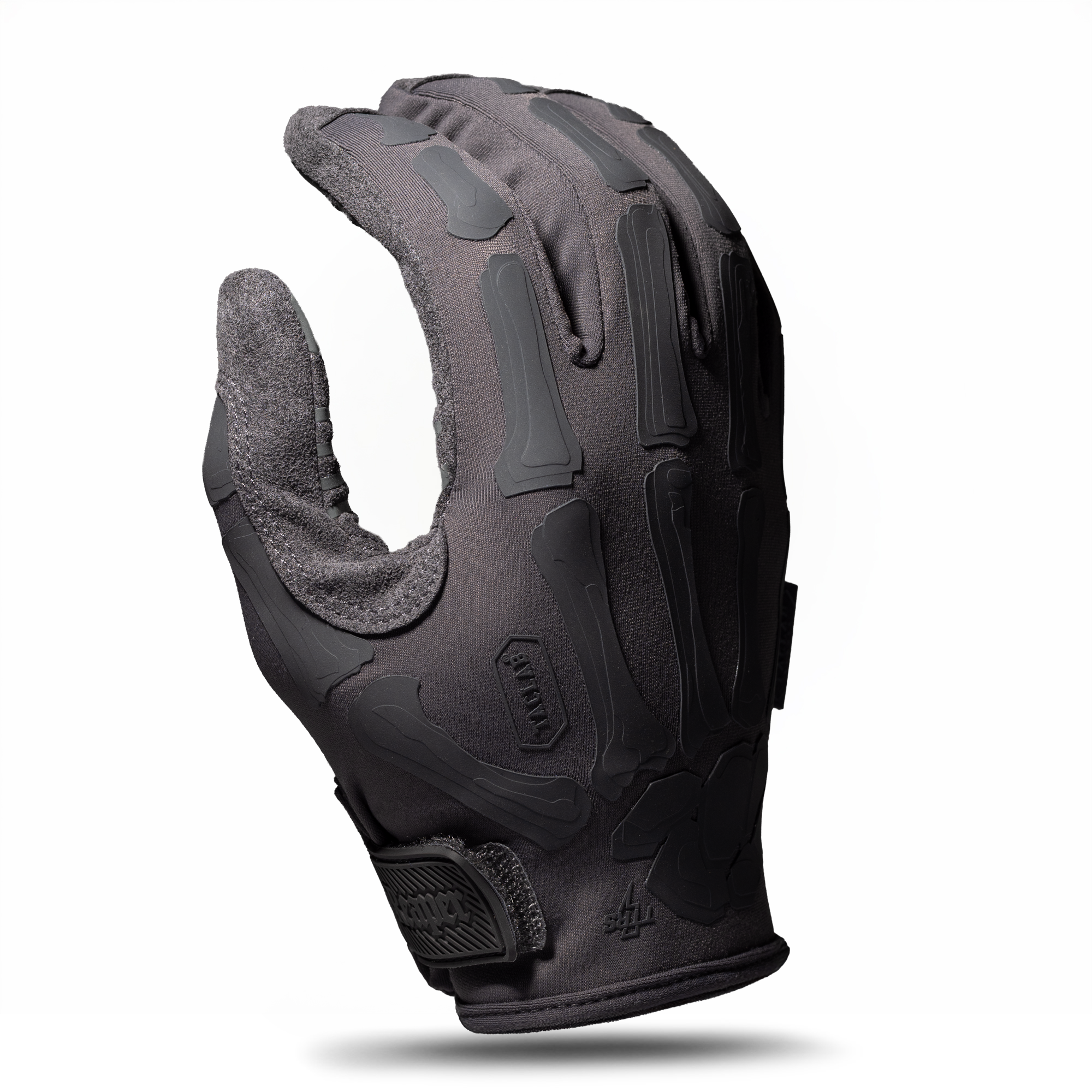
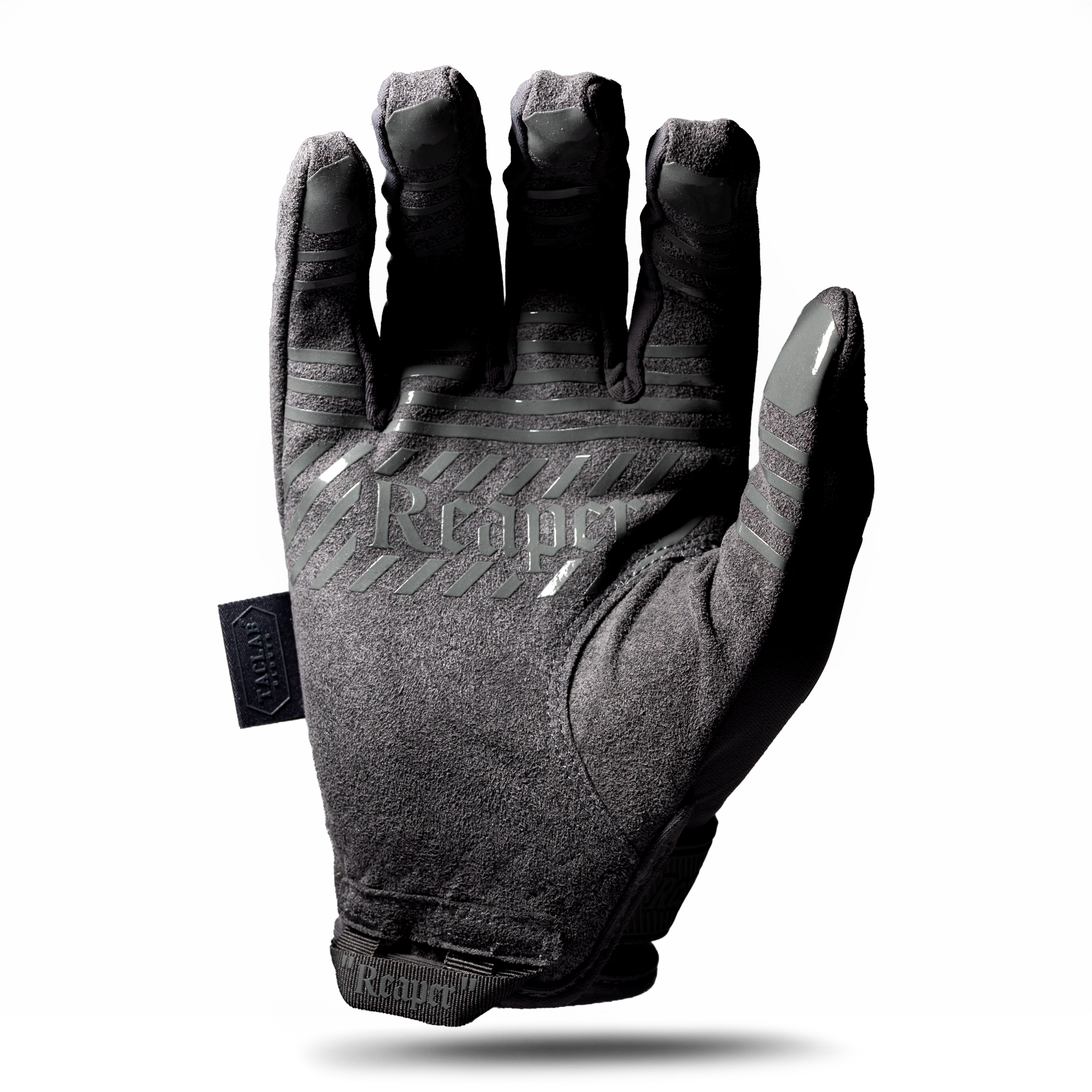
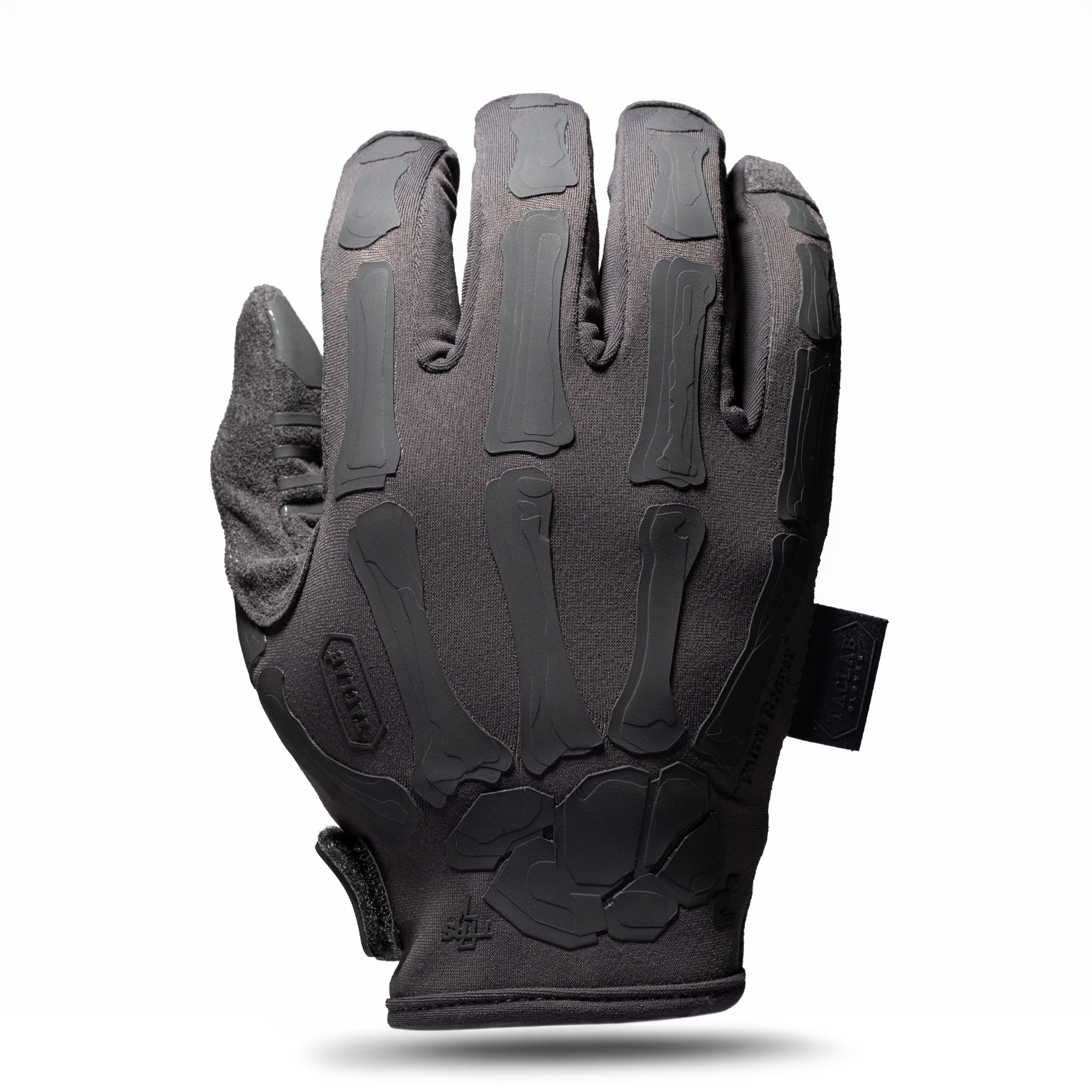
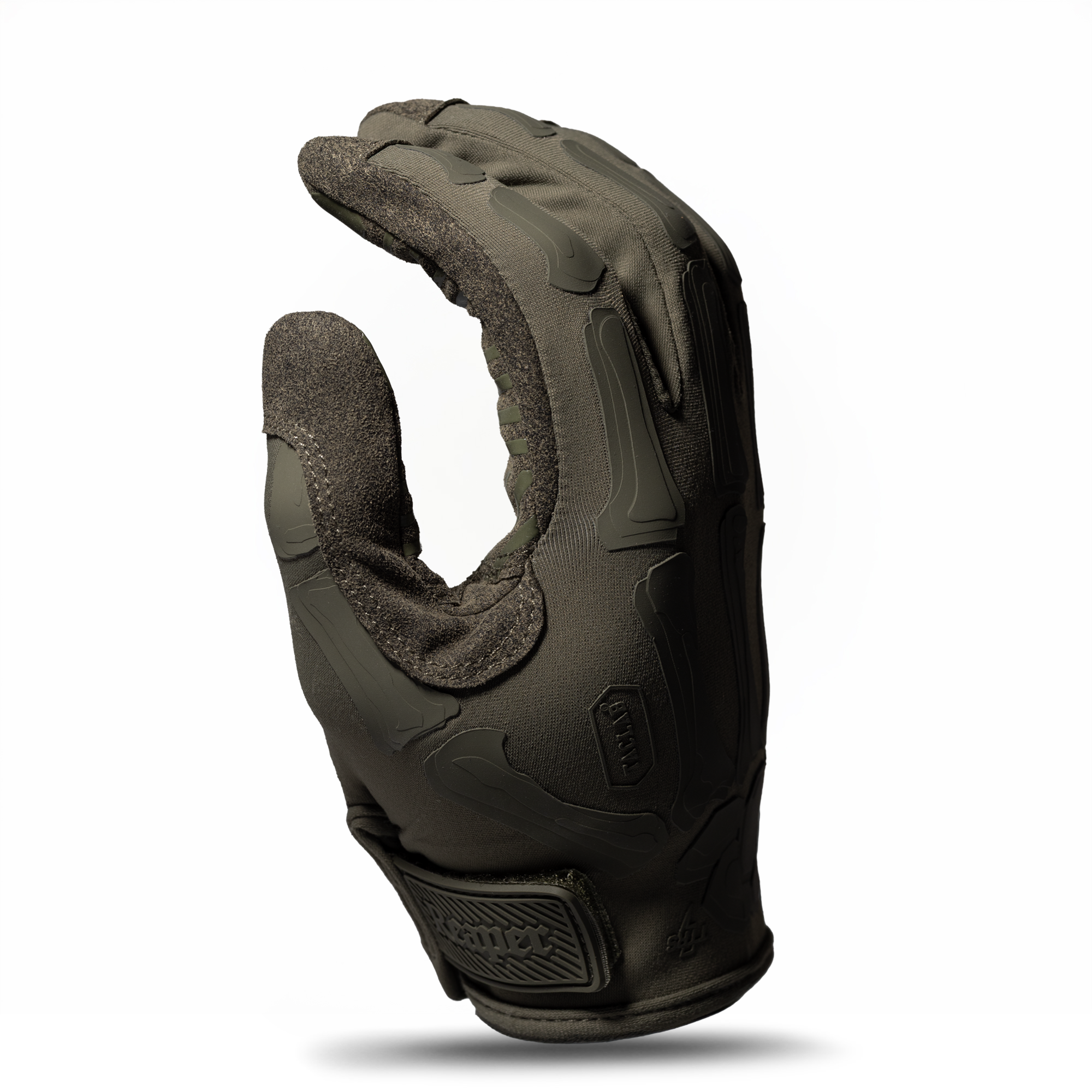
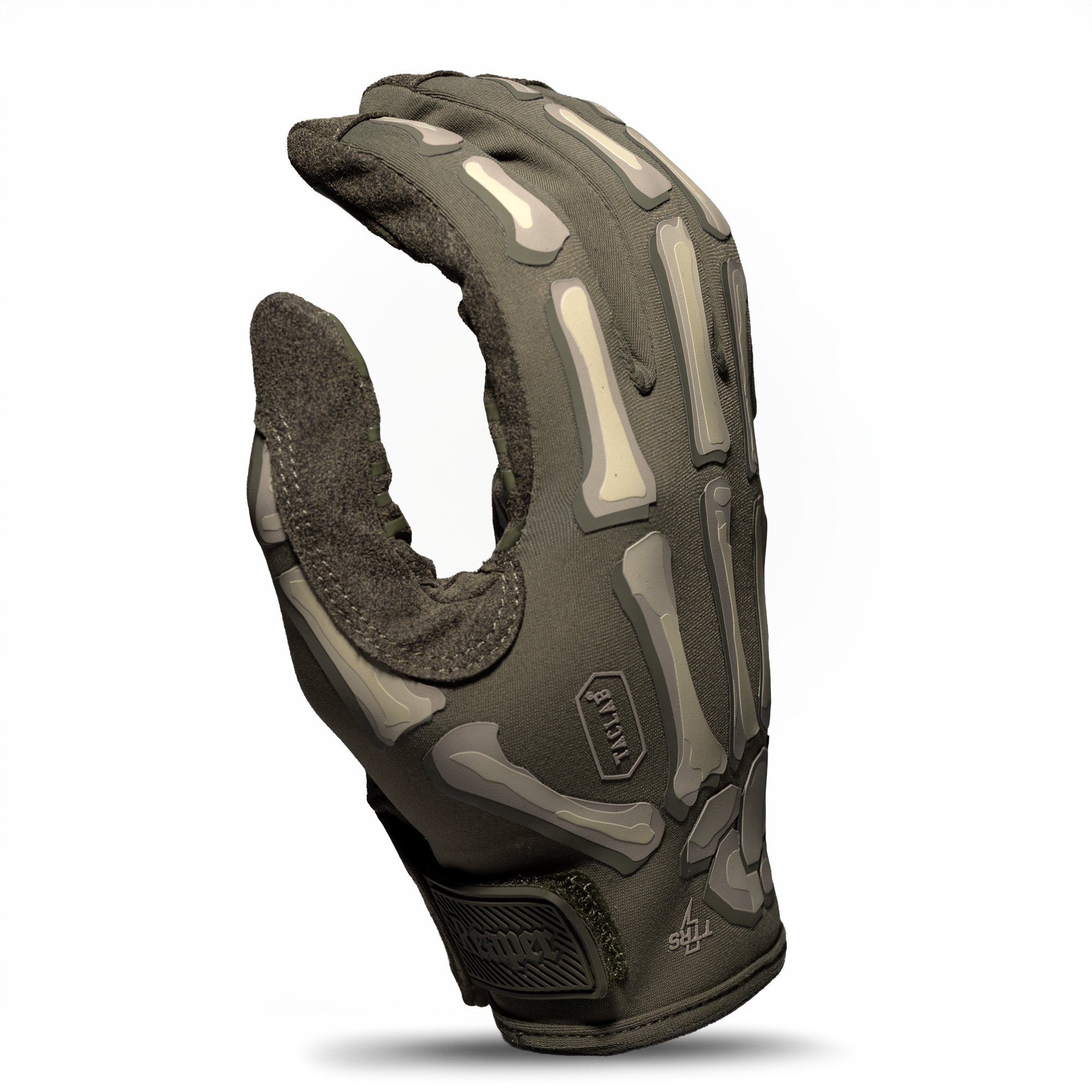
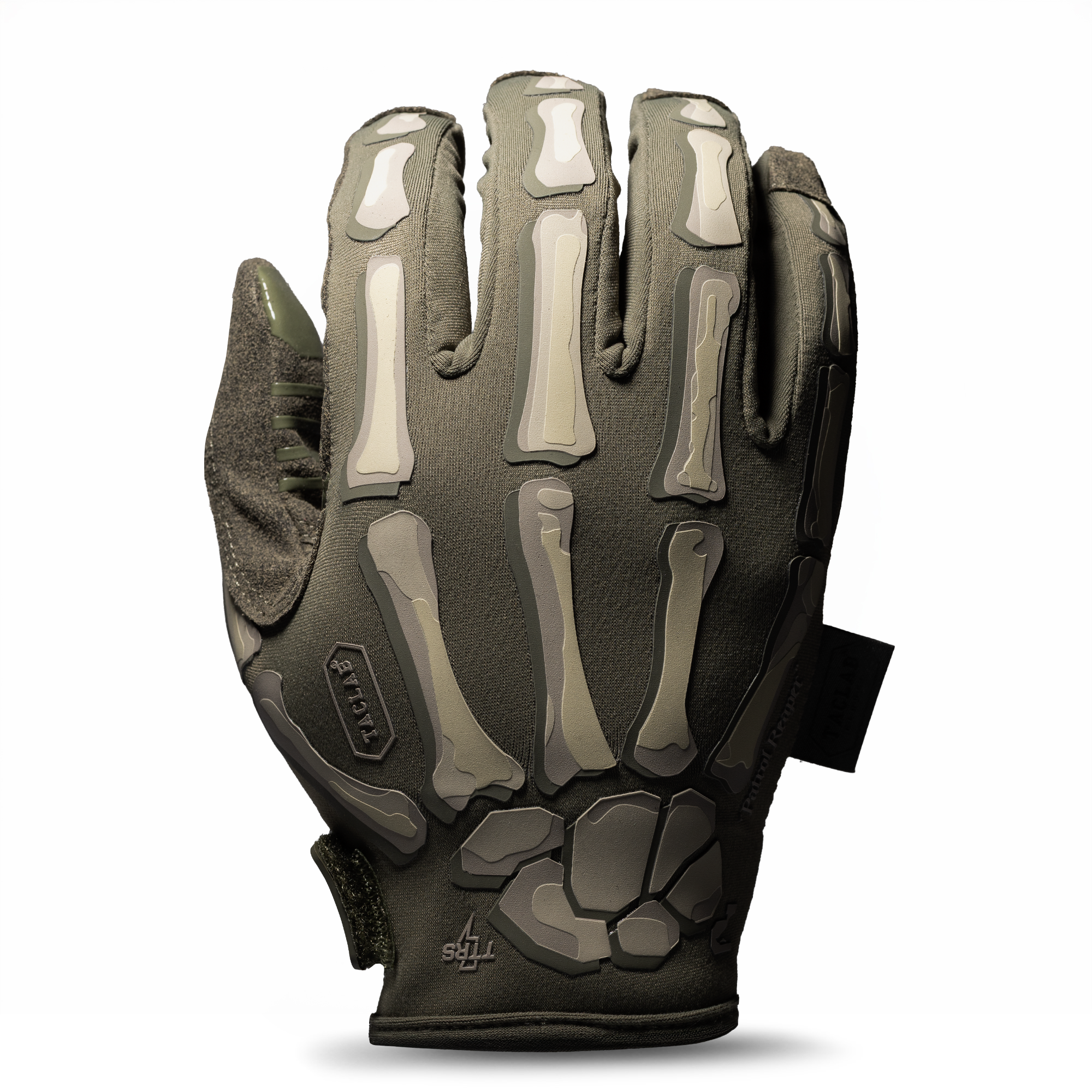
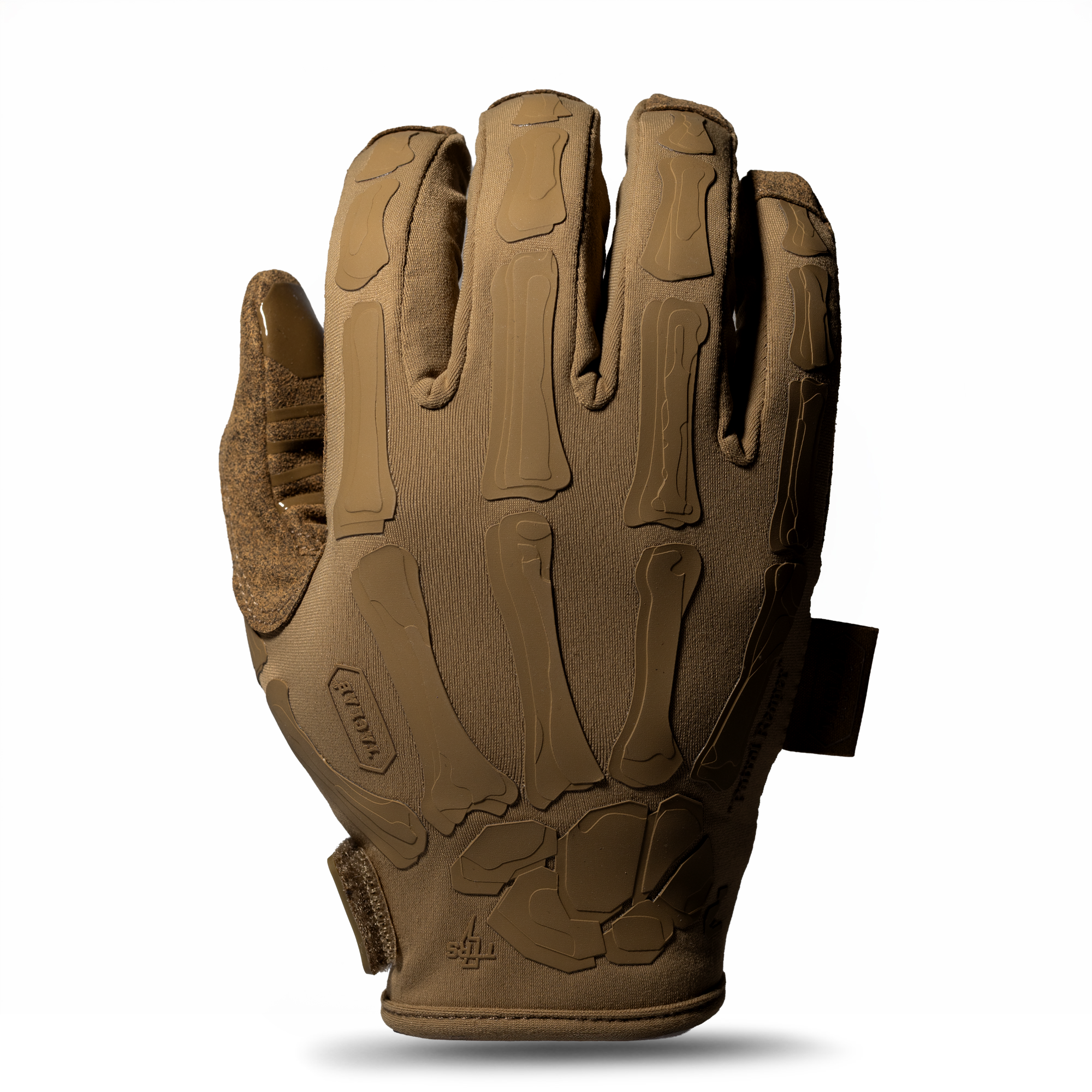
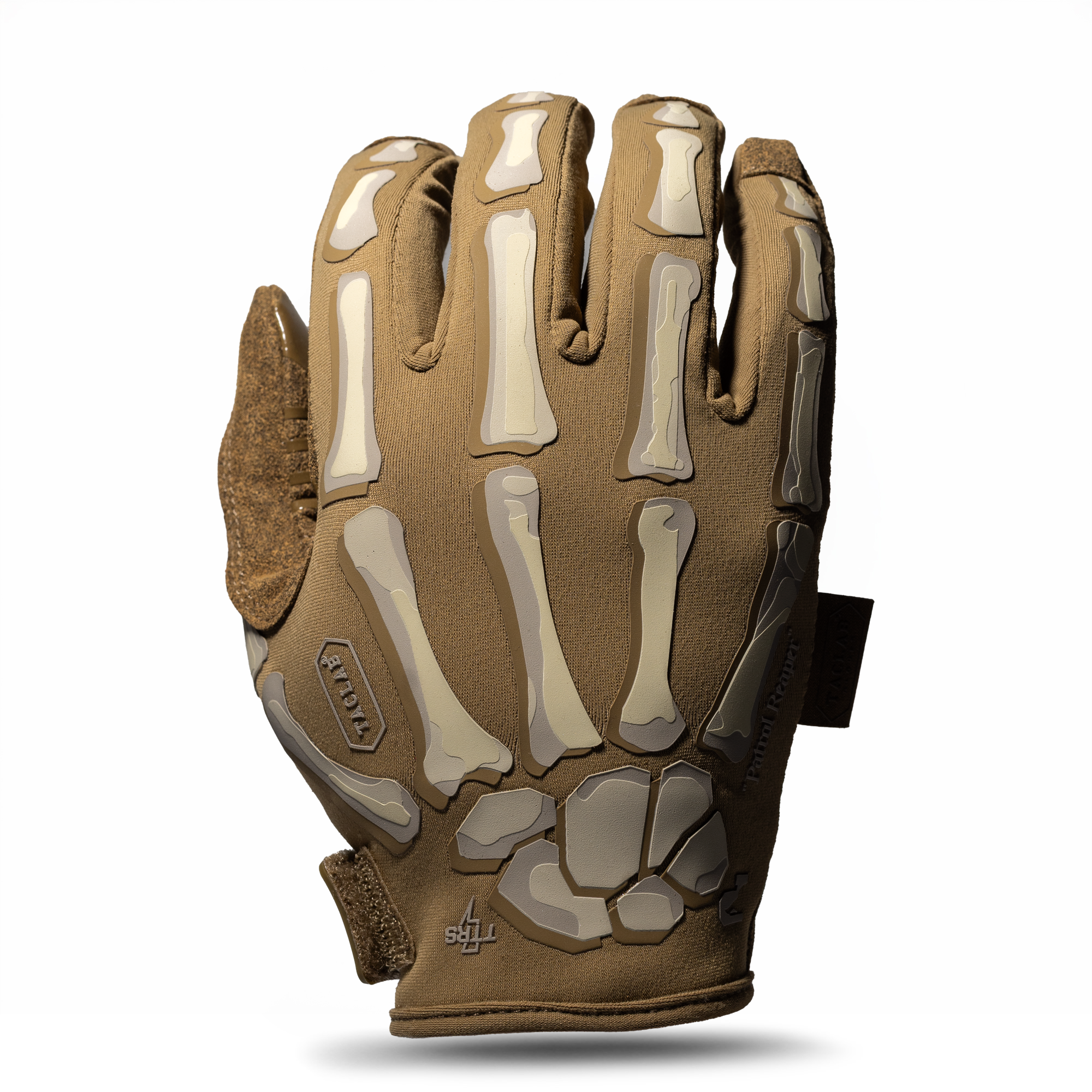
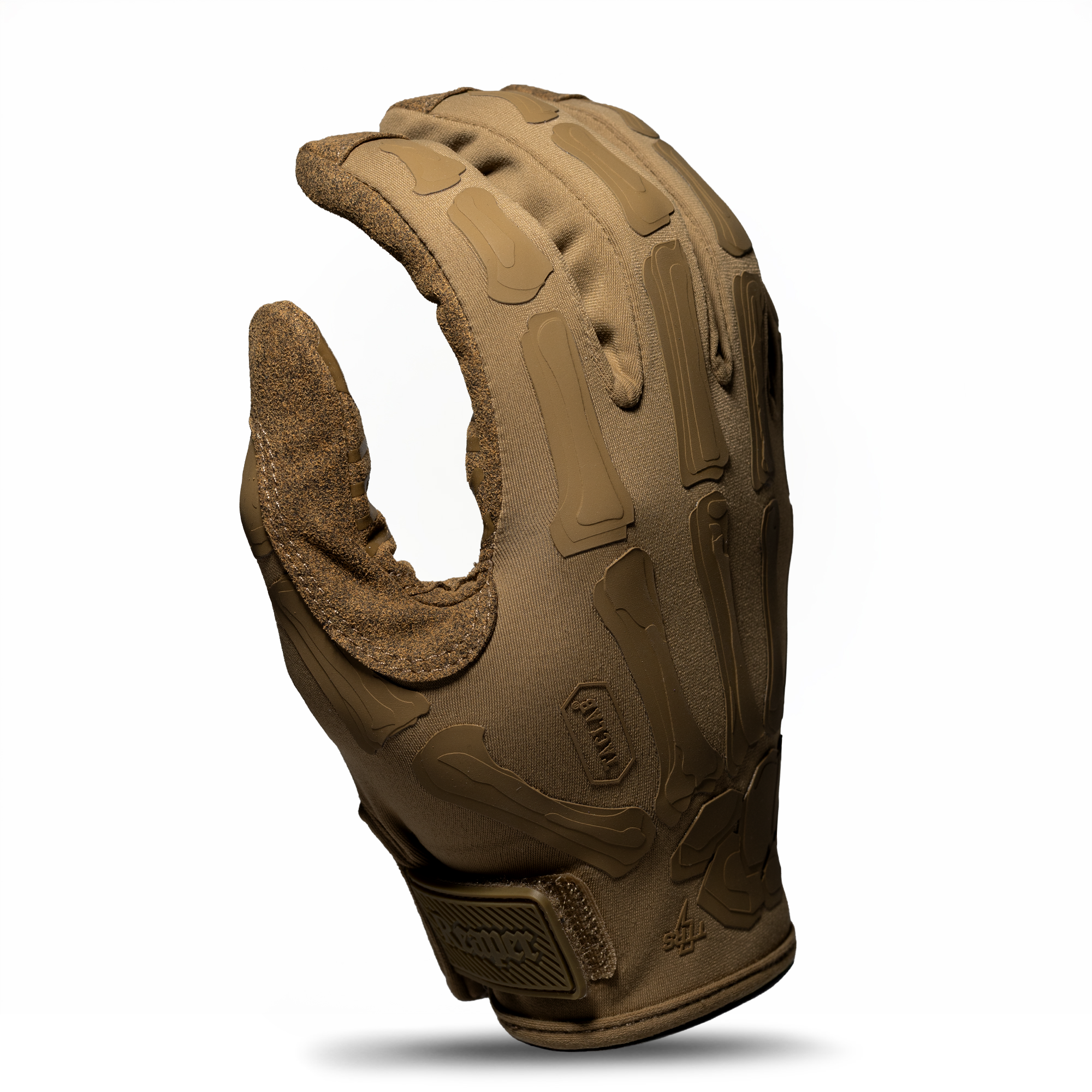
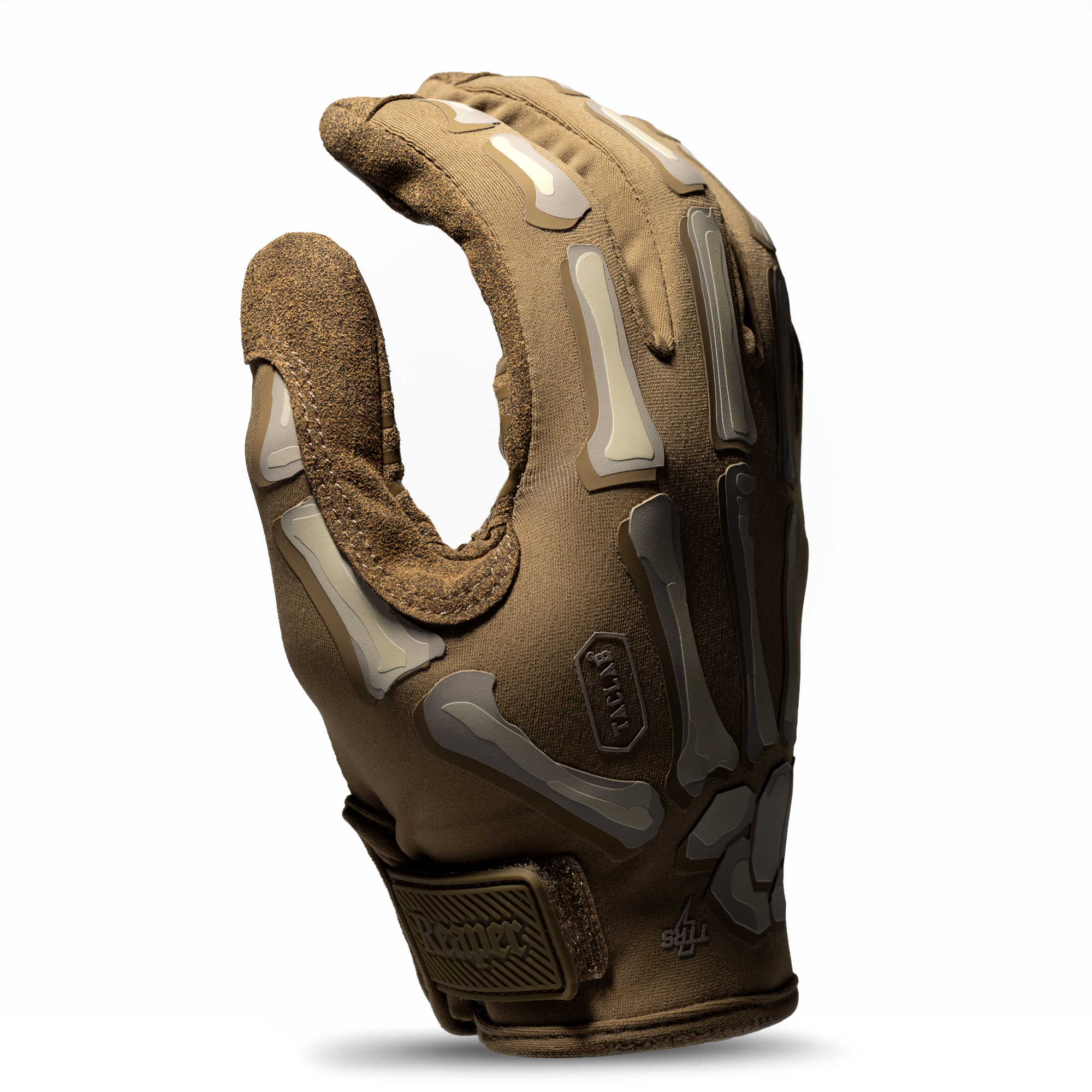
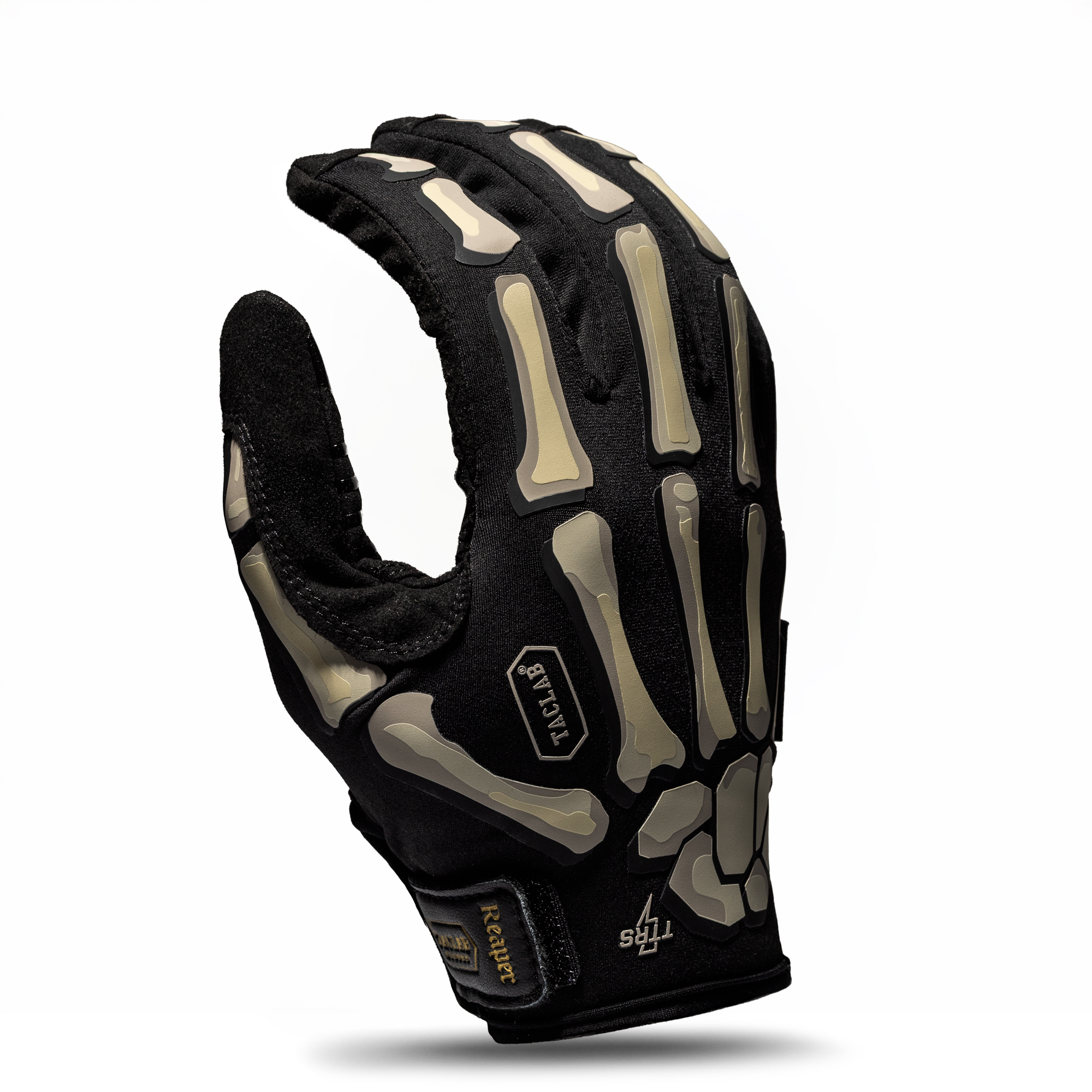
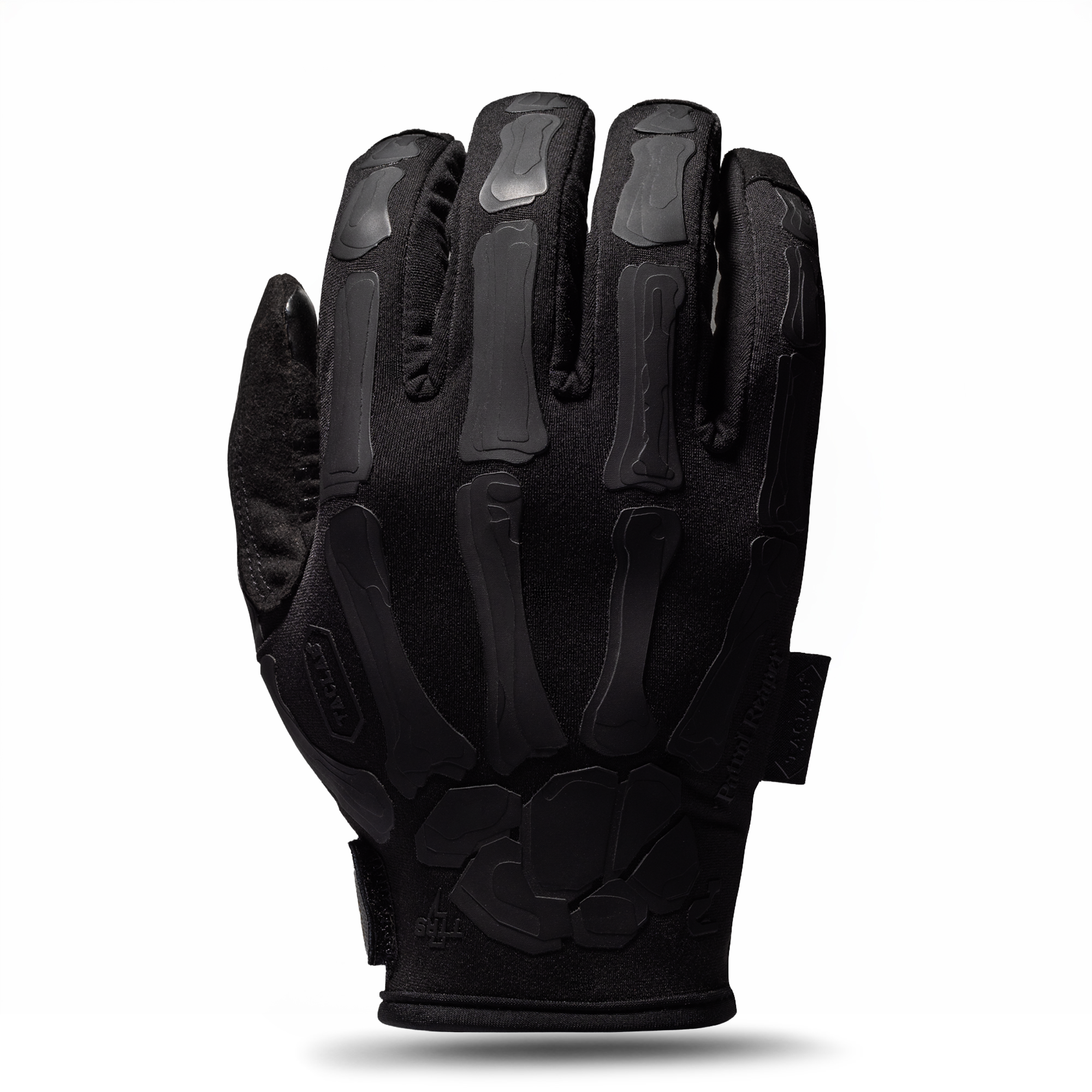
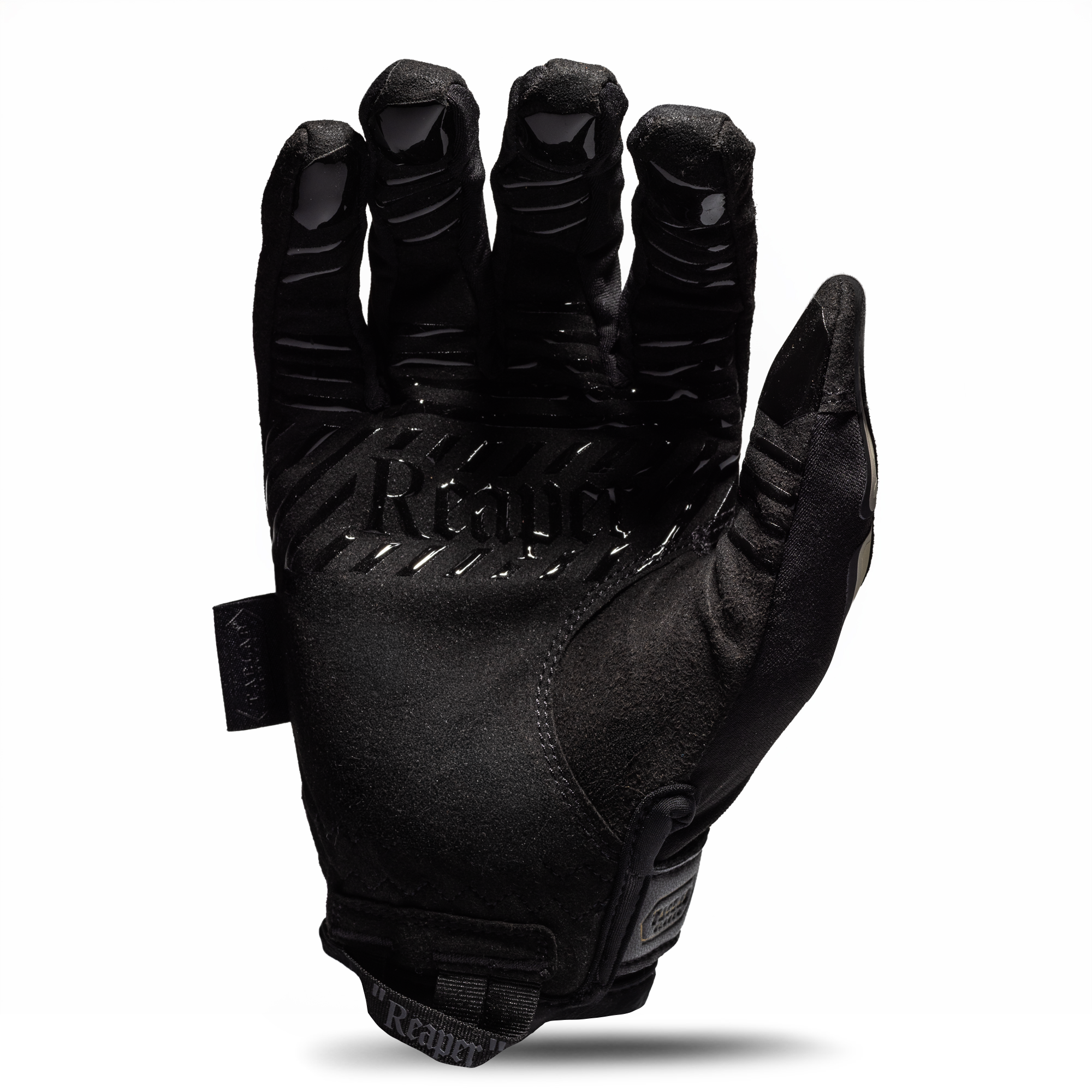
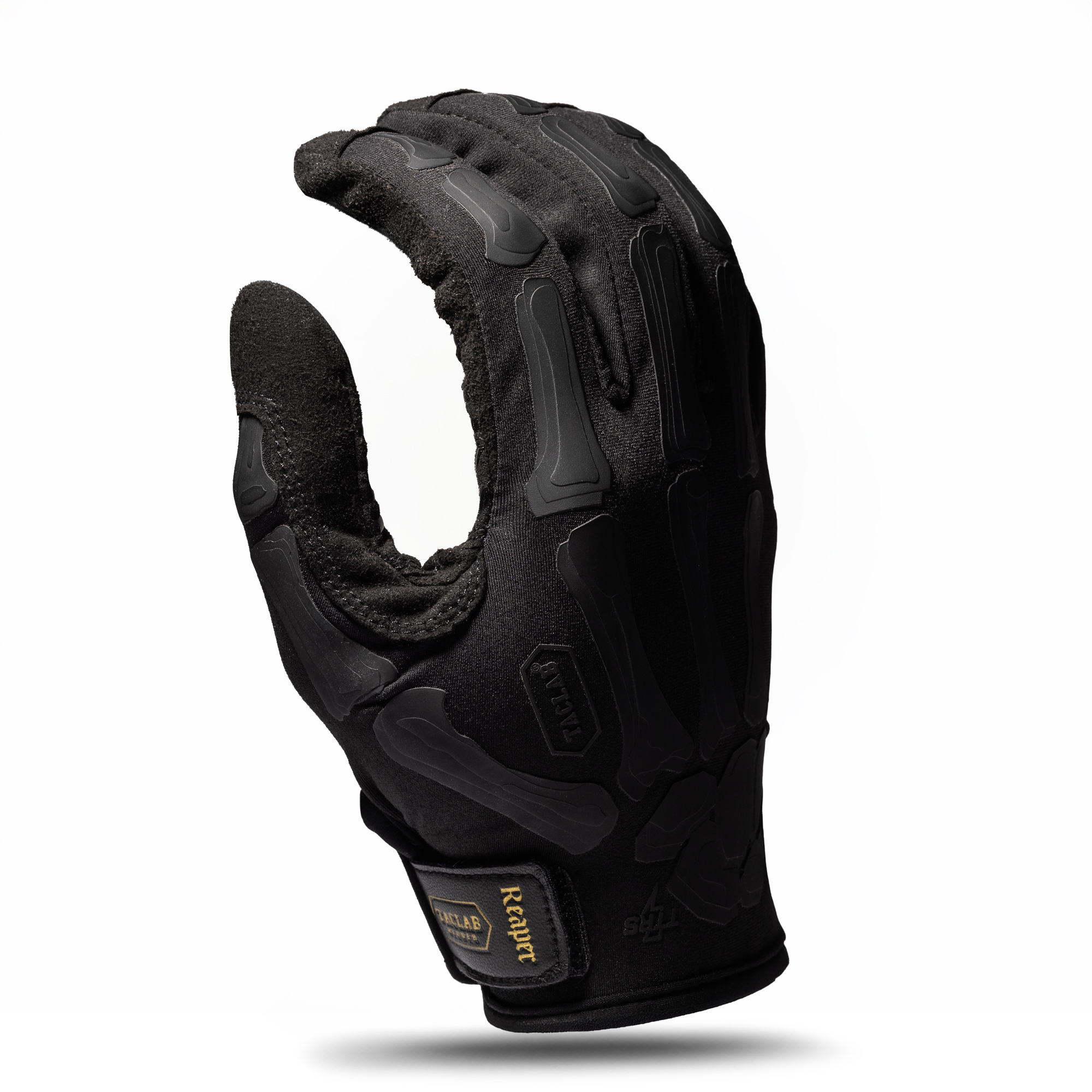
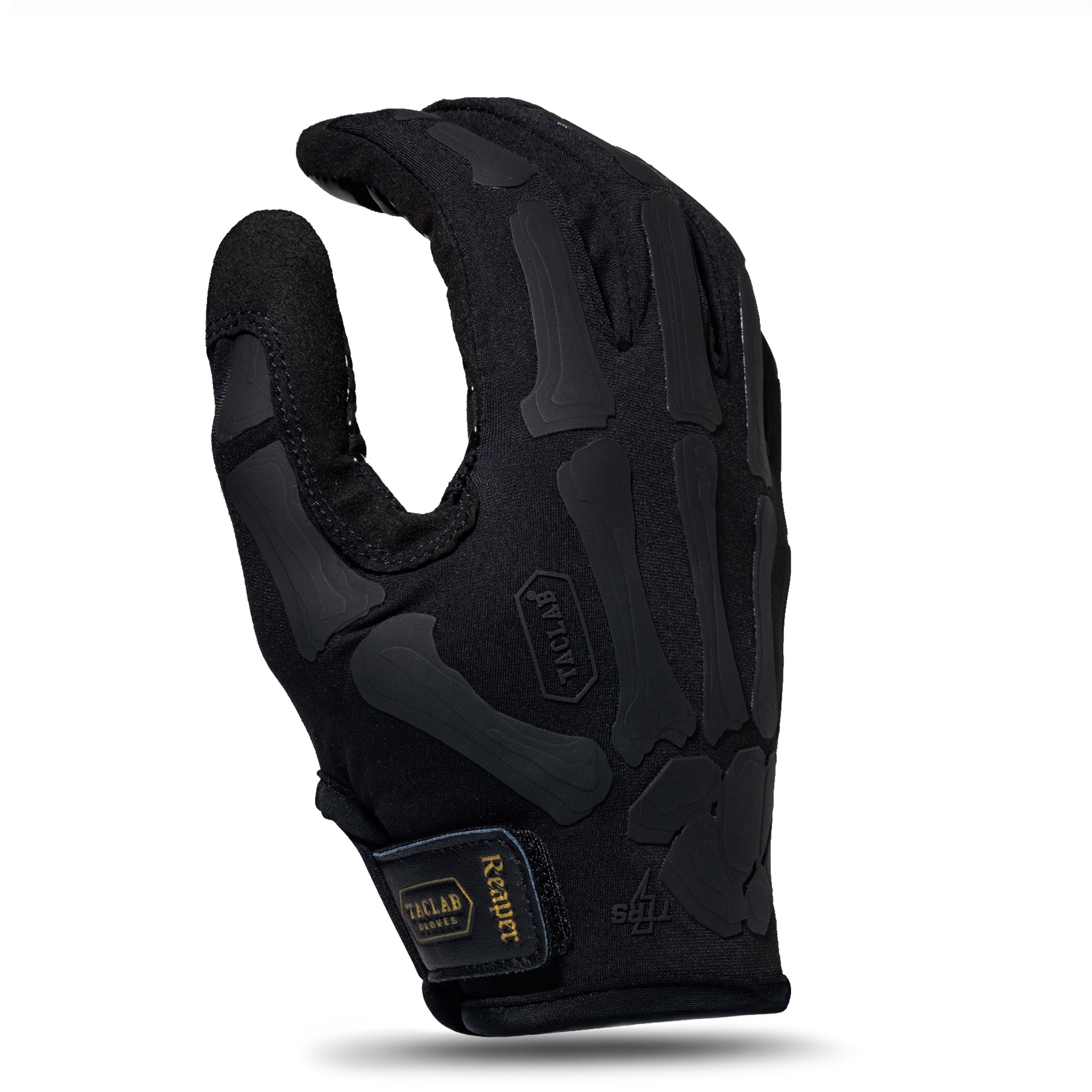
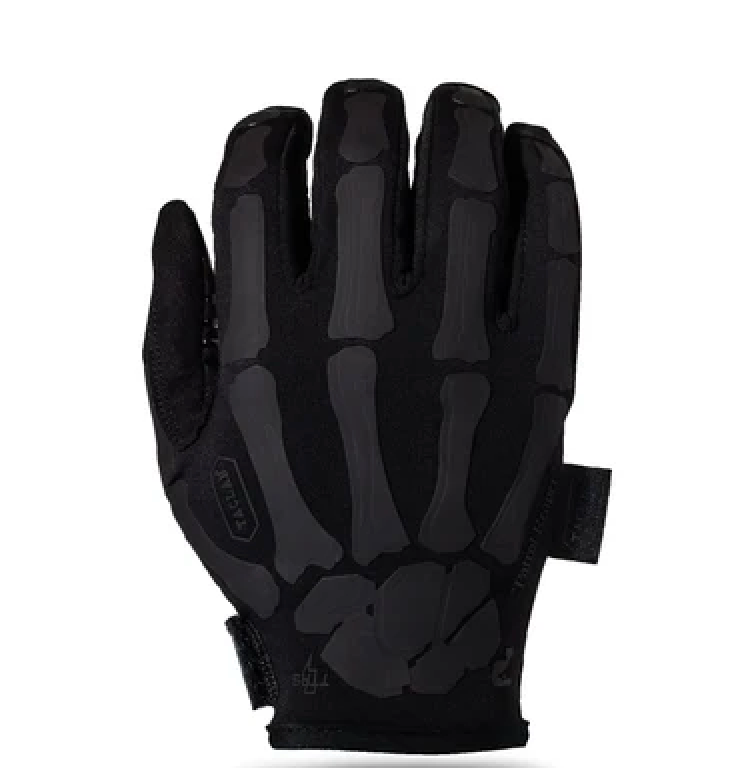
For example, the standard TACLAB Reaper prioritizes lightweight feel, dexterity, and flexibility.
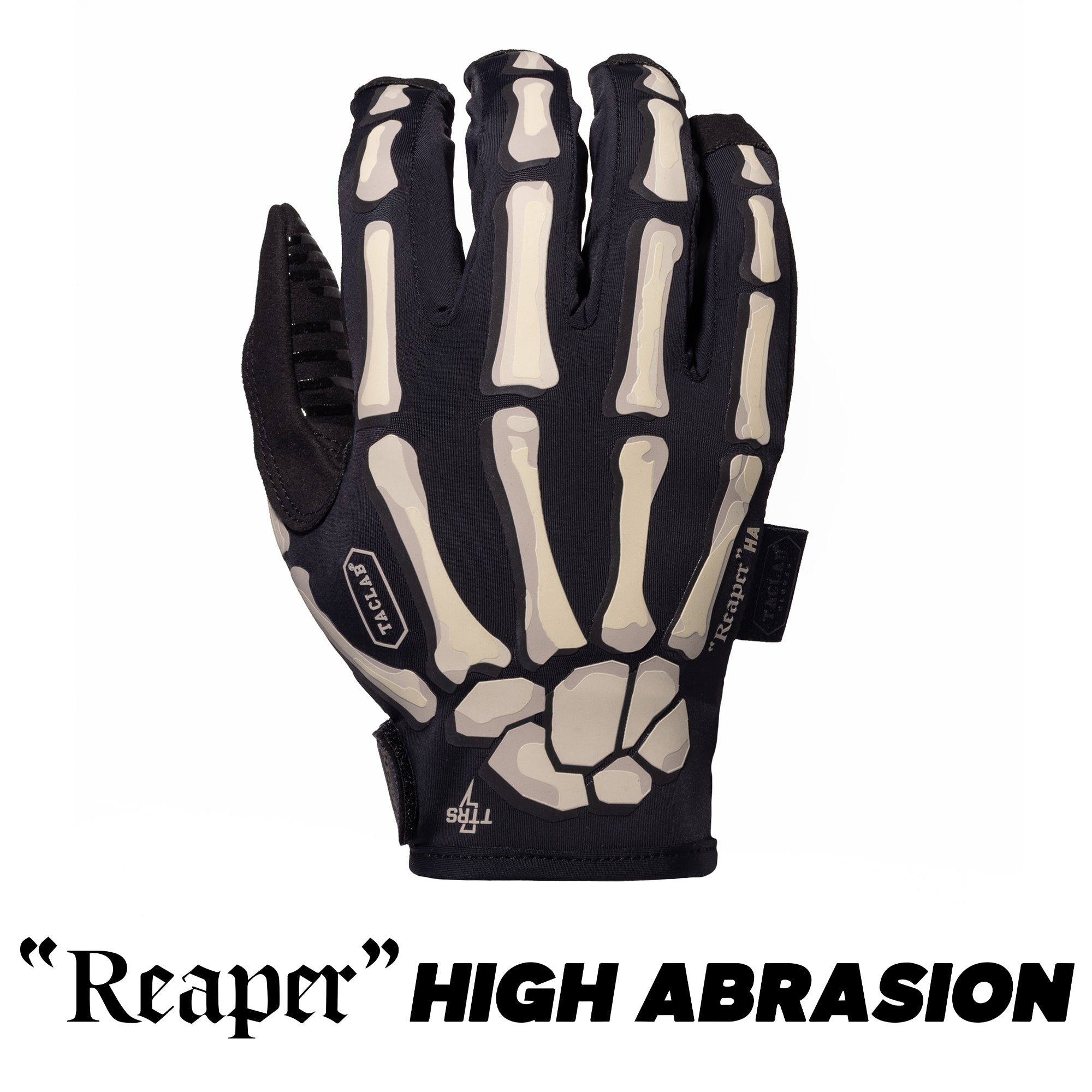
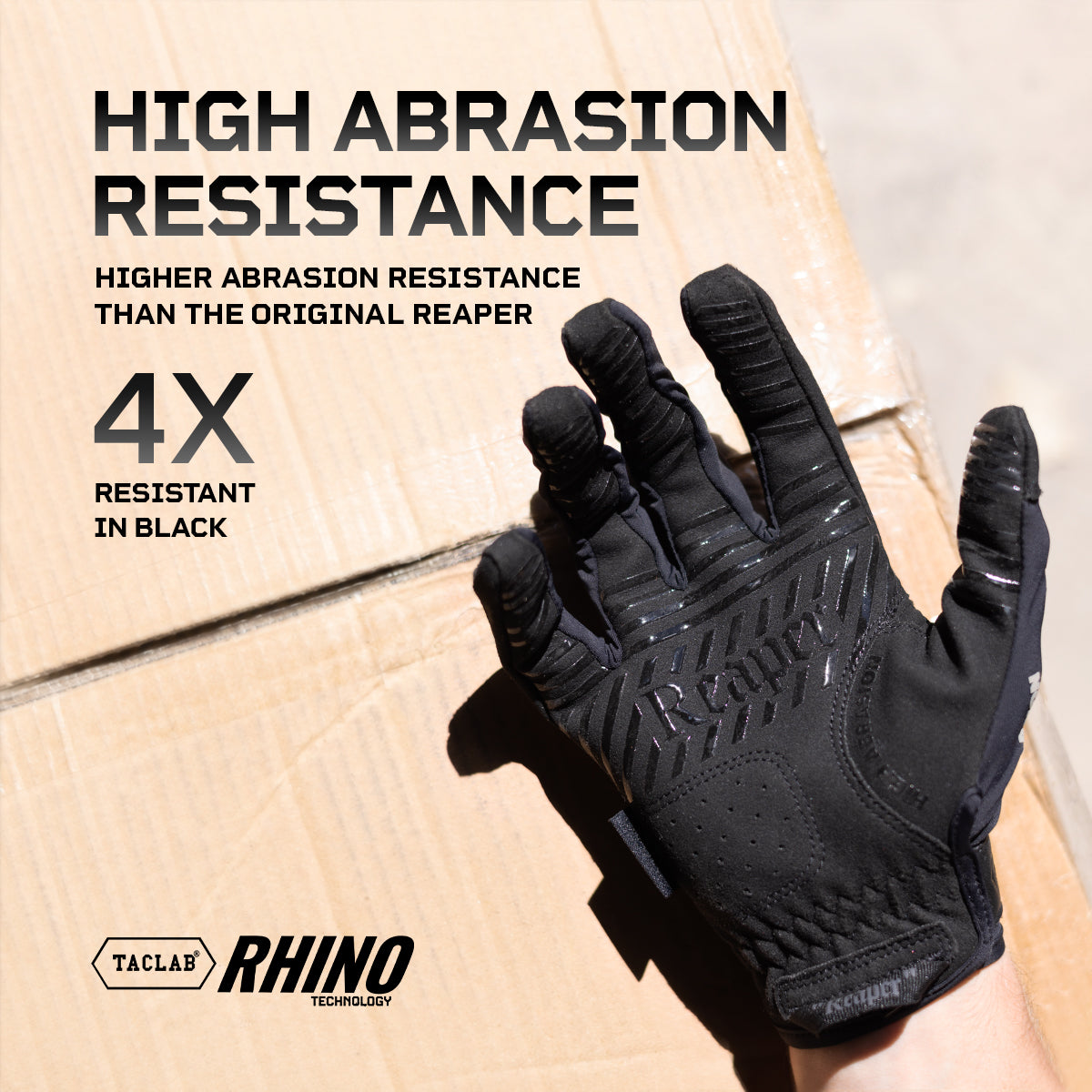
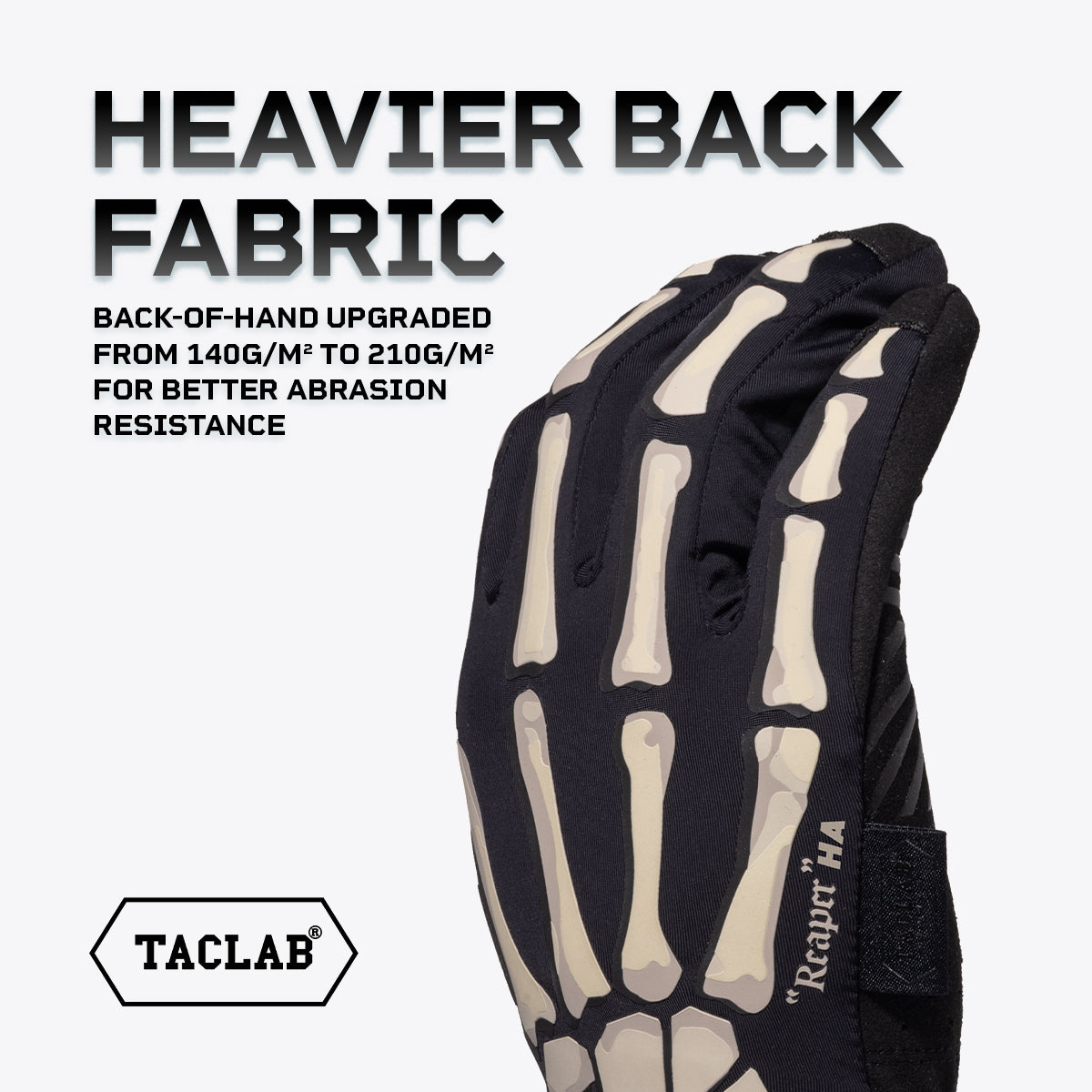
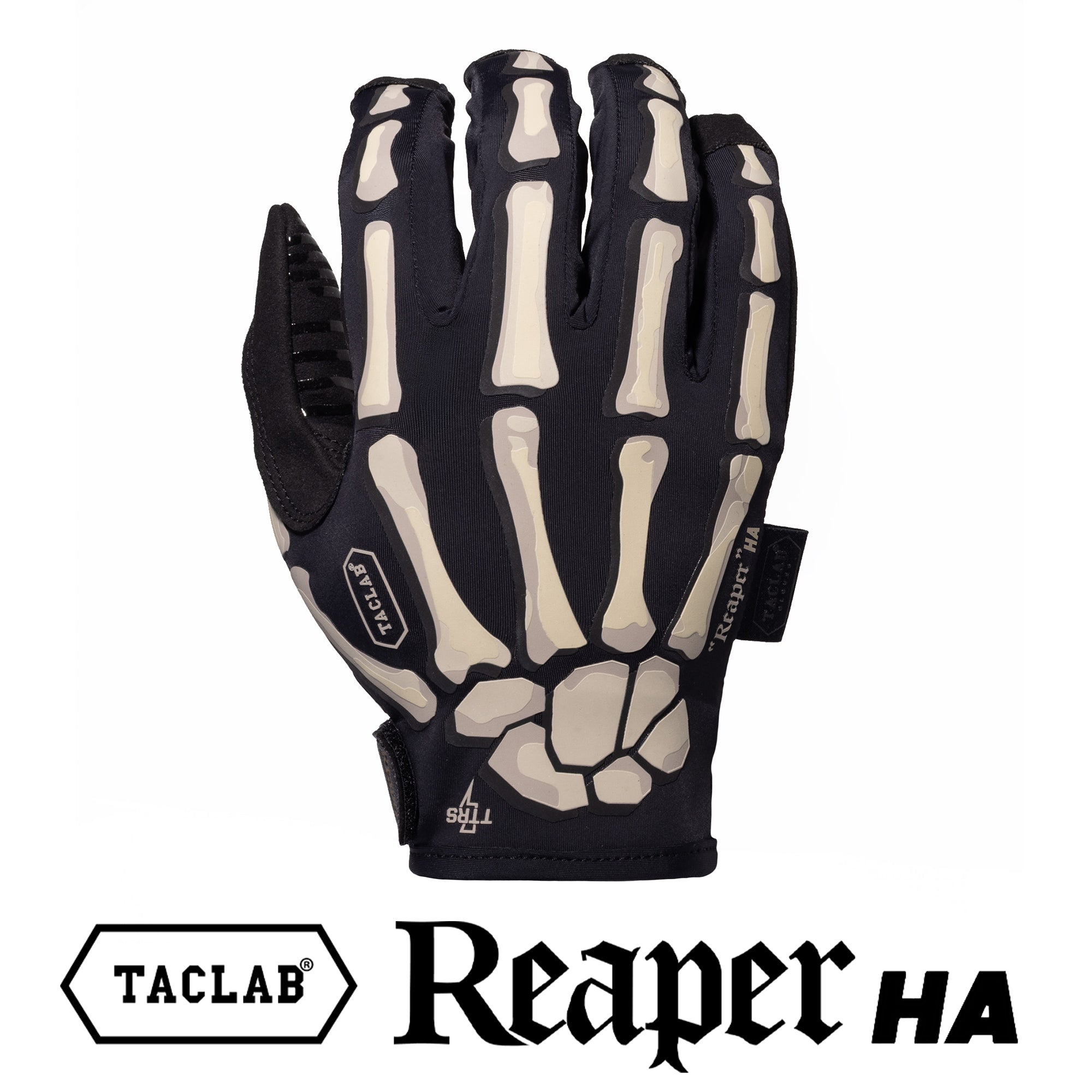
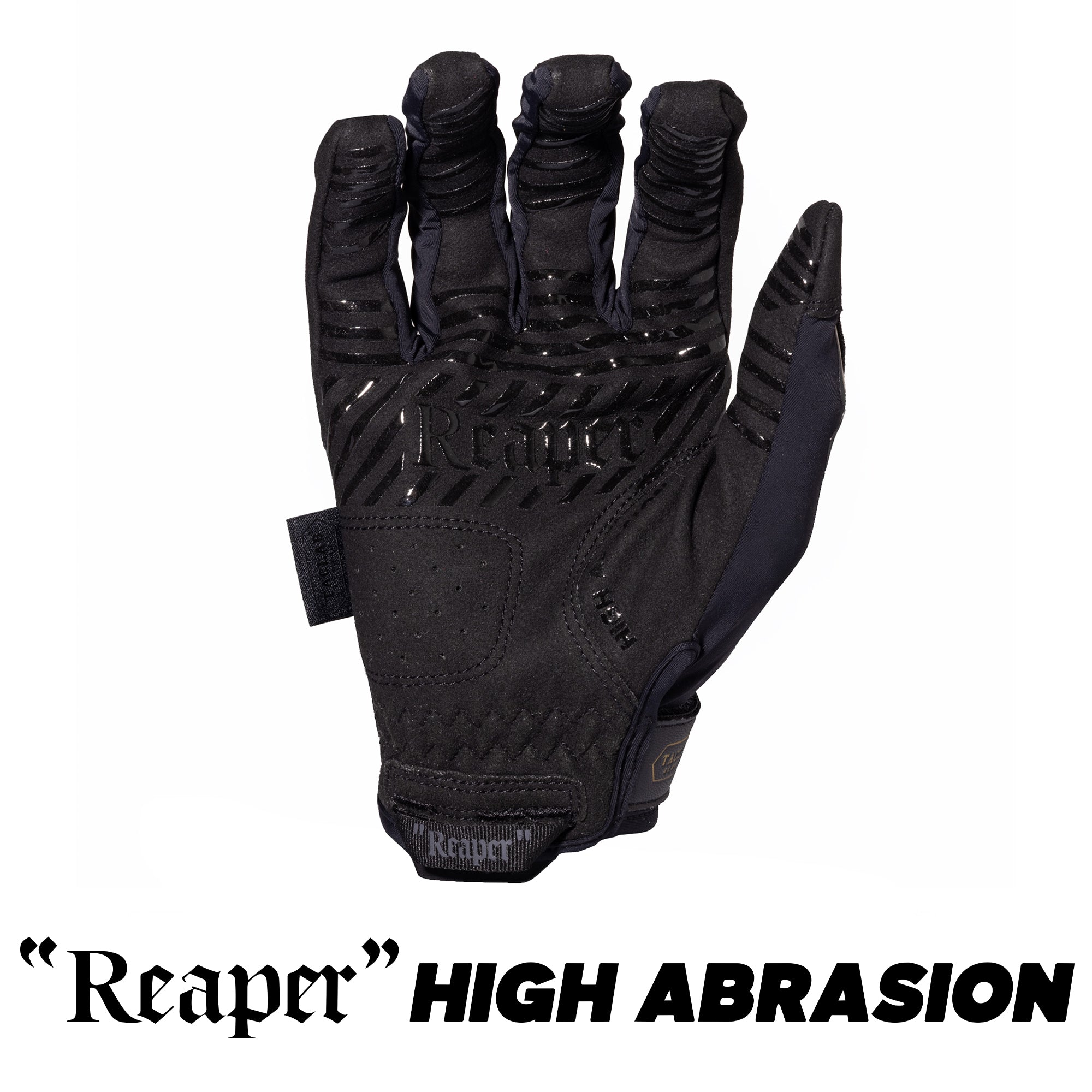
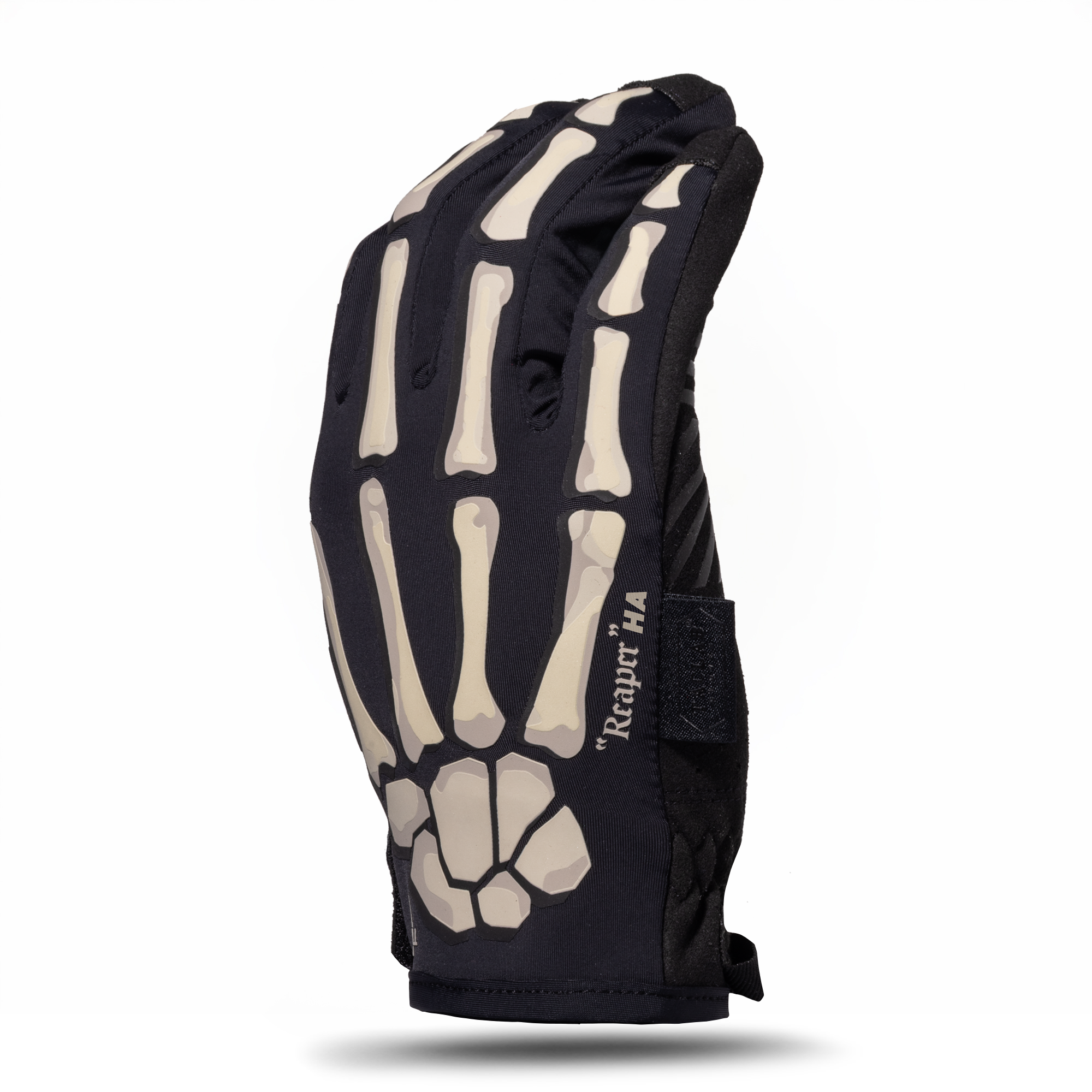
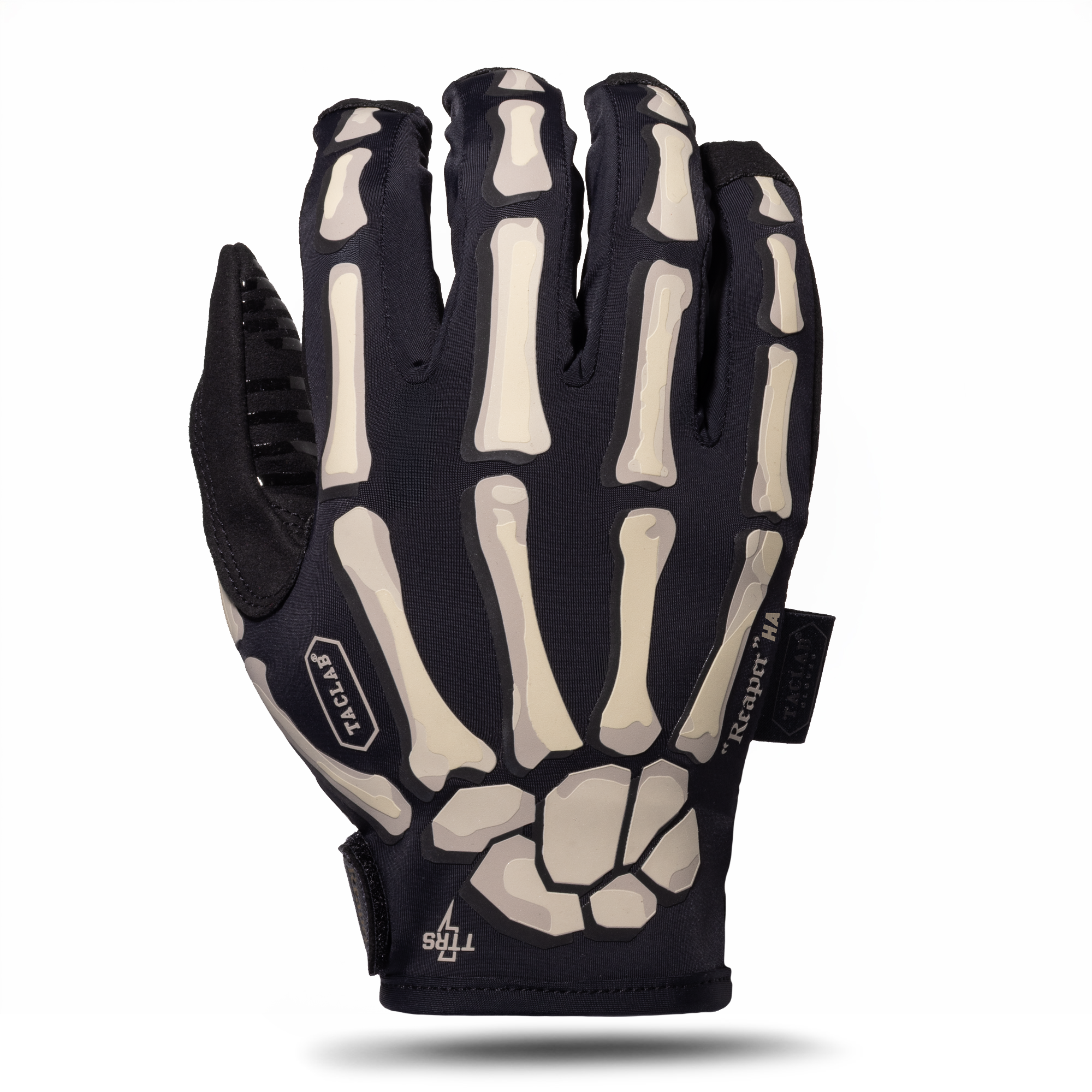
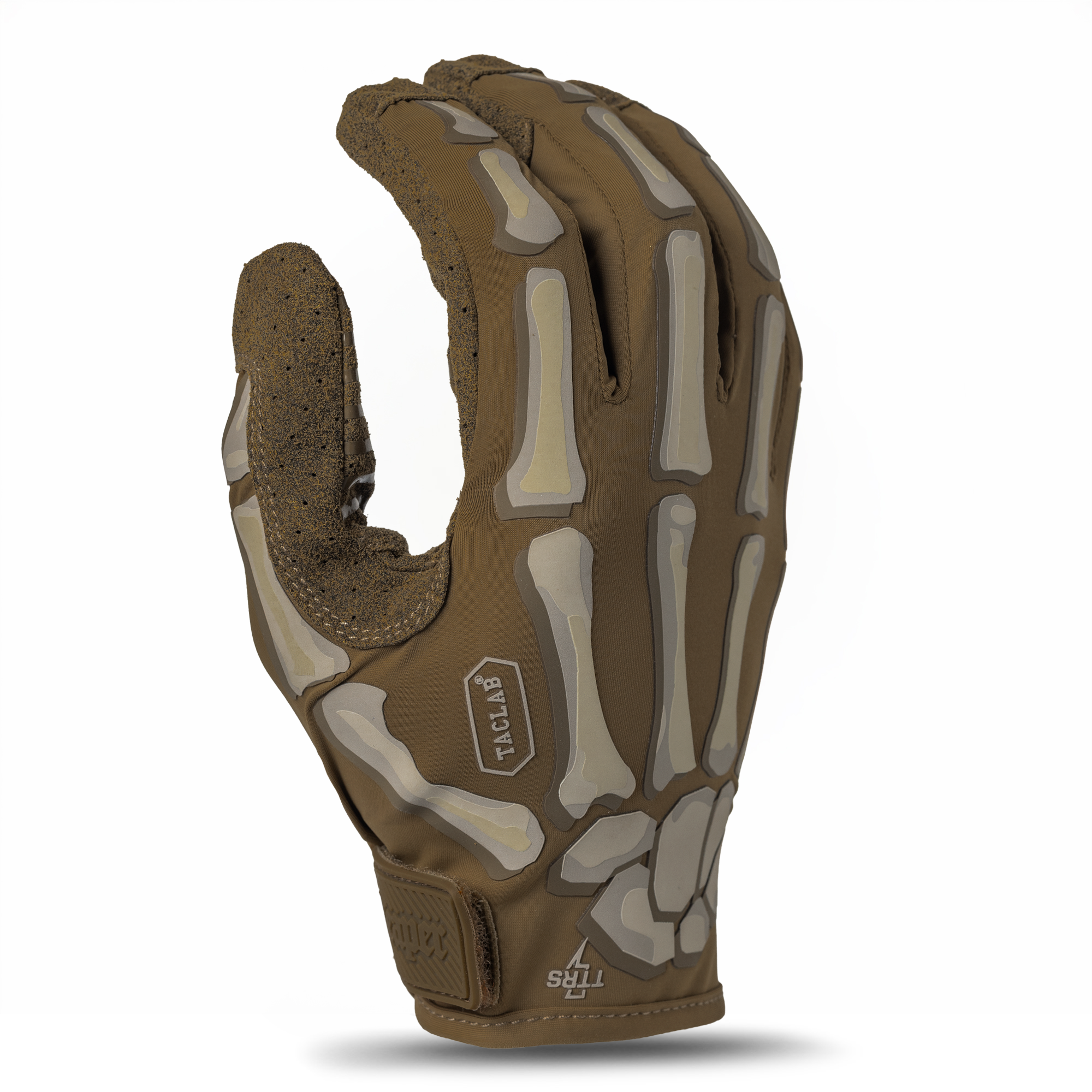
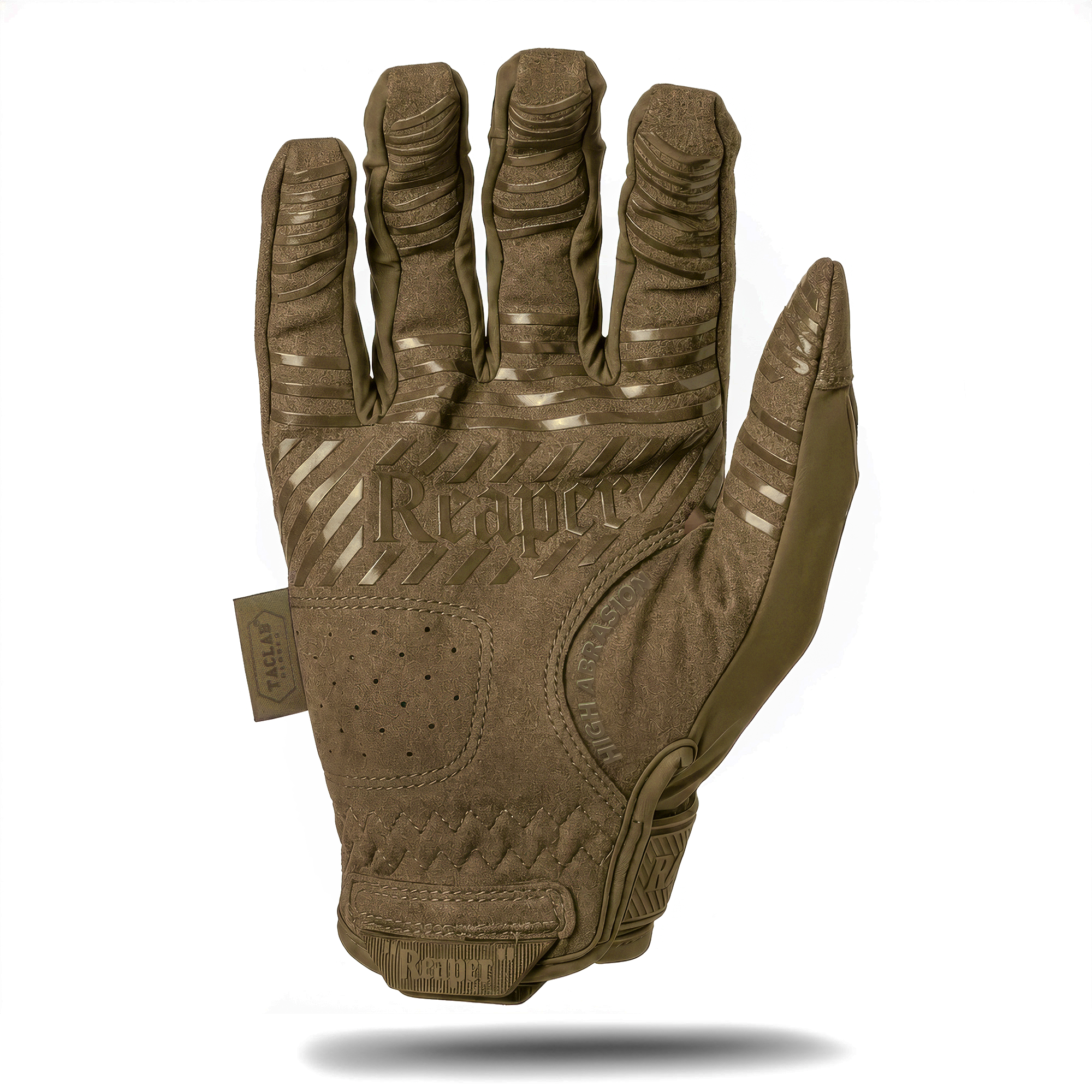
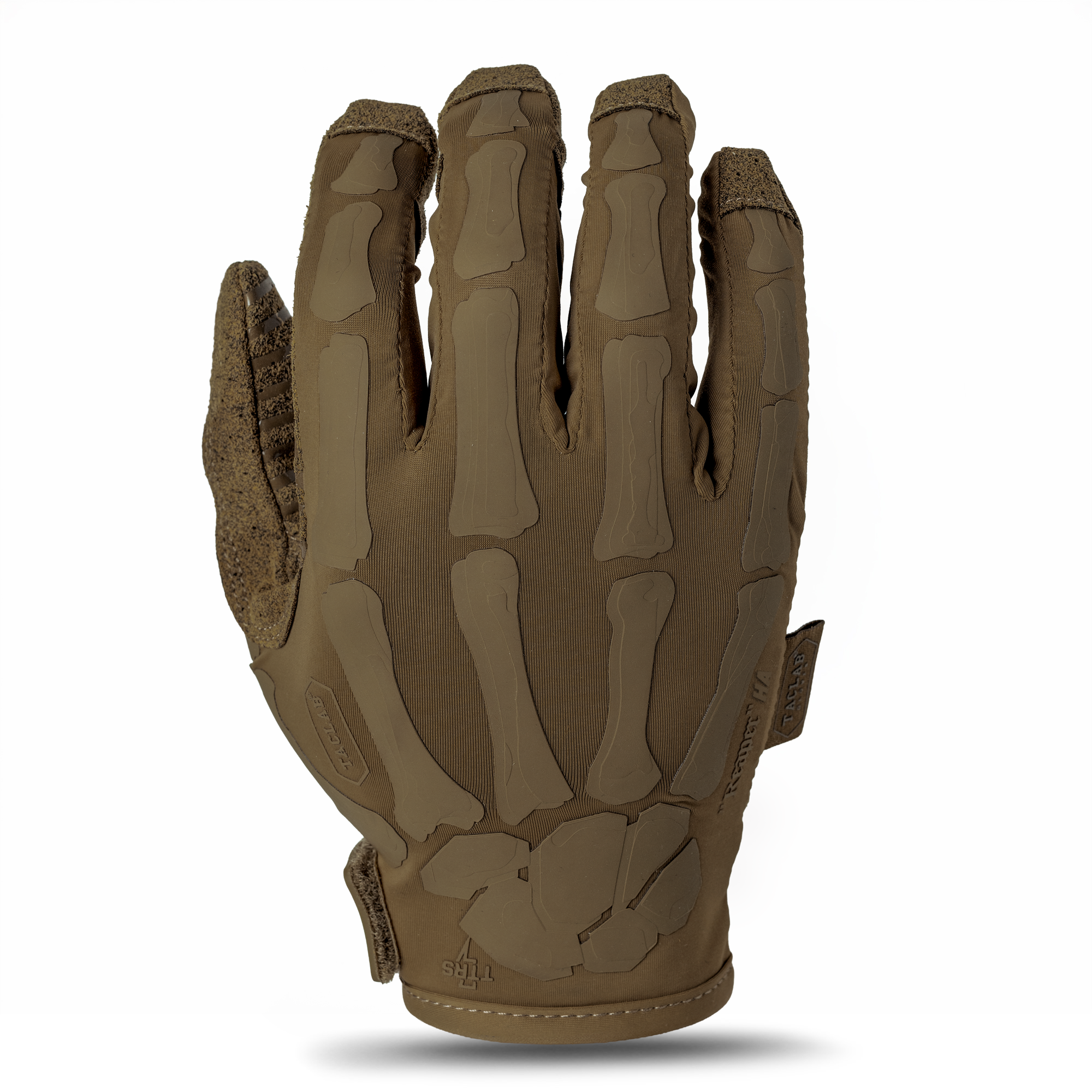
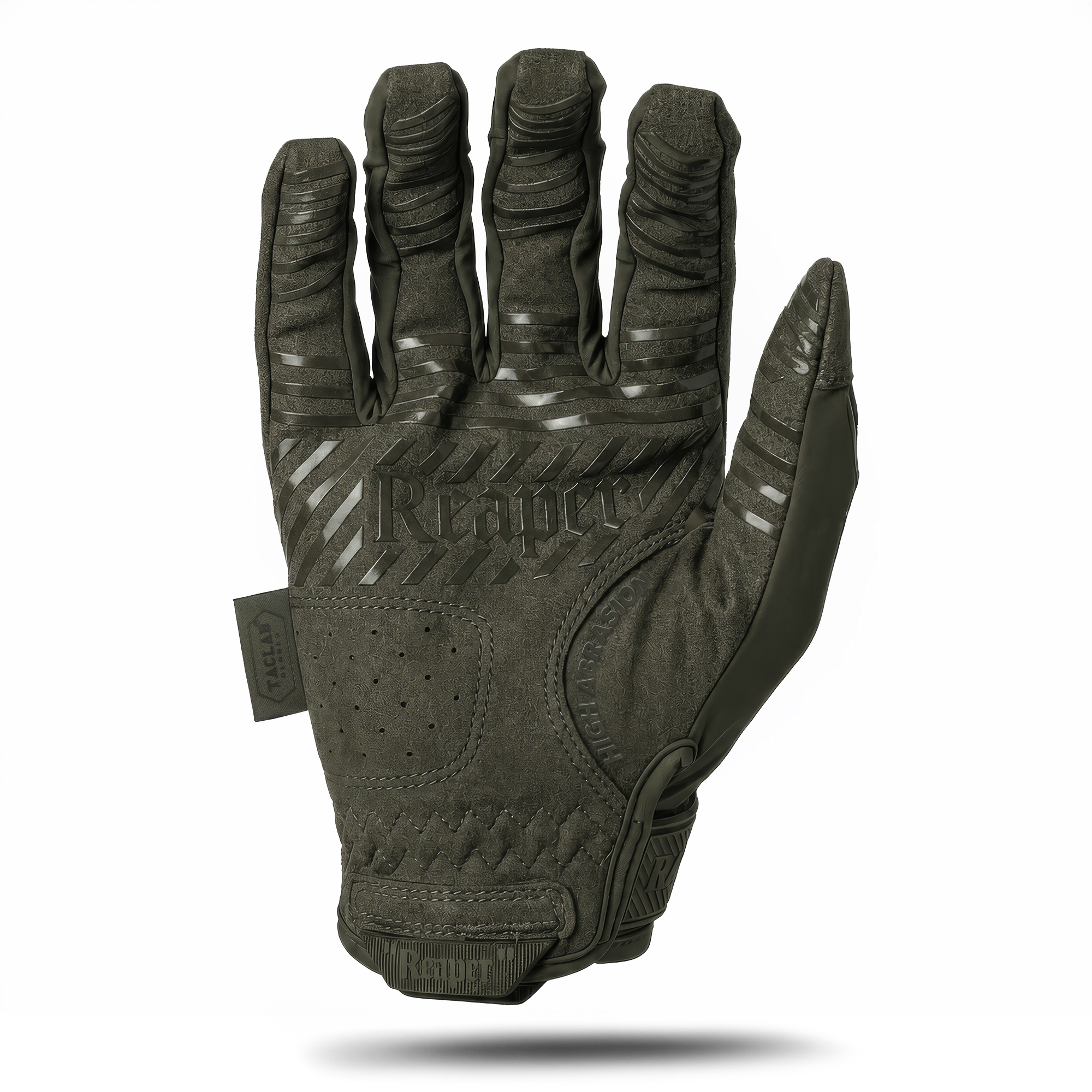
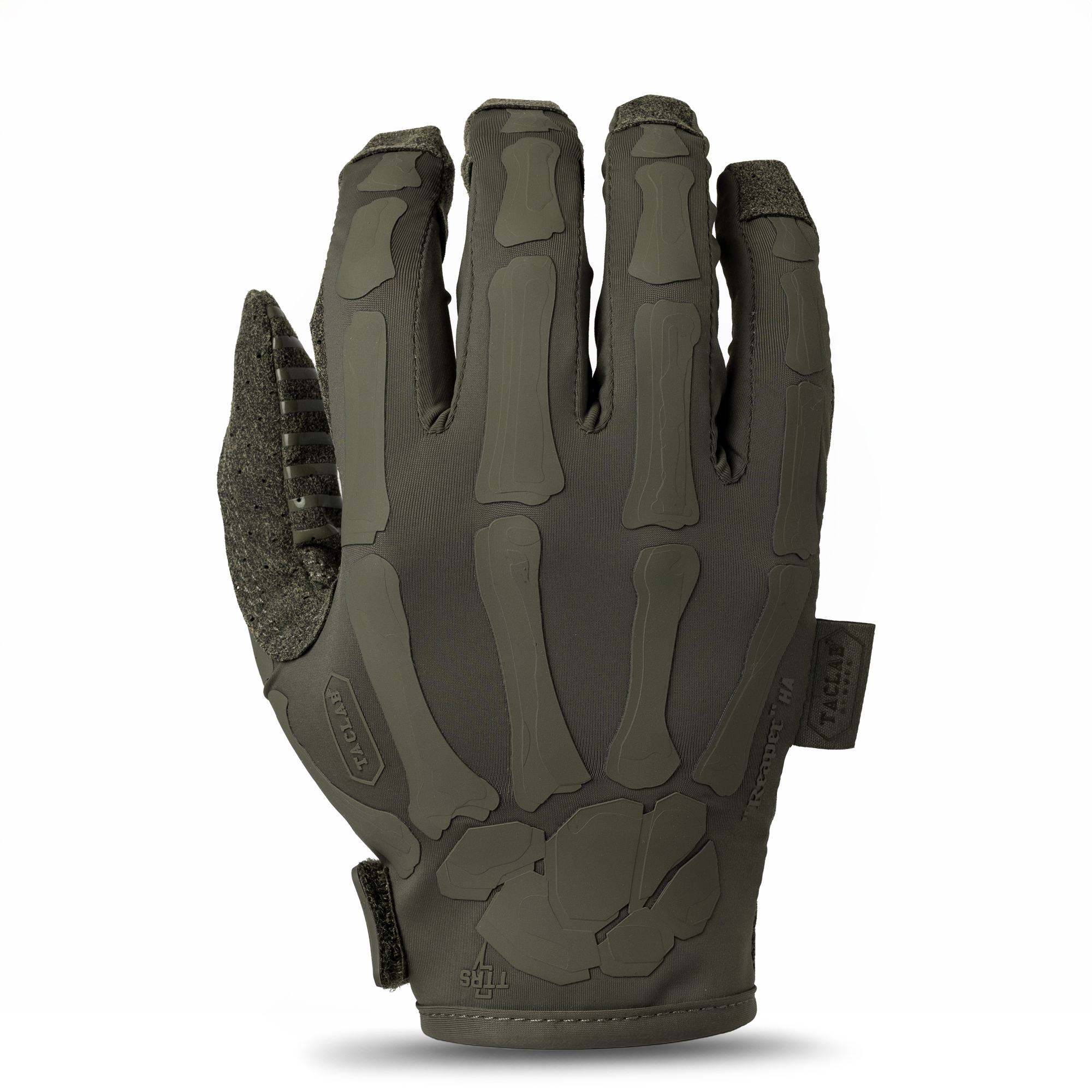
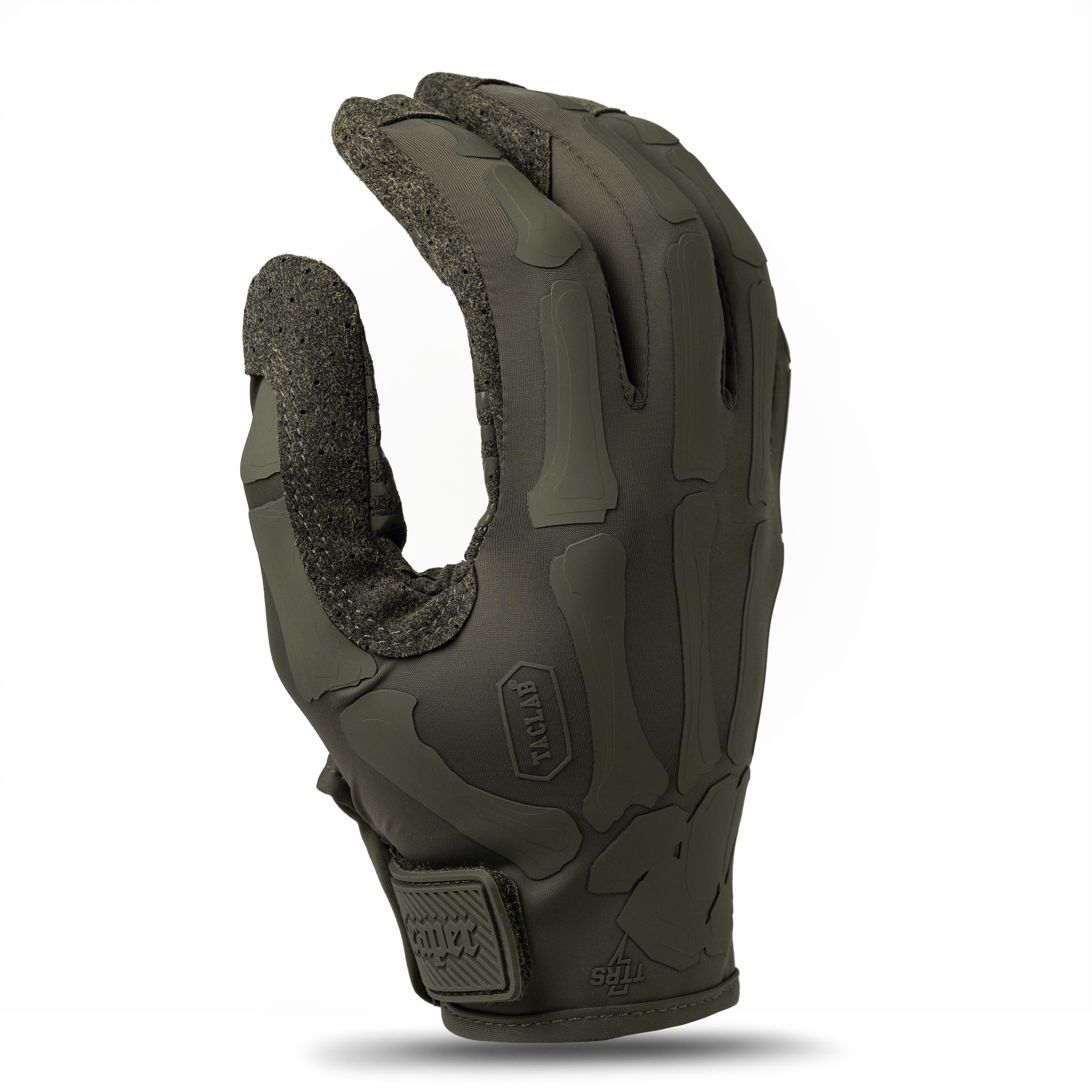
If your training environment involves frequent contact with abrasive surfaces, the more appropriate option may be something like the Reaper HA, which places greater emphasis on abrasion resistance.
The principle is simple:
Don't judge a precision glove by heavy-duty work-glove standards.
Choose according to the task.
When Should You Wear Shooting Gloves?
Here's a practical way to think about it:
| Shooting Situation | Are Gloves Useful? | Why? |
|---|---|---|
| Short indoor range session | Optional | Controlled environment and limited exposure |
| Long range session | Often useful | Comfort, friction, and repeated manipulation |
| Hot outdoor range | Often useful | Sweat management and consistent grip |
| Cold-weather shooting | Recommended | Warmth and hand comfort |
| High-round-count training | Often useful | Heat, friction, and extended equipment handling |
| Outdoor dynamic training | Often useful | Added hand coverage |
| Hunting | Often useful | Weather and outdoor protection |
| Heavy abrasive training | Specialized gloves recommended | Standard thin gloves may wear quickly |
| Casual recreational shooting | Personal preference | Depends on comfort and conditions |
This is why the answer to “Should I wear gloves at the shooting range?” can't simply be yes or no.
Context matters.
When Might You Prefer Shooting Without Gloves?
Bare hands can make perfect sense when:
- You're shooting for a short period.
- Weather conditions are comfortable.
- Your hands aren't becoming sweaty.
- You're not handling rough or hot equipment.
- You strongly prefer direct tactile feedback.
- You're practicing skills specifically without gloves.
There's also value in knowing how your equipment feels without additional layers.
If you normally train with gloves, occasional bare-hand training can help you understand the difference.
Likewise, shooters who always train bare-handed may benefit from practicing with gloves if they expect to use them in hunting, outdoor, duty, or cold-weather conditions.
The key word is familiarity.
Whatever equipment you intend to use, train with it.
What Makes a Good Range Glove?
If you've decided gloves make sense for your range sessions, don't simply buy the most “tactical-looking” pair.
Focus on five things.
1. Fit
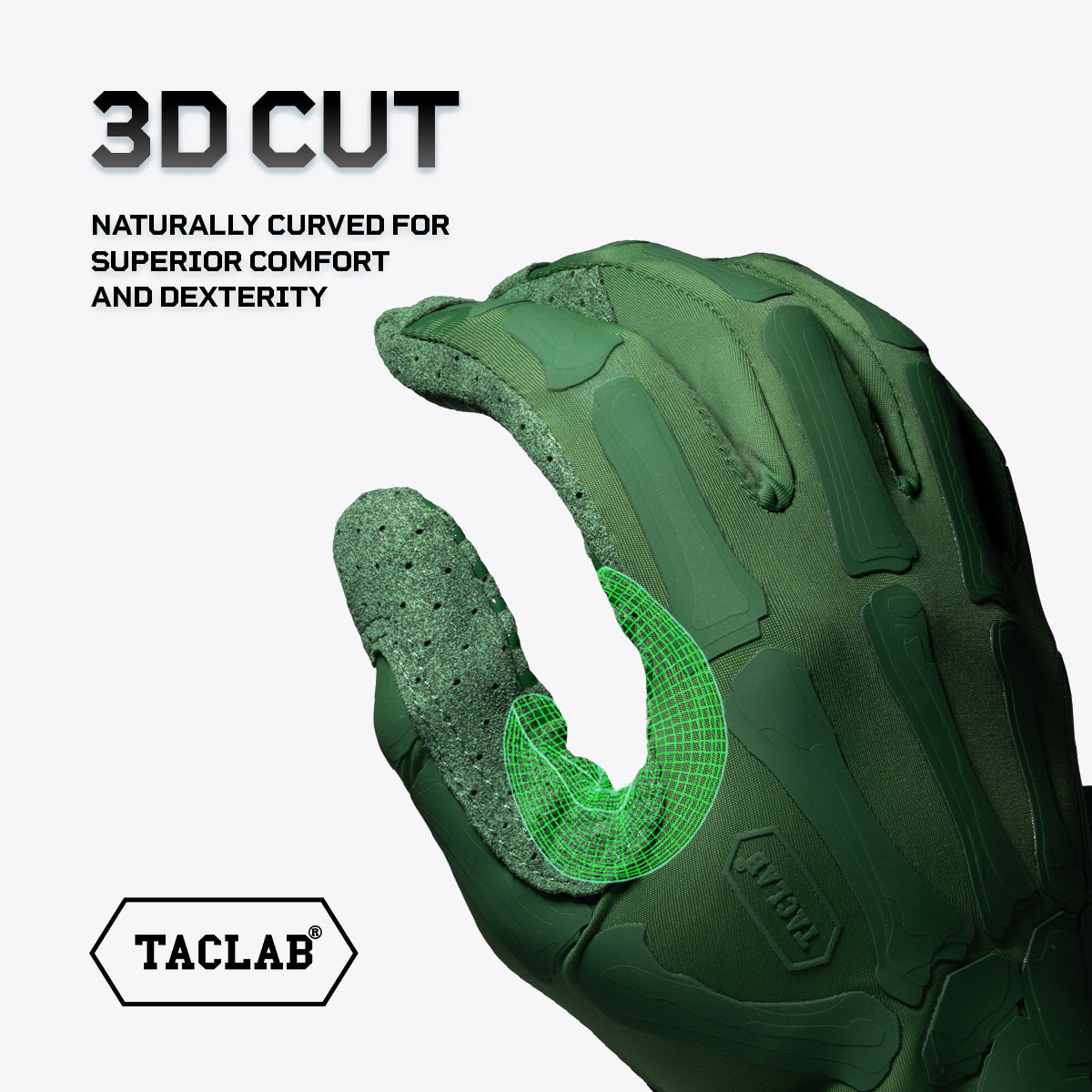
The glove should sit close to the hand without restricting movement.
Avoid excess material around the trigger finger.
2. Dexterity
You should be able to:
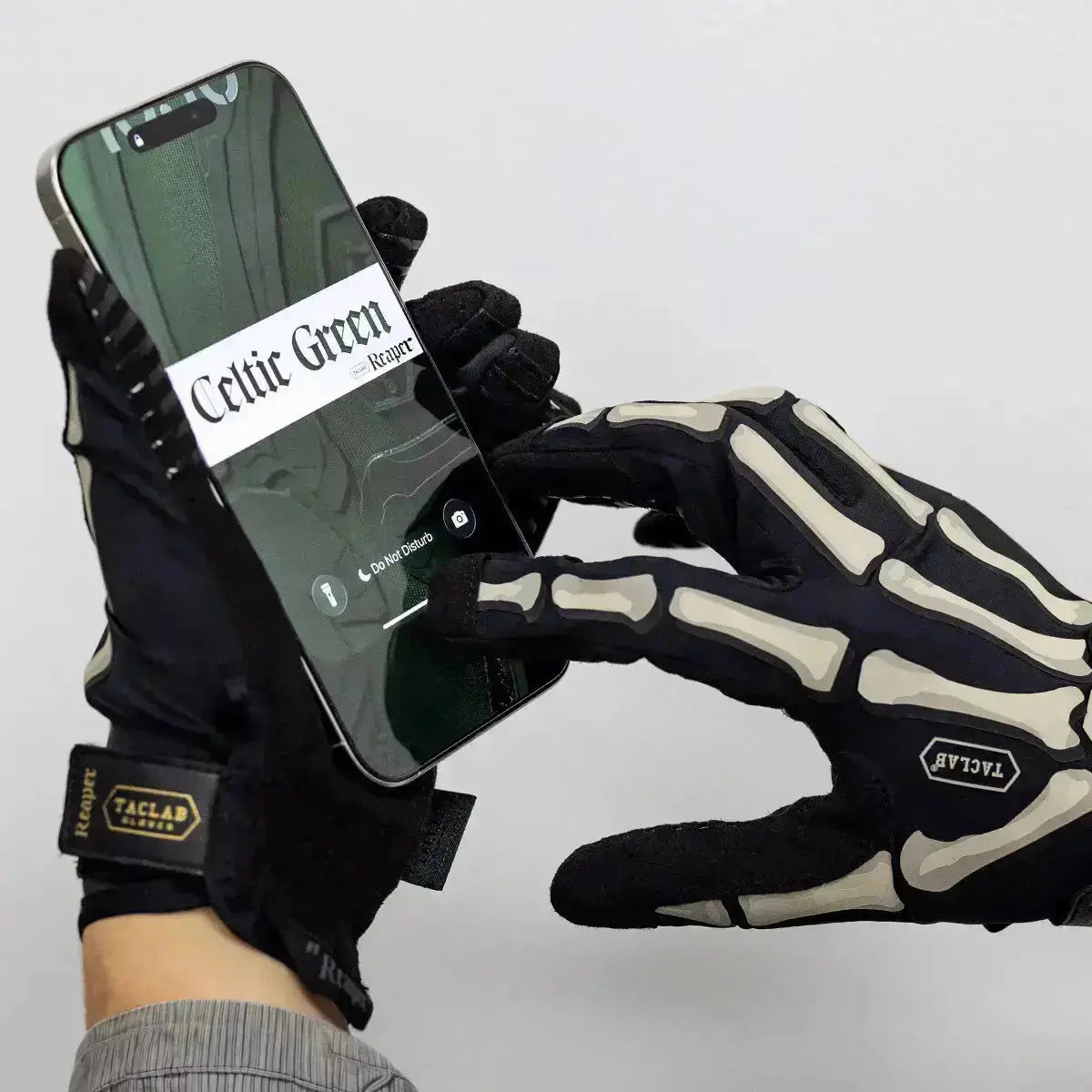
- Bend every finger naturally
- Operate controls
- Handle magazines
- Manipulate equipment
- Pick up small objects
without fighting the glove.
3. Grip
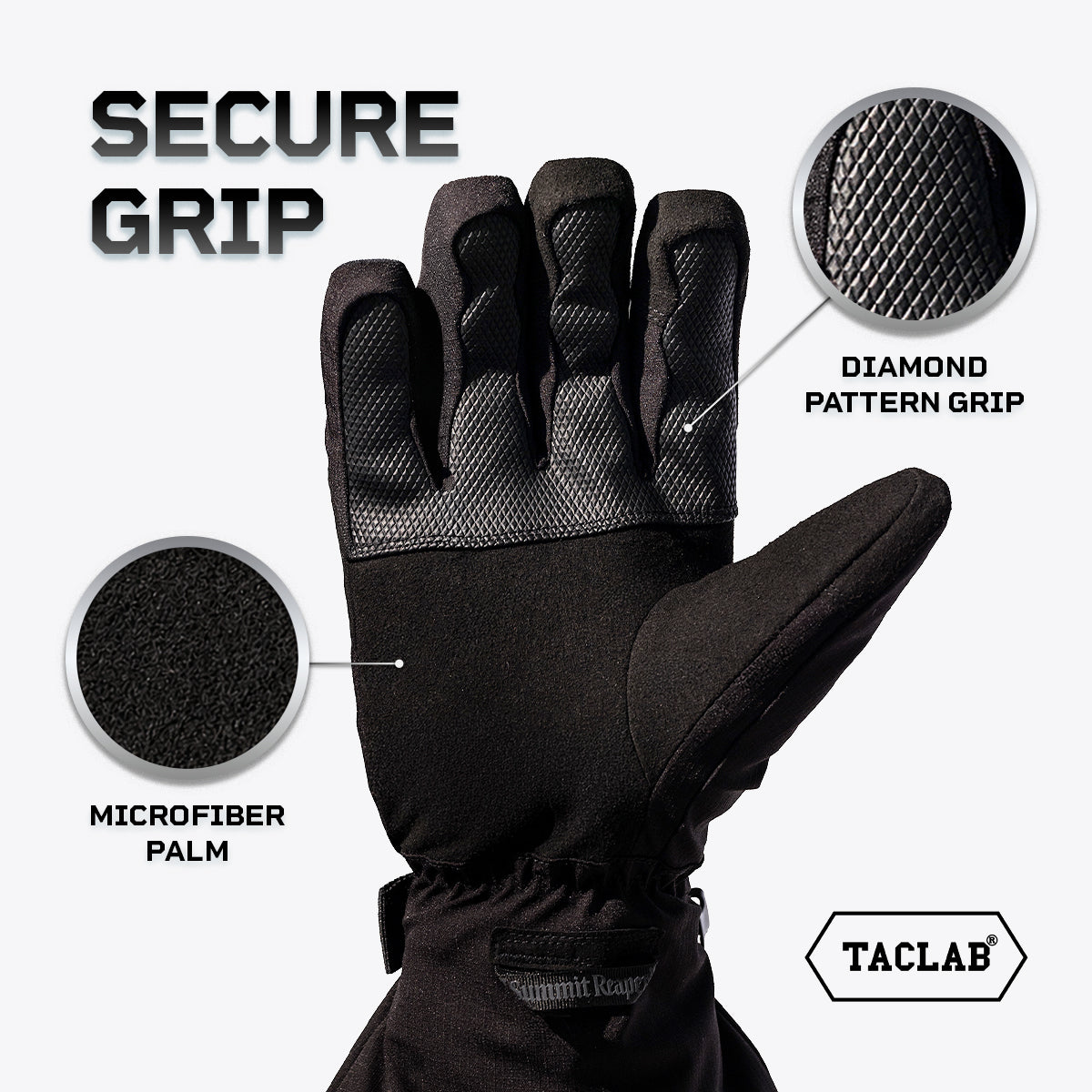
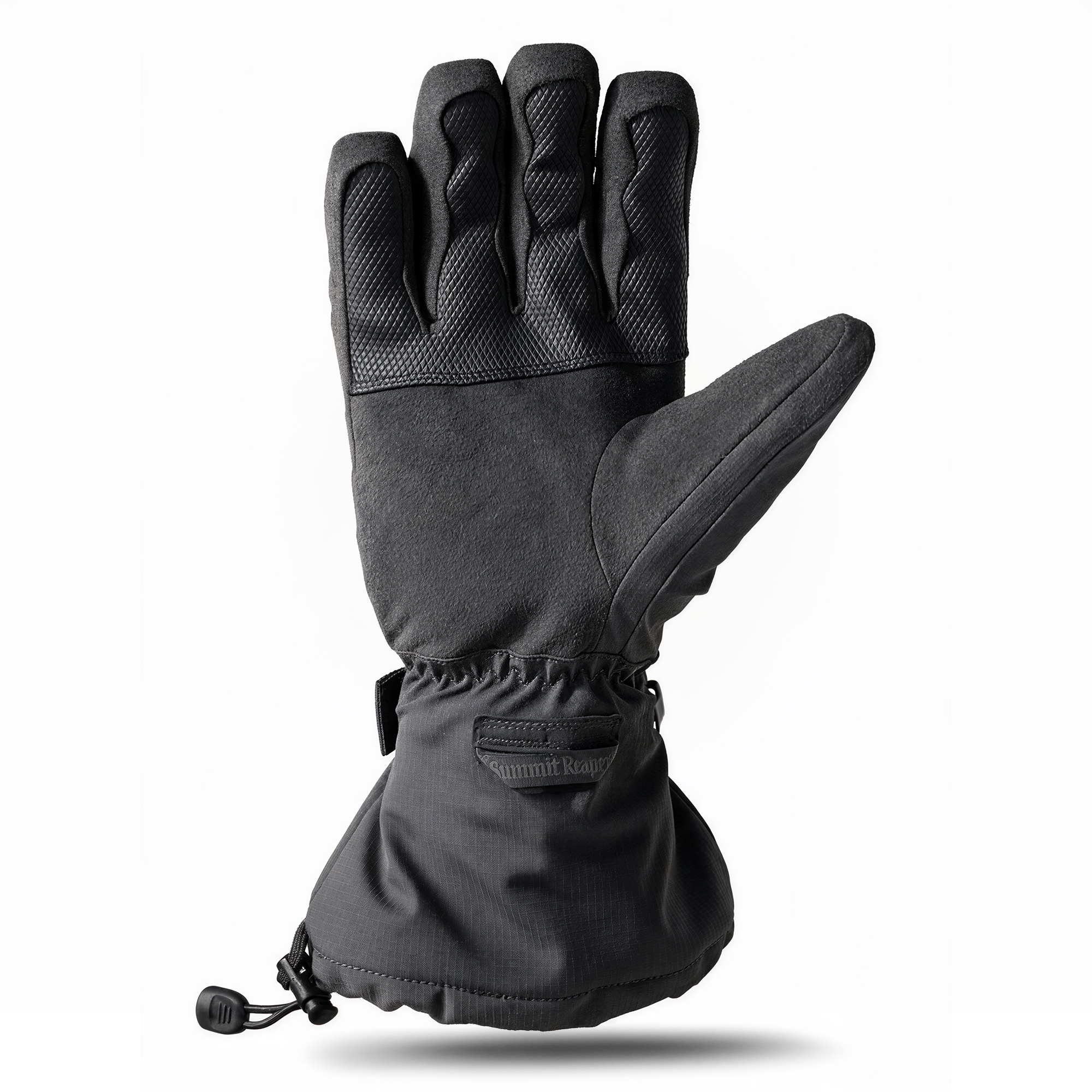
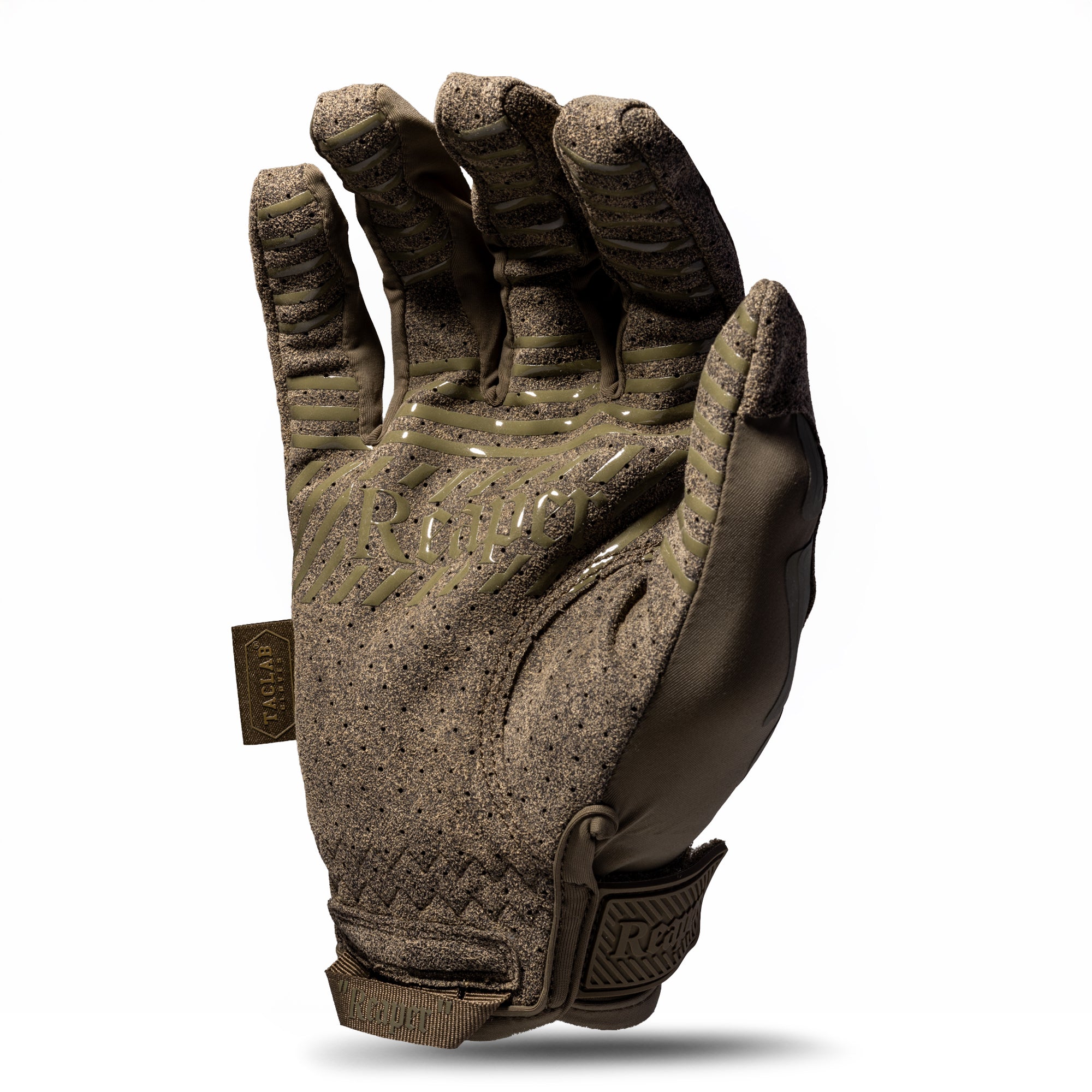
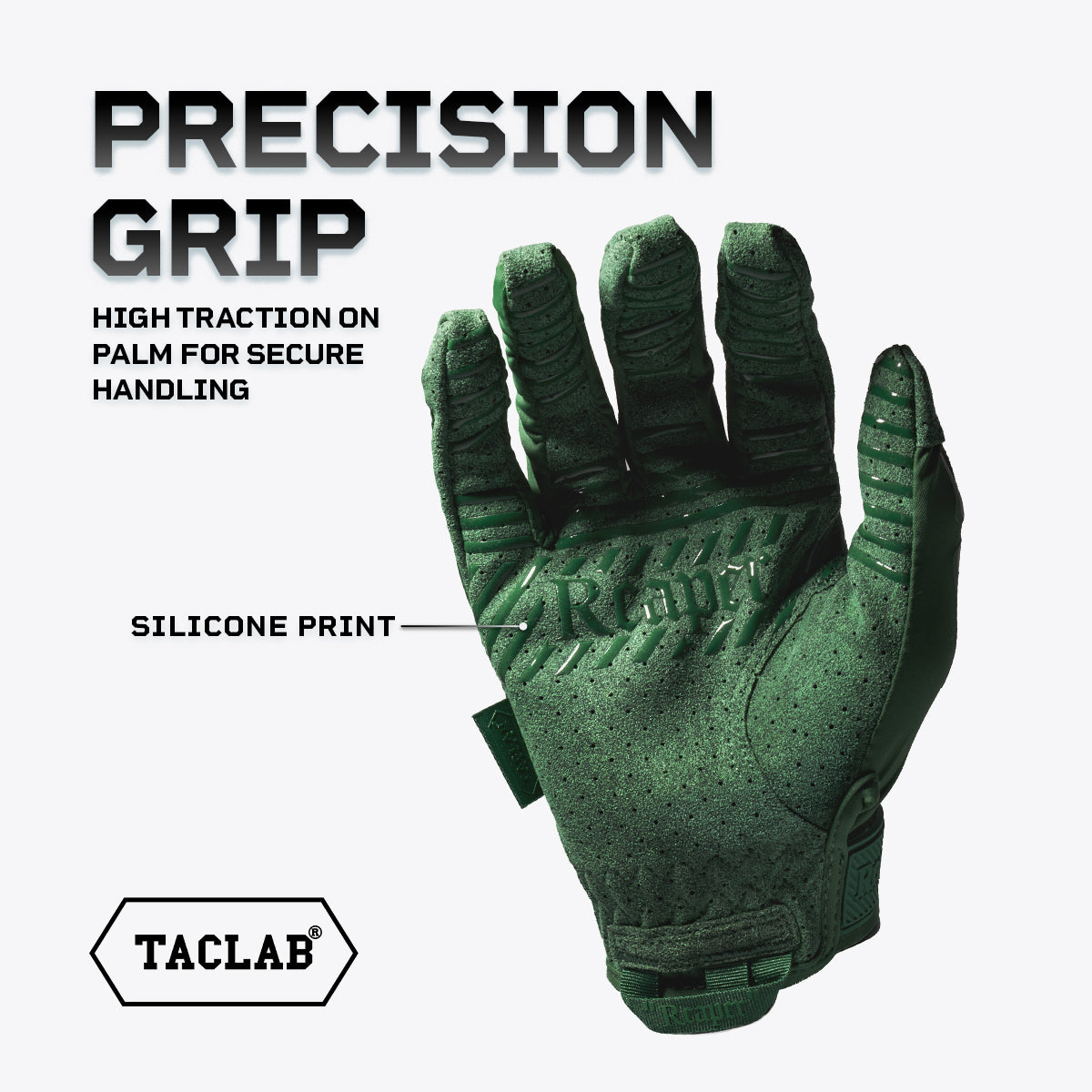
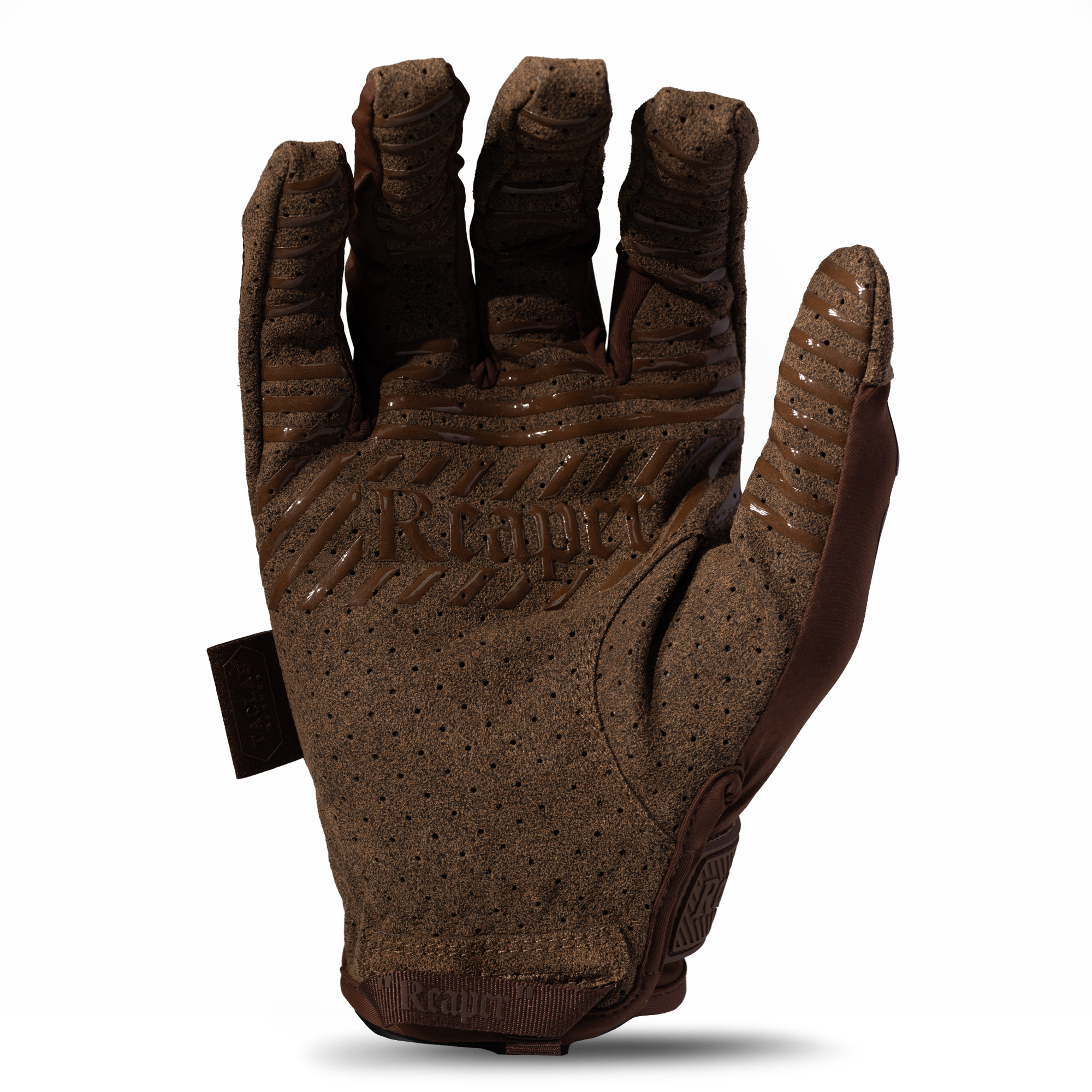
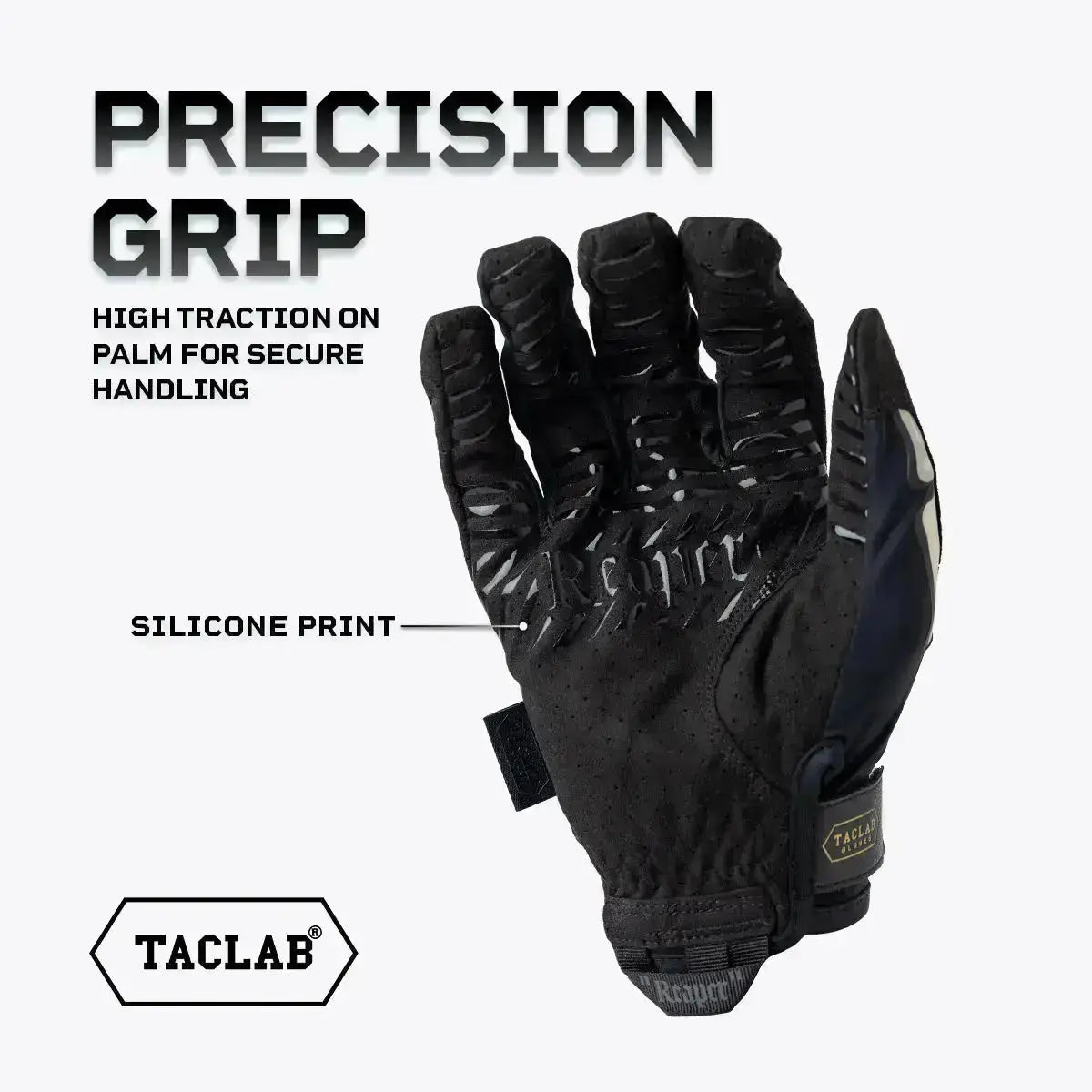
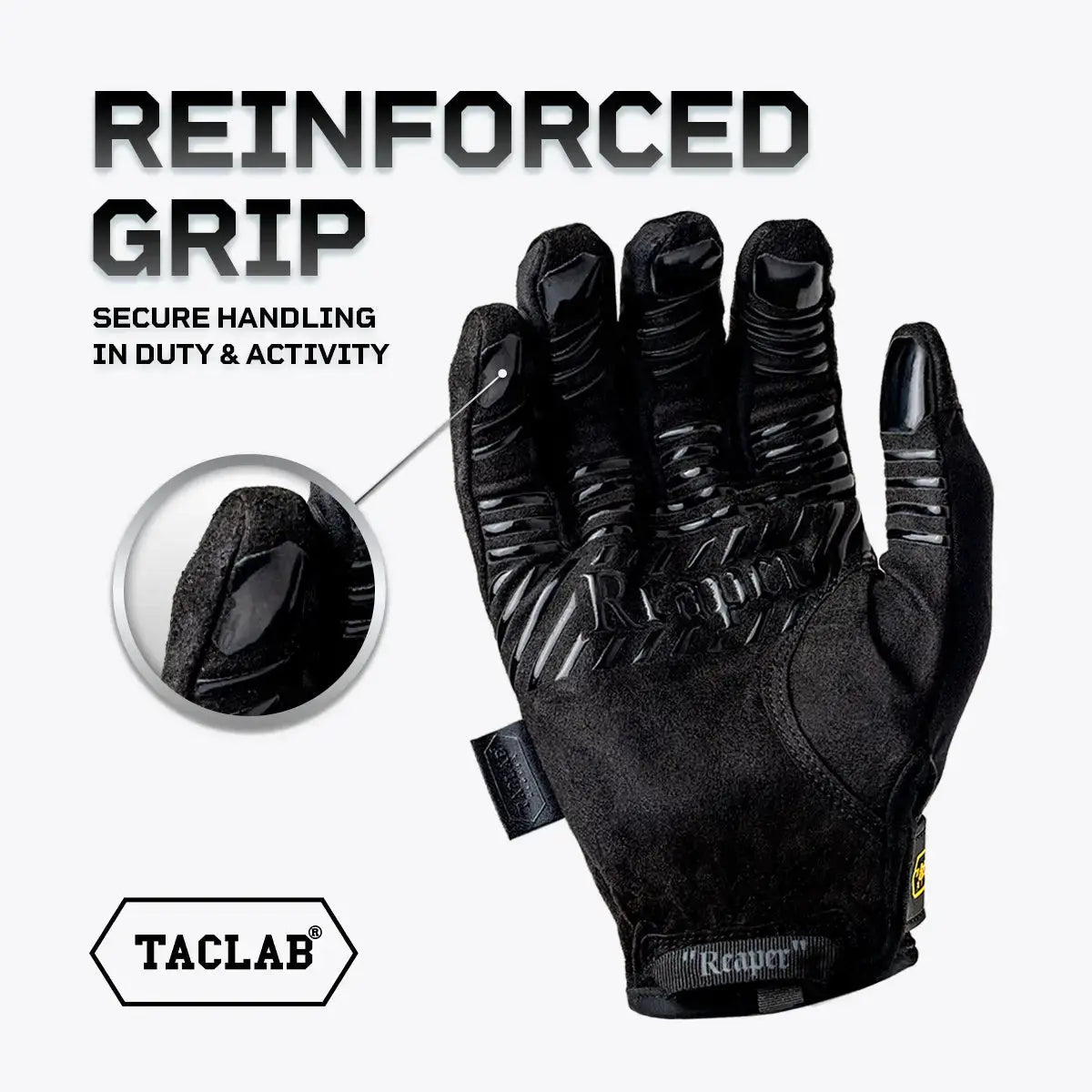
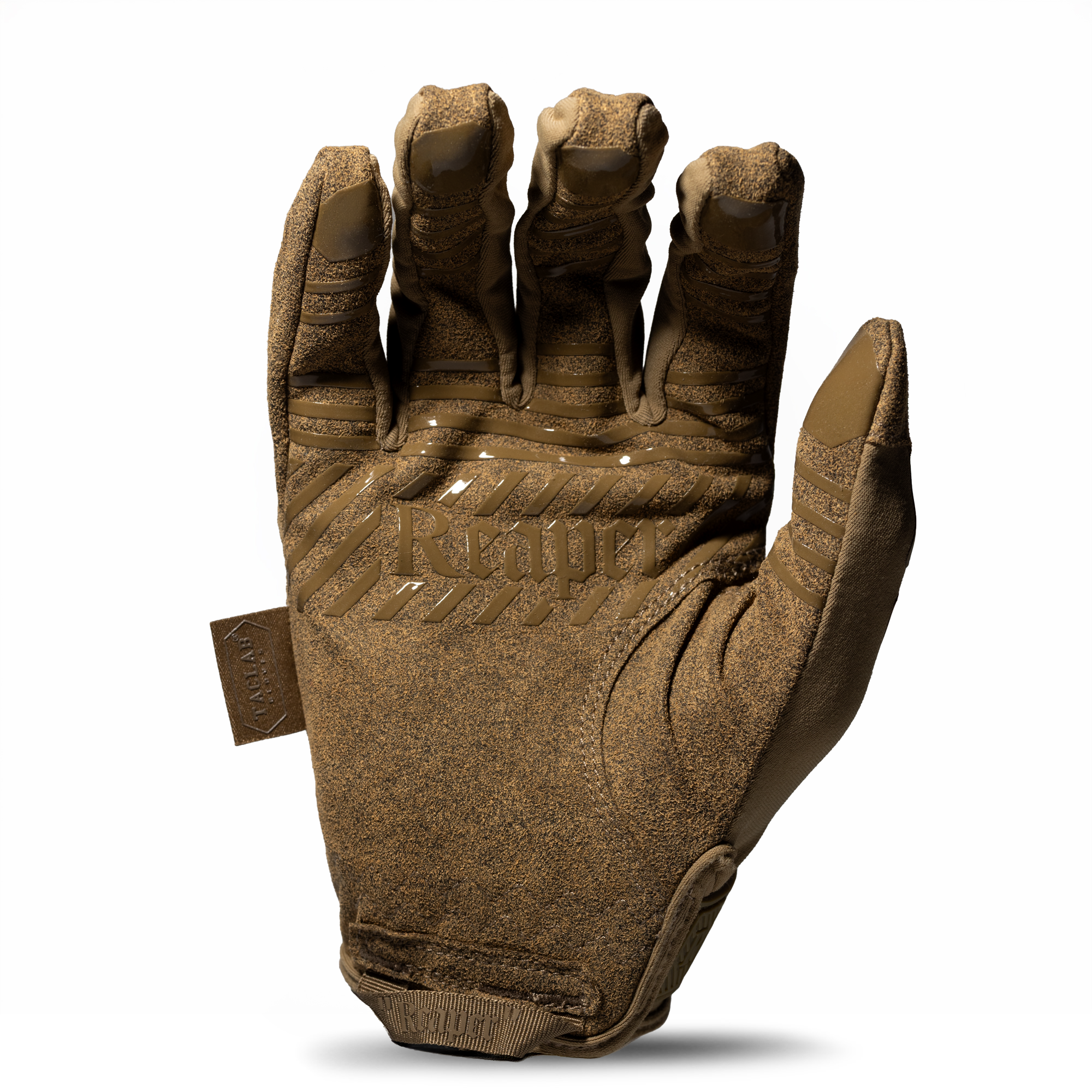
Palm material should support secure contact without excessive bulk.
4. Material Thickness
Choose thickness according to the environment.
Warm indoor range?
Thin may make sense.
Cold outdoor training?
You'll probably need more insulation.
5. Weather
The best summer shooting glove and best winter shooting glove are unlikely to be identical.
Breathability matters in heat.
Insulation matters in cold.
Moisture and wind add additional considerations.
Which TACLAB Glove Fits Your Range Session?
Rather than calling one model the “best,” it makes more sense to match the glove to the shooting environment.
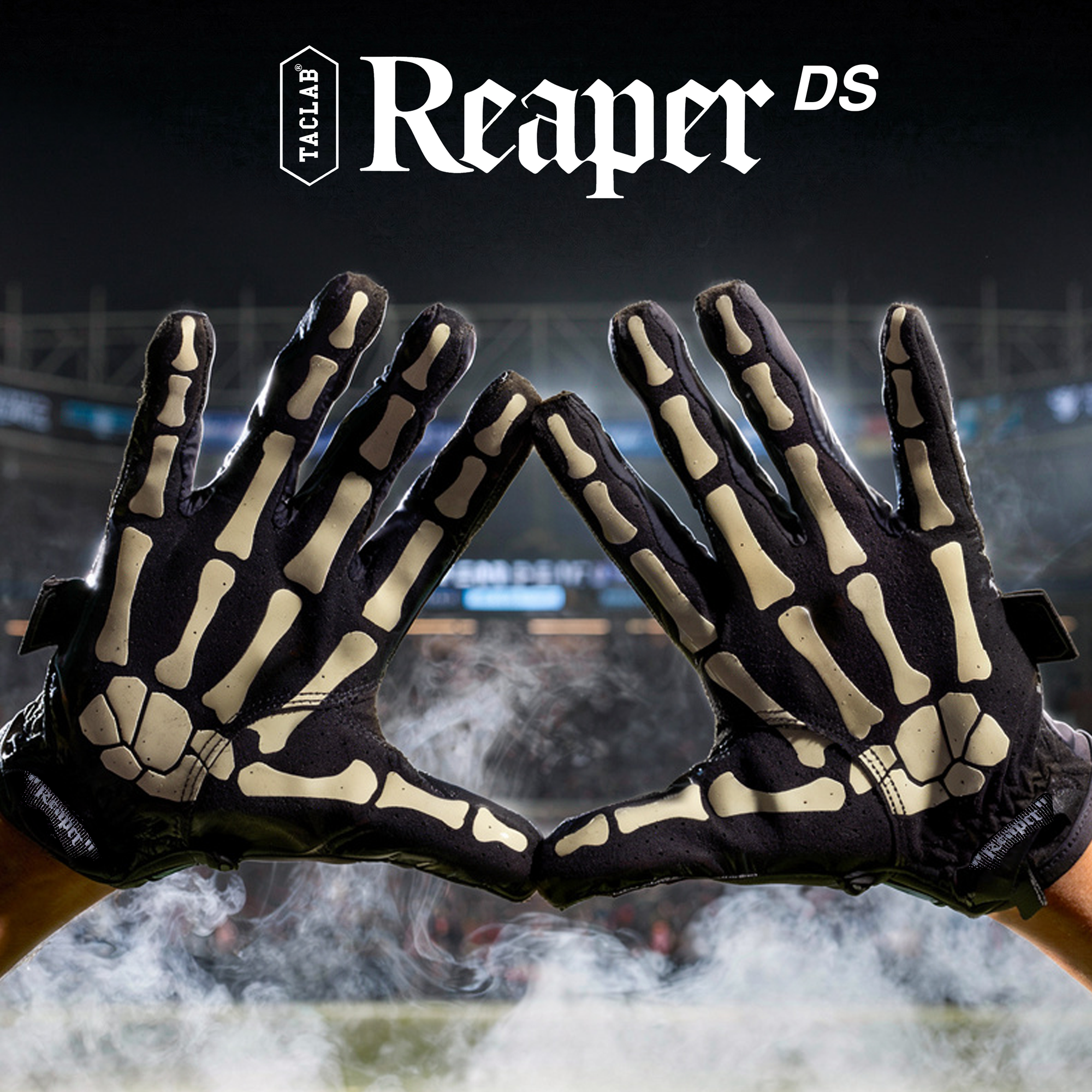
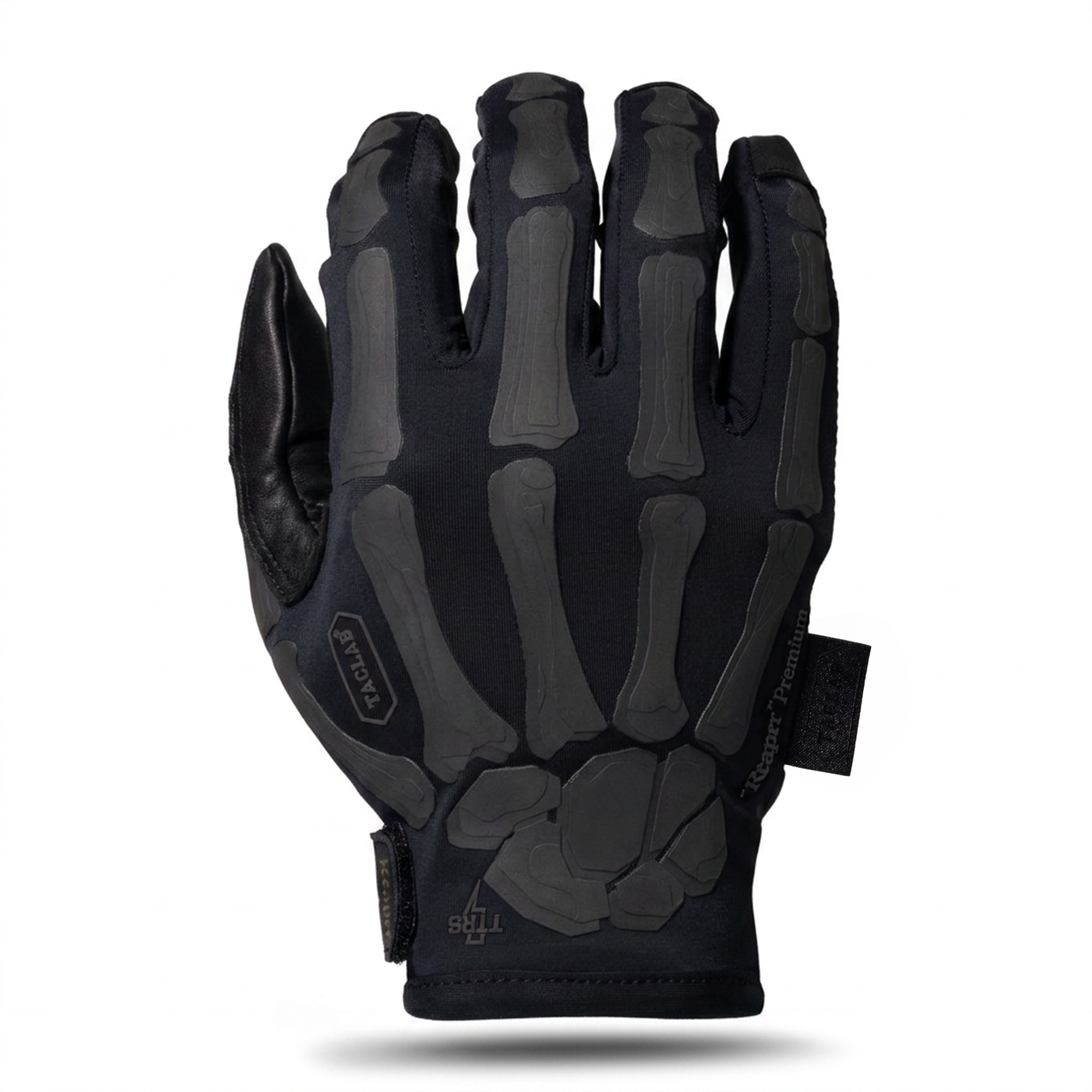
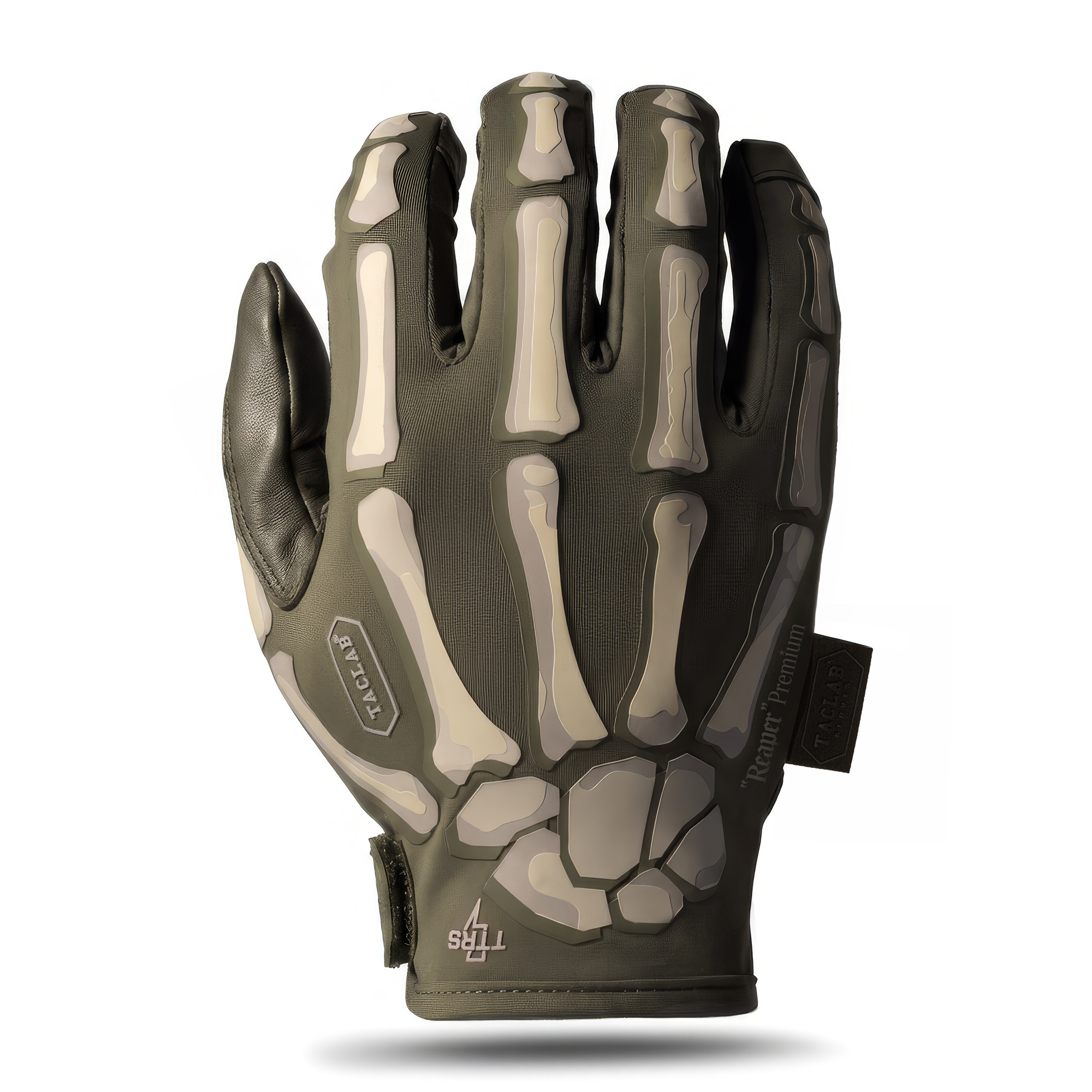
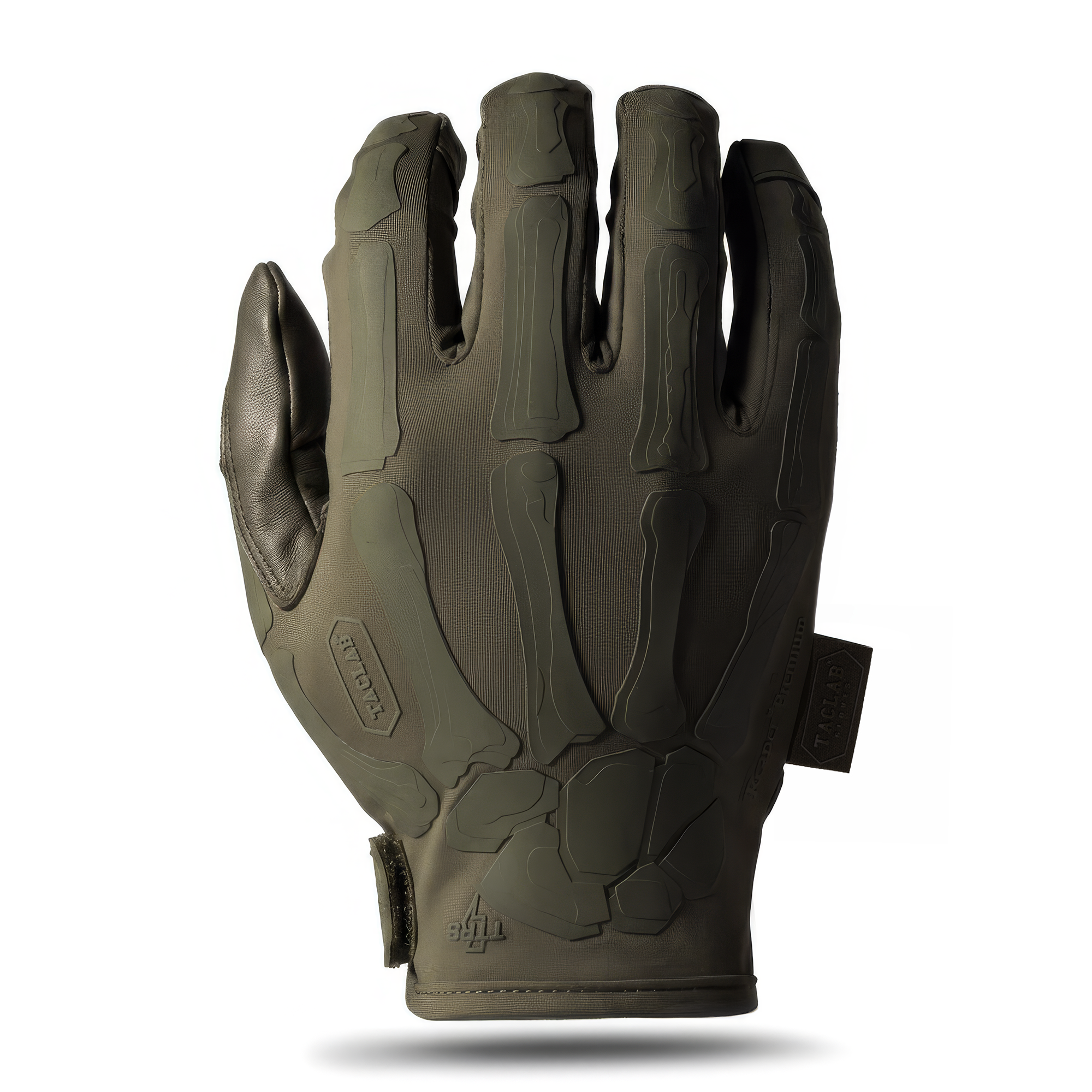
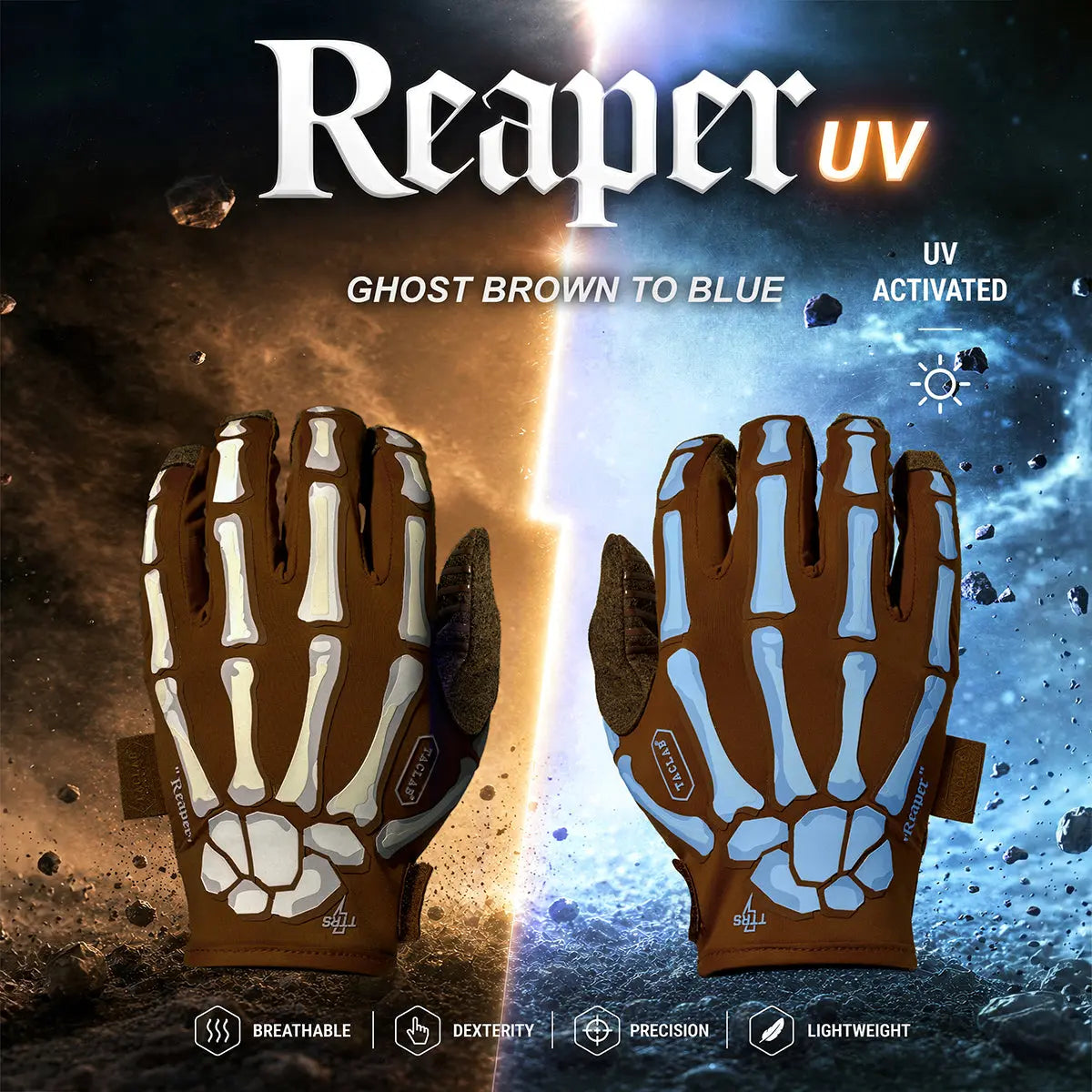
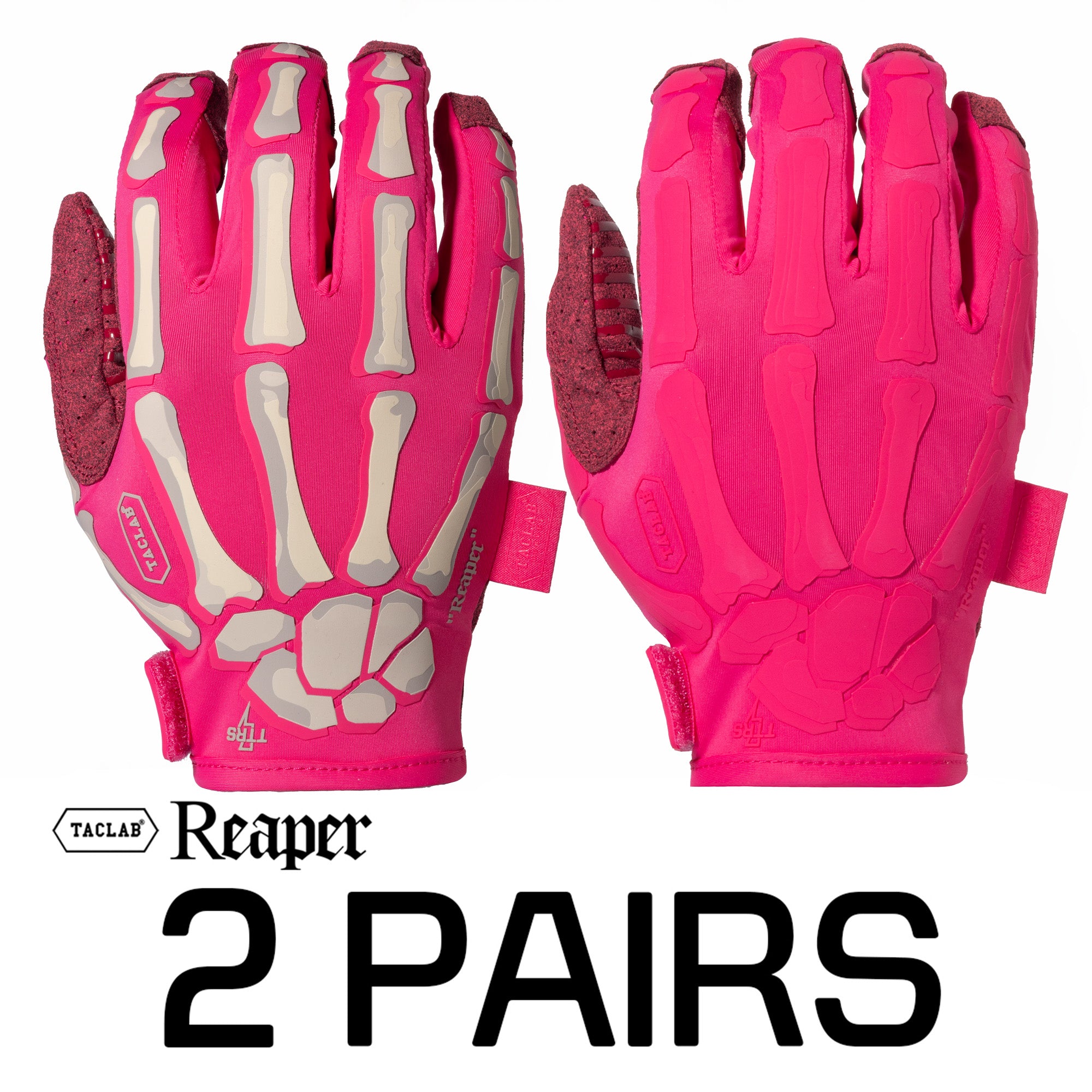
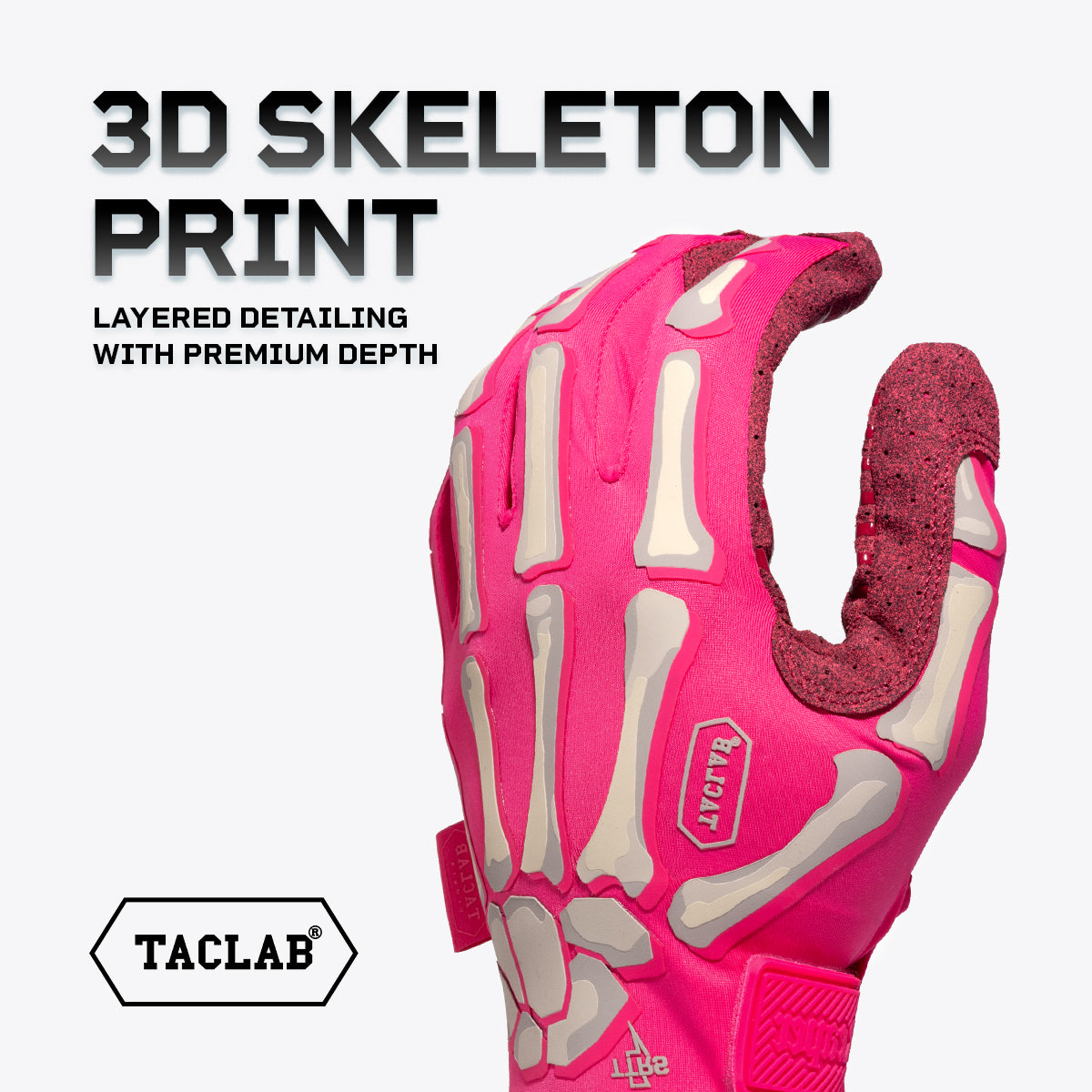
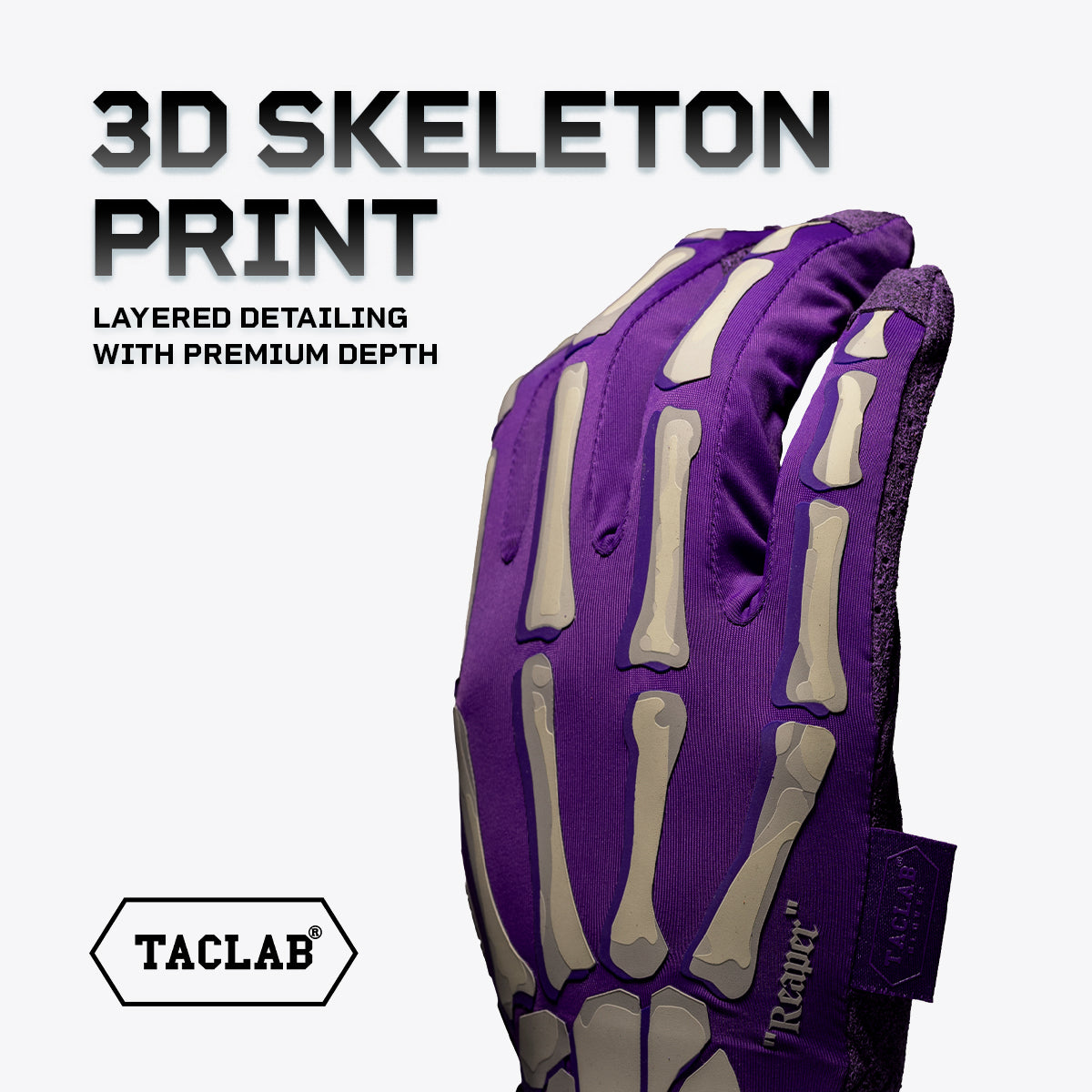
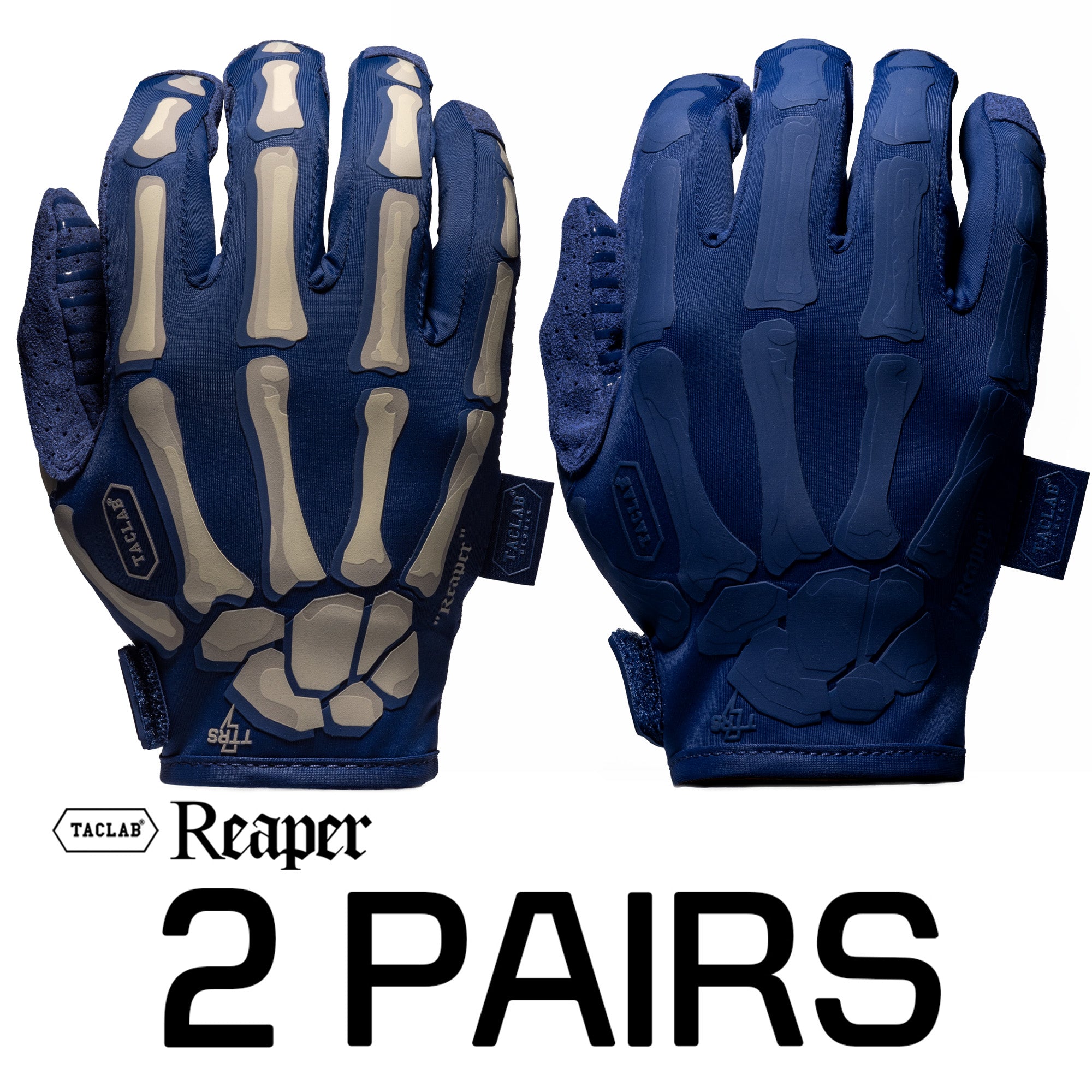
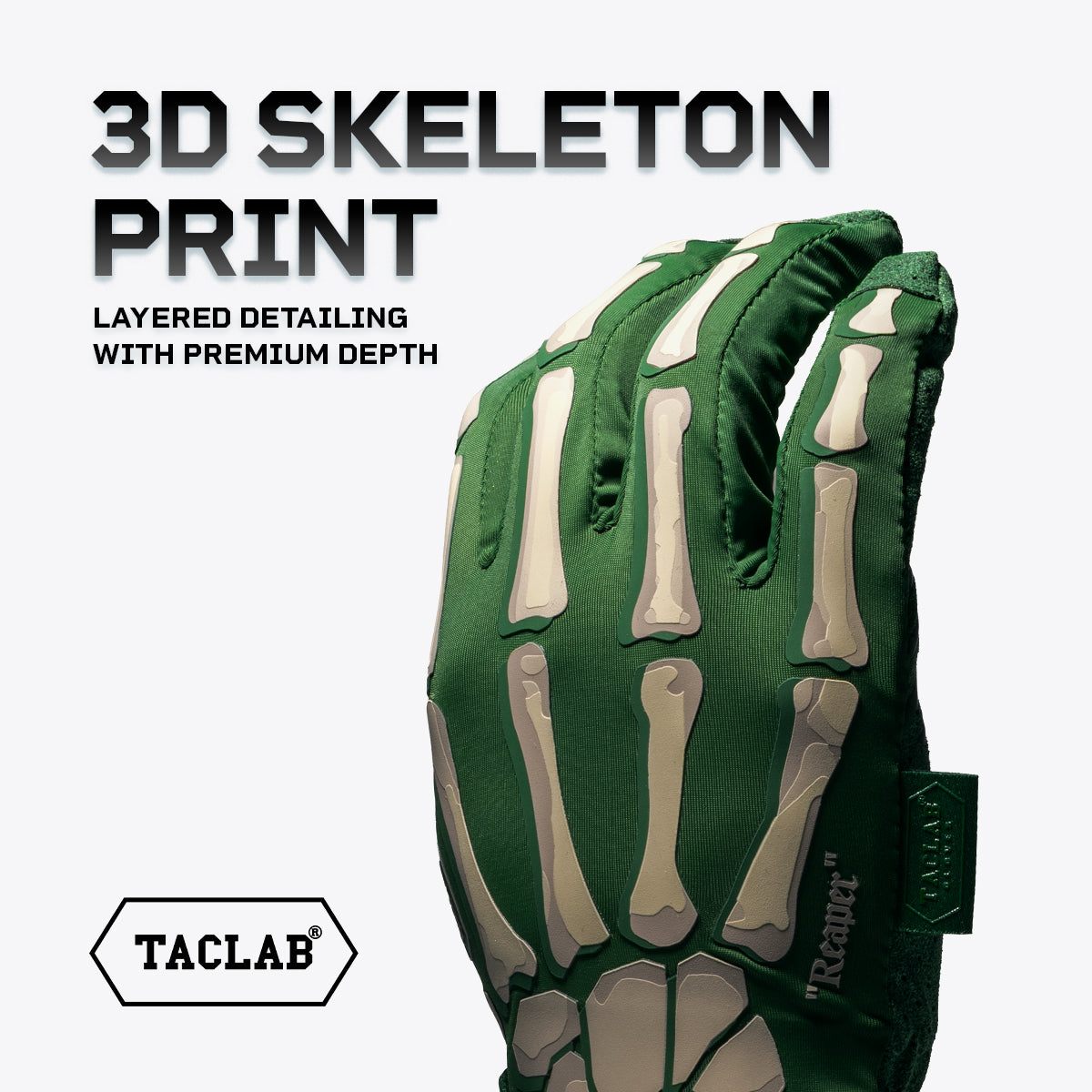
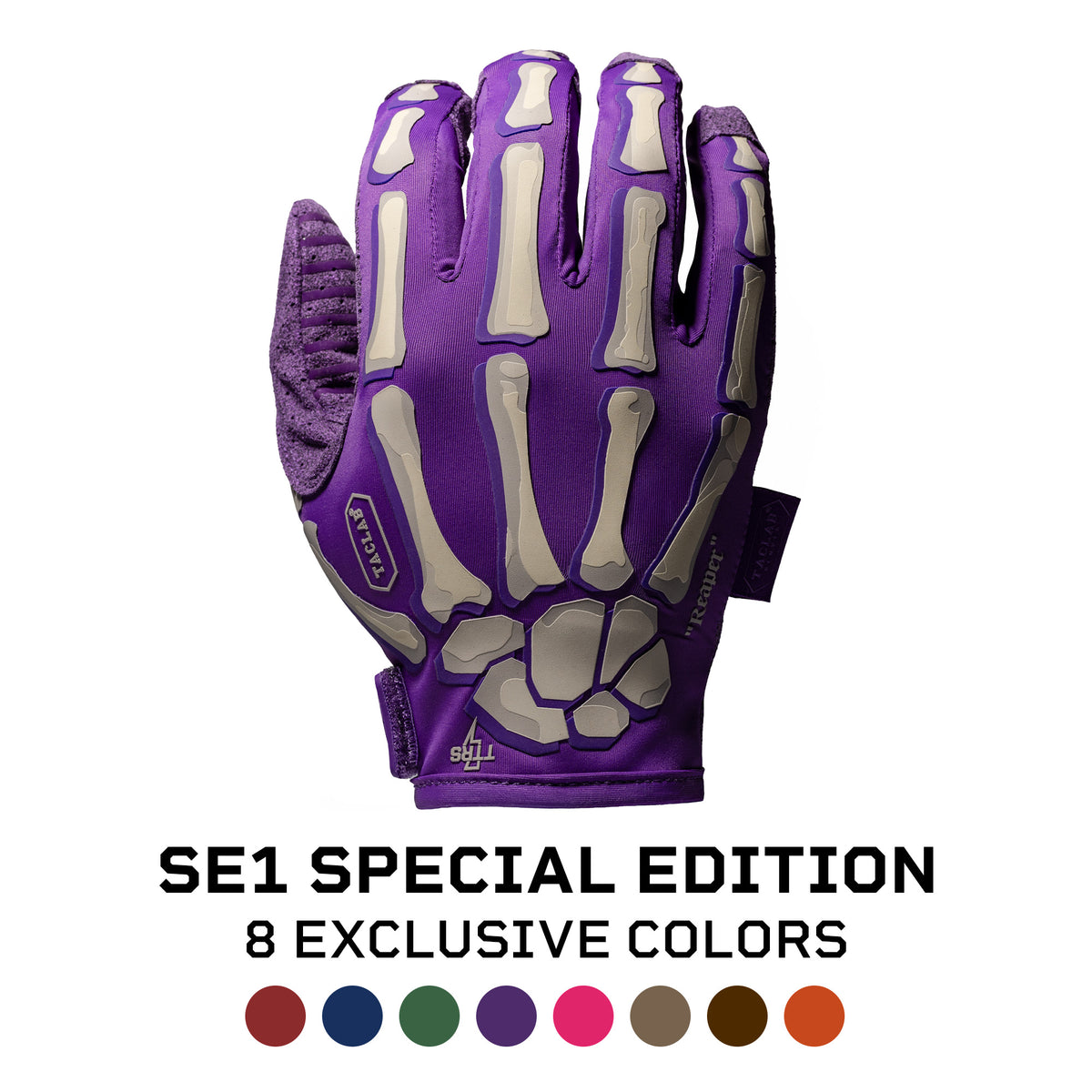
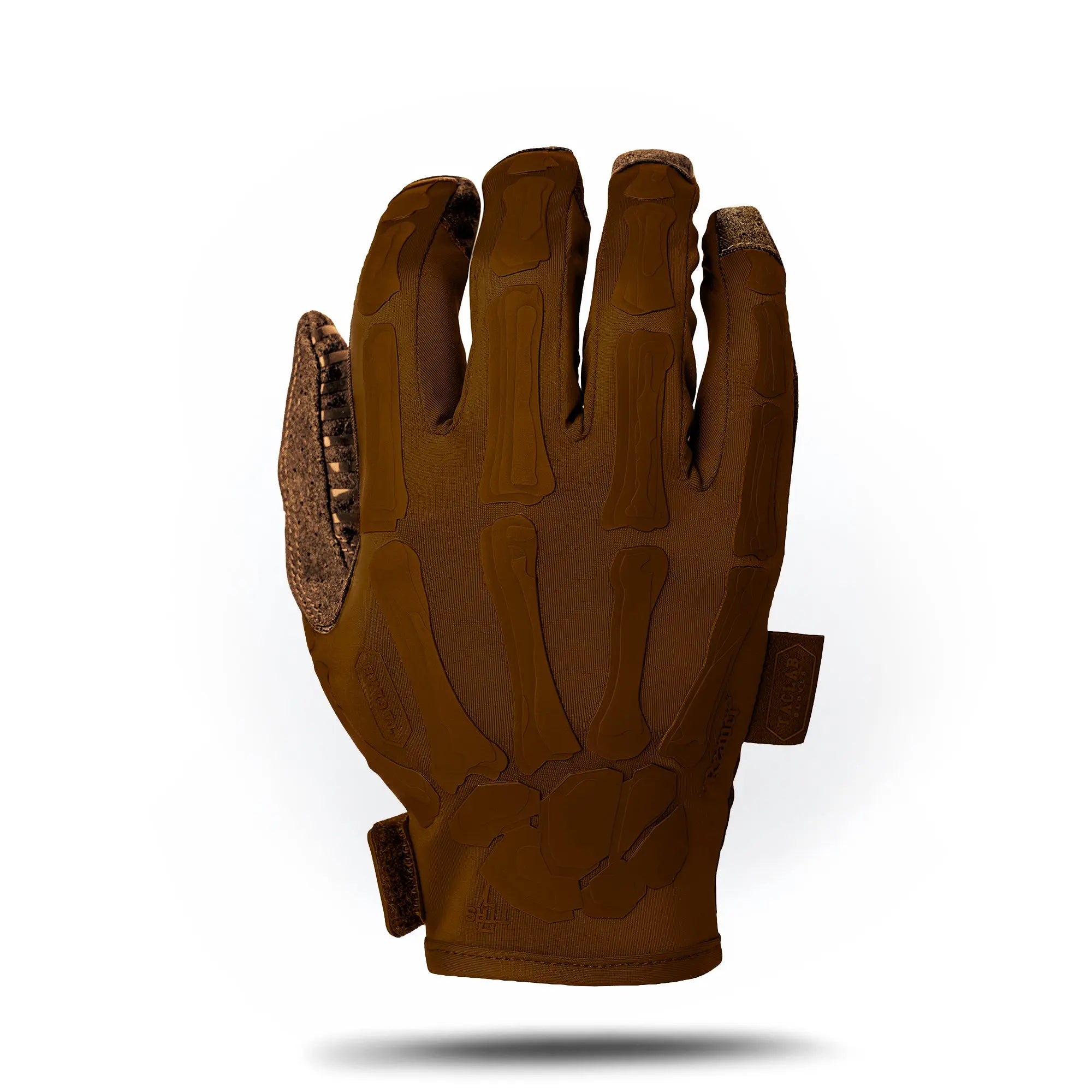
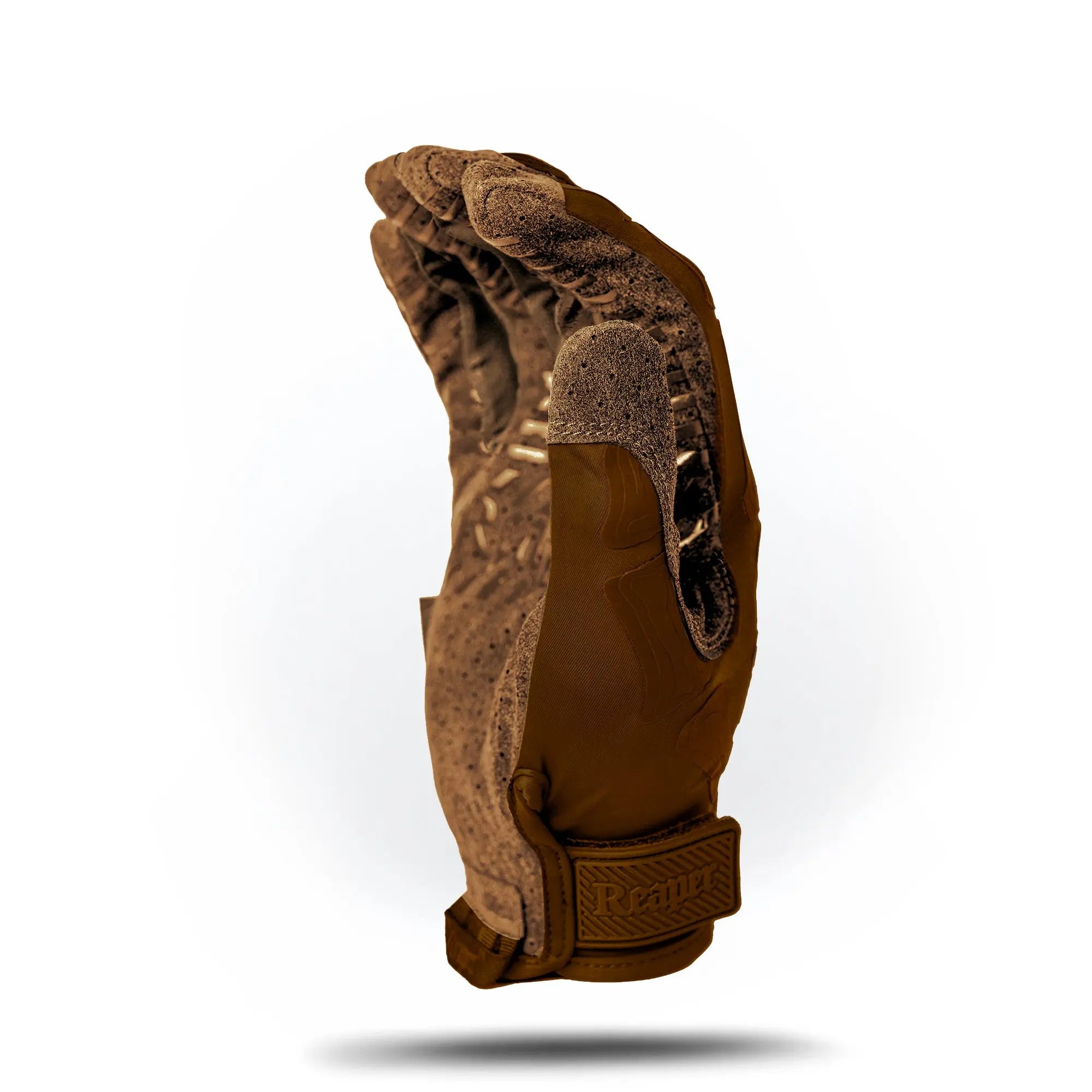
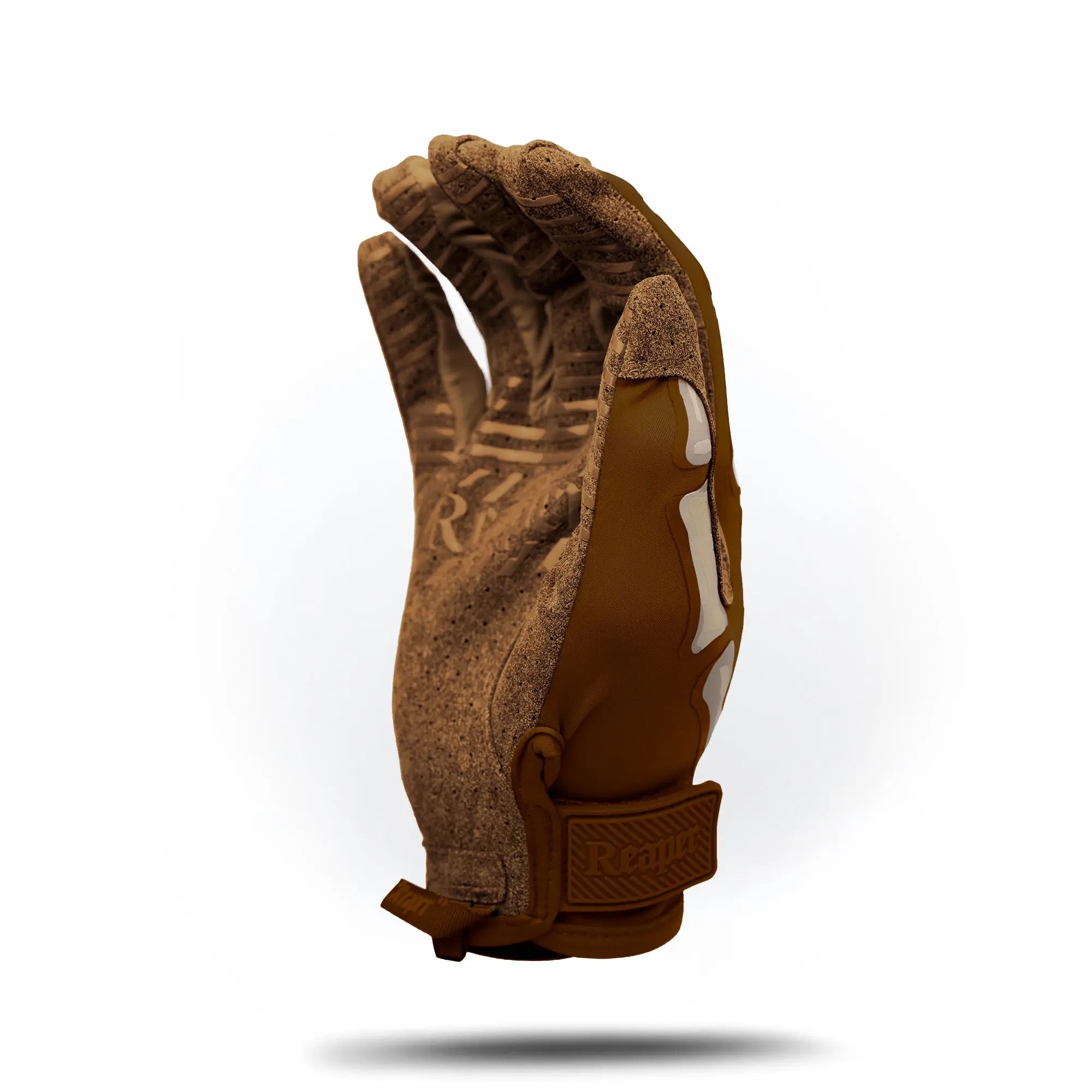
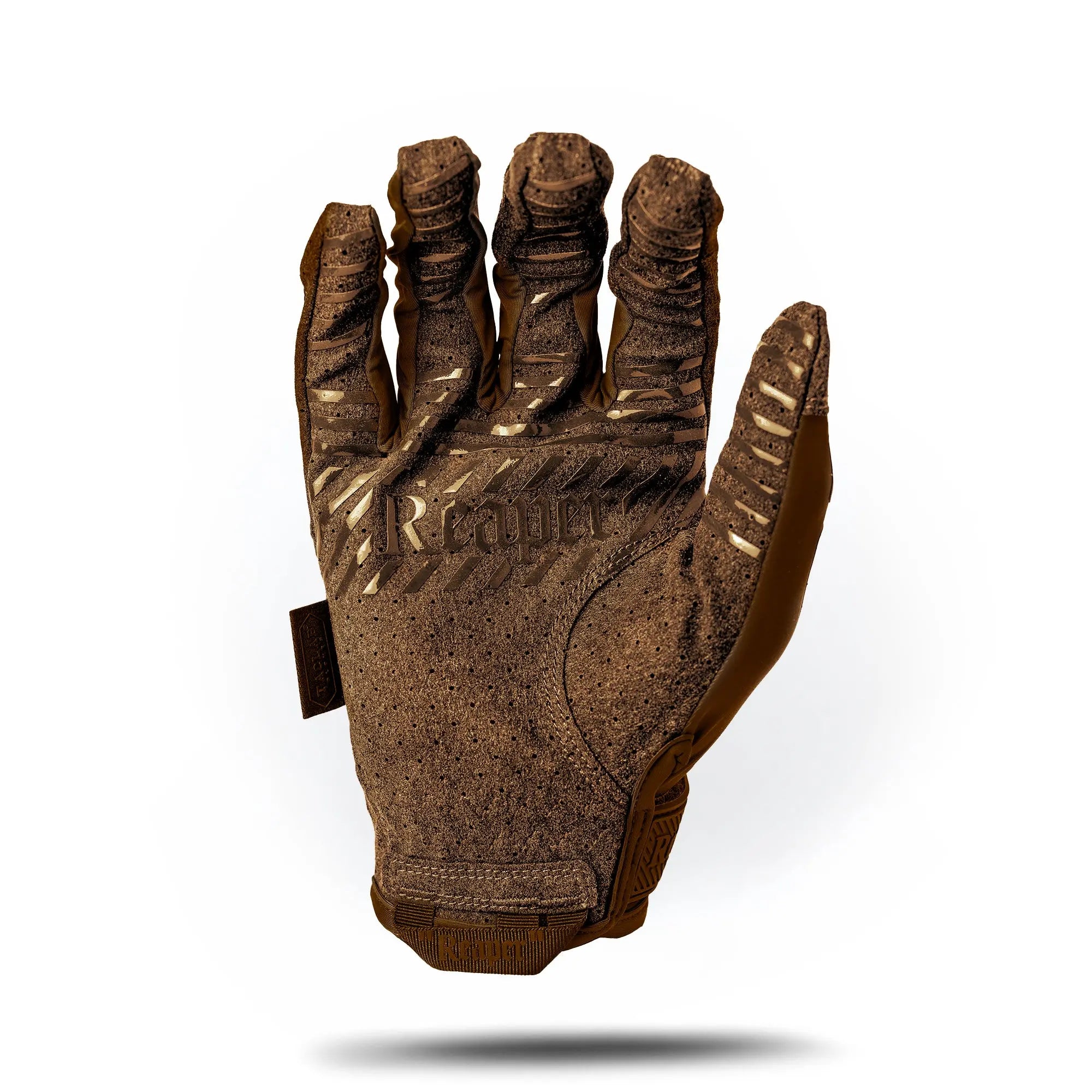
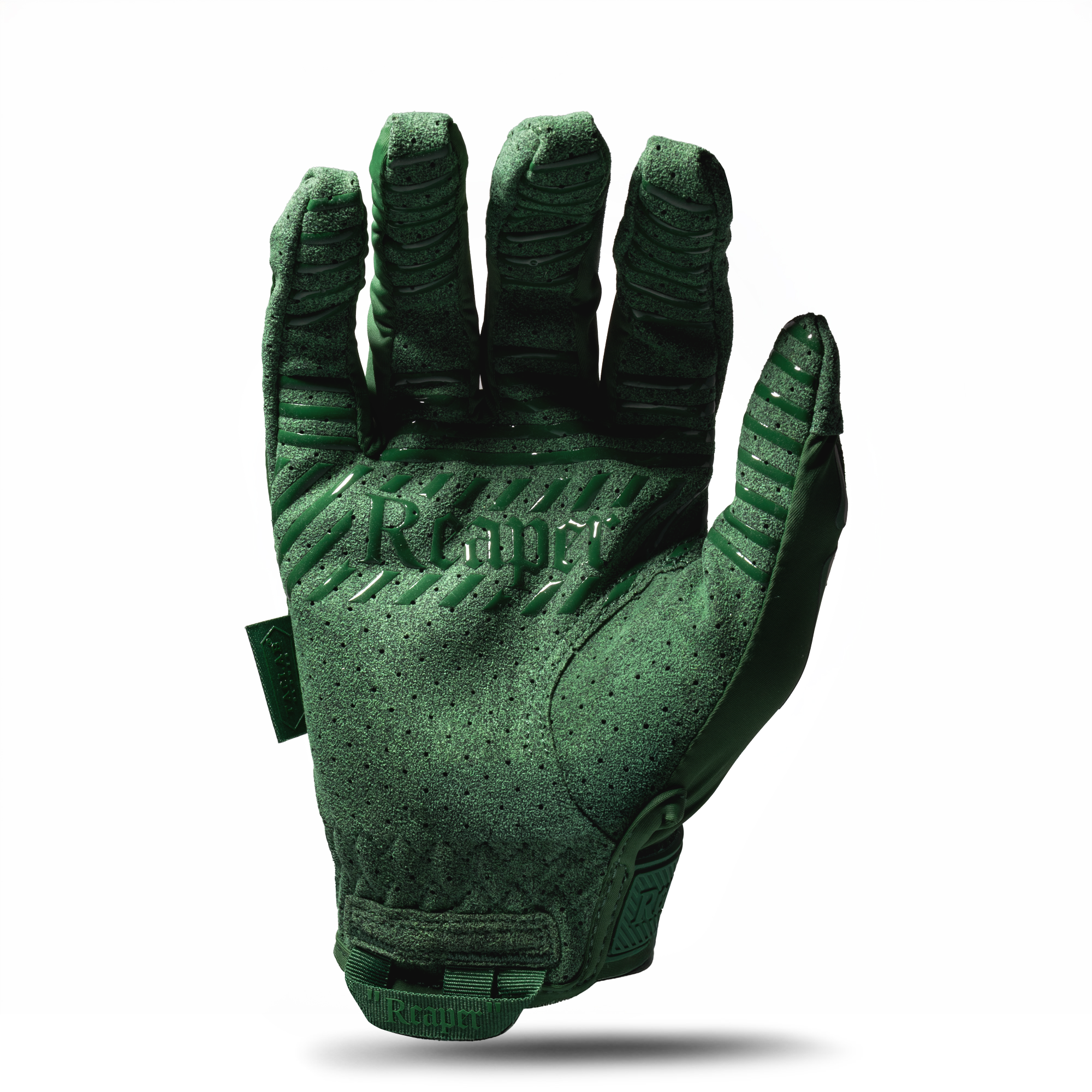
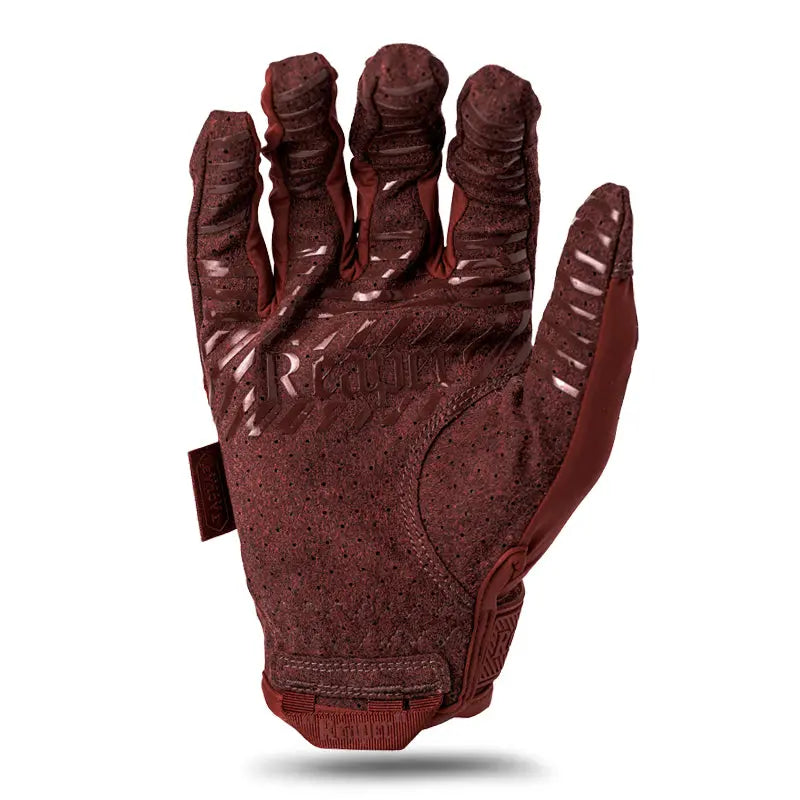
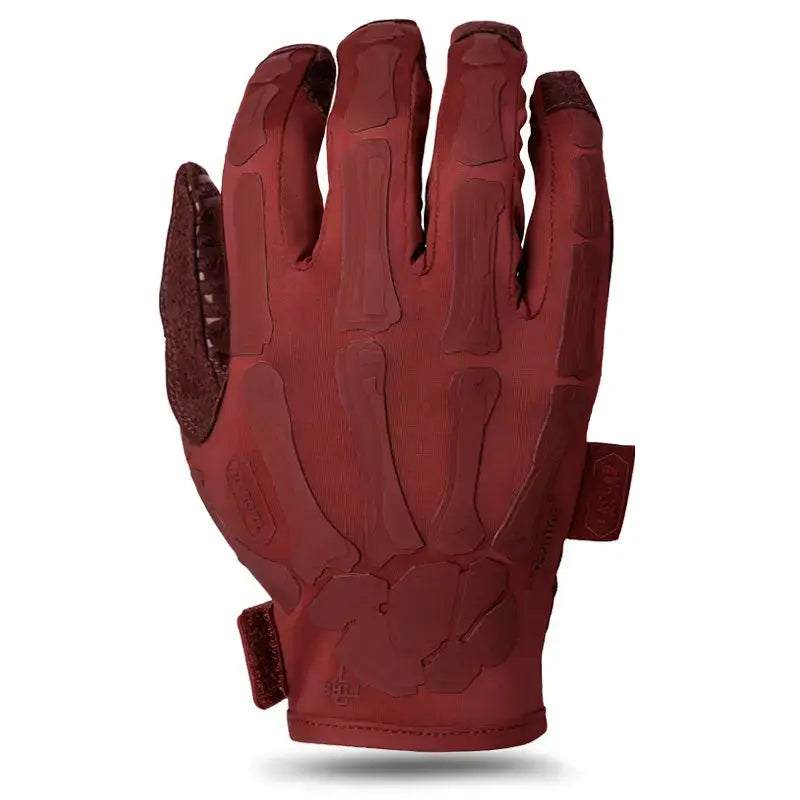
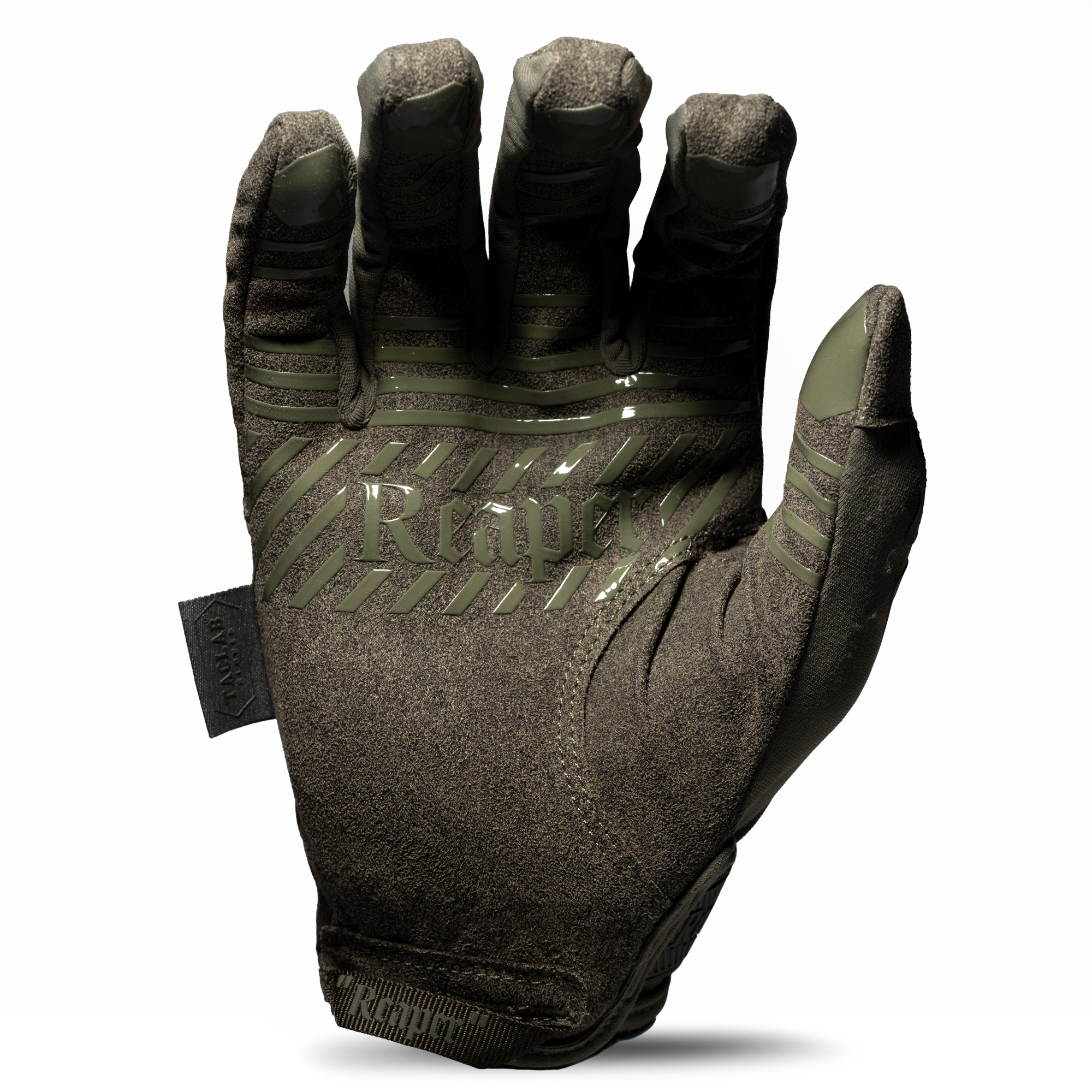
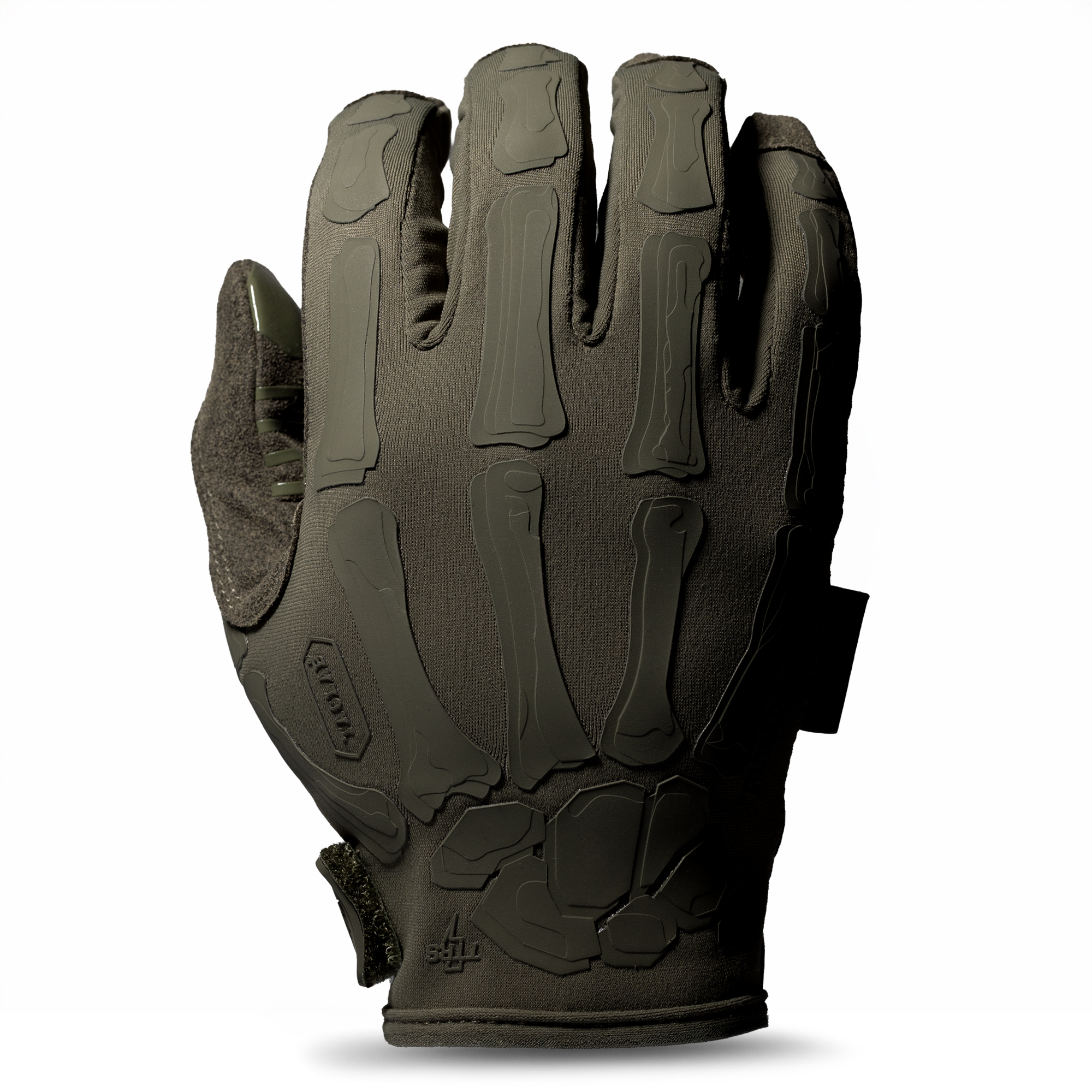
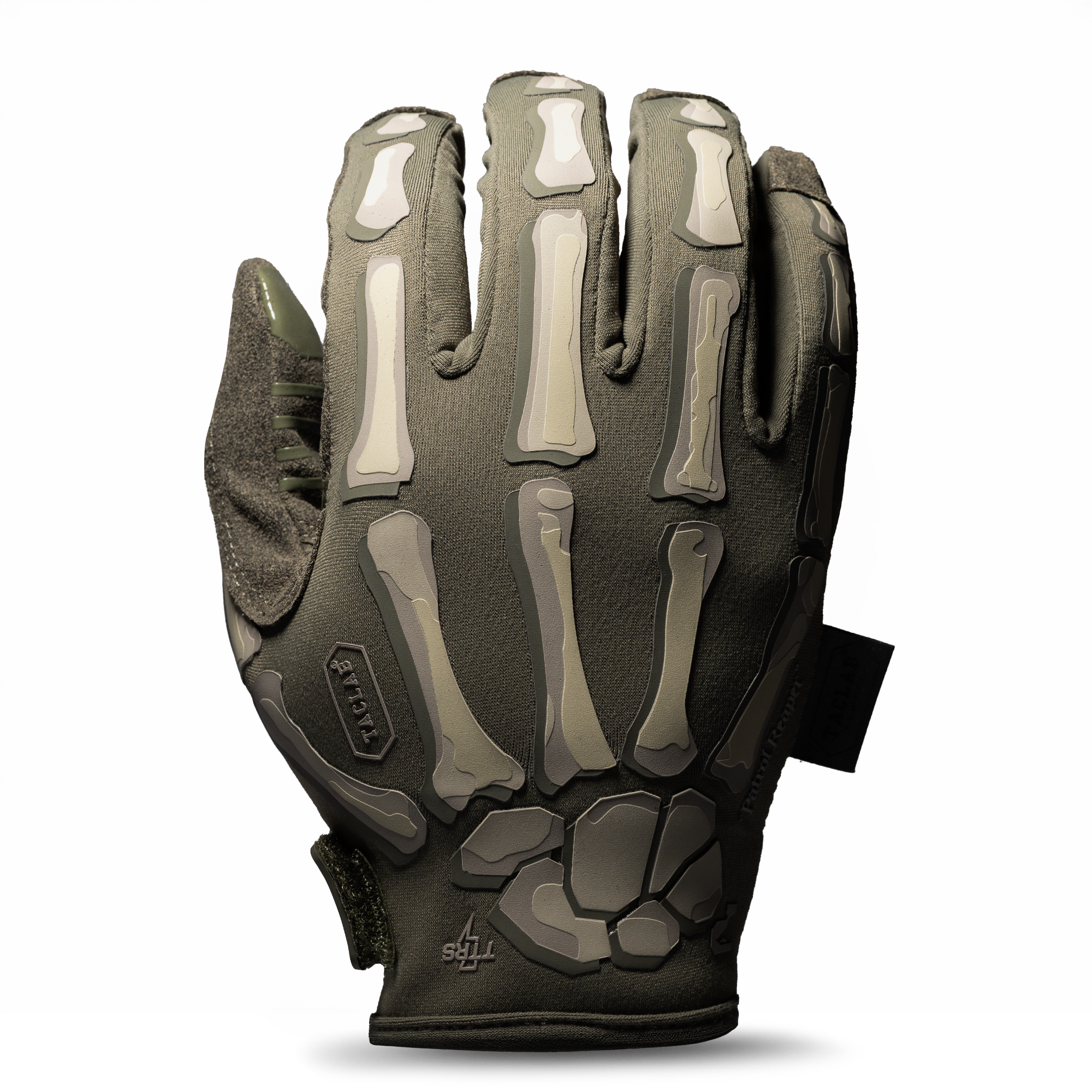
Reaper Tactical Gloves — For Lightweight Range Training
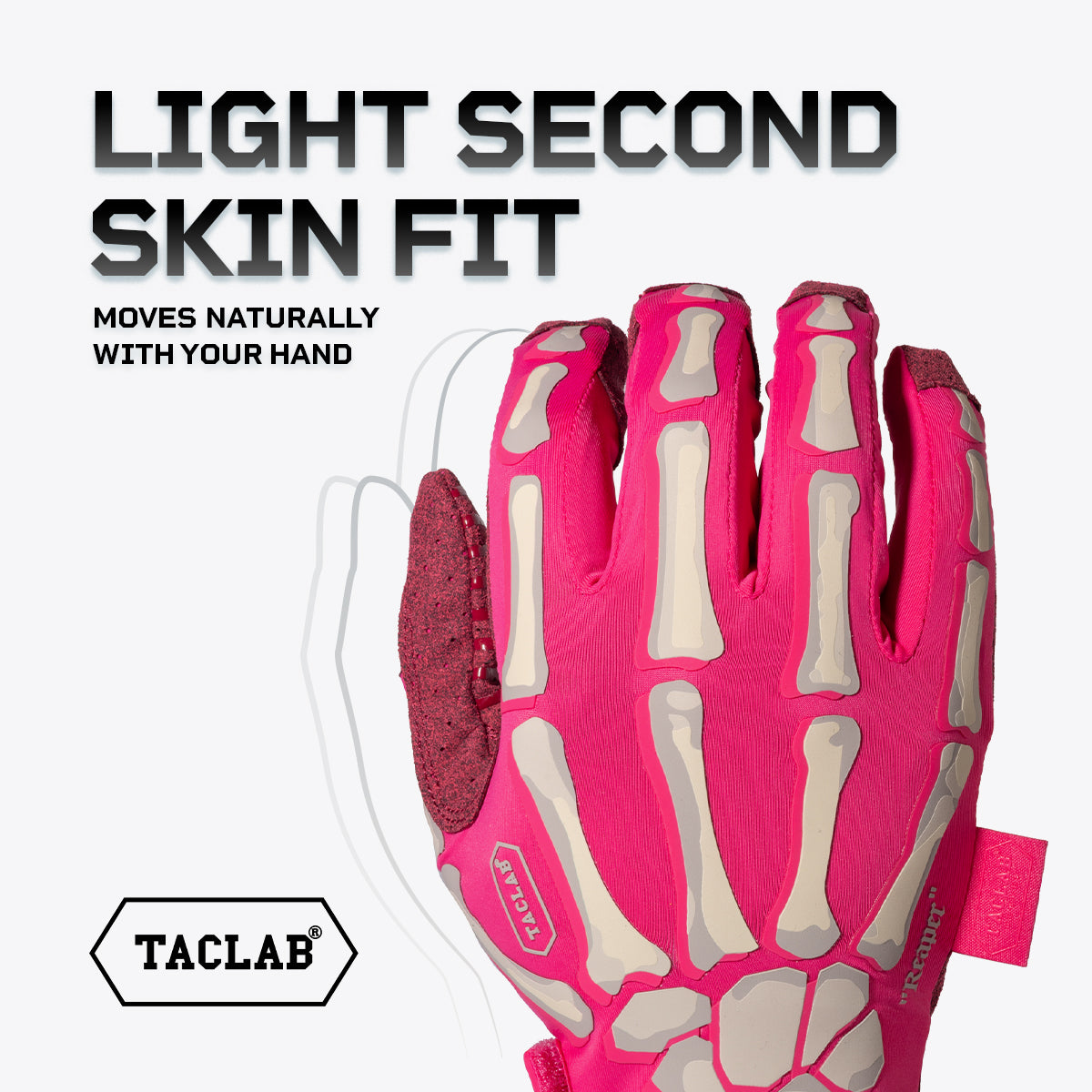
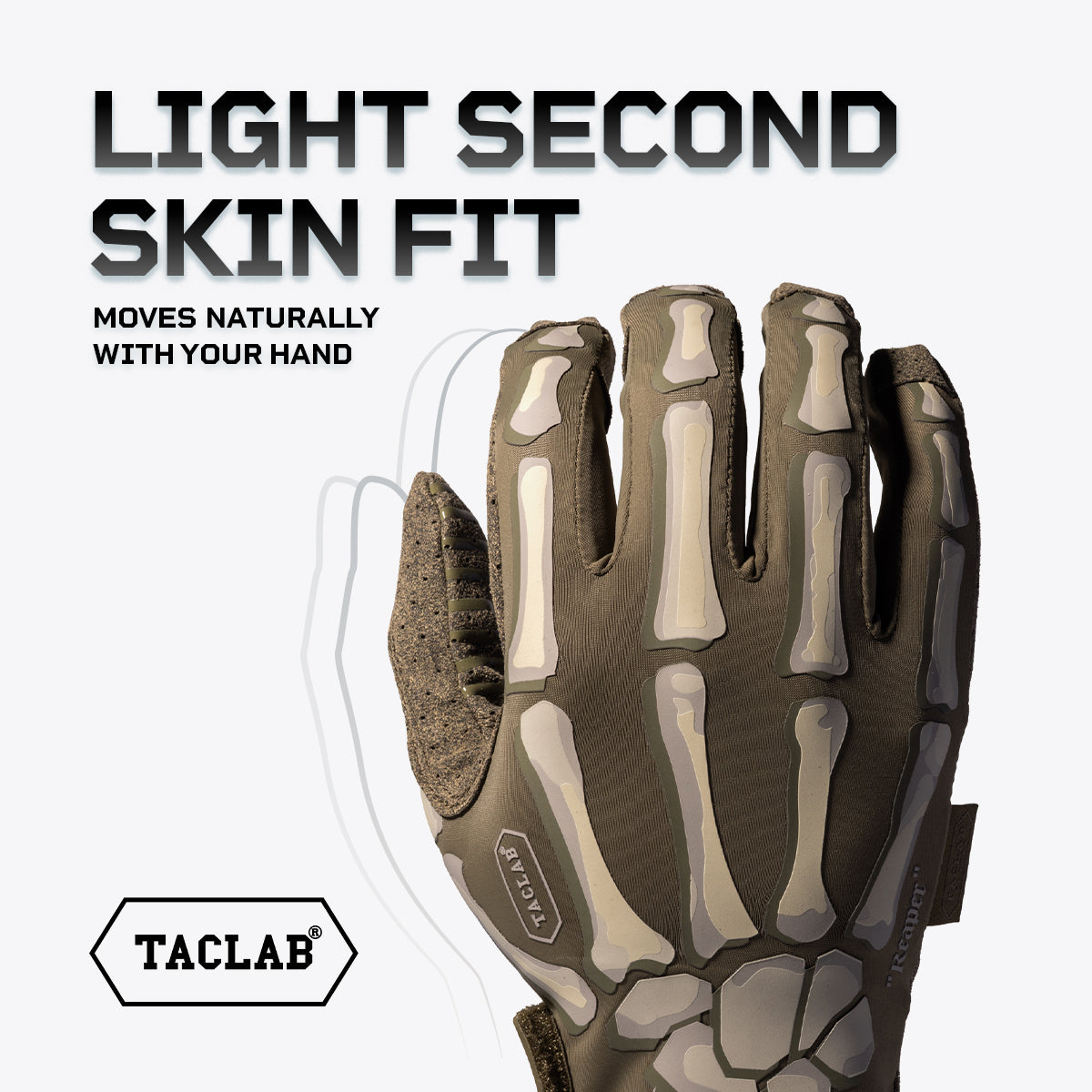
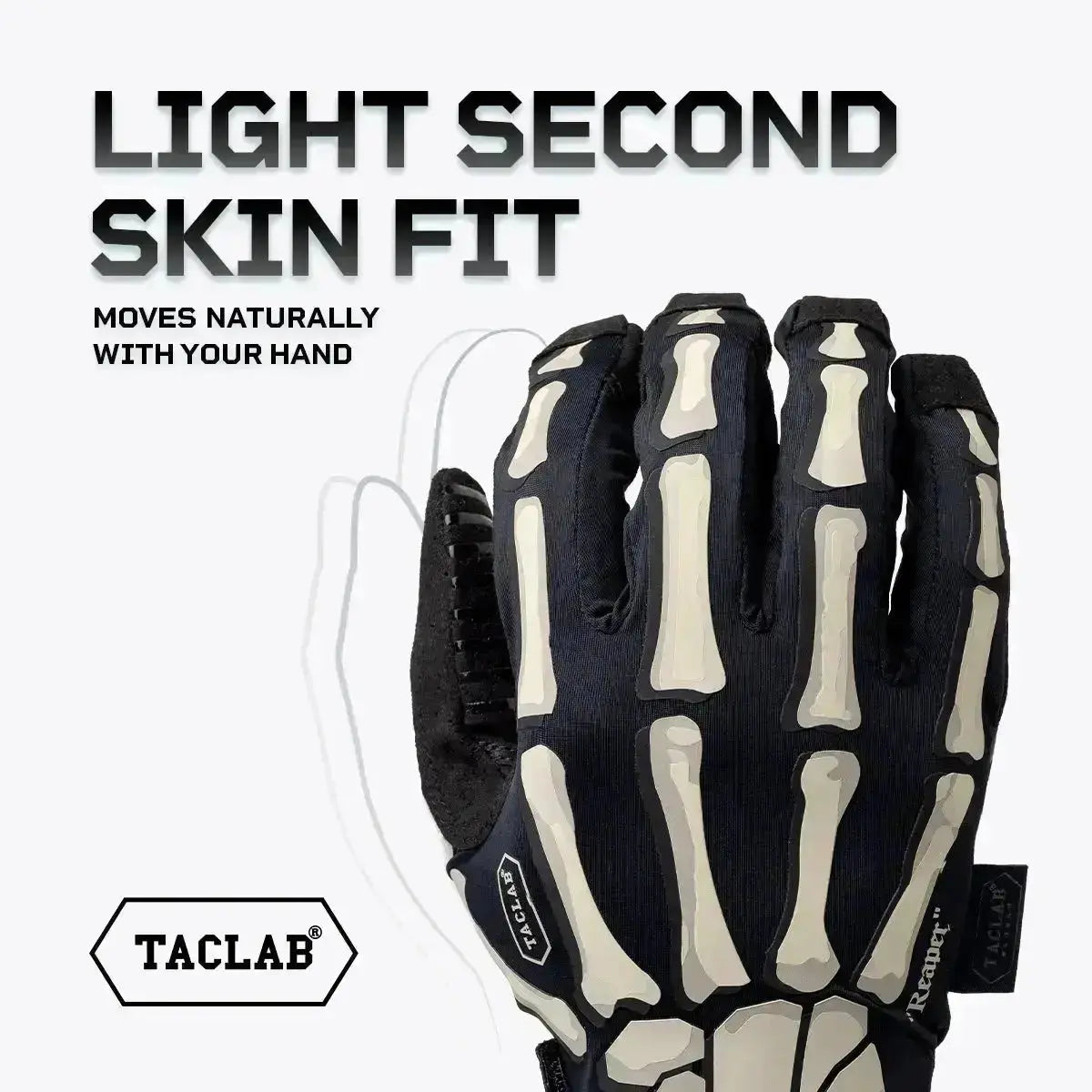
The classic TACLAB Reaper is the natural starting point for shooters who prioritize:
- Lightweight construction
- Dexterity
- Flexible finger movement
- Grip
- Warm-weather comfort
- Everyday range use
If your primary complaint about shooting gloves is that they feel bulky, this is the type of construction worth considering.
Best suited for: Indoor ranges, warm-weather shooting, regular range training, Airsoft, and multipurpose tactical use.
👉 Explore TACLAB Reaper Gloves
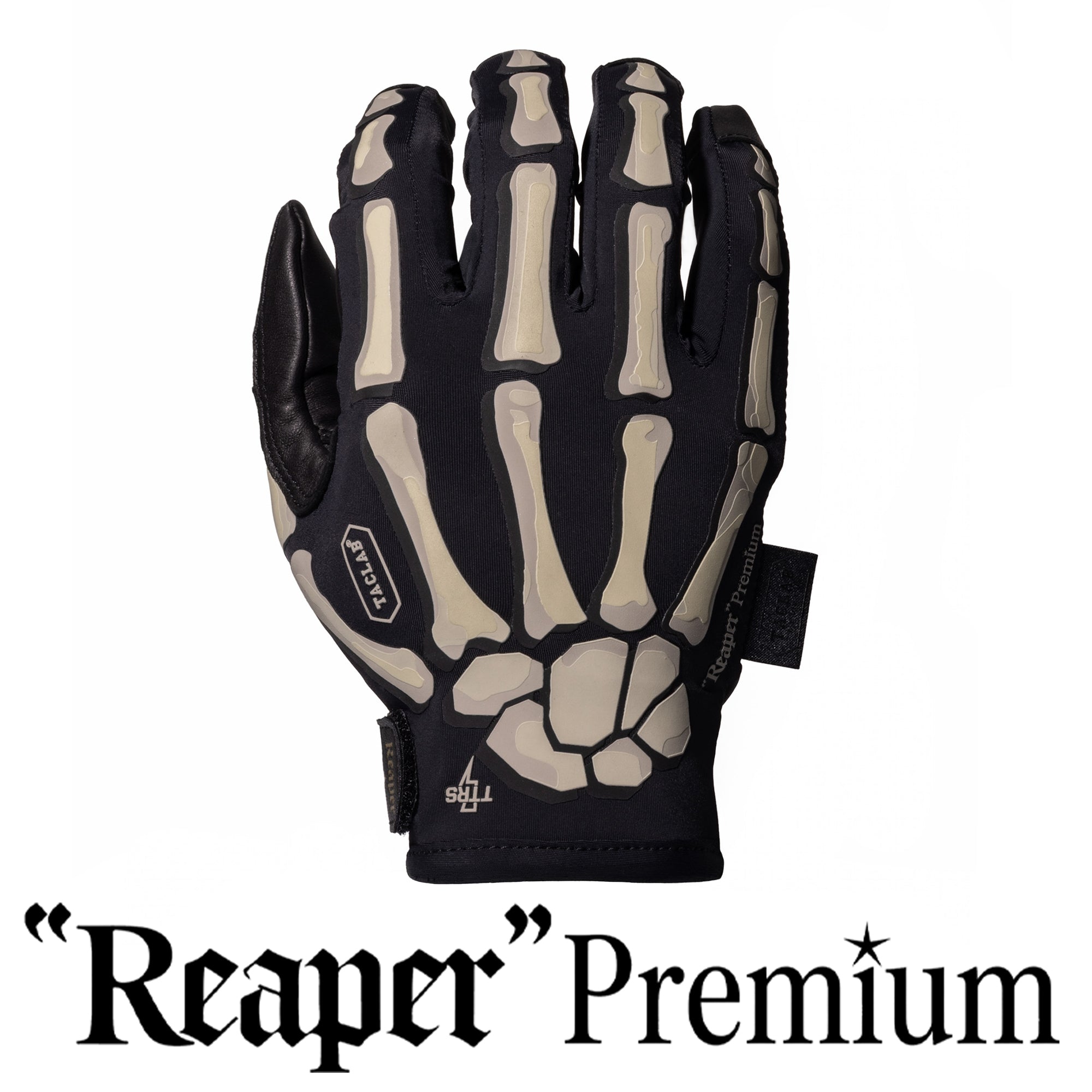
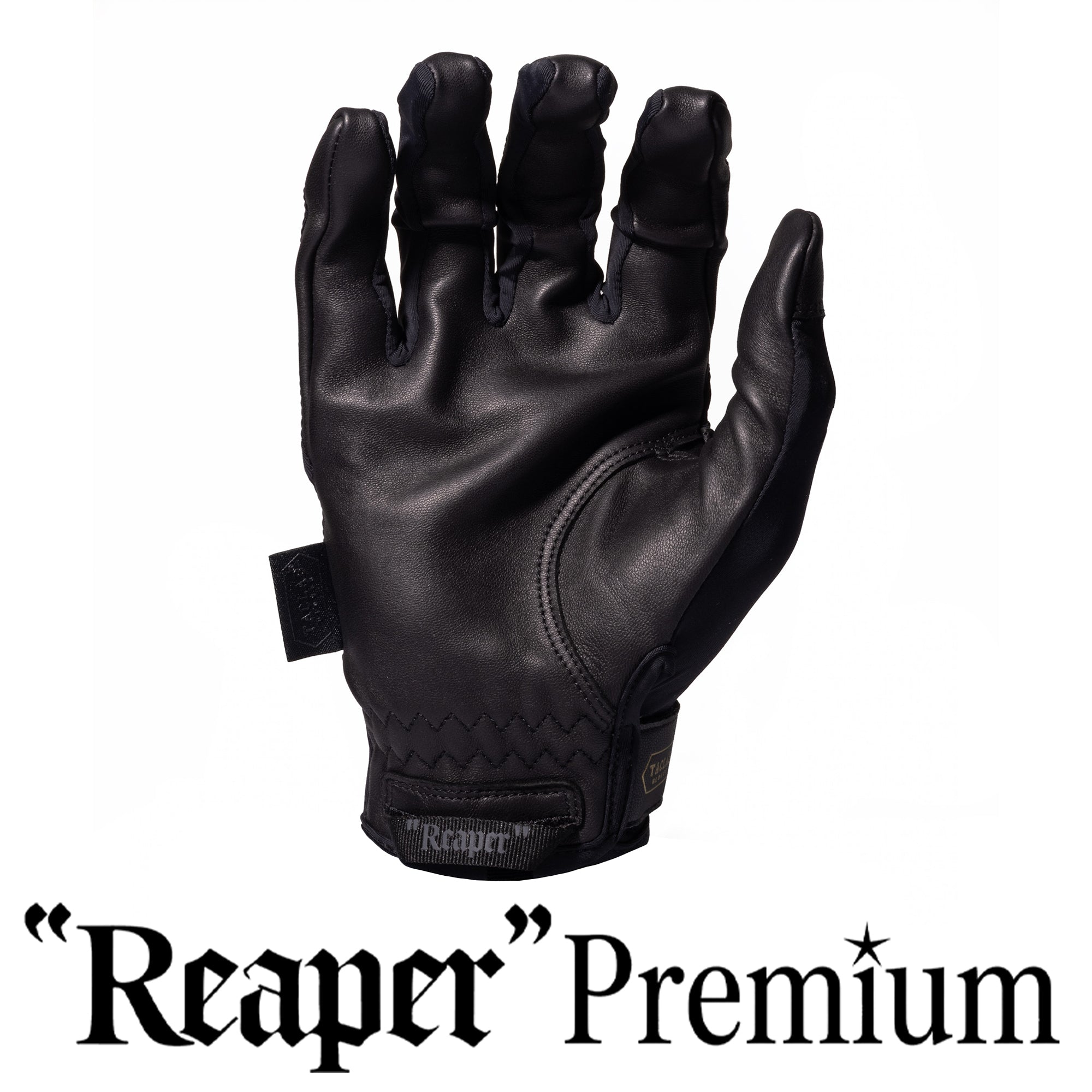
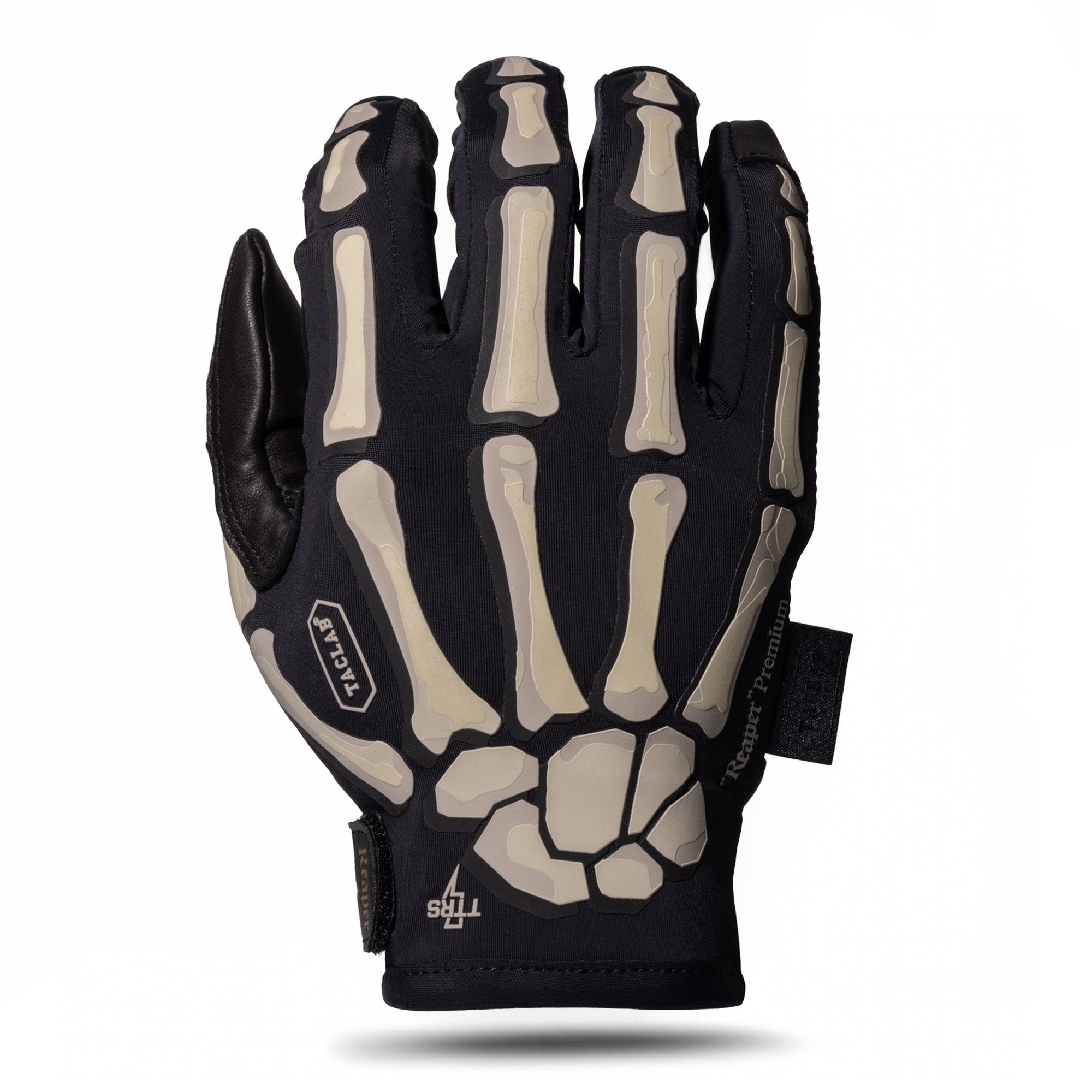
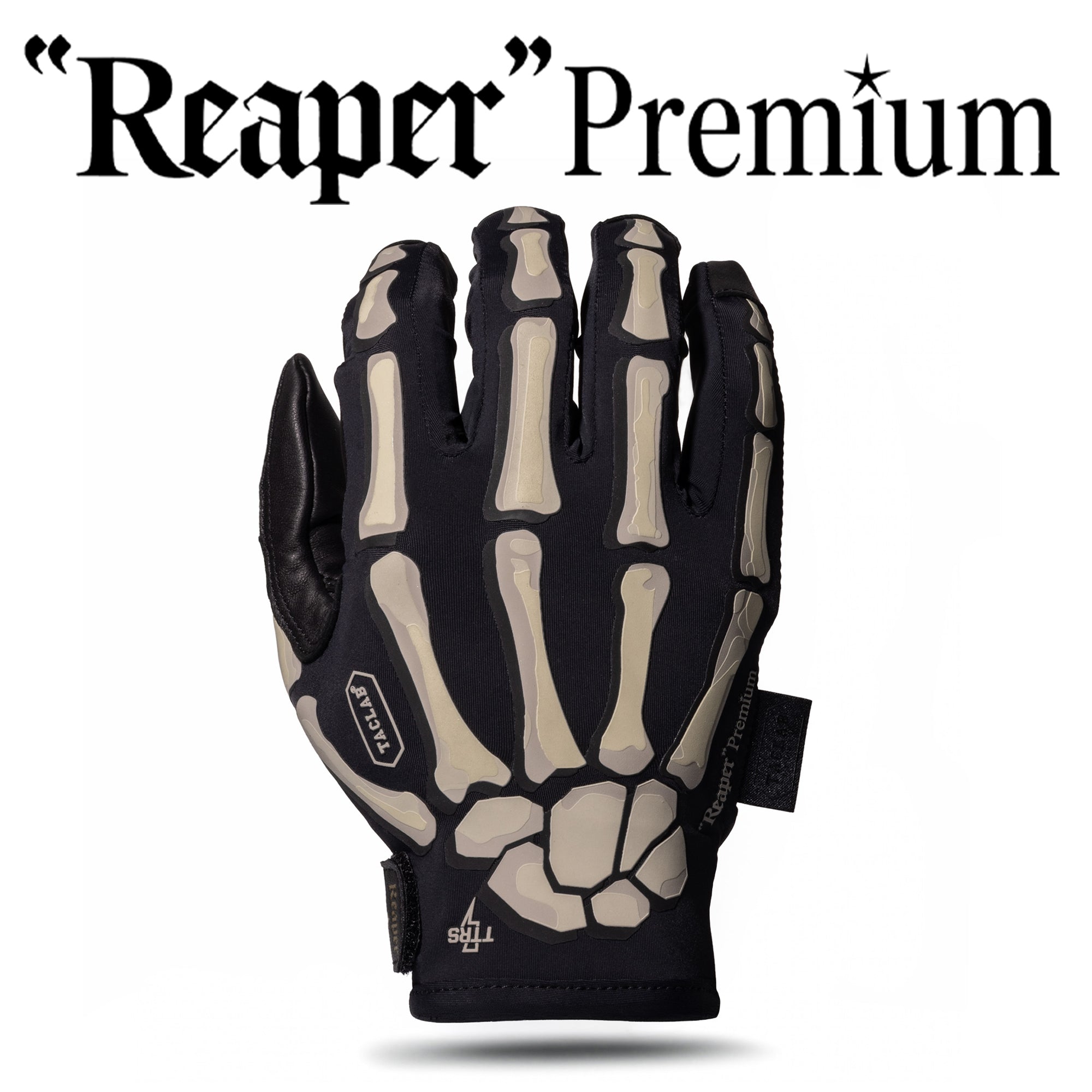
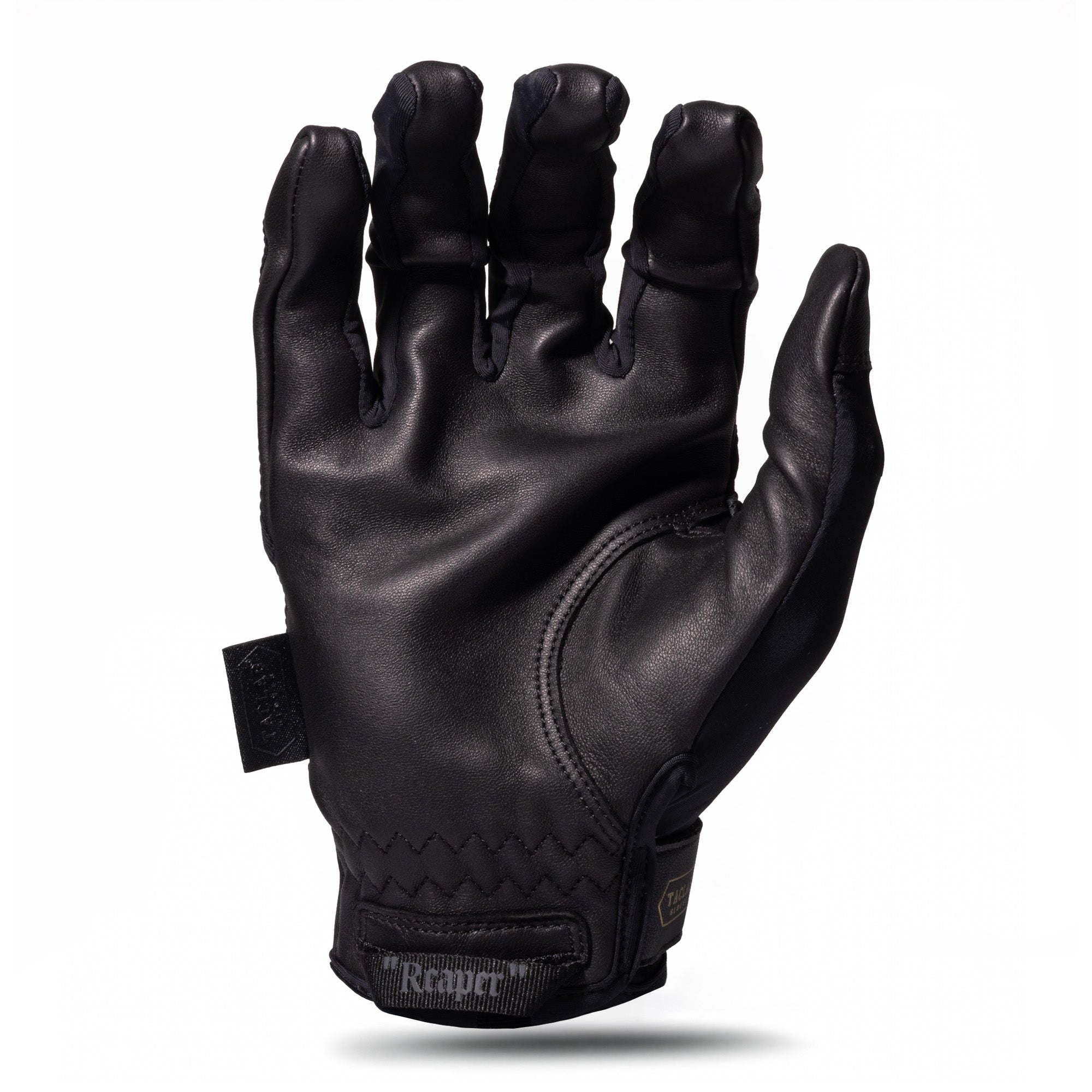
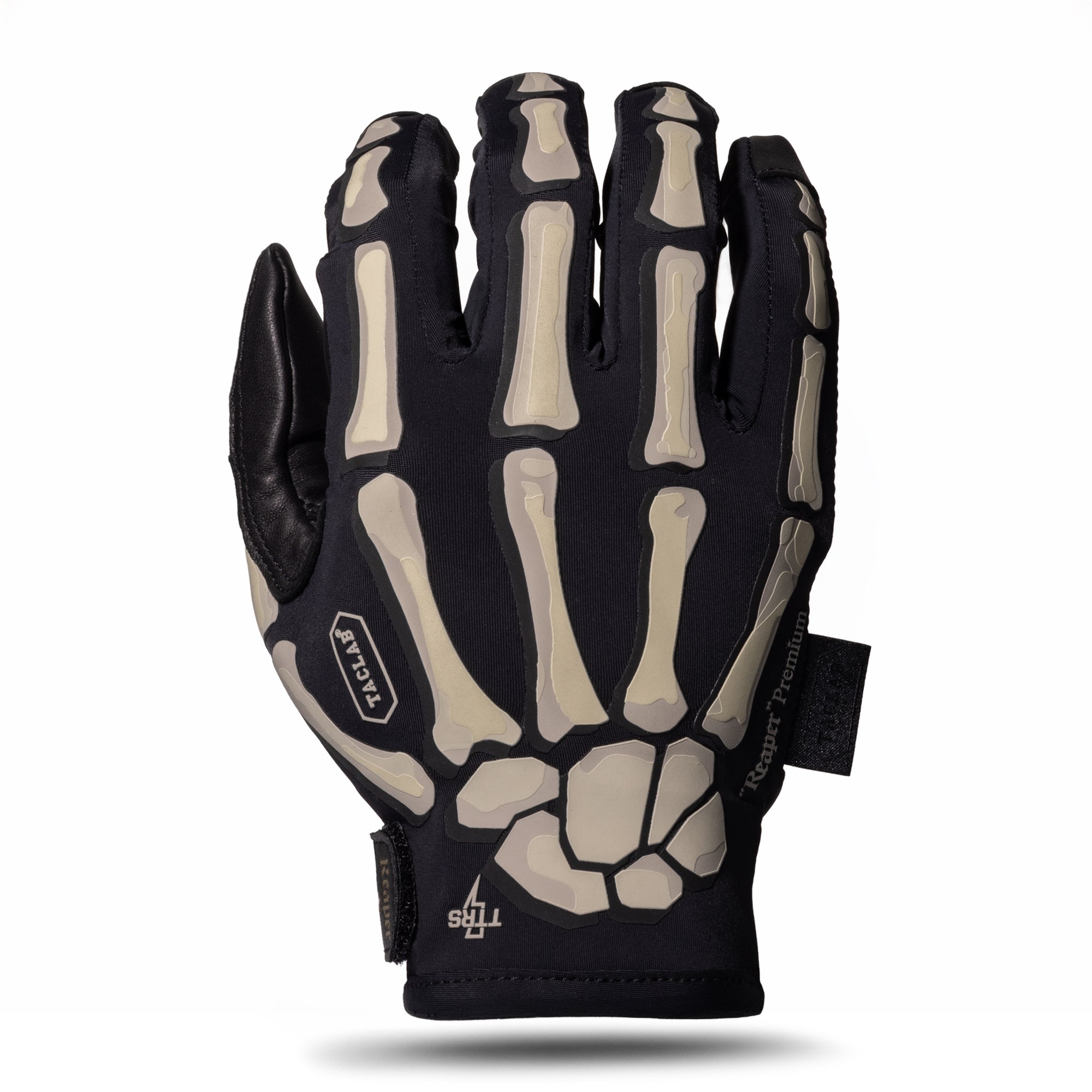
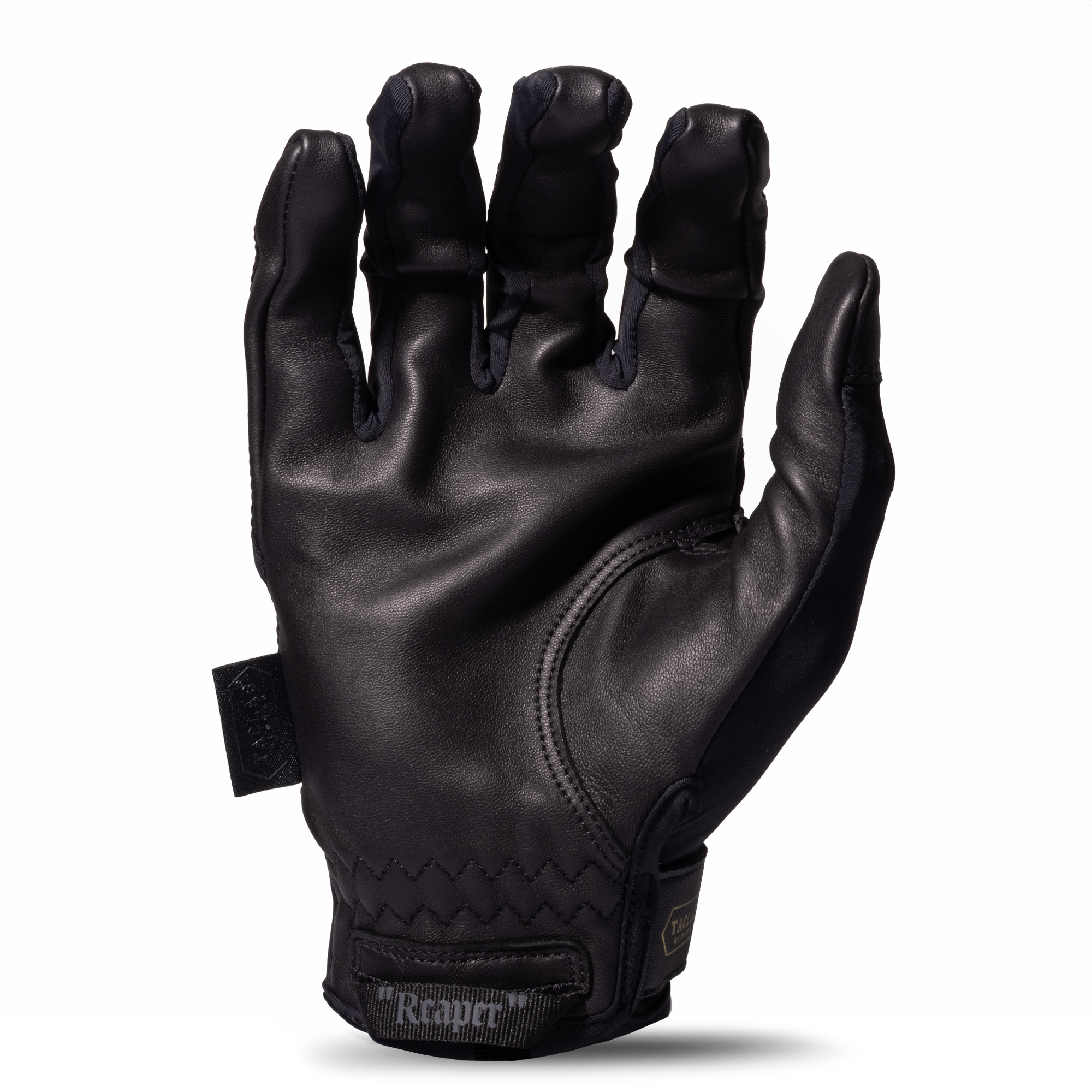
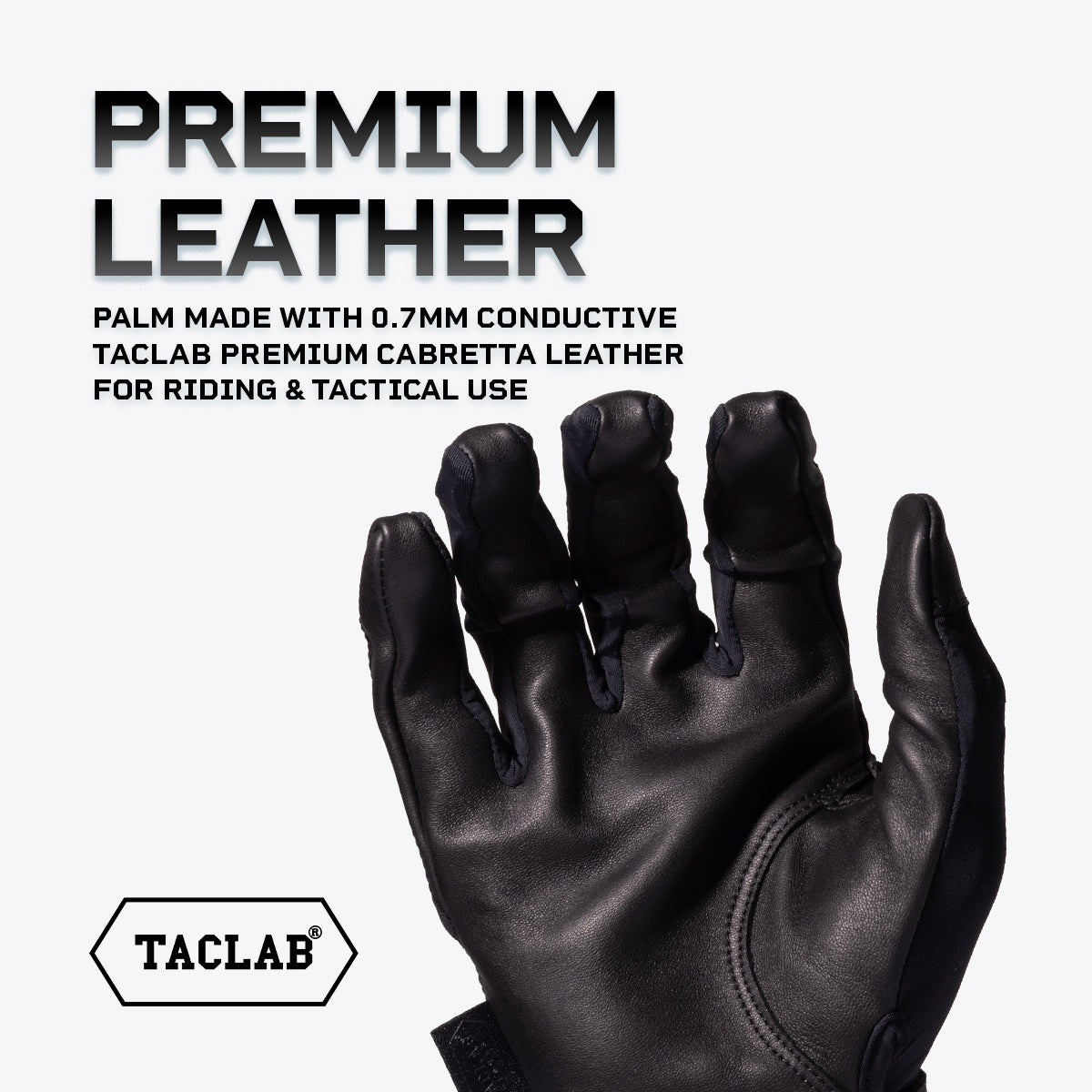
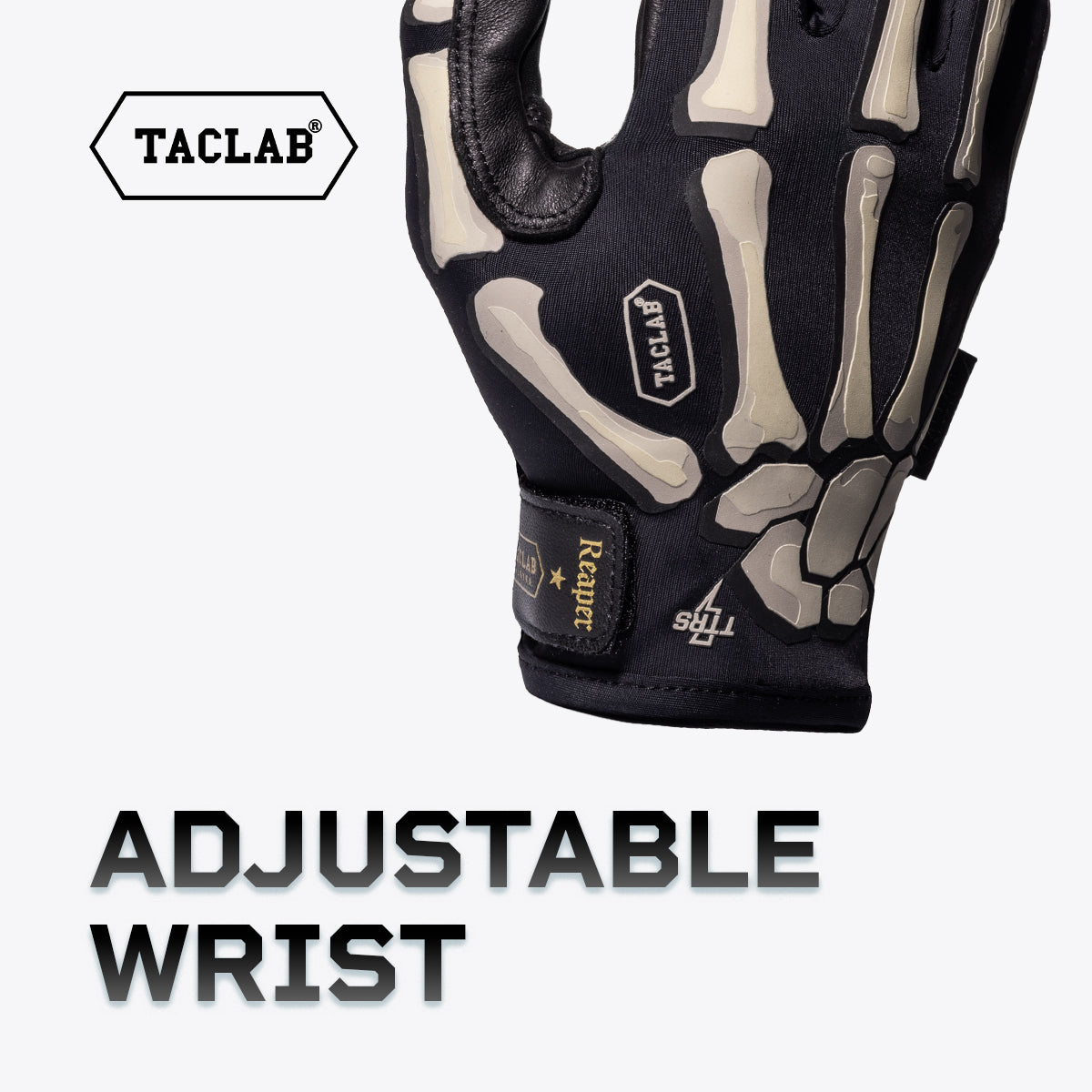
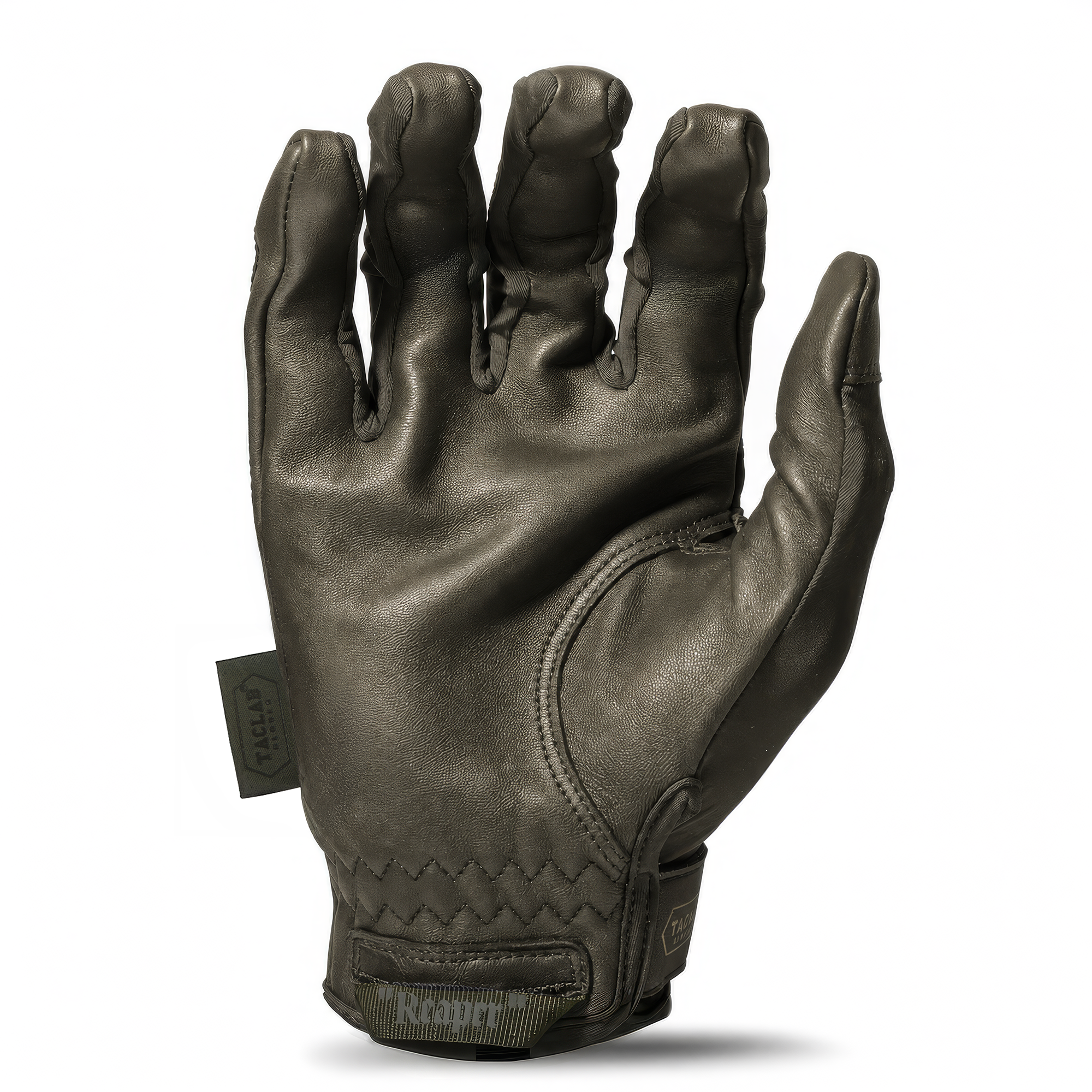
Reaper Premium — For Shooters Who Prefer Premium Leather Feel
The Reaper Premium takes a different approach.
Its 0.7mm Cabretta leather palm is designed around tactile feel, grip, flexibility, and premium material quality.
Cabretta leather is well known in premium sporting gloves because of its softness and close hand feel.
For shooters who like the natural feel of leather but don't want a bulky traditional leather glove, the Reaper Premium occupies an interesting middle ground.
Best suited for: Shooters who prioritize premium material feel, natural grip, and close equipment feedback.
Reaper HA — For More Abrasive Training Environments
If you consistently wear through lightweight gloves because your training involves rough surfaces, the answer may not be buying another identical pair.
You may need a different glove.
The Reaper HA High Abrasion is the more logical direction for users who want Reaper-style functionality with greater emphasis on abrasion resistance.
Best suited for: Outdoor training, demanding environments, and users who repeatedly expose gloves to rough surfaces.
Patrol Reaper — For Cold-Weather Range Days
When temperatures fall, thin shooting gloves can become uncomfortable.
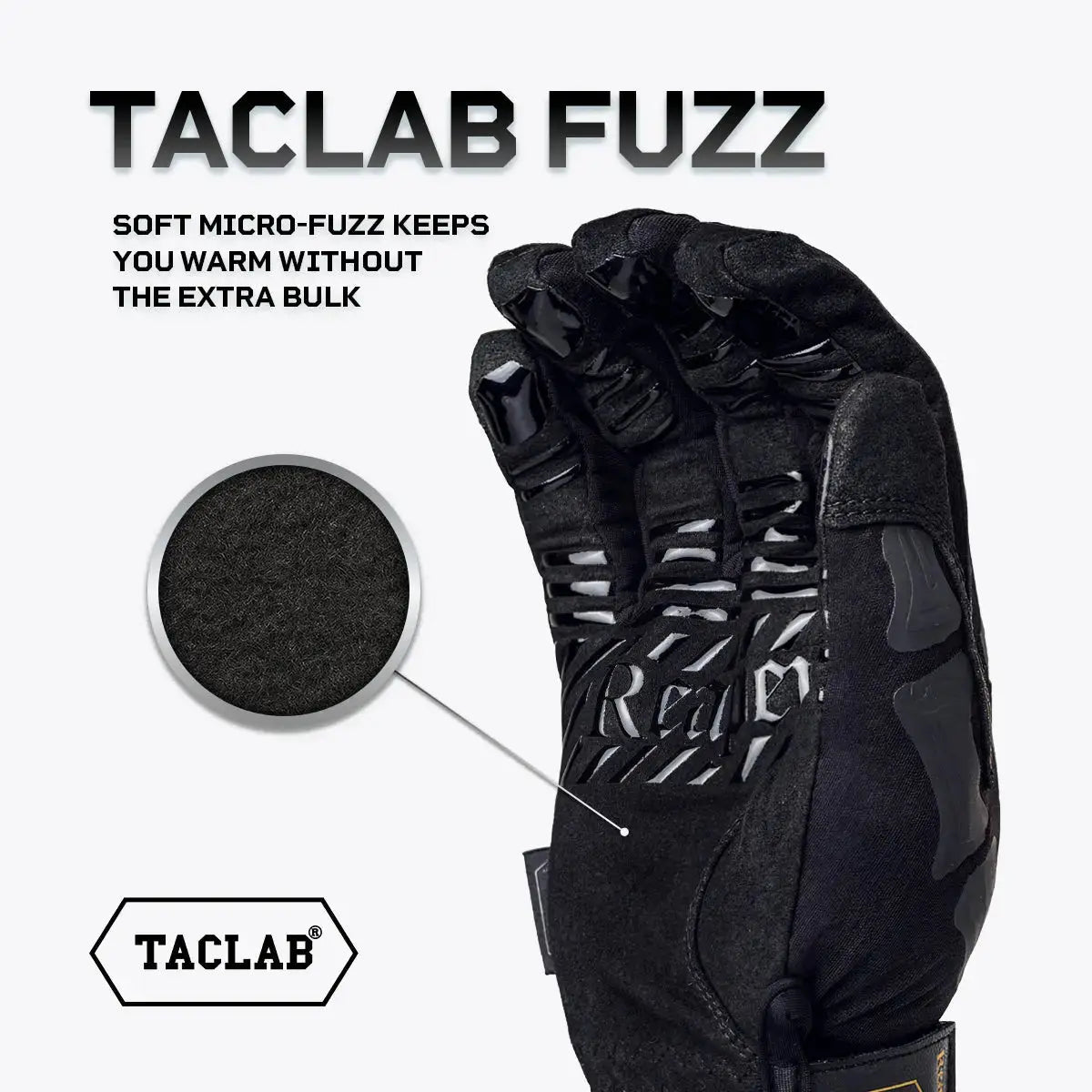
The Patrol Reaper adds insulation for users who need more warmth while still prioritizing tactical flexibility.
Best suited for: Cold-weather shooting, hunting, outdoor training, patrol applications, and fall/winter range sessions.
Quick TACLAB Range Glove Comparison
| Your Priority | Suggested TACLAB Option |
|---|---|
| Lightweight range training | Reaper |
| Maximum dexterity | Reaper |
| Premium leather feel | Reaper Premium |
| Higher abrasion resistance | Reaper HA |
| Cold-weather shooting | Patrol Reaper |
| Severe winter conditions | Snow Reaper |
Browse the complete lineup here:
👉 TACLAB Gloves & Handwear Collection
Should Beginners Train With Gloves?
Beginners don't need to rush out and buy shooting gloves before their first range session.
Learning safe firearm handling and basic shooting fundamentals matters far more.
A beginner should focus on:
- Firearm safety
- Proper grip
- Trigger control
- Sight alignment
- Safe loading and unloading
- Range commands
- Consistent technique
Gloves can come later if they solve a real problem.
However, if you expect to shoot in cold weather, participate in outdoor training, hunt, or use gloves professionally, it makes sense to practice with the equipment you'll actually wear.
The important thing is not to become dependent on gloves to compensate for poor fundamentals.
Learn the technique first. Then choose equipment that supports it.
Frequently Asked Questions
Should you wear gloves at the shooting range?
Shooting gloves are optional for many casual indoor range sessions, but they can be useful during long training sessions, outdoor shooting, hot weather, cold conditions, and high-round-count training. The best choice depends on your environment, comfort, and personal preference.
Do shooting gloves improve accuracy?
Shooting gloves don't directly make a shooter more accurate. They may support more consistent grip, improve comfort, and reduce distractions caused by sweat, cold, or friction, but accuracy still depends primarily on shooting fundamentals and training.
Do shooting gloves reduce trigger feel?
Thick, loose, or poorly designed gloves can reduce tactile feedback around the trigger finger. Thin, close-fitting shooting gloves are designed to minimize bulk and preserve dexterity.
Why do some shooters cut the trigger finger off their gloves?
Some shooters remove the index fingertip to gain direct skin contact with the trigger, especially when using thick or general-purpose gloves. Modern lightweight shooting gloves can reduce the need for this modification.
Should shooting gloves fit tight or loose?
Shooting gloves should generally fit snugly without restricting movement or causing numbness. Loose material around the palm or fingertips can interfere with firearm manipulation and tactile feedback.
Are shooting gloves good for hot weather?
Lightweight, breathable shooting gloves can be useful in hot weather because they may help maintain a more consistent grip when hands become sweaty. Heavy or poorly ventilated gloves may instead trap heat.
What gloves should I wear for cold-weather shooting?
Choose insulated gloves that provide enough warmth for the conditions while maintaining usable finger dexterity. Avoid excessive bulk around the trigger finger and firearm controls.
Are tactical gloves and shooting gloves the same thing?
Not necessarily. Tactical gloves can be designed for many activities, including shooting, patrol, riding, outdoor work, and impact protection. Shooting gloves place greater emphasis on dexterity, close fit, grip, and tactile feedback.
Final Verdict: Should You Wear Gloves at the Shooting Range?
Sometimes.
And that's probably the most useful answer.
For a short indoor range visit under comfortable conditions, you may not need gloves at all.
During a long outdoor training session with sweaty hands, cold temperatures, rough surfaces, or repeated equipment manipulation, a well-designed shooting glove can become extremely useful.
The important distinction is well-designed.
A glove that is:
- Too thick
- Too loose
- Too stiff
- Wrong for the weather
- Wrong for the activity
can create more problems than it solves.
So don't ask whether “shooters should wear gloves.”
Ask:
What problem am I trying to solve by wearing them?
If the answer is sweat, friction, cold, outdoor protection, or extended training comfort, gloves may be worth adding to your range bag.
If you're comfortable without them and conditions don't demand additional protection, bare hands are perfectly reasonable too.
And if you do choose gloves, select them according to the environment rather than assuming one pair should handle everything.
Find the Right TACLAB Glove for How You Train
From lightweight Reaper shooting gloves and premium Reaper Premium models to abrasion-focused Reaper HA and insulated Patrol Reaper gloves, TACLAB offers different options for different range conditions.
👉 Explore the TACLAB Gloves Collection
The best shooting glove isn't necessarily the toughest, thickest, or most expensive one. It's the glove you can wear without thinking about it while you focus on your training.