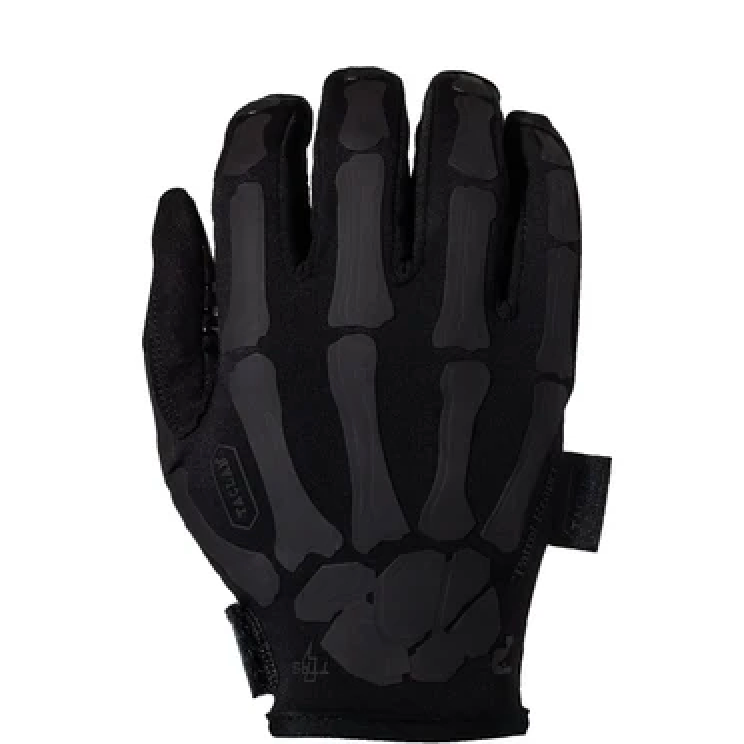
Spend enough time around shooting ranges, training courses, Airsoft fields, or military-style gear communities and you'll eventually notice something unusual.
Someone is wearing a perfectly good pair of tactical gloves—but the index finger has been deliberately cut off.
At first, it seems strange.
Why spend money on protective gloves only to take a pair of scissors to them?
There's actually a practical reason behind the tradition.
For years, shooters have modified gloves to solve one of the oldest compromises in shooting handwear:
Protection versus feel.
Gloves protect the hands, improve grip, reduce friction, and make shooting more comfortable in difficult conditions. But every layer placed between your finger and the trigger can also change how much tactile feedback you receive.
Before modern lightweight shooting gloves became widely available, removing the trigger finger was one simple solution.
But is it still necessary today?
The answer is more interesting than you might expect.
The Short Answer
Shooters generally cut the index finger off a glove because they want more direct tactile feedback and greater dexterity with the trigger finger.
Removing the material allows the bare fingertip to contact the trigger directly.
Historically, this could be especially useful when wearing:
- Thick tactical gloves
- Military-issued gloves
- Work gloves
- Leather gloves
- Cold-weather gloves
- General-purpose gloves not specifically designed for shooting
However, there is an important distinction:
Cutting off the trigger finger doesn't automatically make someone shoot better.
Accuracy still depends primarily on fundamentals such as grip, sight alignment, trigger control, stability, and training.
The modification simply changes how the trigger feels to the shooter.
And with modern thin shooting gloves, that trade-off may no longer be necessary for many users.
Where Did the Cut-Off Trigger Finger Come From?
The idea didn't begin as a fashion statement.
For much of the history of tactical equipment, gloves weren't necessarily designed specifically around firearm manipulation.
Military personnel, law enforcement officers, hunters, and outdoorsmen often wore gloves primarily for:
- Warmth
- Abrasion protection
- Utility work
- Equipment handling
- Environmental protection
Those gloves could perform those jobs well while still being less than ideal around a trigger.
Imagine trying to achieve a precise trigger press while wearing a thick leather work glove.
The glove may bunch around the fingertip.
The seam may sit directly against the trigger.
Material may reduce sensitivity.
In cold-weather gloves, the finger may simply feel too bulky.
For some users, the simplest field modification was obvious:
Remove the material from the trigger finger.
No special equipment.
No new gloves.
Just direct contact where the shooter wanted it most.
Over time, the modified look became recognizable within shooting and tactical culture.
1. Better Trigger Feel
This is the main reason.
Your fingertips contain a high concentration of sensory receptors. They provide detailed information about pressure, texture, and contact.
Put material over the fingertip and some of that sensation changes.
The thicker the material, the more noticeable the difference can become.
Why Tactile Feedback Matters
When shooters talk about "trigger feel," they may be describing their ability to perceive aspects of the trigger's movement and resistance.
A bare finger provides direct contact.
A glove adds an interface between the skin and trigger.
For someone accustomed to shooting without gloves, even a relatively small change can initially feel unfamiliar.
Removing the glove's index fingertip eliminates that layer.
But there's another side to this.
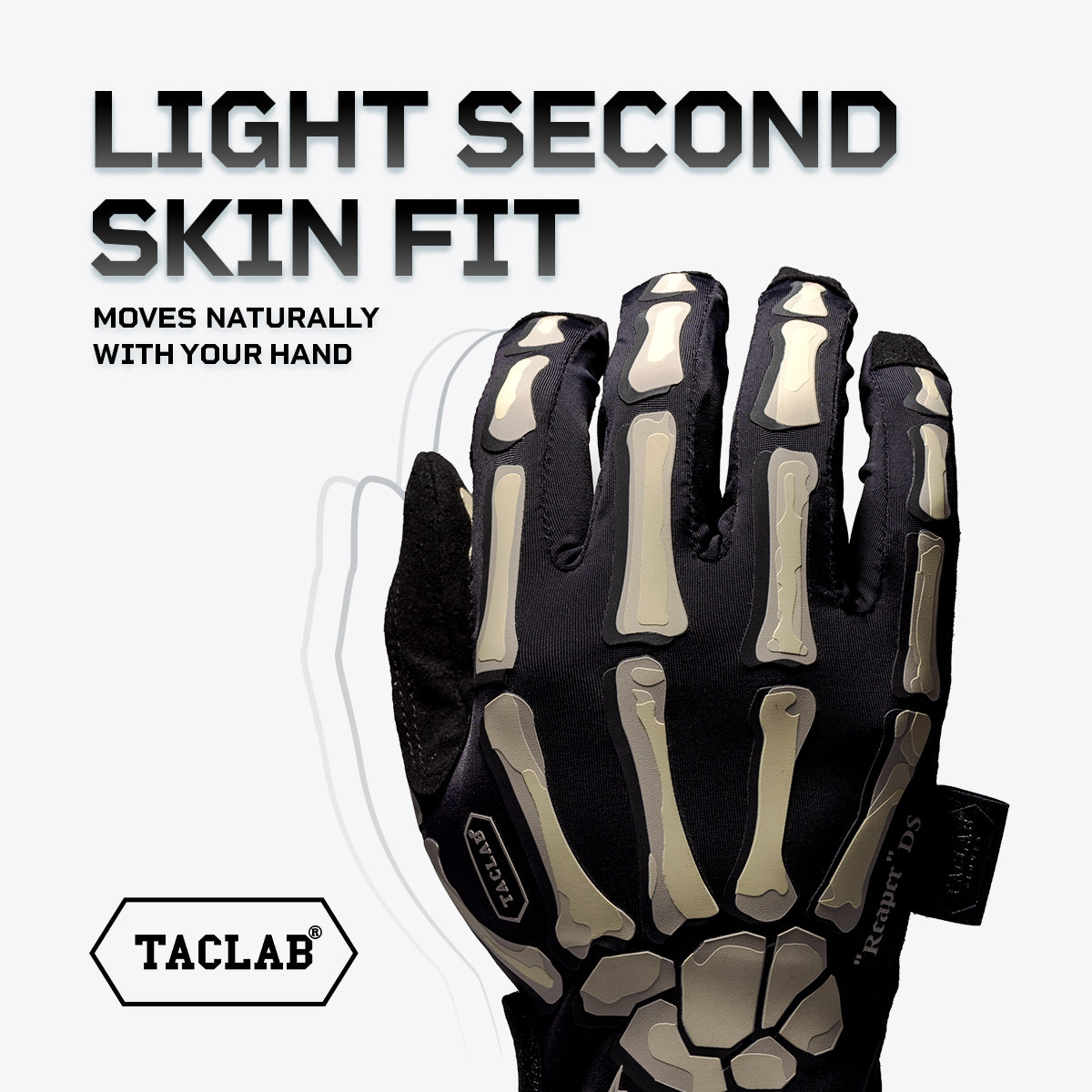
A well-designed modern shooting glove can use thin, flexible material around the index finger specifically to preserve tactile feedback.
That's fundamentally different from trying to shoot in a thick general-purpose work glove.
2. Older Gloves Were Often Too Bulky
This is an important part of the story.
Today, consumers can buy gloves specifically designed for:
- Shooting
- Tactical use
- Motorcycle riding
- Hunting
- Mechanic work
- Winter operations
Historically, those categories weren't always as specialized.
A shooter might simply use whatever protective gloves were available.
The result?
A glove could protect the hand extremely well while providing poor dexterity.
Tactical Gloves vs. General-Purpose Gloves
Think about the difference between a heavy work glove and a modern lightweight shooting glove.
A heavy-duty glove may prioritize:
Durability → Protection → Abrasion resistance
A shooting glove may prioritize:
Dexterity → Grip → Tactile feedback → Low bulk
Neither approach is inherently better.
They're solving different problems.
Trouble starts when you ask one glove to do the other's job.
That's also why simply cutting the finger off a bulky glove was historically attractive: it allowed the user to keep most of the glove's protection while gaining direct trigger-finger contact.
3. It Can Improve Fine-Motor Dexterity
The trigger isn't the only reason some people prefer an exposed index finger.
A bare fingertip can make certain small tasks easier.
Depending on the equipment and situation, users may need to manipulate:
- Small switches
- Zippers
- Fasteners
- Electronic devices
- Radios
- Optic controls
- Other small pieces of equipment
This is why fingerless gloves exist in many industries—not just shooting.
Removing material increases direct fingertip contact.
However, you pay for that dexterity with reduced coverage.
That's the recurring theme of glove design:
Every advantage comes with a trade-off.
4. Some Shooters Prefer Direct Skin Contact
Sometimes there isn't a complicated technical explanation.
The shooter simply prefers it.
Shooting is highly dependent on familiarity and consistency. Someone who has trained thousands of repetitions with a bare trigger finger may dislike even a thin layer of fabric.
Another shooter may train almost exclusively with gloves and barely notice the difference.
Neither preference automatically indicates greater skill.
The important factor is whether the equipment allows safe, consistent manipulation without interfering with the shooter's normal technique.
This is also why opinions about shooting gloves can be so different.
Ask ten experienced shooters whether they prefer a covered trigger finger and you may receive ten slightly different answers.
5. Cold-Weather Gloves Create a Bigger Trade-Off
Cold weather makes this entire discussion more complicated.
When temperatures fall, shooters need to solve two competing problems:
Keep the hands warm.
and
Maintain dexterity.
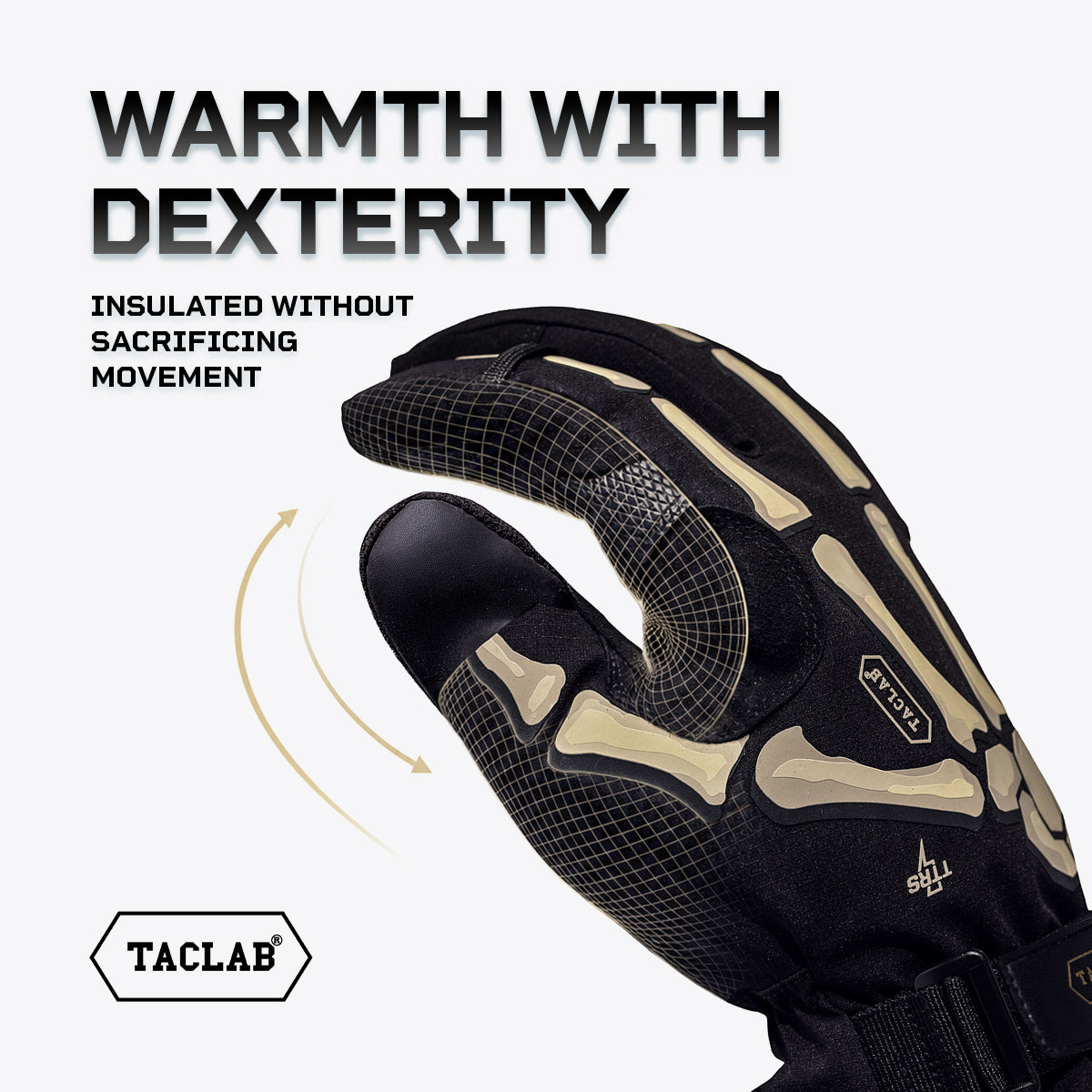
Insulation naturally adds volume.
More volume around the fingers can reduce fine tactile feedback.
This is one reason cold-weather shooting gloves require careful design. Simply making a normal glove thicker isn't always the best solution.
But cutting the trigger finger off an insulated glove creates another obvious problem:
Now your trigger finger is exposed to the cold.
That may defeat part of the reason you're wearing winter gloves in the first place.
For cold-weather shooting, a properly fitted glove that balances insulation and finger mobility is often more practical than modifying a glove and leaving the index finger exposed.
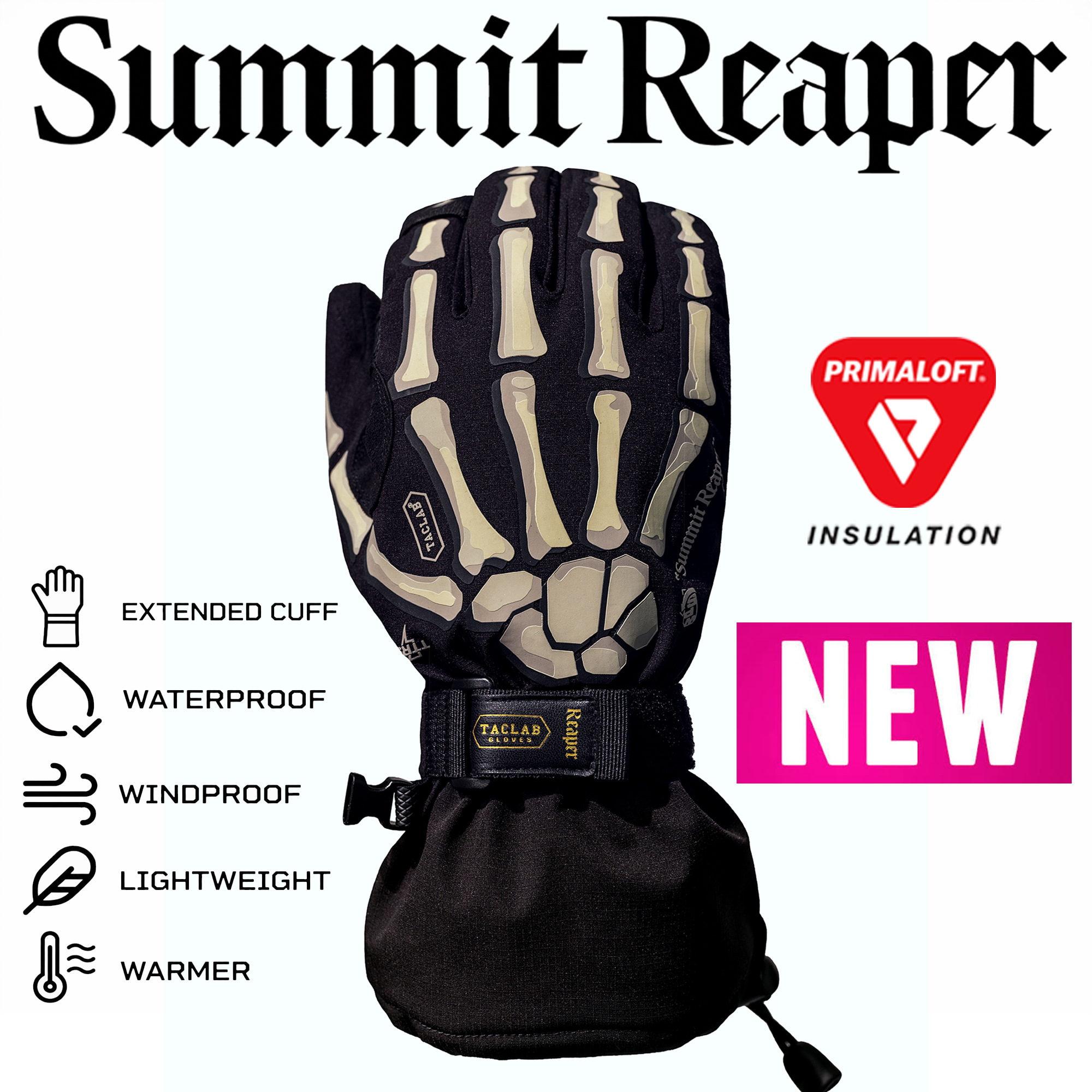
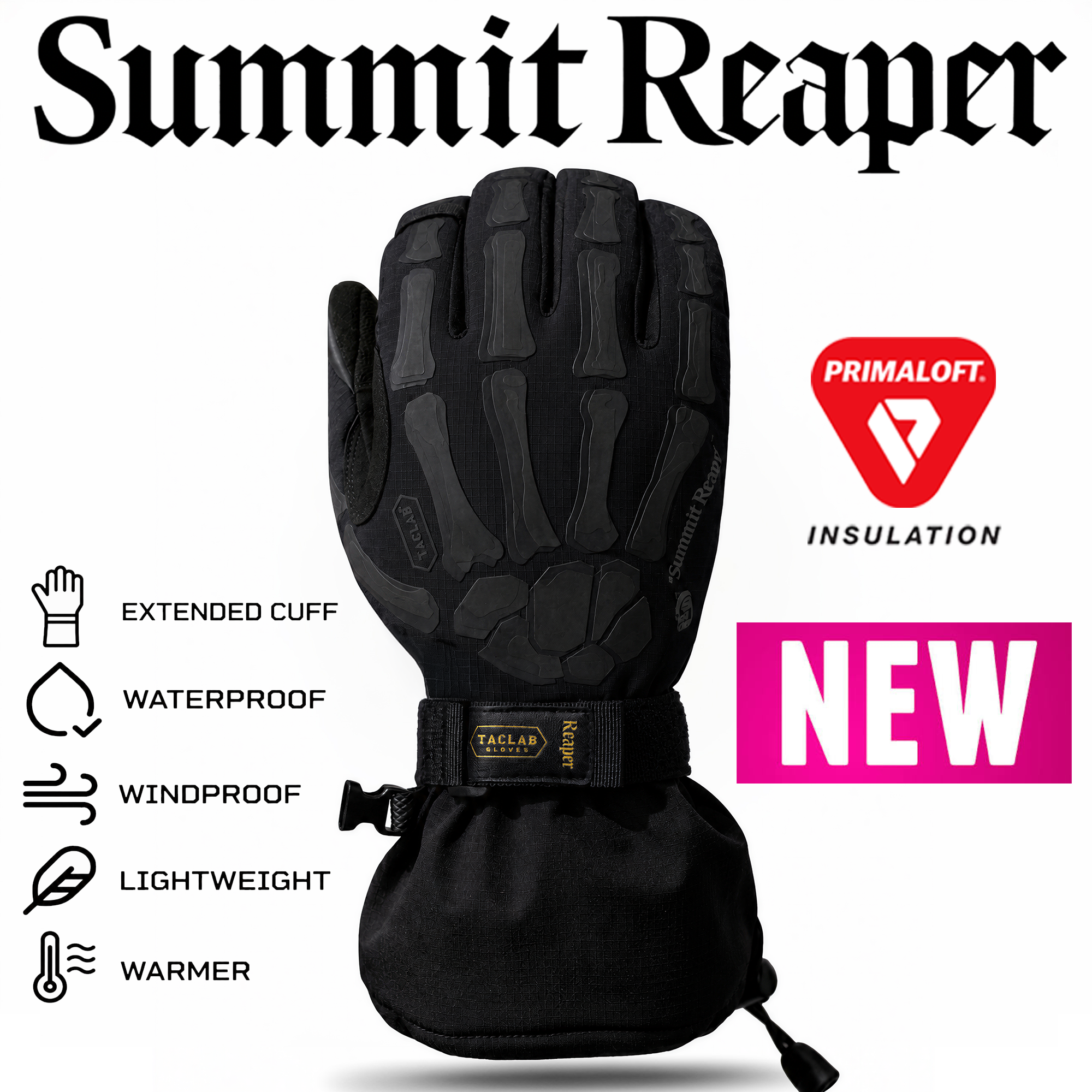
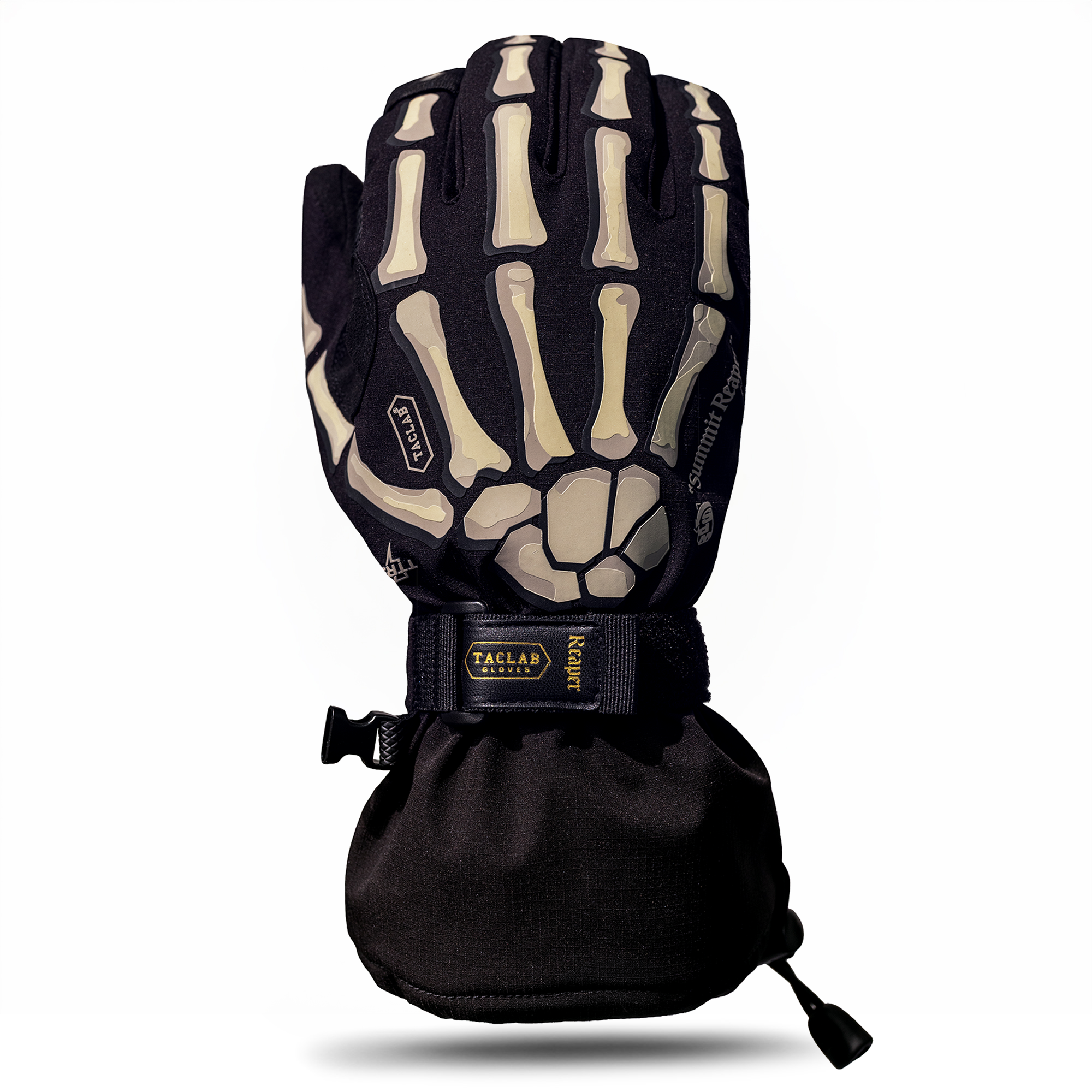
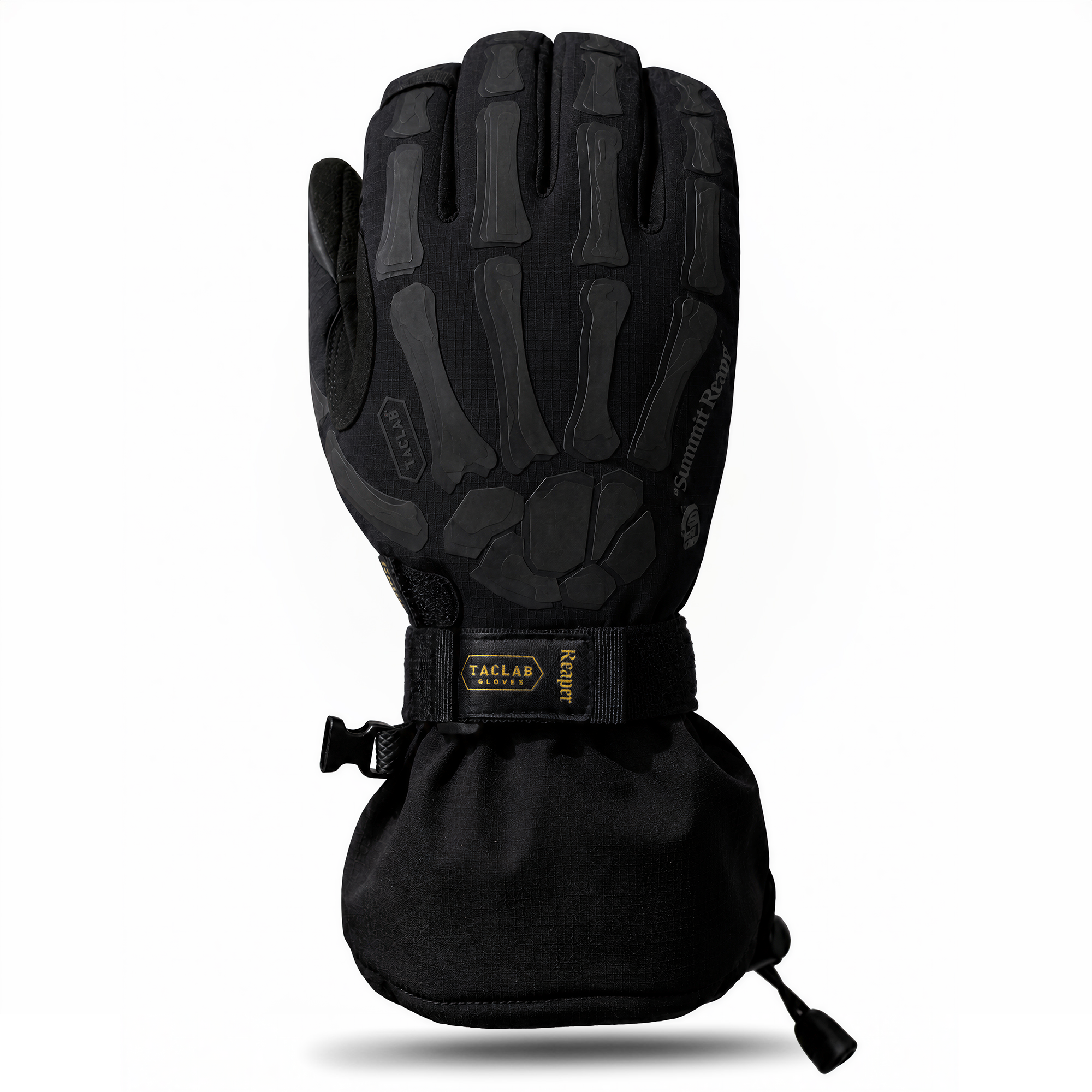
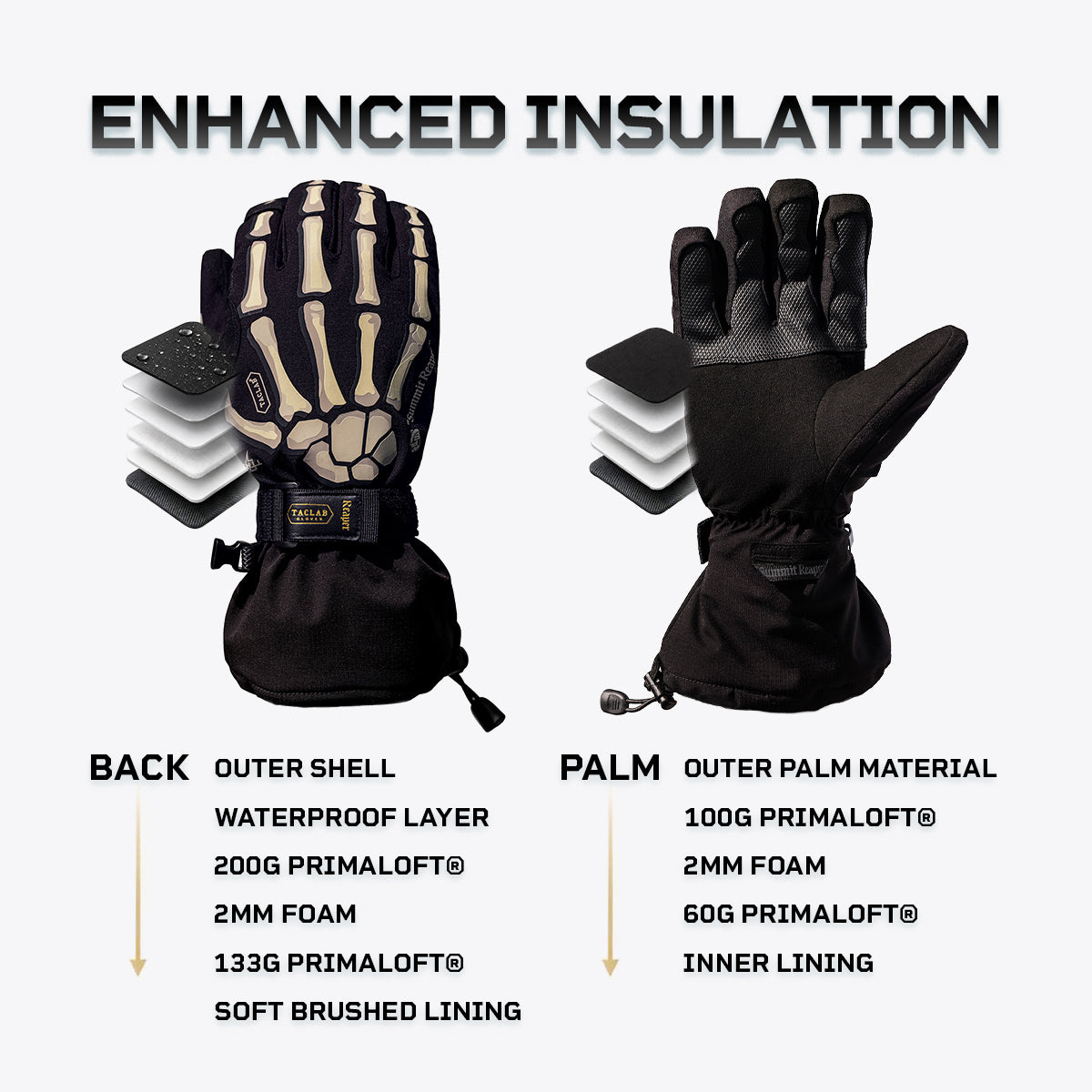
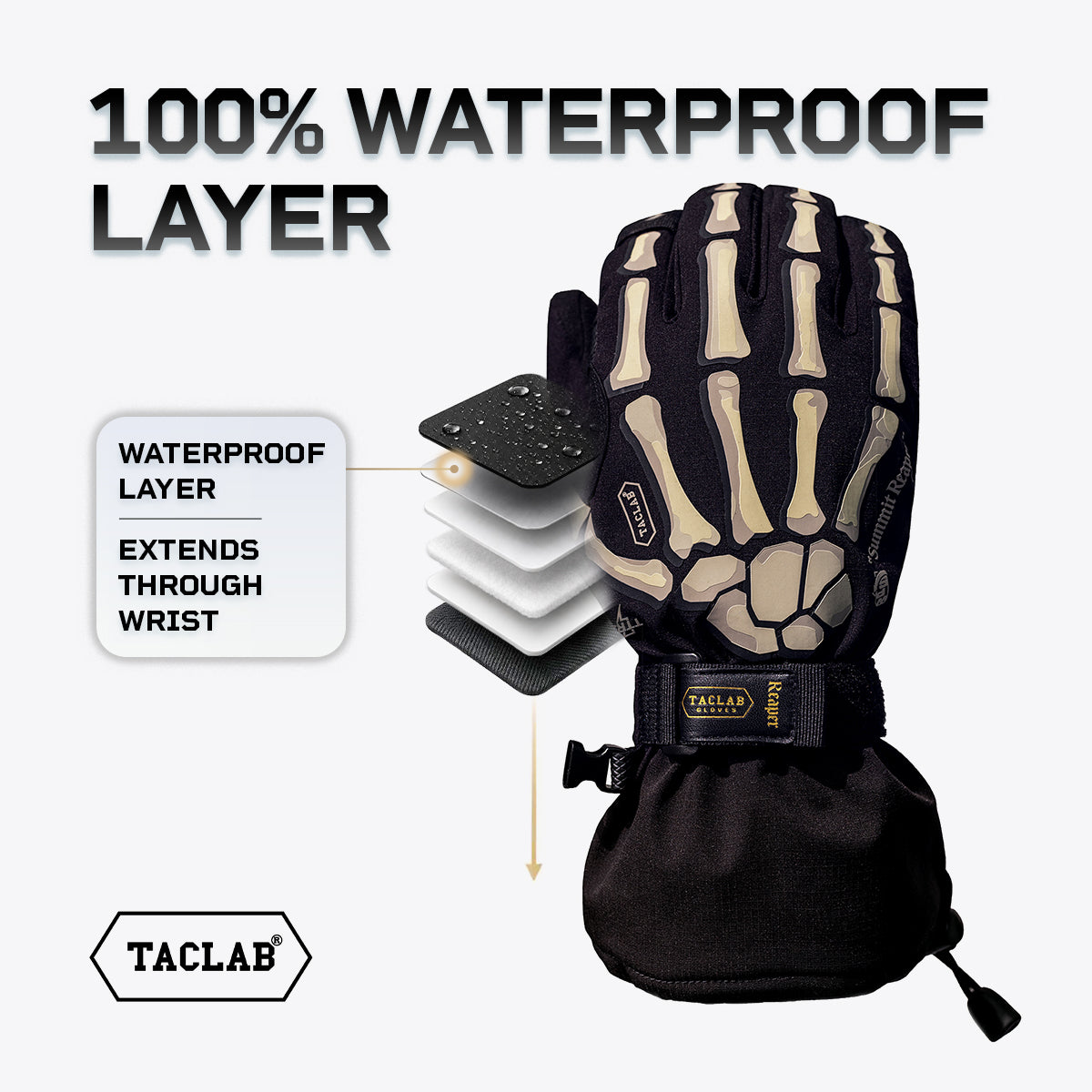
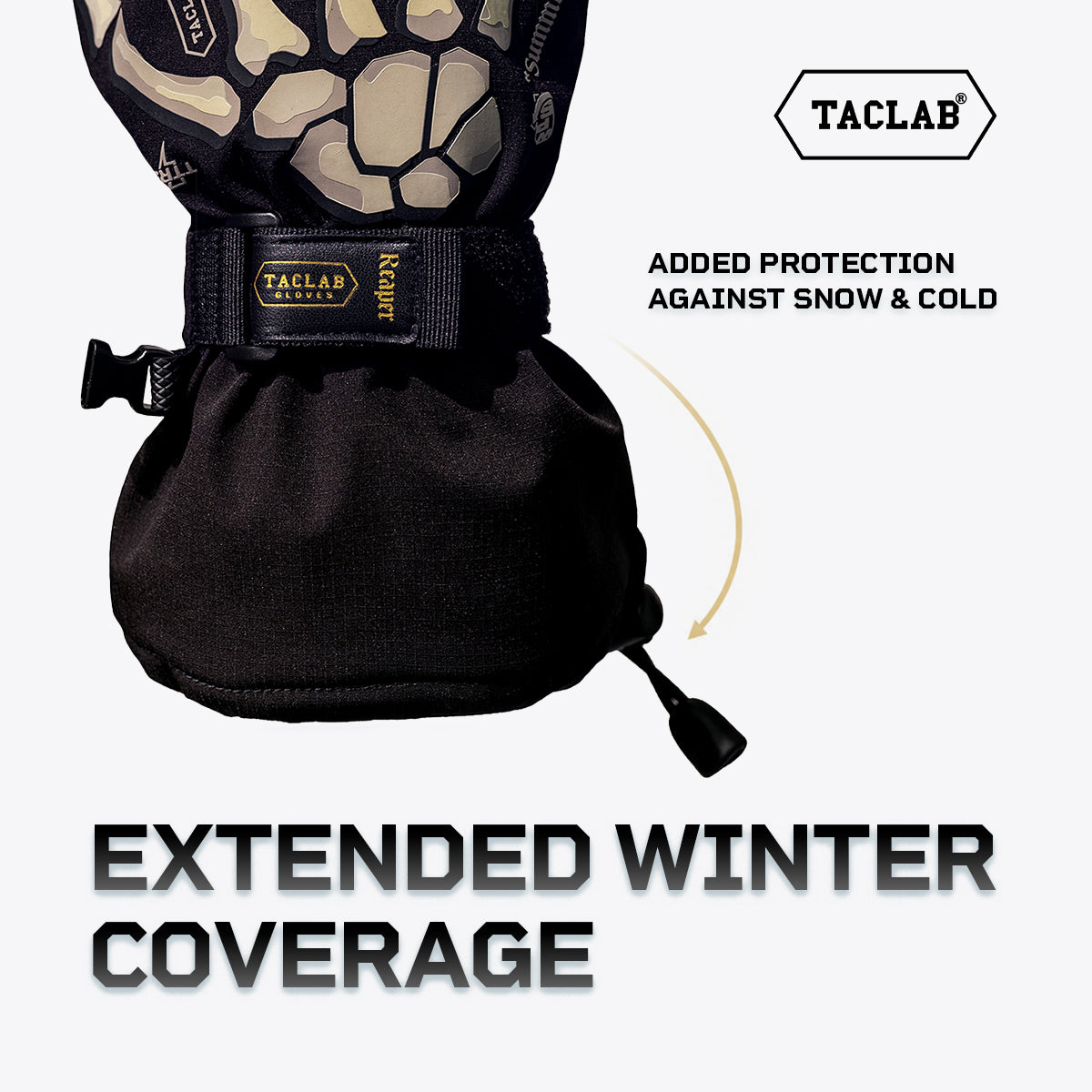
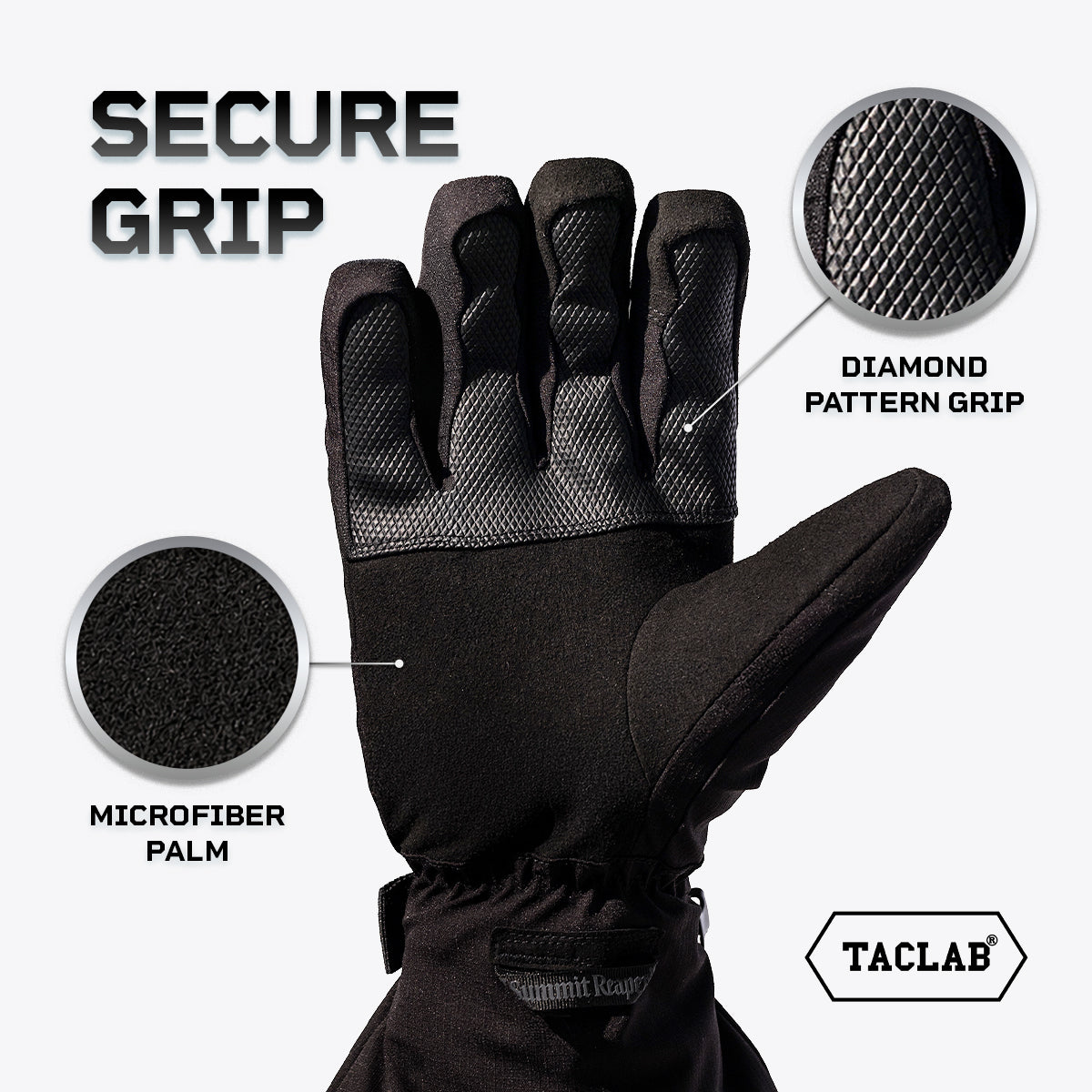
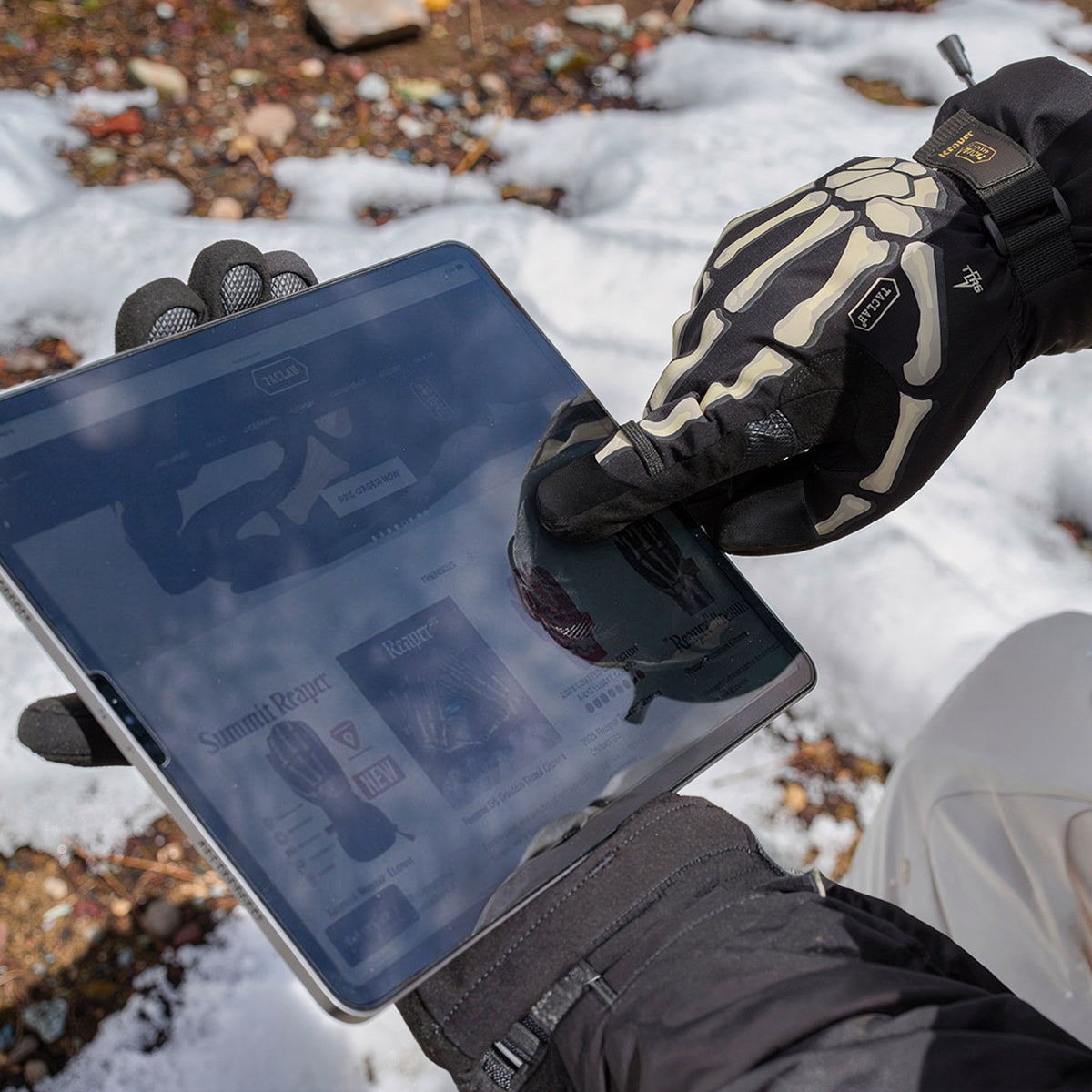
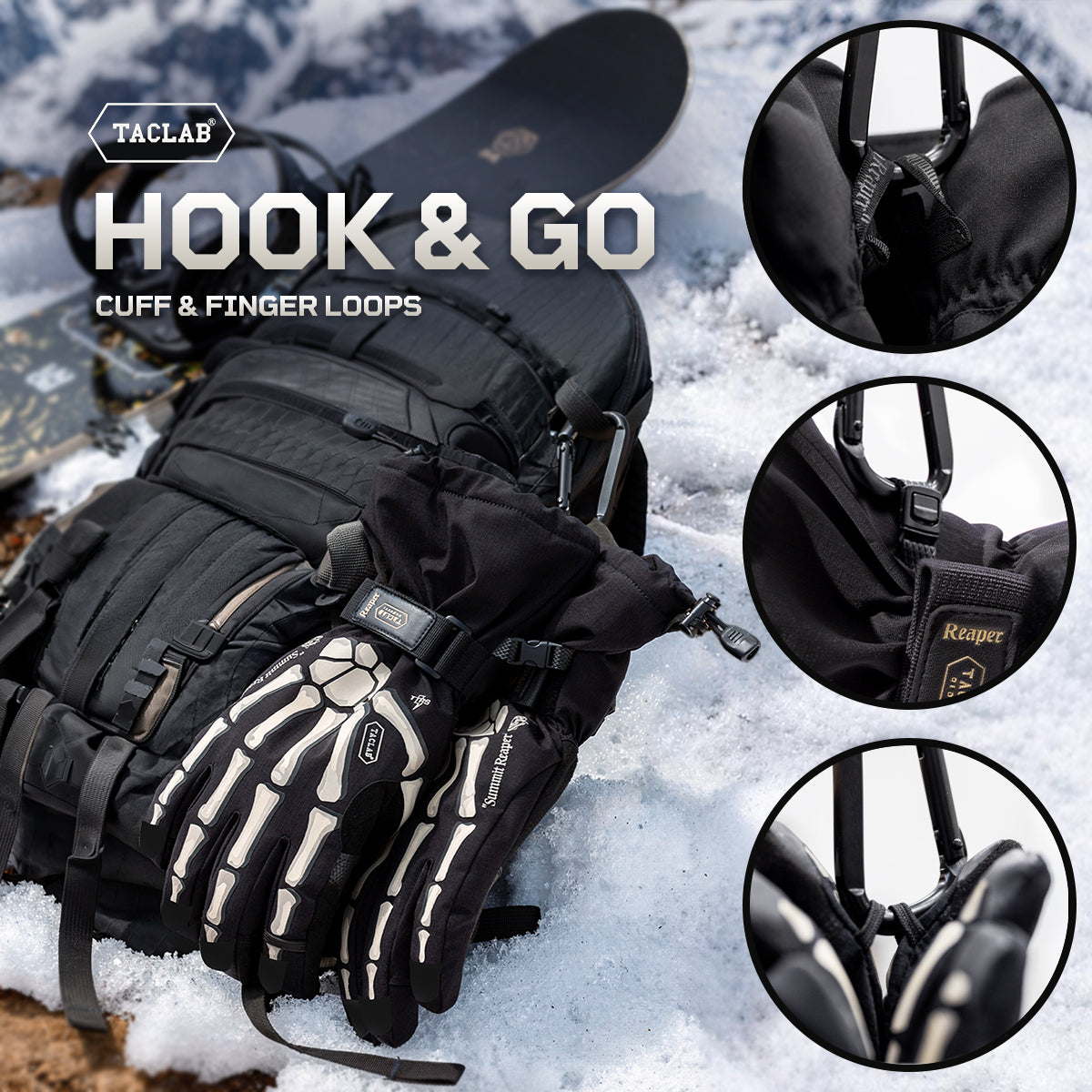
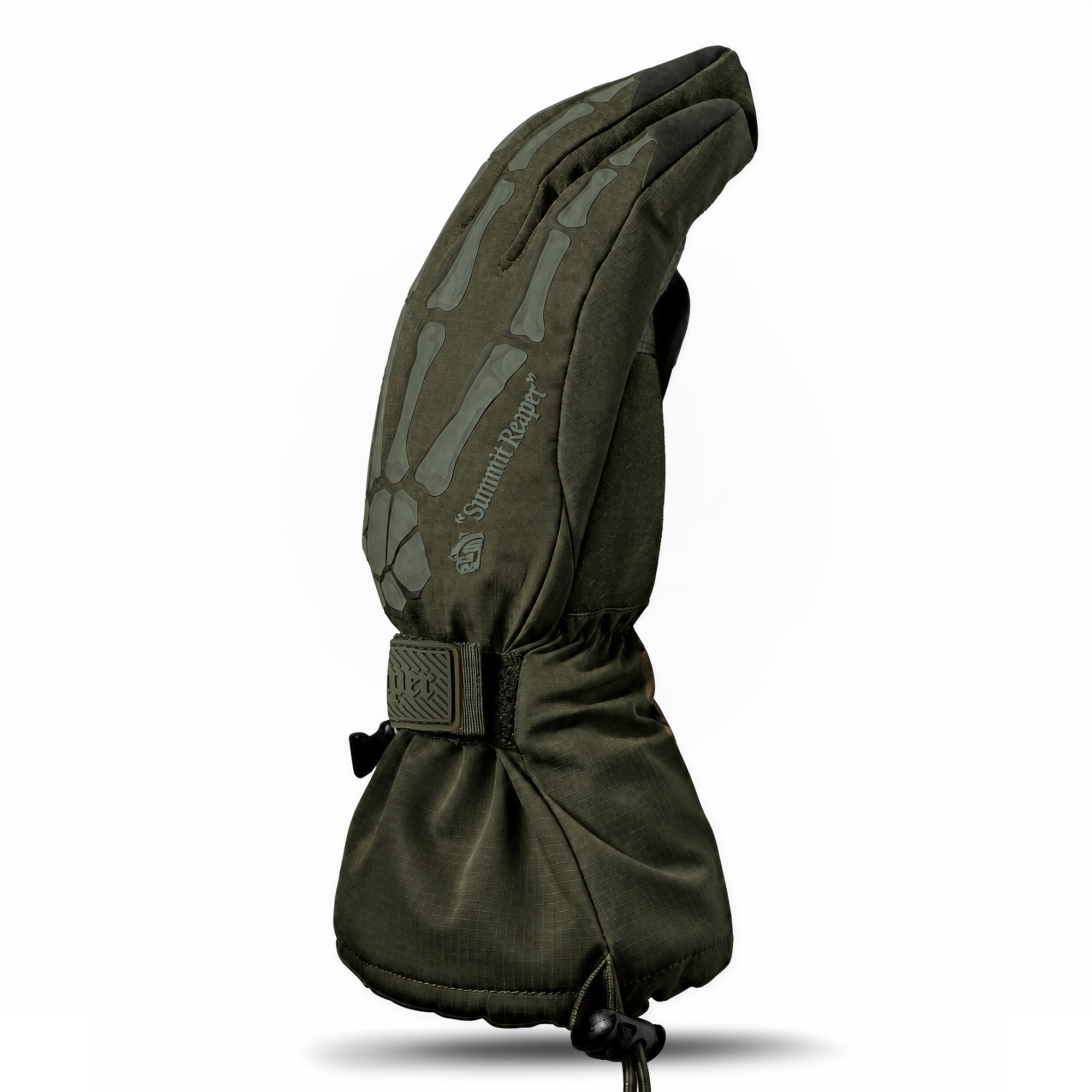
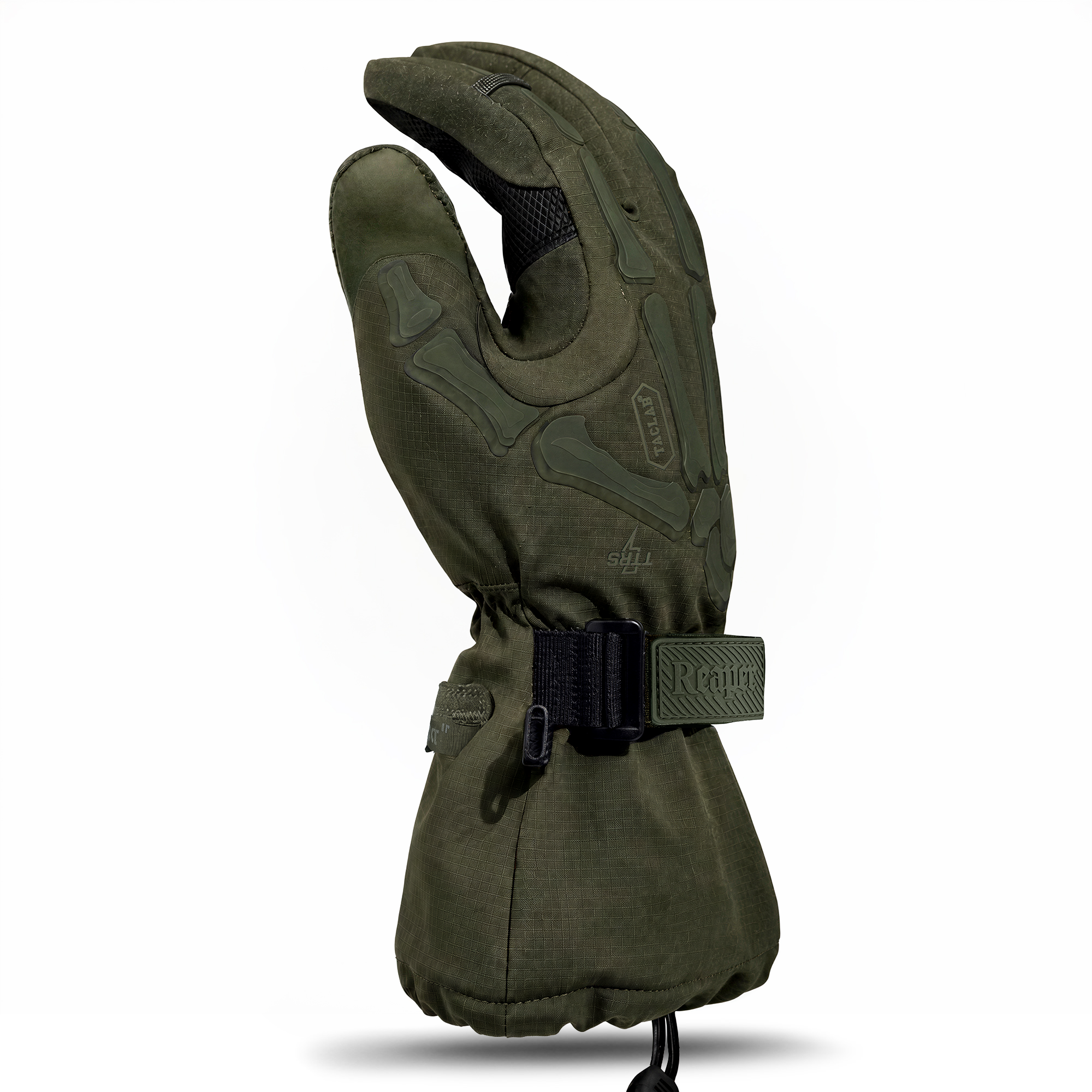
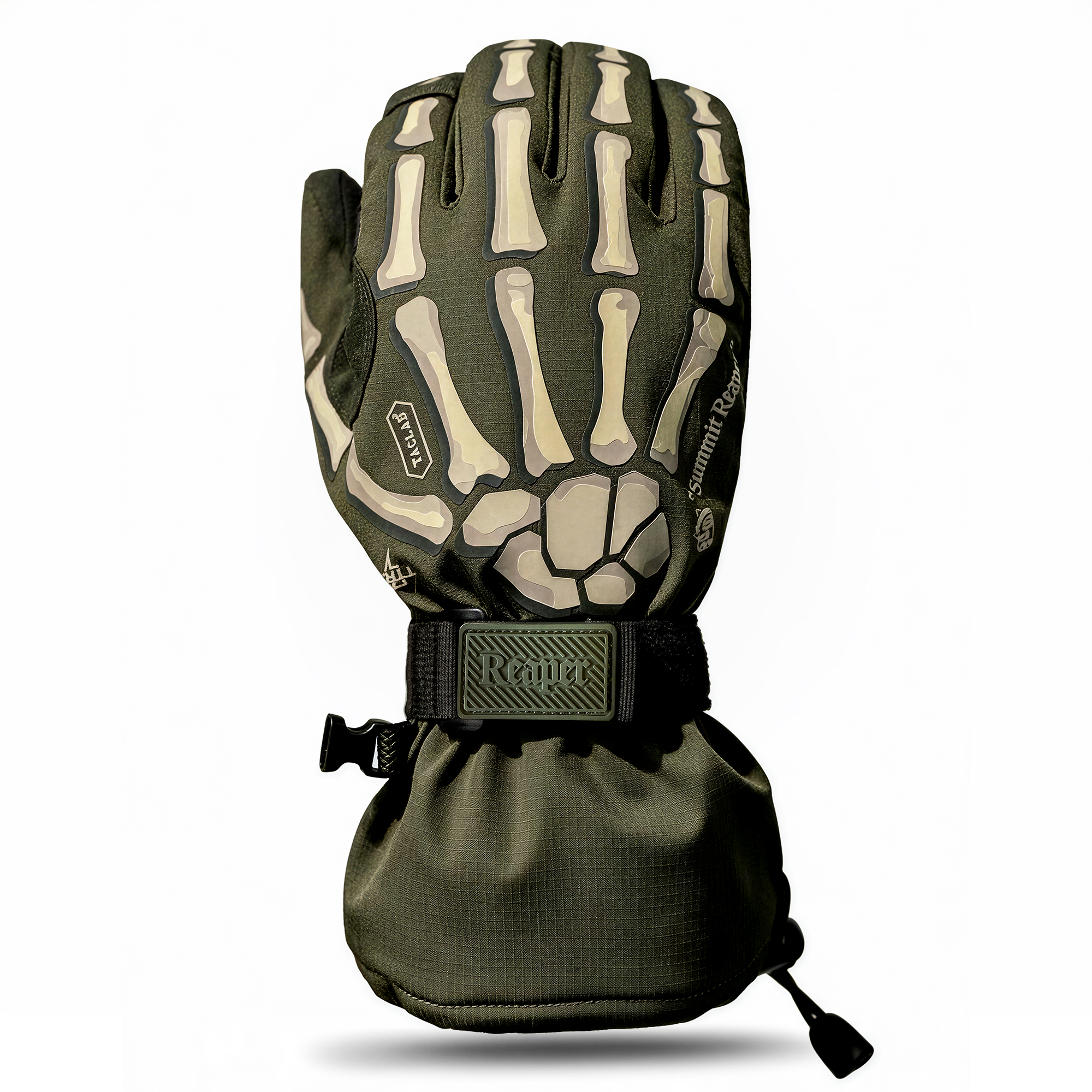
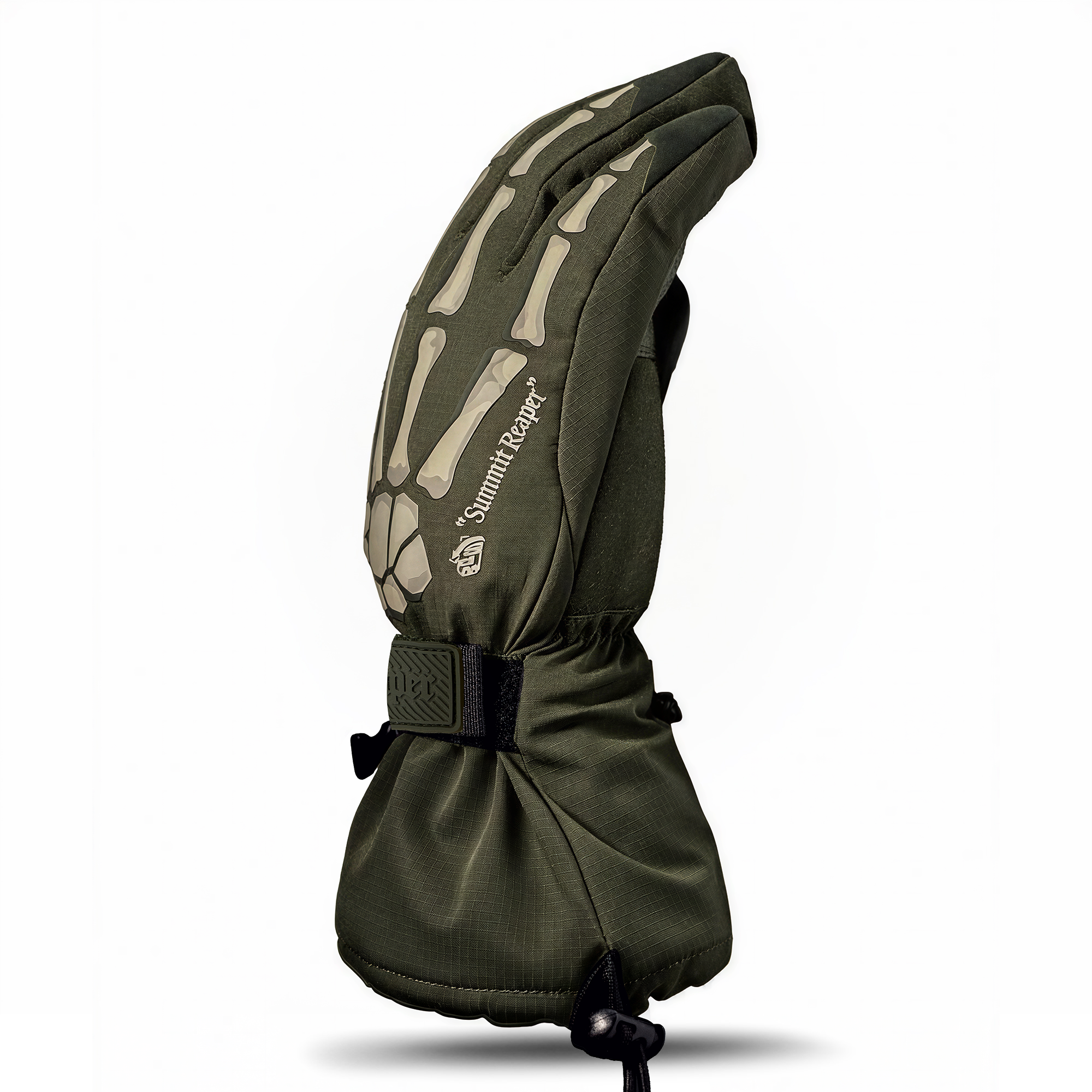
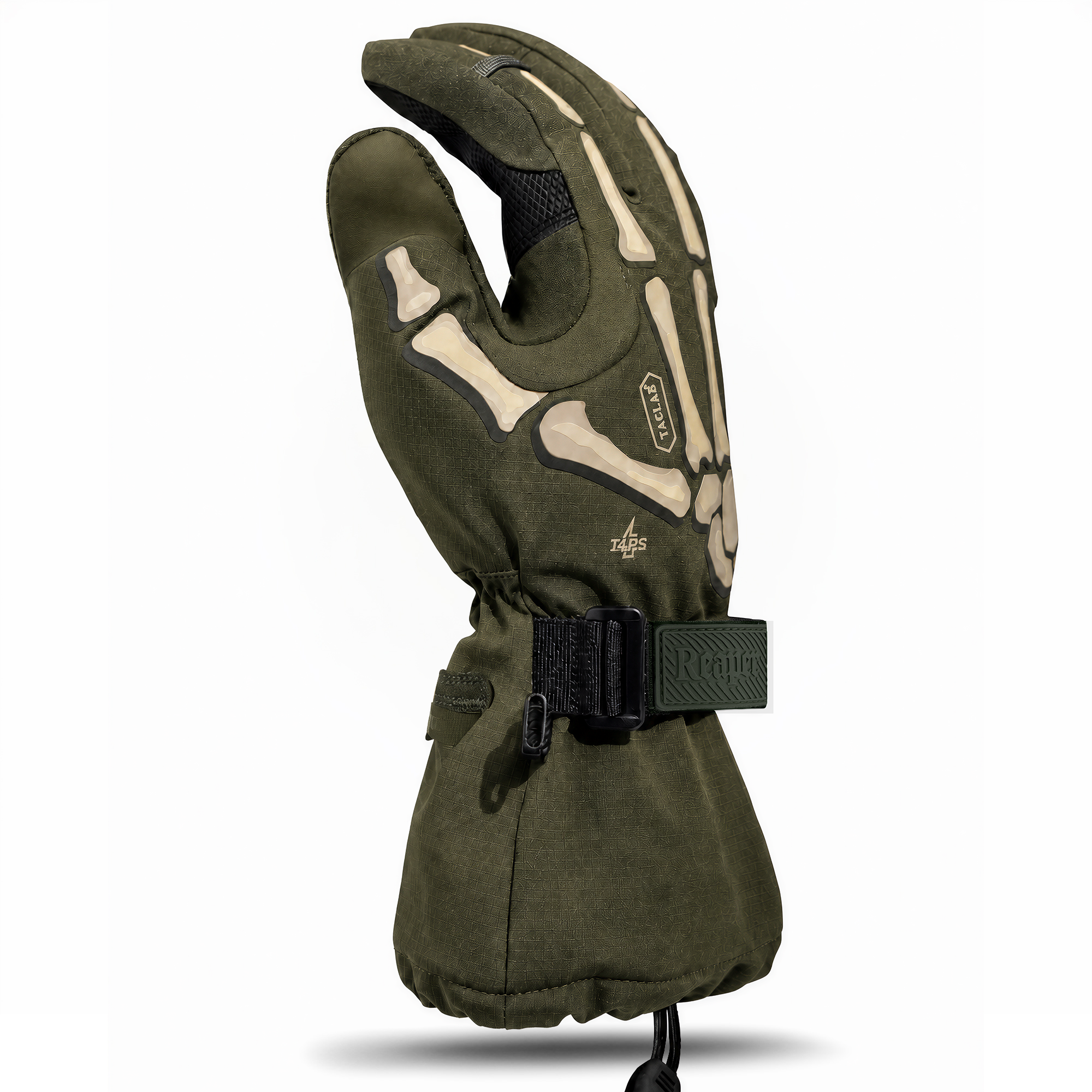
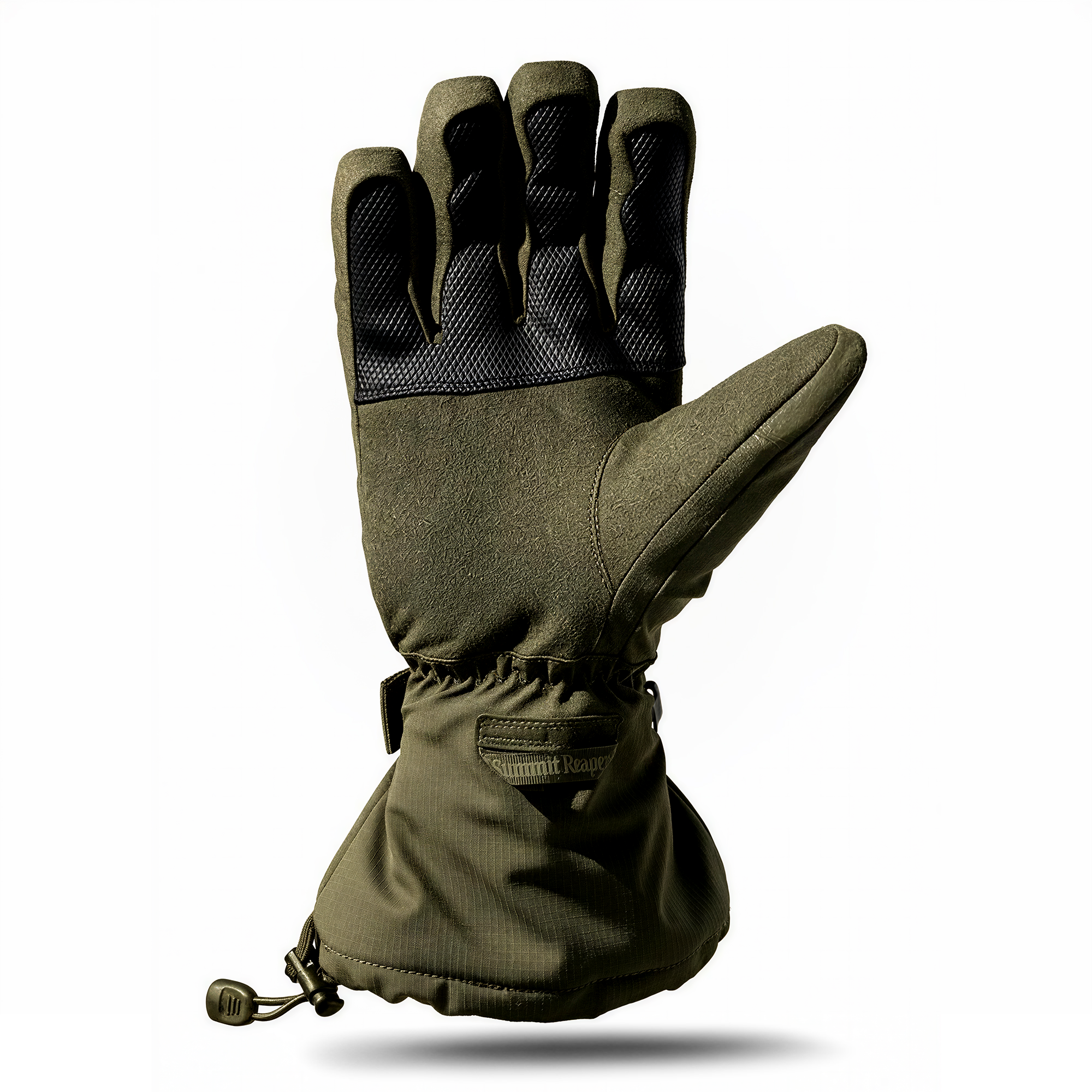
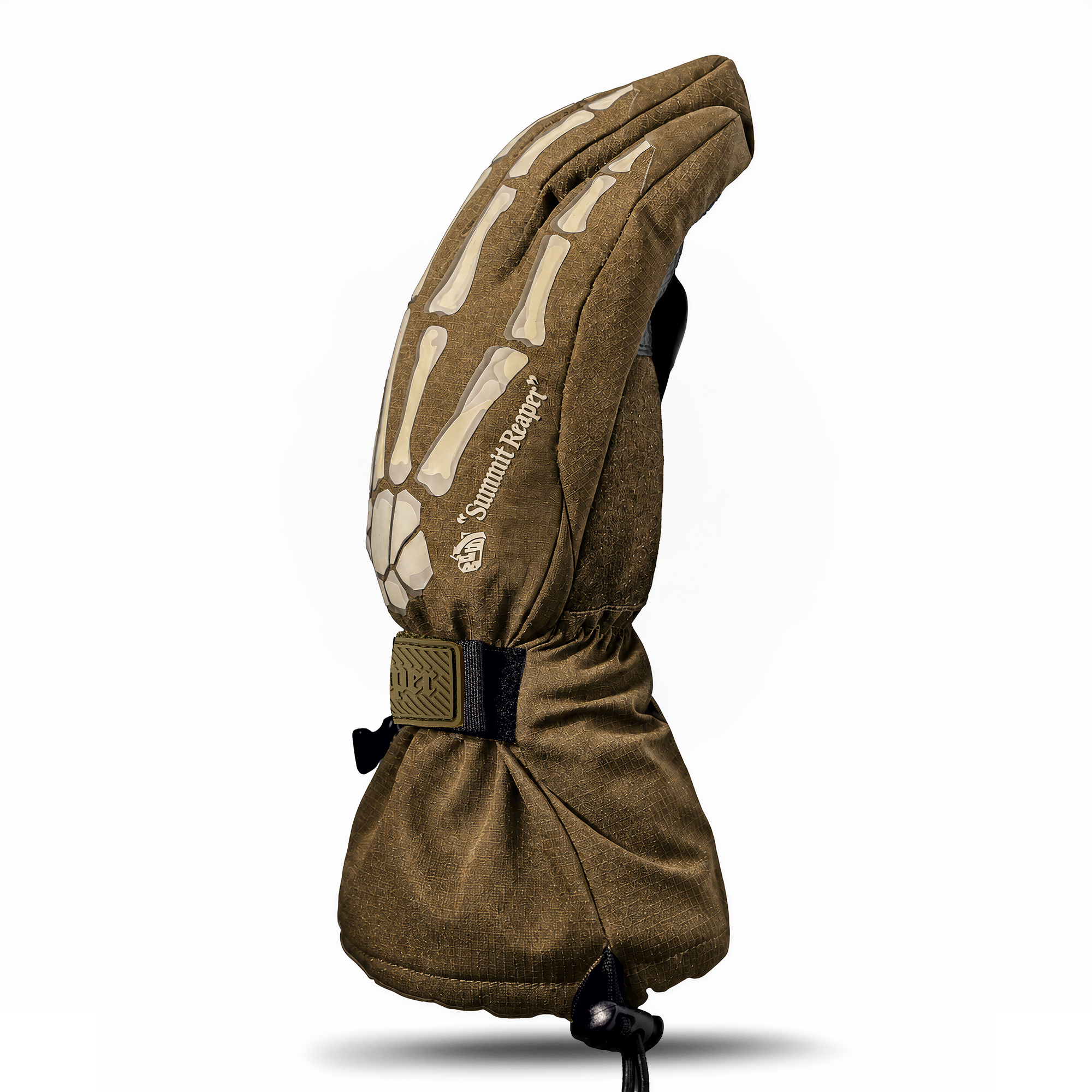
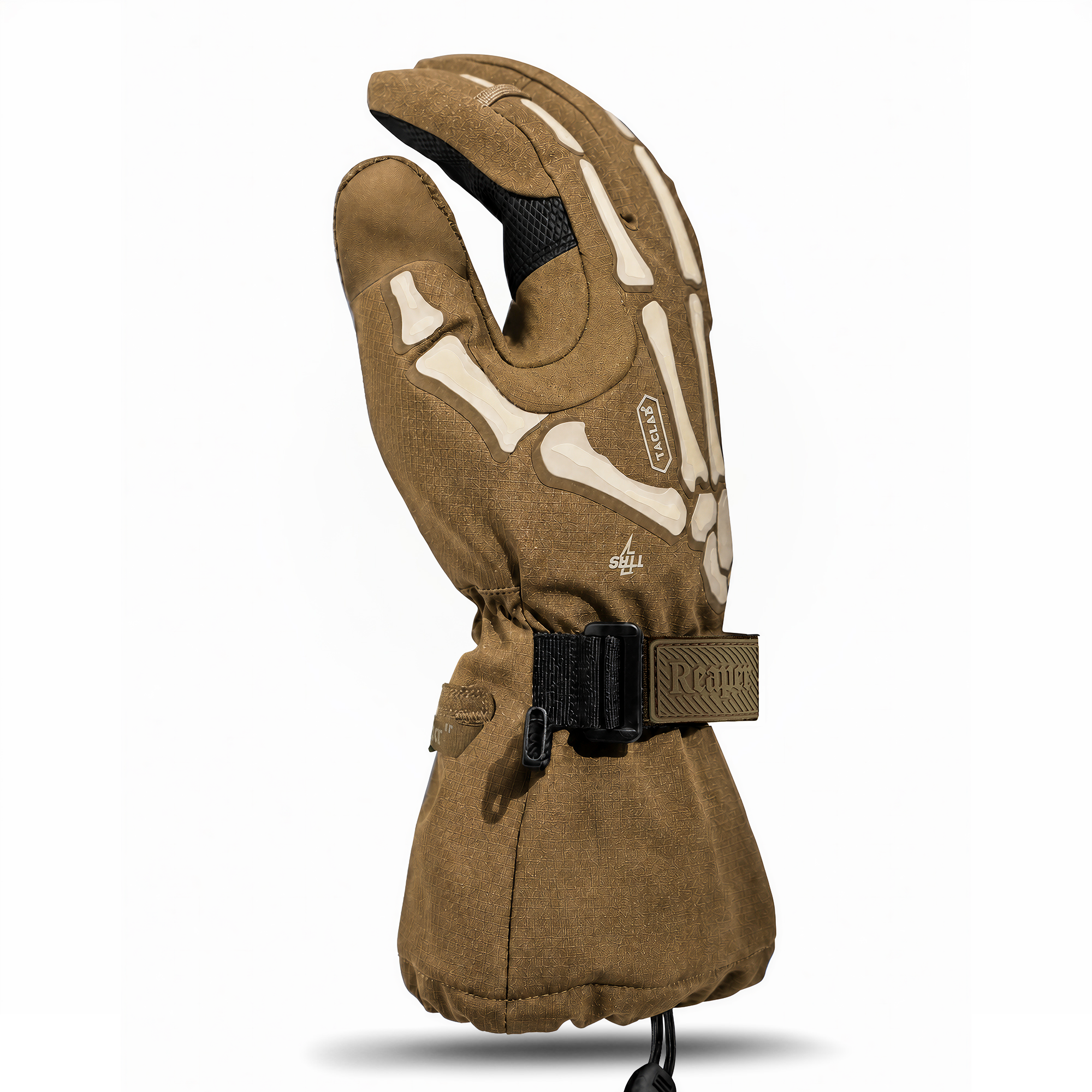
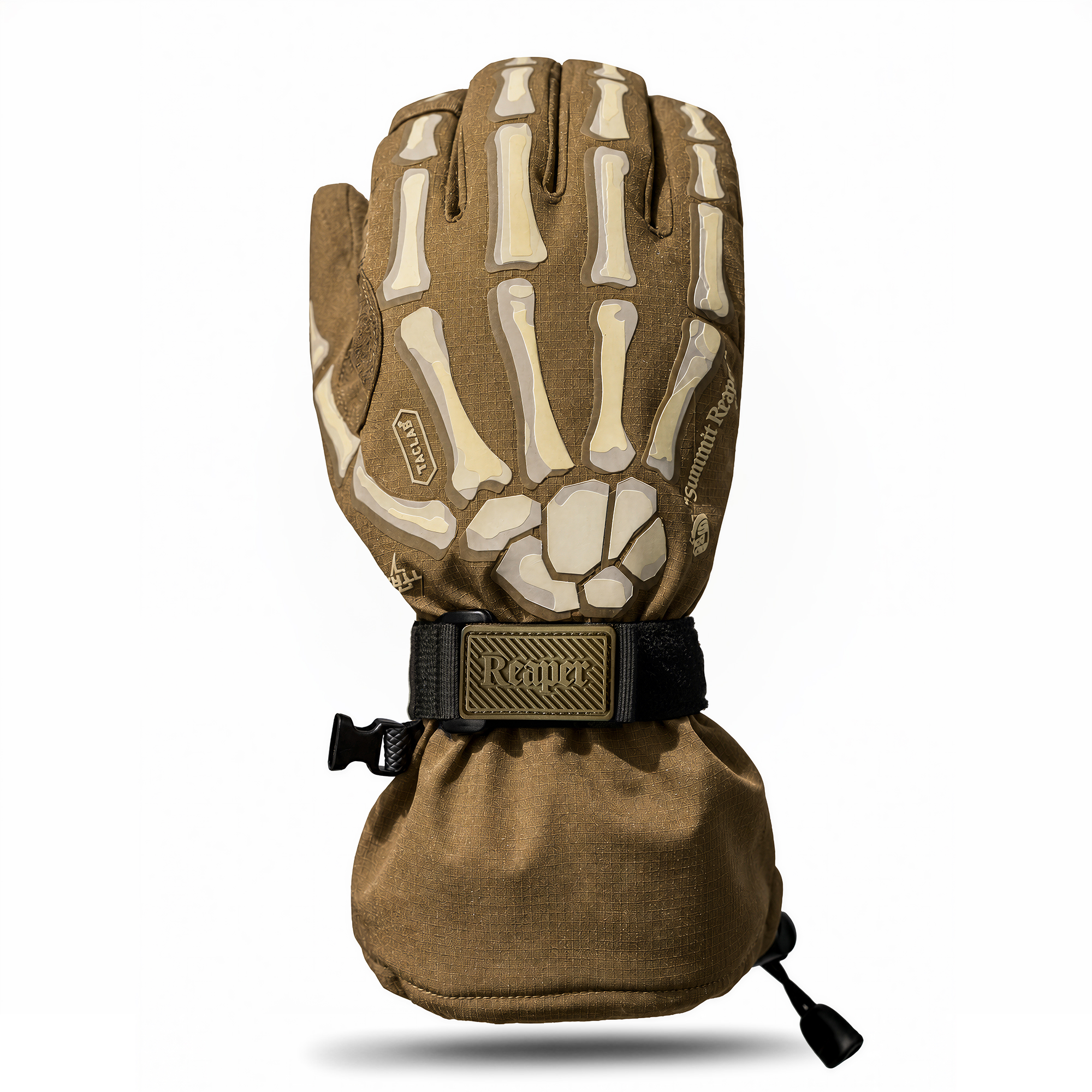
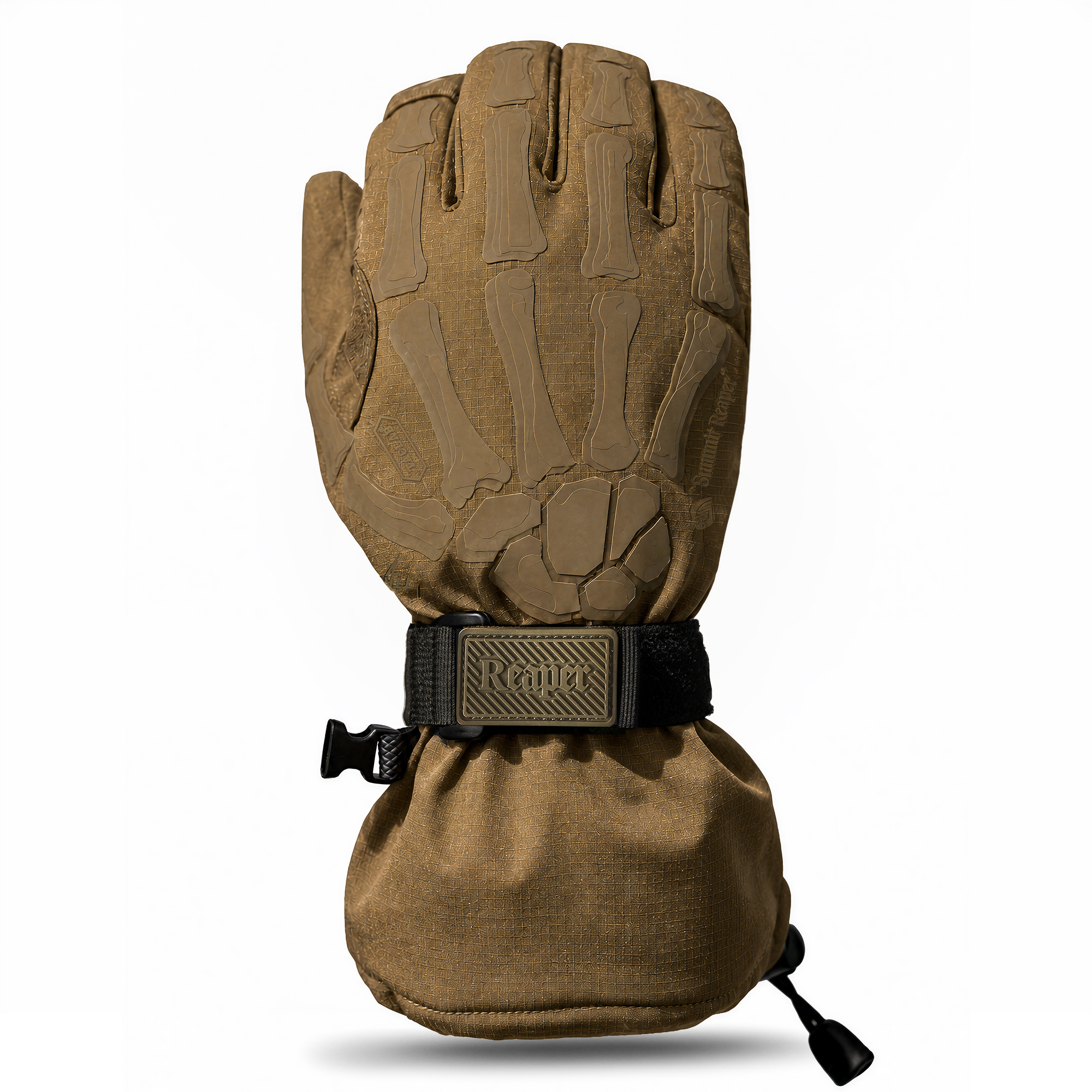
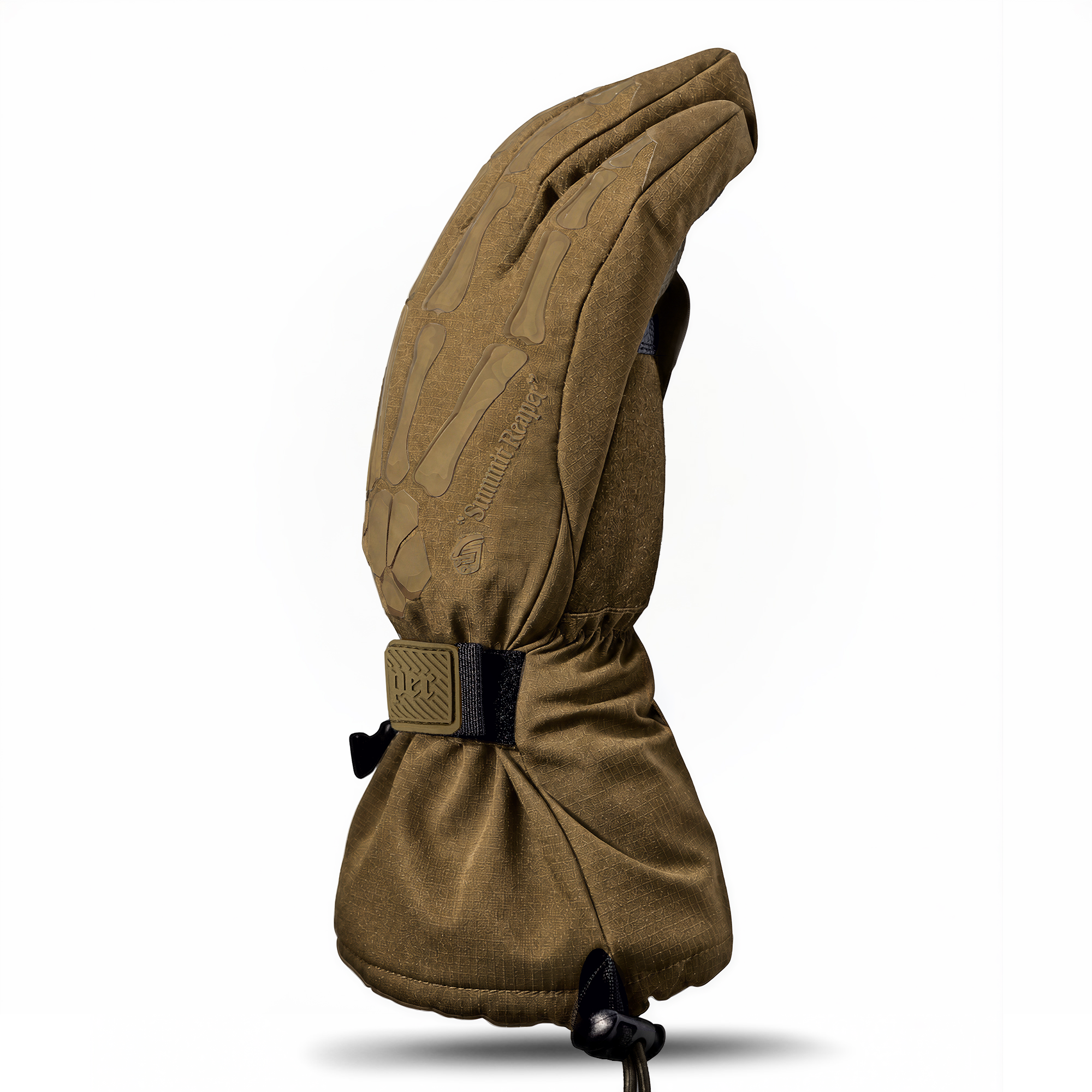
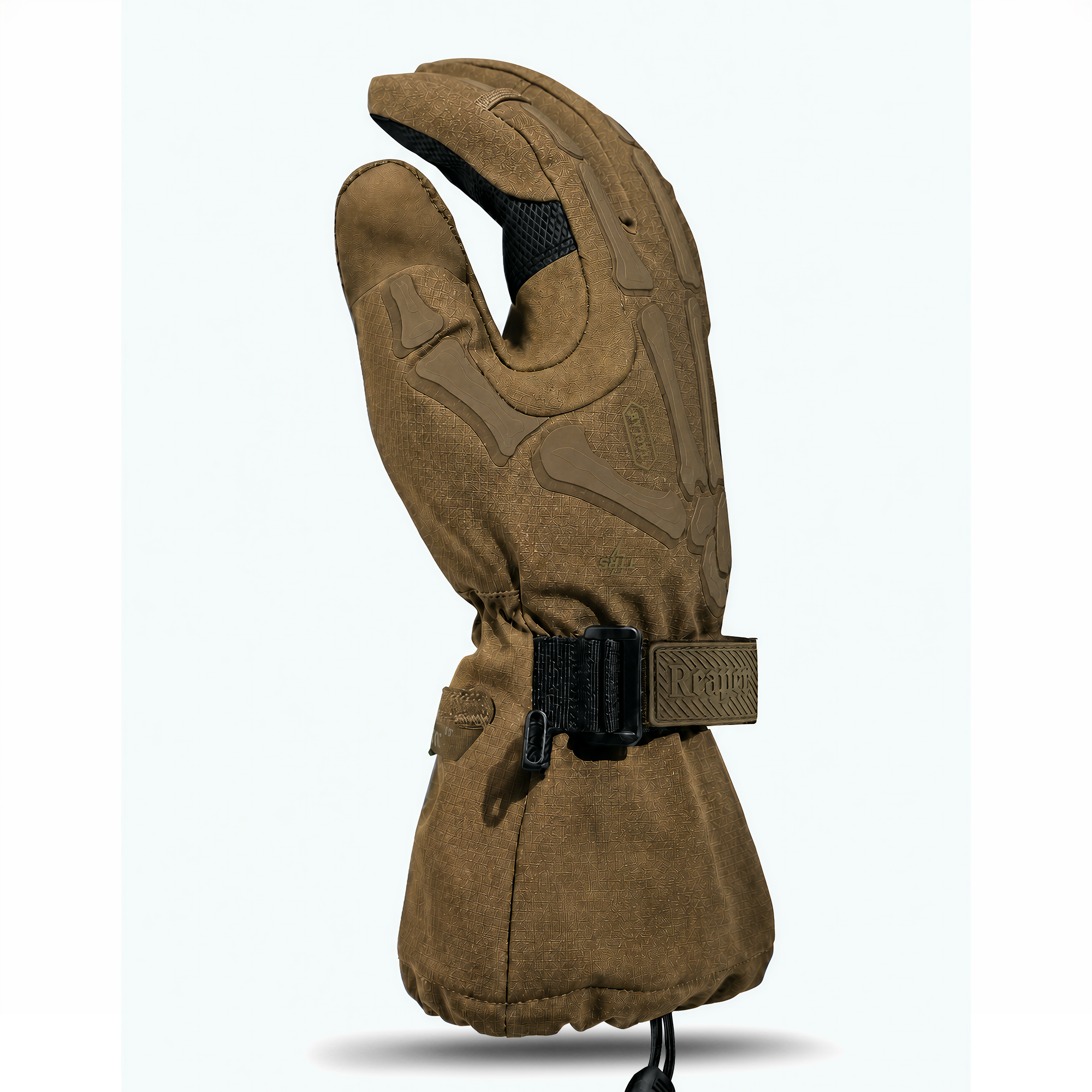
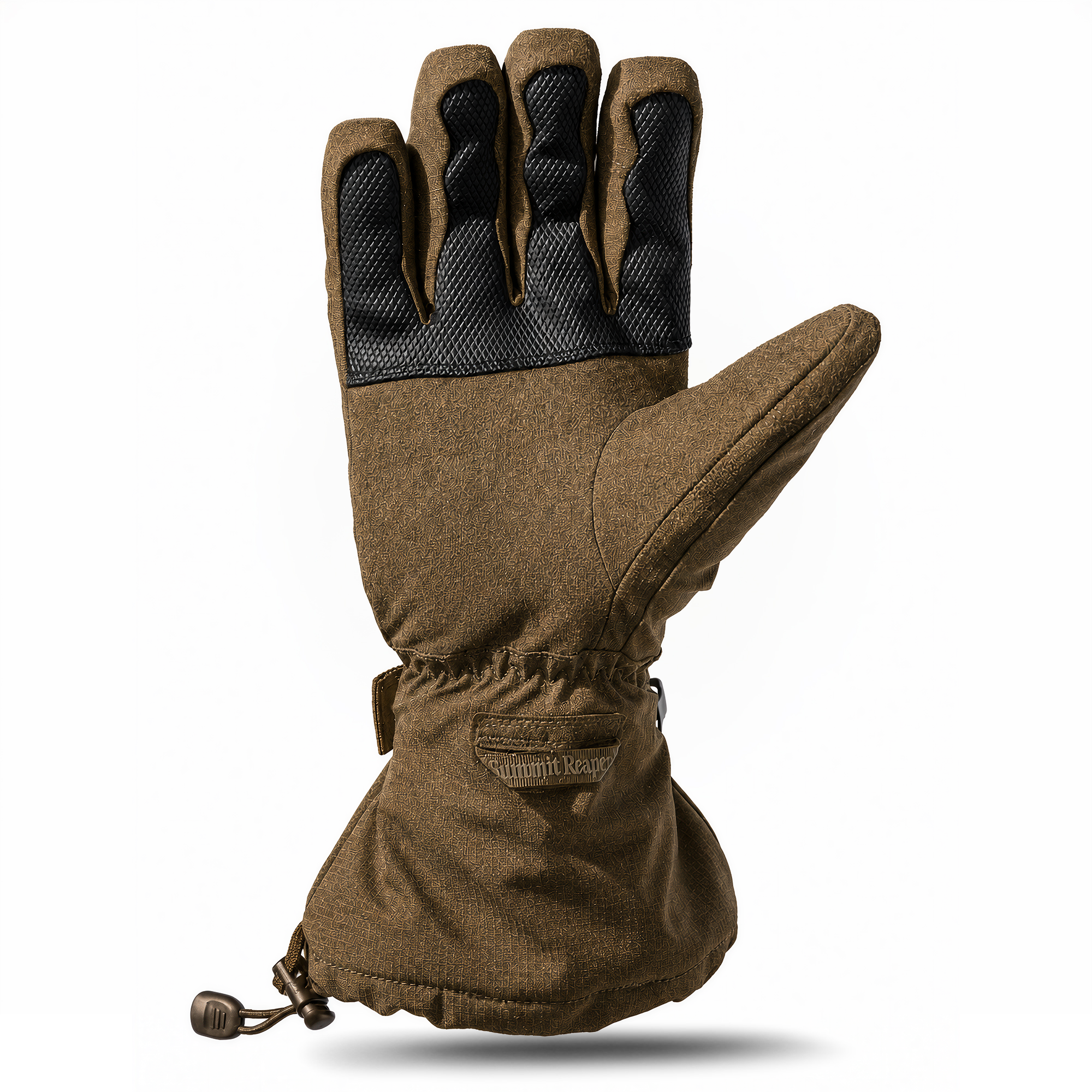
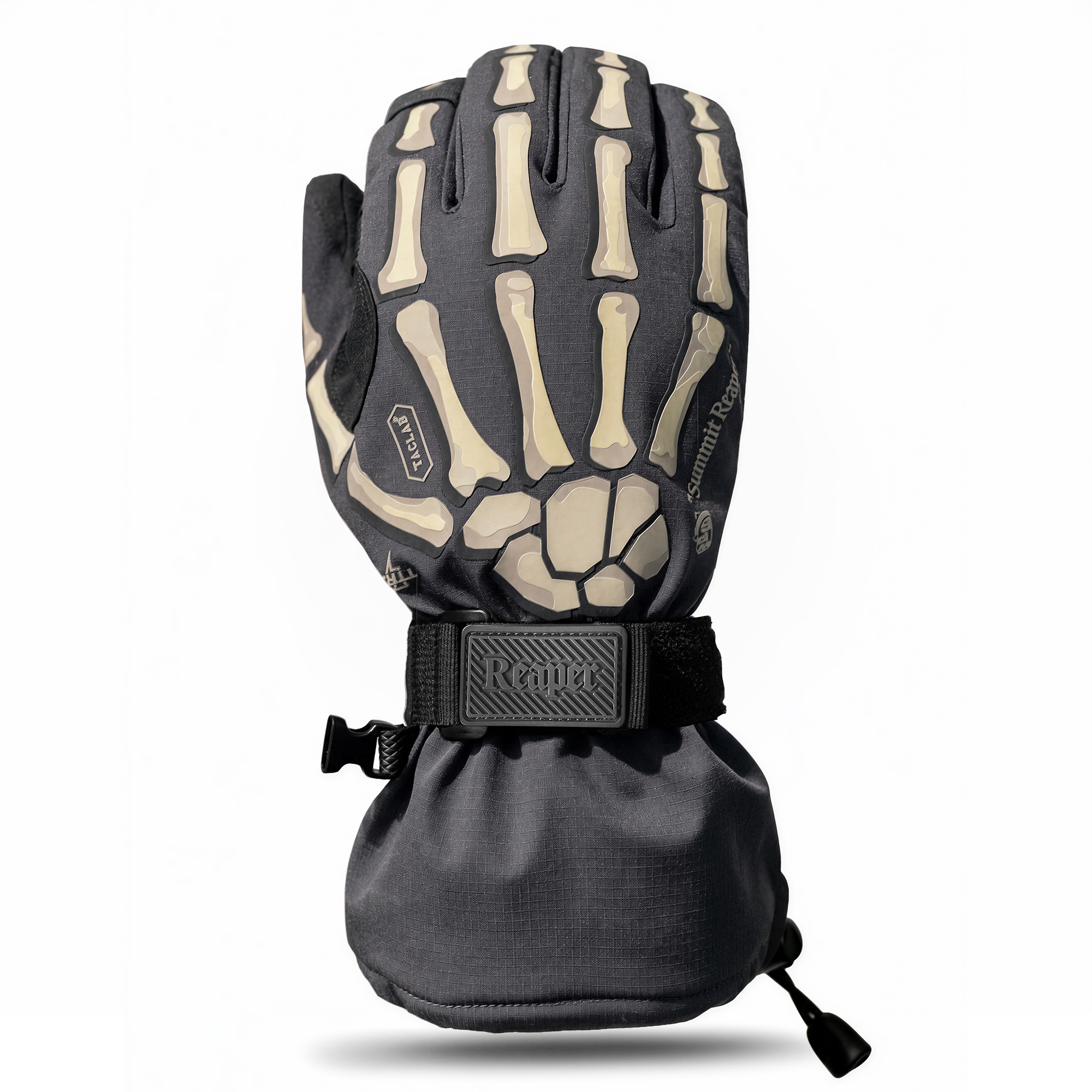
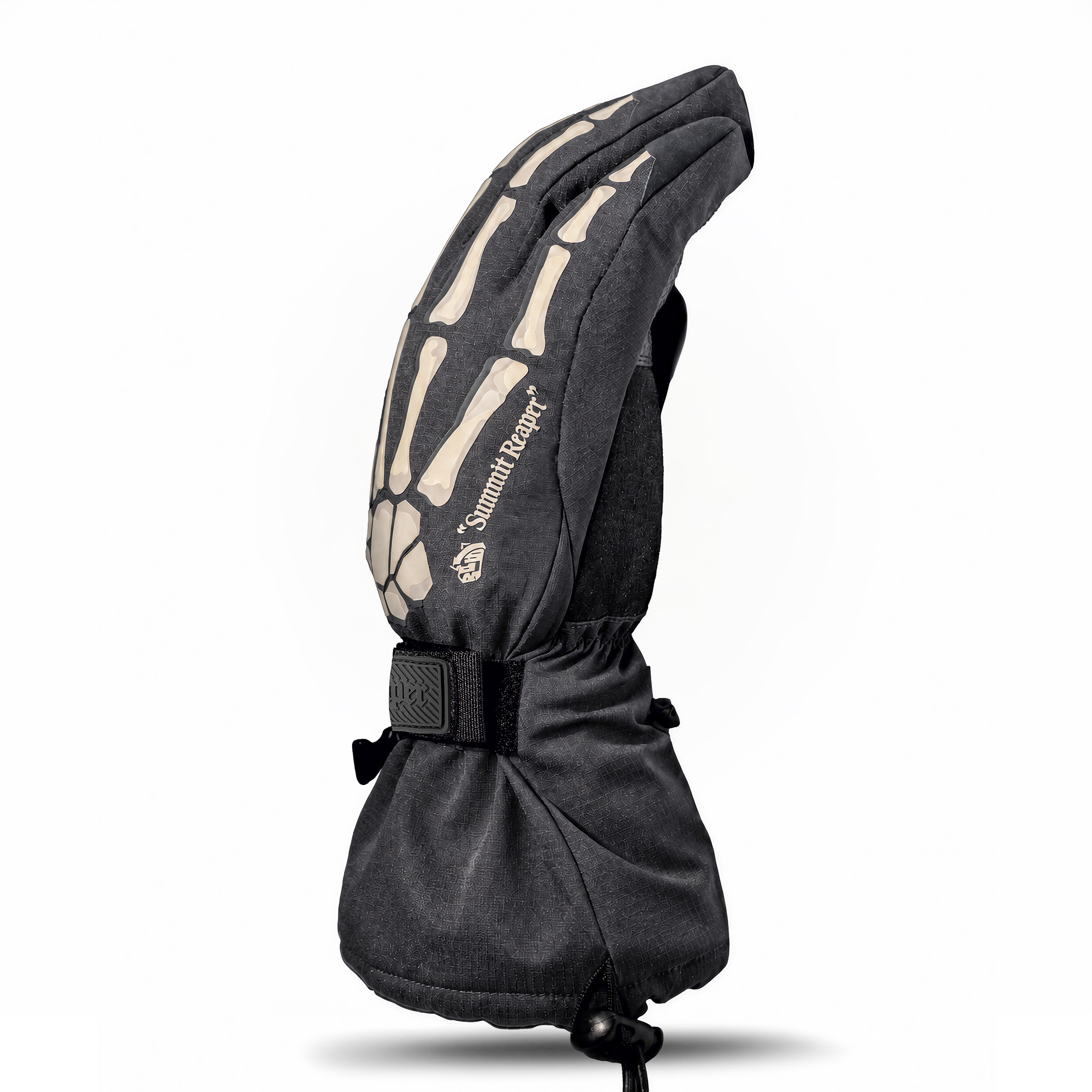
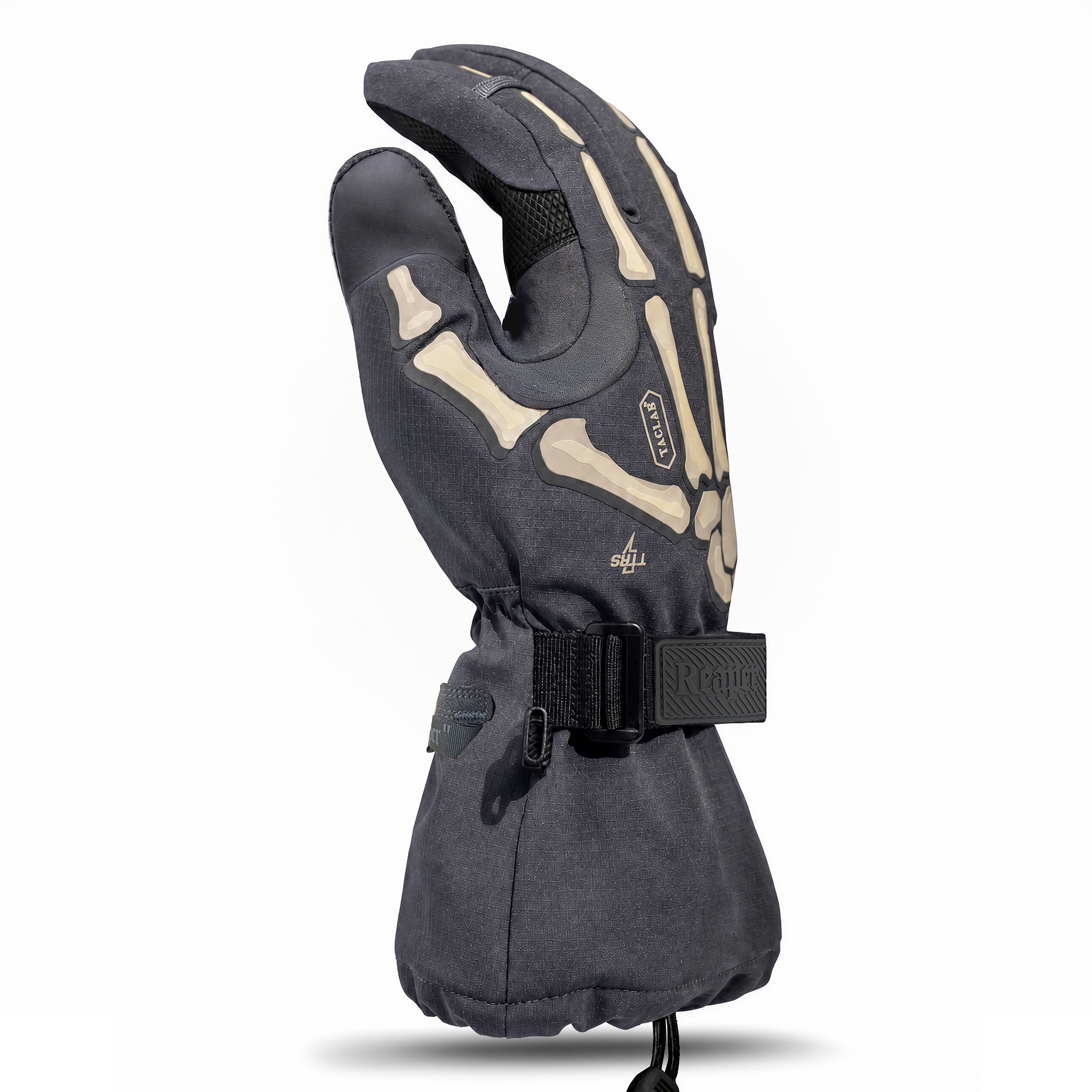
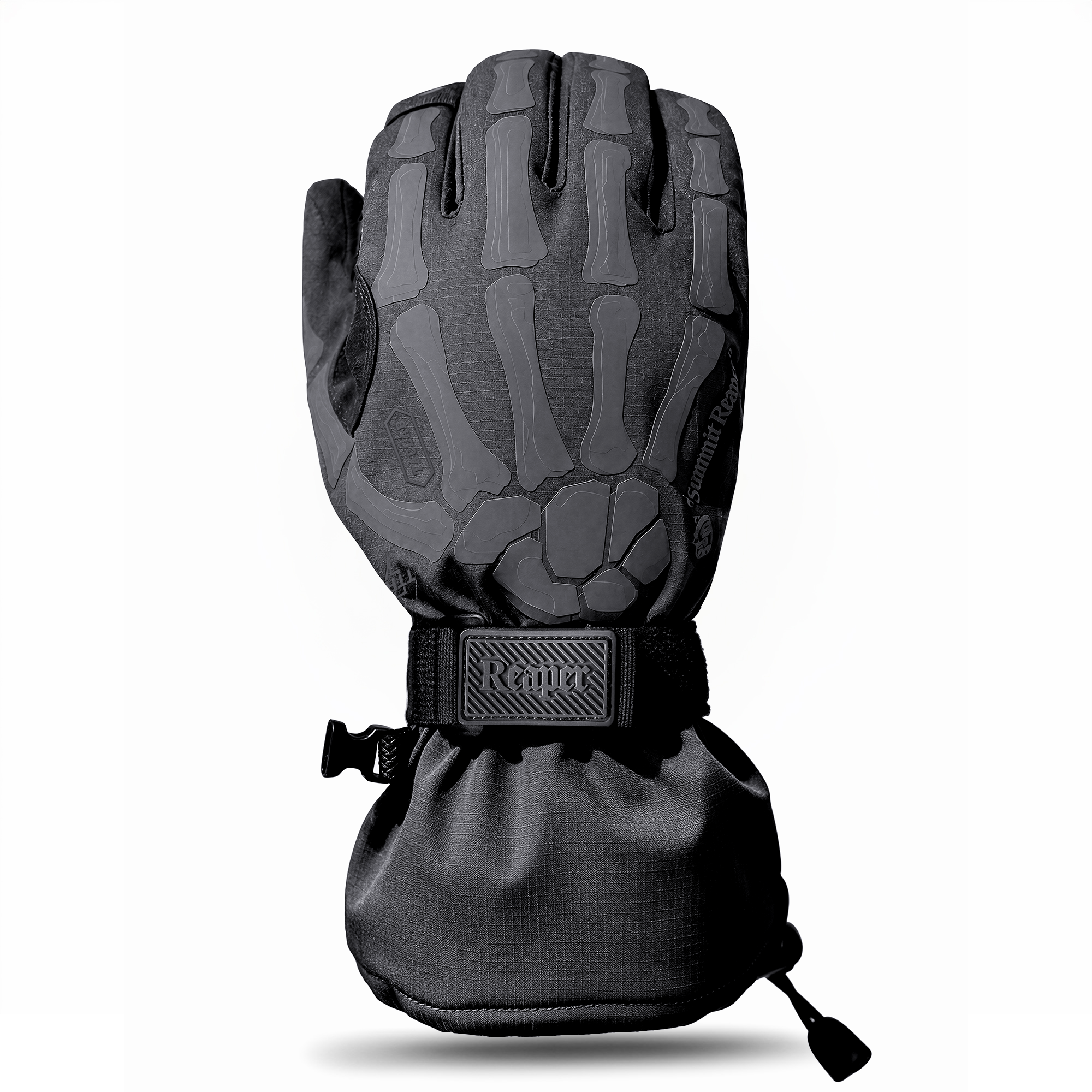
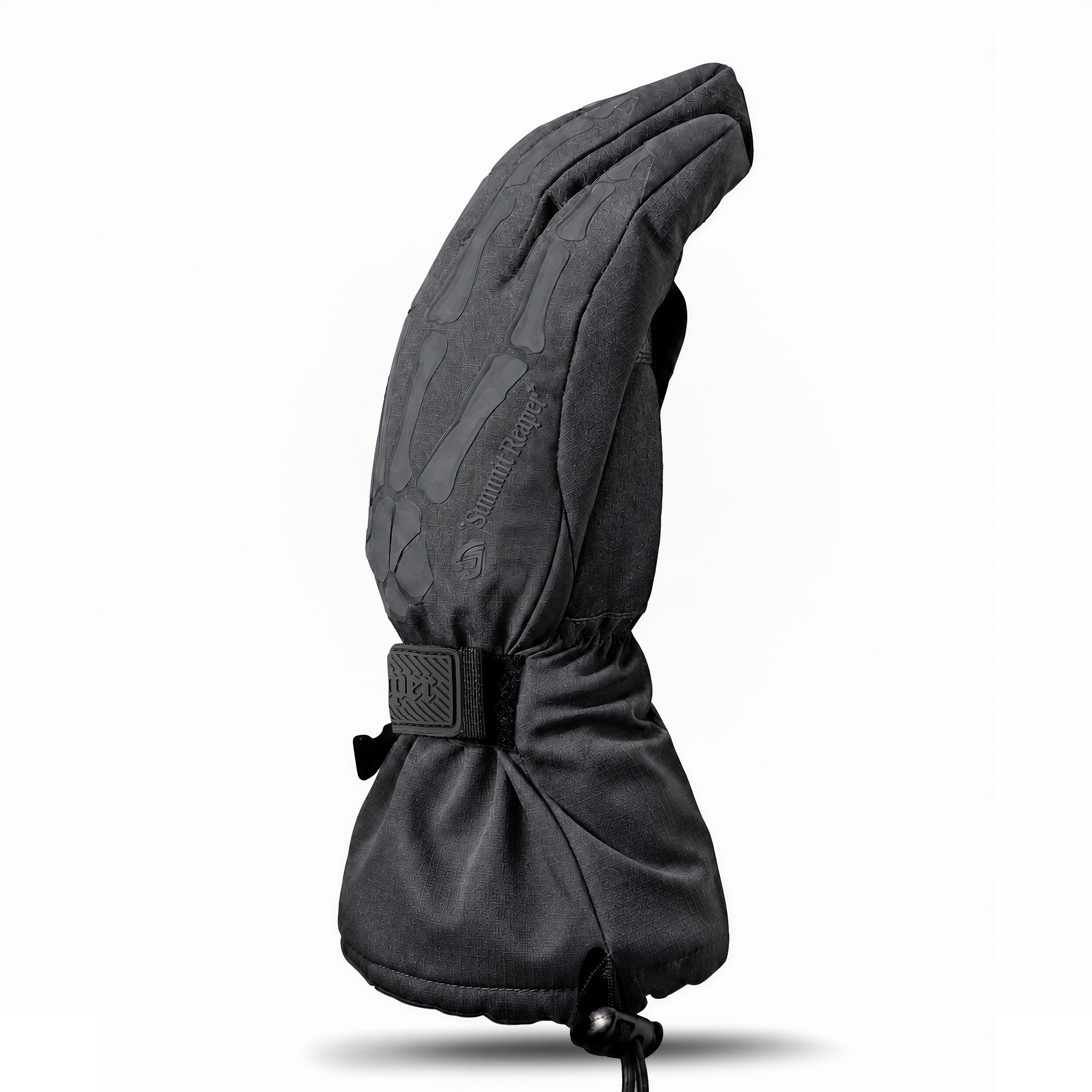
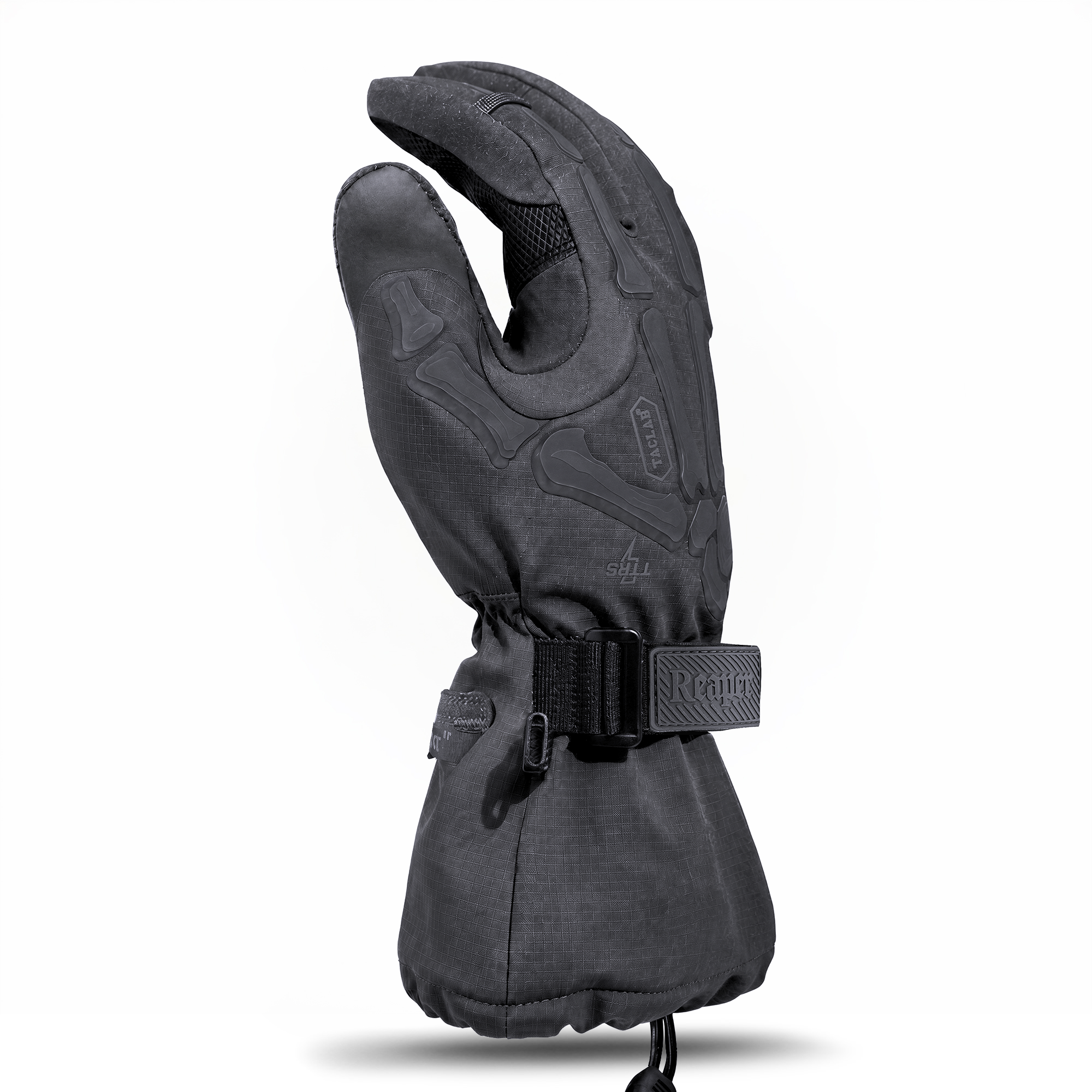
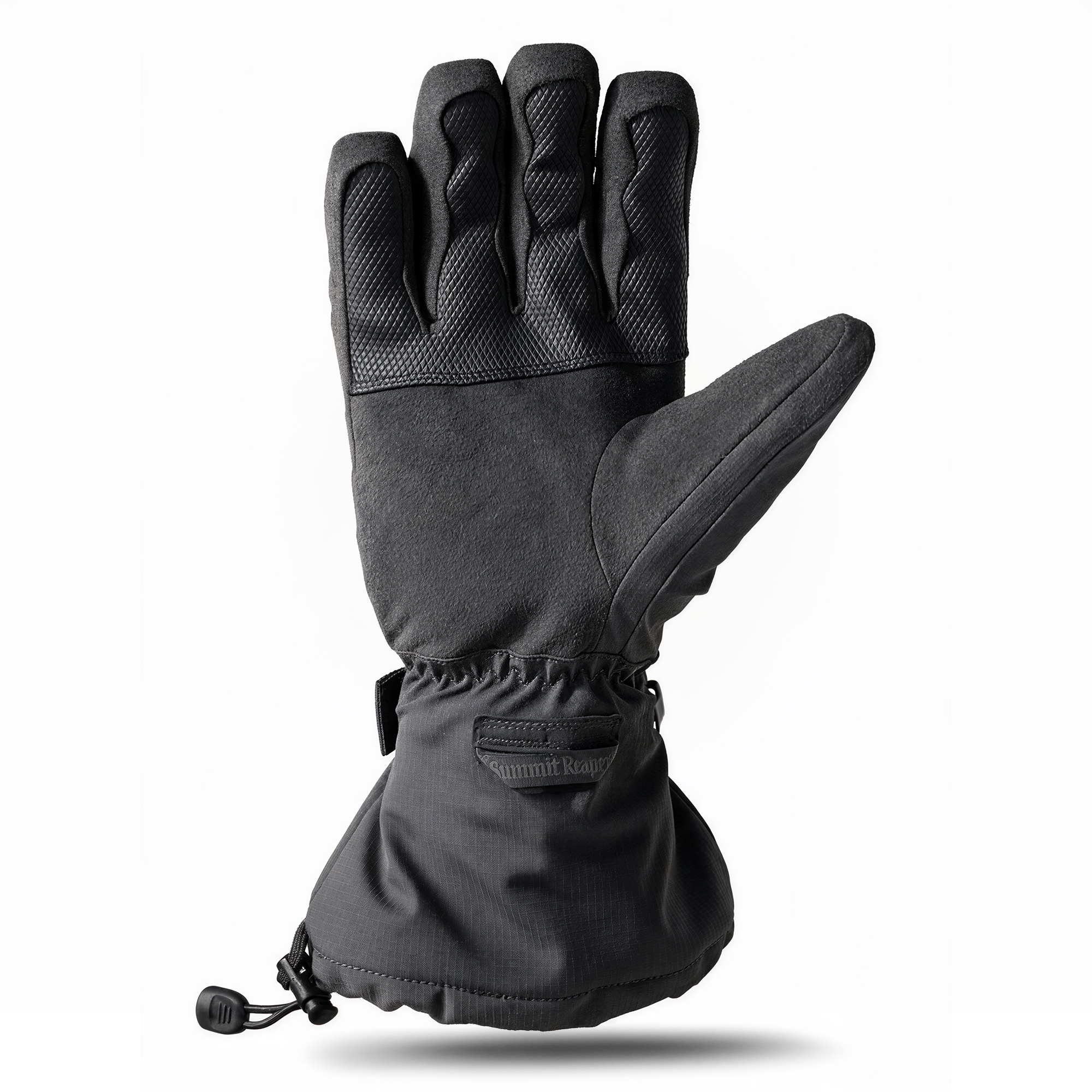
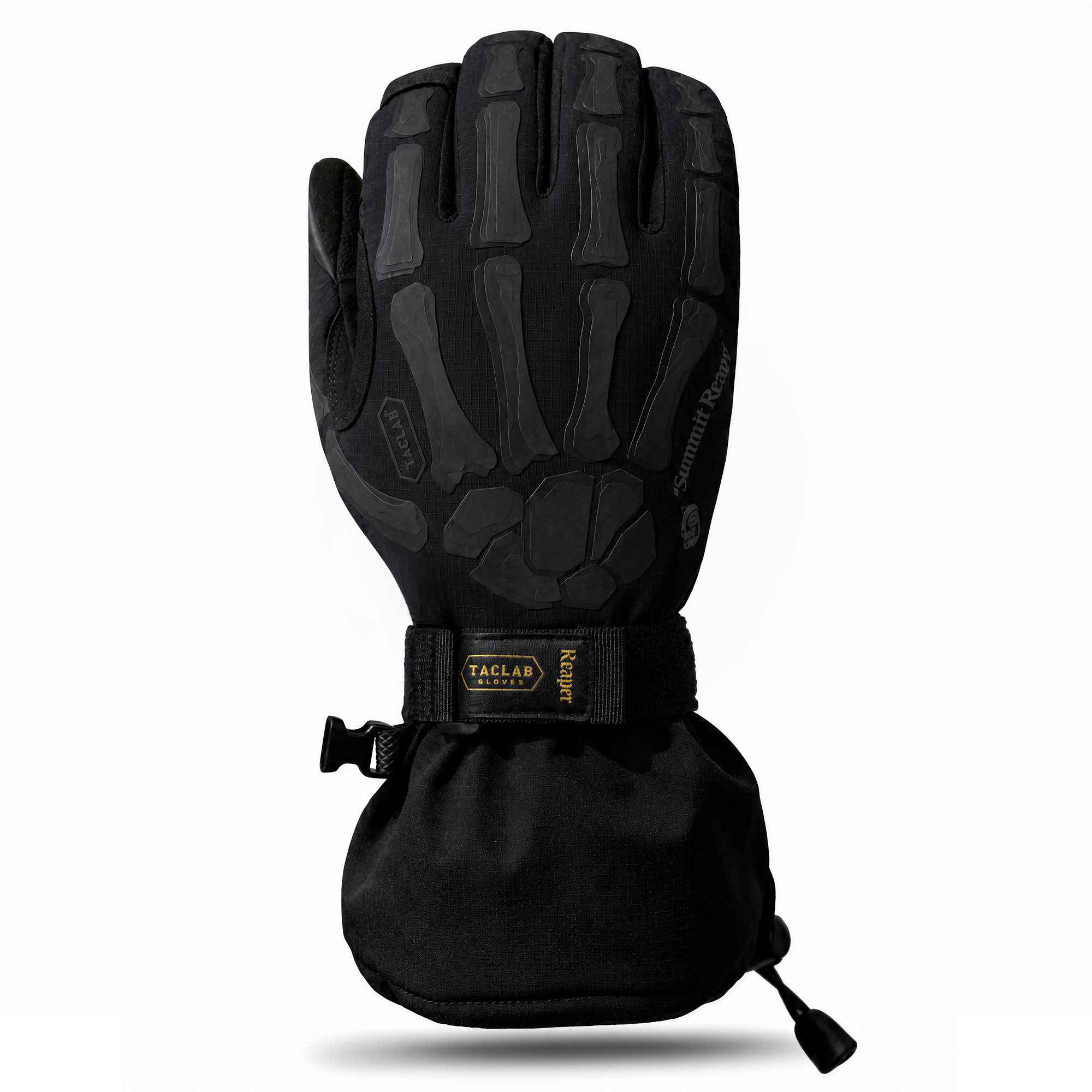
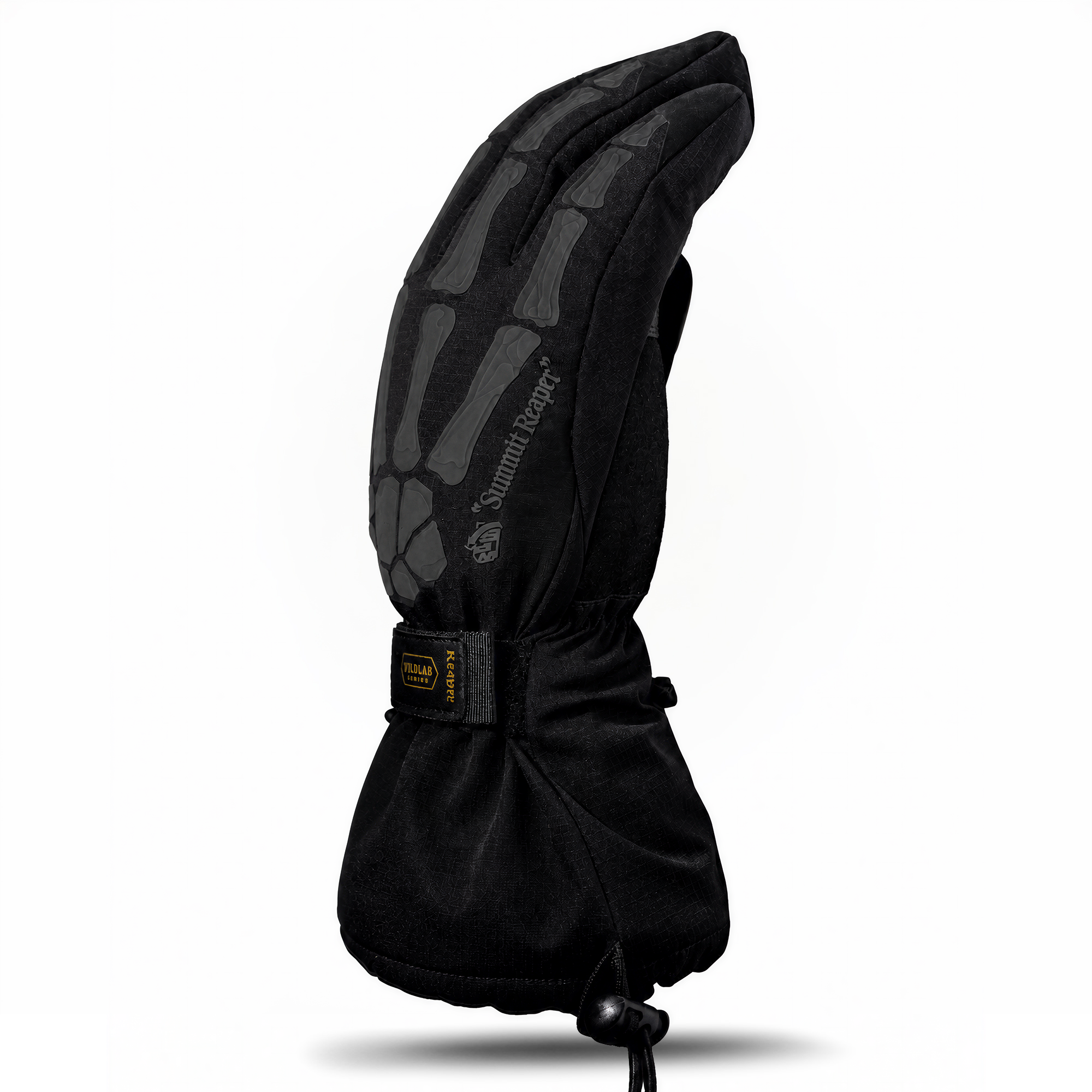
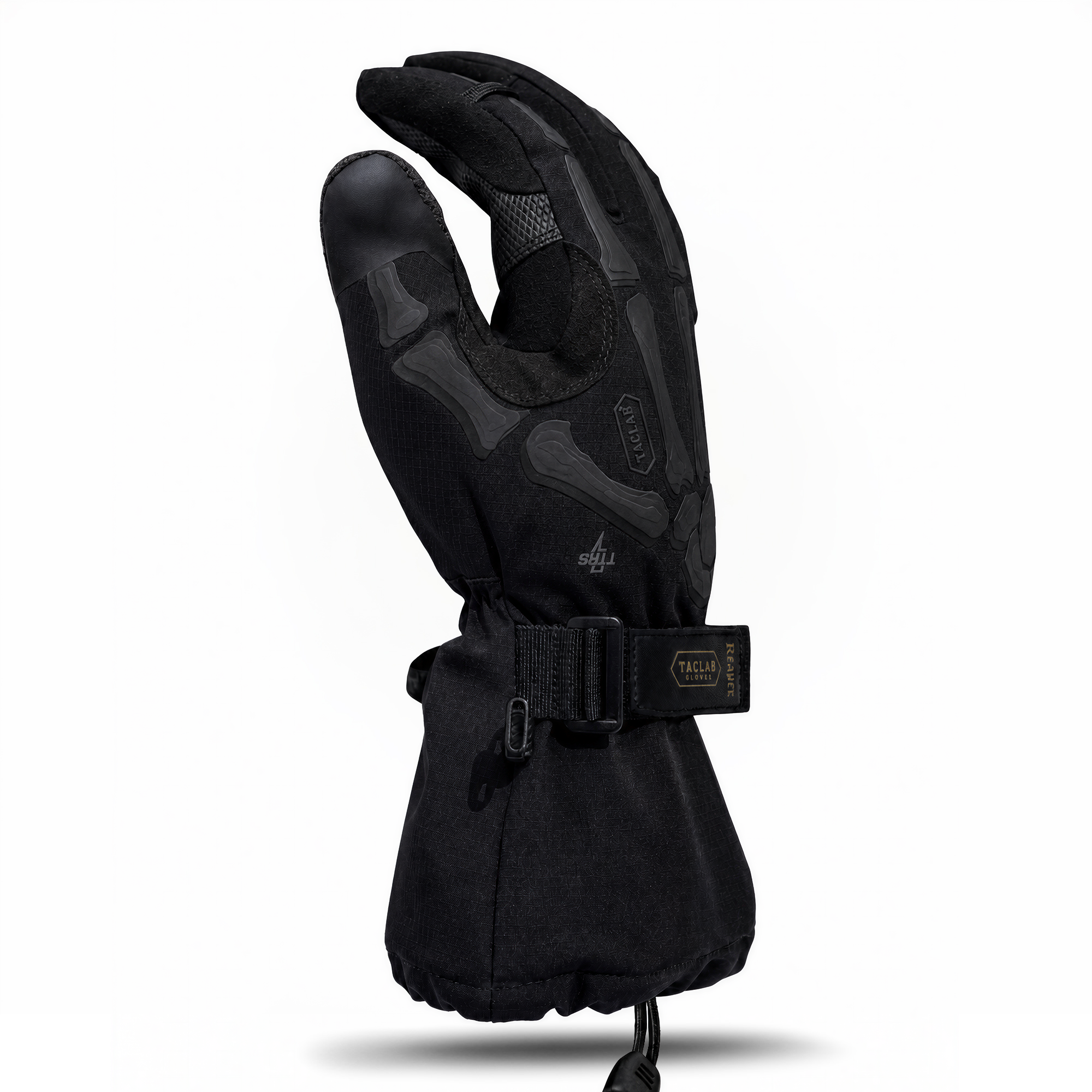
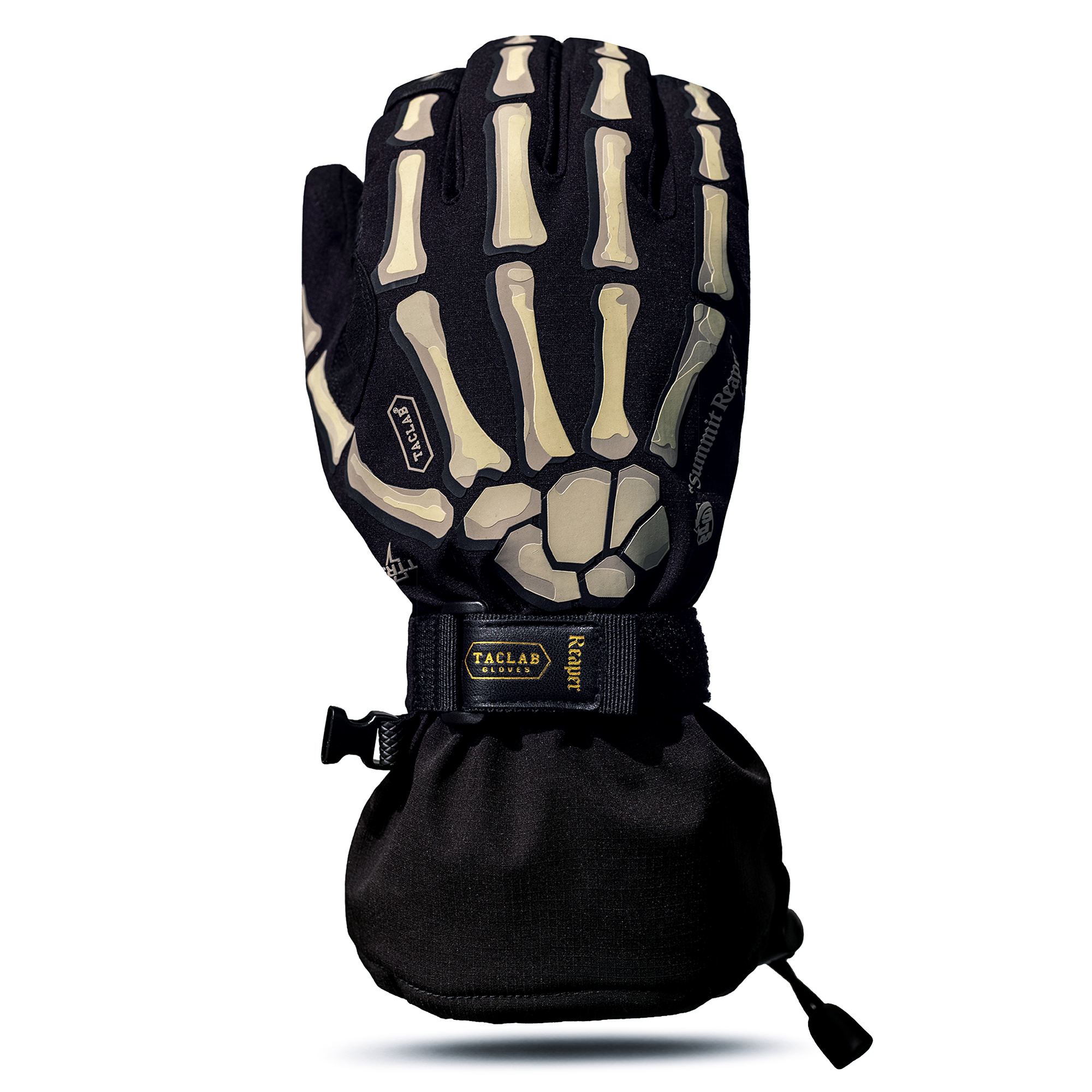
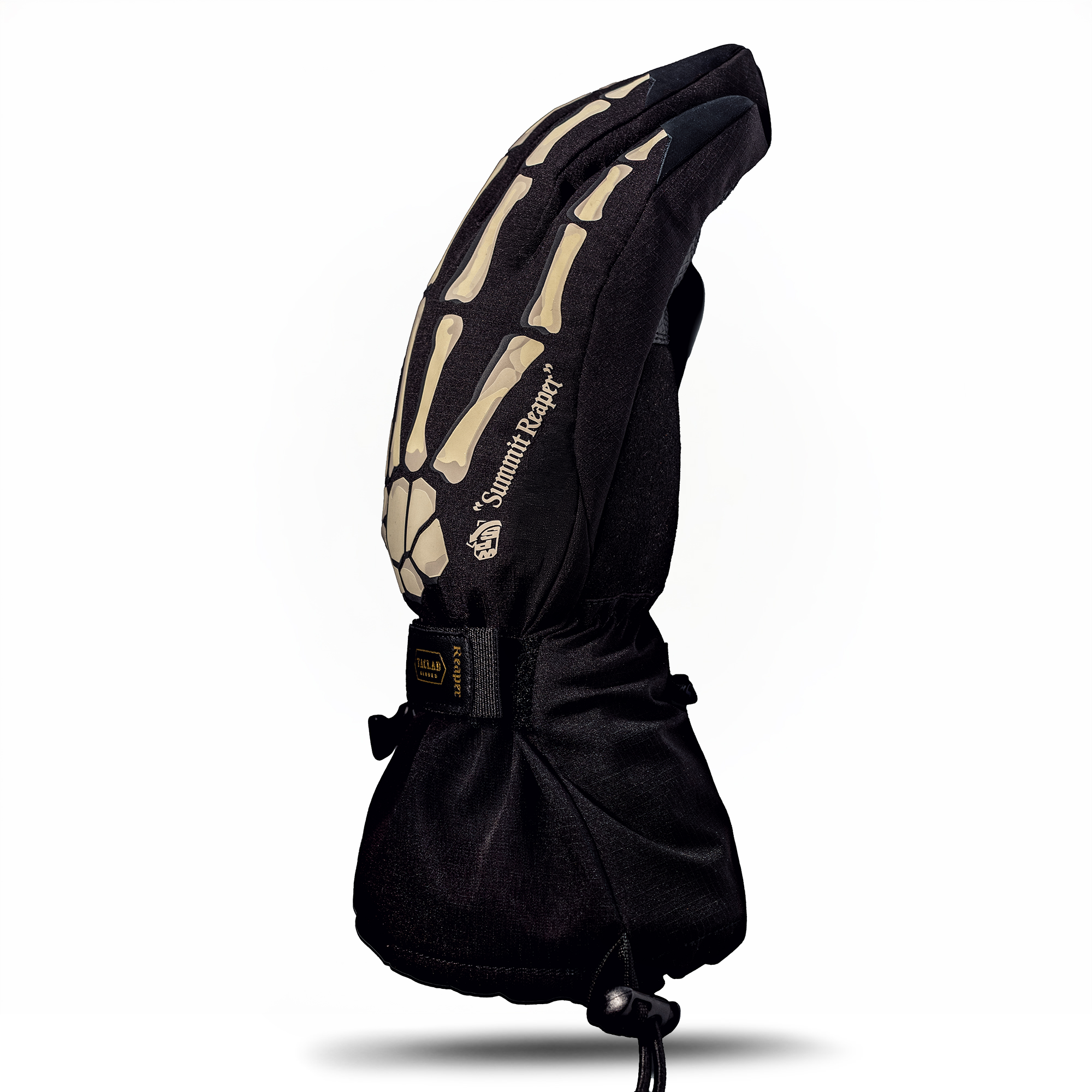
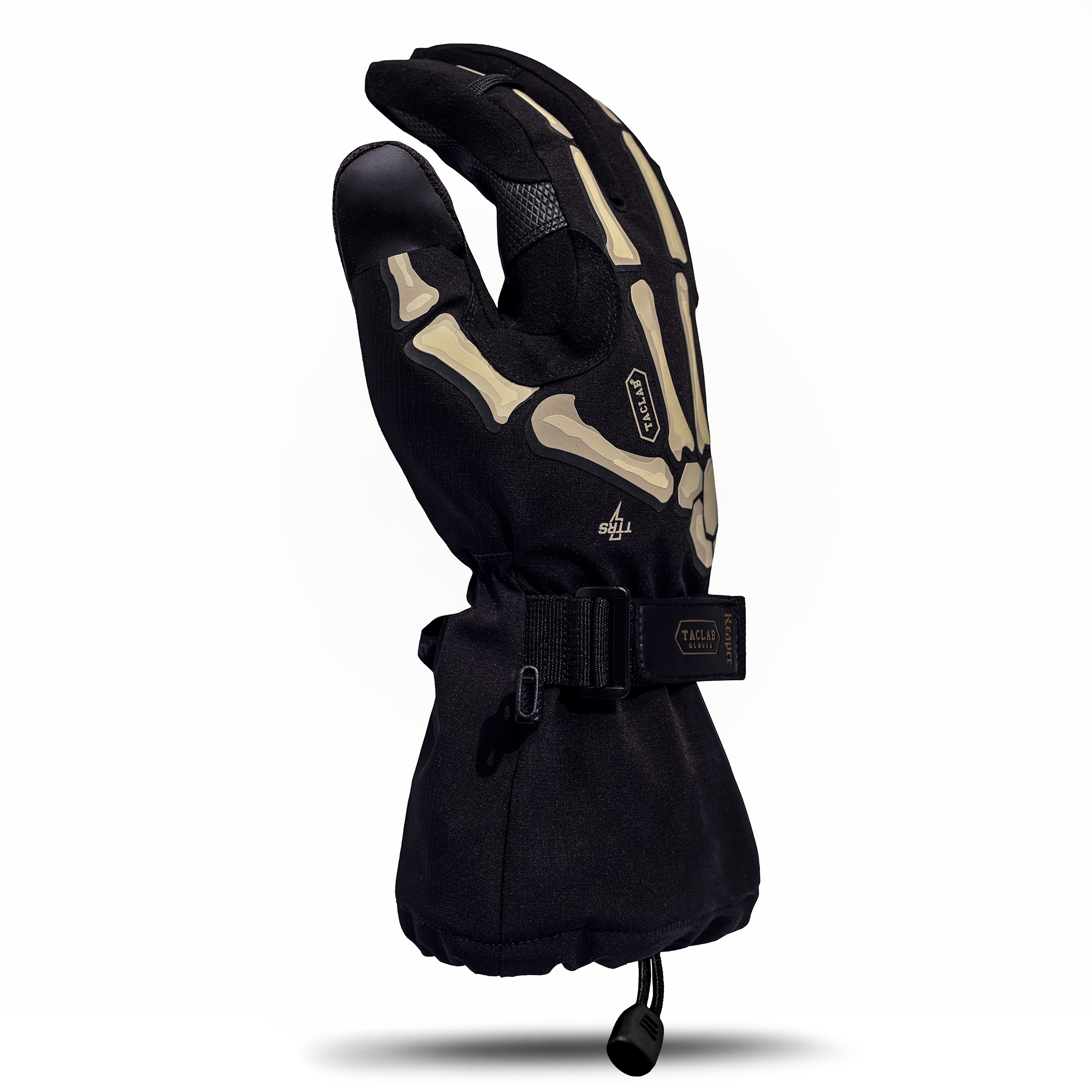
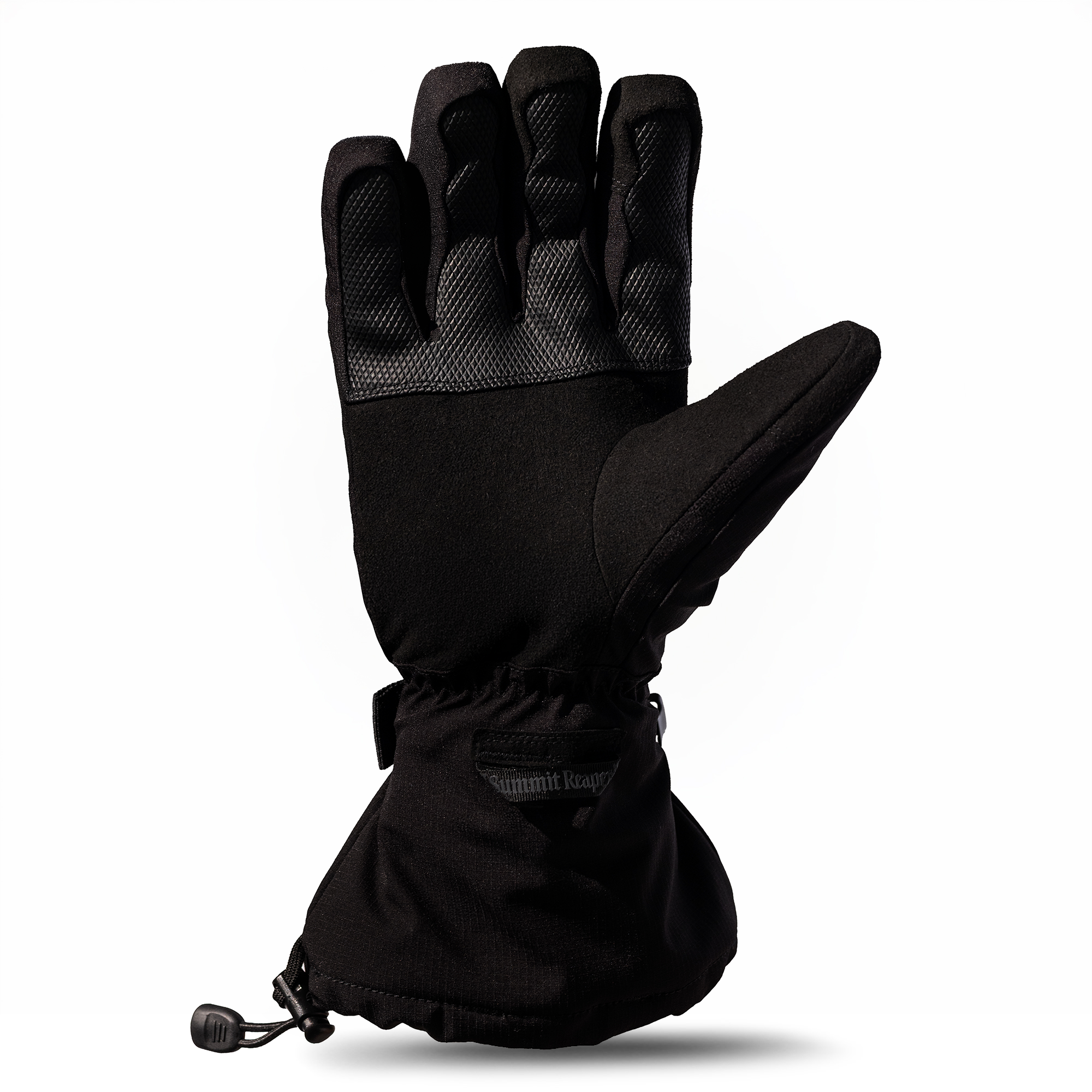
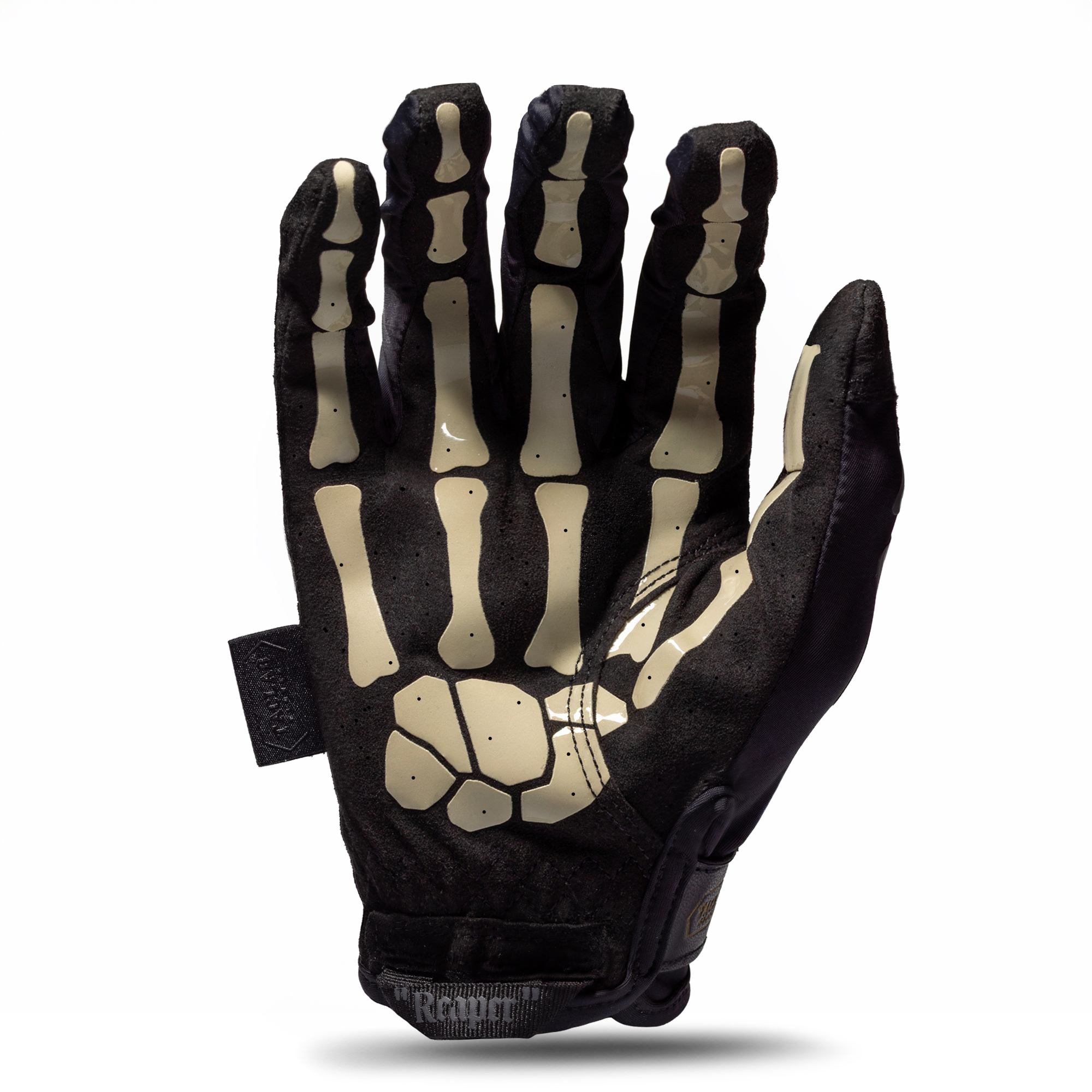
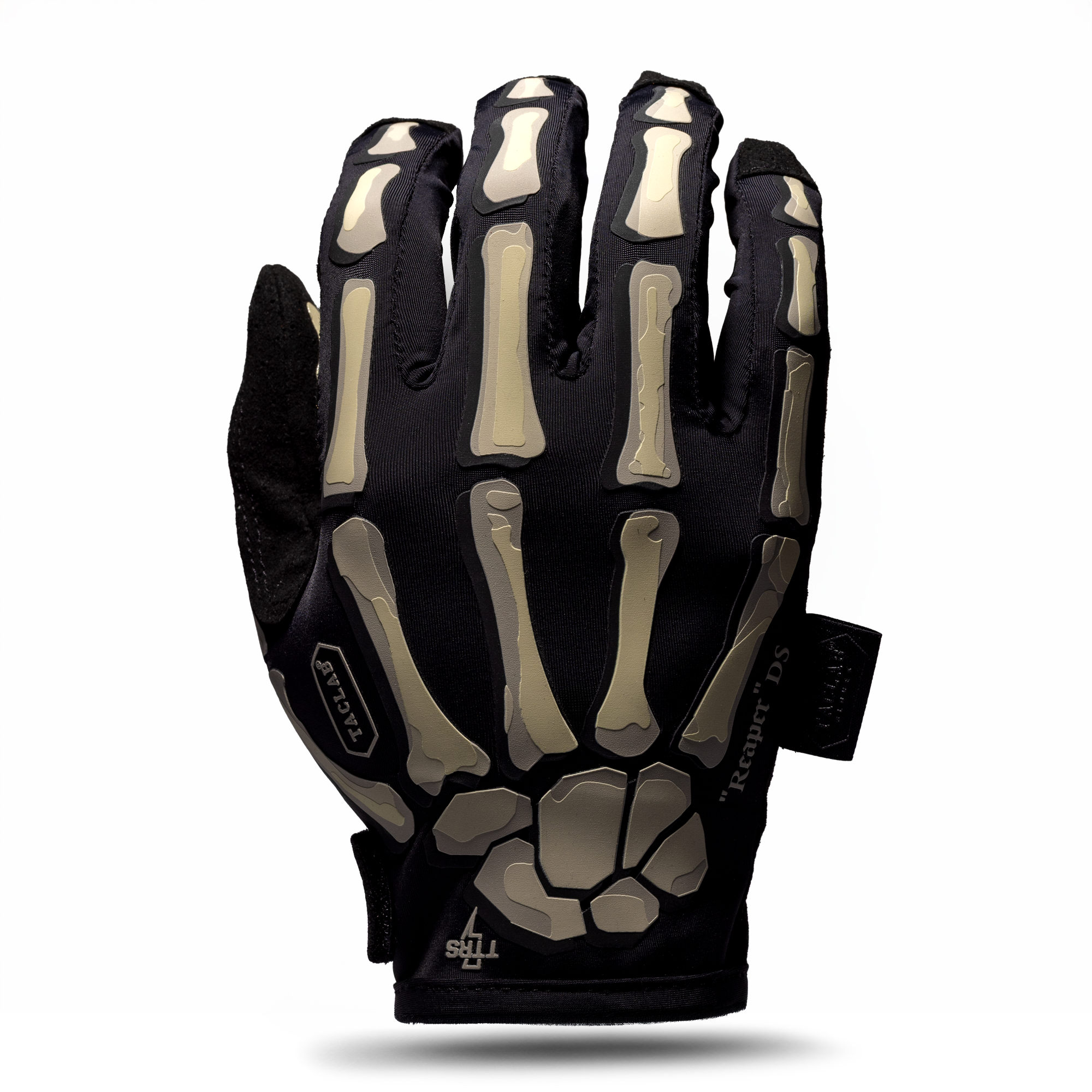
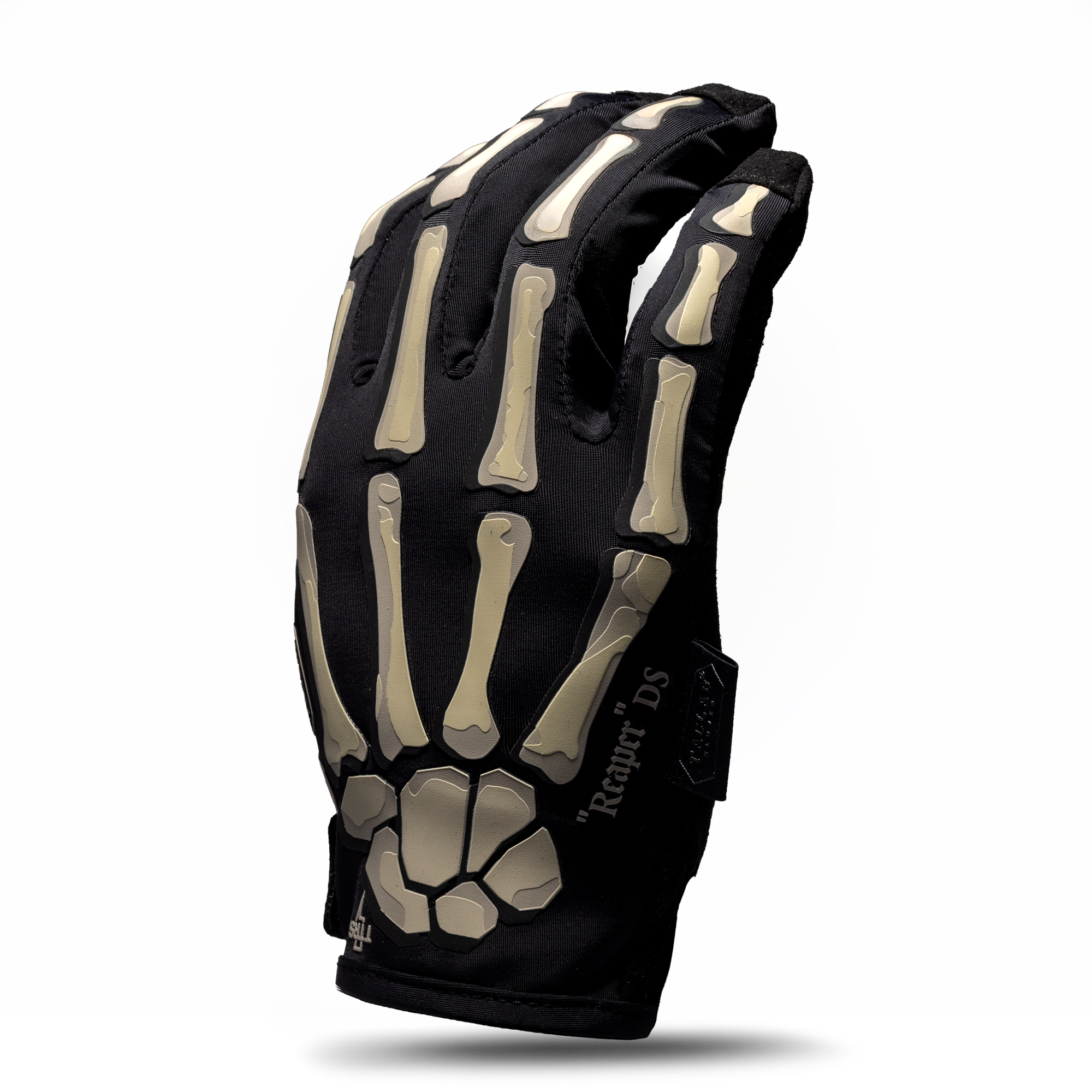
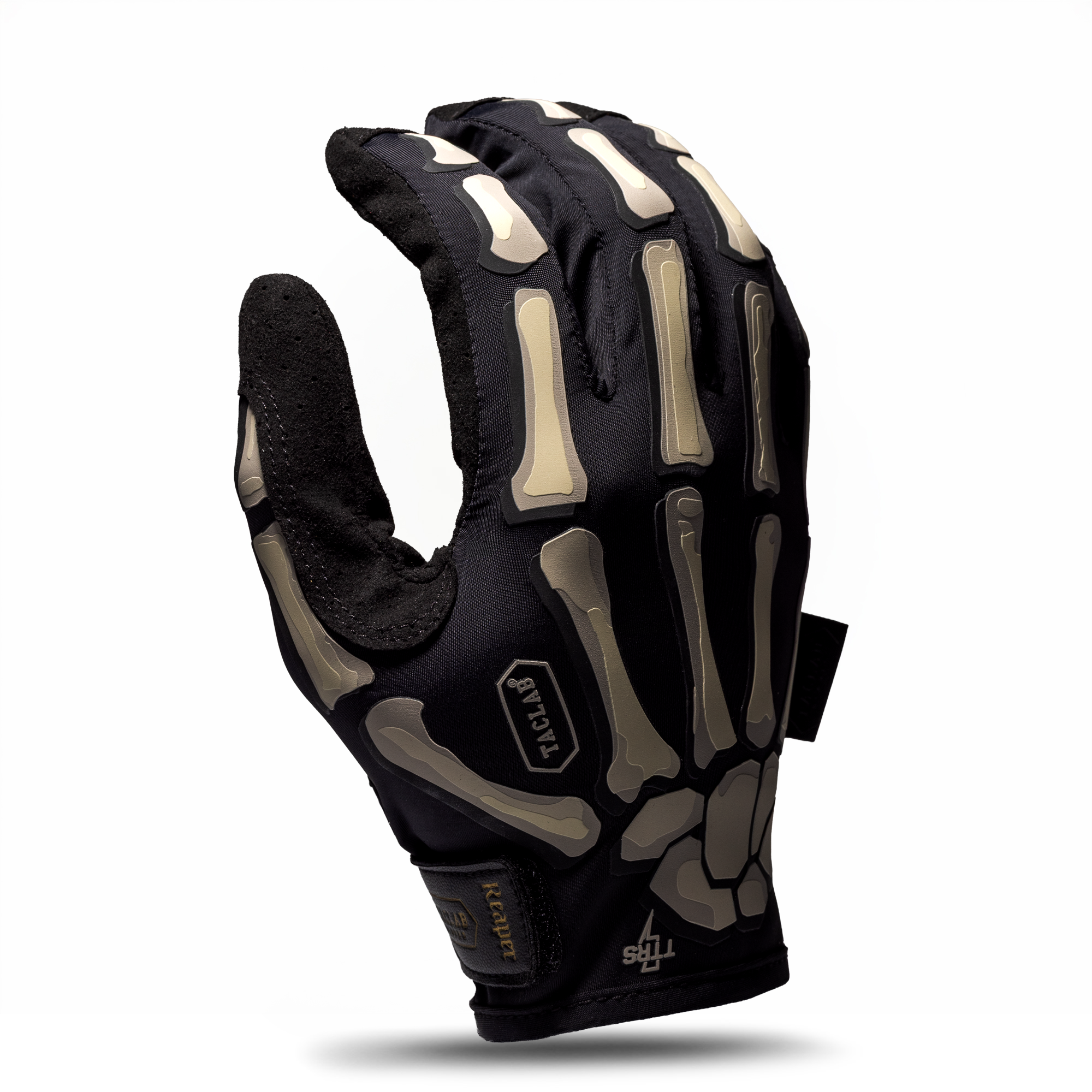
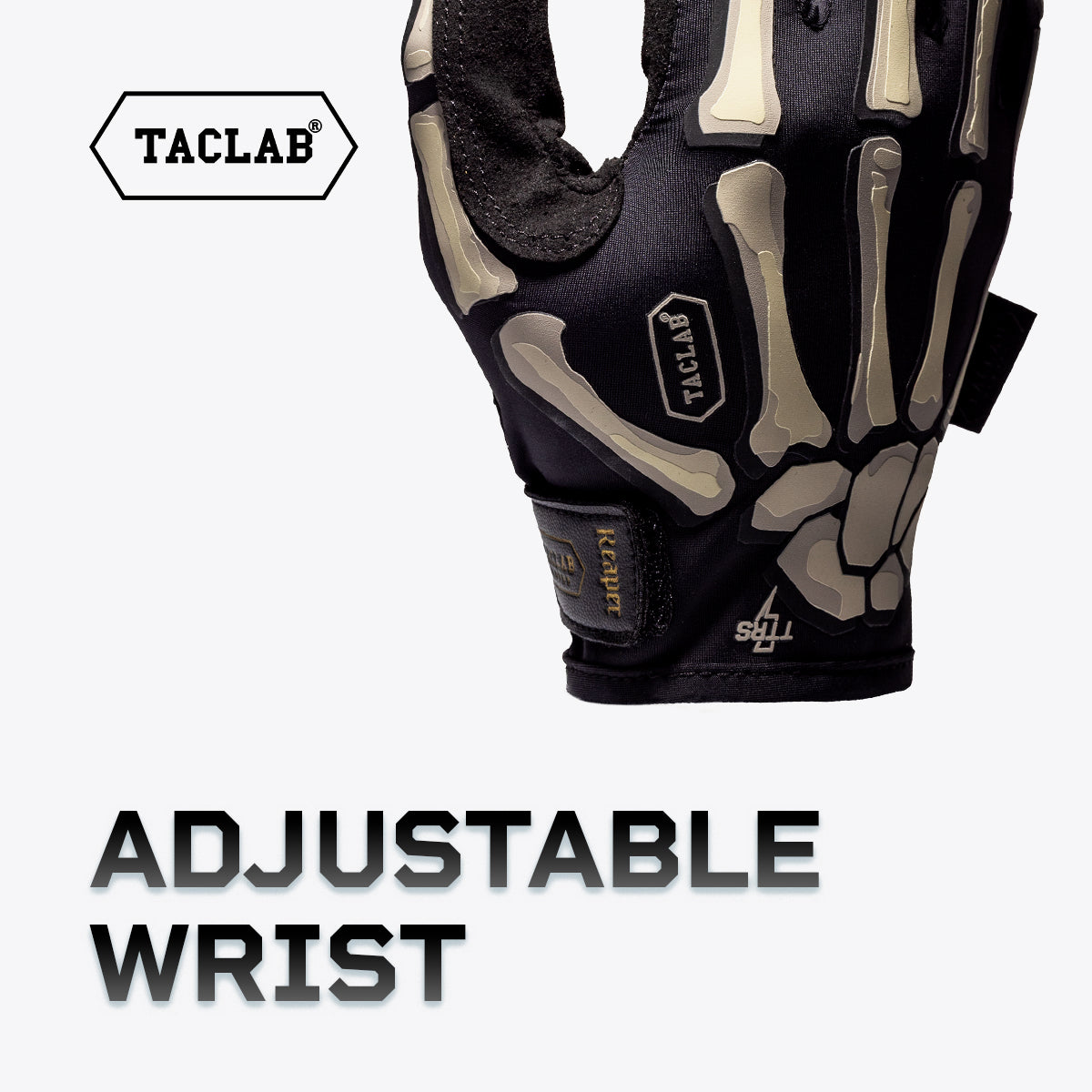
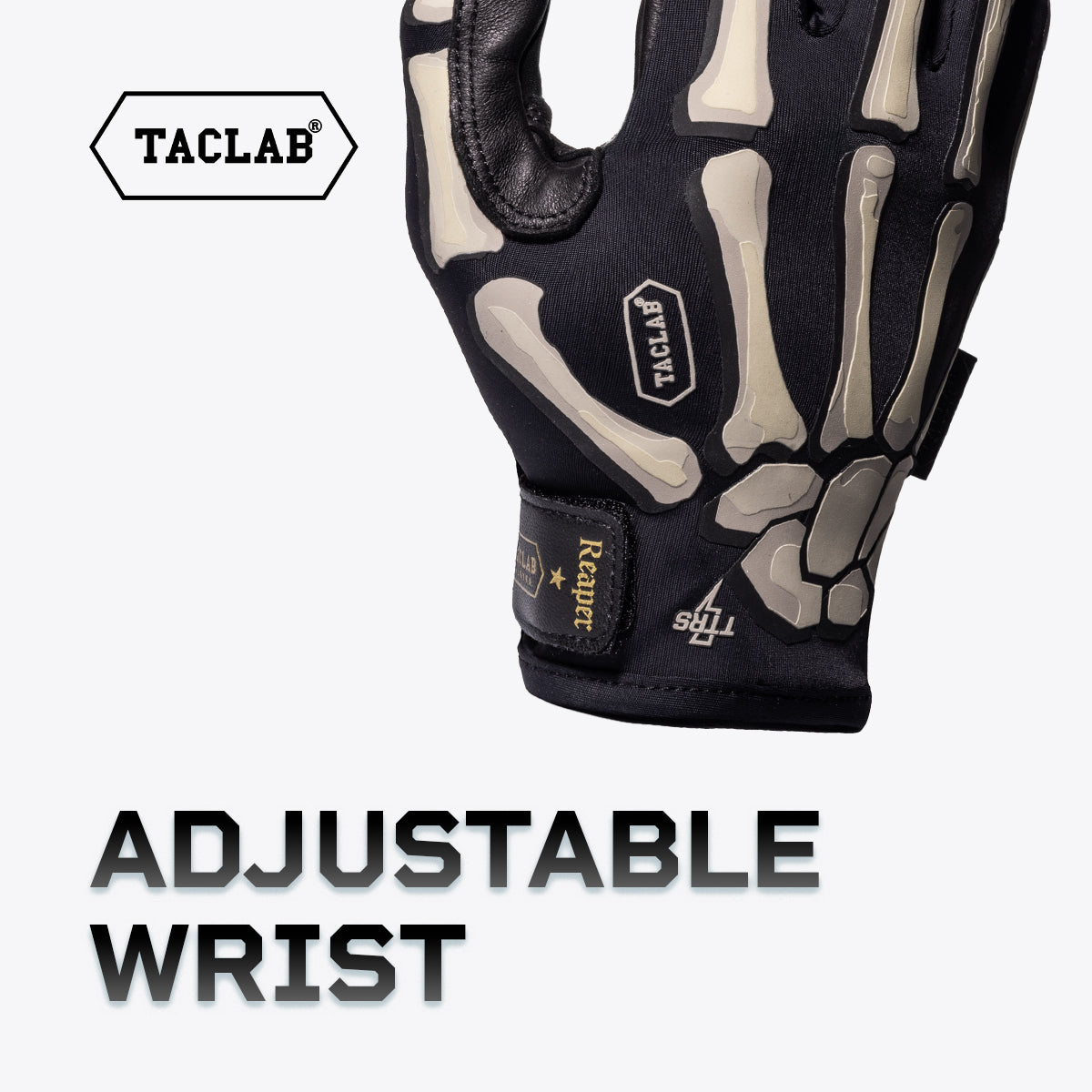
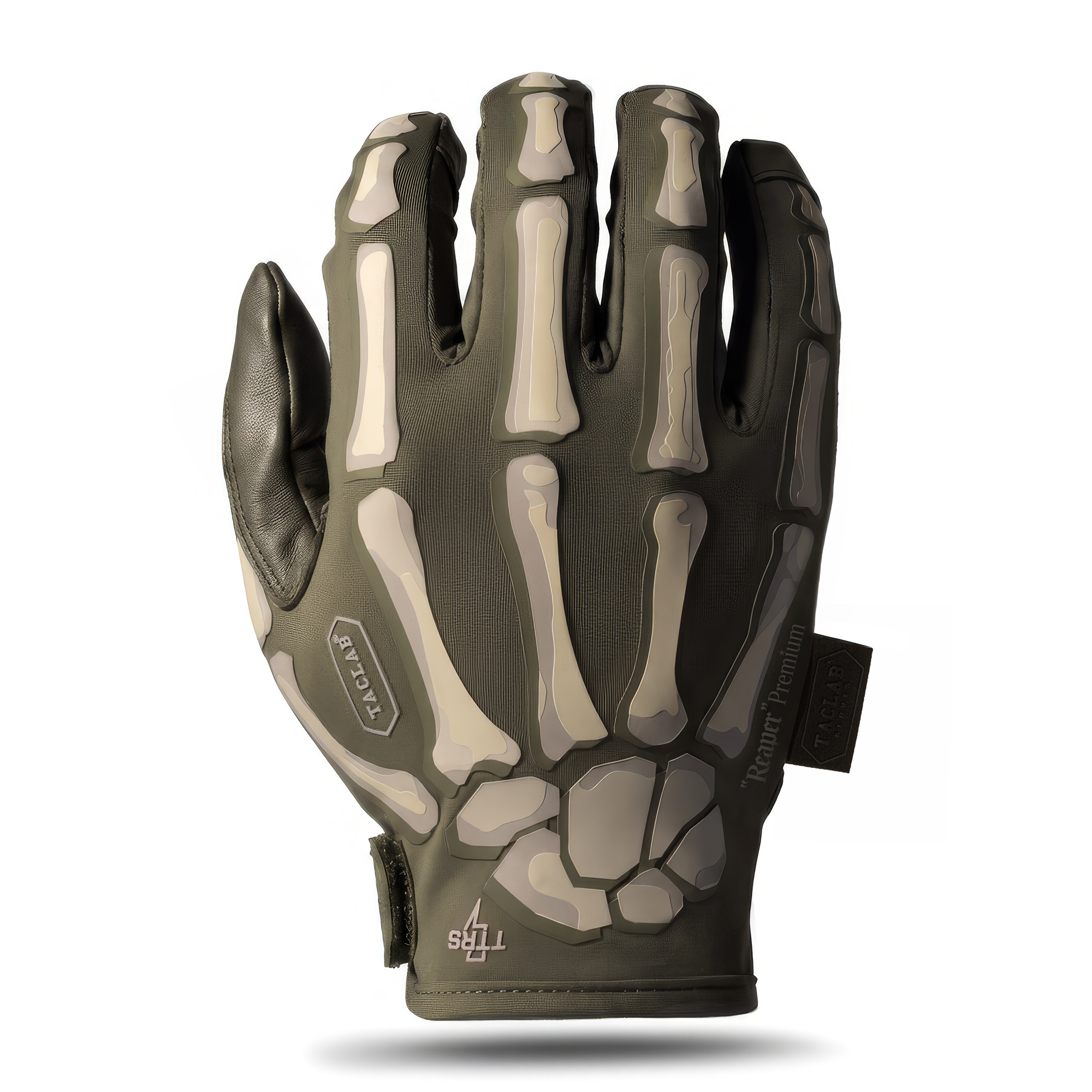
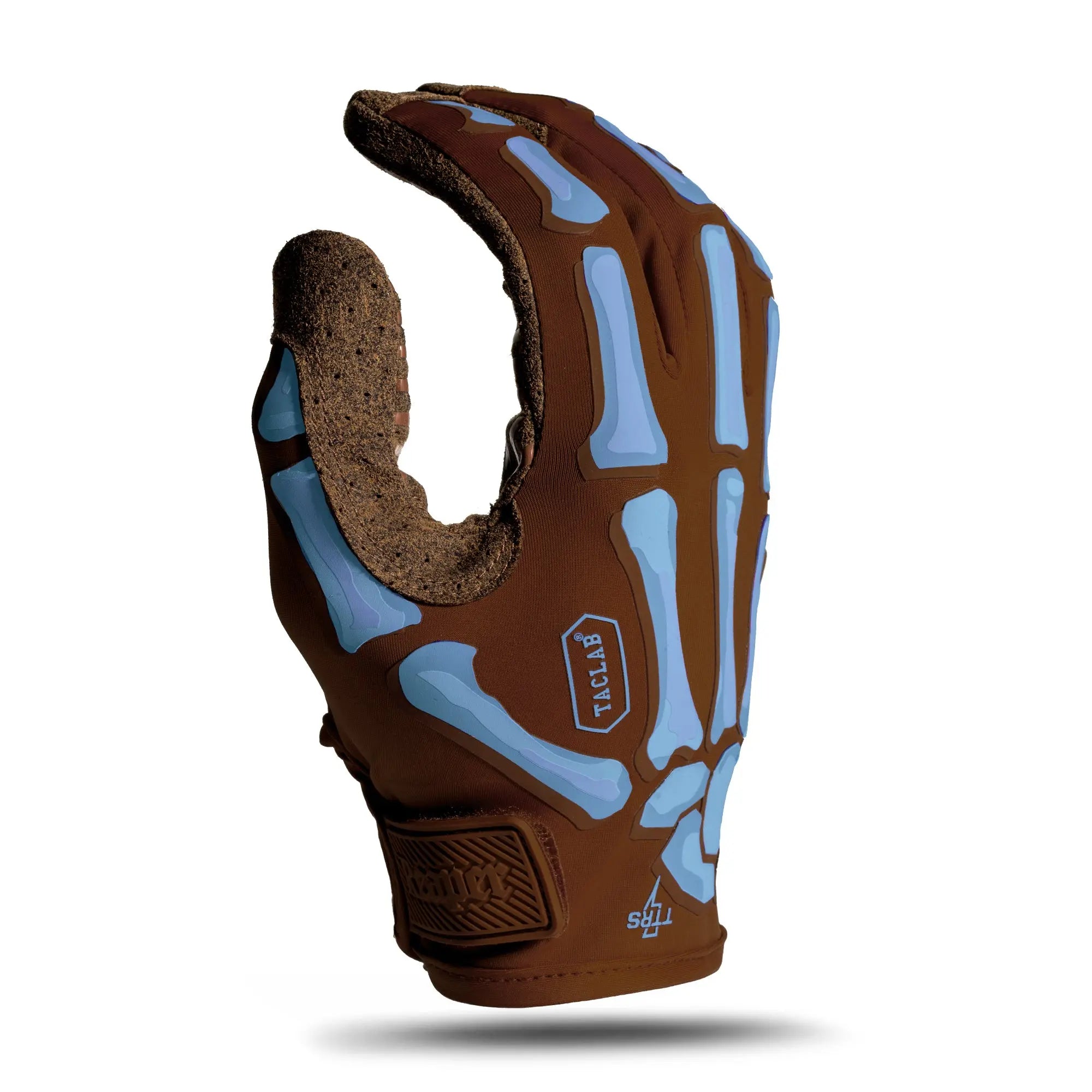
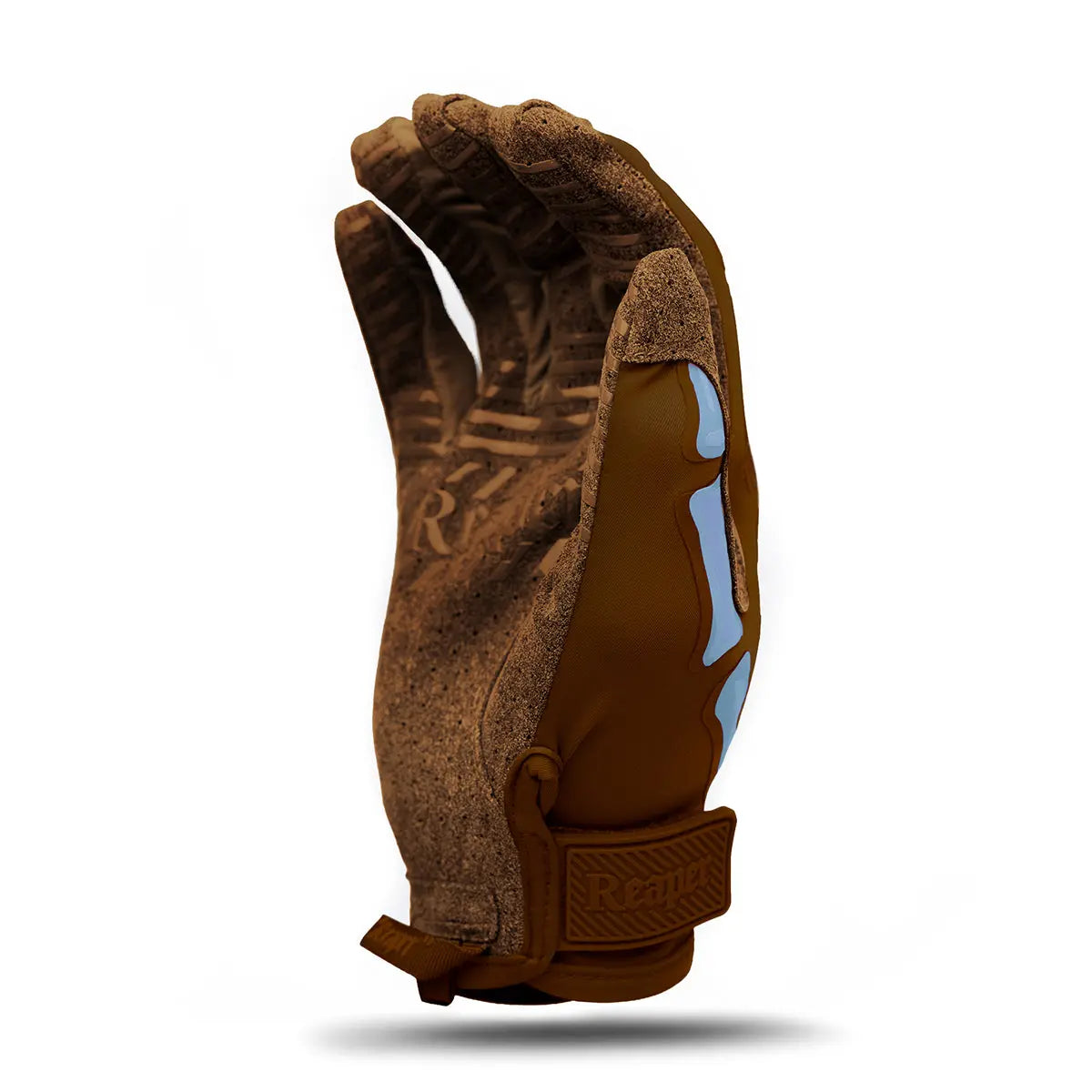
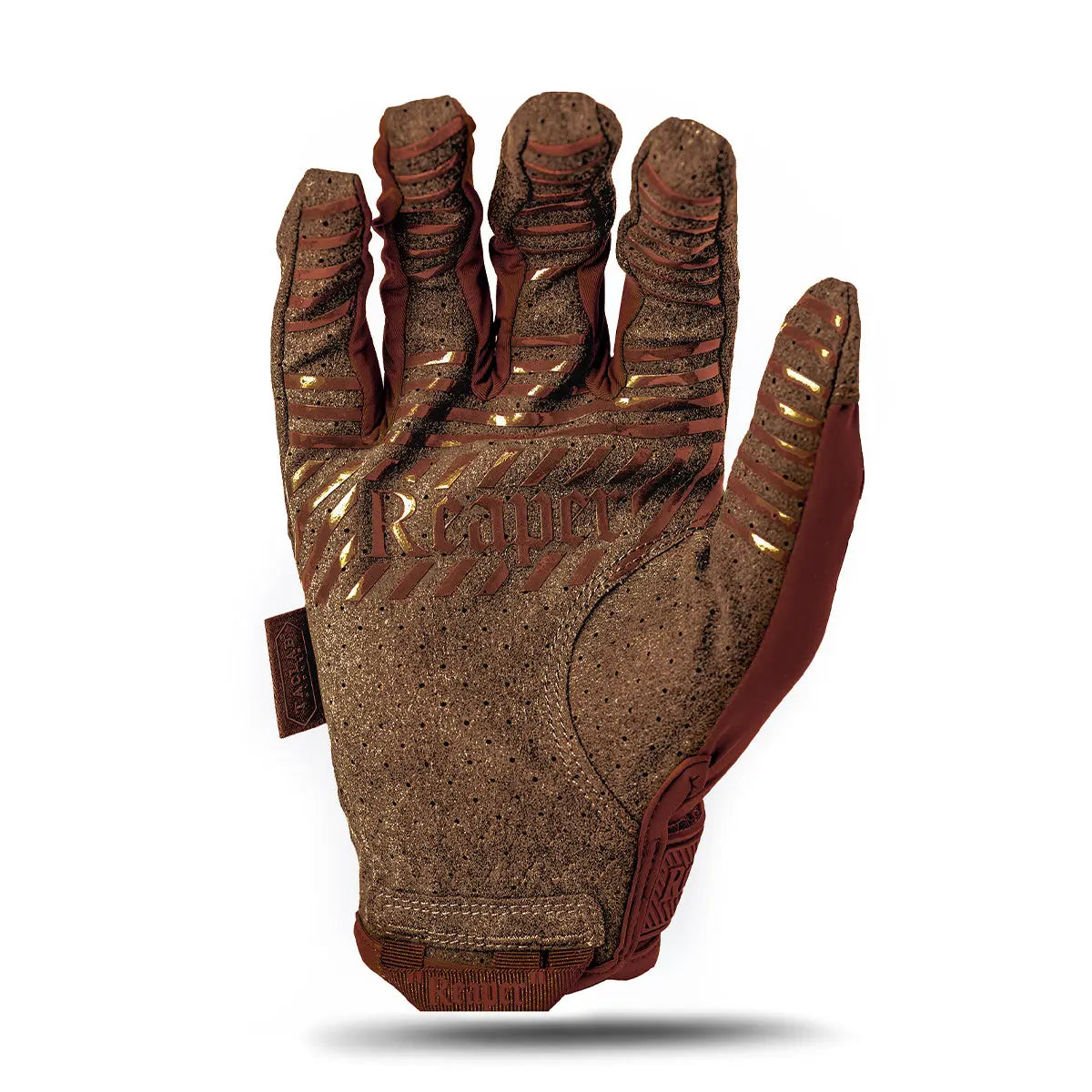
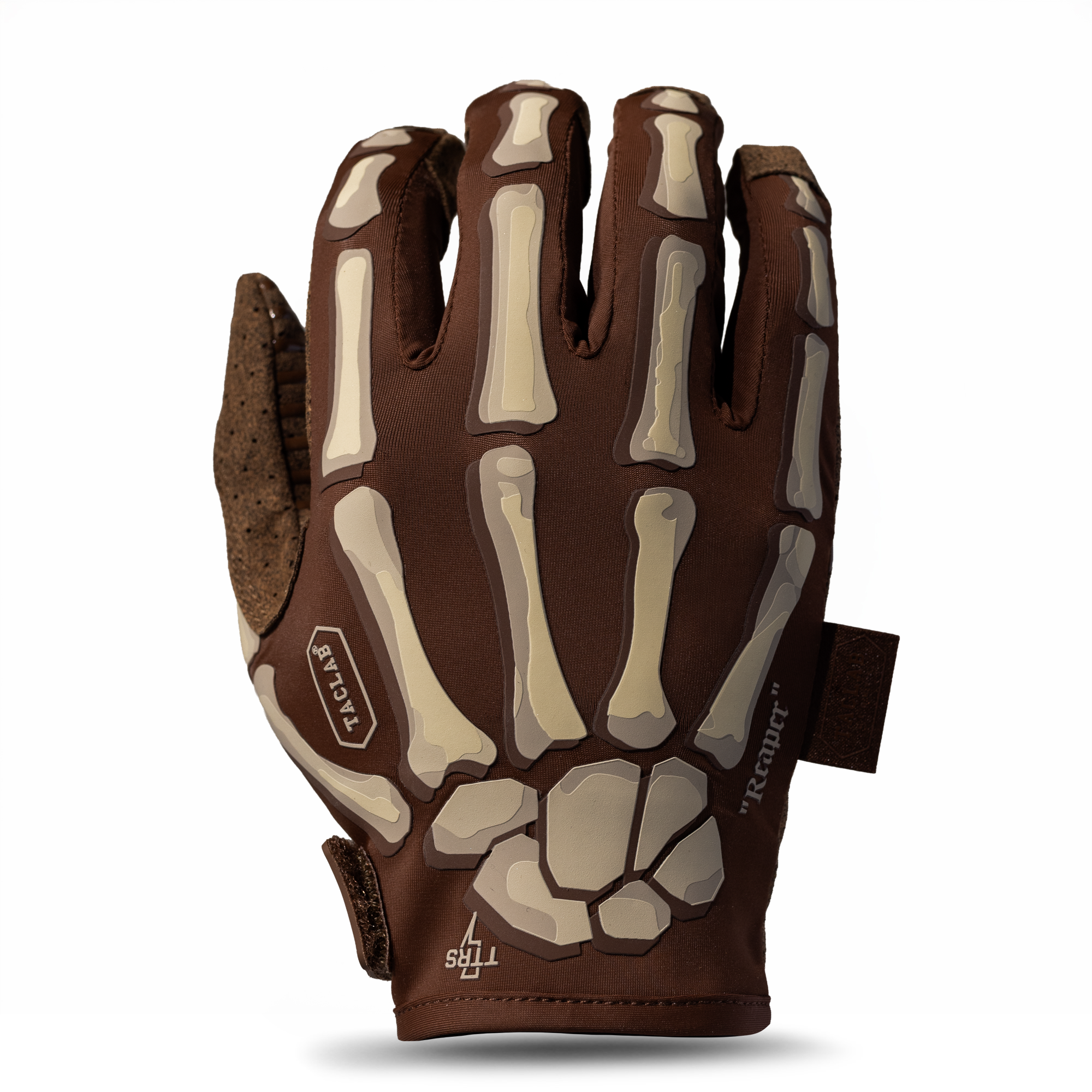
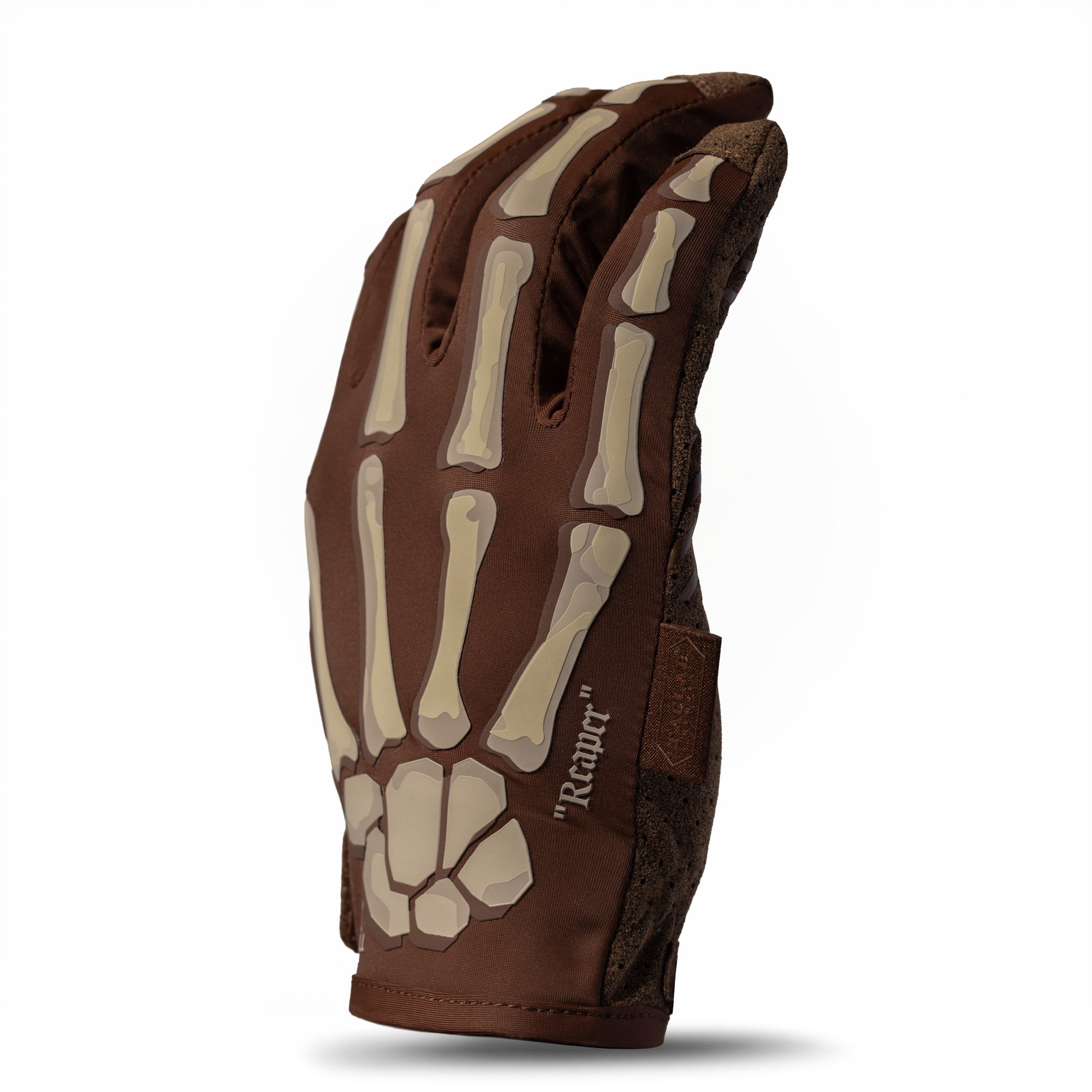
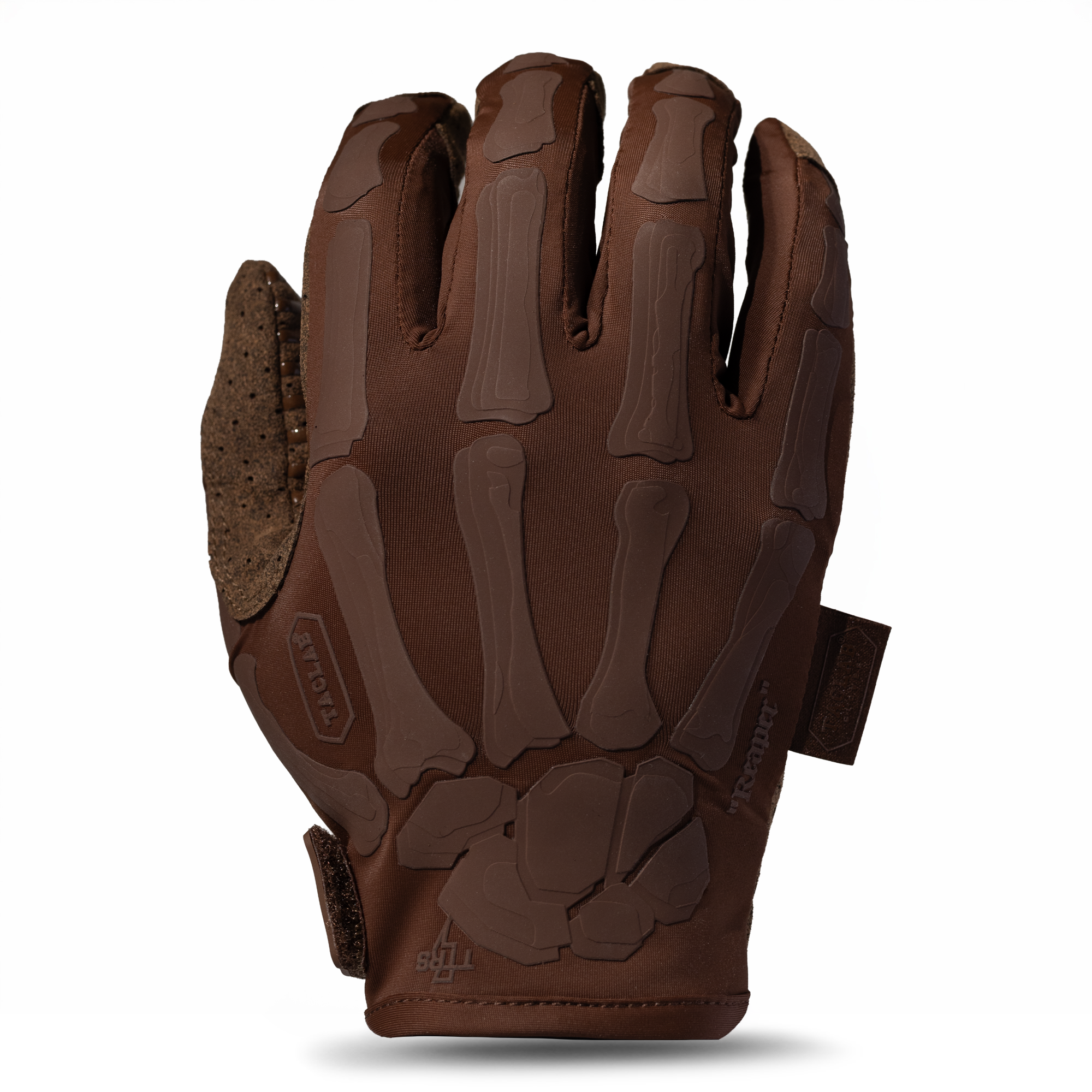
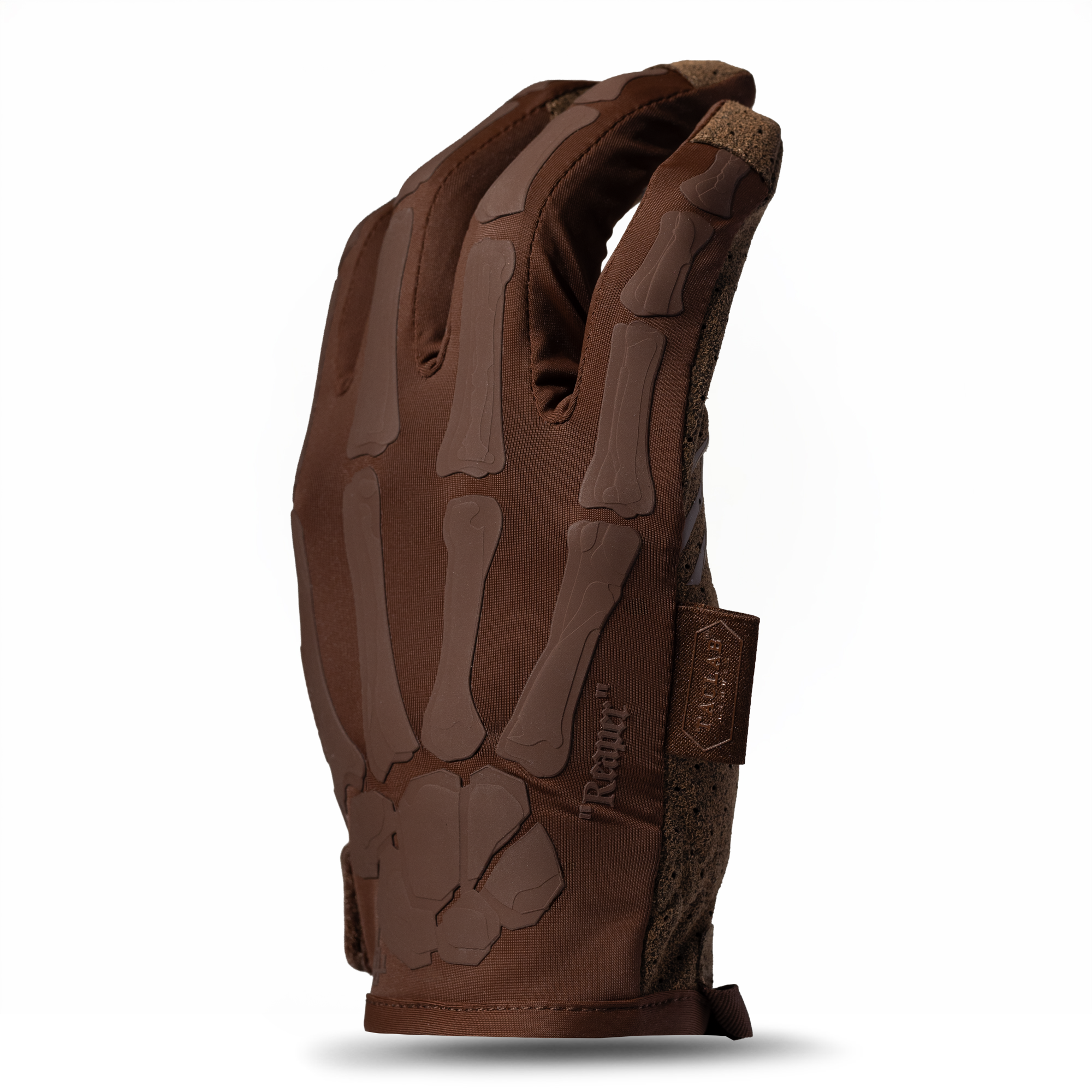
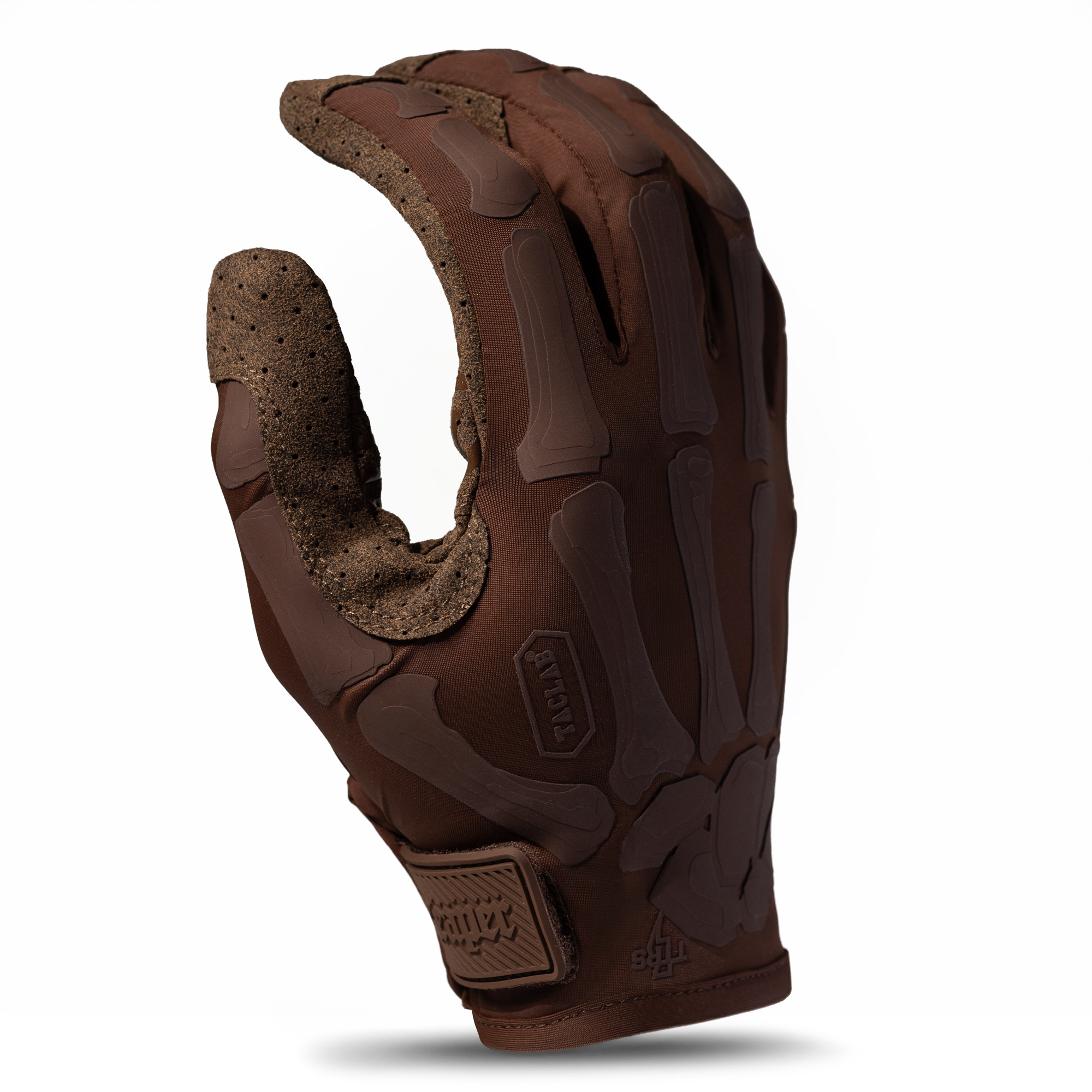
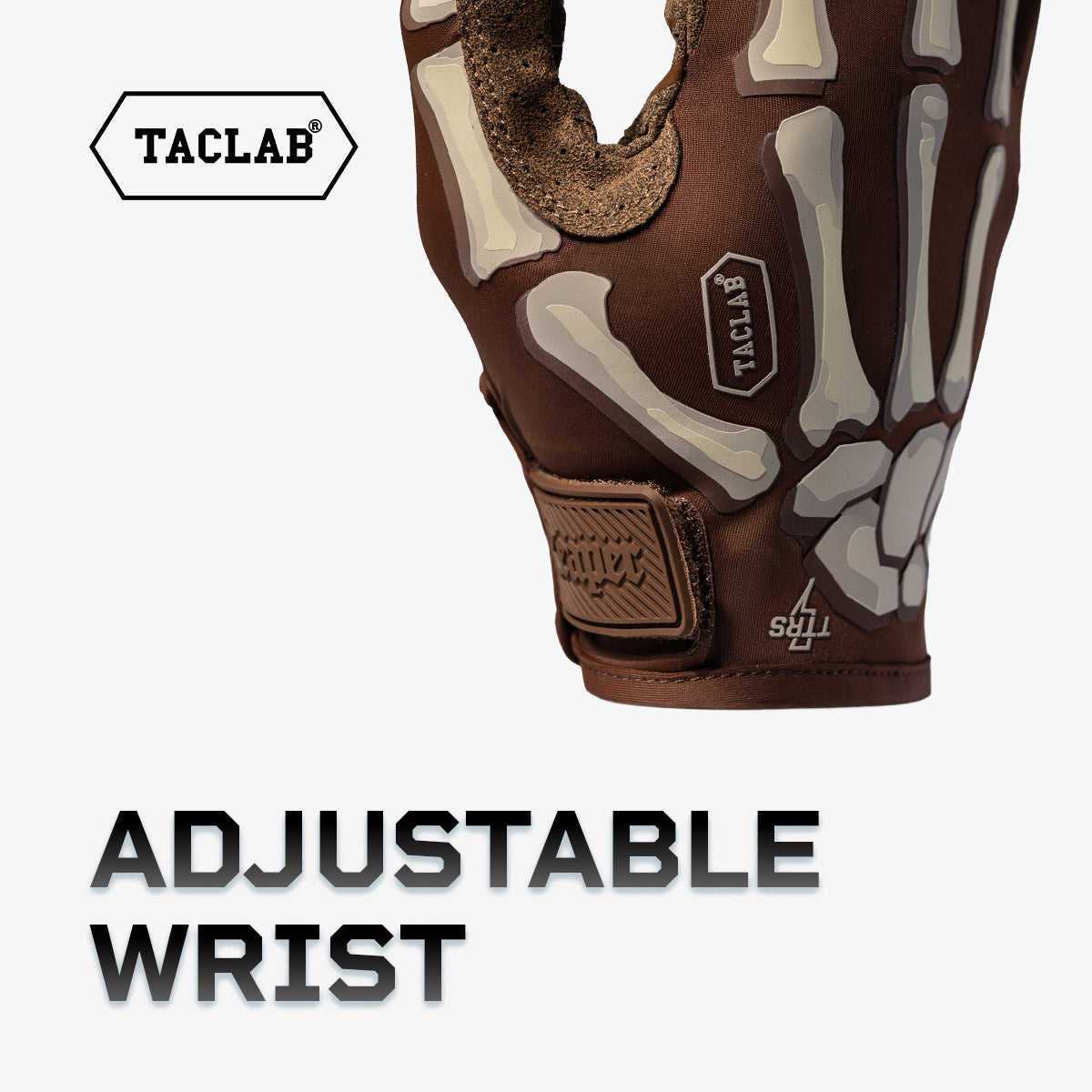
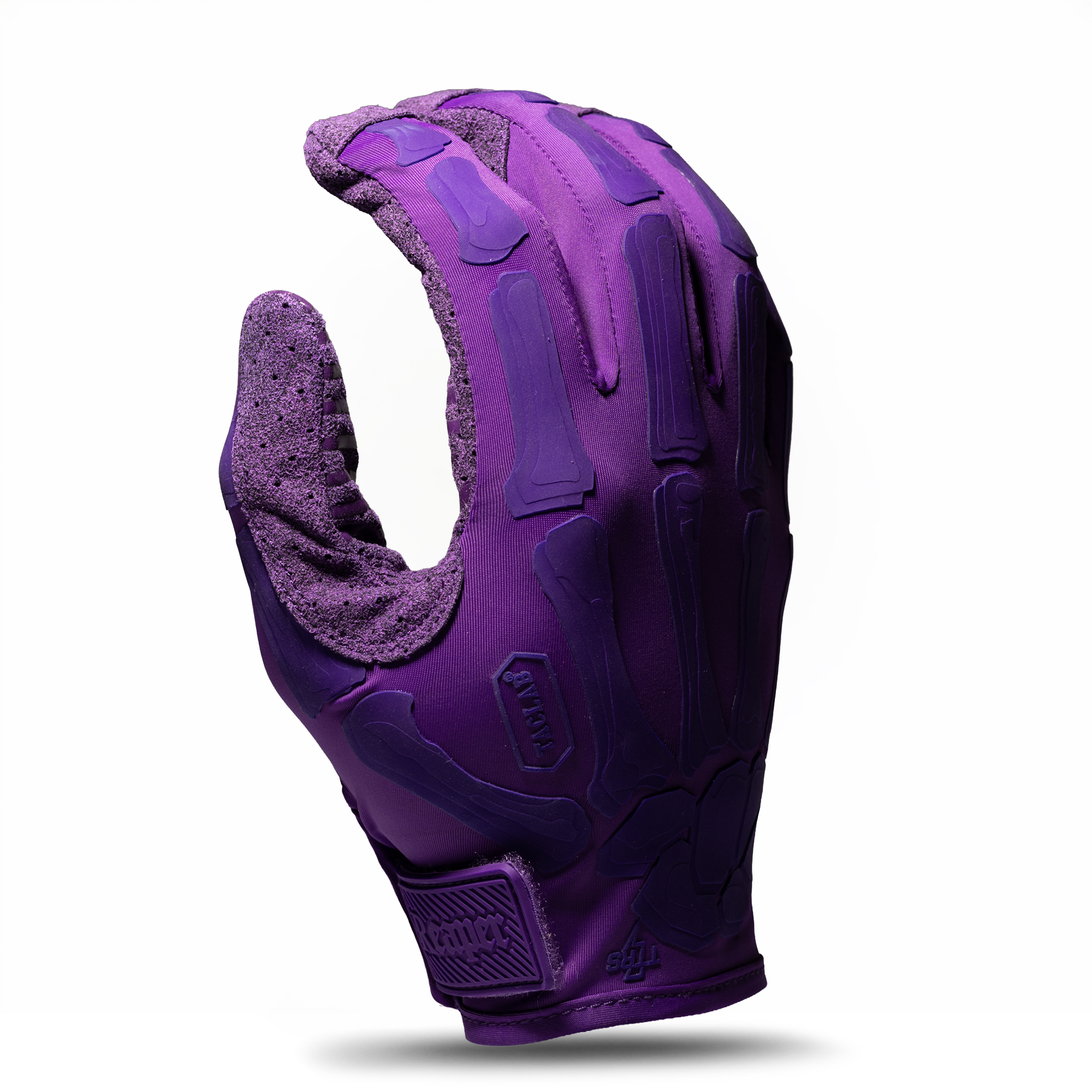
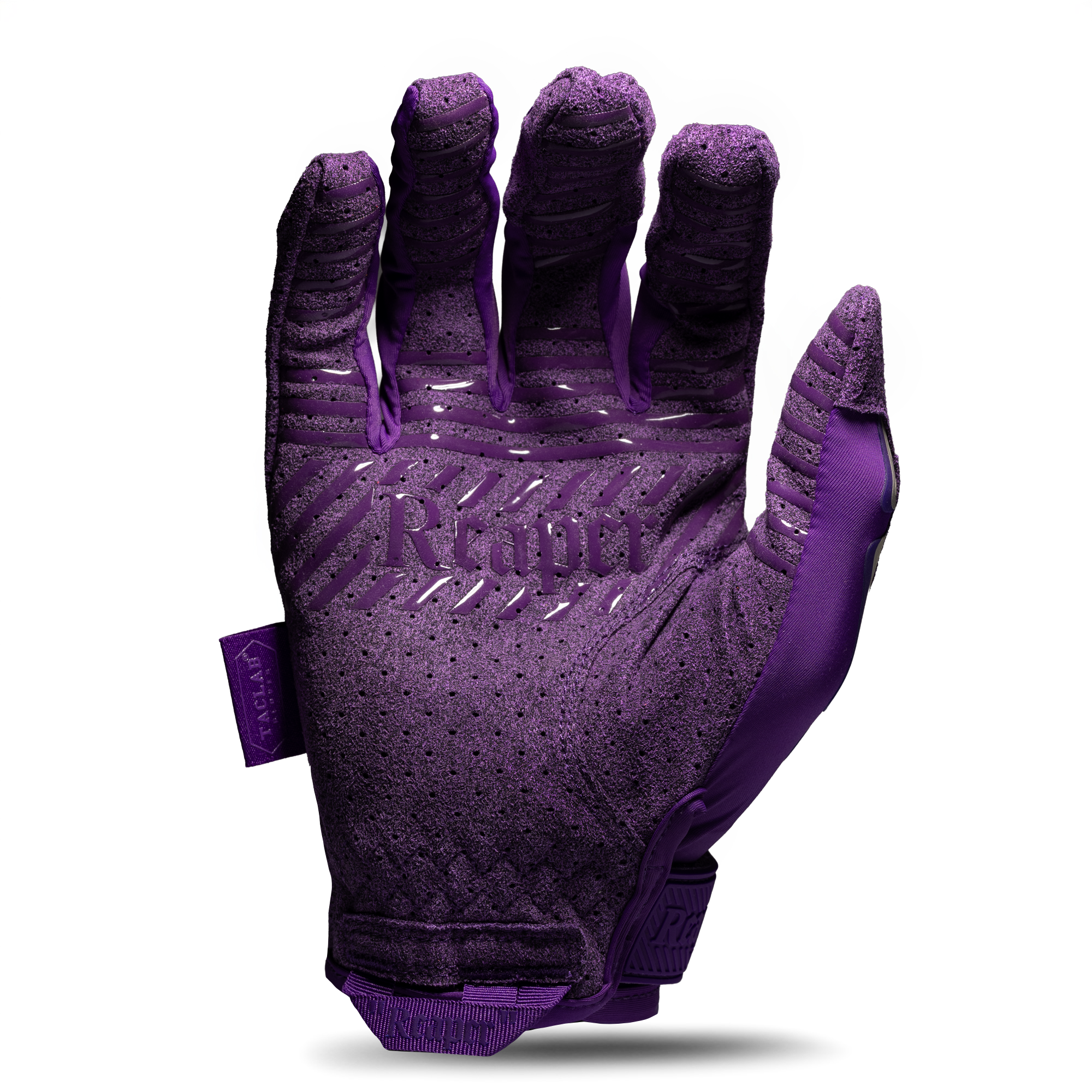
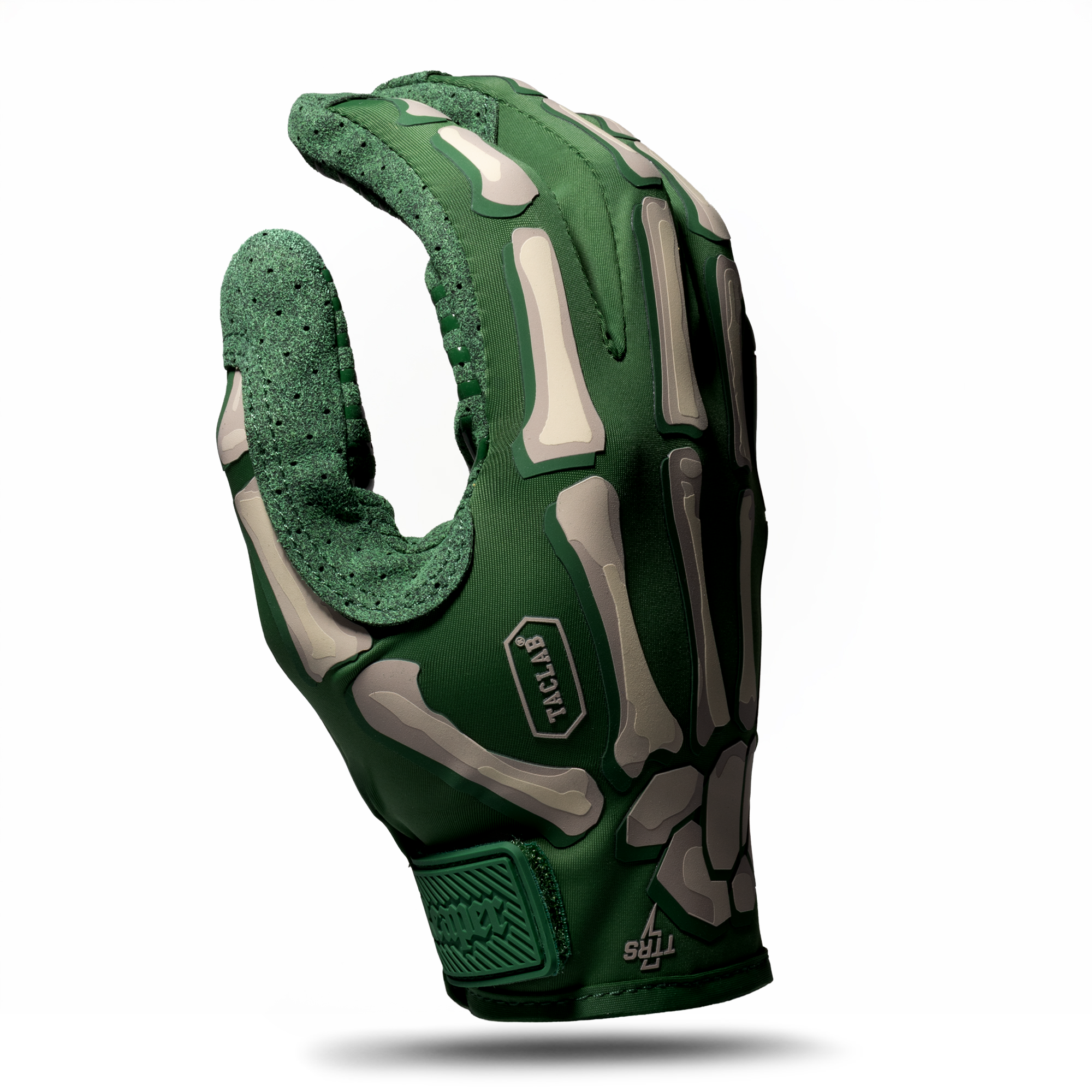
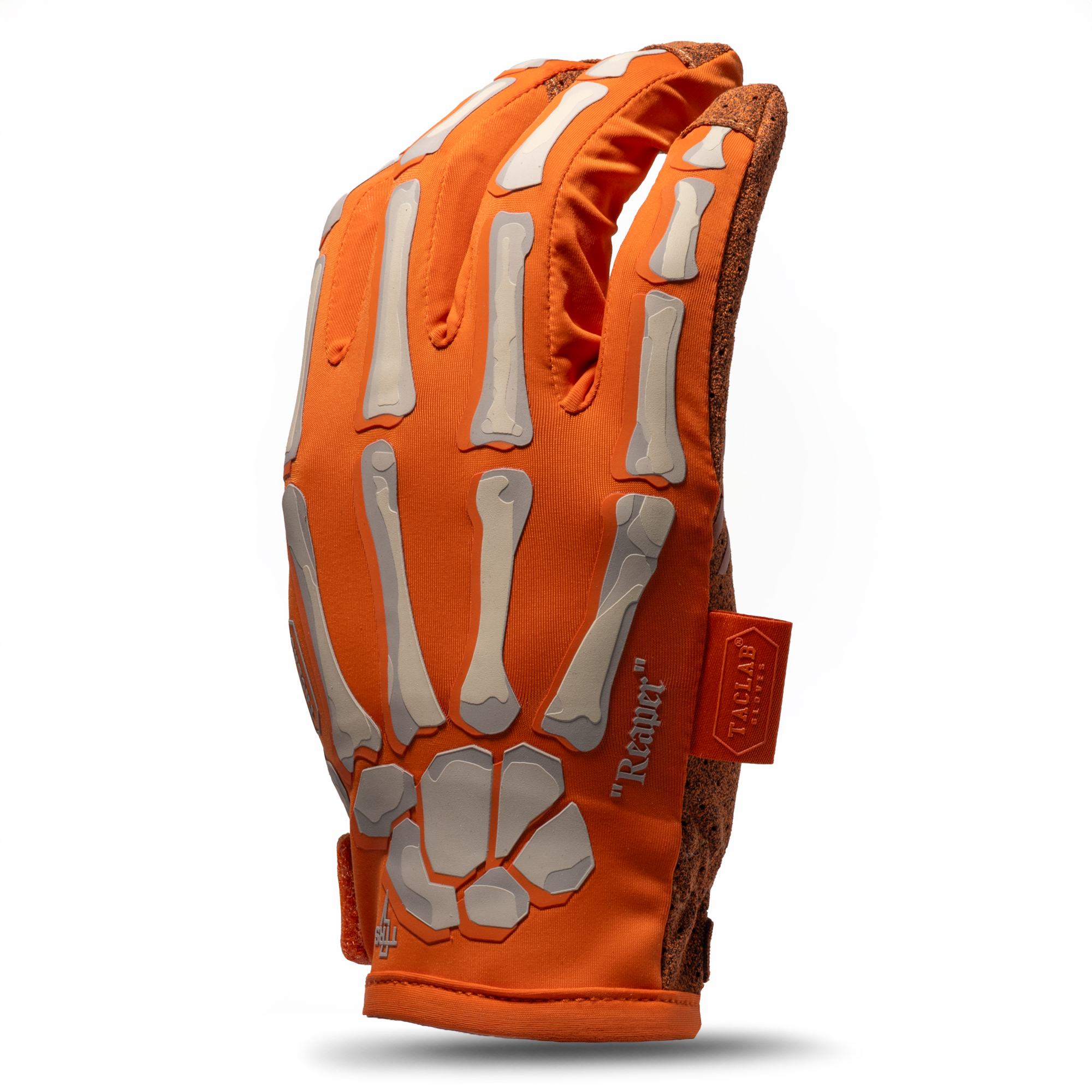
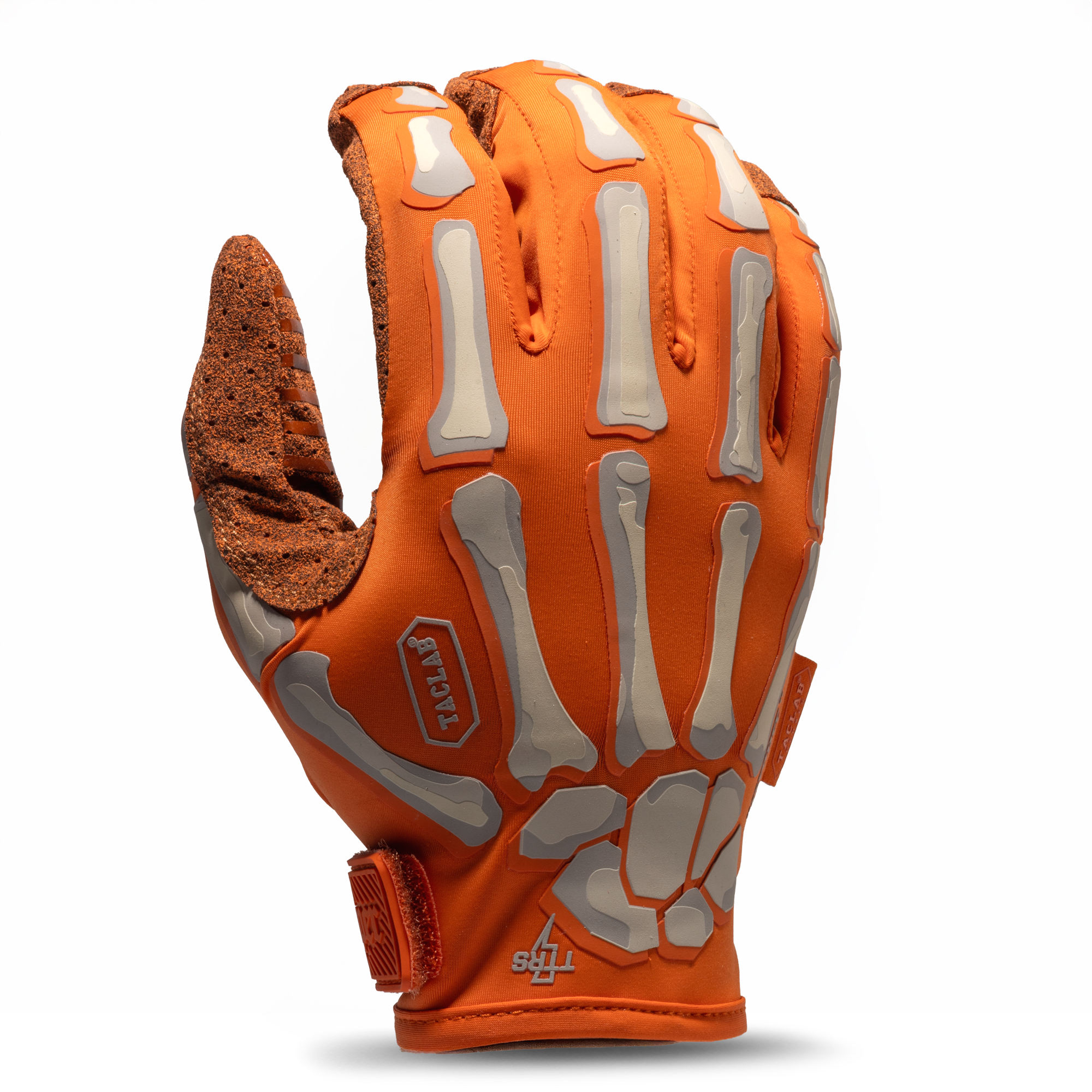
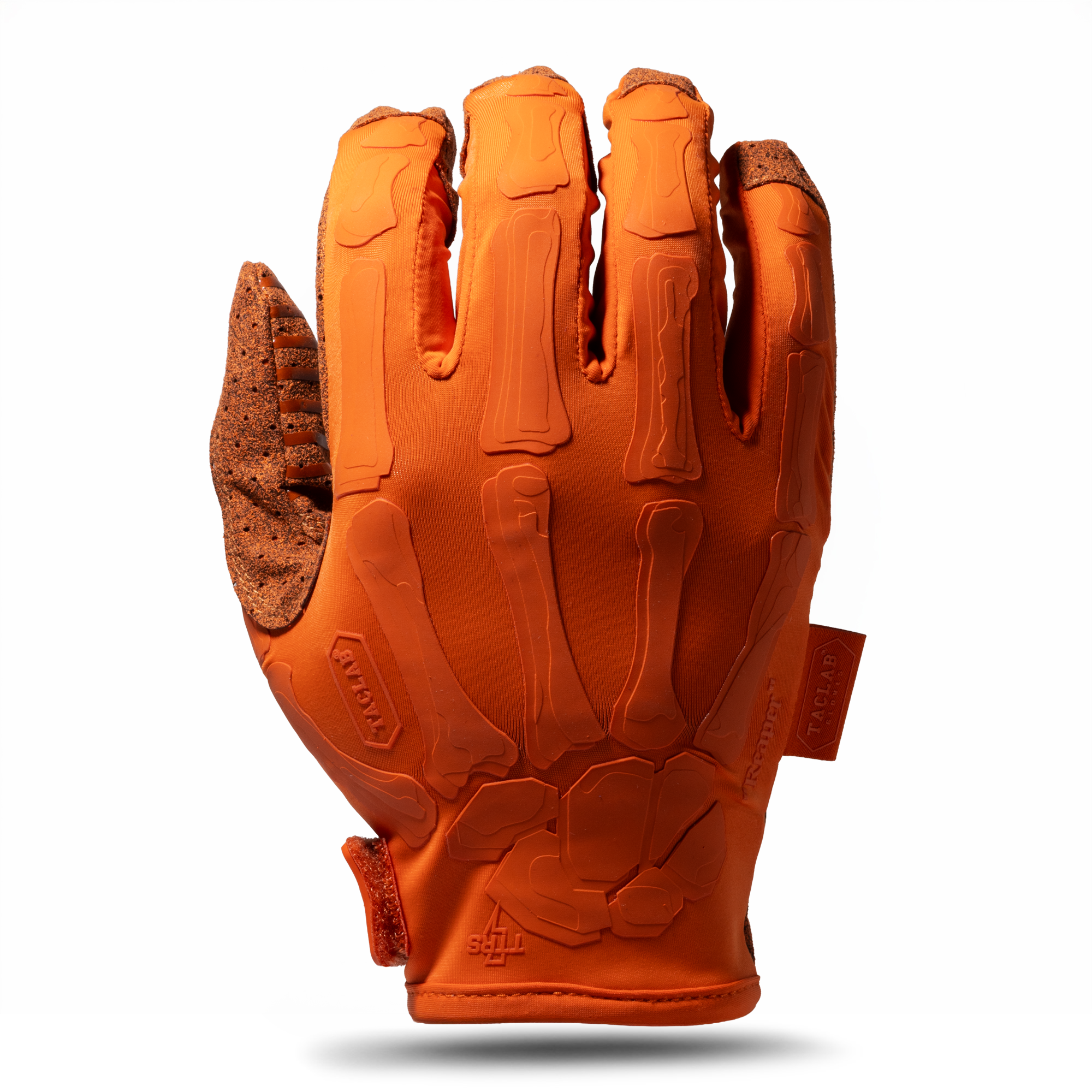
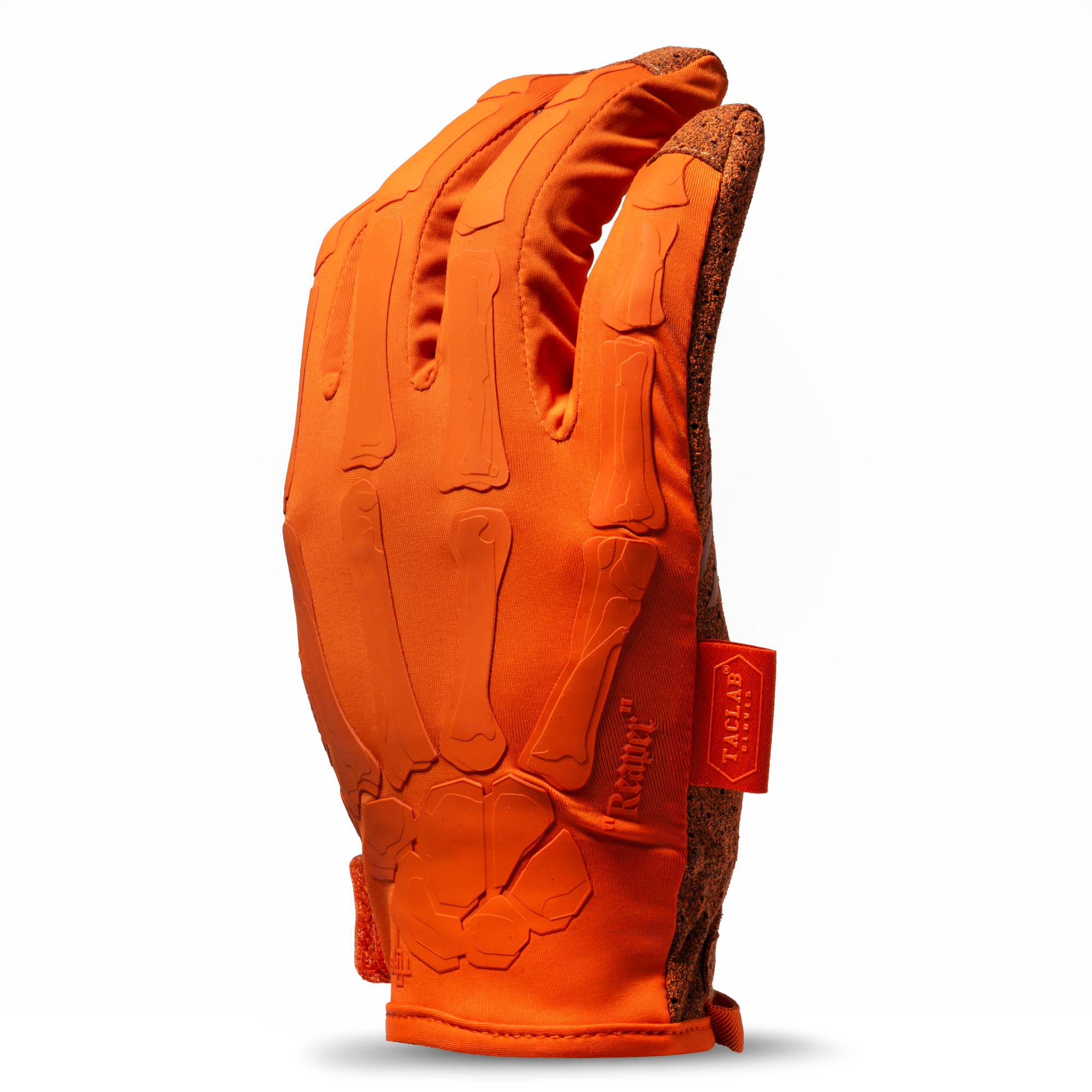
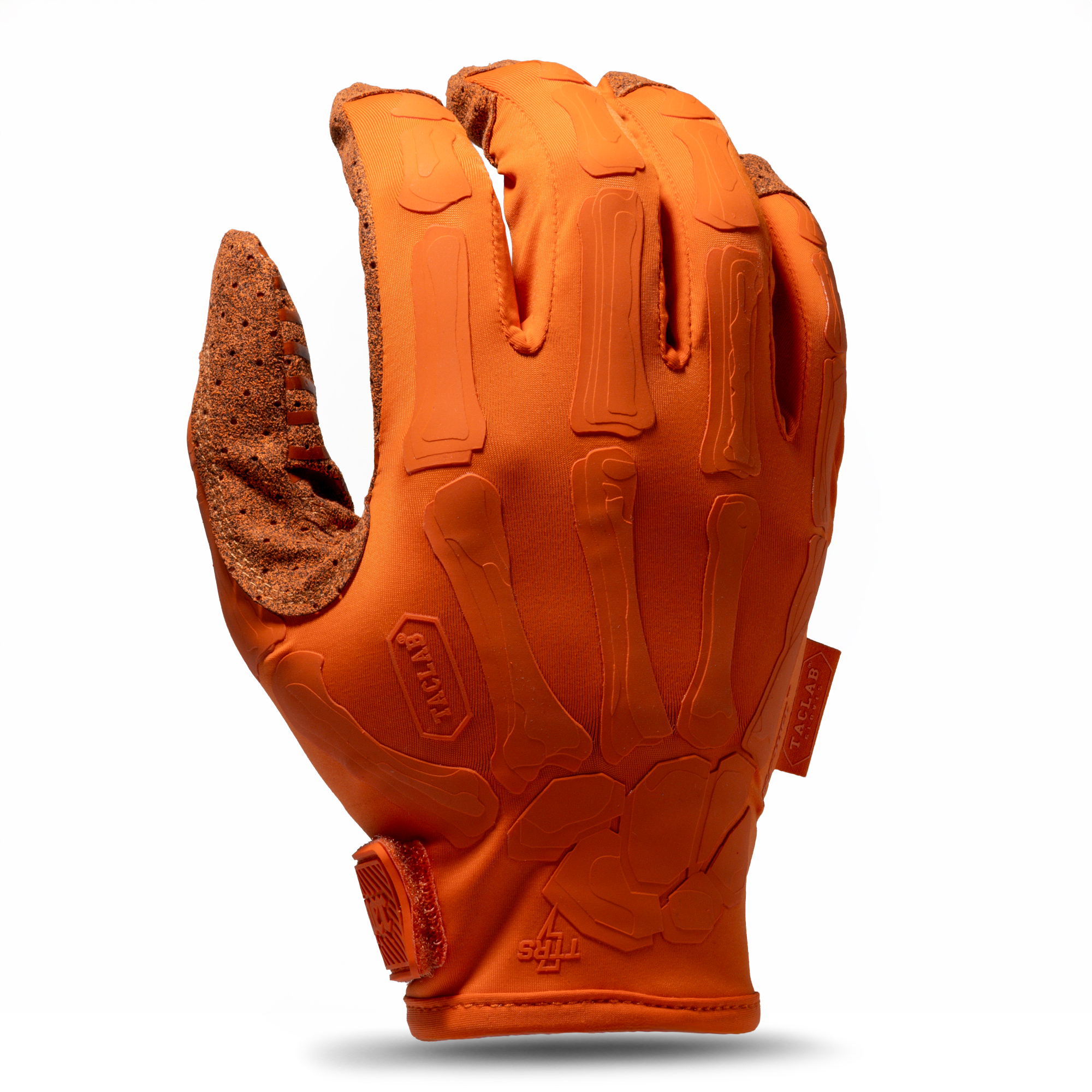
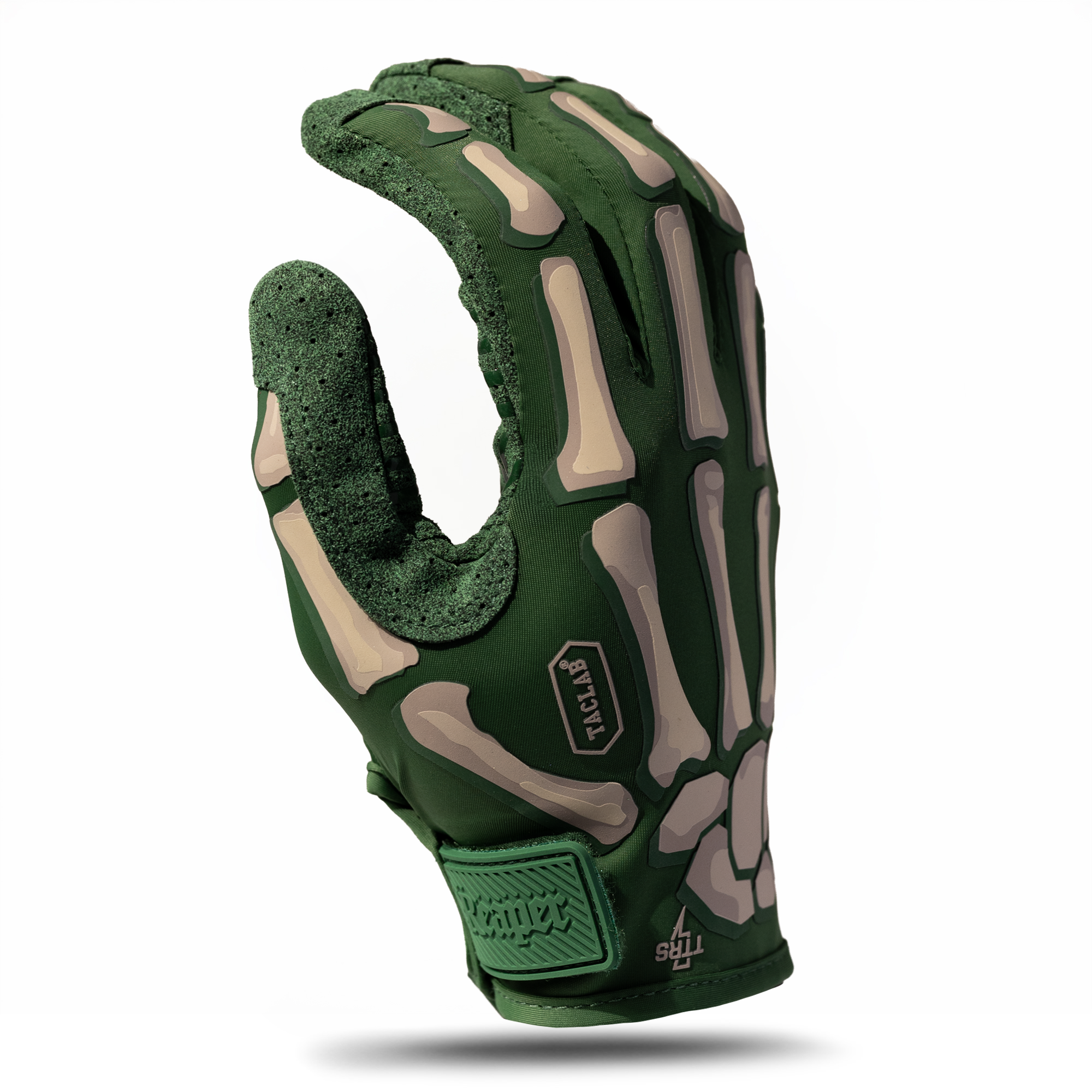
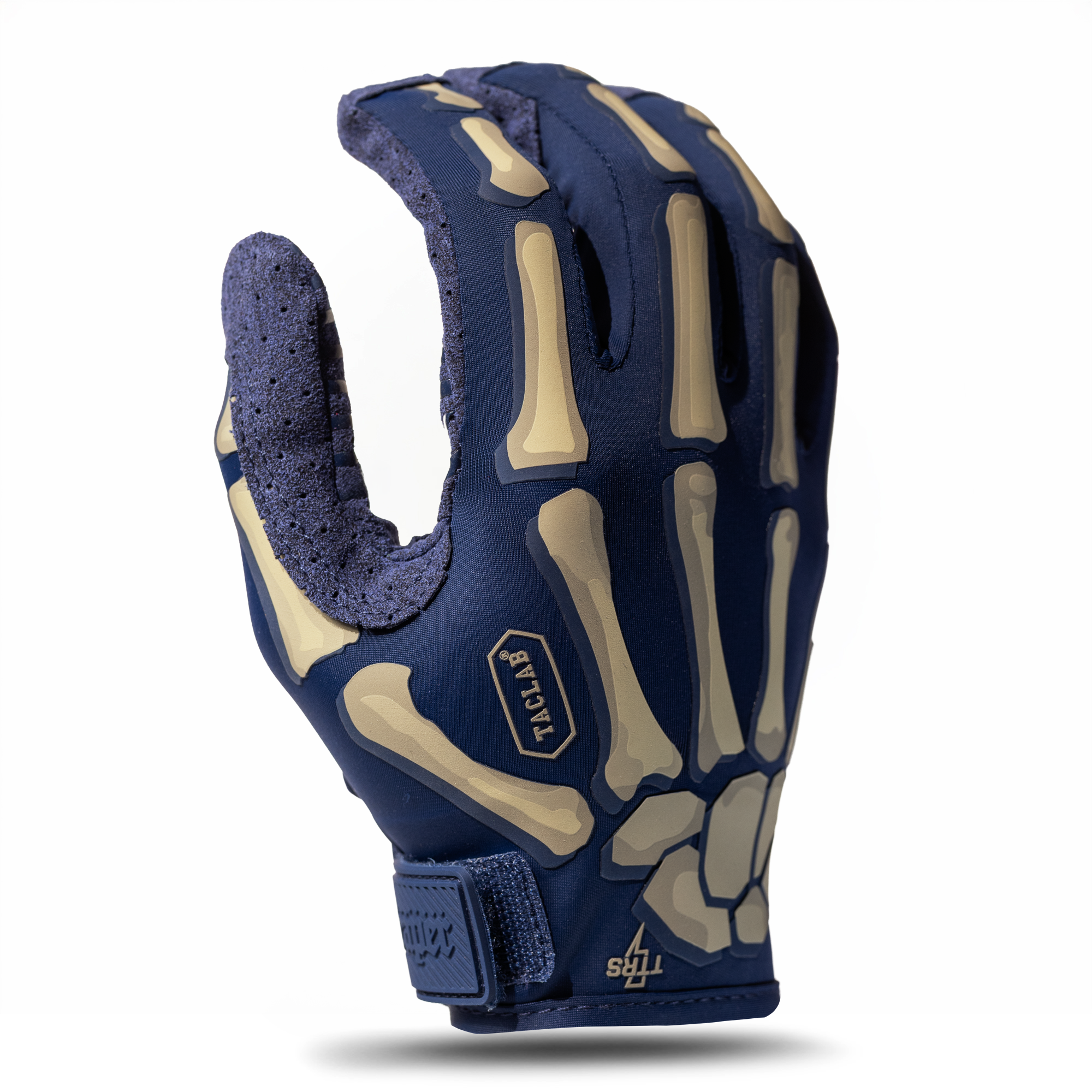
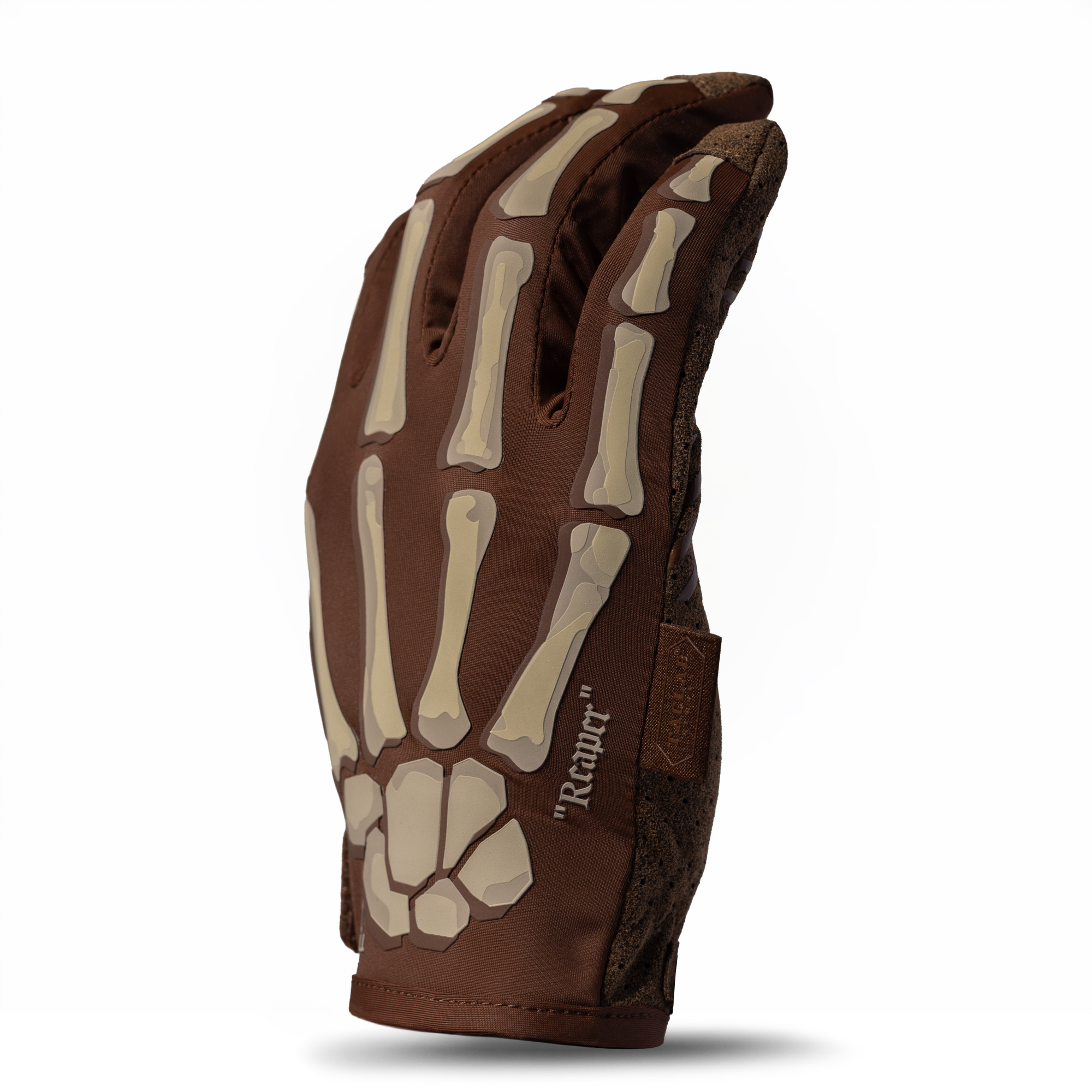
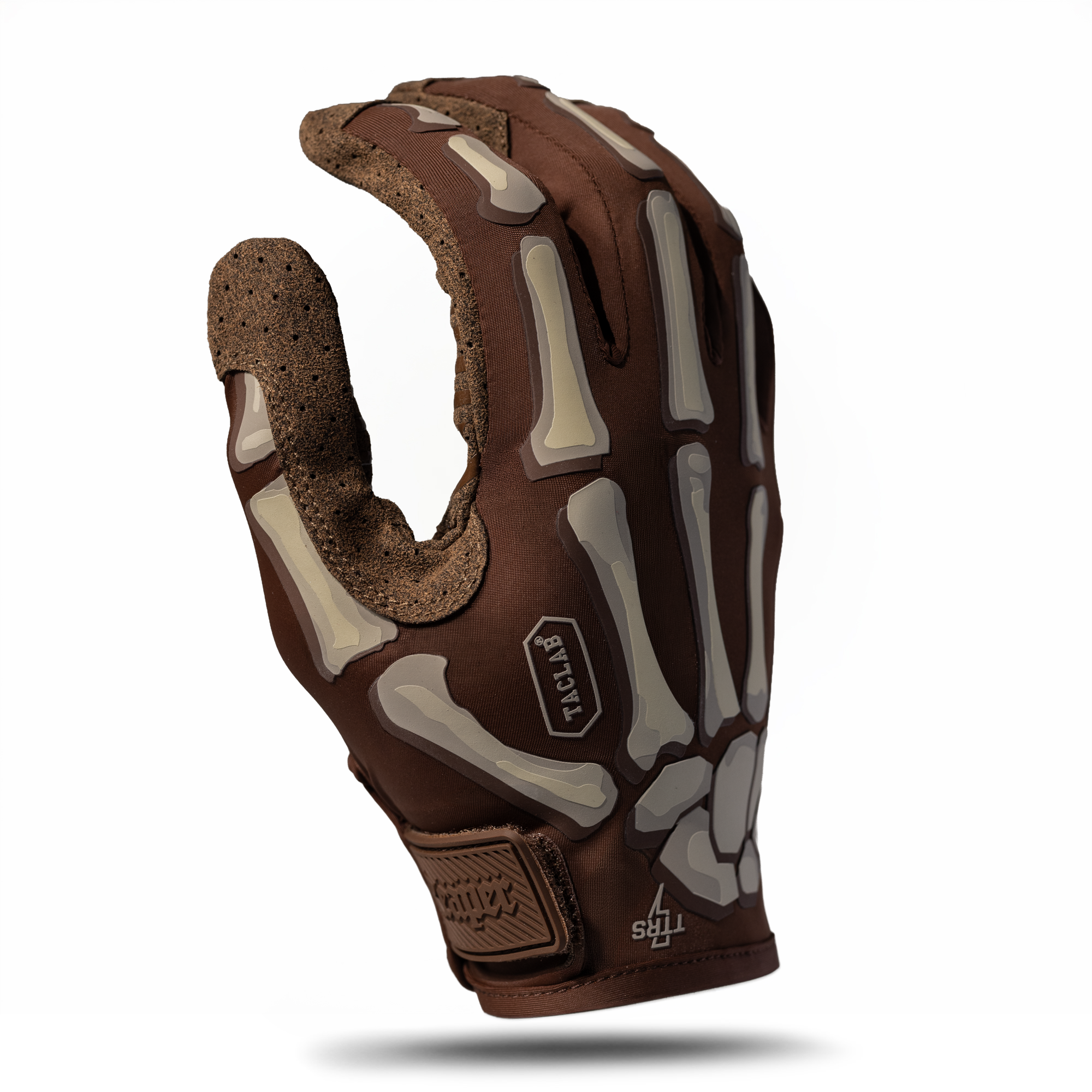
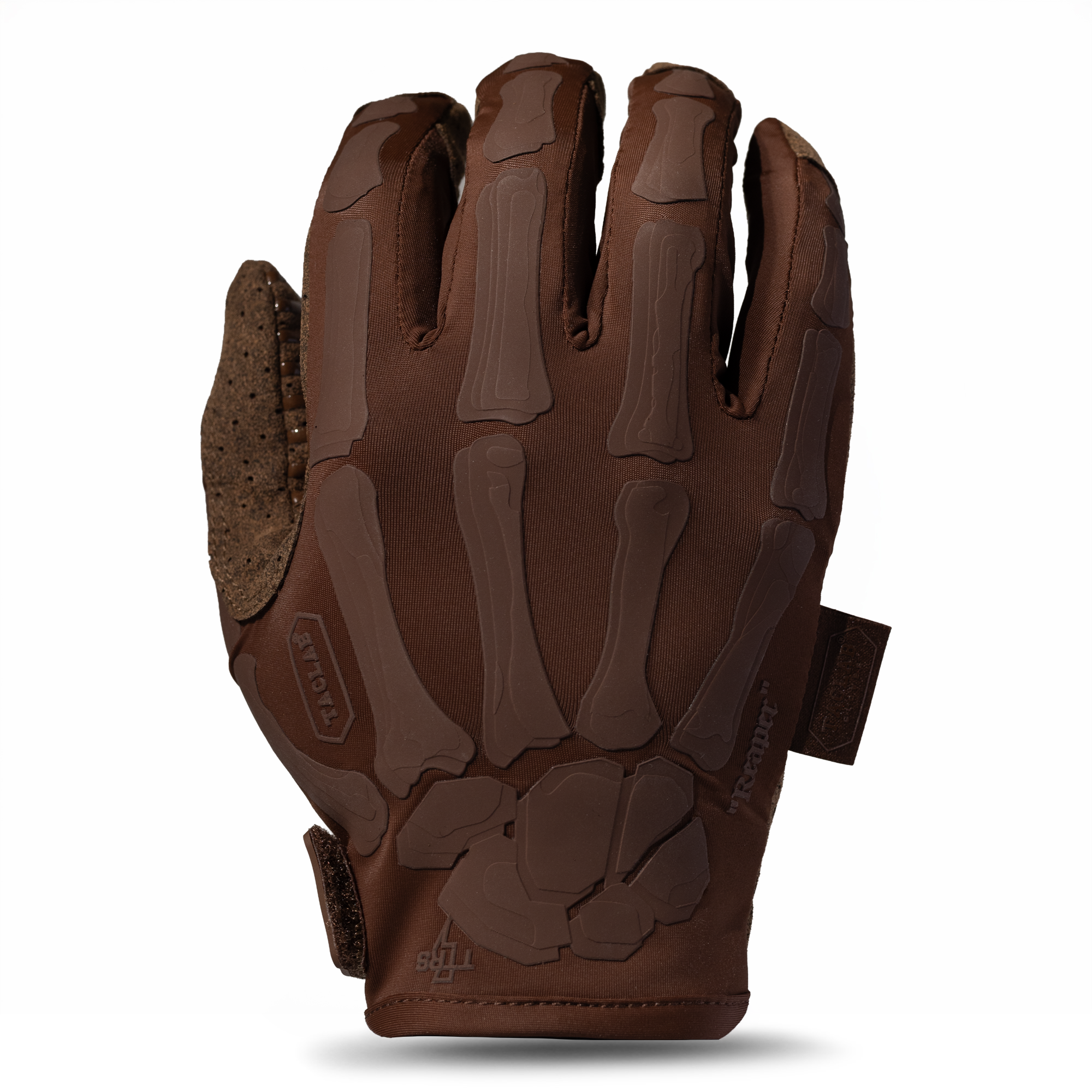
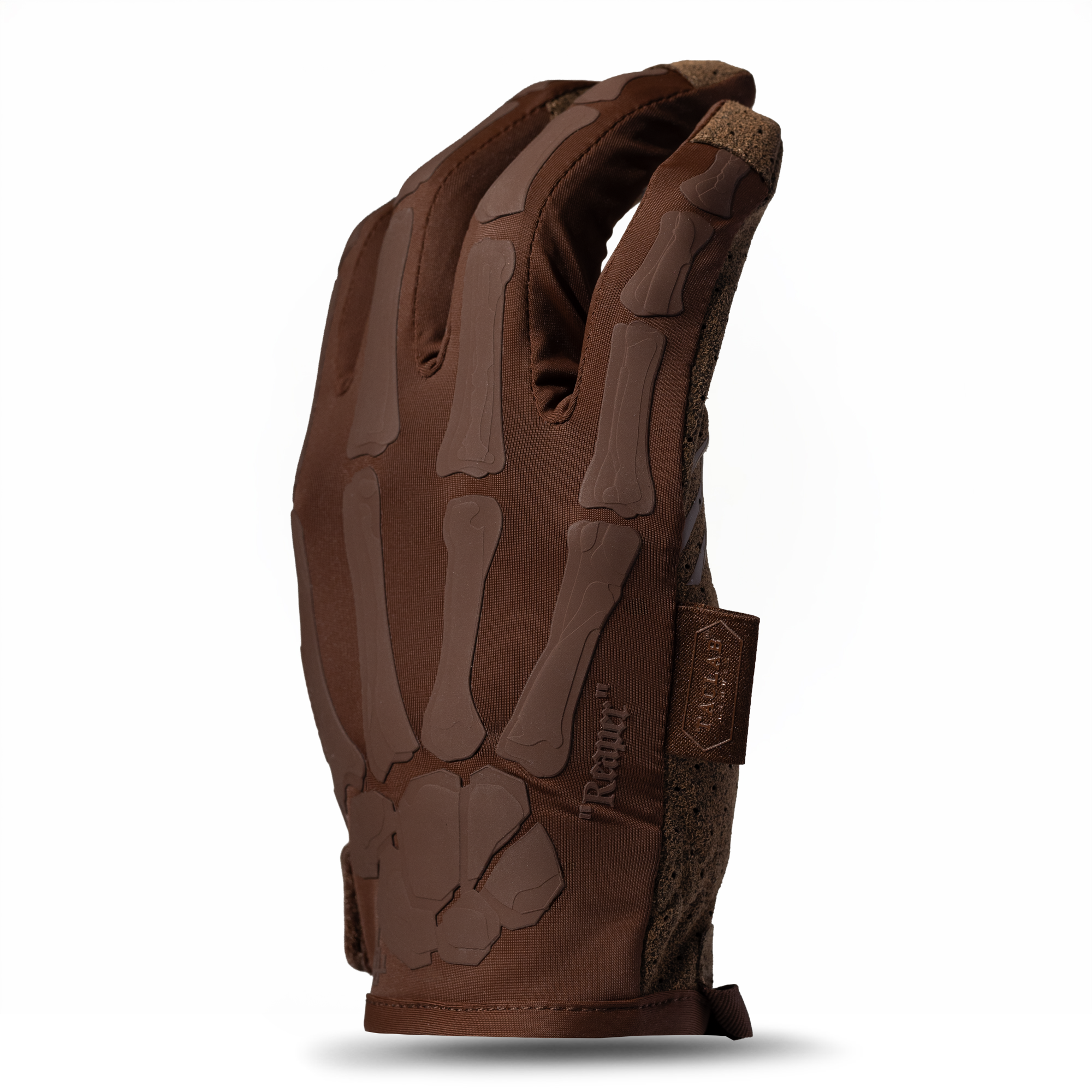
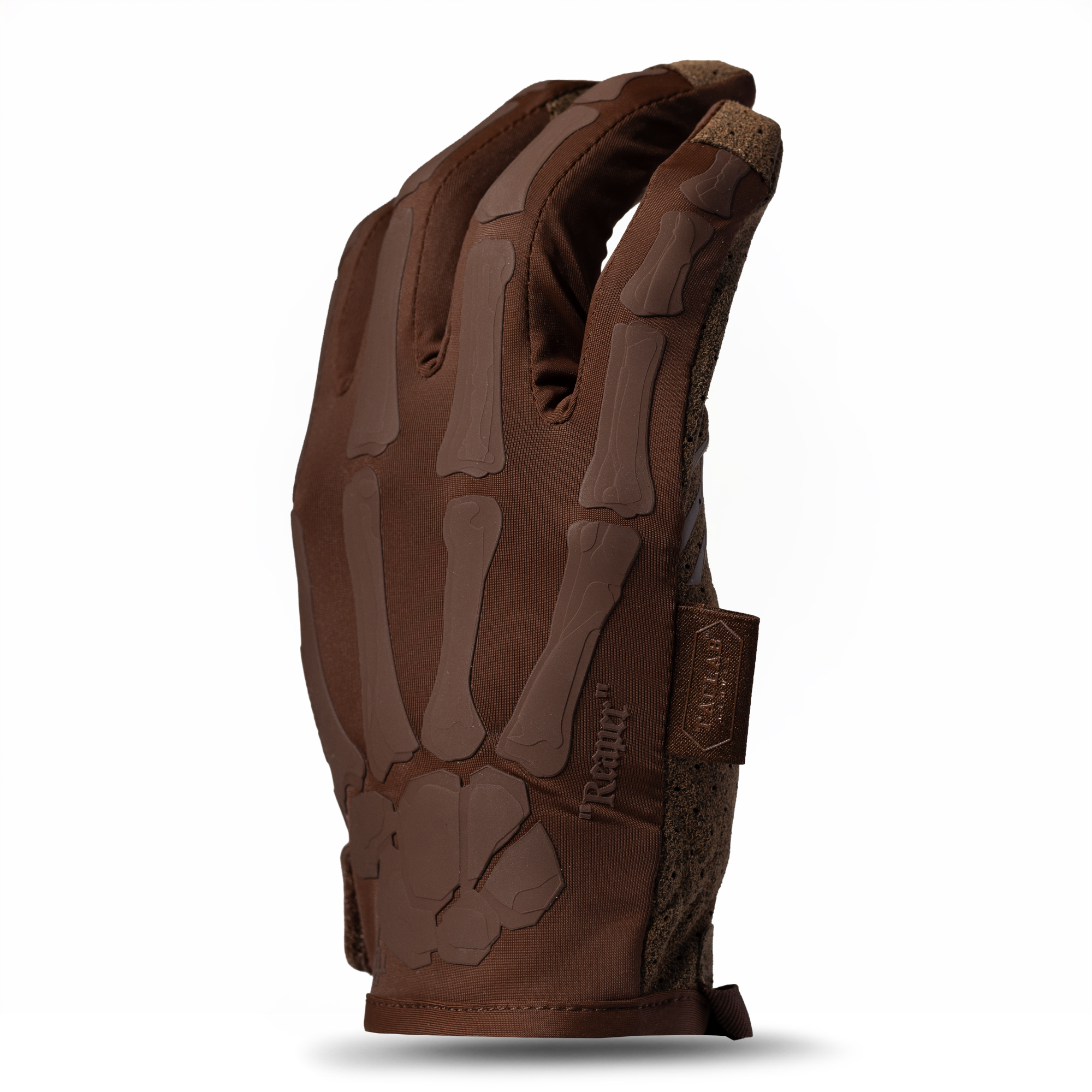
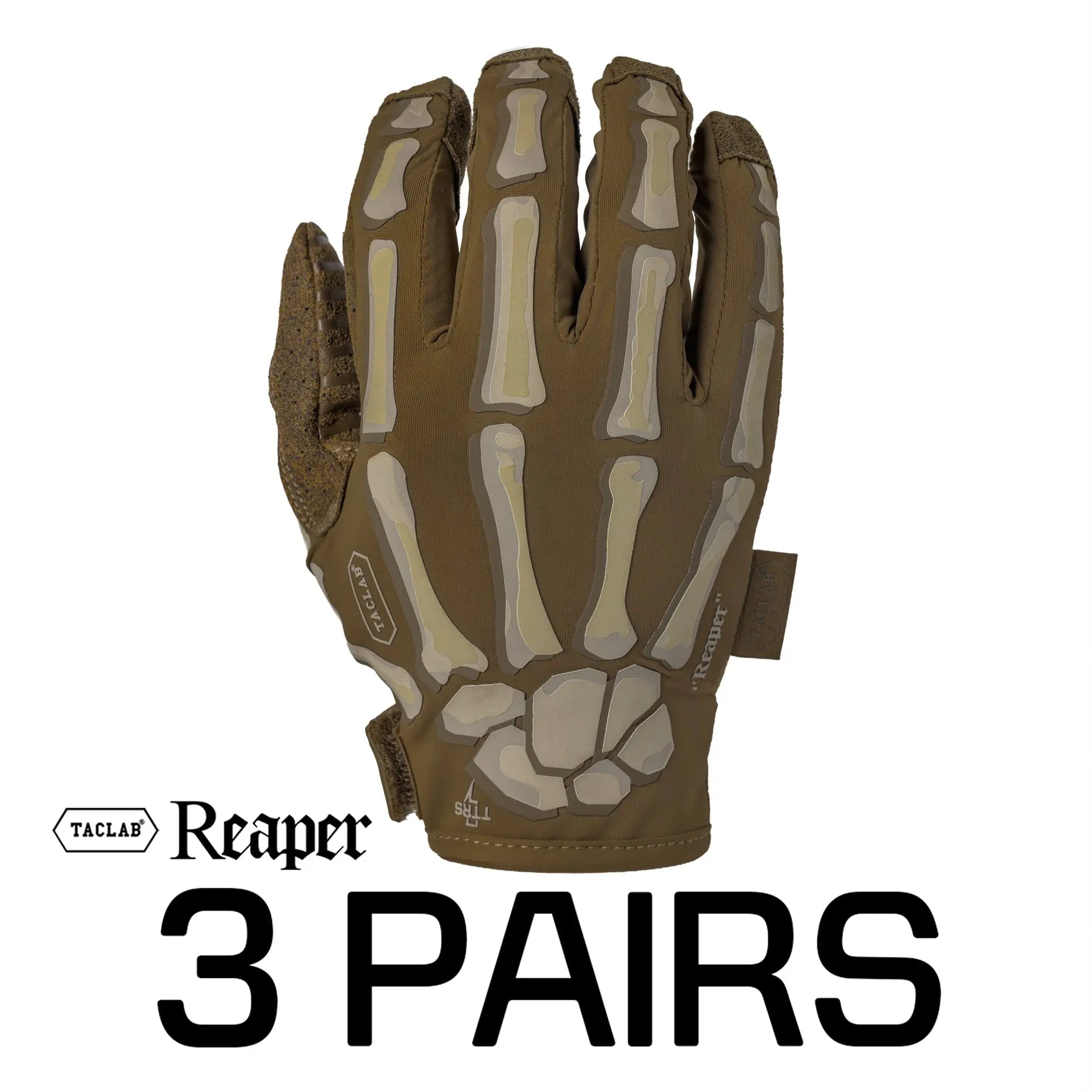
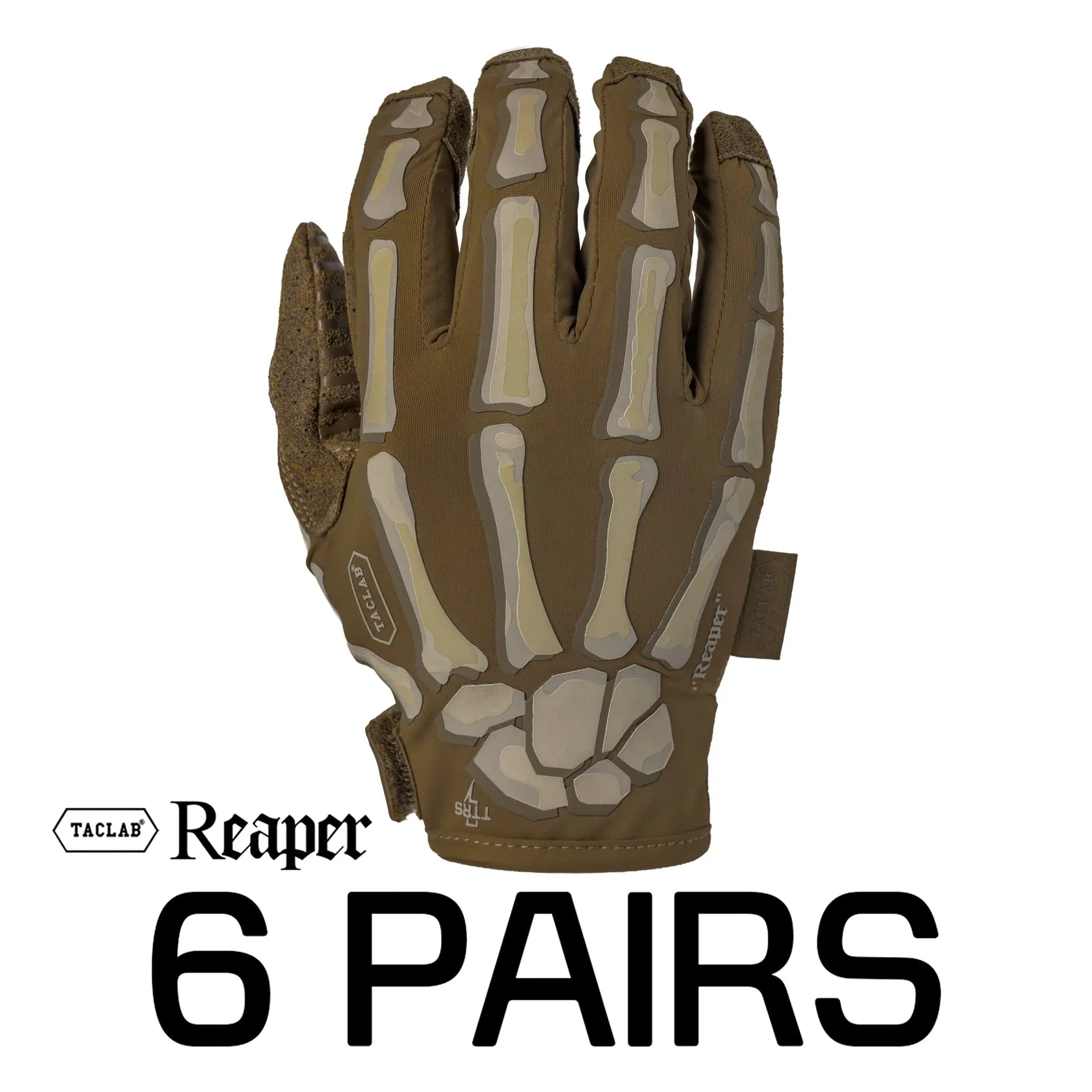
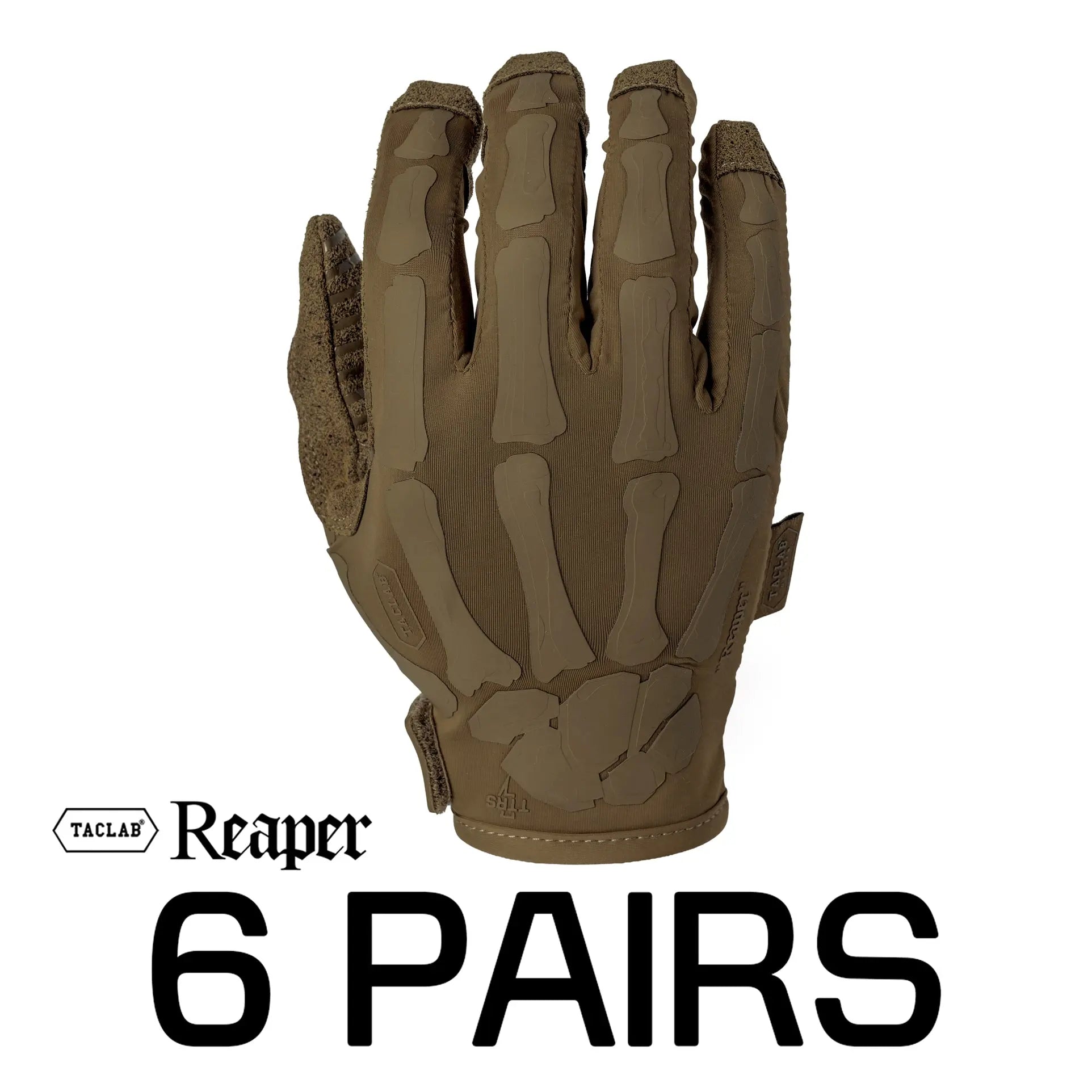
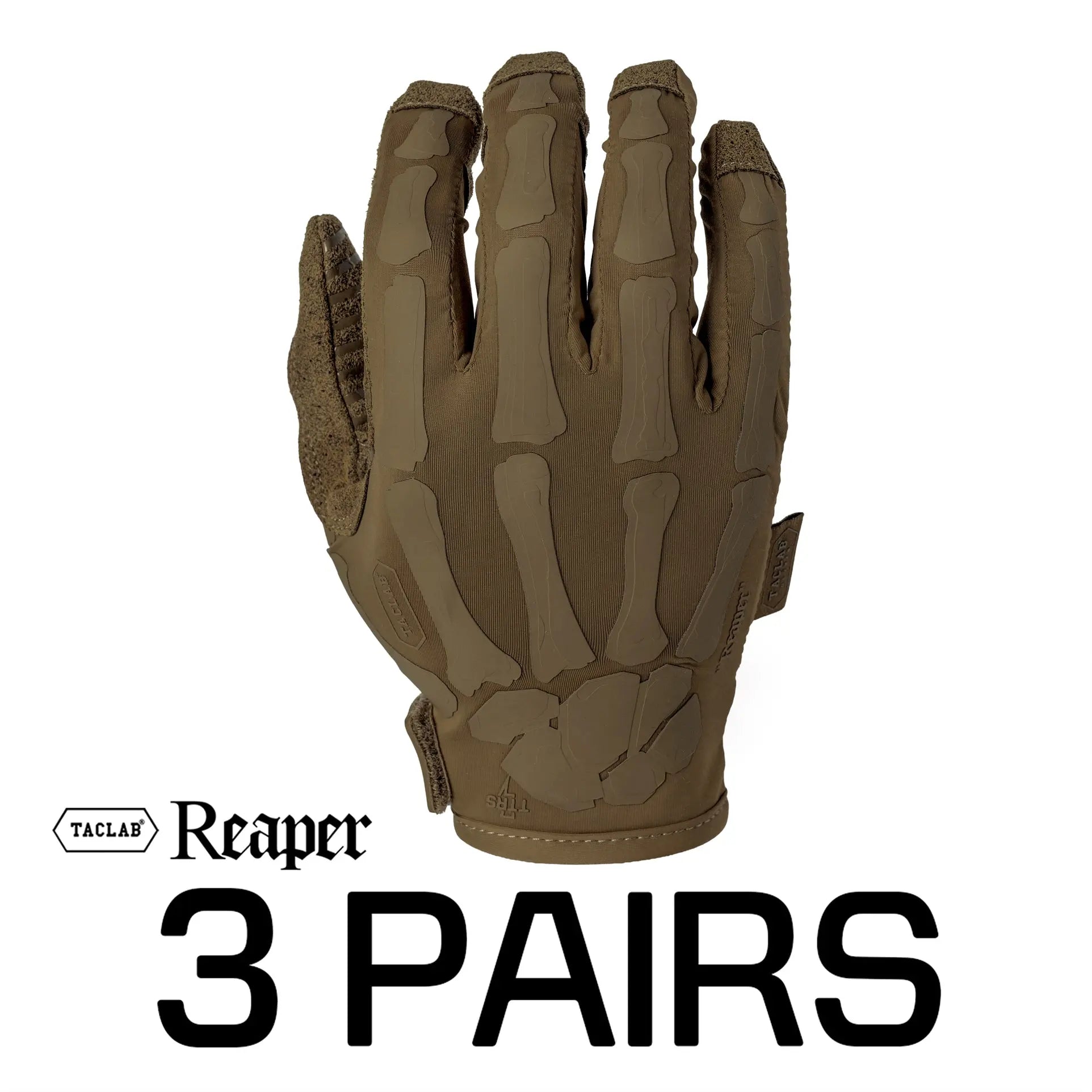
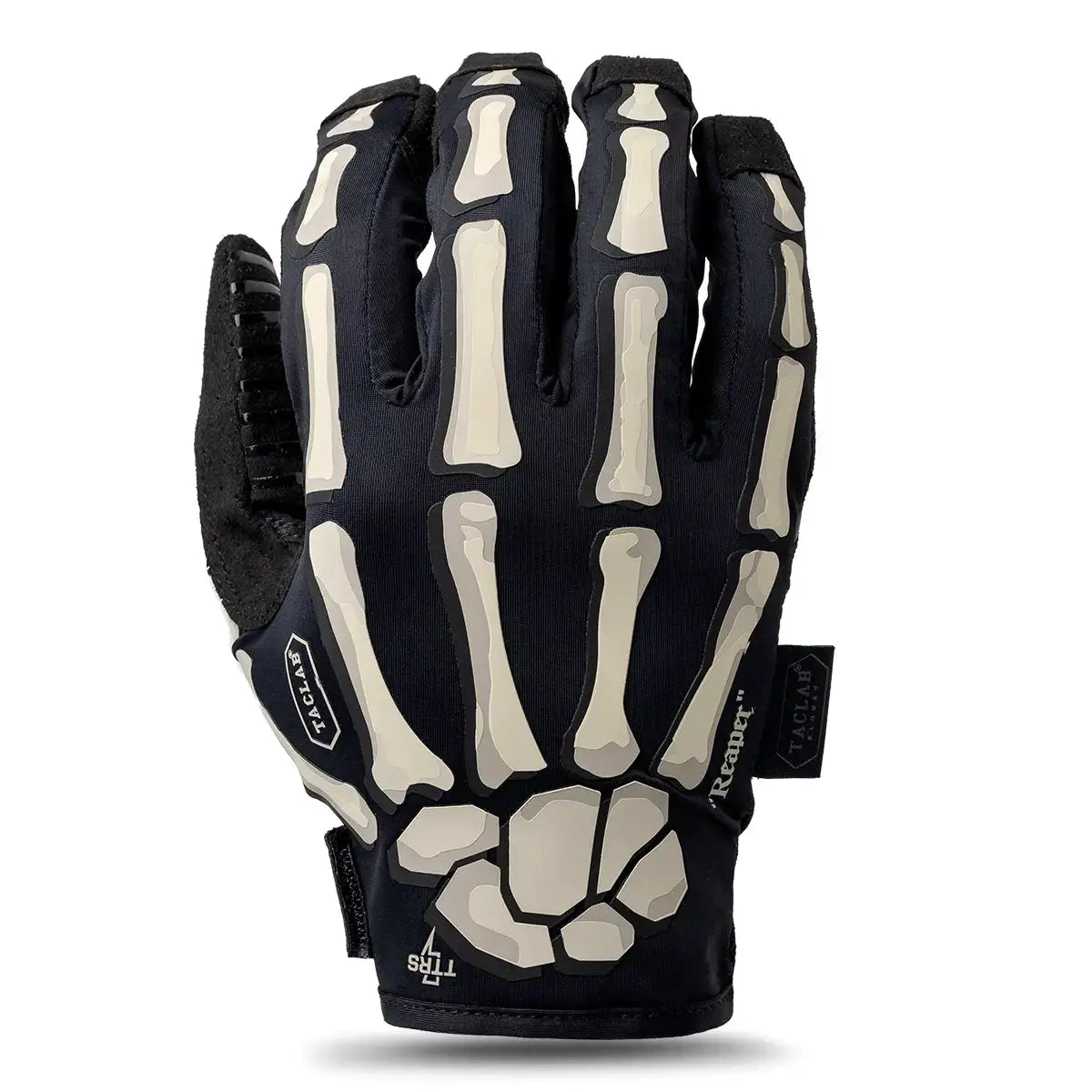
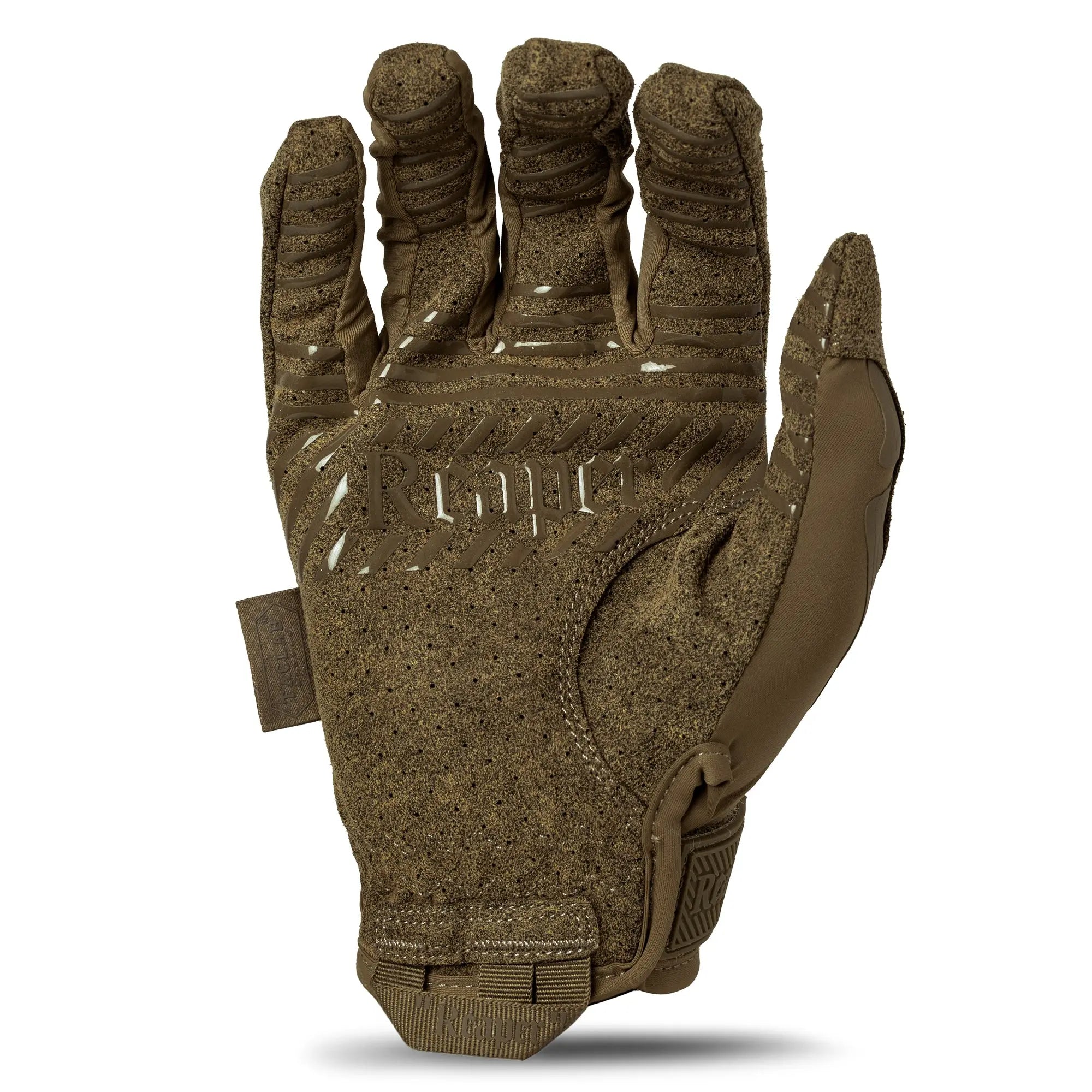
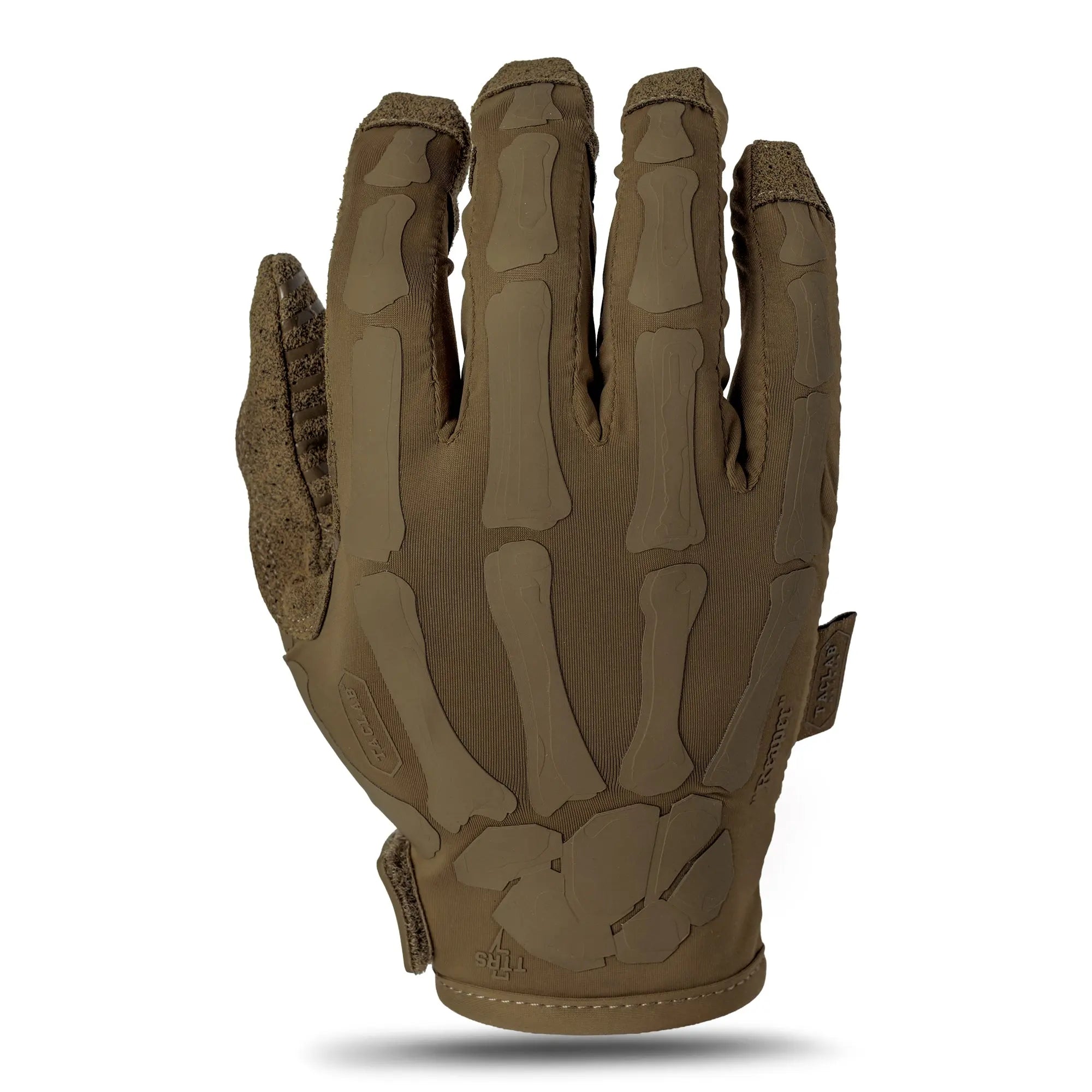
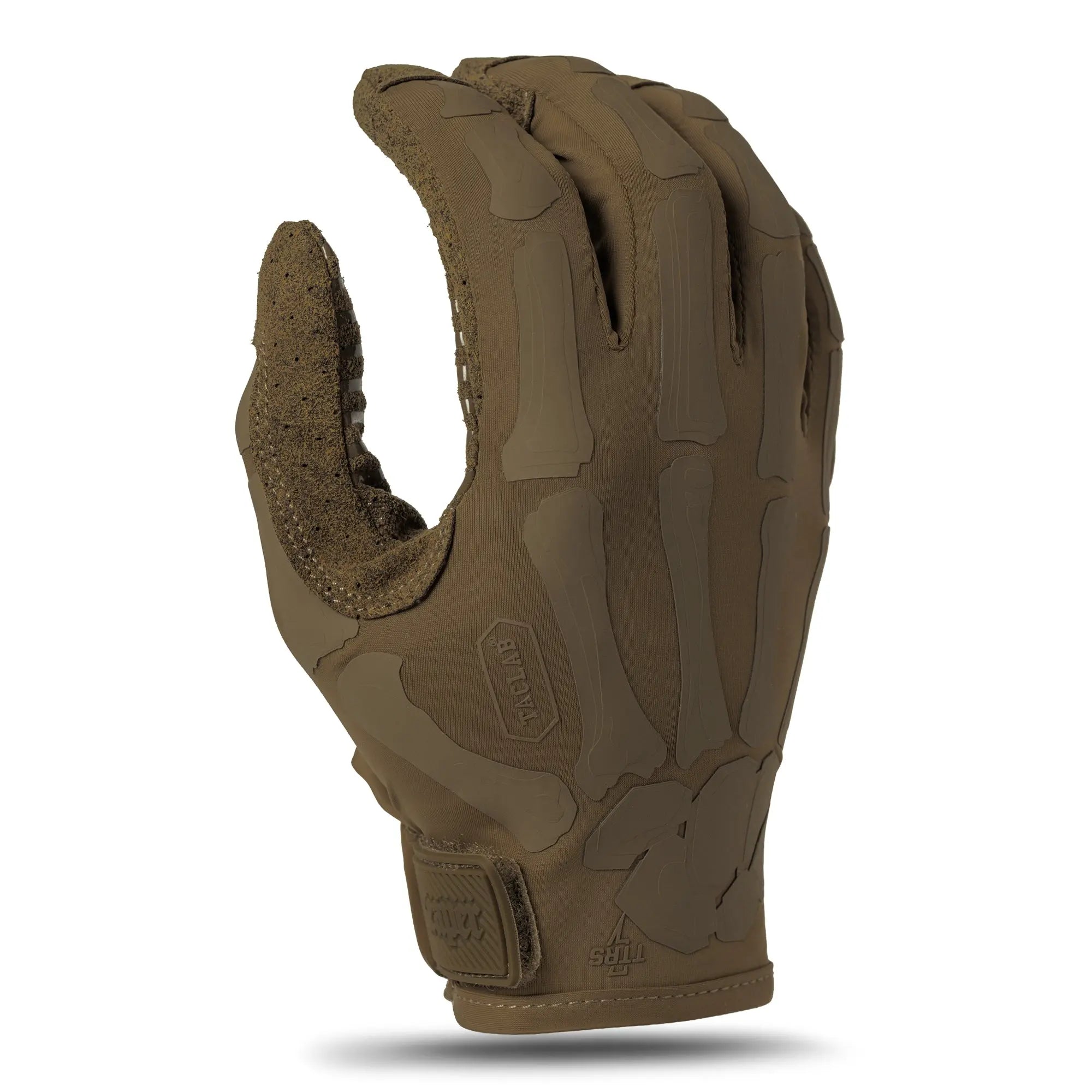
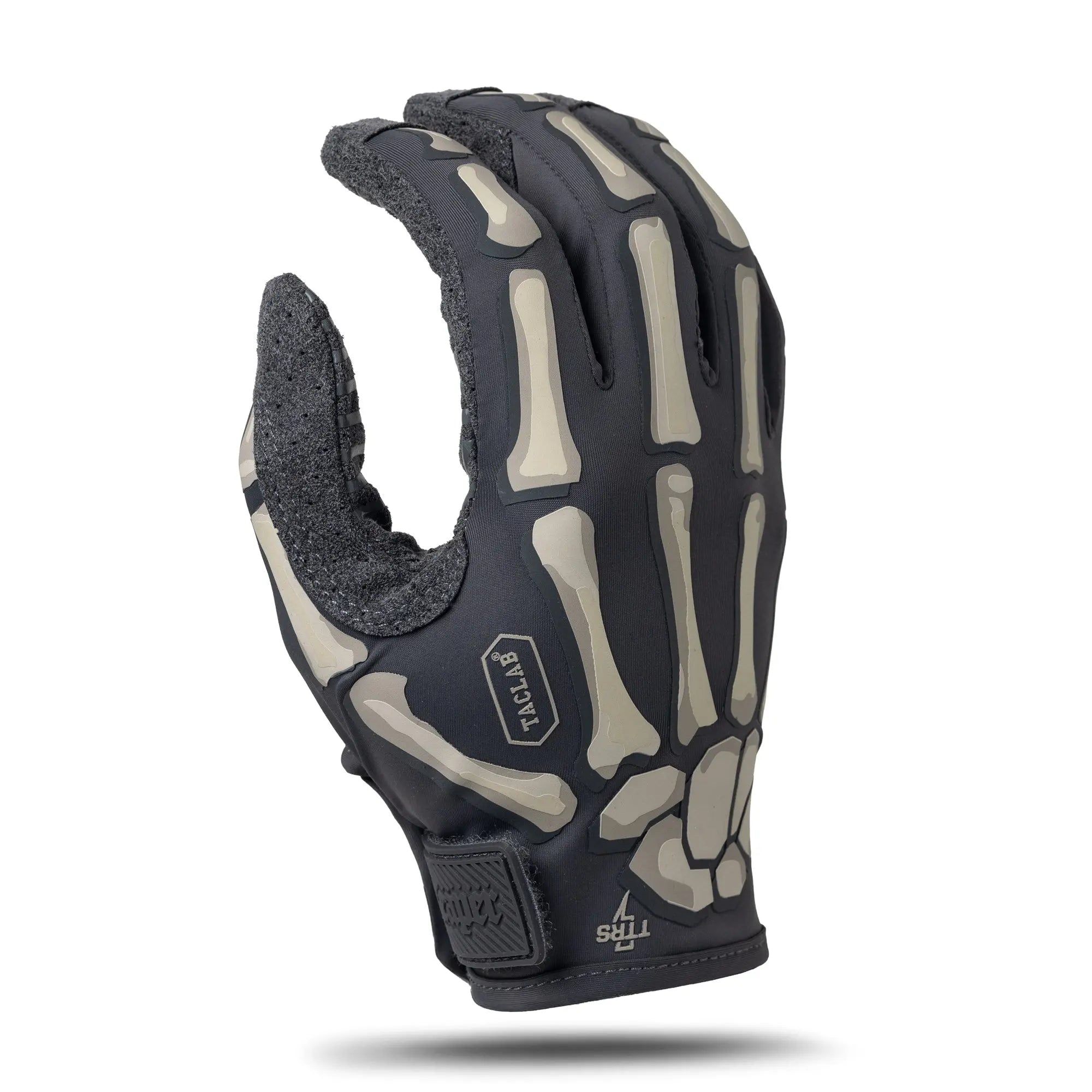
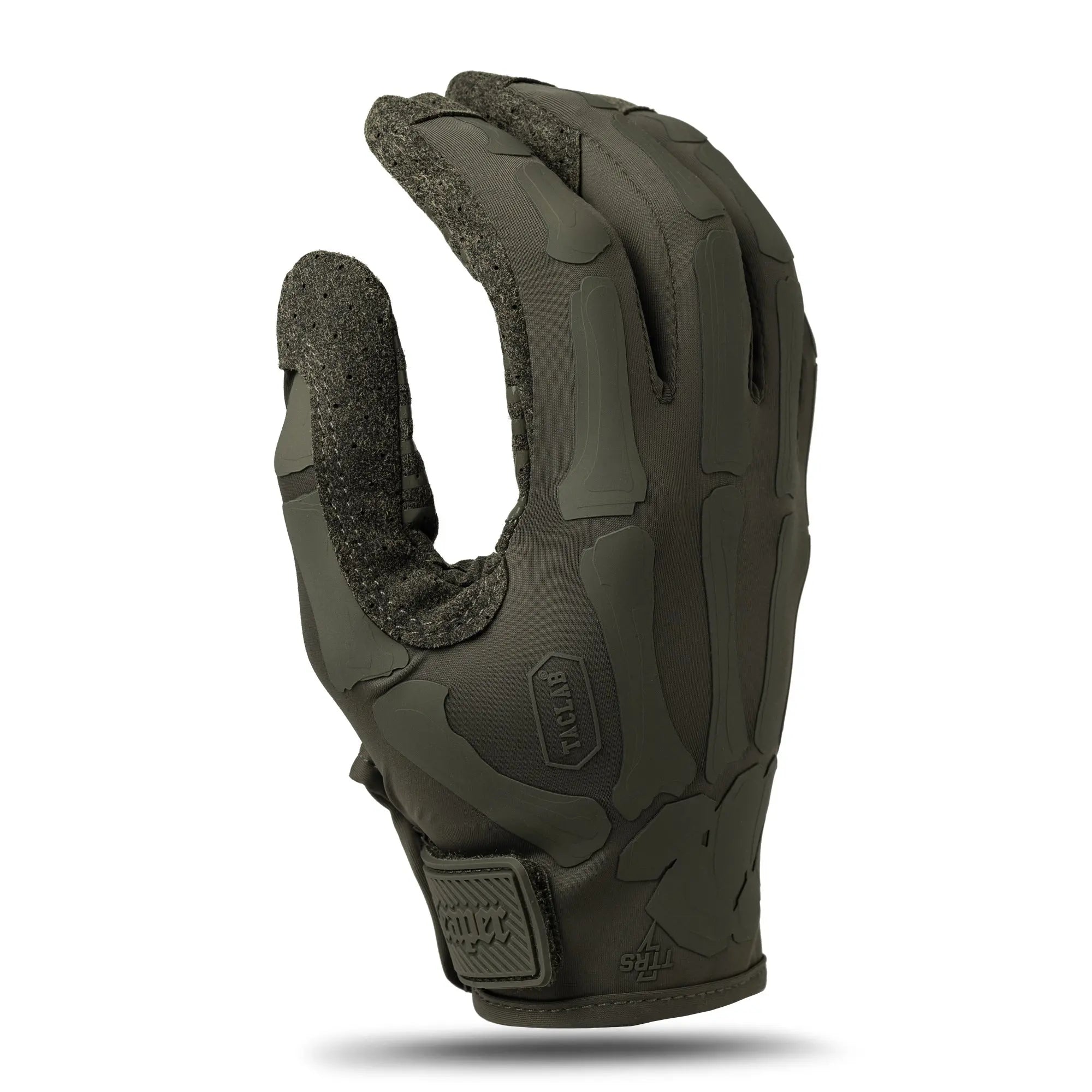
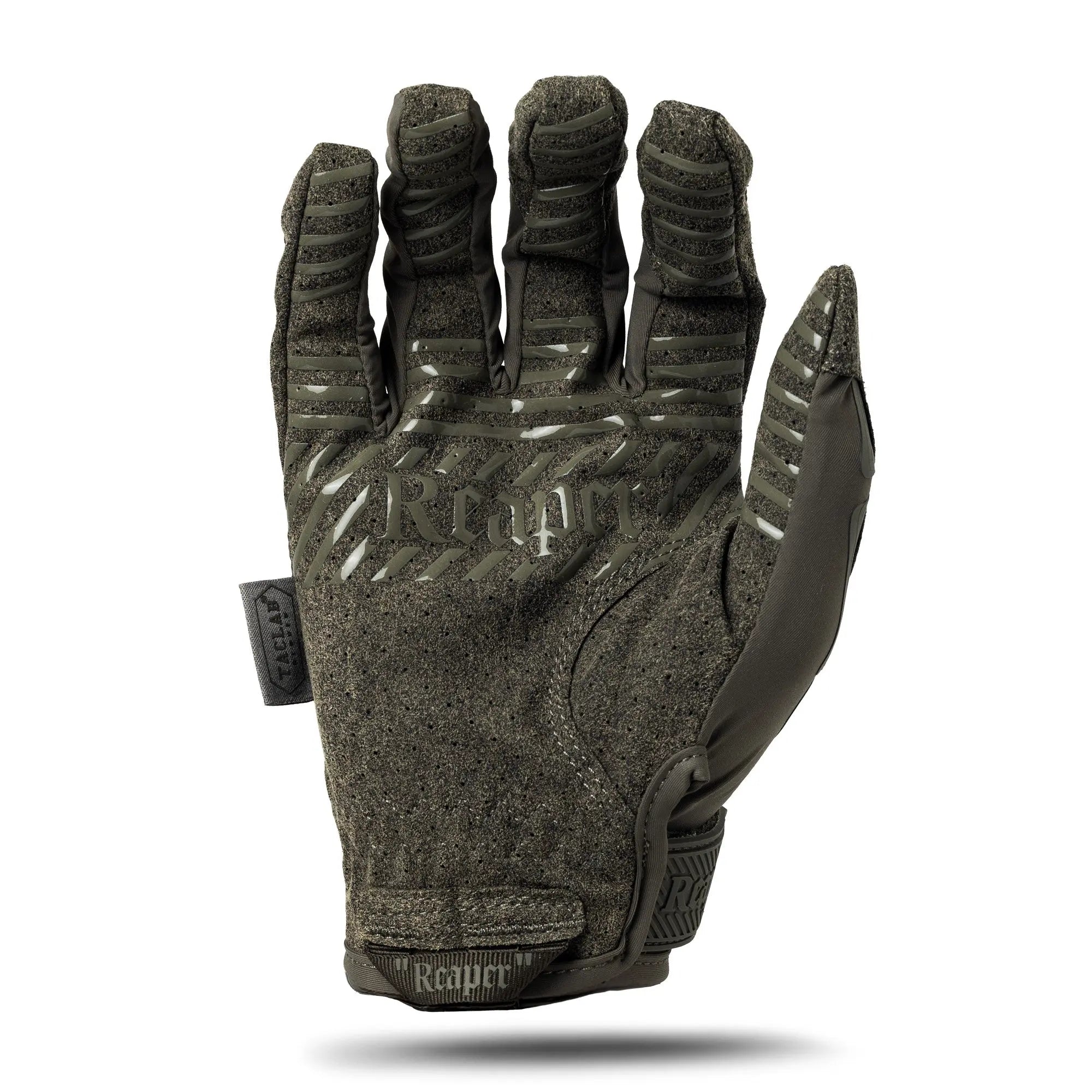
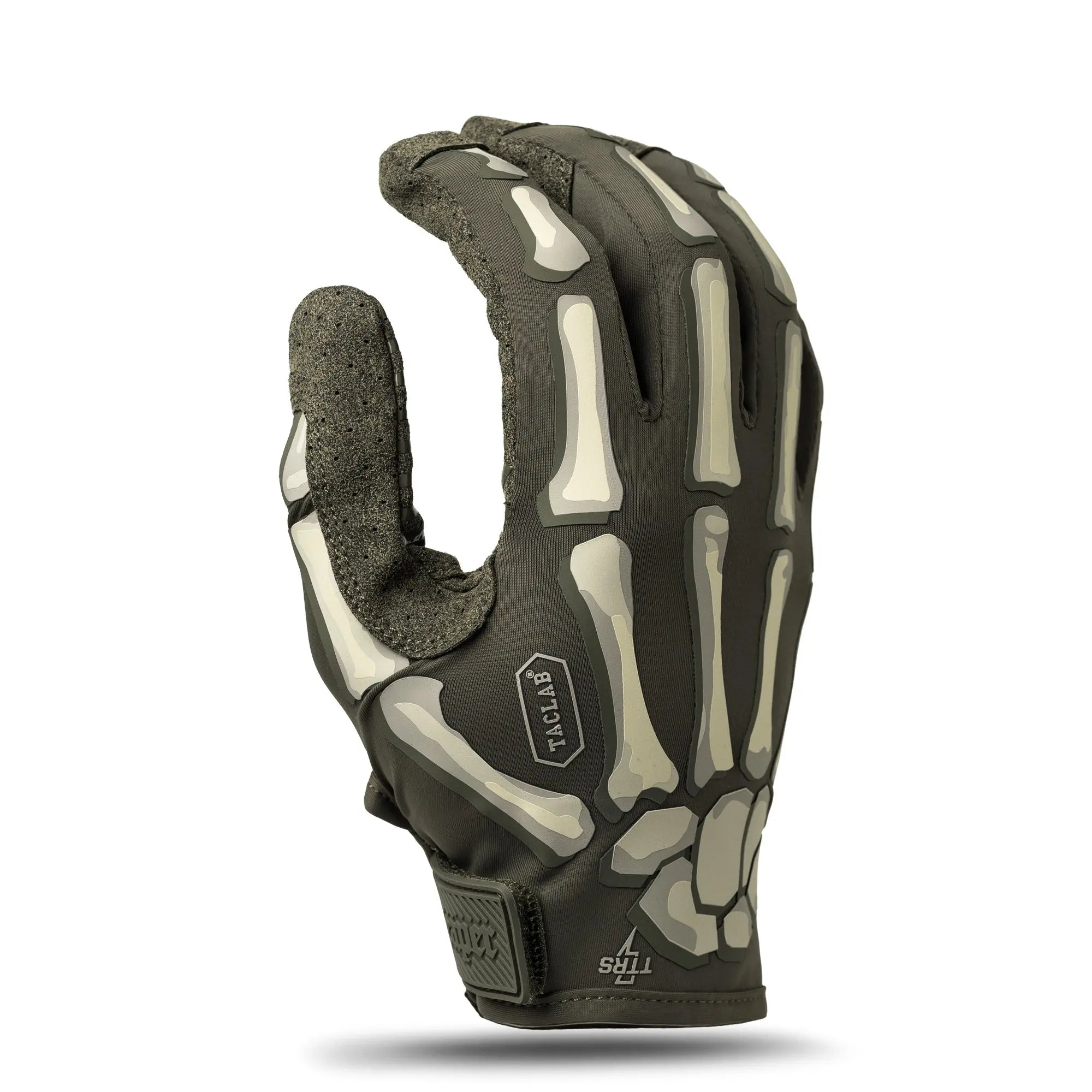
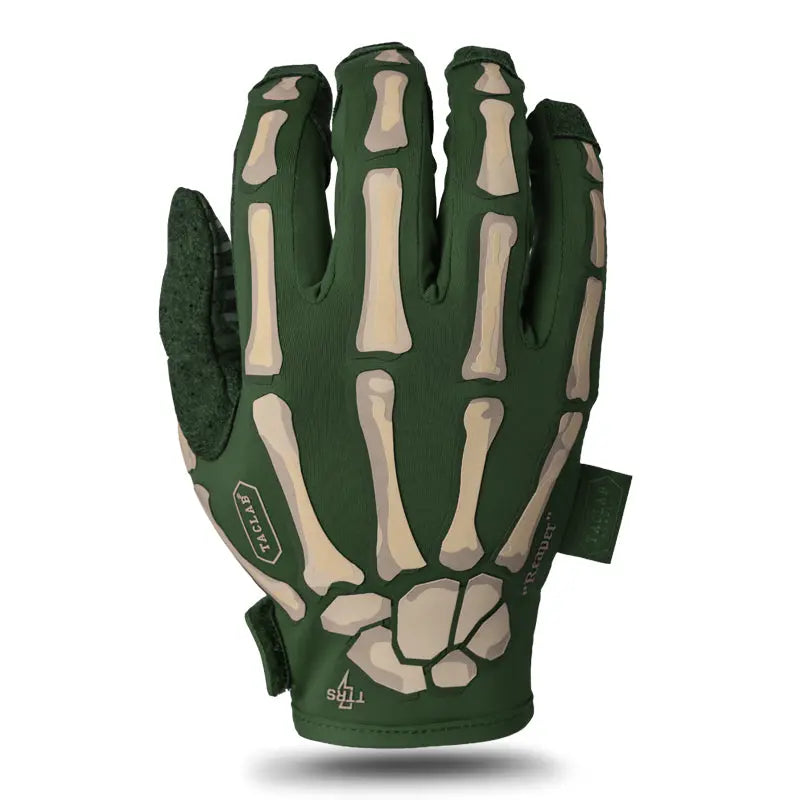
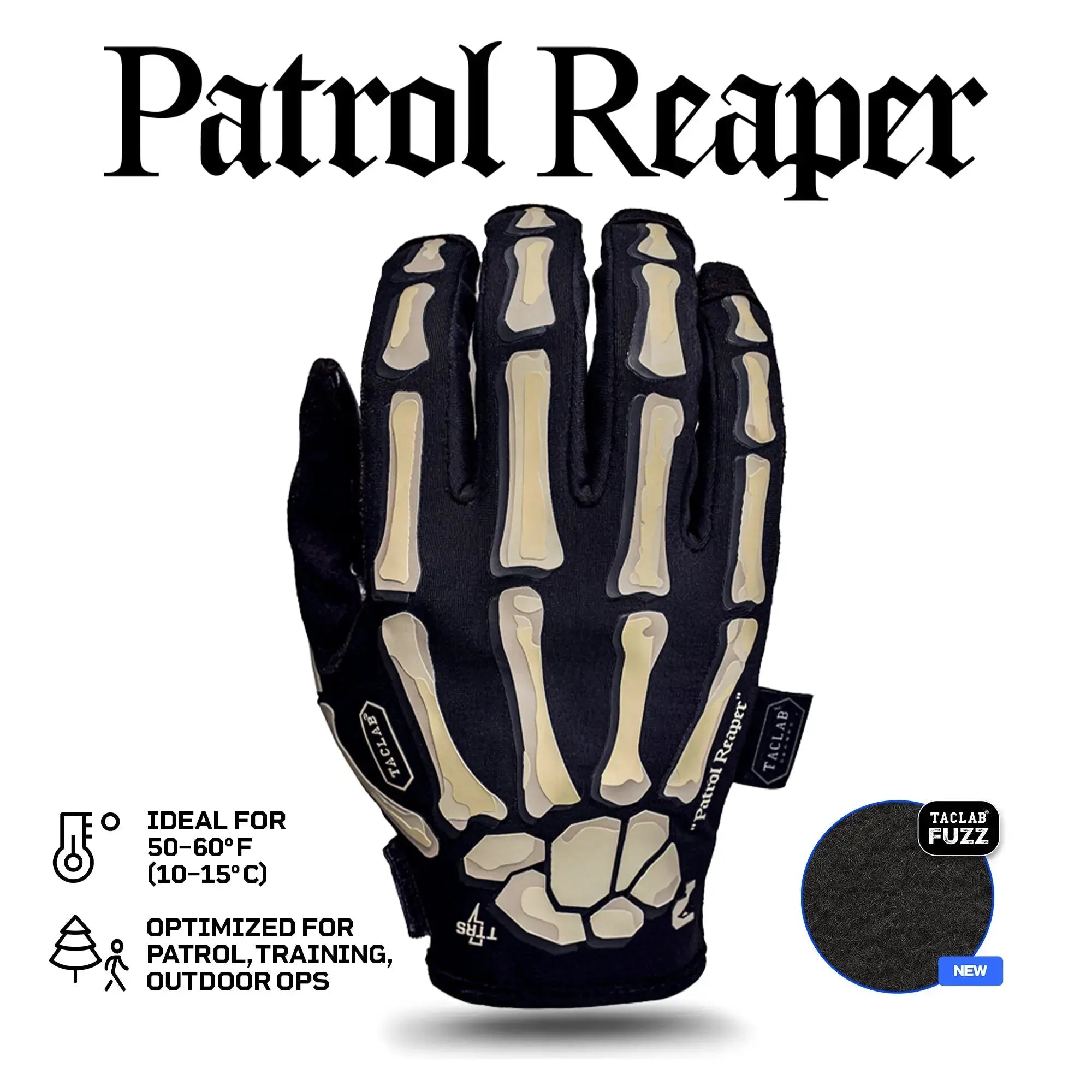
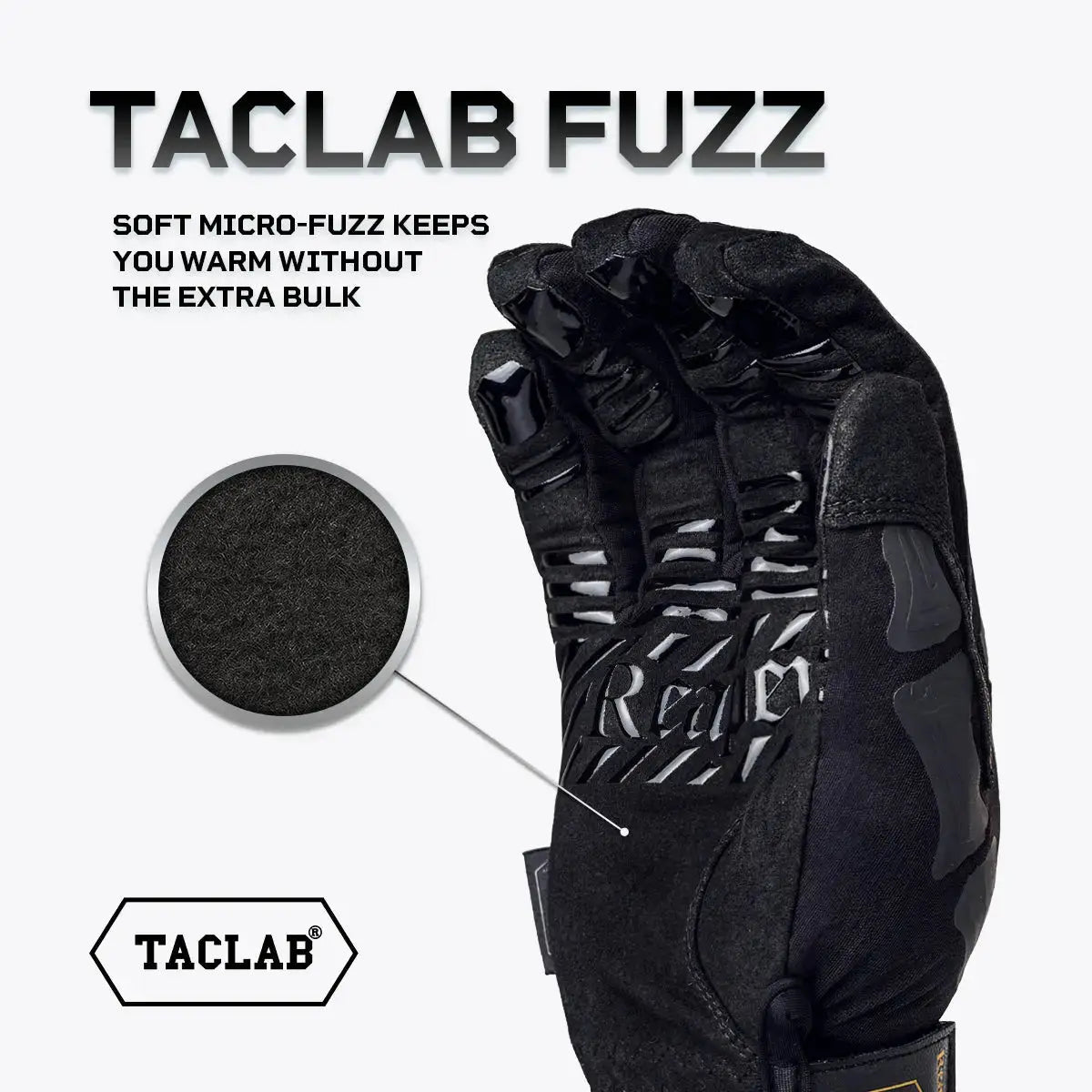
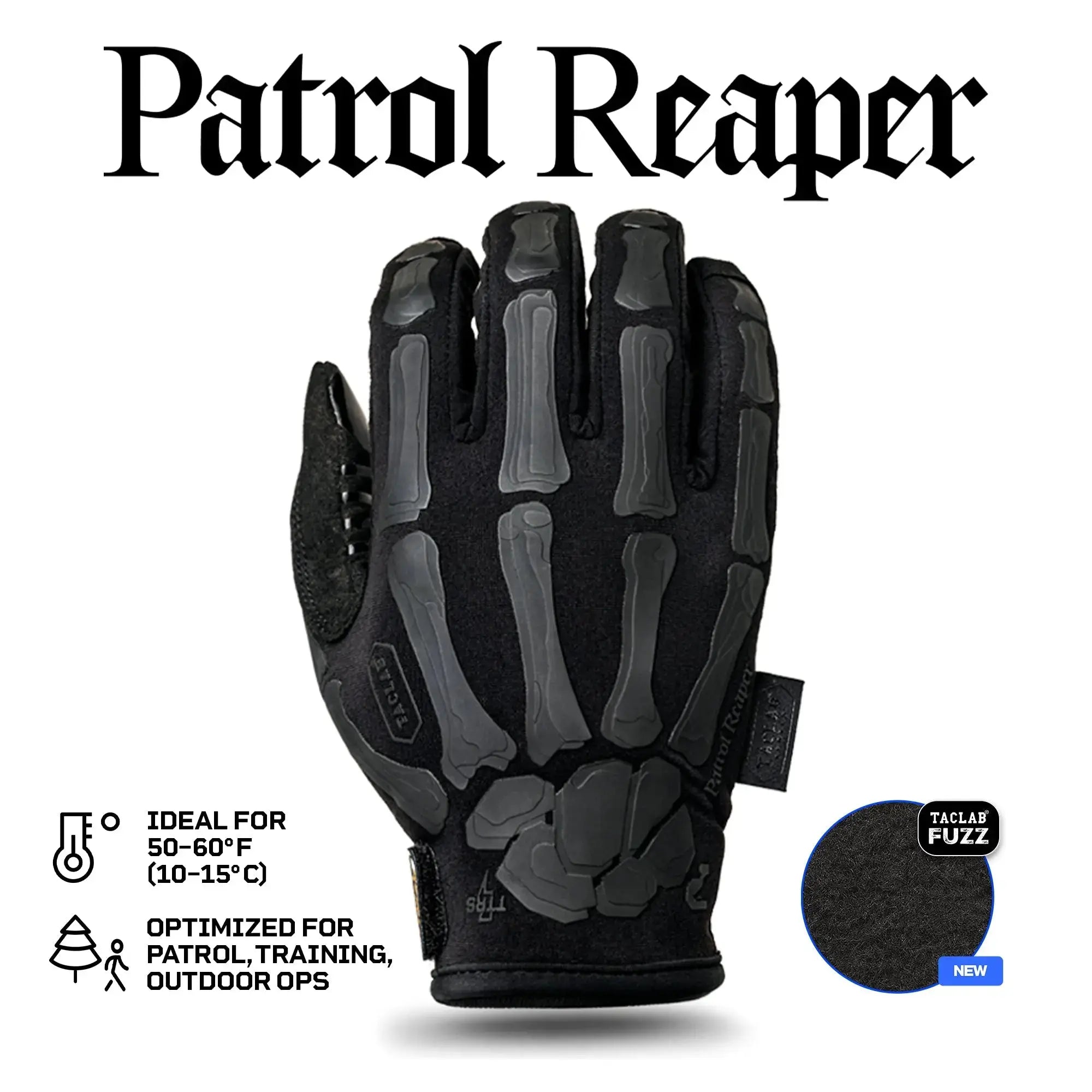
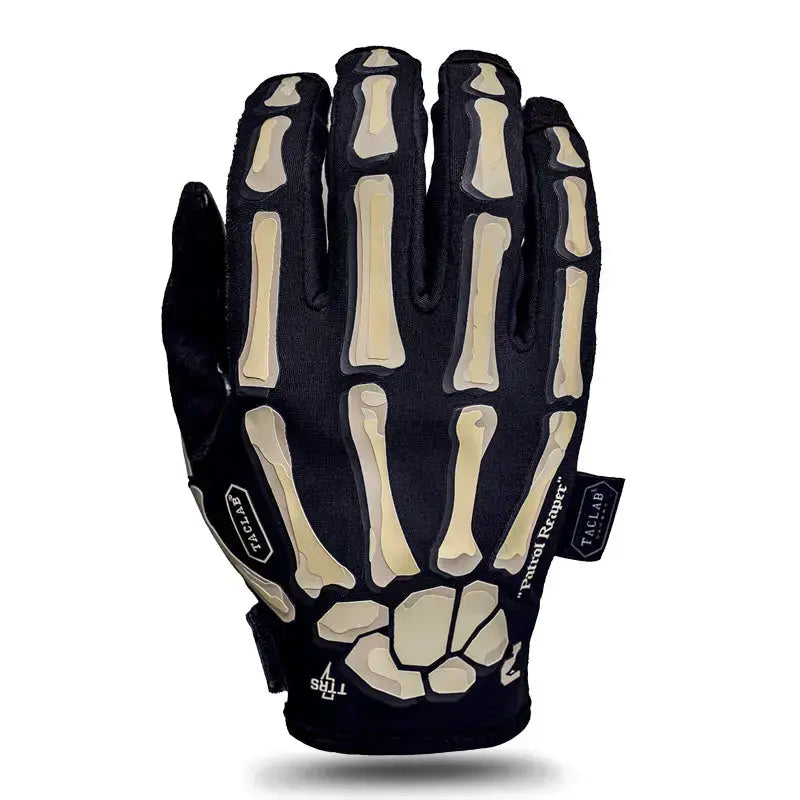
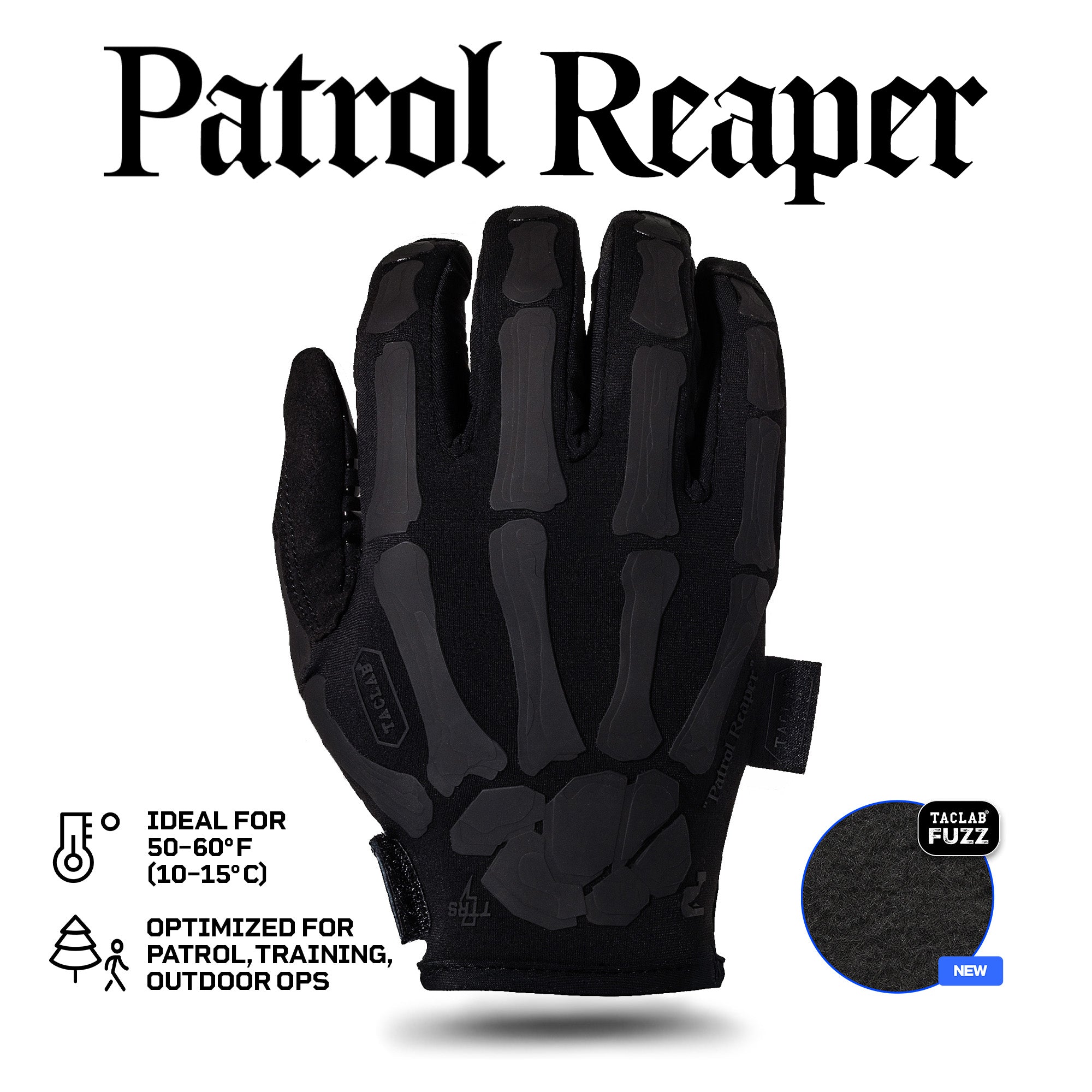
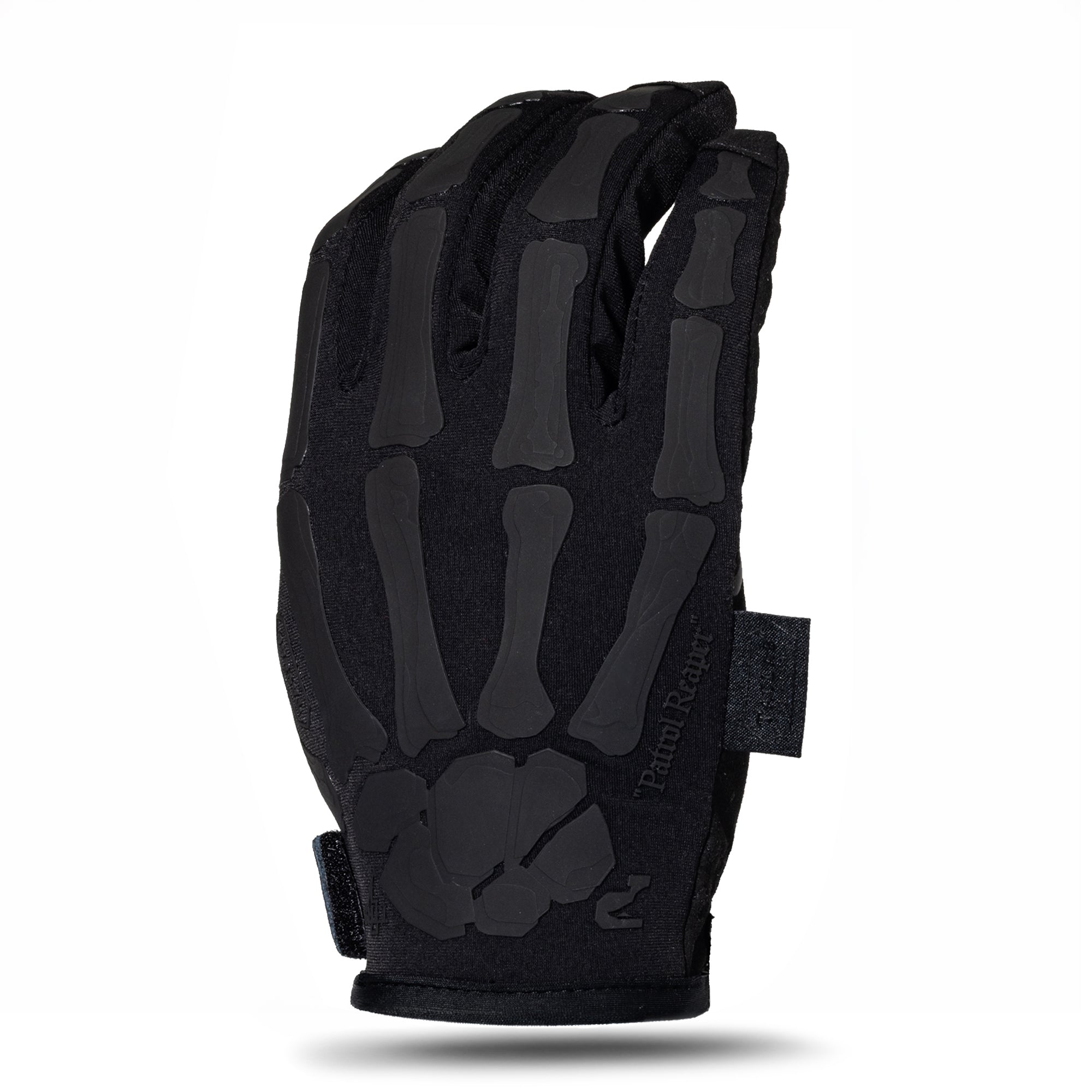
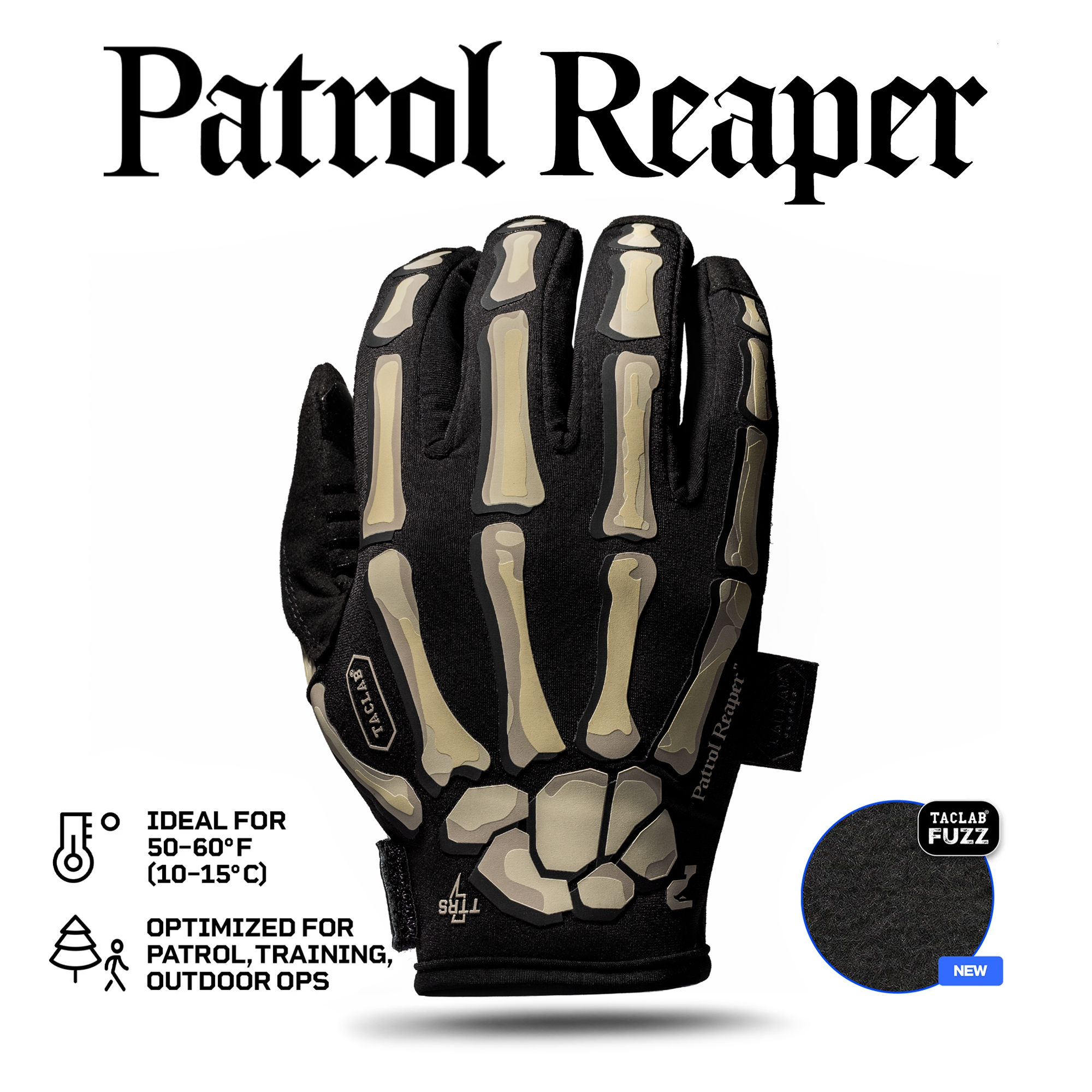
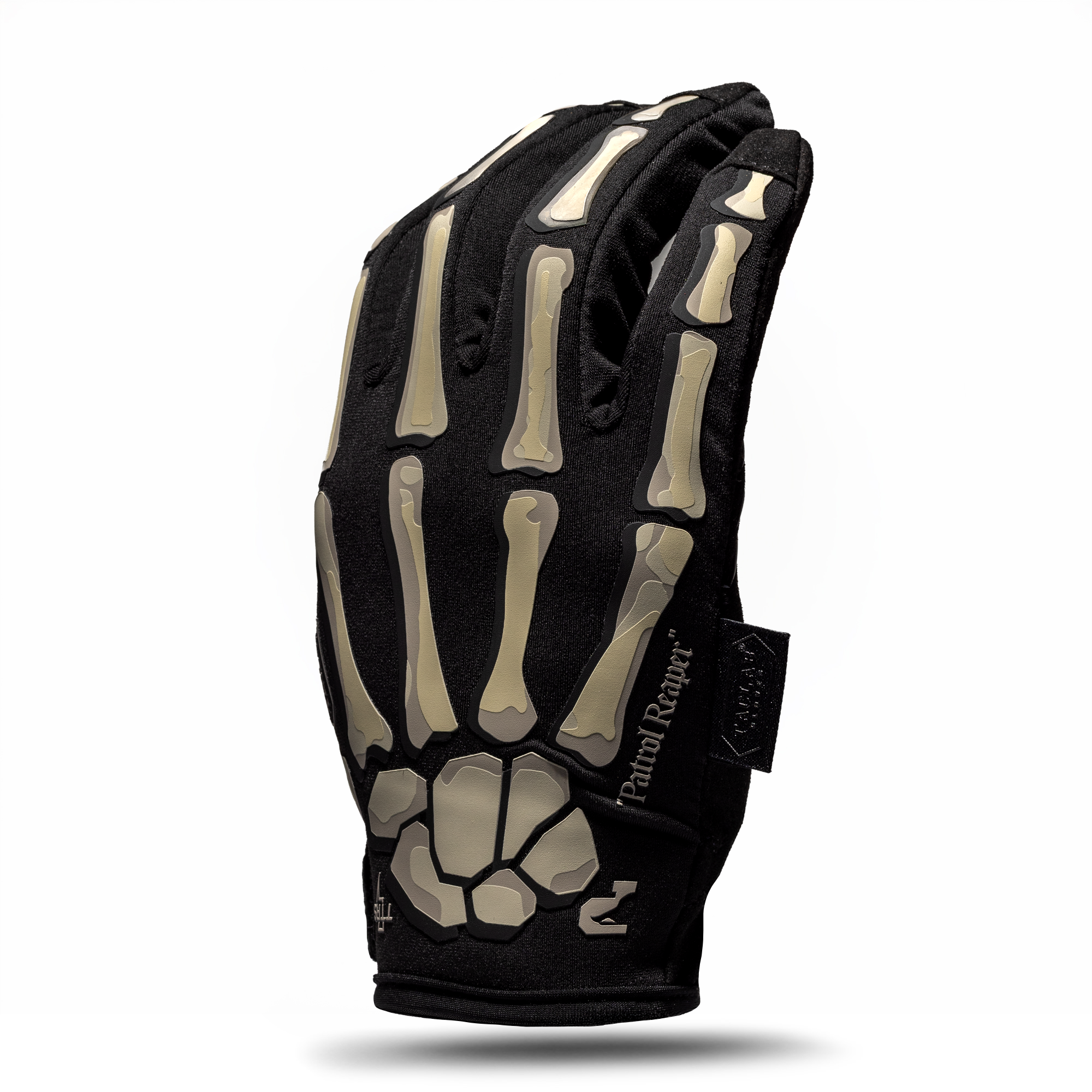
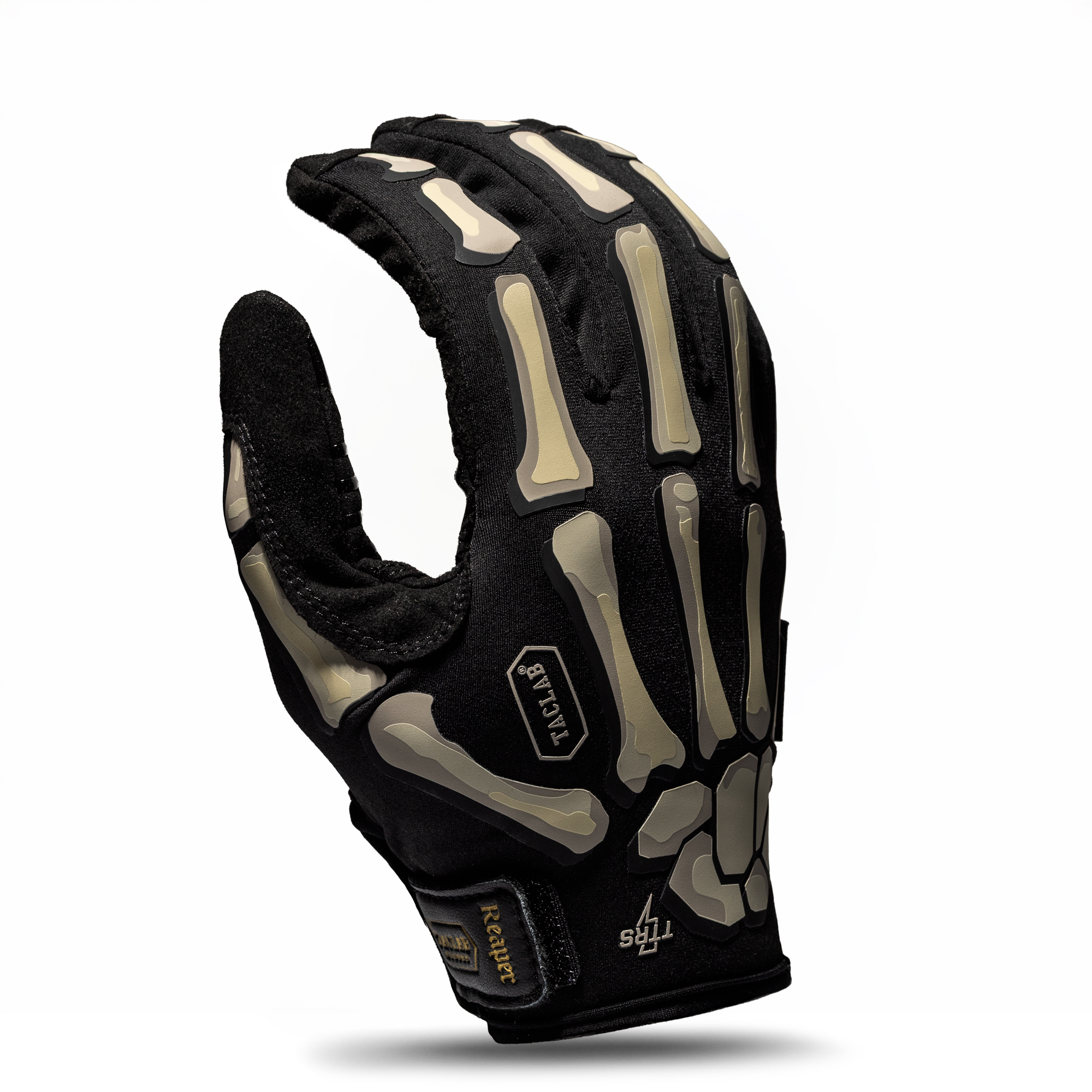
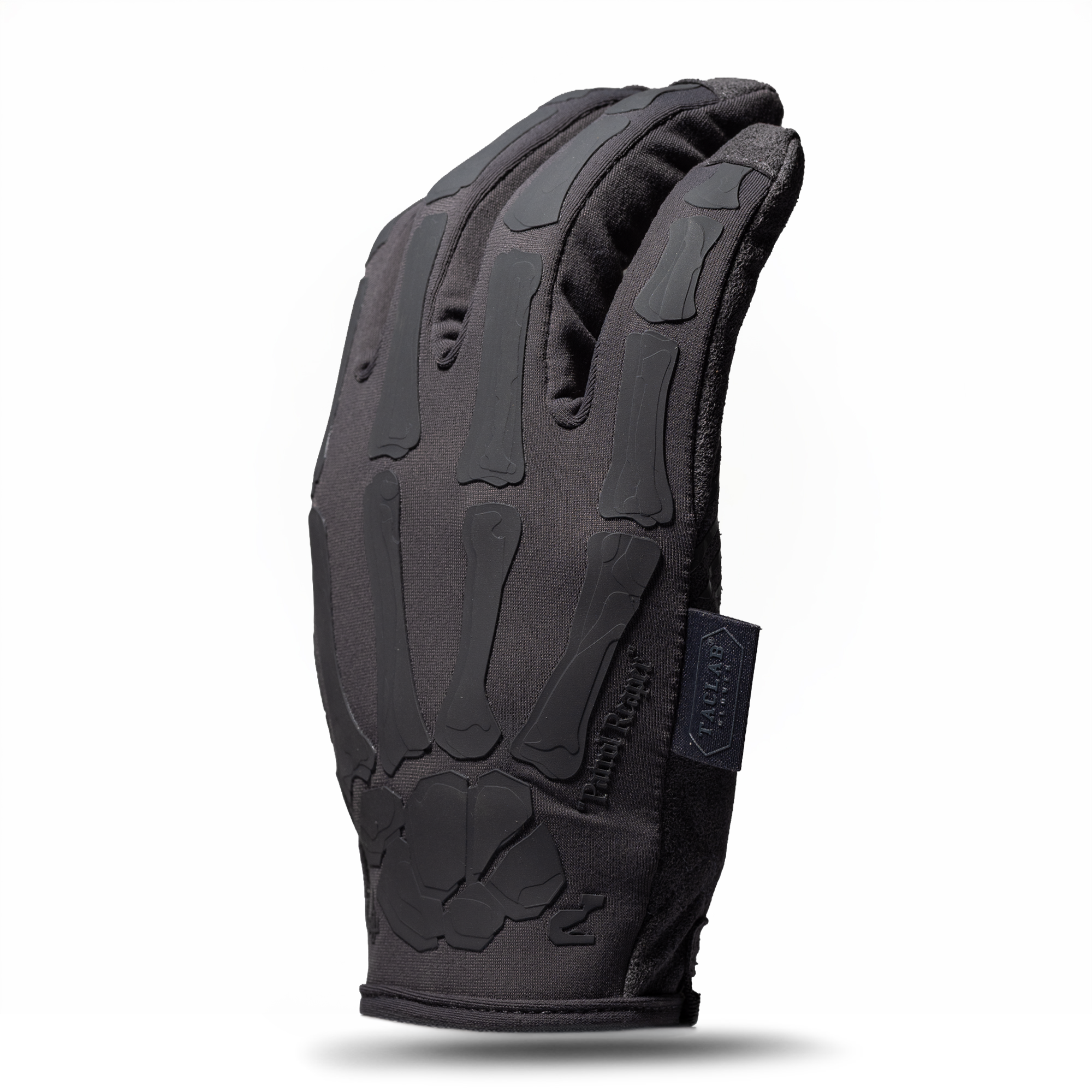
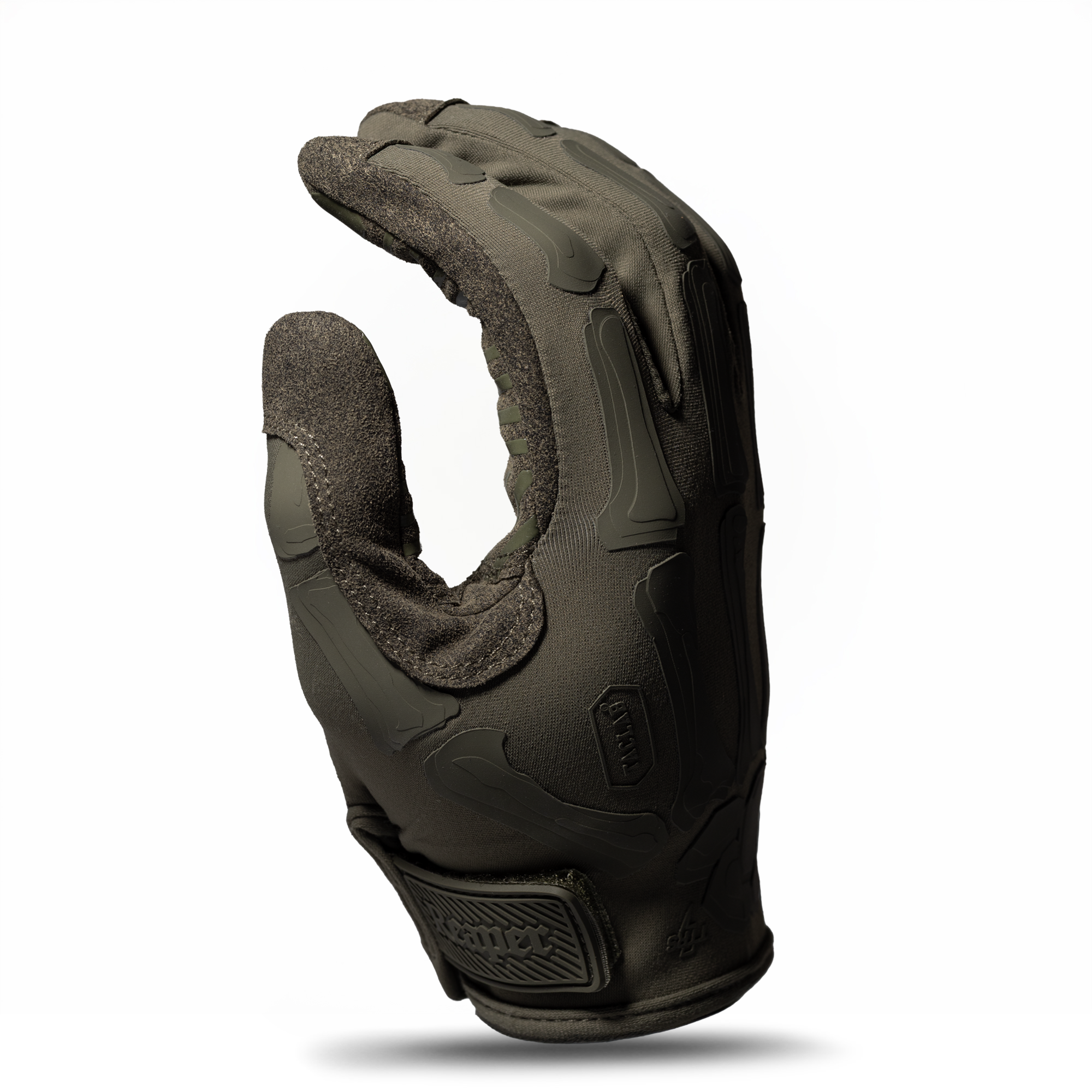
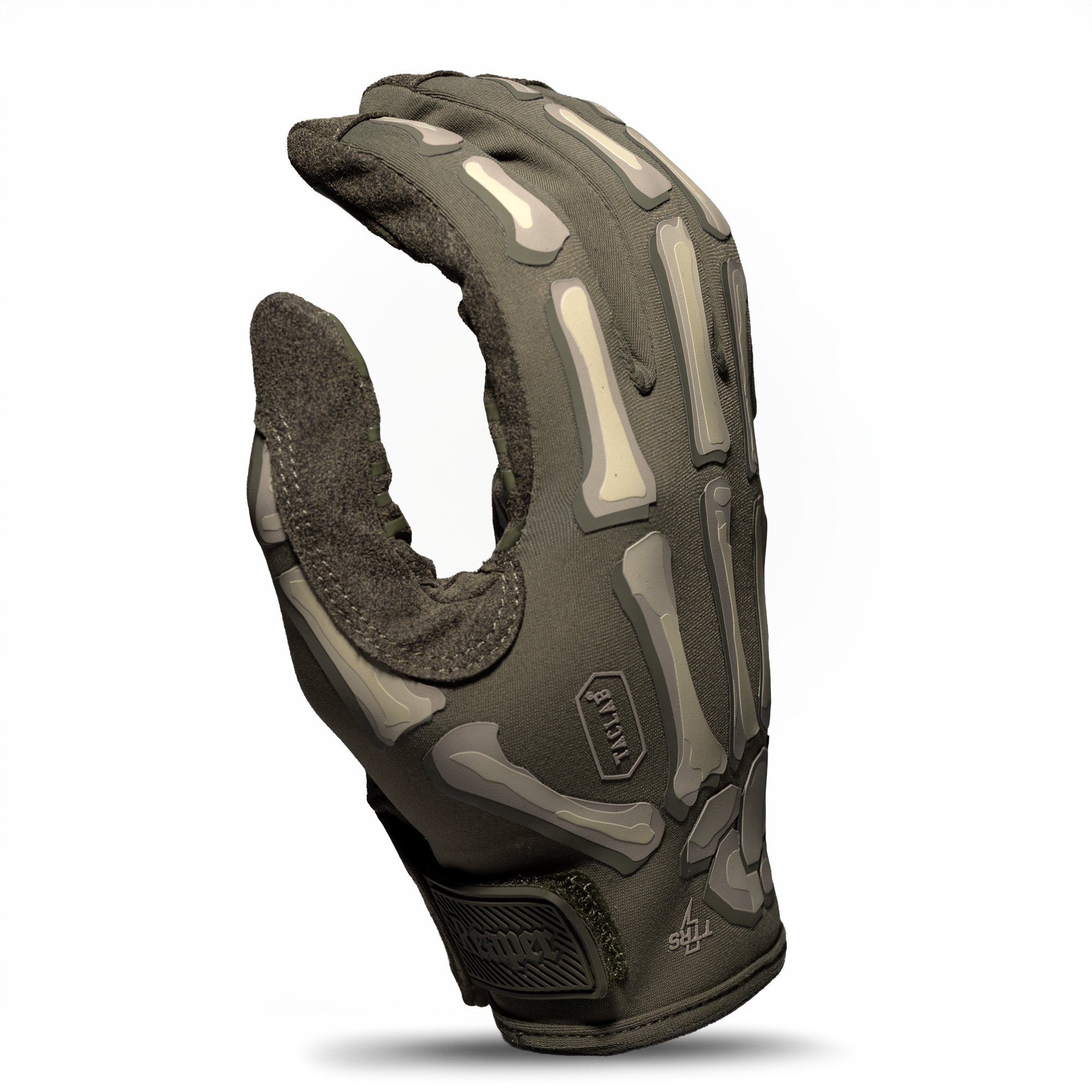
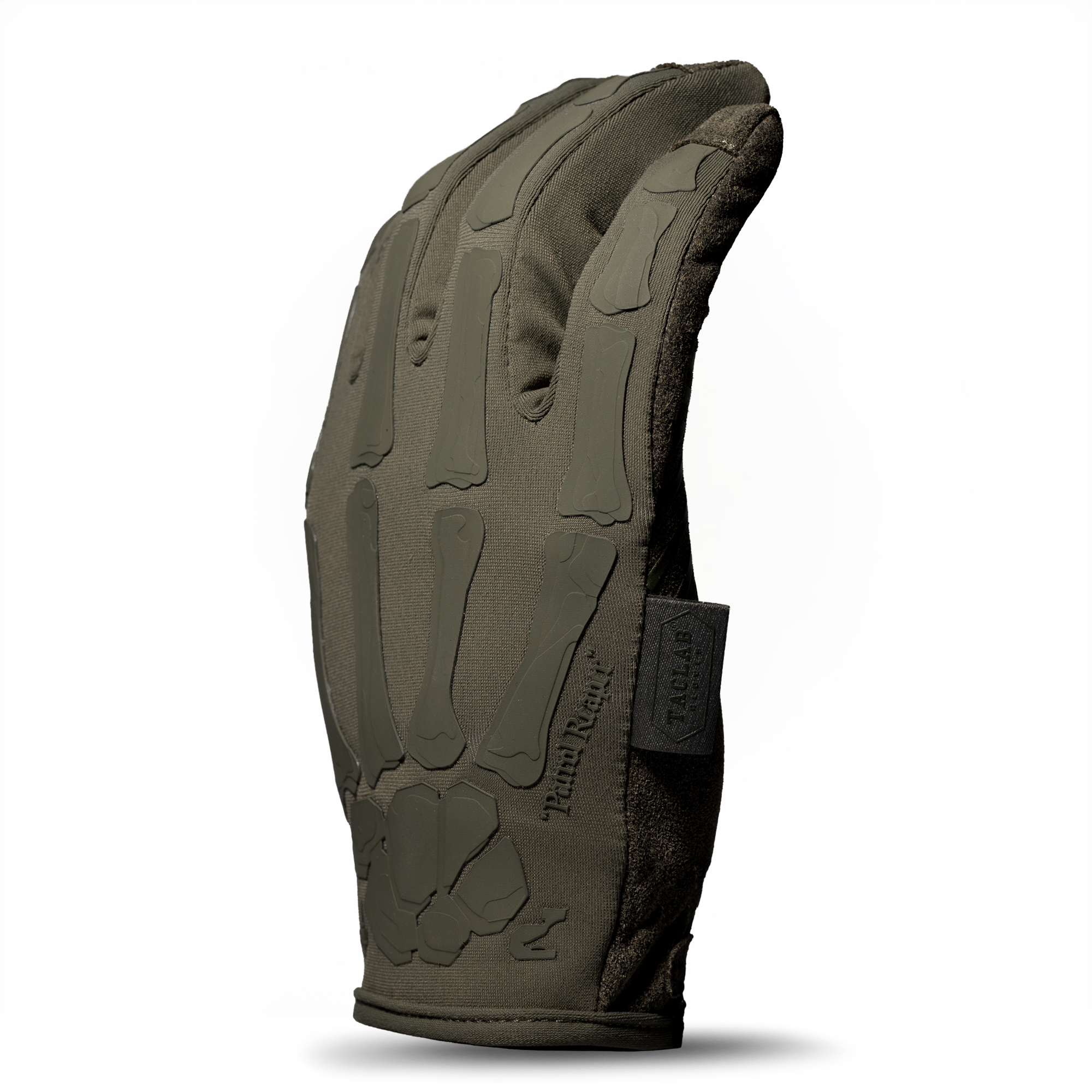
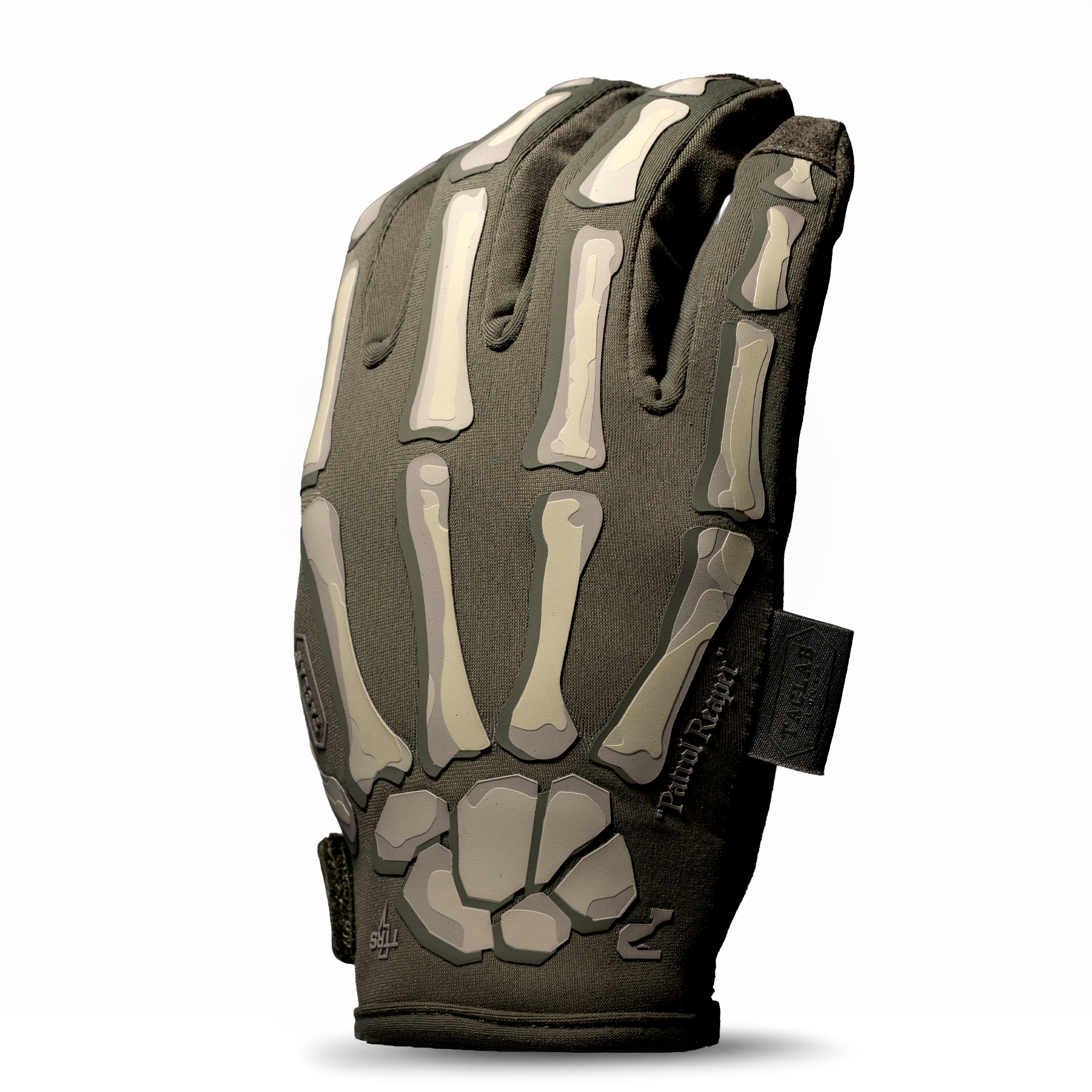
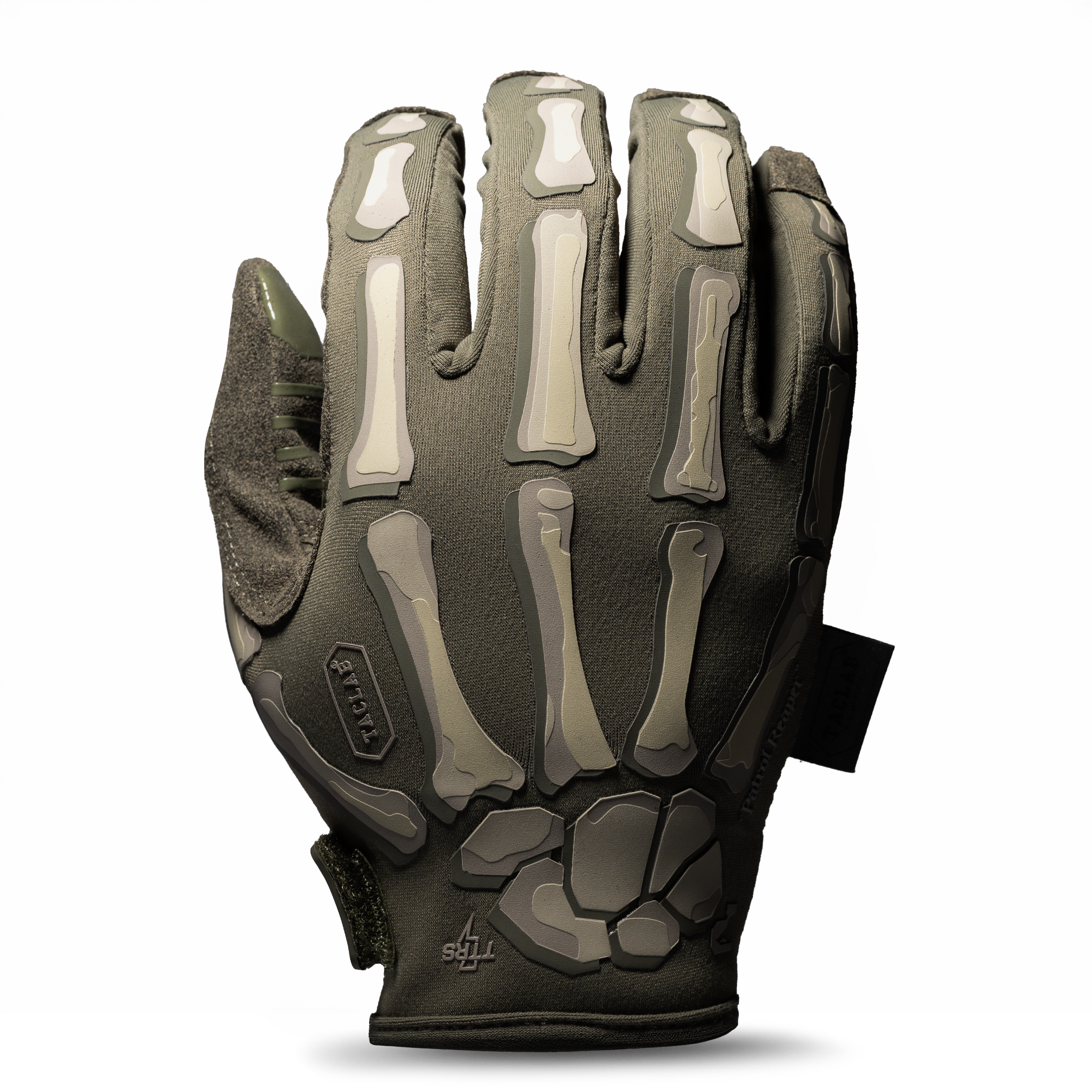
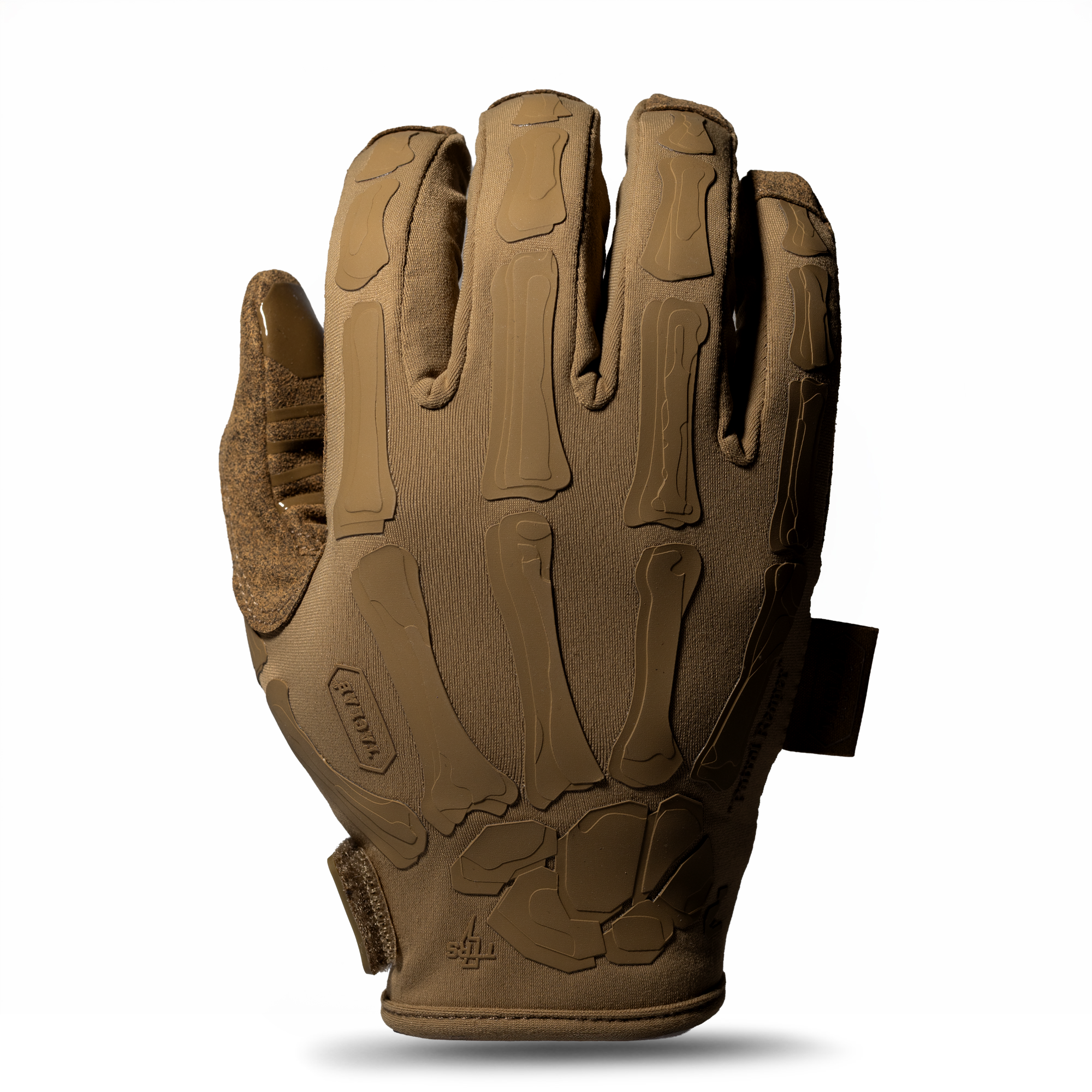
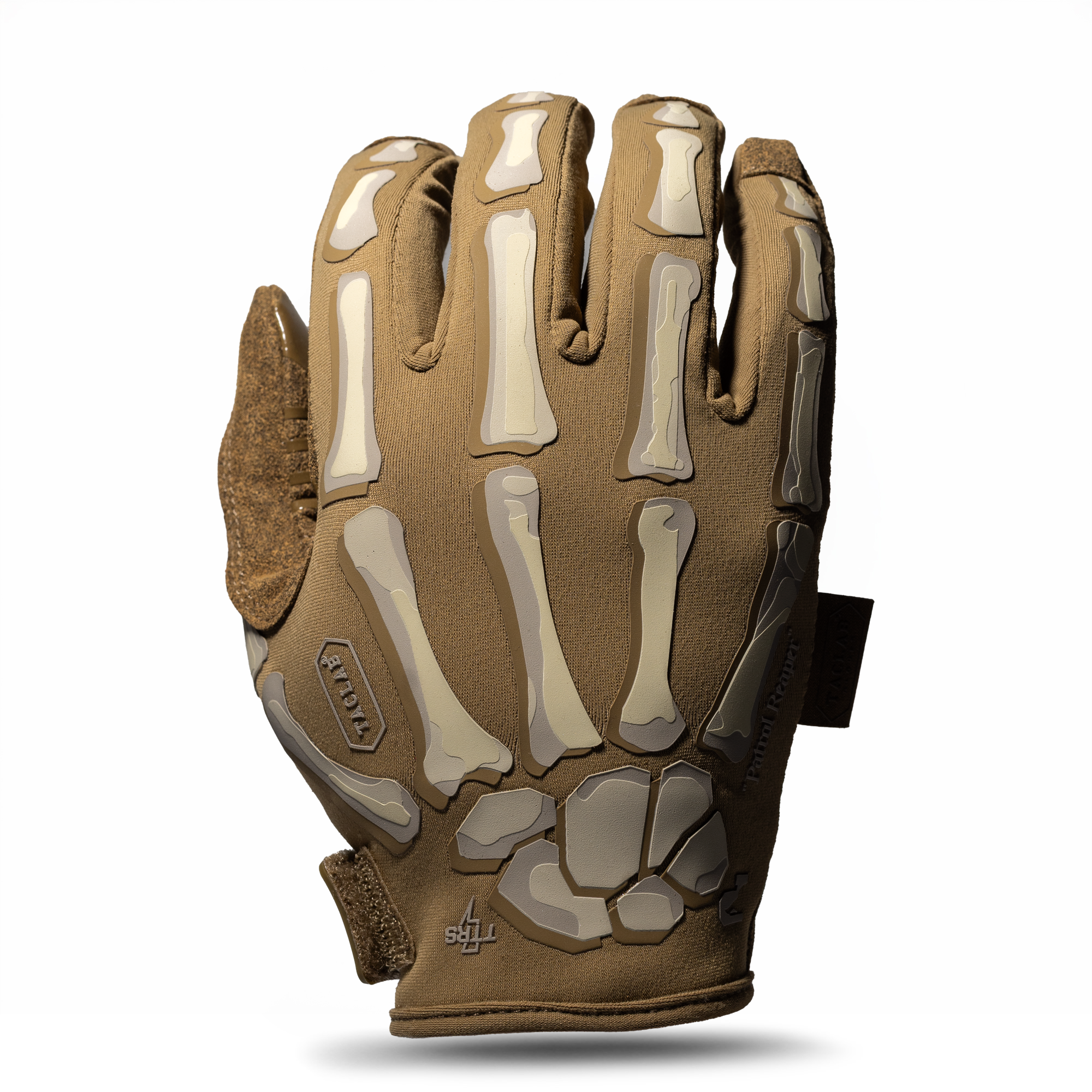
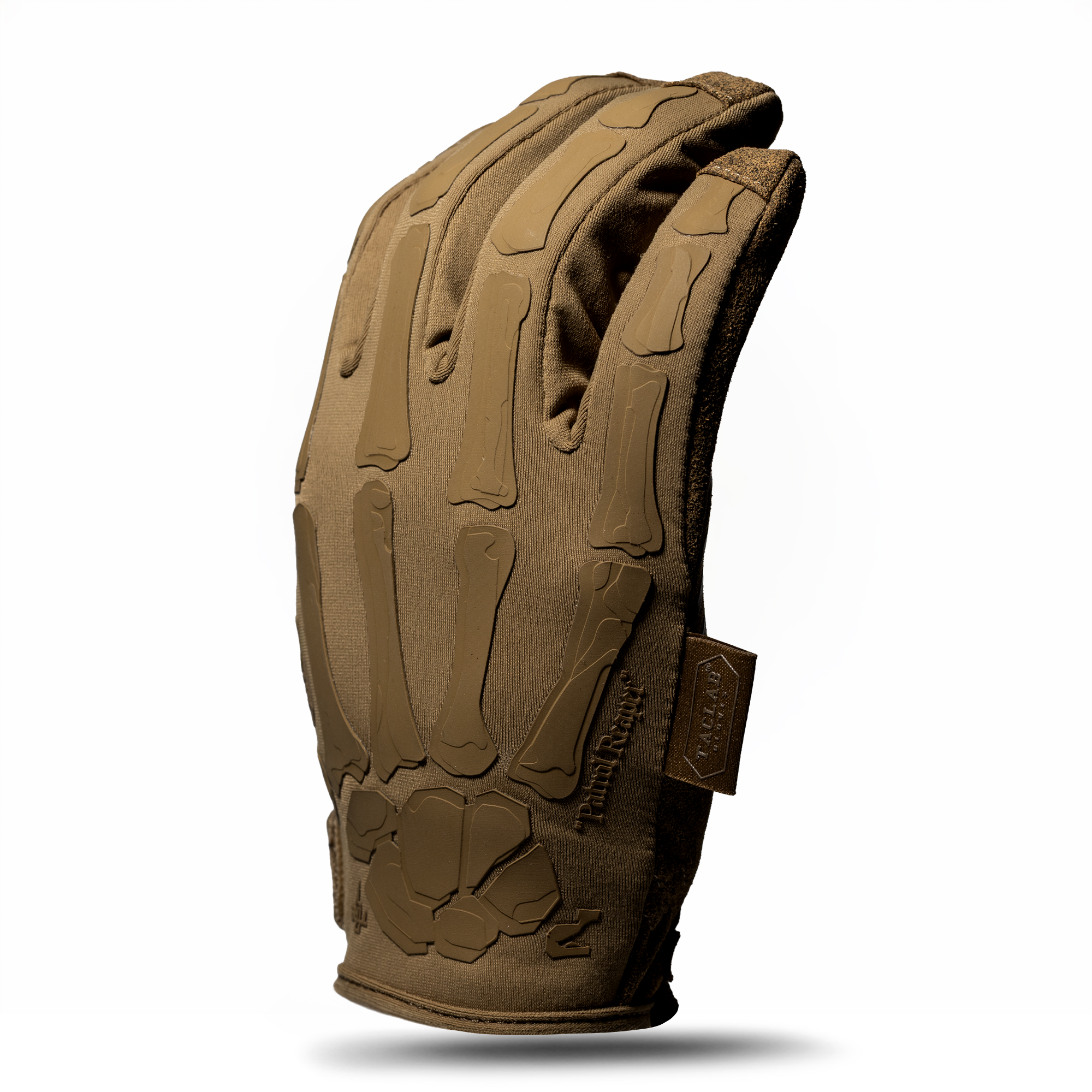
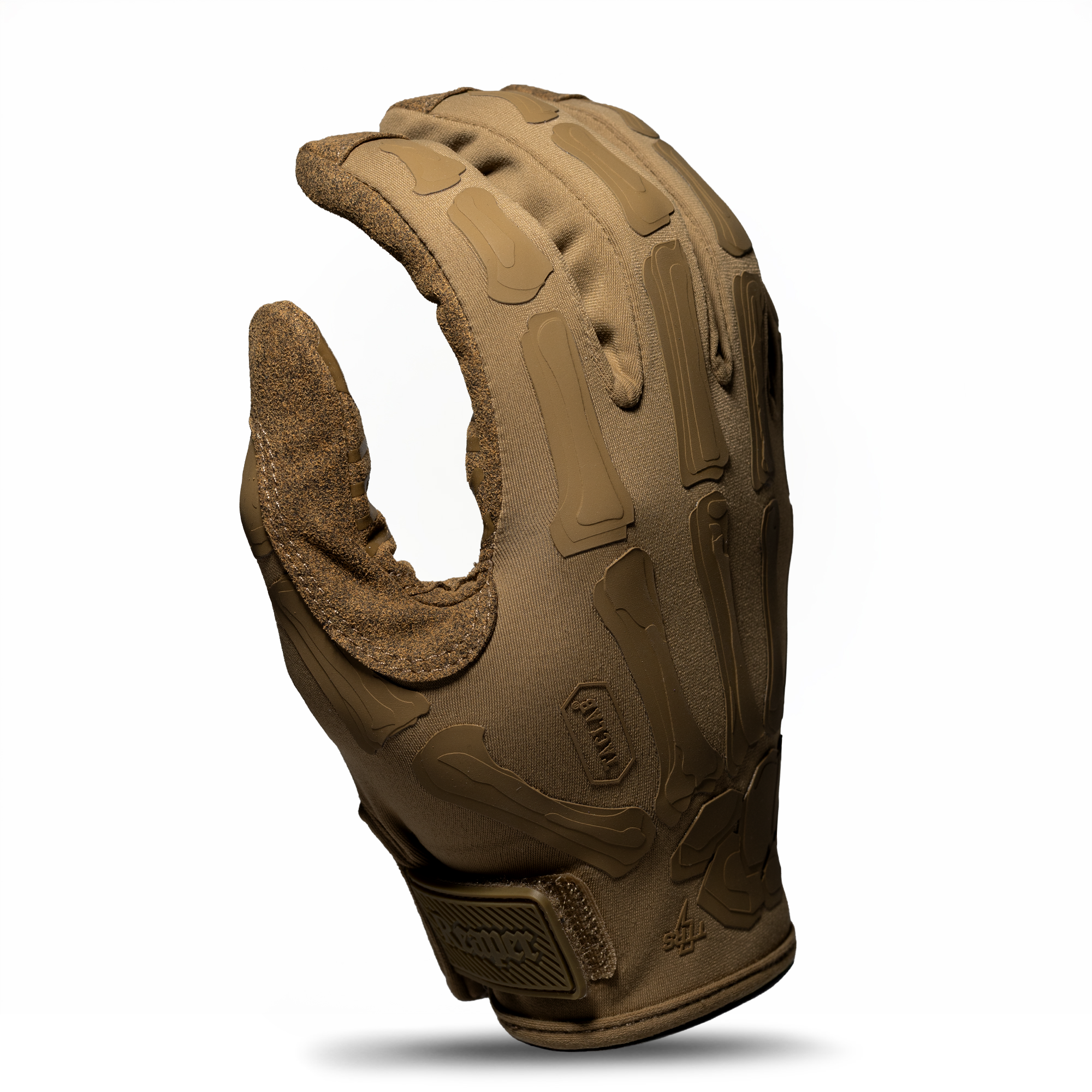
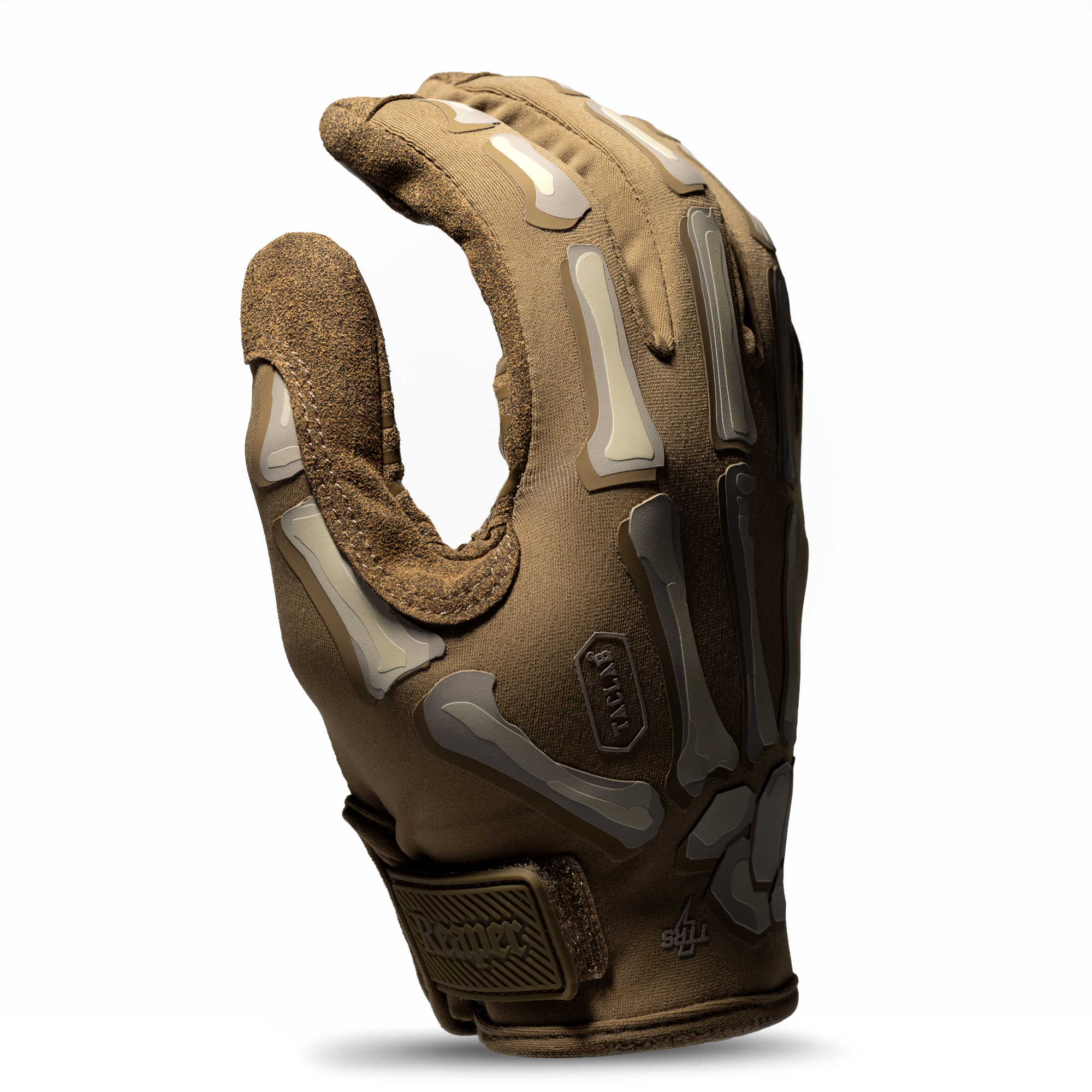
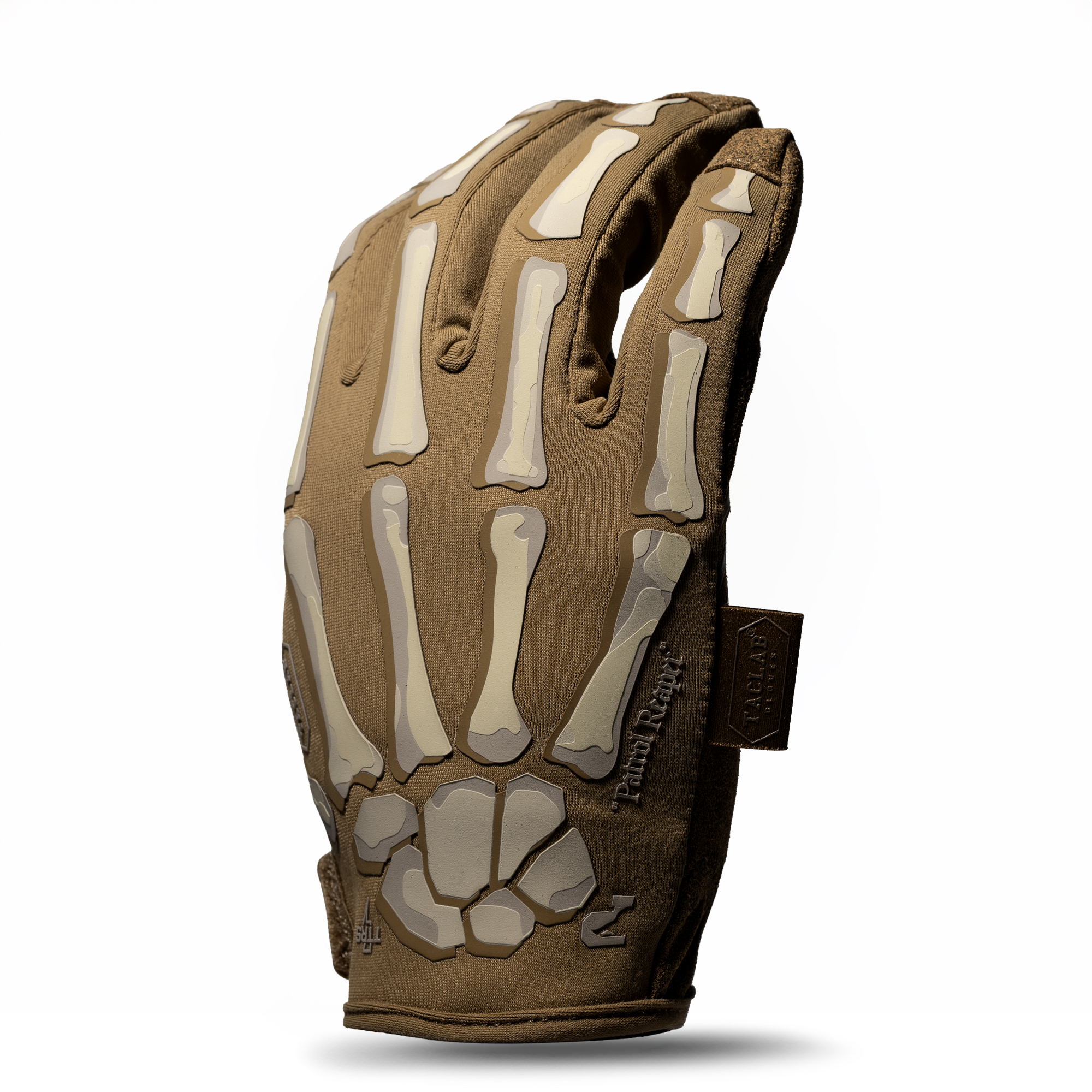
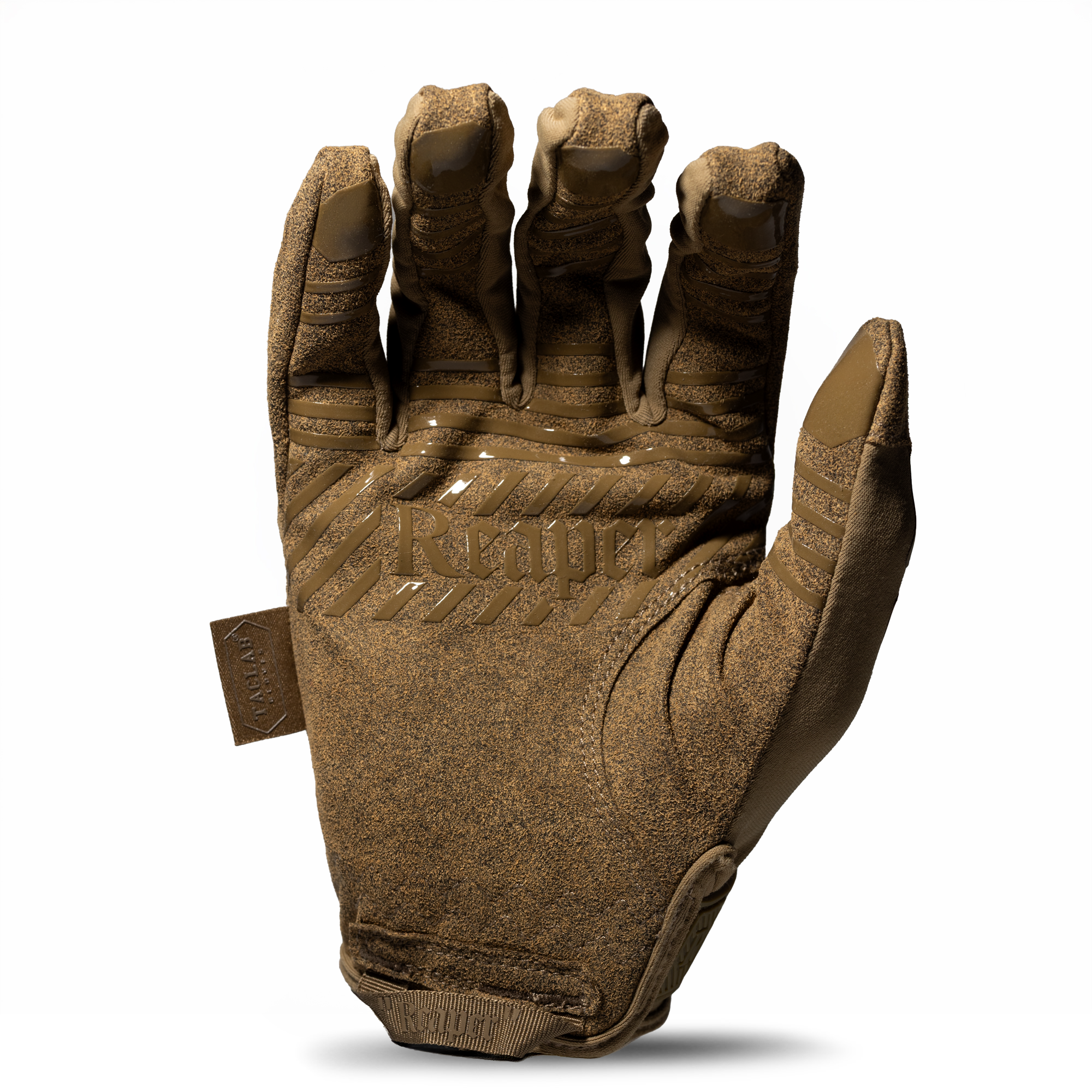
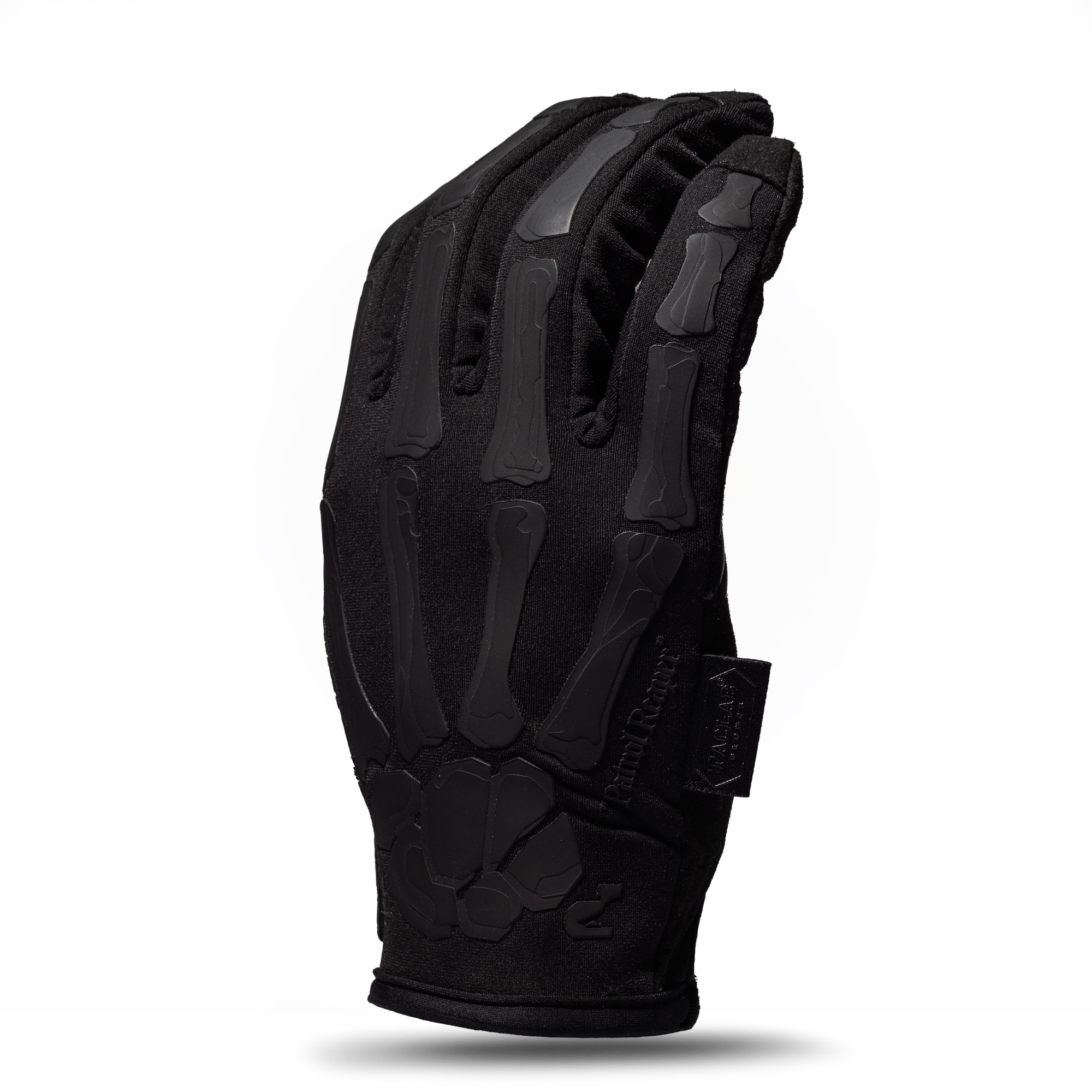
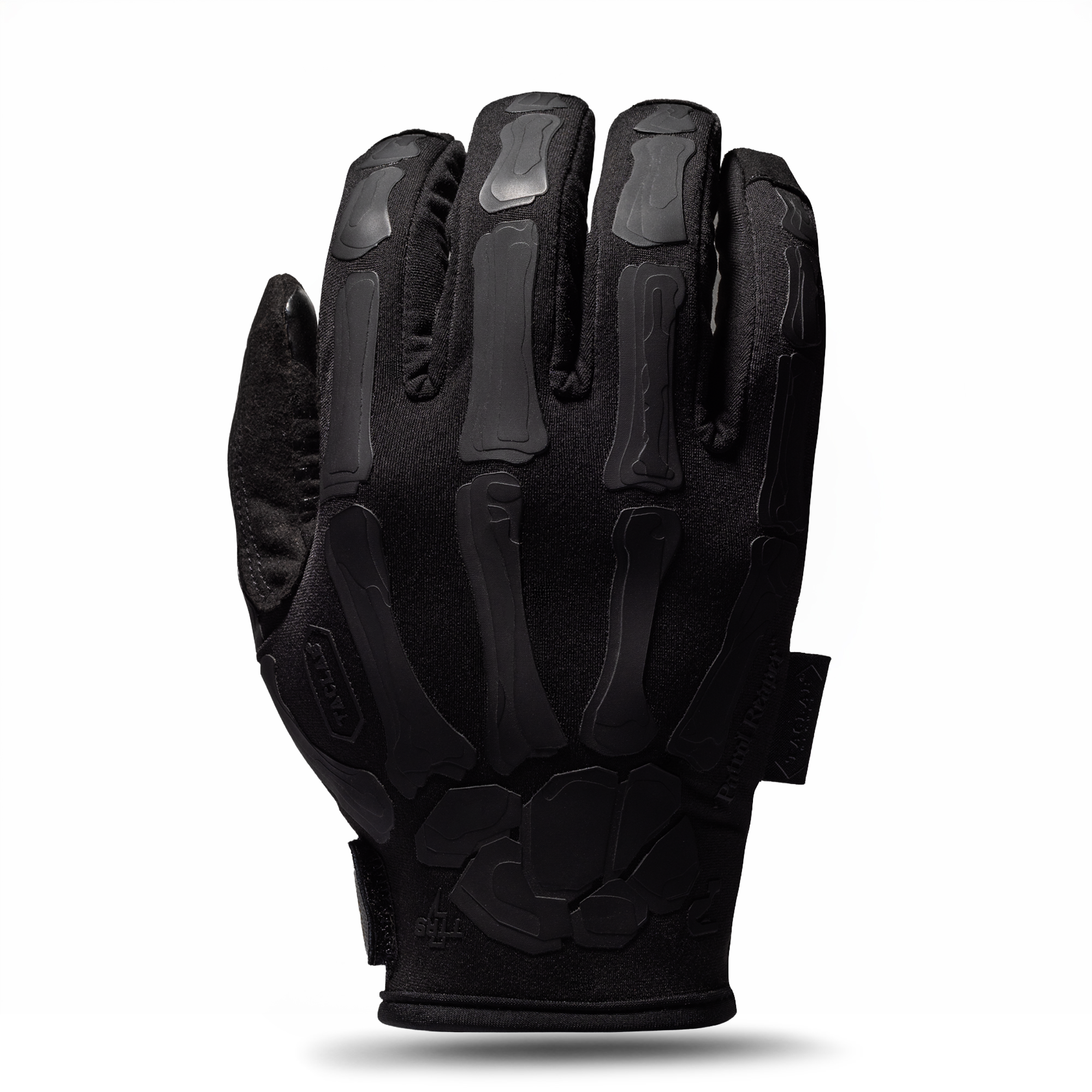
TACLAB's Patrol Reaper, for example, is designed as an insulated option for shooting, hunting, patrol, and outdoor use while retaining a more flexible tactical construction.
👉 Explore the TACLAB glove lineup
6. Competition and Training Helped Popularize Modified Gloves
Modified equipment tends to spread quickly through communities.
One shooter finds something that works.
Another notices.
Someone asks about it.
Soon, the modification becomes recognizable.
Cut-off trigger fingers have appeared across different shooting environments because they're extremely easy to replicate.
There is no complicated modification process.
But popularity shouldn't be confused with necessity.
A modification that made sense for a particular glove, shooter, or environment doesn't automatically make sense for everyone.
Modern equipment gives shooters far more choices than they once had.
7. Sometimes It's Simply Personal Preference
This point deserves repeating.
Not every equipment decision needs a scientific explanation.
Some shooters prefer:
- No gloves
- Full-finger gloves
- Fingerless gloves
- Only the trigger finger exposed
- Different gloves depending on weather
Comfort and familiarity matter.
If a shooter has spent years training with a particular setup, changing it can feel strange even if the new equipment is technically better.
That's why the question shouldn't be:
"Do real shooters cut their gloves?"
A better question is:
"Does my glove allow me to safely and comfortably operate my equipment without interfering with control?"
That's what matters.
Which Finger Do Shooters Usually Cut Off?
Usually, it's the index finger of the dominant shooting hand, because that is typically the trigger finger.
Some people remove only the very tip of the glove.
Others expose more of the finger.
Some use factory-made fingerless designs instead of modifying full-finger gloves.
However, physically cutting a glove can create problems that aren't immediately obvious.
And that's where the disadvantages begin.
The Downsides of Cutting the Finger Off a Tactical Glove
The modification solves one problem by creating several others.
Less Protection
This is the obvious one.
The exposed finger loses coverage against:
- Abrasion
- Sun
- Cold
- Dirt
- Rough equipment
- Minor cuts and scrapes
If protection was the reason for wearing gloves in the first place, removing part of the glove is a compromise.
Faster Wear
Gloves aren't necessarily constructed to be cut.
Once fabric, stitching, or reinforcement is removed, the surrounding material may begin to fray or separate.
A clean-looking modification on day one may look very different after weeks of use.
Weather Exposure
Cold, wind, rain, dust, and sun can reach the exposed finger.
This is particularly relevant for hunters, outdoor shooters, and people training through winter.
Possible Warranty Issues
Cutting a glove is a permanent modification.
Depending on the manufacturer and warranty terms, intentionally altering the product may affect your ability to make a warranty claim later.
If you're thinking about cutting a new pair, check the manufacturer's policy first.
Do Modern Shooting Gloves Still Need the Trigger Finger Cut Off?
For many shooters:
Probably not.
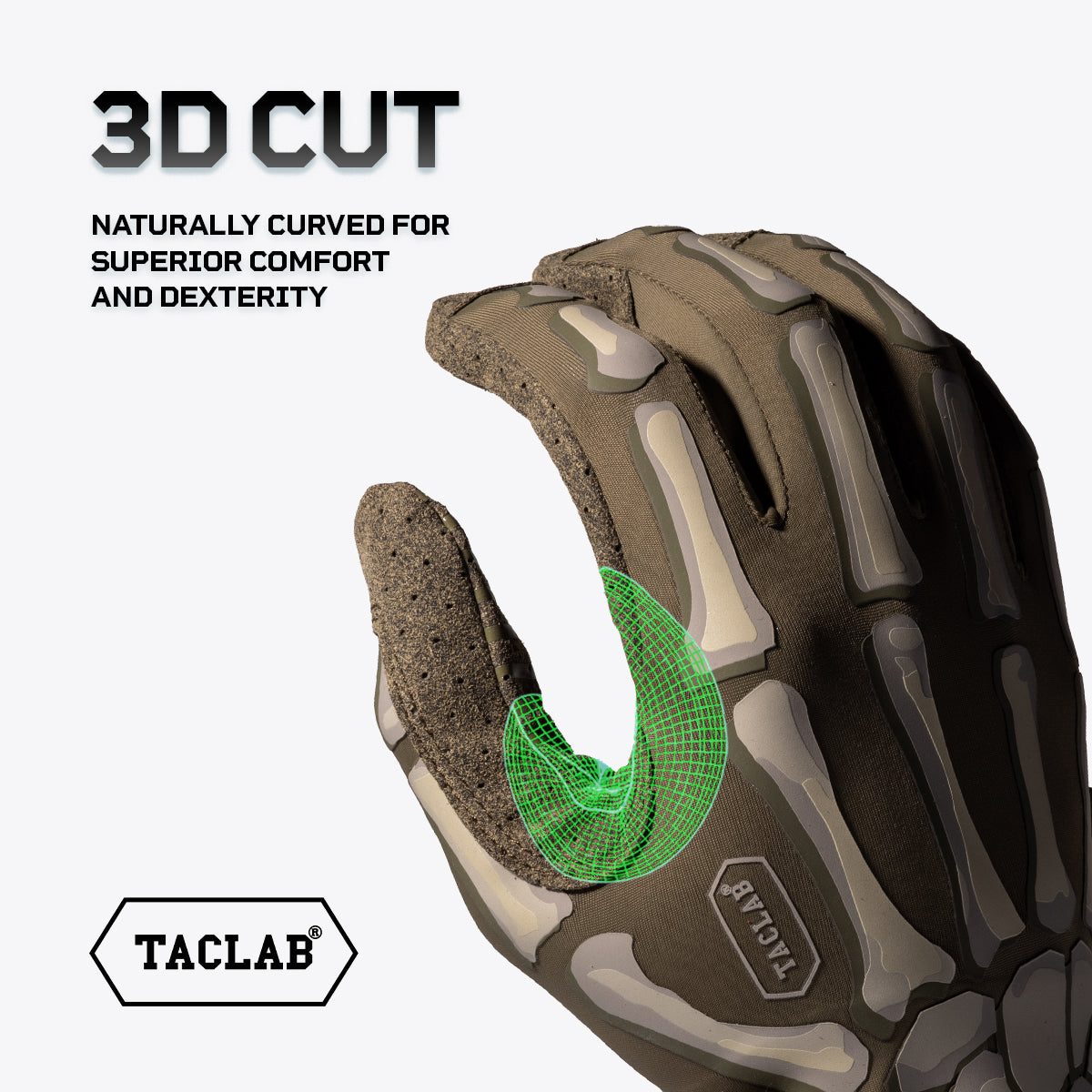
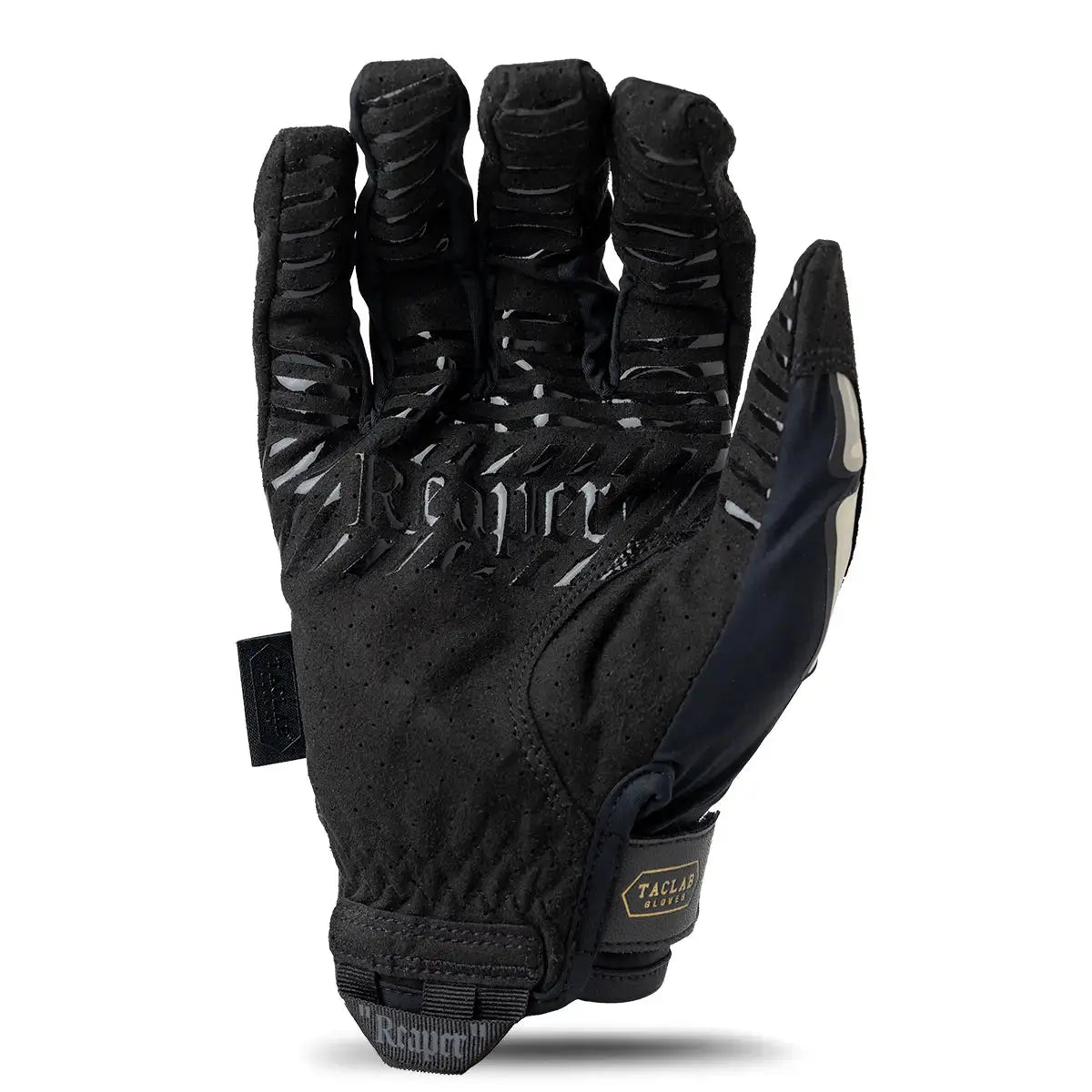
Modern shooting gloves can be designed specifically around the requirements that originally caused shooters to modify older gloves.
That includes:
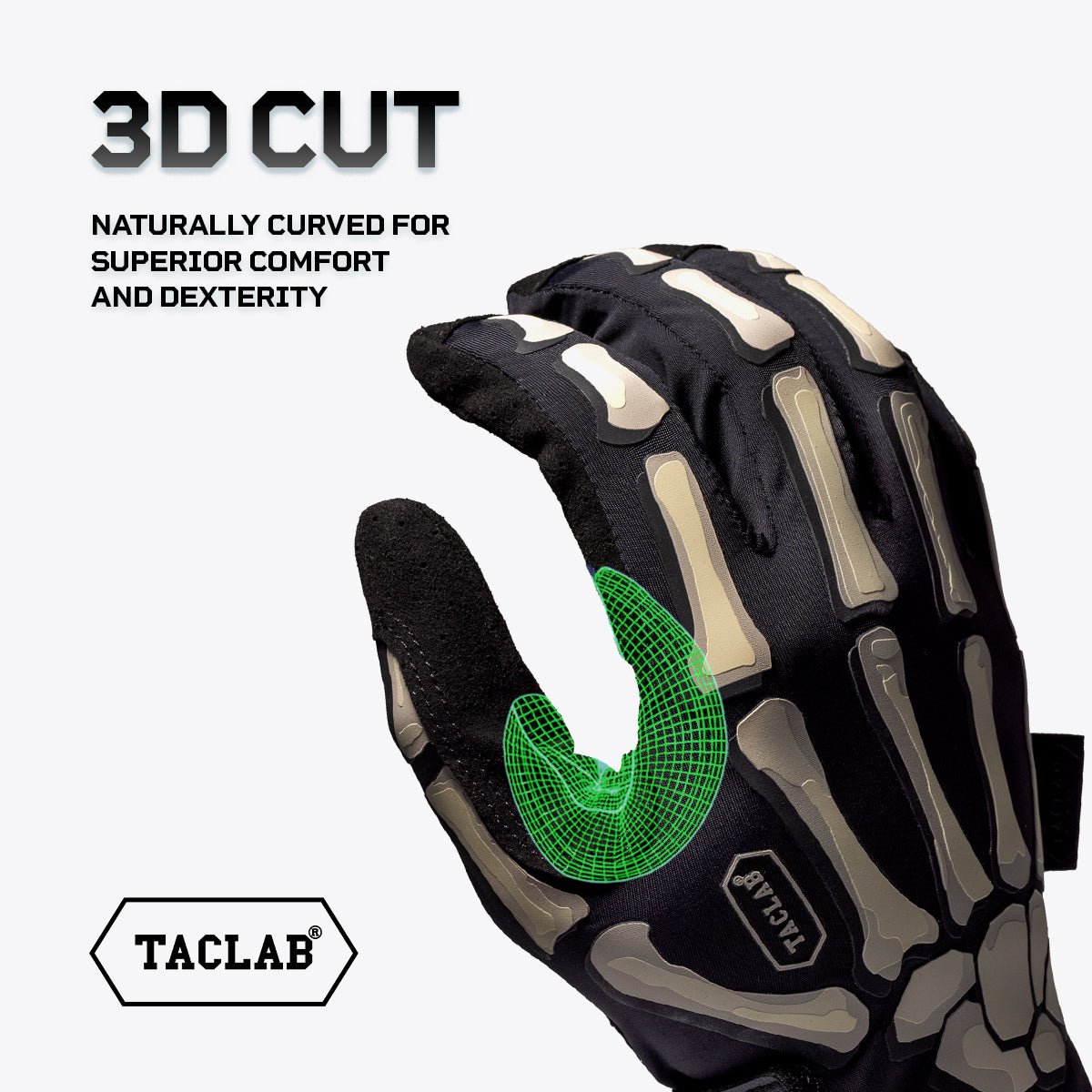
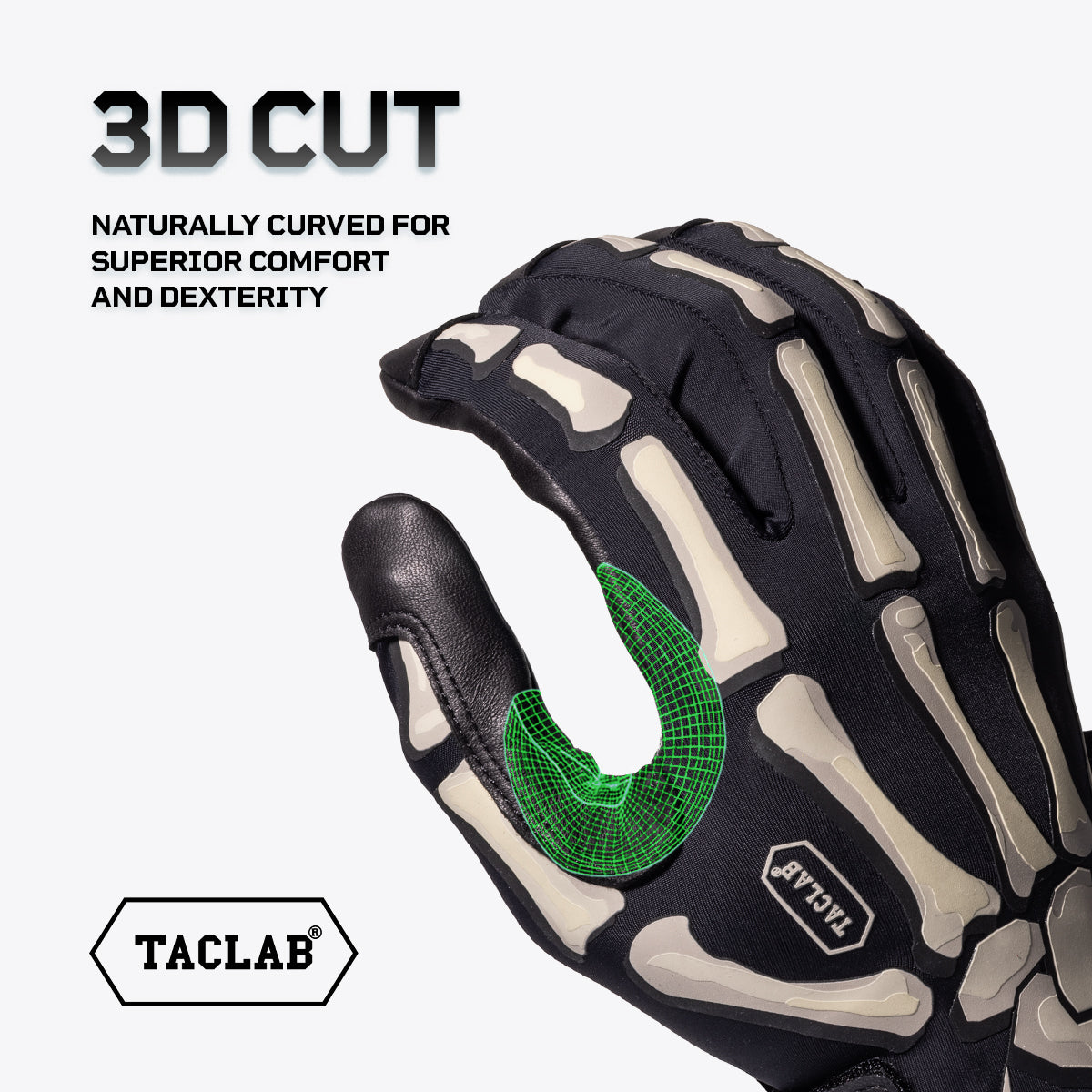
- Thin finger construction
- Close fit
- Flexible materials
- Reduced fingertip bulk
- Improved grip
- Better seam placement
- Touchscreen-compatible fingertips
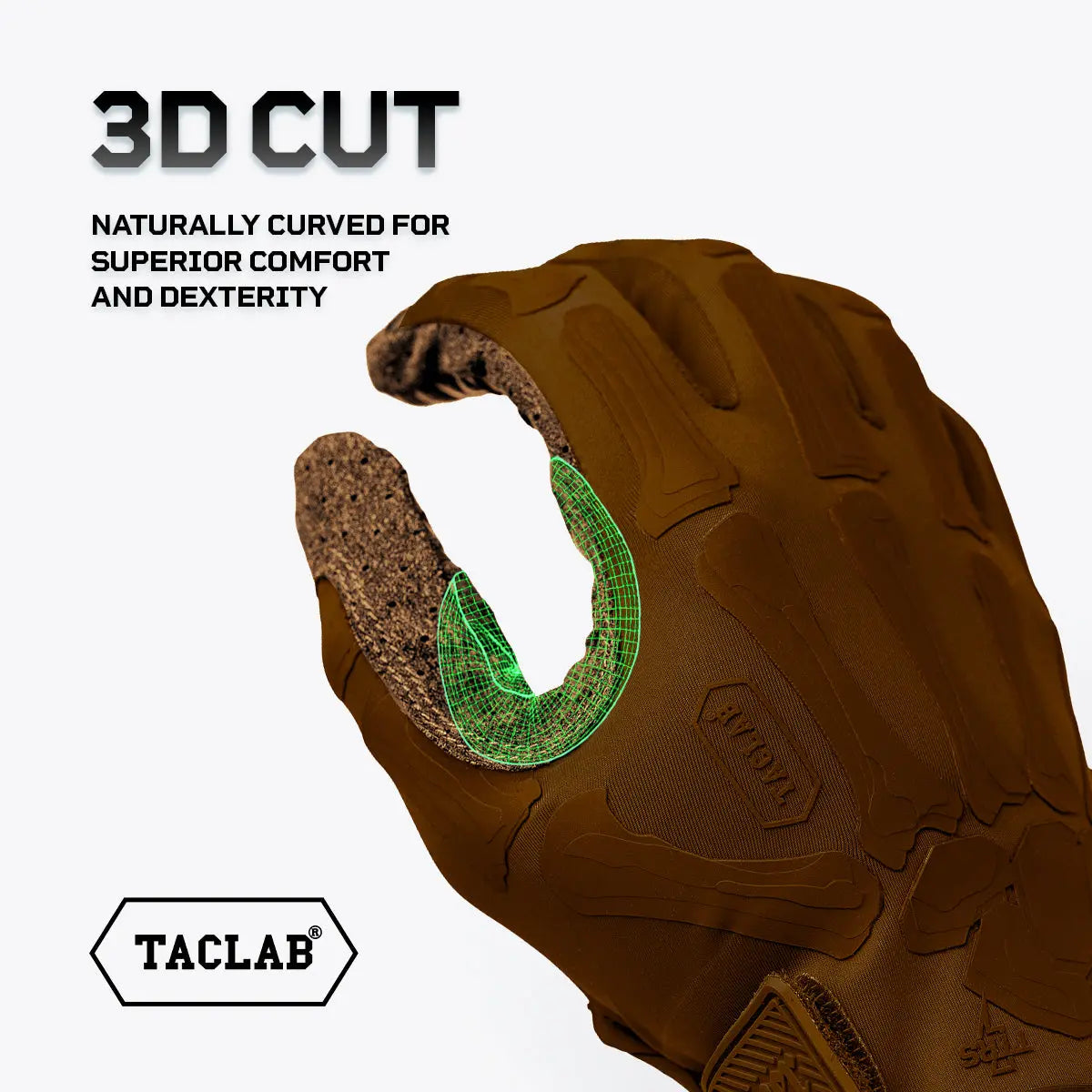
Instead of taking a general-purpose glove and modifying it for shooting, you can start with a glove designed around dexterity.
That doesn't mean nobody should ever expose the trigger finger.
Personal preference still exists.
But the modification is no longer the only practical solution.
What Makes a Good Trigger Finger in a Shooting Glove?
If you're choosing shooting gloves and want to keep all ten fingers covered, pay particular attention to the index finger.
1. Low Bulk
Excess material around the fingertip can reduce feel and interfere with precise movement.
2. Proper Finger Length
If the glove's index finger is too long, loose material can bunch at the tip.
If it's too short, the material remains under constant tension.
Neither is ideal.
3. Flexible Material
The finger should bend naturally without fighting the glove.
4. Sensible Seam Placement
A thick seam directly where you want tactile feedback can be distracting.
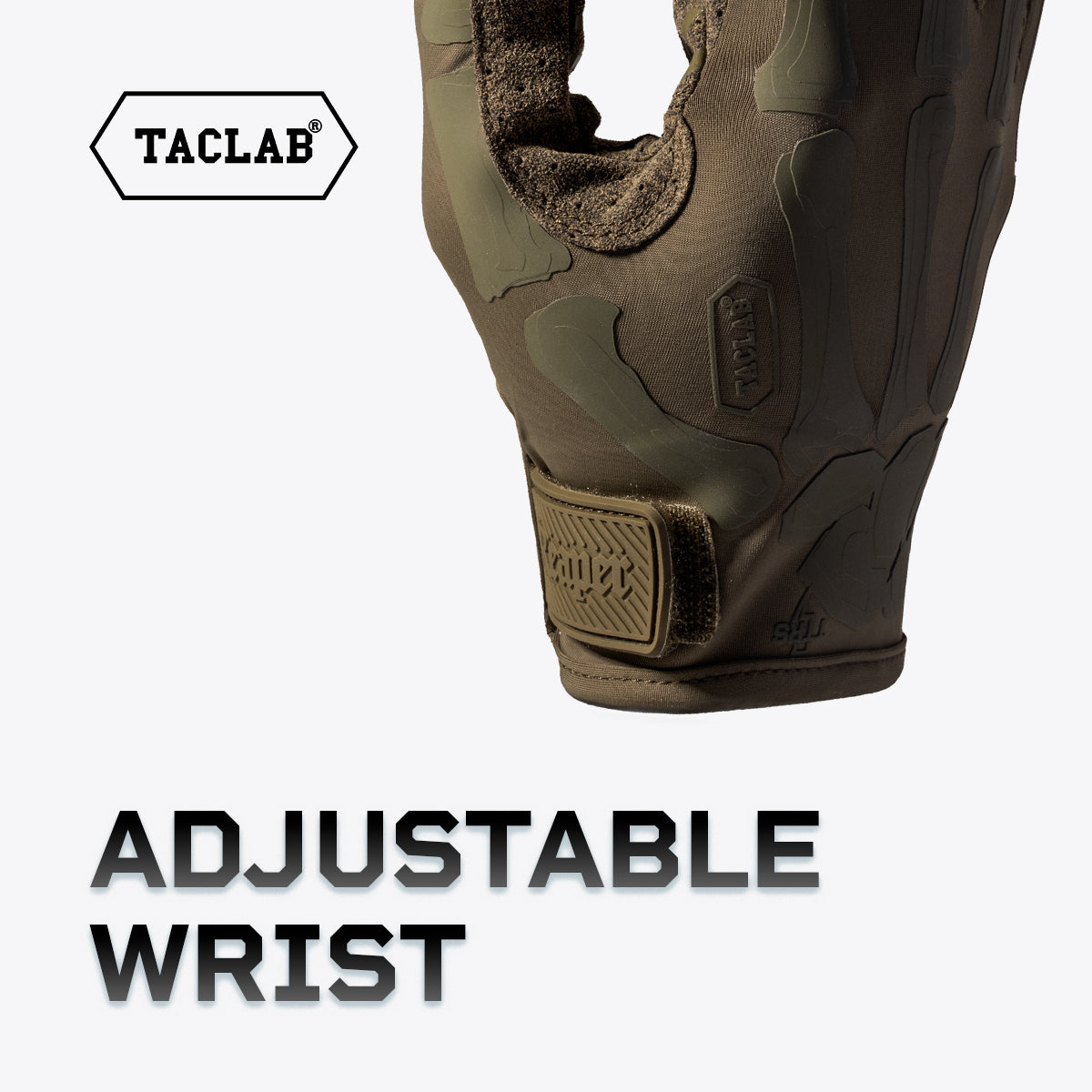
5. Secure Overall Fit
Trigger-finger performance doesn't exist in isolation.
If the entire glove moves around the hand, a thin index finger won't solve the problem.
6. Enough Protection for the Environment
The thinnest possible glove isn't automatically the best.
You still need to consider weather, abrasion, riding, outdoor use, and whatever else the glove is expected to handle.
How TACLAB Approaches Trigger Feel
This is where the original question connects naturally to modern glove design.
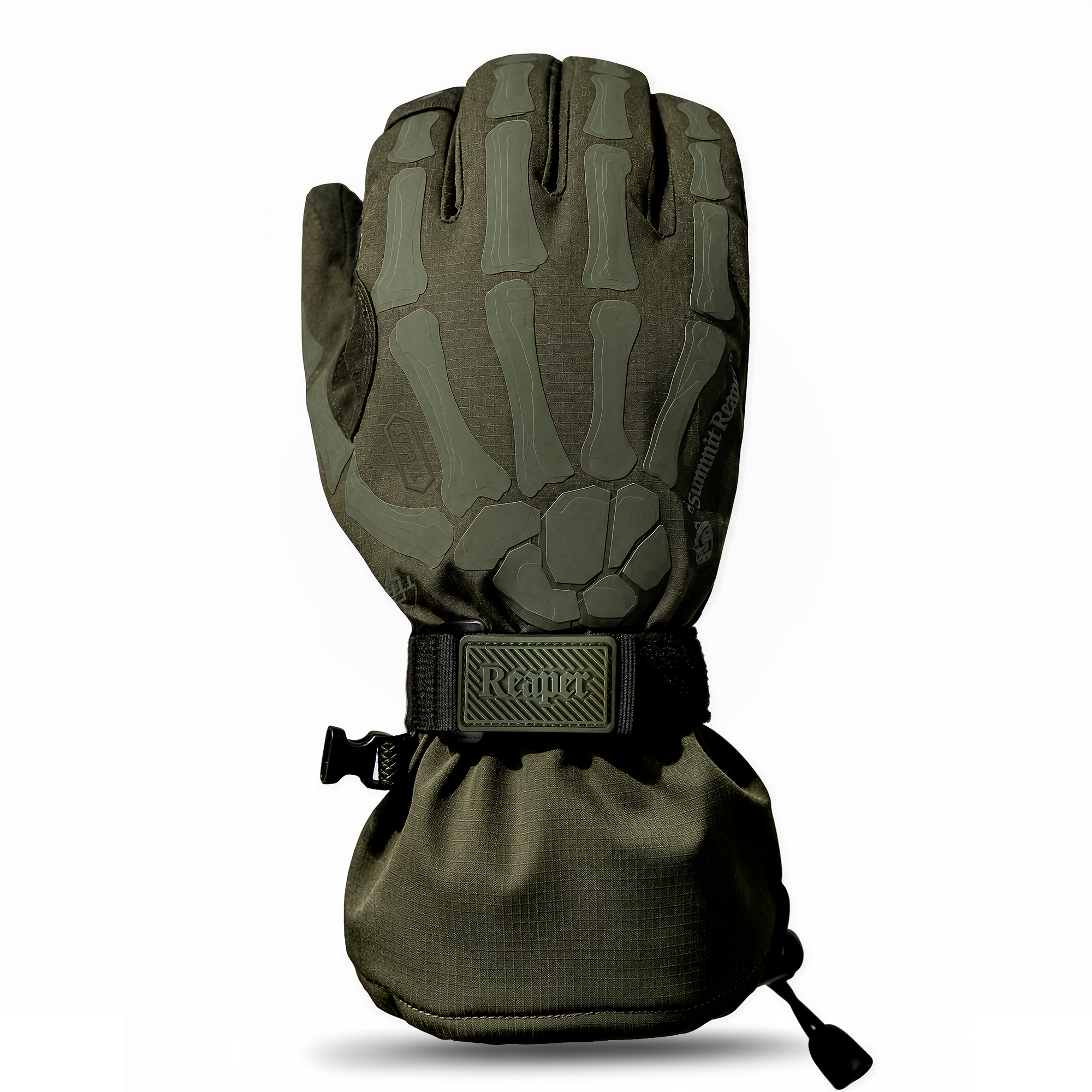
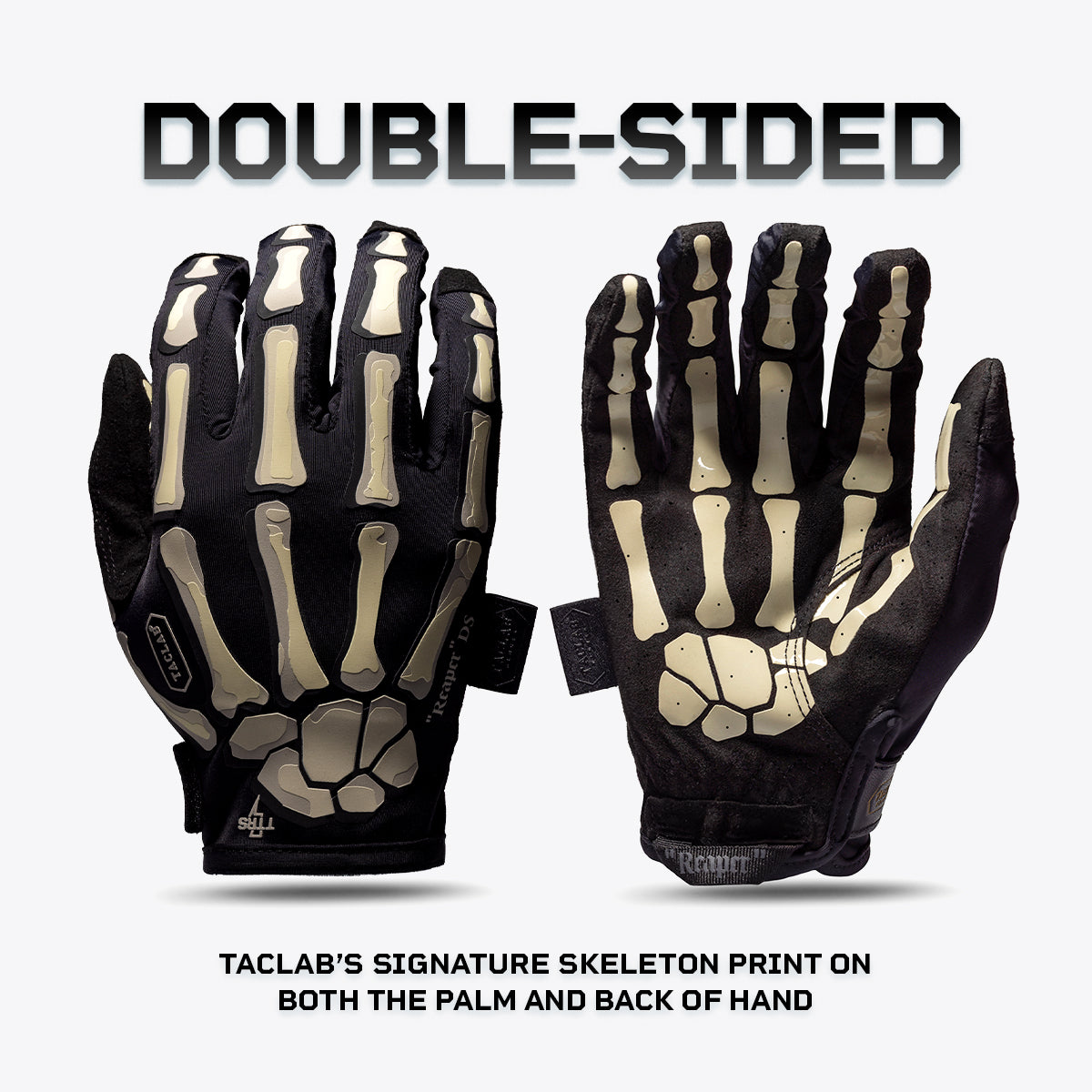
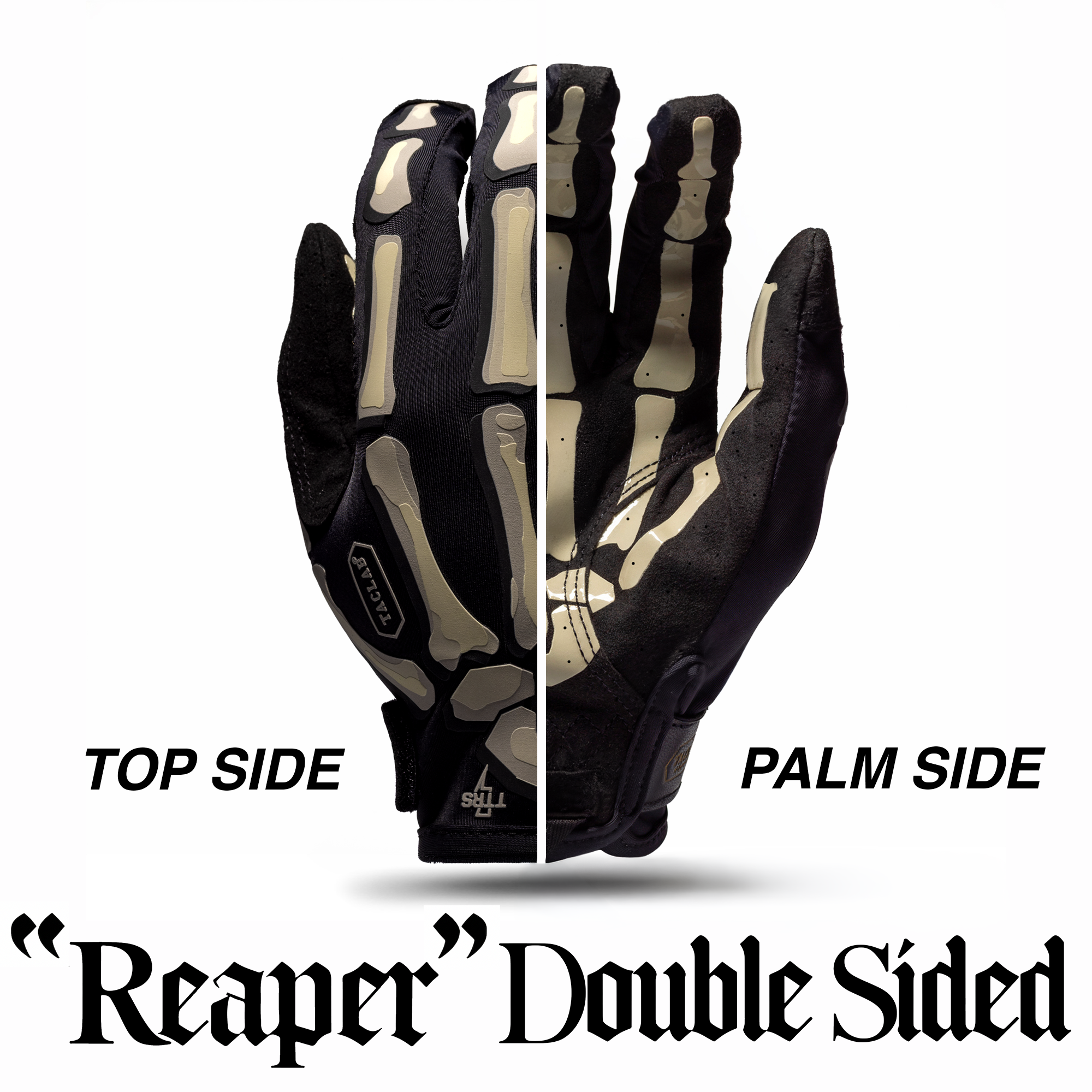
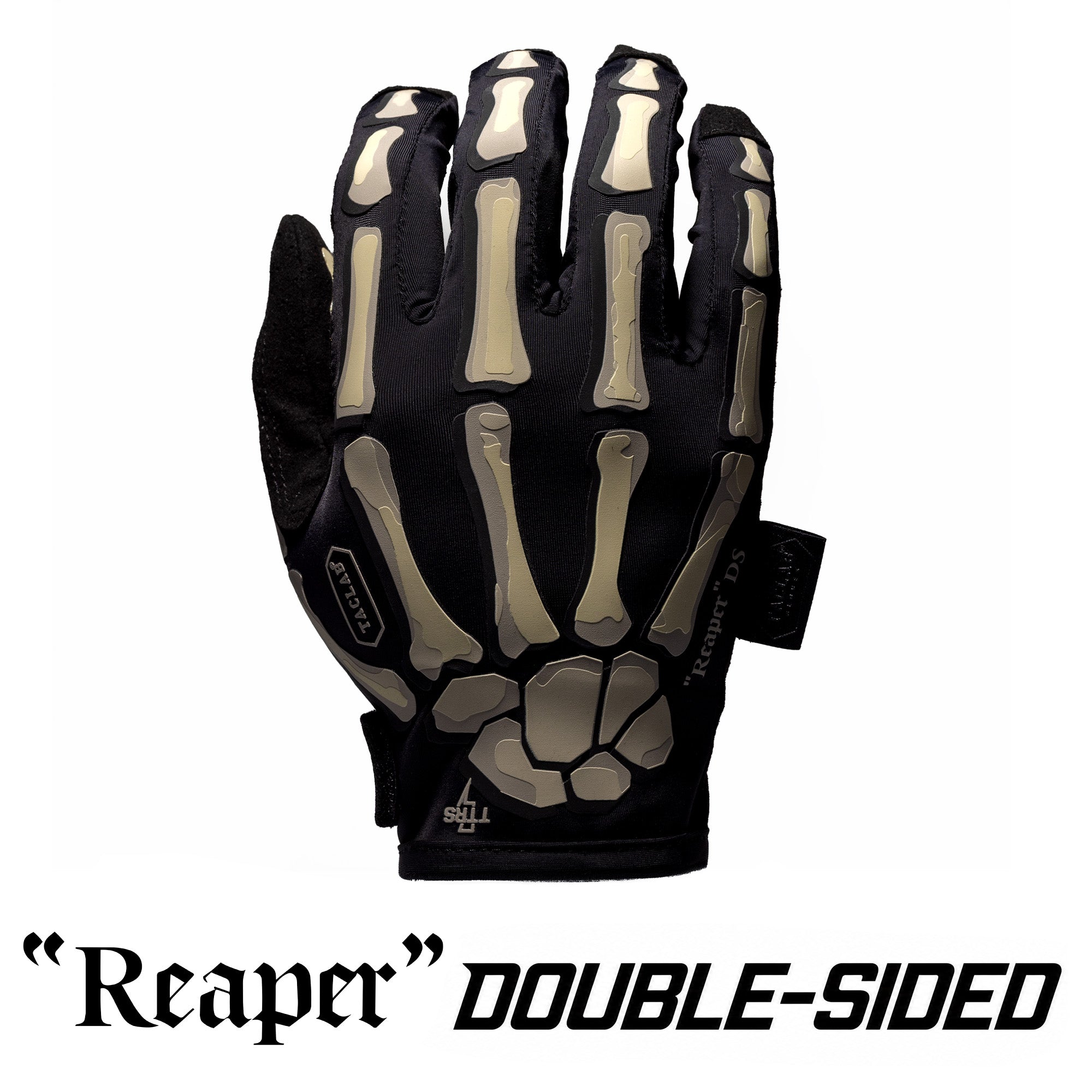
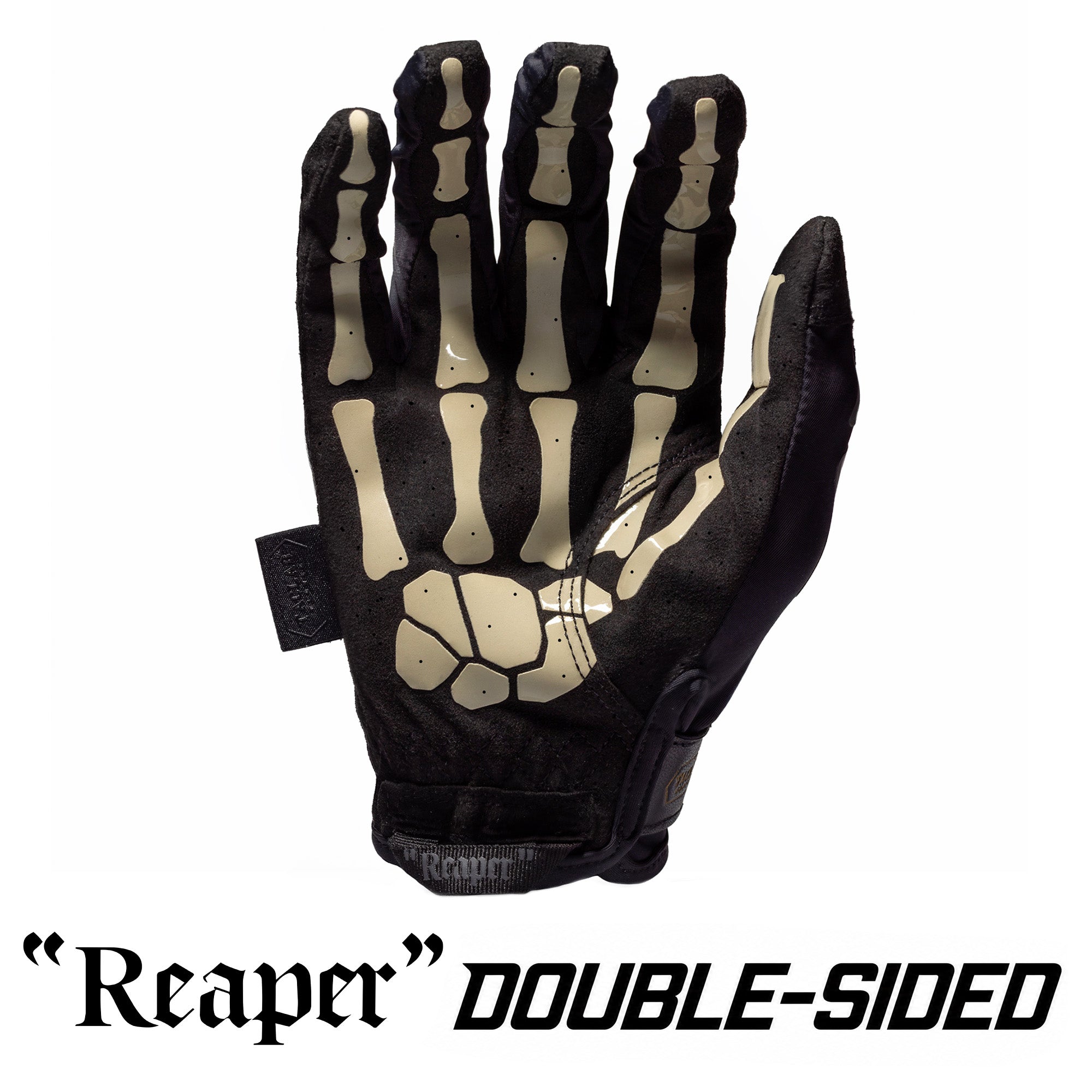
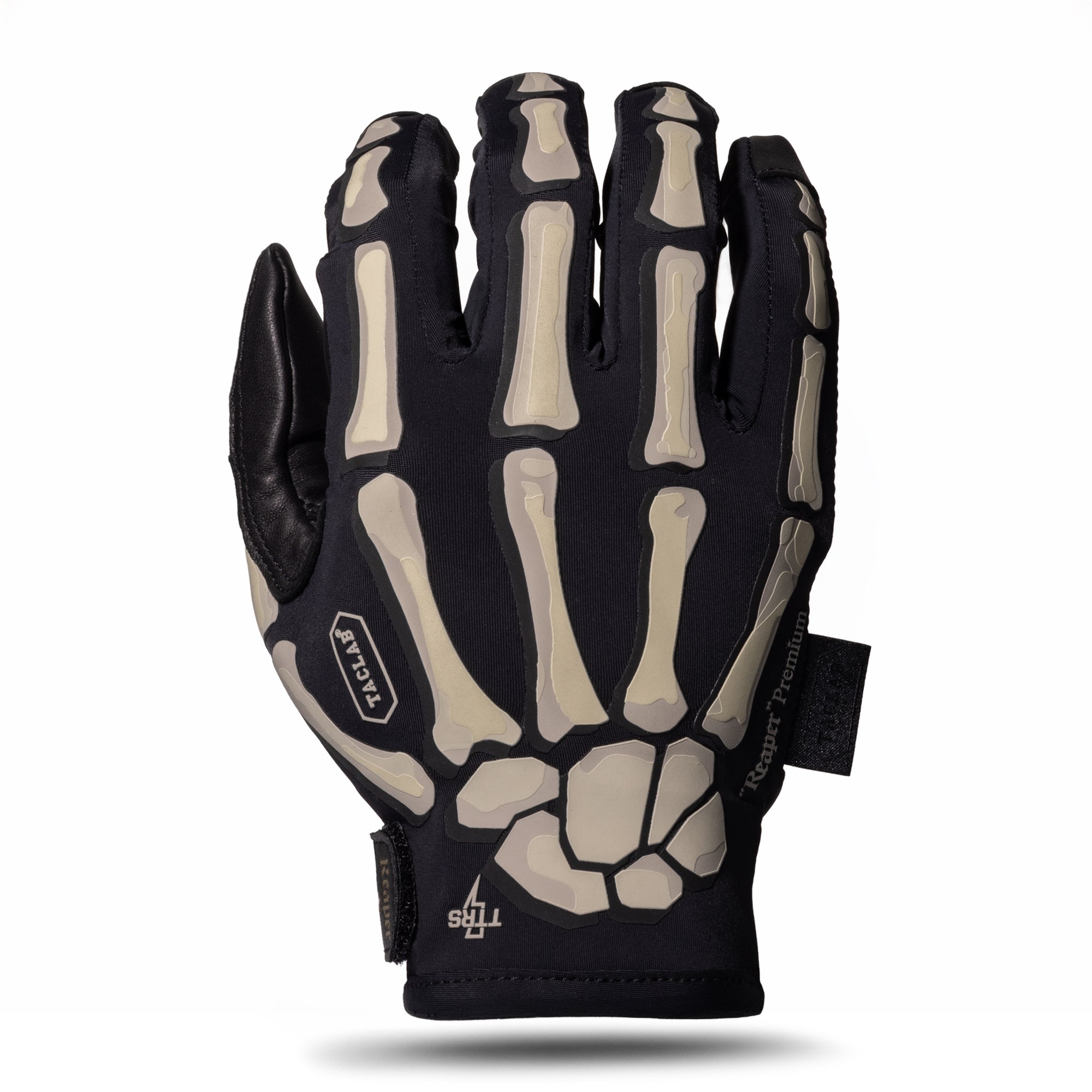
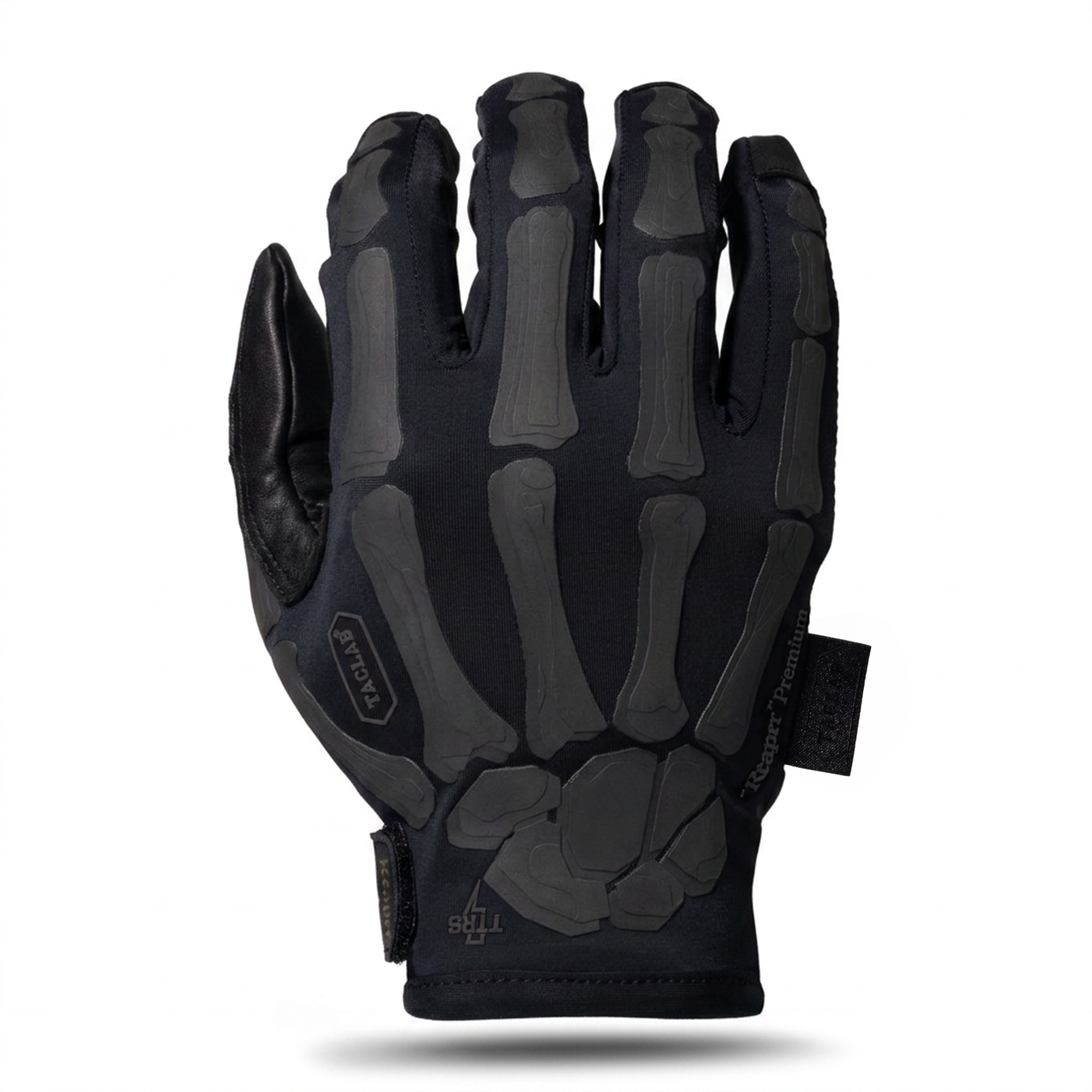
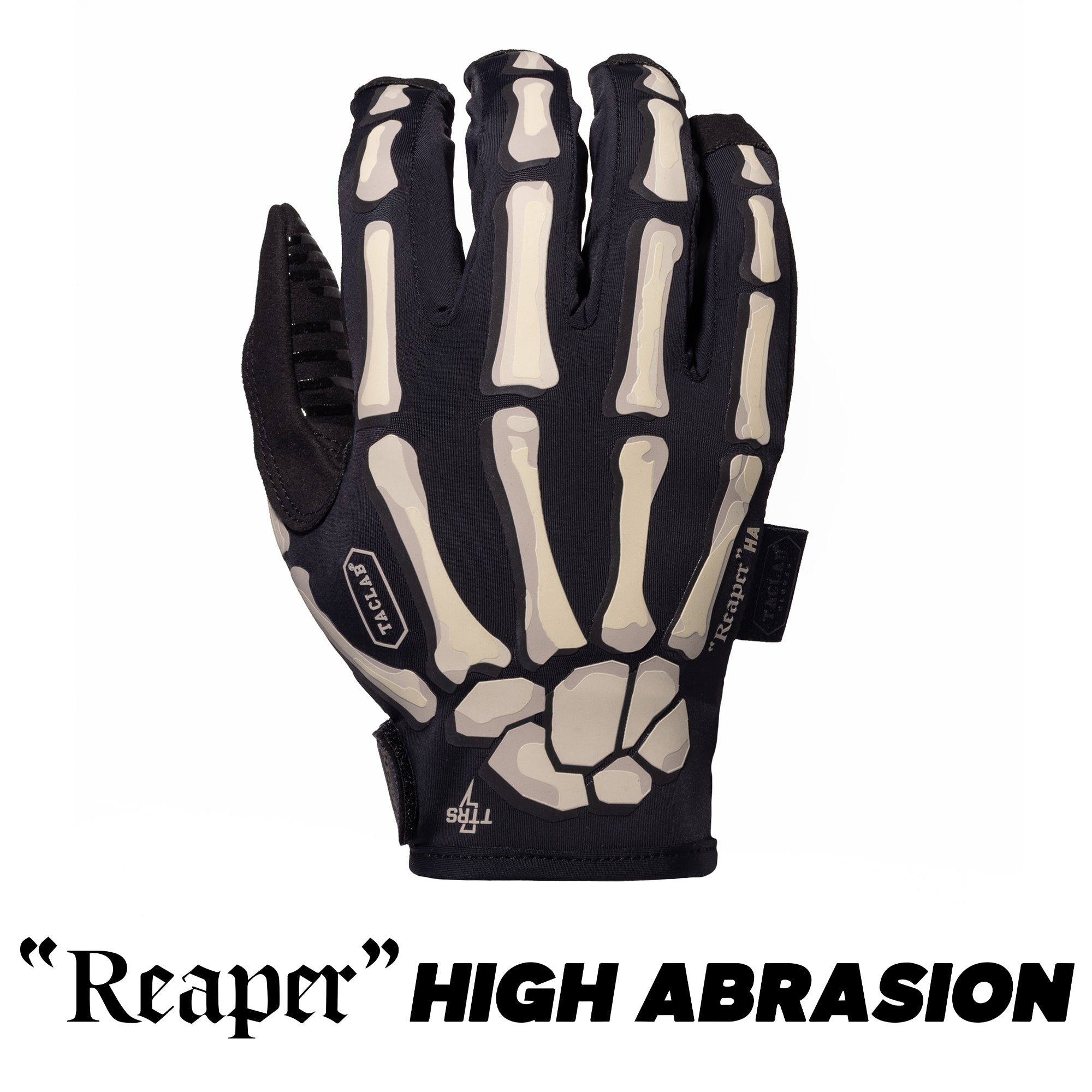
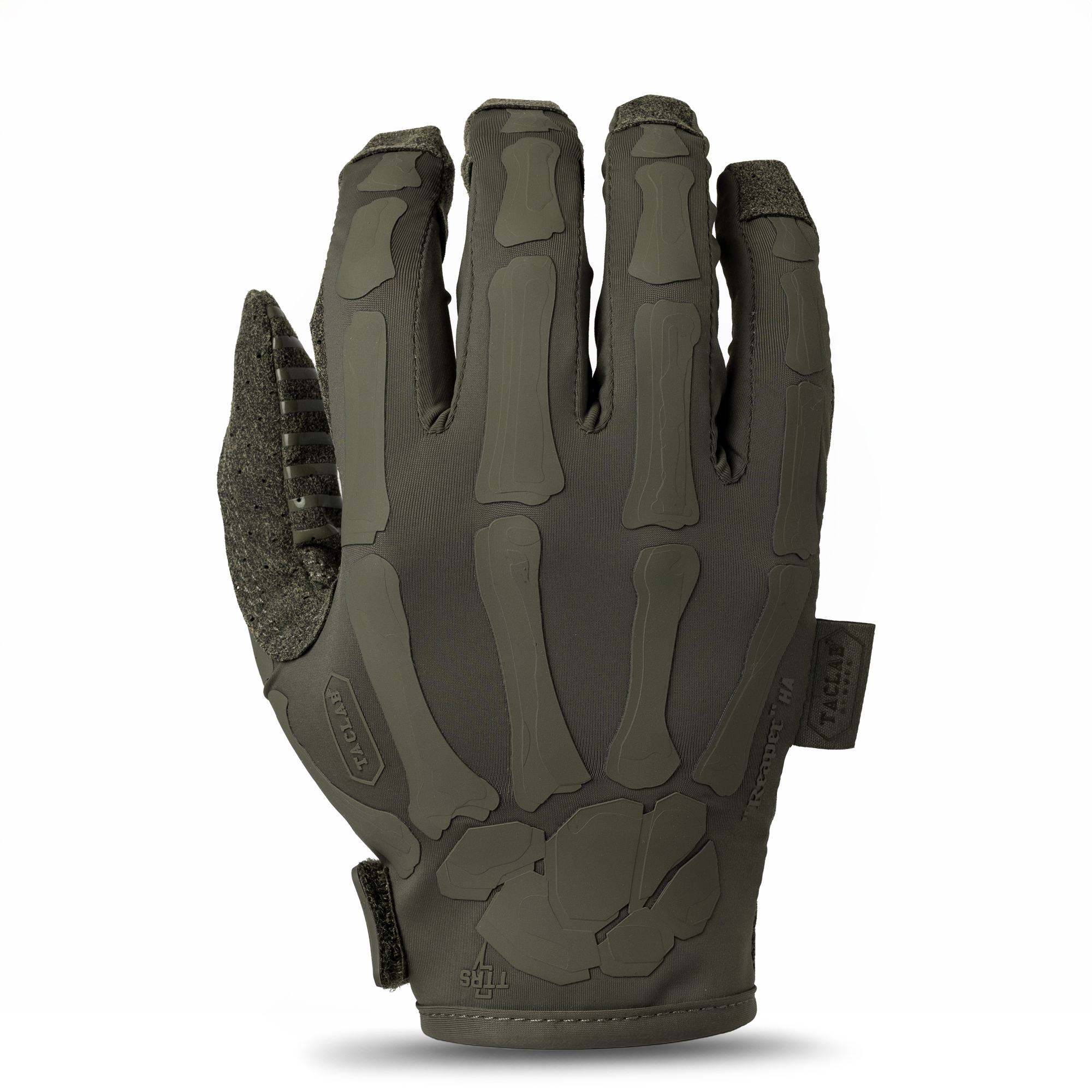
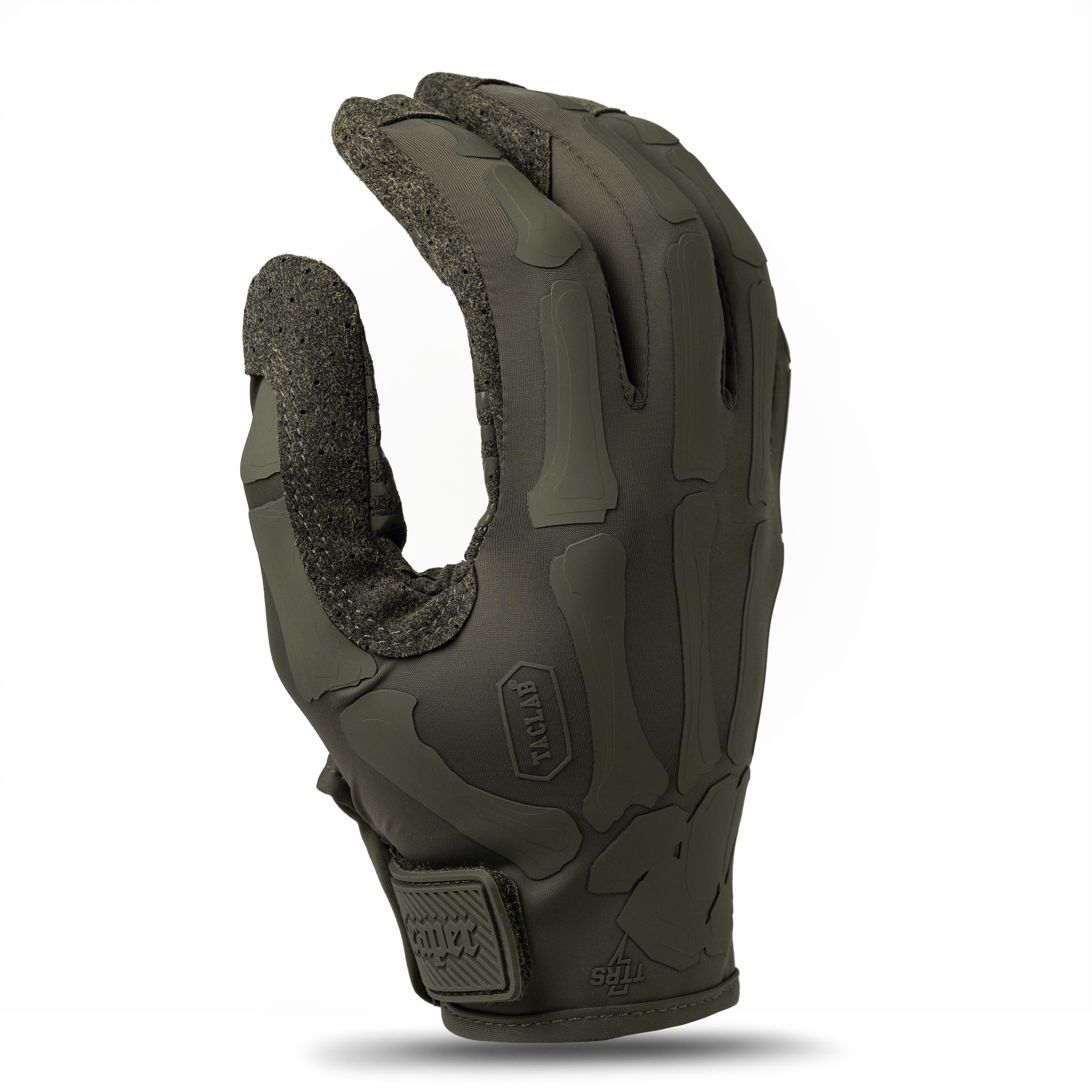
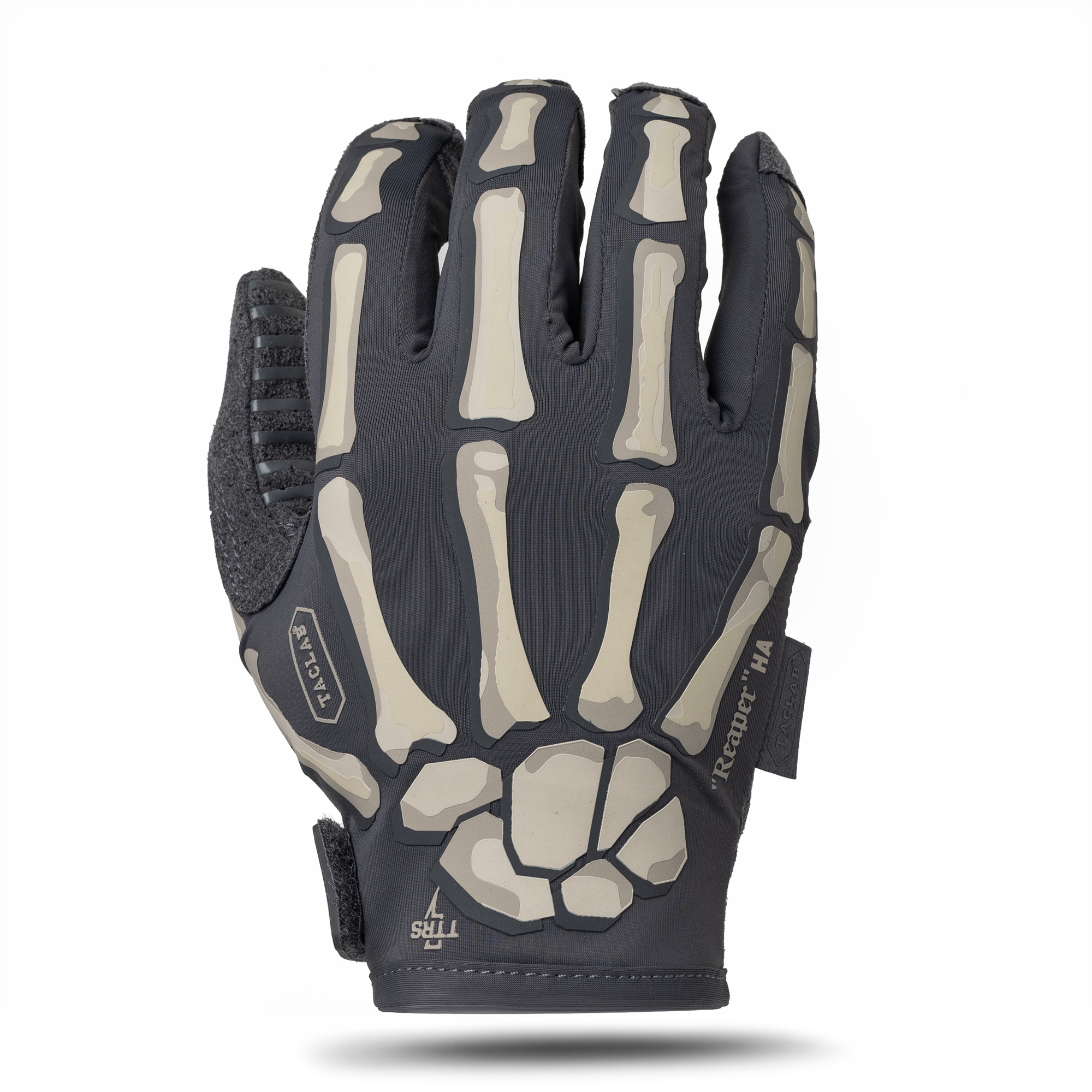
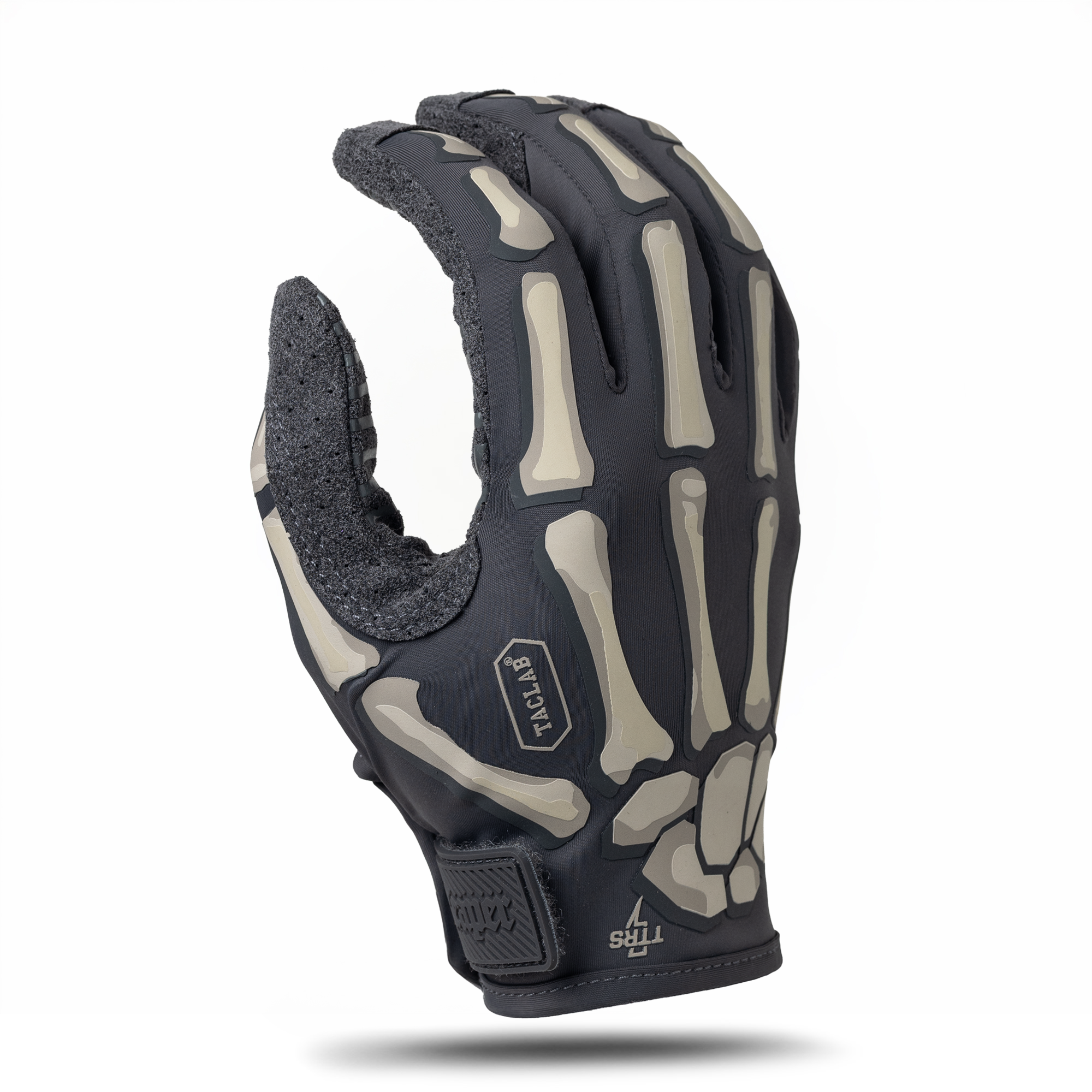
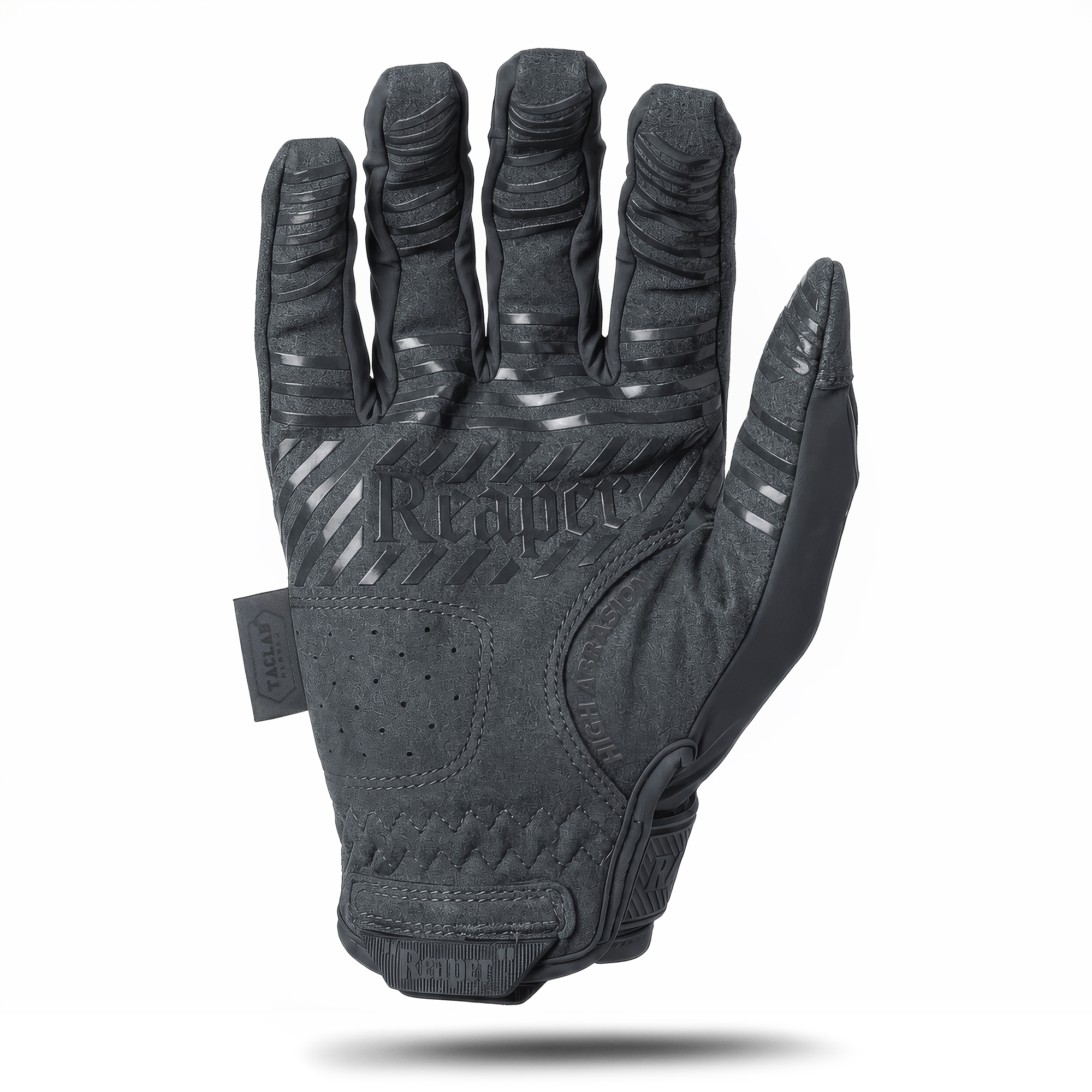
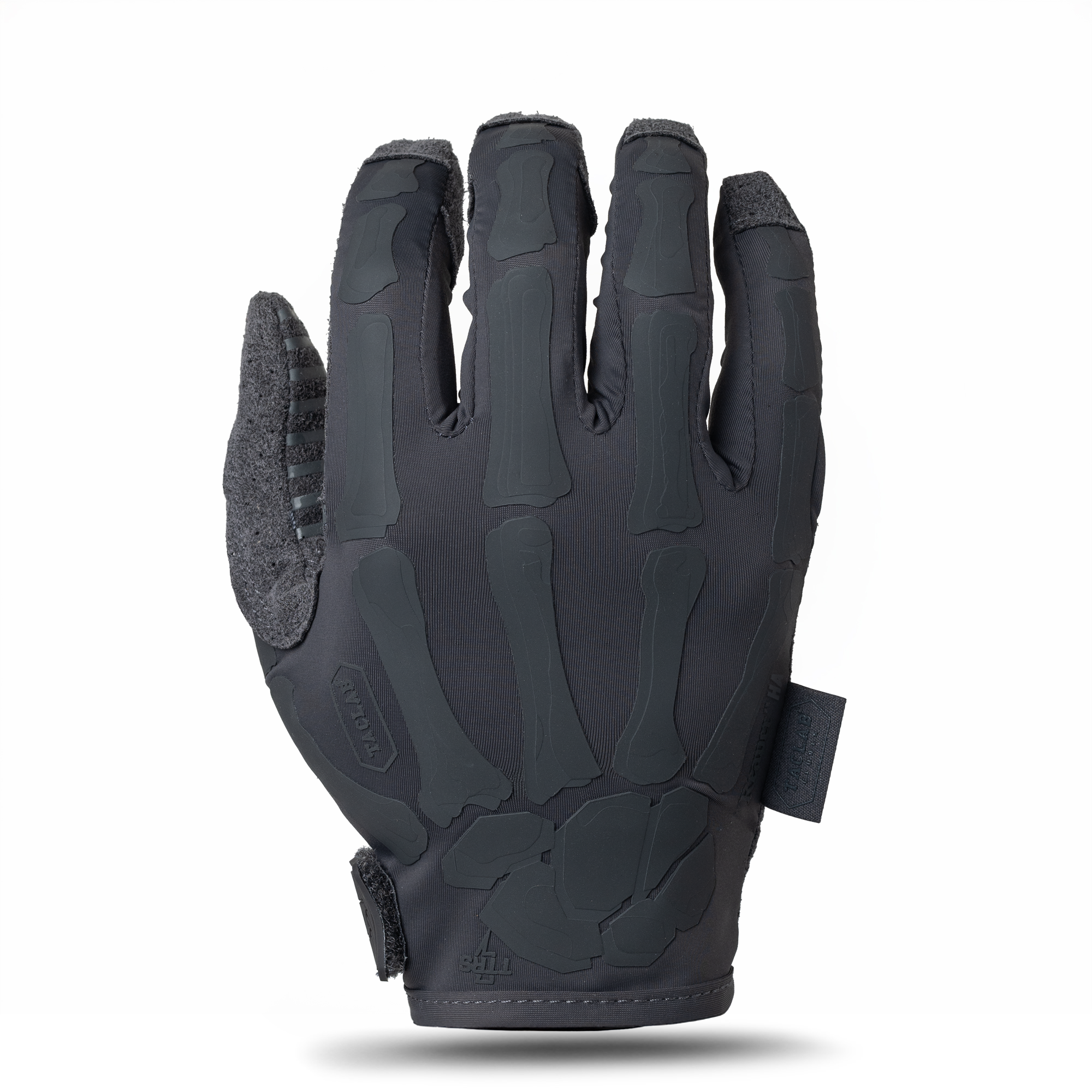
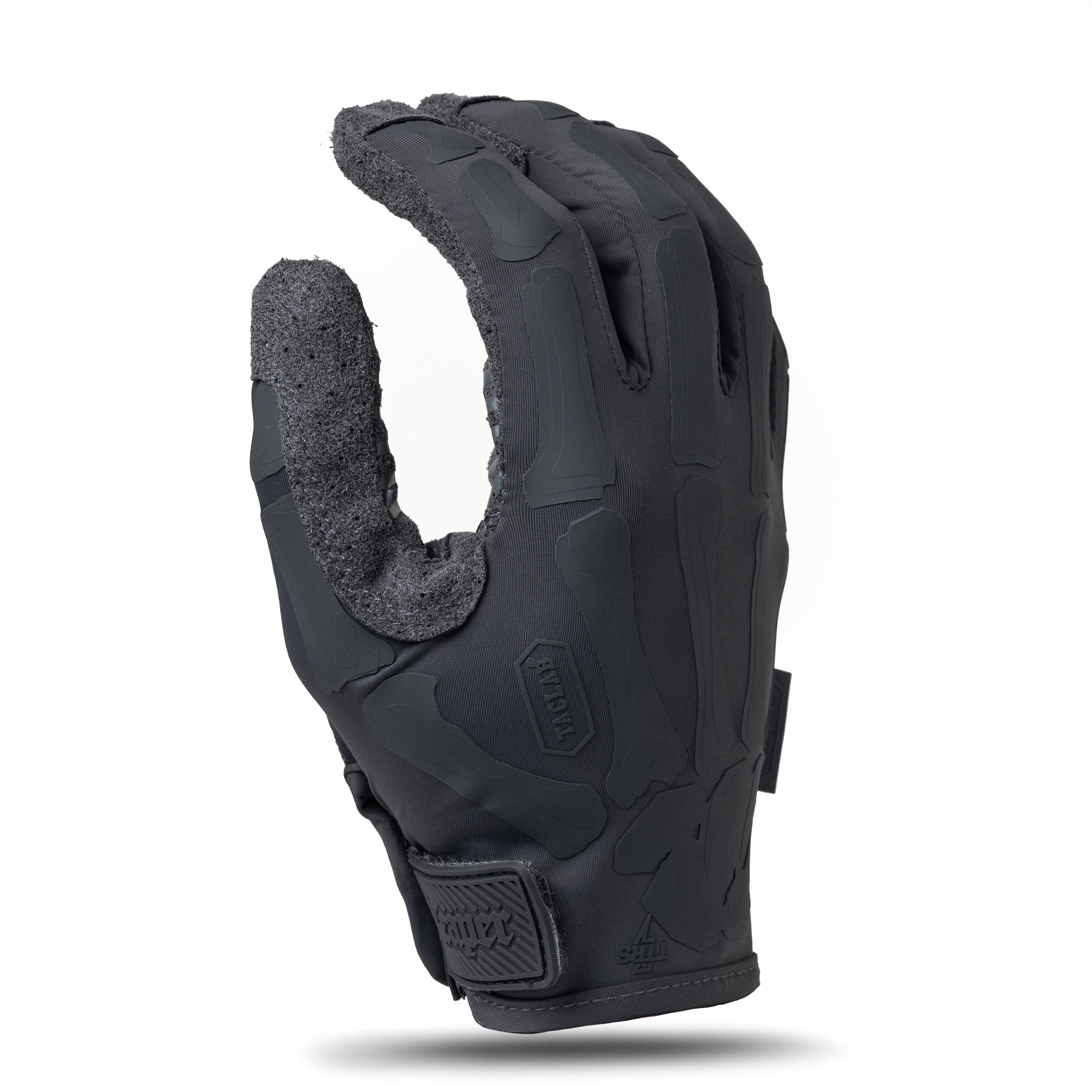
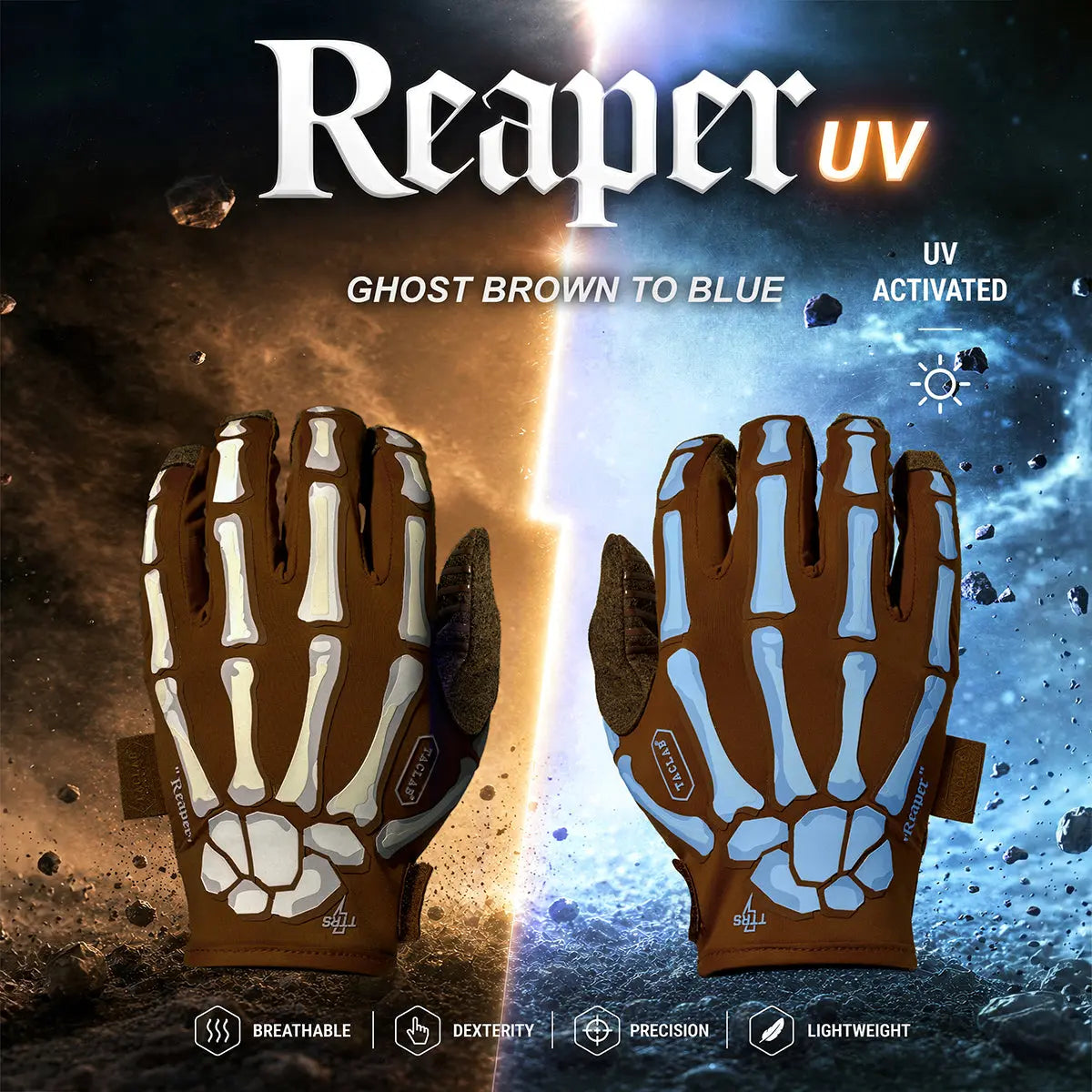
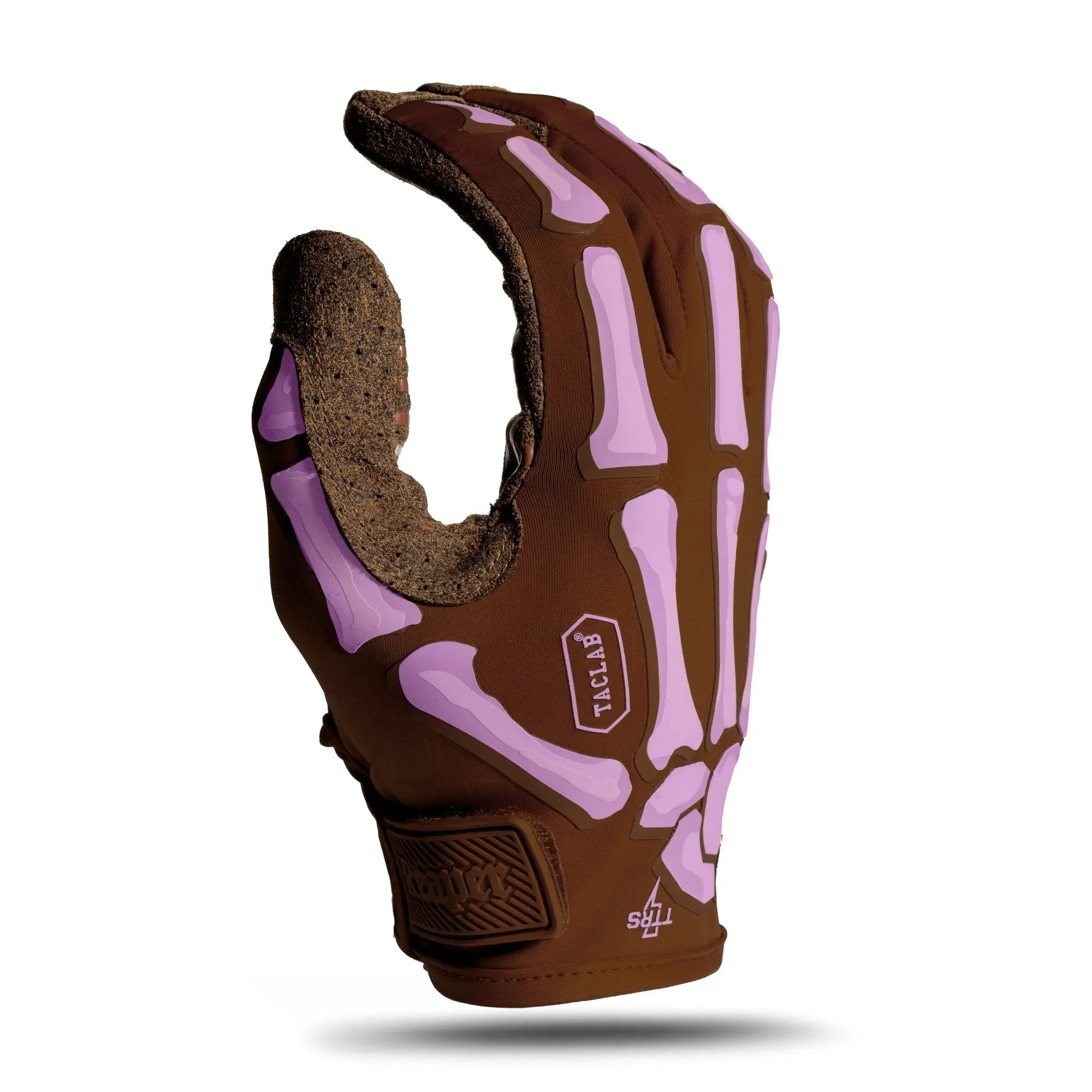
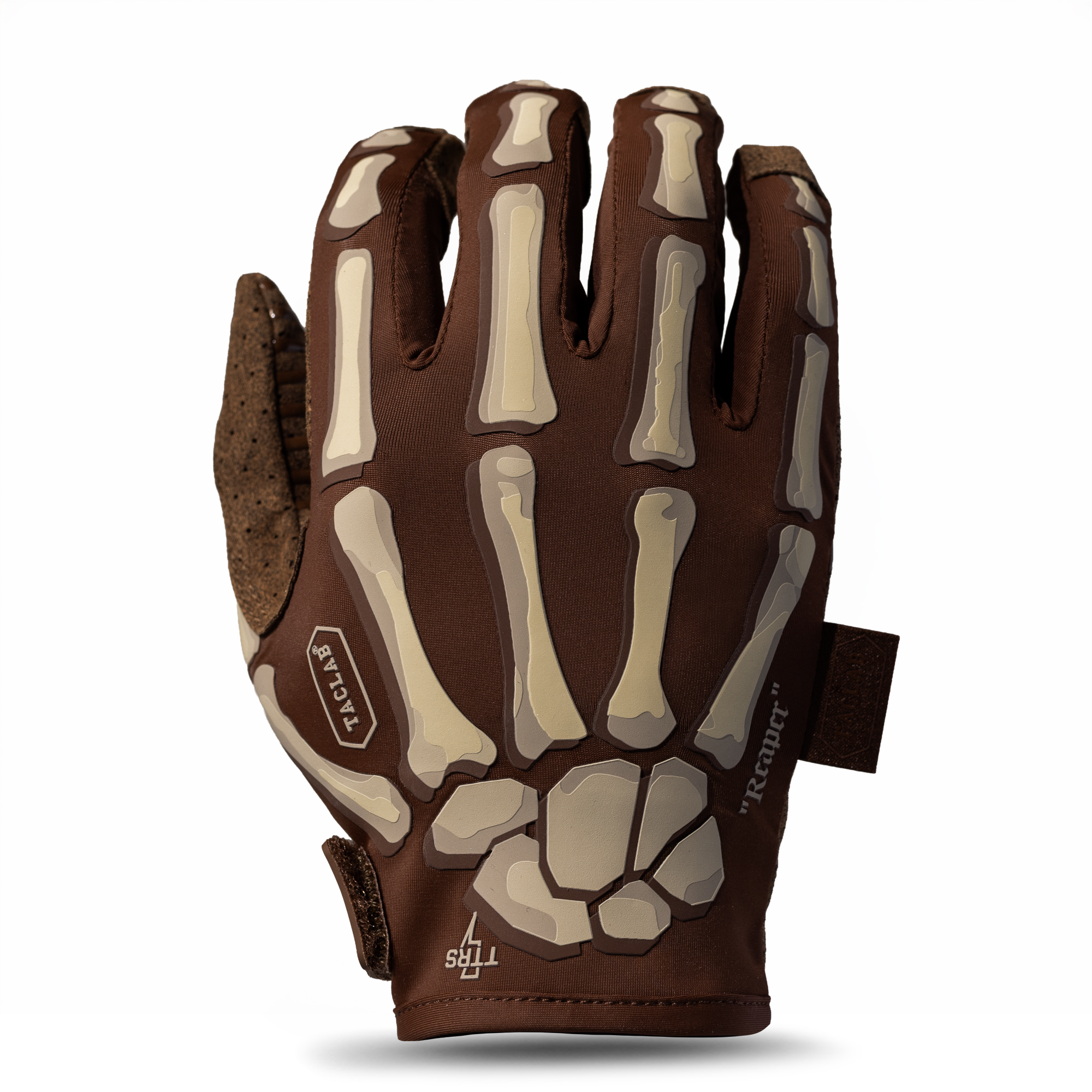
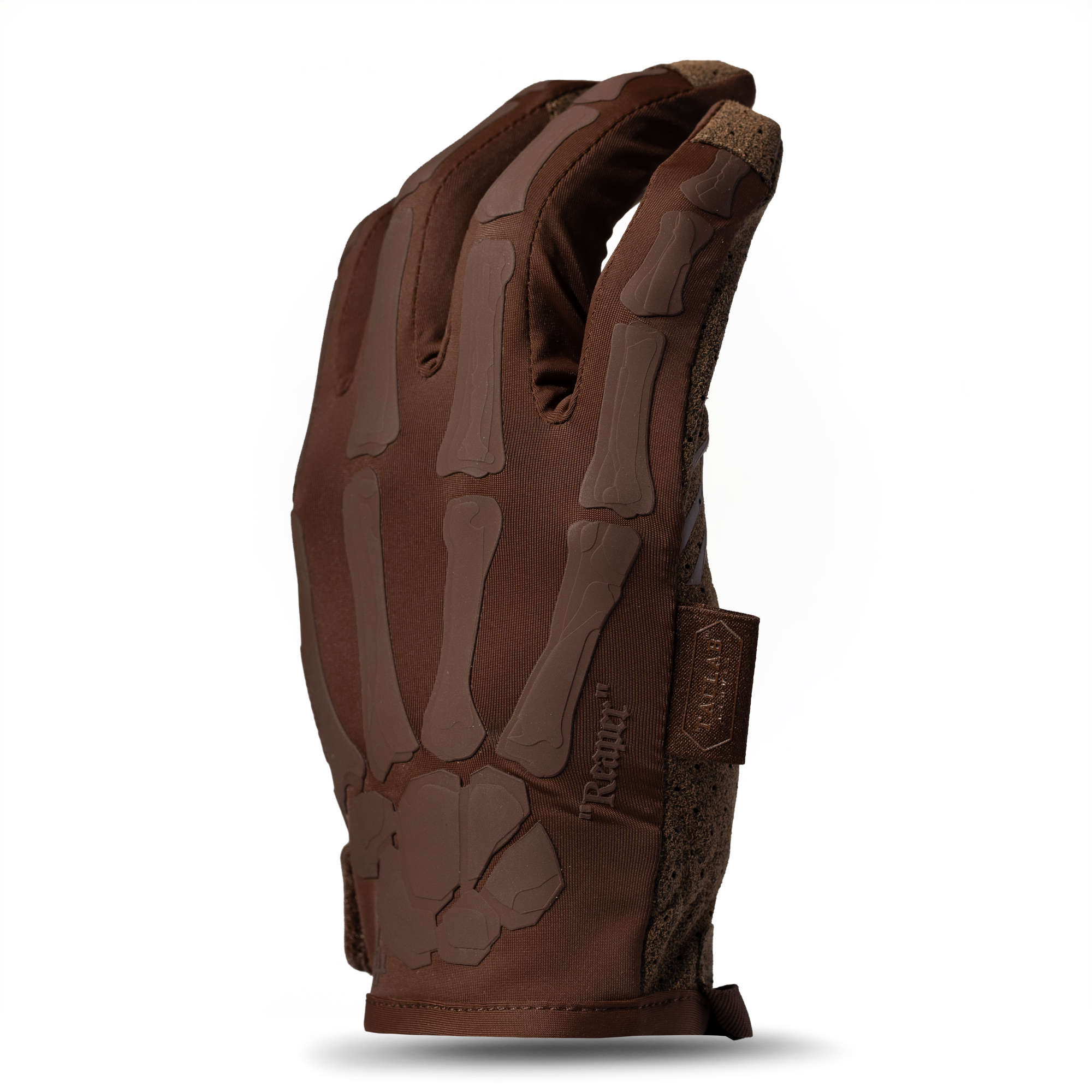
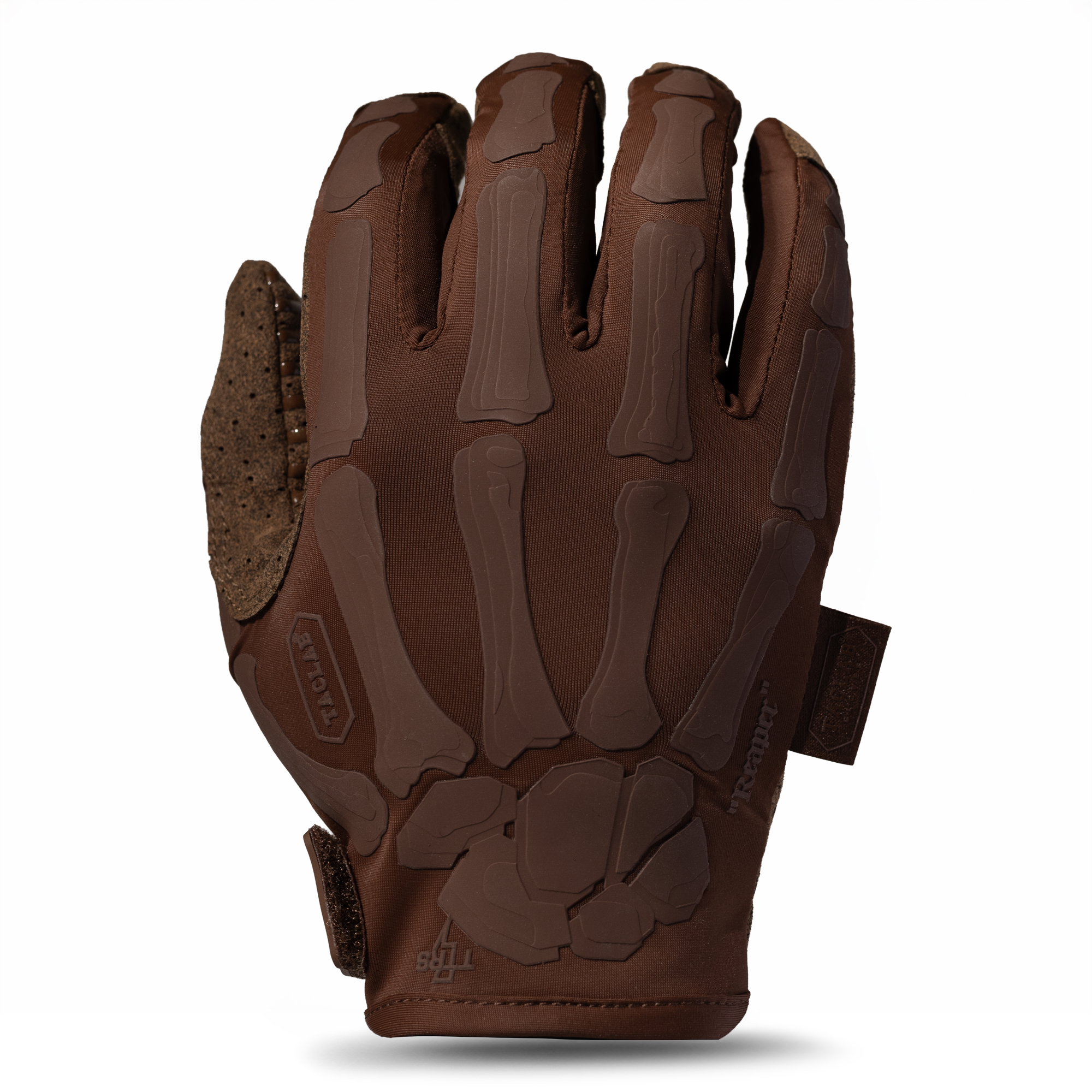
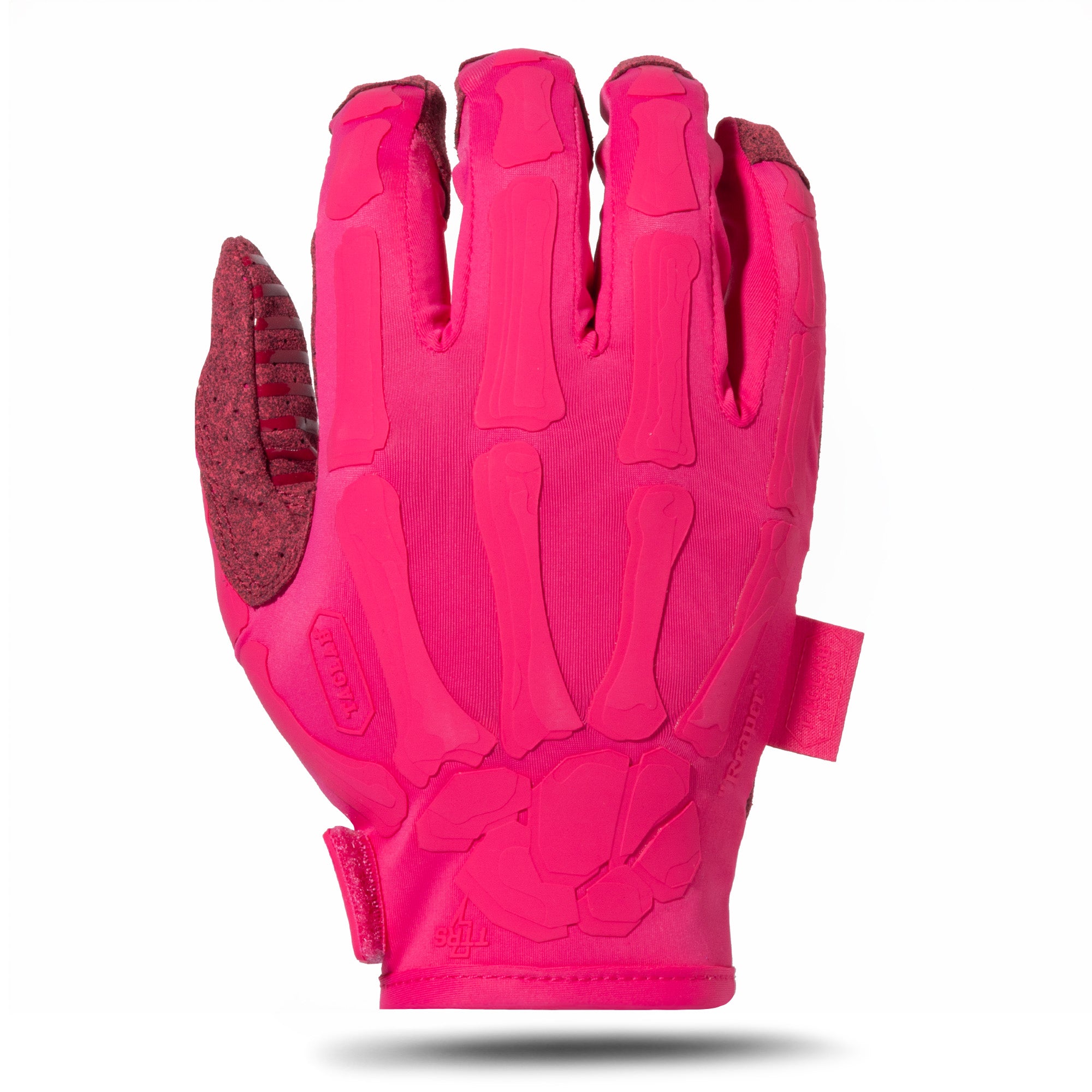
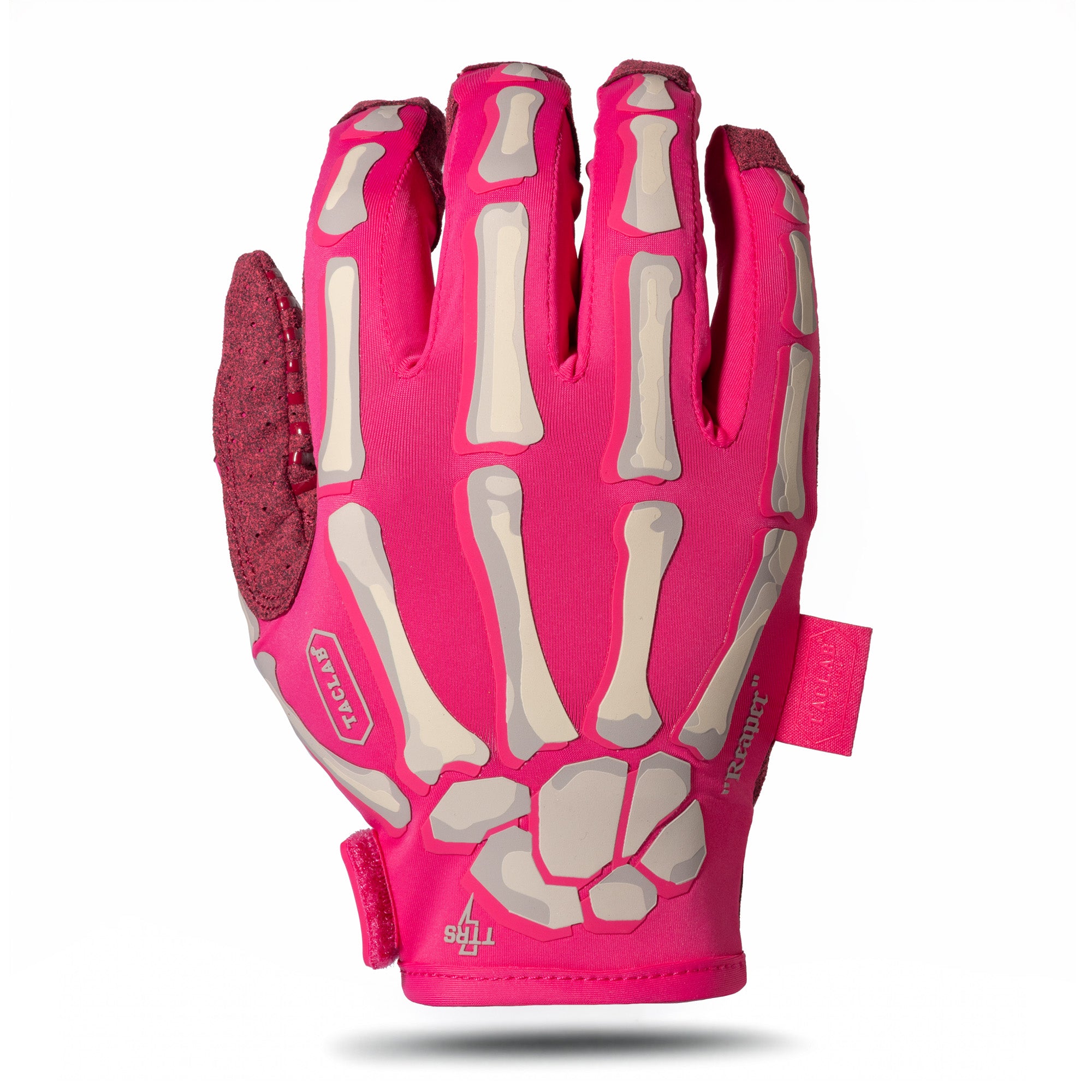
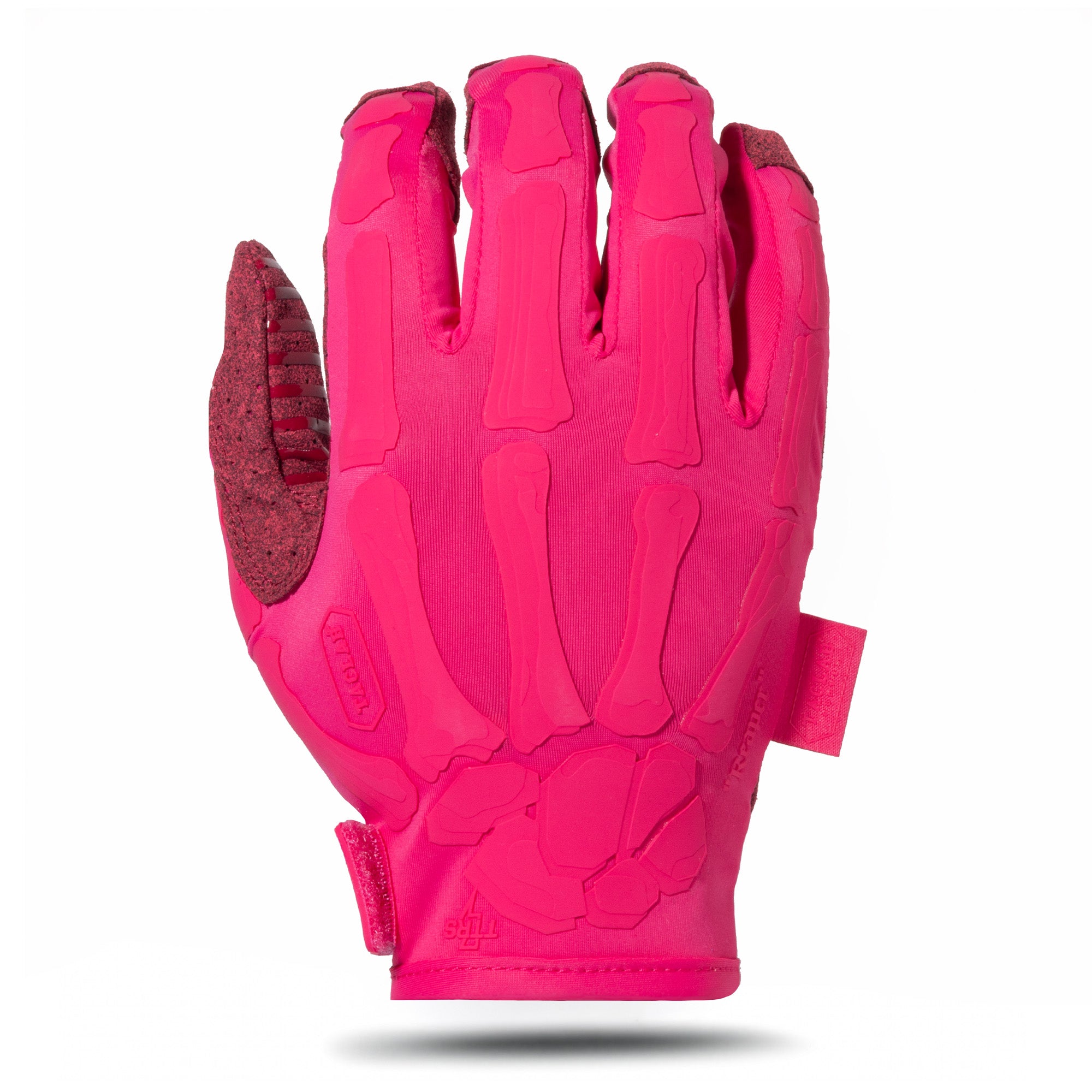
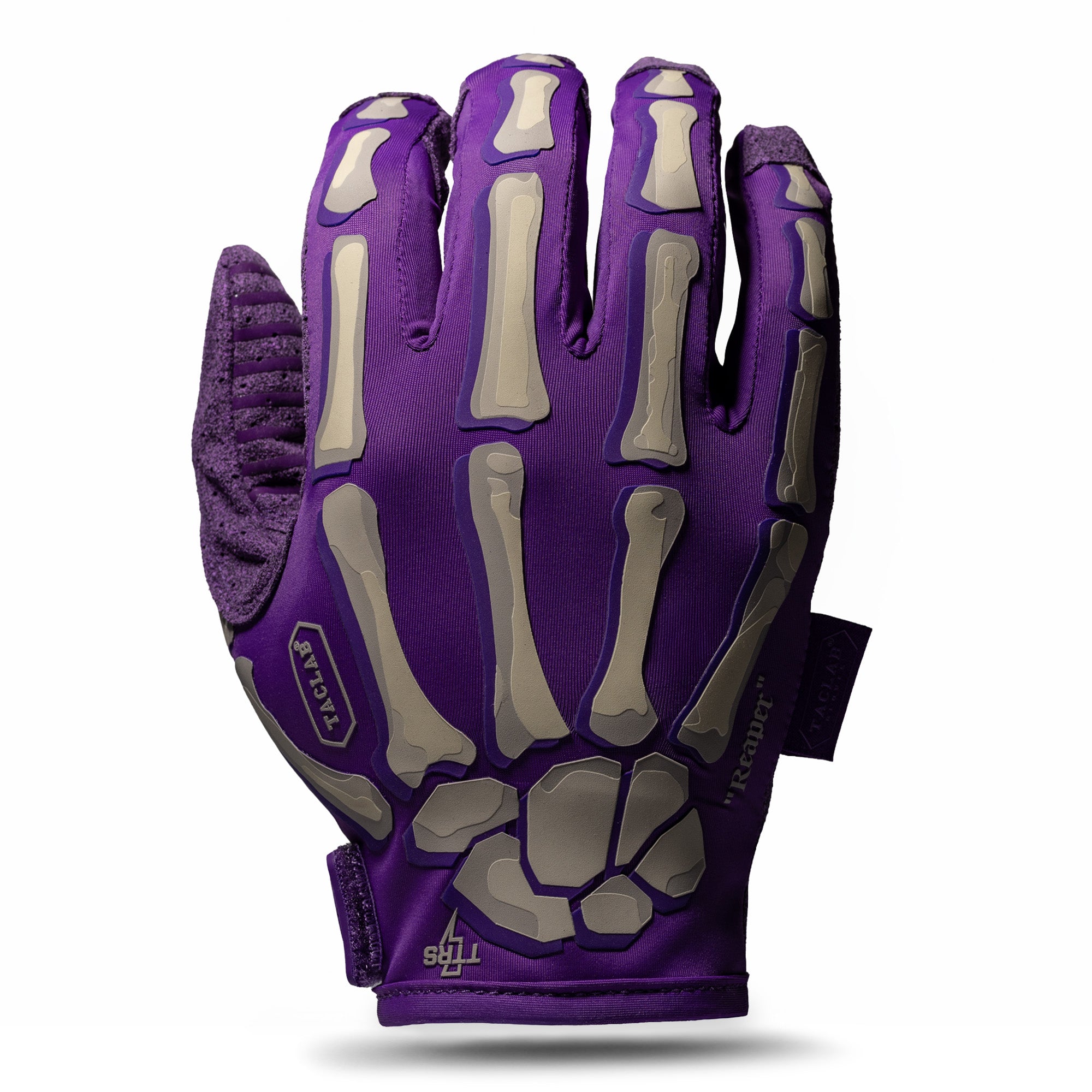
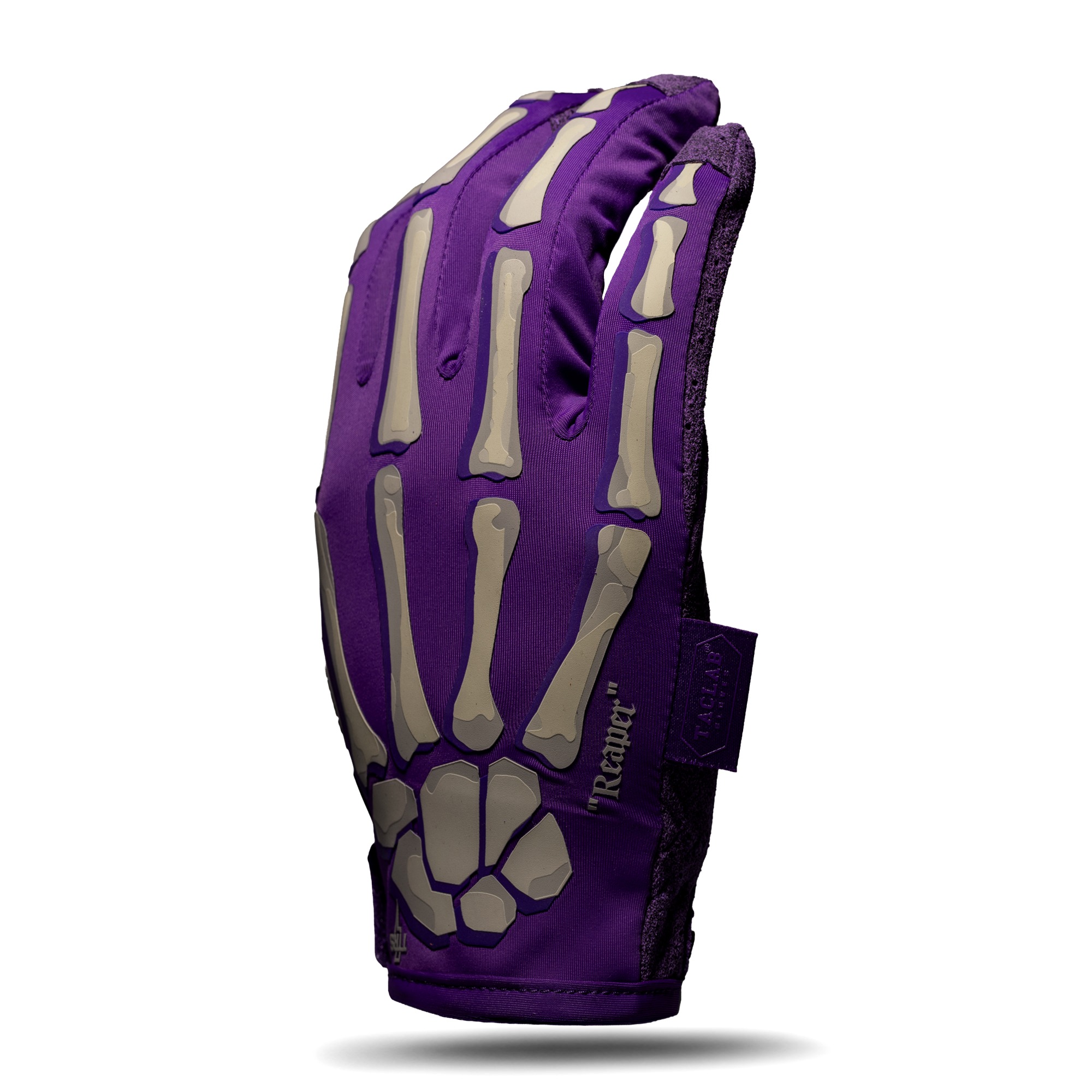
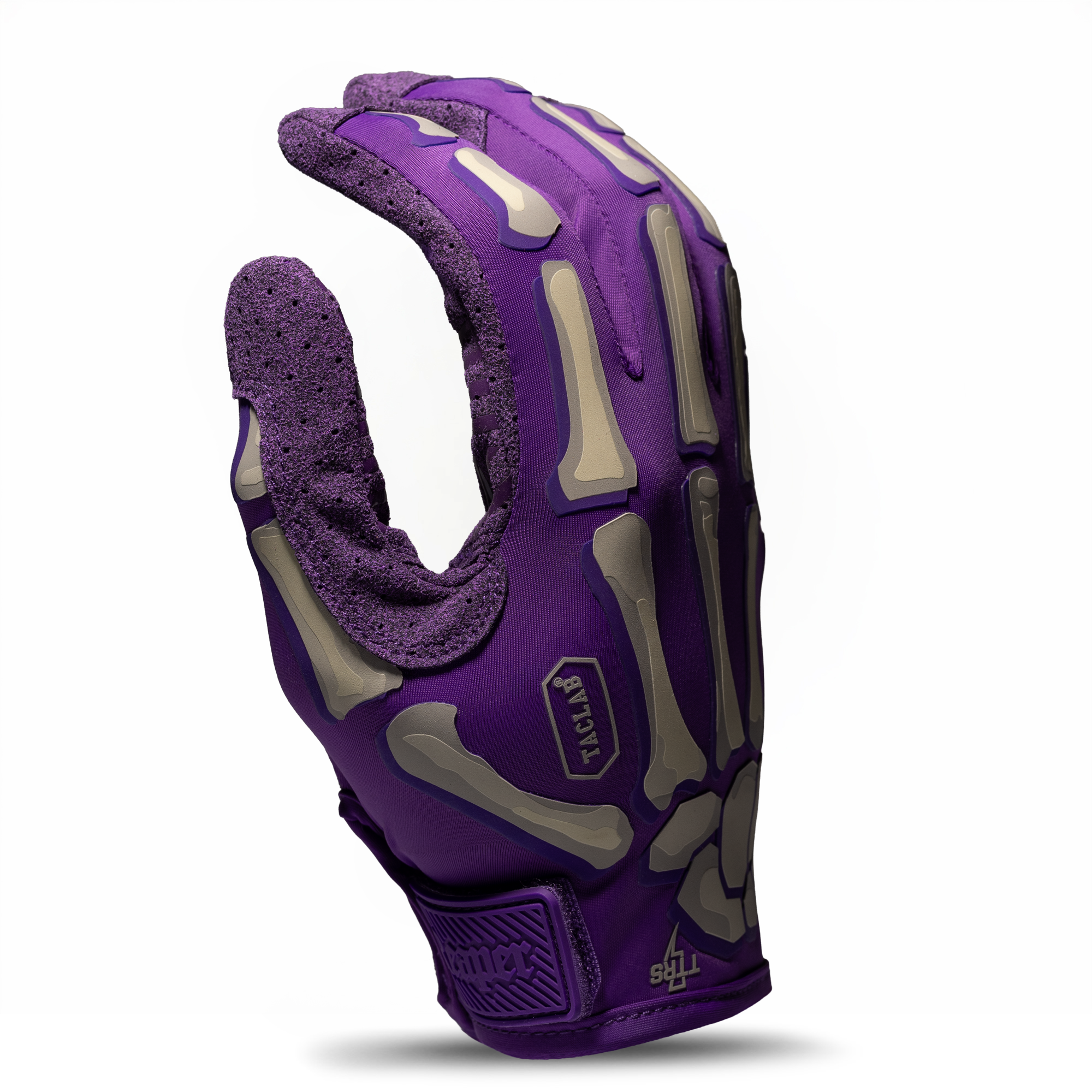
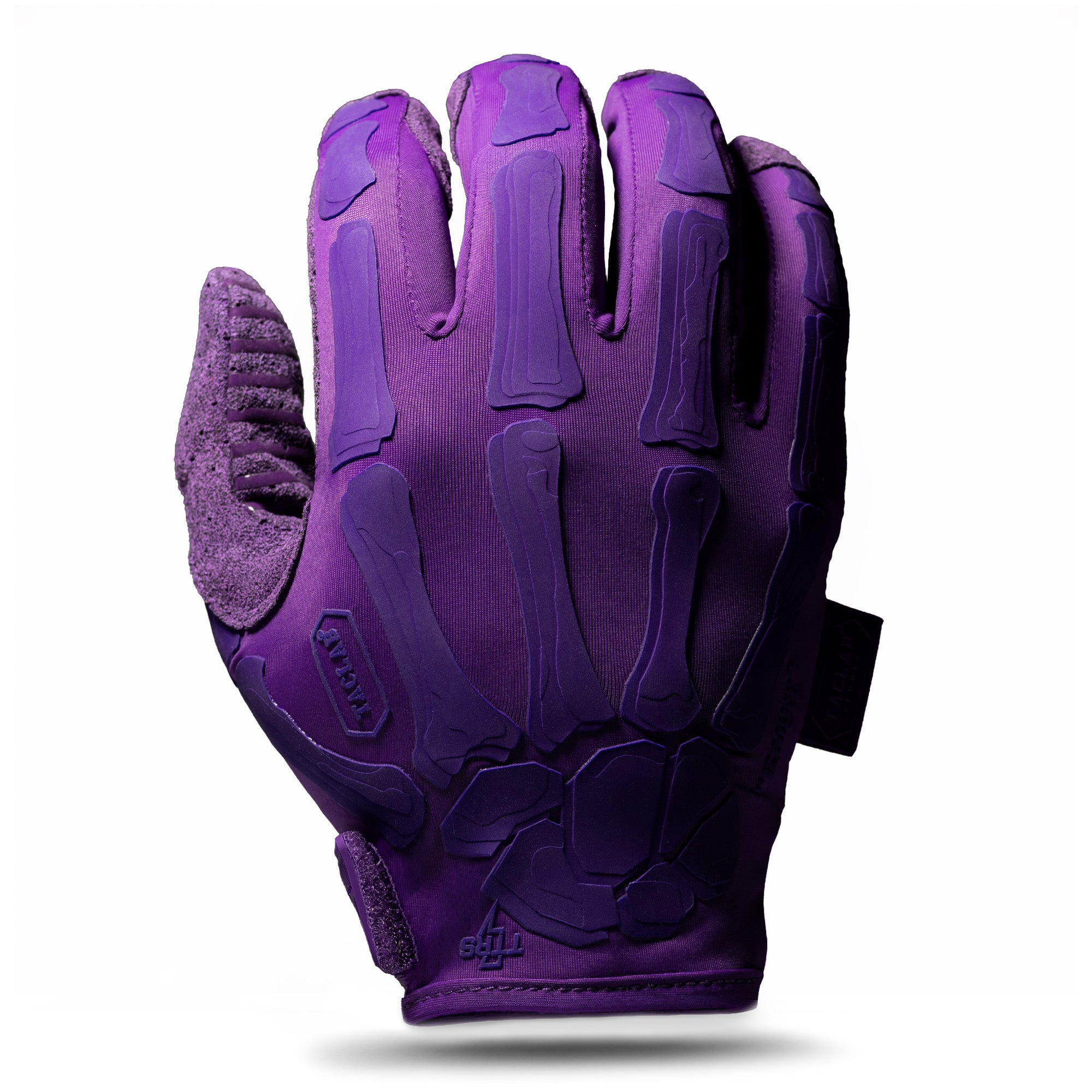
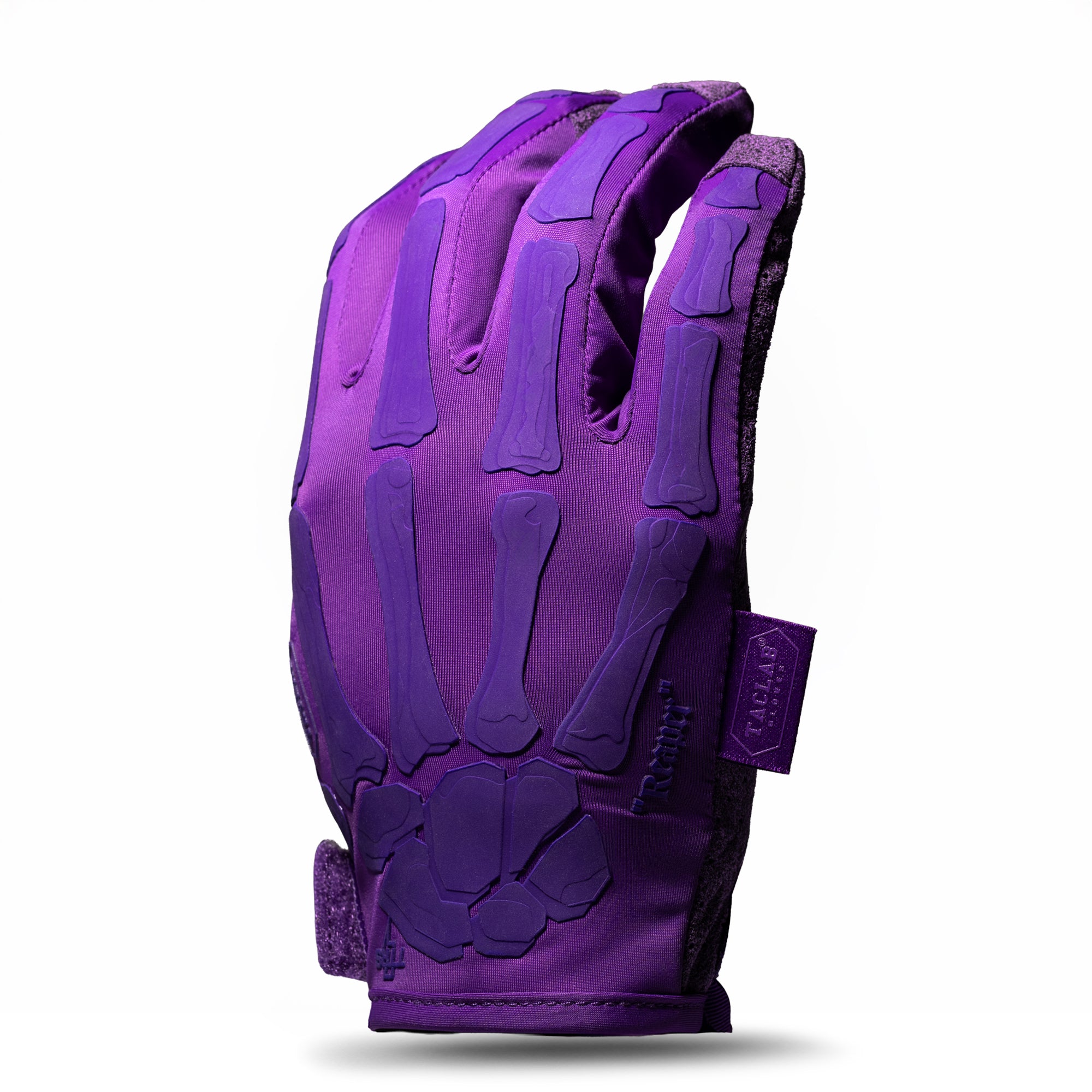
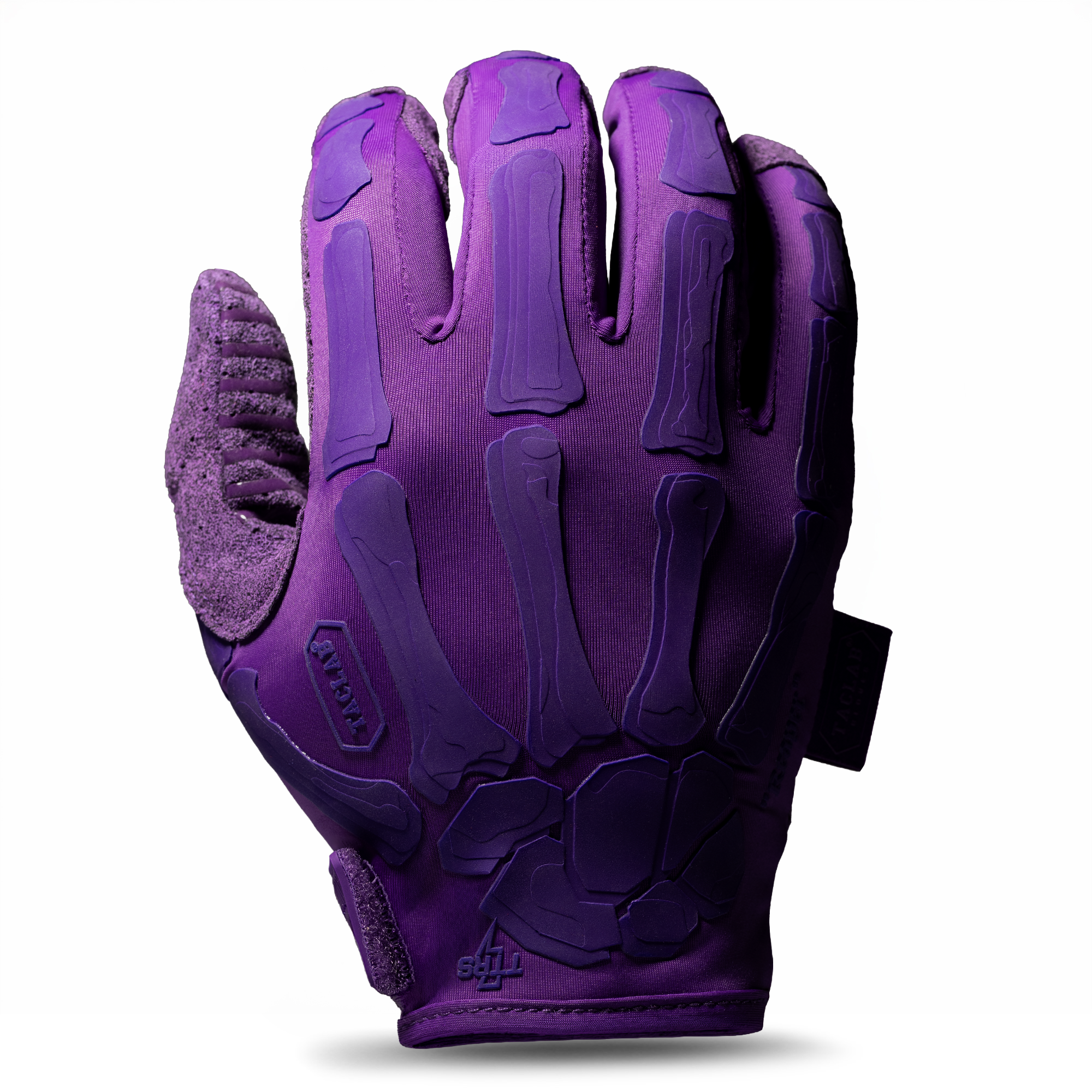
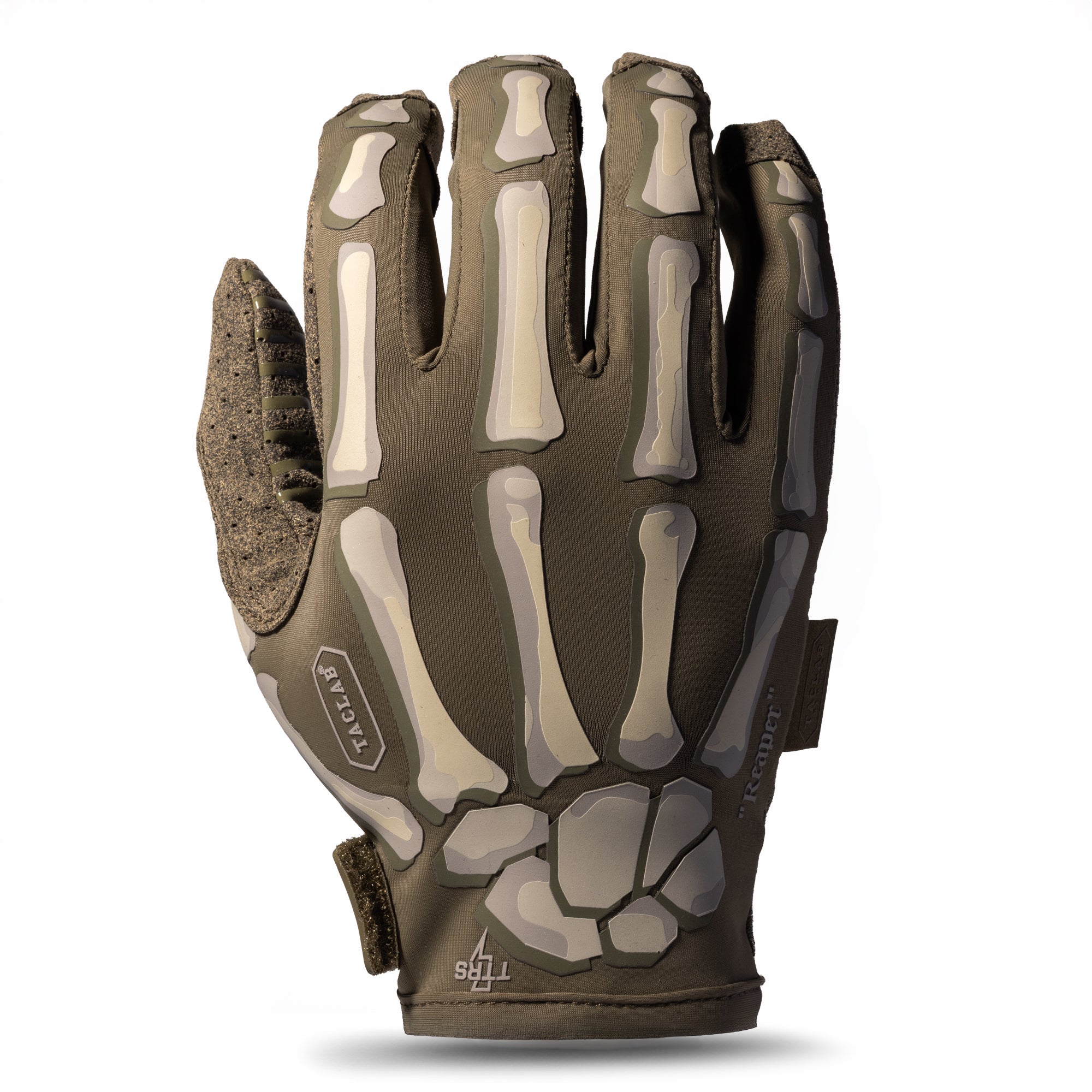
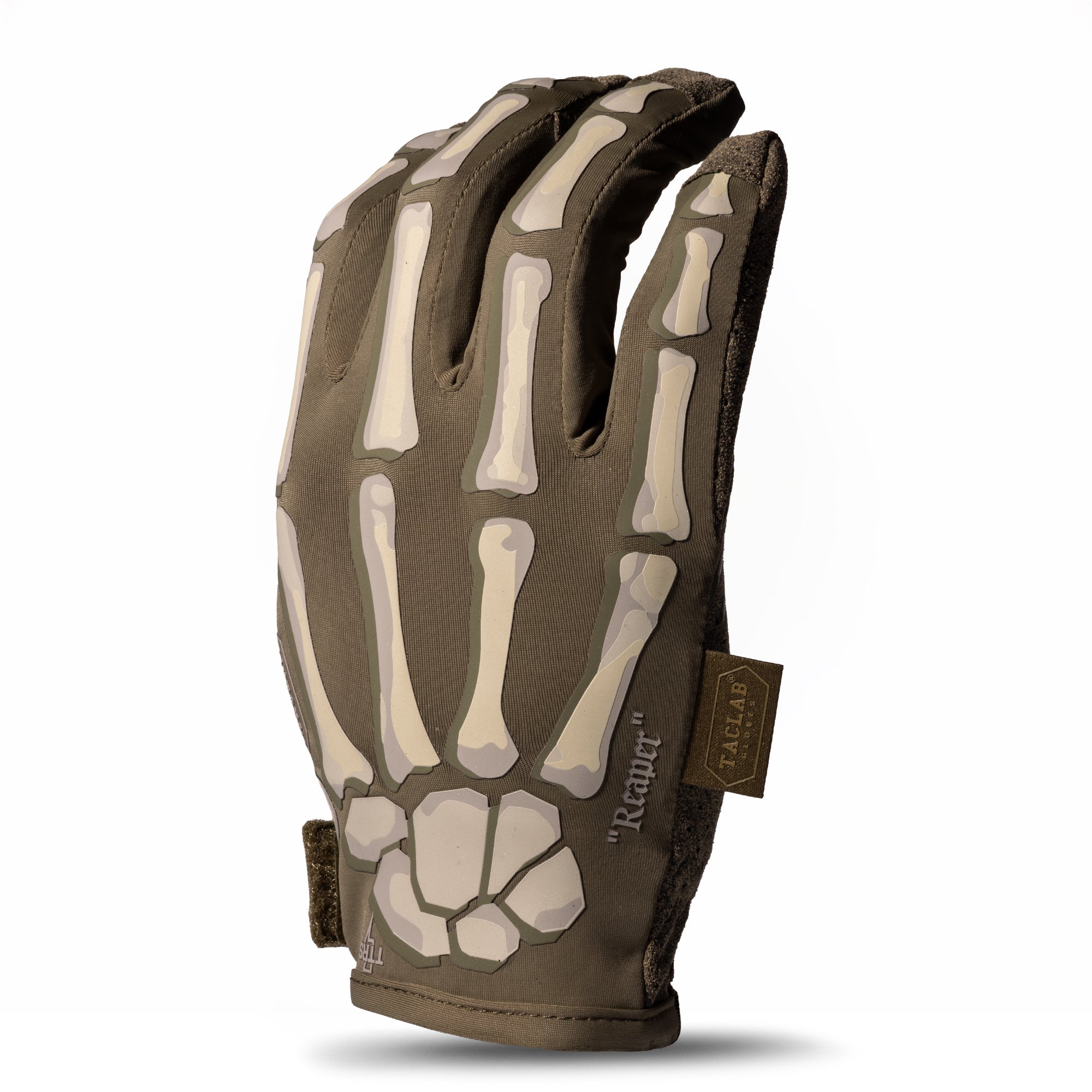
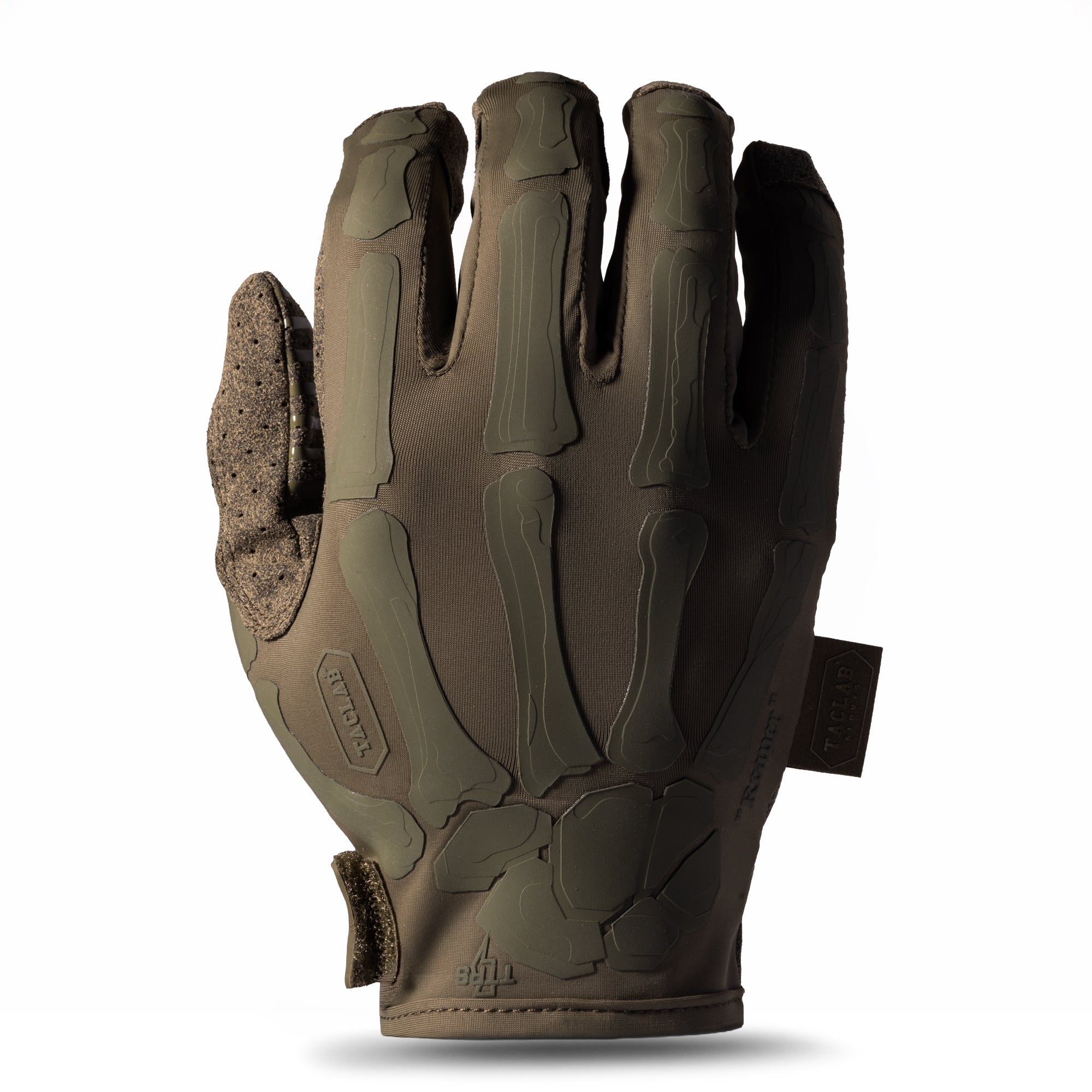
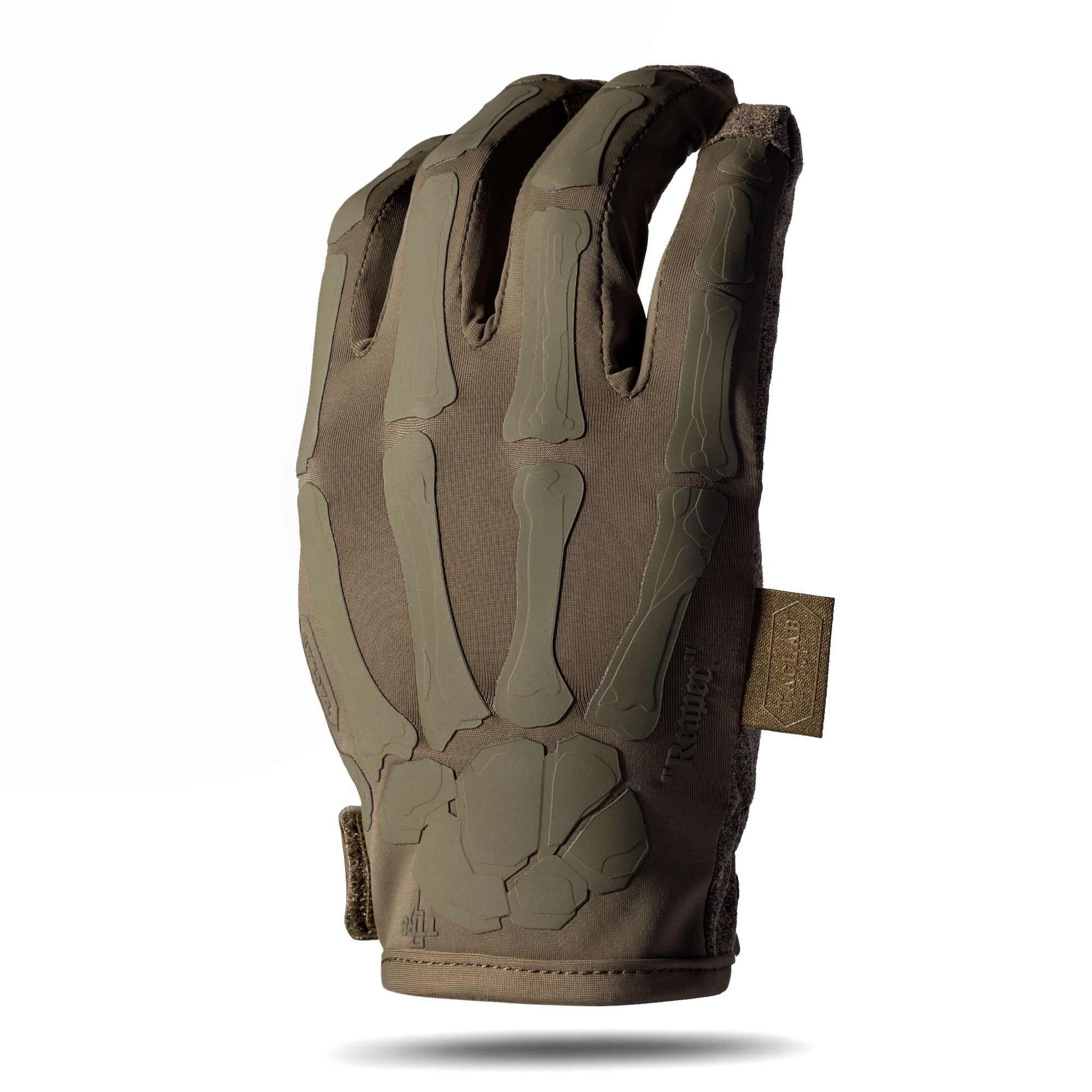
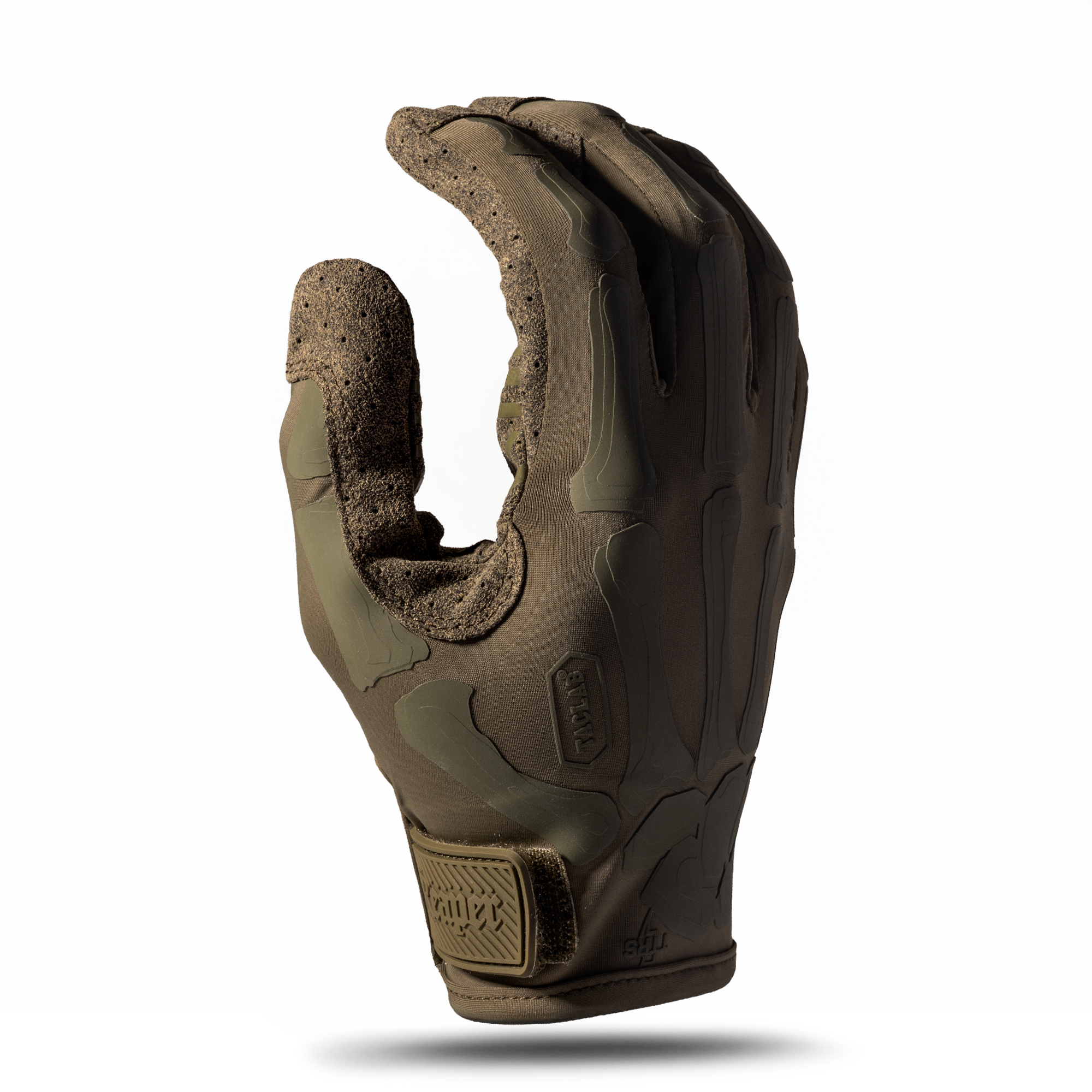
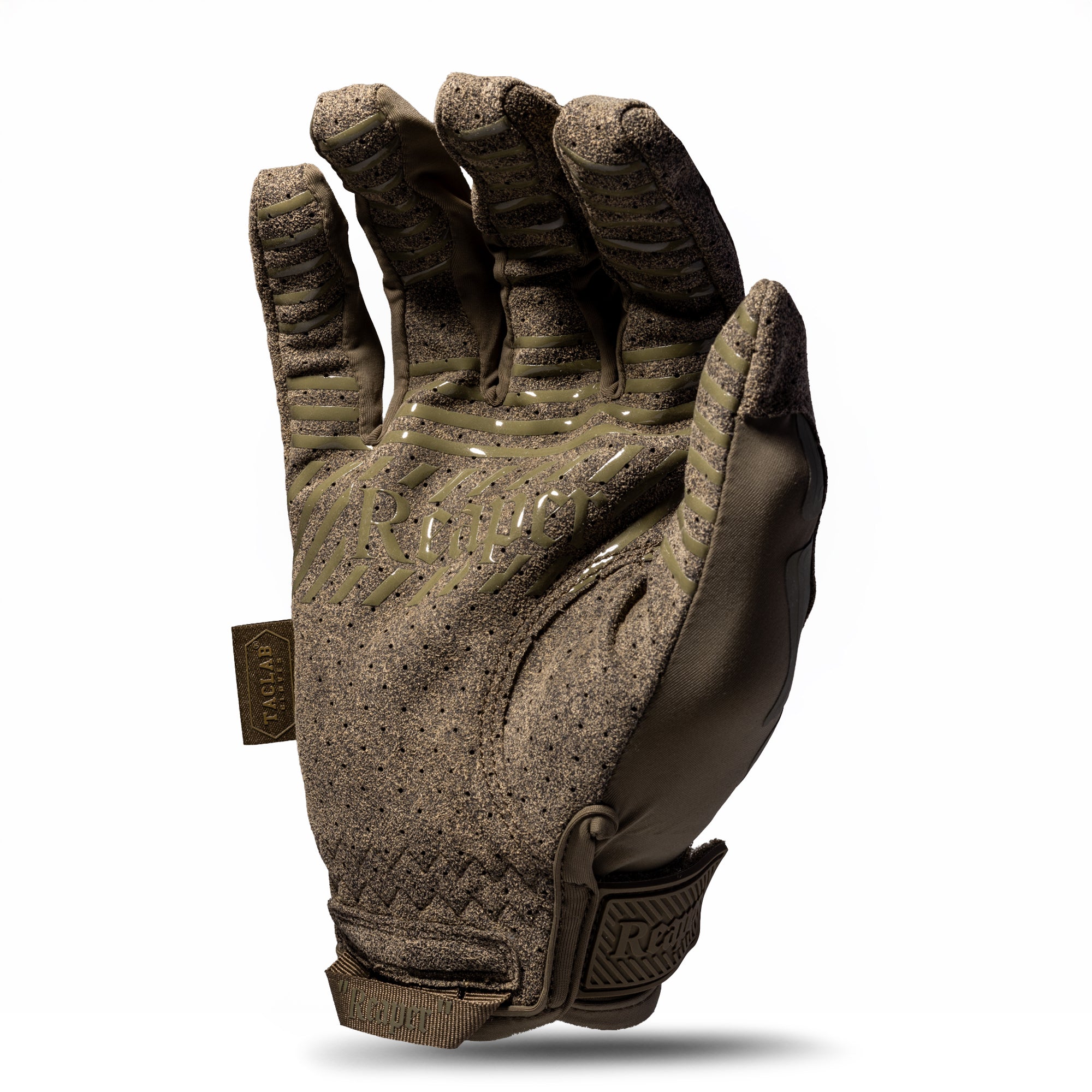
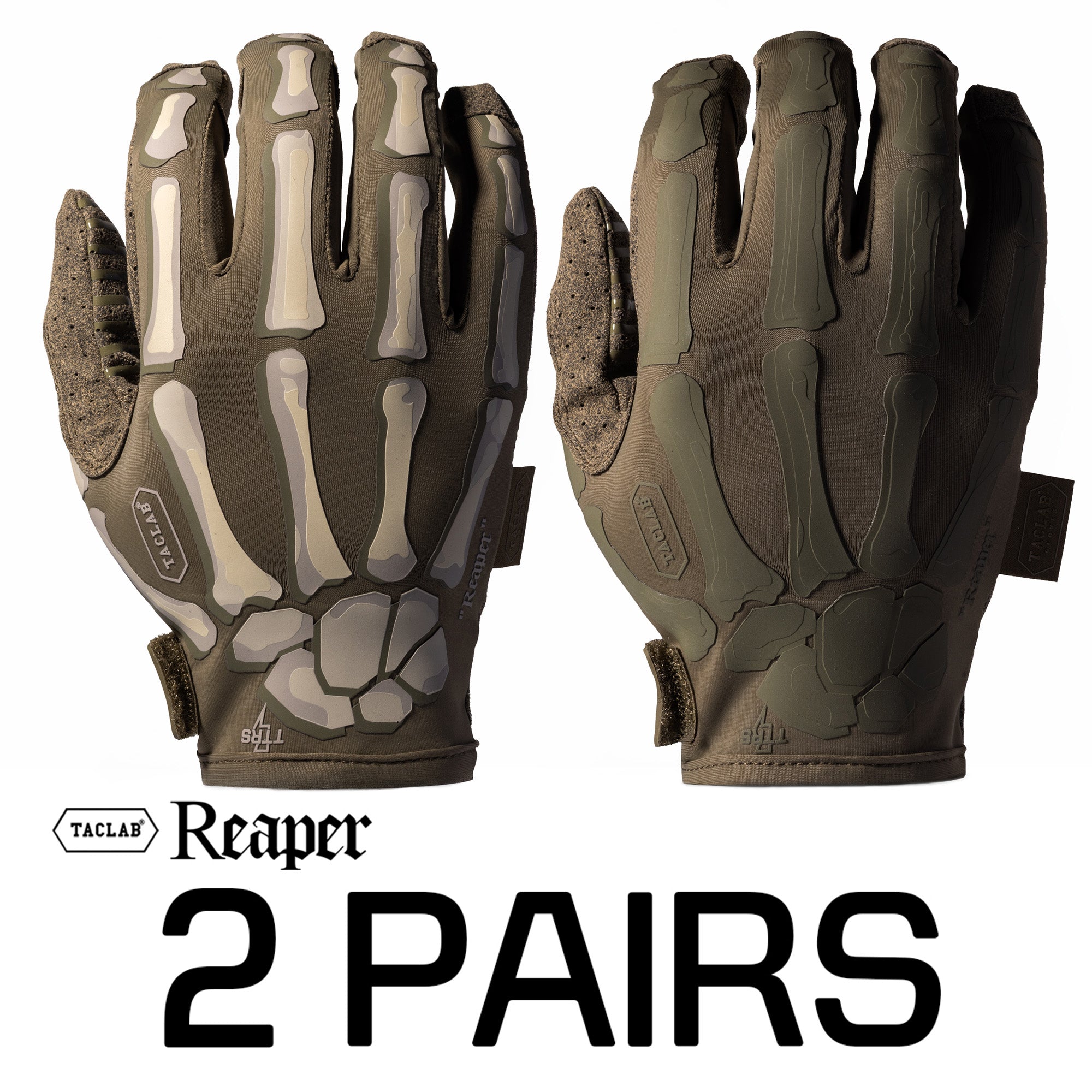
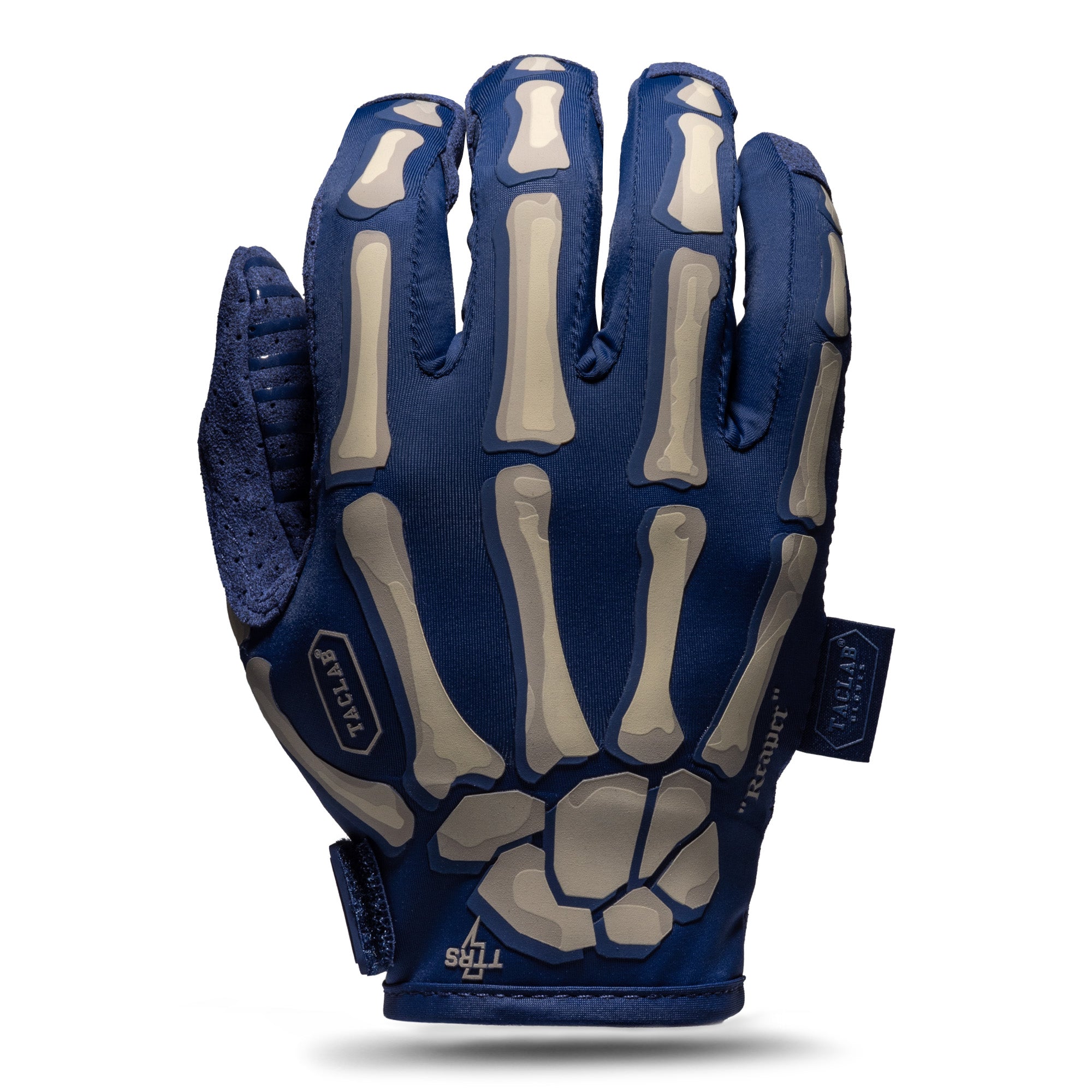
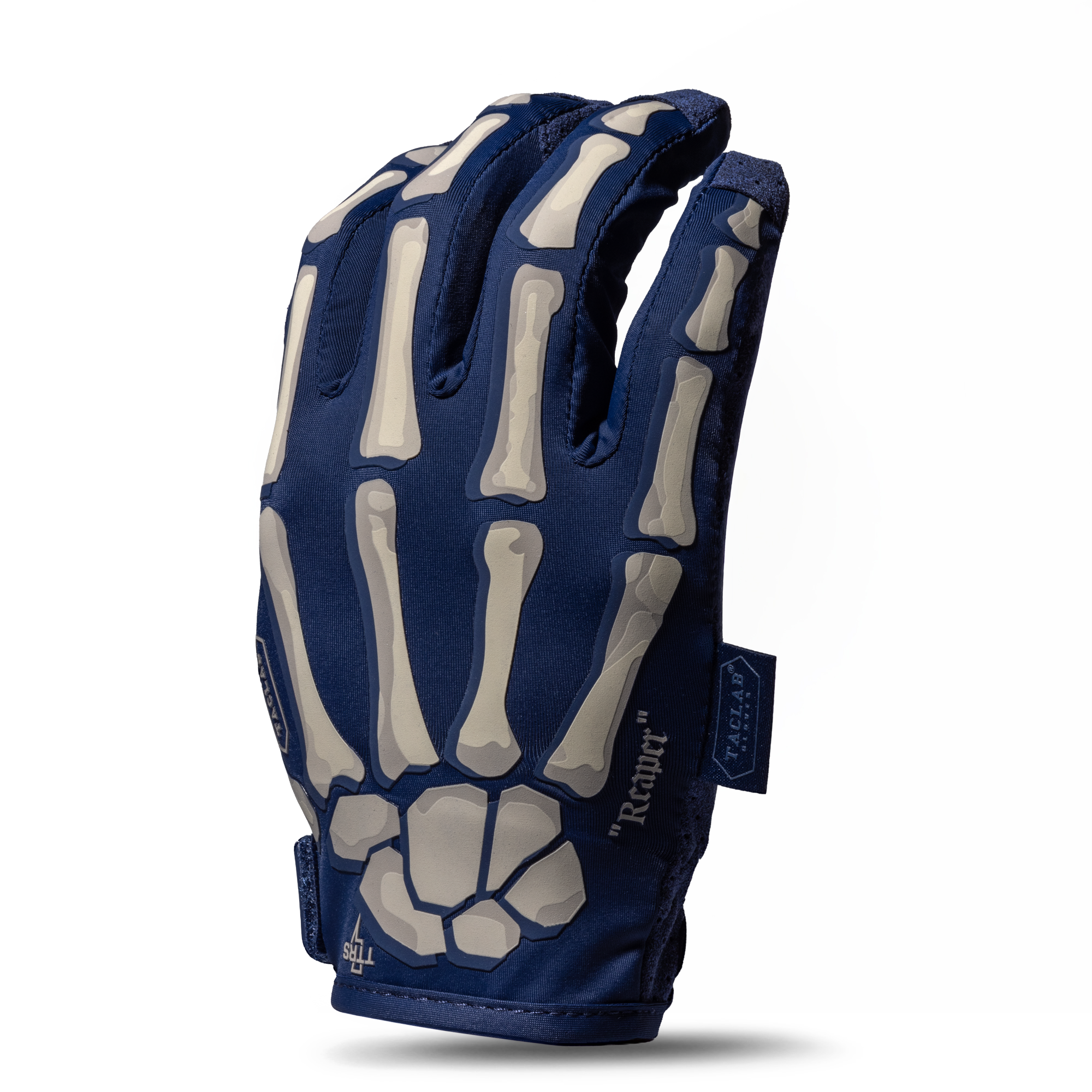
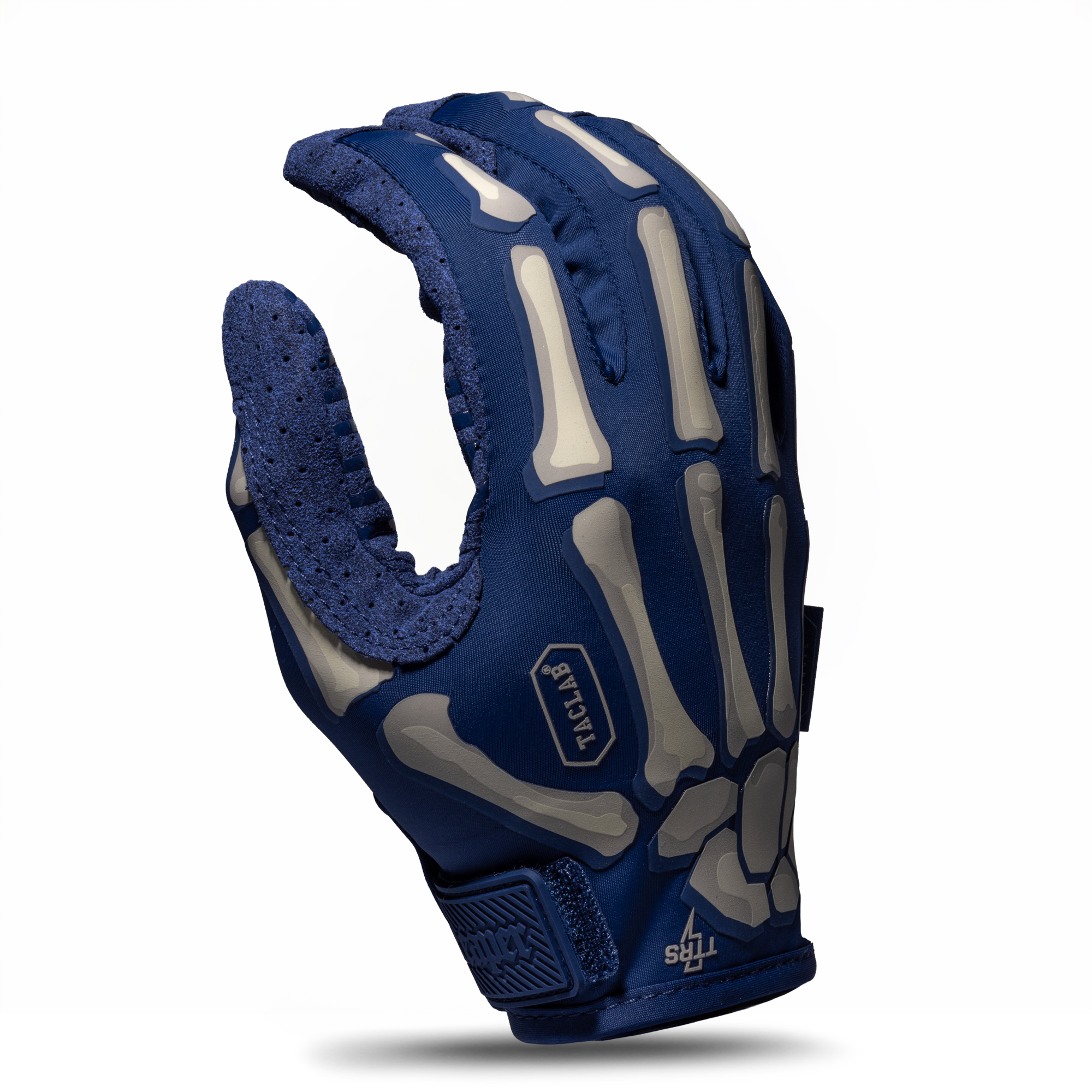
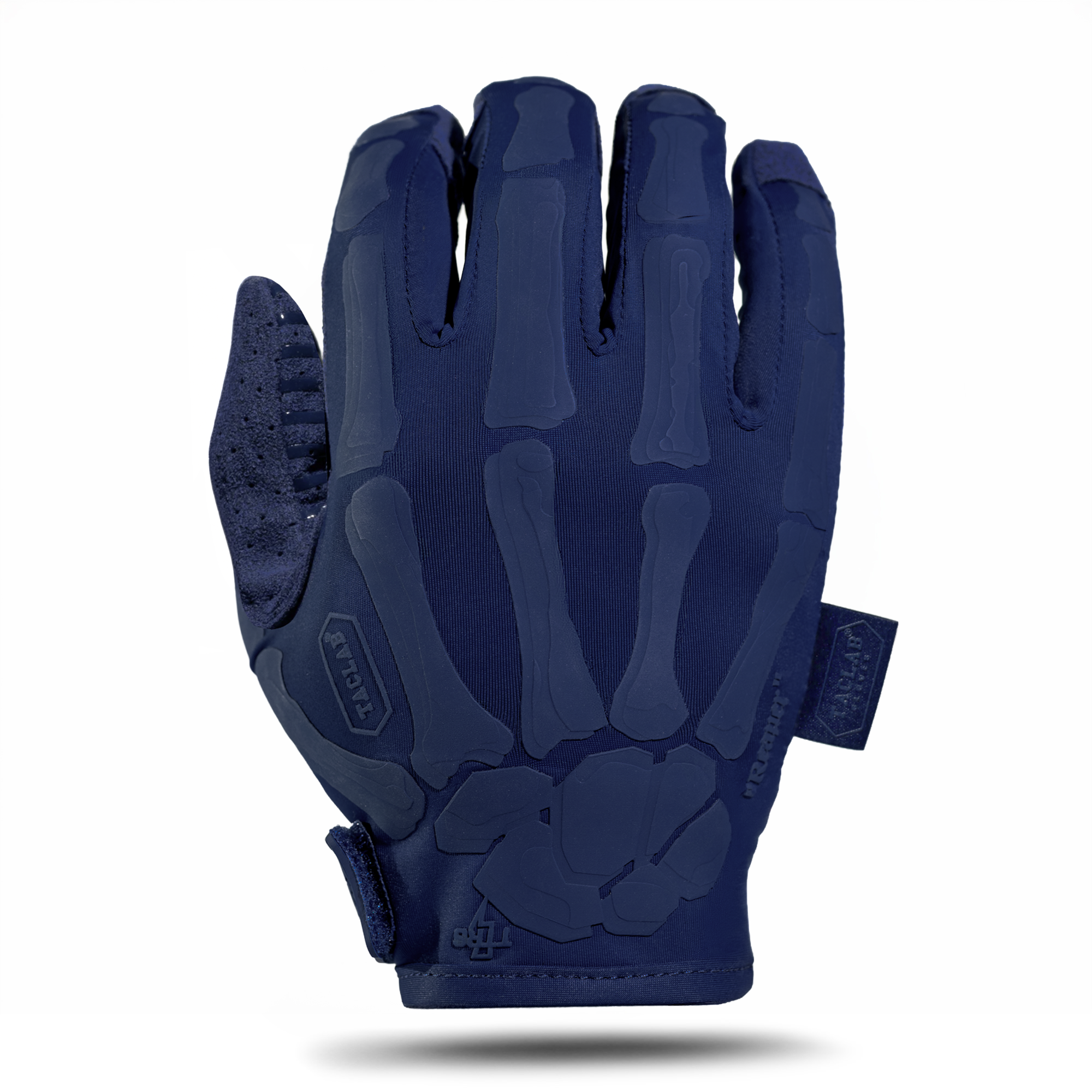
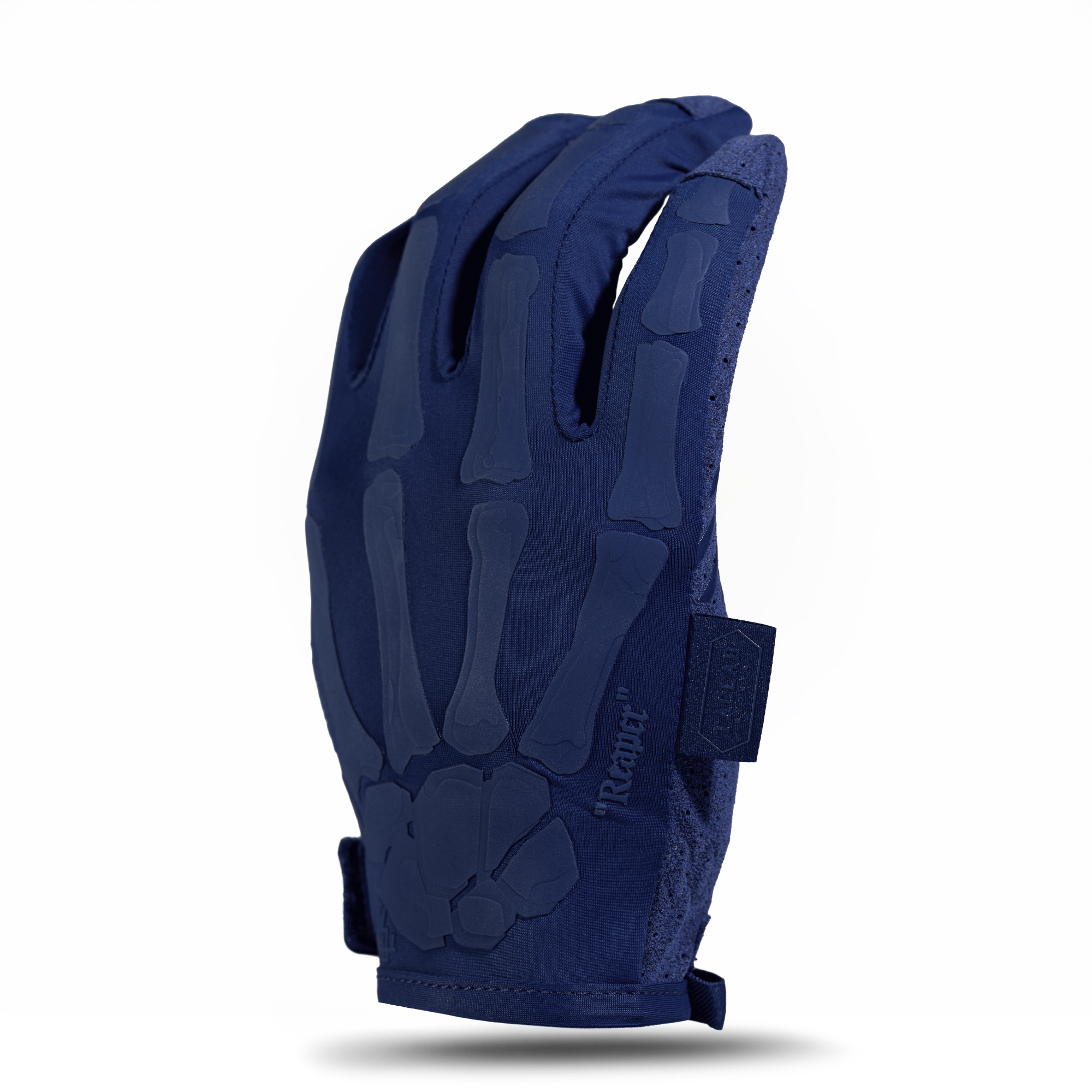
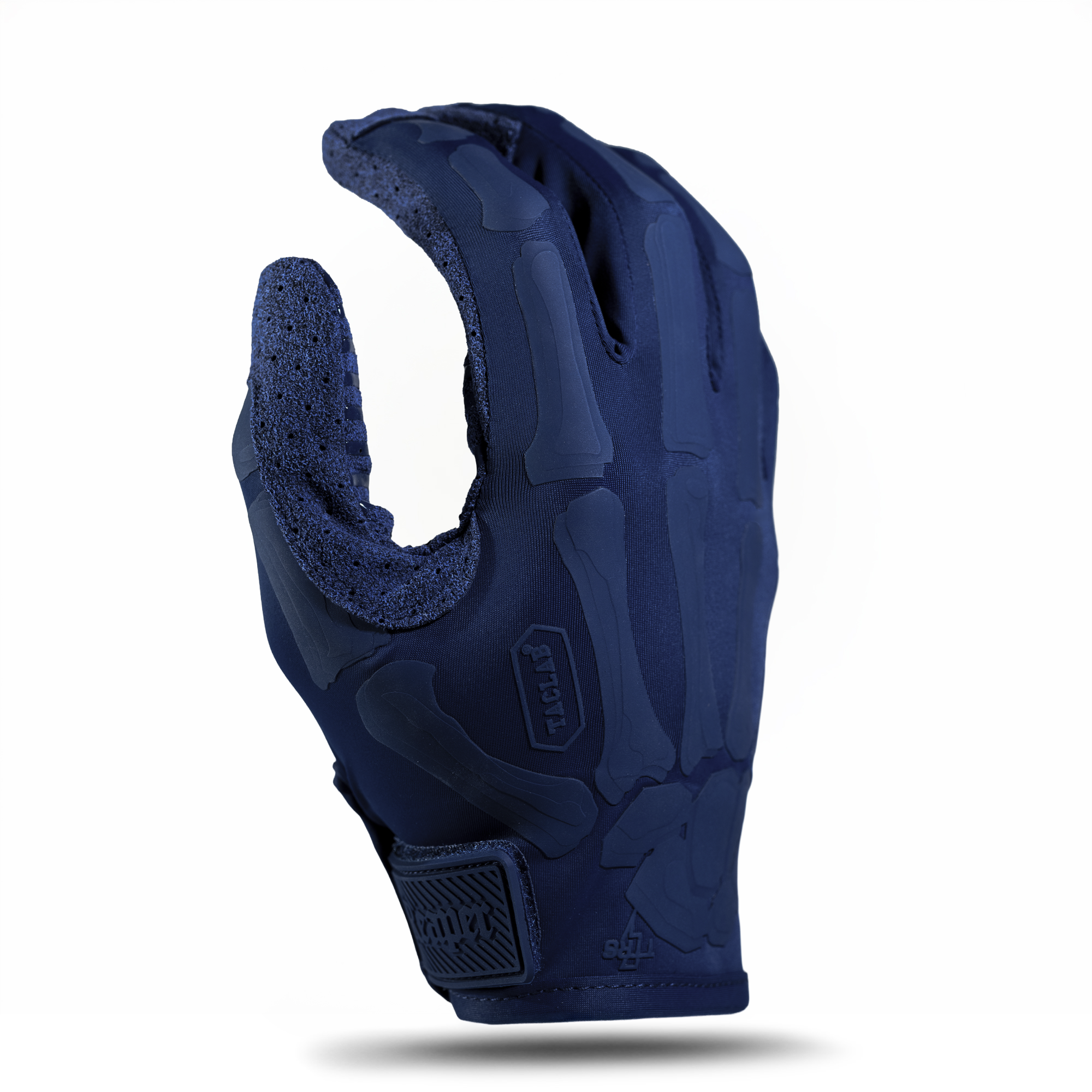
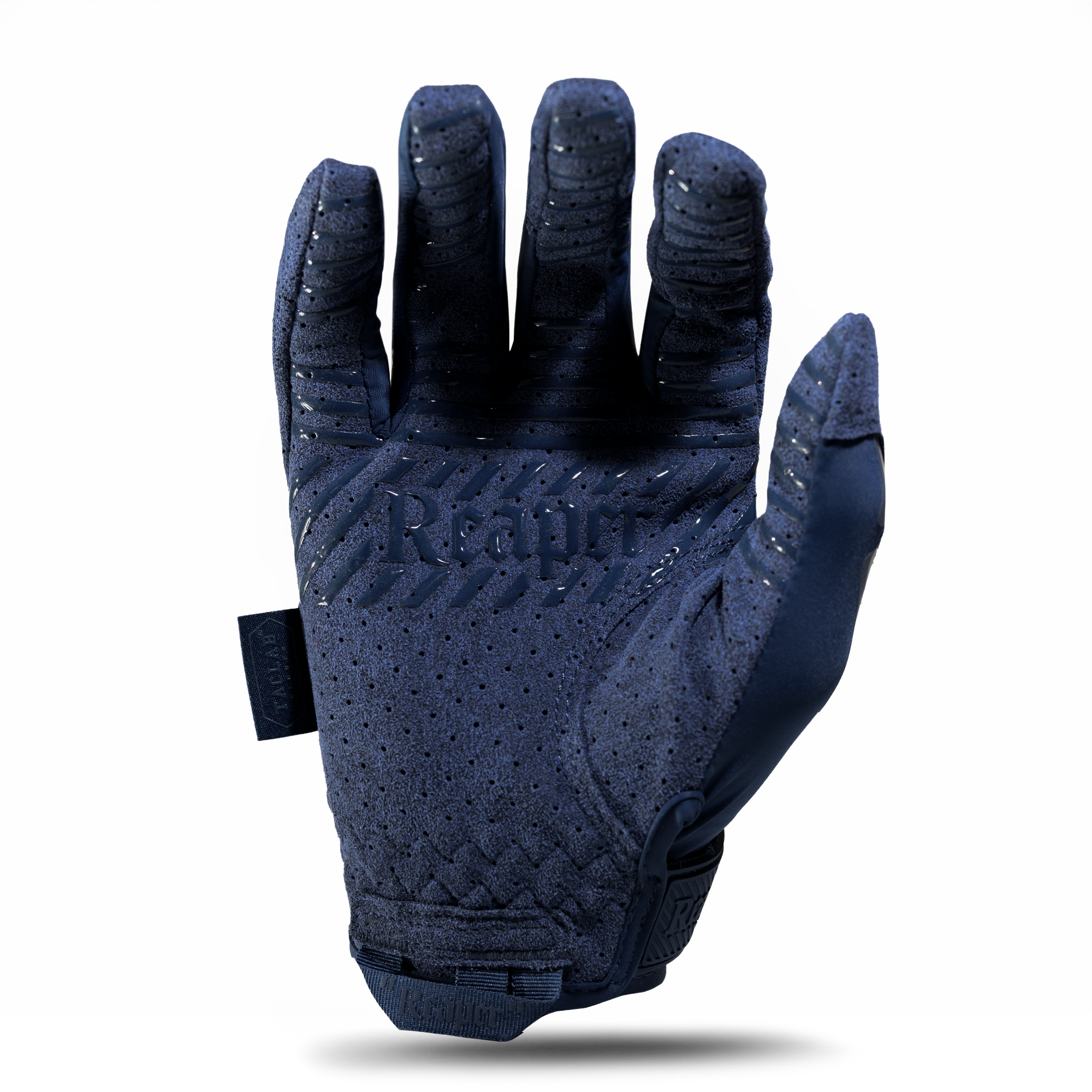
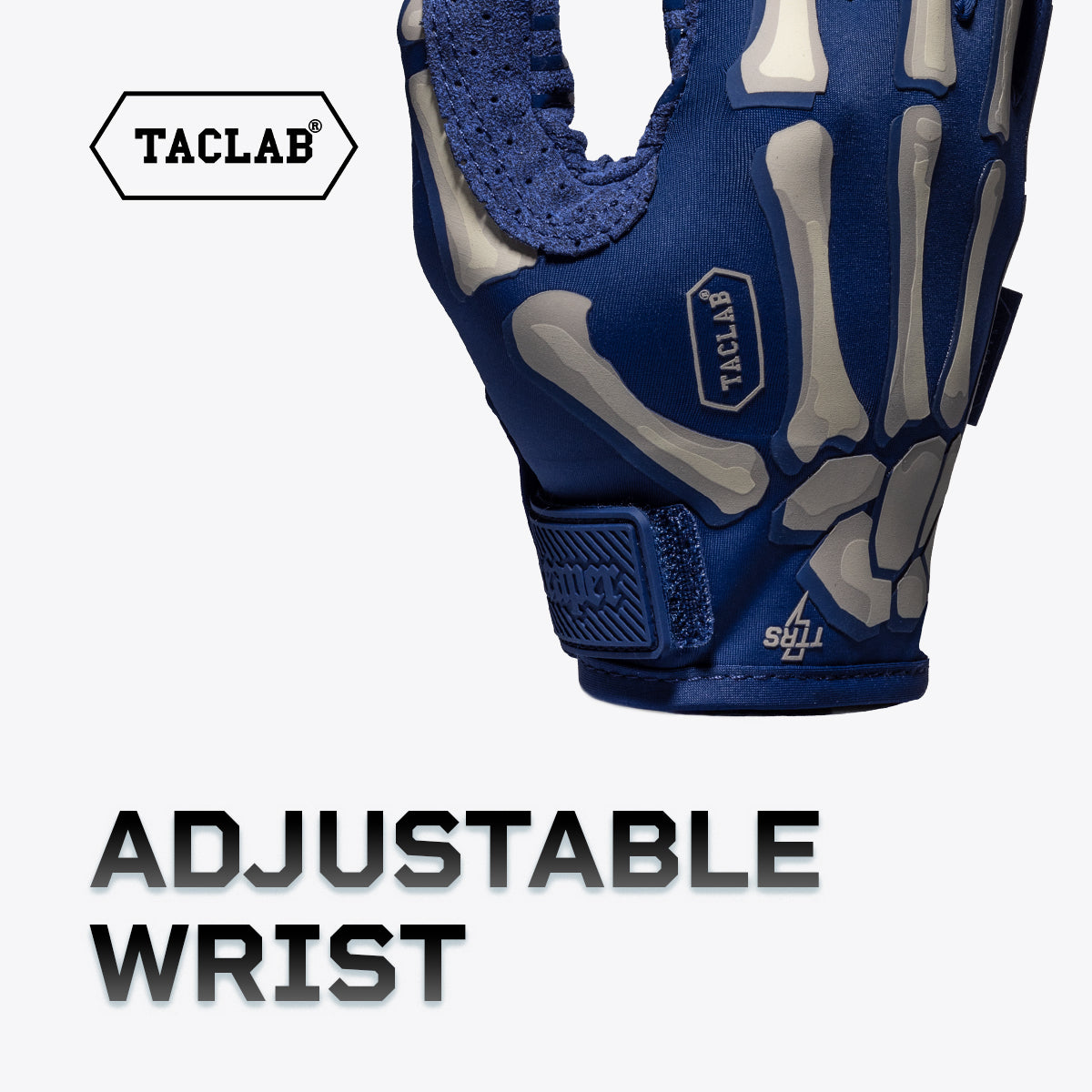
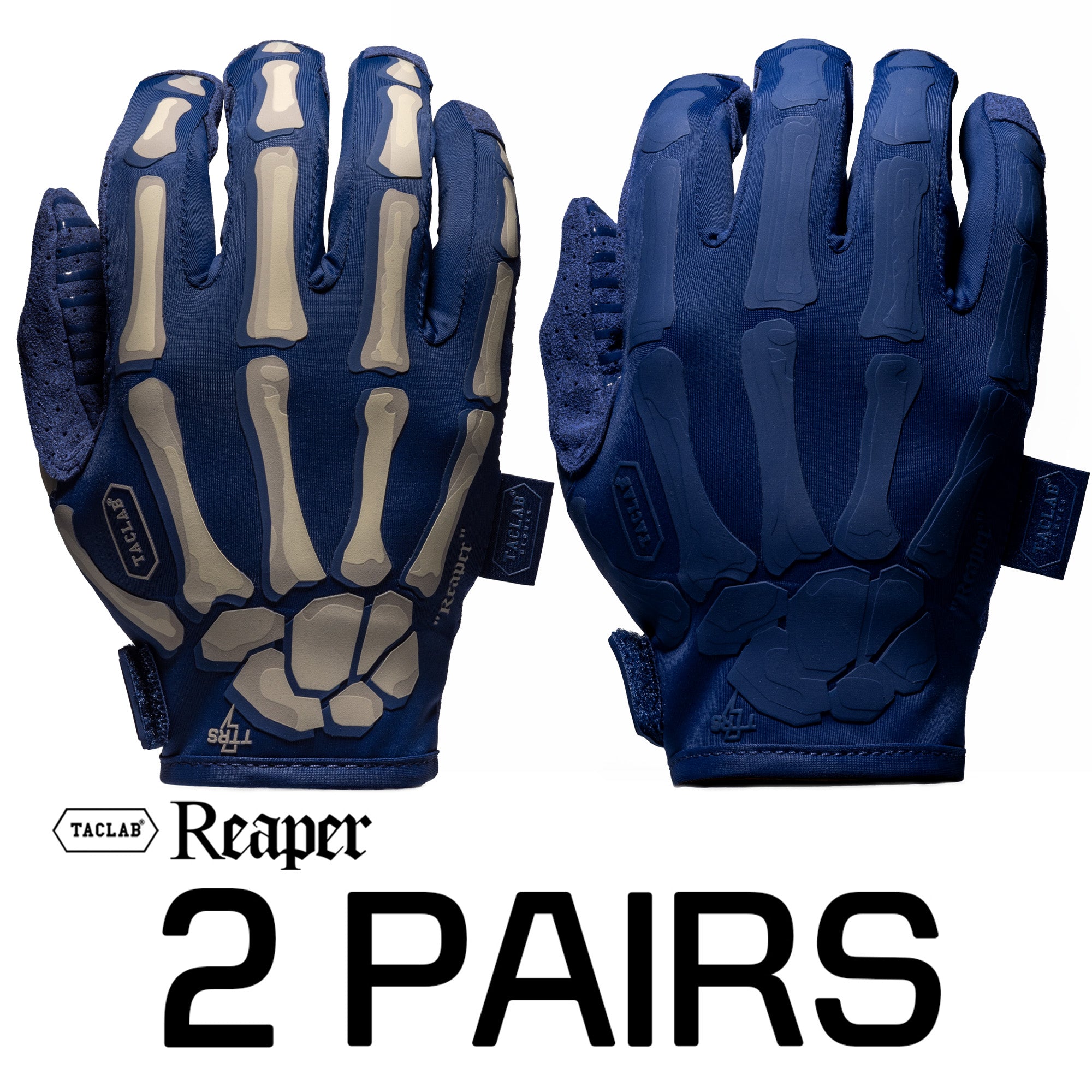
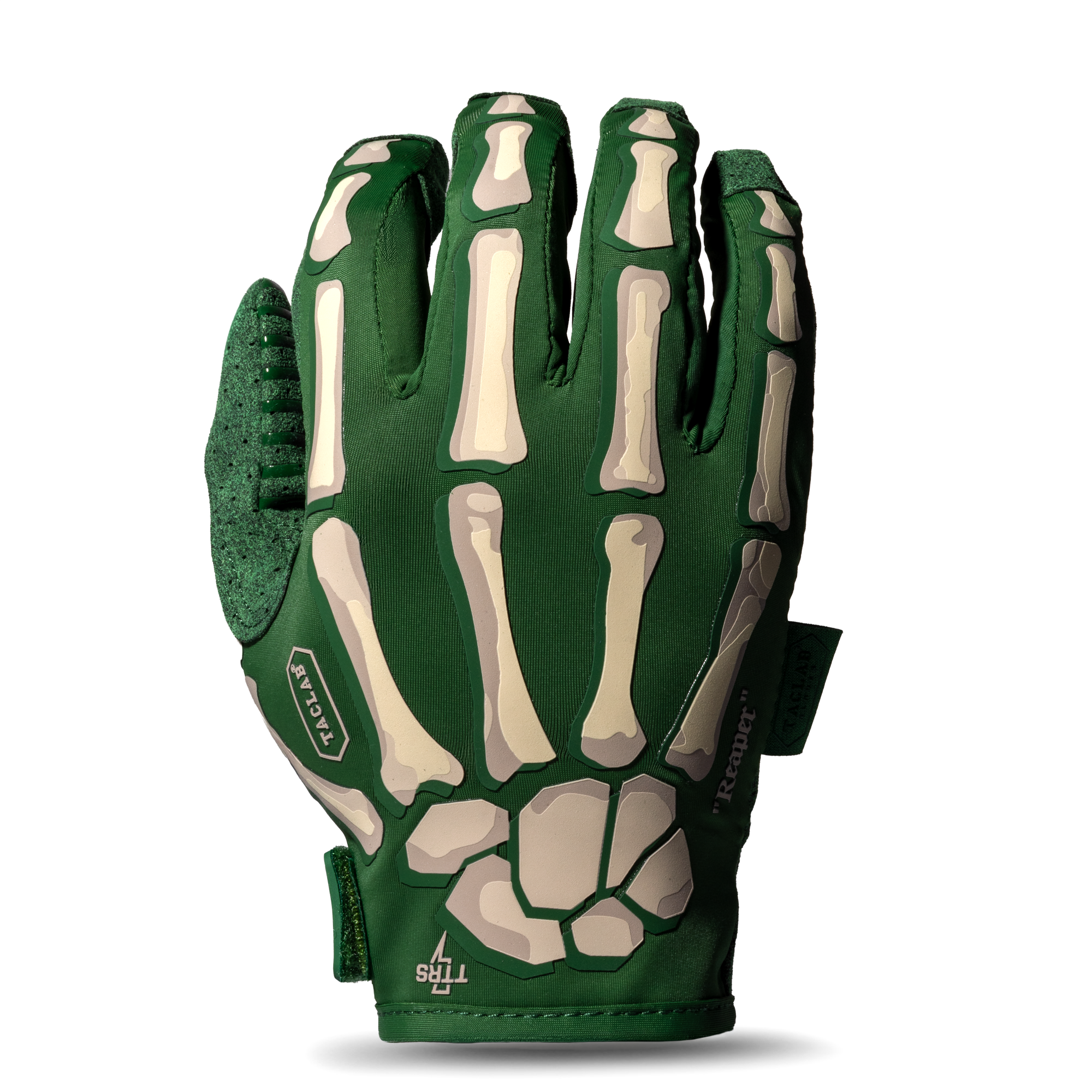
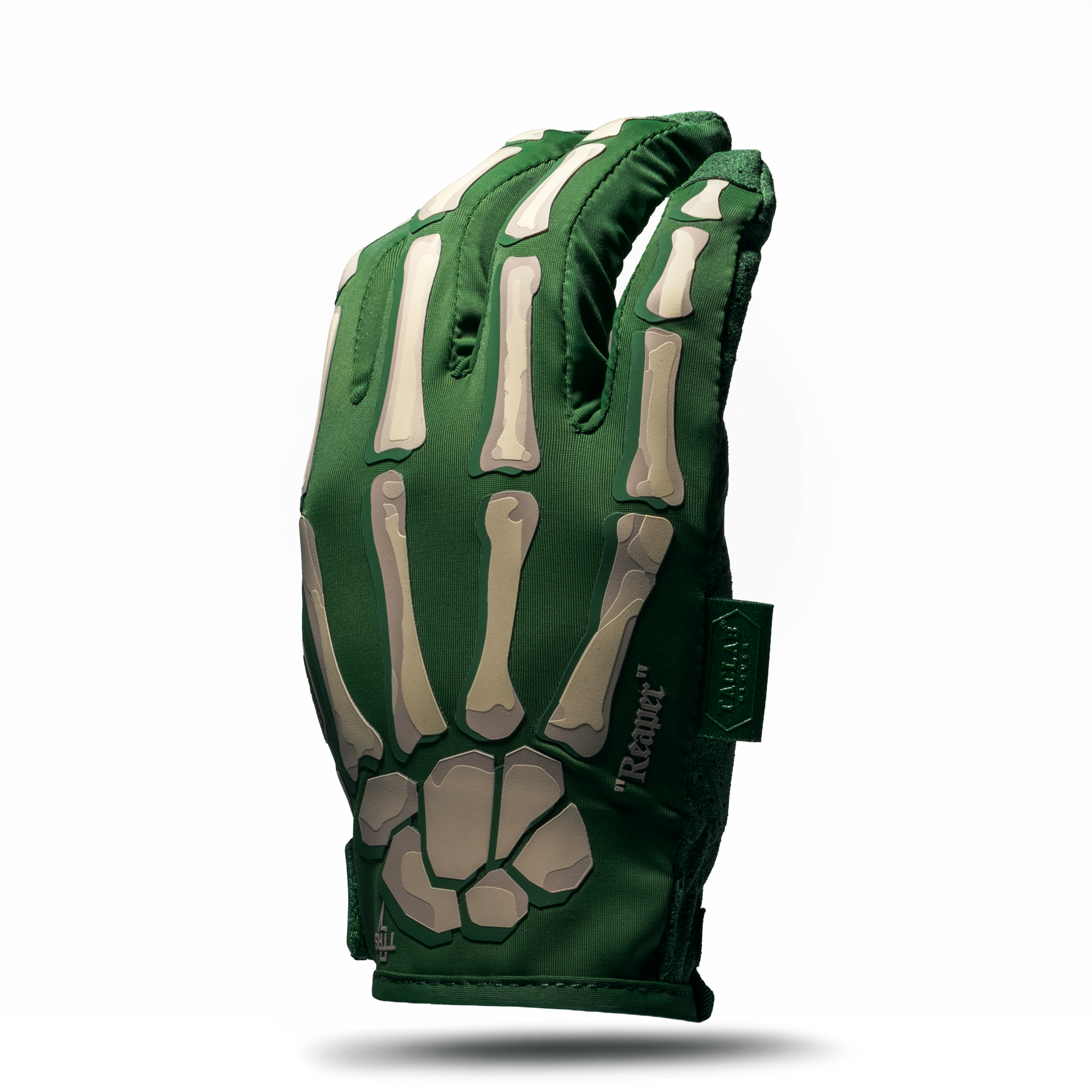
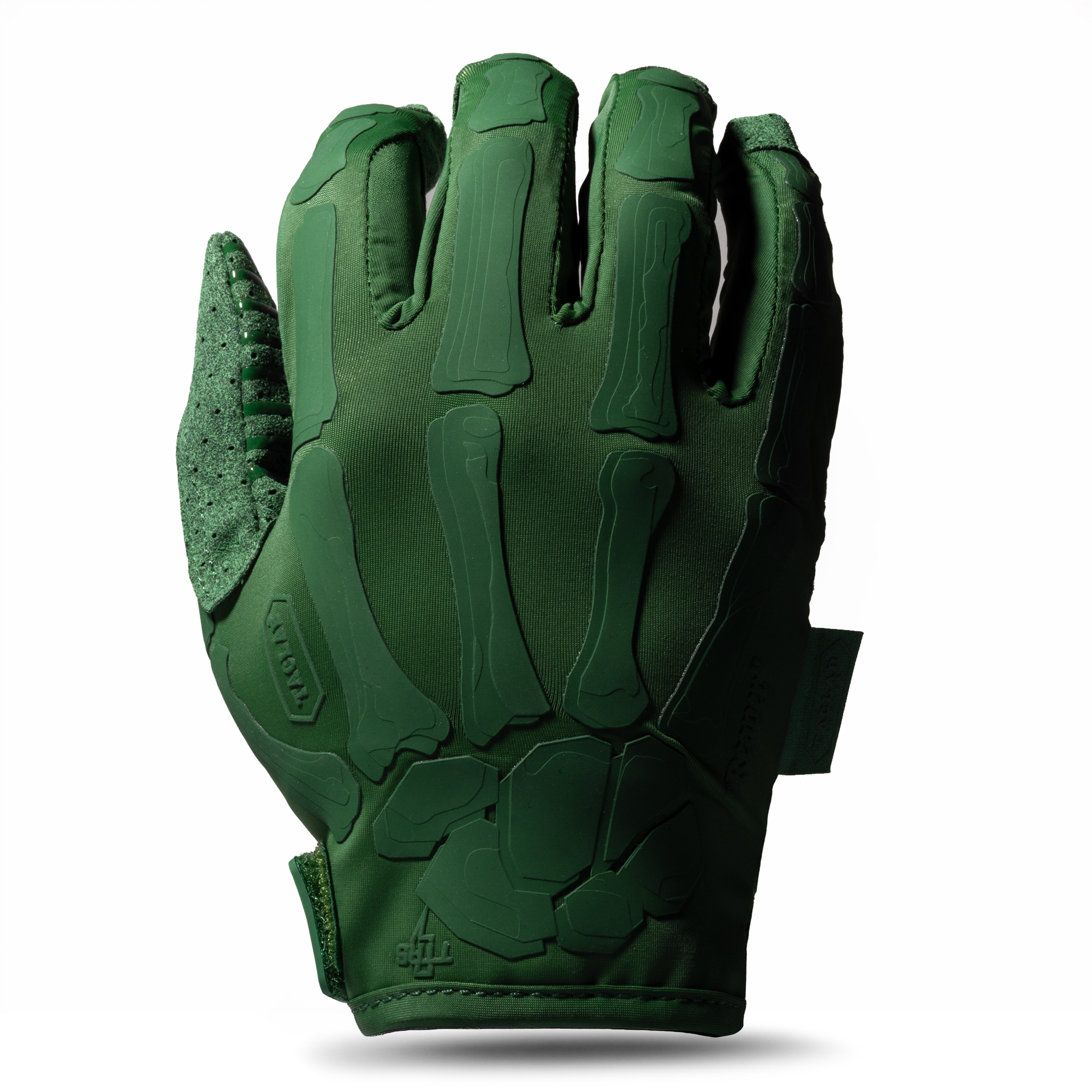
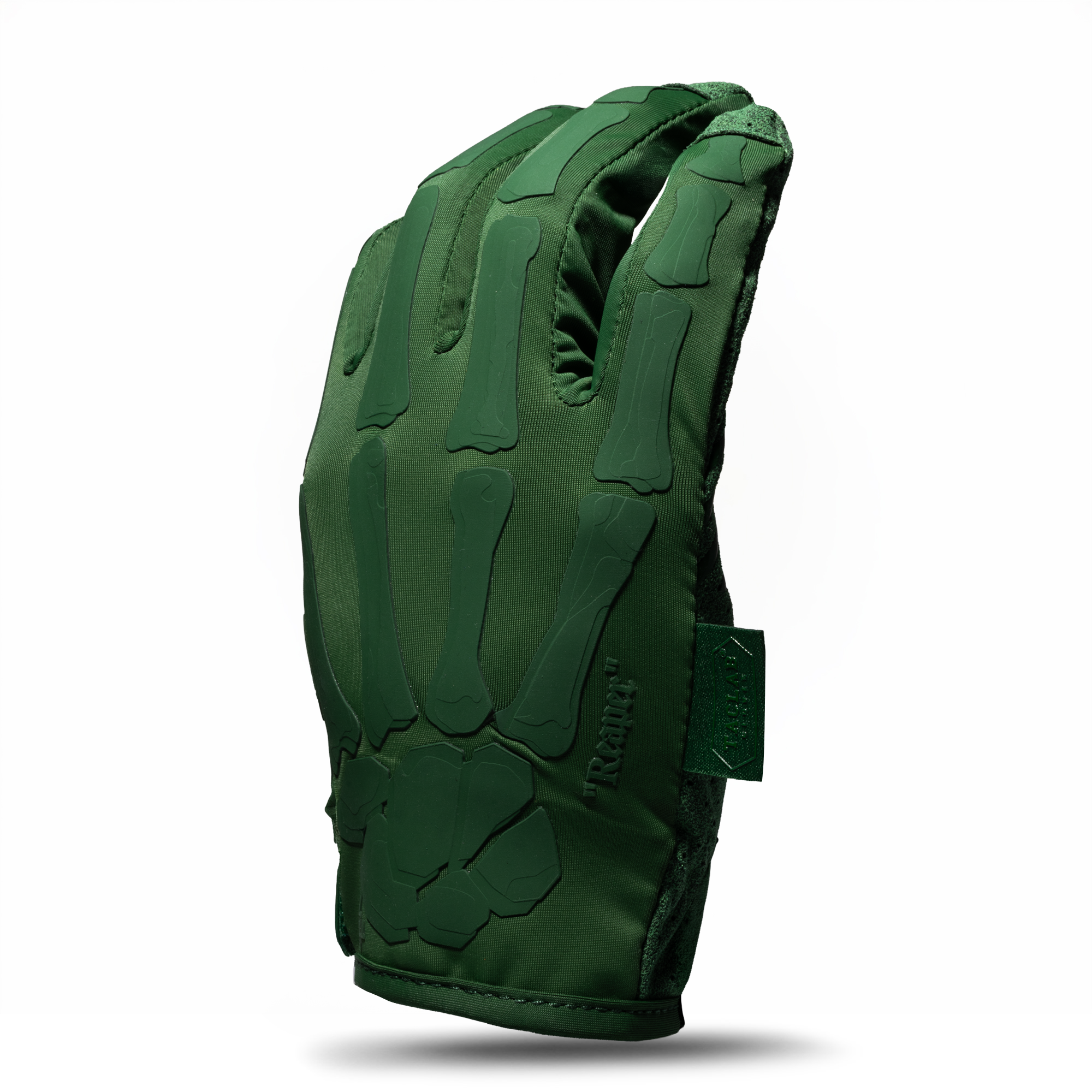
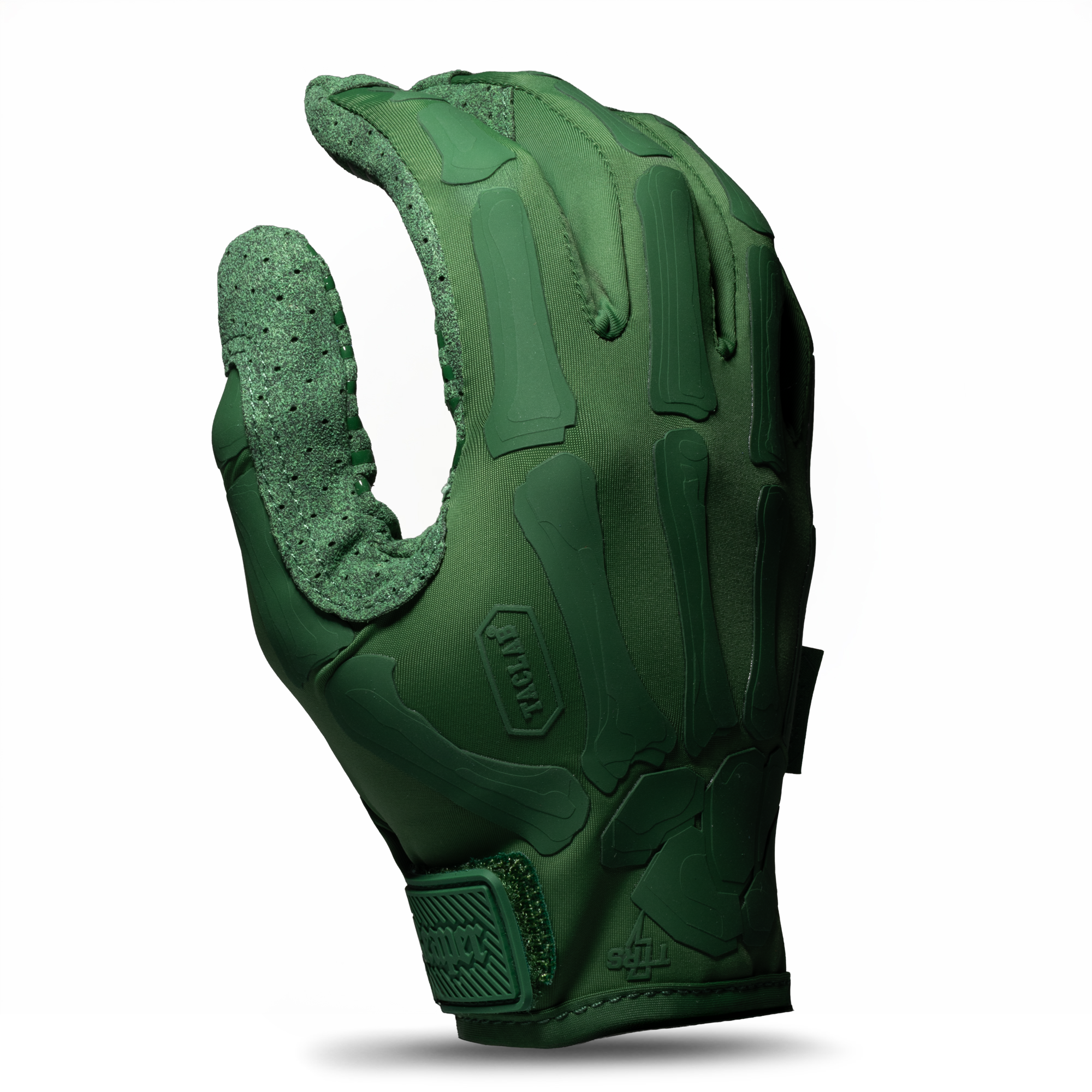
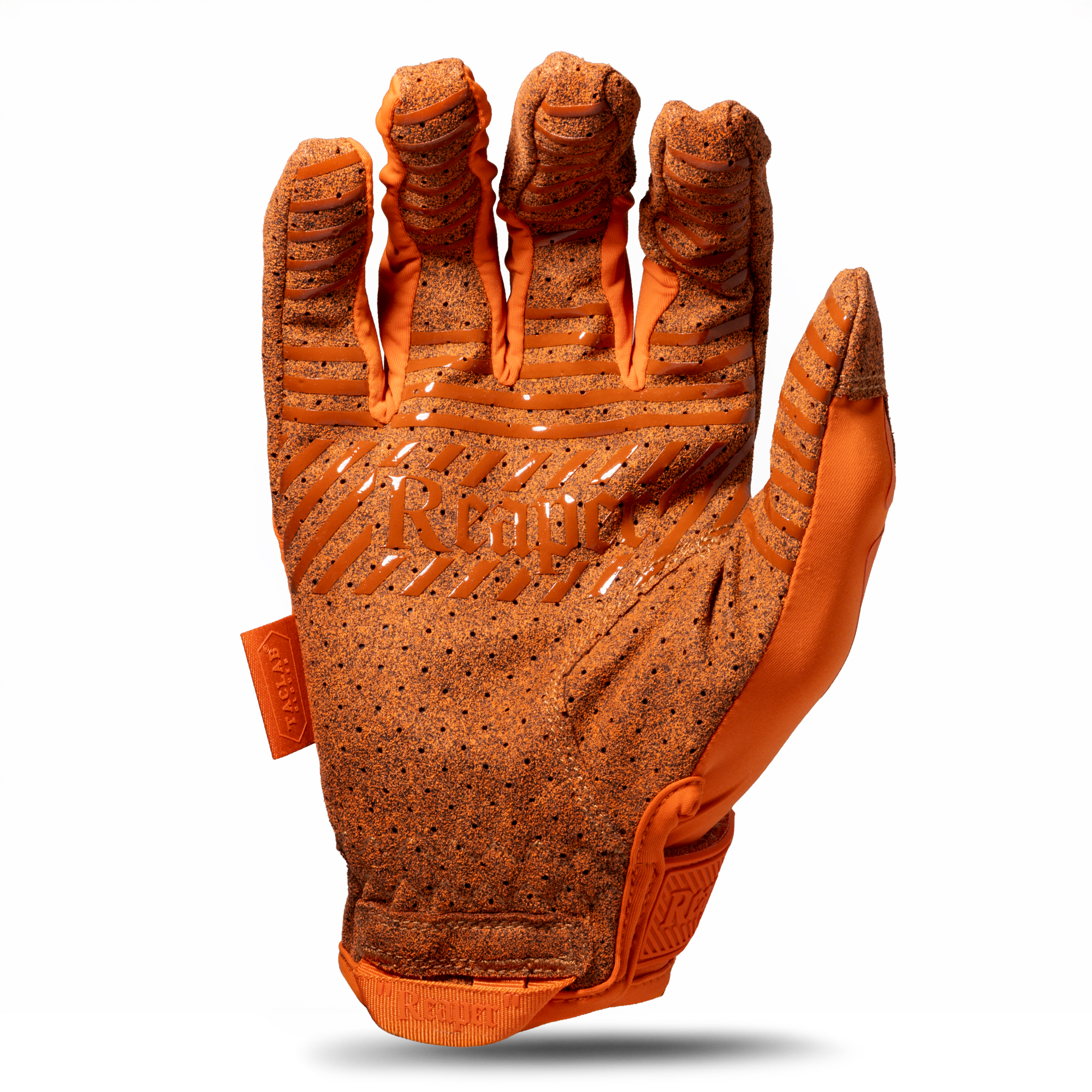
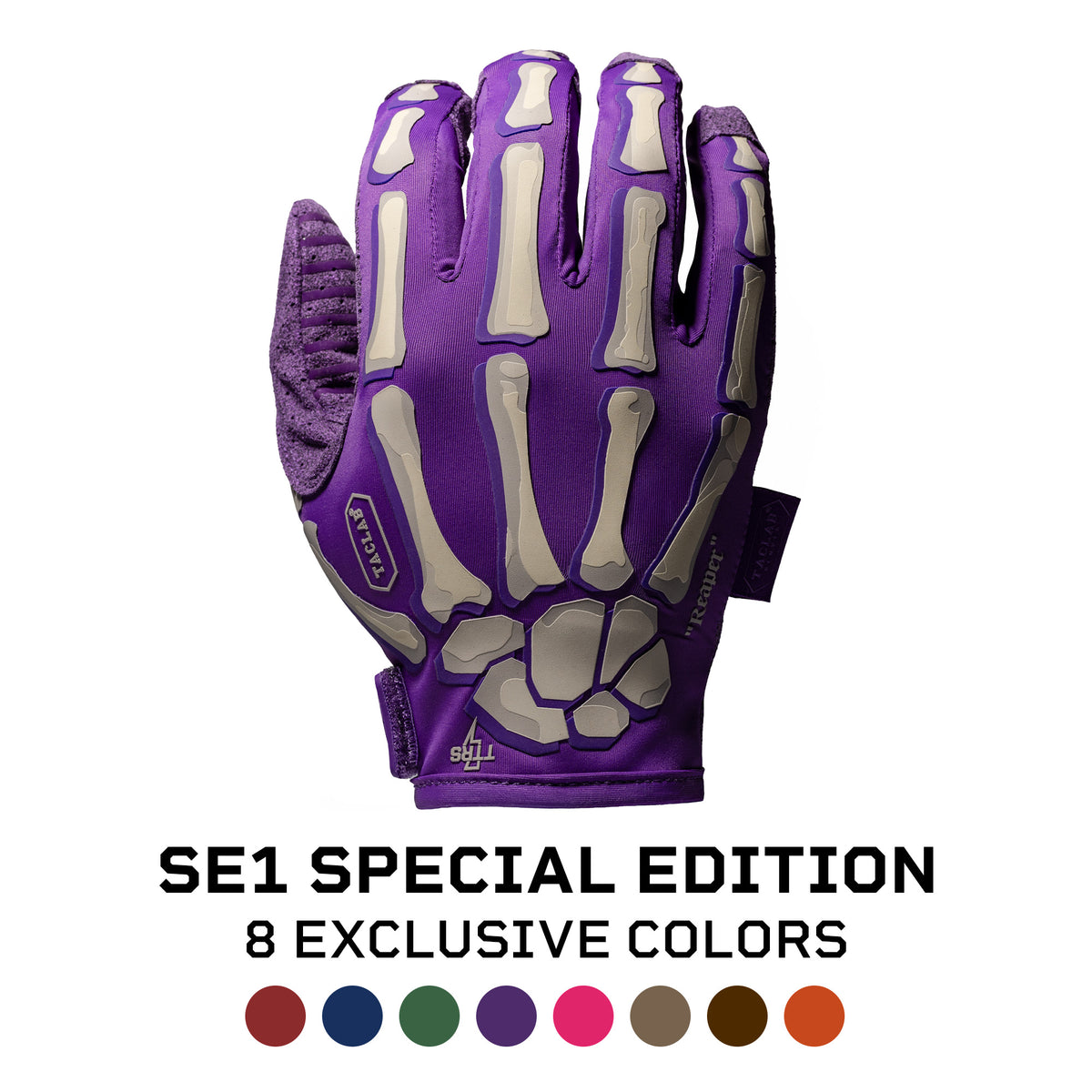
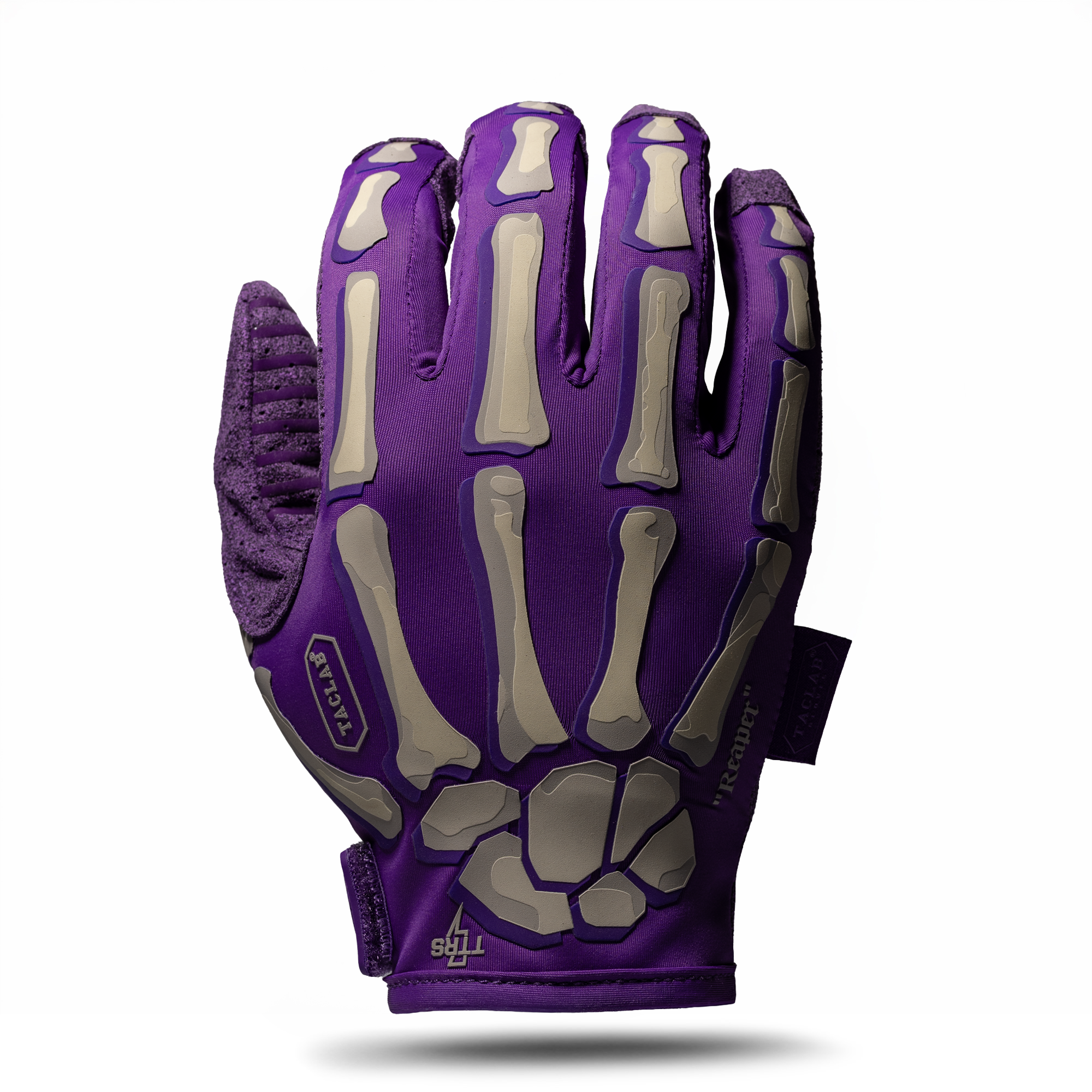
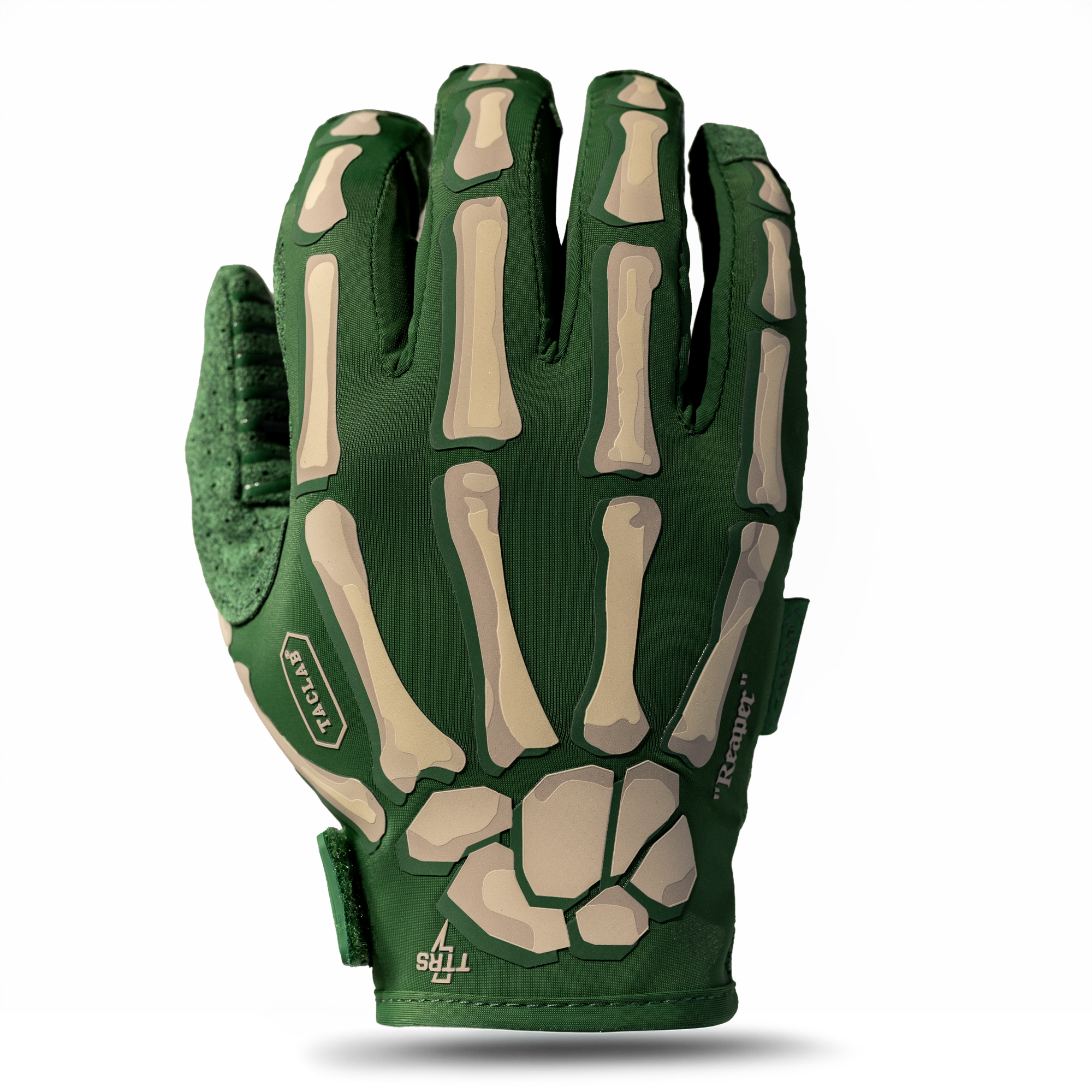
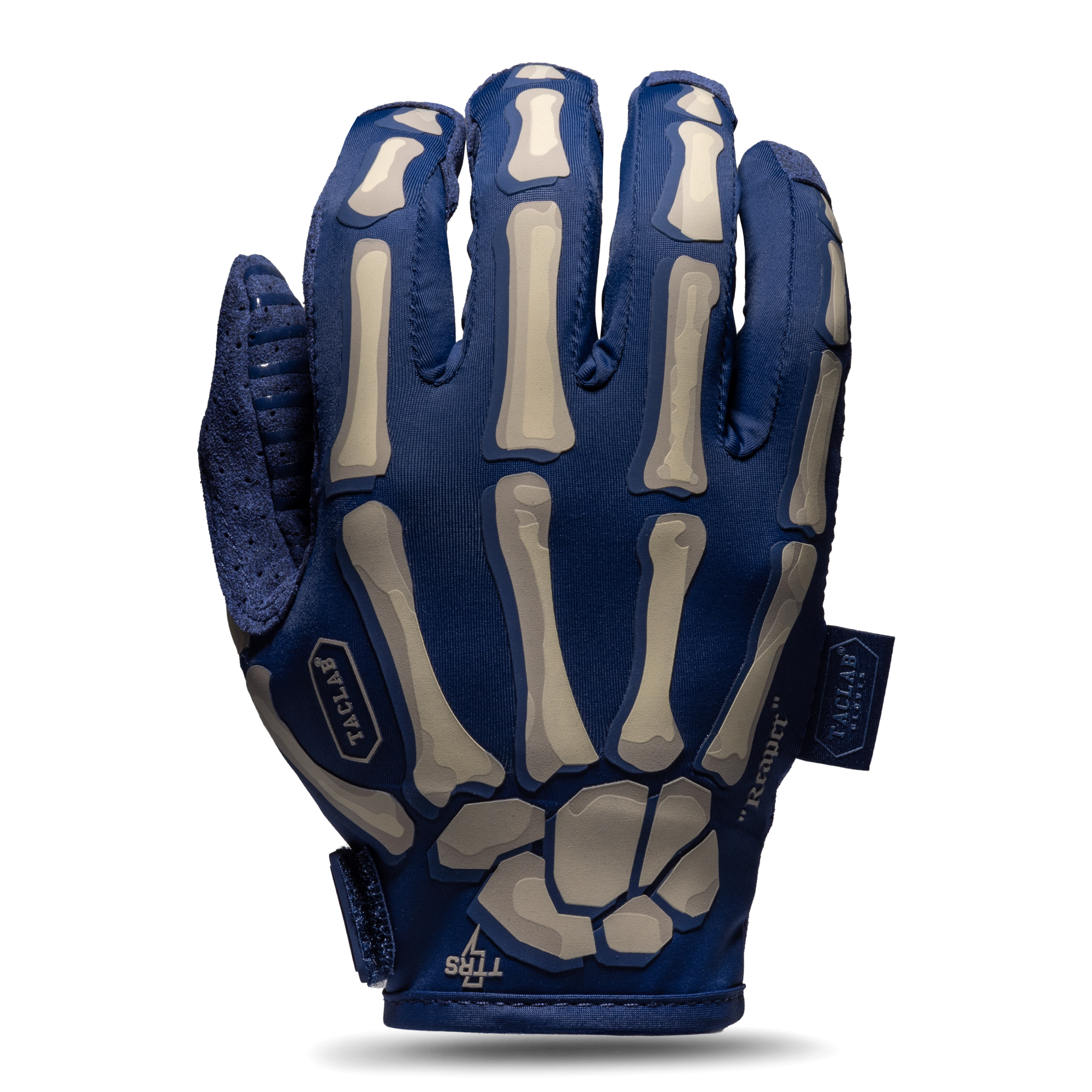
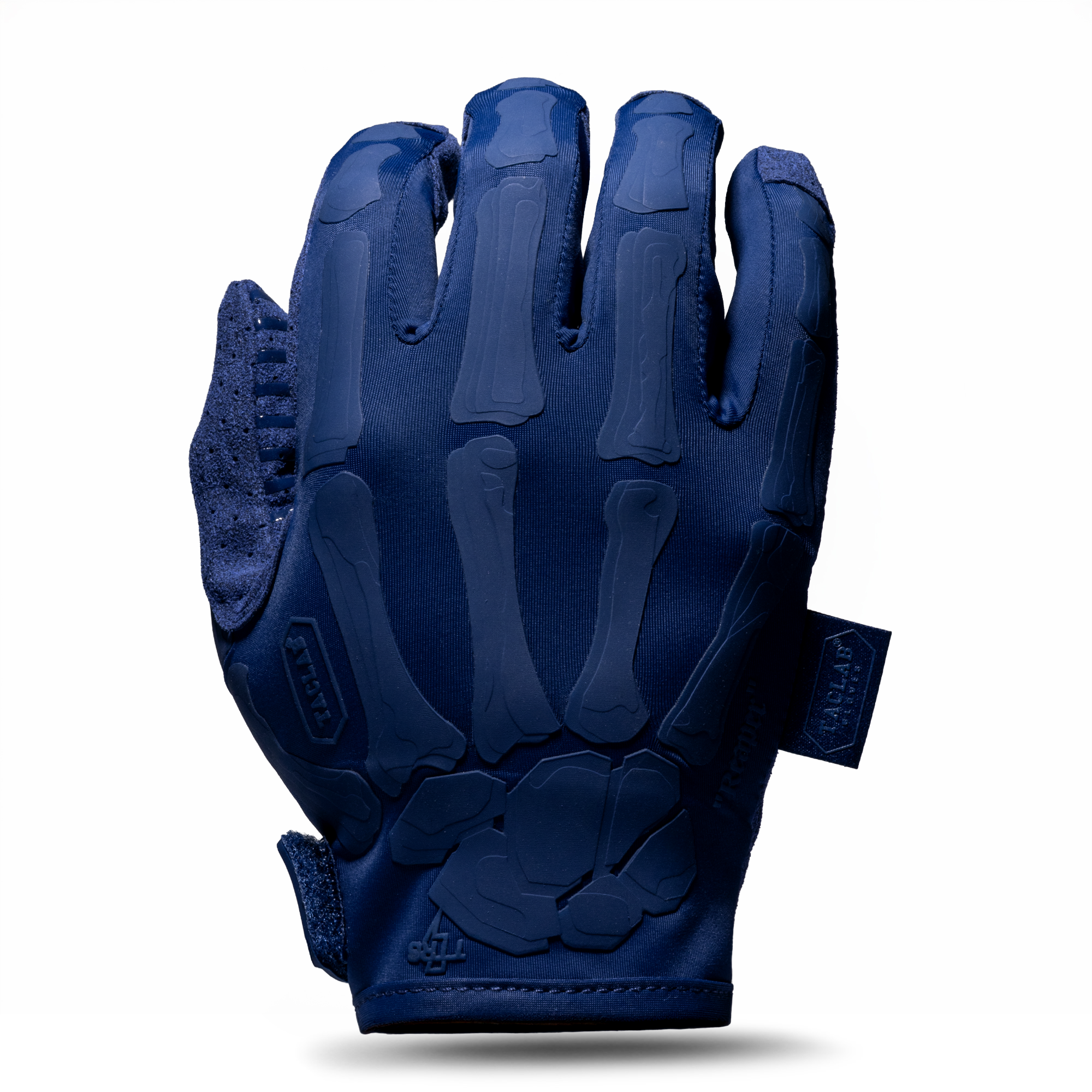
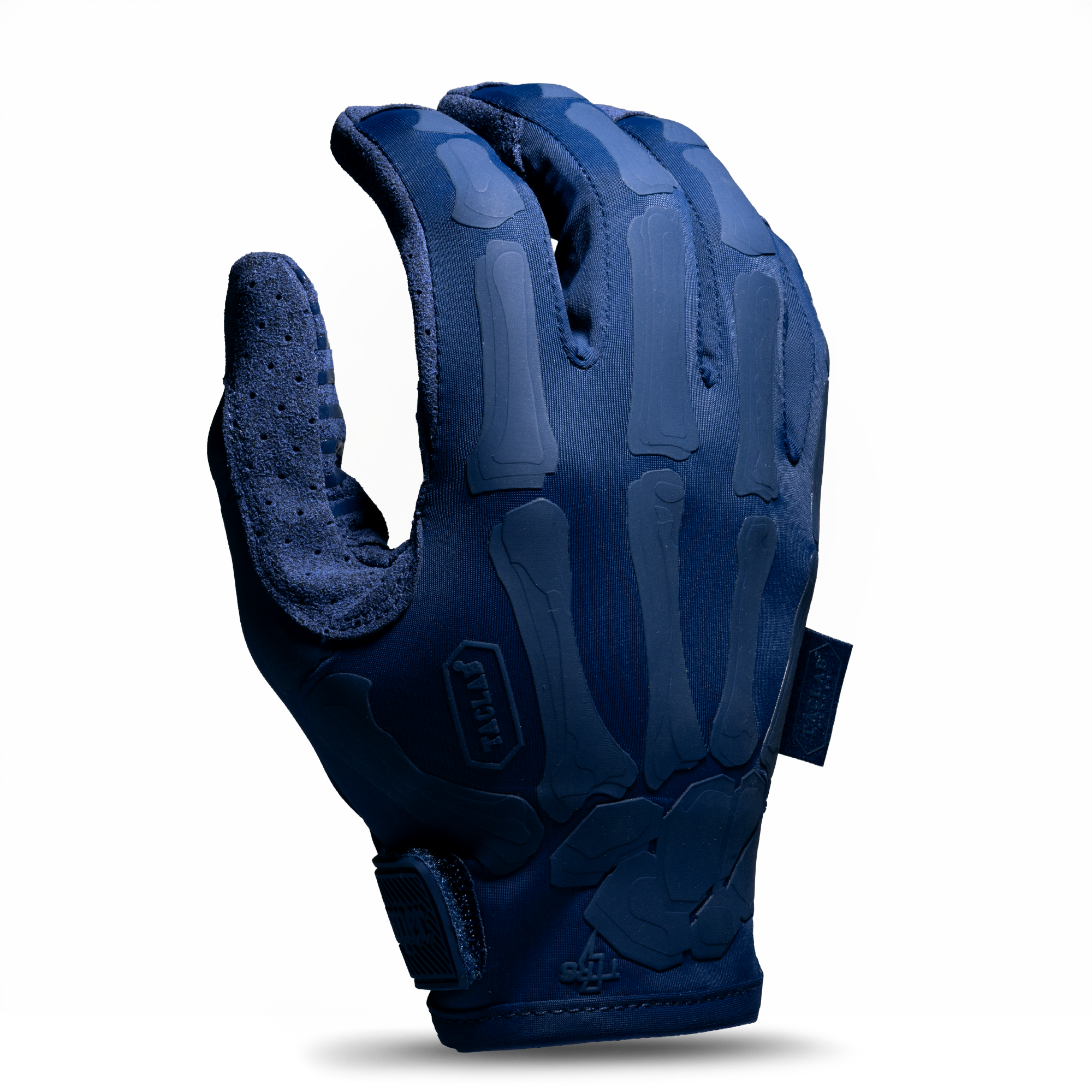
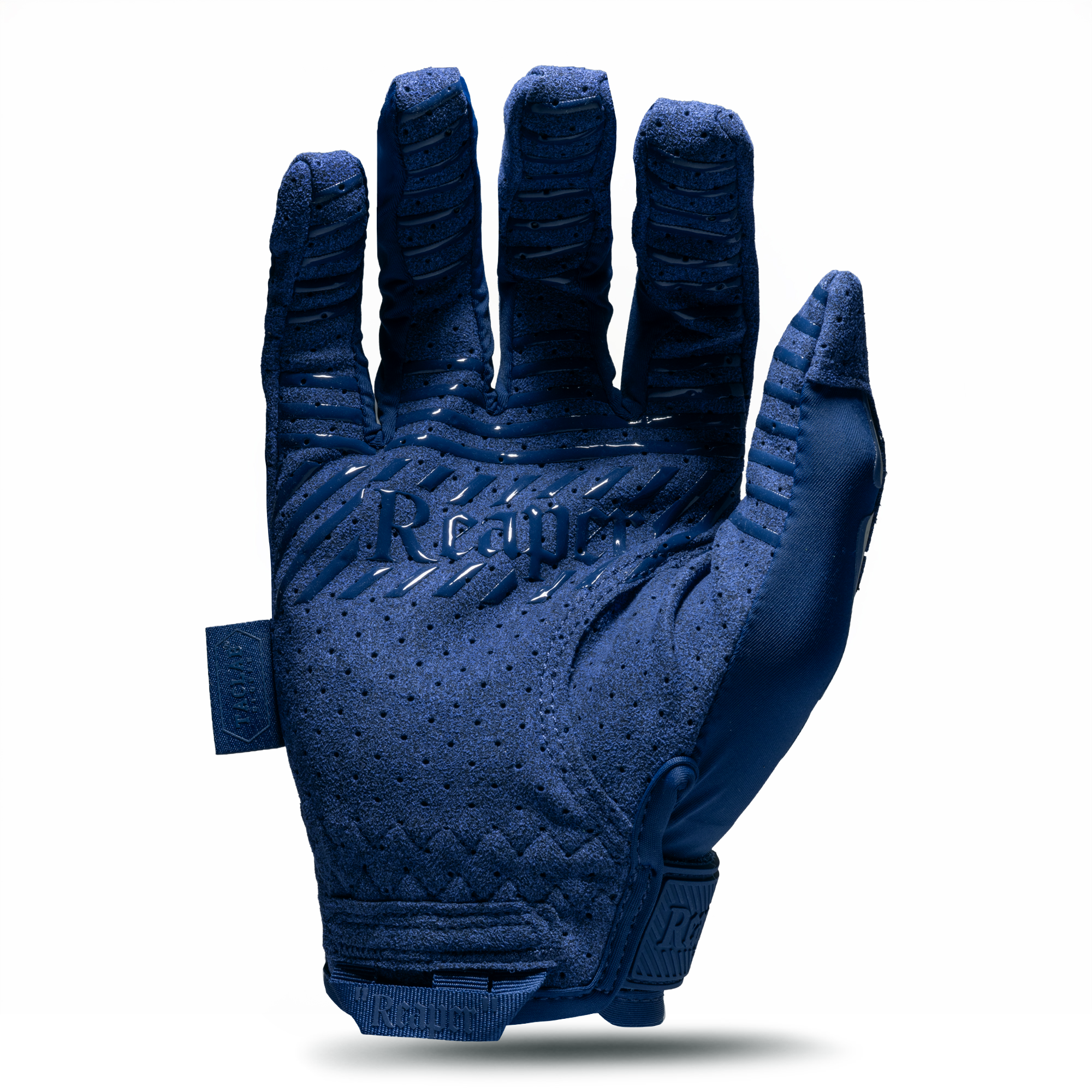
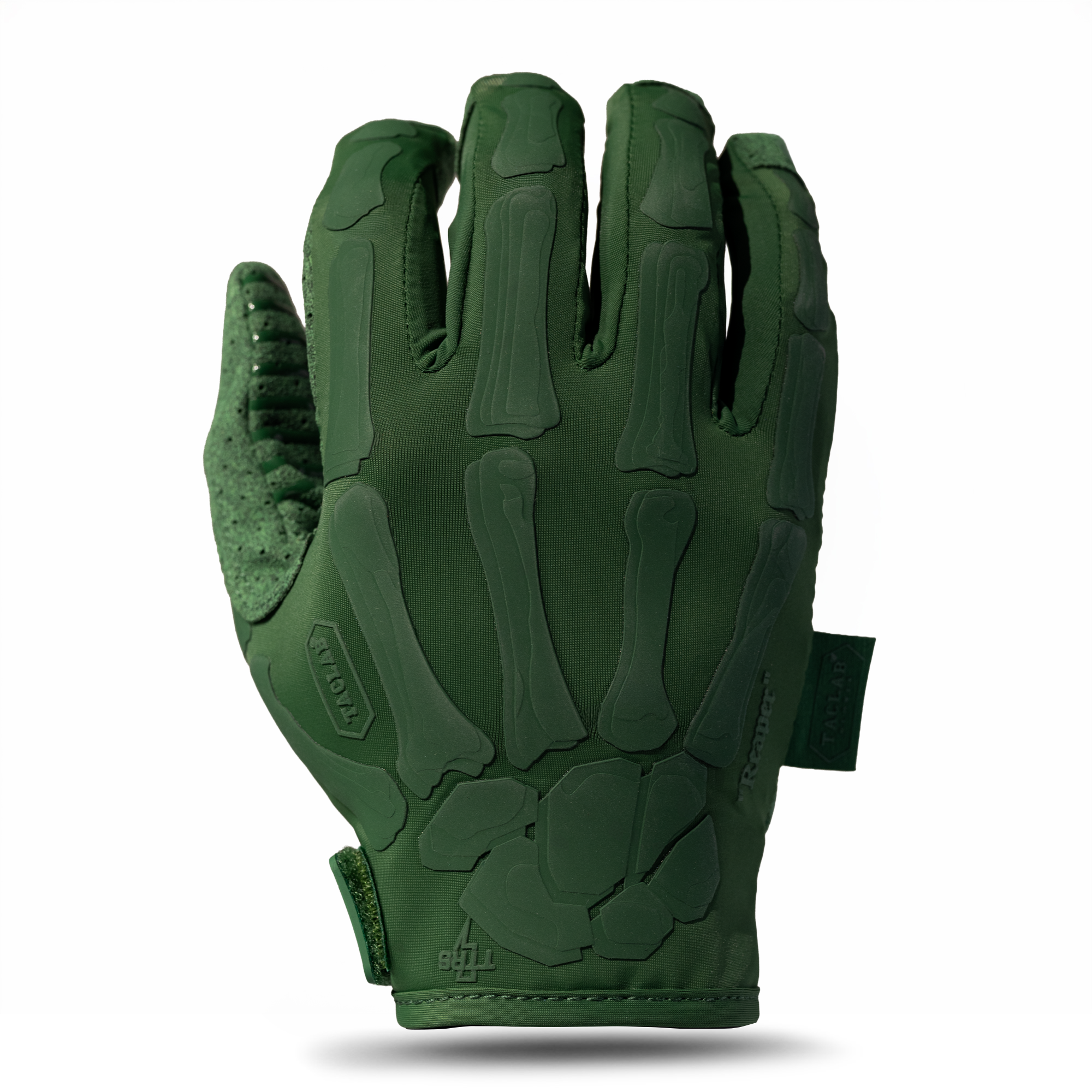
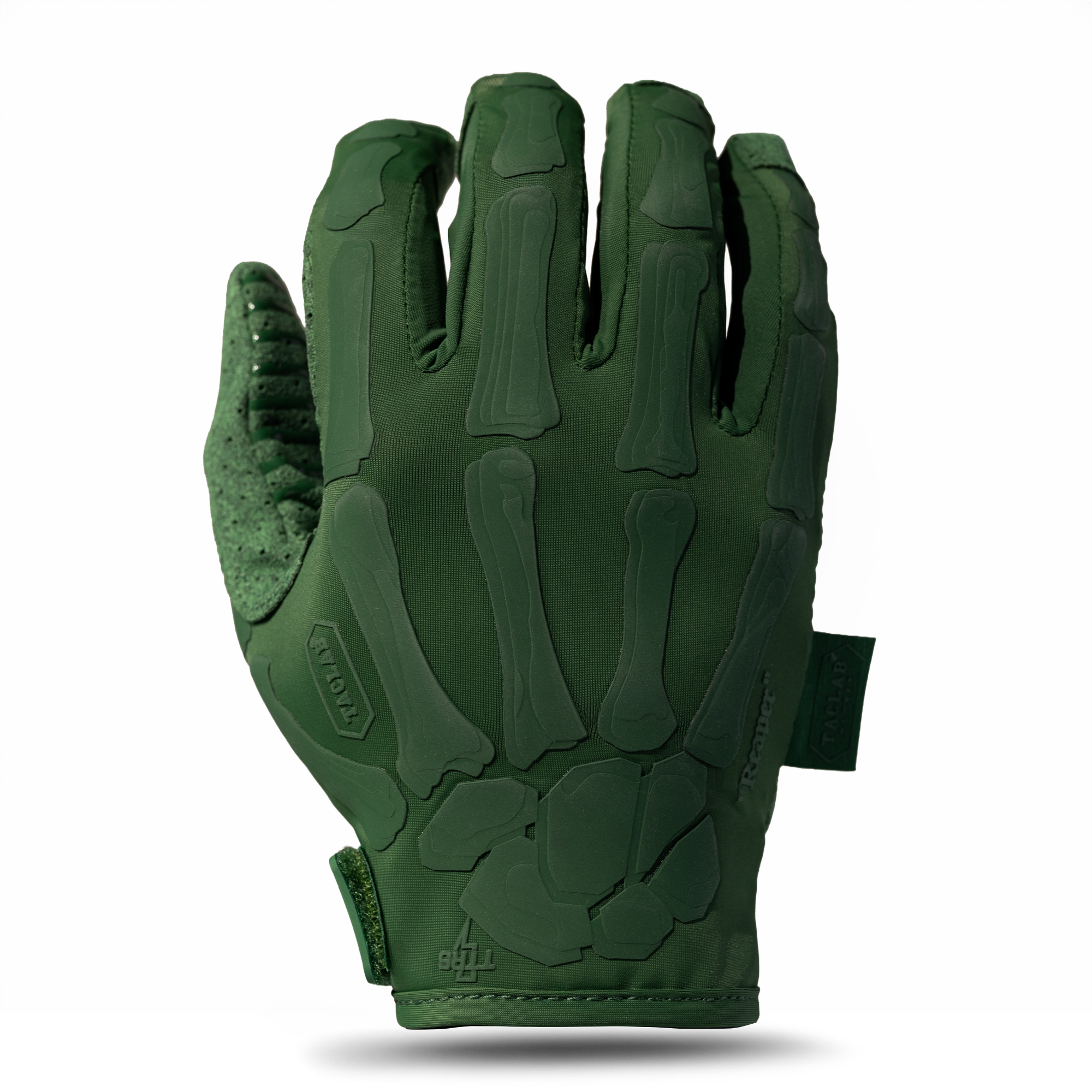
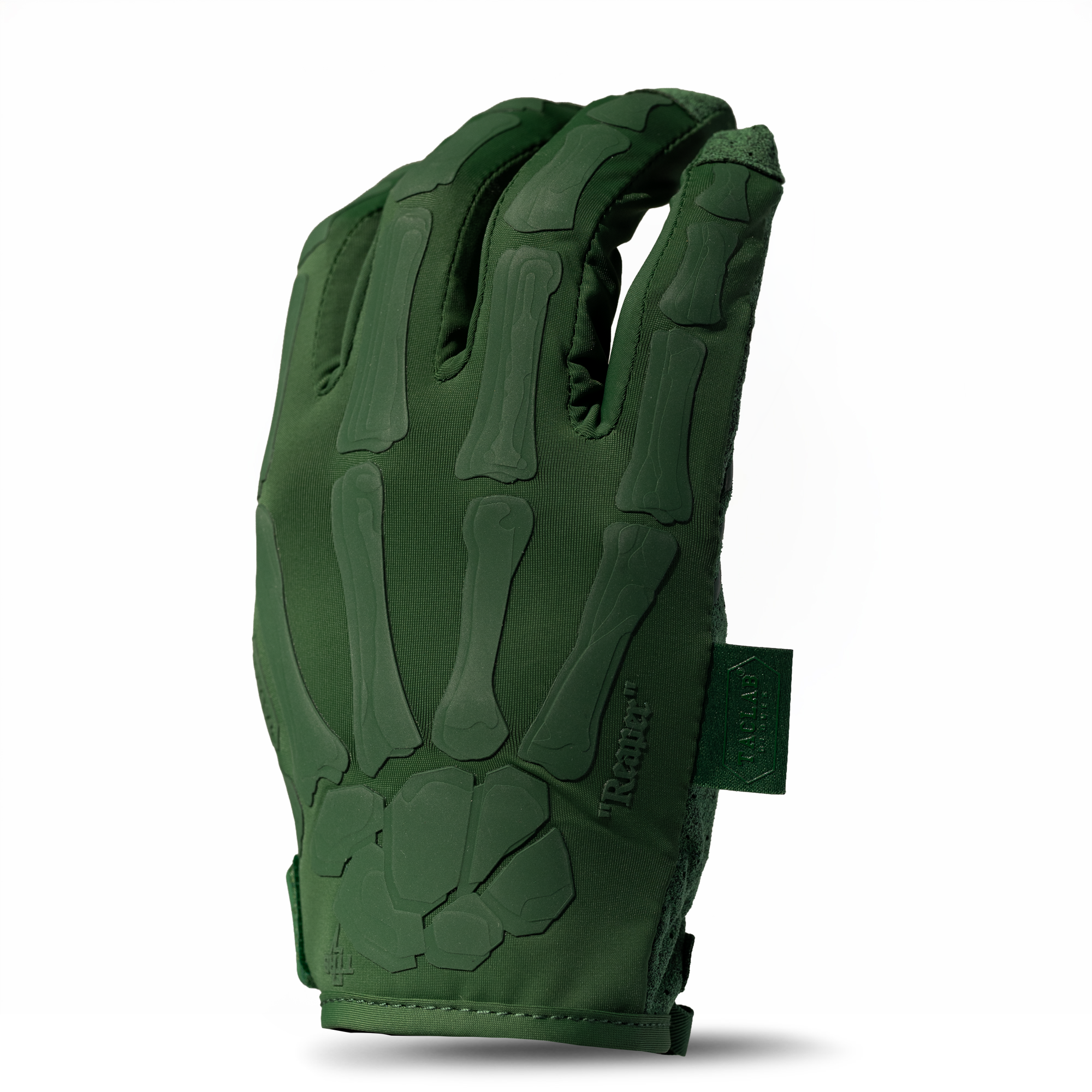
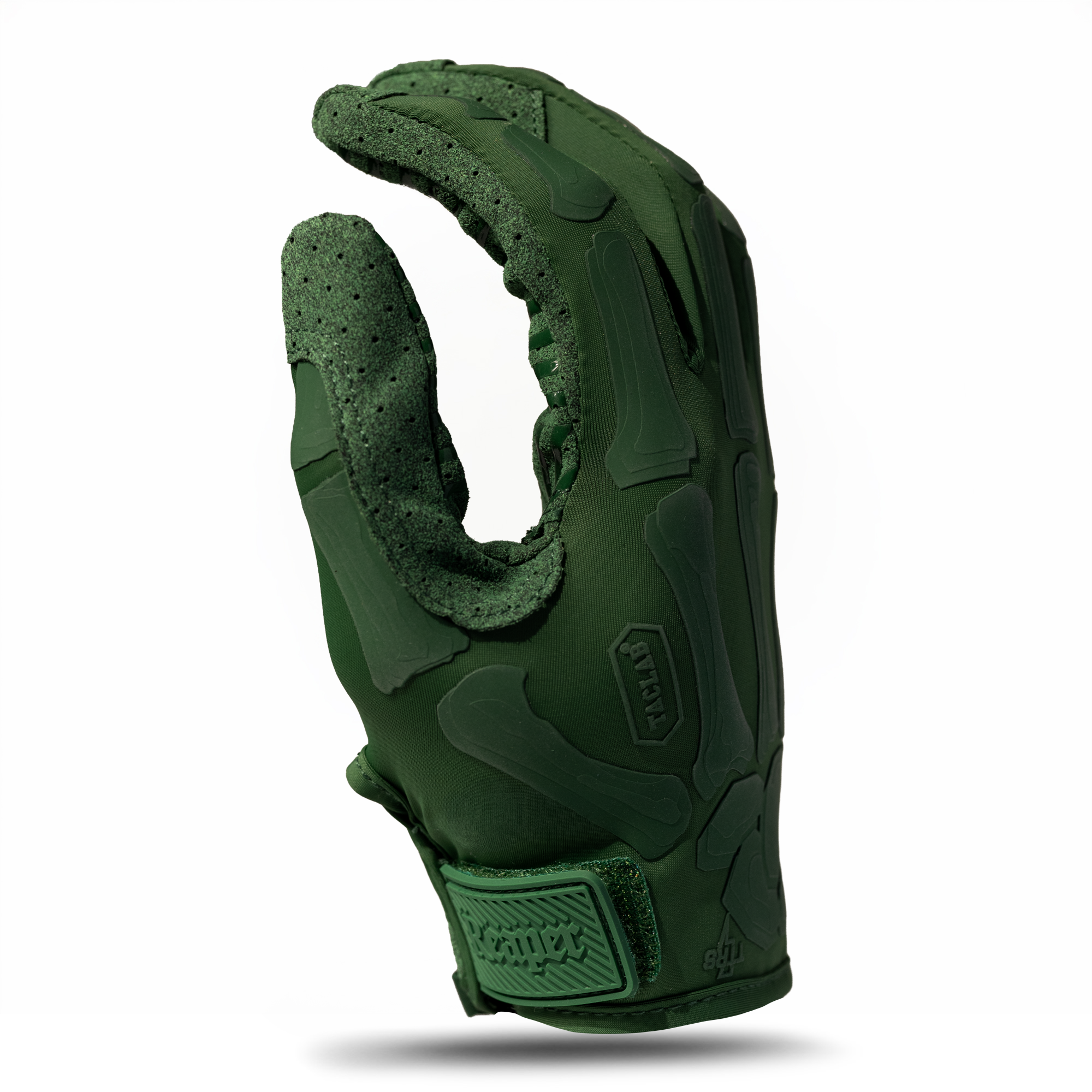
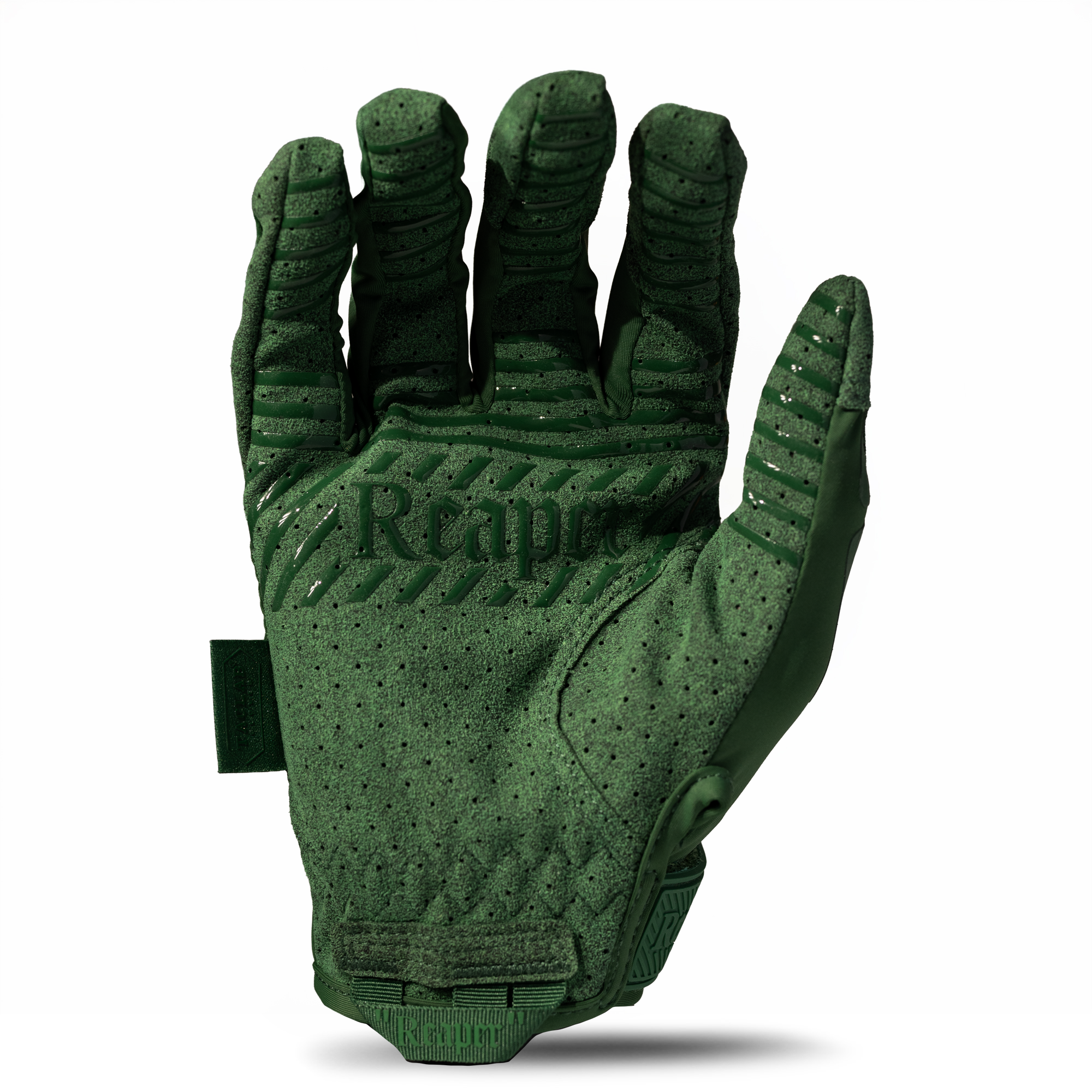
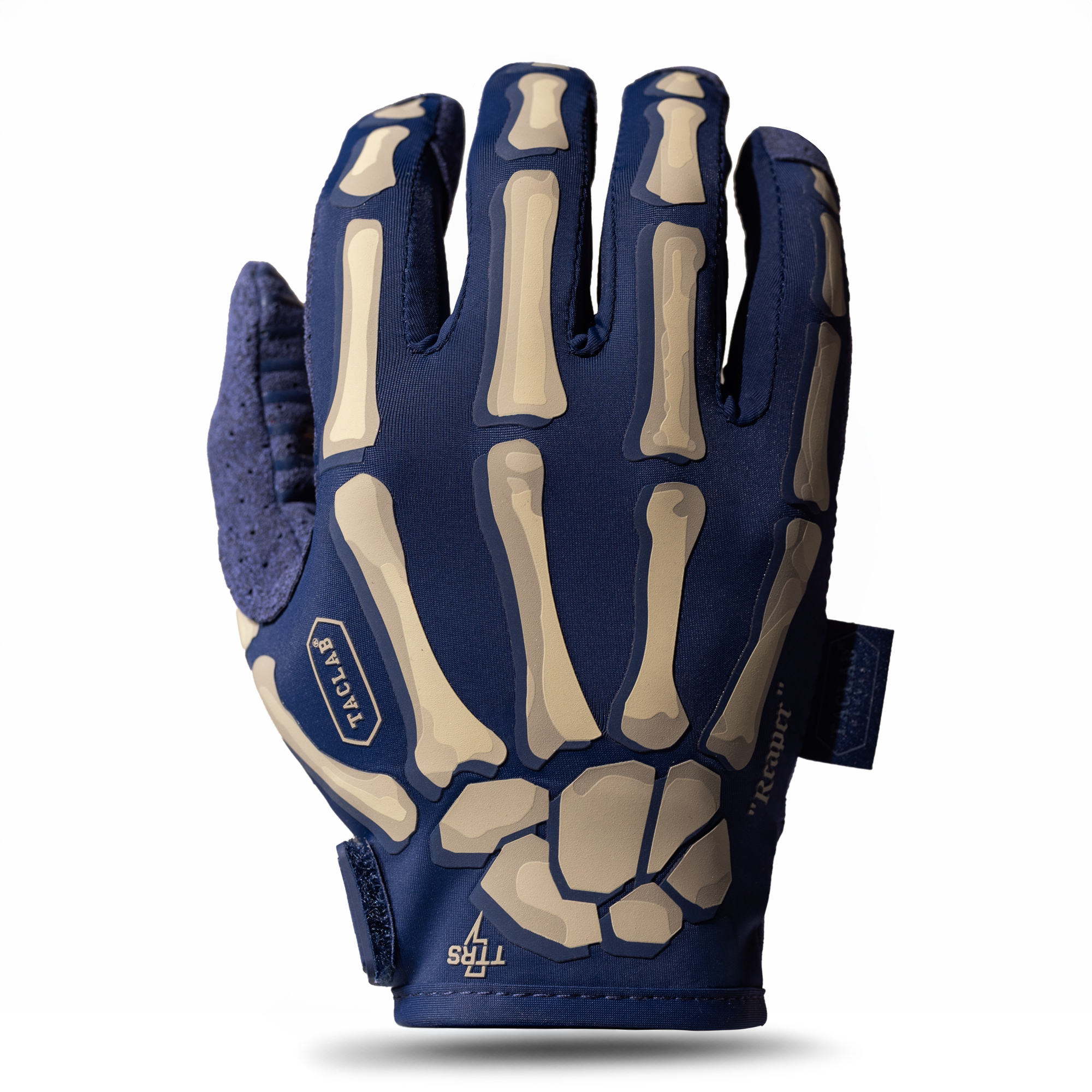
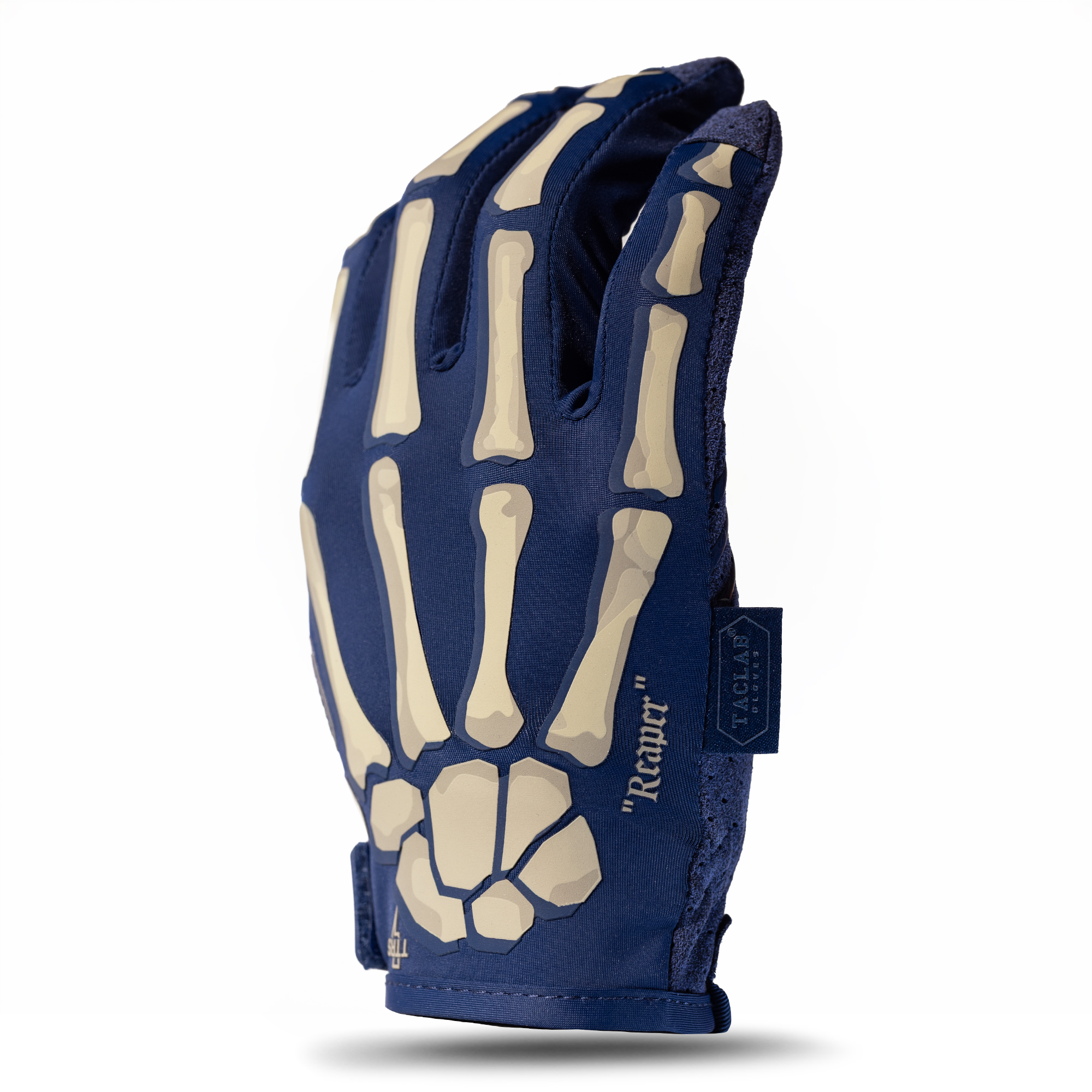
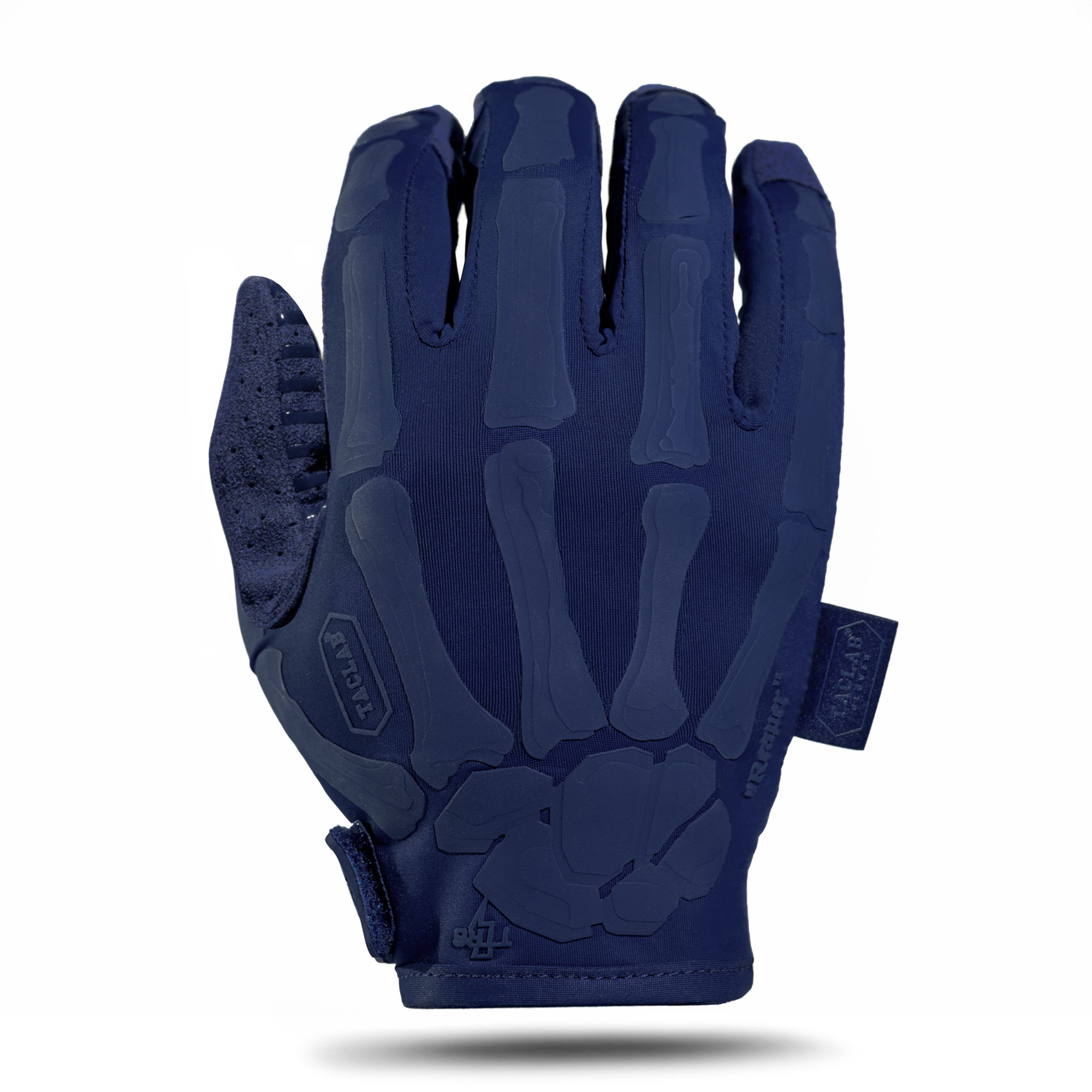
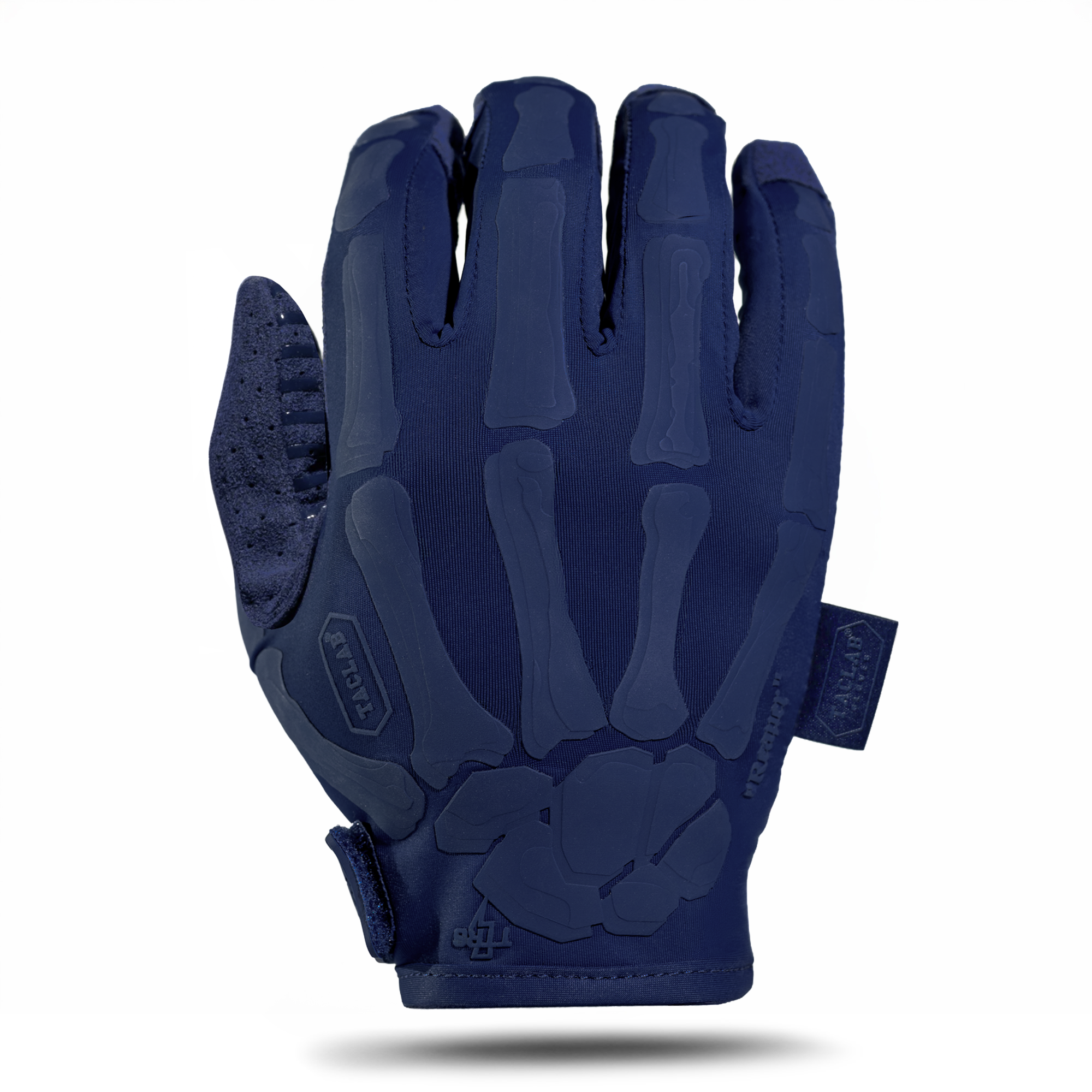
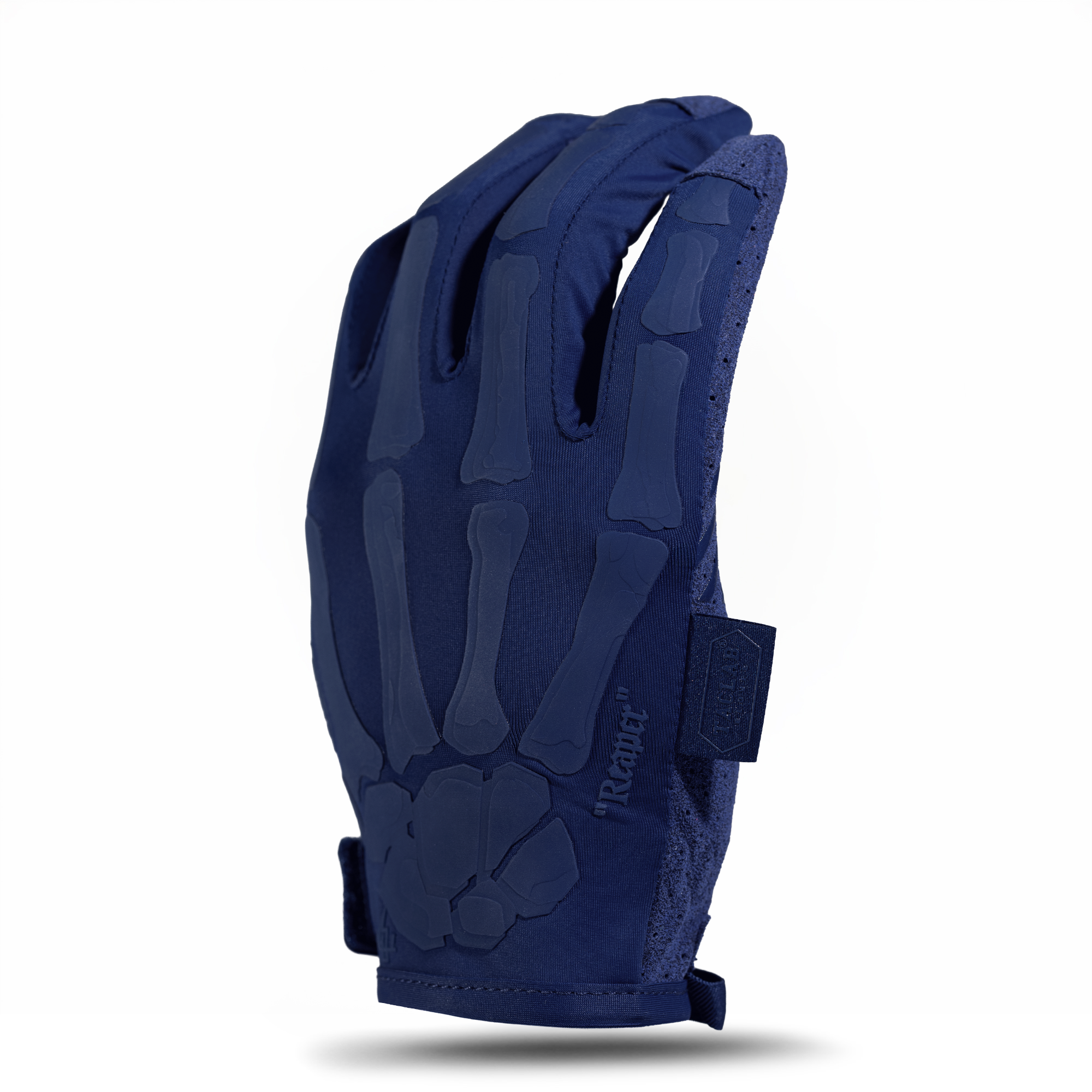
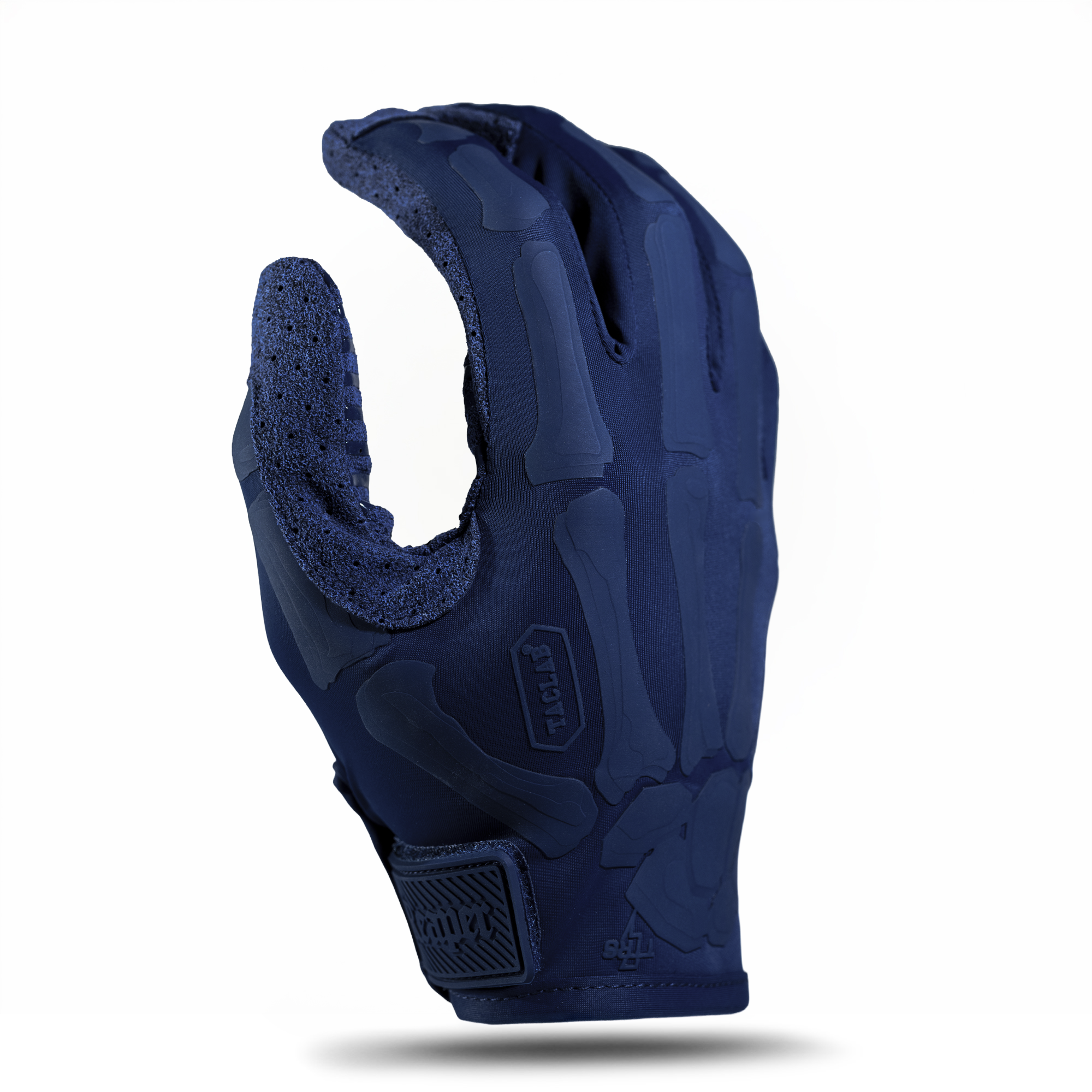
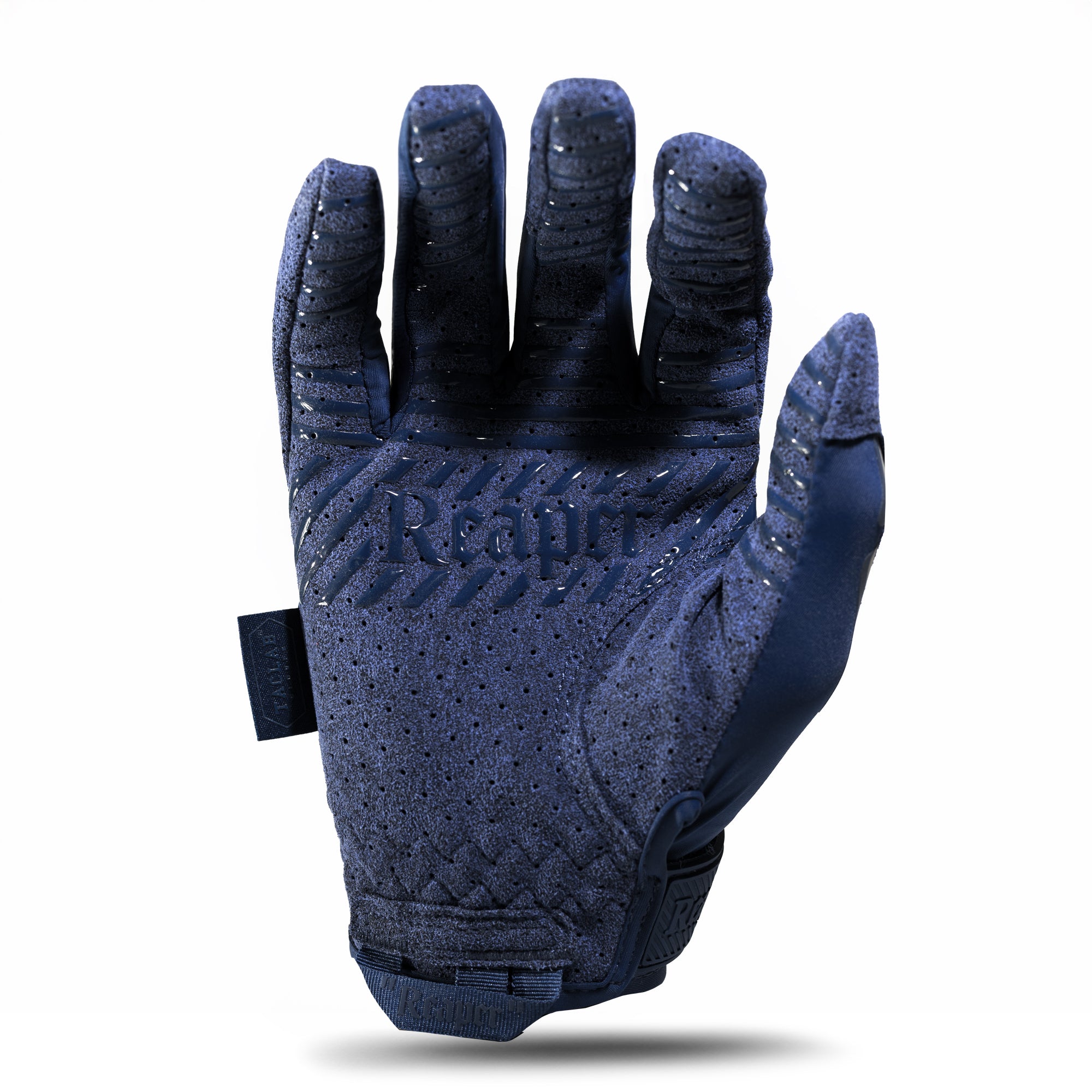
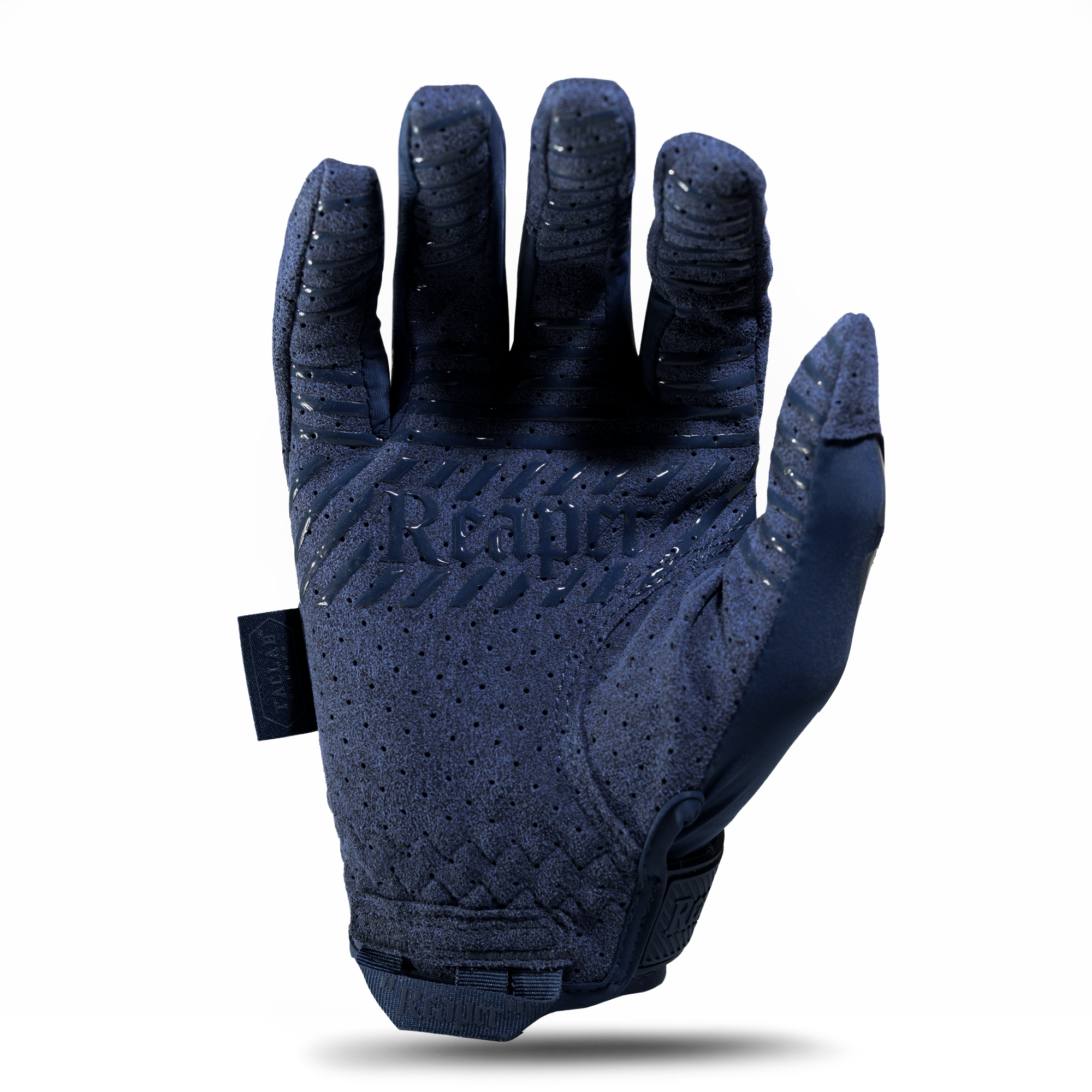
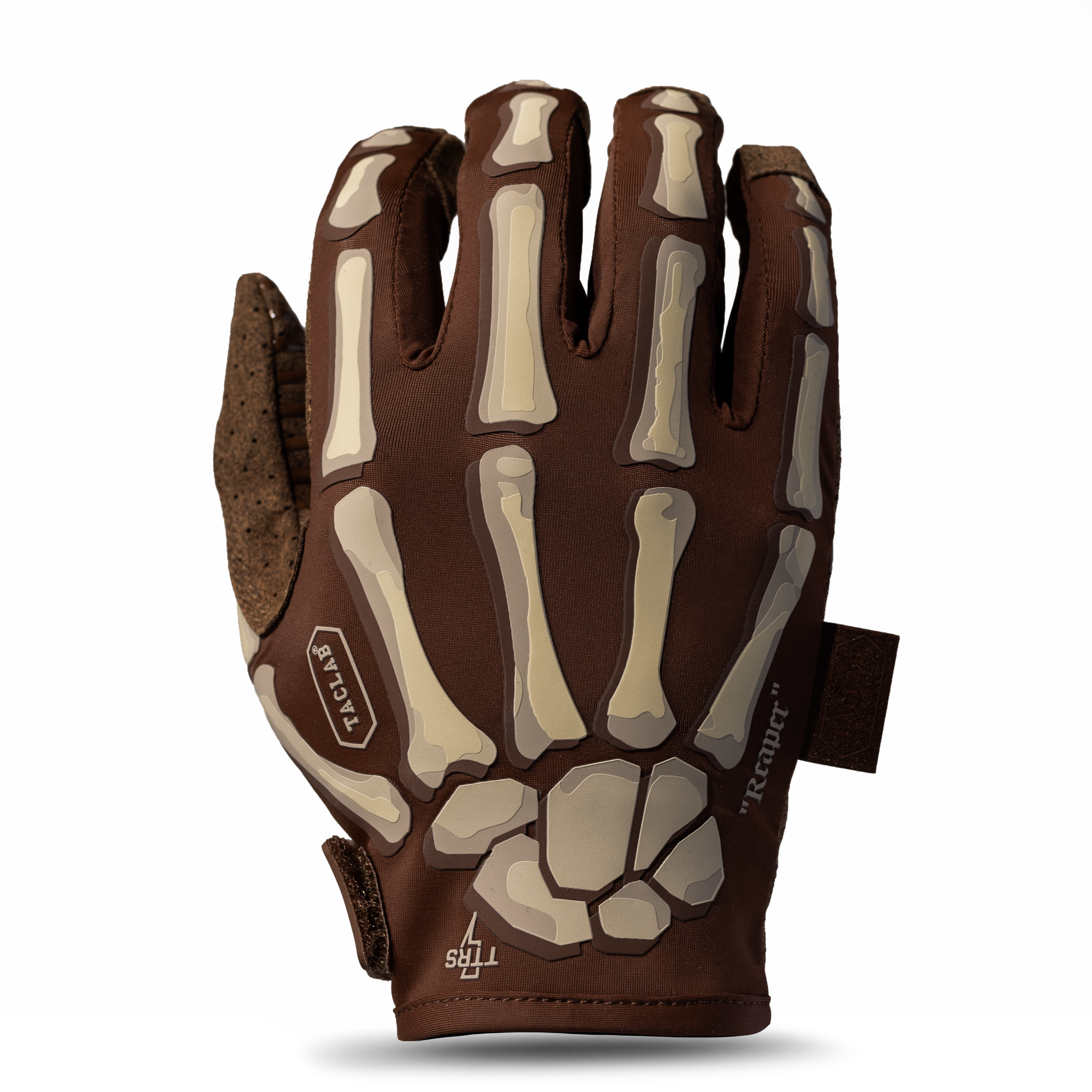
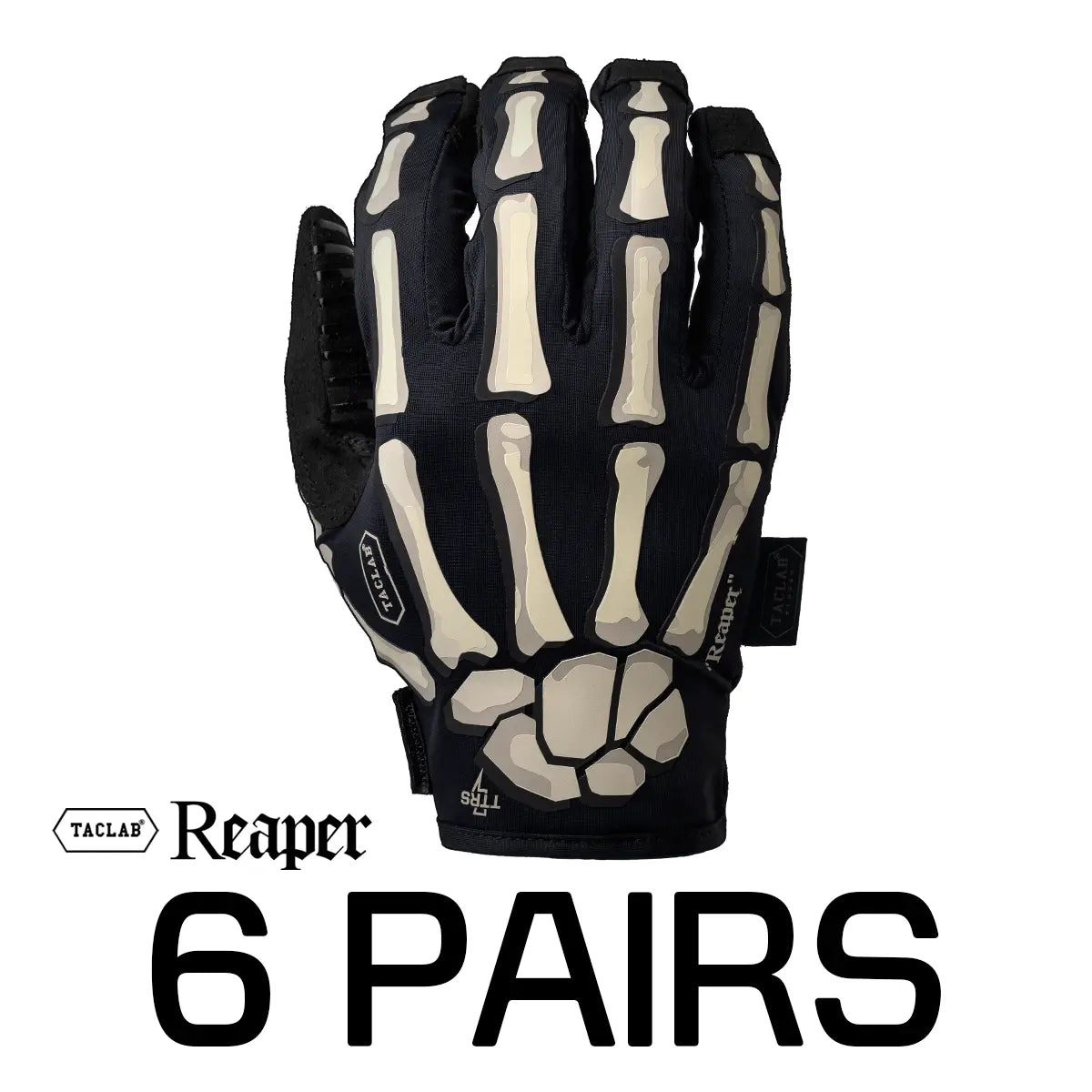
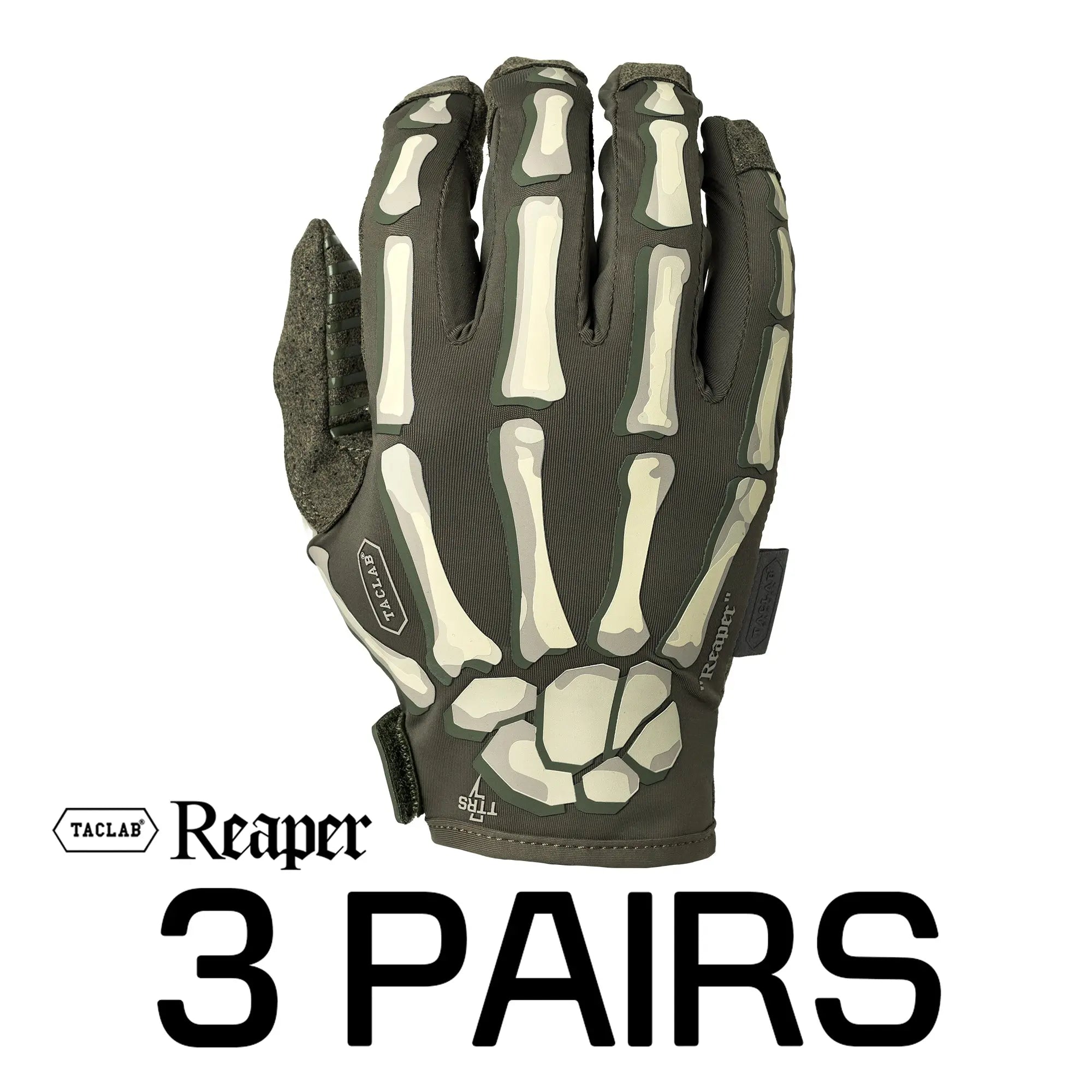
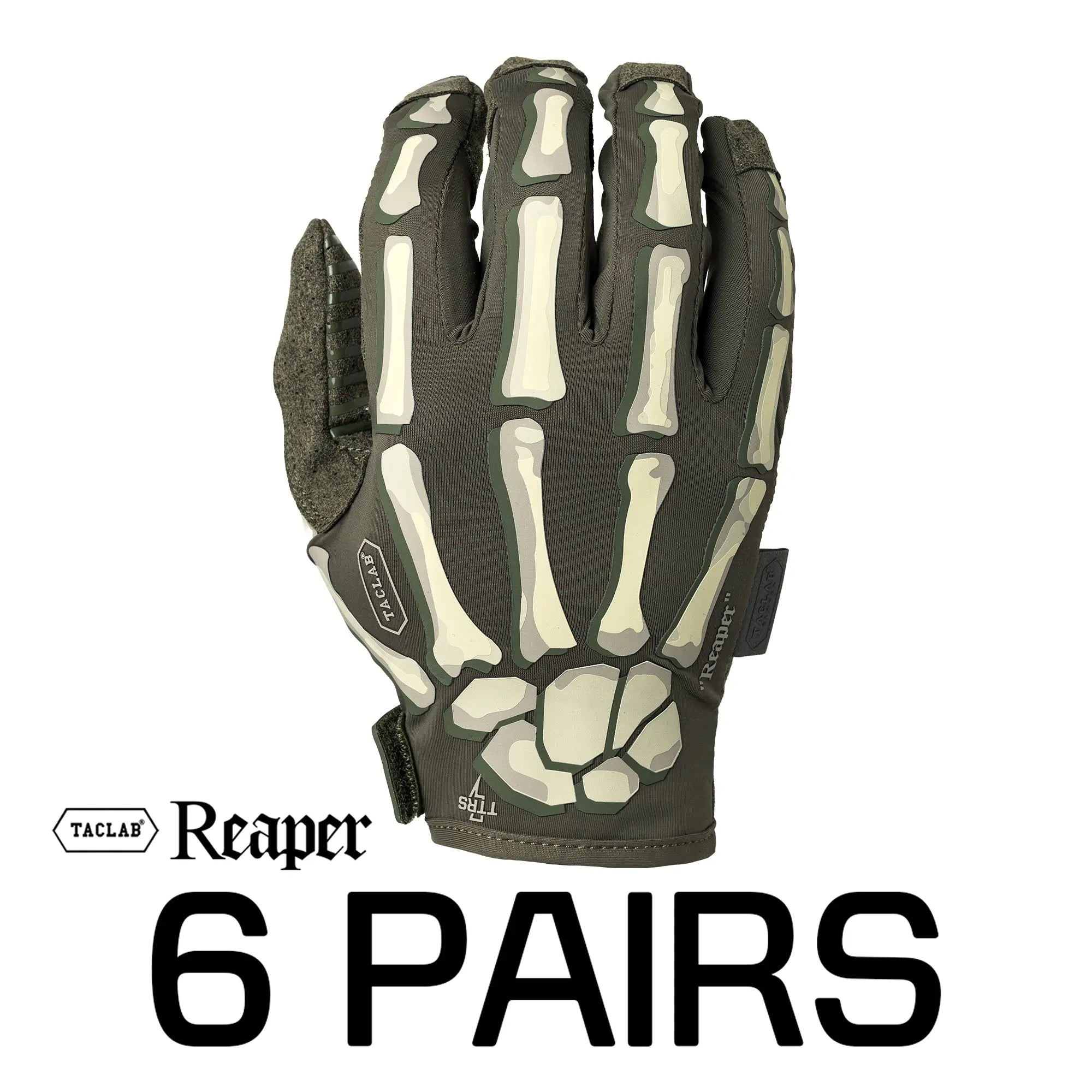
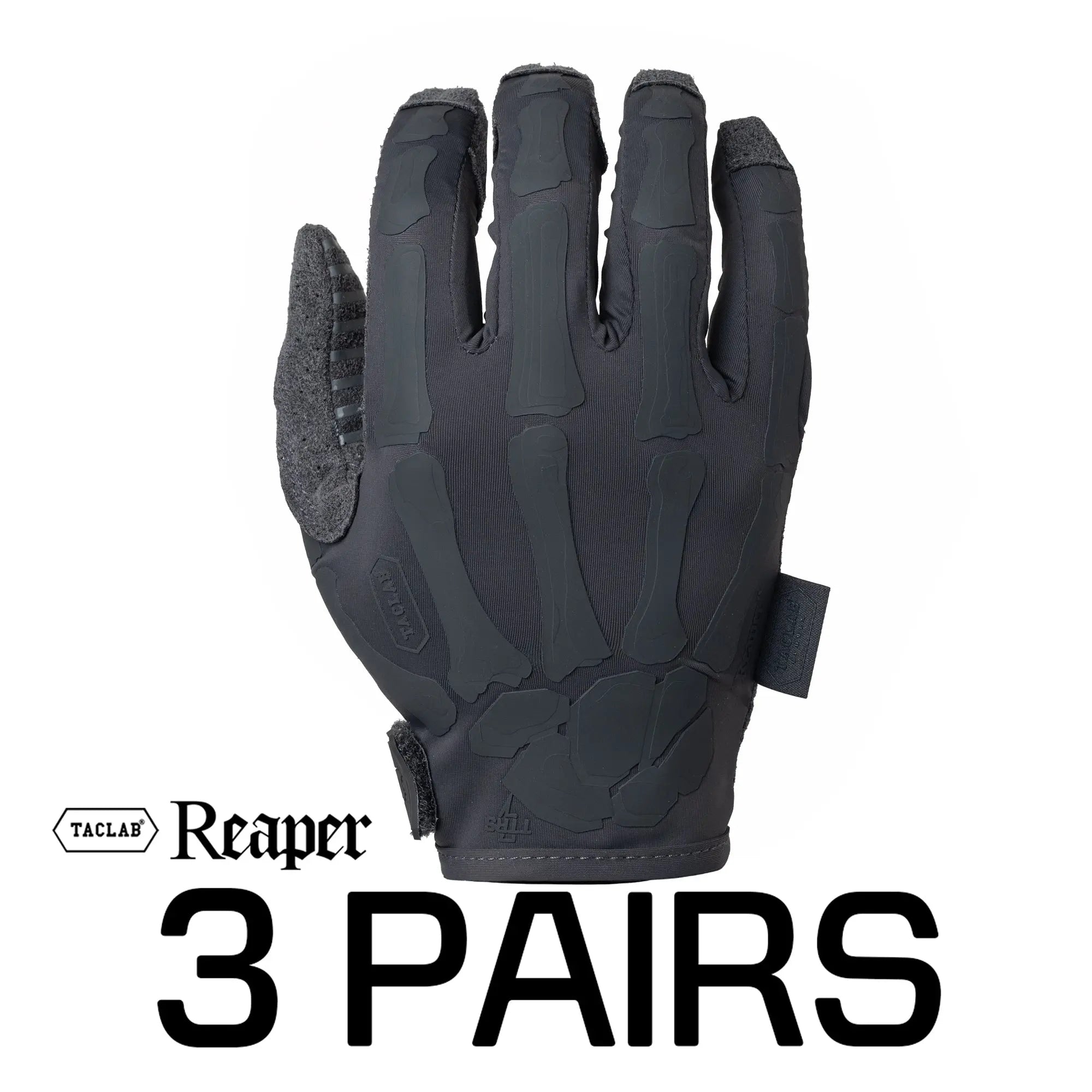
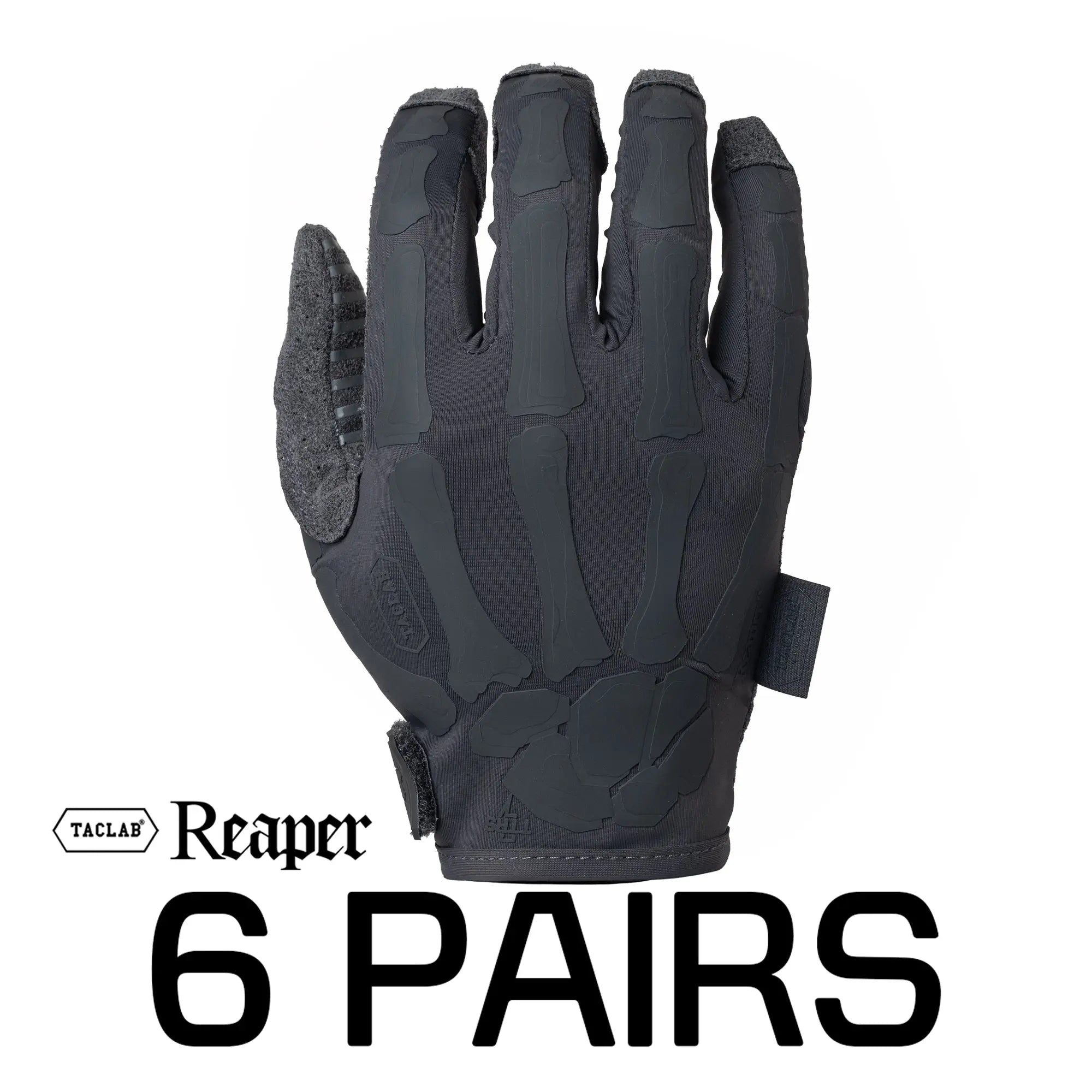
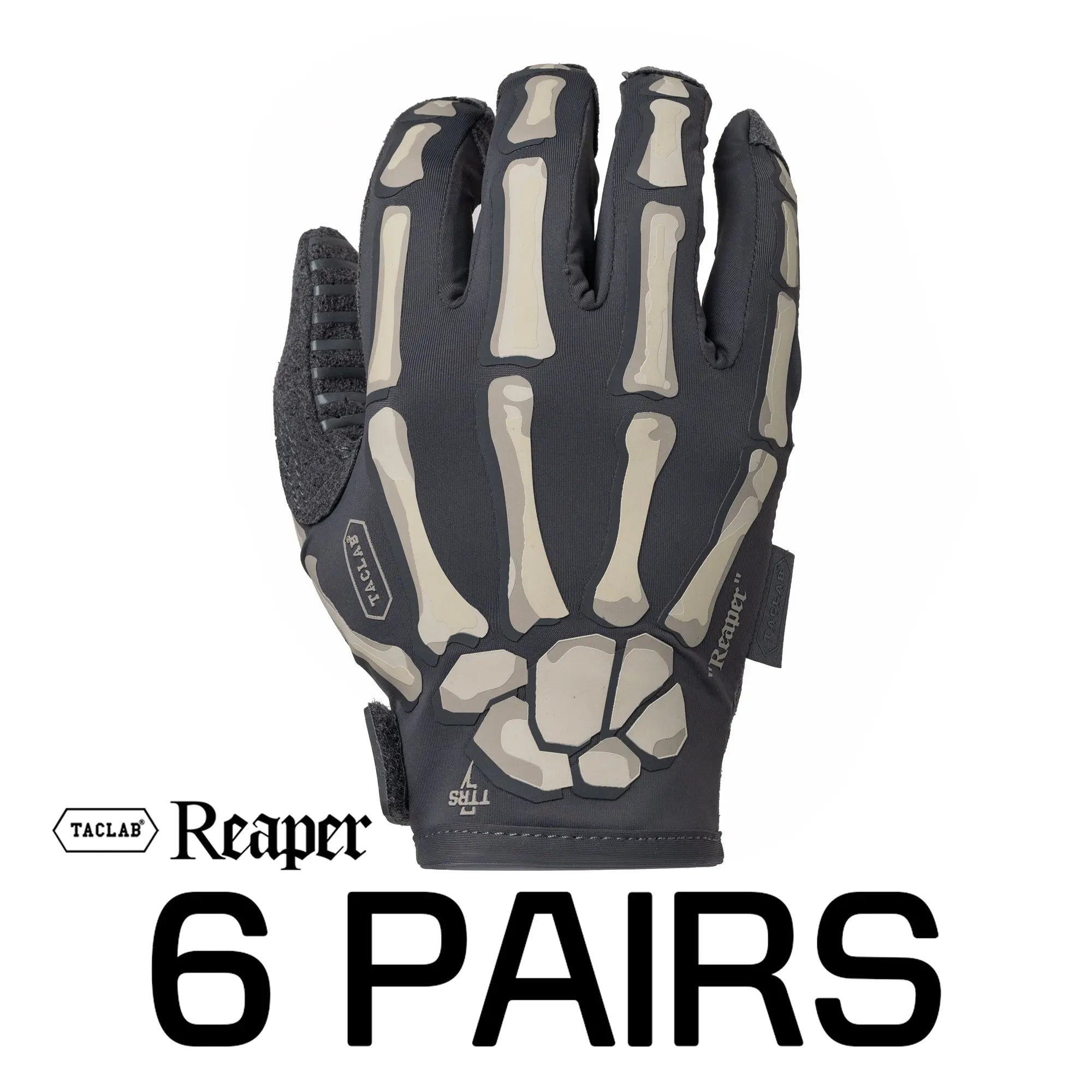
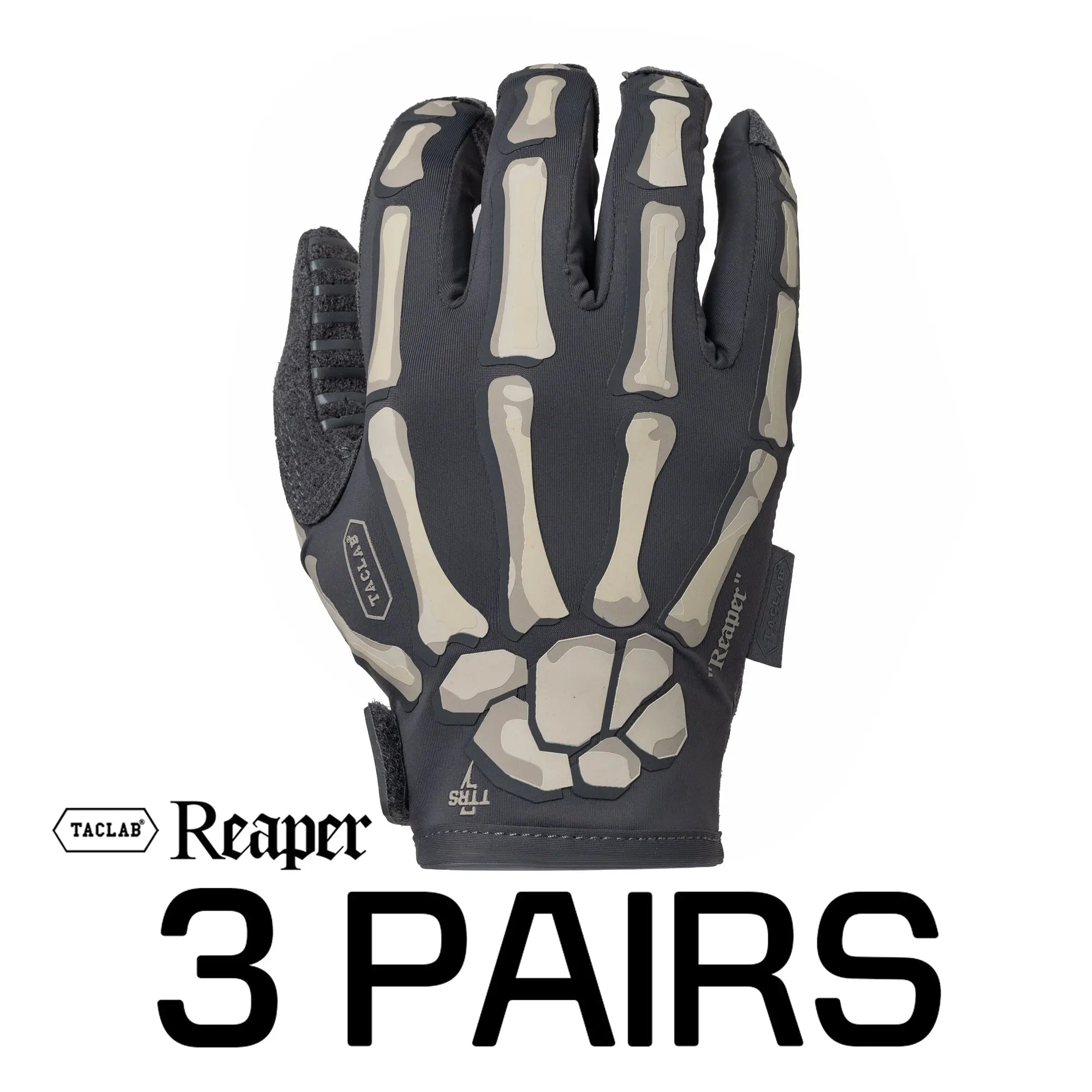
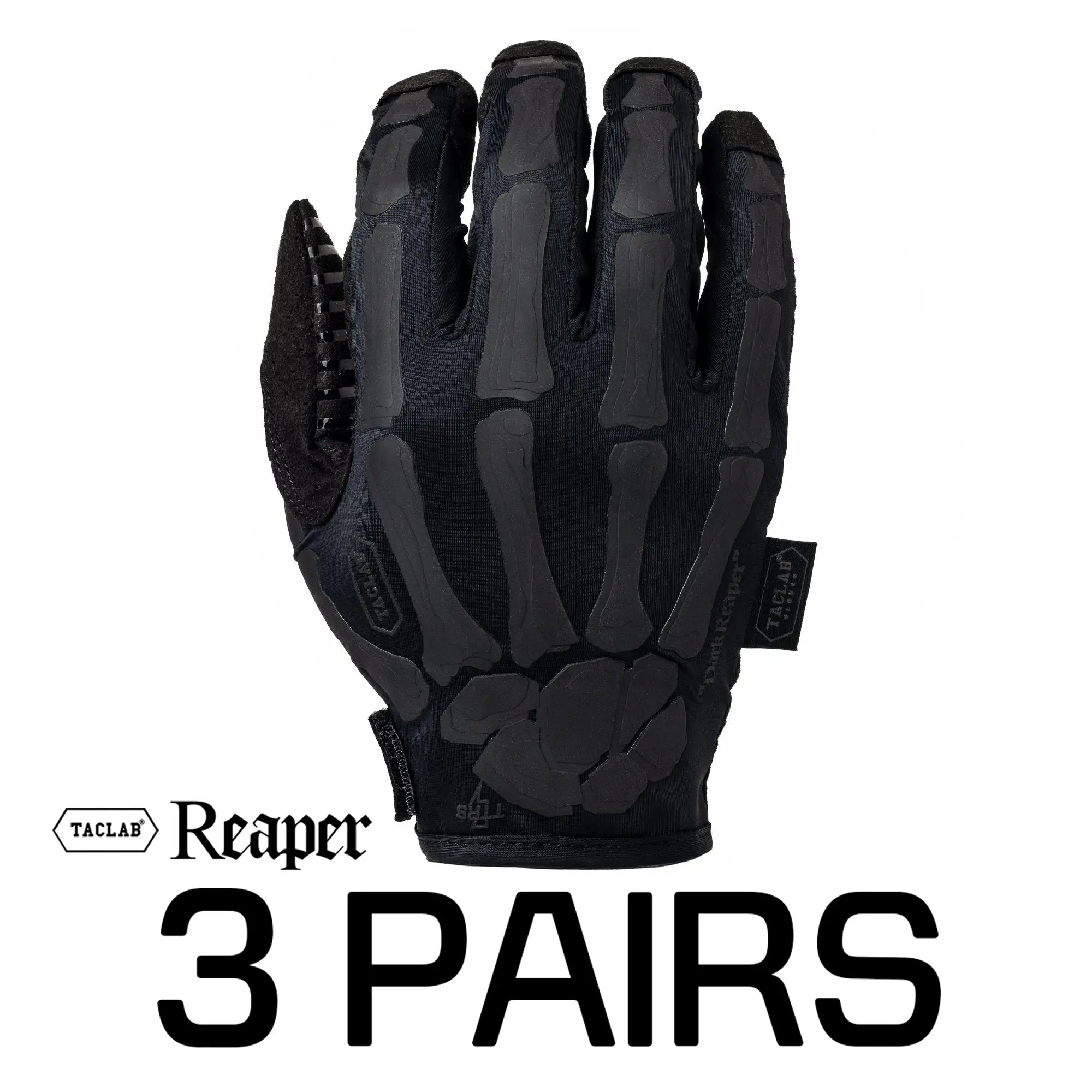
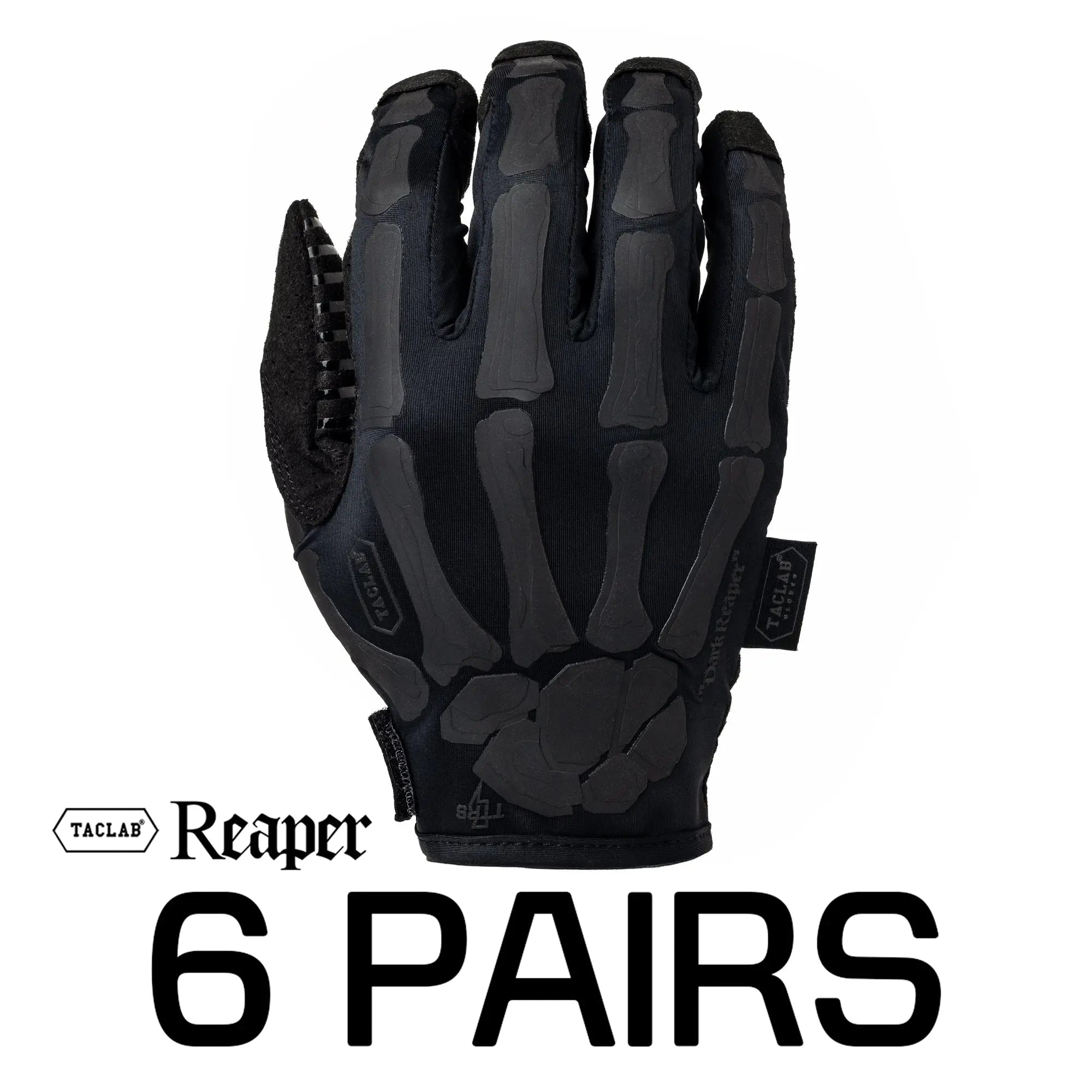
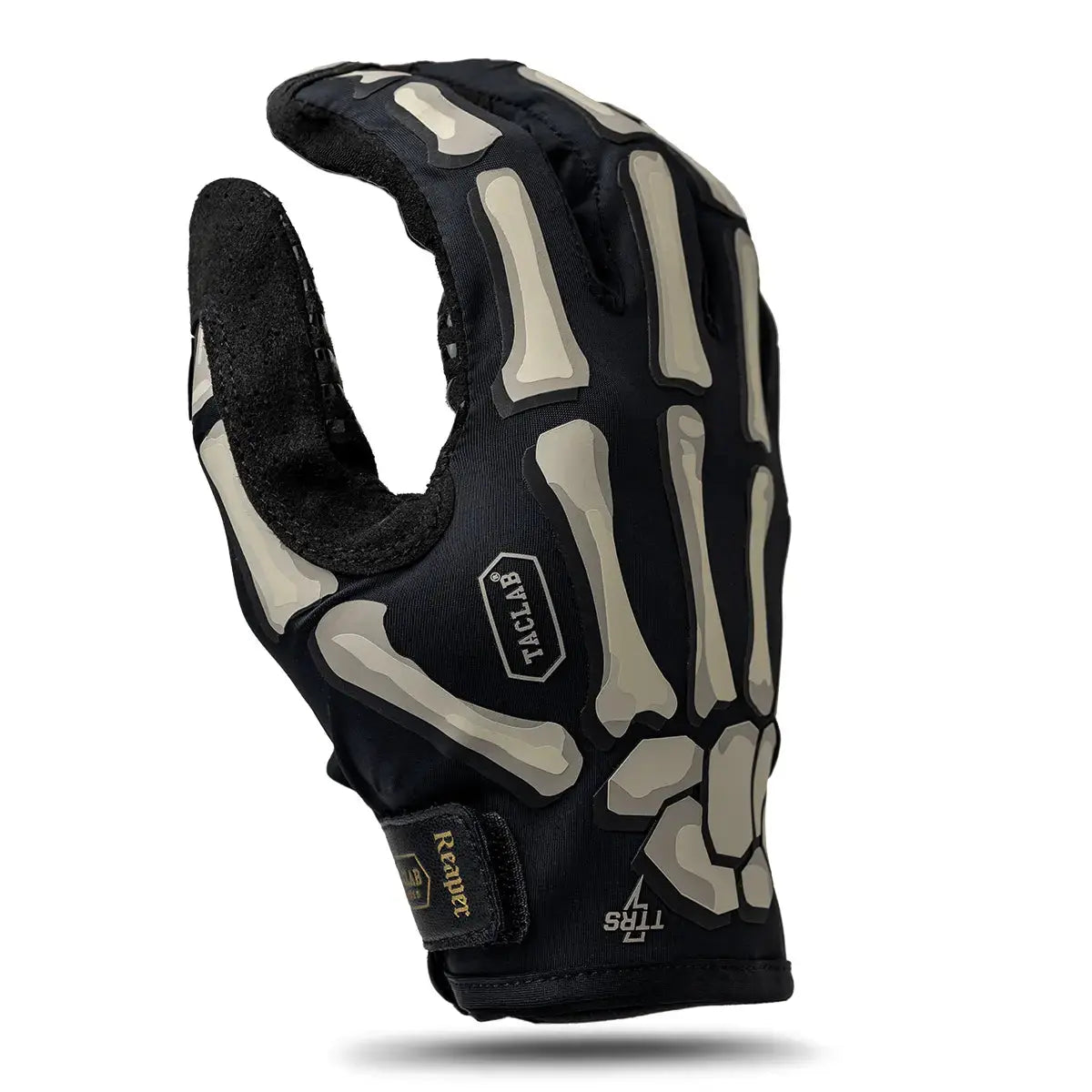
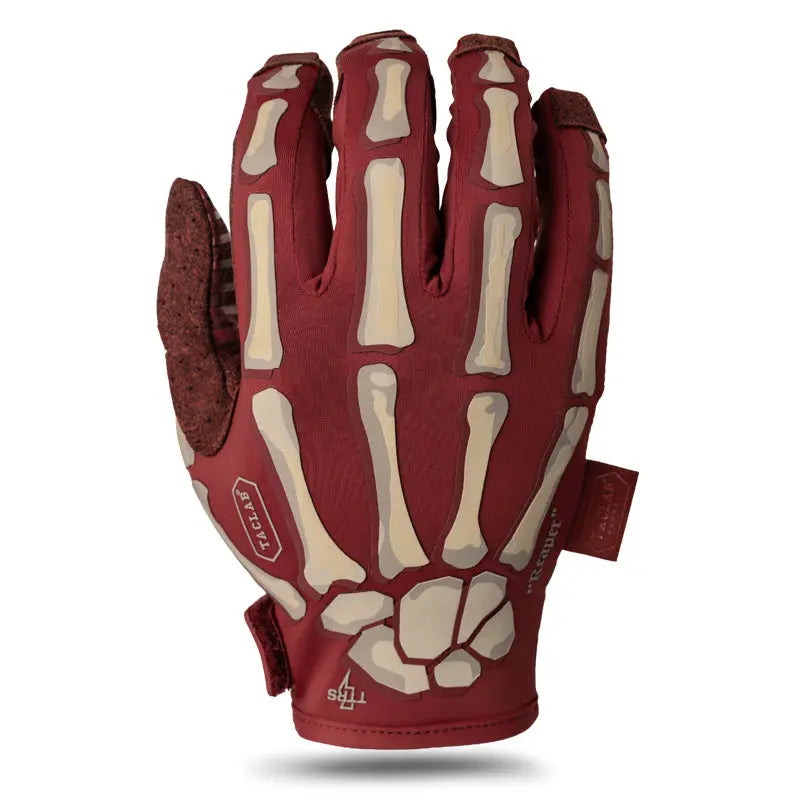
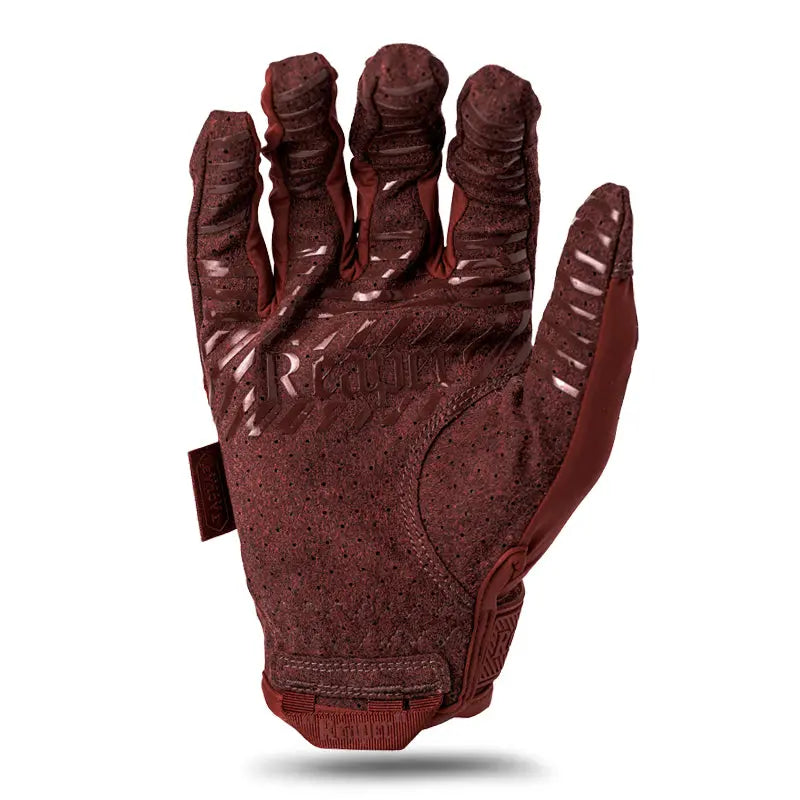
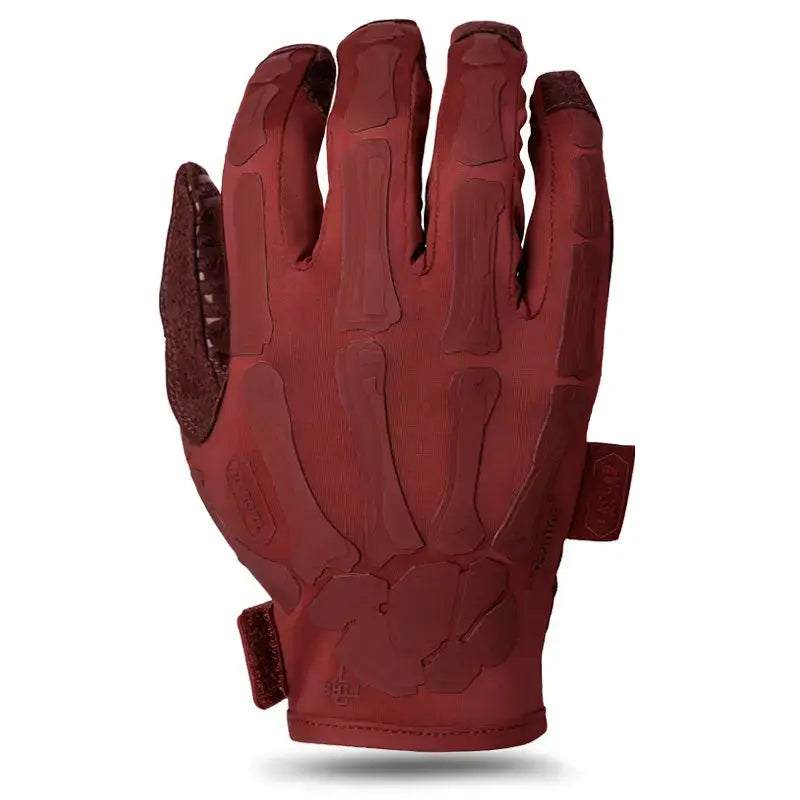
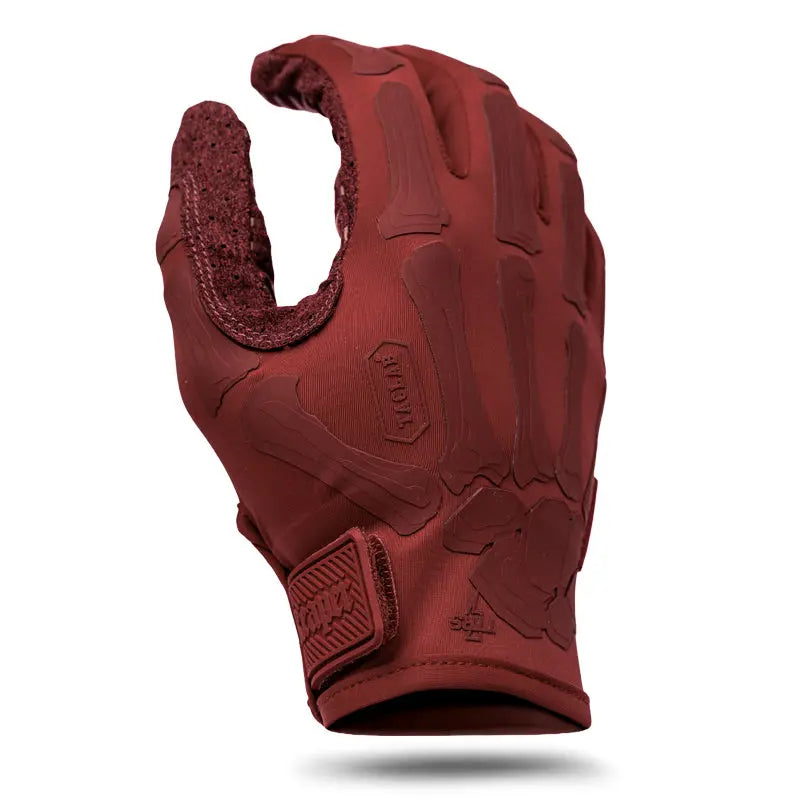
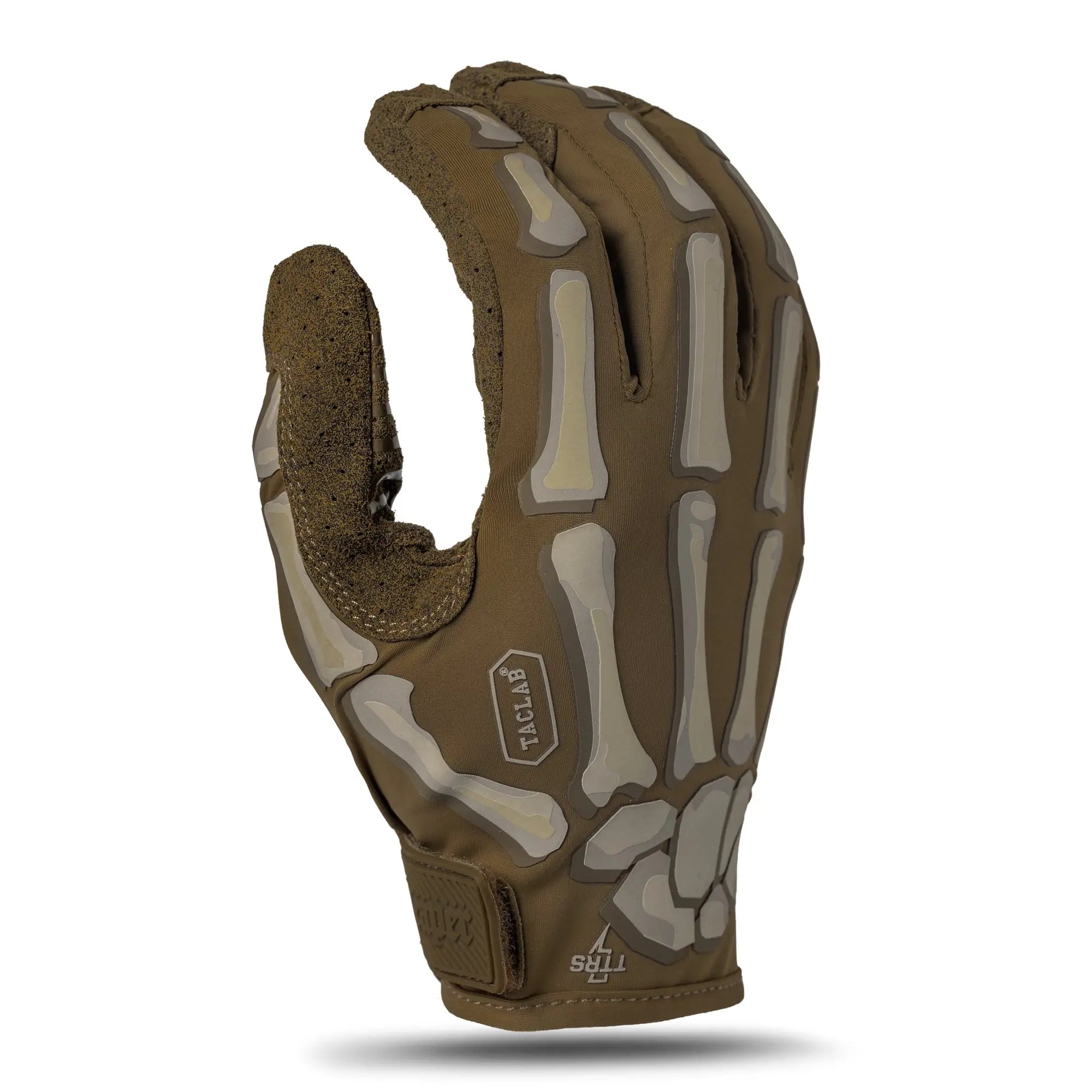
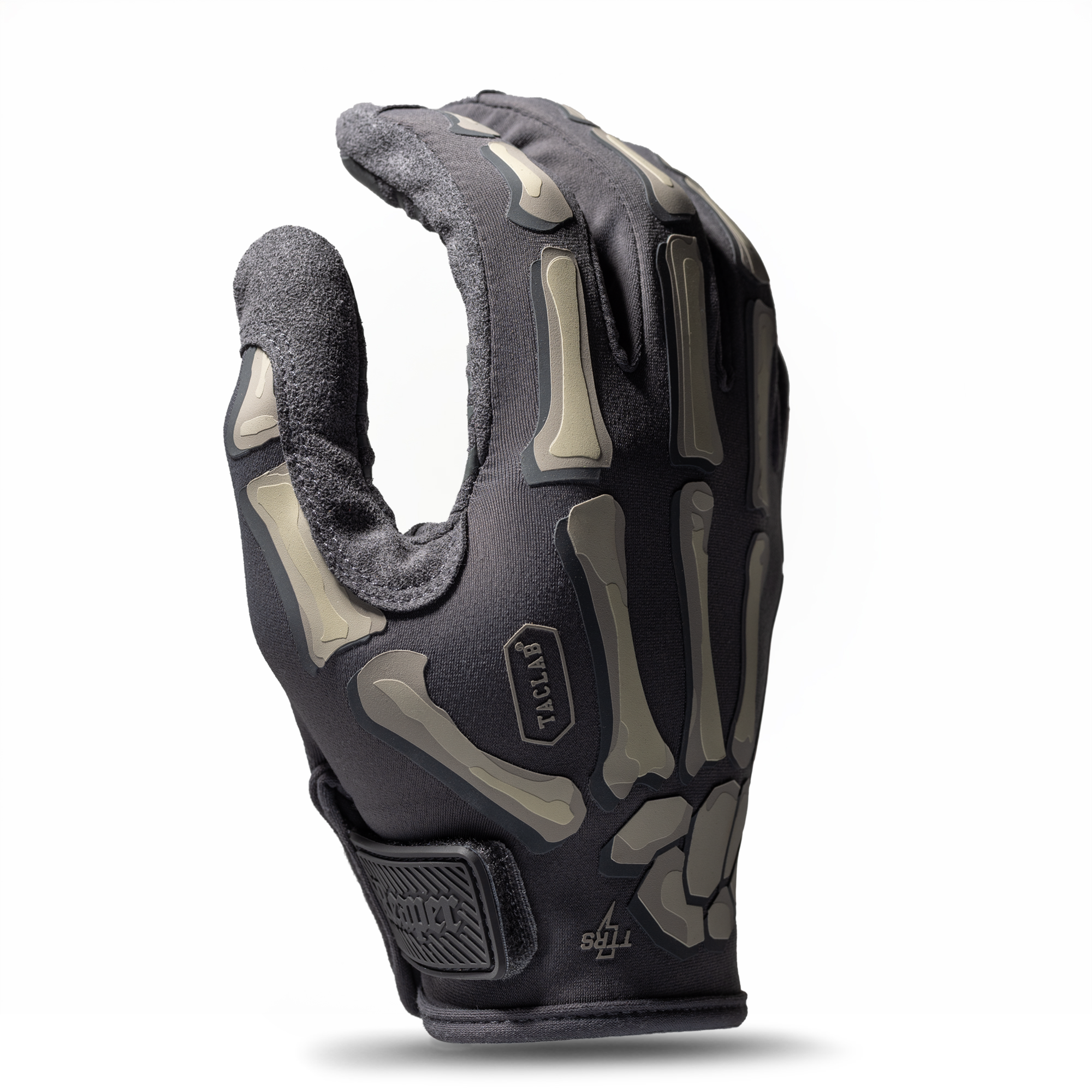
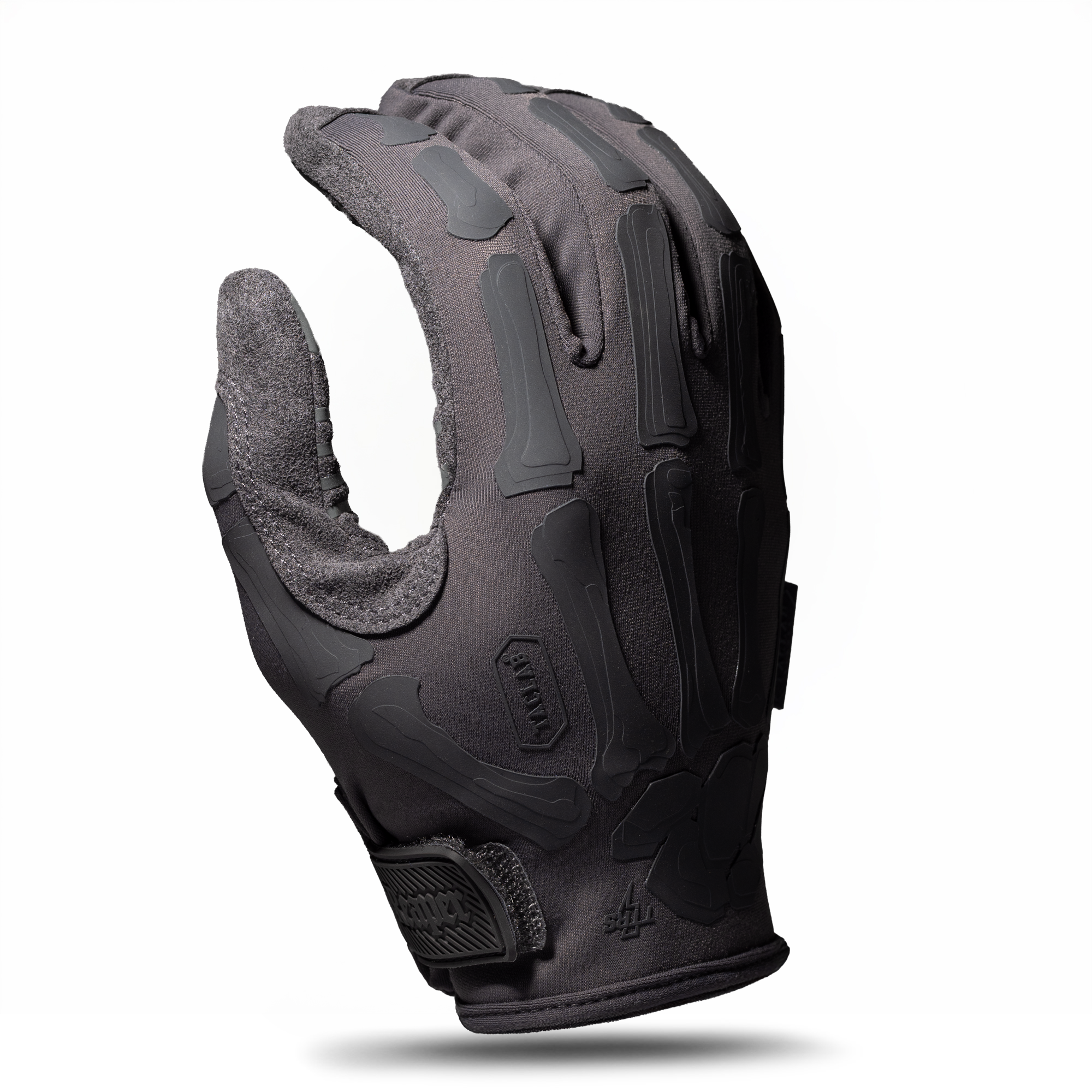
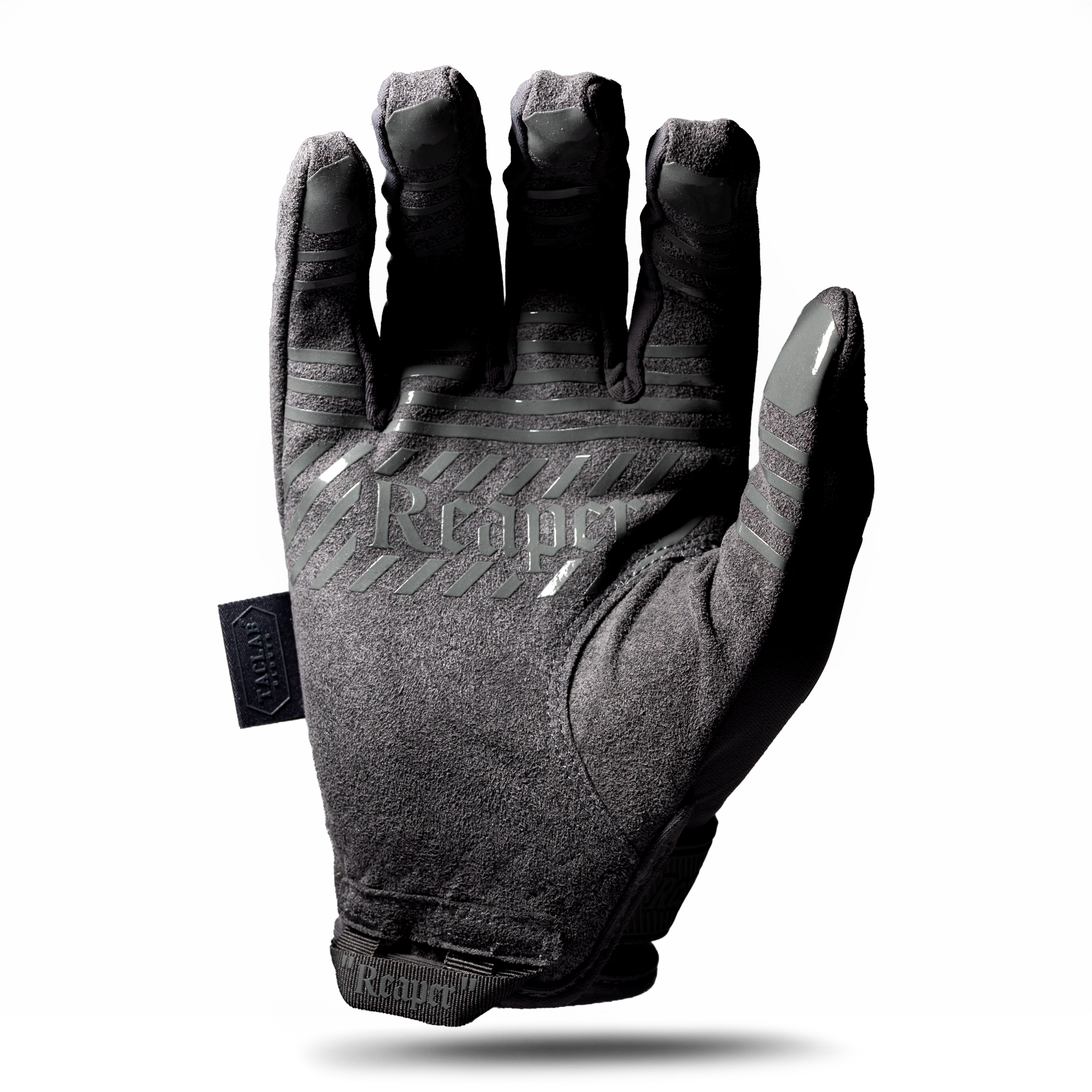
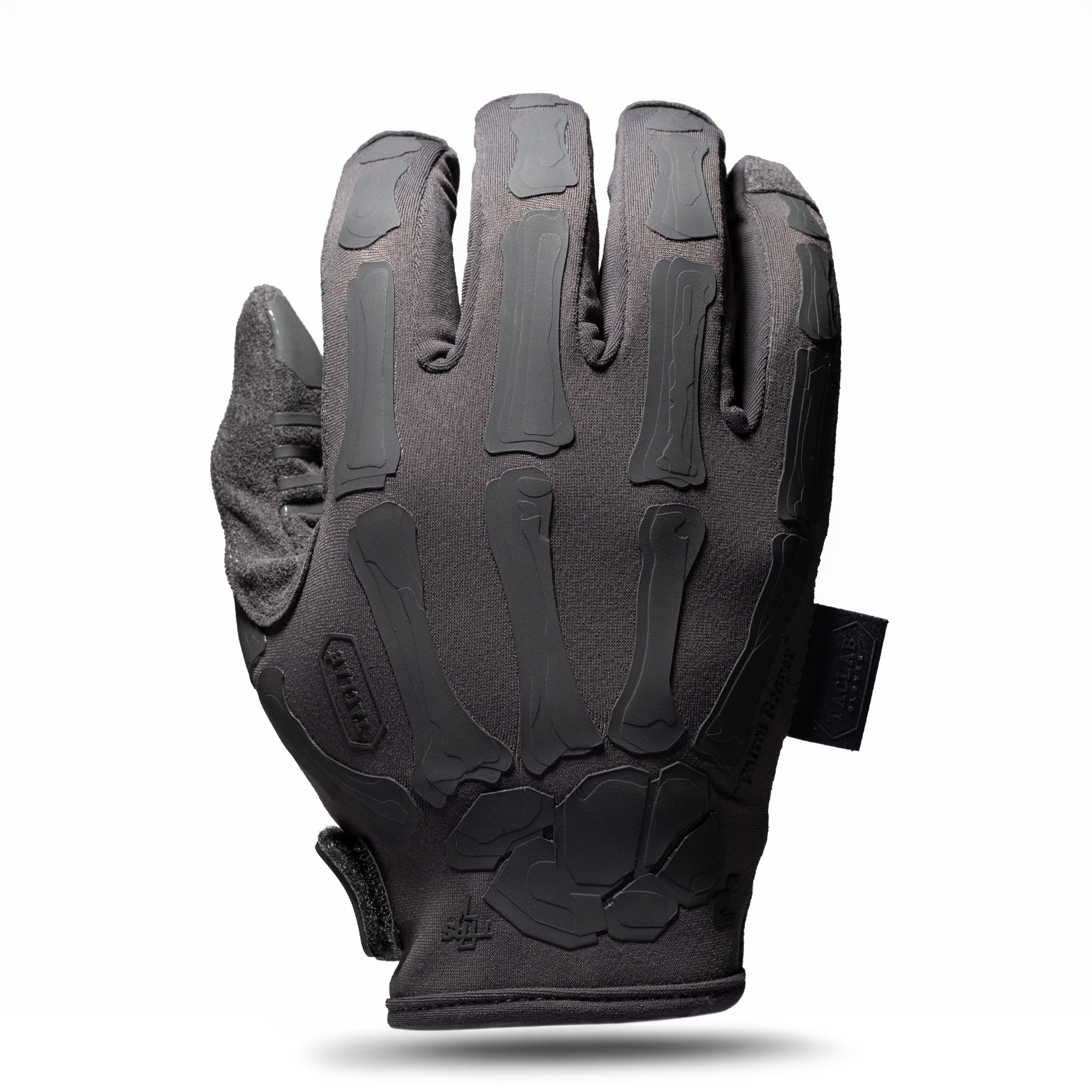
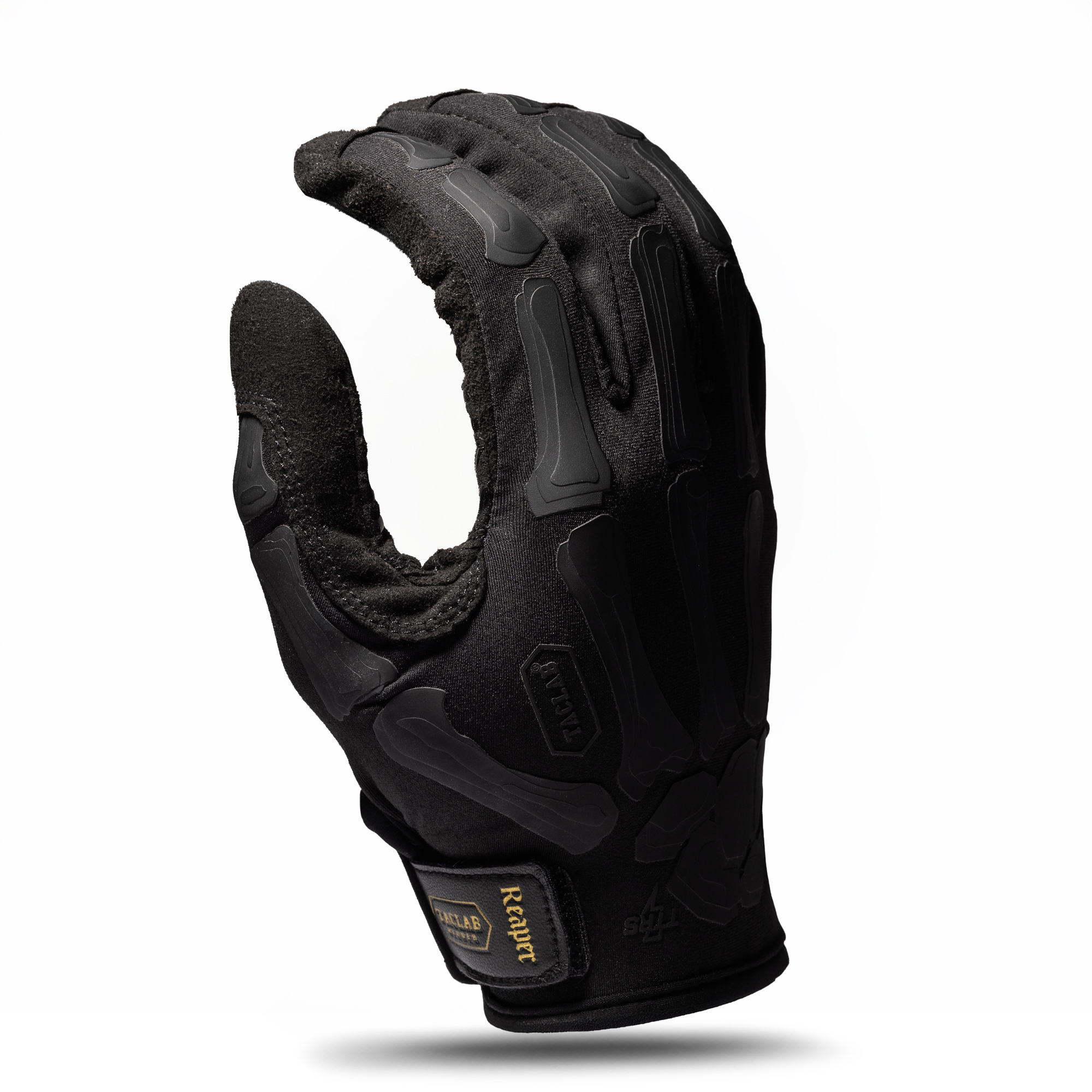
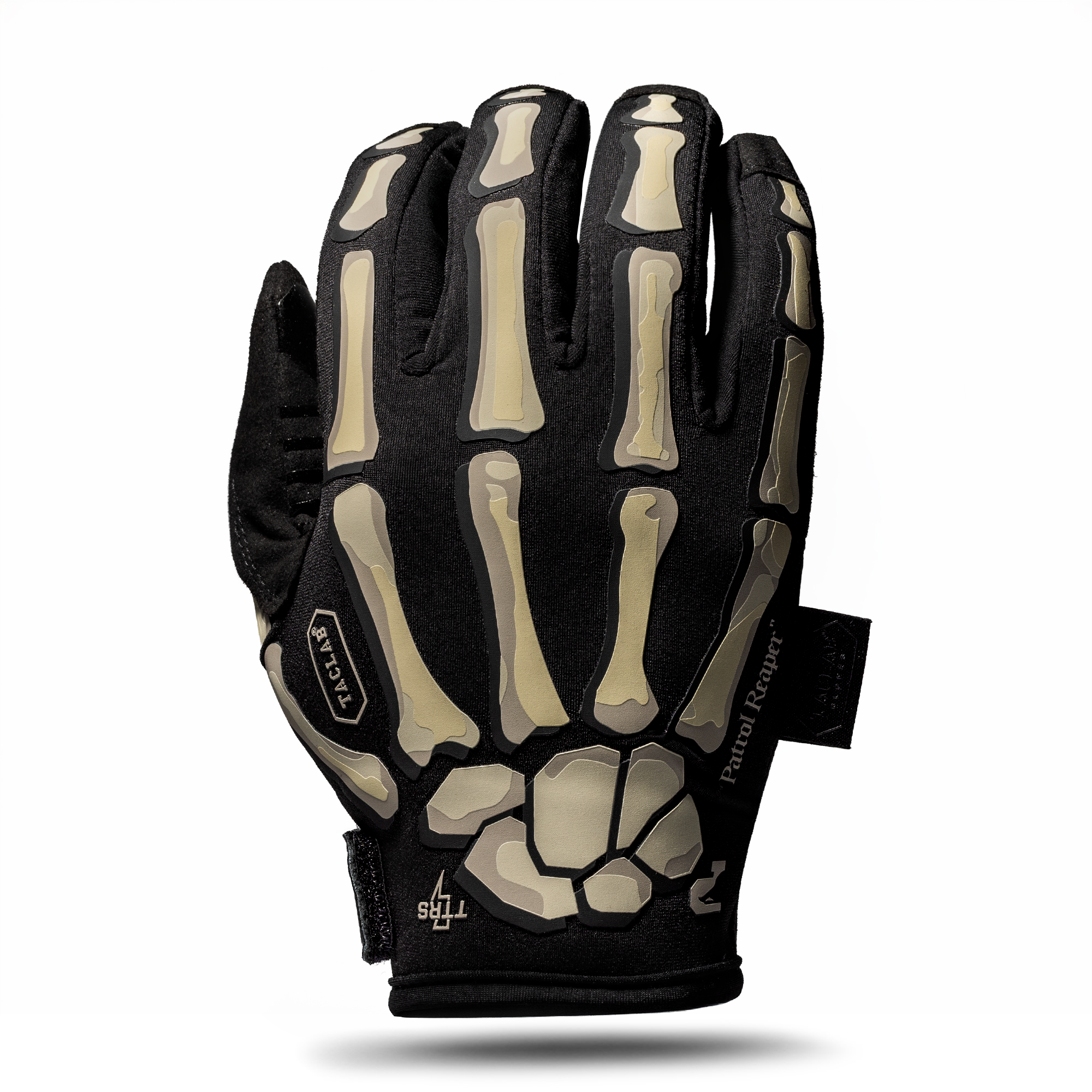
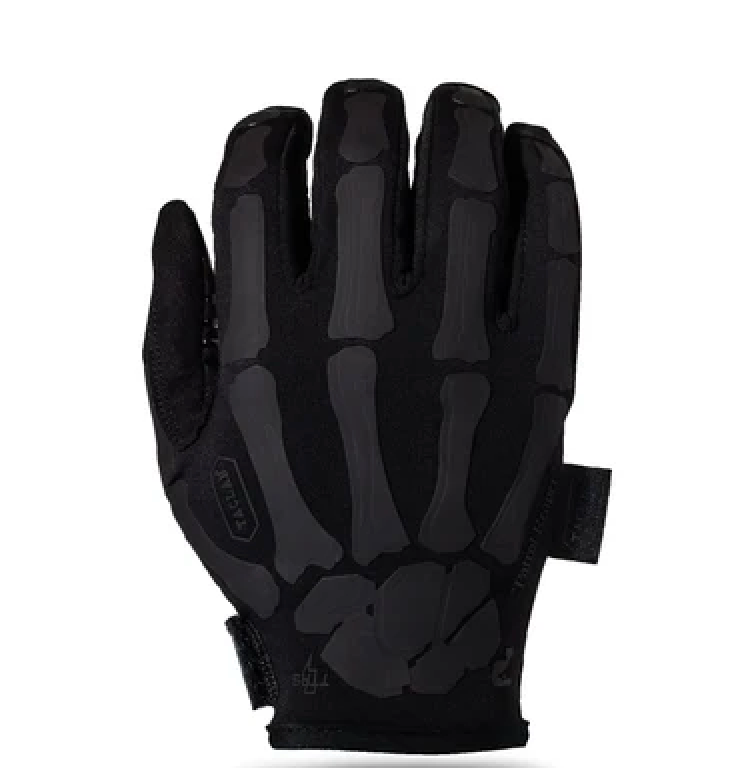
Rather than assuming every user needs the same amount of material, TACLAB offers different Reaper models for different environments.
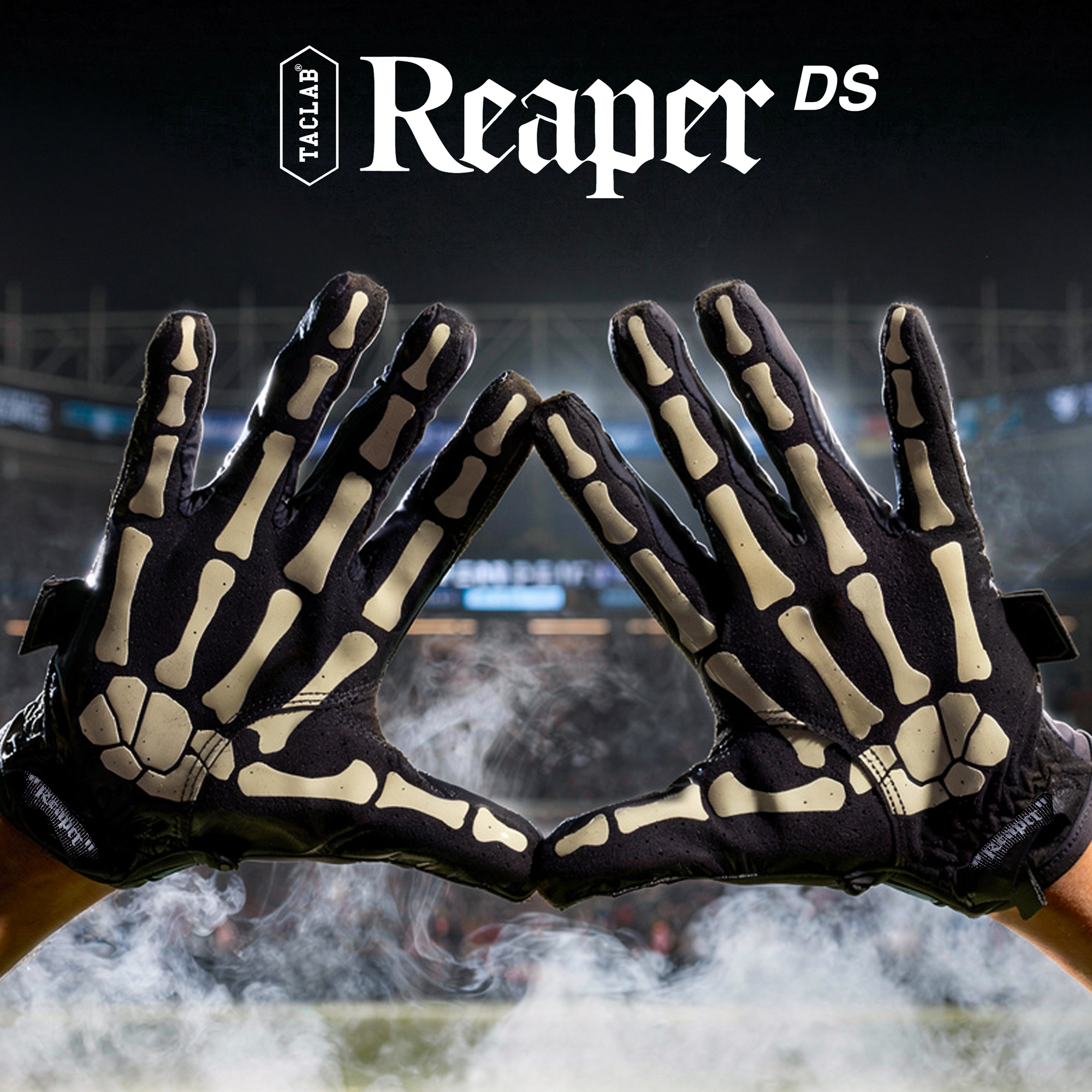
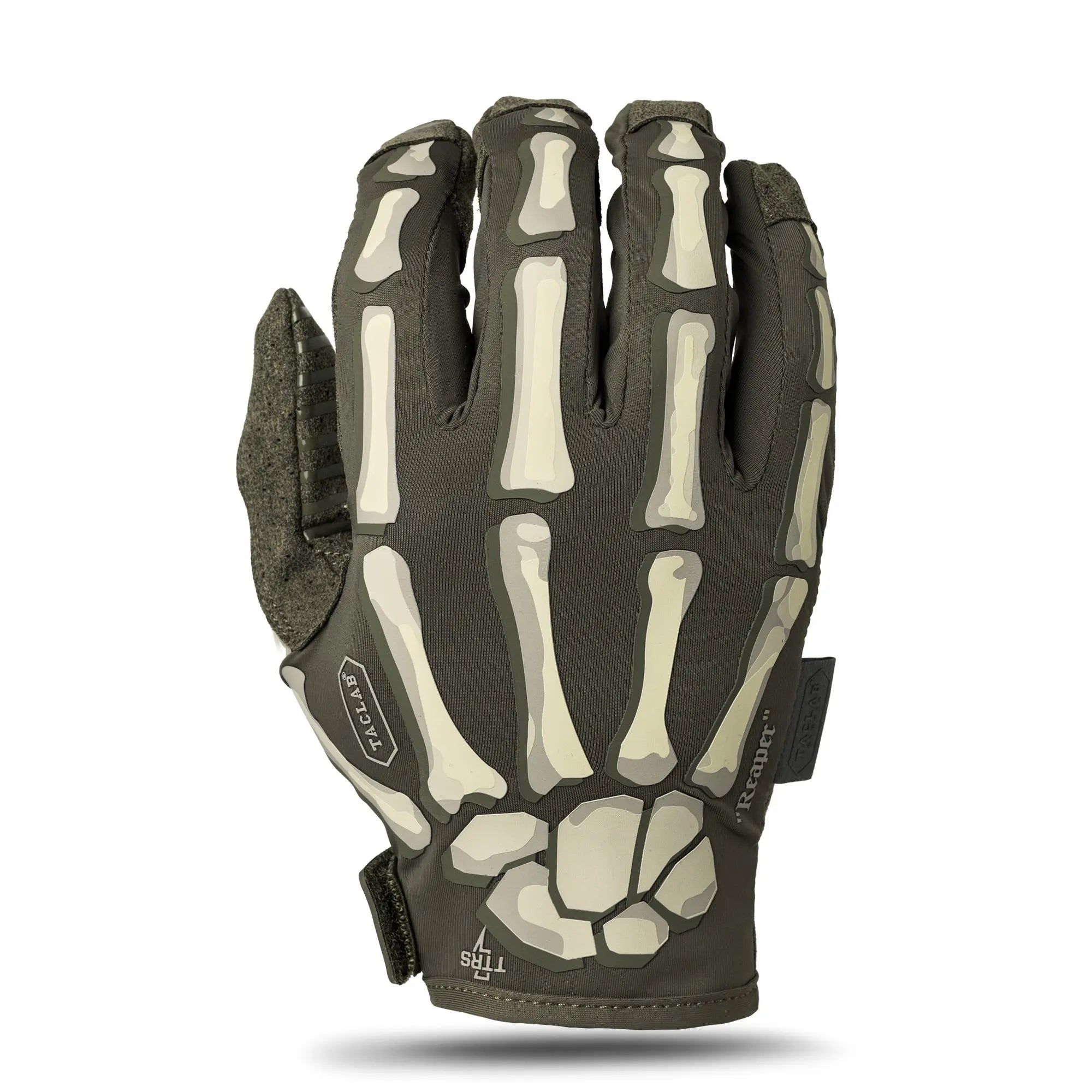
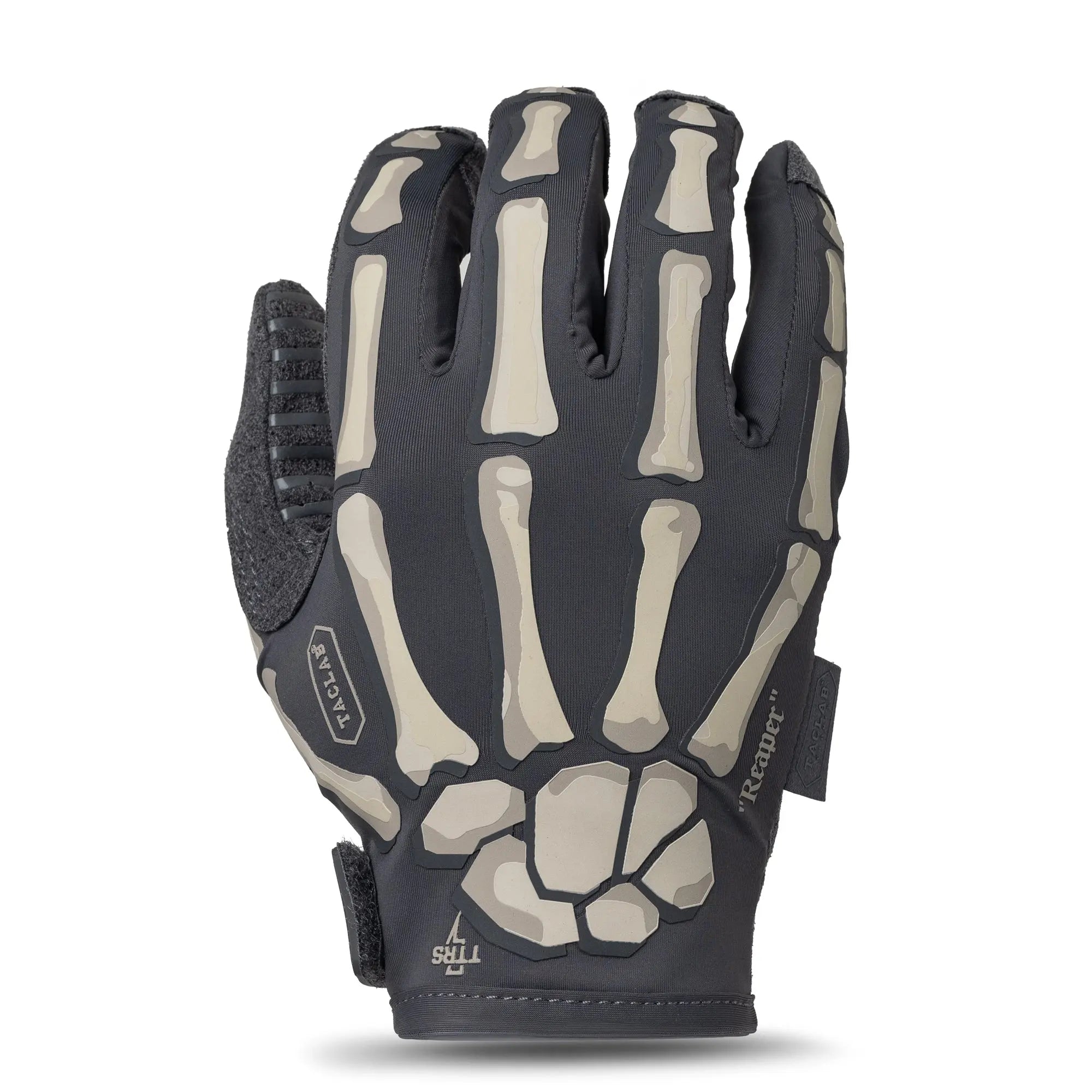
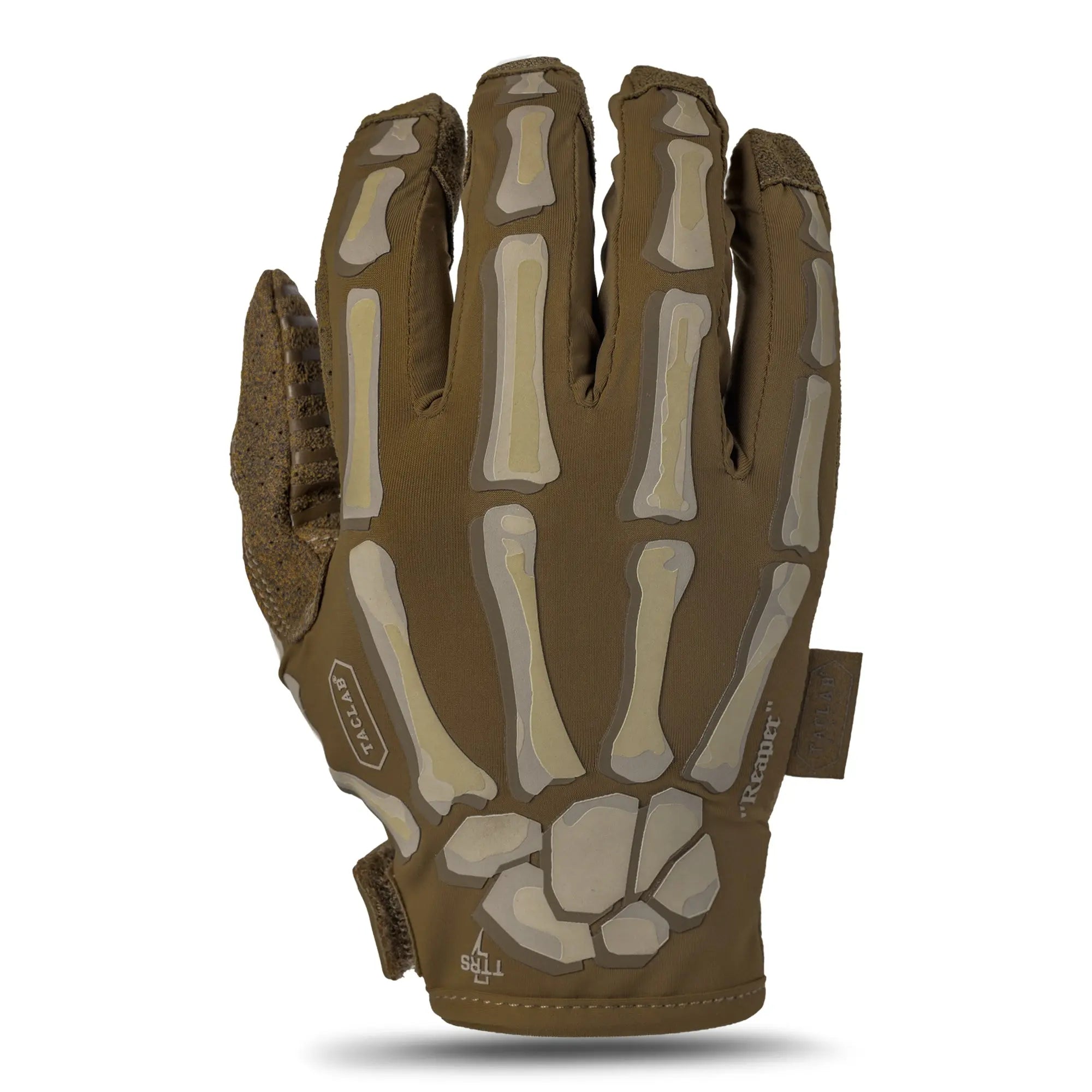
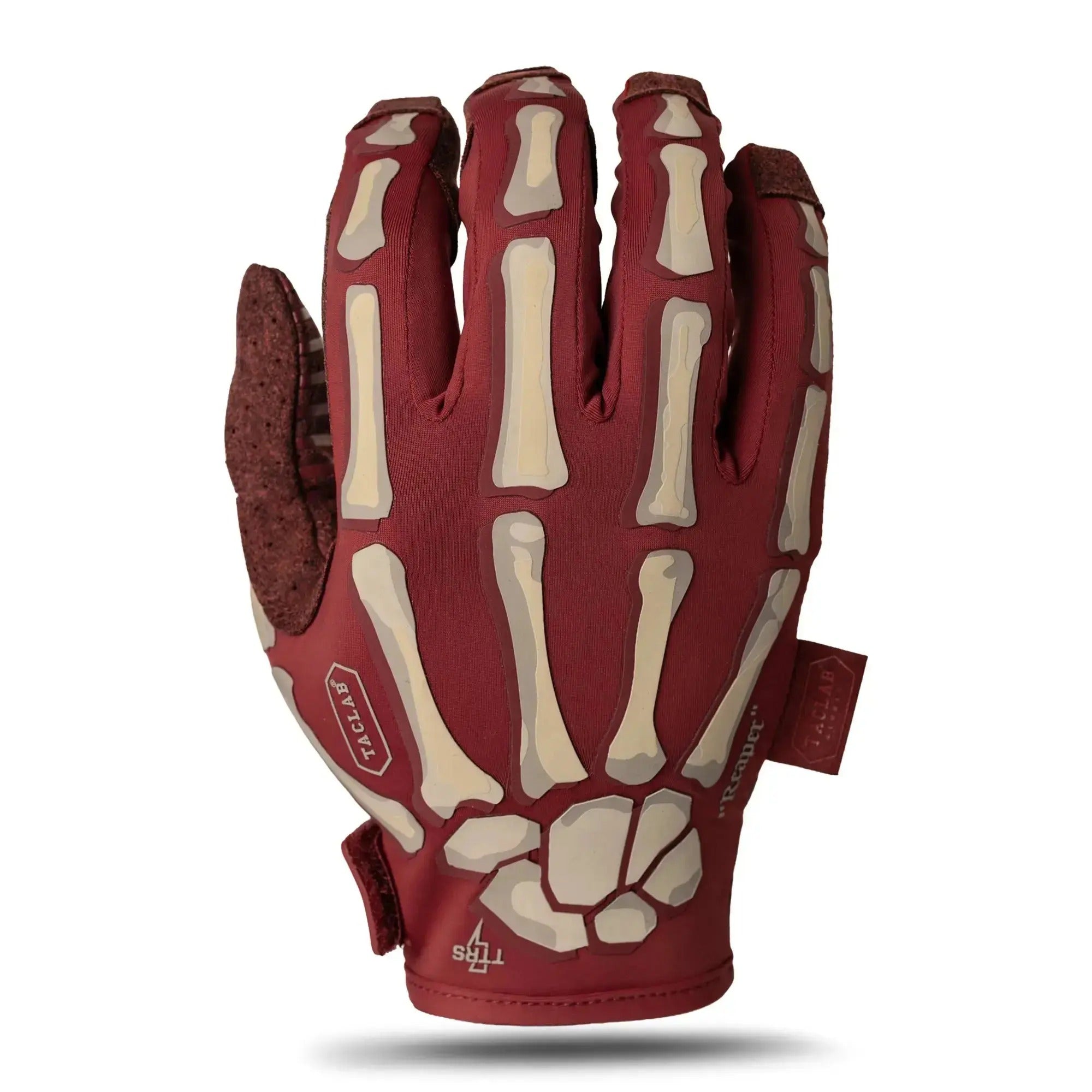
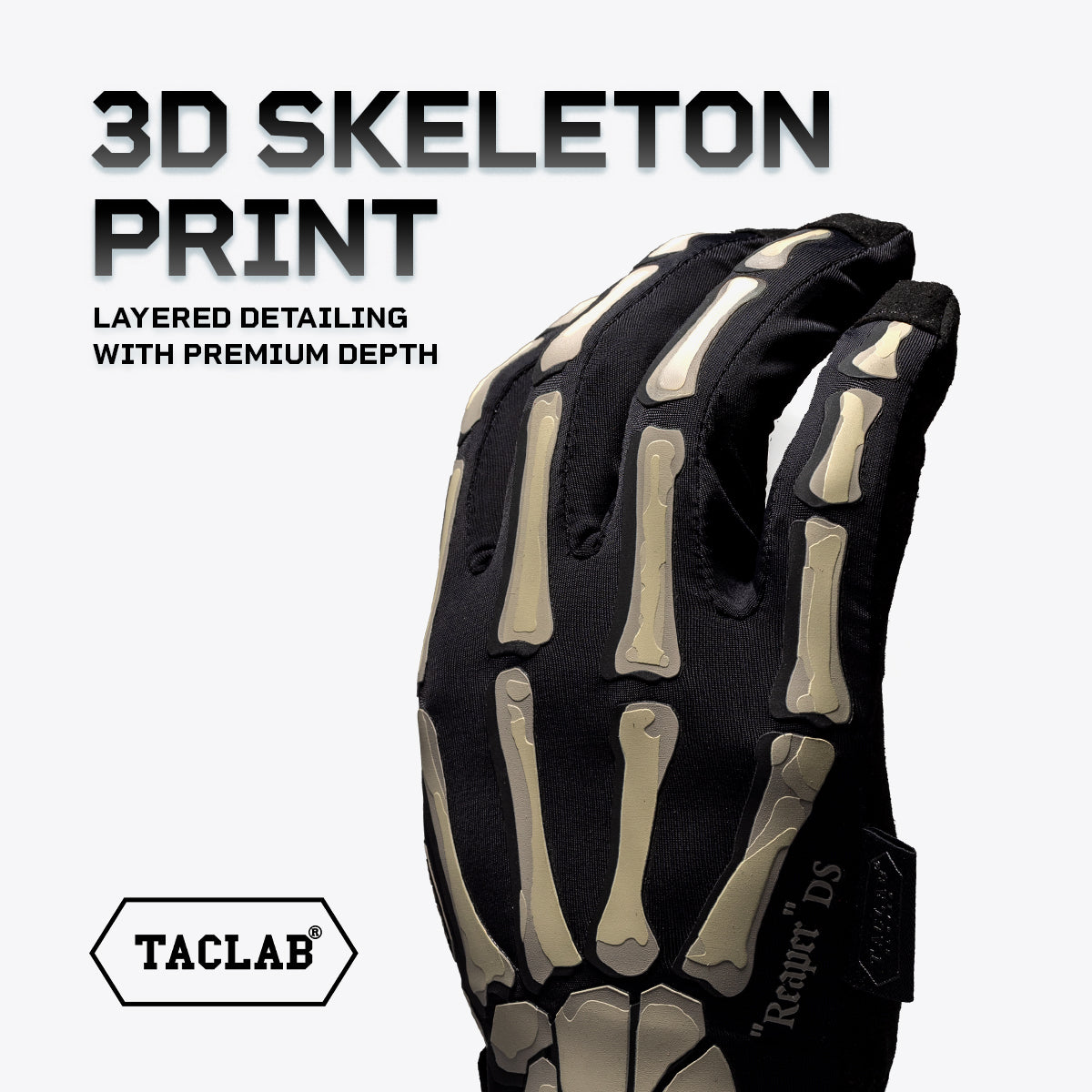
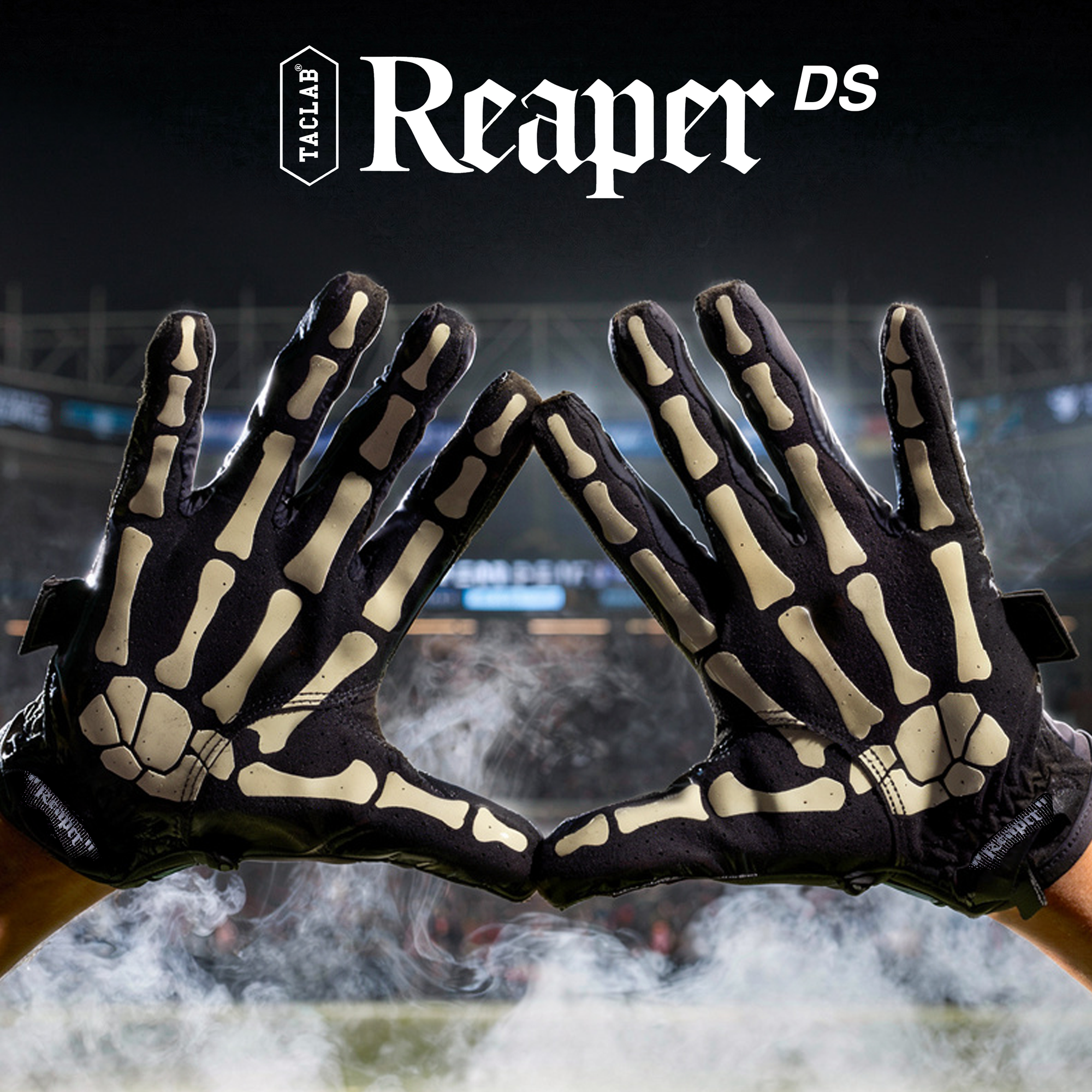
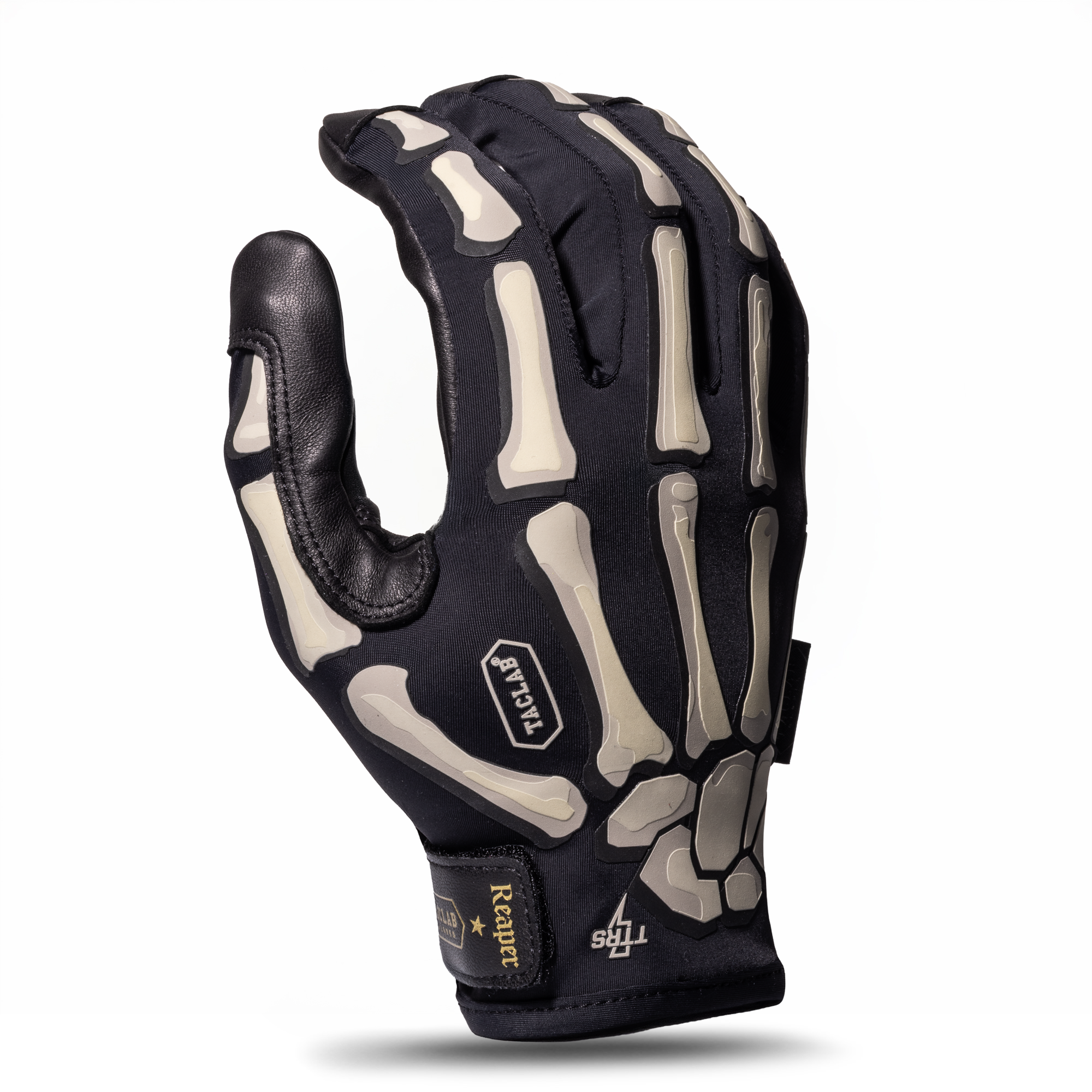
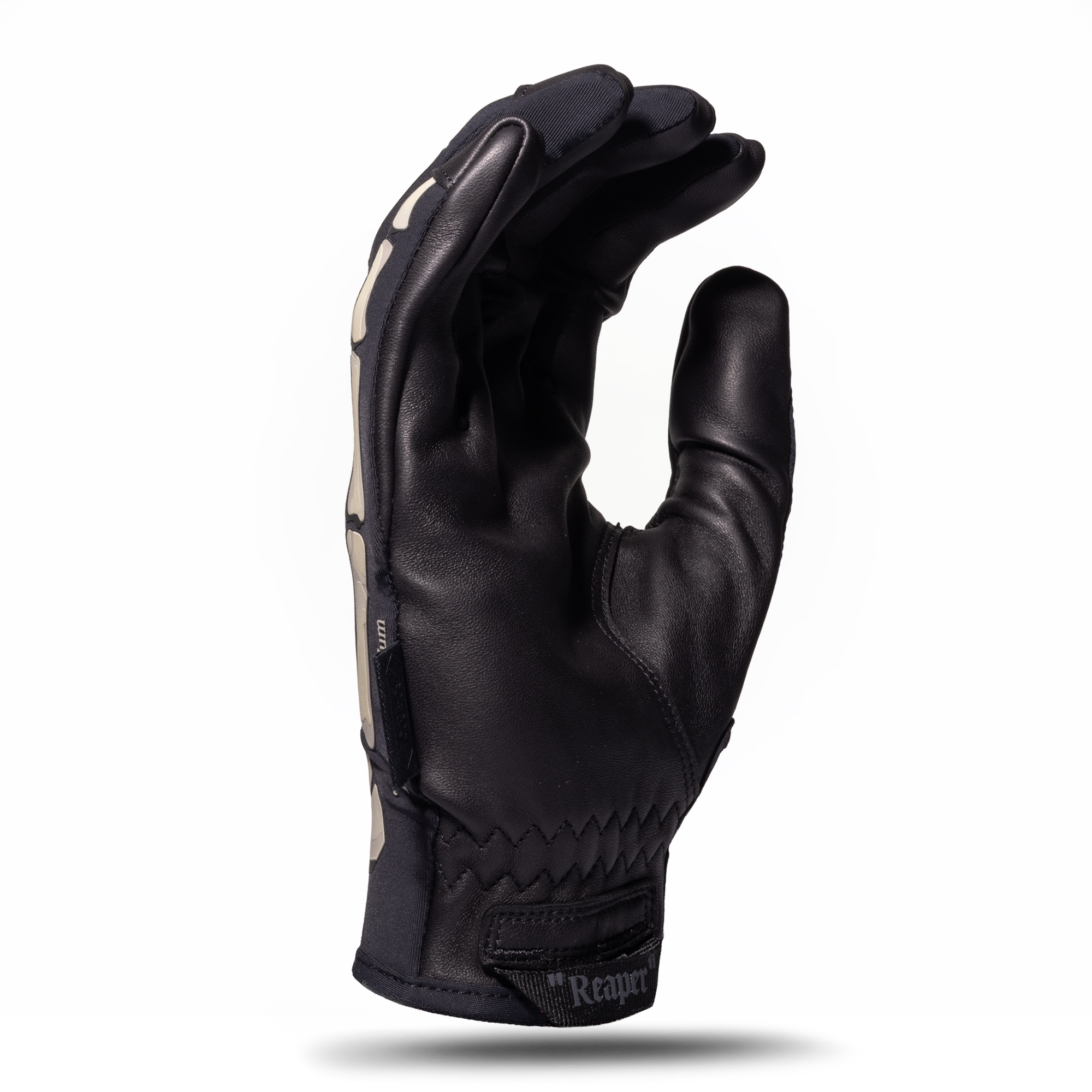
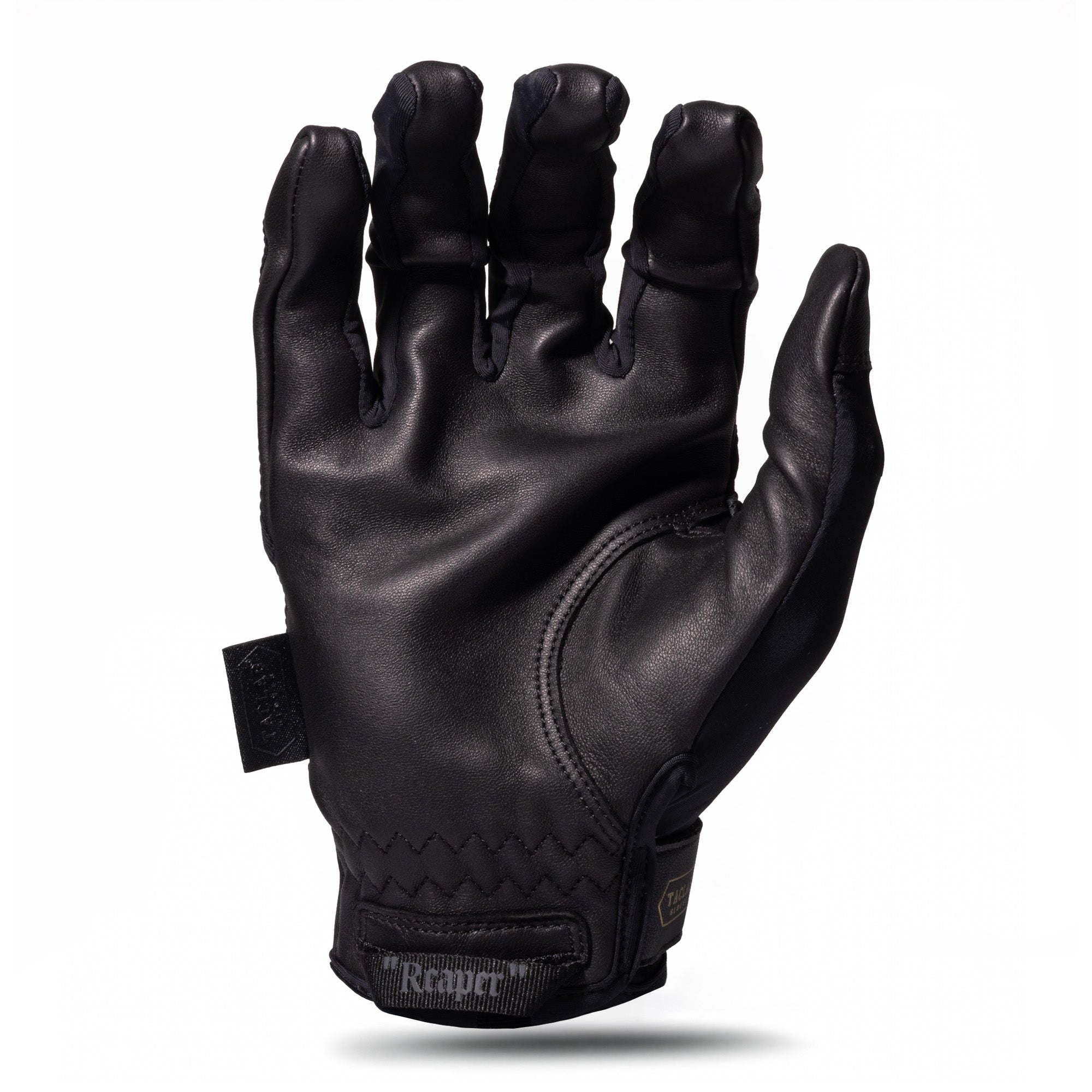
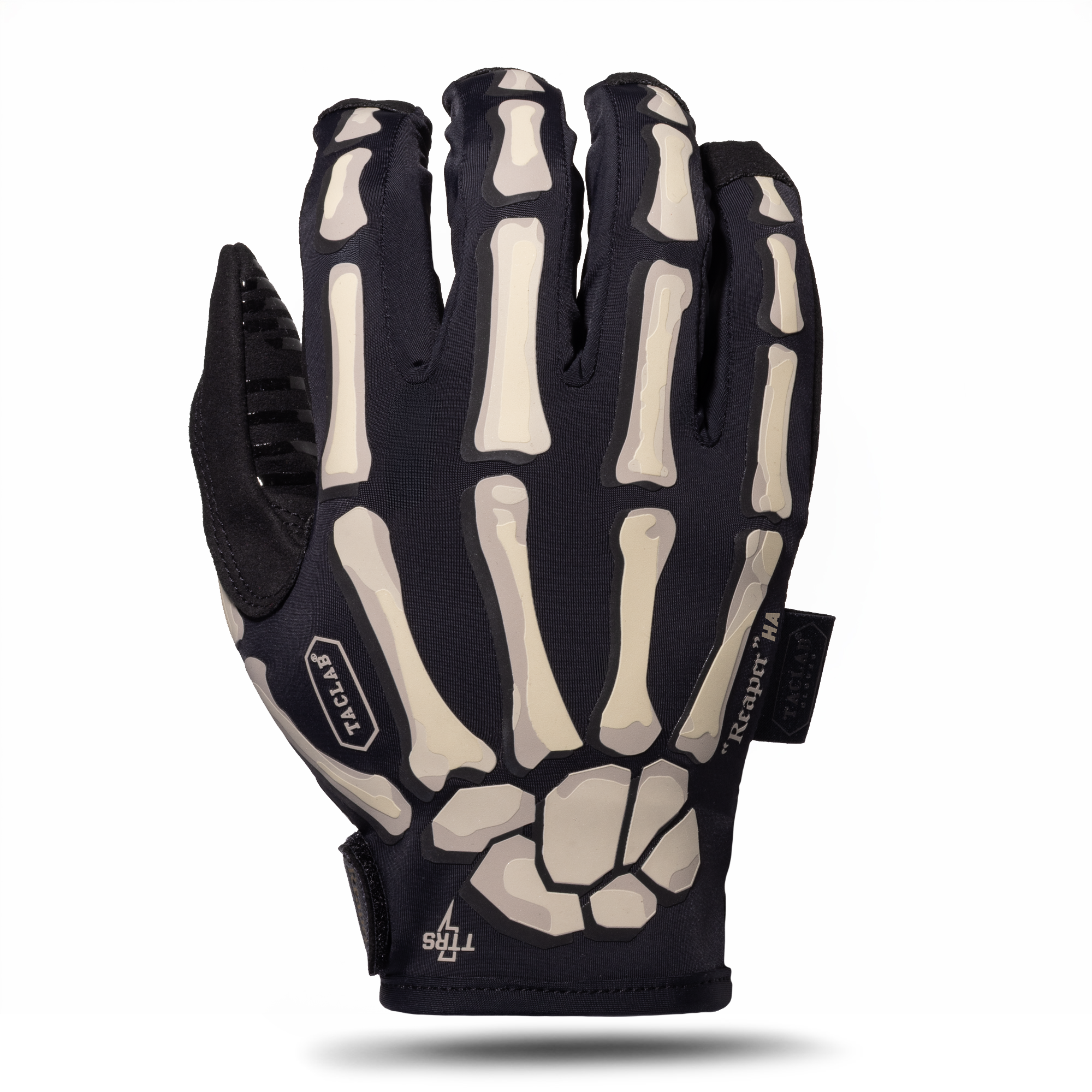
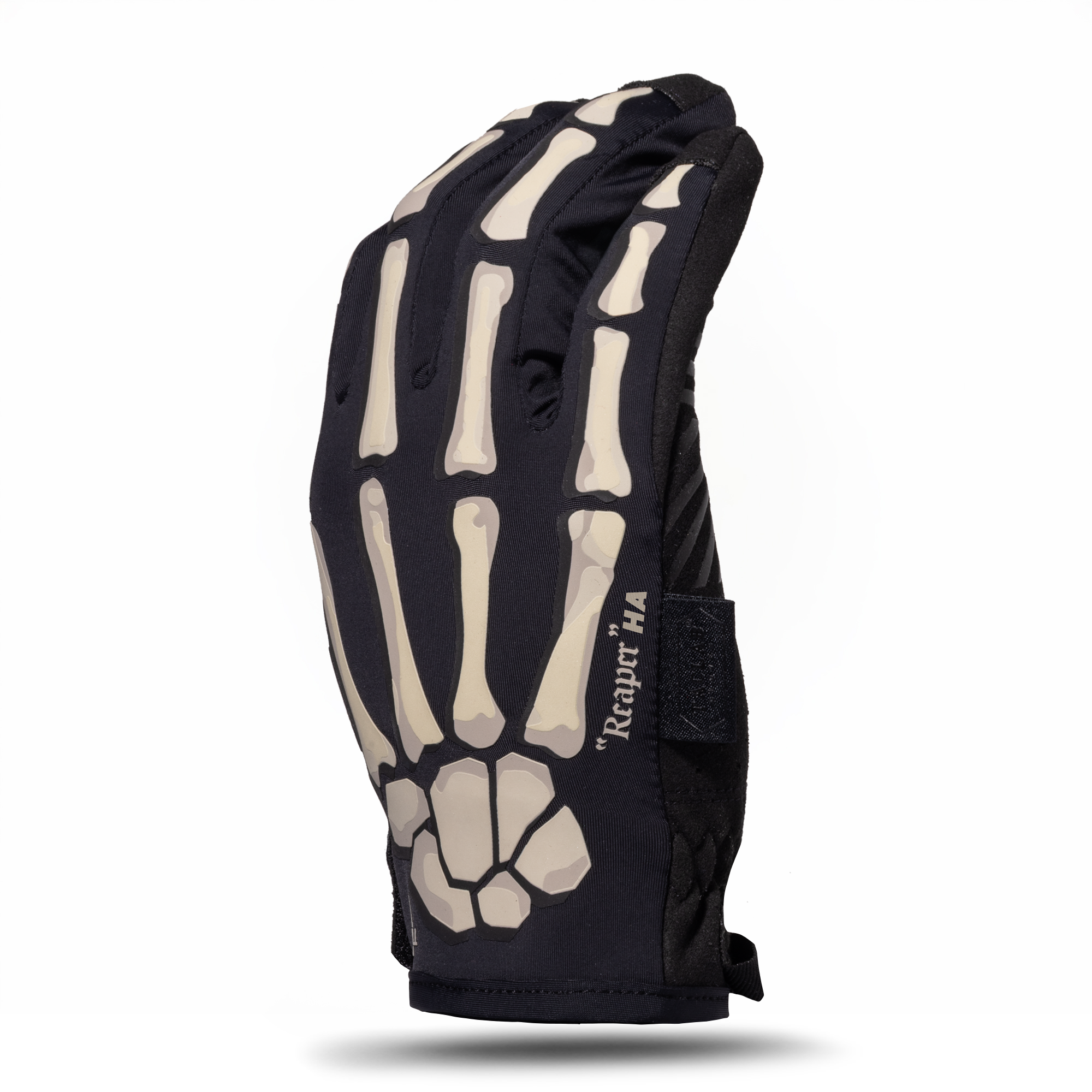
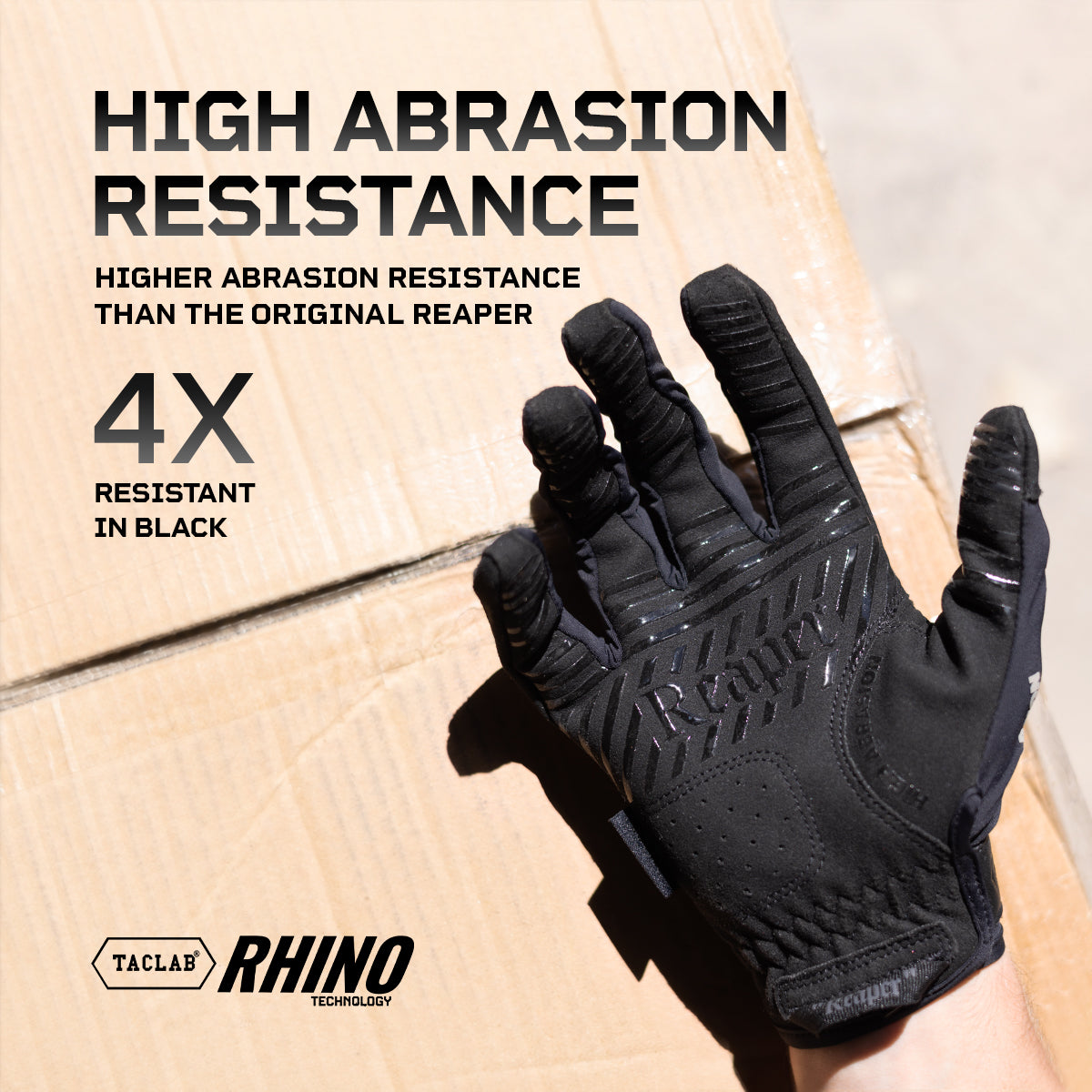
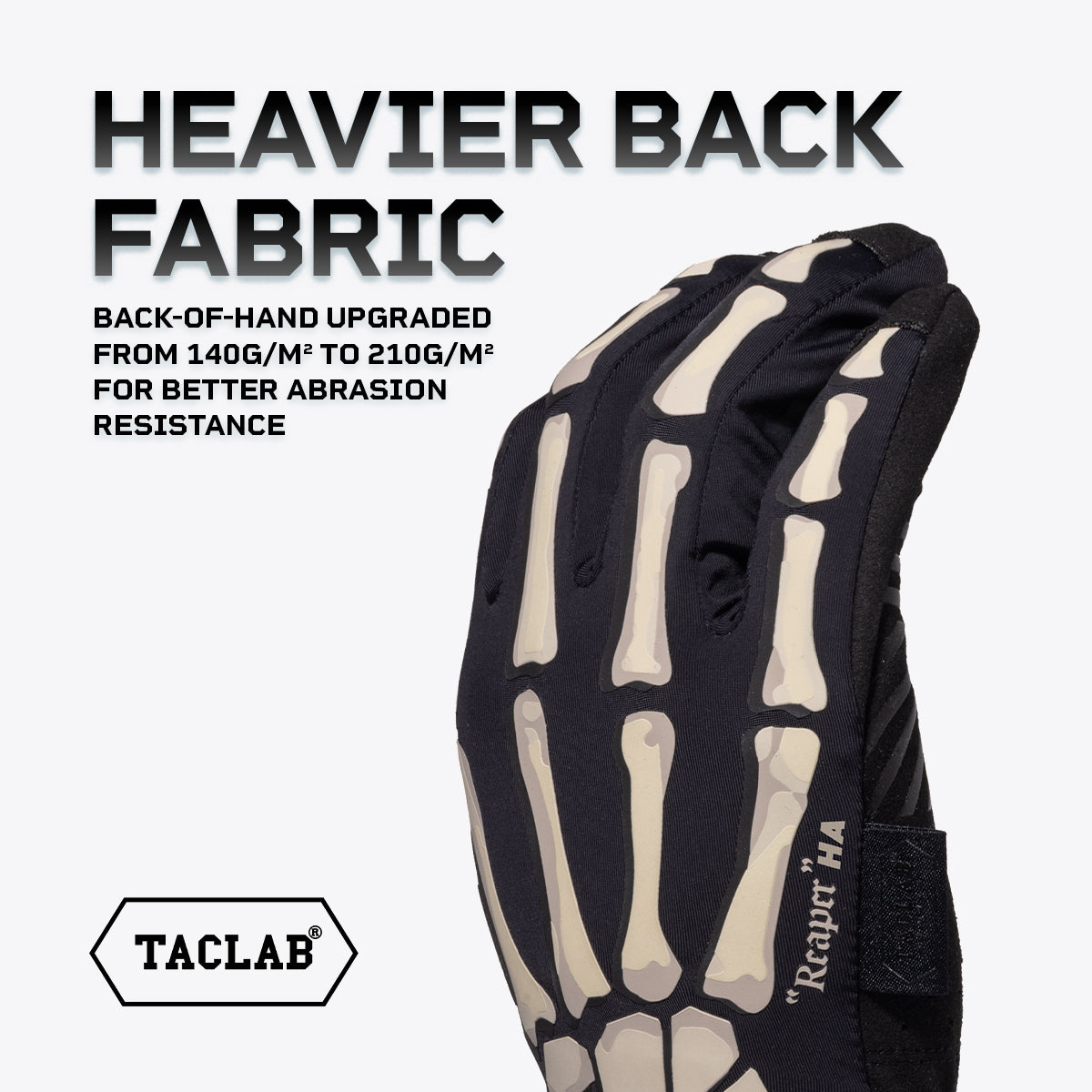
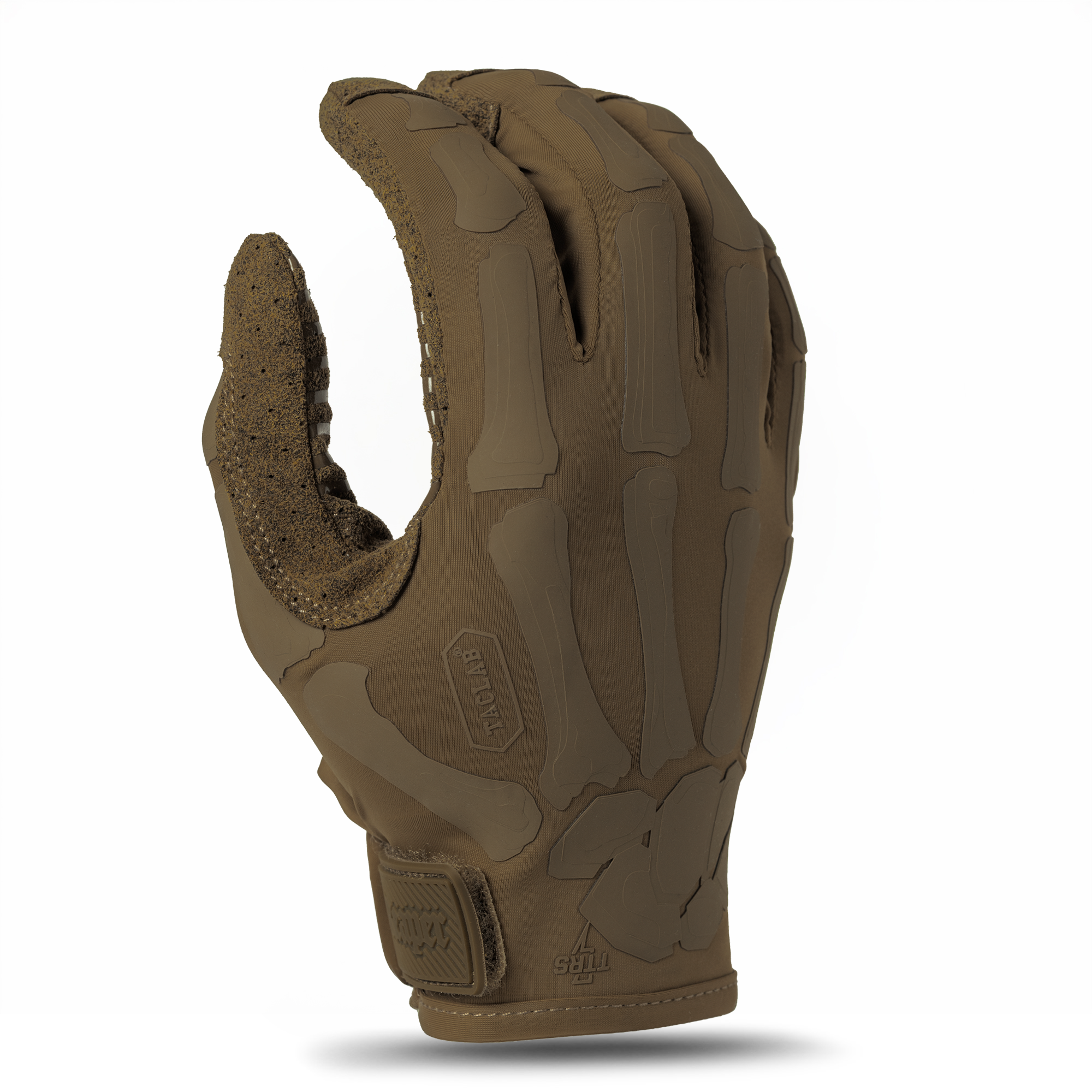
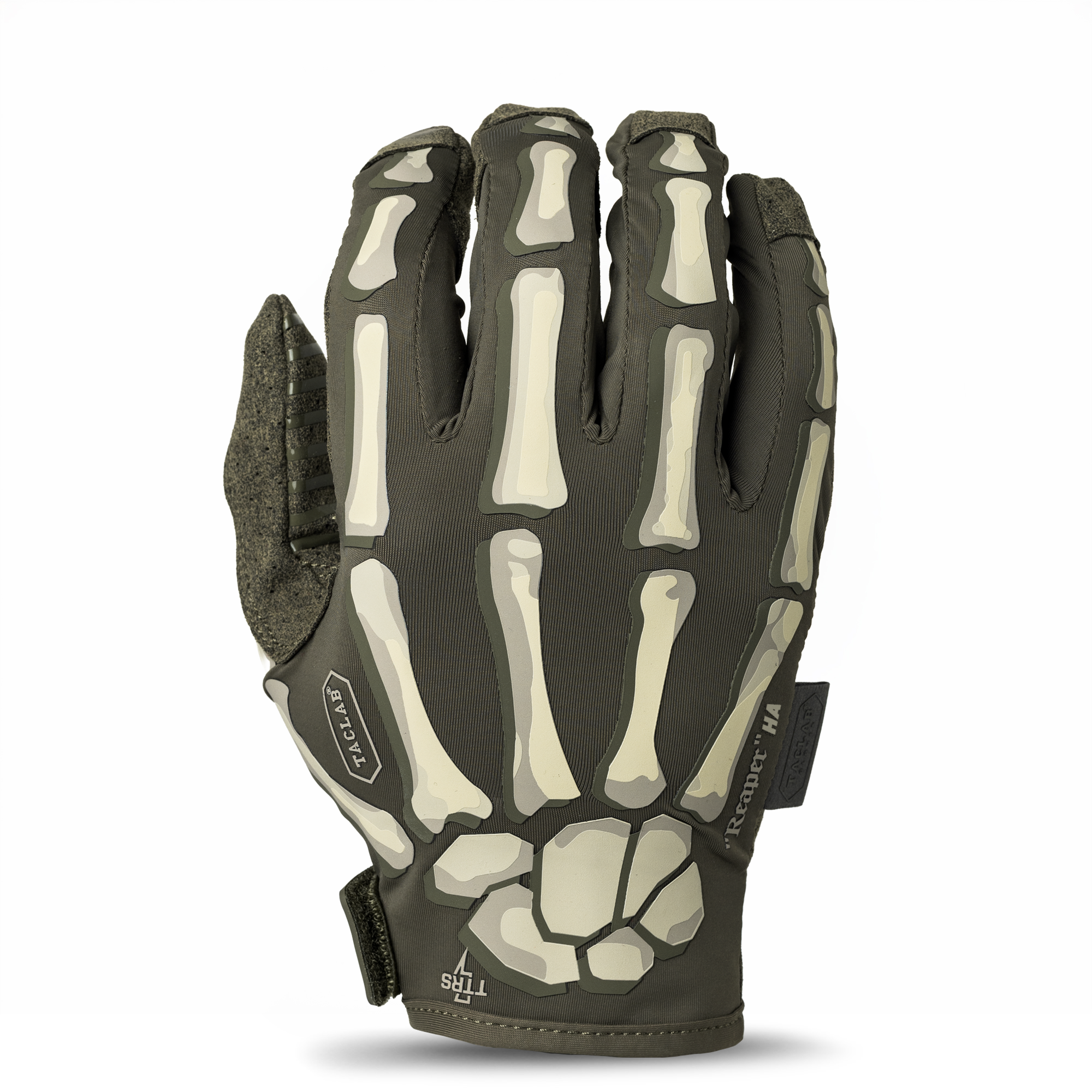
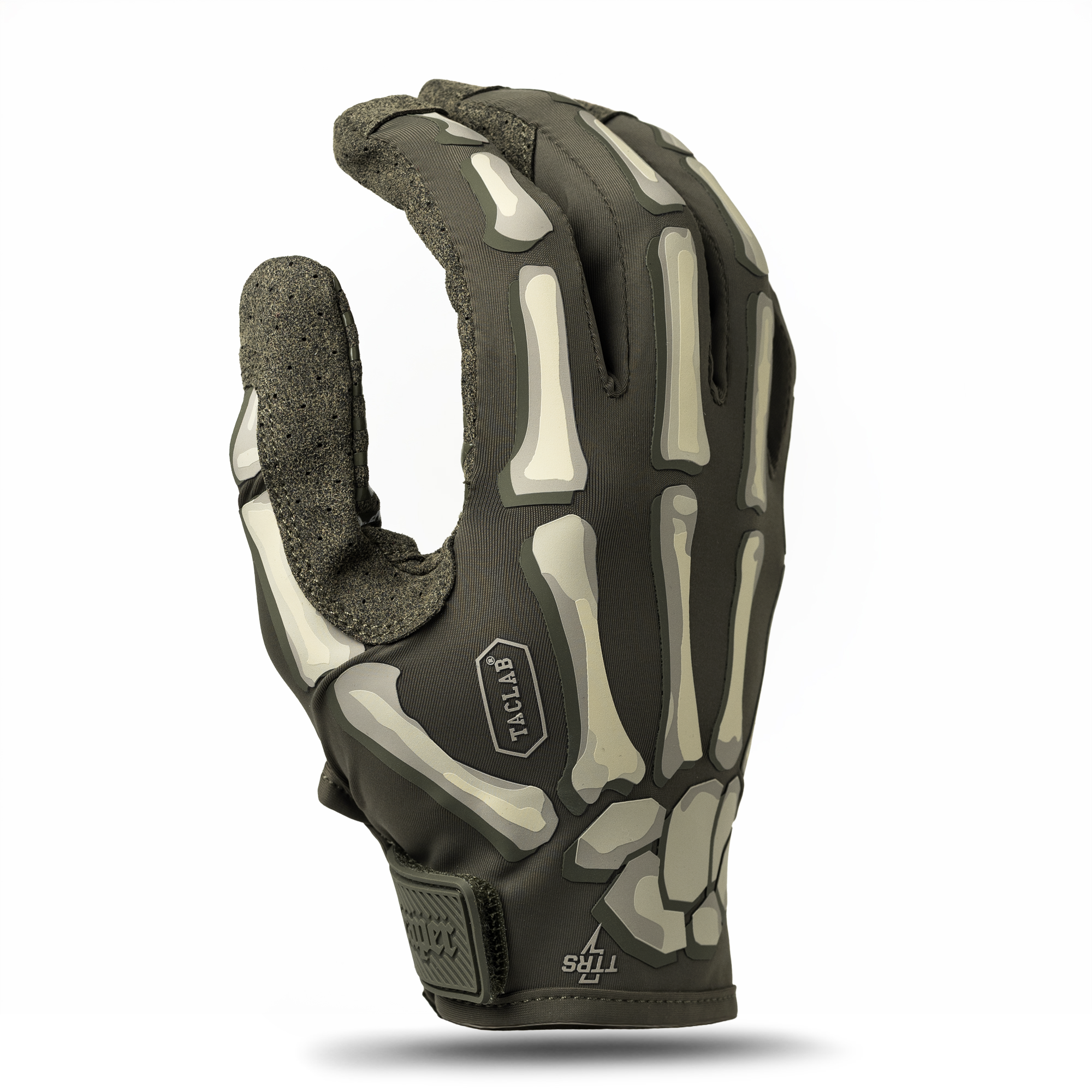
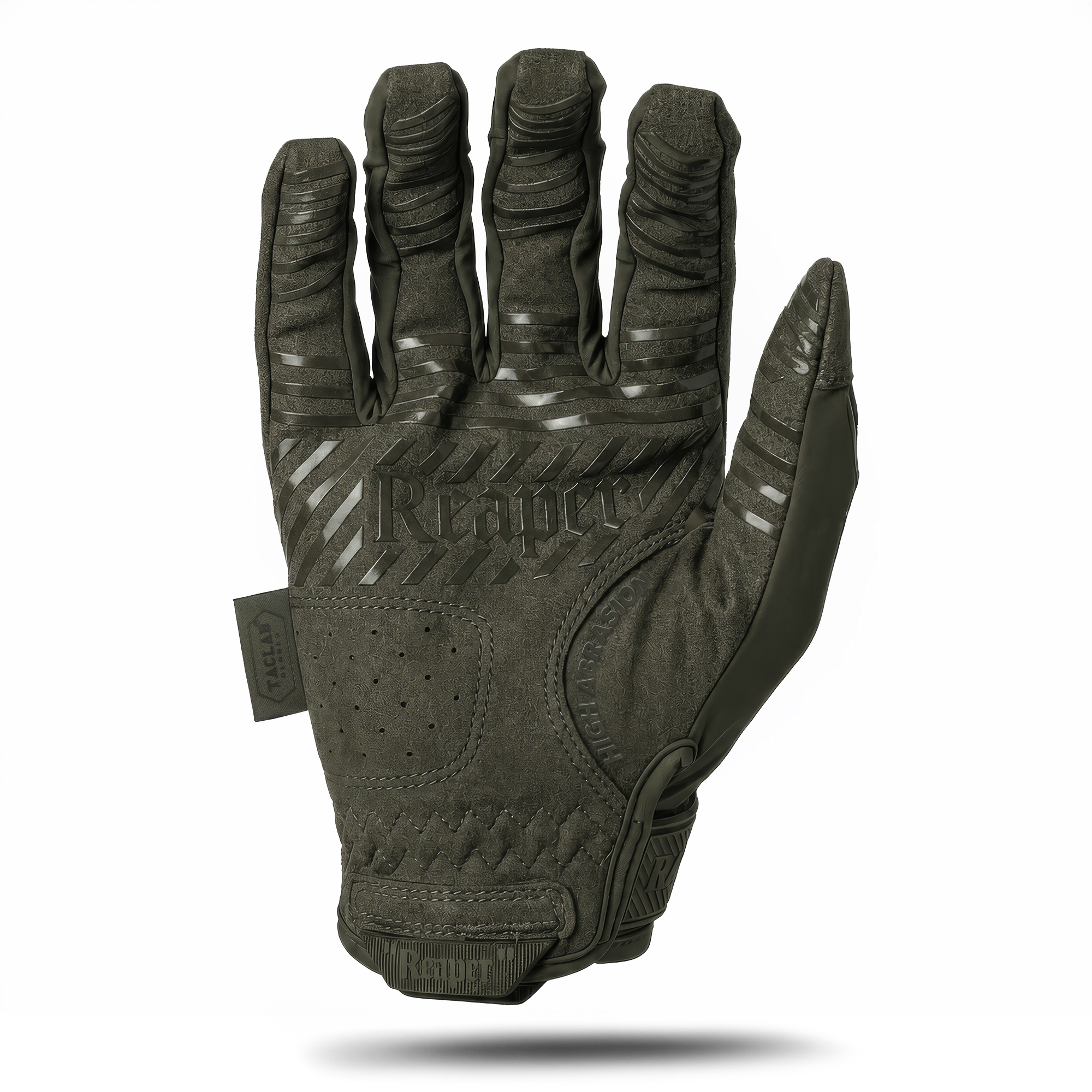
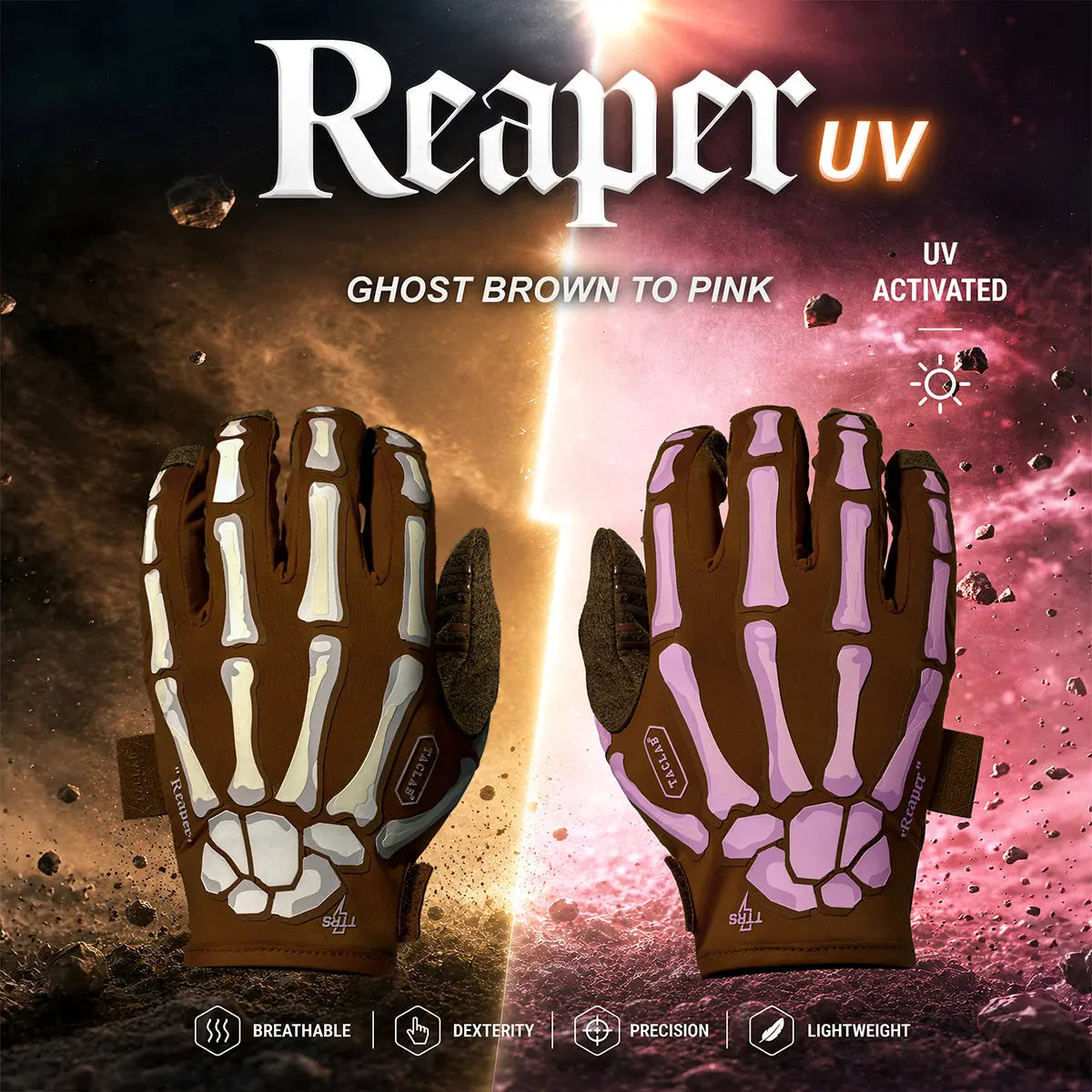
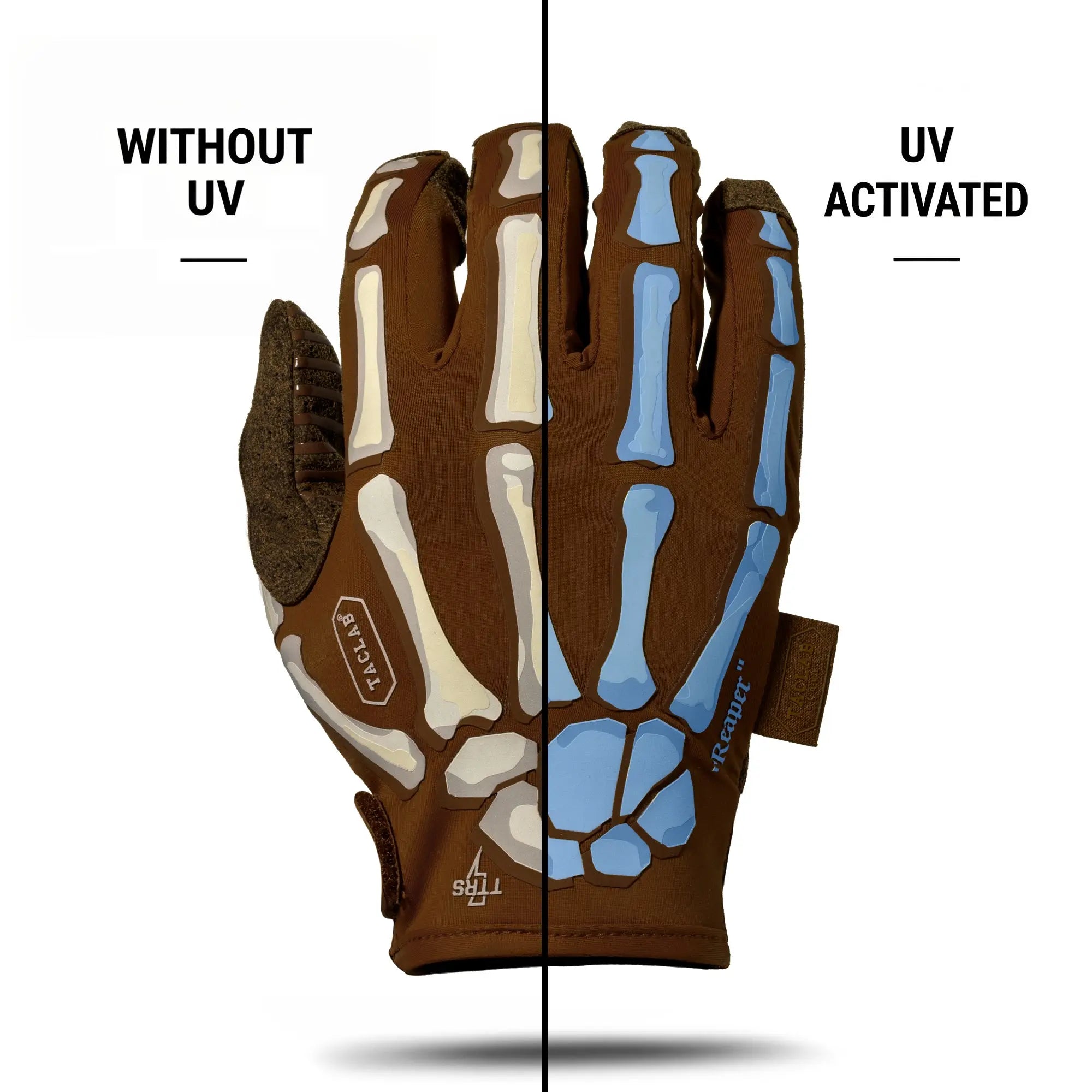
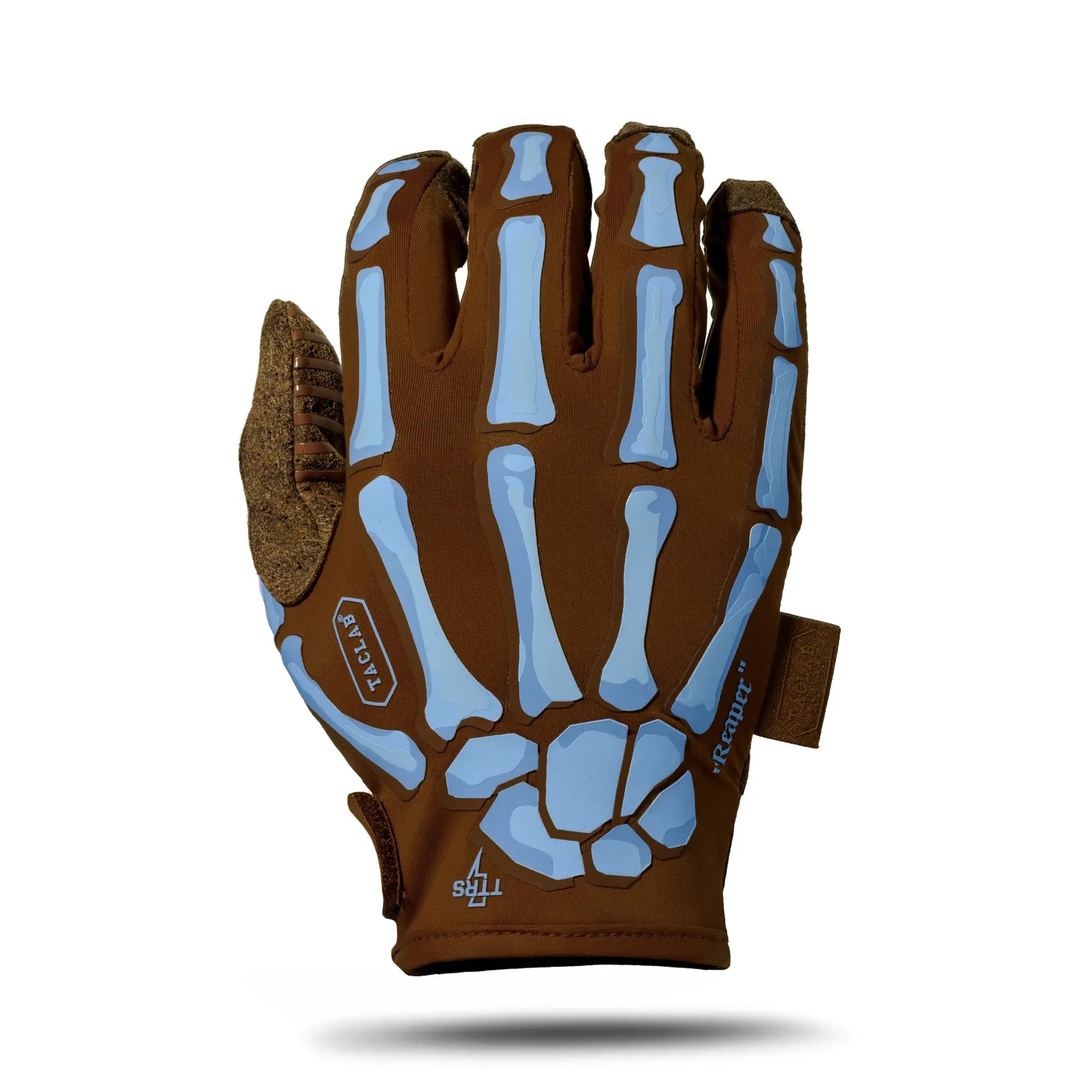
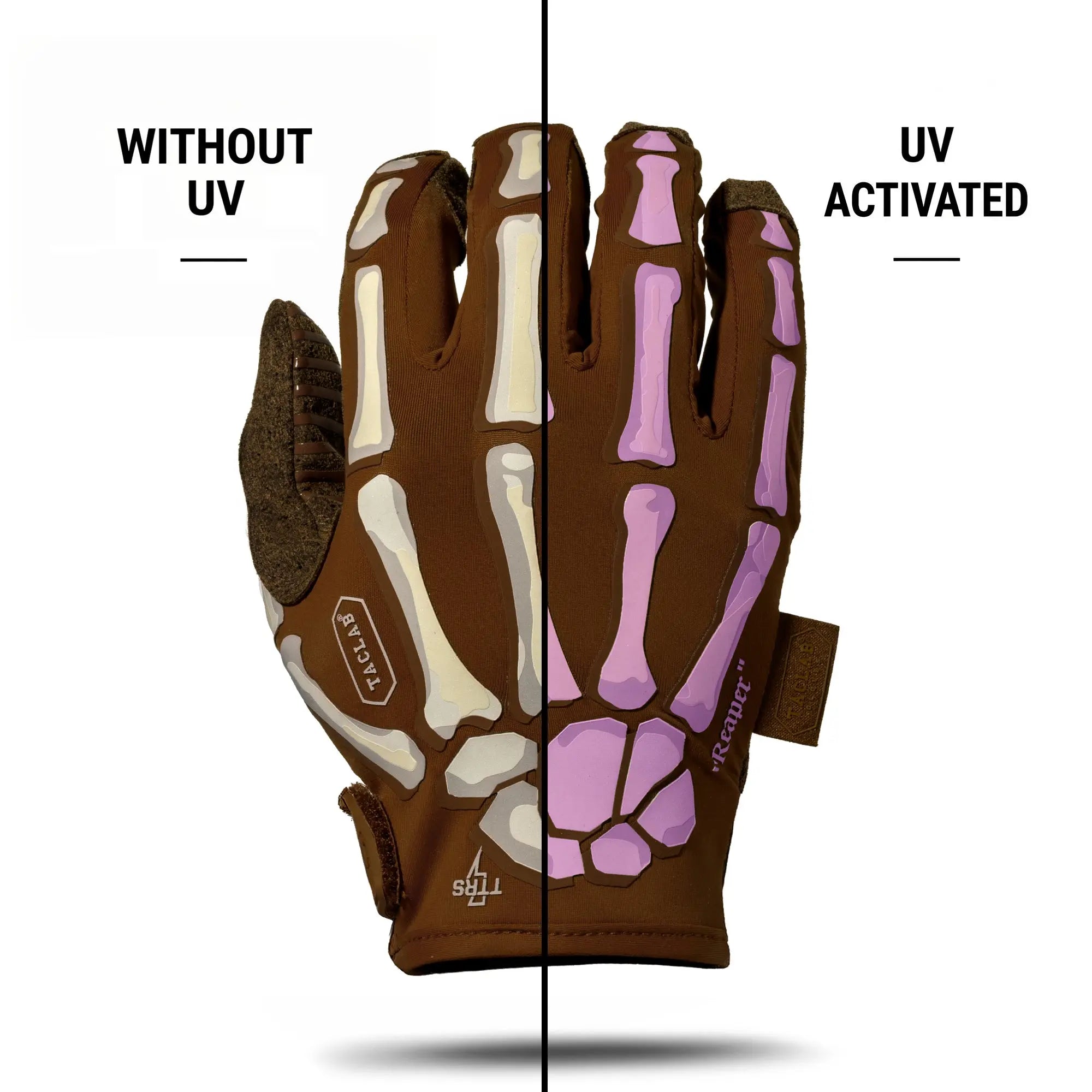
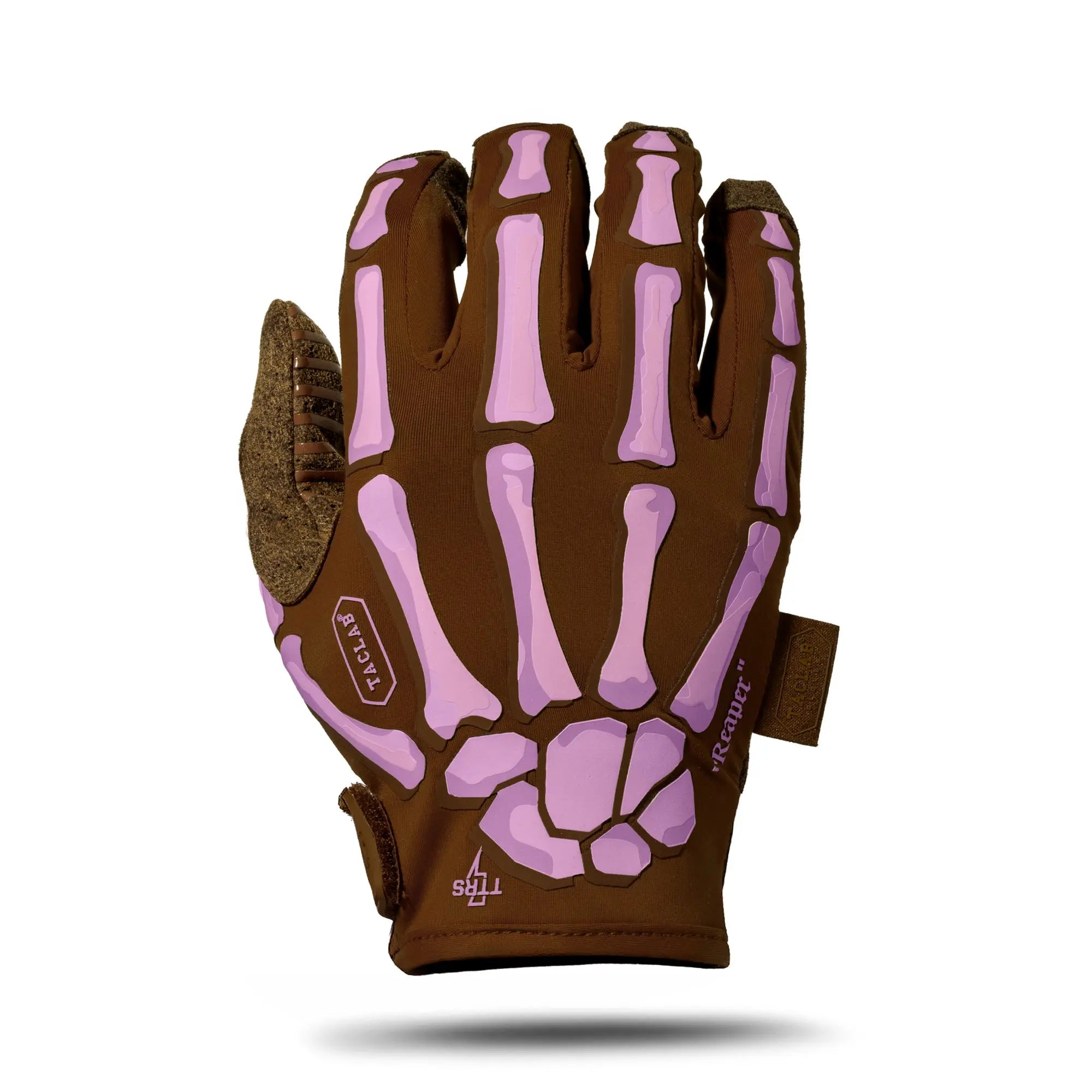
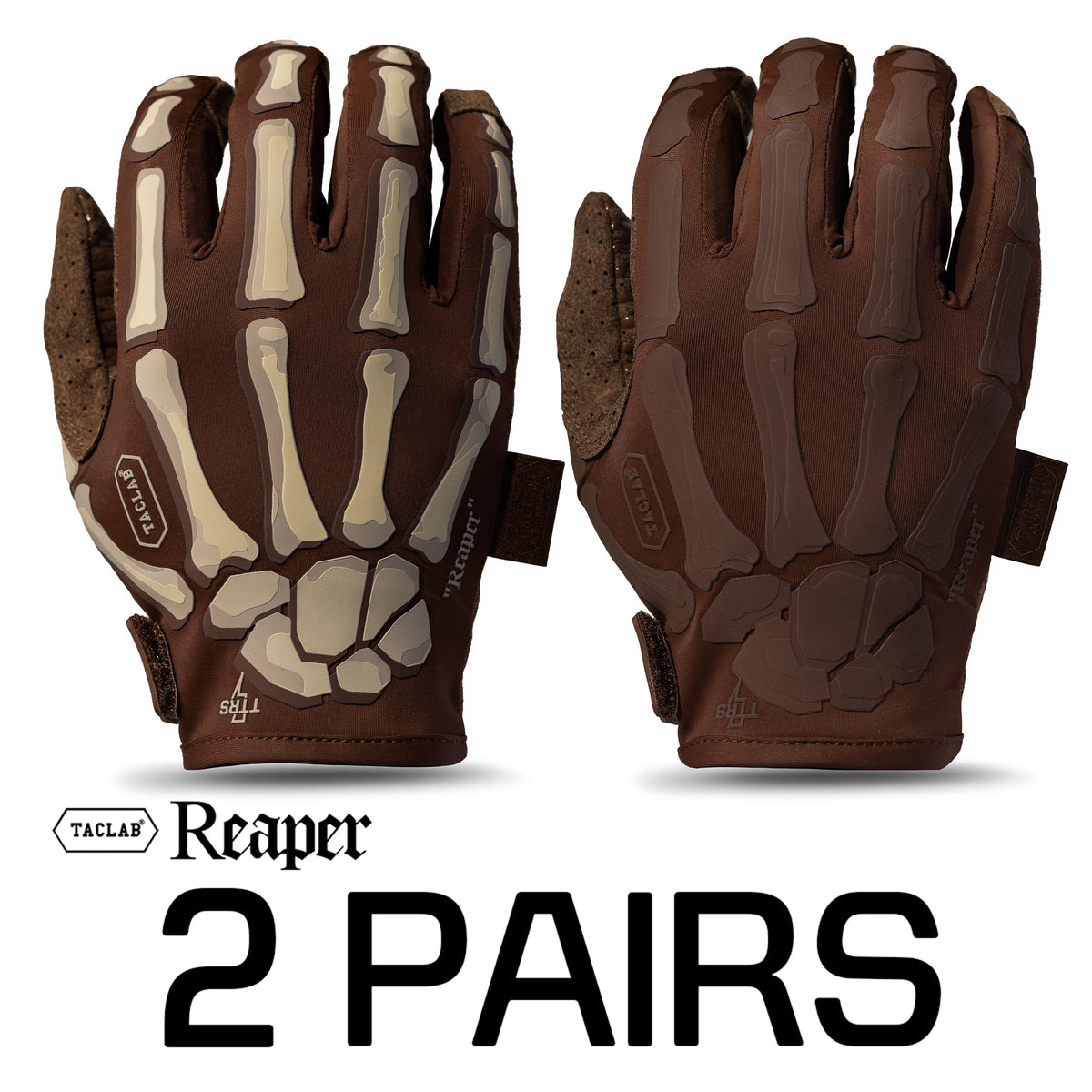
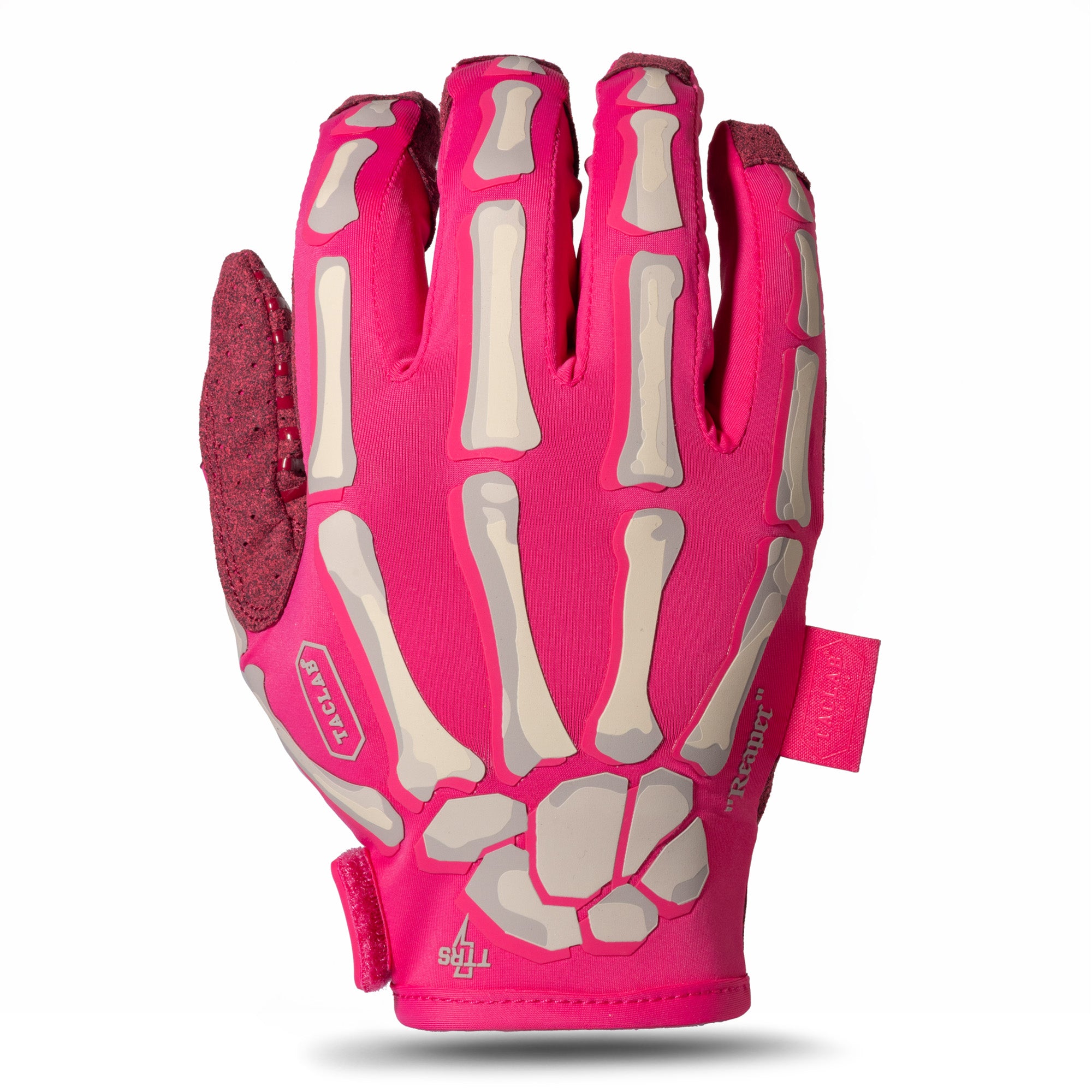
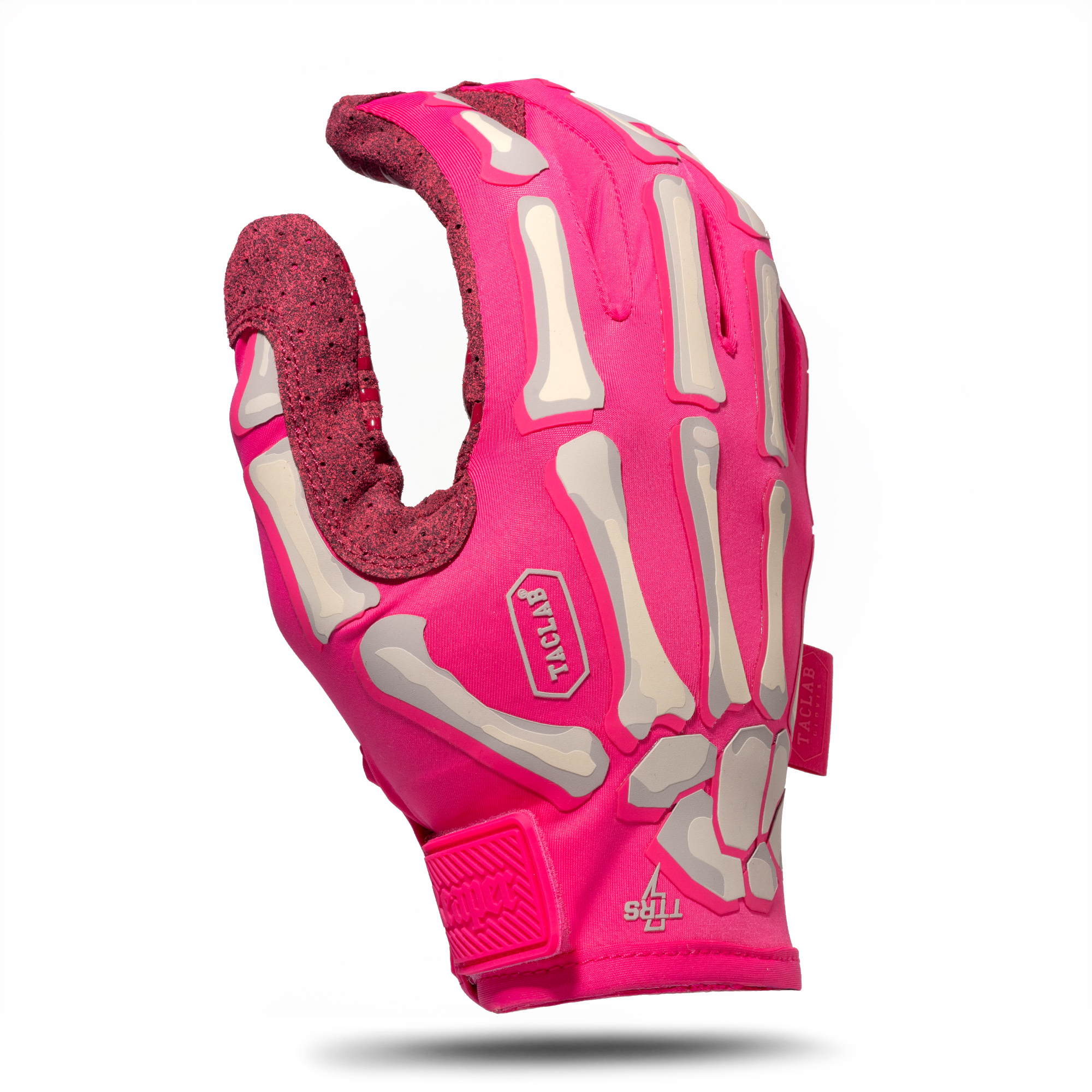
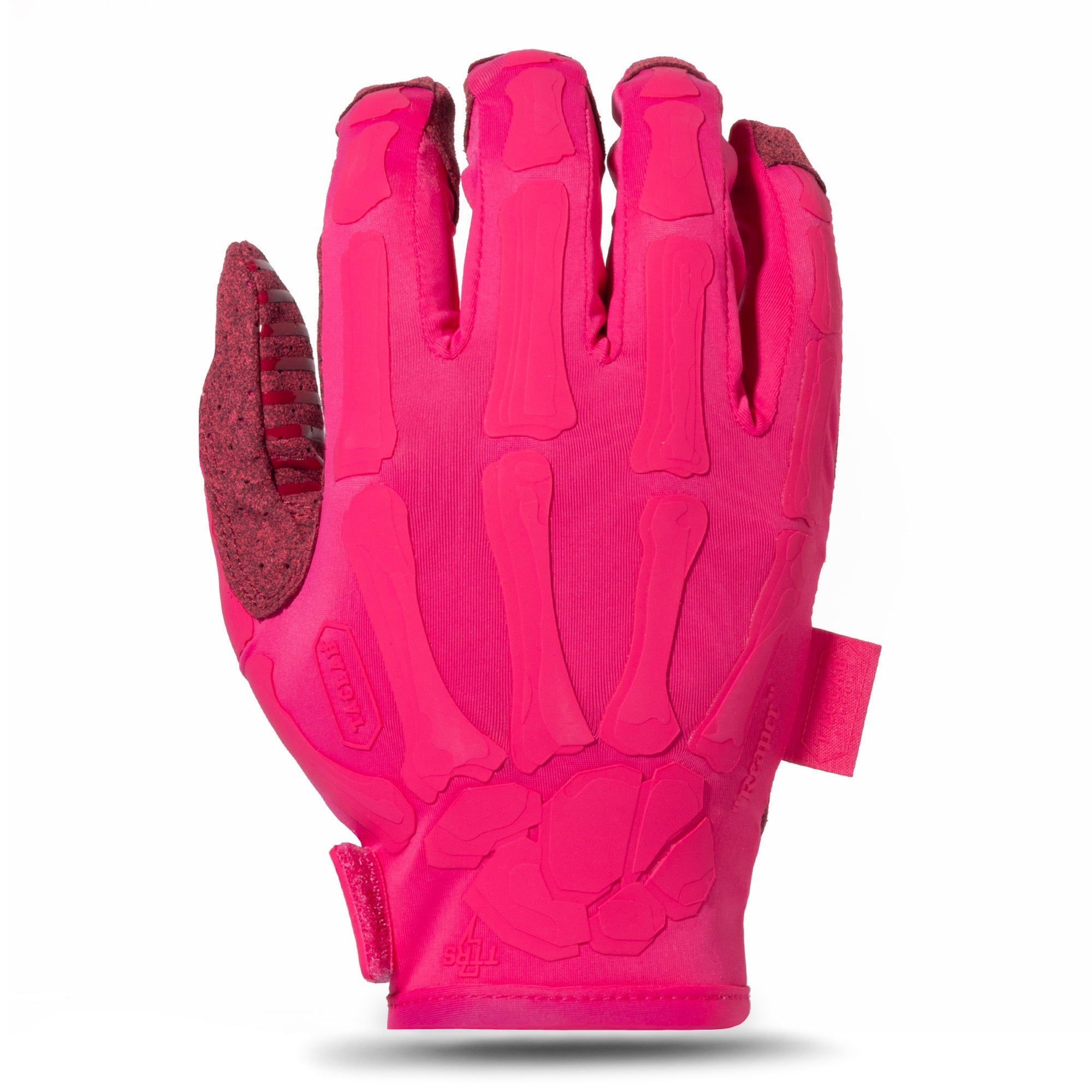
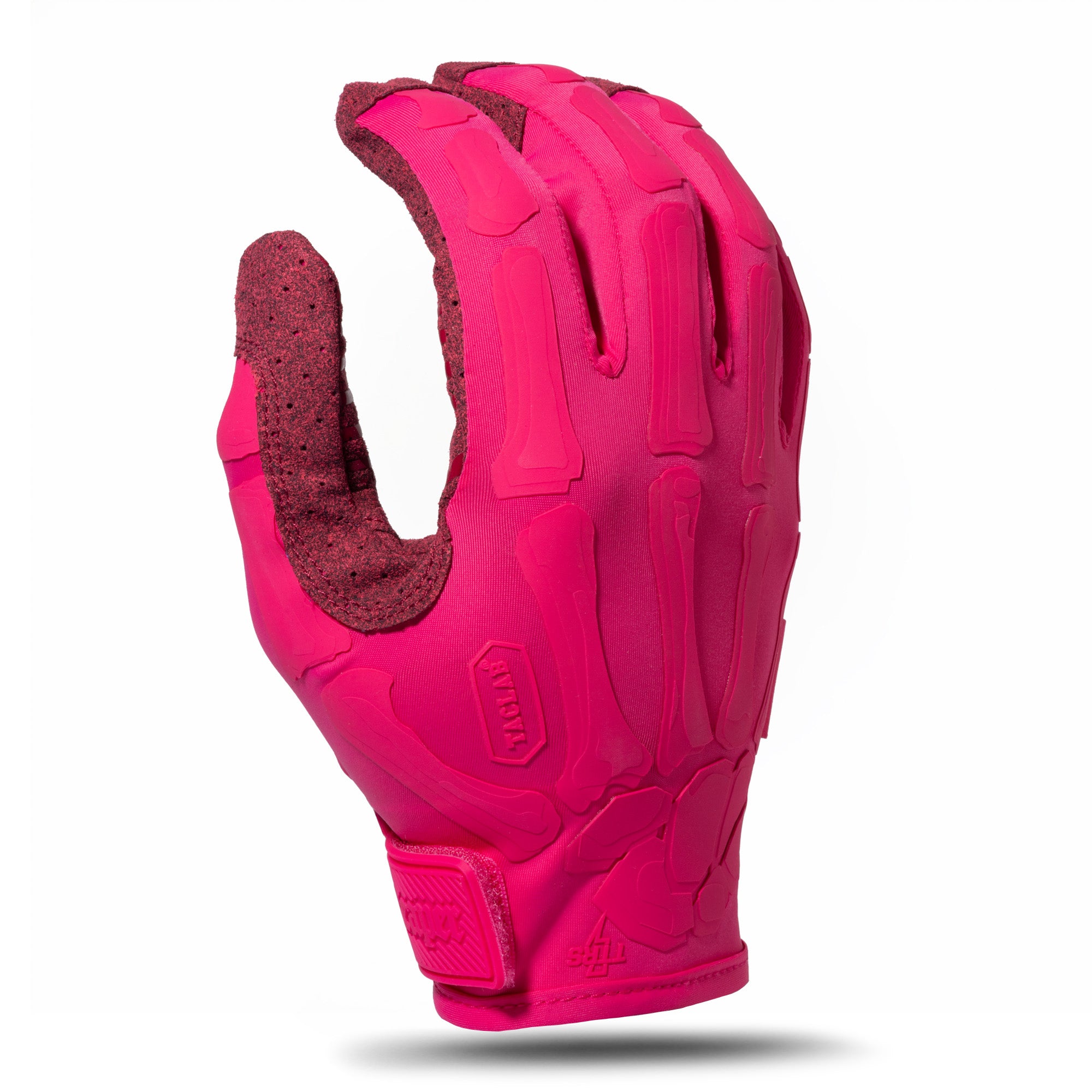
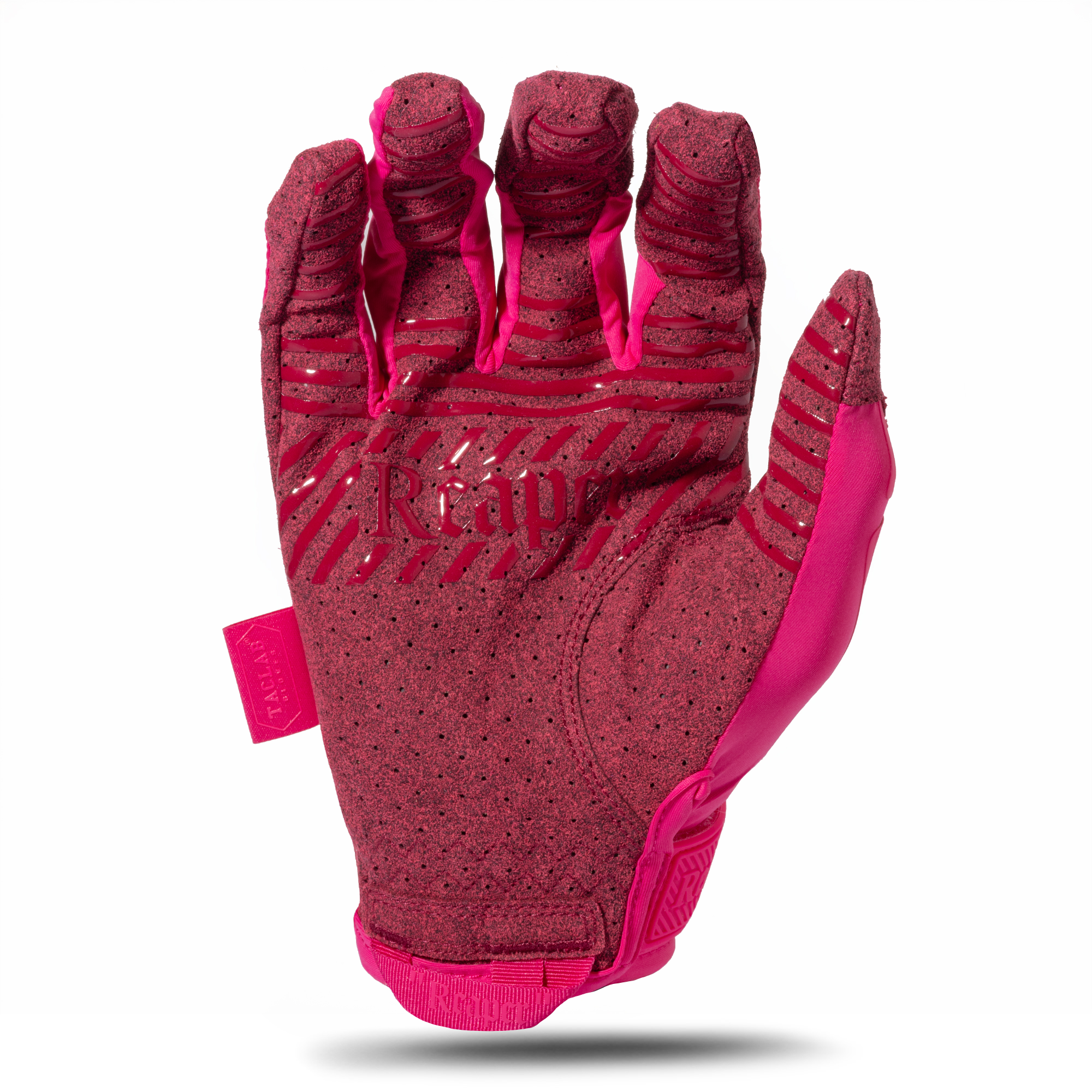
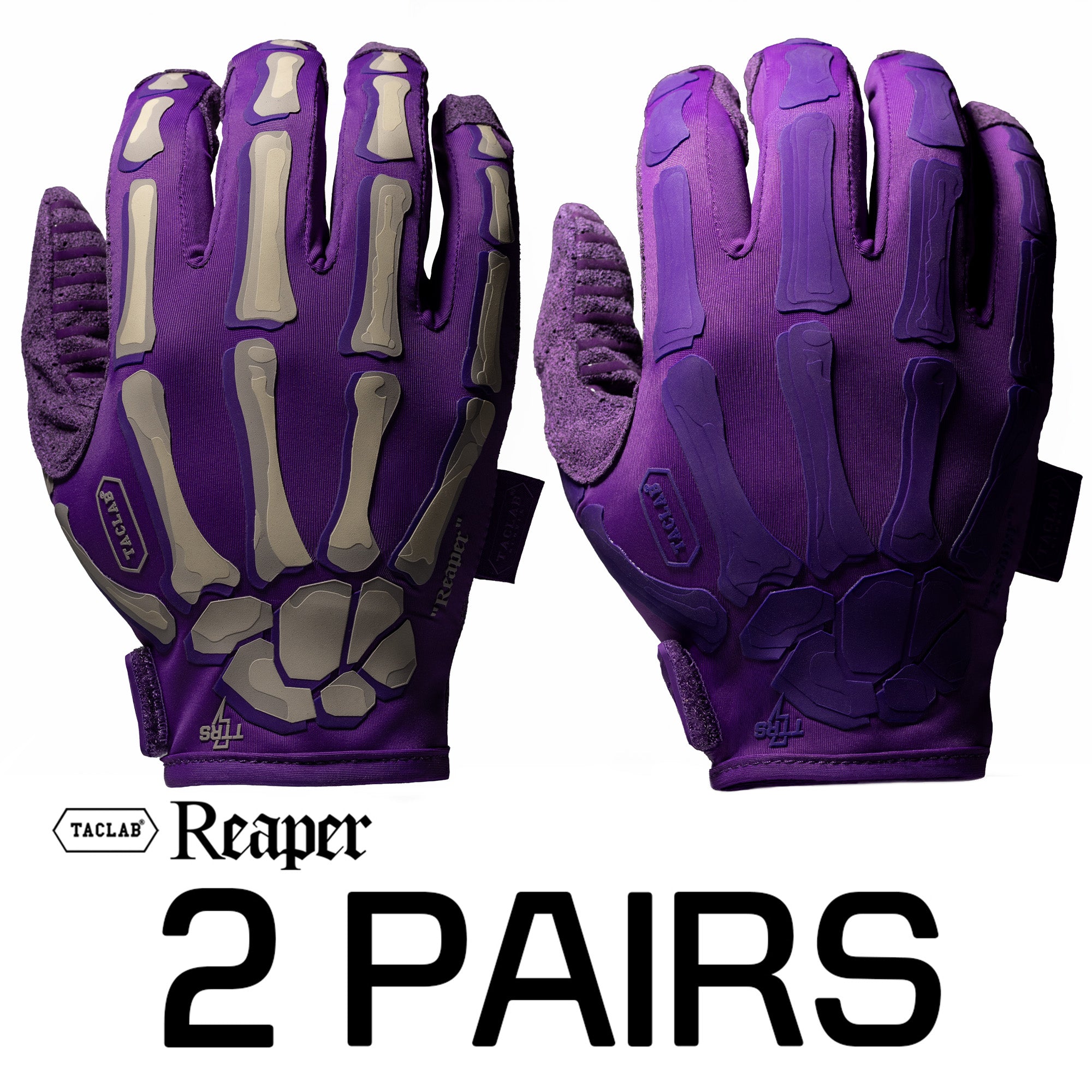
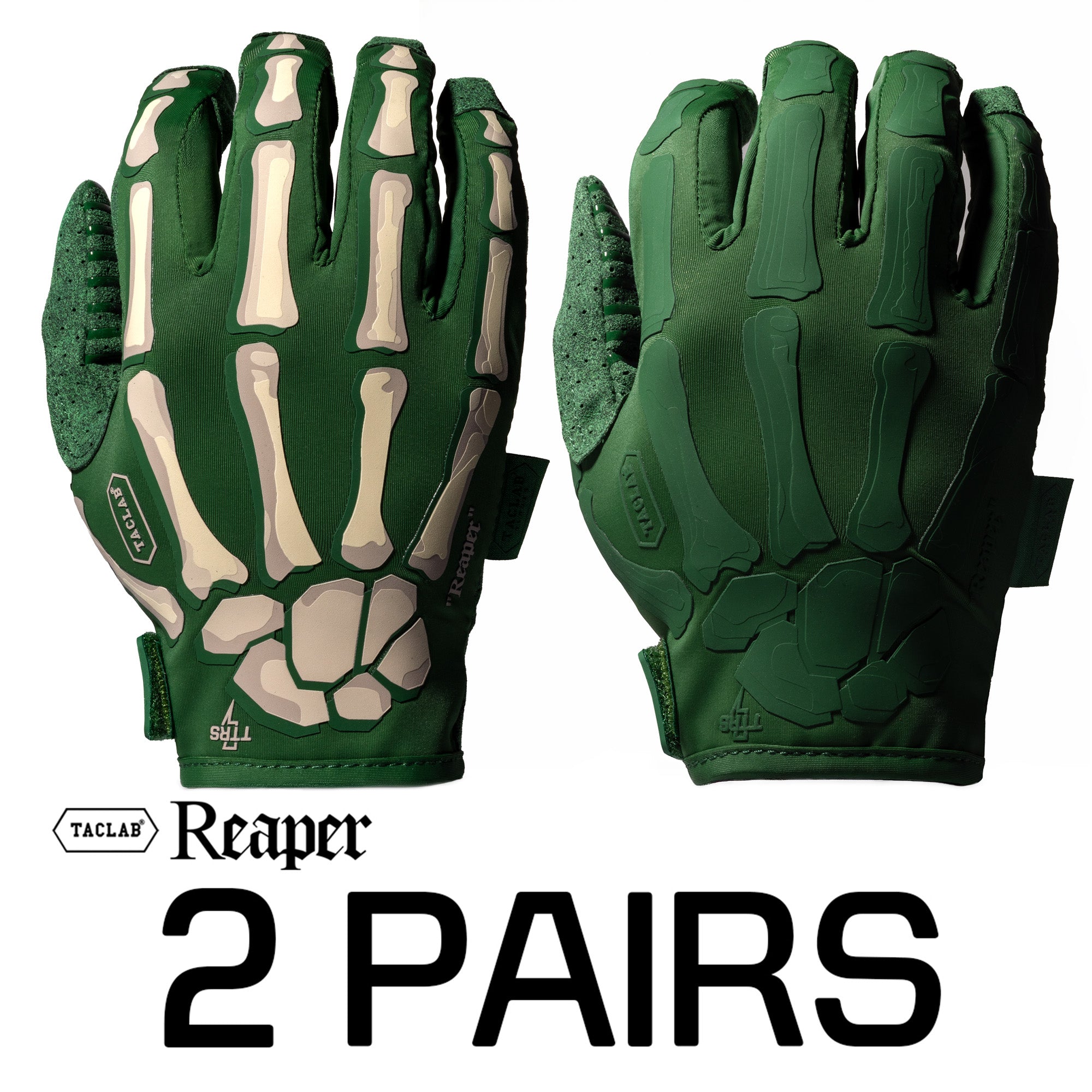
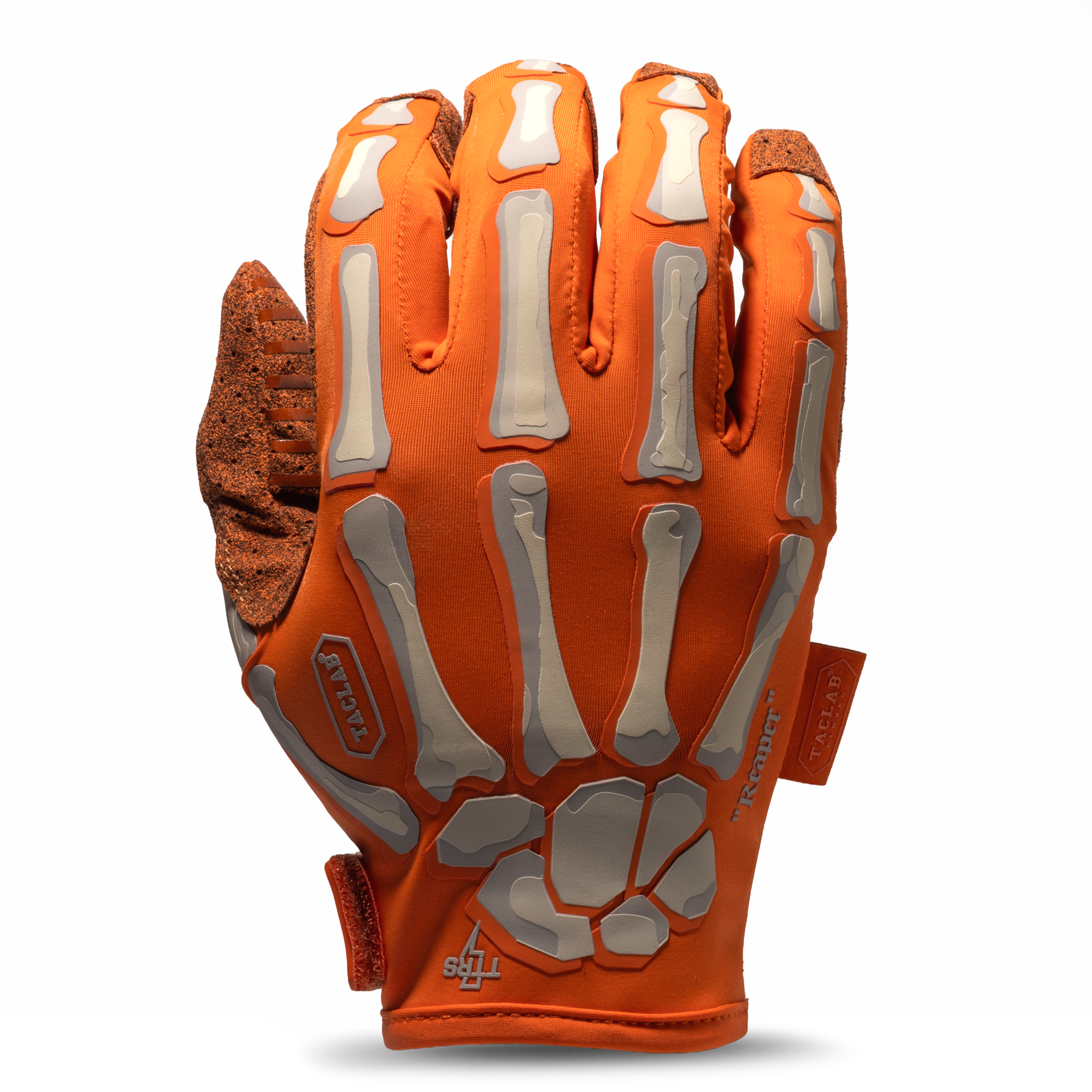
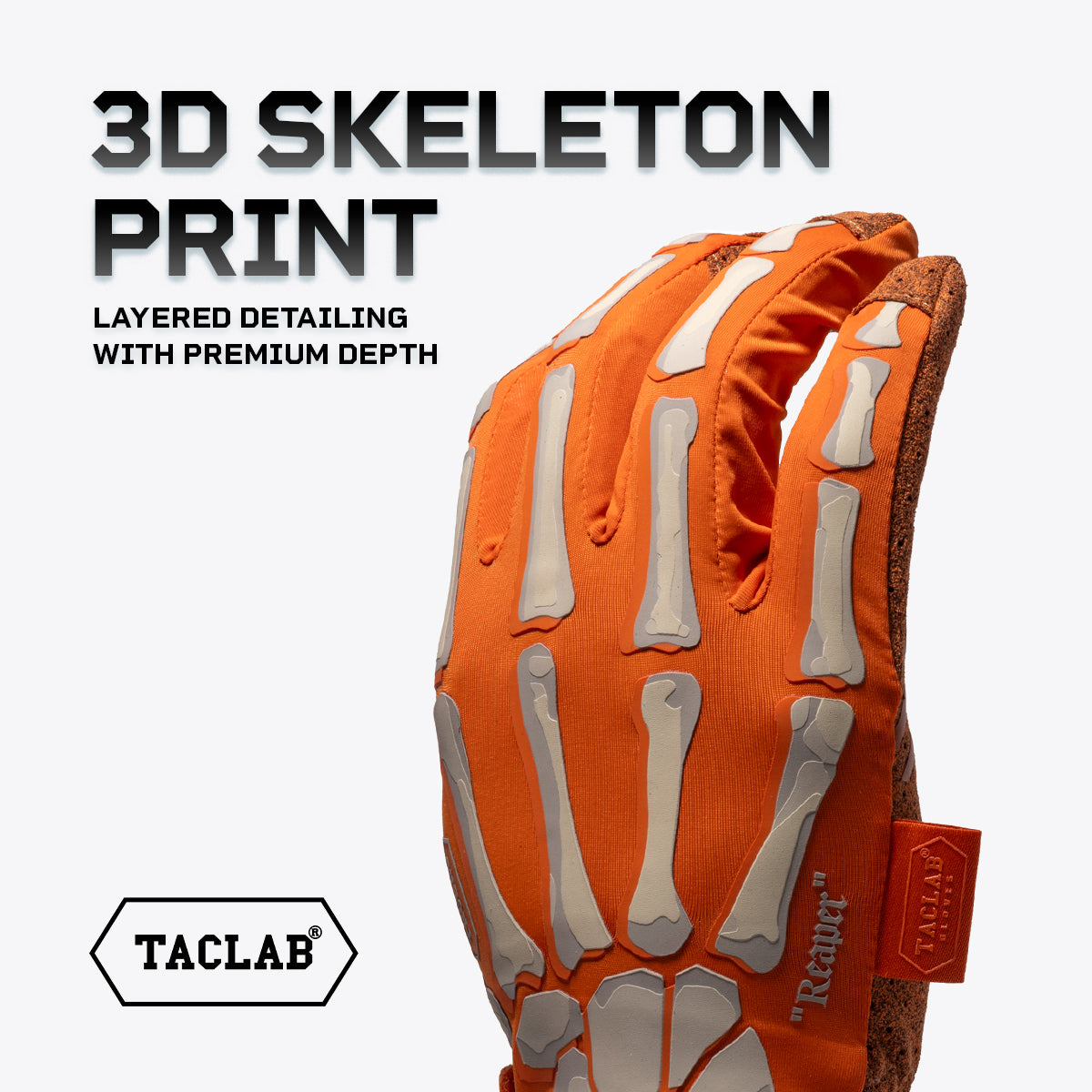
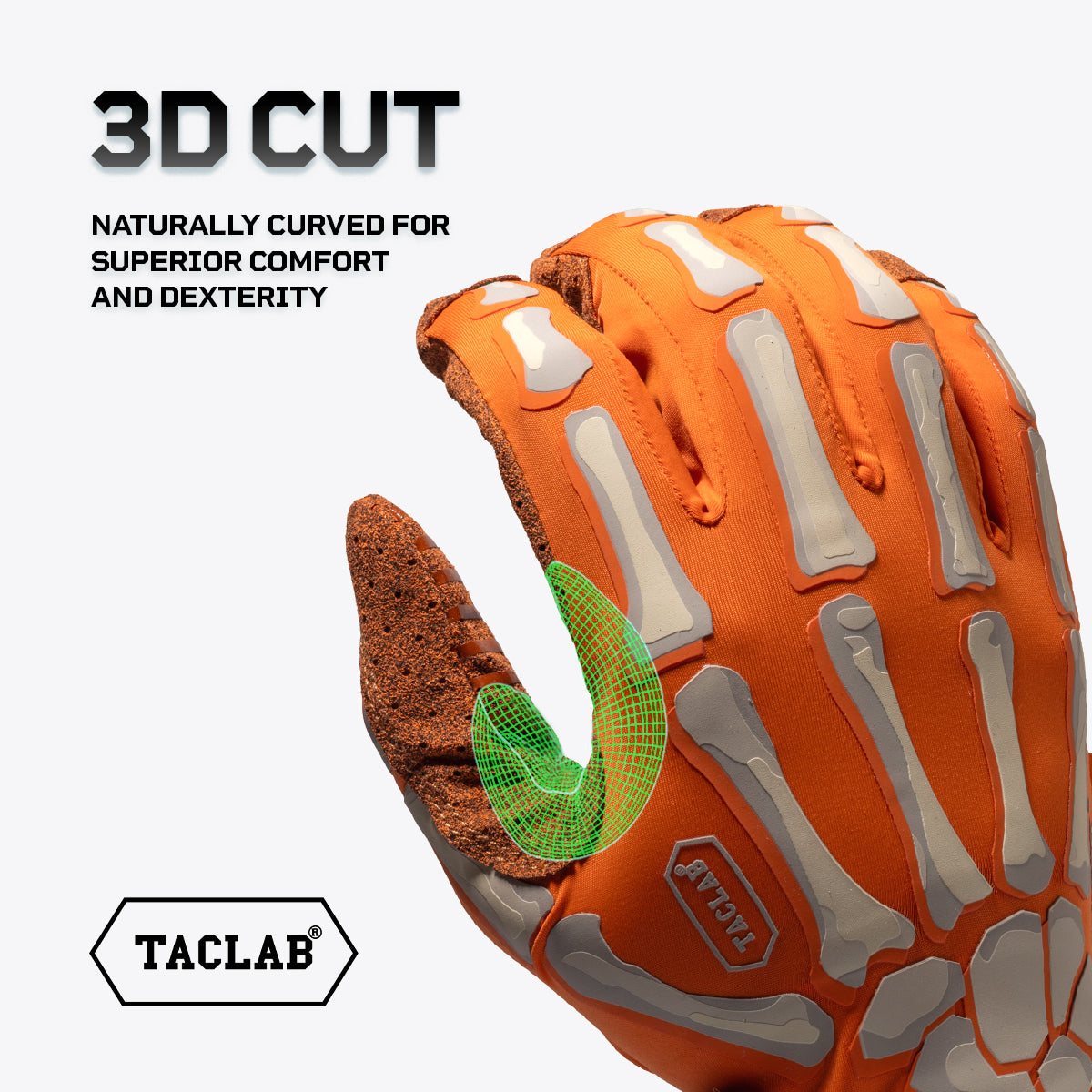
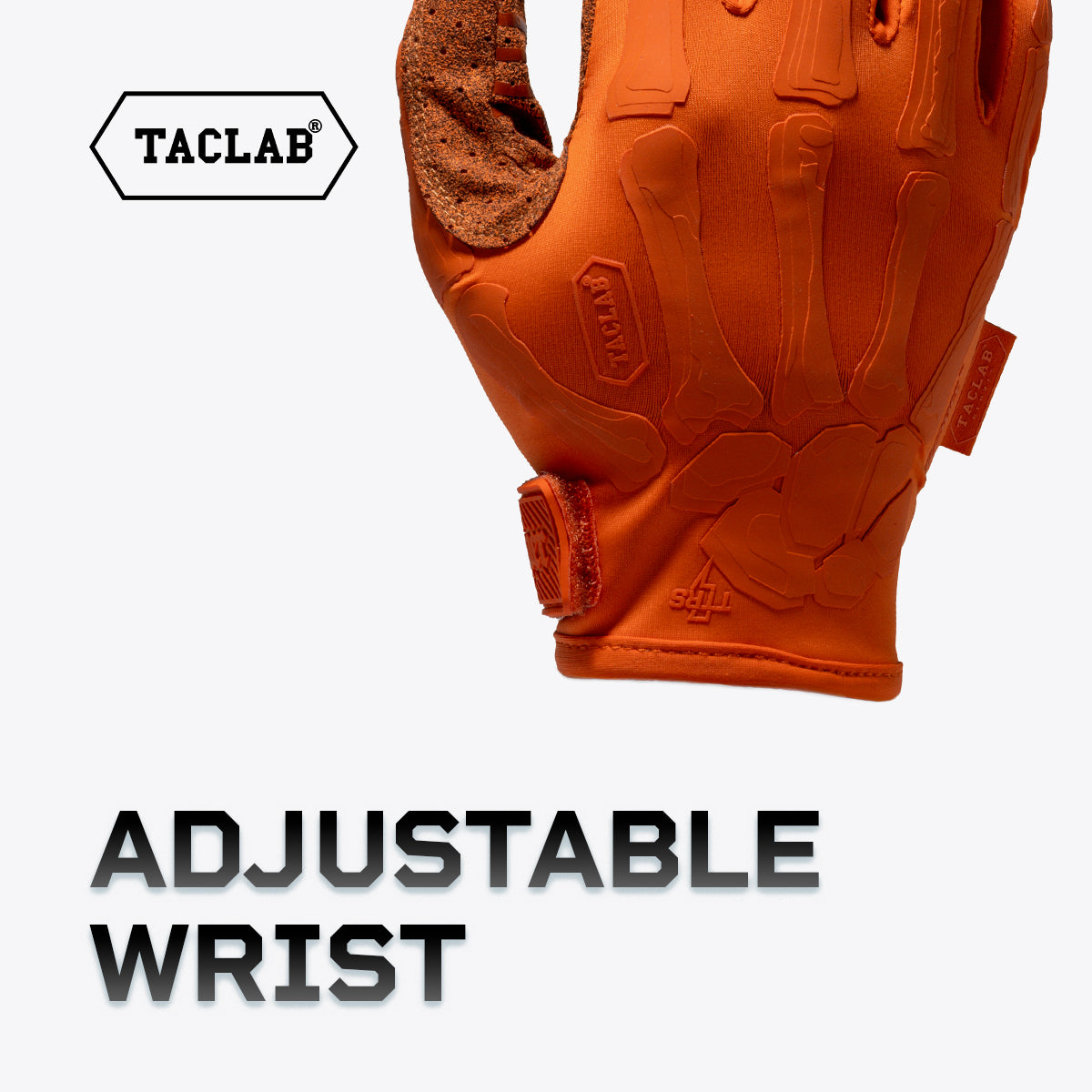
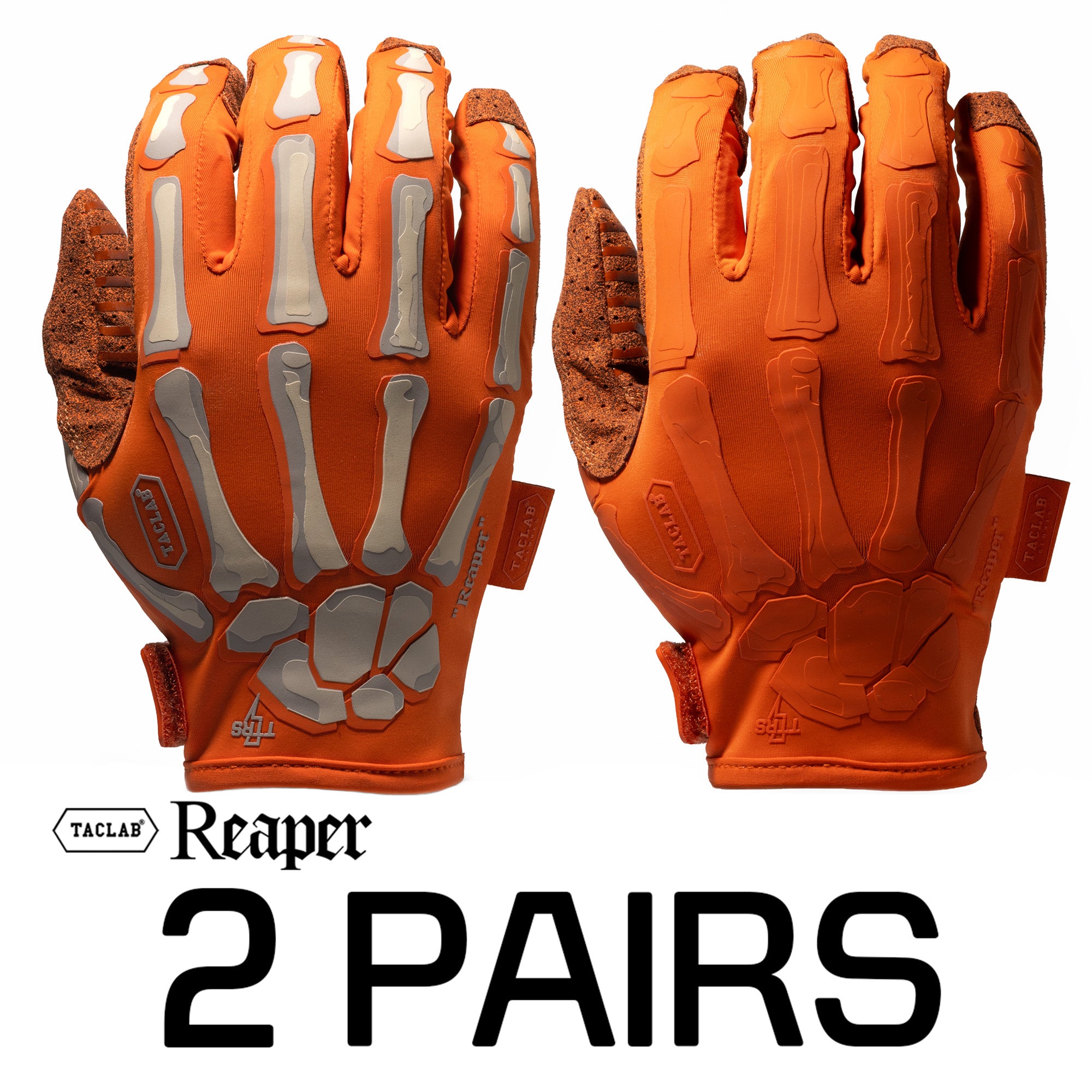
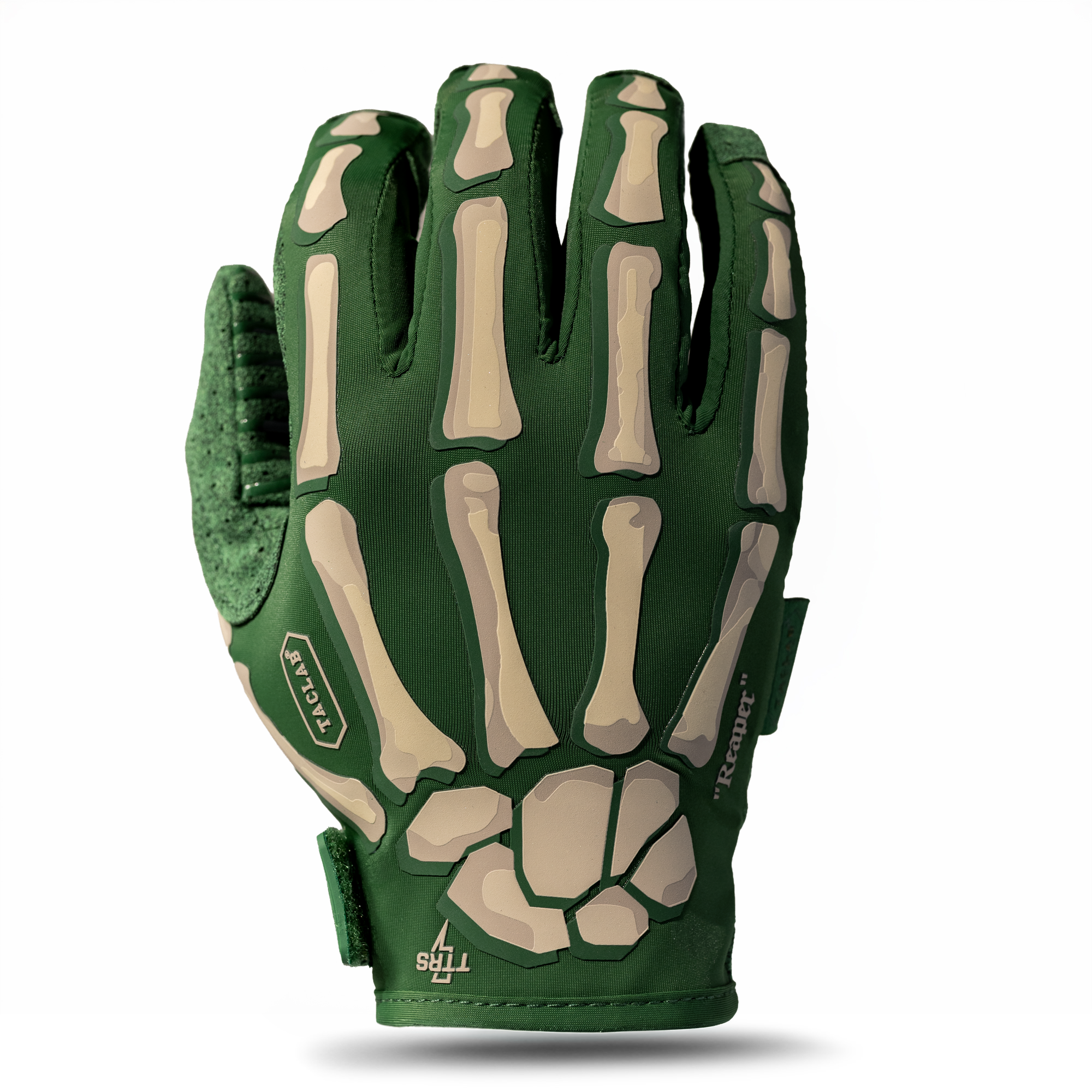
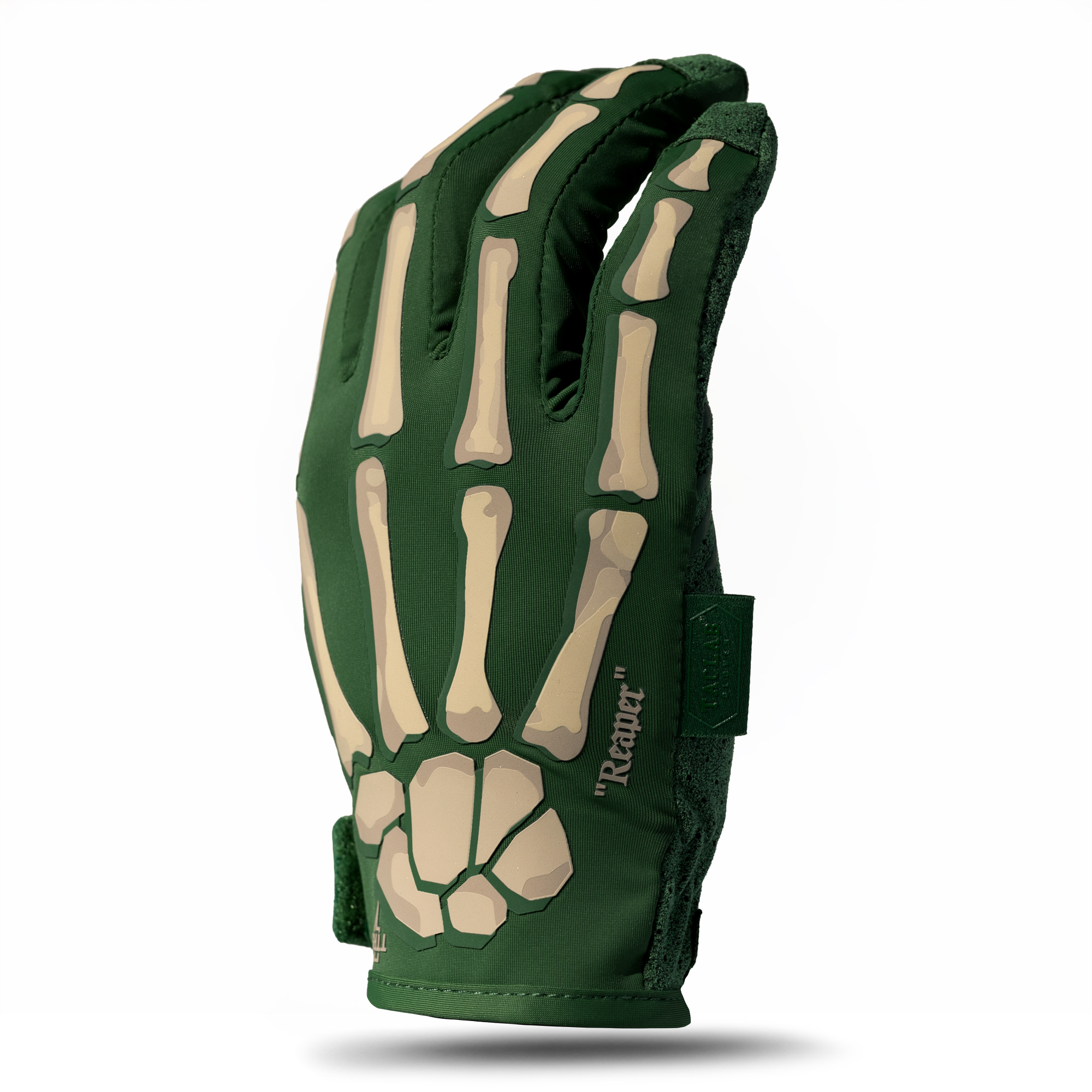
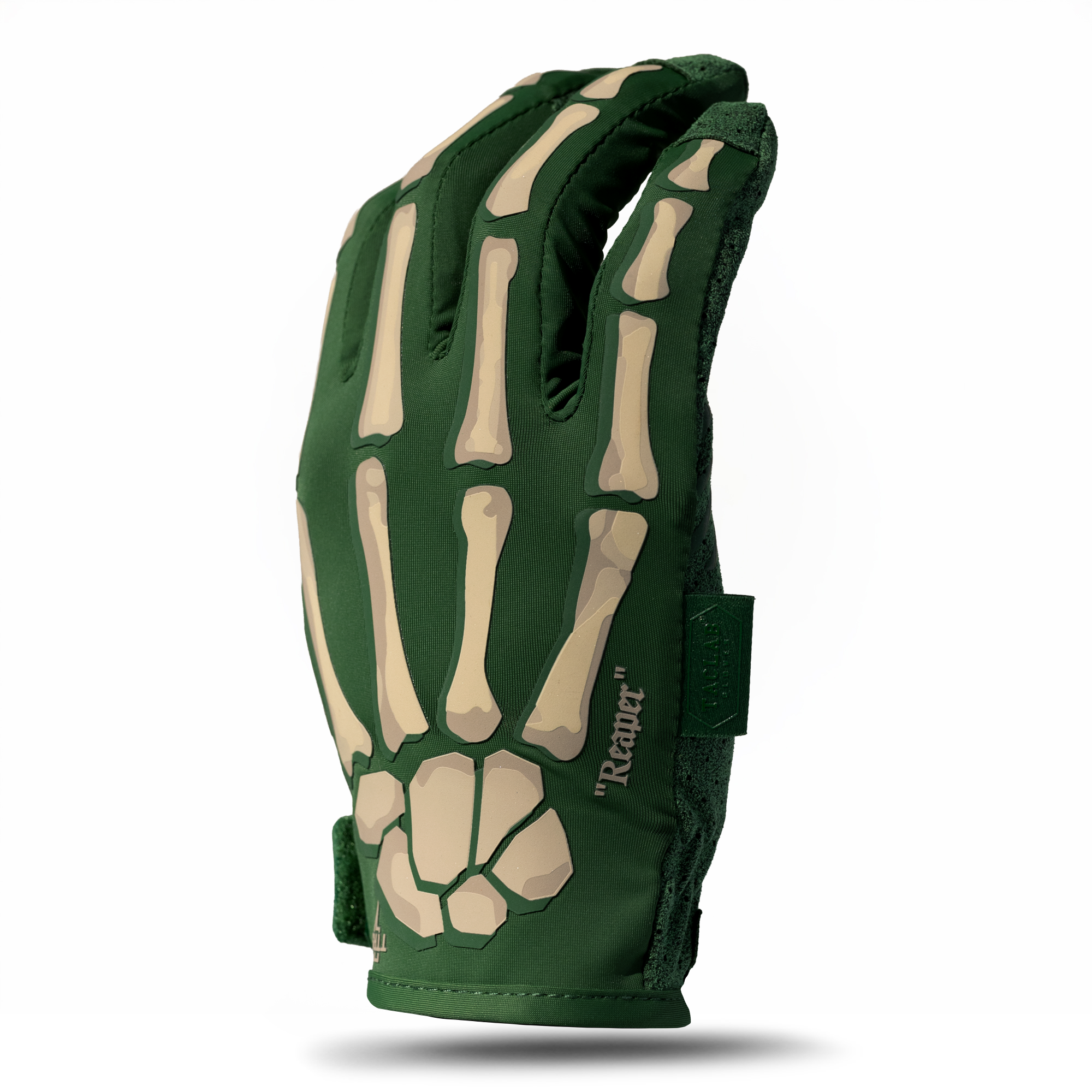
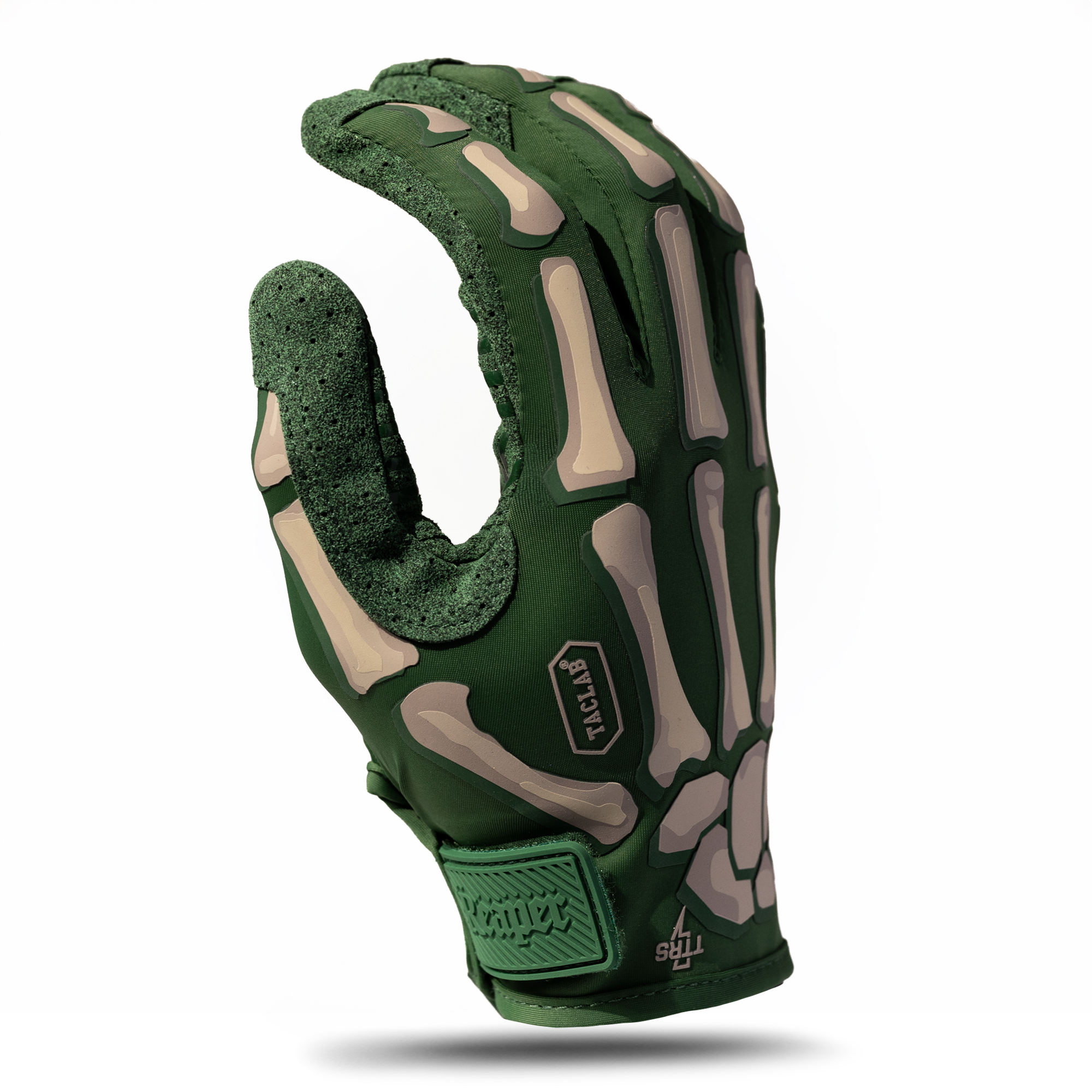
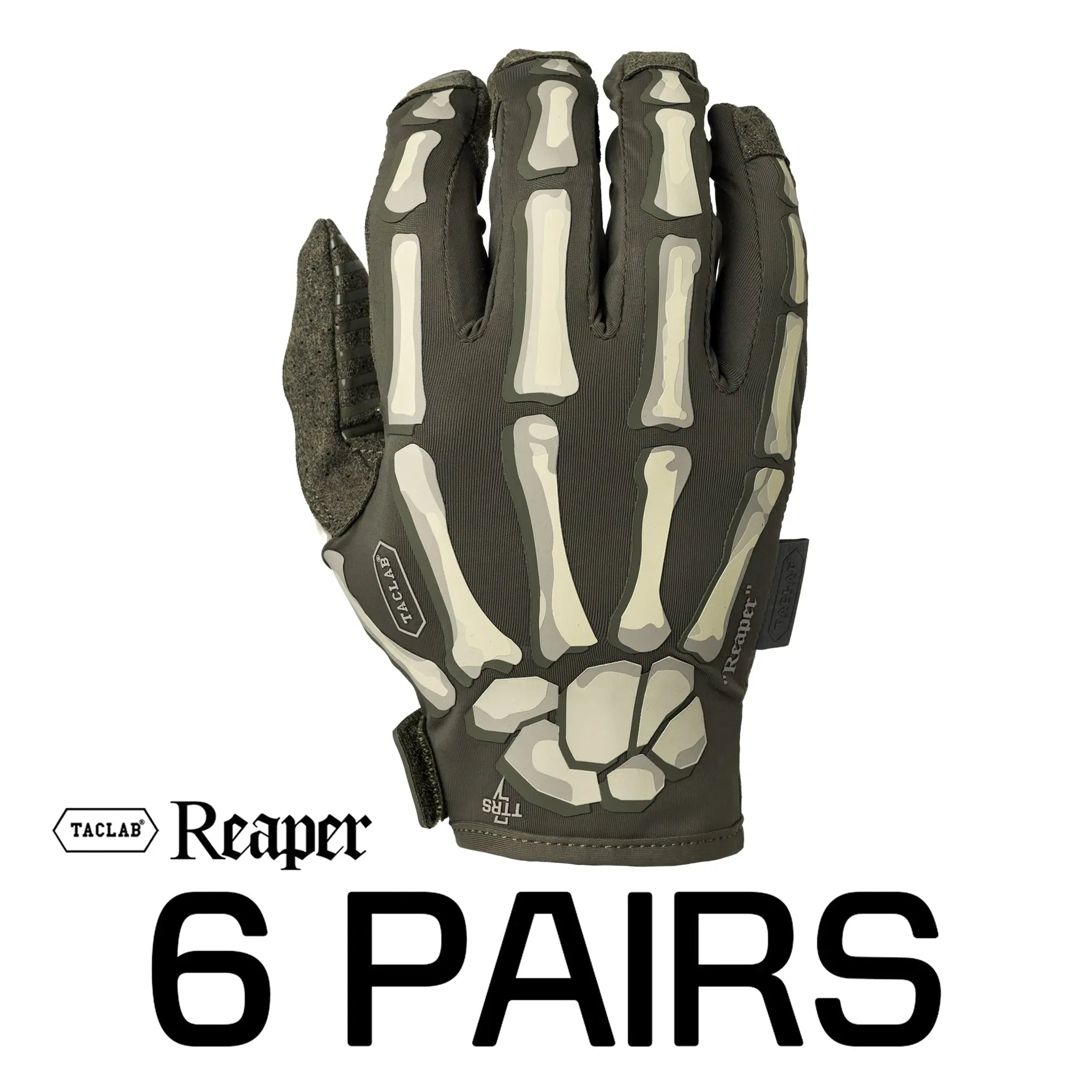
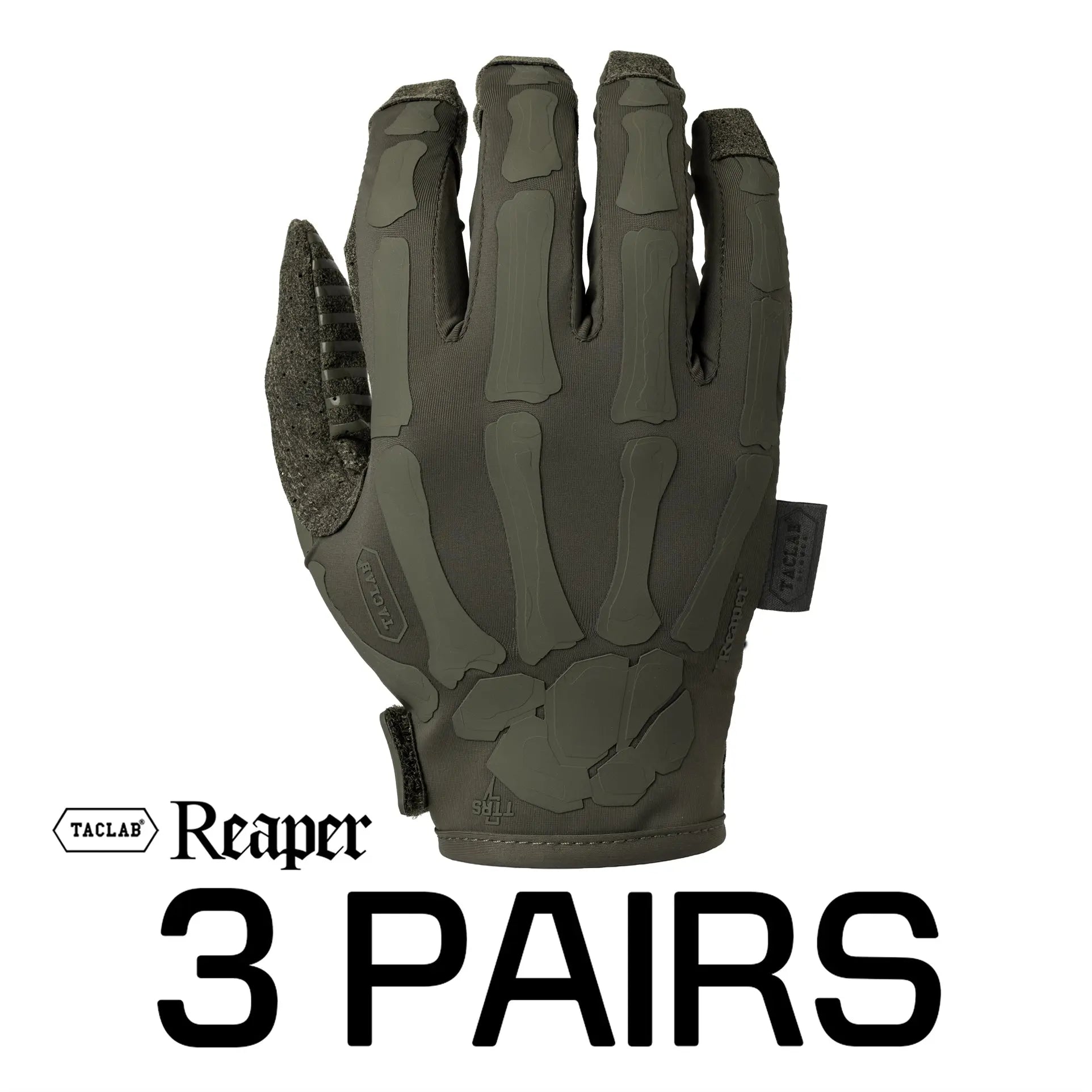
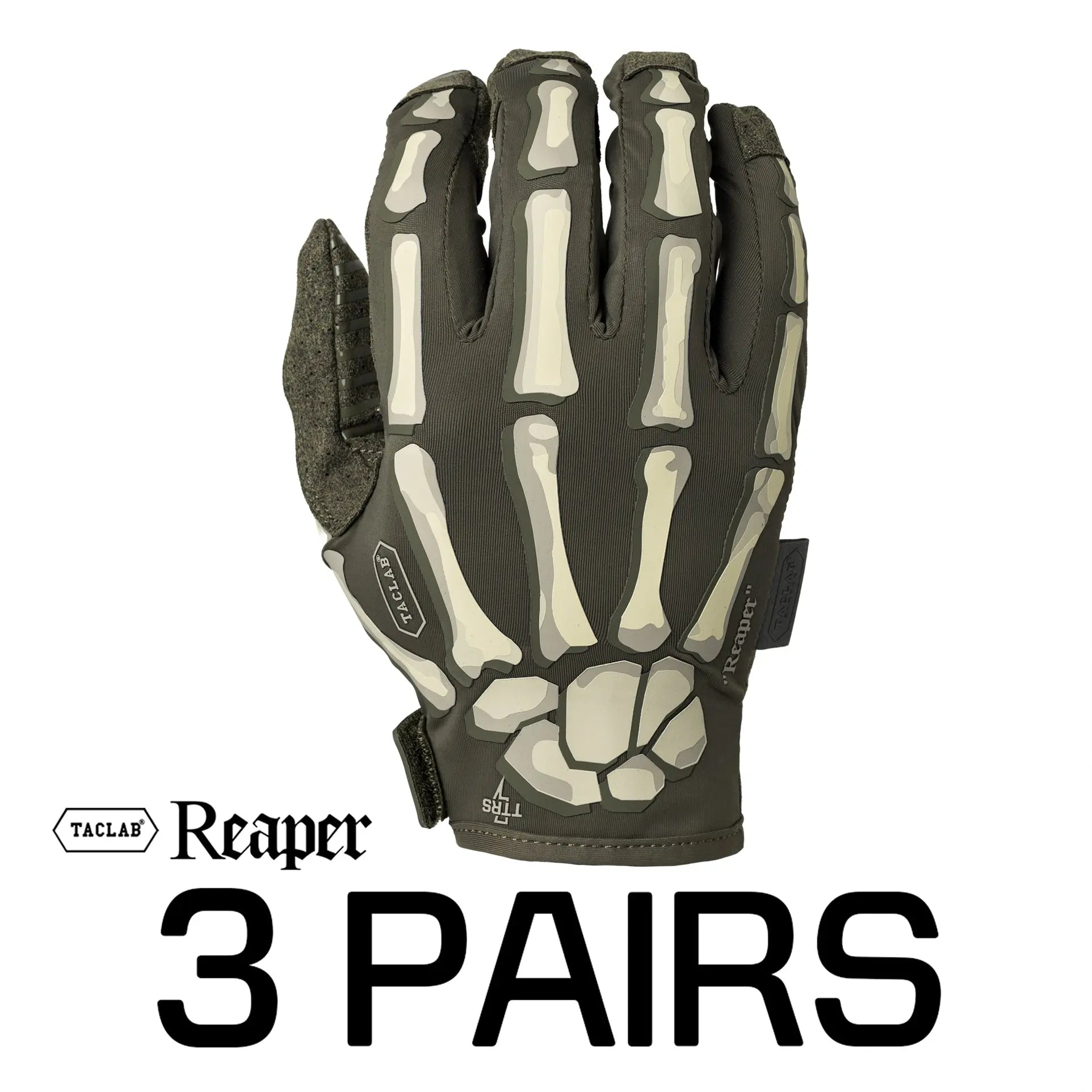
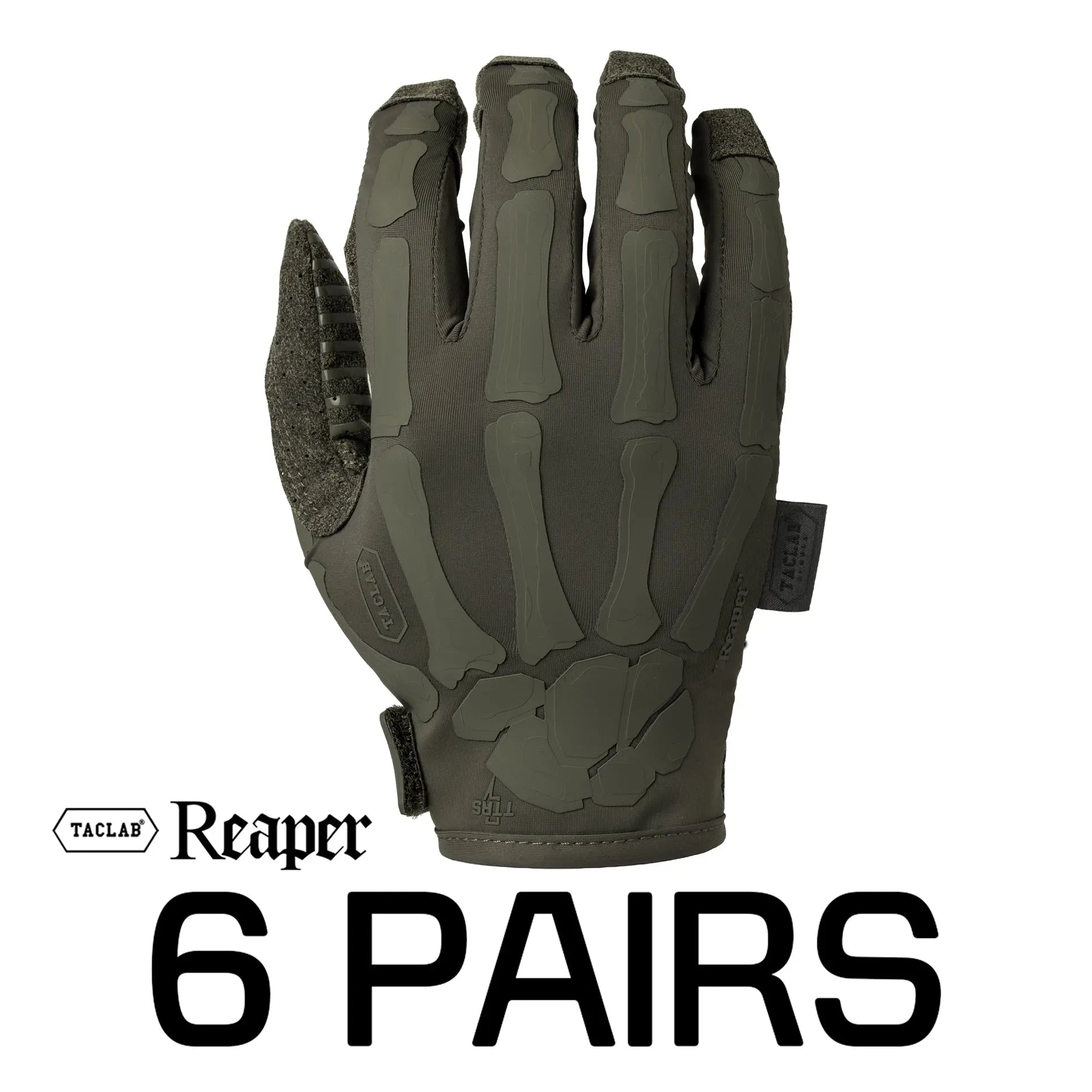
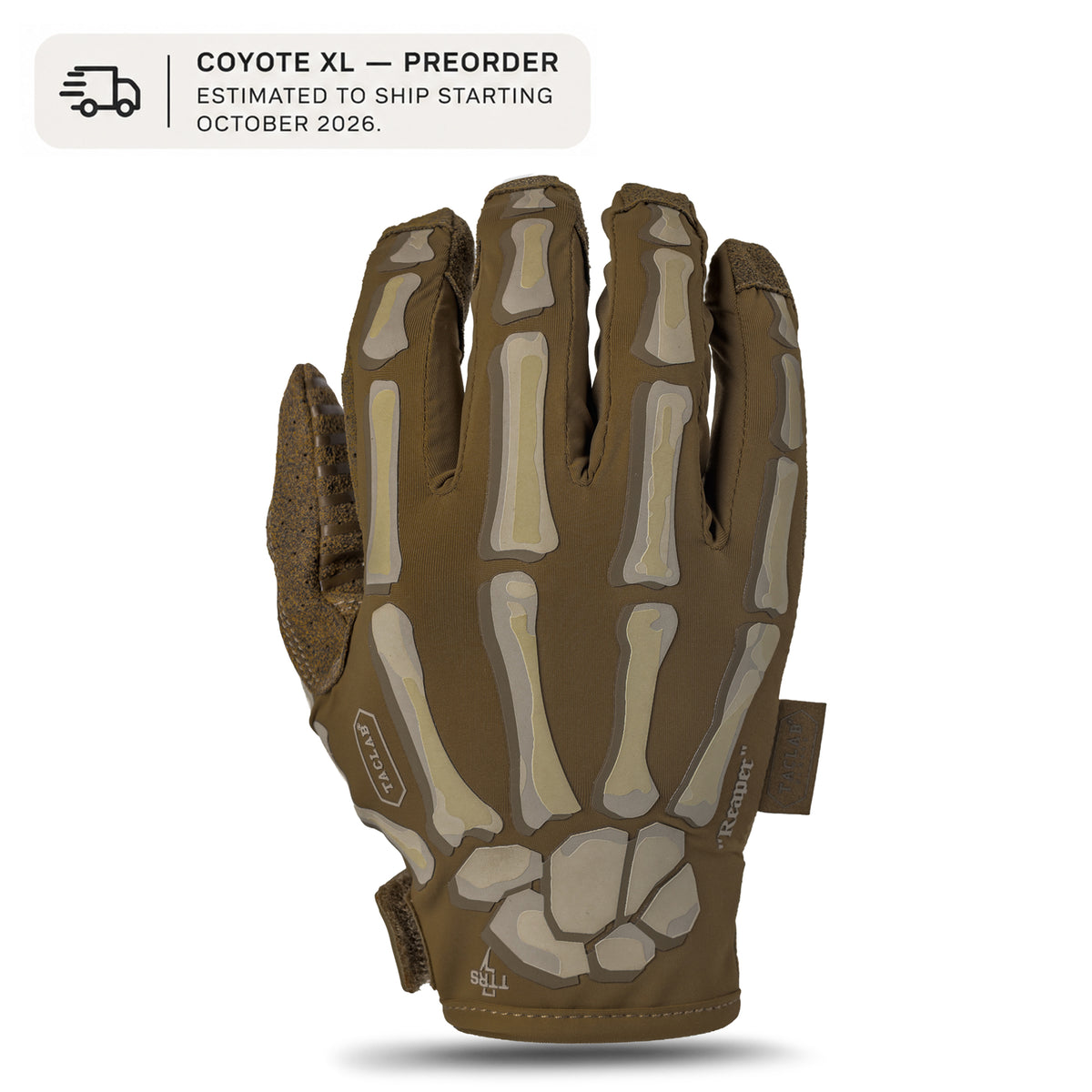
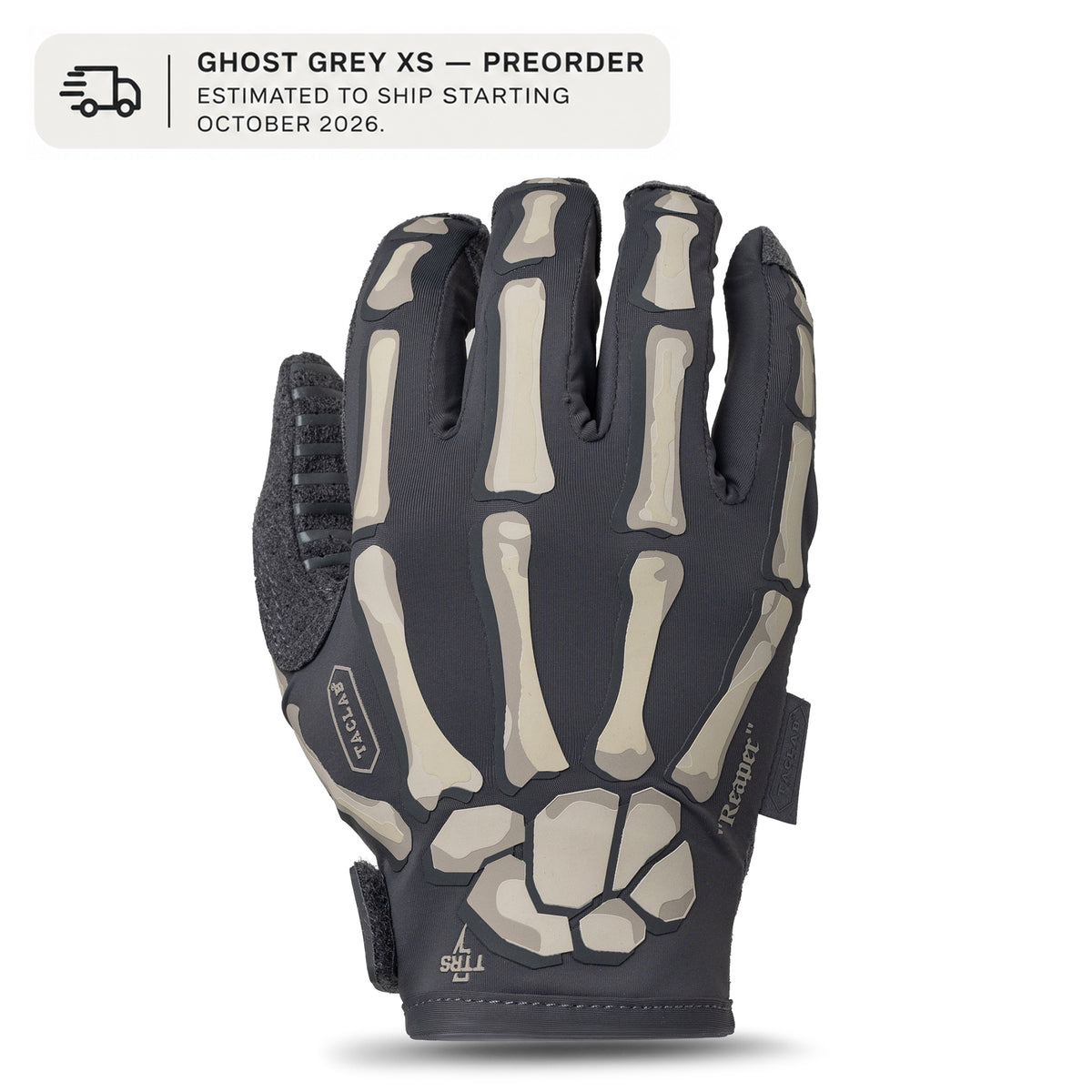
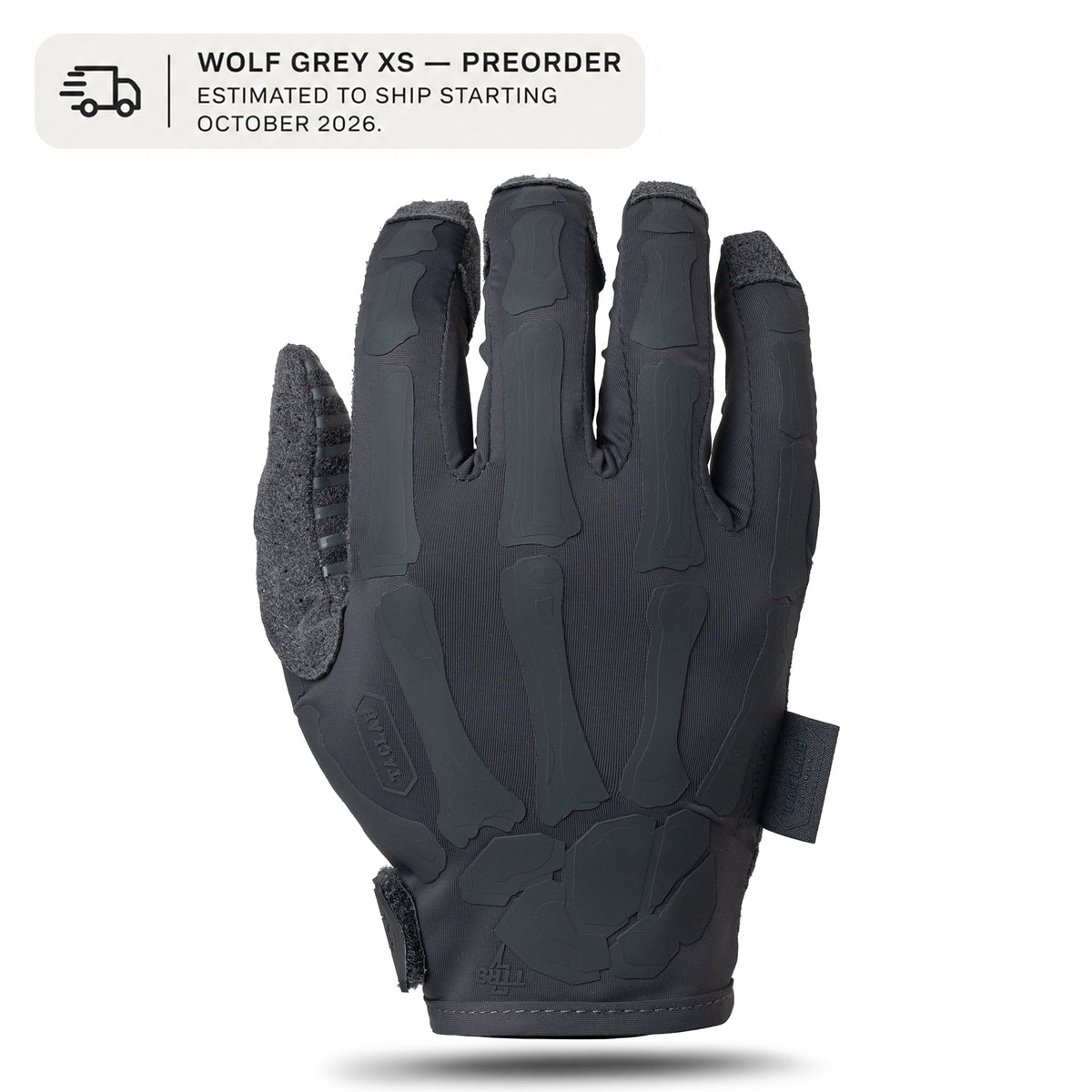
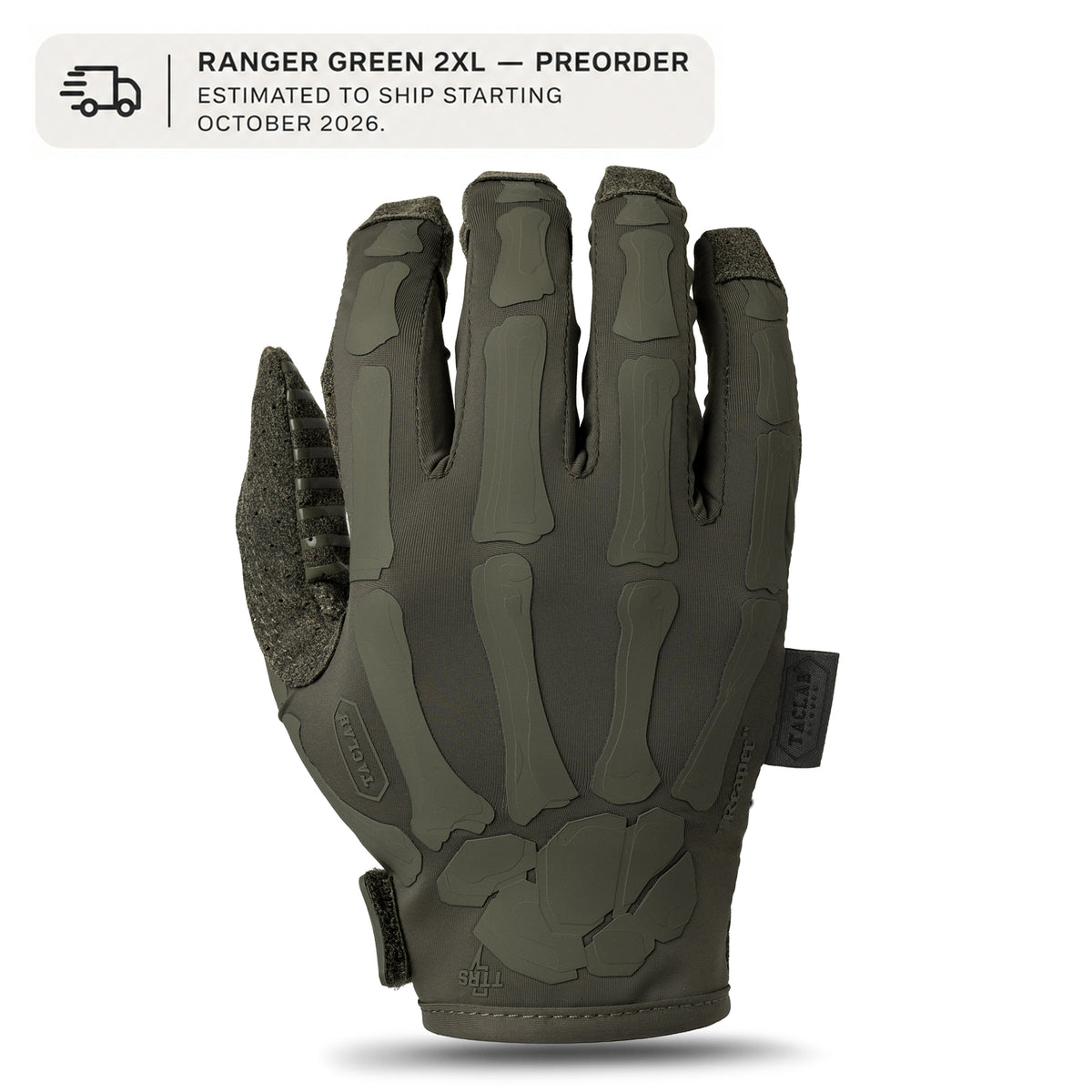
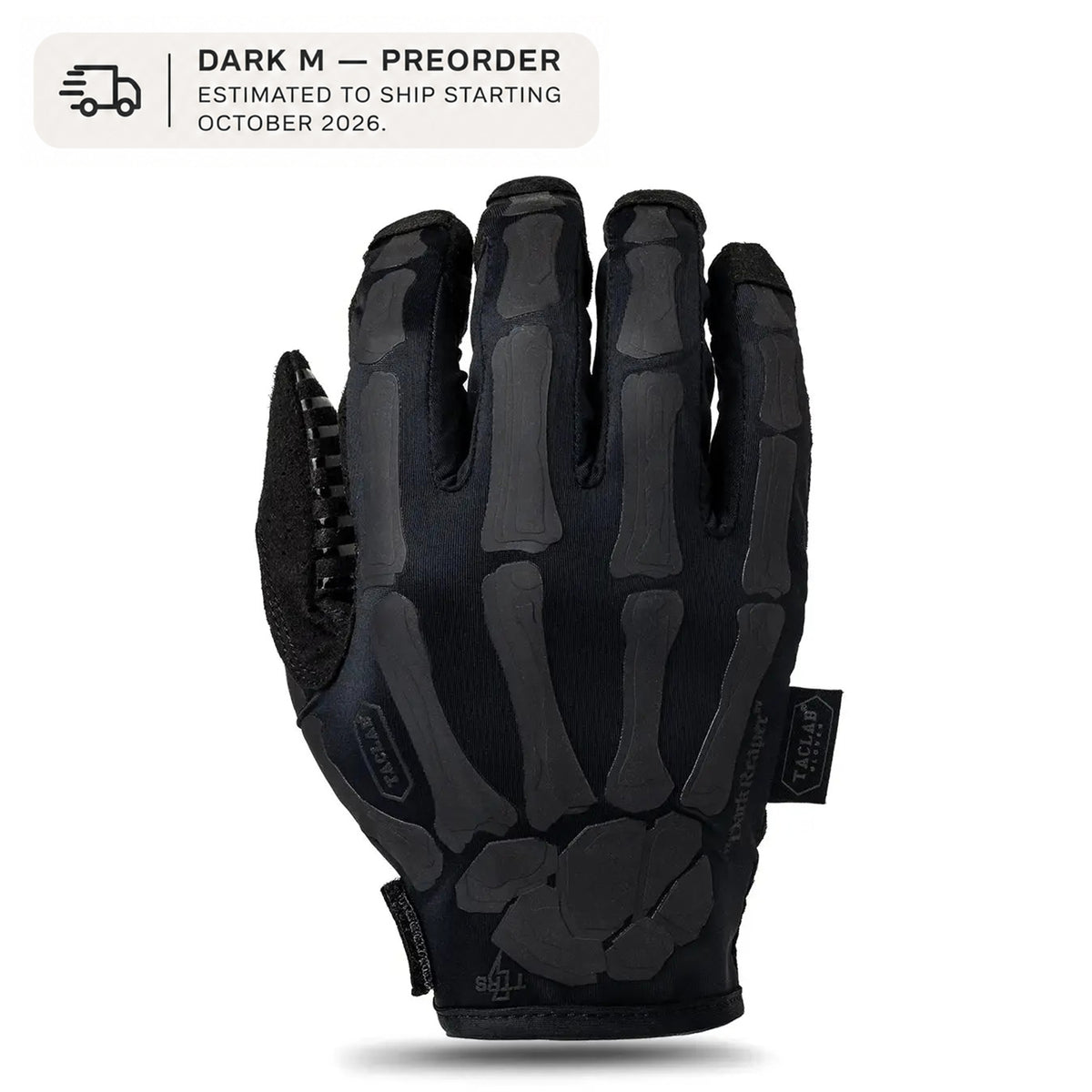
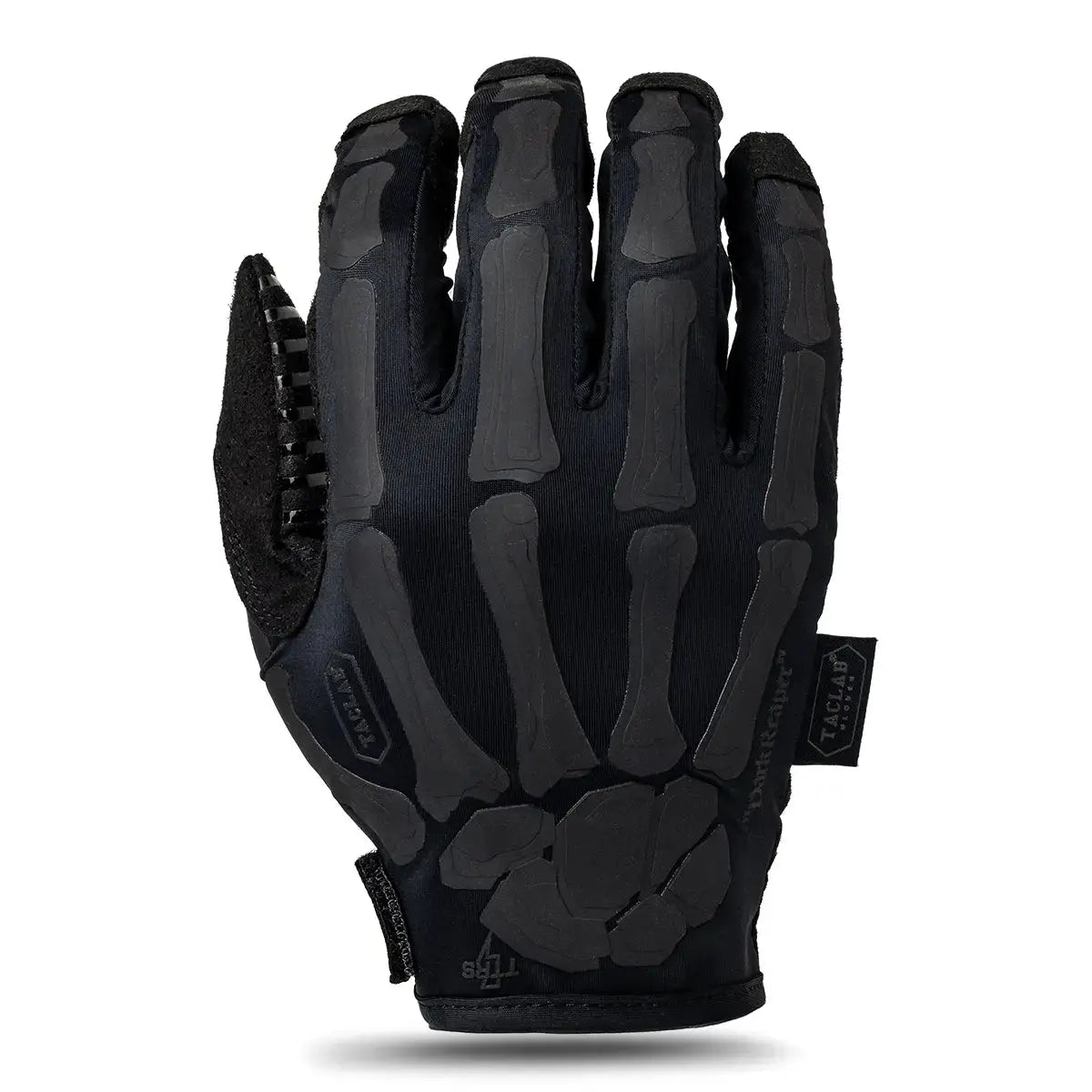
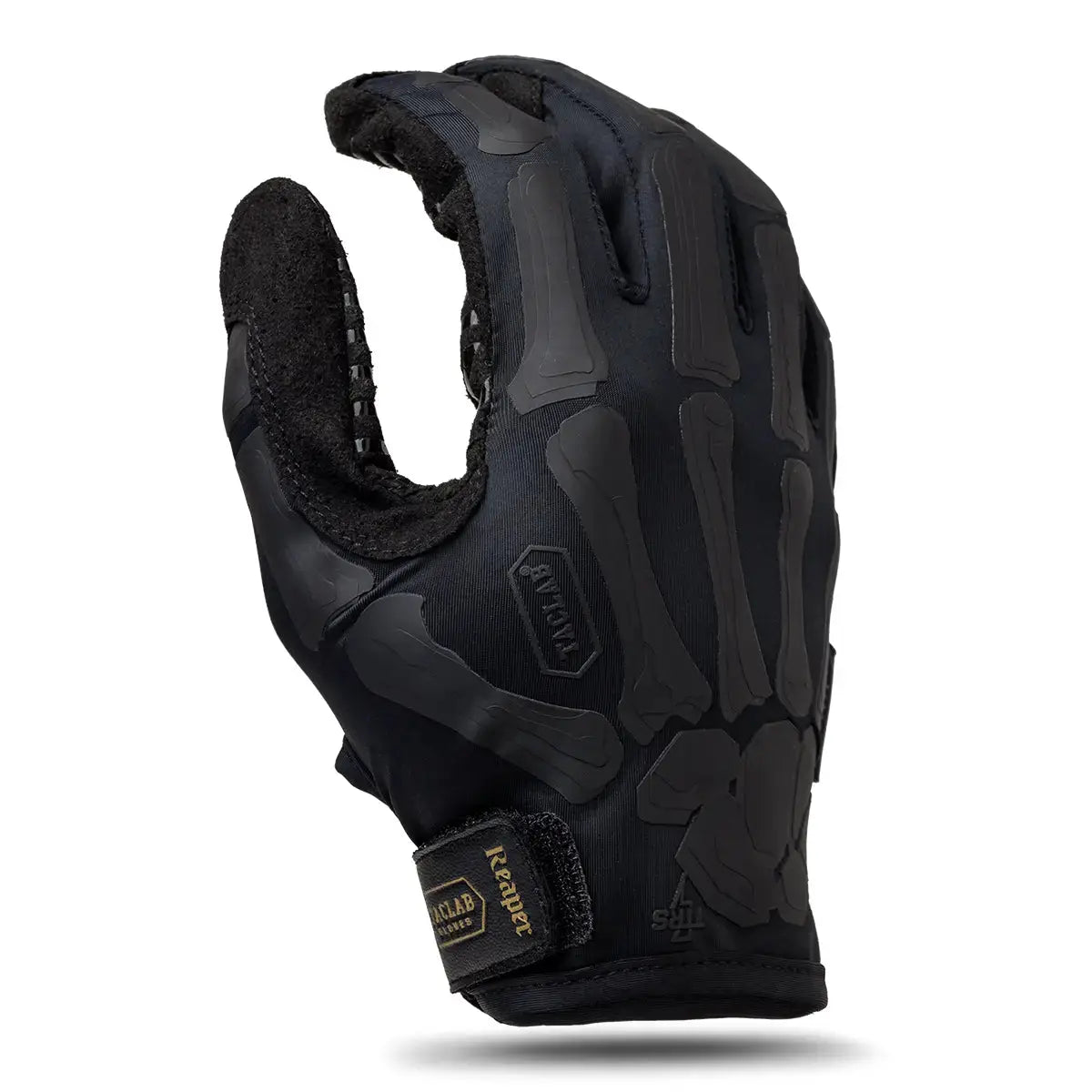
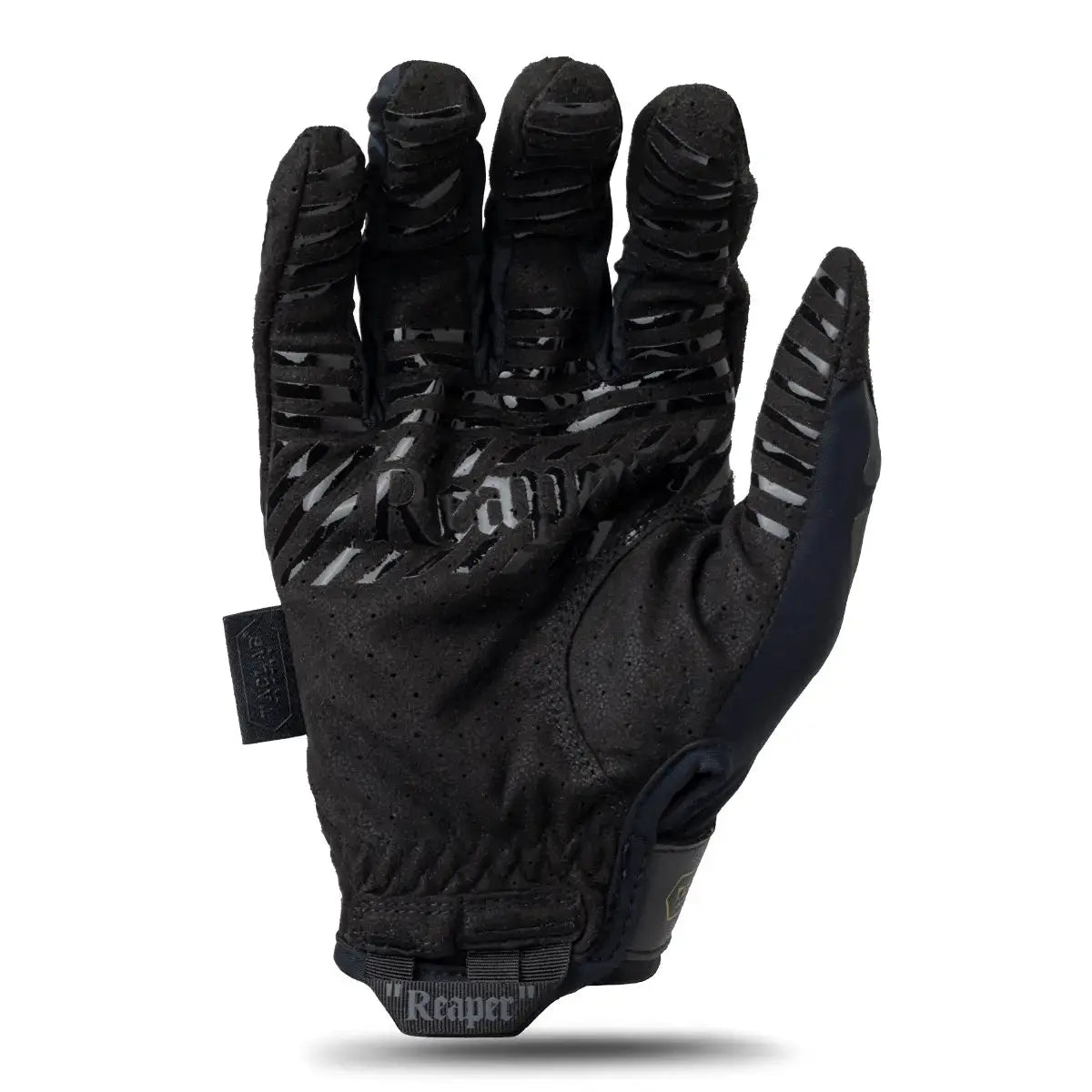
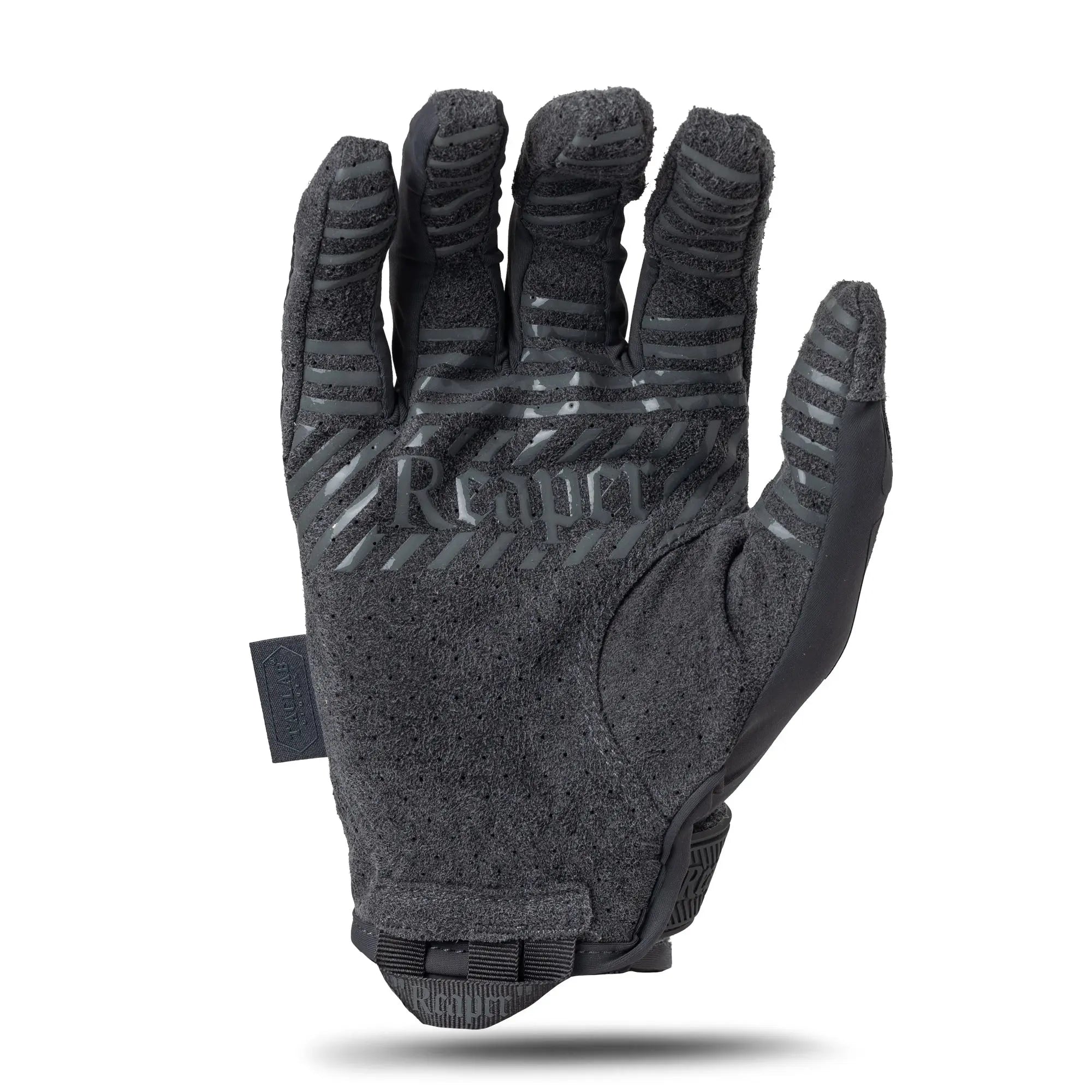
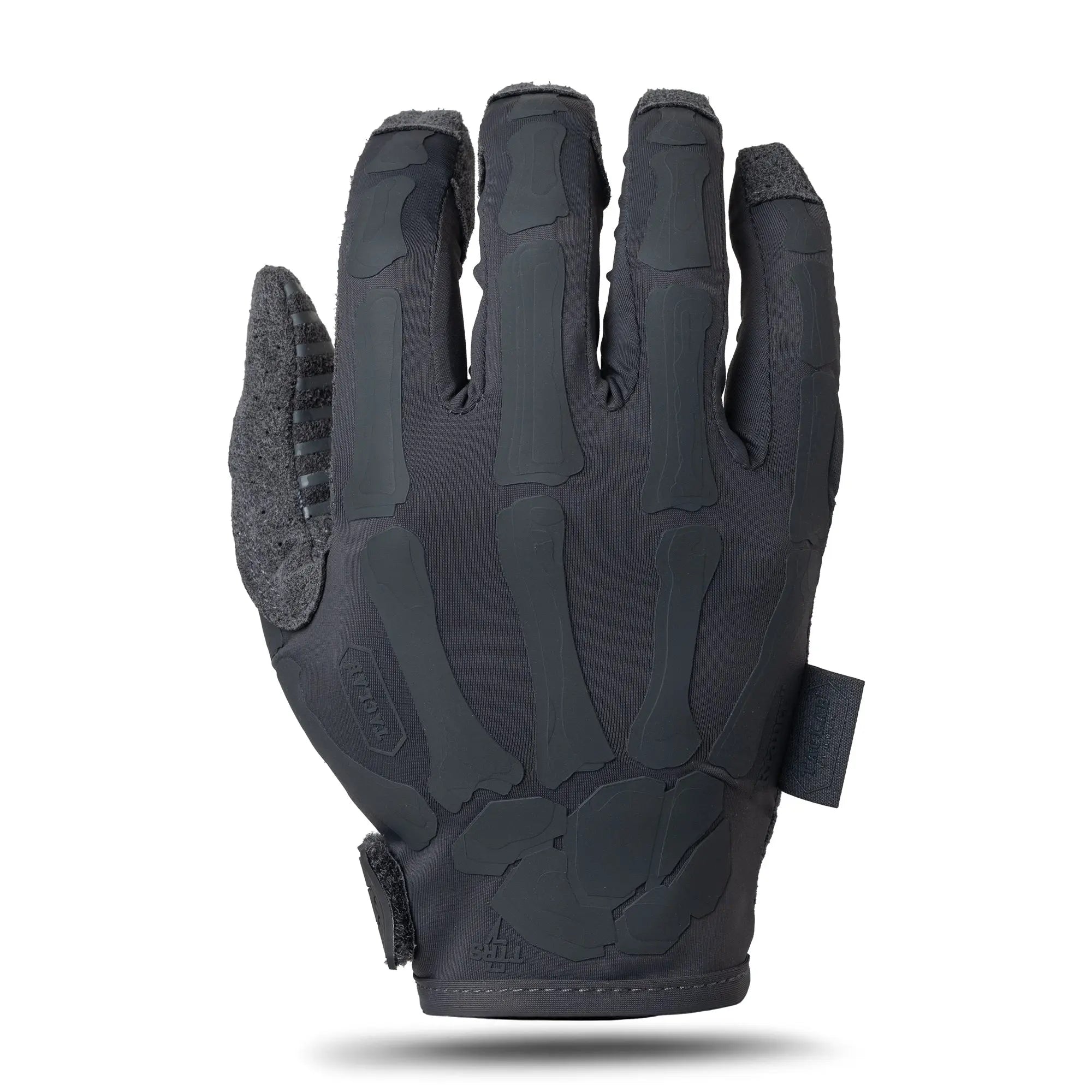
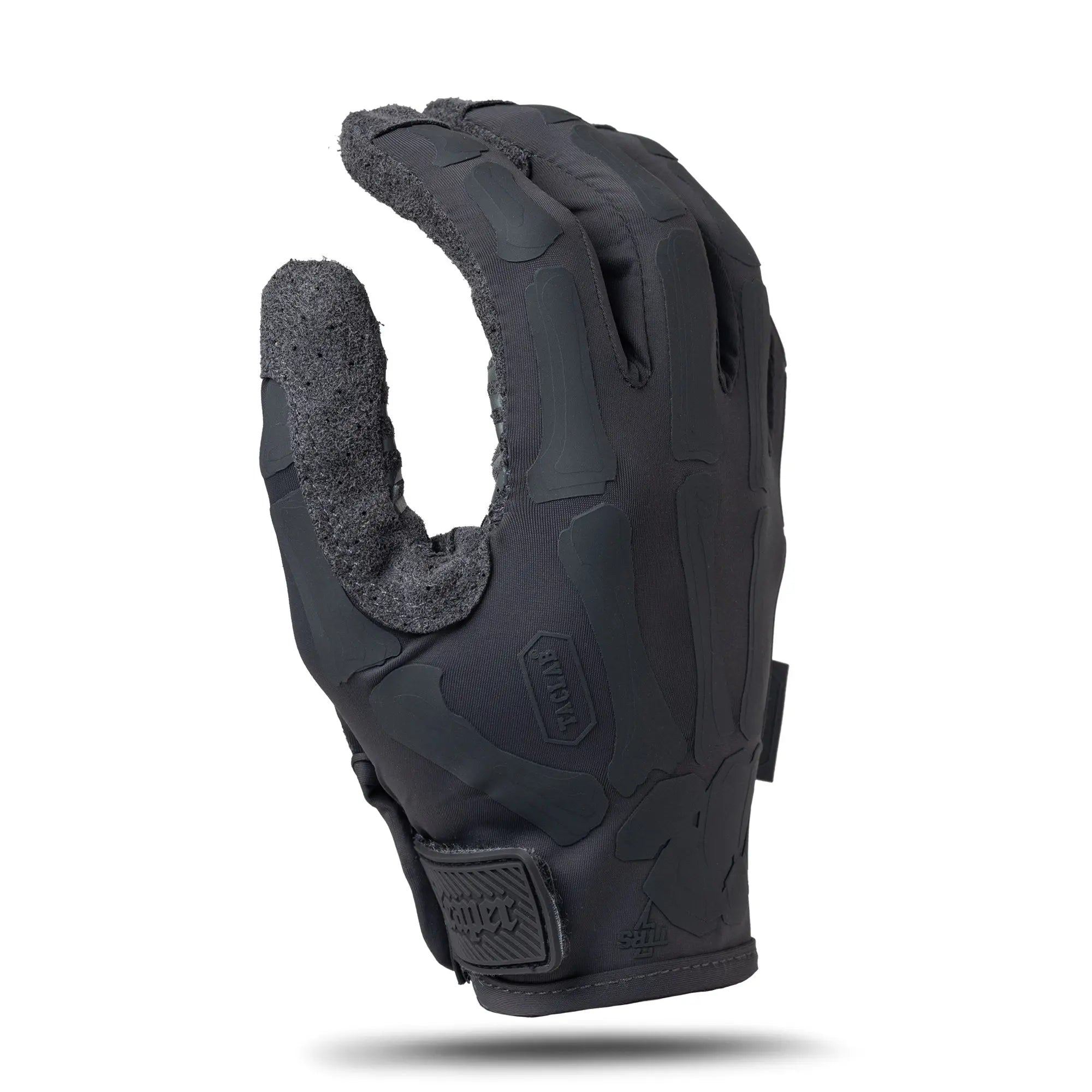
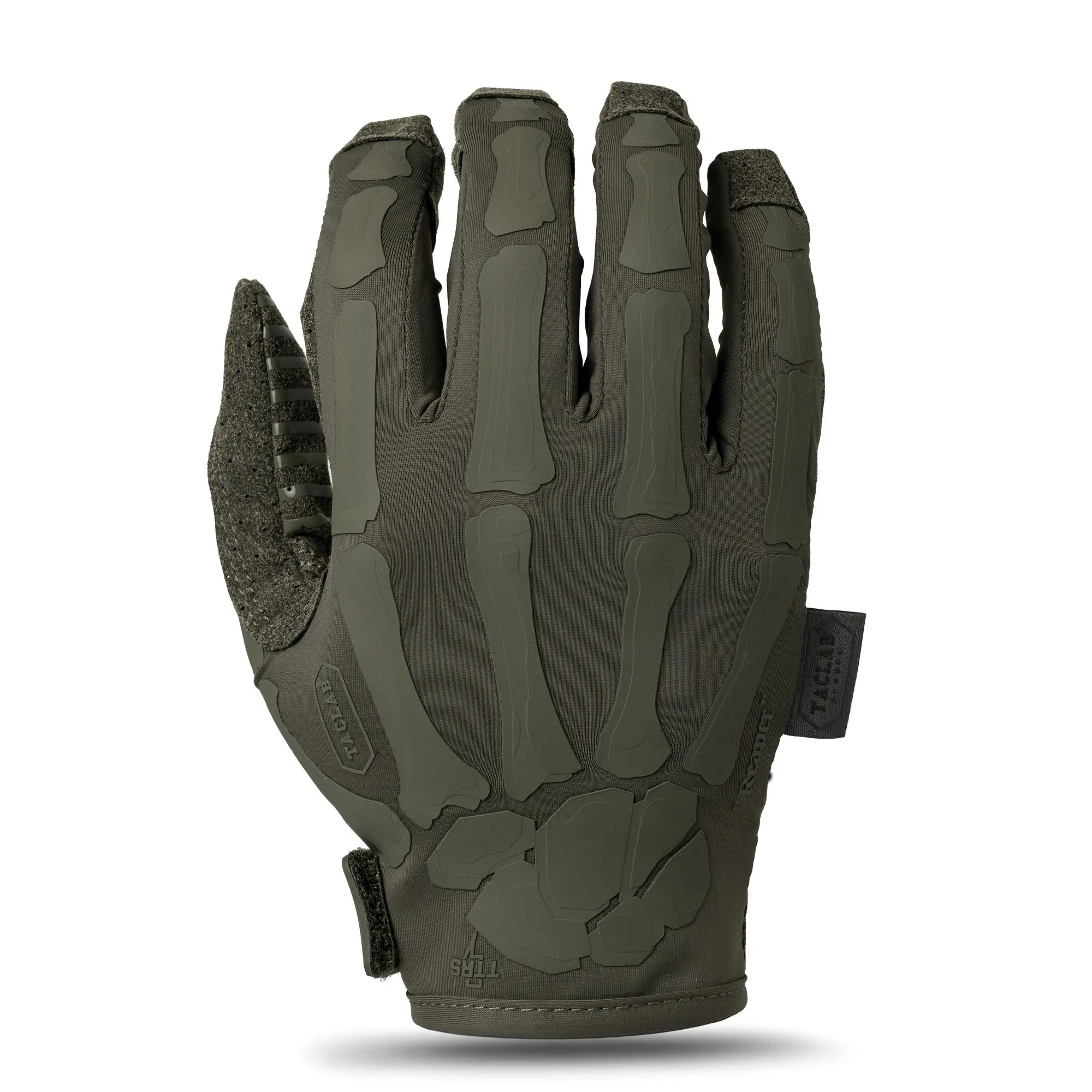
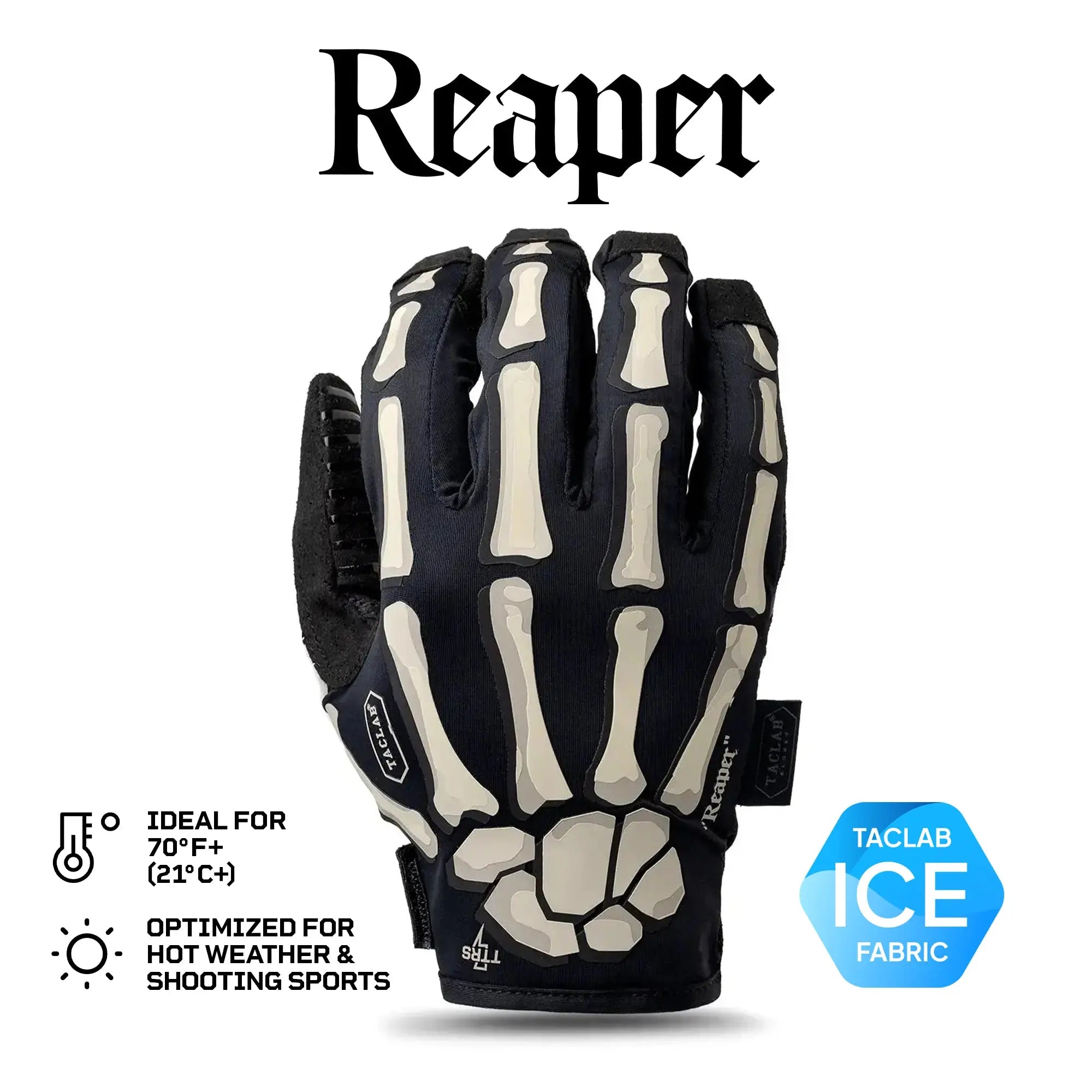
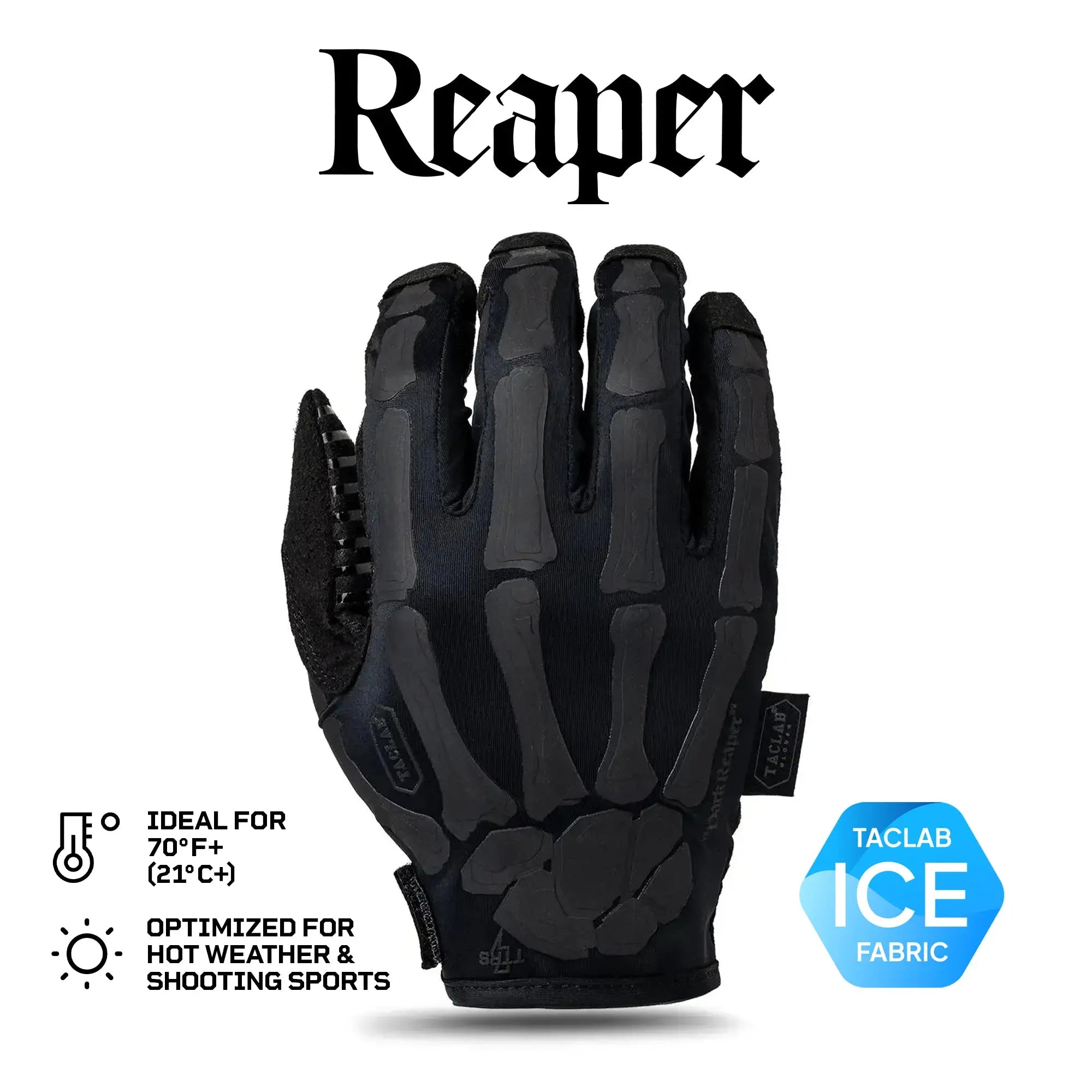
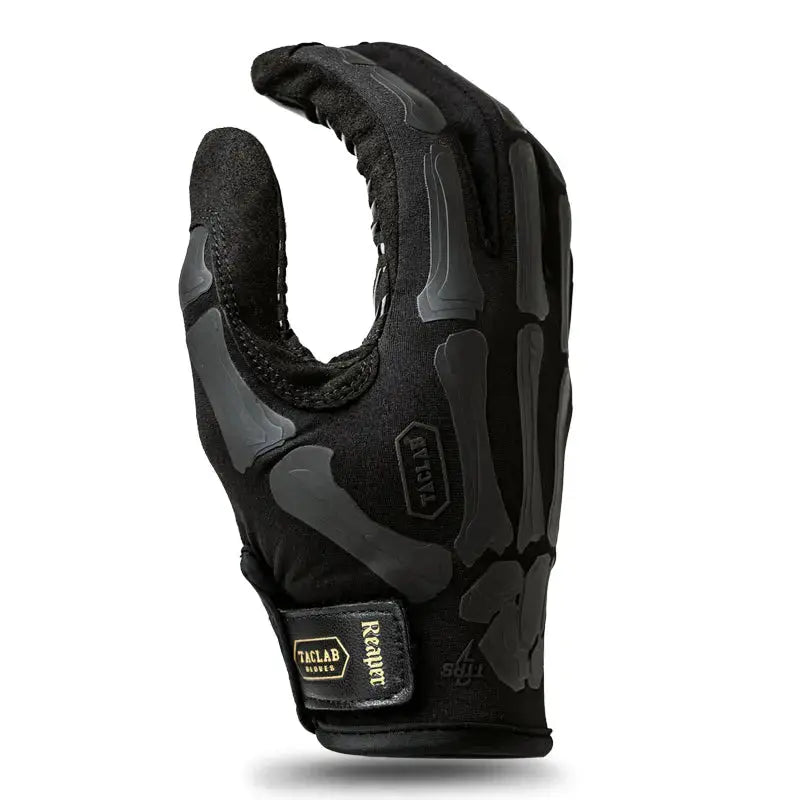
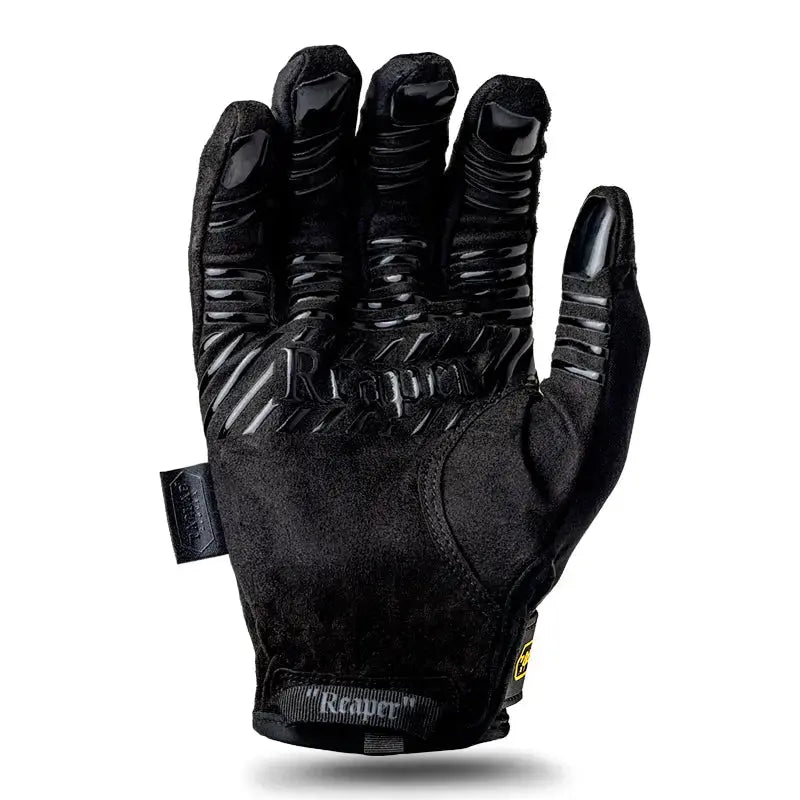
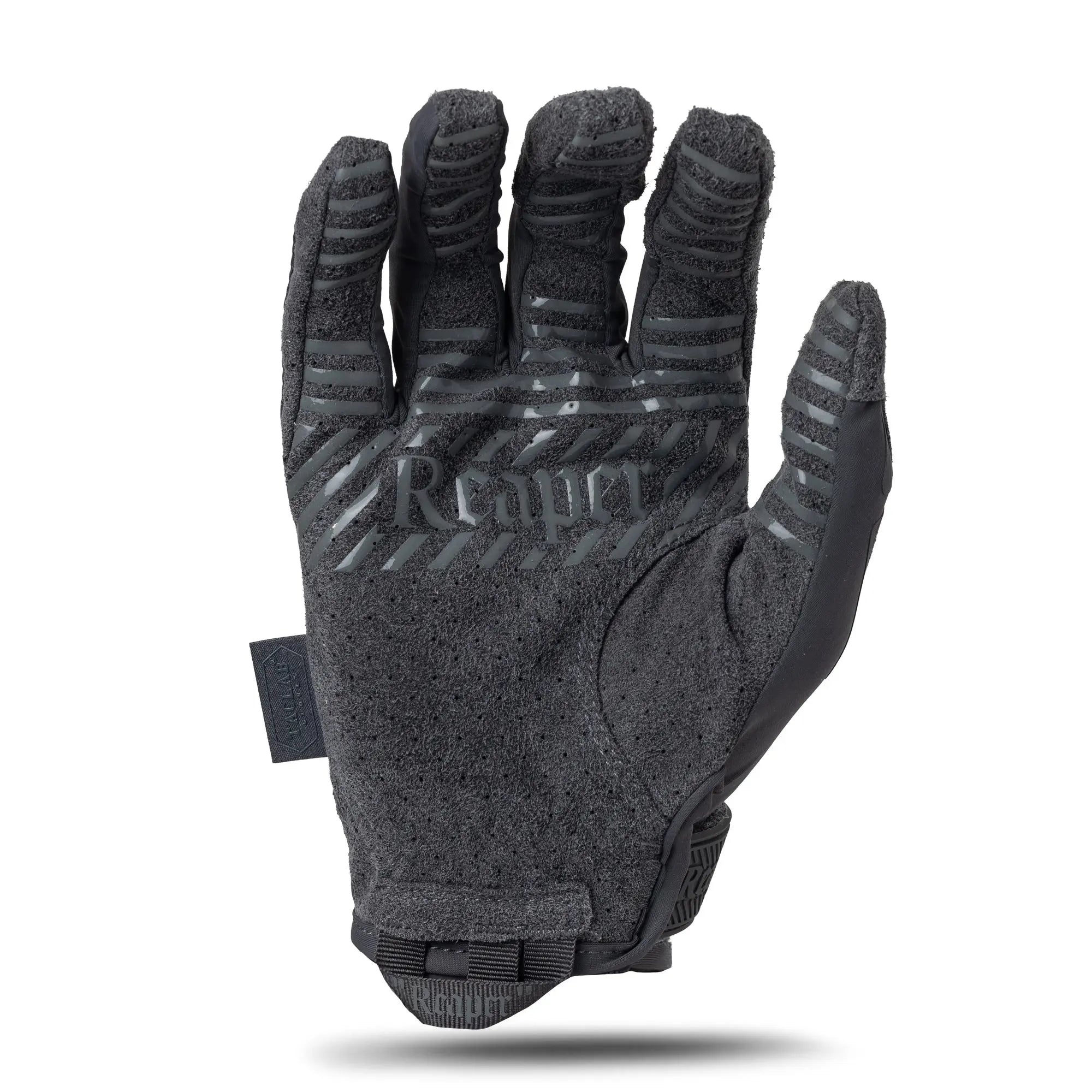
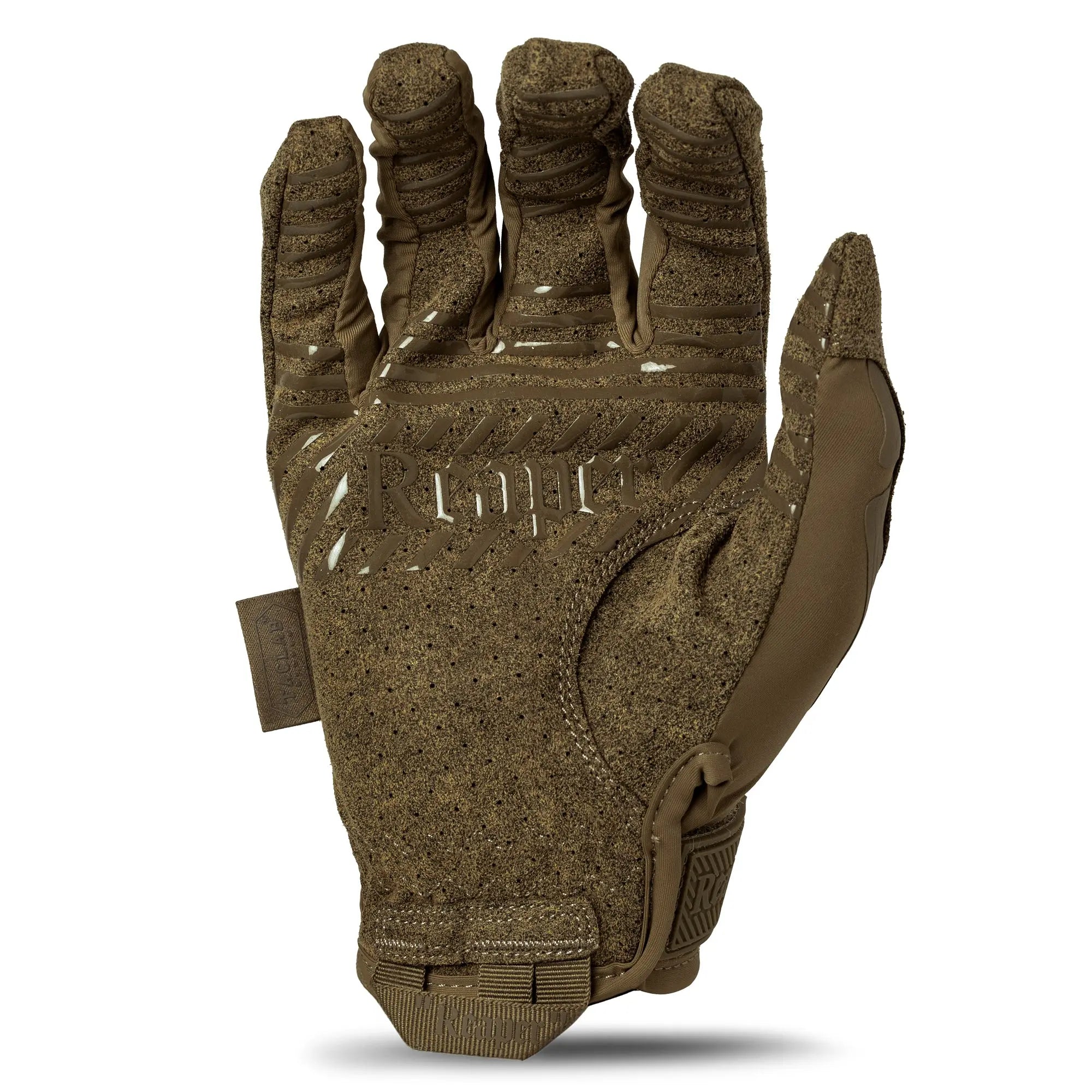
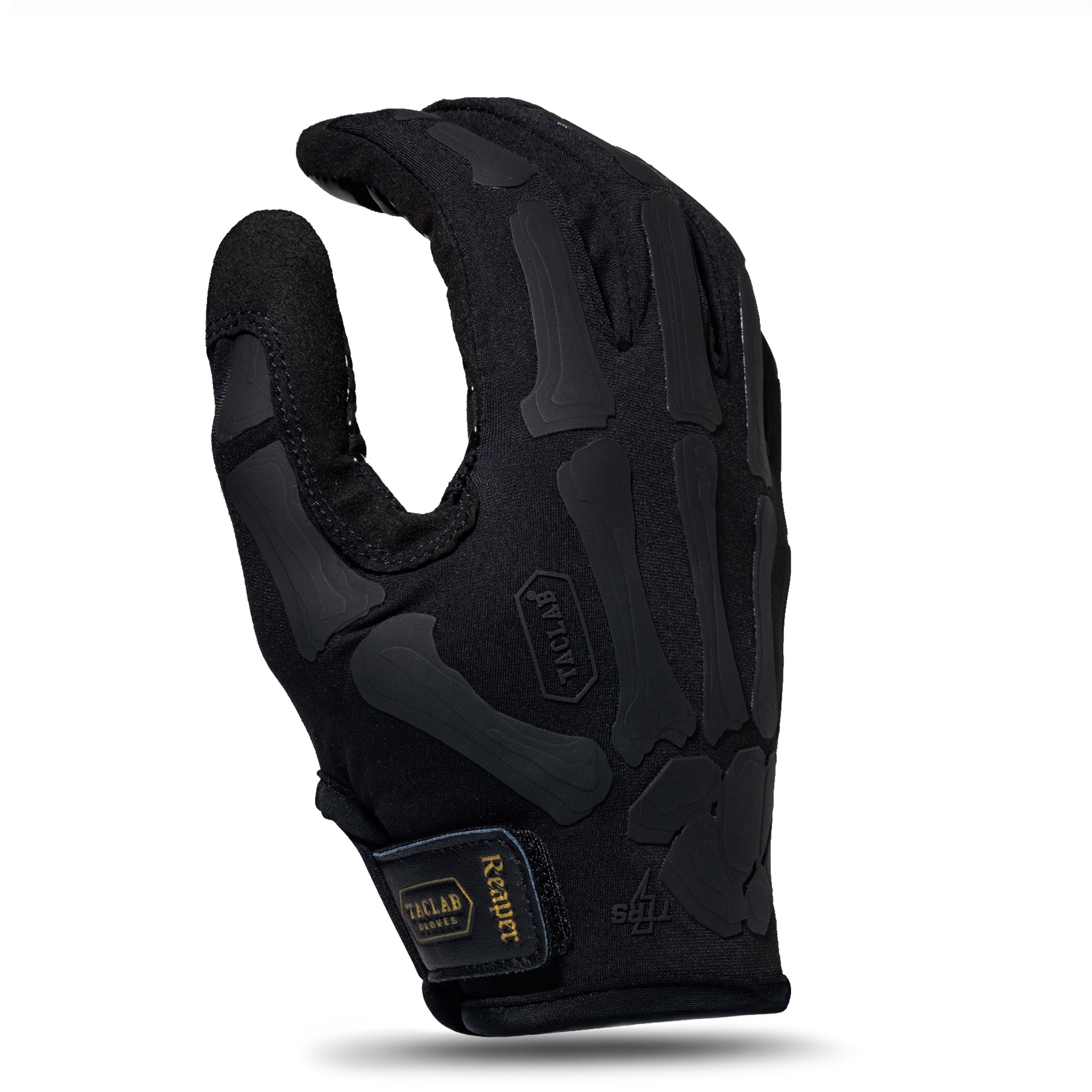
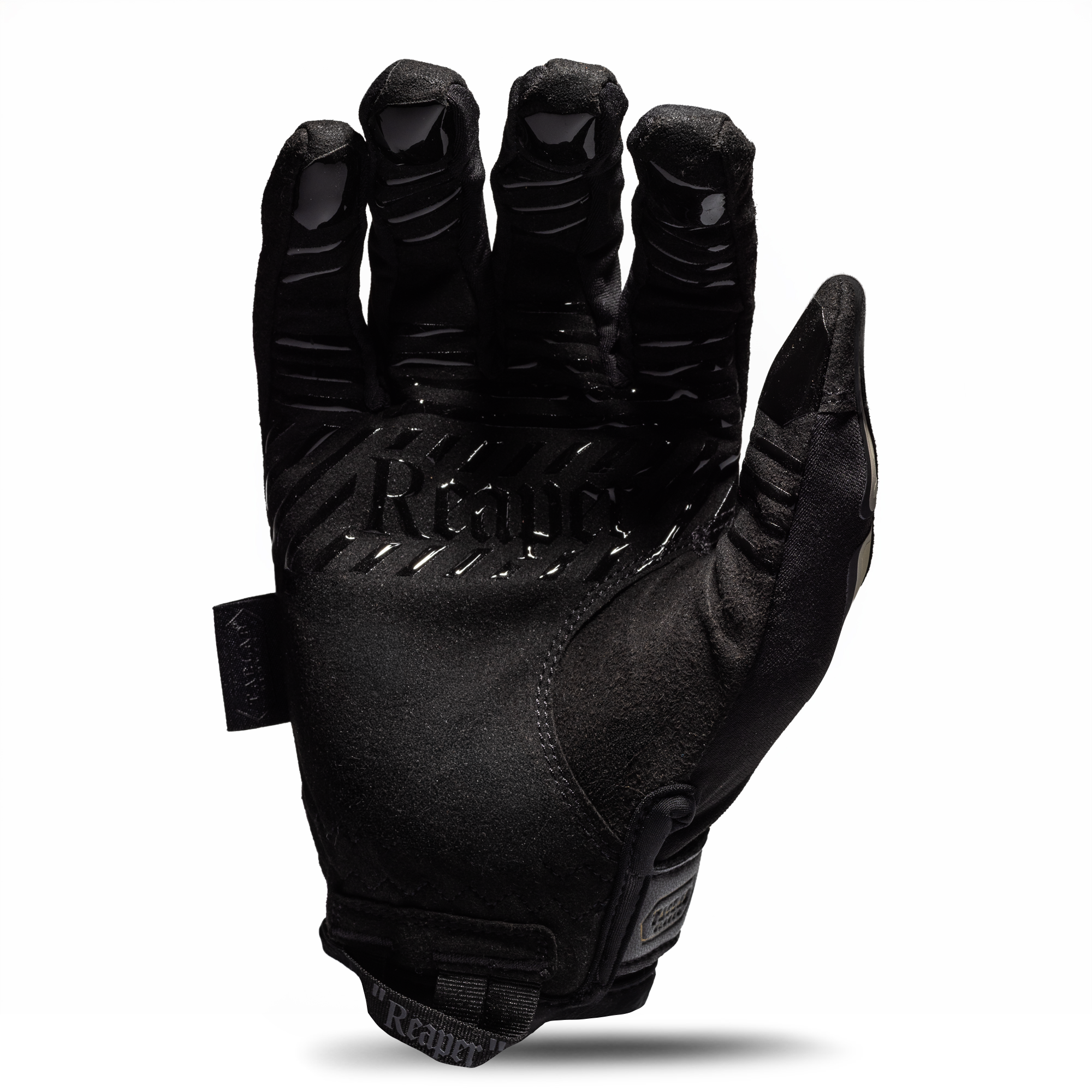
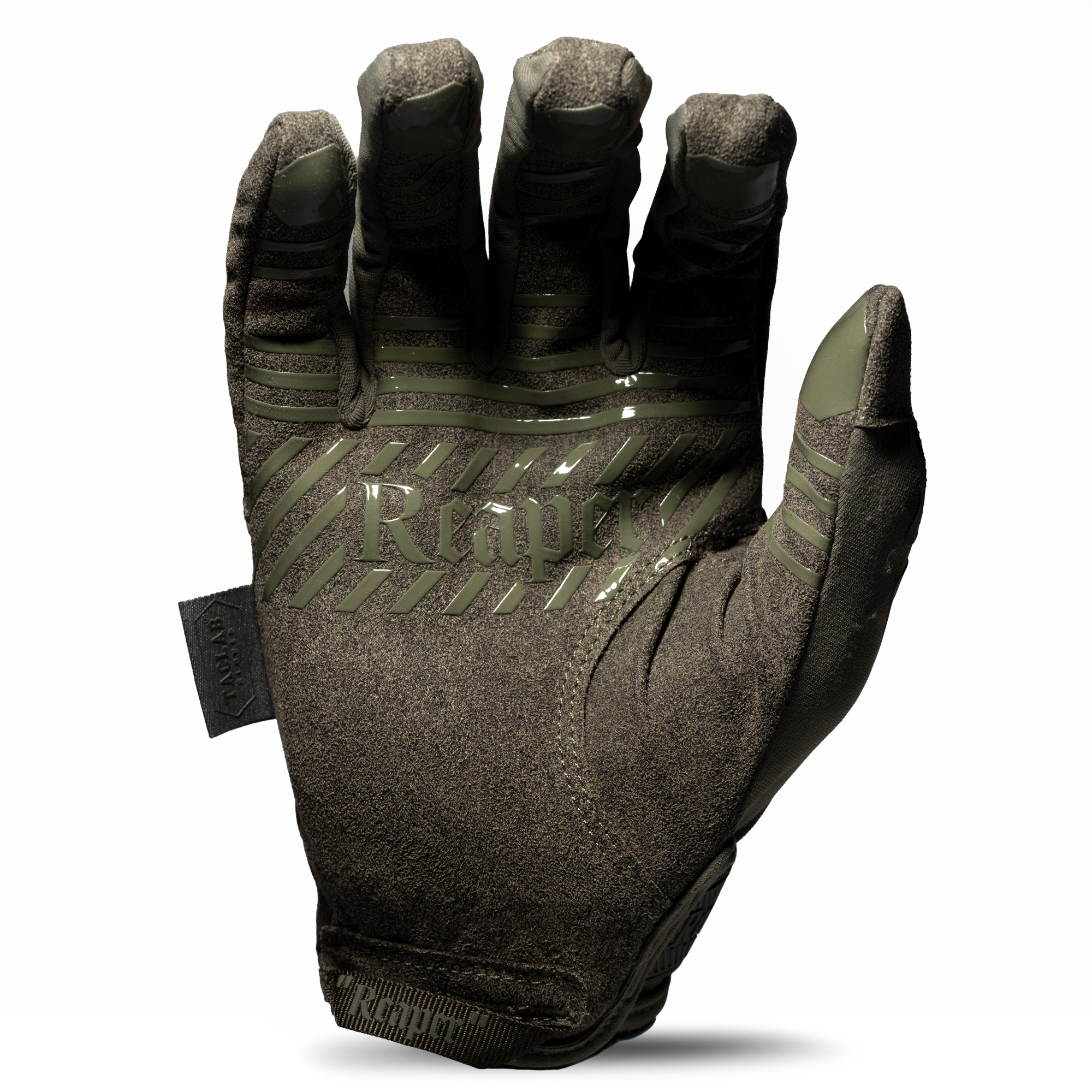
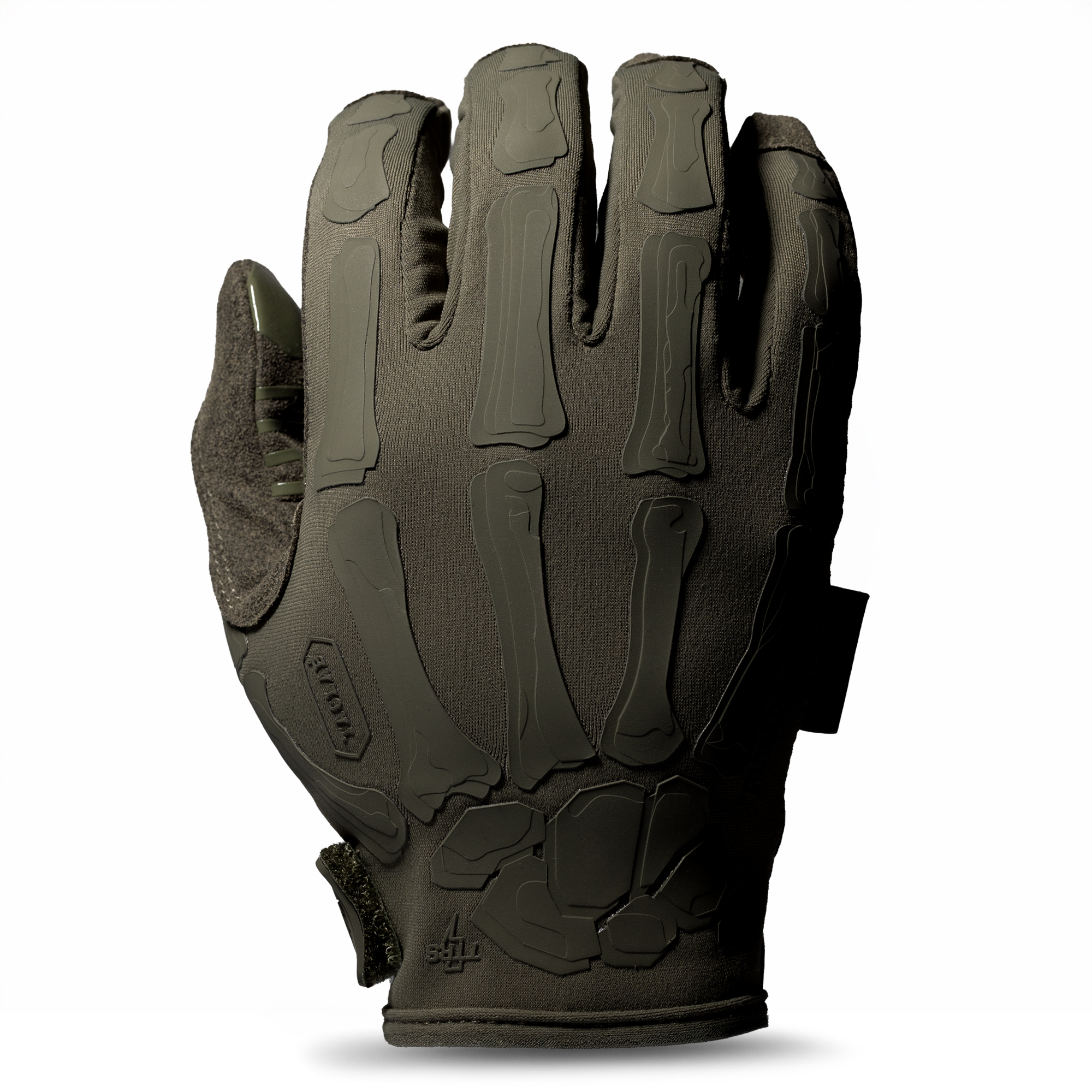
Reaper Tactical Gloves — Lightweight Range Use
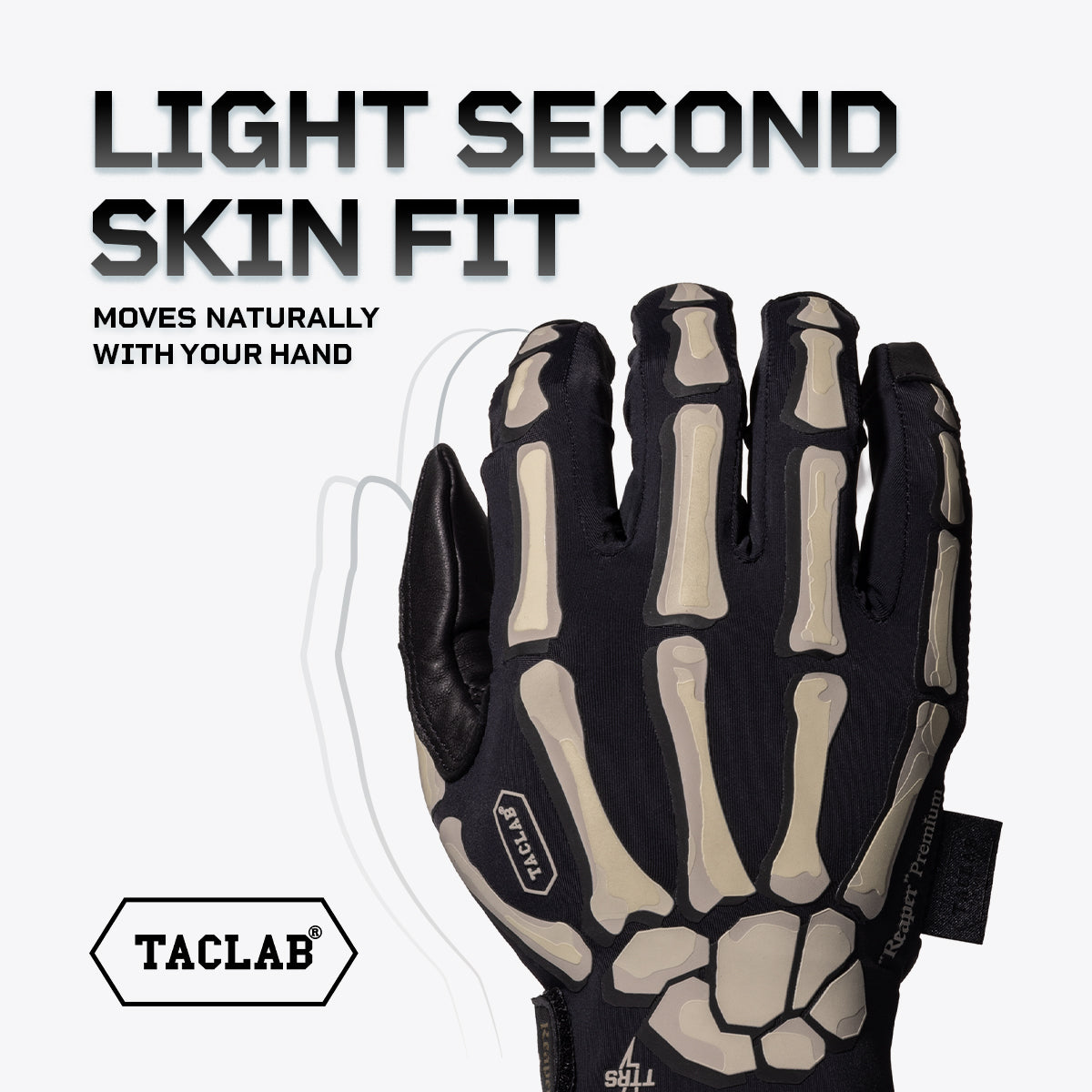
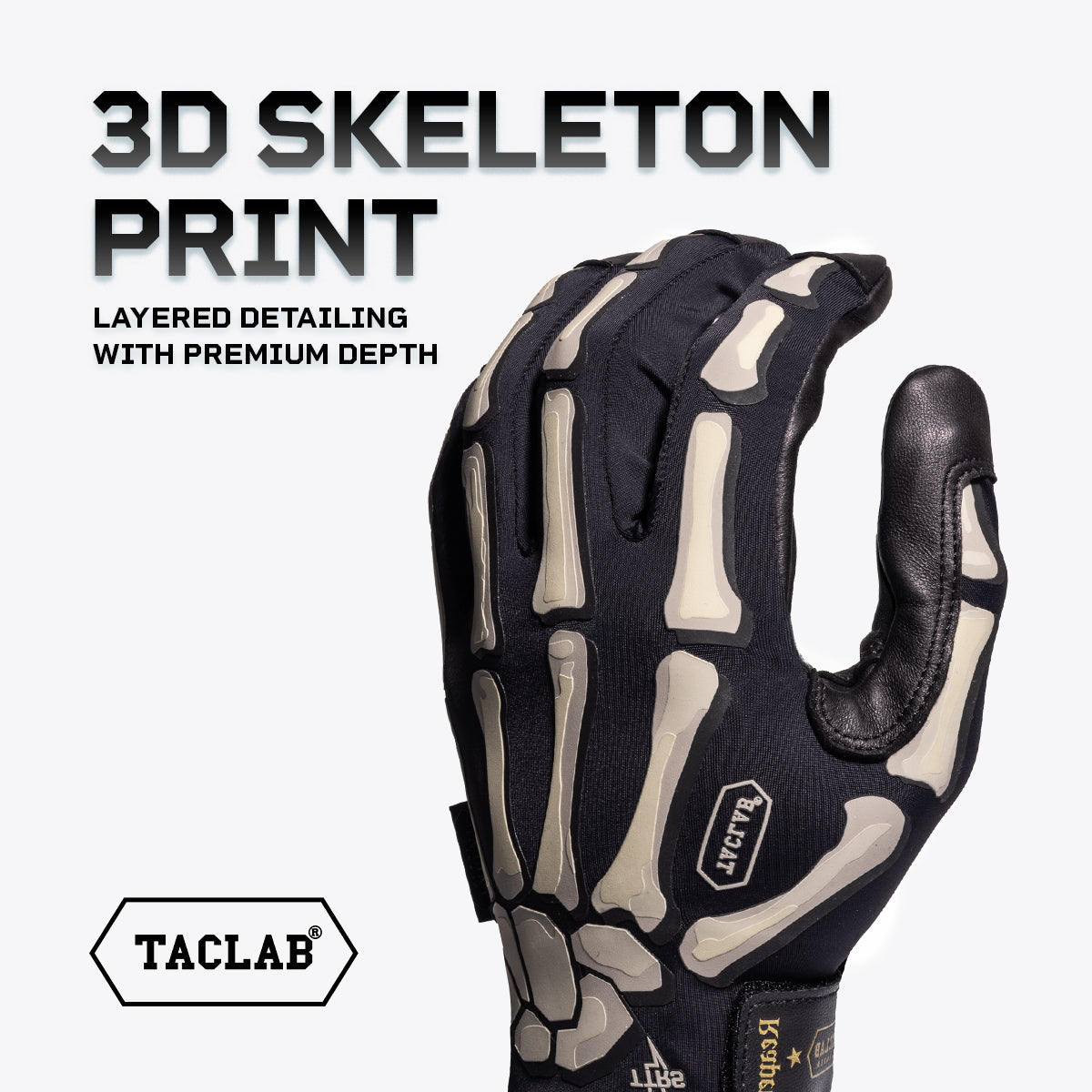
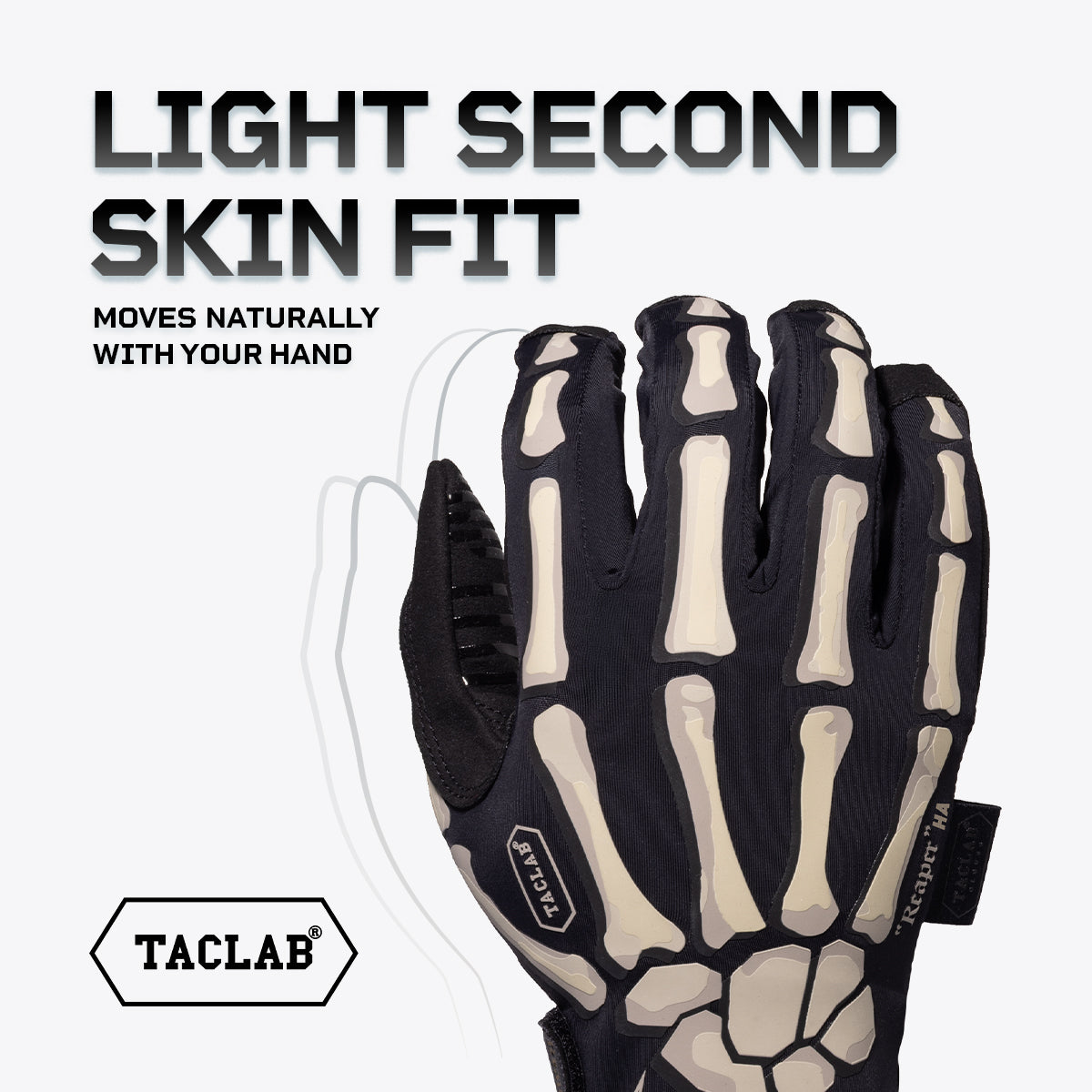
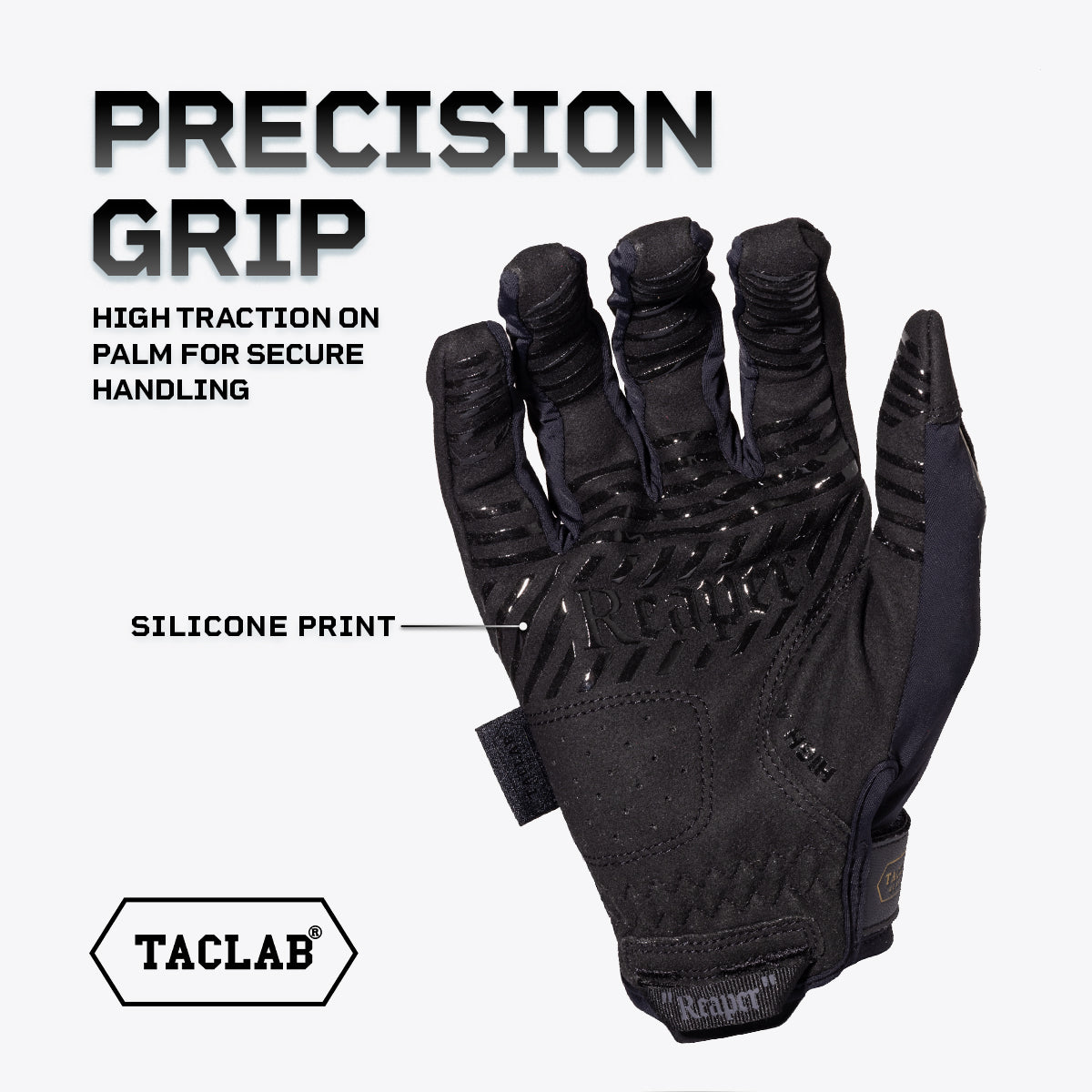
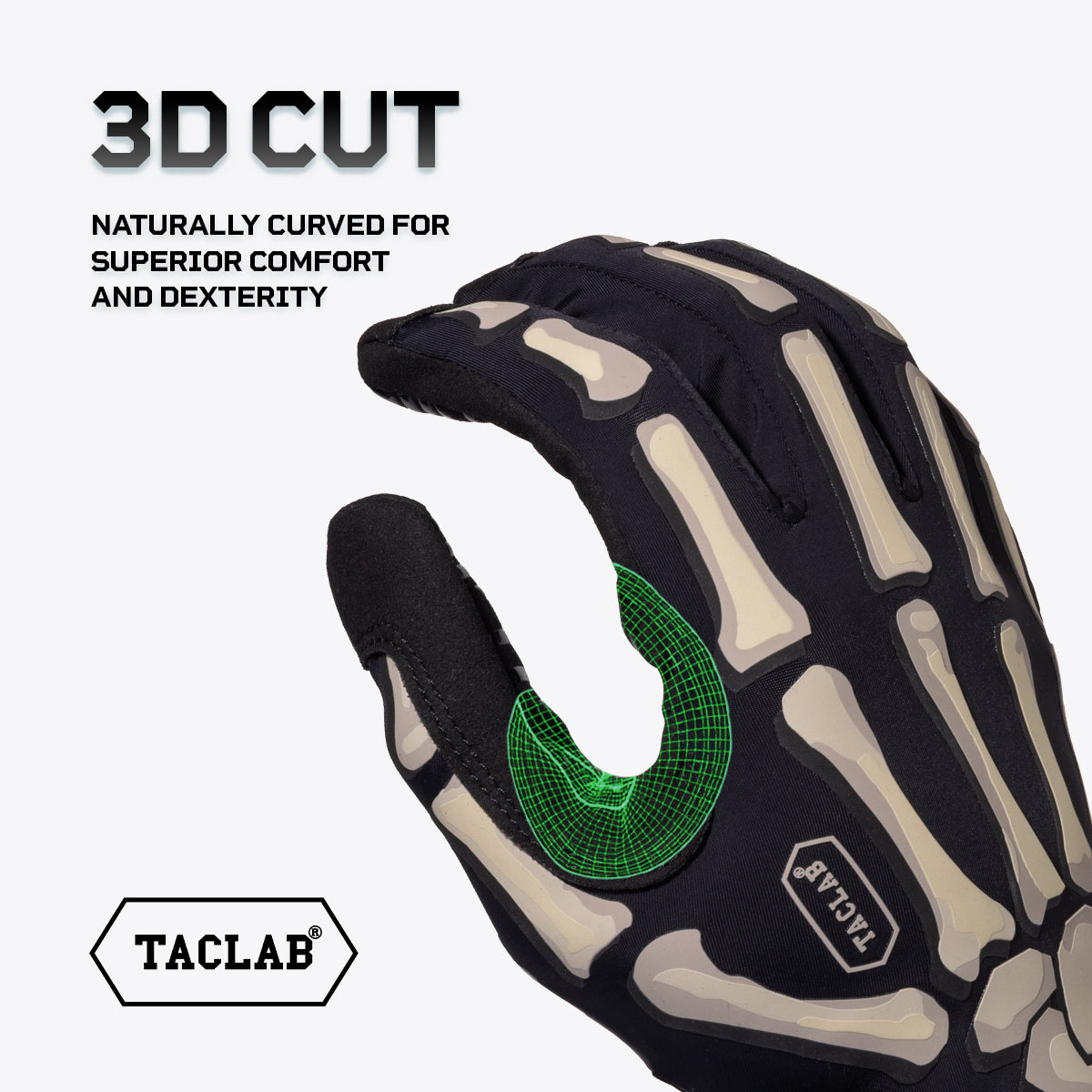
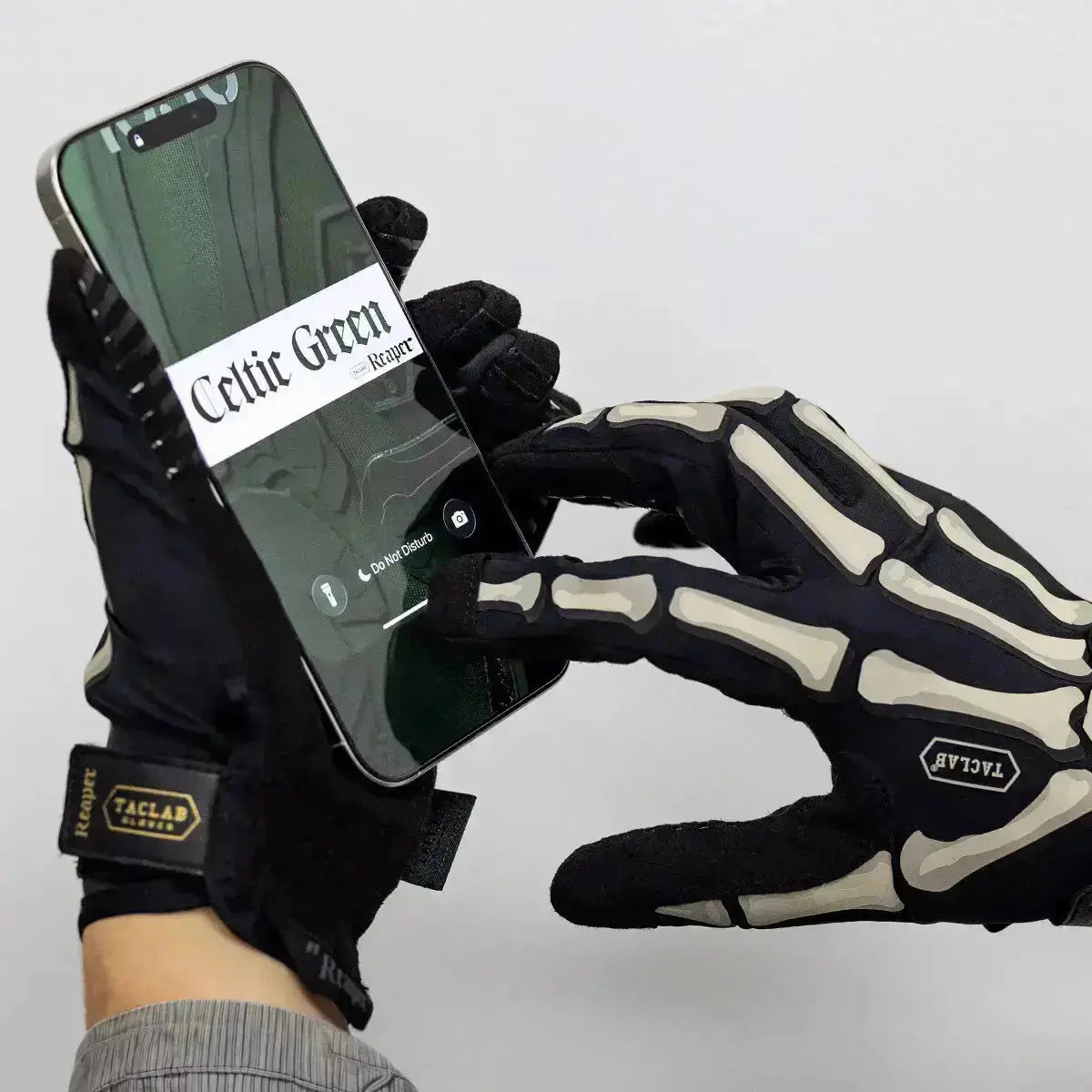
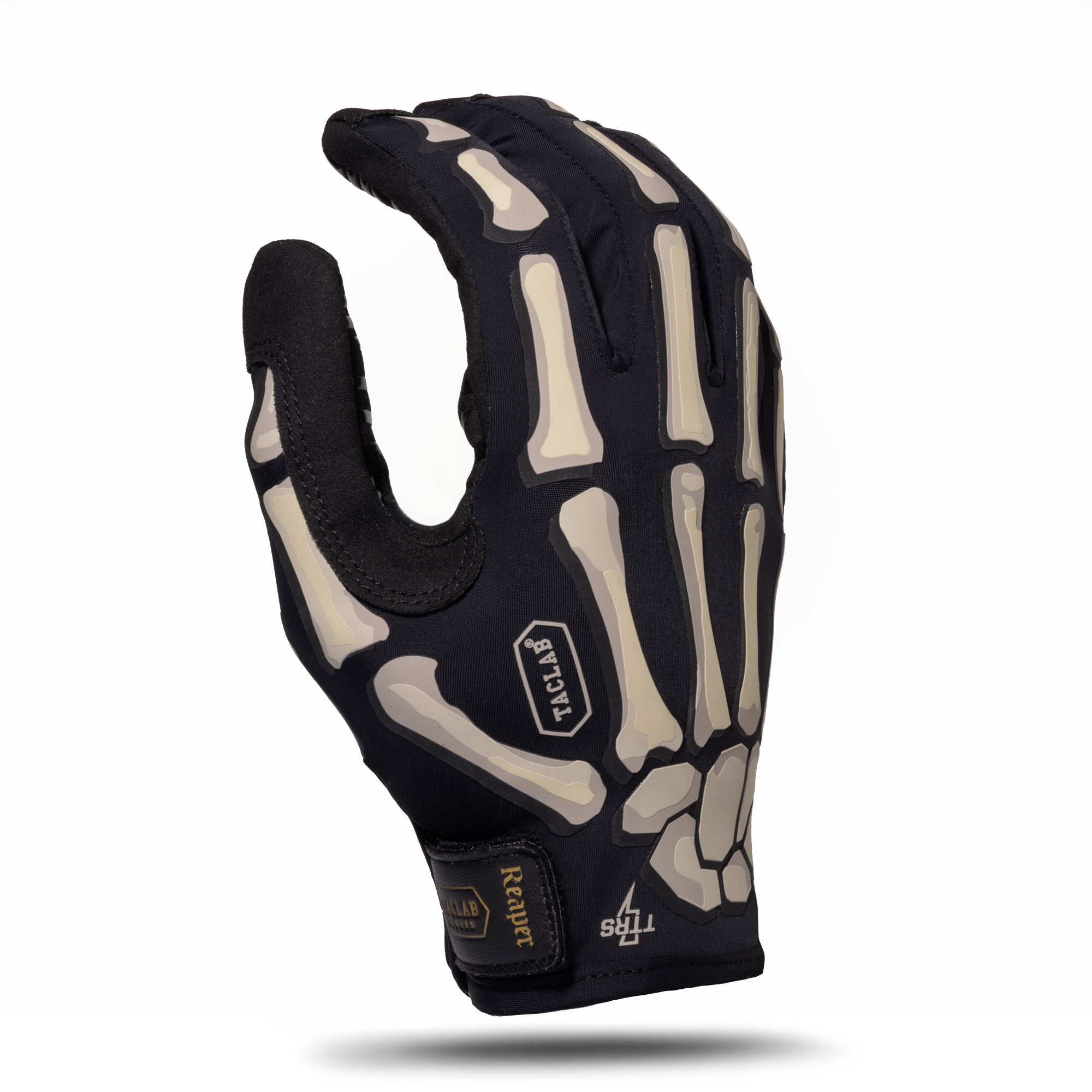
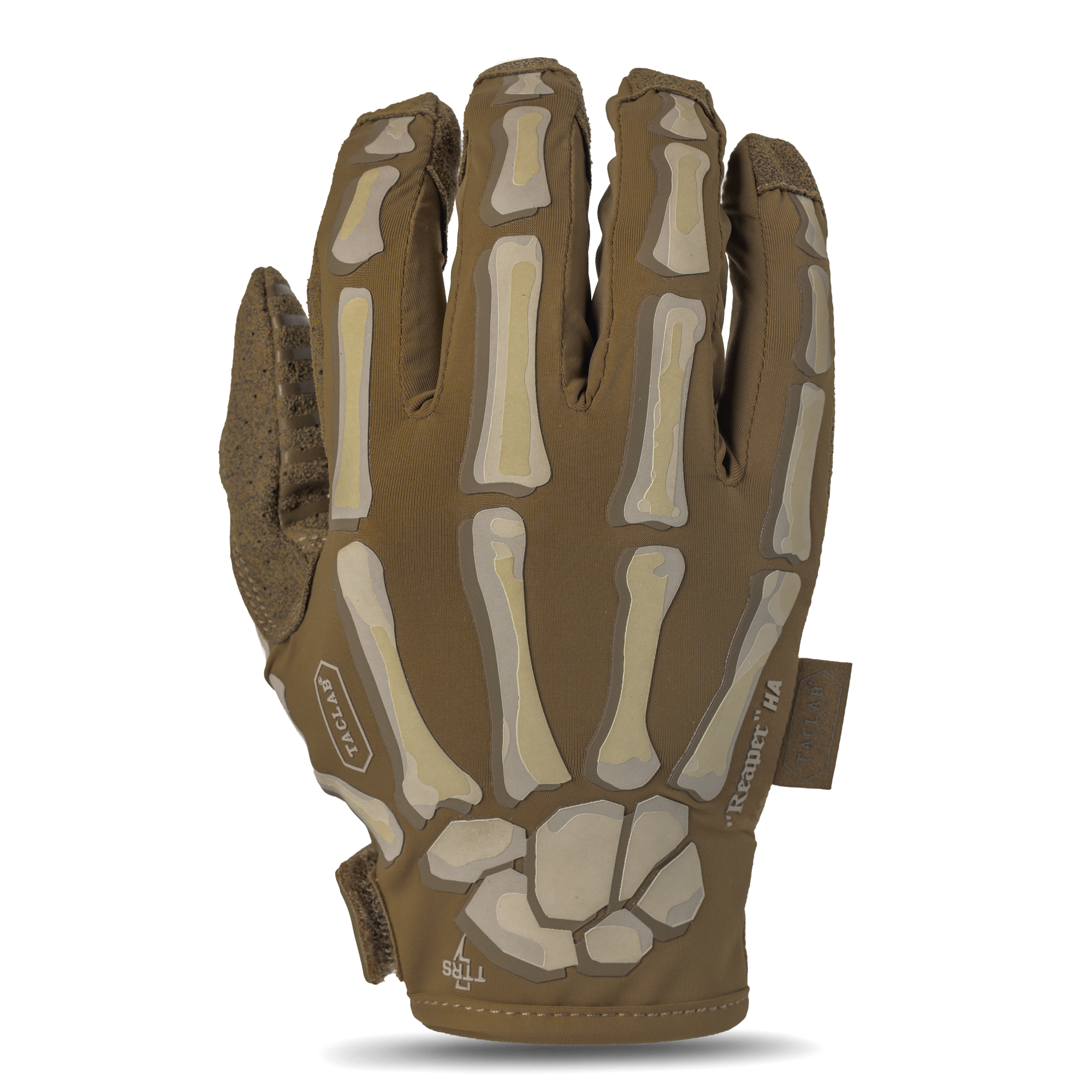
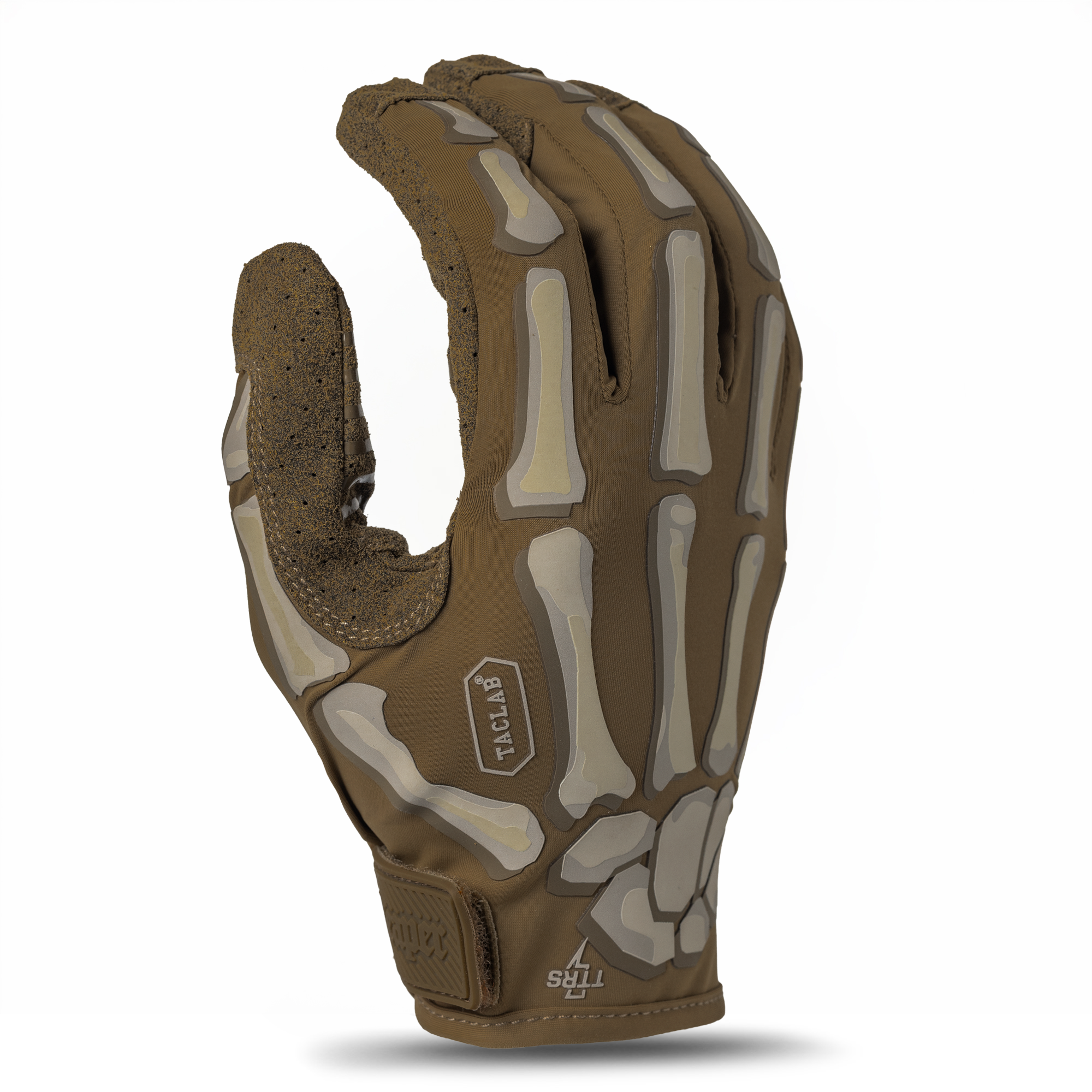
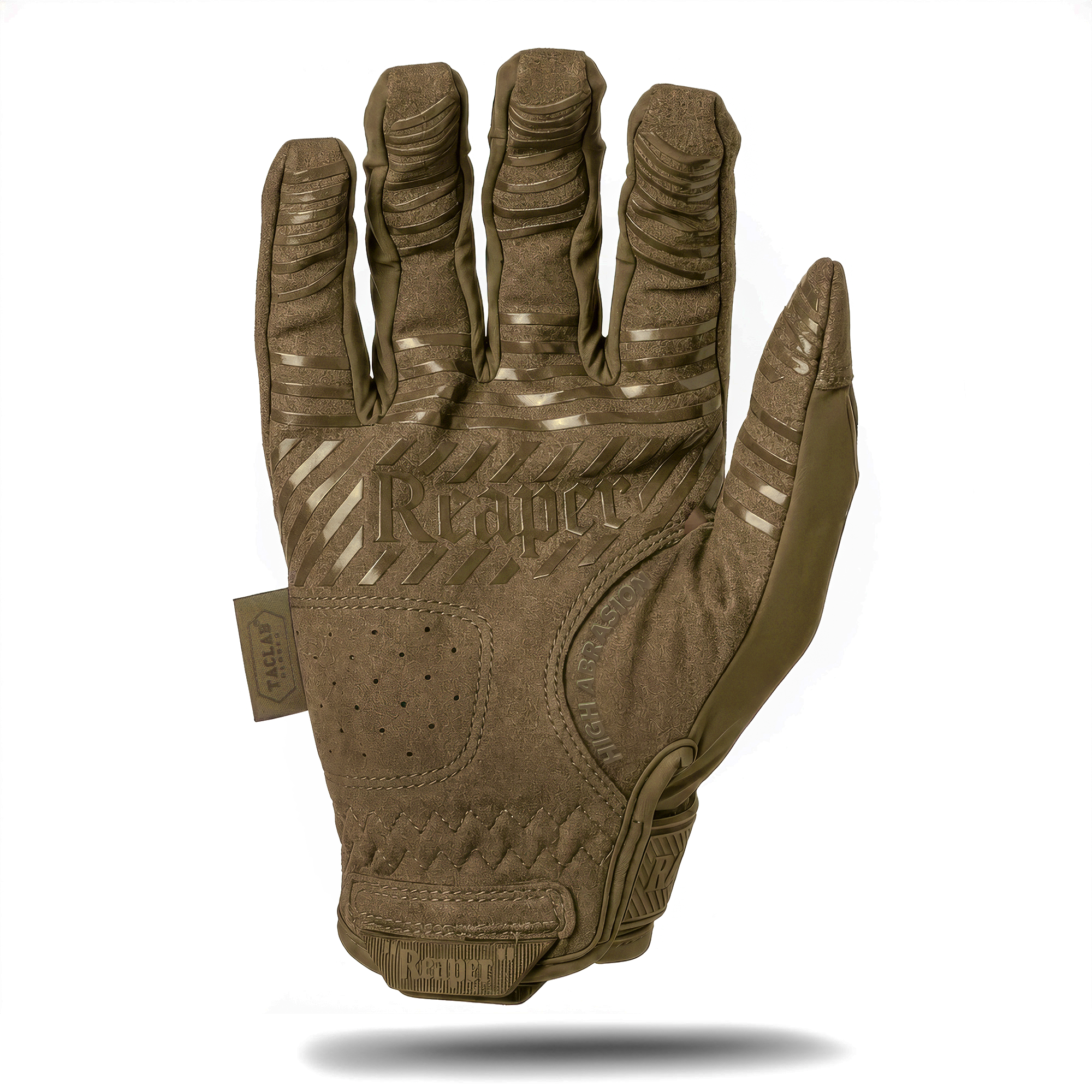
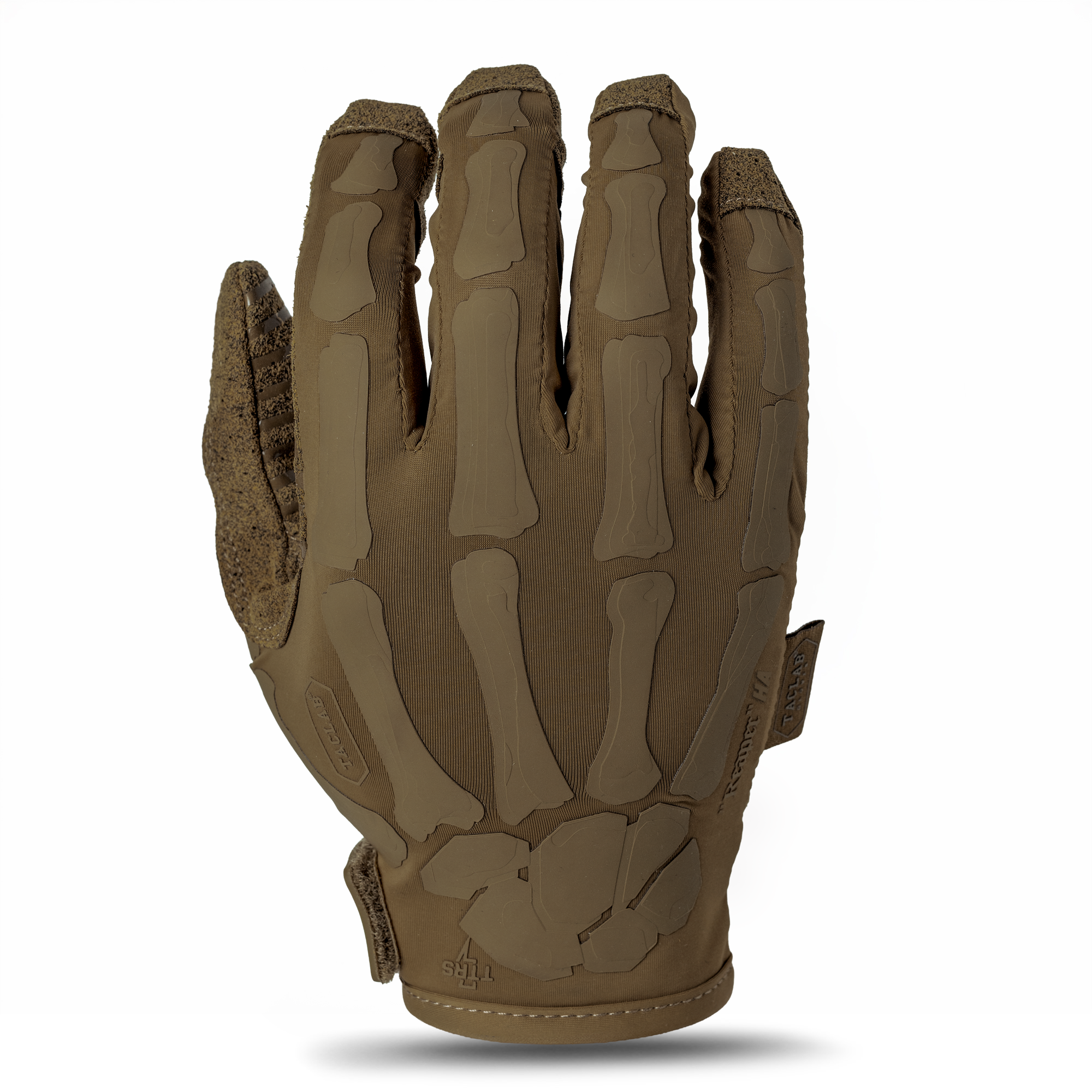
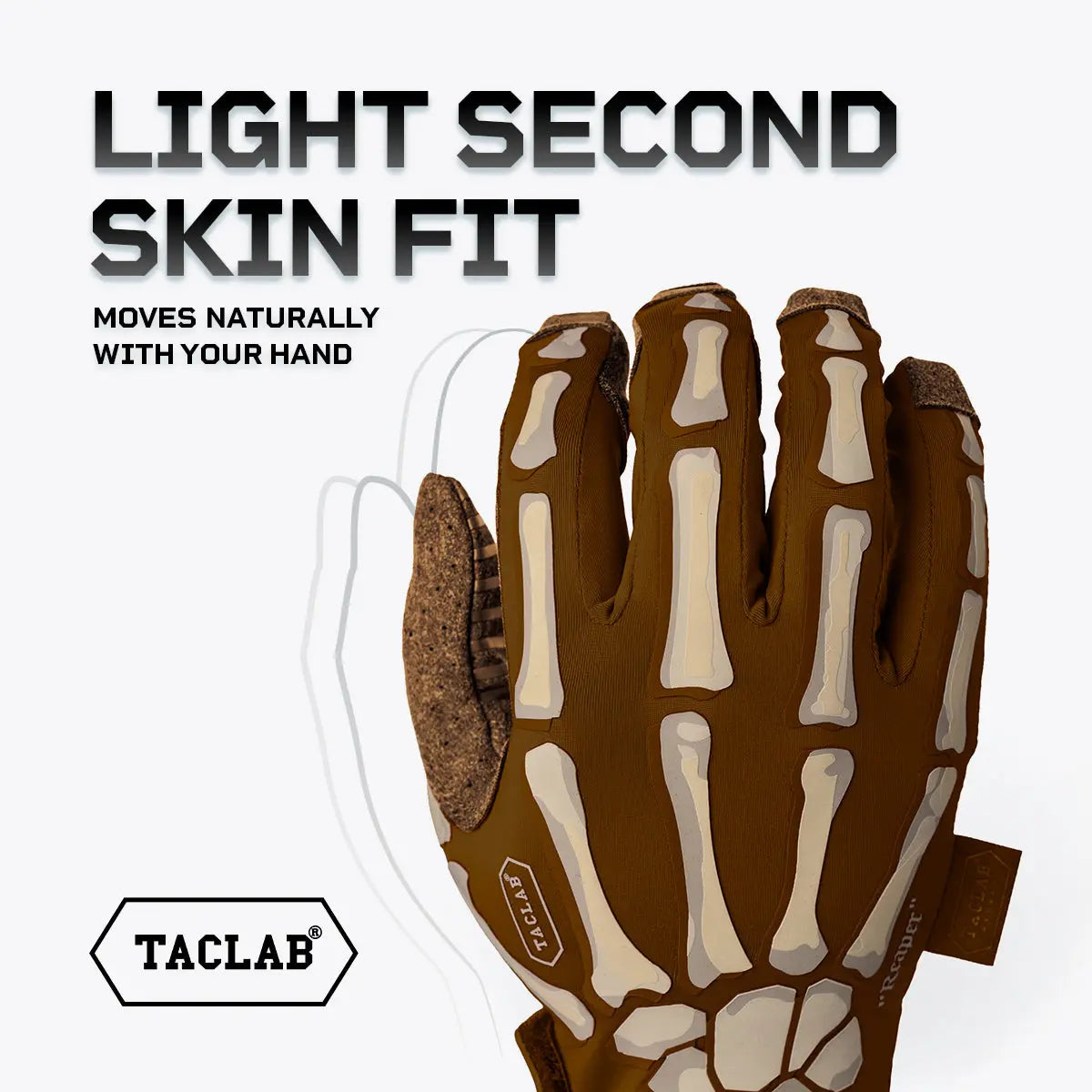
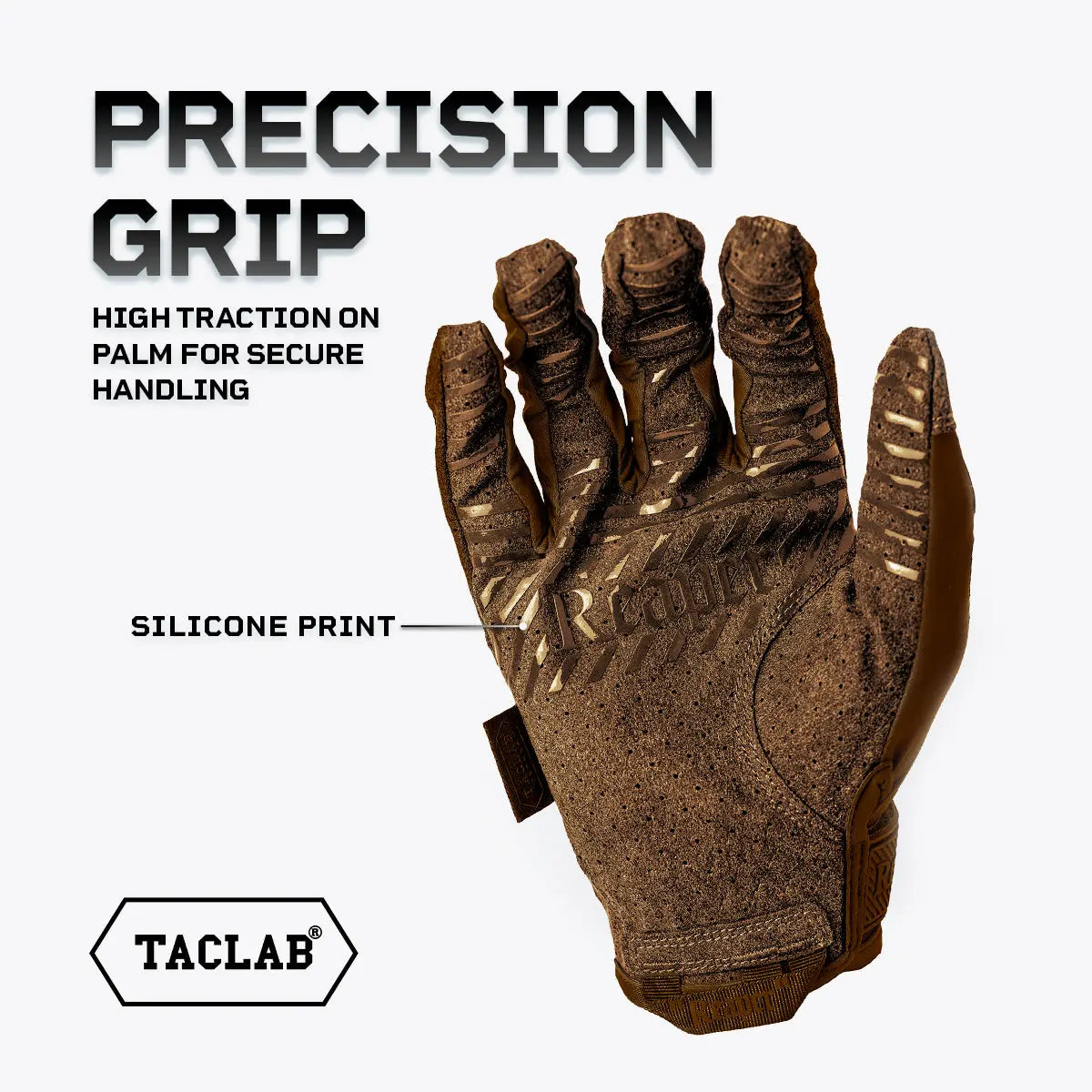
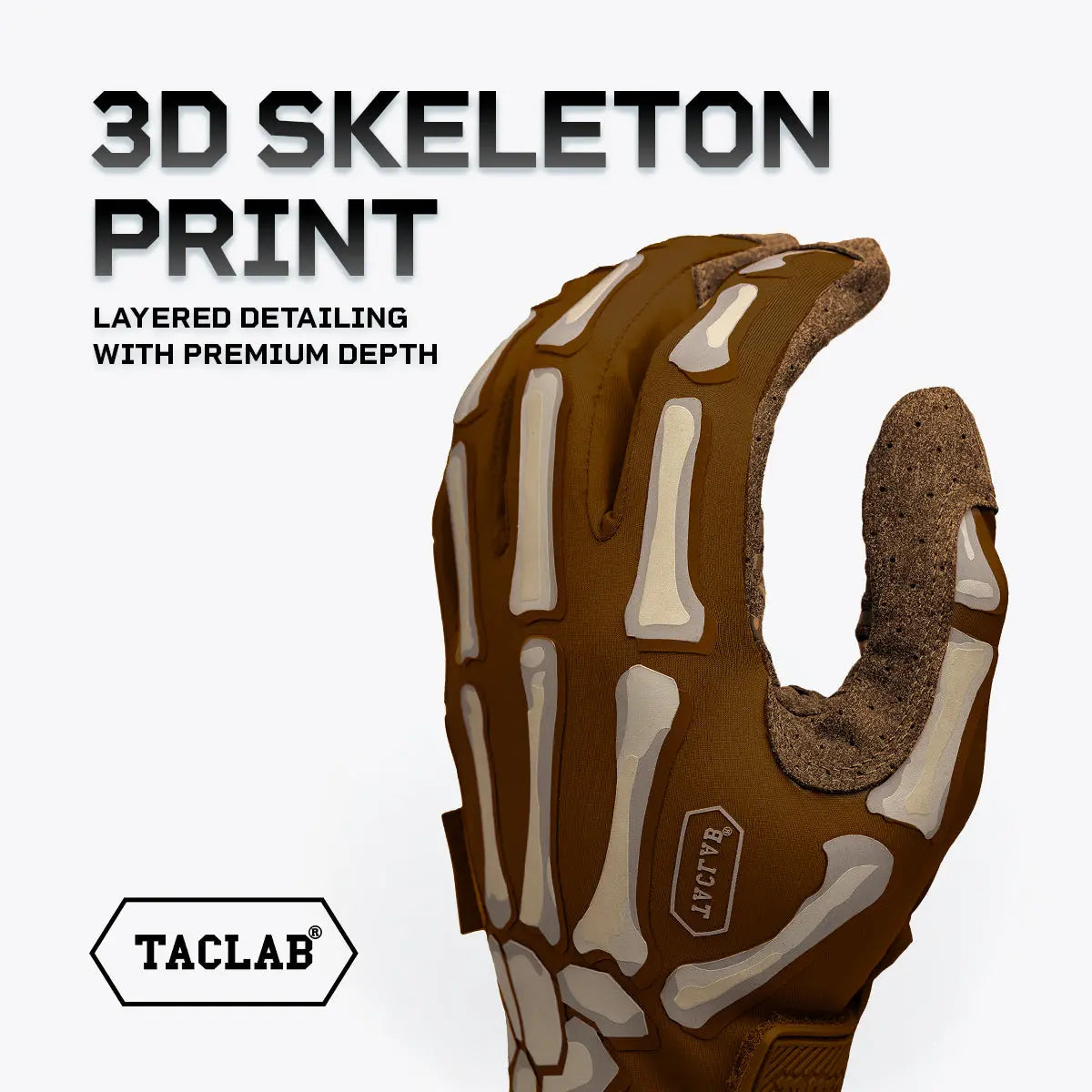
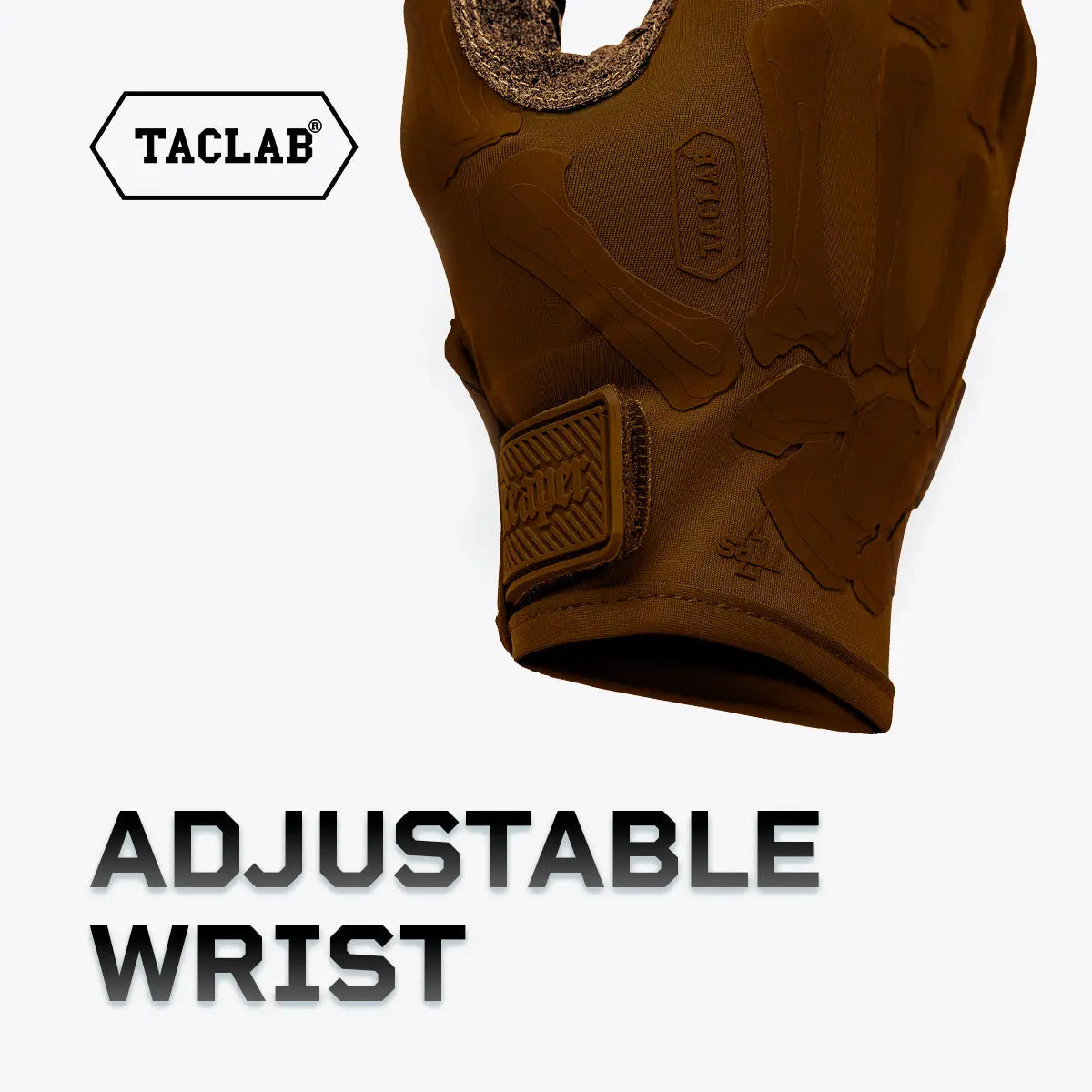
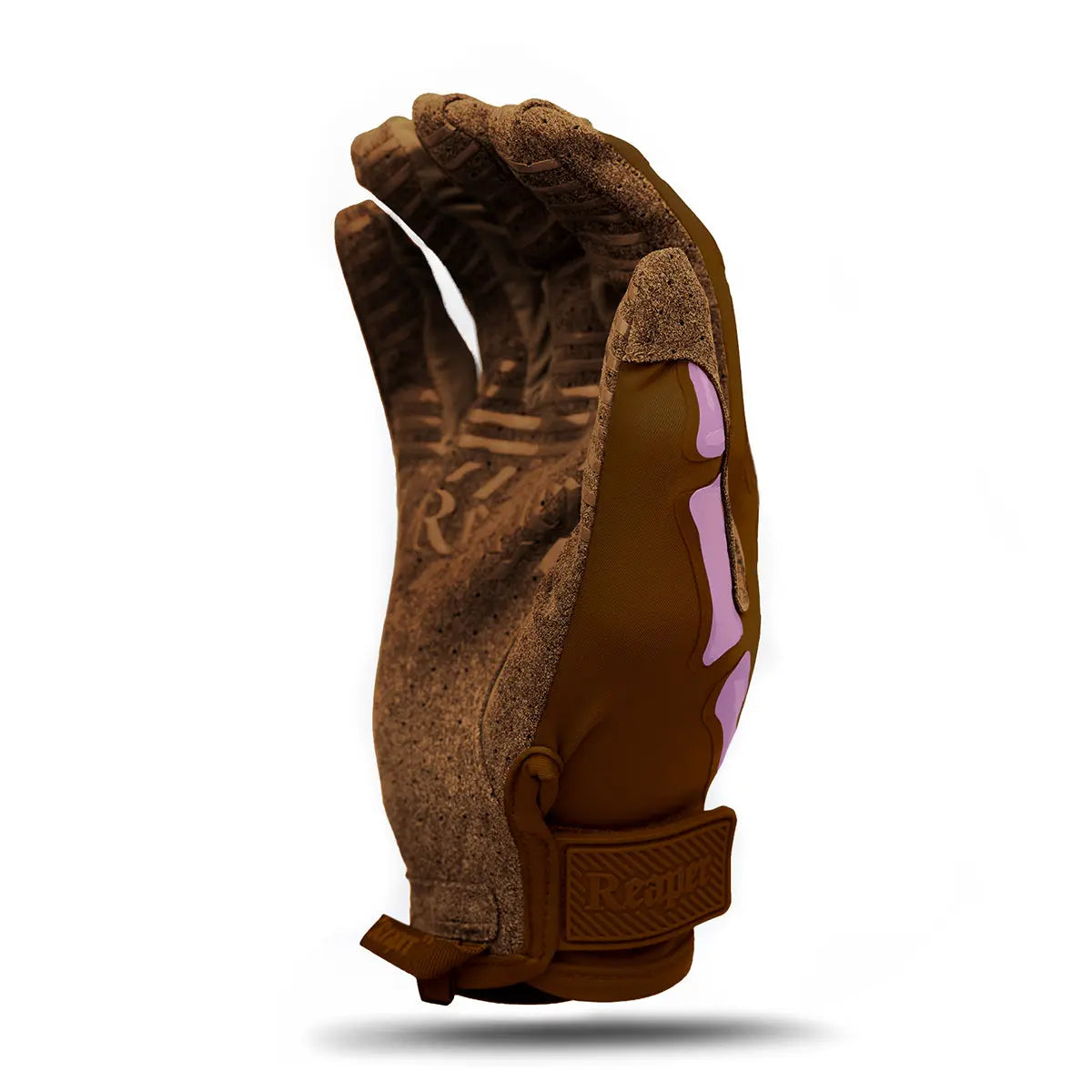
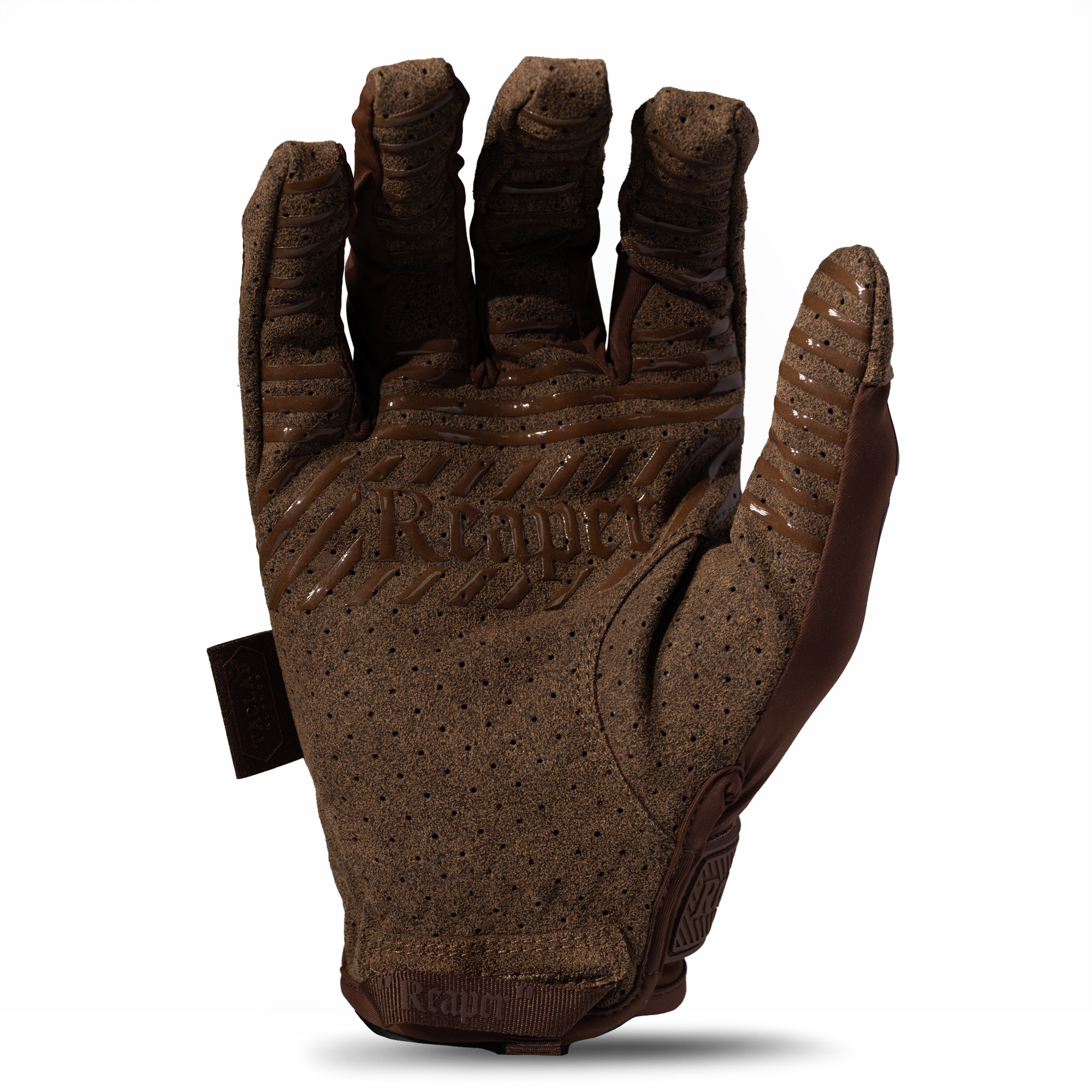
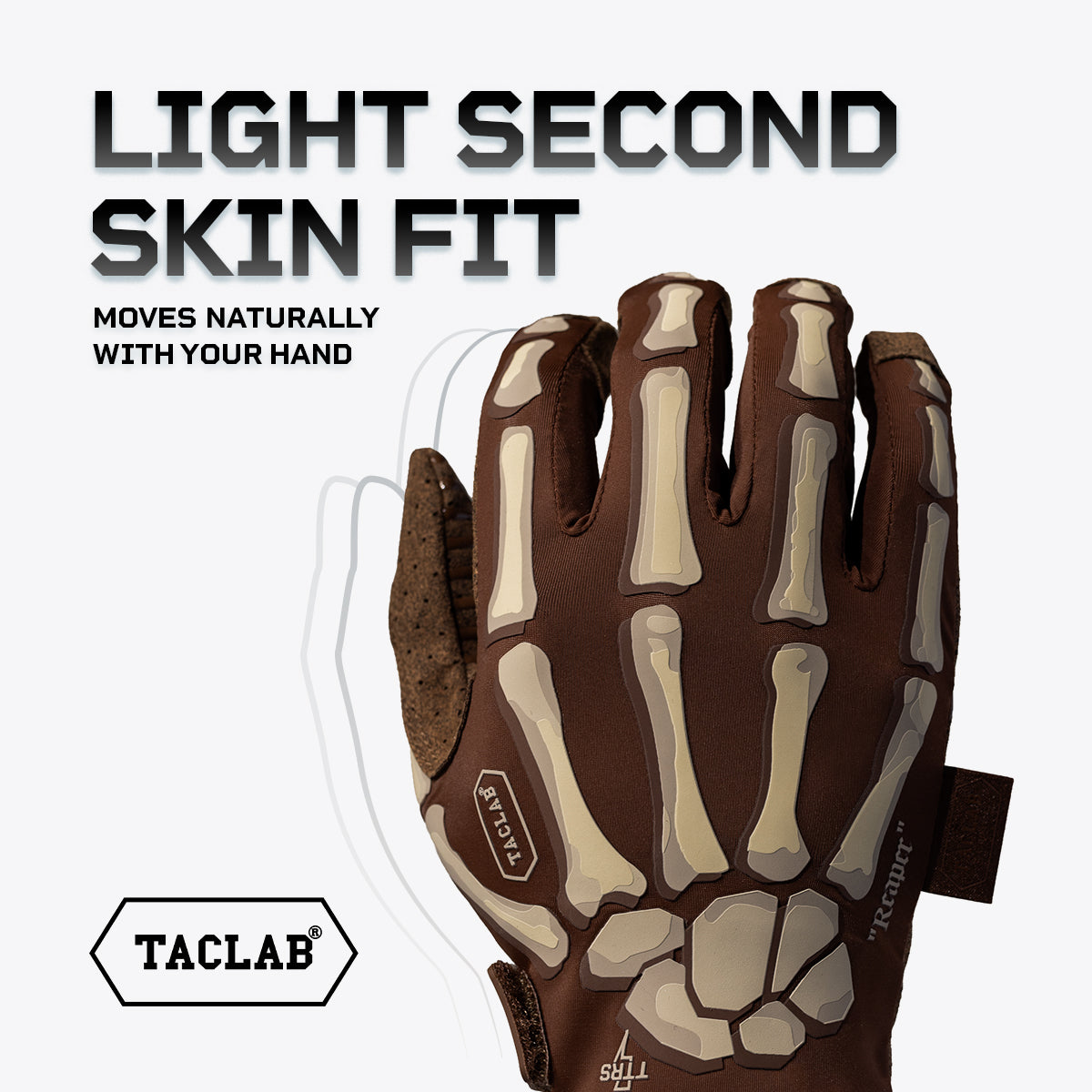
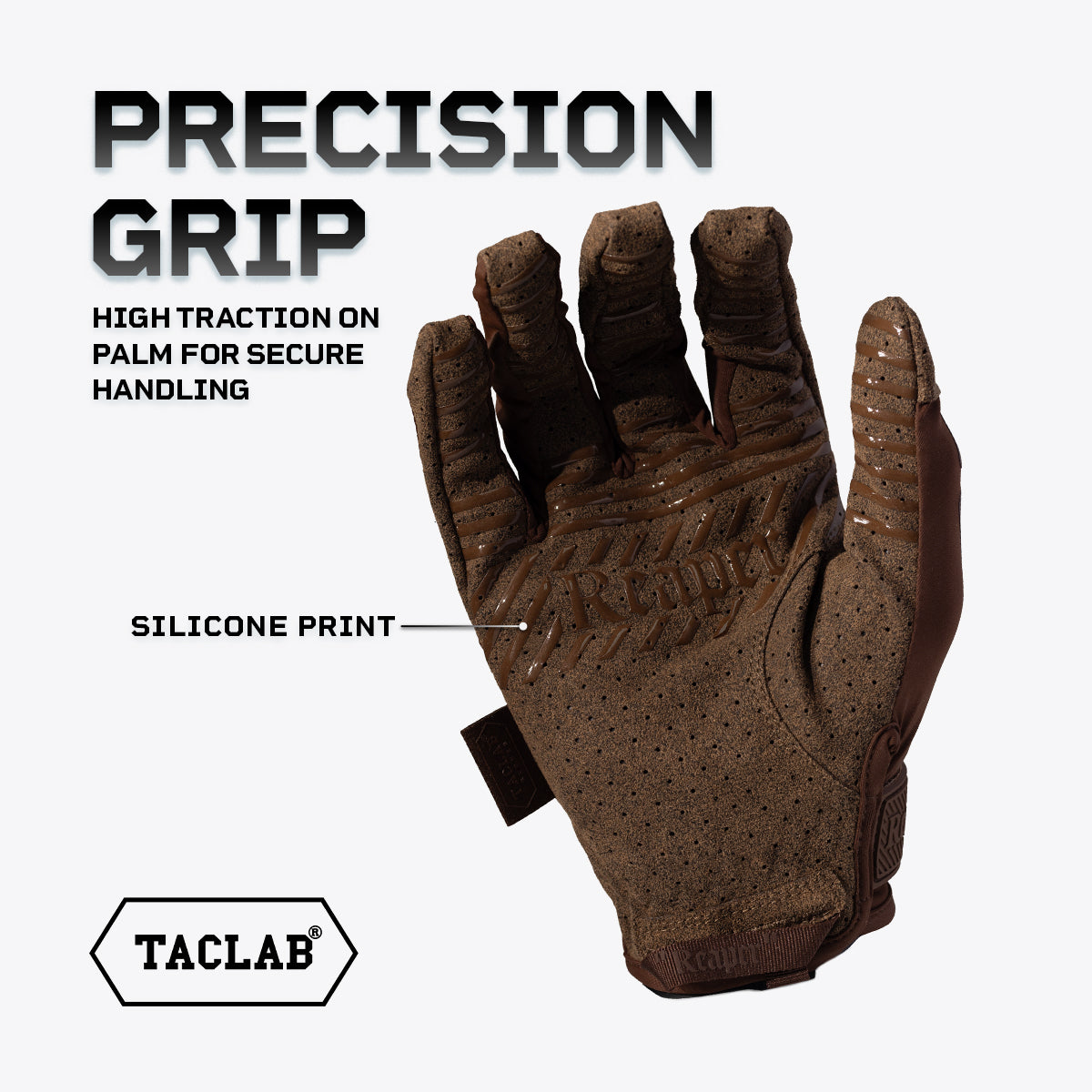
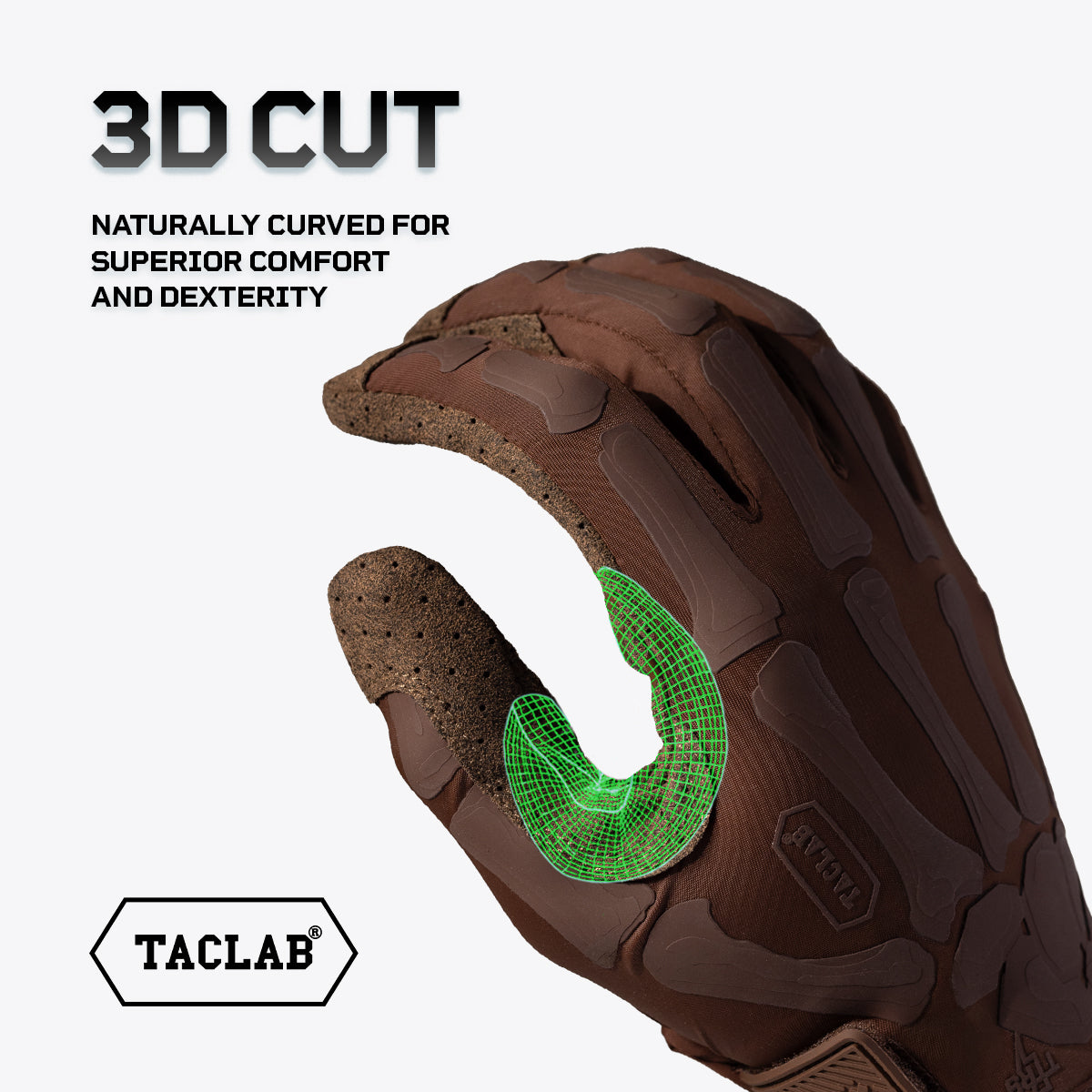
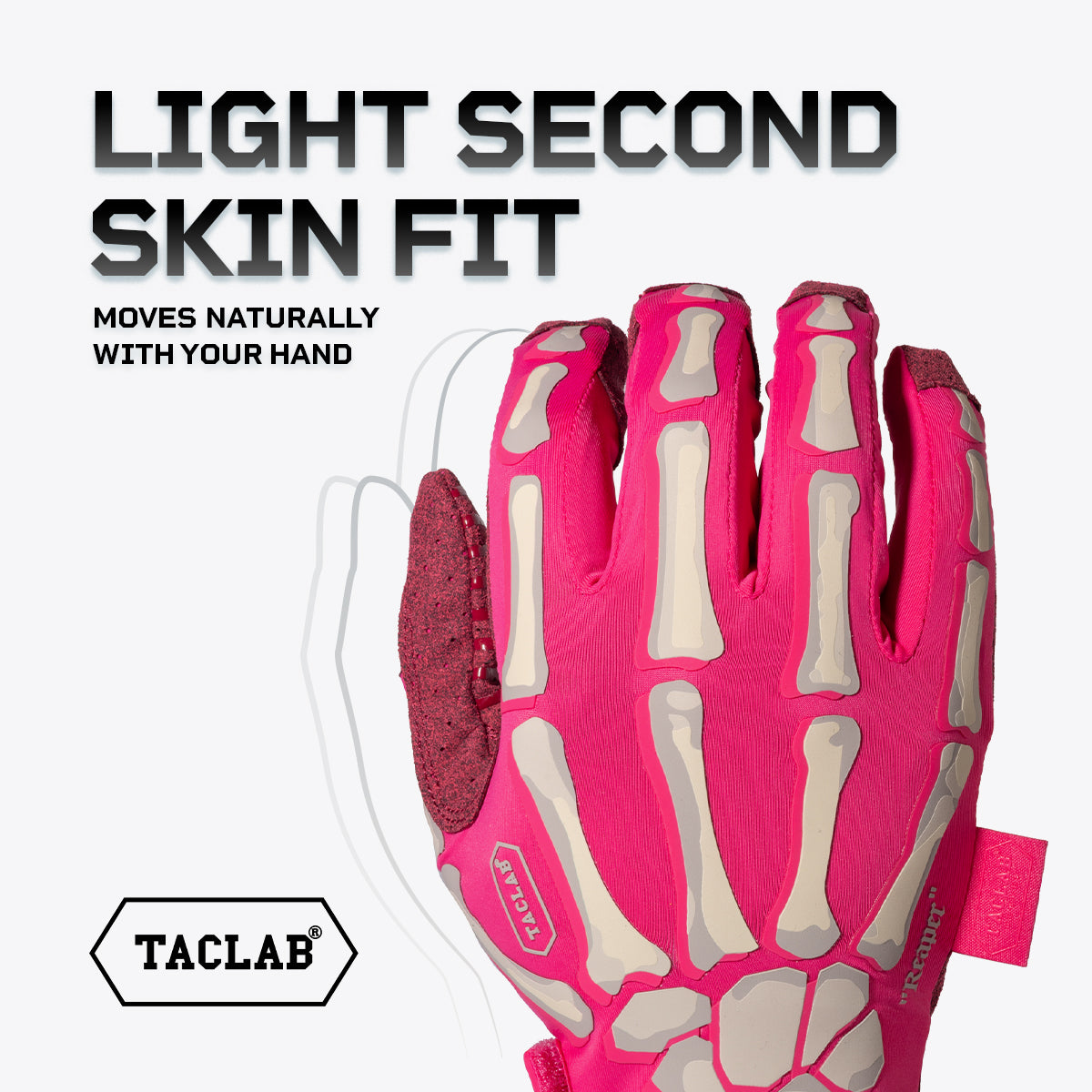
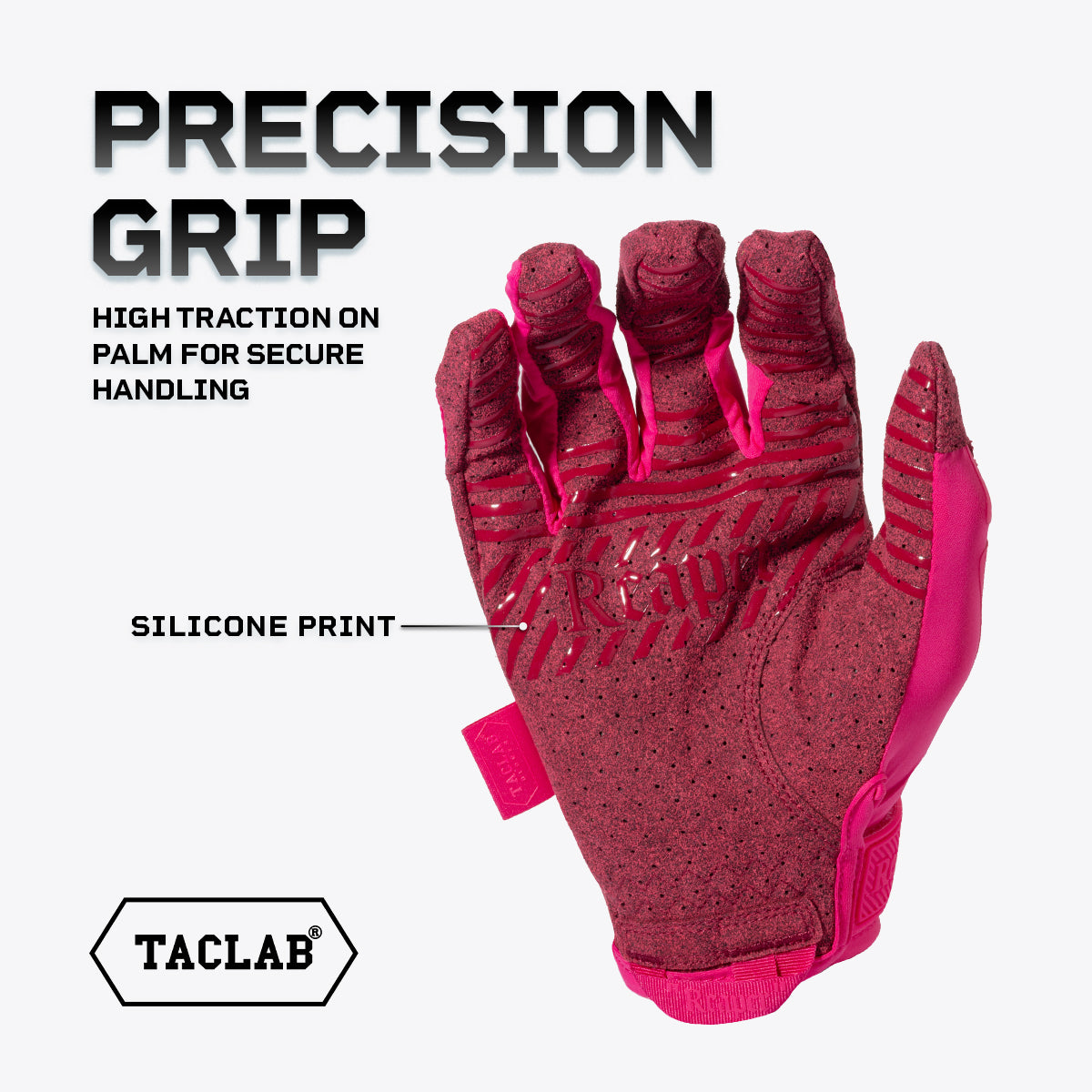
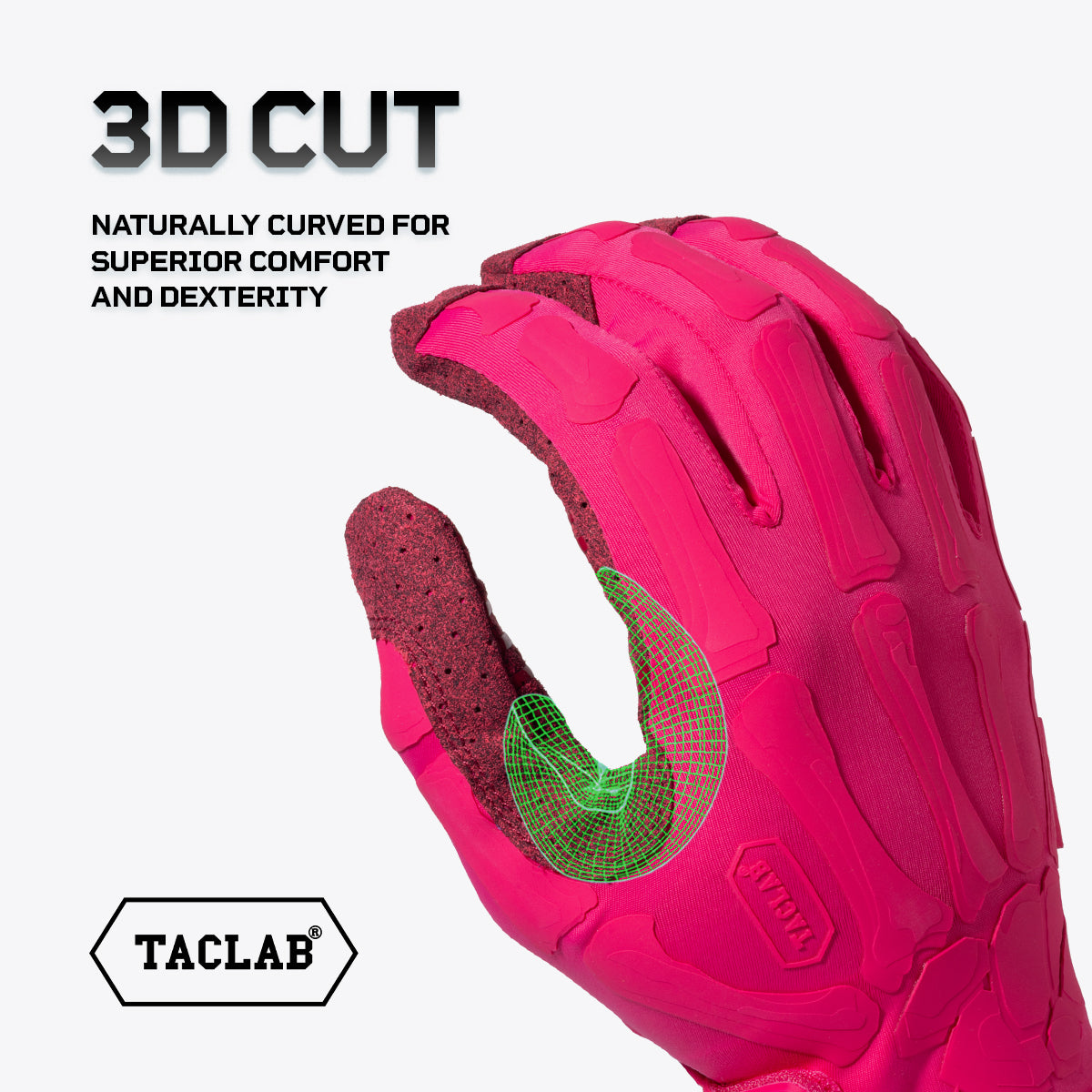
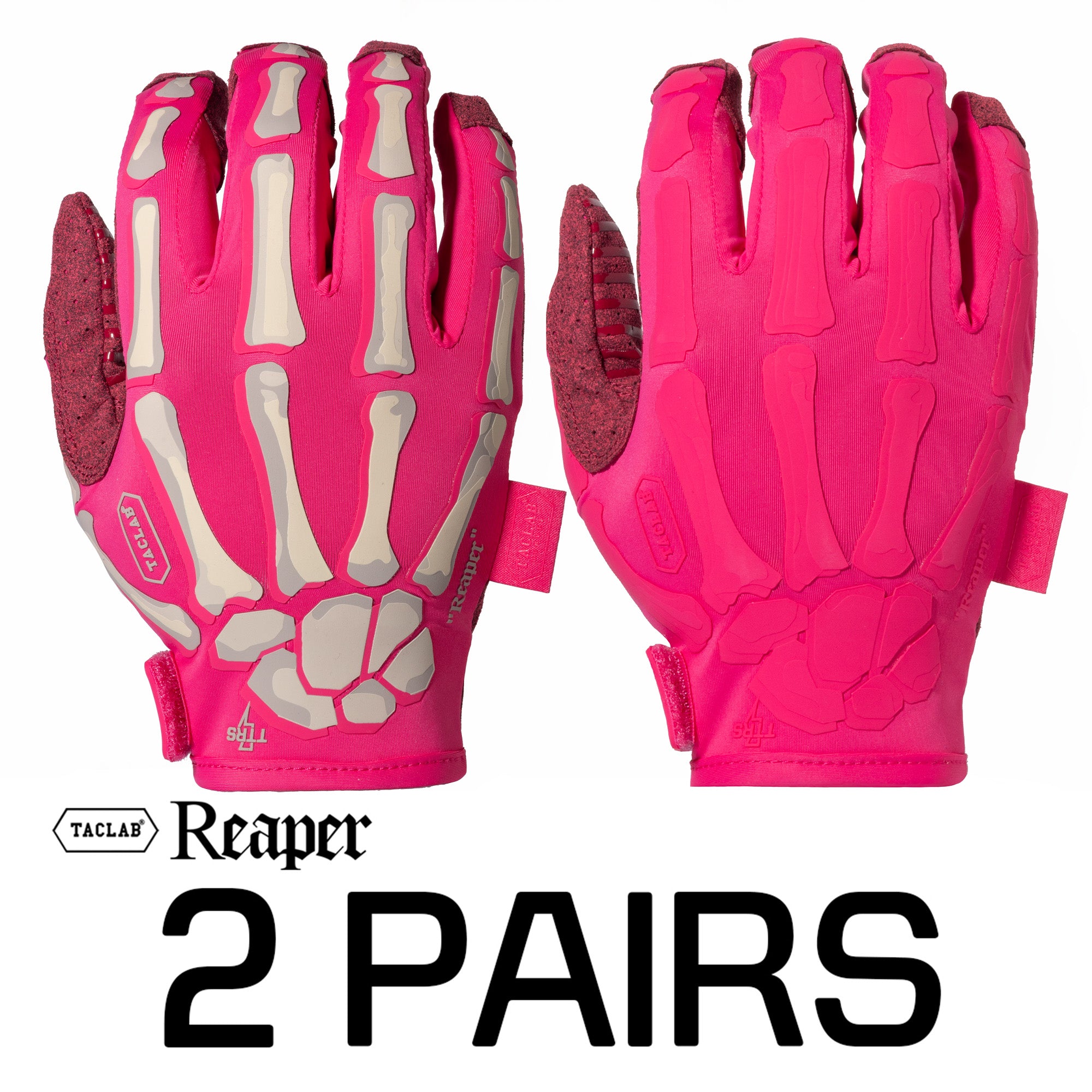
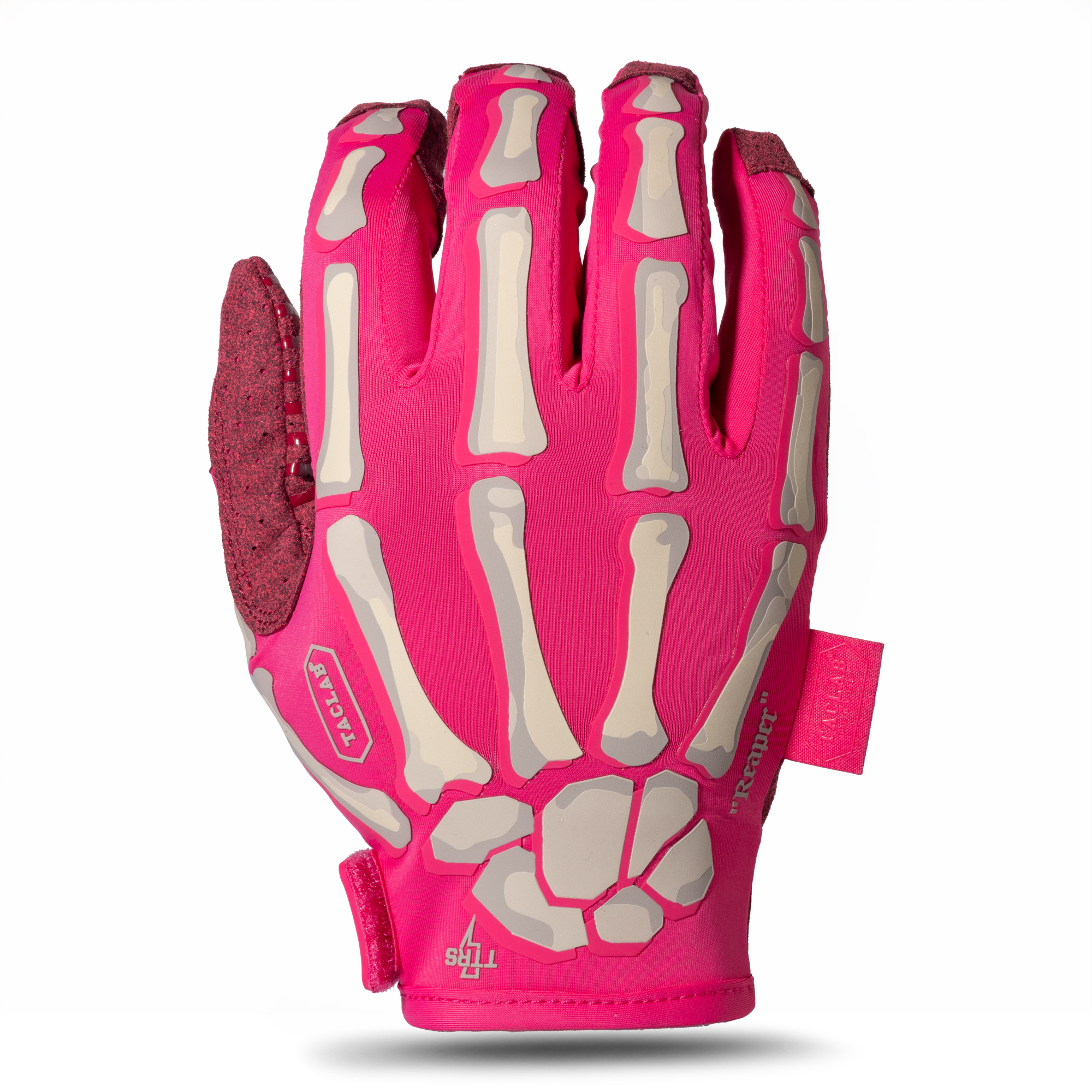
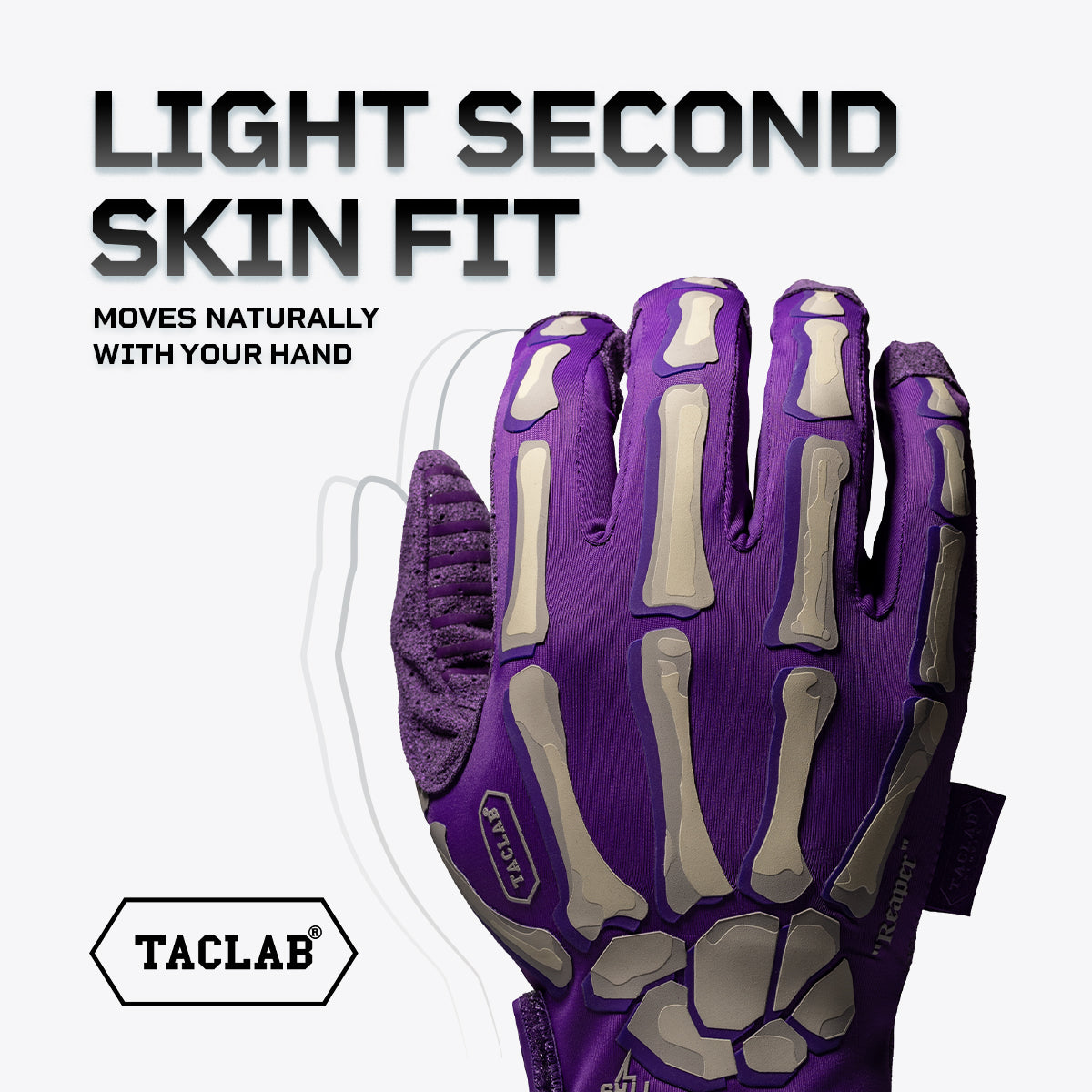
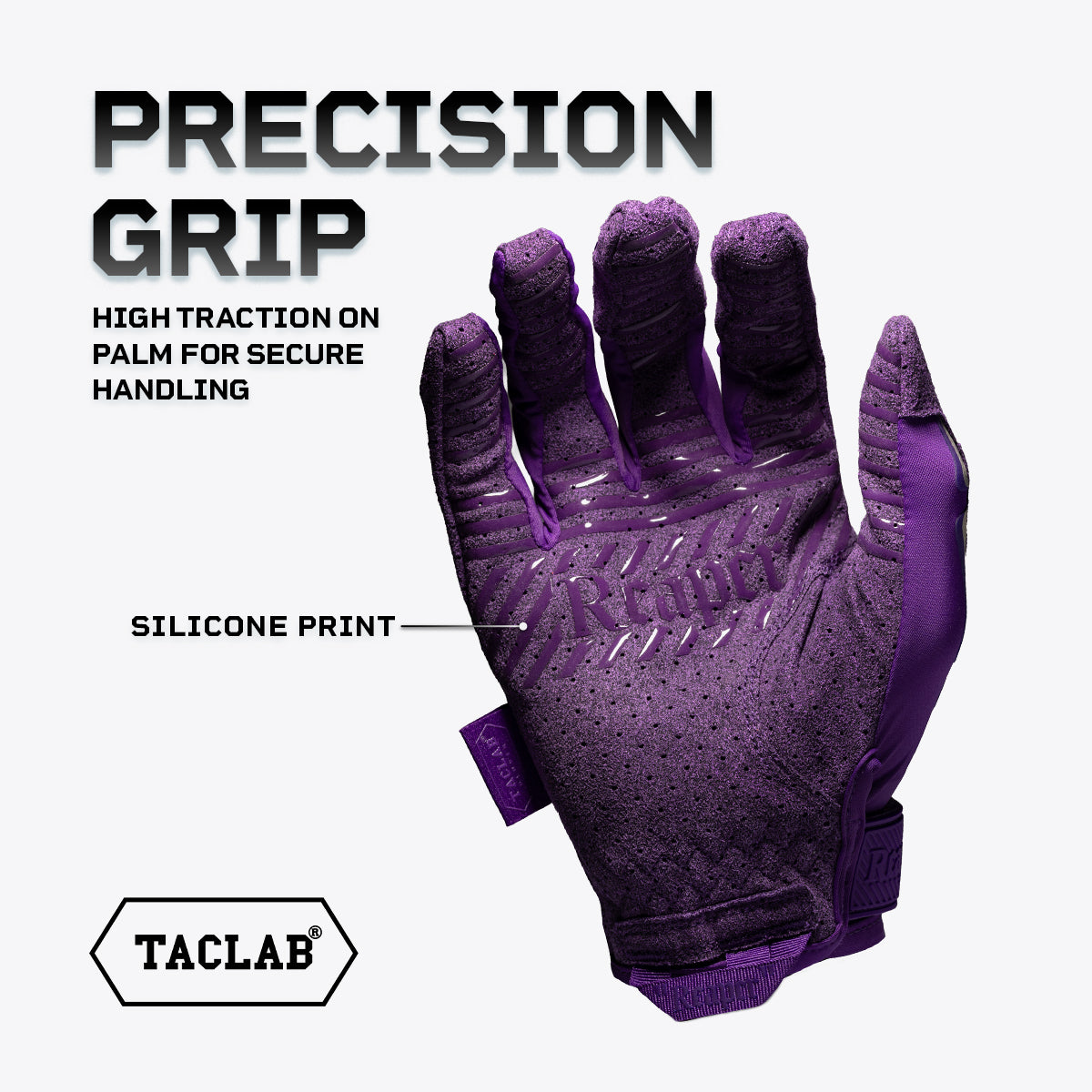
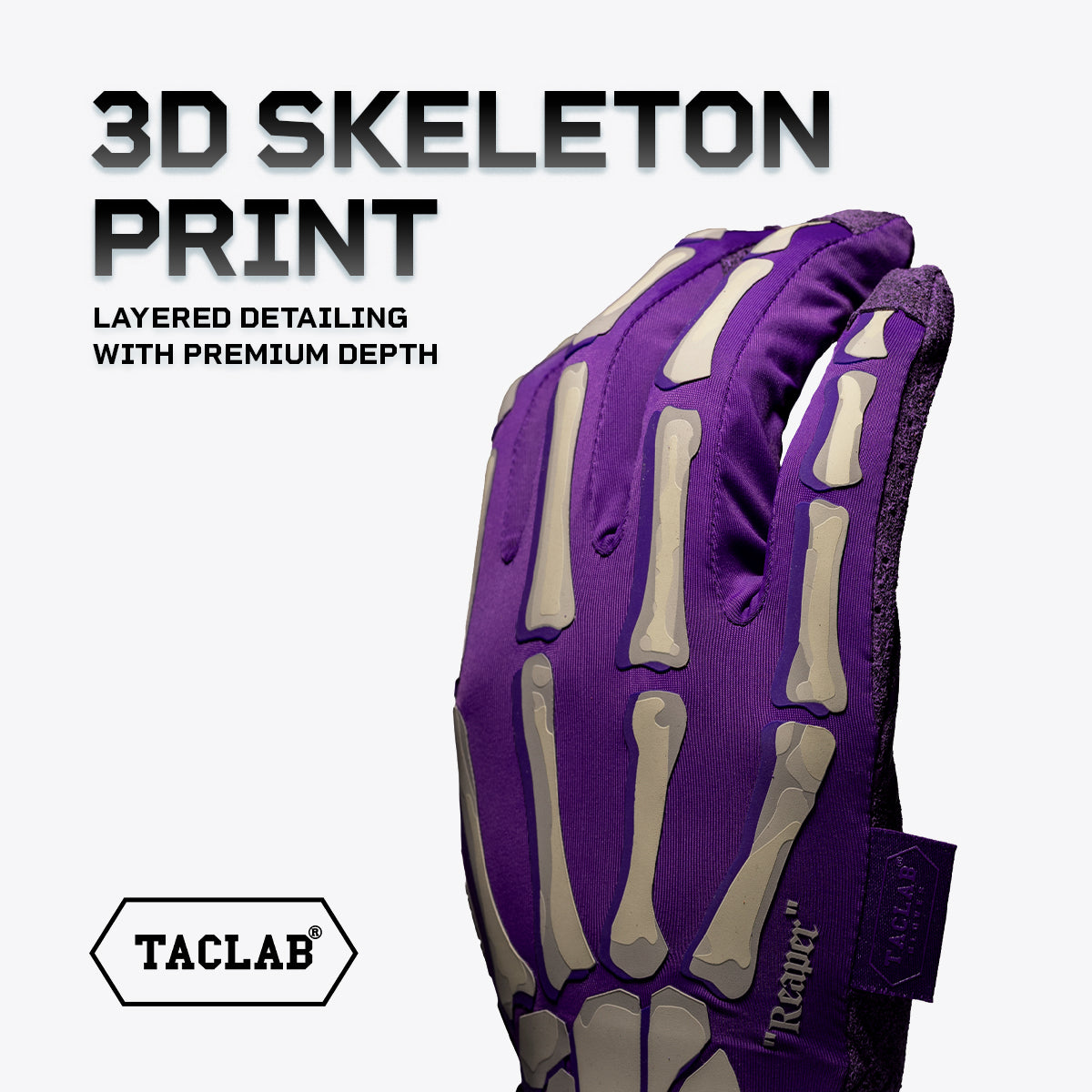
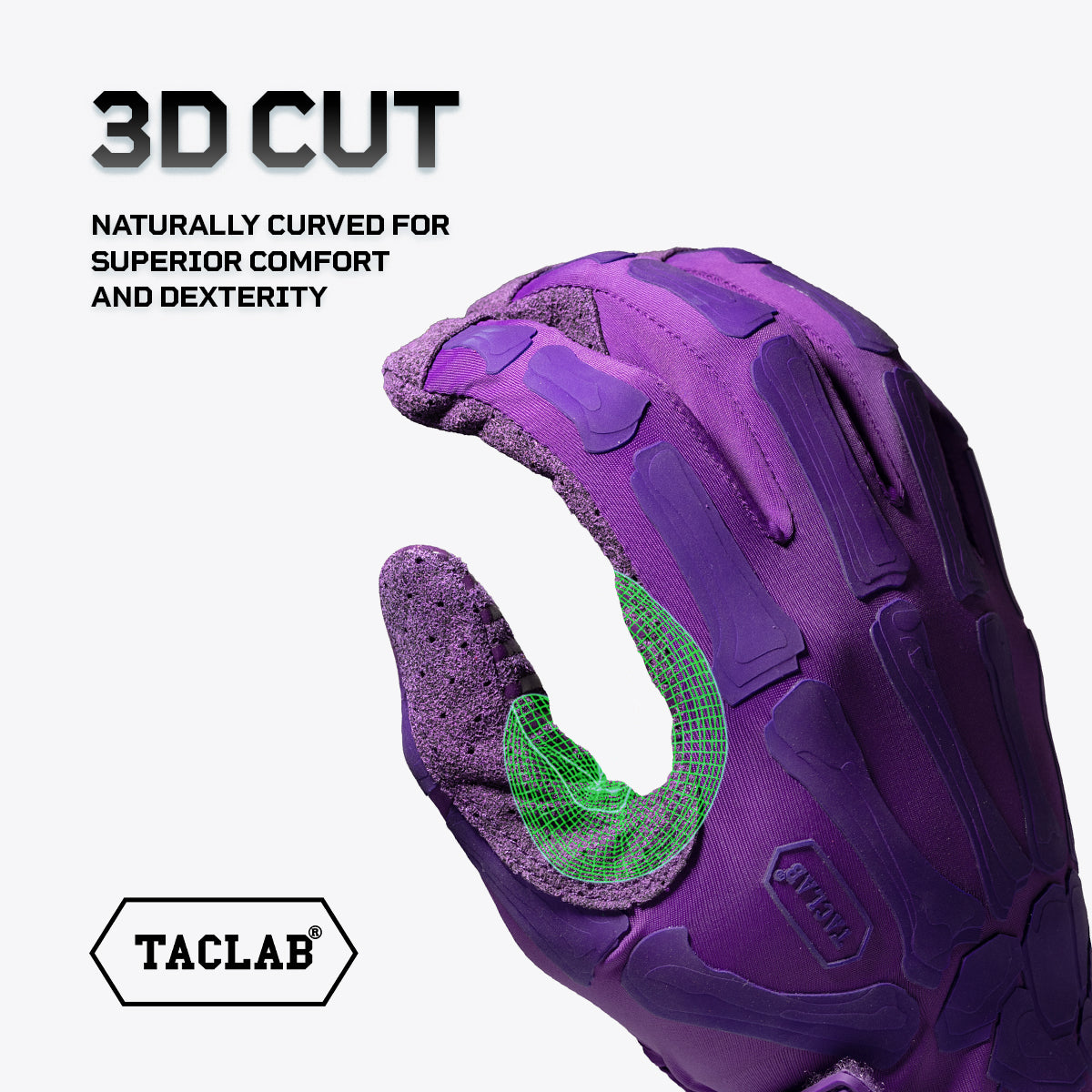
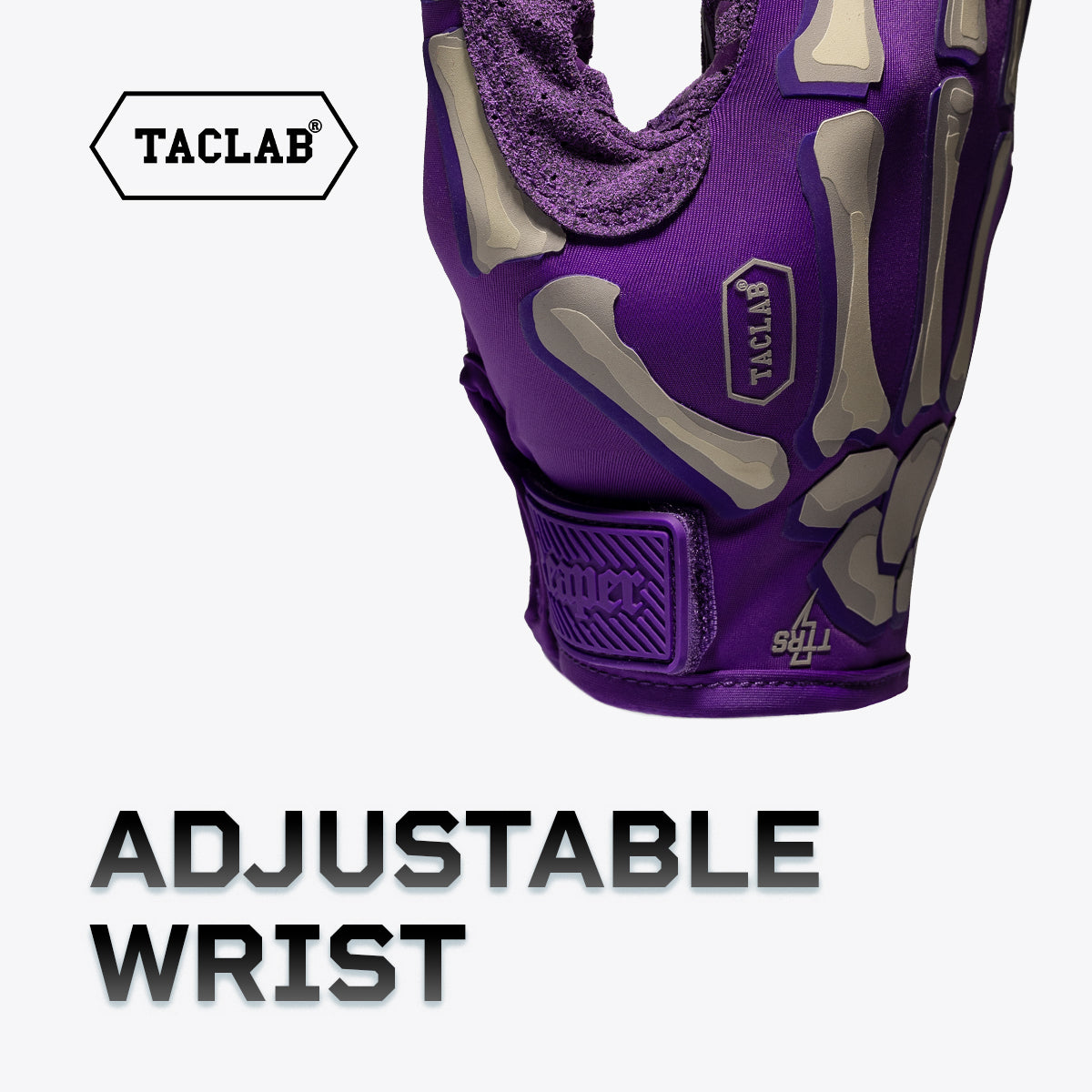
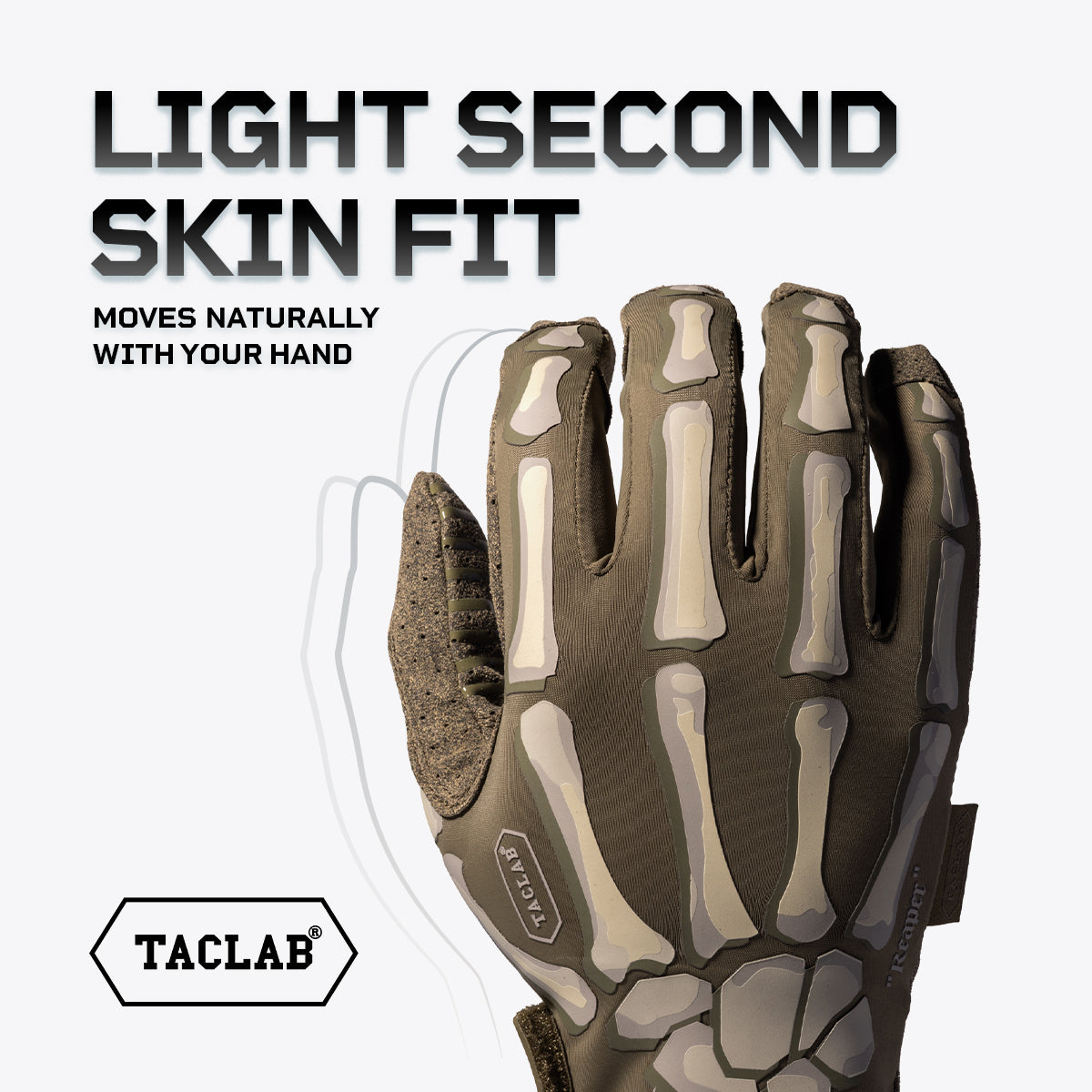
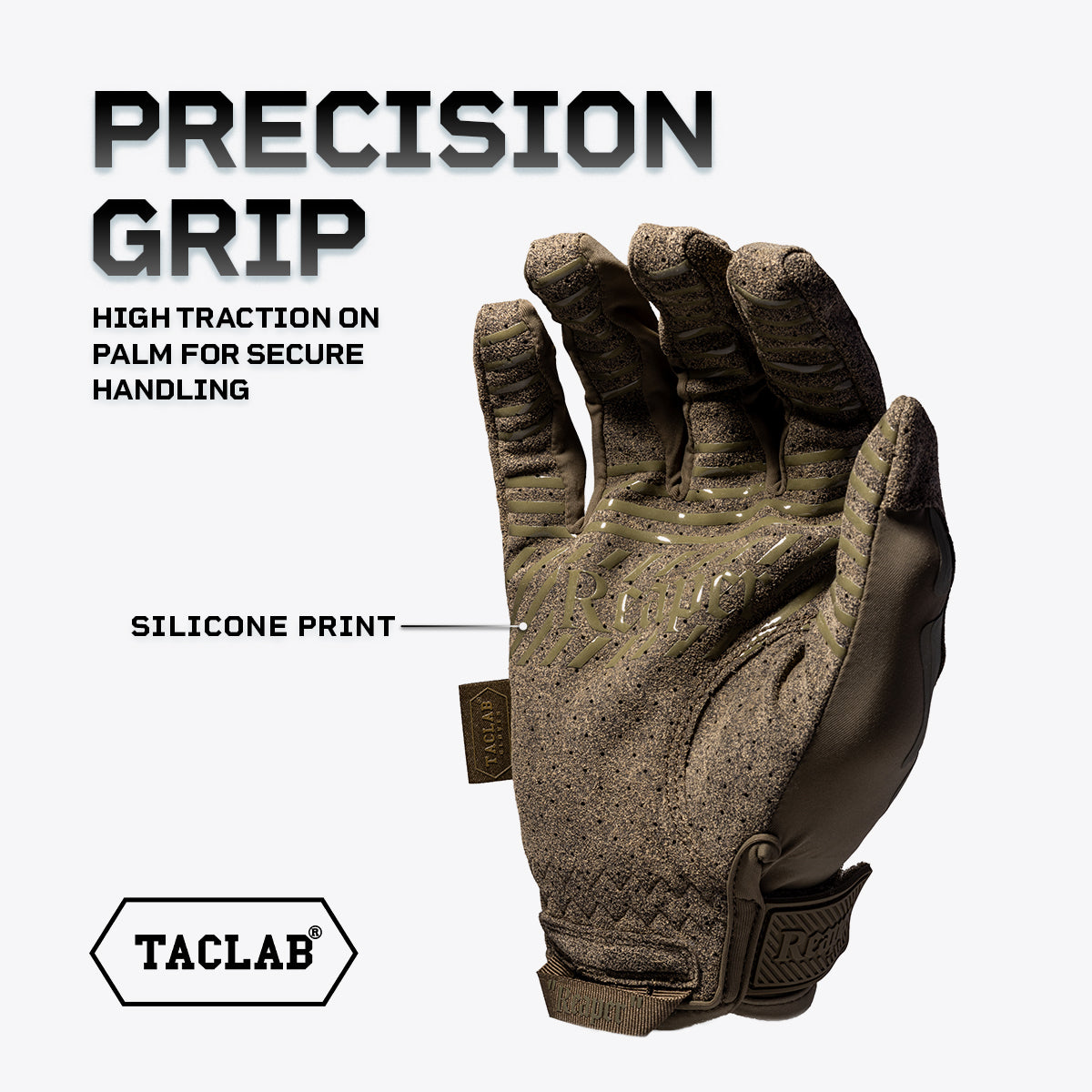
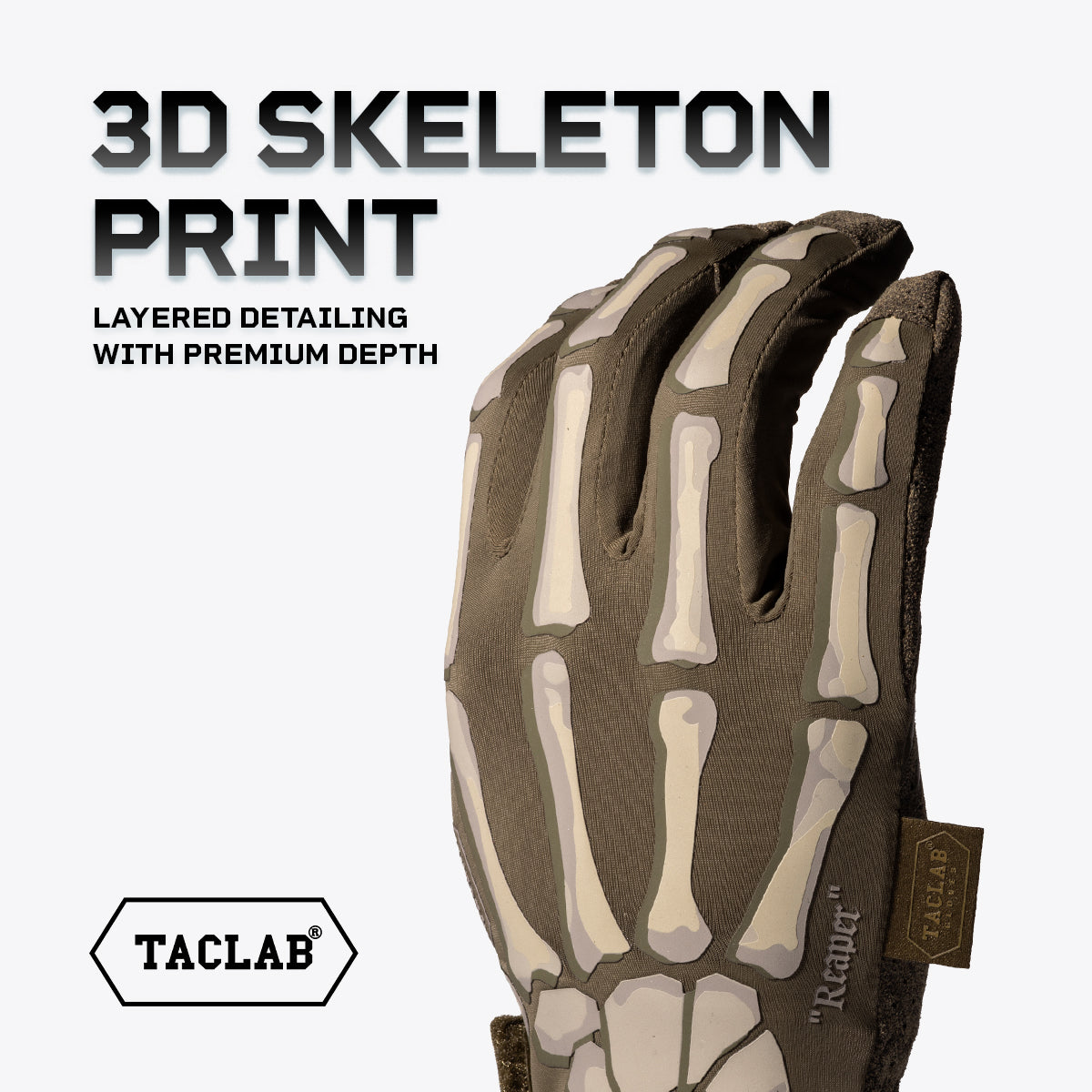
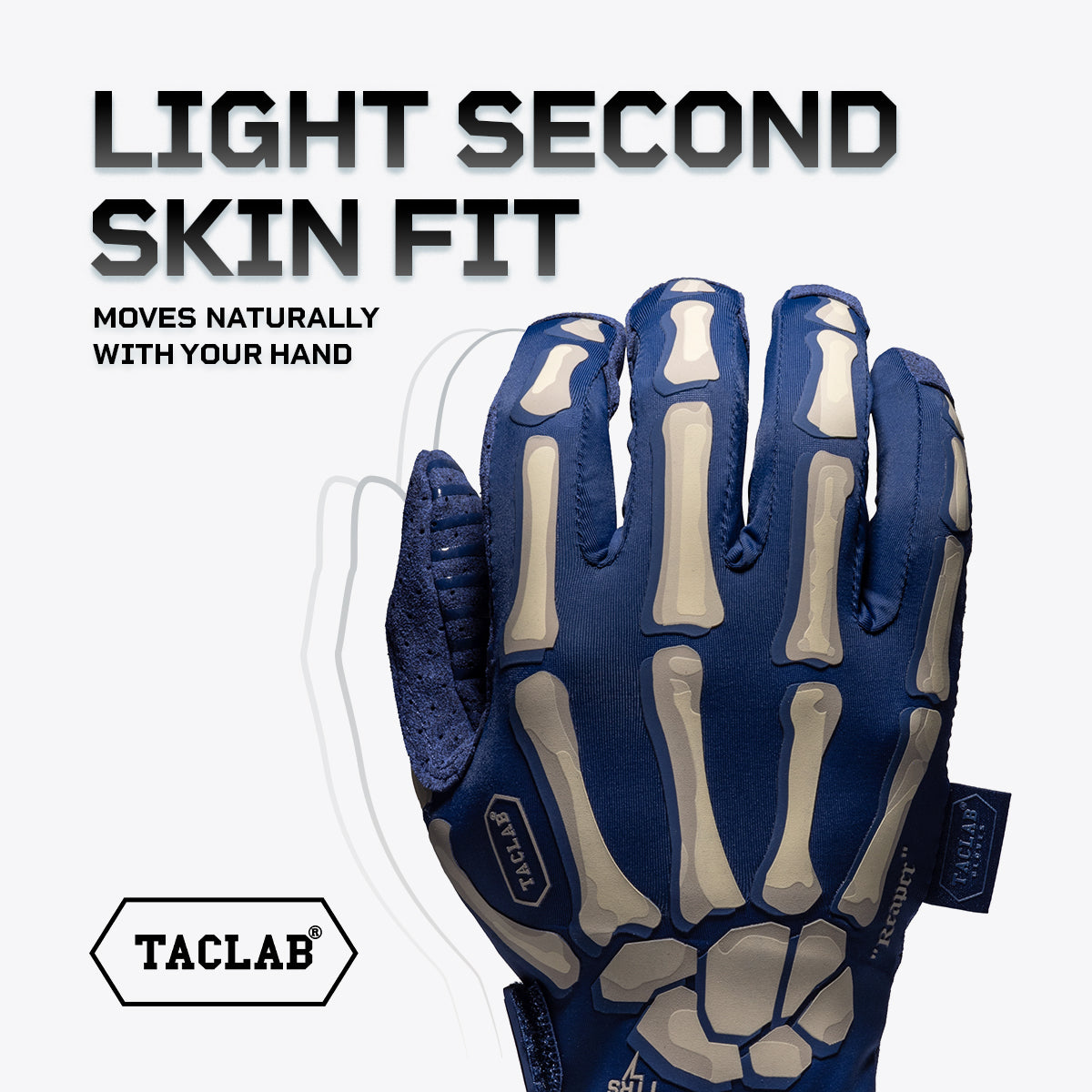
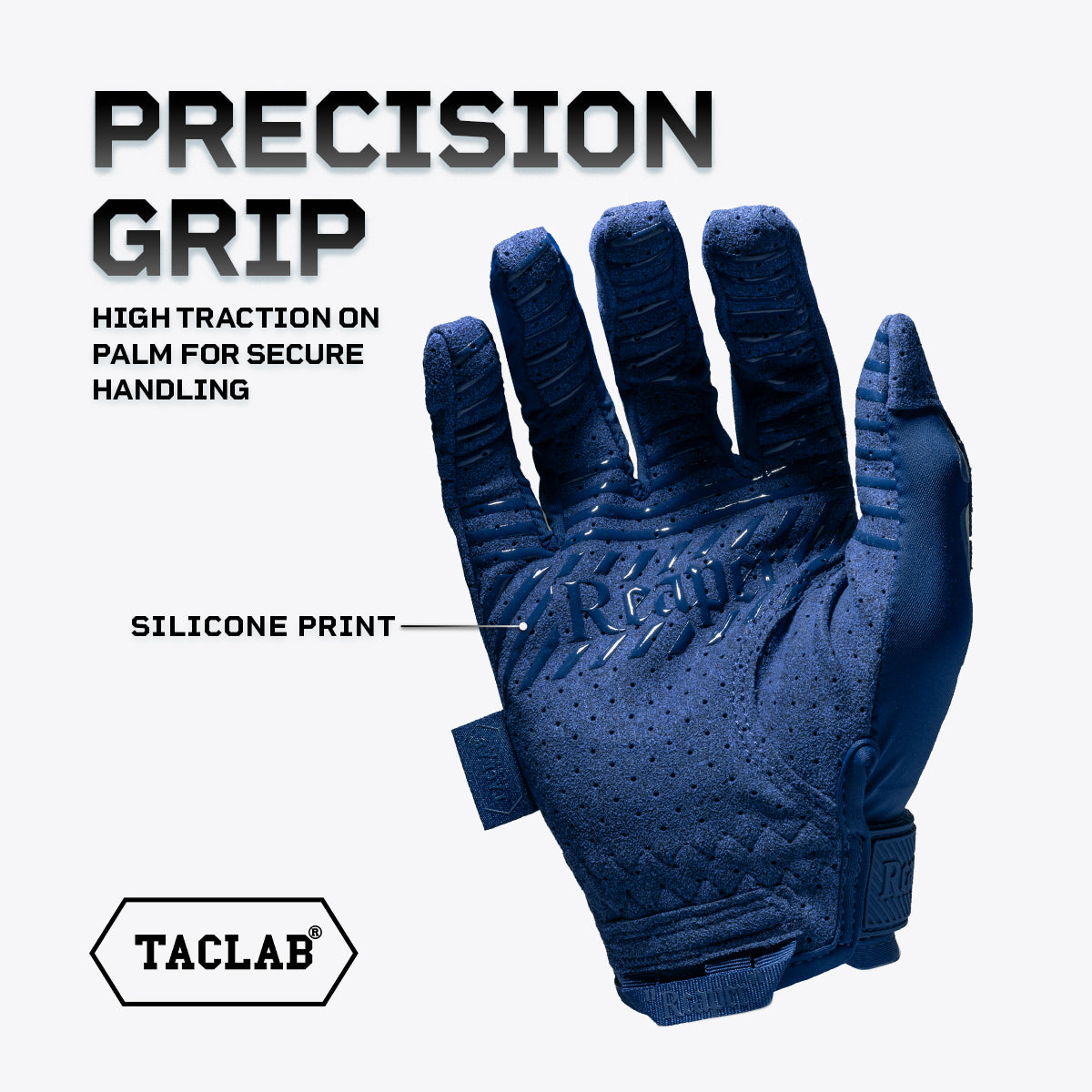
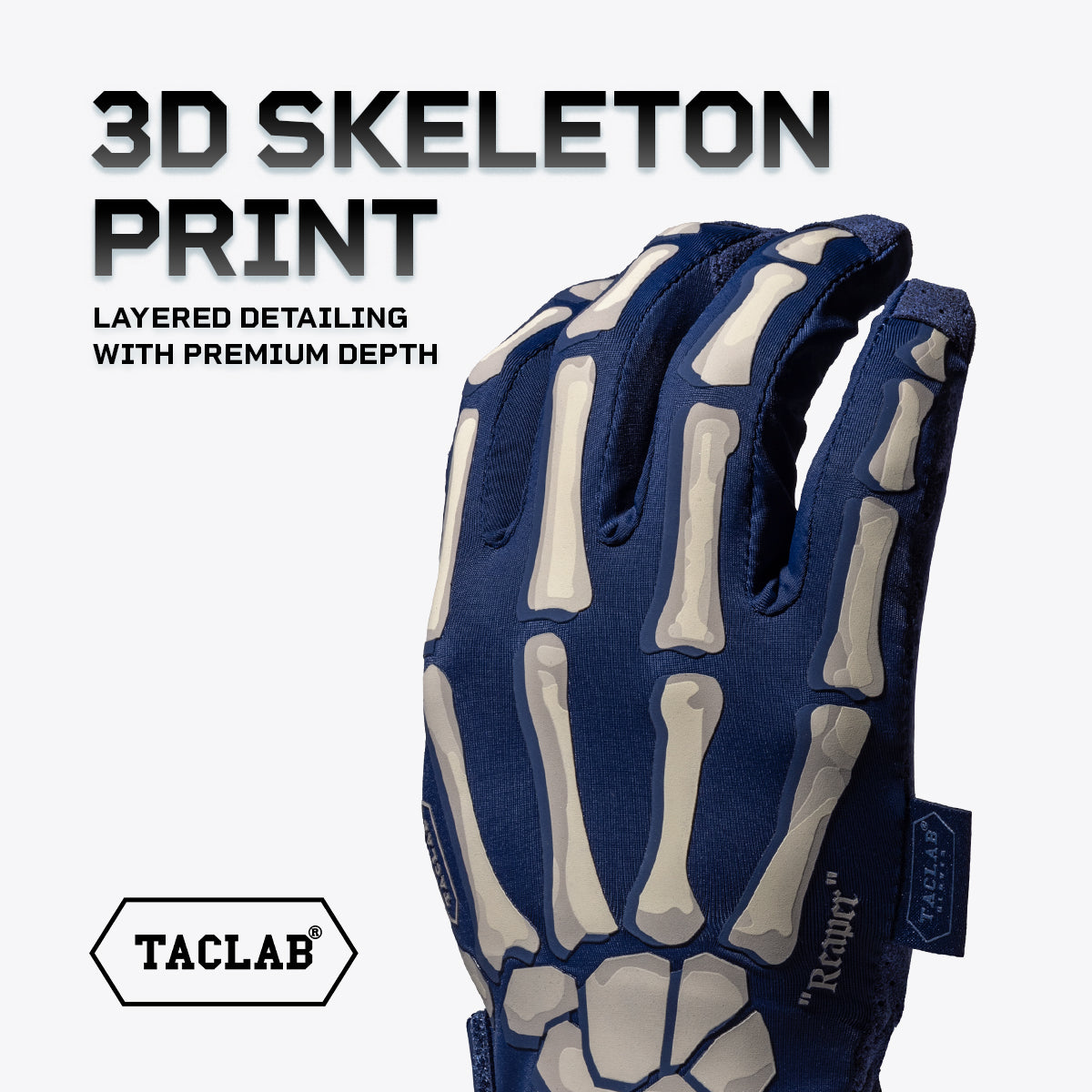
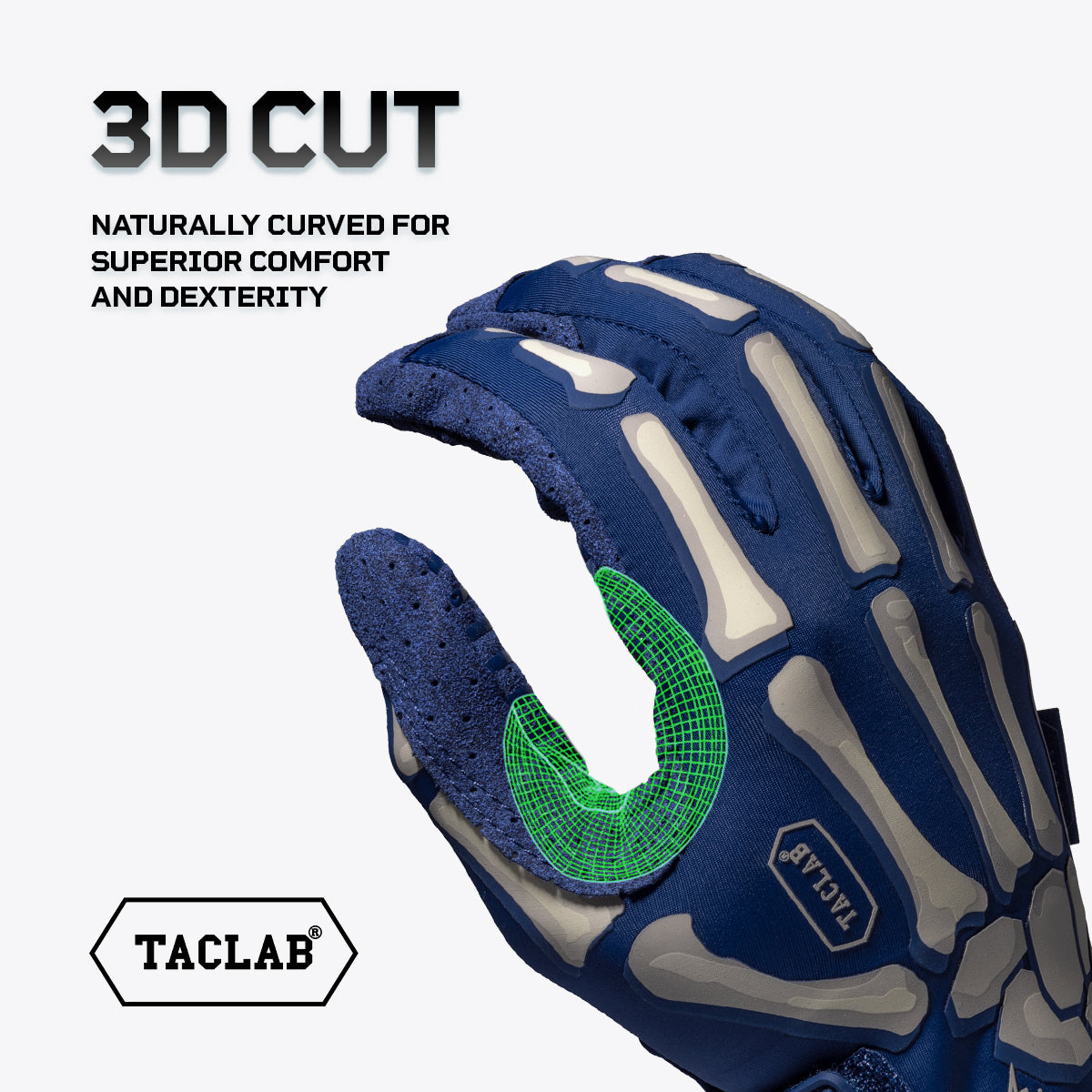
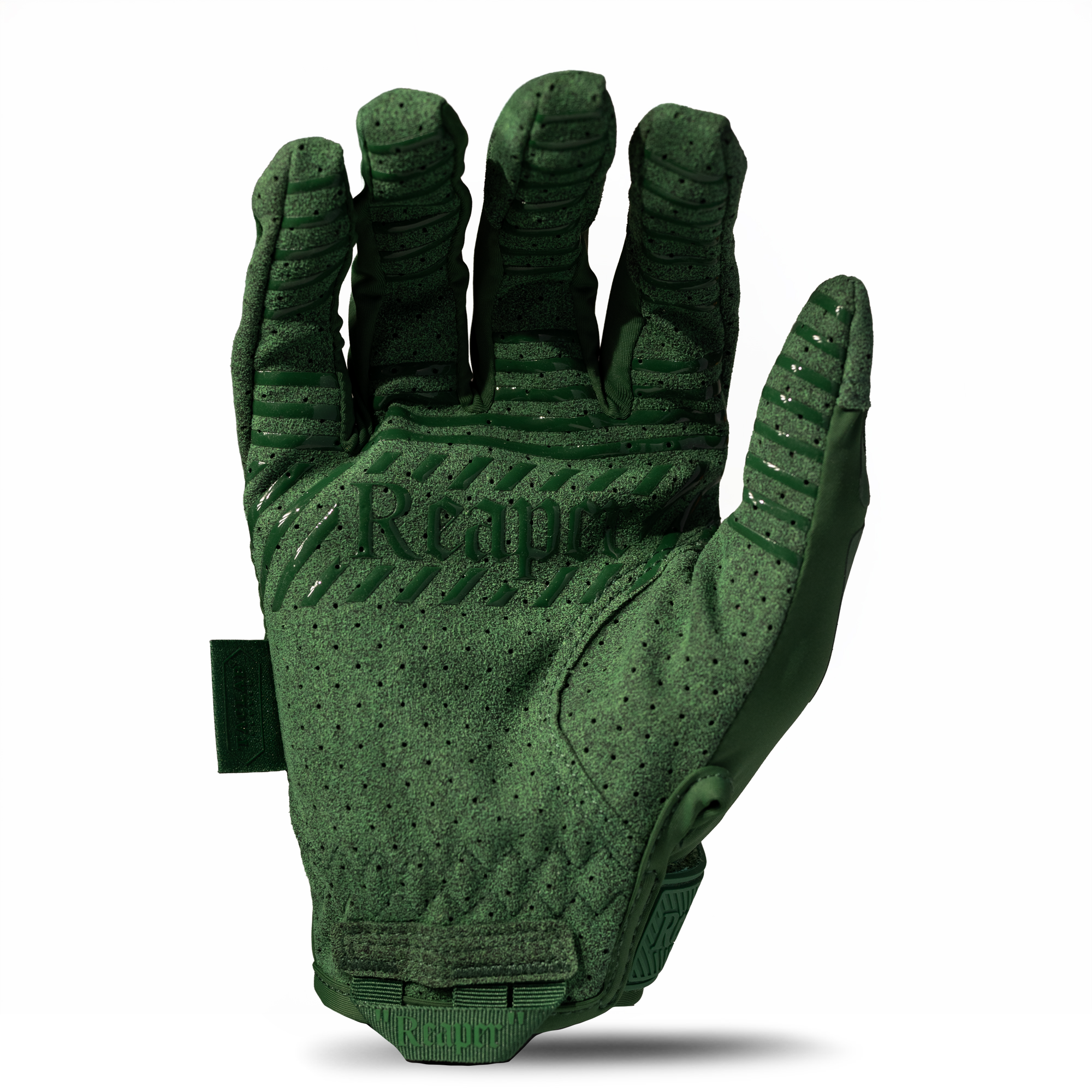
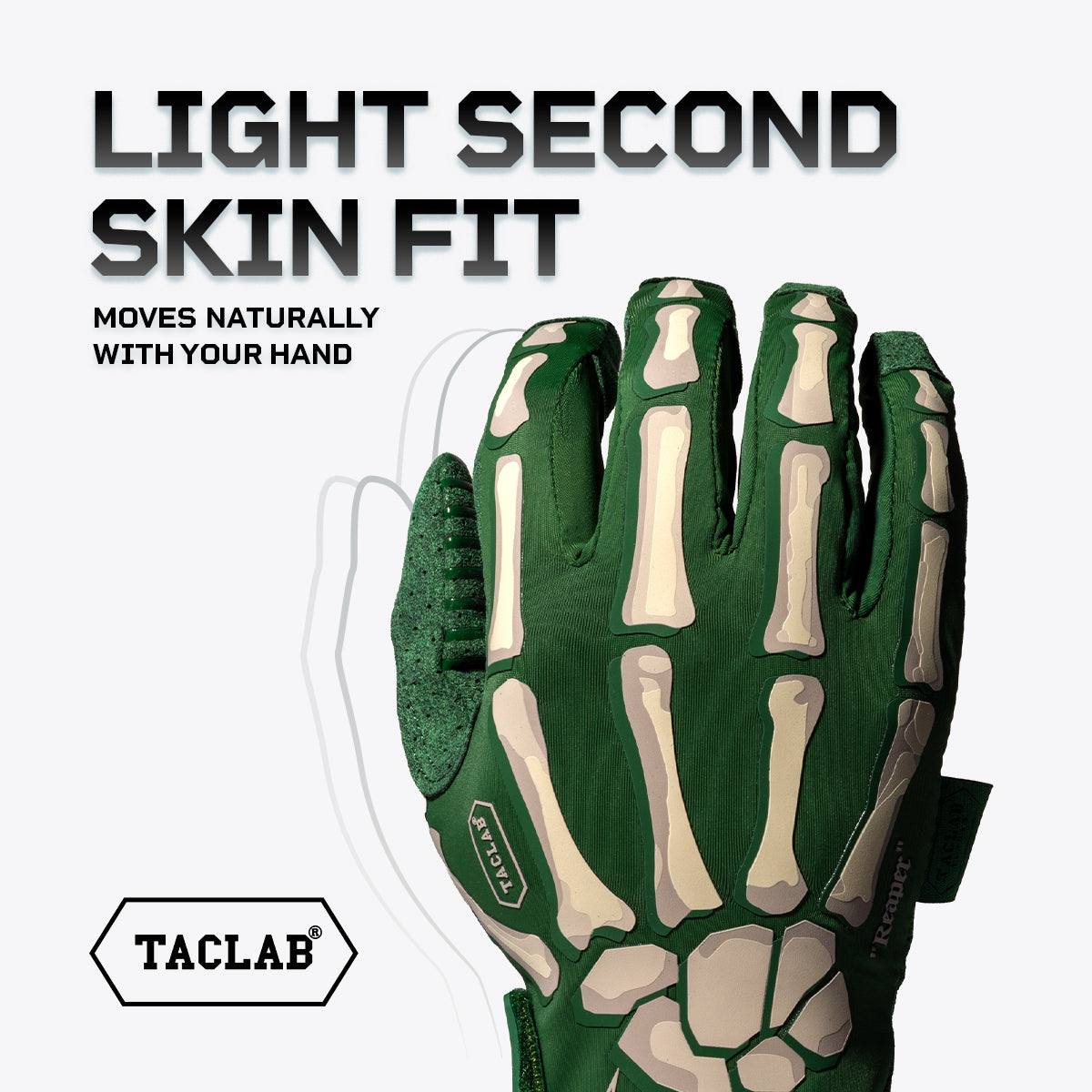
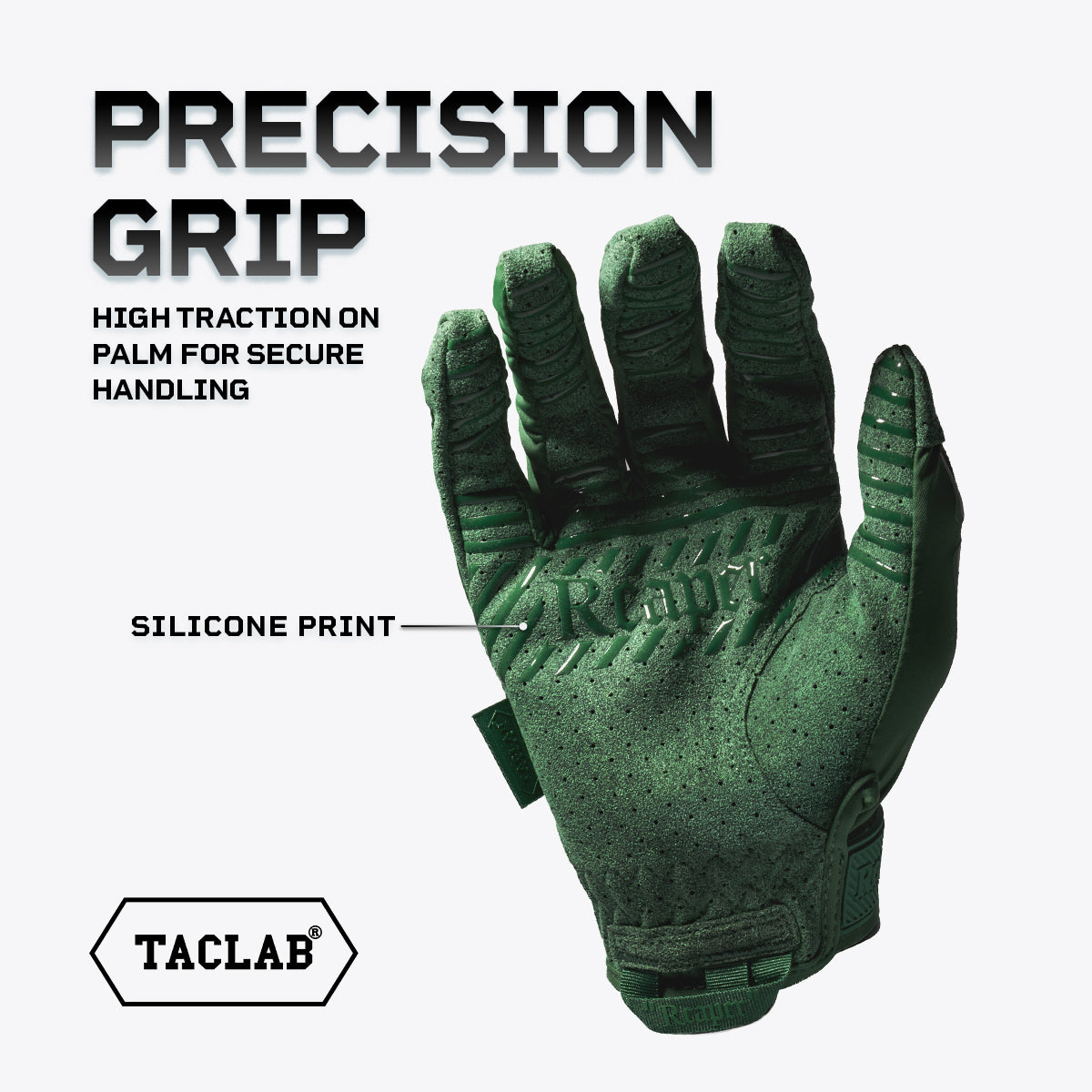
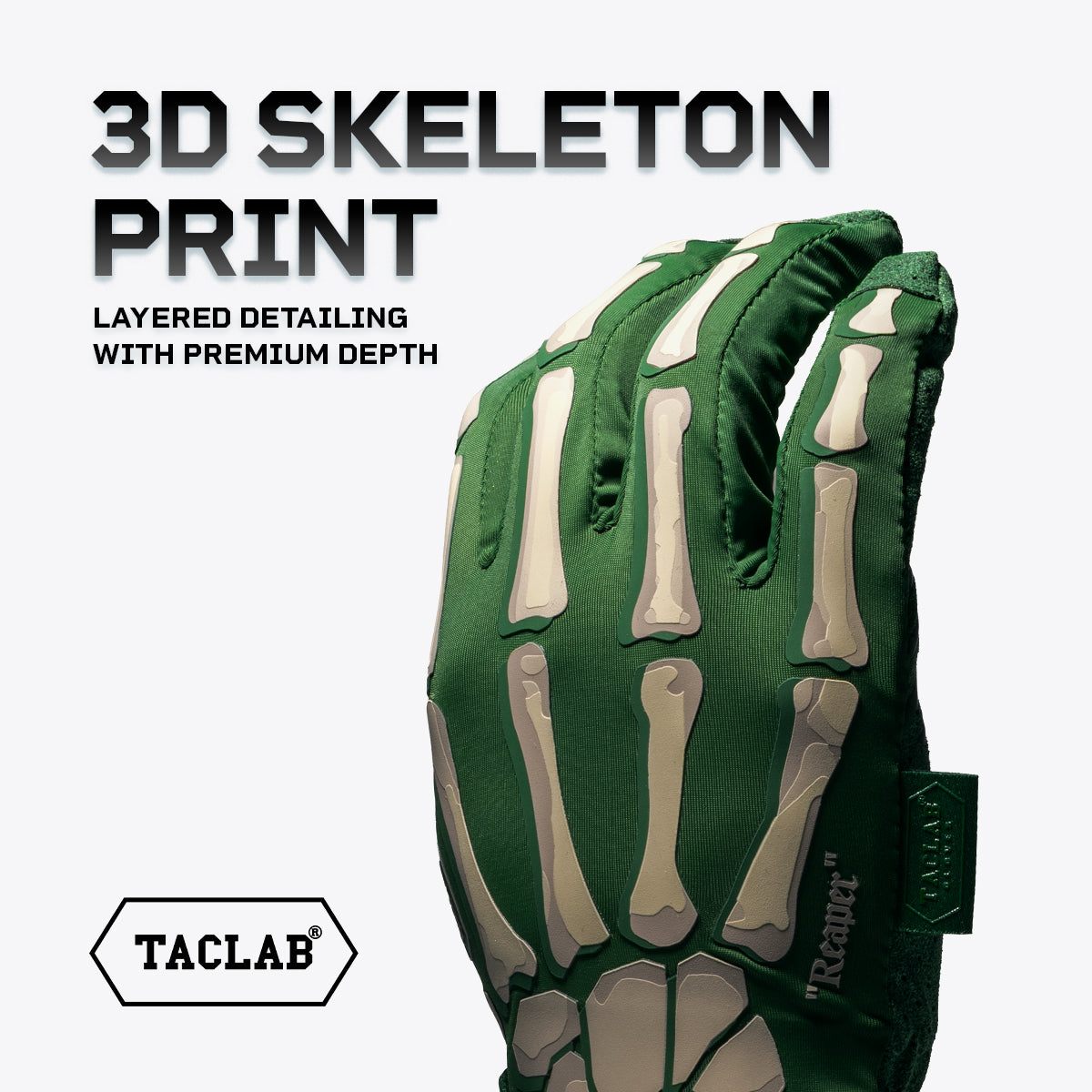
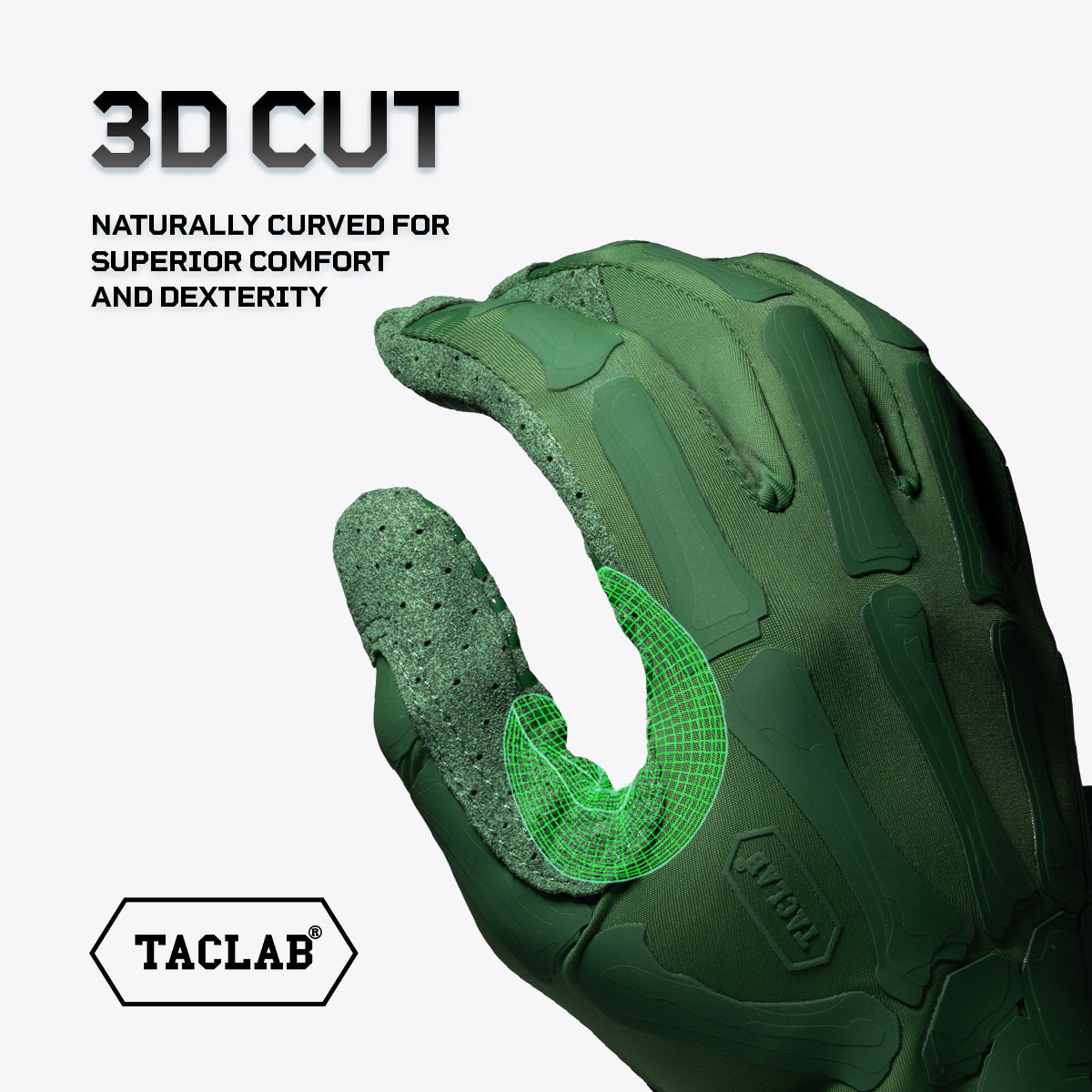
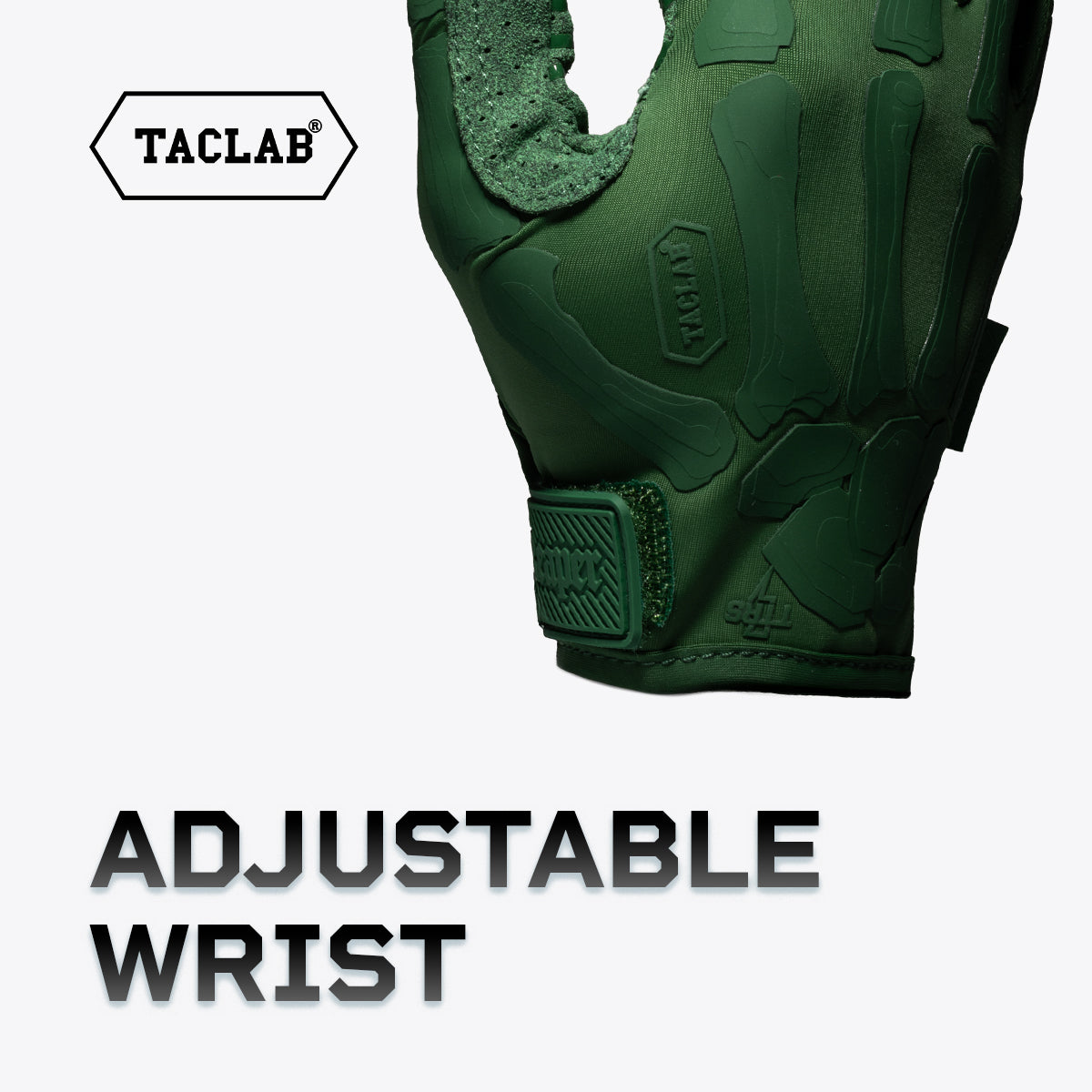
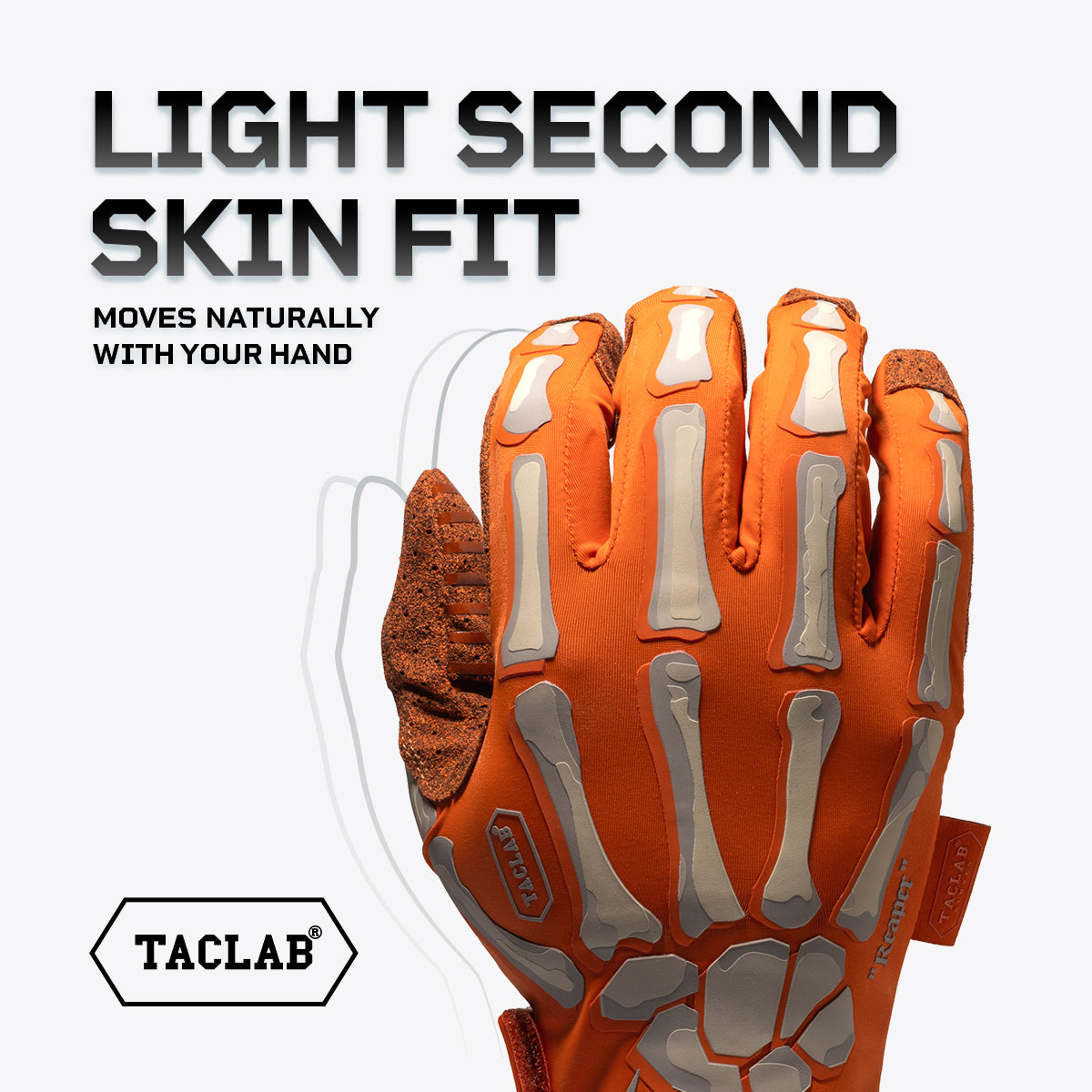
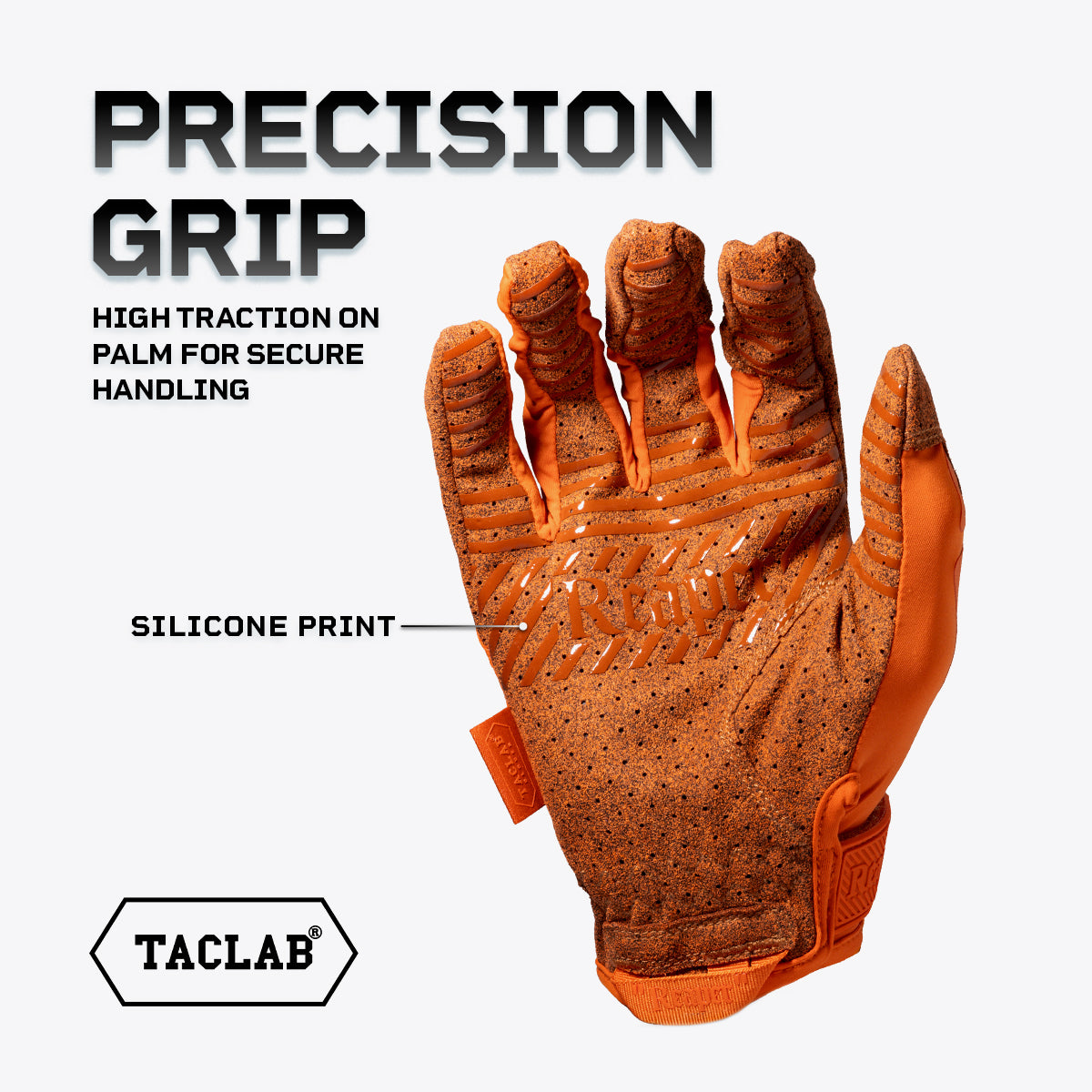
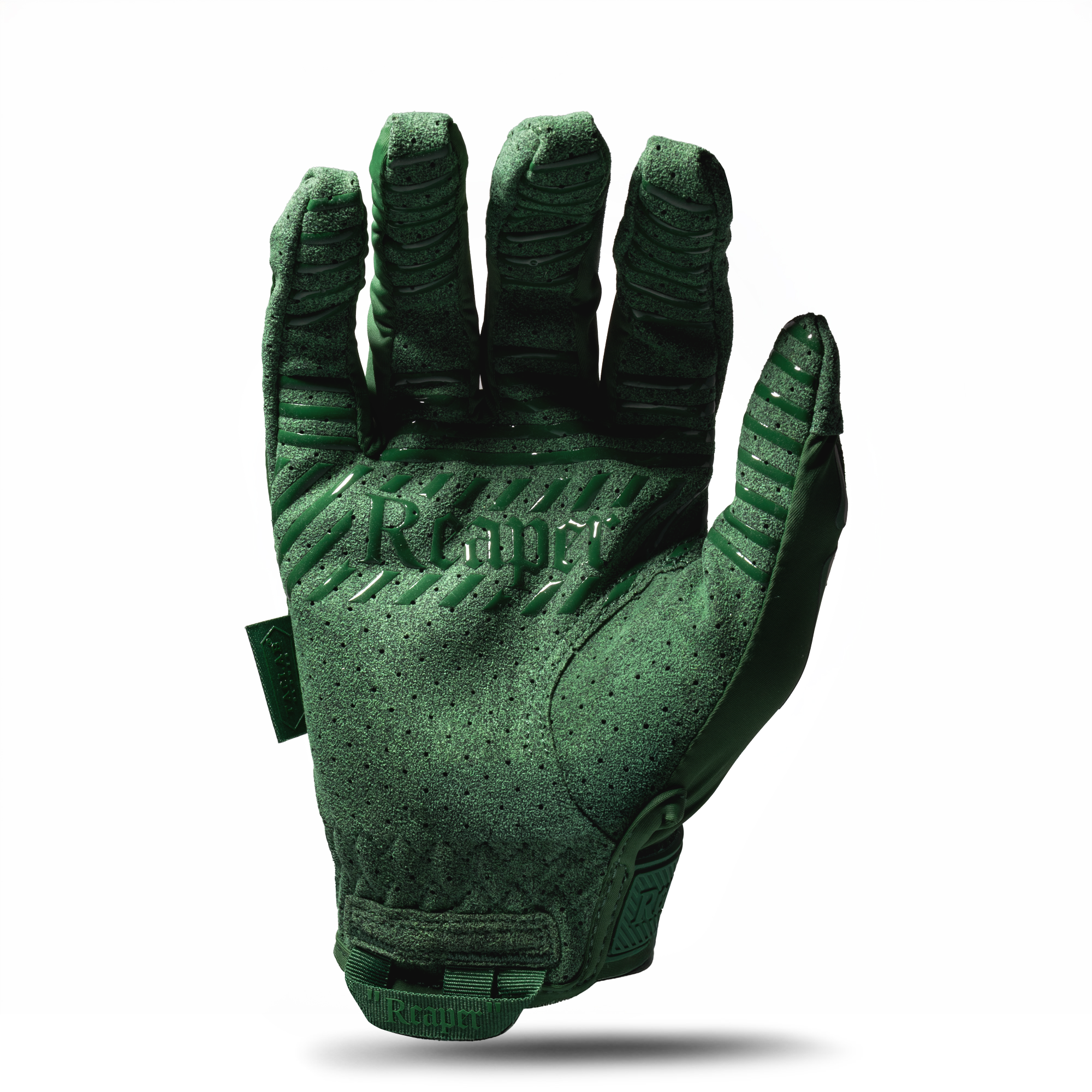
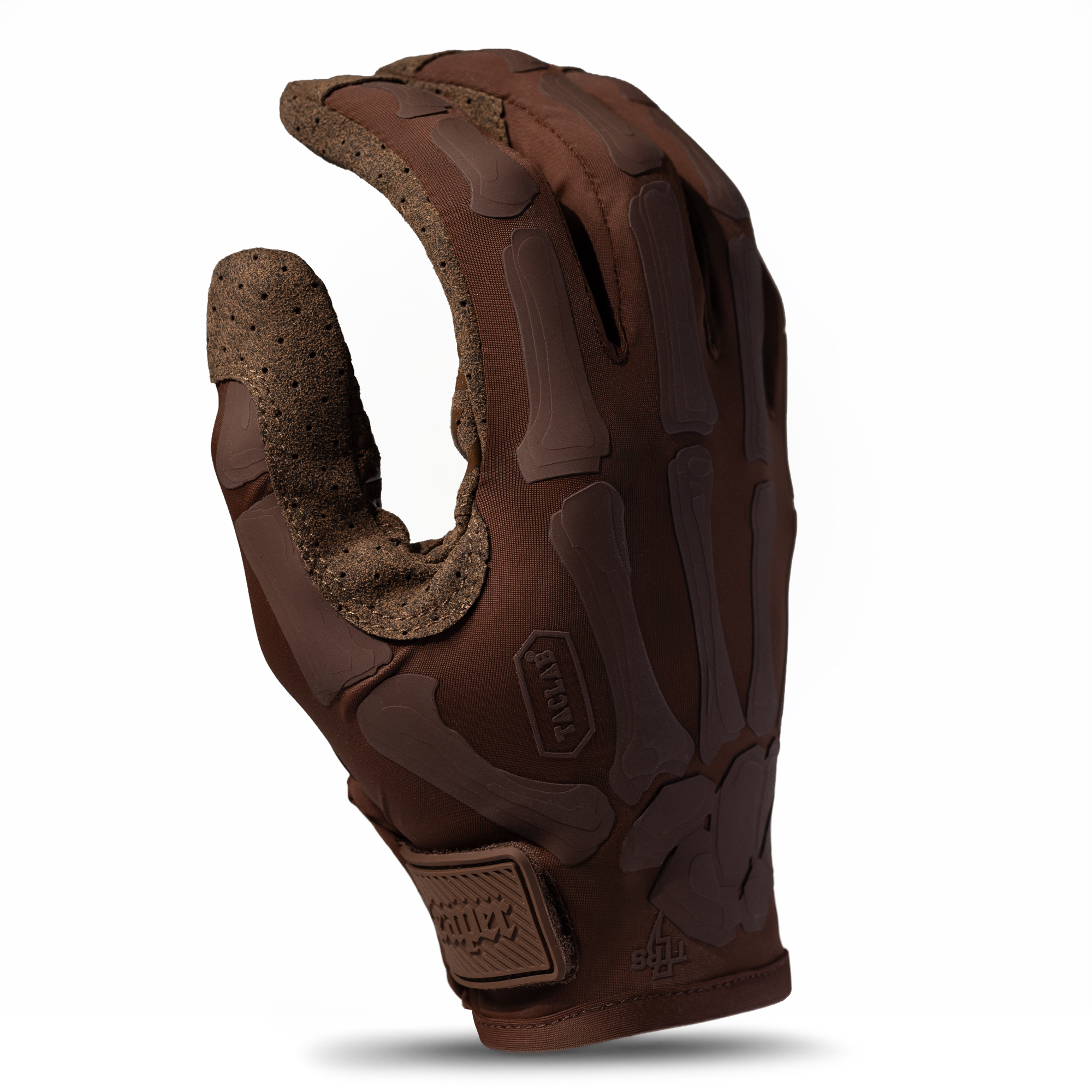
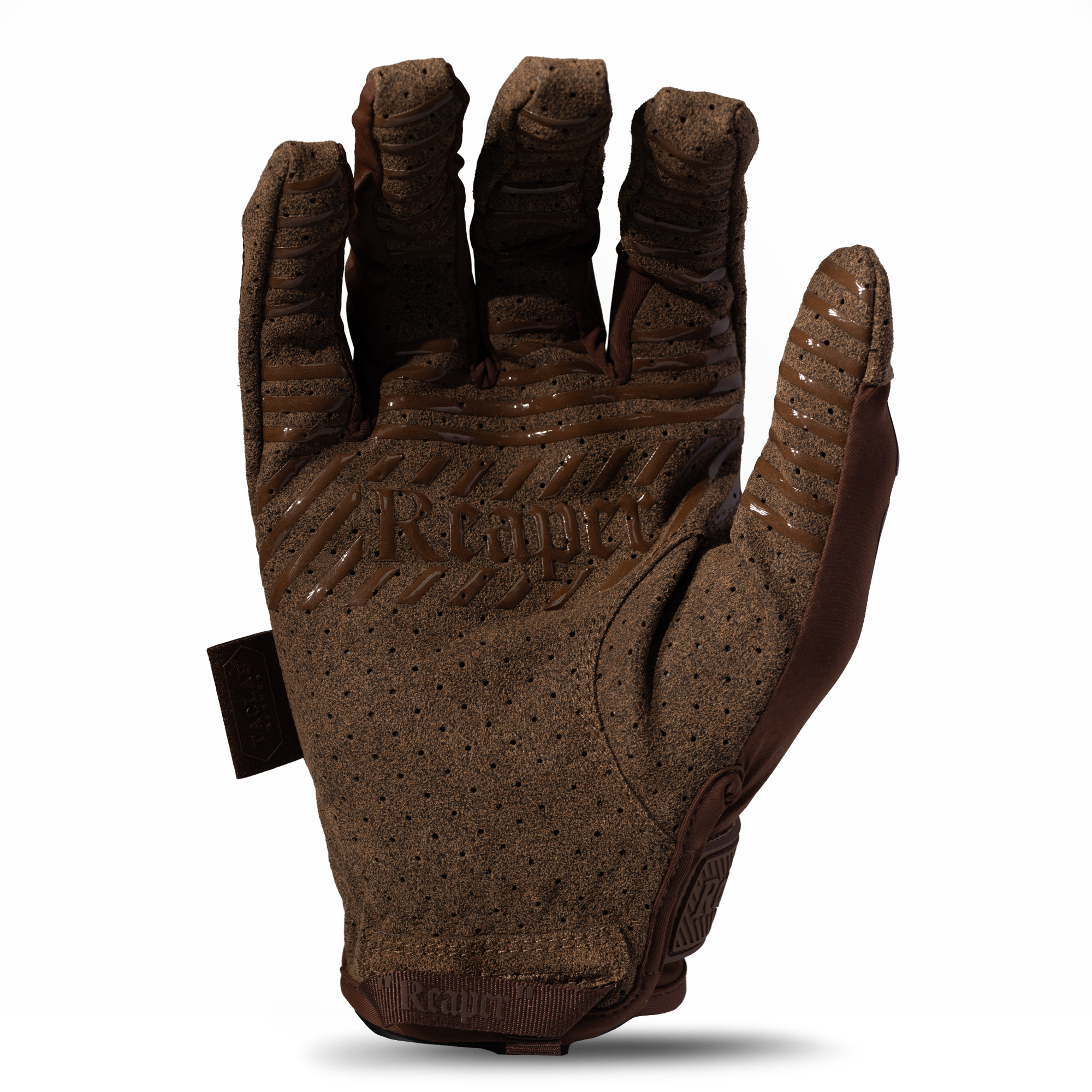
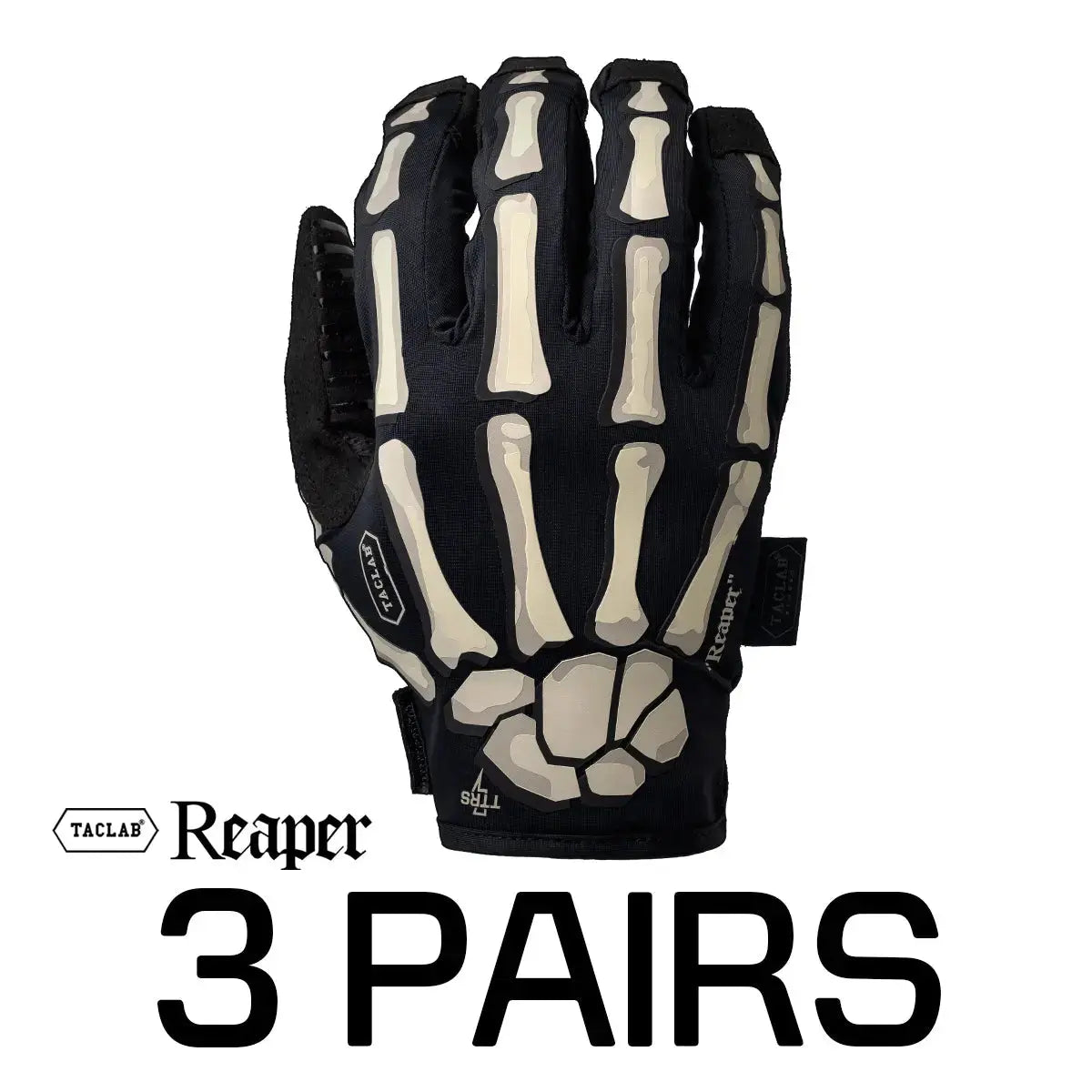
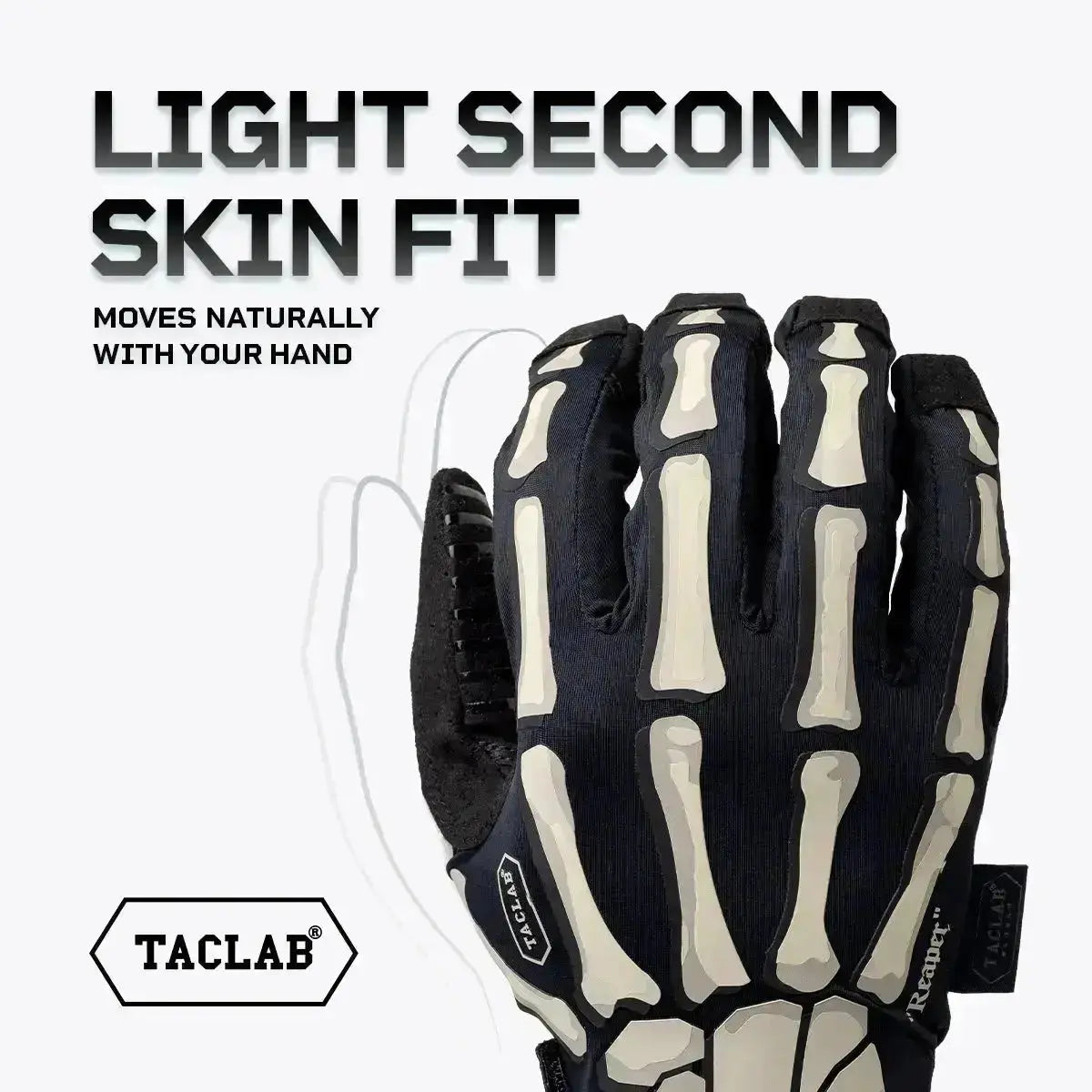
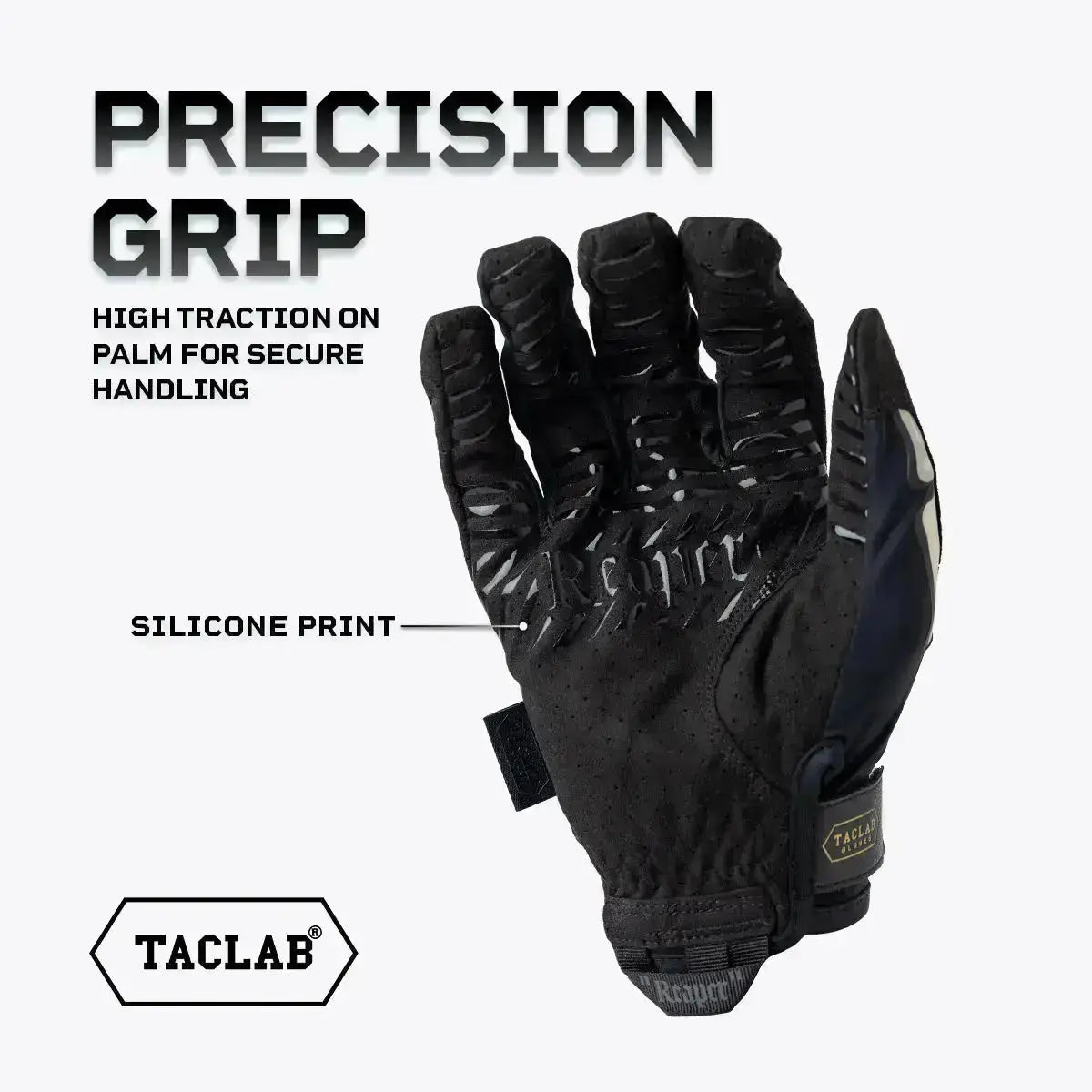
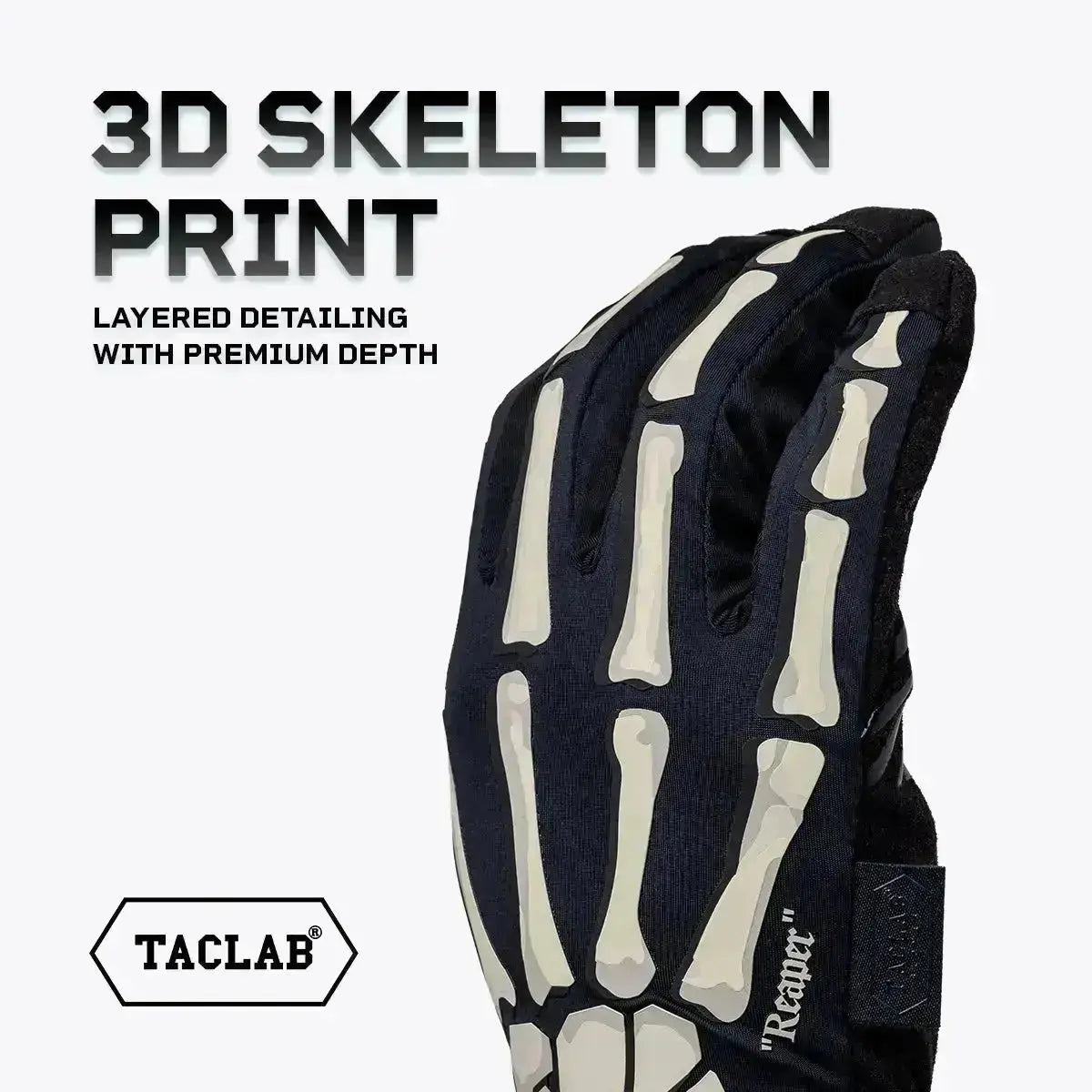
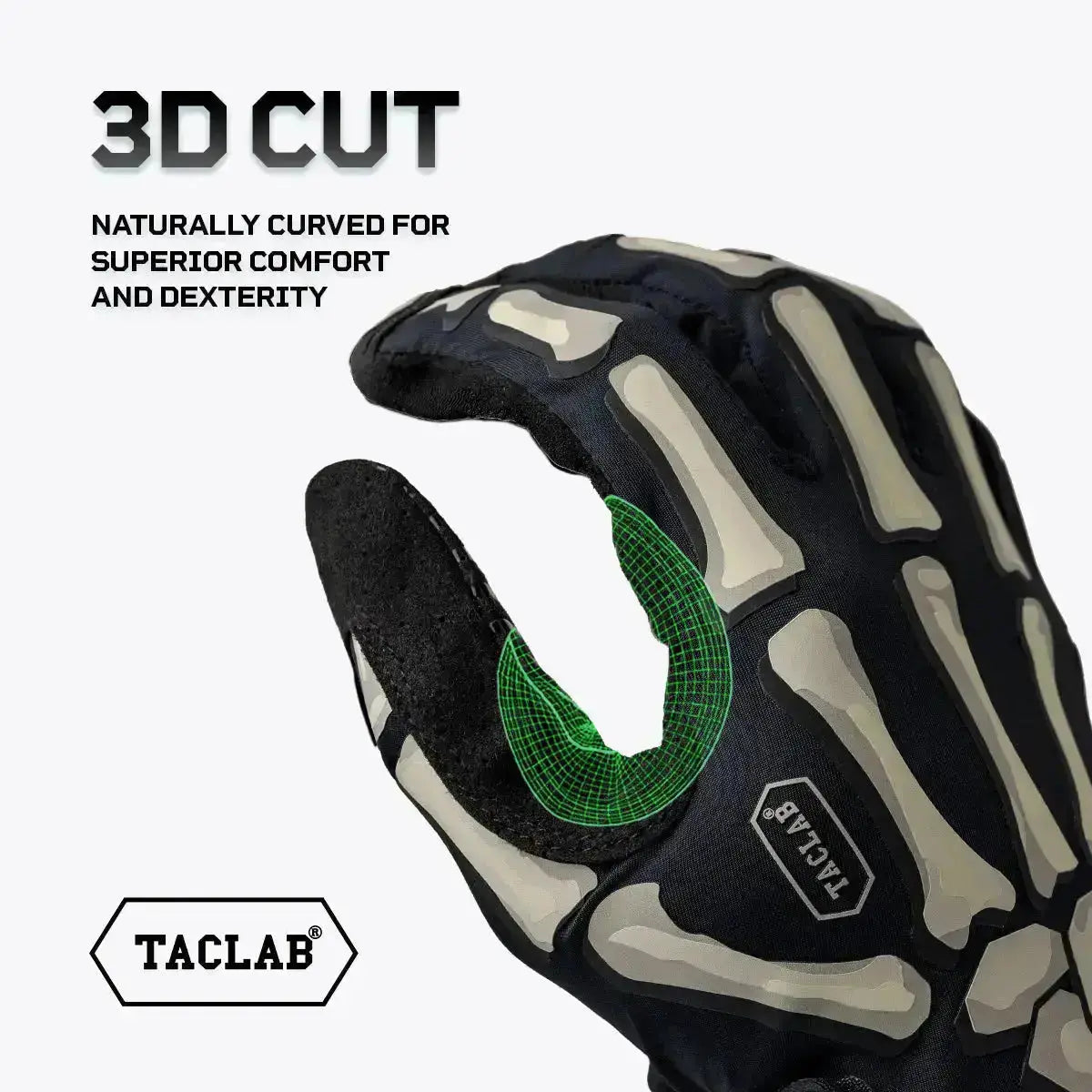
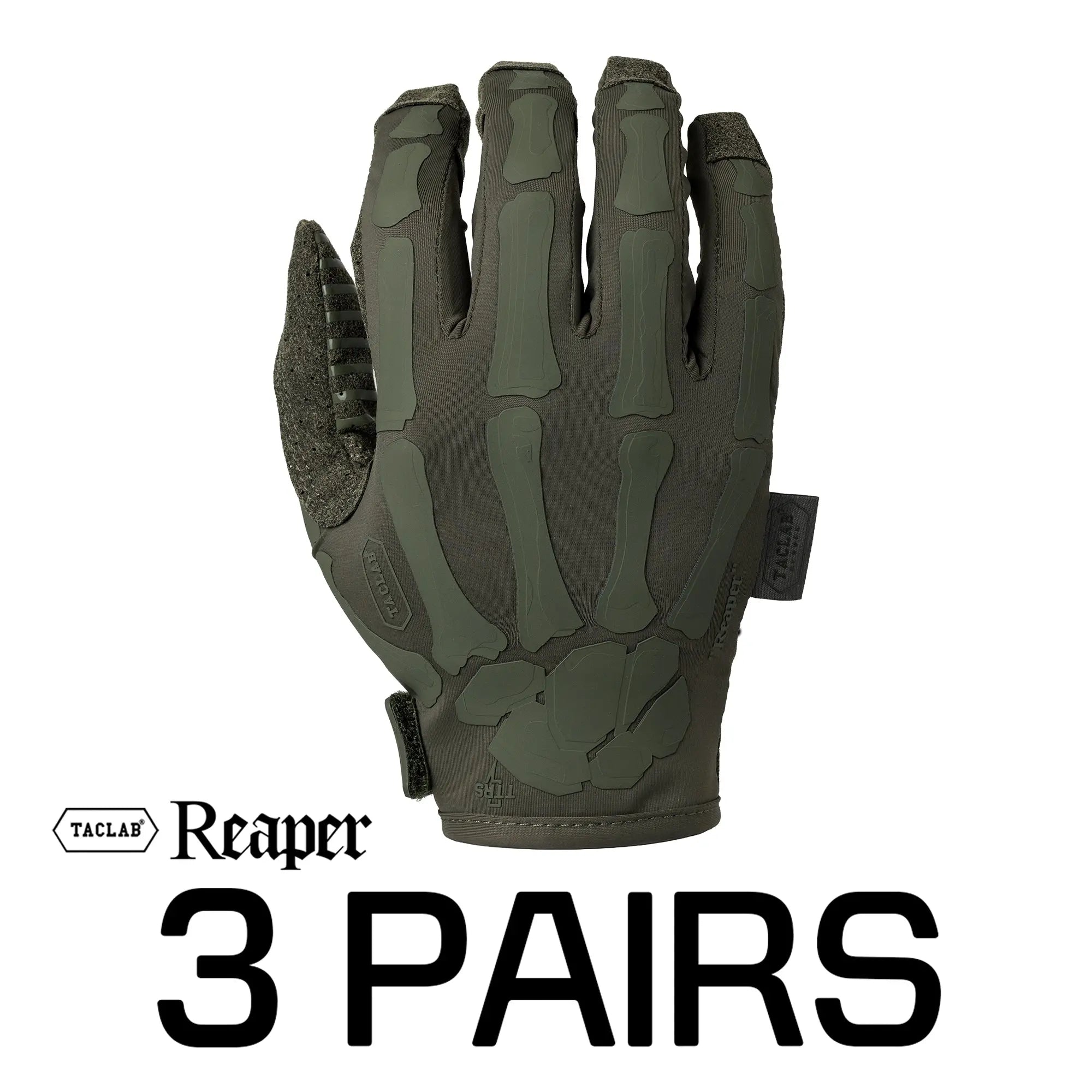
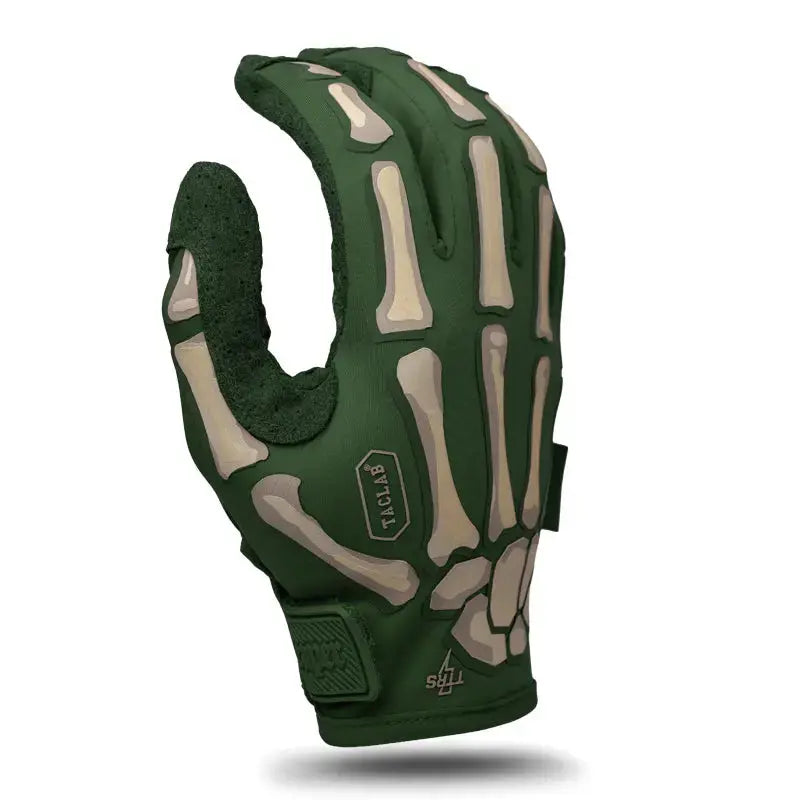
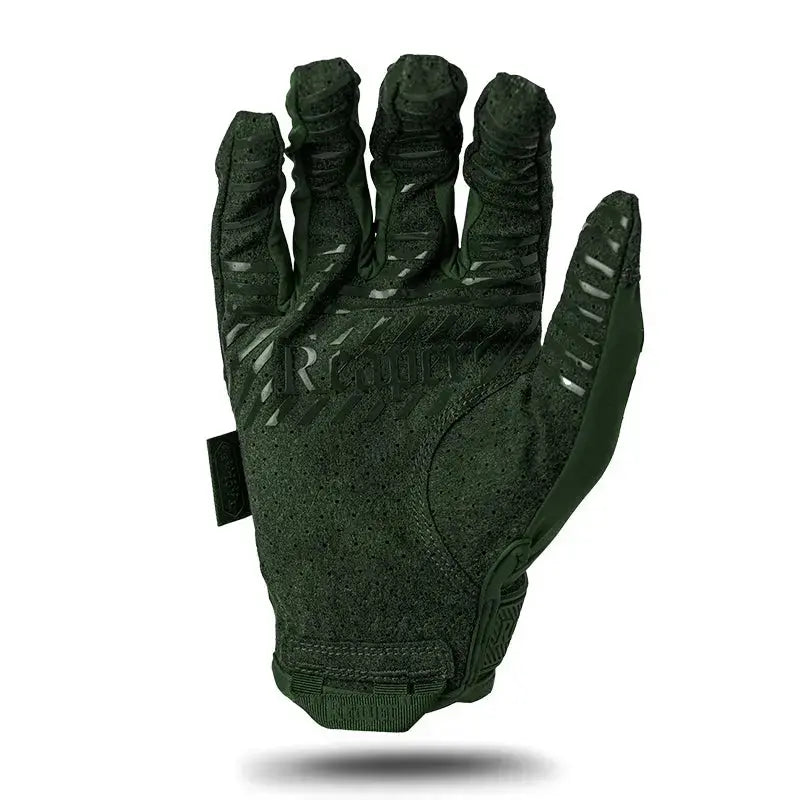
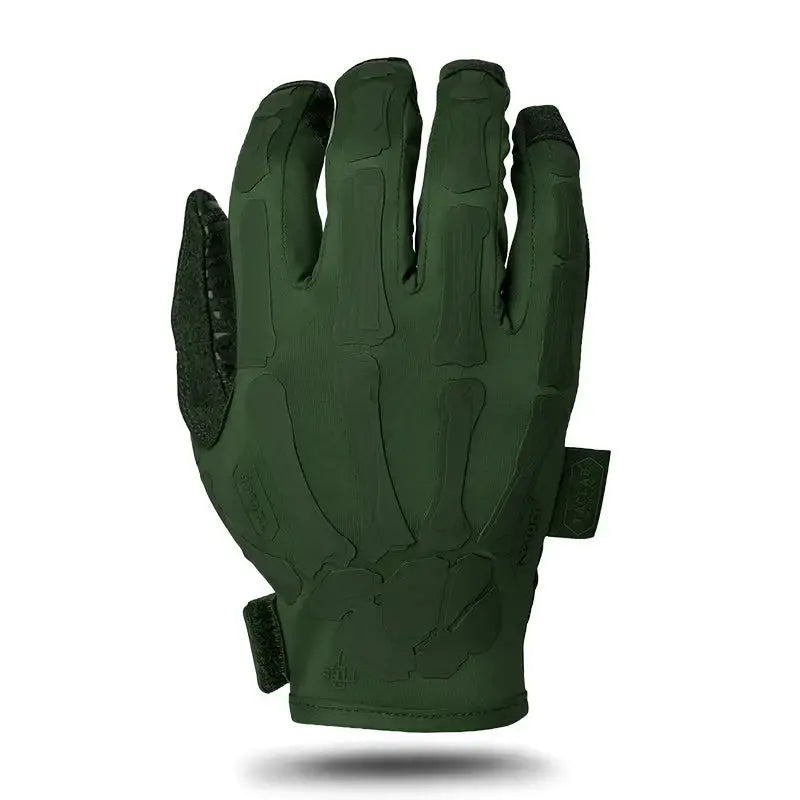
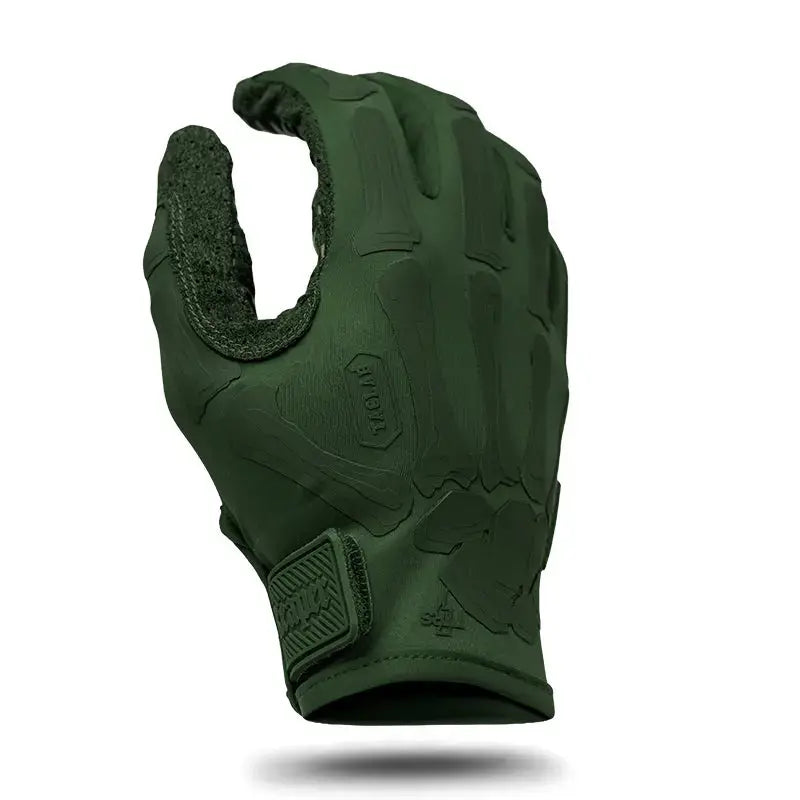
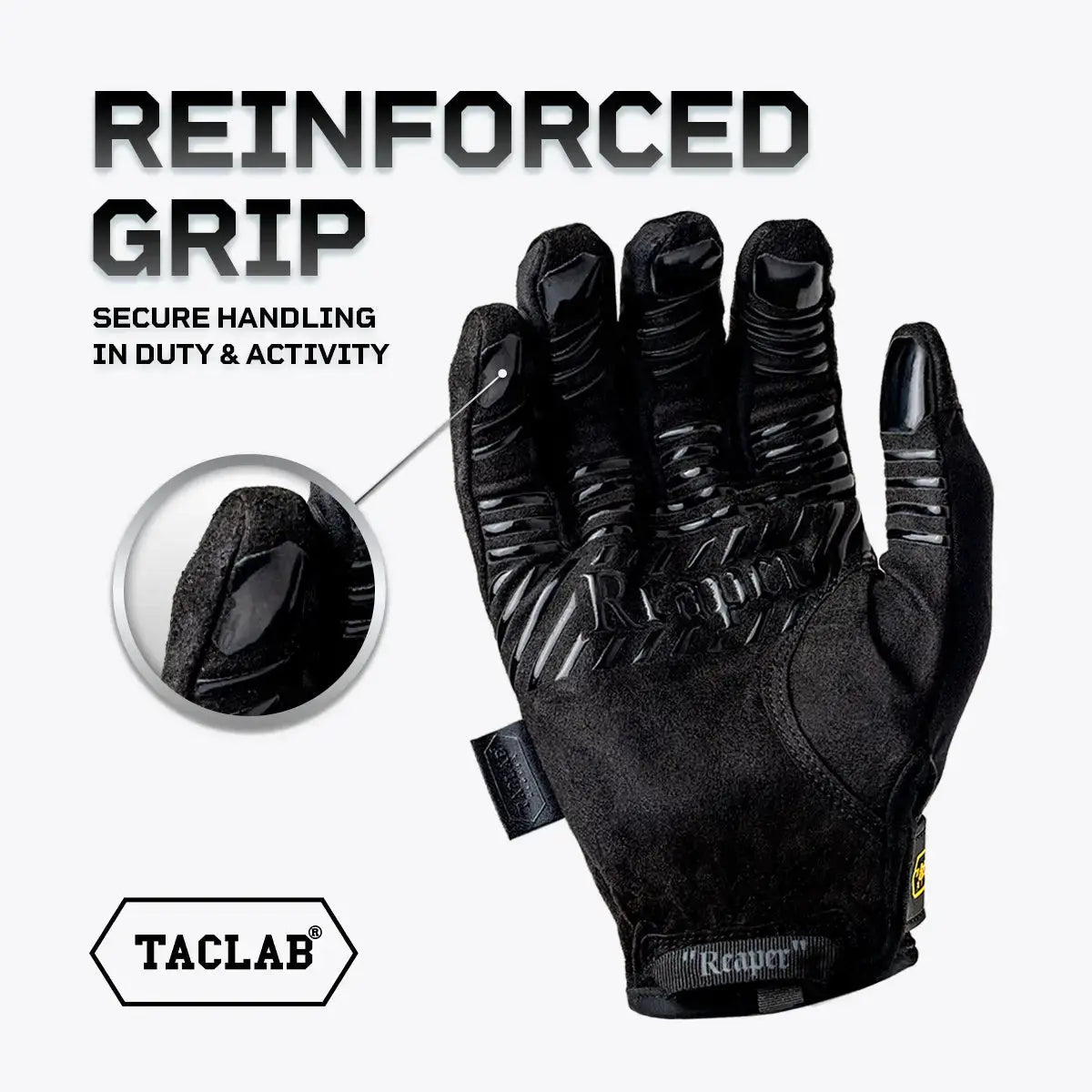
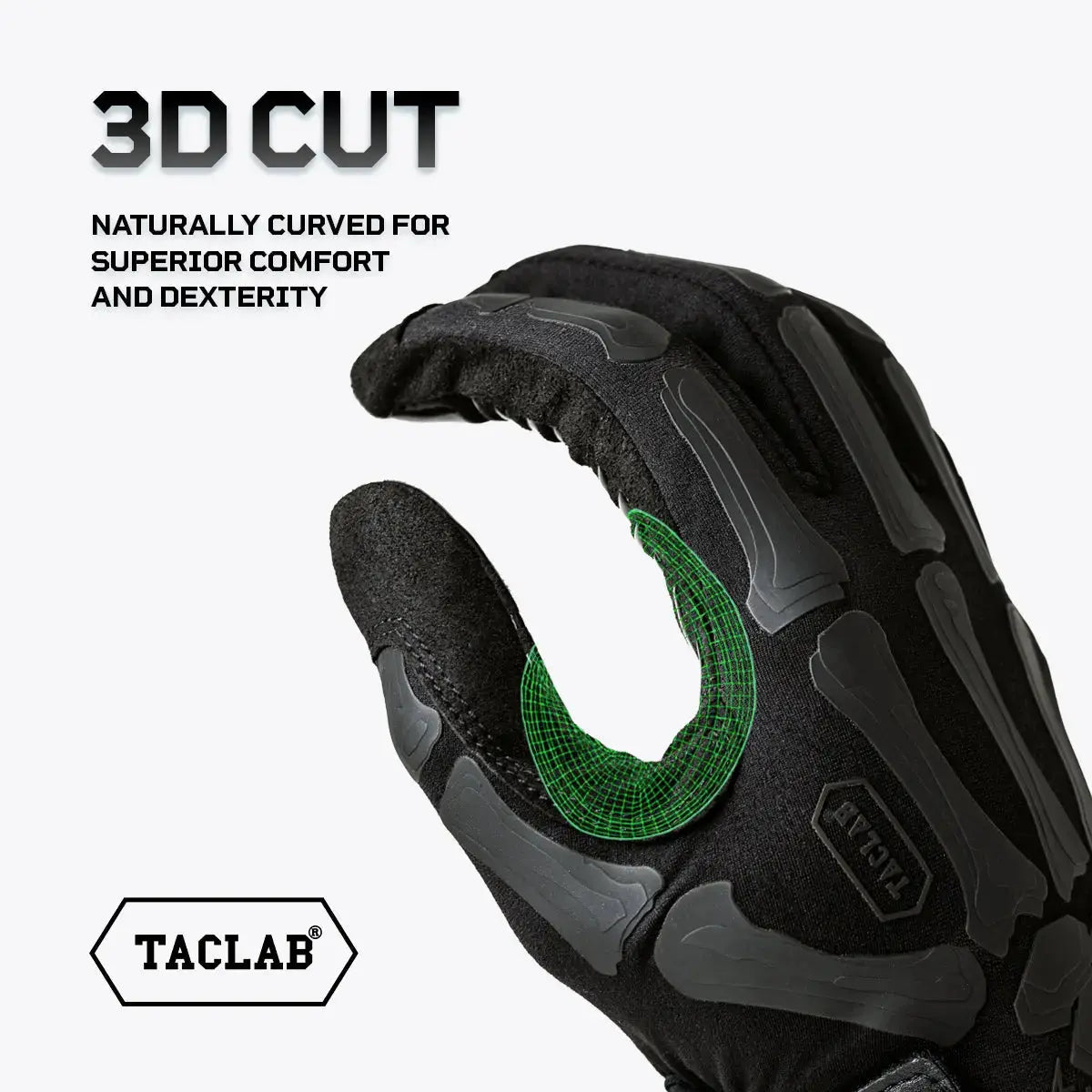
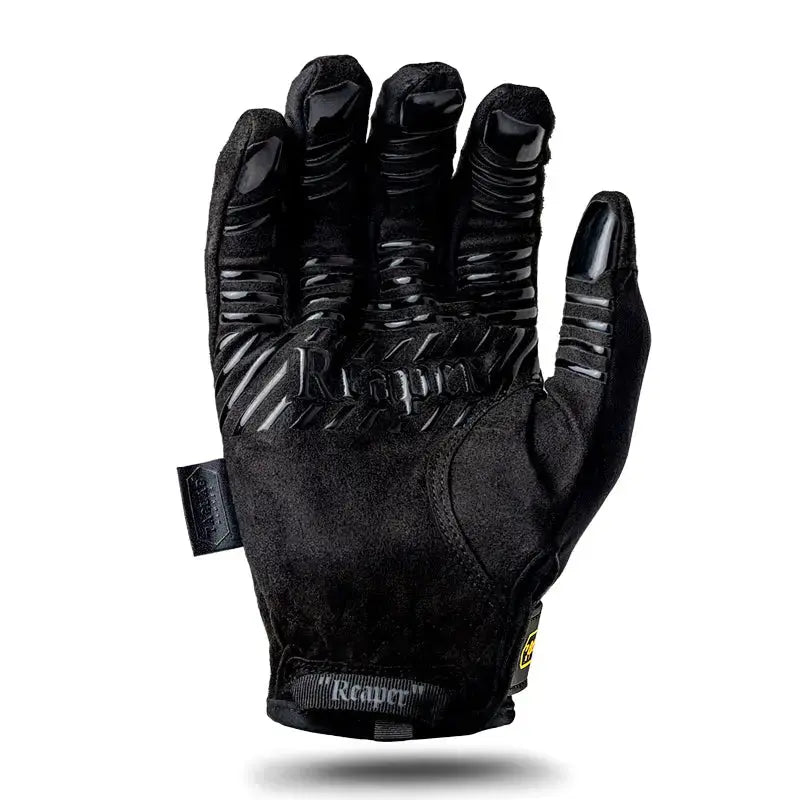
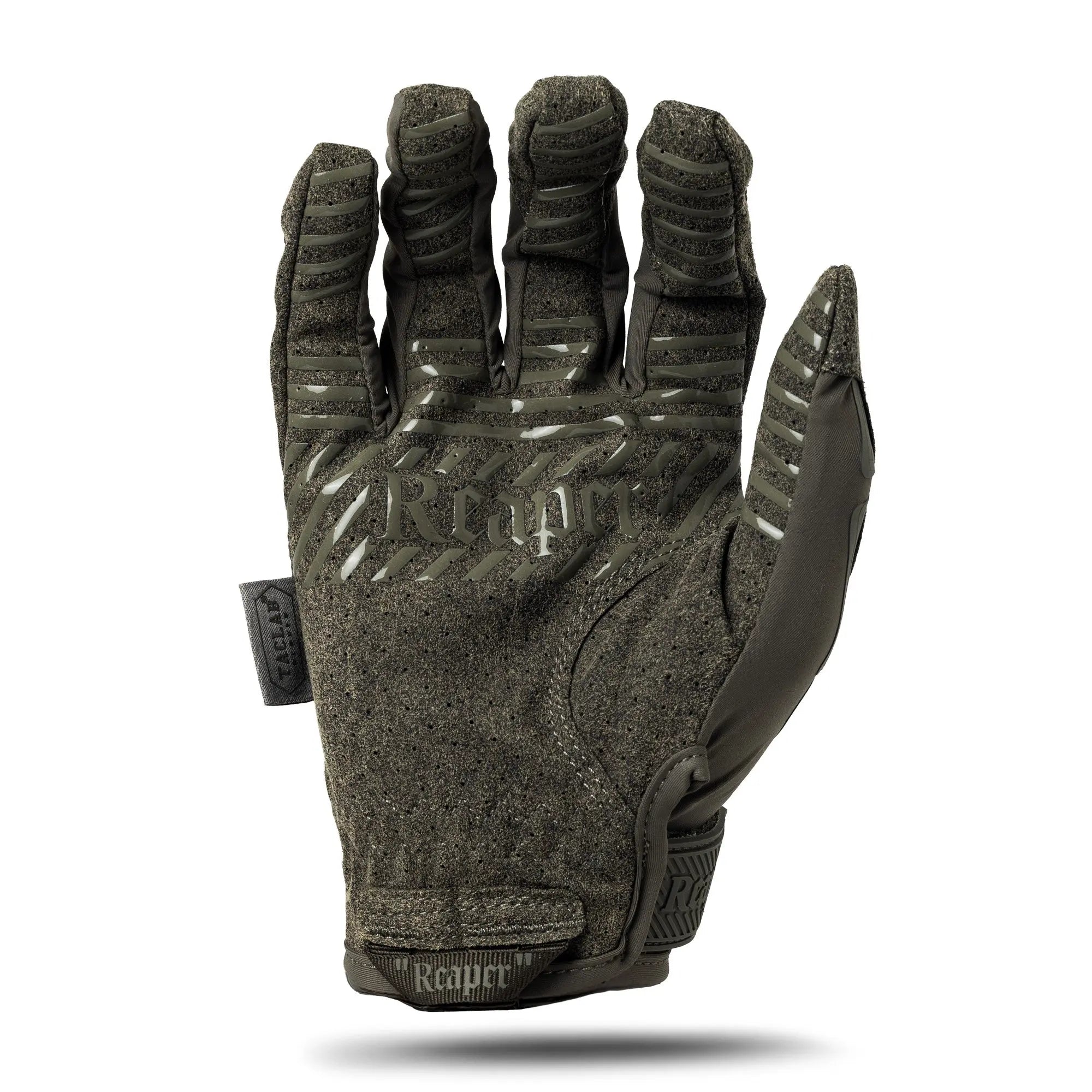
The standard TACLAB Reaper is designed around a thin, close-fitting feel, flexibility, grip, and tactical manipulation.
For shooters who historically might have cut a bulky glove to gain more dexterity, the better modern solution may simply be starting with a glove intended for shooting.
The Reaper is particularly suited to users who prioritize:
- Lightweight feel
- Finger movement
- Range training
- Warm-weather use
- Grip
- Multipurpose tactical wear
👉 Shop TACLAB Reaper and other shooting gloves:
https://taclab-usa.com/collections/gloves-1
Reaper Premium — When Material Feel Matters
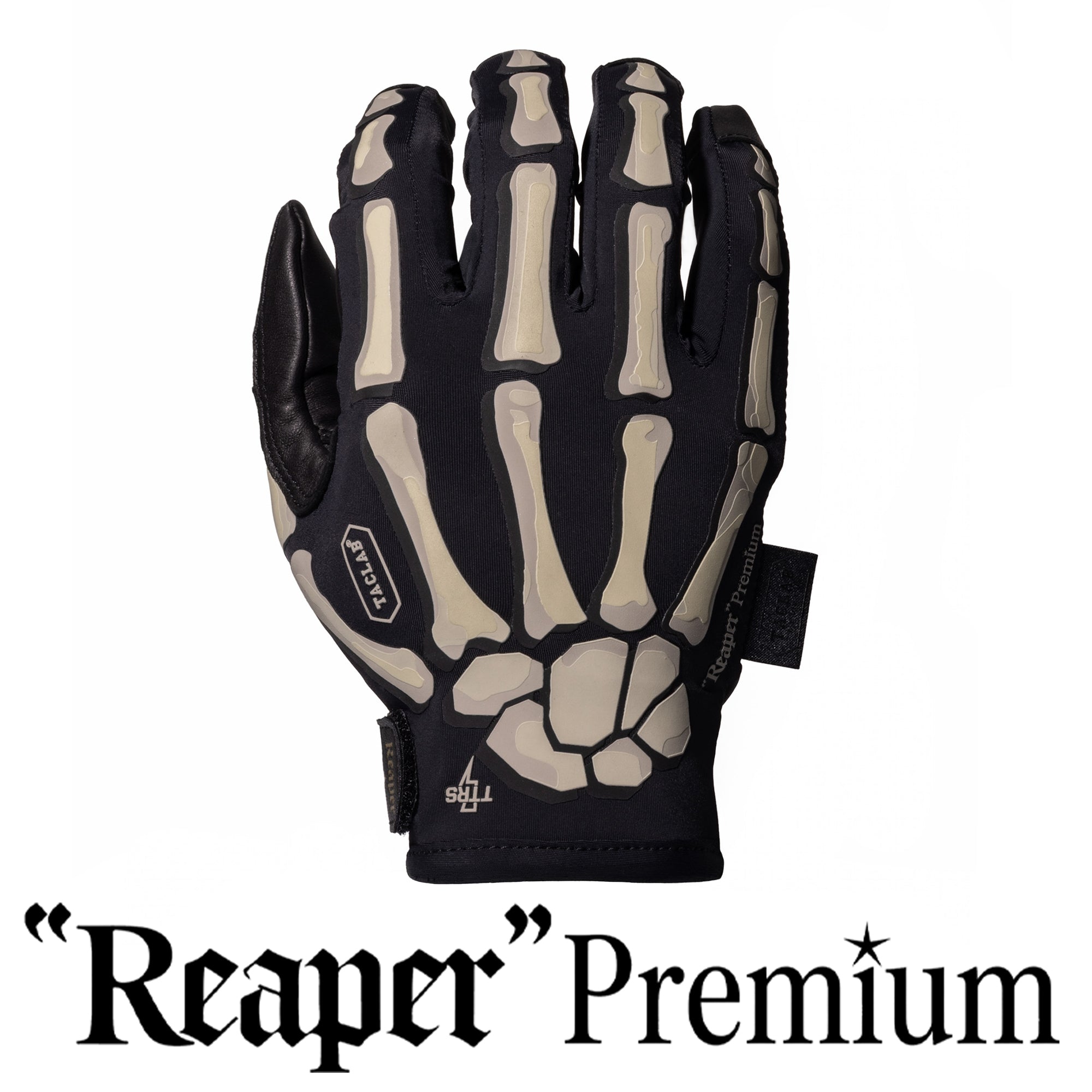
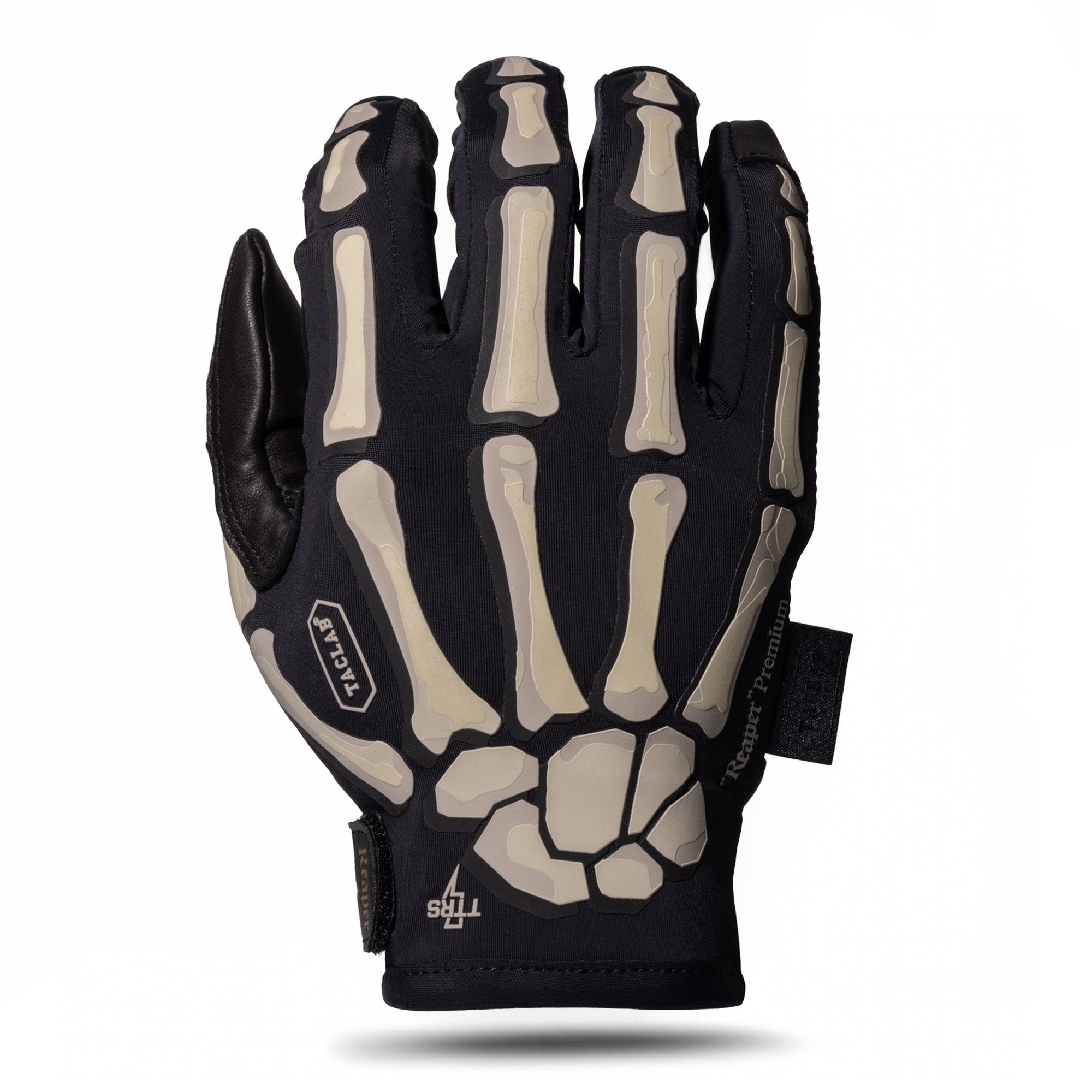
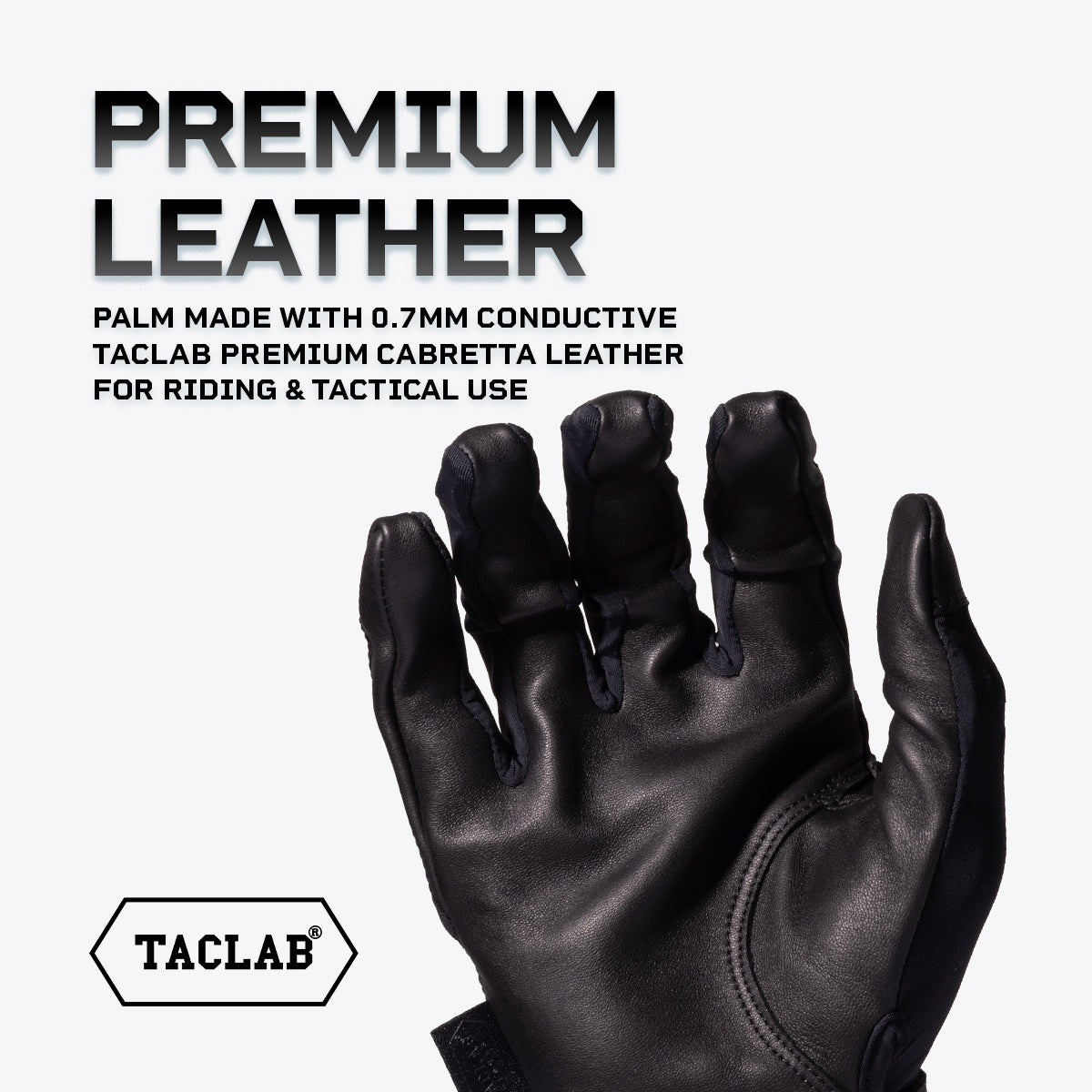
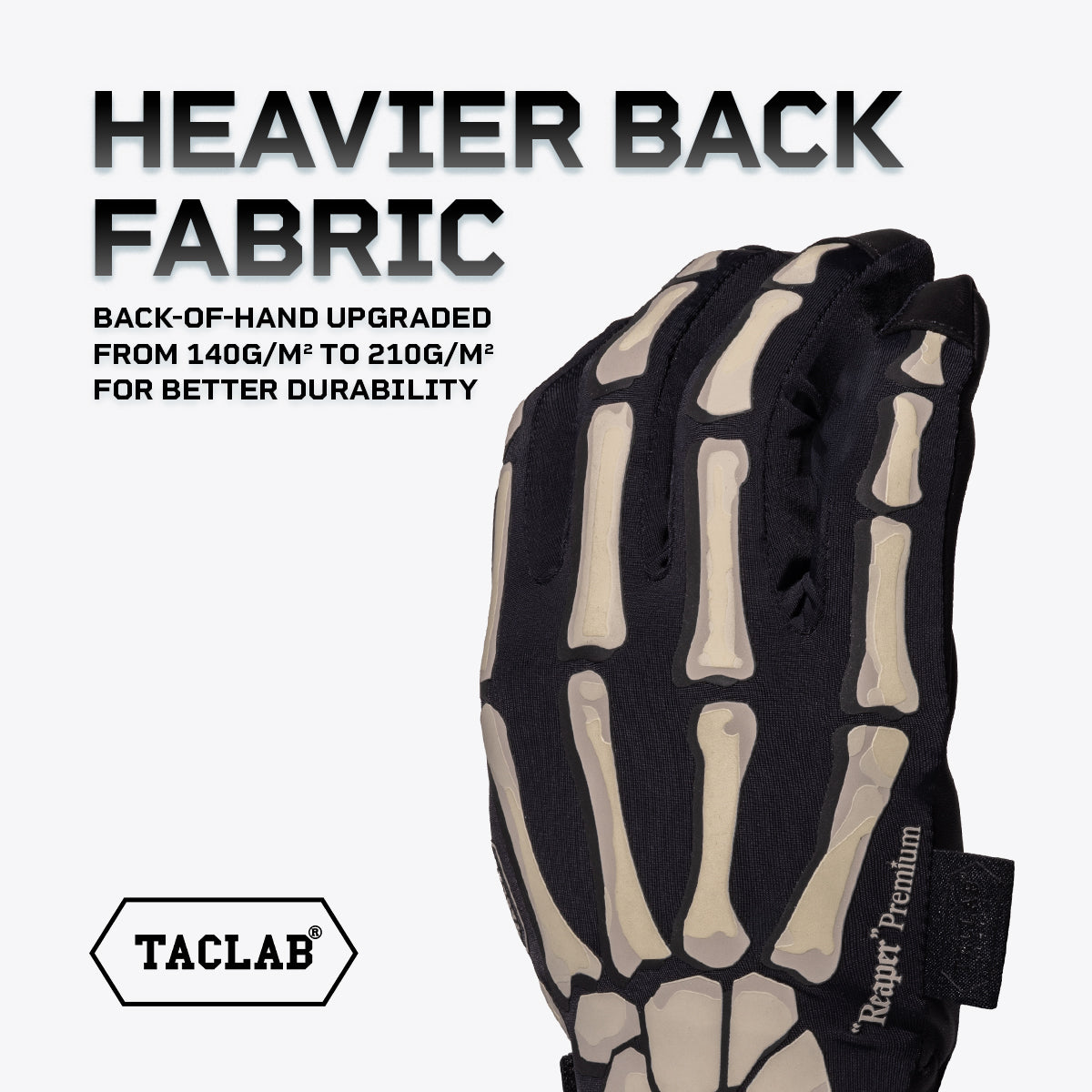
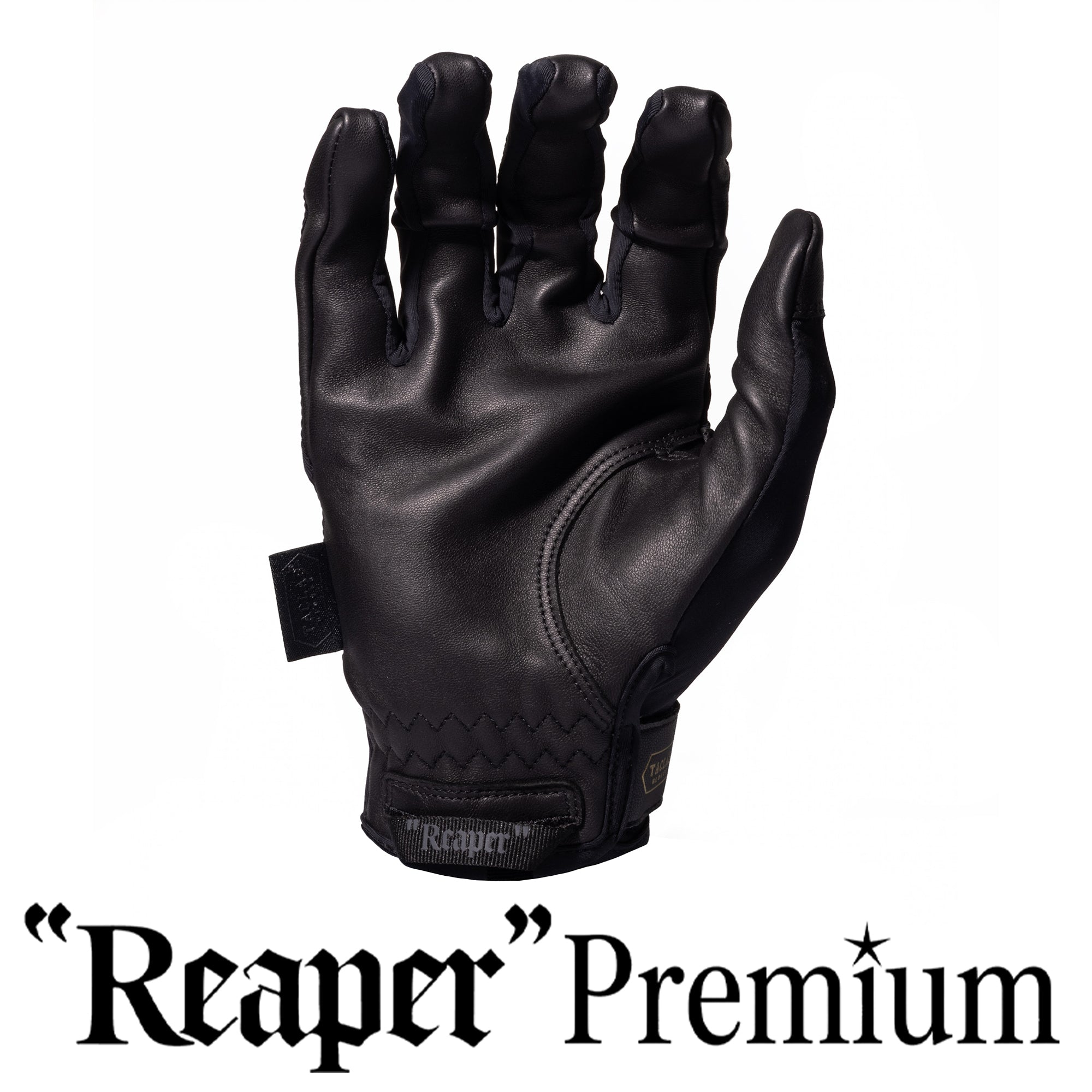
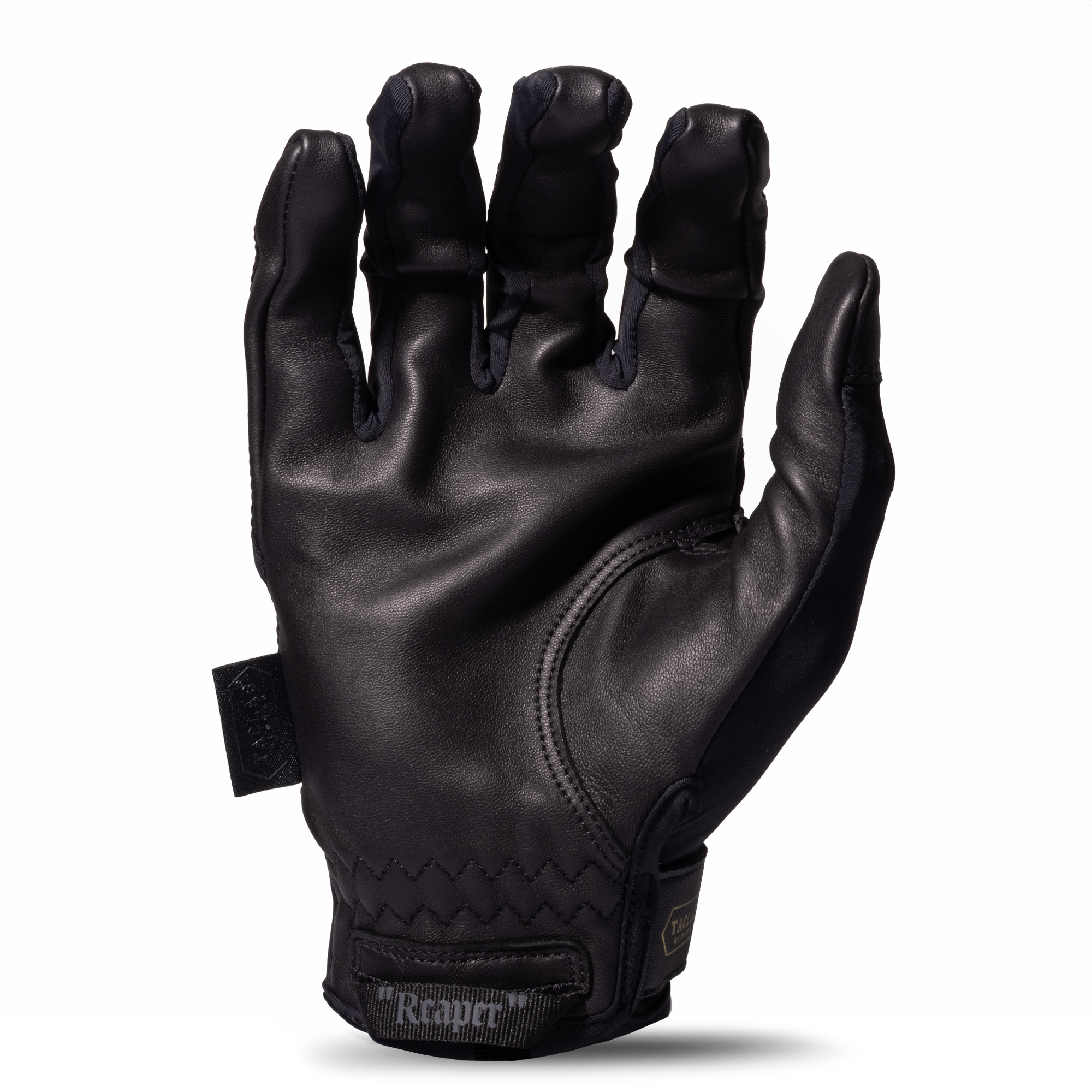
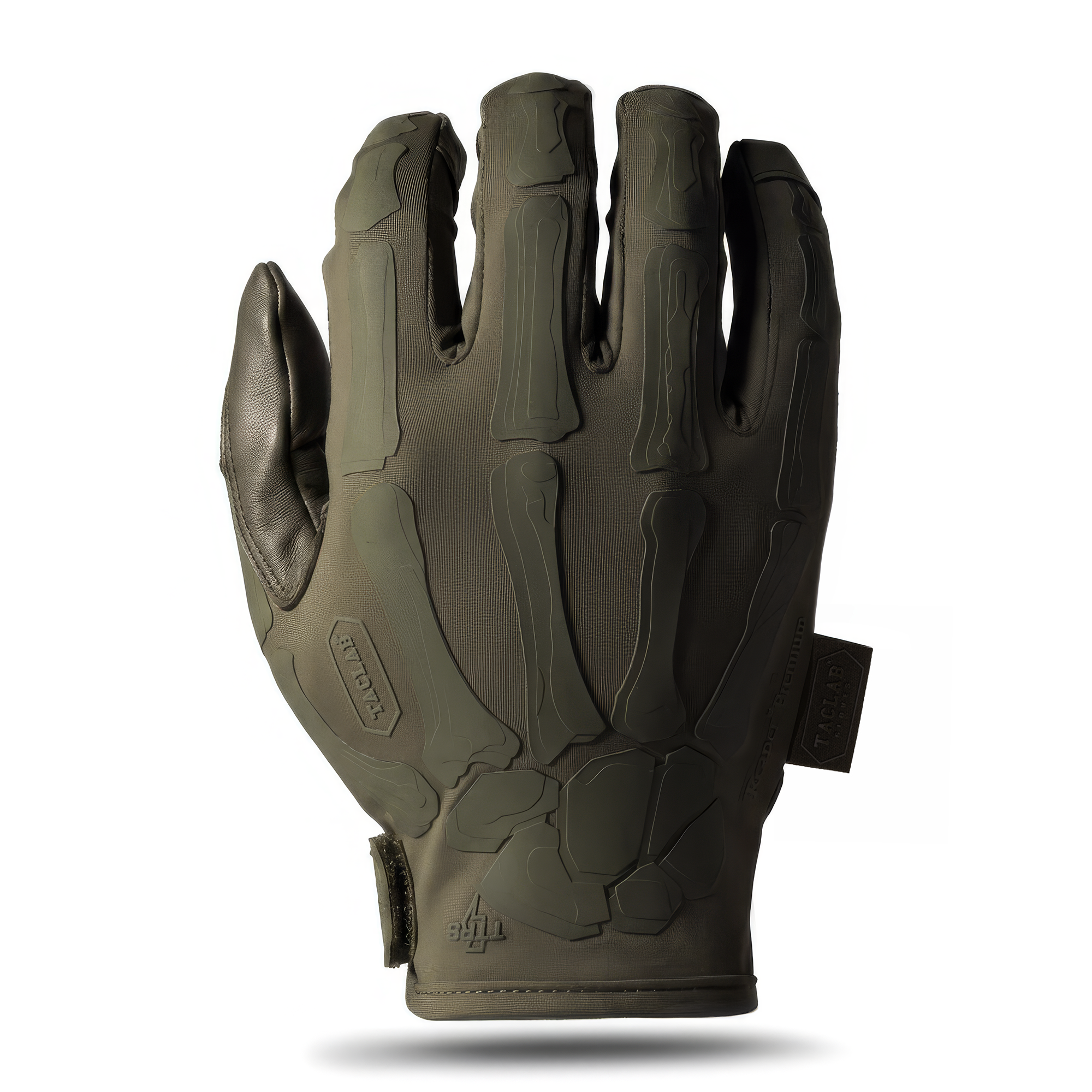
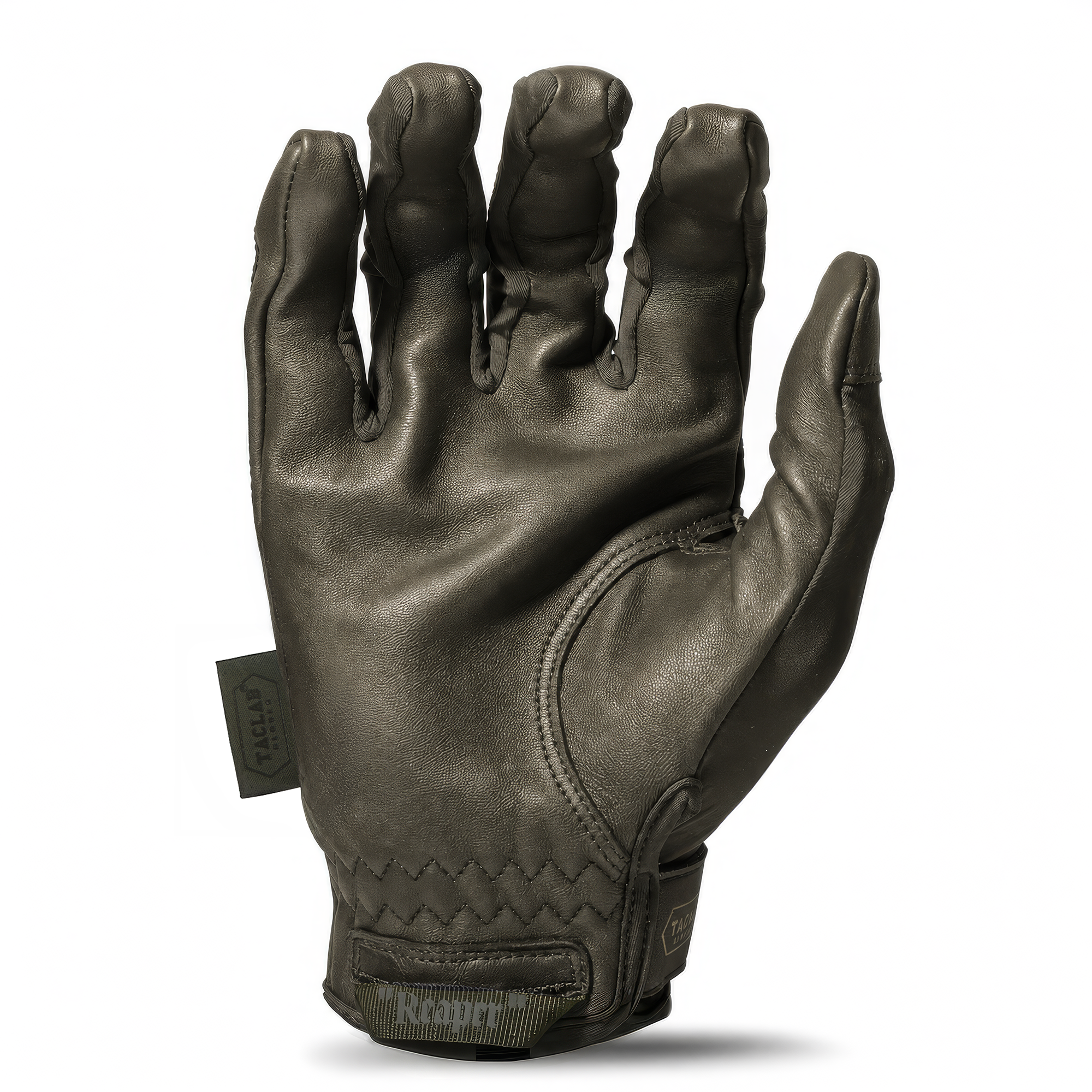
For shooters who prefer a more premium natural material at the palm, the Reaper Premium takes a different approach.
Its design uses 0.7mm Cabretta leather at the palm, selected to balance tactile sensitivity, flexibility, grip, and durability.
Cabretta leather is also widely associated with premium sporting gloves where hand feel is important.
The idea isn't to make the glove as thick as possible.
It's to put the appropriate material between the hand and equipment while maintaining useful feedback.
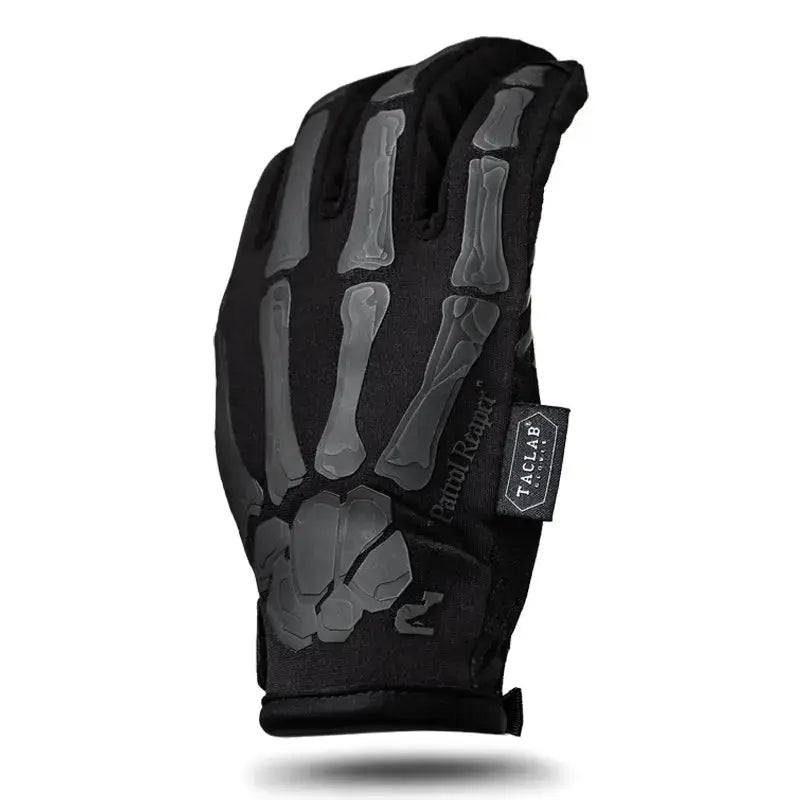
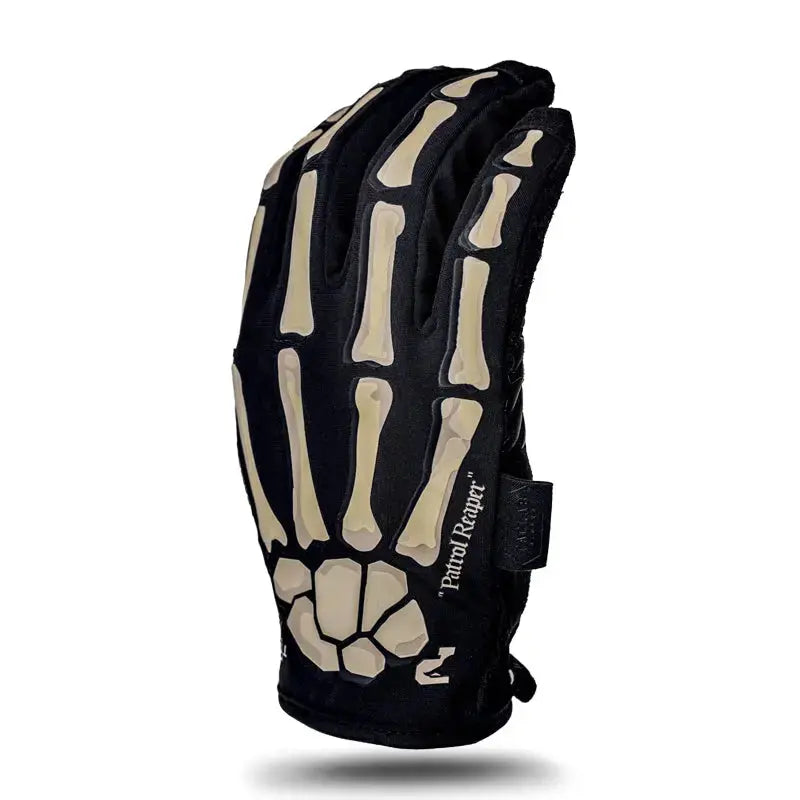
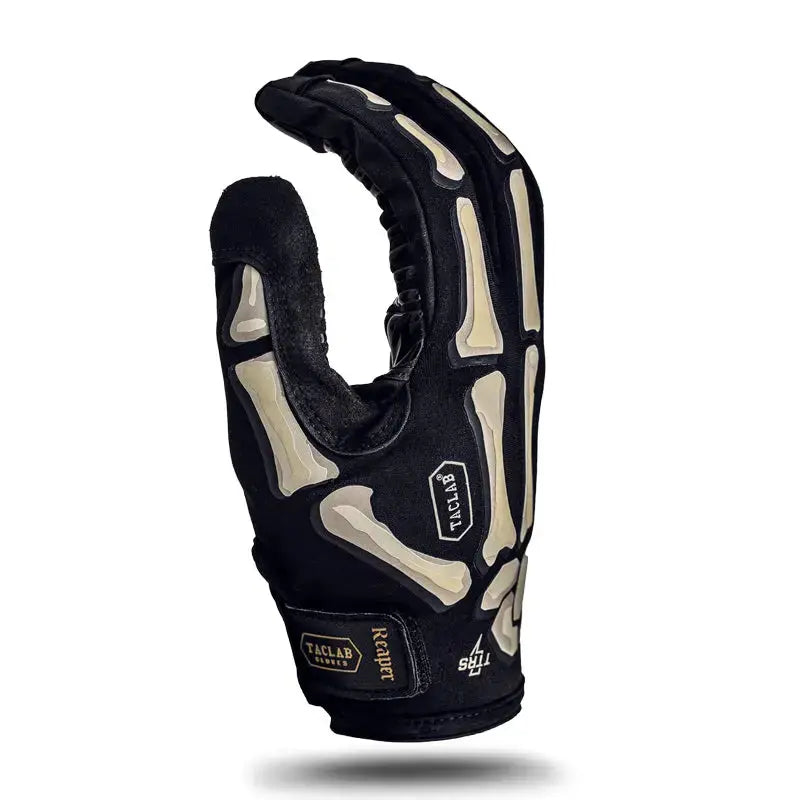
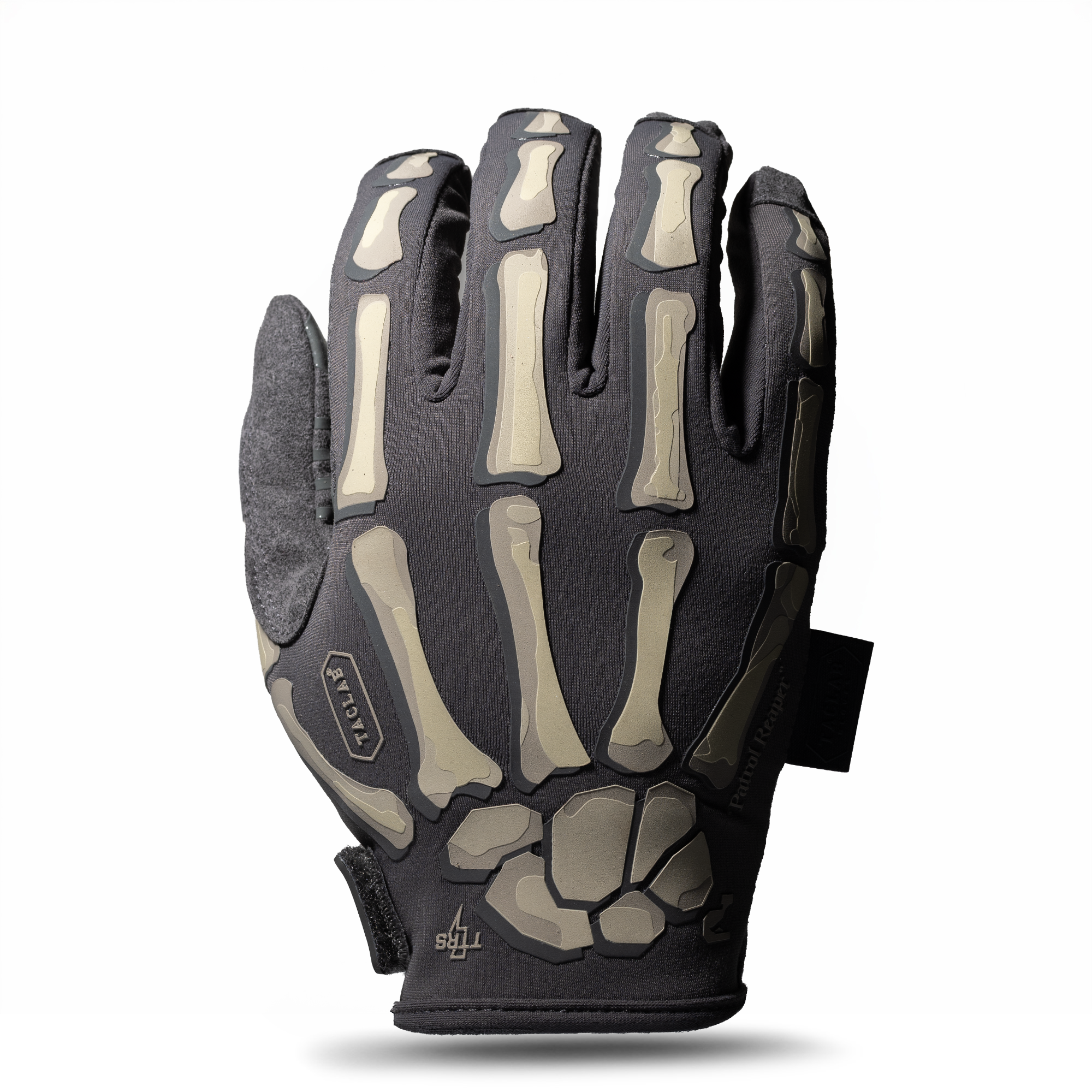
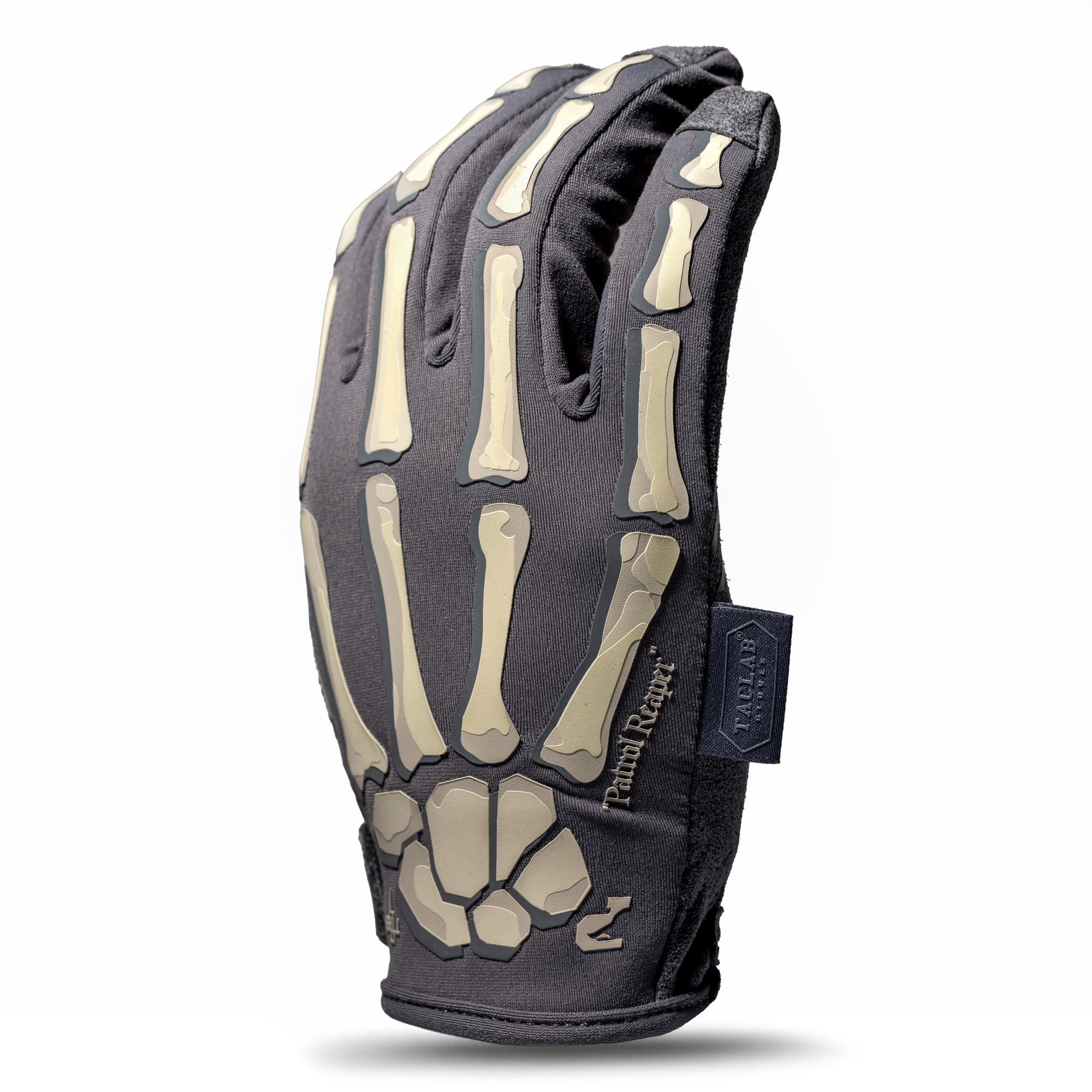
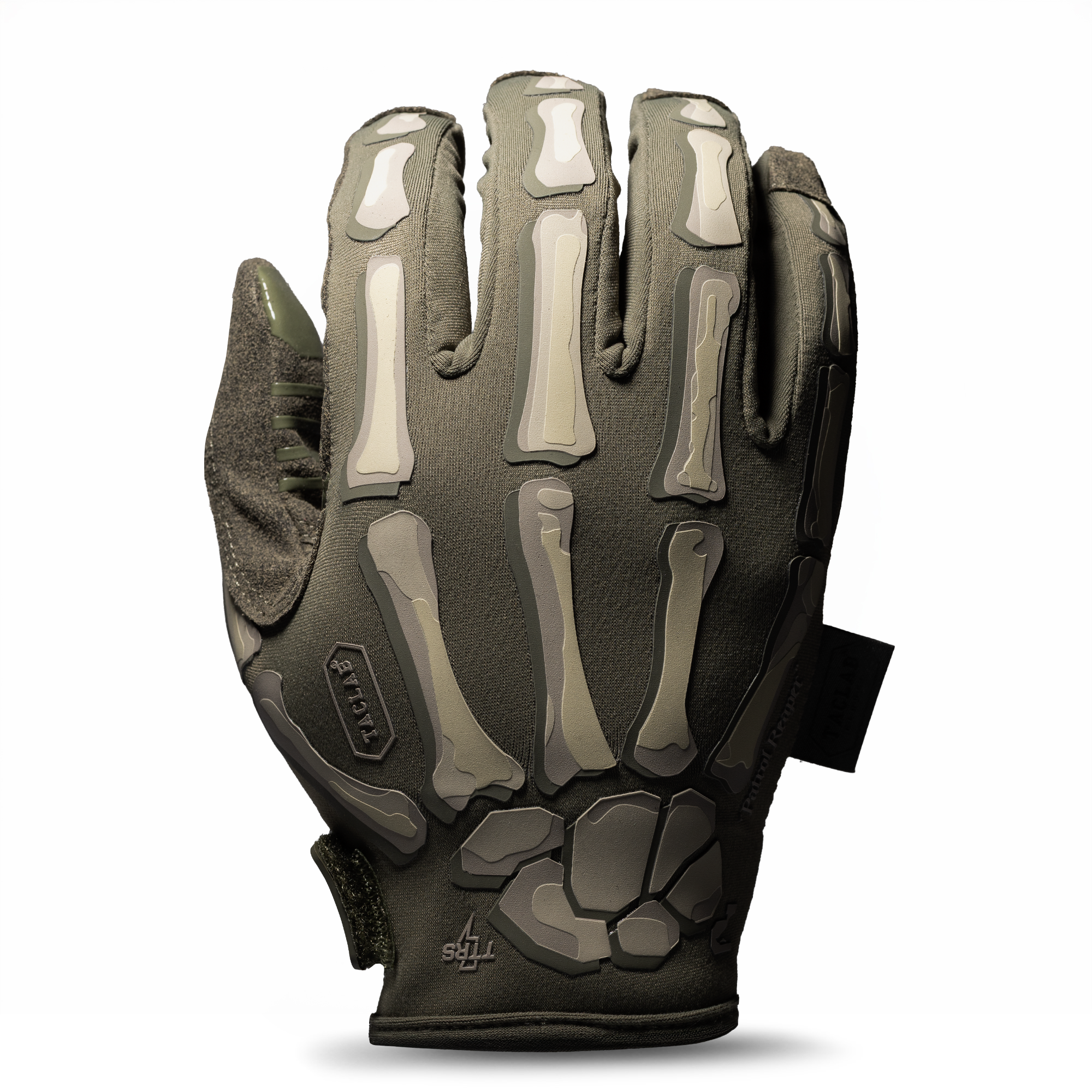
Patrol Reaper — When Warmth Matters Too
Cold-weather shooting changes the equation.
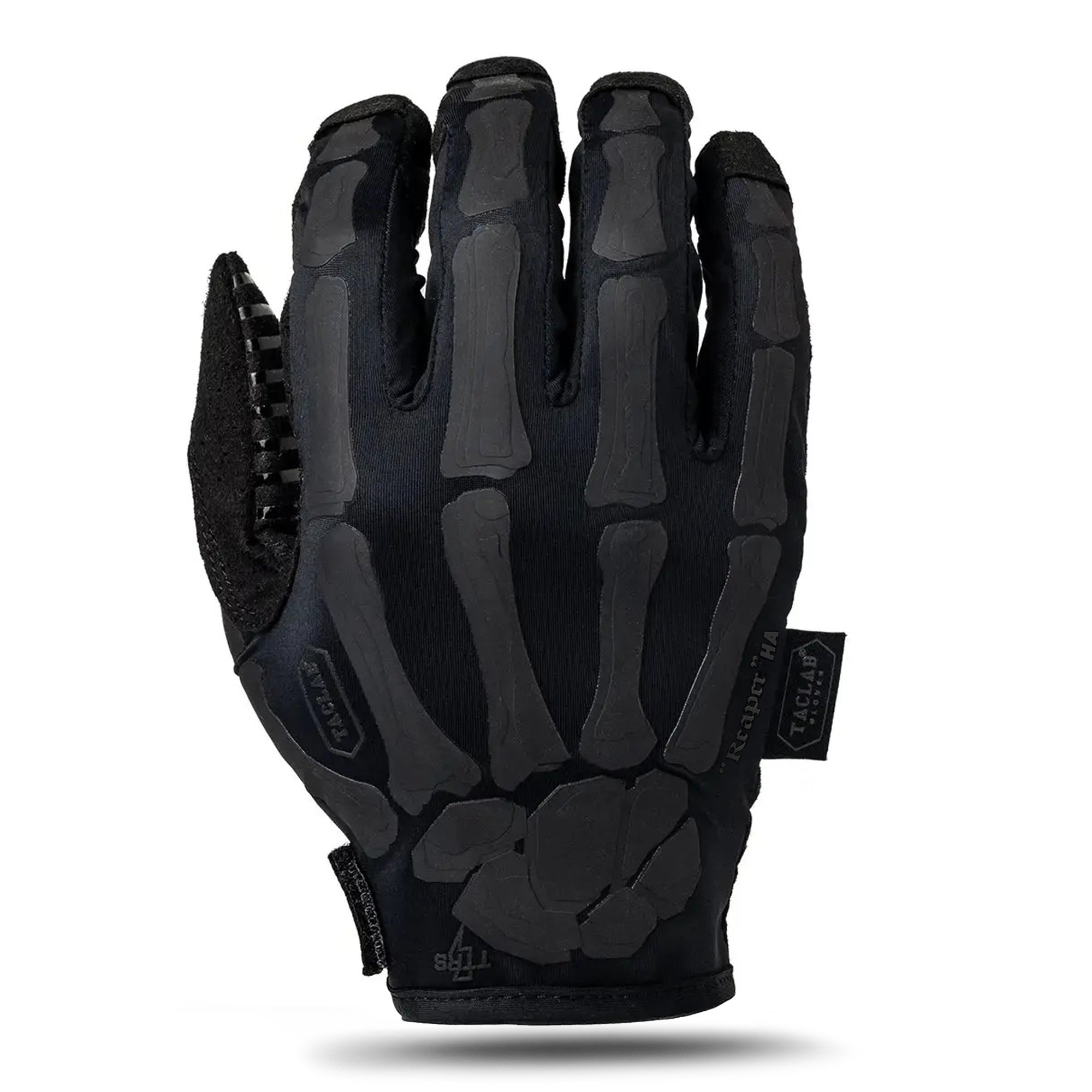
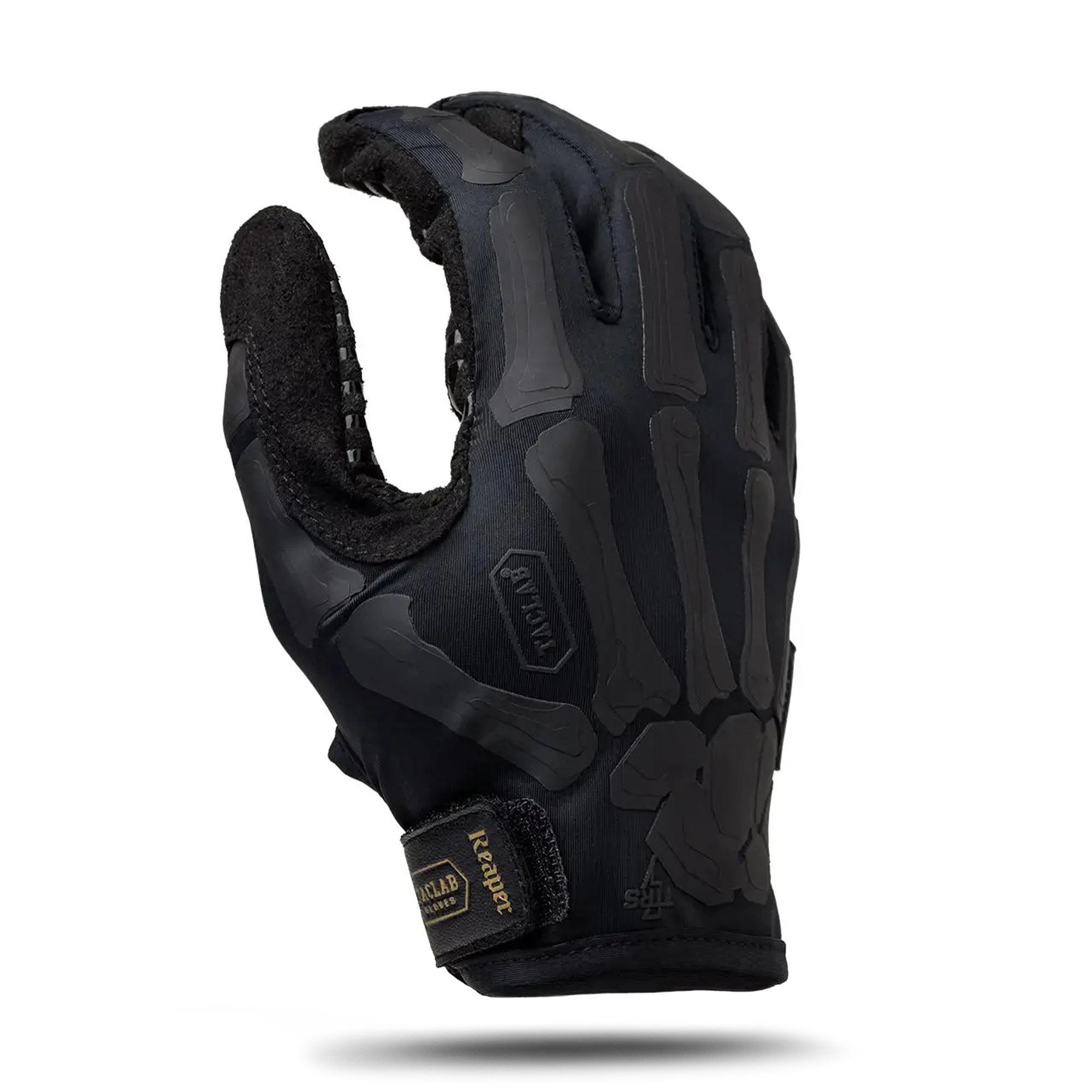
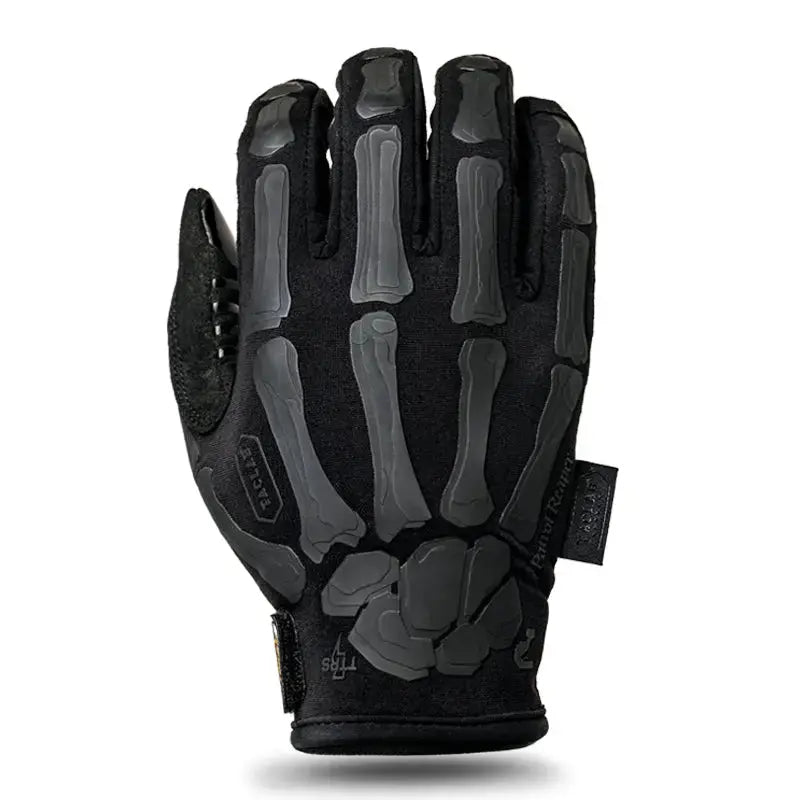
The Patrol Reaper is intended for users who need additional warmth but still want a tactical glove suitable for shooting, hunting, patrol, and outdoor activities.
Compared with exposing the trigger finger to freezing air, choosing a glove designed to balance warmth and dexterity may make much more sense.
Should You Cut the Trigger Finger Off Your Gloves?
Before reaching for the scissors, ask yourself why you want to modify the glove.
If the answer is:
"There's too much loose material around my fingertip."
You may have a sizing problem.
If it's:
"The entire glove feels too bulky."
You may be wearing the wrong type of glove.
If it's:
"I can't comfortably manipulate small controls."
You may need a higher-dexterity glove.
If it's simply:
"I strongly prefer direct skin contact with the trigger."
Then you have identified a genuine personal preference—but you should still understand the loss of protection and potential effect on the glove's durability and warranty.
For many modern shooters, the smarter solution isn't:
Buy glove → Cut glove.
It's:
Choose the correct glove from the beginning.
Frequently Asked Questions
Why do shooters cut the trigger finger off their gloves?
Shooters may remove the index fingertip of a glove to increase direct tactile feedback and finger dexterity. The practice became especially useful when shooters wore thicker military, work, leather, or cold-weather gloves that weren't specifically designed for firearm manipulation.
Which finger do shooters cut off their gloves?
Usually the index finger on the dominant shooting hand, since it normally serves as the trigger finger. Some users expose only the fingertip rather than removing the entire finger section.
Does cutting the trigger finger improve shooting accuracy?
Not directly. Accuracy depends primarily on shooting fundamentals and training. Removing glove material may change tactile feedback and make the trigger feel more natural to some shooters, but it does not automatically improve accuracy.
Do shooting gloves reduce trigger feel?
They can, particularly if they're thick, oversized, stiff, or poorly fitted. Modern lightweight shooting gloves are designed to minimize bulk and preserve dexterity around the fingers.
Are fingerless gloves better for shooting?
Not necessarily. Fingerless gloves provide direct fingertip contact but offer less protection and weather coverage. A properly fitted full-finger shooting glove can provide dexterity while keeping the fingers covered.
Should shooting gloves fit tight?
Shooting gloves should generally fit close to the hand without causing numbness, painful pressure, or restricted movement. Excess material around the fingertips and palm can interfere with fine manipulation.
Can I cut the index finger off my tactical gloves?
You can physically modify many gloves, but cutting them may cause fraying, reduce protection, weaken construction, and potentially affect warranty coverage. Consider whether a thinner or better-fitting shooting glove would solve the problem first.
What should I look for in a shooting glove trigger finger?
Look for low bulk, proper finger length, flexible material, comfortable seam placement, and a secure overall fit. The goal is to maintain tactile feedback without sacrificing more hand protection than necessary.
Final Thoughts
So, why do shooters cut the trigger finger off their gloves?
The answer goes back to a very practical problem:
They wanted the protection of a glove without losing direct trigger-finger feel.
When gloves were bulky or weren't specifically designed for shooting, removing the index fingertip was a simple field solution.
But glove design has evolved.
Today, shooters can choose lightweight, close-fitting tactical gloves designed around dexterity from the beginning. That means many users can keep full-finger coverage without accepting the bulk that made the old modification attractive in the first place.
There will always be shooters who prefer direct skin contact with the trigger—and personal preference remains part of equipment selection.
But before cutting a perfectly good glove, ask whether the problem is actually the finger.
It could be the fit, thickness, material, or simply the wrong glove for the job.
Choose the Glove Before You Choose the Scissors
TACLAB offers different glove designs for different priorities—from lightweight Reaper shooting gloves and premium Cabretta leather options to insulated models for colder conditions.
Explore the TACLAB Gloves Collection
Choose based on how you shoot, where you train, and the level of dexterity and protection you actually need.
Sometimes the best modification is not needing to modify the glove at all.