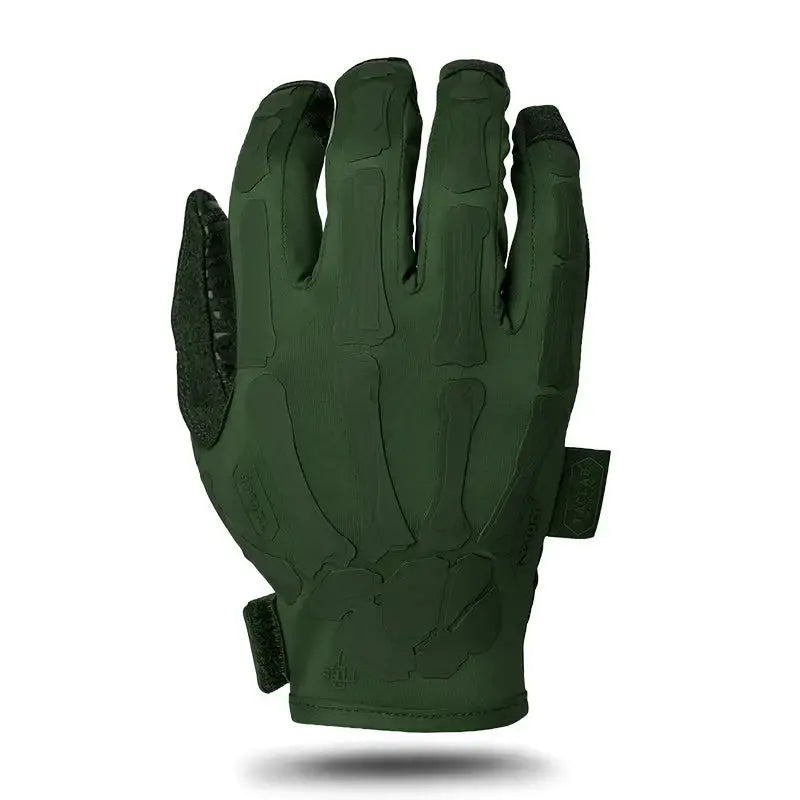
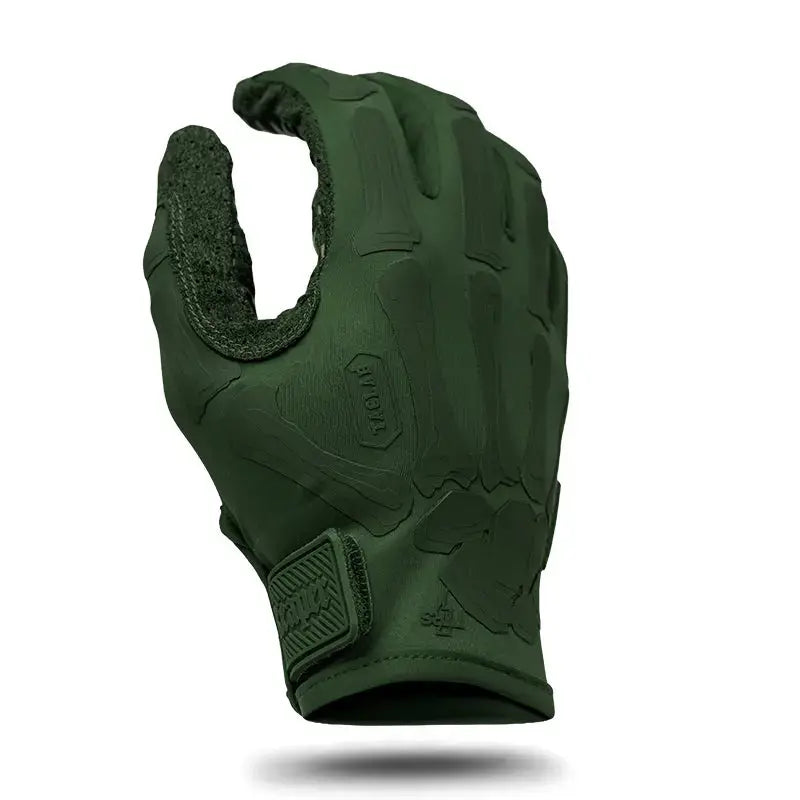
You pull your favorite tactical gloves out of your range bag and notice something.
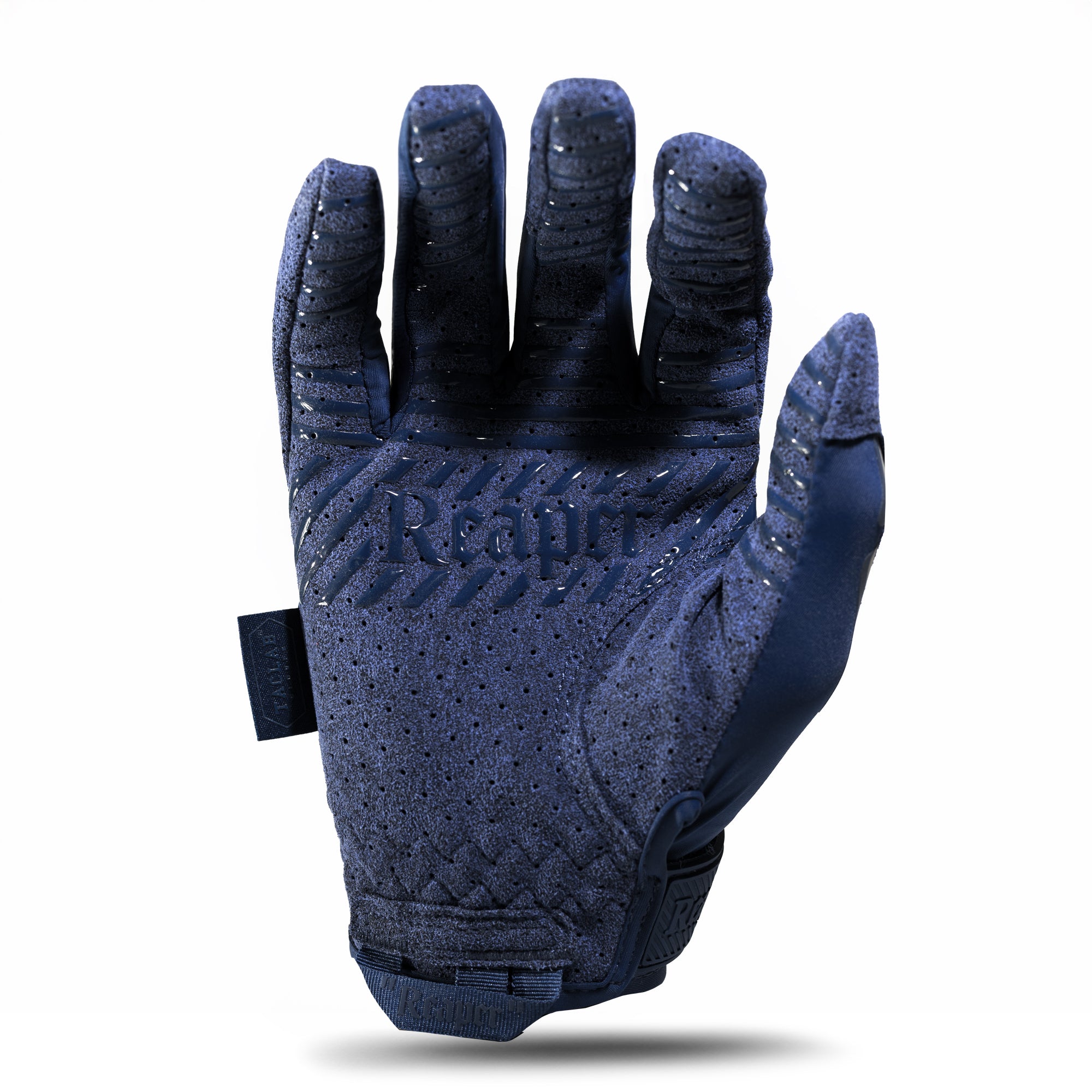
The fingertips look thinner than they used to.
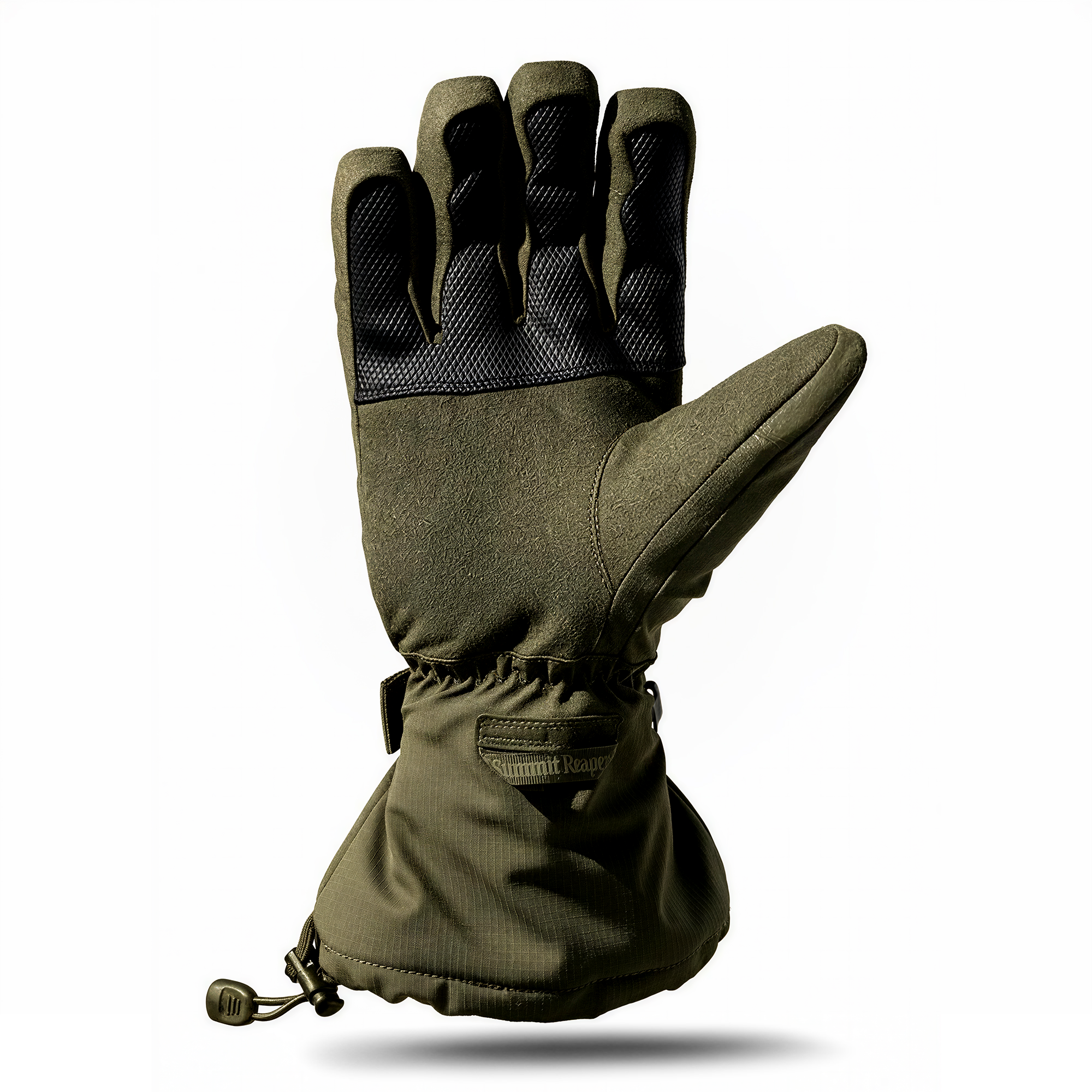
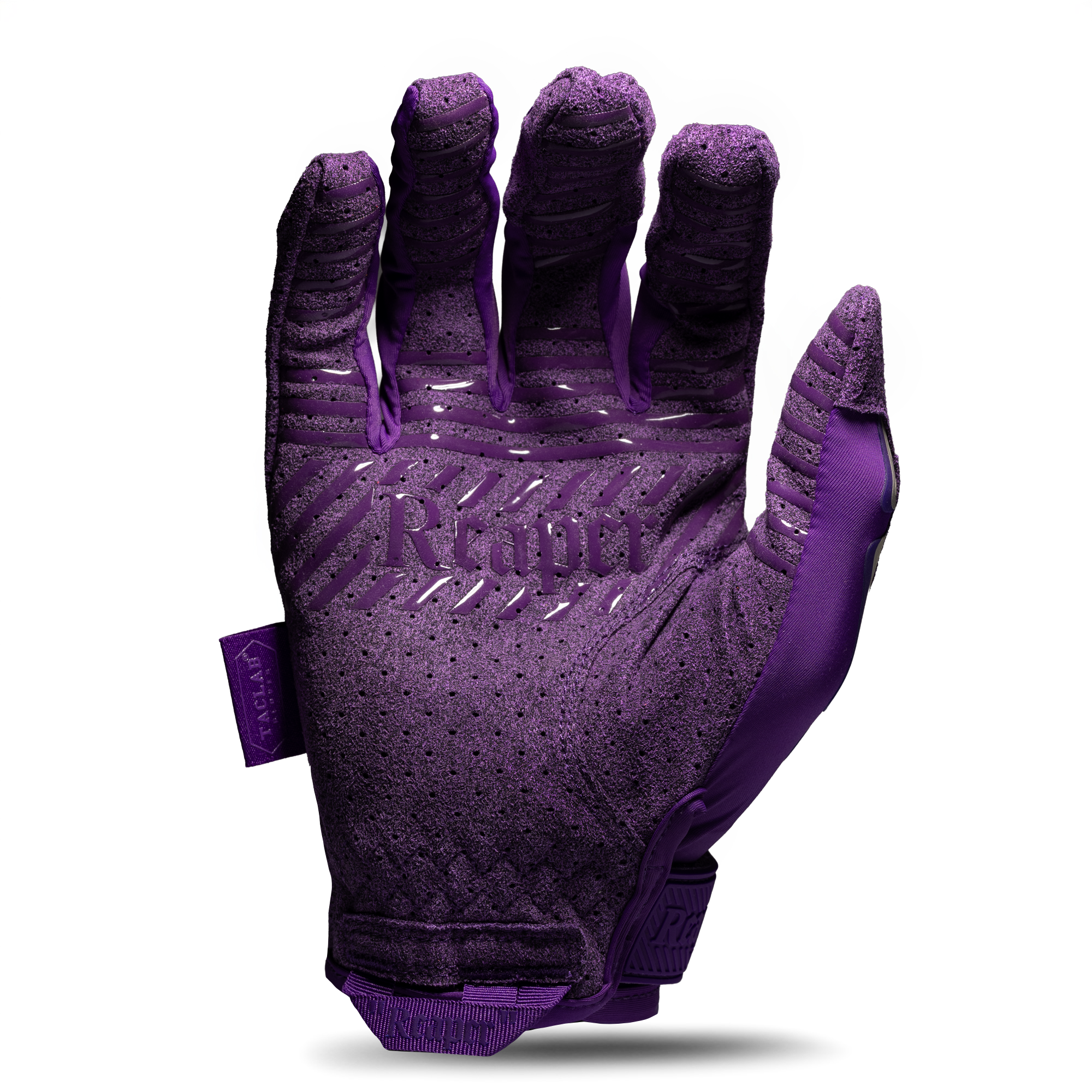
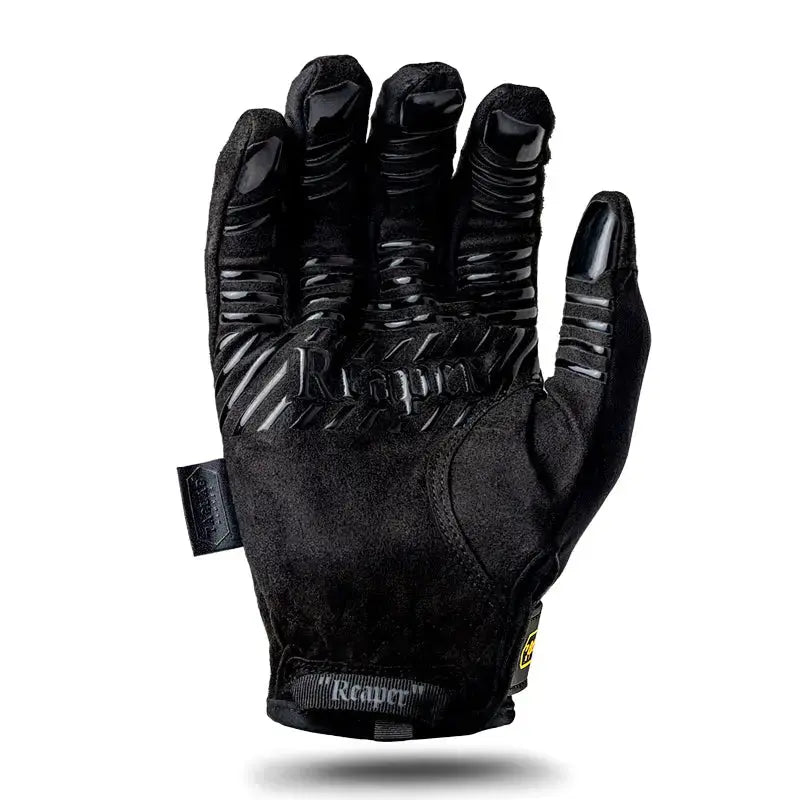
The palm isn't quite as grippy.
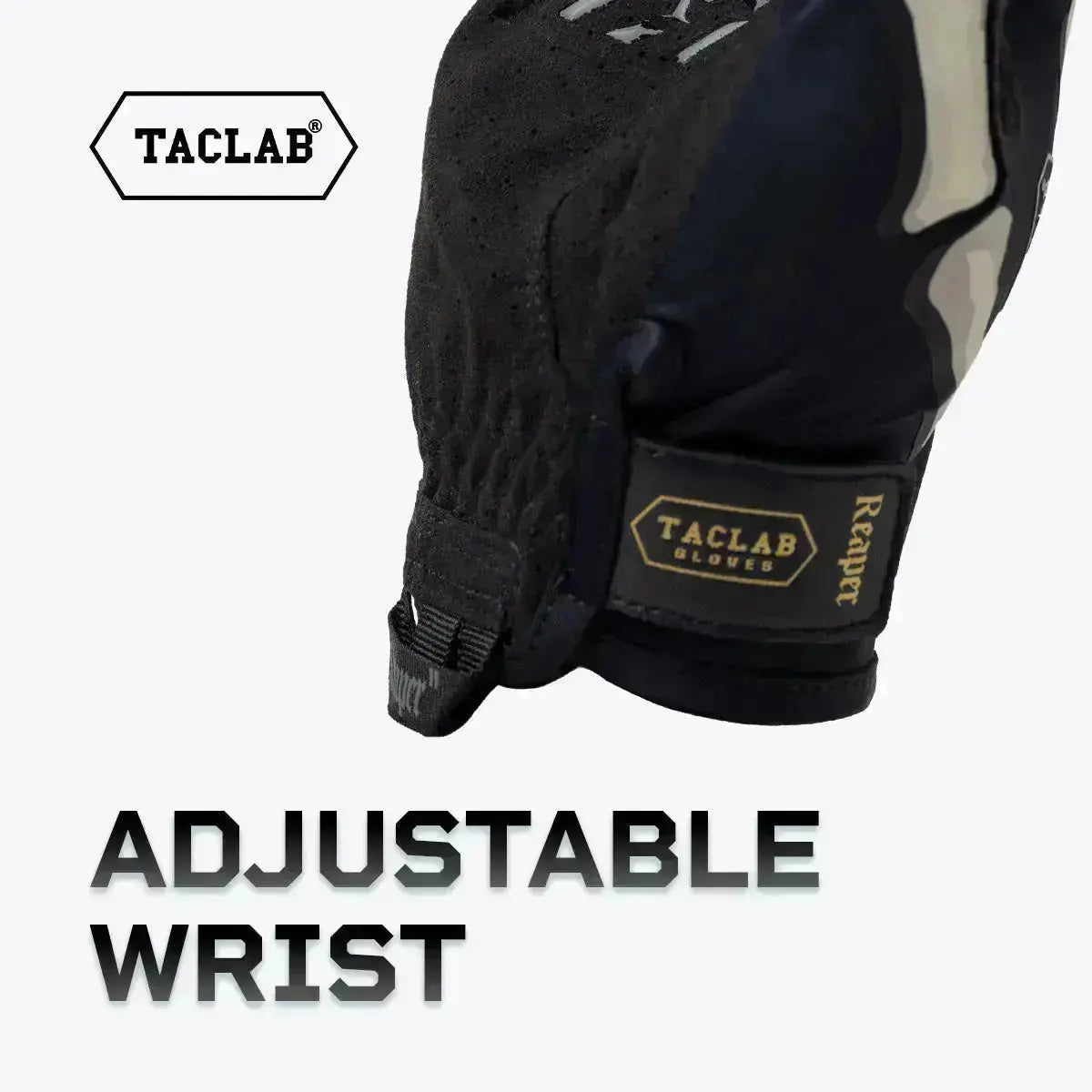
Maybe one seam has started to separate.
But the gloves still technically work.
So you ask the obvious question:
How long should tactical gloves actually last?
The frustrating answer is that there isn't one number.
A pair worn to the shooting range twice a month can last much longer than the same gloves used every day for motorcycle riding, construction work, or handling rough equipment.
Material matters.
Weather matters.
Sweat matters.
How you wash them matters.
Most importantly, what you ask the gloves to do matters.
Instead of judging tactical gloves only by age, it makes more sense to judge them by condition and performance.
Here are seven signs that your current pair may be telling you it's time for a replacement.
The Short Answer: There Is No Universal Lifespan
You may see people online claim that tactical gloves should last six months, one year, two years, or some other specific period.
Those numbers aren't very useful without context.
Imagine two people buying exactly the same pair.
The first person shoots at an indoor range twice per month.
The second rides a motorcycle five days per week, works outdoors, handles tools, and wears the gloves in hot weather.
Their gloves aren't going to age at the same rate.
A better way to think about glove lifespan is:
Usage + Environment + Material + Care = Useful Life
A lightweight shooting glove prioritizes dexterity and tactile feedback. A heavy-duty leather glove prioritizes durability. An insulated winter glove is designed around warmth and weather protection.
Expecting all three to wear at the same rate doesn't make sense.
That's why replacement should be based on performance, not simply the date printed on your receipt.
Why Tactical Gloves Wear Out
Every time you wear tactical gloves, several forces act on the material.
Your palm rubs against grips, handlebars, tools, or equipment.
Your fingertips stretch every time you bend them.
Sweat introduces moisture.
Heat can affect certain materials and printed components.
Hook-and-loop closures are opened and closed repeatedly.
Seams flex thousands of times.
None of this necessarily means the glove is poorly made.
It's simply what working gear does.
Think about tires.
A performance tire designed for maximum road feel may wear differently from a heavy-duty truck tire. That doesn't automatically make one better than the other—they were built for different jobs.
Tactical gloves work the same way.
And that brings us to the first warning sign.
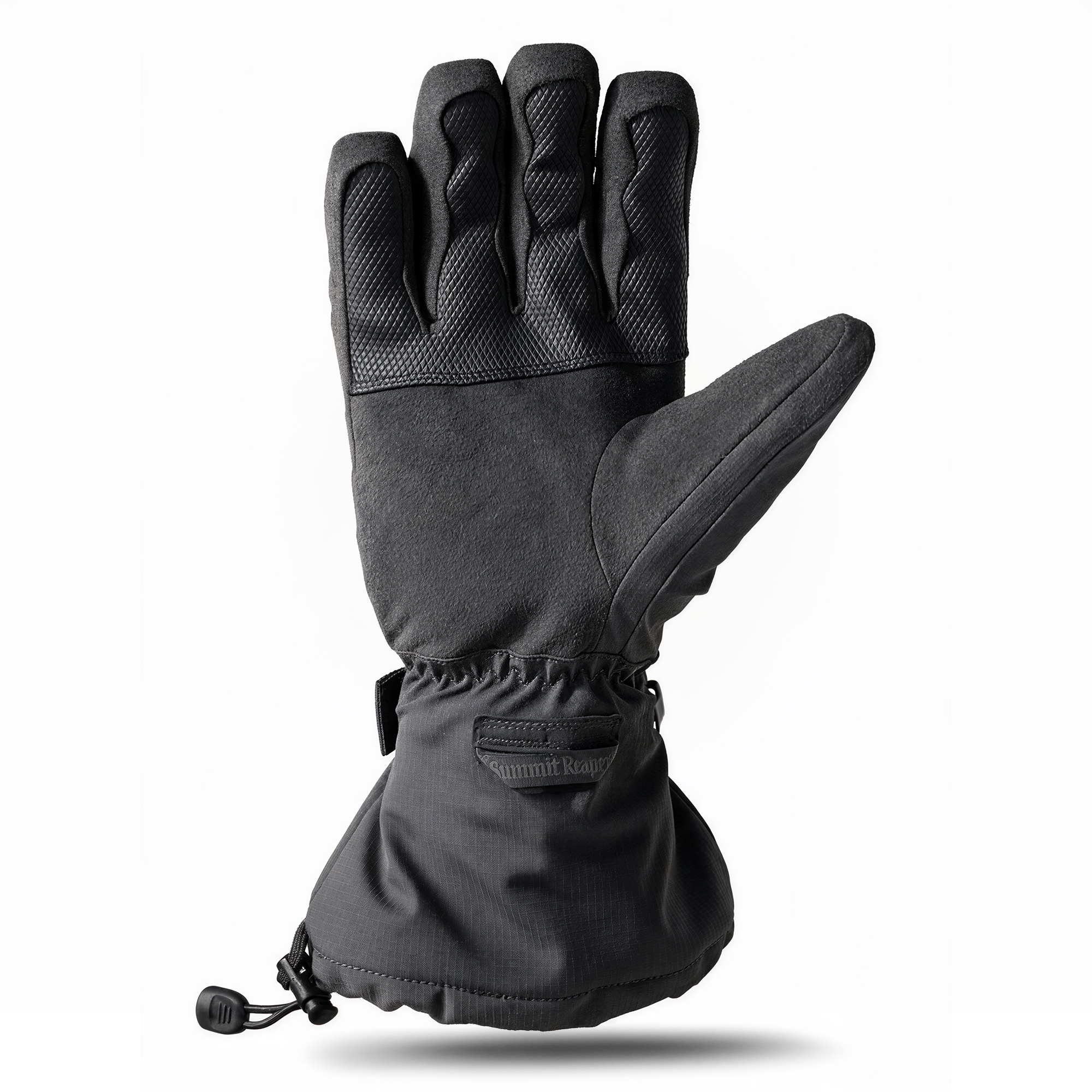
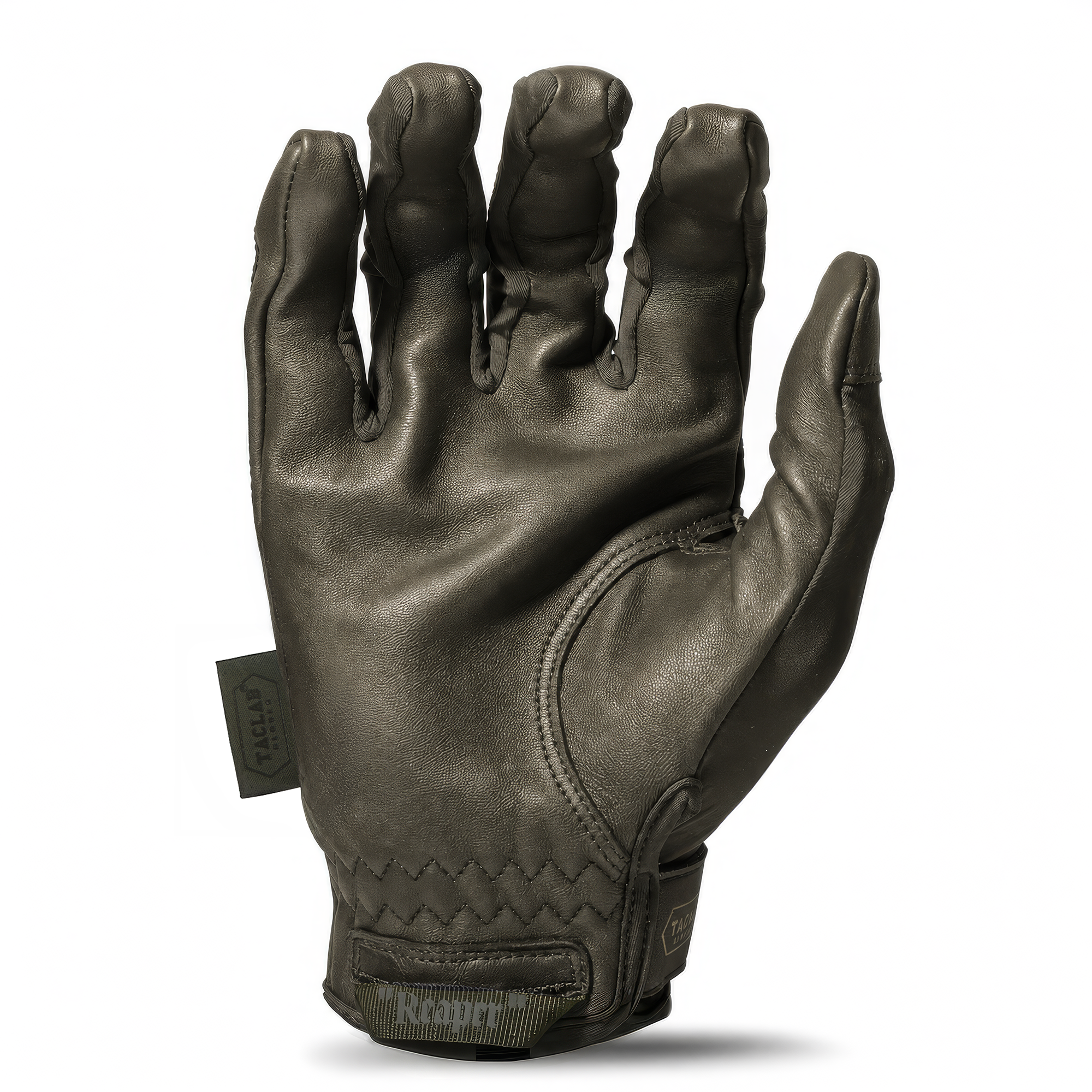
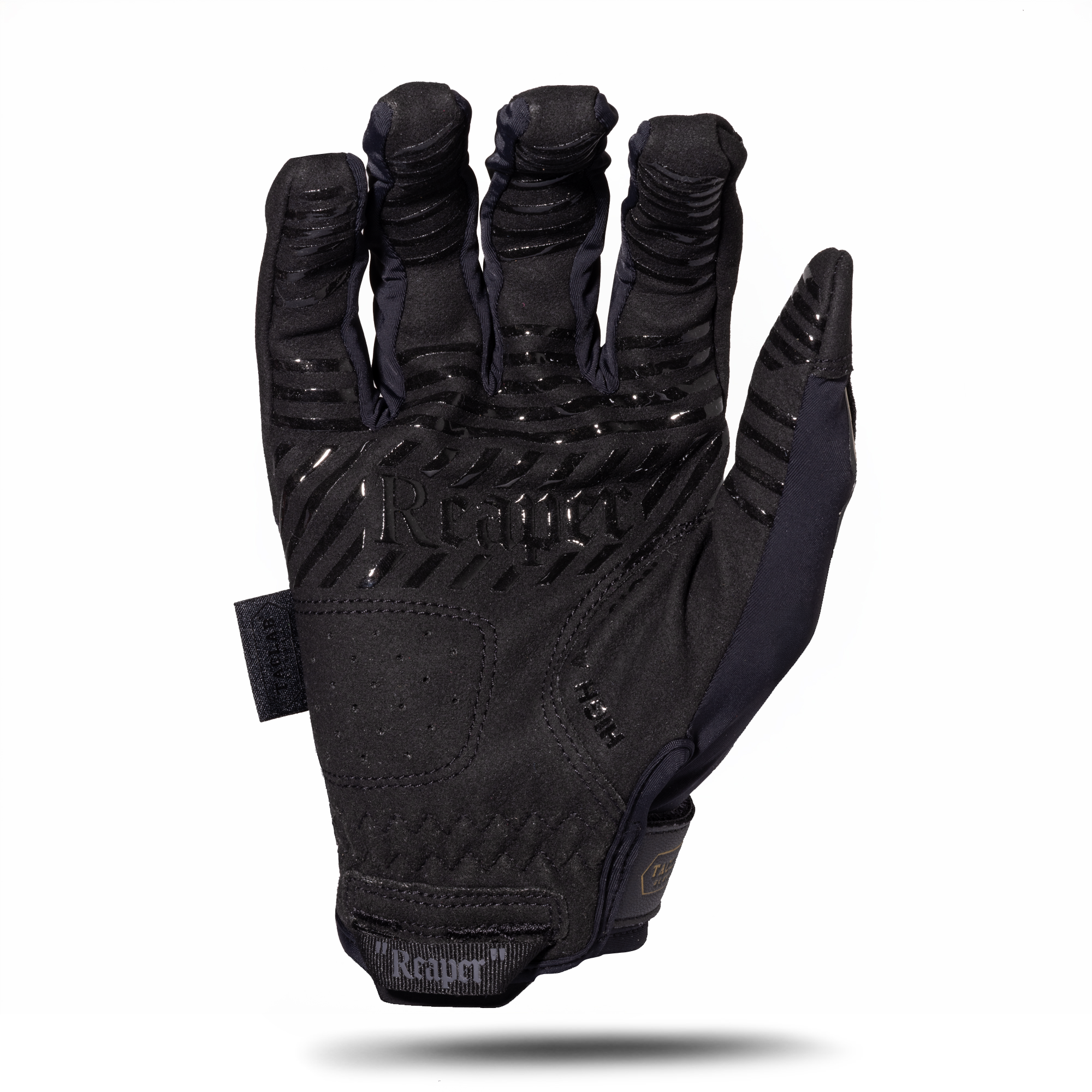
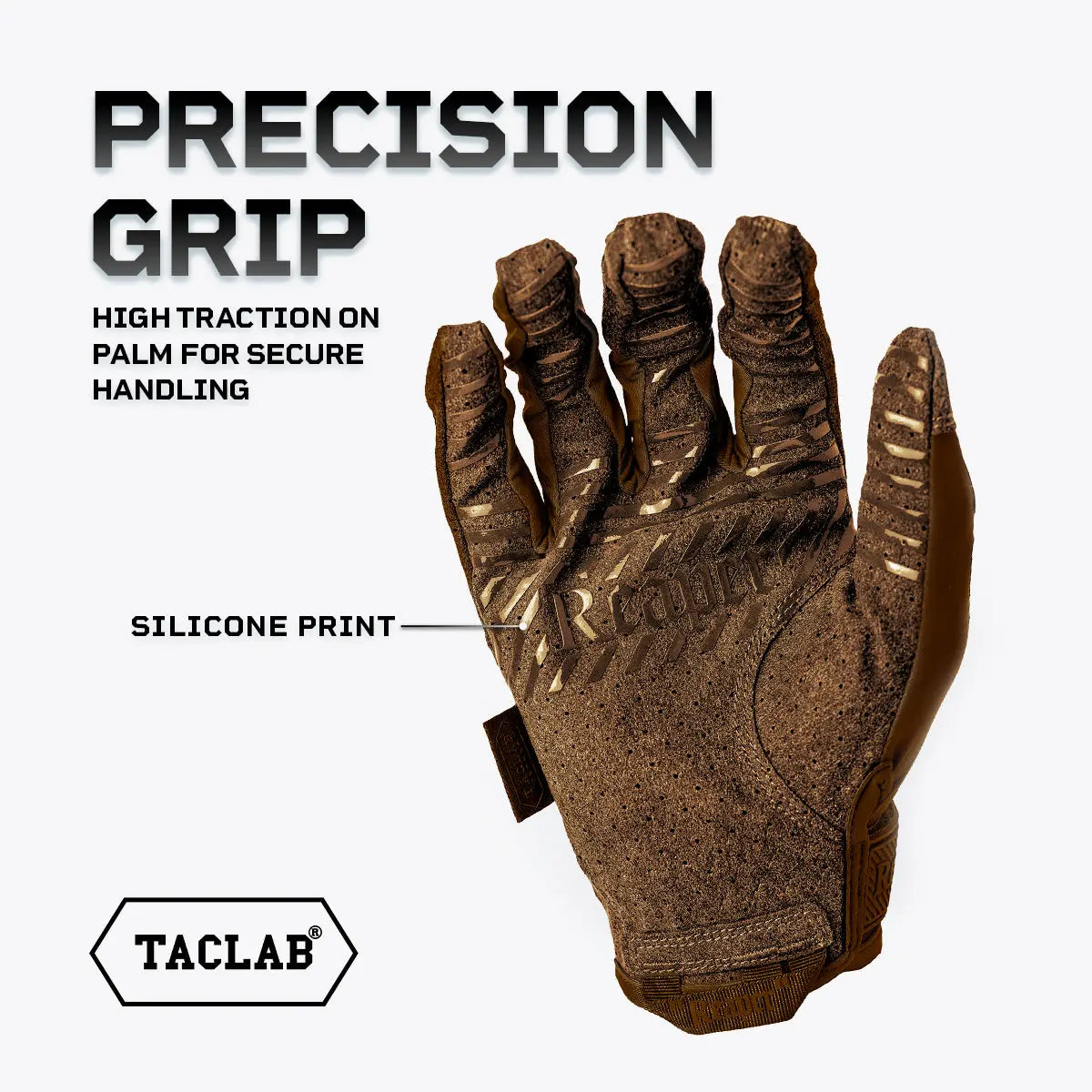
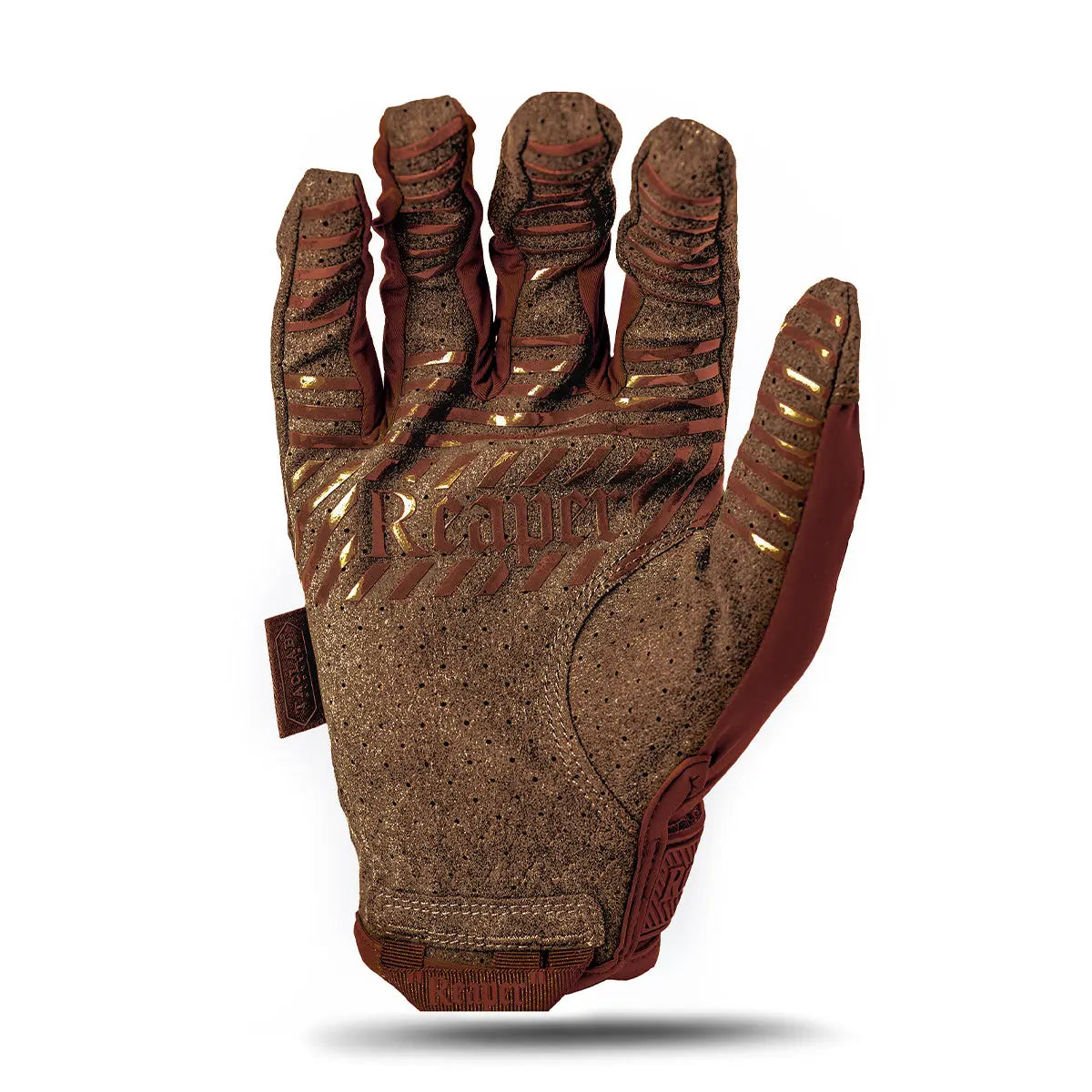
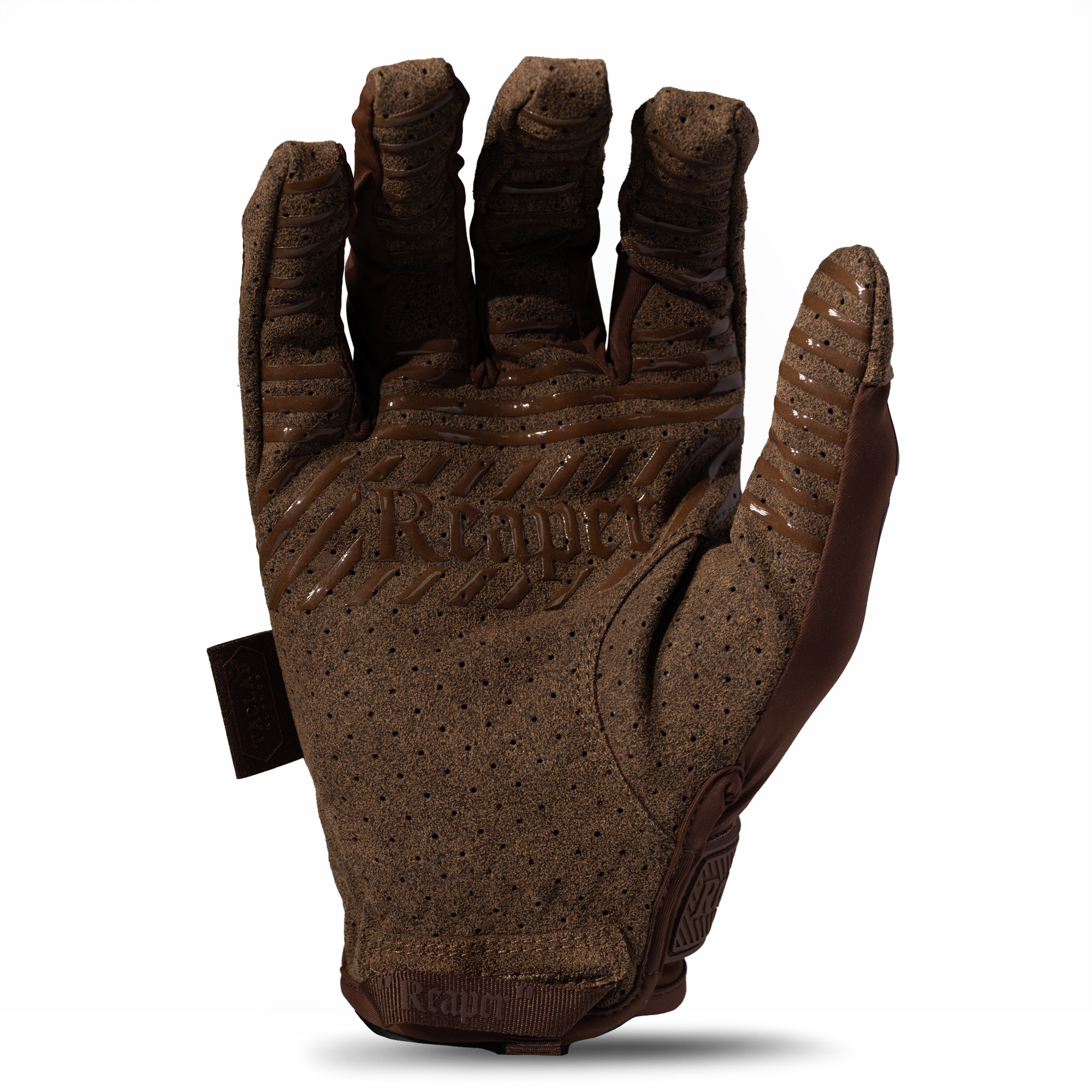
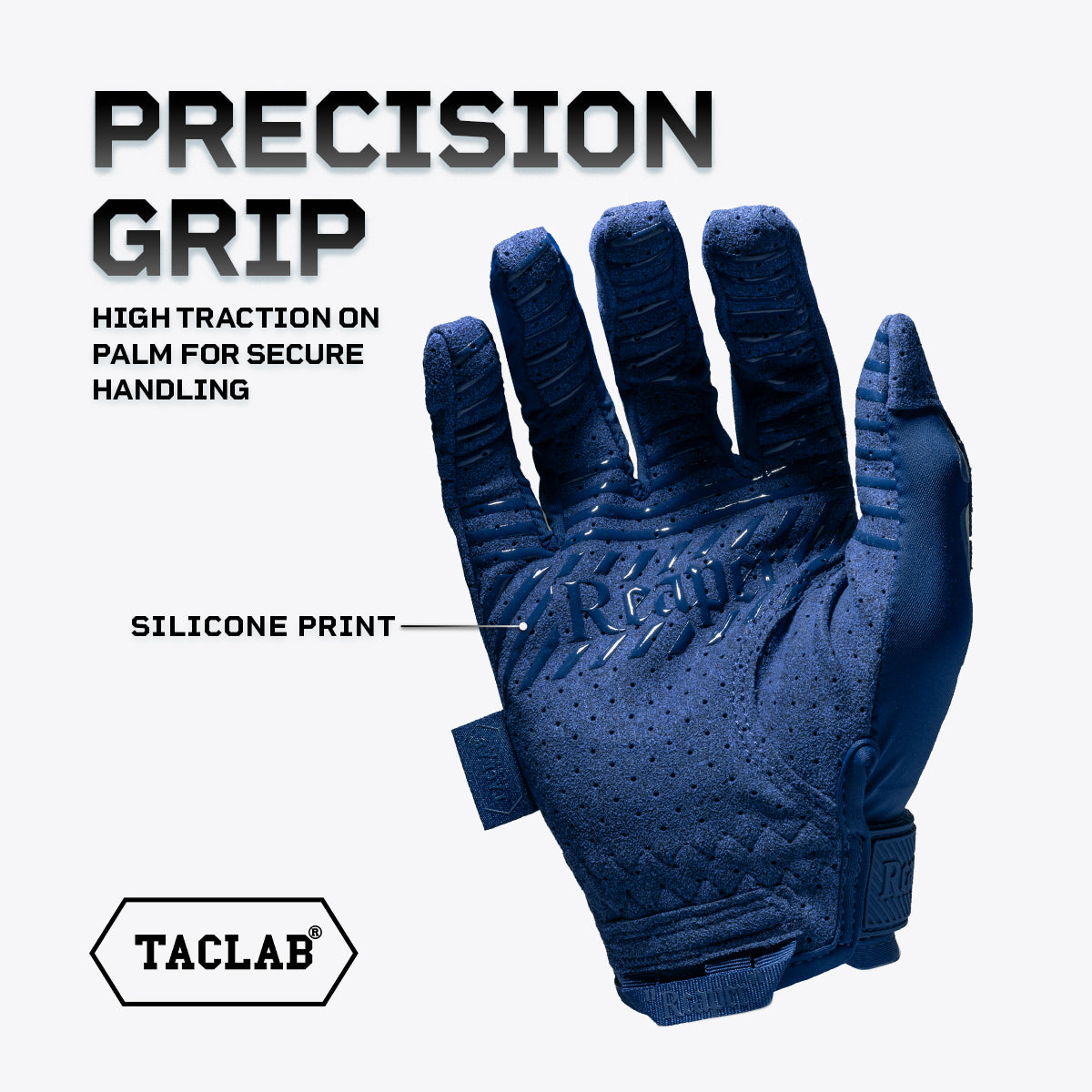
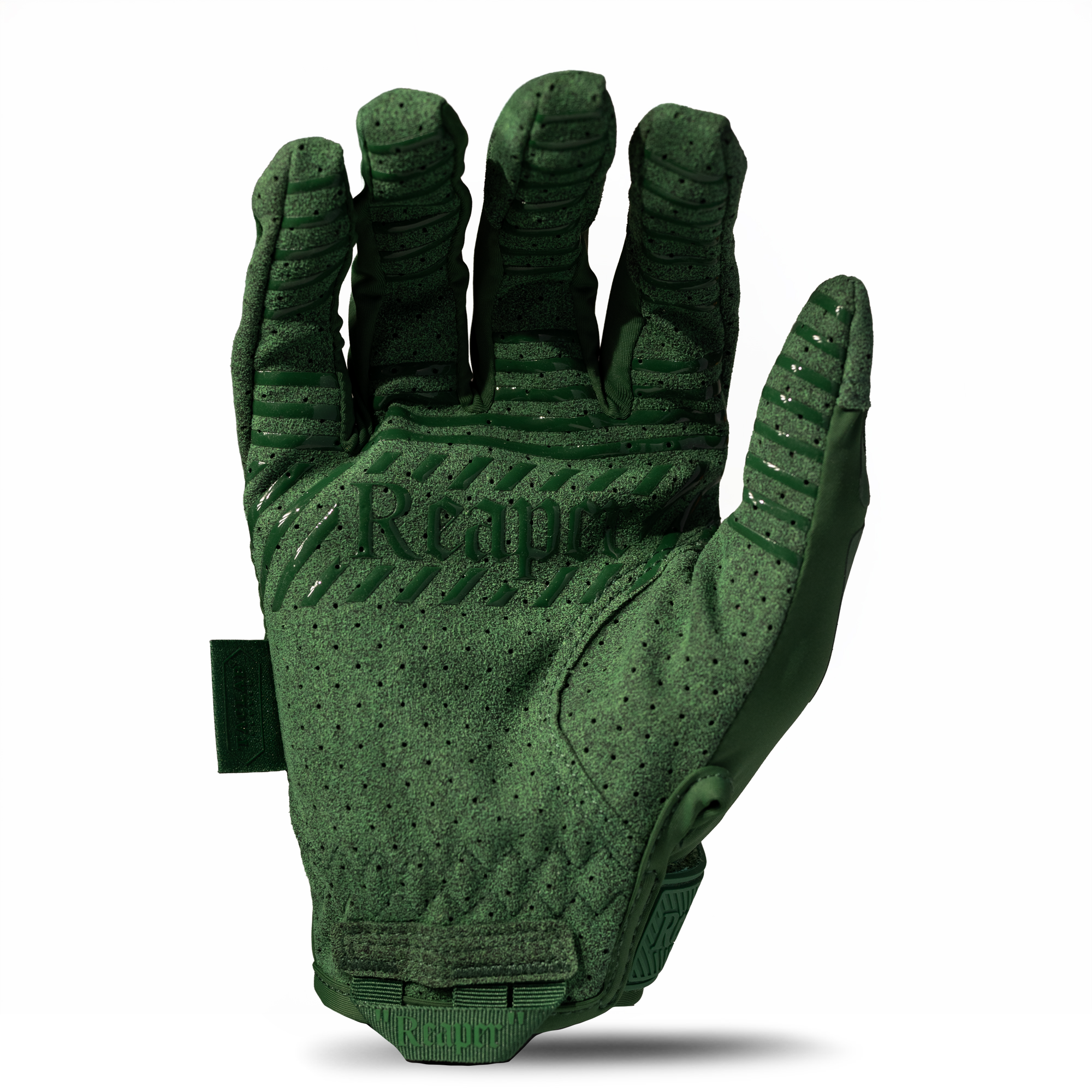
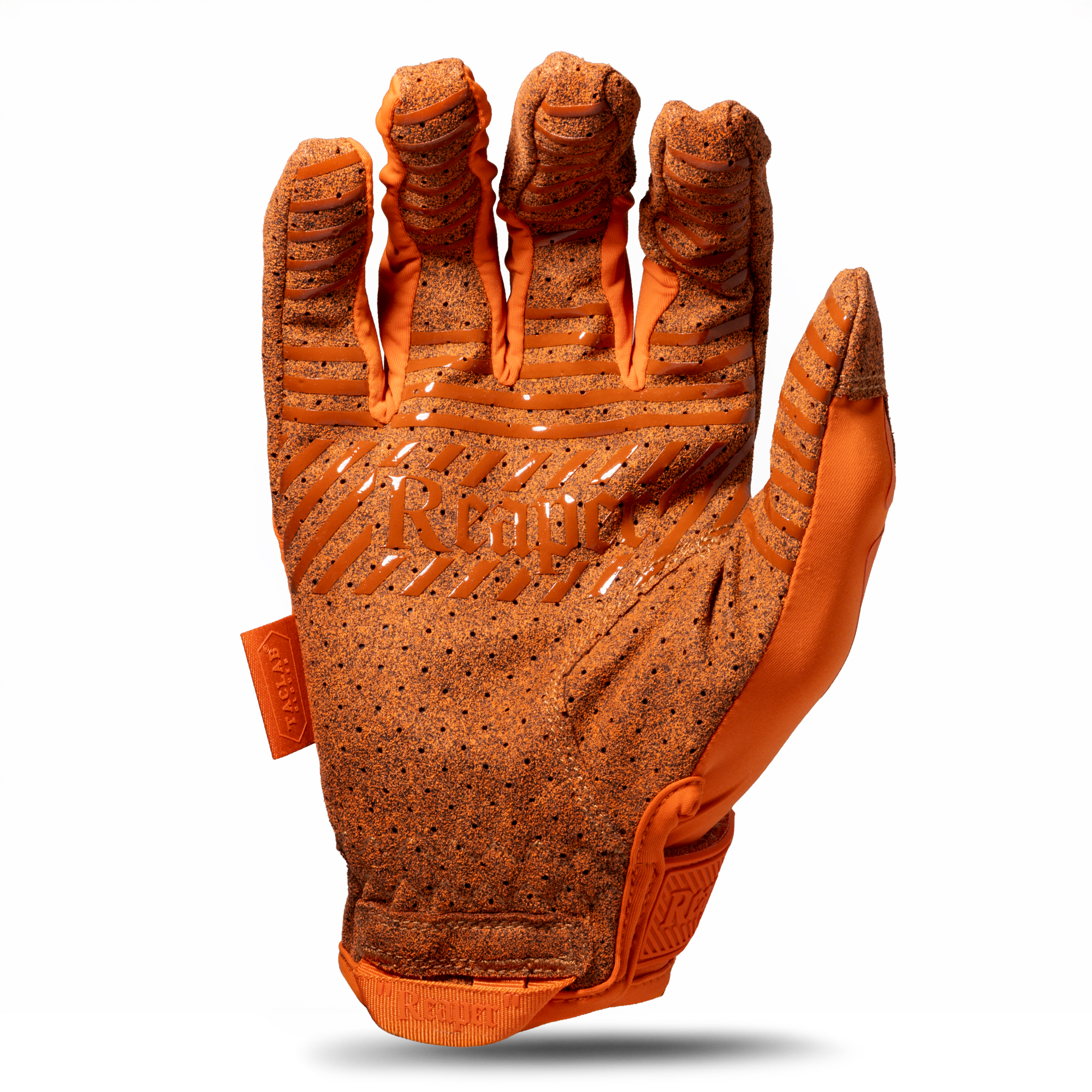
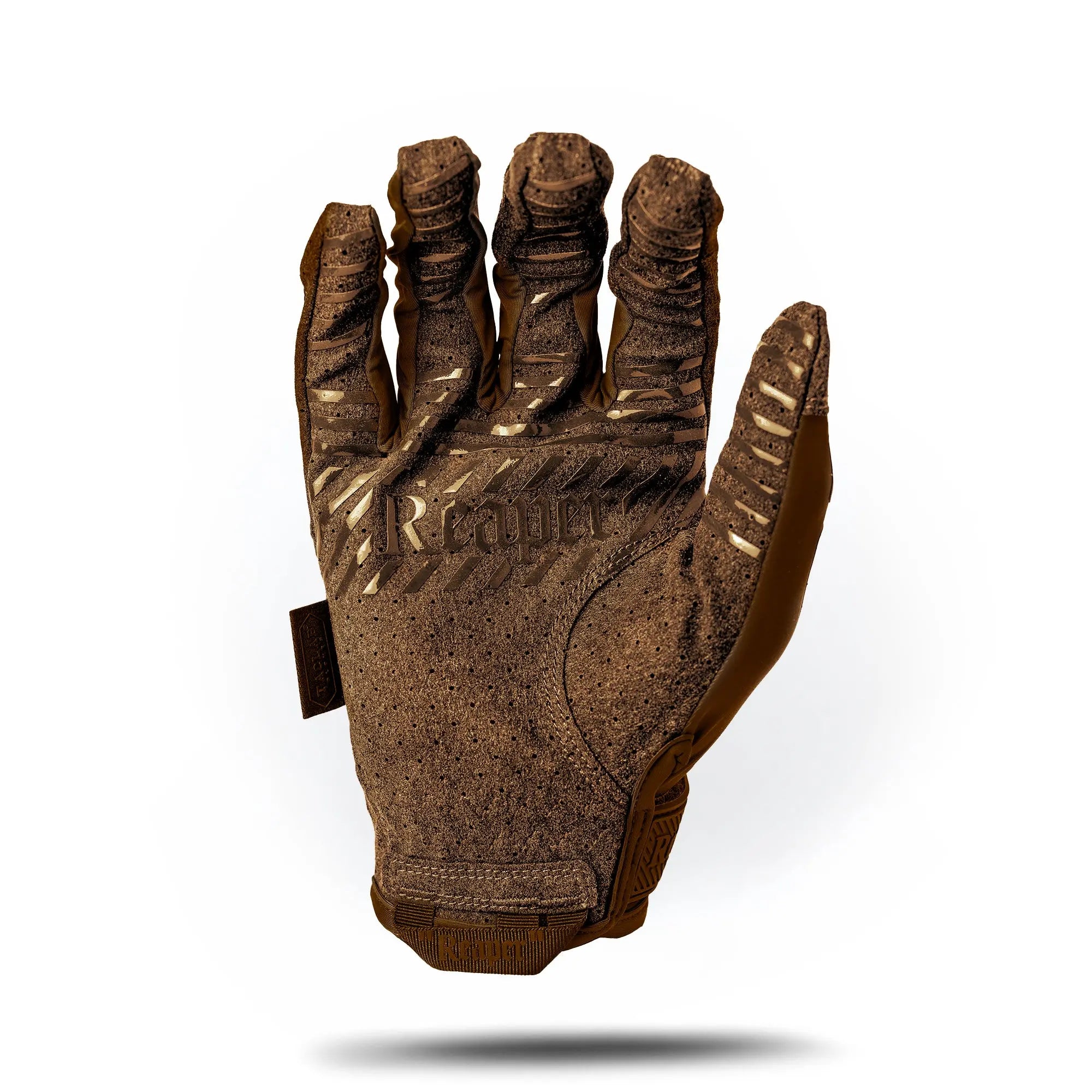
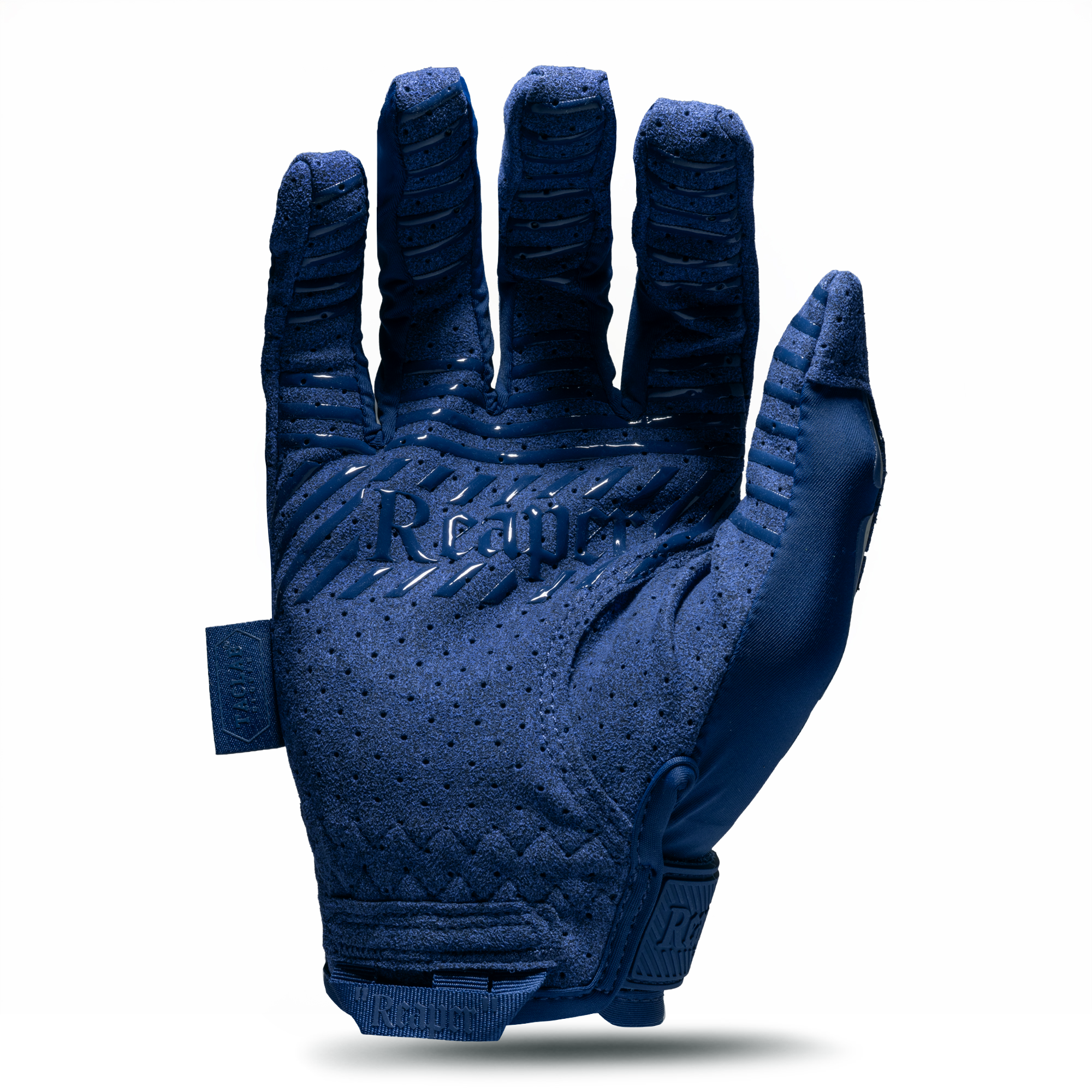
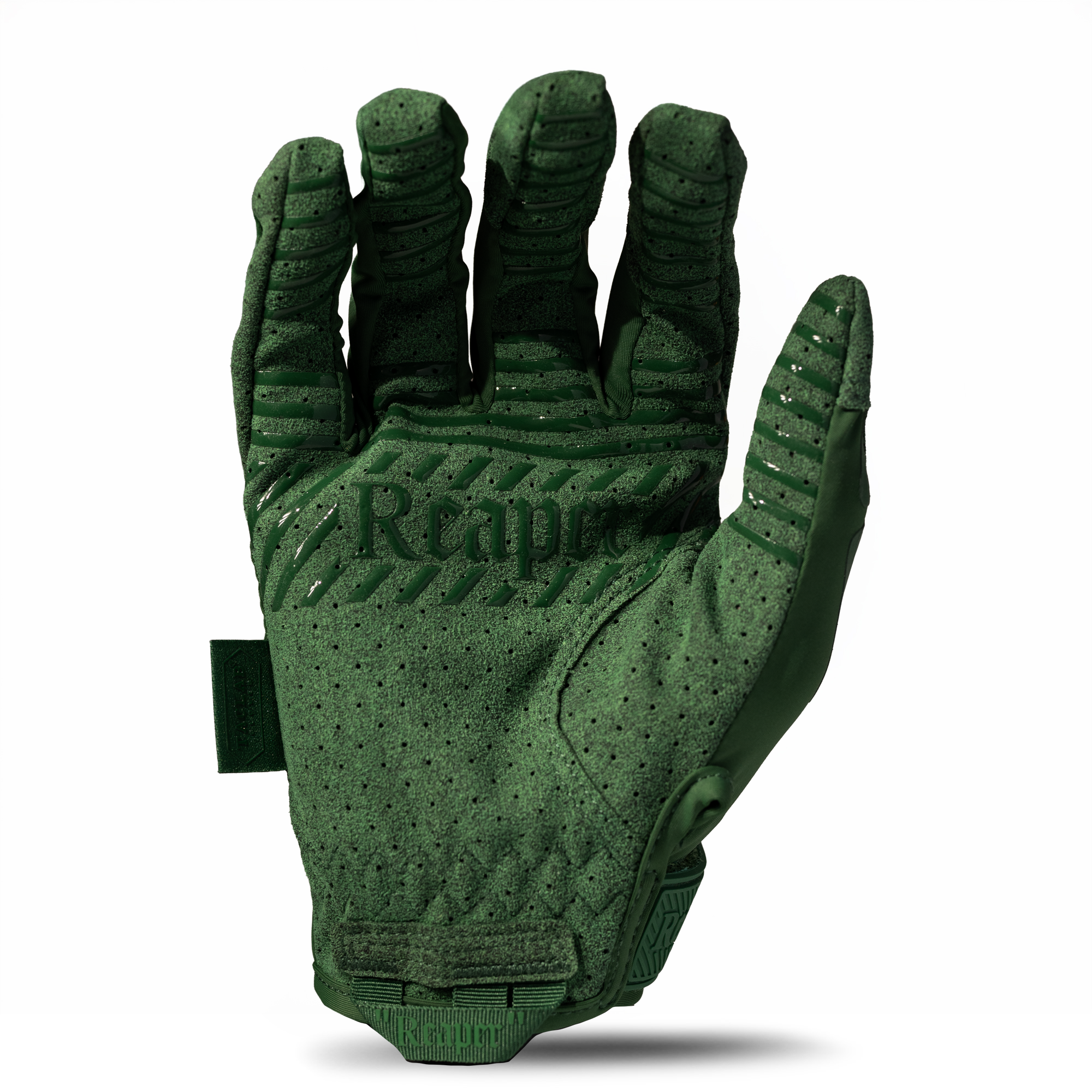
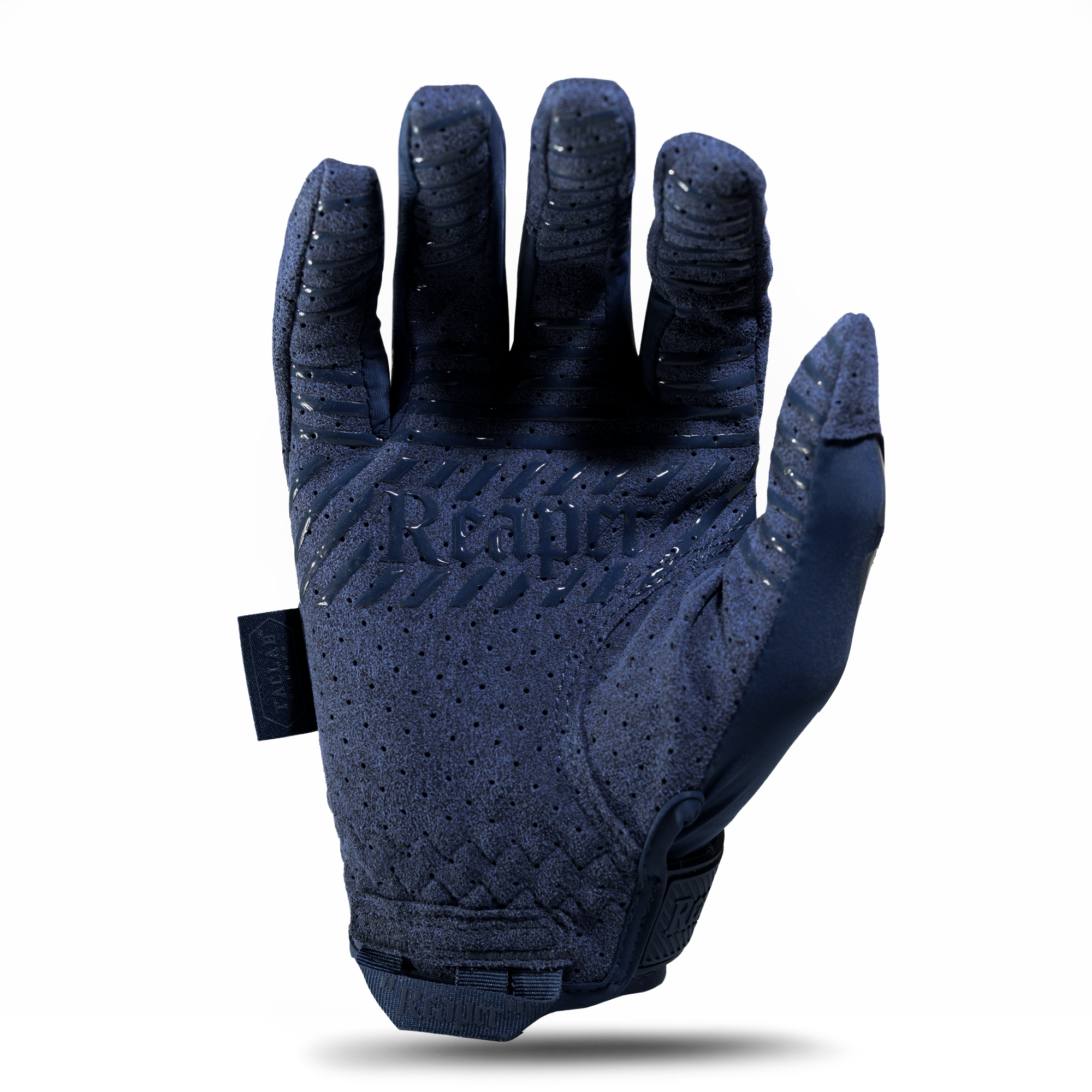
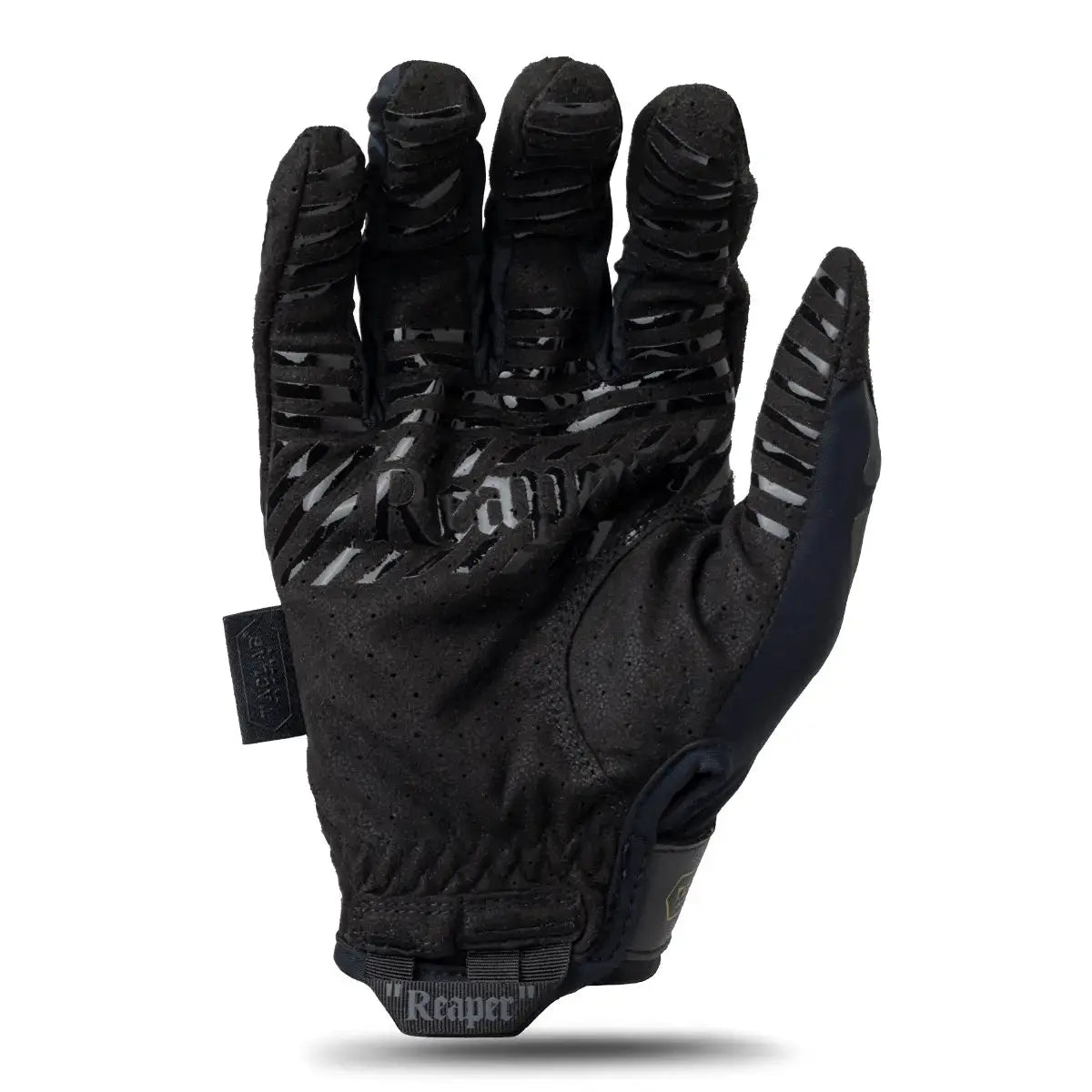
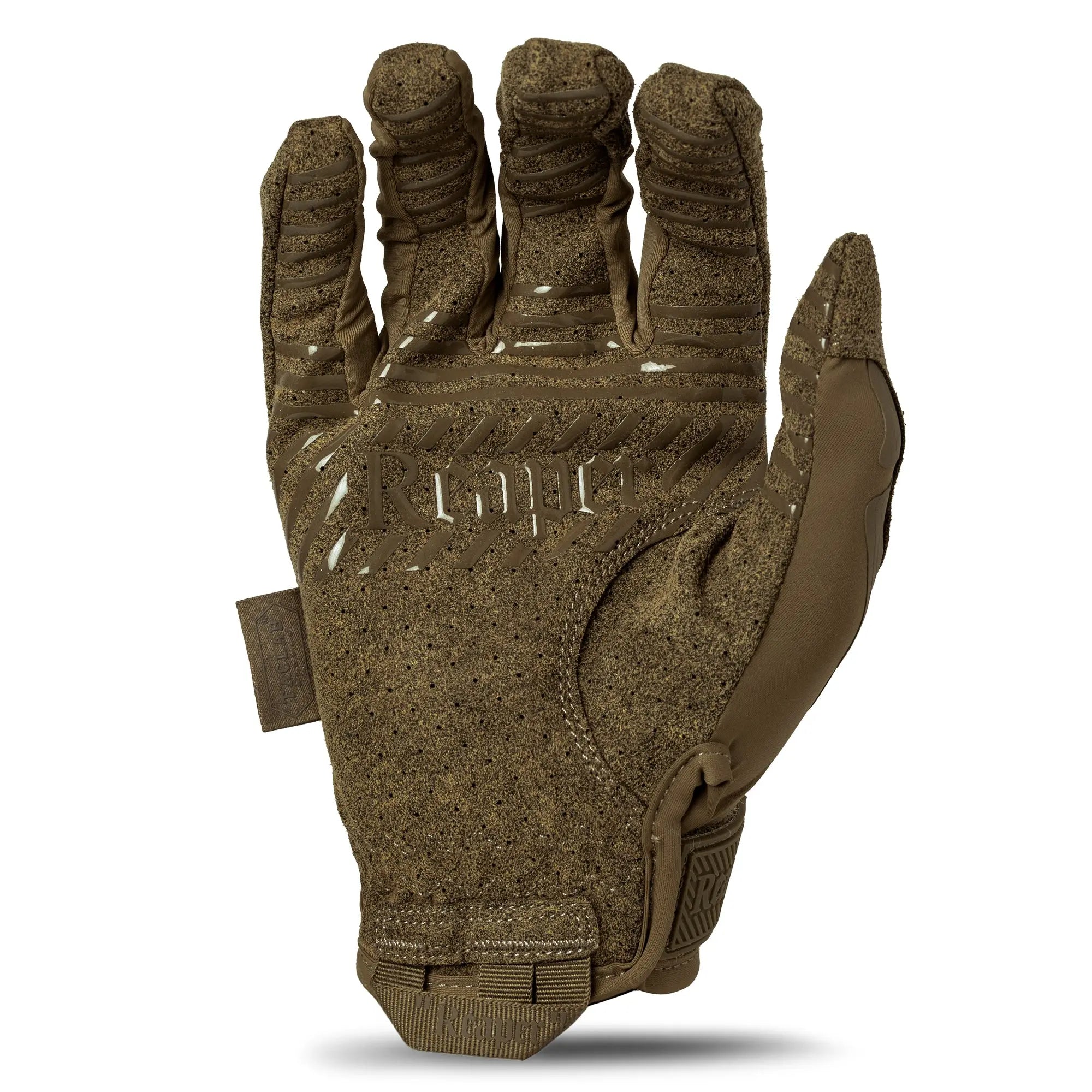
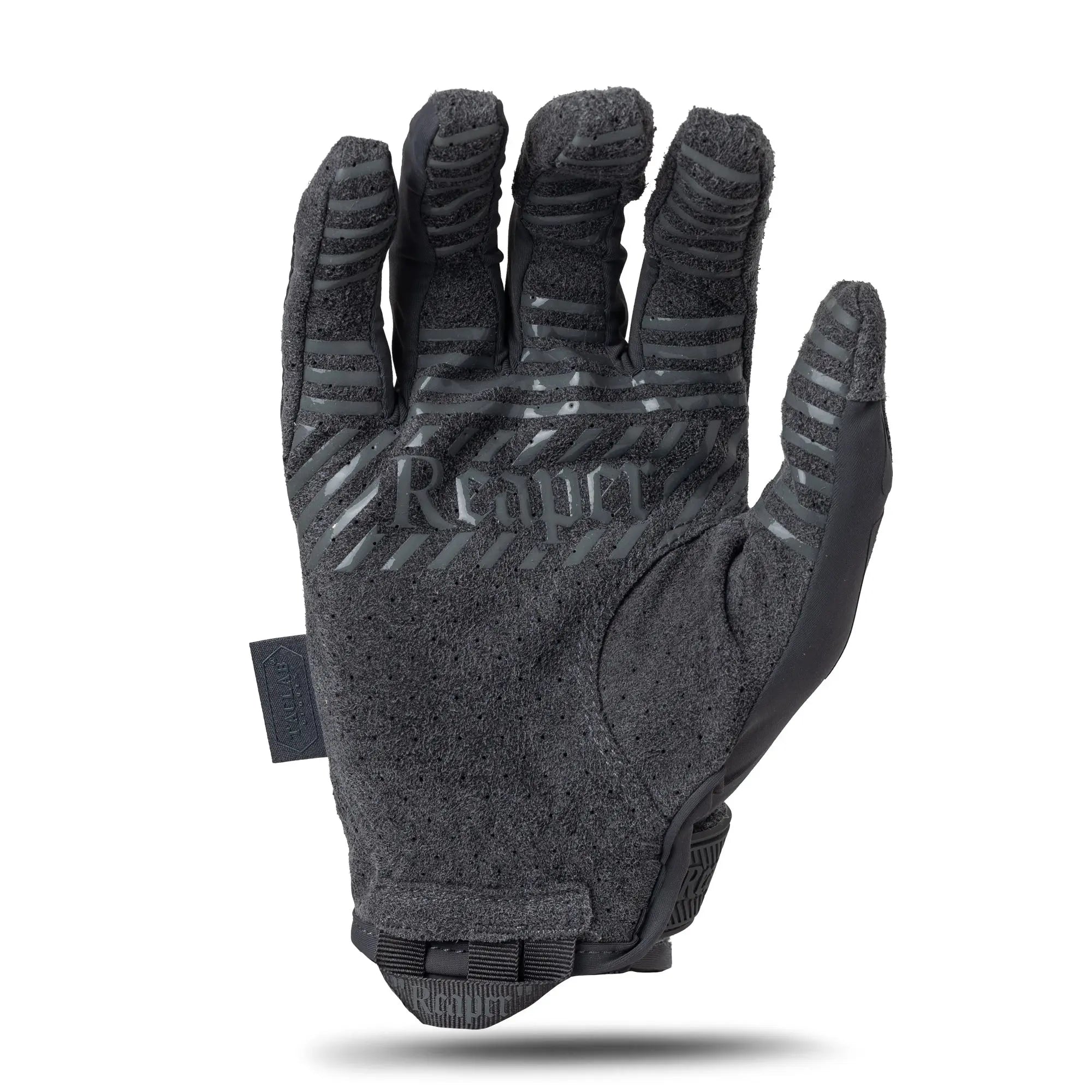
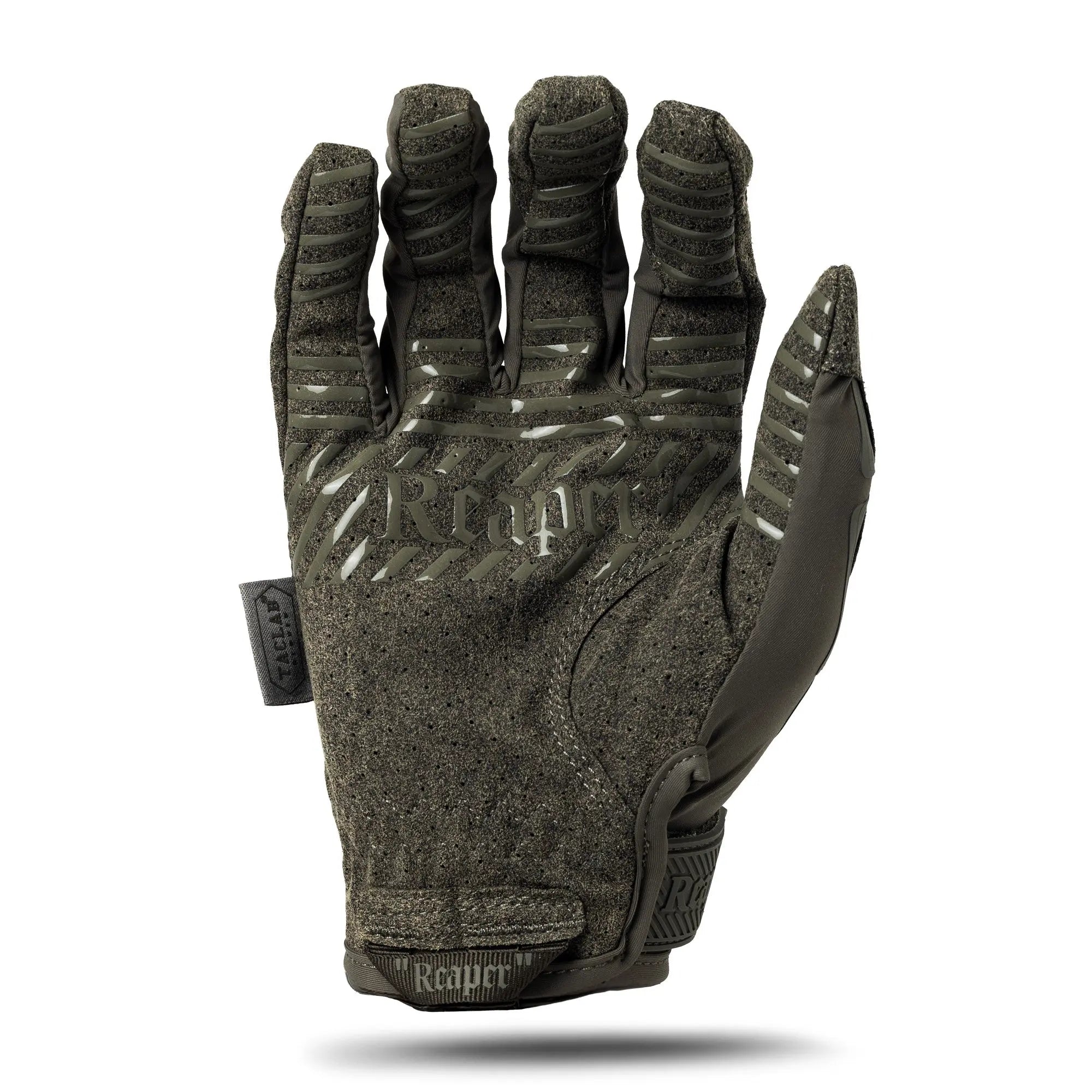
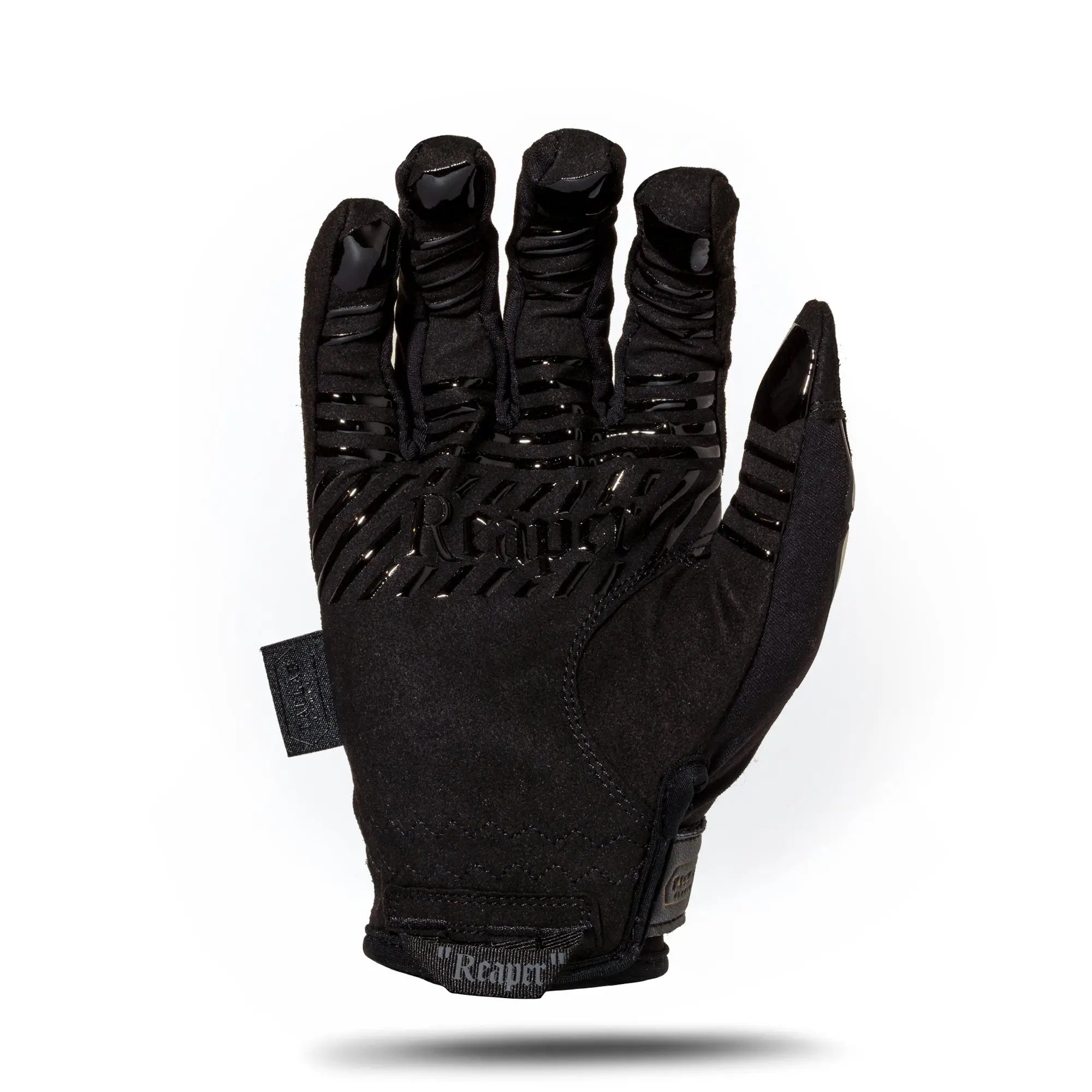
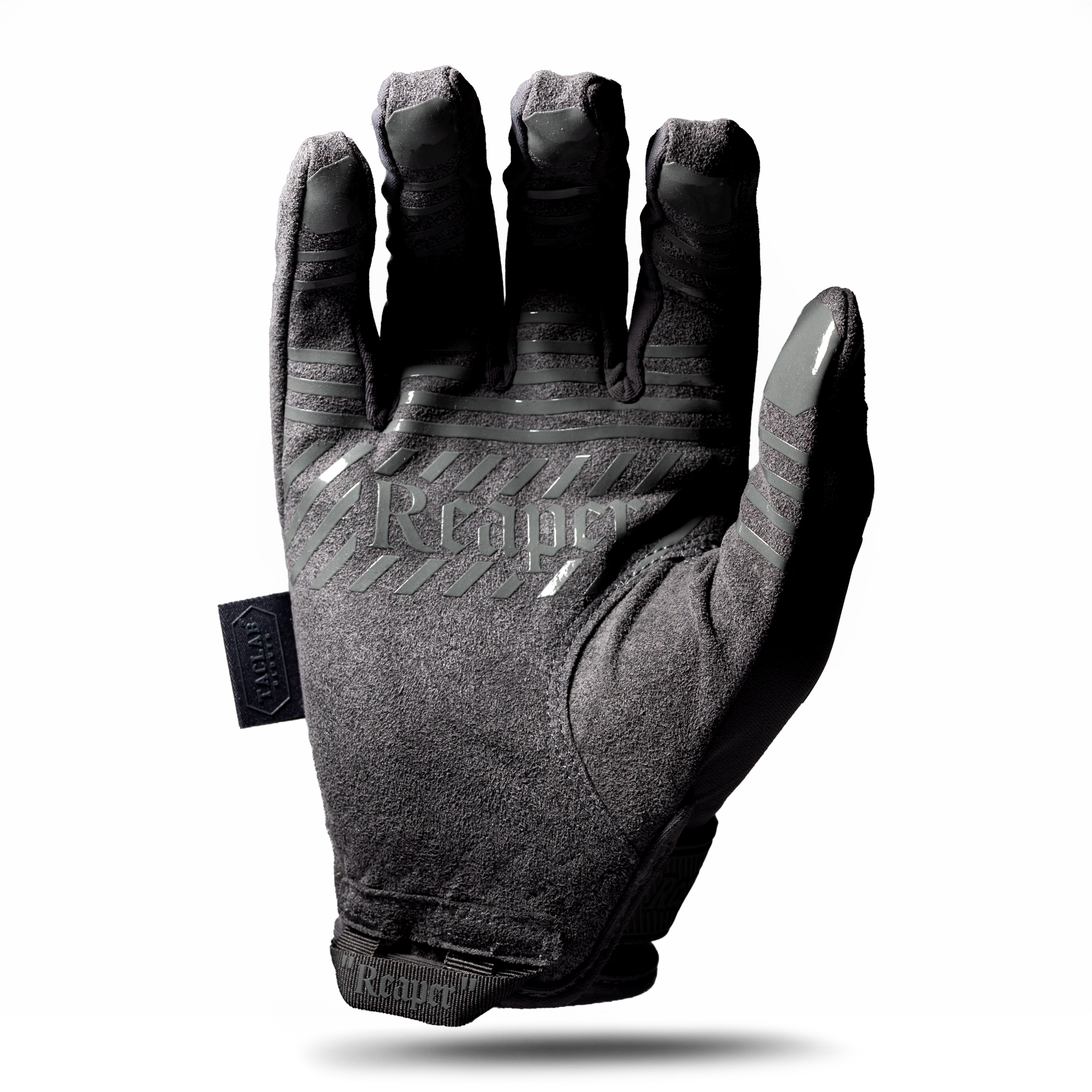
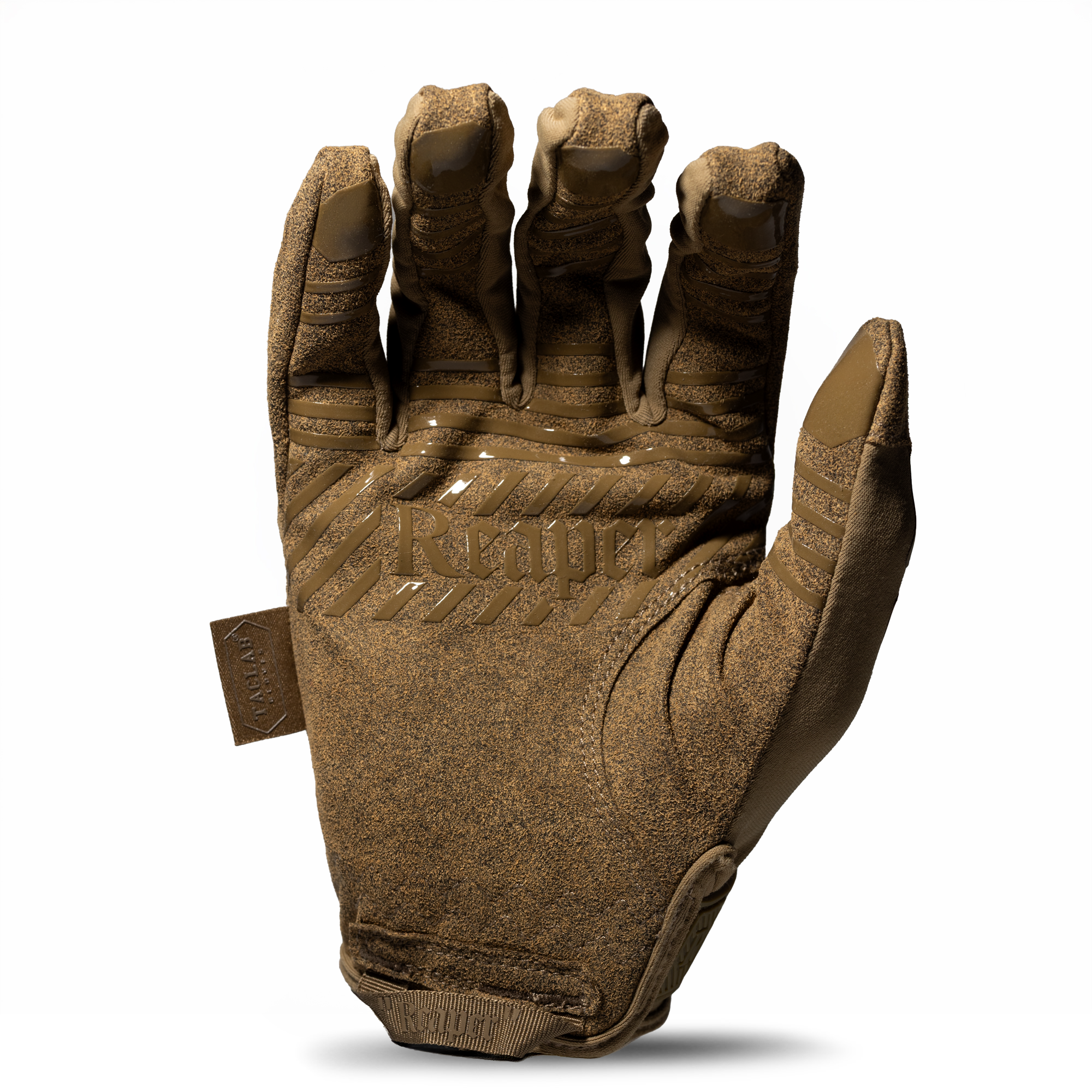
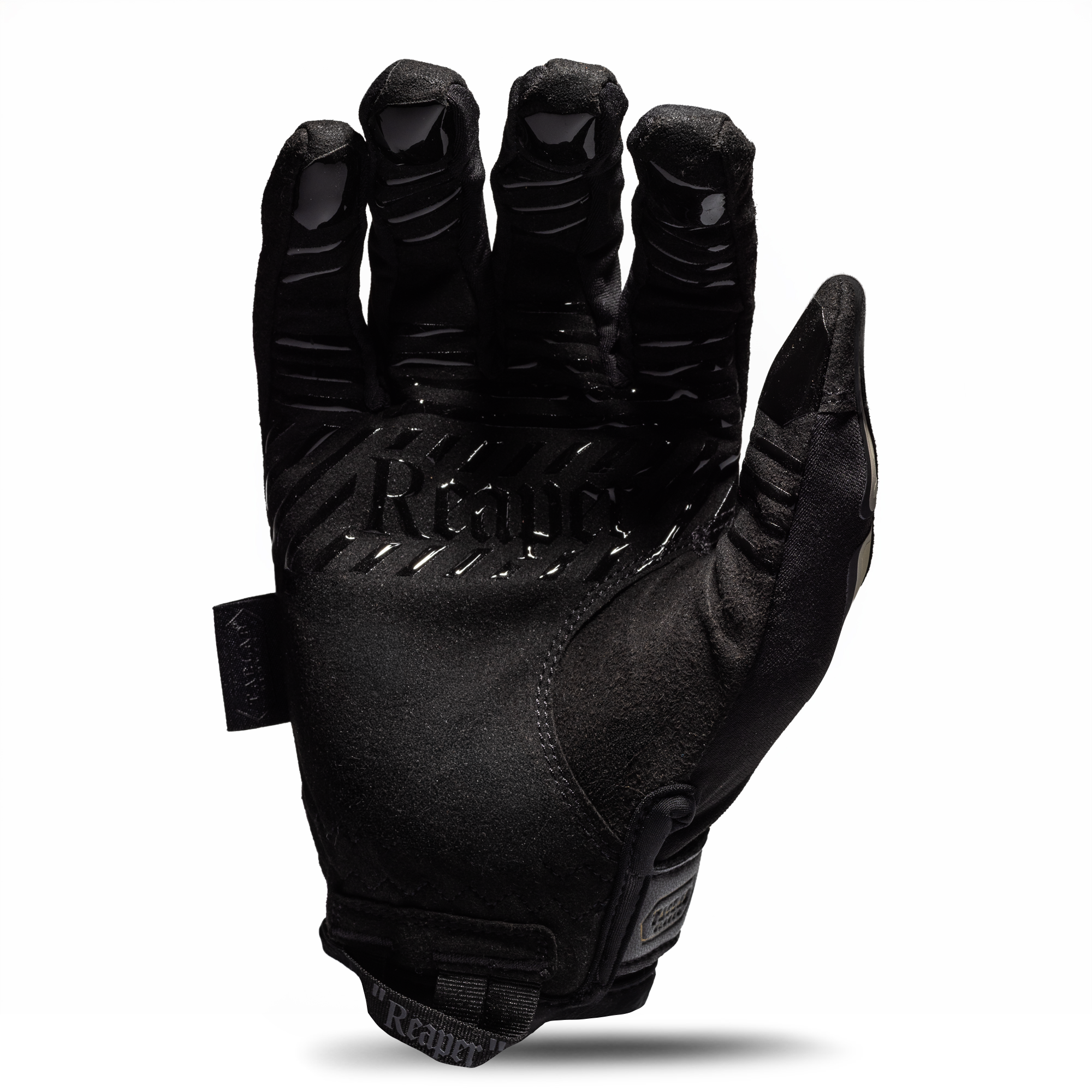
1. The Palm Has Lost Its Grip
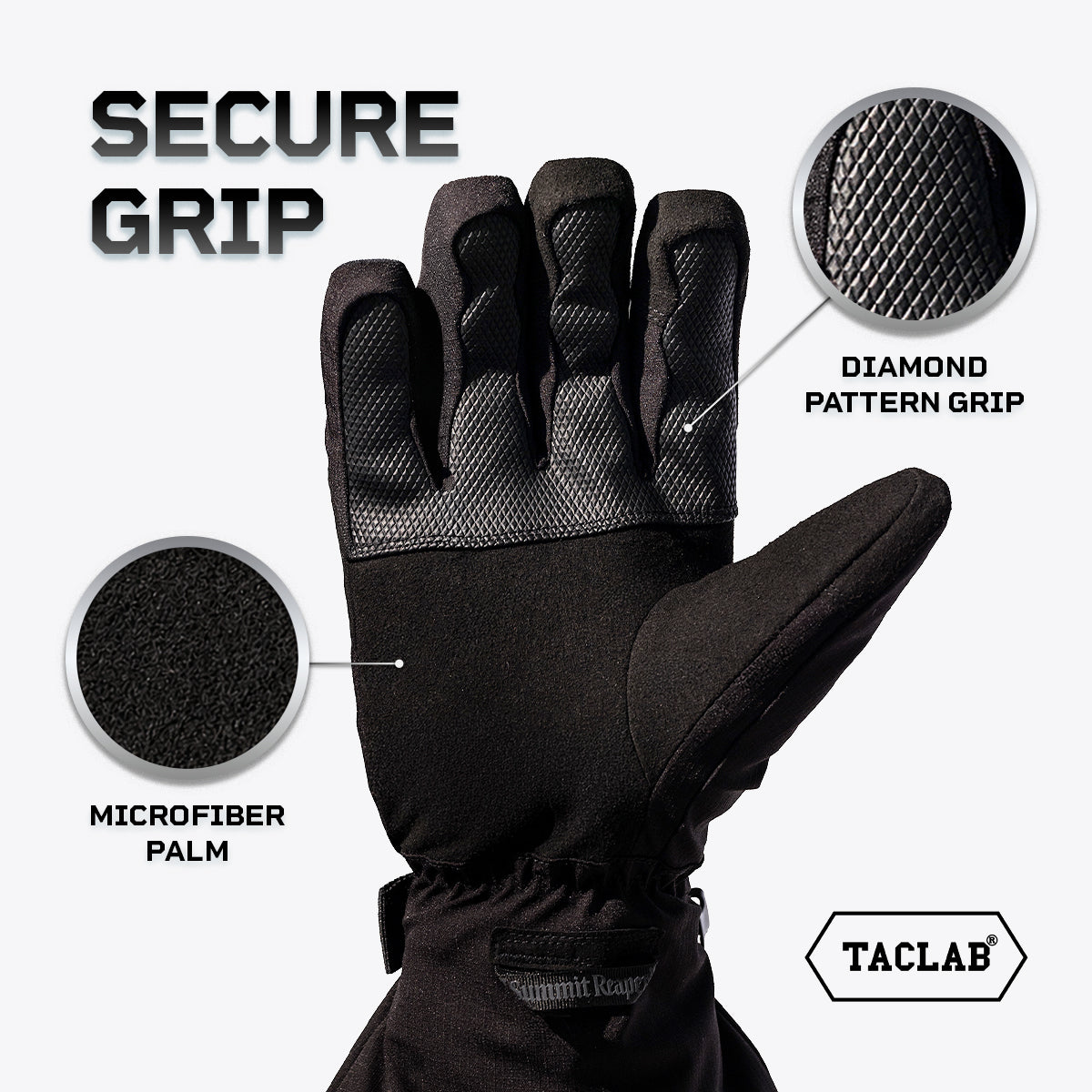
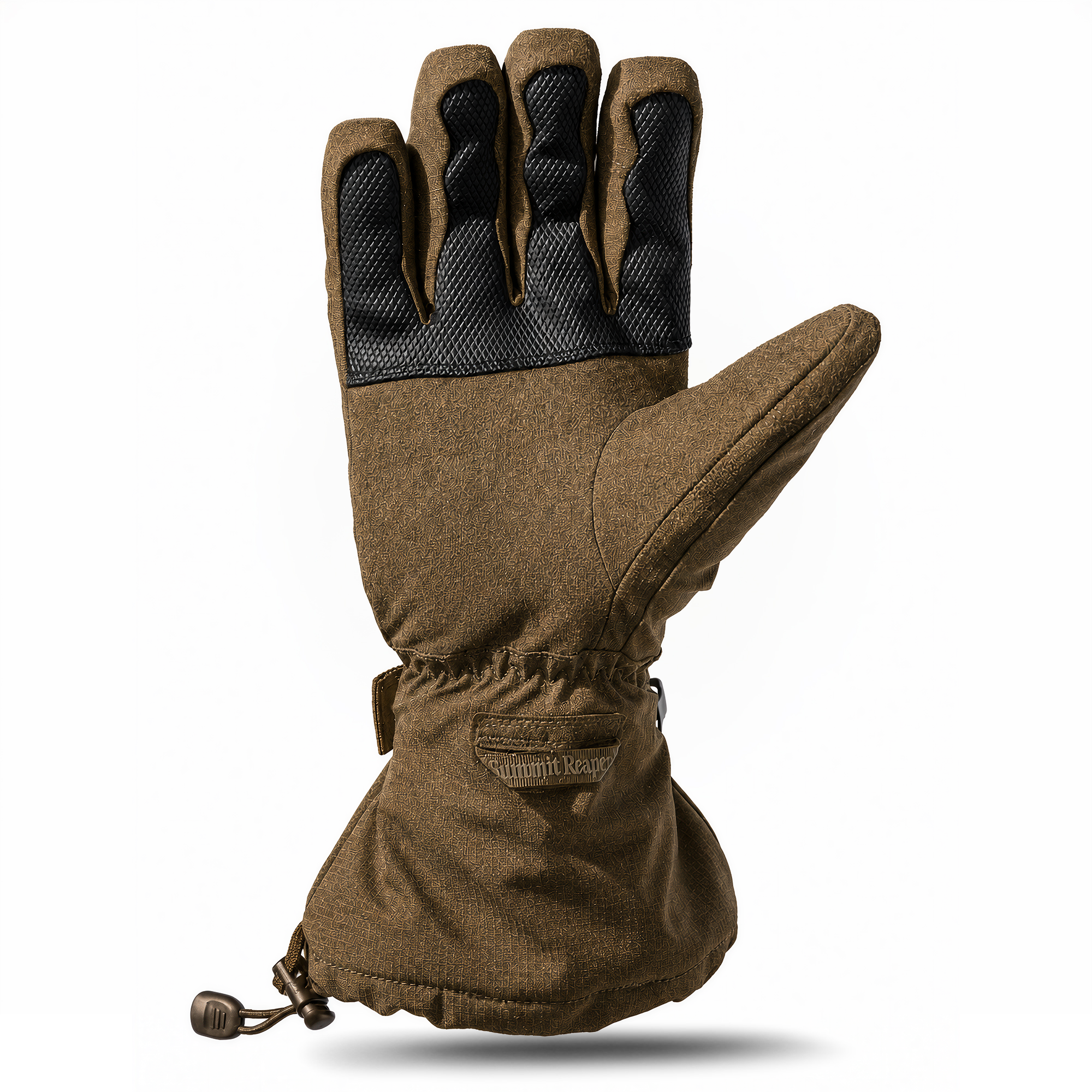
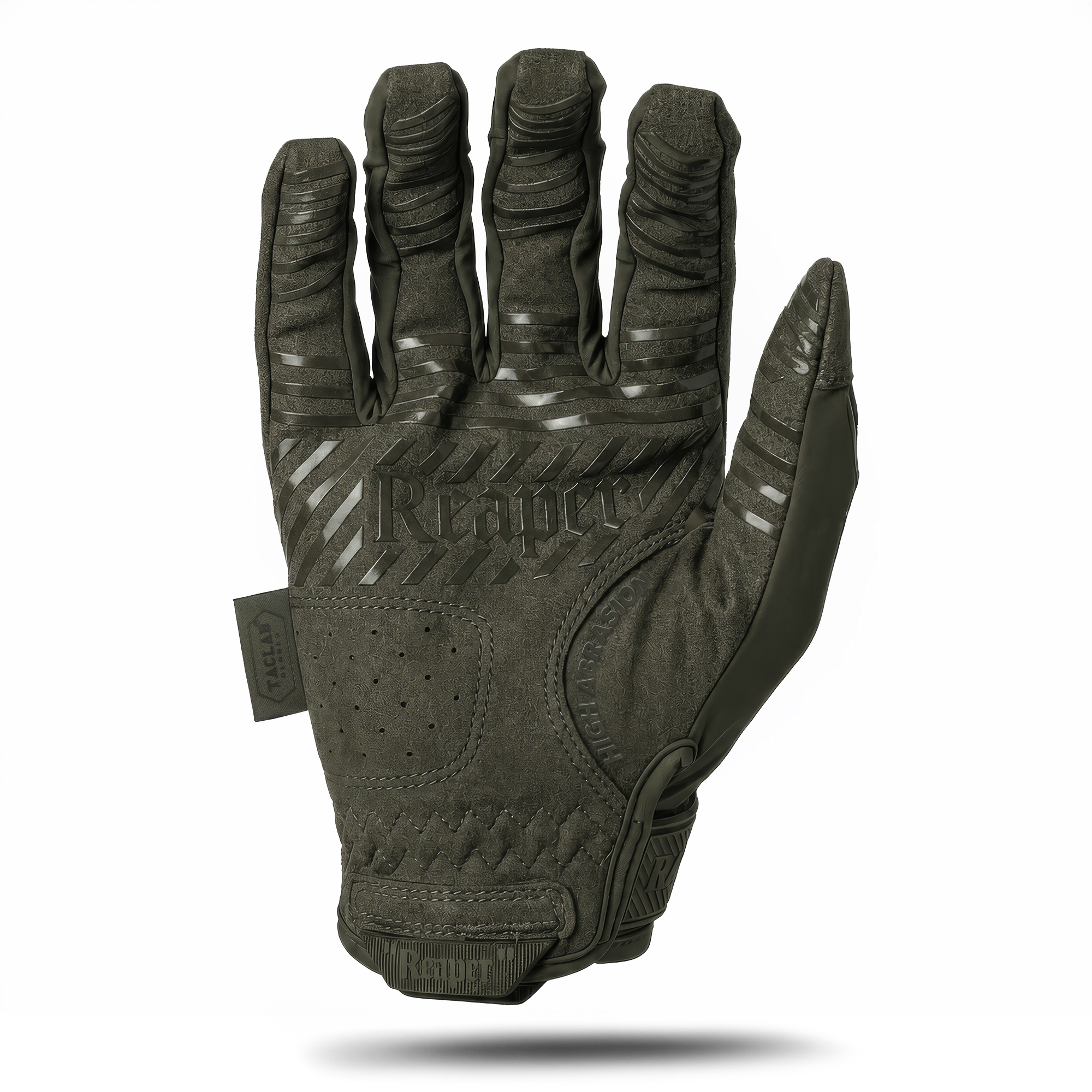
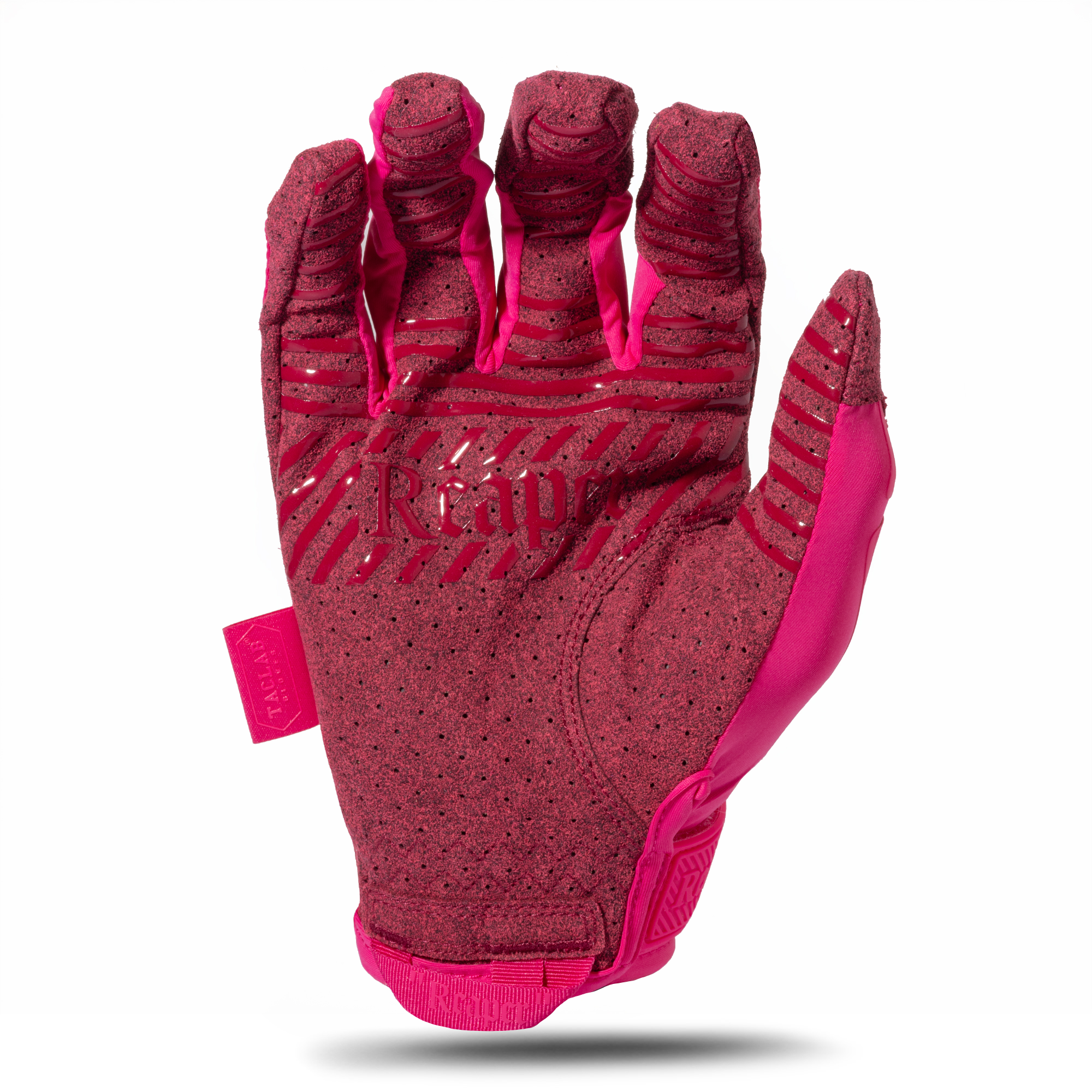
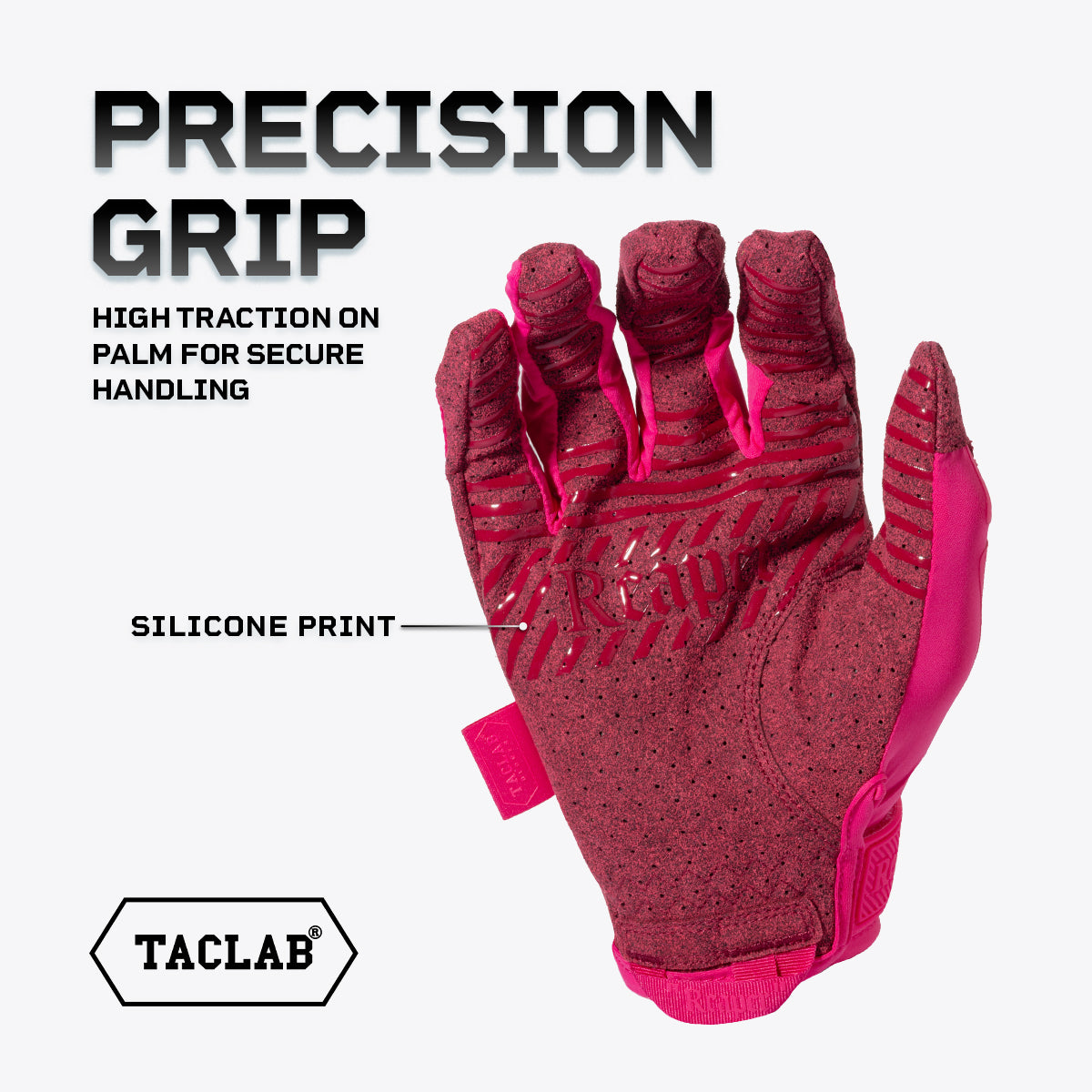
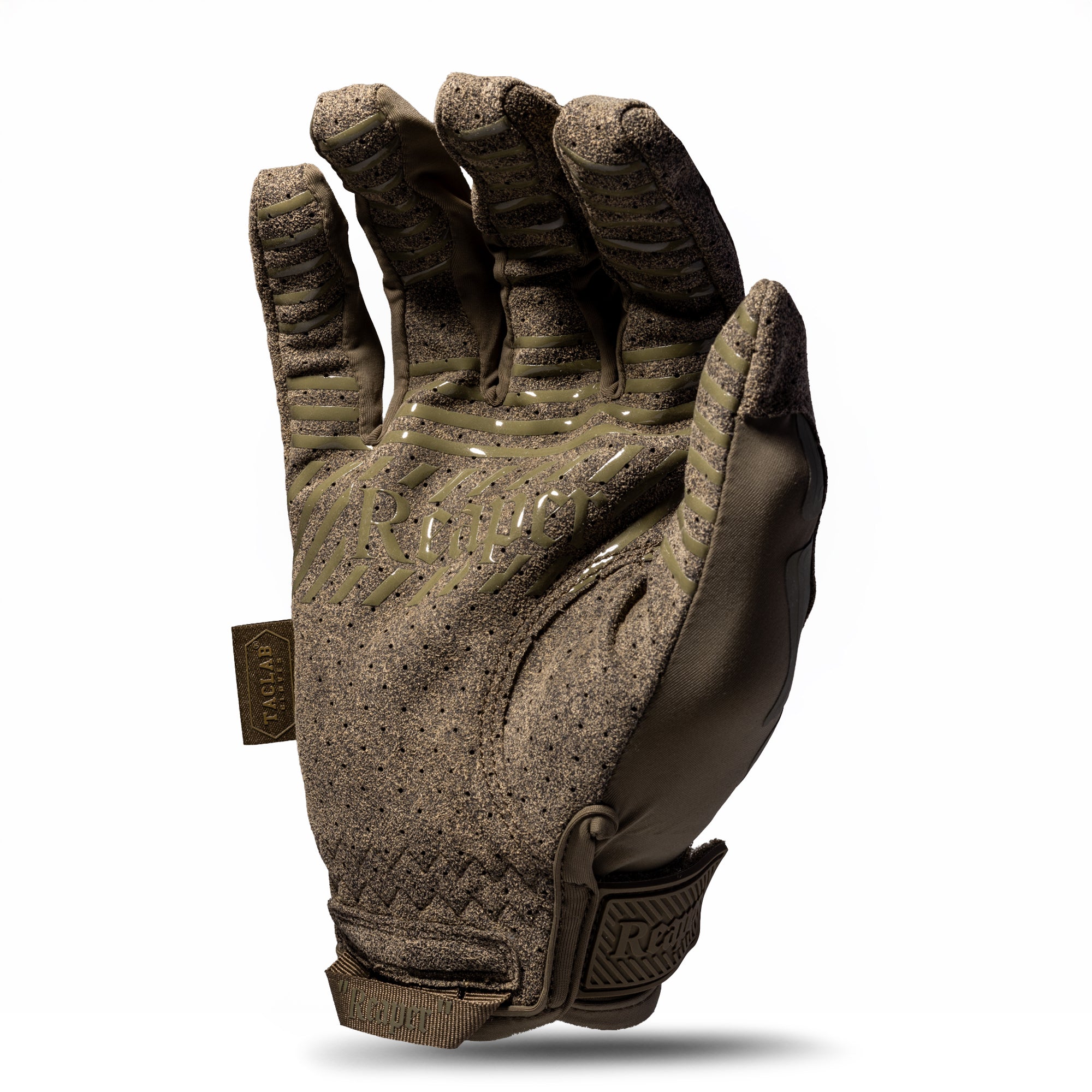
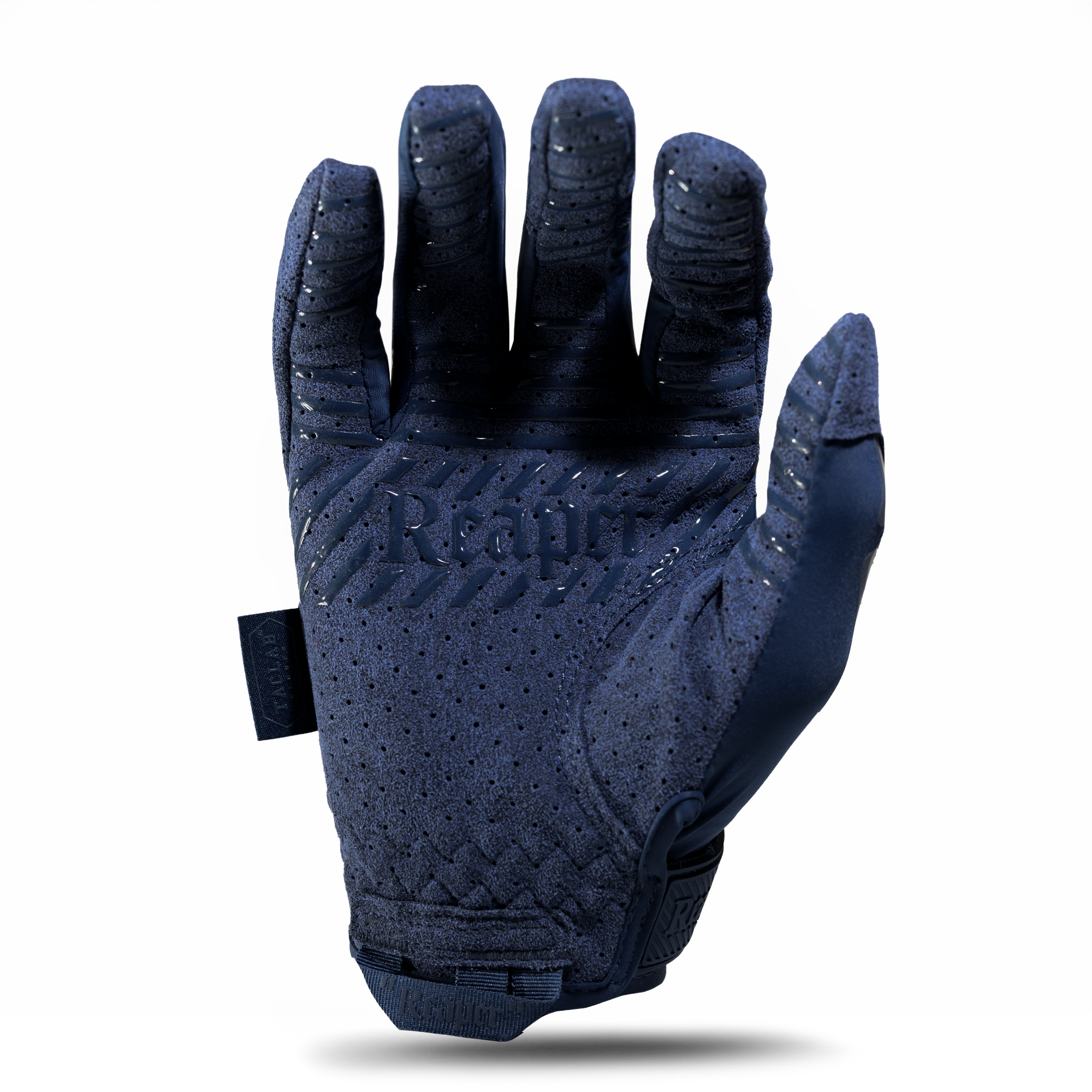
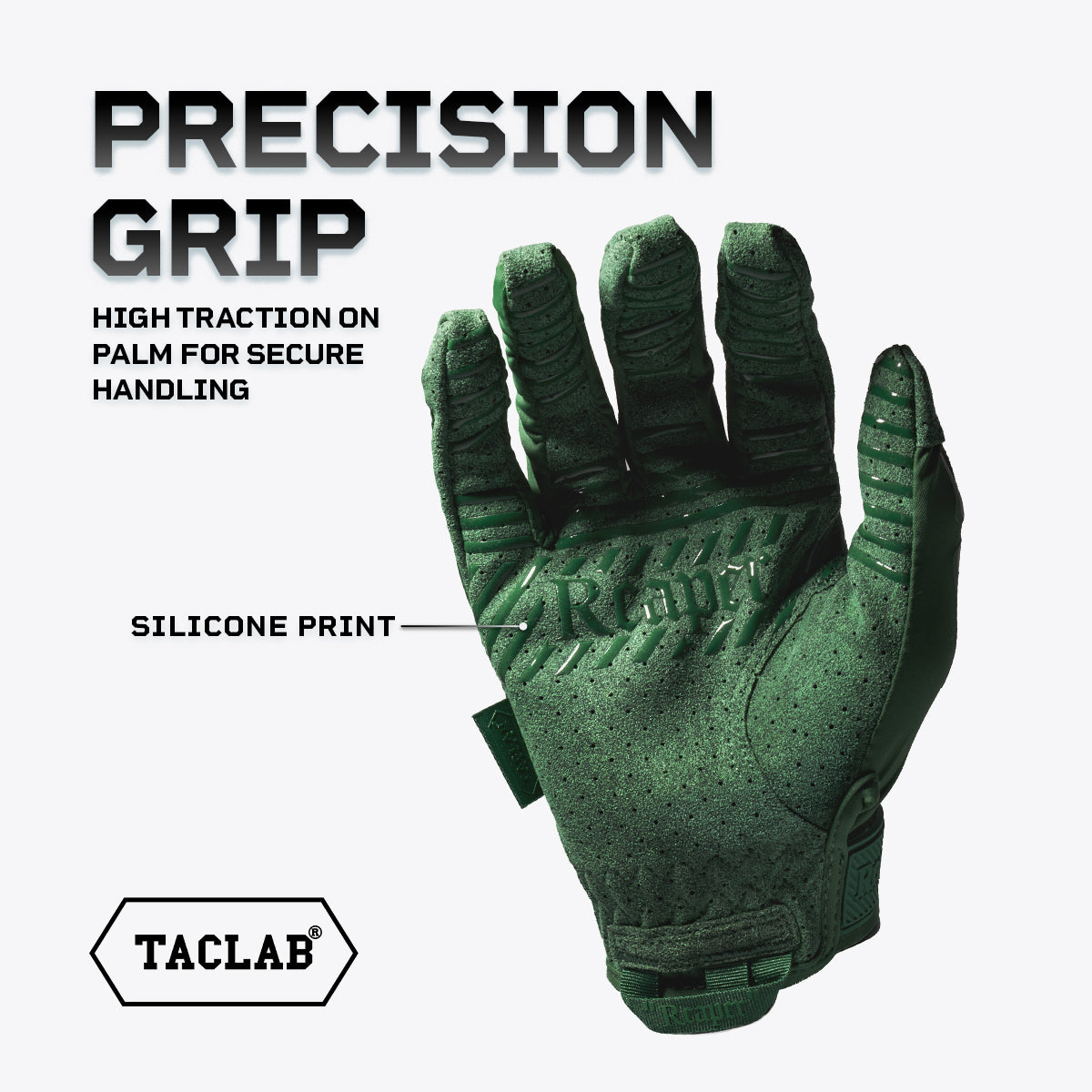
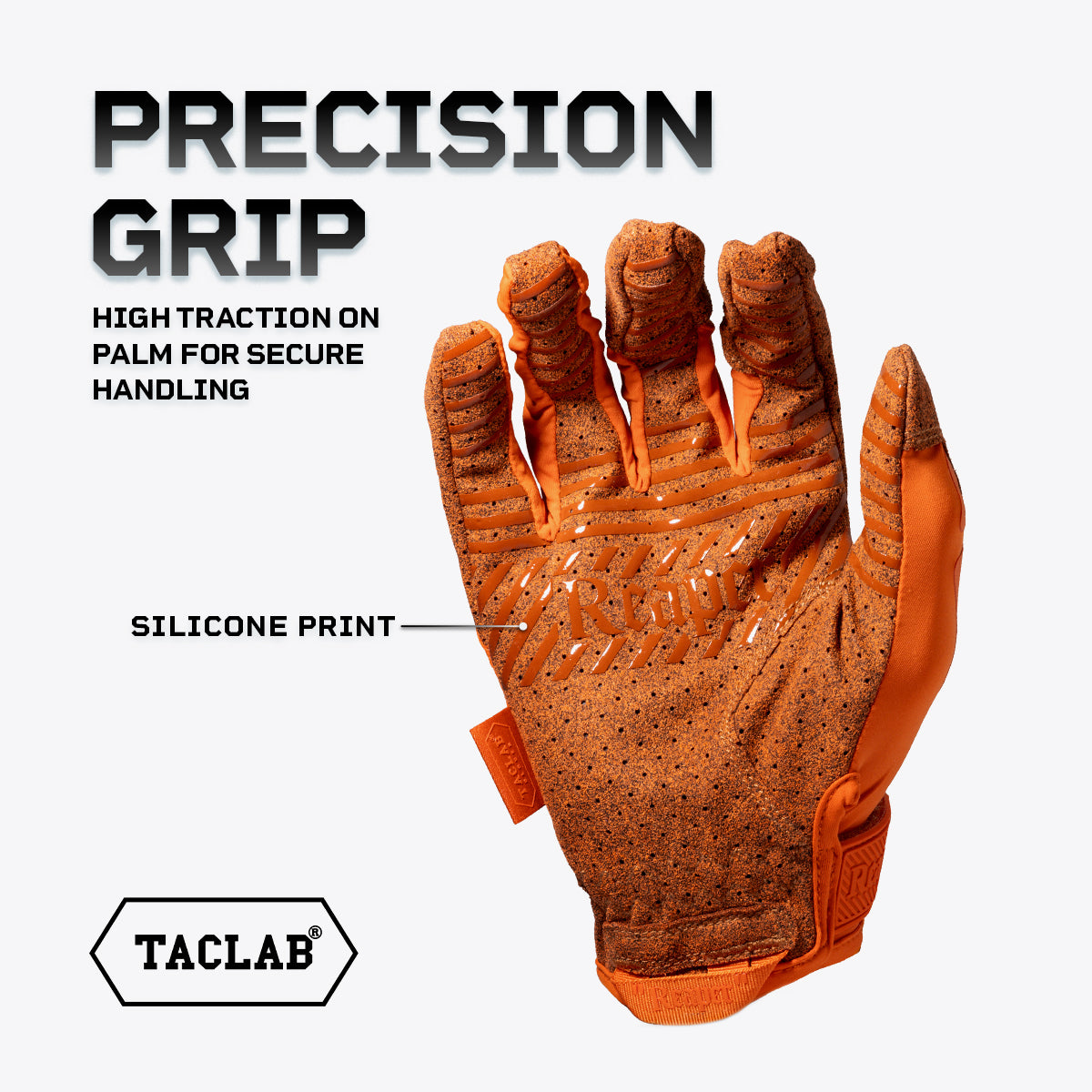
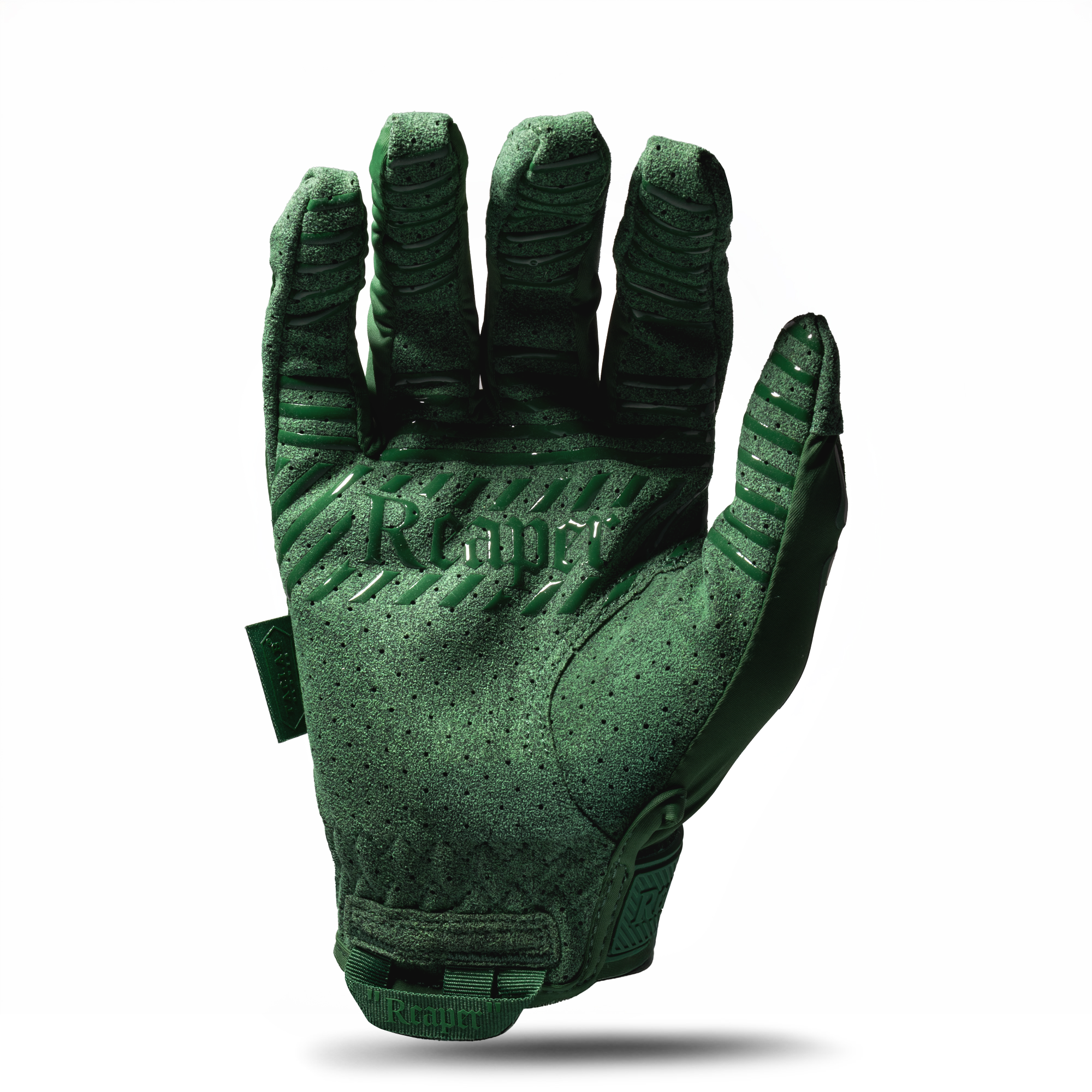
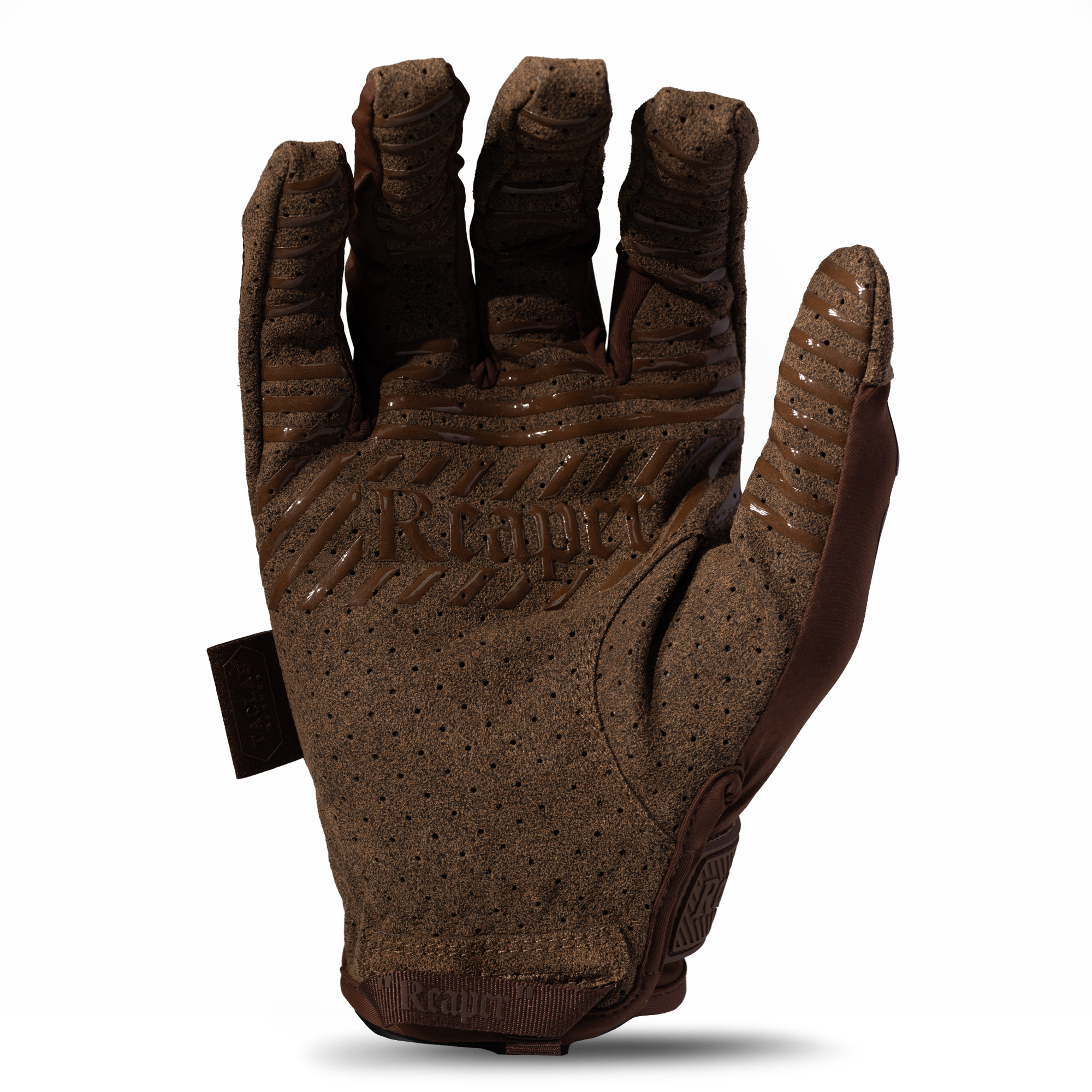
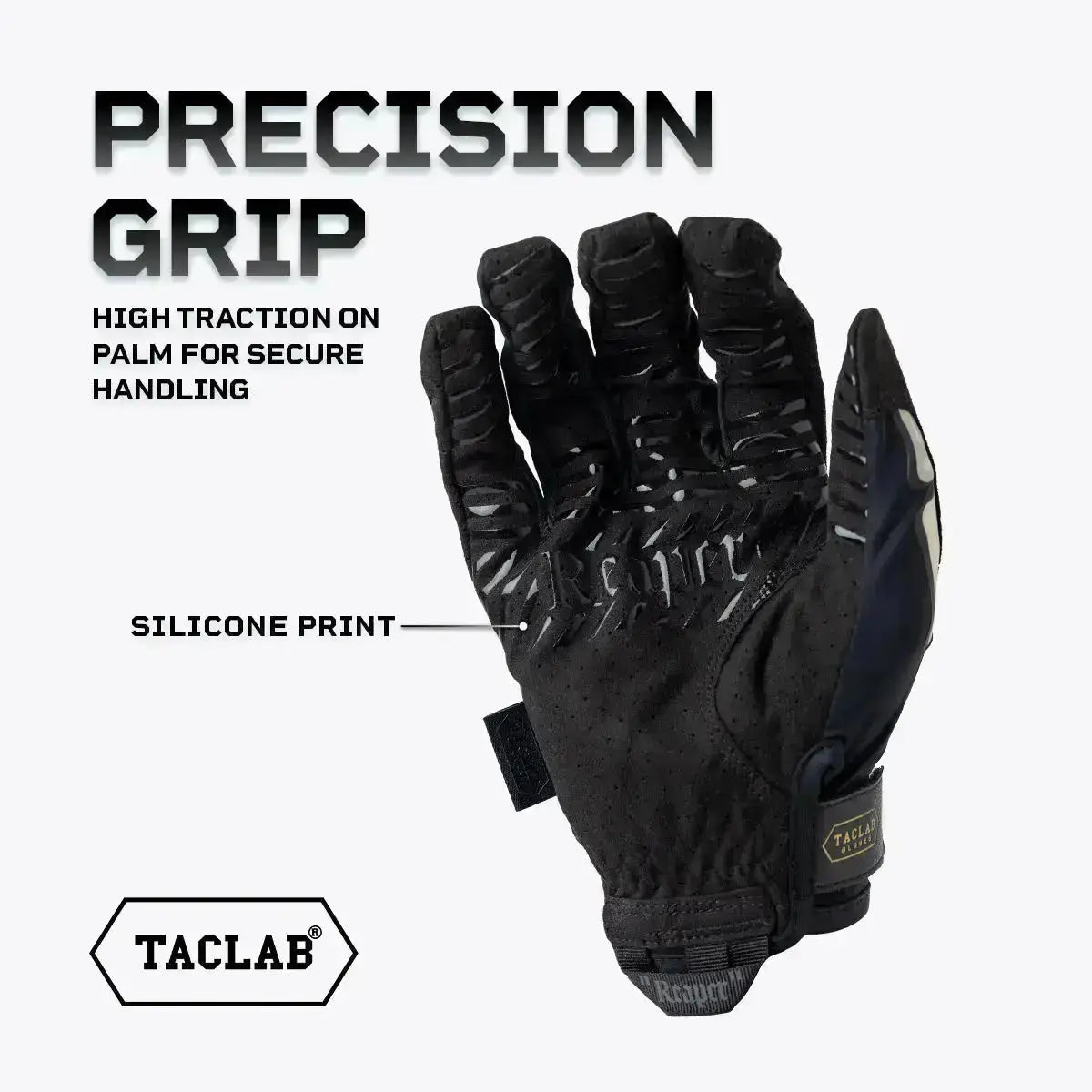
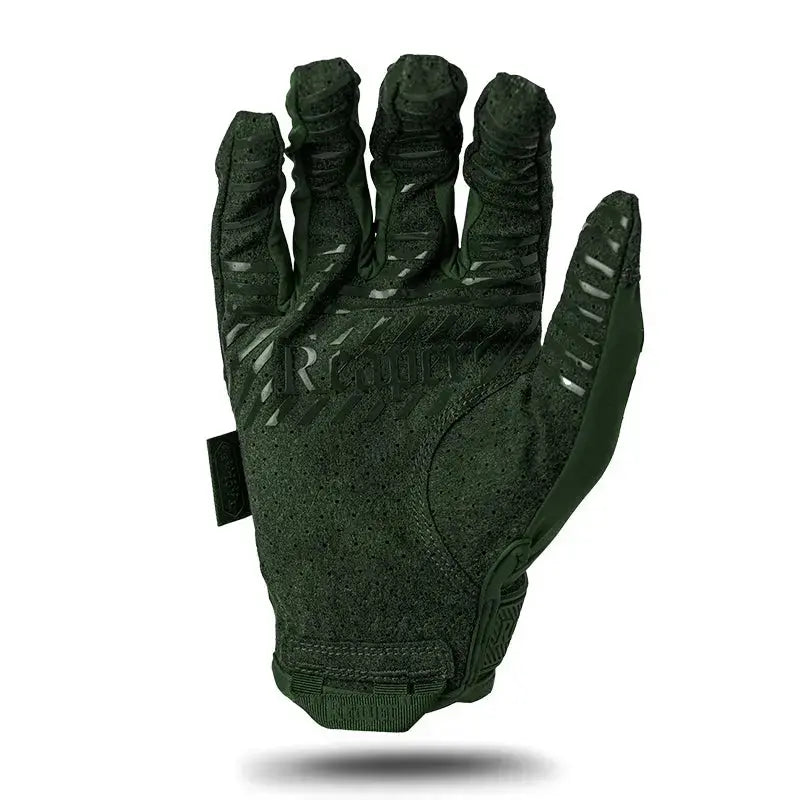
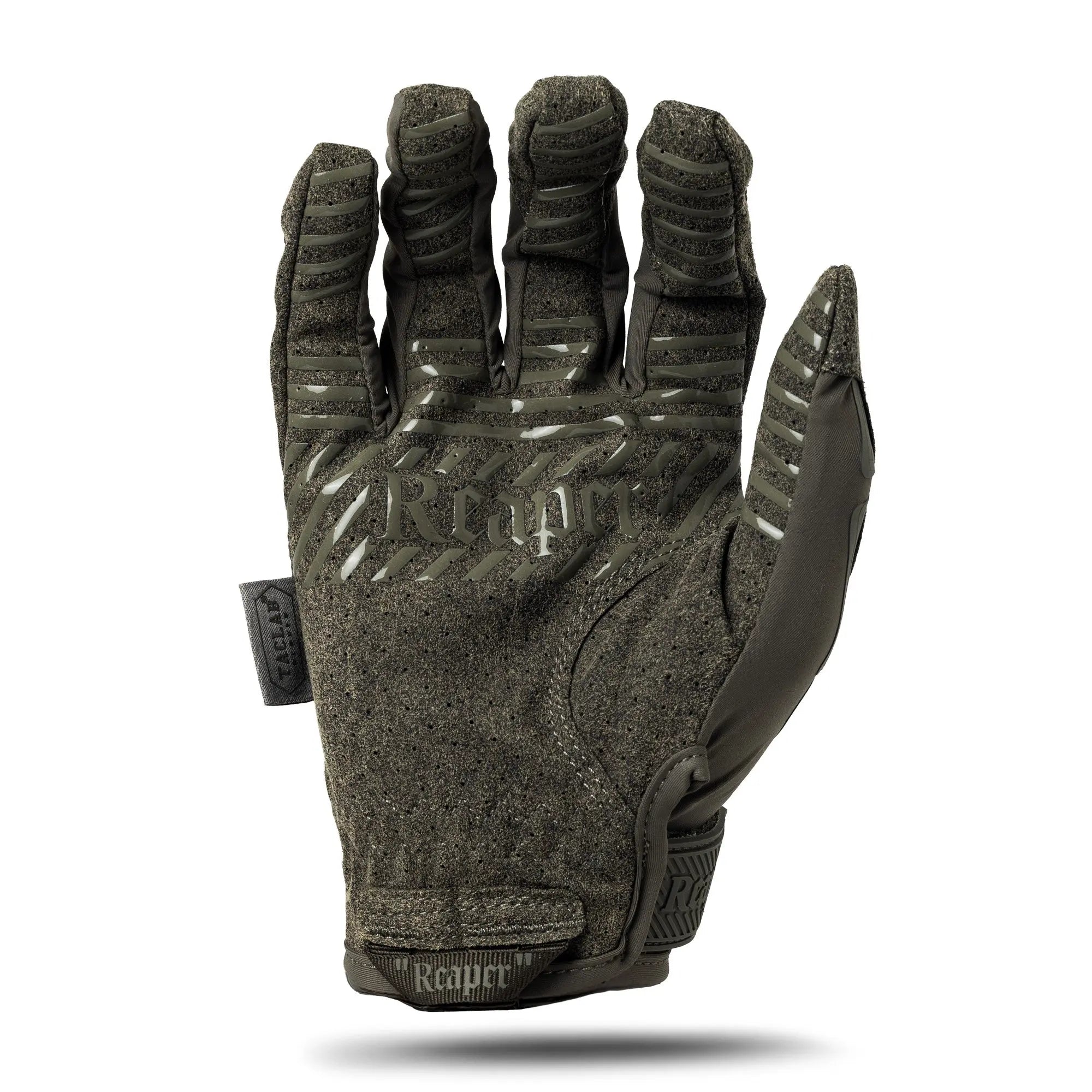
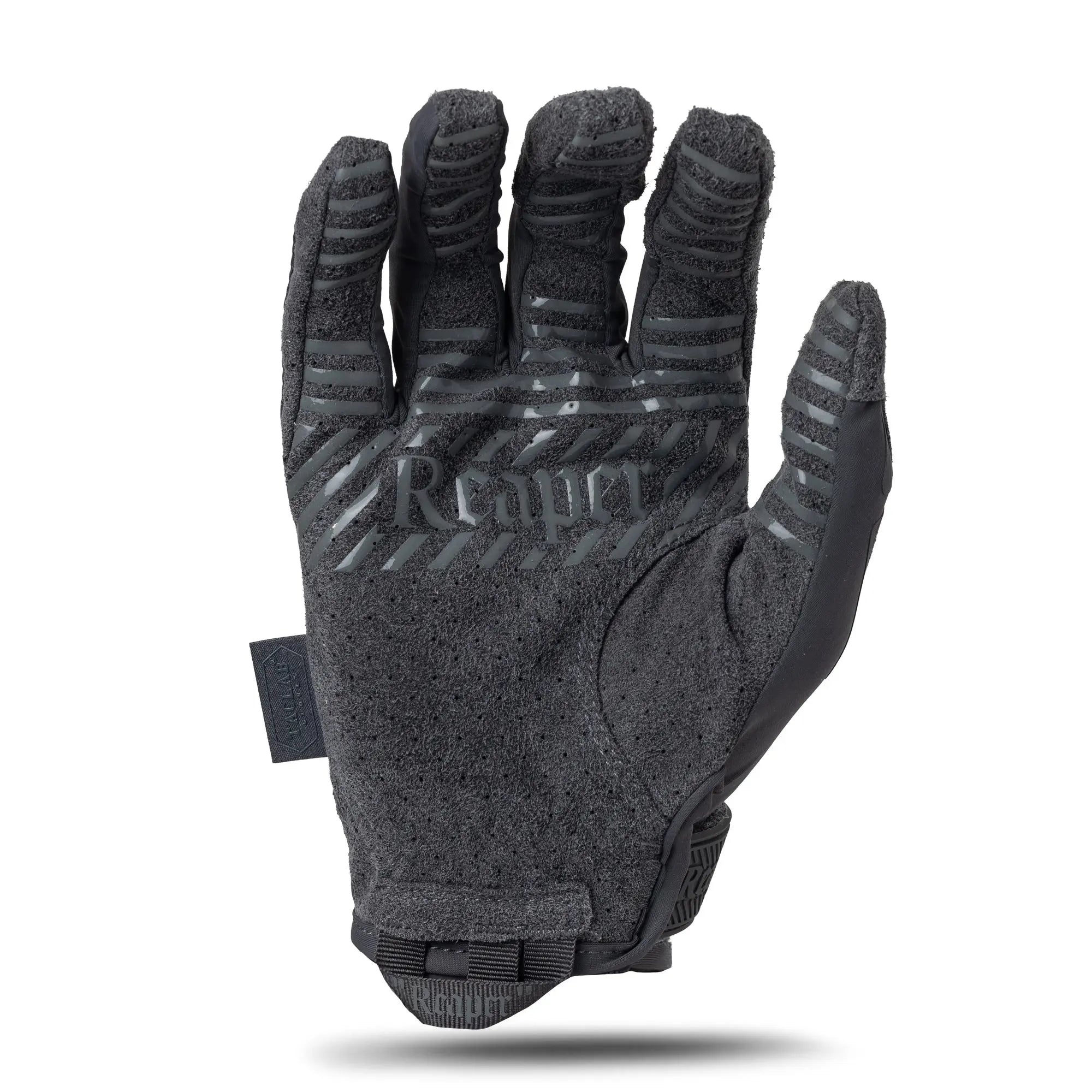
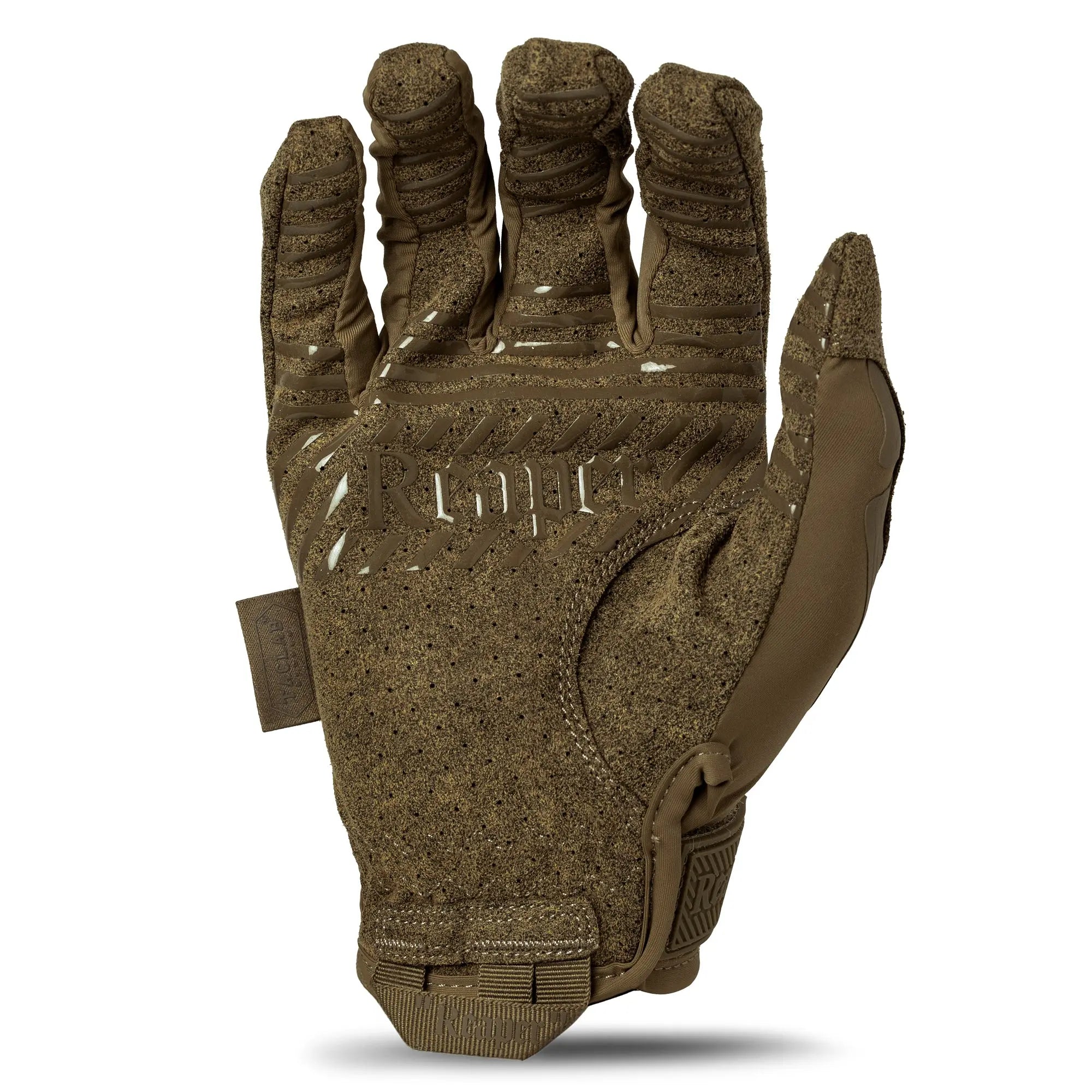
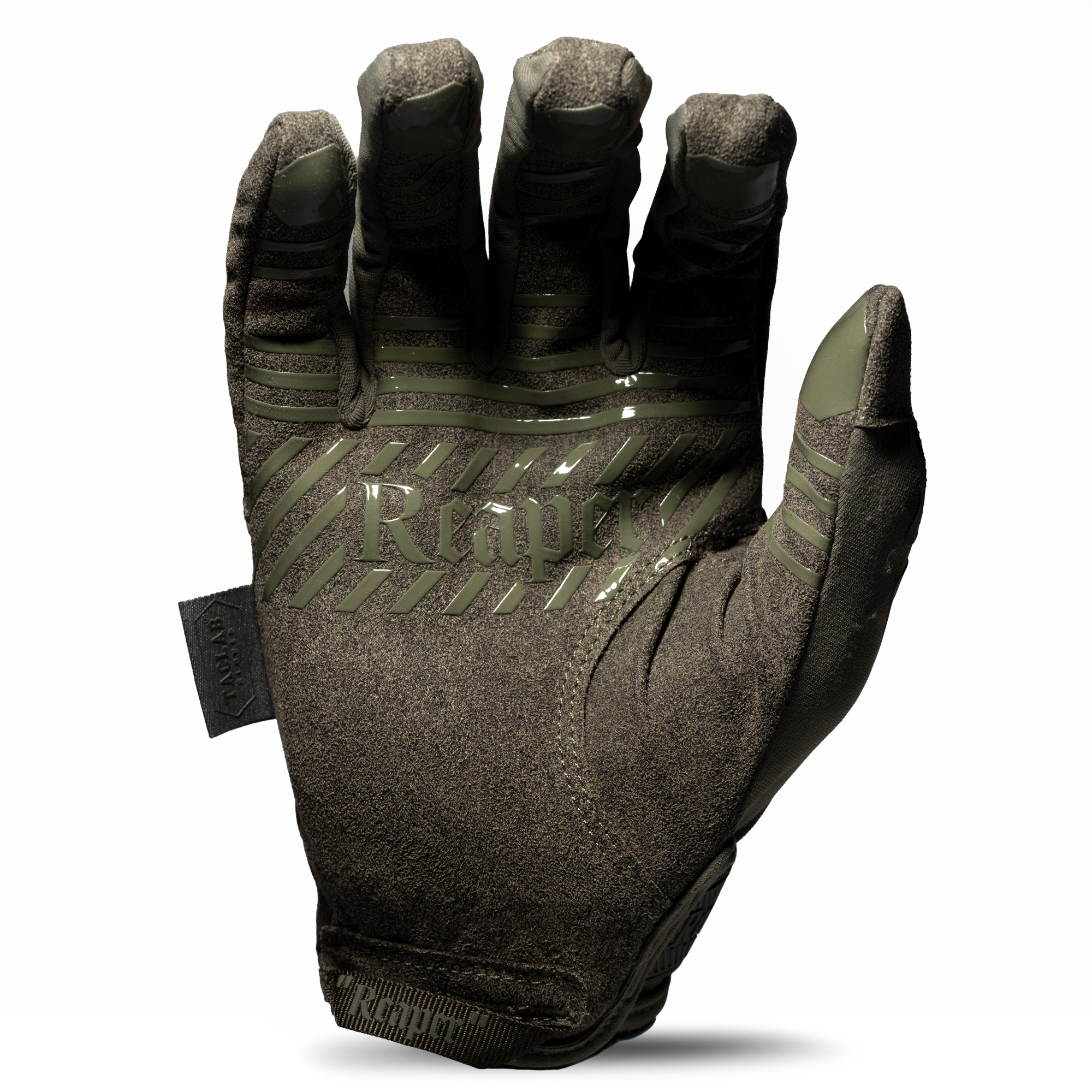
The palm is one of the hardest-working parts of any tactical glove.
It's constantly contacting:
- Firearm grips
- Motorcycle handlebars
- Tools
- Steering wheels
- Training equipment
- Outdoor surfaces
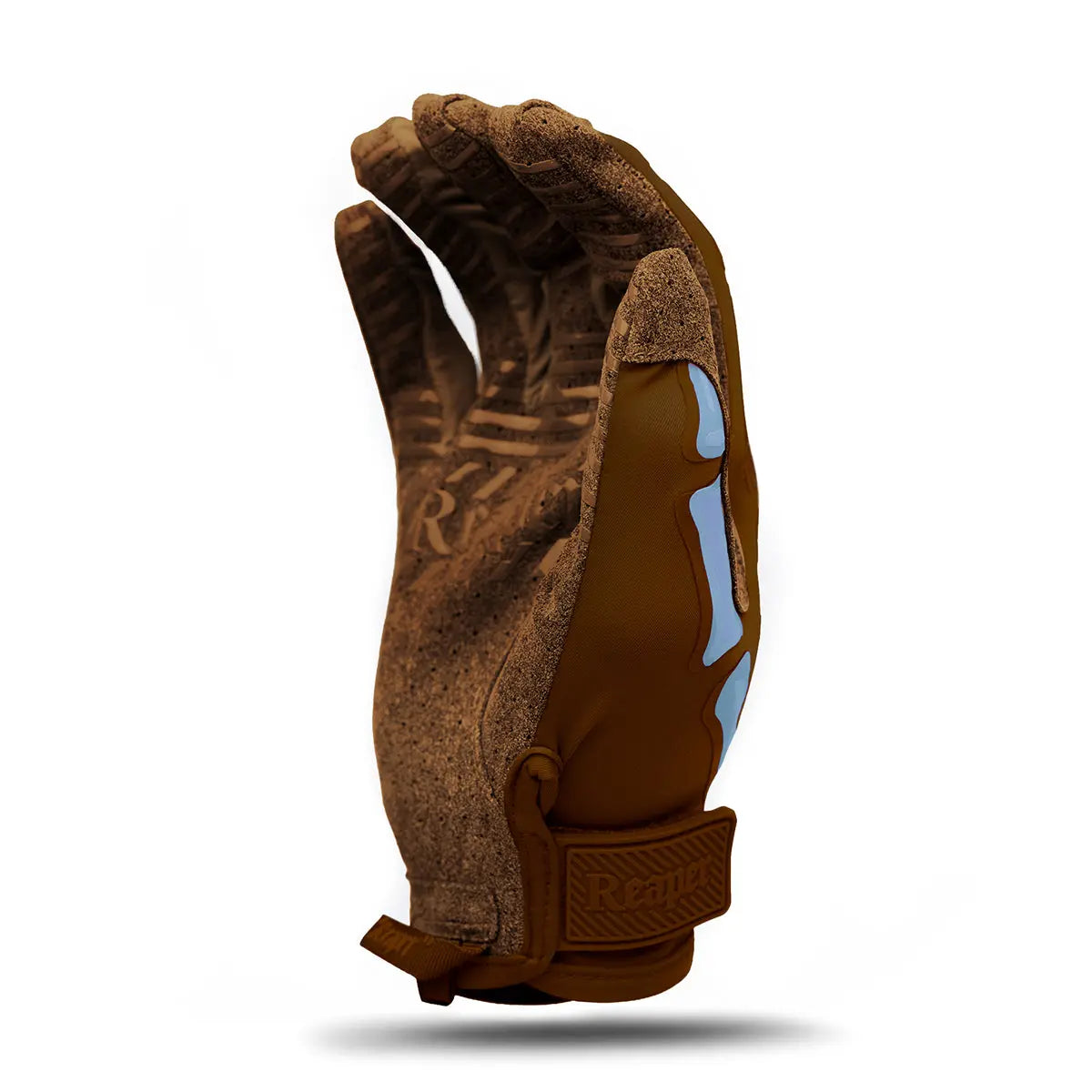
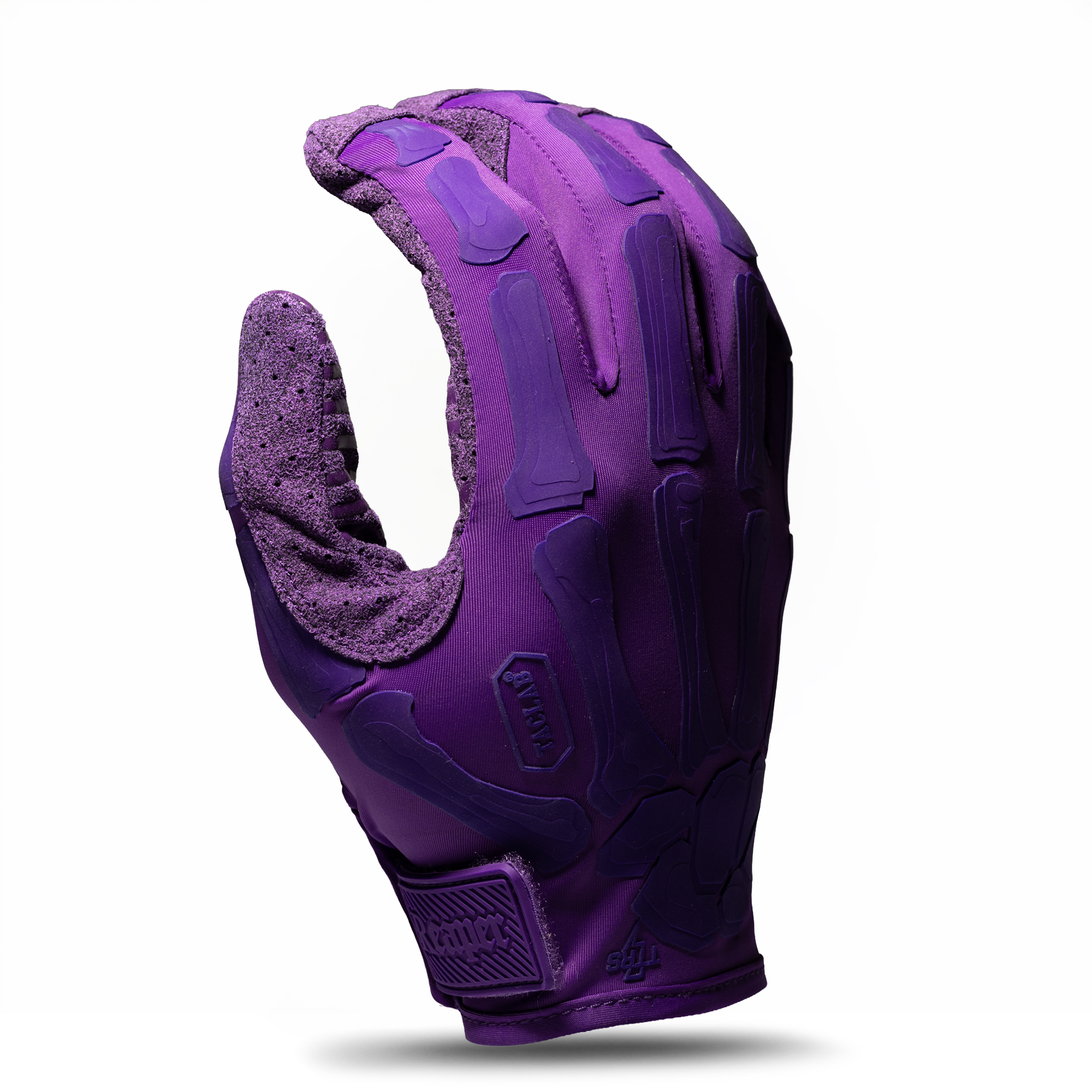
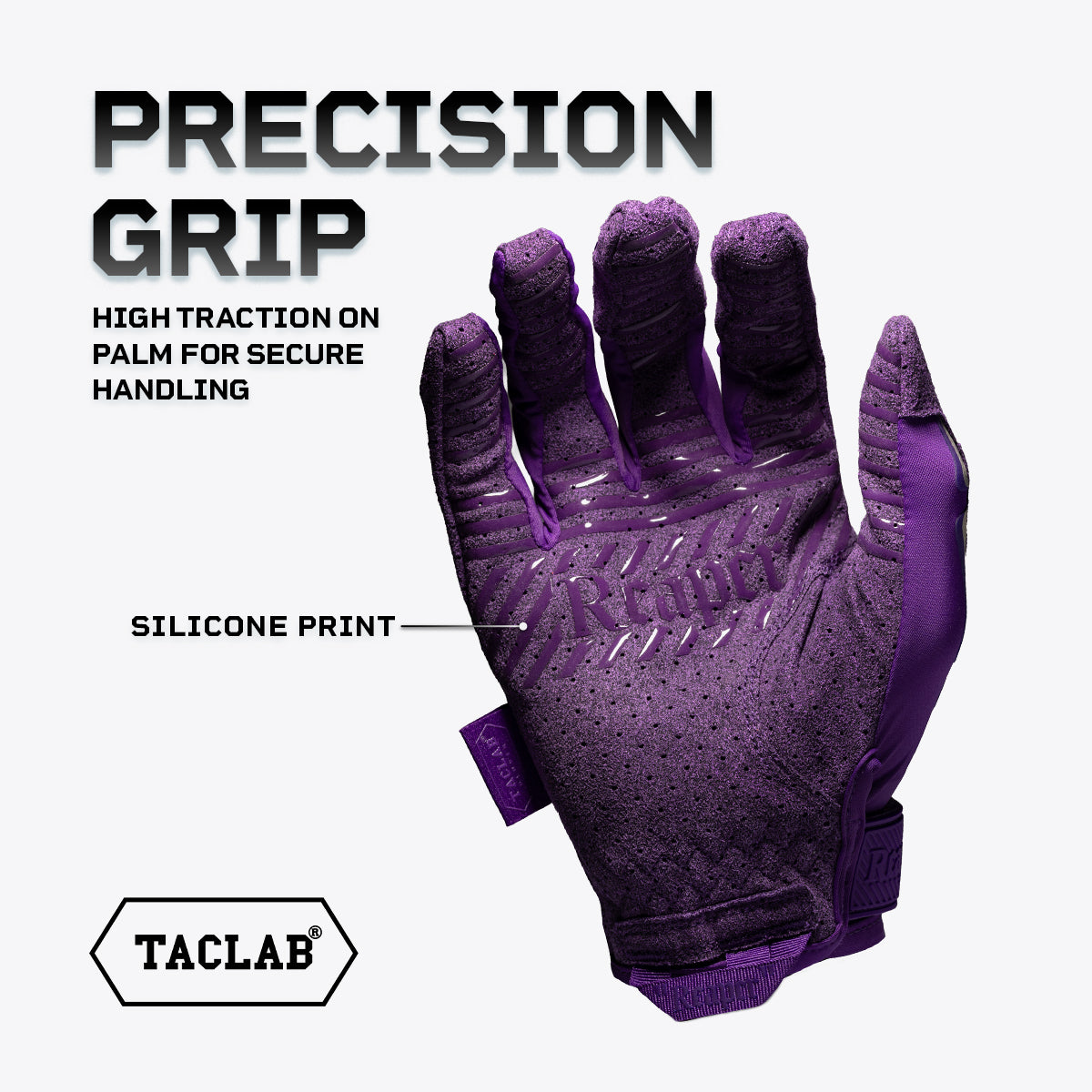
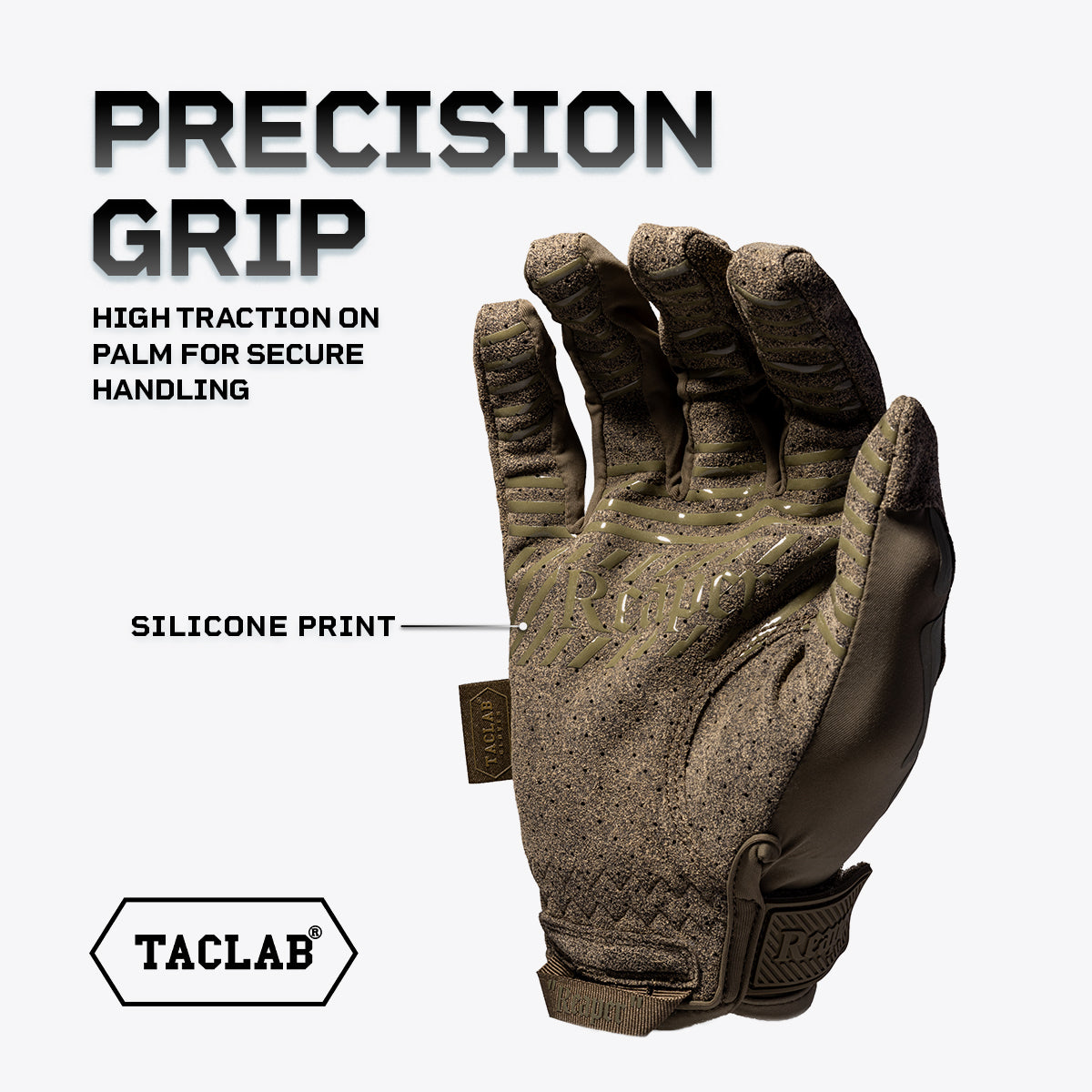
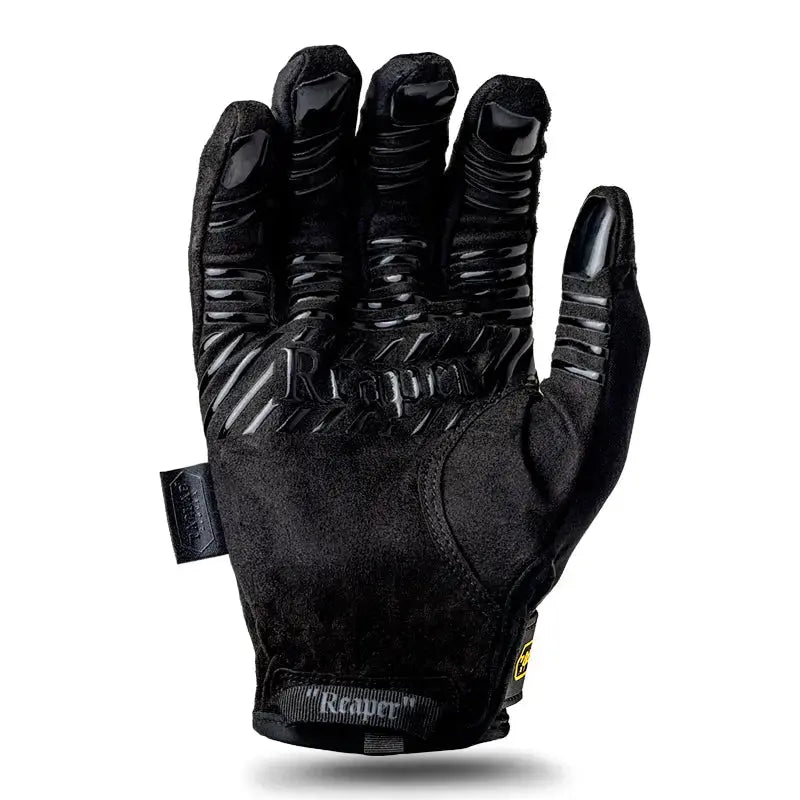
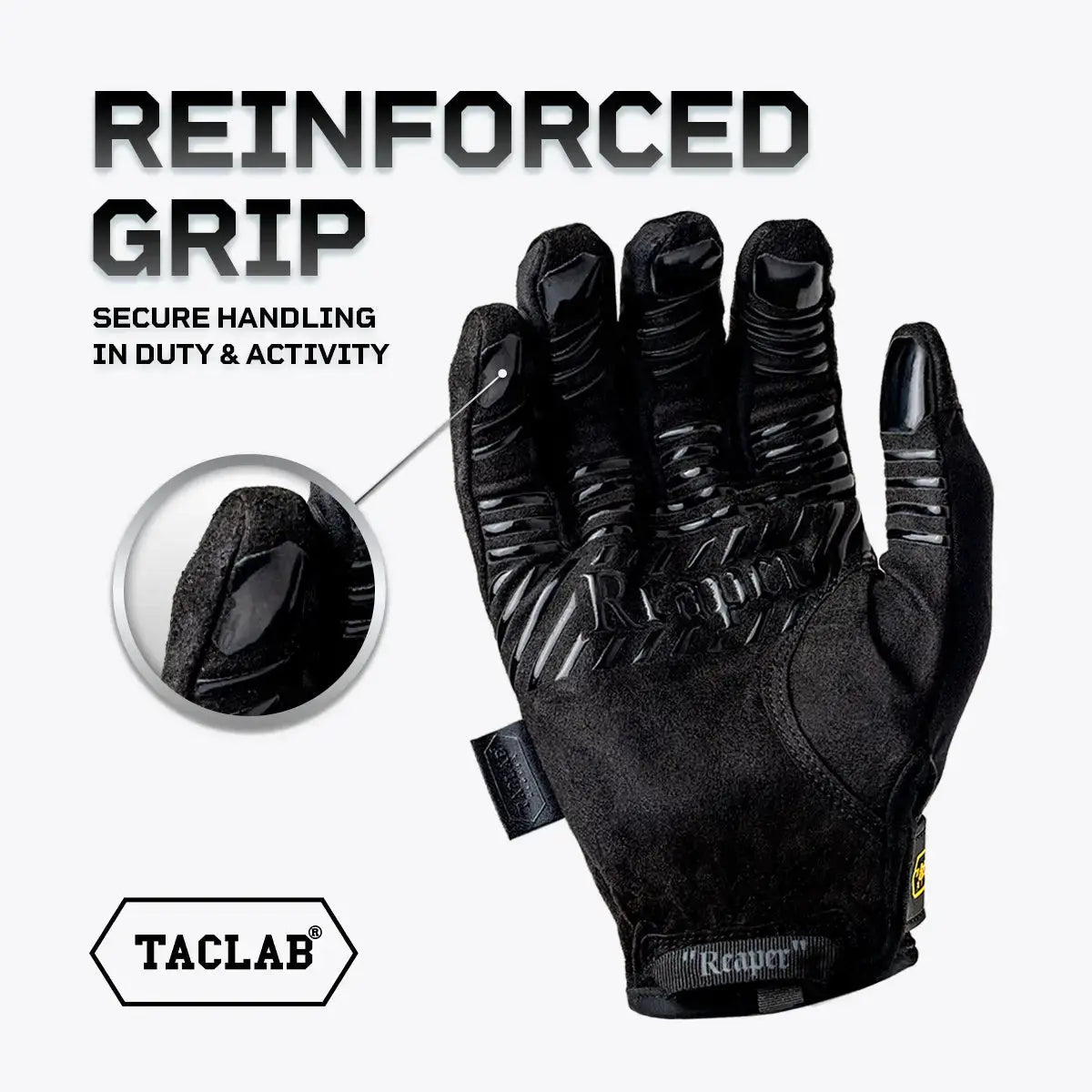
Over time, textured surfaces and grip materials naturally wear.
You may first notice the palm becoming smoother. Later, you might find yourself squeezing equipment harder than usual to maintain the same control.
That's an important signal.
Why Palm Wear Matters for Shooters and Riders
Grip isn't only about comfort.
It's about consistency.
A shooter wants the firearm to sit predictably in the hand. A motorcycle rider wants consistent contact with the throttle and handlebars. A worker needs reliable control of tools.
If you constantly compensate for a worn palm by gripping harder, the gloves are no longer performing the way they did when new.
Inspect high-contact areas, especially:
- The center of the palm
- Base of the fingers
- Thumb
- Index finger
- Areas contacting handlebars or tools
A little cosmetic wear doesn't mean the gloves are finished.
But when loss of texture begins affecting control, replacement becomes much easier to justify.
2. The Fingertips Are Wearing Through
If you've owned several pairs of tactical gloves, you've probably seen this before.
The rest of the glove looks fine.
Then suddenly:
One fingertip develops a hole.
Why?
Because fingertips experience an incredible amount of movement and friction.
Every time you:
- Manipulate equipment
- Load magazines
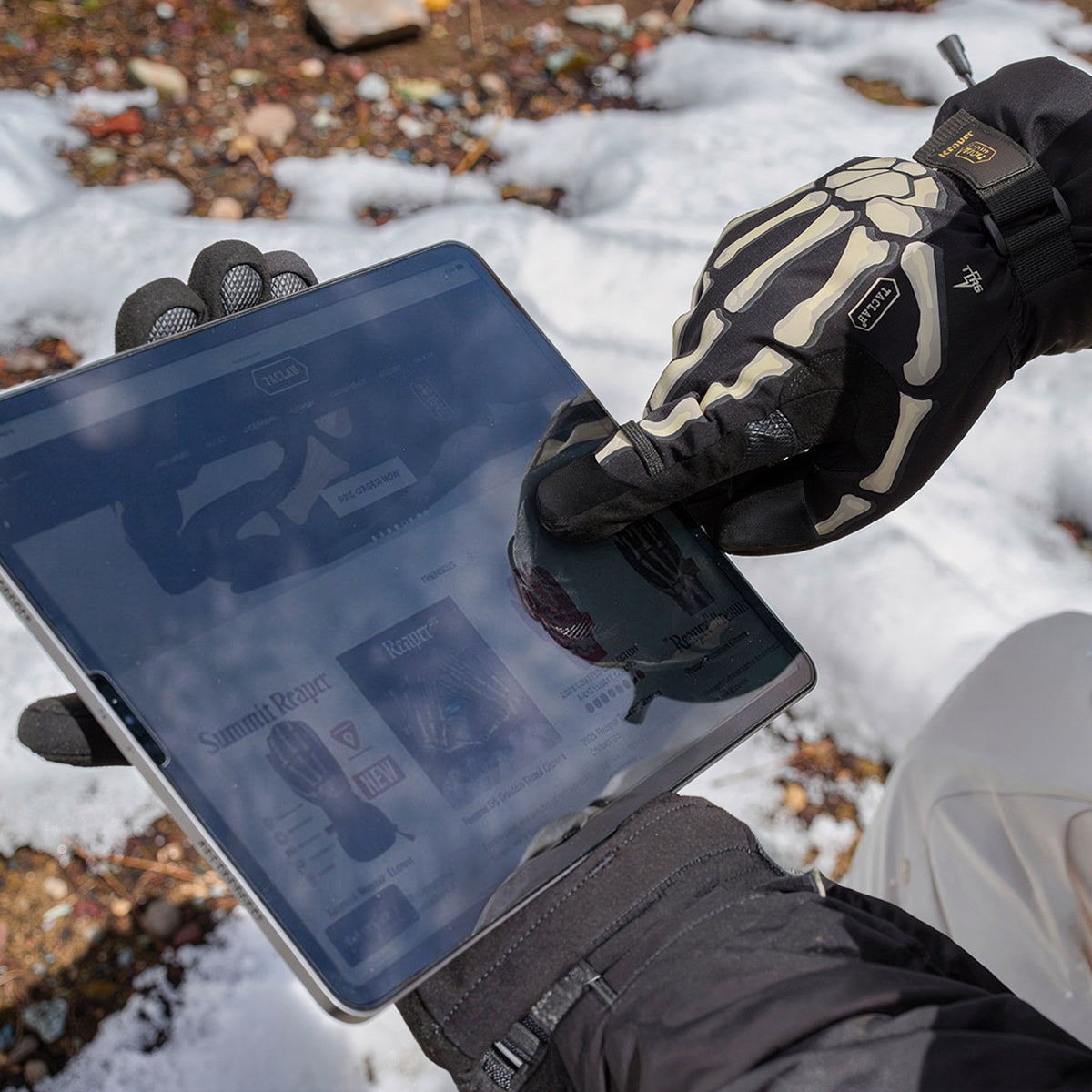
- Use your phone
- Operate controls
- Grip handlebars
- Pick up small objects
the fingertip material bends and rubs.
Why Fingertips Often Fail First
Fit plays a major role.
Long fingernails can repeatedly press against the inside of the glove. A glove that's too short may place constant tension on the fingertip. A glove that's too large can create extra movement and friction.
Moisture matters too.
Some microfiber and synthetic materials become softer when damp or sweaty, which can reduce their resistance to repeated abrasion.
This is especially important with lightweight shooting gloves.
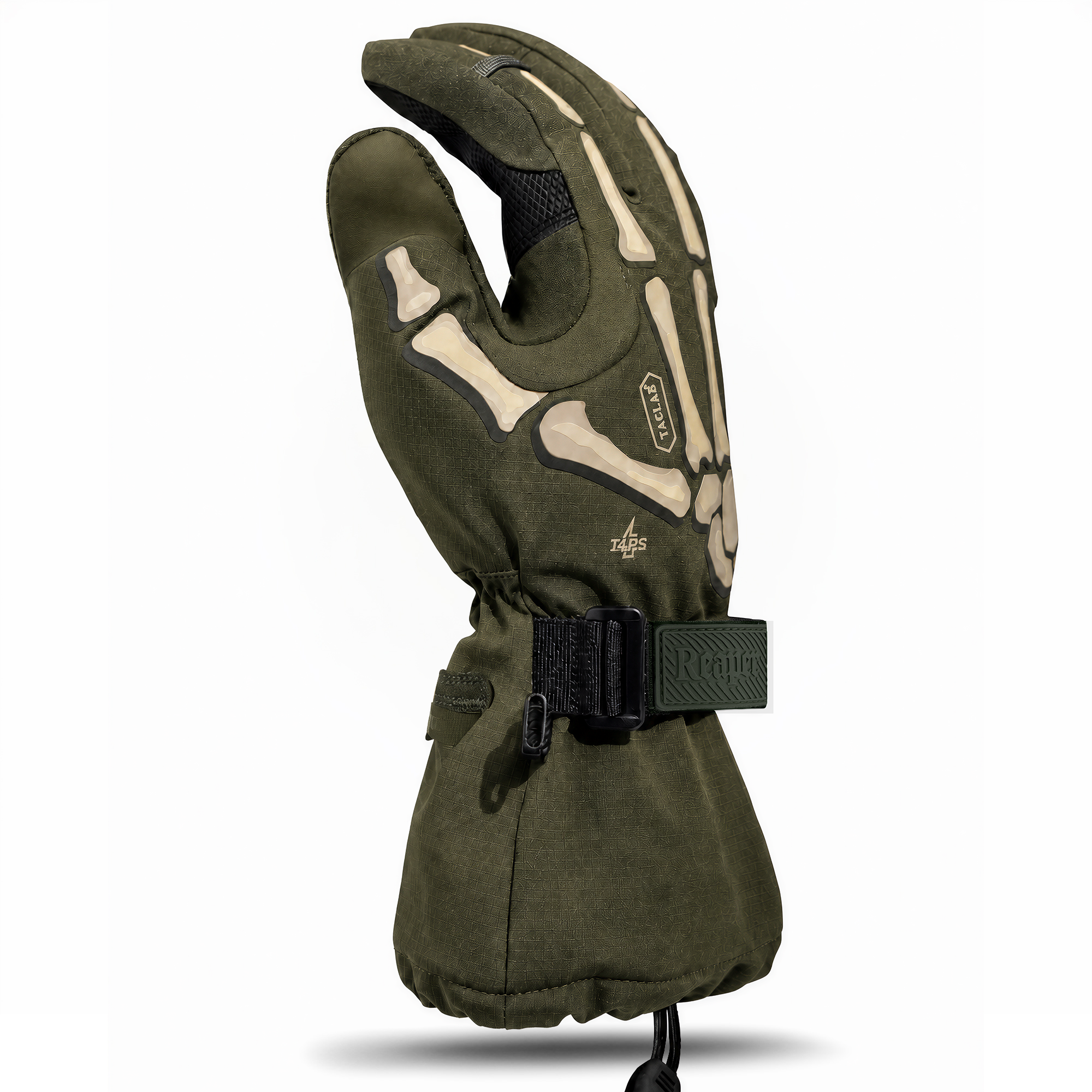
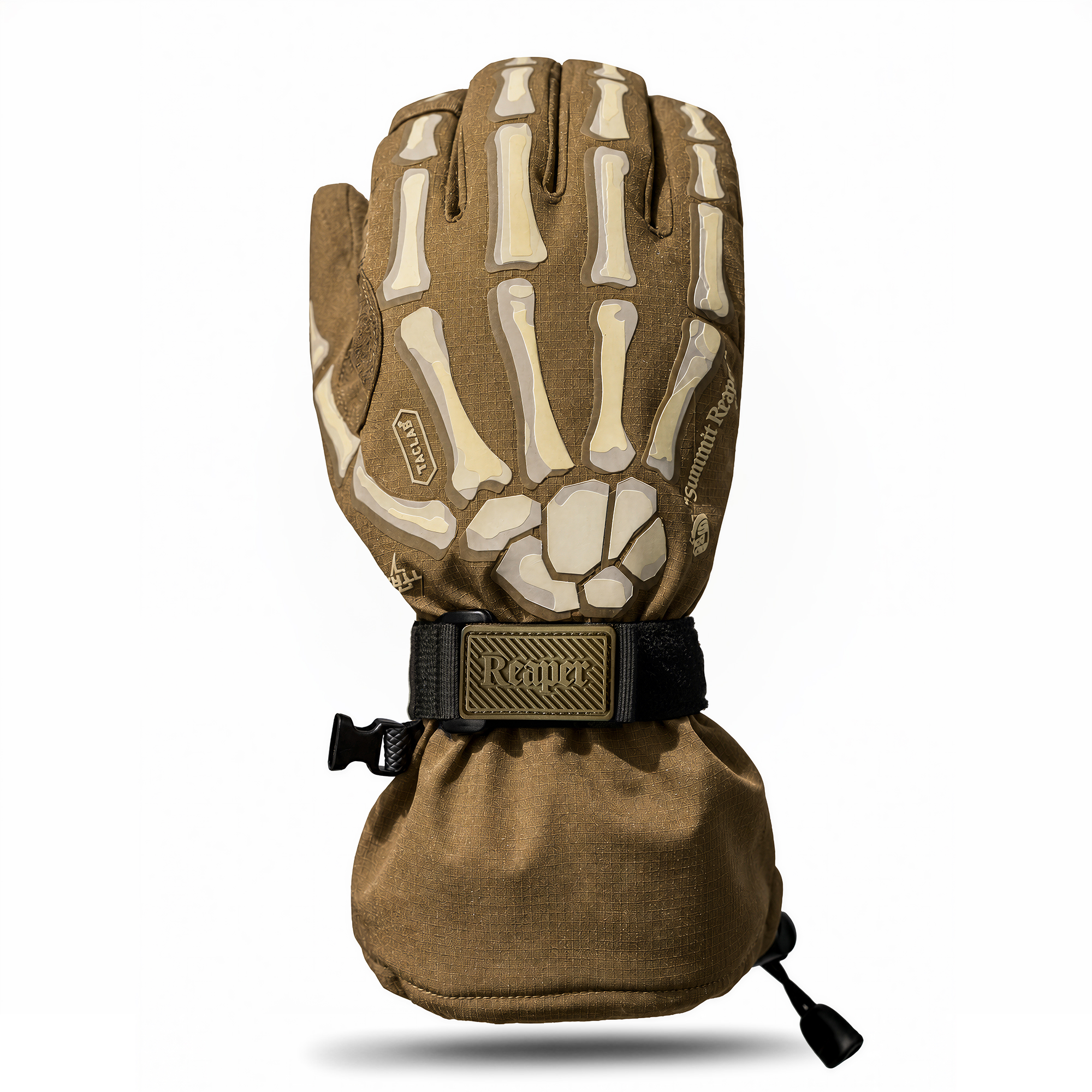
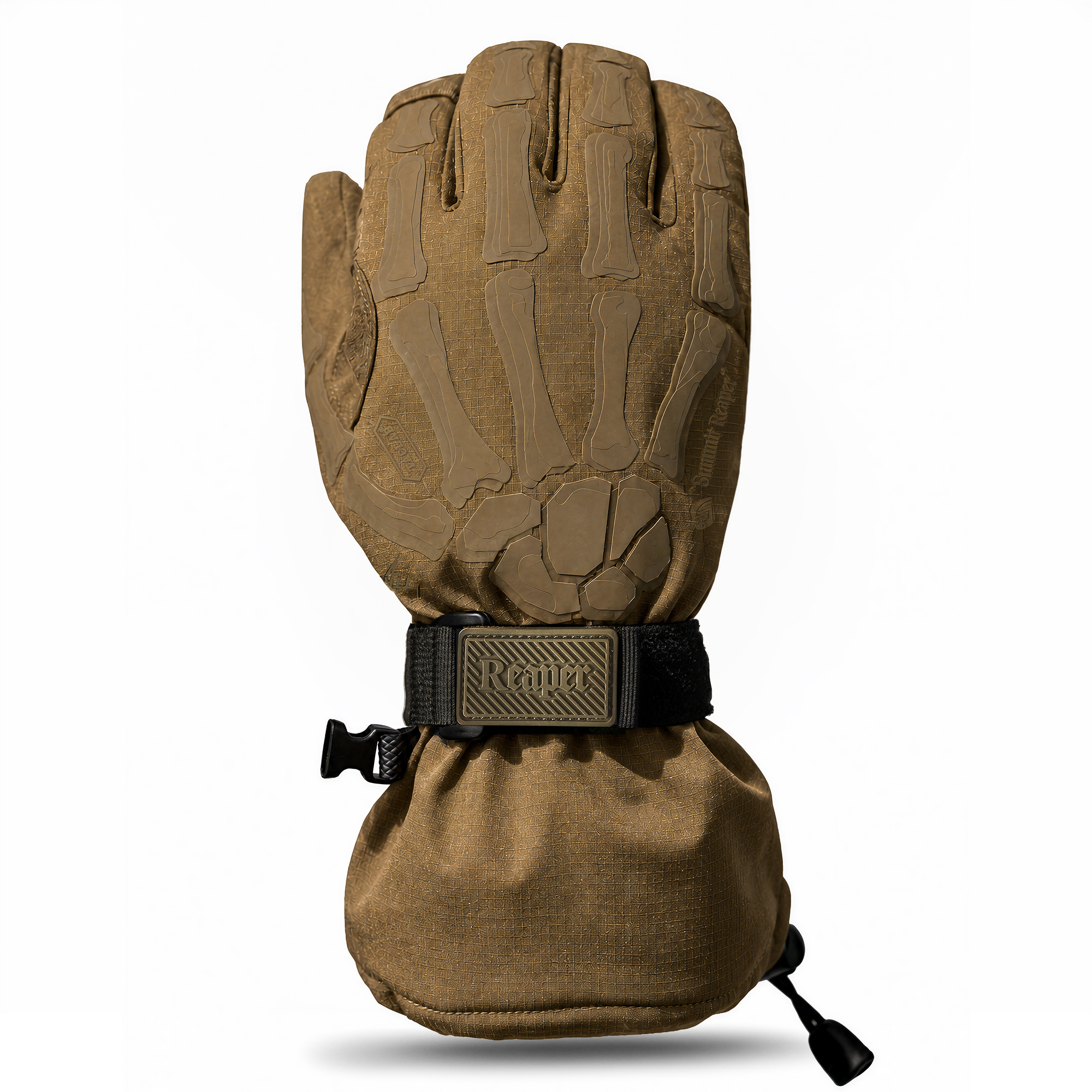
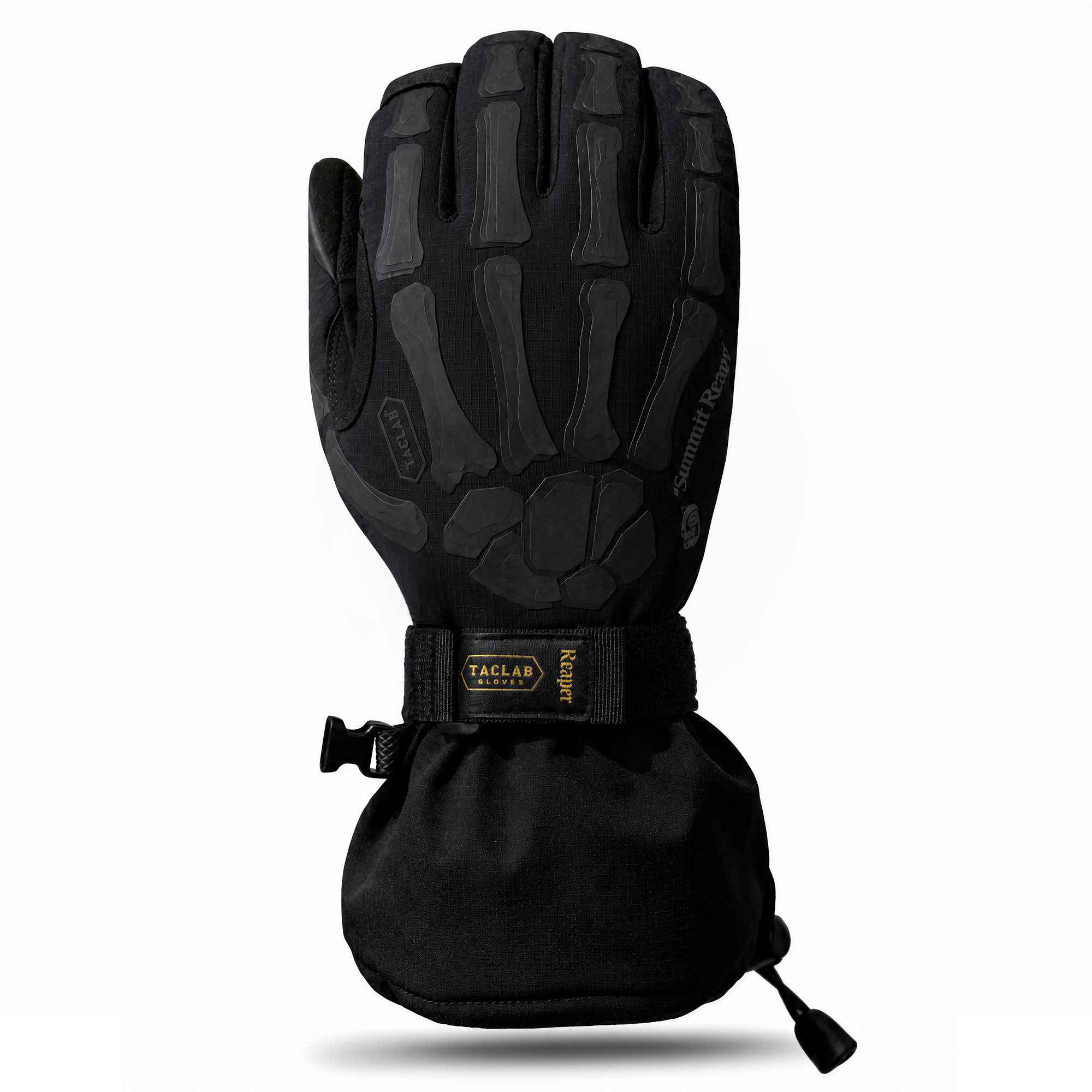
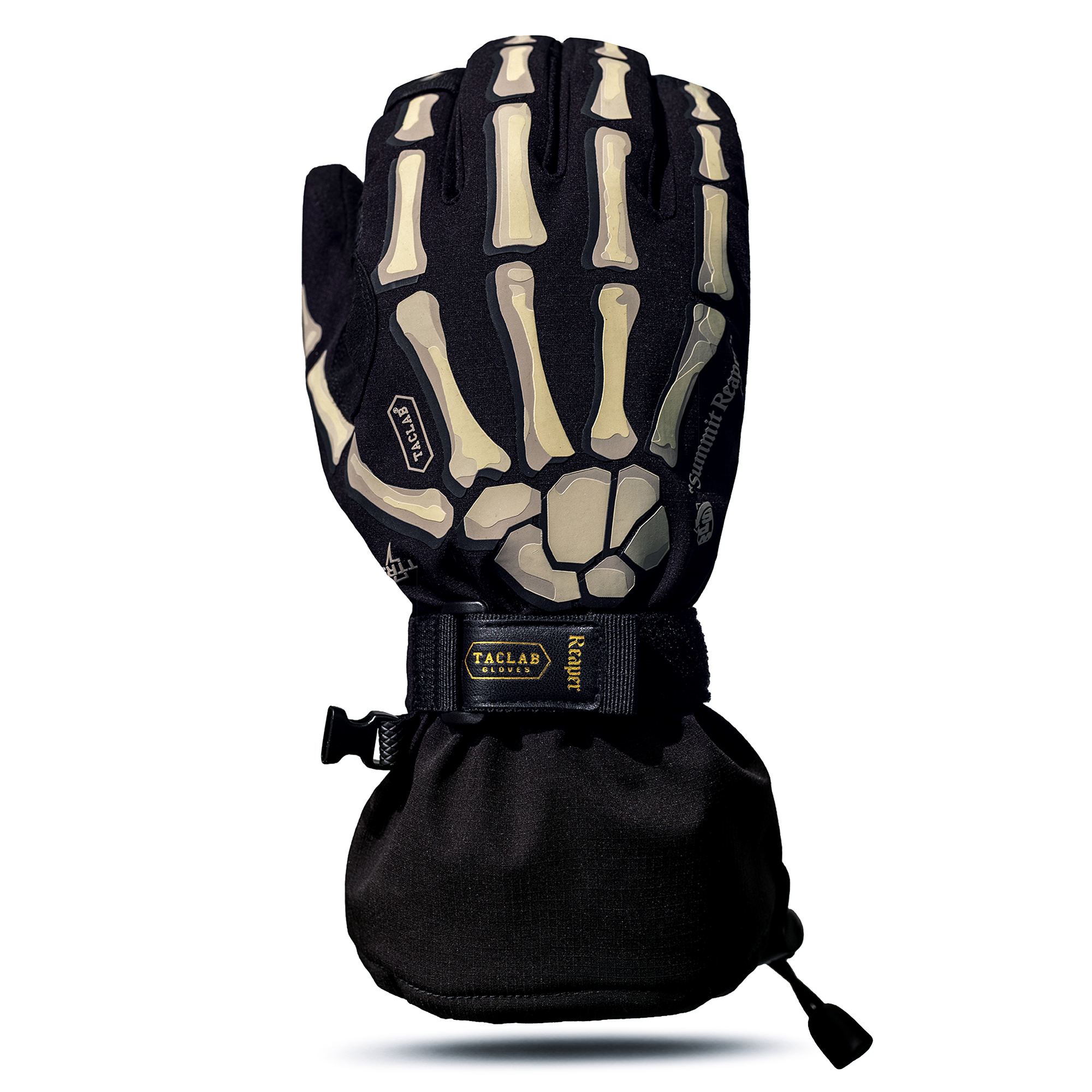
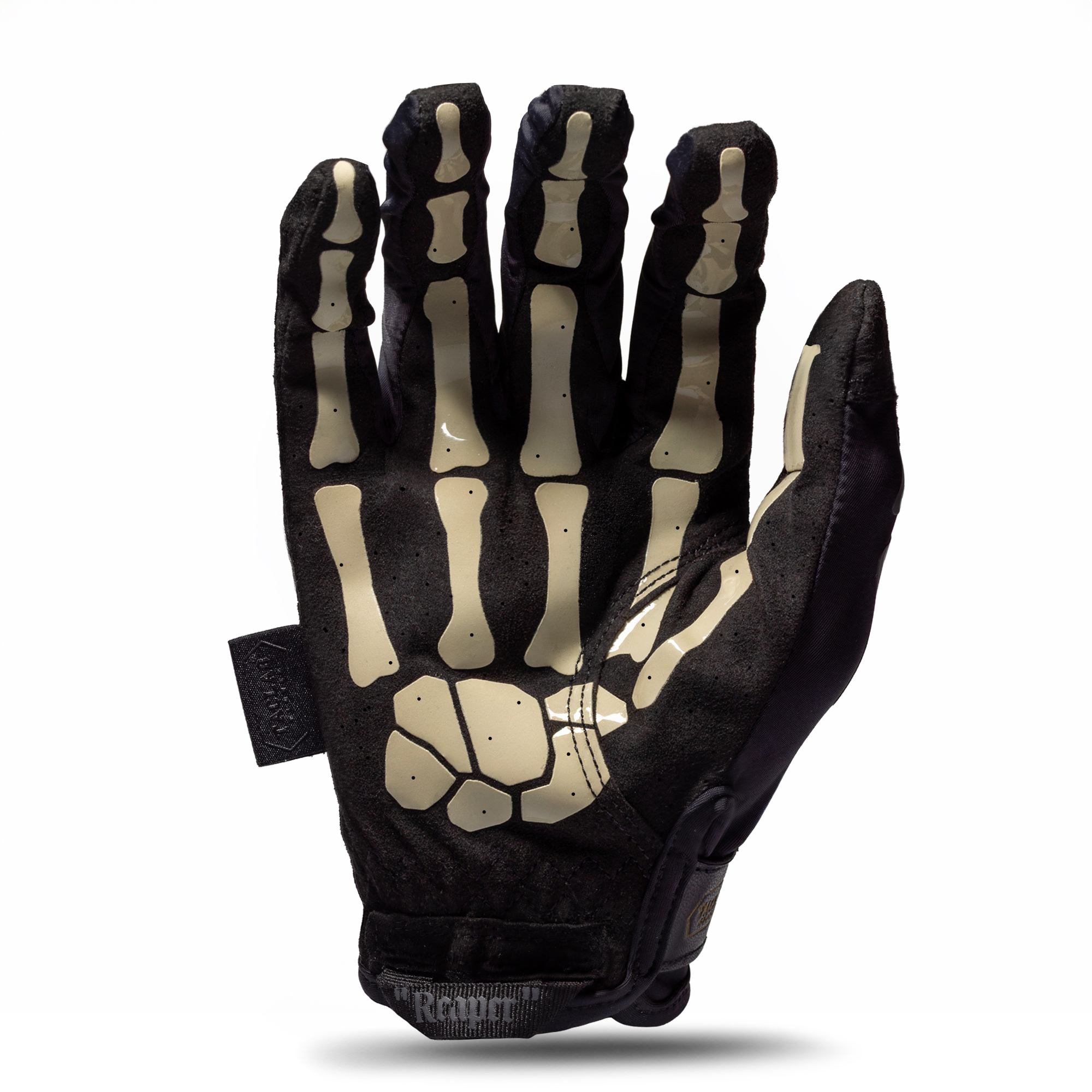
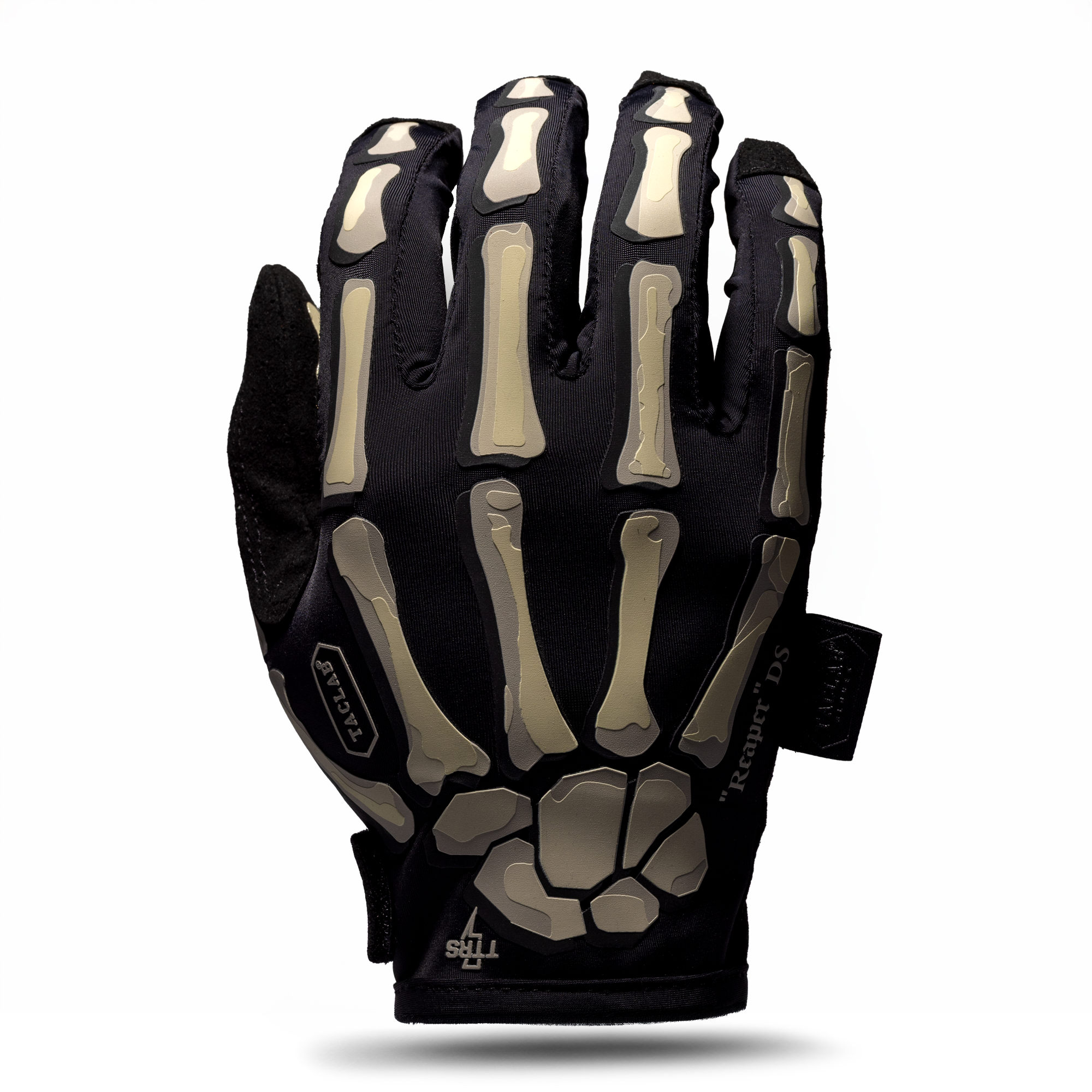
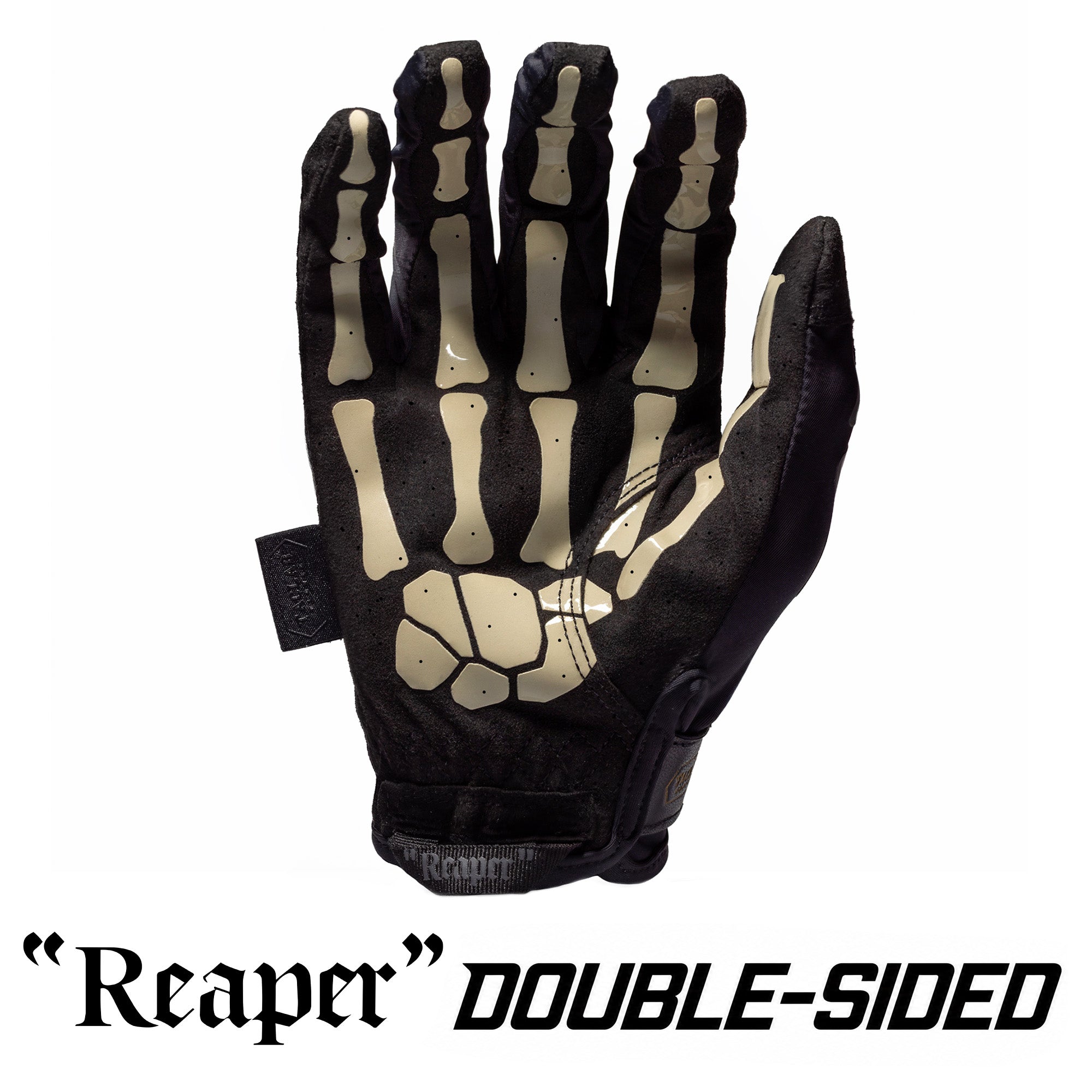
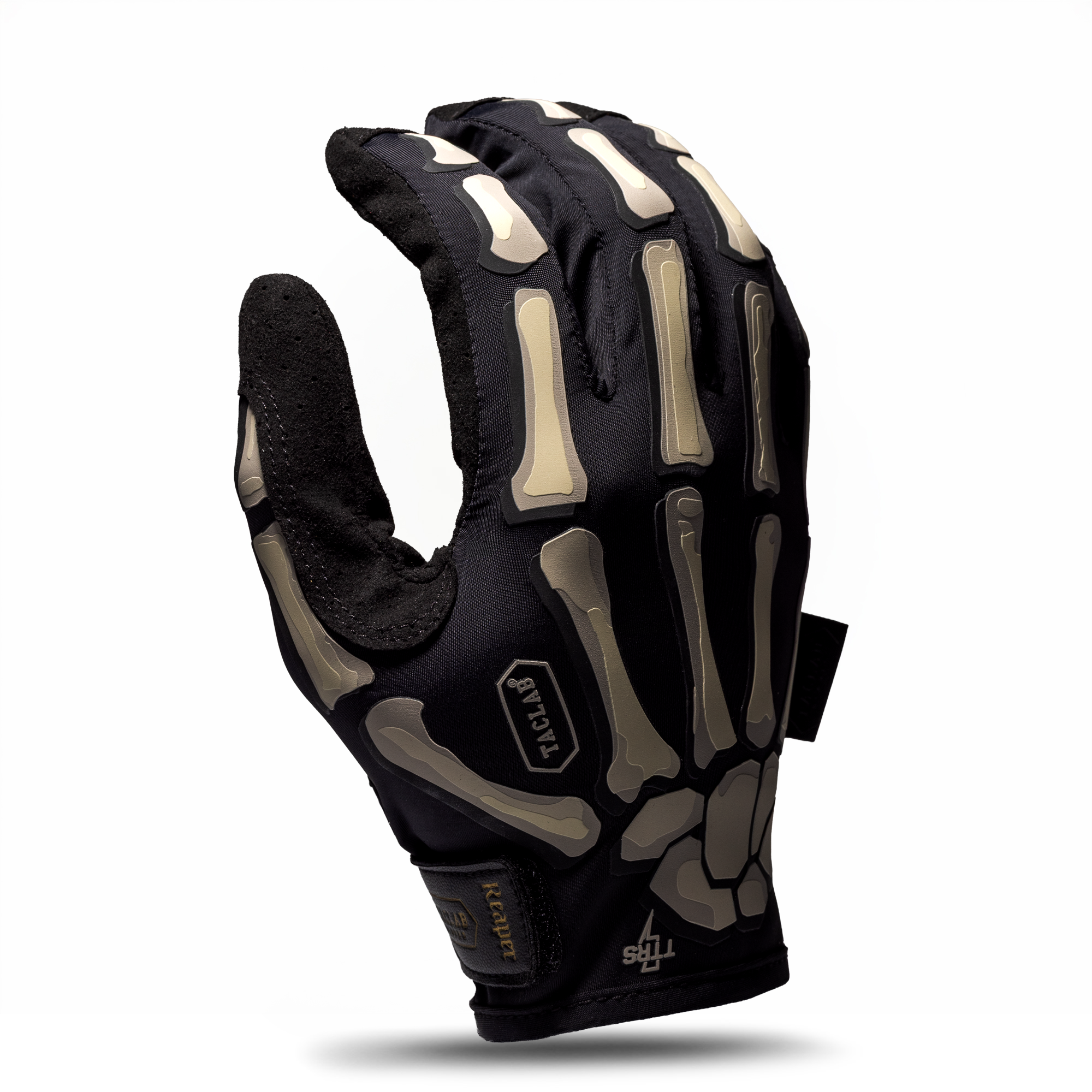
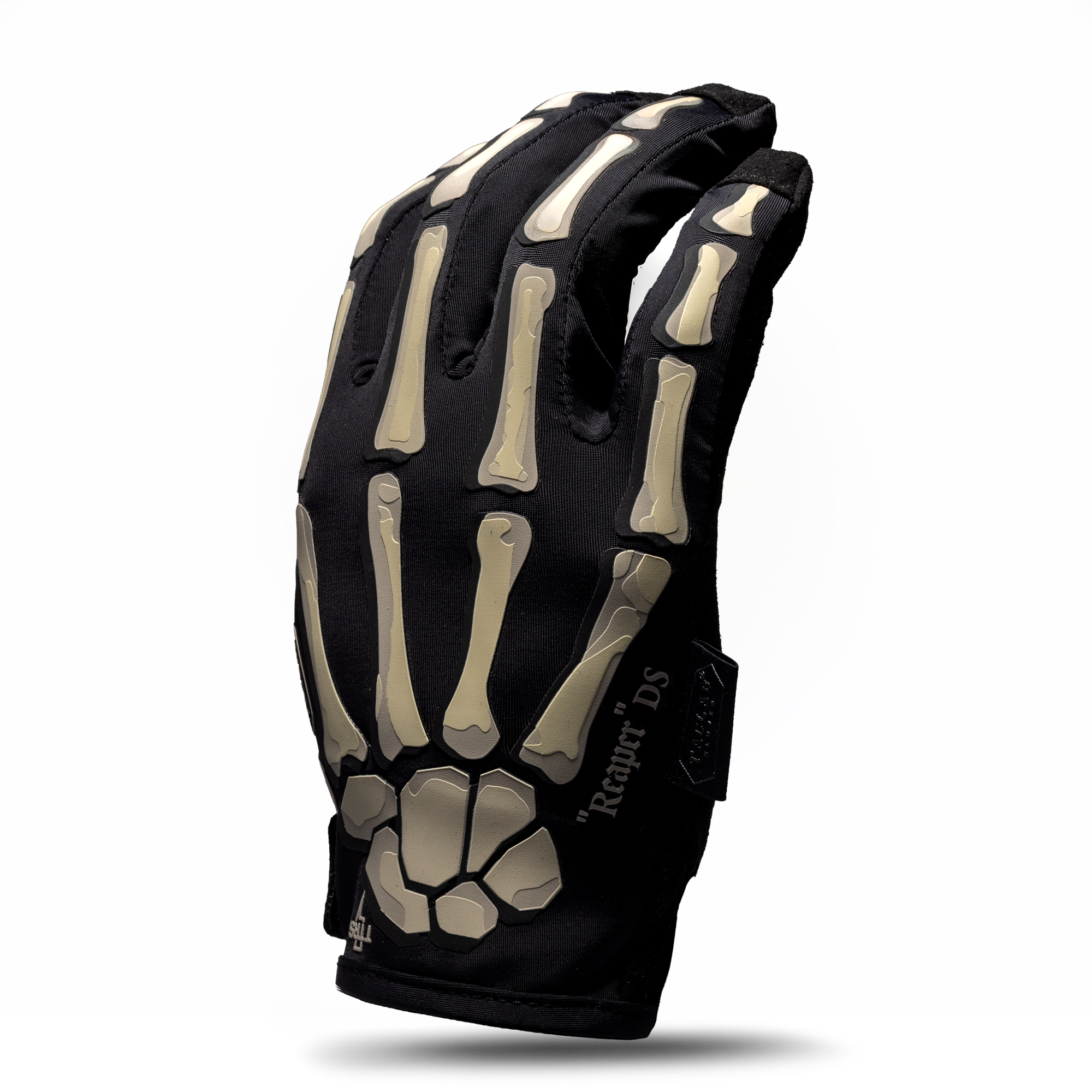
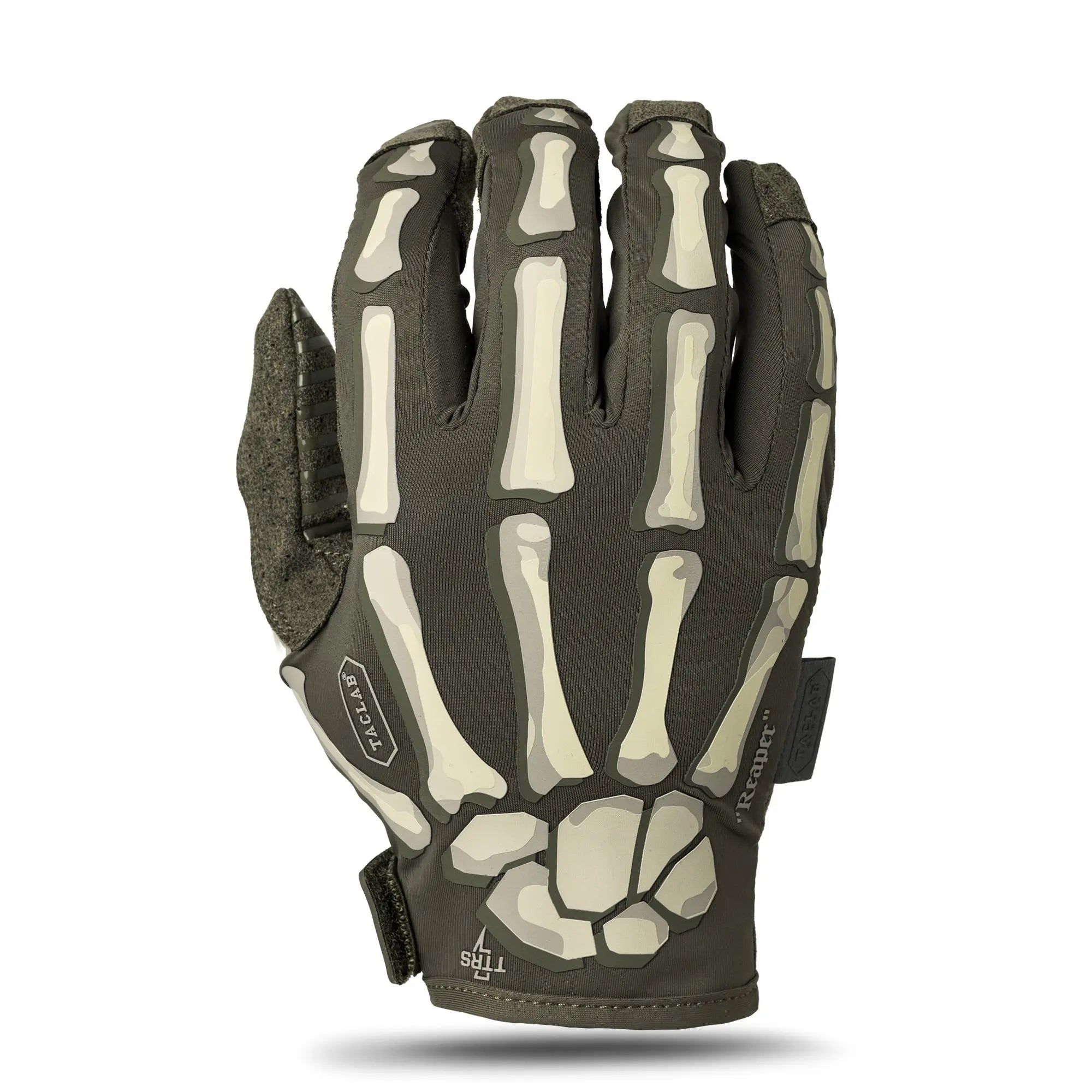
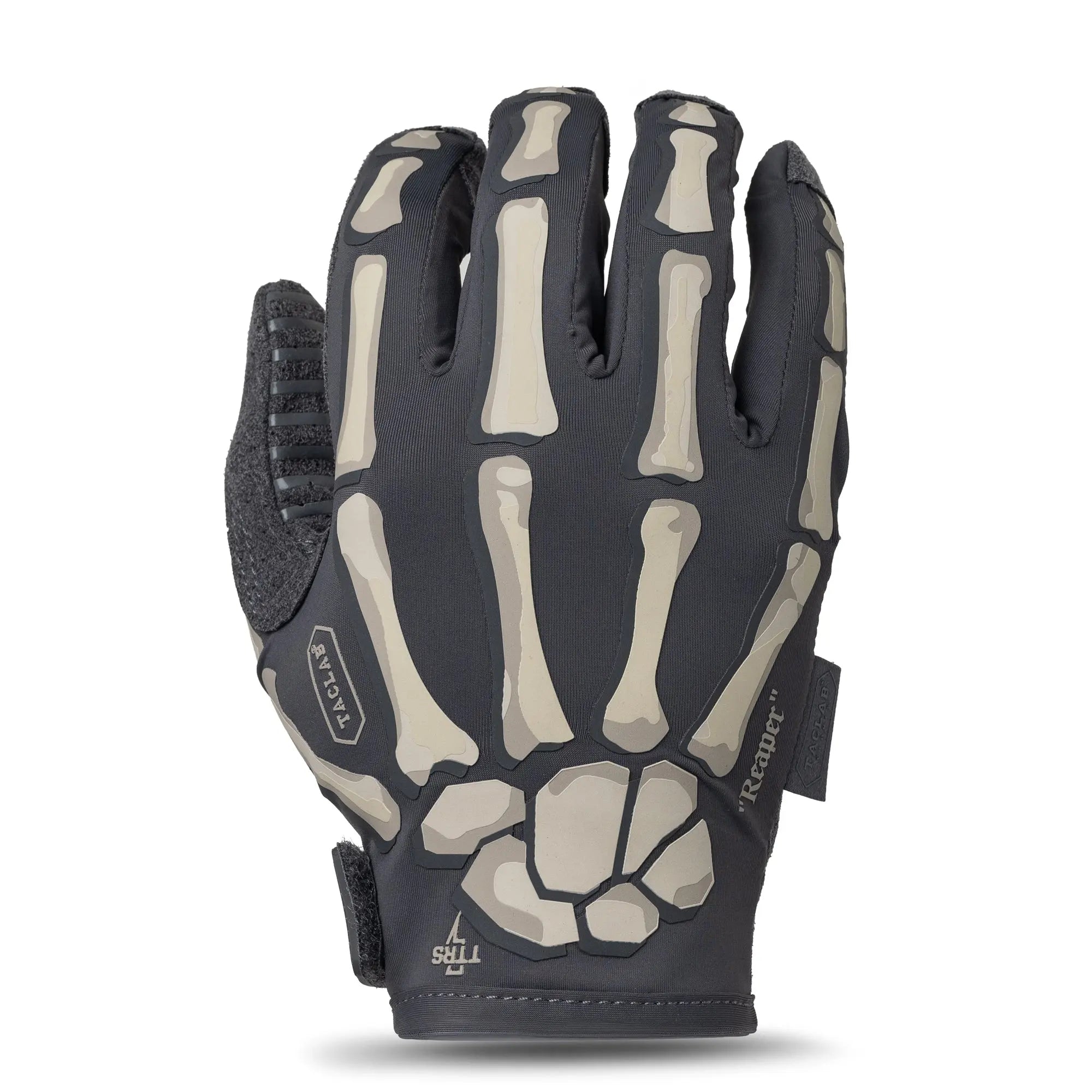
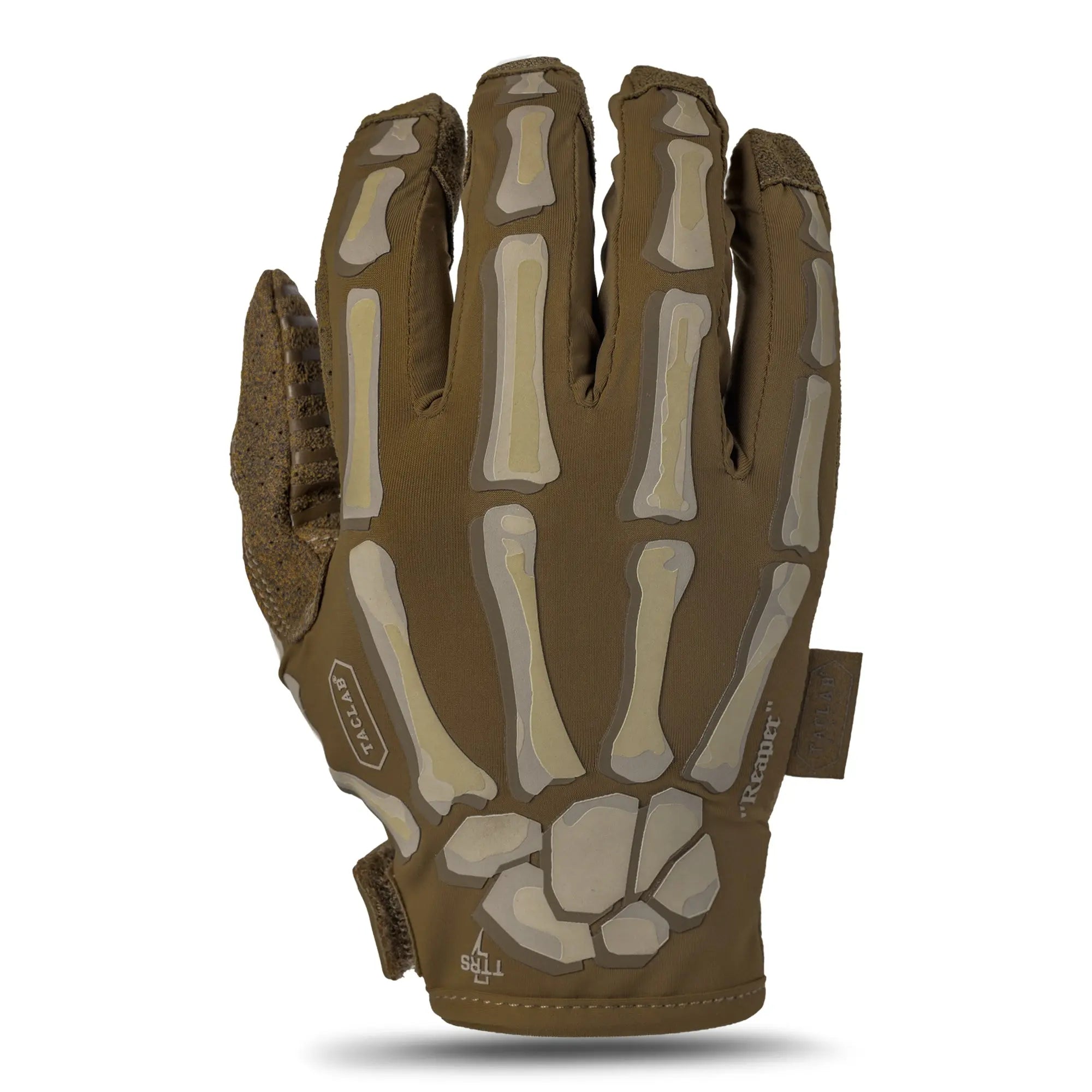
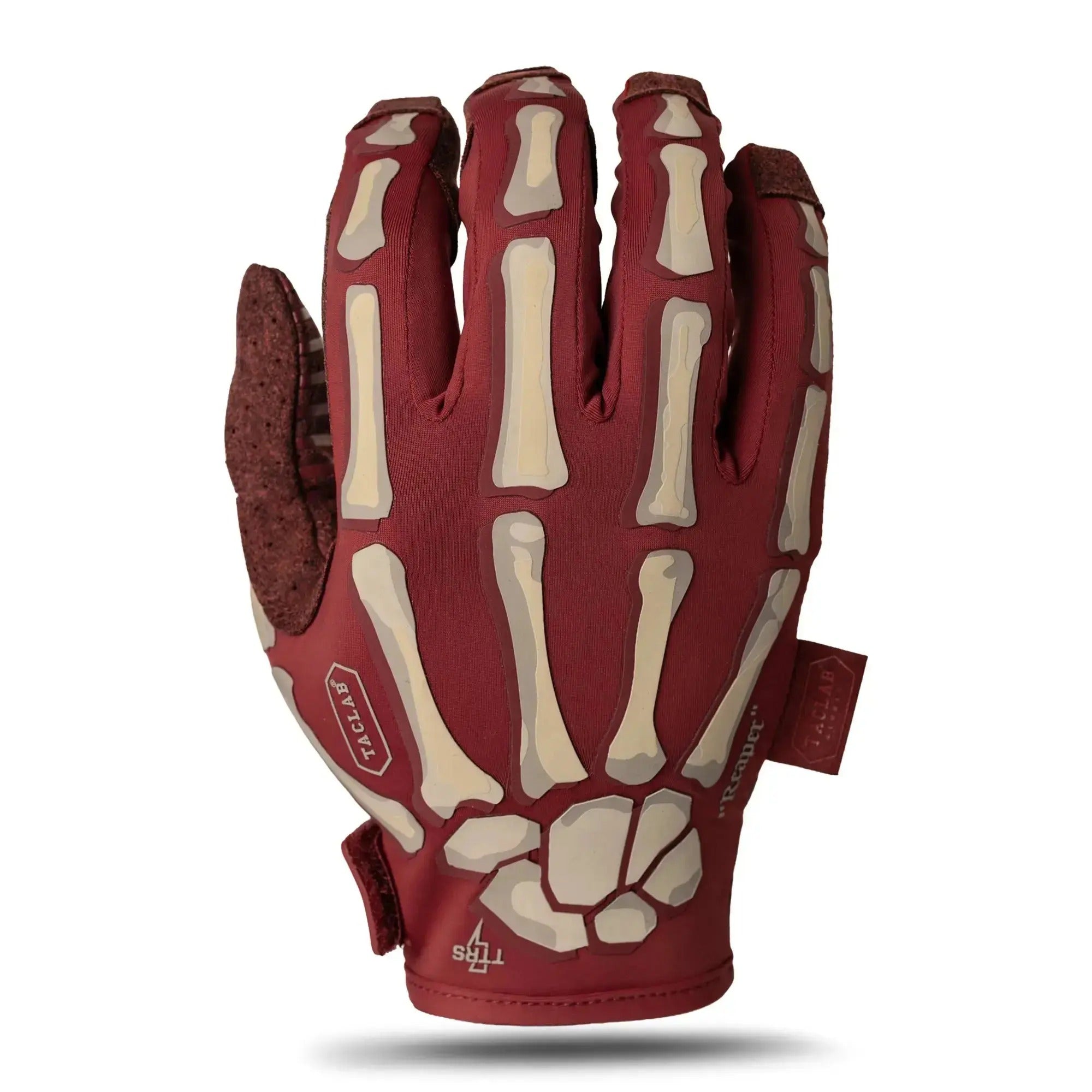
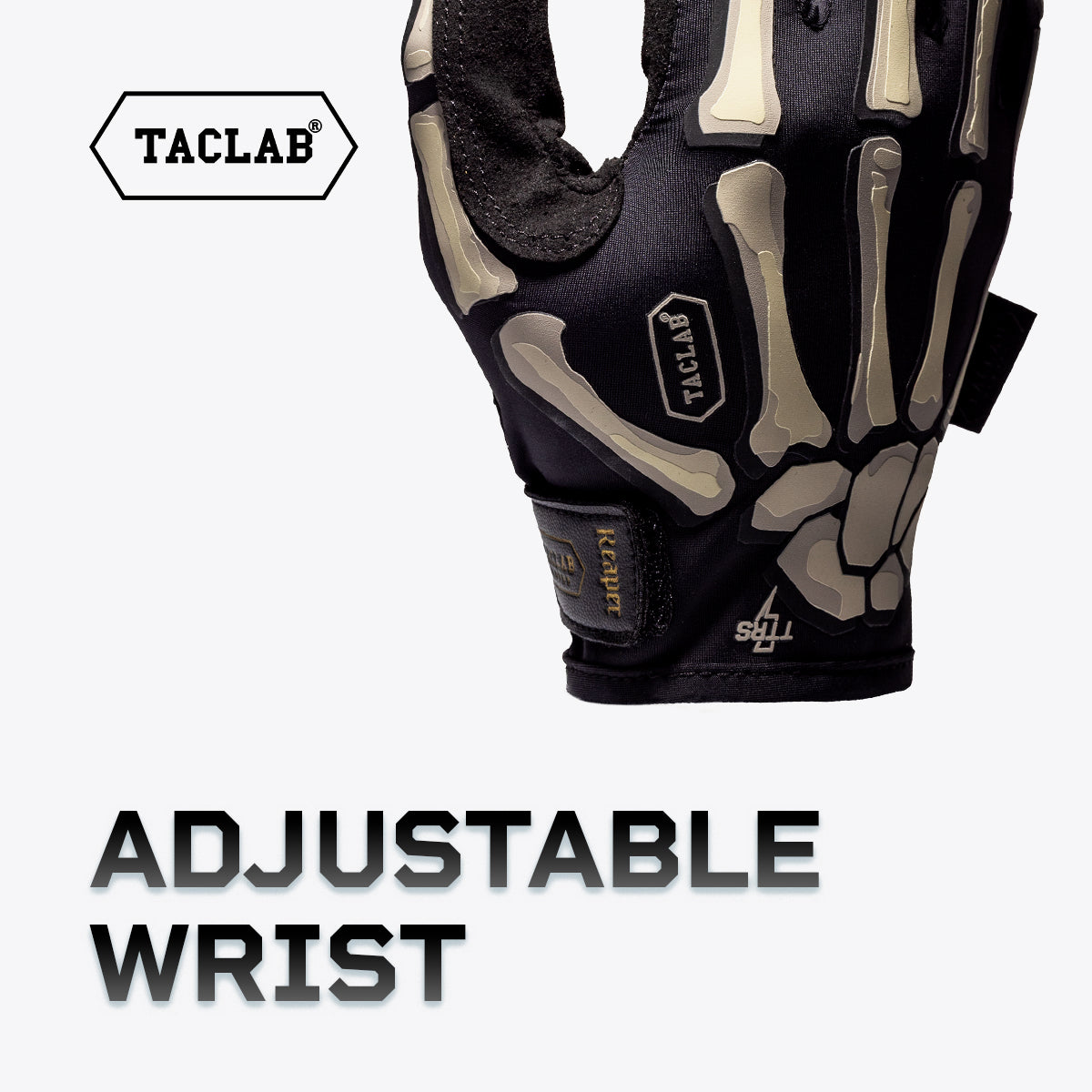
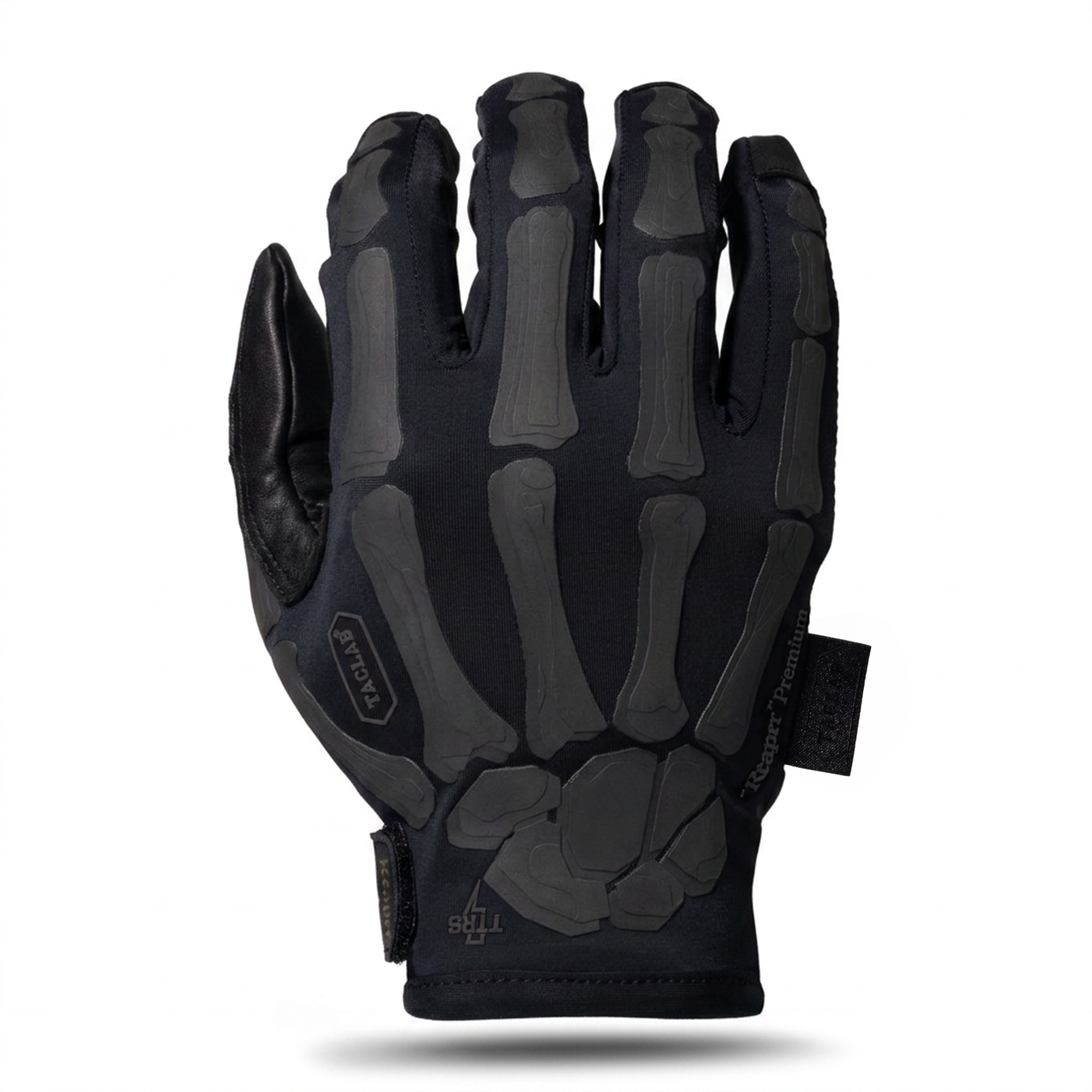
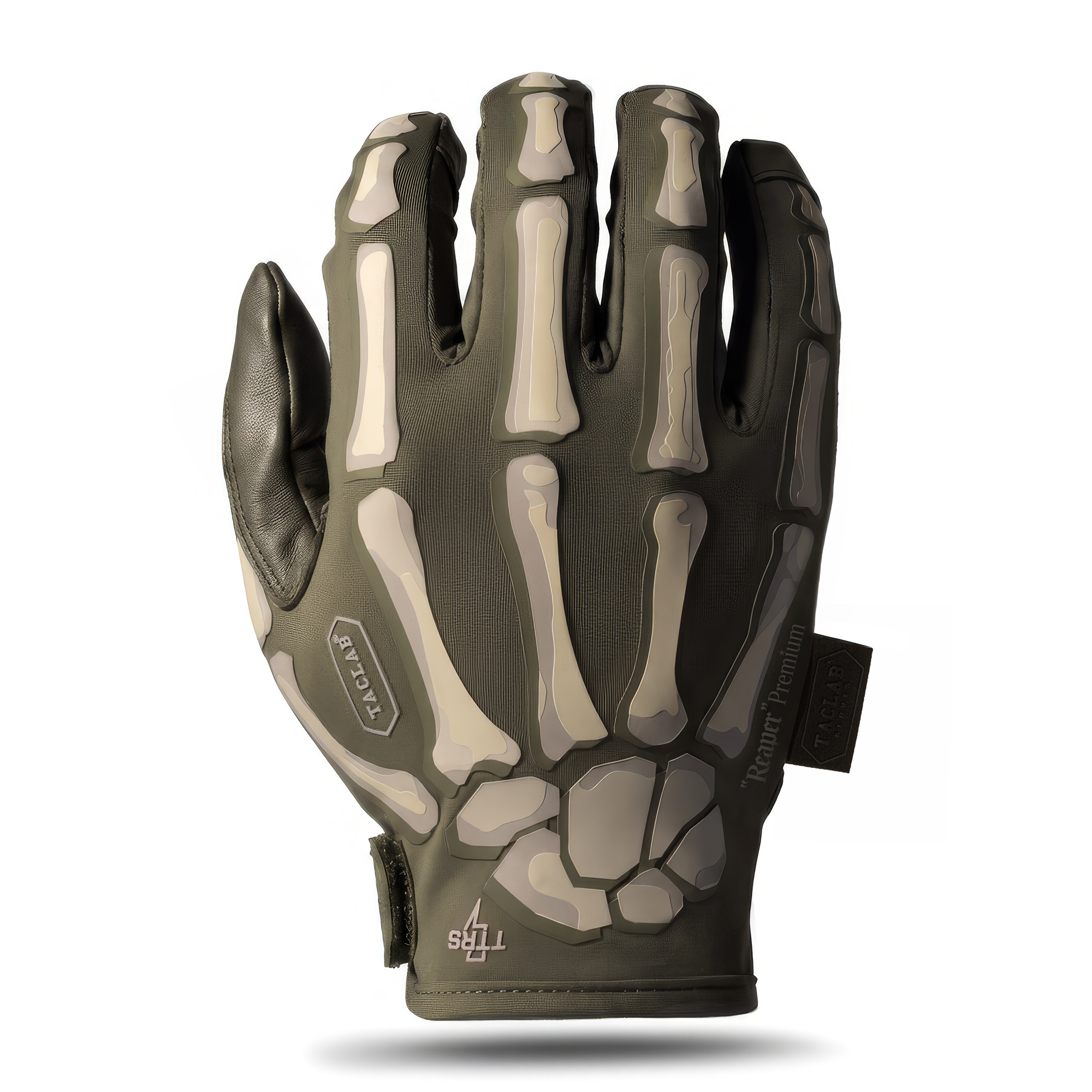
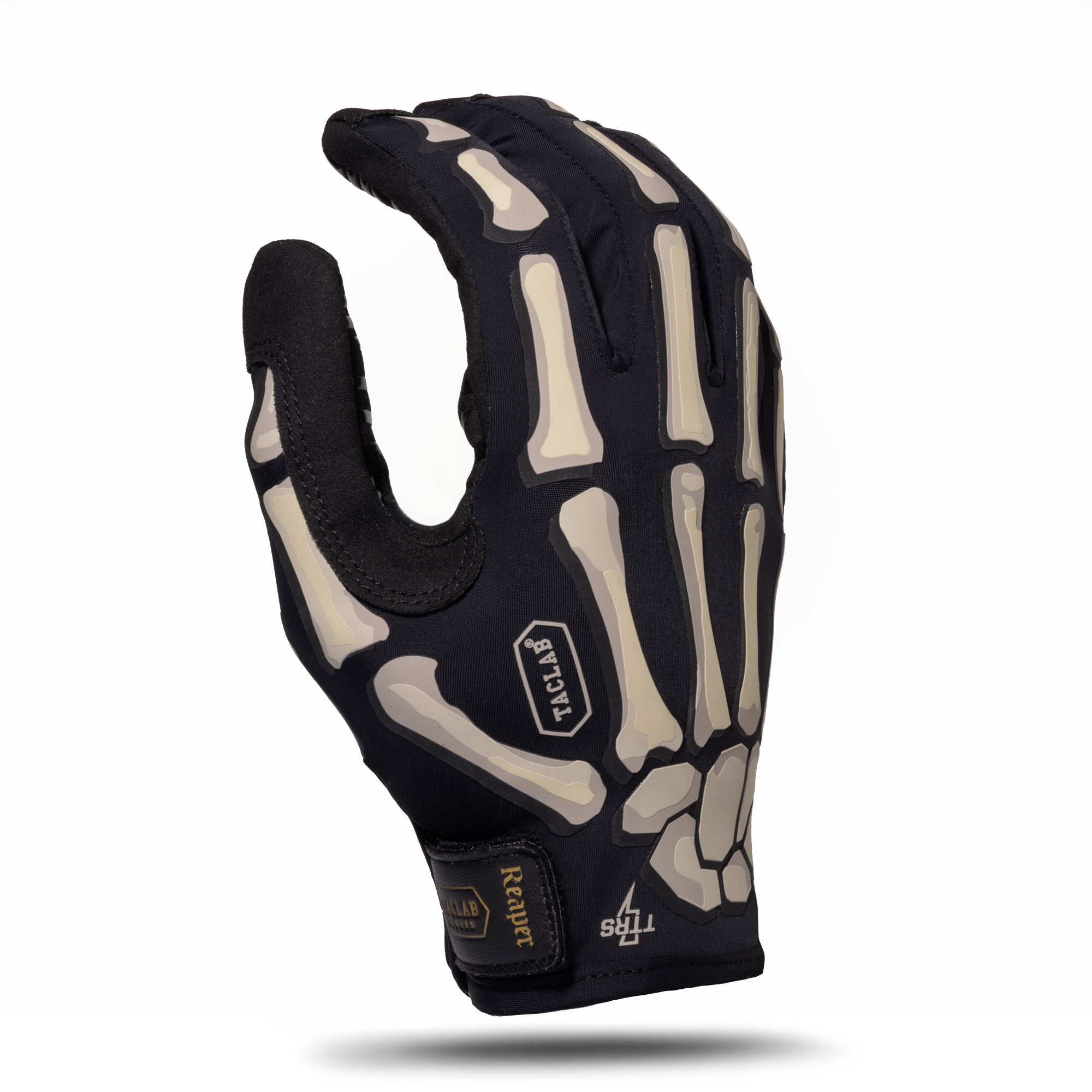
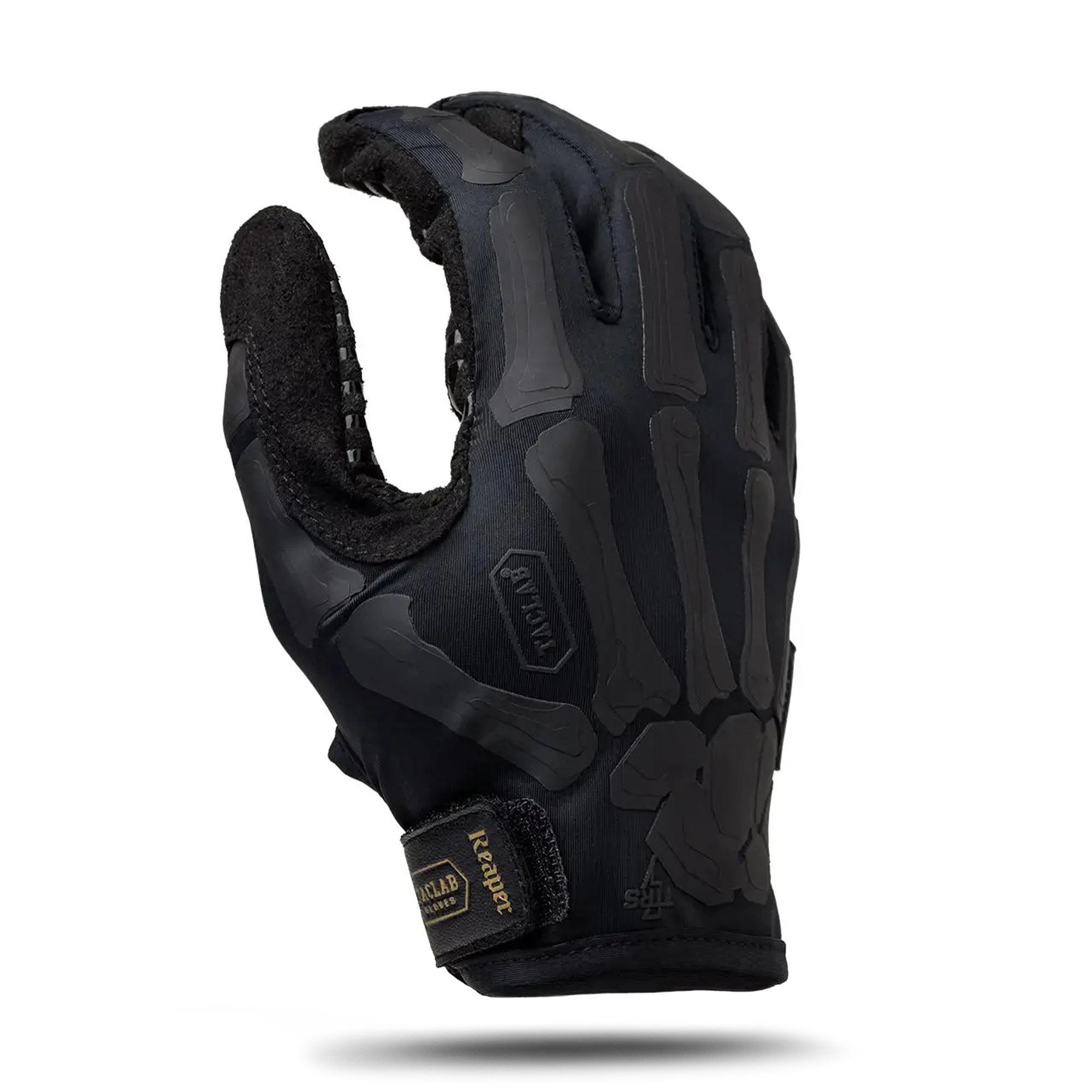
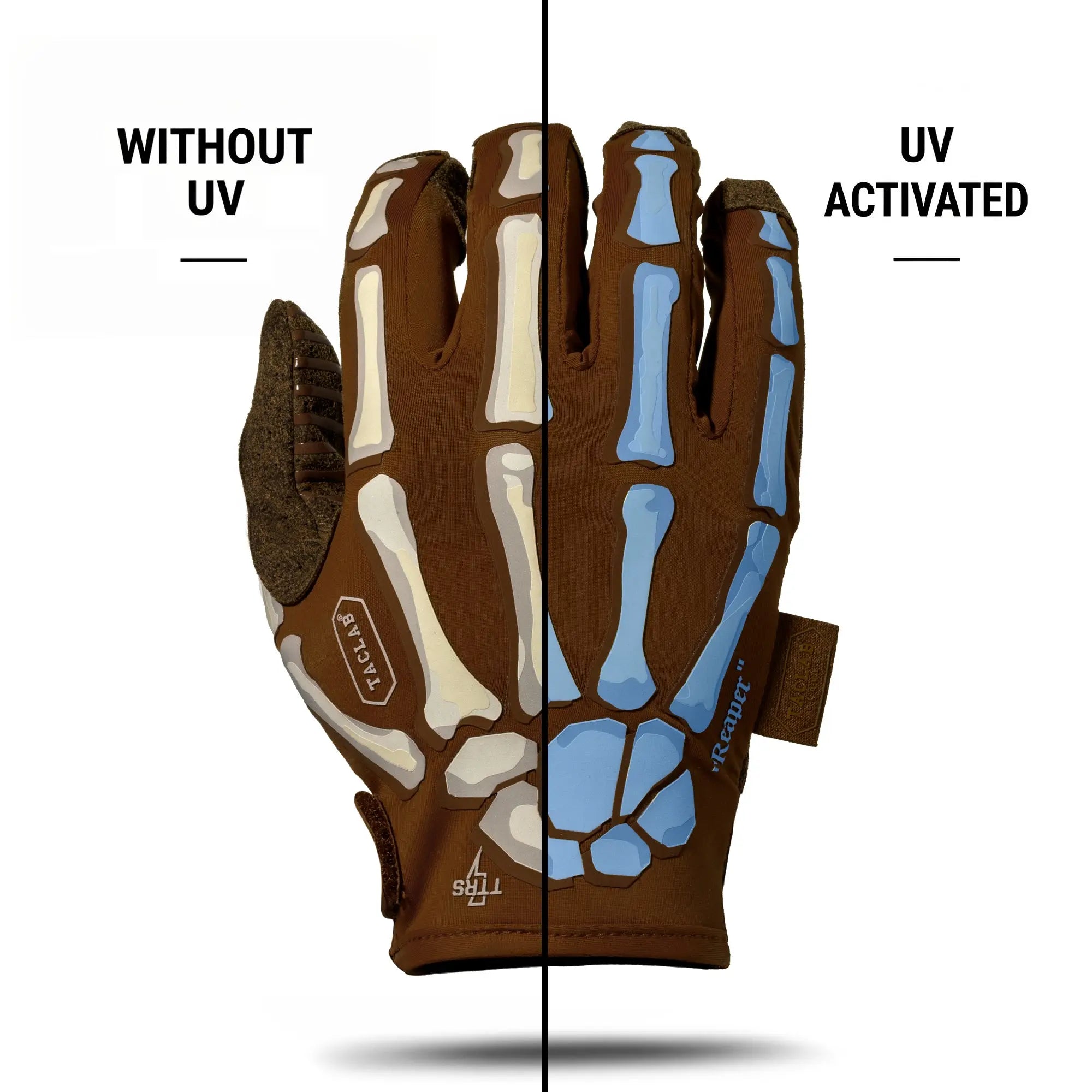
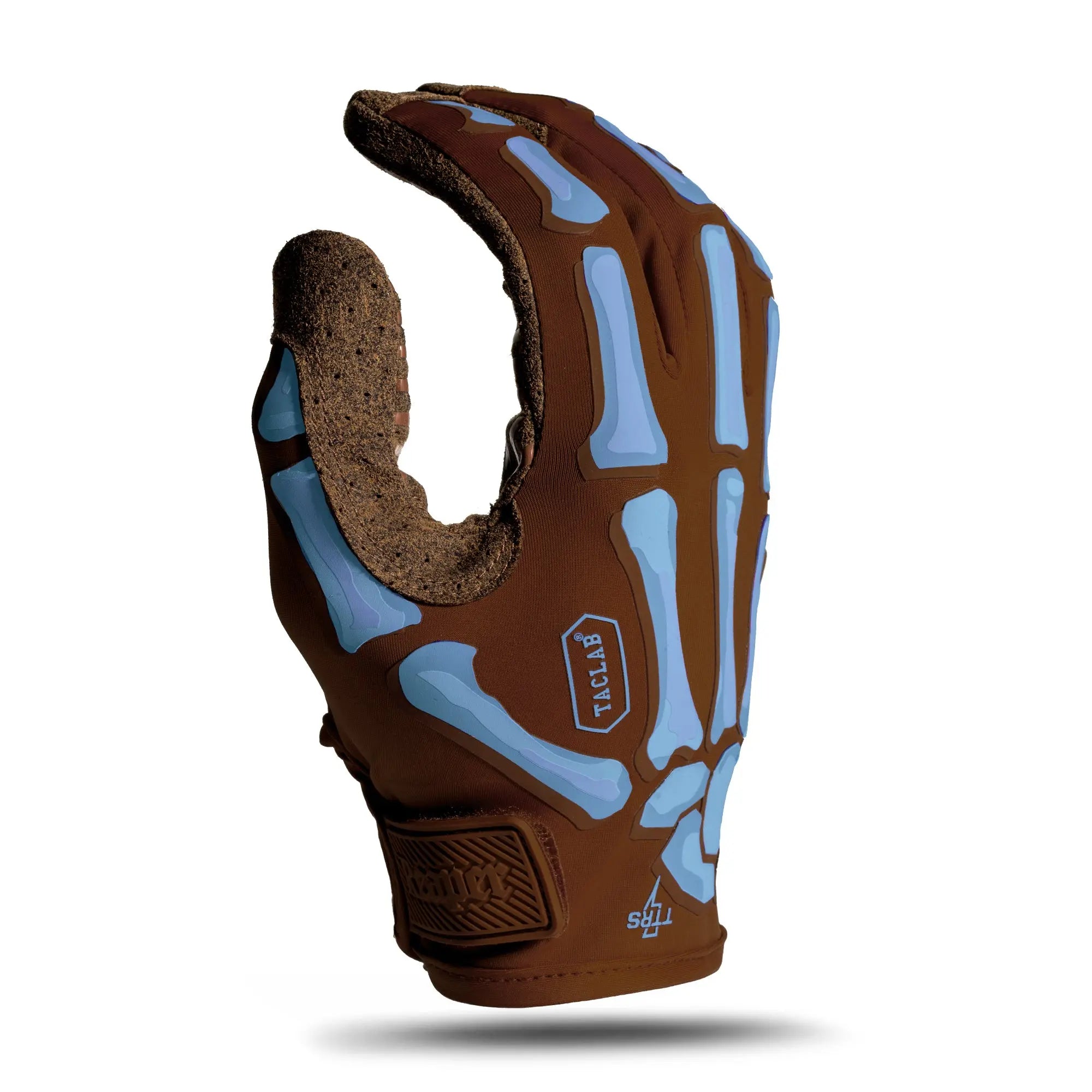
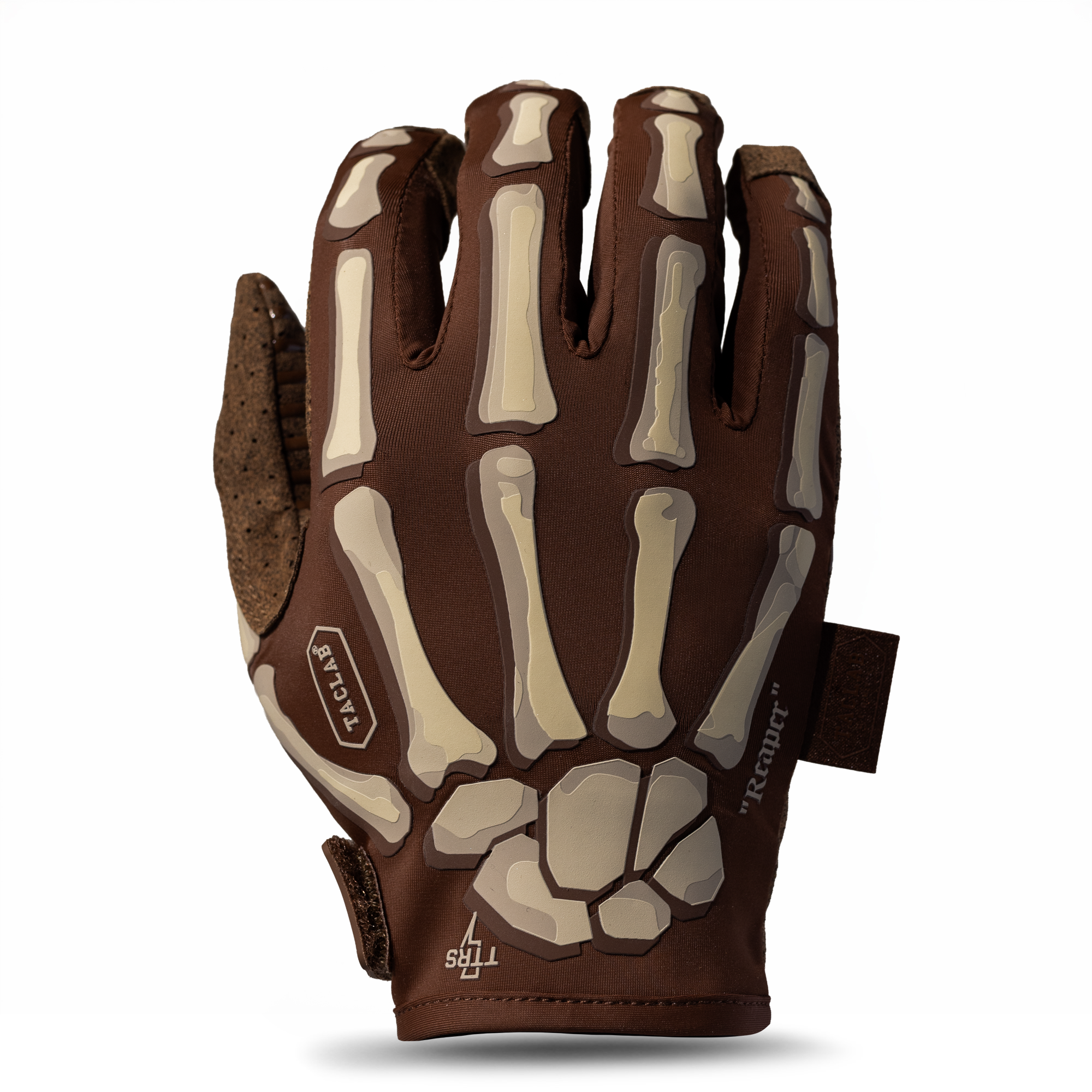
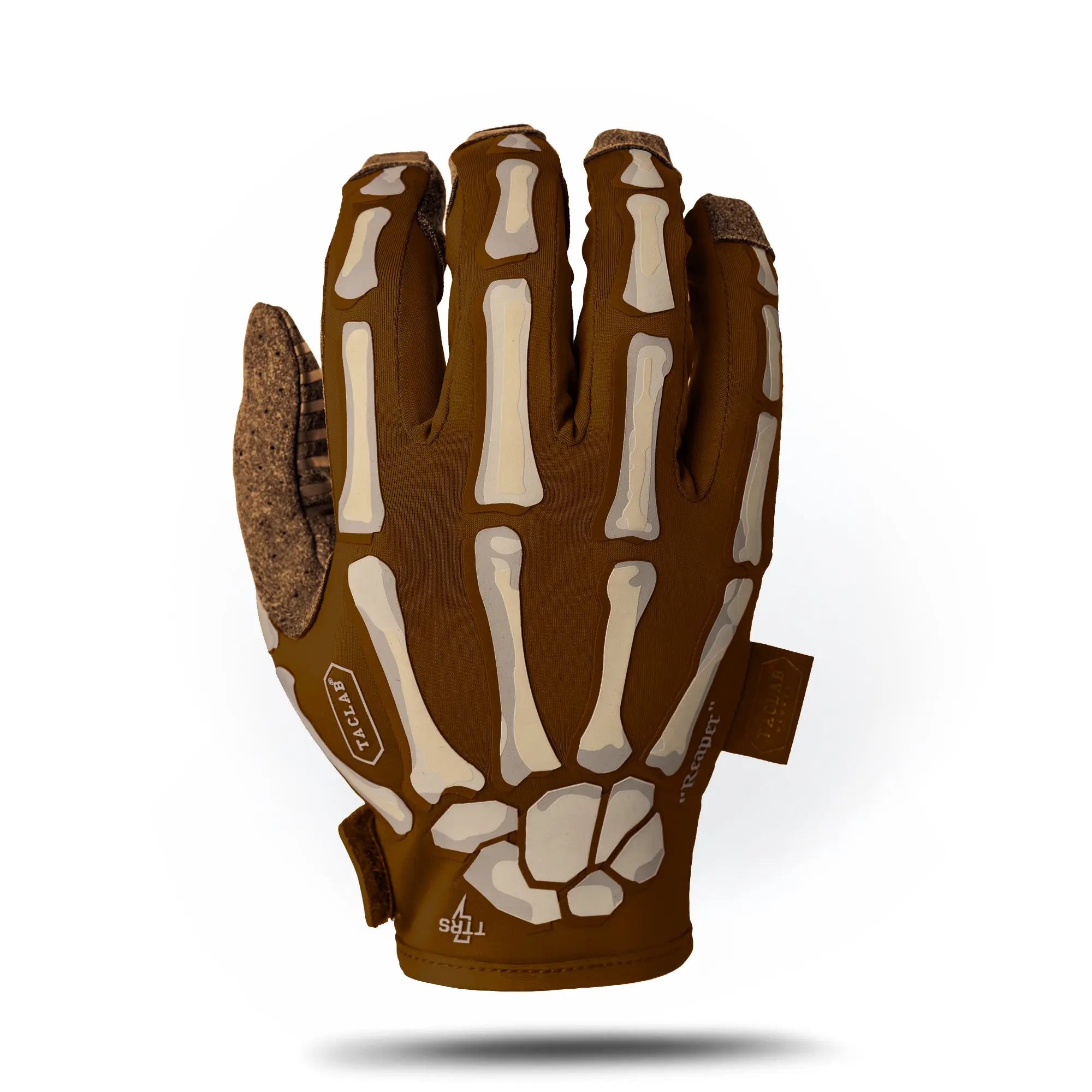
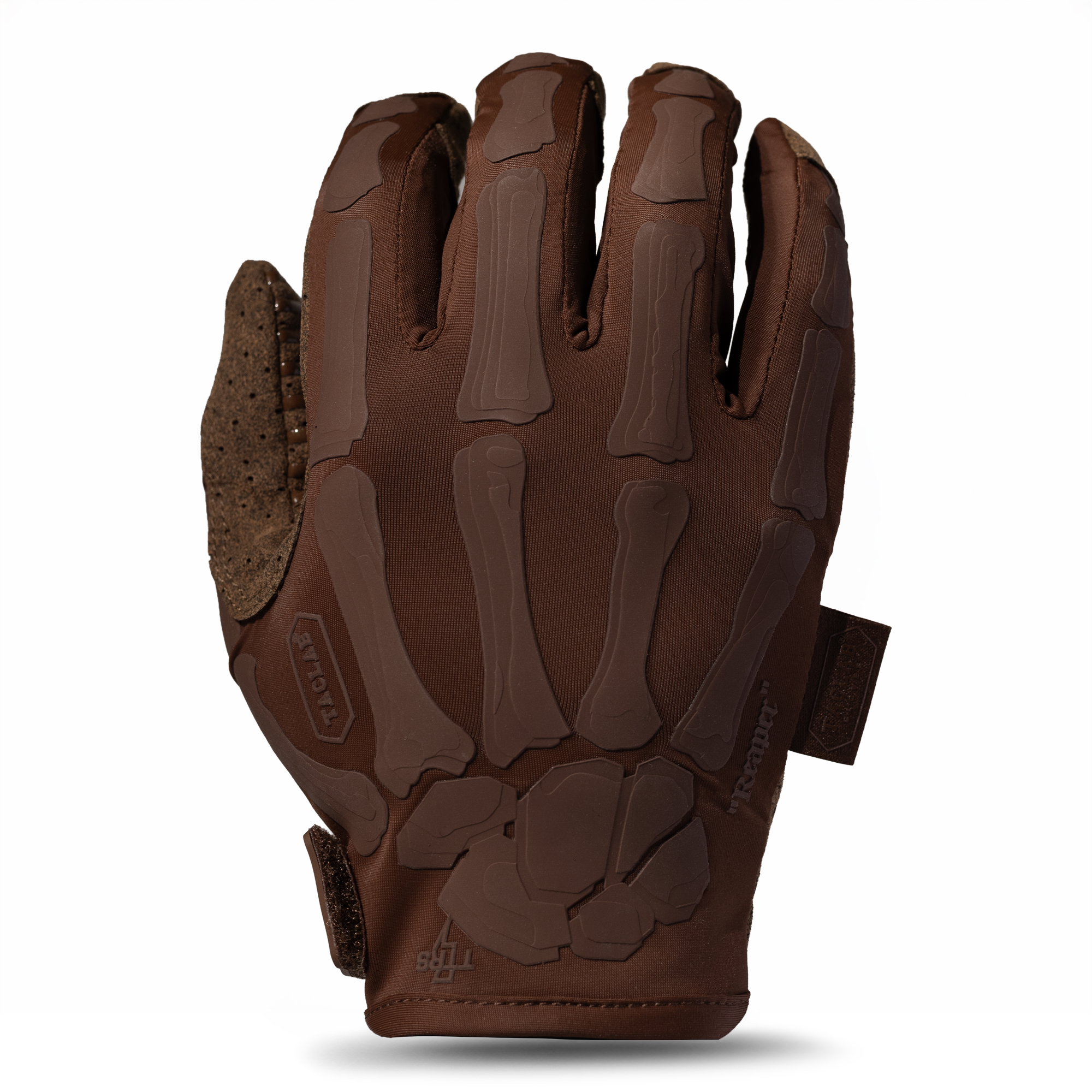
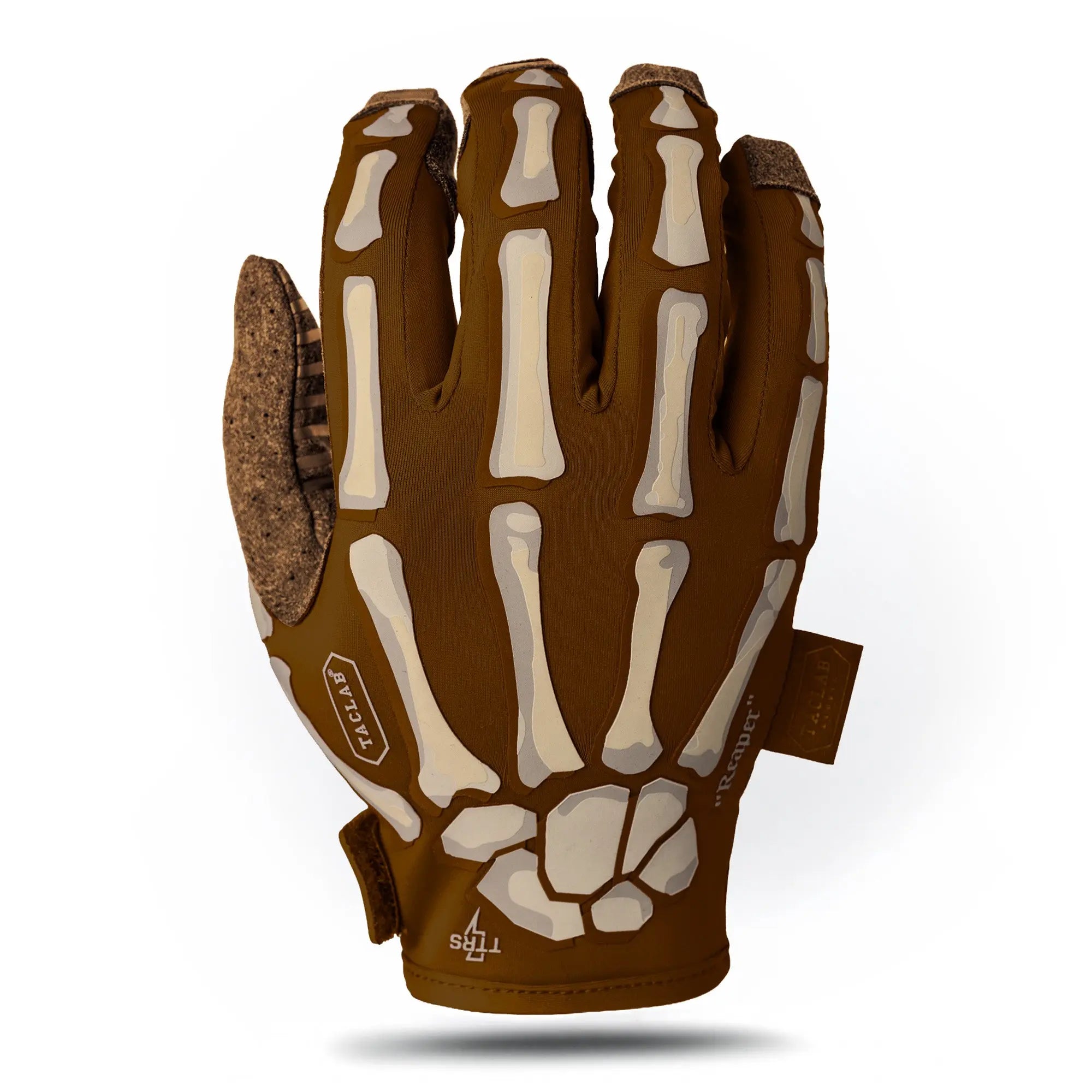
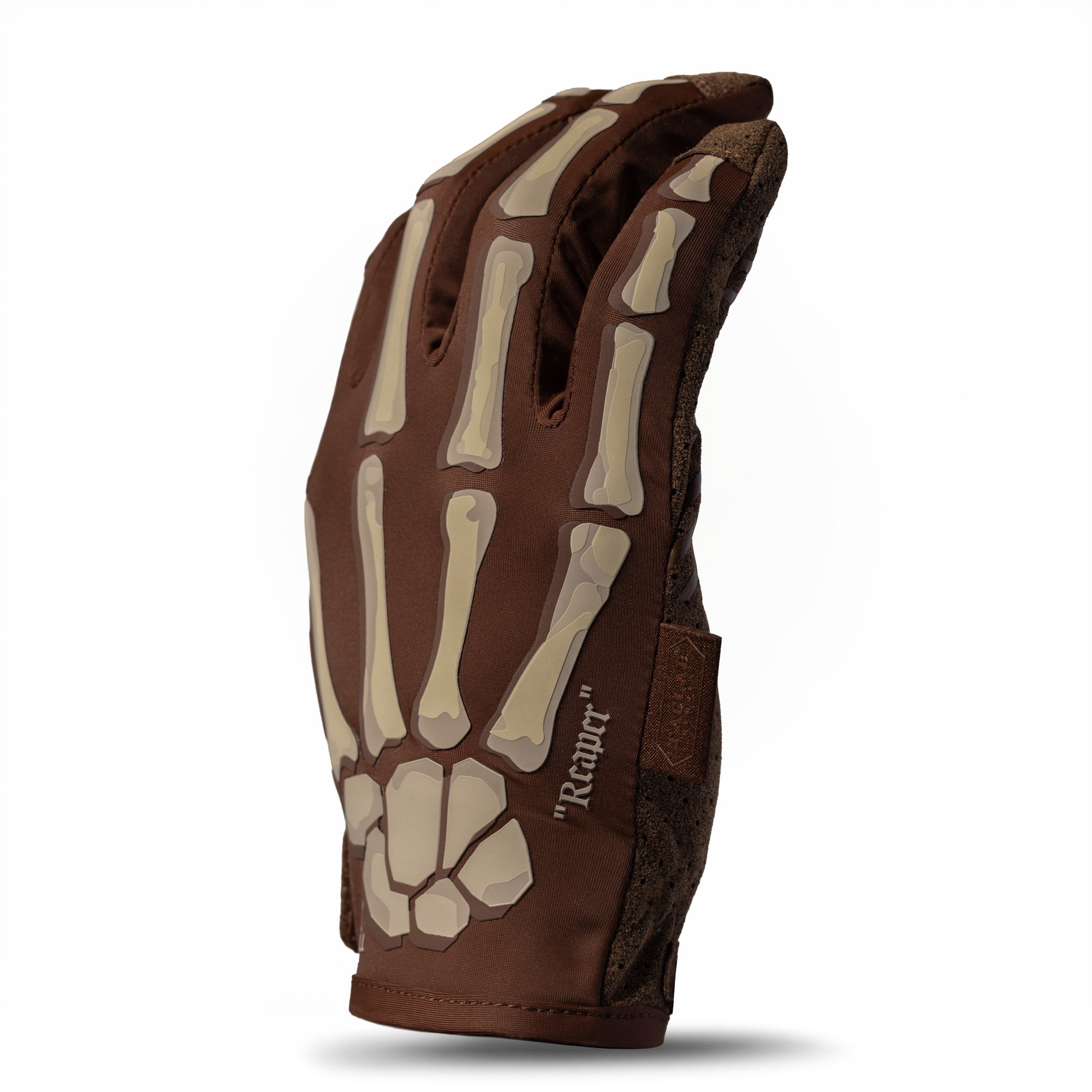
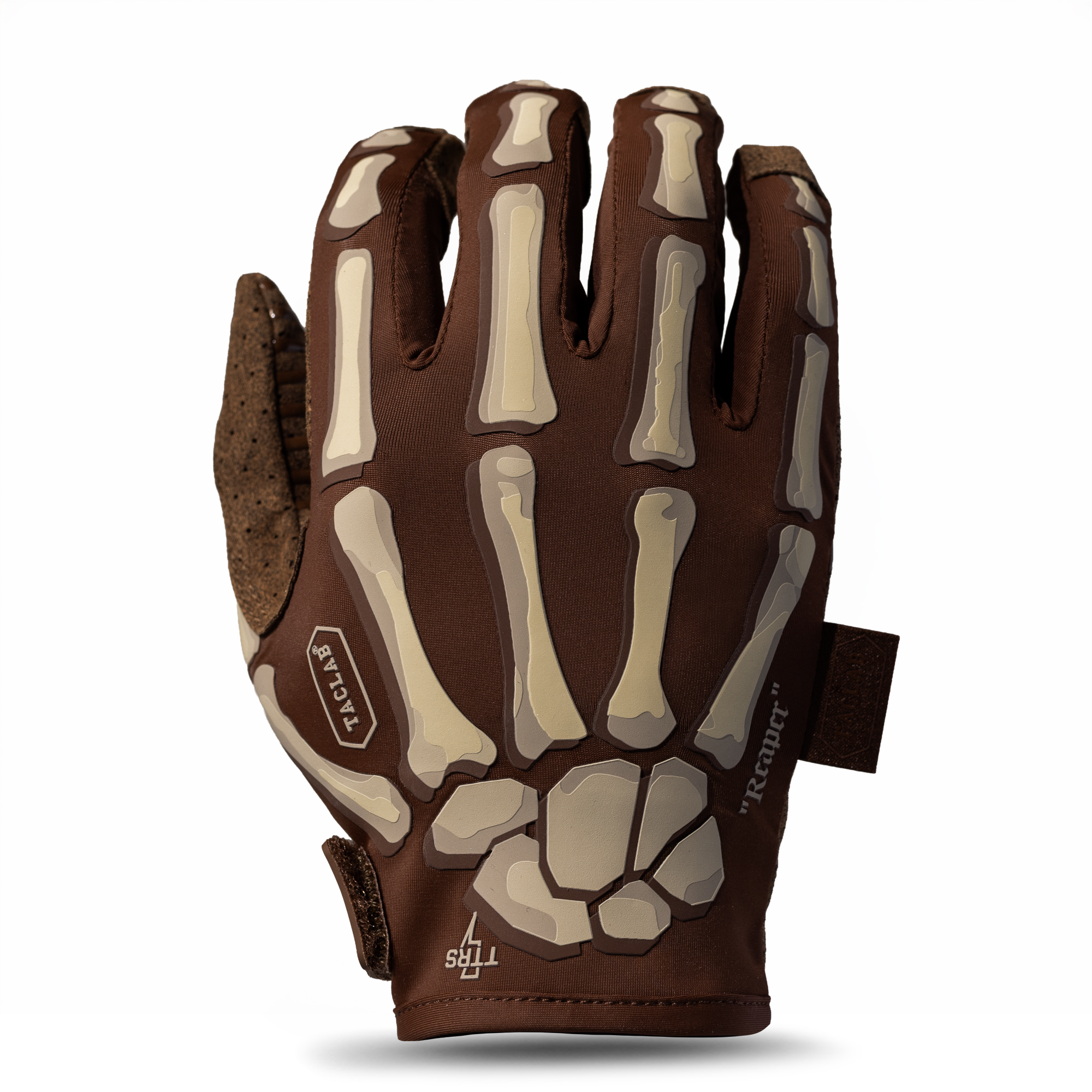
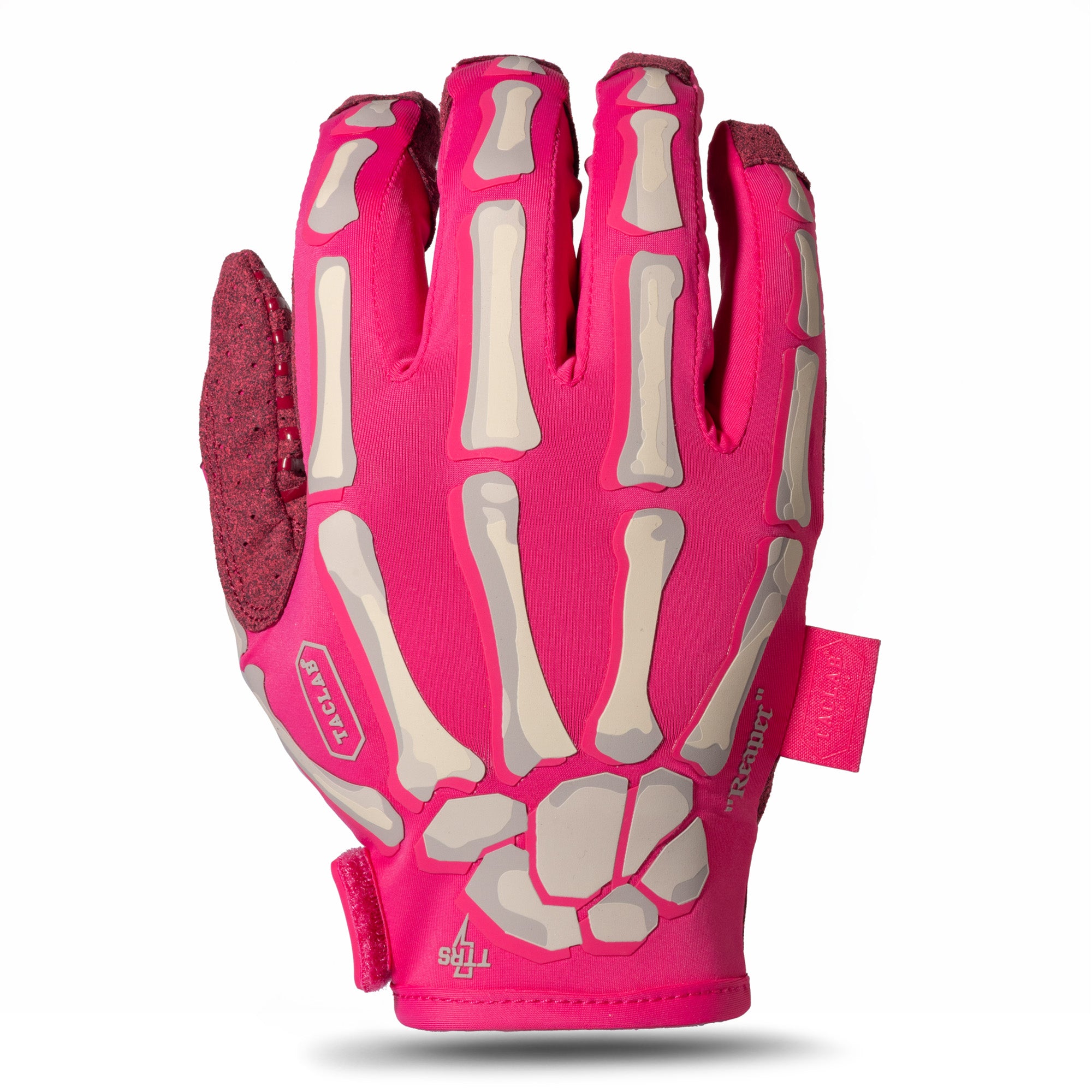
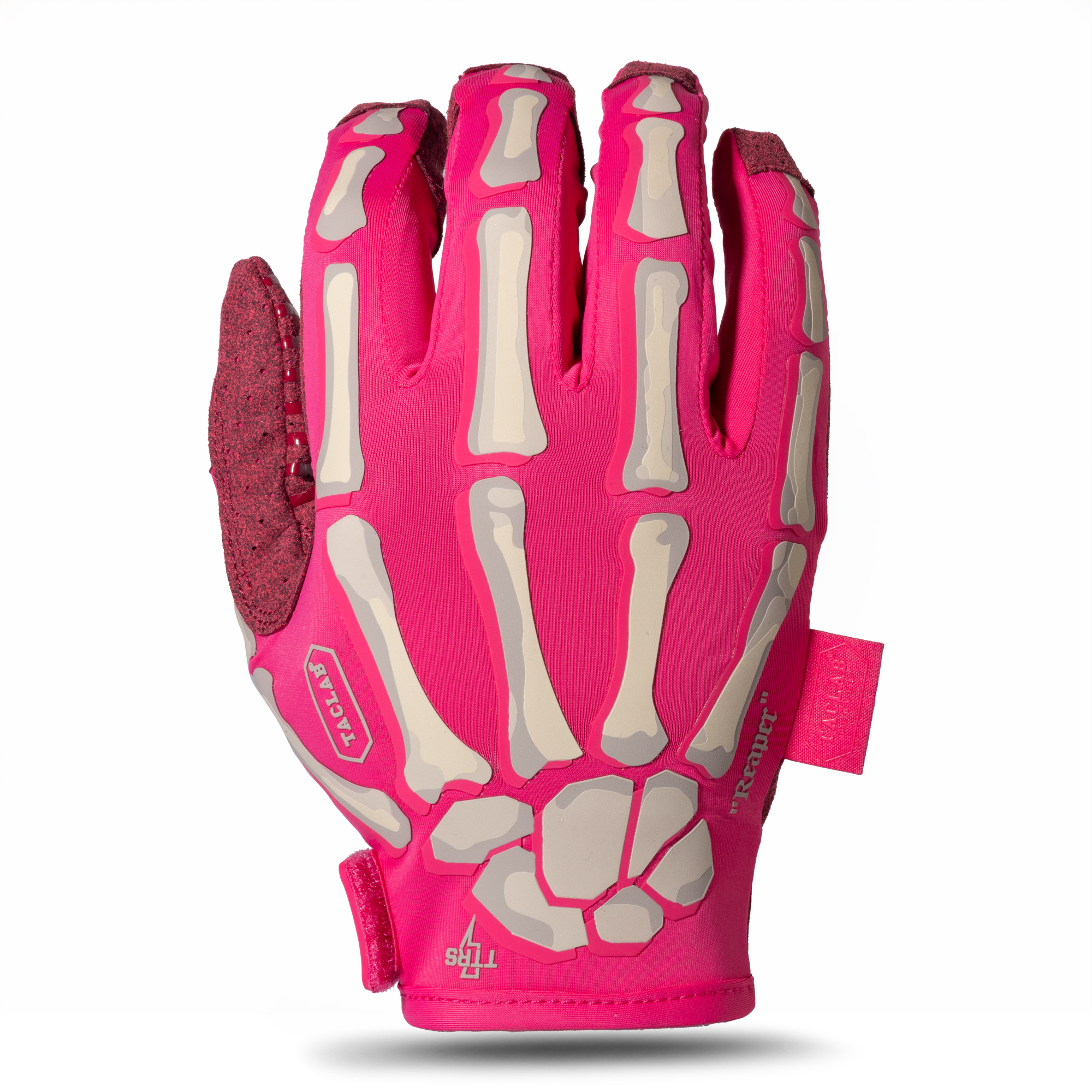
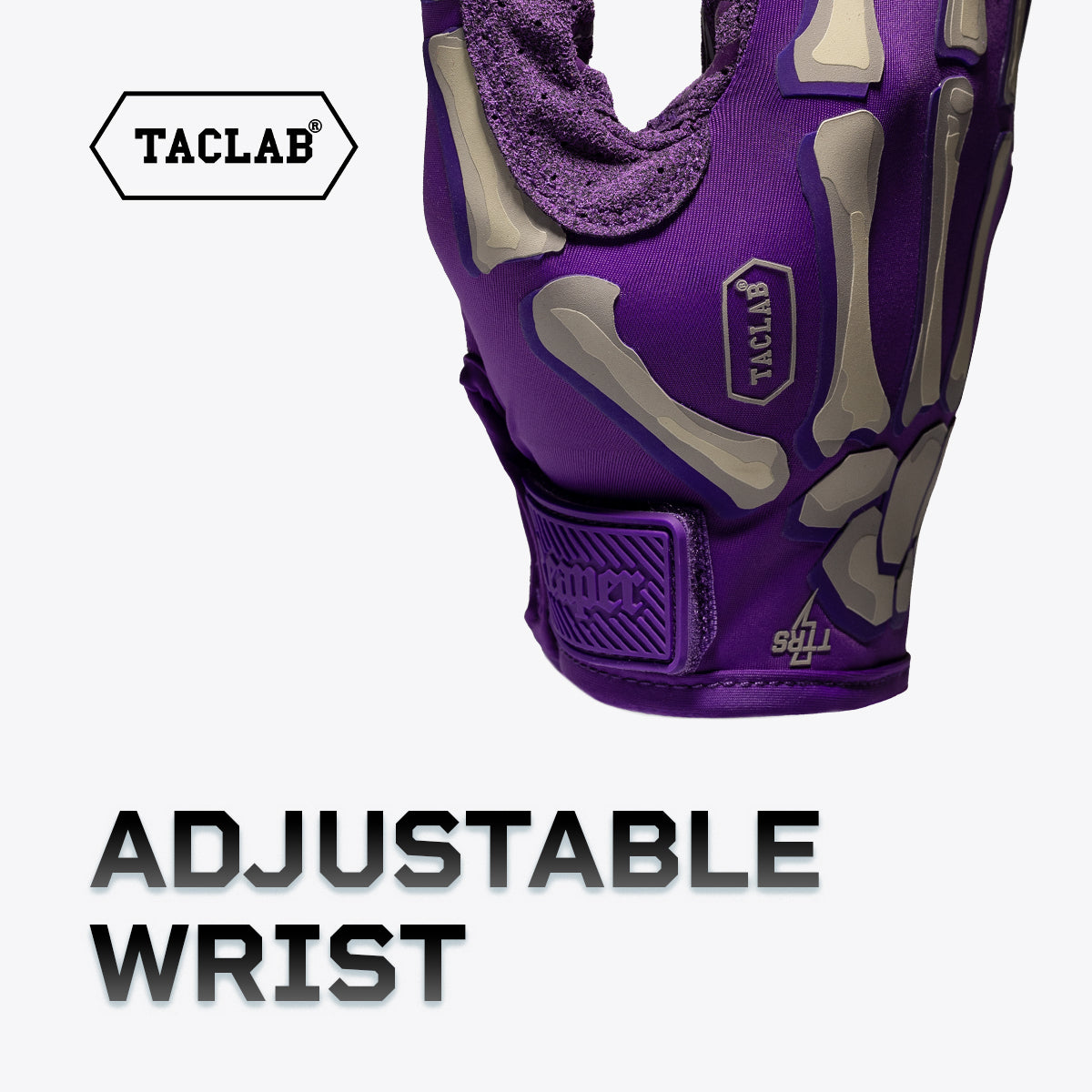
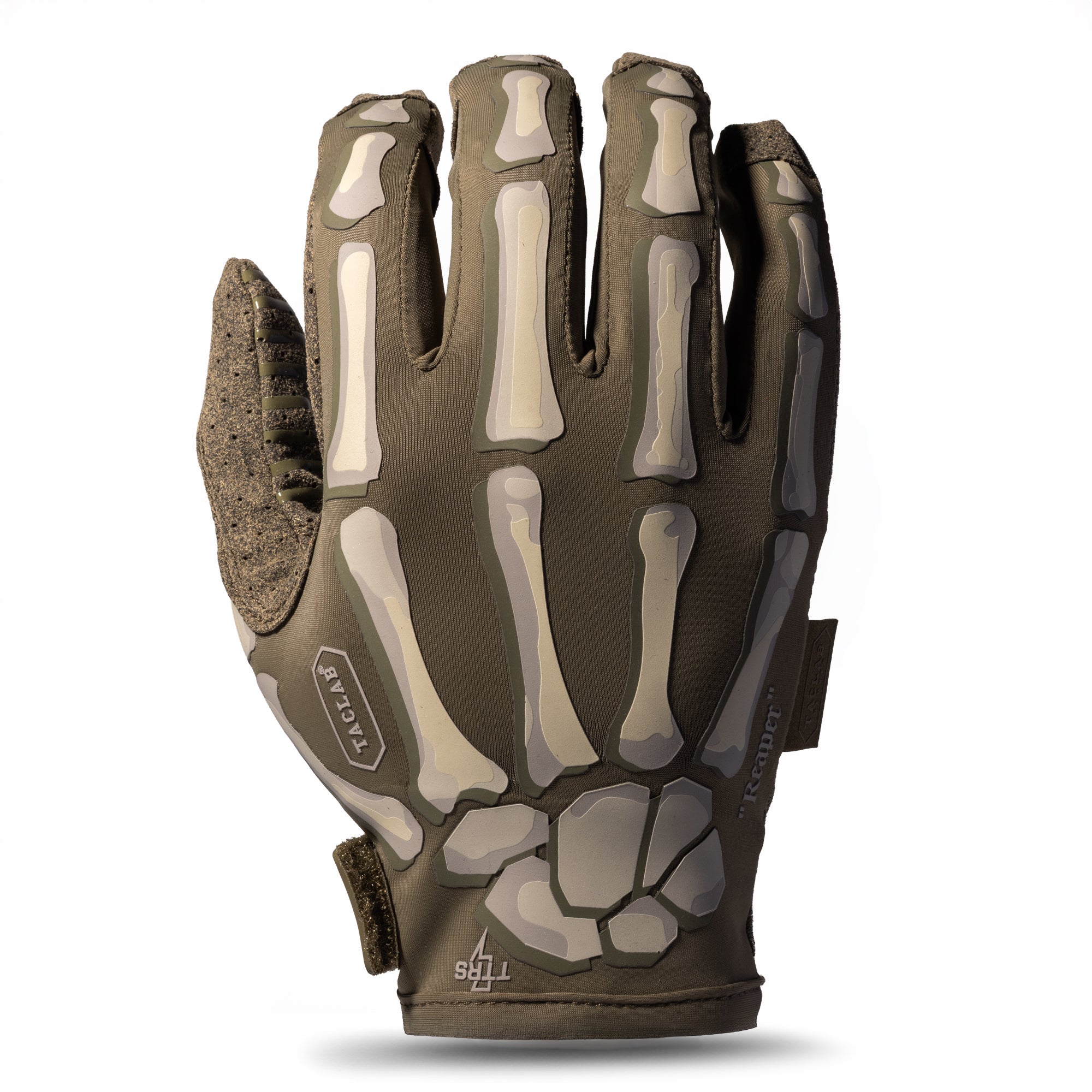
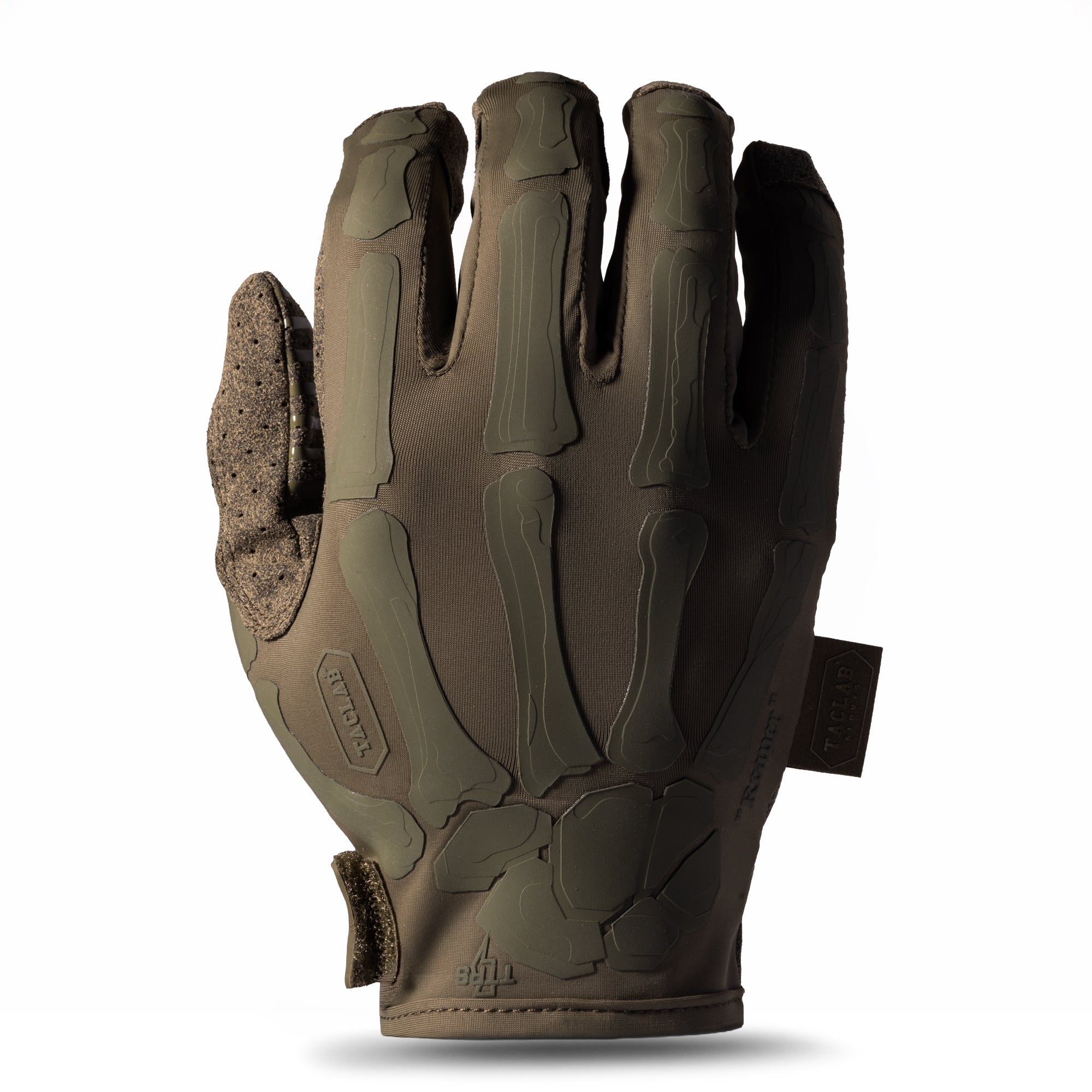
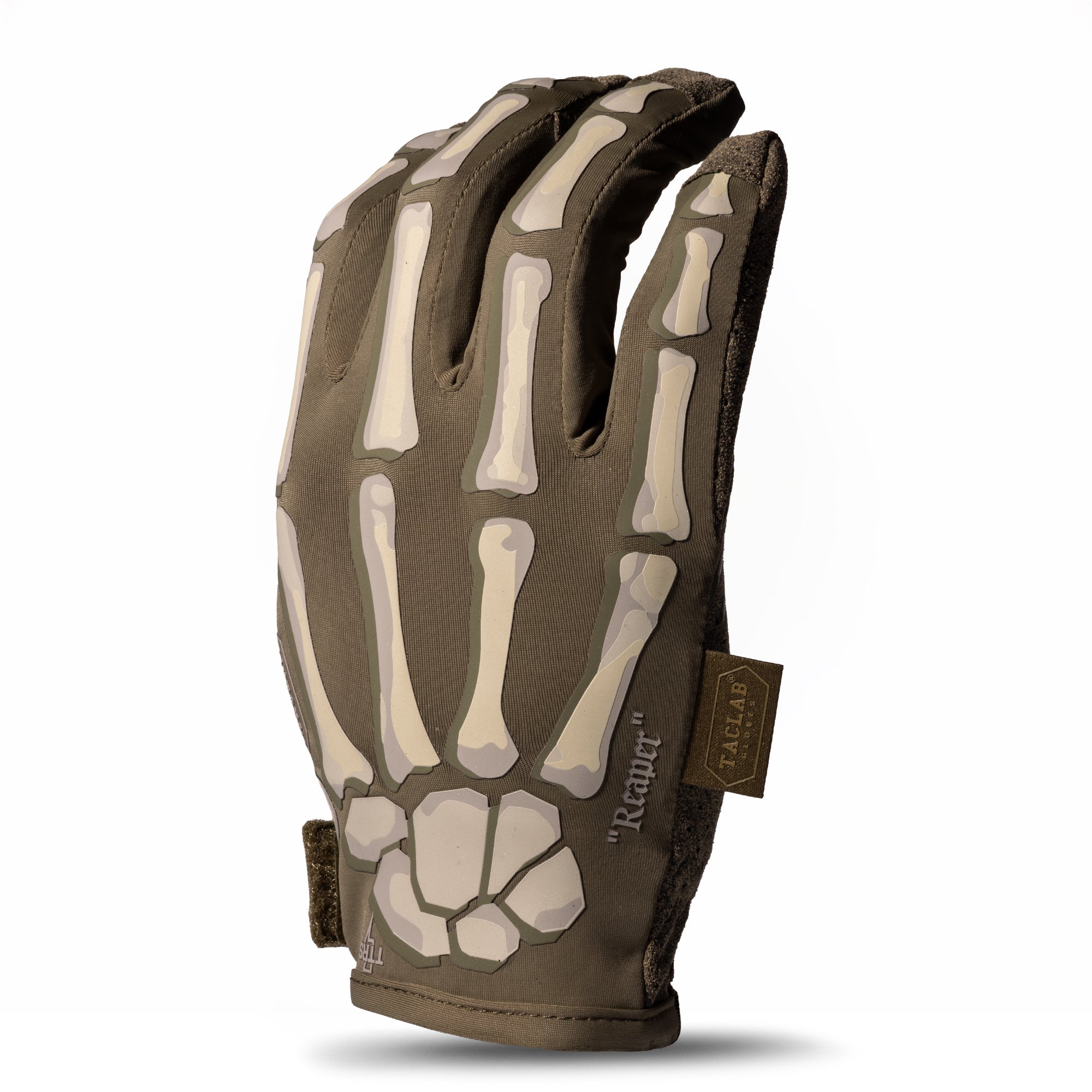
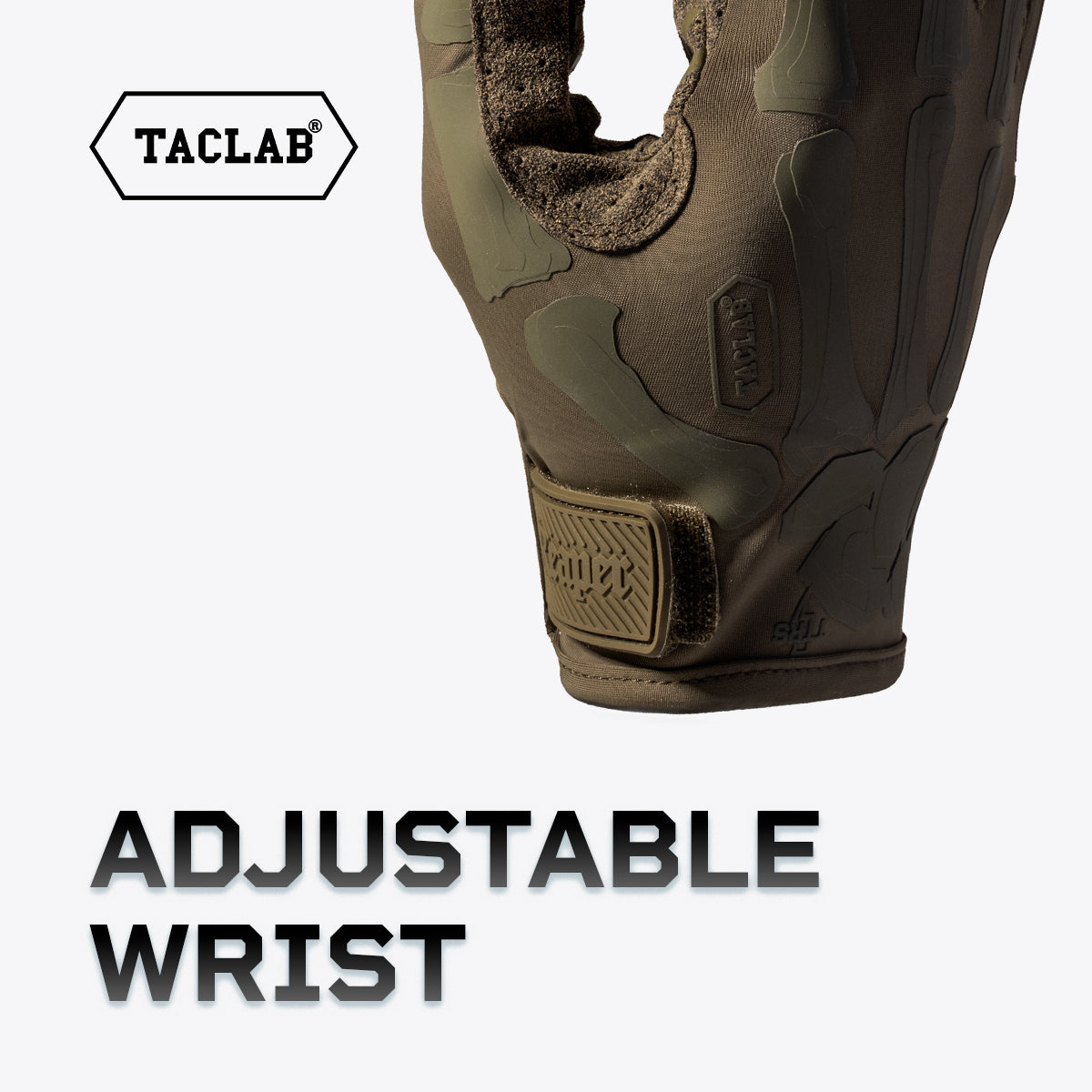
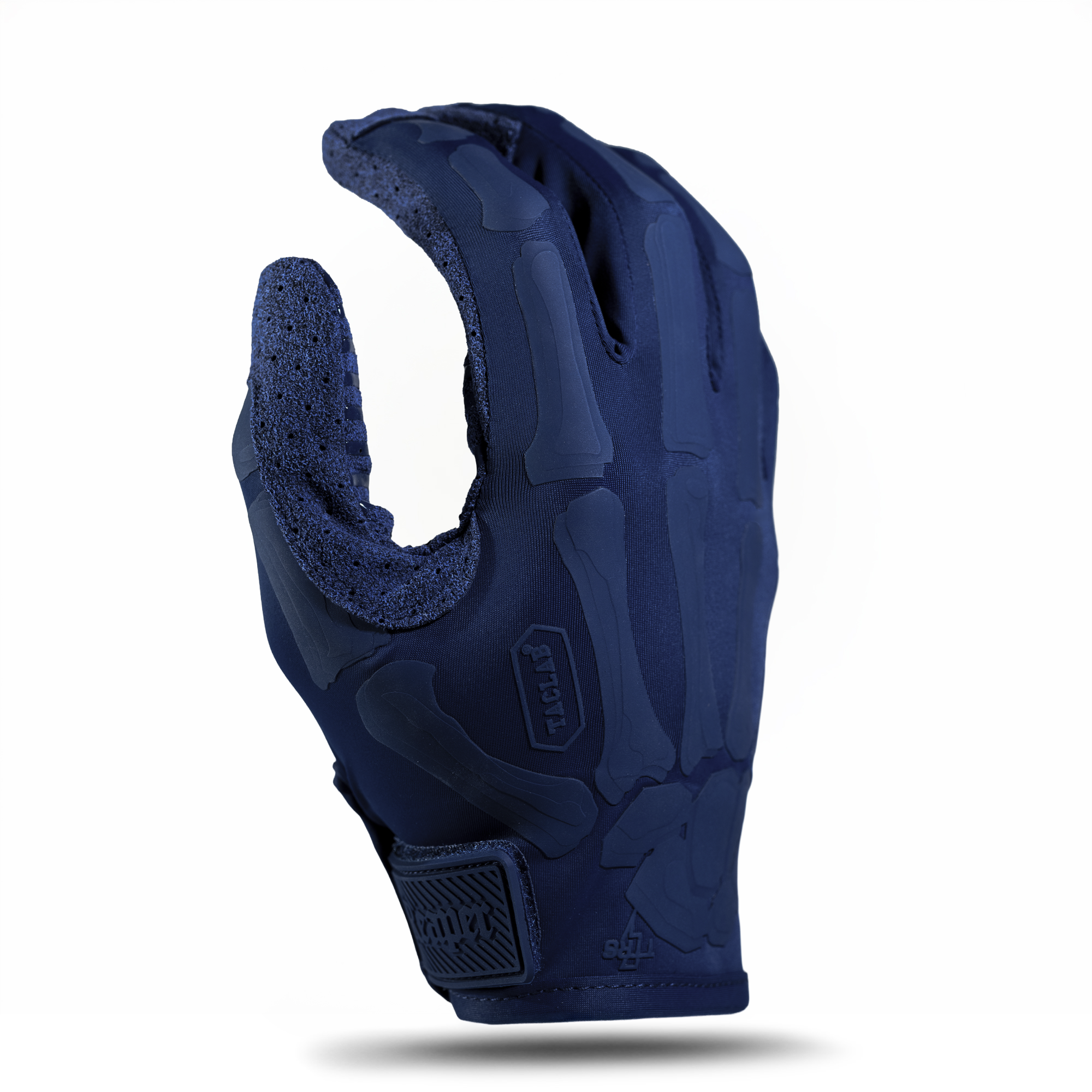
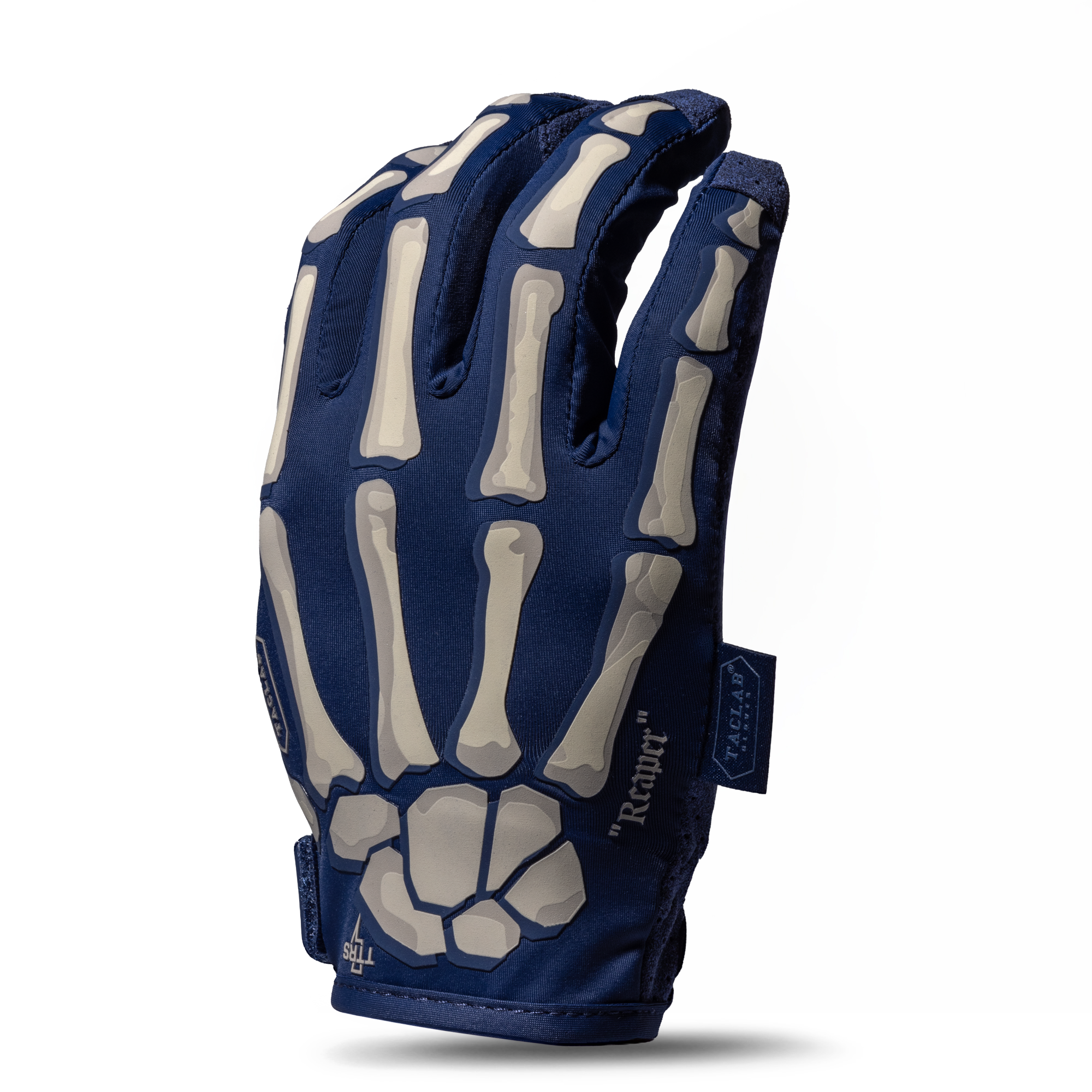
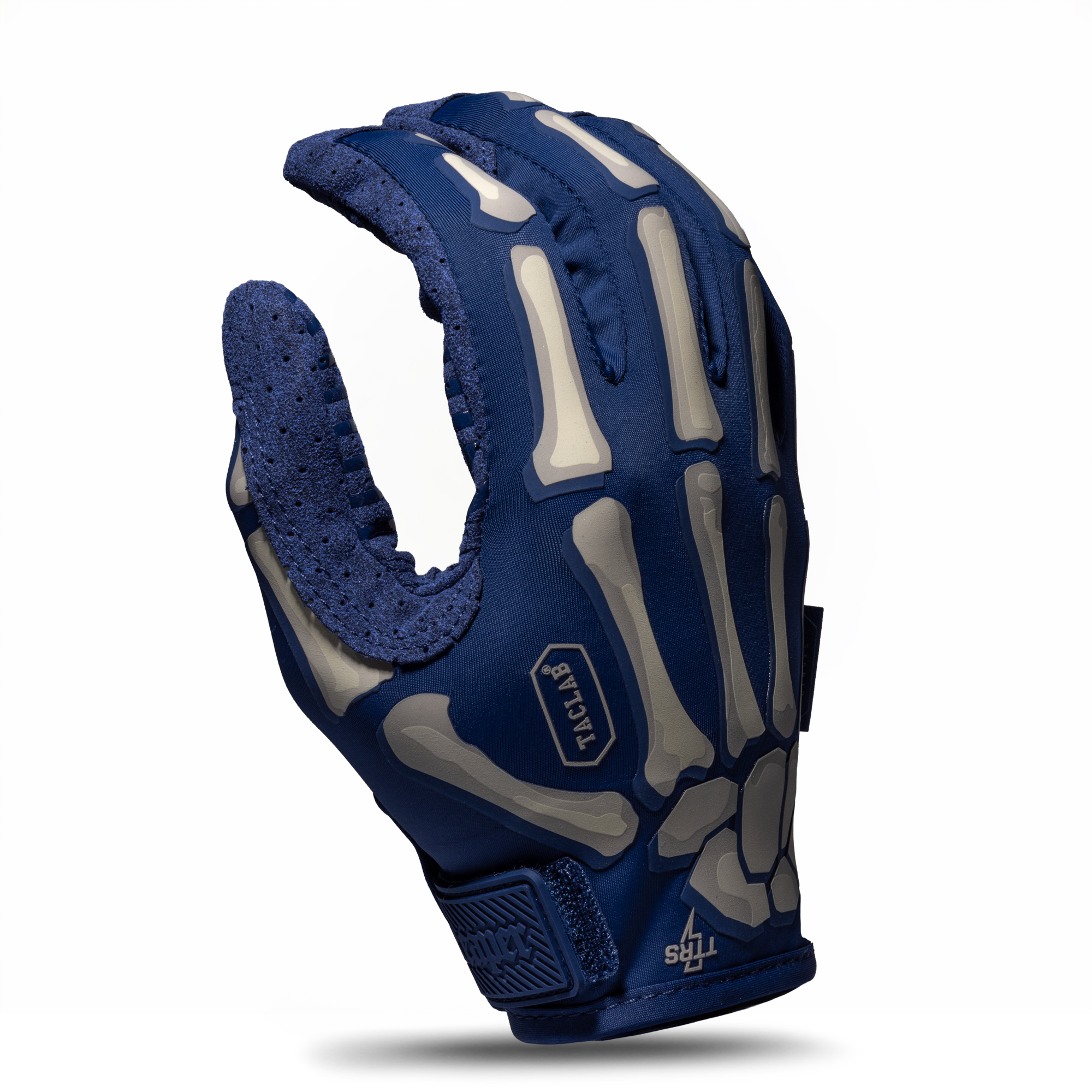
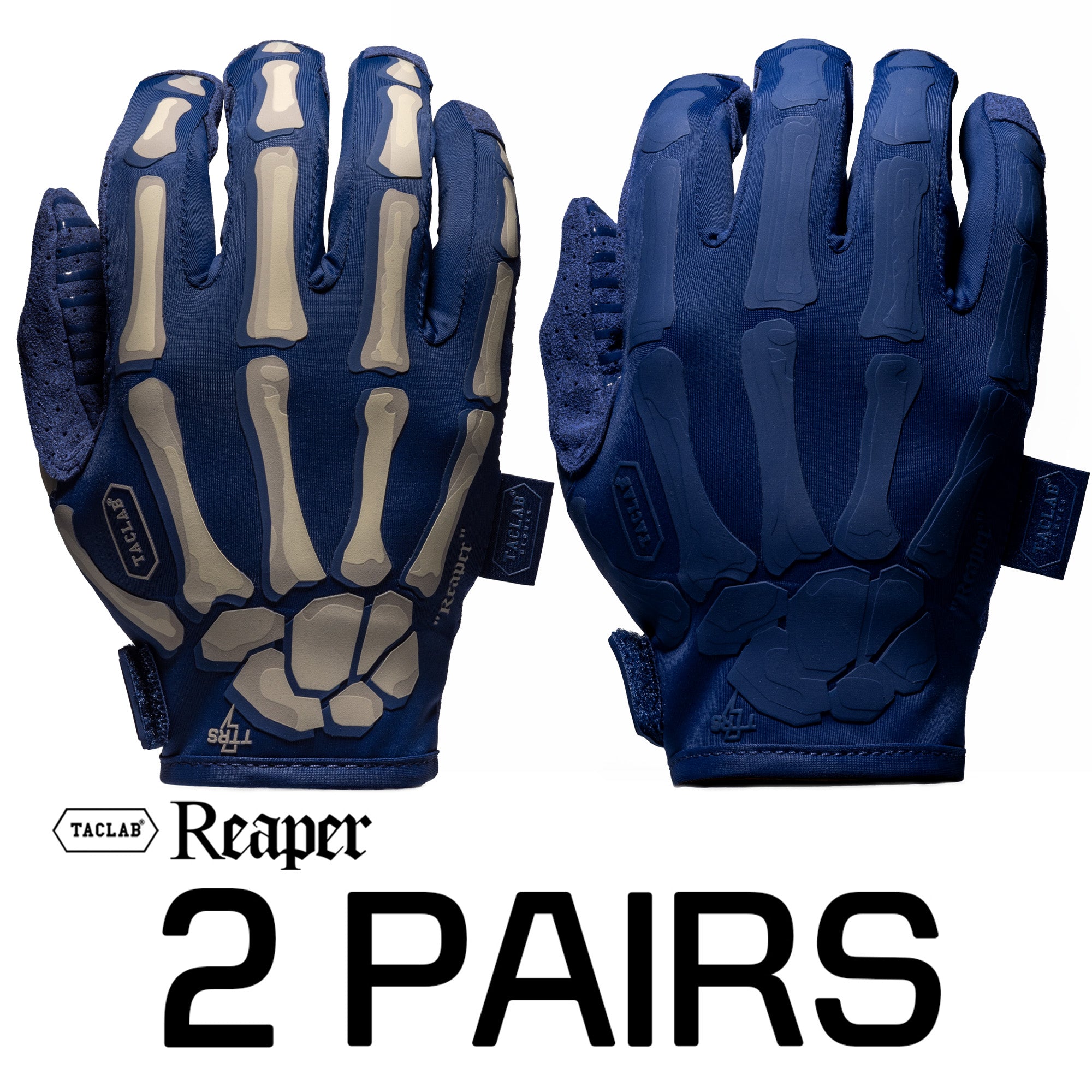
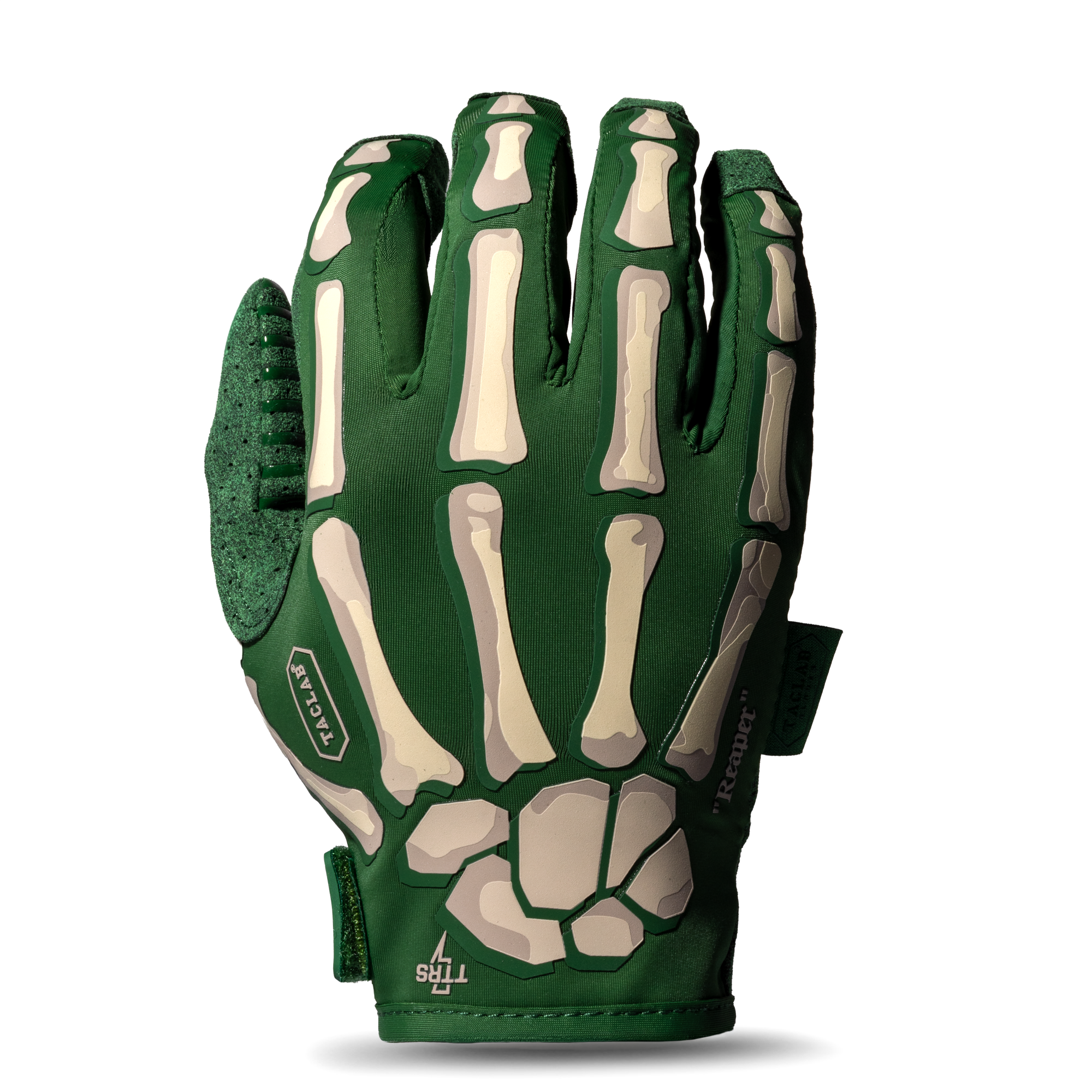
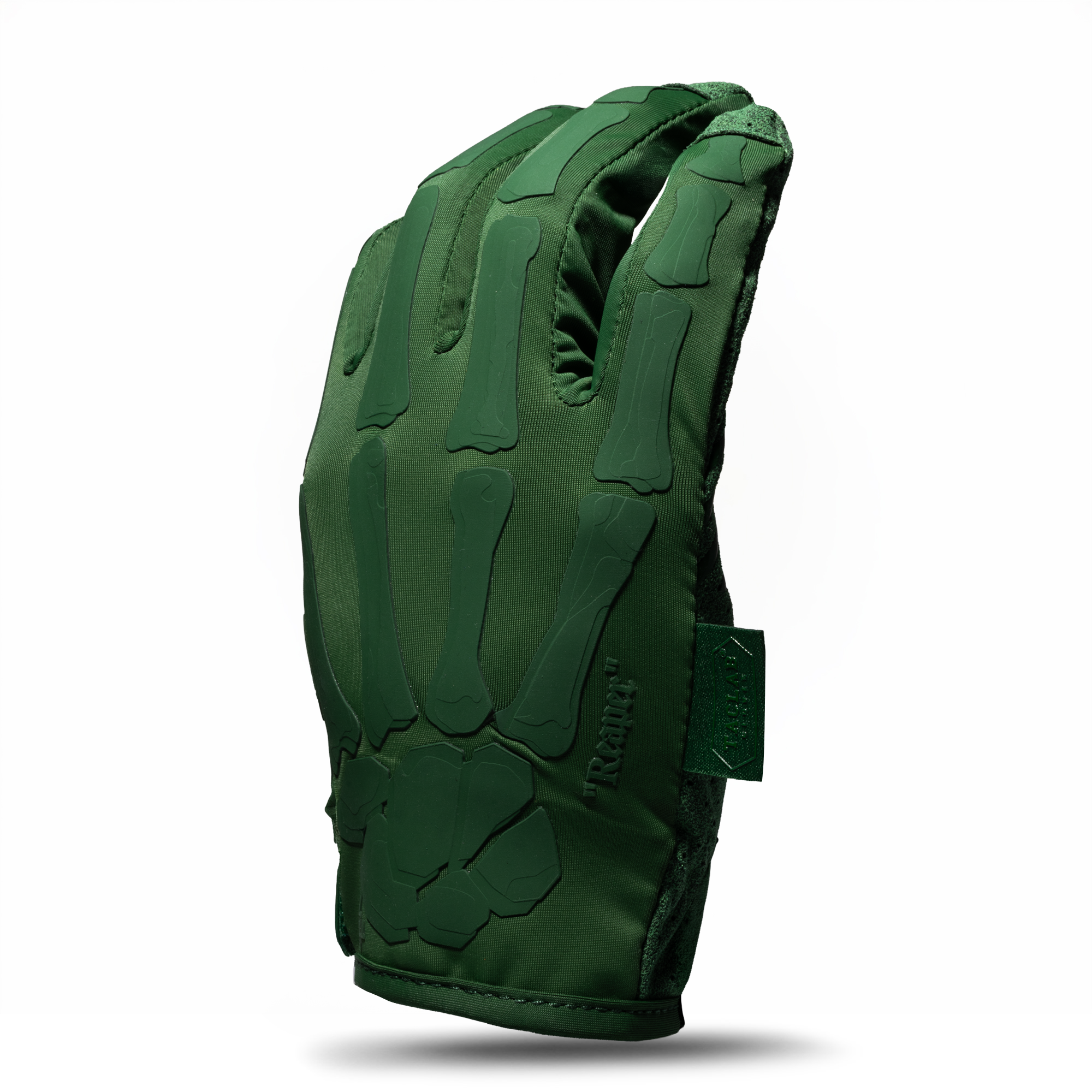
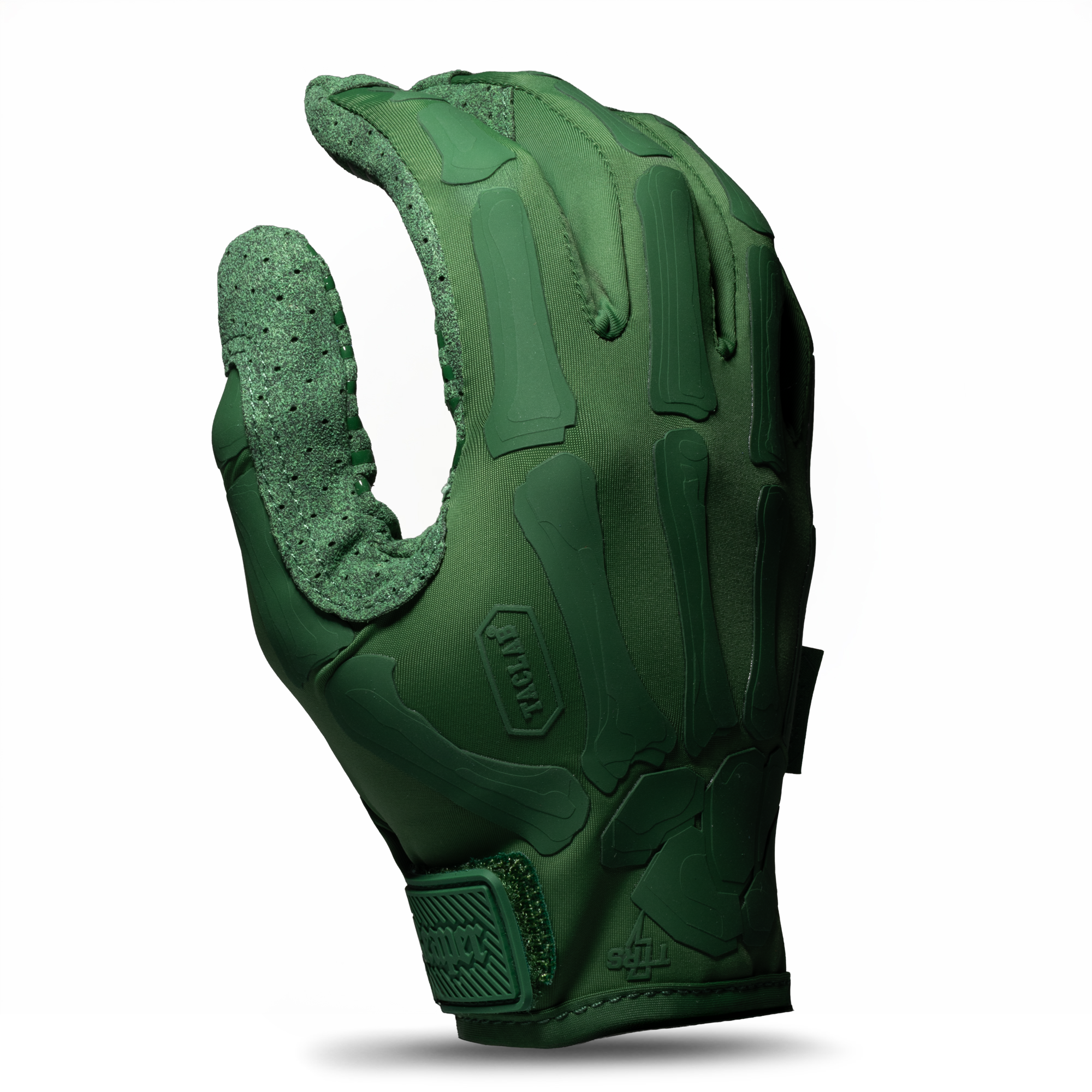
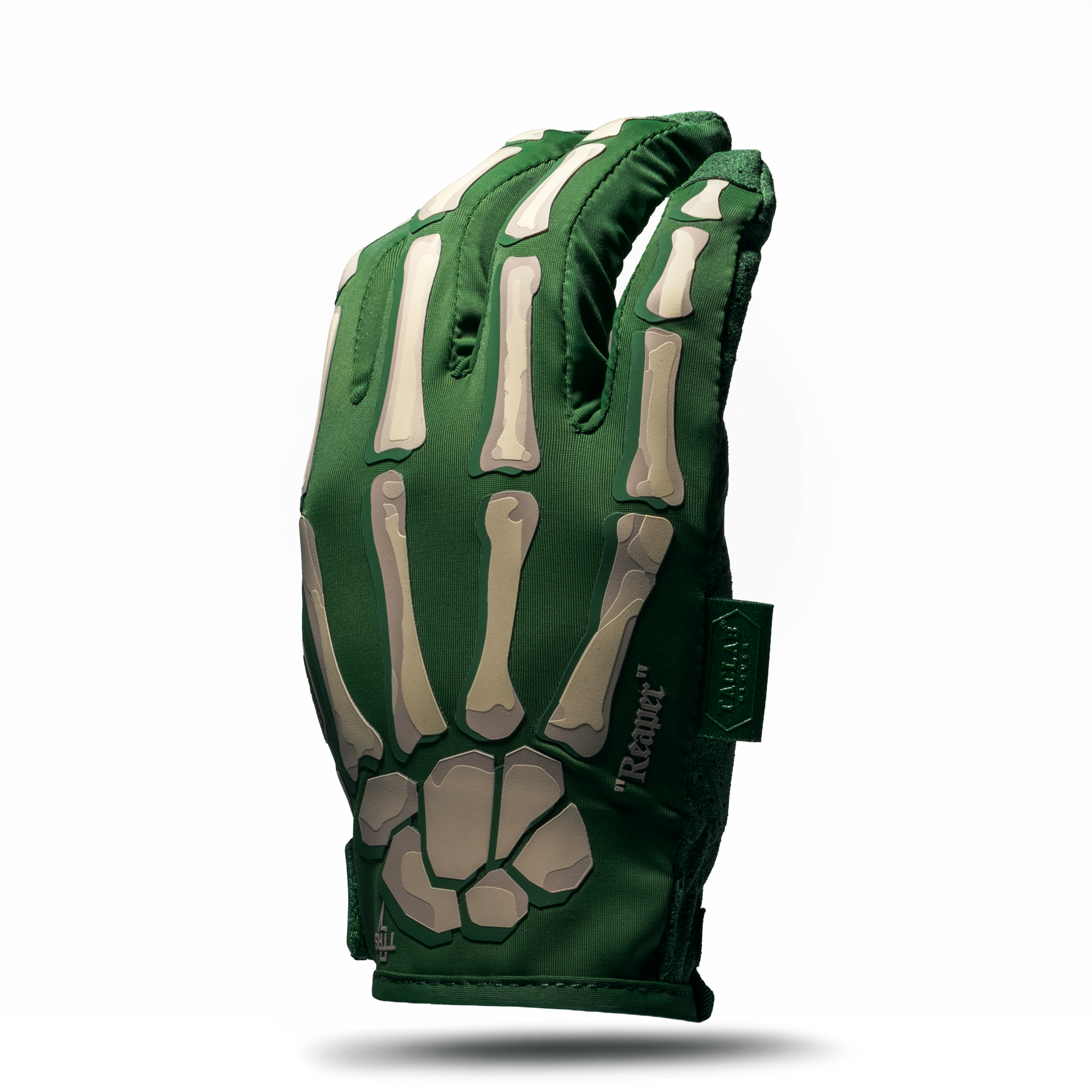
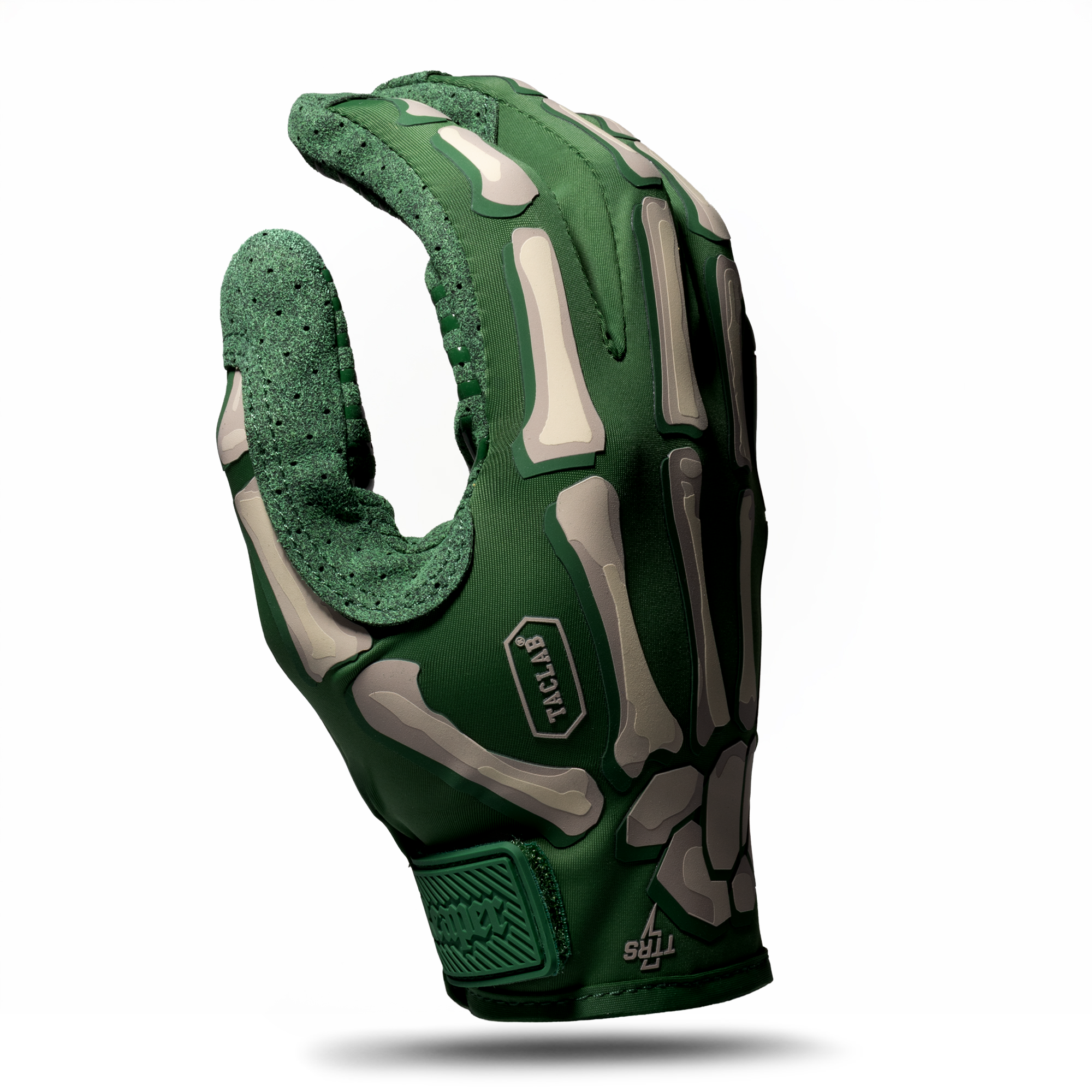
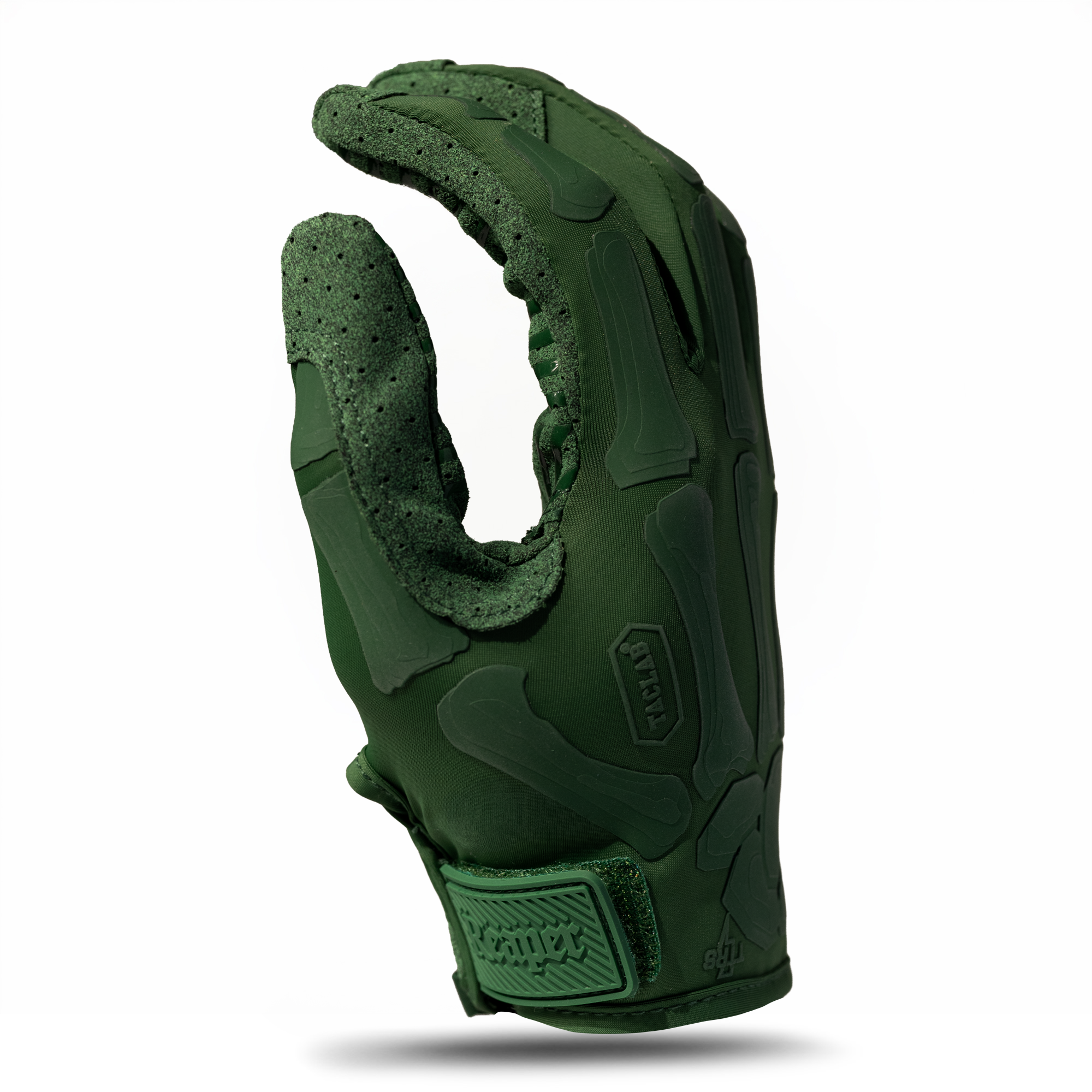
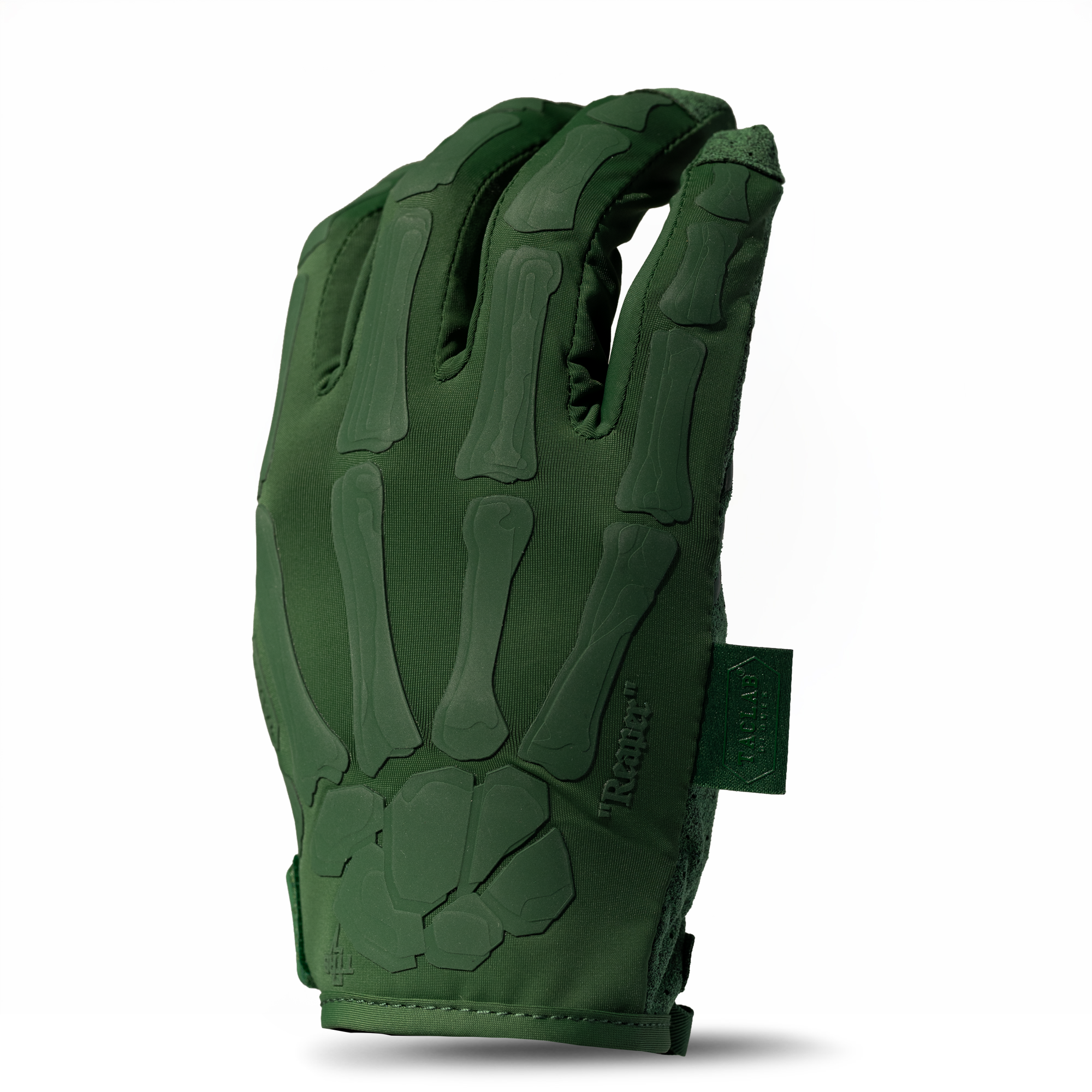
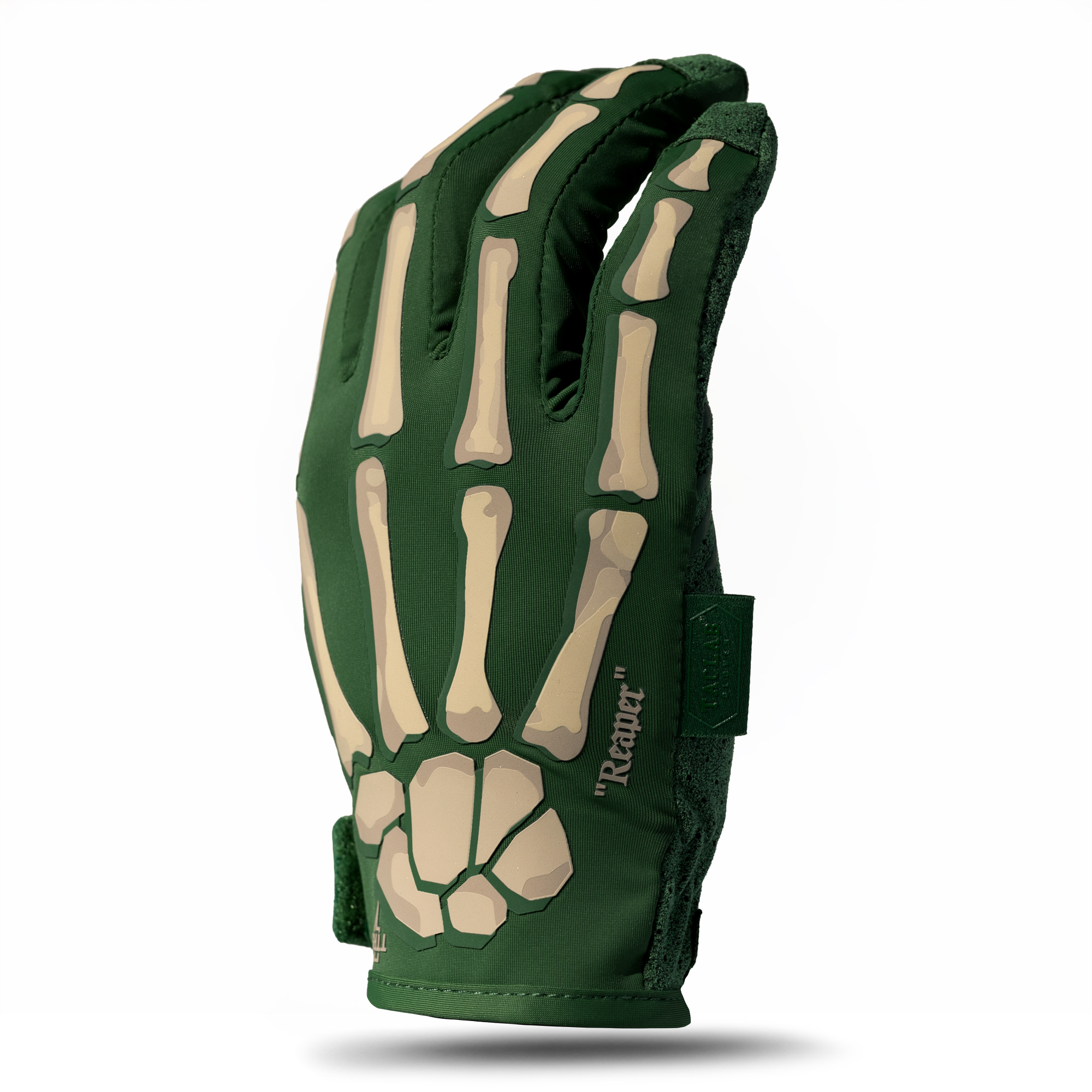
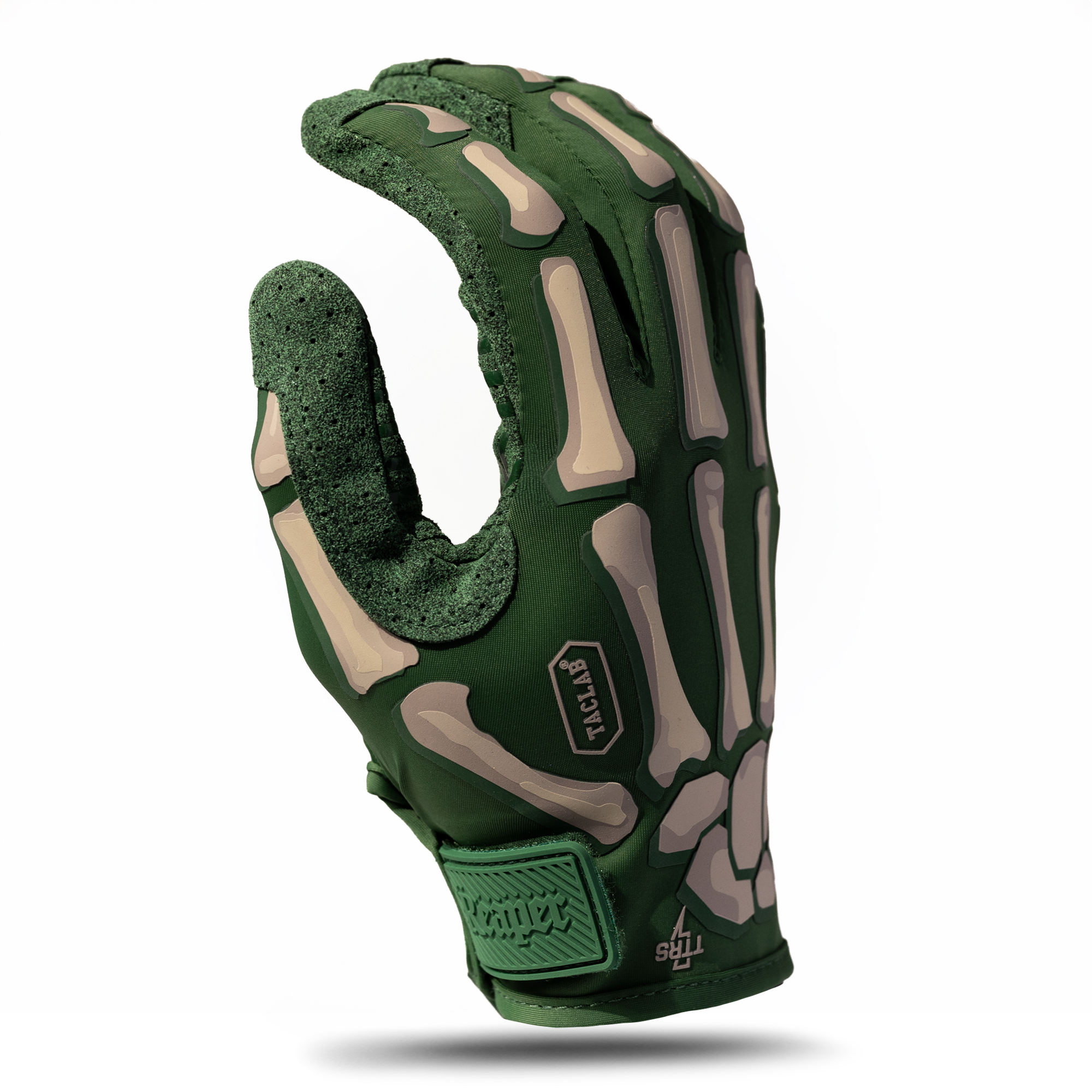
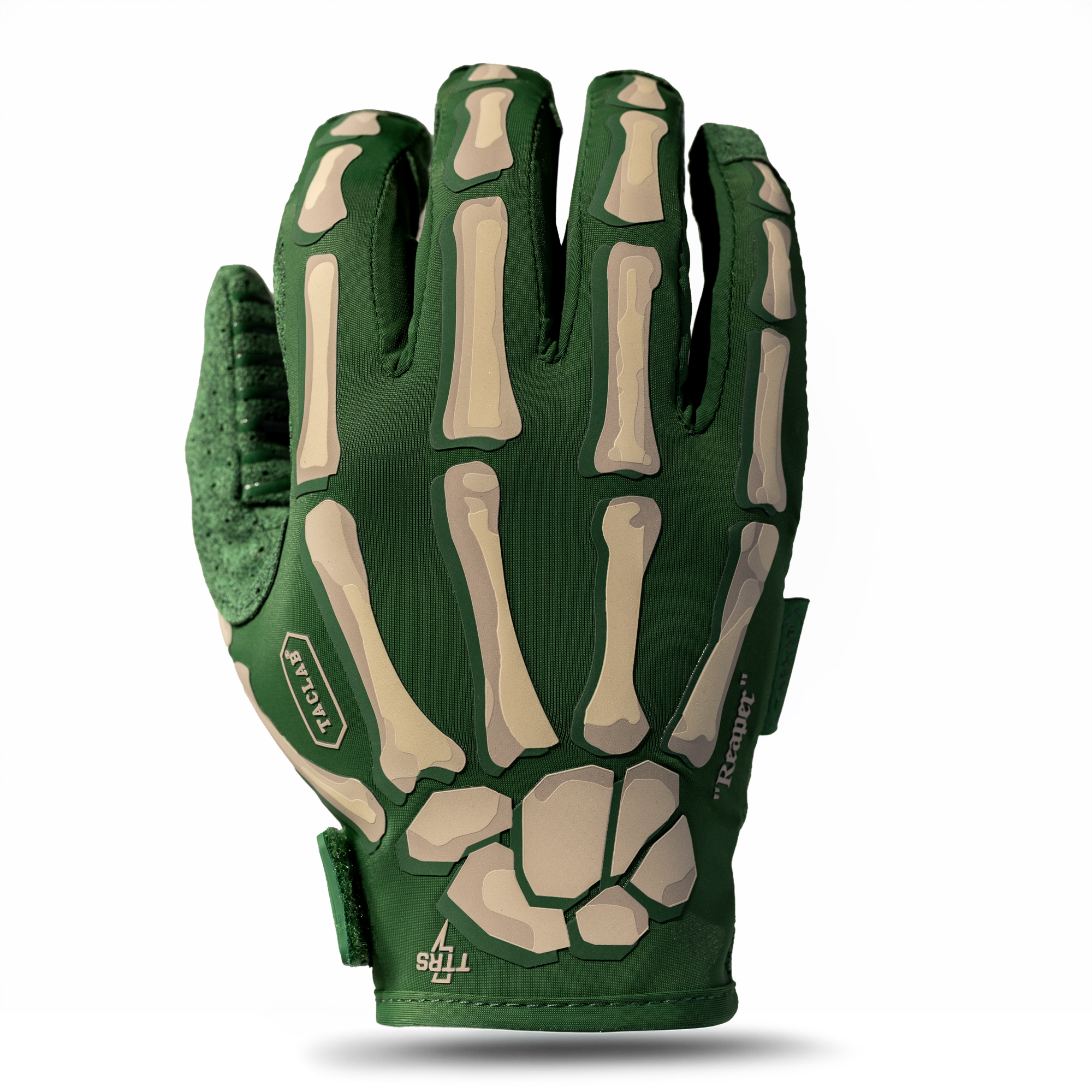
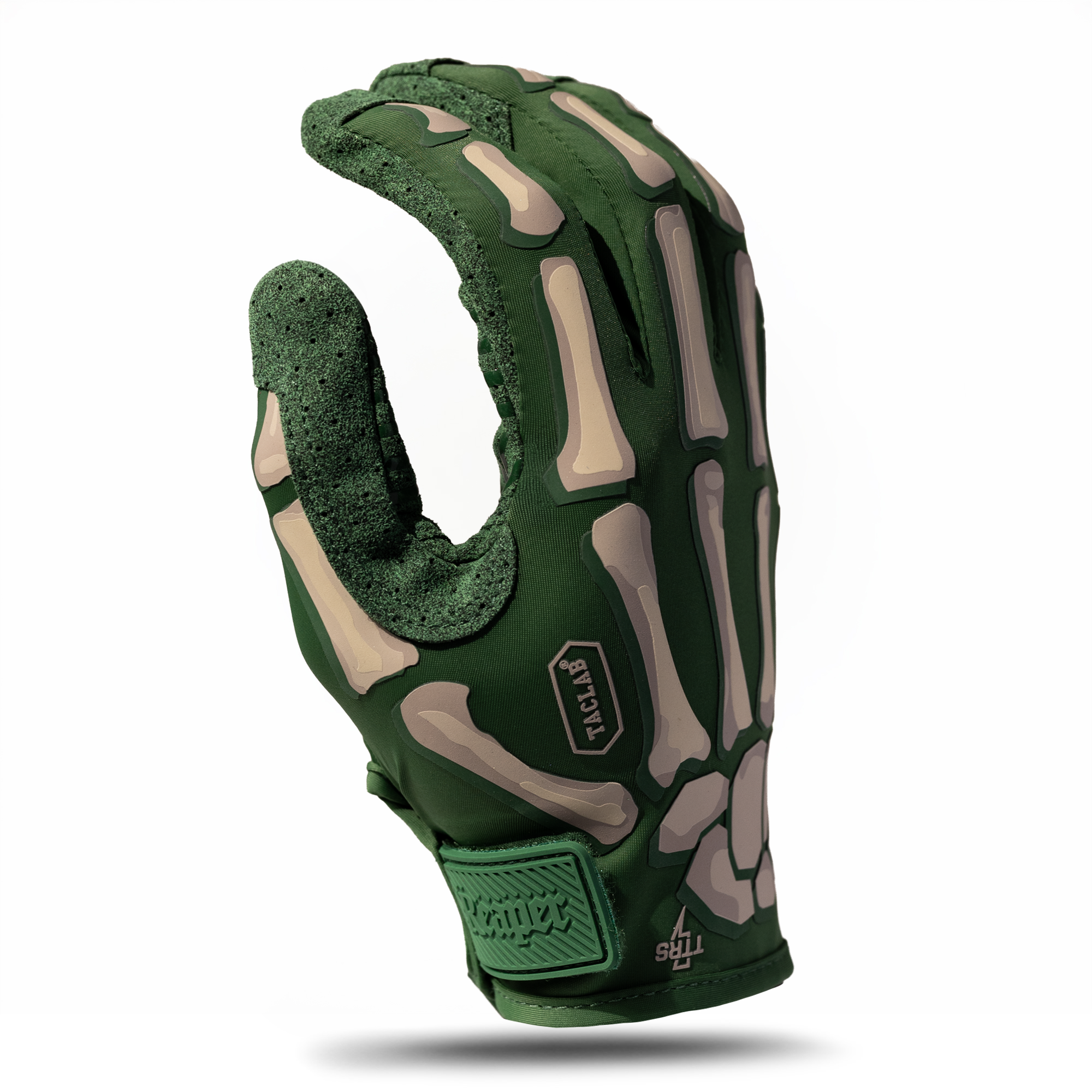
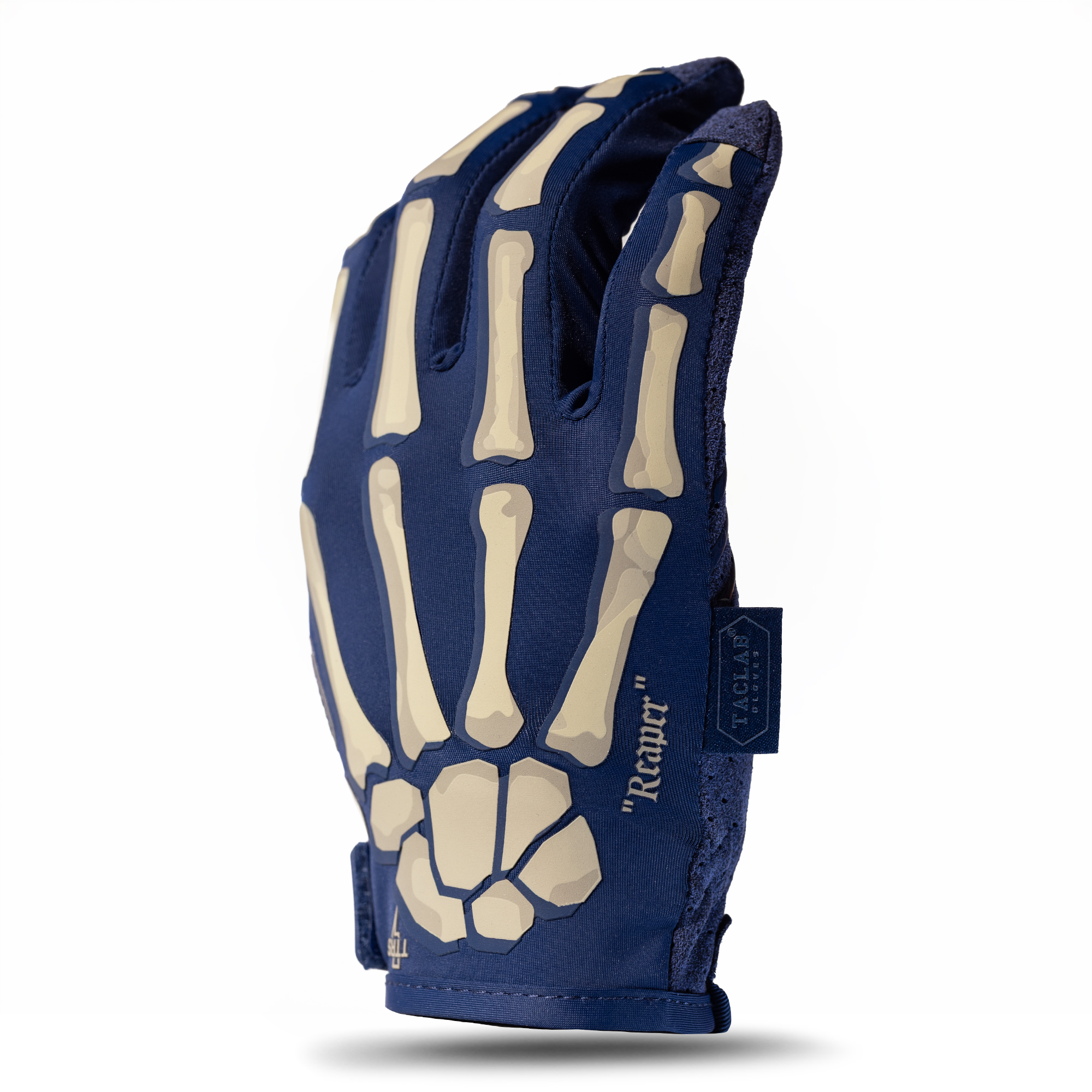
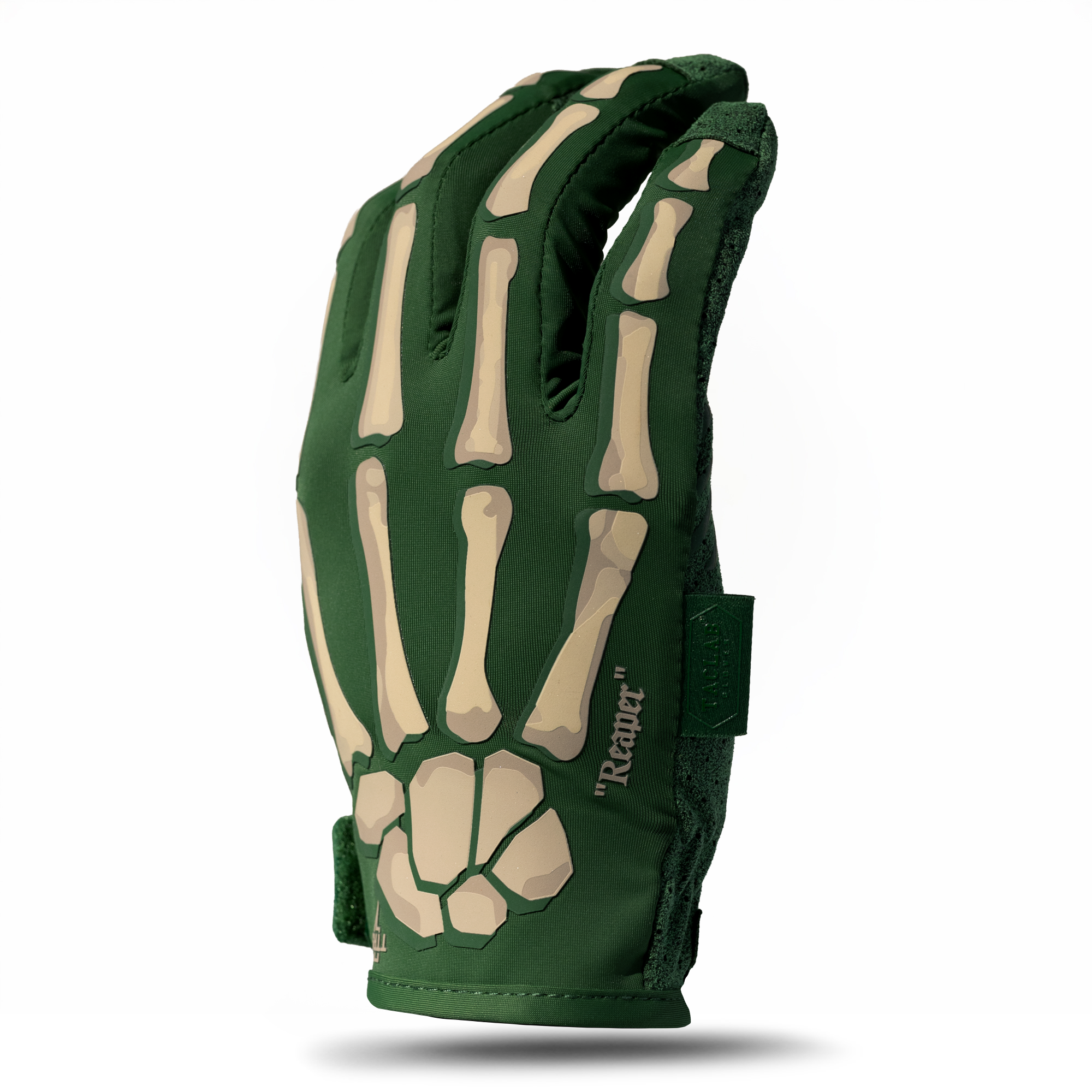
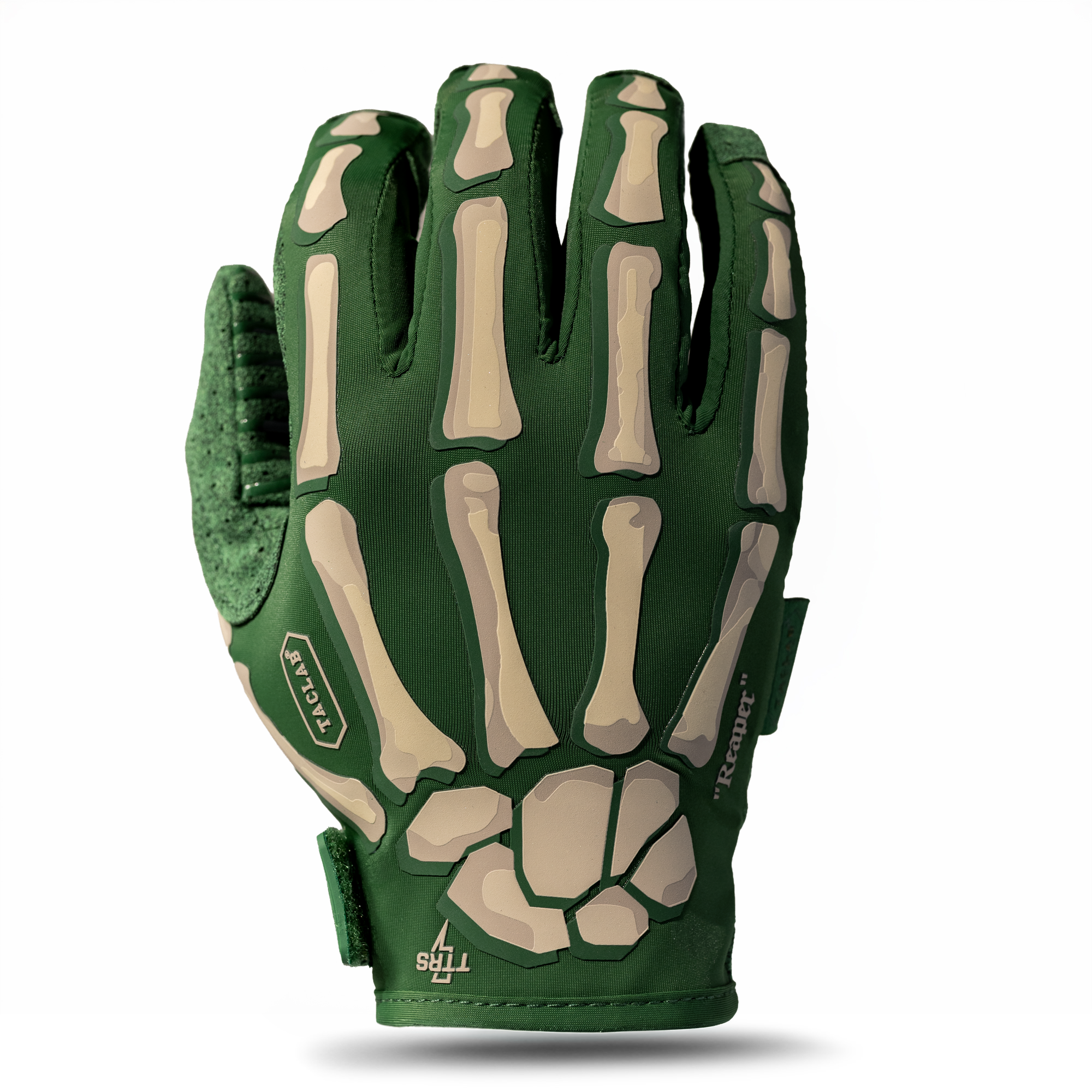
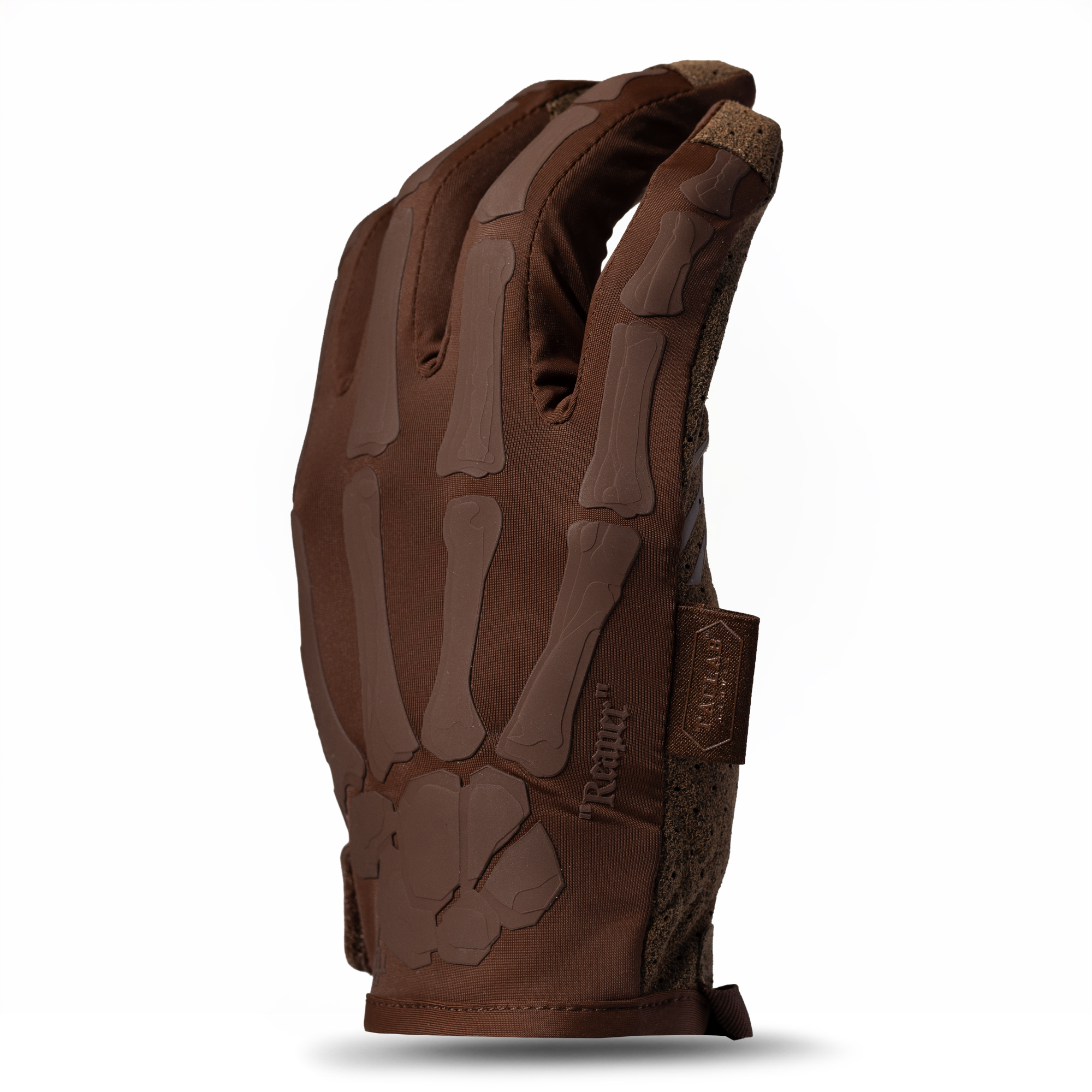
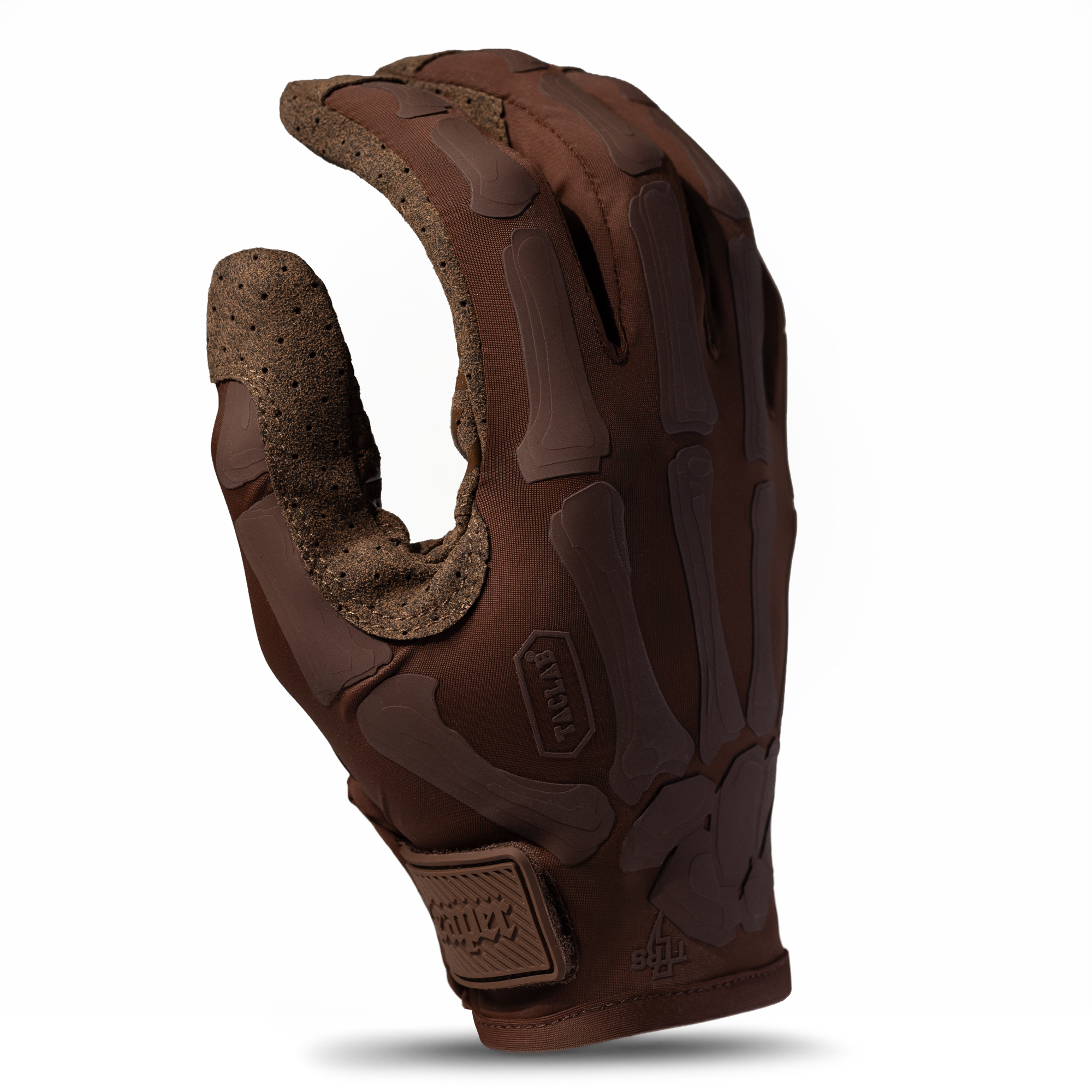
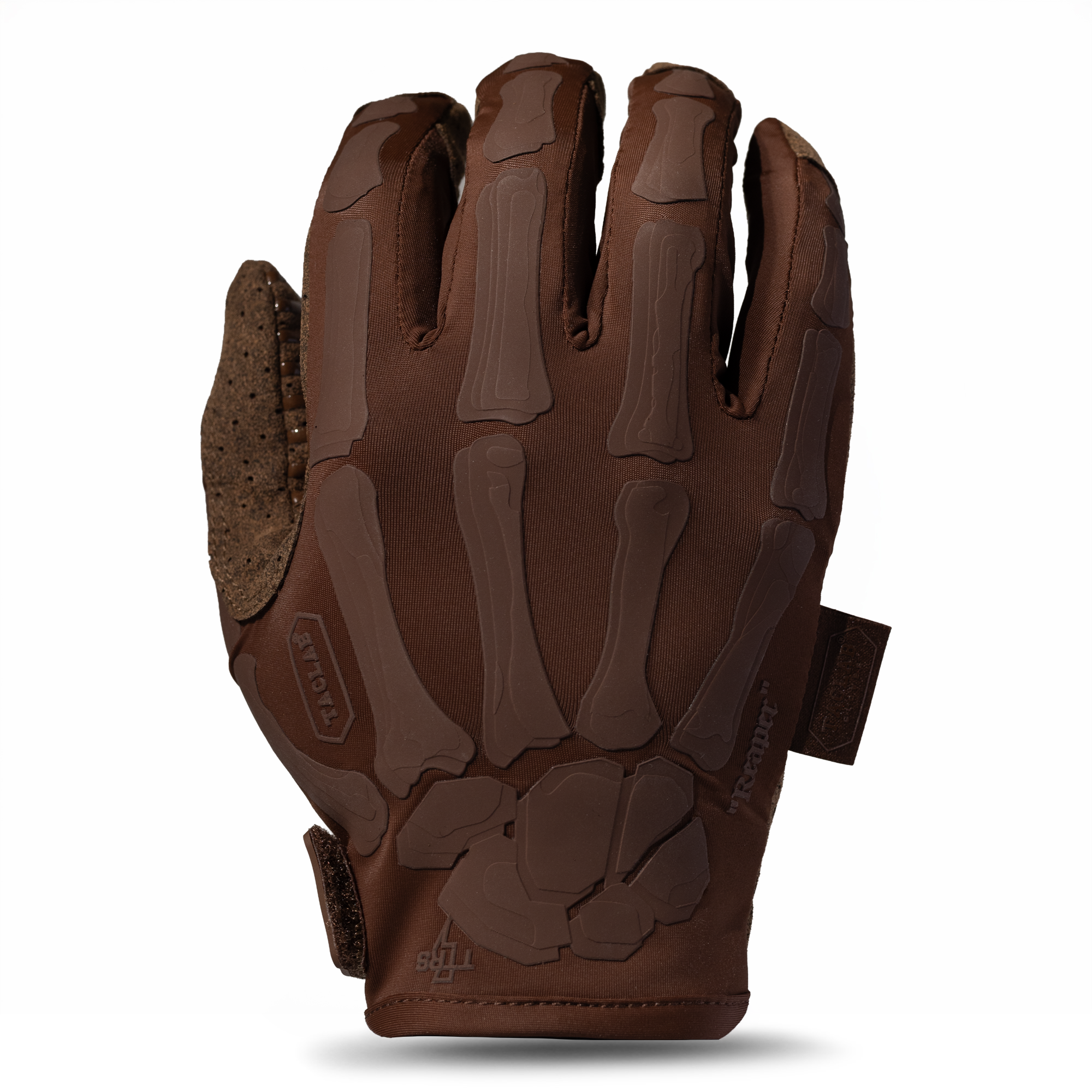
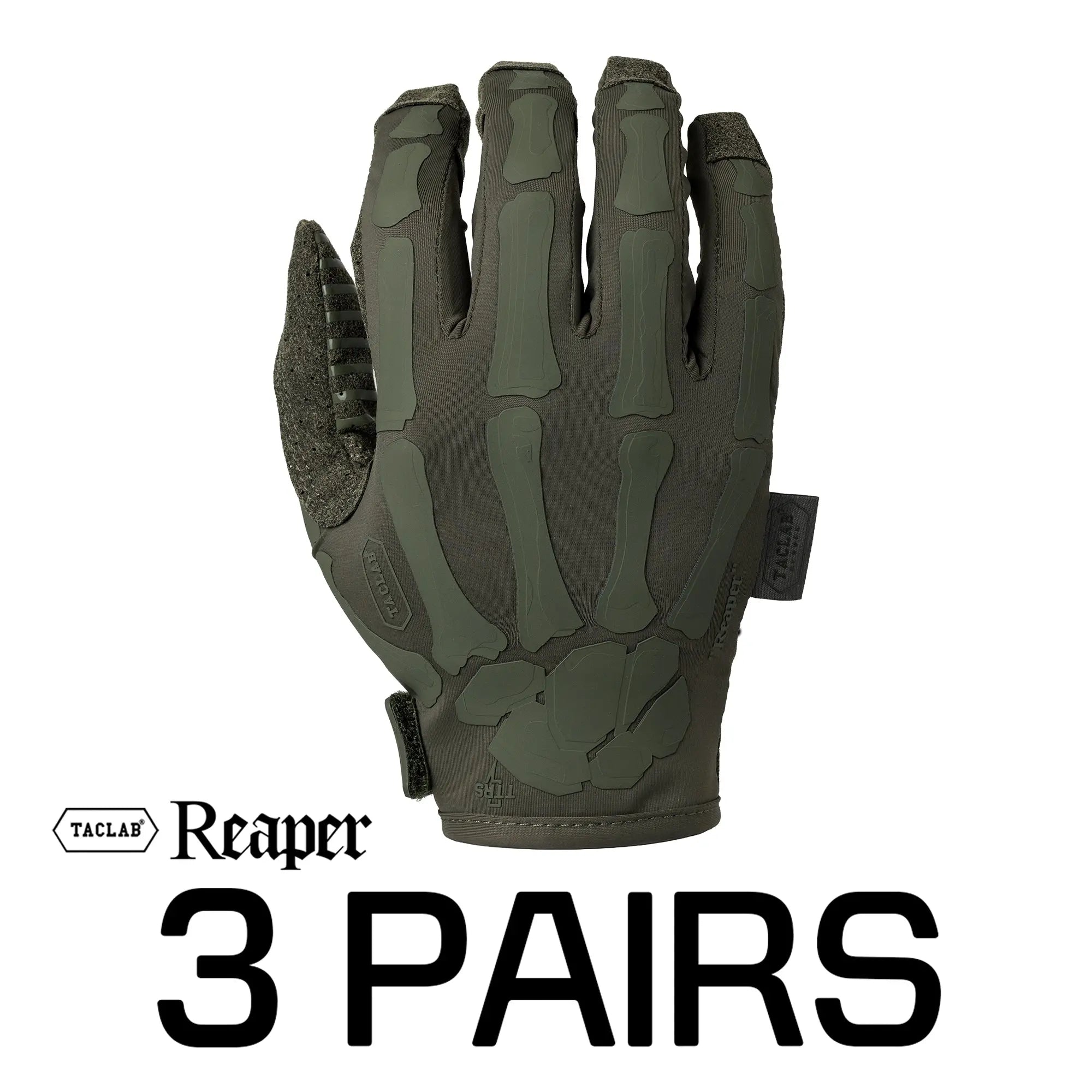
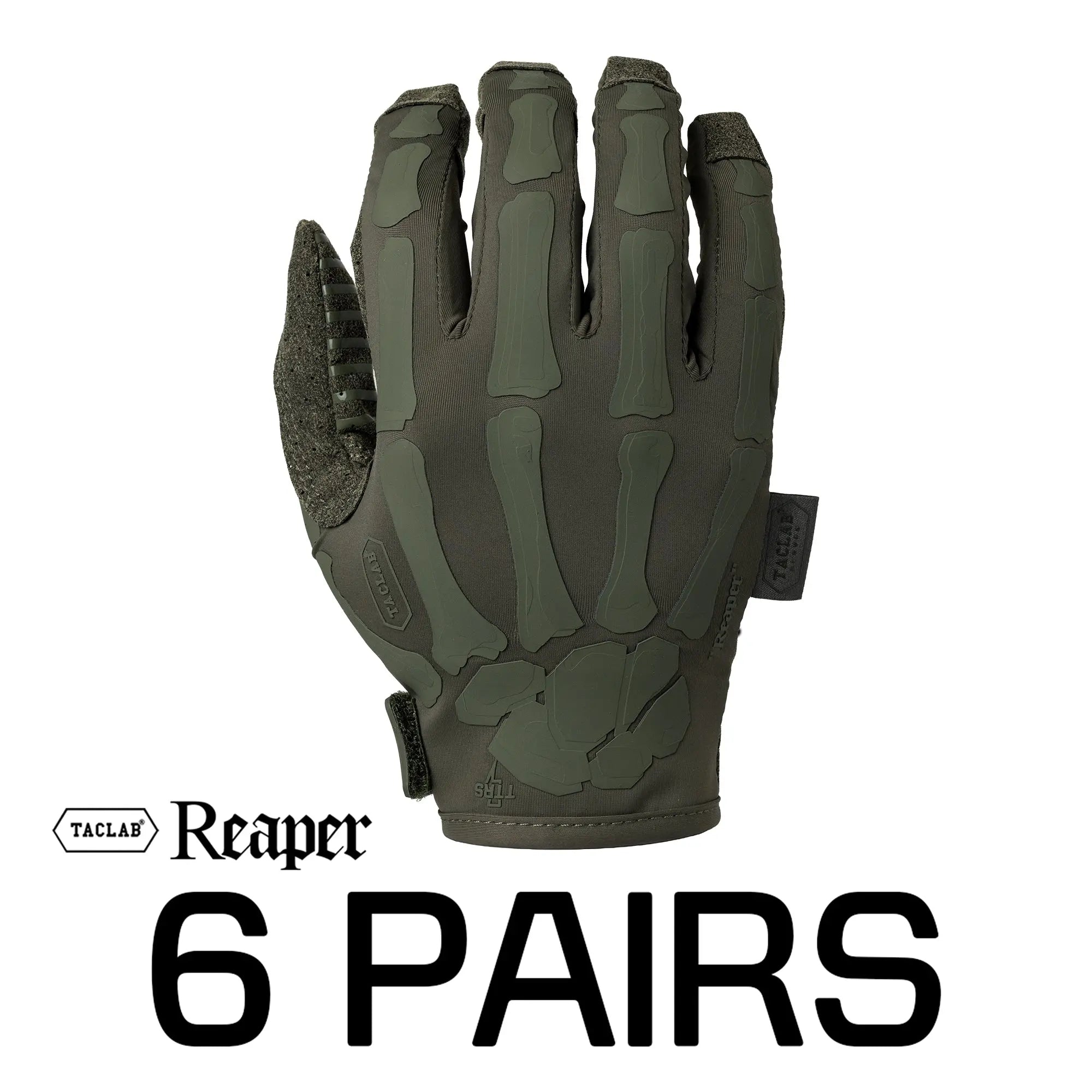
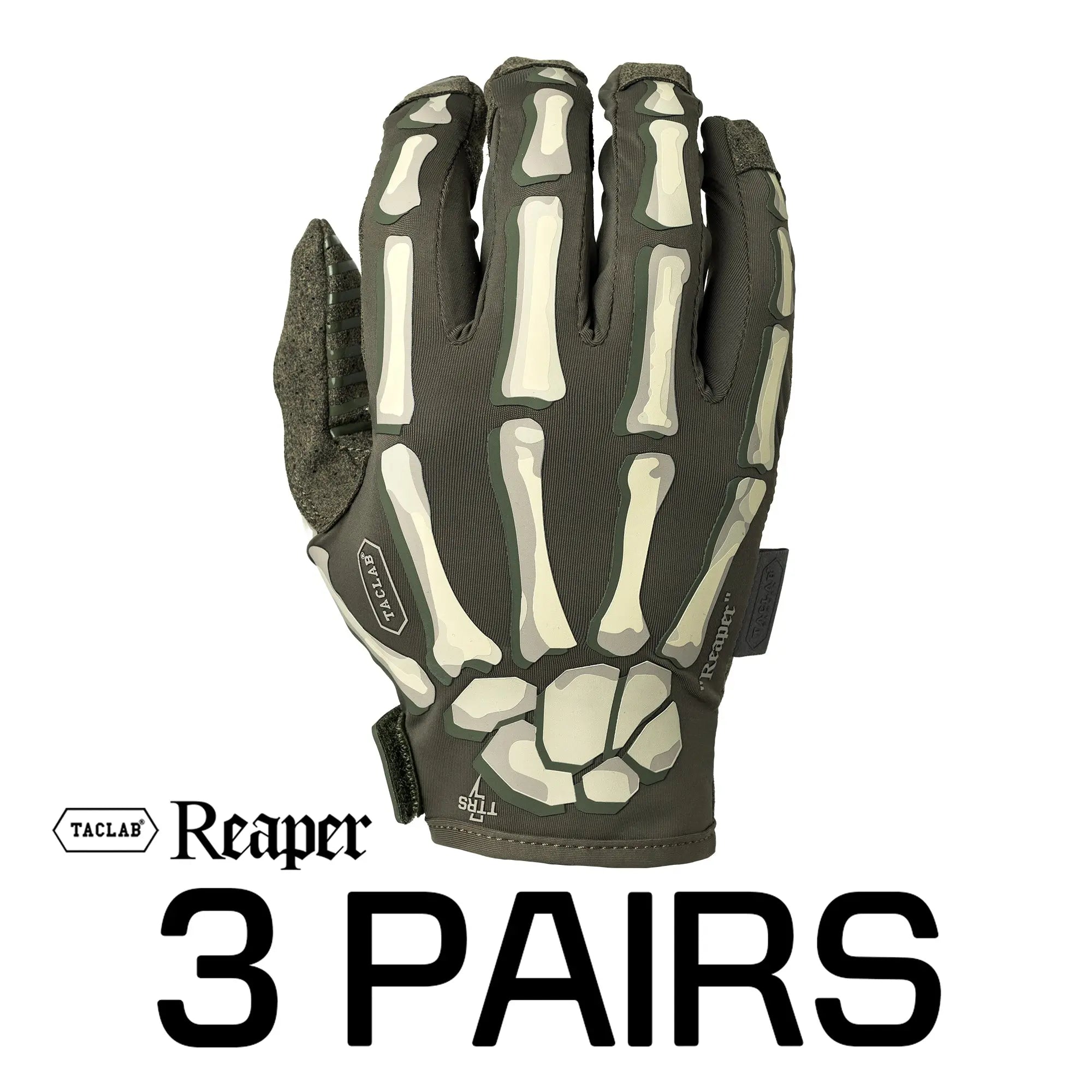
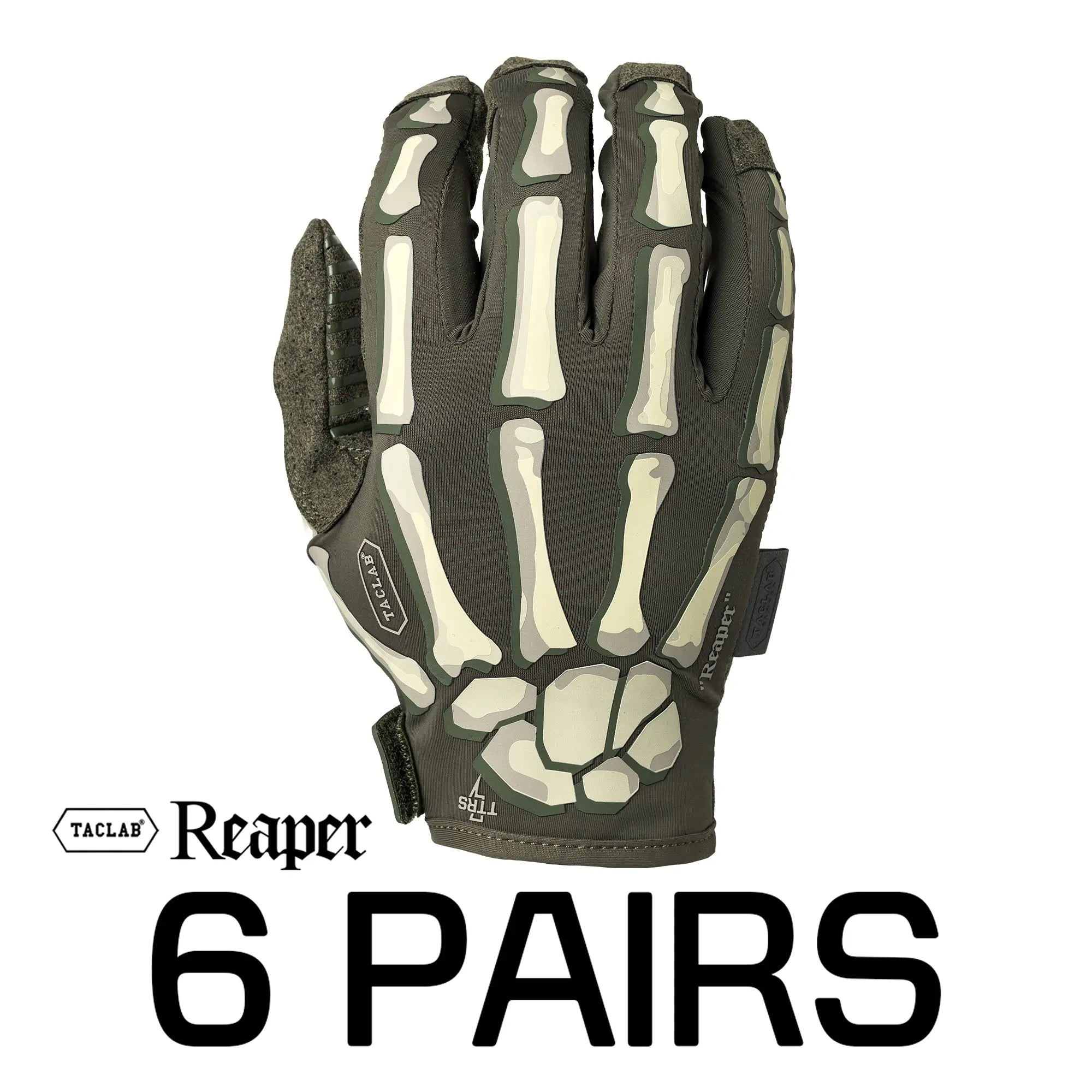
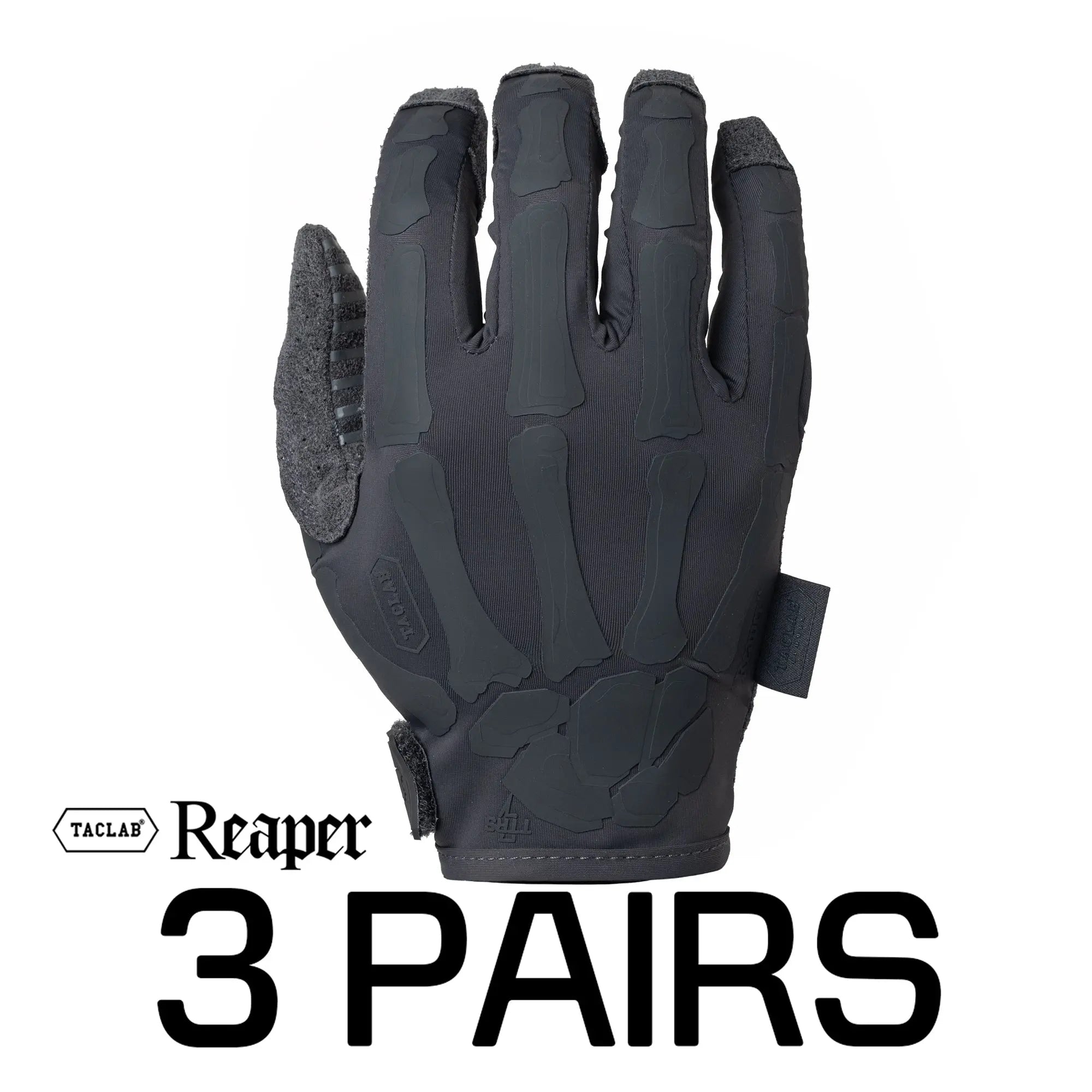
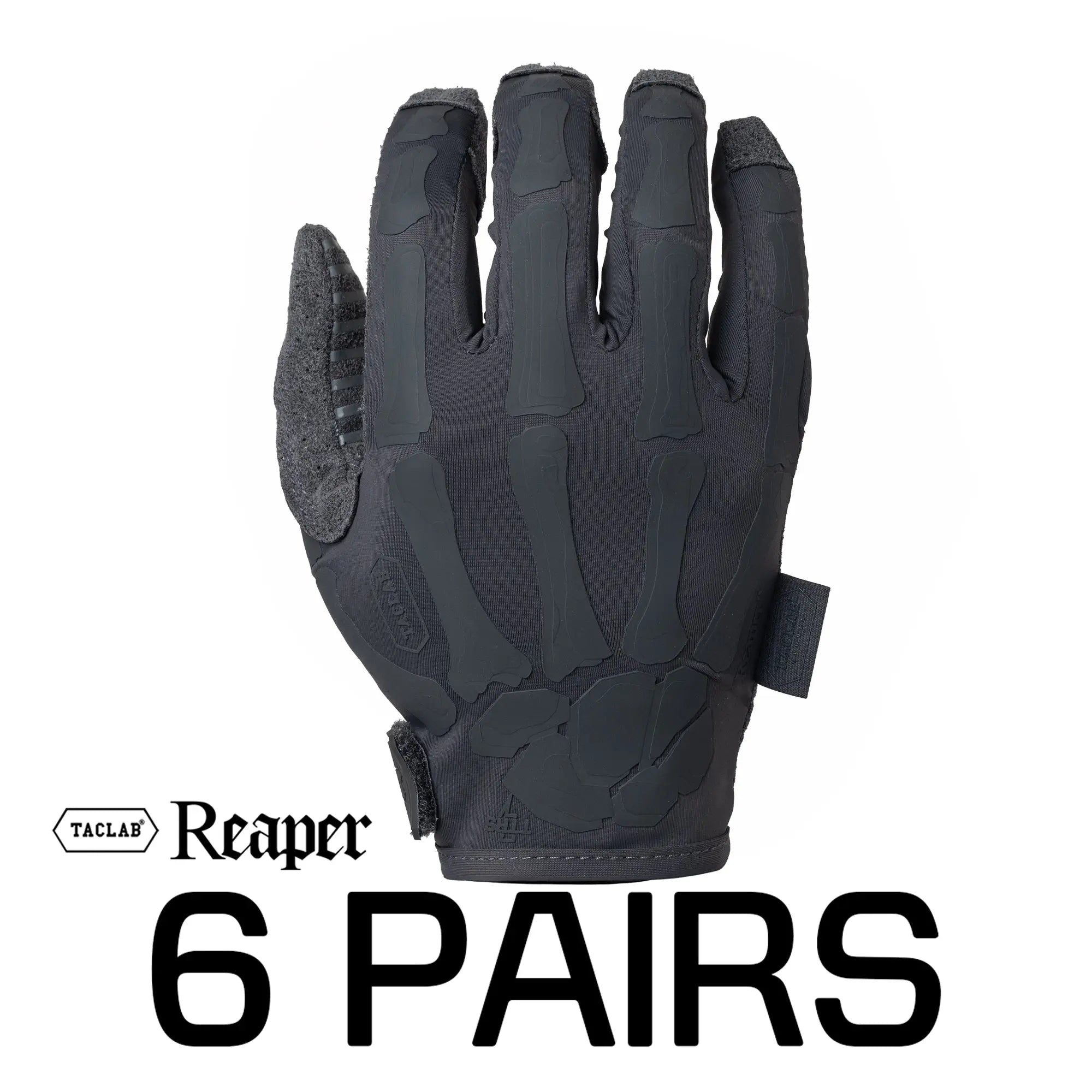
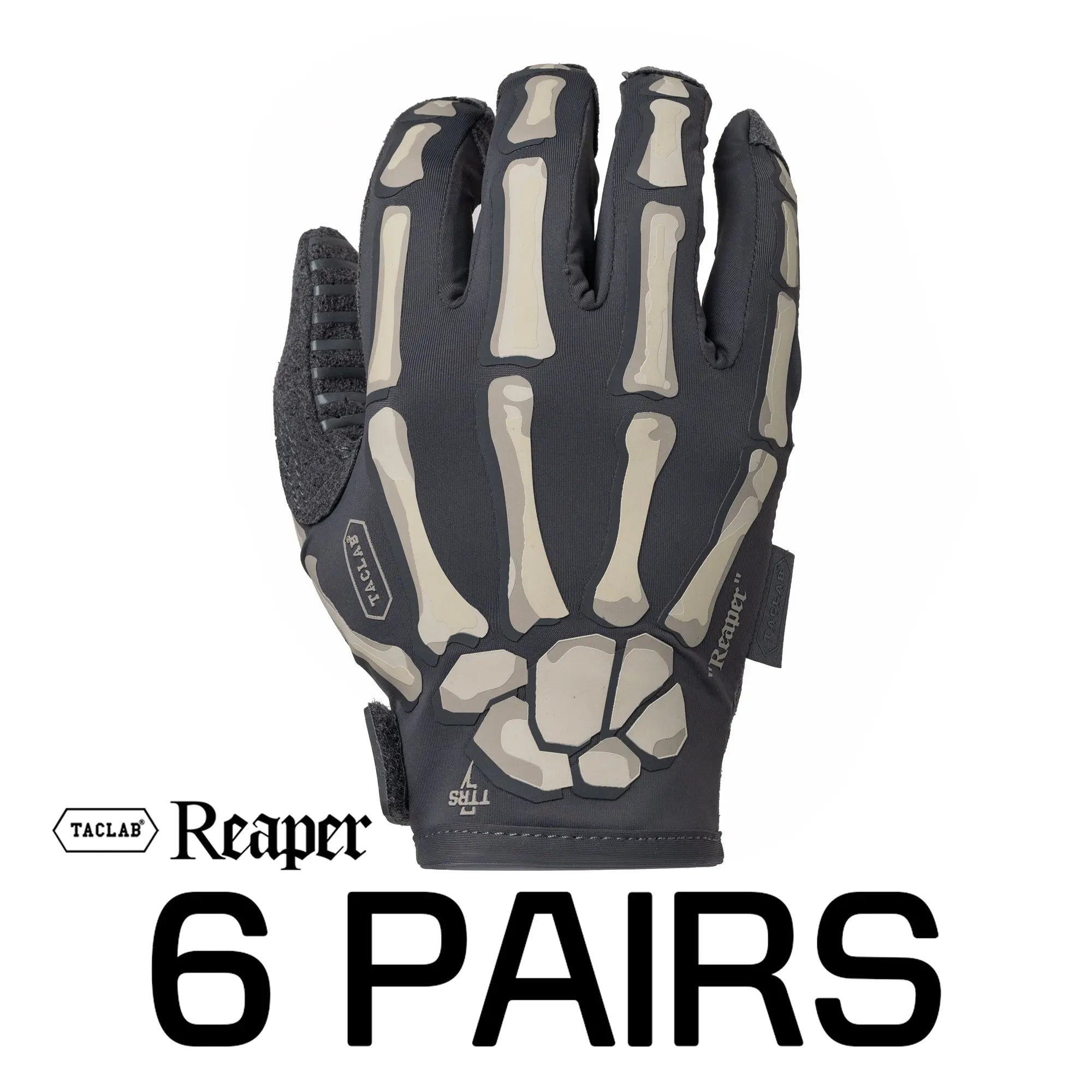
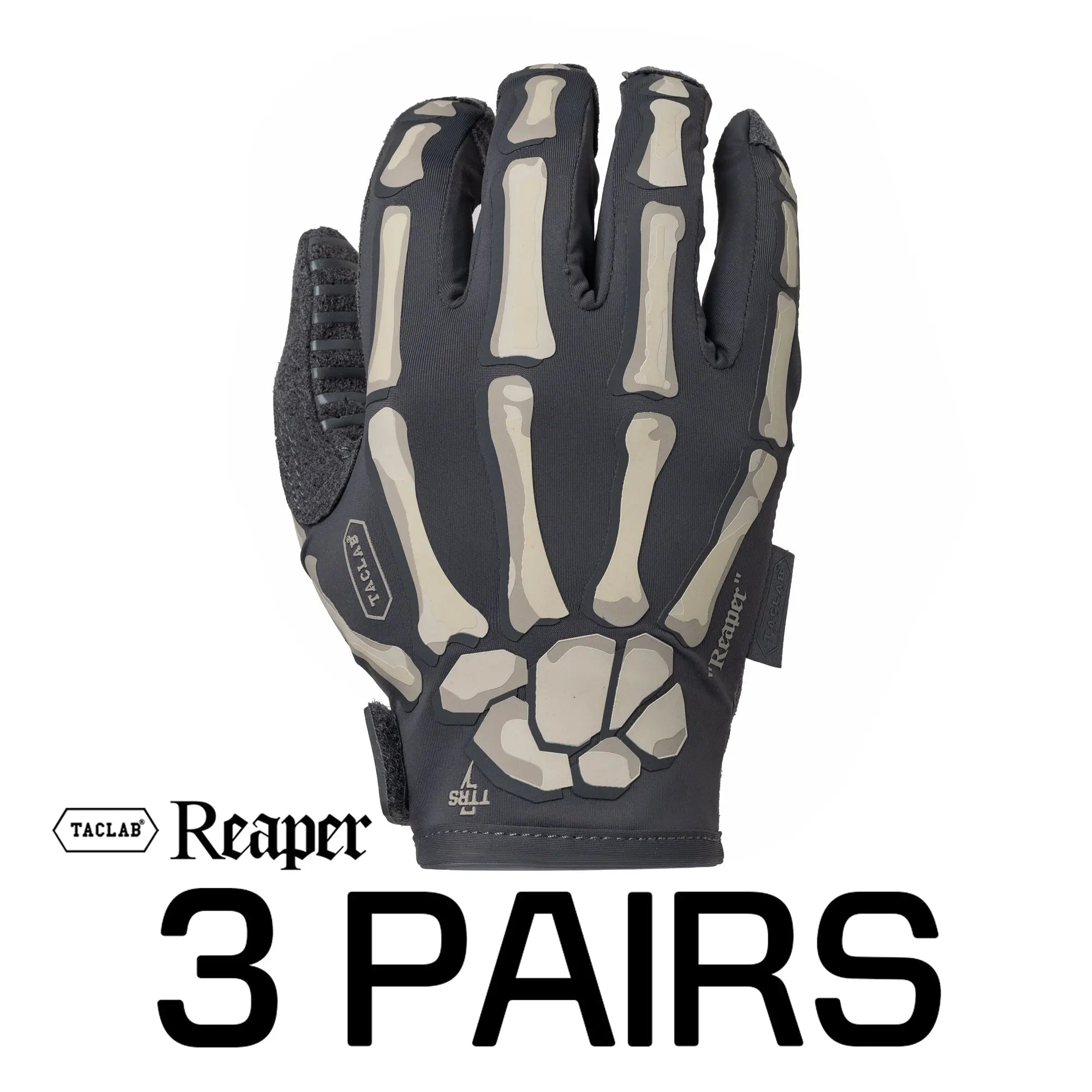
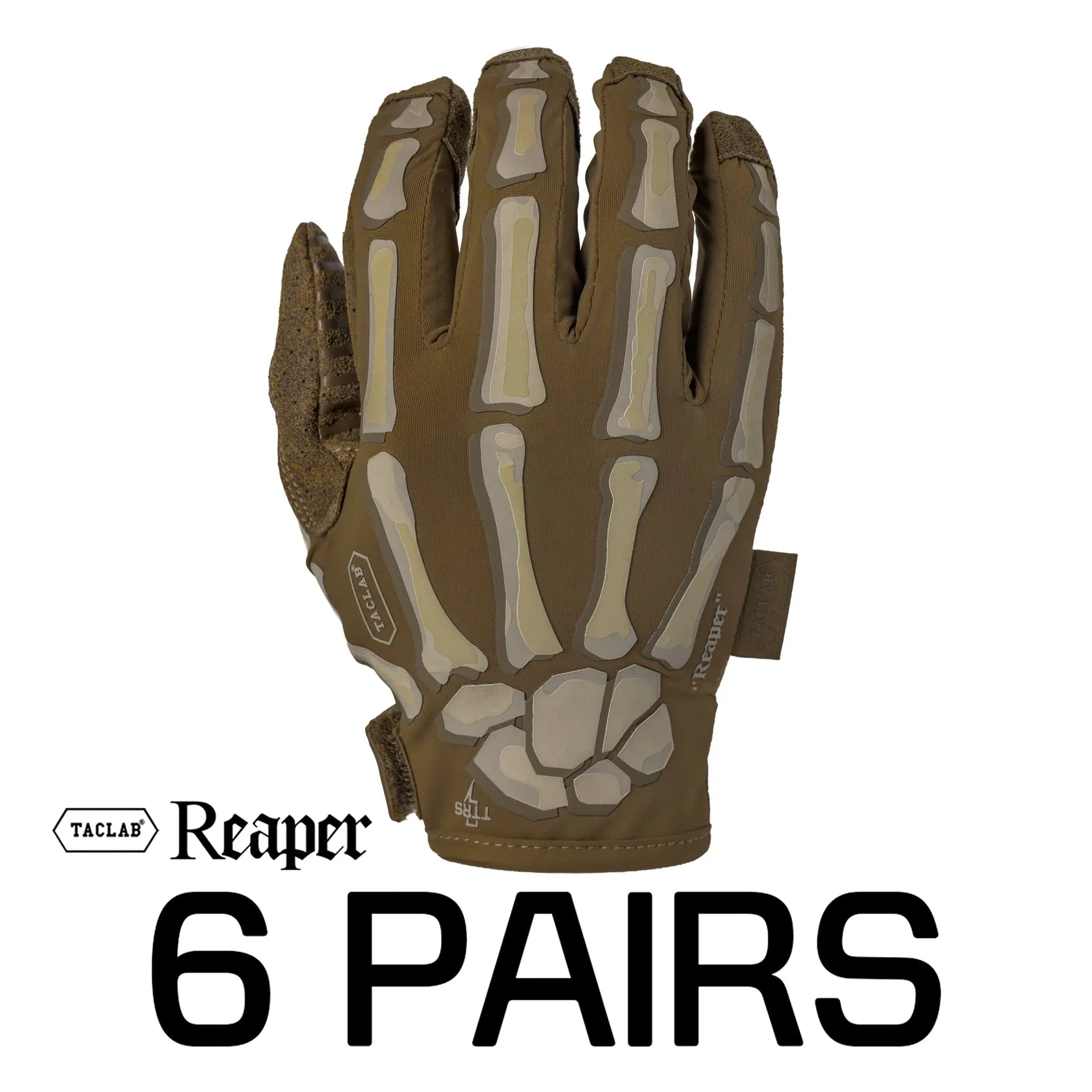
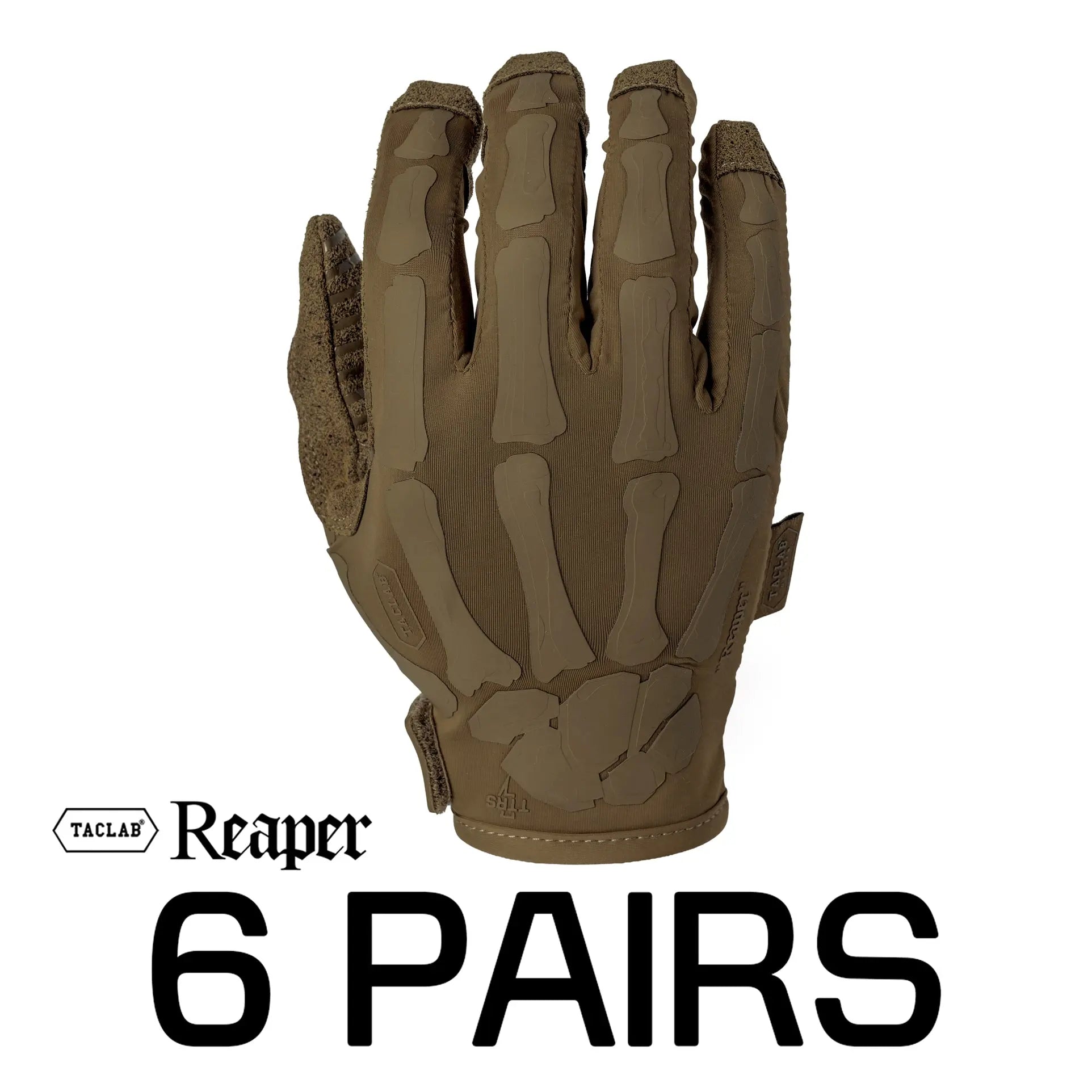
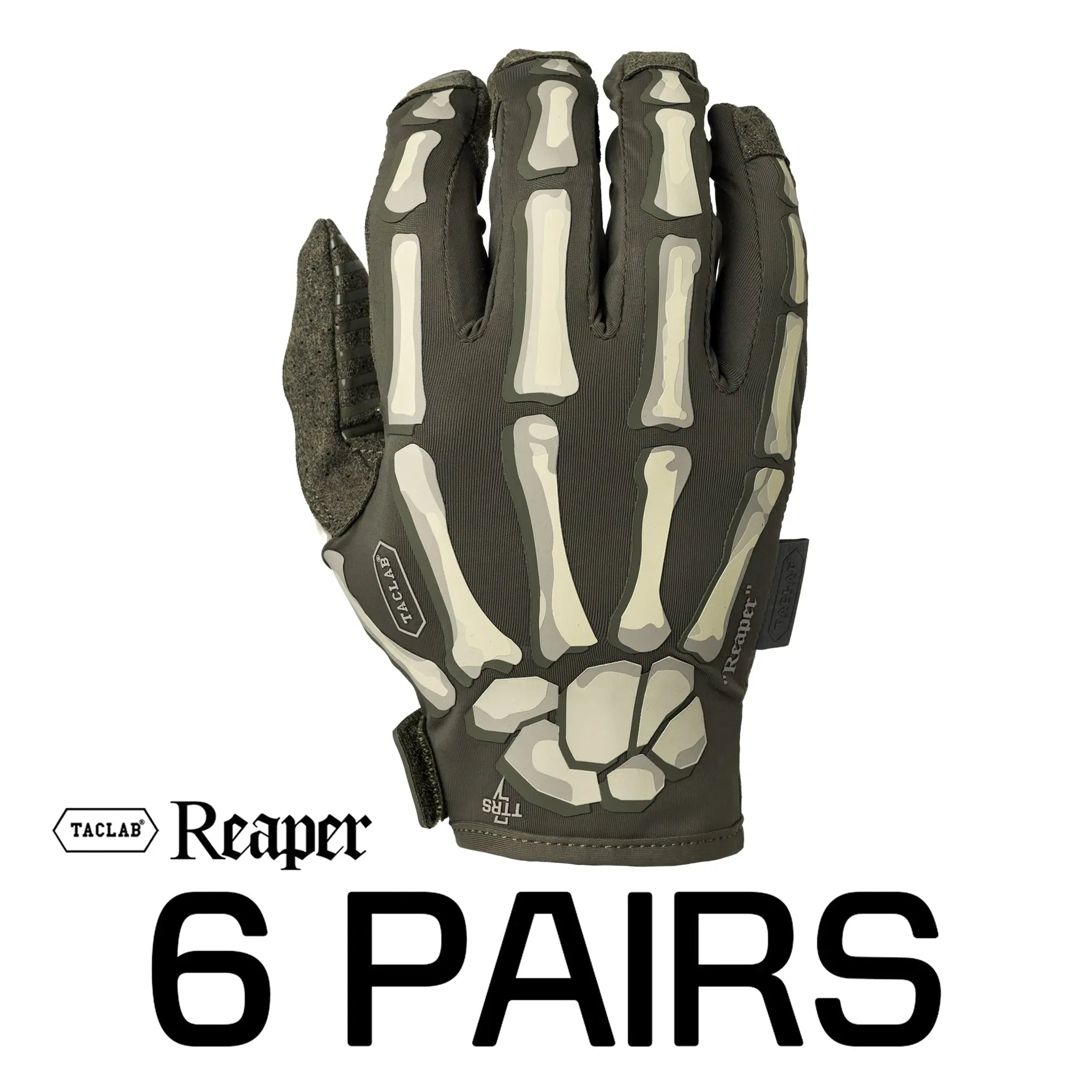
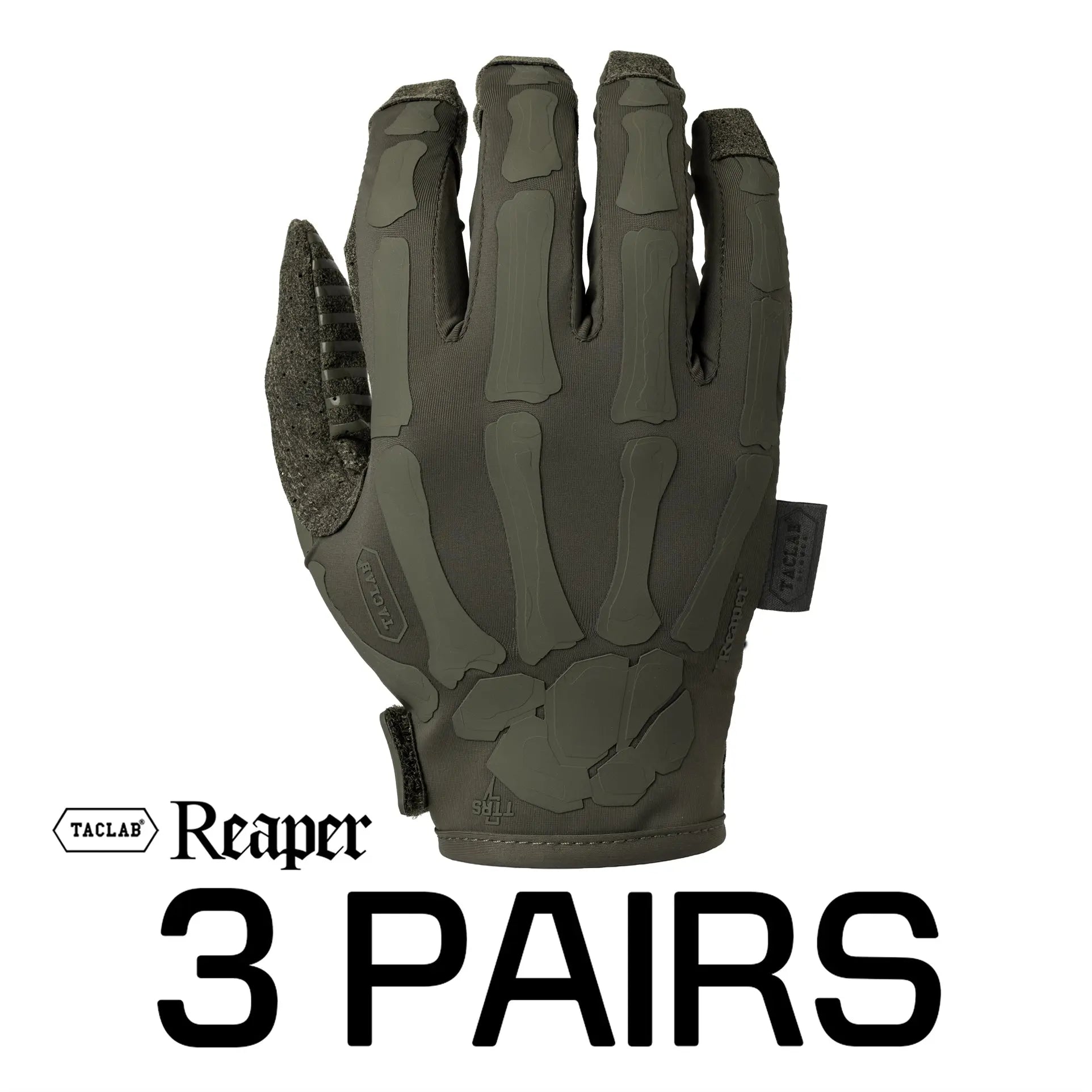
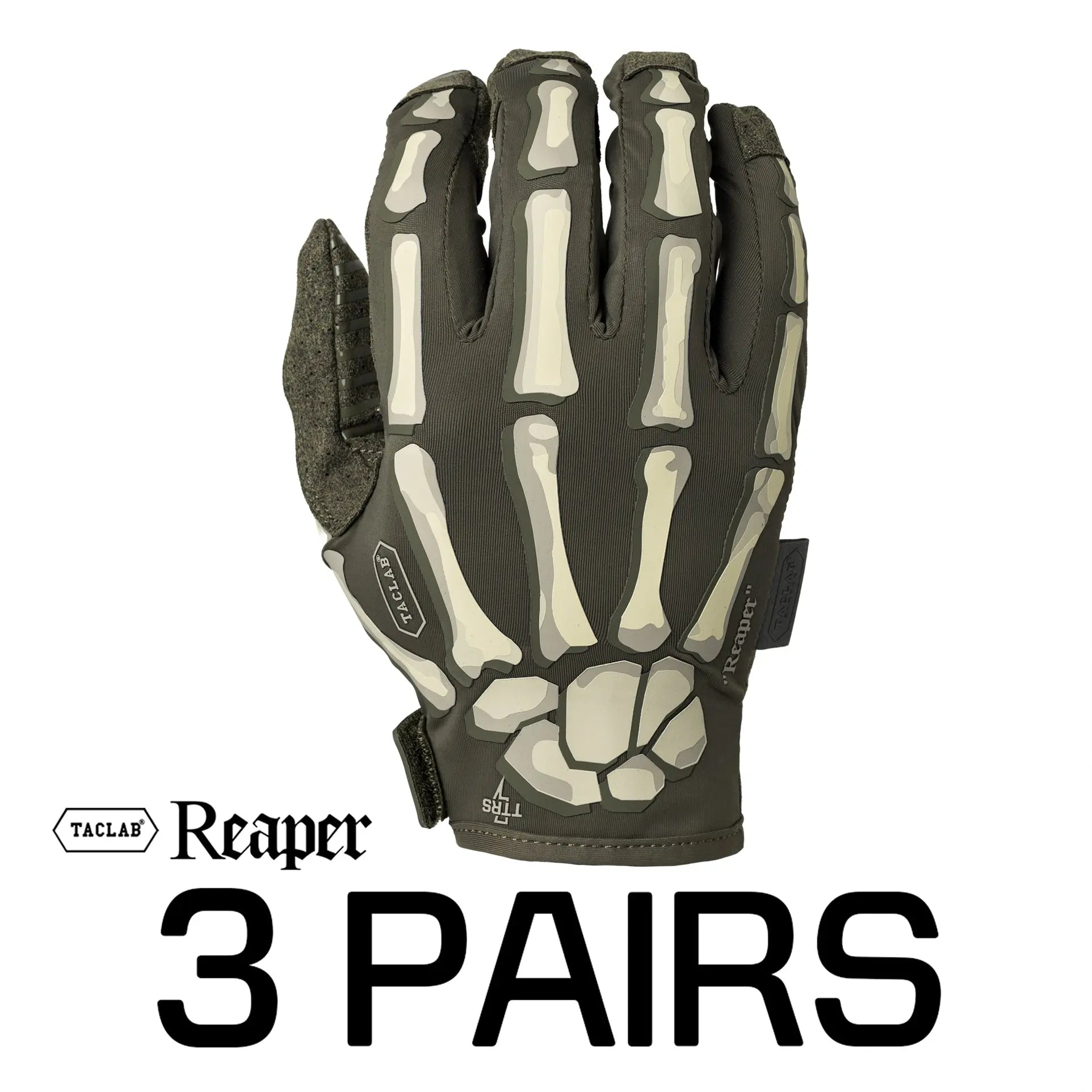
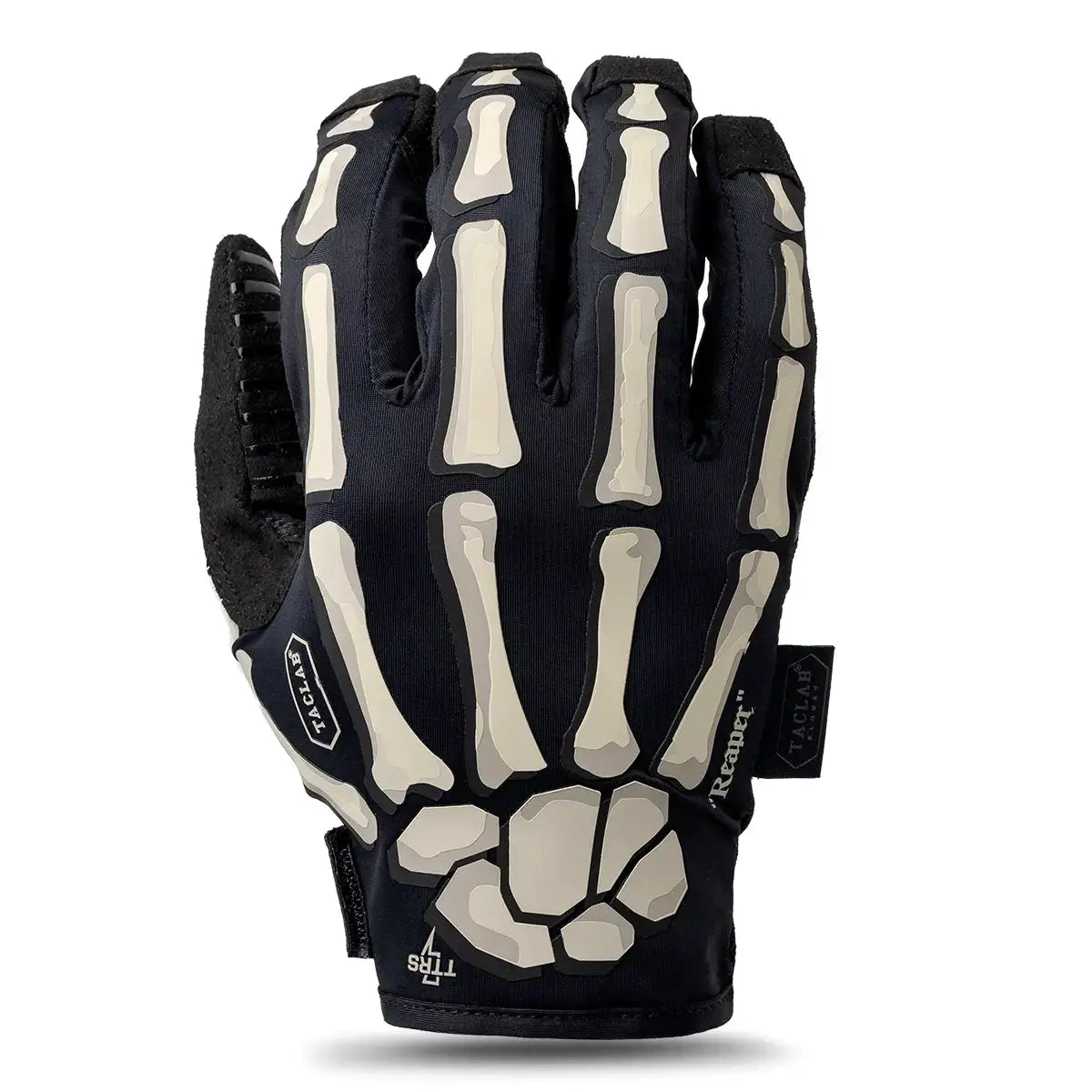
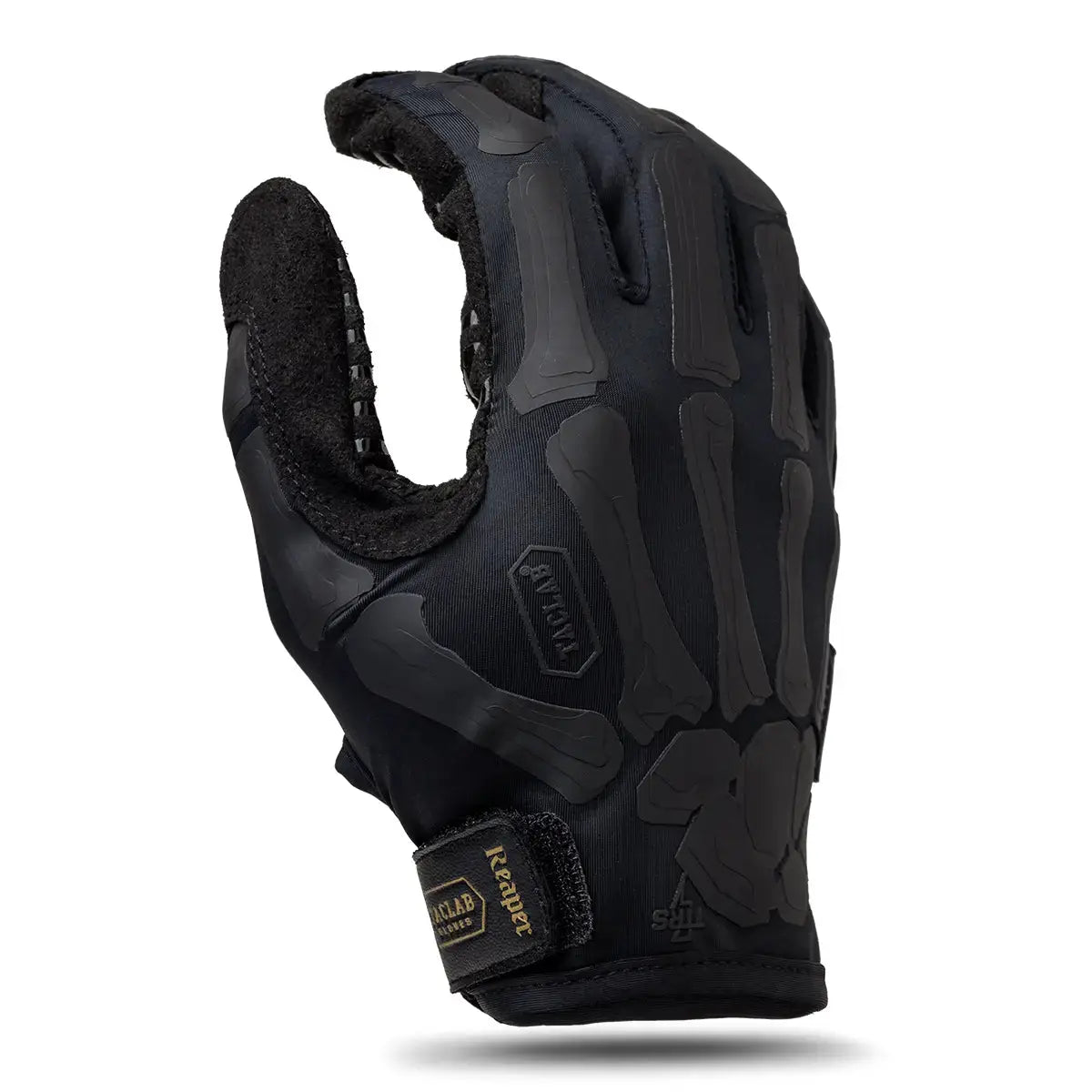
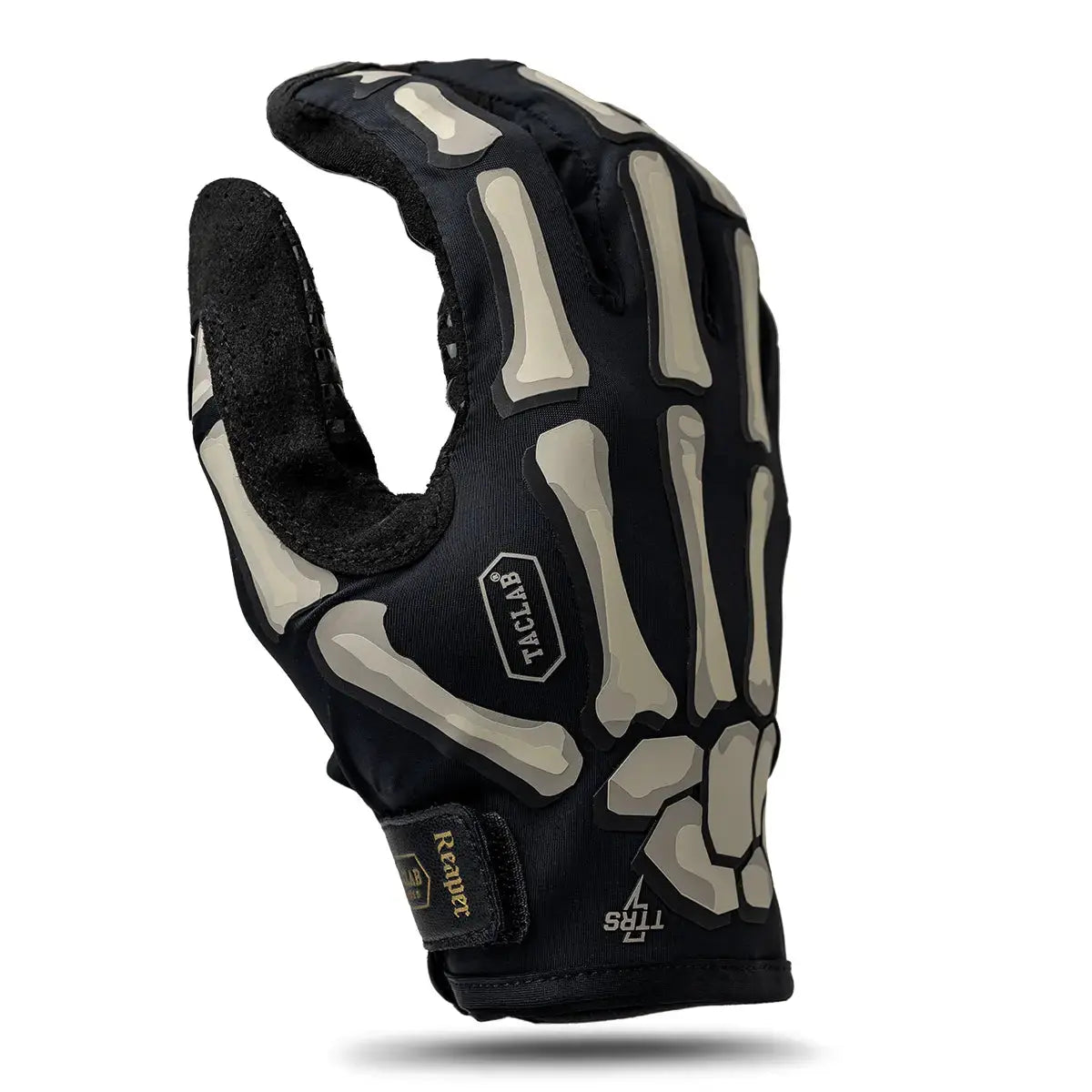
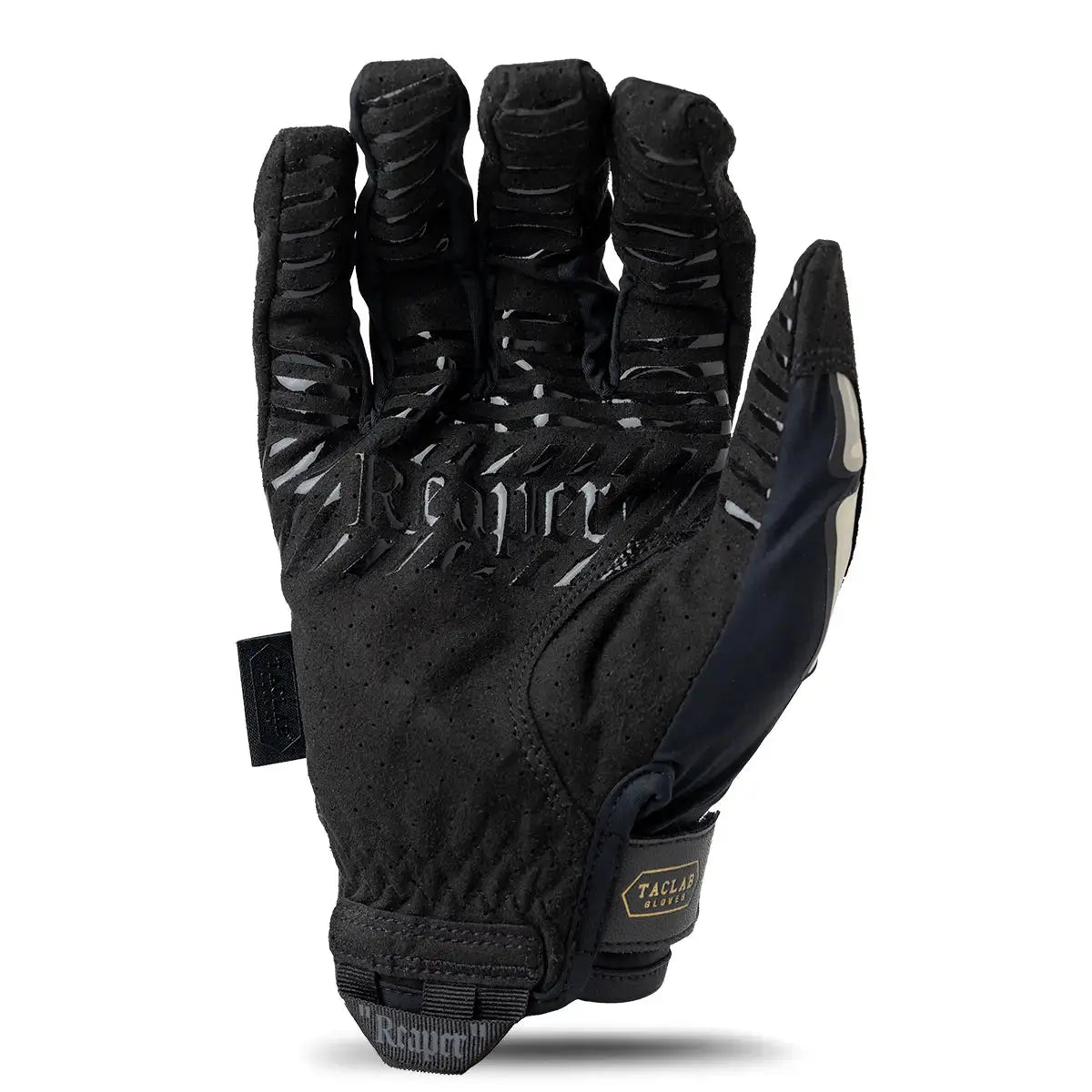
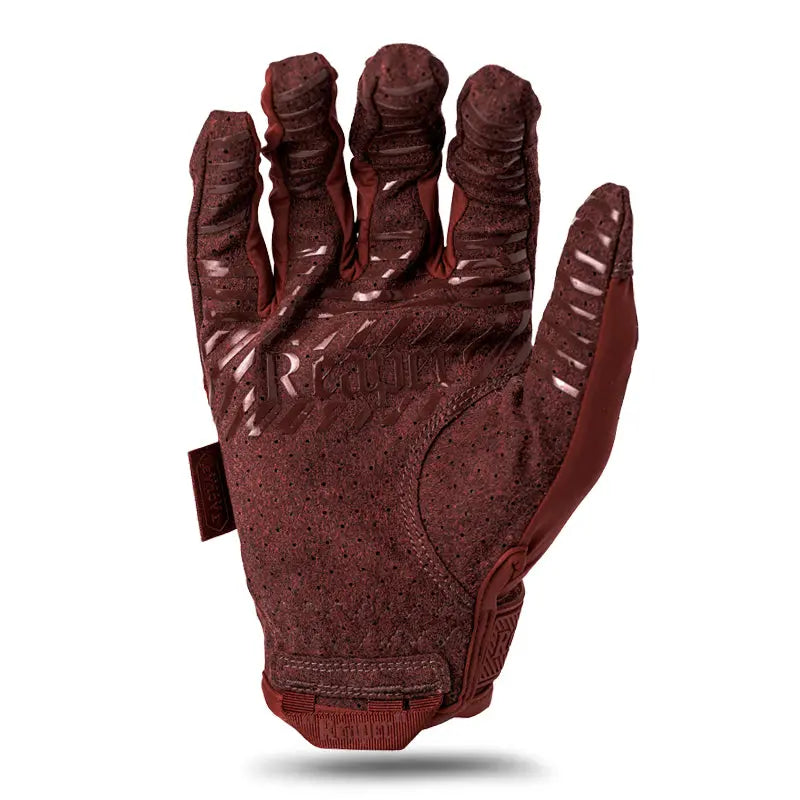
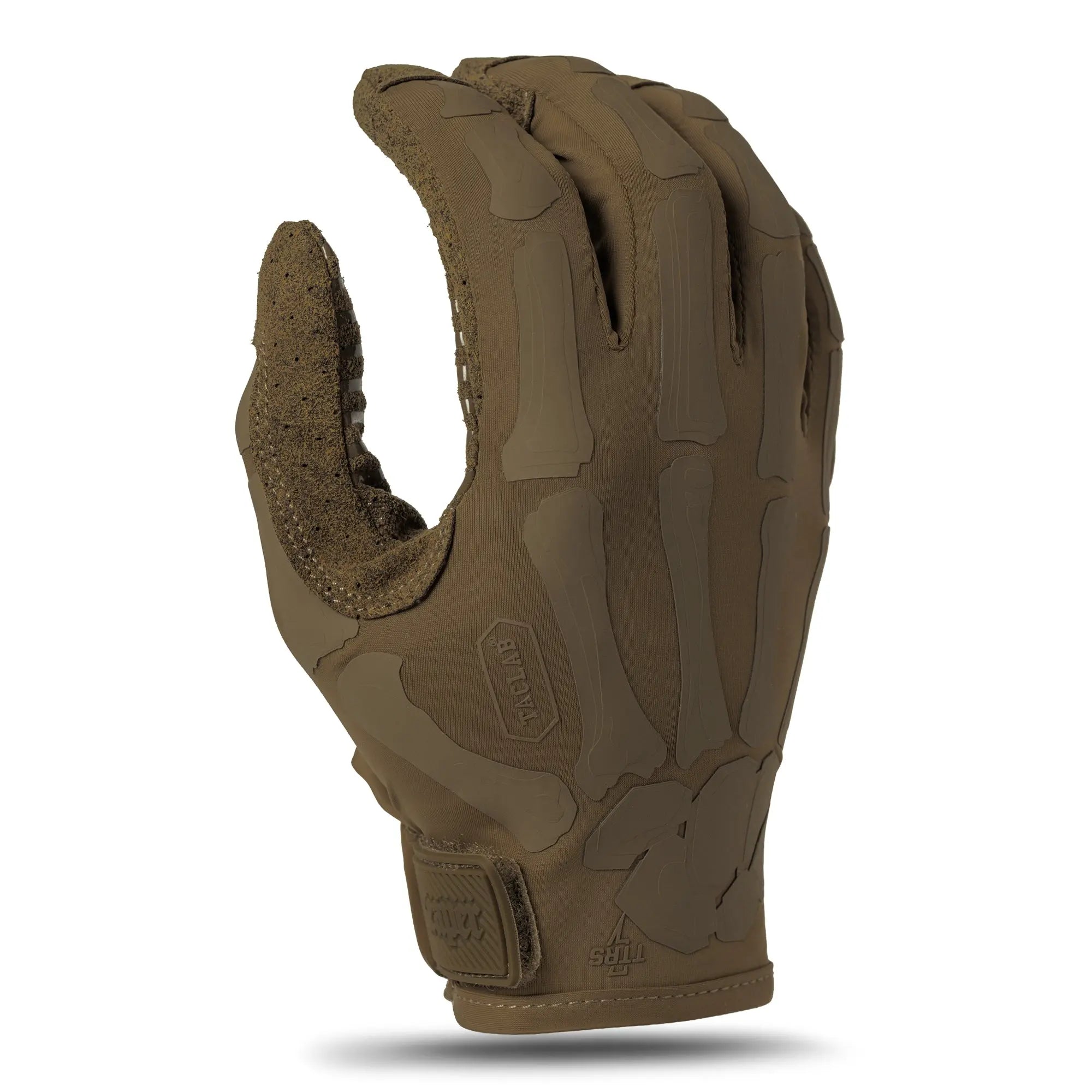
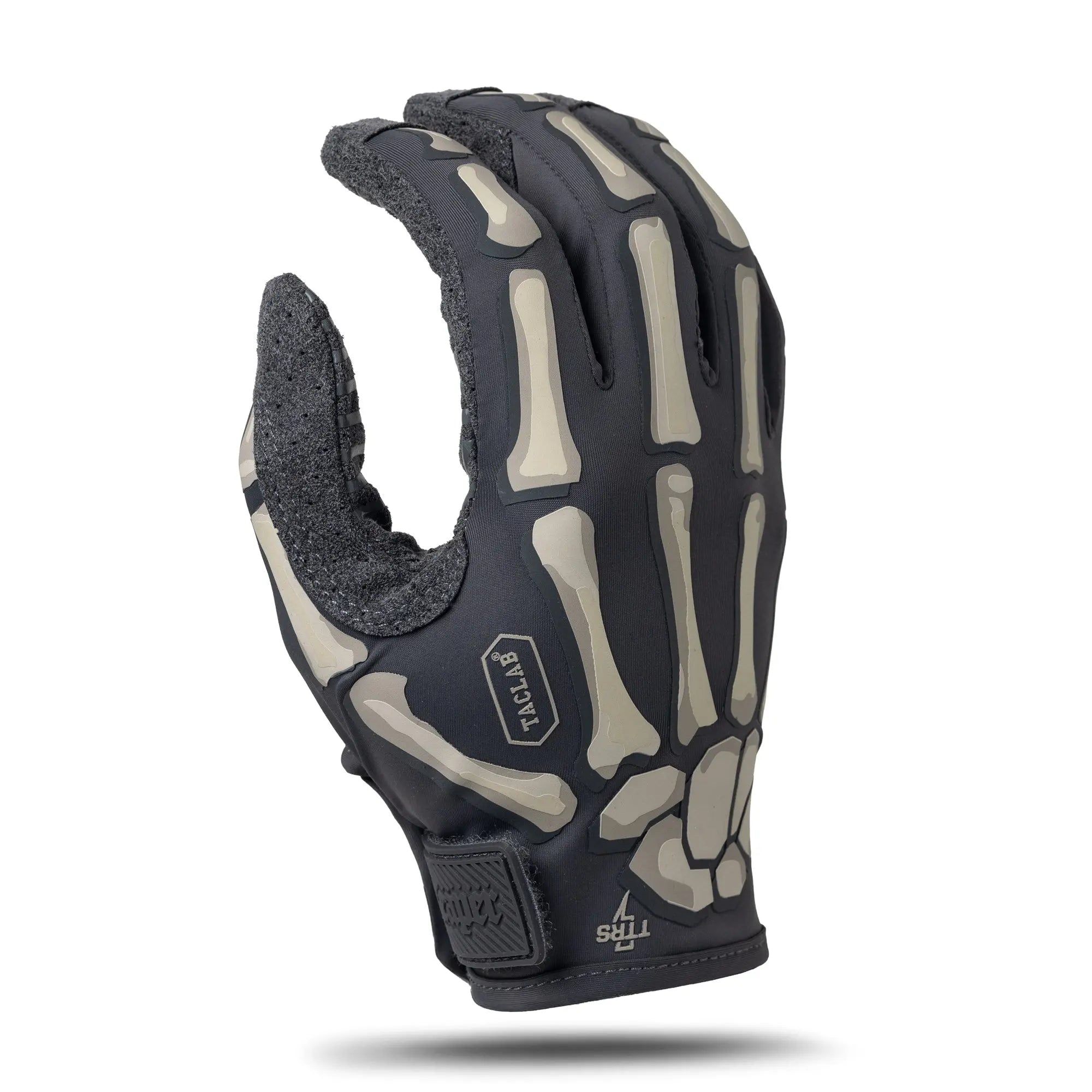
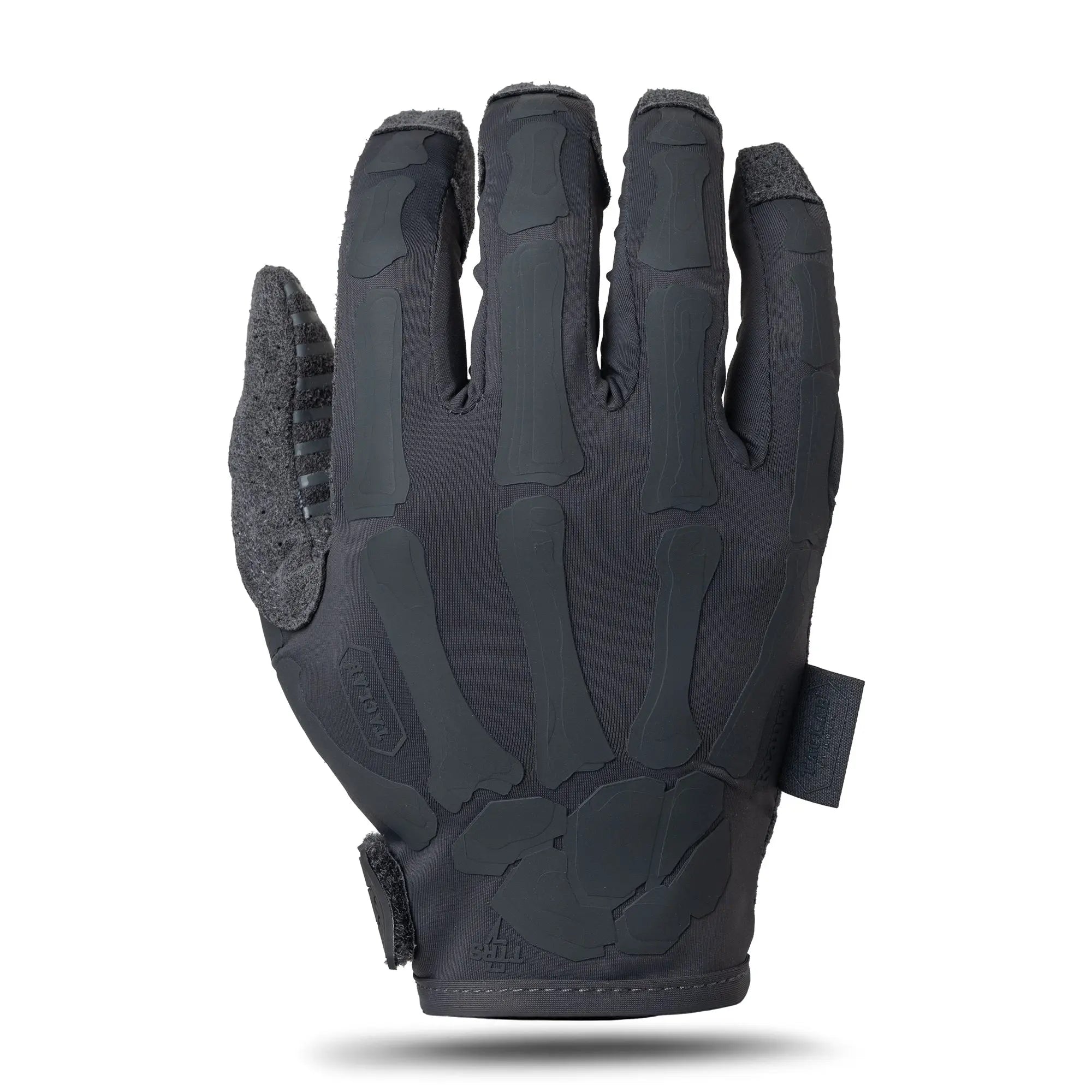
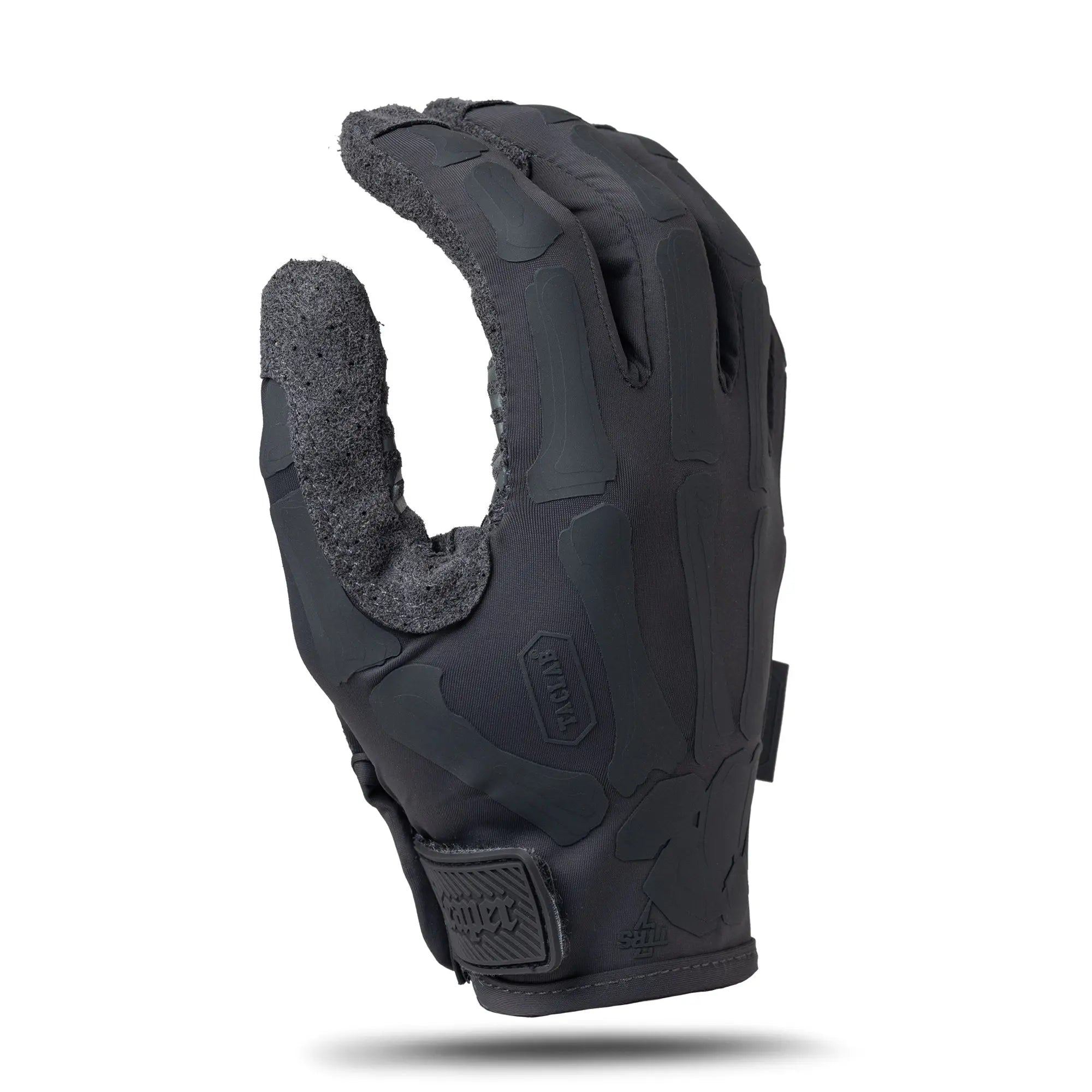
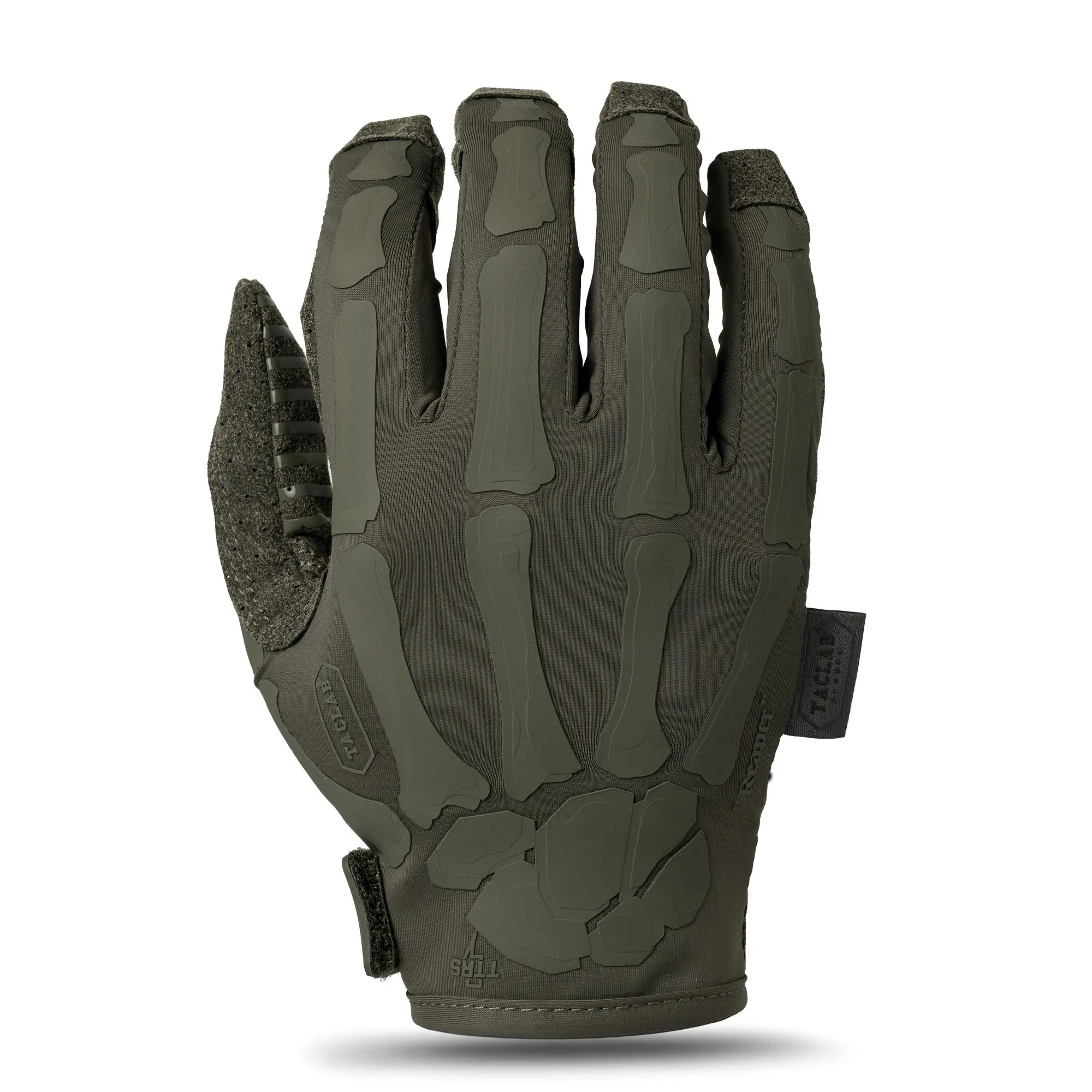
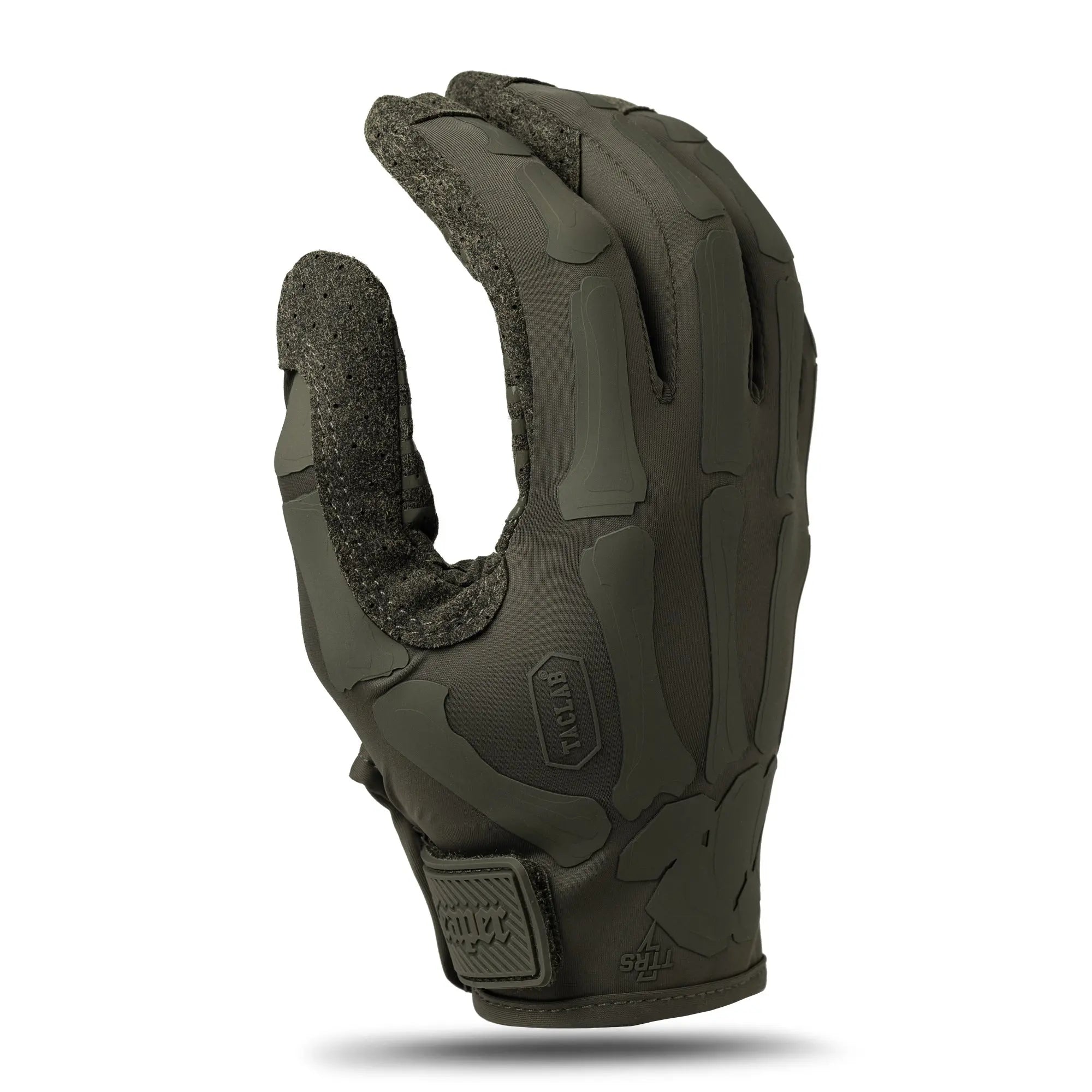
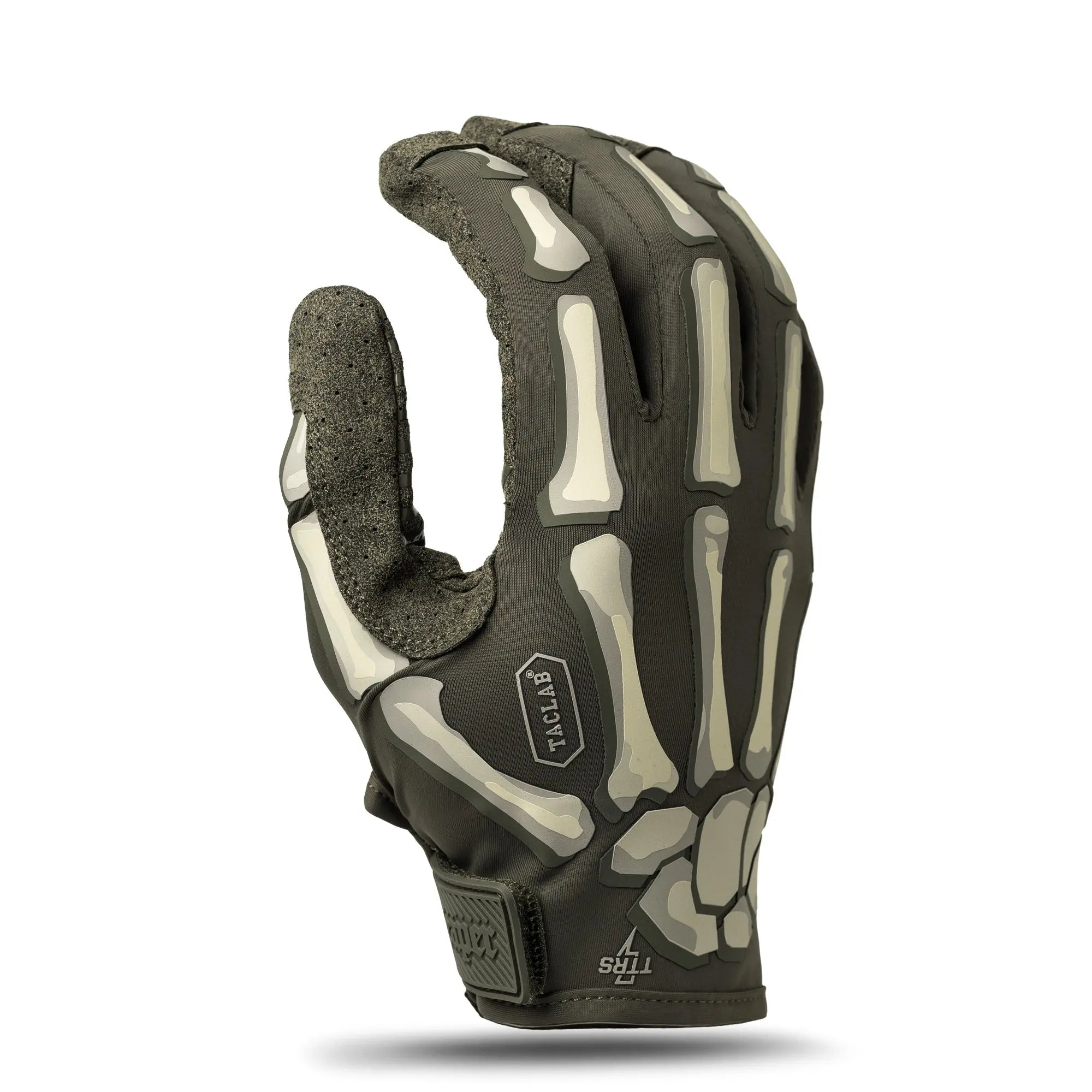
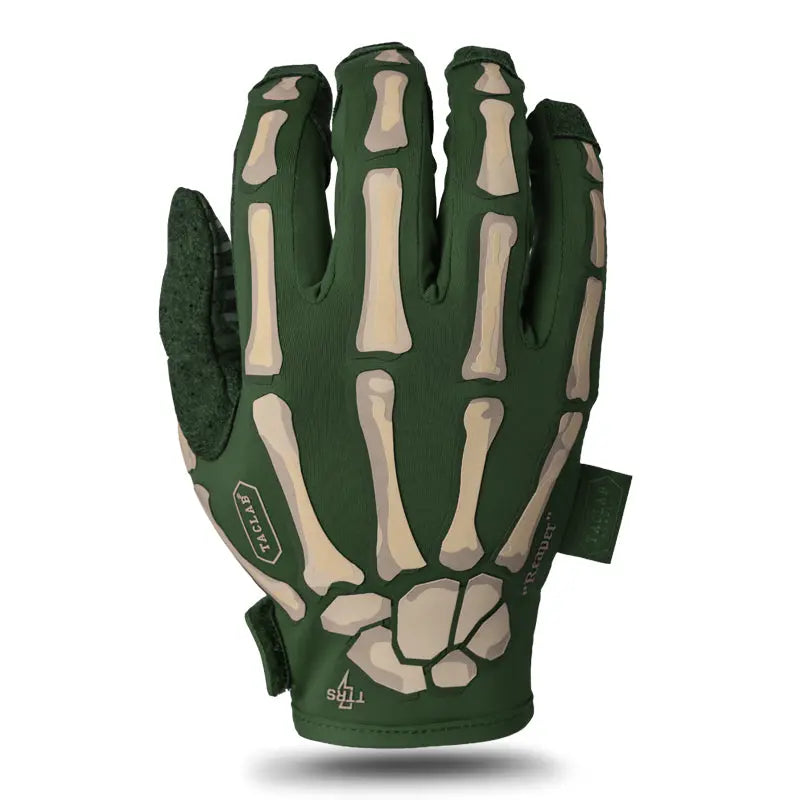
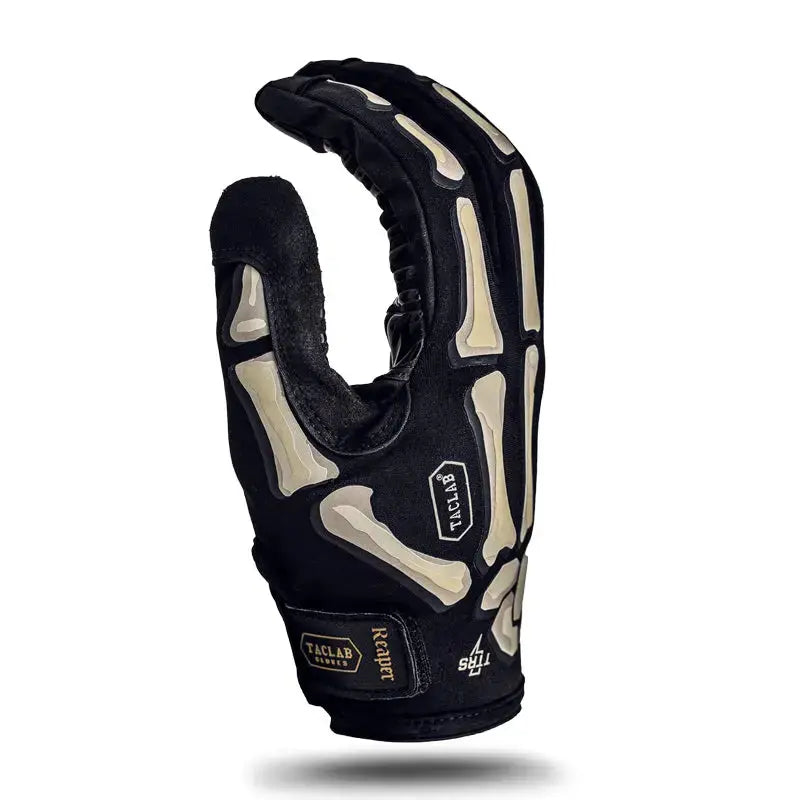
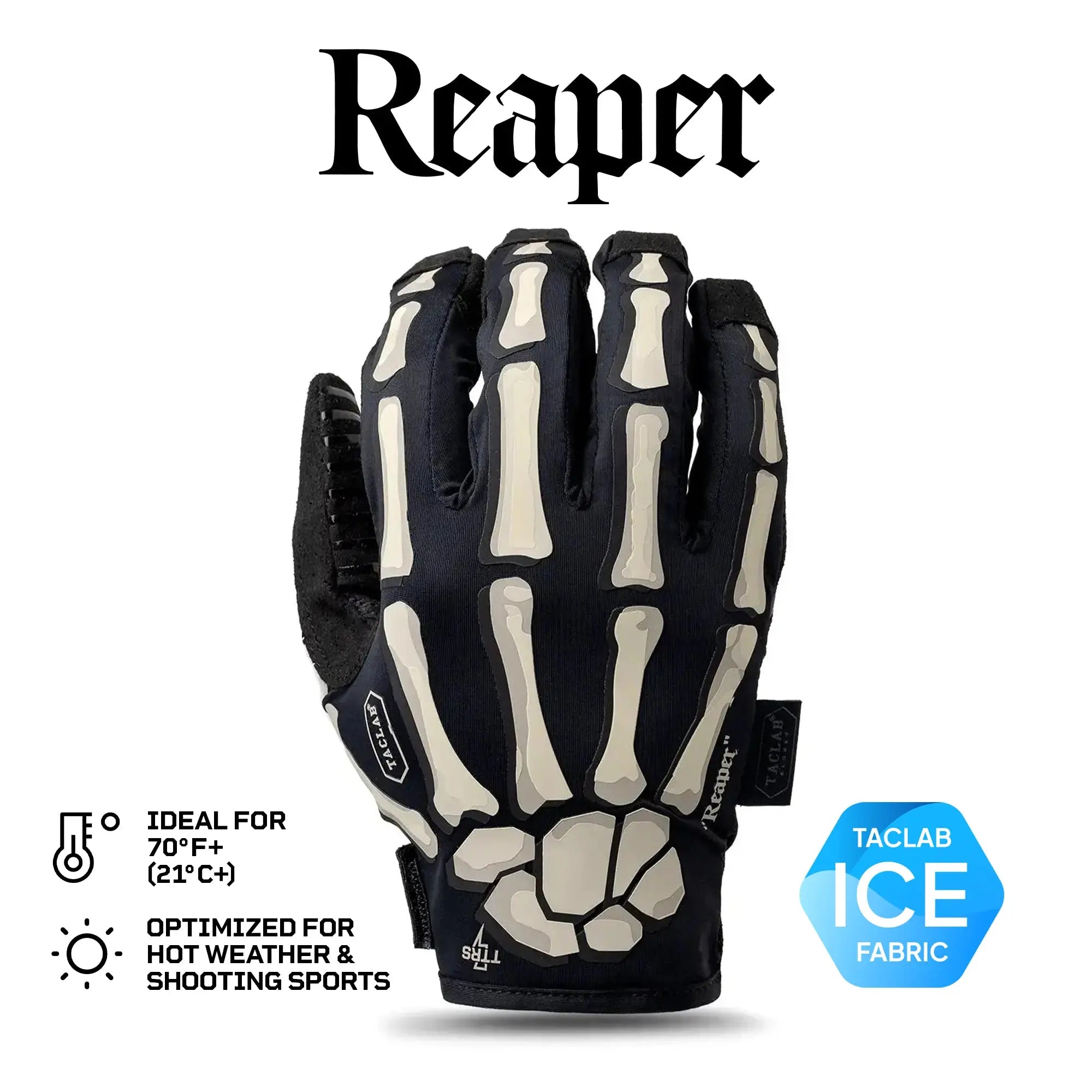
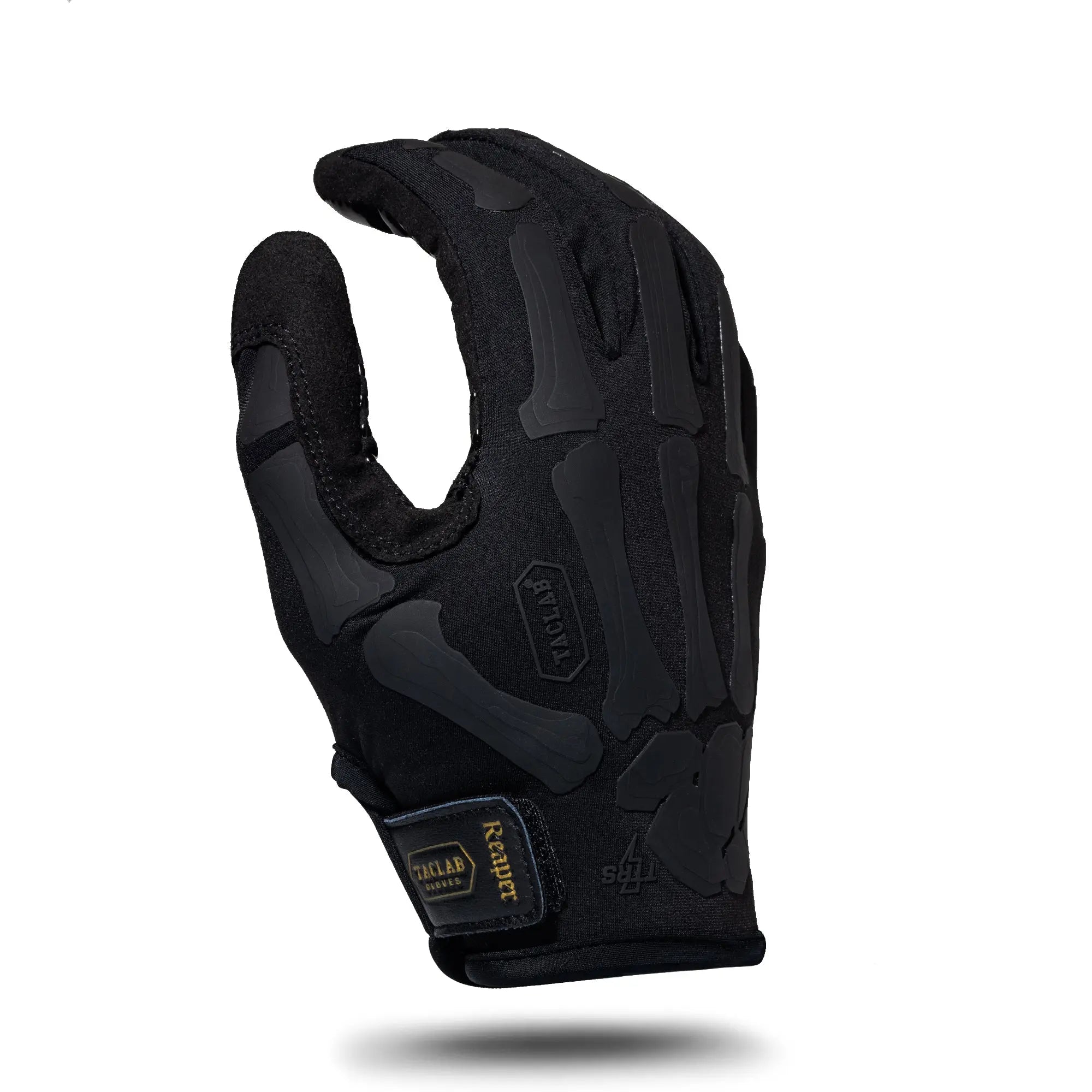
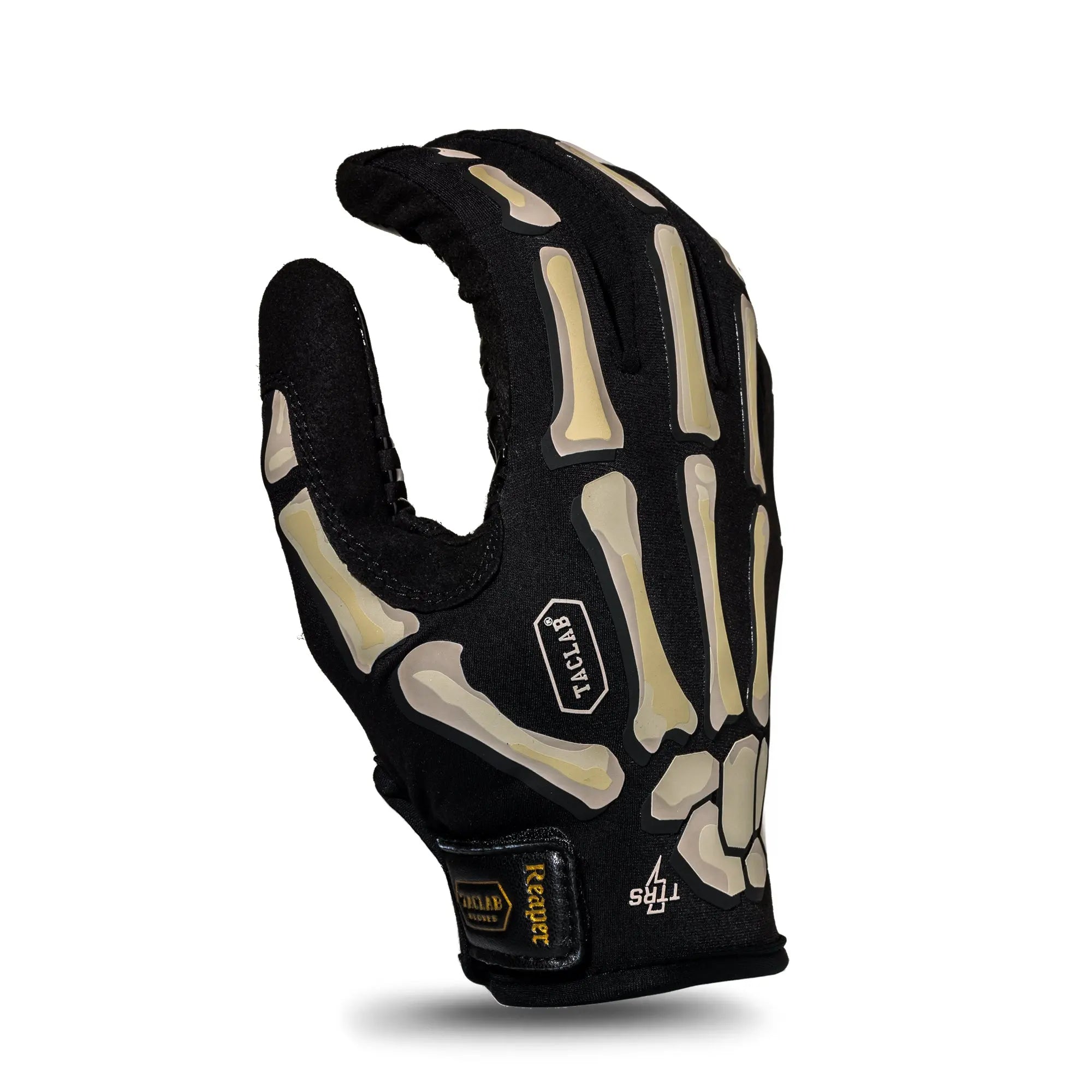
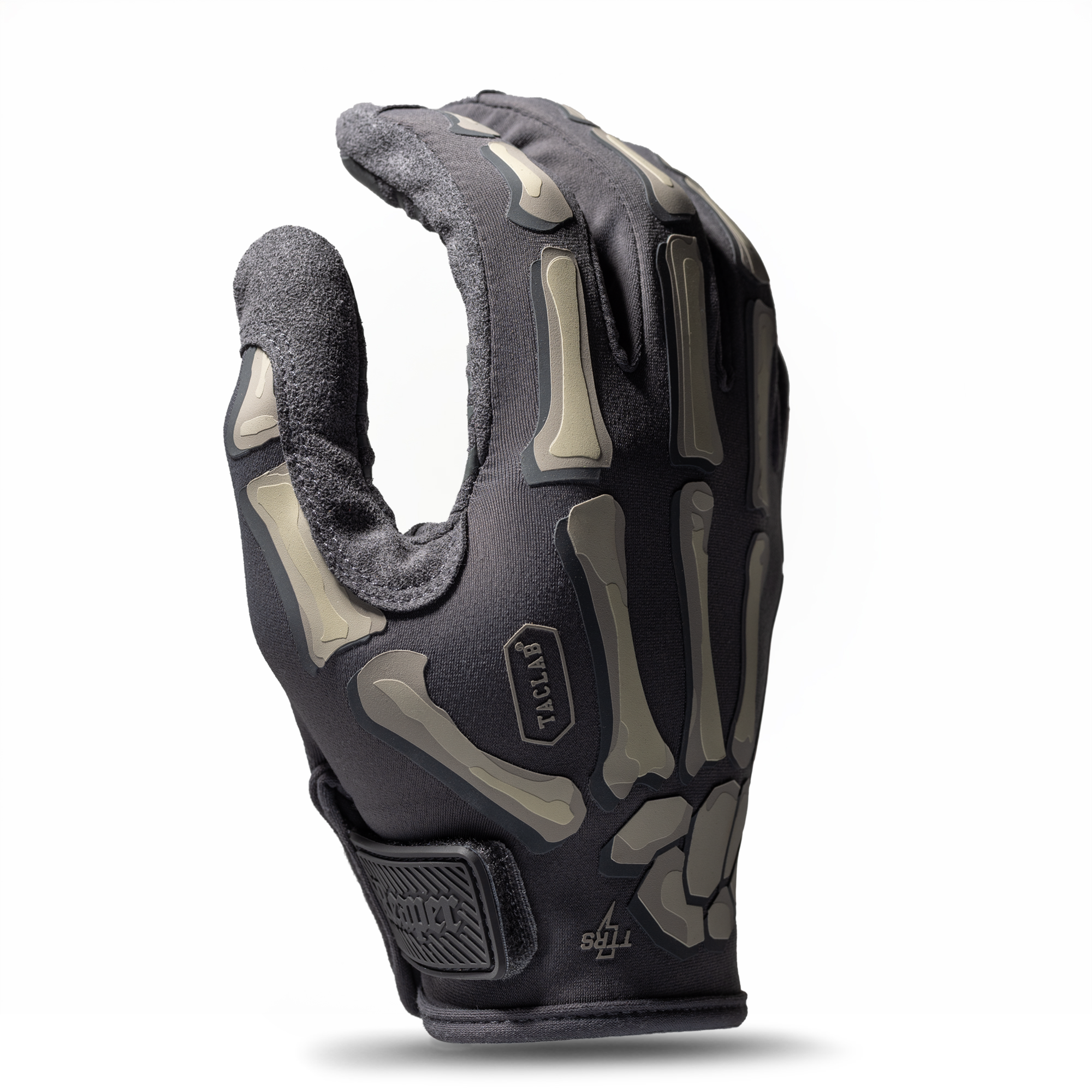
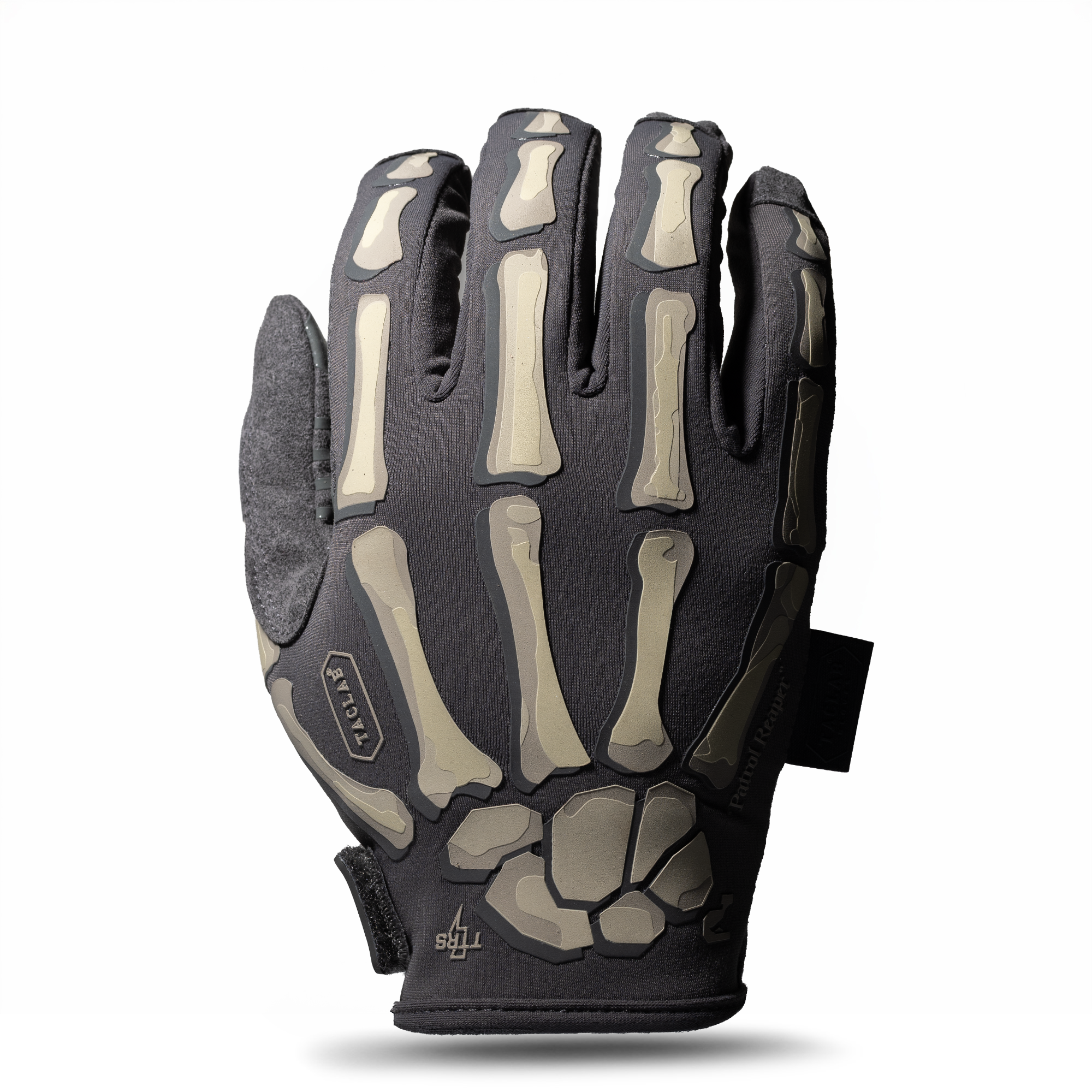
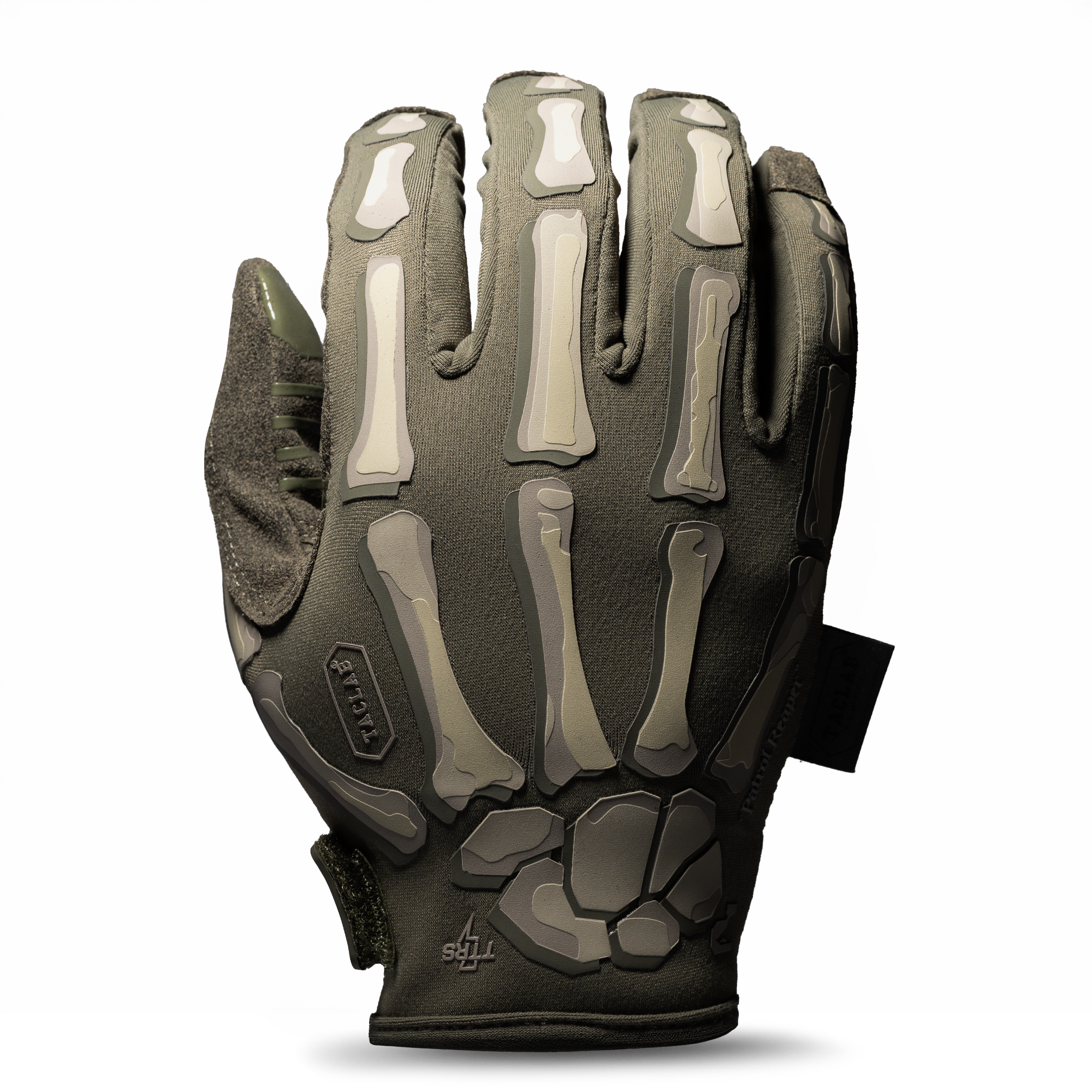
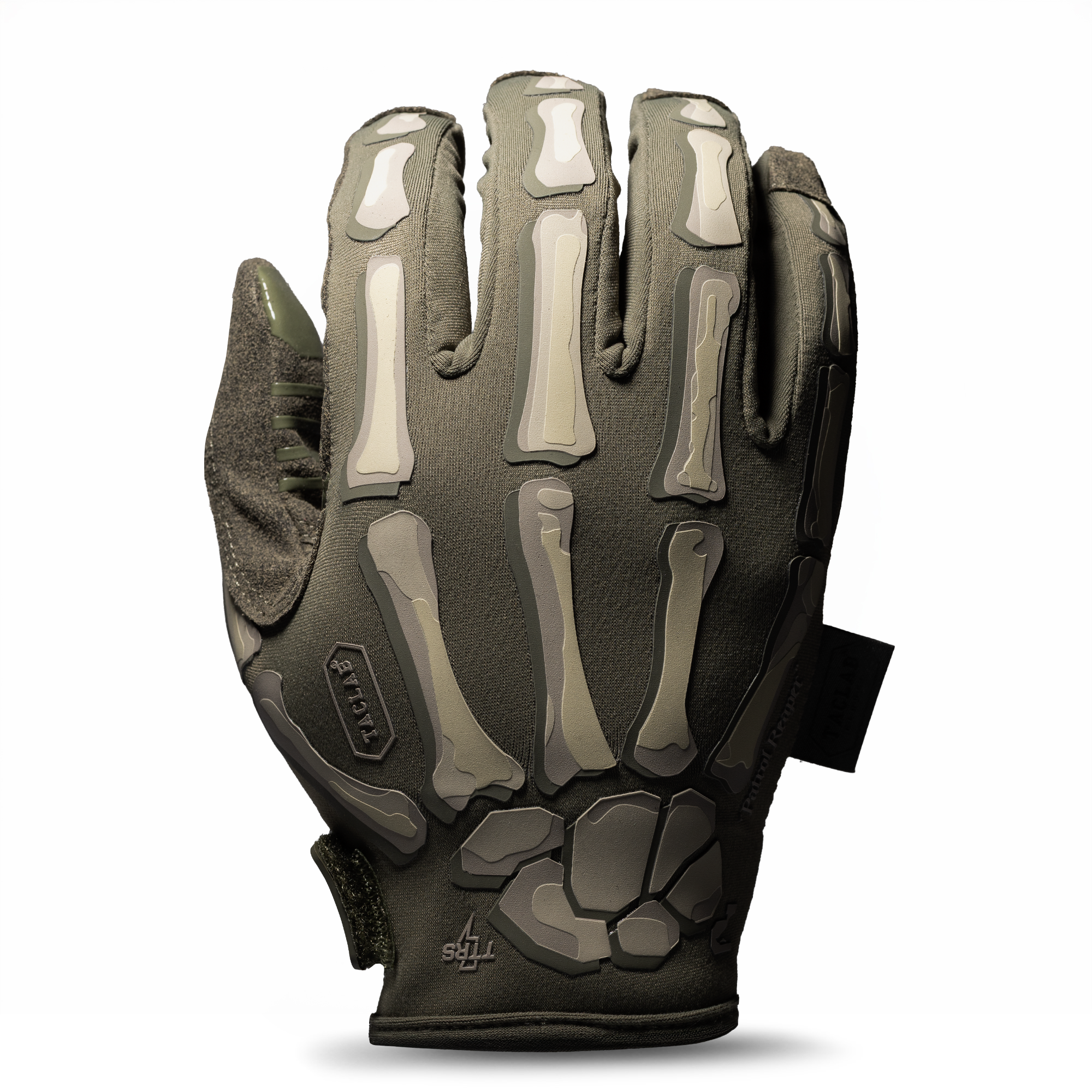
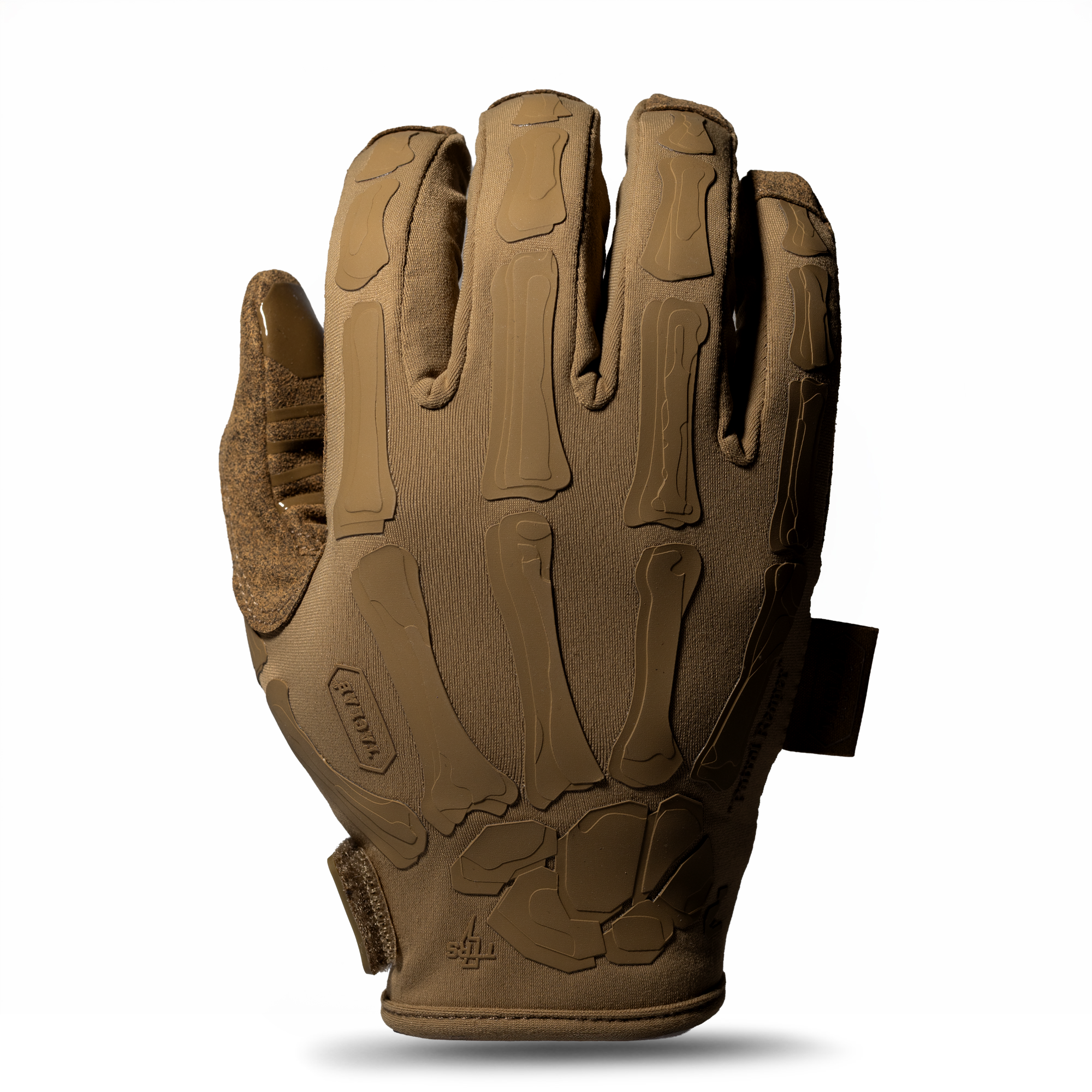
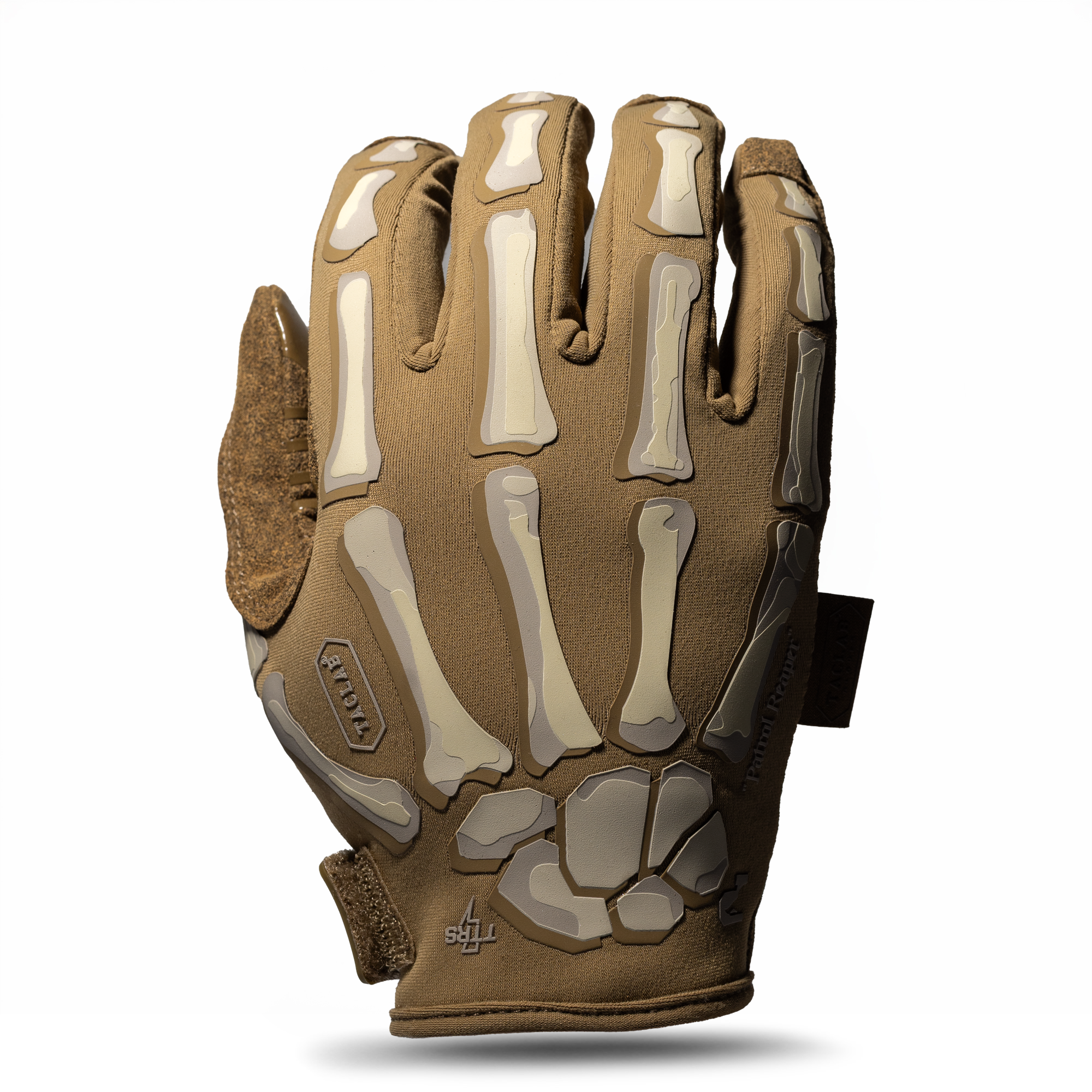
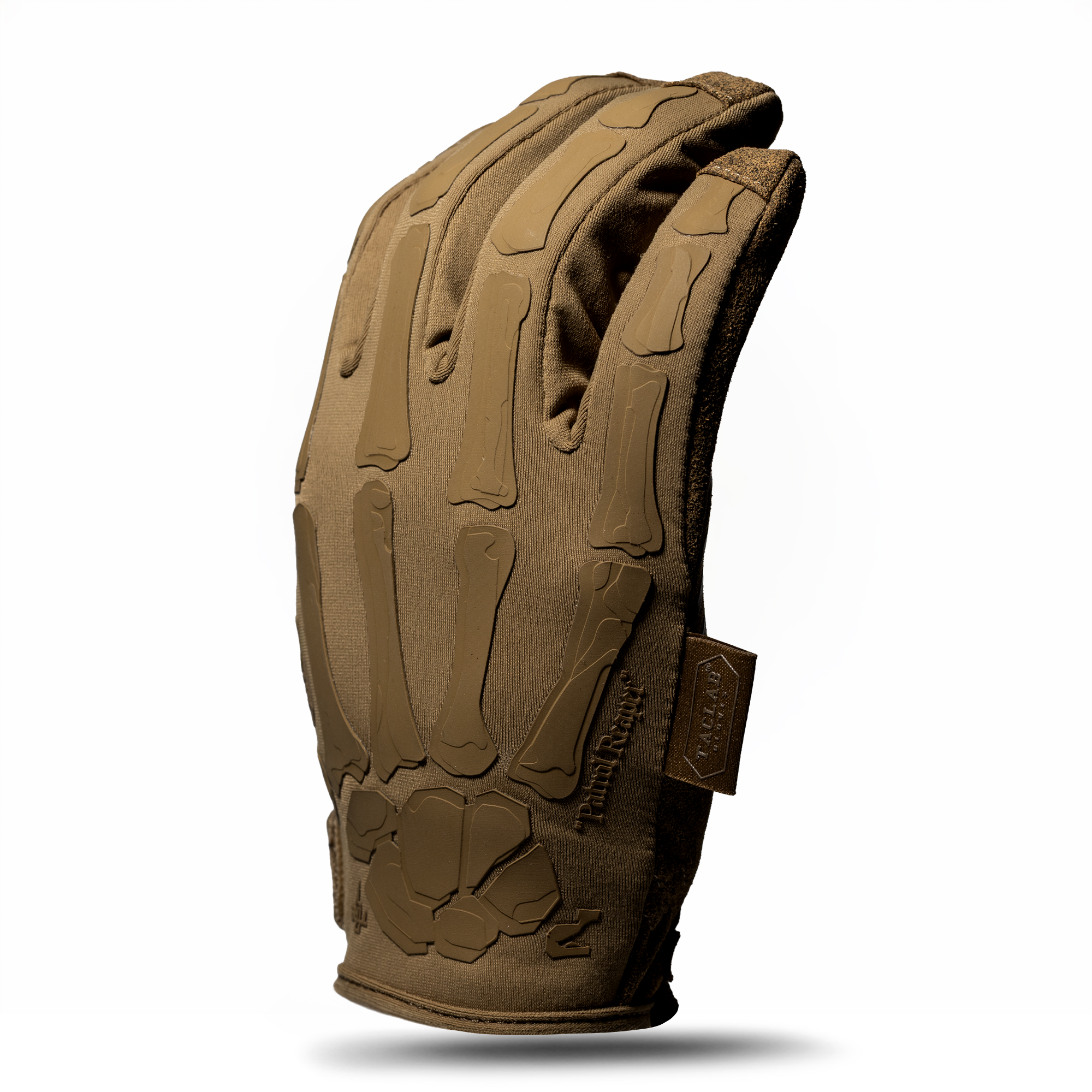
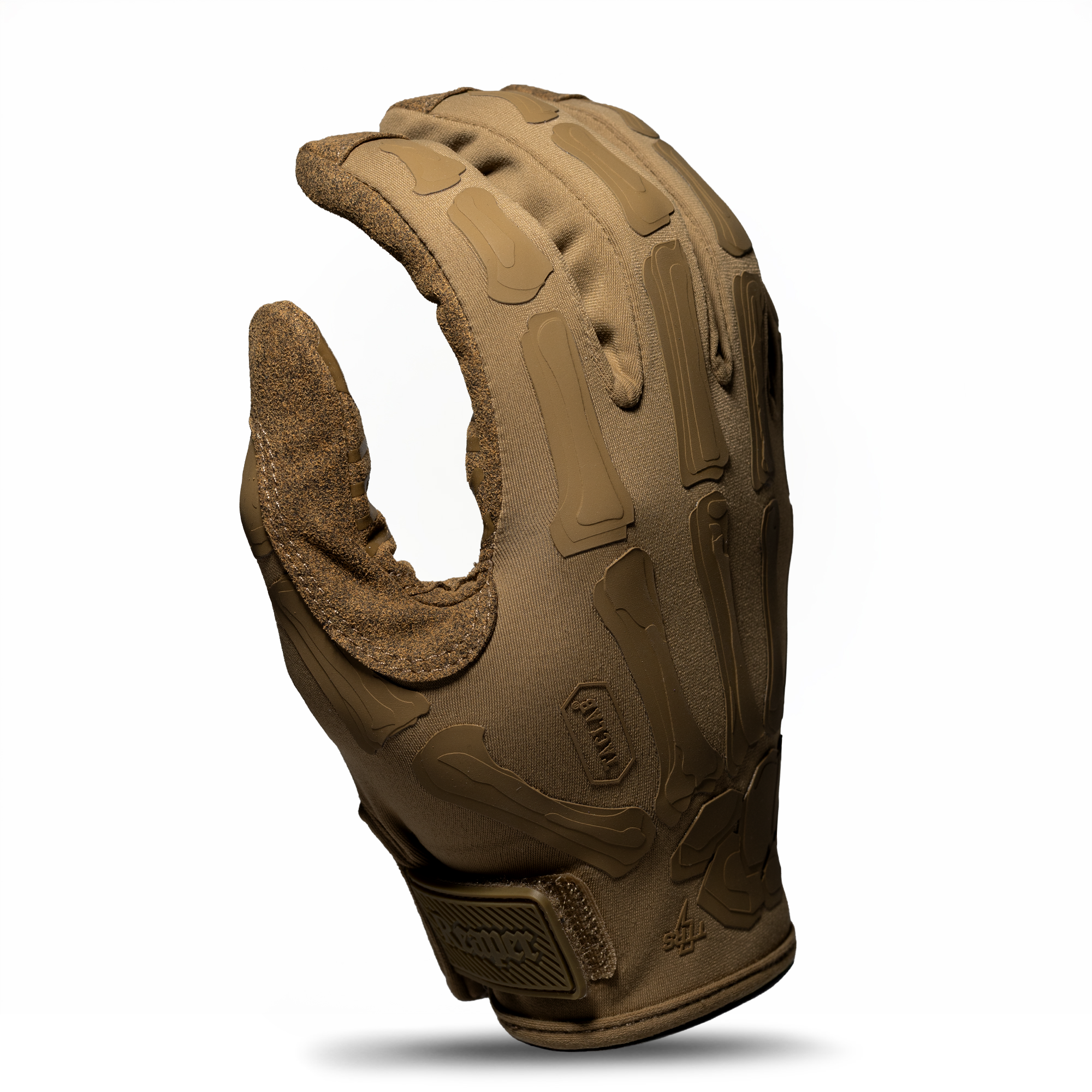
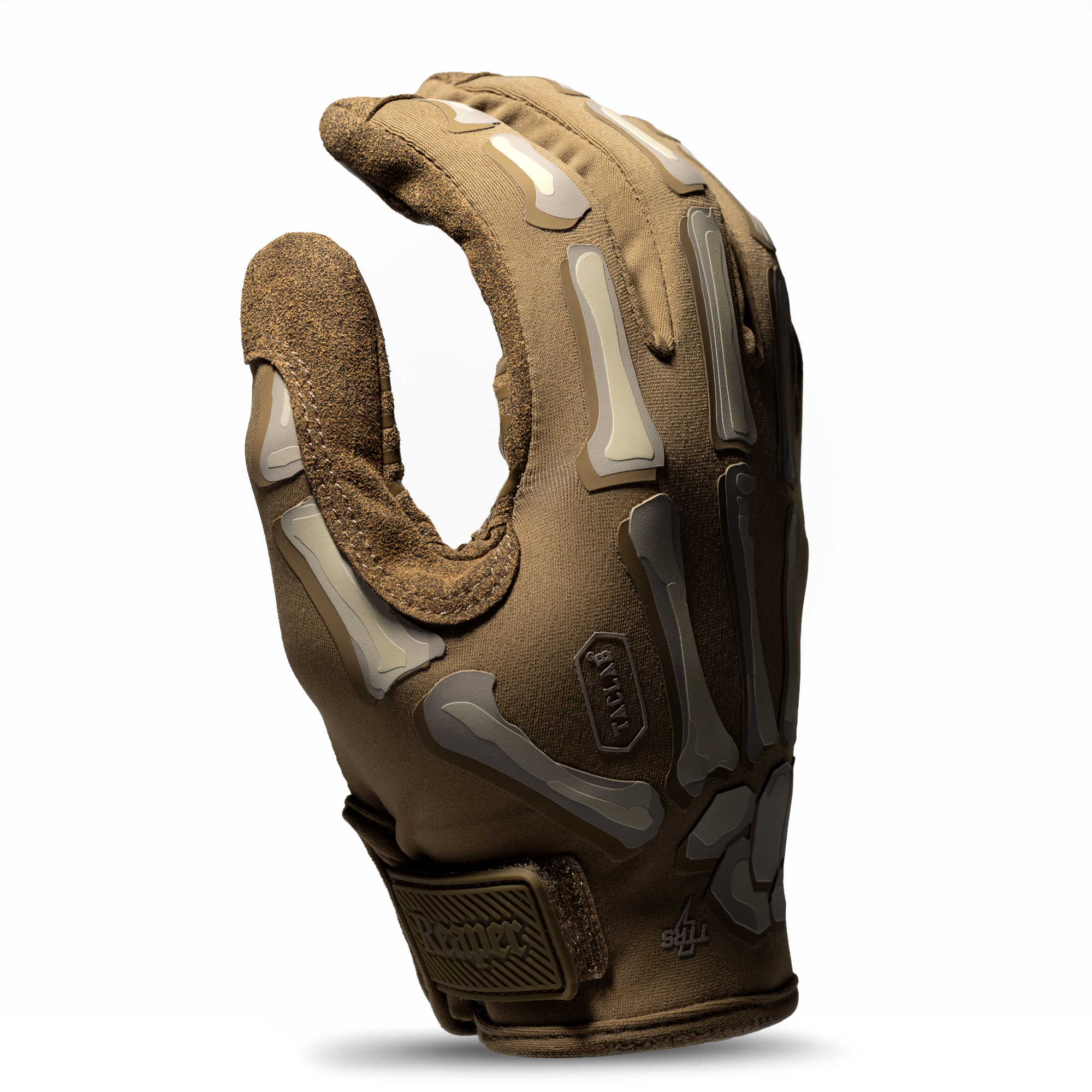
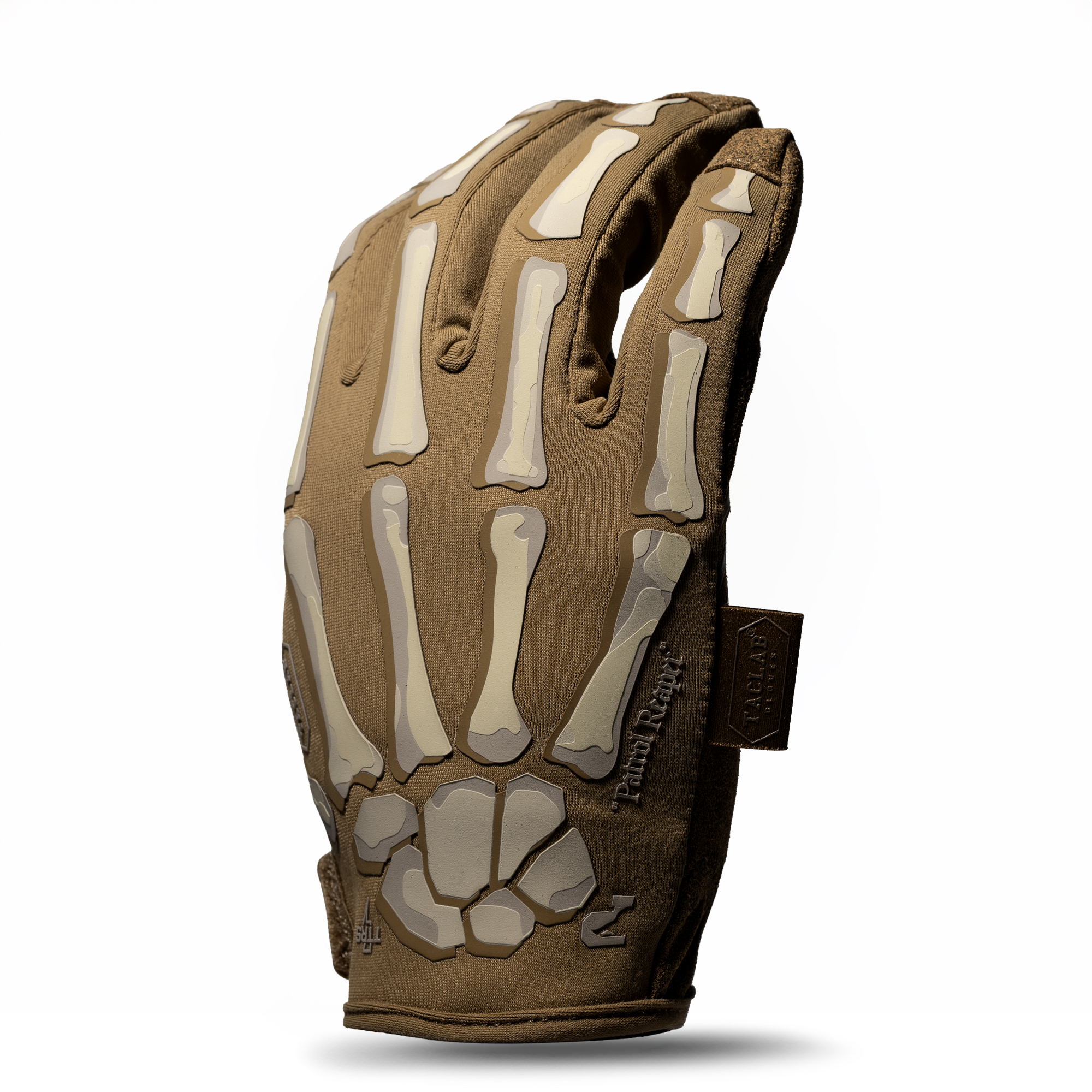
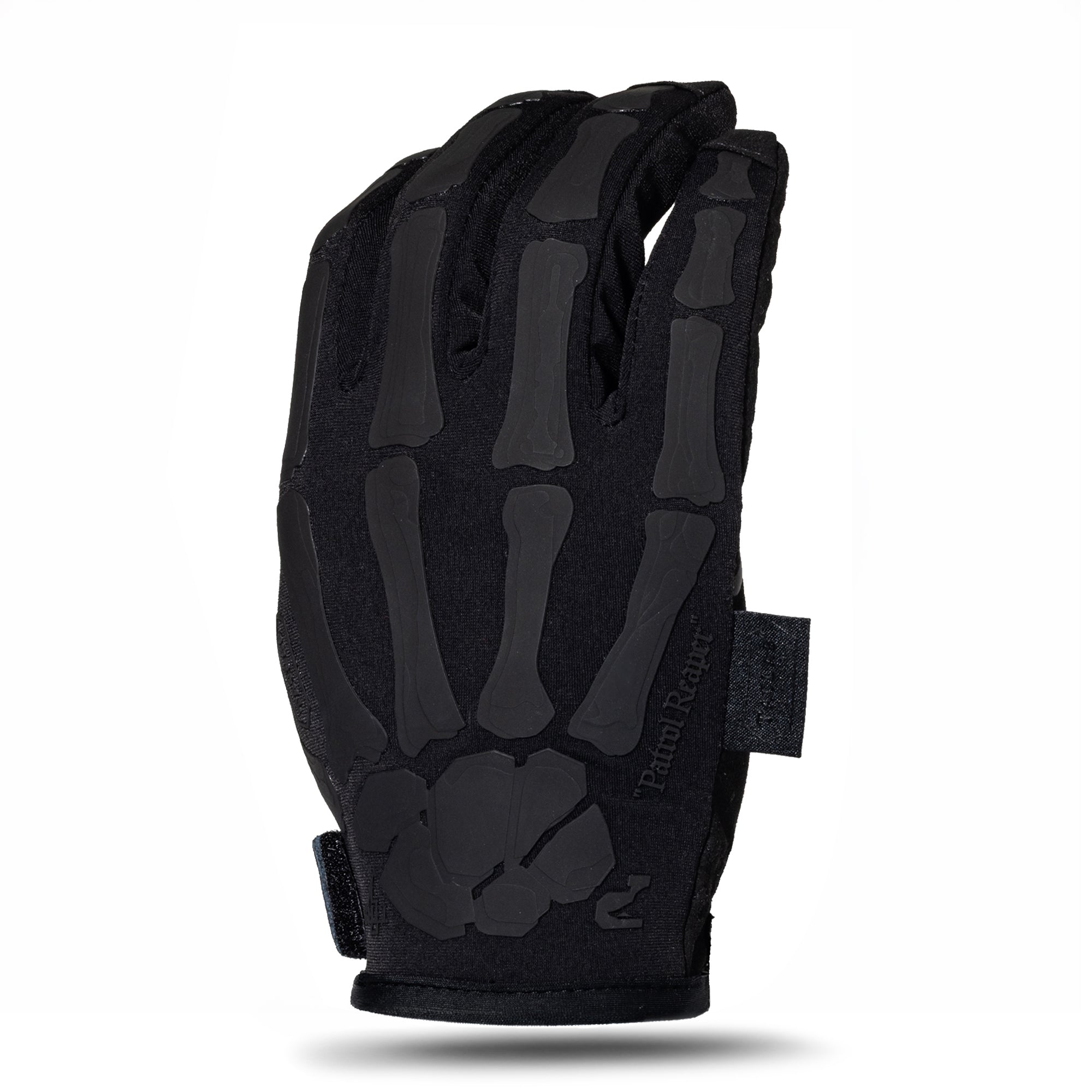
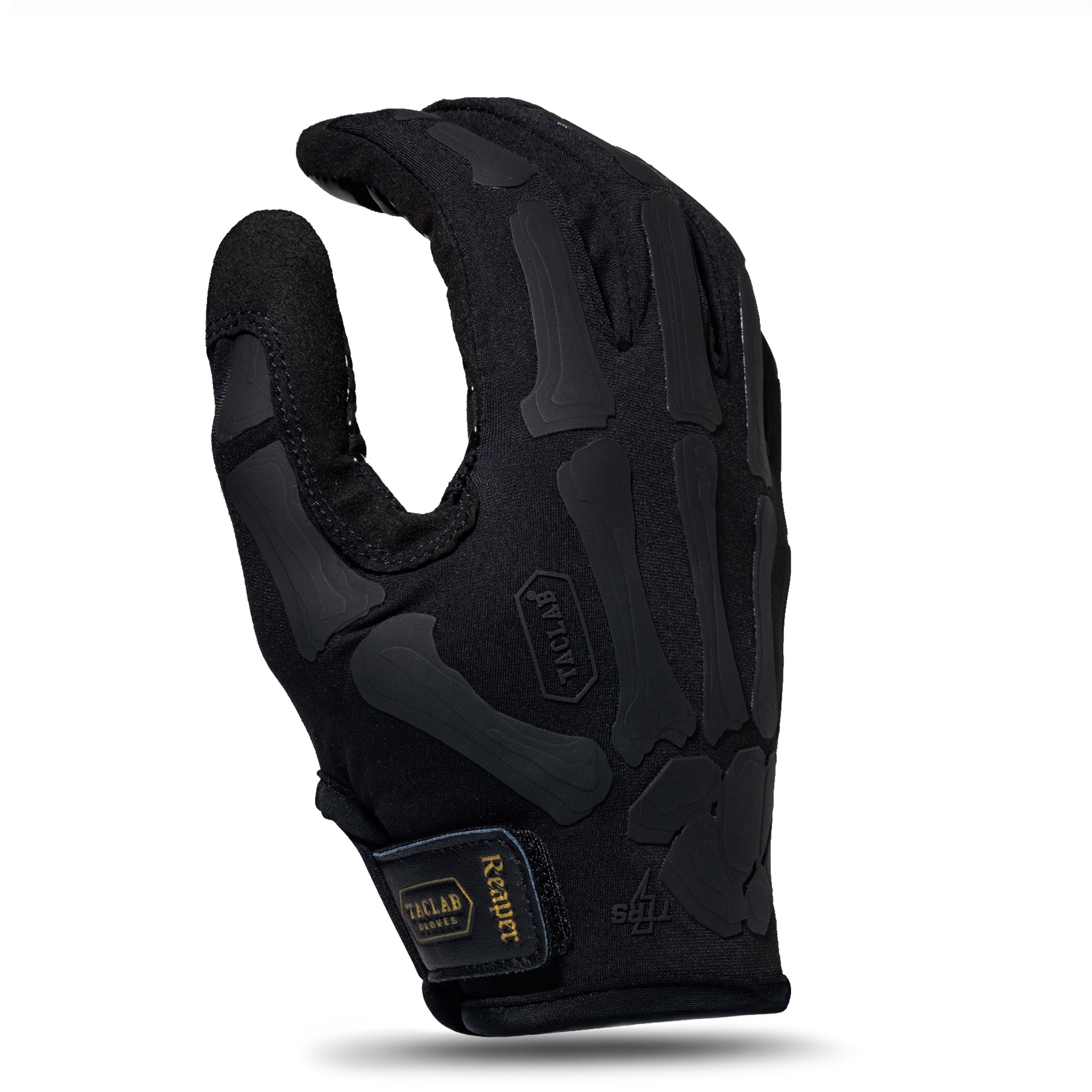
TACLAB's standard Reaper, for example, is intentionally designed around feel and flexibility rather than heavy-duty abrasion resistance. Keeping fingernails trimmed, keeping the gloves dry, and avoiding rough industrial tasks can help extend their useful life.
Once a fingertip develops a real hole, however, the glove's fit, feel, and protection have already changed.
That's usually a good time to replace it.
3. Seams Are Beginning to Separate
A loose thread isn't necessarily a disaster.
A separating seam is different.
Gloves depend on dozens of stitched areas to maintain their shape under repeated bending and stretching.
Pay particular attention to seams around:
- Fingertips
- Thumb
- Palm
- Finger joints
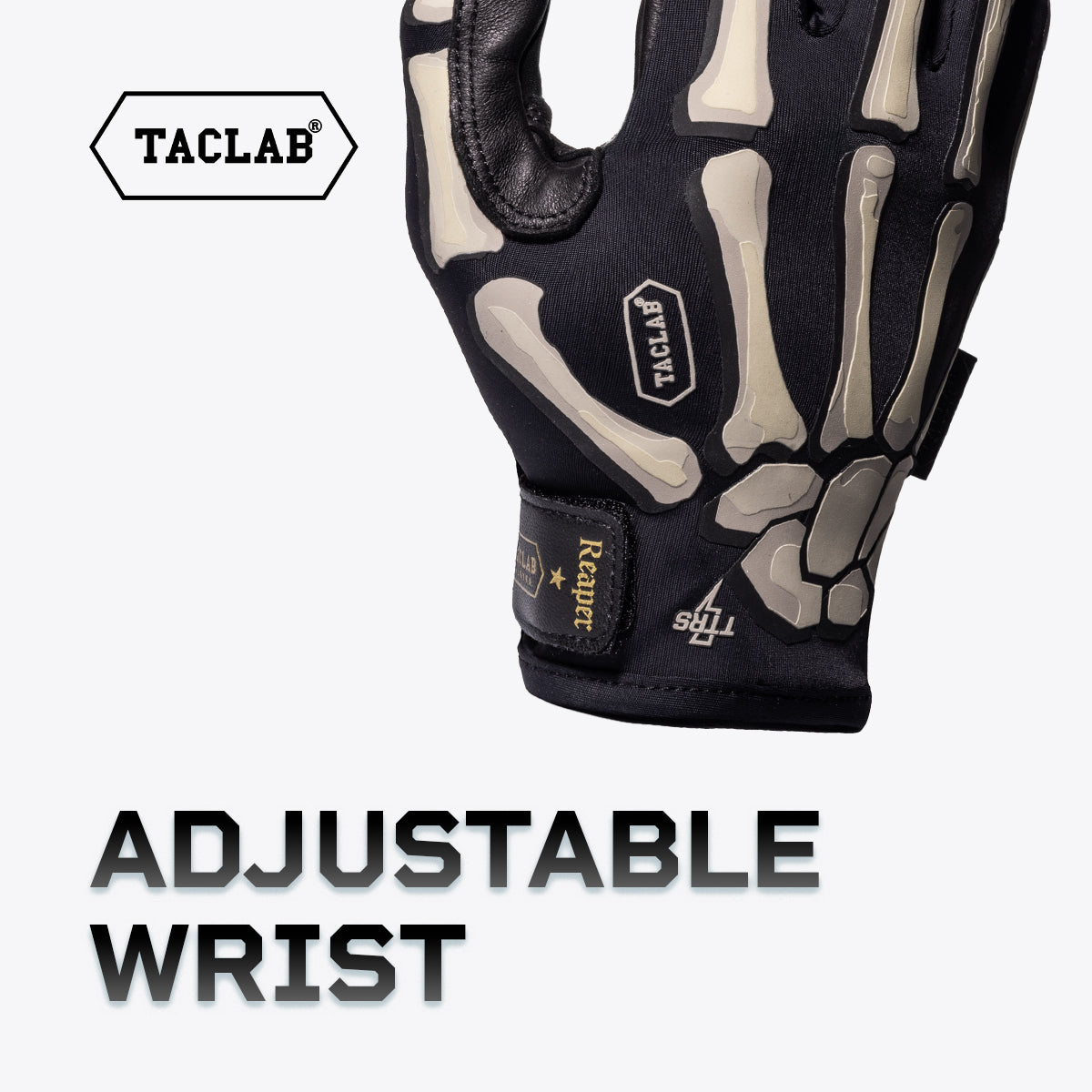
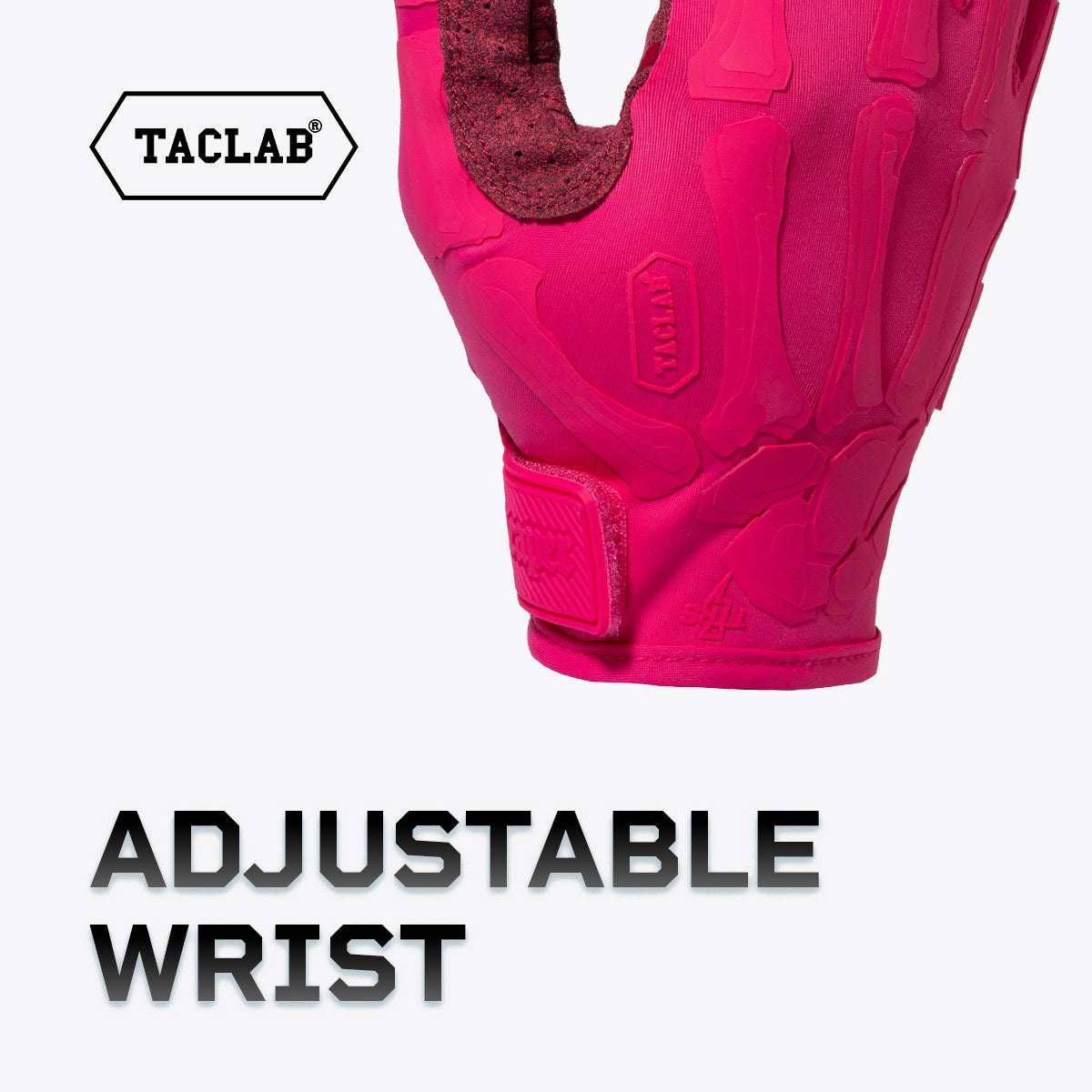
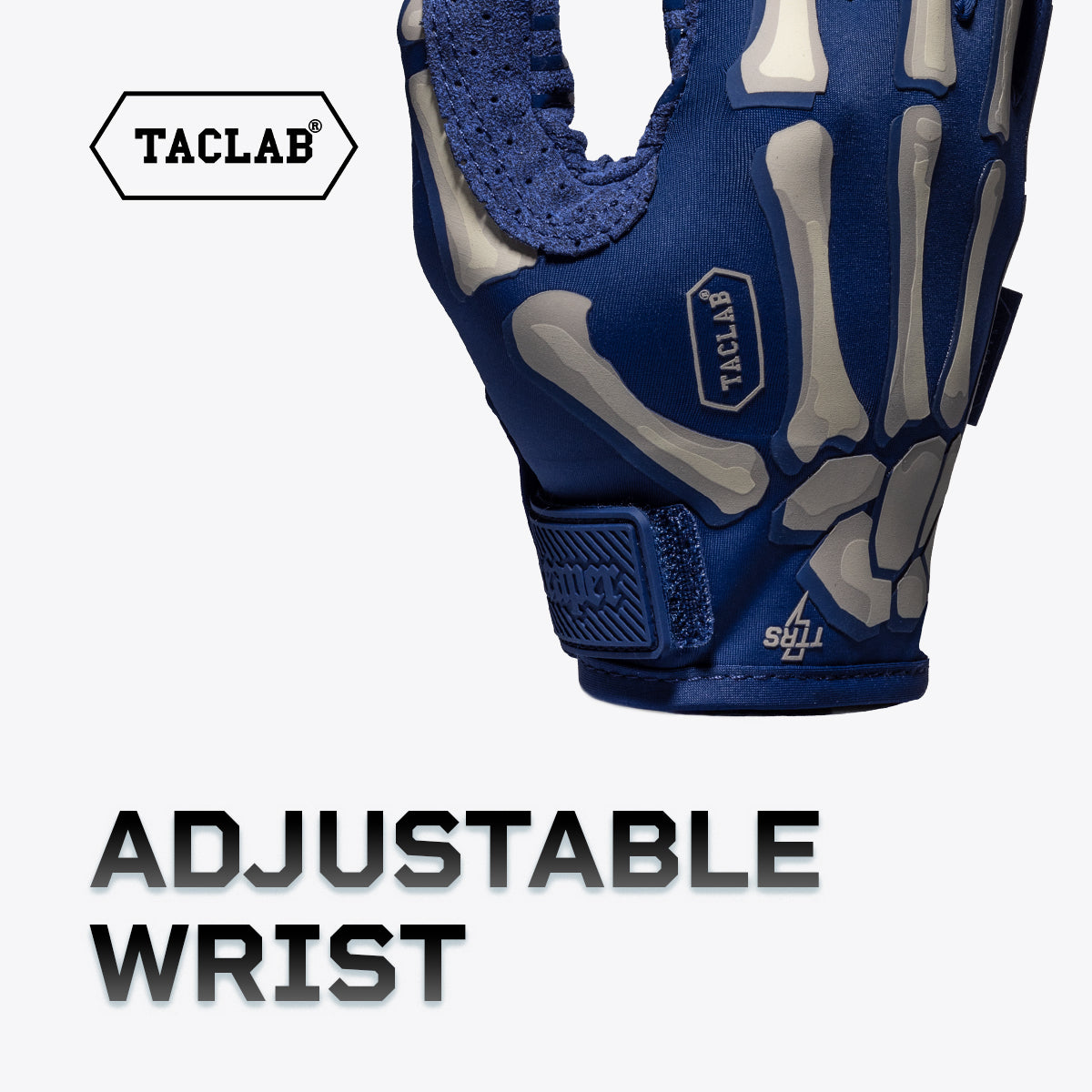
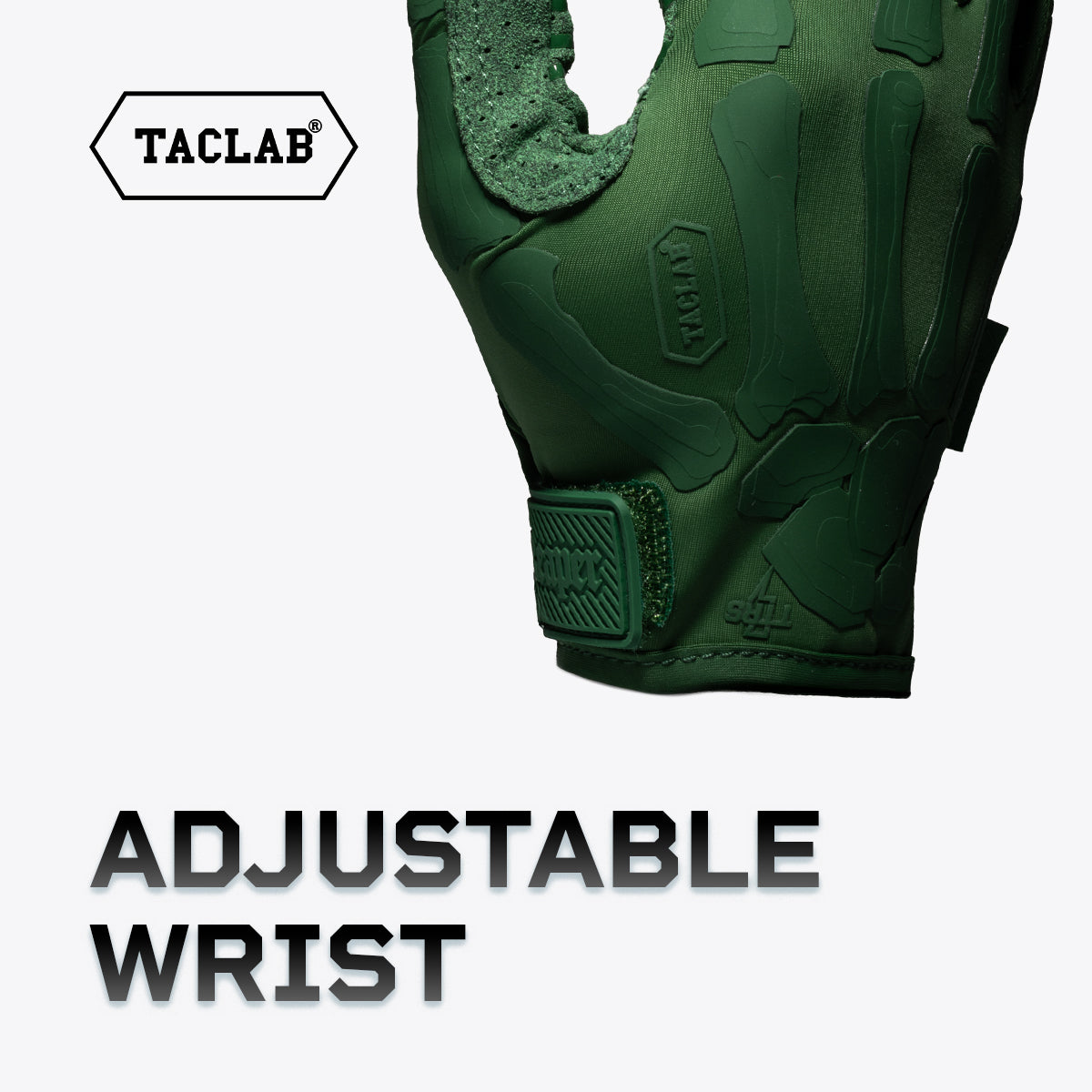
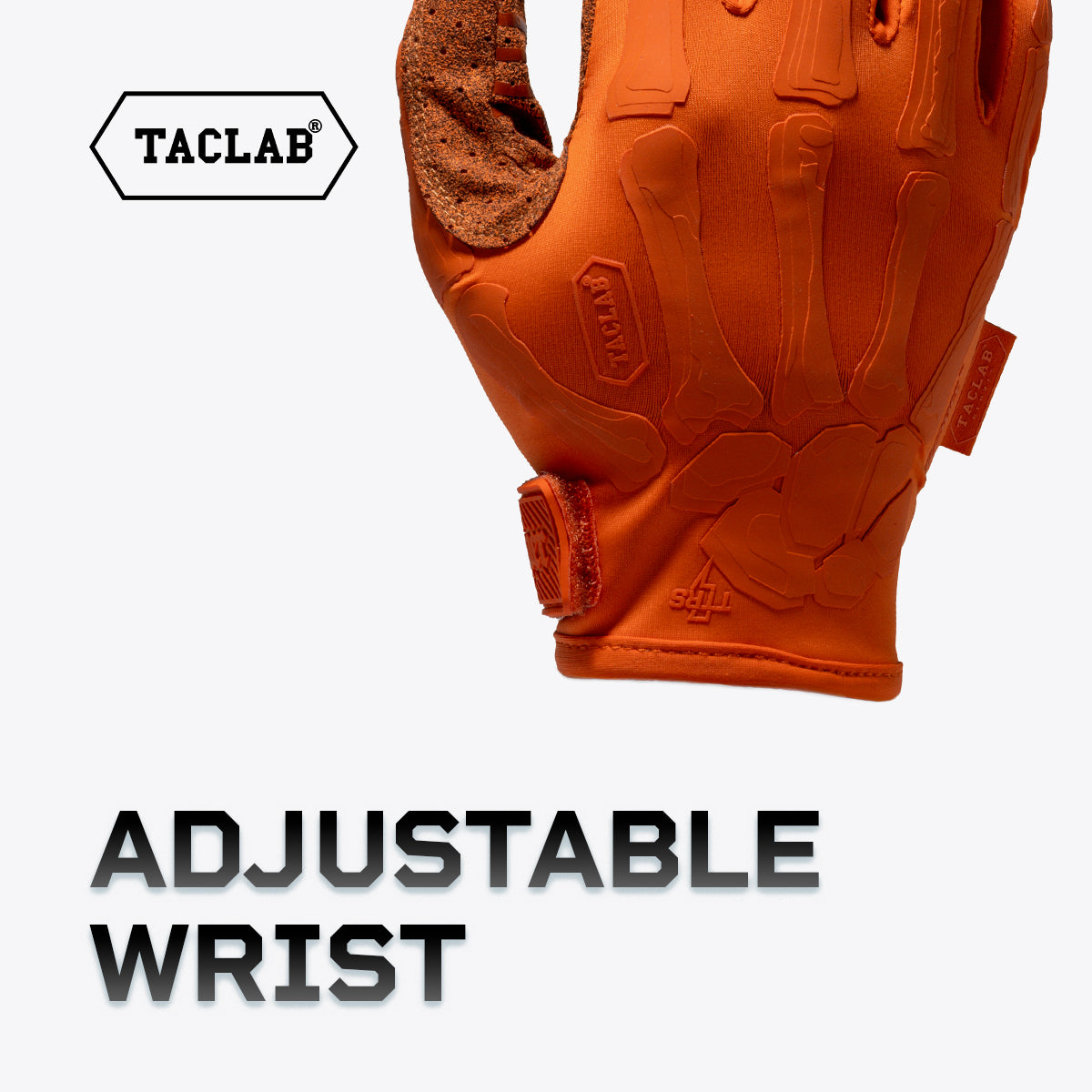
- Wrist closure
Small Seam Failures Can Become Big Problems
Once a structural seam begins opening, normal hand movement can make the opening grow.
A tiny gap near a fingertip can turn into a large opening after several range sessions or rides.
You should also distinguish between:
Cosmetic thread wear — a loose end that doesn't affect construction.
and
Structural seam failure — stitching has separated enough that the glove panels are pulling apart.
The second one matters.
If the glove is relatively new, check the manufacturer's warranty before assuming you need to buy another pair.
If the gloves have already seen significant use and several seams are beginning to fail, replacement is usually more practical than repeatedly repairing them.
4. Your Gloves No Longer Fit Like They Used To
This sign is easy to overlook.
You put on your gloves and think:
"They still fit."
But do they?
Materials can stretch and change over time. Repeated use, moisture, heat, and washing may affect how a glove sits on your hand.
Look for:
- Extra material around the fingertips
- Palm bunching
- A loose wrist
- Glove movement while gripping equipment
- Fingers sliding inside the glove
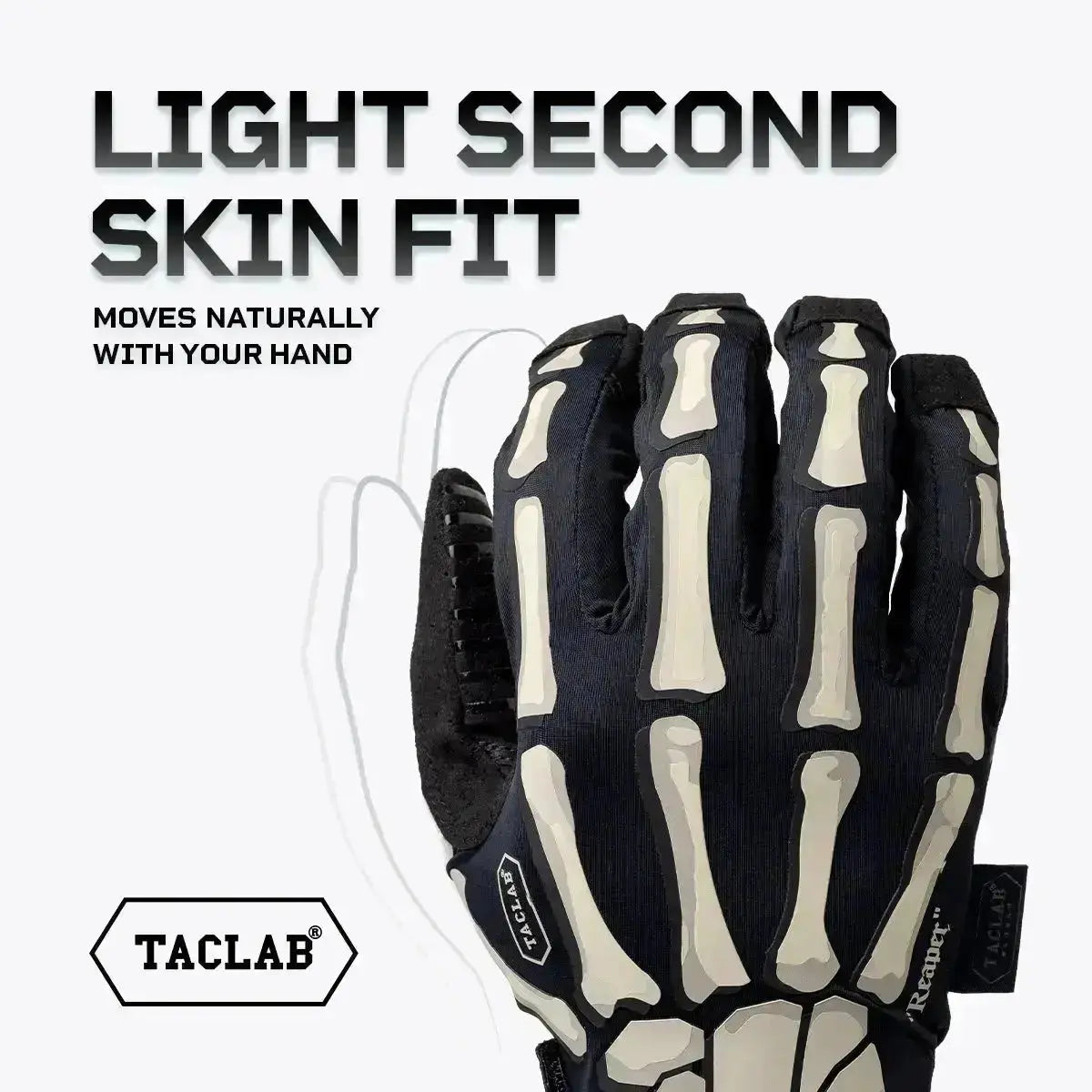
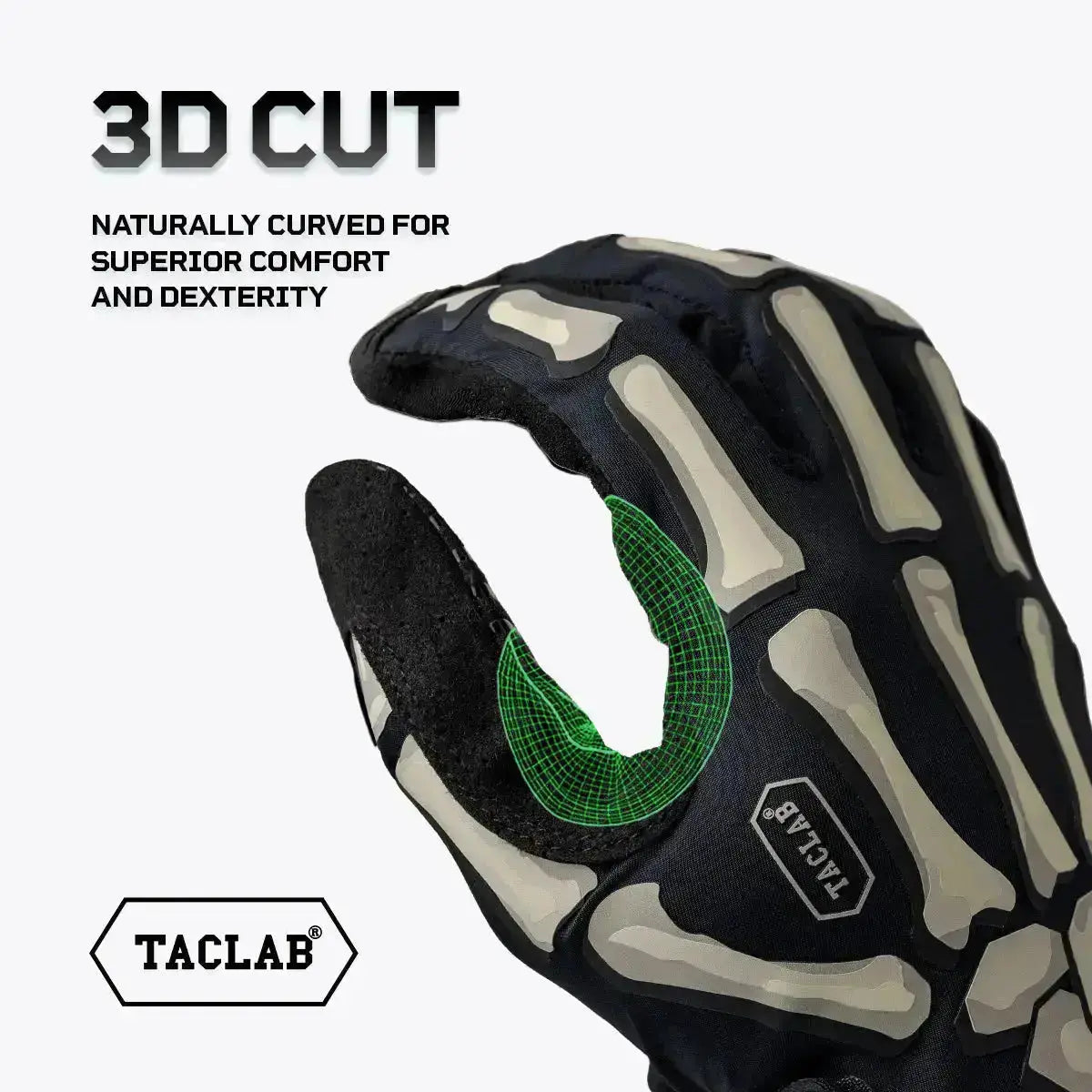
A tactical glove should move with your hand.
Not around it.
This matters especially for shooting.
If the glove shifts every time you establish a grip, it can interfere with consistent hand placement.
It matters for riding too. Excess palm material can bunch between your hand and the handlebar.
If your once-snug gloves now feel noticeably loose or unstable, they may have reached the end of their useful life even if there are no visible holes.
5. Padding or Protective Areas Have Broken Down
Not every tactical glove is designed primarily for dexterity.
Some models include:
- Impact protection
- Palm padding
- Anti-vibration zones
- Reinforced knuckles
- Cut-resistant materials
Those components can wear too.
For motorcycle riders in particular, padding can compress over time. A glove that once reduced palm pressure or vibration may gradually feel less comfortable.
The change often happens slowly.
You don't notice it from one ride to the next.
Then one day you try a new pair and realize how compressed your old gloves had become.
The same principle applies to impact protection.
If a protective component is cracked, badly deformed, separated, or damaged after a significant impact, don't judge the glove only by appearance.
Protection is part of the product's job.
When that protection is compromised, replacement may be the smarter choice.
6. Cold-Weather Gloves Aren't Keeping You Warm Anymore
Winter gloves create a different problem.
They can look perfectly fine while performing worse.
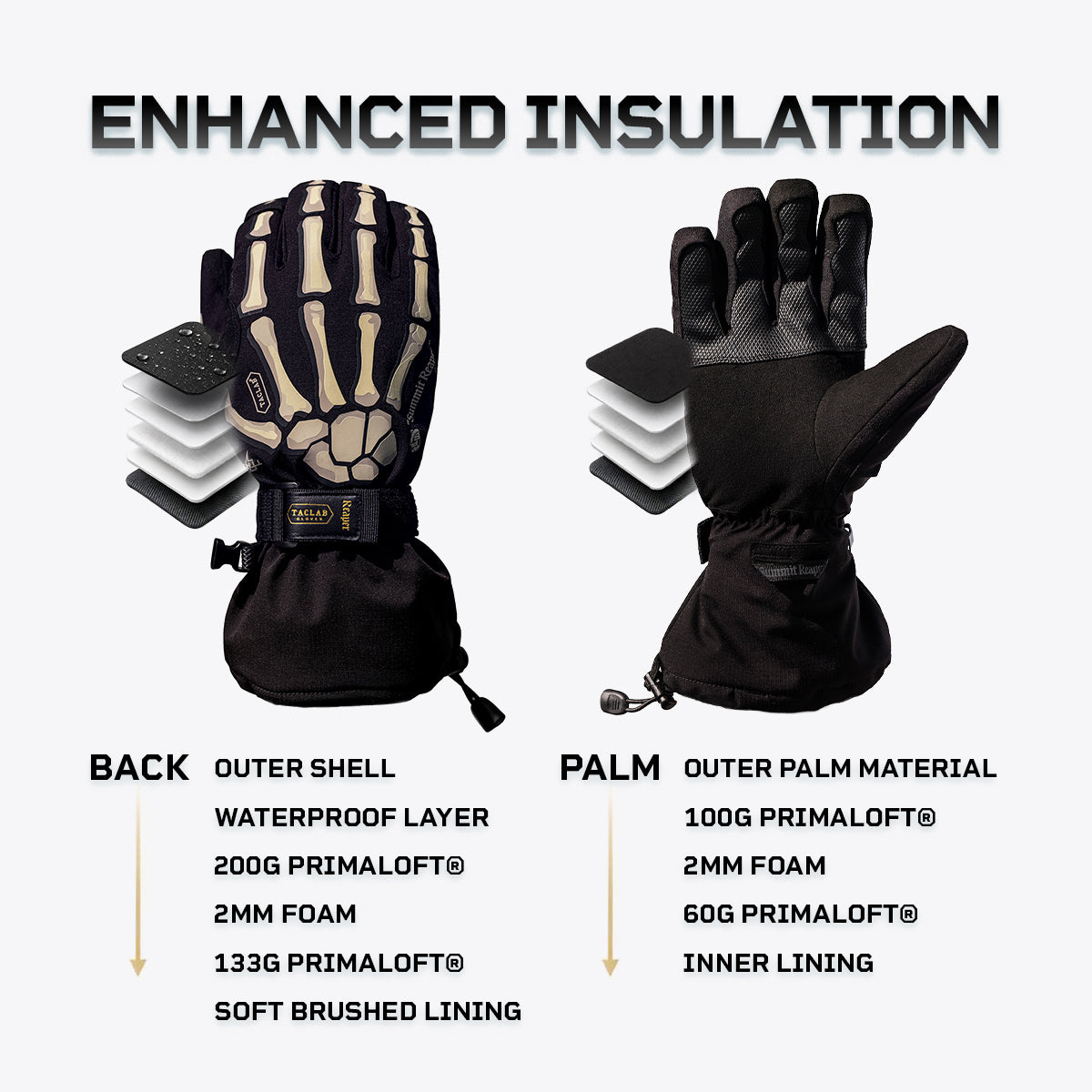
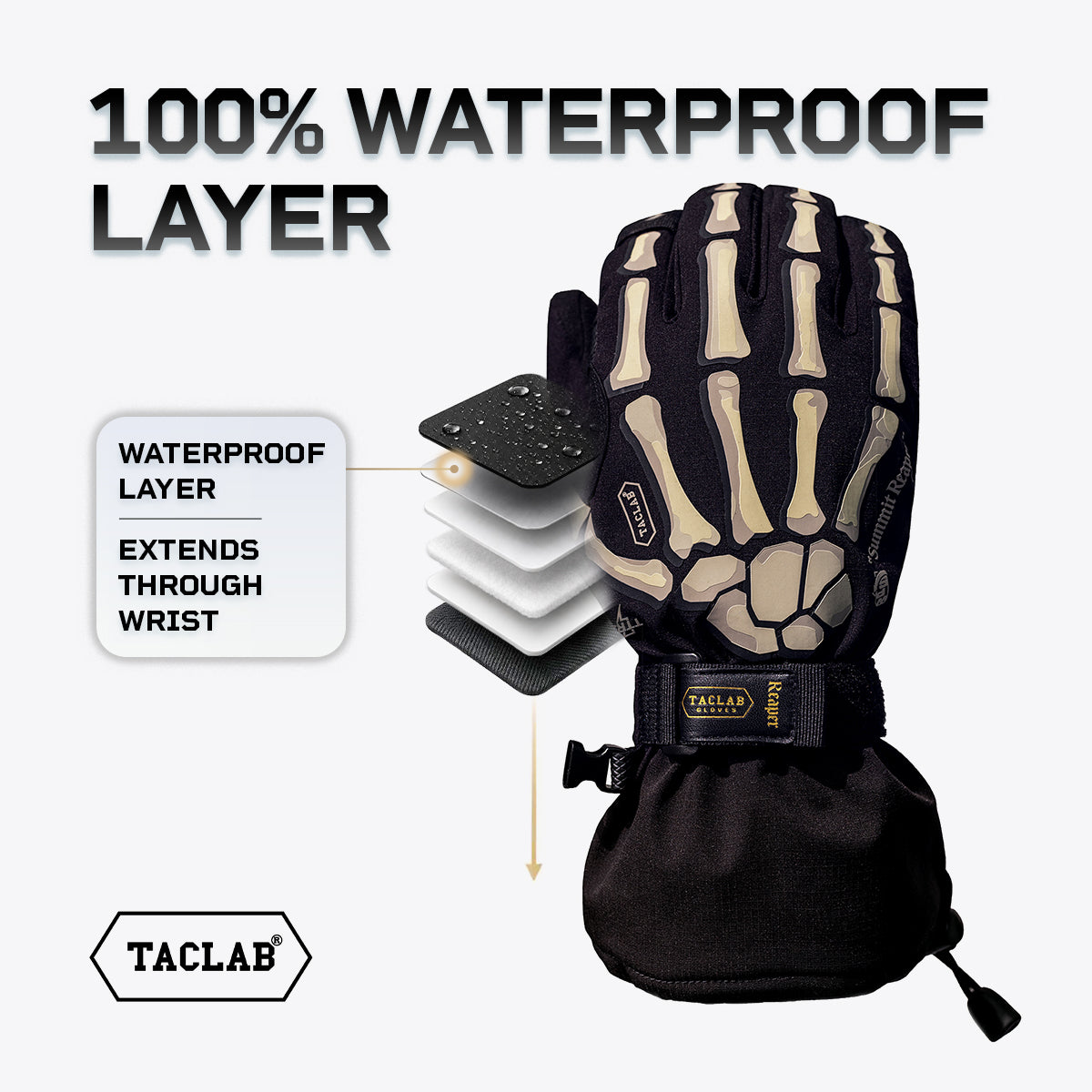
Insulation can compress over time. Moisture exposure can affect warmth. Waterproof or wind-resistant performance may also decline depending on construction, wear, and care.
Ask yourself:
Are my hands getting cold faster than they used to in similar conditions?
If the answer is yes, inspect the gloves.
Check for:
- Compressed insulation
- Thin spots
- Damaged seams
- Moisture entering the glove
- Worn palm areas
- Damaged closures
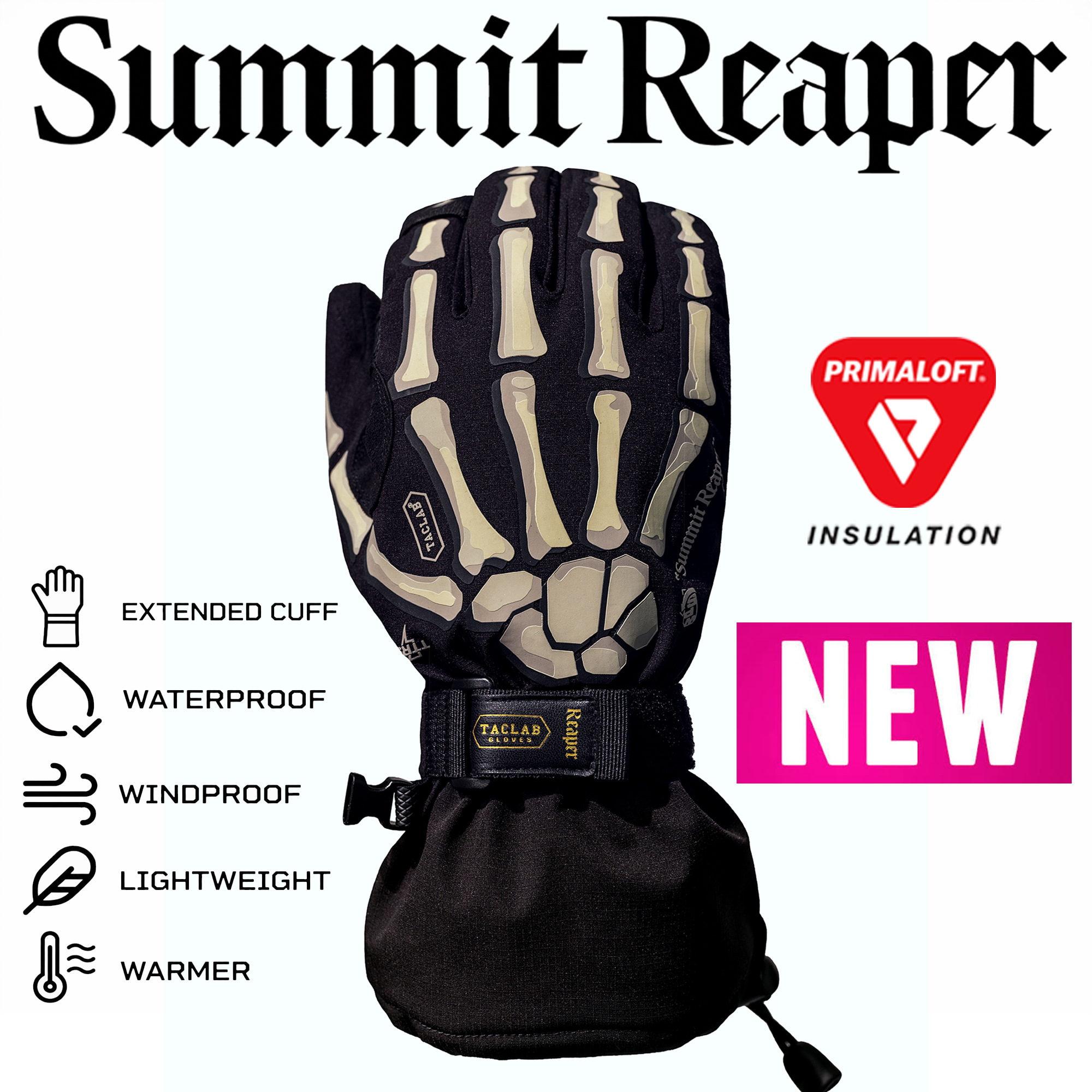
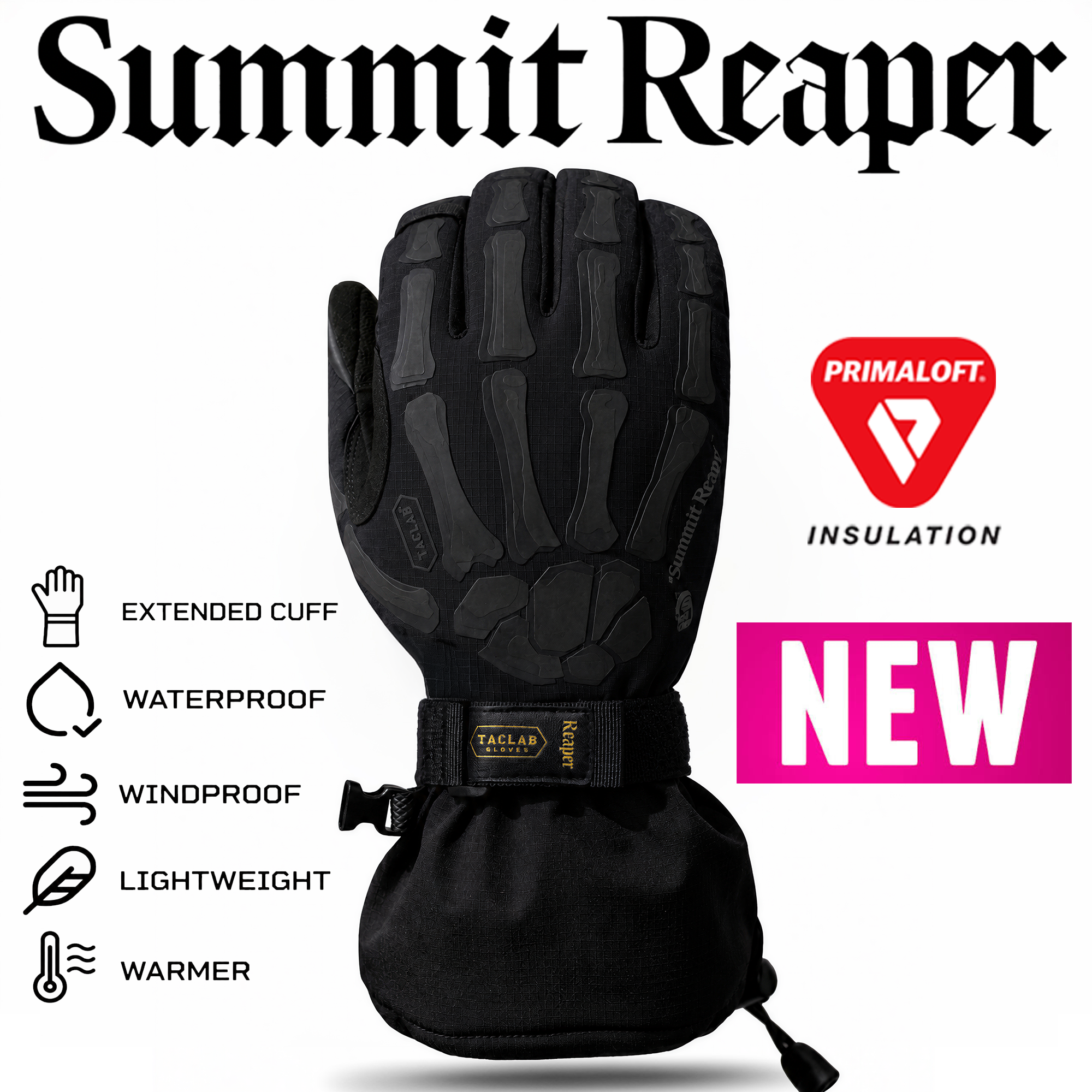
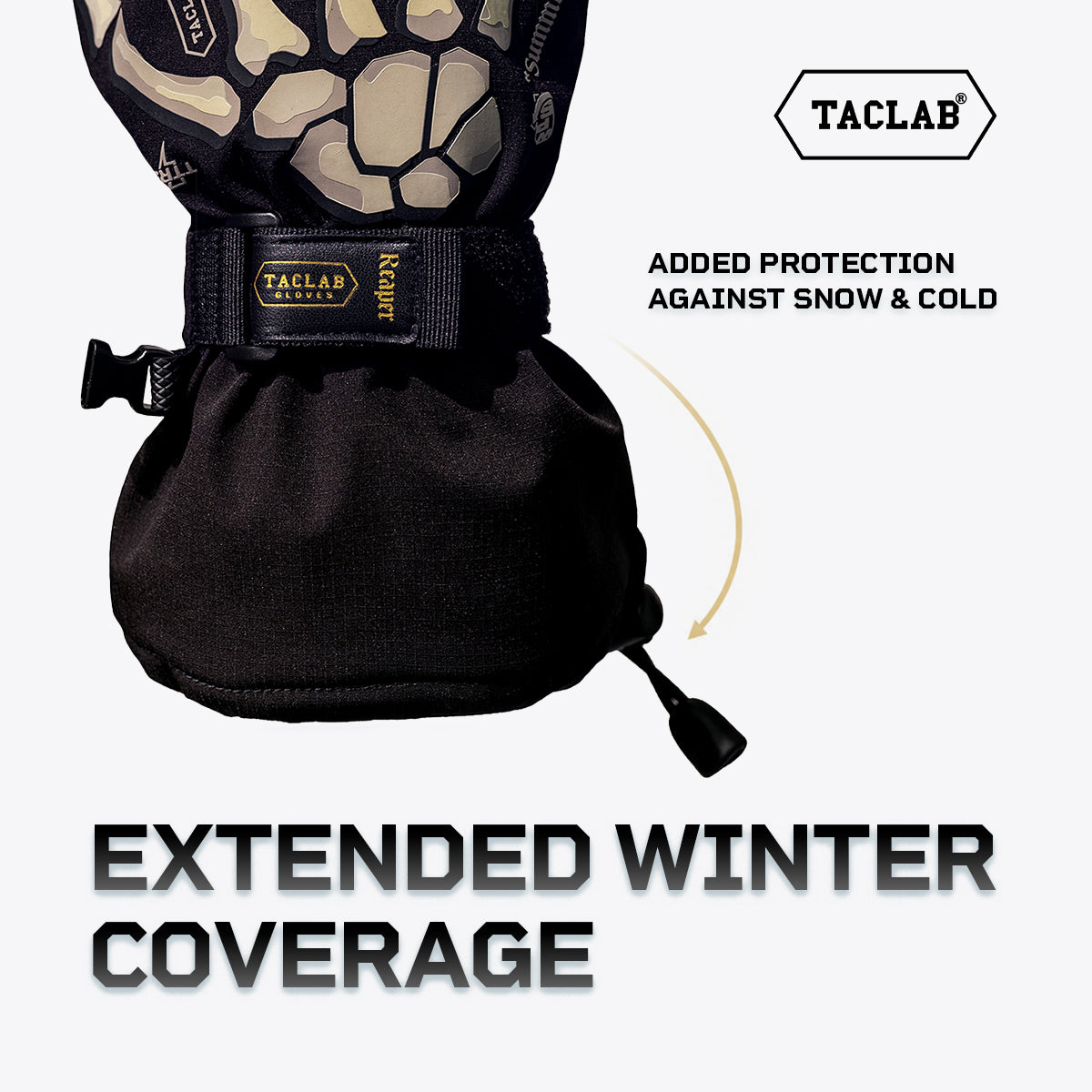
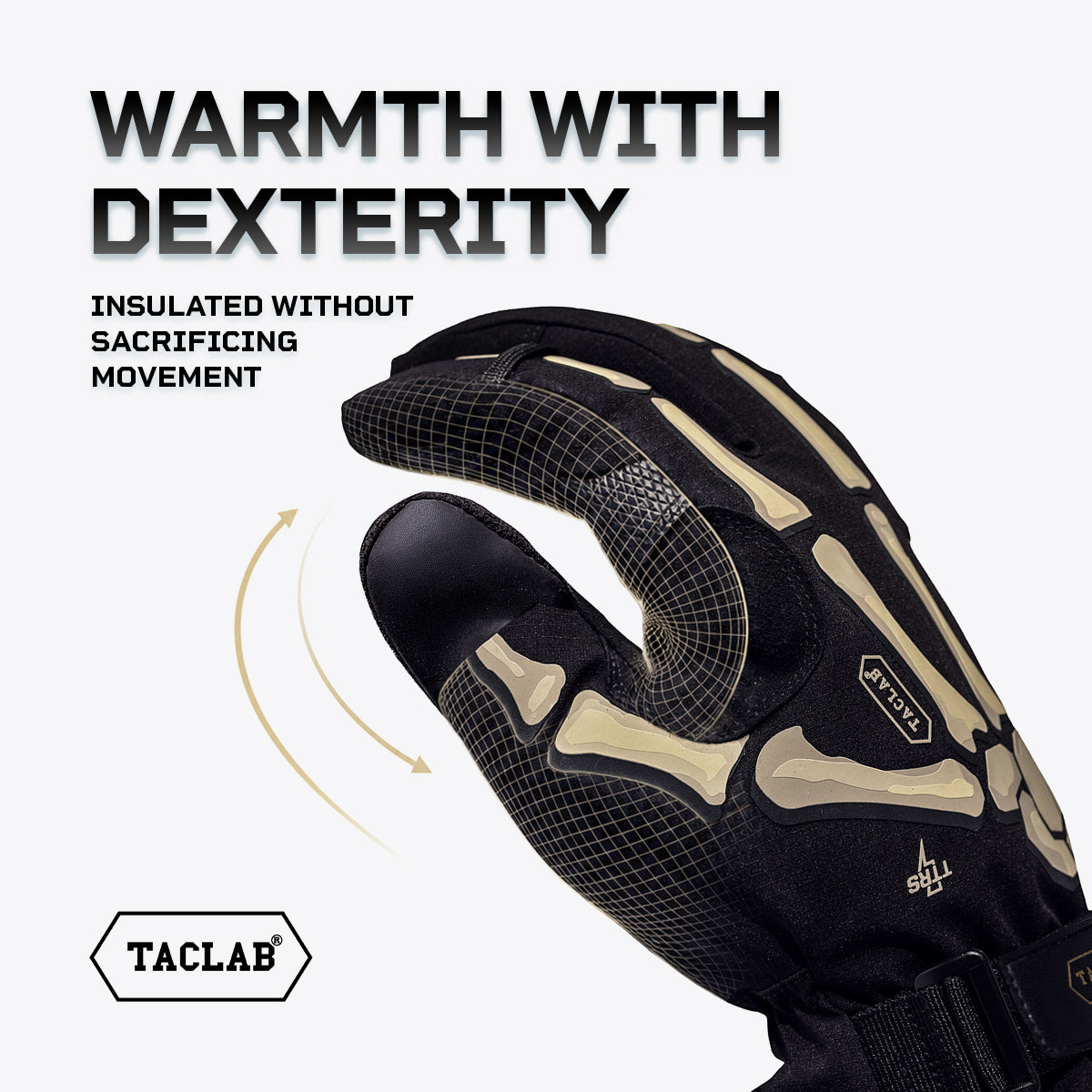
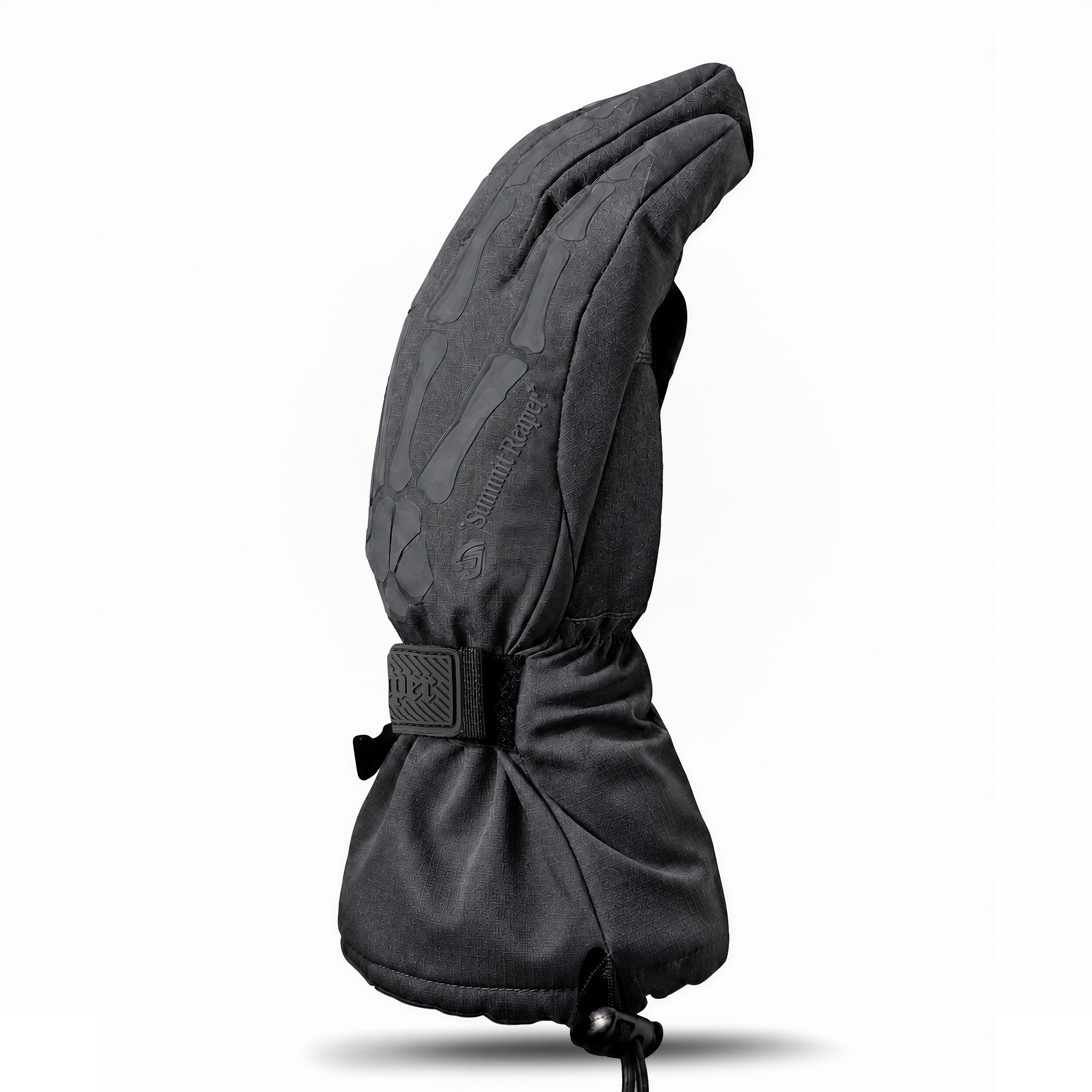
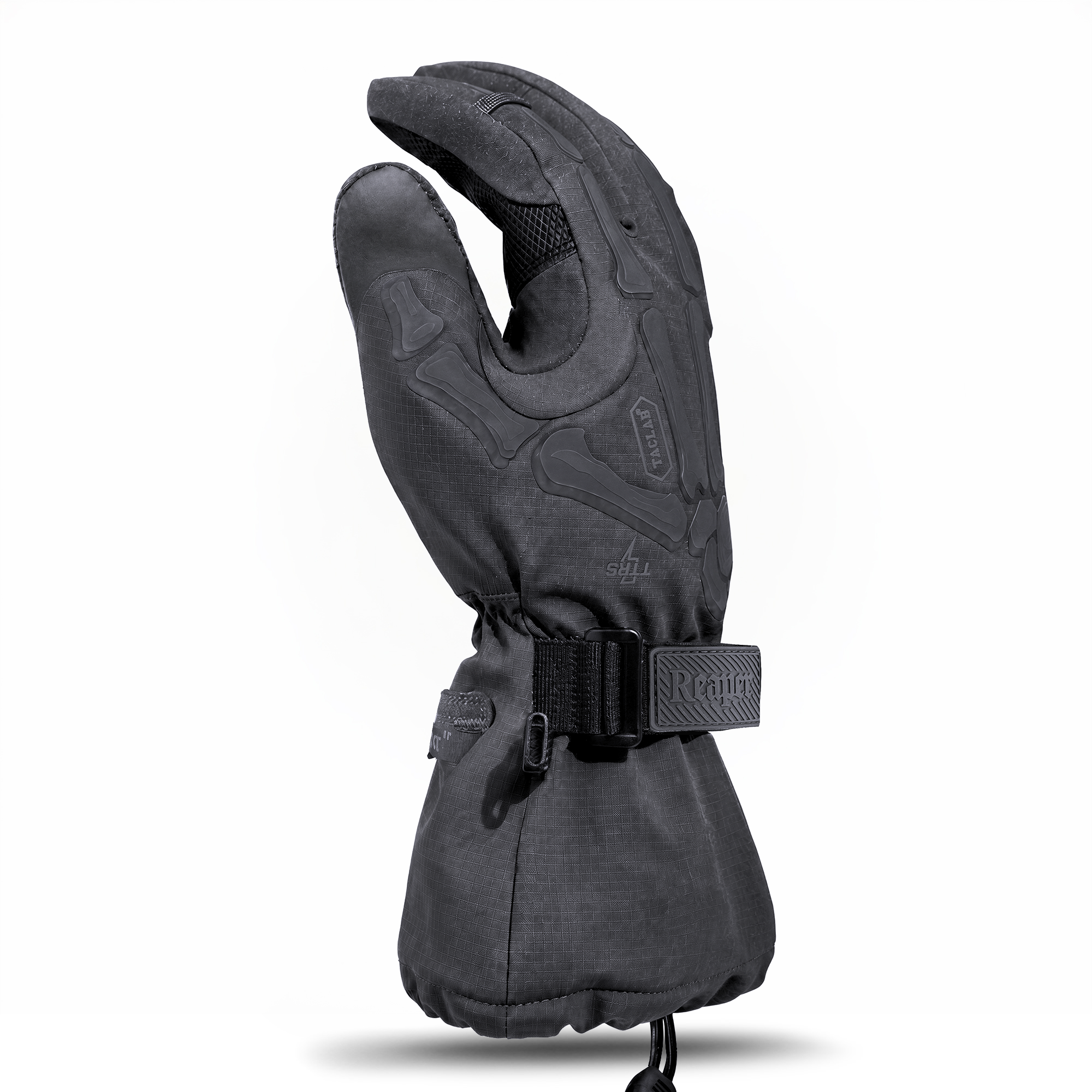
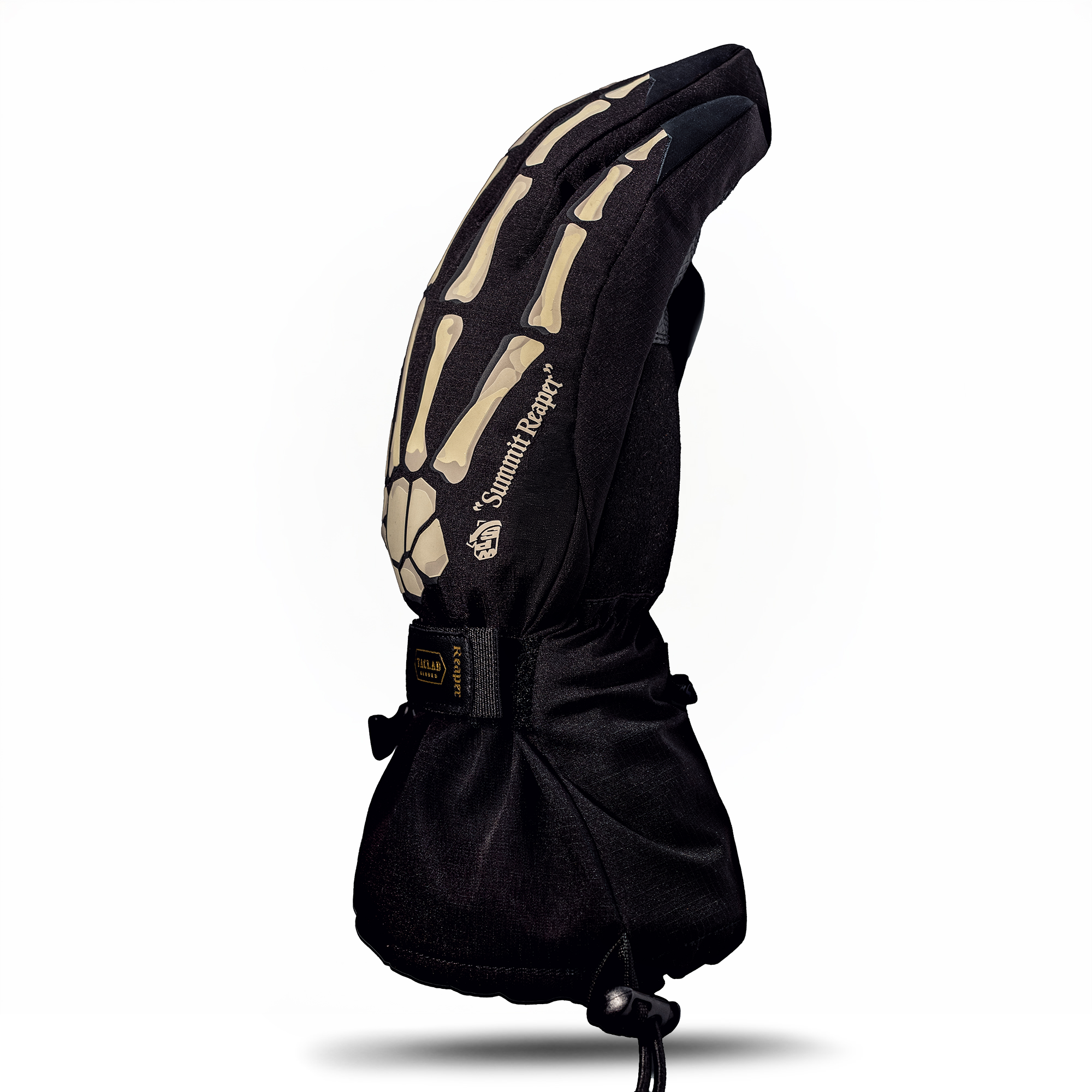
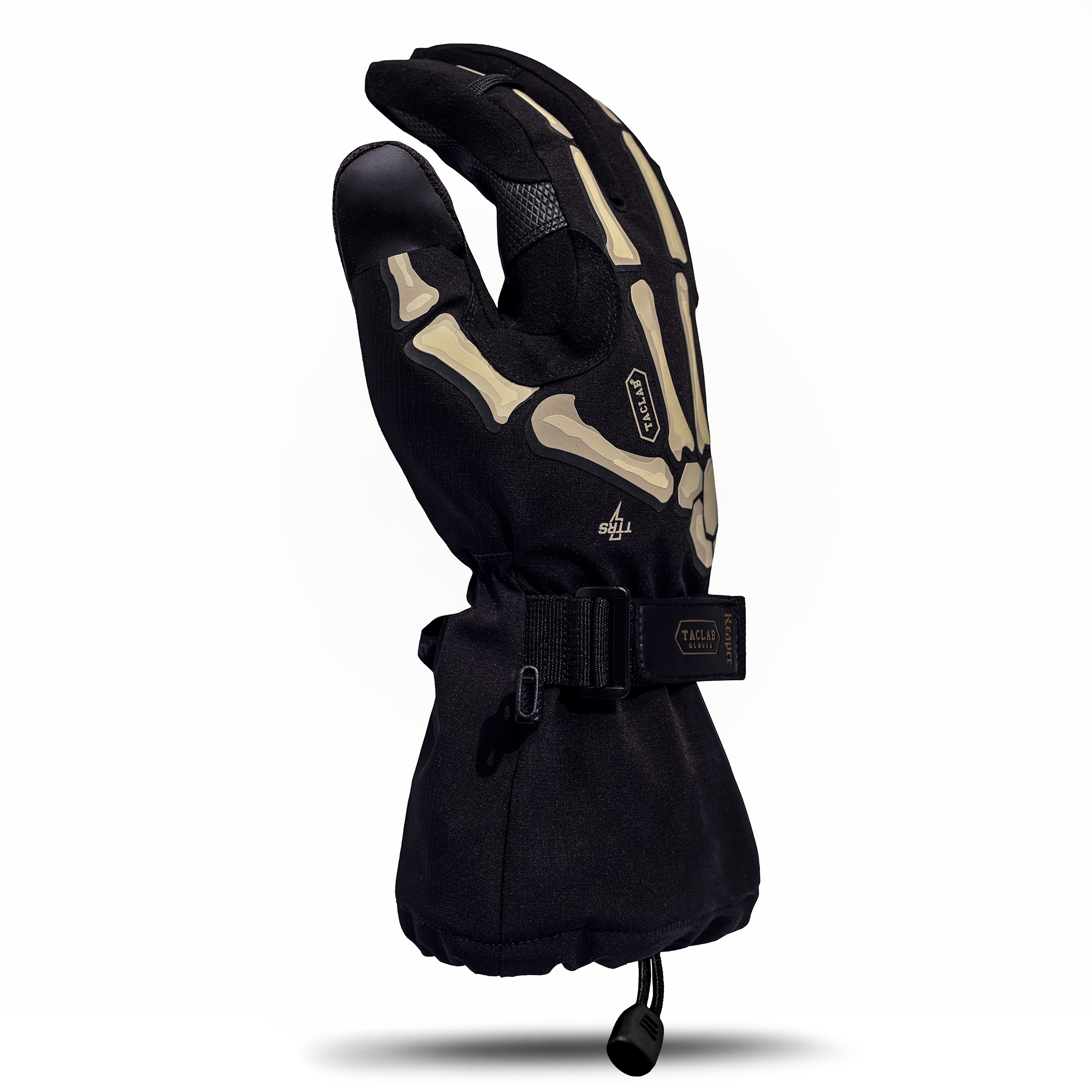
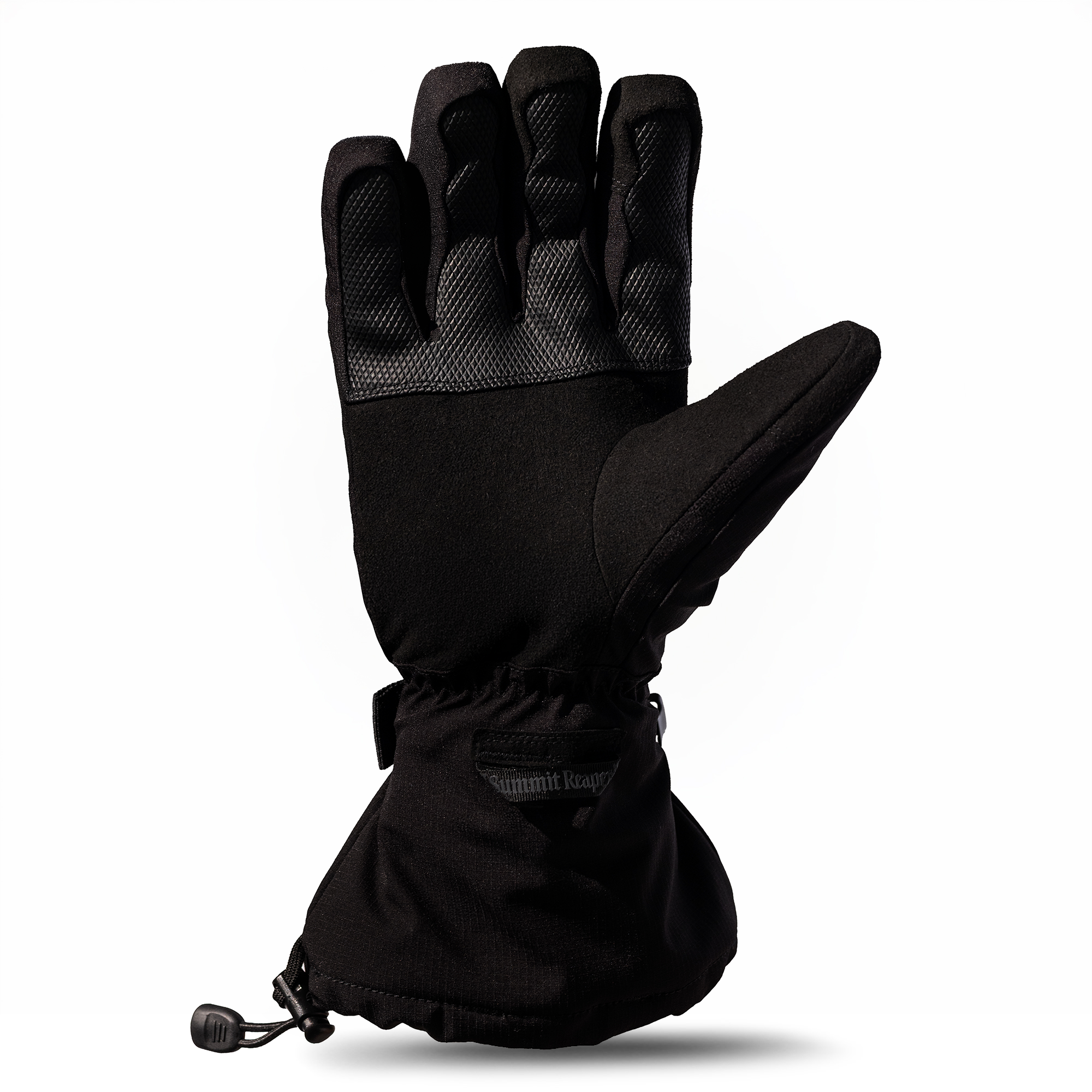
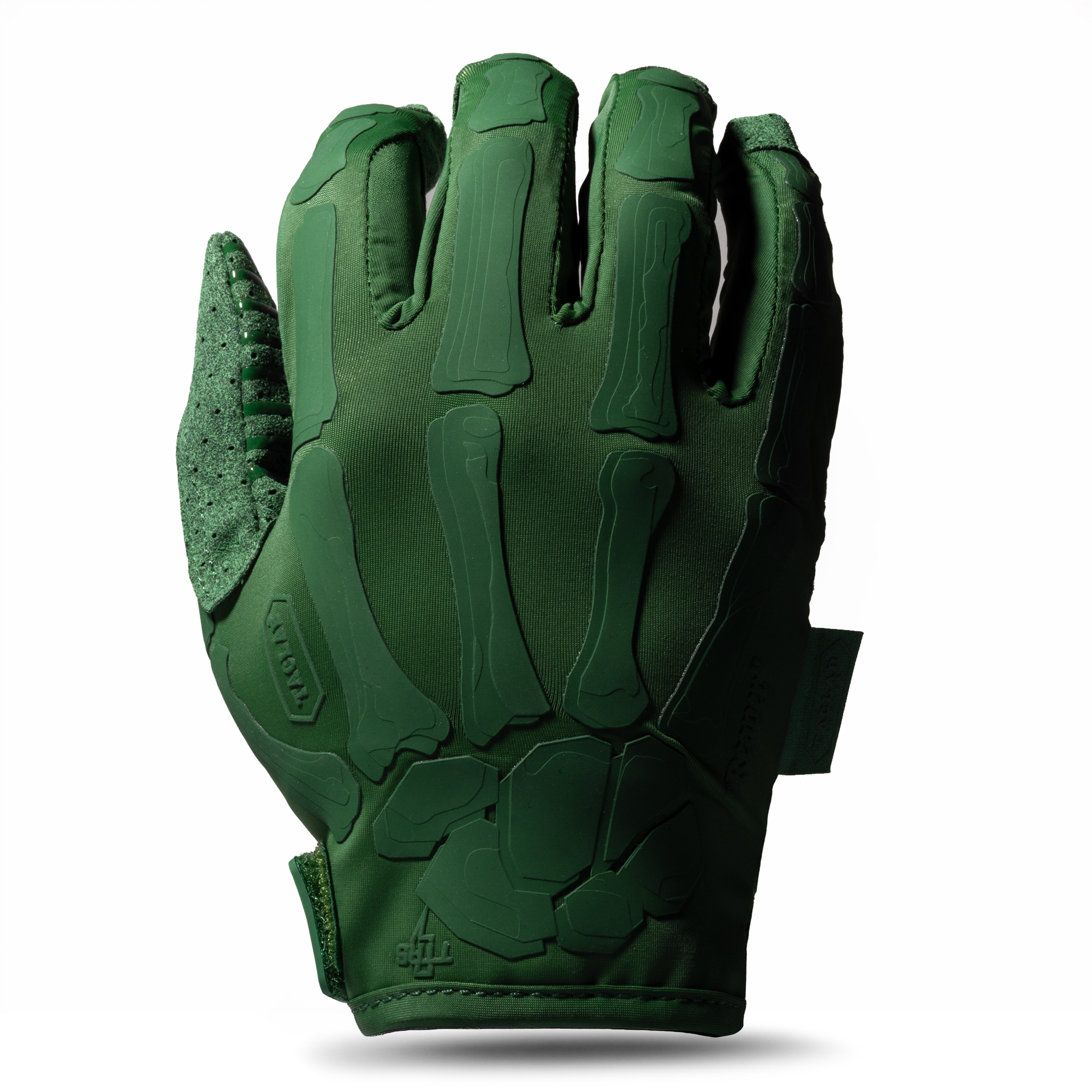
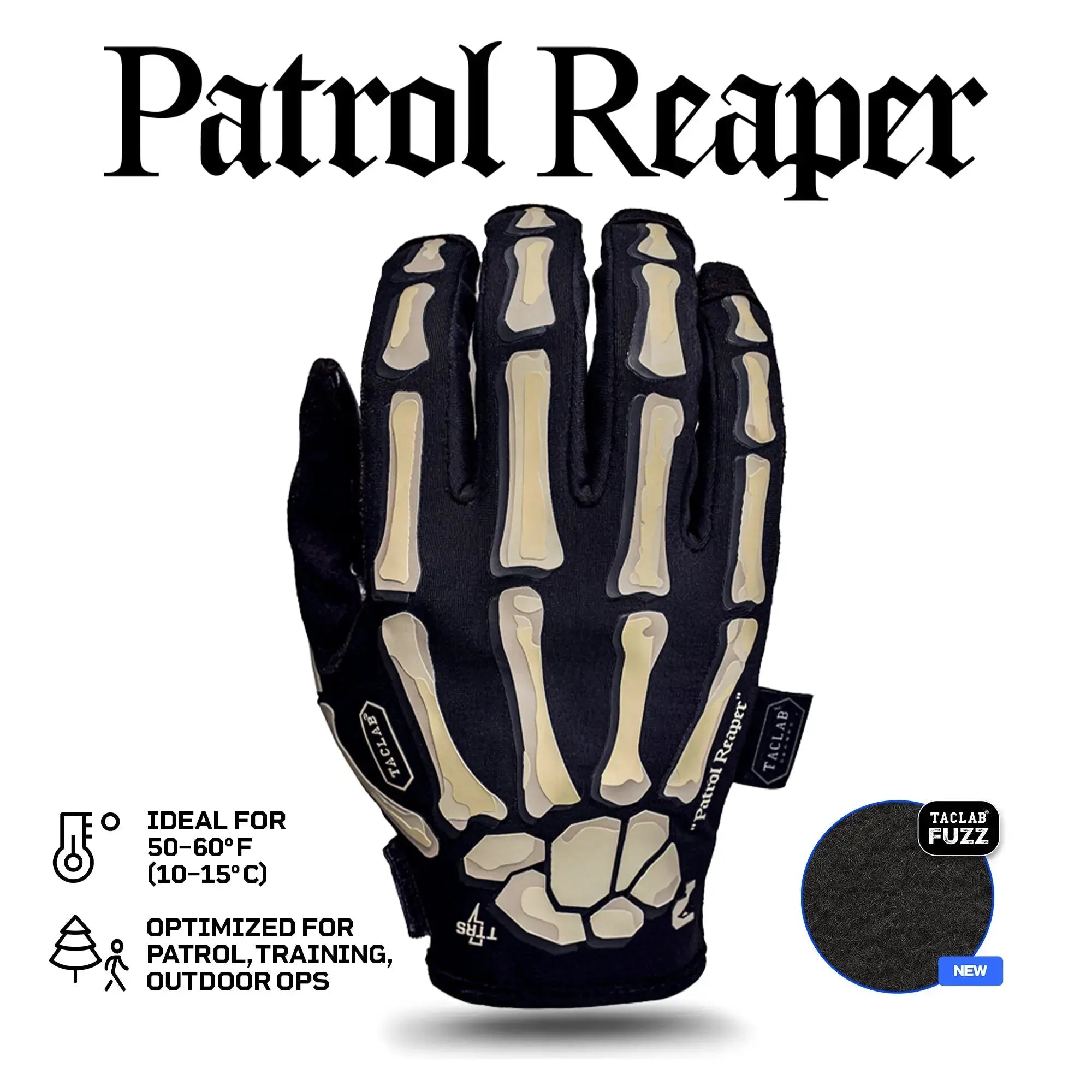
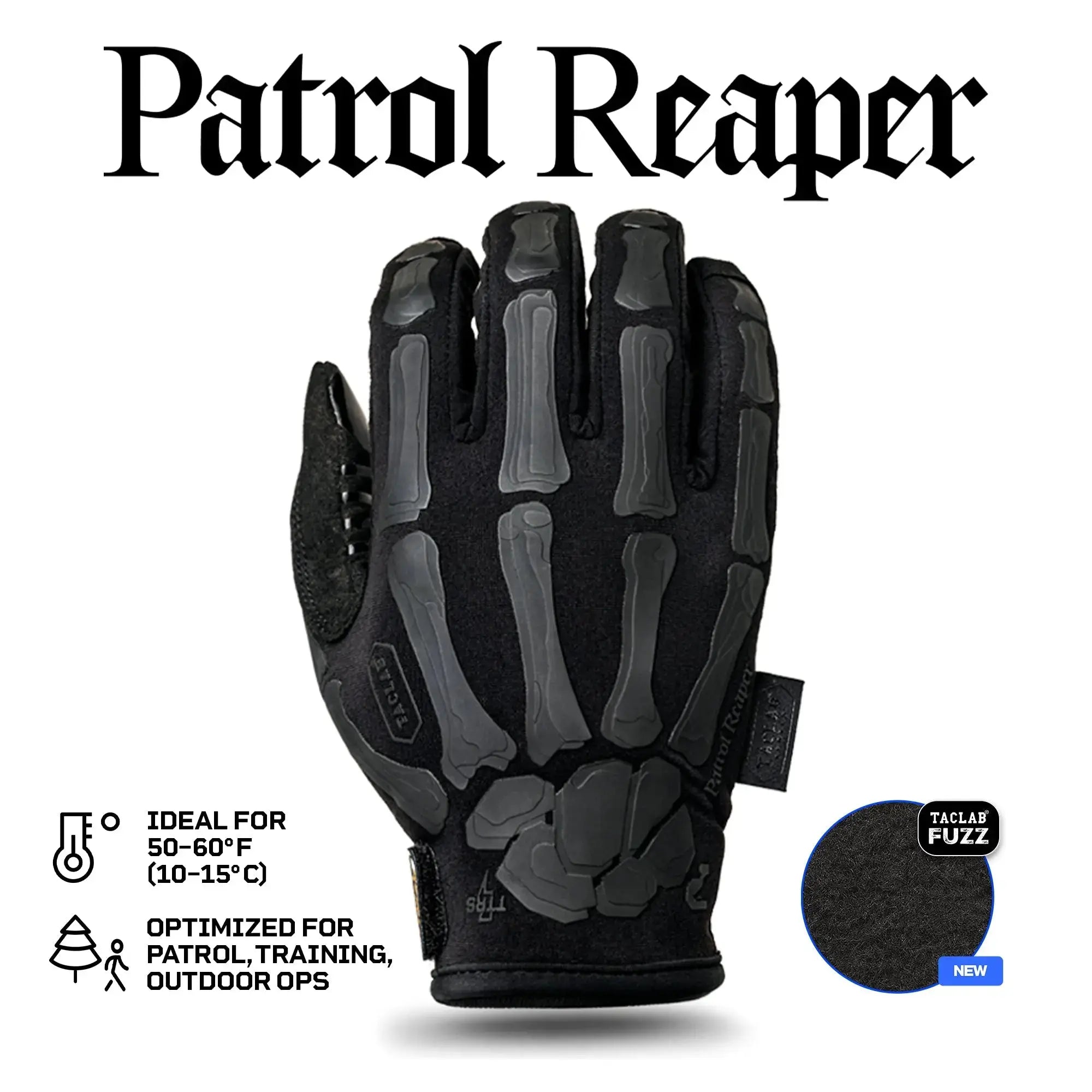
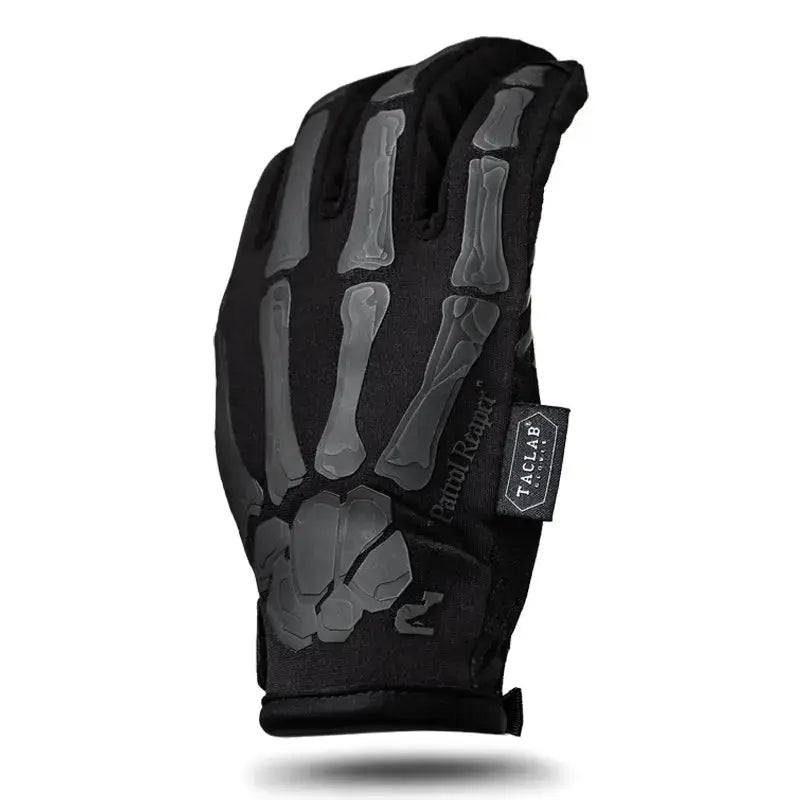
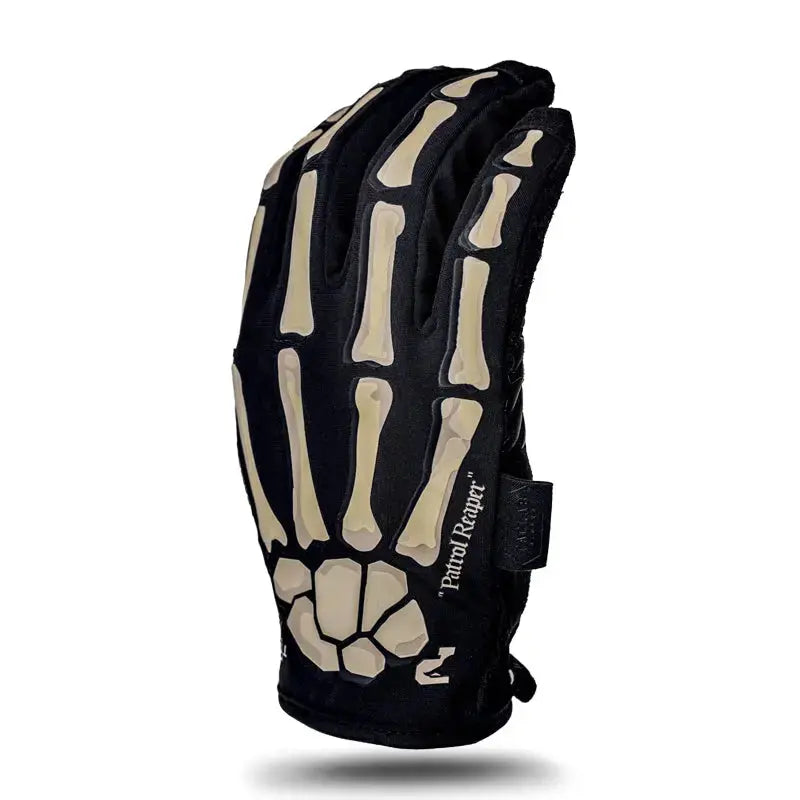
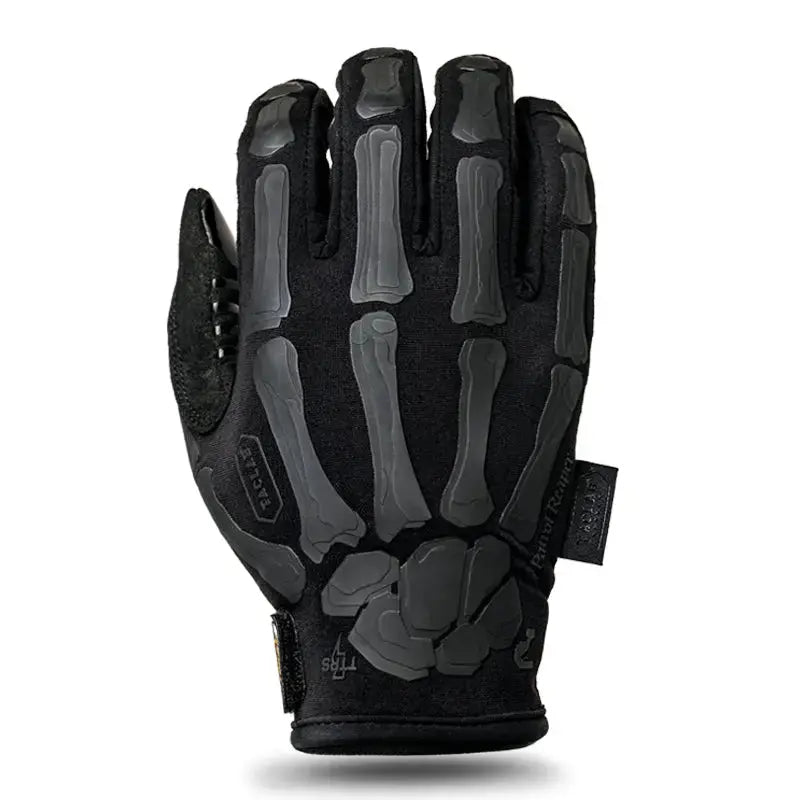
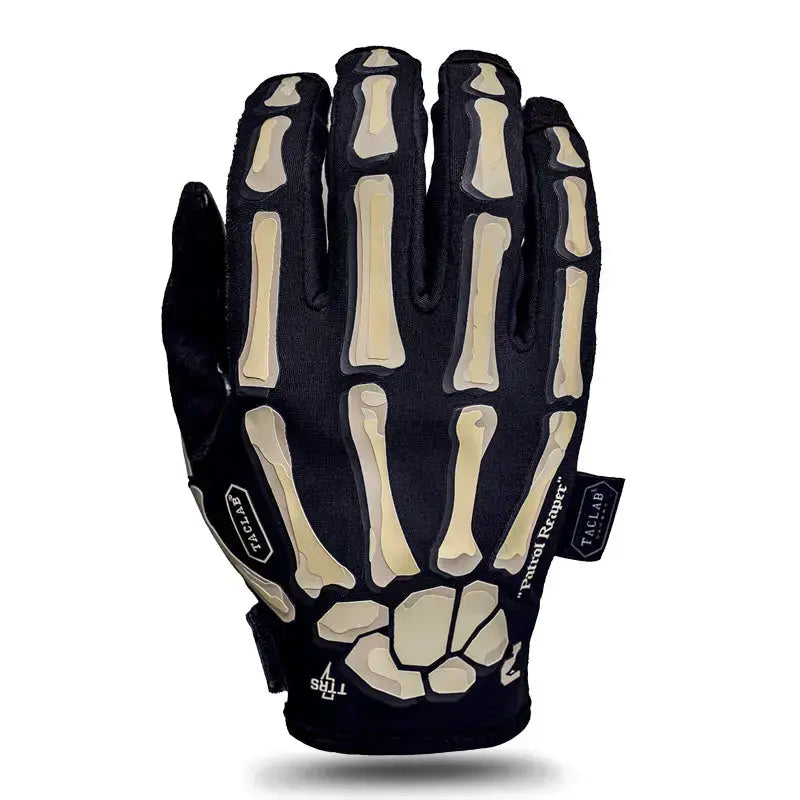
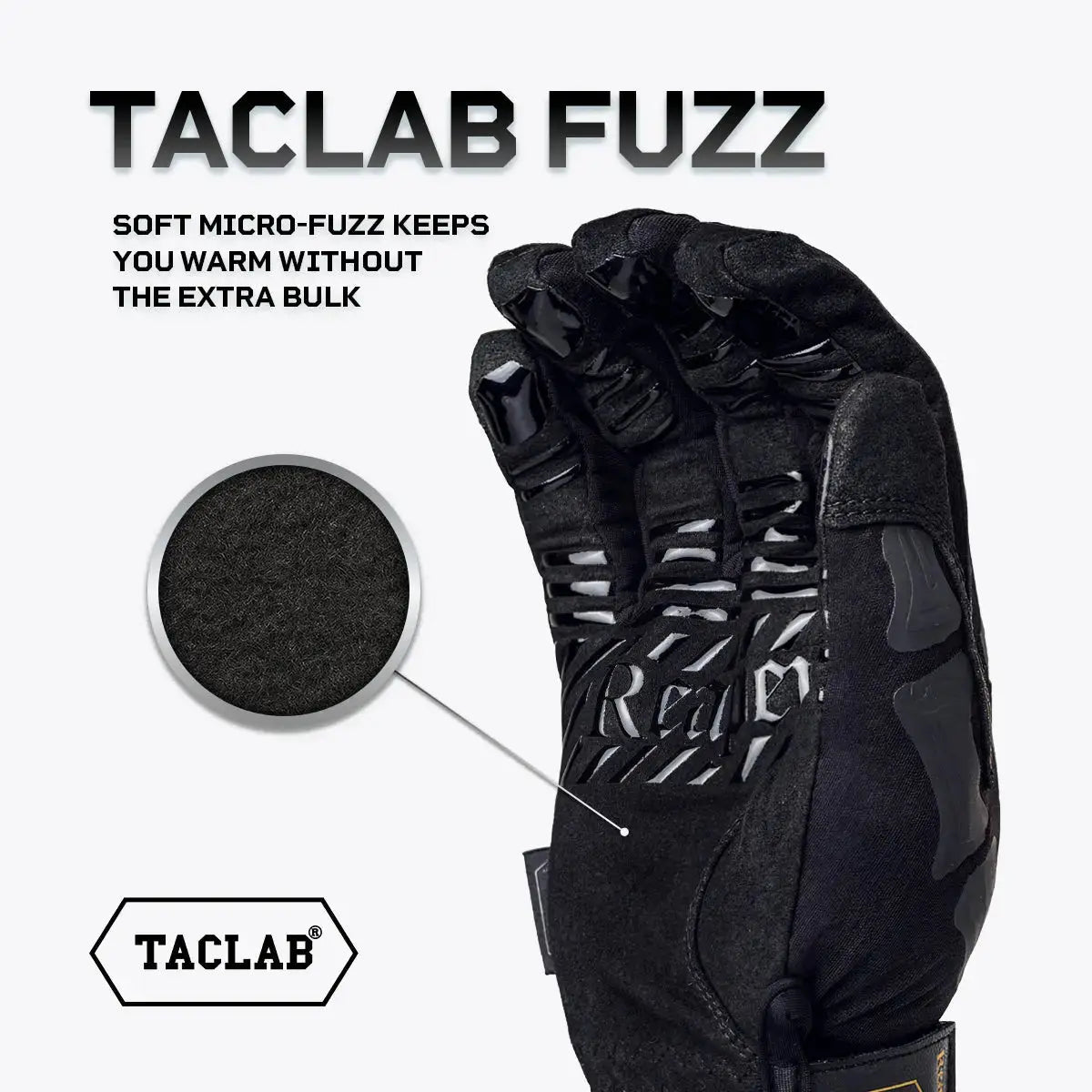
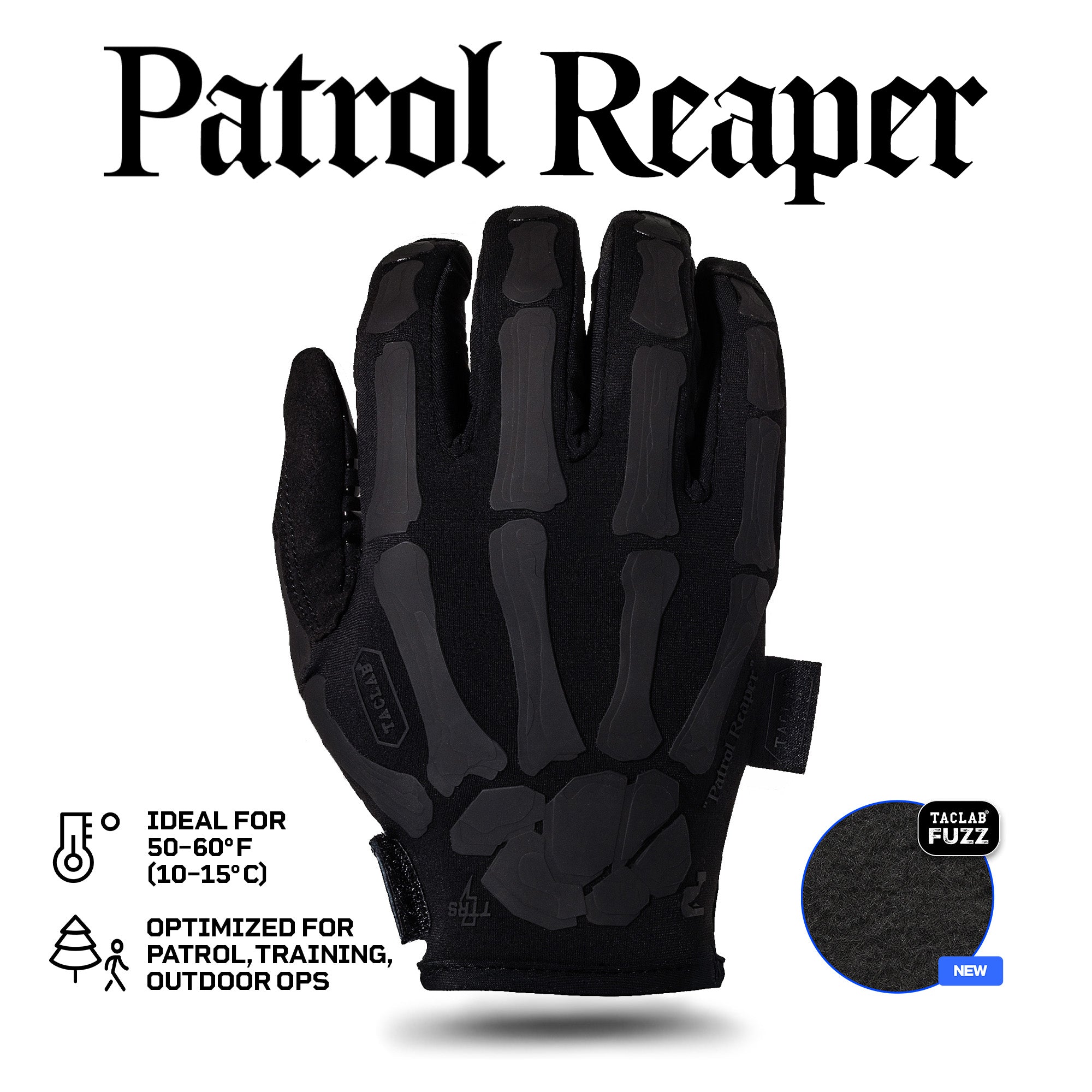
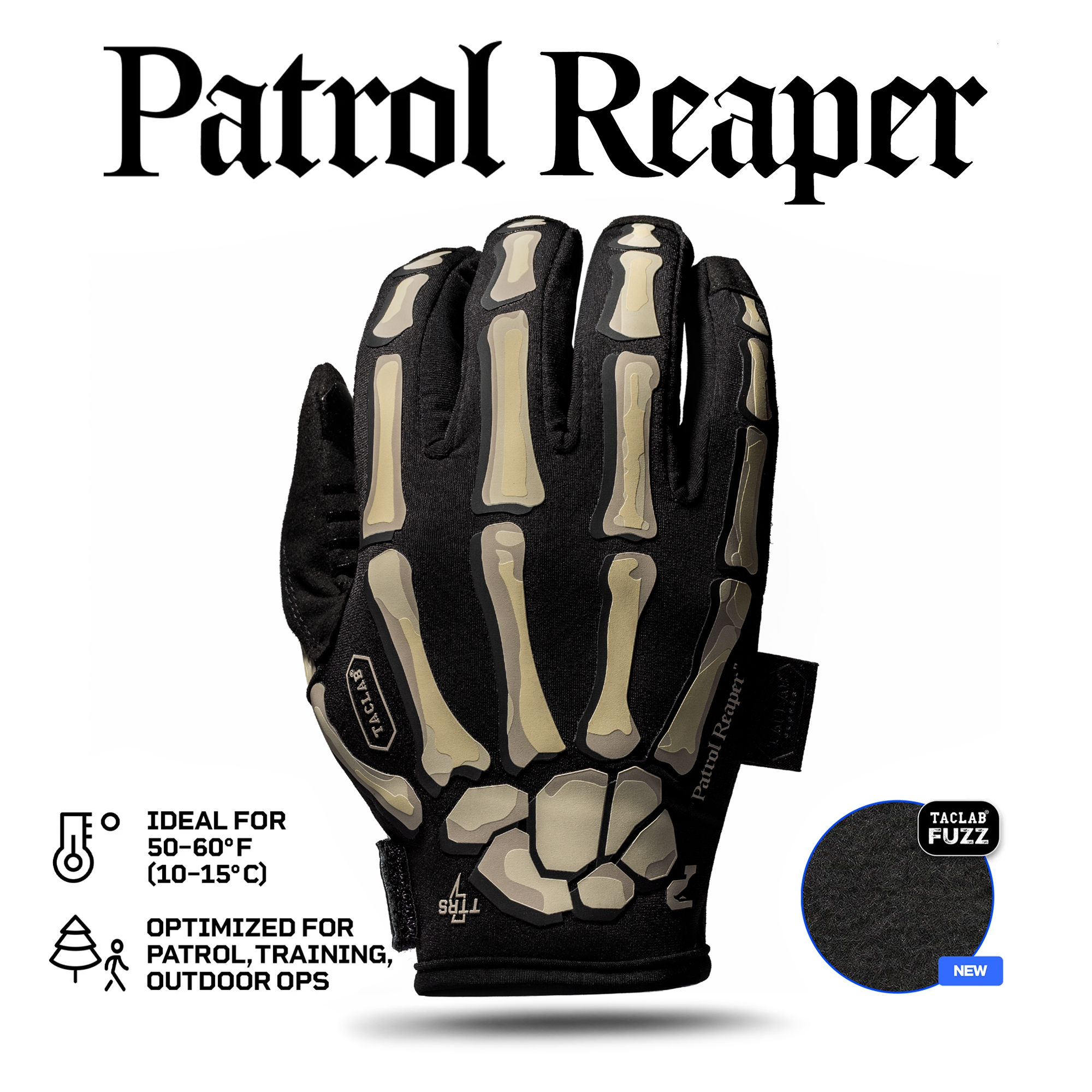
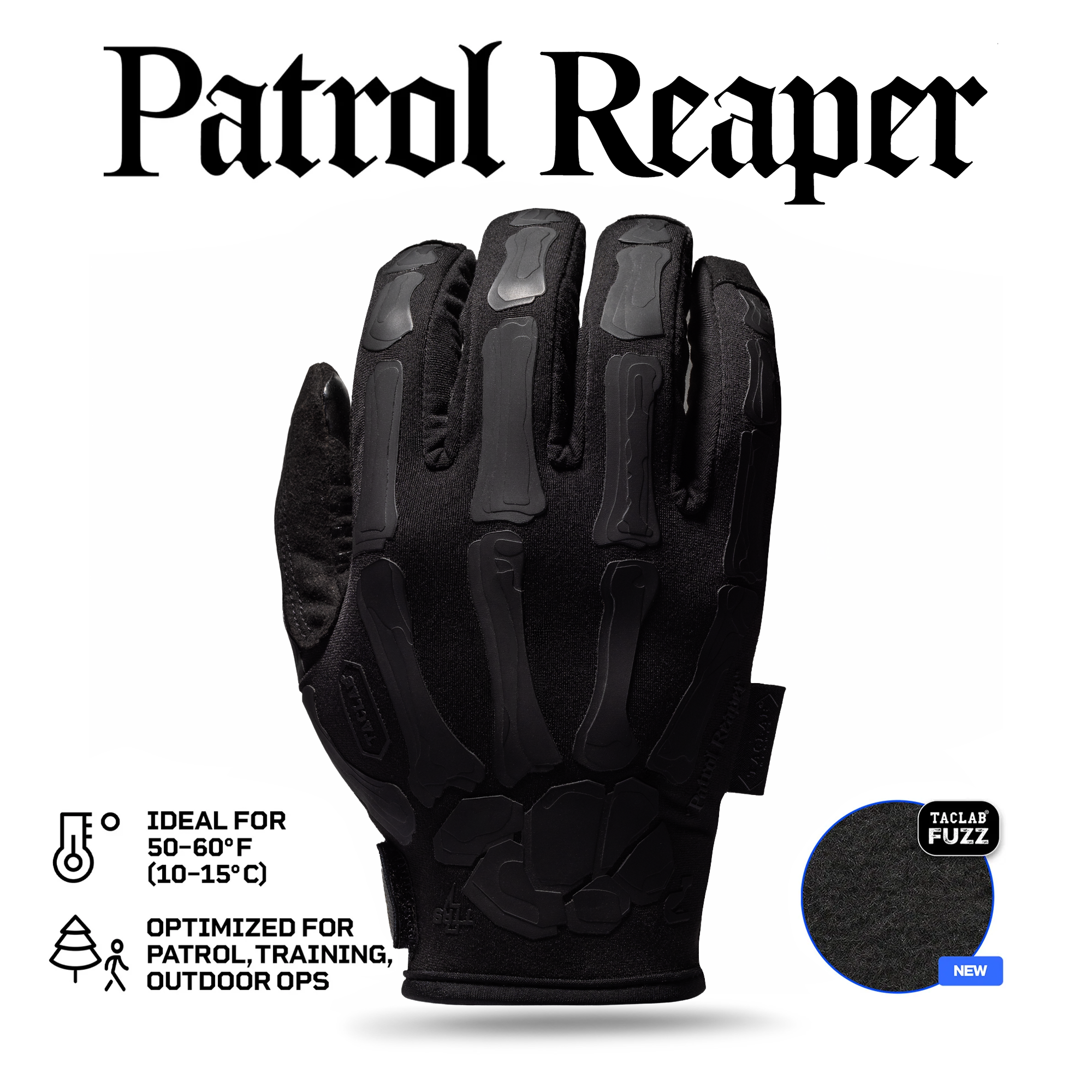
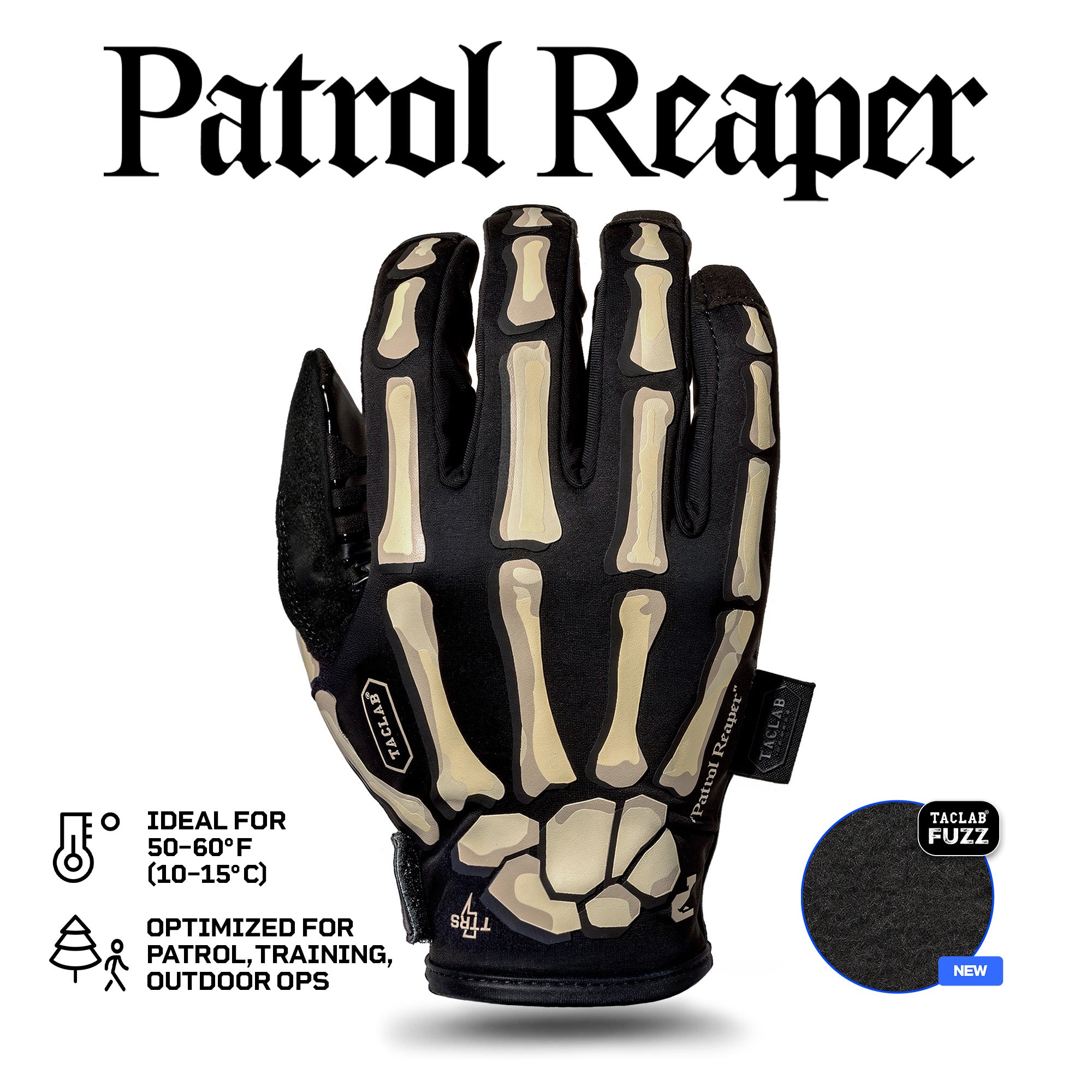
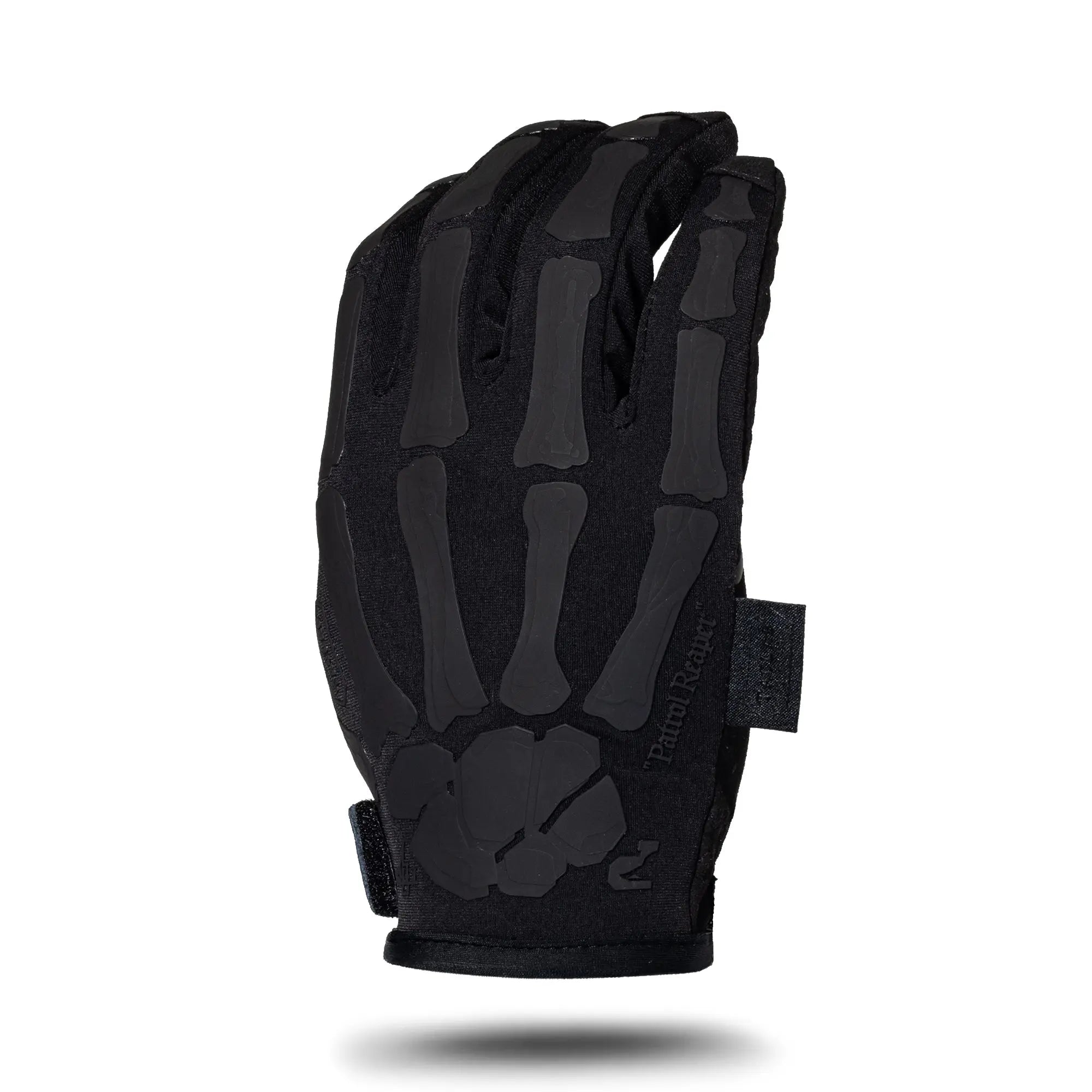
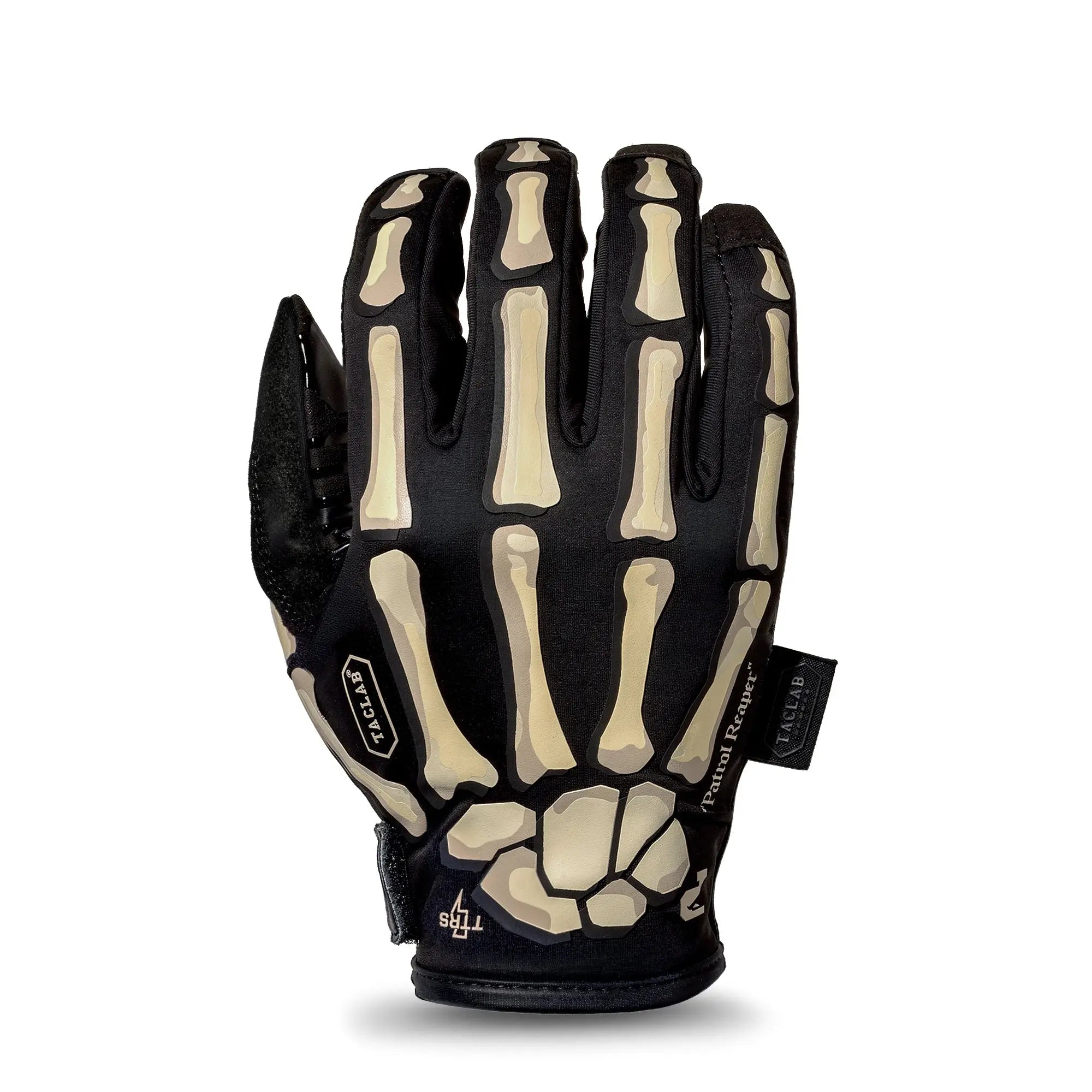
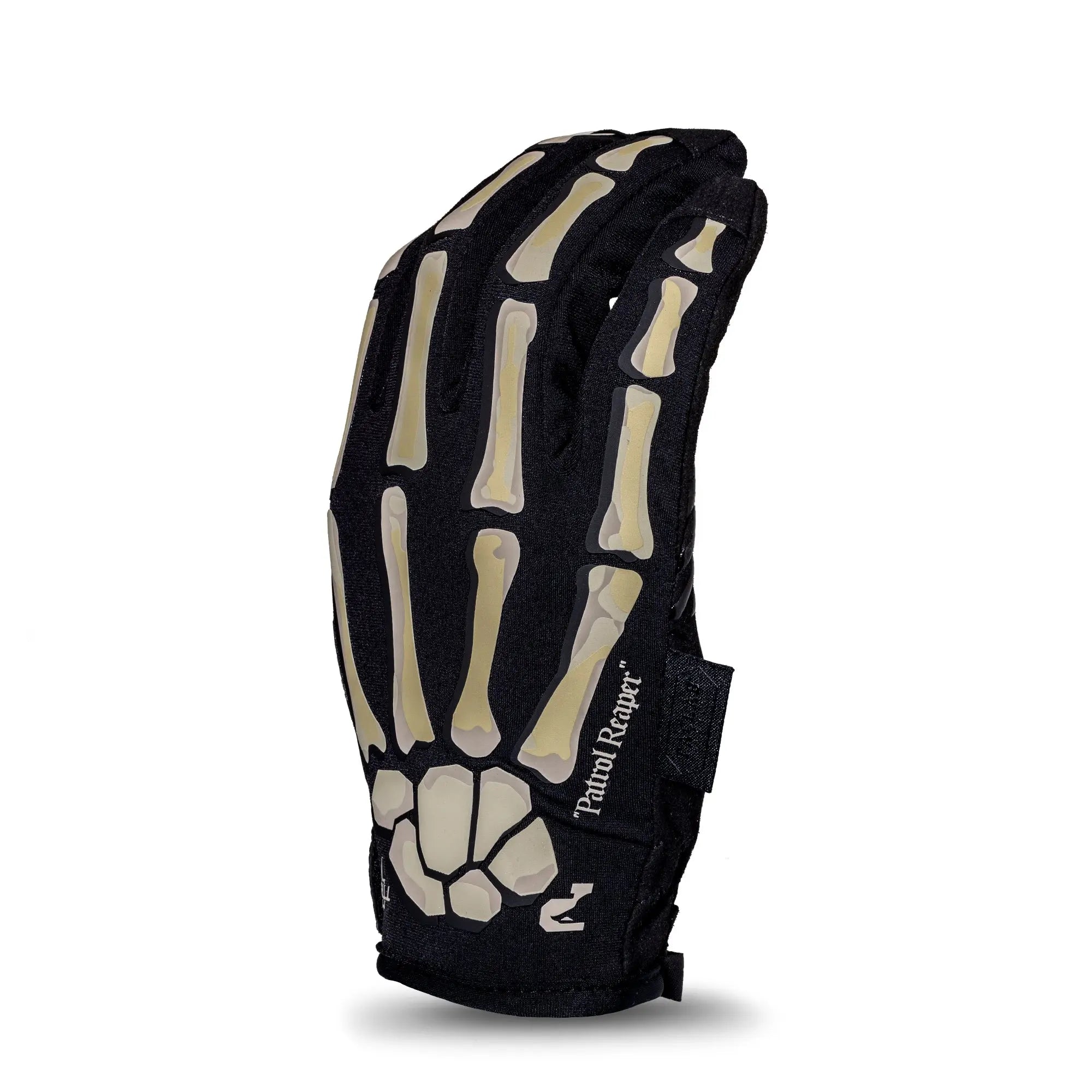
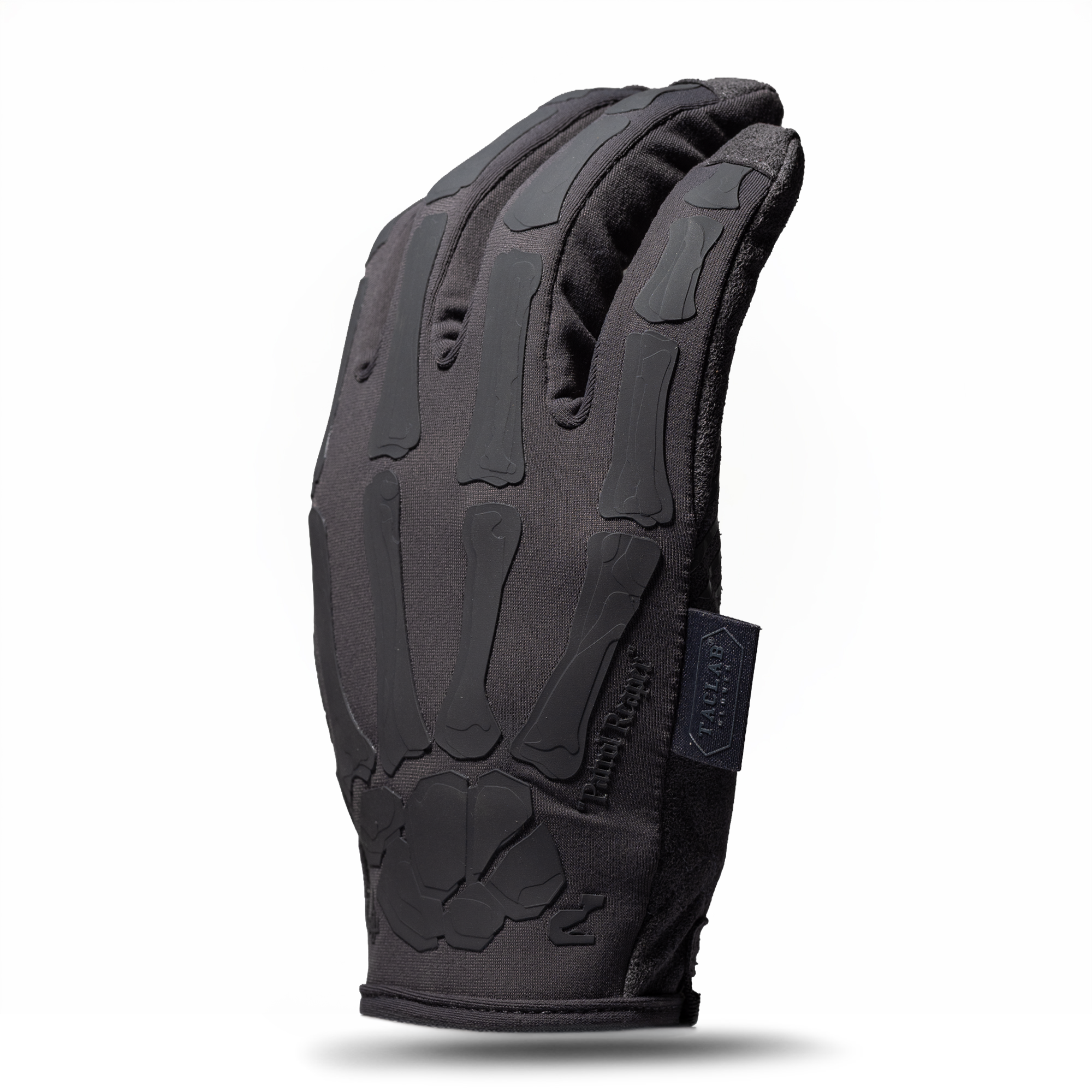
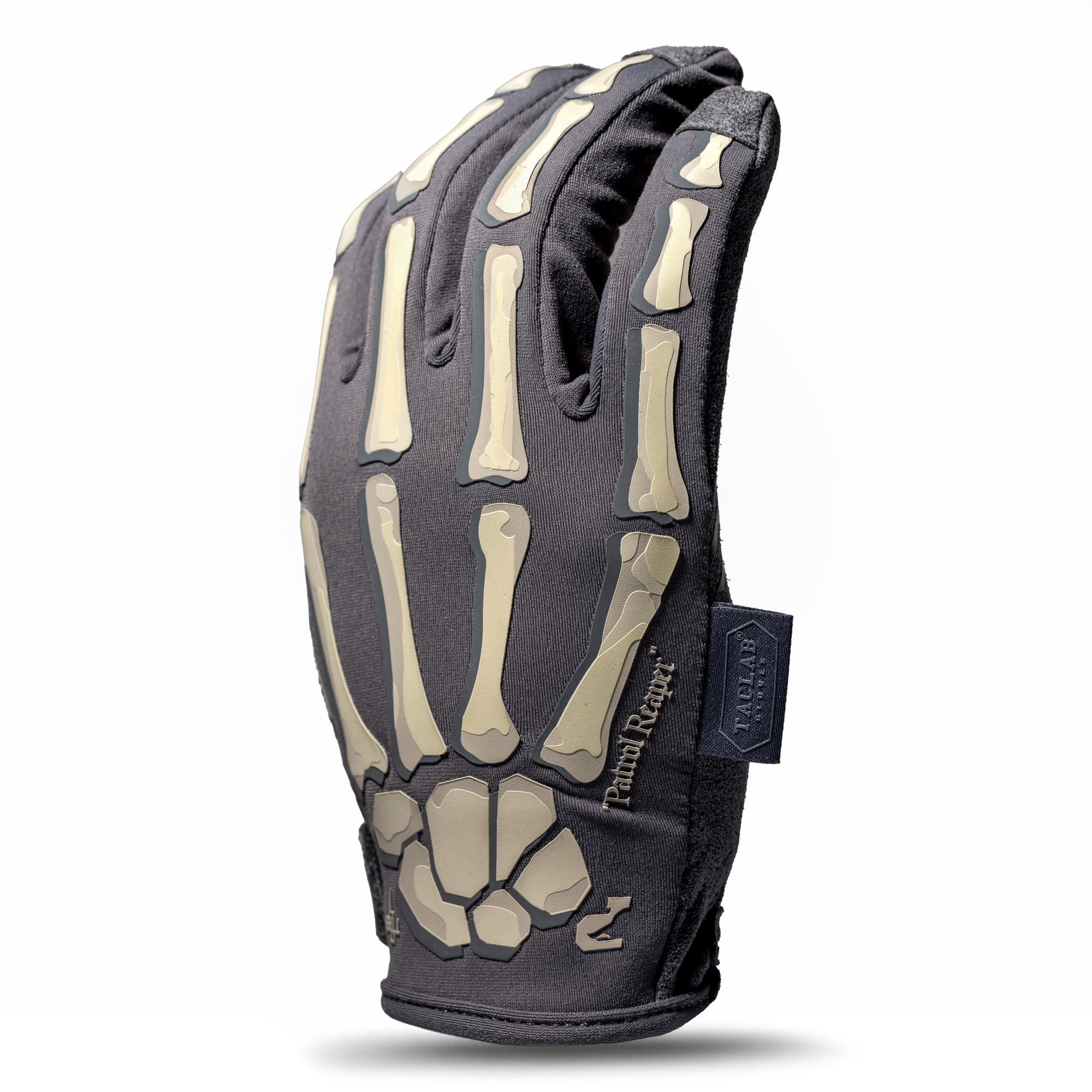
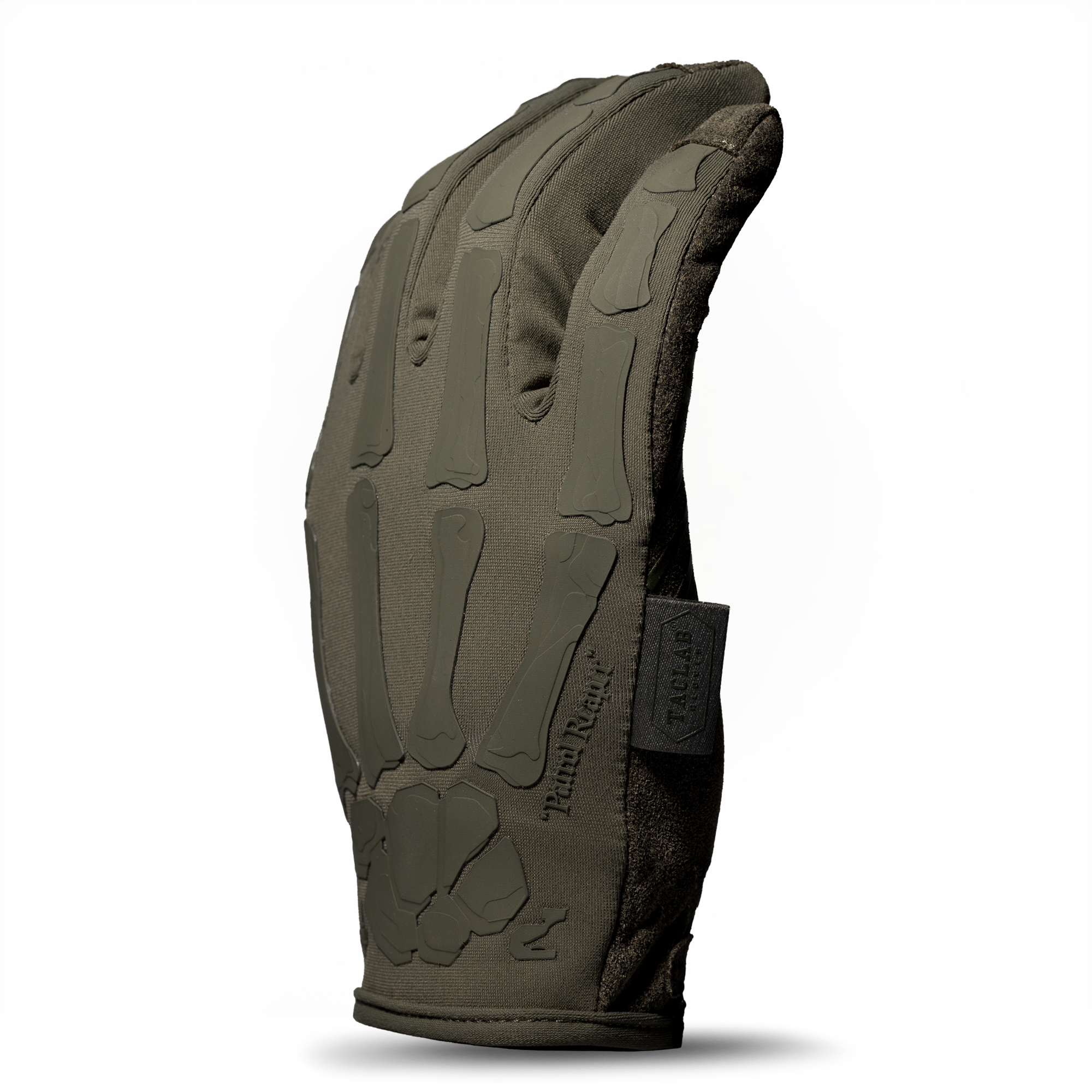
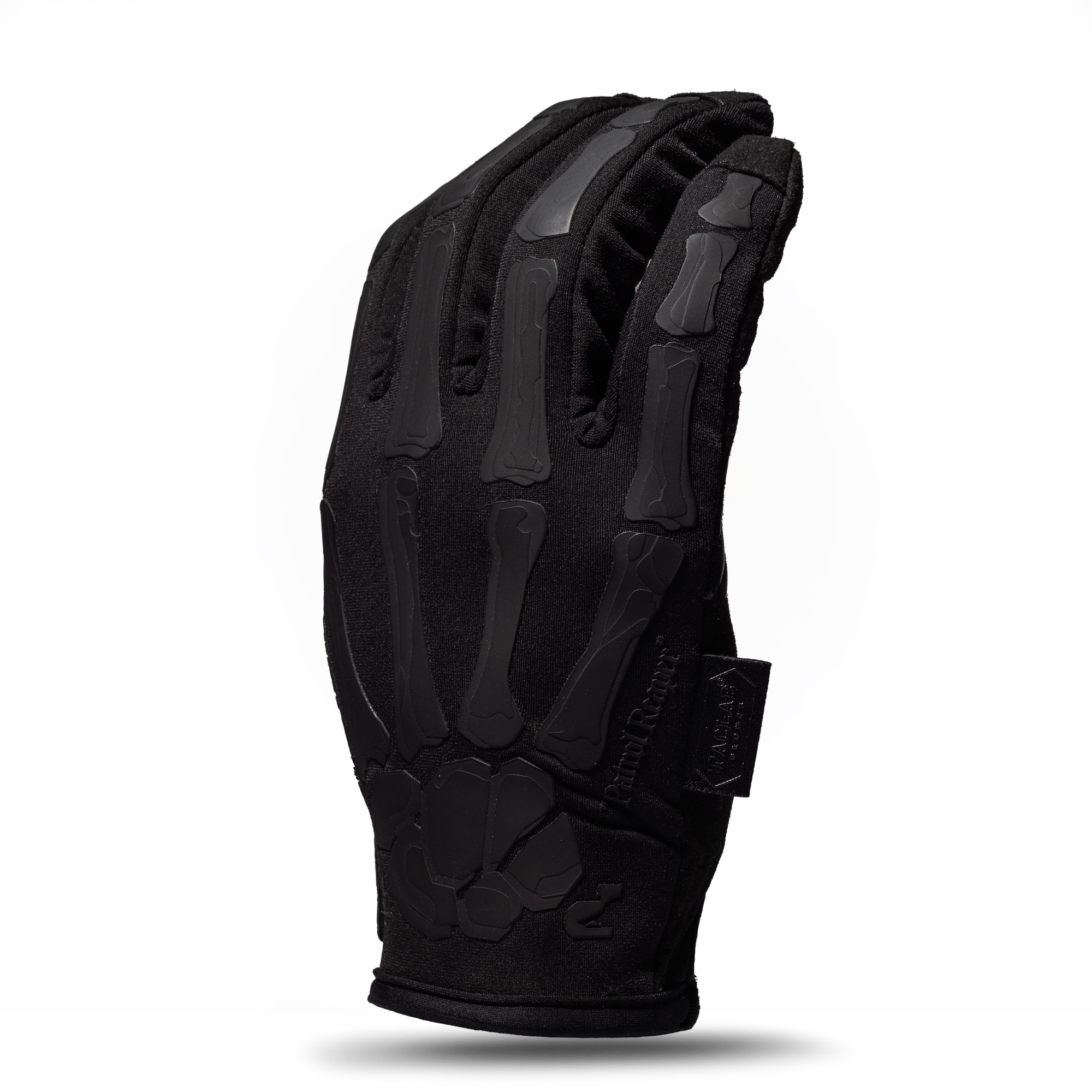
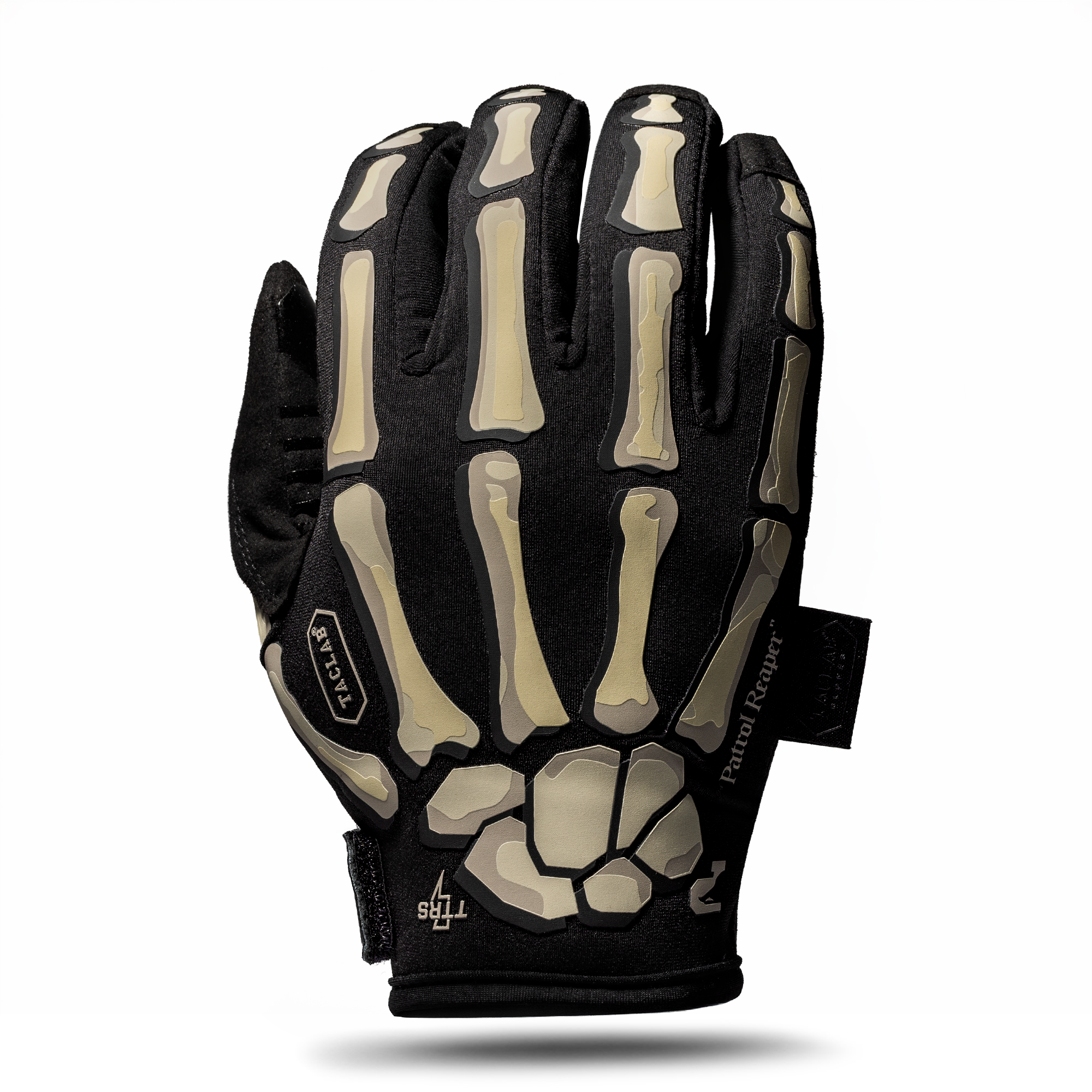
TACLAB currently separates its cold-weather options by purpose. The Patrol Reaper adds warmth through a thicker backhand and micro-fleece interior while retaining tactical dexterity, while the Snow Reaper moves further toward winter protection with insulated, waterproof construction.
That's another reason one pair shouldn't be expected to do everything.
A lightweight shooting glove isn't a winter glove.
And a winter glove isn't designed to feel like an ultra-thin range glove.
7. You're Using the Wrong Glove for the Job
This may be the biggest reason tactical gloves wear out too quickly.
People find a pair they like and start using it for everything.
Range day?
Same gloves.
Motorcycle?
Same gloves.
Moving furniture?
Same gloves.
Working with metal?
Same gloves.
Yard work?
Same gloves.
Eventually they wonder why the gloves didn't last.
The problem may not be the glove.
It may be the job.
A glove engineered for trigger feel and dexterity uses different priorities from one designed for repeated abrasion.
TACLAB specifically notes that the standard Reaper is designed around shooting, feel, and flexibility rather than maximum wear resistance. Heavy-duty tasks such as handling or processing metal or glass are outside its intended strengths.
When a High-Abrasion Glove Makes More Sense
This is exactly where choosing a specialized glove matters.
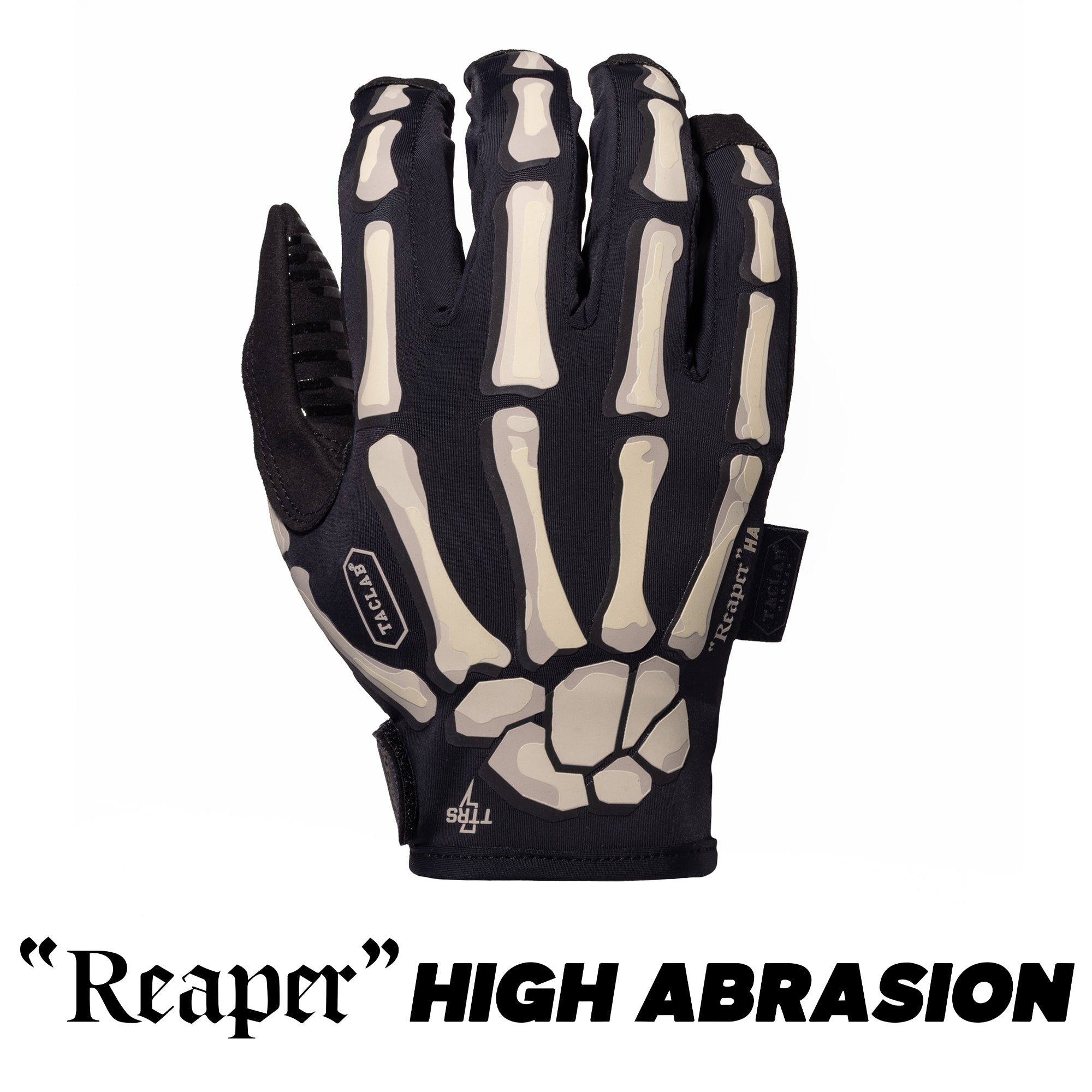
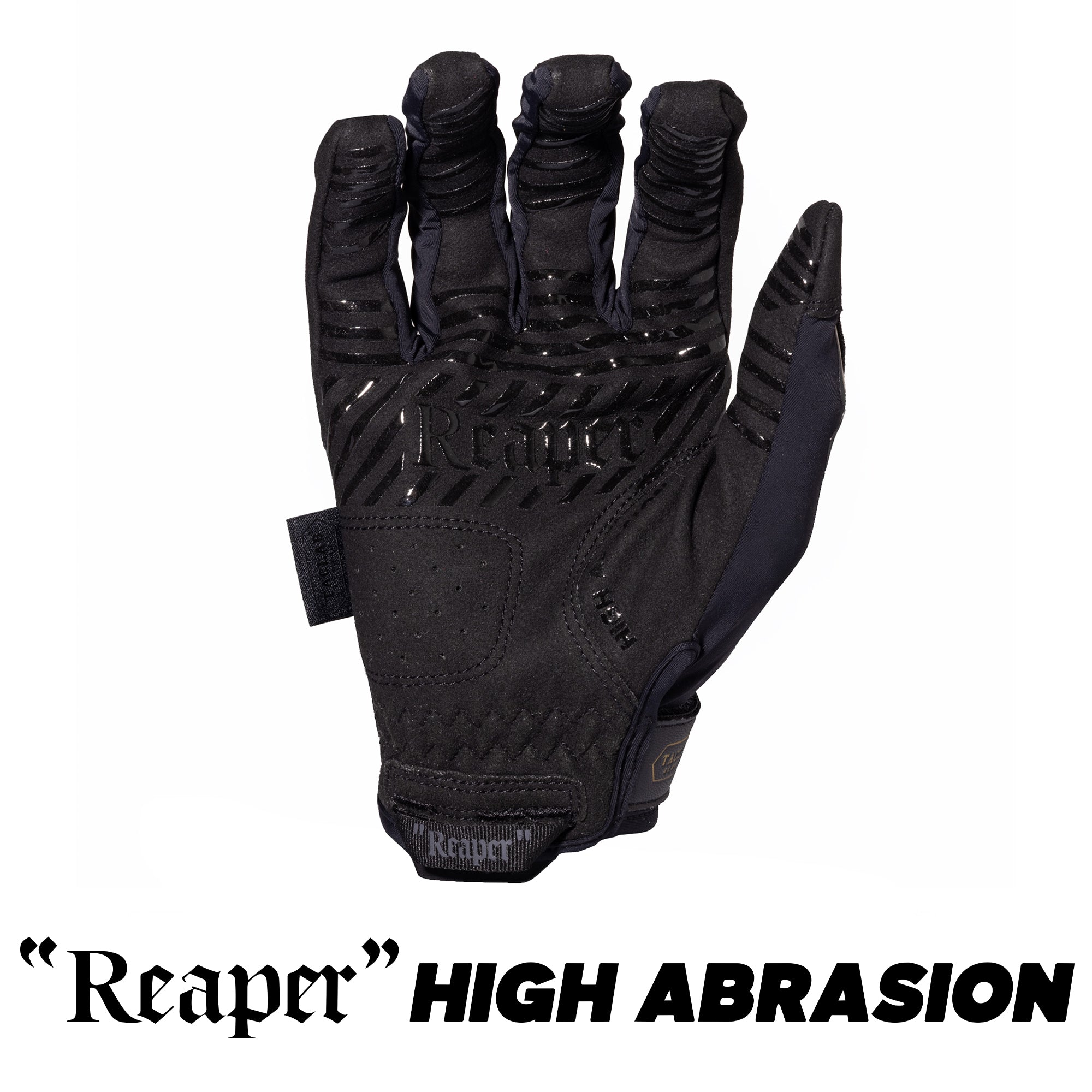
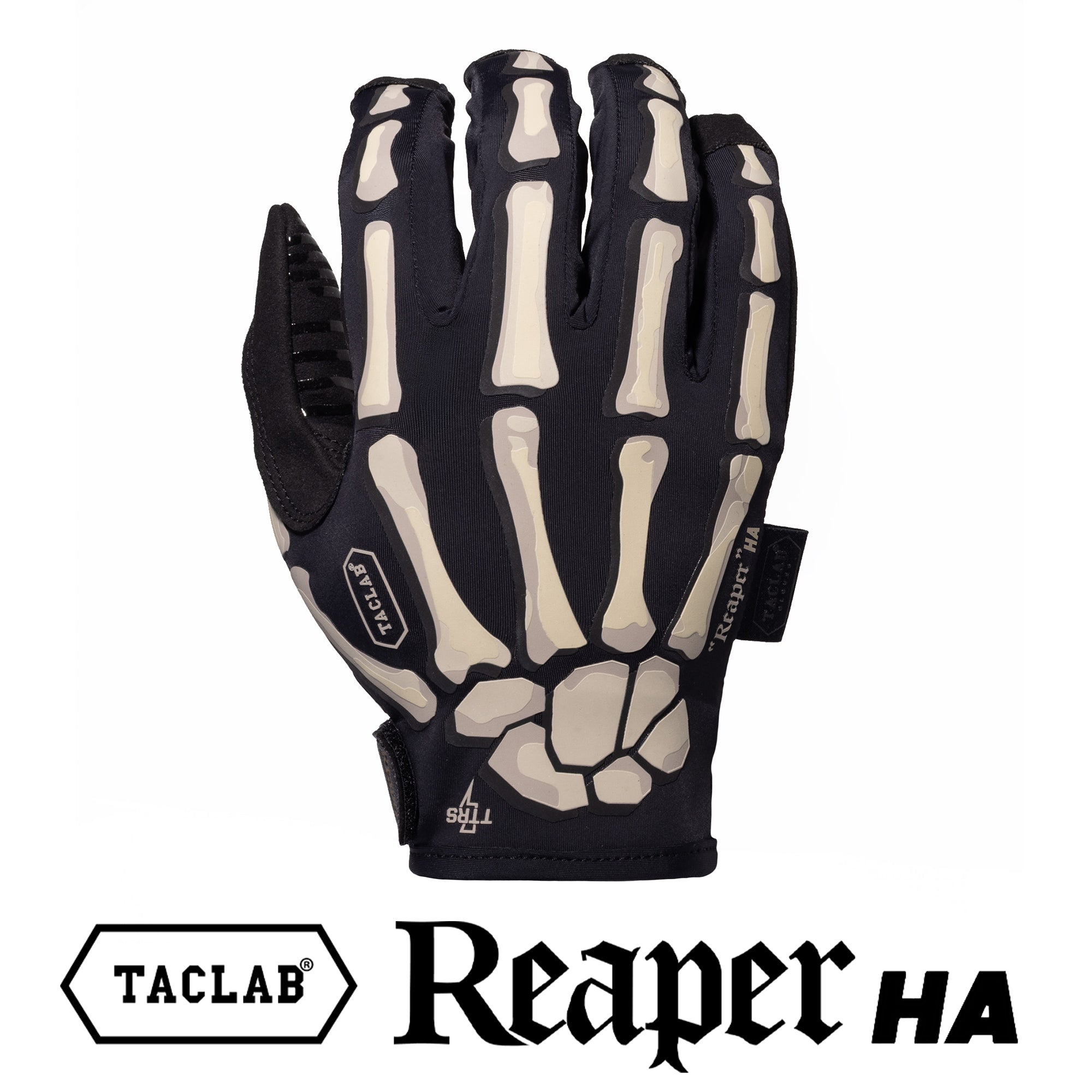
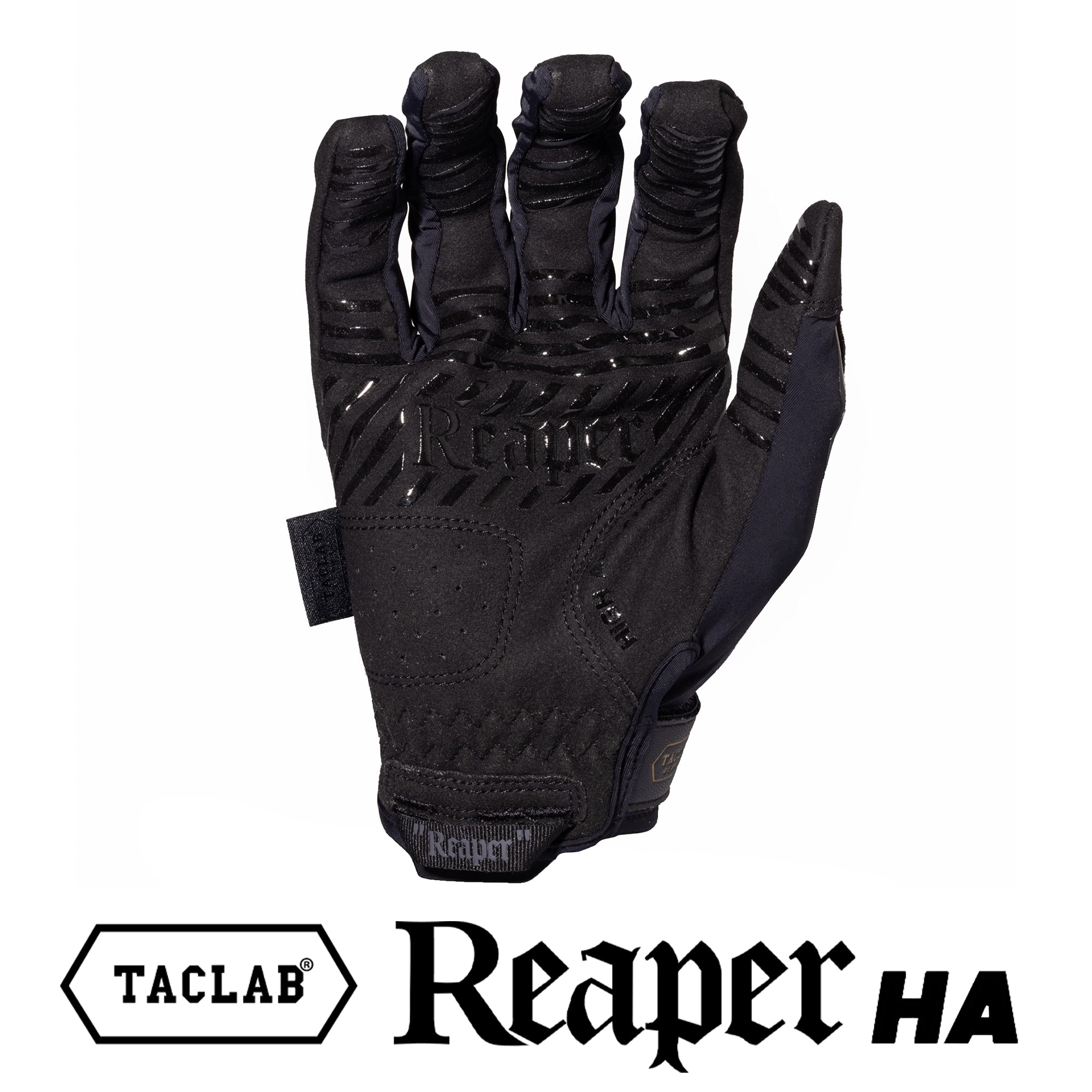
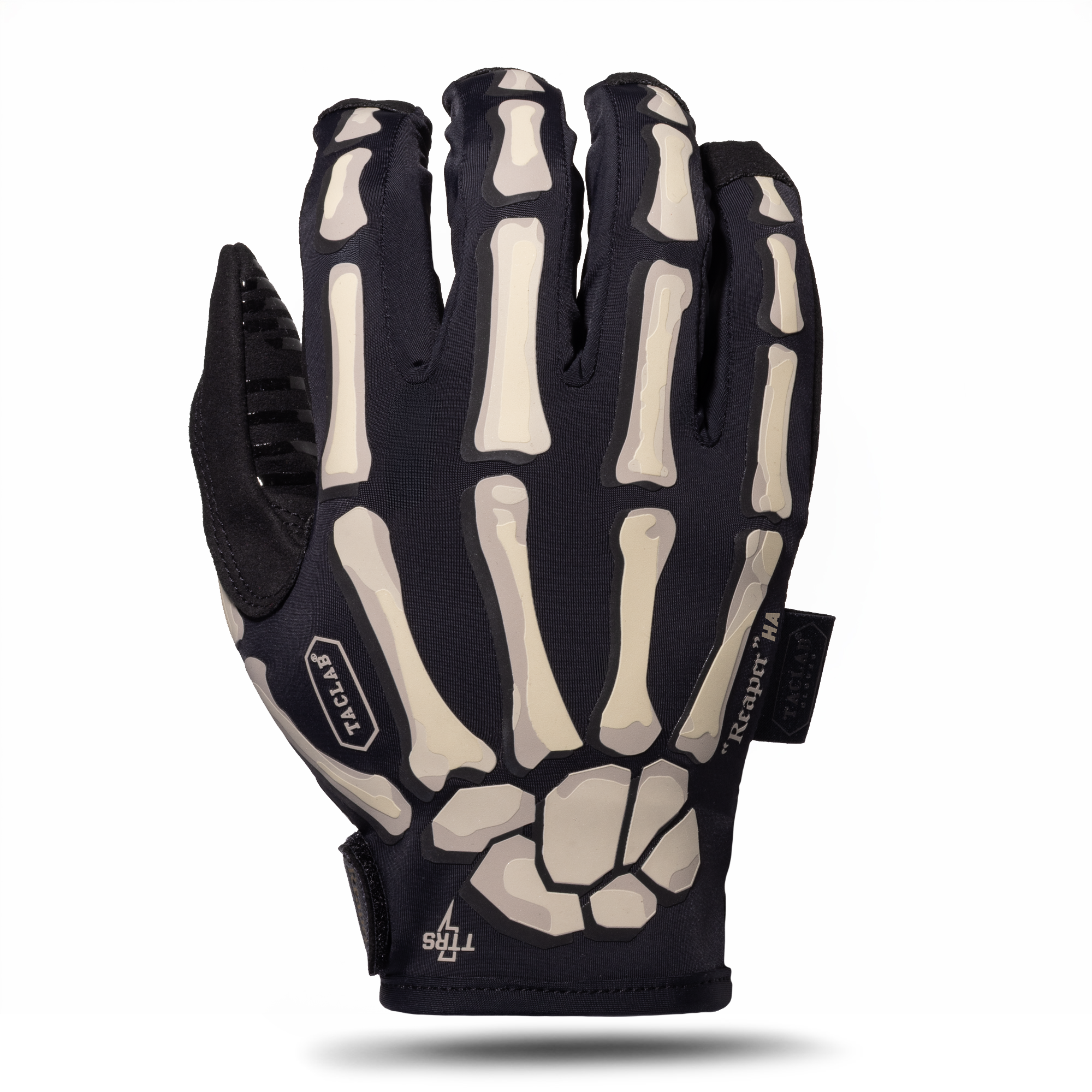
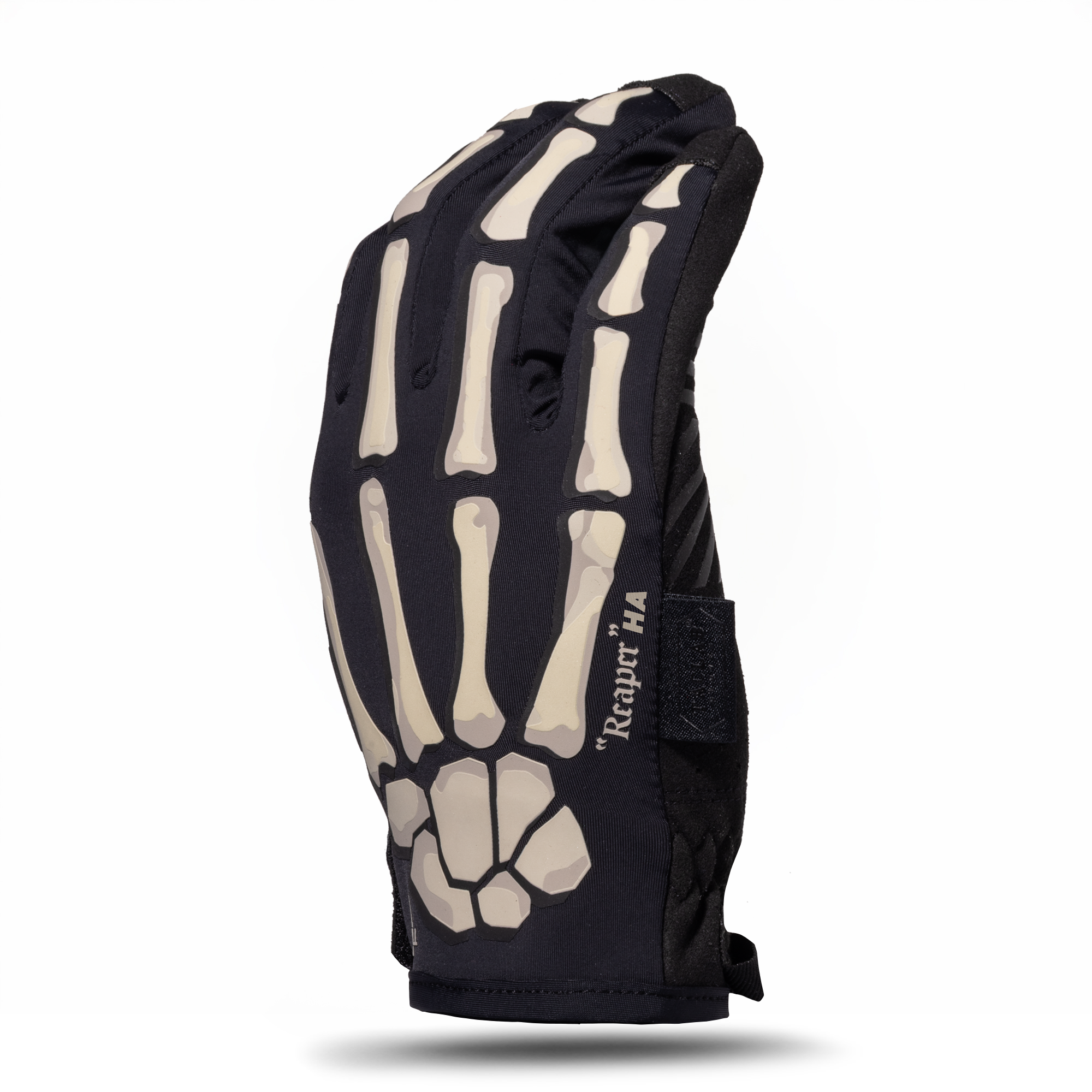
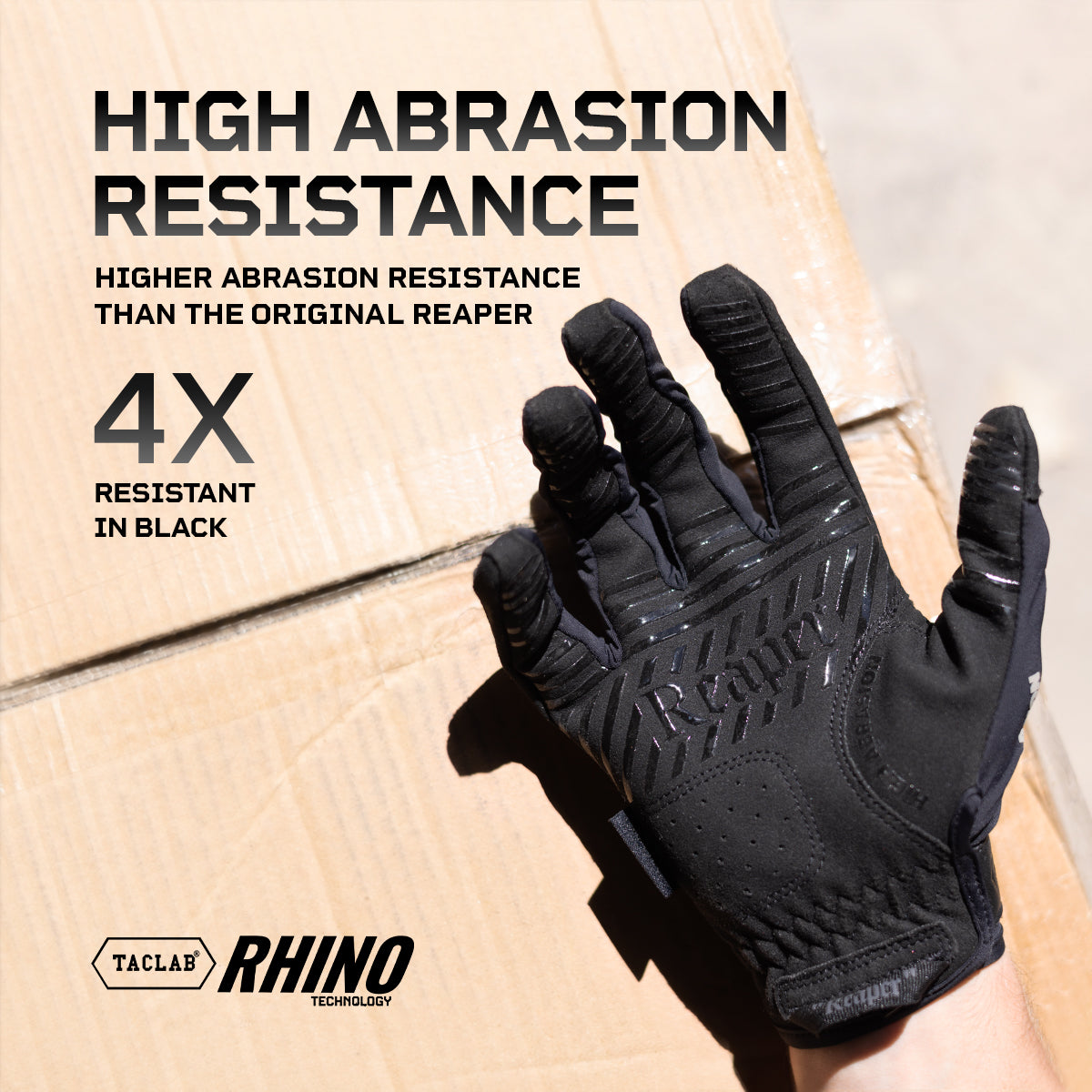
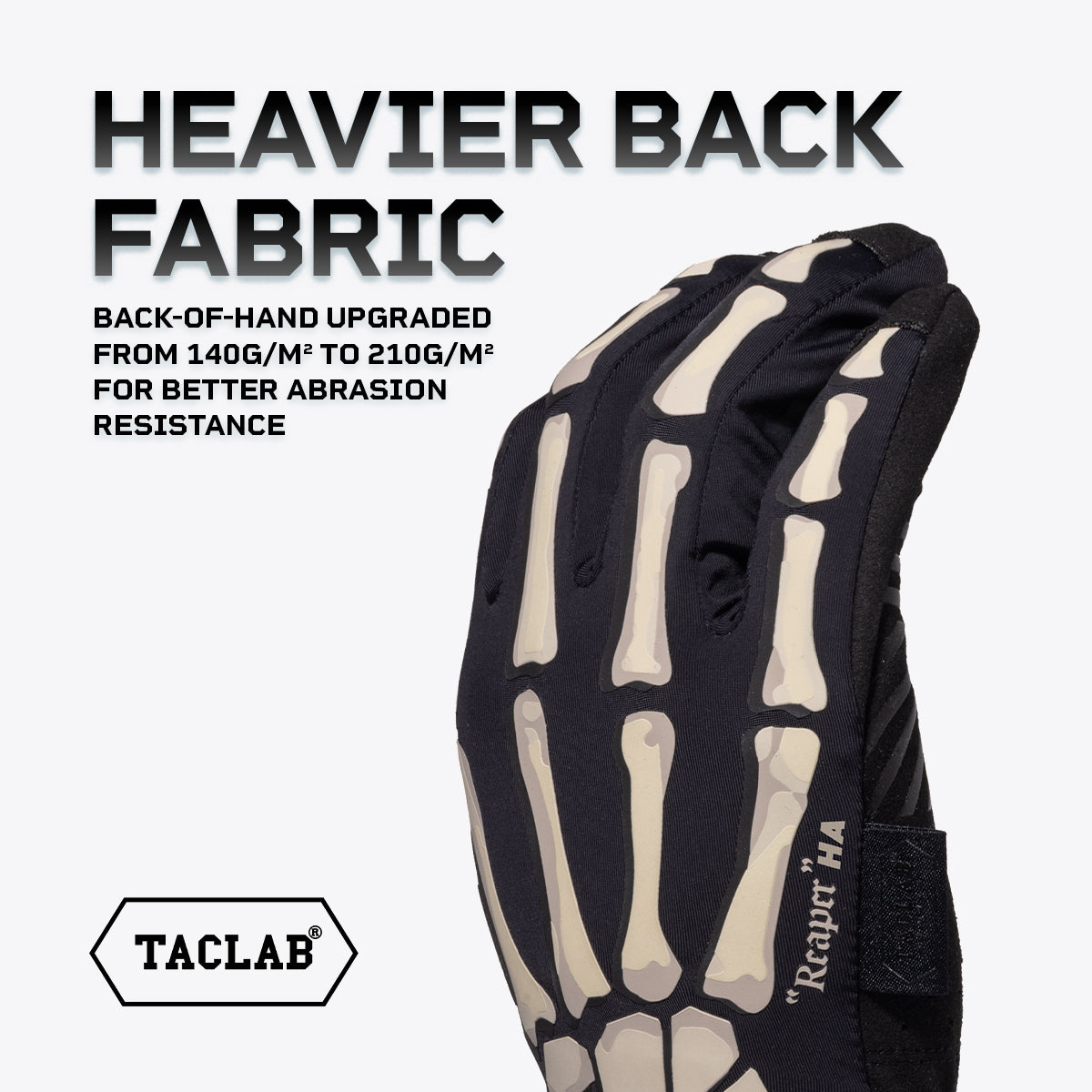
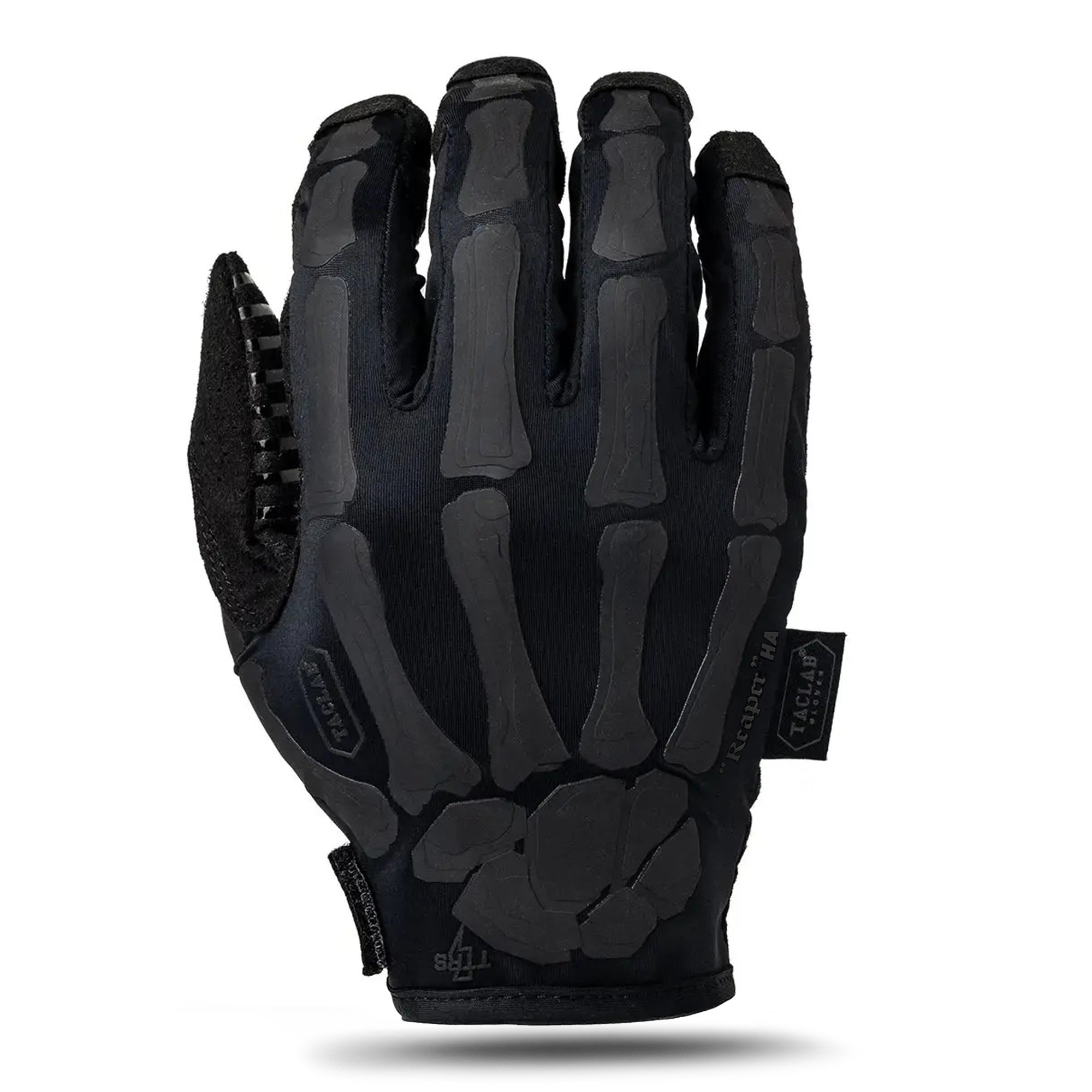
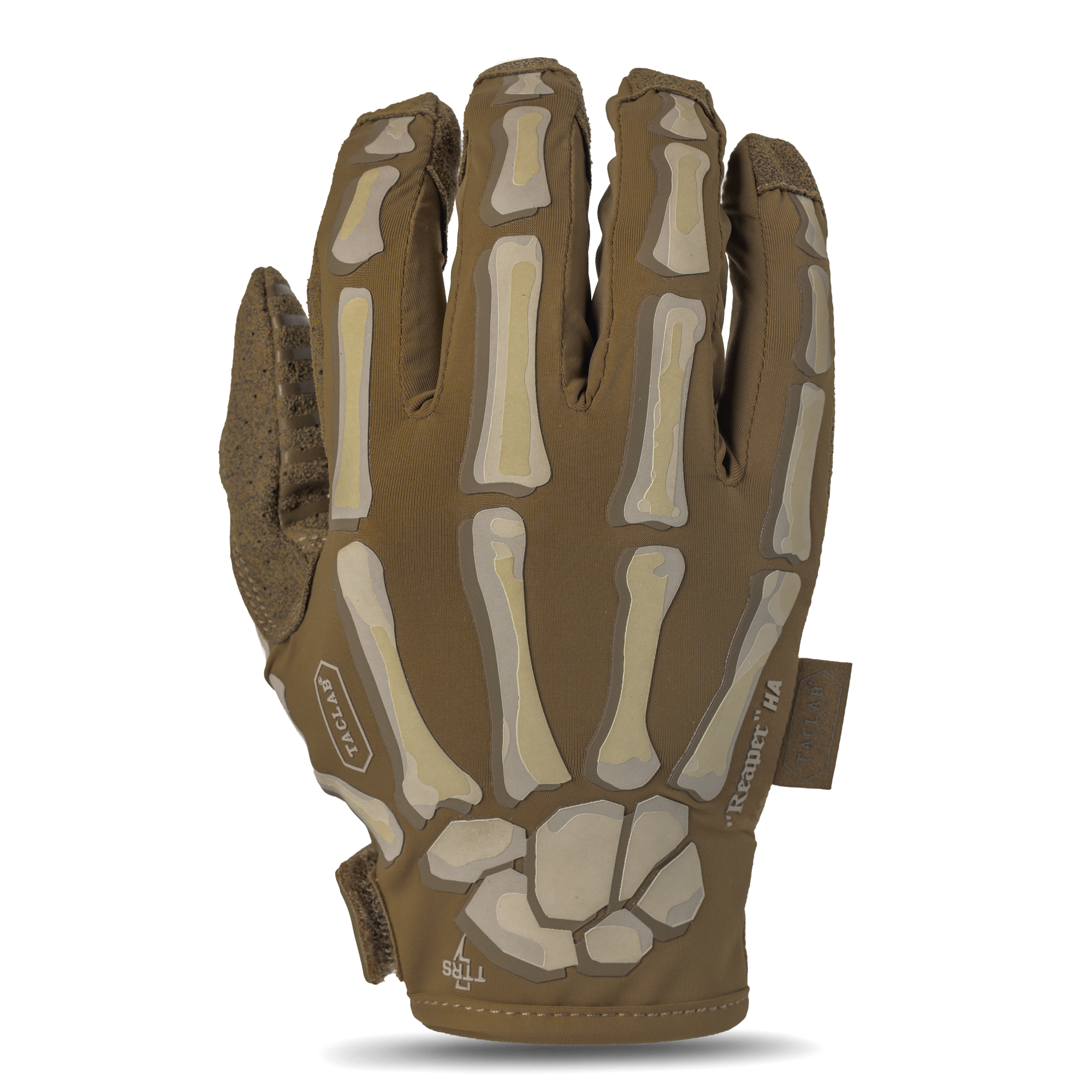
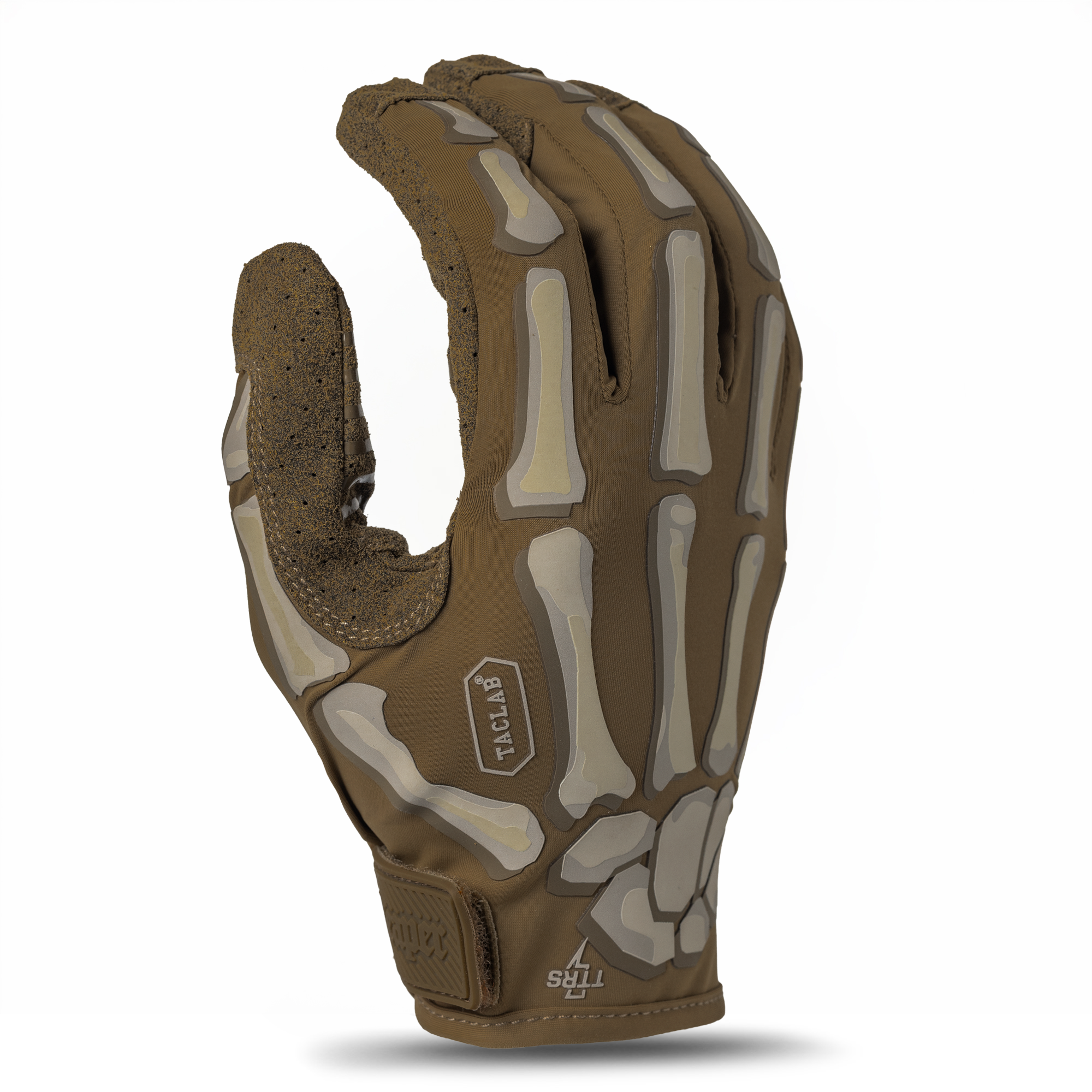
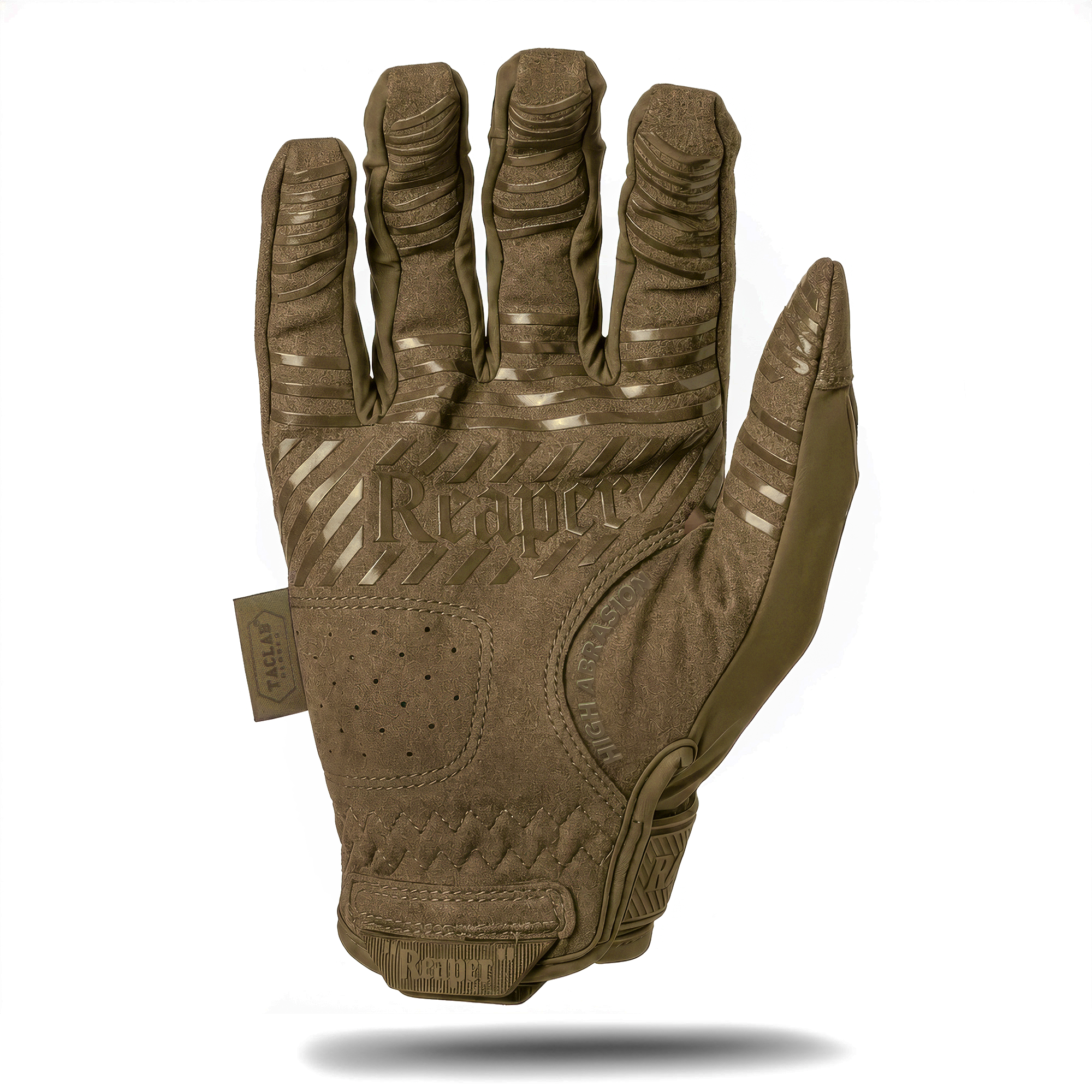
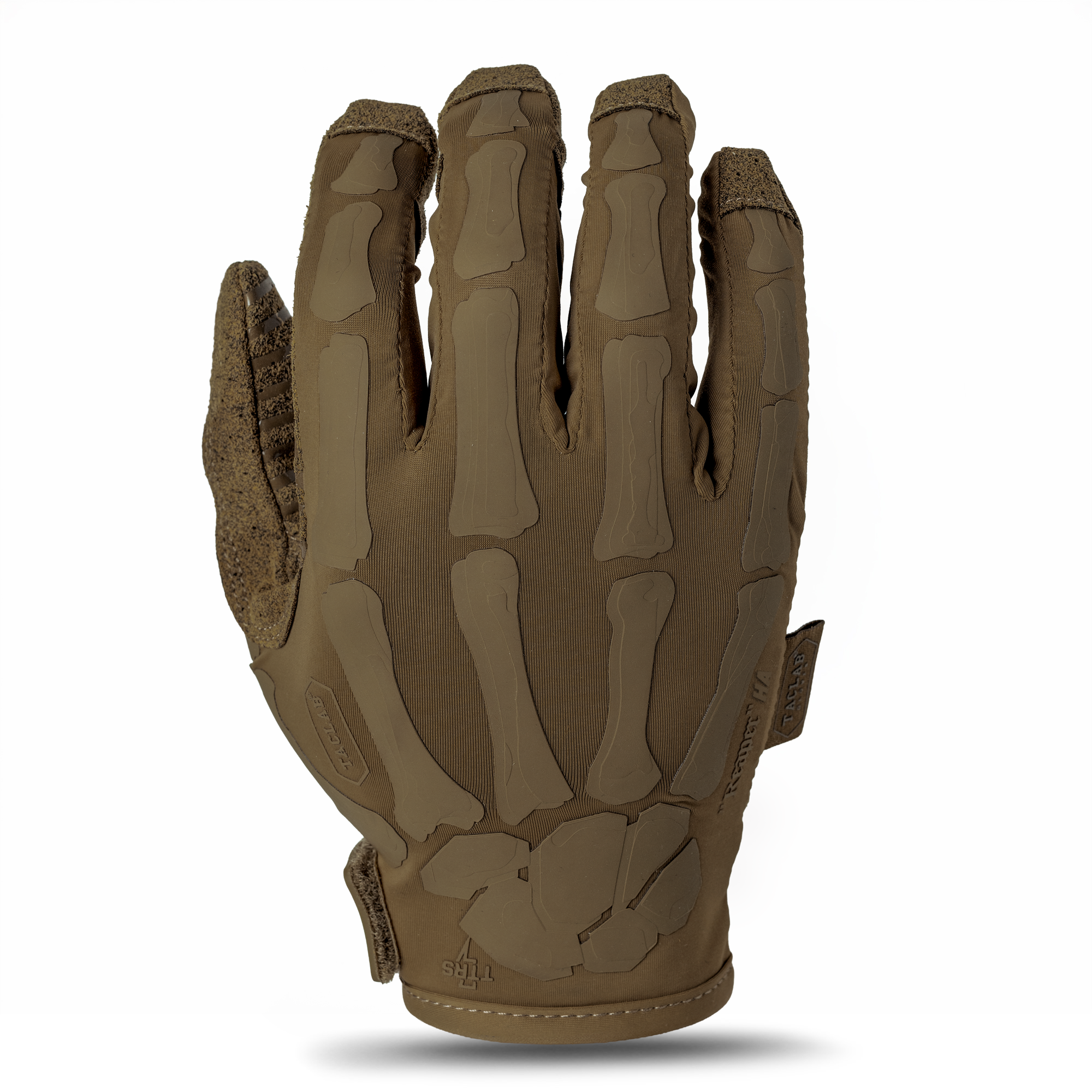
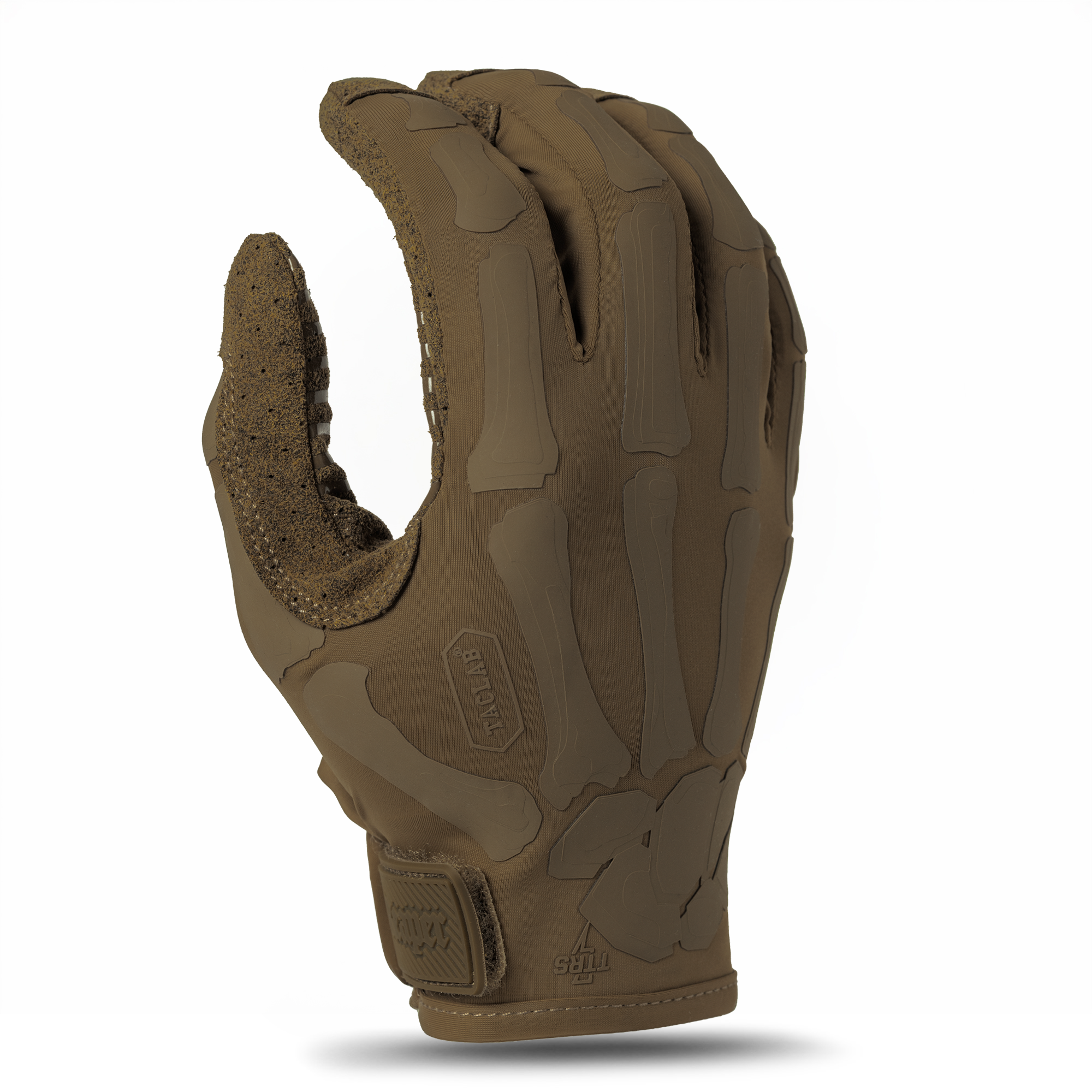
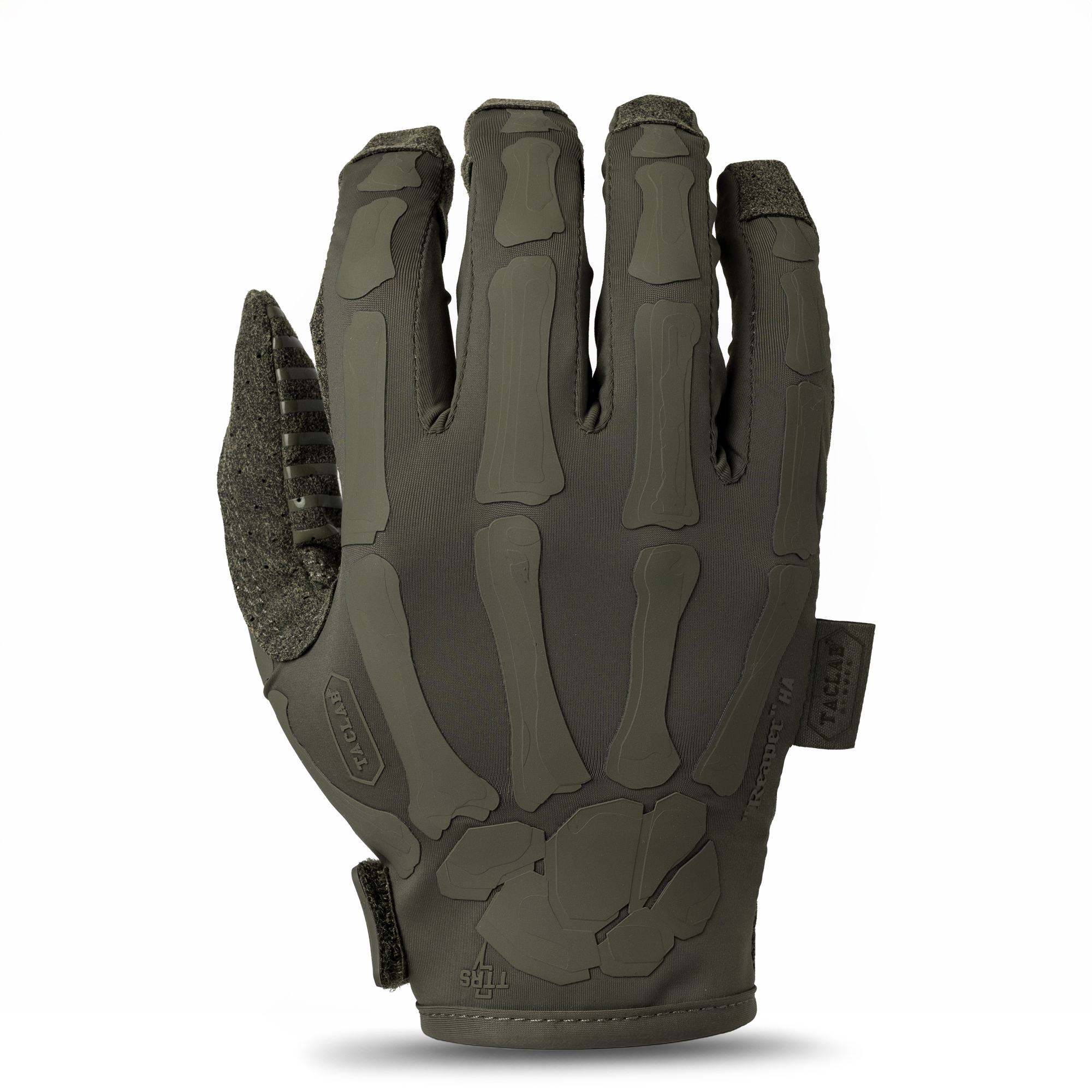
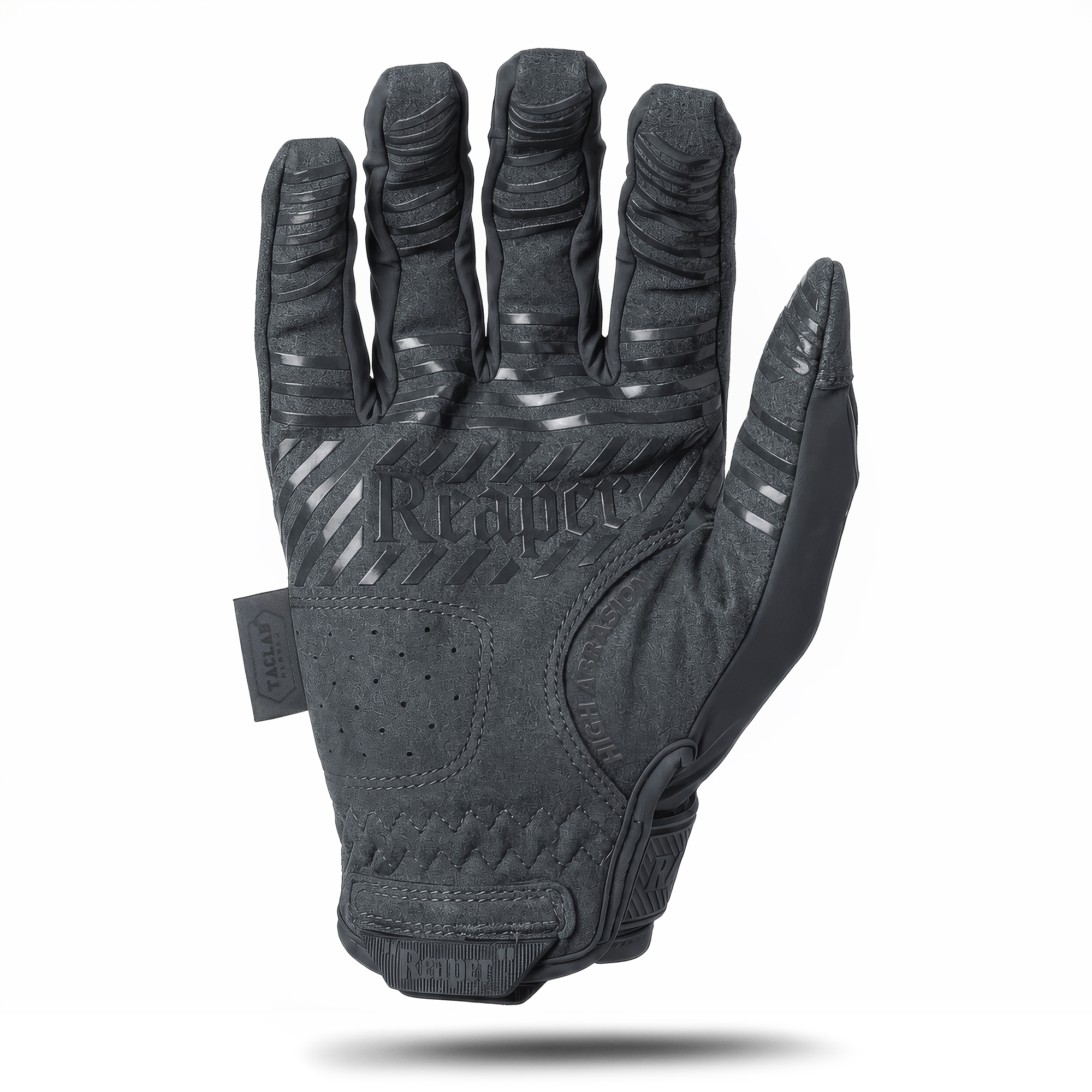
TACLAB now offers the Reaper HA High Abrasion Gloves, providing an alternative for users who like the Reaper concept but need greater emphasis on abrasion resistance.
For heavy-duty leather applications, the Raider Goatskin Leather Gloves offer another direction.
The lesson is simple:
Don't destroy a precision glove doing a heavy-duty glove's job.
Matching the glove to the task is one of the easiest ways to improve lifespan.
How Long Do Different Tactical Gloves Usually Last?
There isn't a responsible way to promise an exact lifespan without knowing the wearer and conditions.
Instead, think in terms of relative durability.
| Glove Type | Main Priority | Typical Wear Pressure |
| Lightweight shooting glove | Dexterity and tactile feel | Fingertips and palm |
| High-abrasion tactical glove | Wear resistance | Repeated rough-surface contact |
| Leather utility glove | Durability and natural grip | Palm, seams, flex points |
| Anti-vibration riding glove | Padding and comfort | Palm padding and grip zones |
| Insulated tactical glove | Warmth and dexterity | Insulation, palm, seams |
| Waterproof winter glove | Weather protection | Outer shell, seams, waterproof layers |
Instead of asking, "Will this glove last two years?" ask:
"Is this glove designed for what I'm about to do with it?"
That question is far more useful.
Why Lightweight Shooting Gloves May Wear Faster
This deserves its own section because it causes a lot of confusion.
Shooters often want two things:
Maximum dexterity and maximum durability.
Unfortunately, those goals can work against each other.
To create a glove with excellent trigger feel, manufacturers often reduce material thickness and bulk around the fingers and palm.
That helps with:
- Trigger feel
- Reloads
- Fine manipulation
- Touchscreen use
- Comfort
- Natural hand movement
But thinner materials generally shouldn't be expected to behave like heavy-duty work gloves.
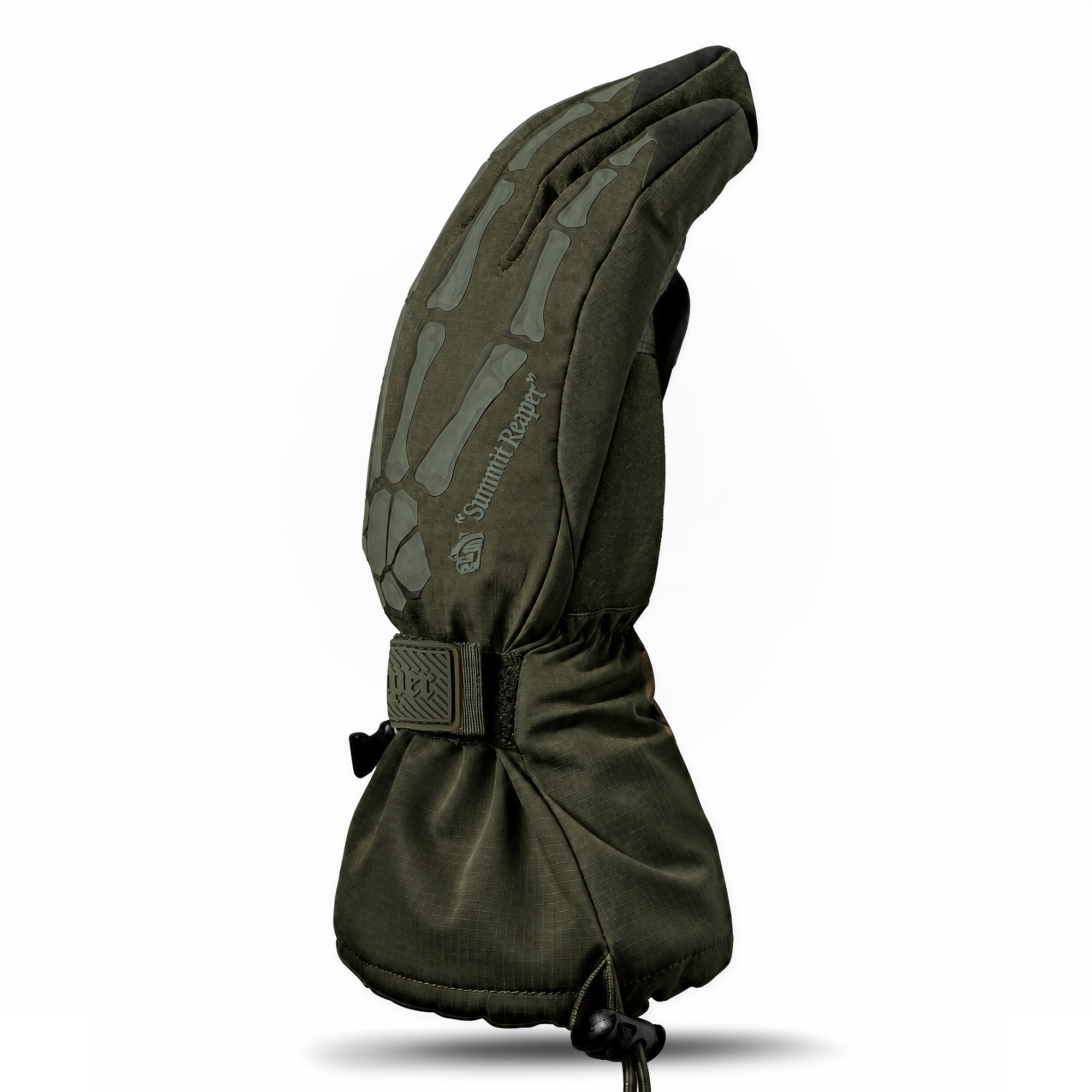
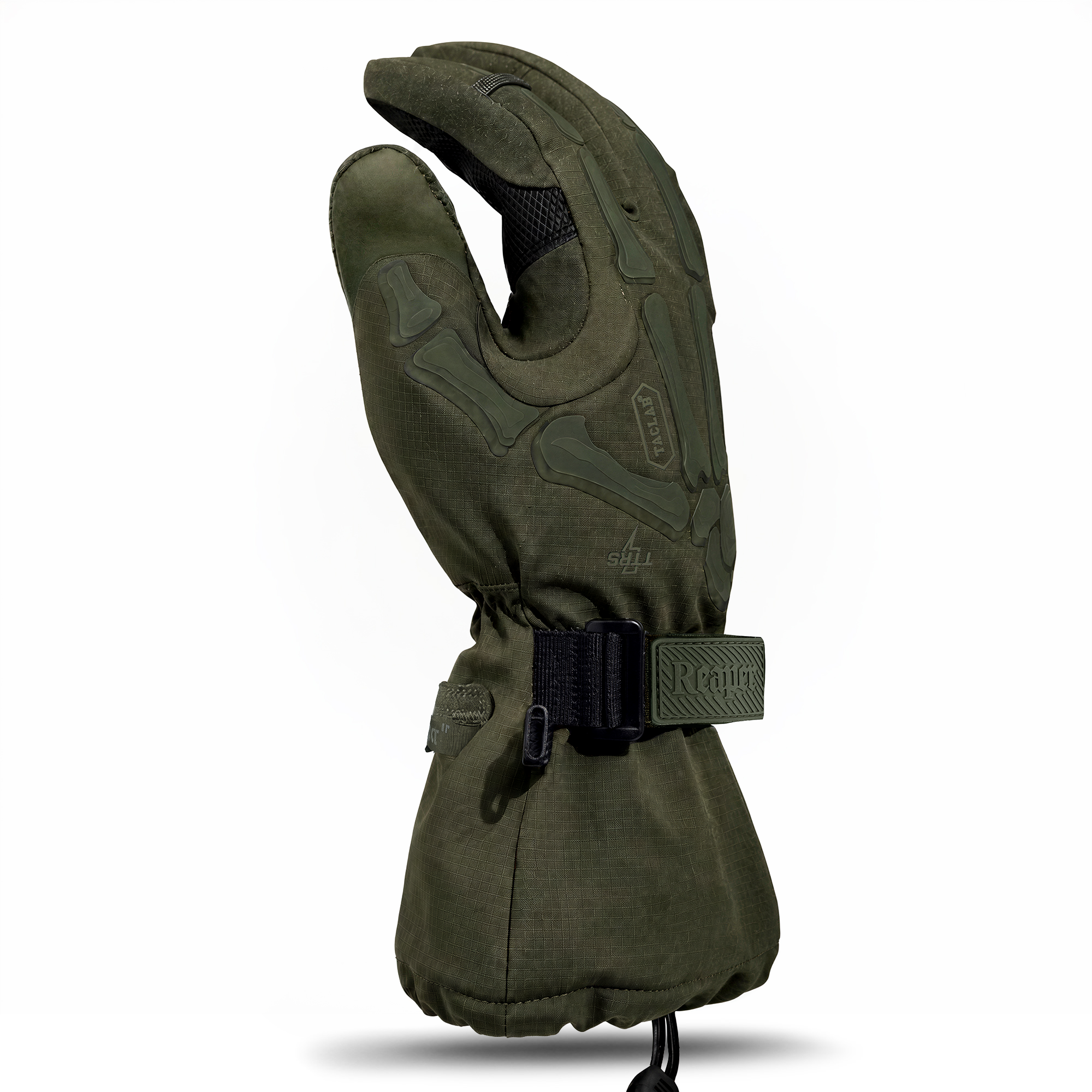
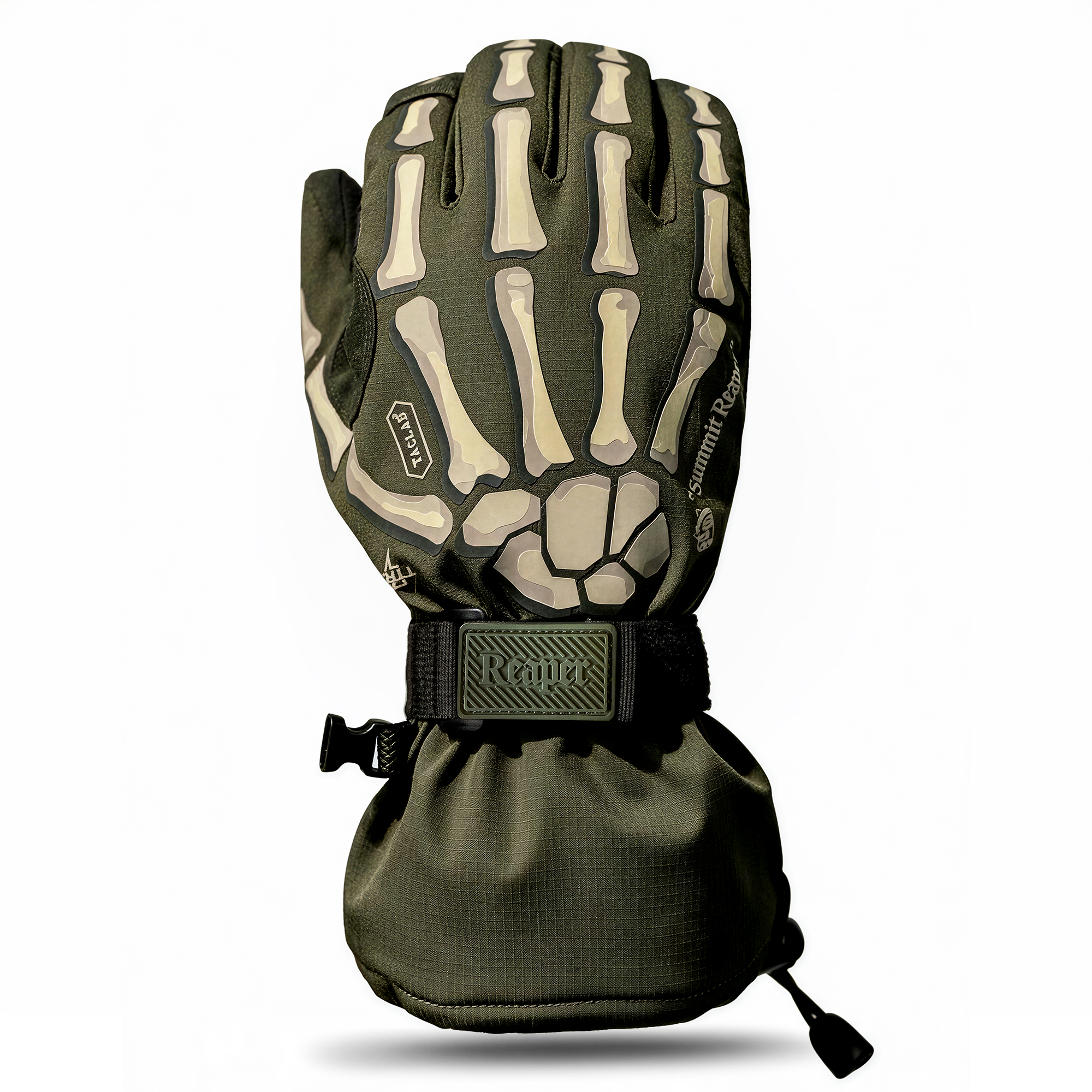
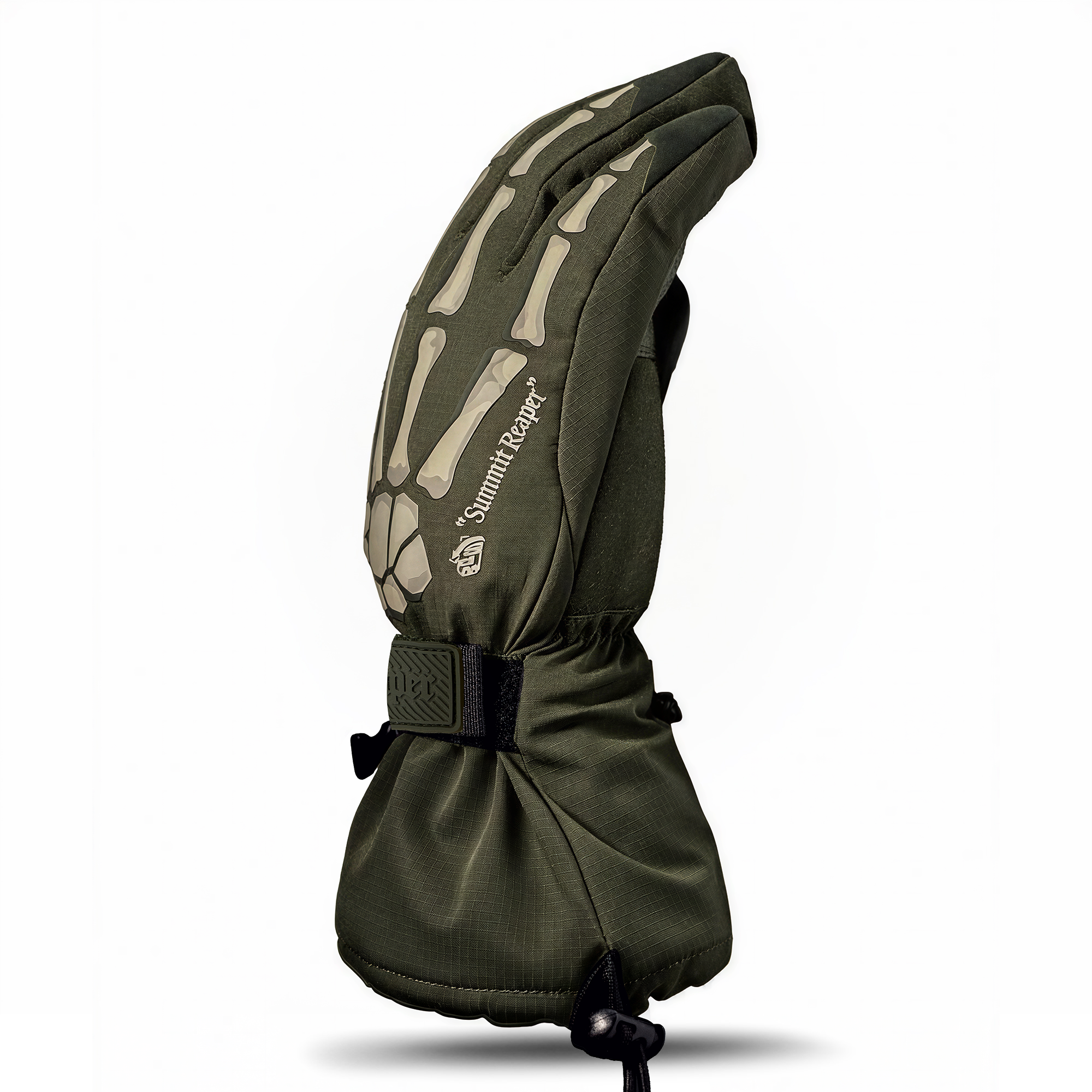
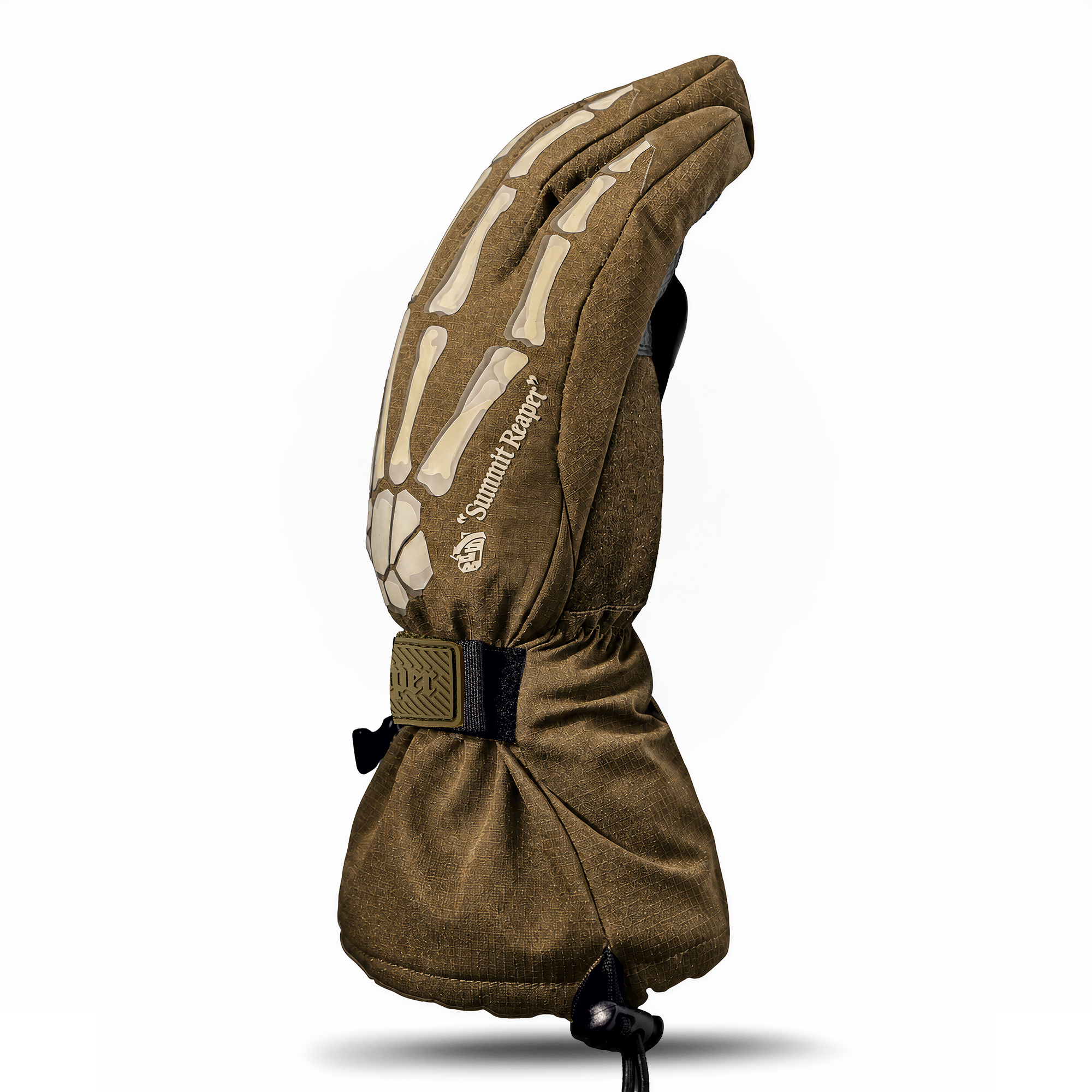
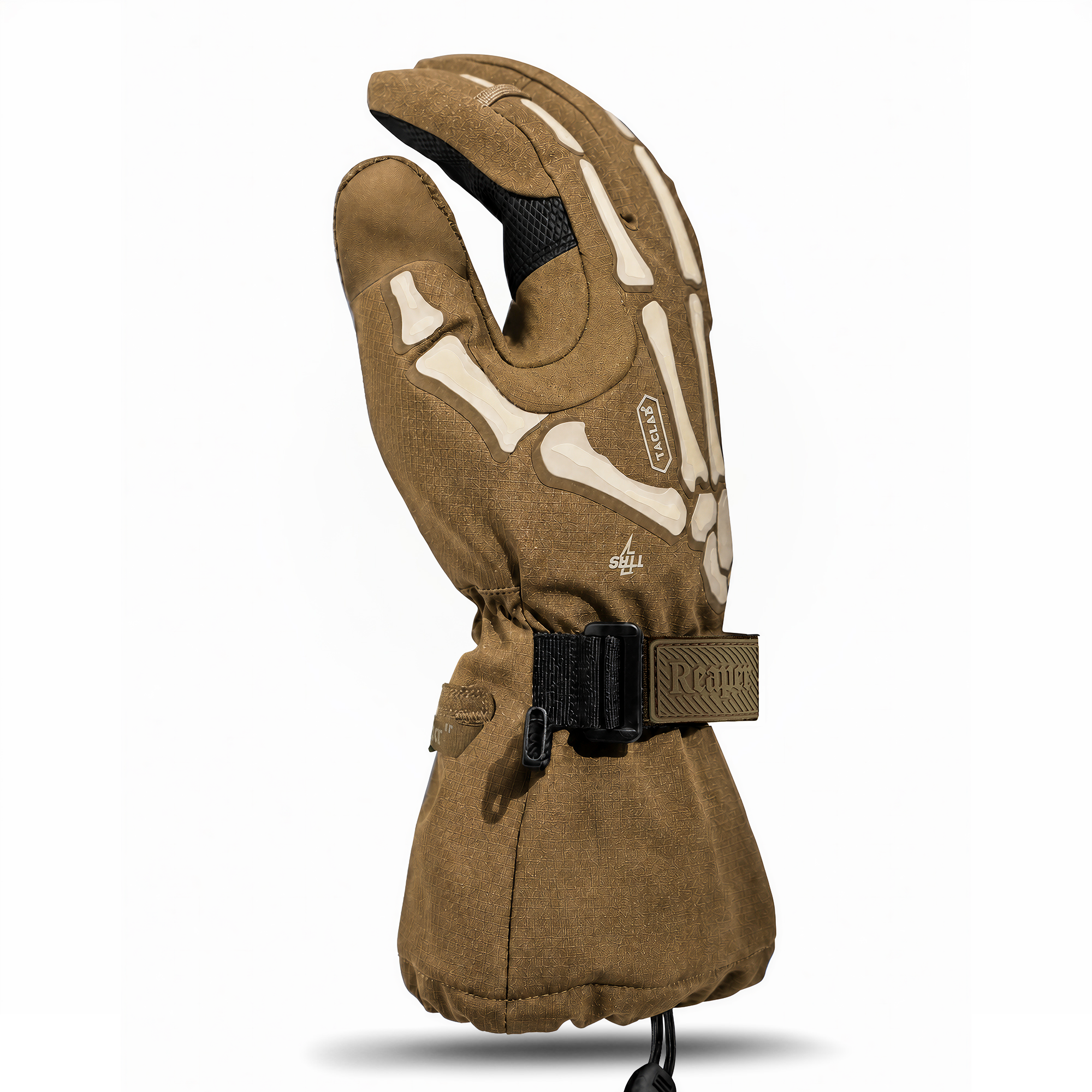
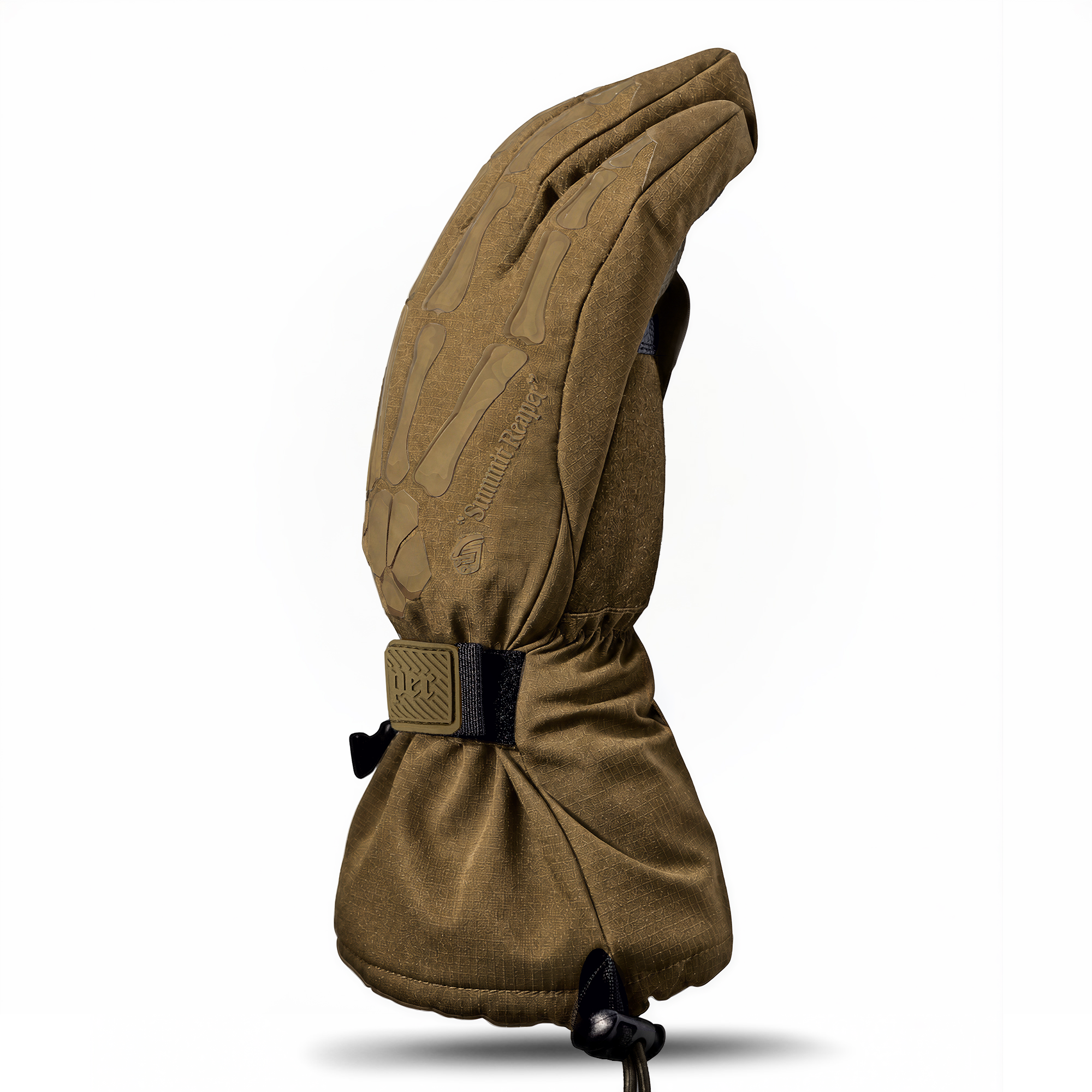
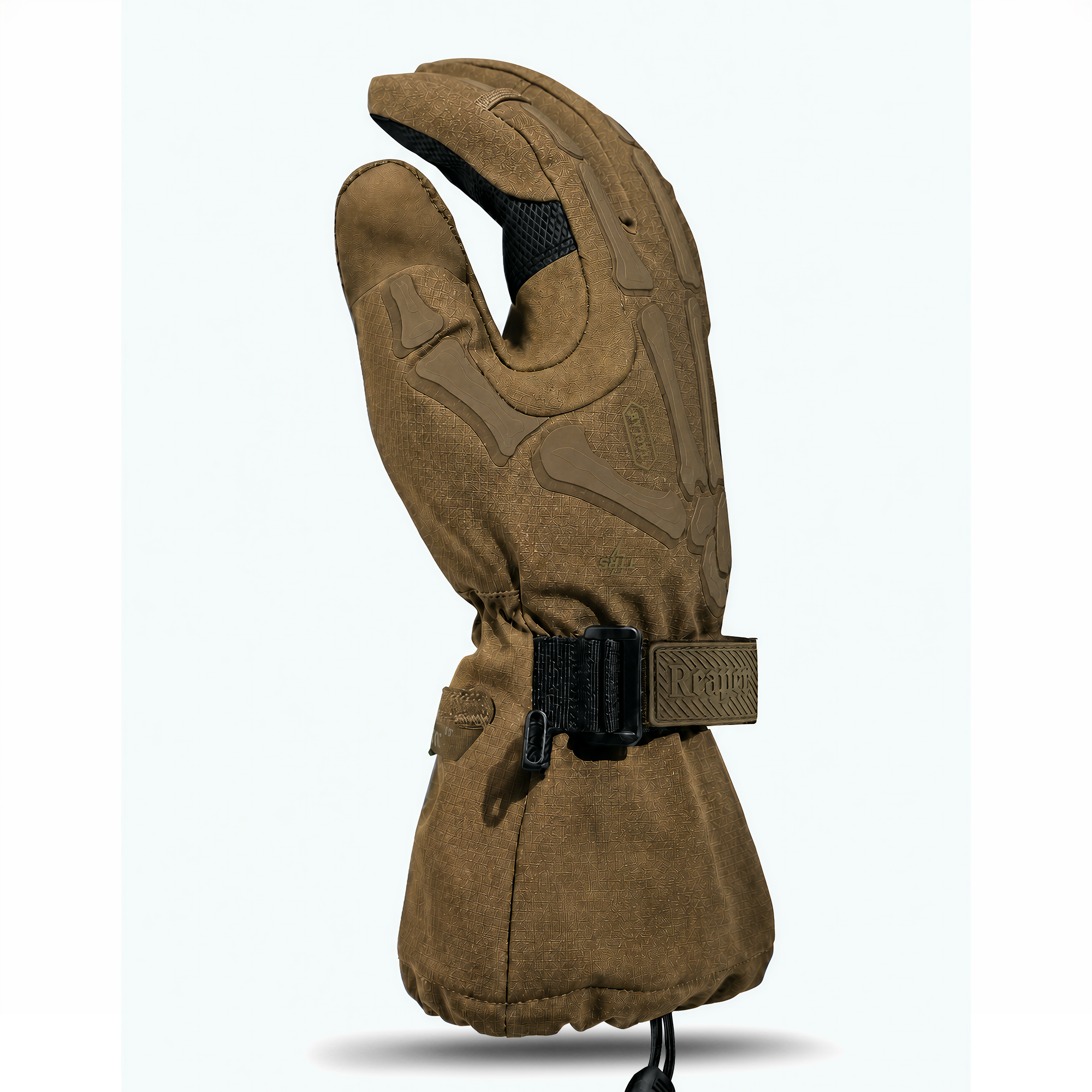
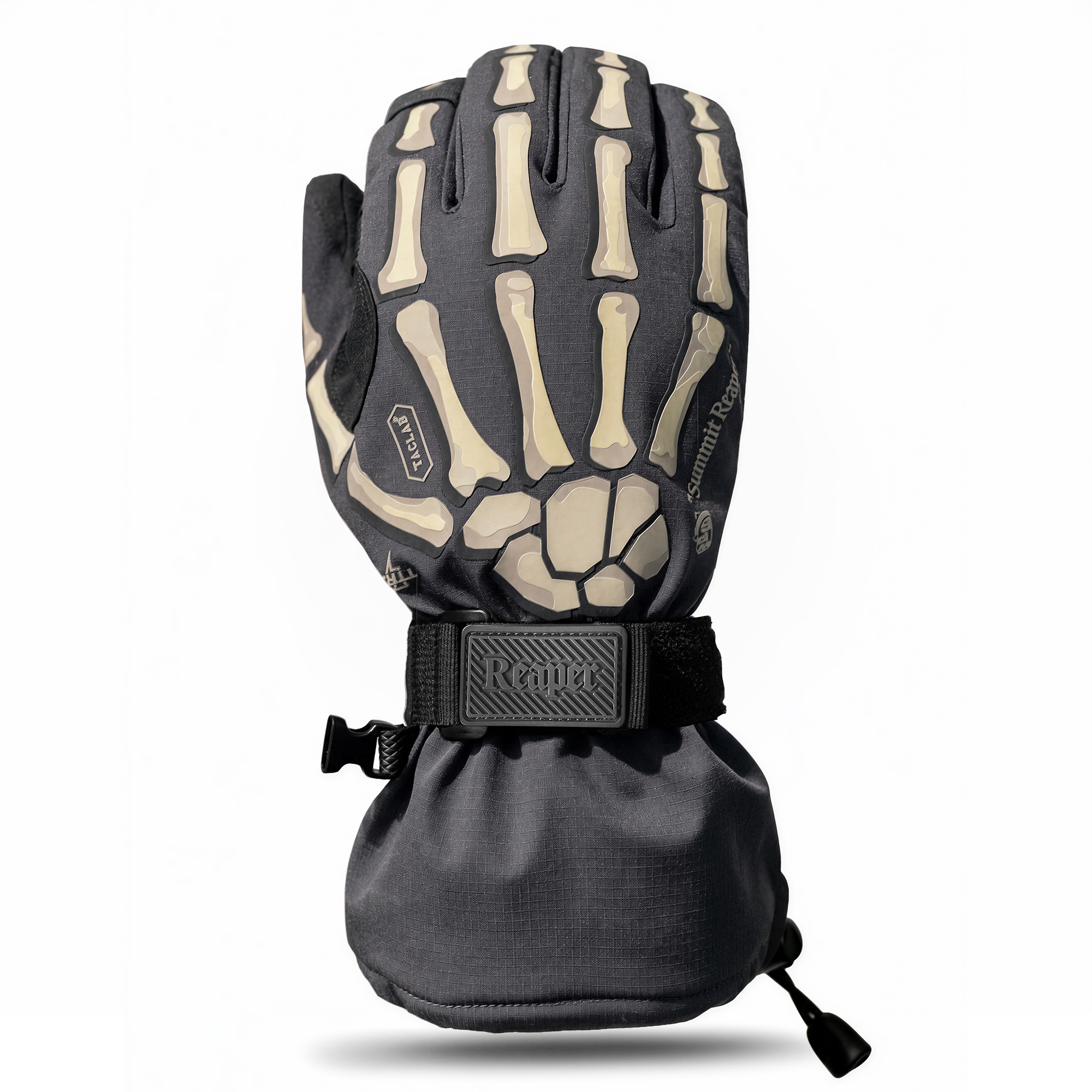
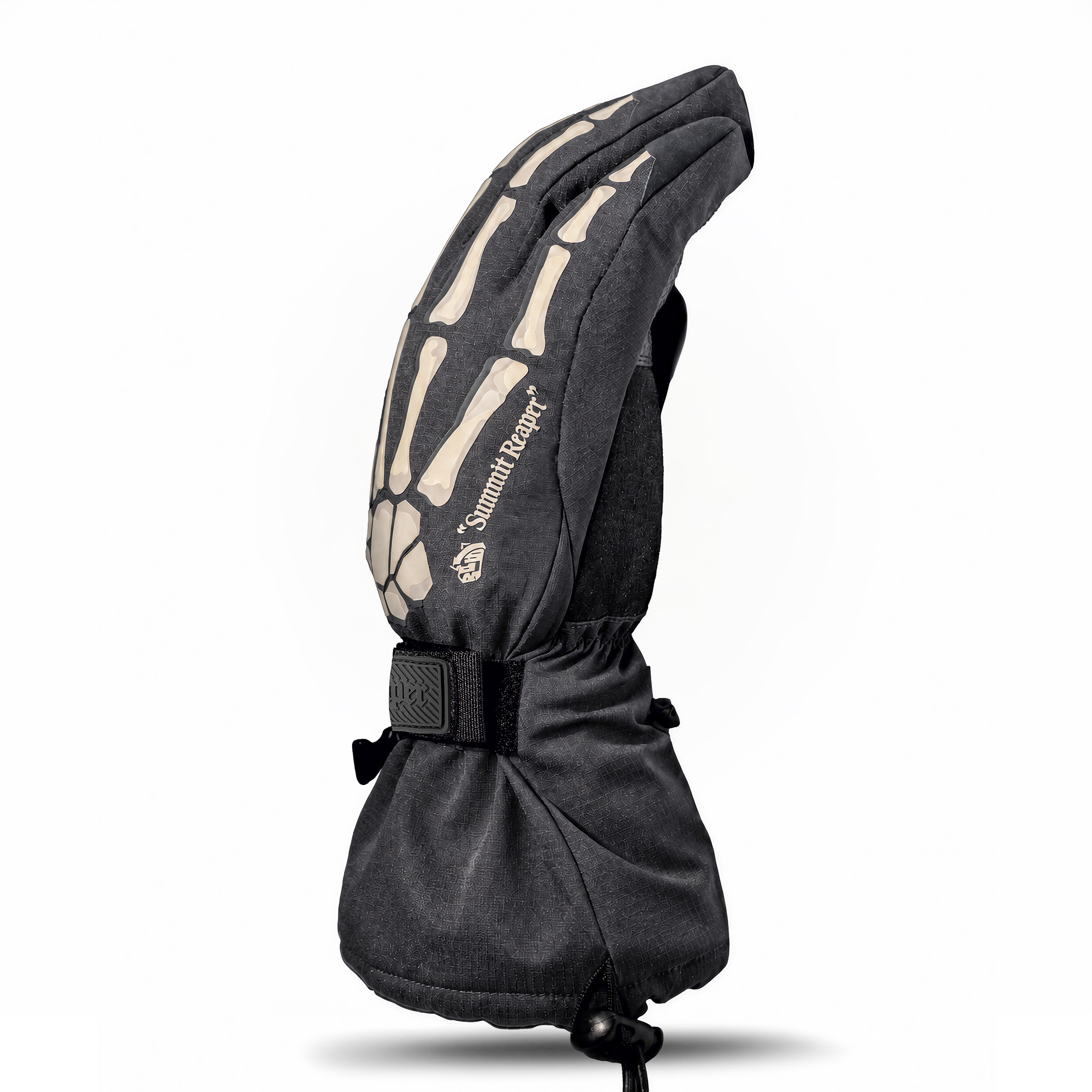
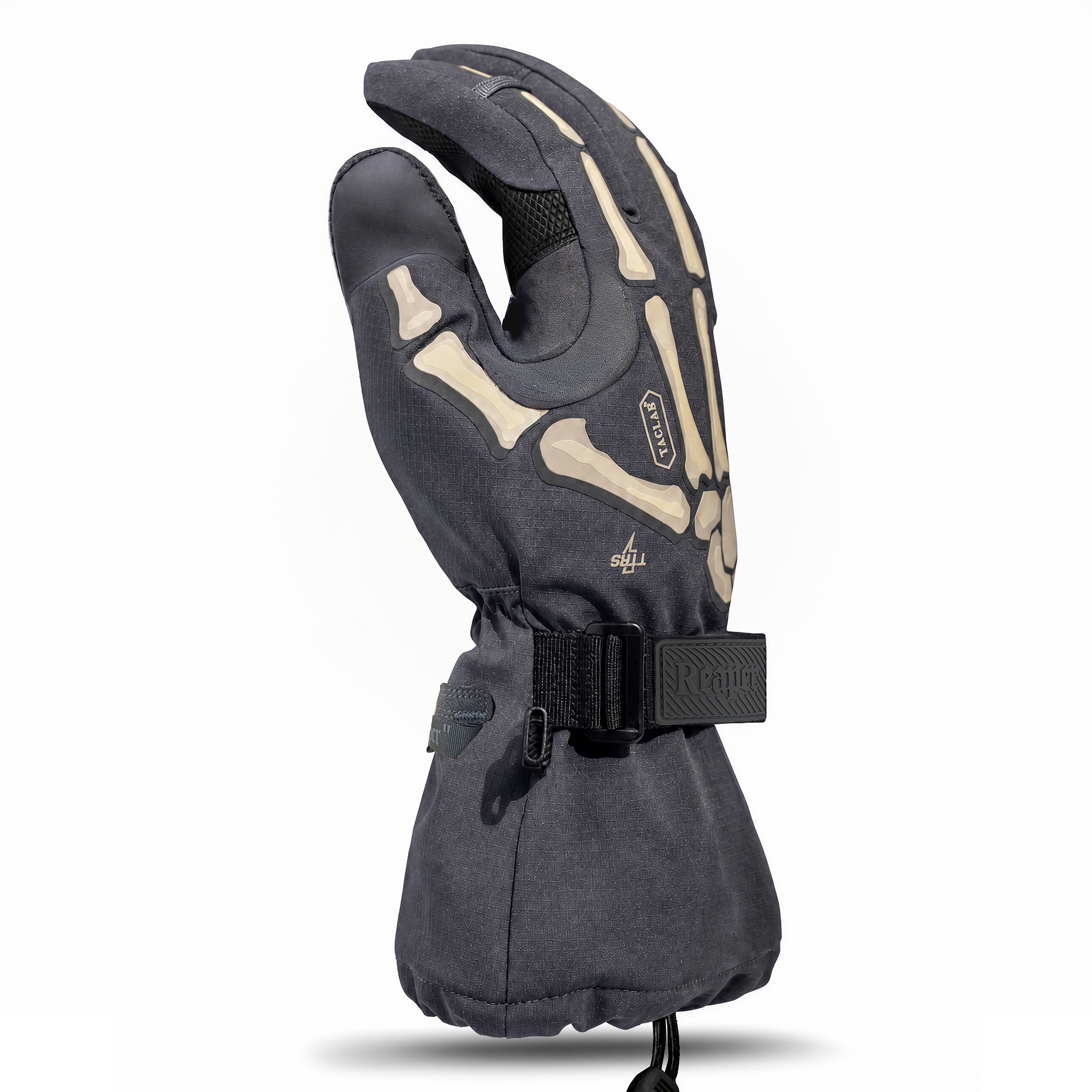
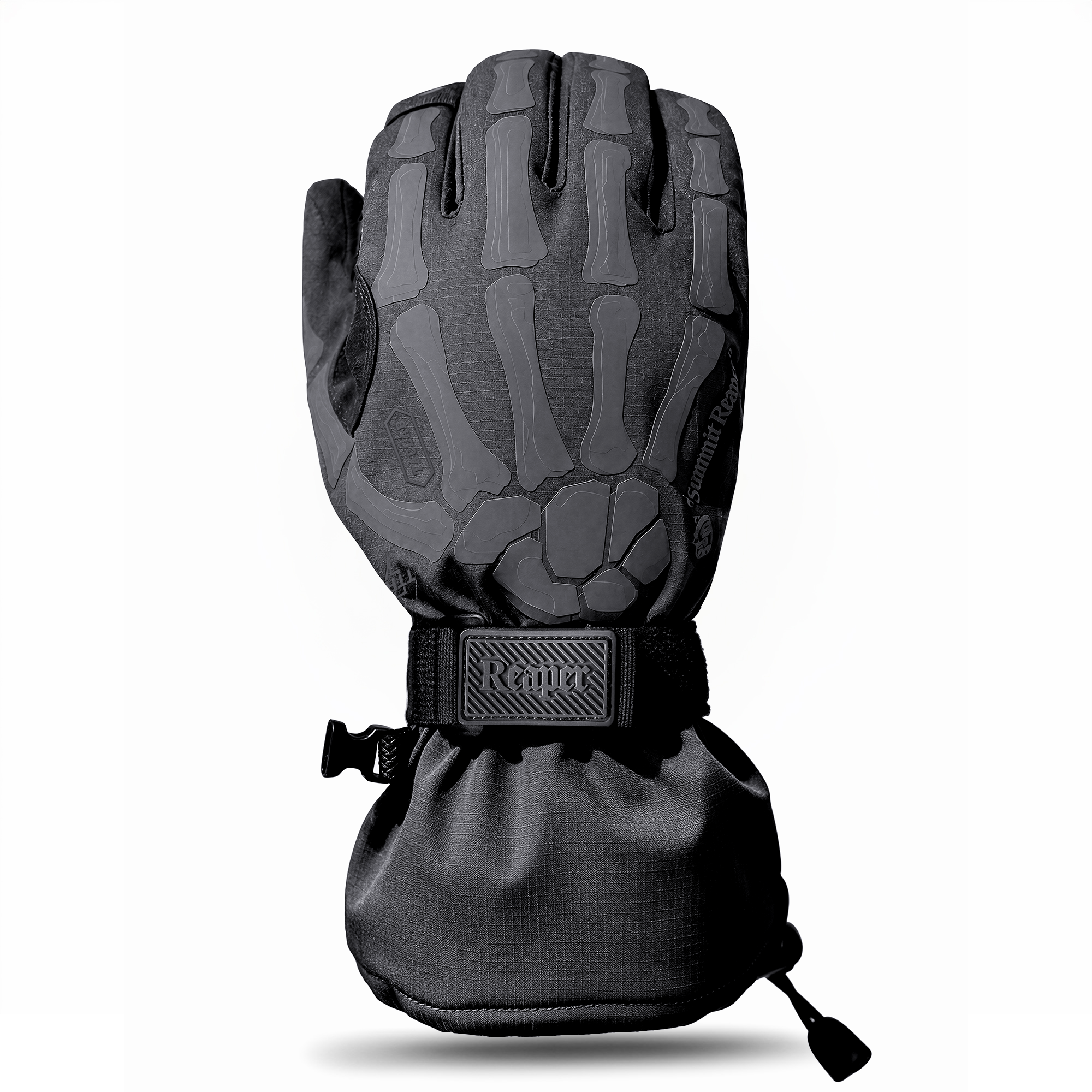
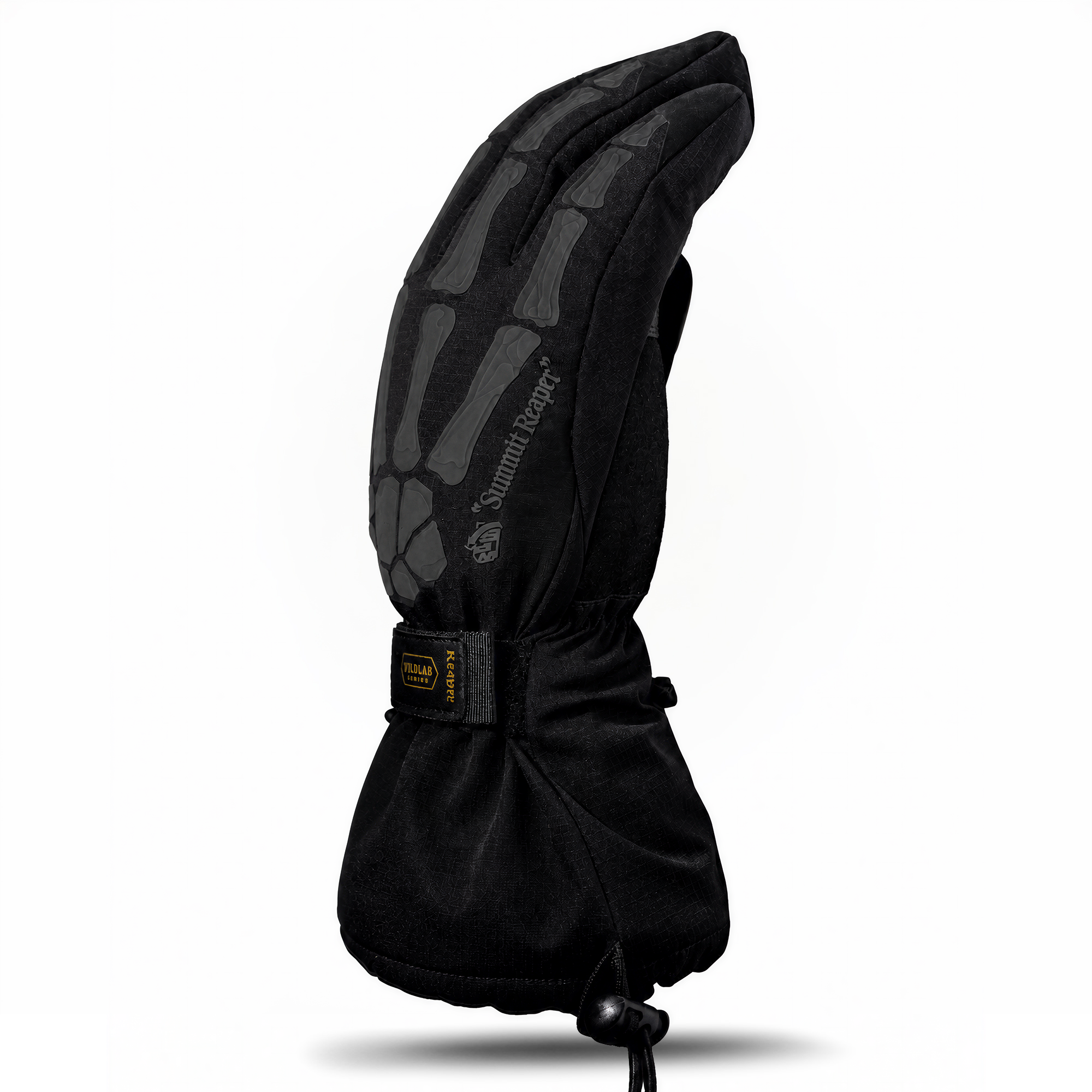
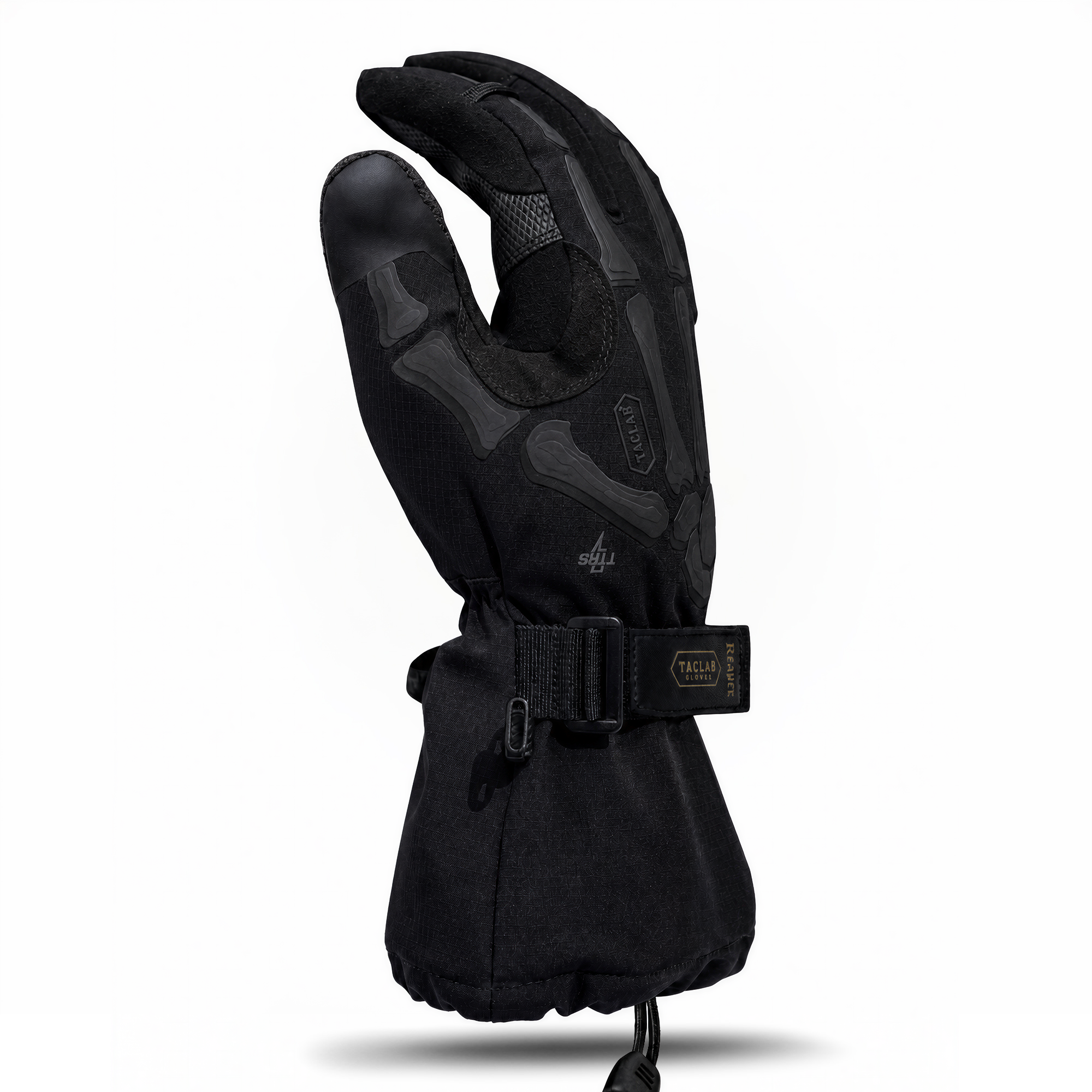
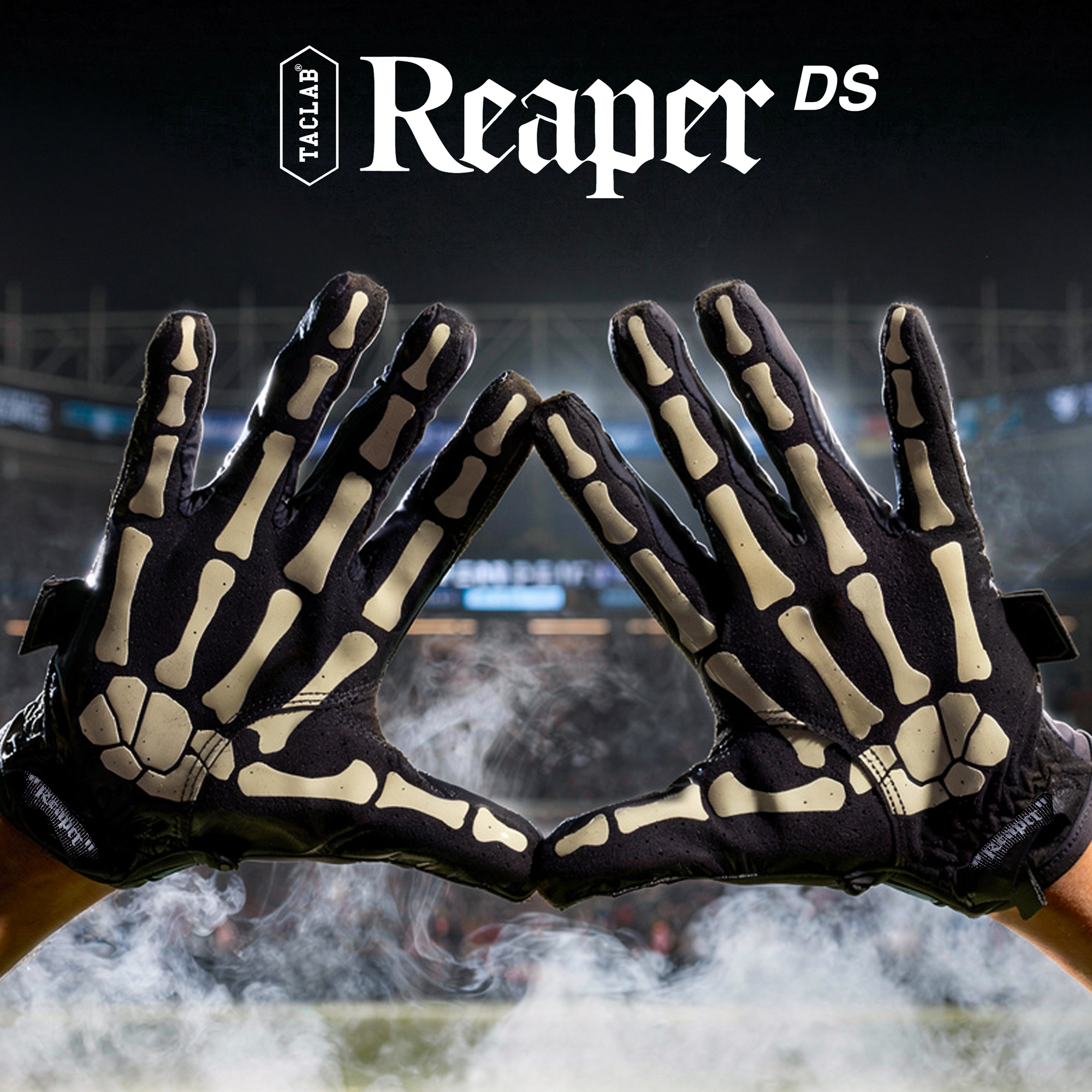
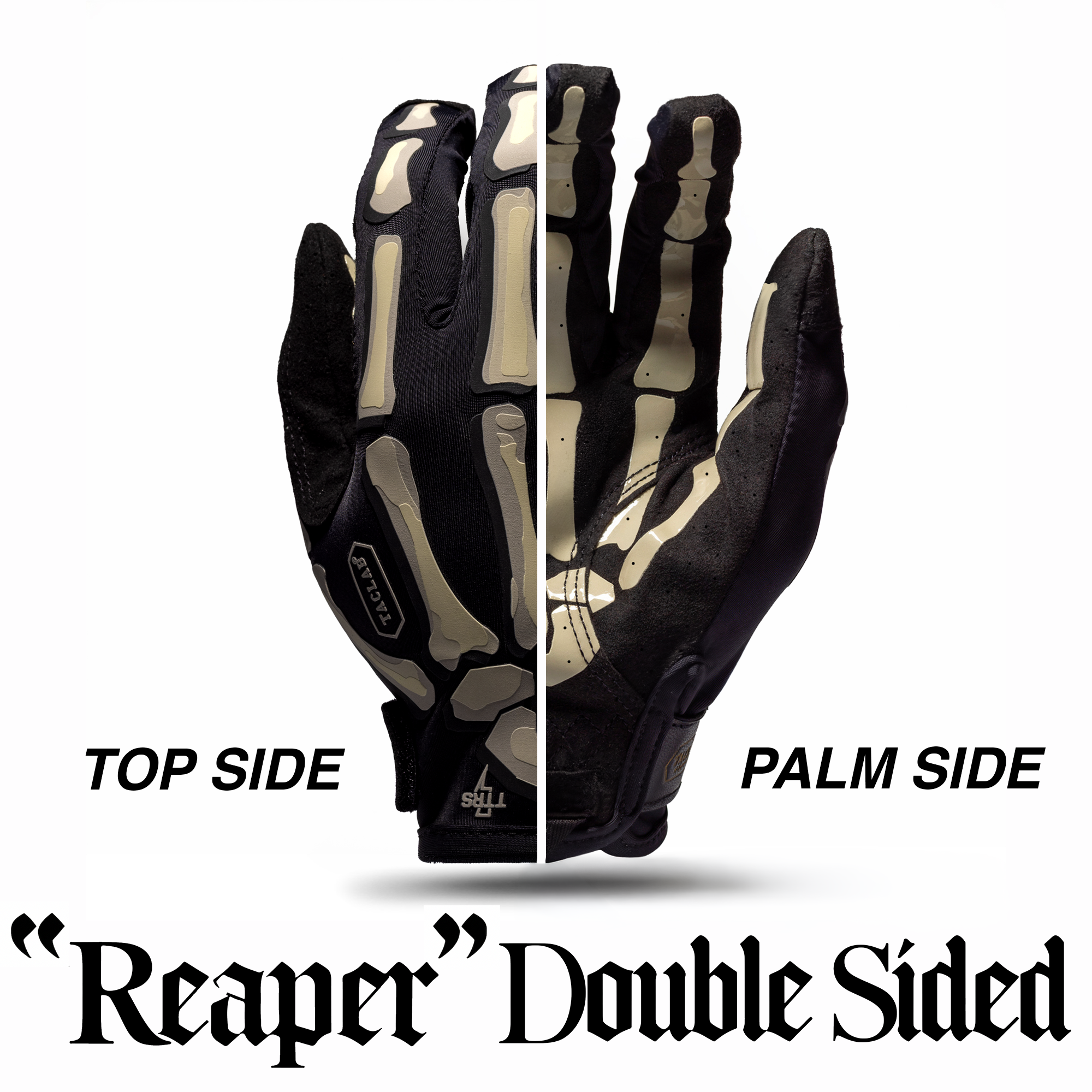
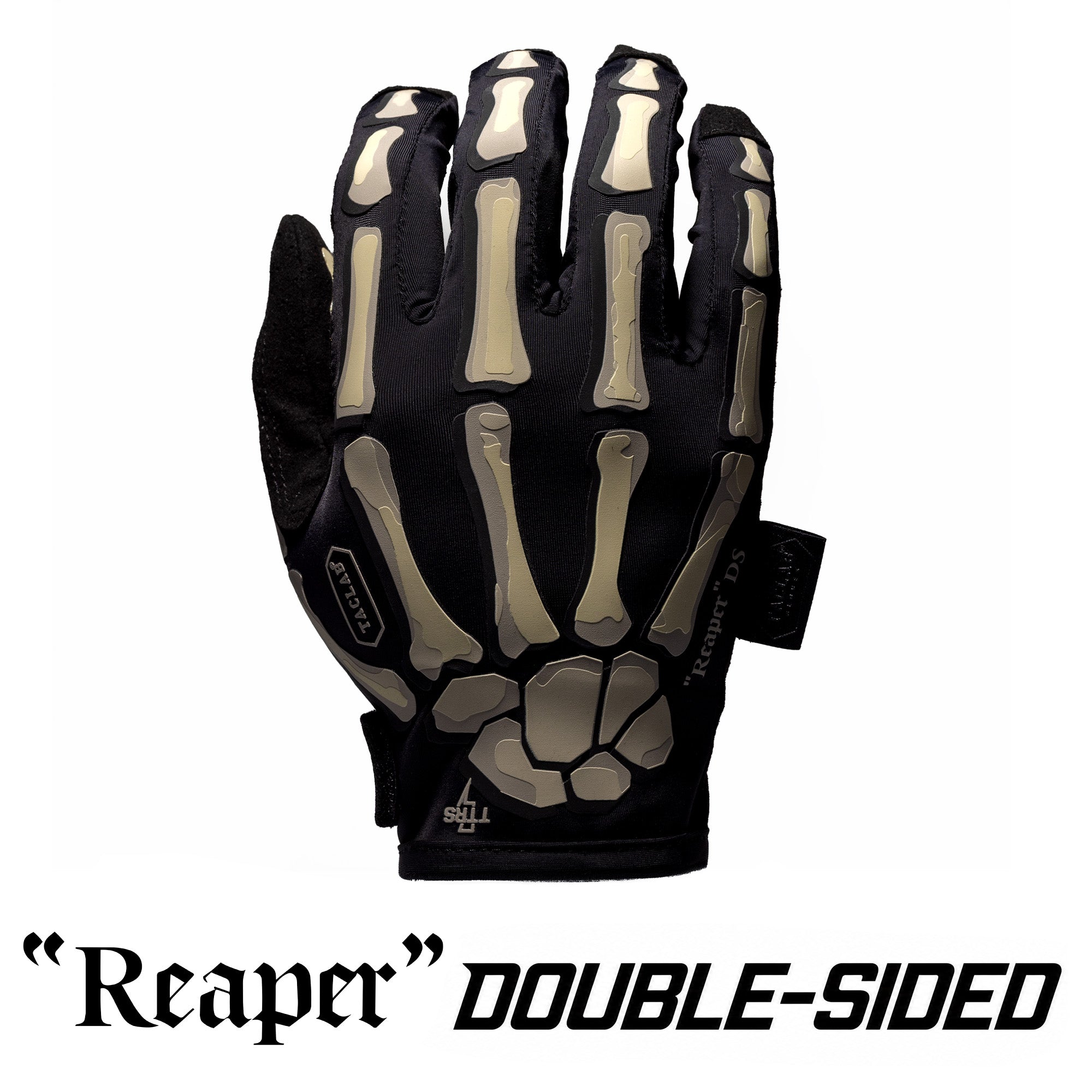
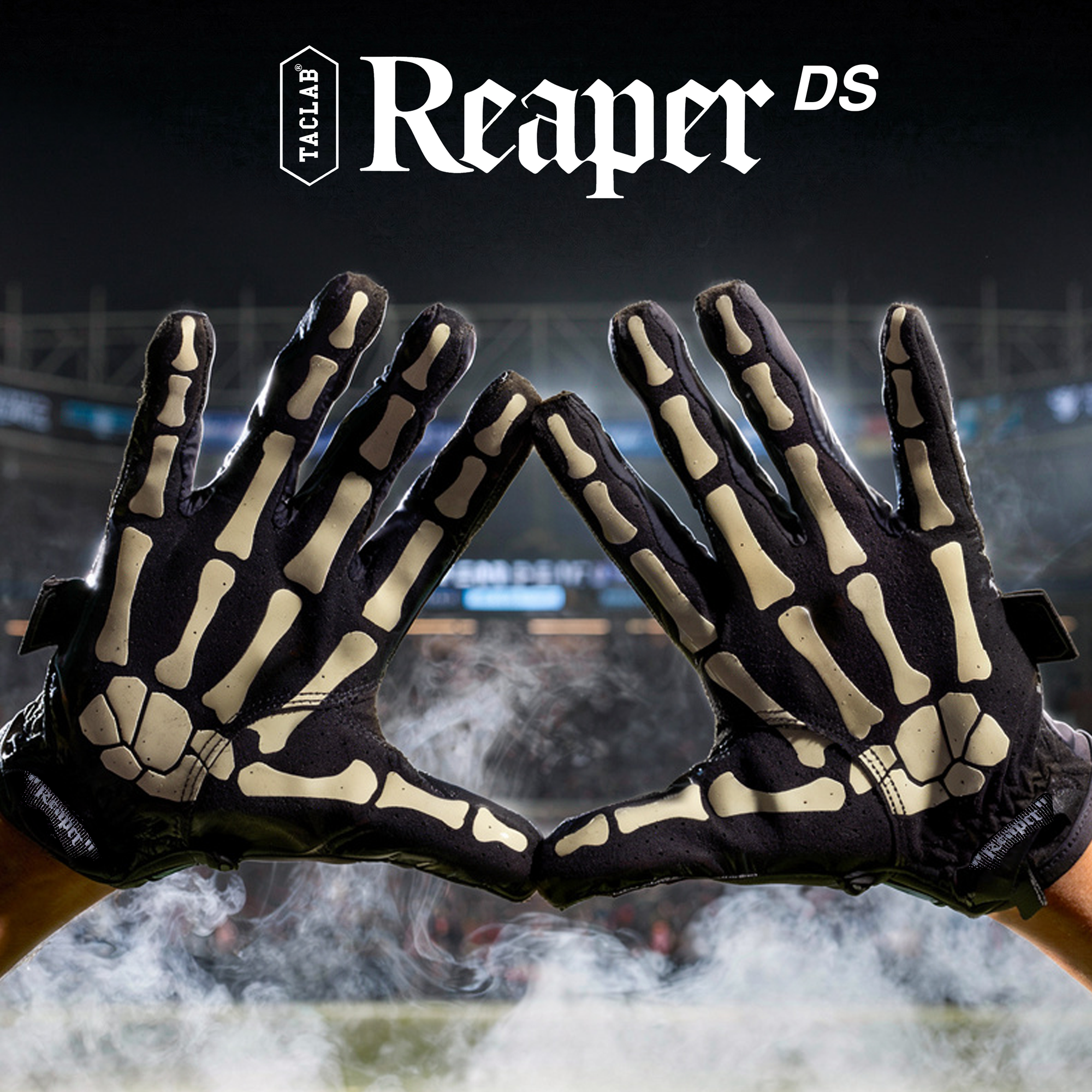
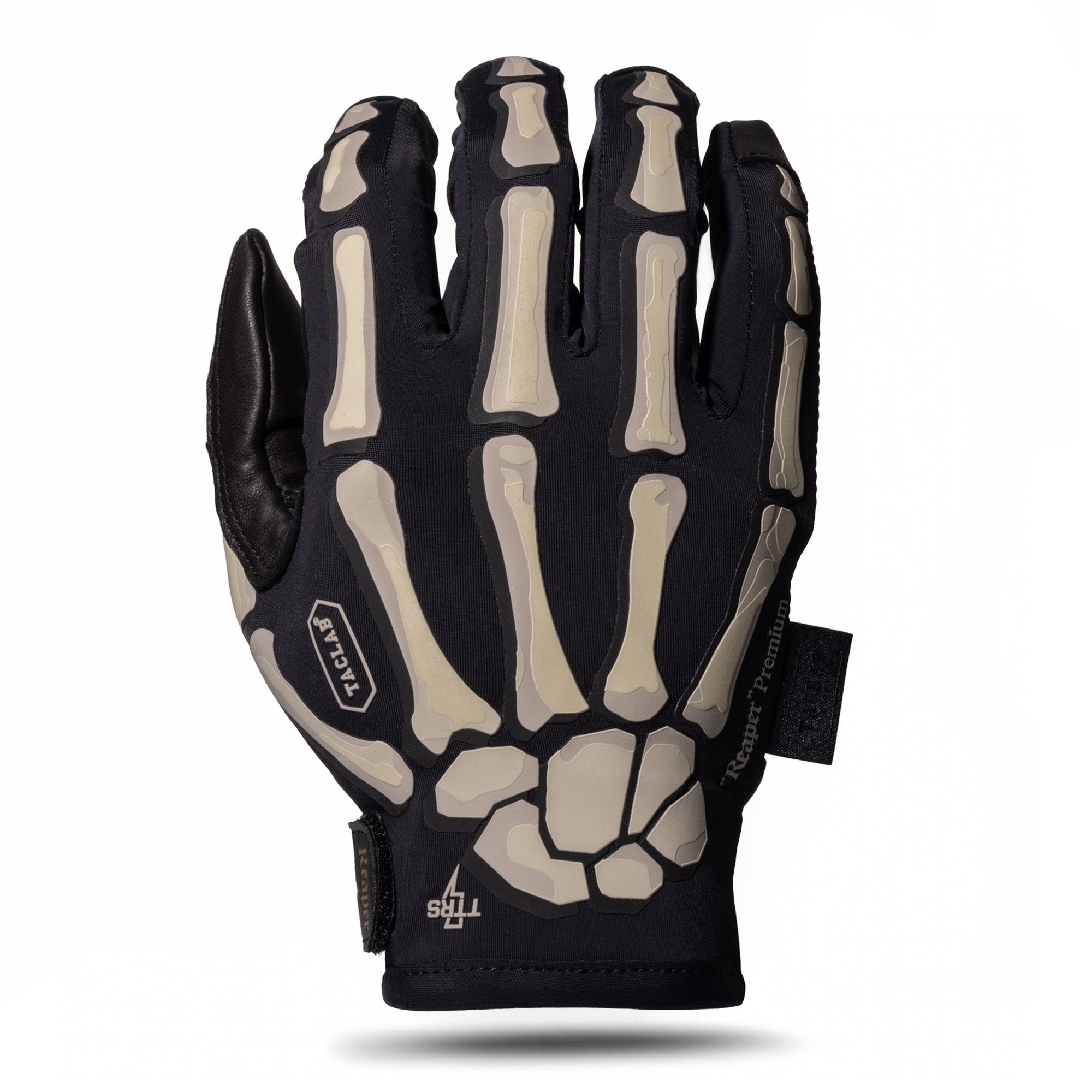
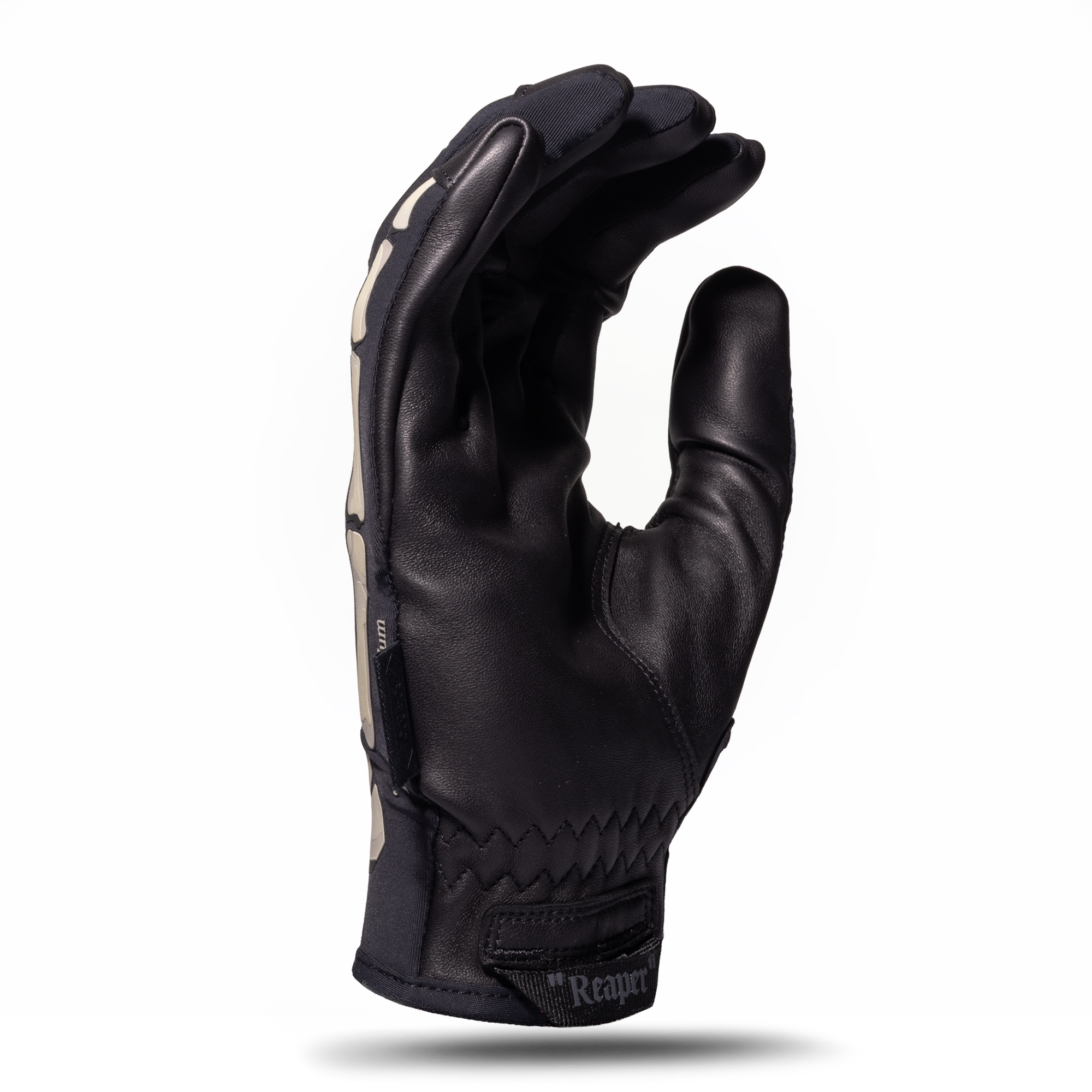
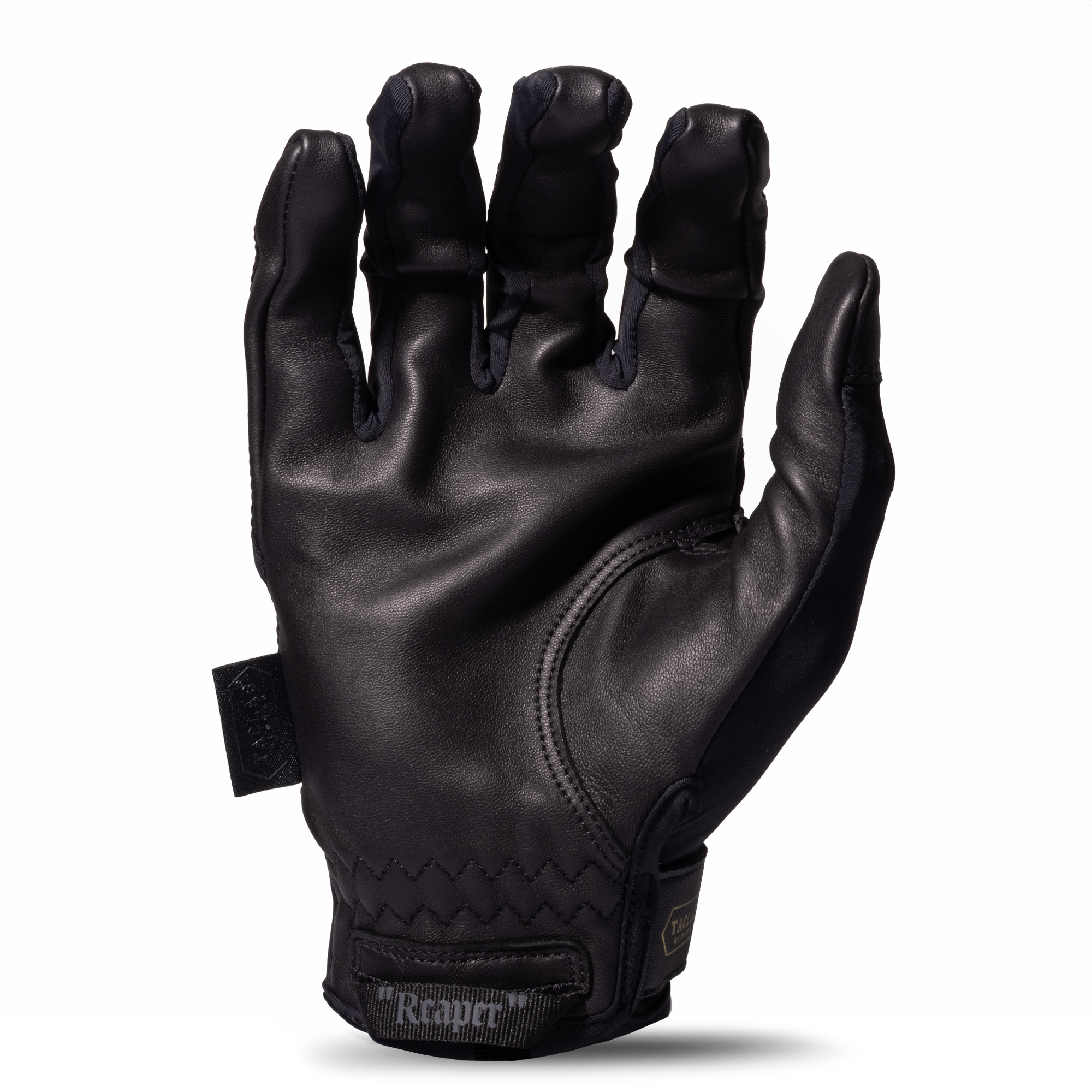
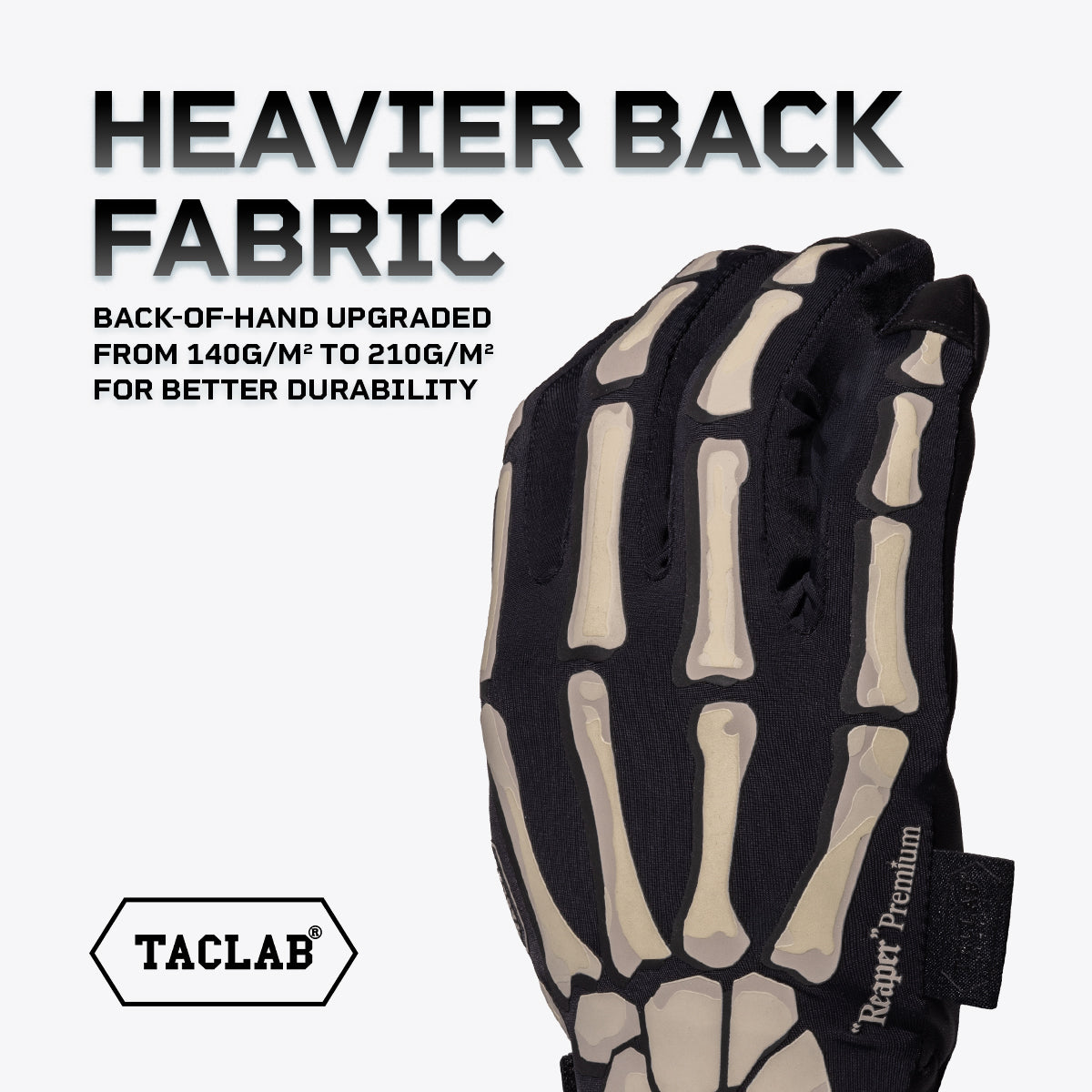
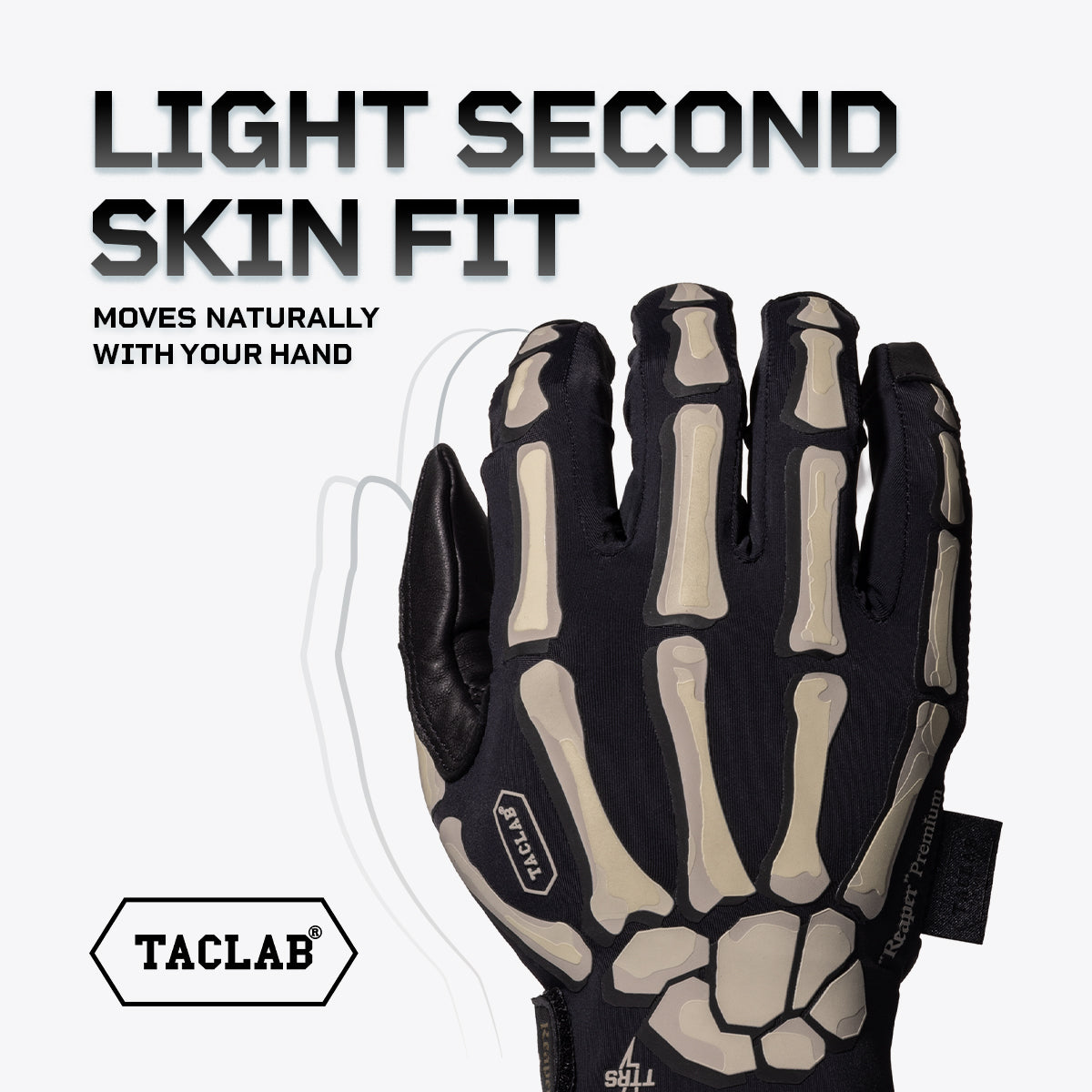
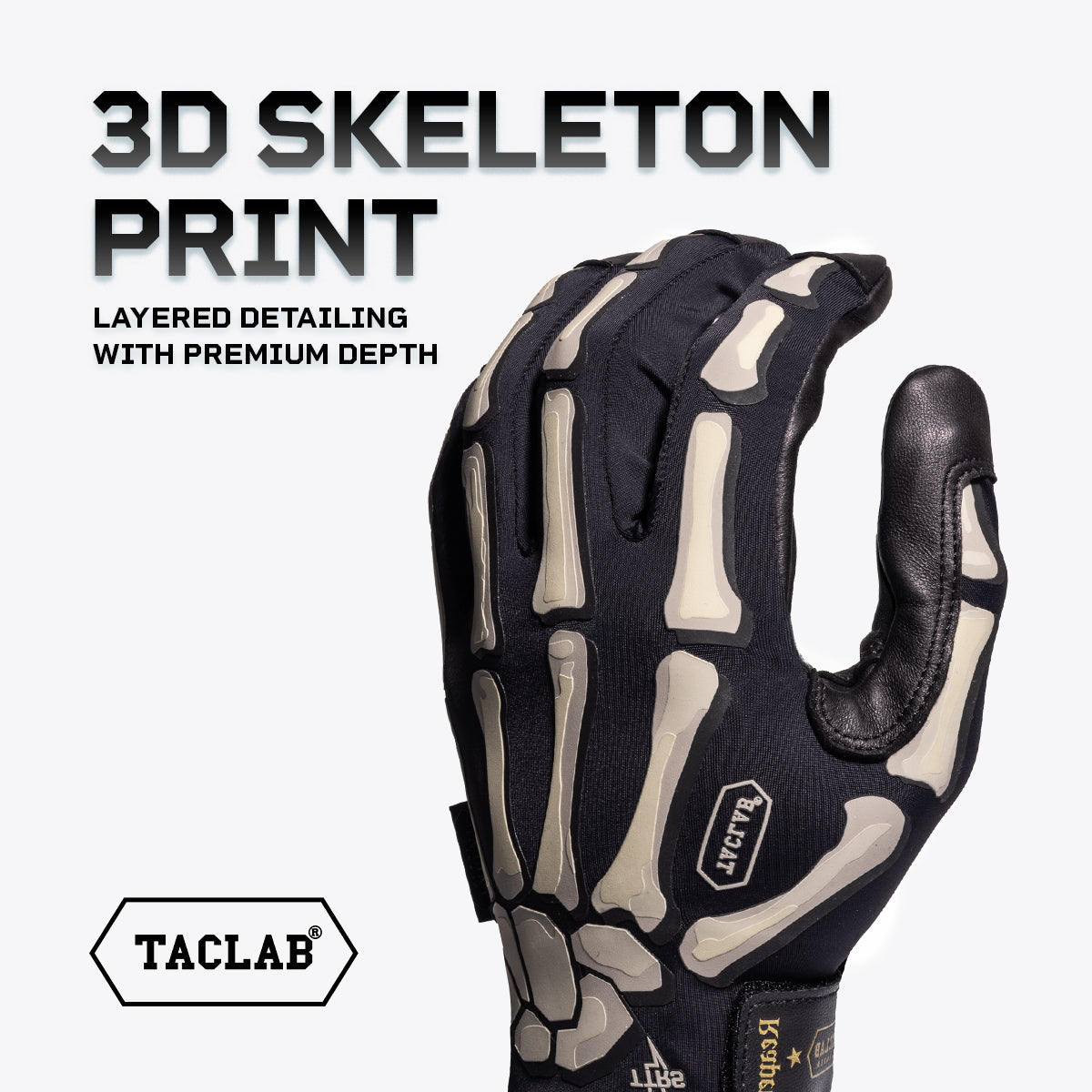
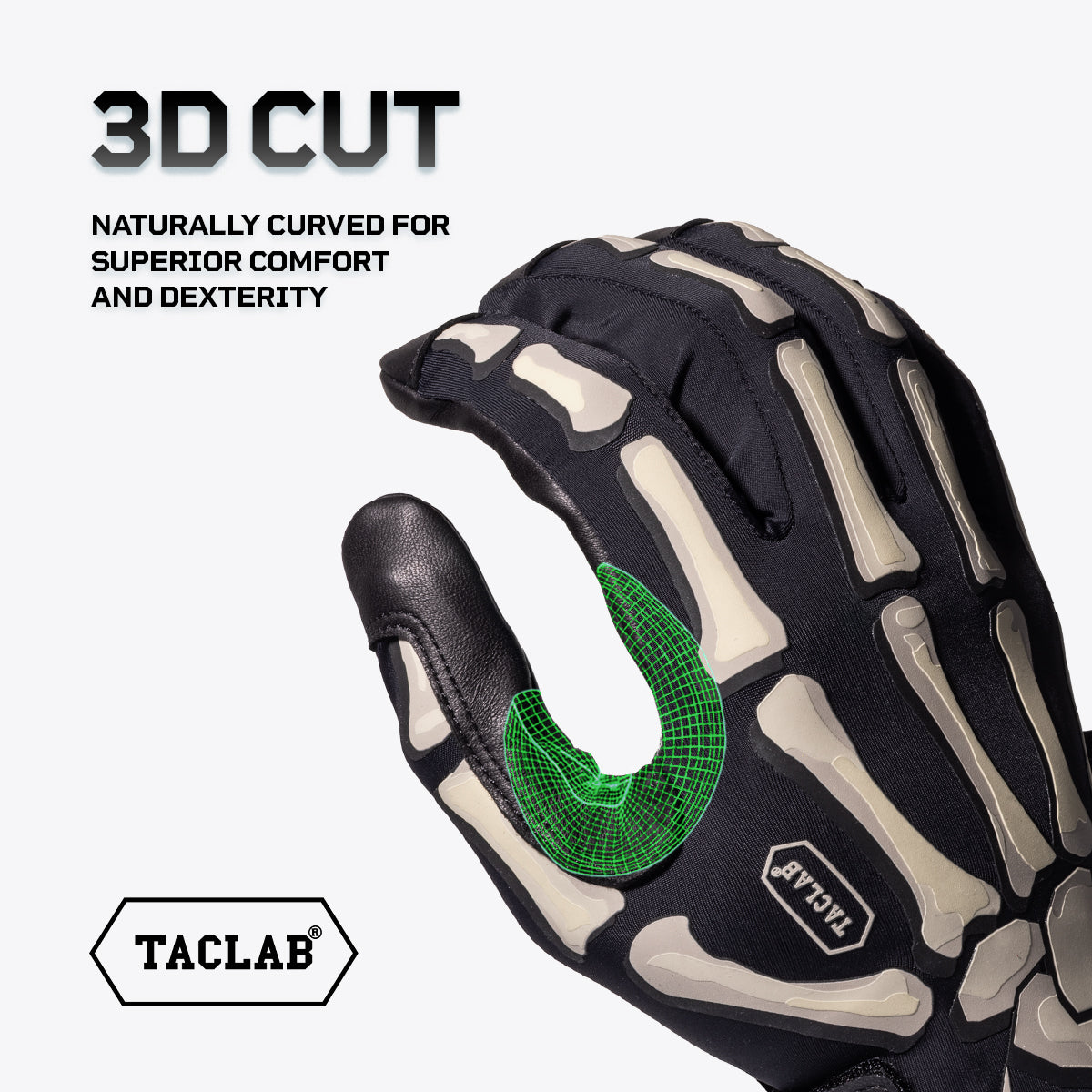
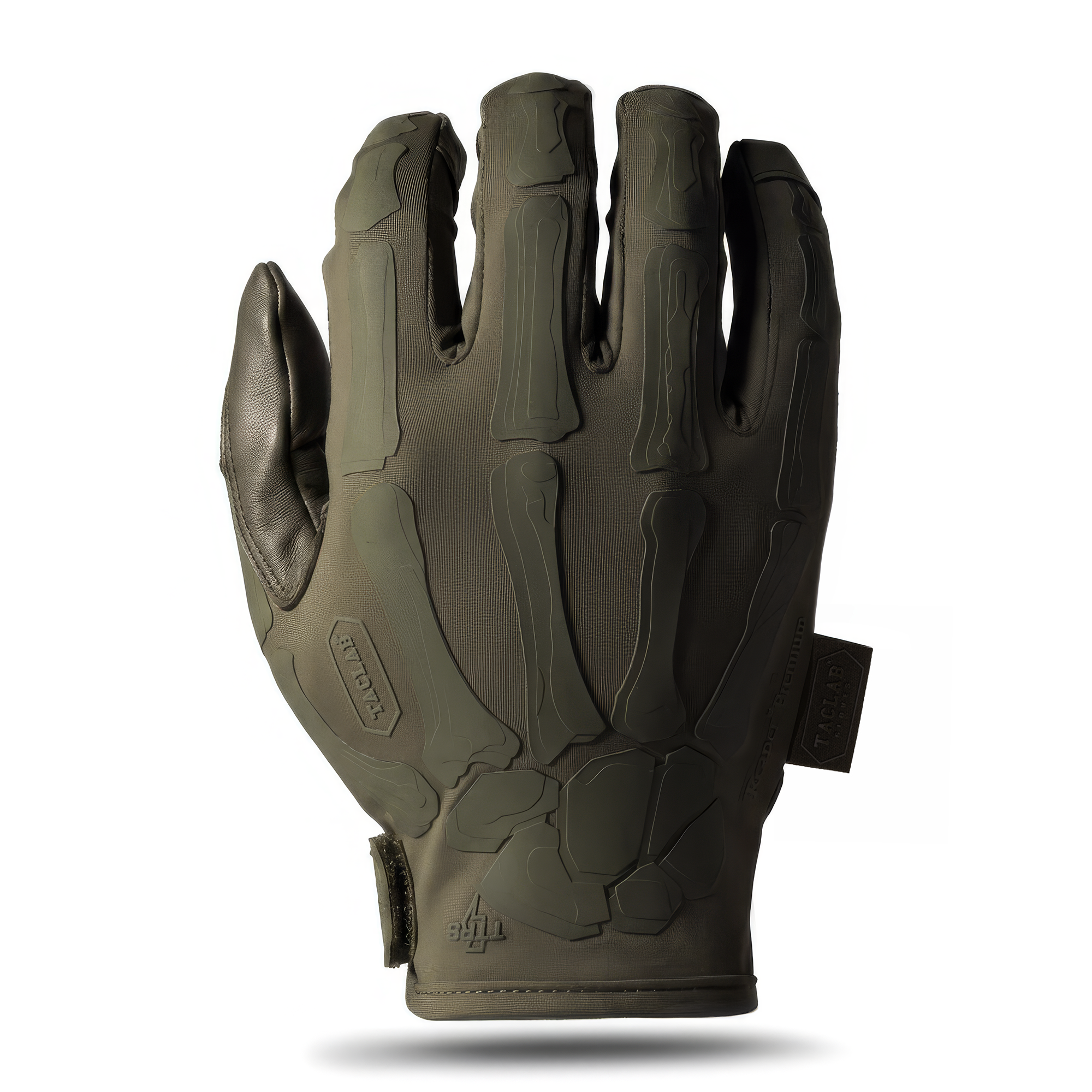
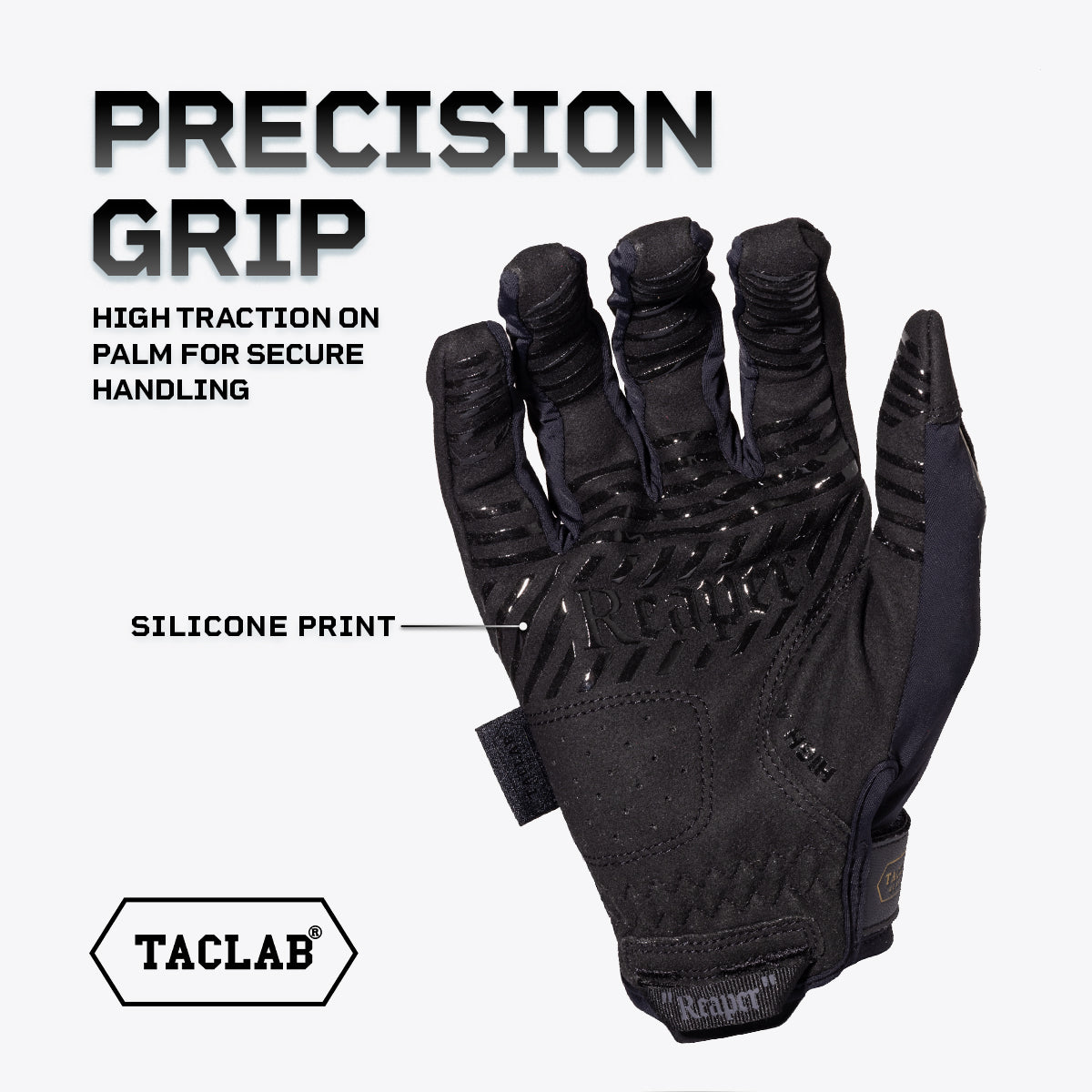
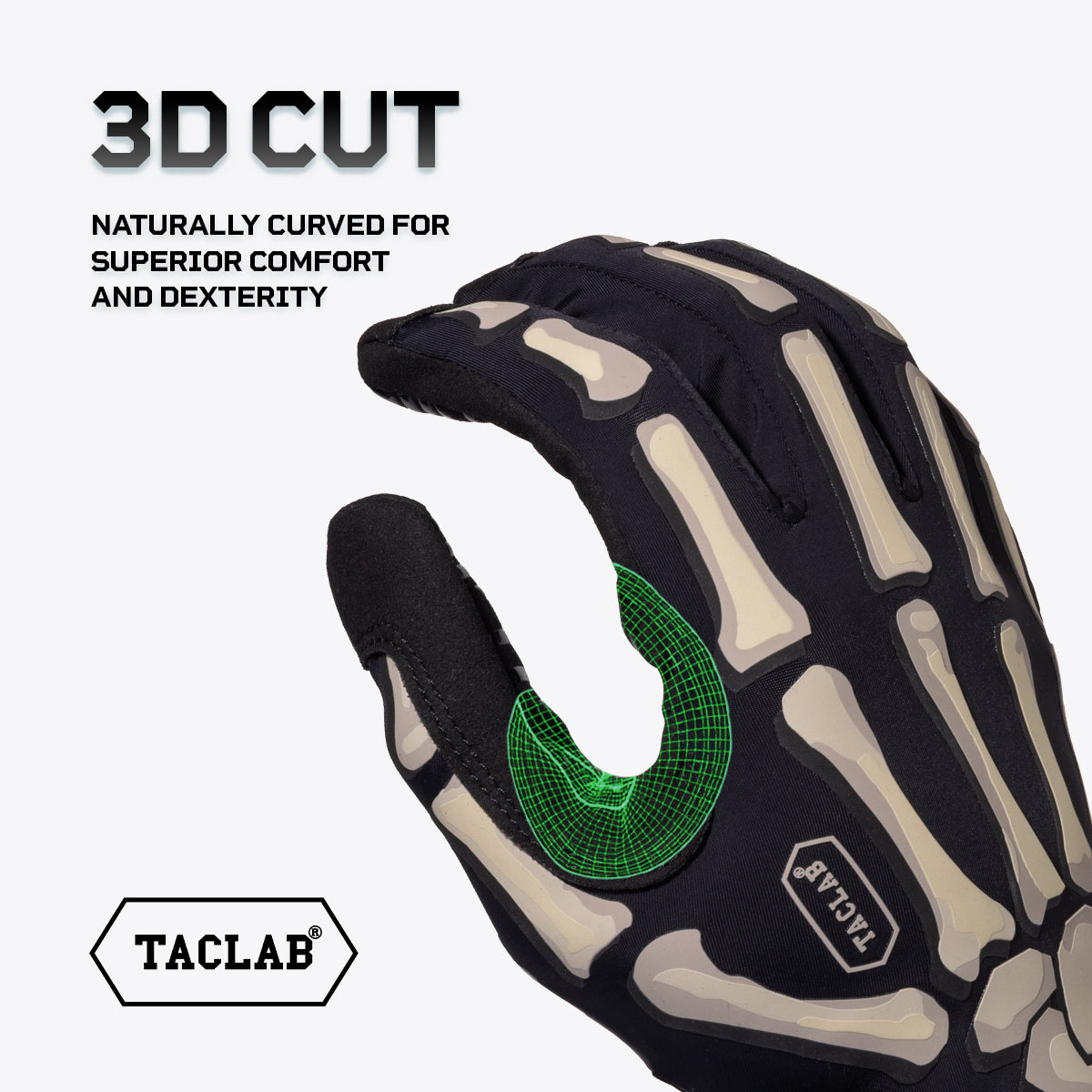
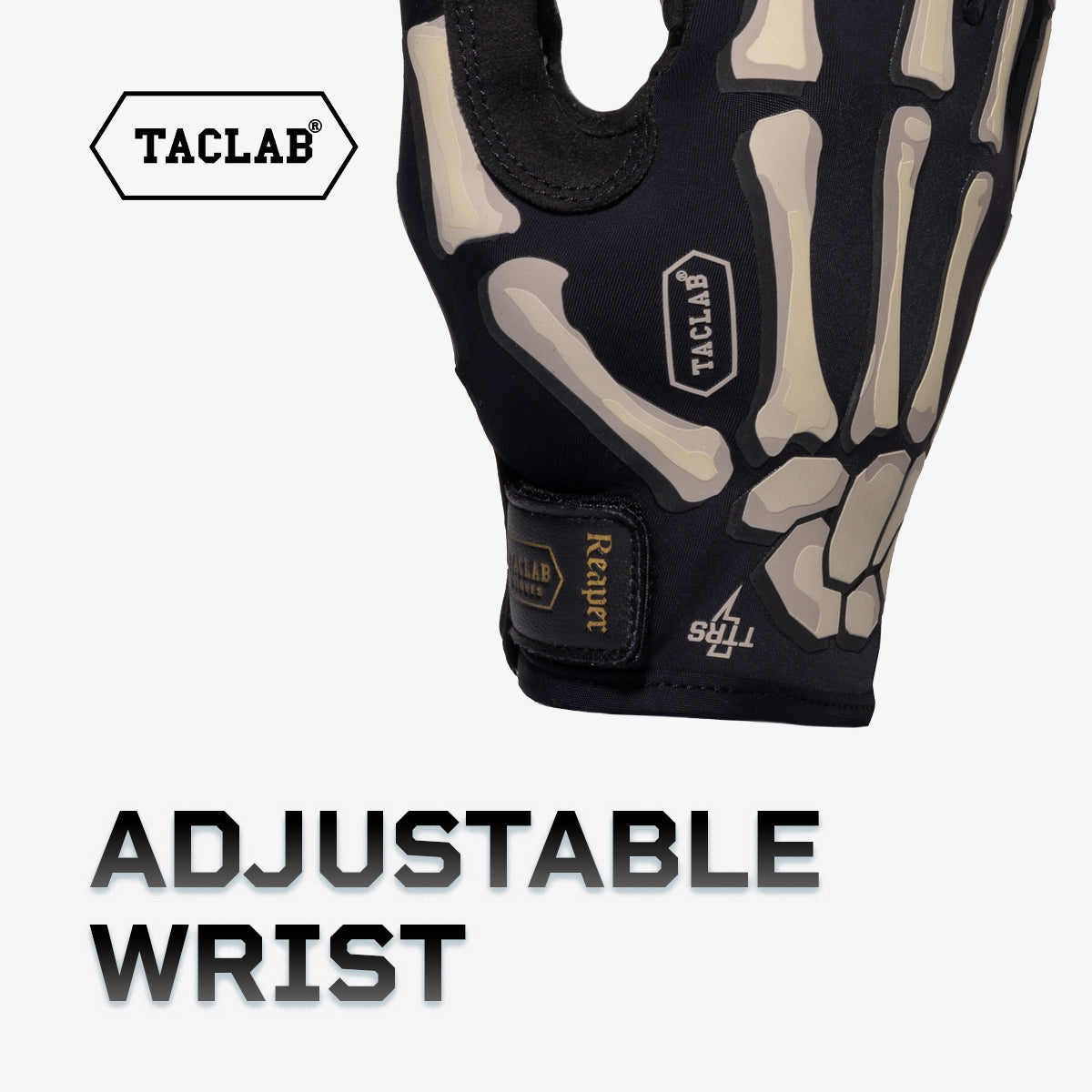
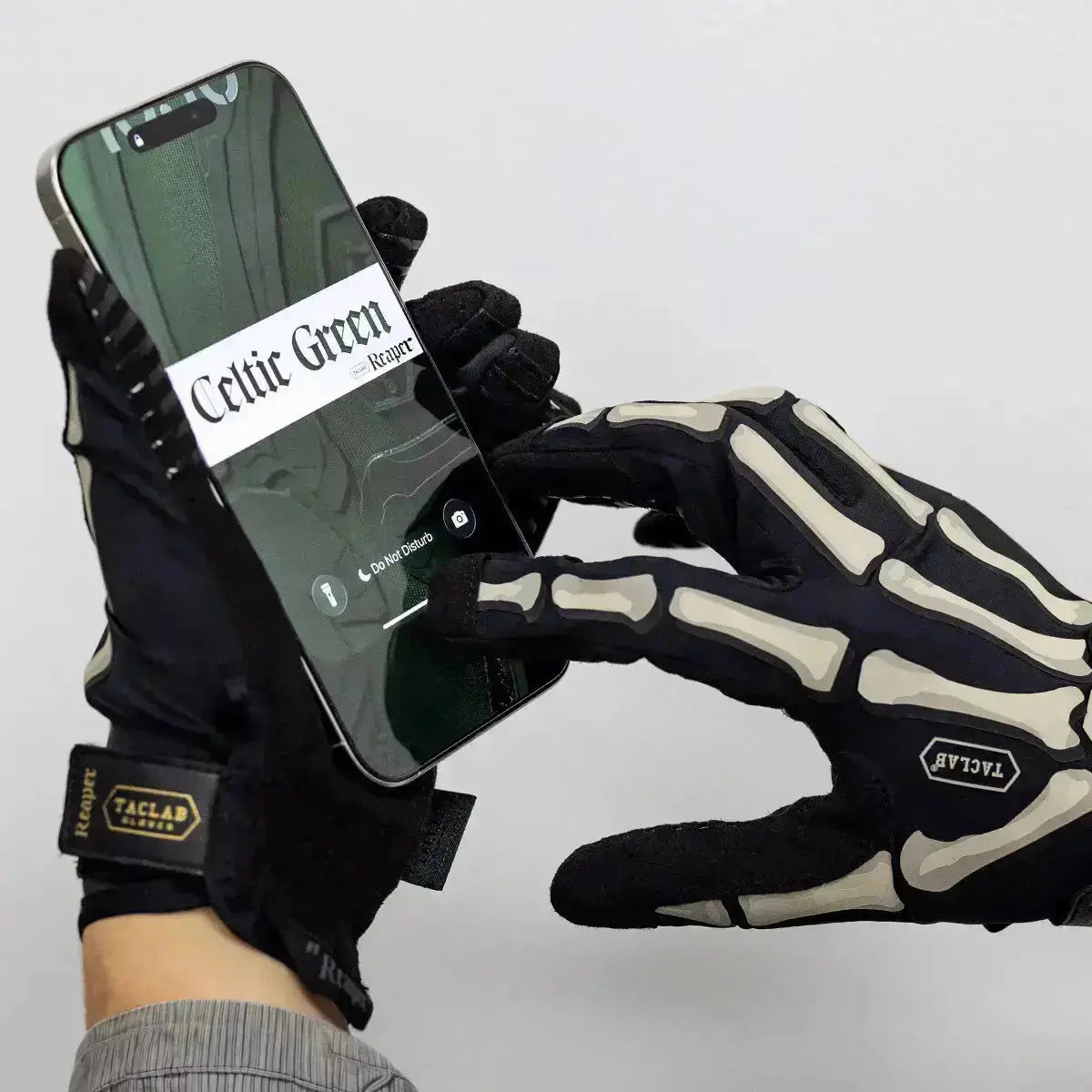
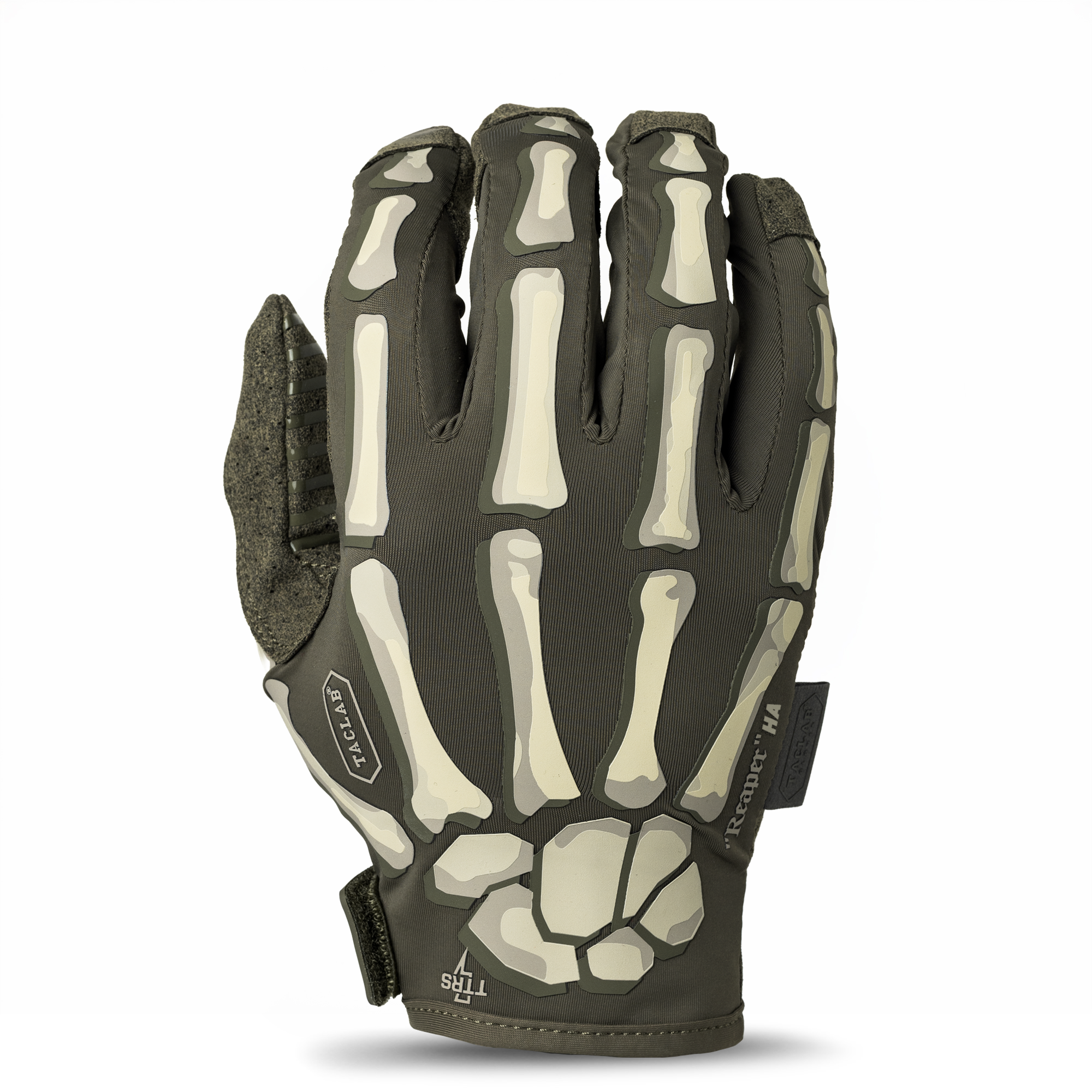
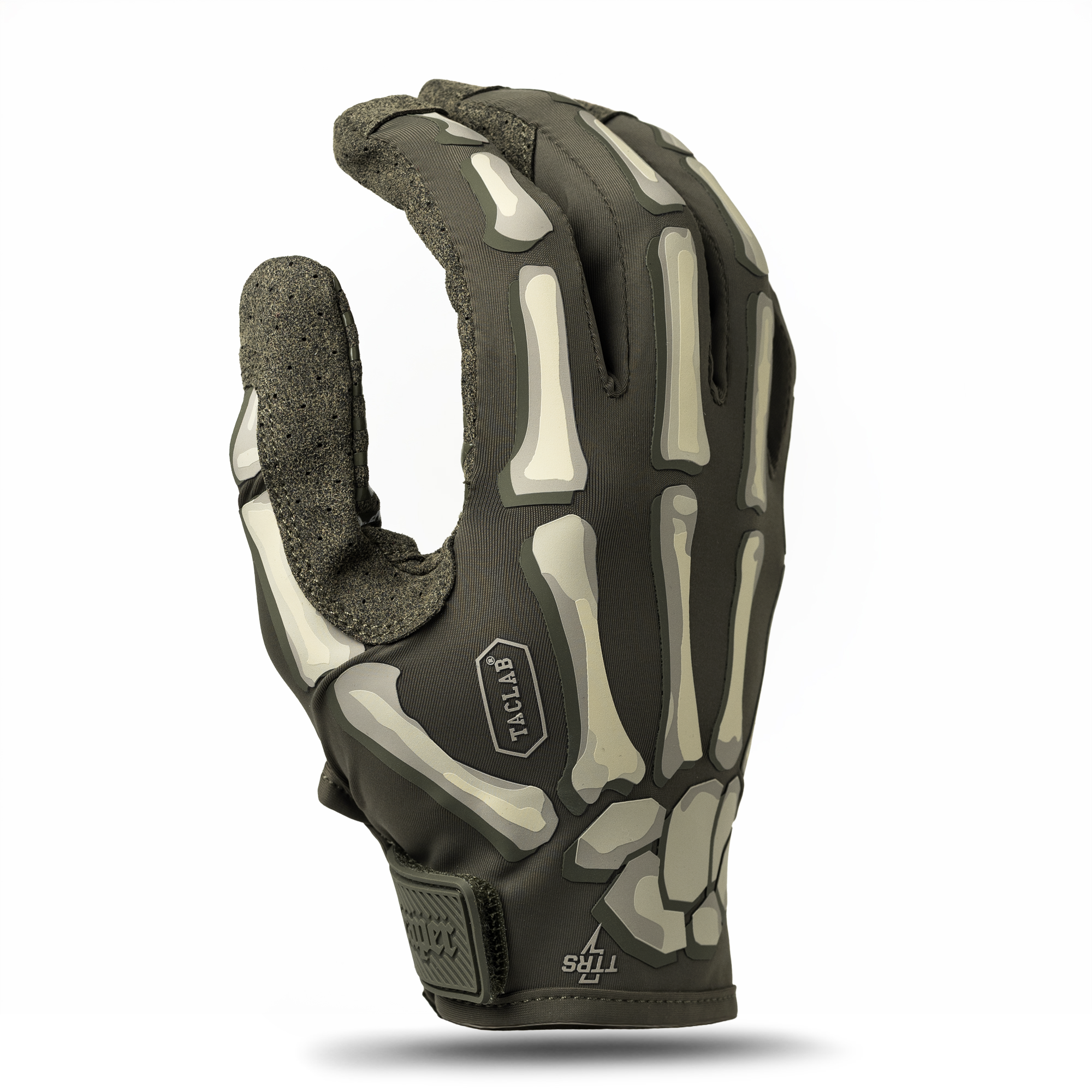
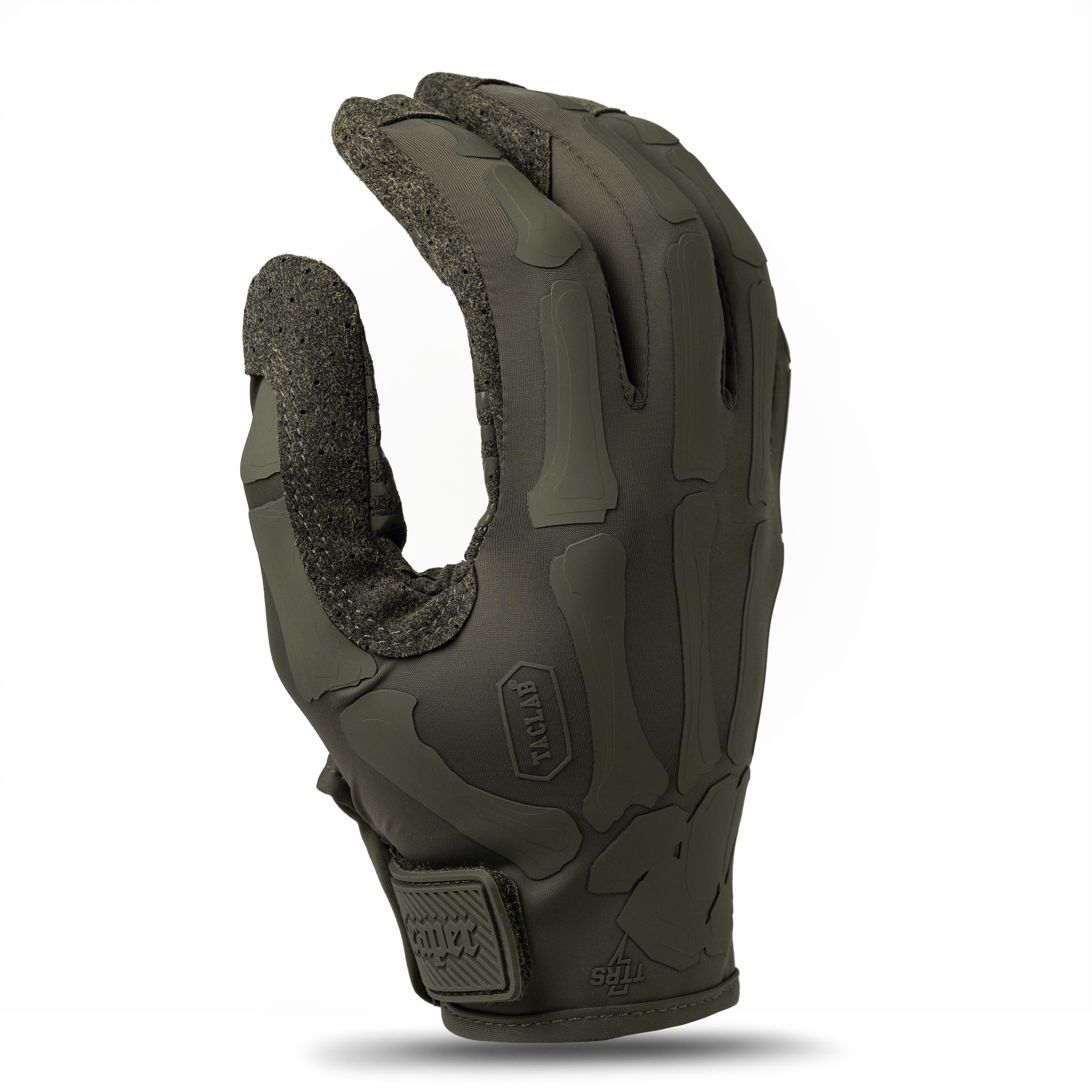
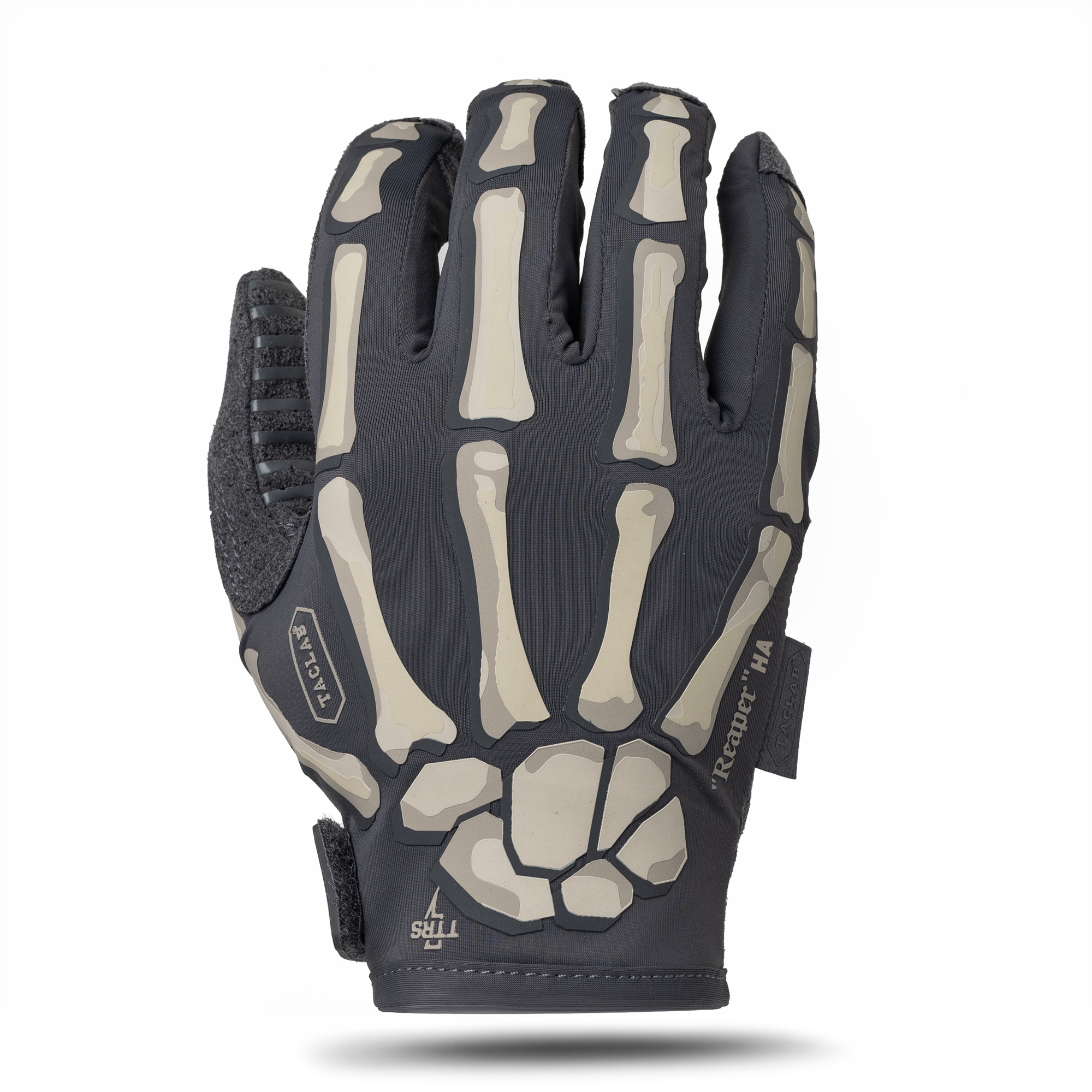
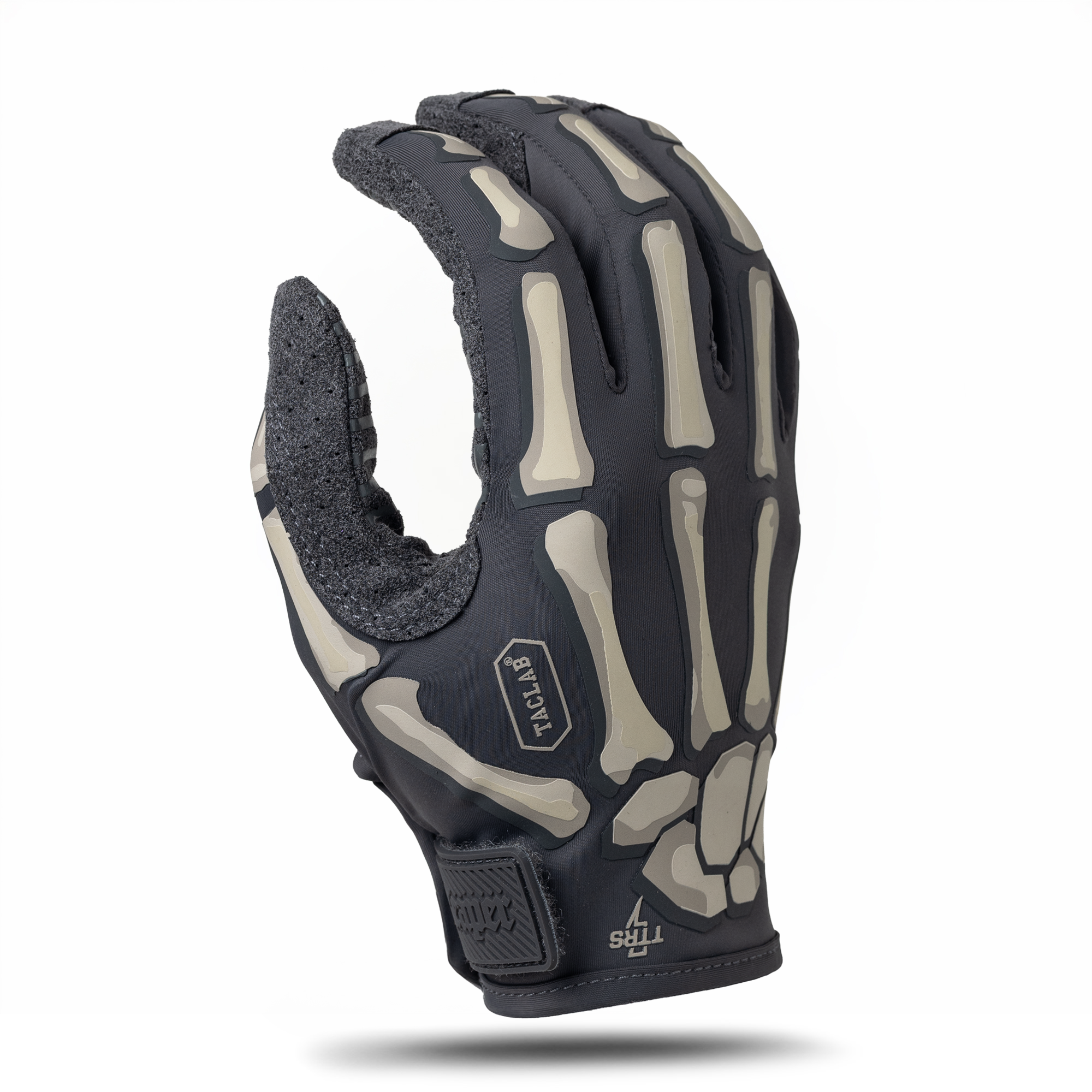
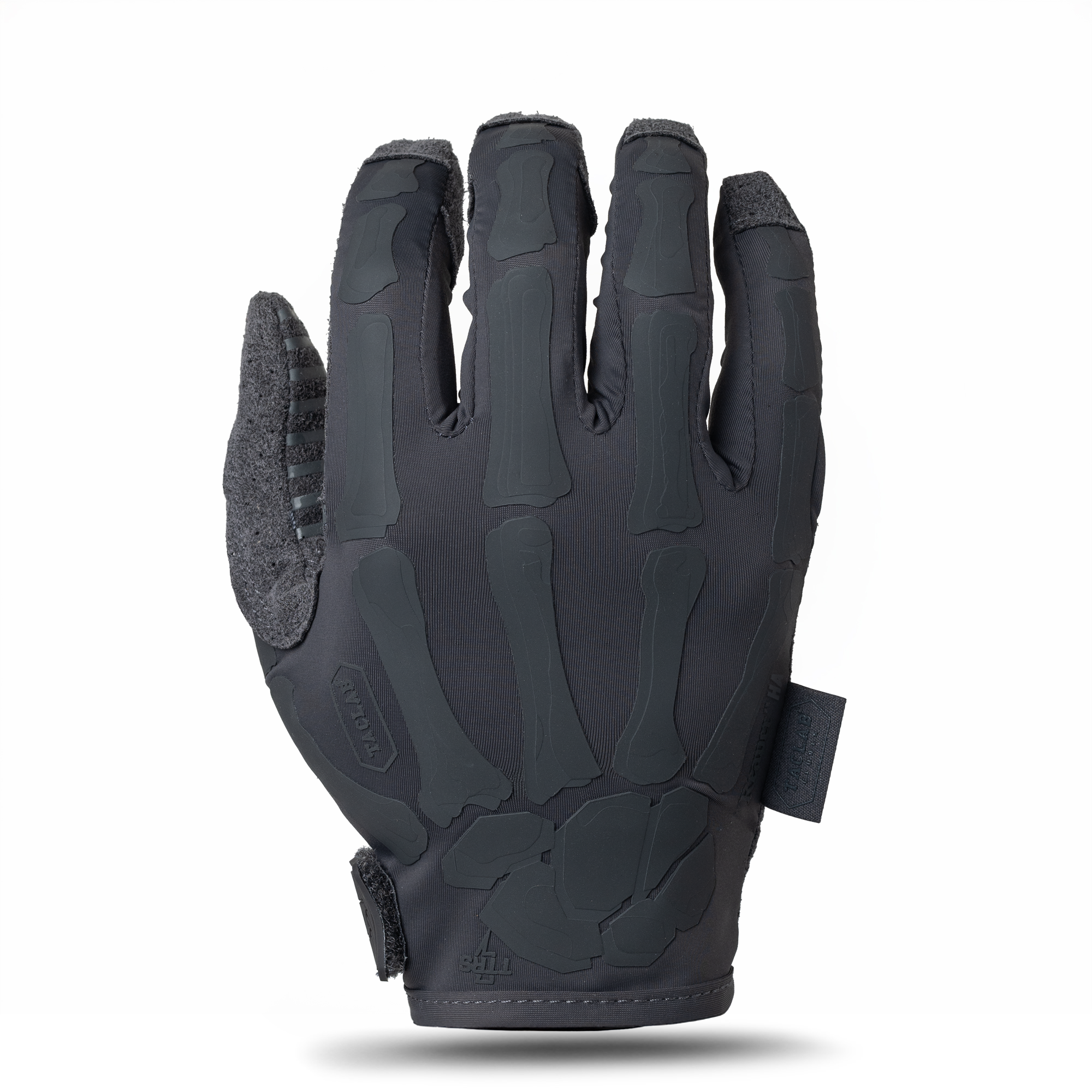
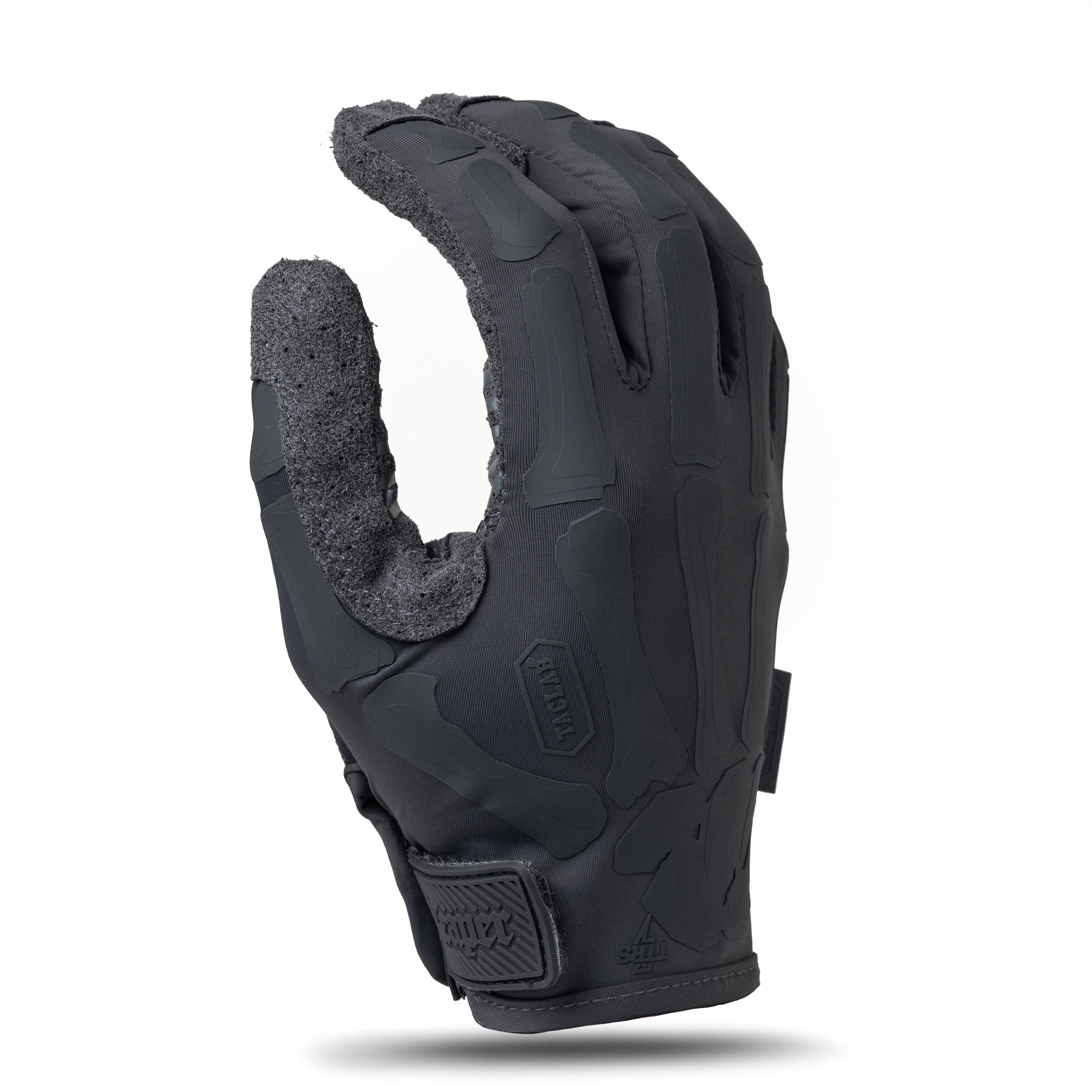
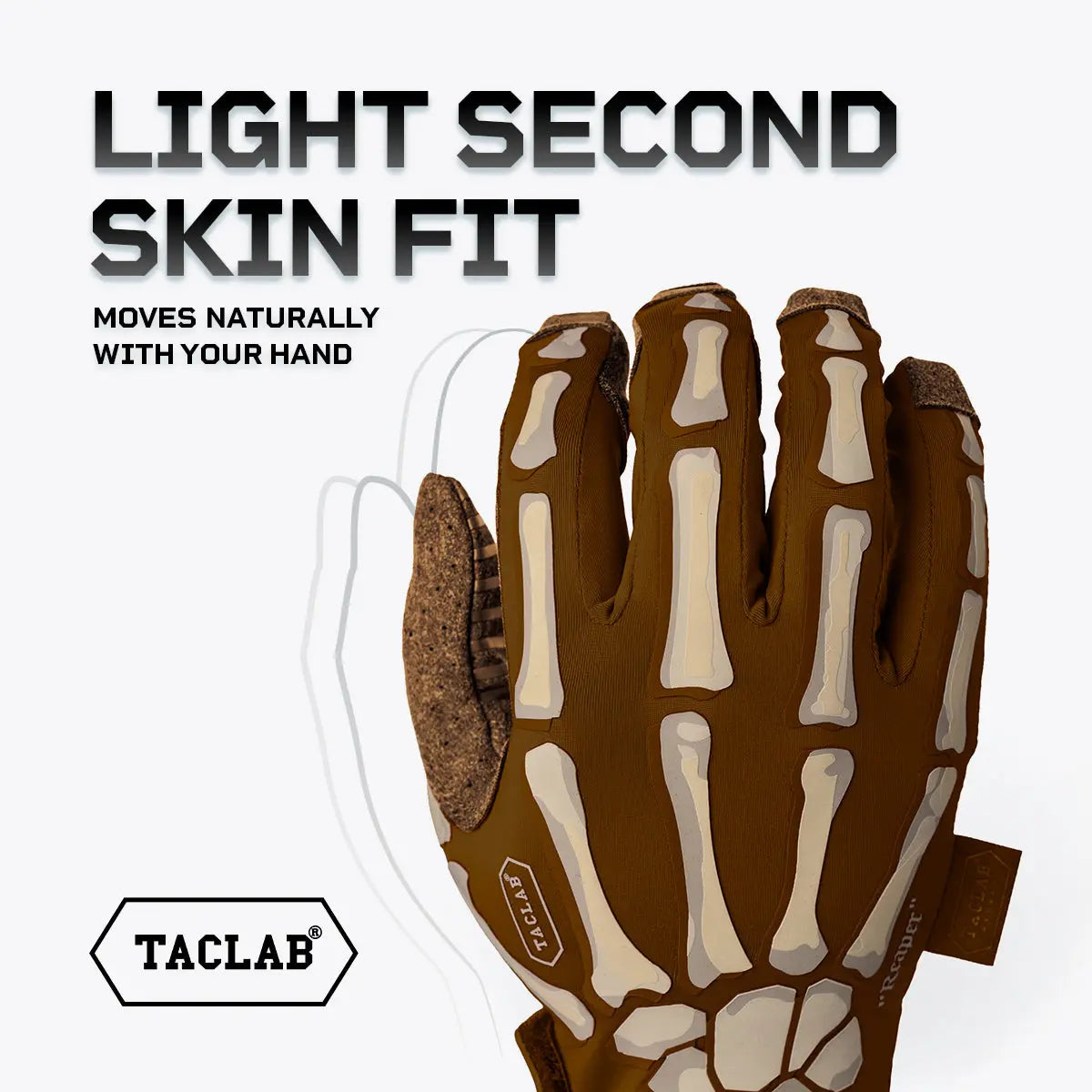
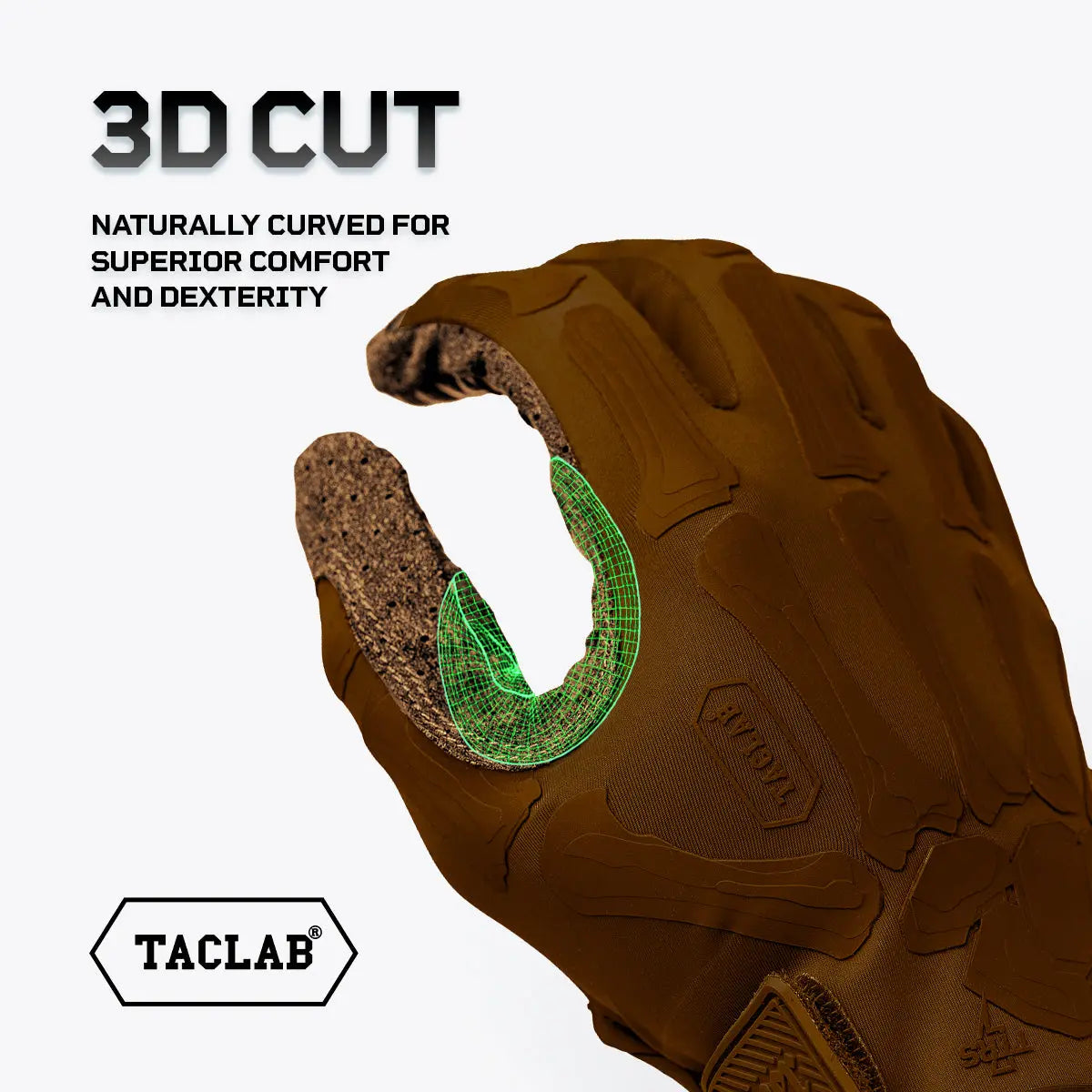
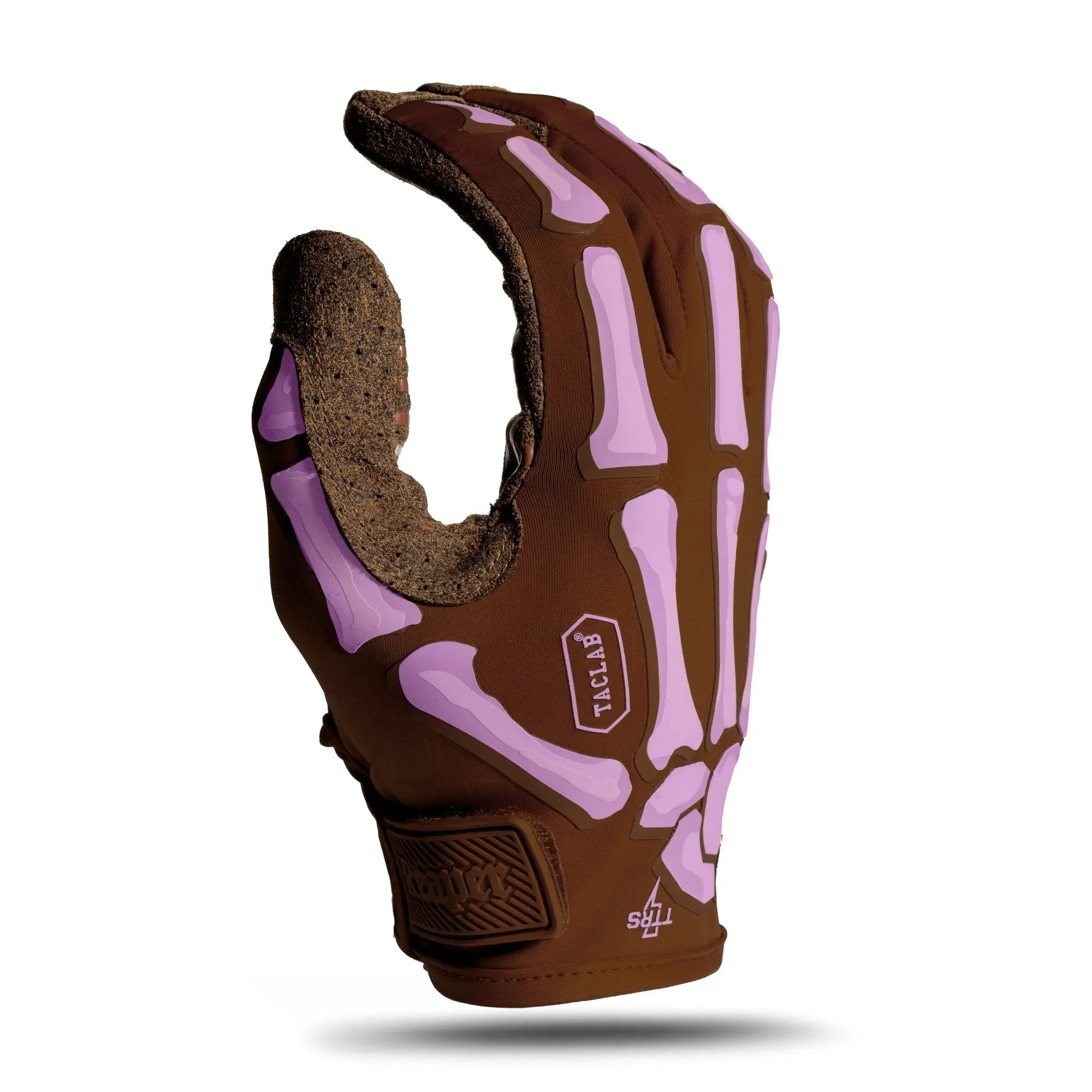
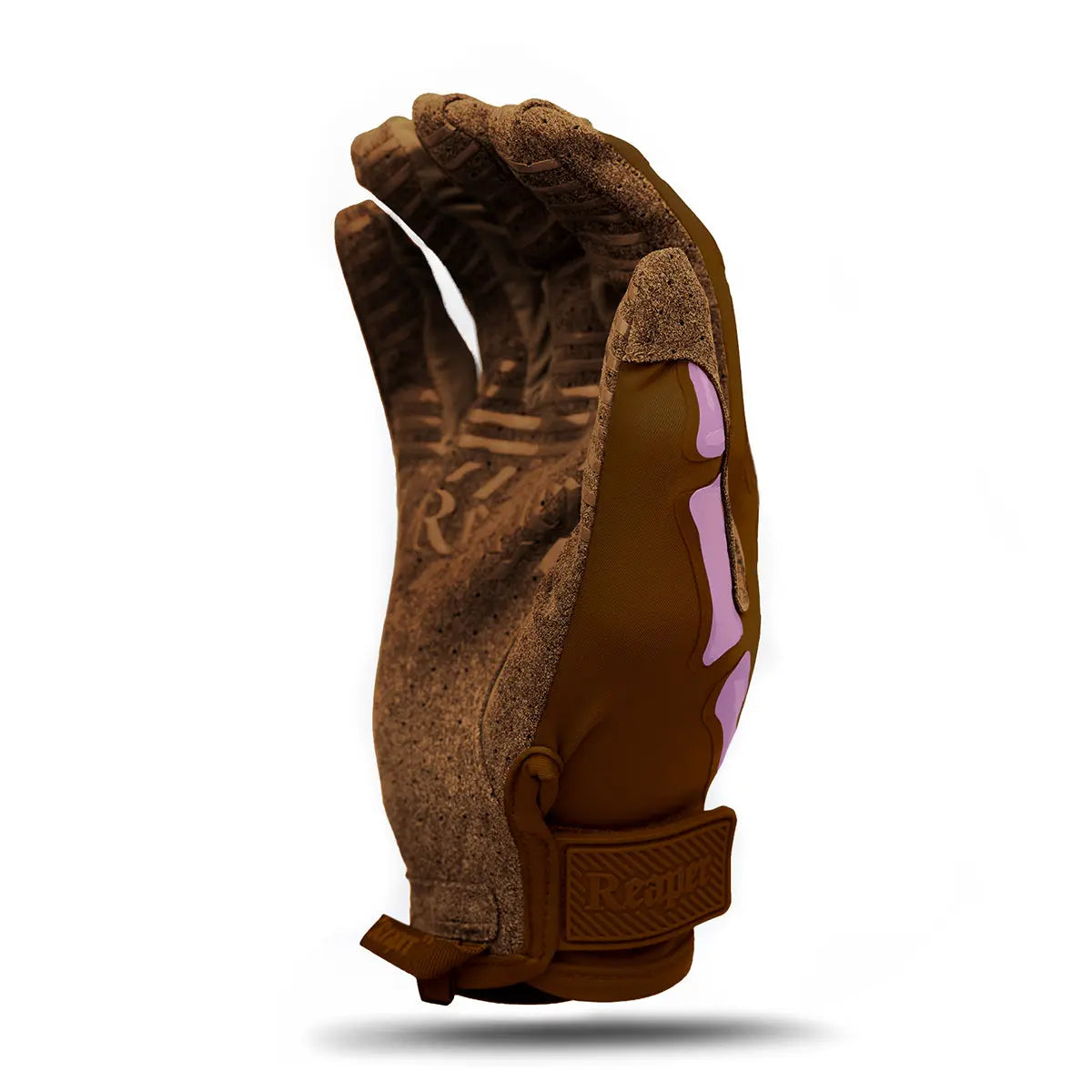
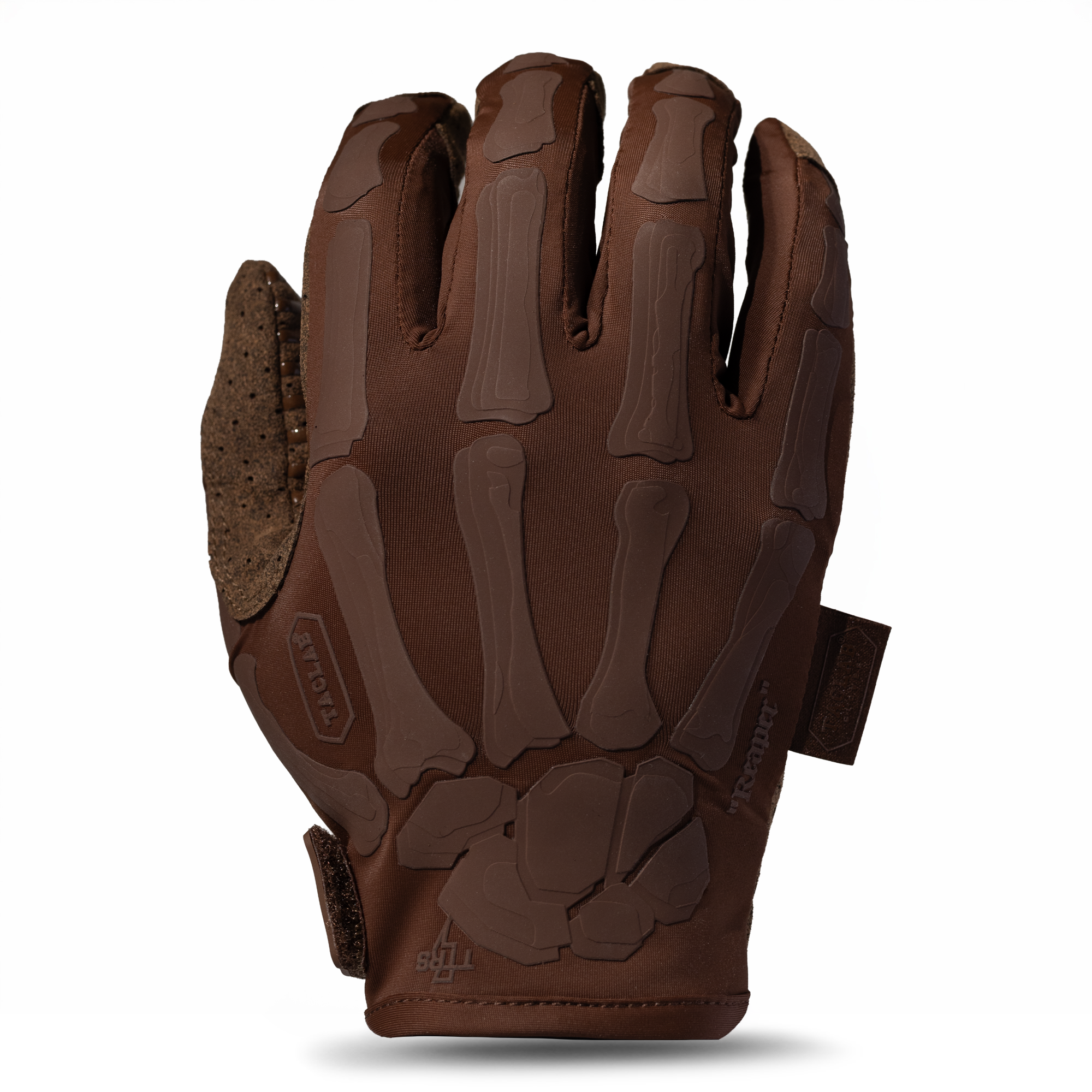
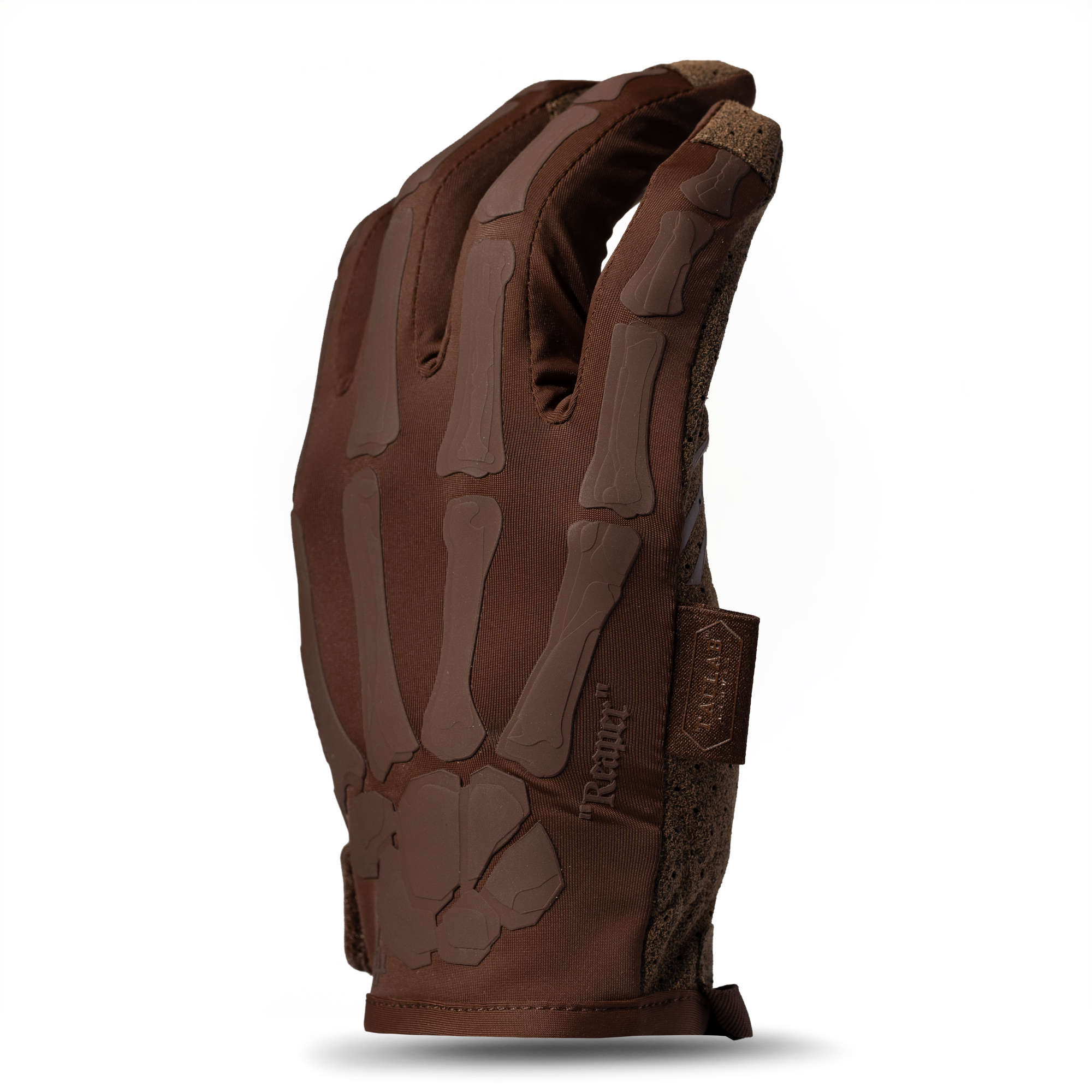
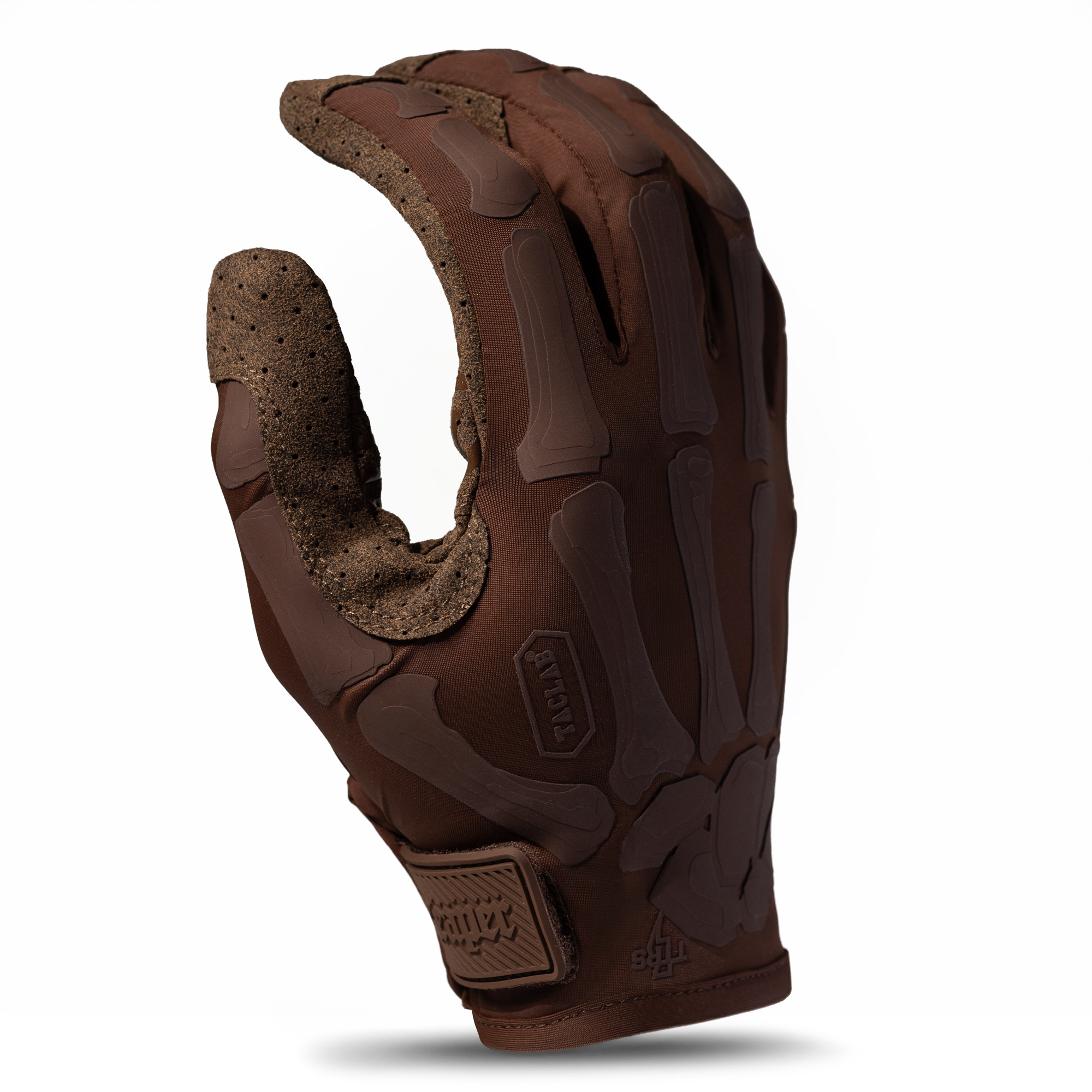
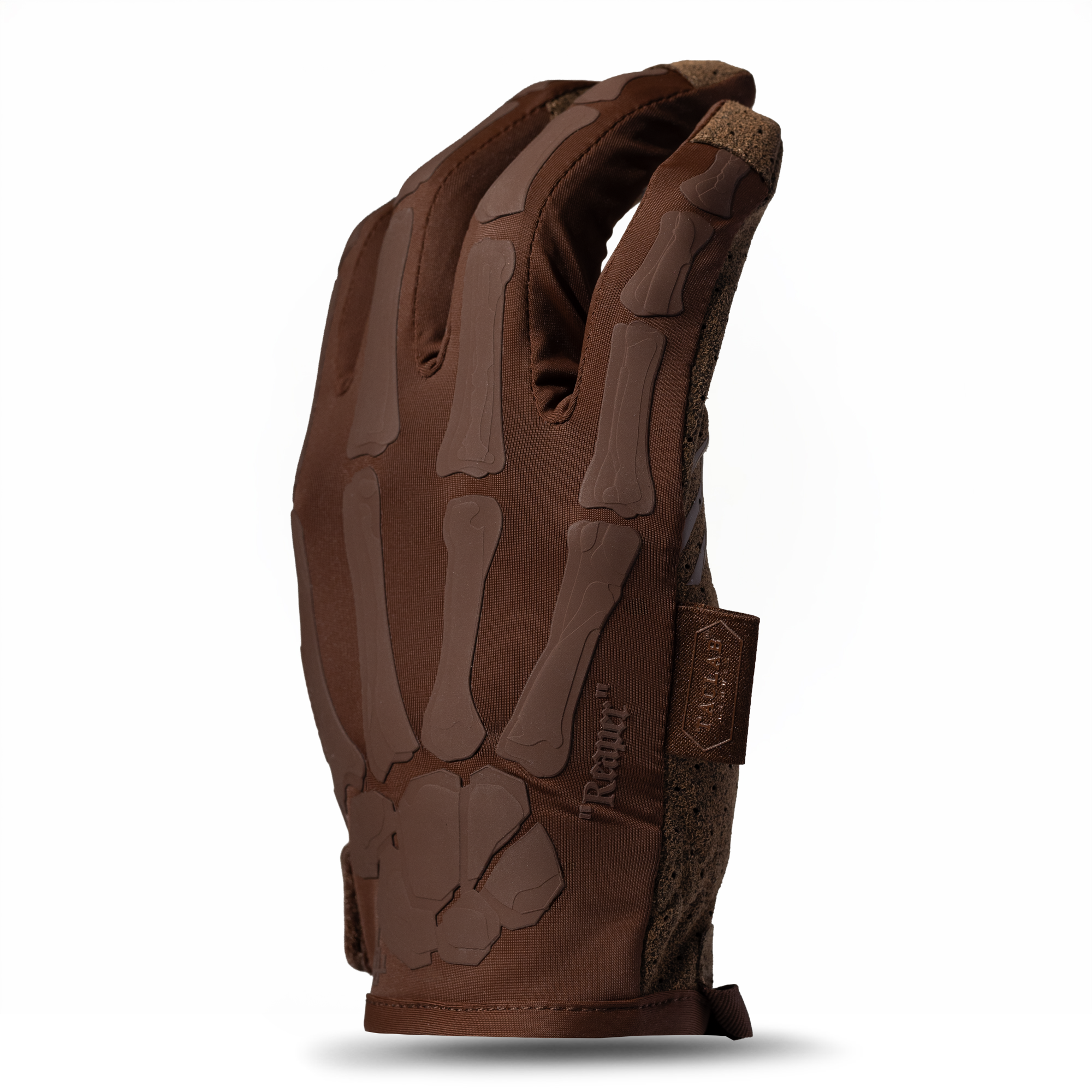
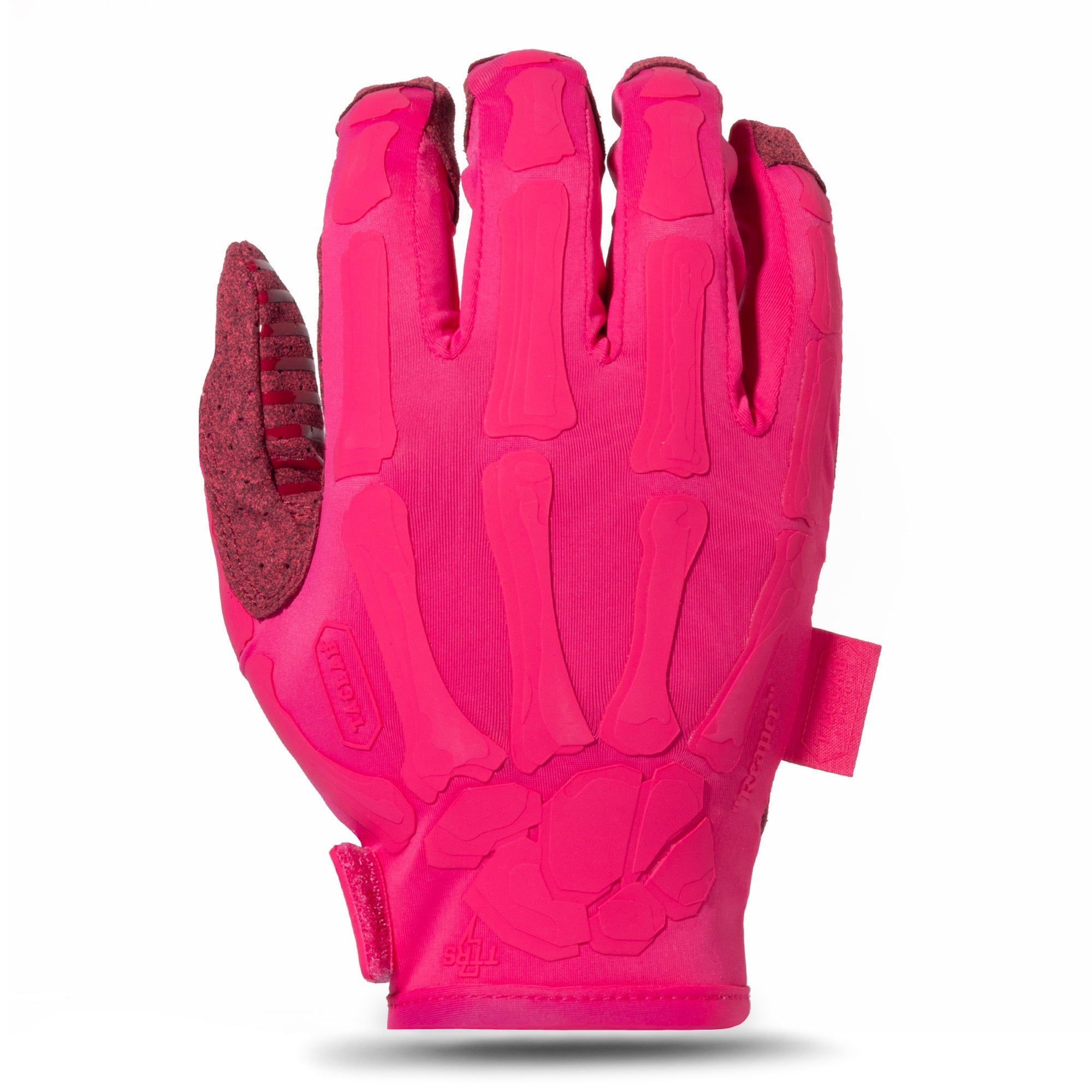
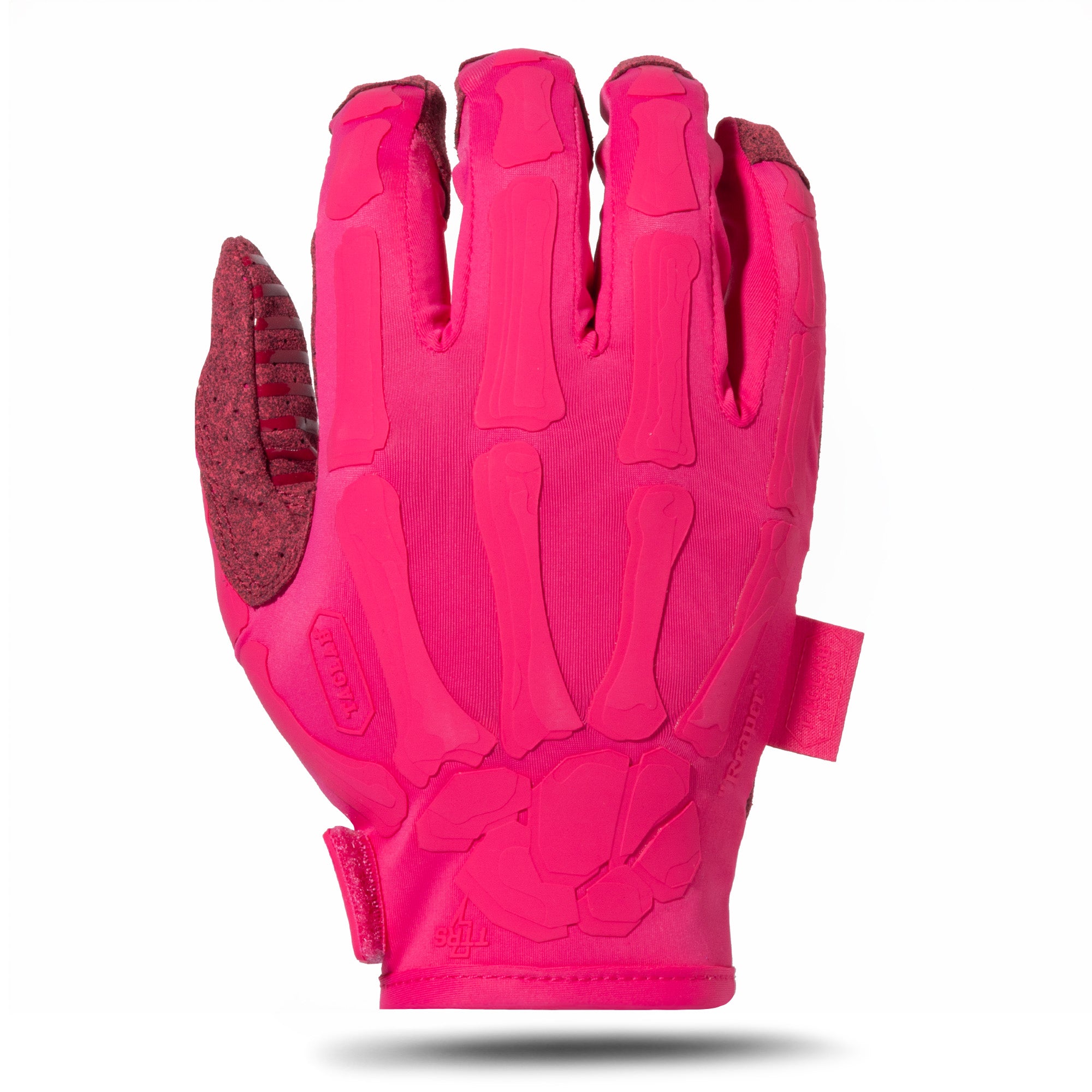
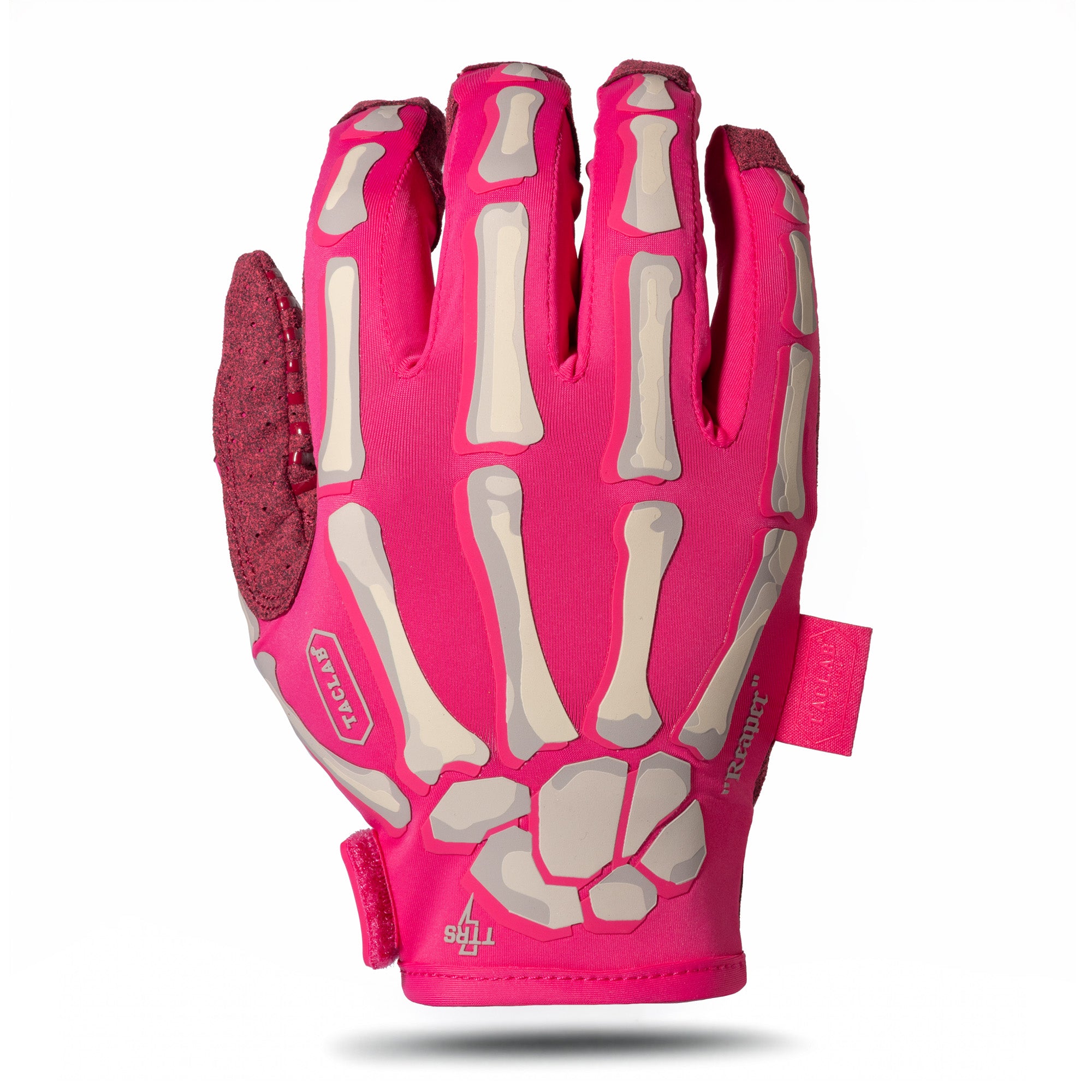
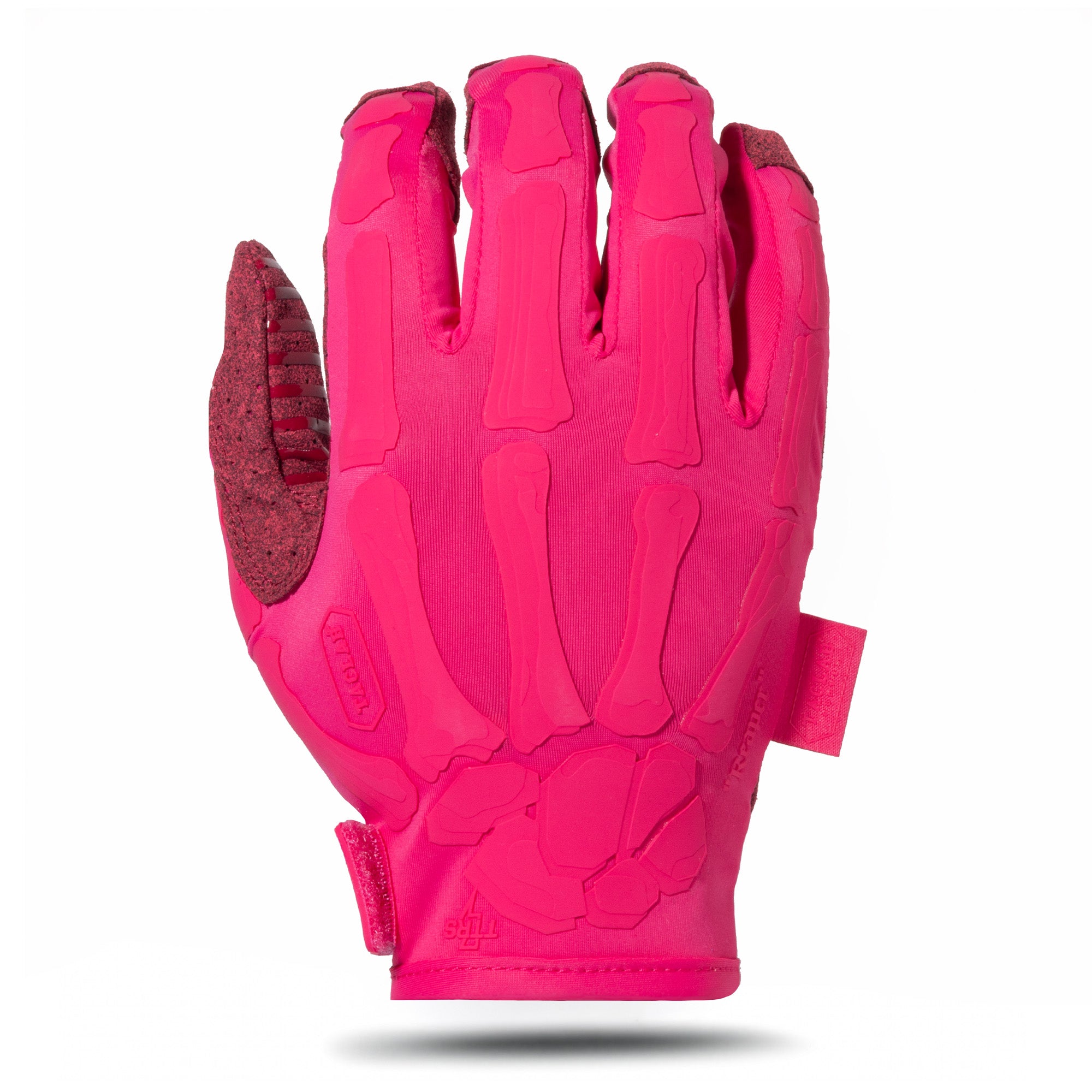
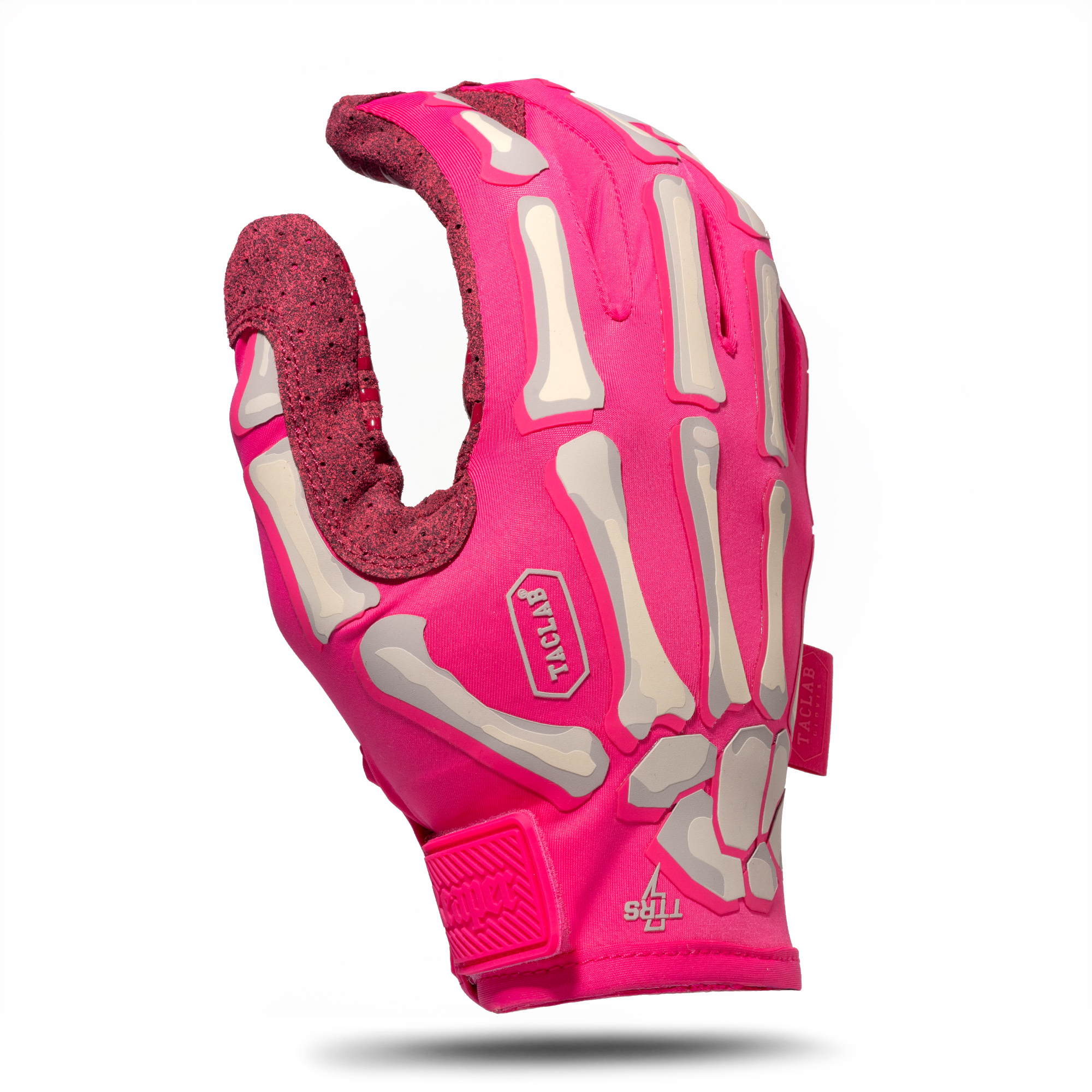
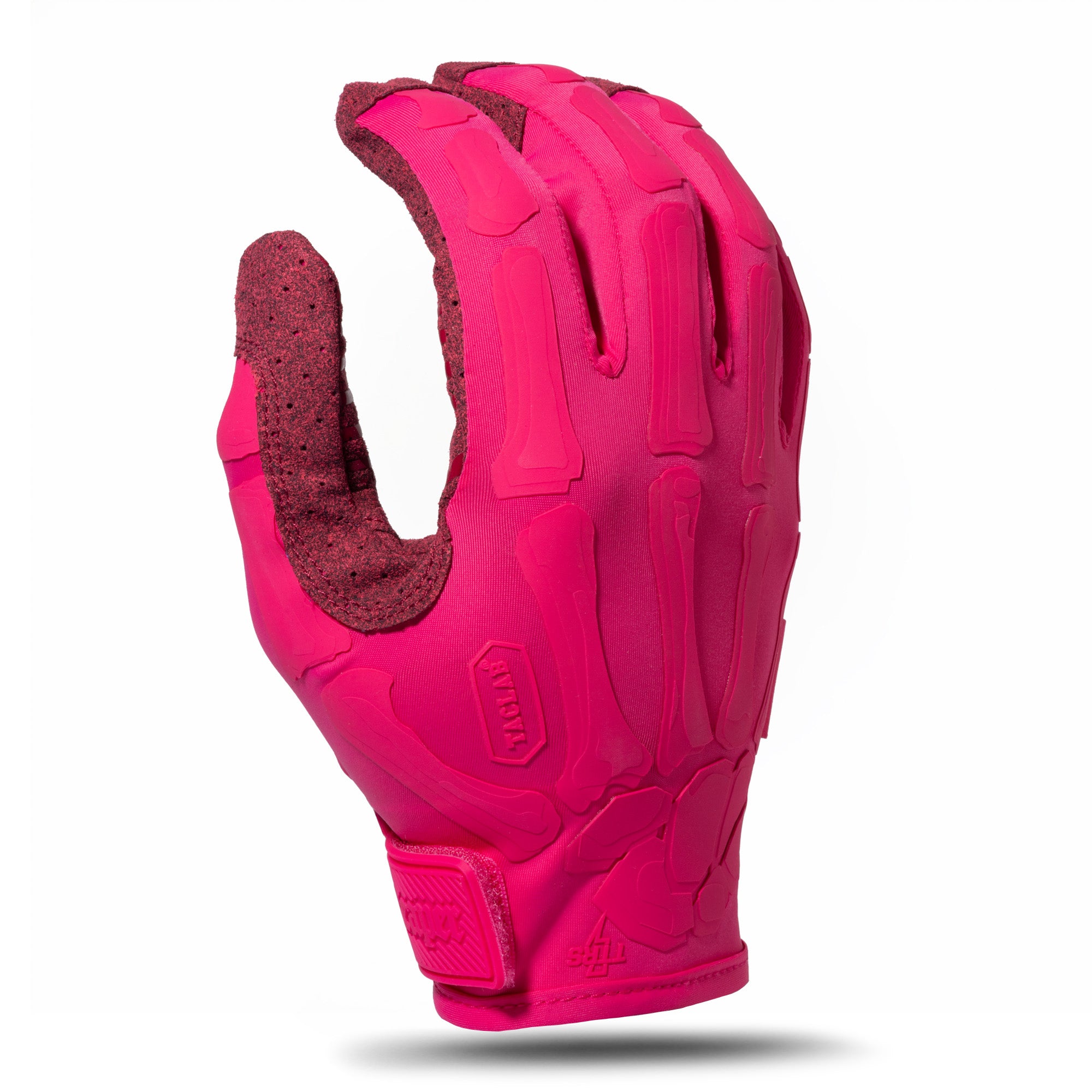
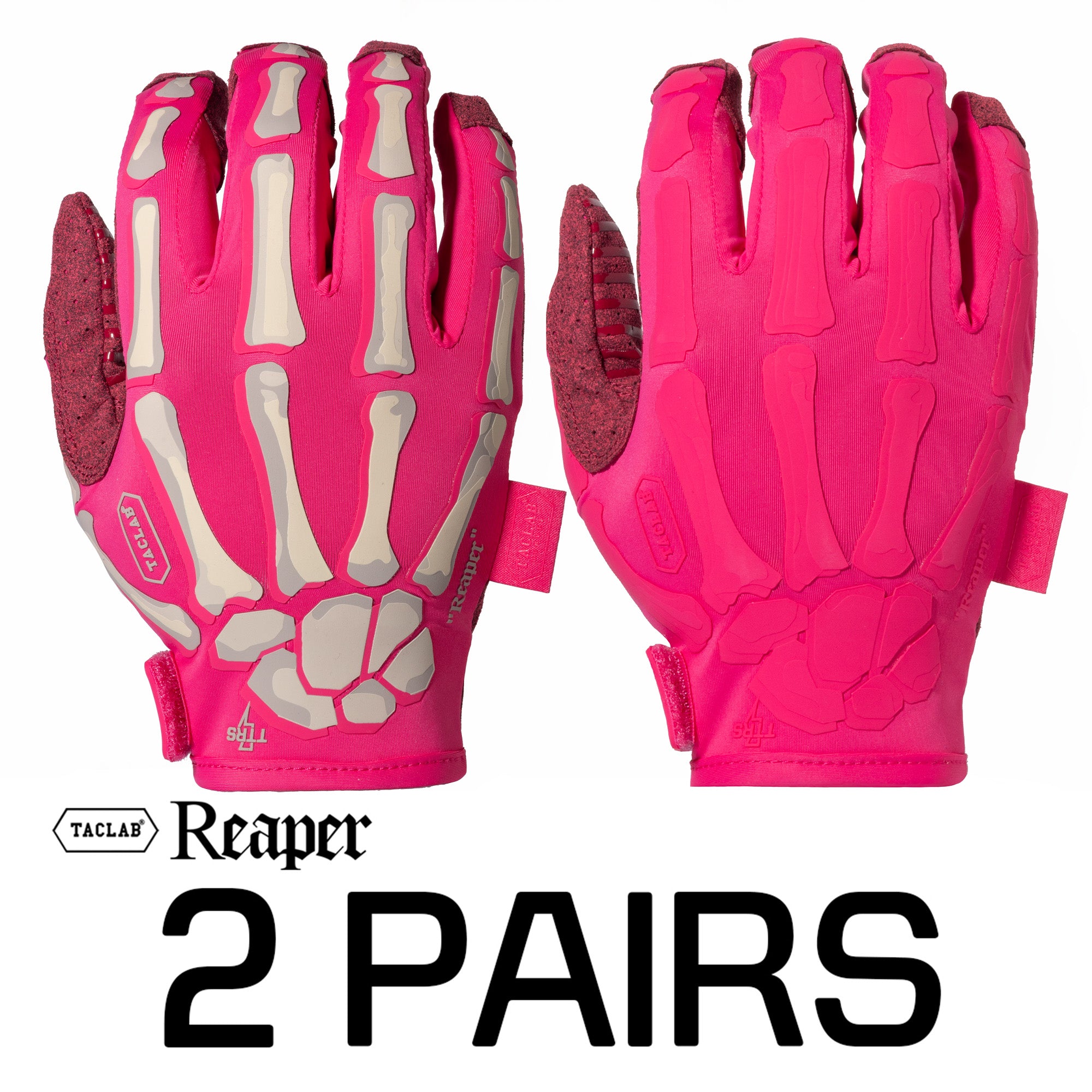
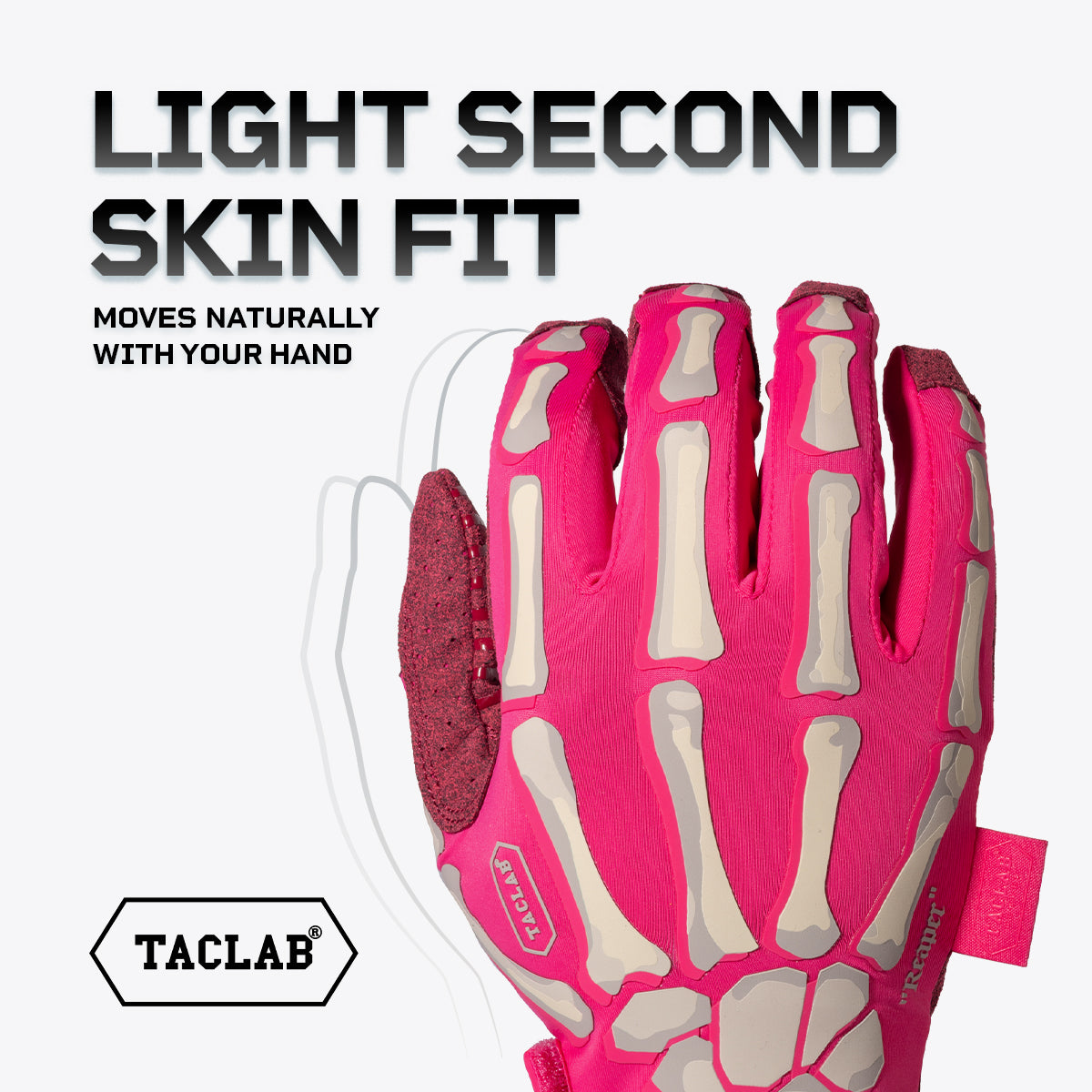
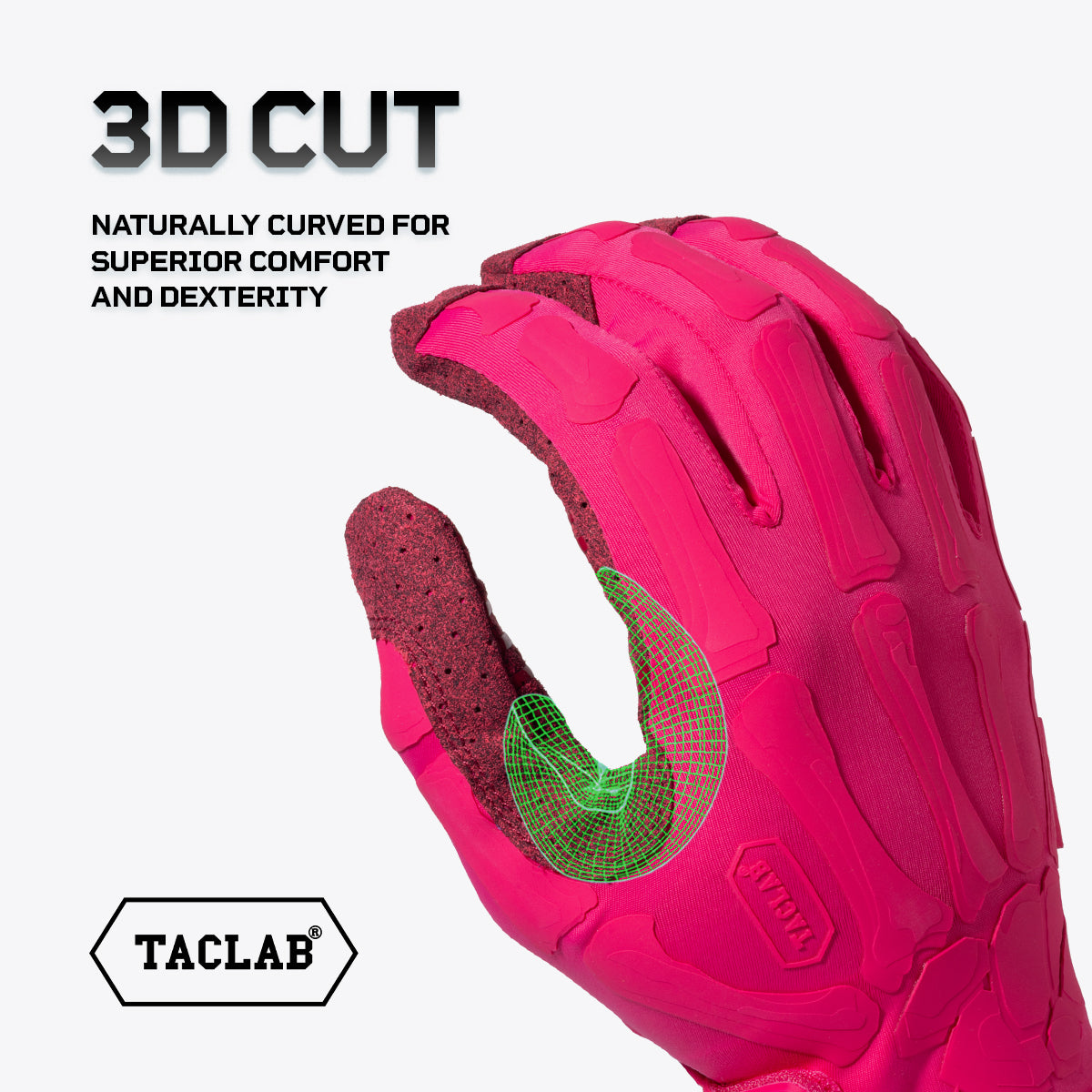
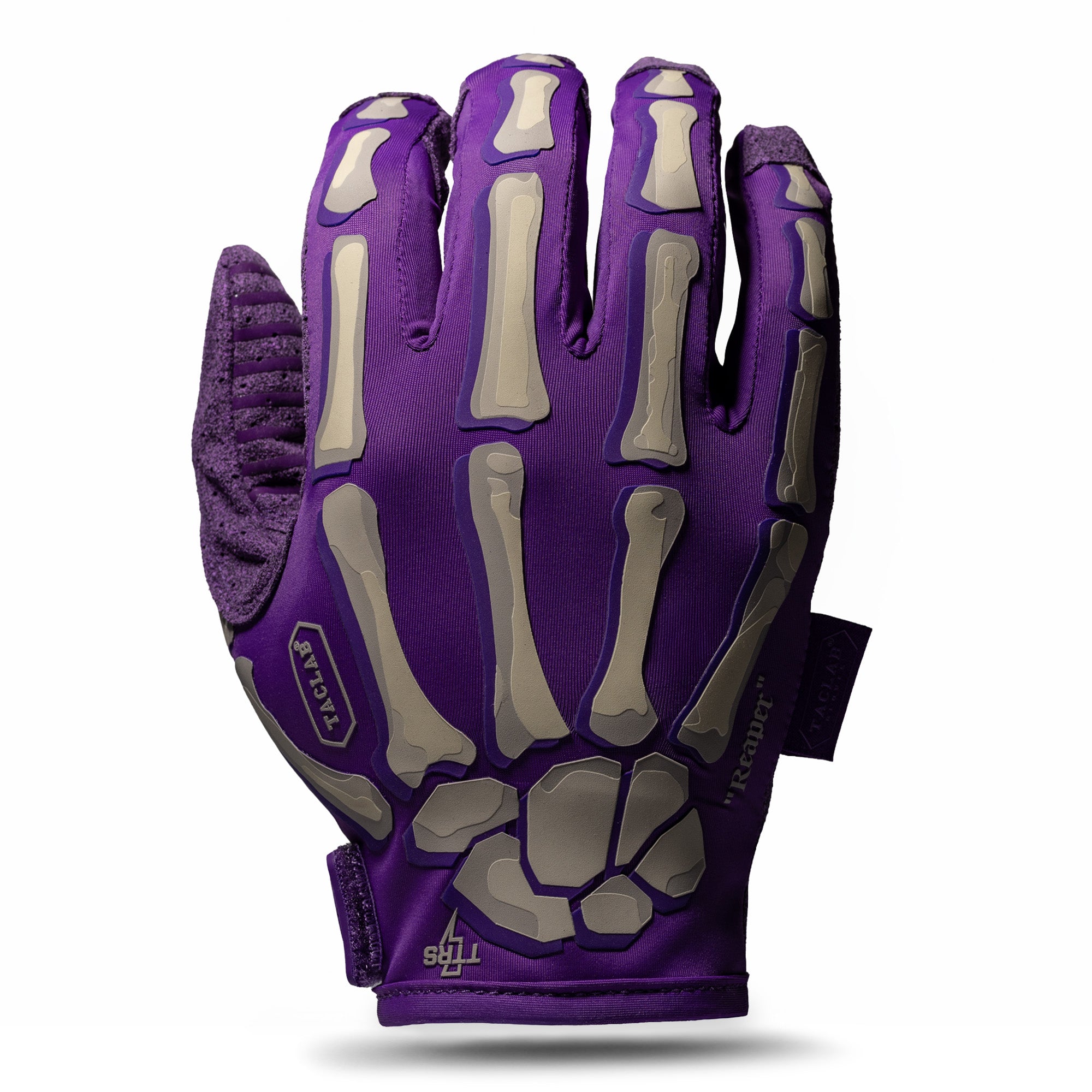
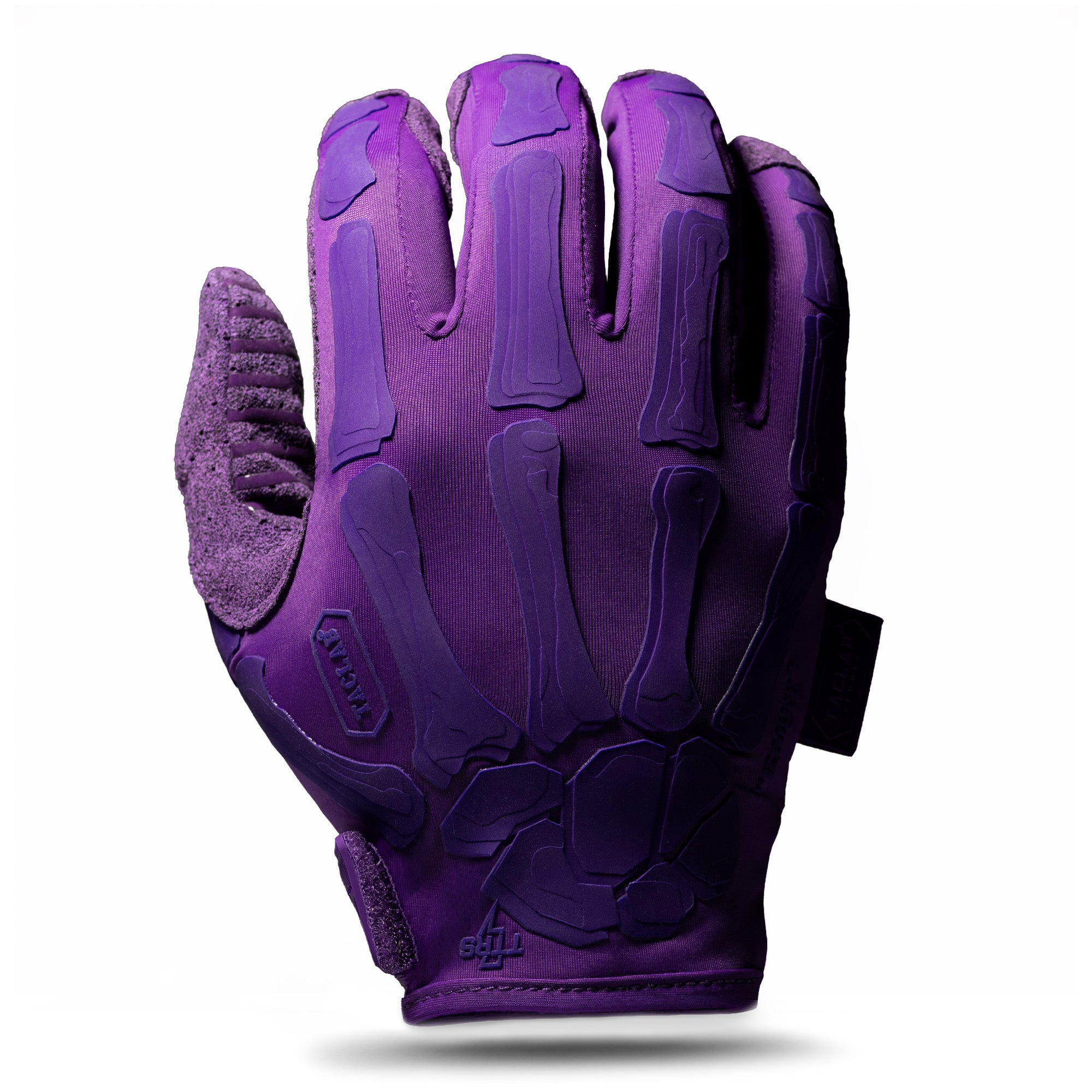
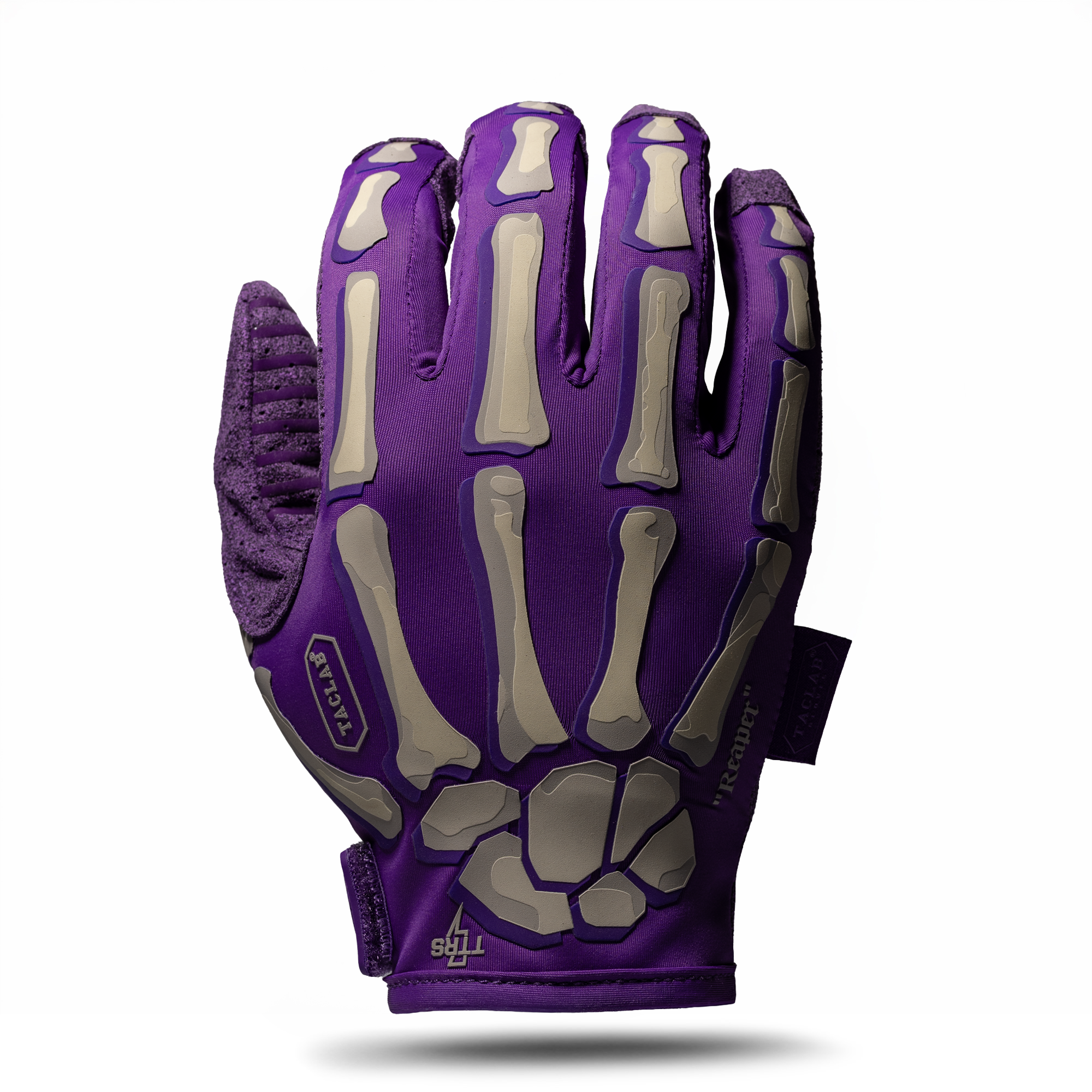
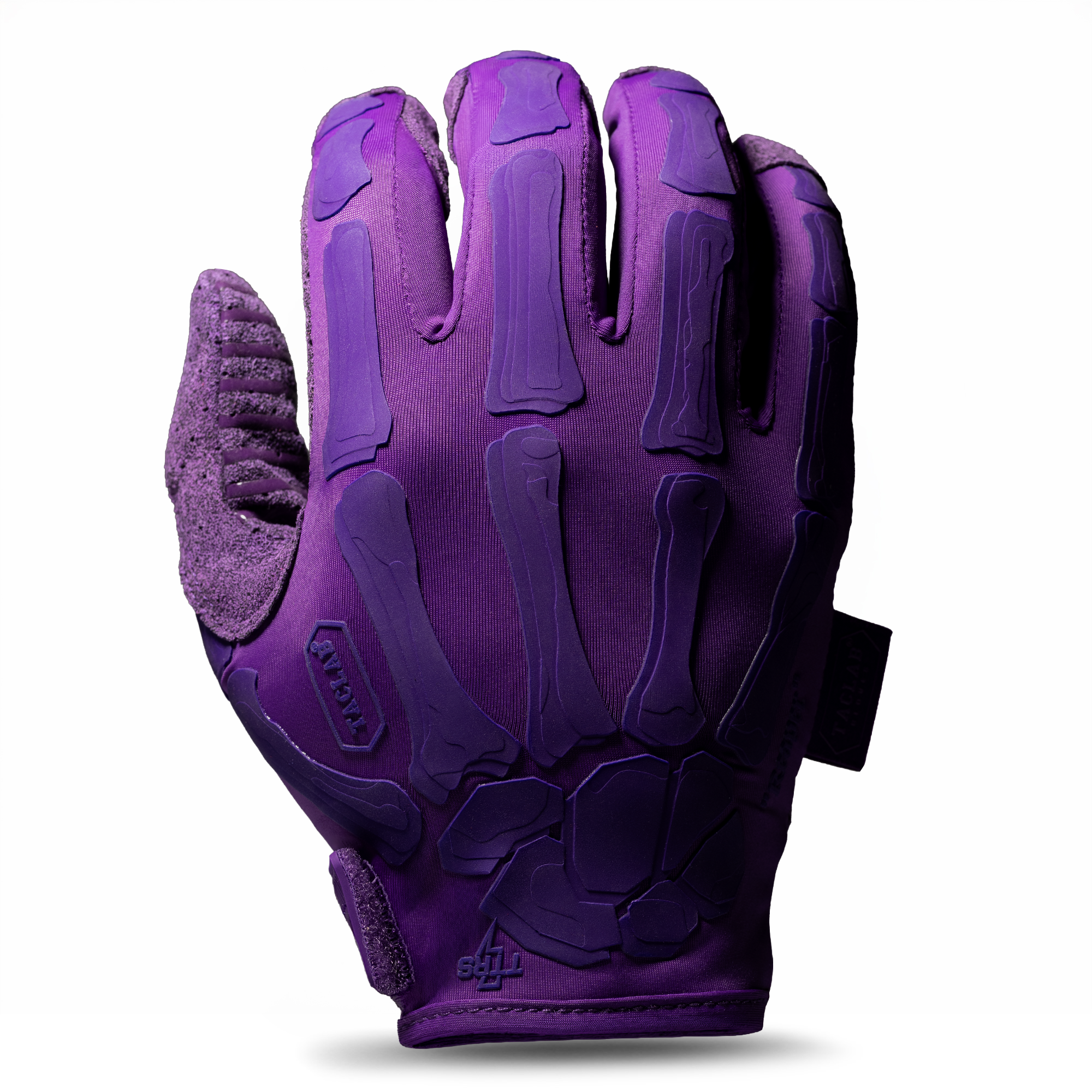
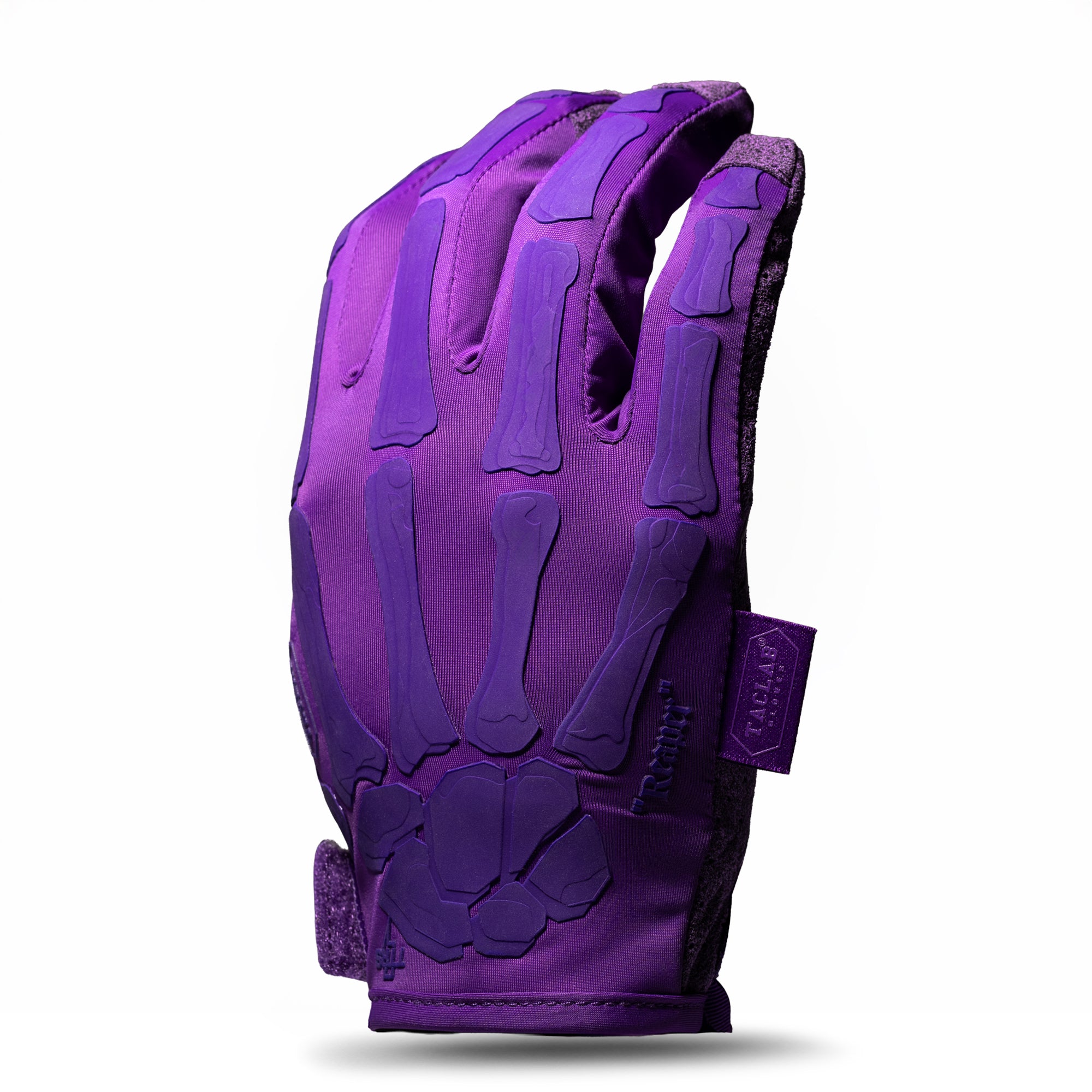
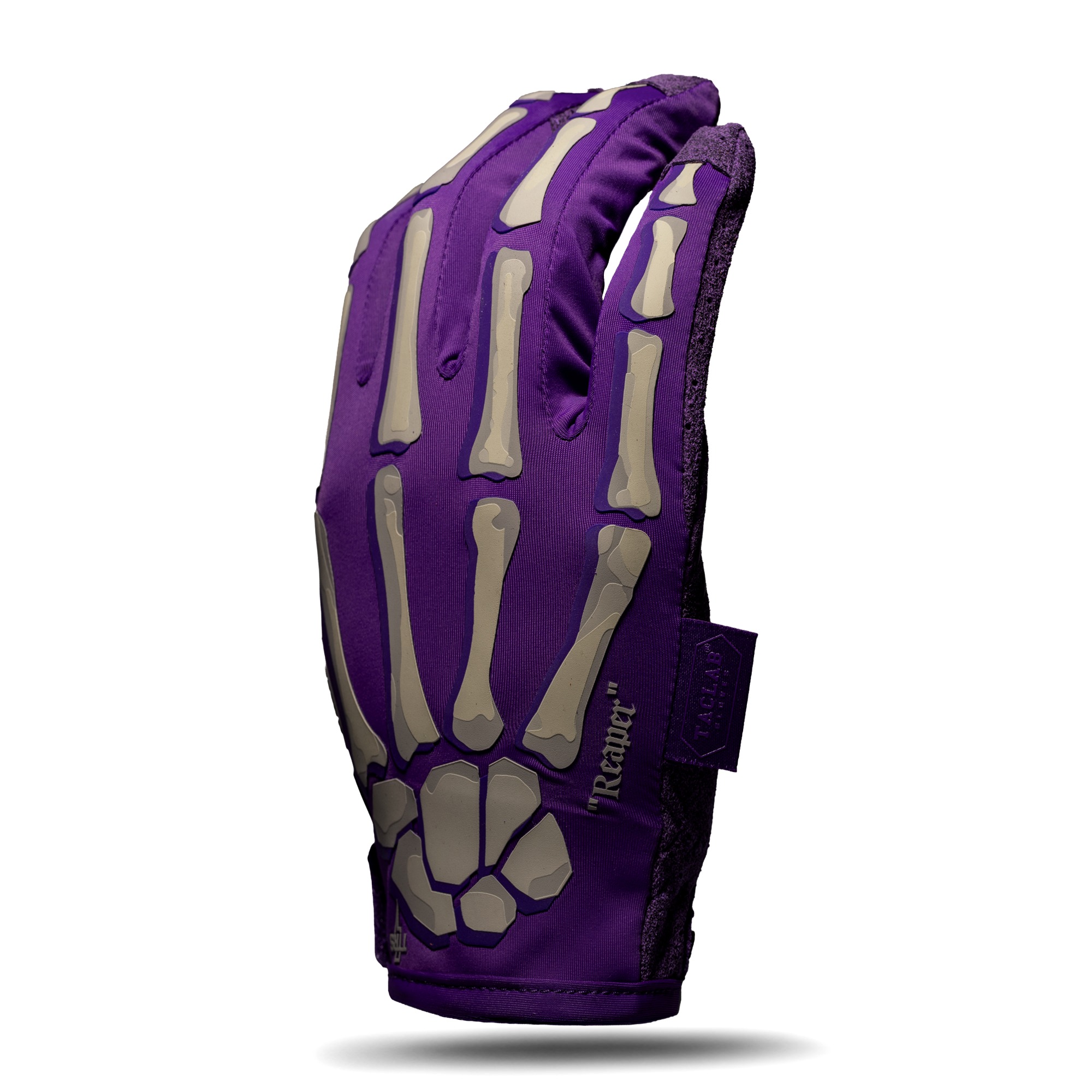
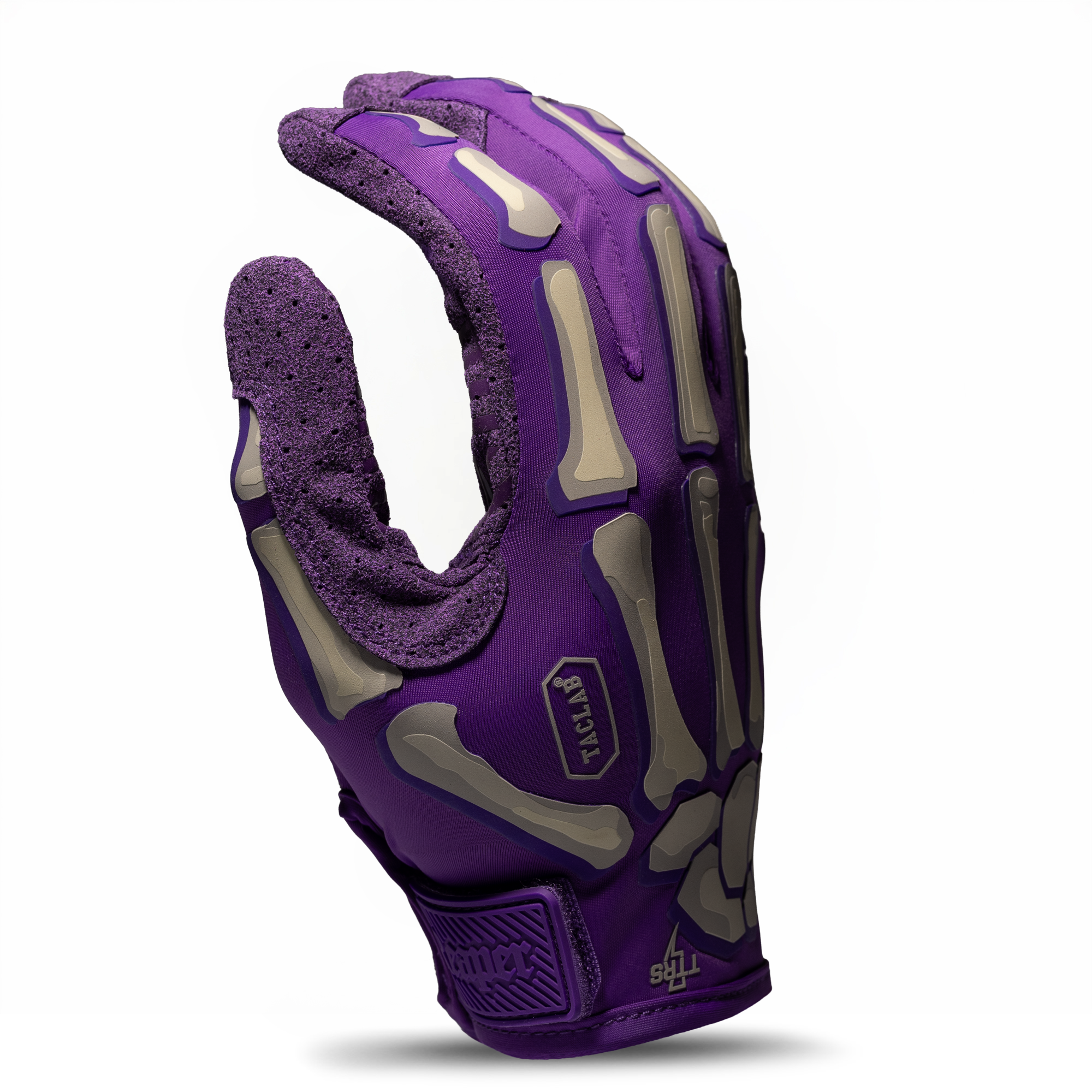
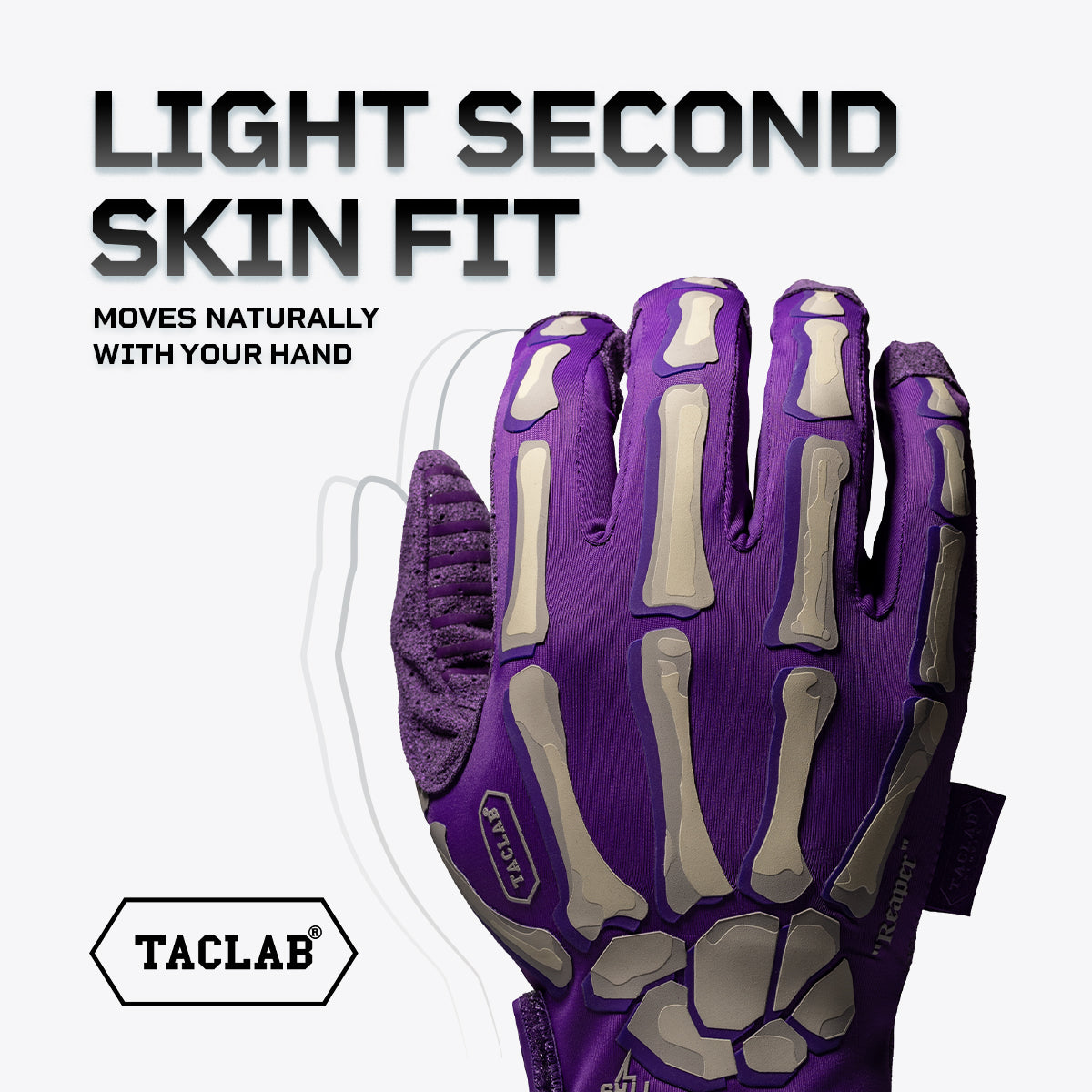
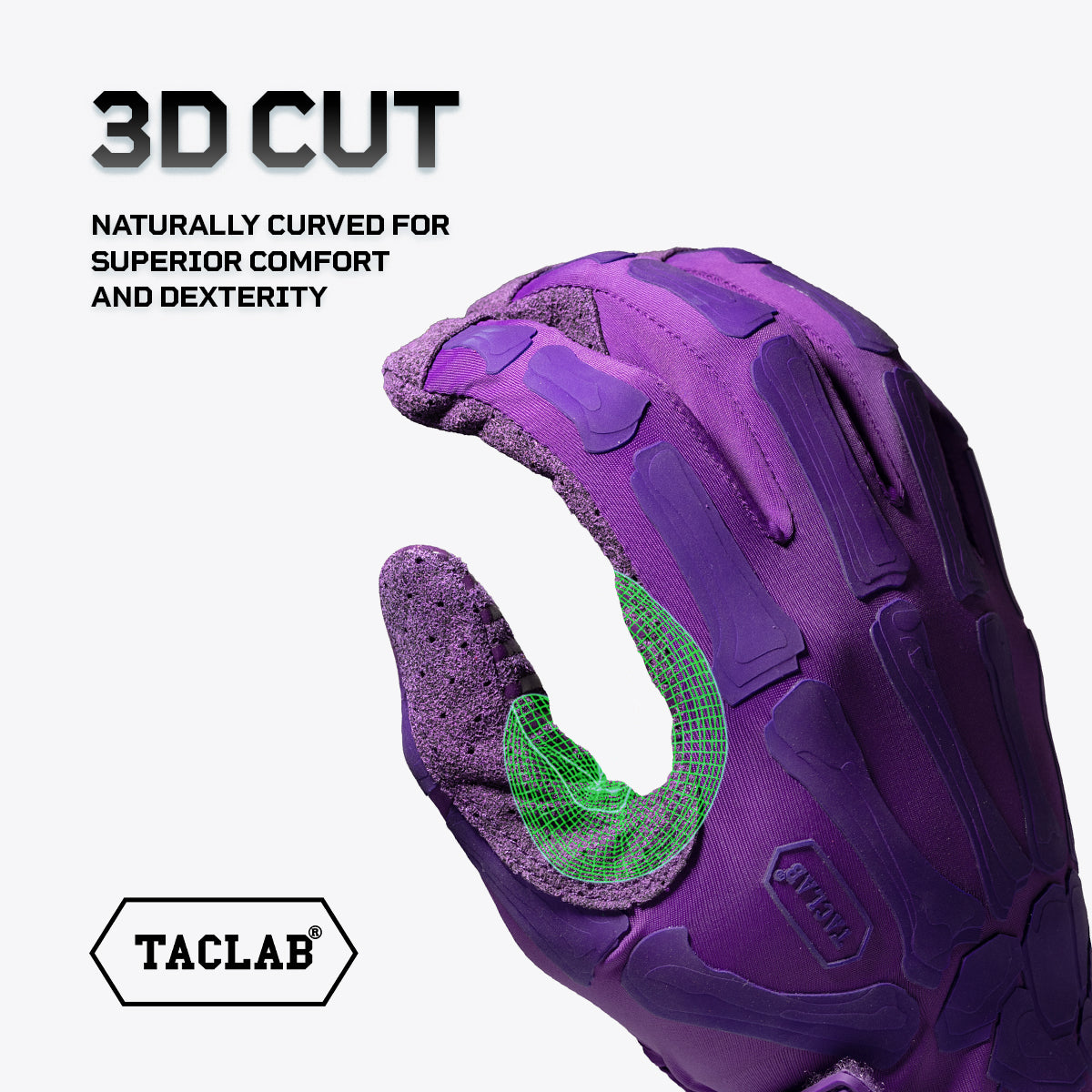
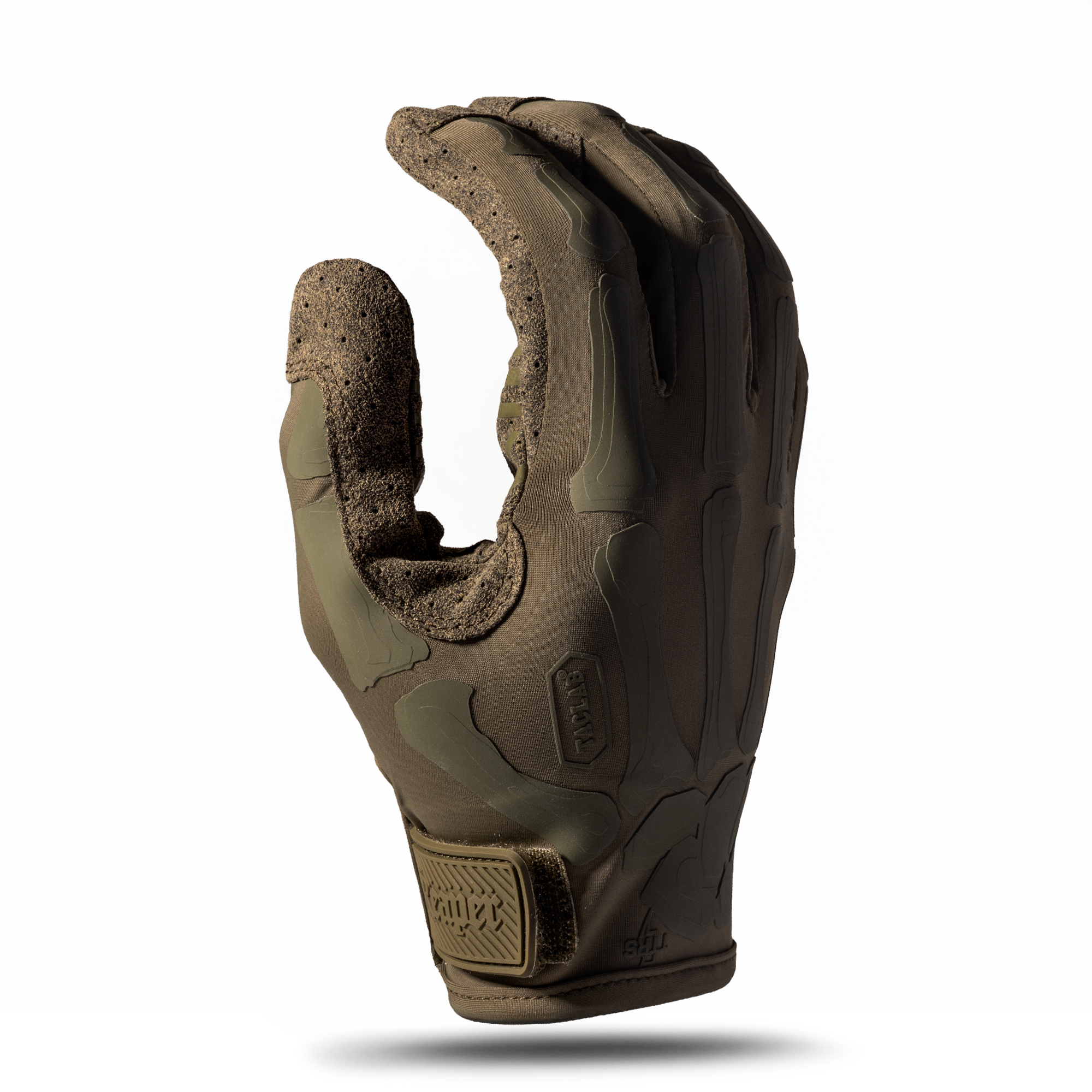
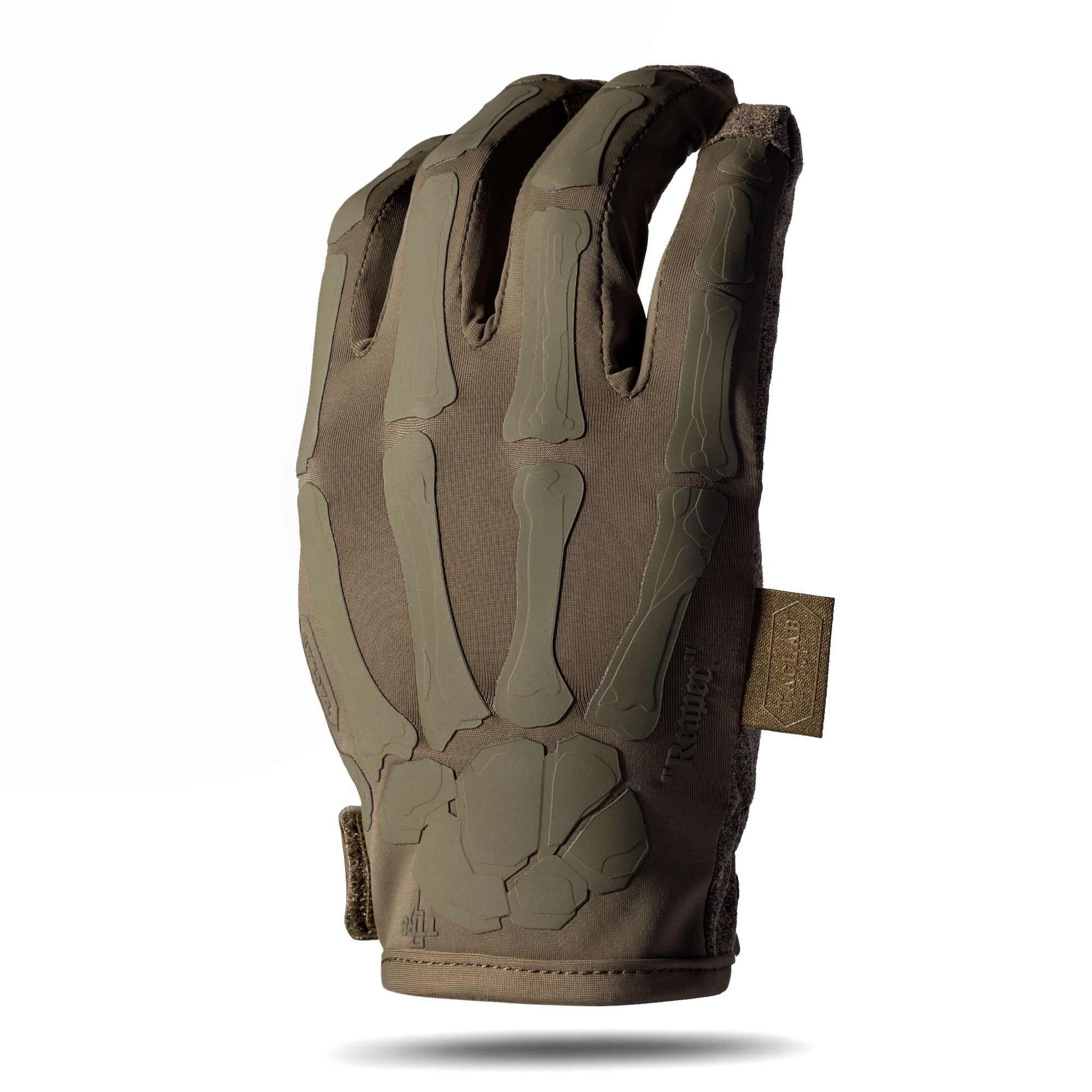
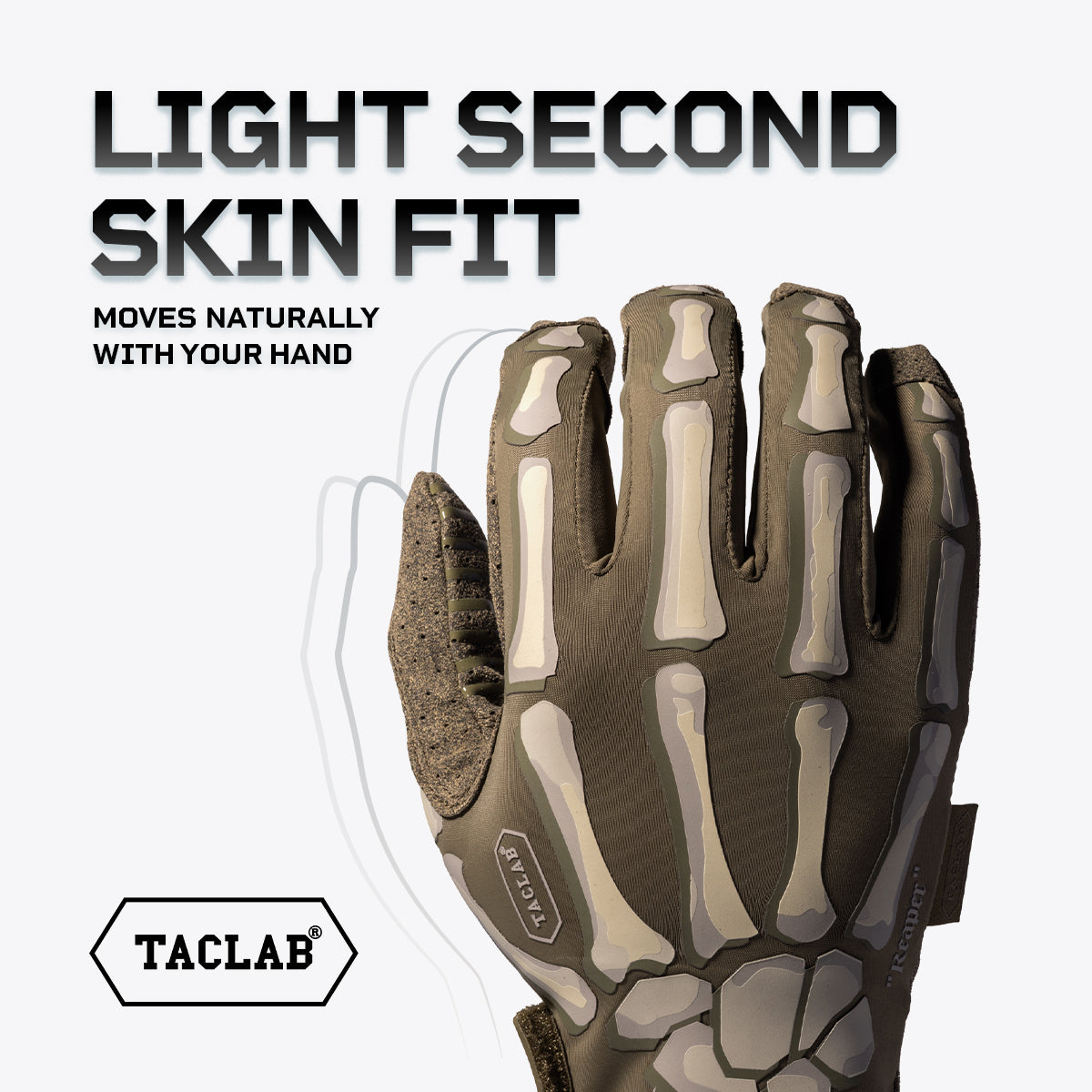
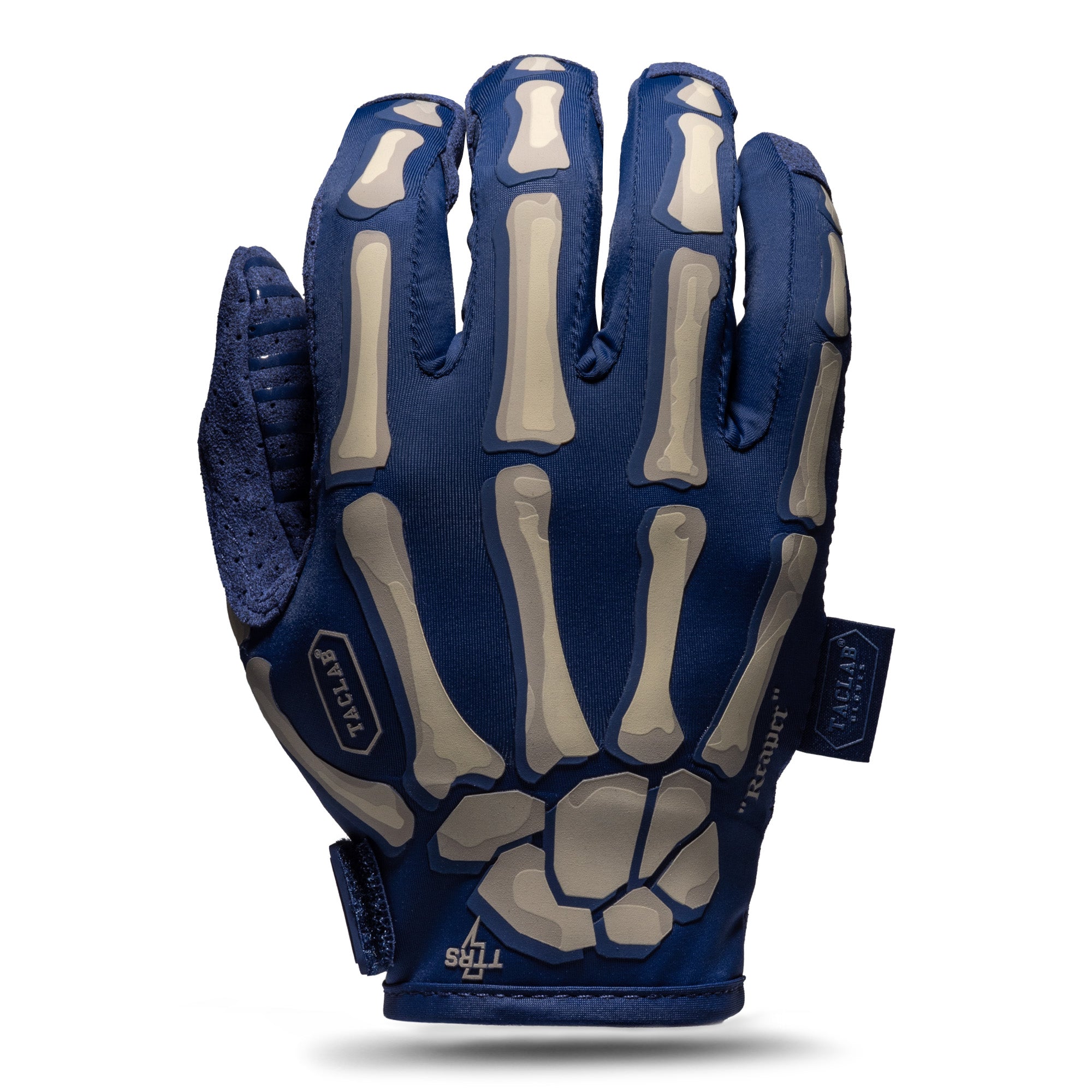
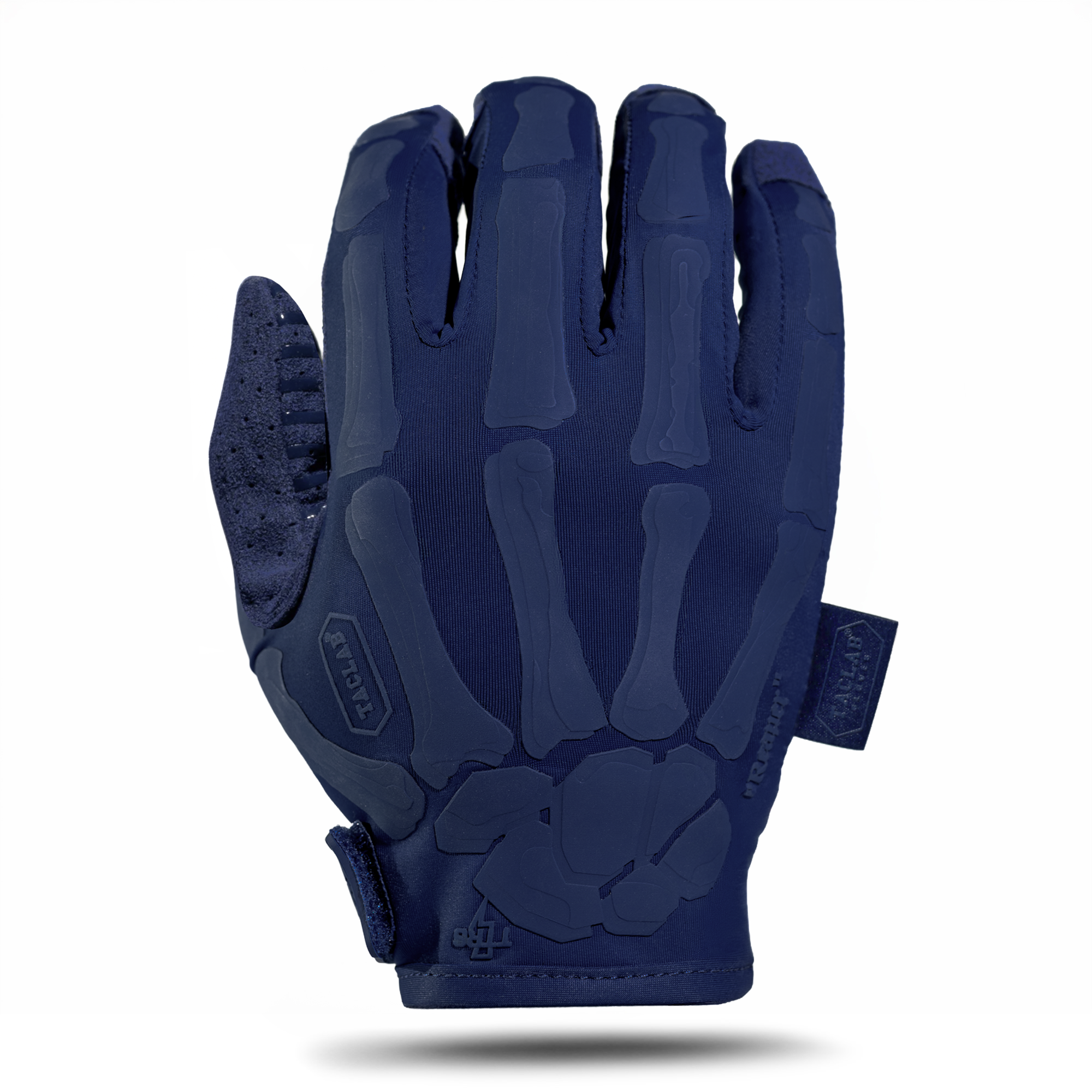
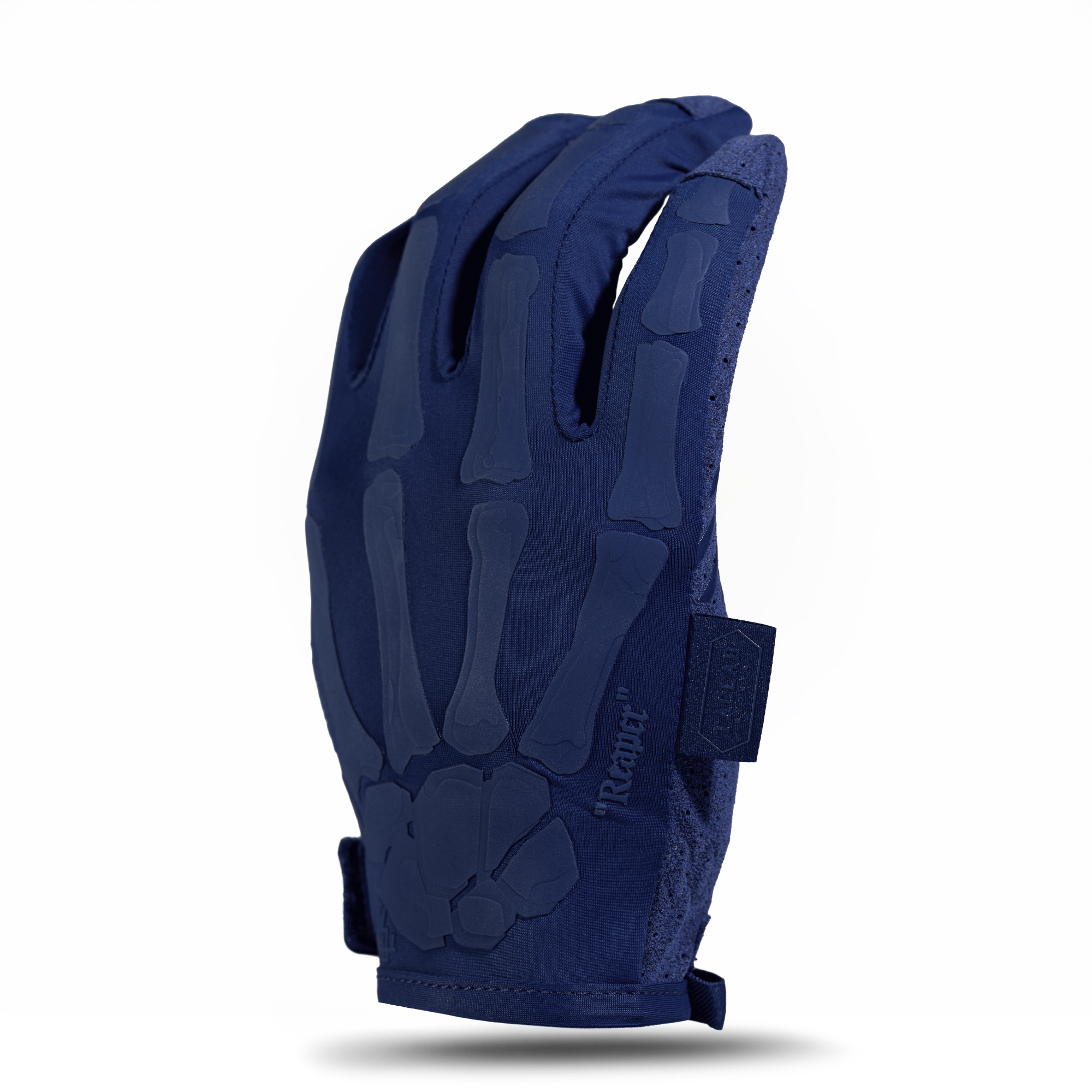
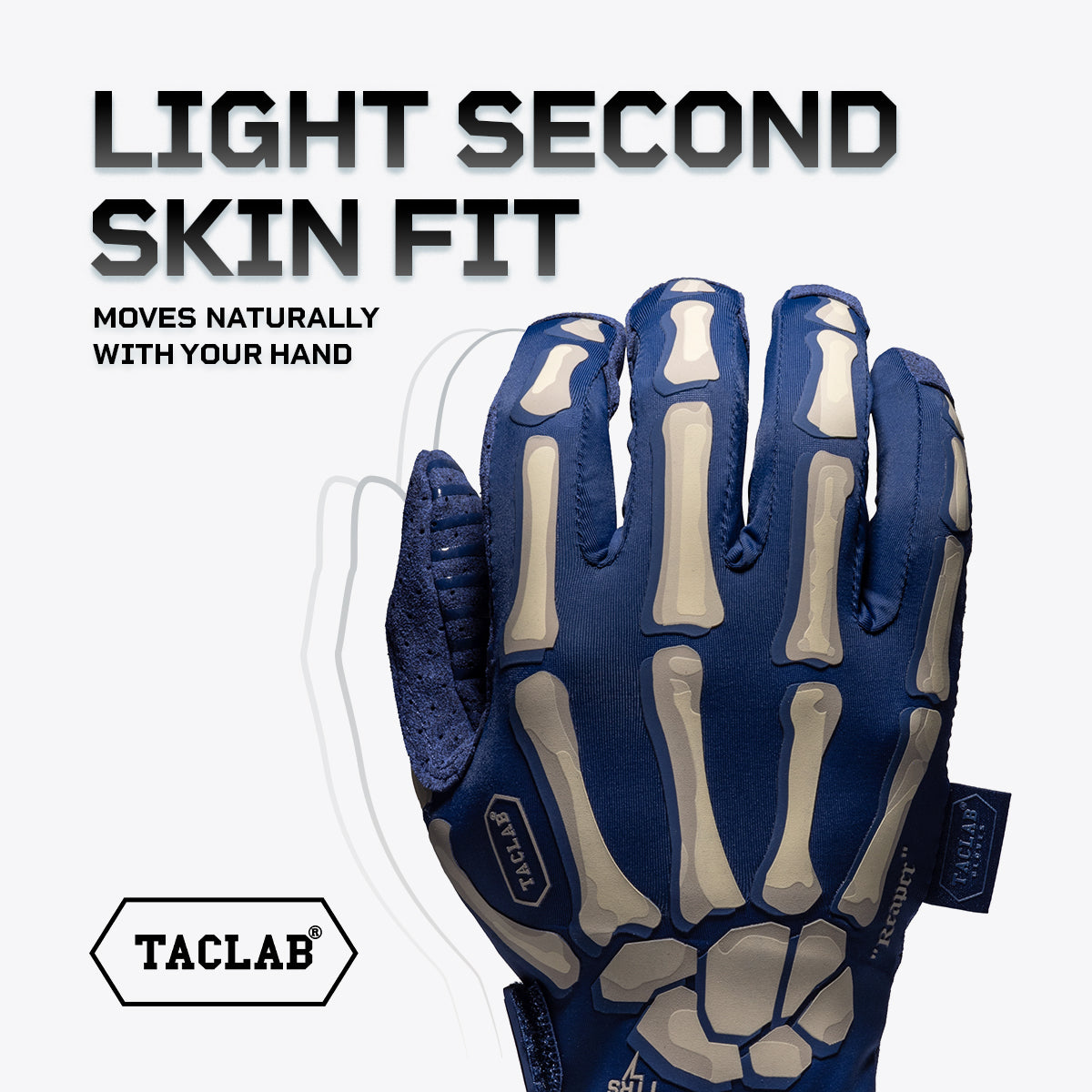
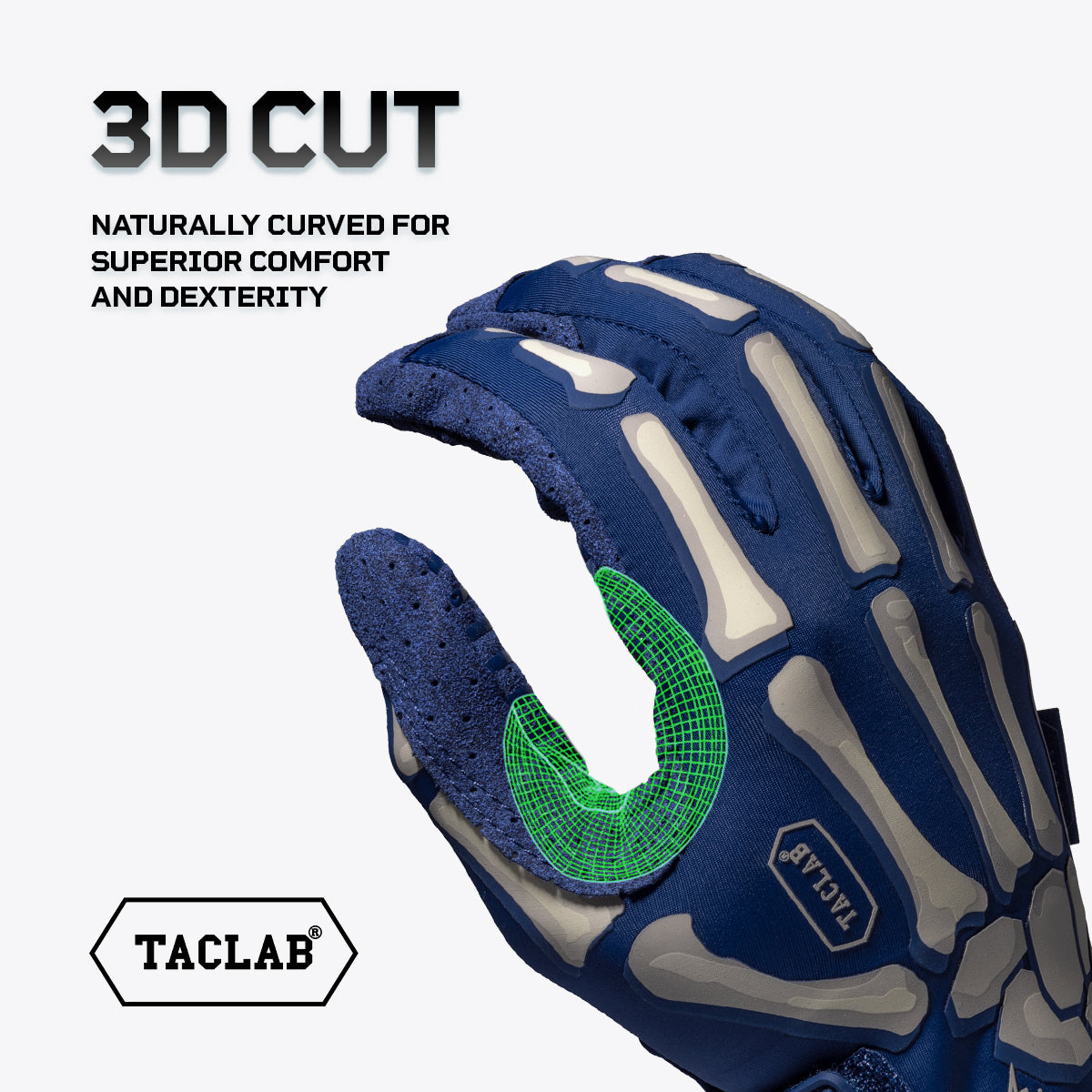
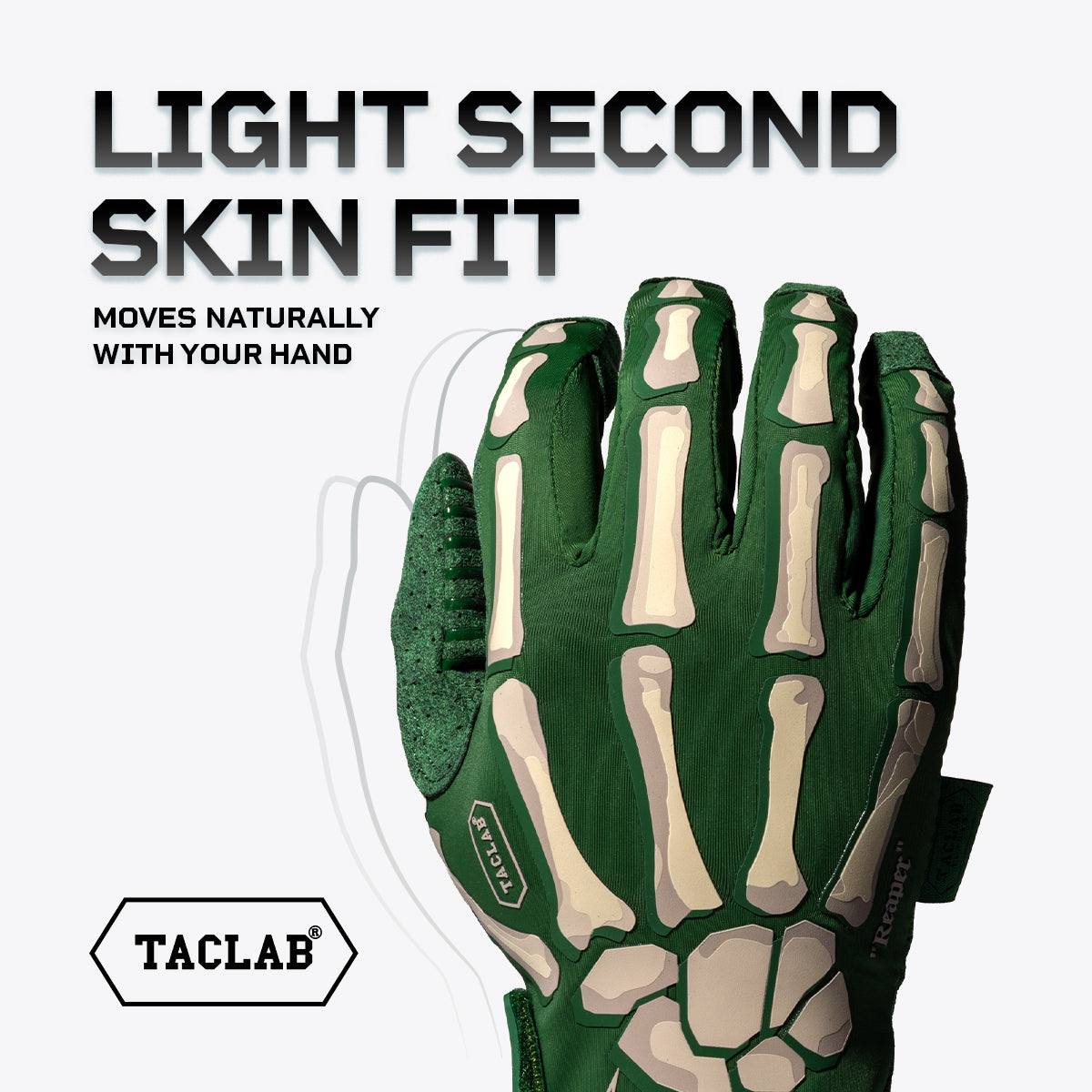
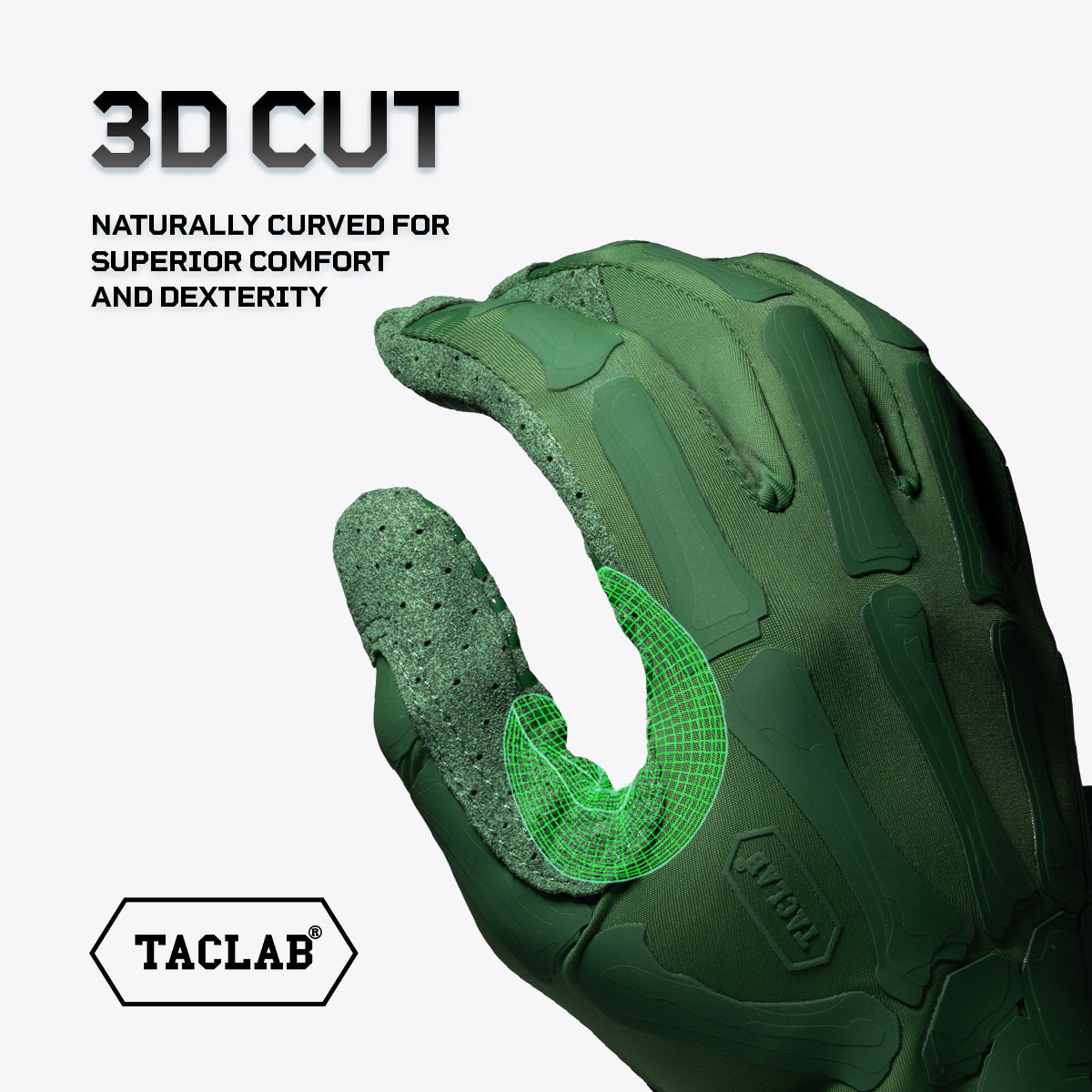
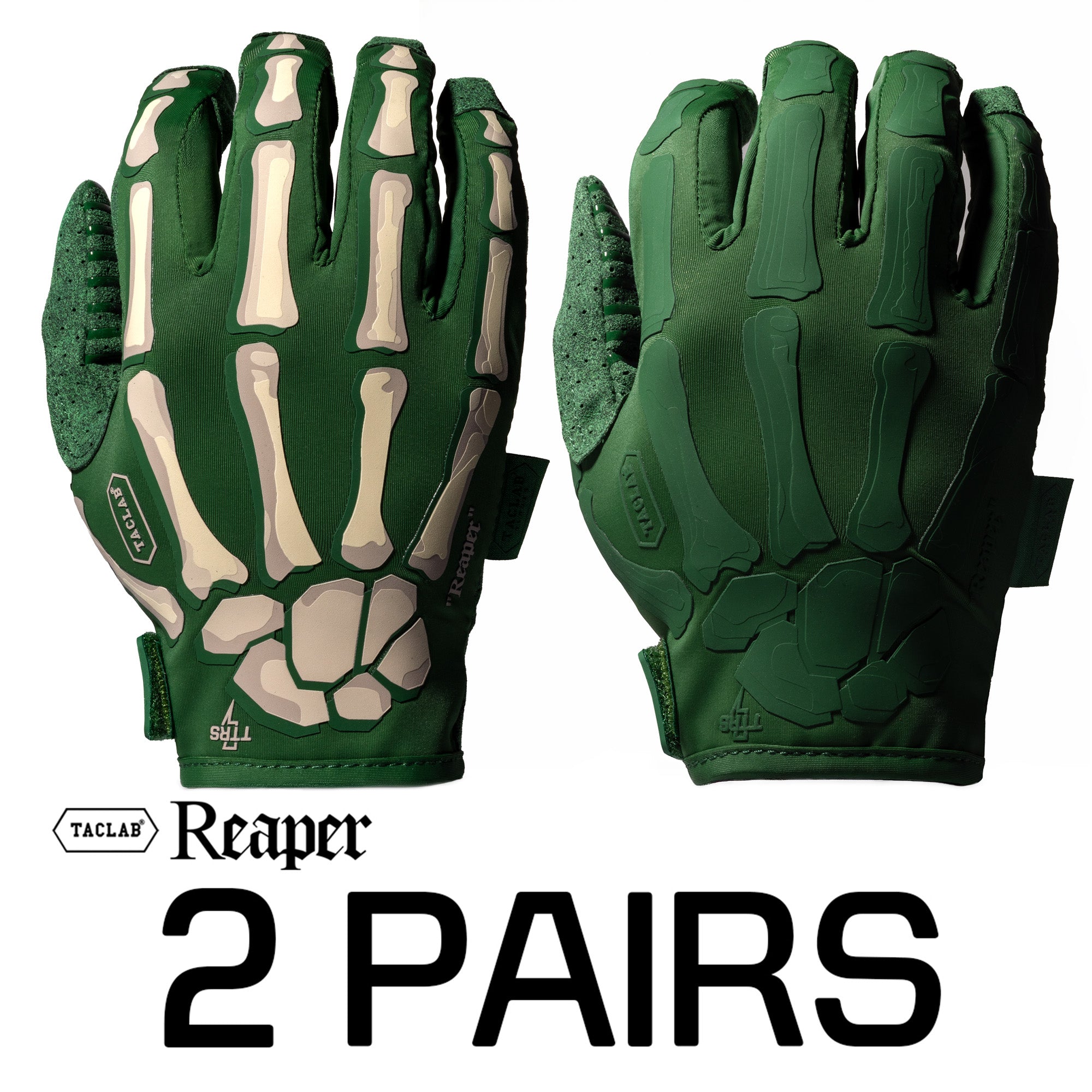
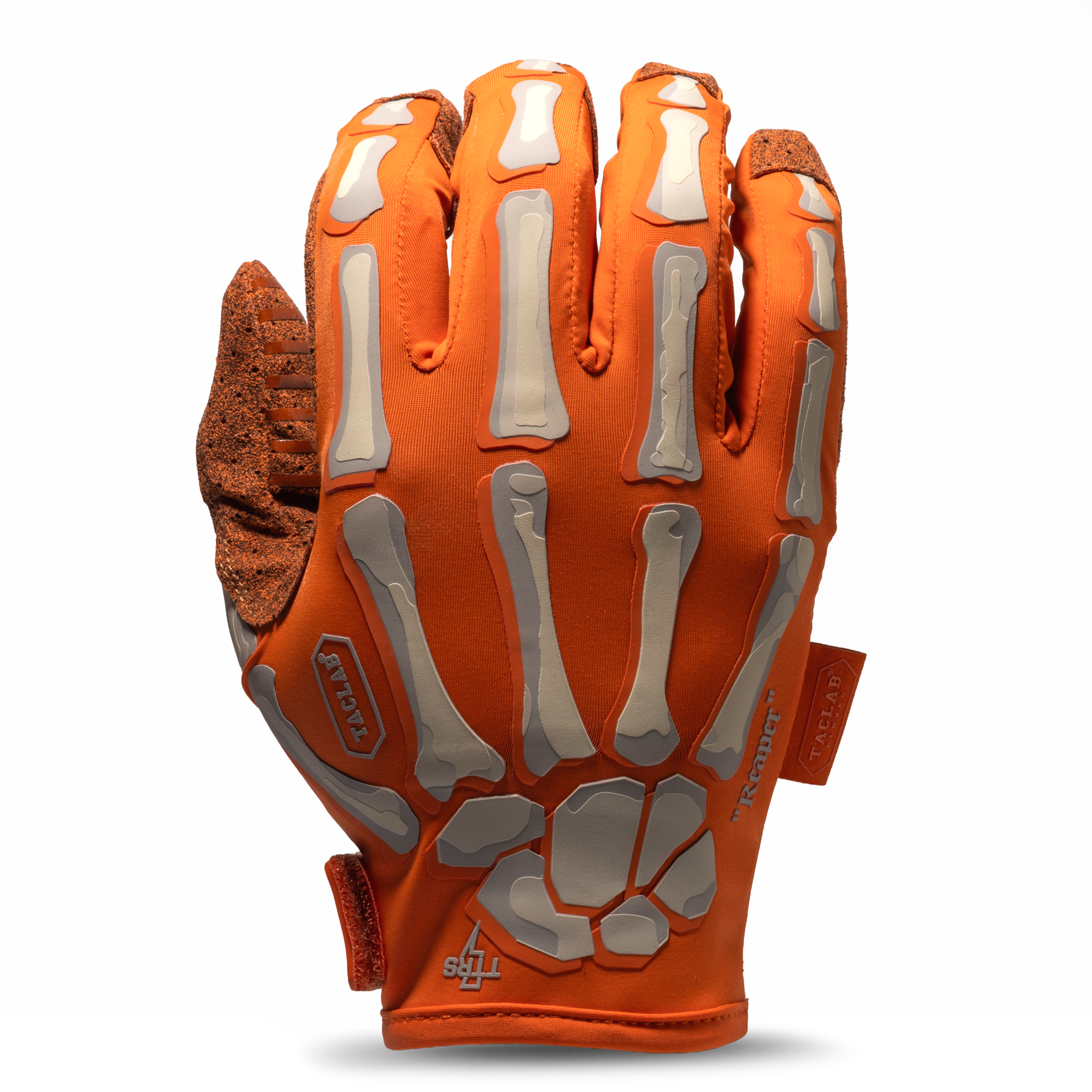
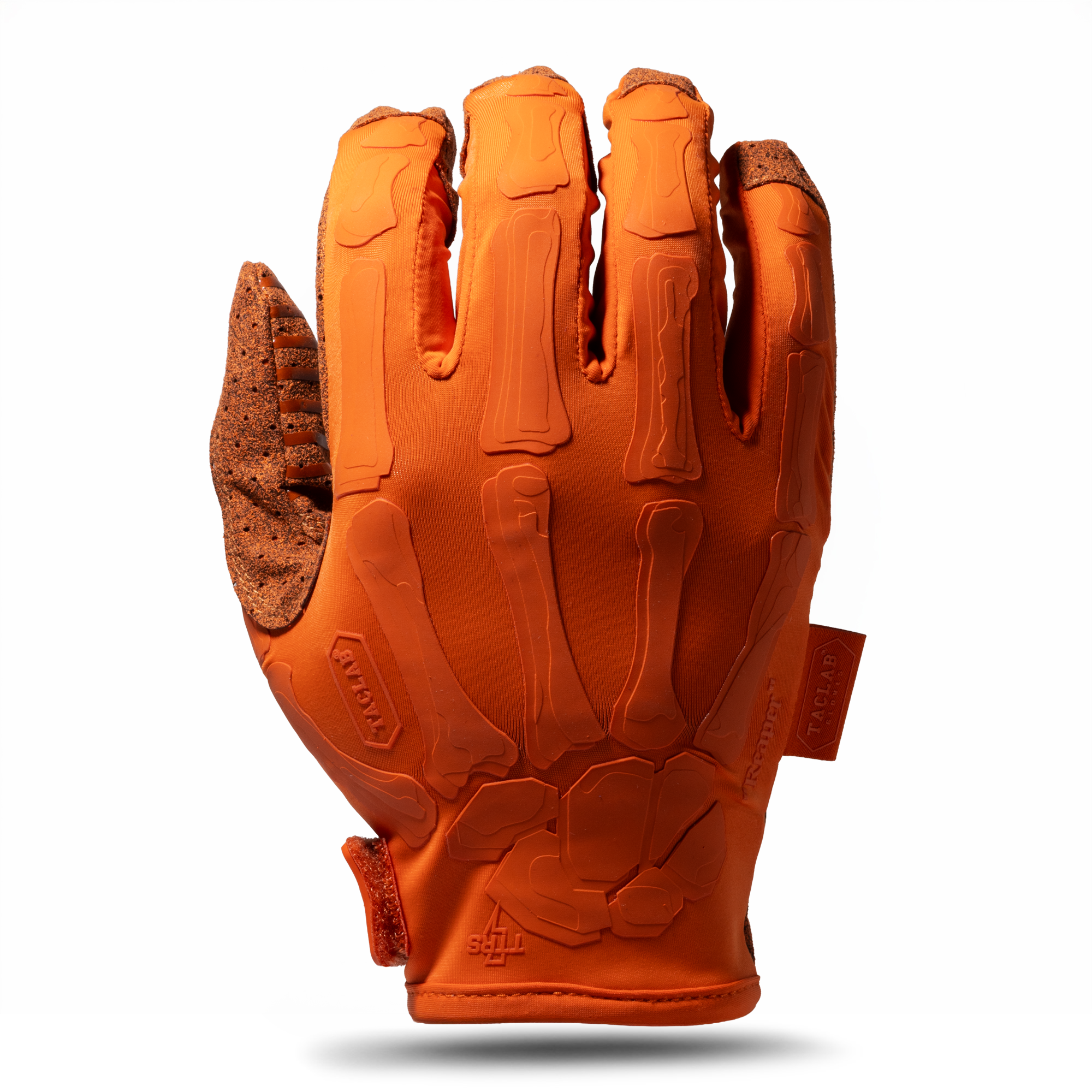
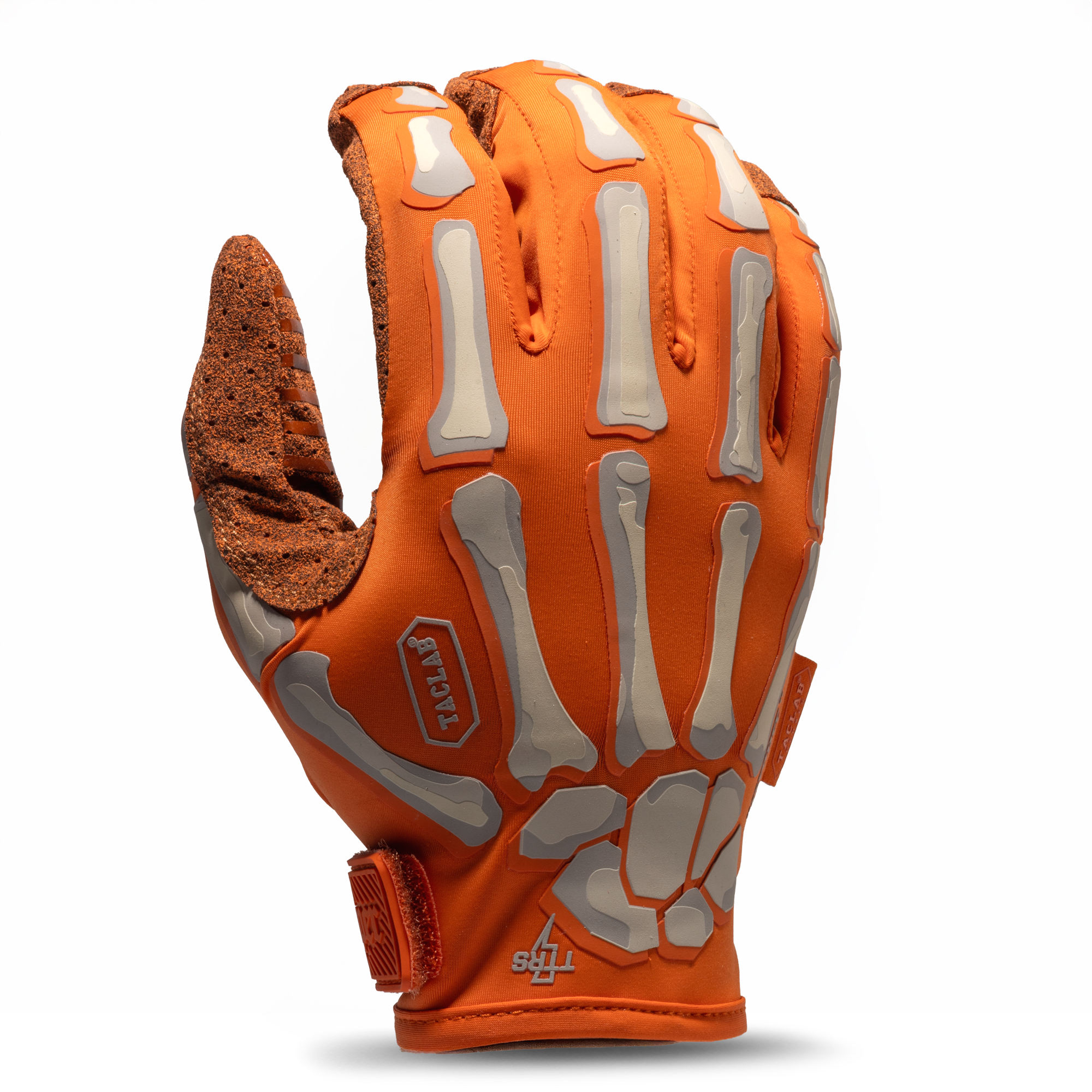
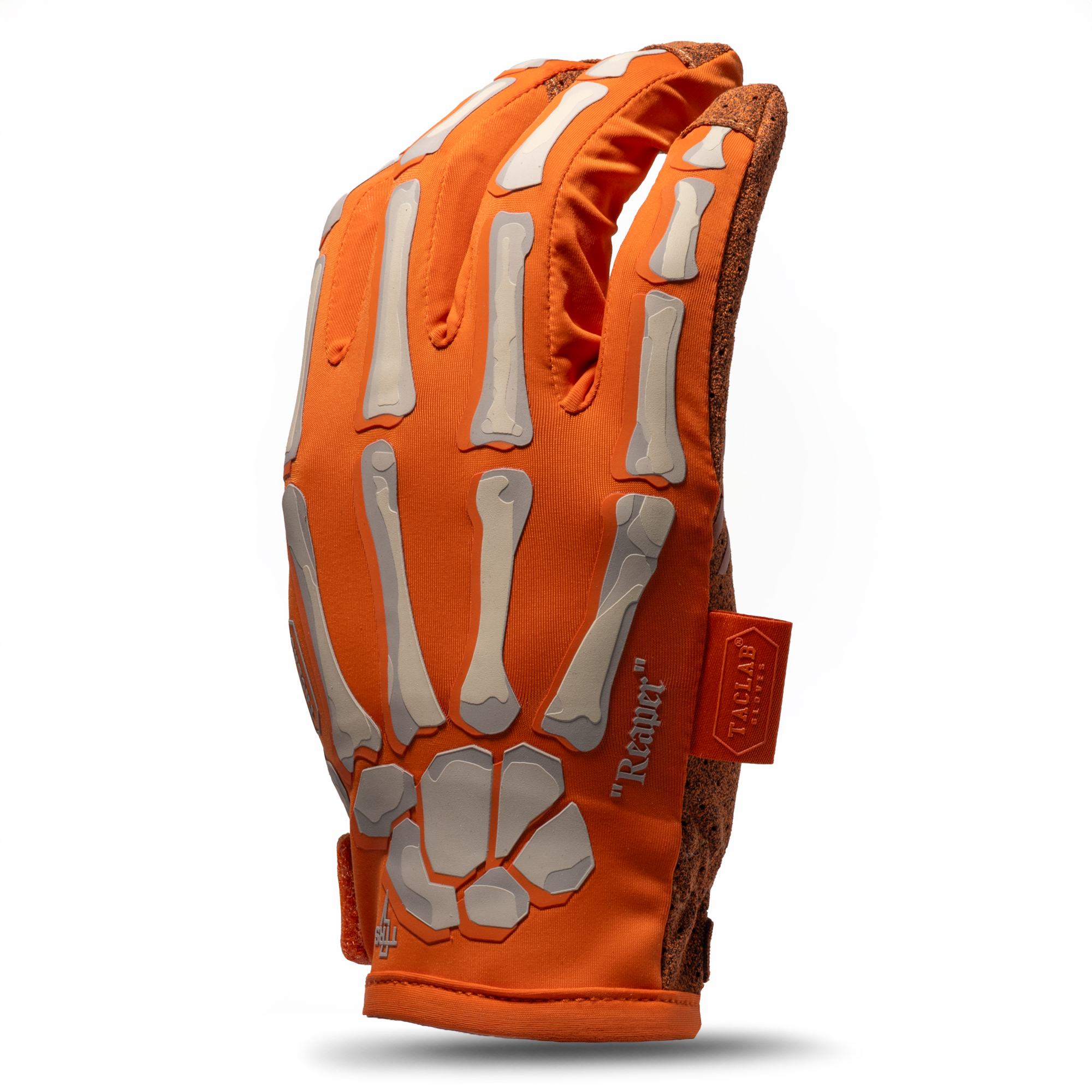
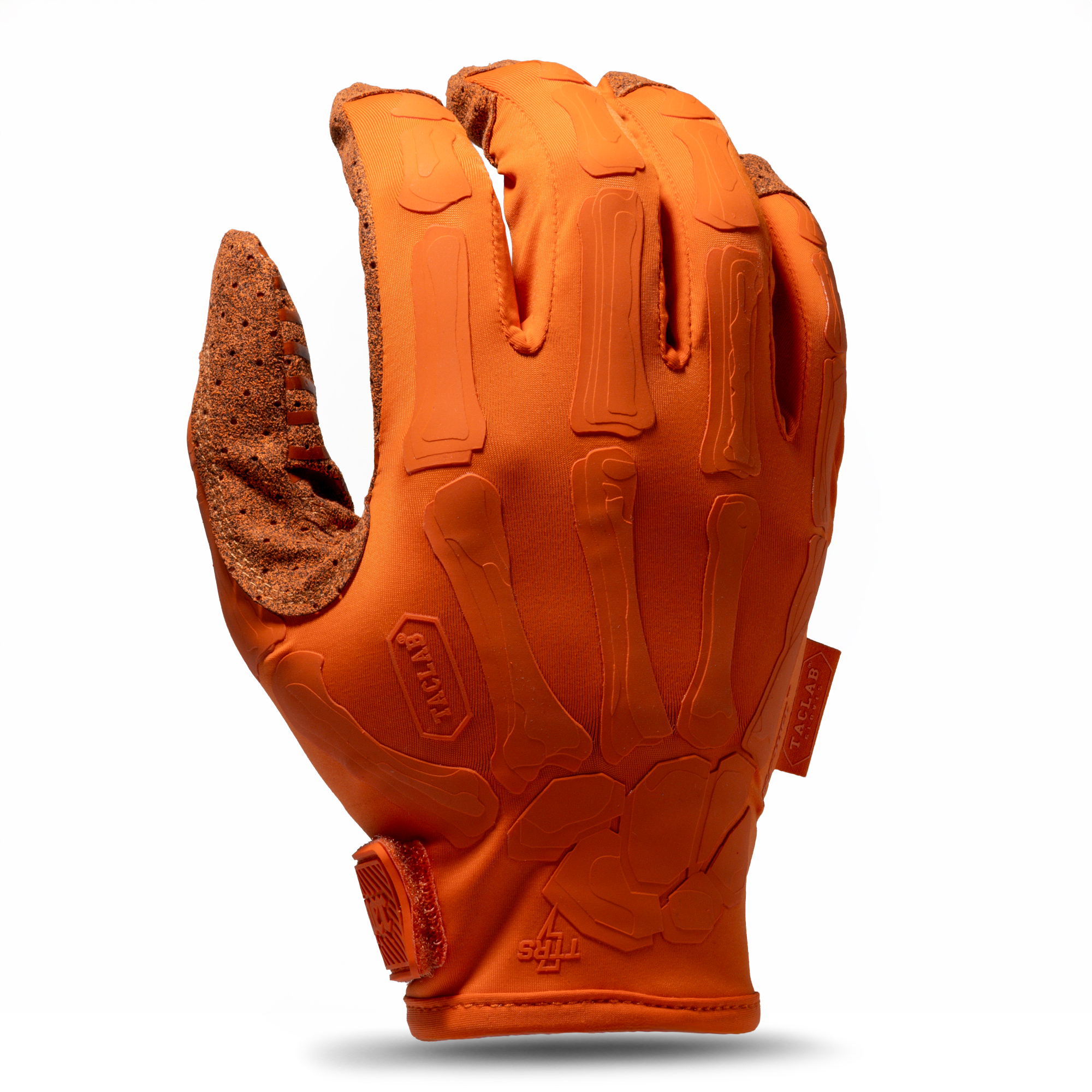
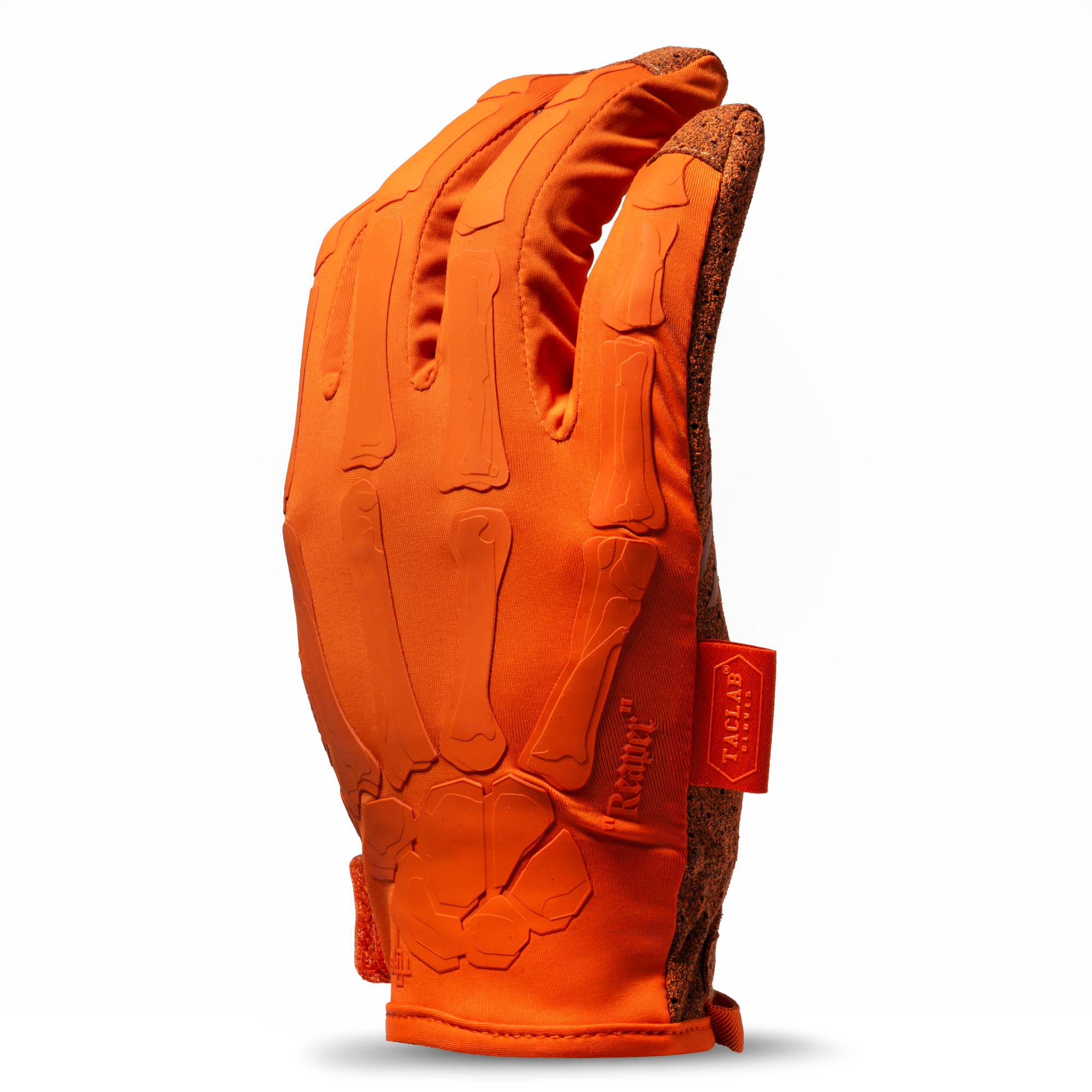
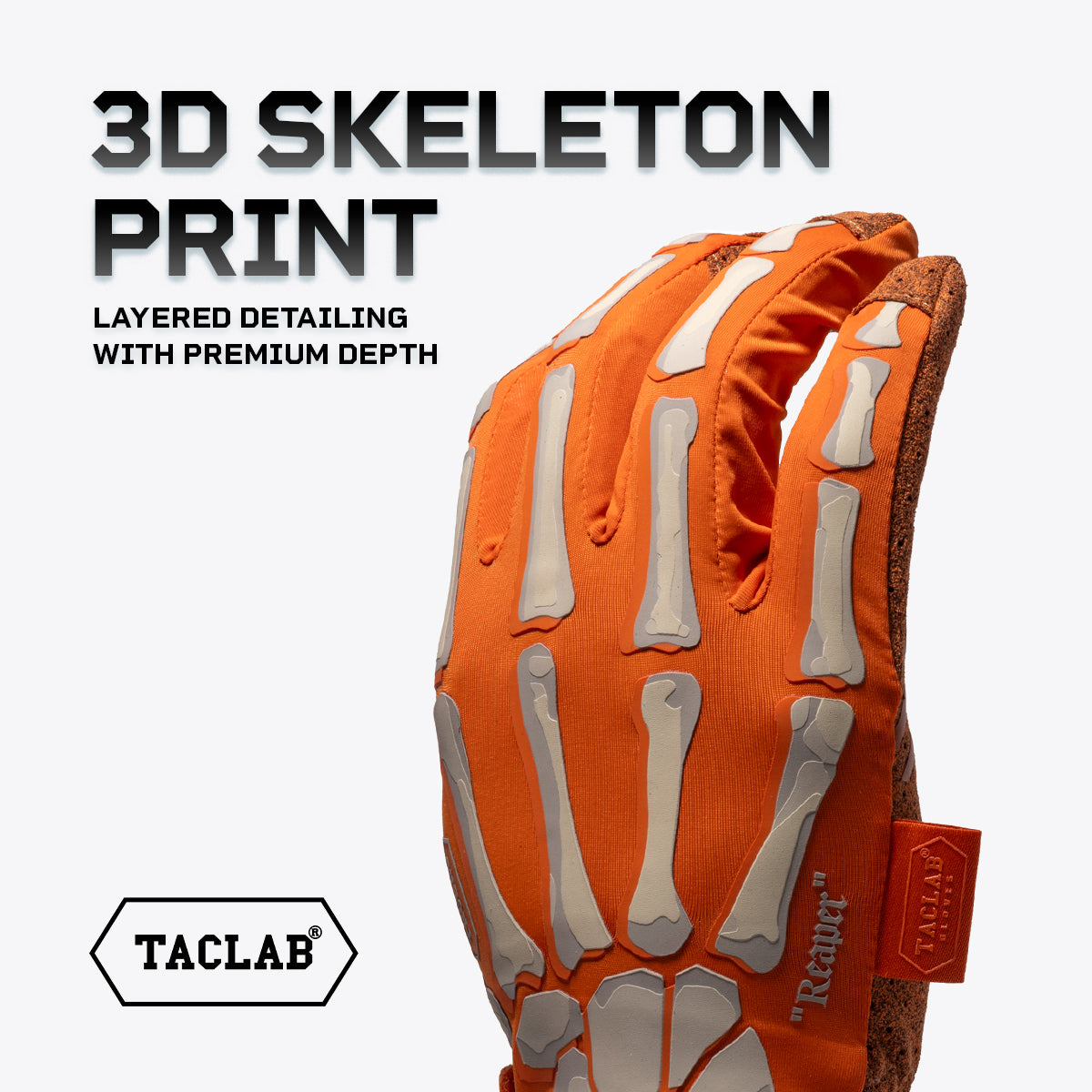
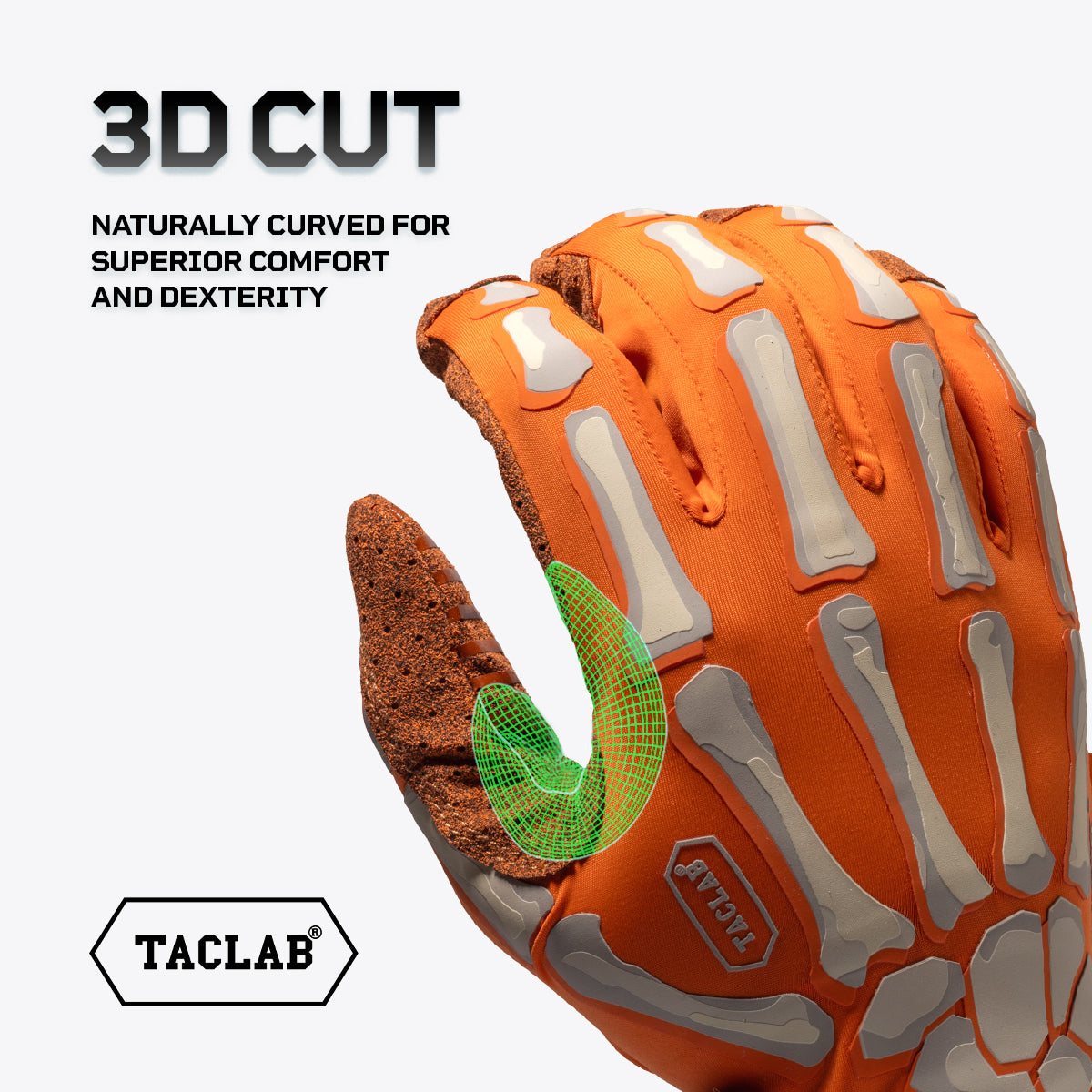
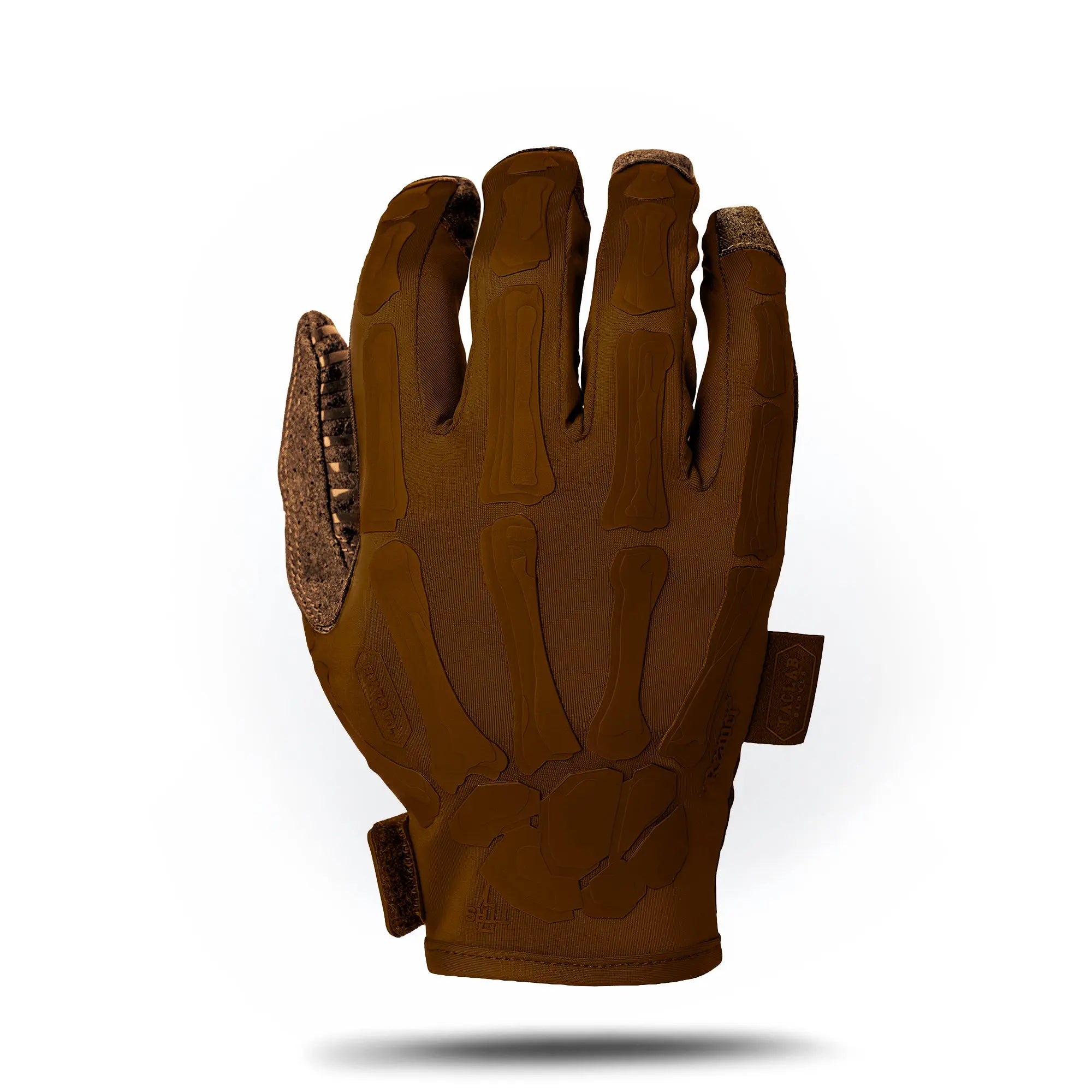
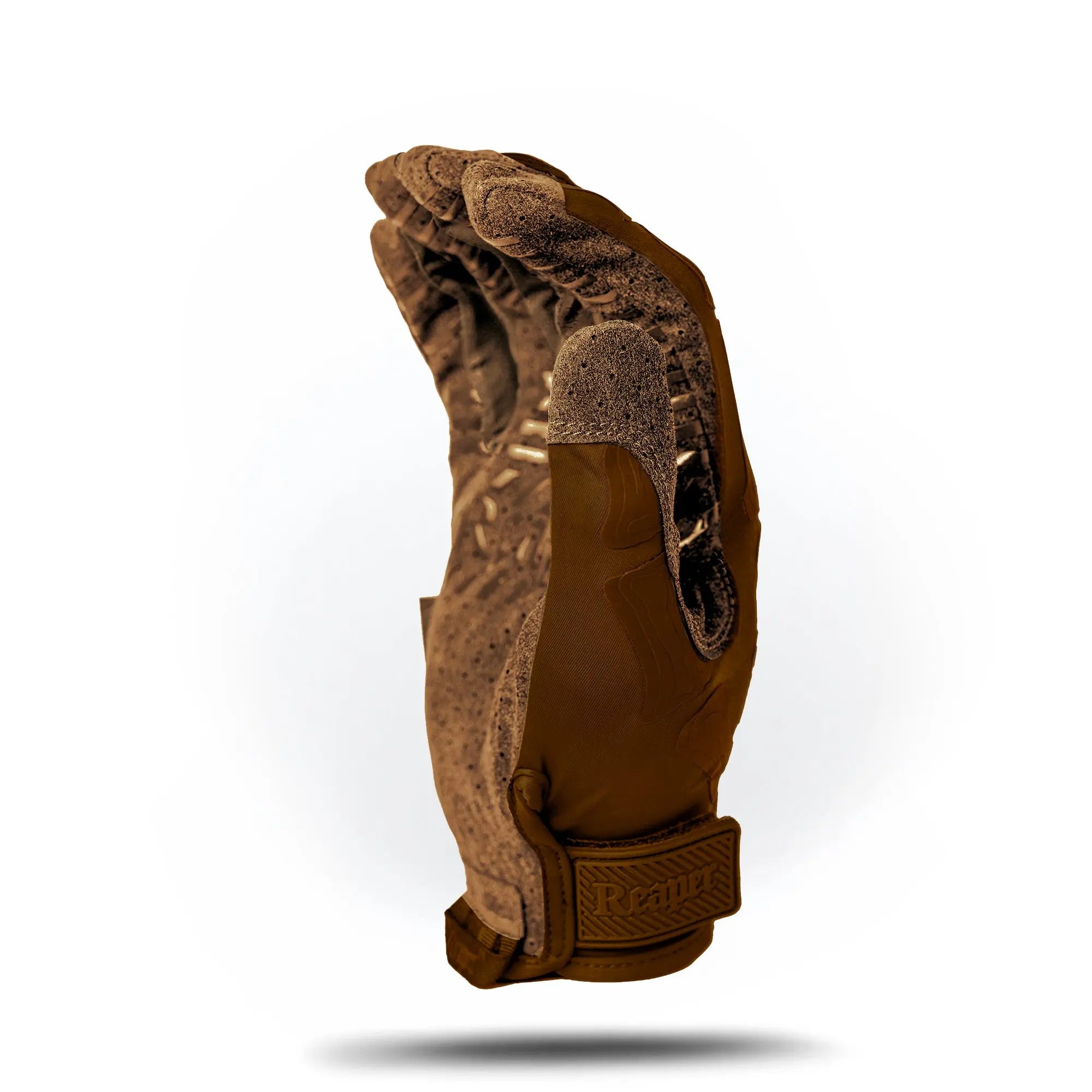
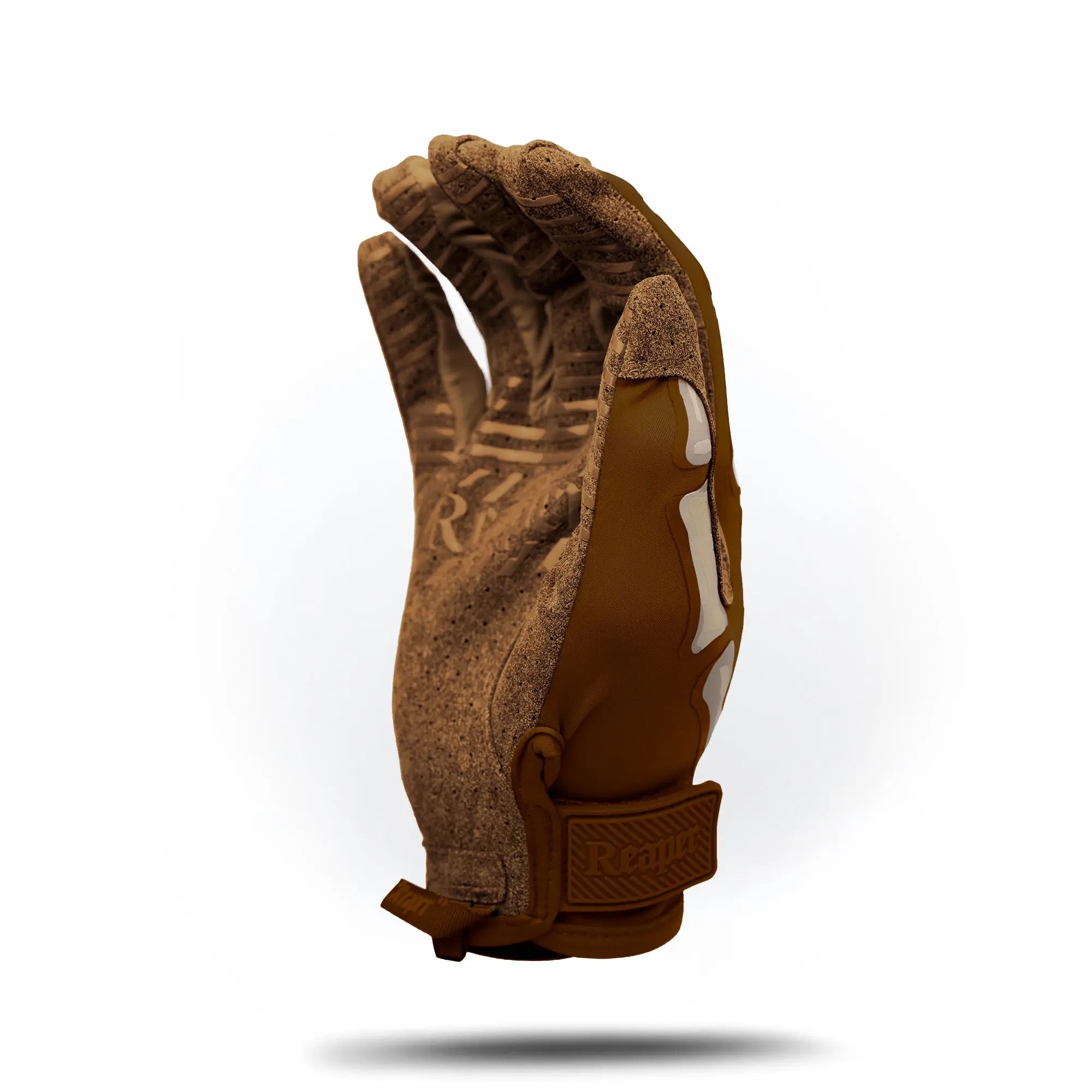
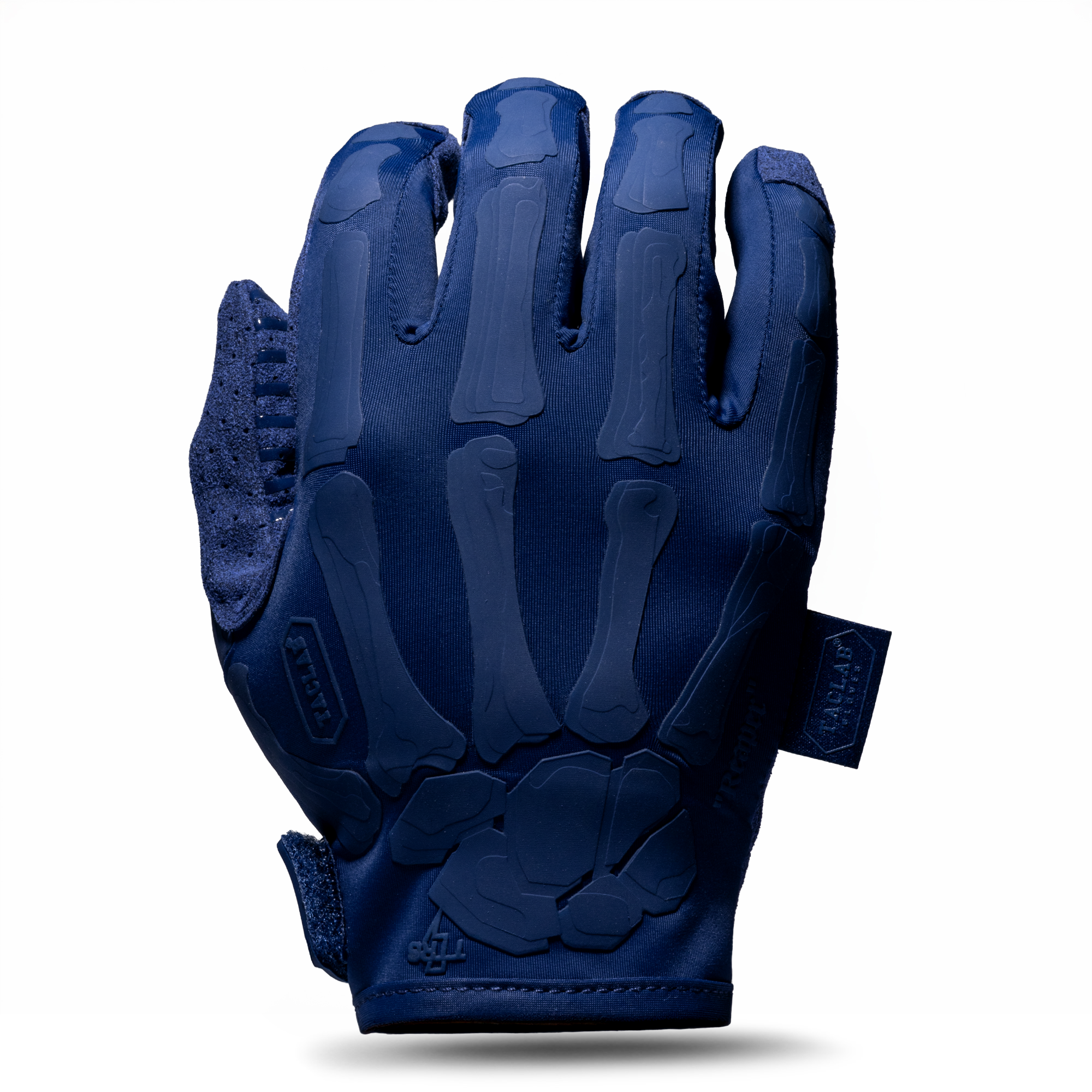
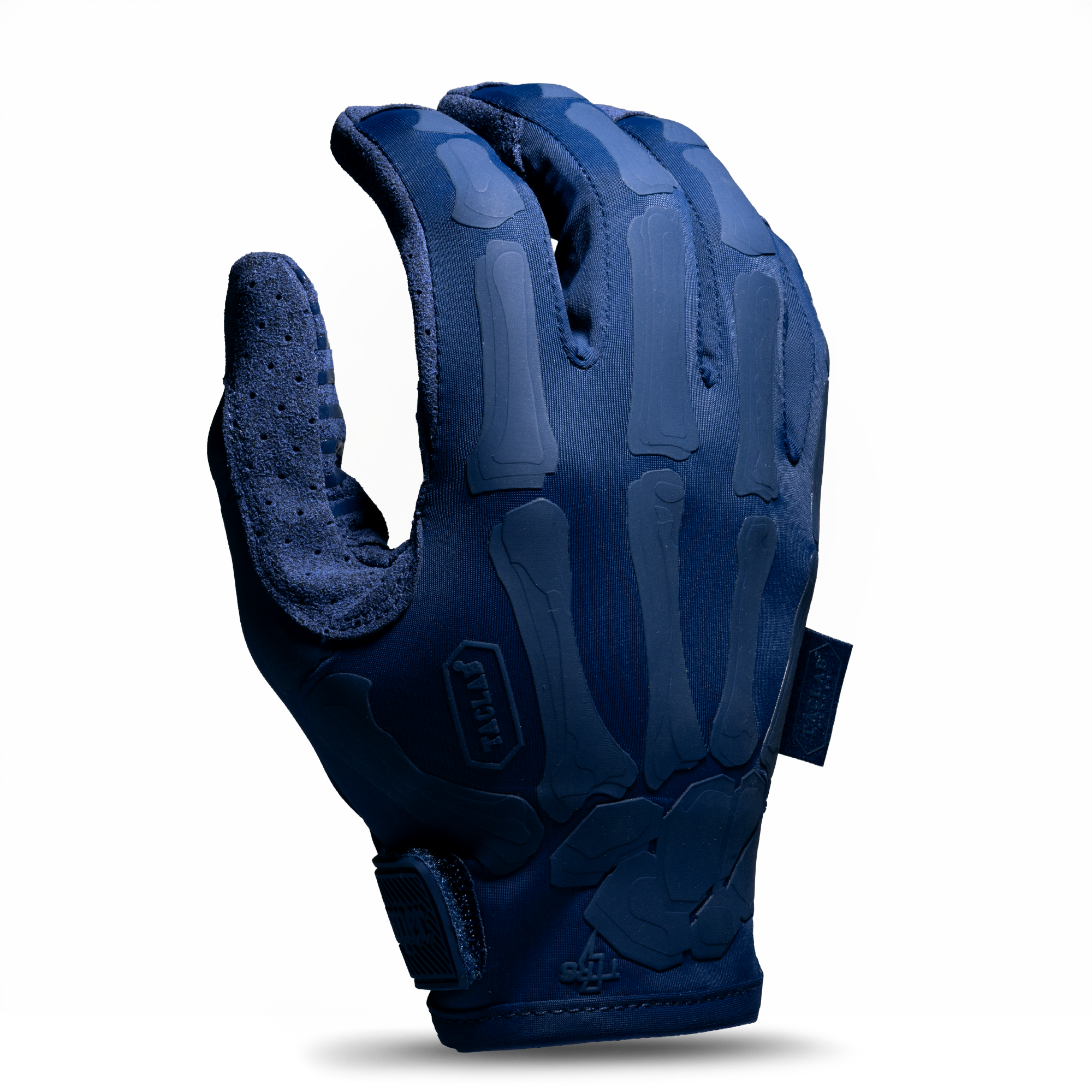
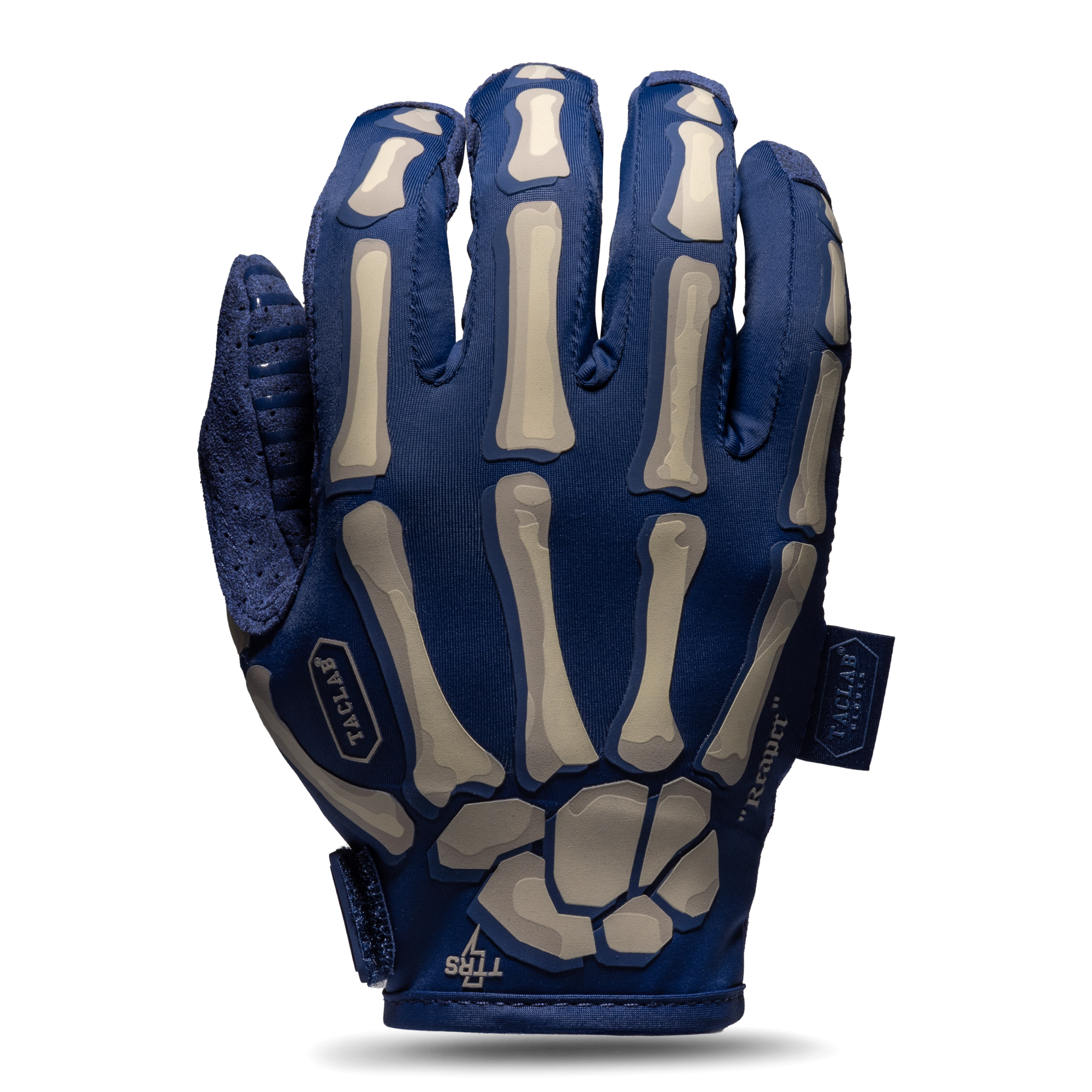
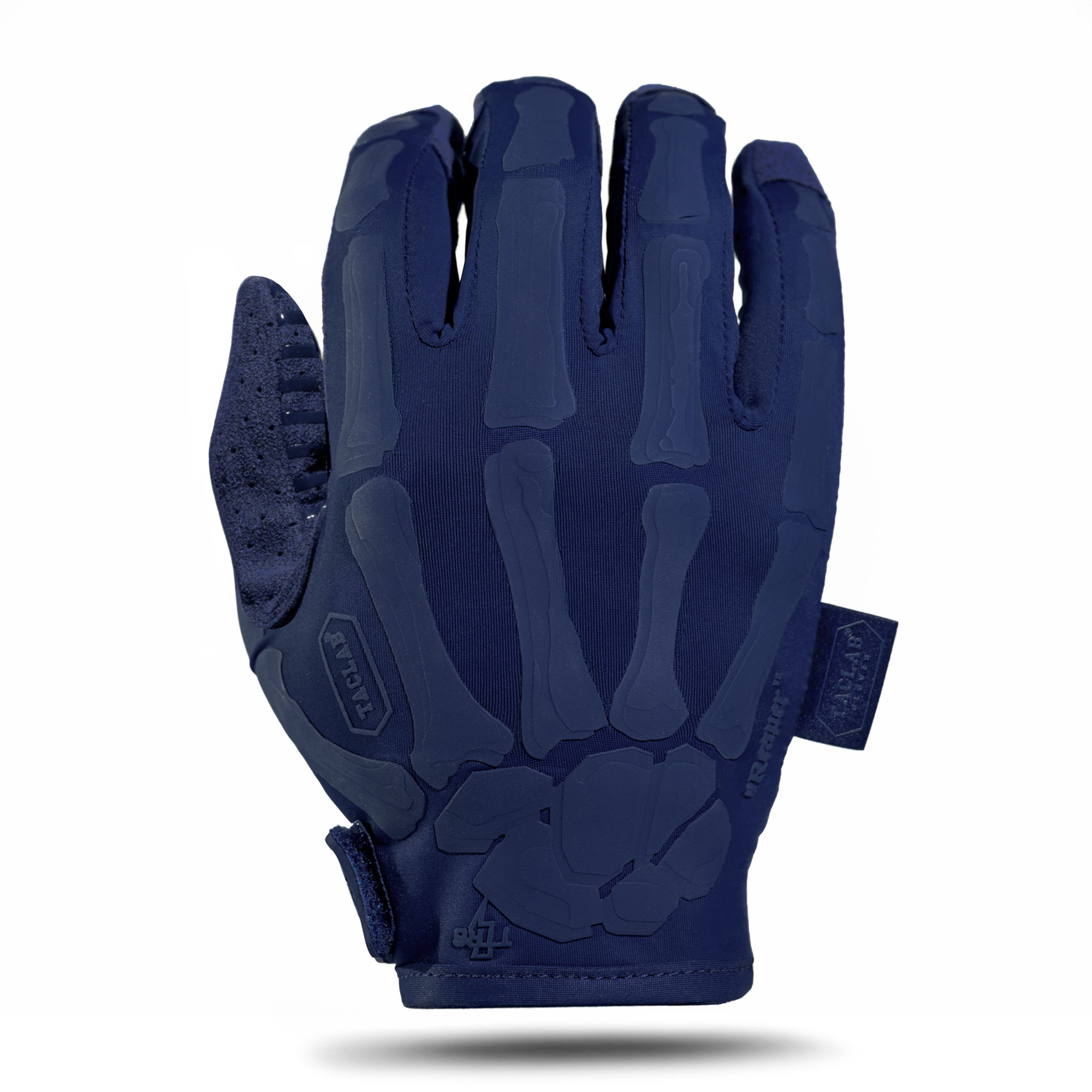
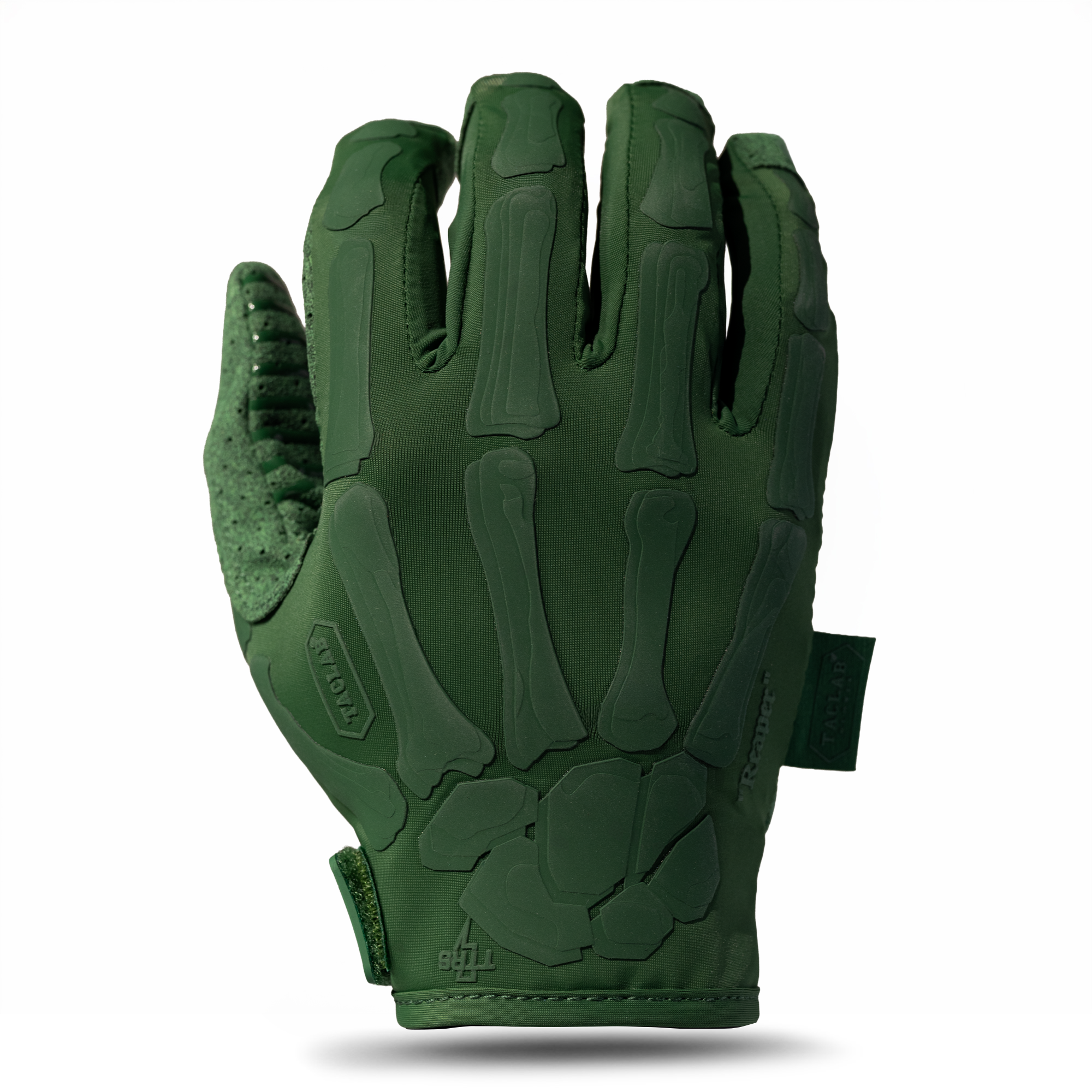
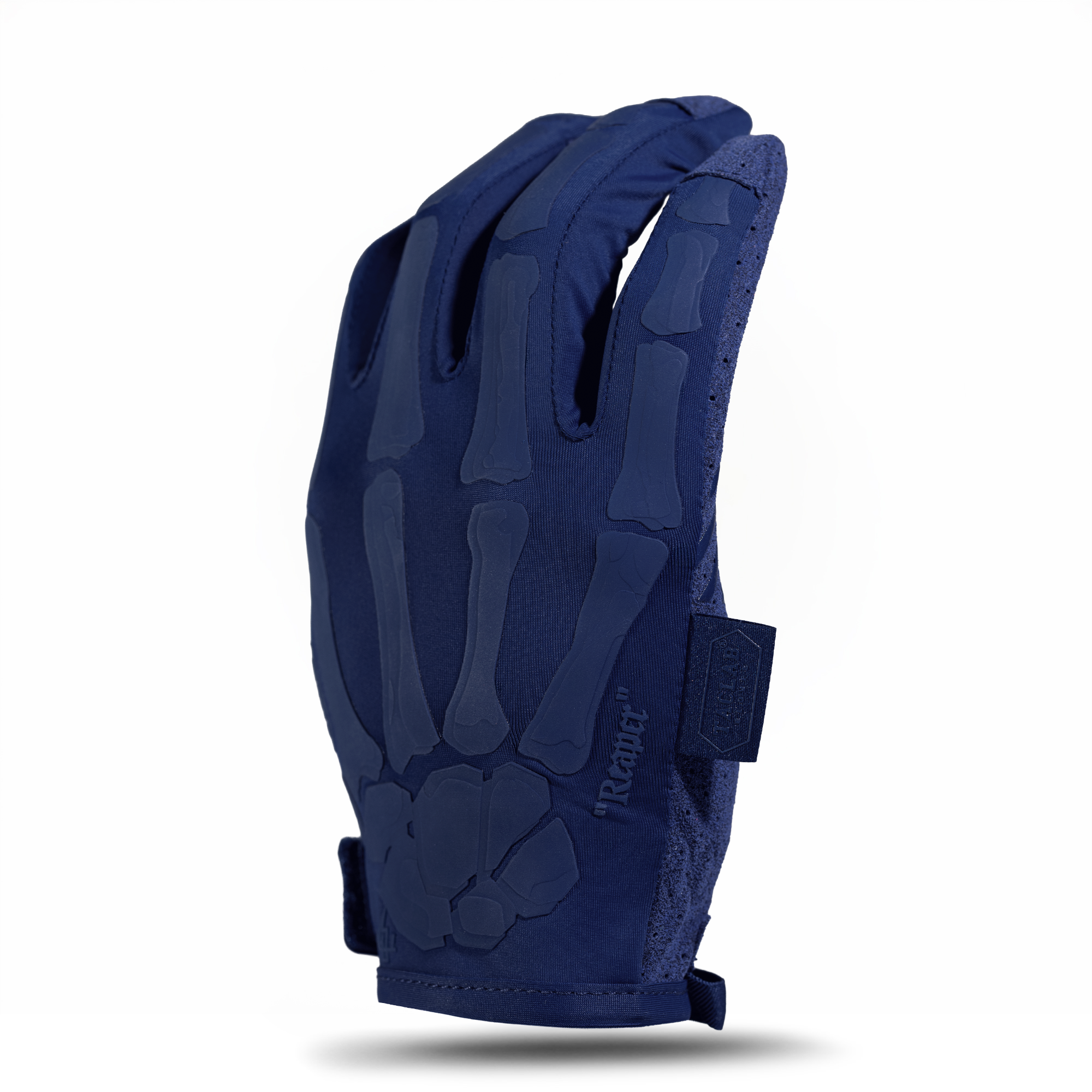
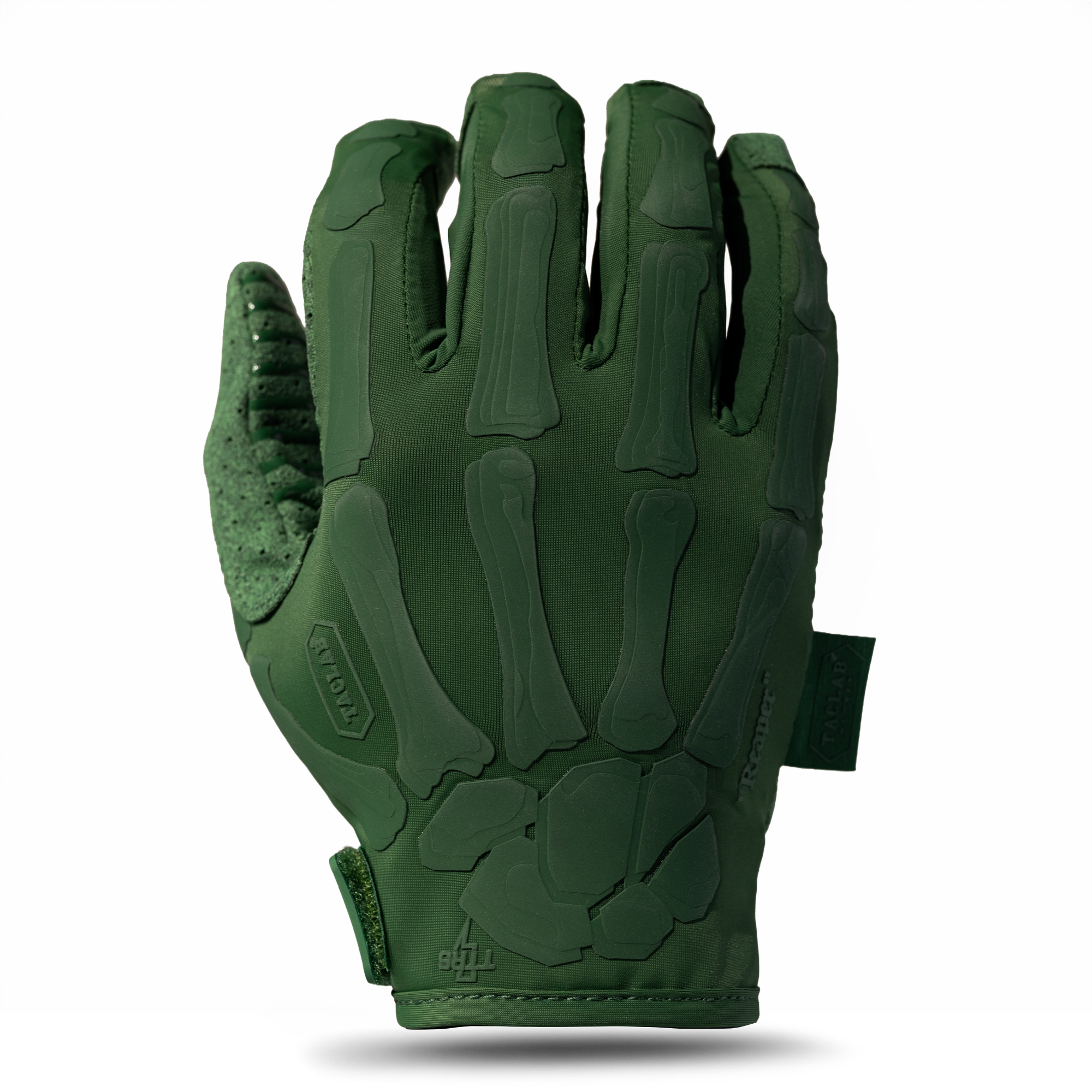
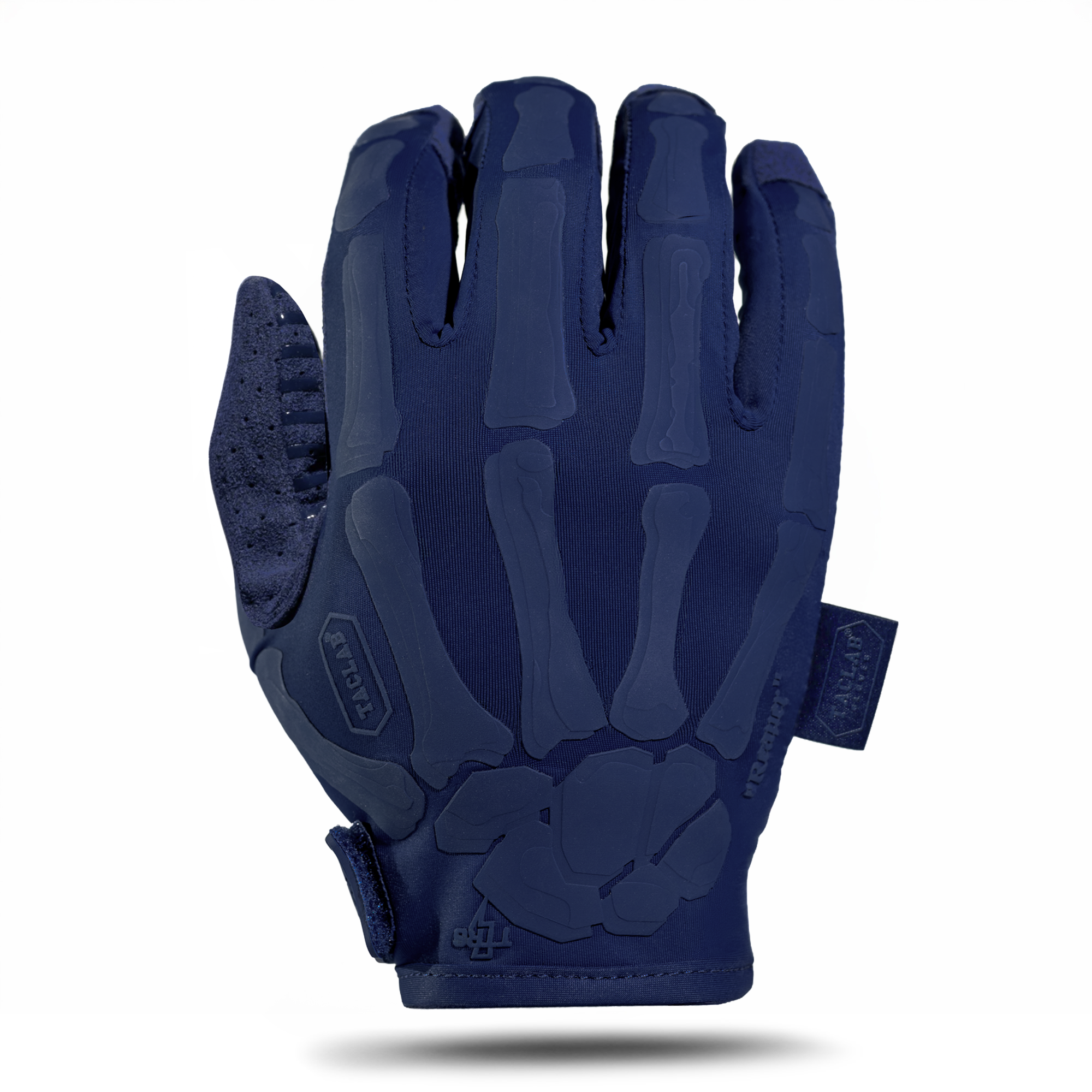
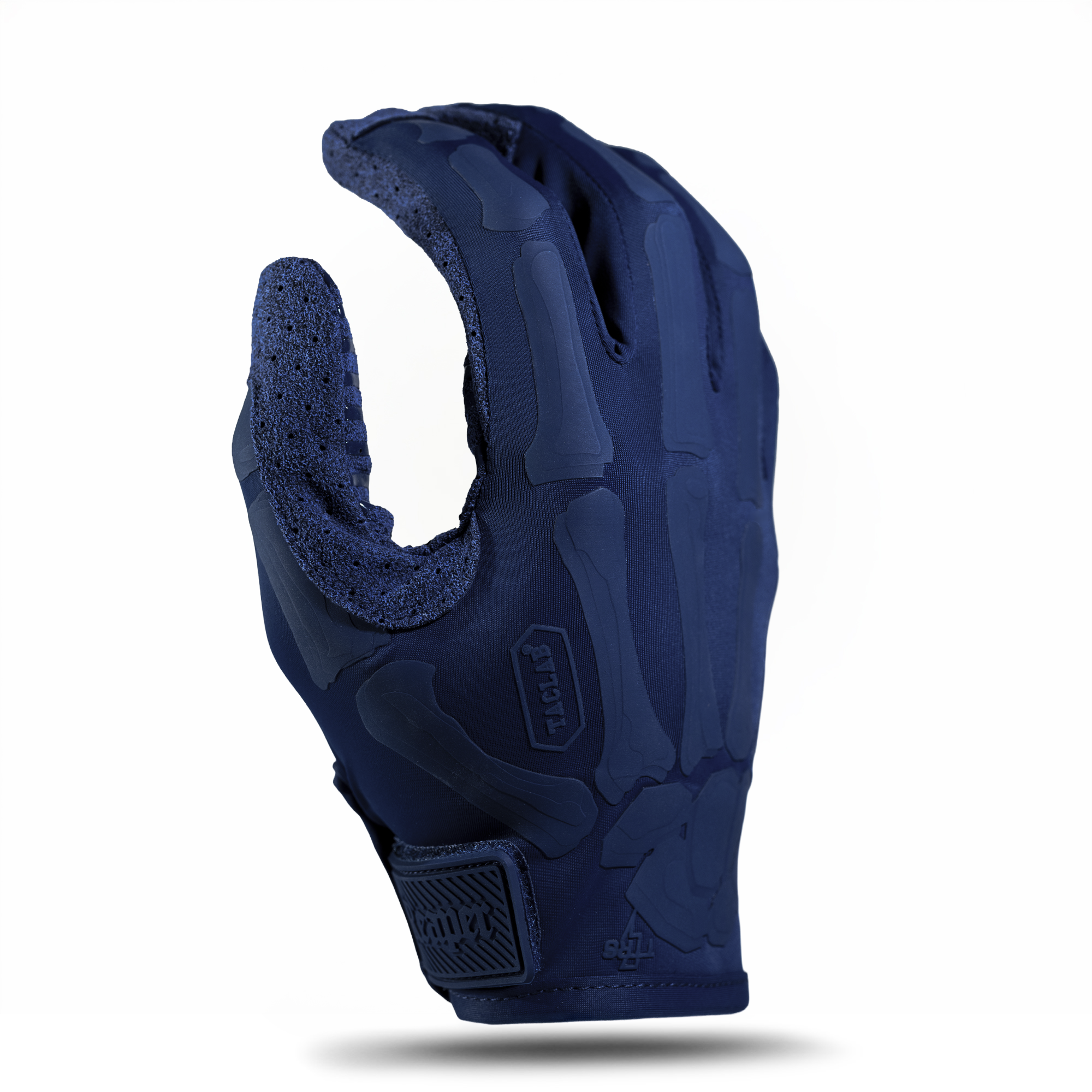
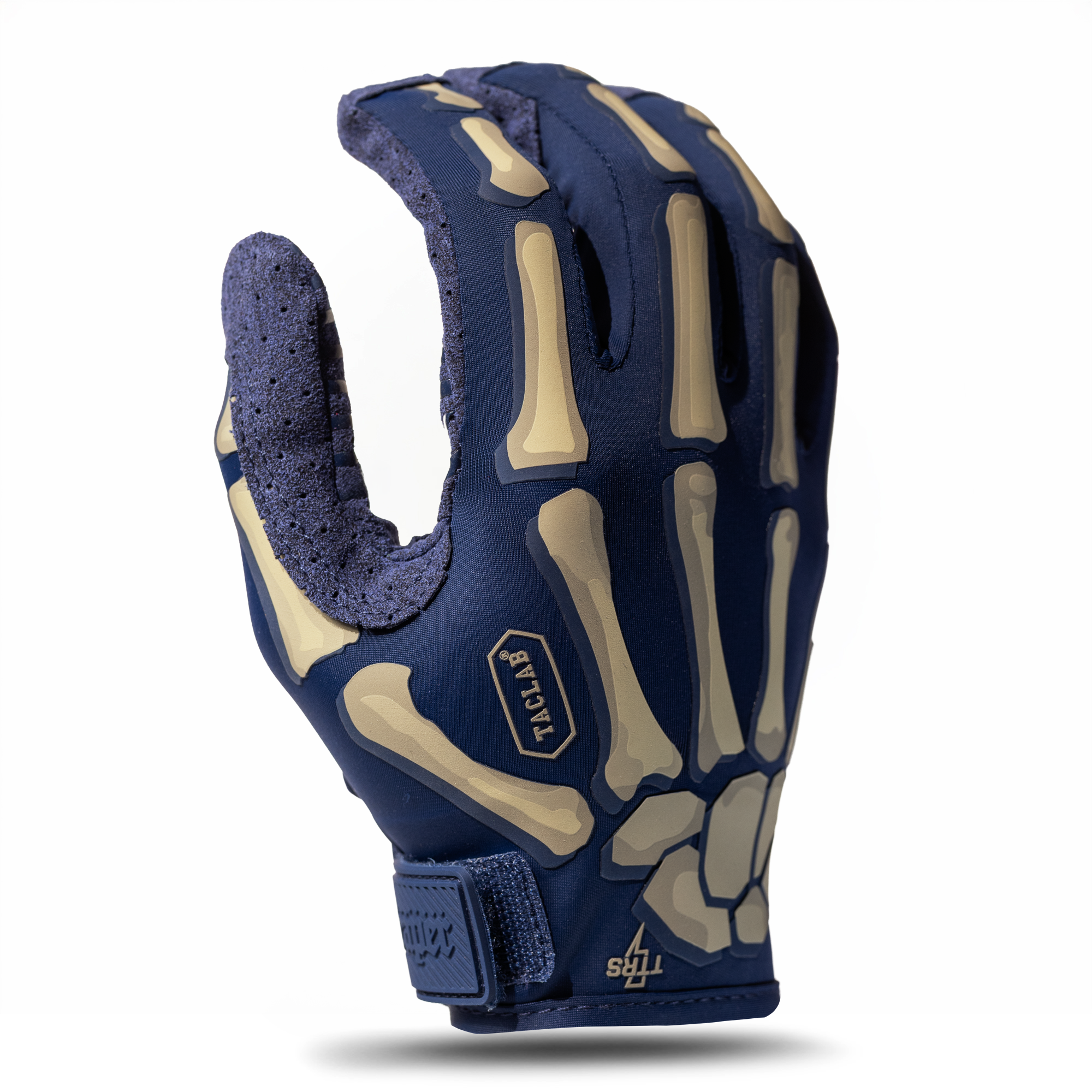
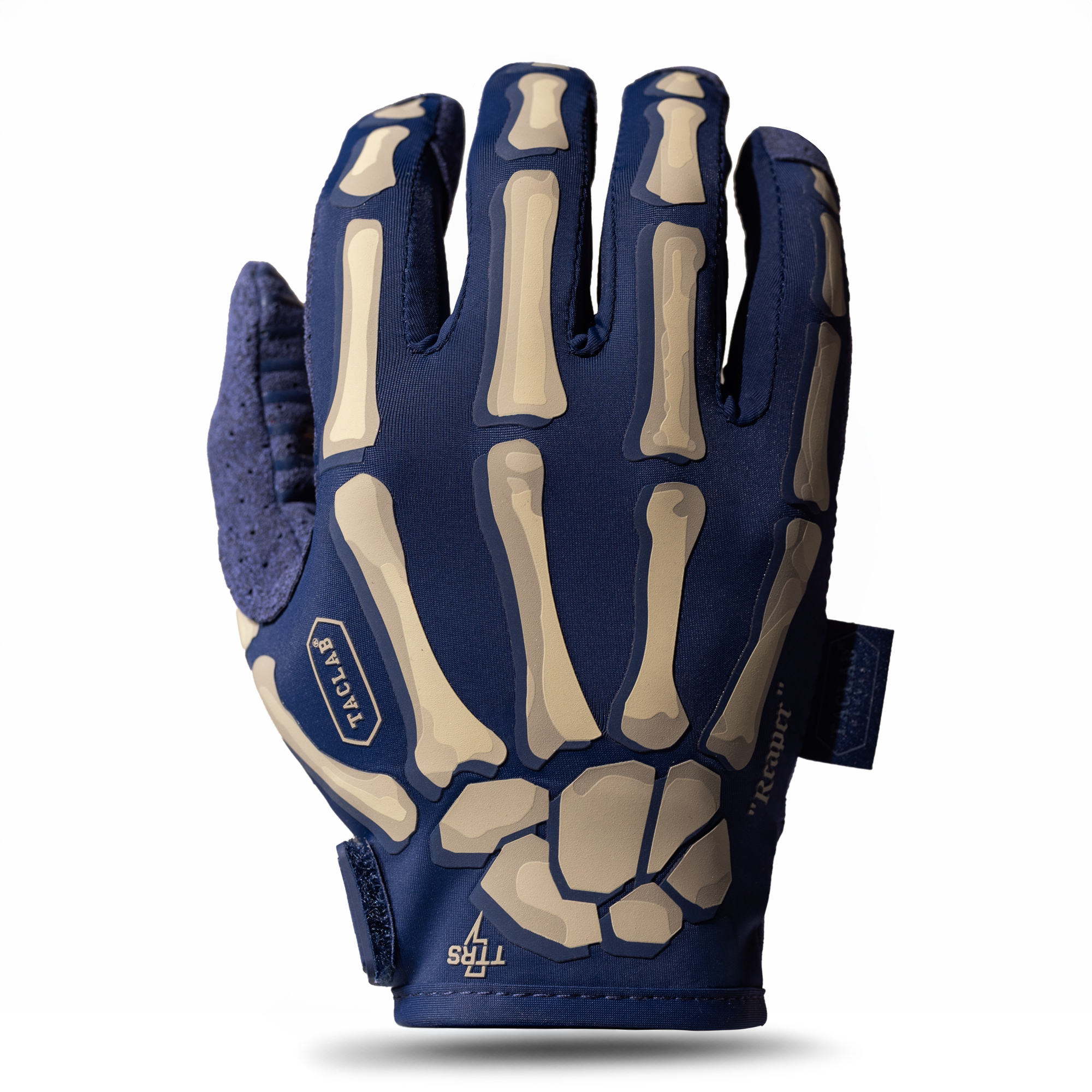
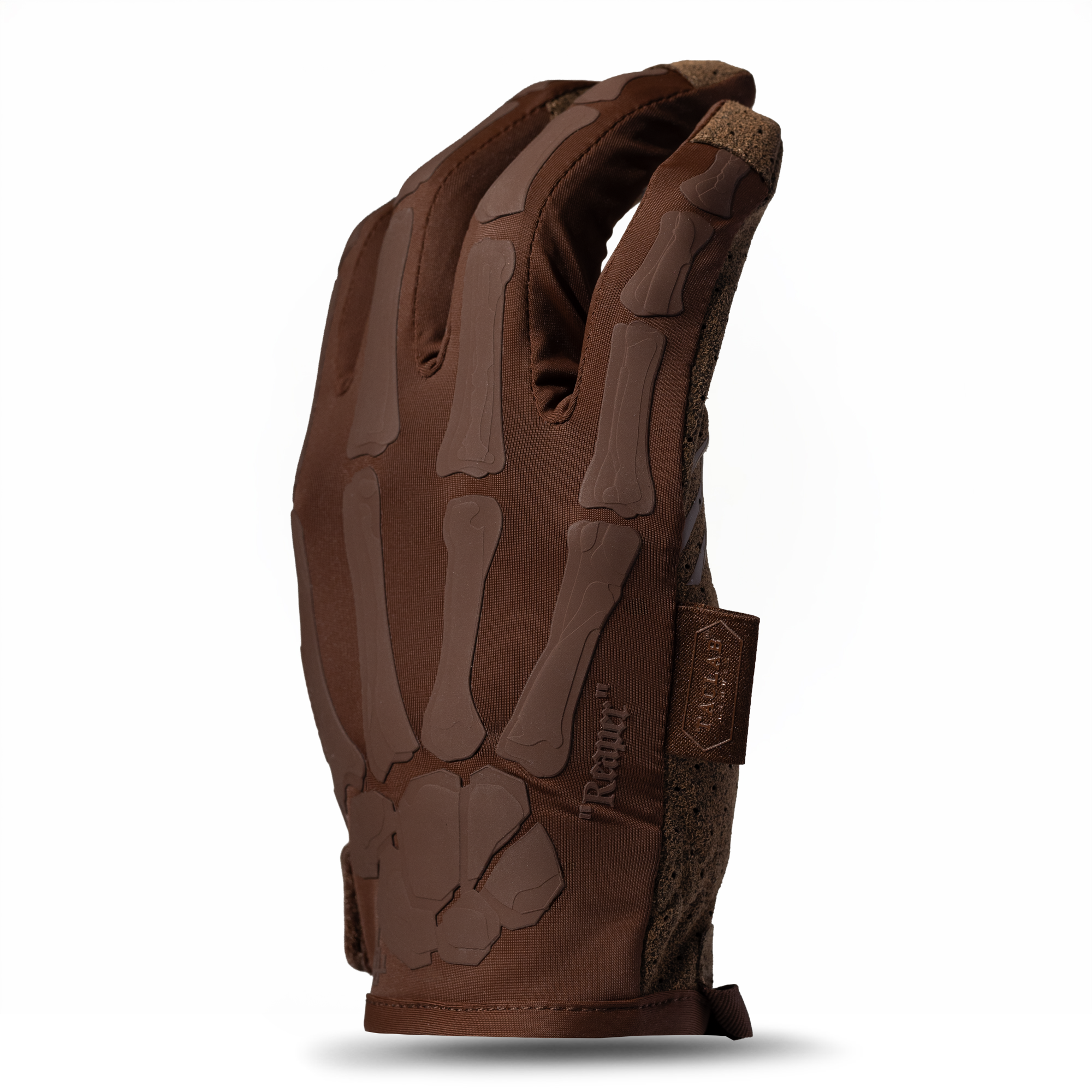
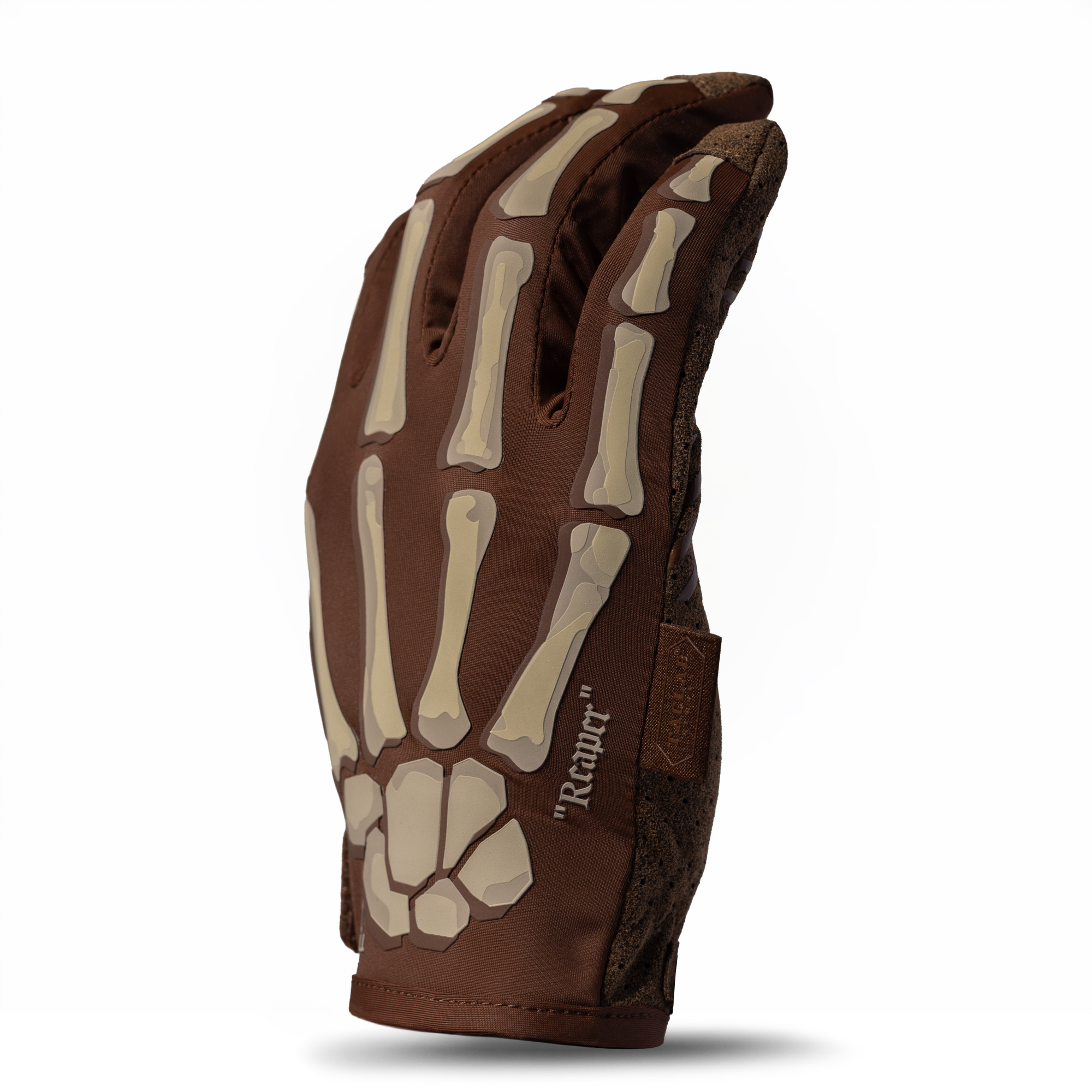
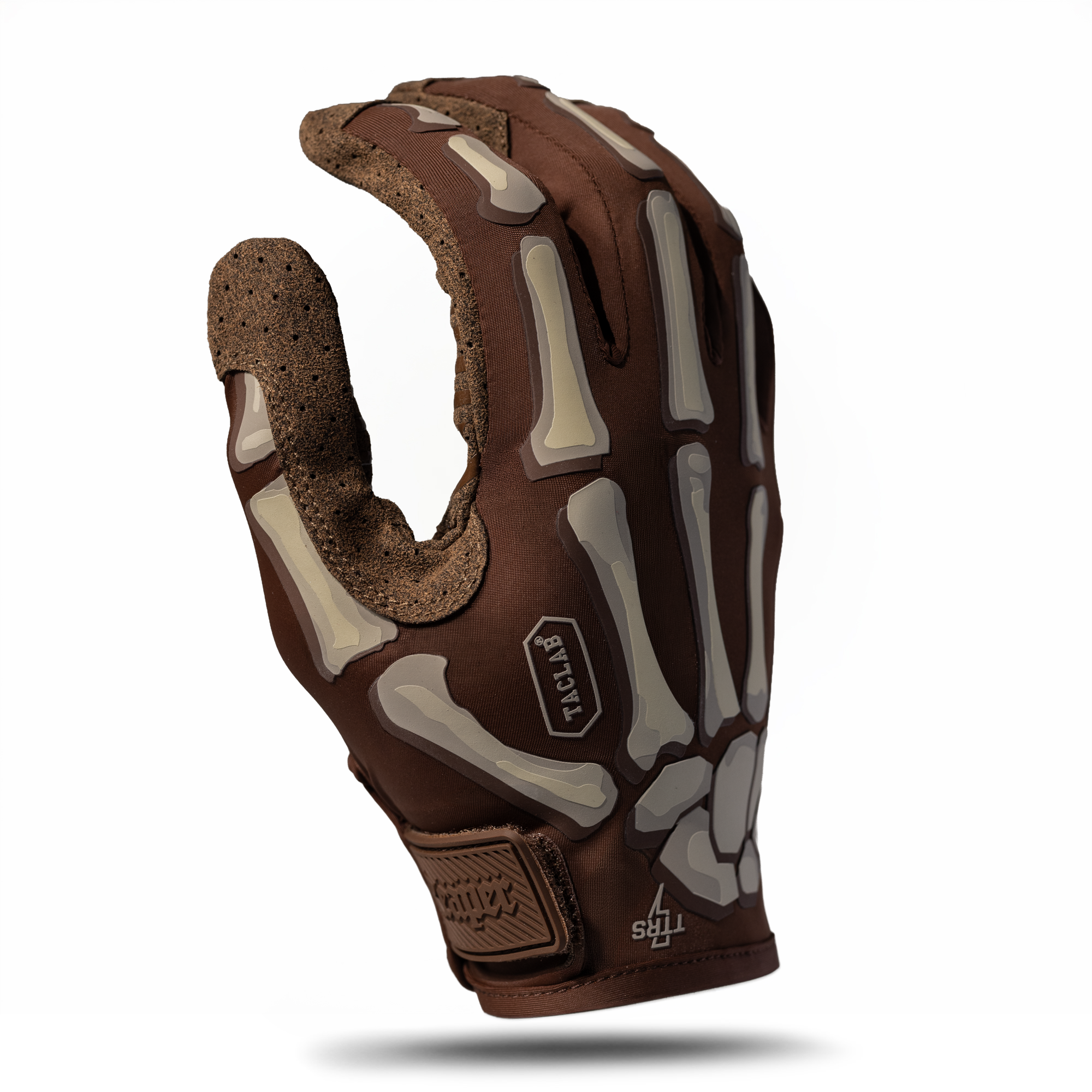
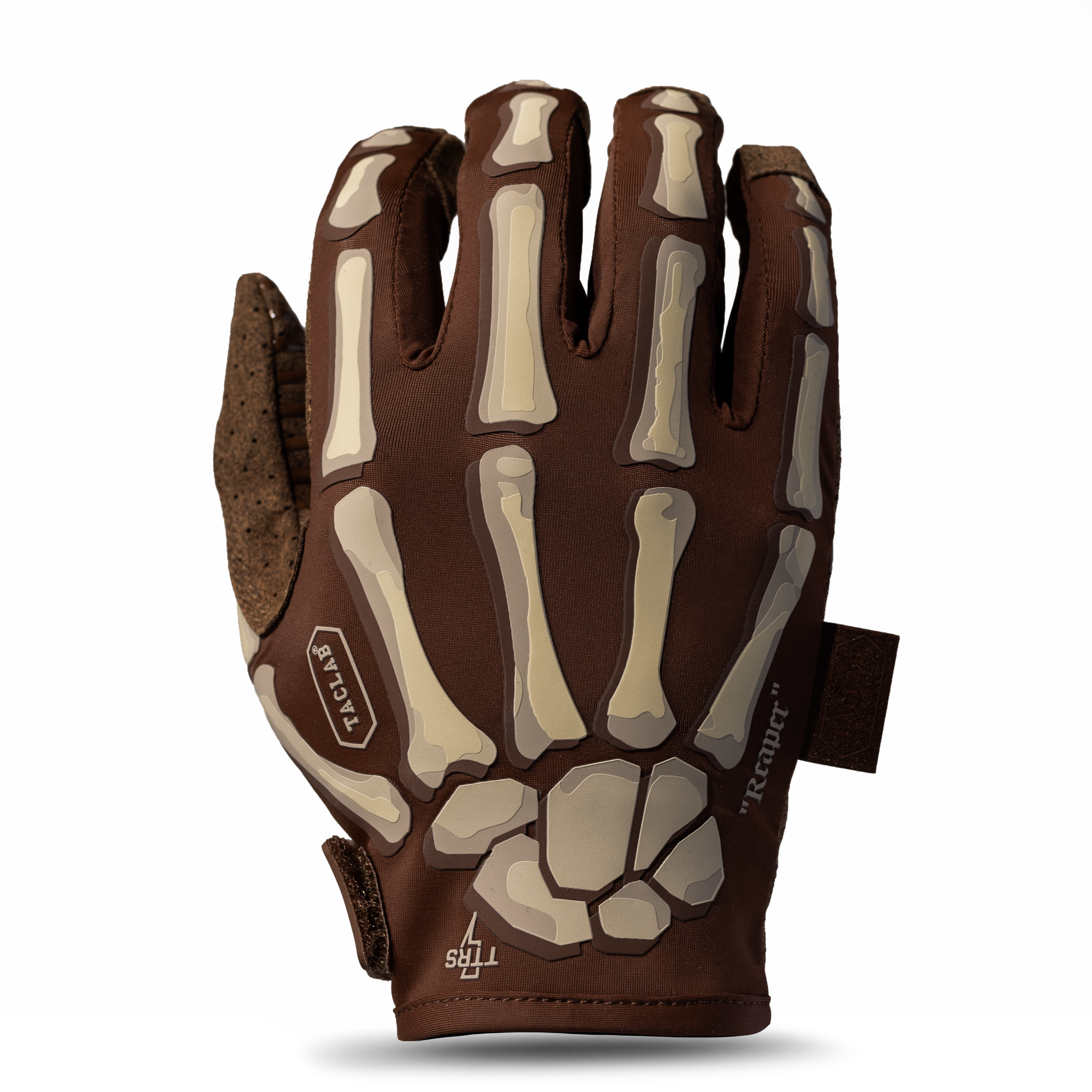
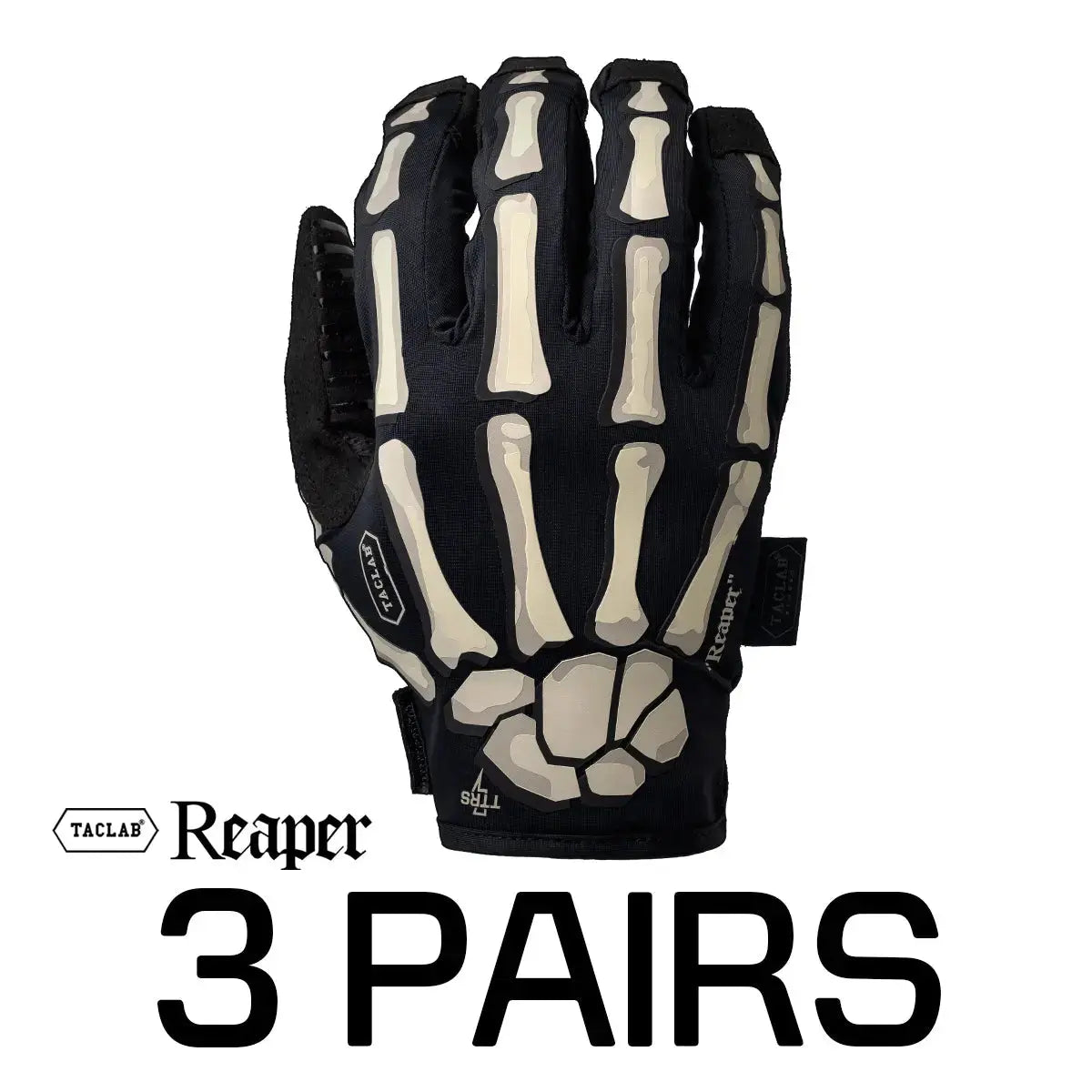
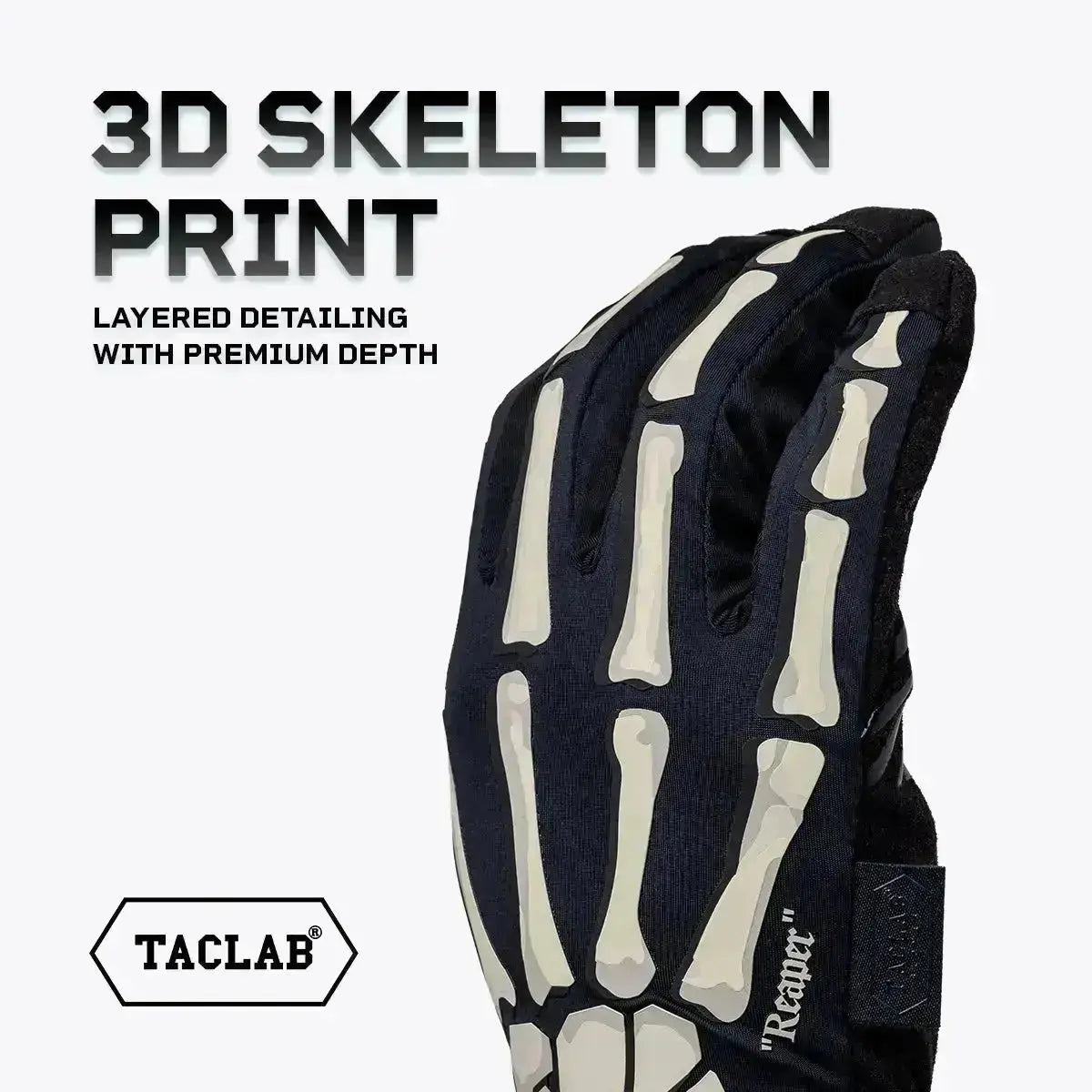
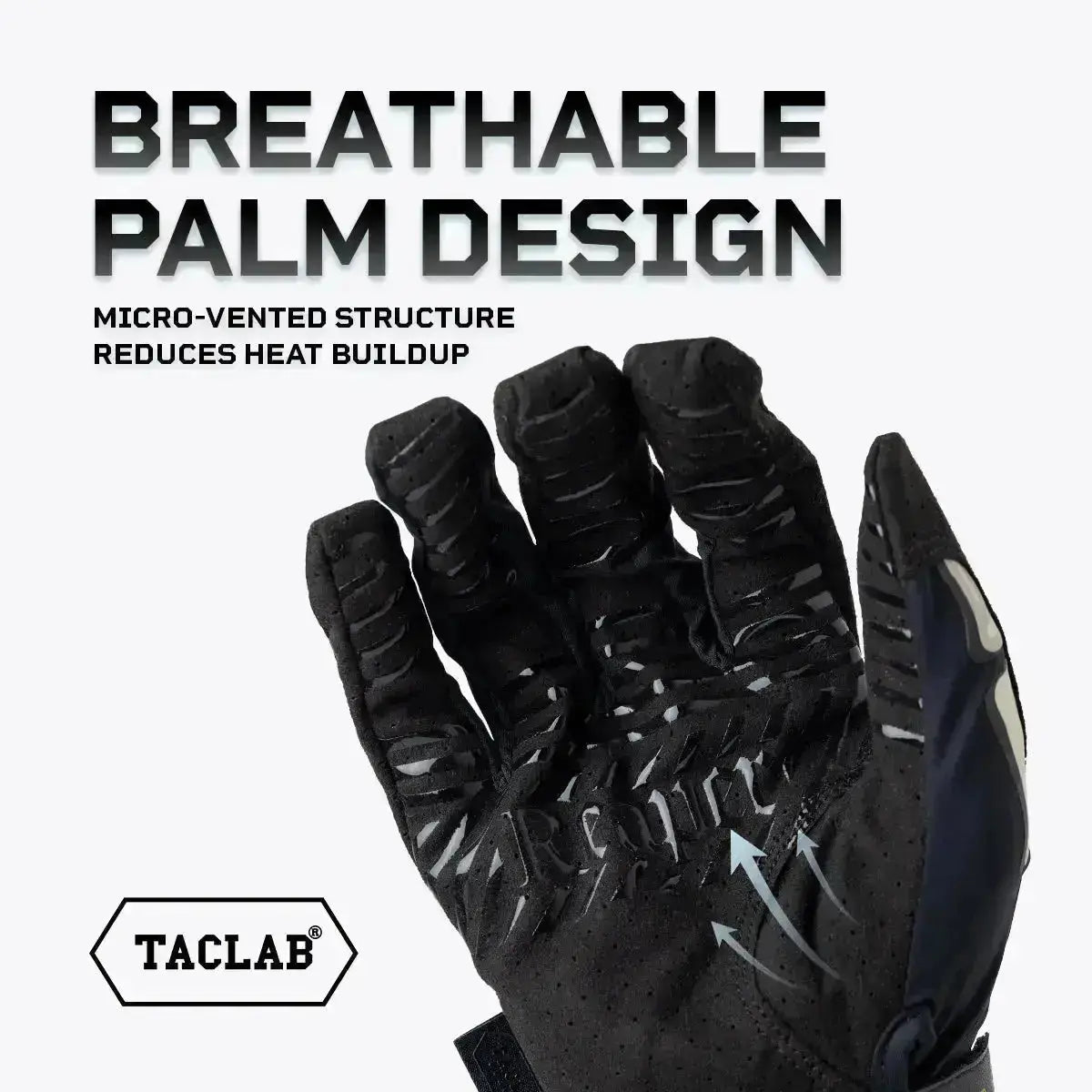
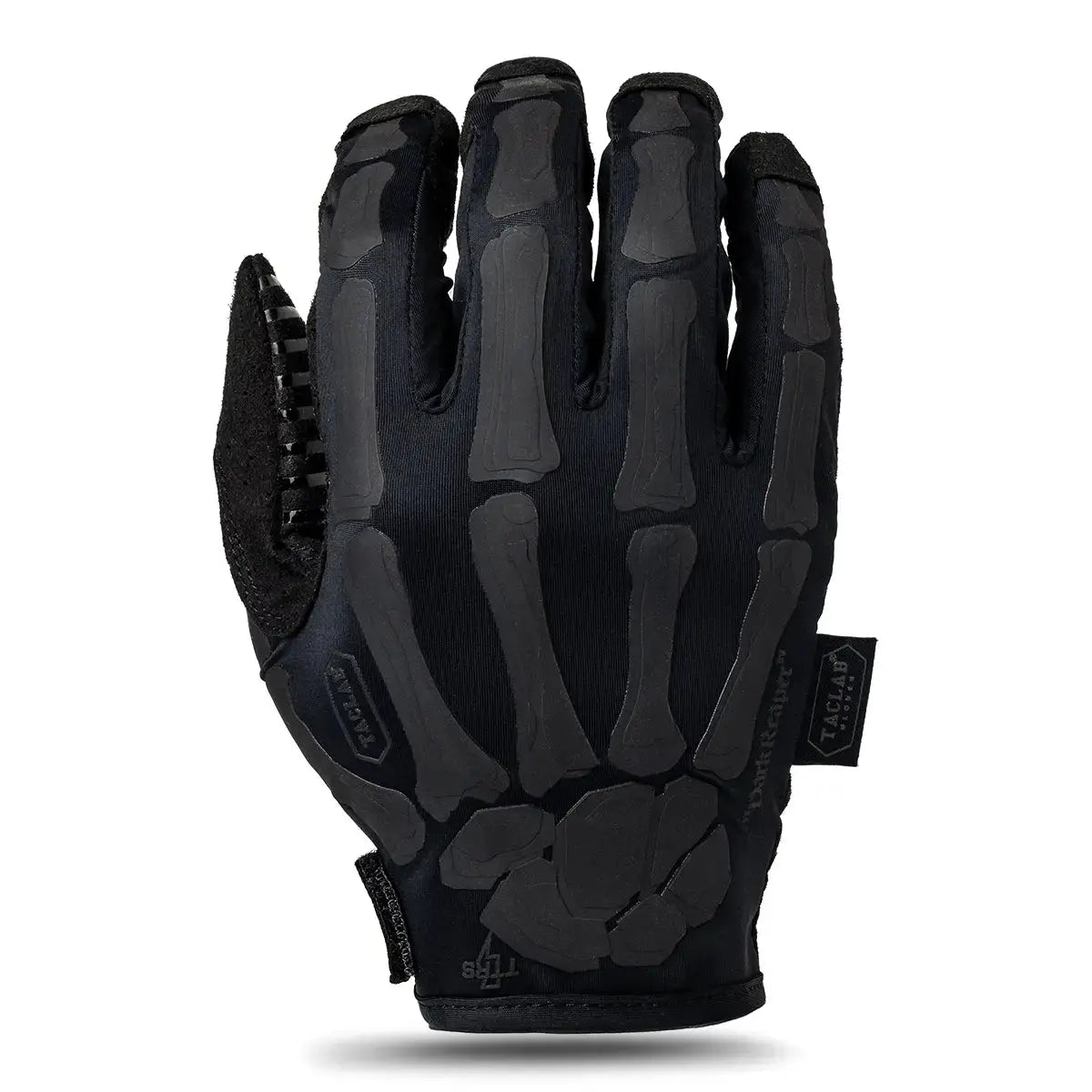
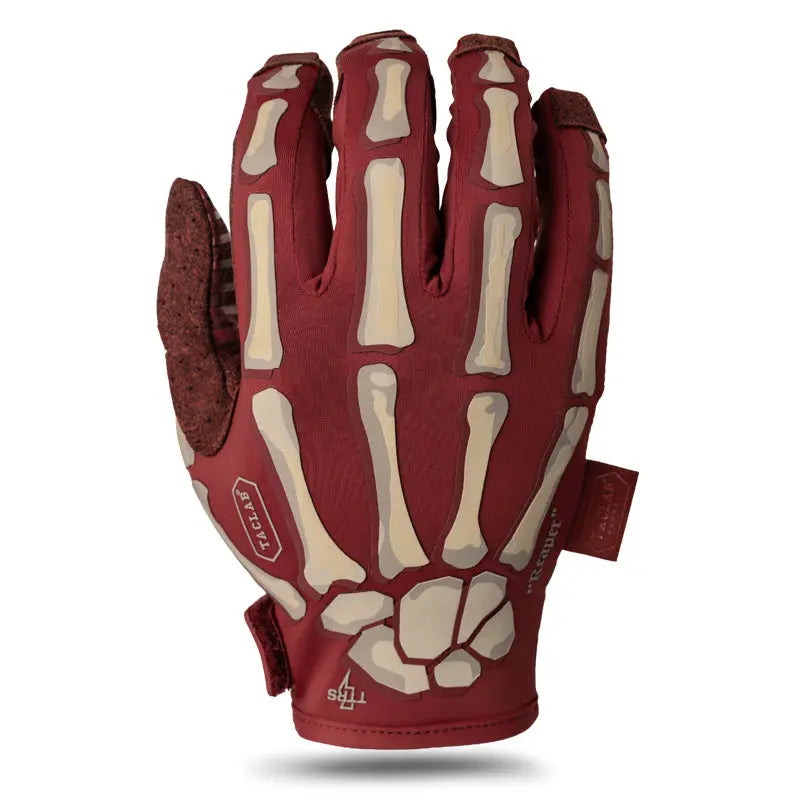
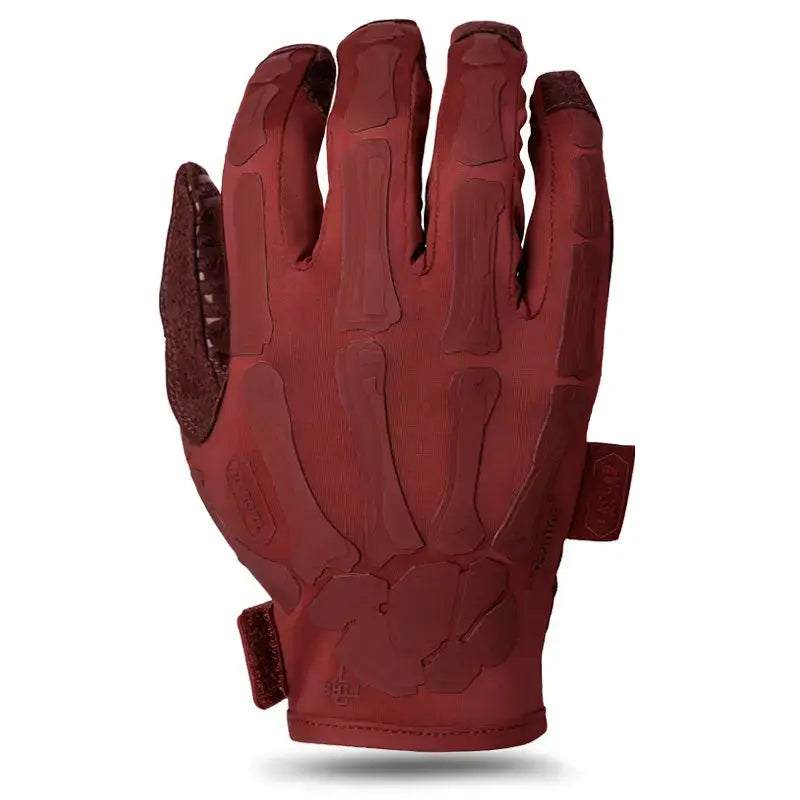
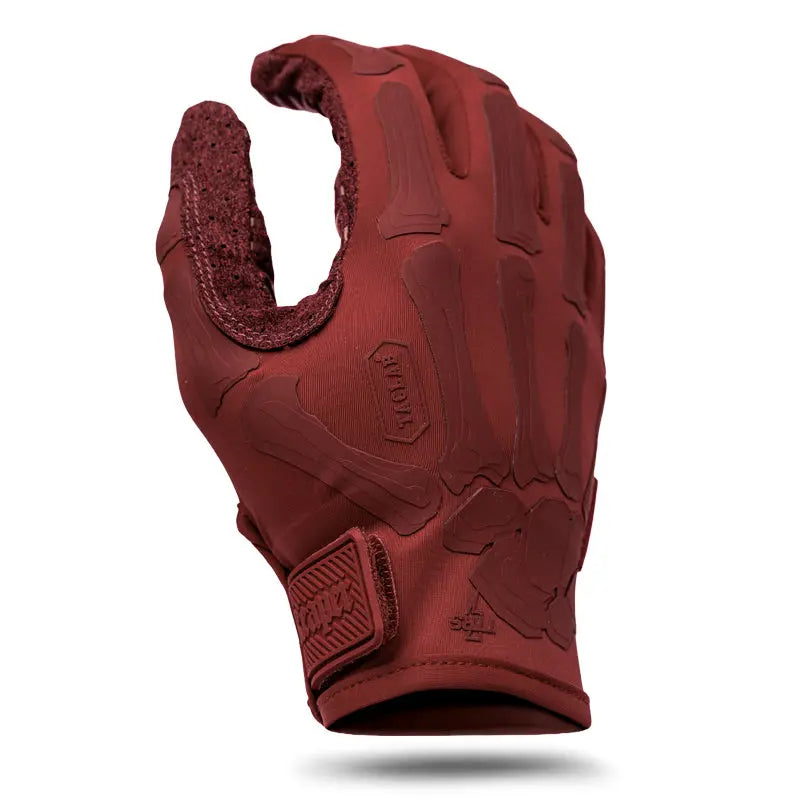
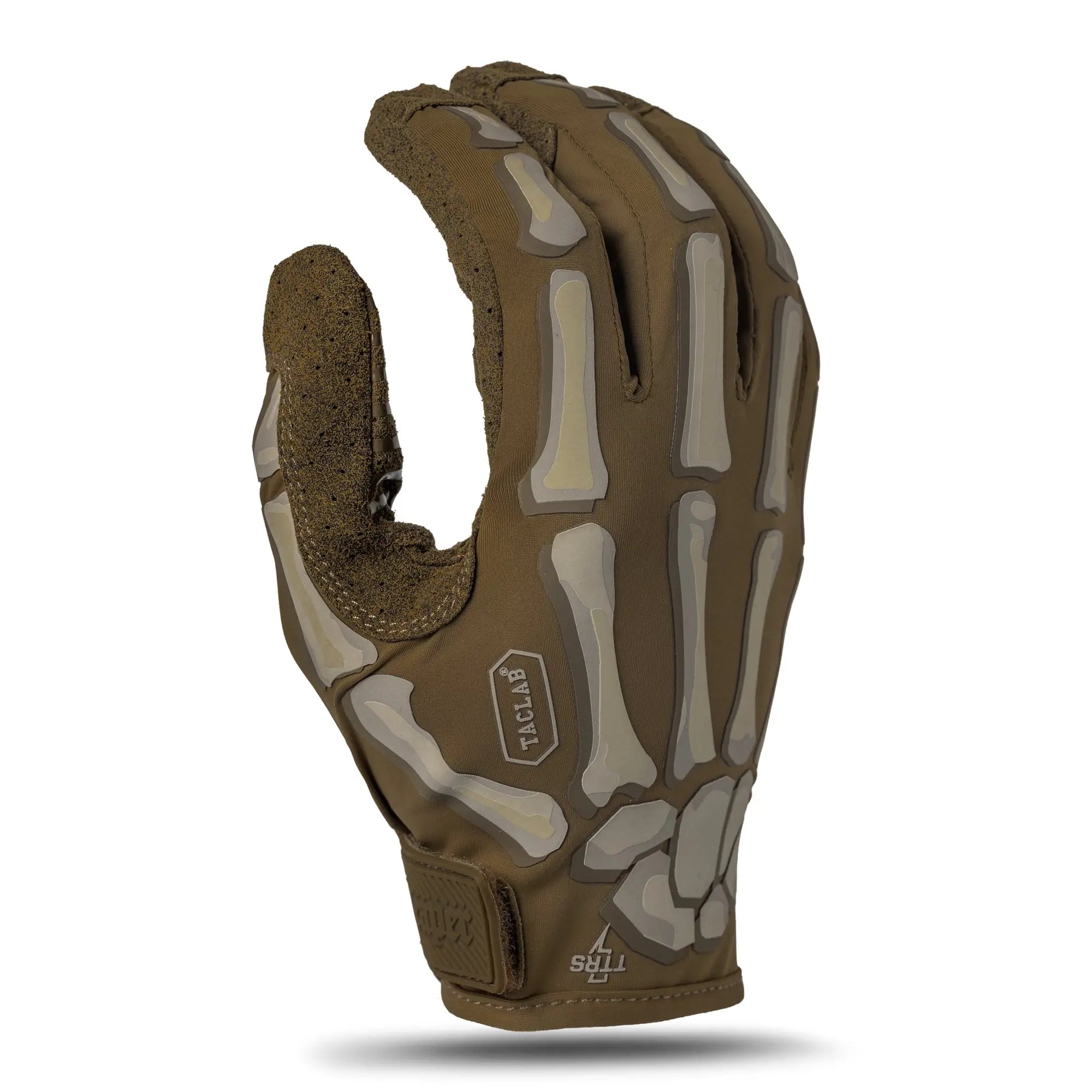
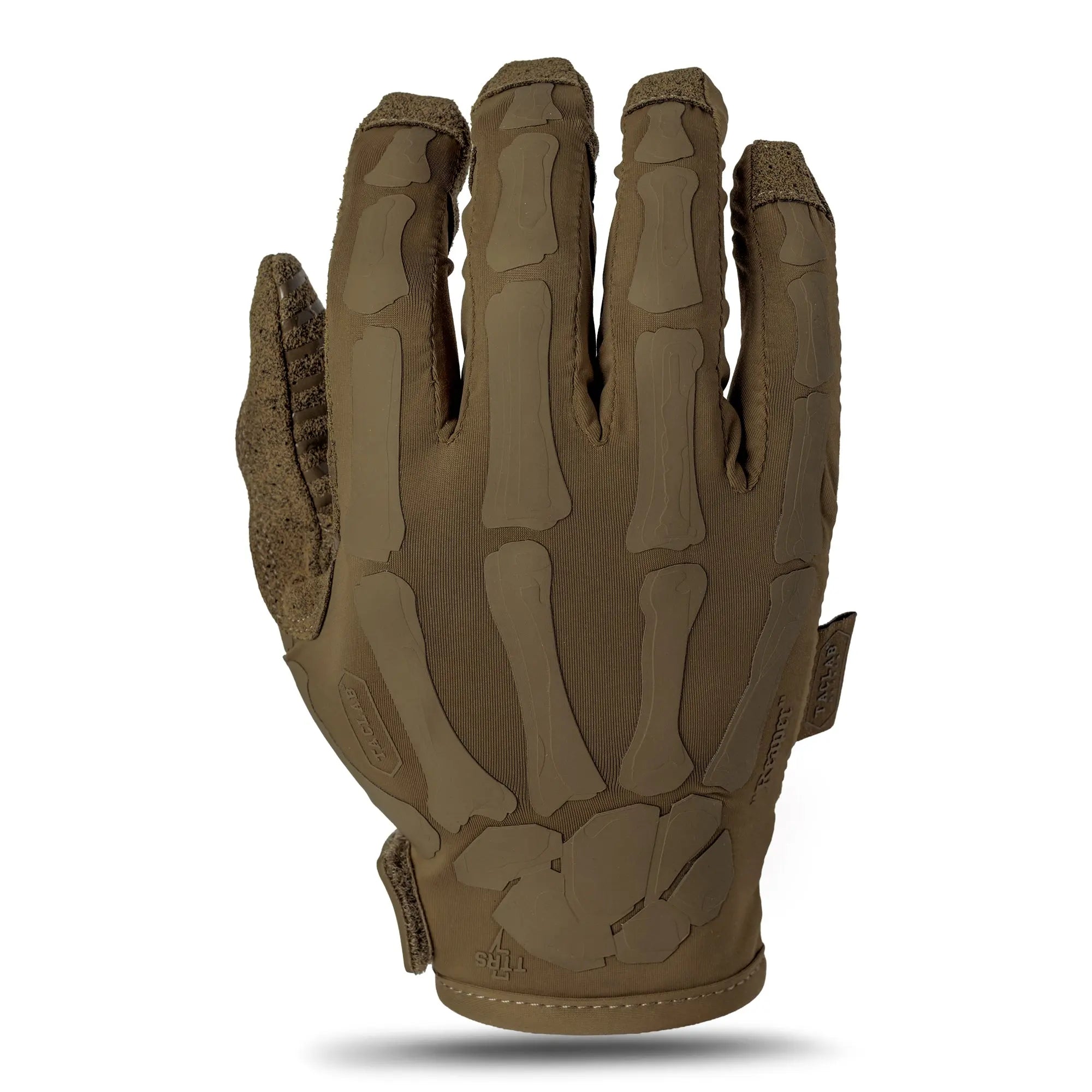
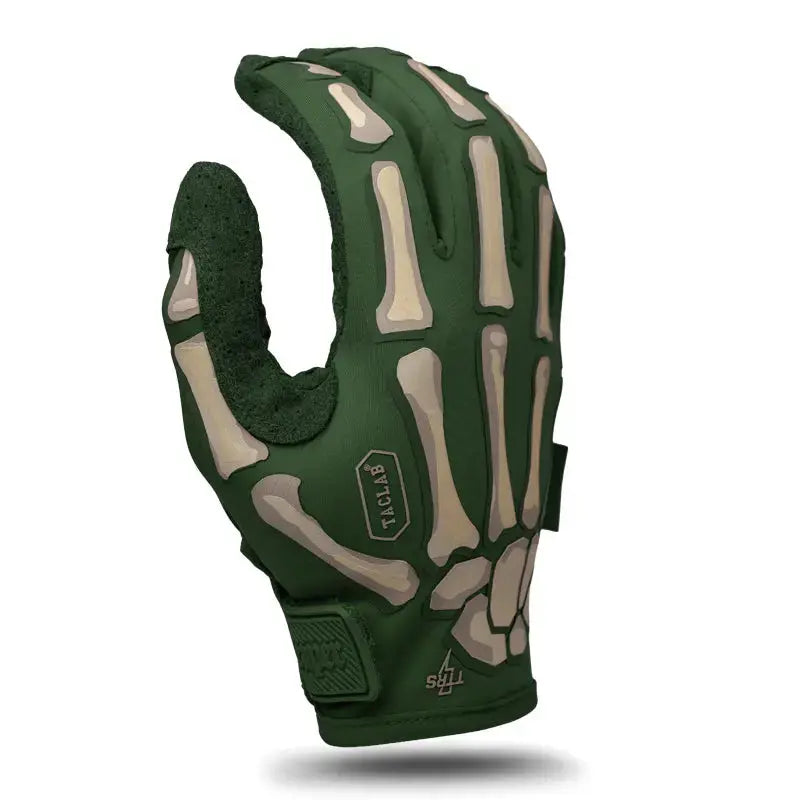
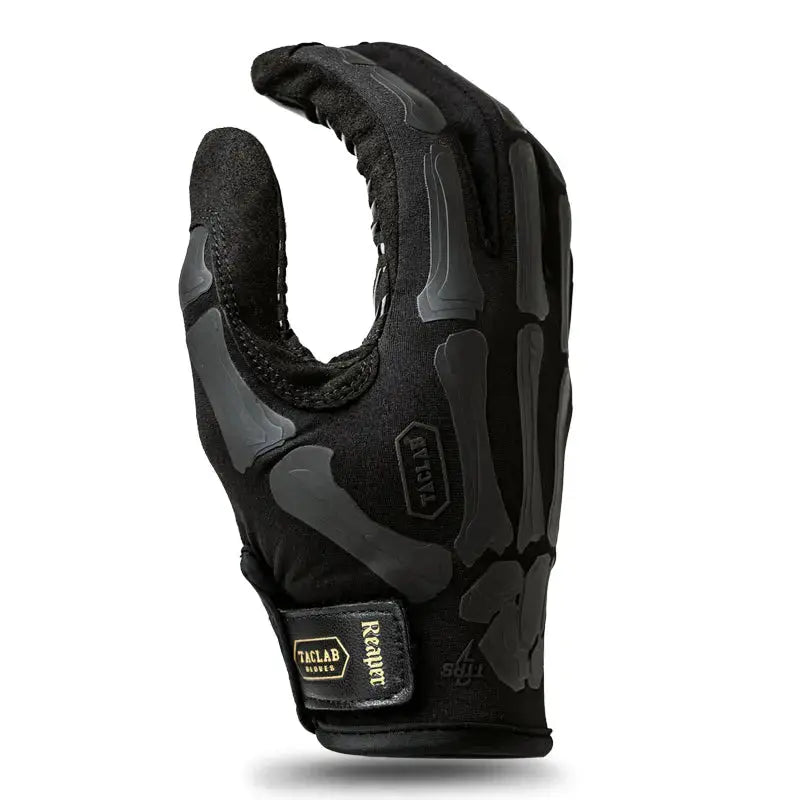
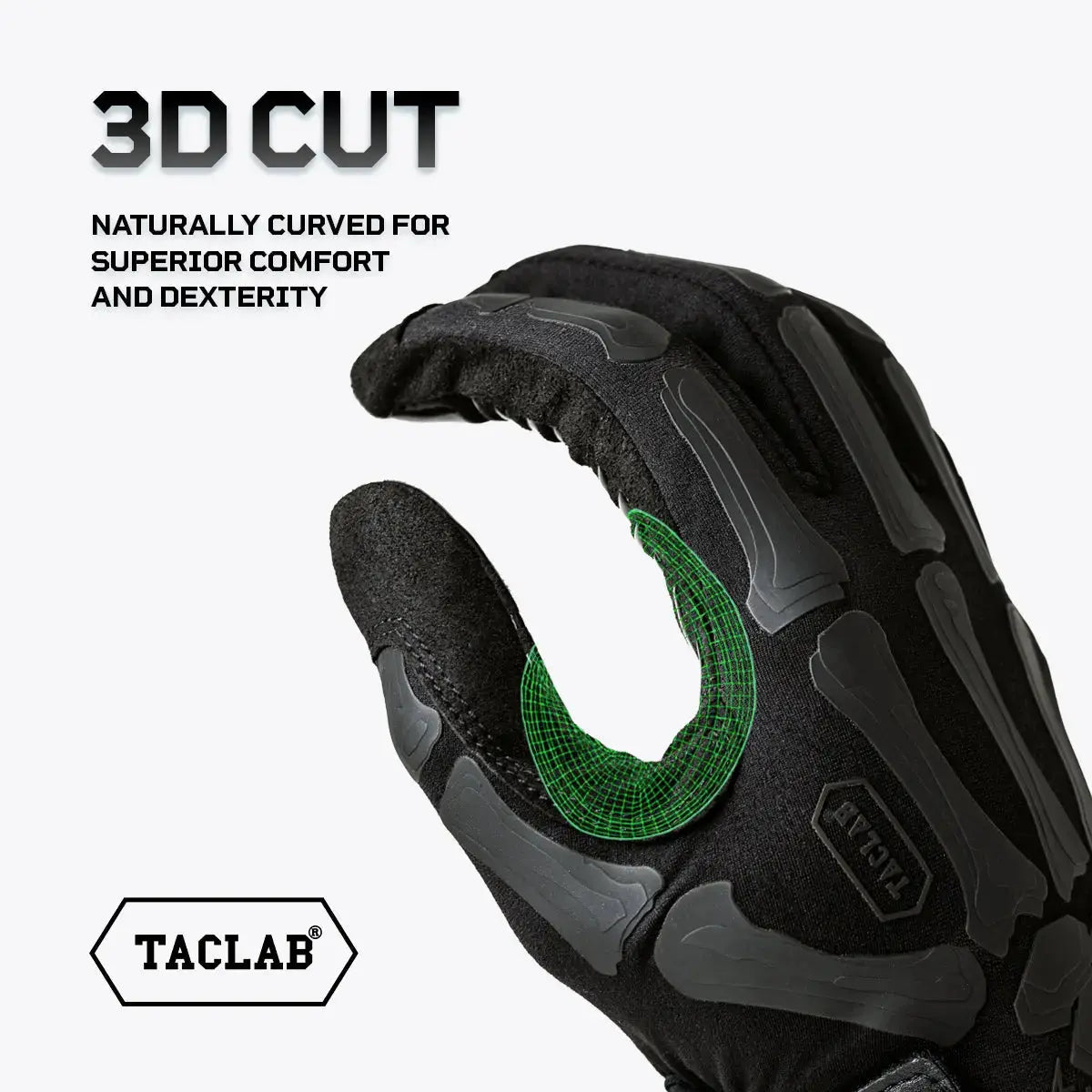
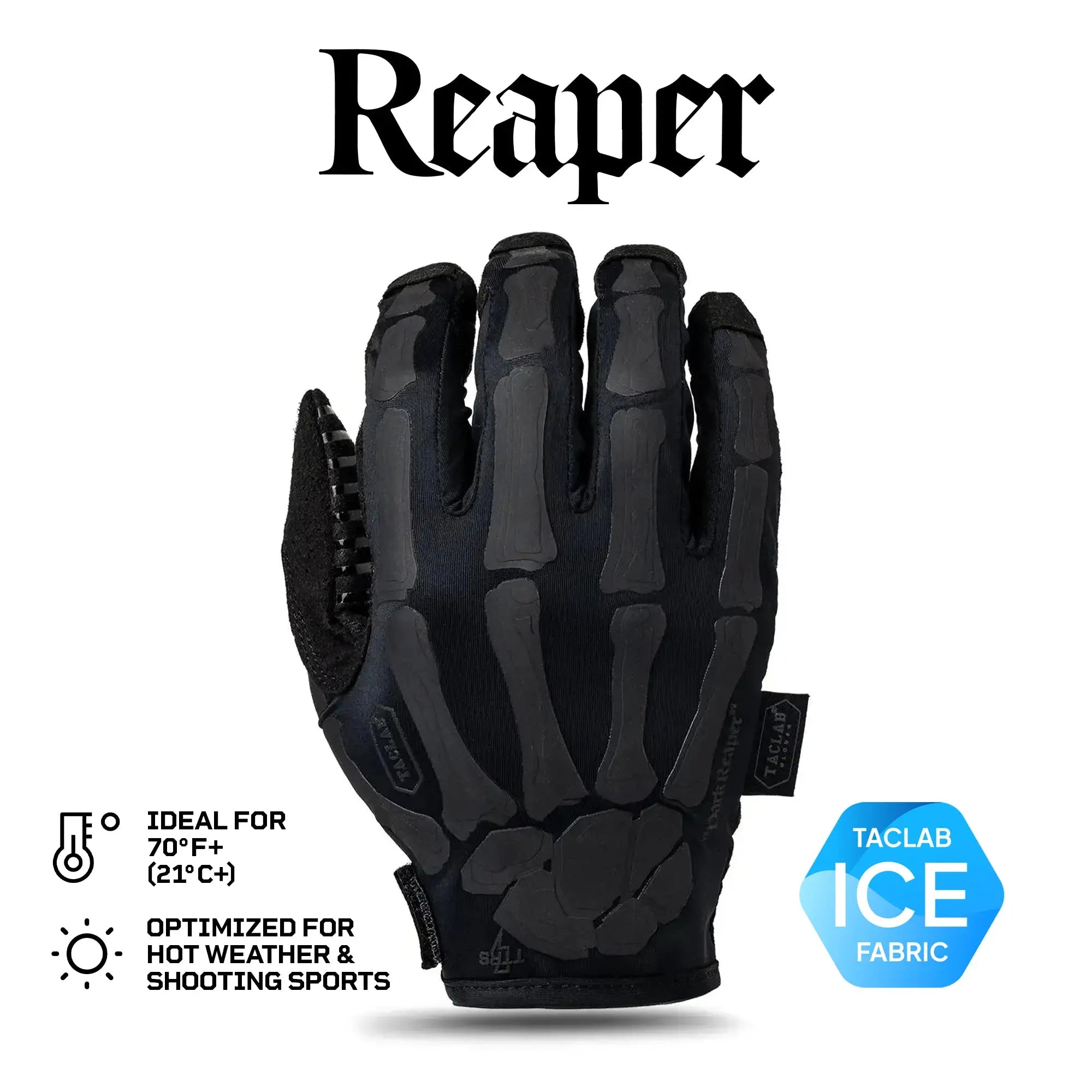
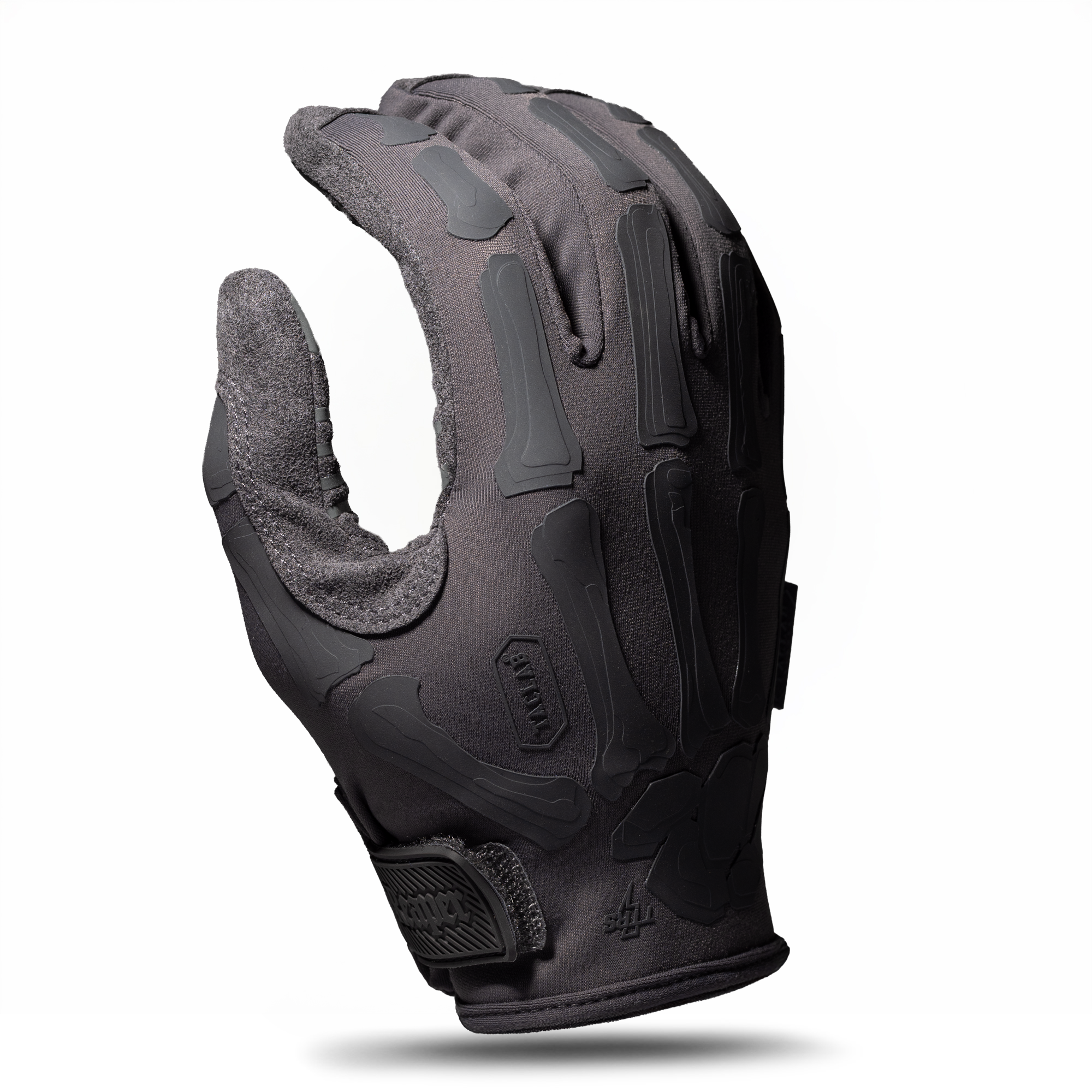
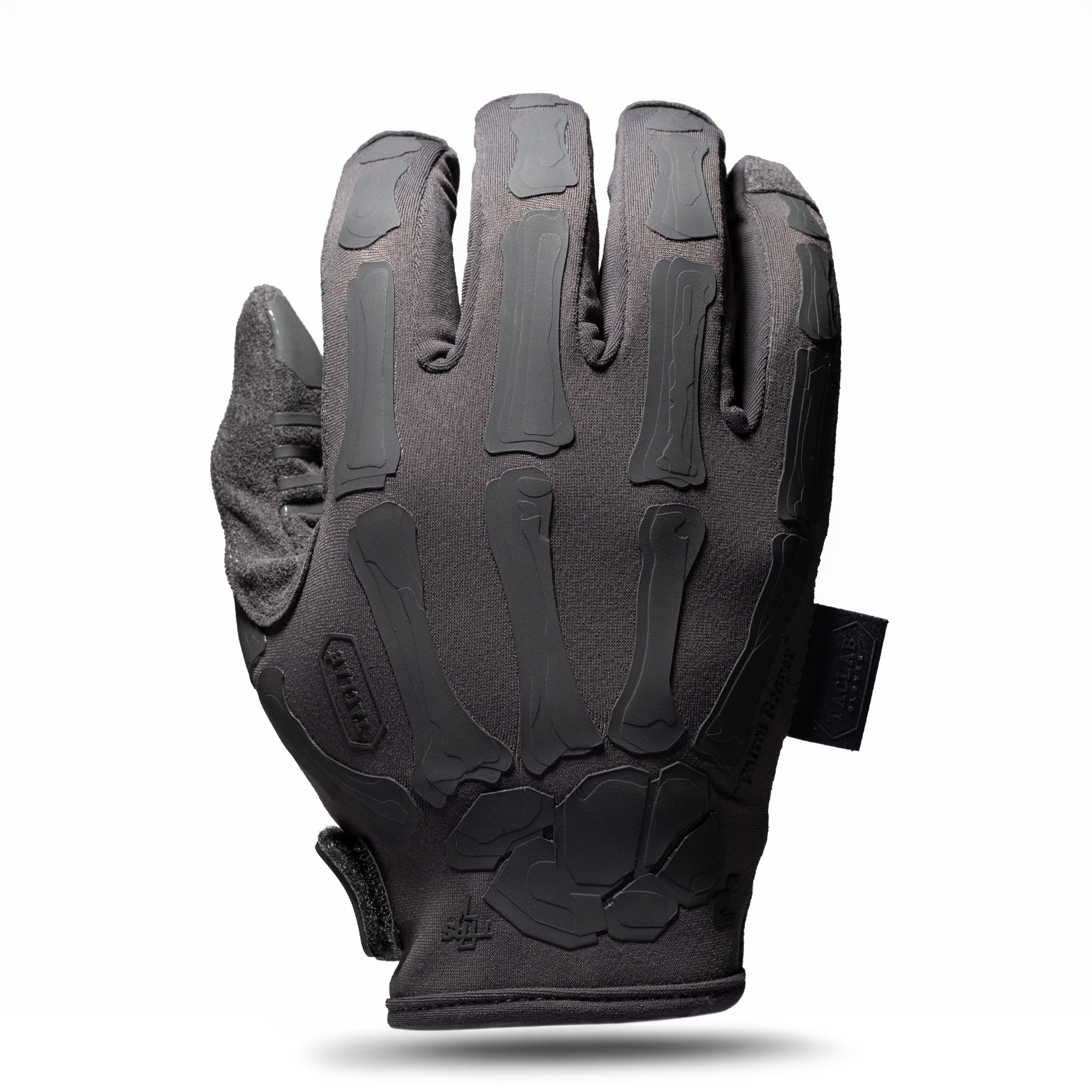
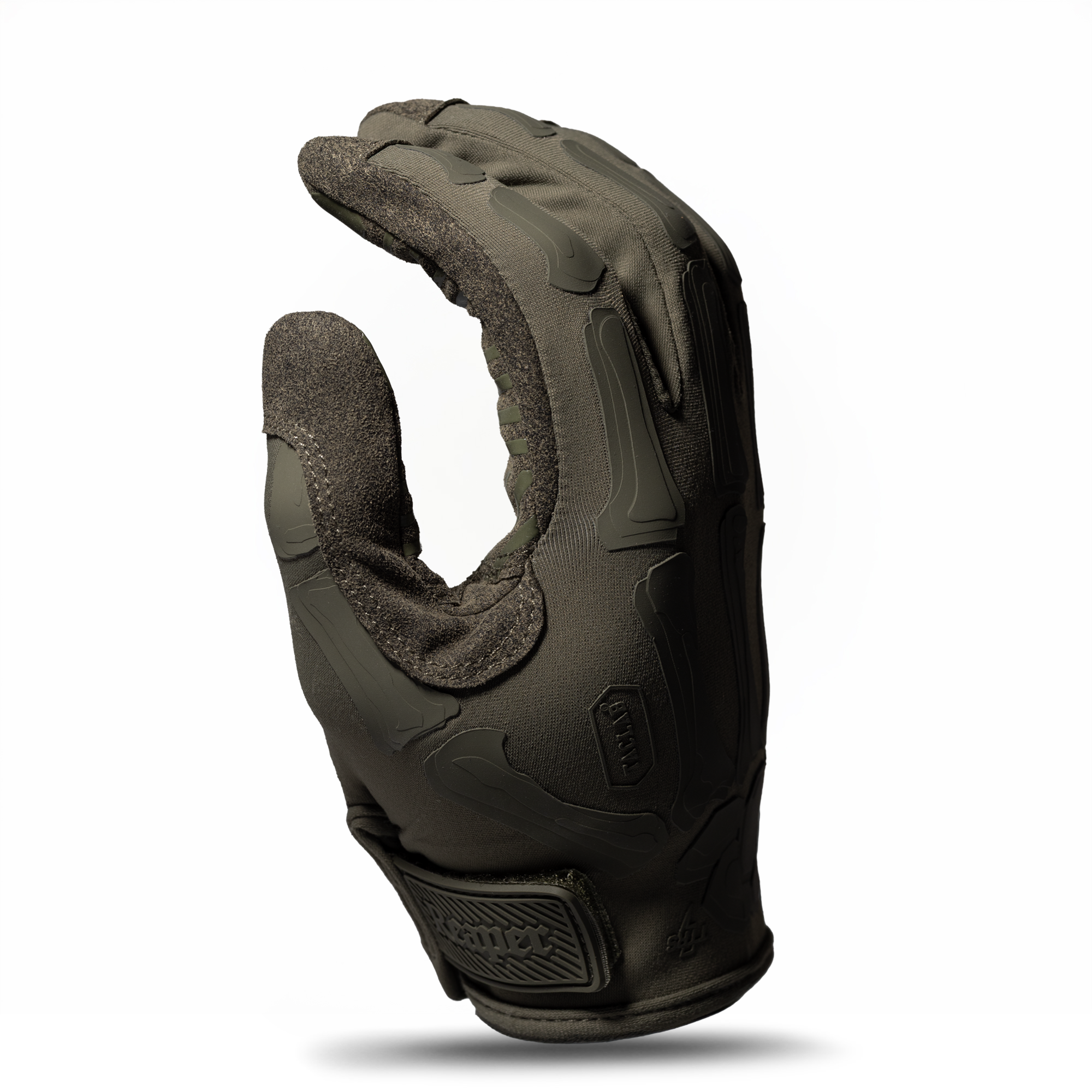
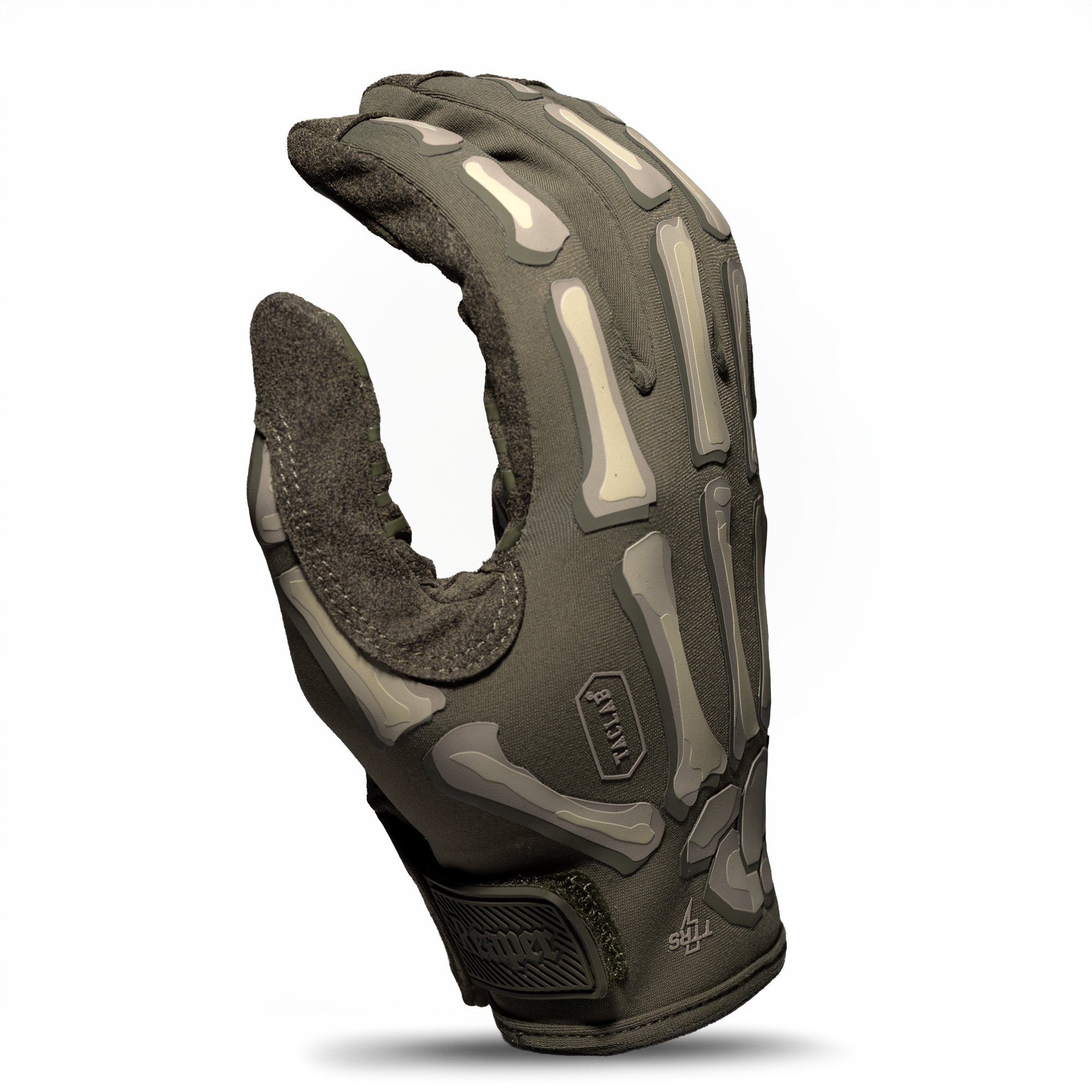
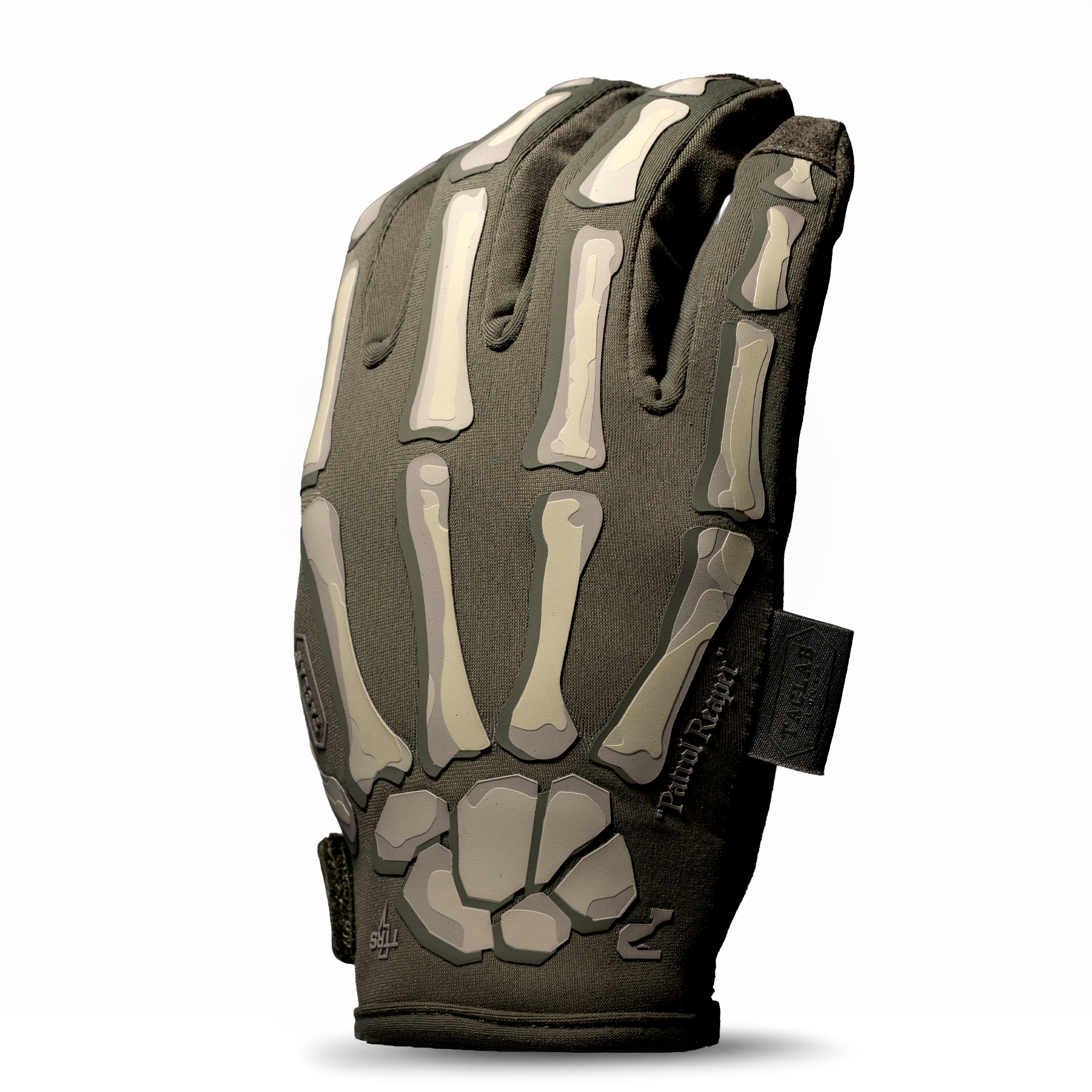
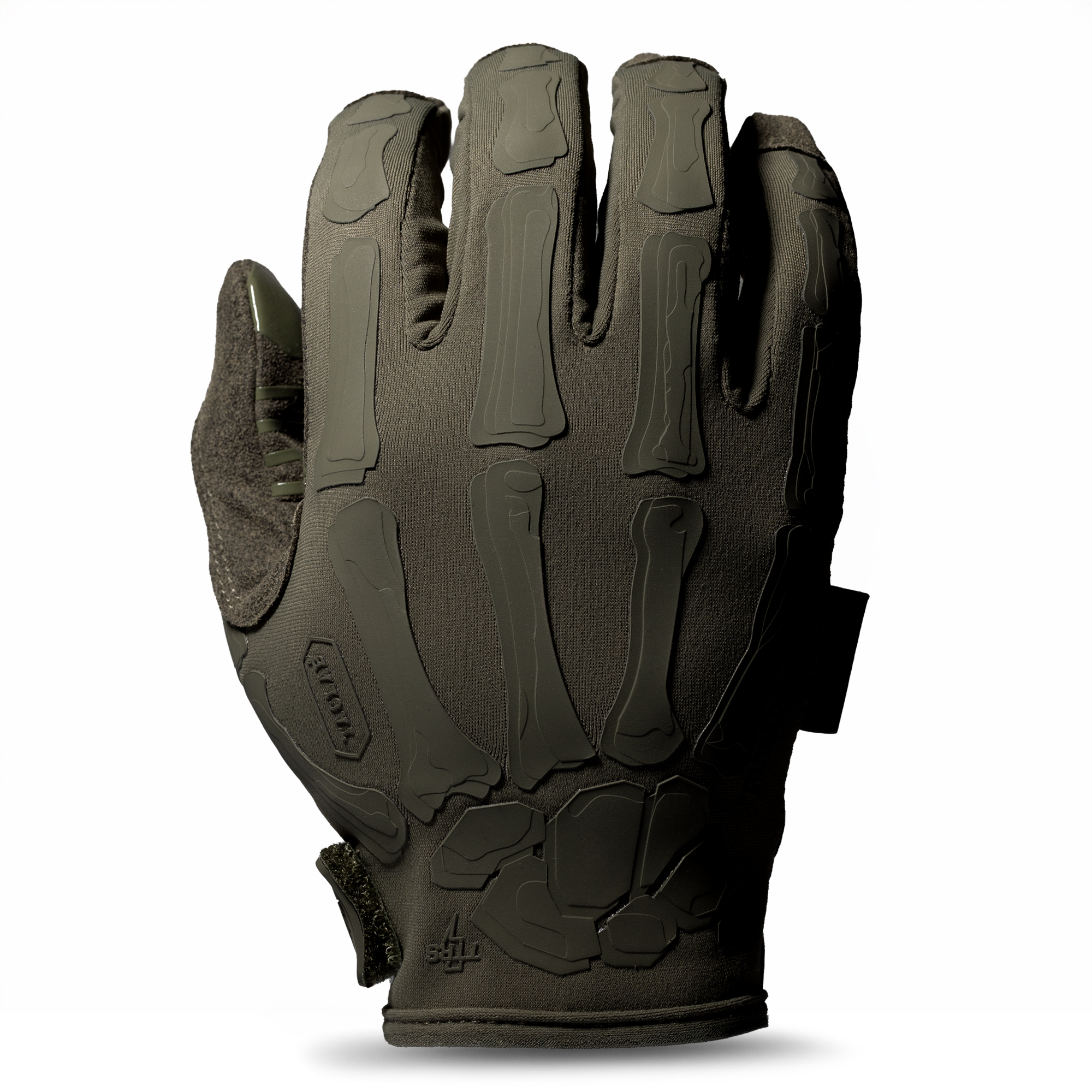
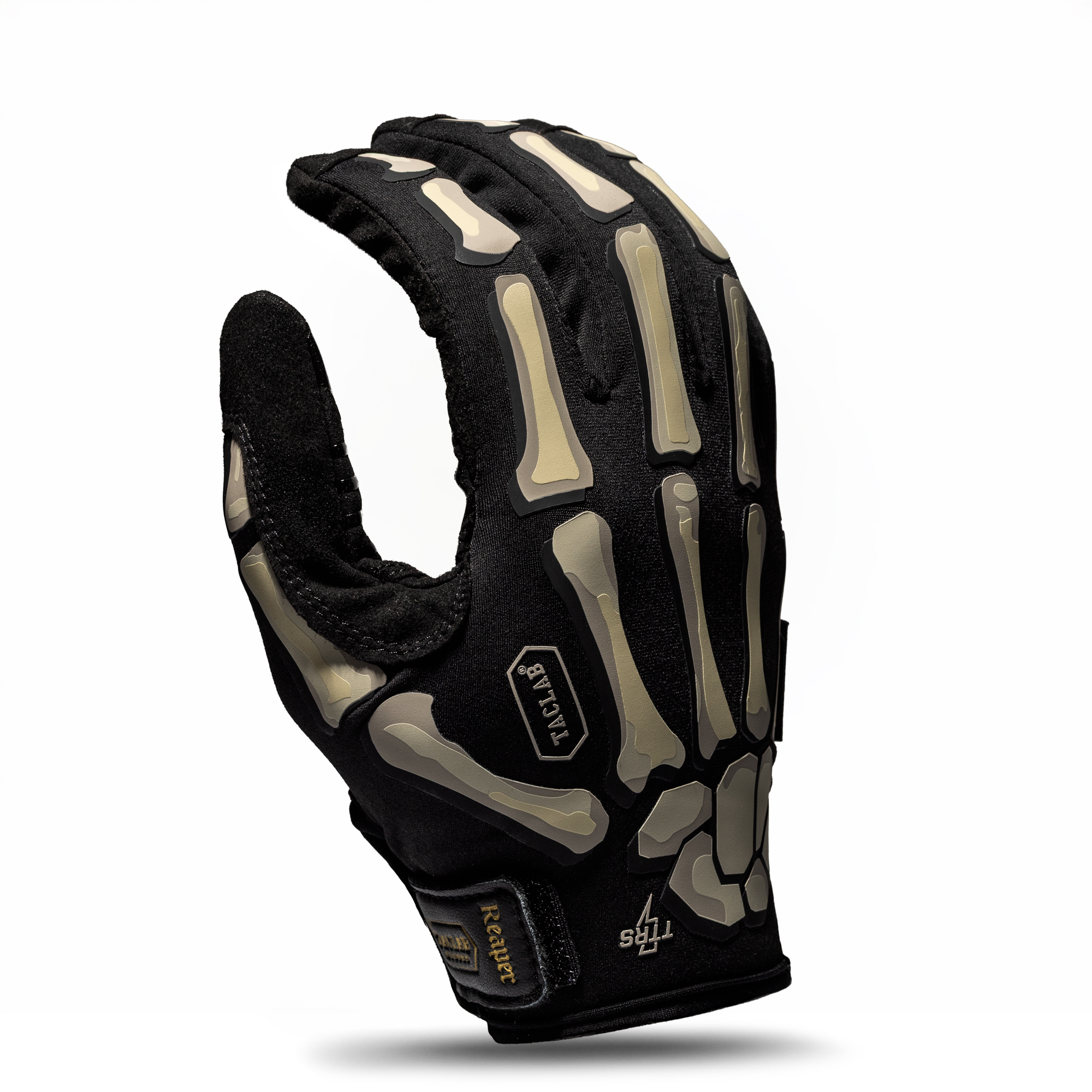
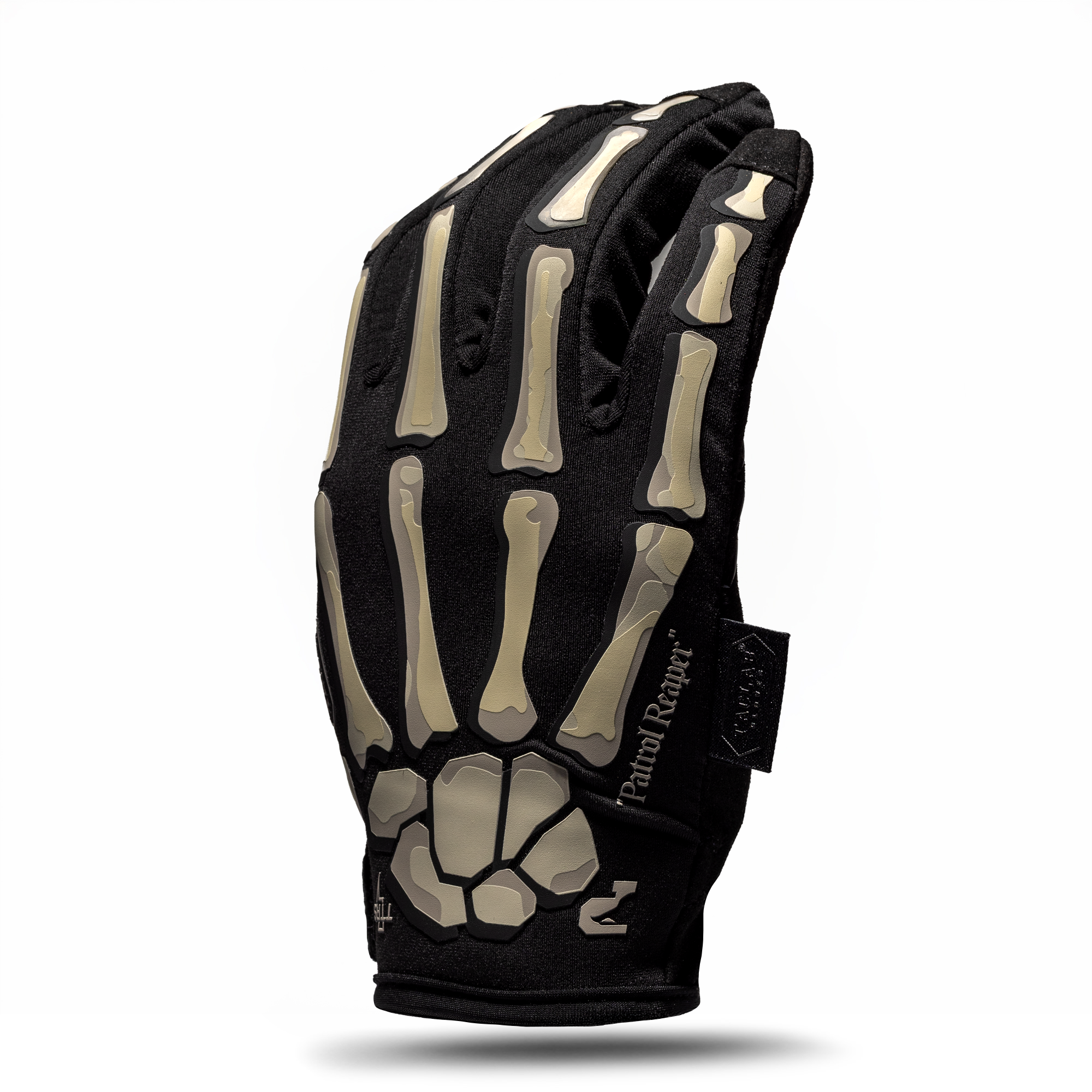
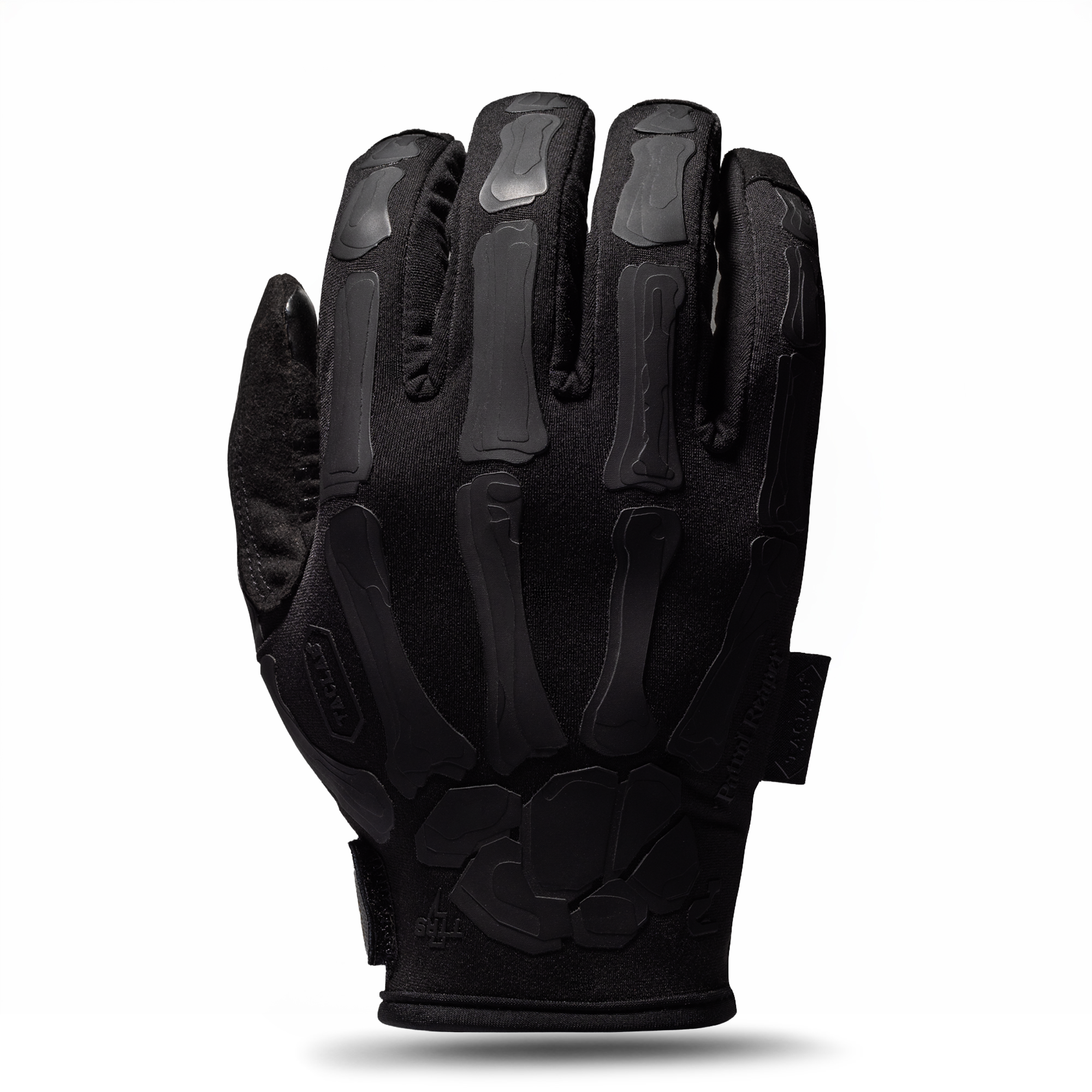
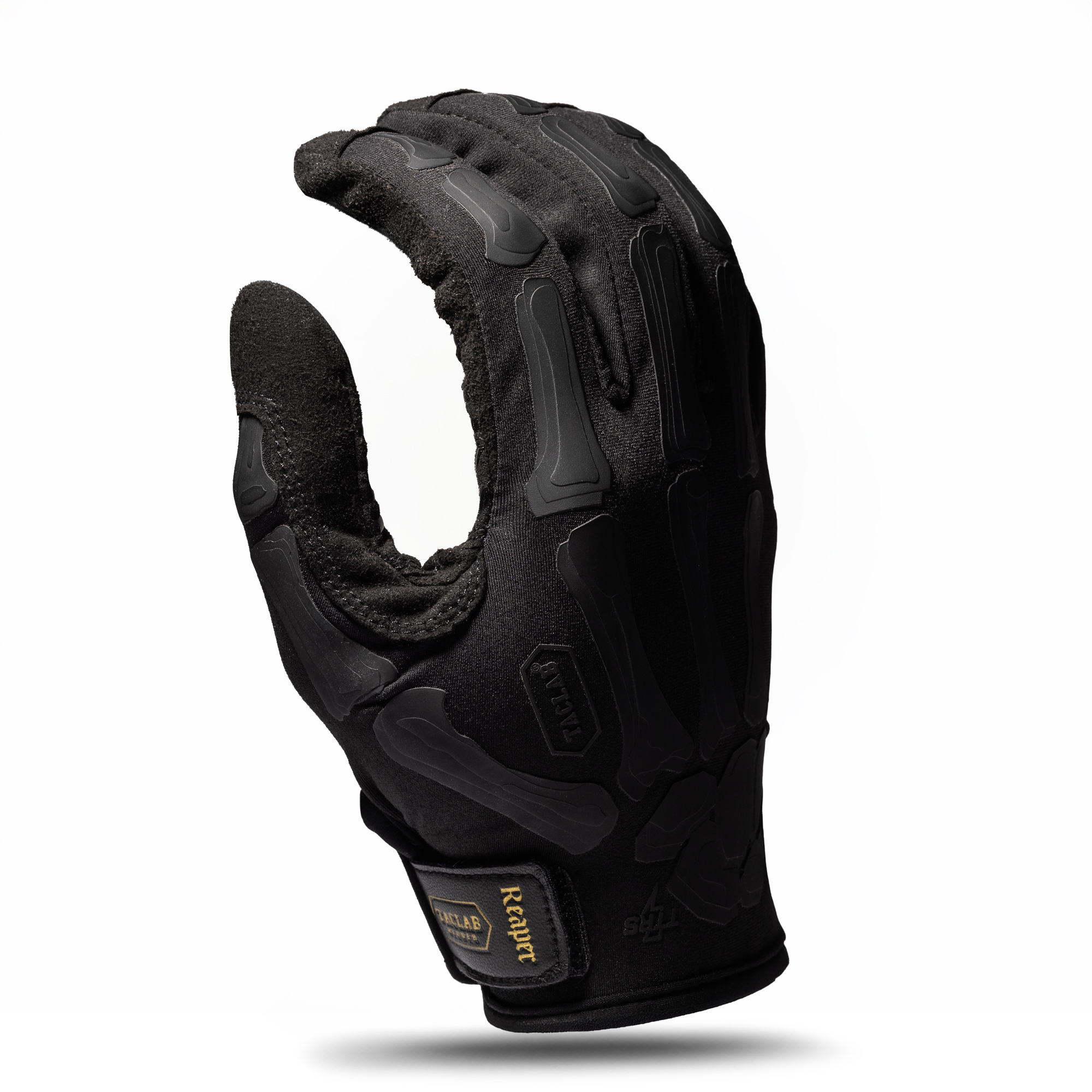
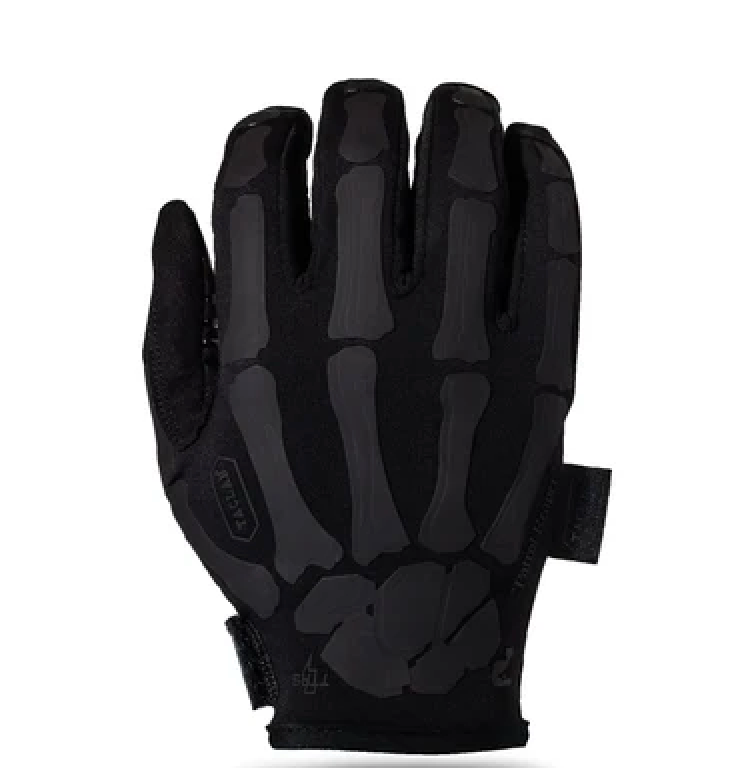
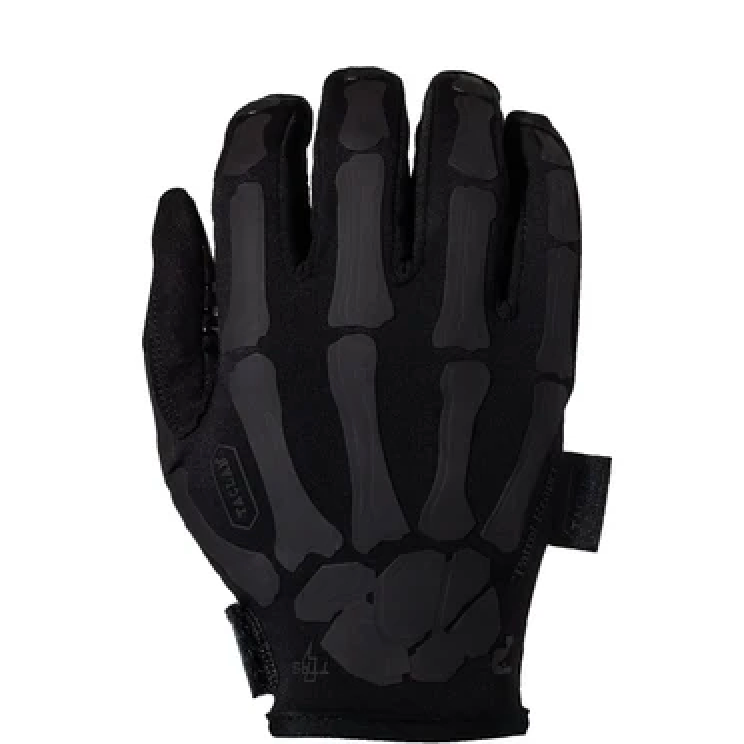
The TACLAB Reaper is a good example of this design philosophy. It uses a tight, lightweight construction, ventilated backhand, anti-slip palm features, and touchscreen-compatible fingertips, with shooting and tactical manipulation as primary use cases.
That's not a weakness.
It's a design choice.
If your main priority is shooting feel, choose the lightweight glove.
If your main priority is abrasion resistance, choose a glove designed around abrasion.
The best glove isn't the toughest glove. It's the glove that matches the job.
How to Make Tactical Gloves Last Longer
Replacing worn equipment is normal.
Destroying it unnecessarily isn't.
A few habits can significantly reduce premature wear.
Keep Them Dry
Sweat and moisture can soften certain materials and increase wear.
After a hot range session or ride, don't throw damp gloves into the bottom of a sealed gear bag and forget about them.
Allow them to dry naturally.
Rotate Multiple Pairs
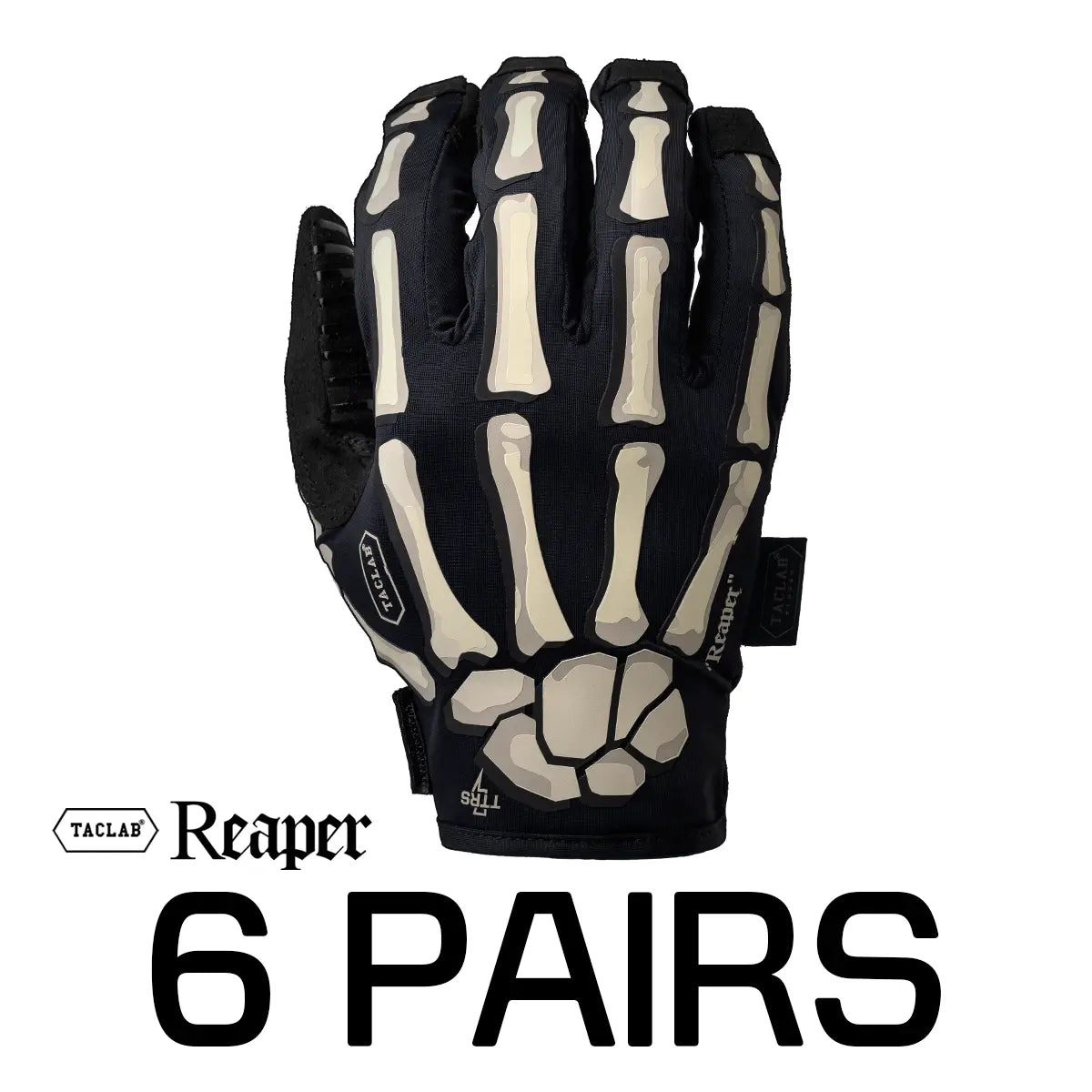
If you use tactical gloves frequently, consider owning more than one pair.
Rotation allows one pair to dry completely while another is in use.
It's especially useful for:
- Frequent shooters
- Motorcycle commuters
- Outdoor workers
- Hot-weather users
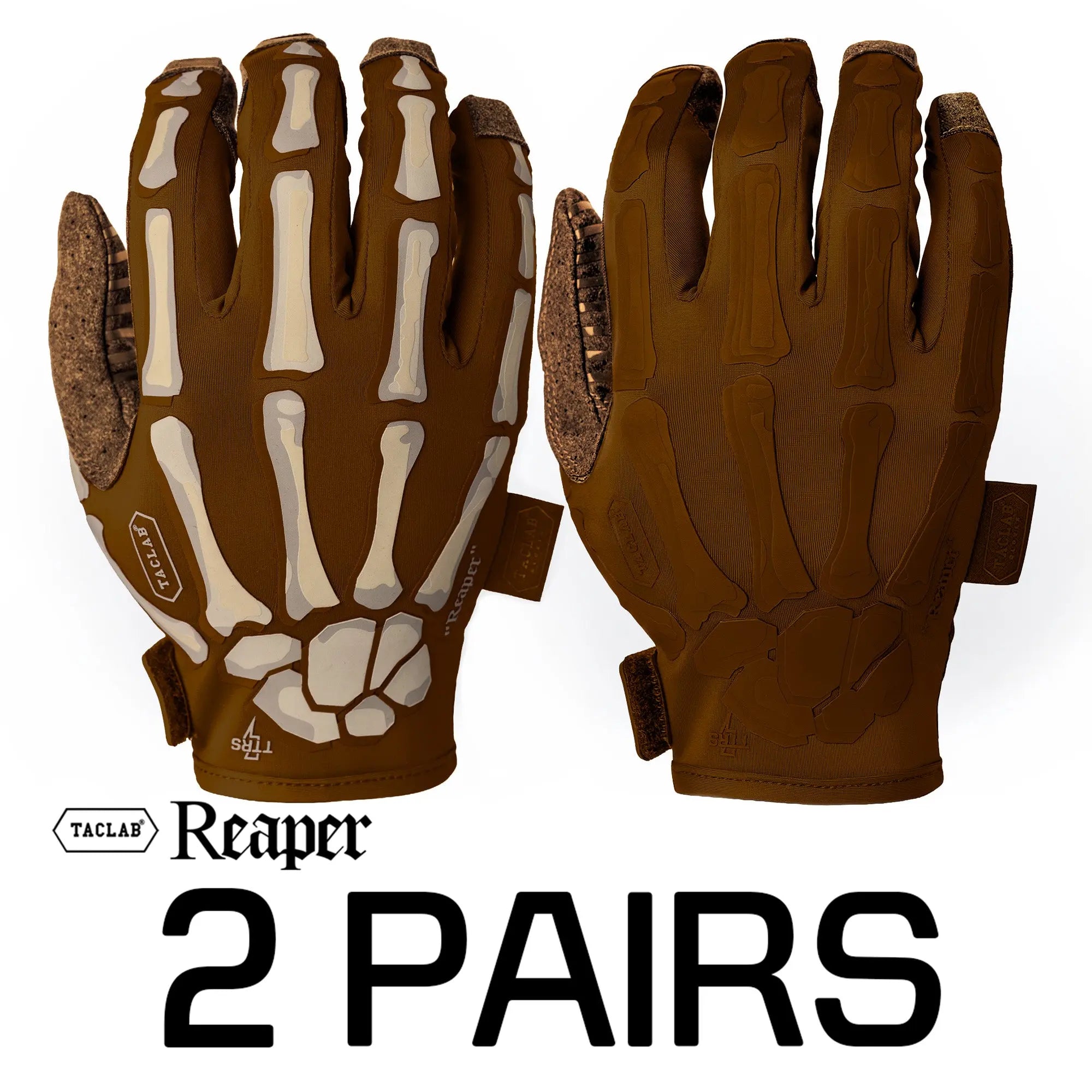
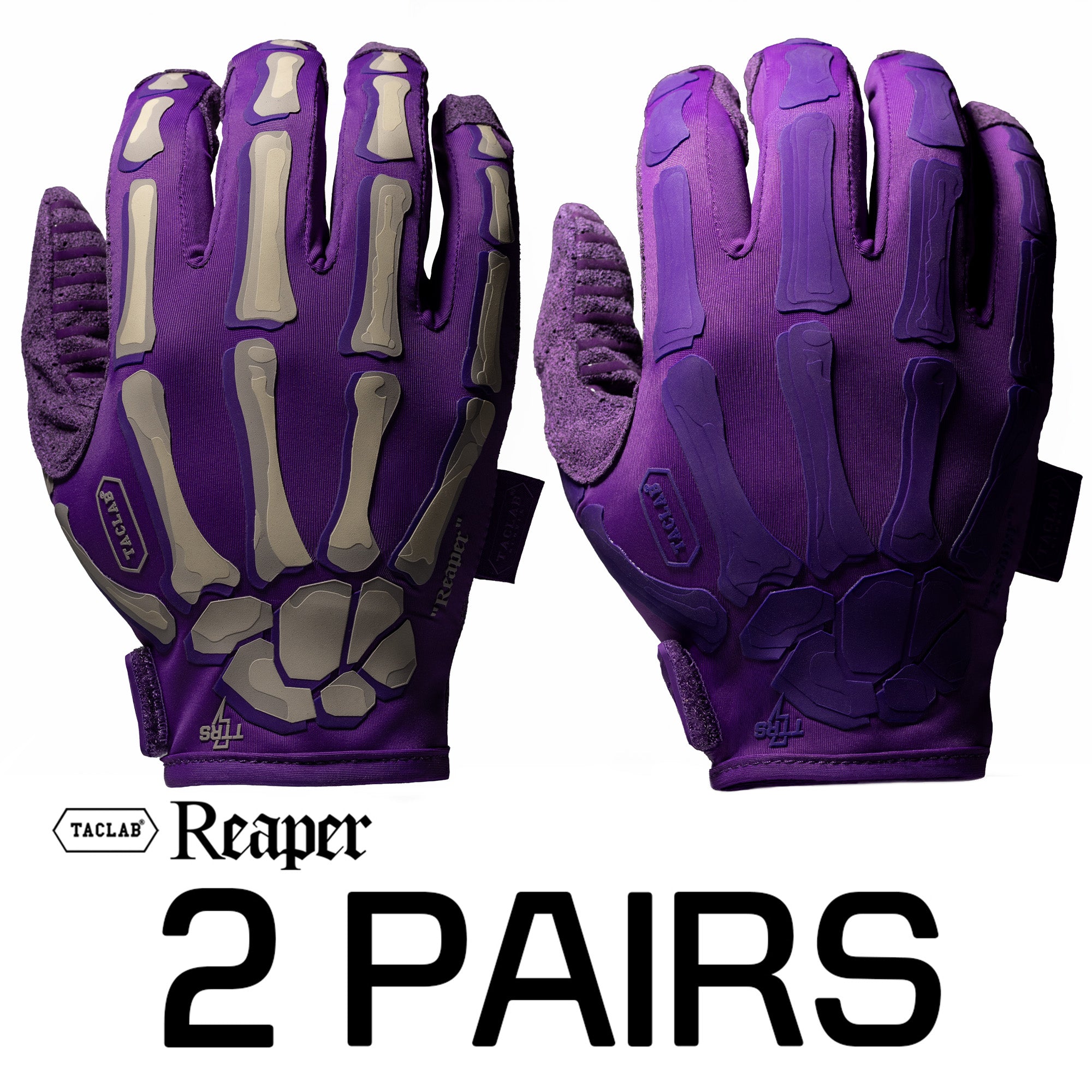
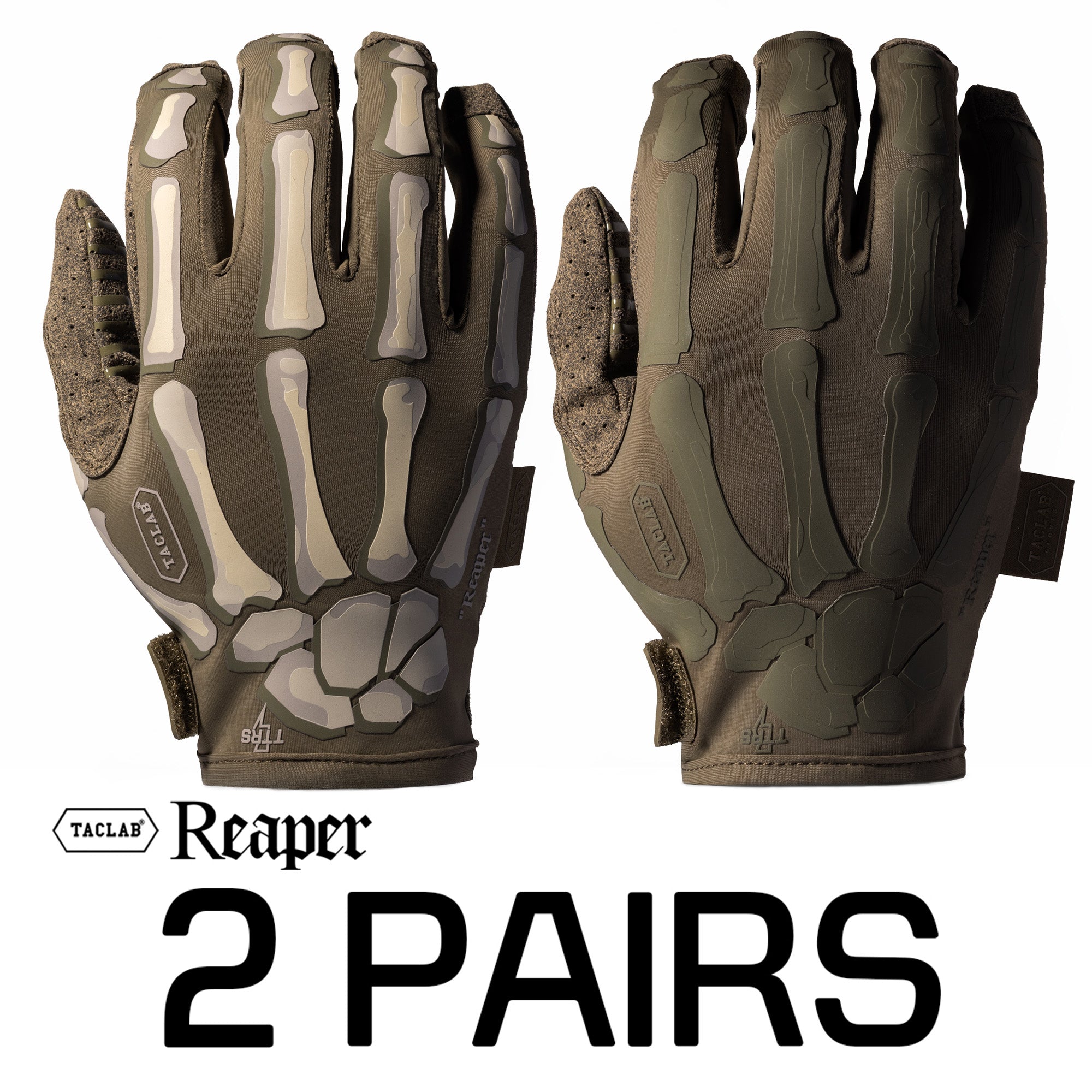
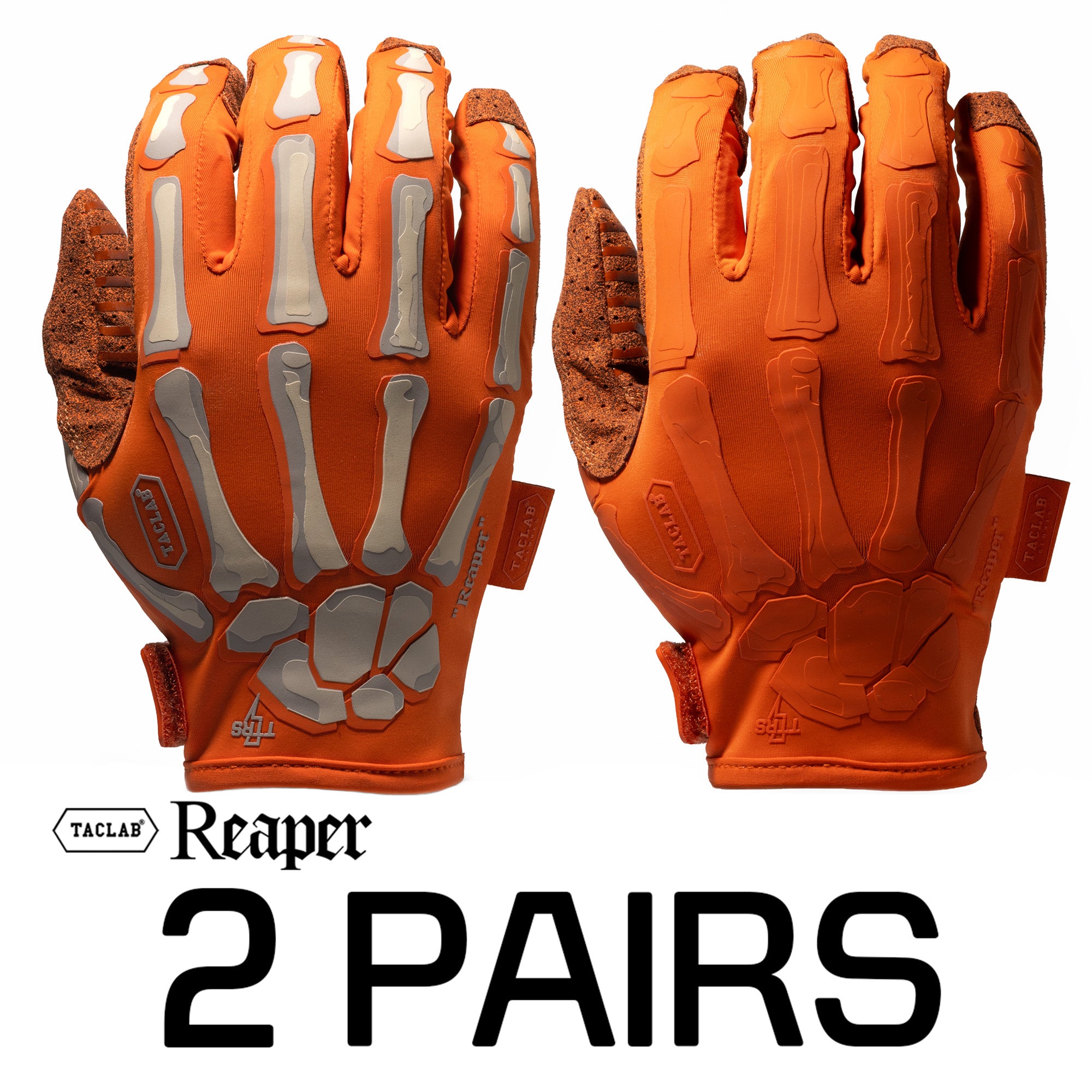
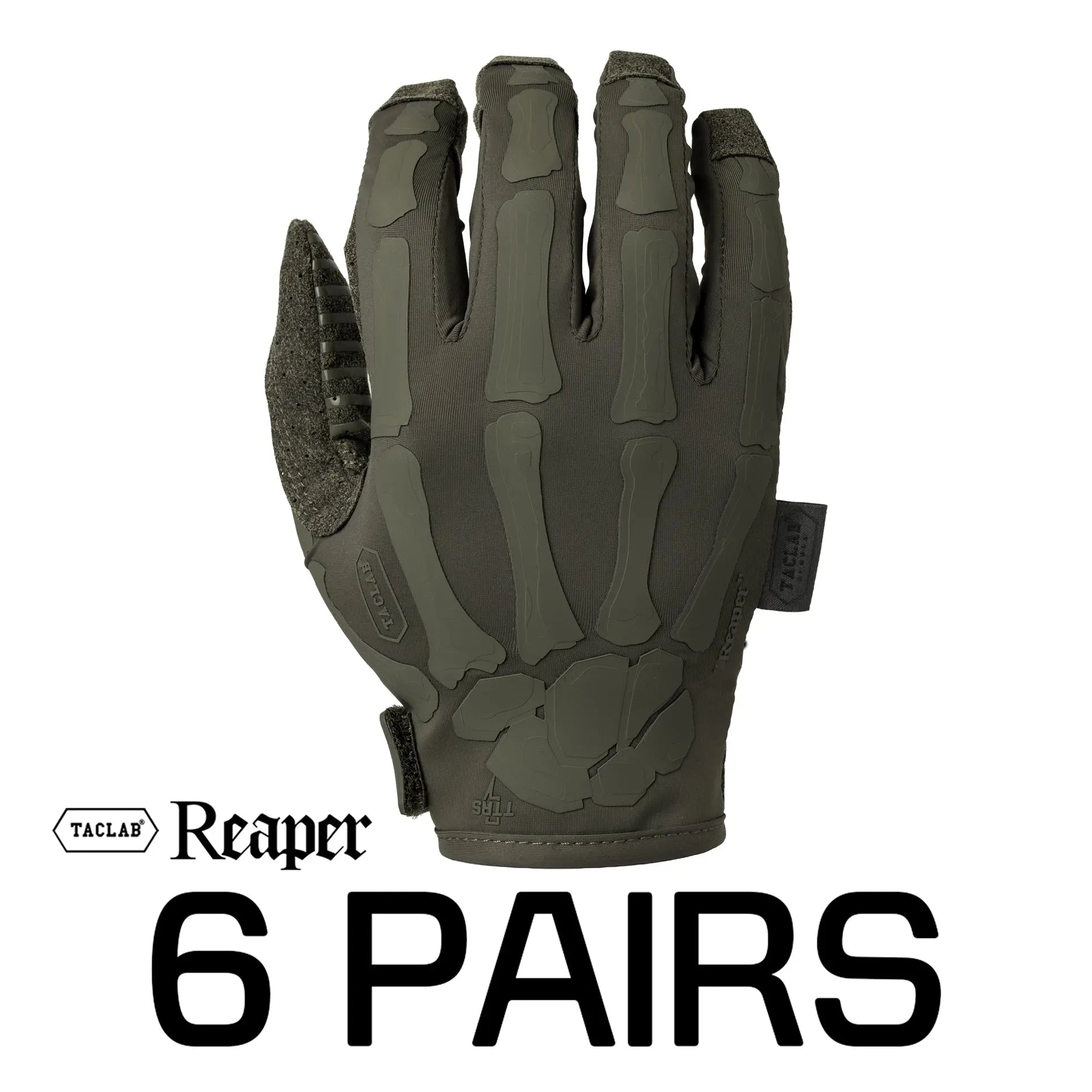
TACLAB itself recommends rotating multiple Reaper pairs for prolonged use when gloves frequently become damp or sweaty.
Wash Them Correctly
Always follow the manufacturer's instructions.
For standard TACLAB Reaper gloves, current care guidance includes:
- Hand wash only
- Hang to dry
- Do not tumble dry
- Do not bleach
- Do not iron
- Do not dry clean
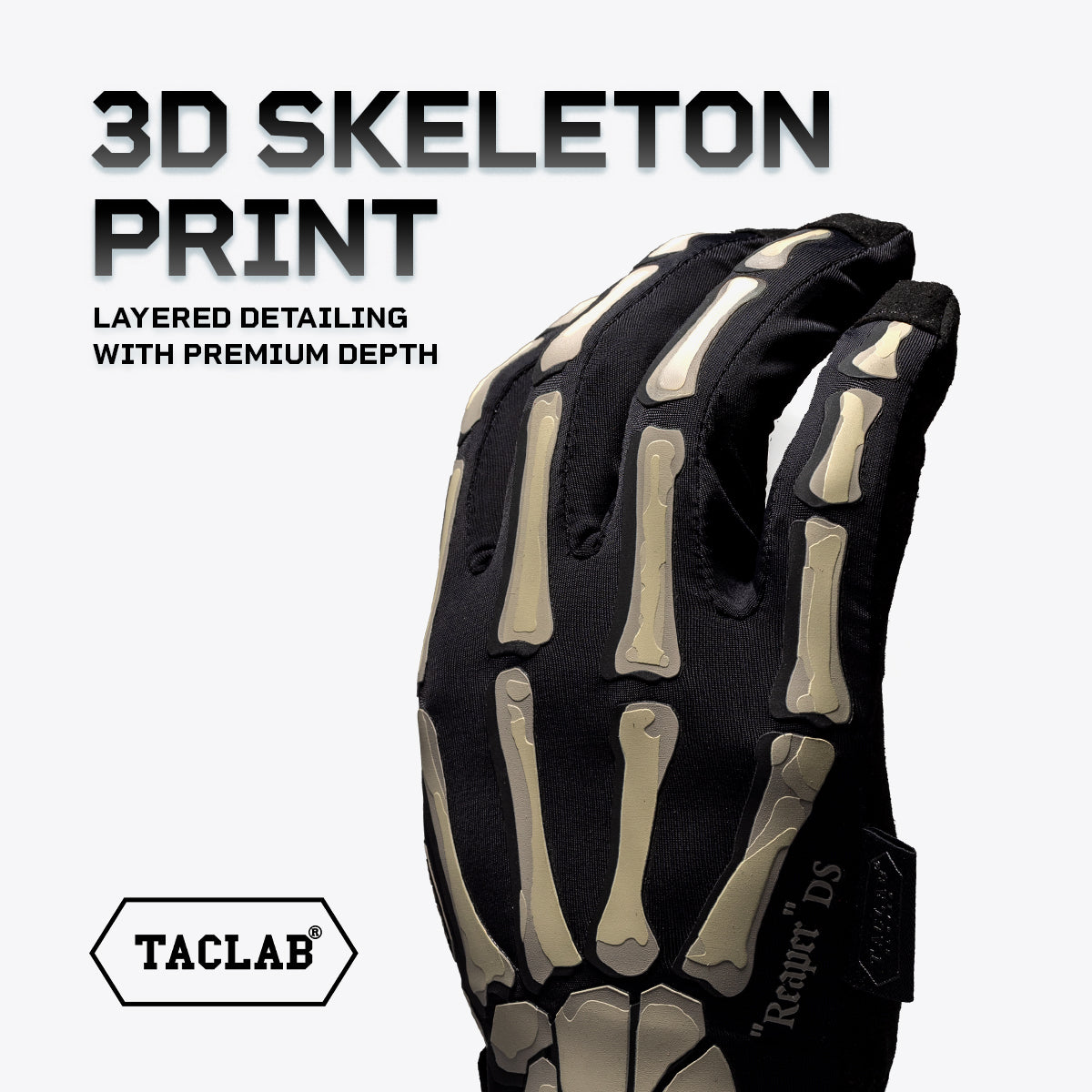
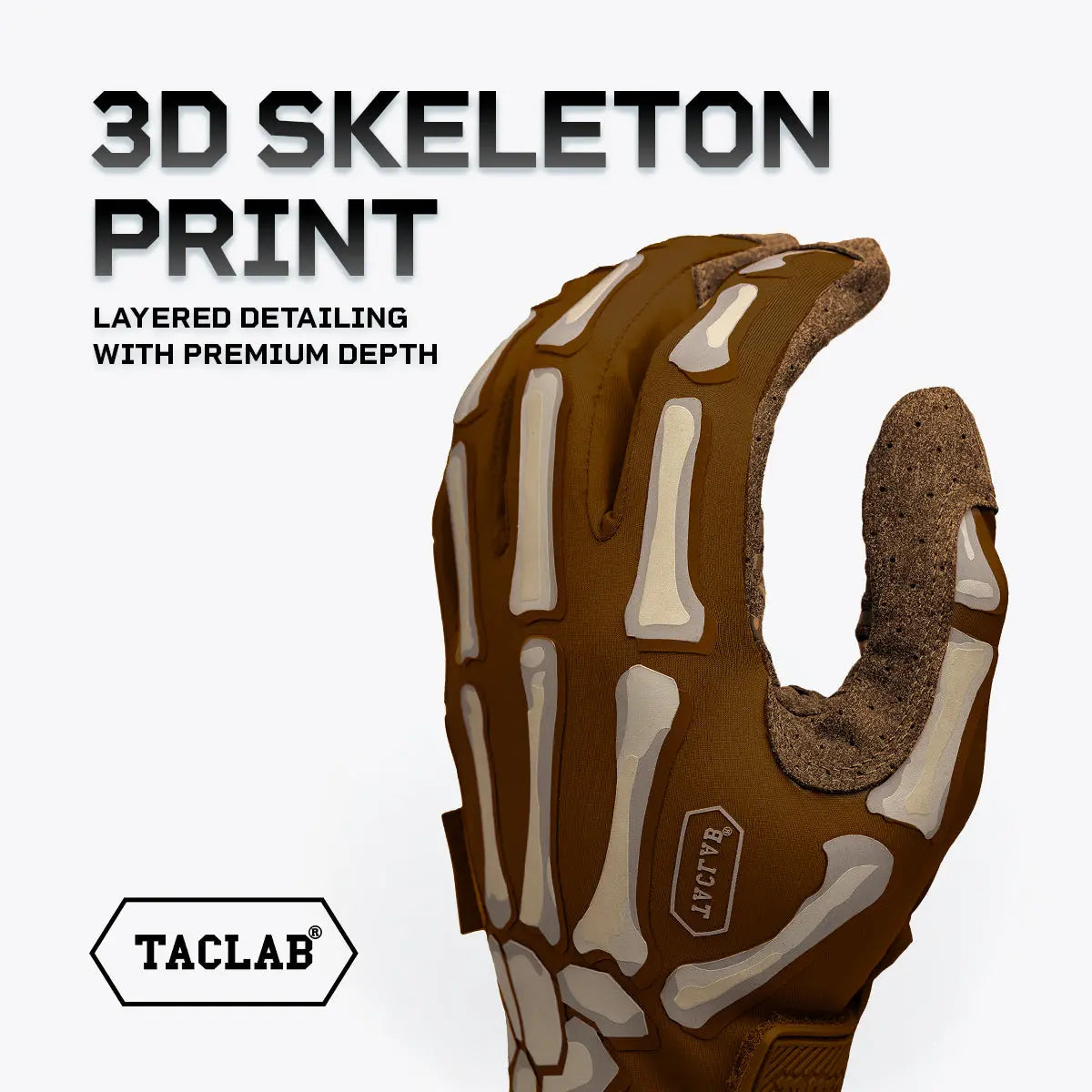
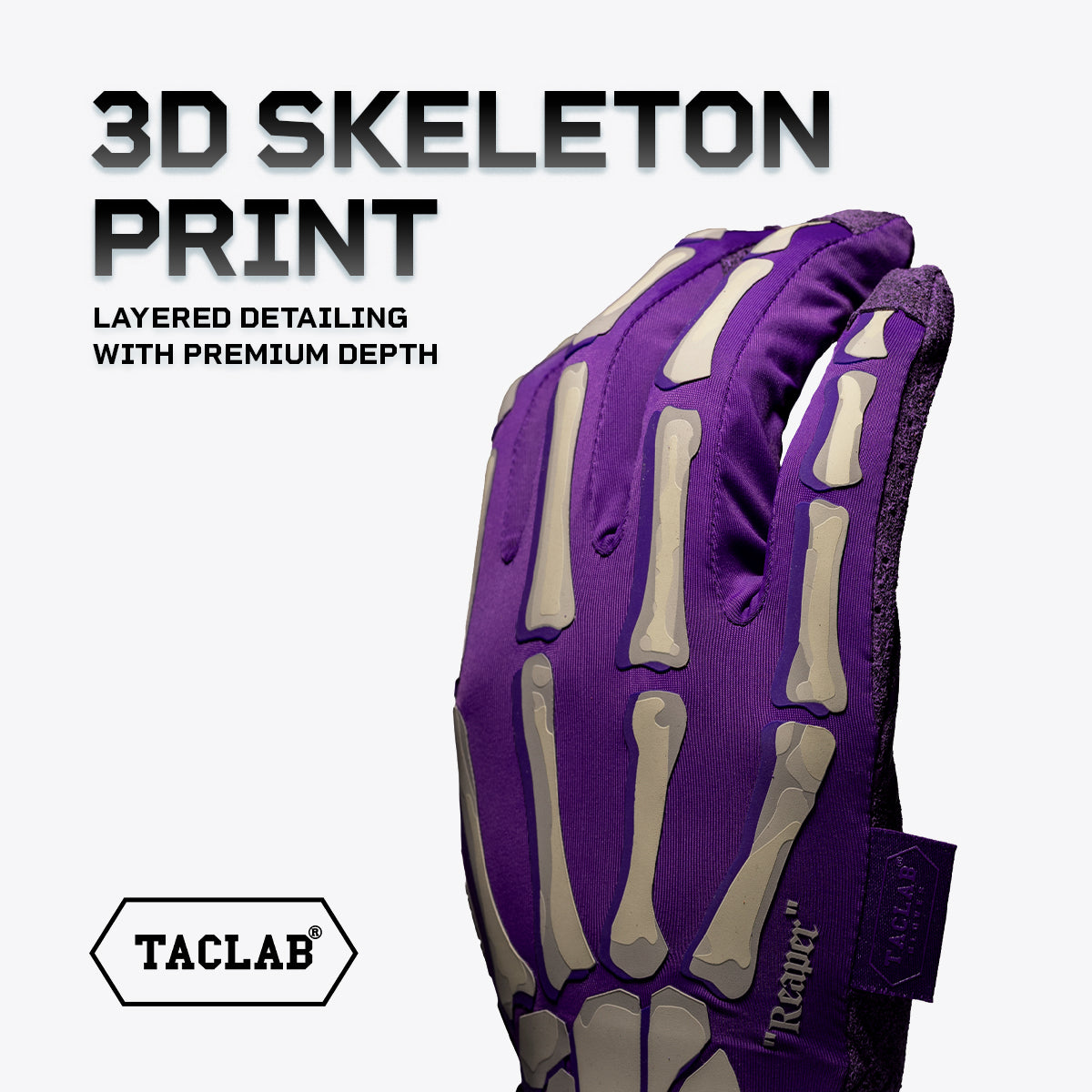
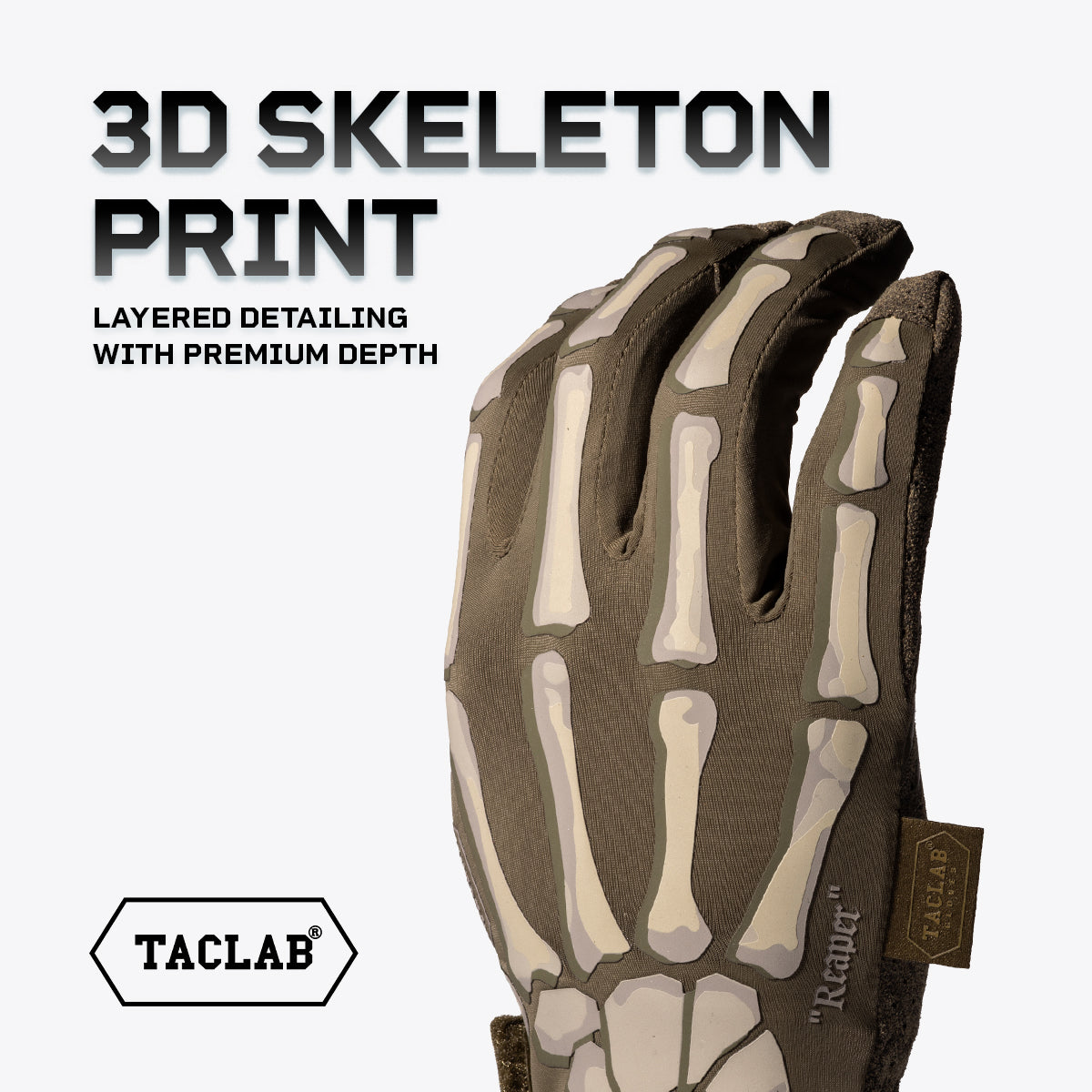
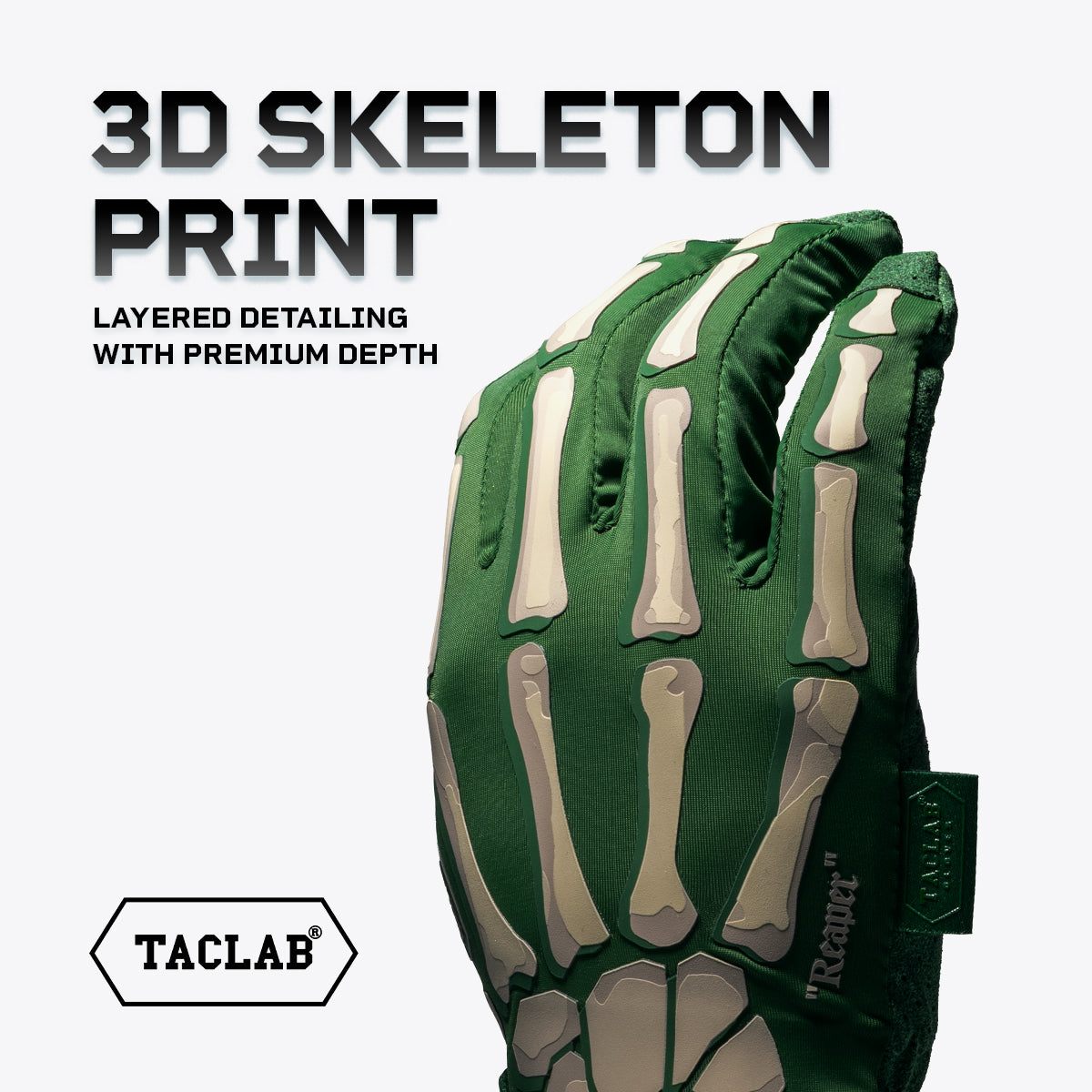
High heat is particularly worth avoiding. TACLAB also warns that prolonged direct sunlight and extreme temperatures can affect silicone printing.
In other words:
Your car dashboard in August isn't a glove storage system.
Keep Your Fingernails Trimmed
It sounds almost too simple, but long fingernails can repeatedly press into the fingertips from inside.
Thousands of small contacts add up.
This is especially important with thin, high-dexterity gloves.
Stop Using One Glove for Every Task
If you regularly shoot, ride, and perform heavy-duty work, owning multiple gloves isn't excessive.
It's using equipment correctly.
A simple system might look like:
| Activity | Glove Type |
| Range training | Lightweight Reaper |
| Abrasive outdoor tasks | Reaper HA |
| Heavy-duty leather use | Raider |
| Motorcycle vibration | Panther VX |
| Cold-weather training | Patrol Reaper |
| Snow and wet winter conditions | Snow Reaper |
The correct tool generally lasts longer because it isn't constantly being pushed beyond its intended purpose.
Repair or Replace?
Not every damaged glove needs to go straight into the trash.
Minor cosmetic issues may not affect performance.
But replacement should be considered when damage changes:
- Grip
- Fit
- Dexterity
- Warmth
- Waterproofing
- Cut protection
- Impact protection
- Structural integrity
A loose decorative thread is one thing.
A hole in the trigger fingertip is another.
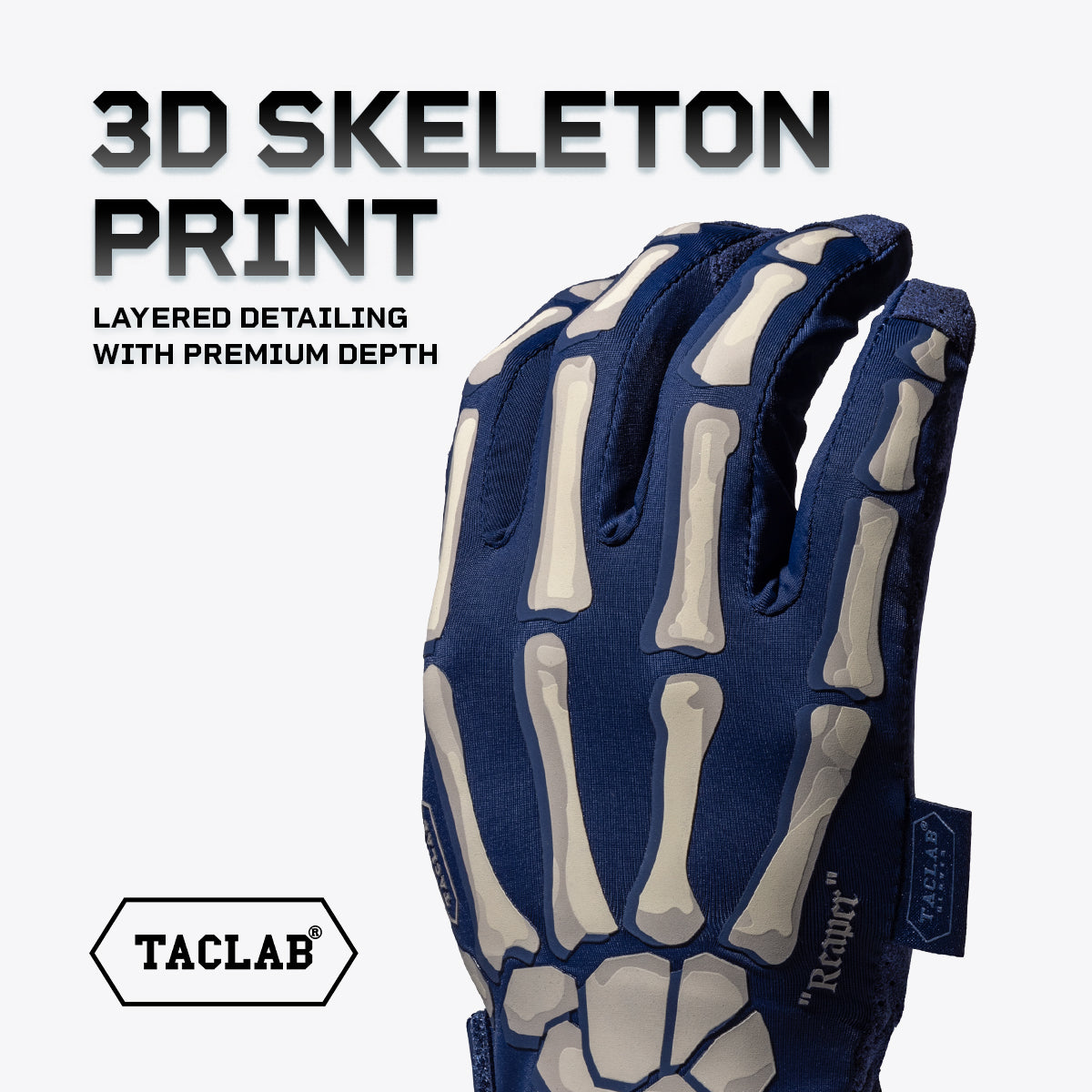
A worn graphic is cosmetic.
A palm that no longer grips properly affects function.
The question isn't:
"Does this glove still look new?"
It's:
"Can this glove still do the job I bought it to do?"
That's the better replacement test.
Which TACLAB Glove Should You Upgrade To?
If your current gloves are reaching the end of their useful life, don't automatically buy the same type again.
Think about why they wore out.
If You Want Maximum Shooting Dexterity
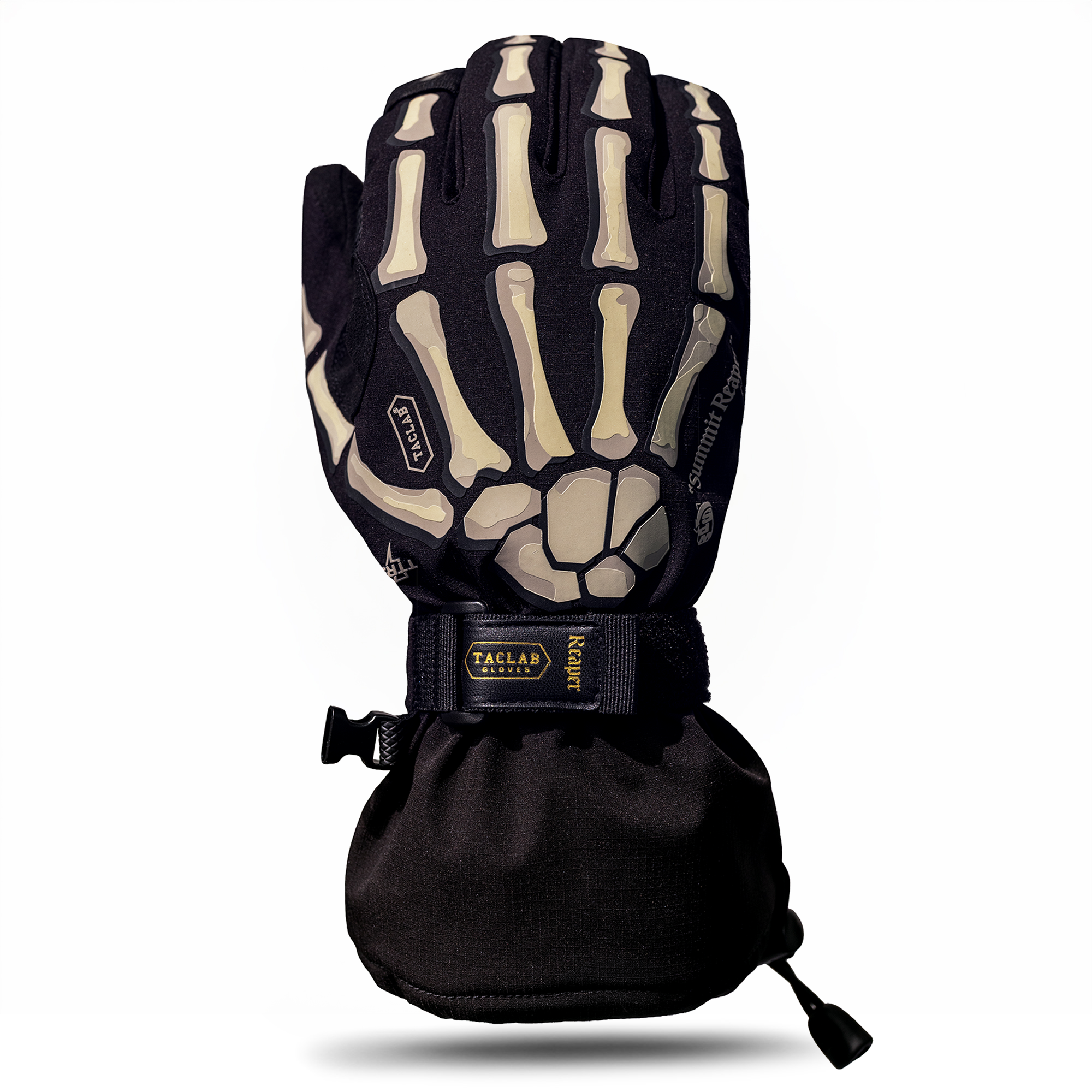
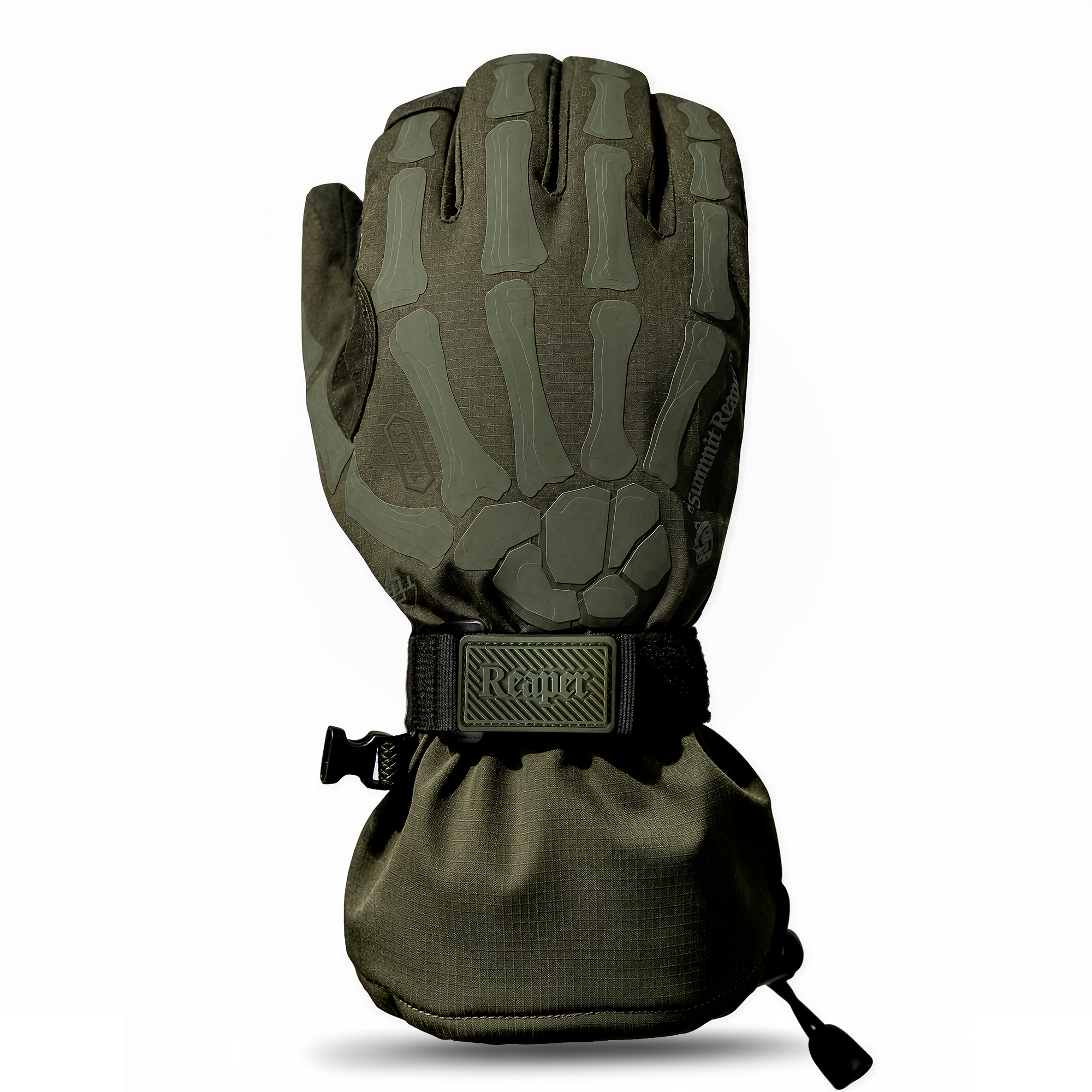
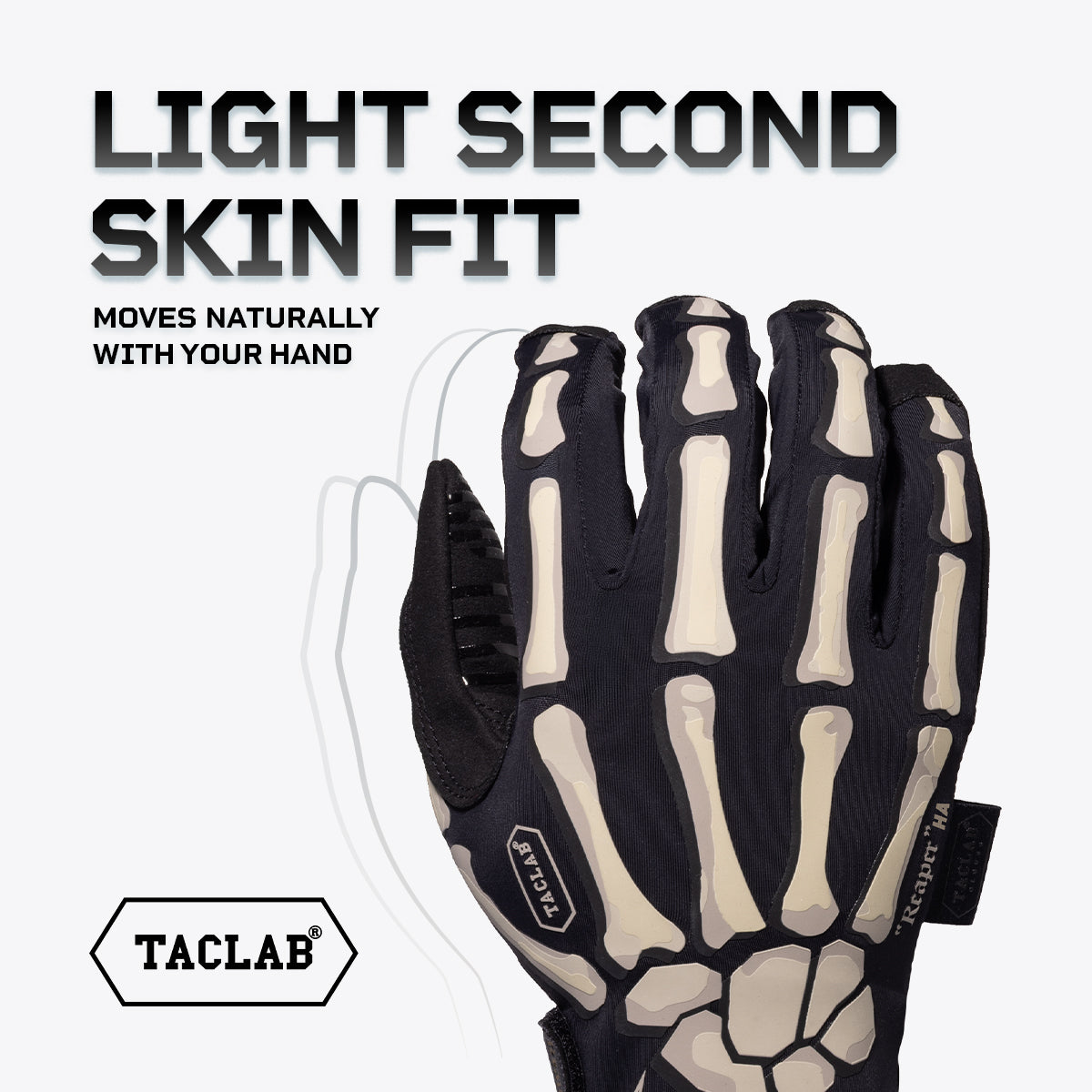
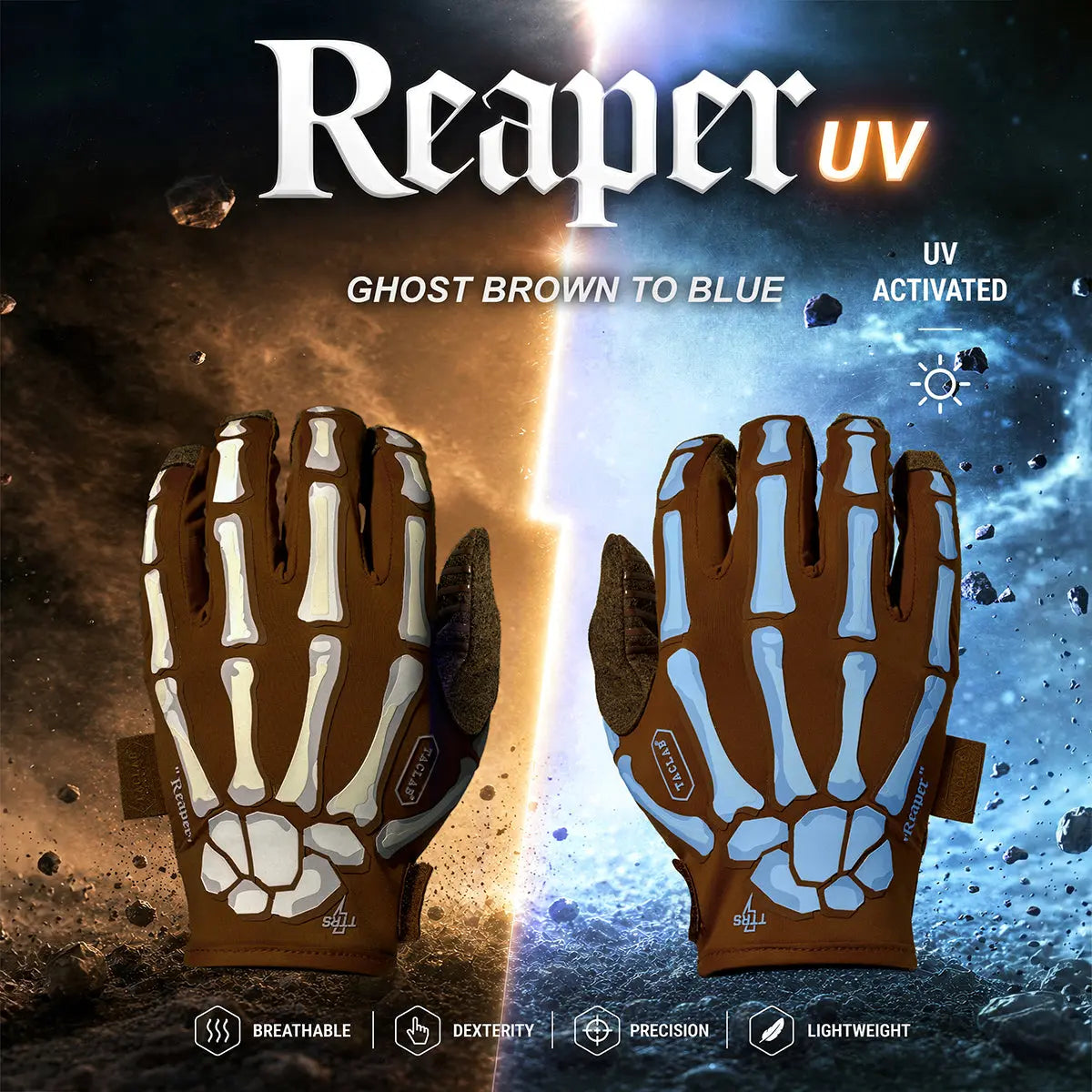
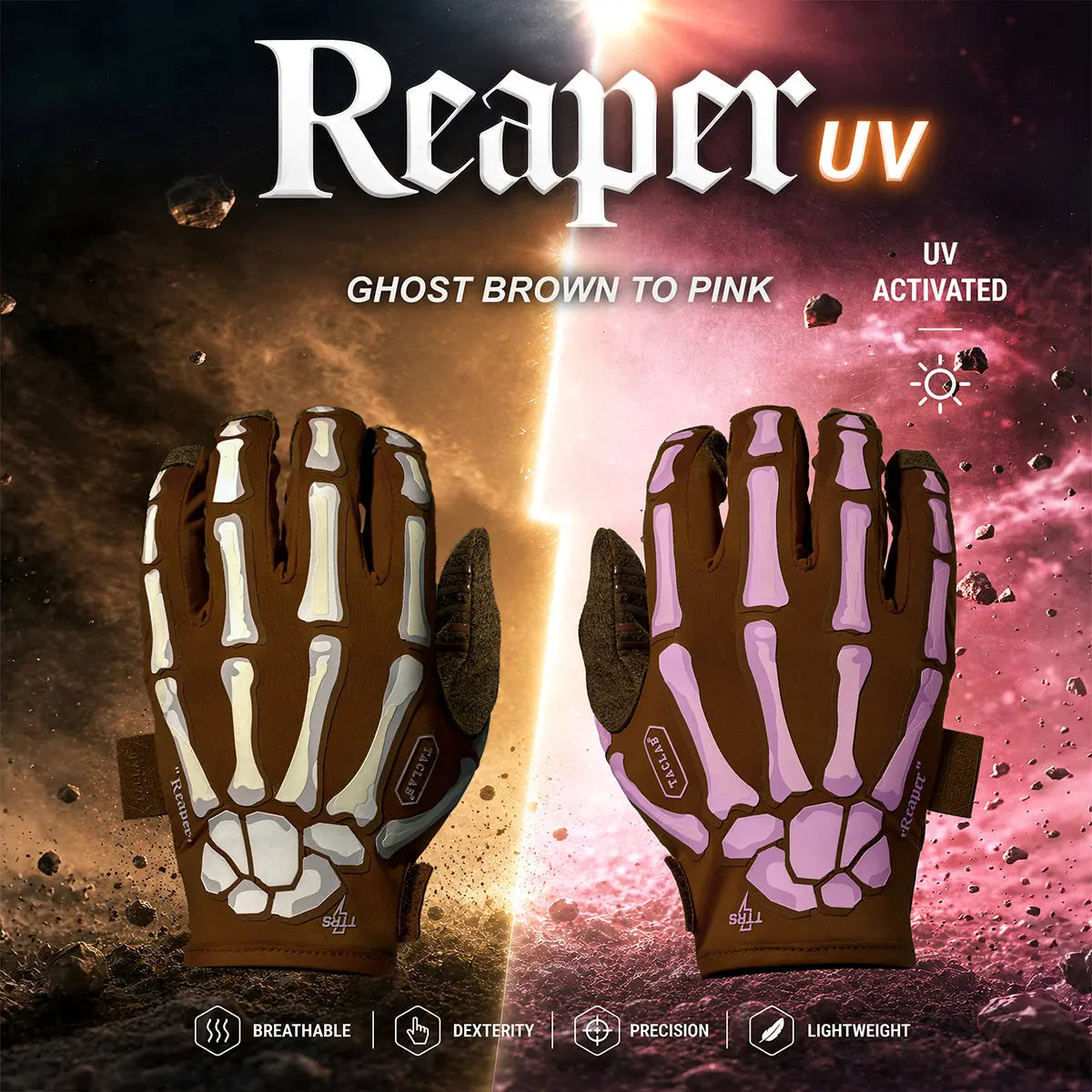
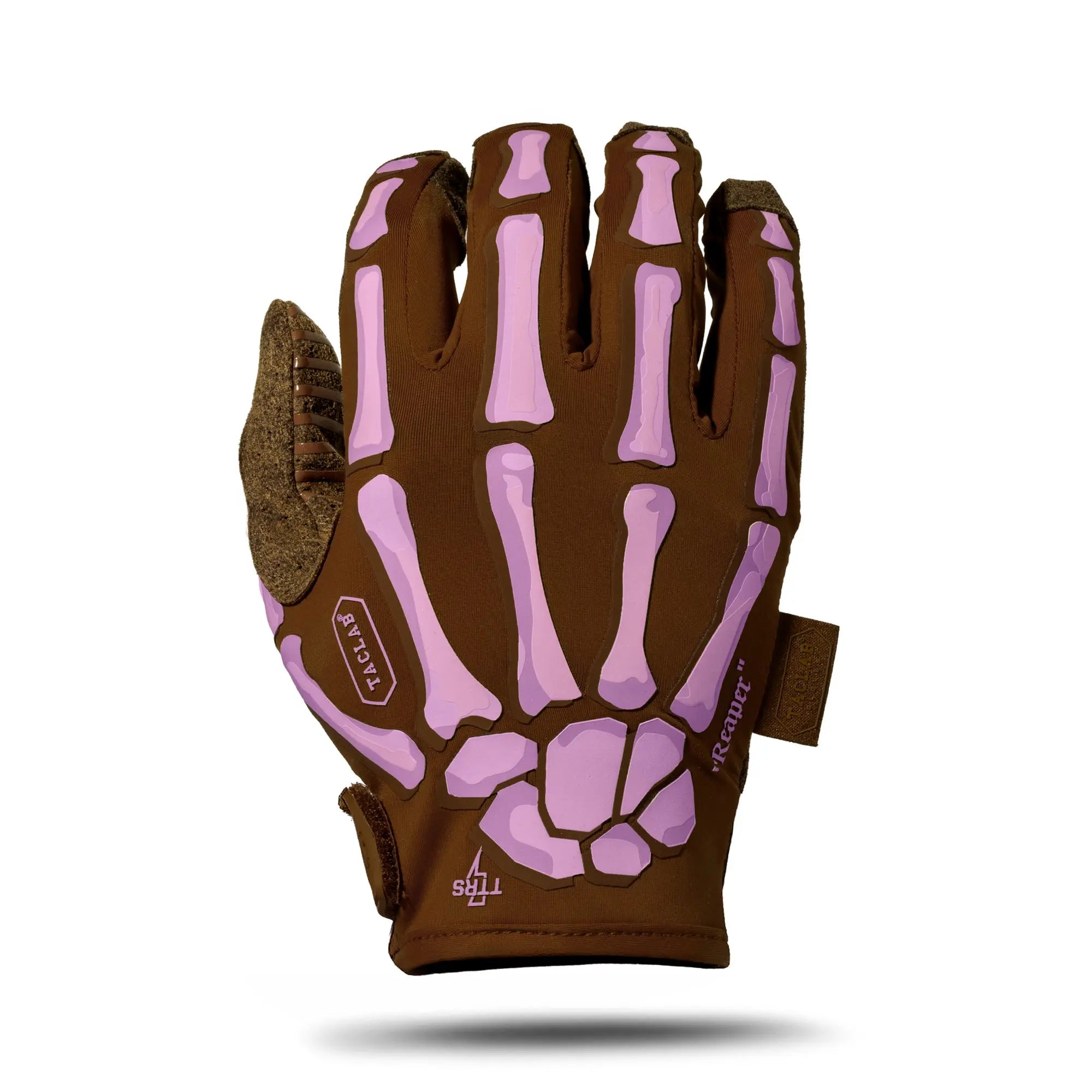
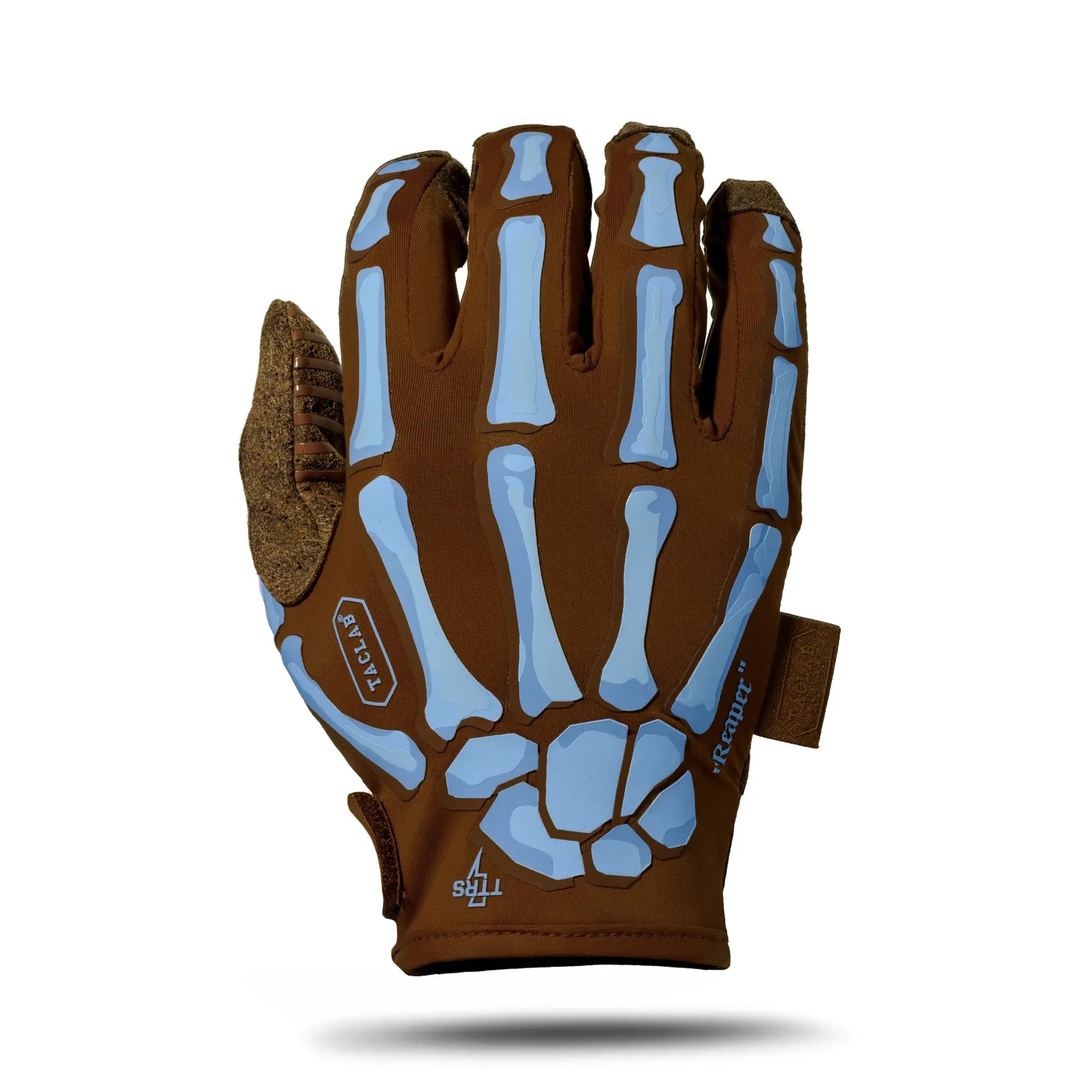
Choose the TACLAB Reaper Skeleton Tactical Gloves.
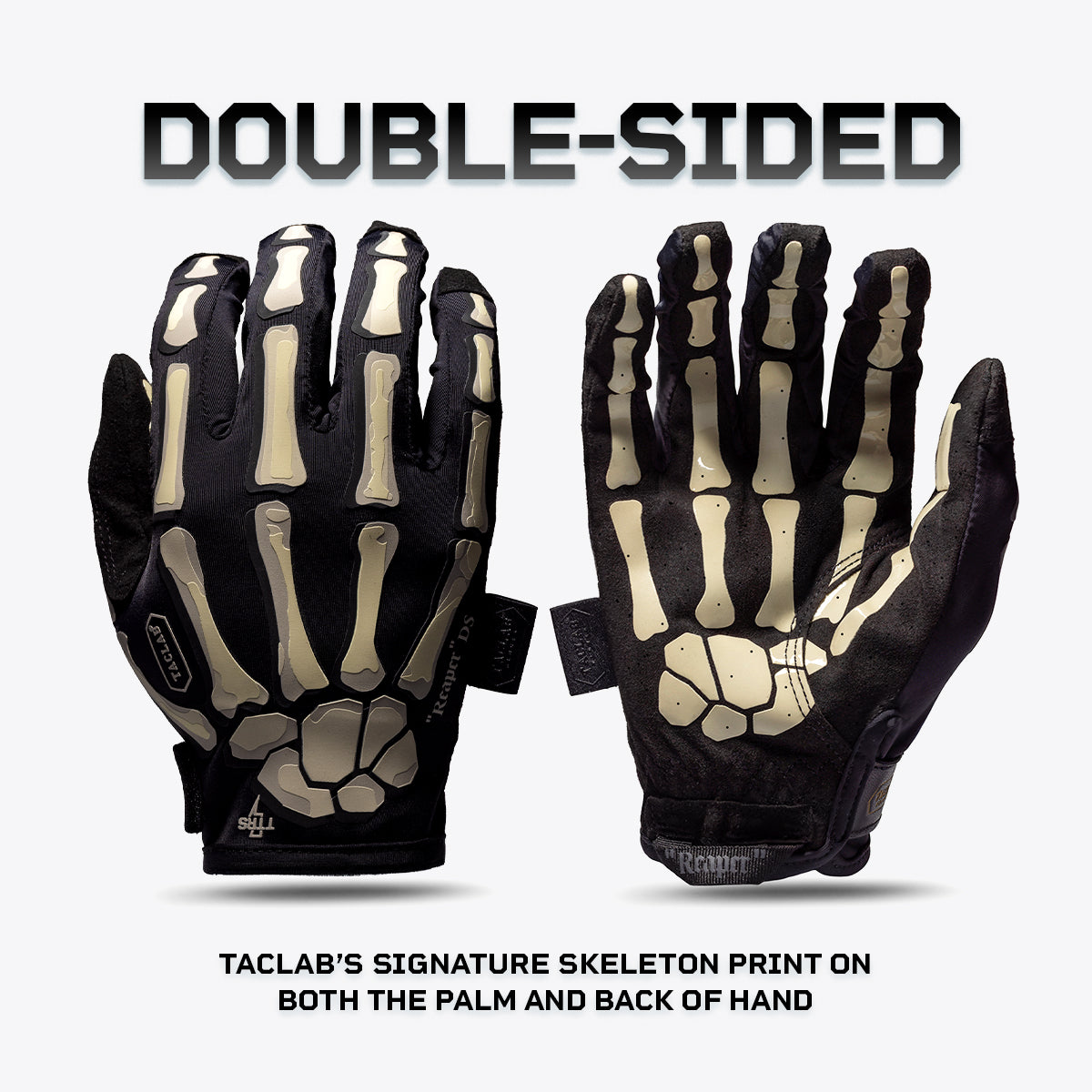
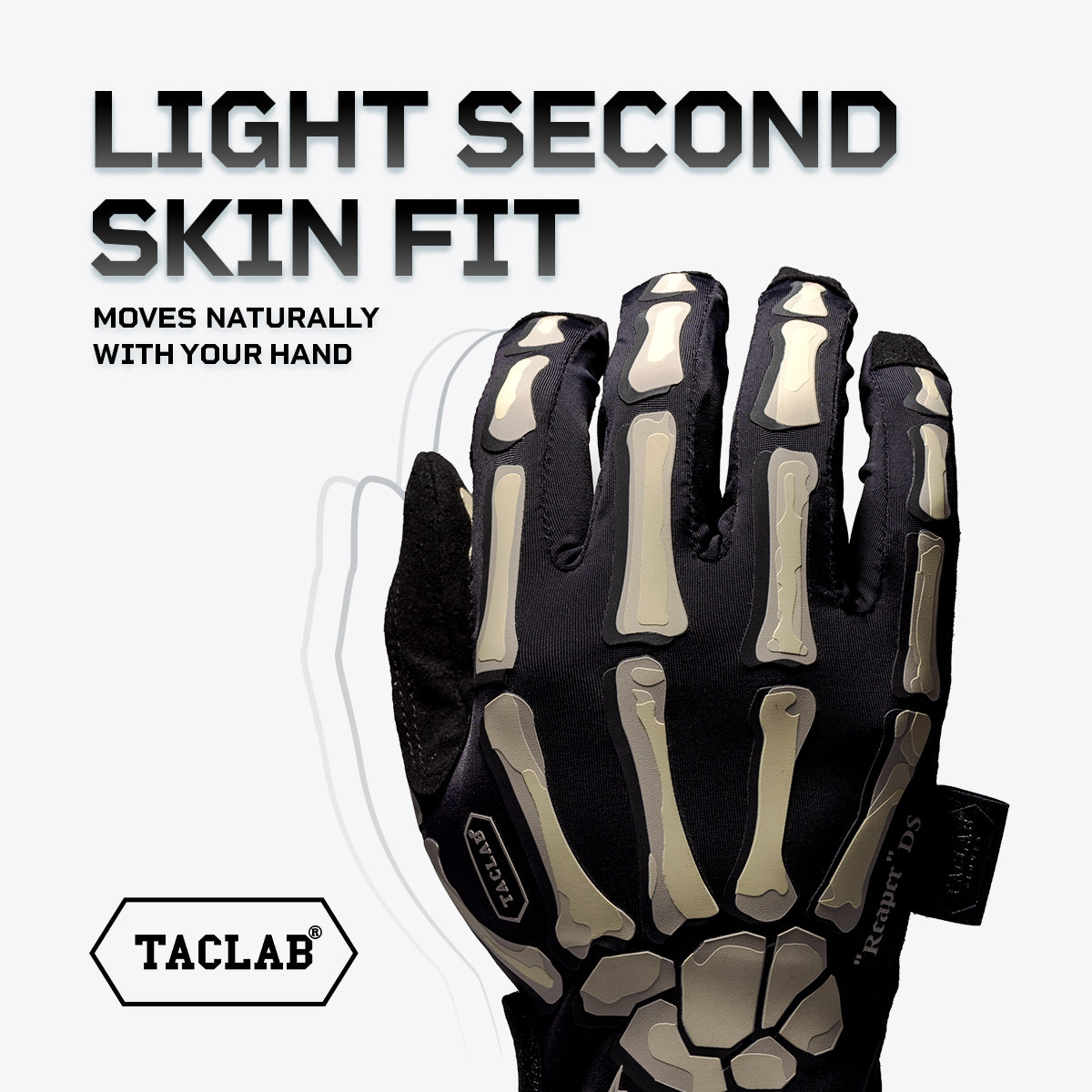
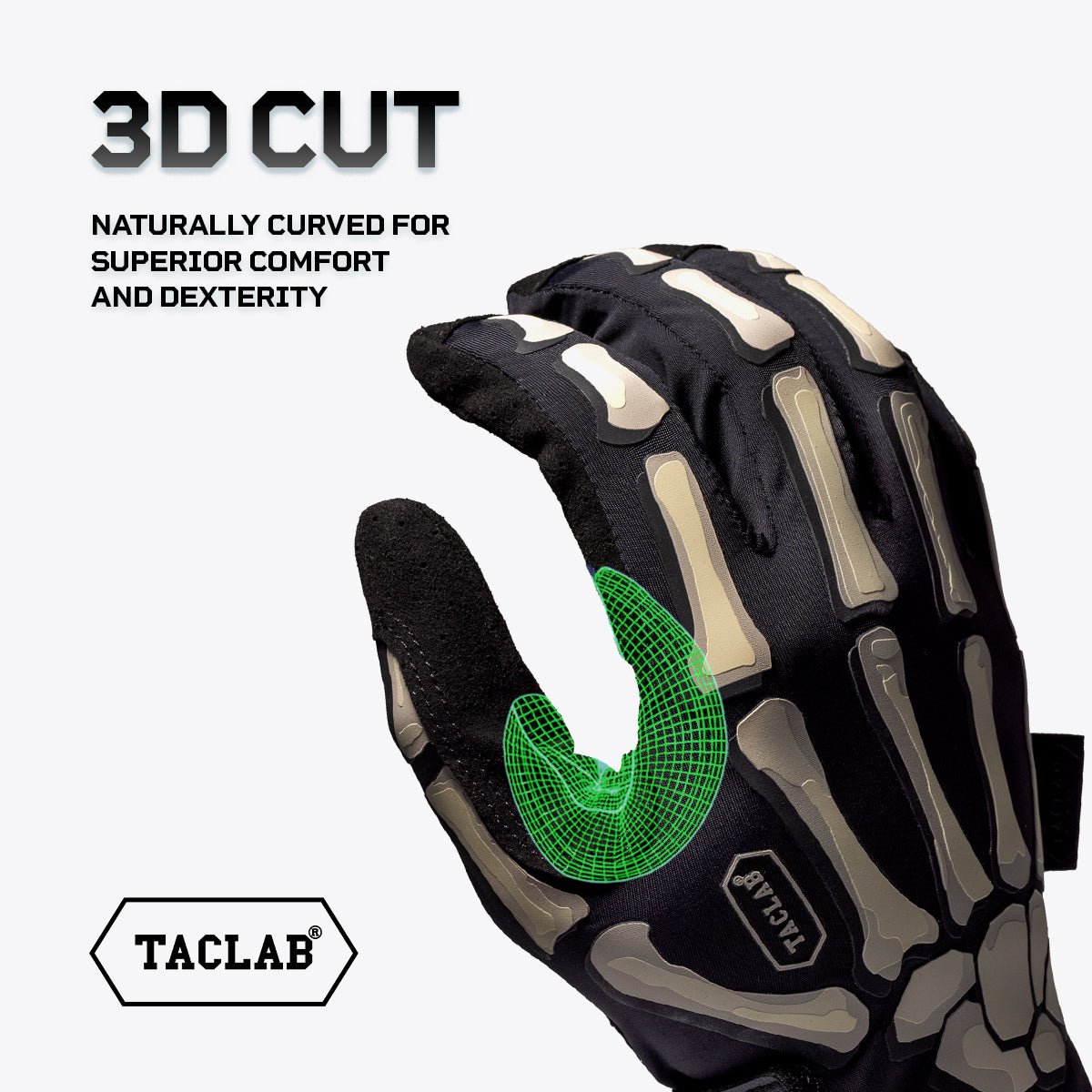
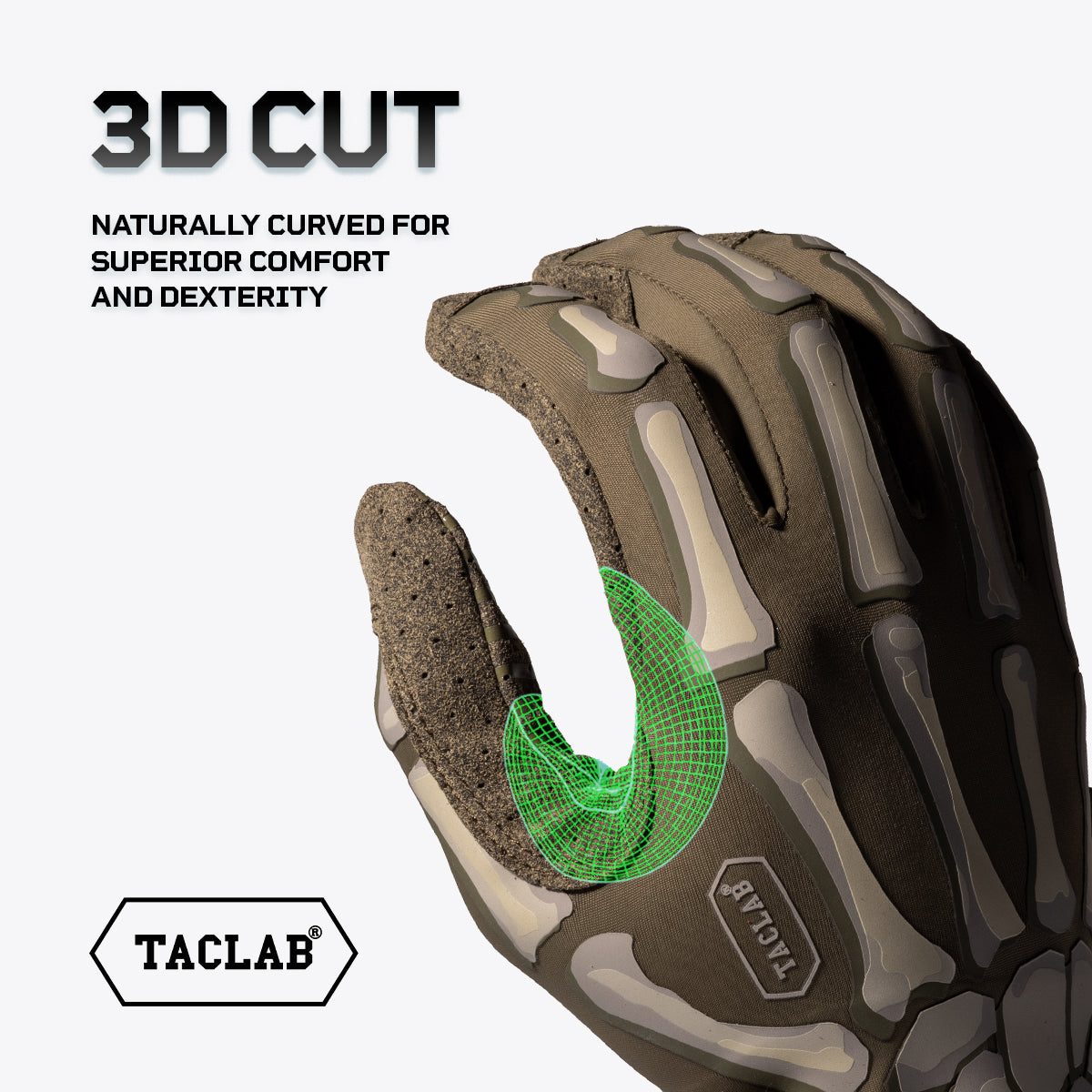
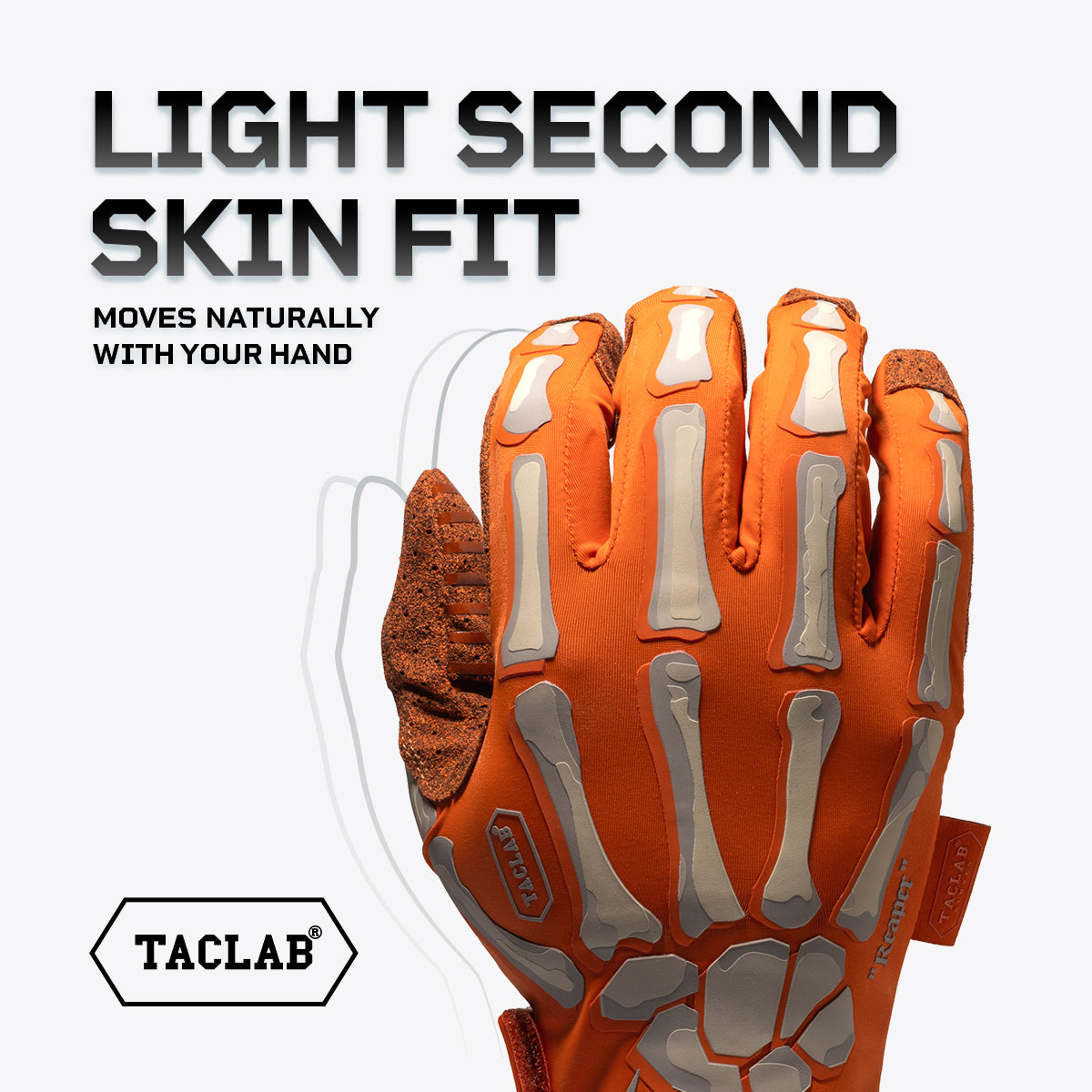
They're built around a second-skin fit, lightweight construction, ventilation, grip, and finger control for range training and tactical manipulation.
If Abrasion Is Destroying Your Gloves
Look at the Reaper HA High Abrasion Gloves.
If your current lightweight gloves consistently wear because of rough surfaces or demanding use, moving to an abrasion-focused model makes more sense than repeatedly replacing a dexterity-focused glove.
If You Prefer Leather
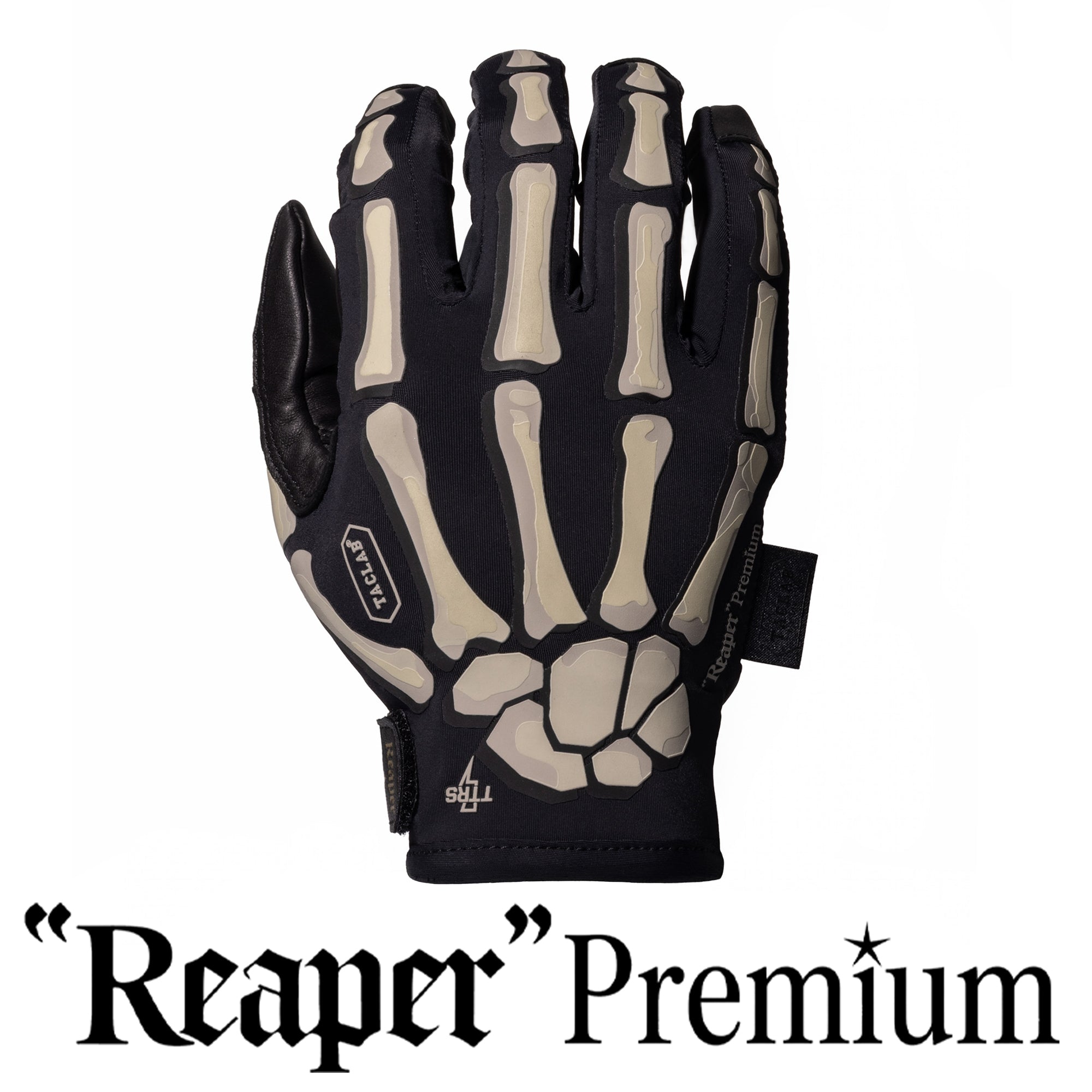
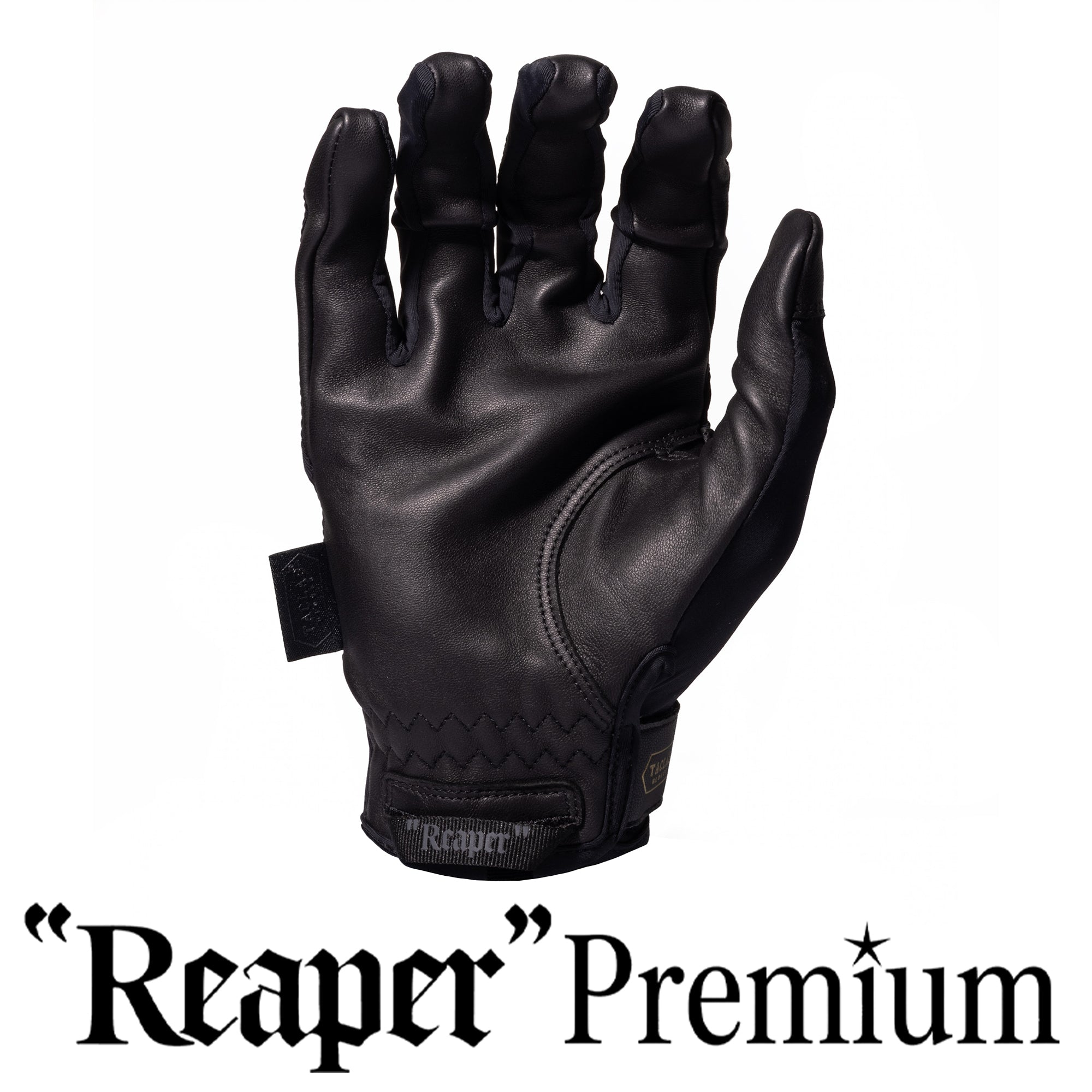
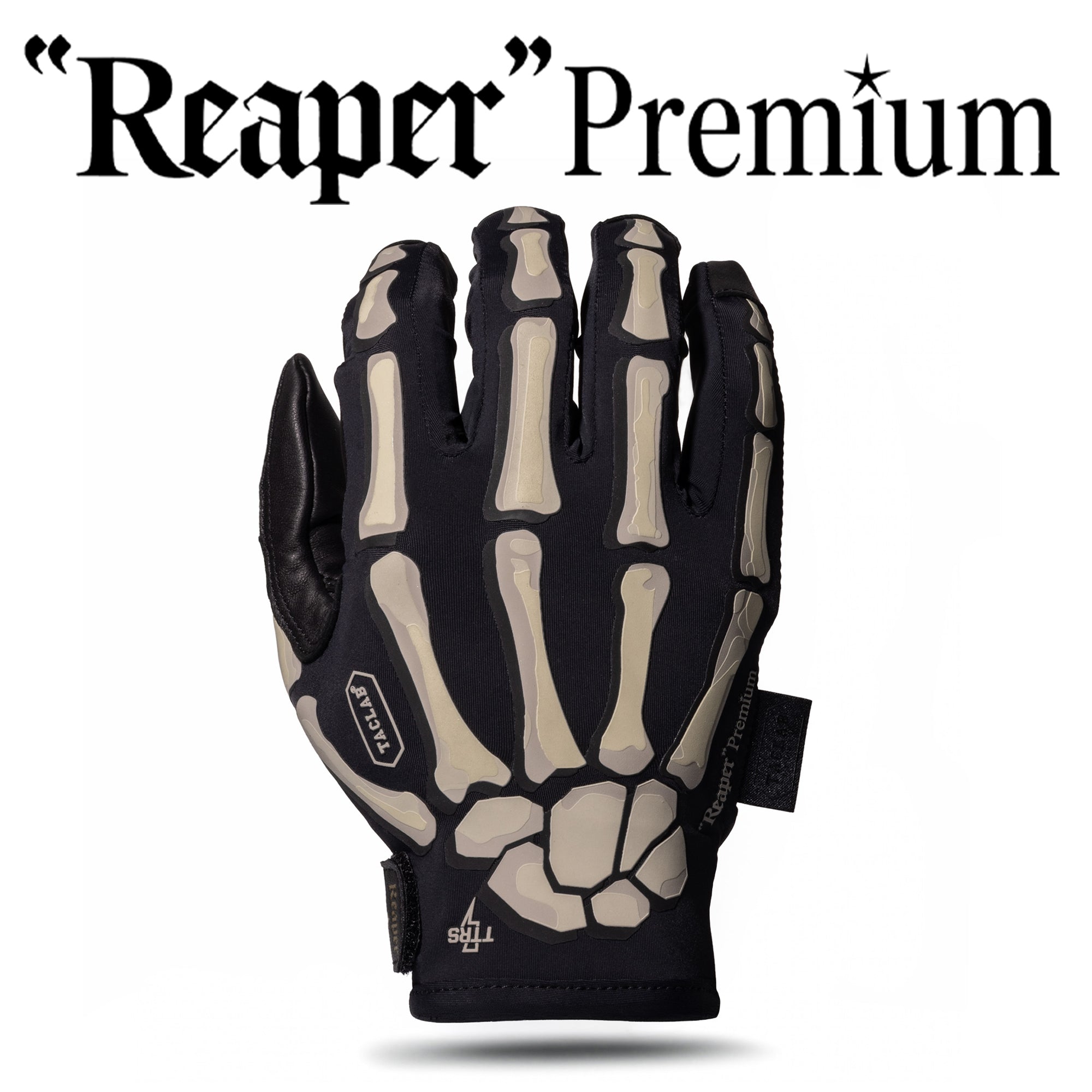
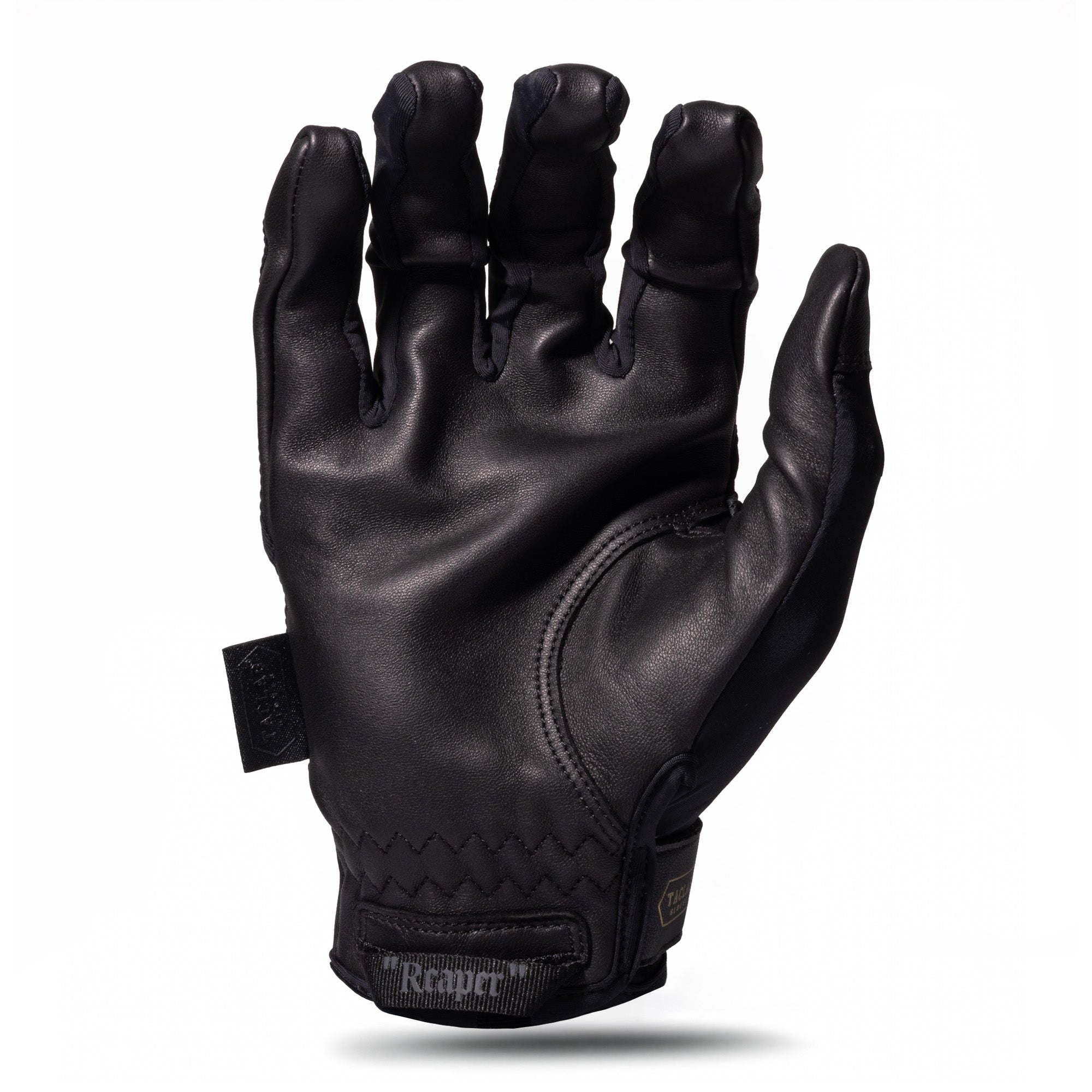
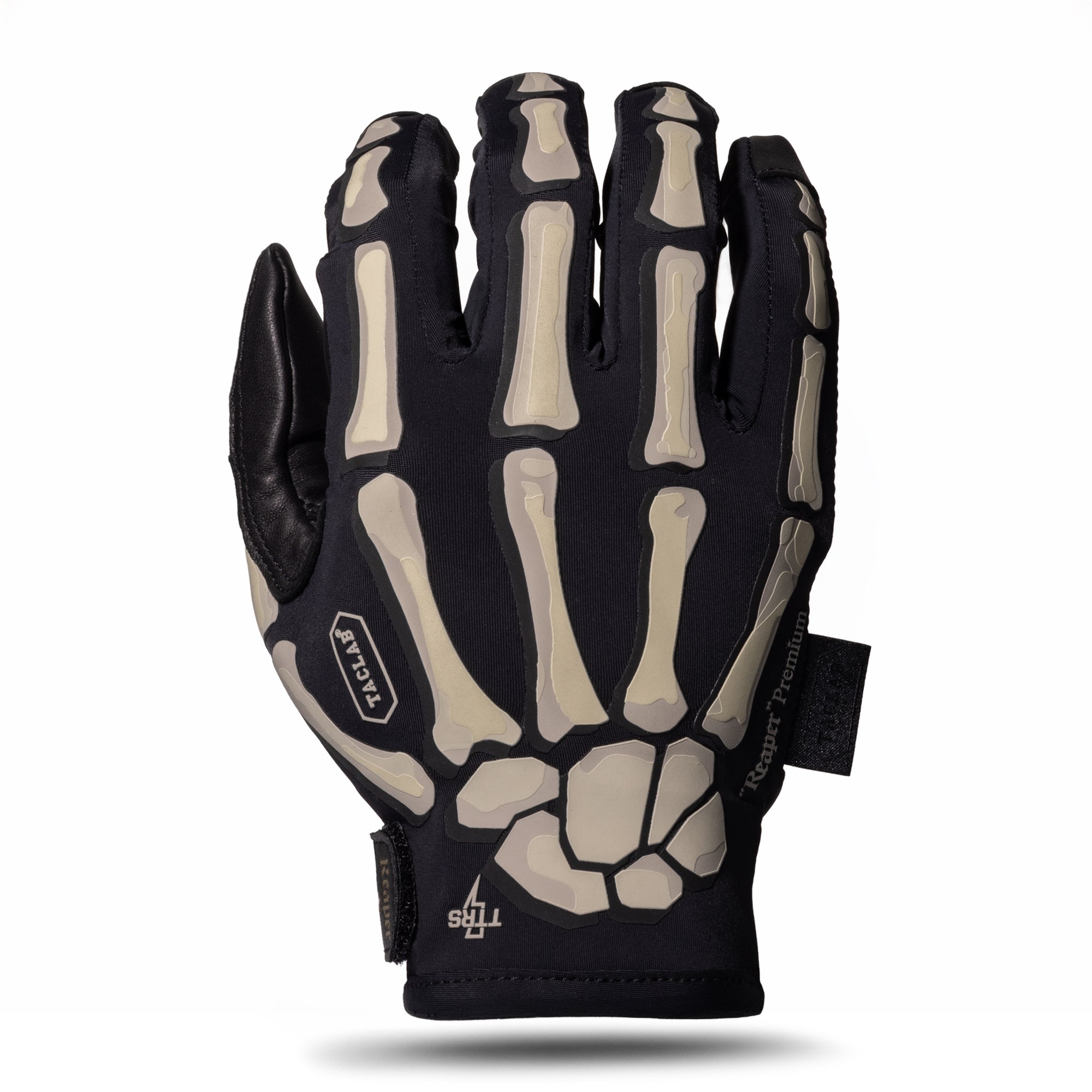
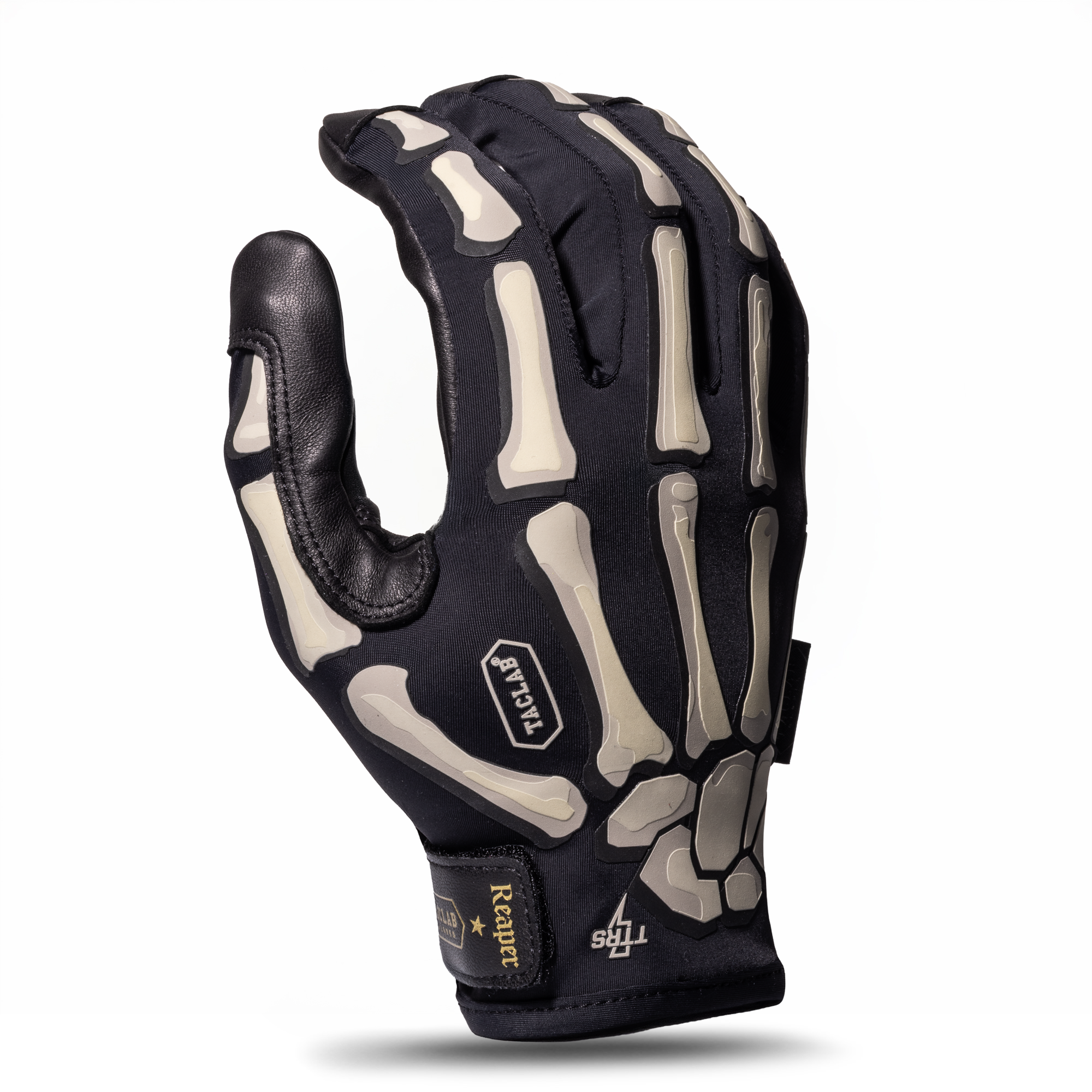
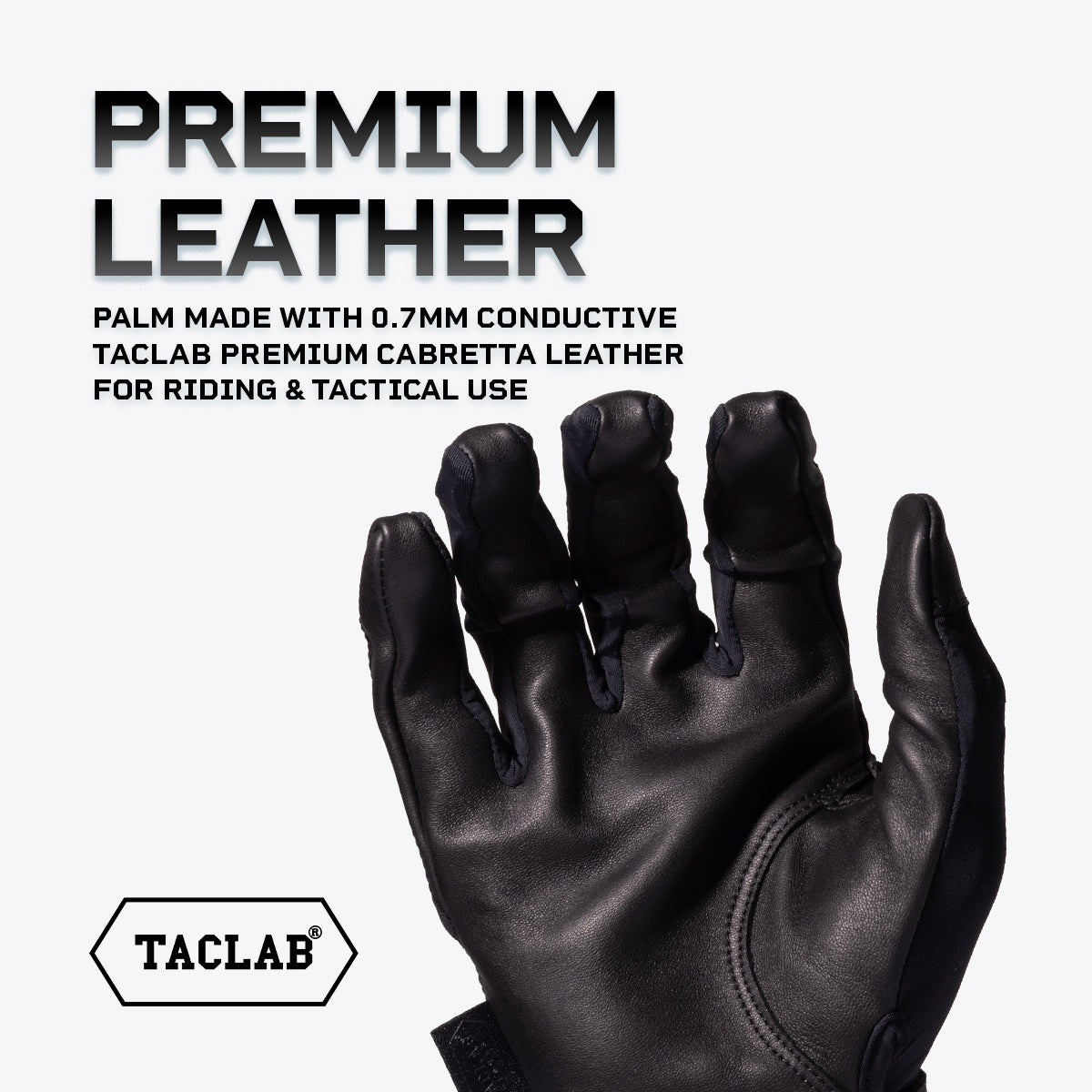
Consider the Reaper Premium for premium leather feel or the Raider Goatskin Leather Gloves for a more heavy-duty leather direction.
If You're a Motorcycle Rider
The Panther VX focuses on impact and anti-vibration performance, while other Reaper models prioritize lighter control and dexterity.
If Cold Weather Is the Problem
The Patrol Reaper provides an insulated tactical option, while the Snow Reaper is designed for more demanding winter conditions with waterproof construction.
Not Sure? Start With the Full Collection
Instead of choosing by appearance alone, compare the glove to the activity that caused your previous pair to wear out.
Explore TACLAB Gloves & Handwear
Frequently Asked Questions
How long should tactical gloves last?
There is no universal lifespan for tactical gloves. Longevity depends on frequency of use, materials, fit, environment, care, and the tasks performed. A glove used occasionally at the range may last much longer than the same glove used daily for riding or abrasive work.
How do I know when tactical gloves need replacing?
Common signs include loss of palm grip, holes in the fingertips, separating seams, stretched fit, damaged padding or protective areas, reduced insulation, and wear that begins affecting control or comfort.
Why do tactical gloves wear out at the fingertips first?
Fingertips experience frequent bending, pressure, and friction. Long fingernails, poor fit, sweat, and repeated manipulation of equipment can accelerate wear in this area.
Do shooting gloves wear out faster than work gloves?
They can. Lightweight shooting gloves often prioritize dexterity, tactile feedback, and low bulk rather than maximum abrasion resistance. Heavy-duty work gloves typically use different materials and construction because their purpose is different.
Can washing tactical gloves damage them?
Incorrect washing can shorten glove life. Always follow the manufacturer's instructions. Excessive heat, tumble drying, bleach, or other aggressive cleaning methods may damage certain glove materials, prints, adhesives, or protective components.
How can I make my shooting gloves last longer?
Use them for their intended purpose, keep them dry, trim your fingernails, wash them according to the care instructions, avoid excessive heat, and rotate between multiple pairs if you use gloves frequently.
Should I replace tactical gloves if the palm grip is worn?
If palm wear has become severe enough to affect control, stability, or comfort, replacement is a good idea. Cosmetic wear alone does not necessarily mean the gloves have reached the end of their useful life.
What tactical gloves should I choose if I wear through gloves quickly?
First identify what causes the wear. If repeated abrasion is the problem, choose a glove designed with abrasion resistance as a priority, such as the TACLAB Reaper HA, rather than expecting an ultra-light shooting glove to perform like a heavy-duty work glove.
Final Thoughts
So, how long should tactical gloves last?
As long as they can continue doing their intended job safely, comfortably, and effectively.
Don't replace a pair simply because the graphics look worn.
But don't keep using gloves just because they haven't completely fallen apart either.
Watch the parts that actually matter:
- Grip
- Fingertips
- Seams
- Fit
- Protective components
- Weather performance
- Suitability for the job
And perhaps the most important lesson is this:
Premature wear doesn't always mean you bought a bad glove. Sometimes it means you bought the wrong glove for the task.
A lightweight shooting glove should be judged by shooting performance.
A high-abrasion glove should be judged by durability.
A winter glove should be judged by warmth and weather protection.
A riding glove should be judged by grip, comfort, and the protection it was designed to provide.
Match the equipment to the mission, take care of it properly, and replace it when performance—not simply appearance—tells you it's time.
Ready to replace your current pair? Explore the TACLAB glove lineup and choose your next glove based on how you actually use it.