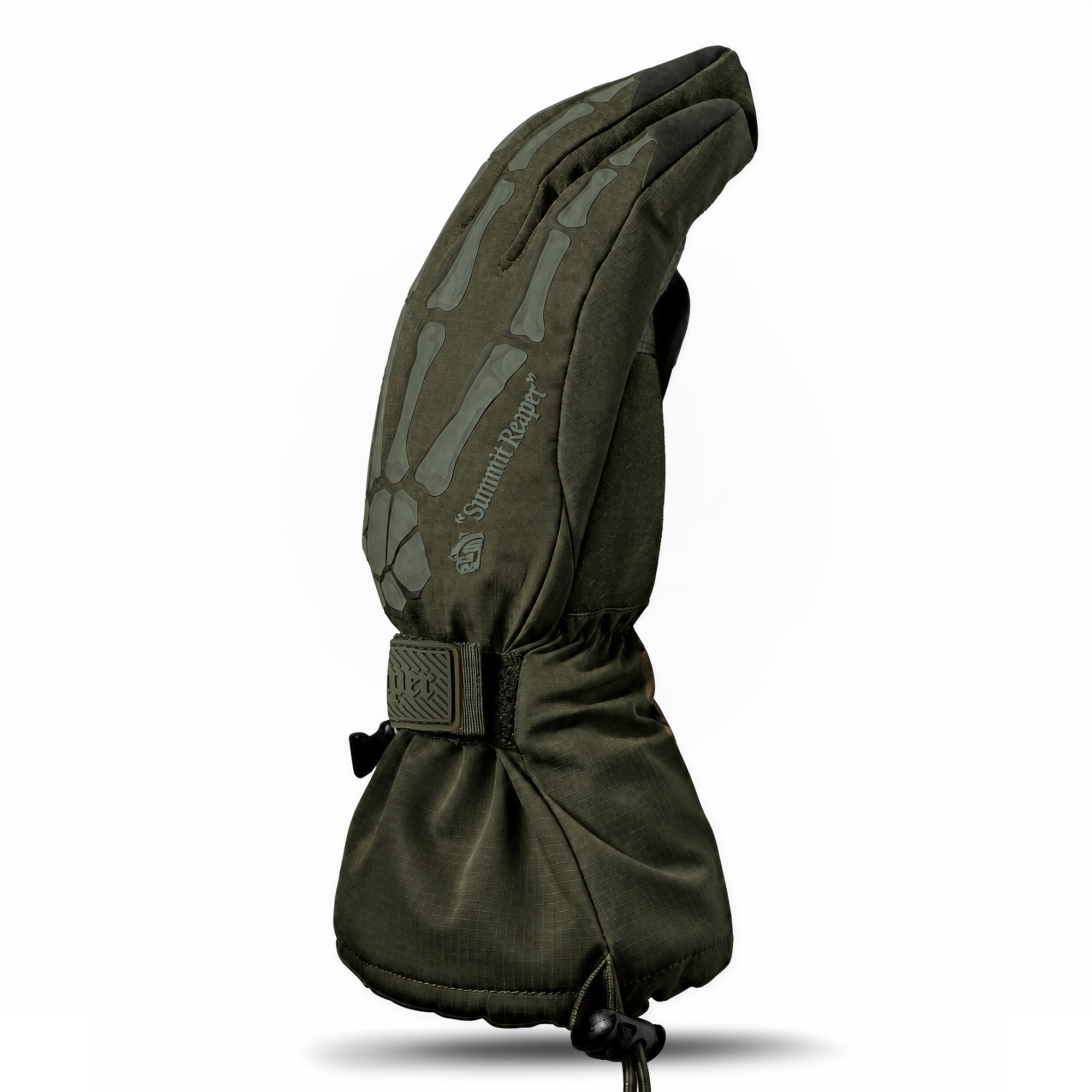
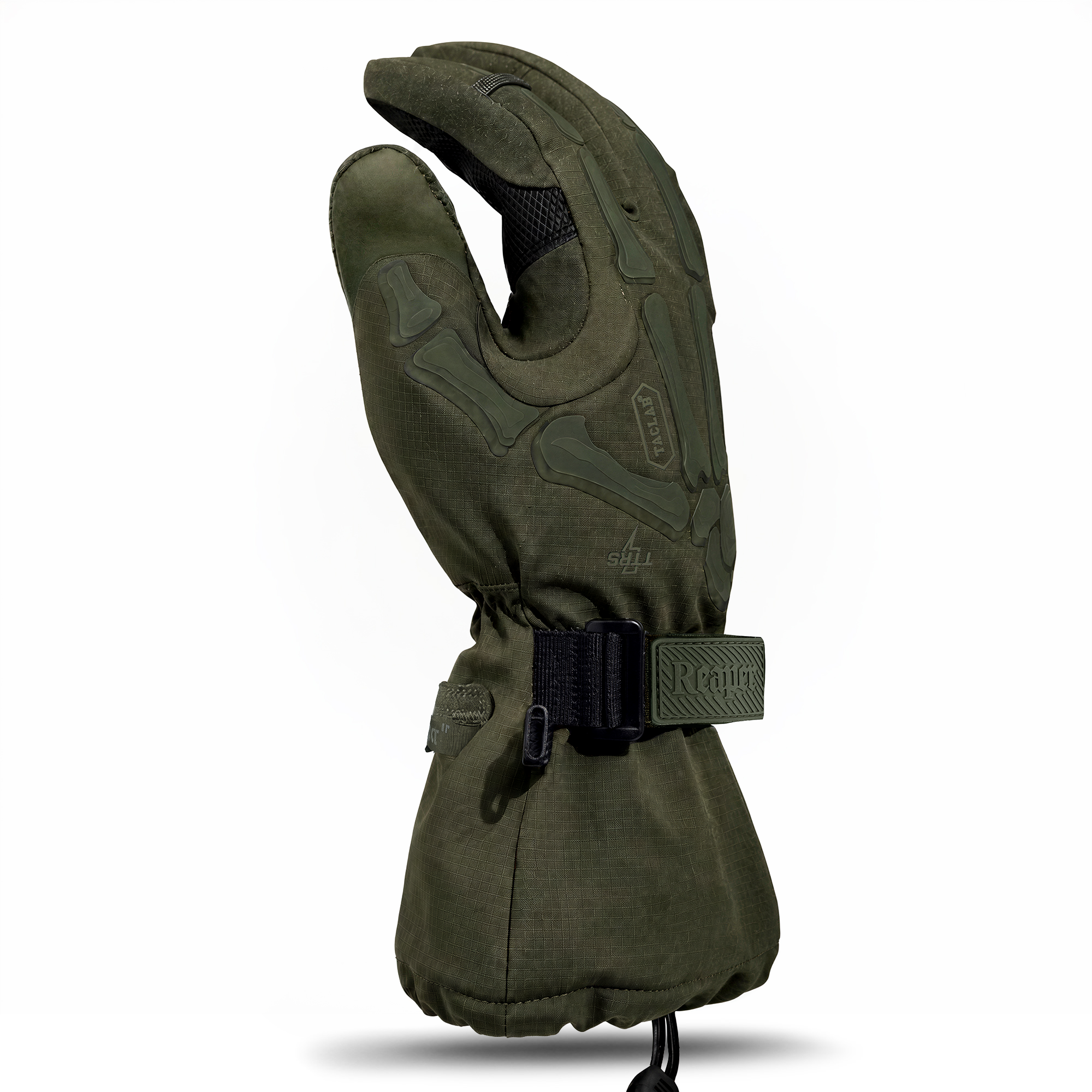
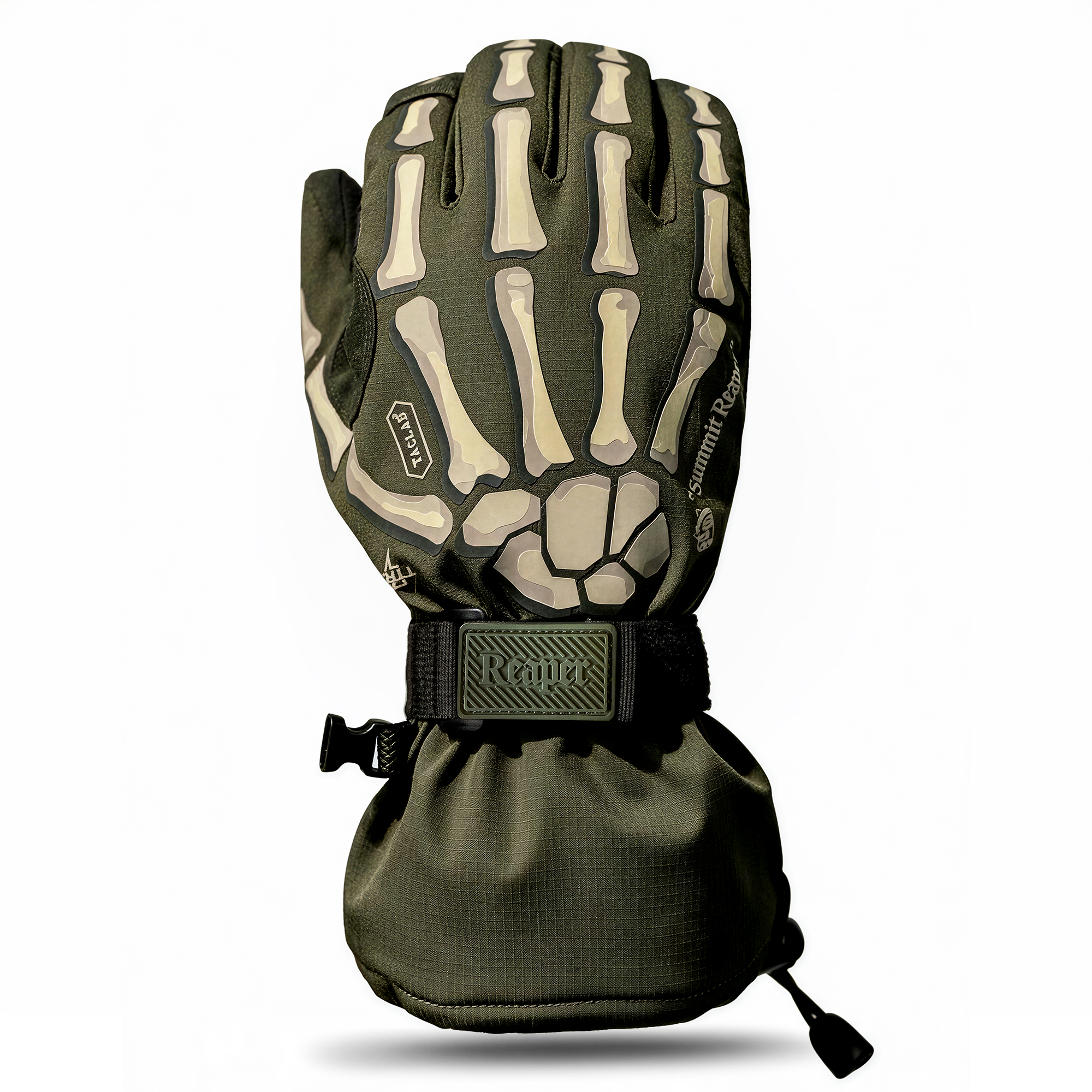
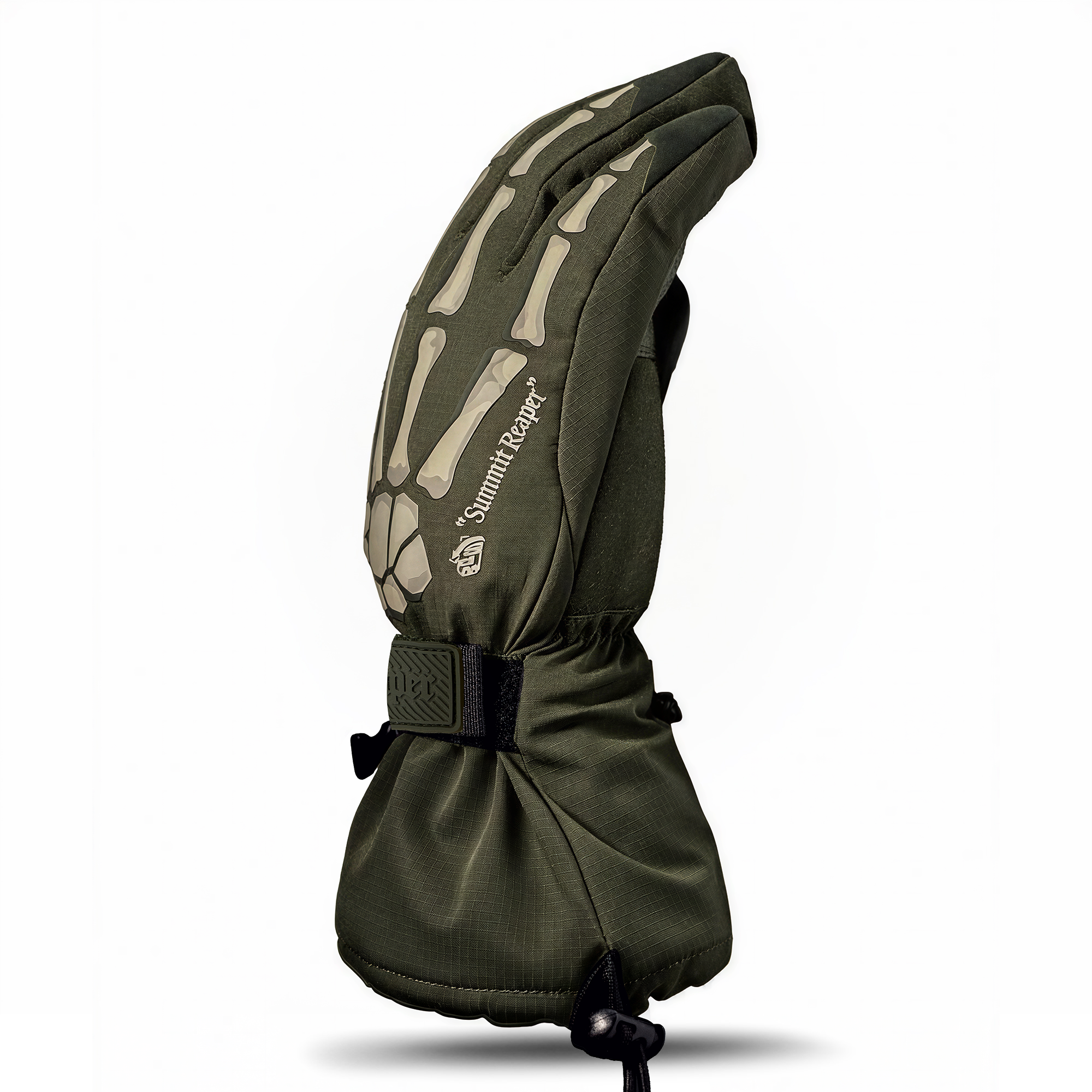
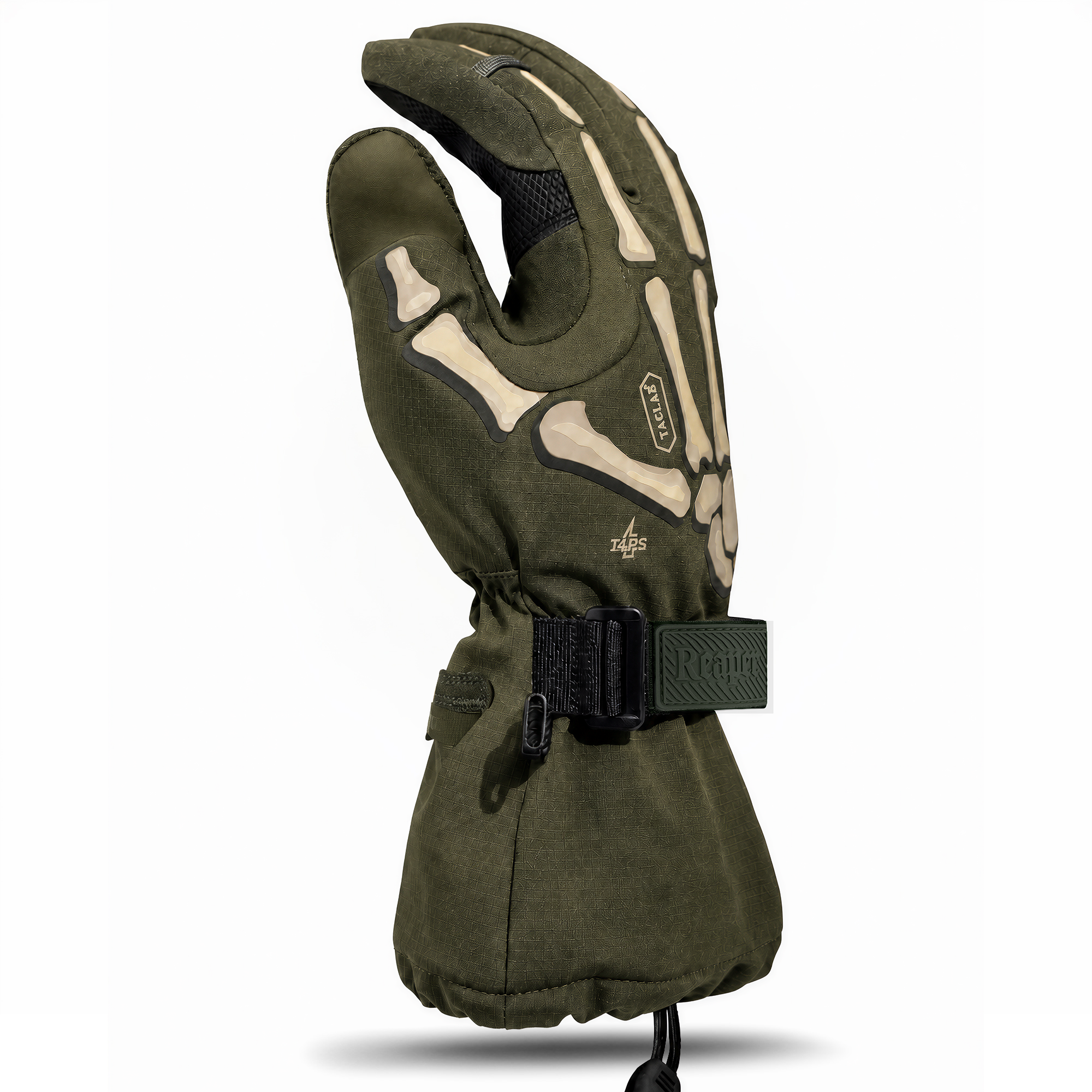
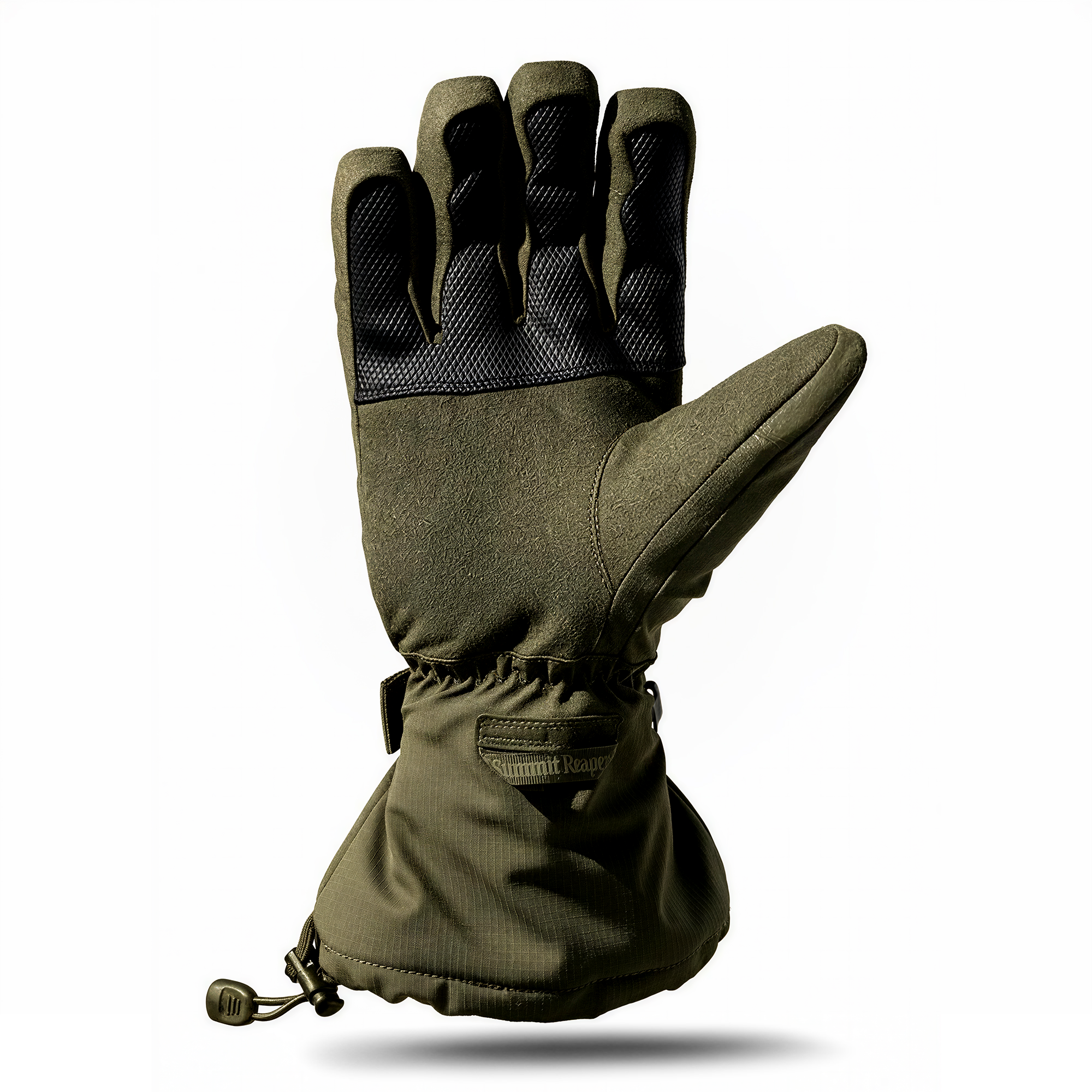
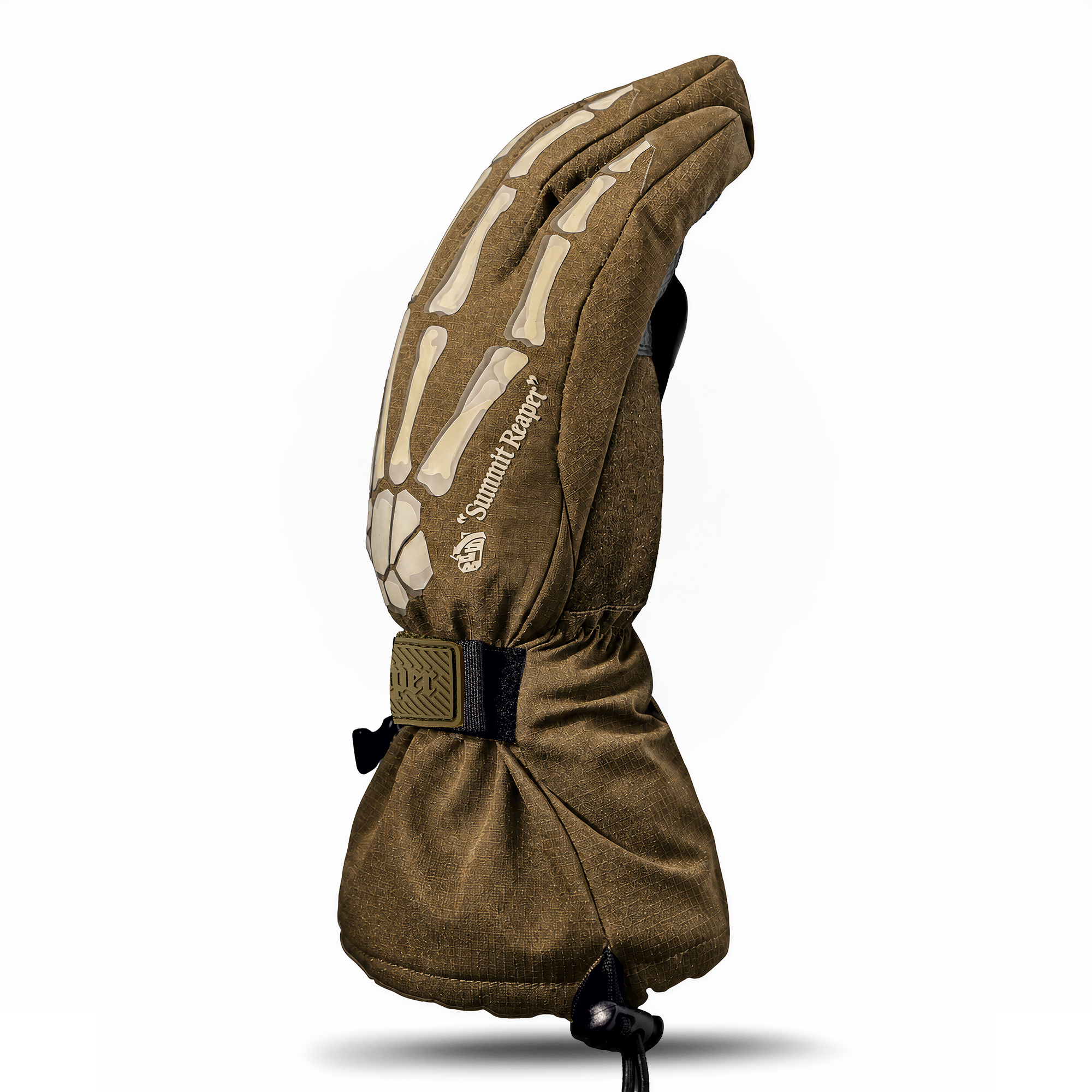
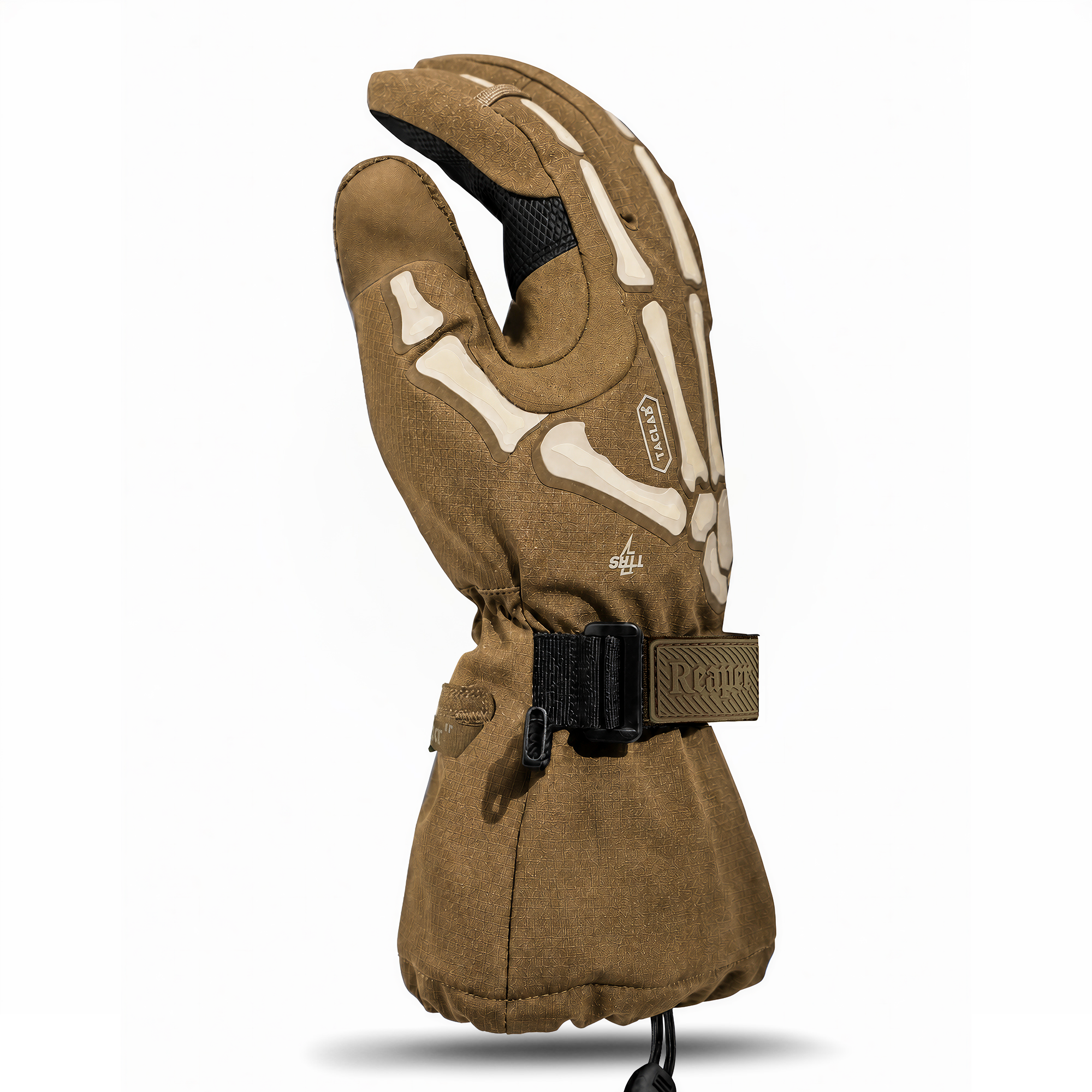
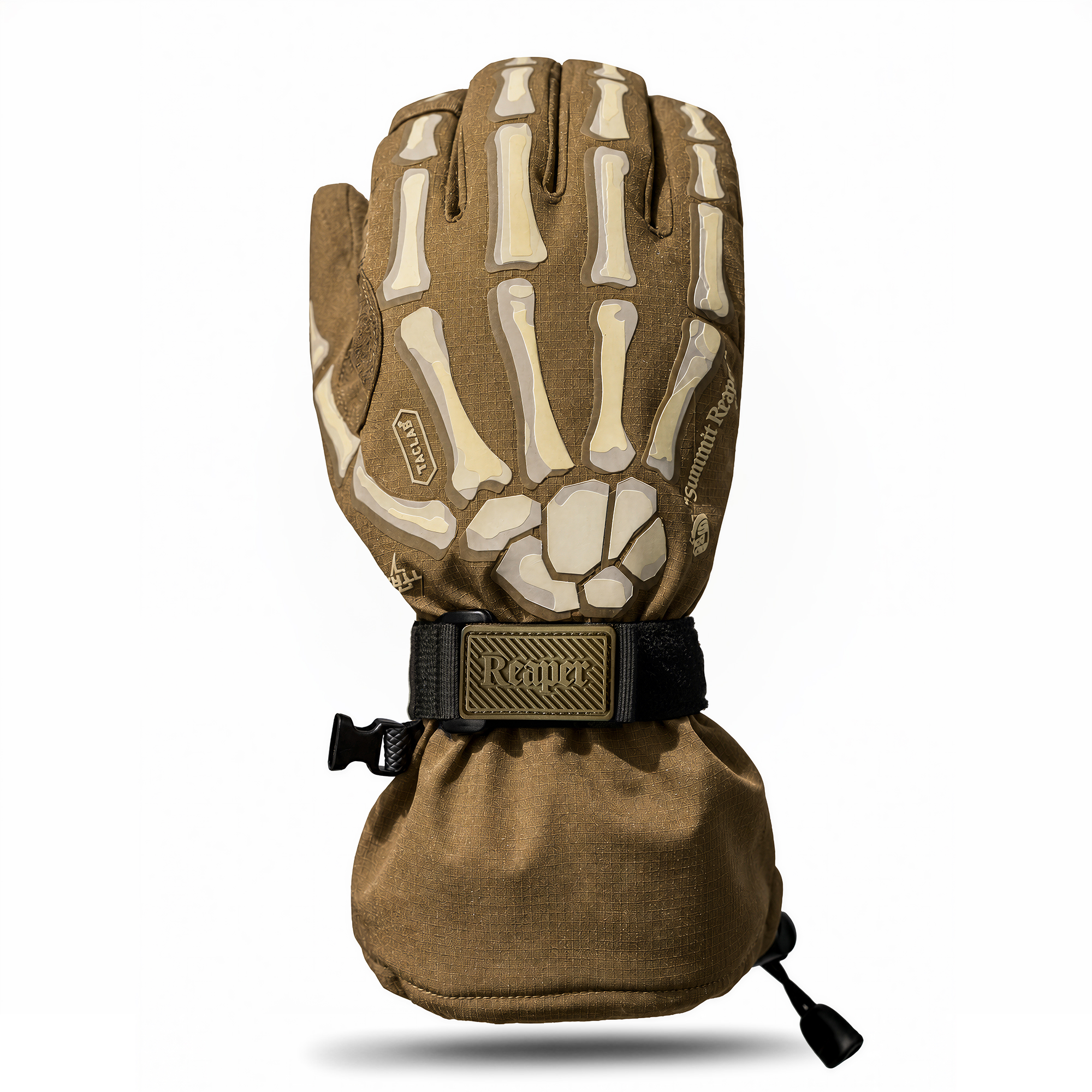
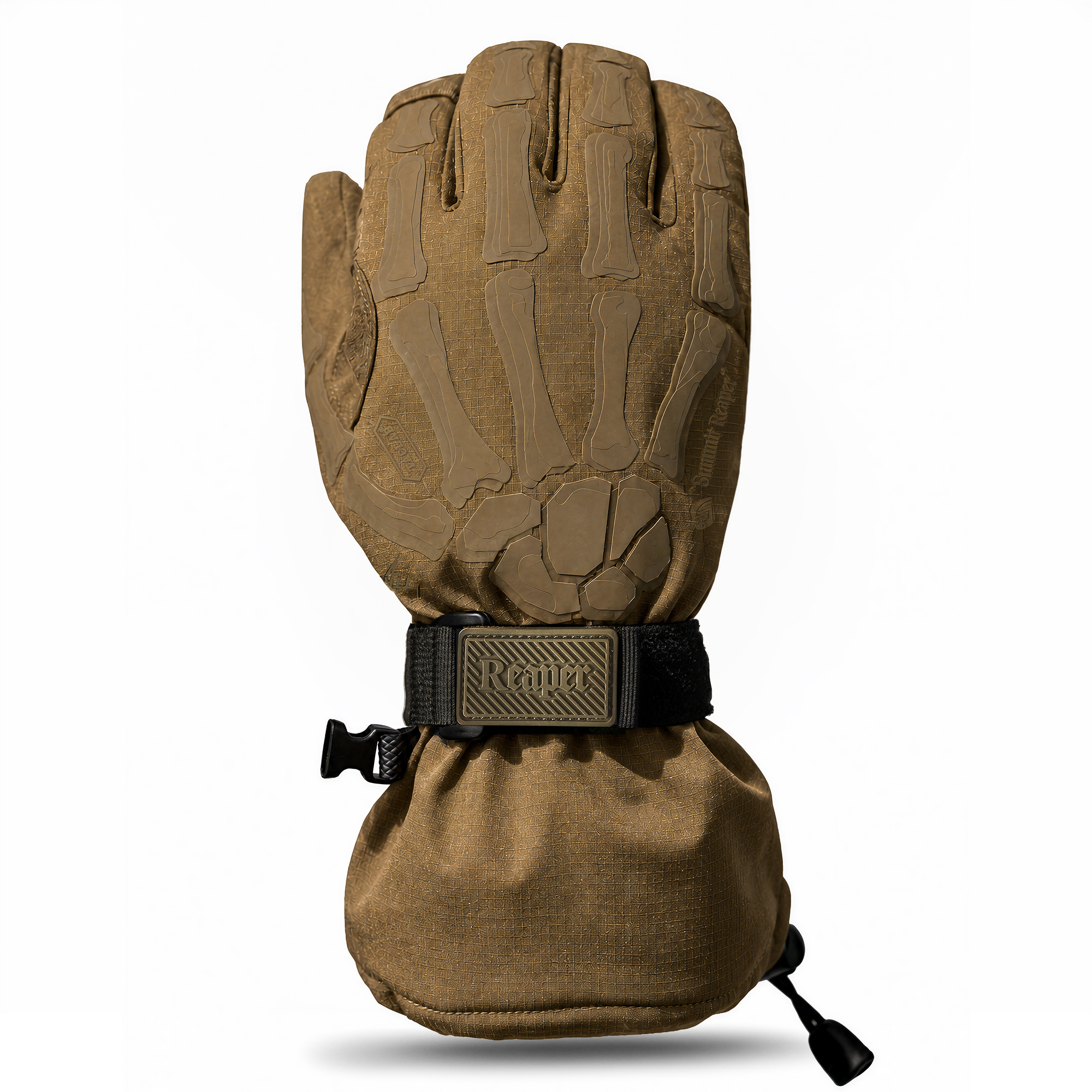
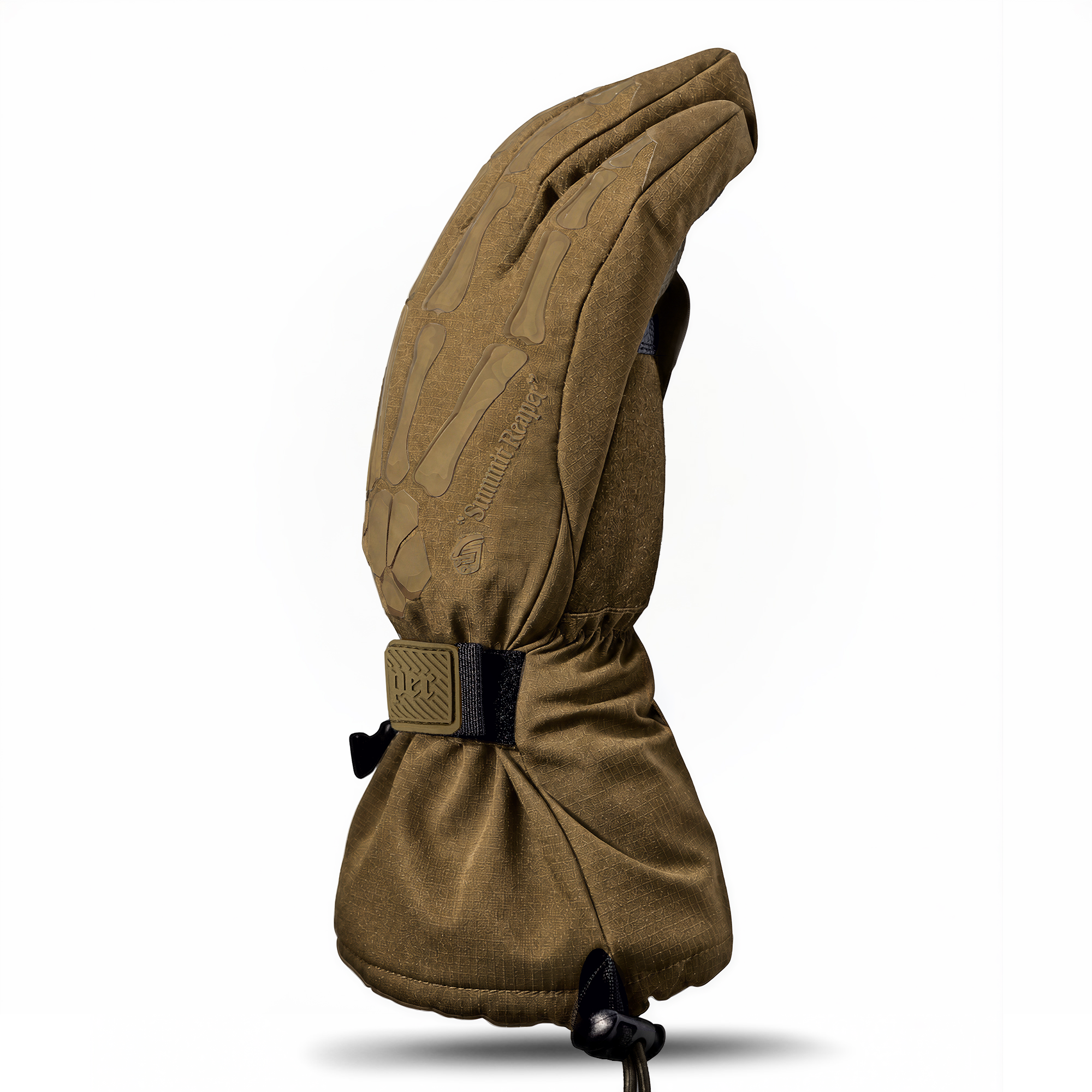
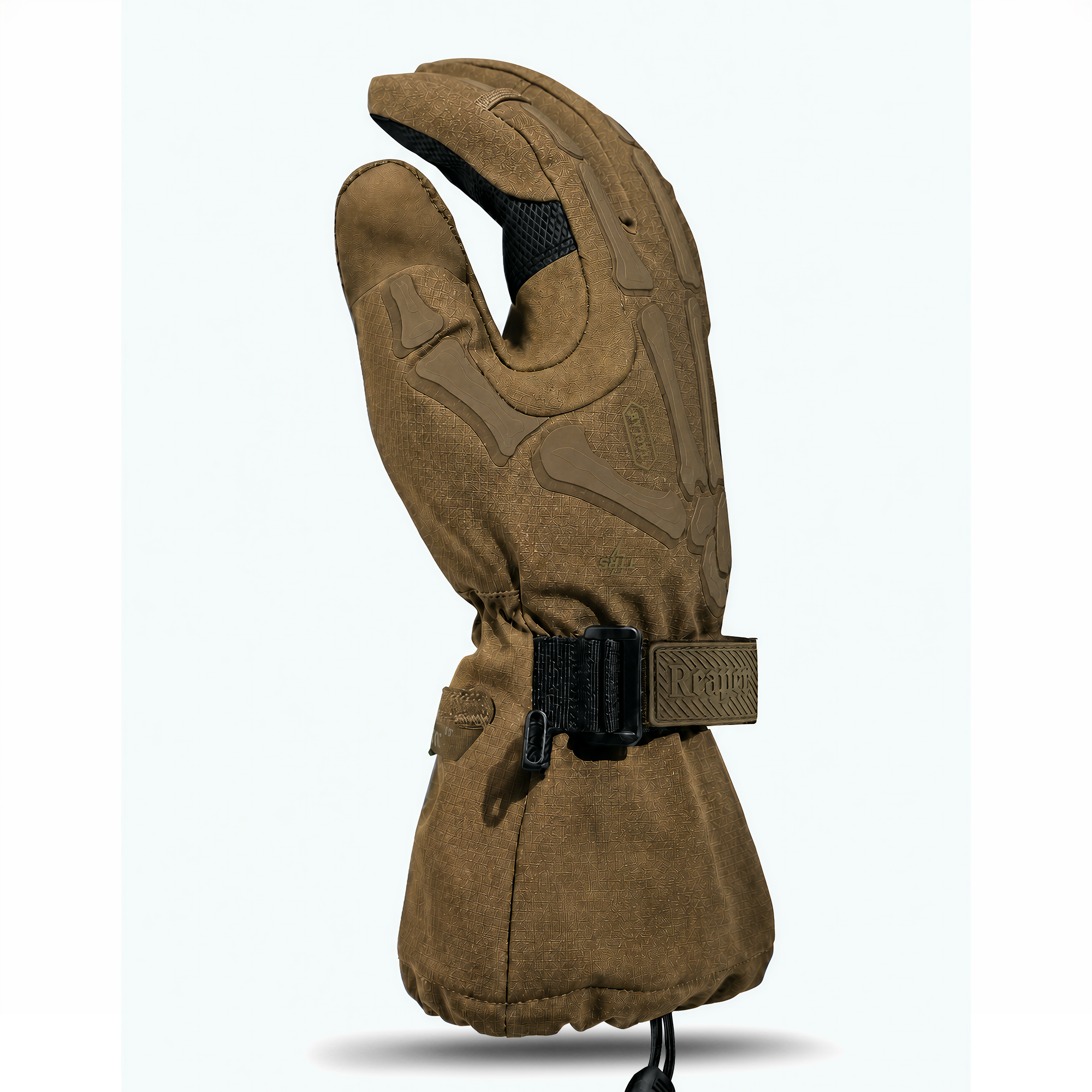
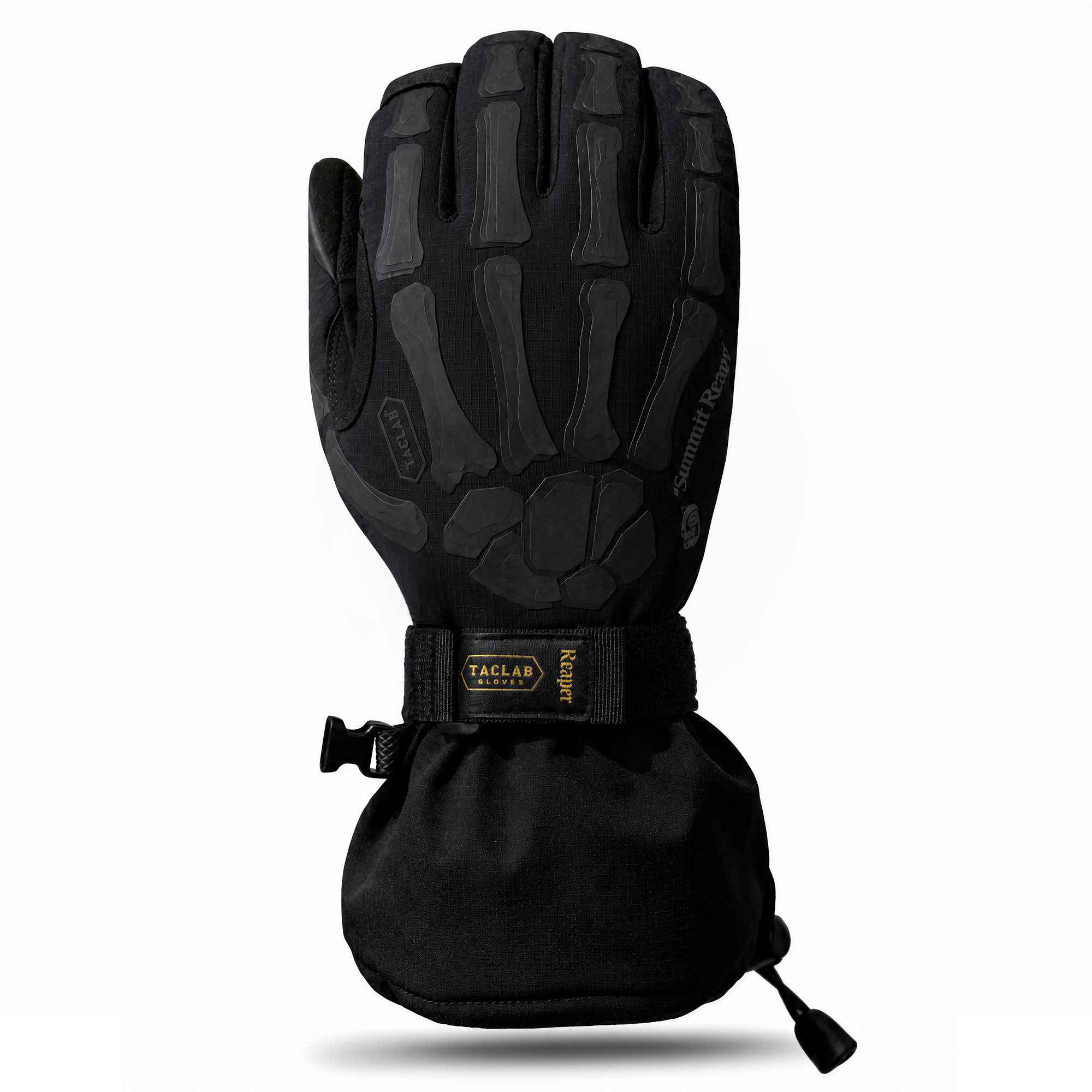
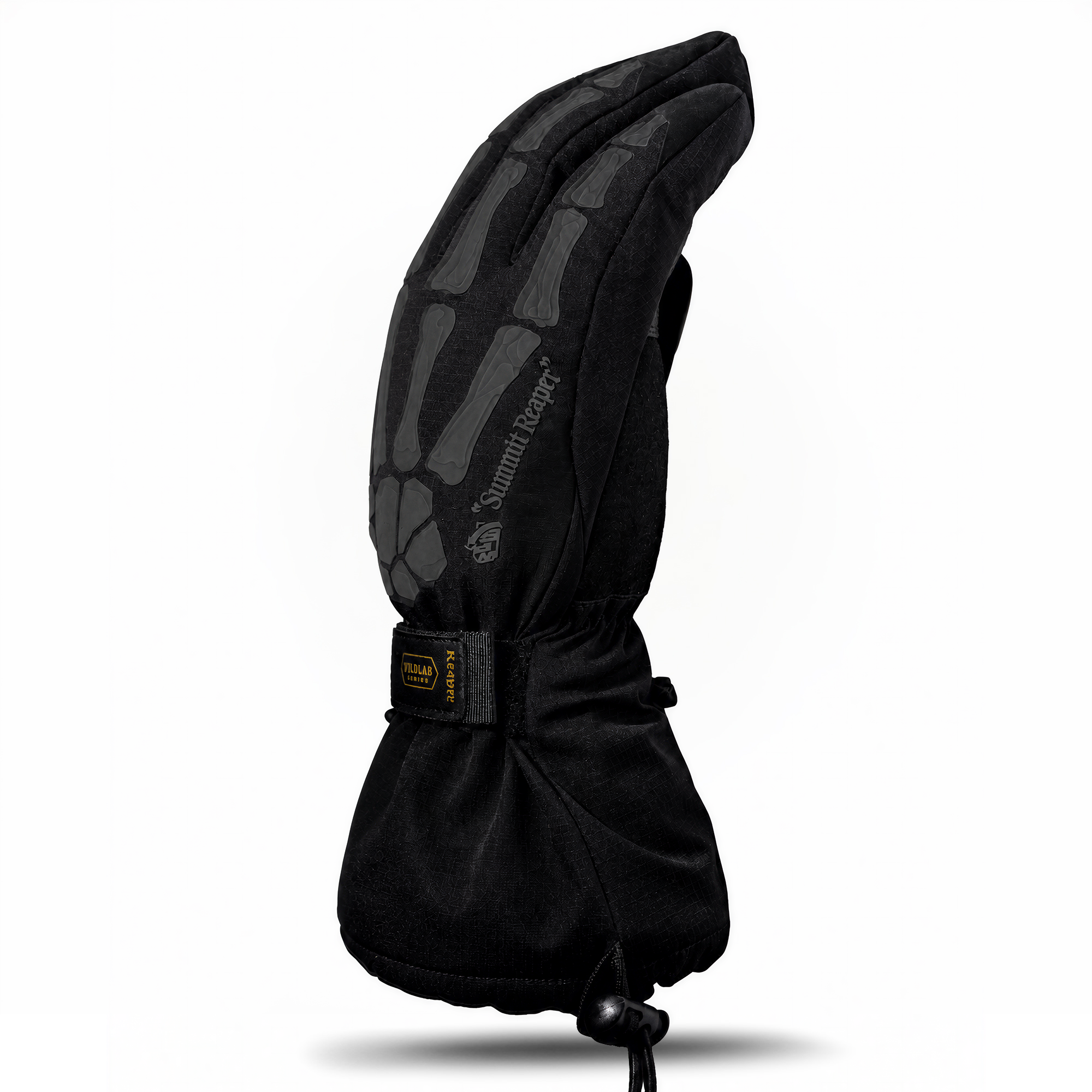
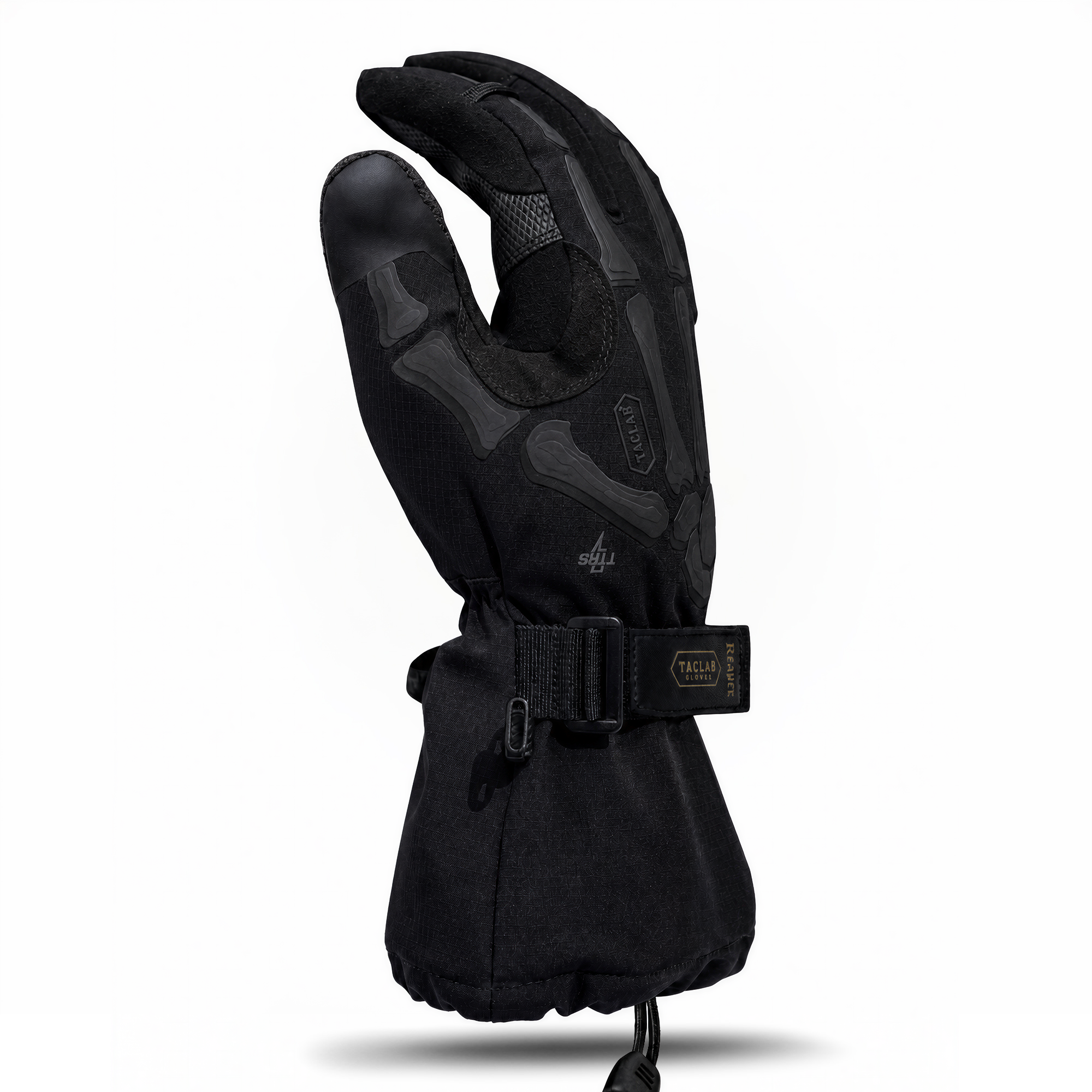
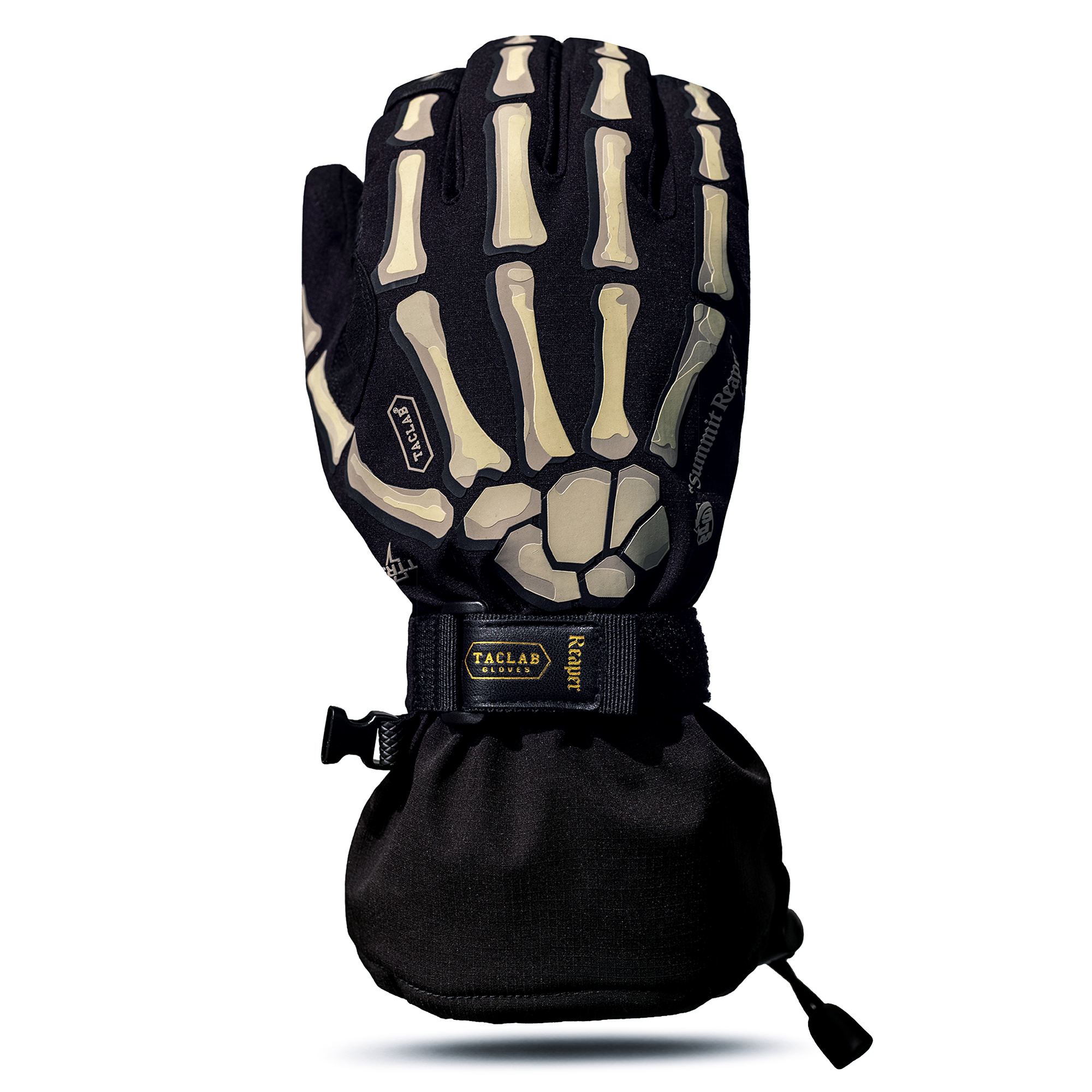
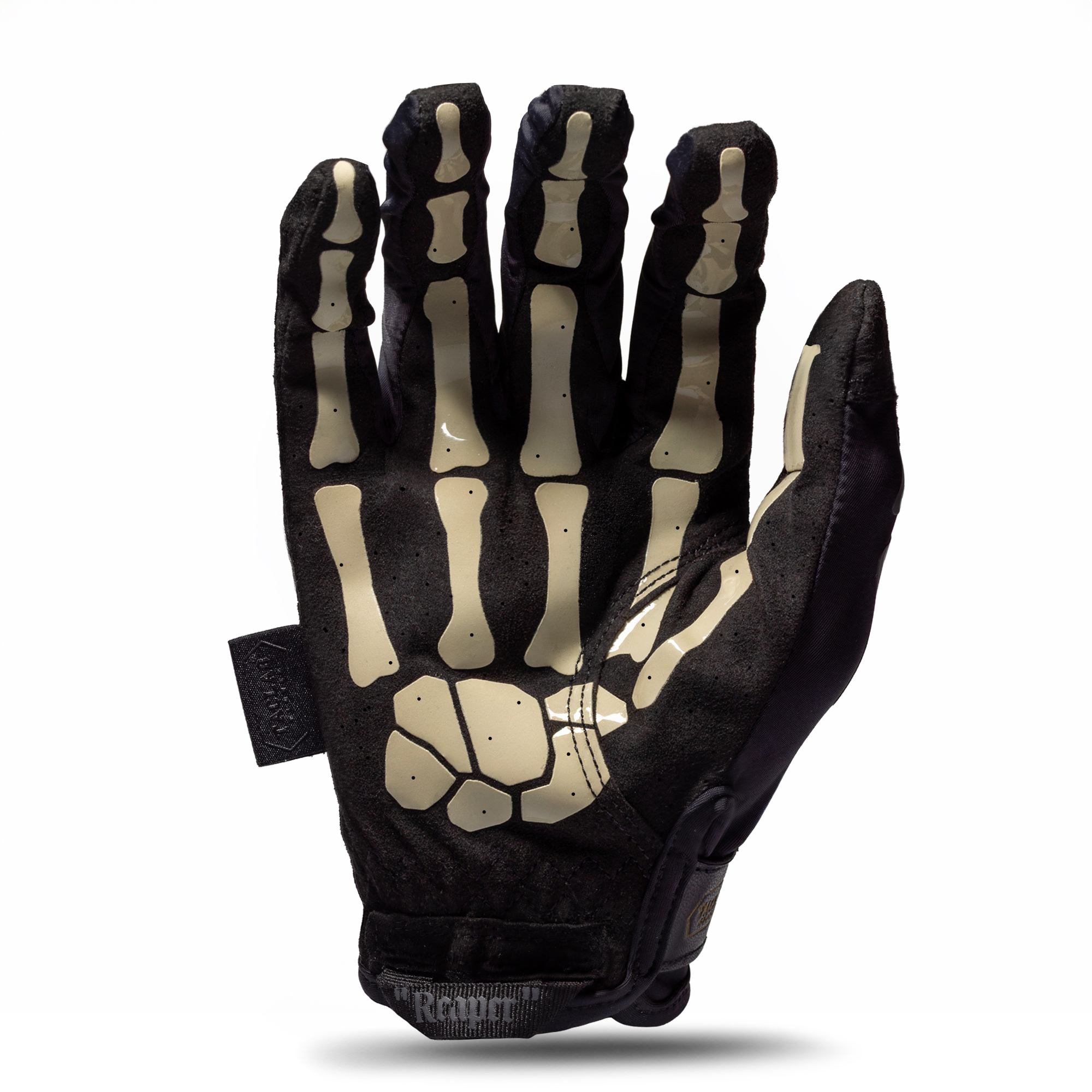
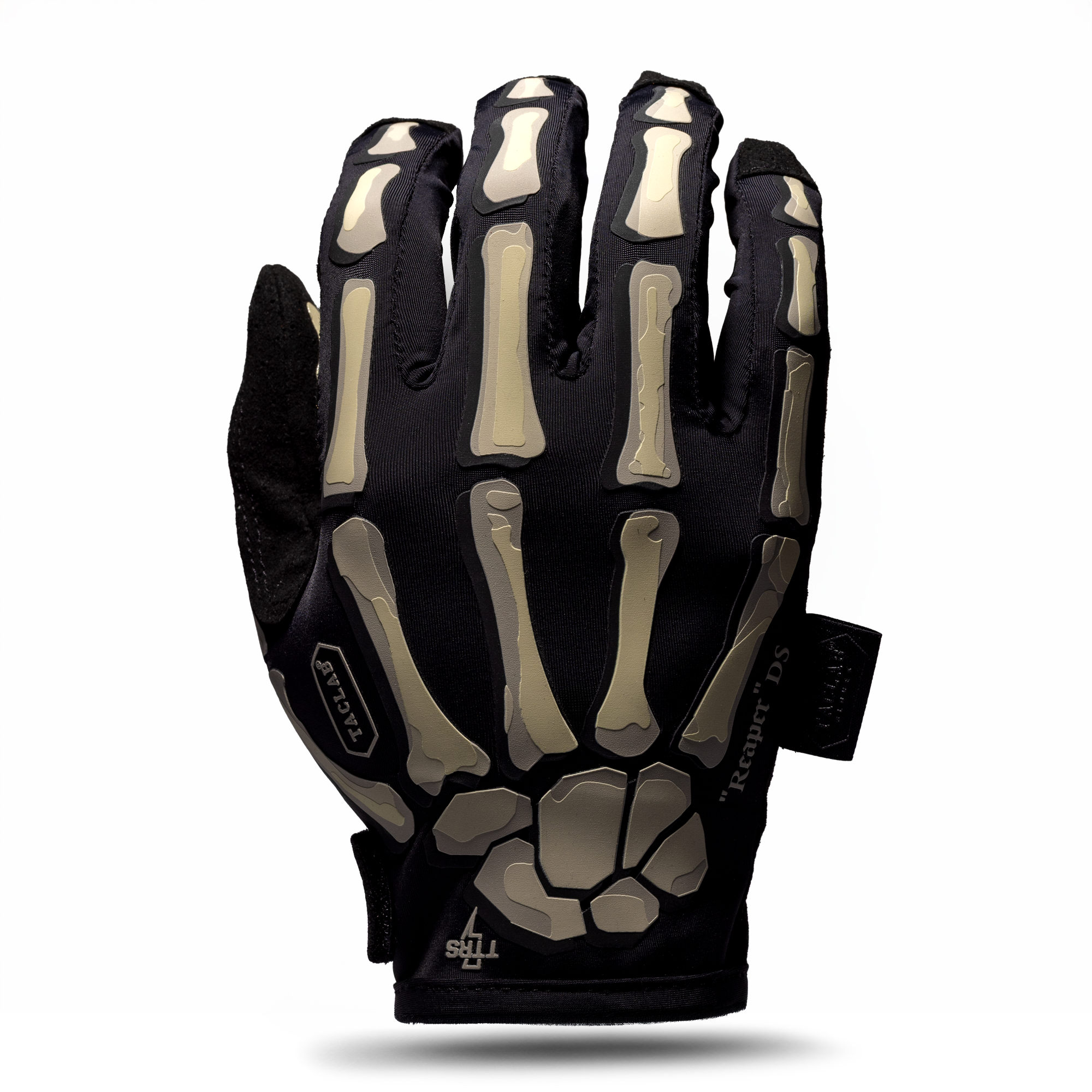
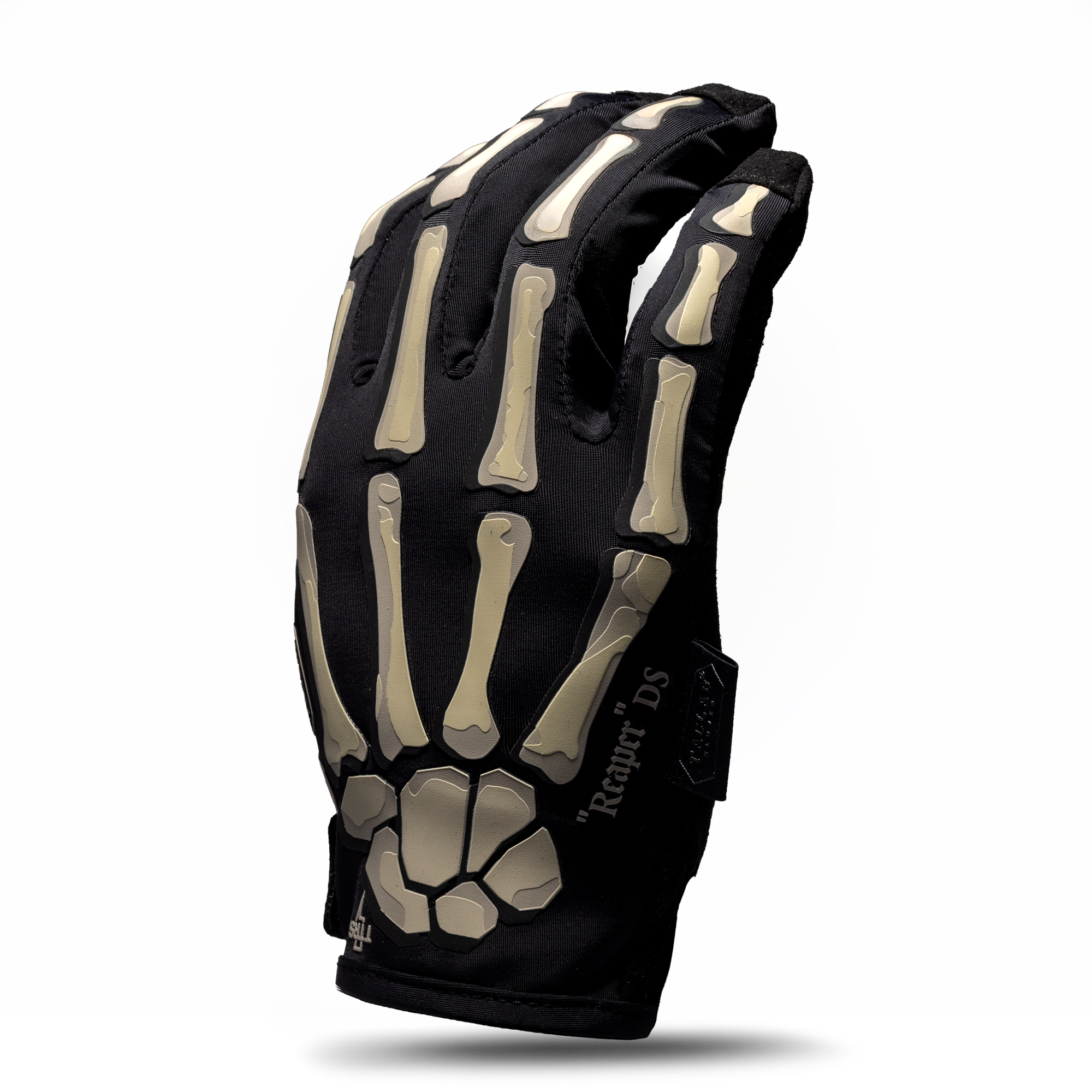
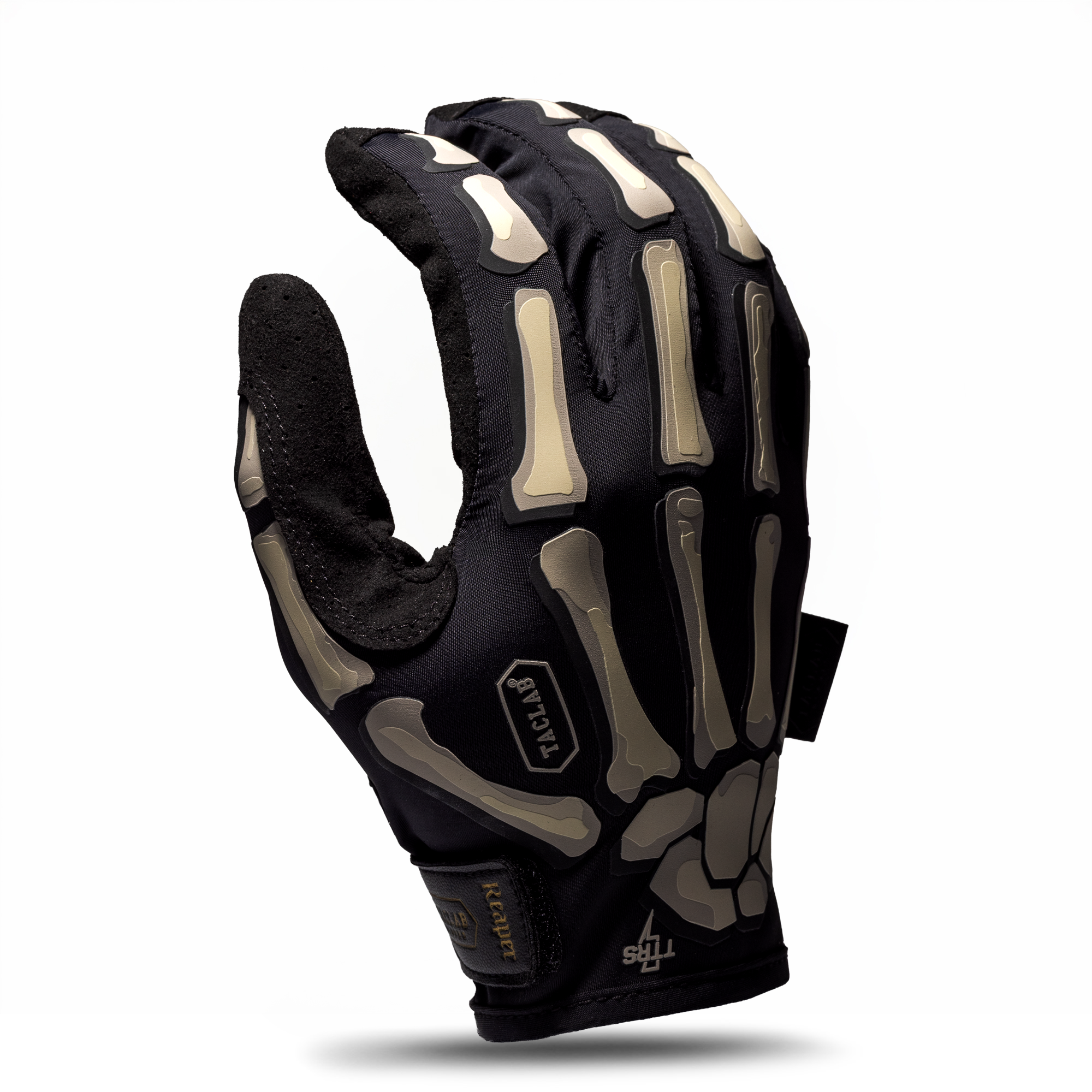
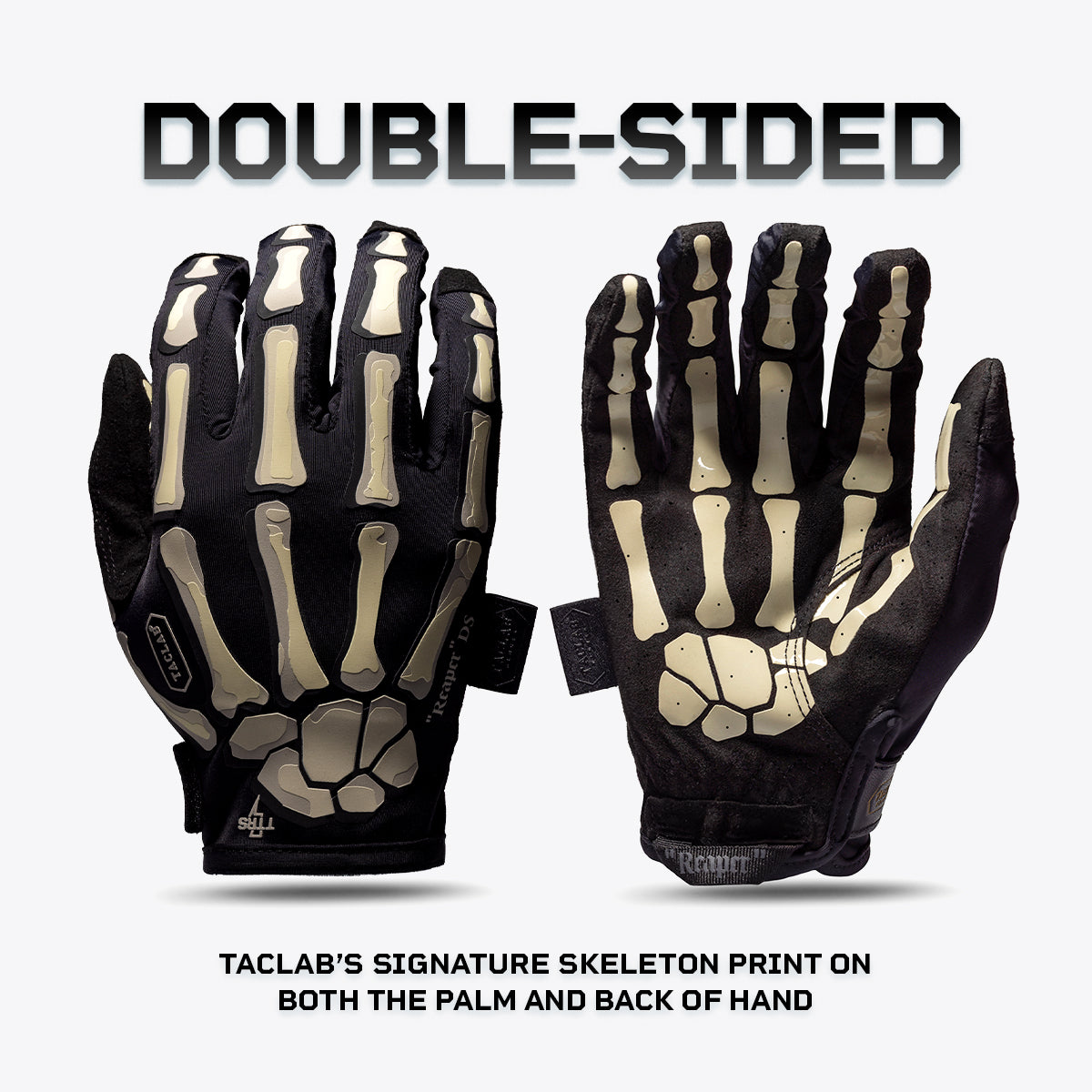
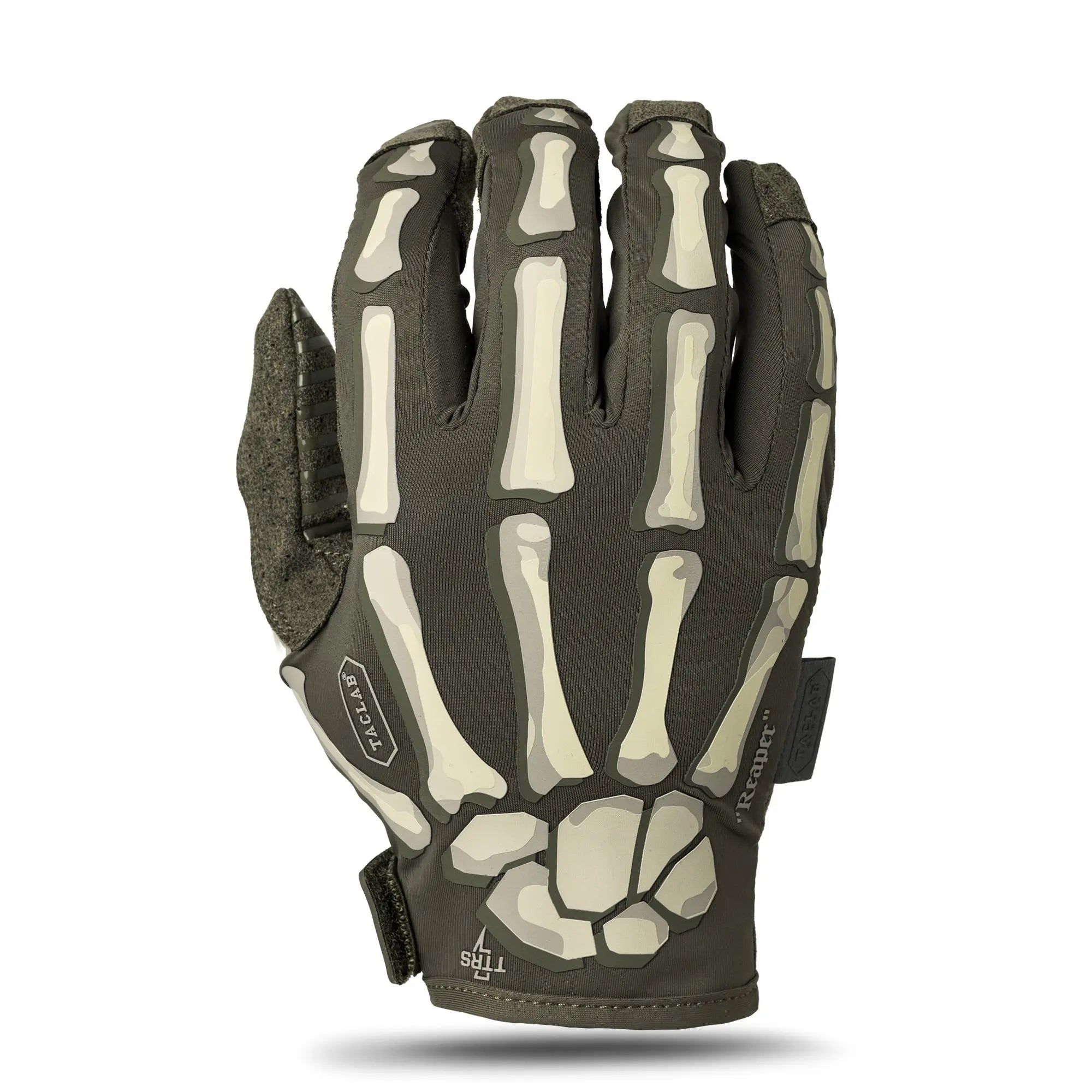
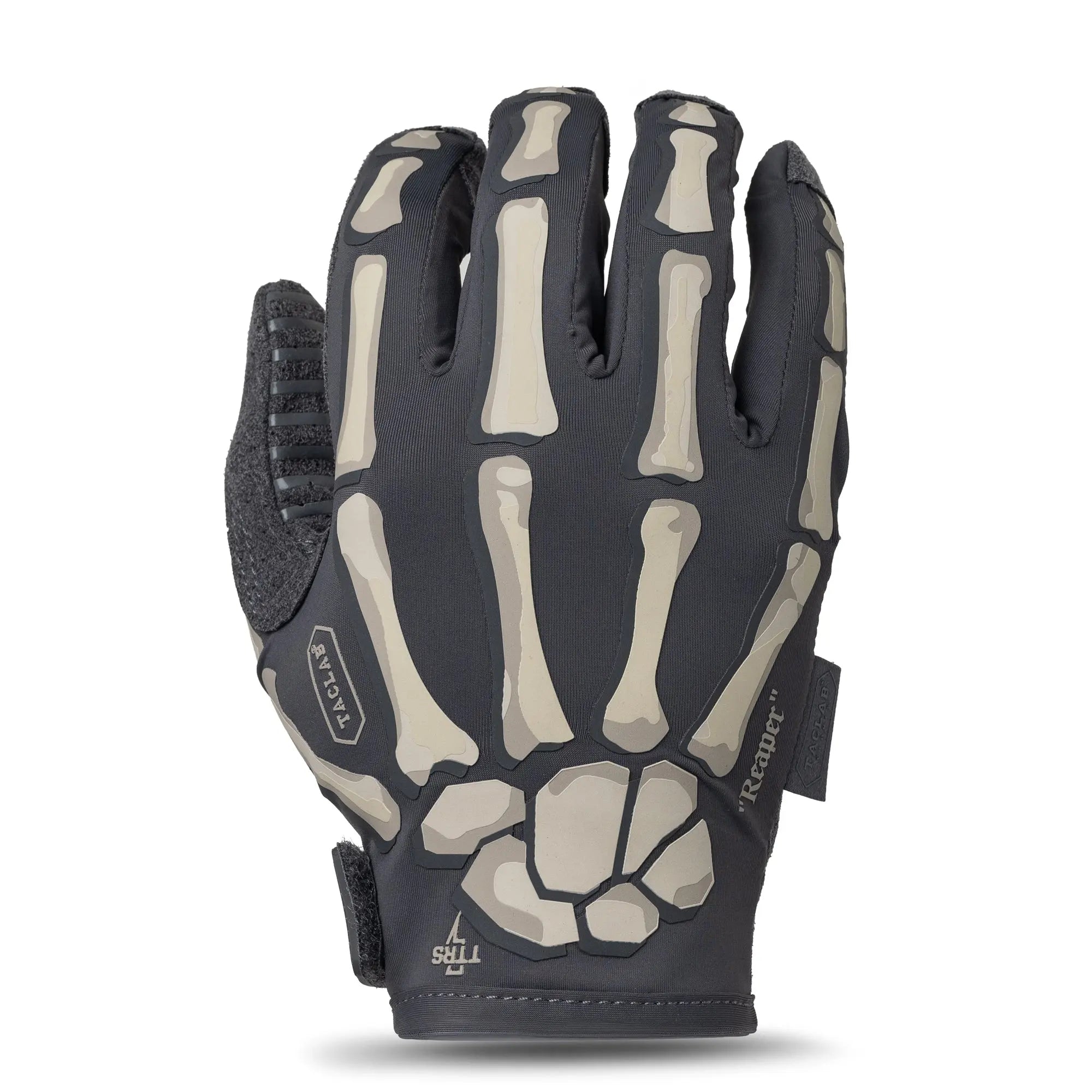
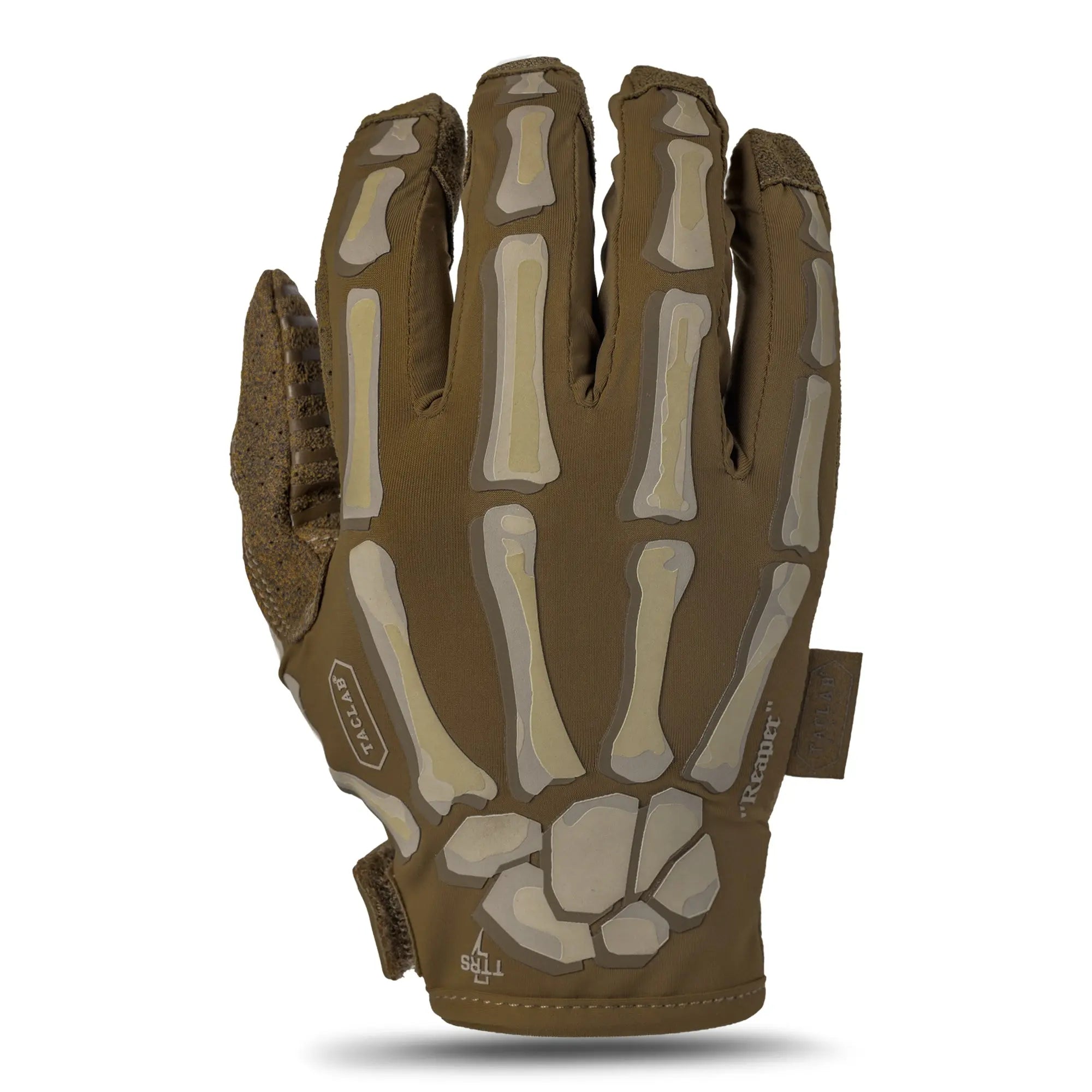
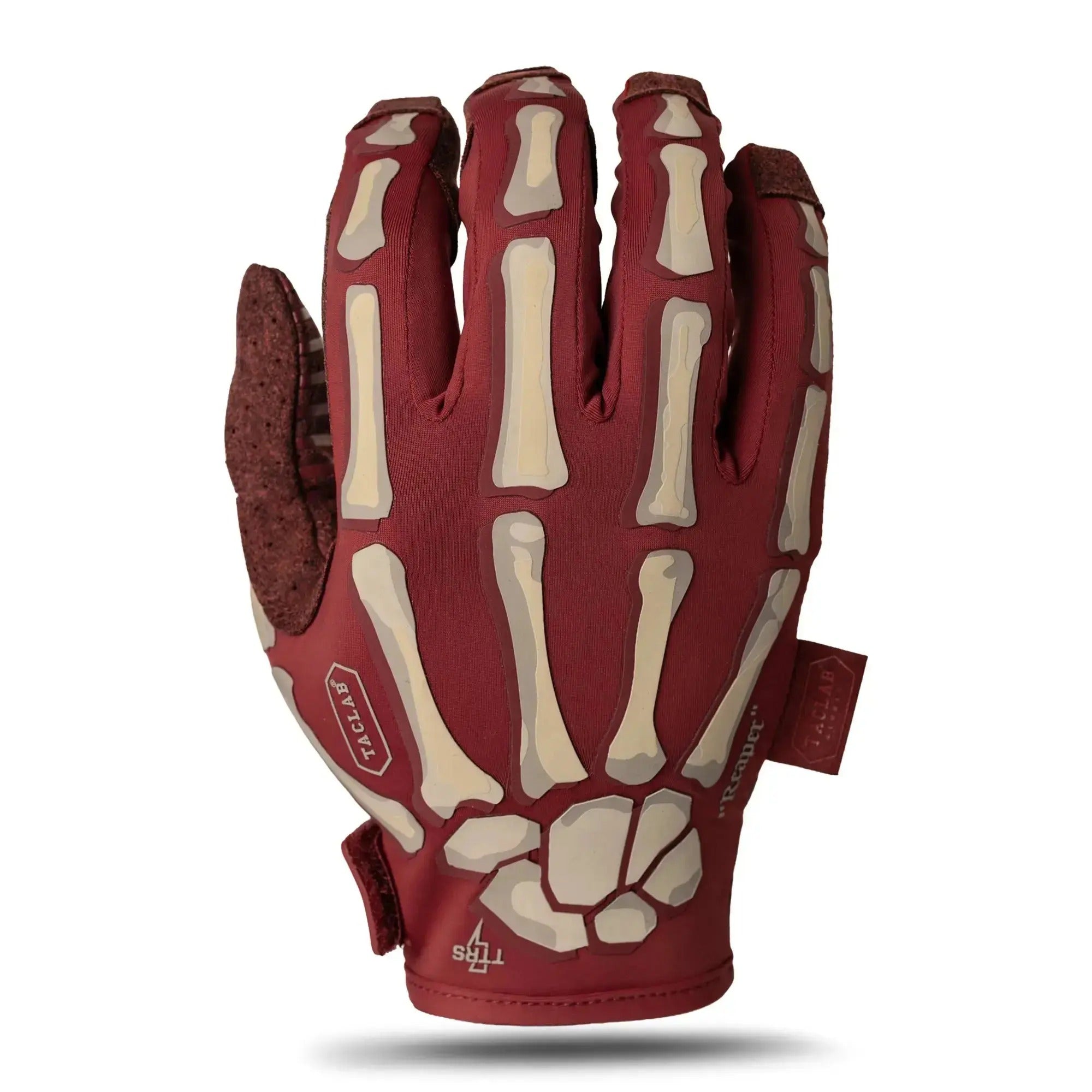
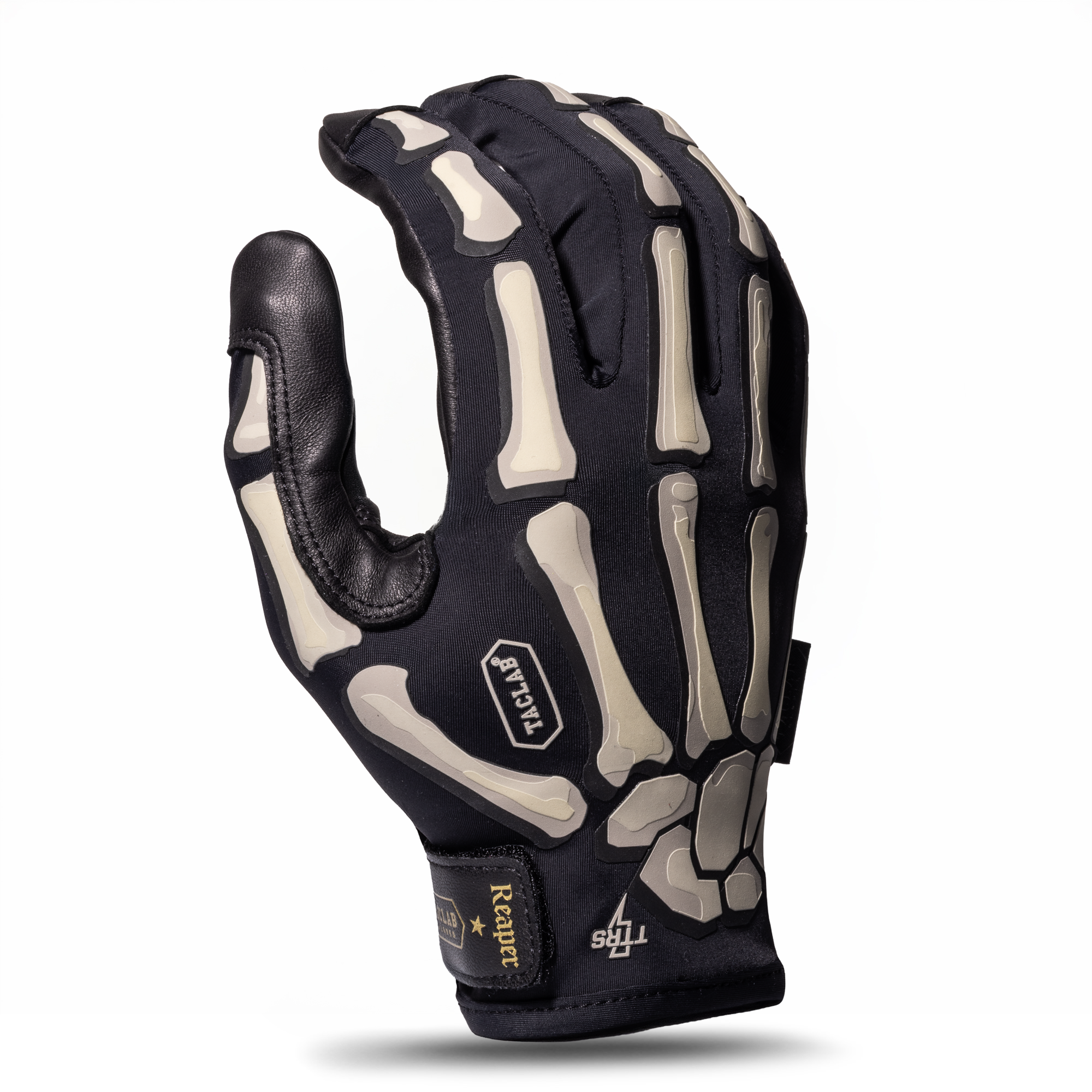
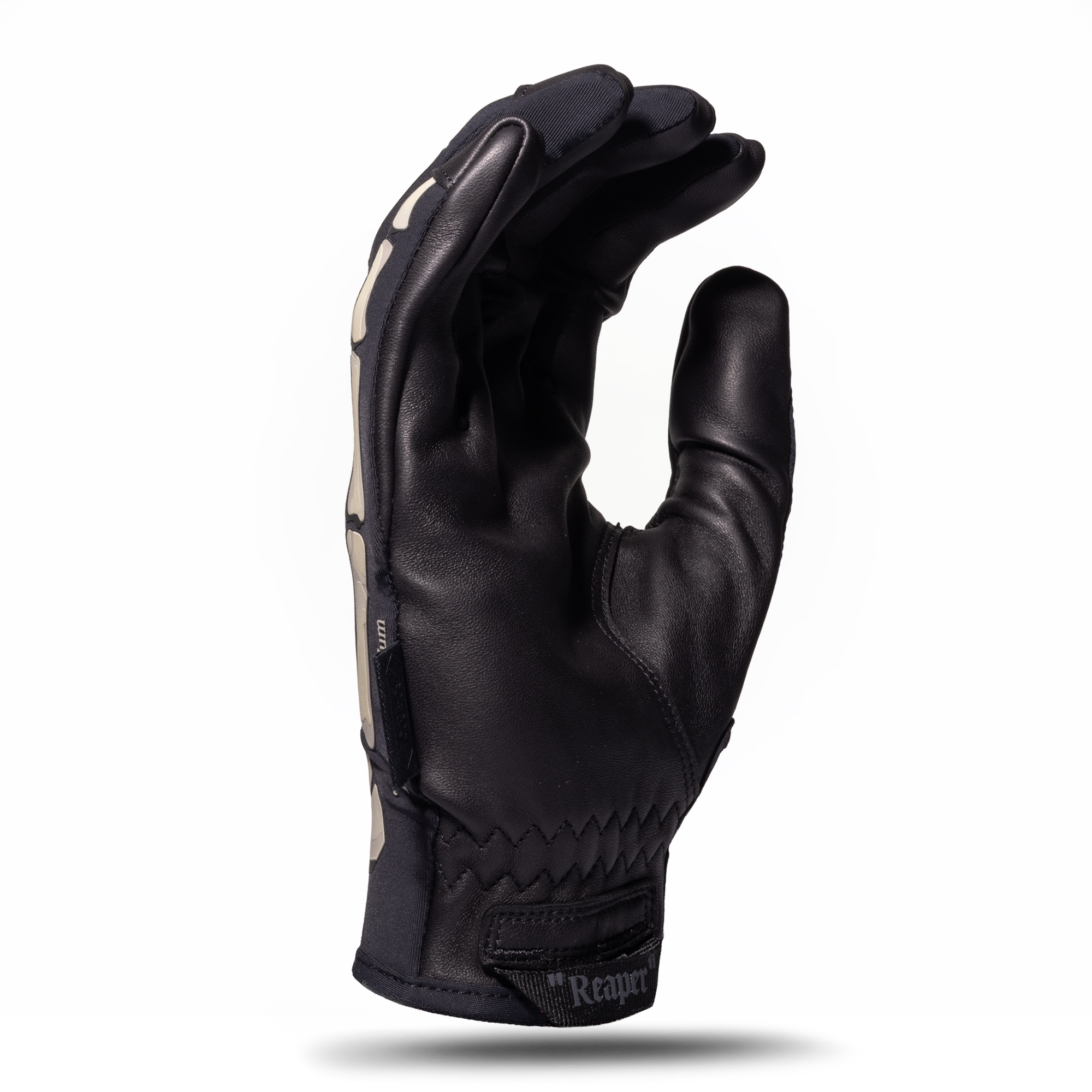
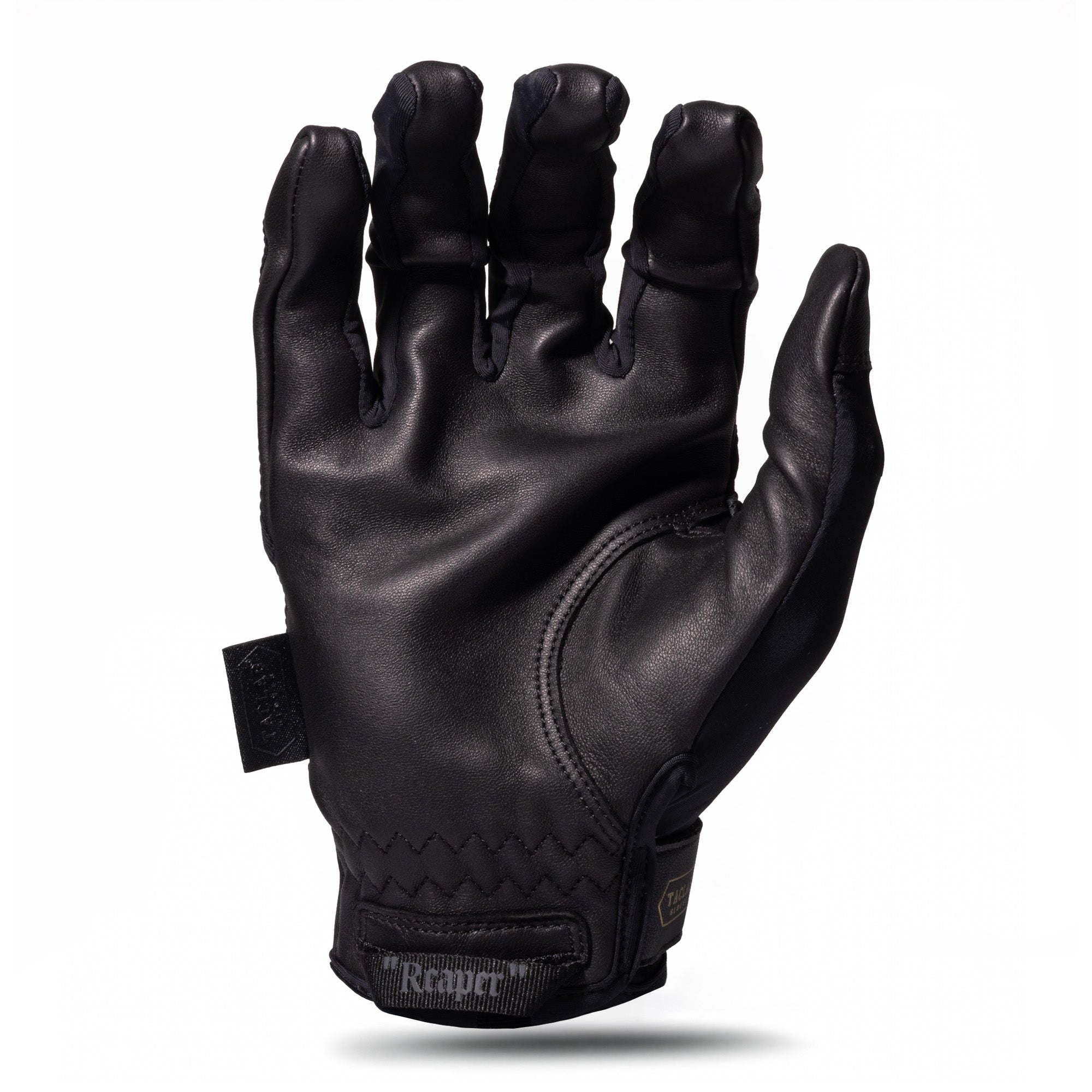
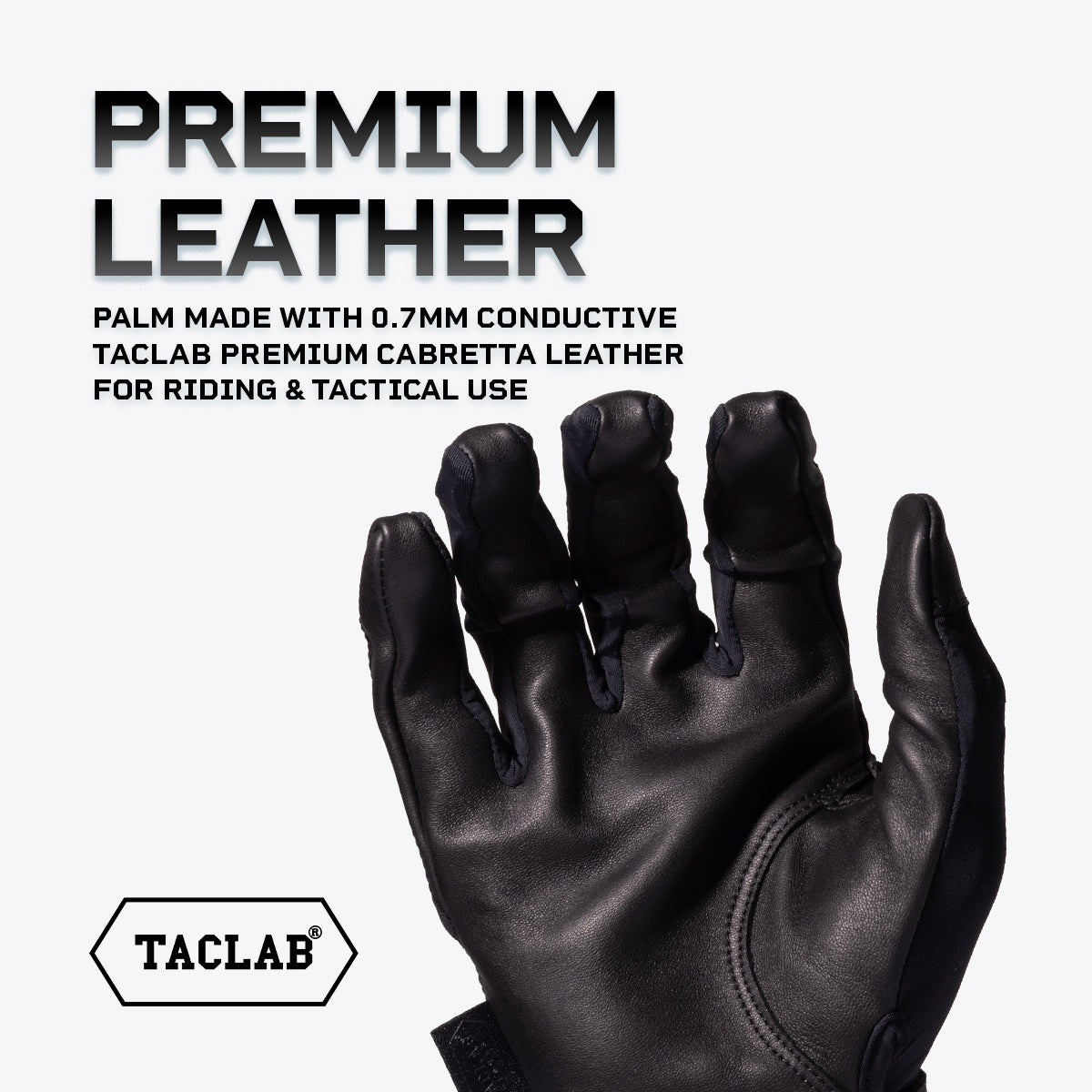
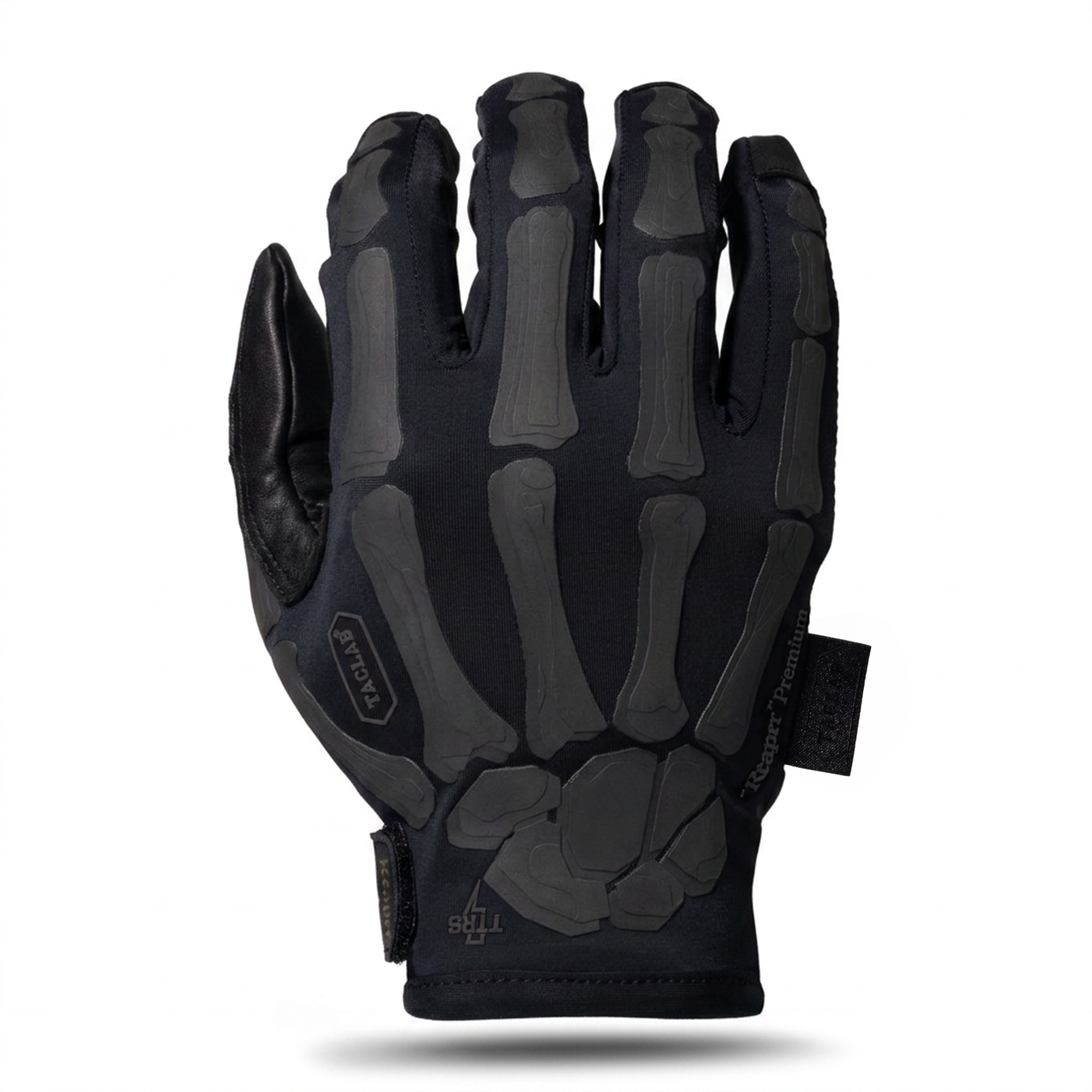
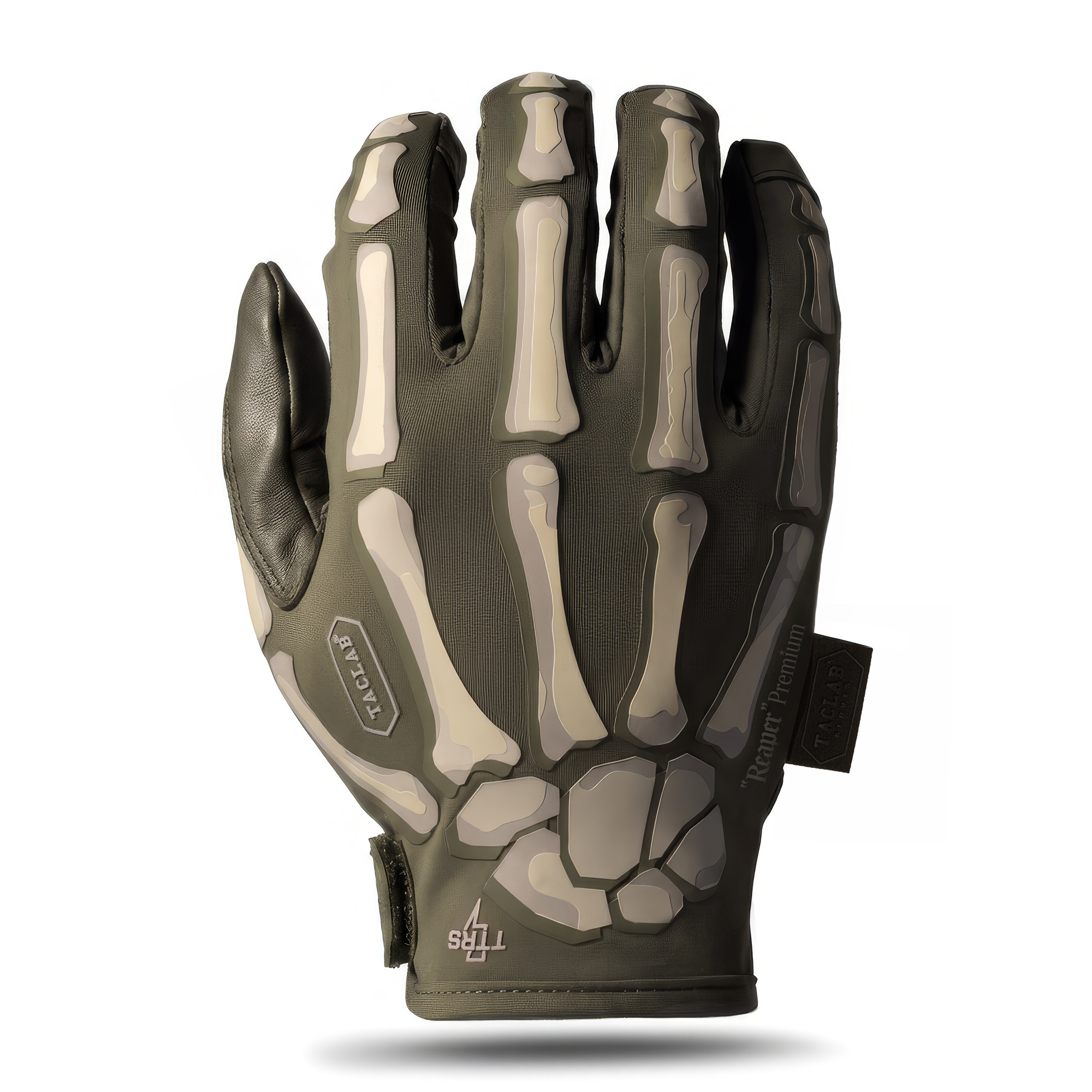
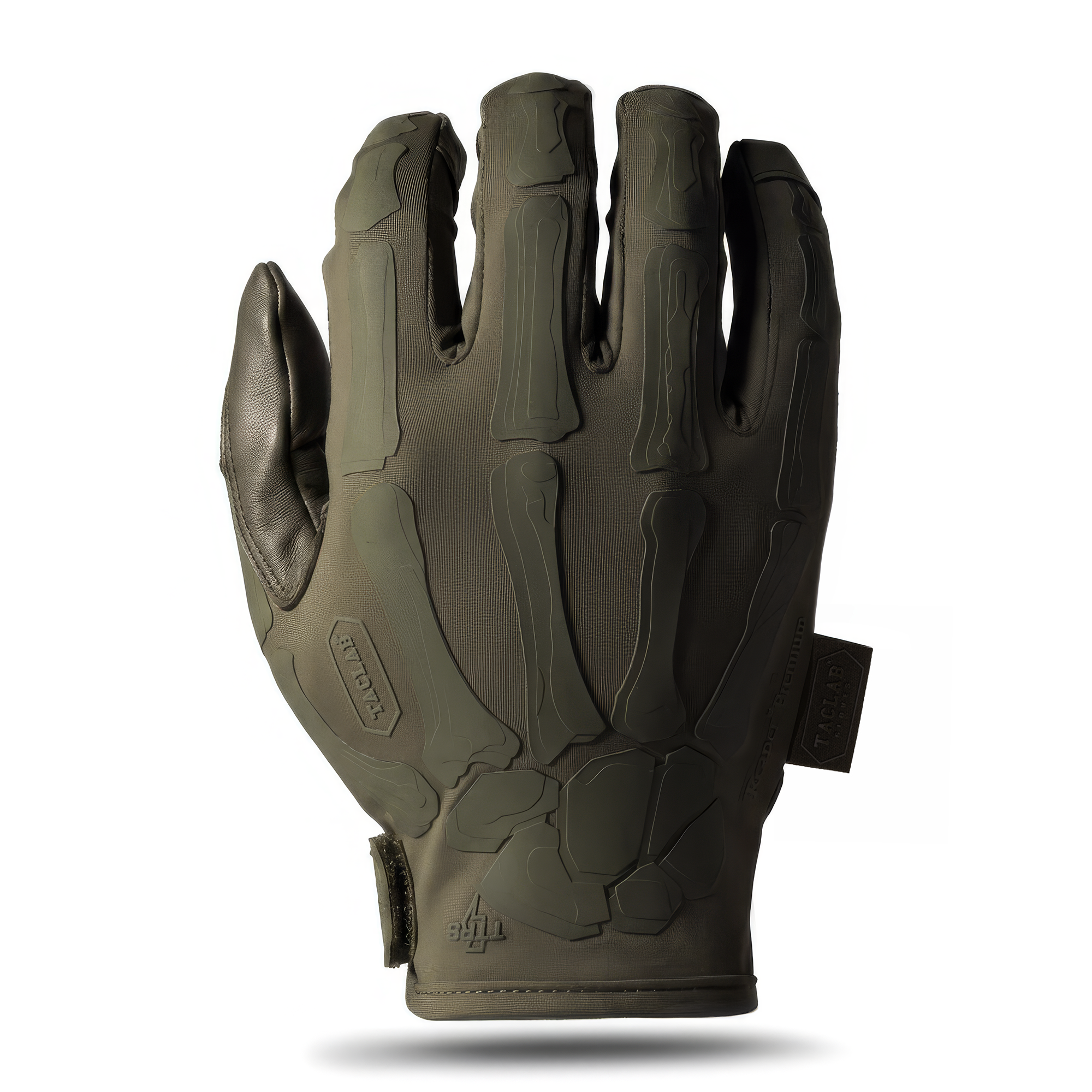
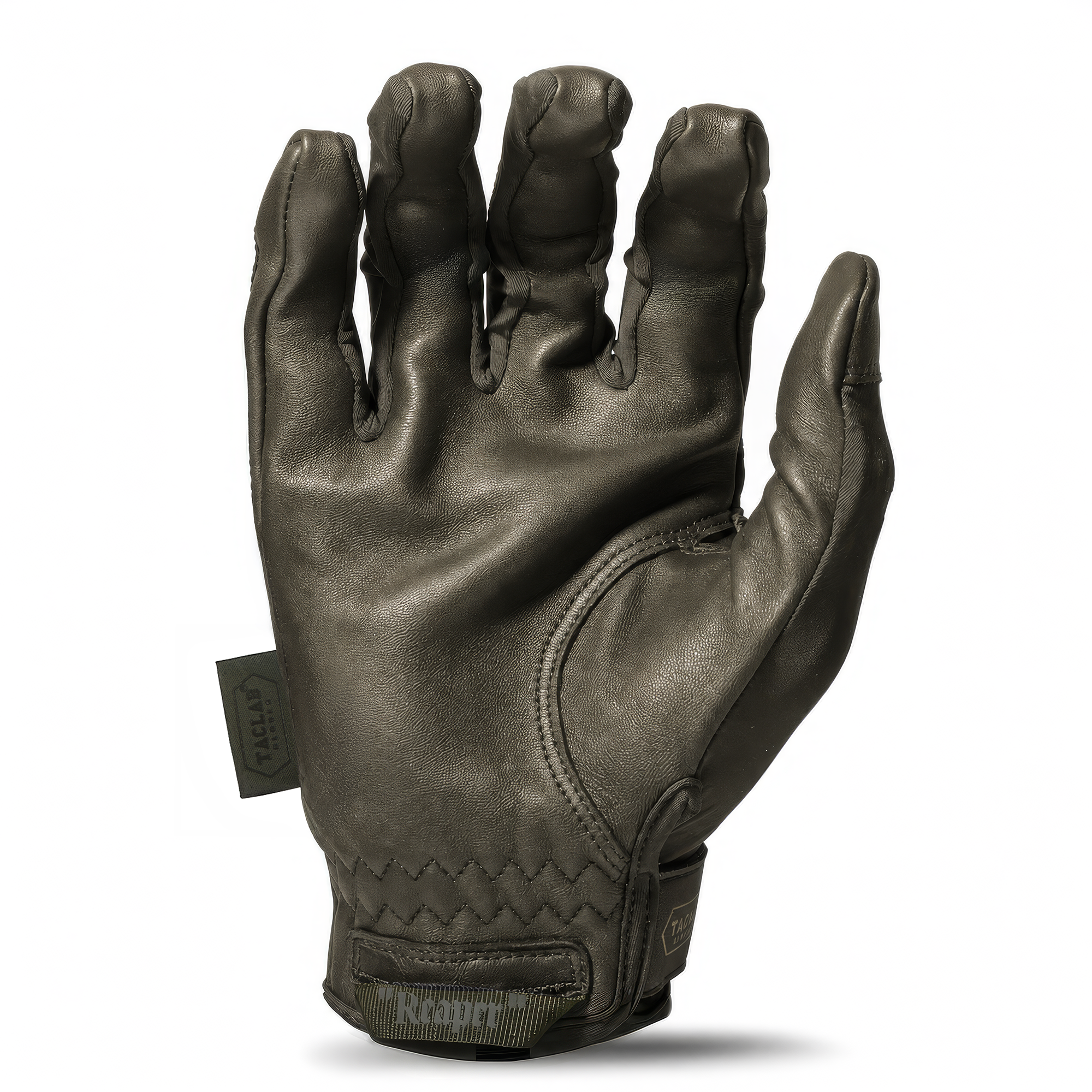
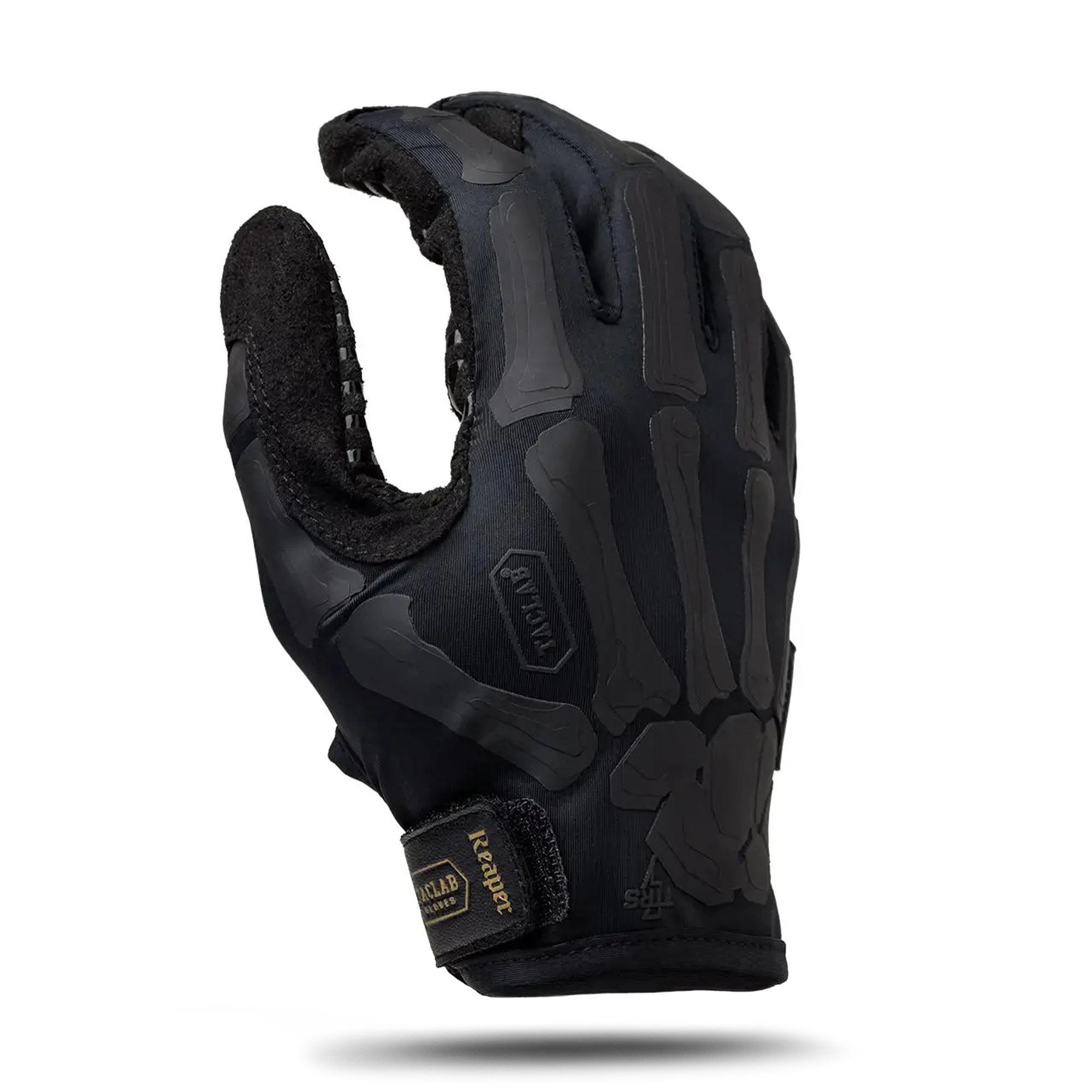
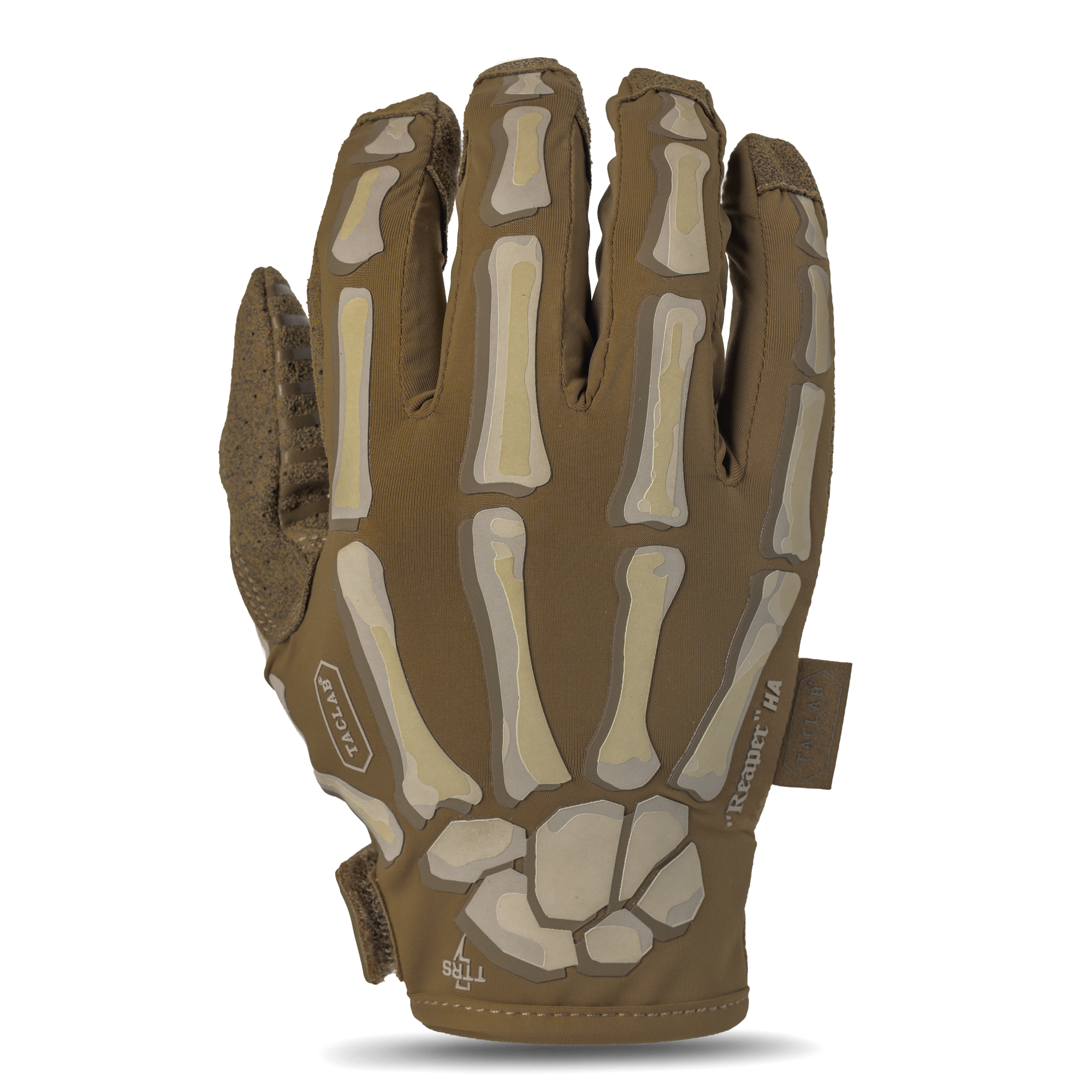
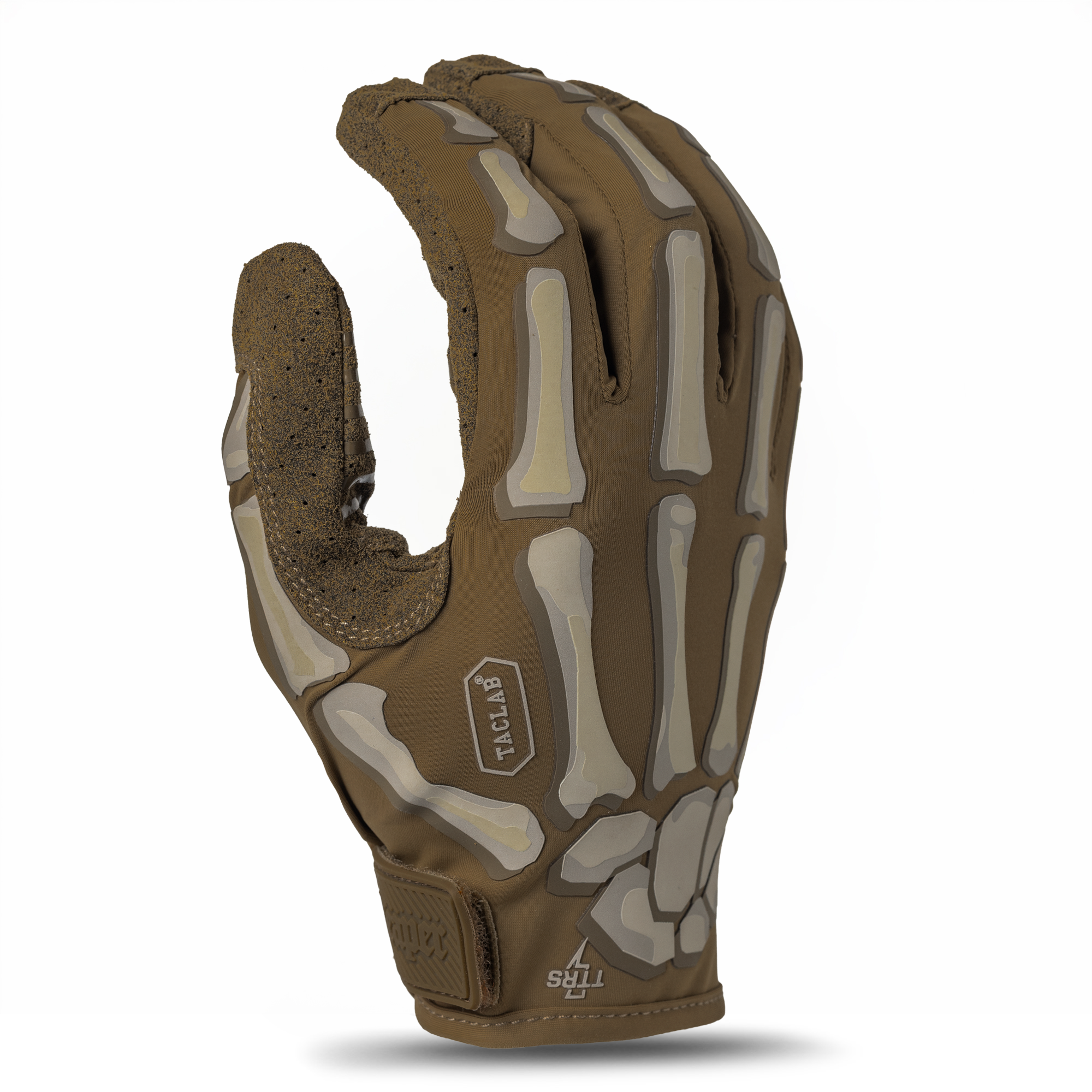
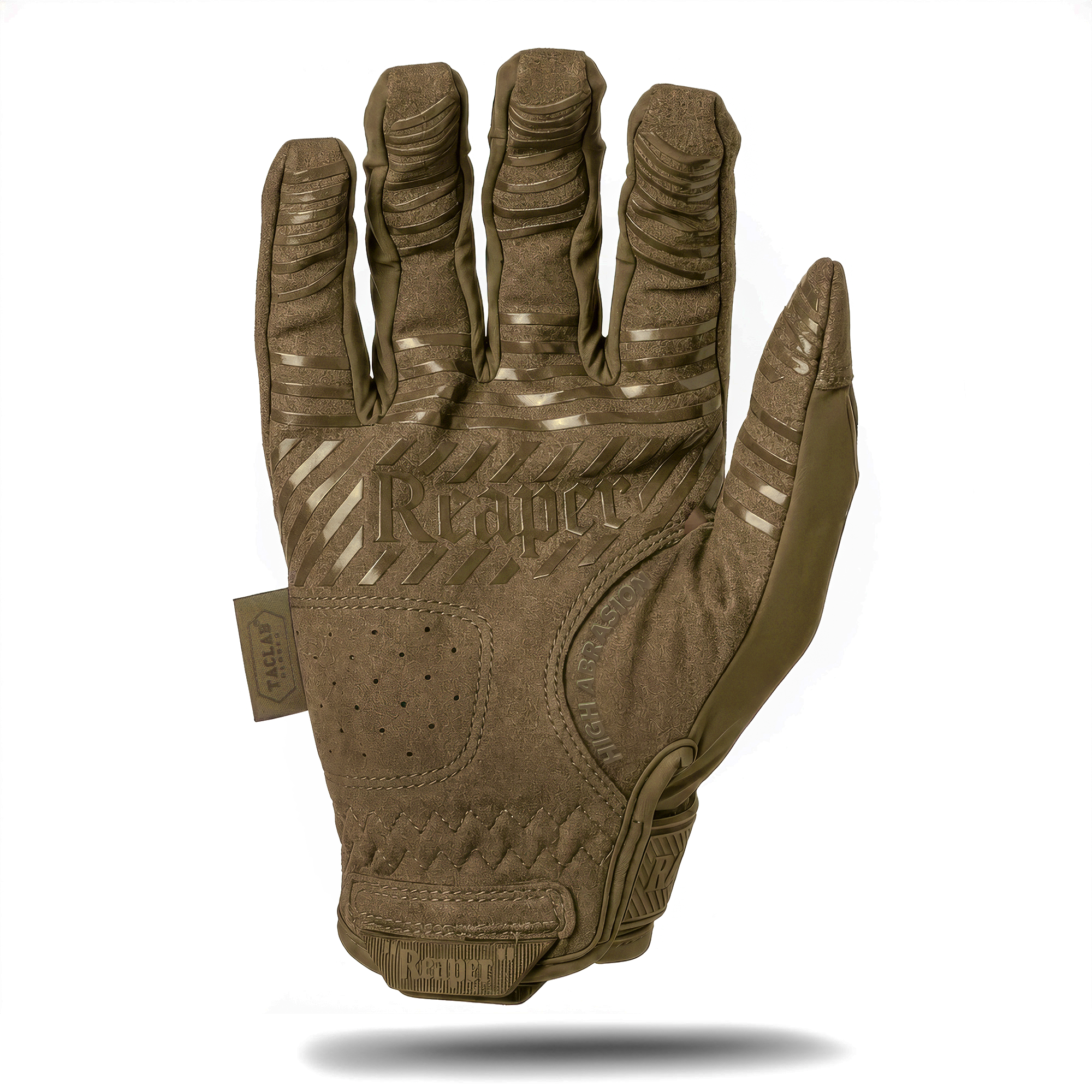
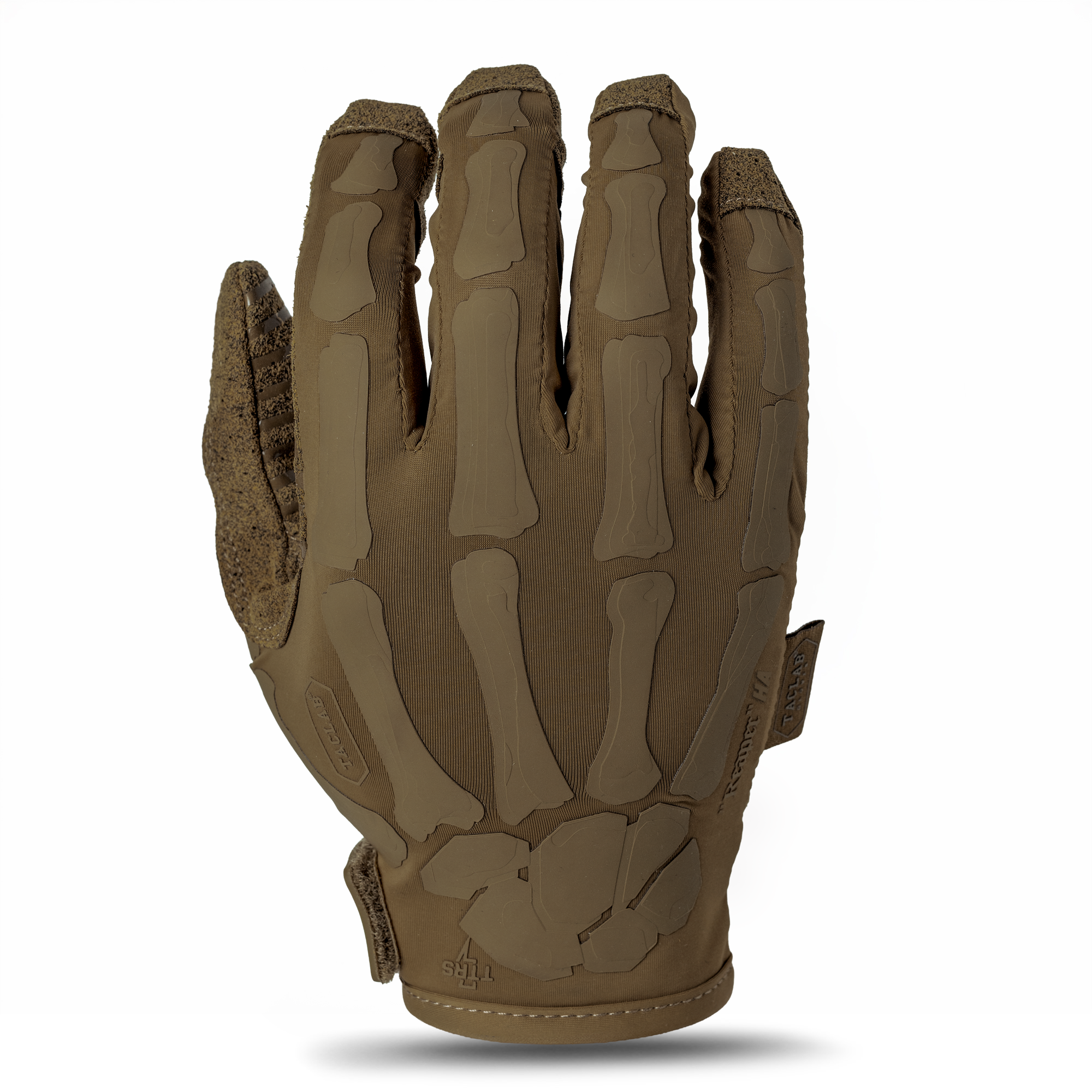
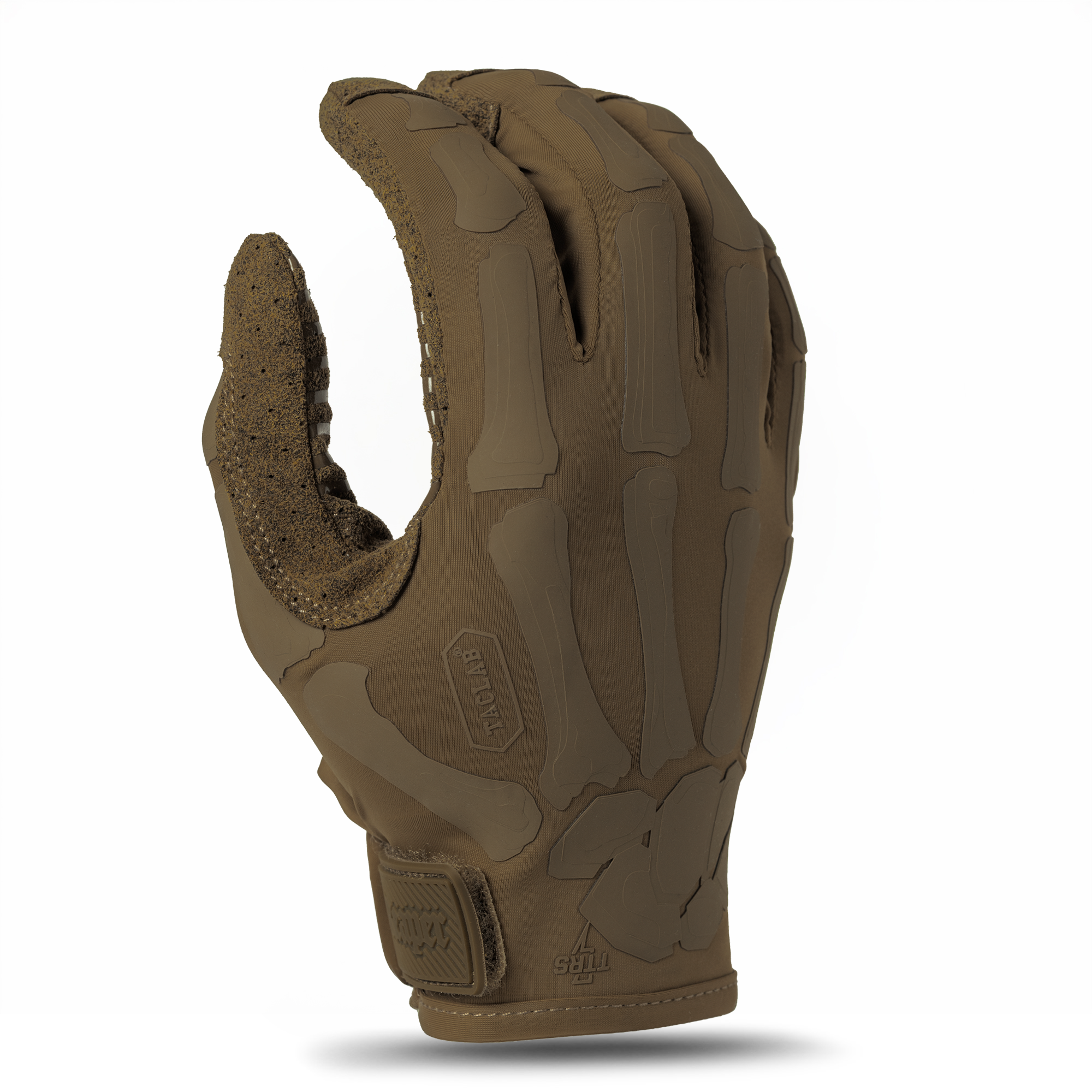
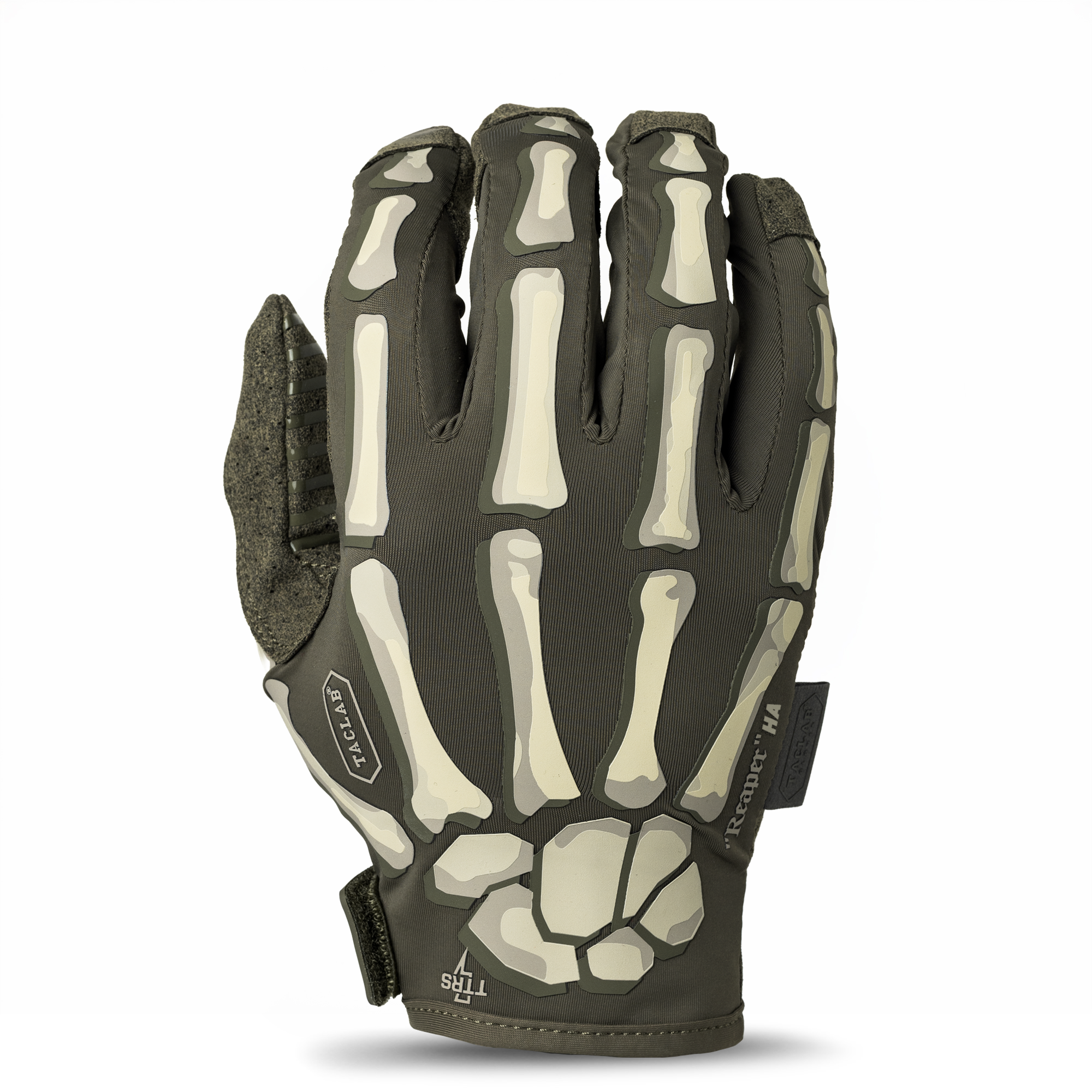
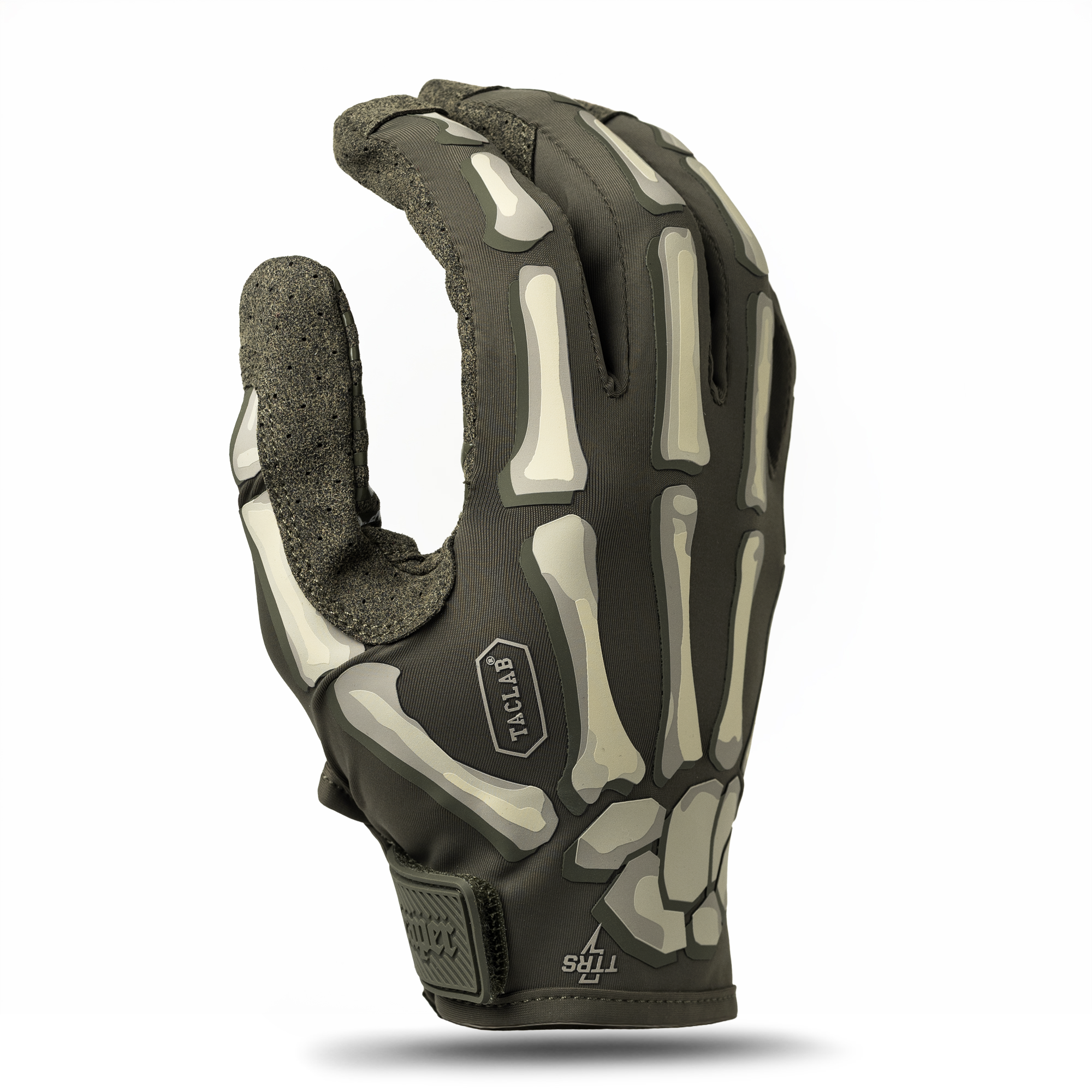
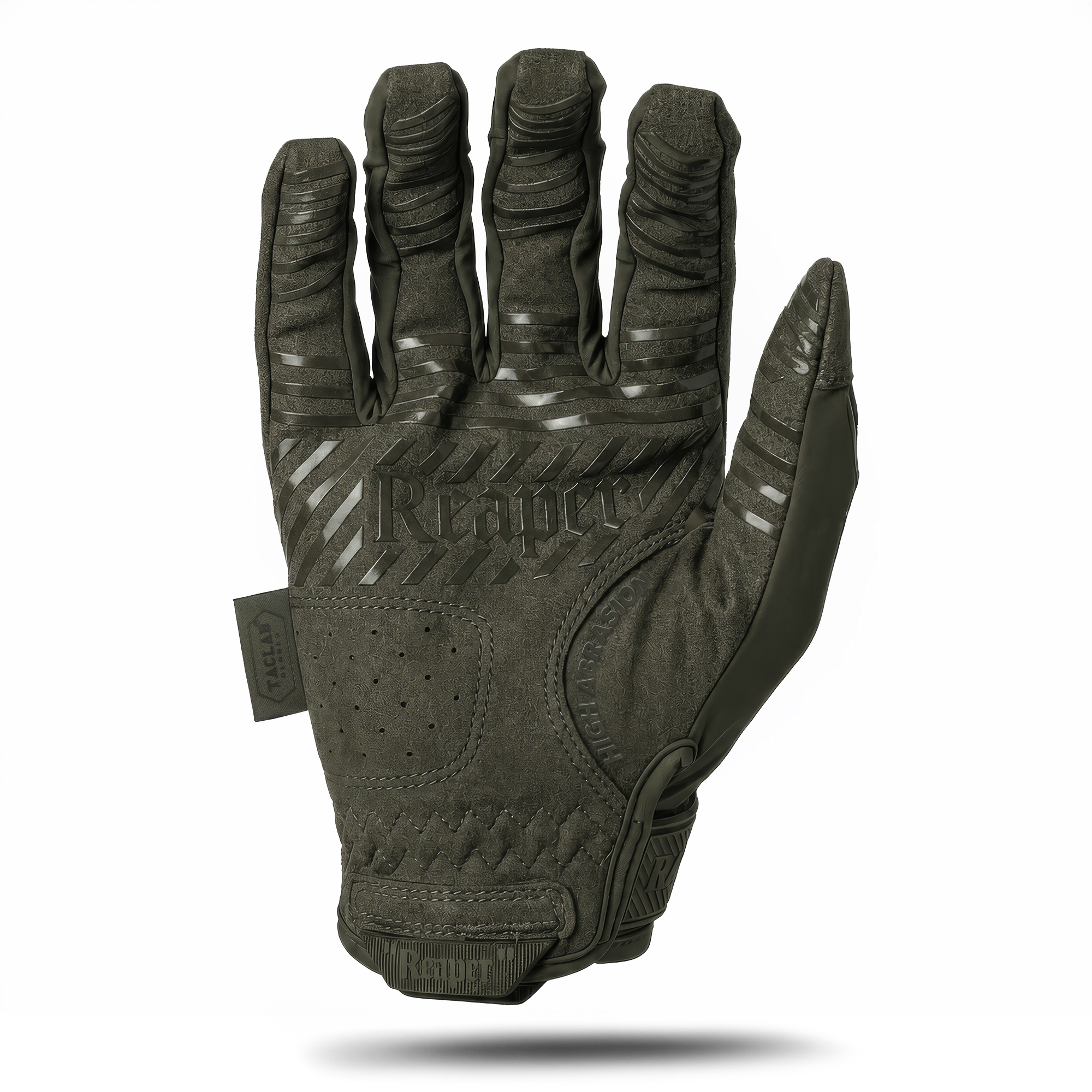
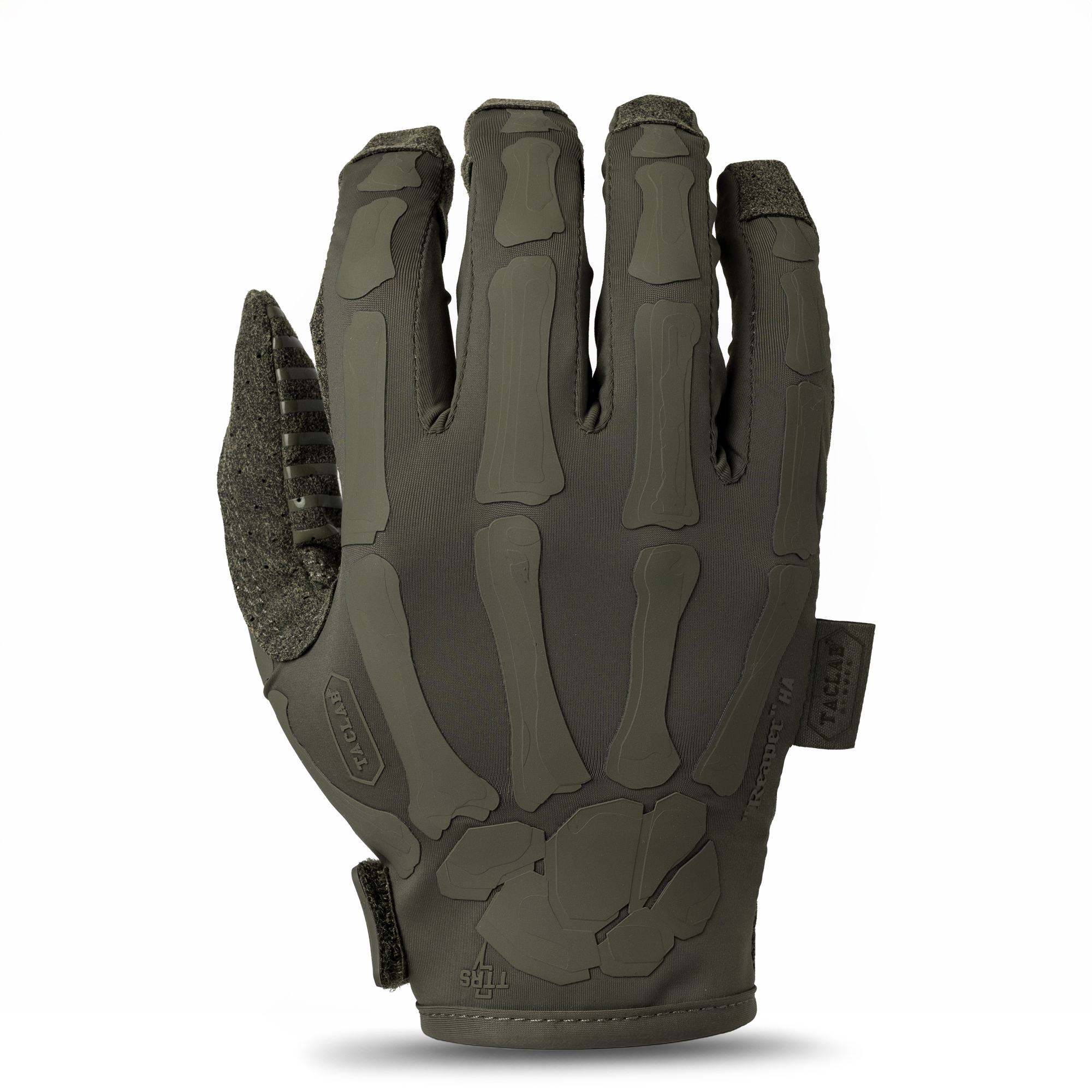
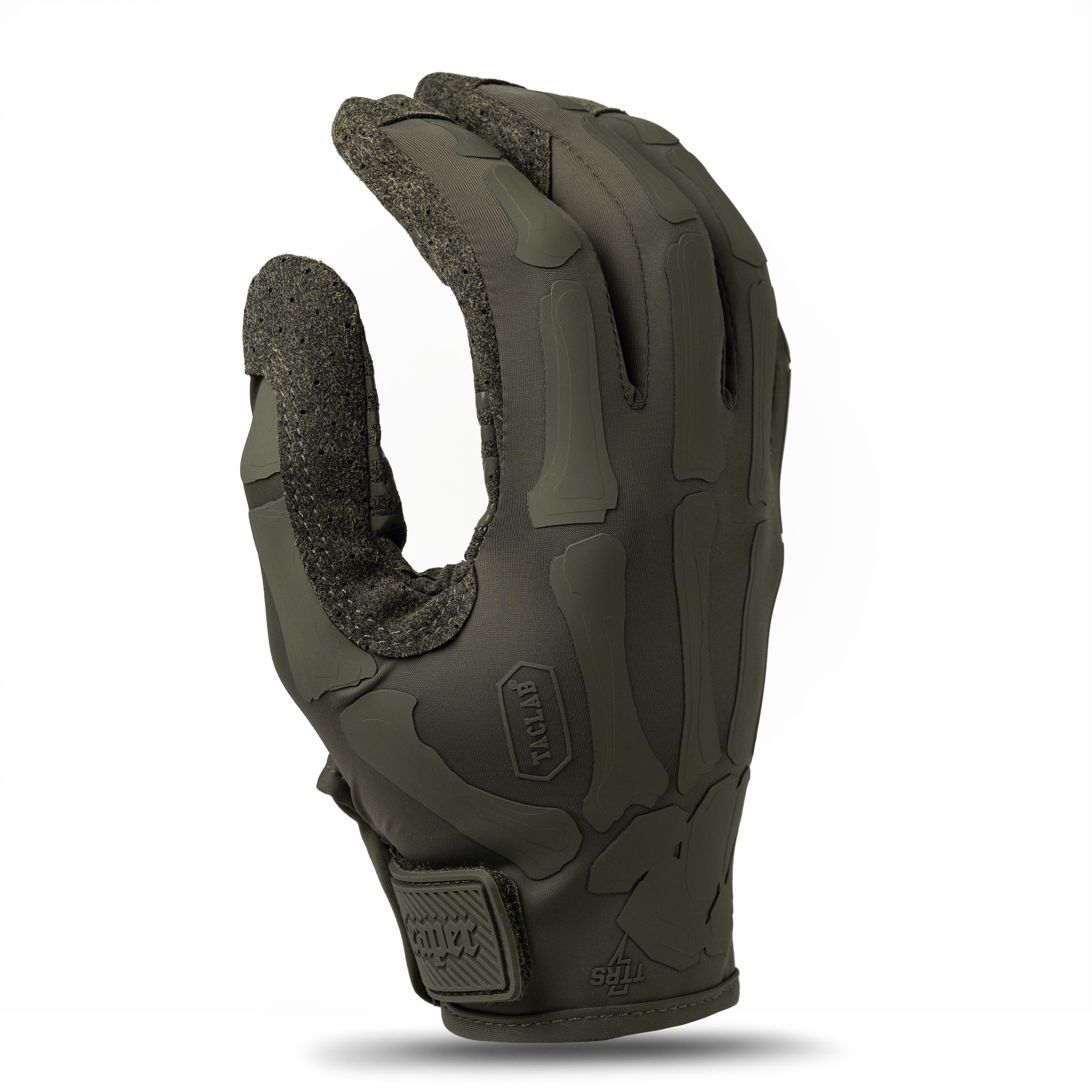
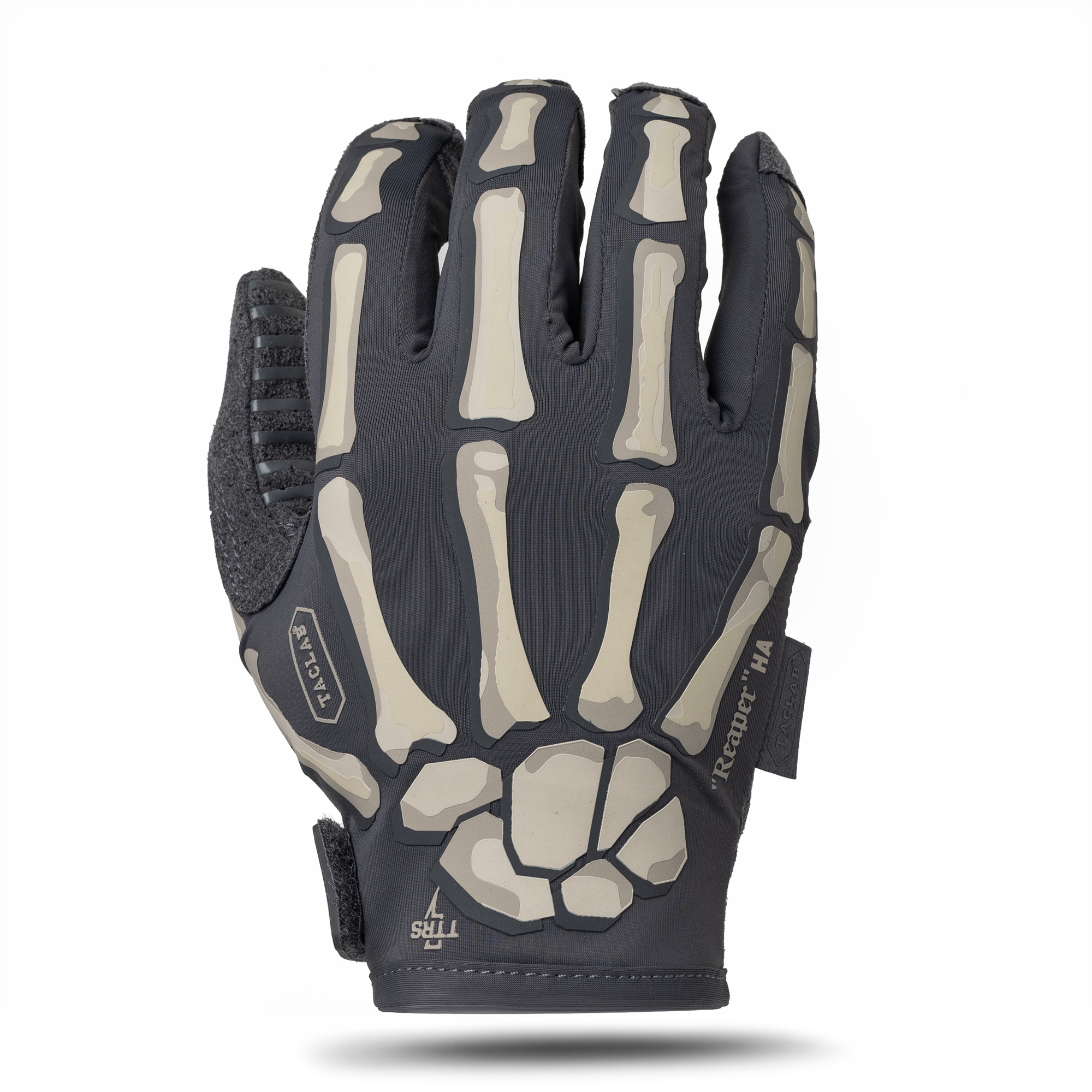
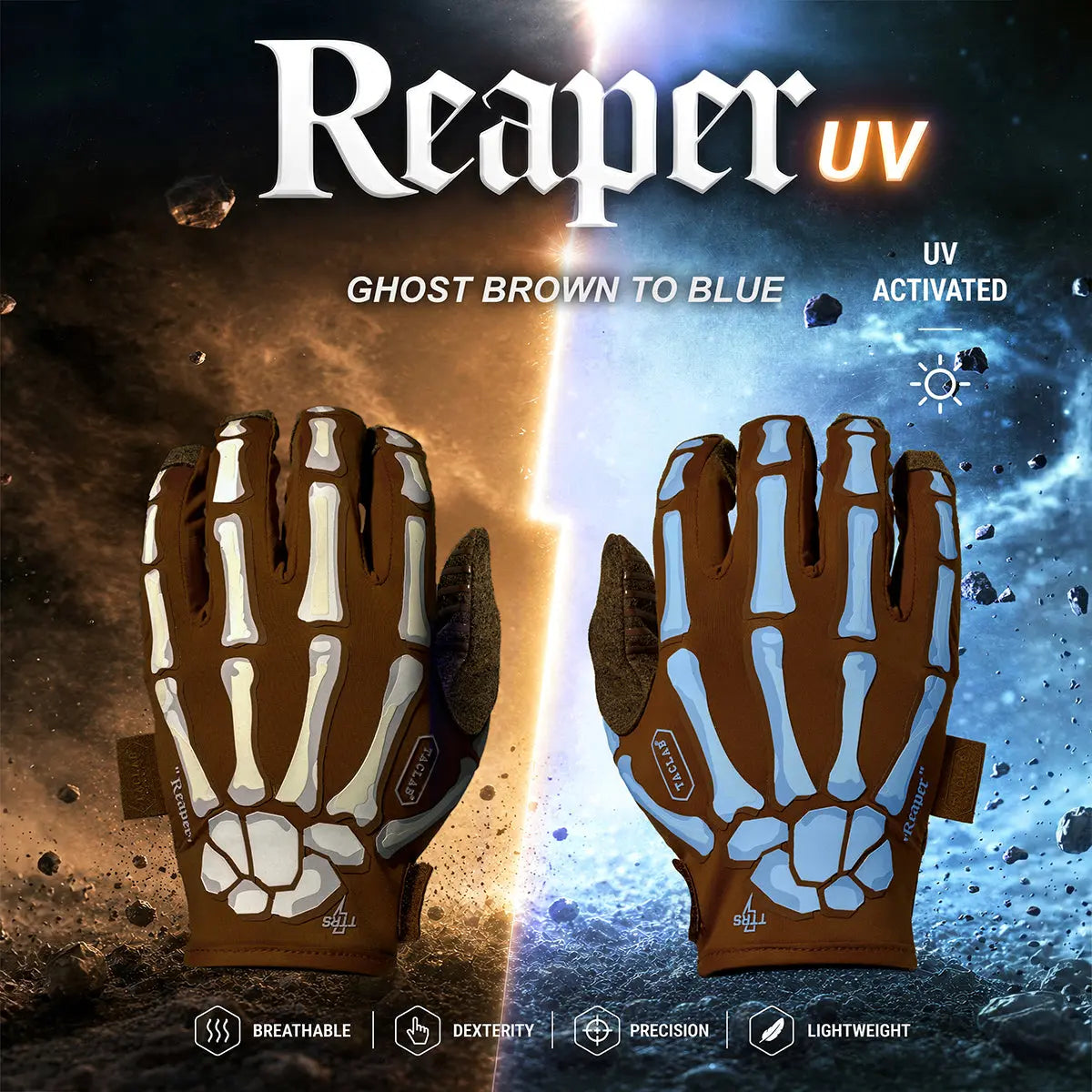
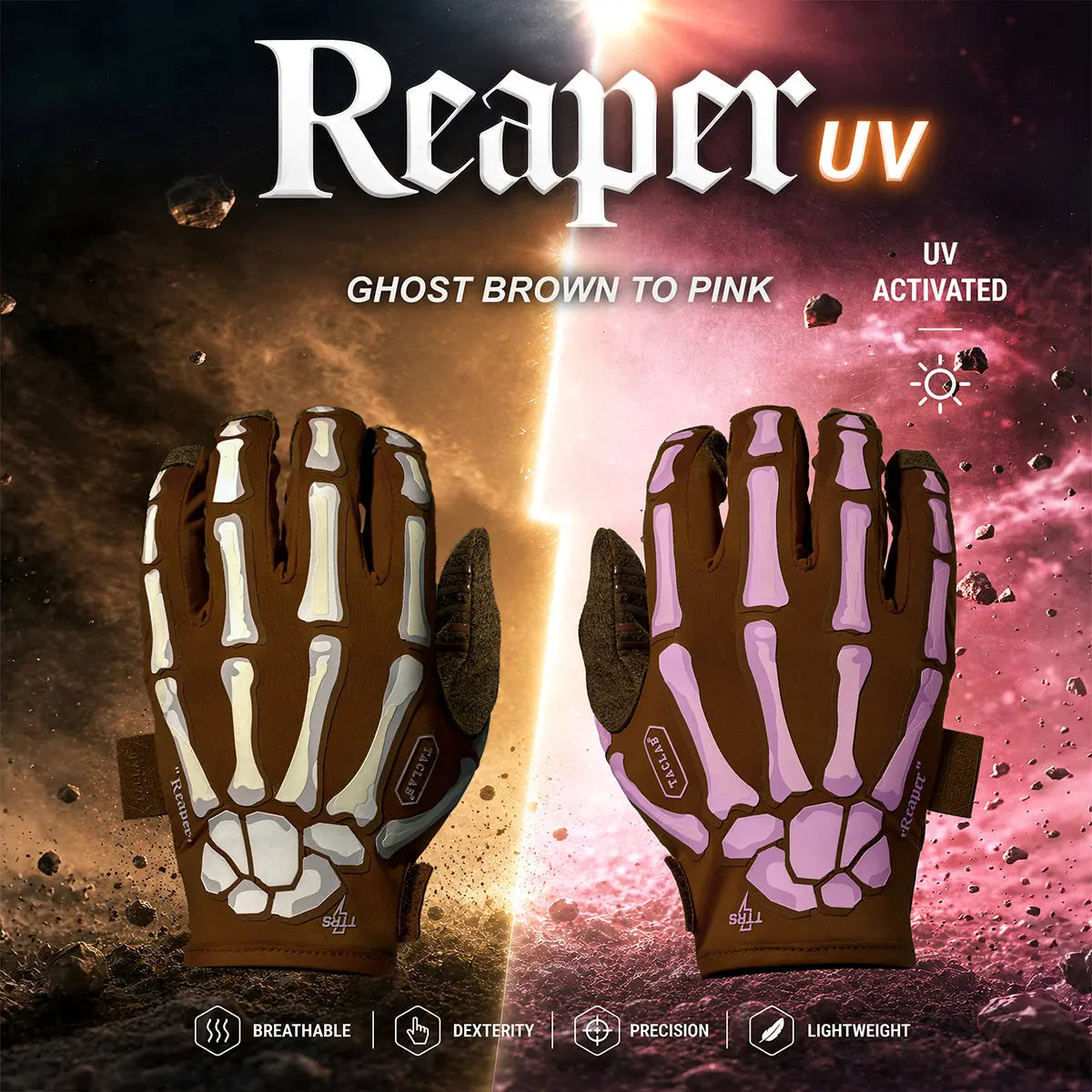
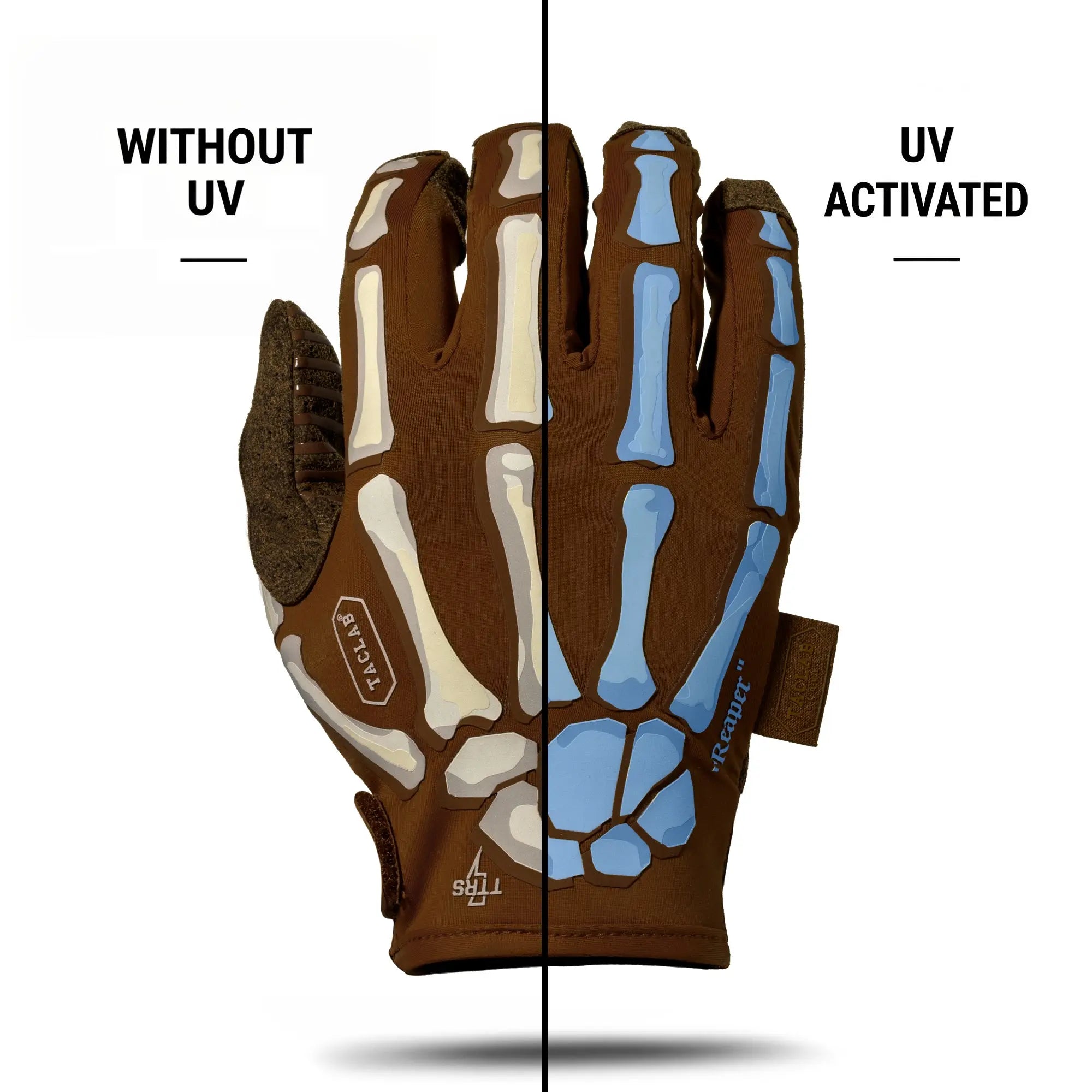
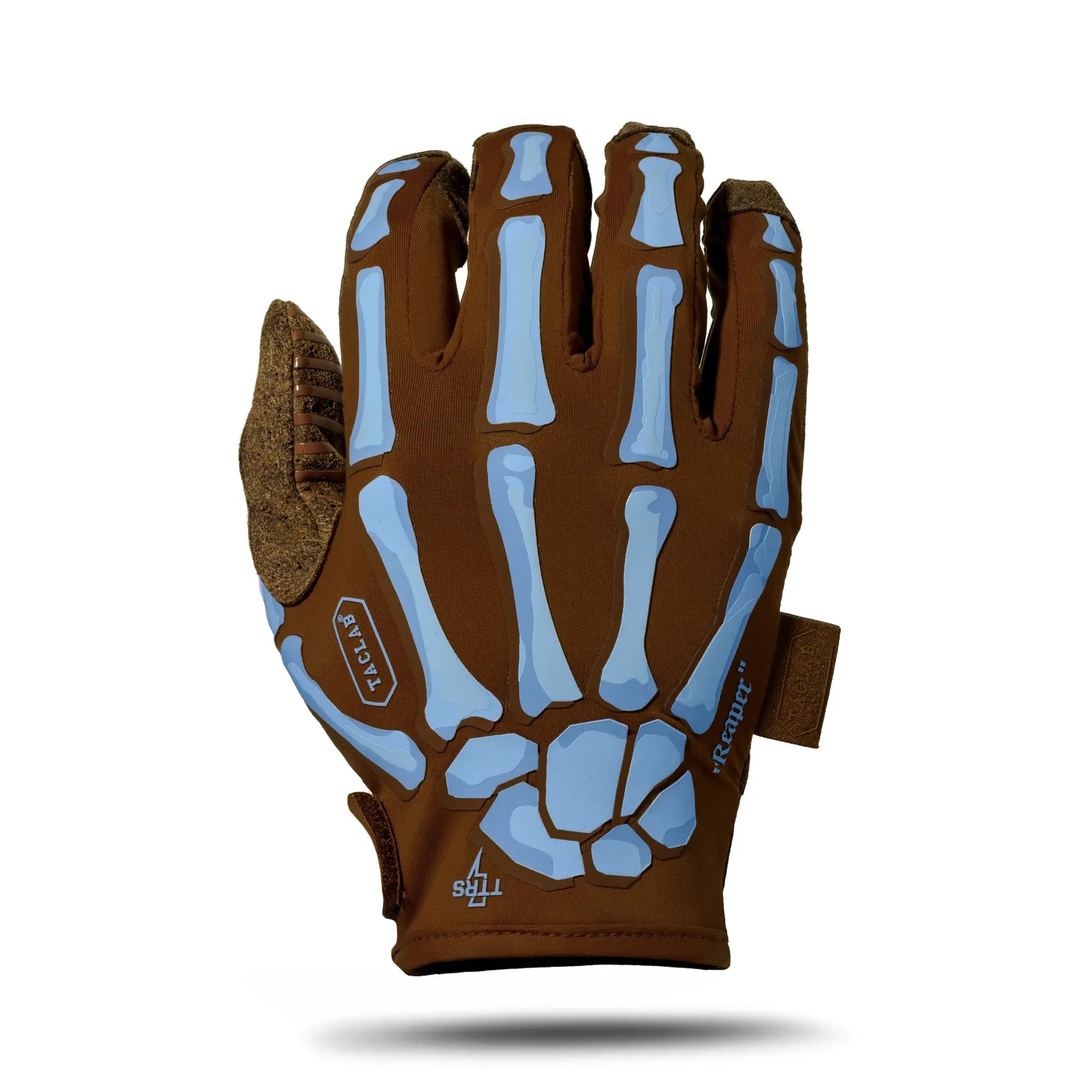
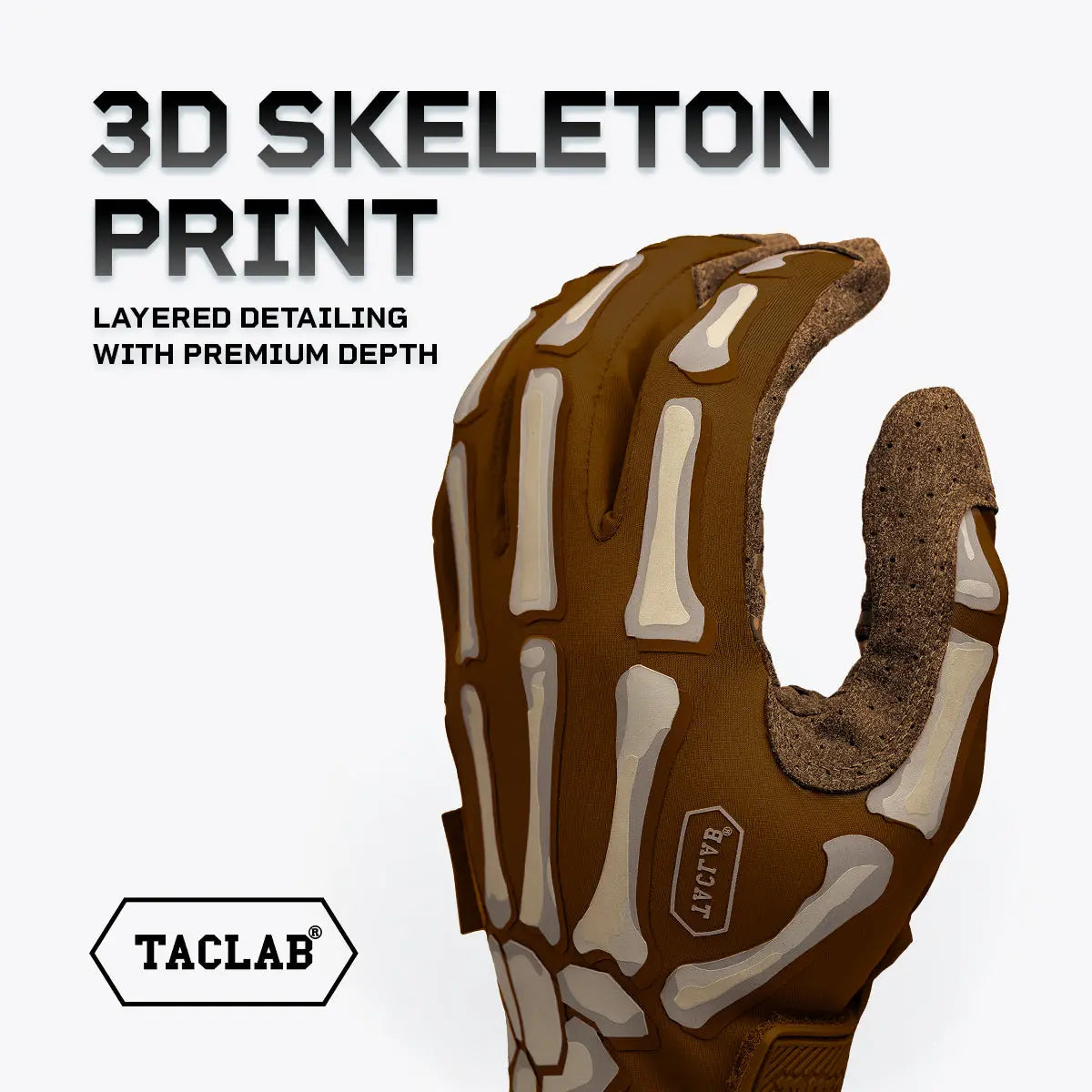
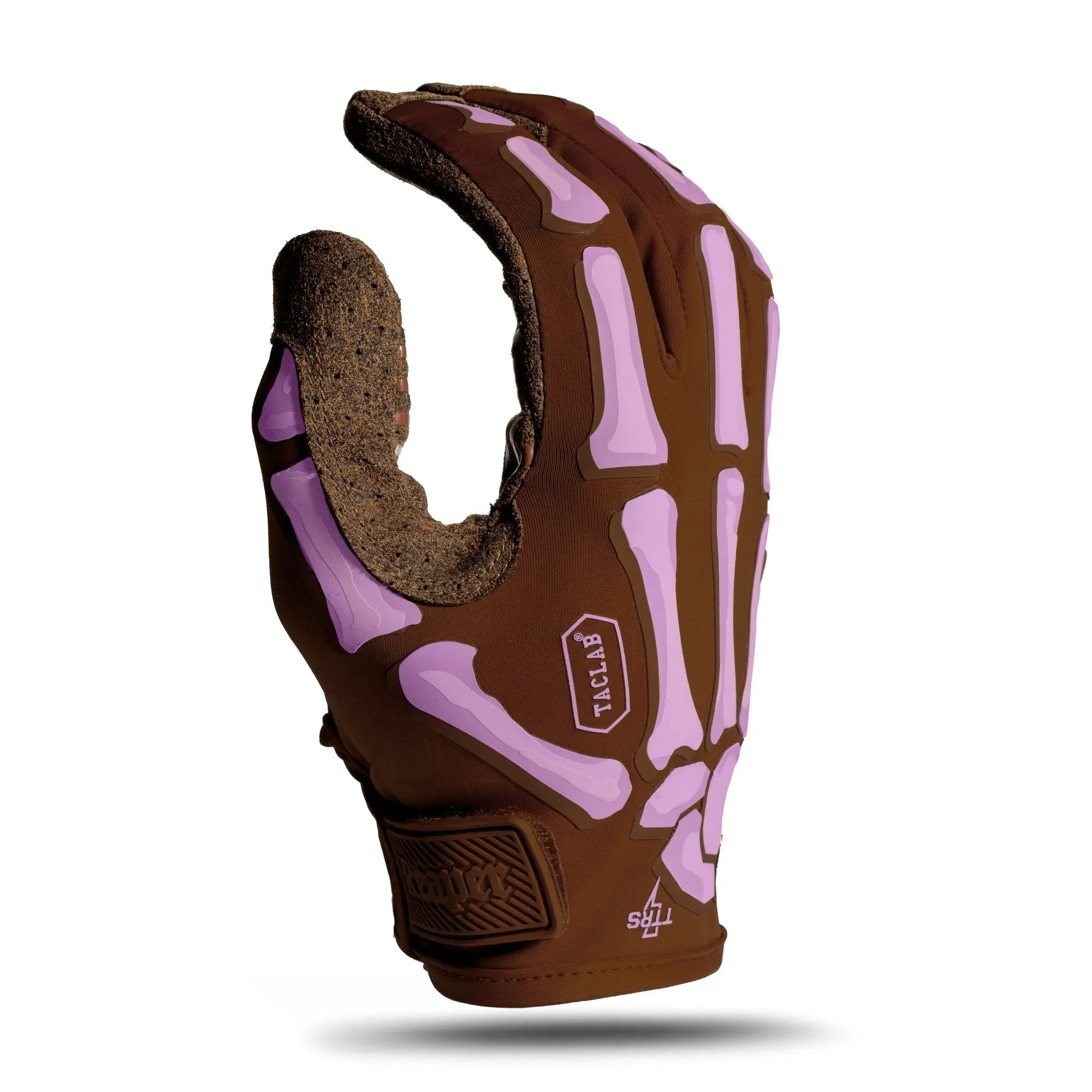
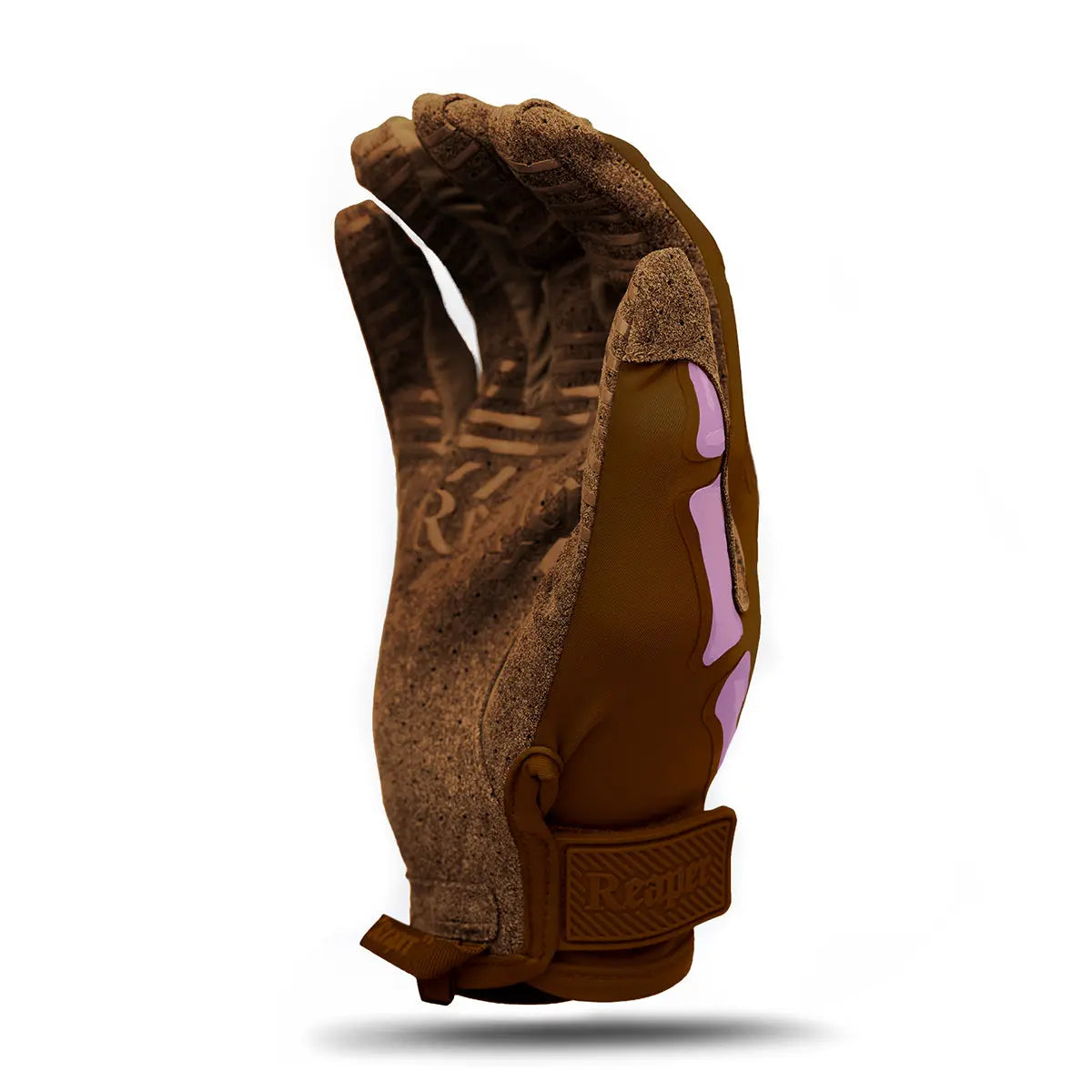
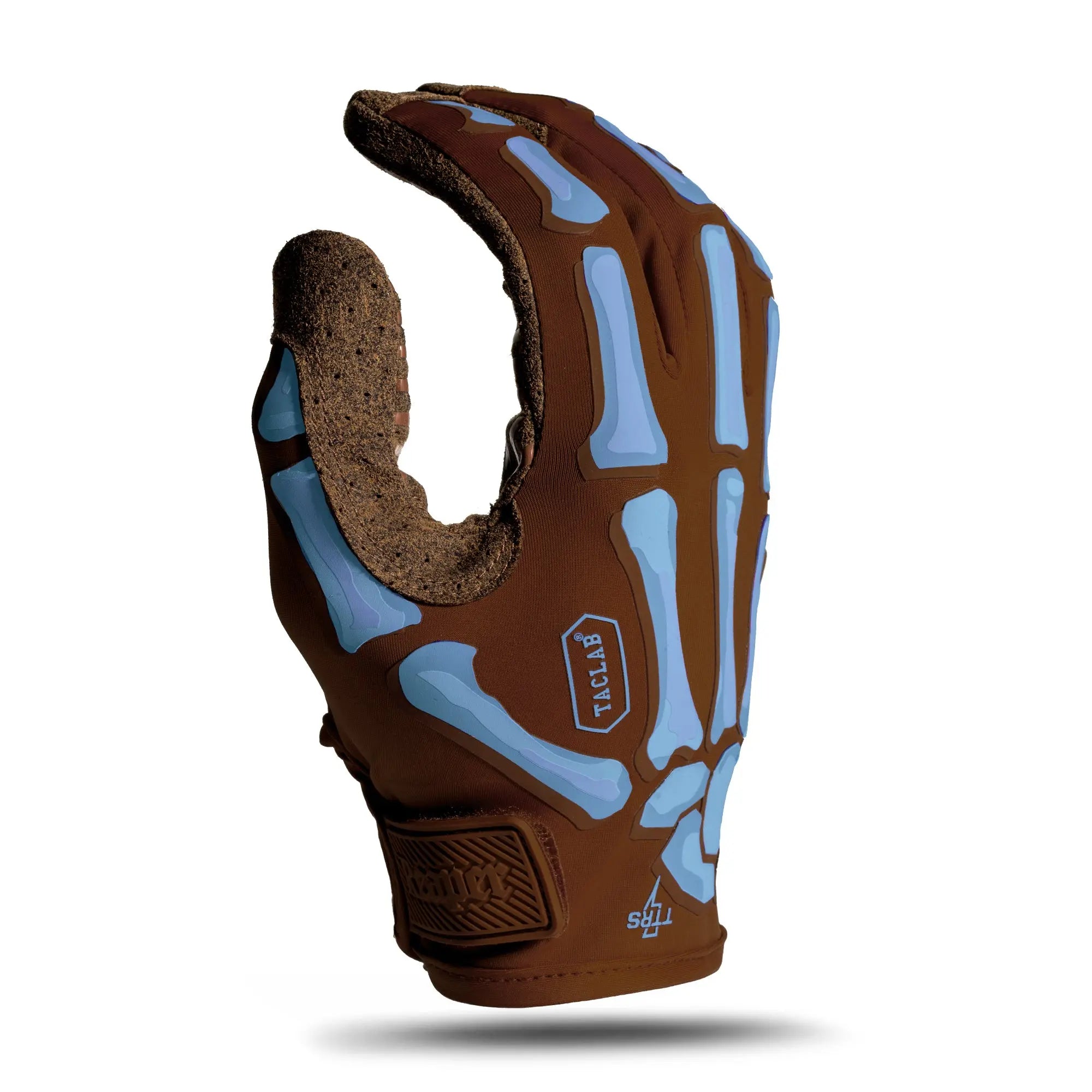
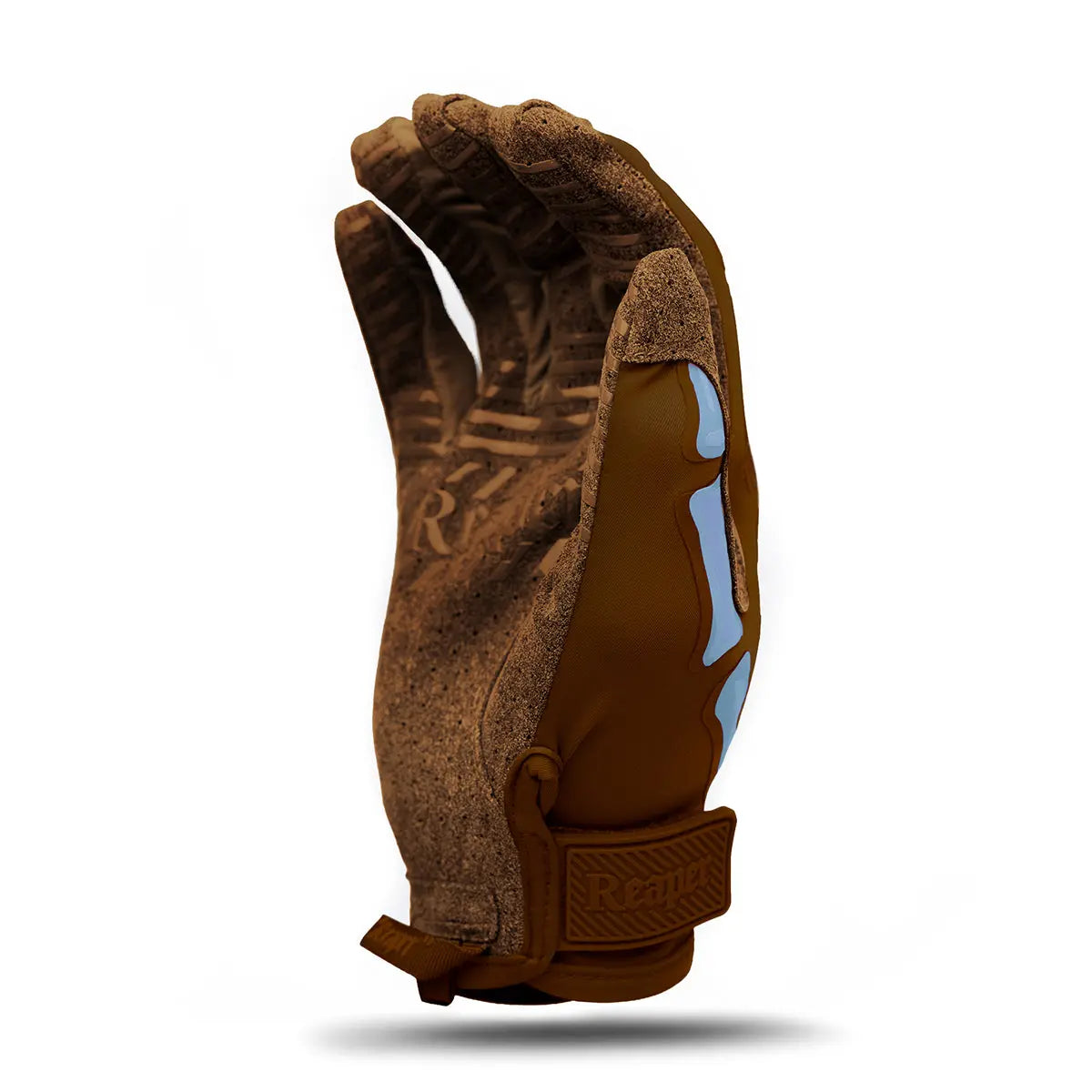
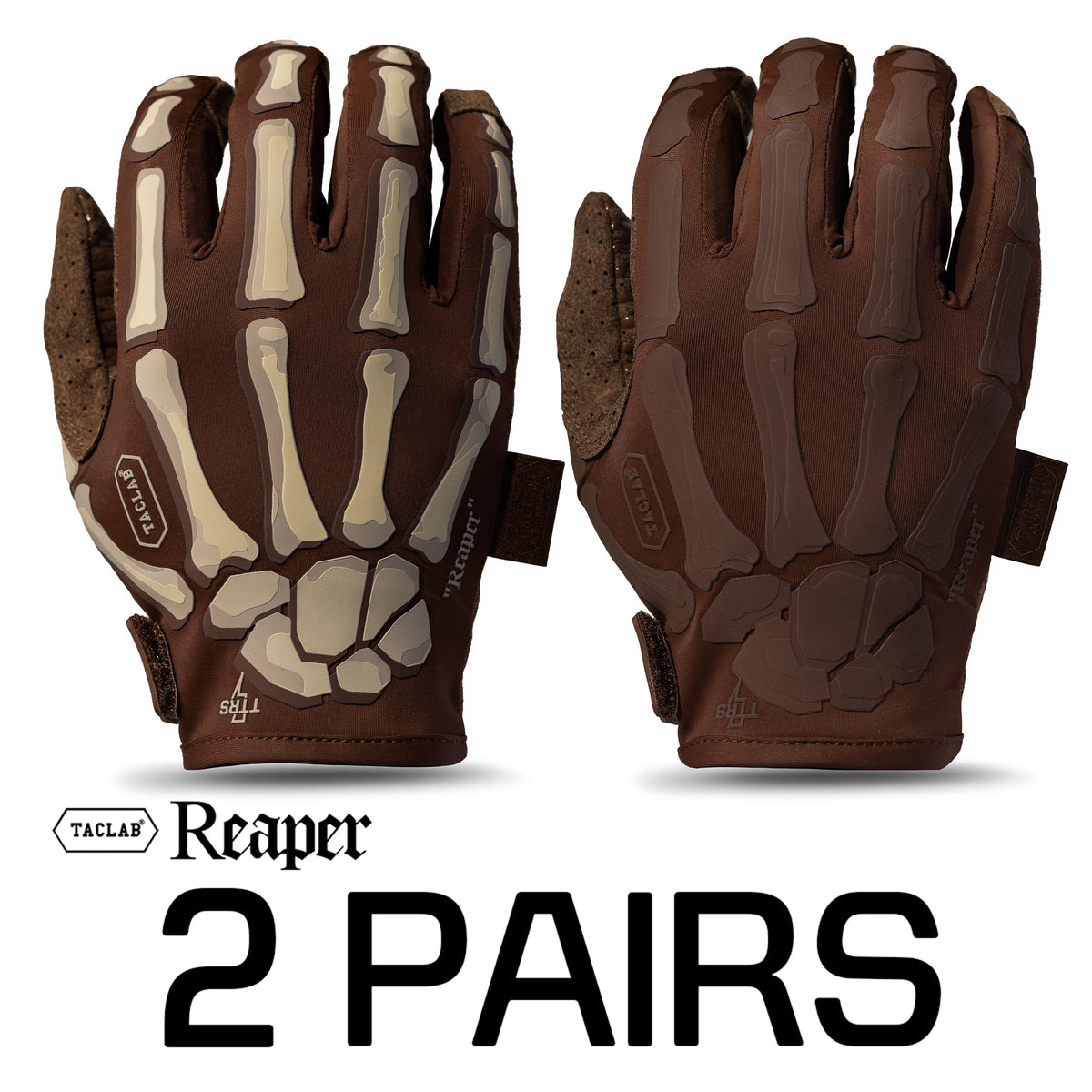
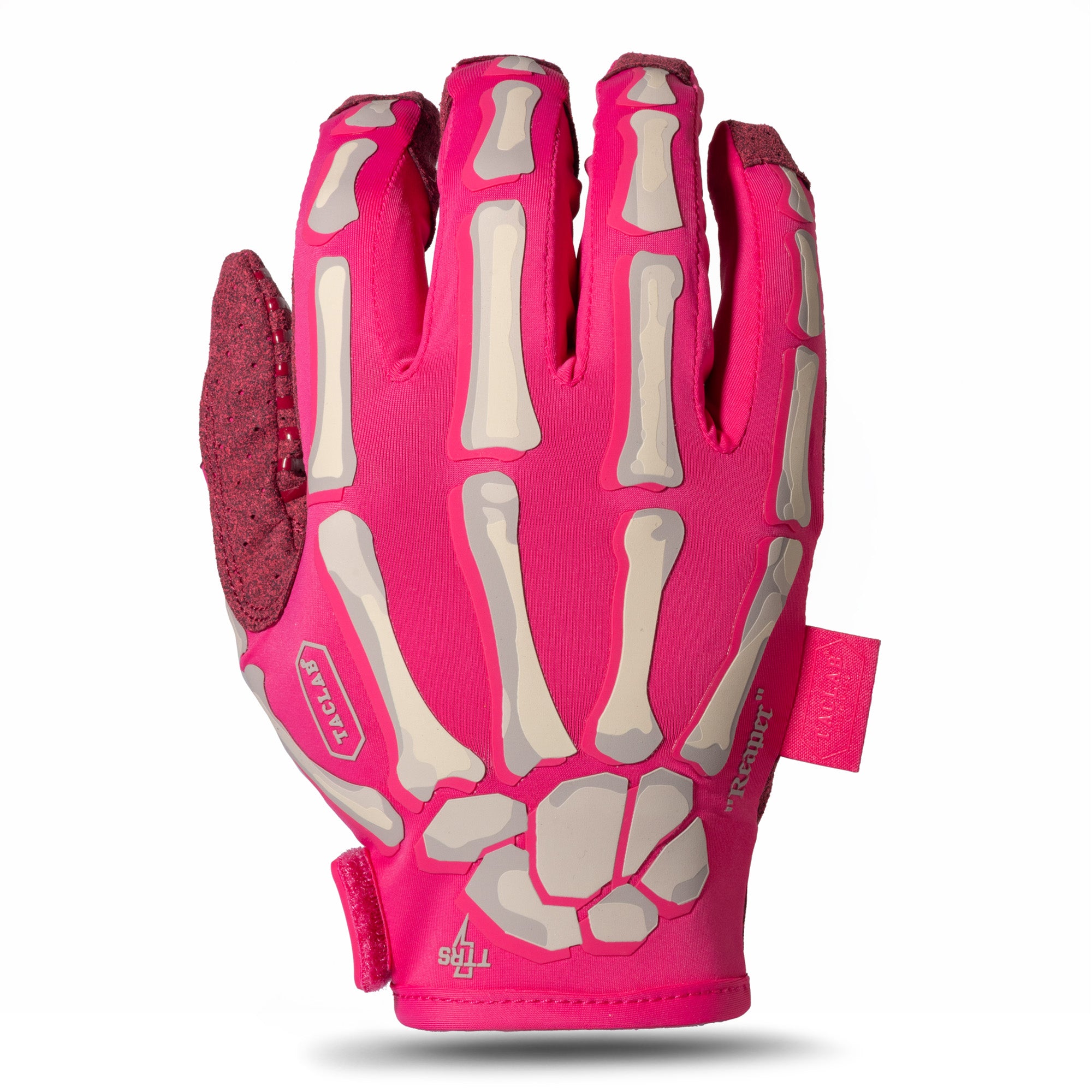
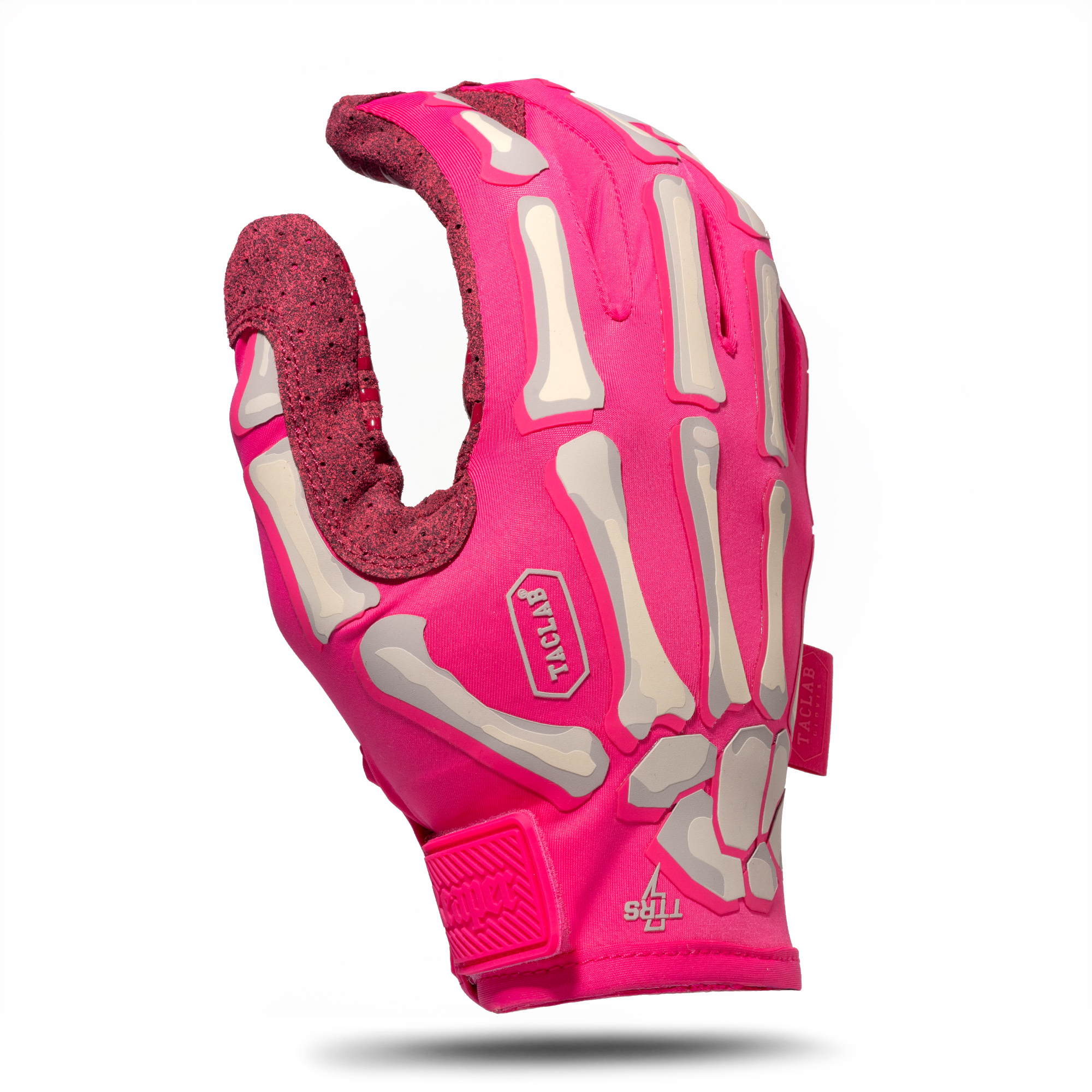
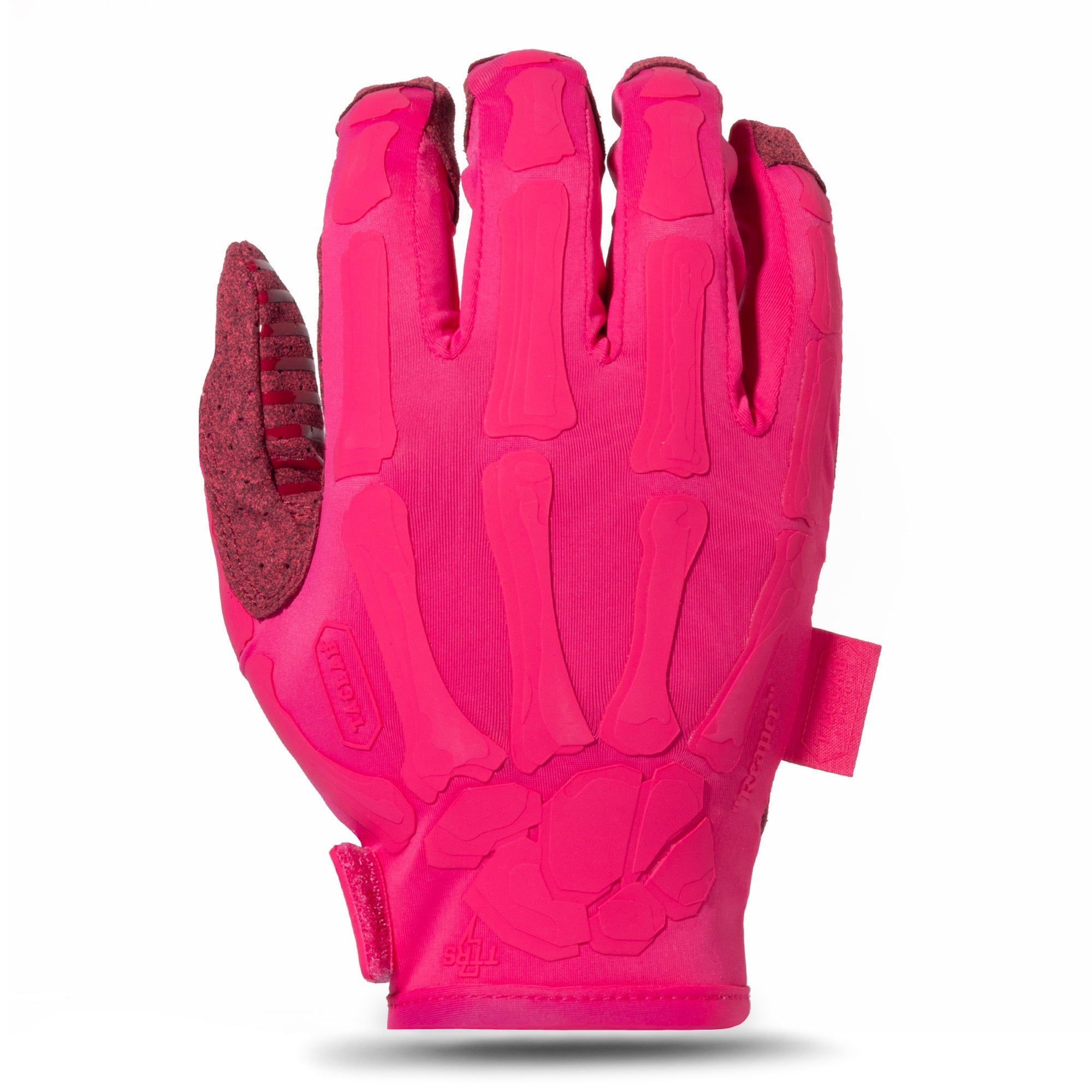
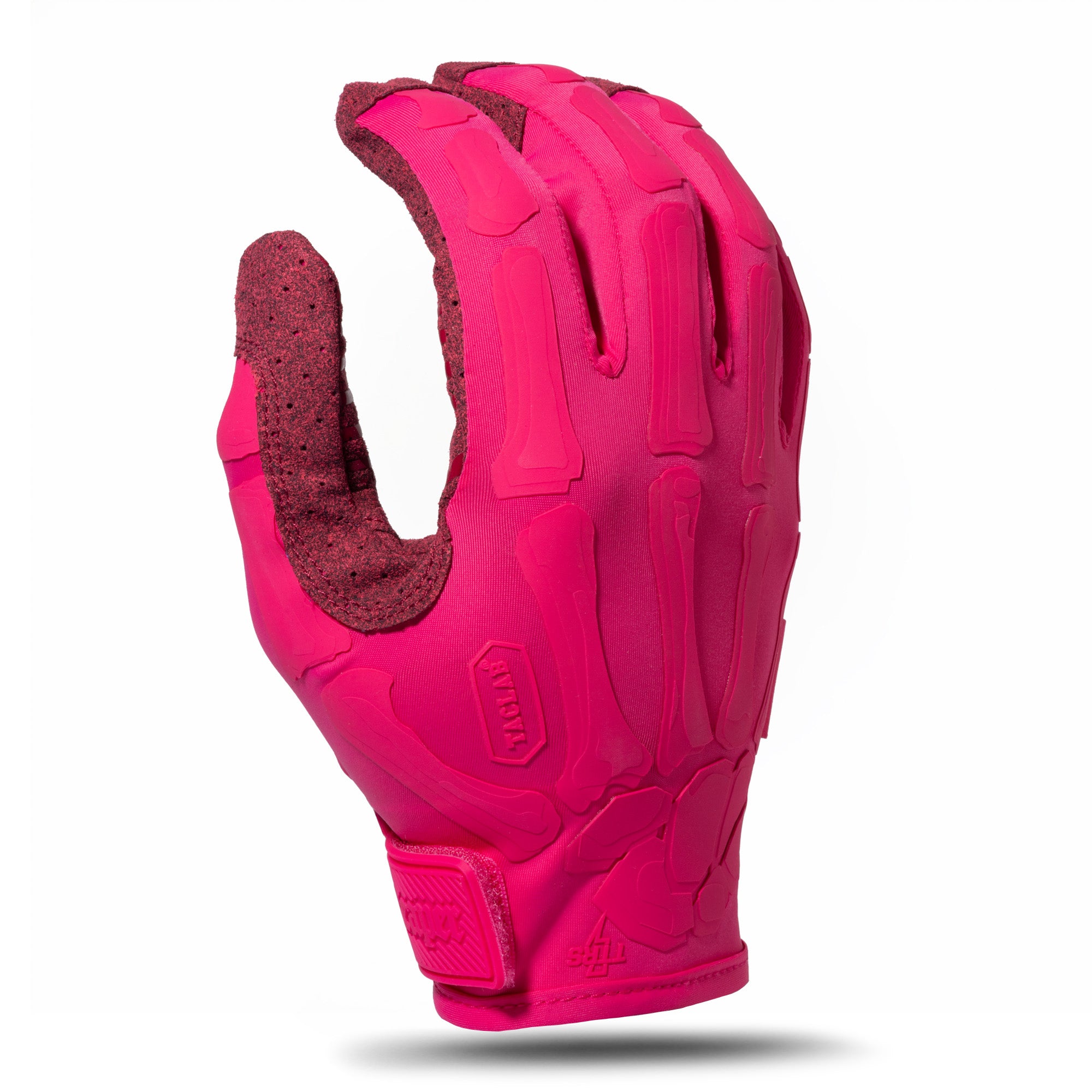
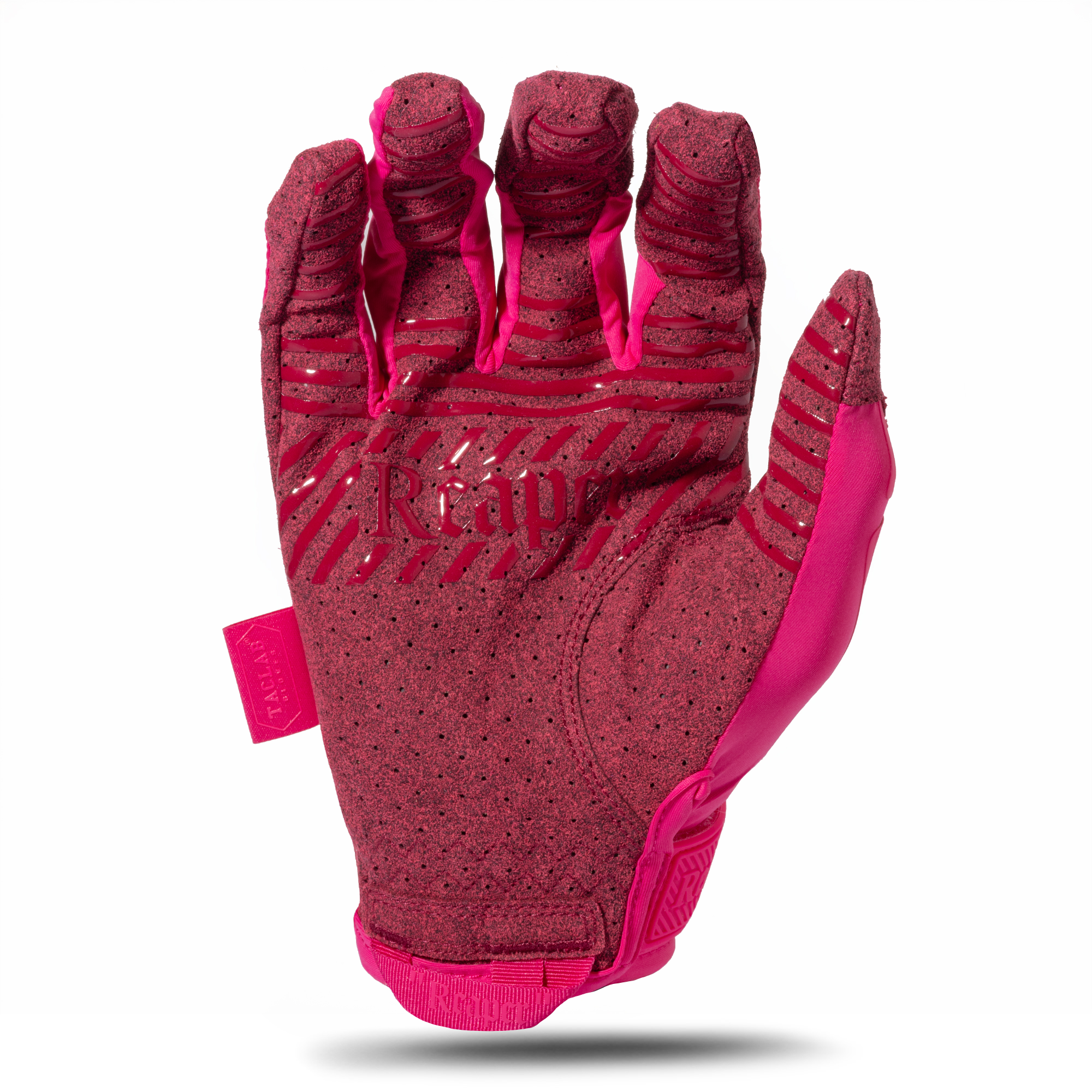
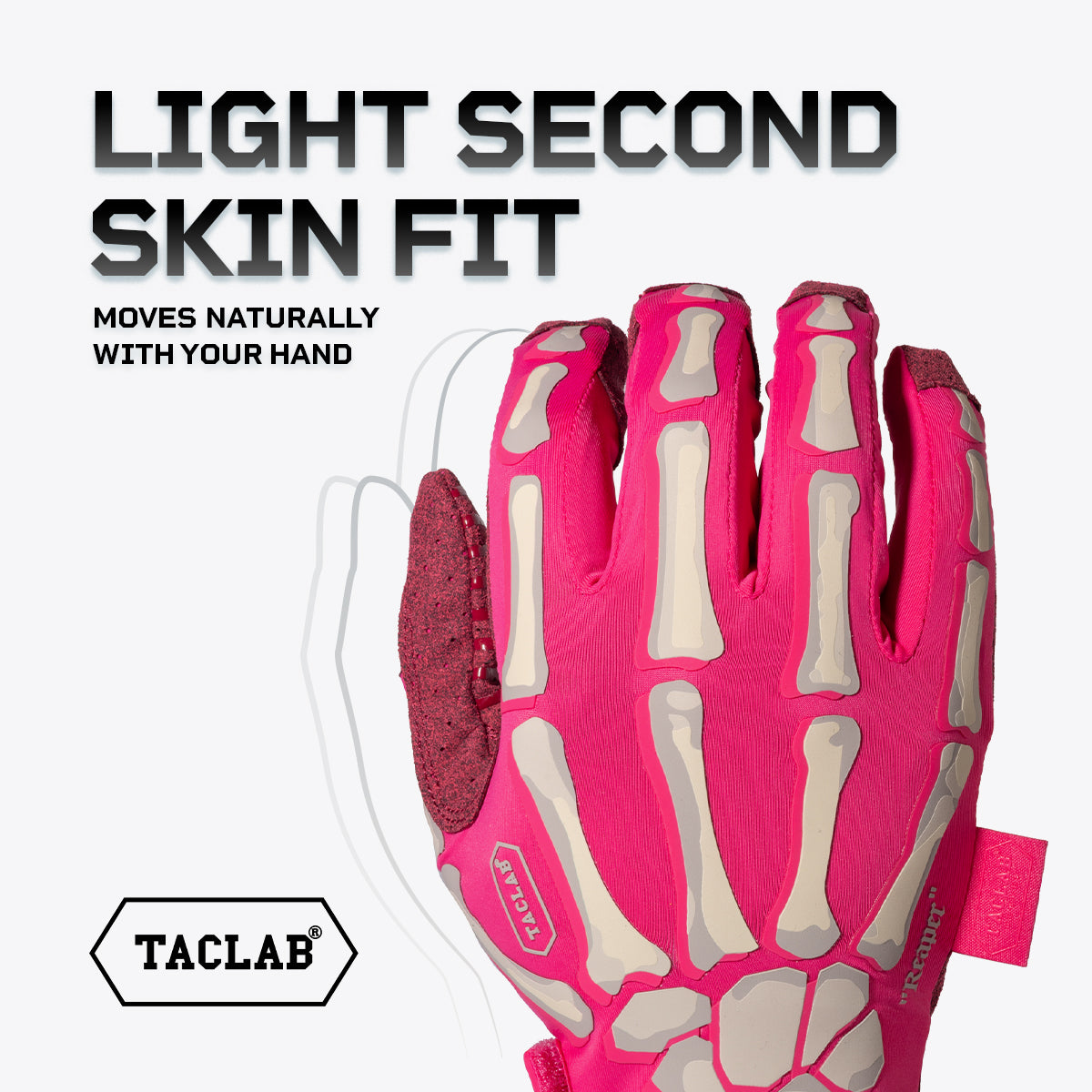
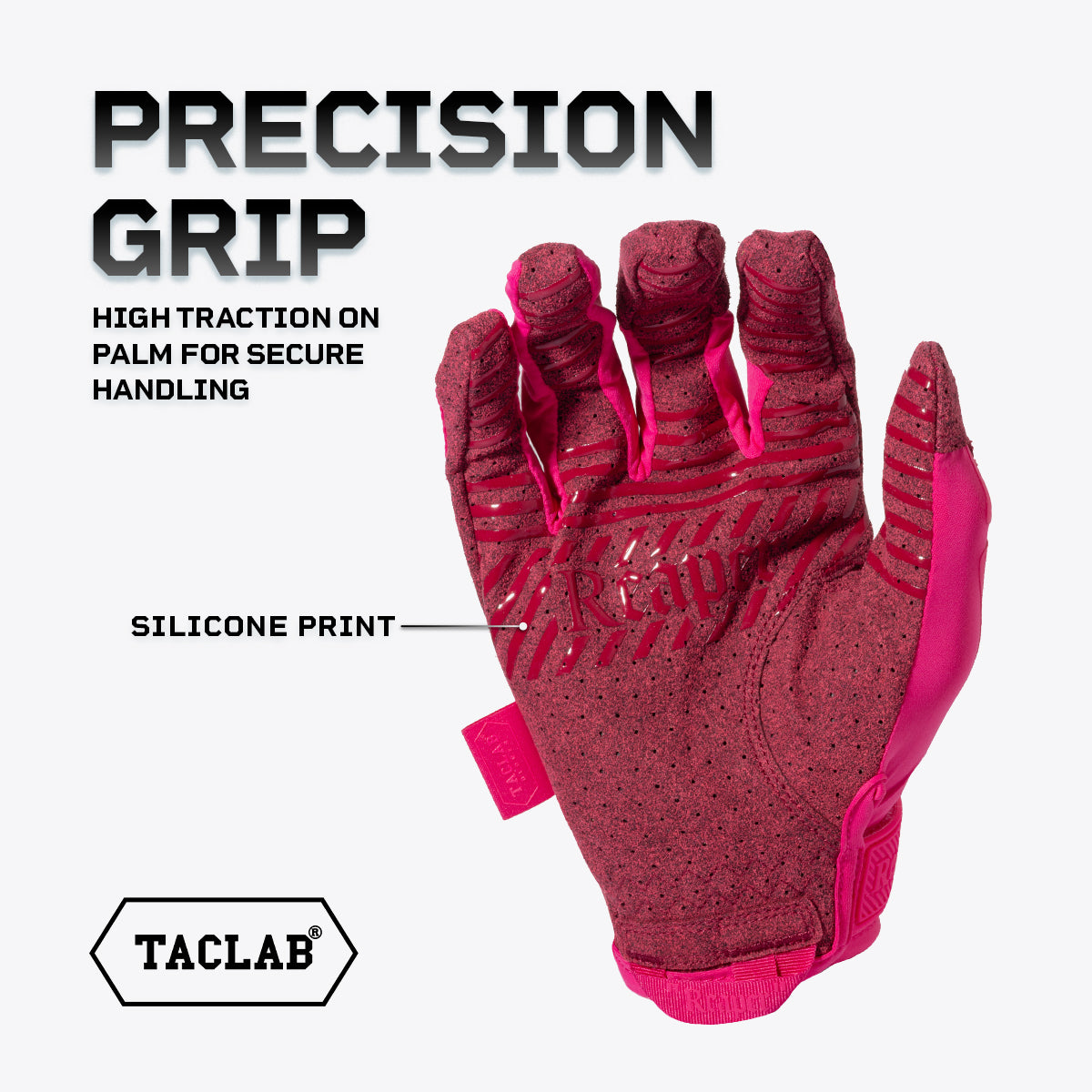
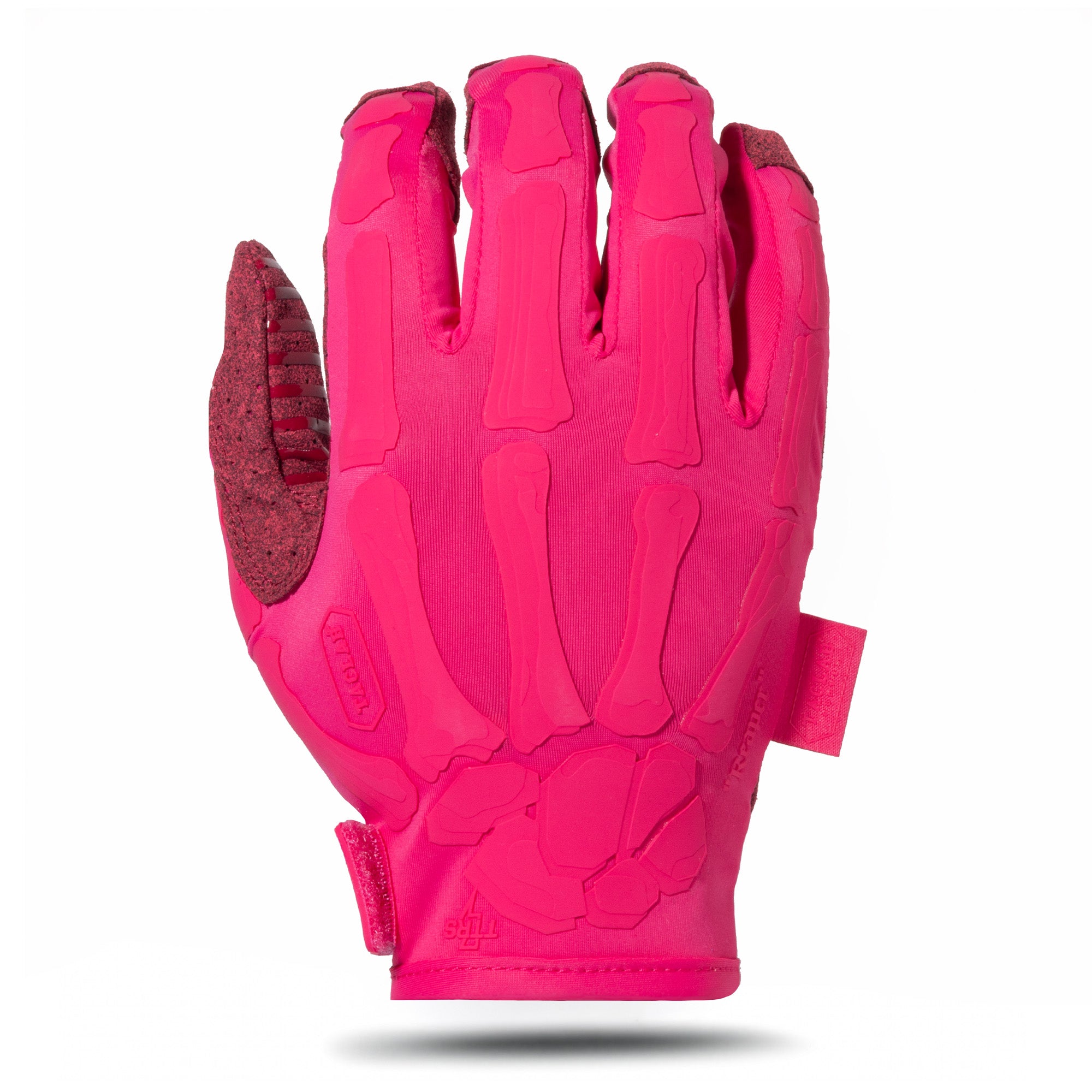
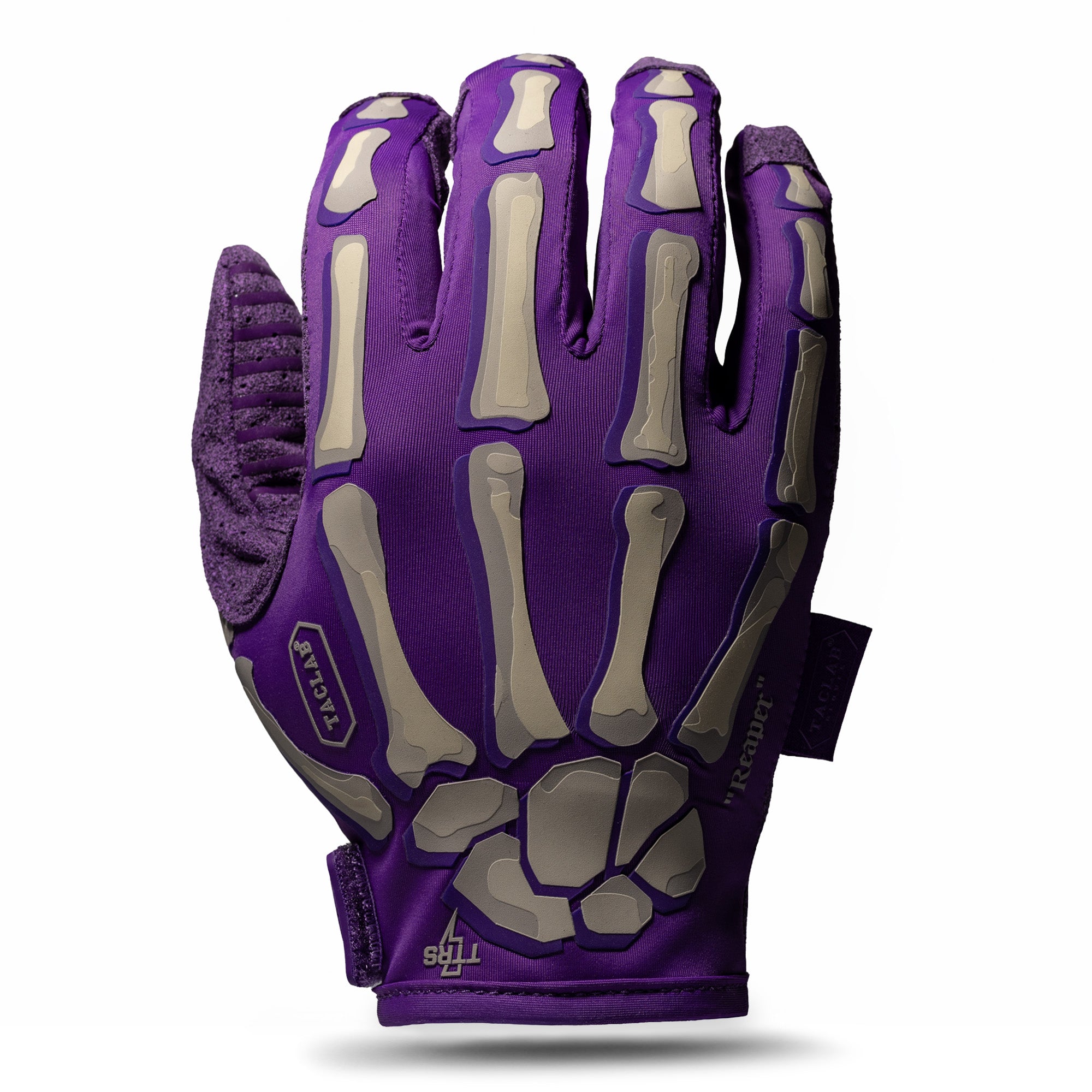
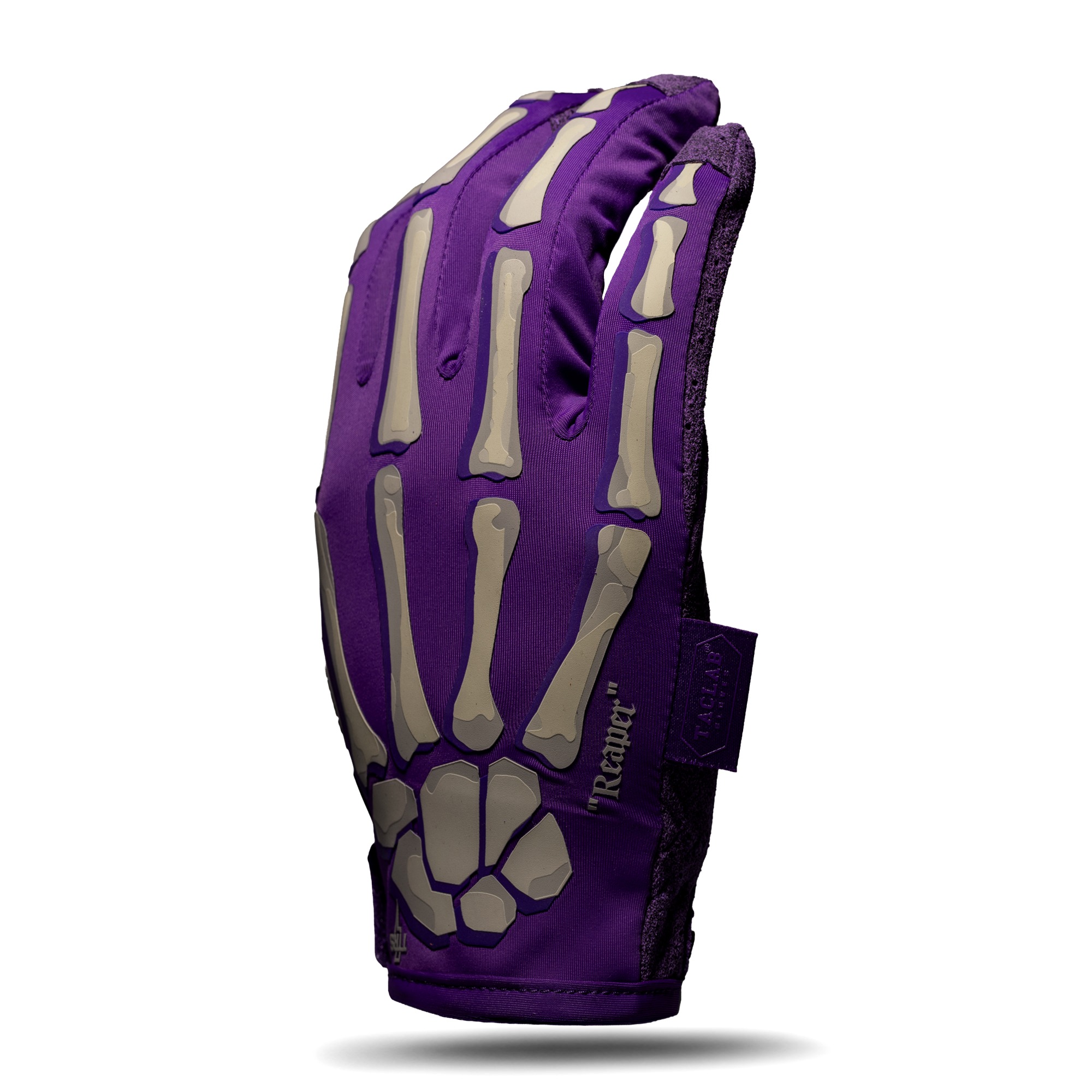
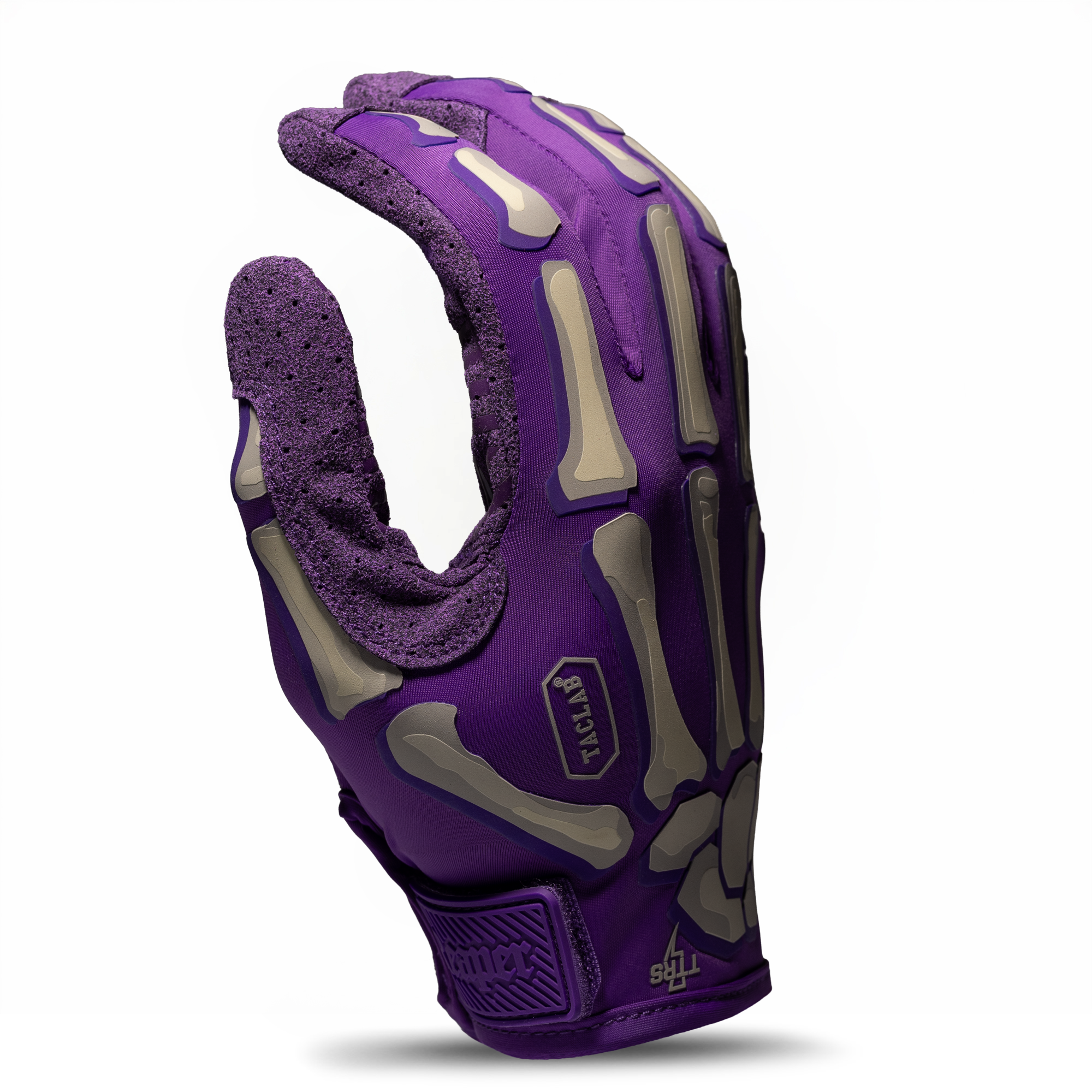
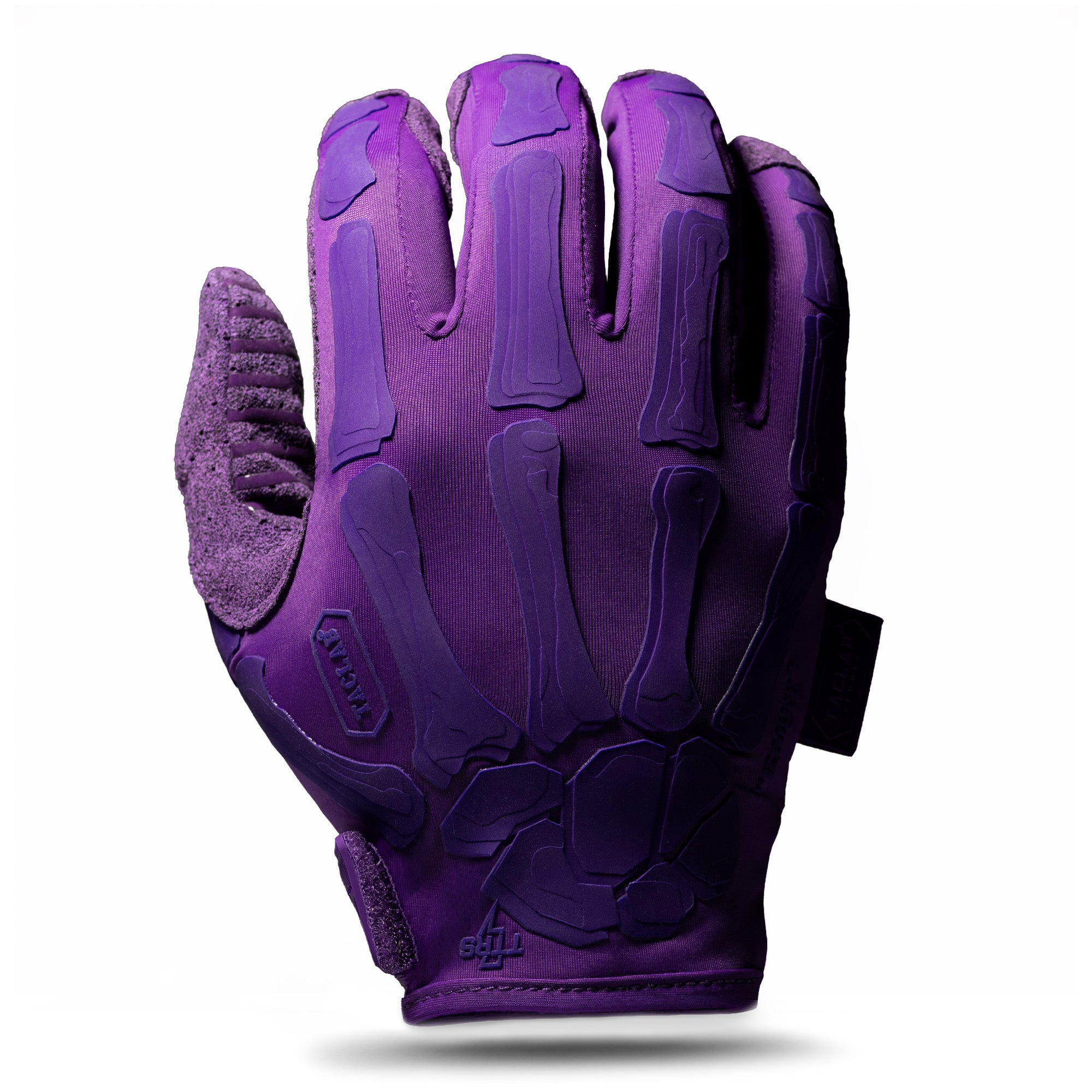
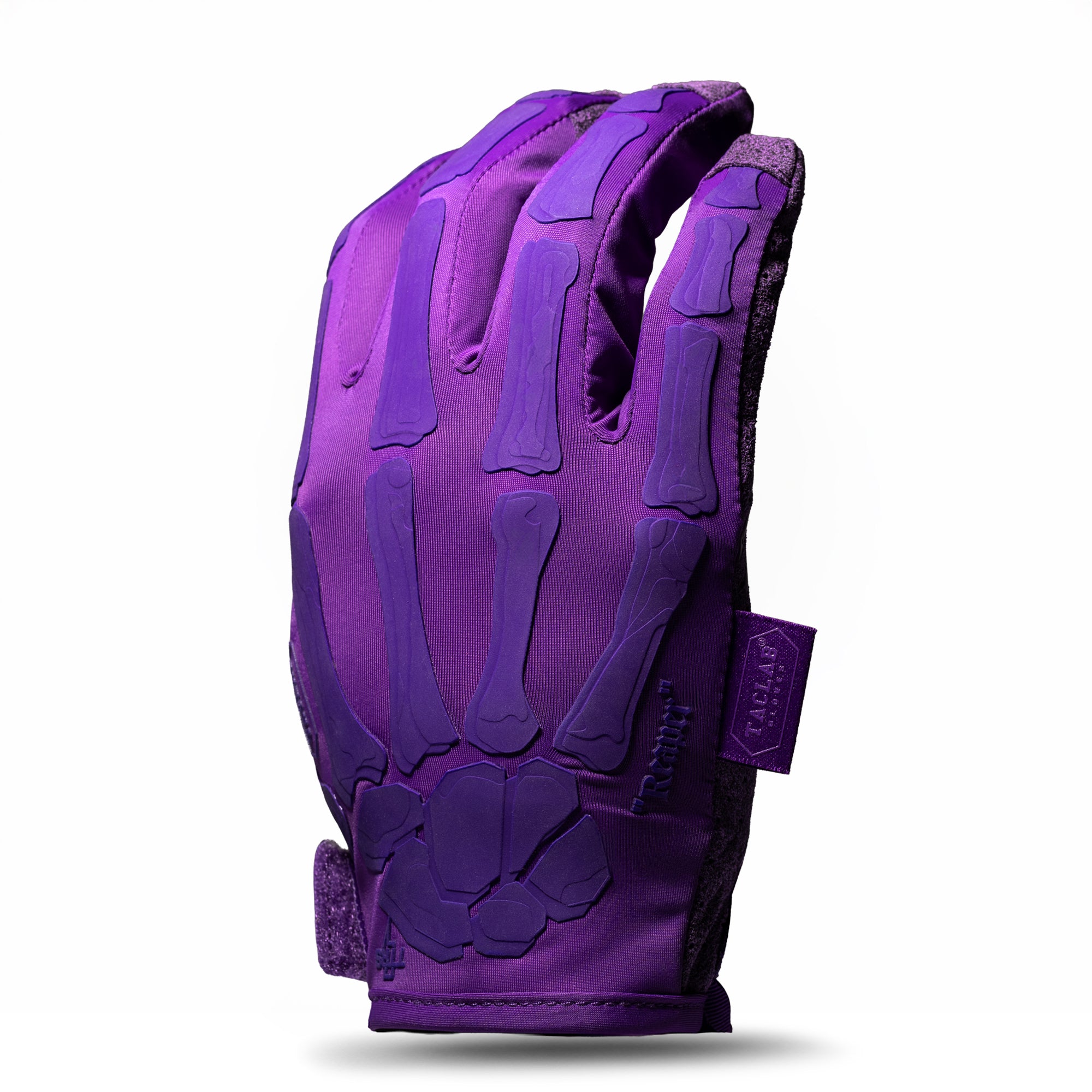
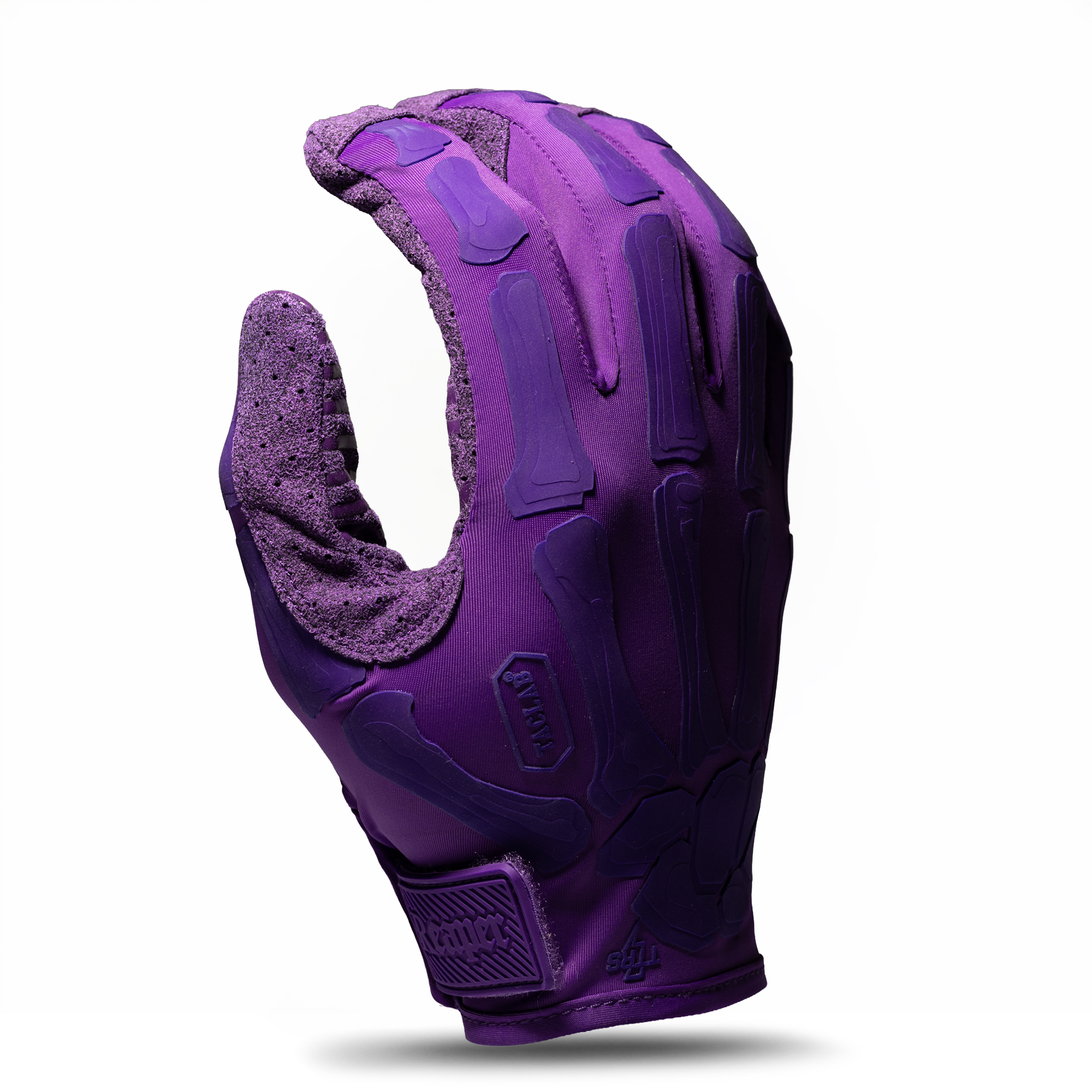
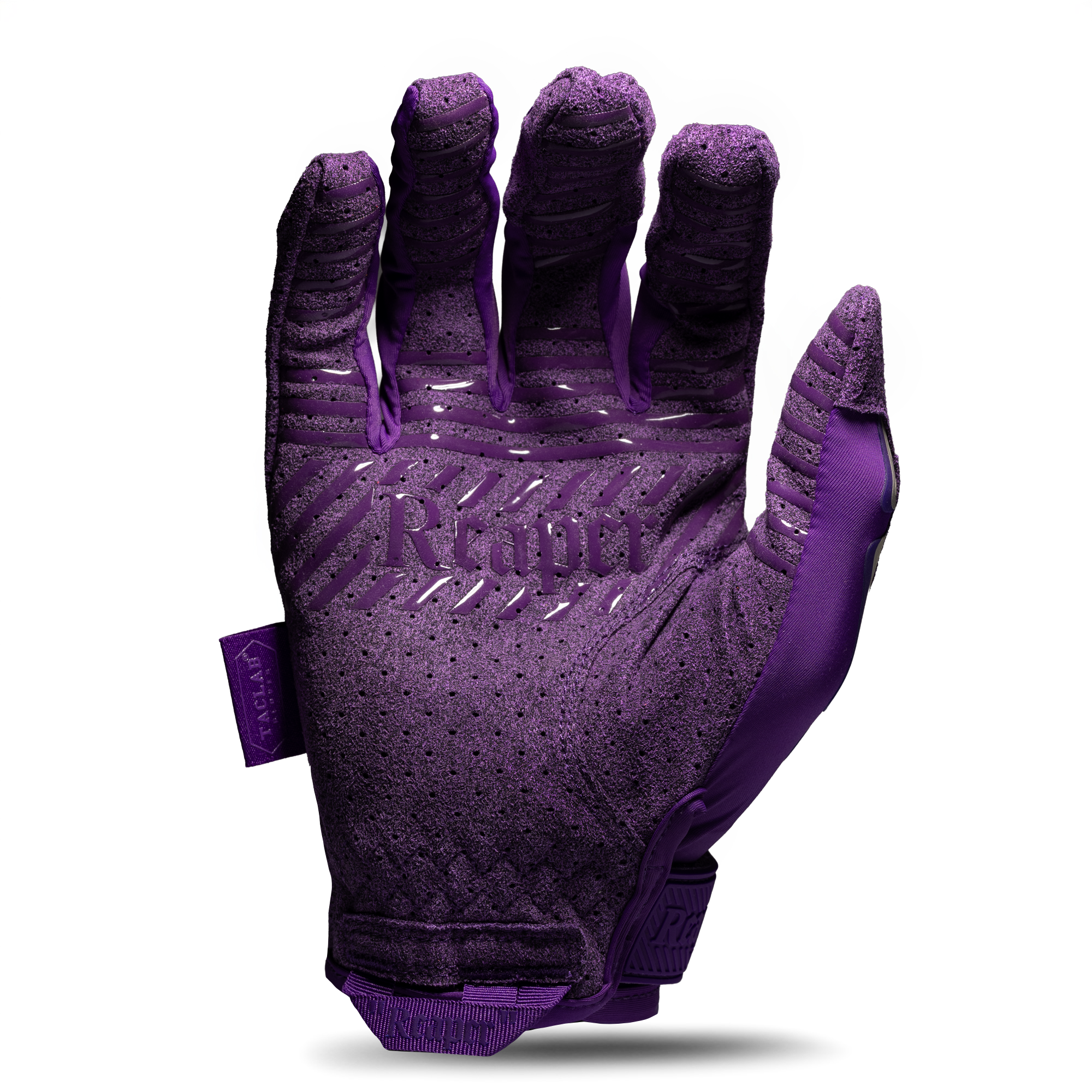
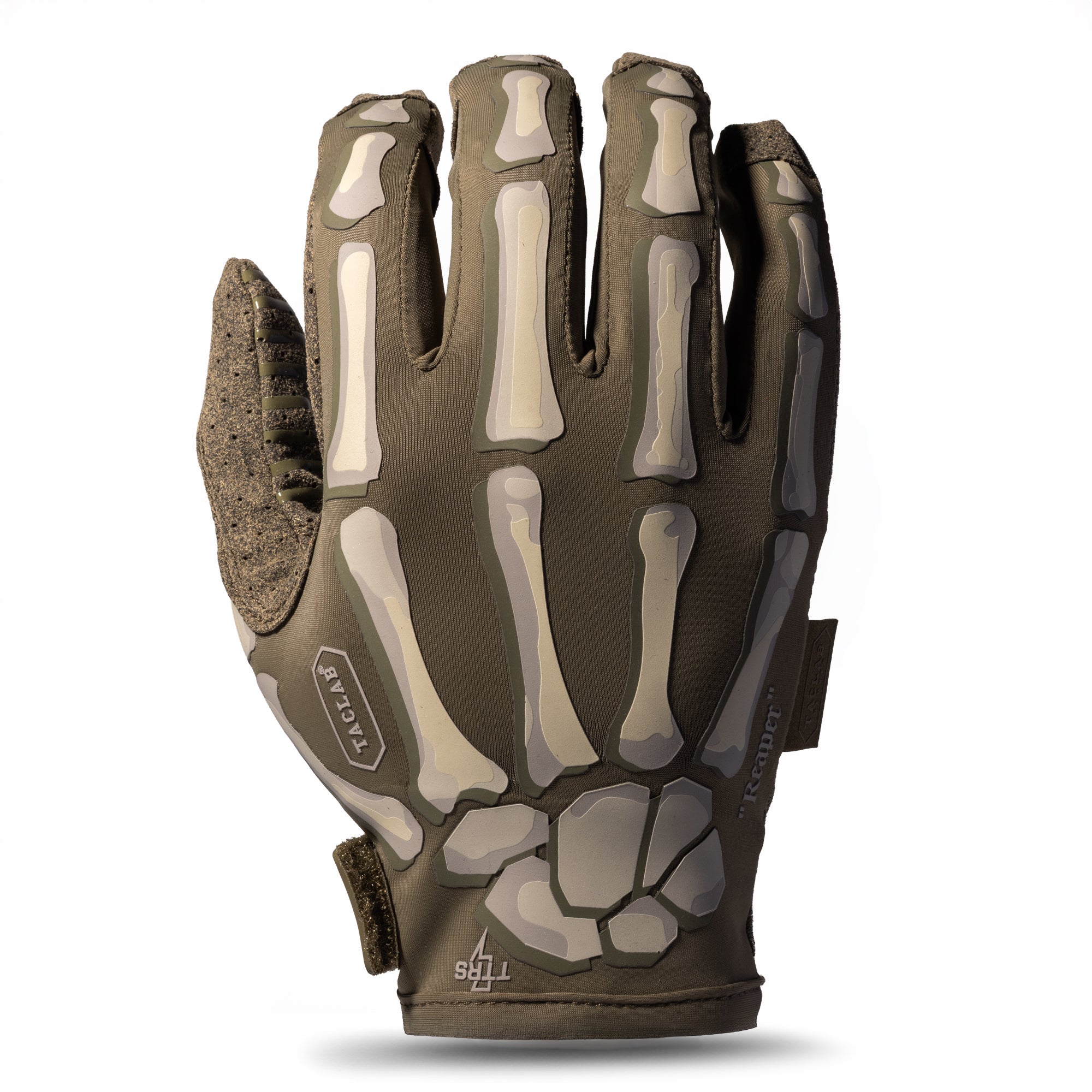
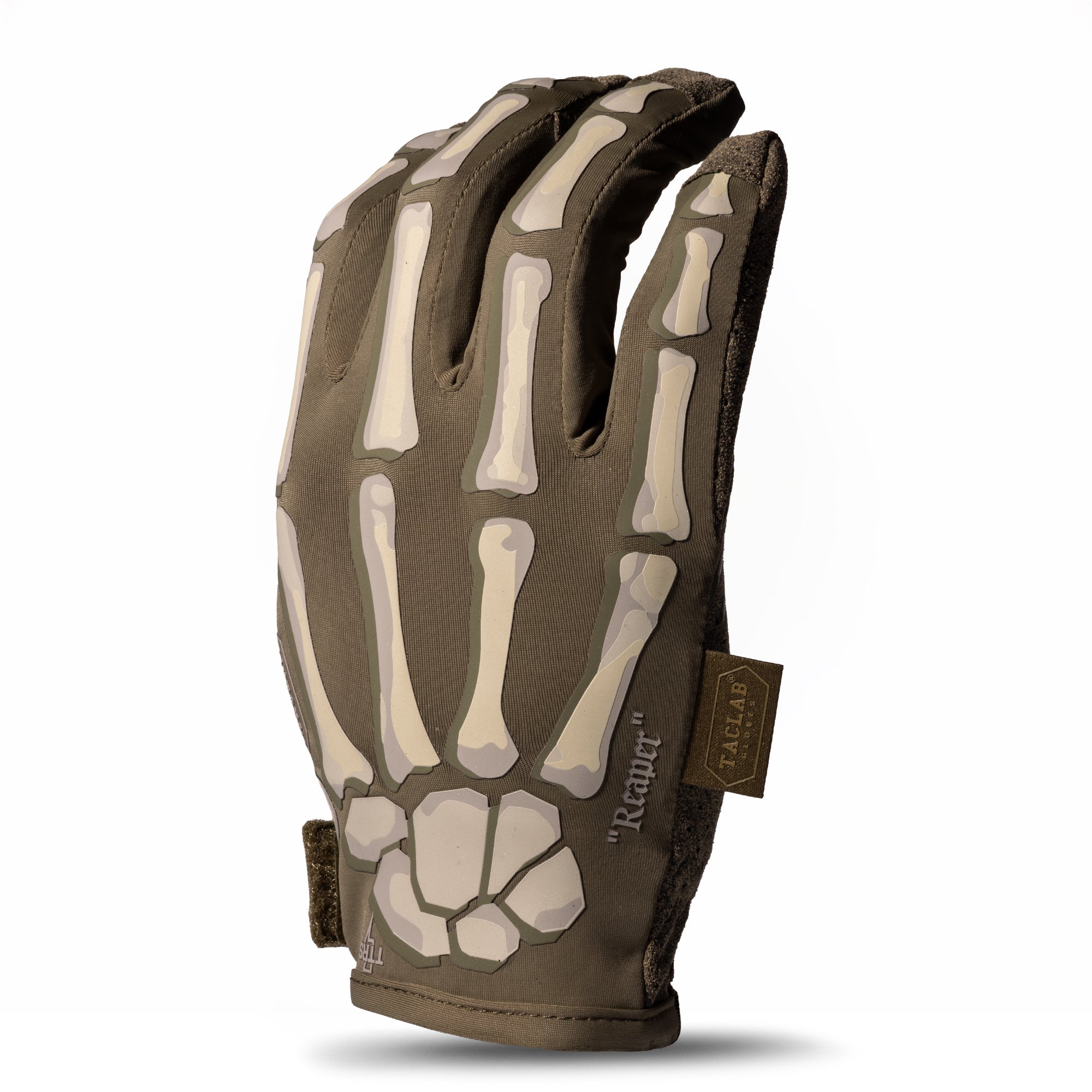
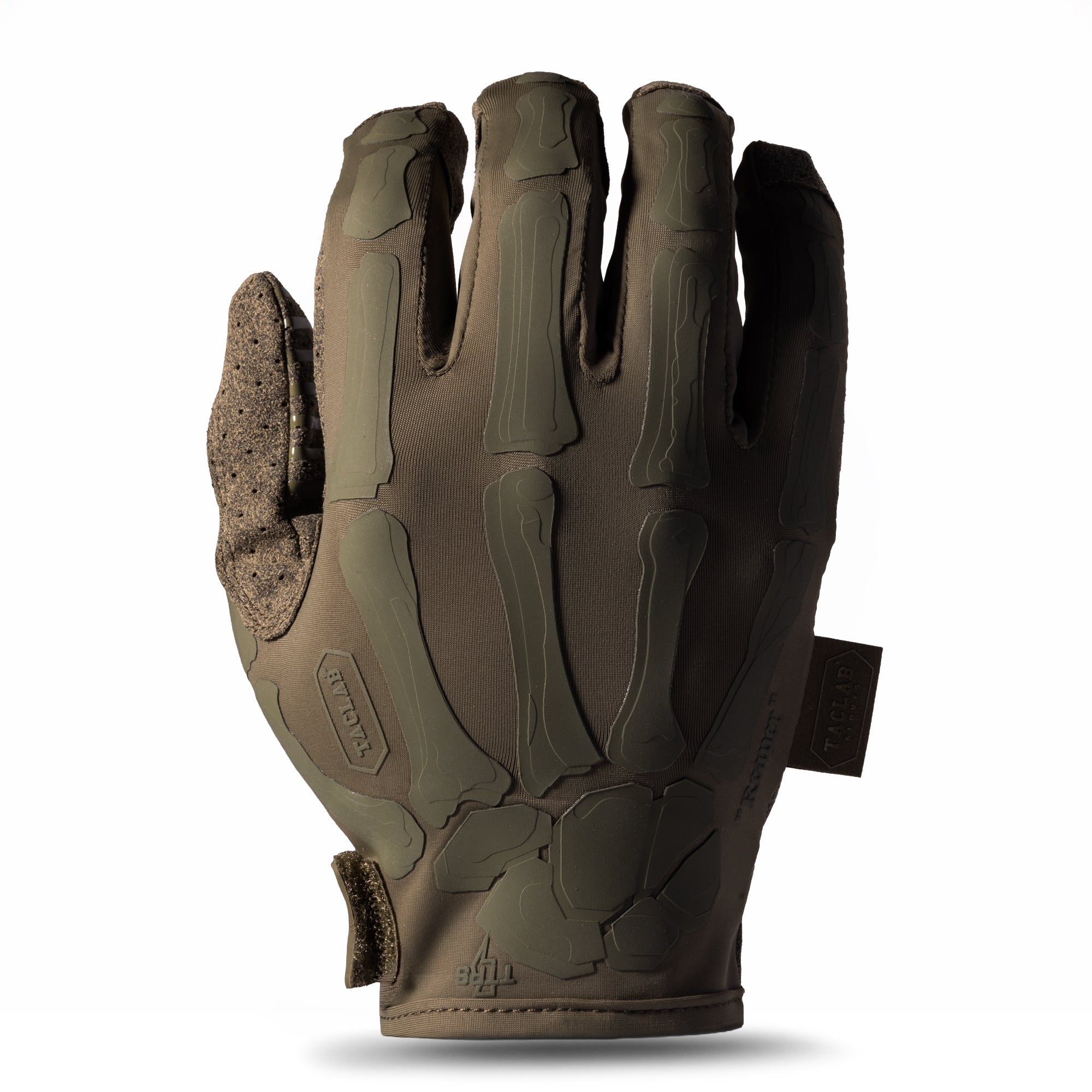
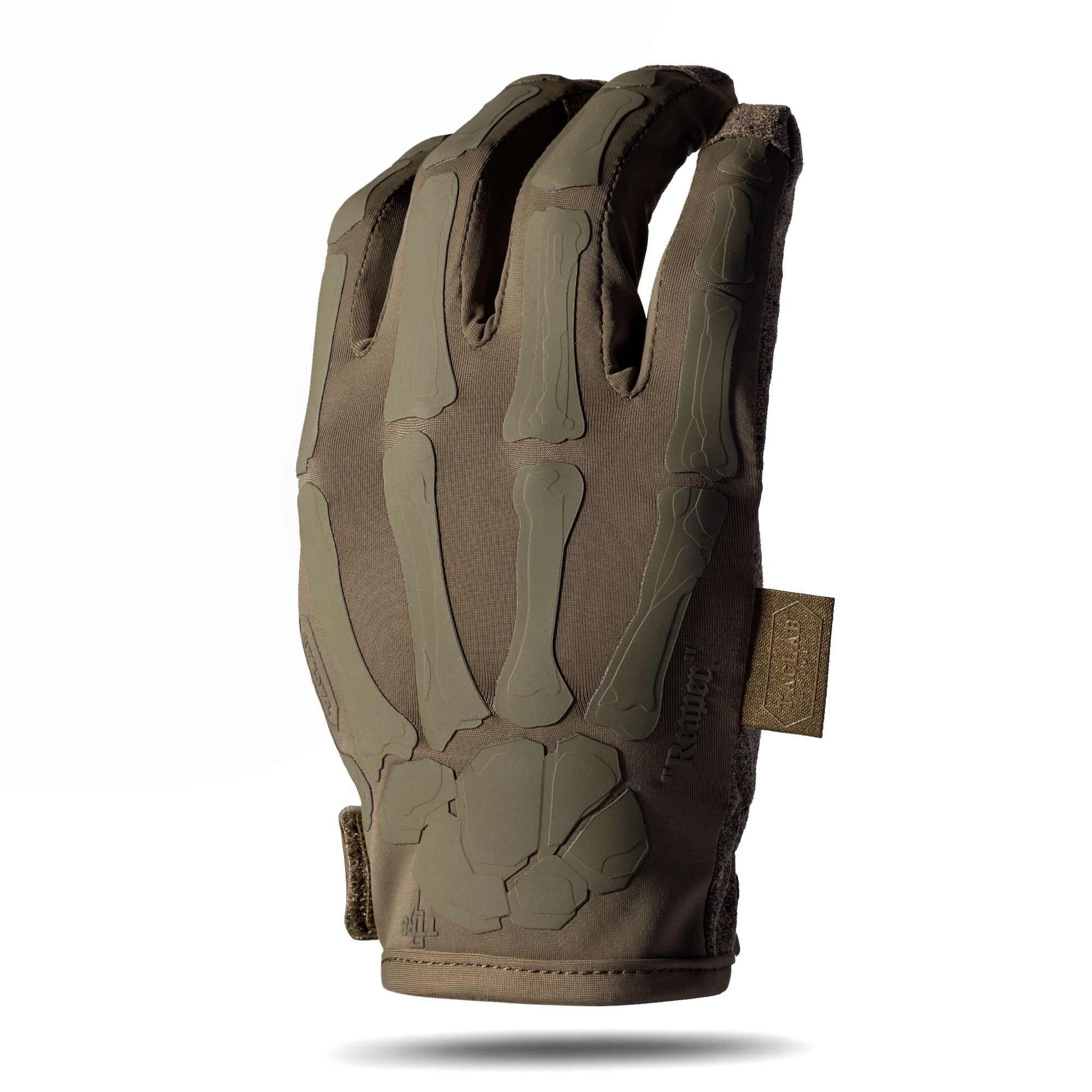
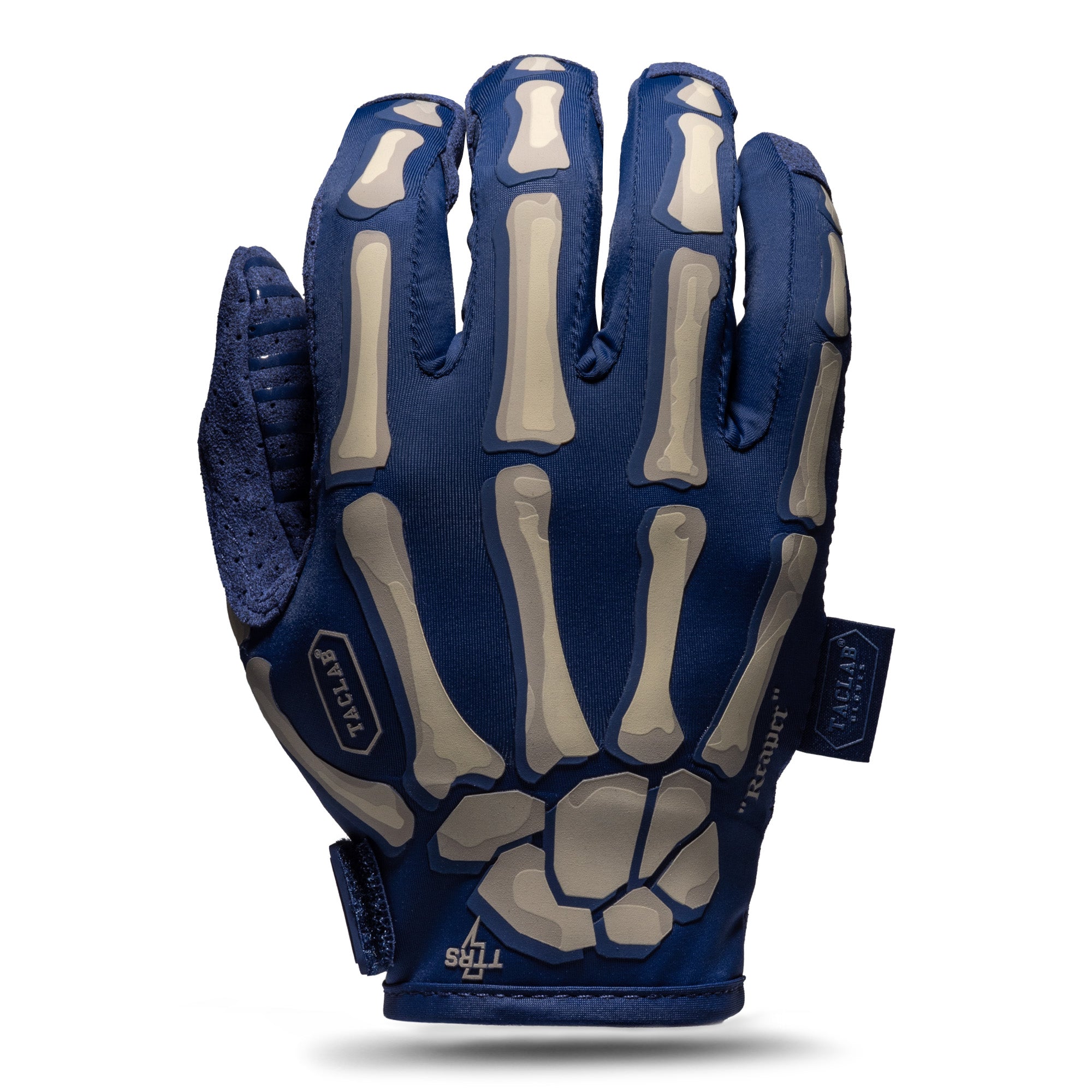
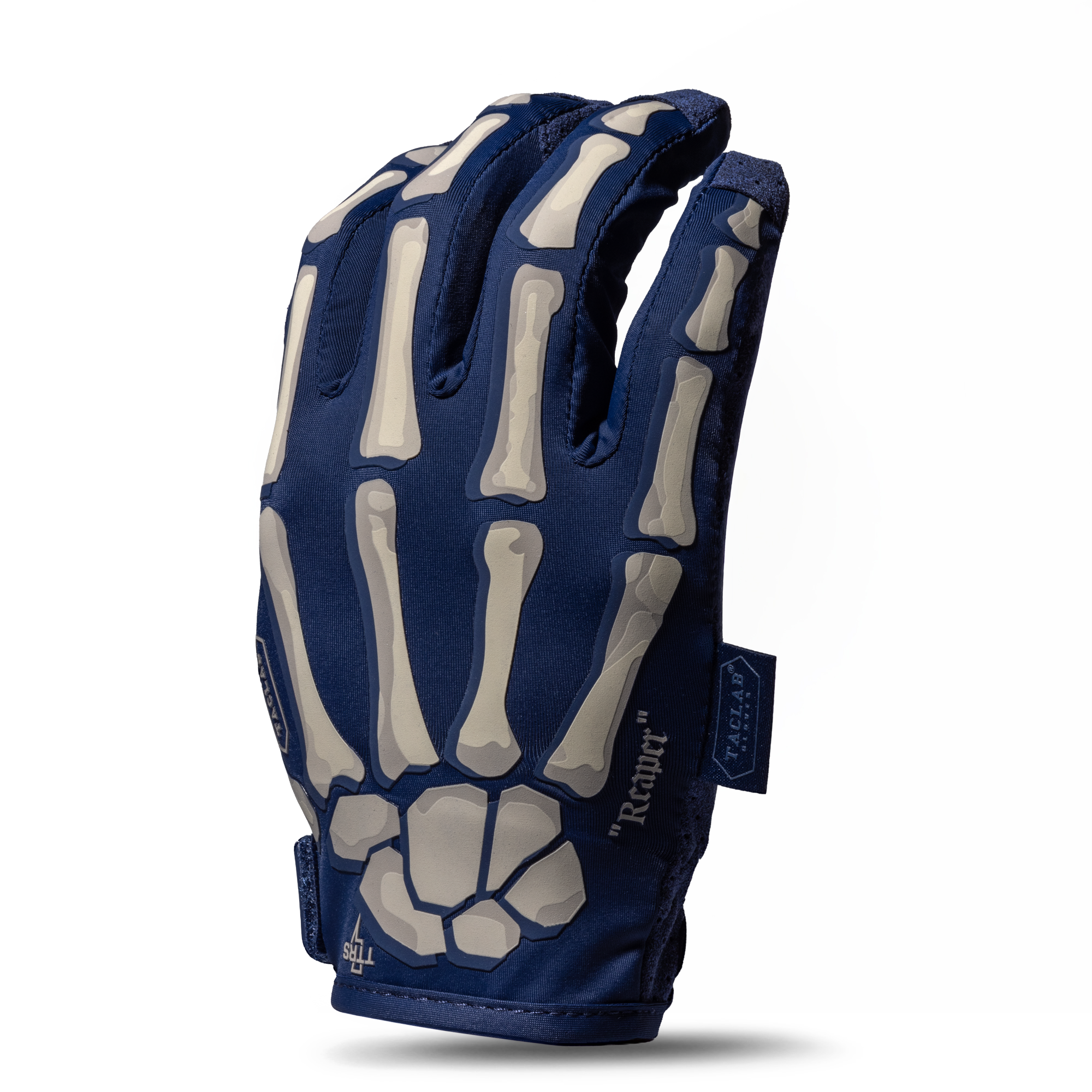
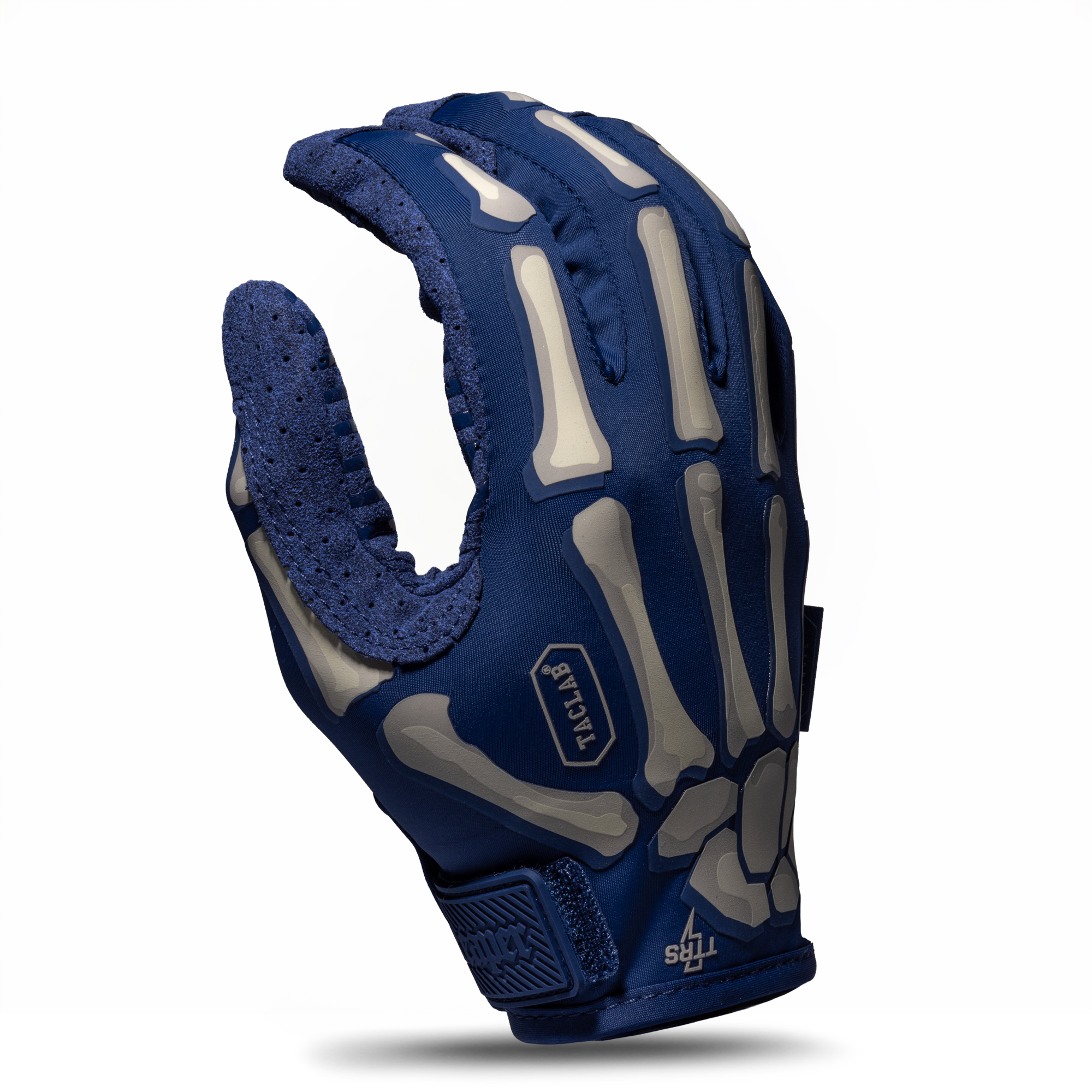
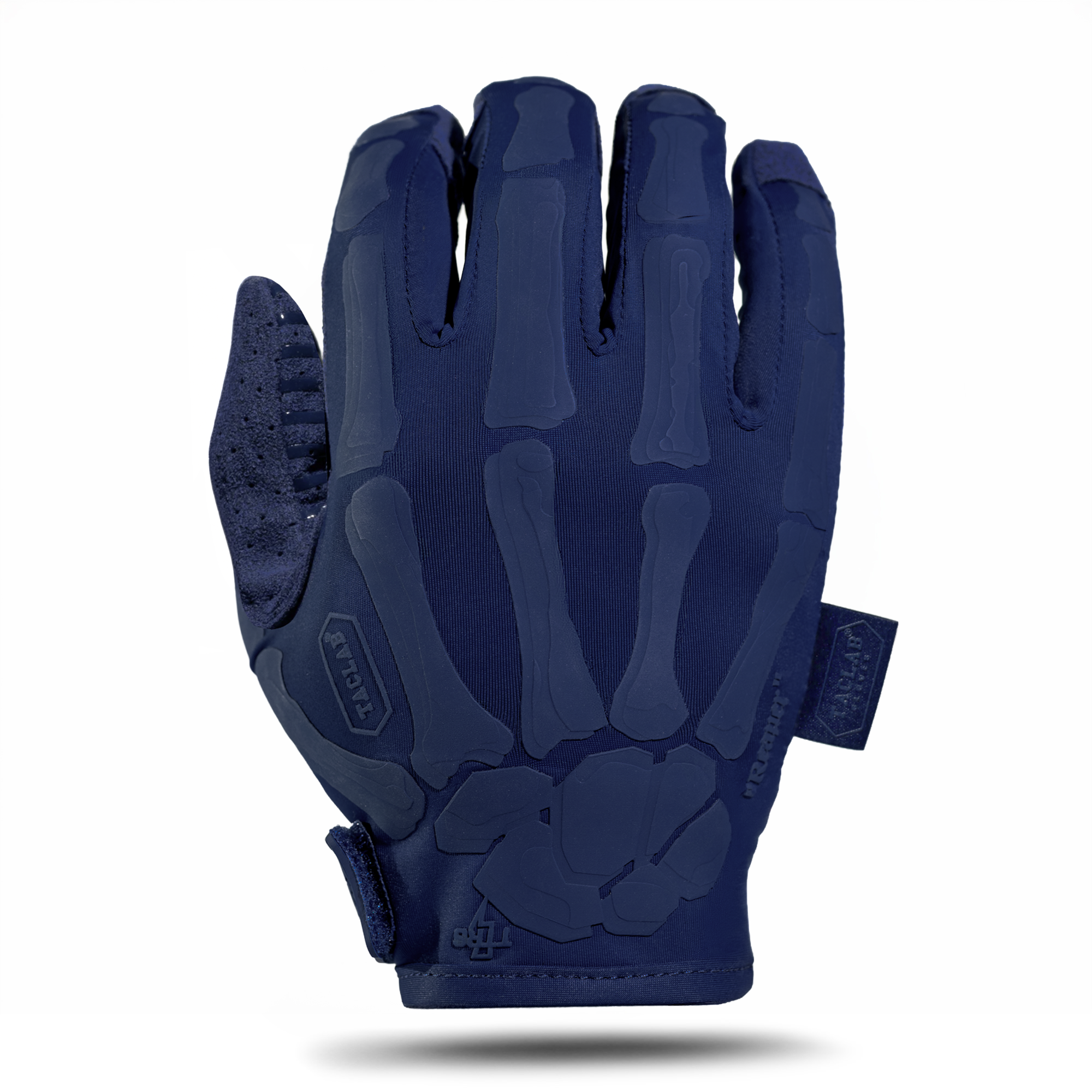
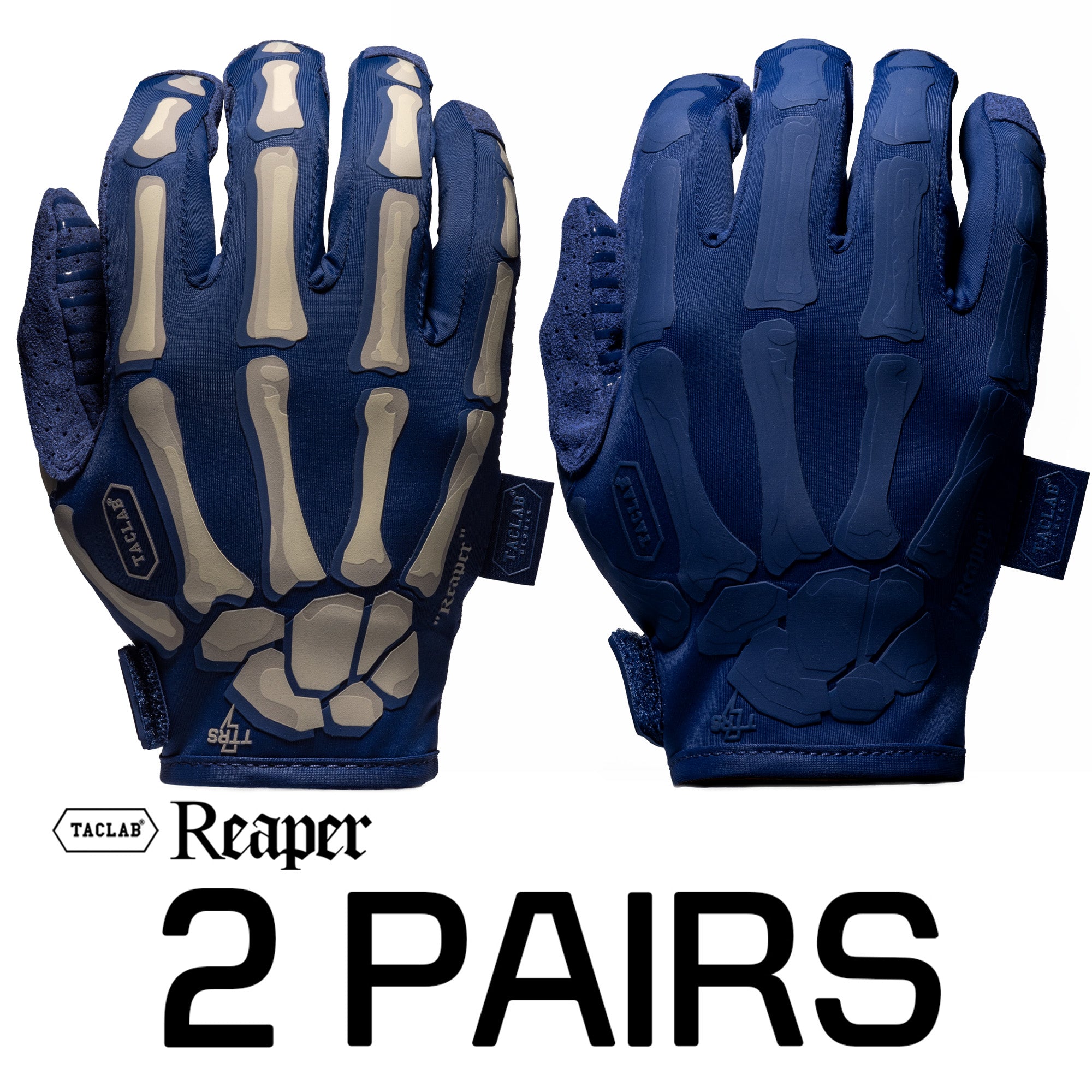
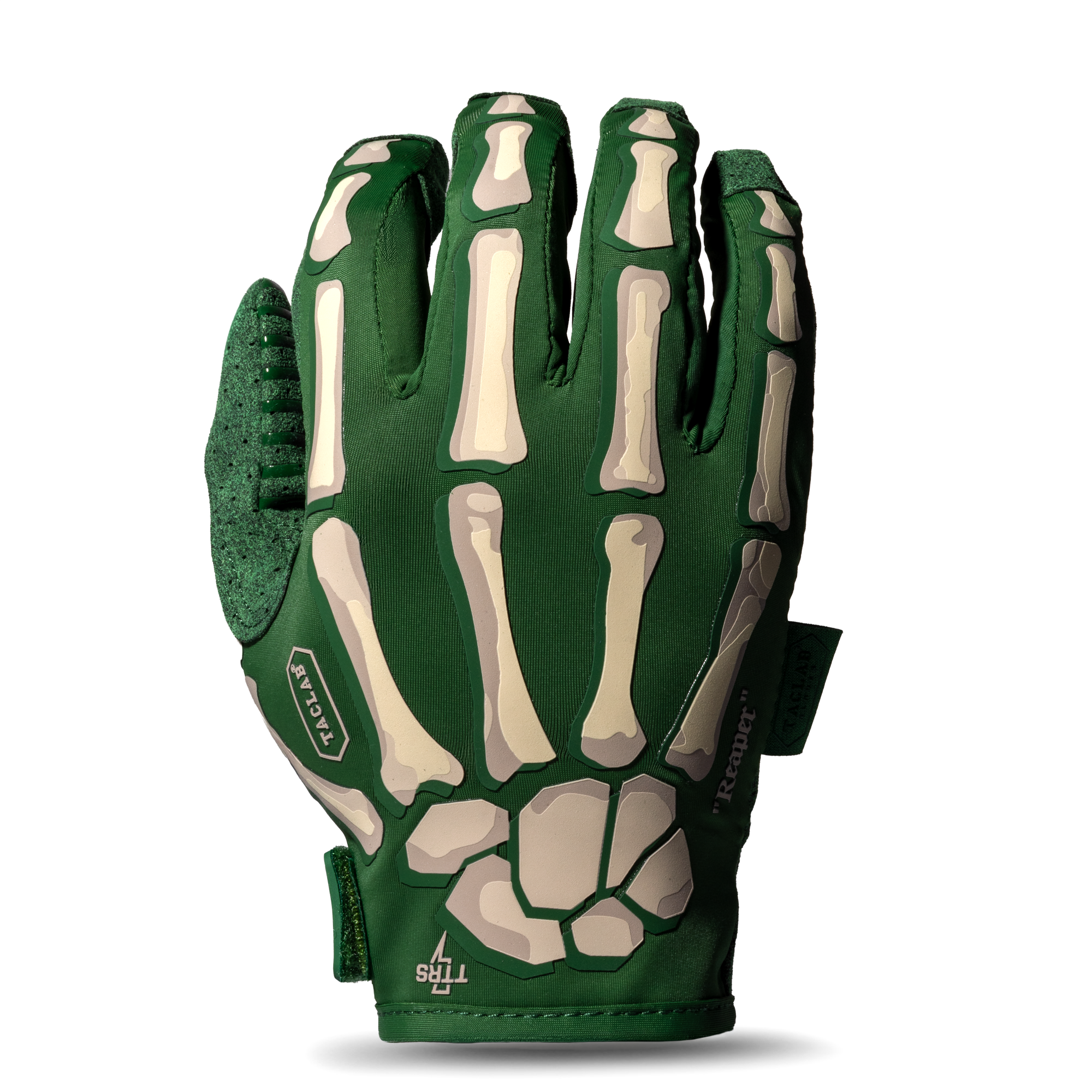
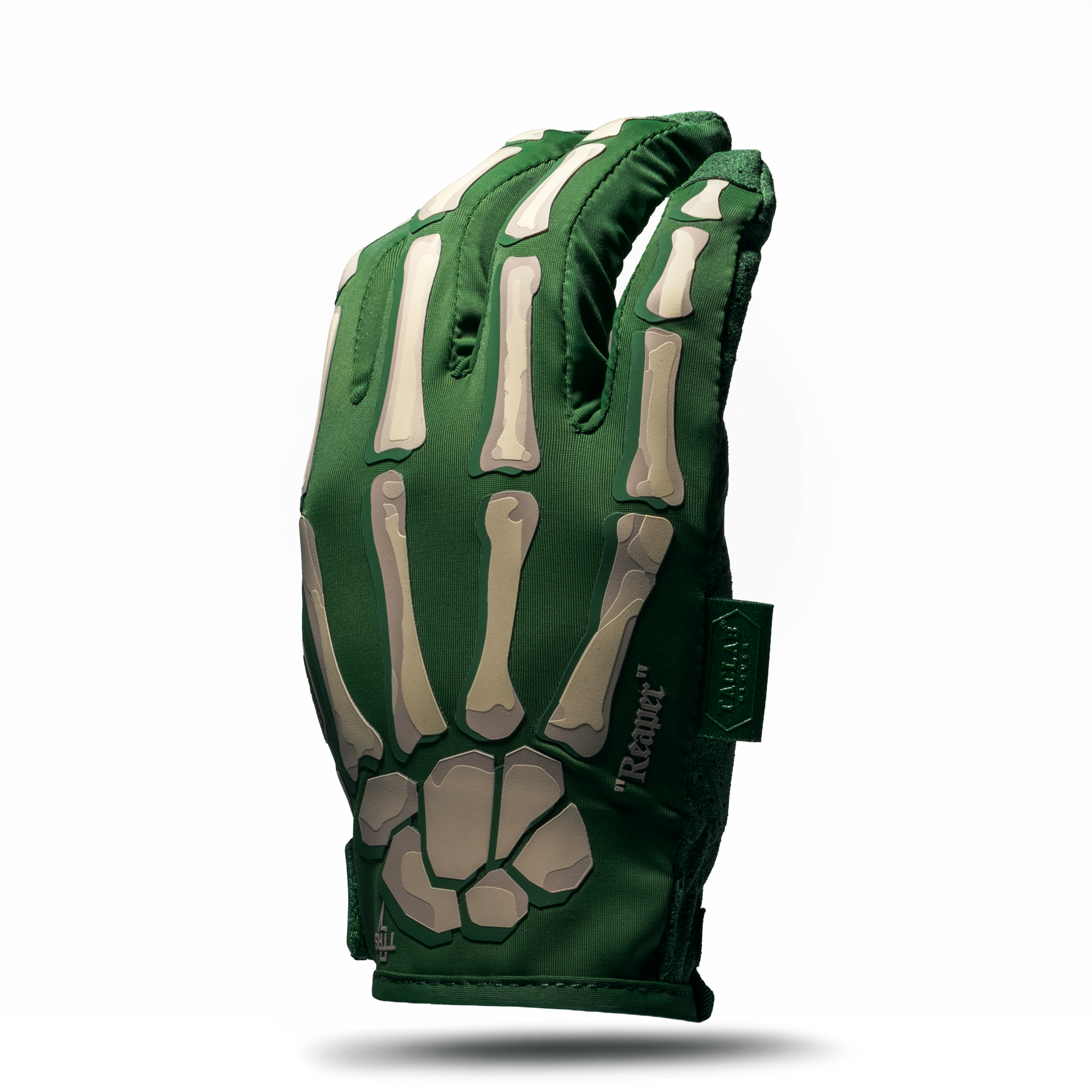
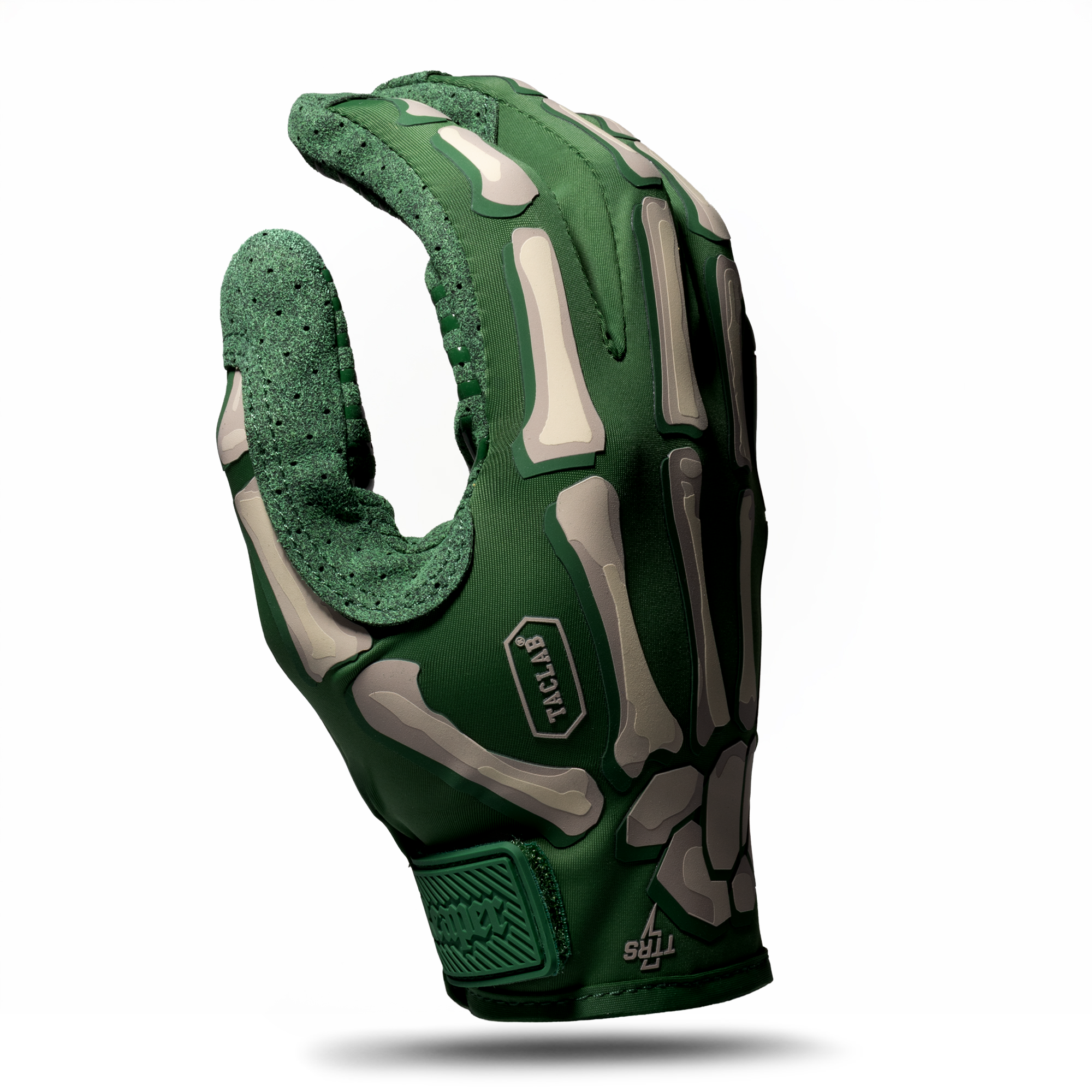
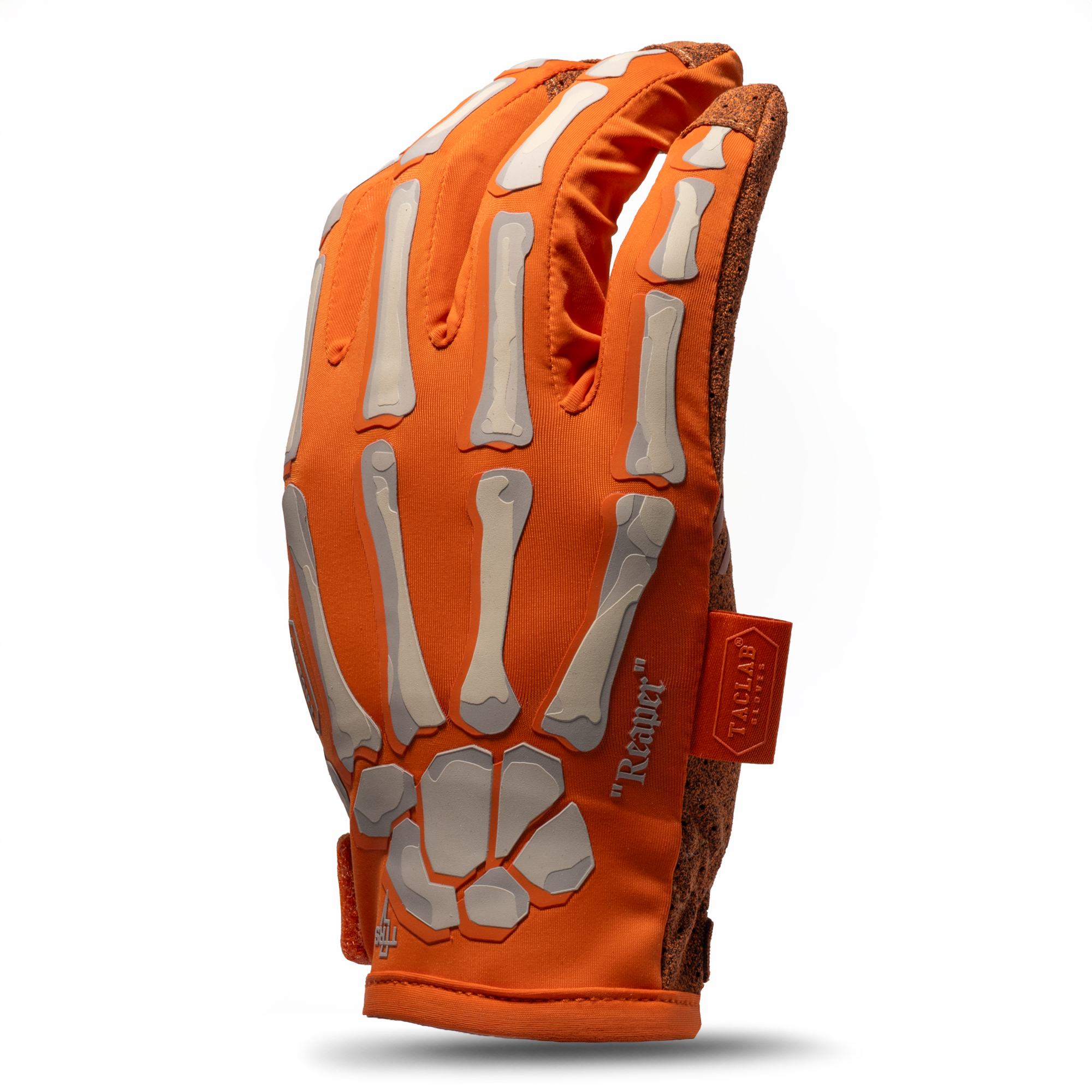
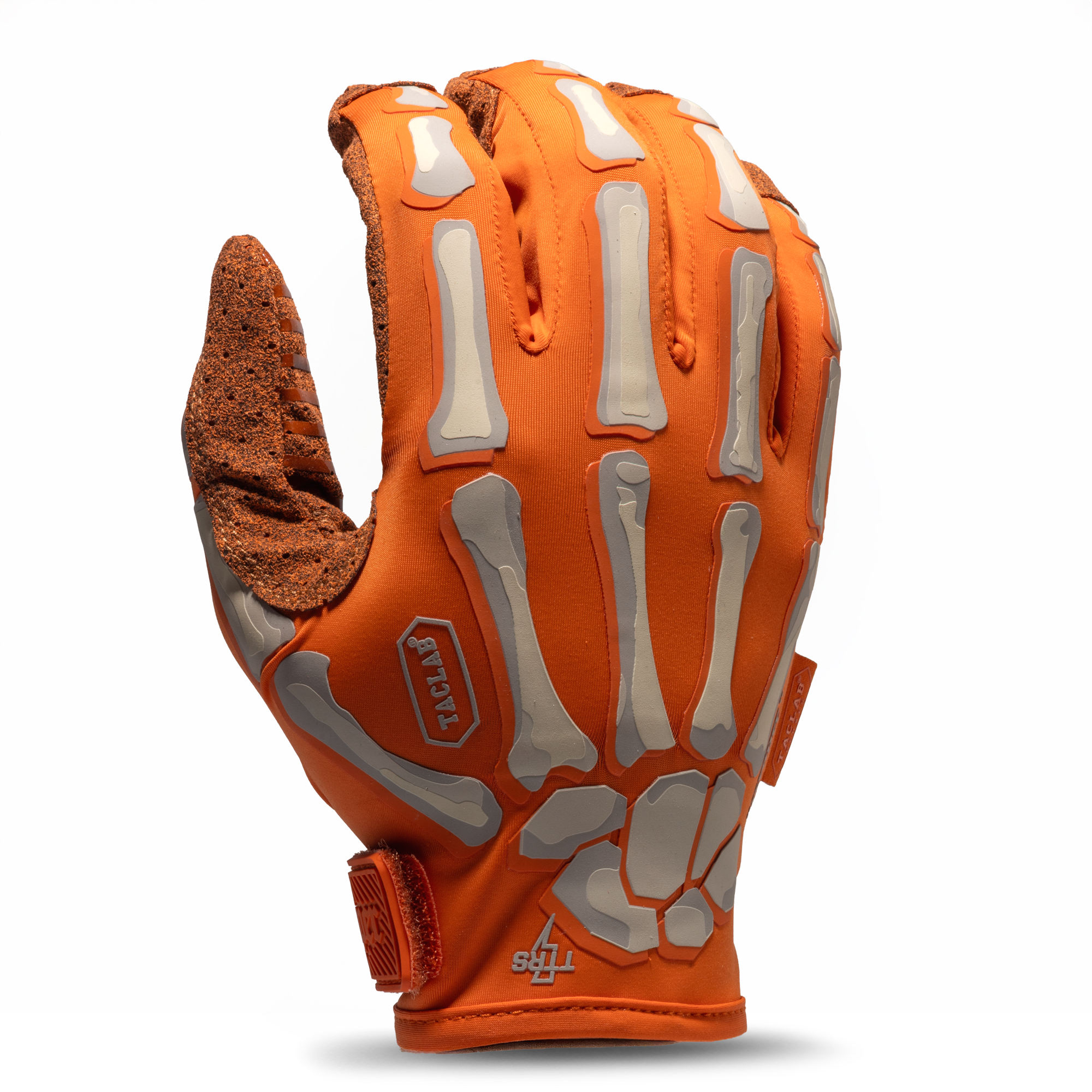
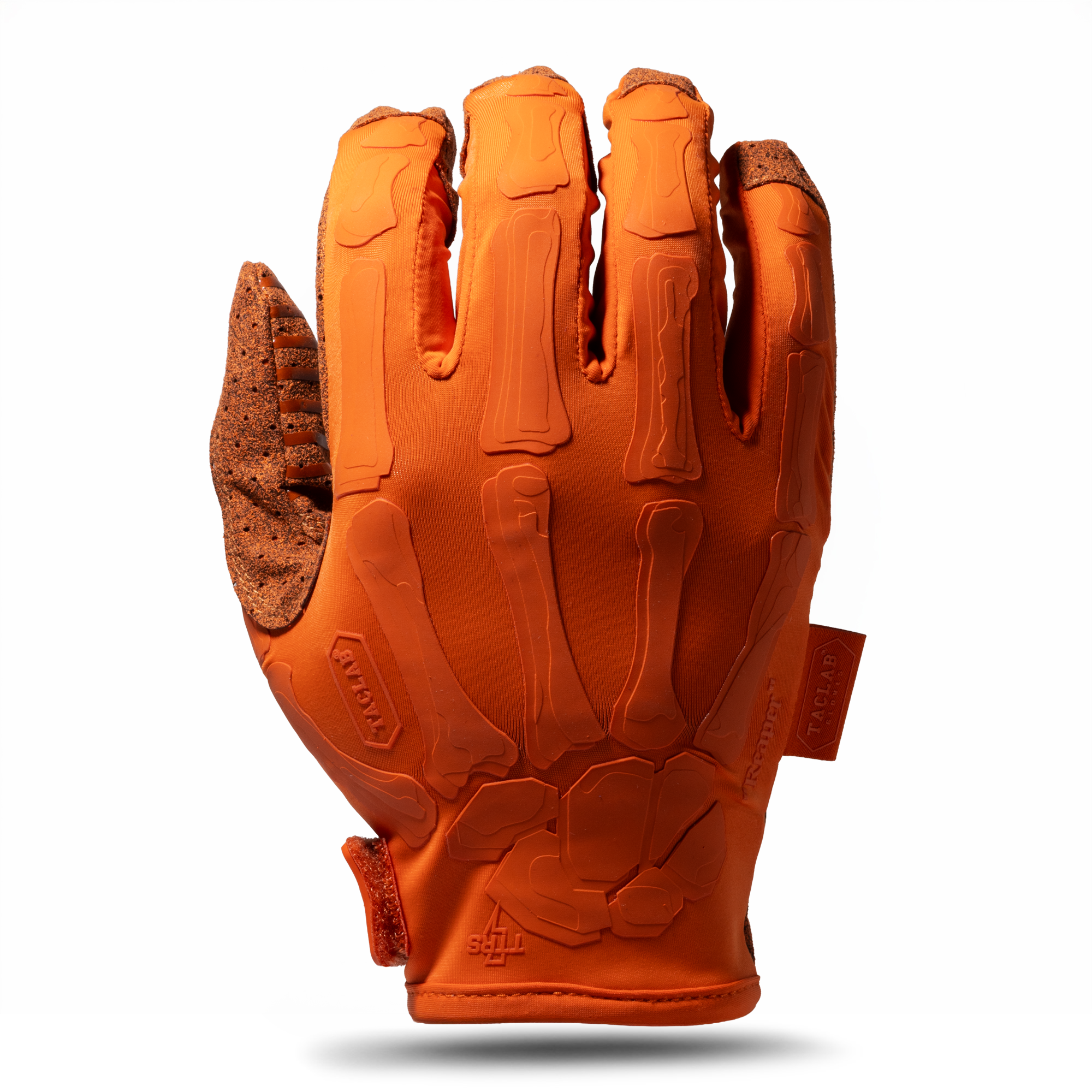
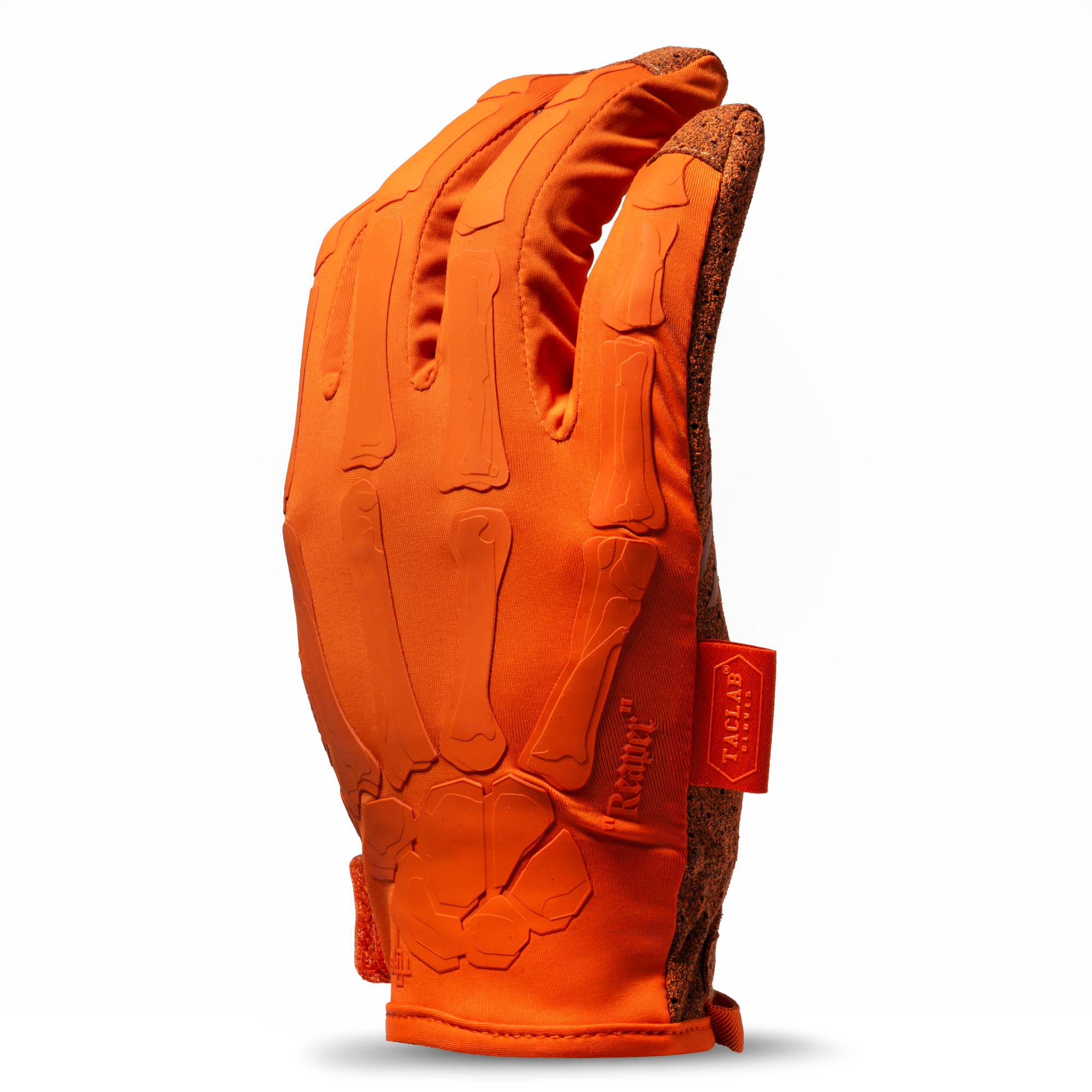
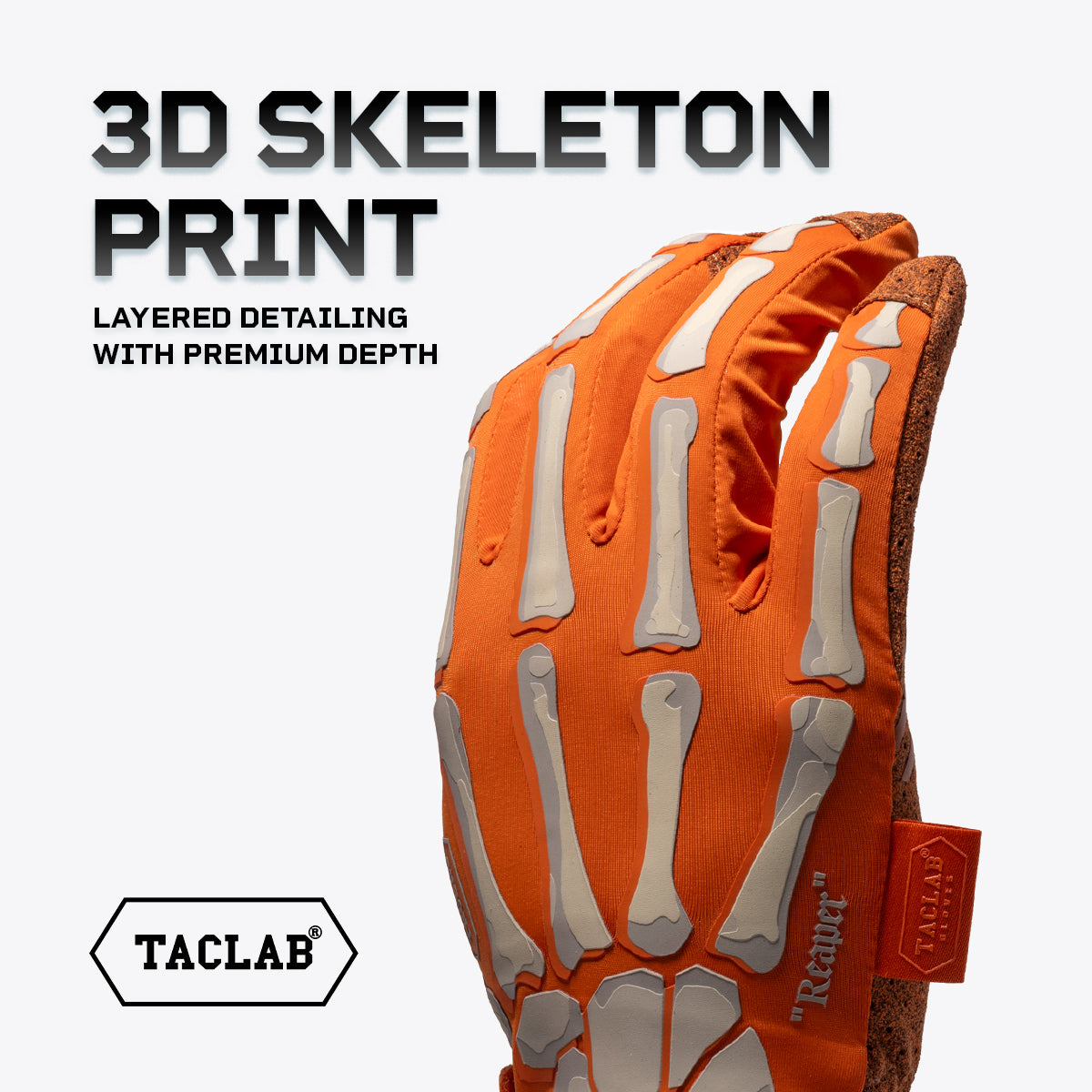
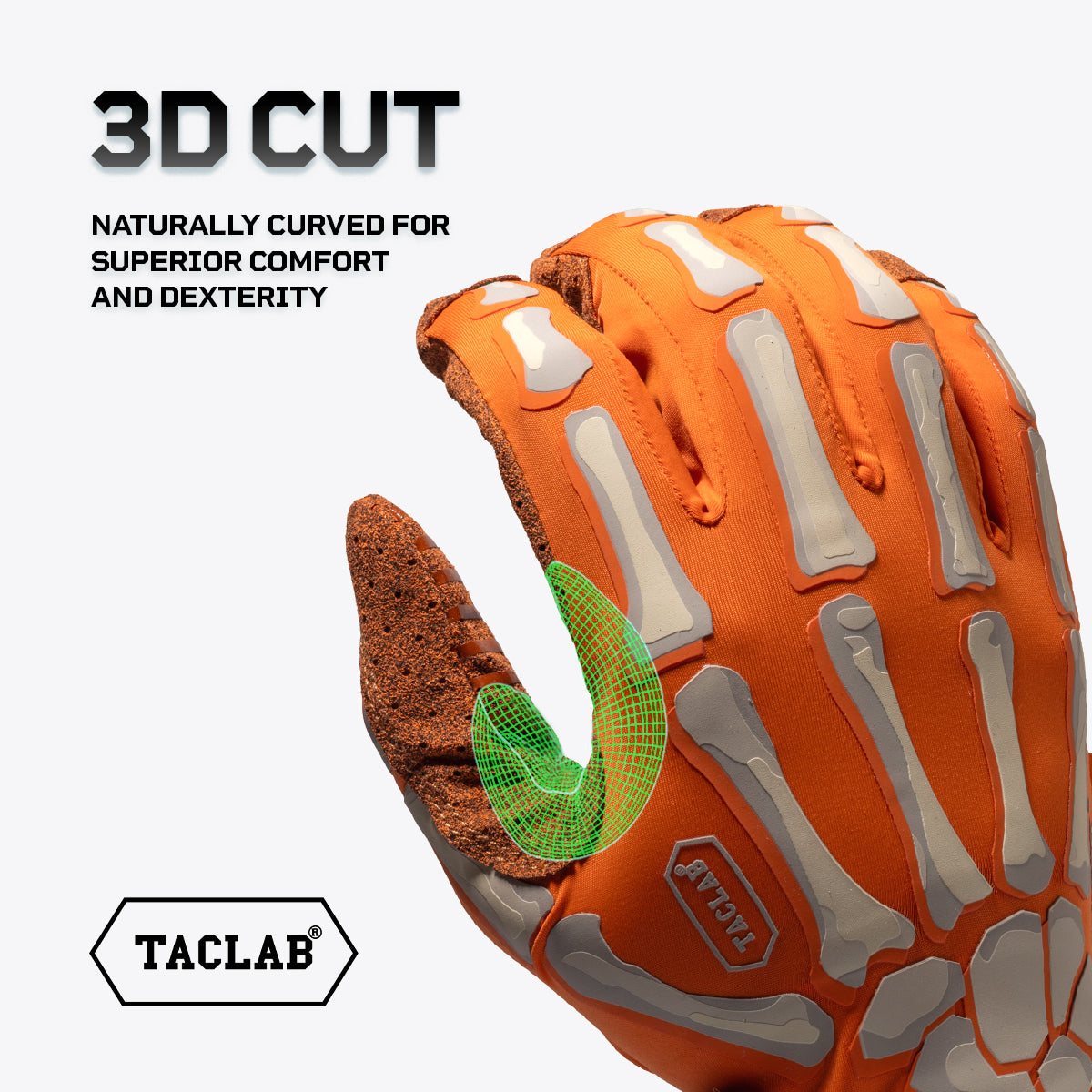
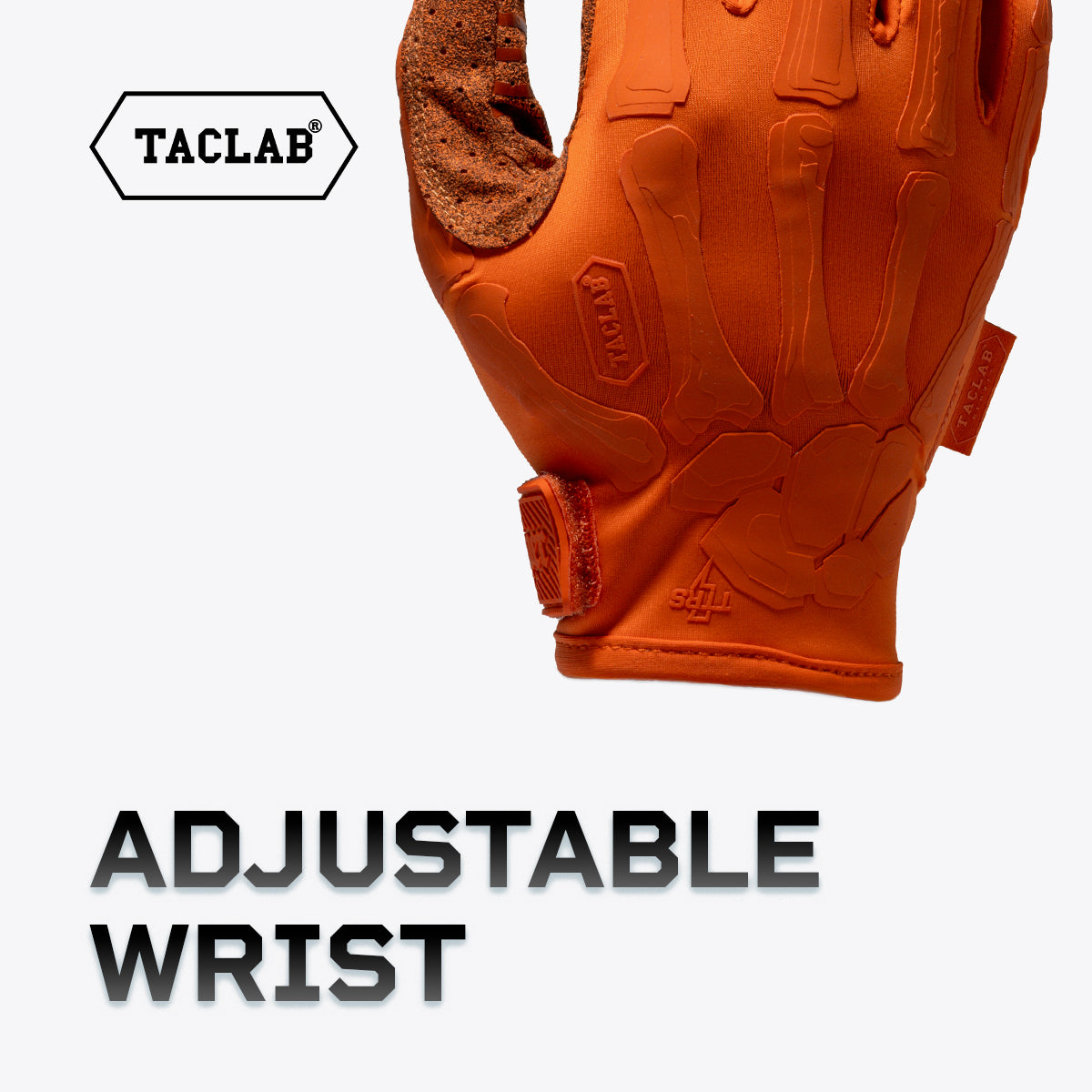
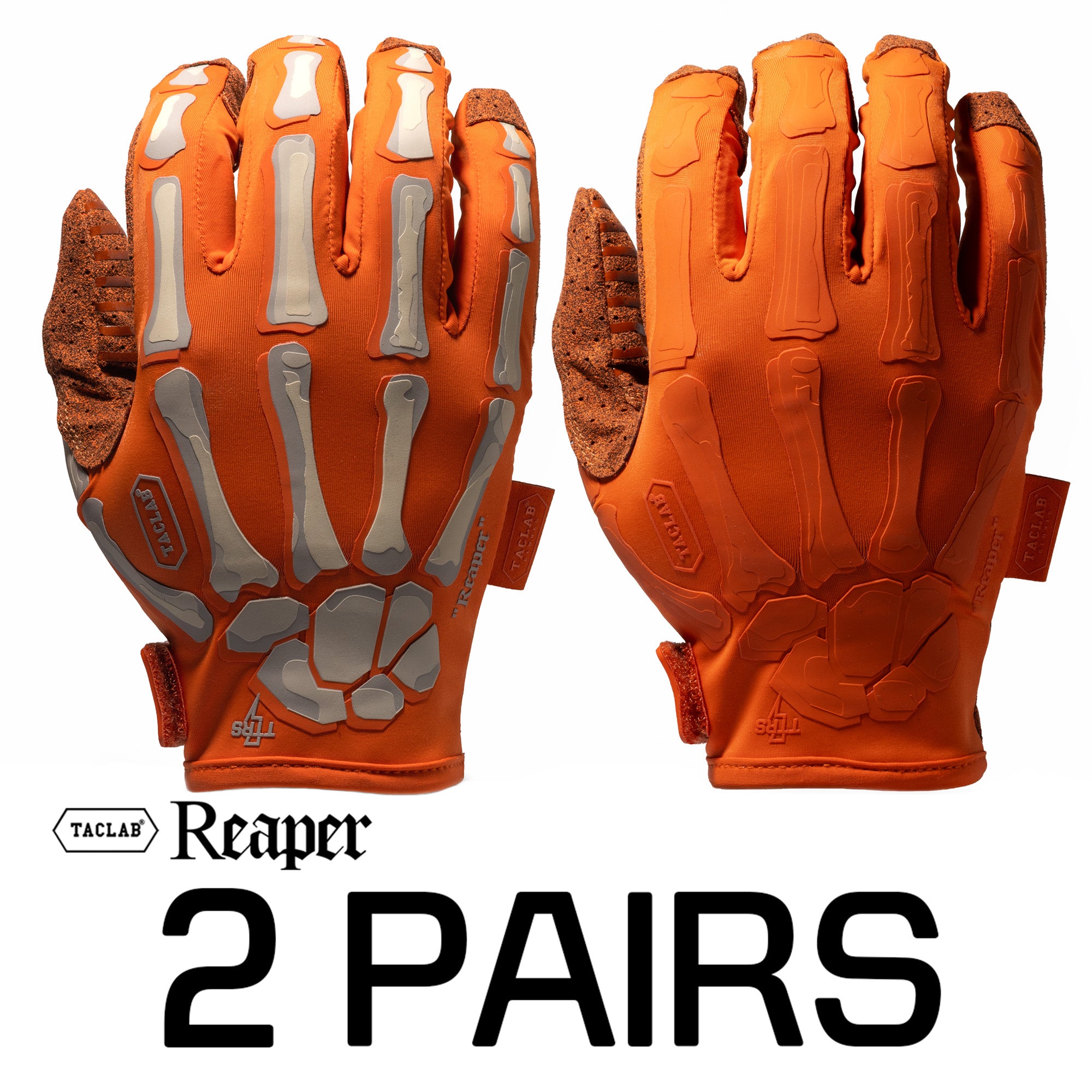
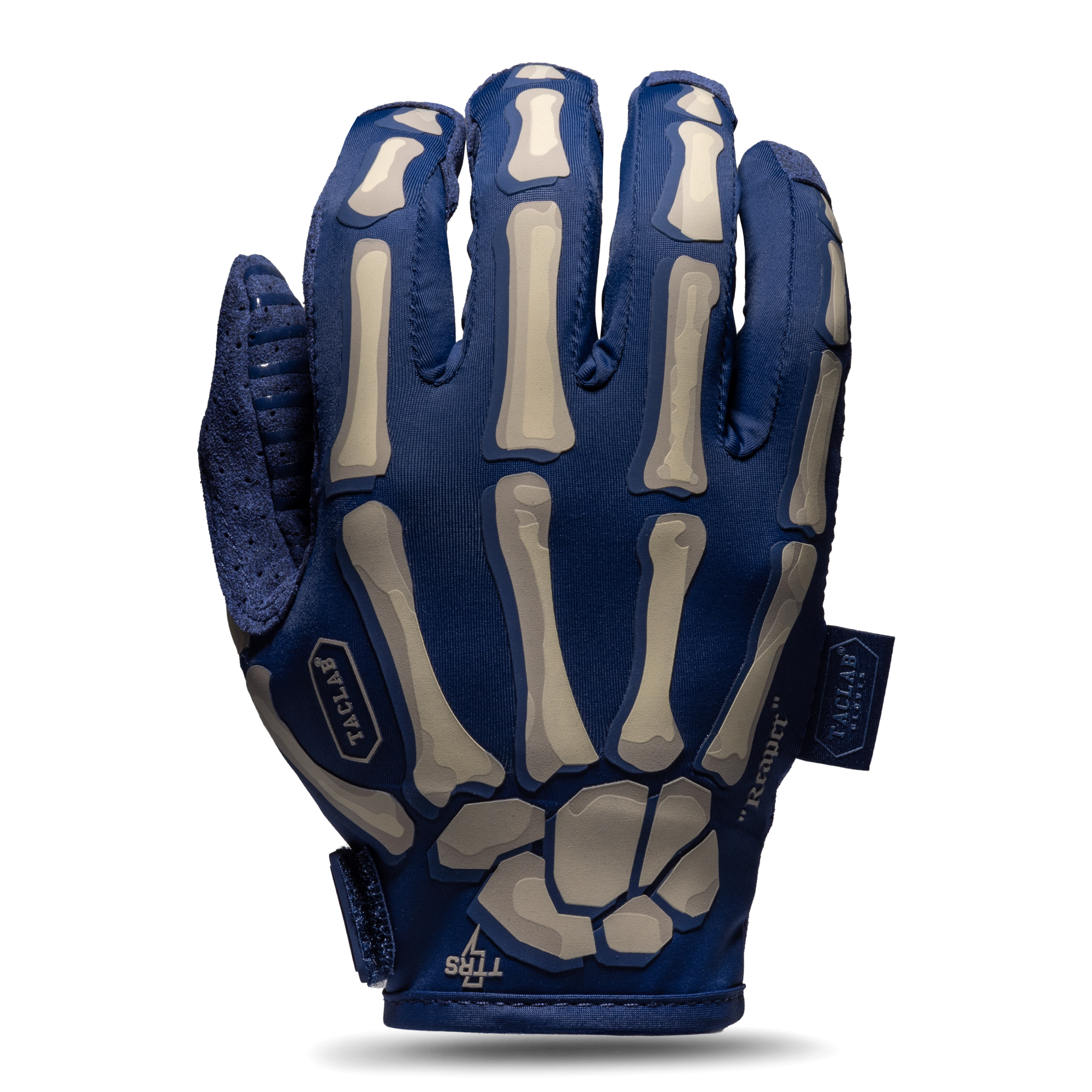
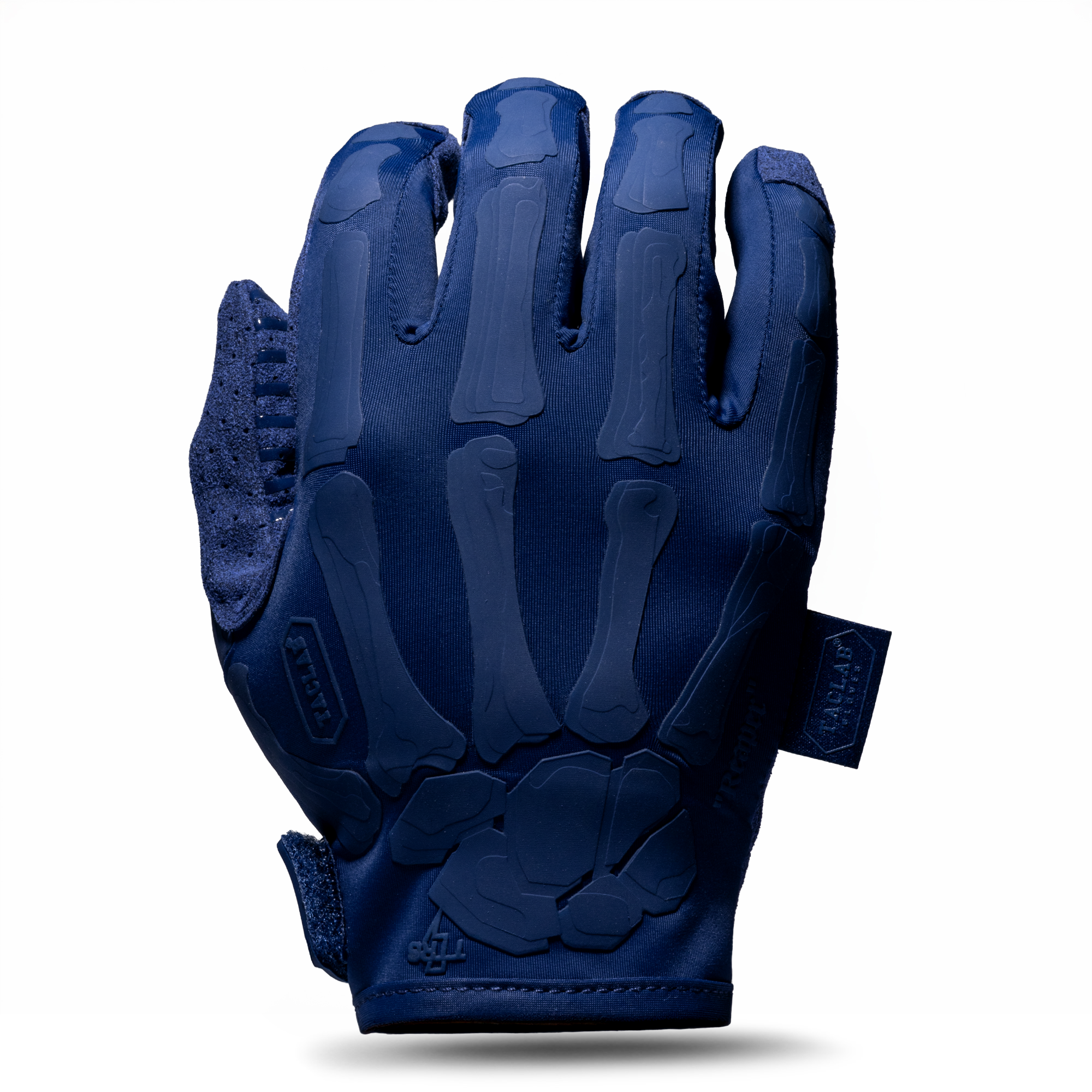
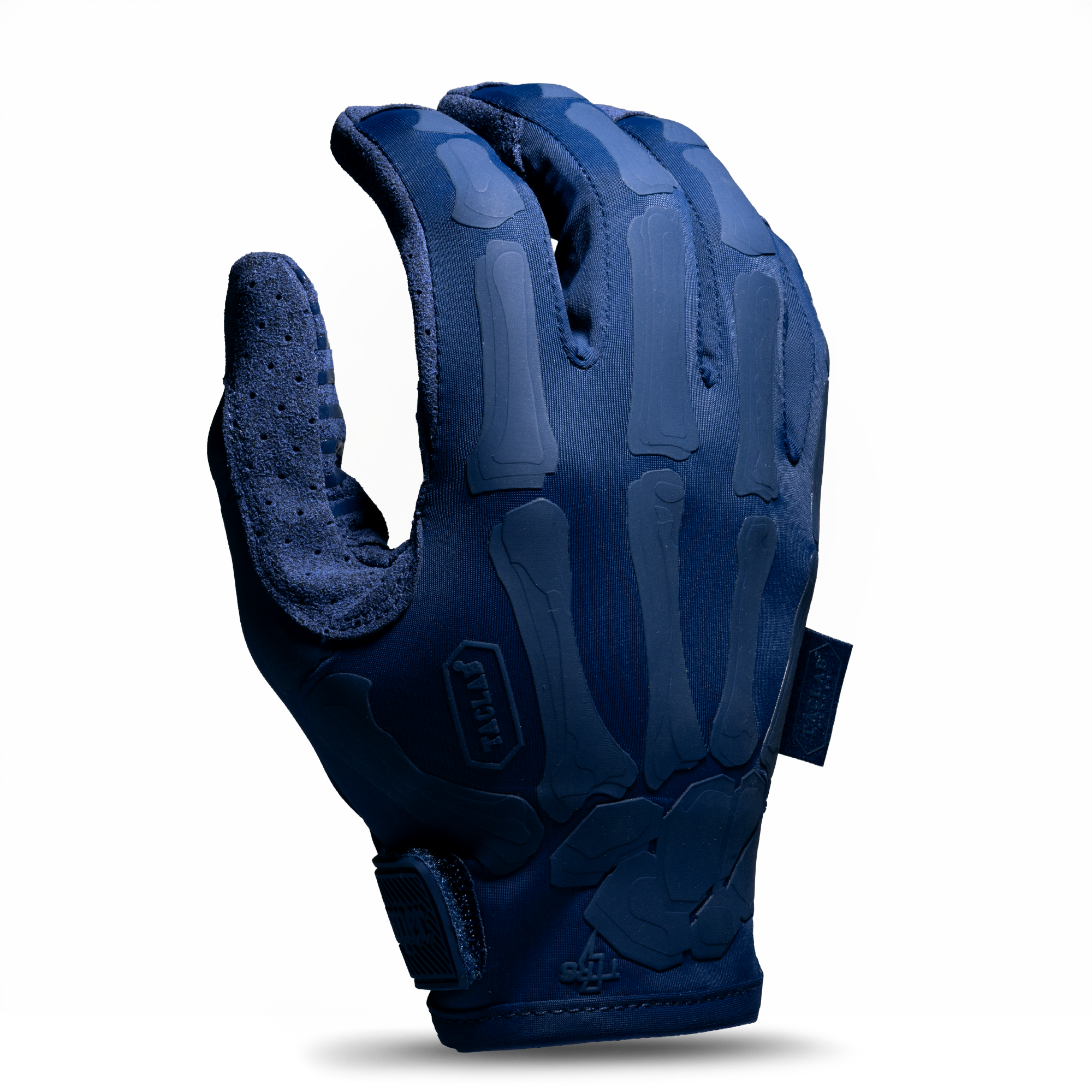
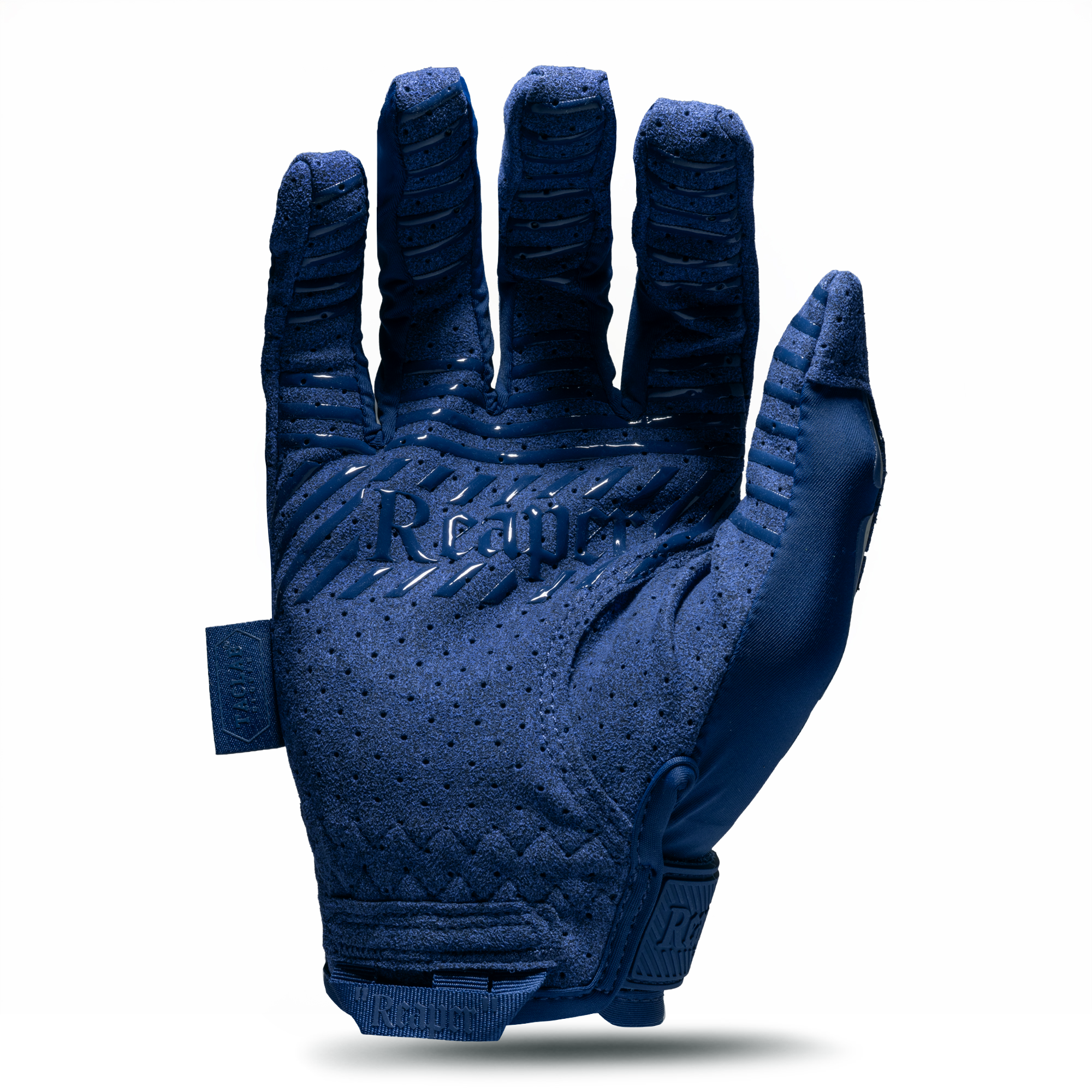
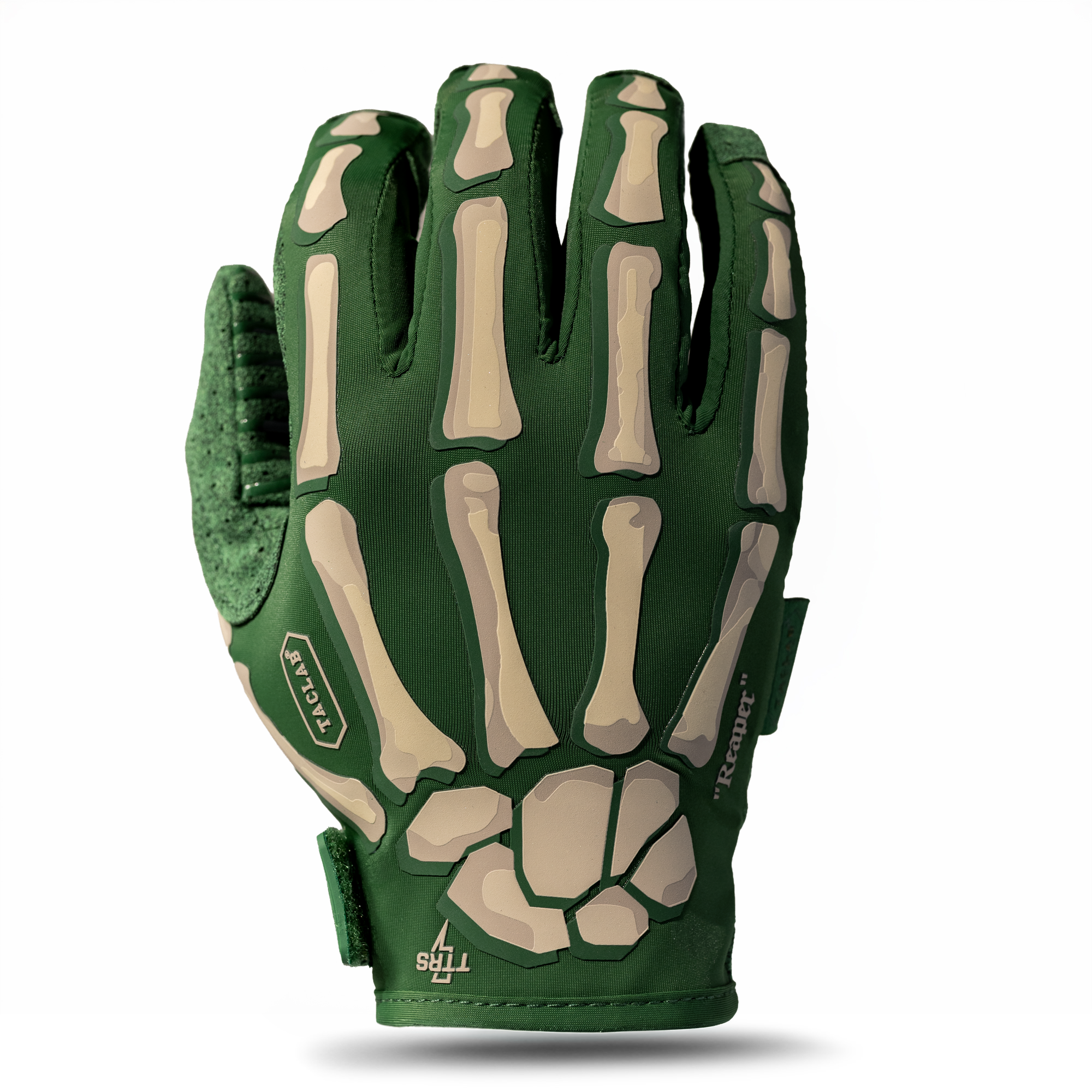
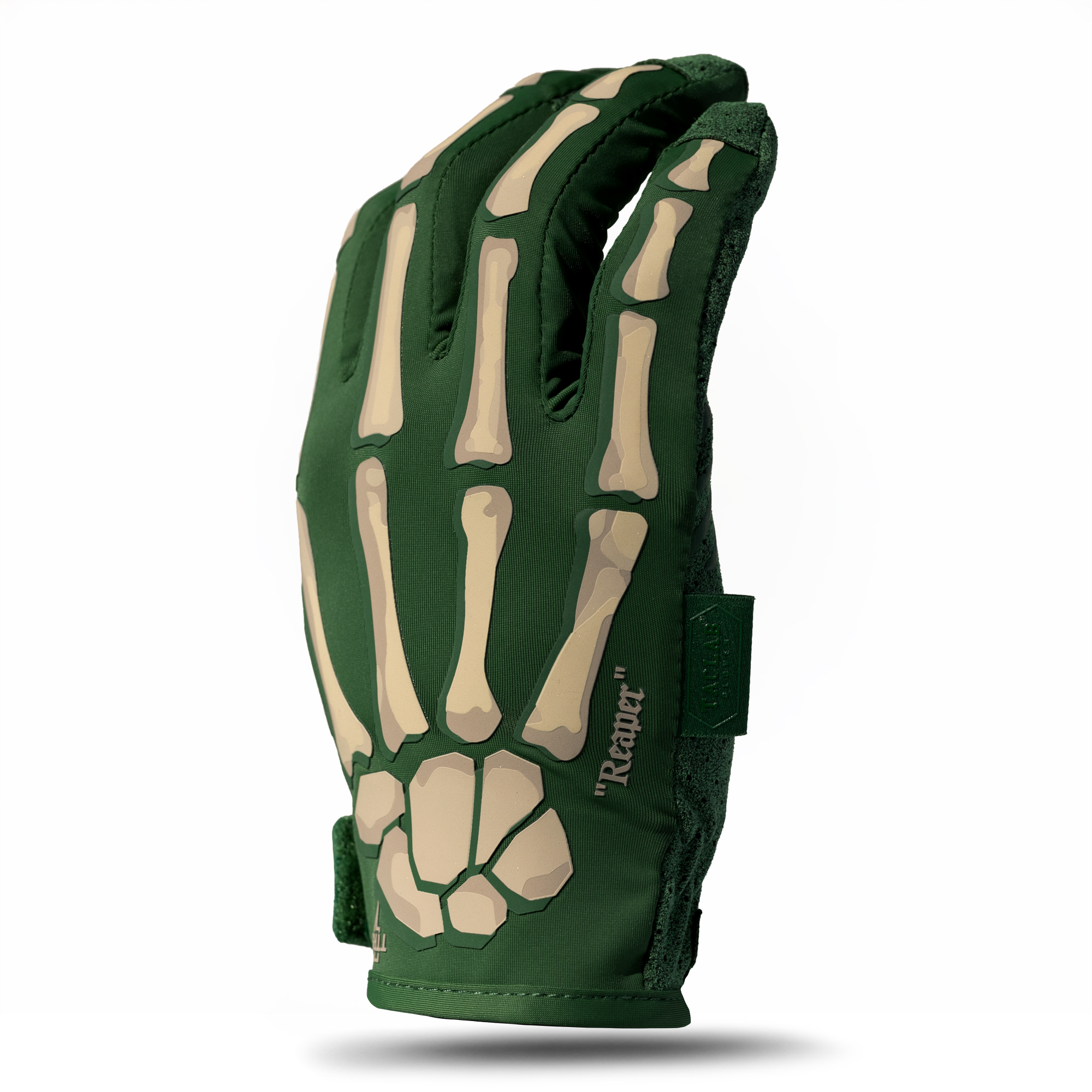
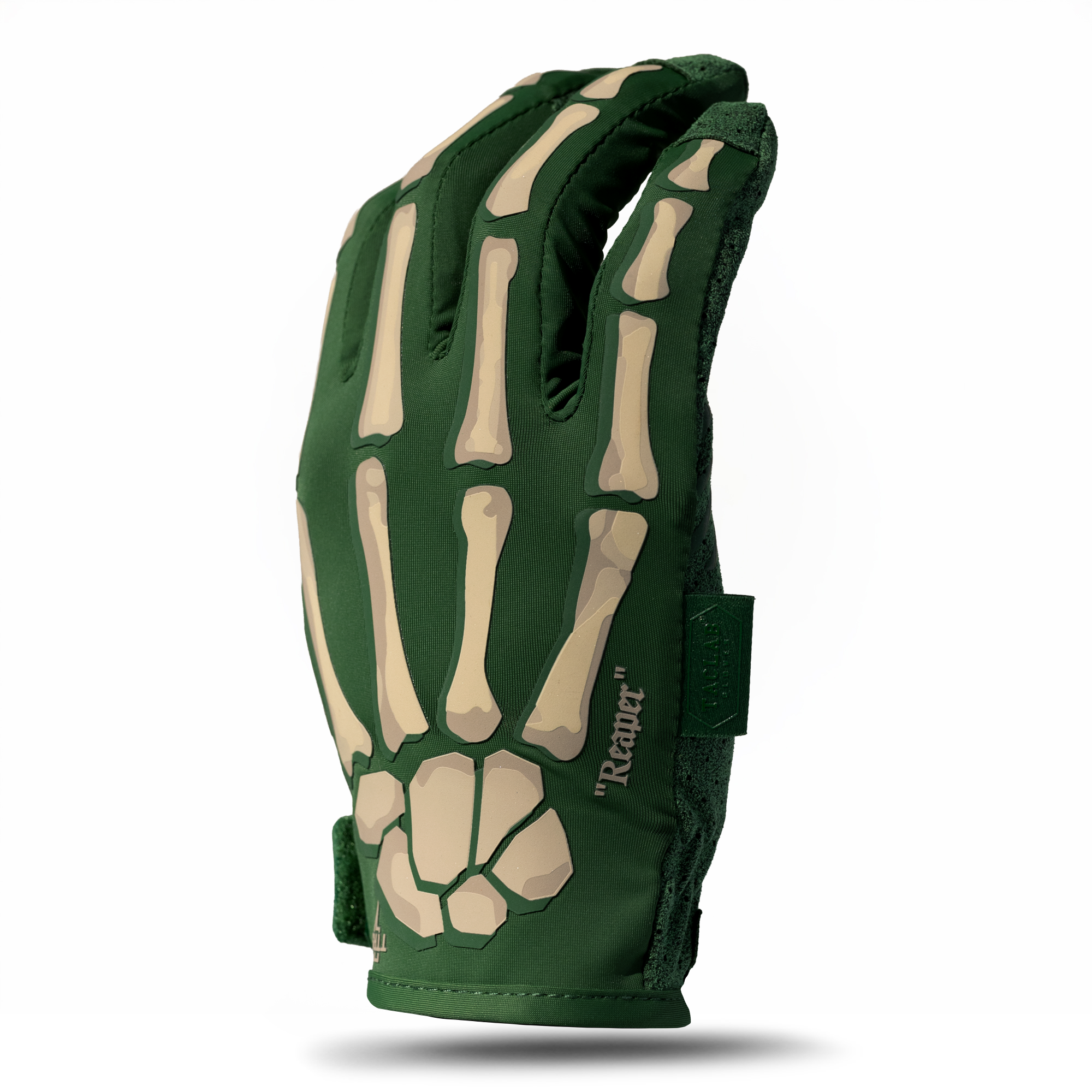
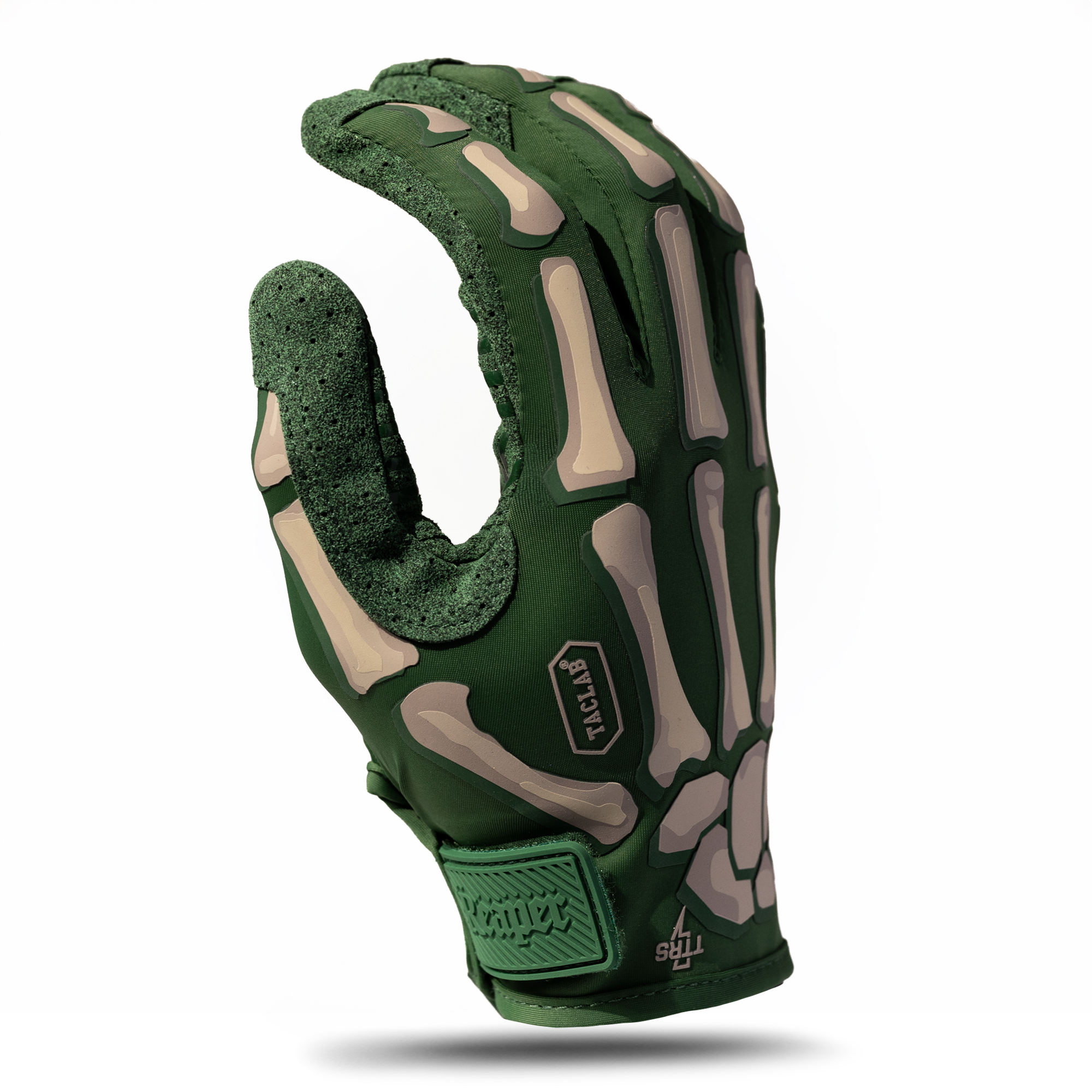
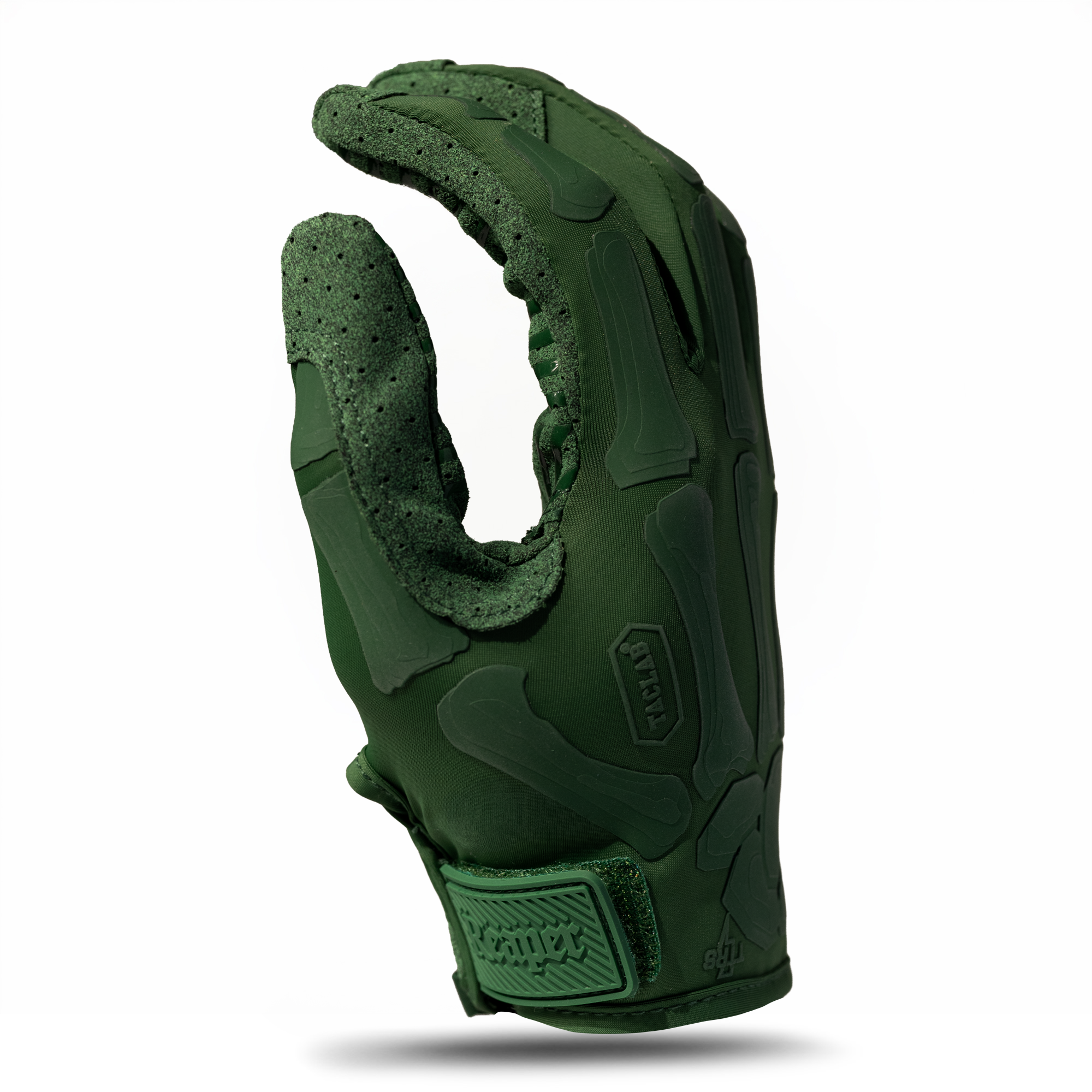
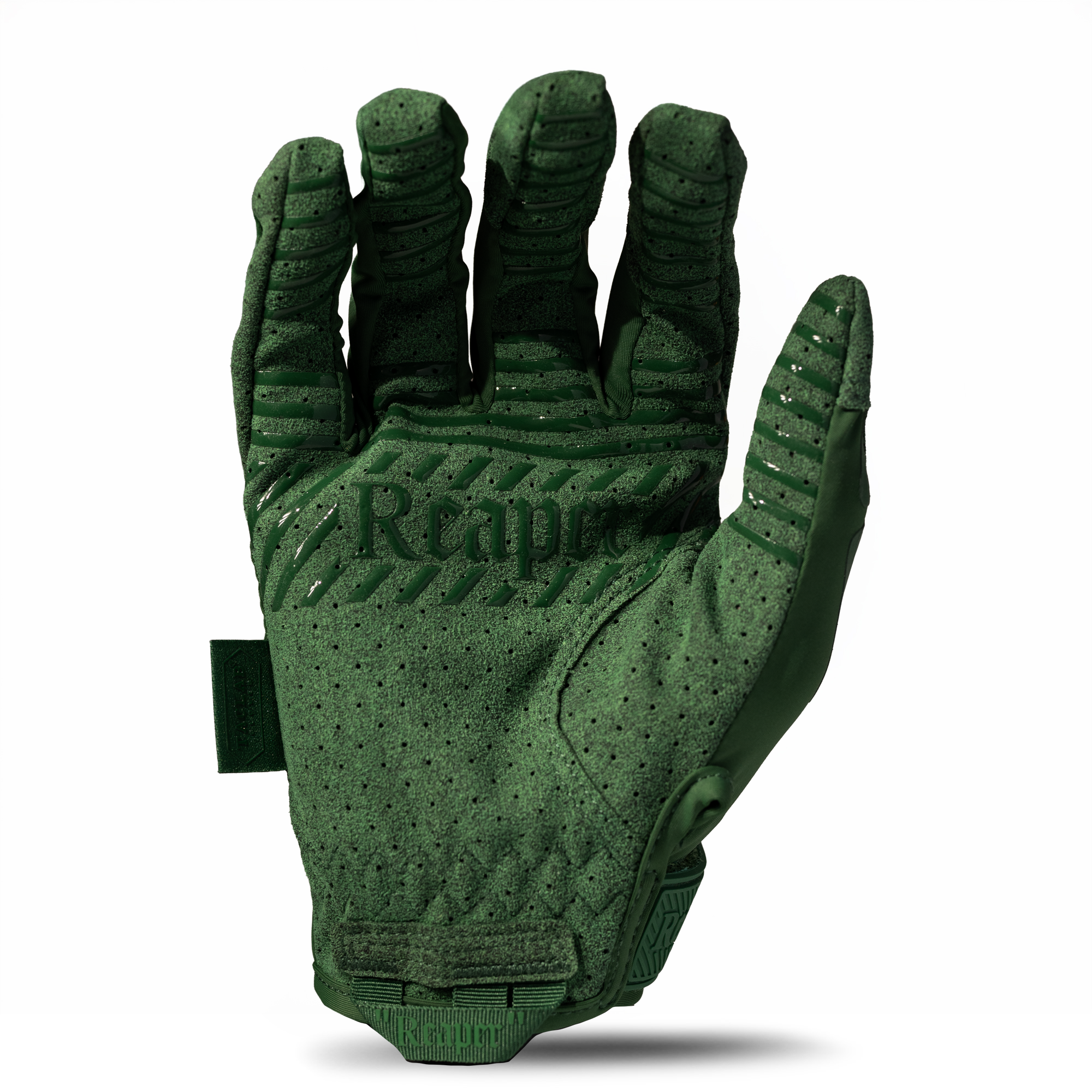
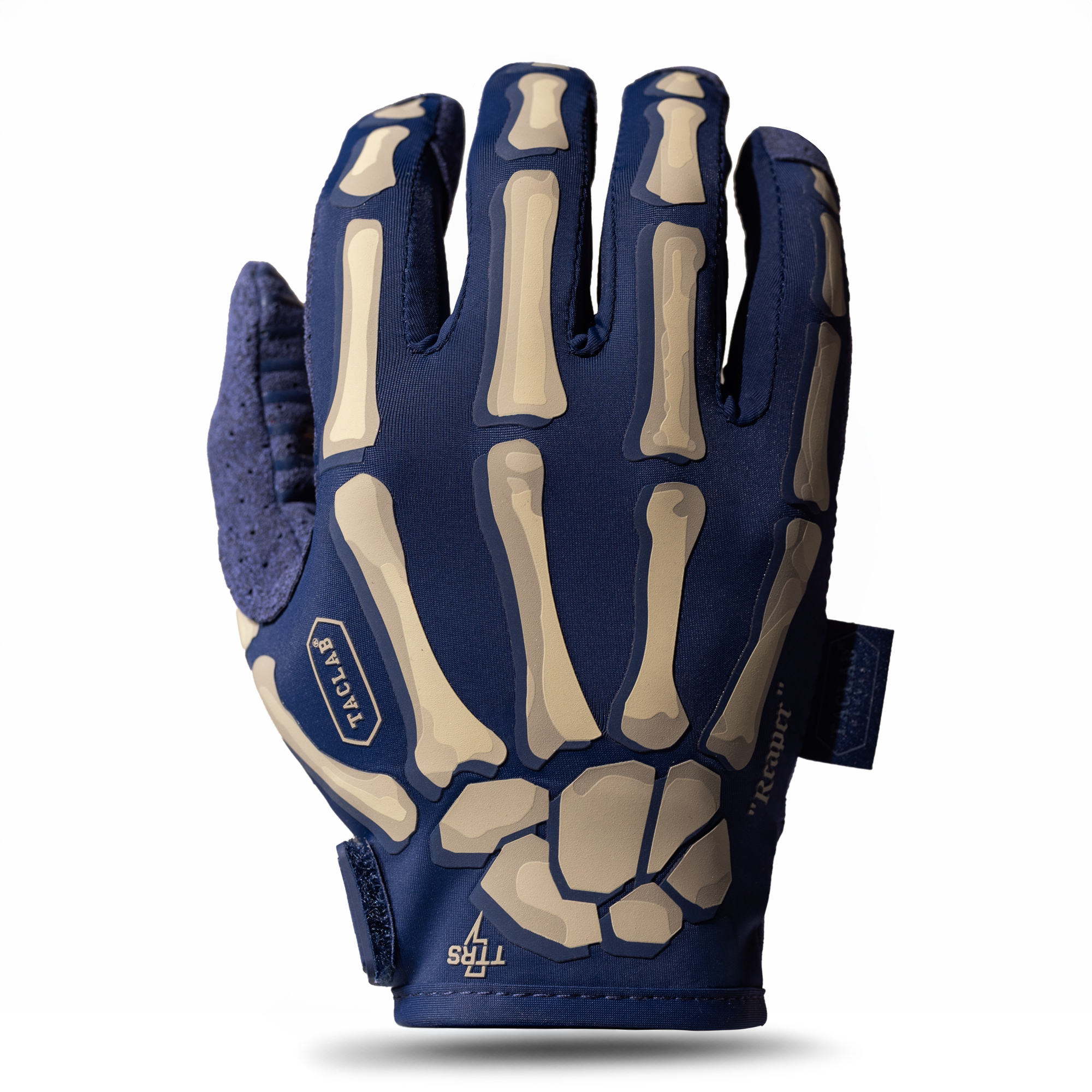
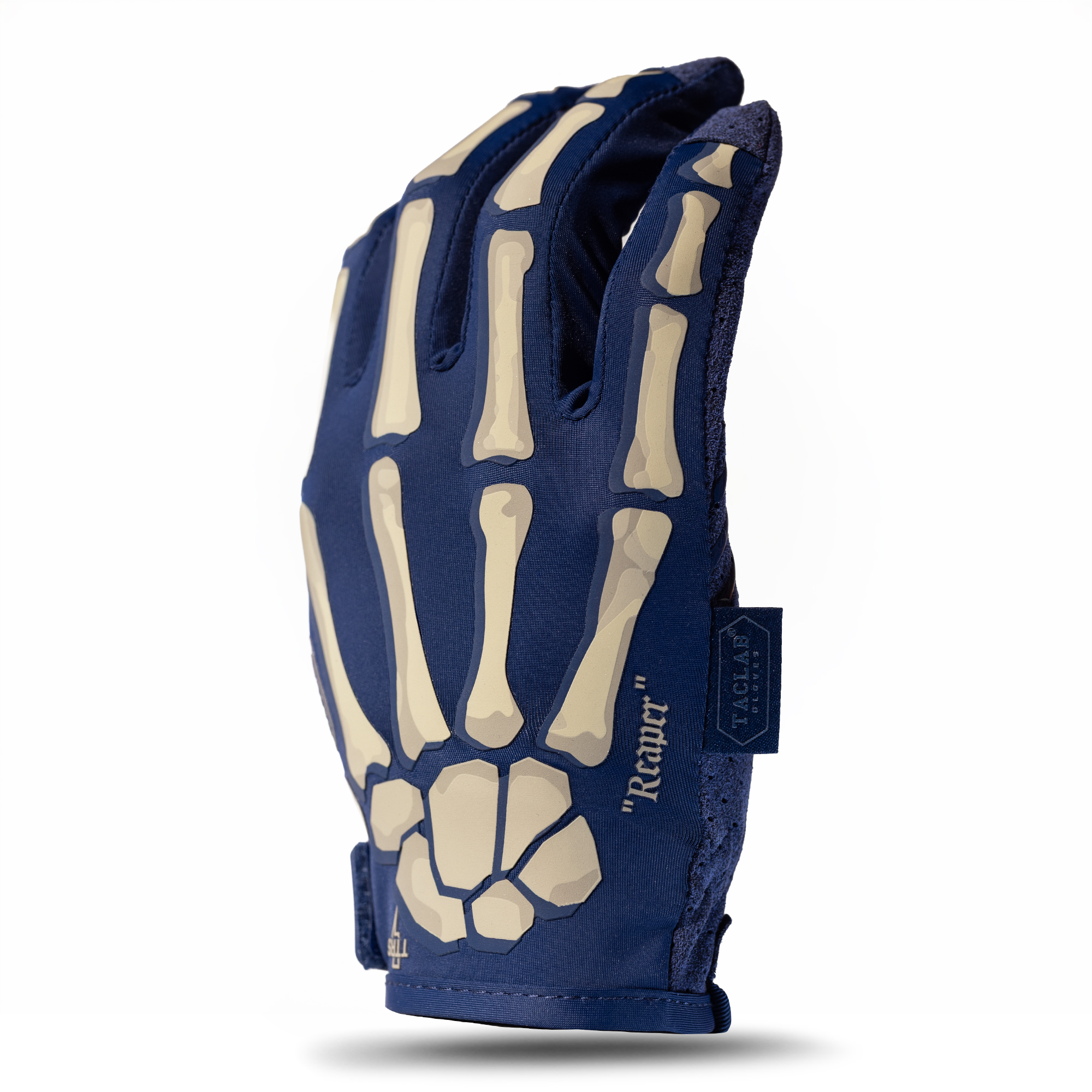
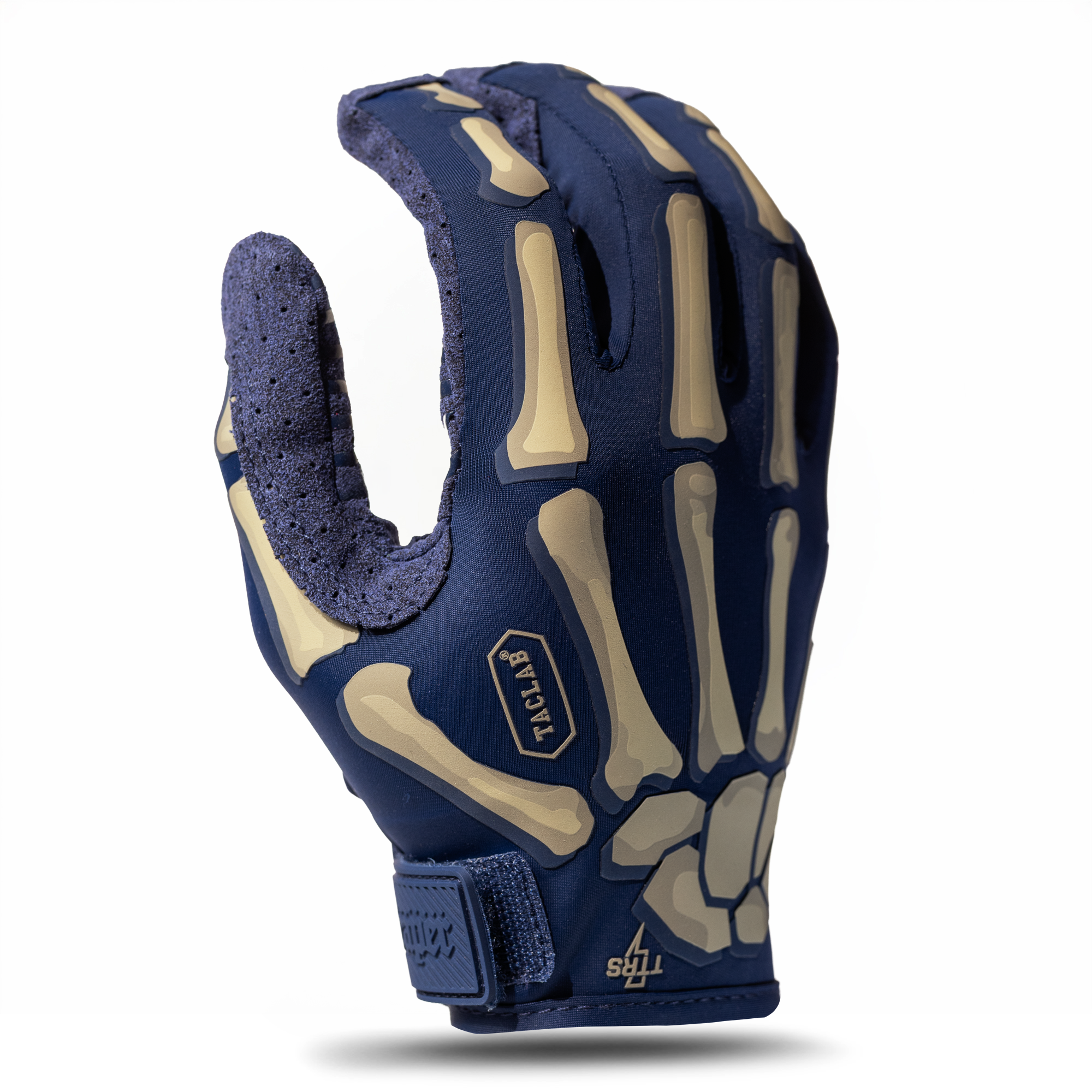
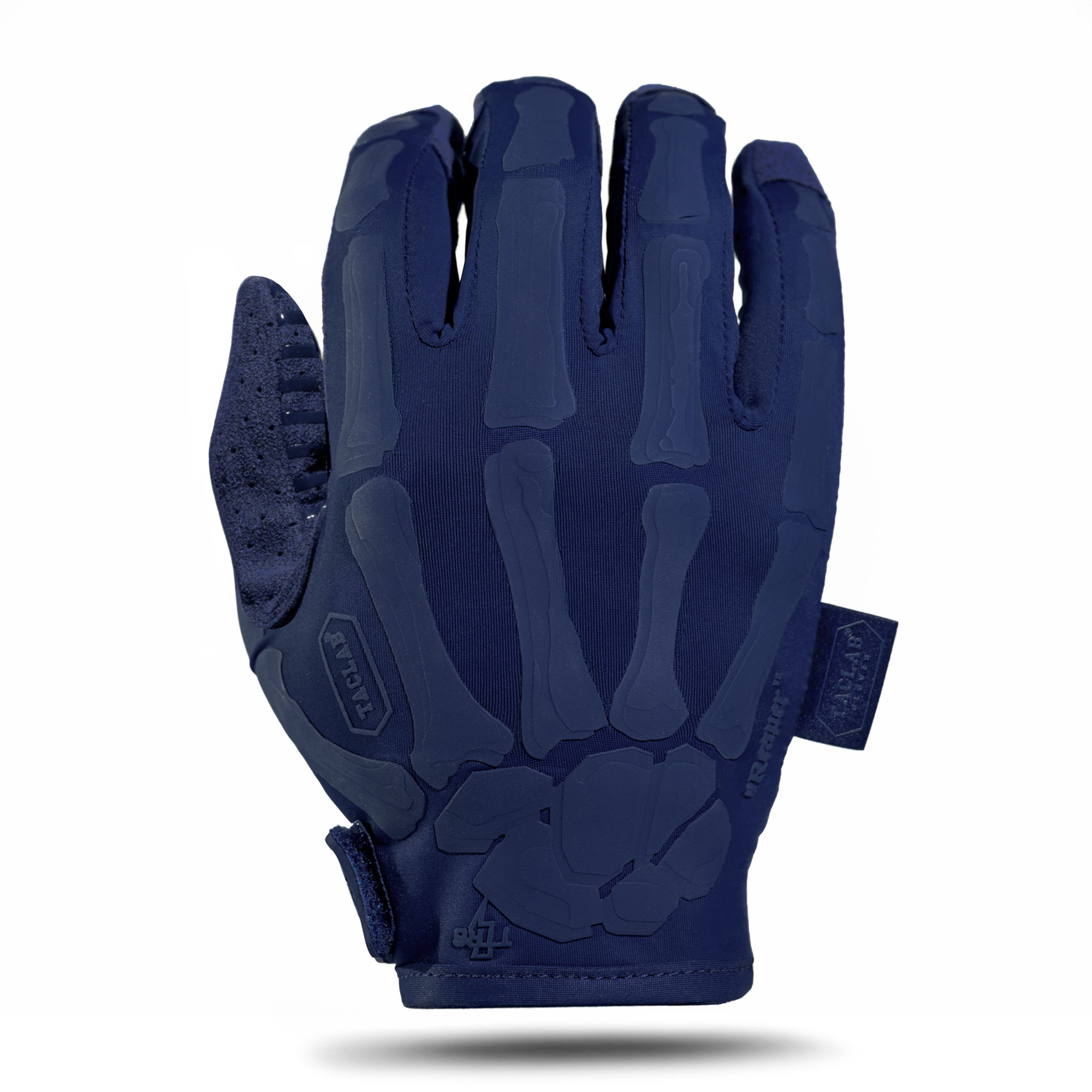
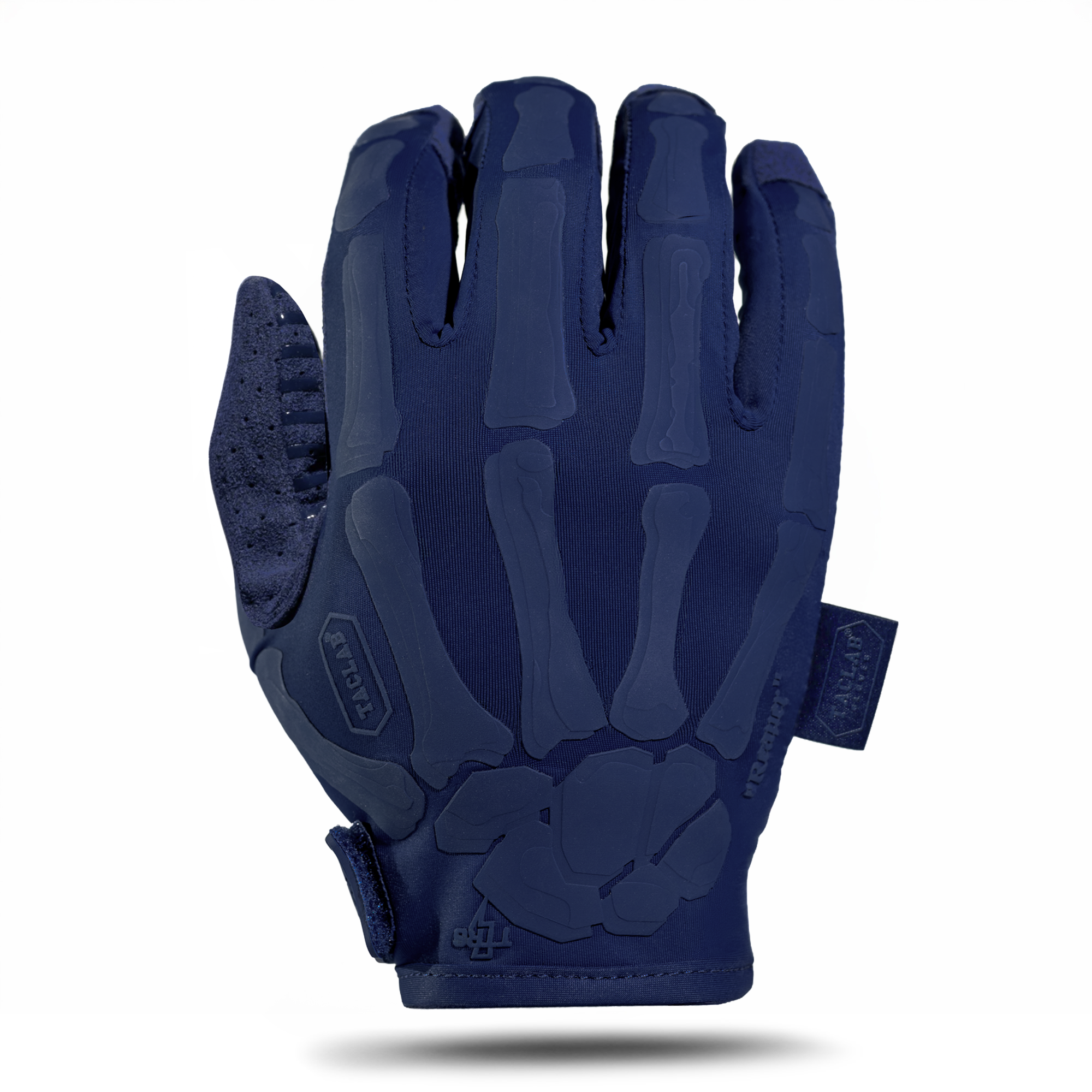
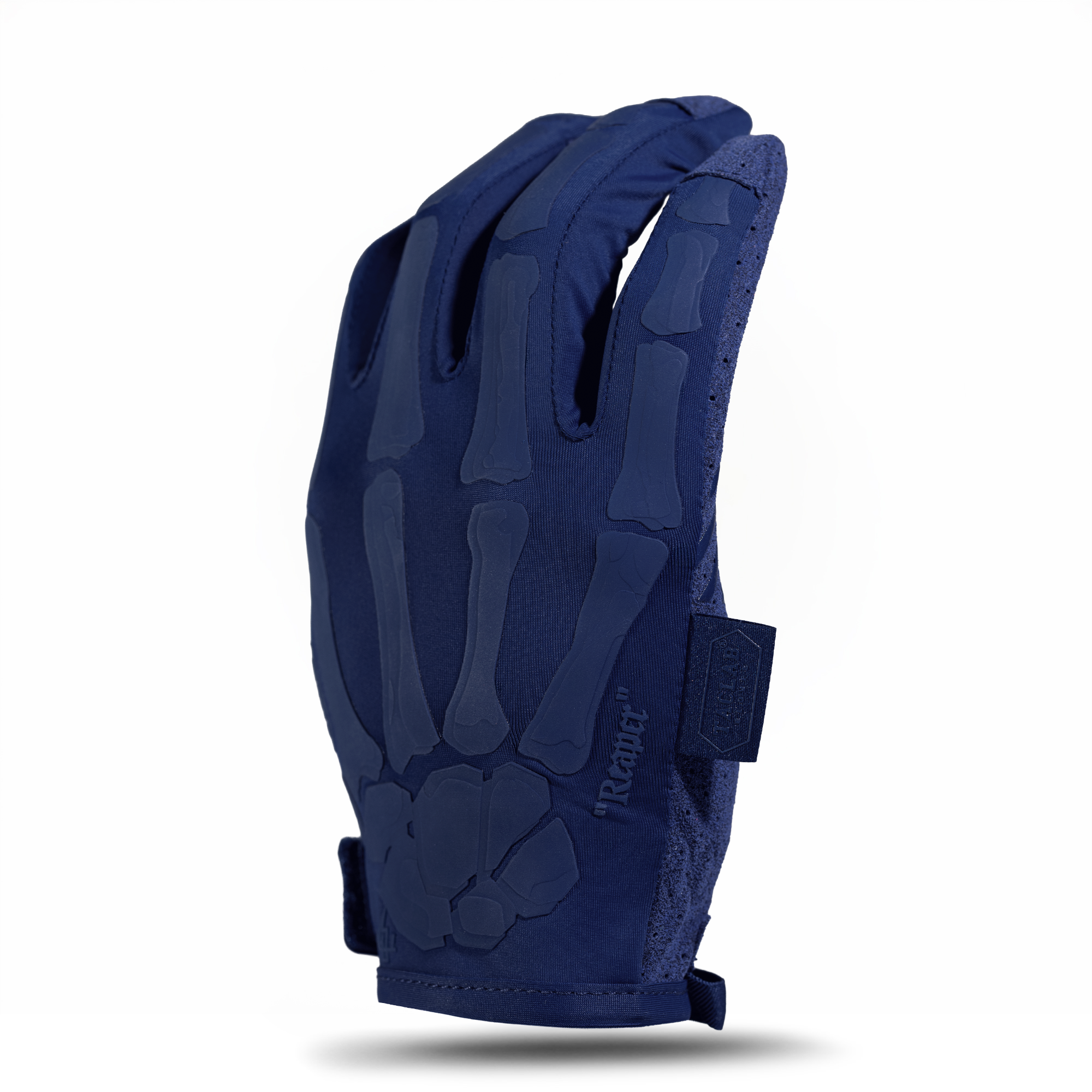
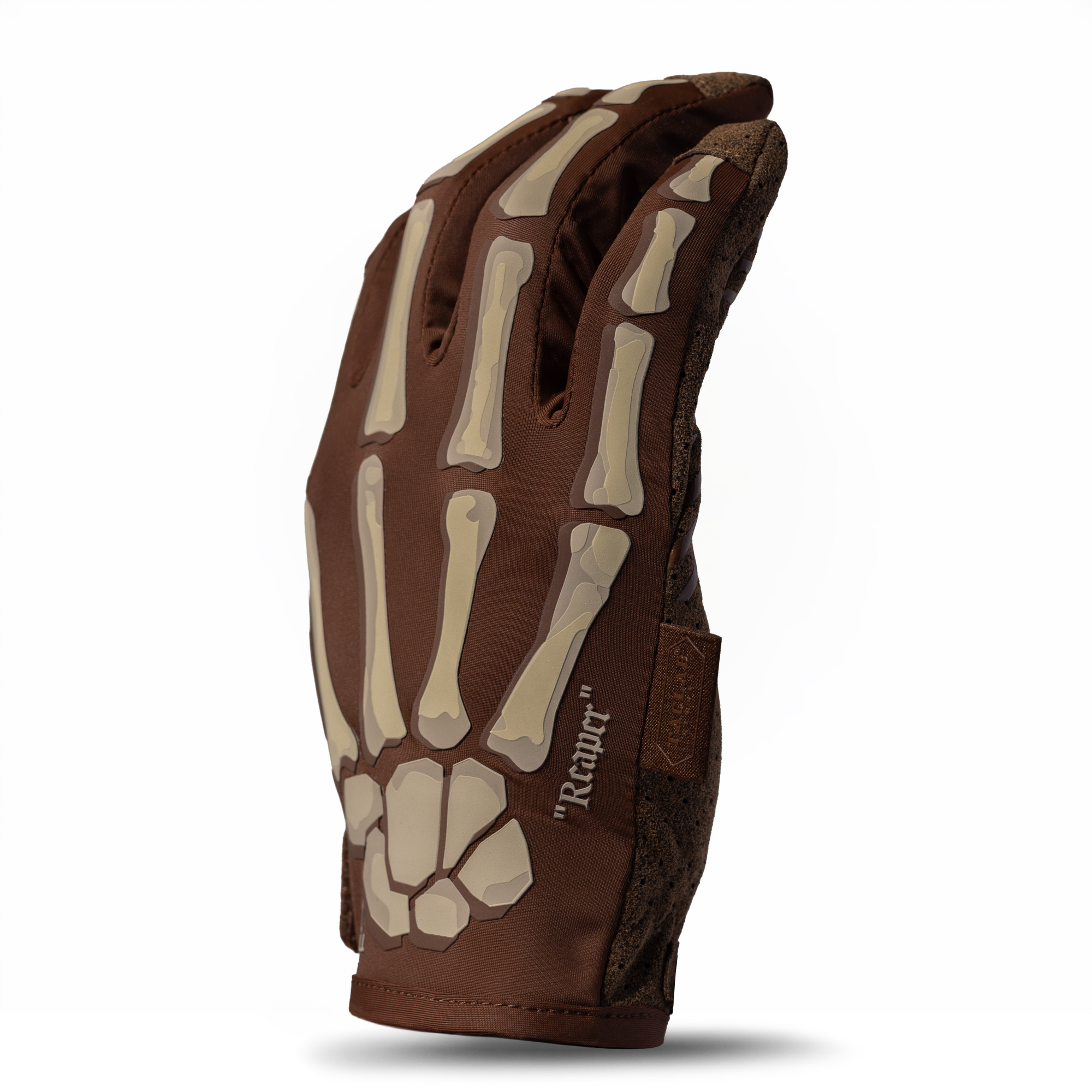
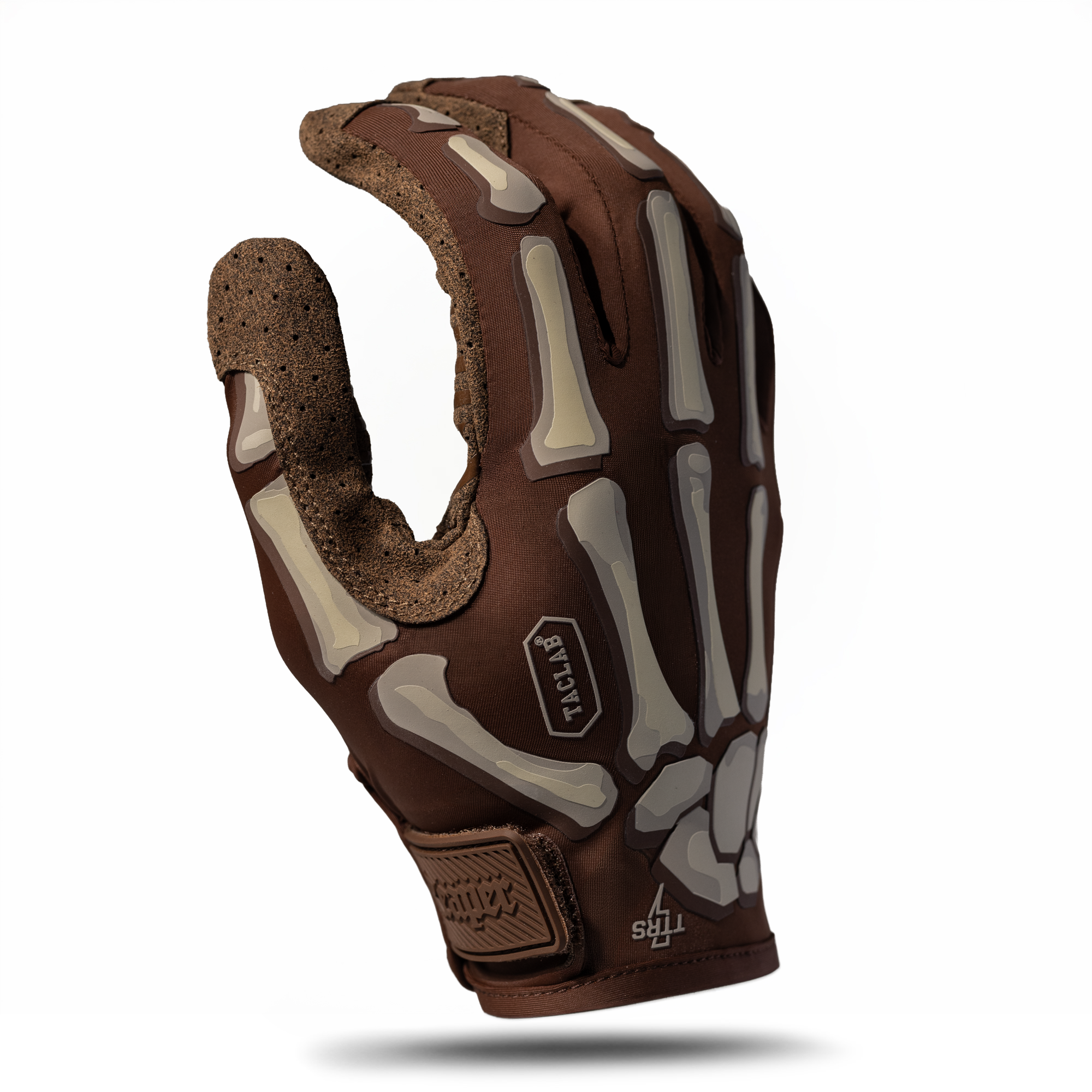
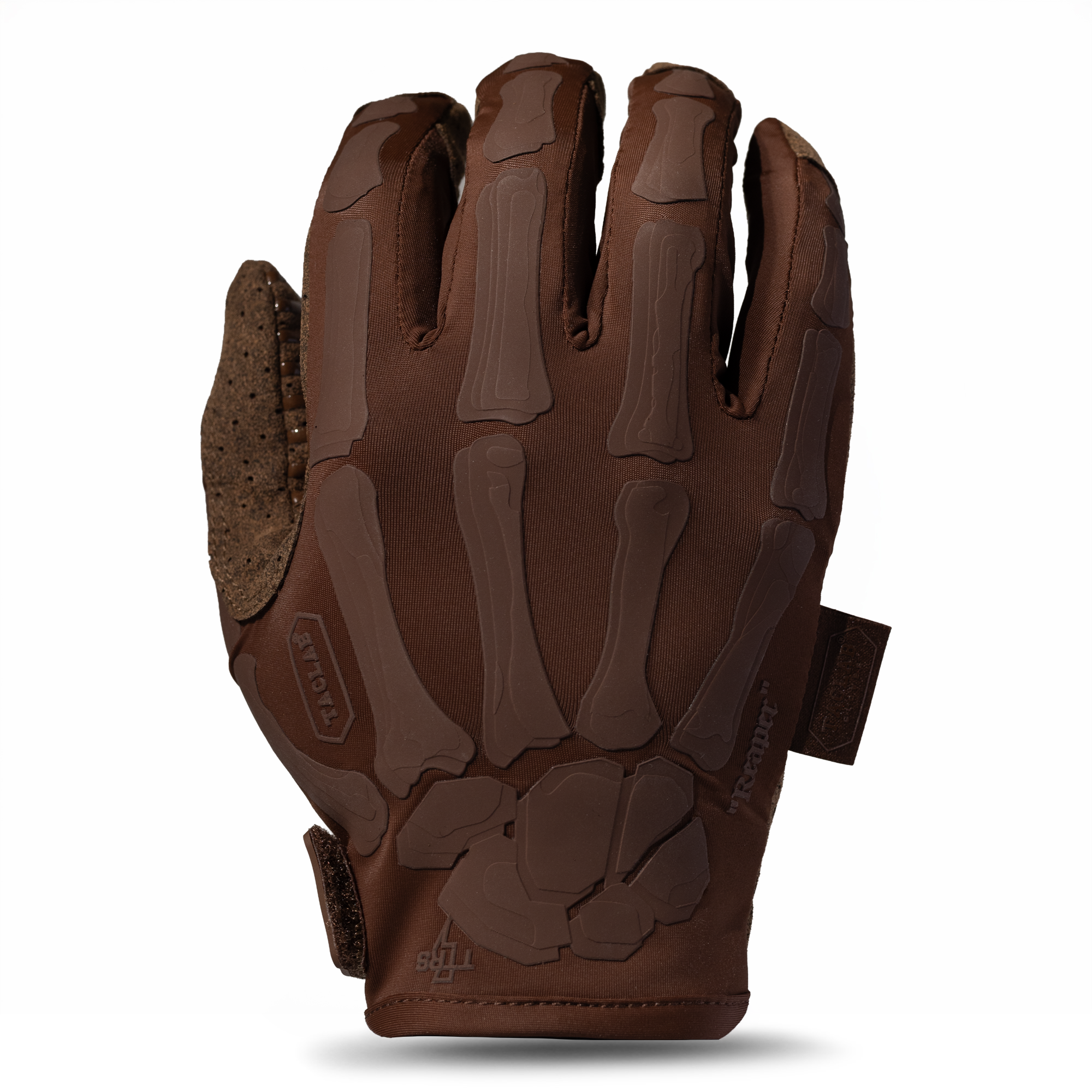
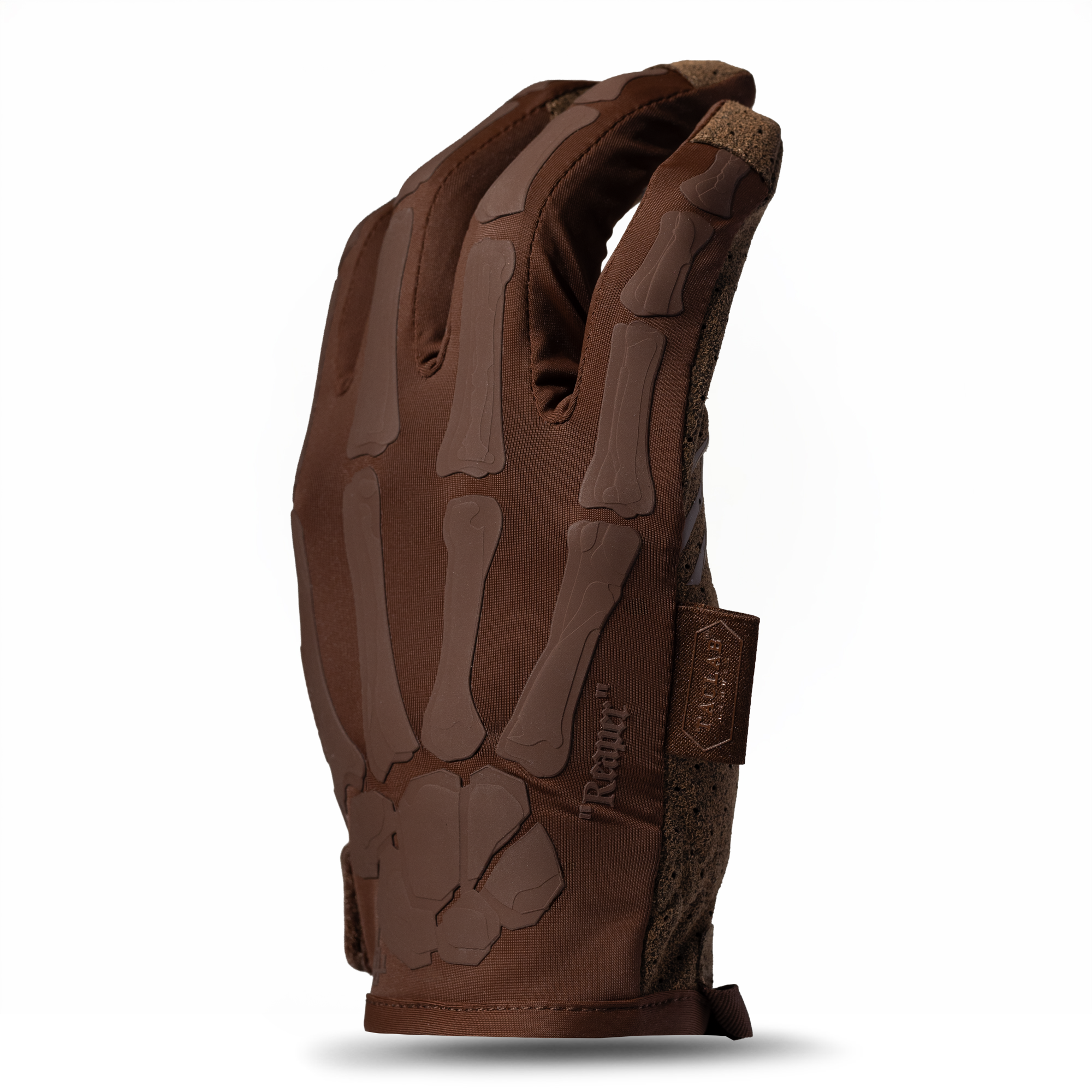
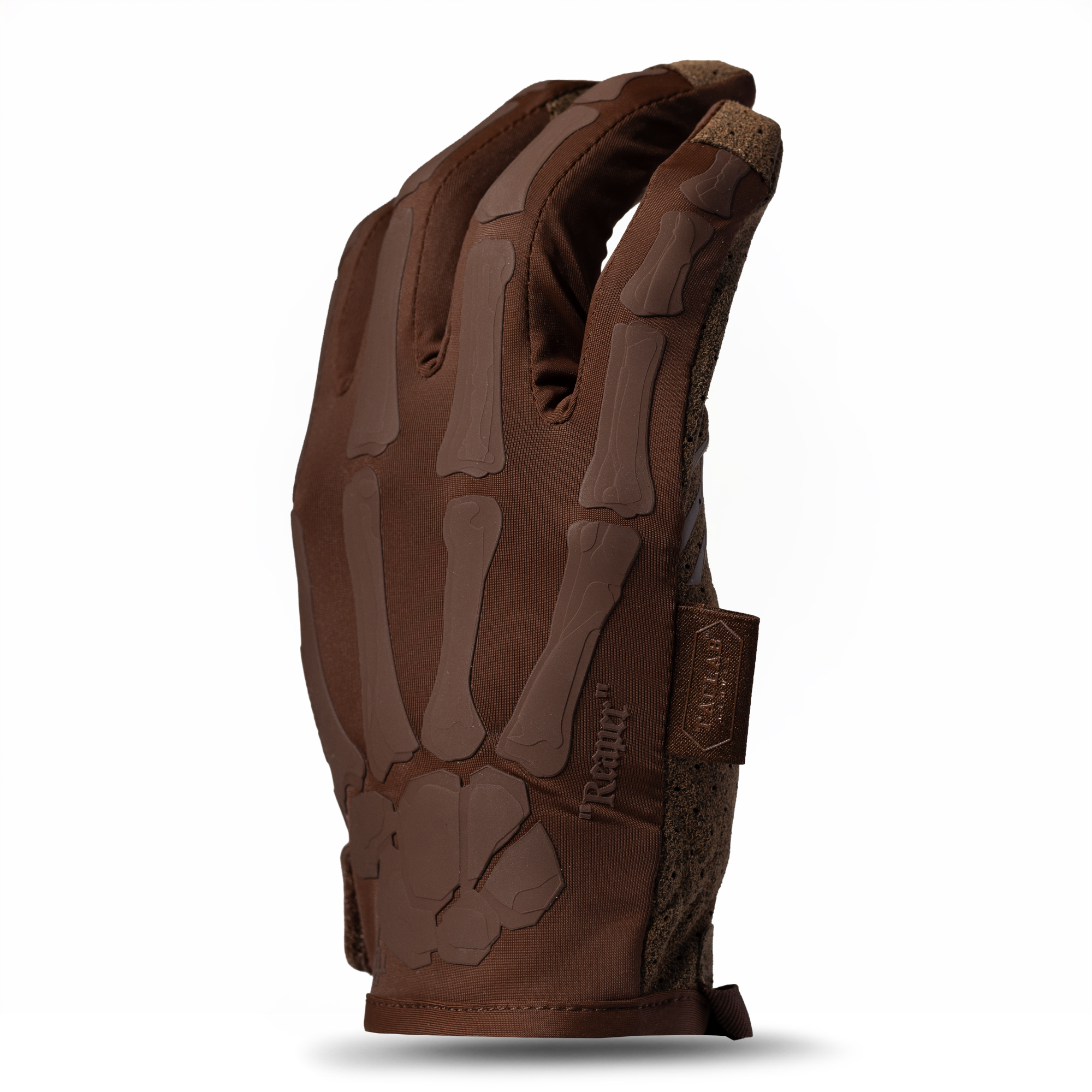
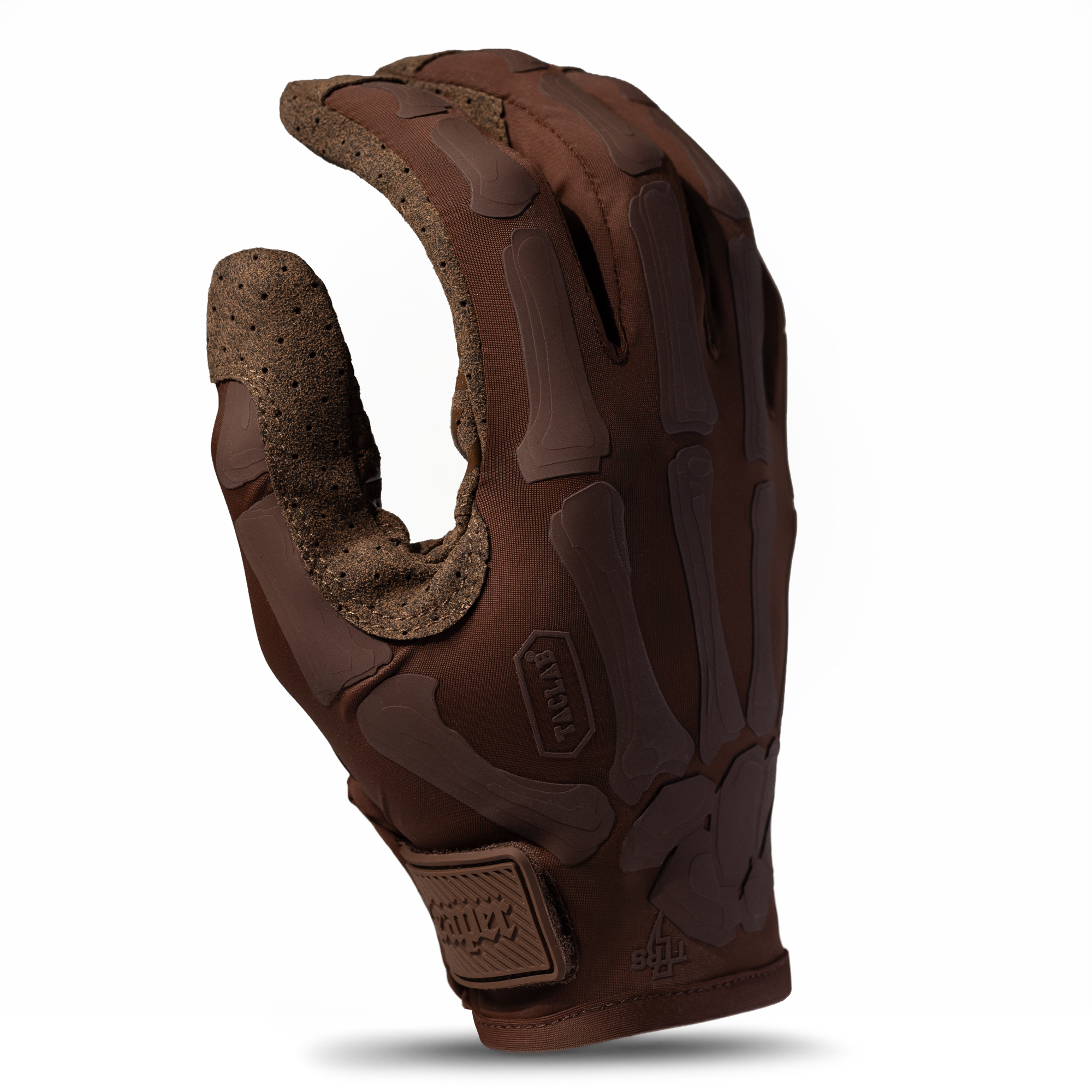
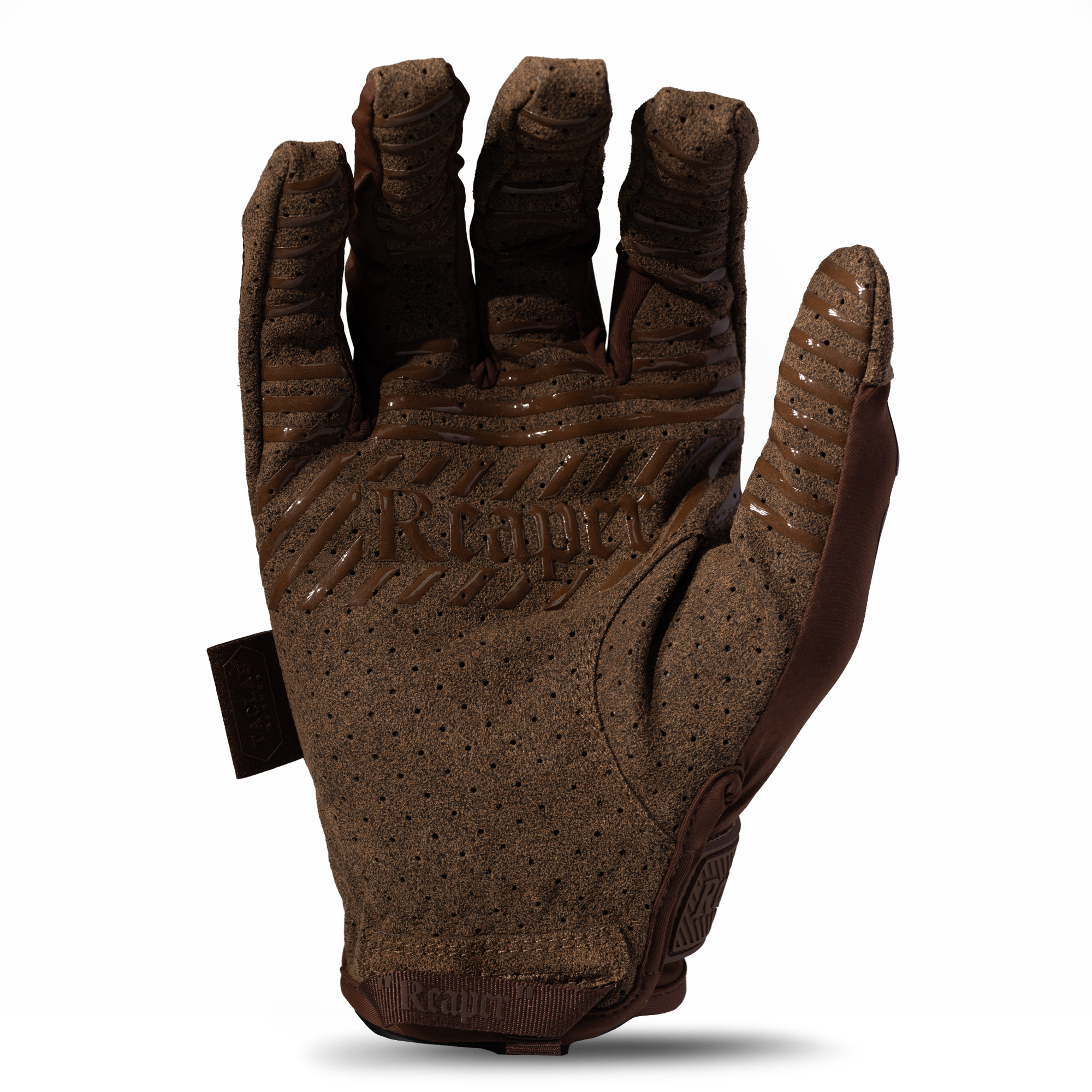
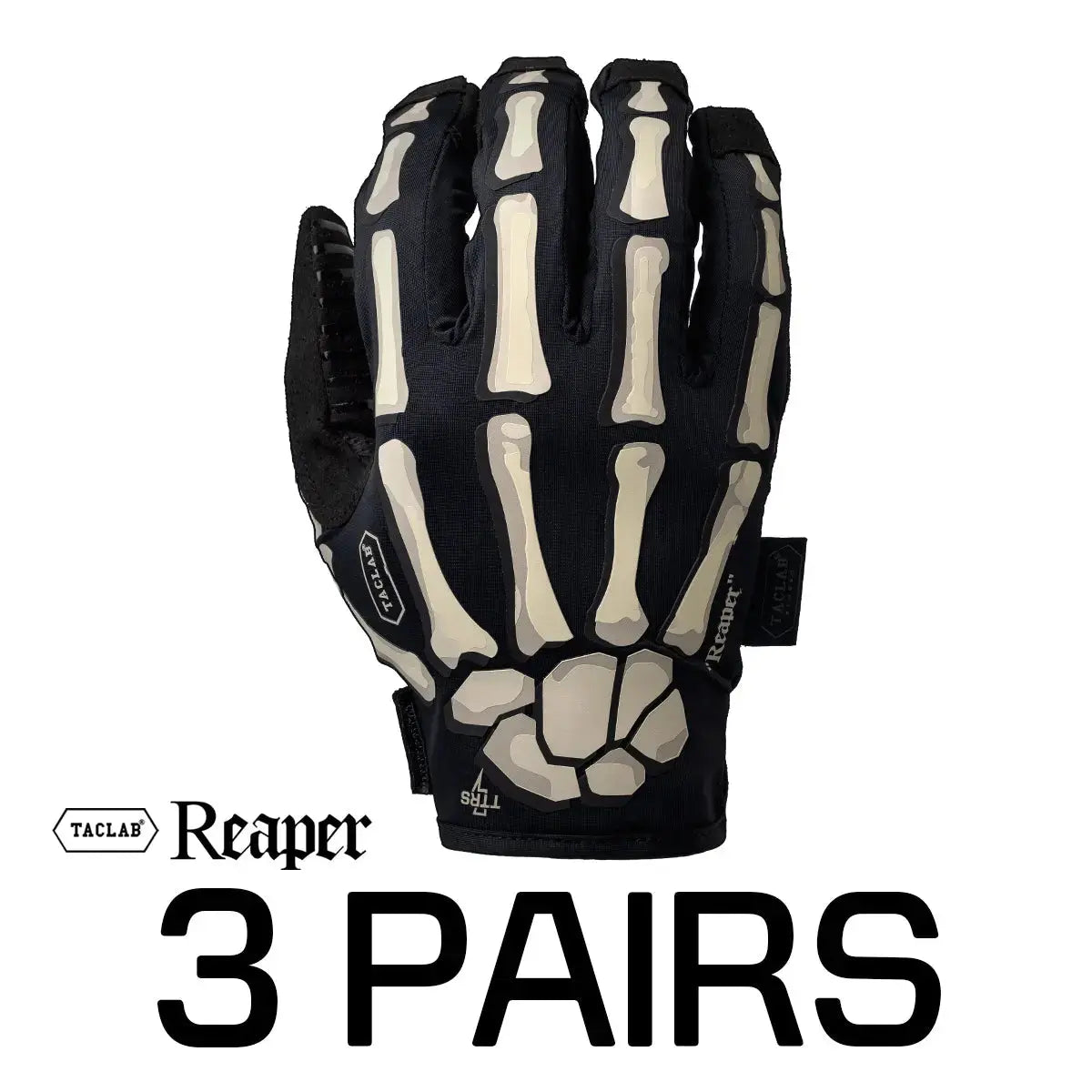
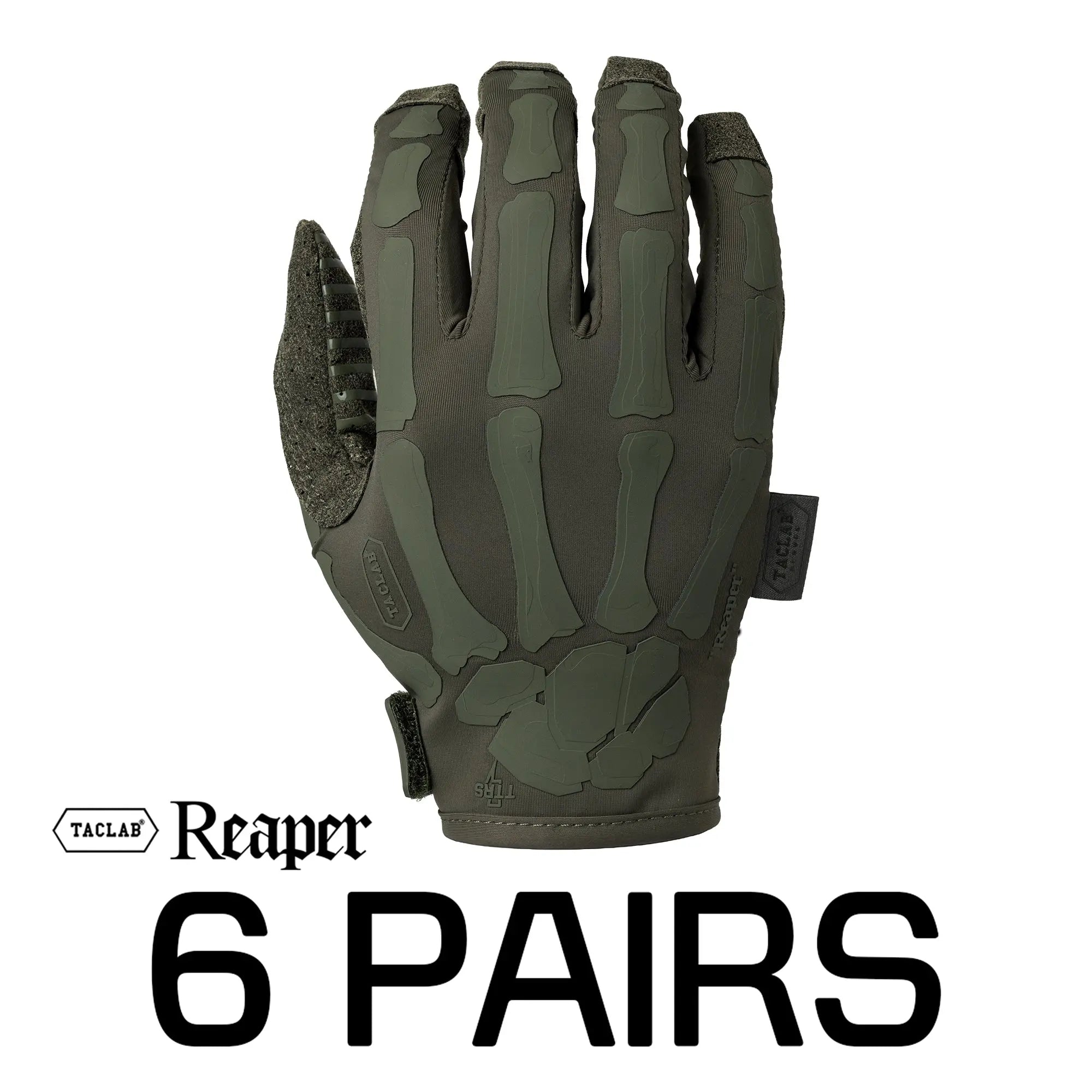
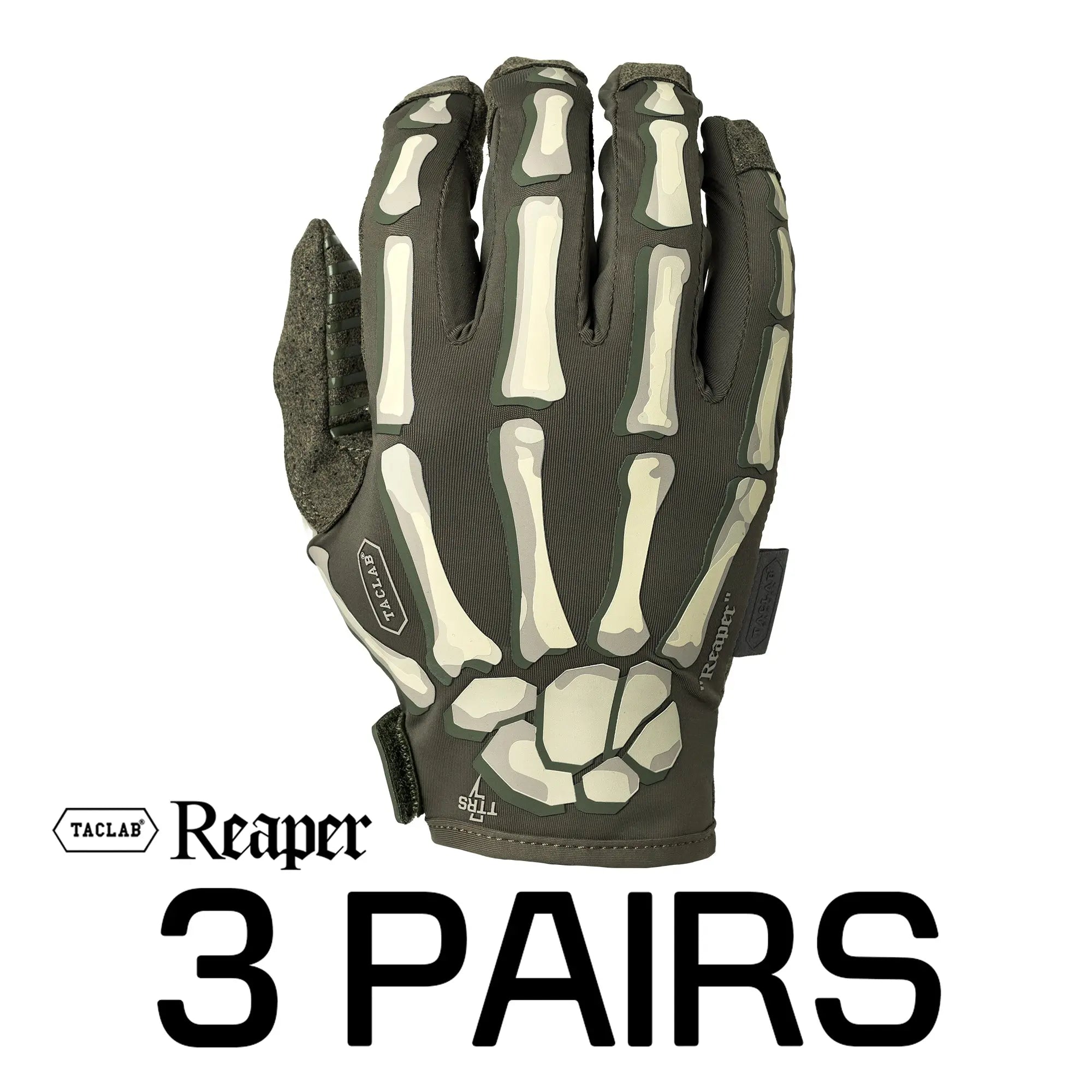
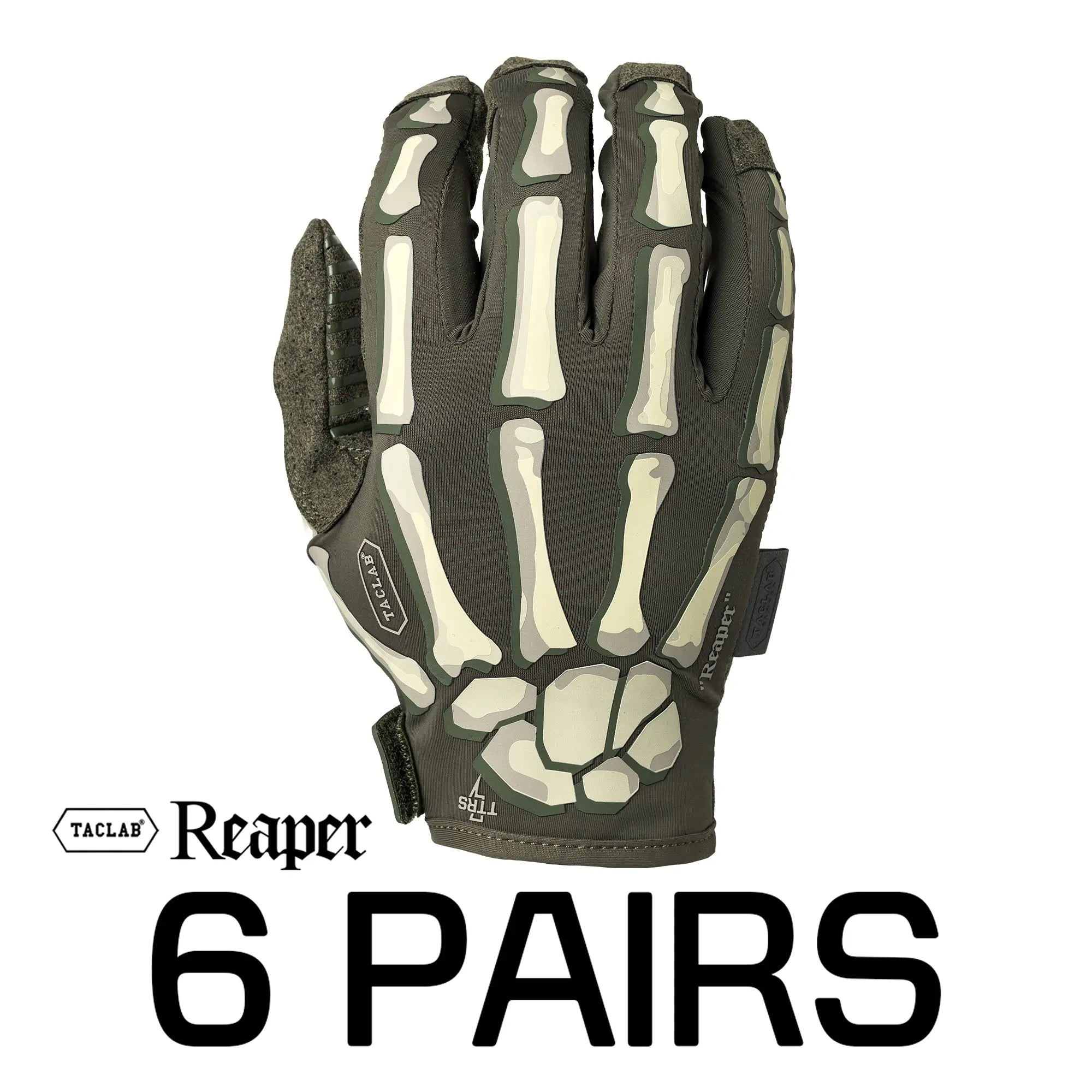
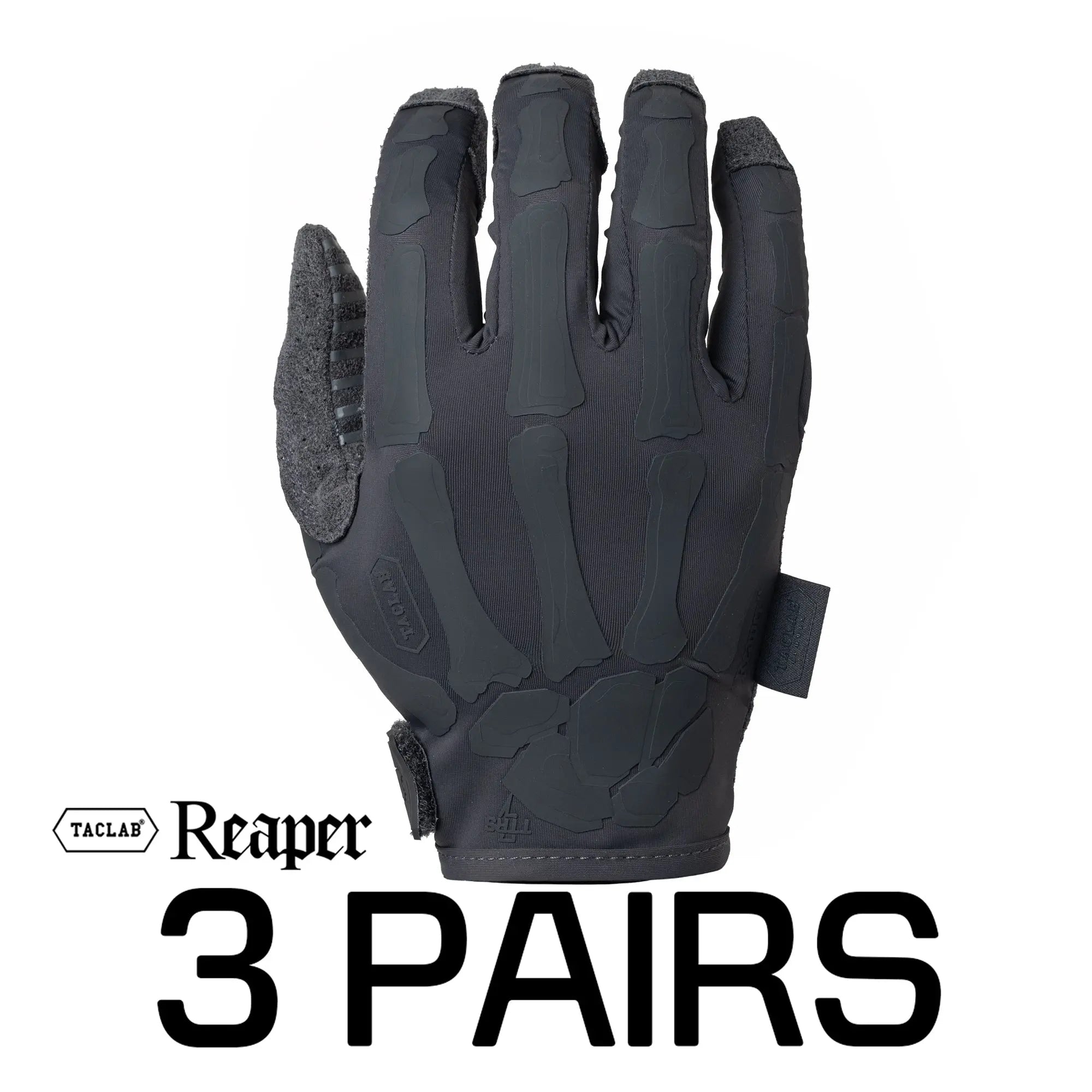
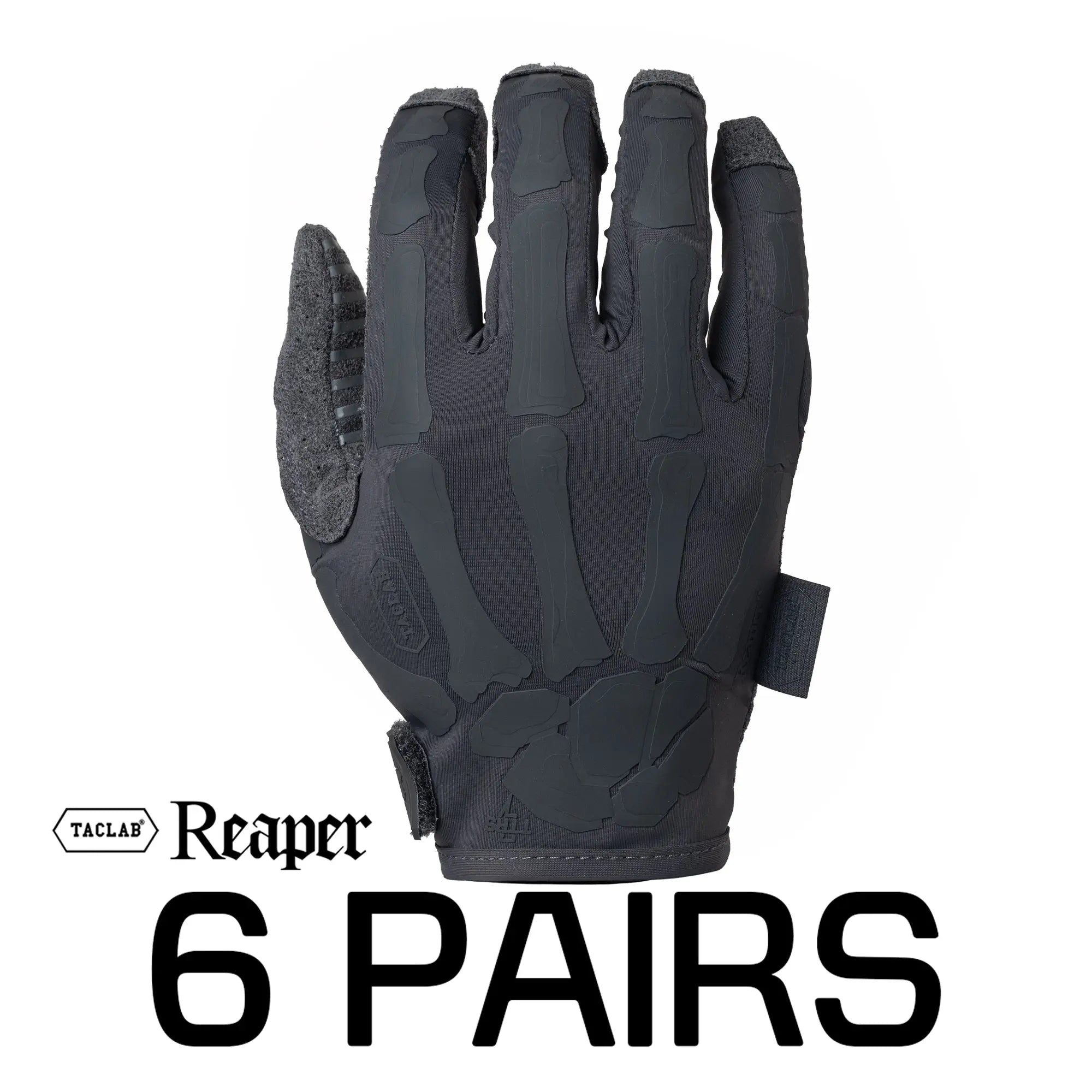
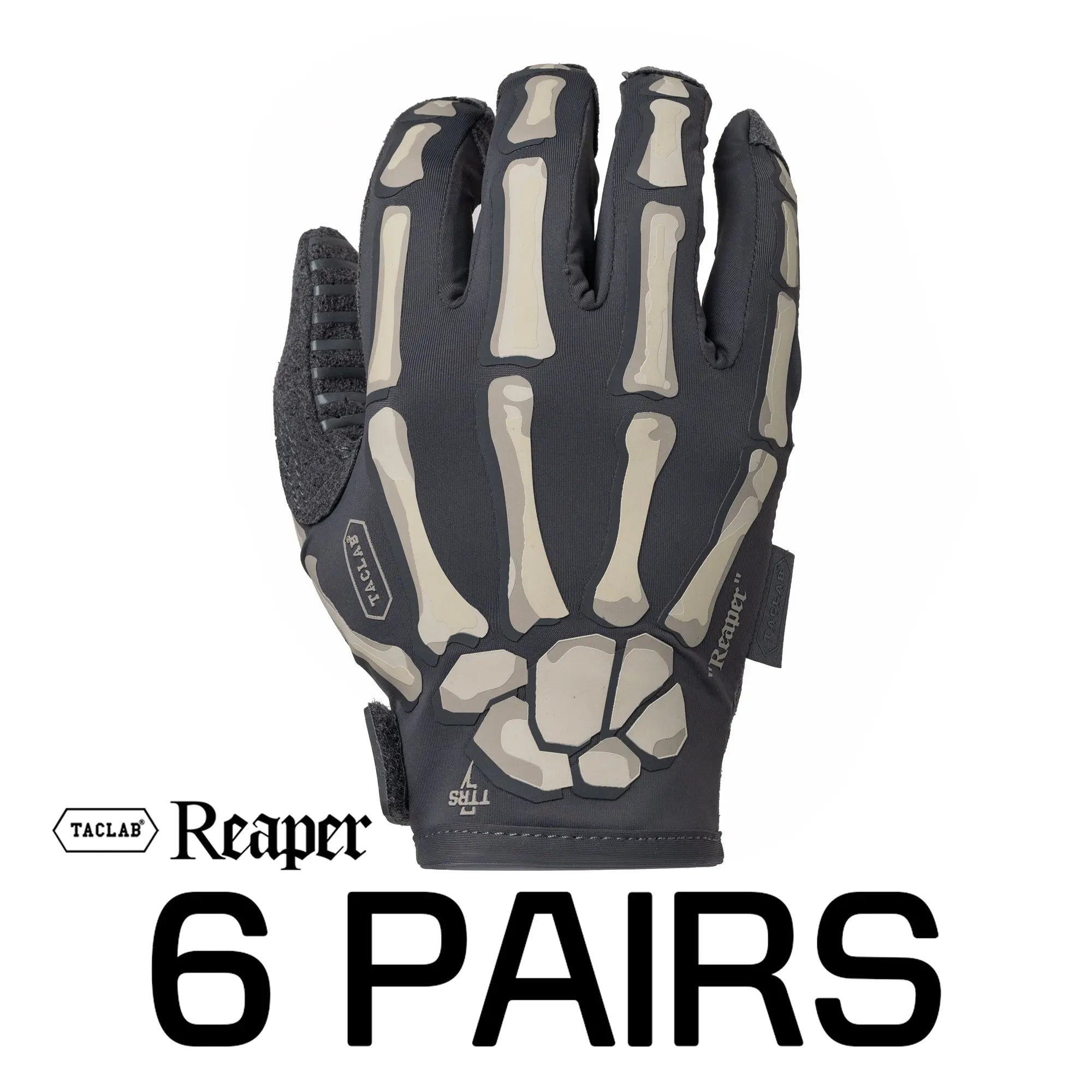
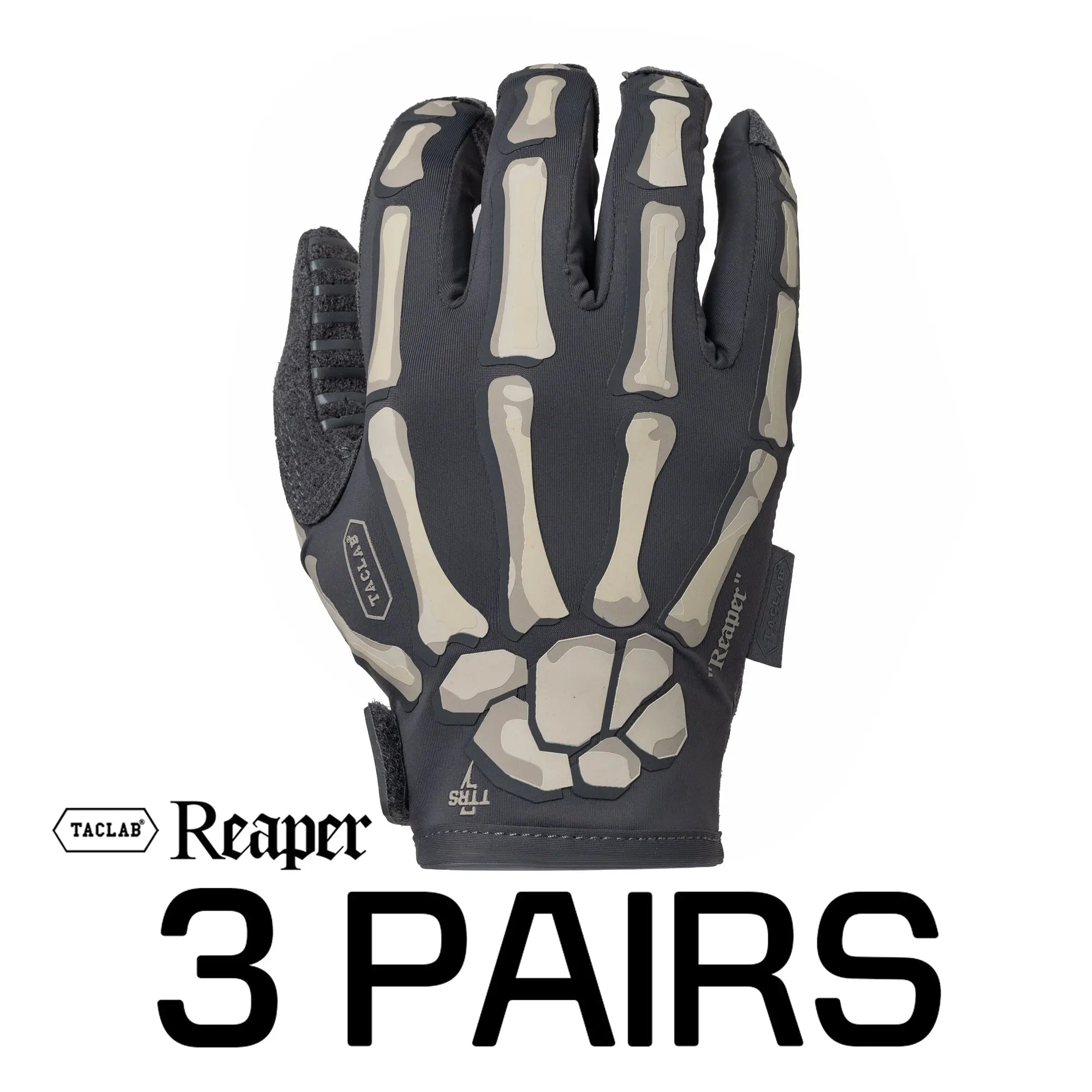
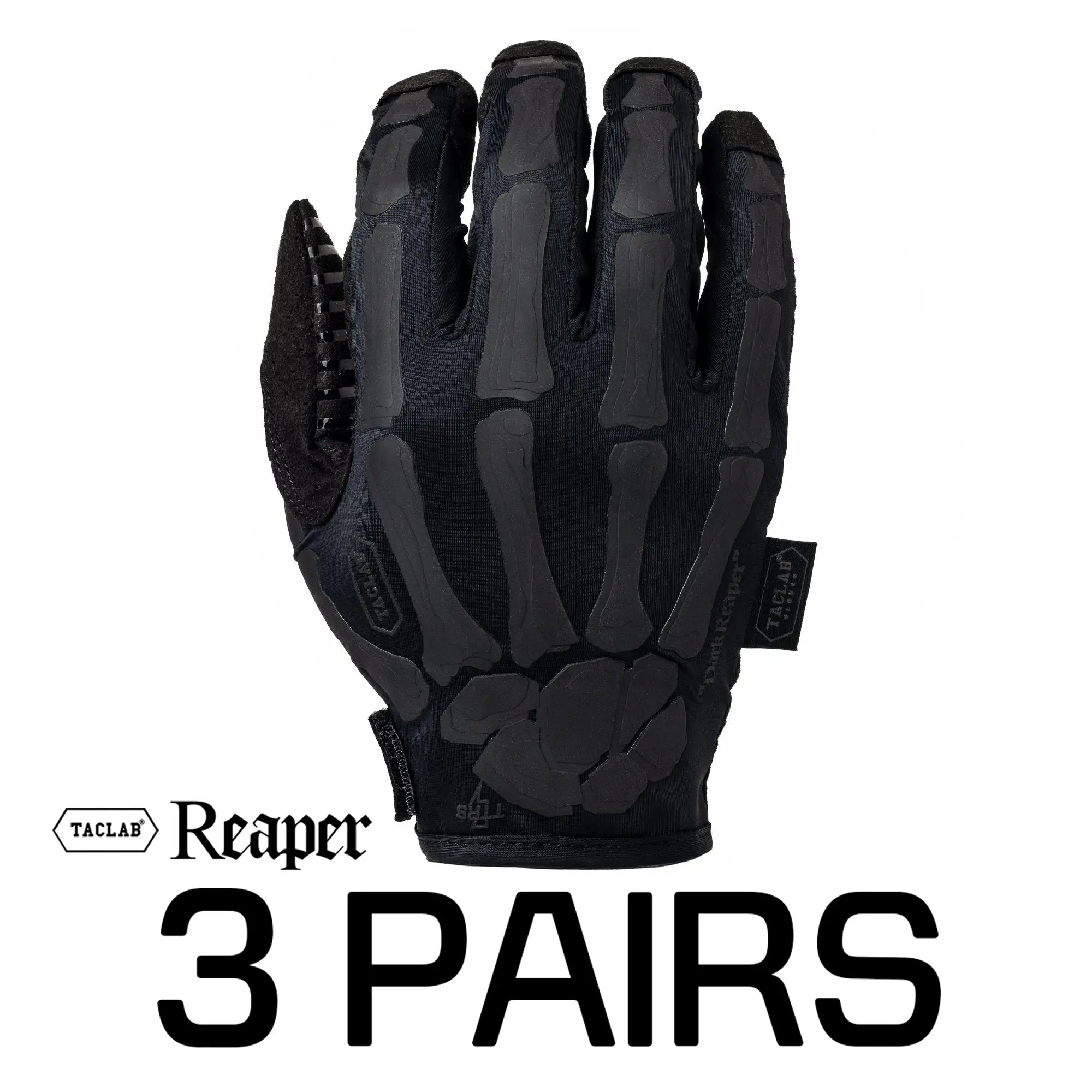
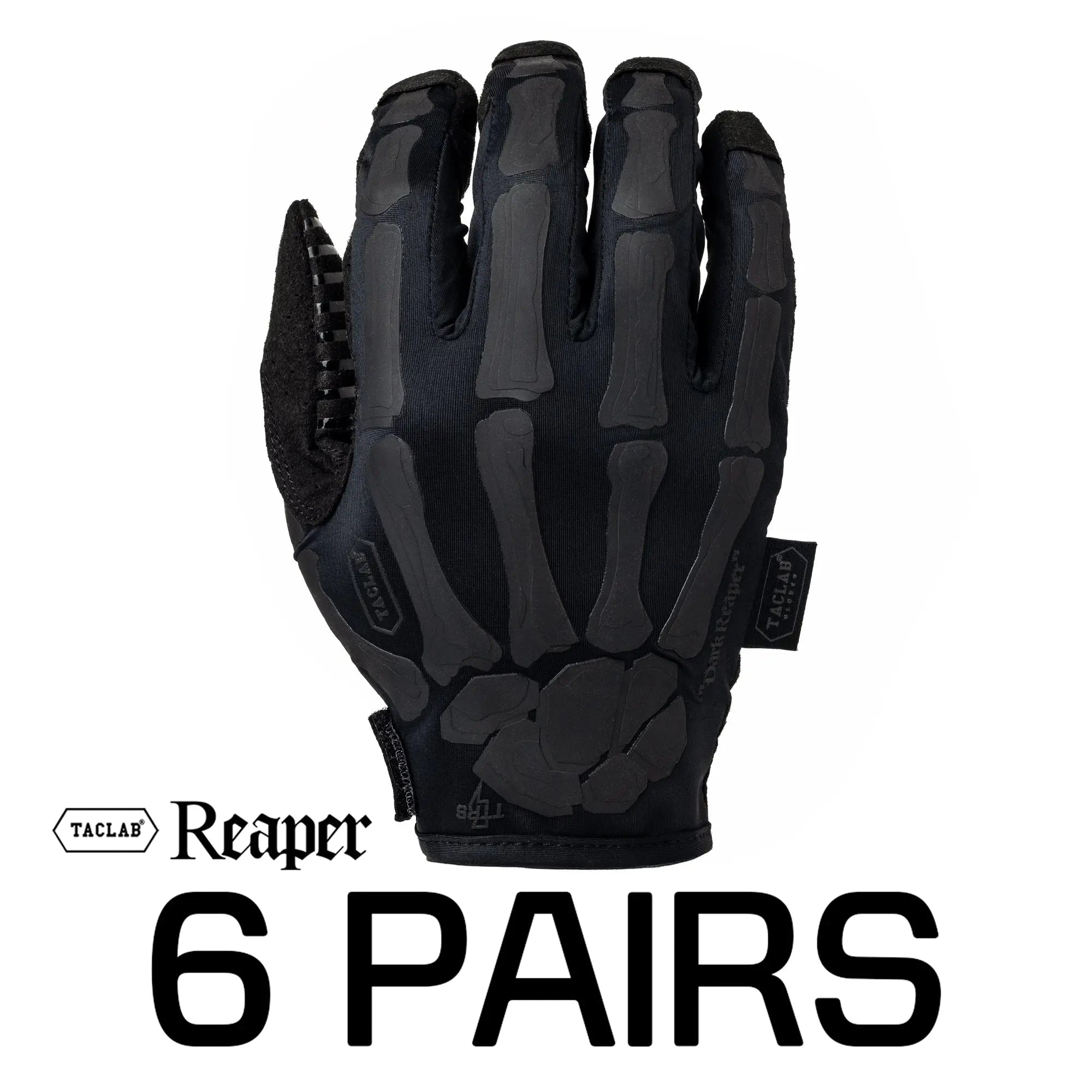
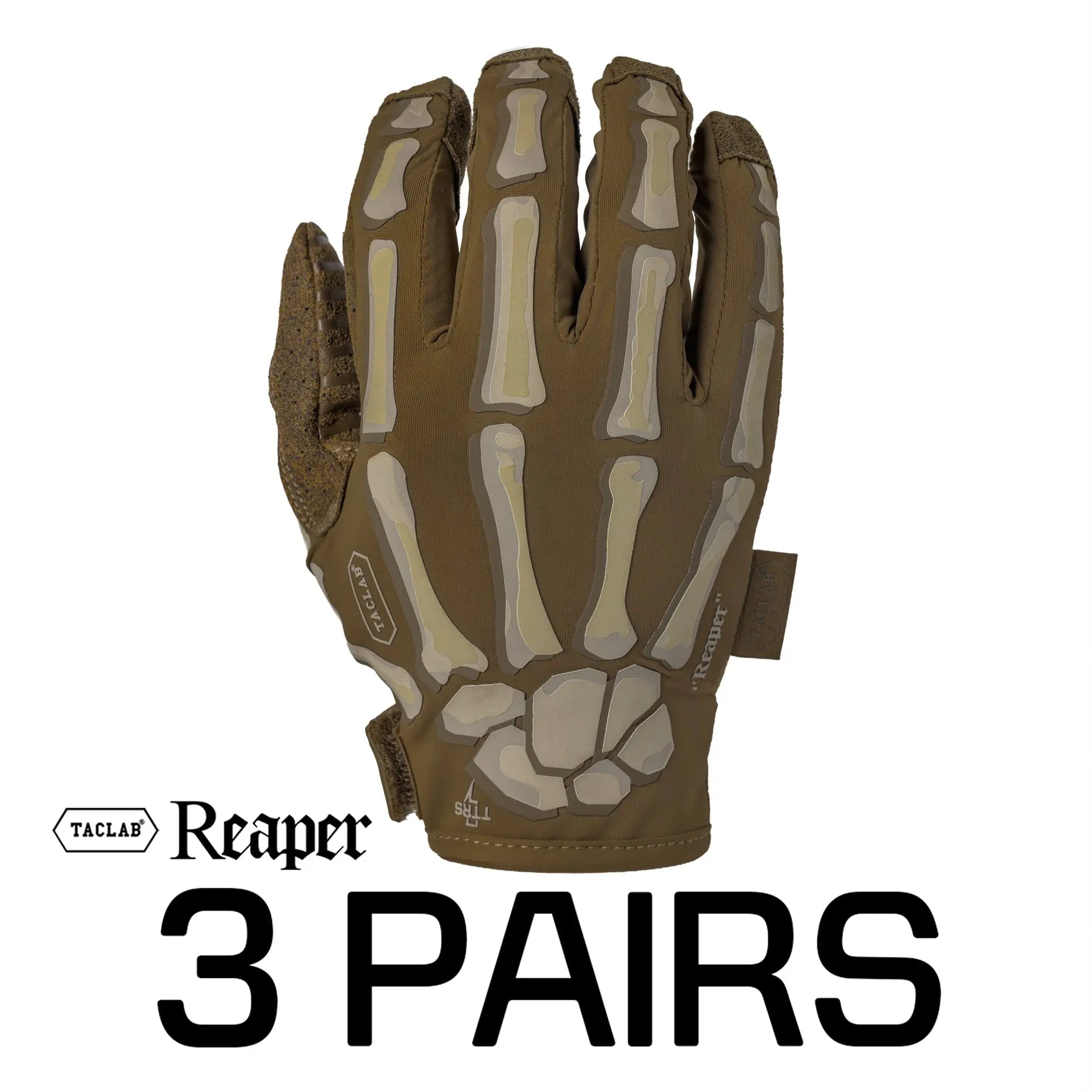
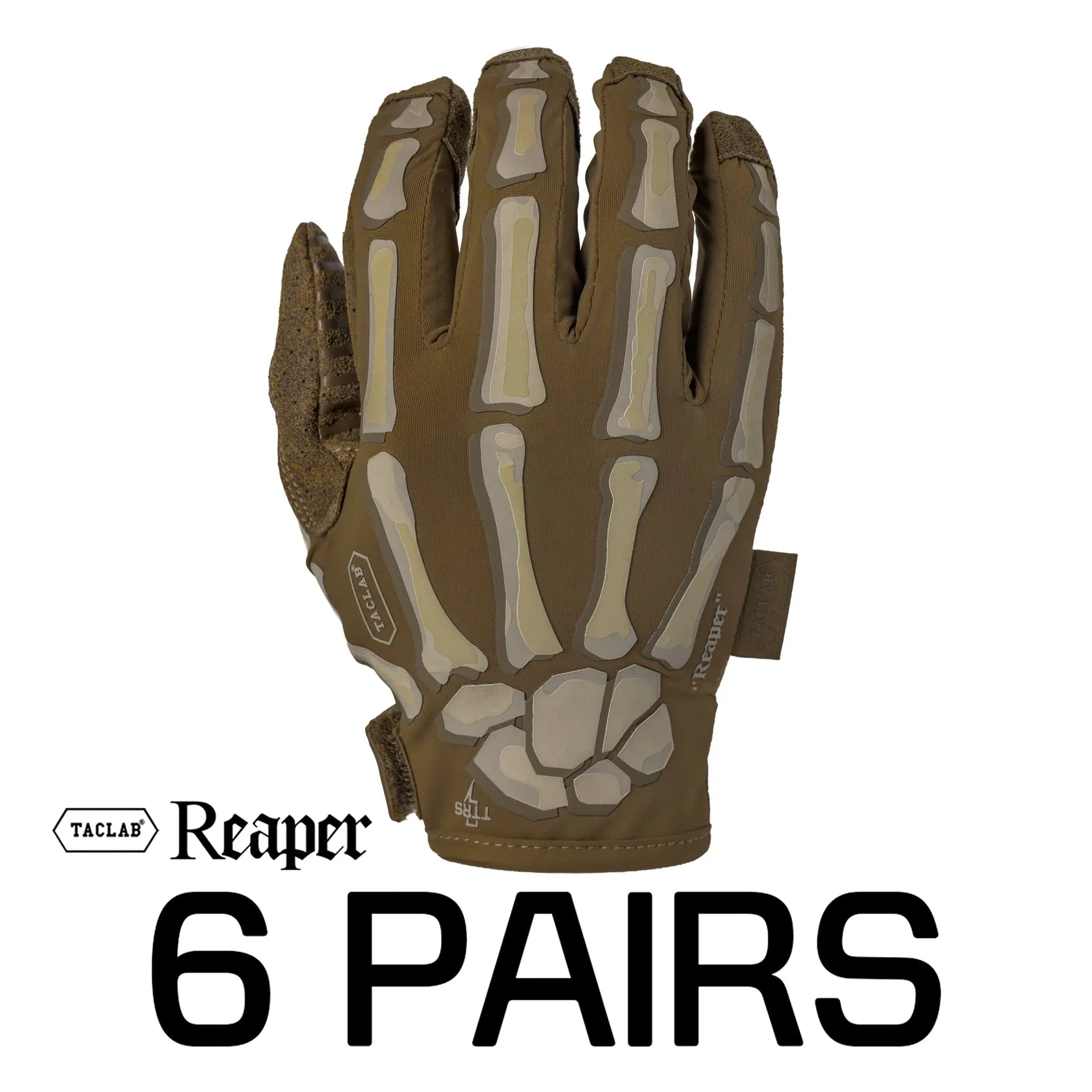
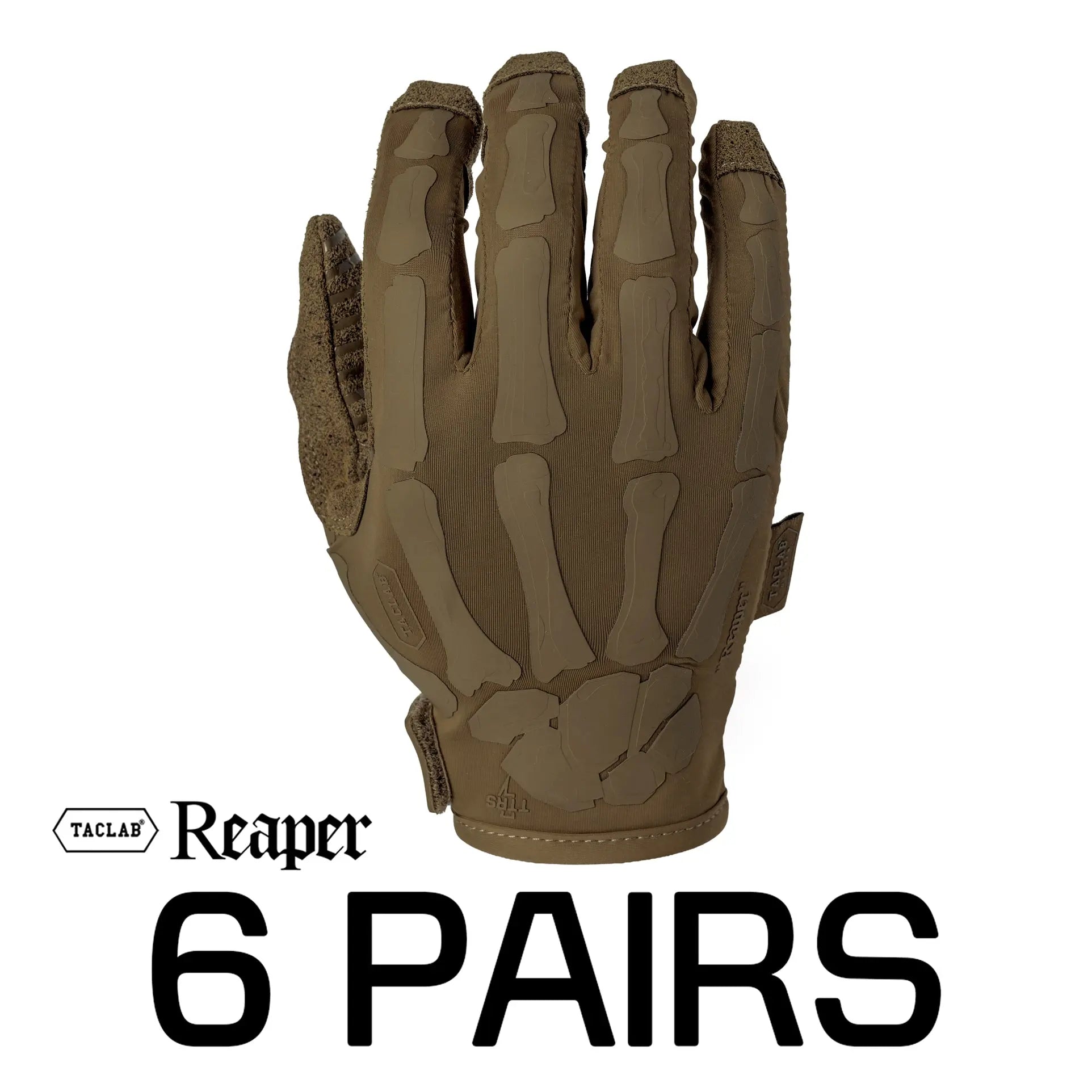
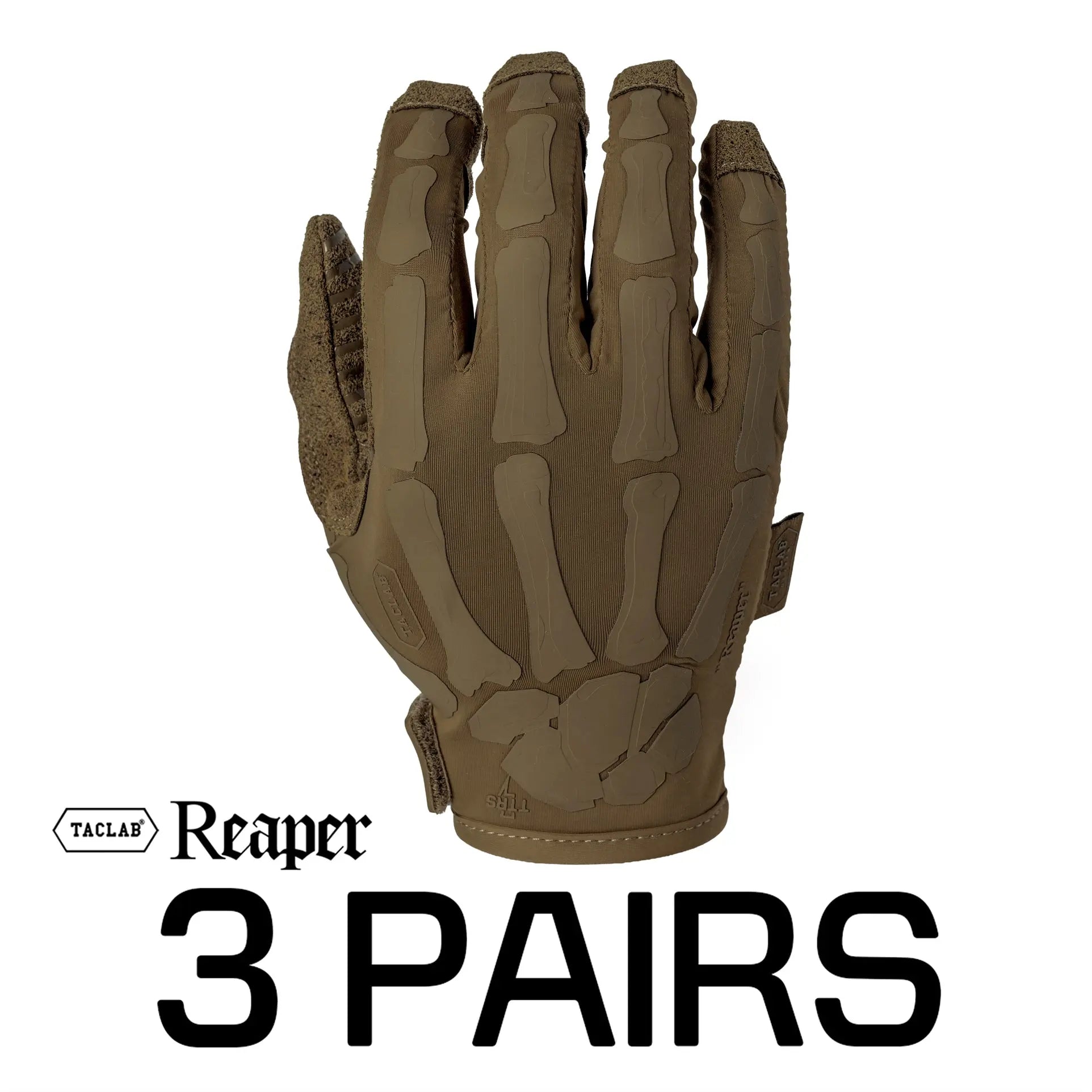
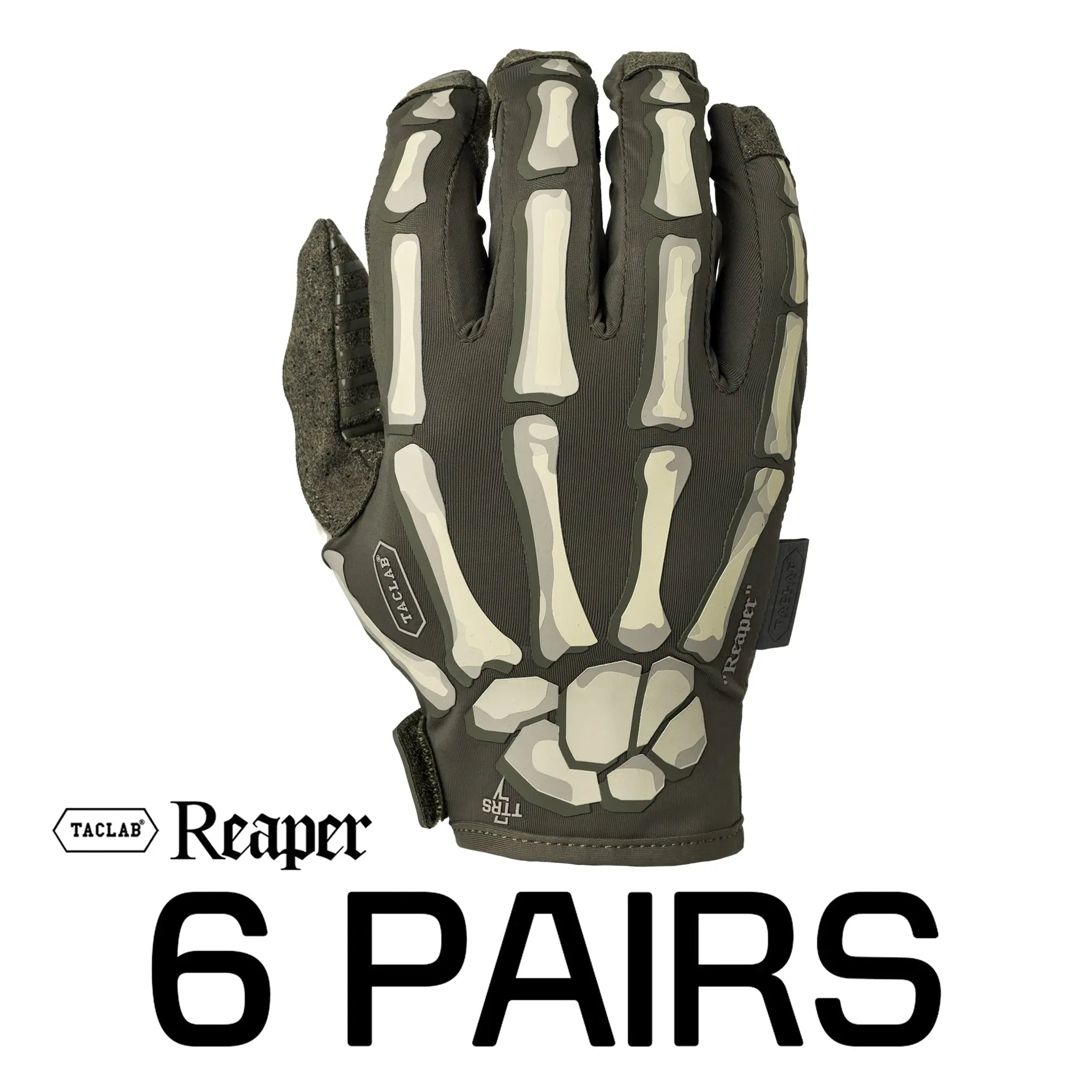
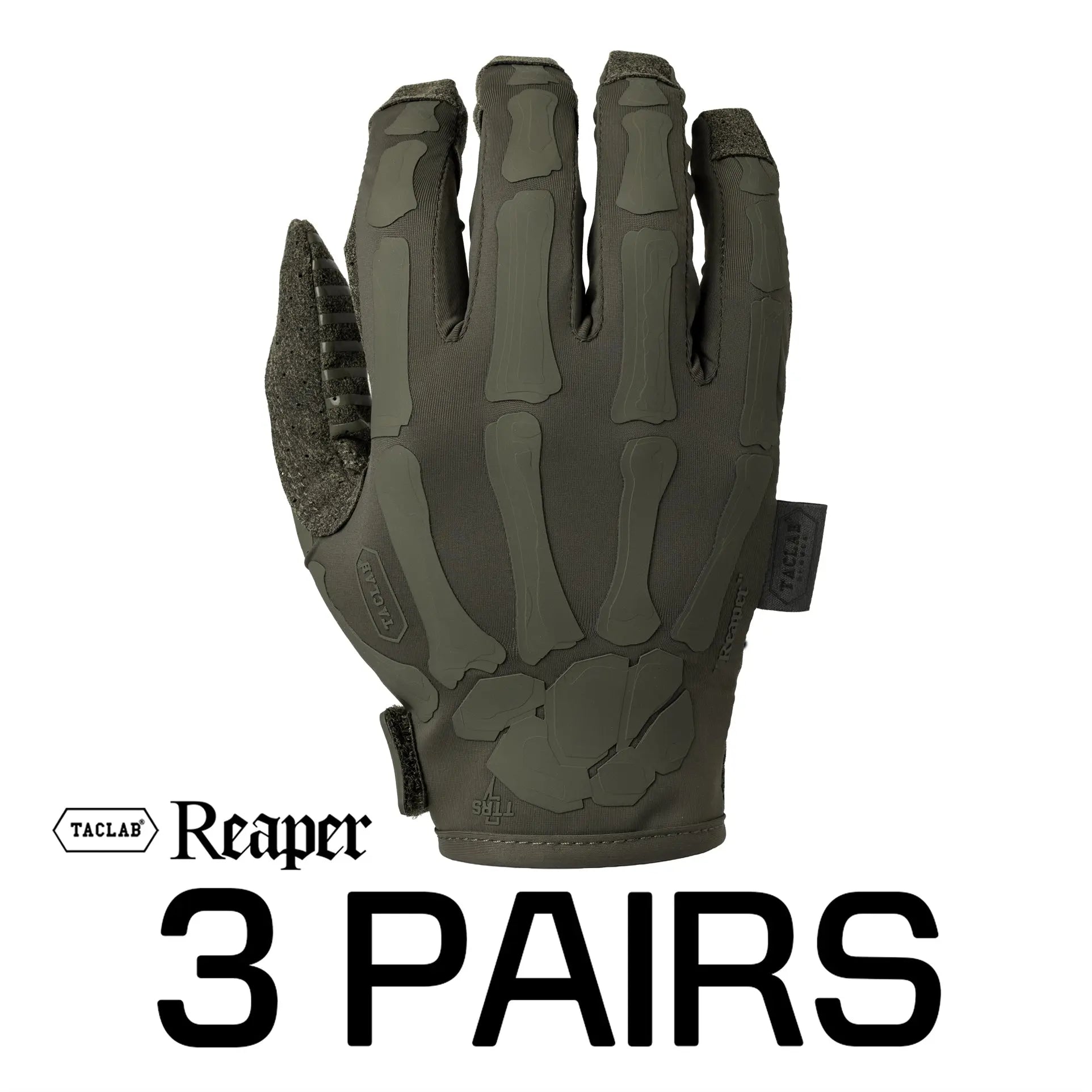
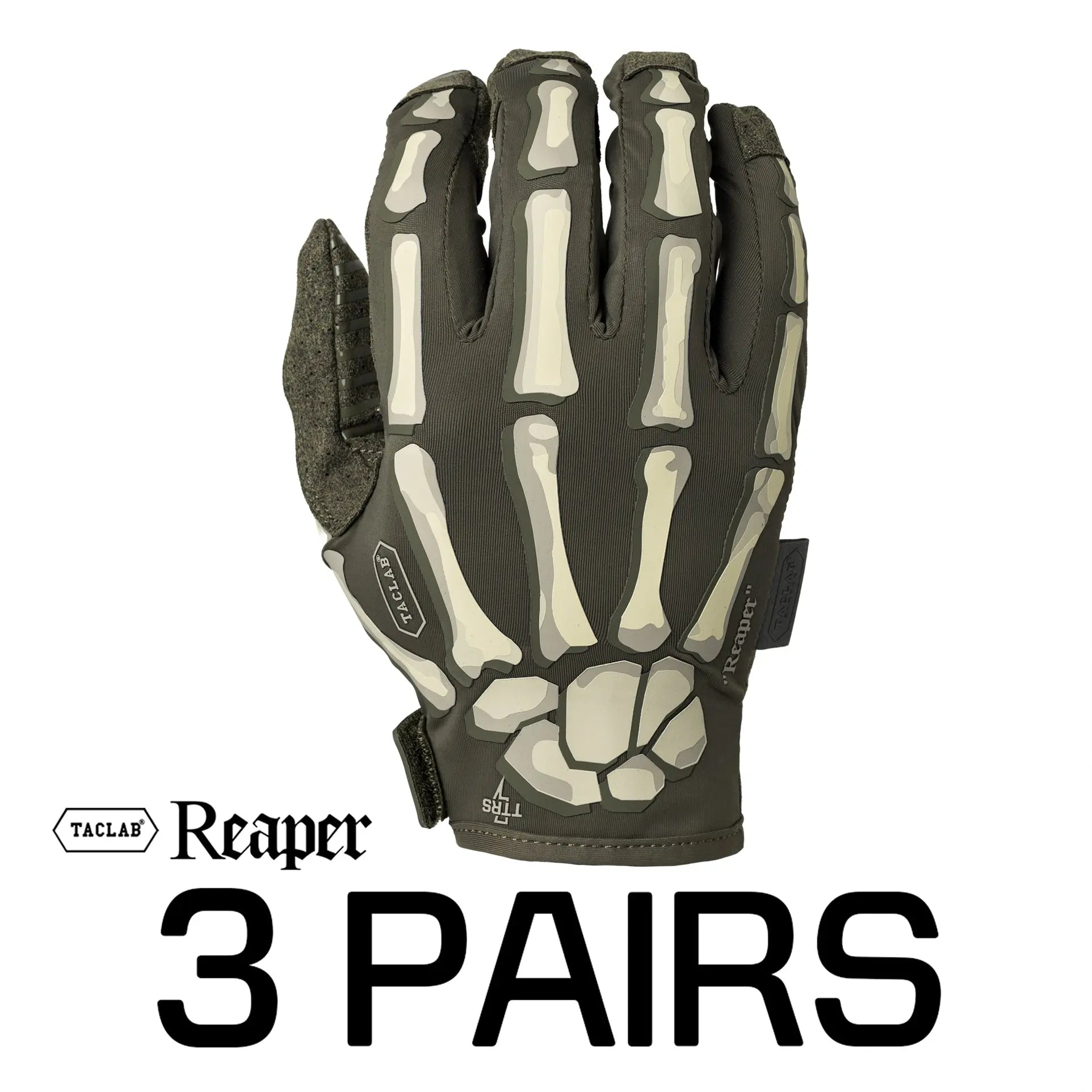
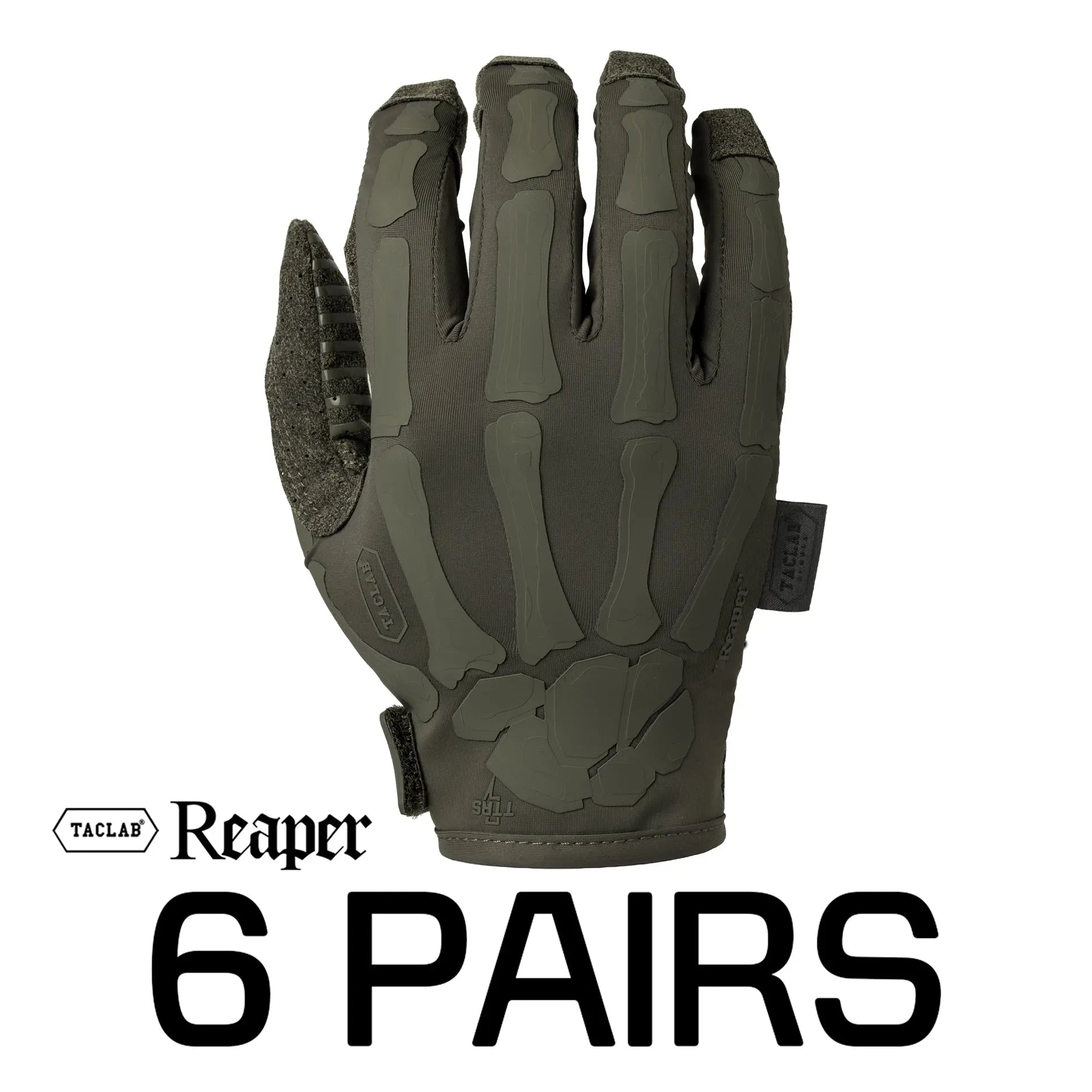
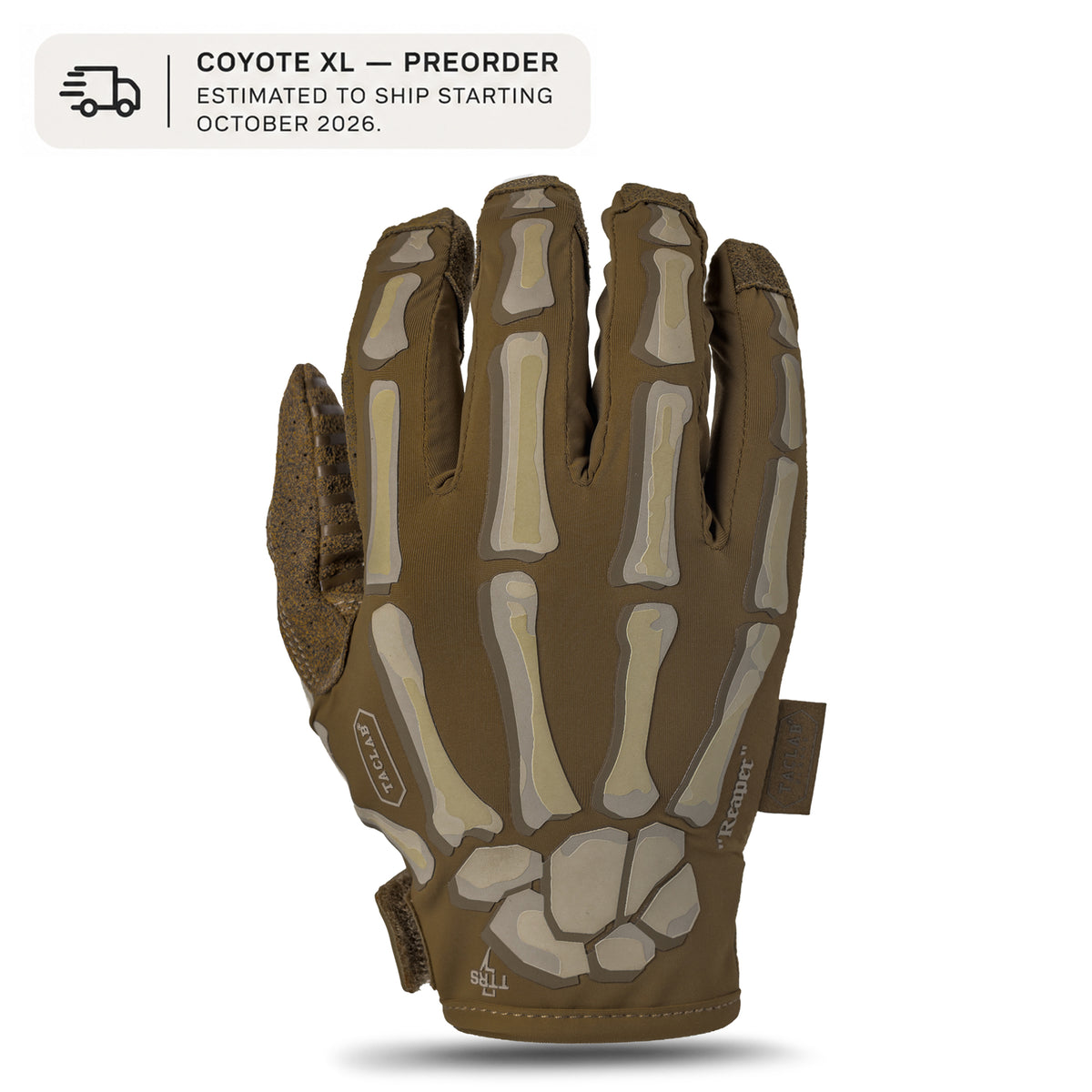
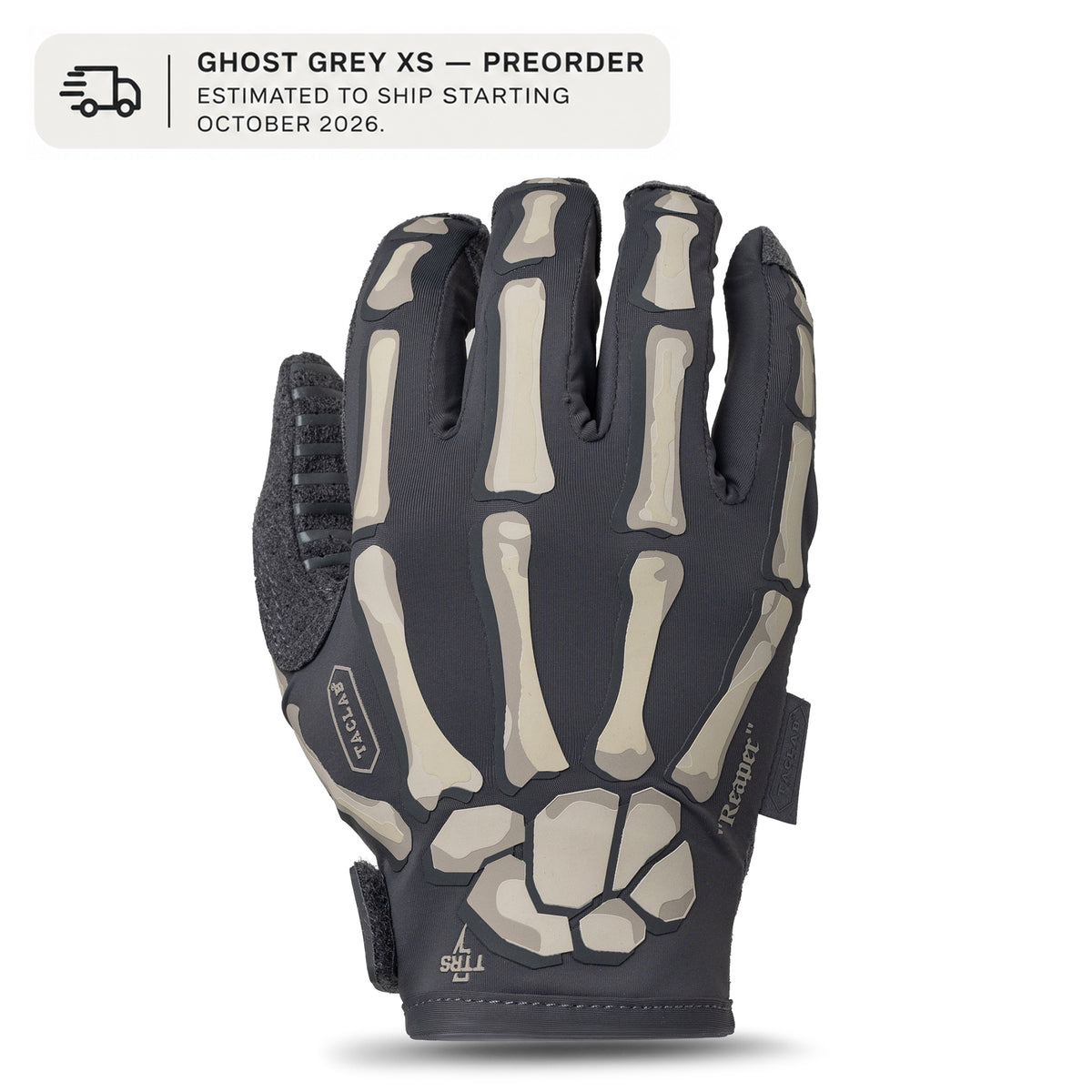
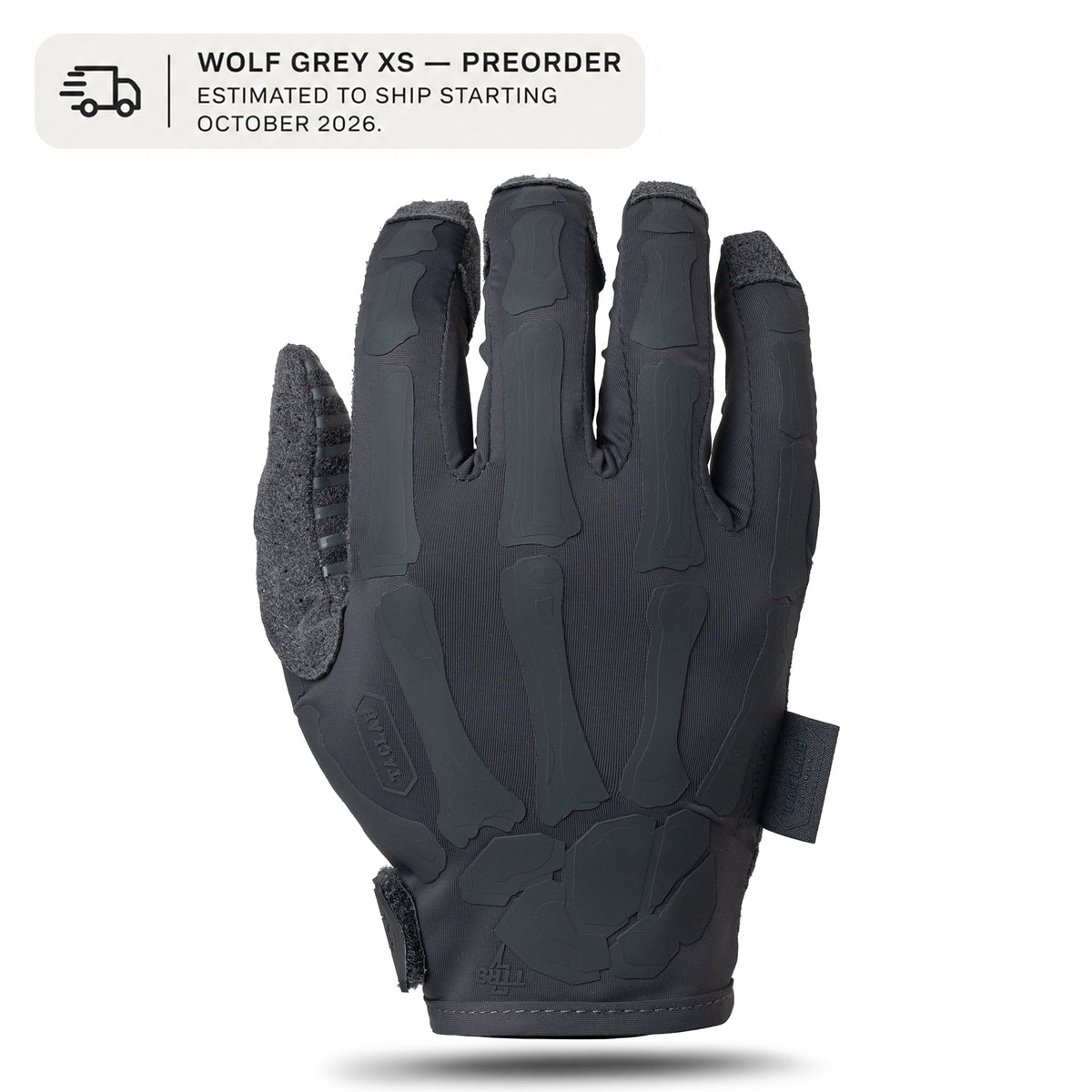
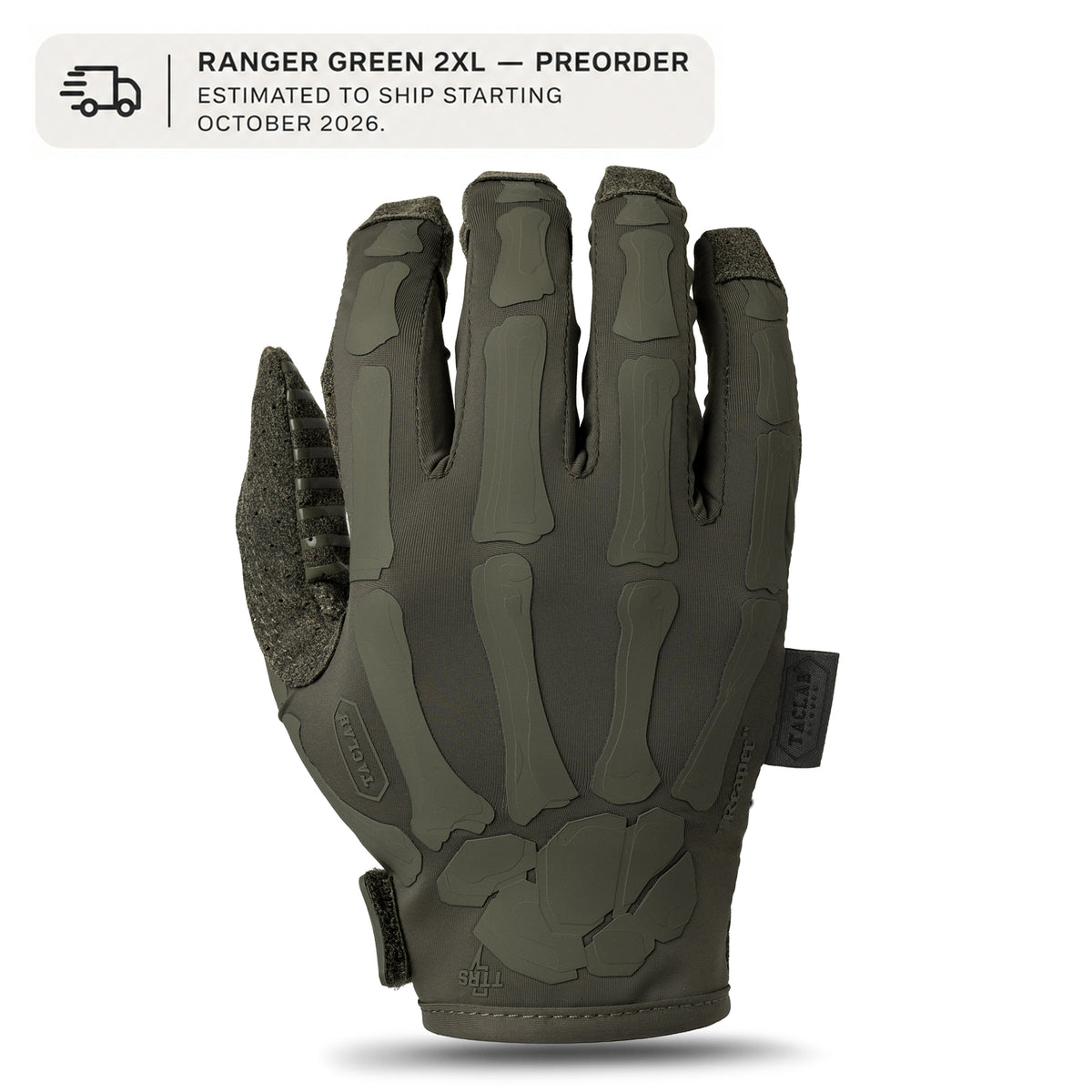
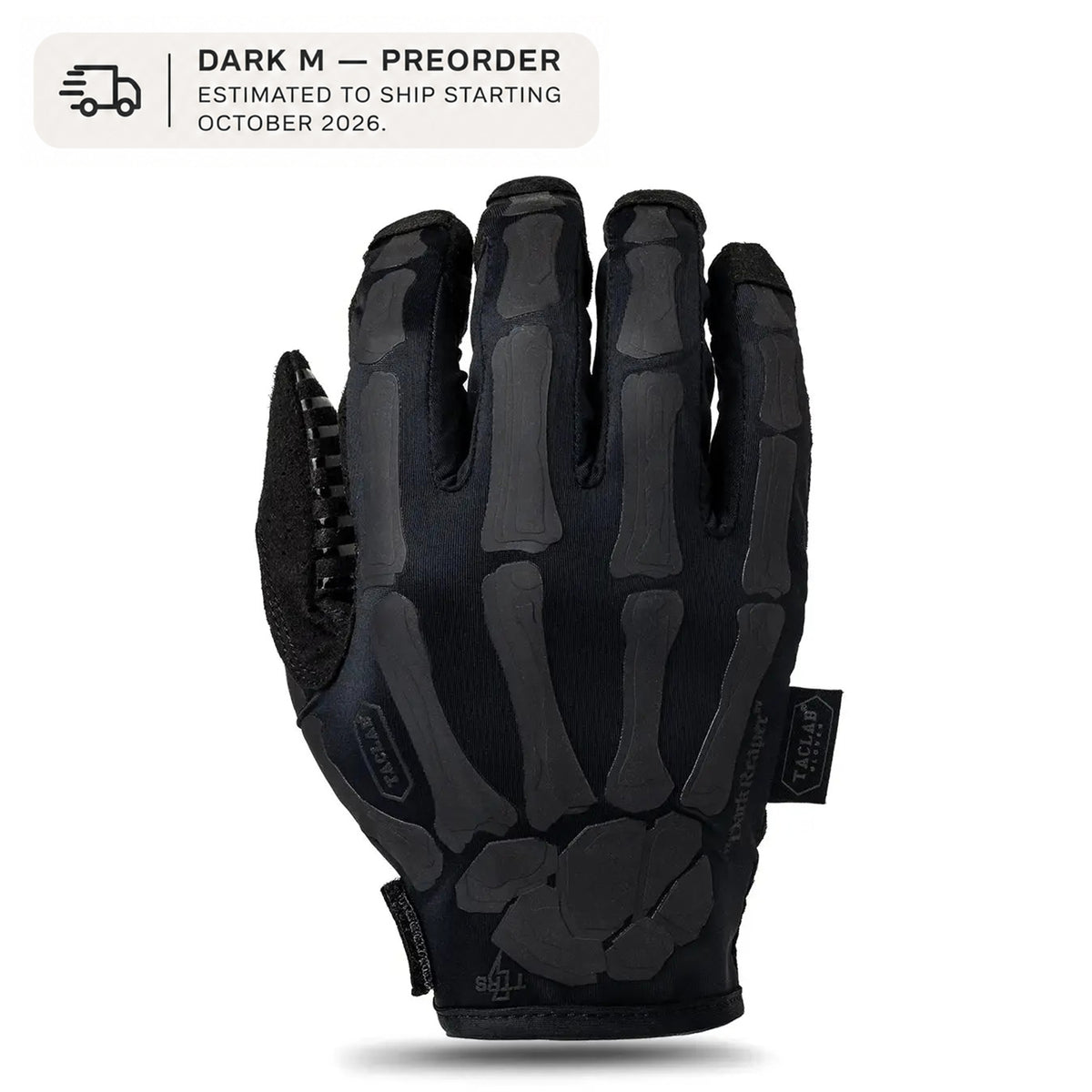
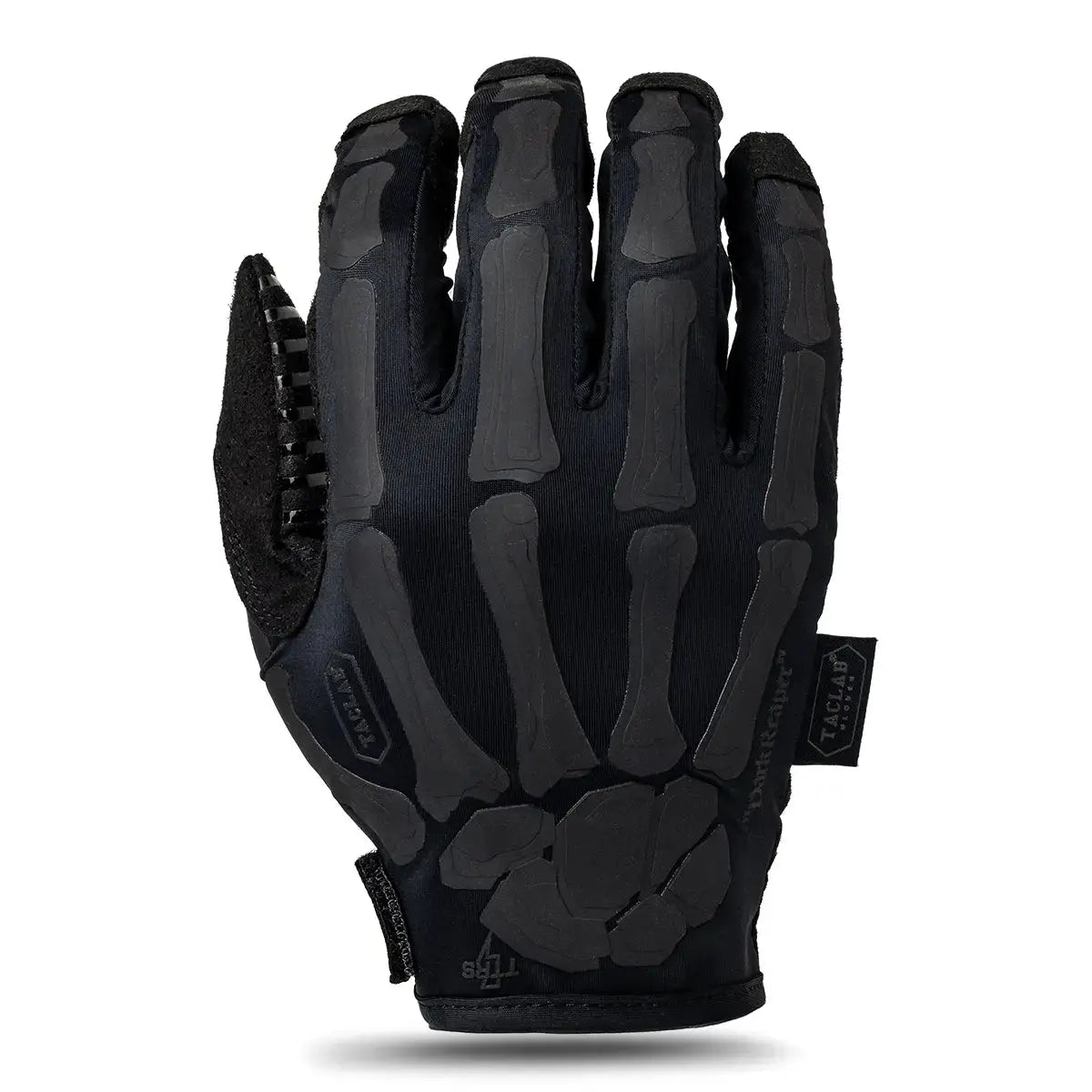
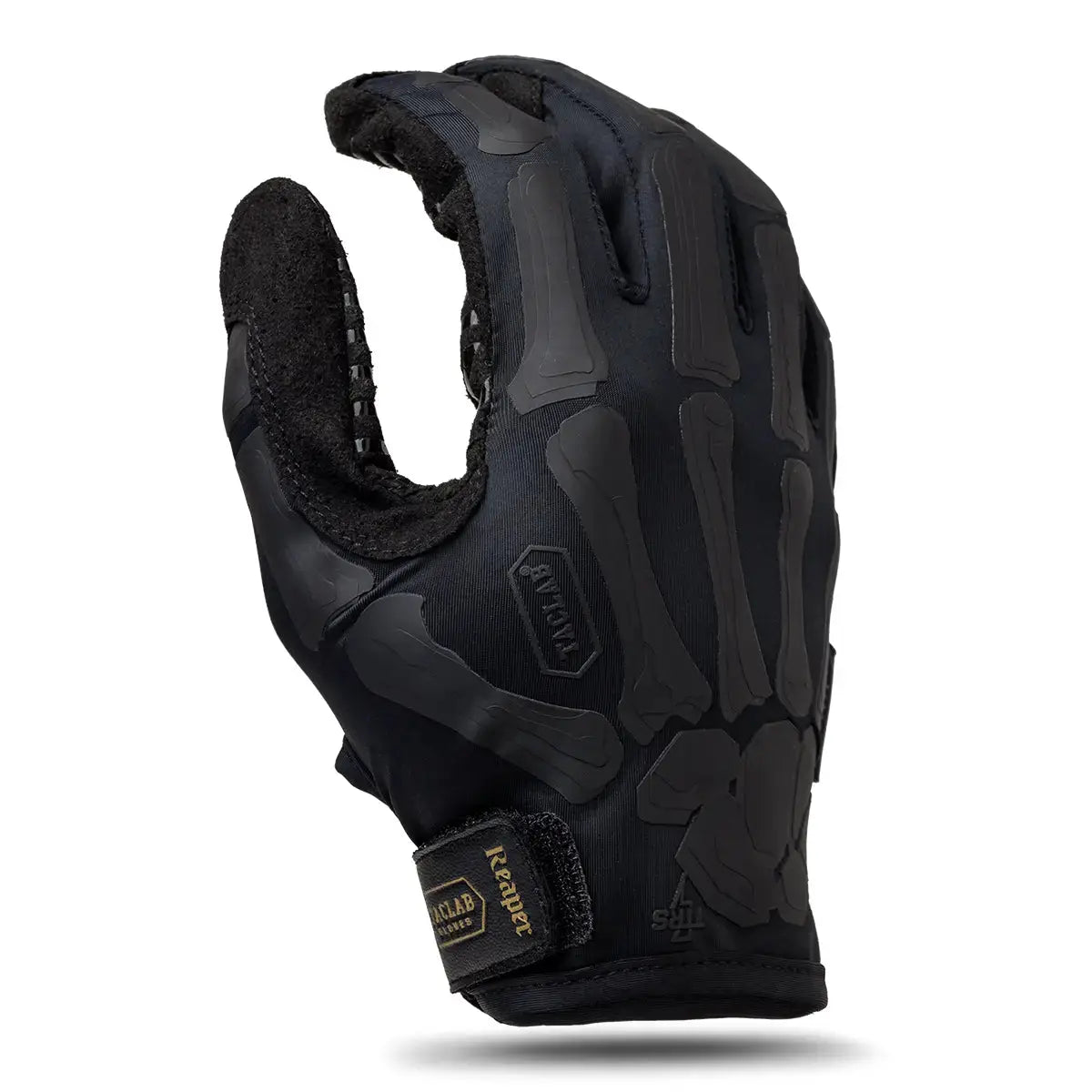
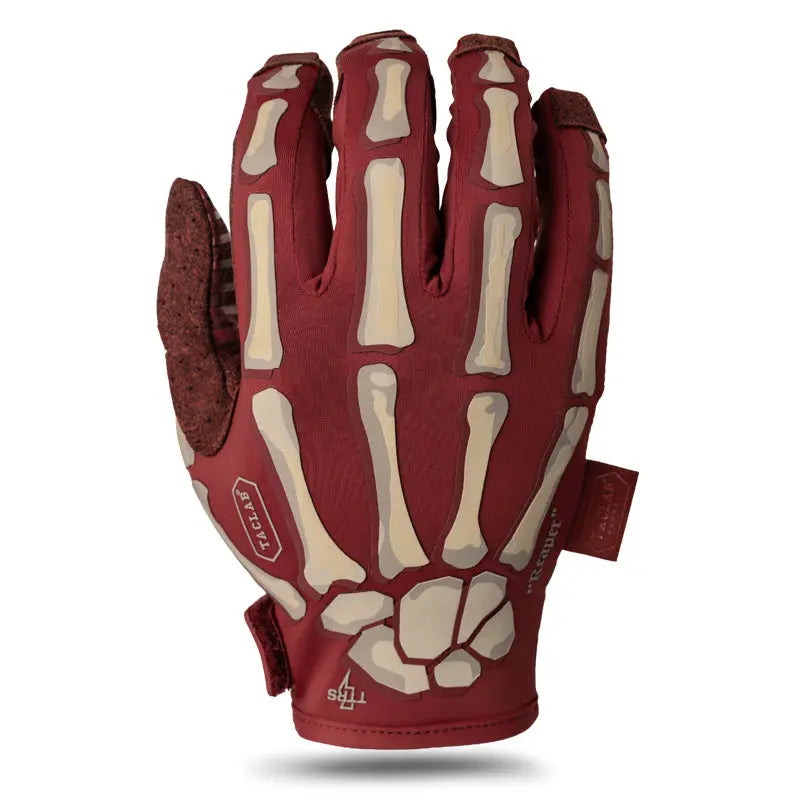
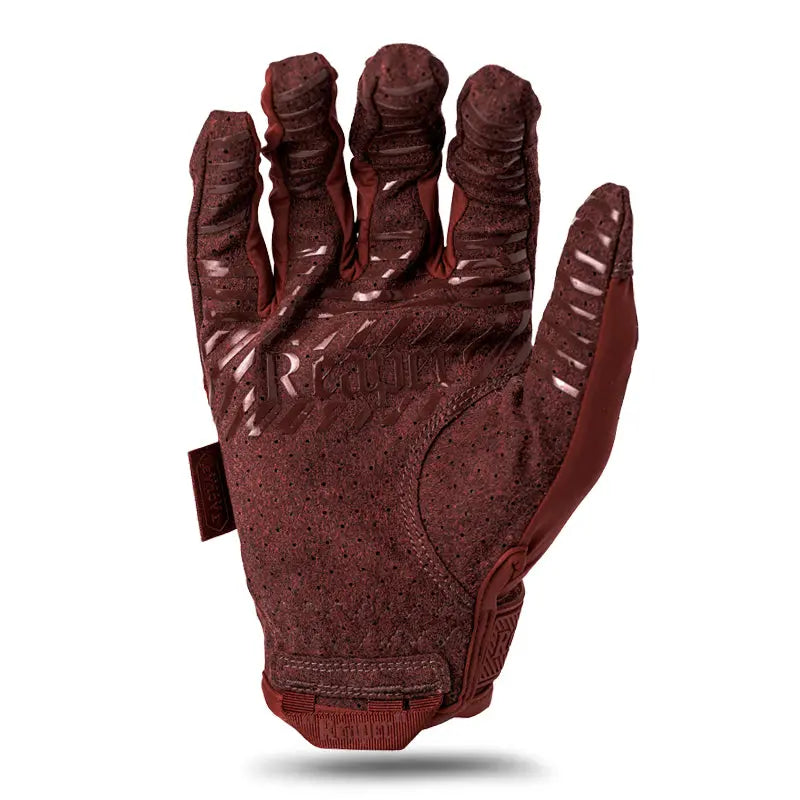
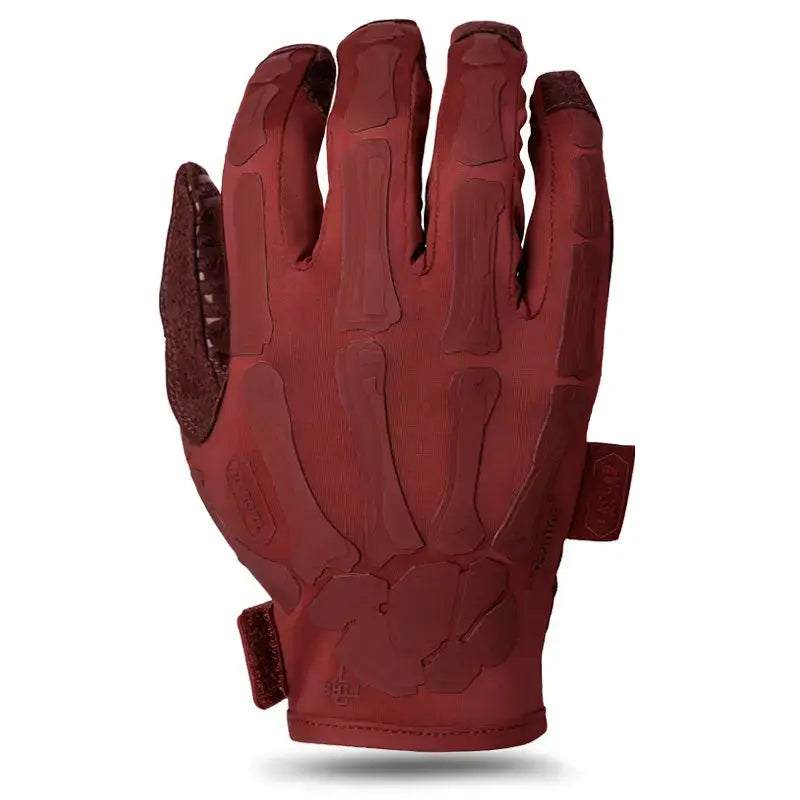
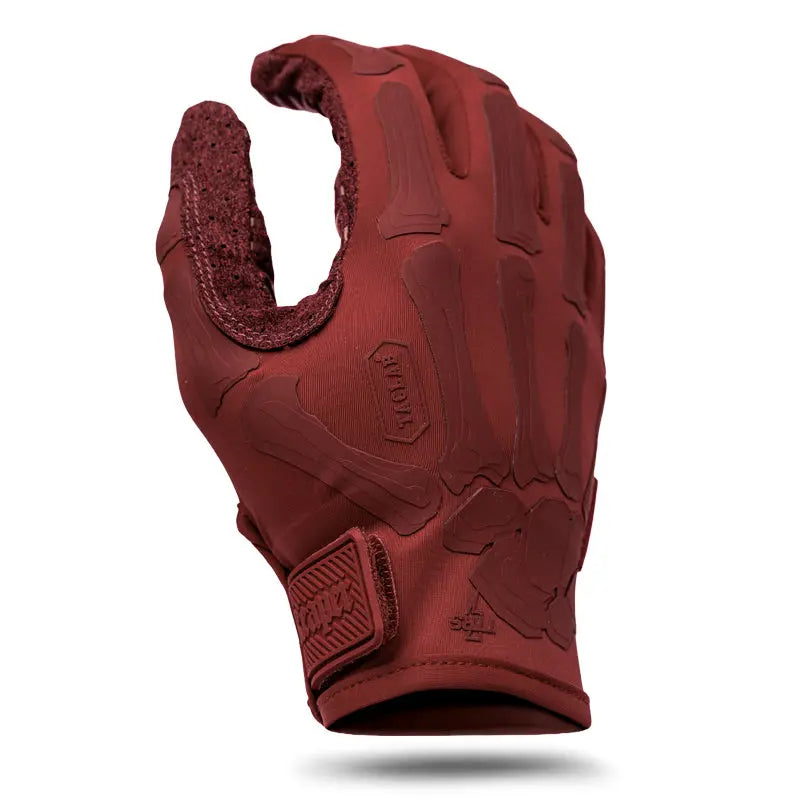
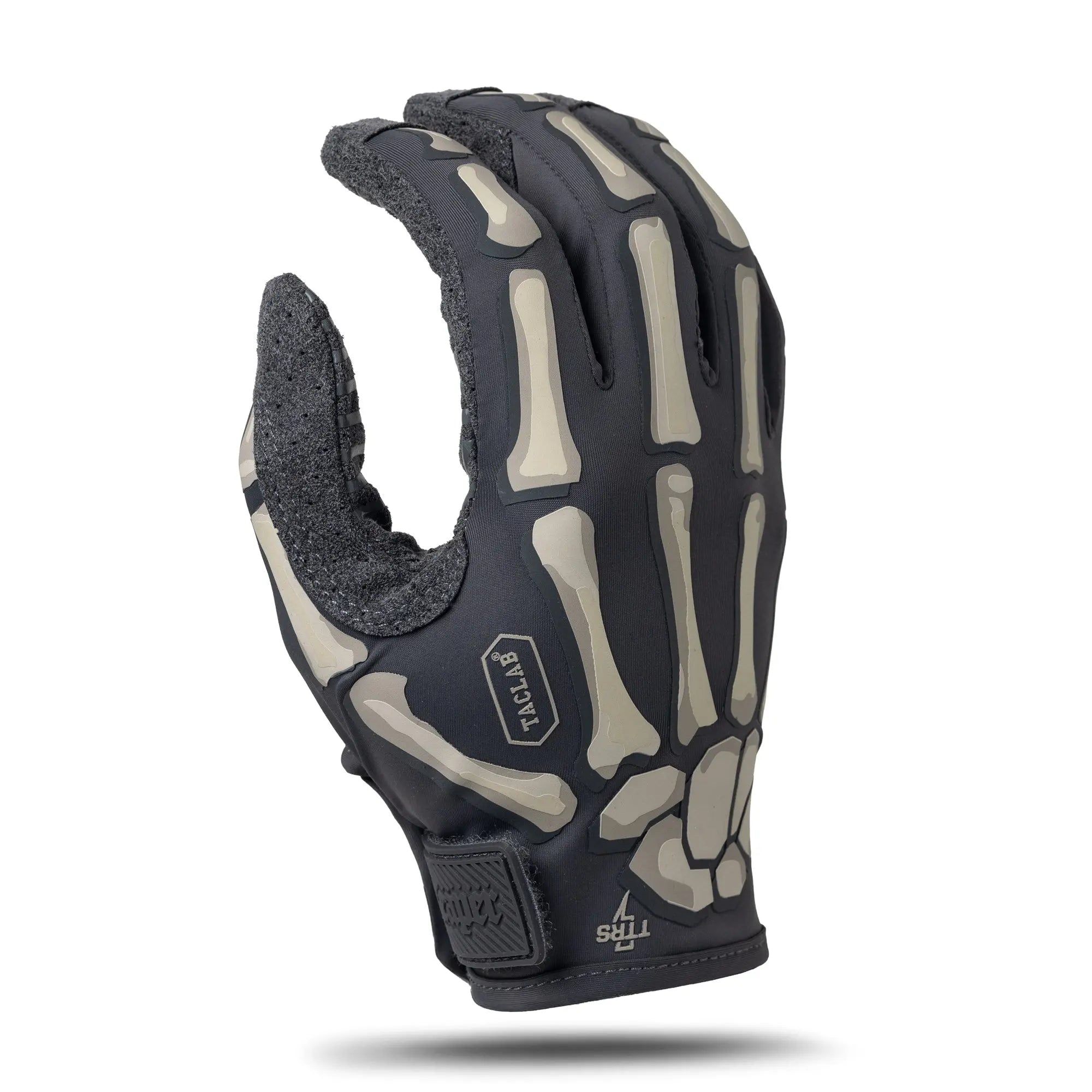
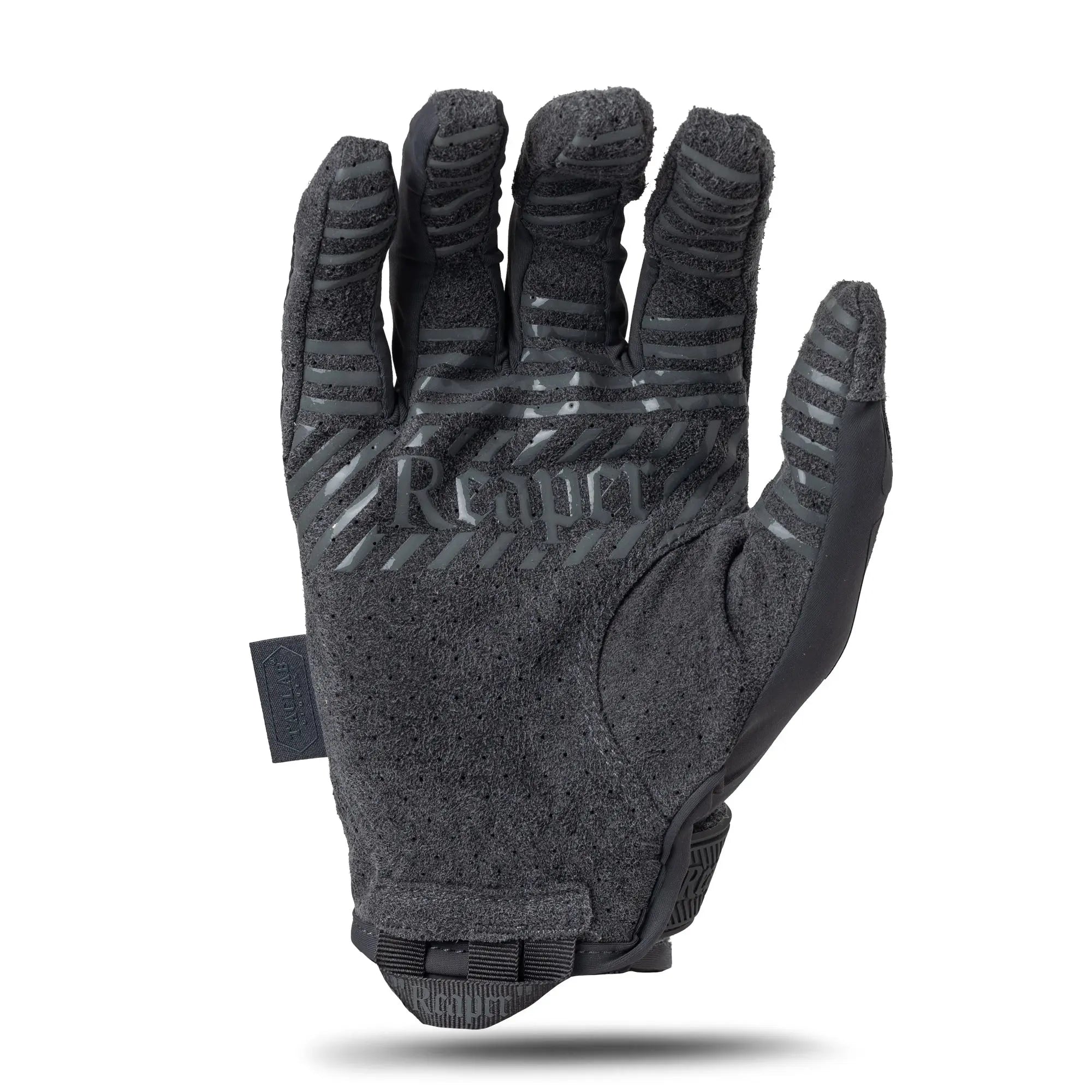
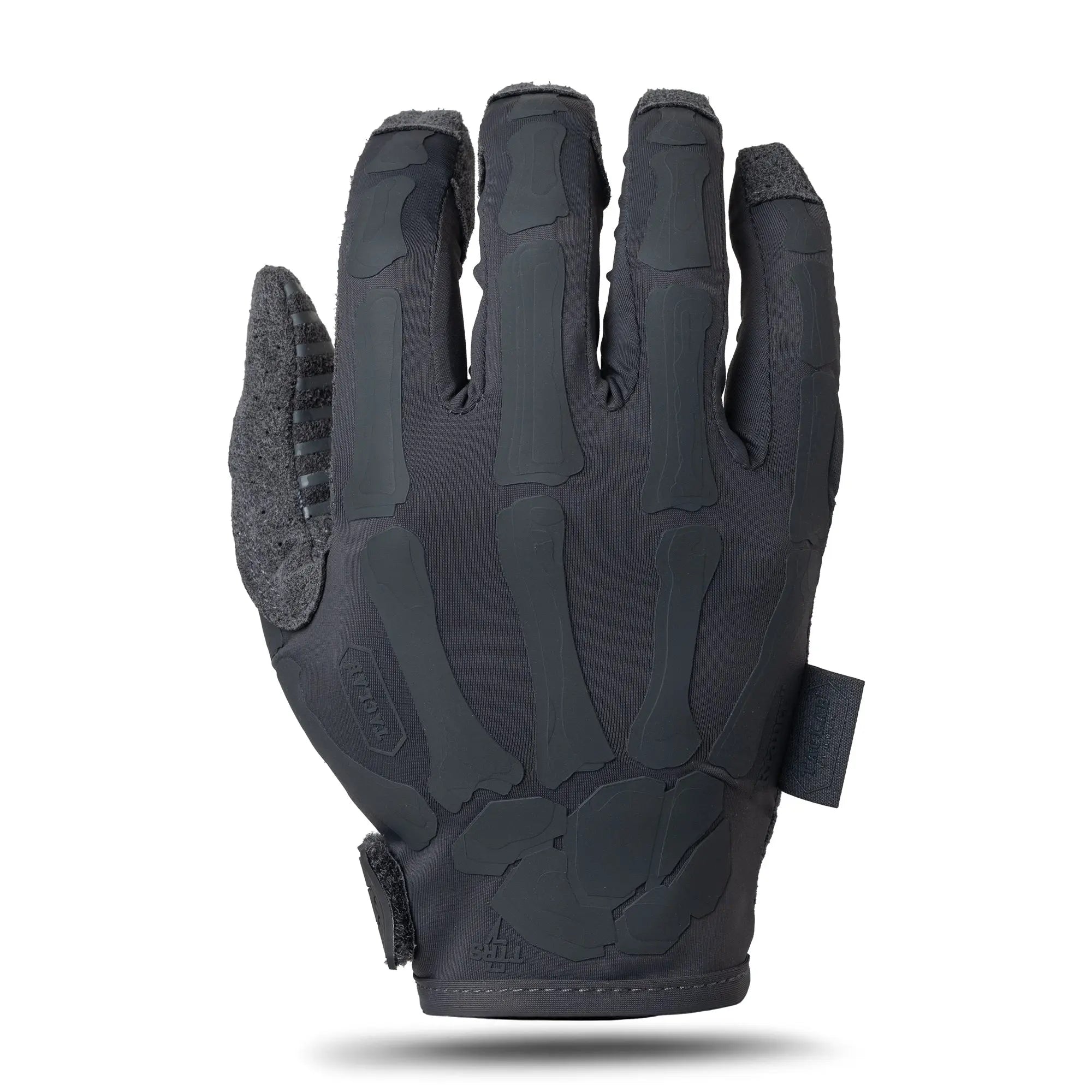
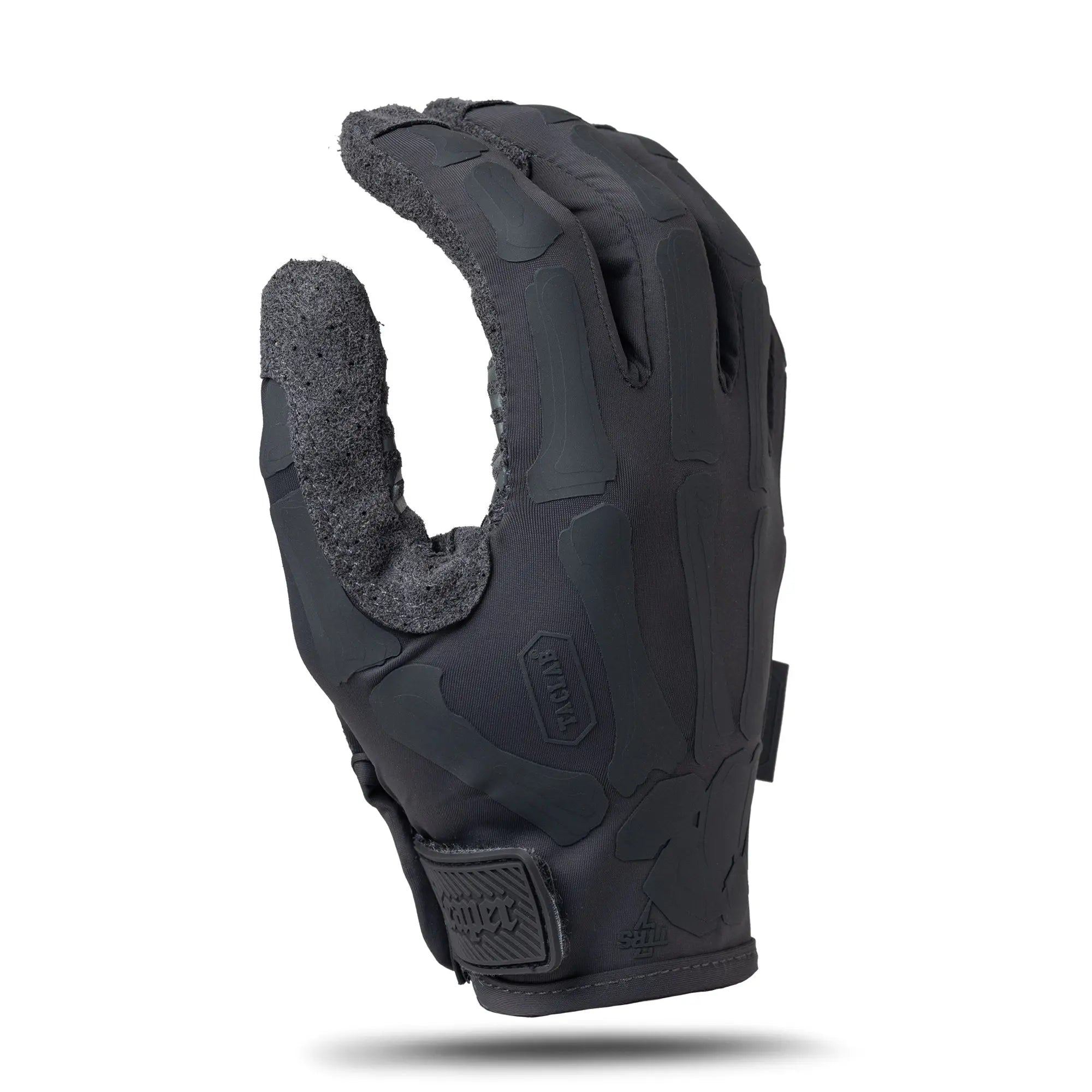
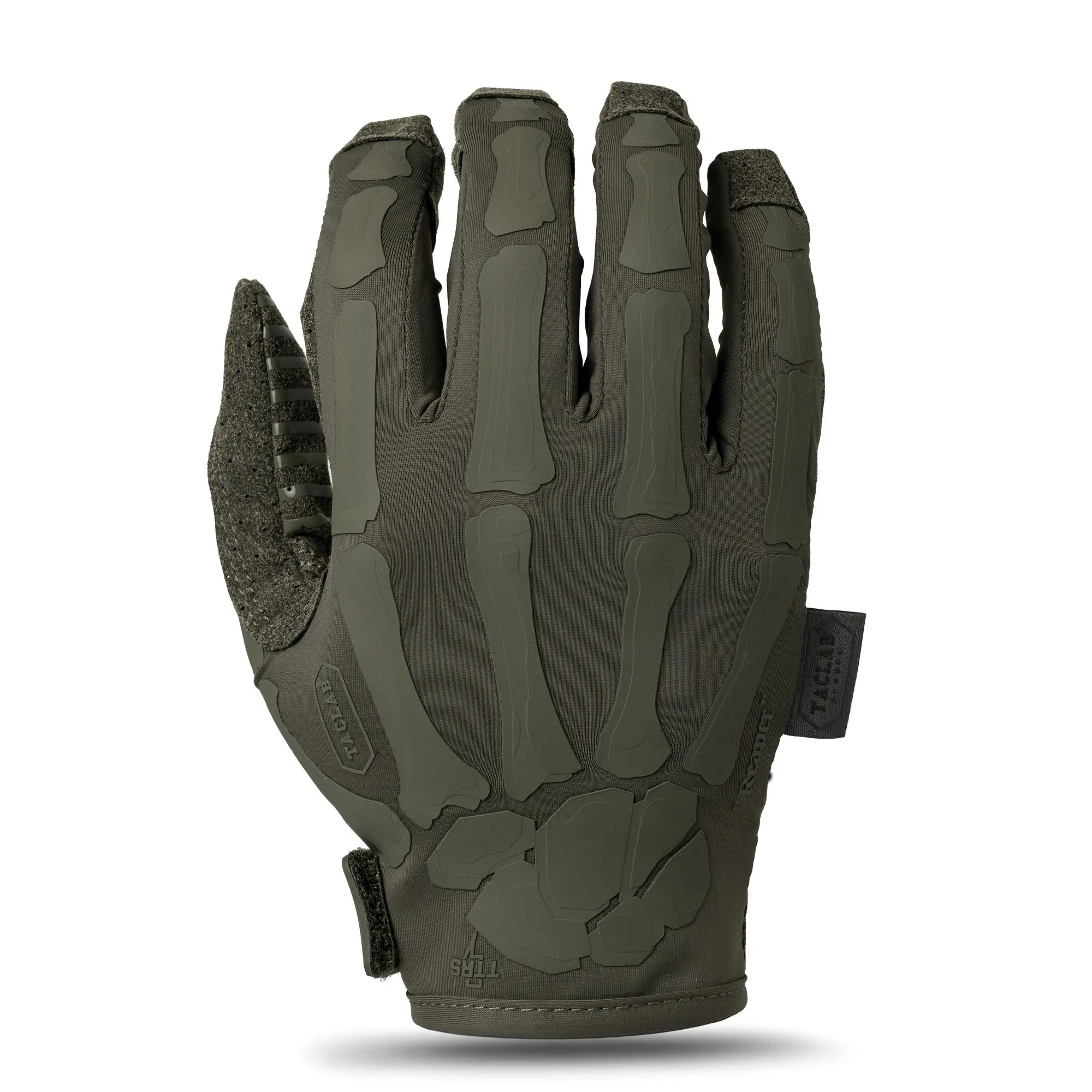
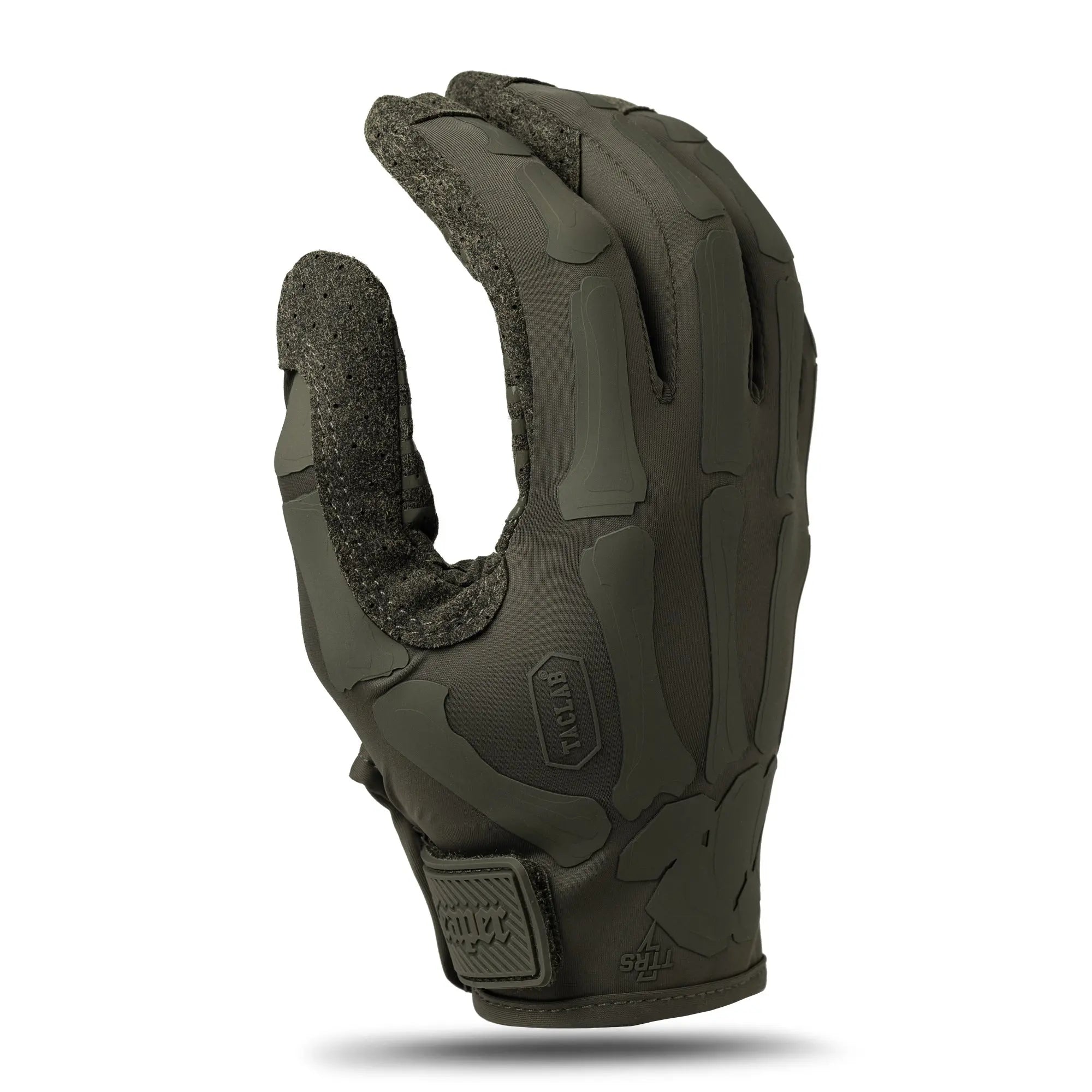
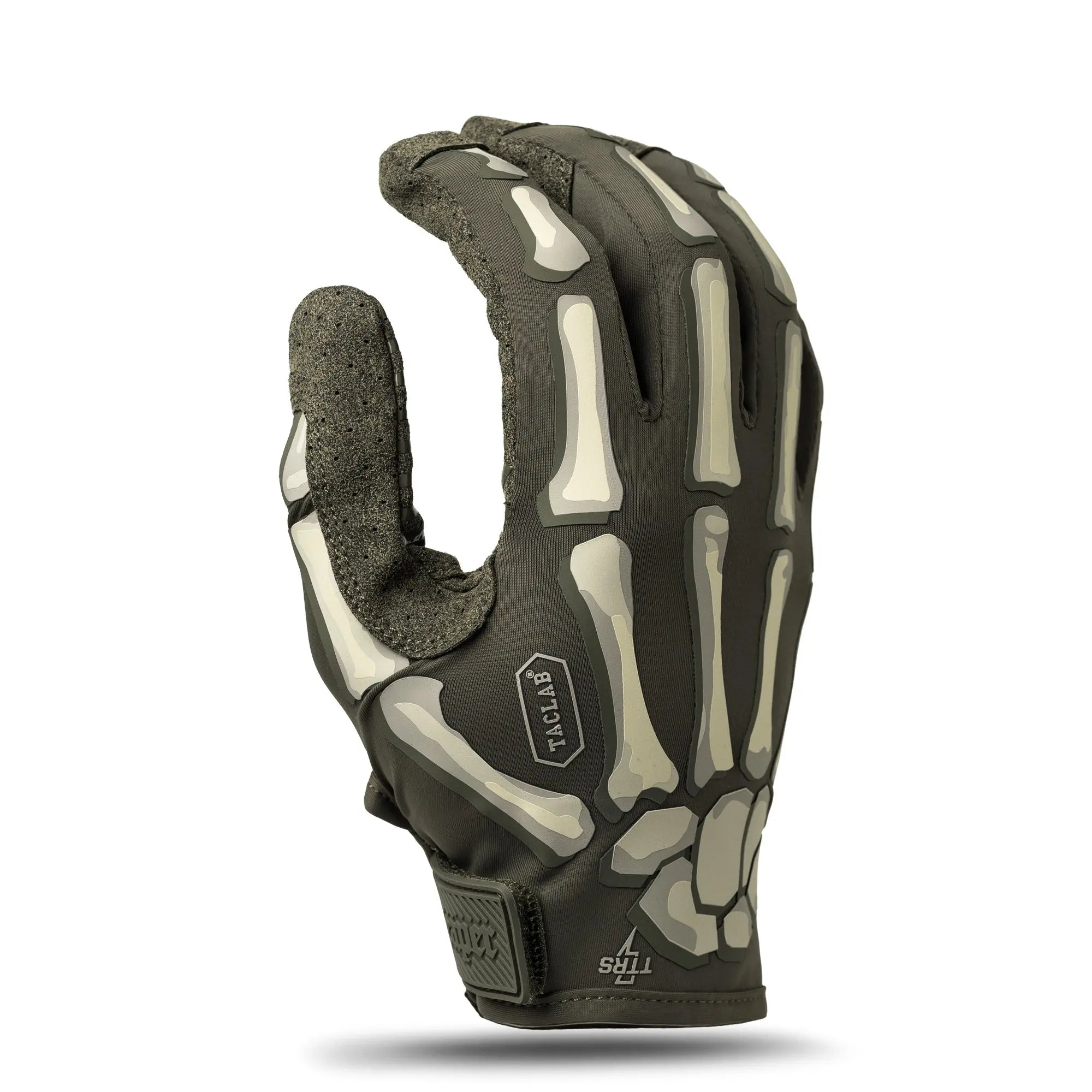
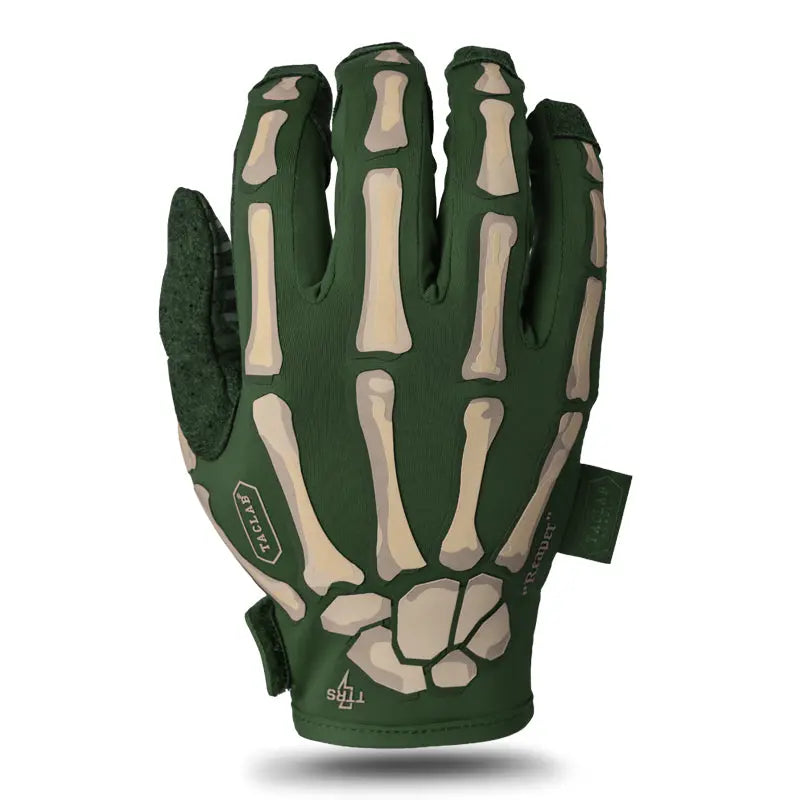
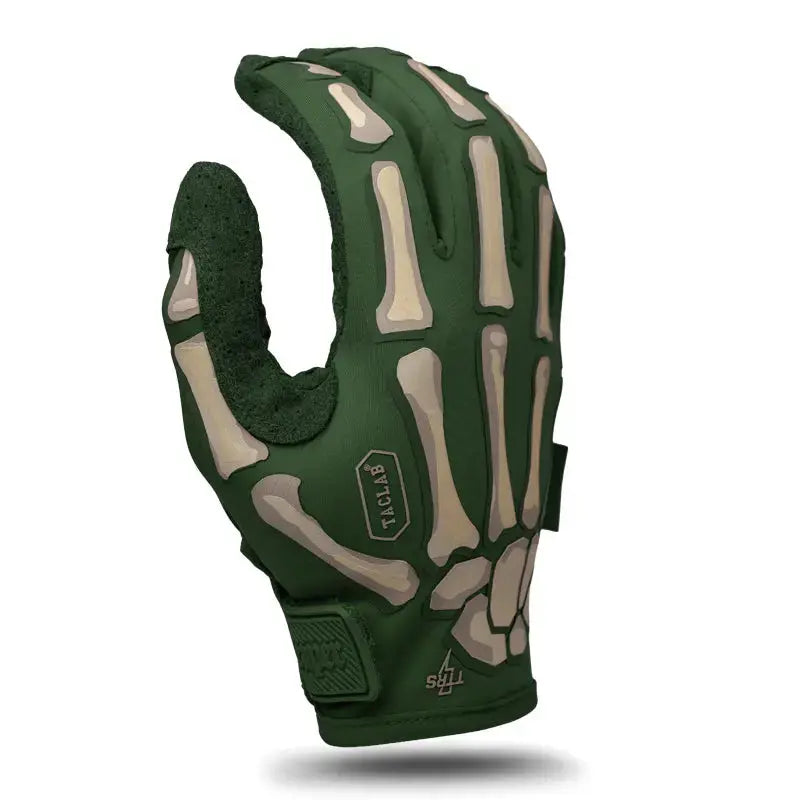
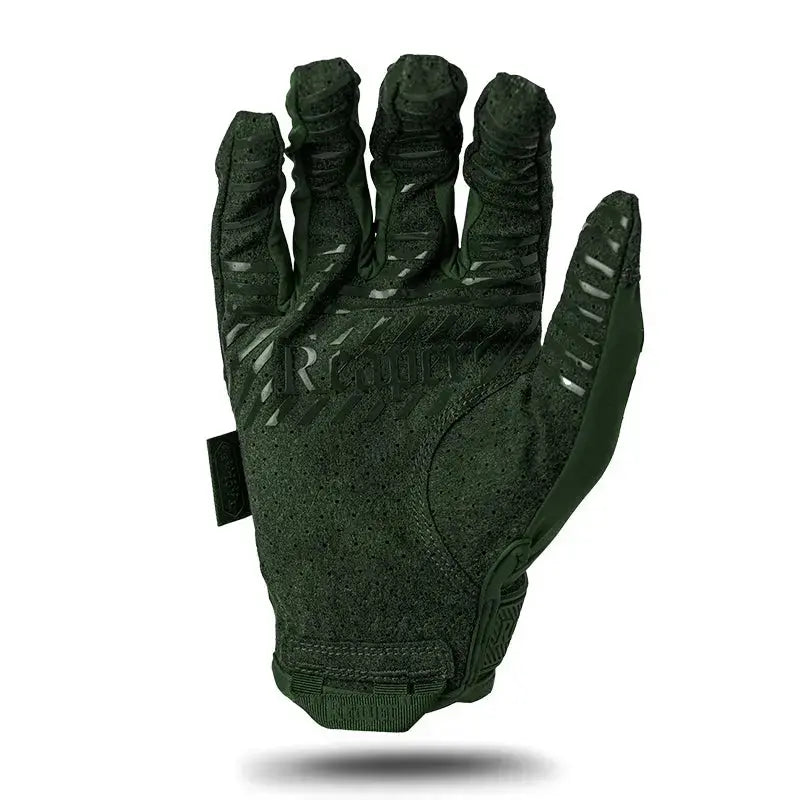
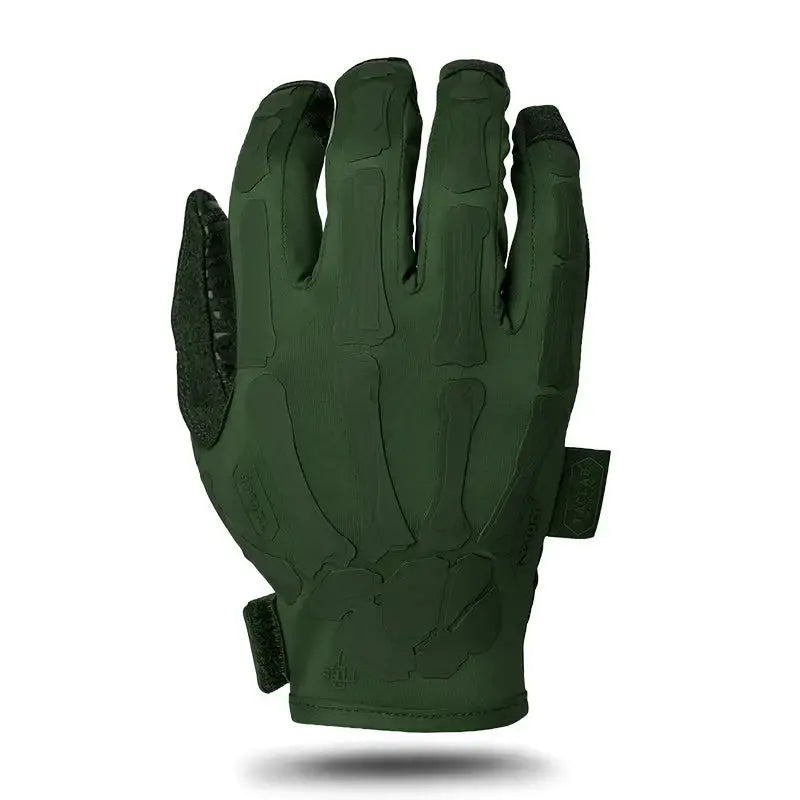
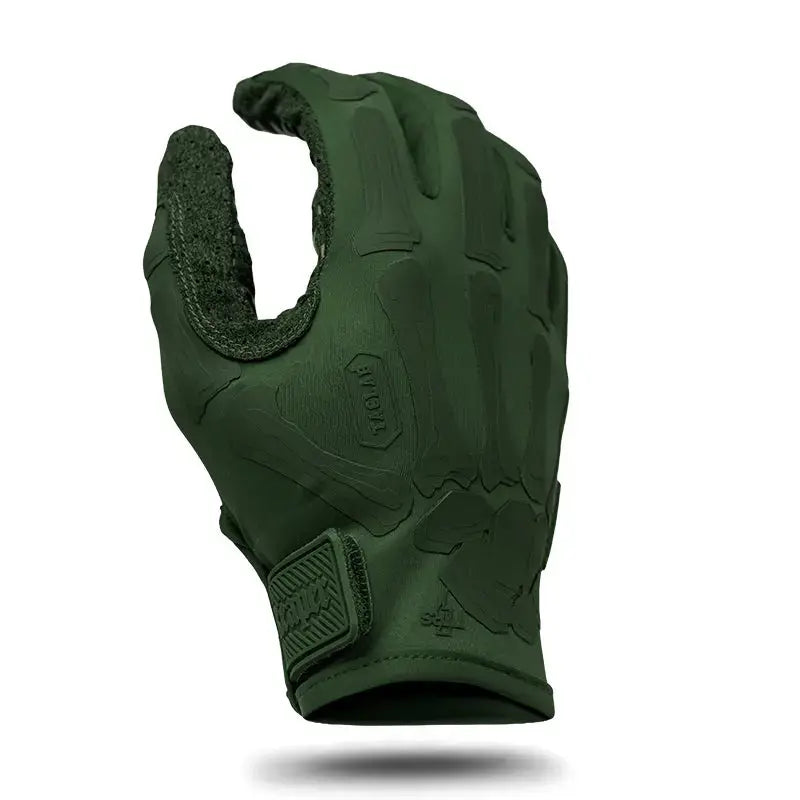
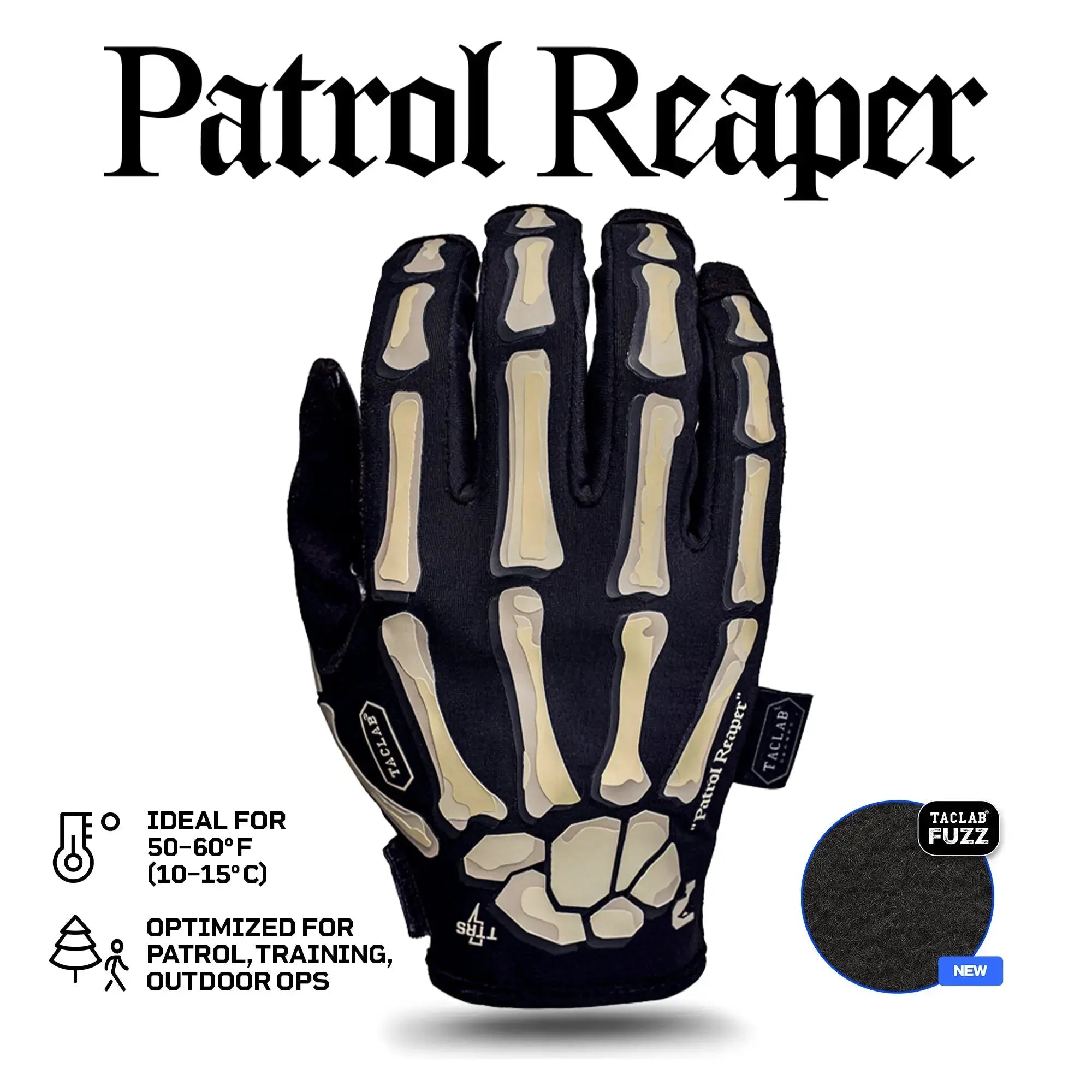
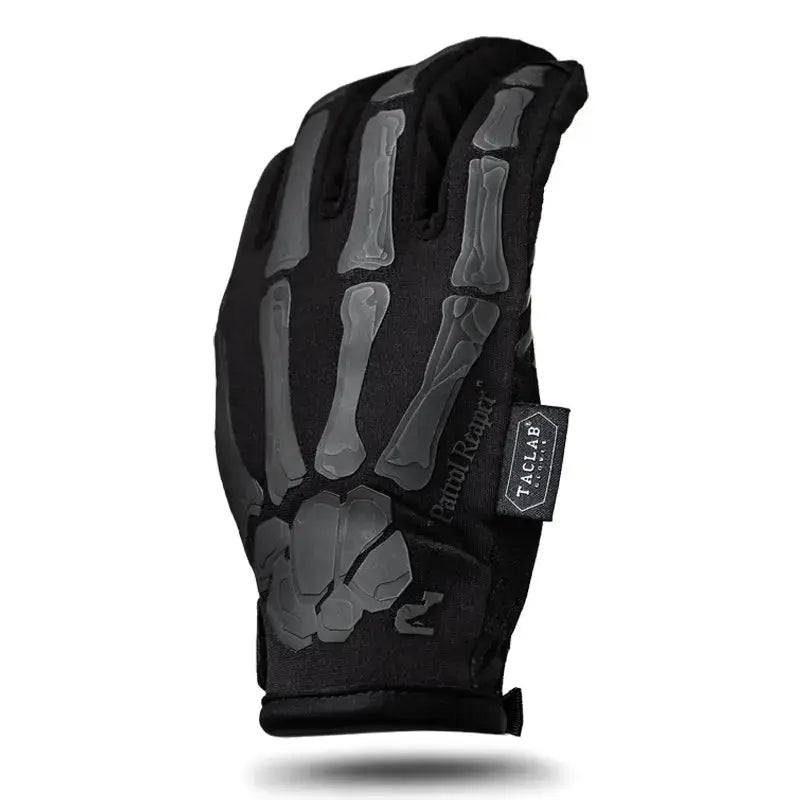
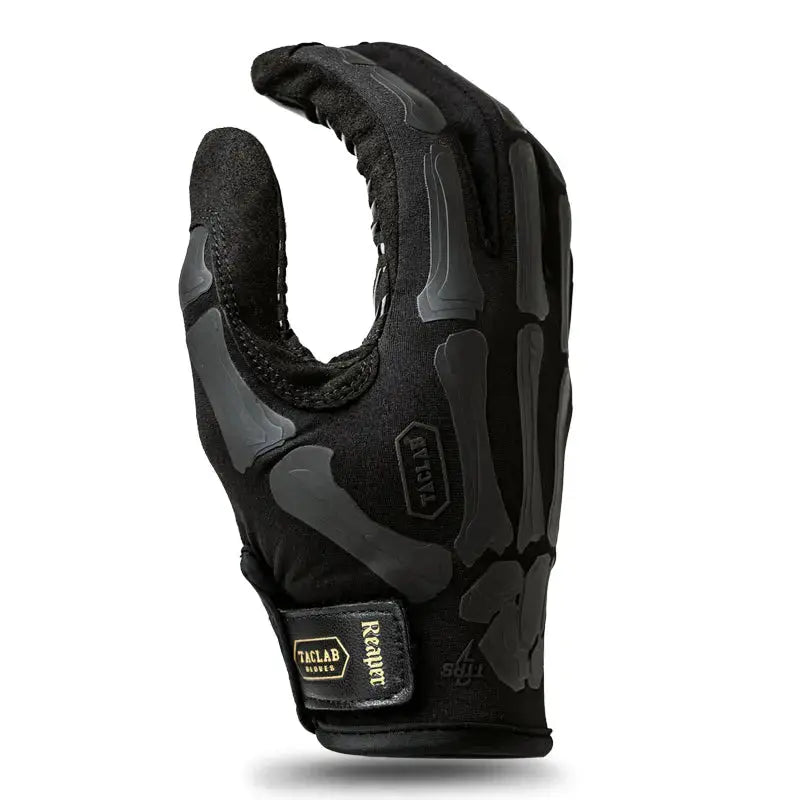
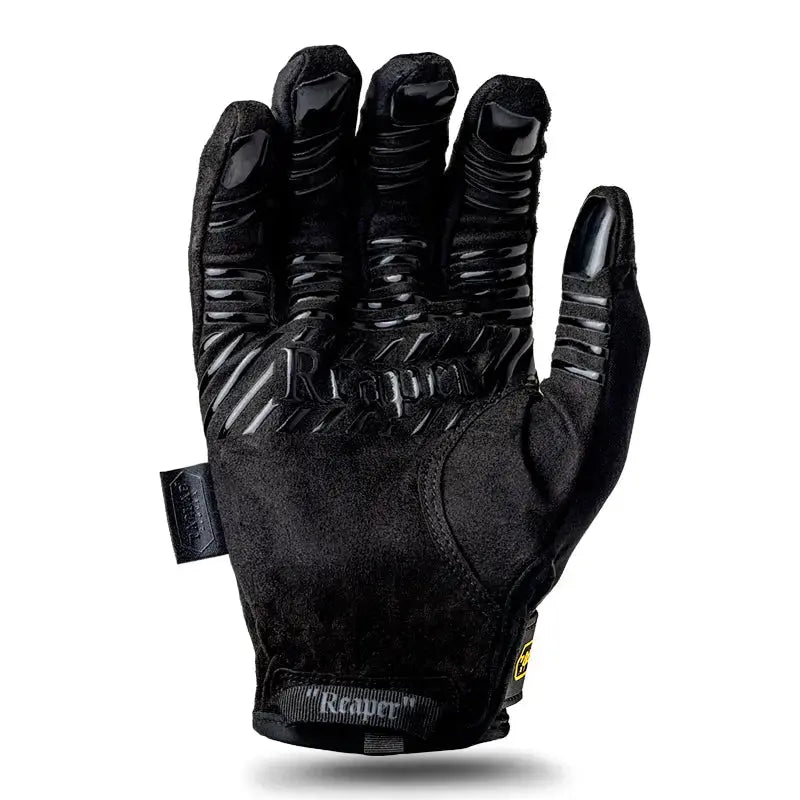
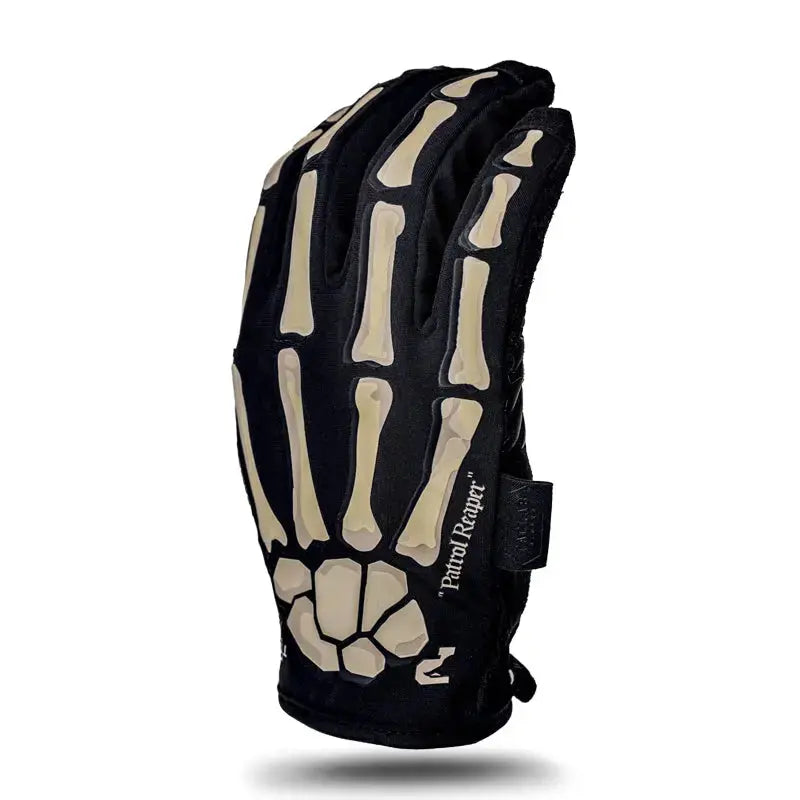
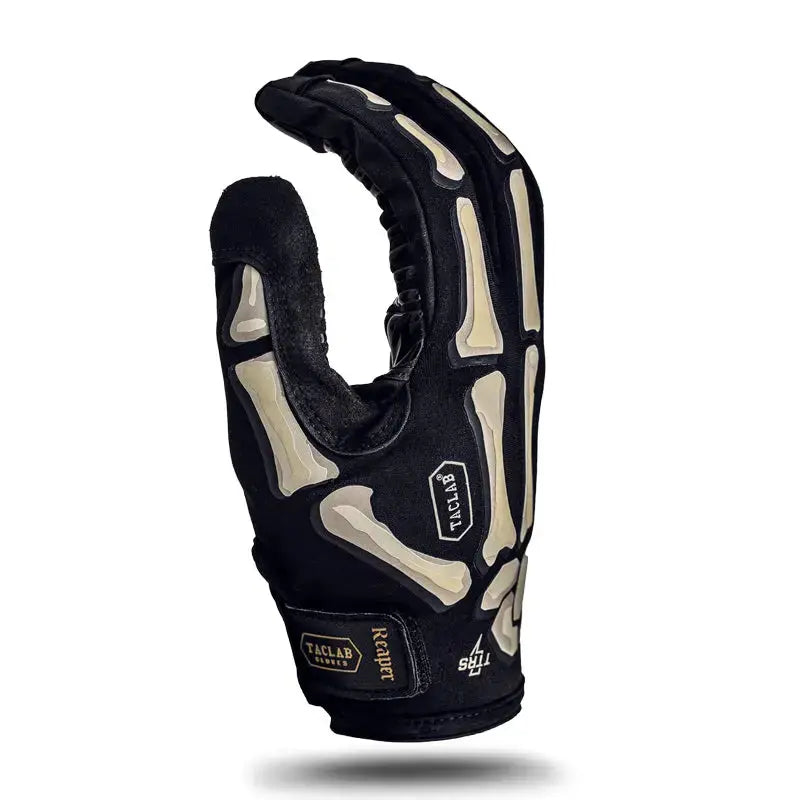
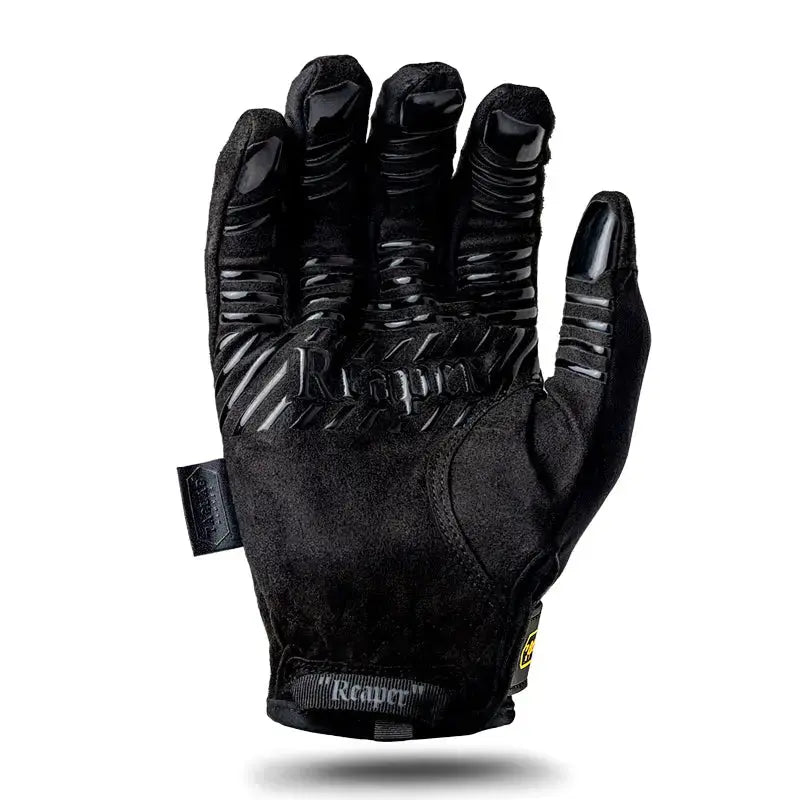
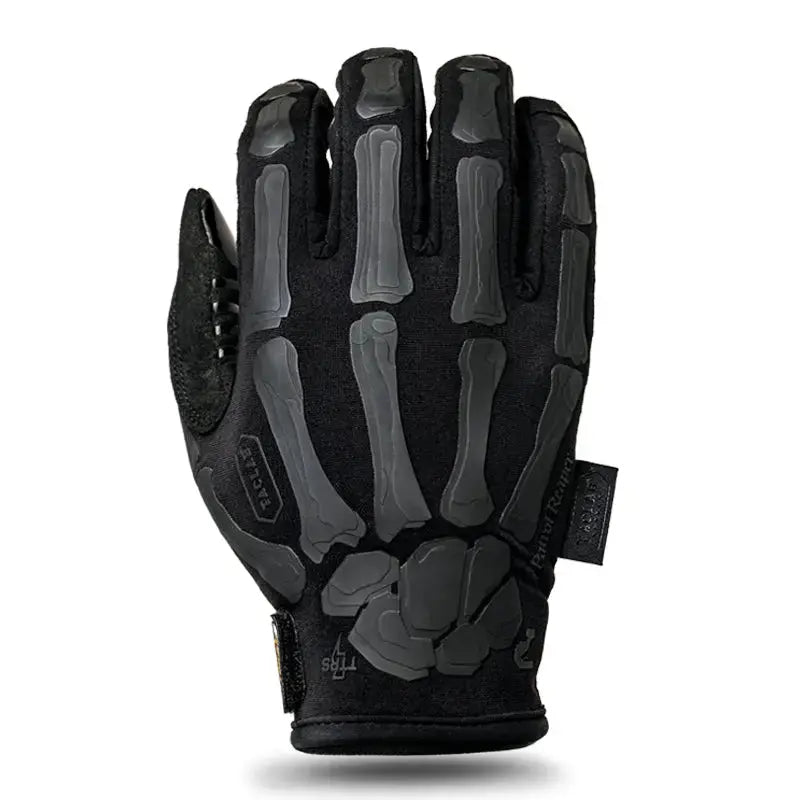
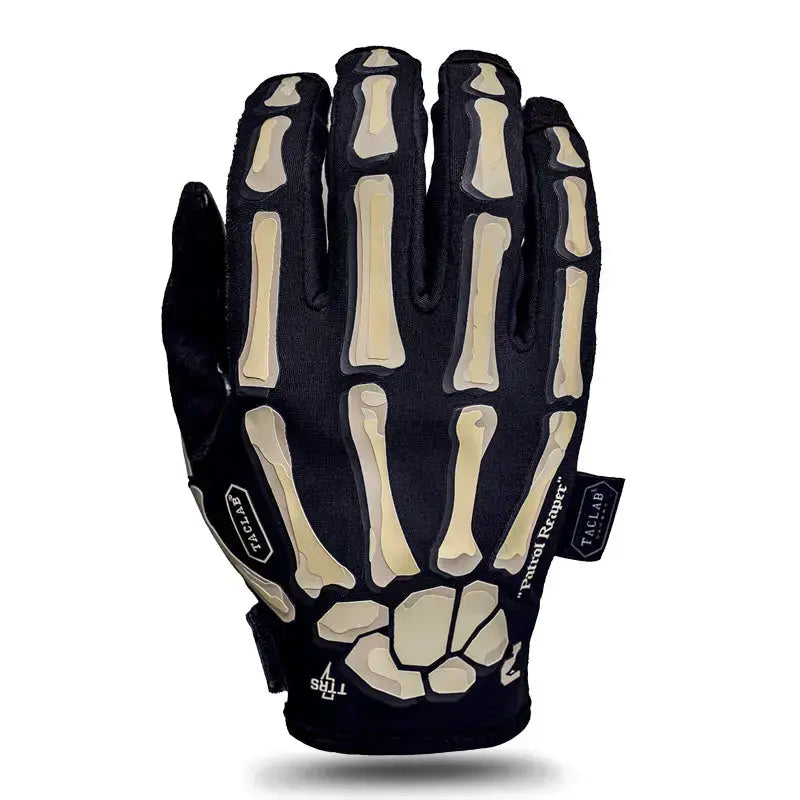
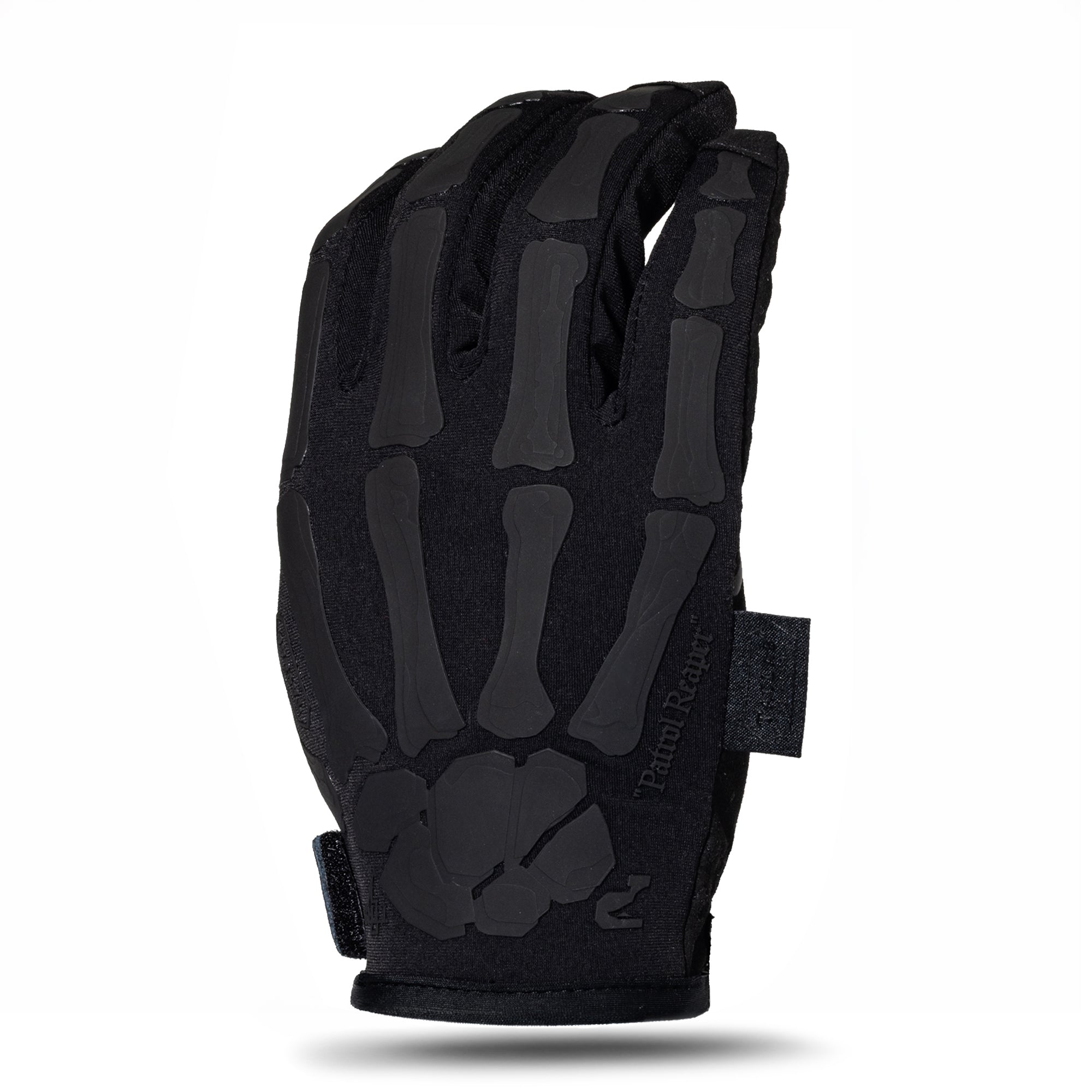
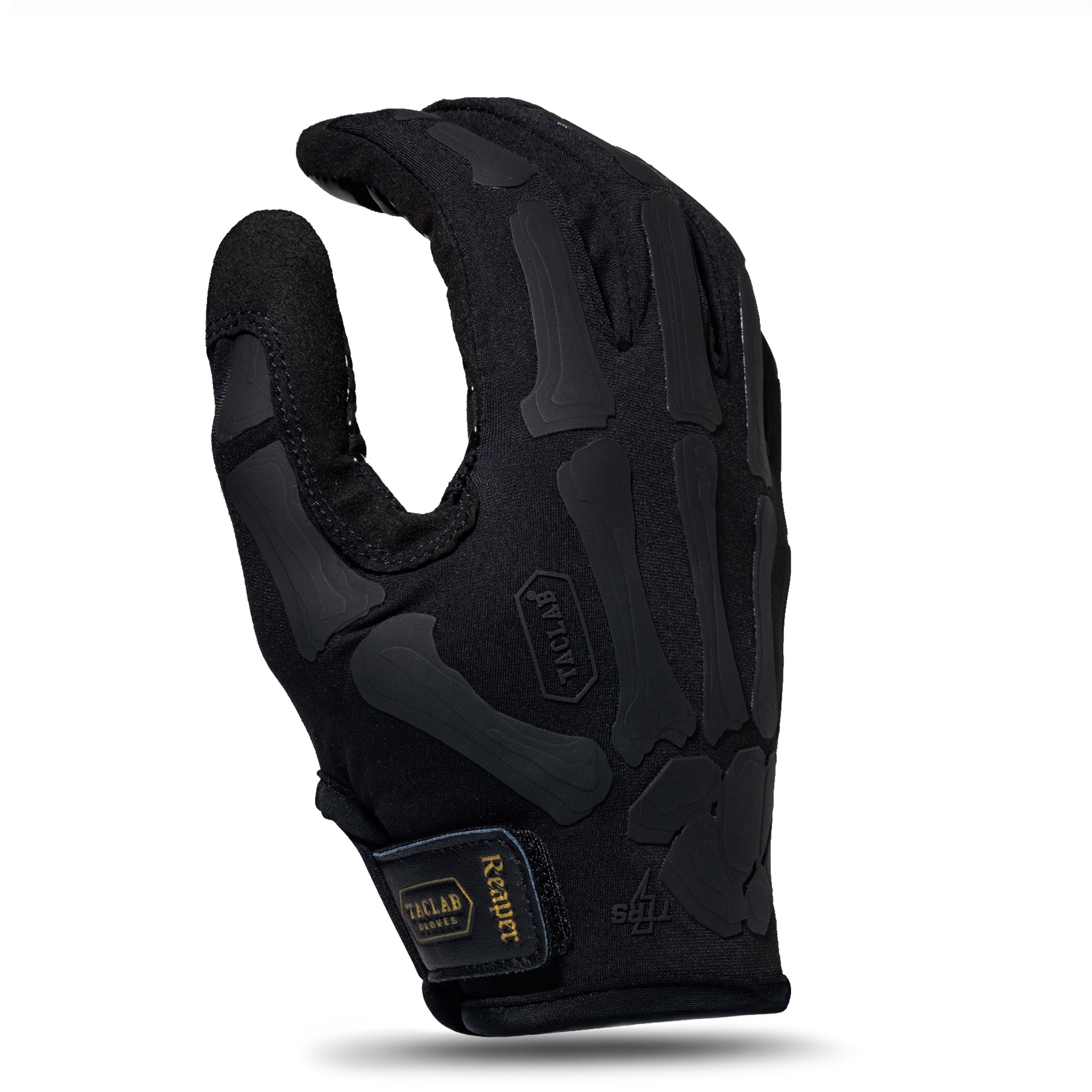
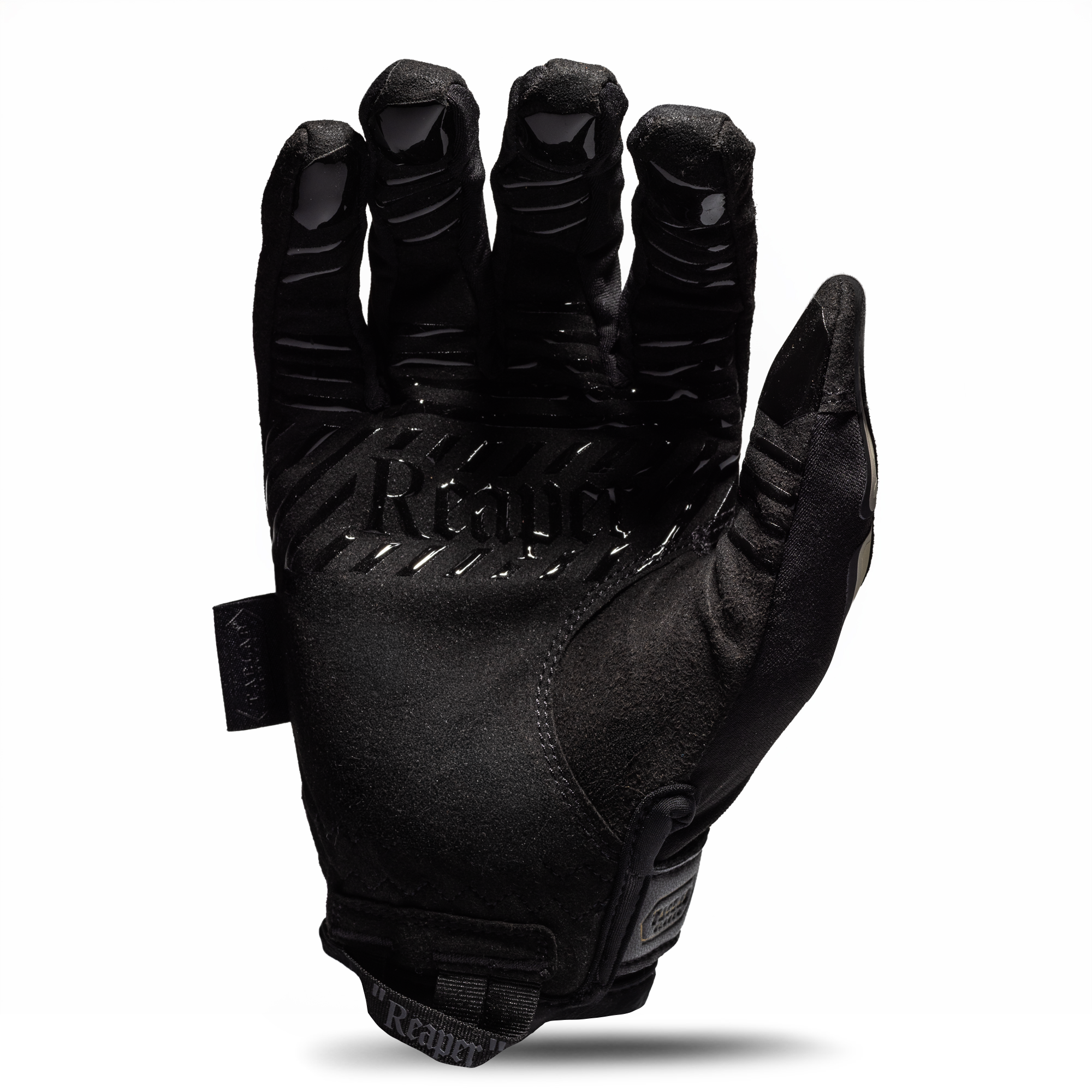
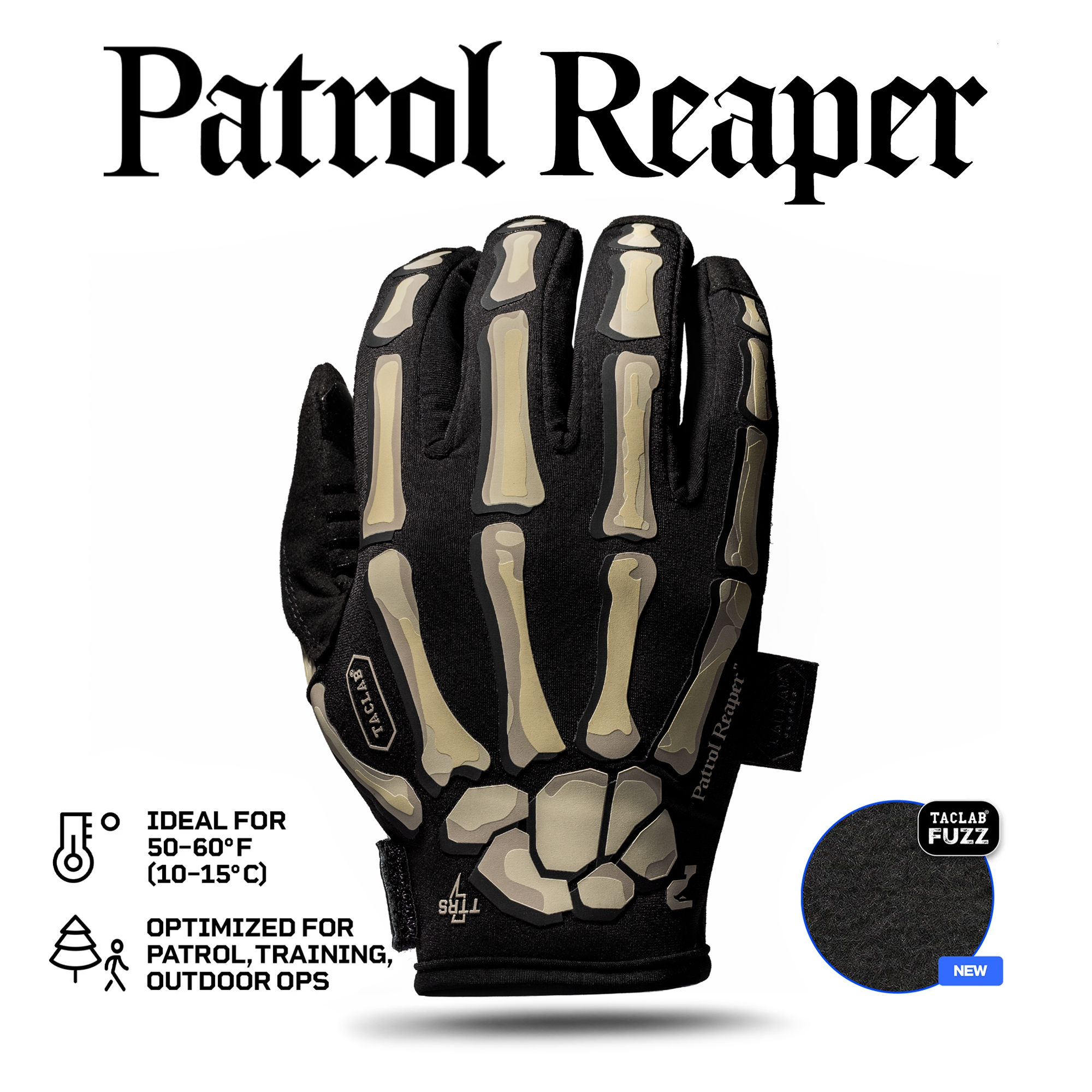
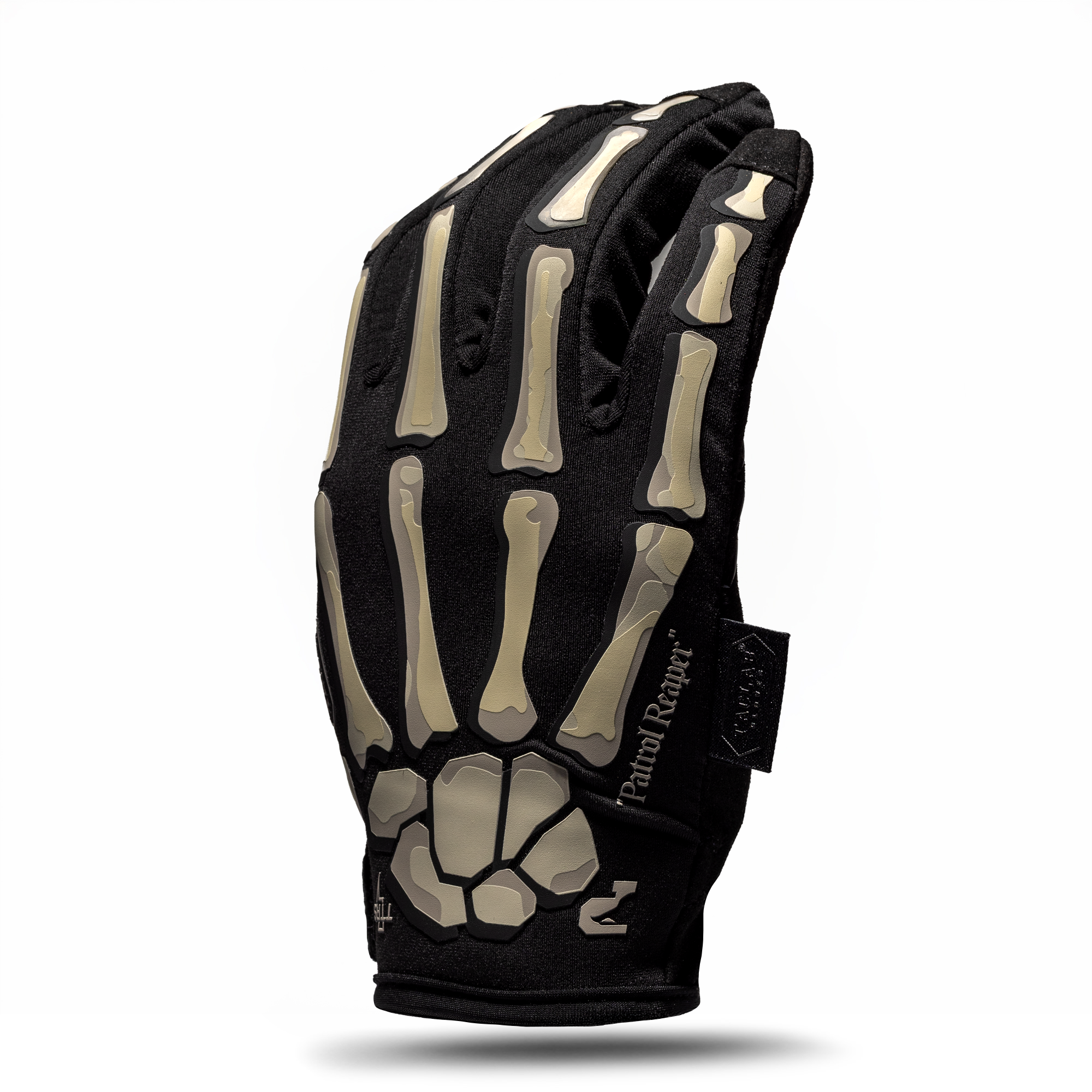
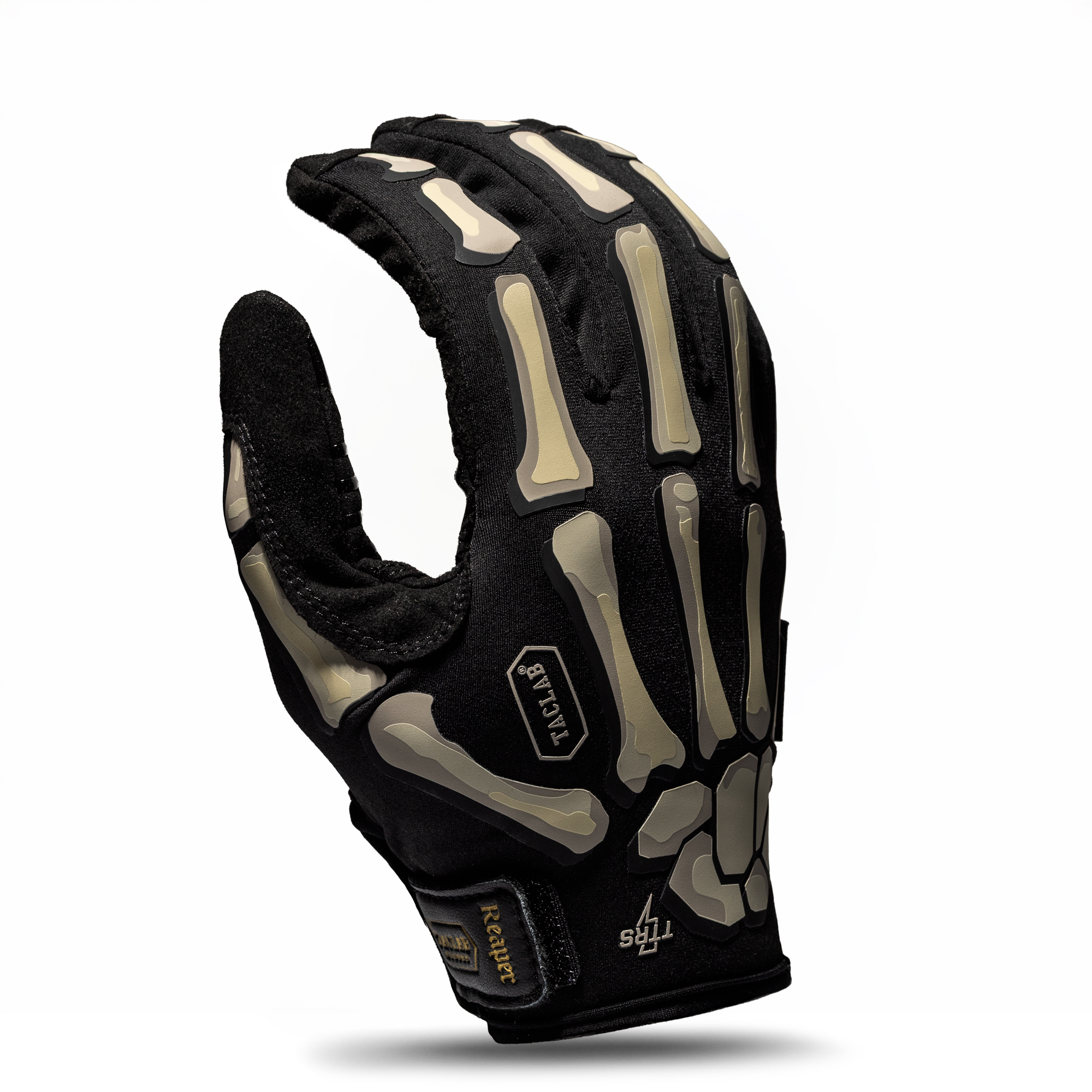
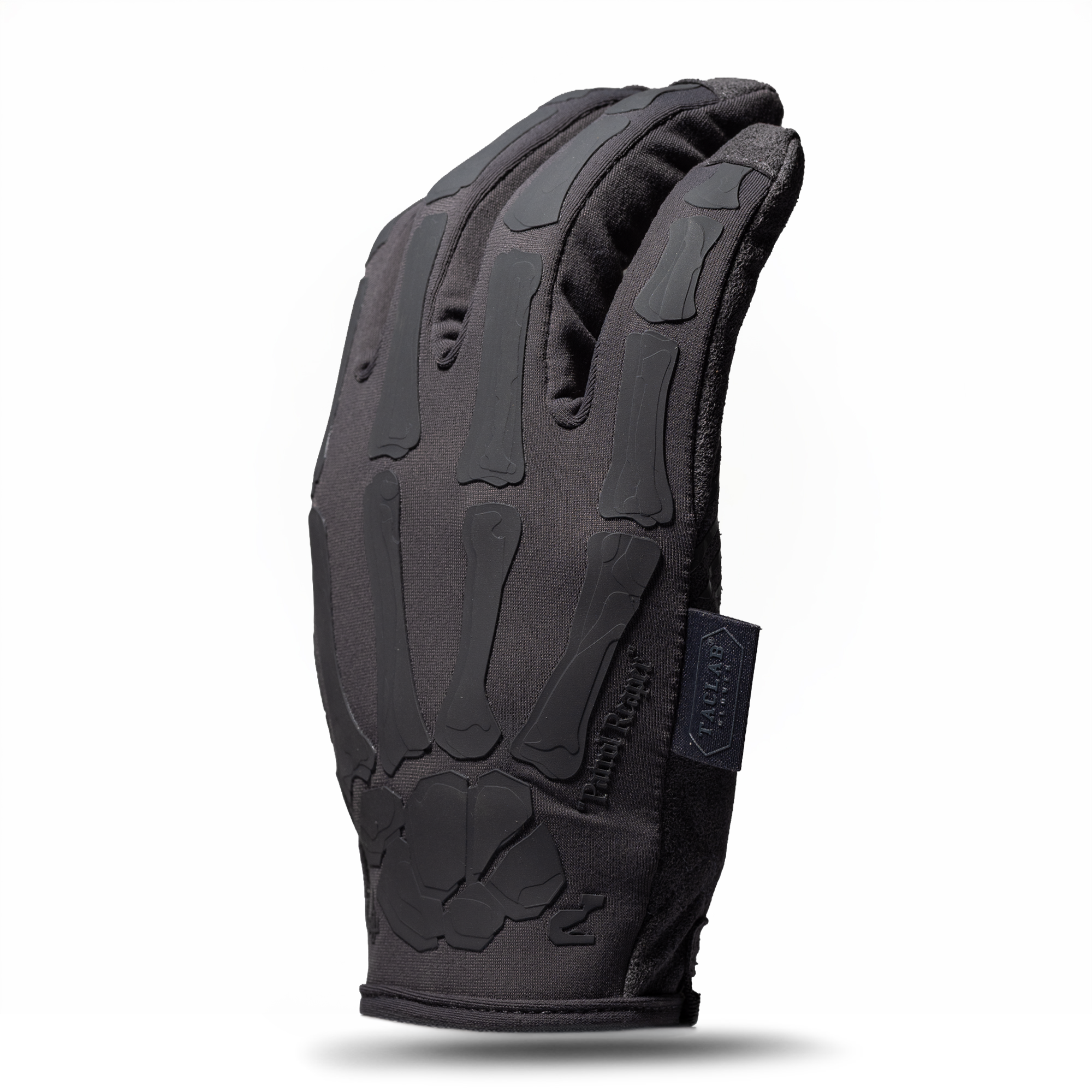
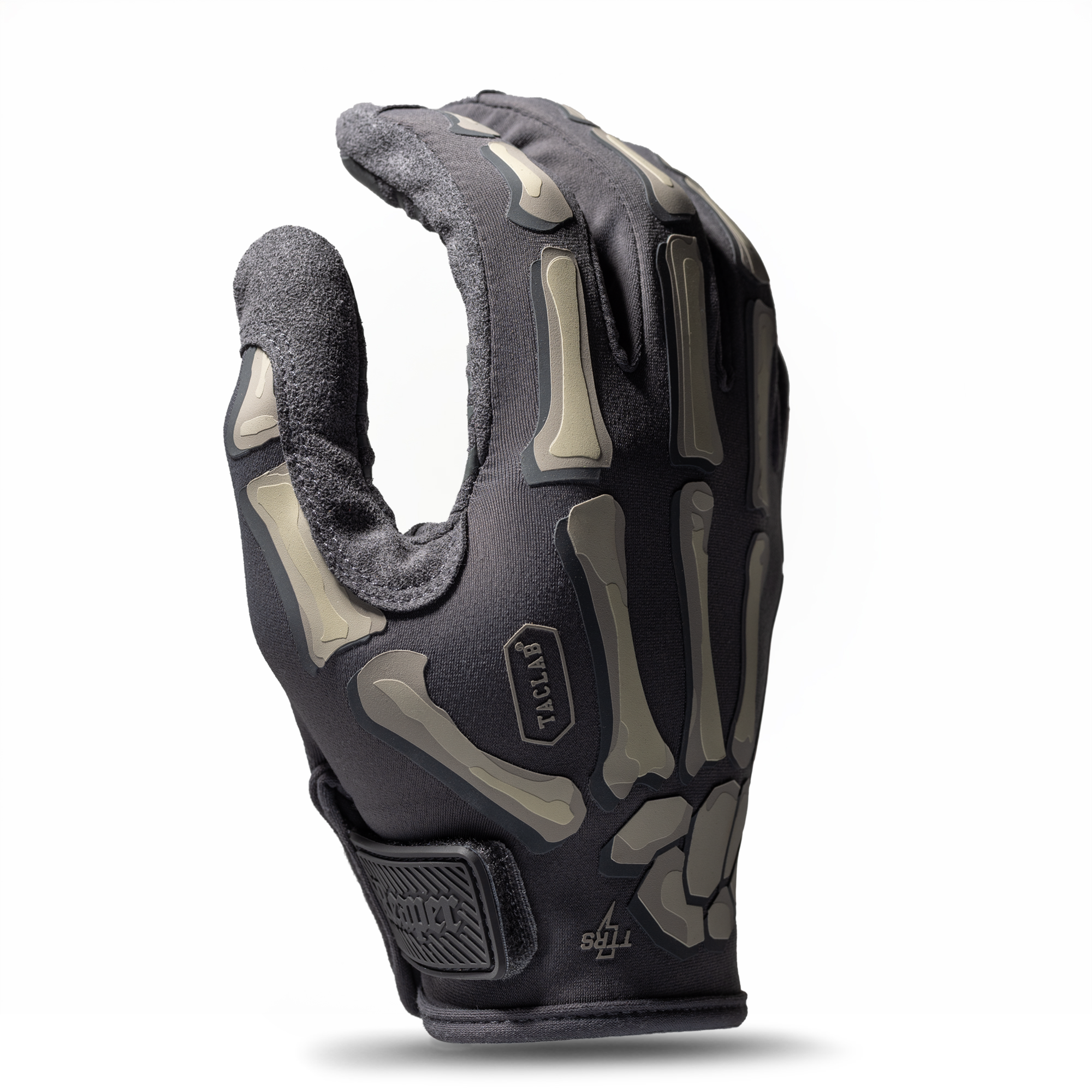
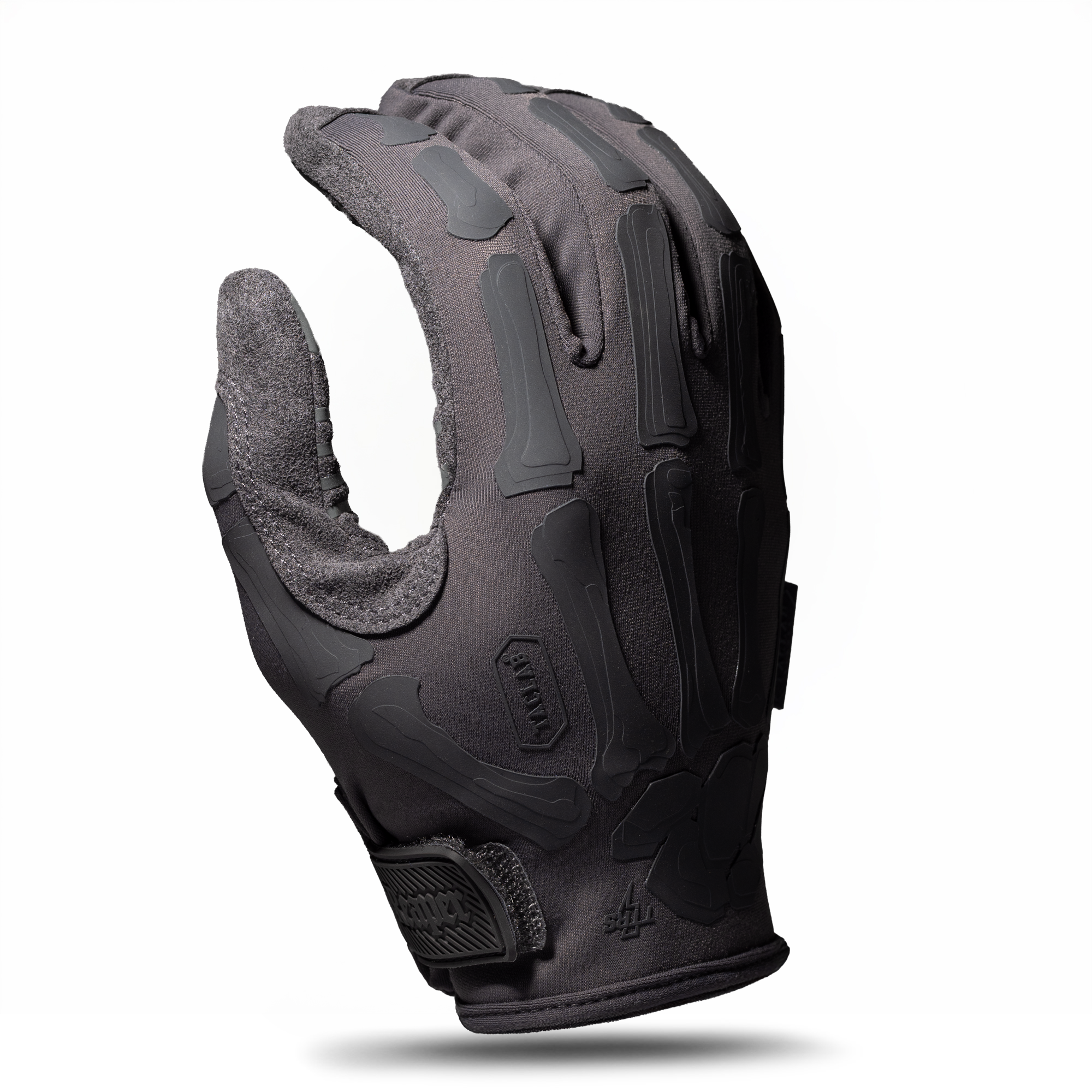
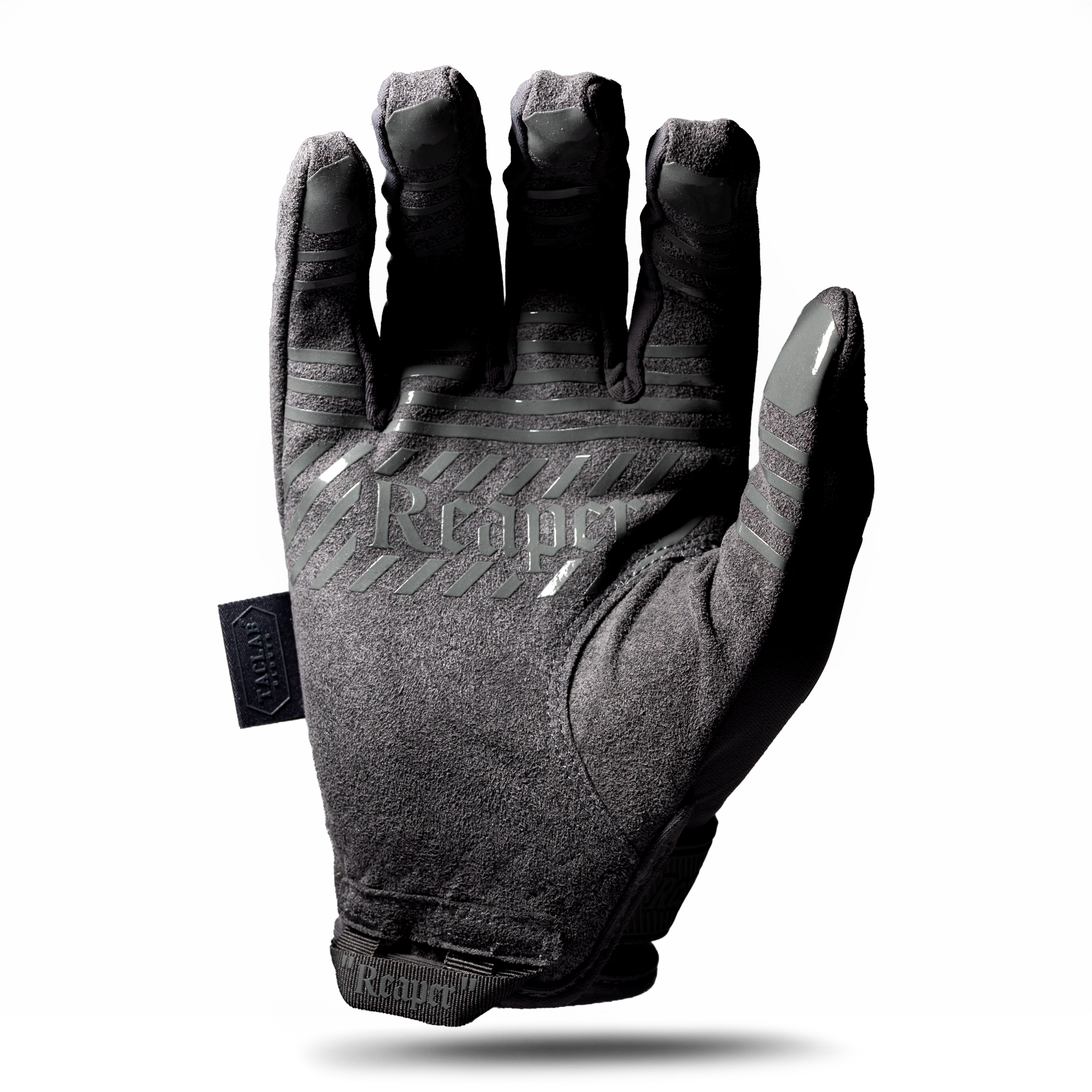
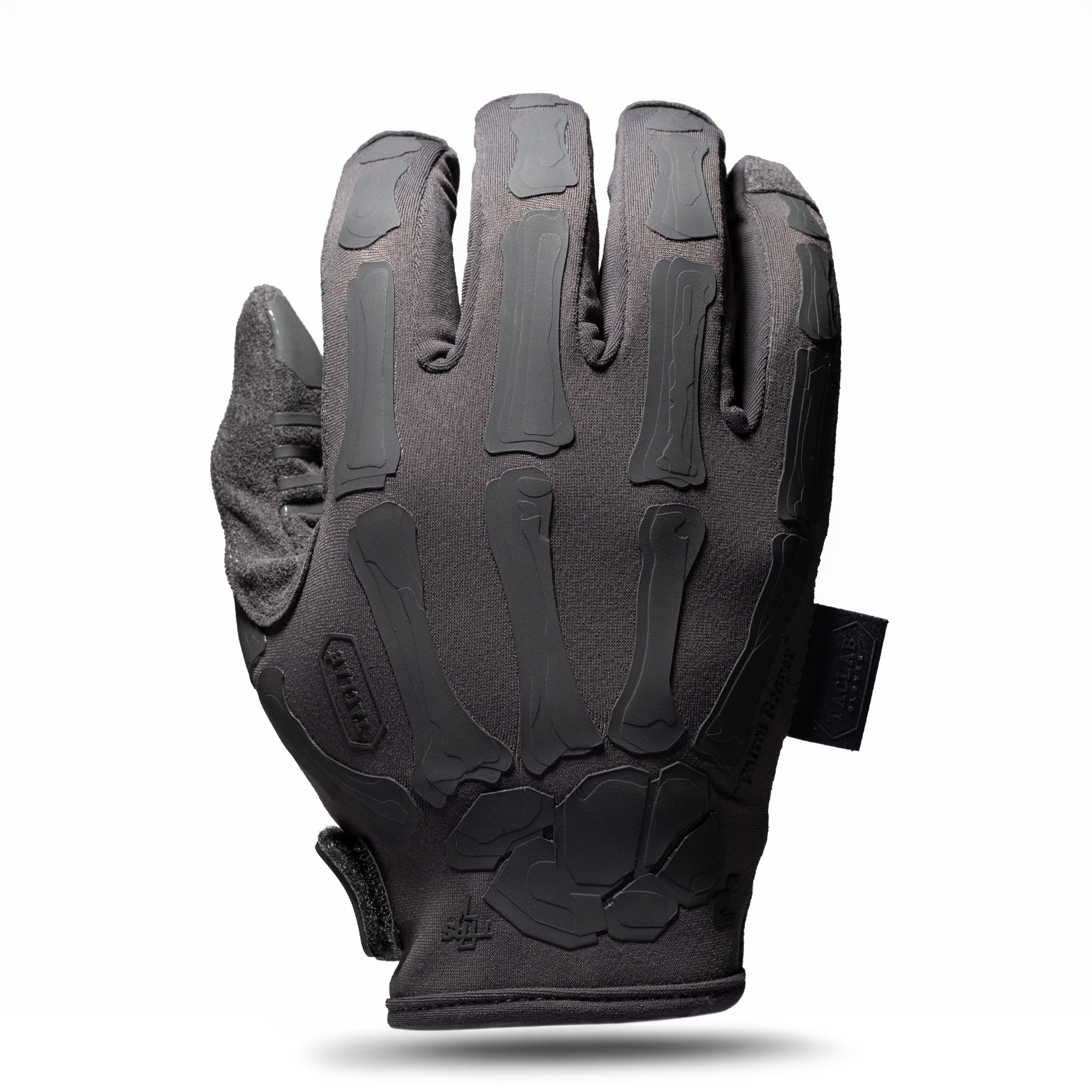
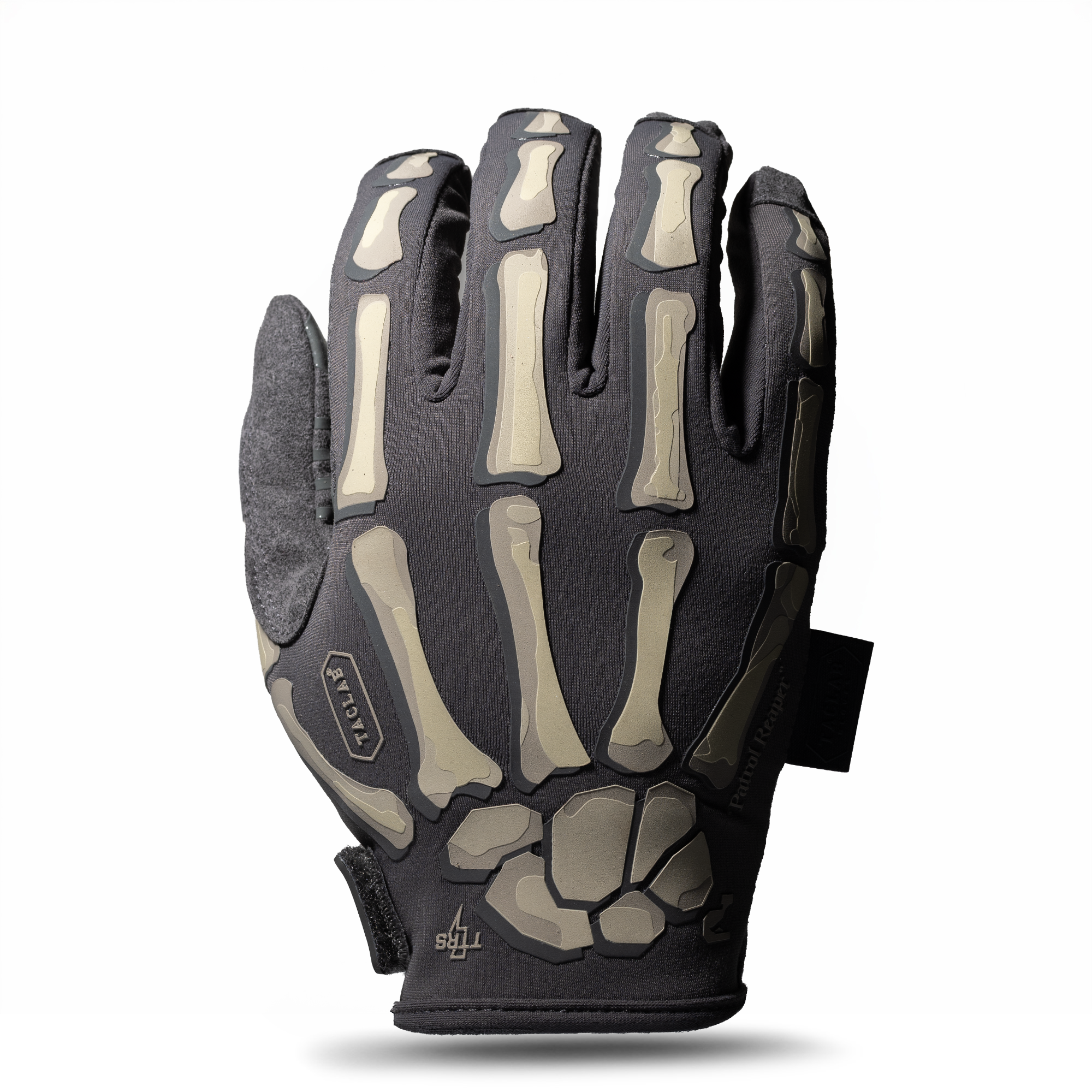
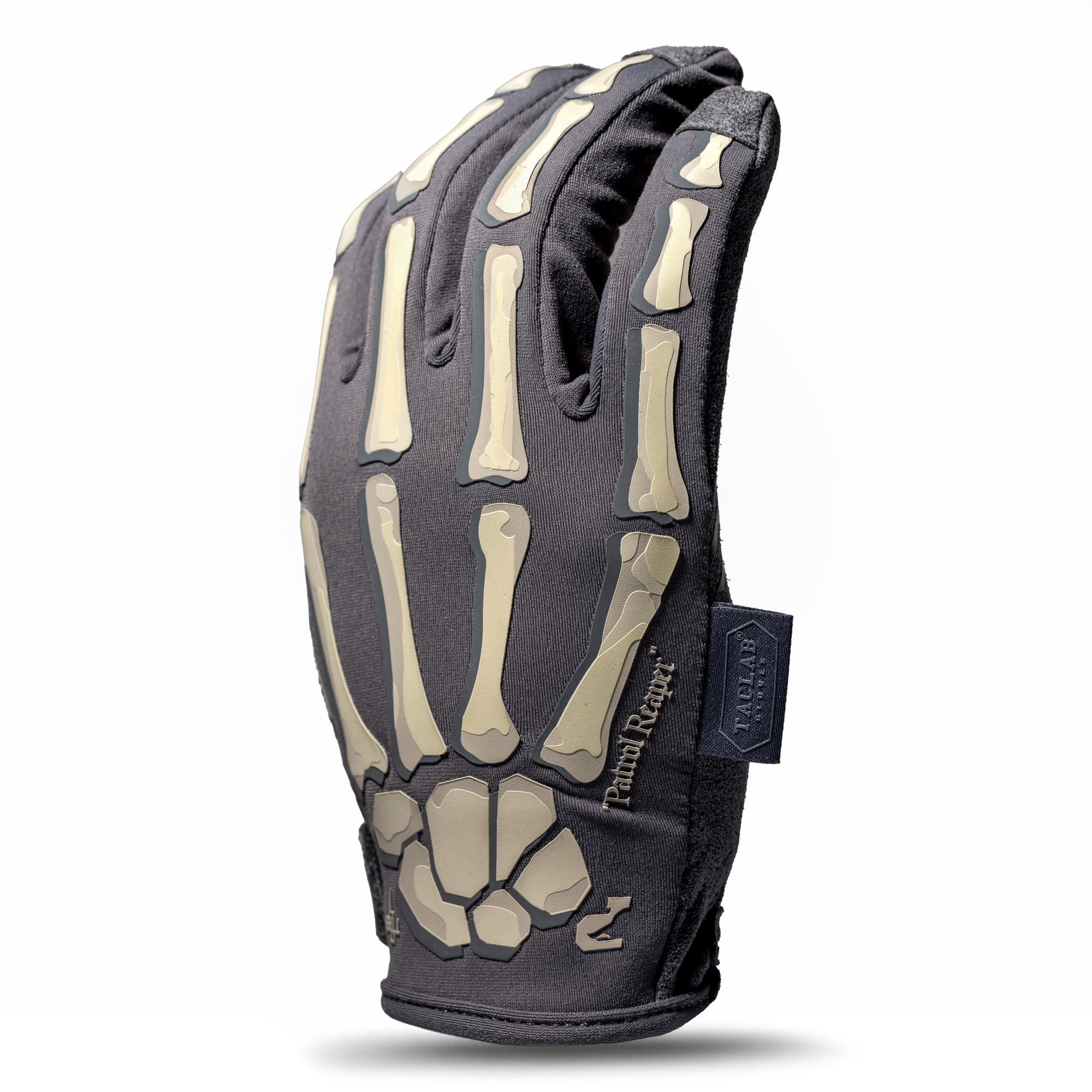
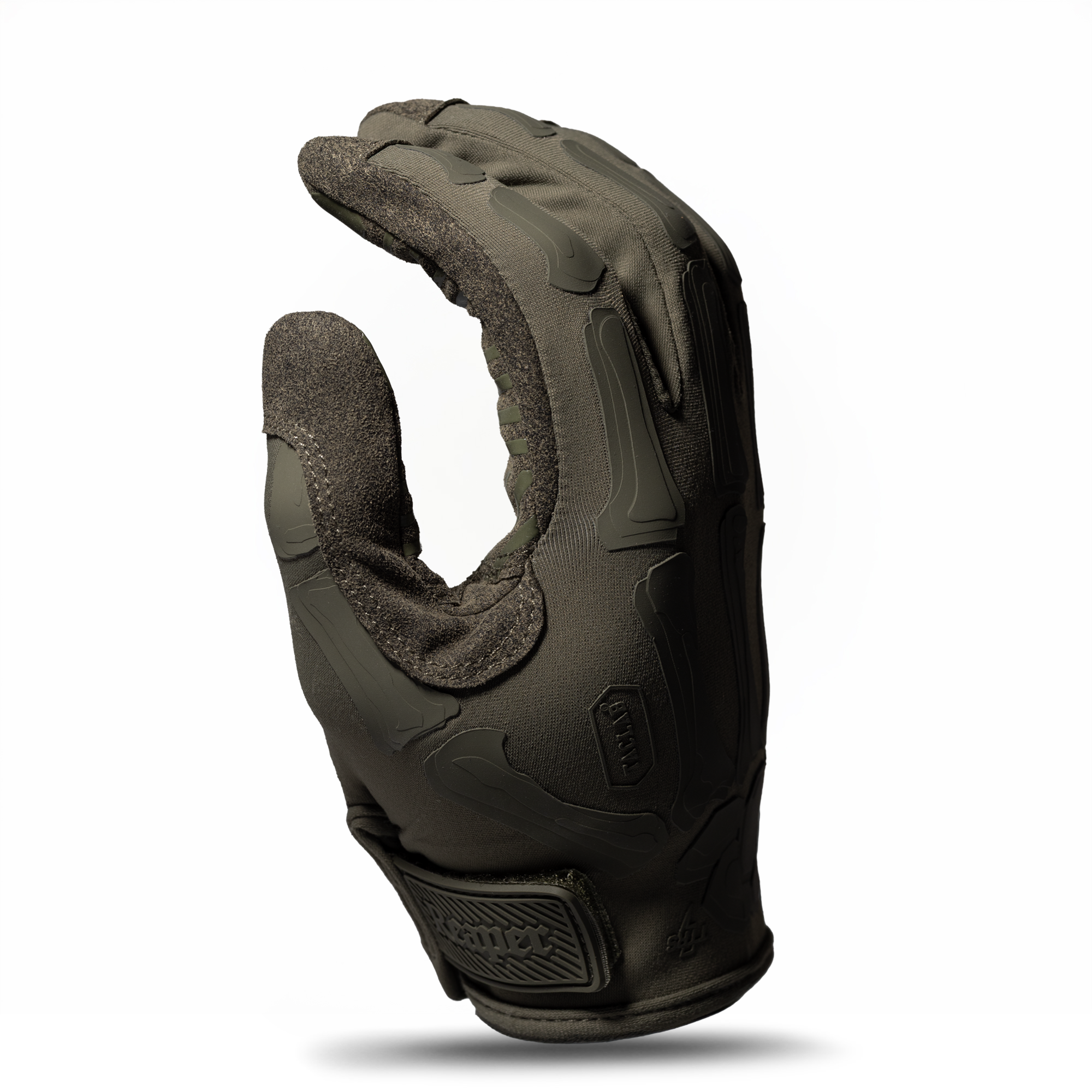
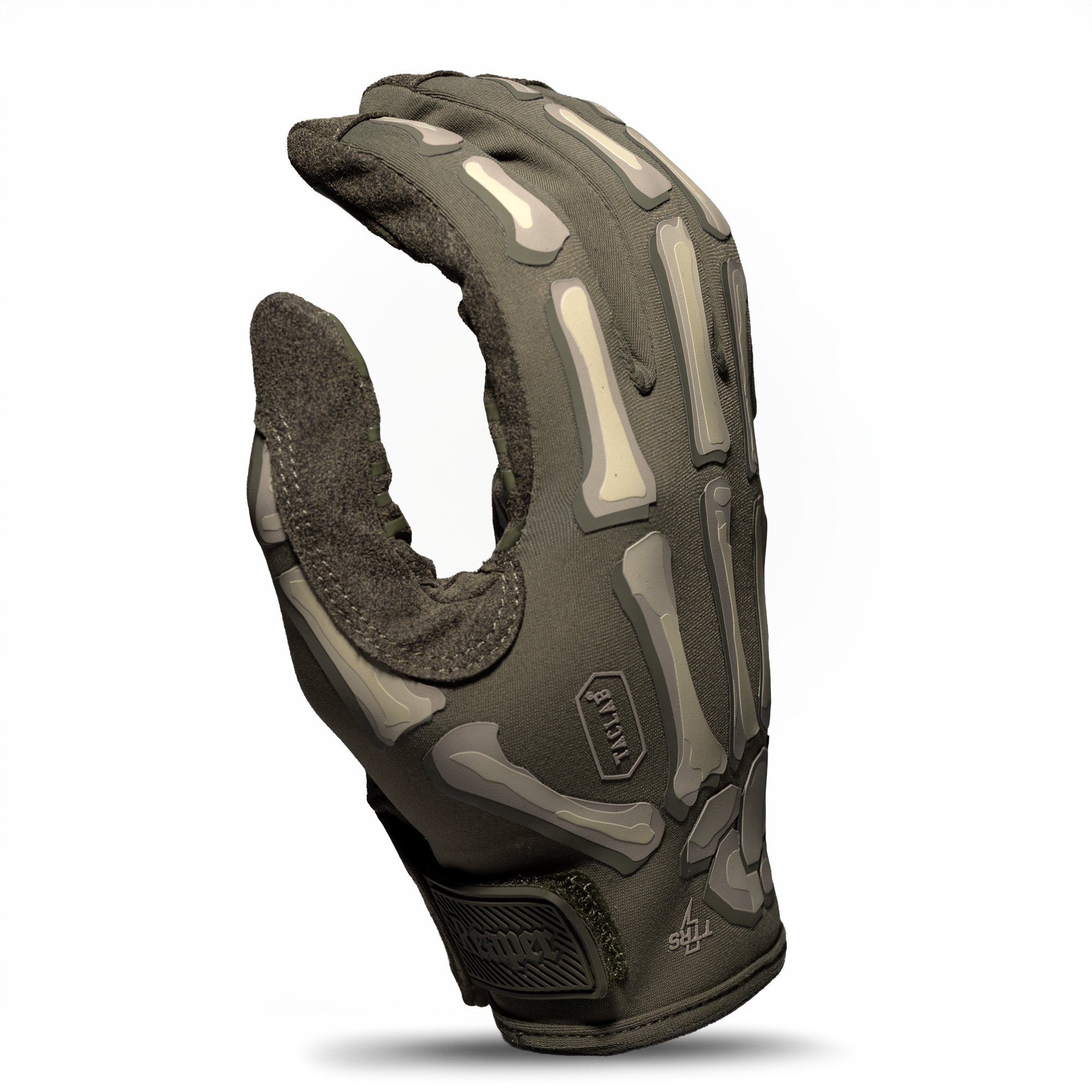
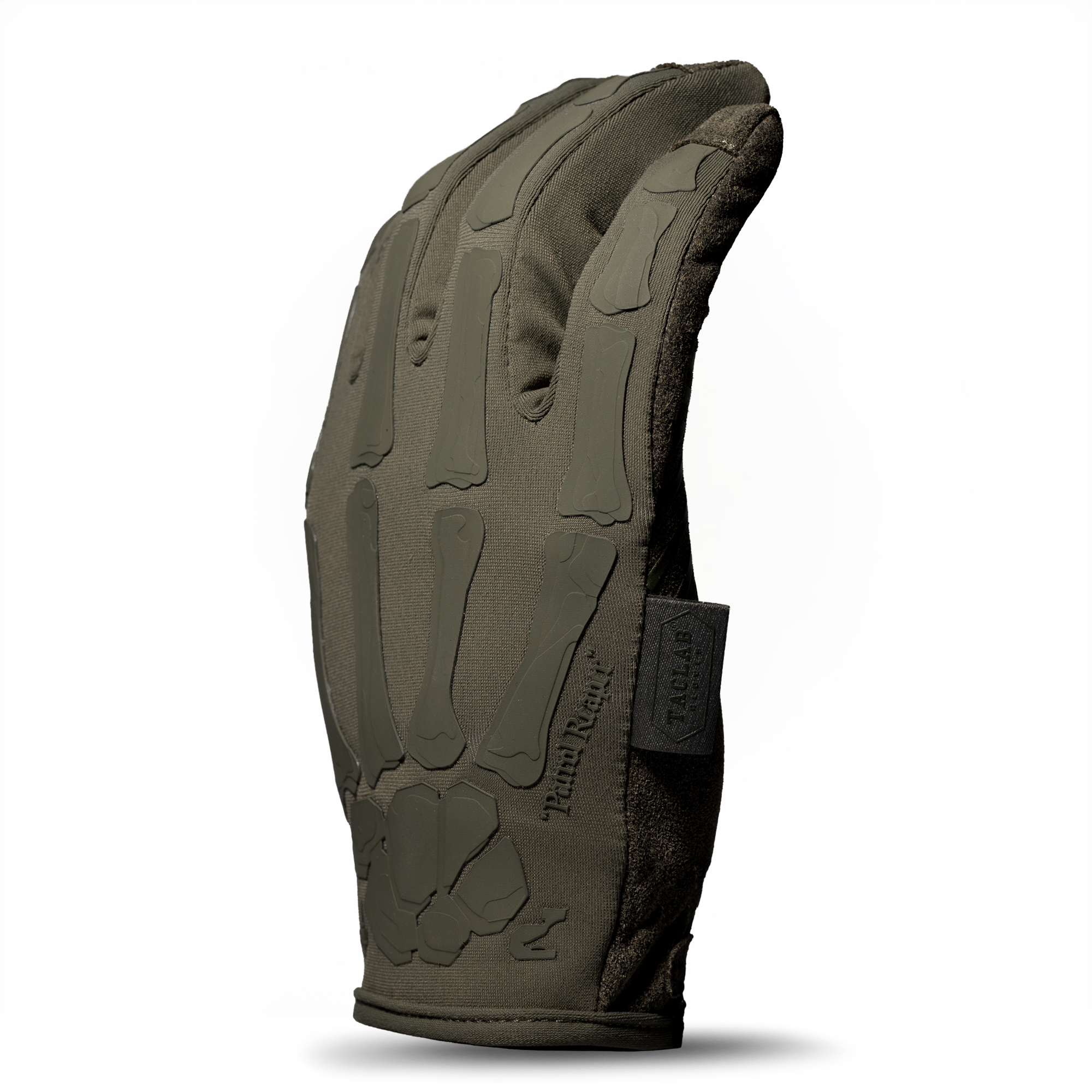
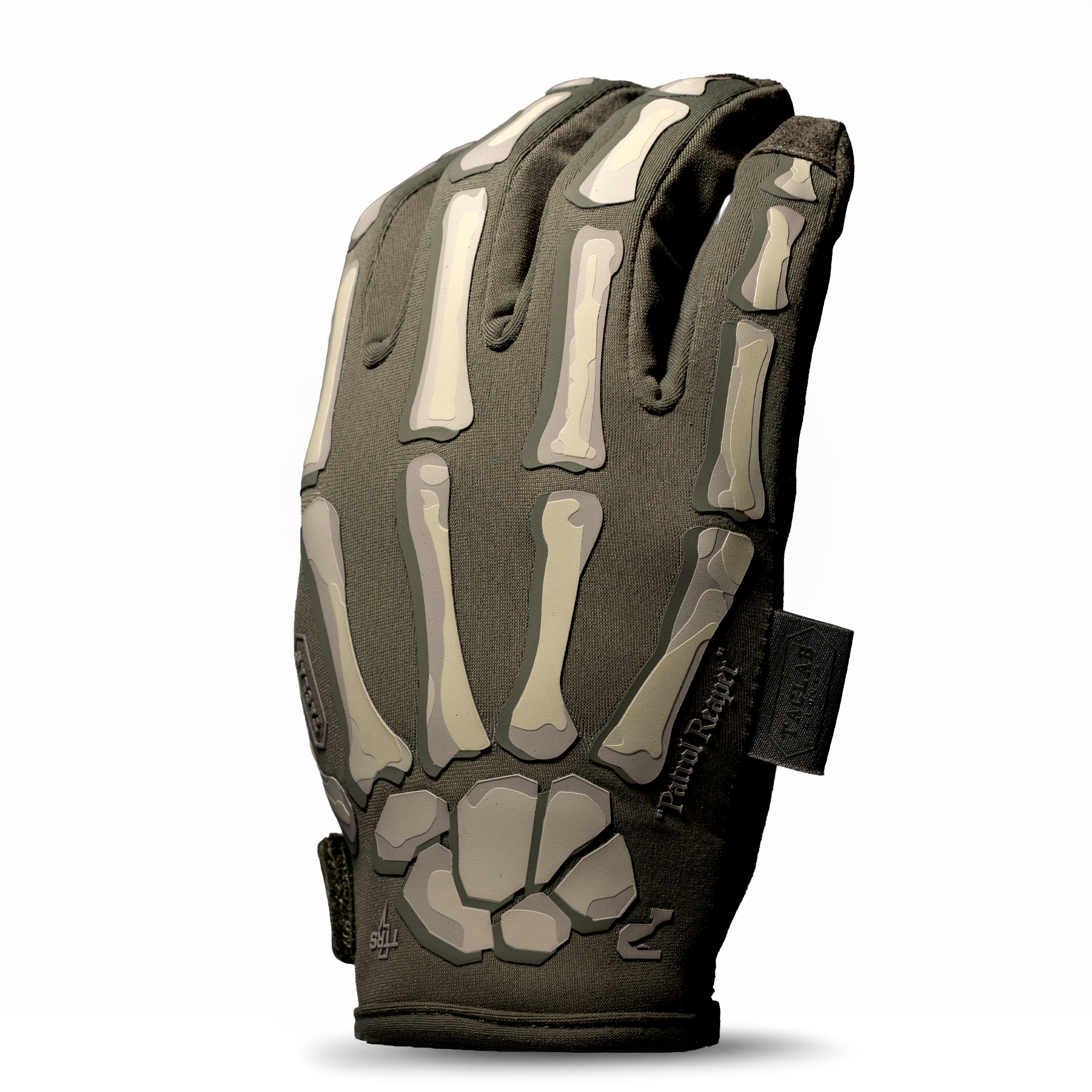
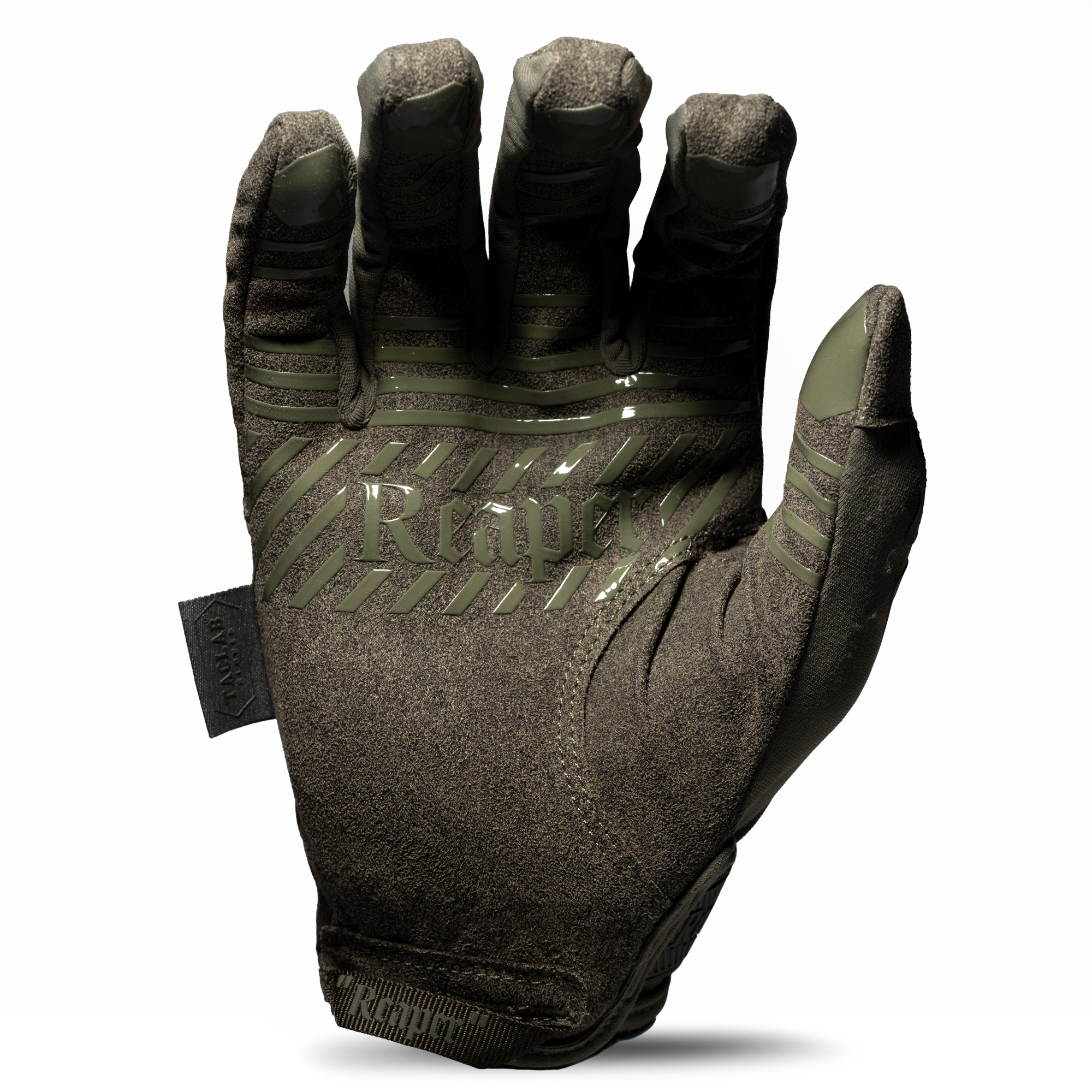
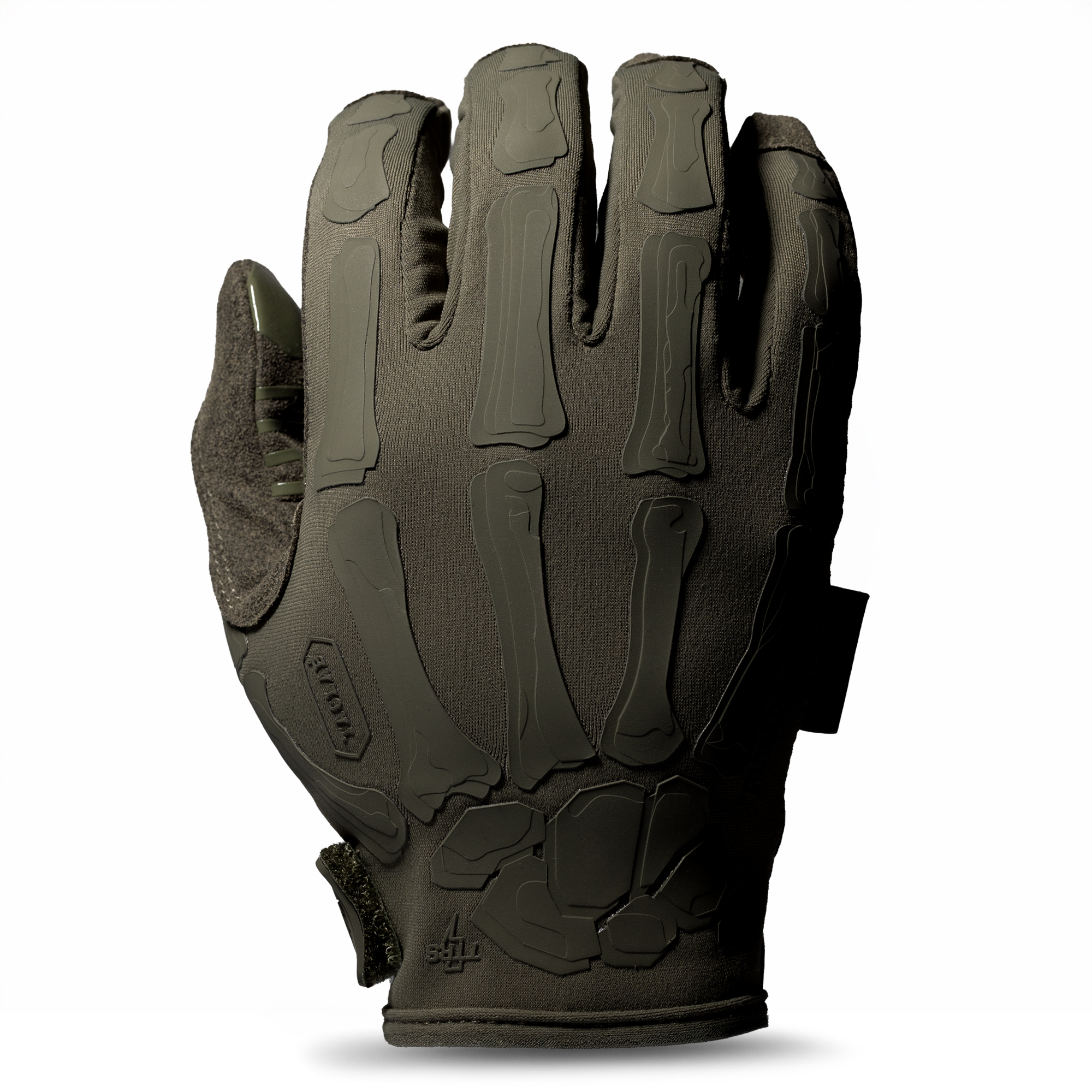
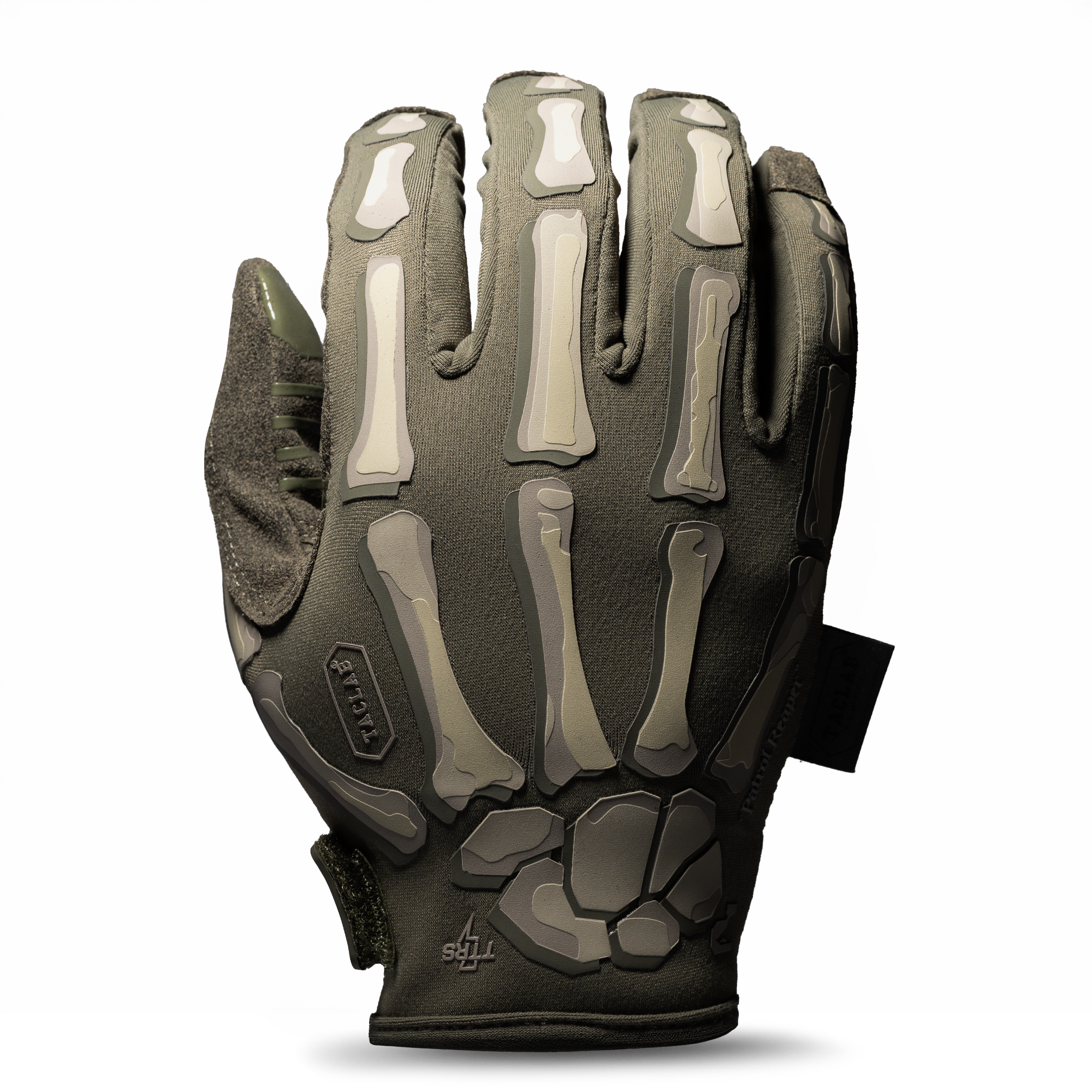
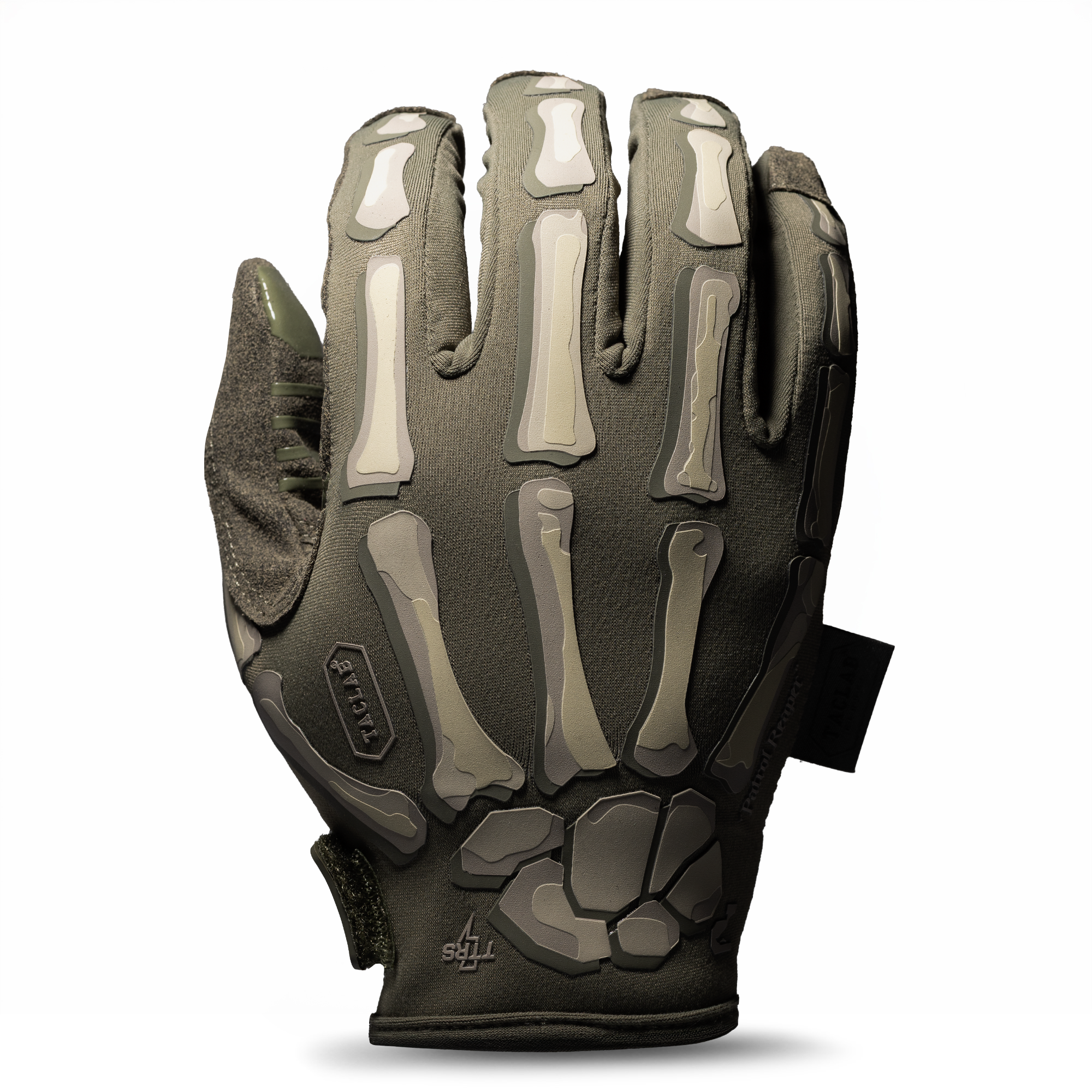
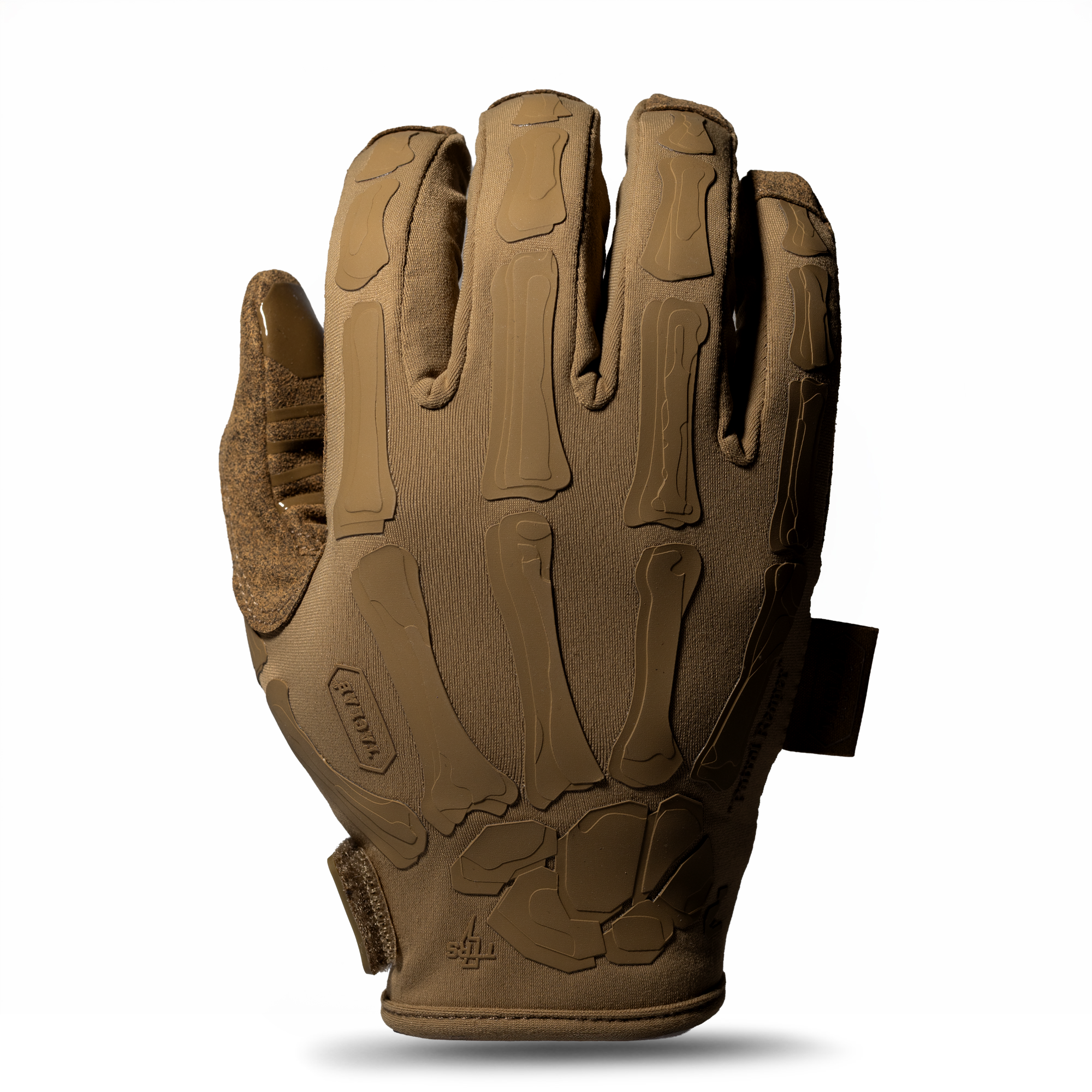
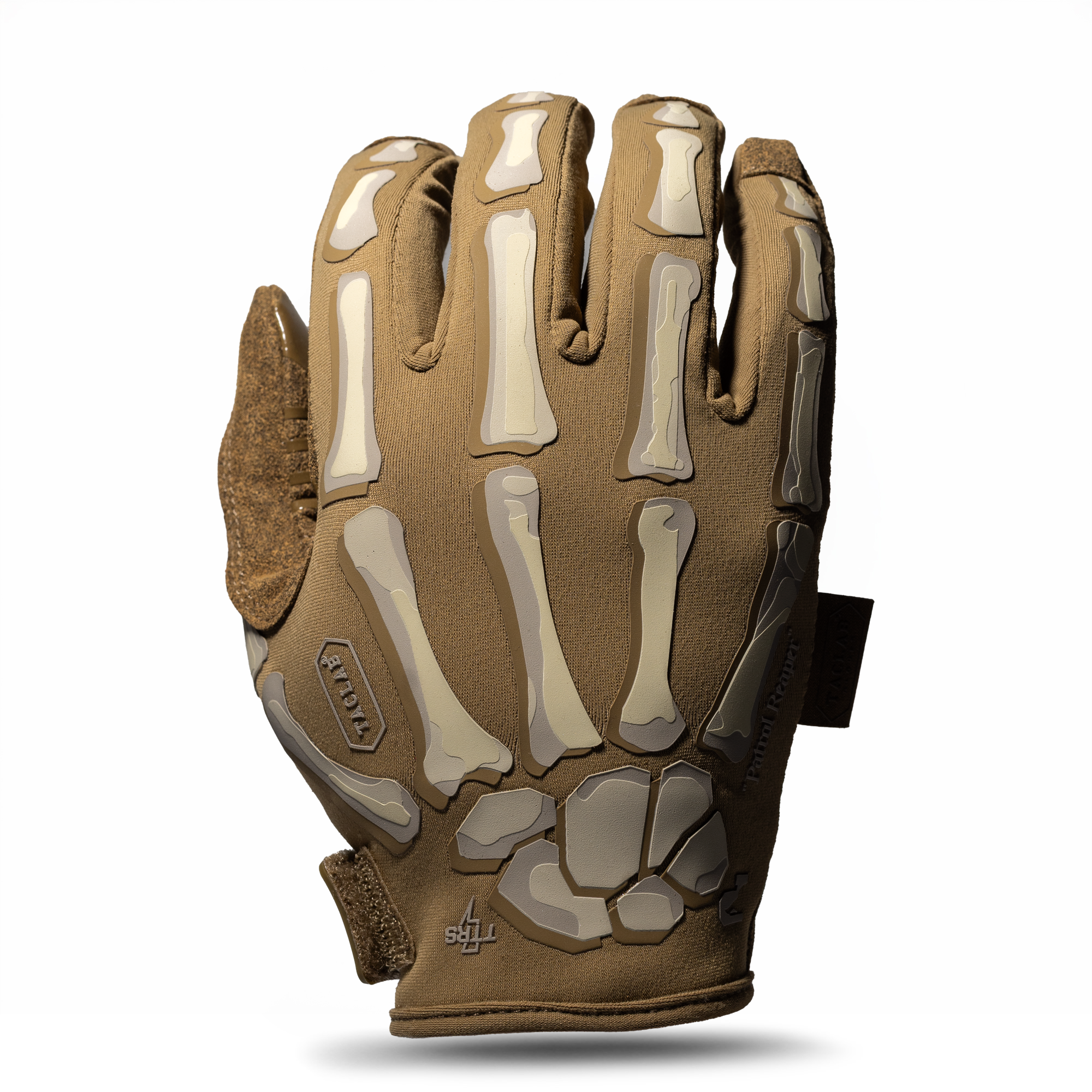
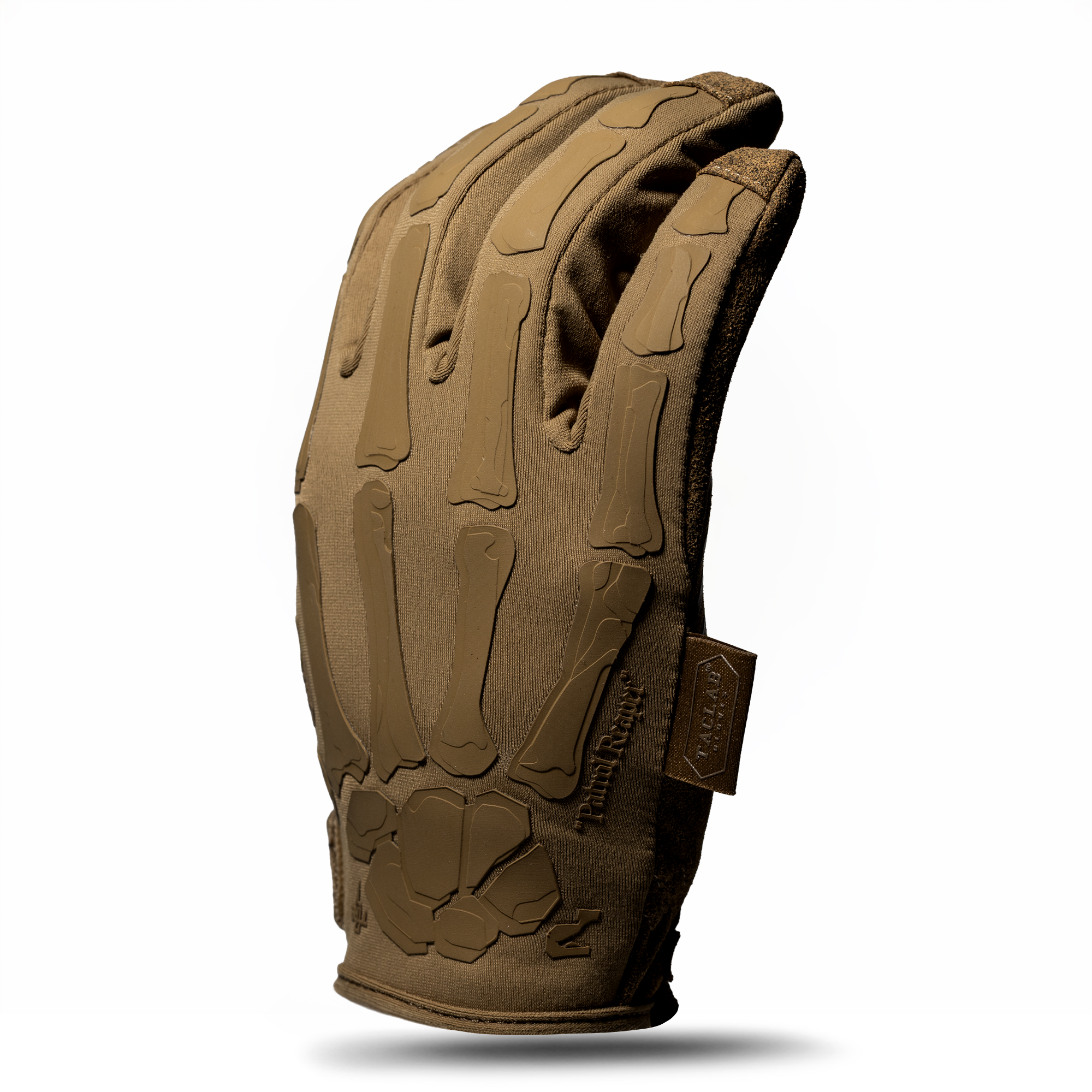
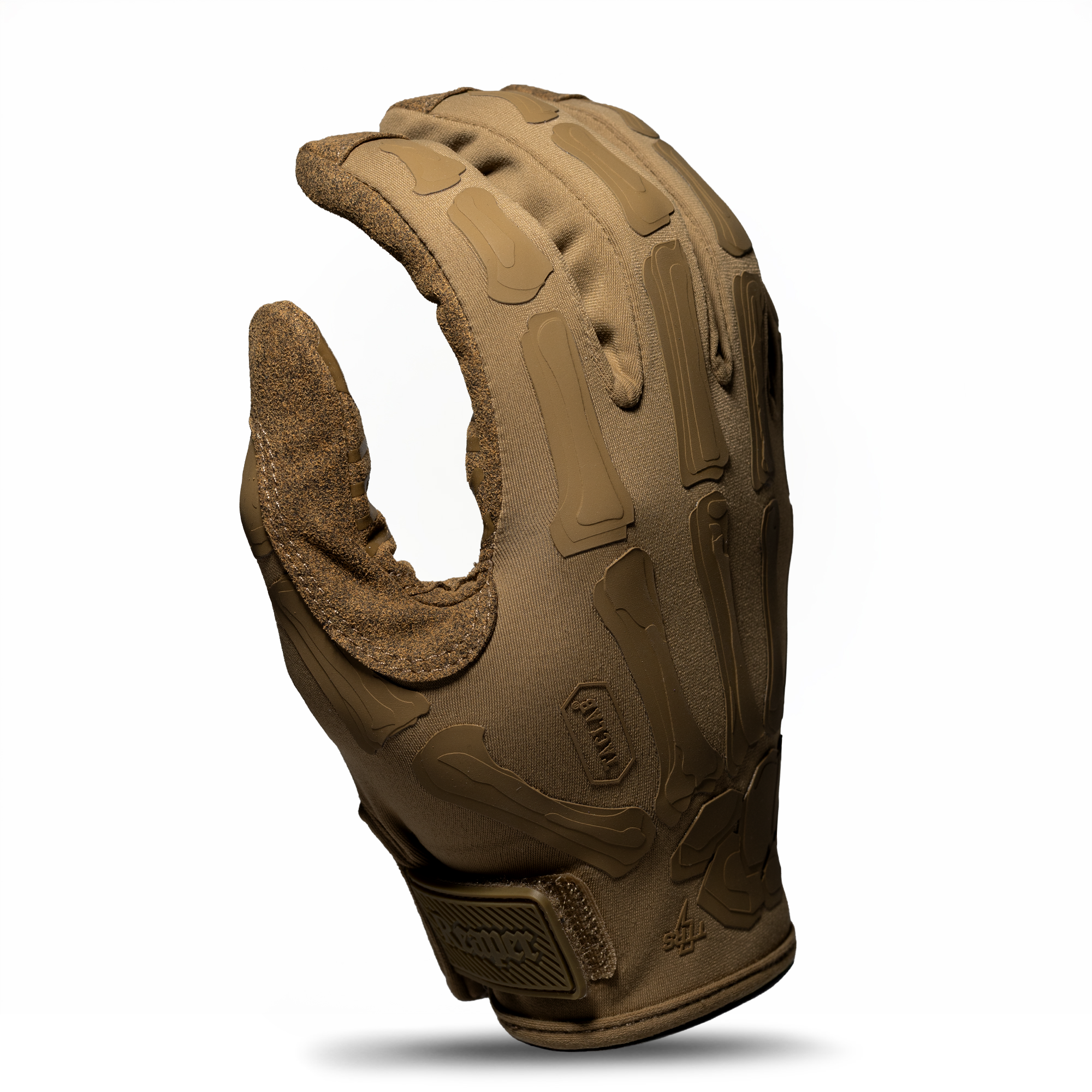
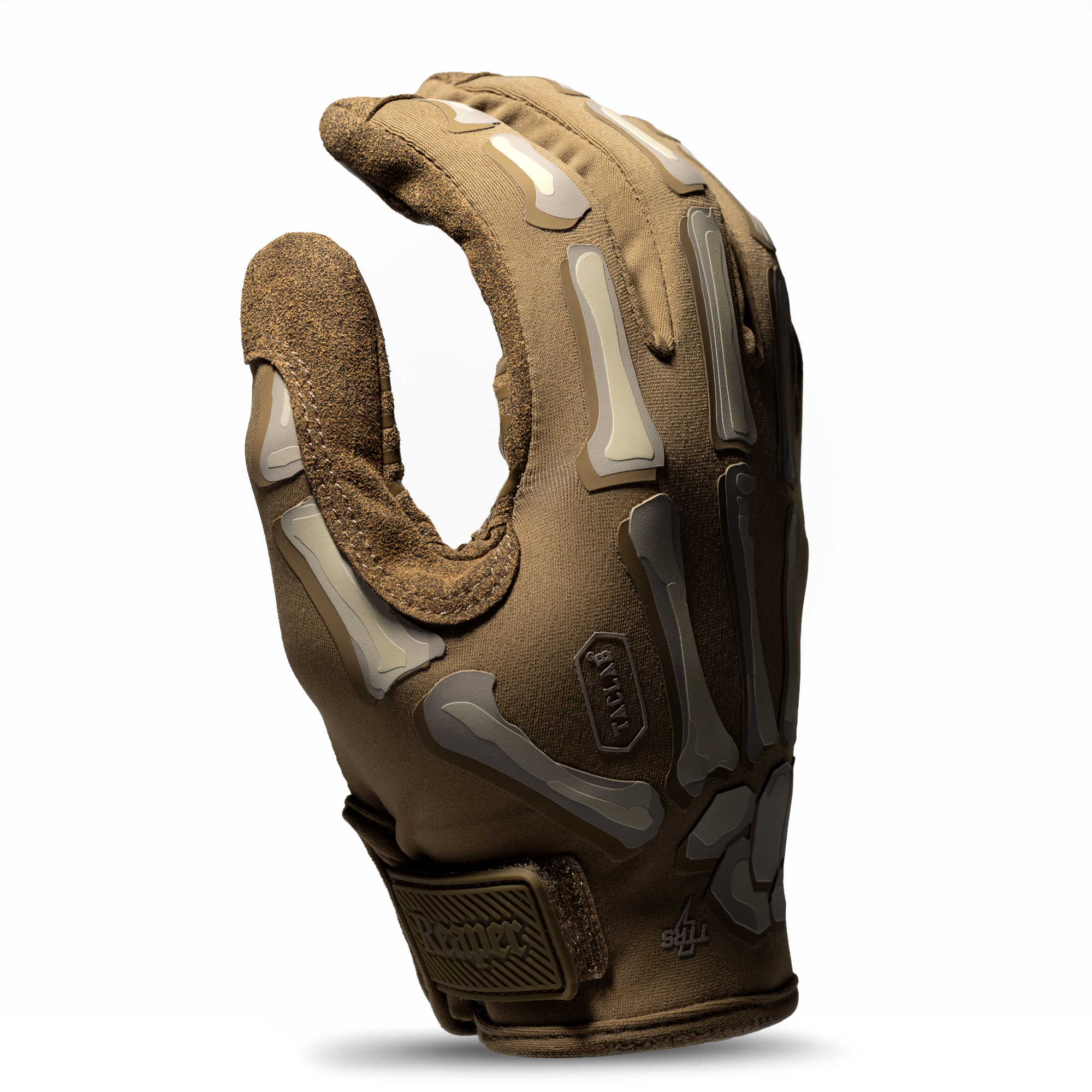
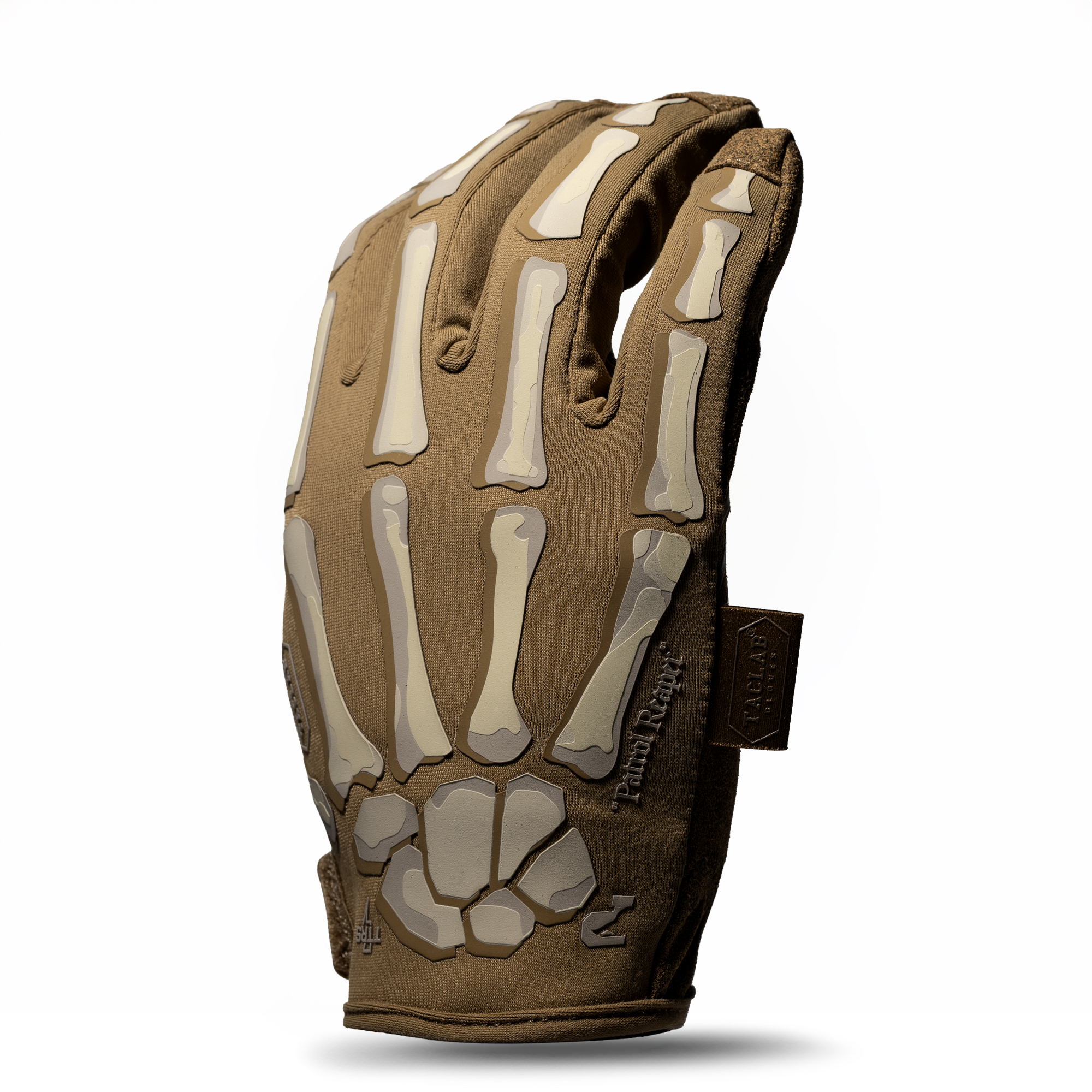
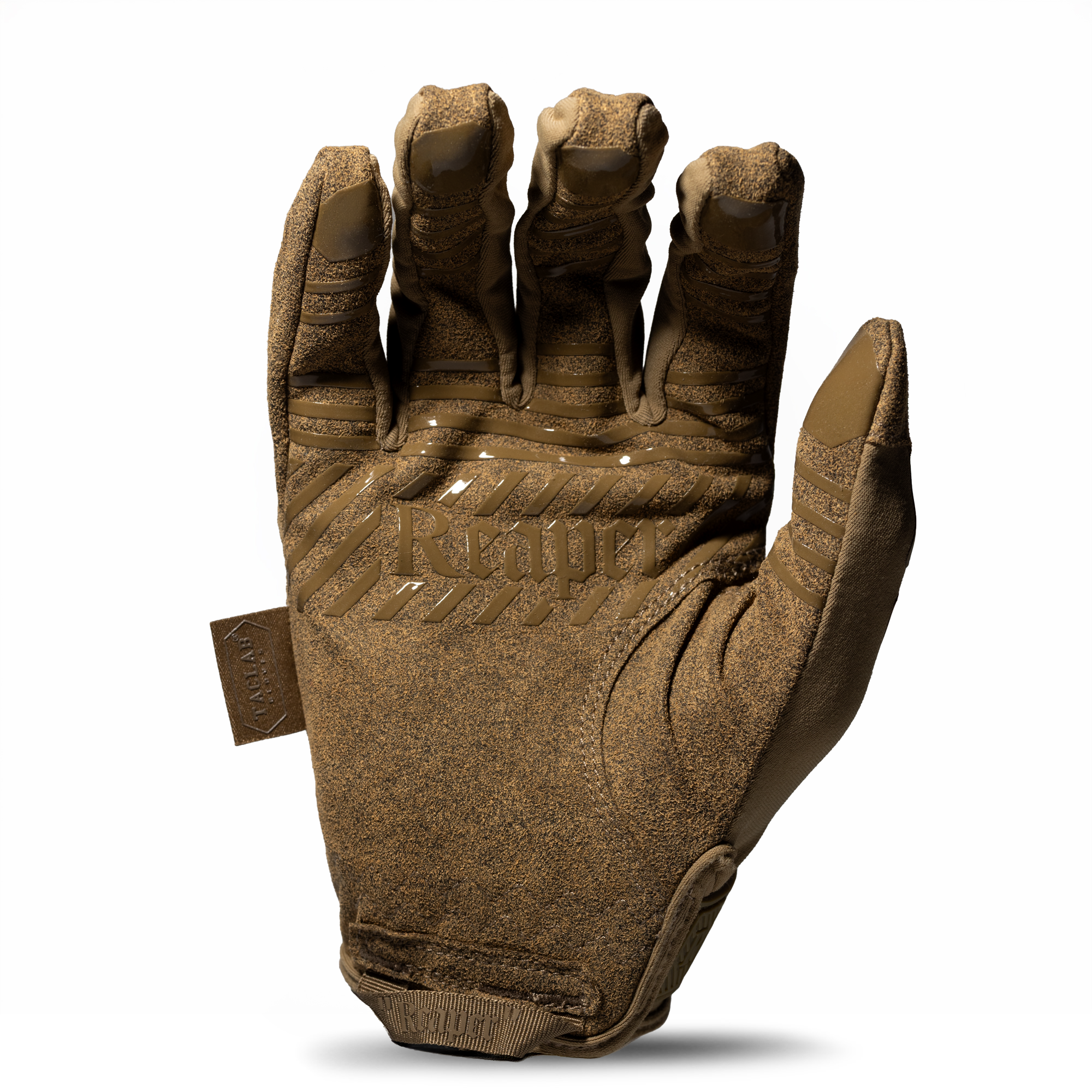
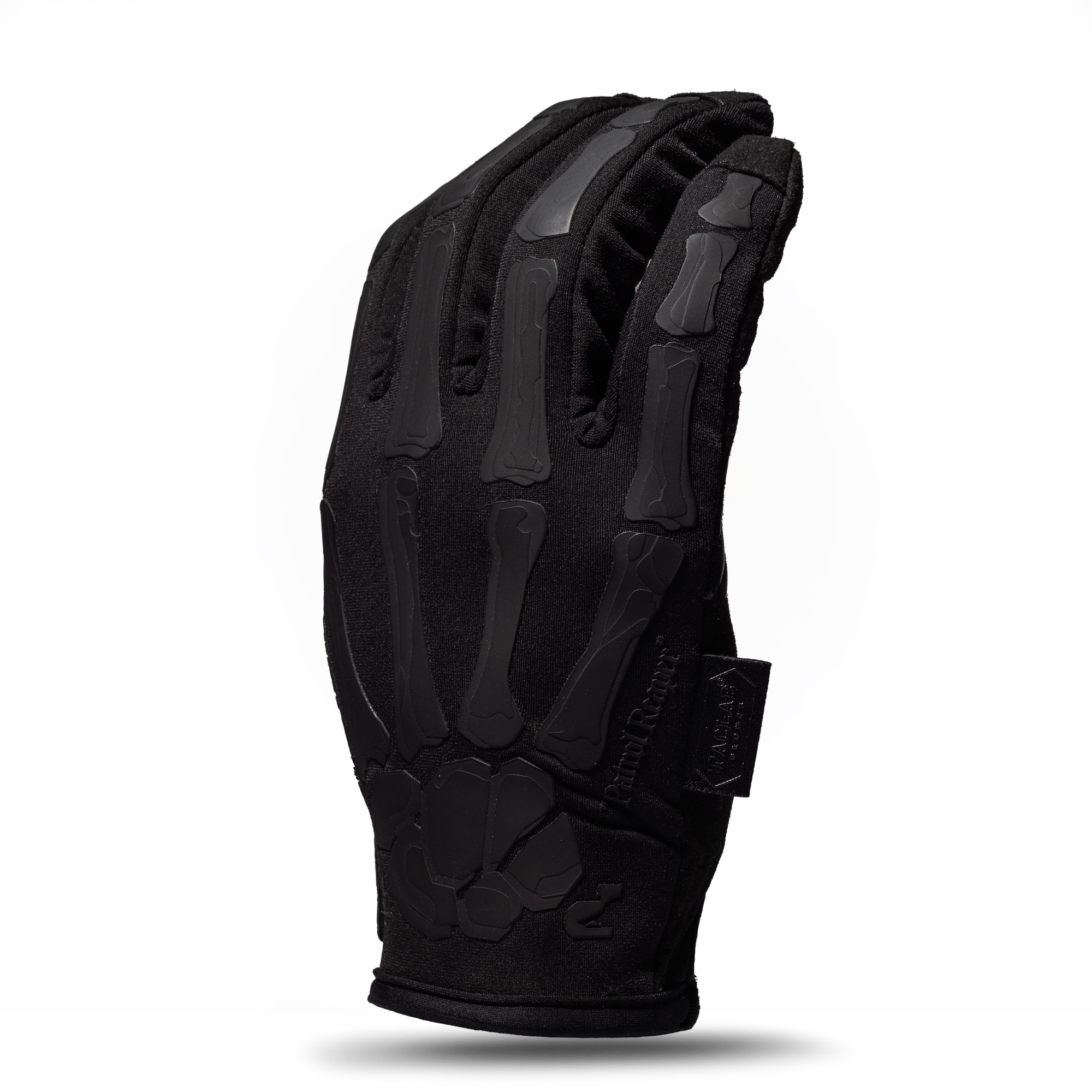
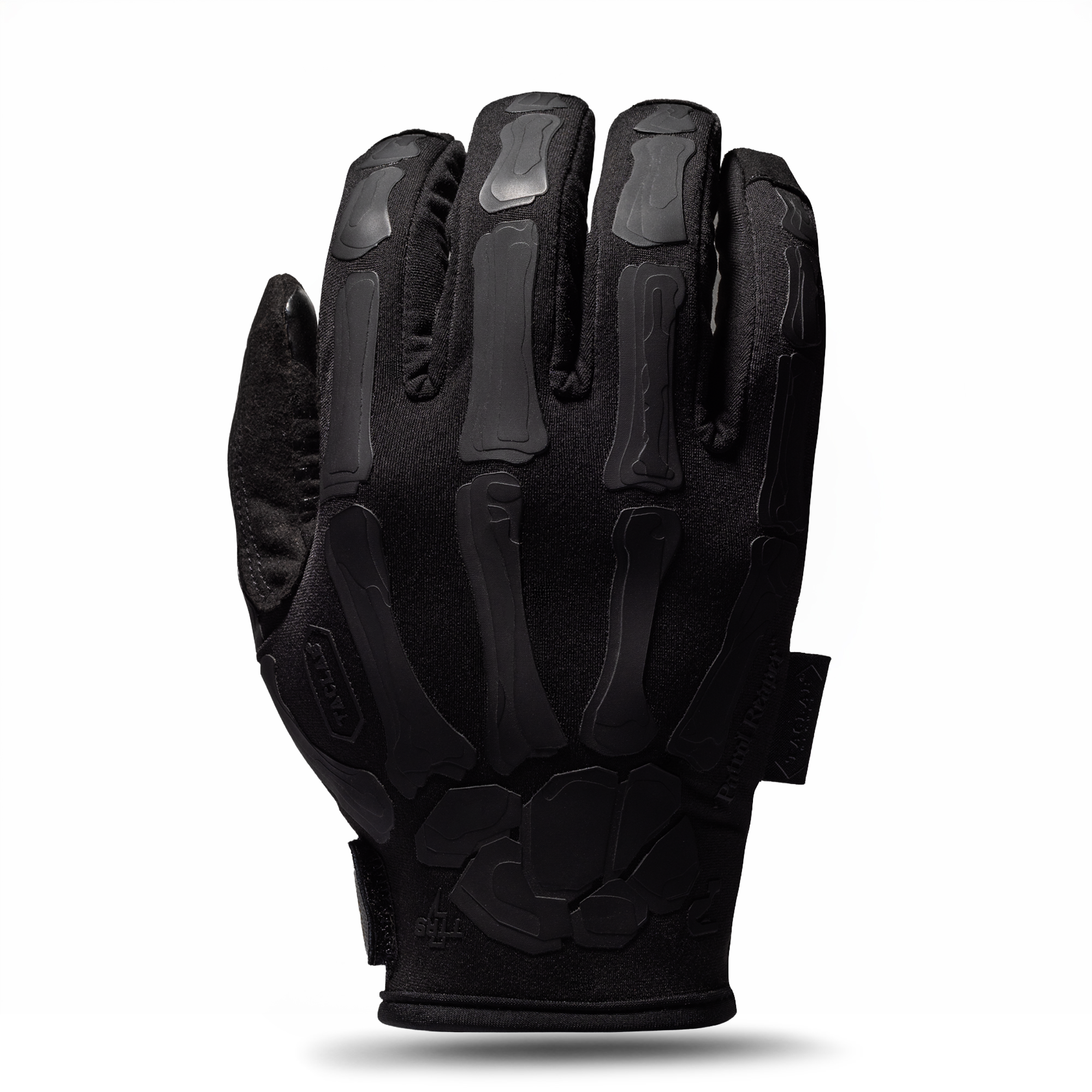
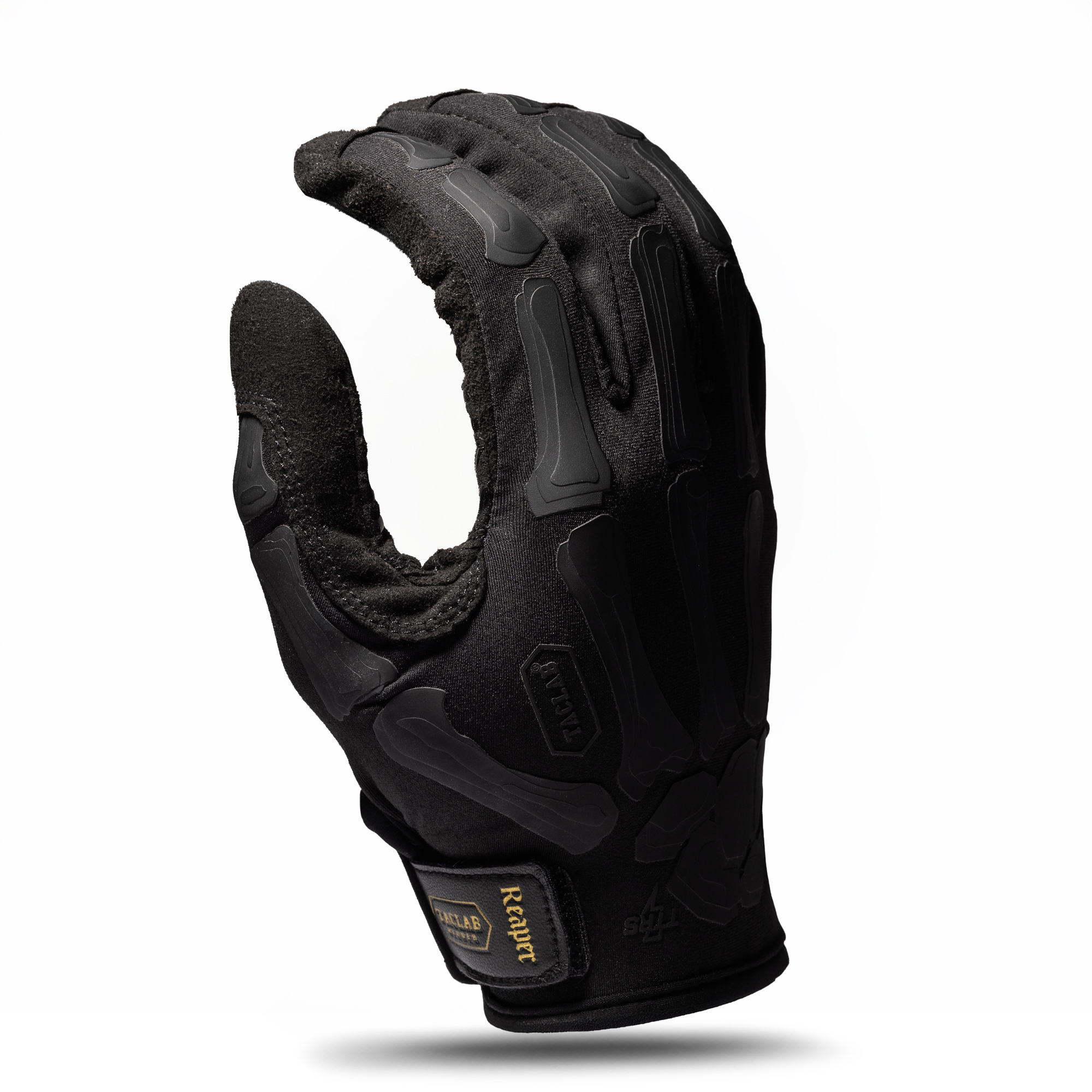
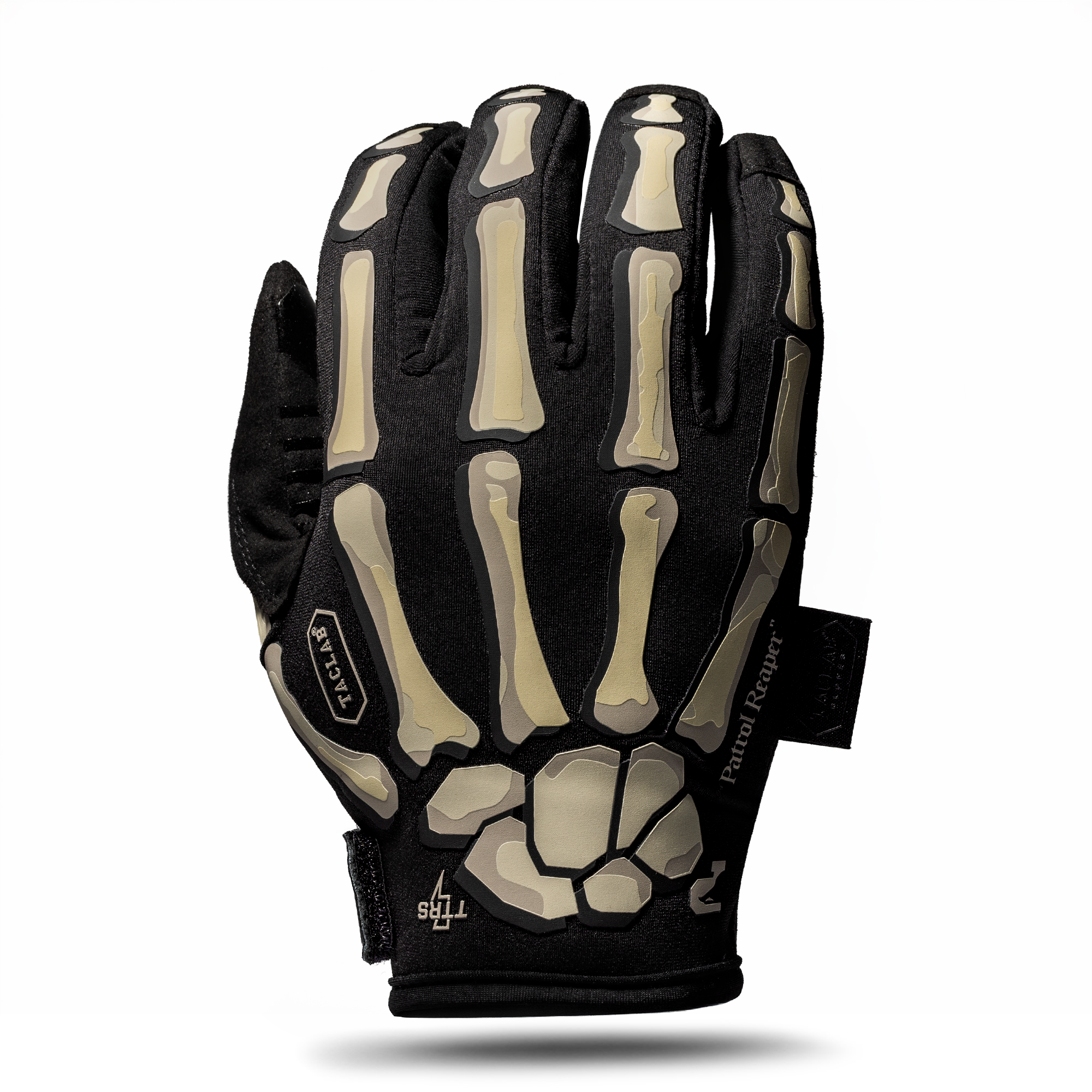
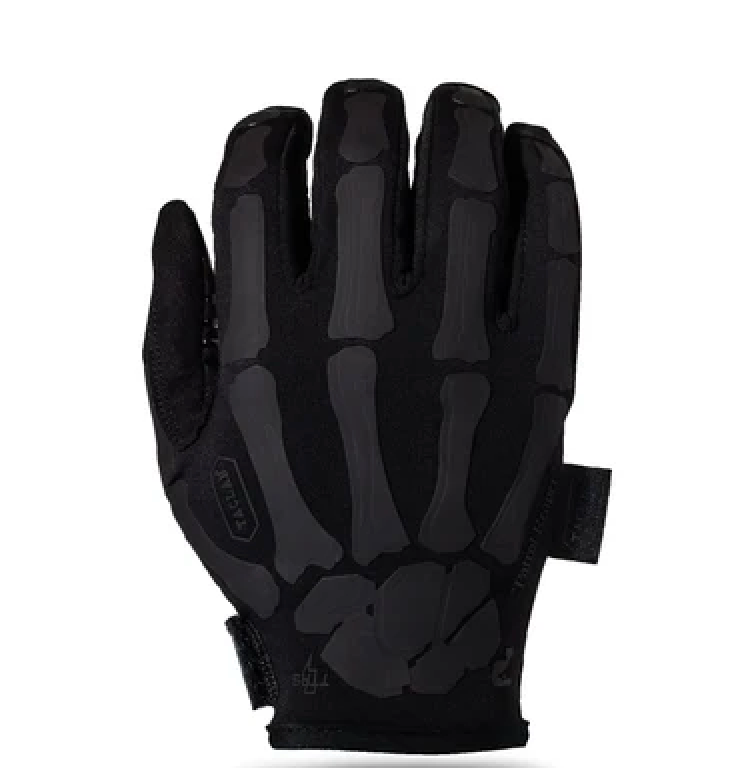
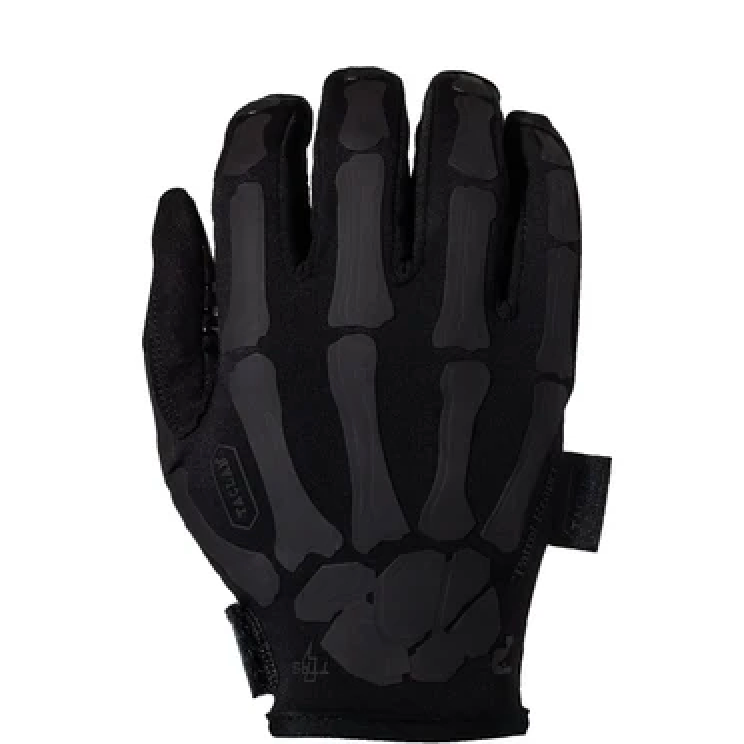
For law enforcement officers, private security contractors, and dedicated tactical operators, a 24-hour shift is a test of endurance and adaptability. The operational environment rarely remains static. What begins as a high-sun, high-mobility daytime operation can rapidly devolve into a freezing, heavy-duty nighttime patrol.
When building a loadout for a 24-hour cycle, hand protection is often misunderstood. Many operators fall into the trap of searching for a "universal" tactical glove—a mythical piece of gear that promises to do everything.
The reality of modern tactical operations dictates a different approach. Choosing the best tactical gloves for a 24-hour shift requires understanding material science, physiological thermoregulation, and the specific mechanical hazards you will face. Here is the professional guide to optimizing your hand protection for a full operational cycle.
The Myth of the "Do-It-All" Tactical Glove
The fundamental flaw in most tactical loadouts is the reliance on a single, compromised piece of gear. When manufacturers attempt to build a glove that works for both precision shooting at 90°F and heavy-duty patrol at 40°F, they create a product that excels at neither.
-
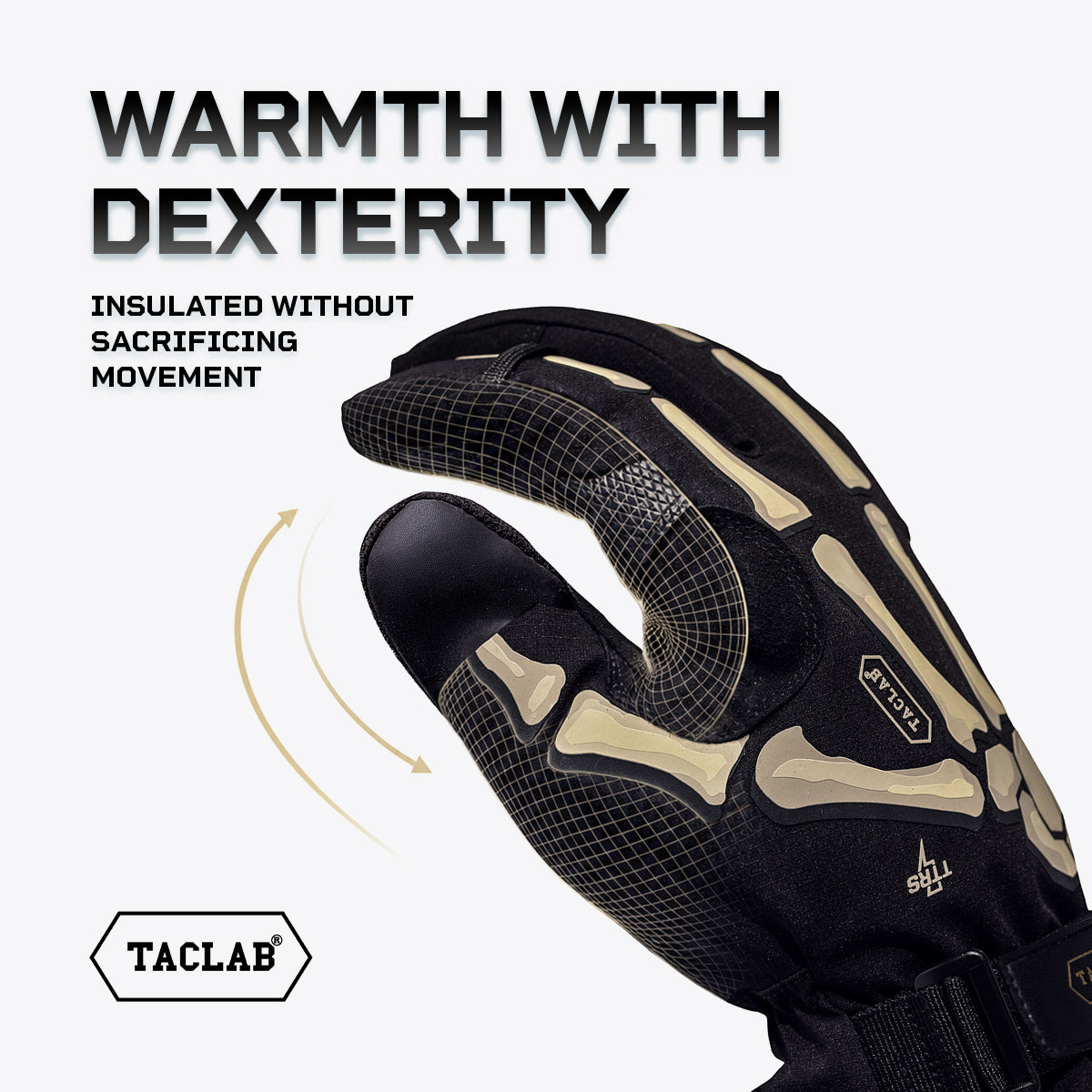
The Dexterity vs. Durability Trade-off: Gloves thick enough to withstand the abrasion of fast-roping or breaching will inevitably compromise the tactile feedback required for complex weapons manipulation or operating touchscreens.
-
The Moisture Management Problem: Wearing a reinforced, insulated duty glove during daytime high-mobility drills causes your hands to sweat profusely. Once the interior microfibers are soaked, the glove loses its grip integrity. When the temperature drops at night, that trapped moisture accelerates heat loss, freezing your hands and severely degrading your fine motor skills (proprioception).
To survive and operate efficiently over 24 hours, you must approach hand protection not as a single purchase, but as a modular system.
Decoding the 24-Hour Cycle: The 2-Glove System
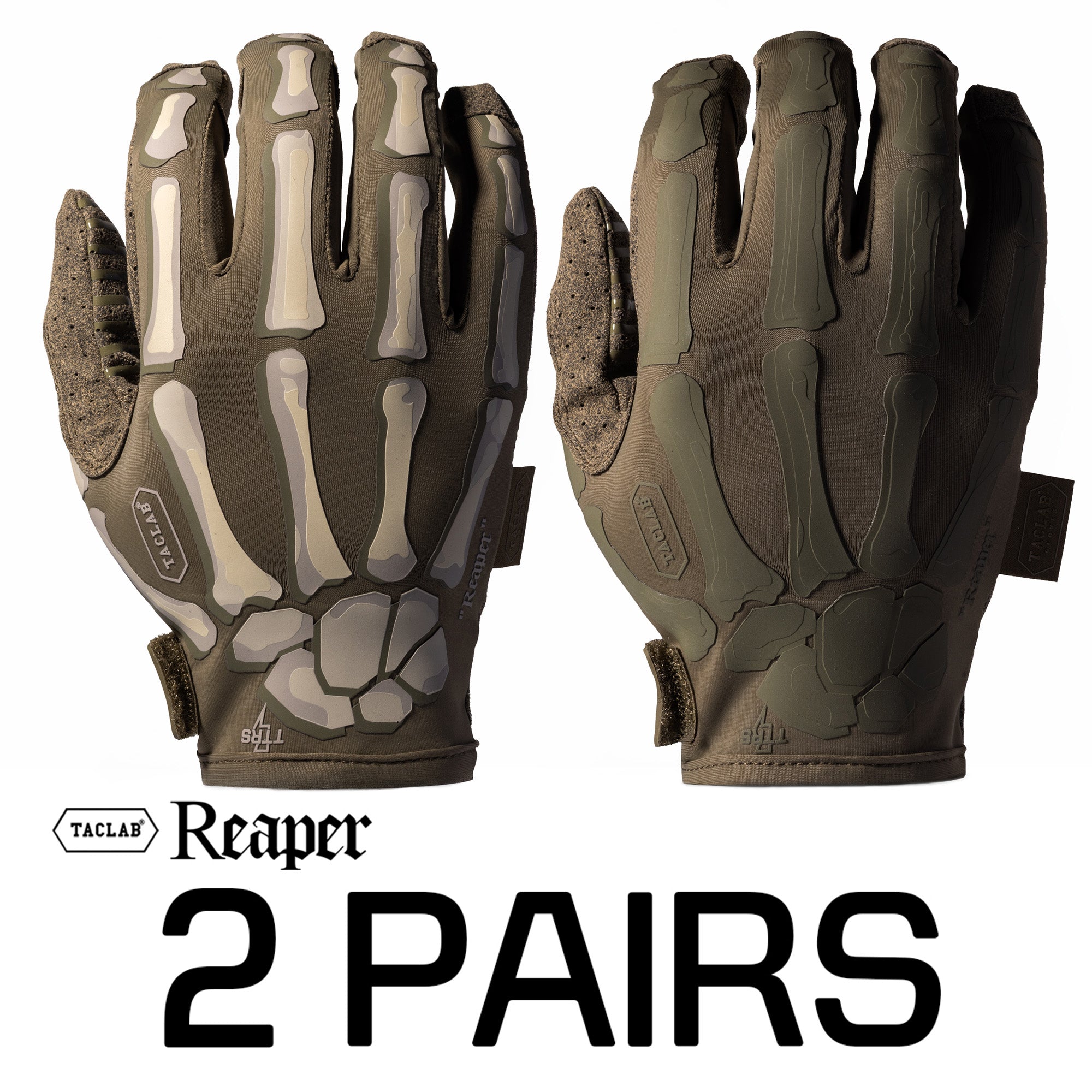
Top-tier professionals have abandoned the single-glove philosophy. Instead, the modern standard is the 2-Glove System—carrying two purpose-built gloves designed for the two distinct phases of a 24-hour shift.
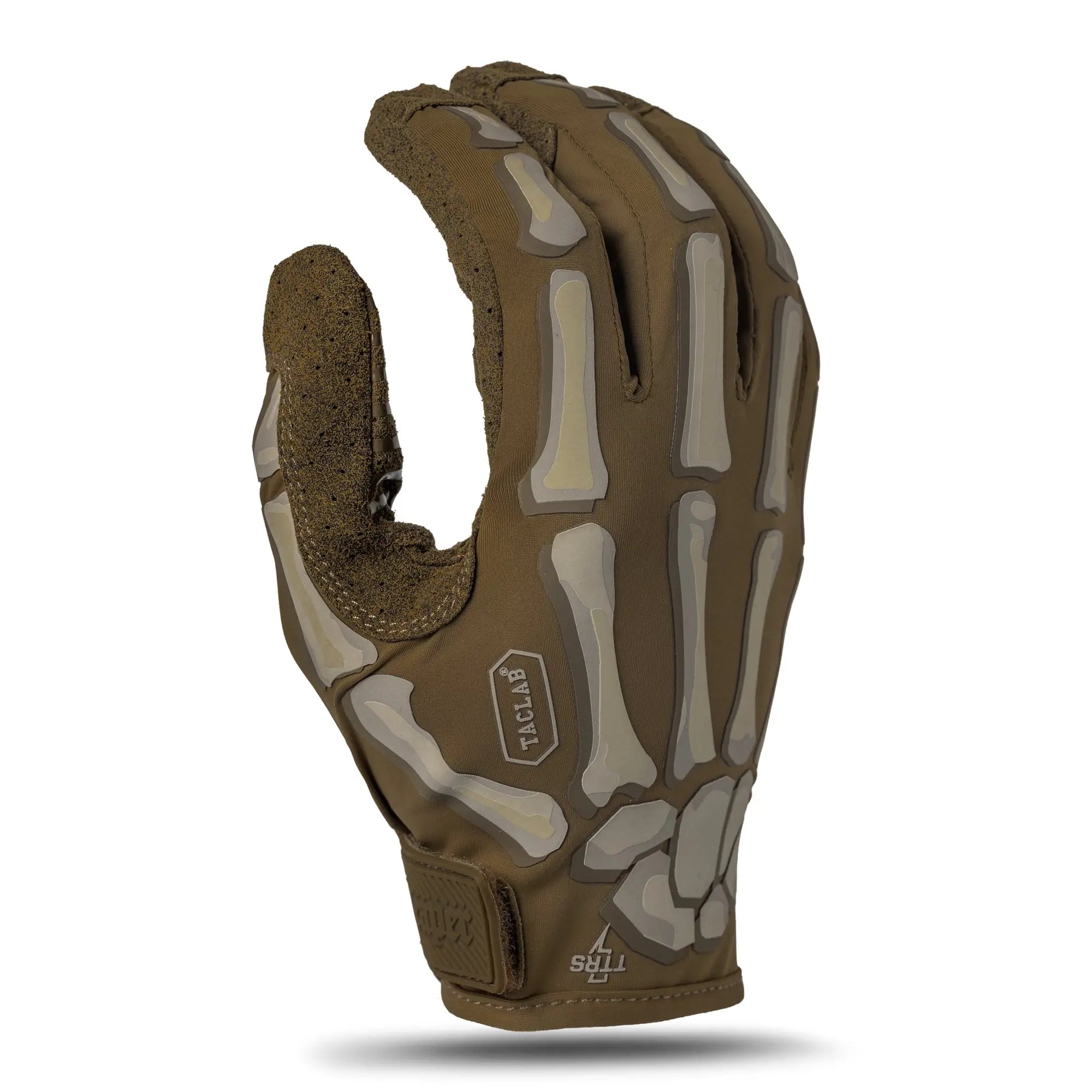
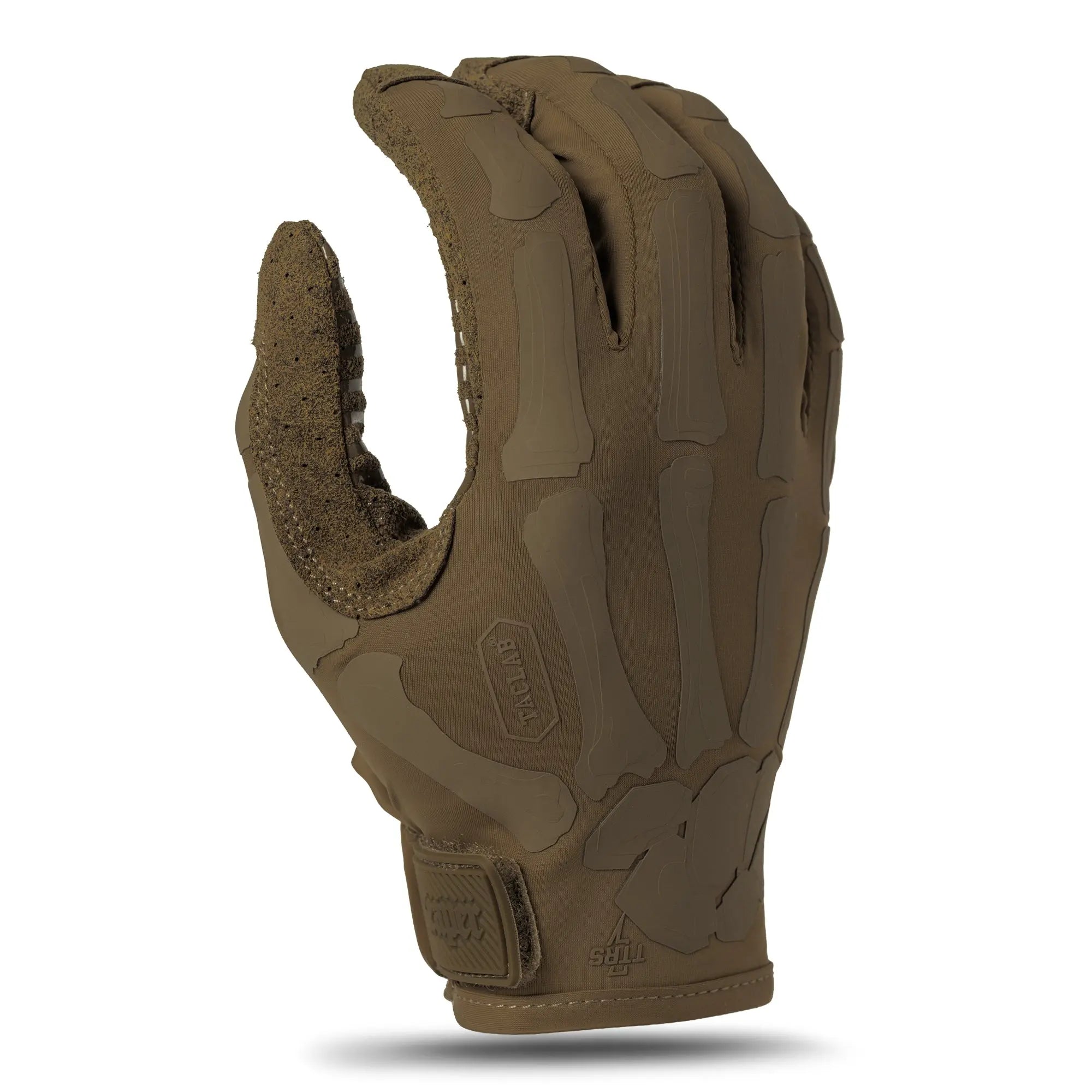
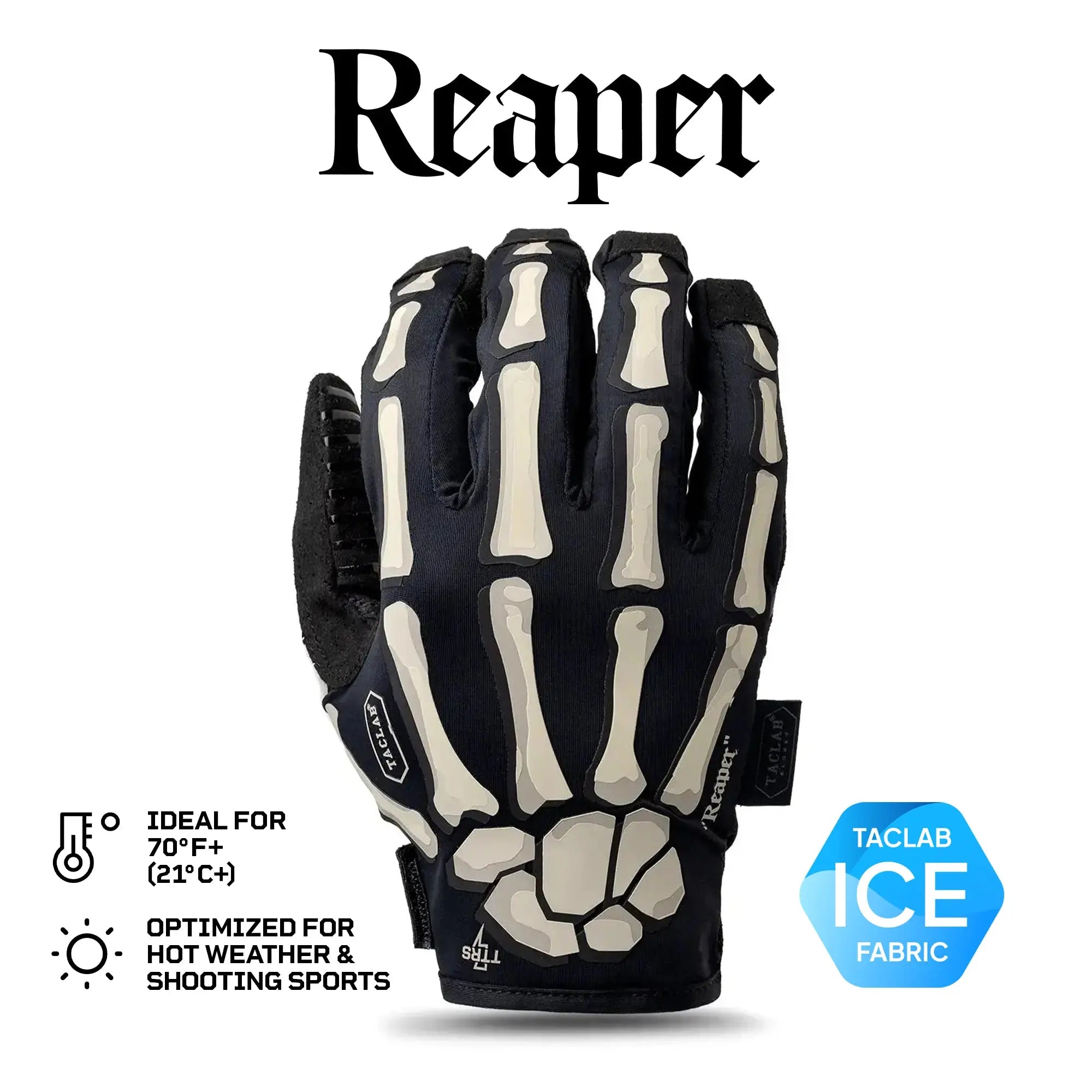
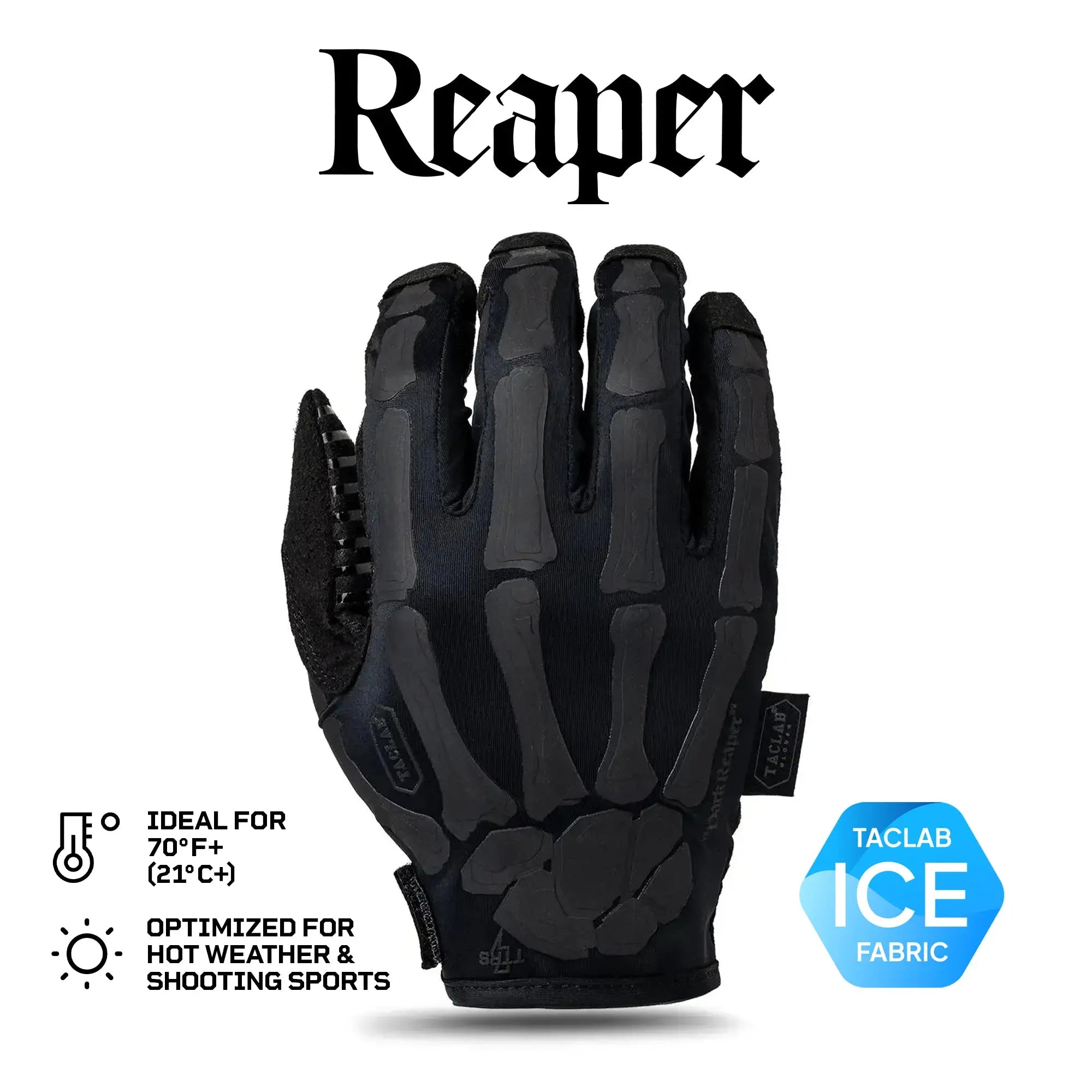
Phase 1: High-Mobility & Precision (The Shooter's Glove)
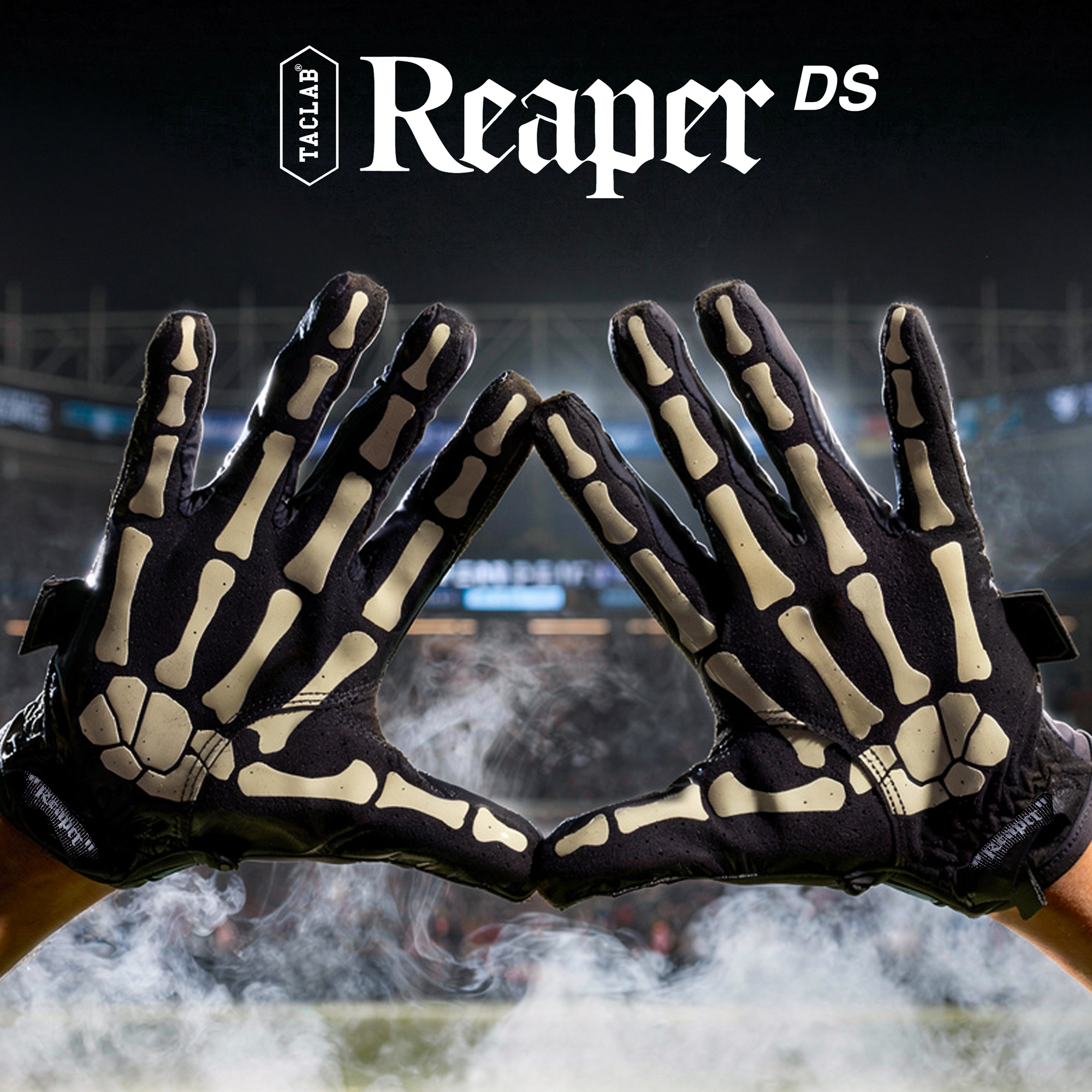
During daylight hours or high-intensity dynamic entries, the primary requirement is absolute control and sensory feedback. Your hands are operating radios, managing weapon safeties, and manipulating small gear.
What to look for:
-
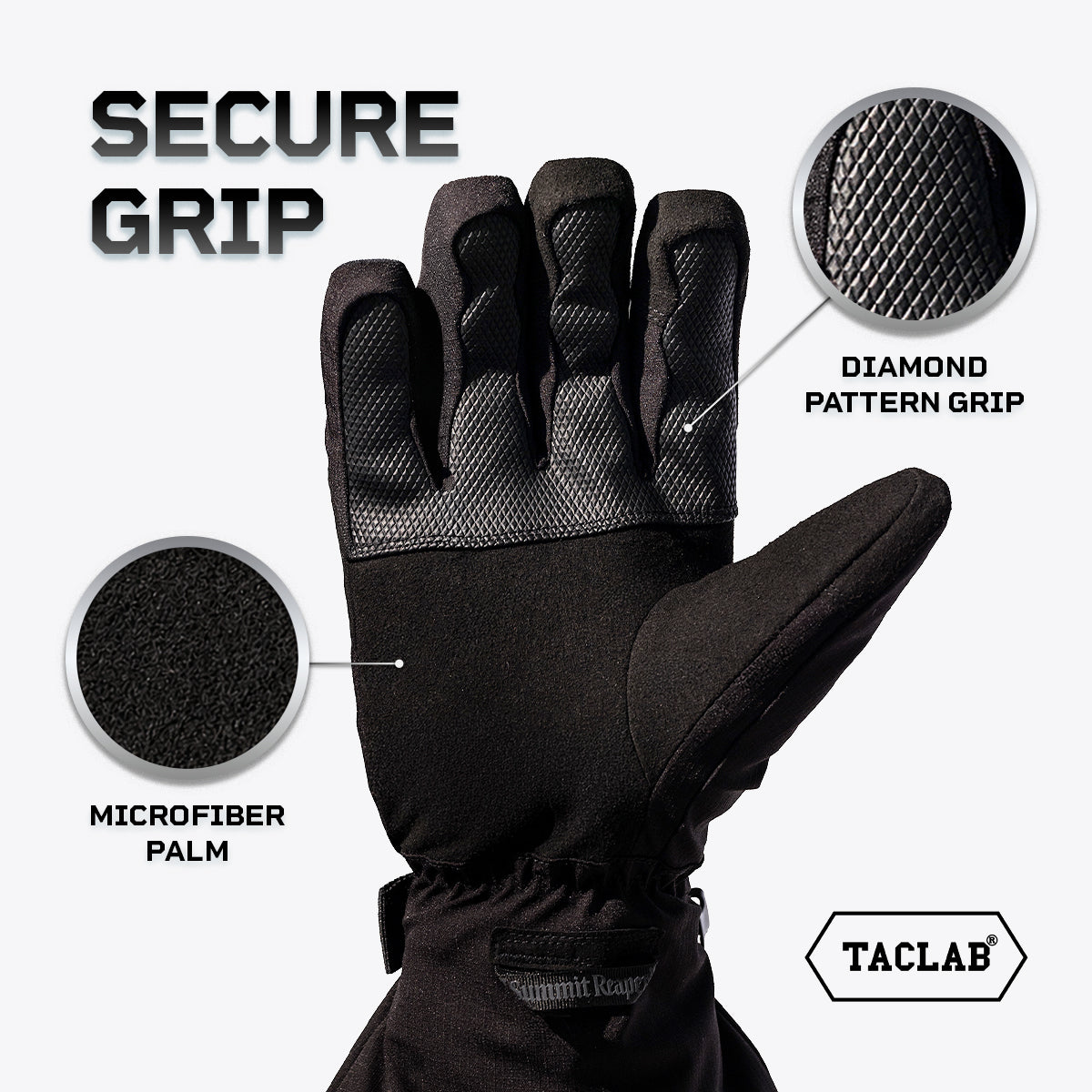
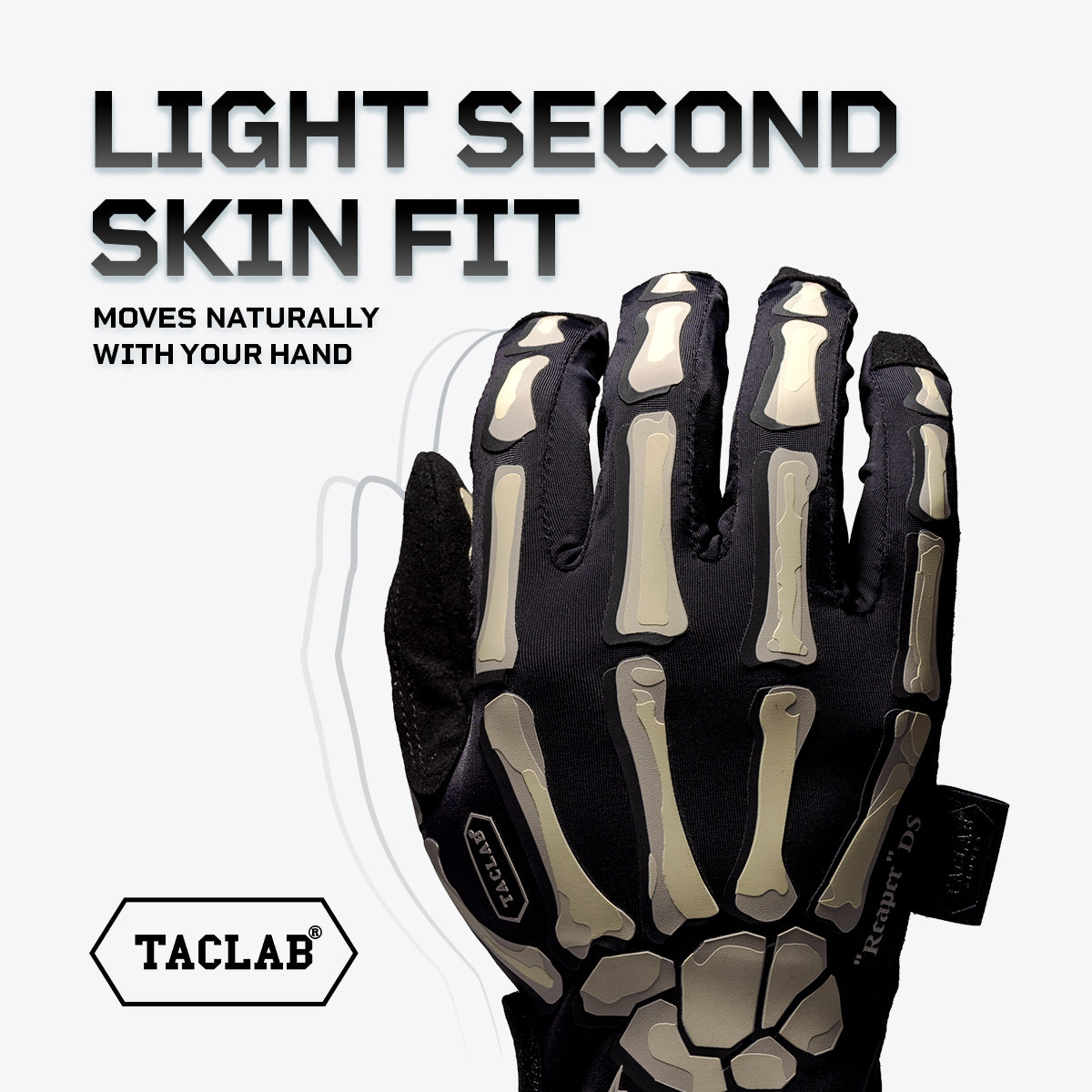
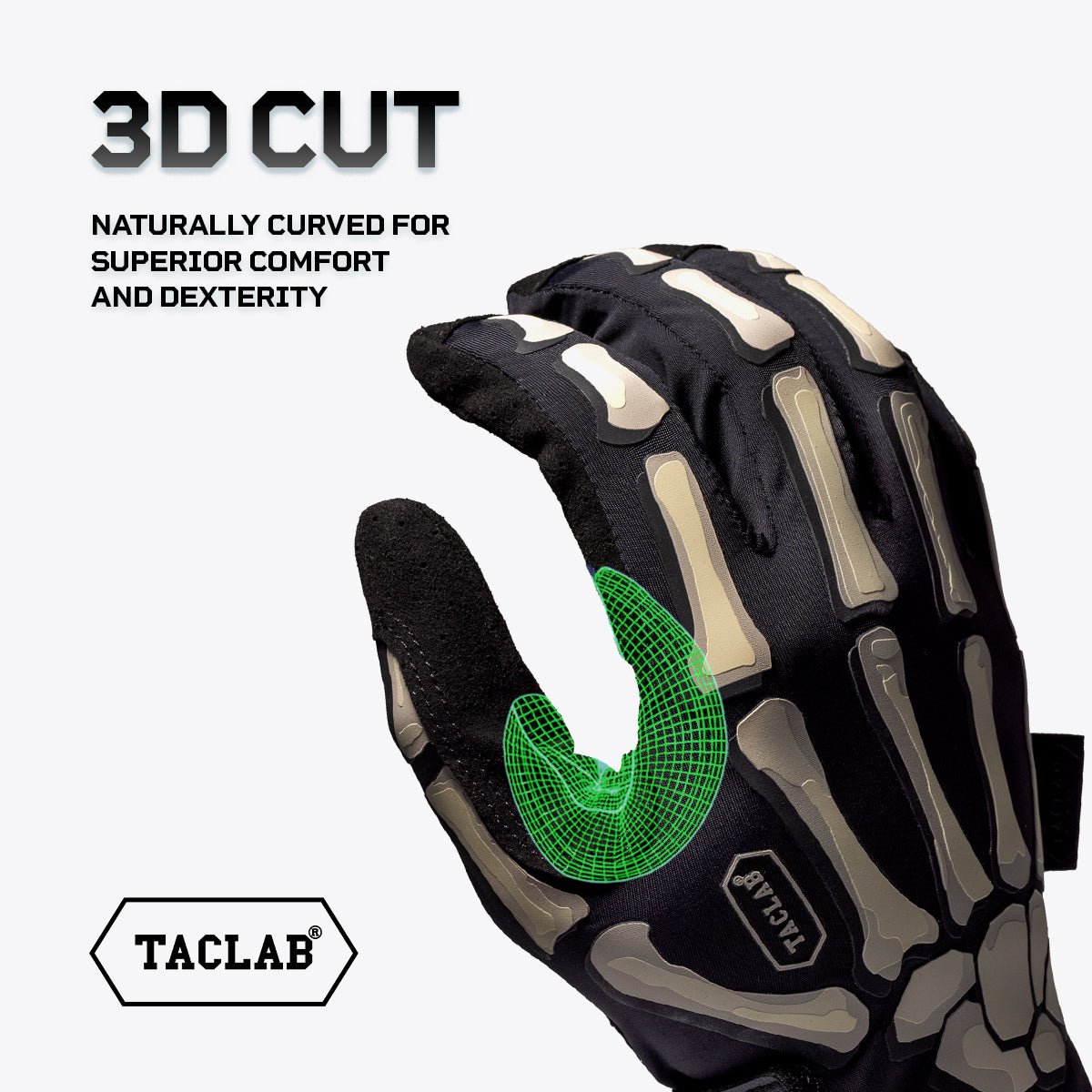
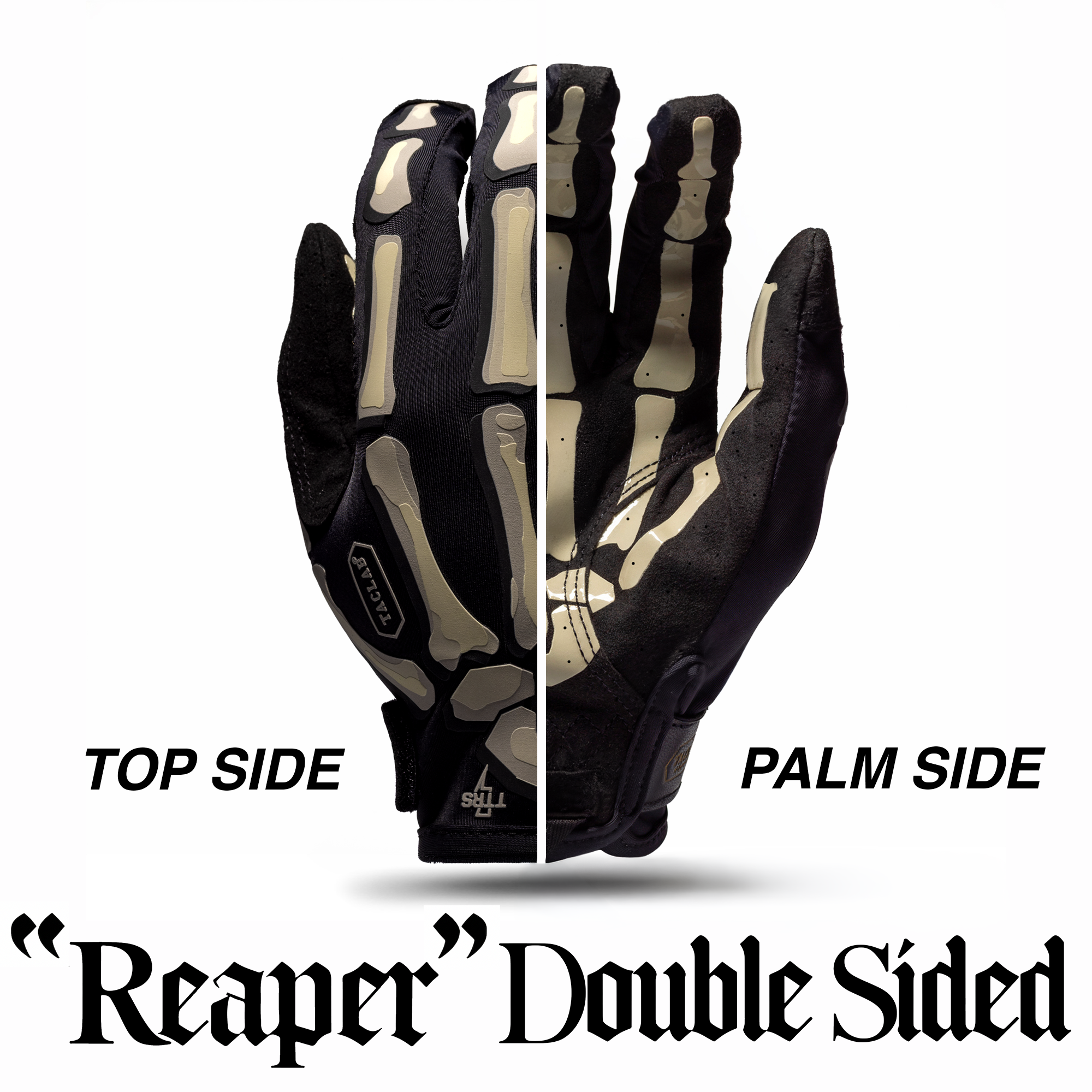
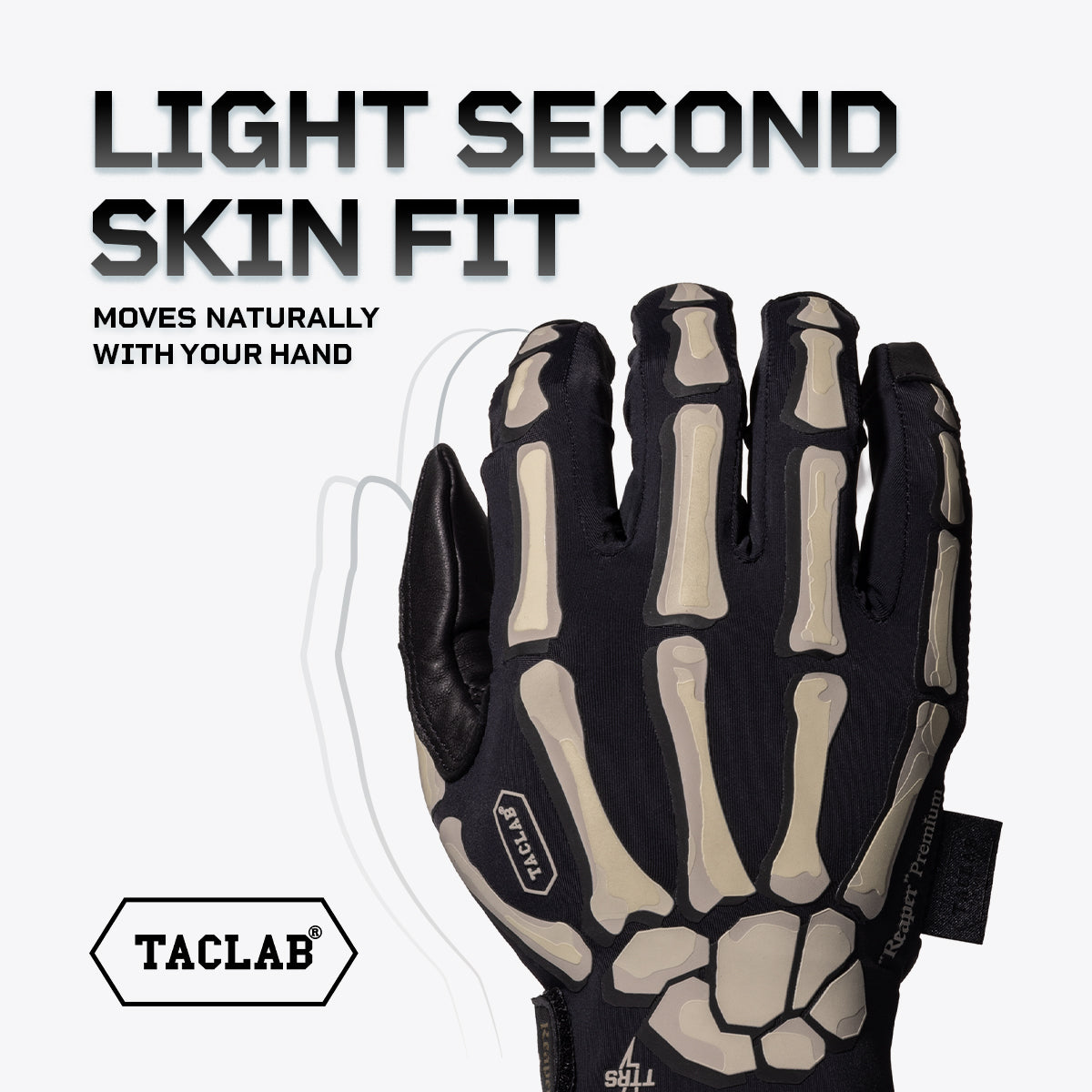
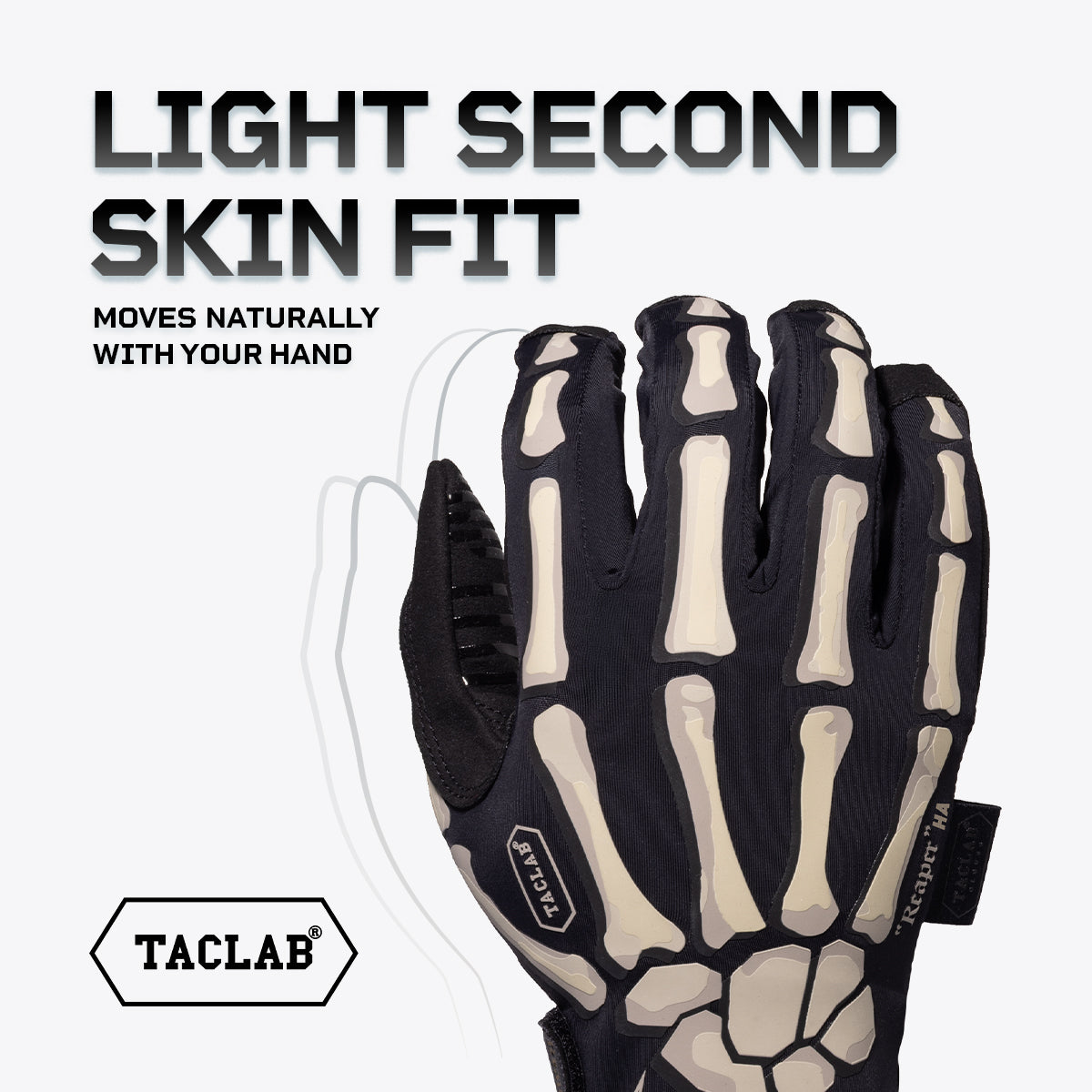
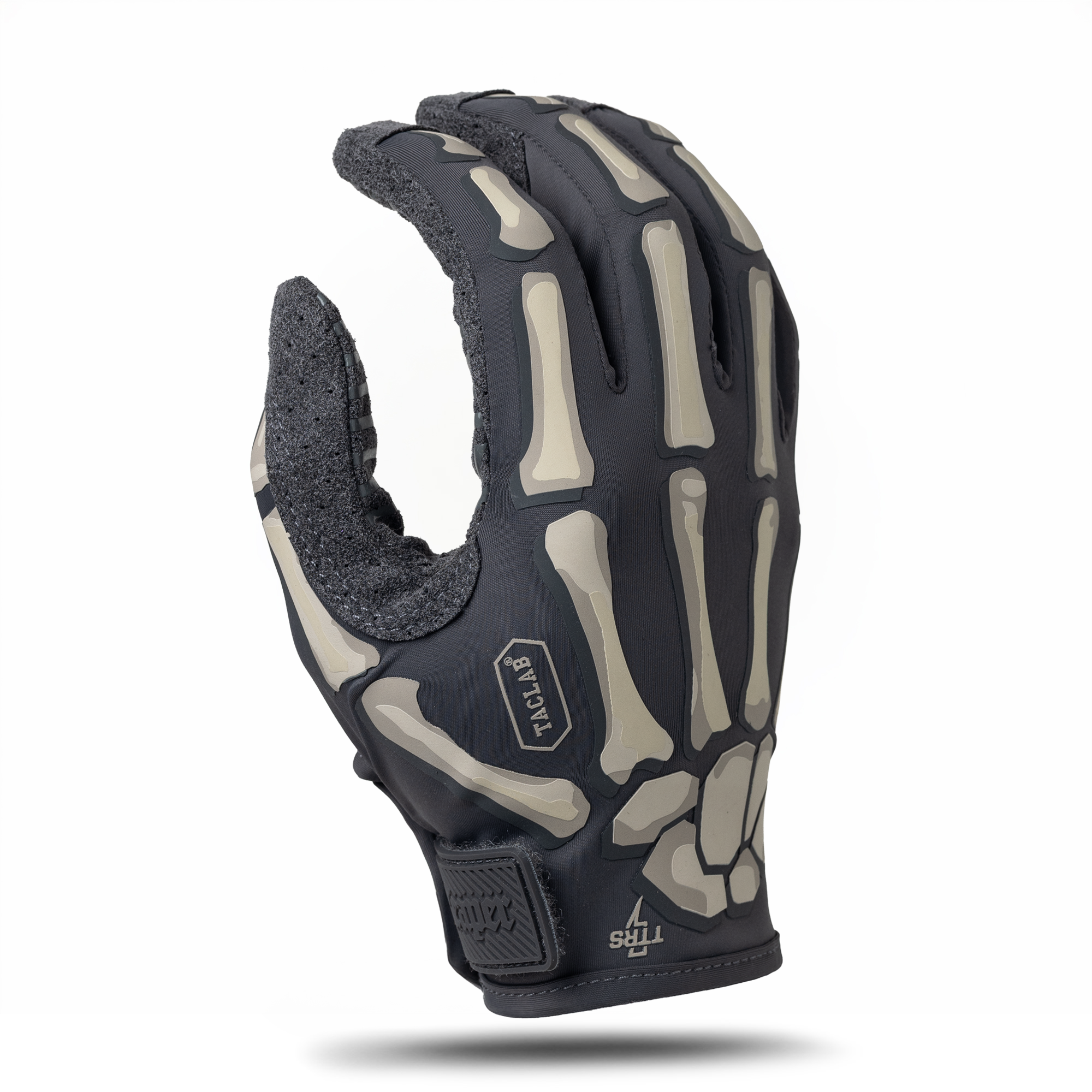
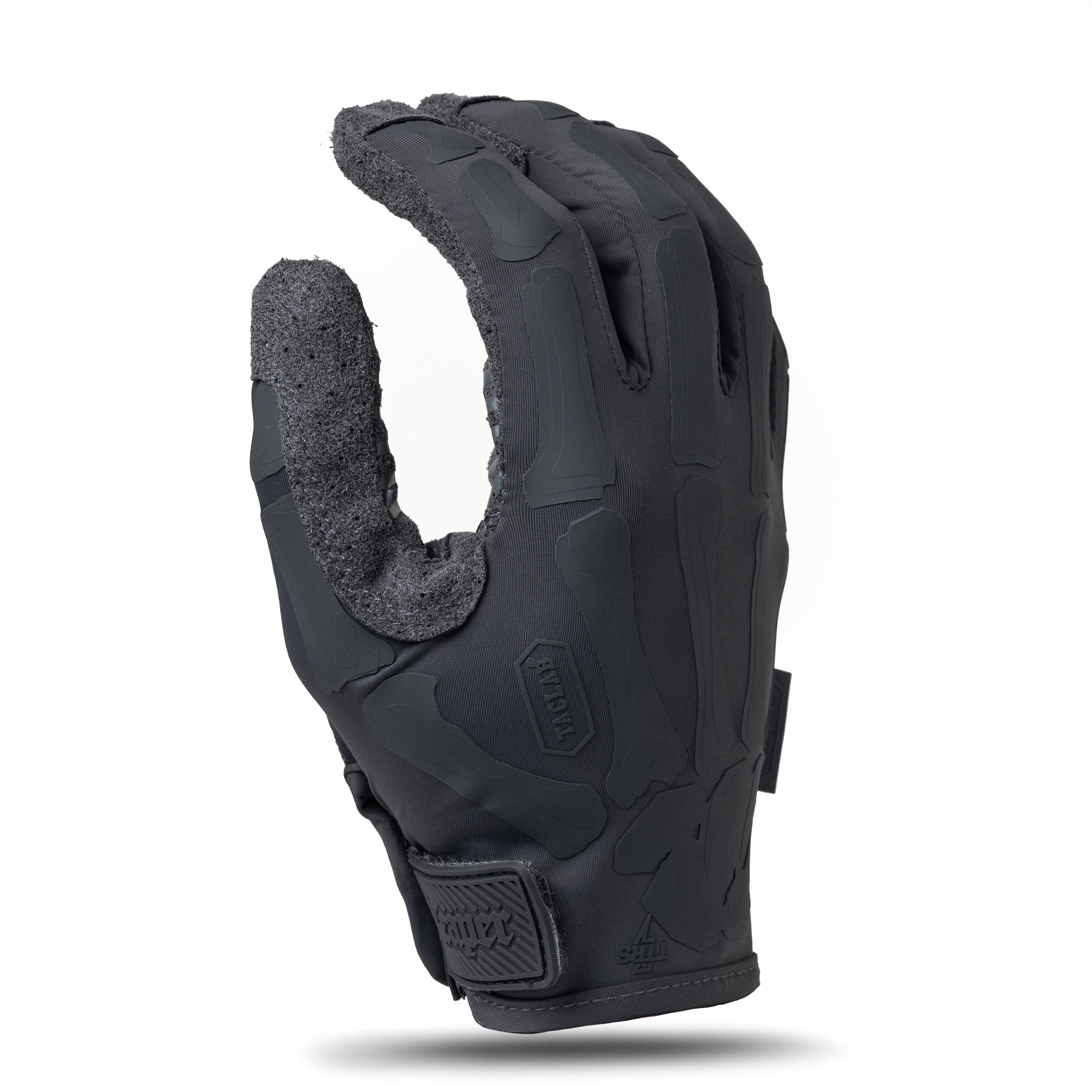
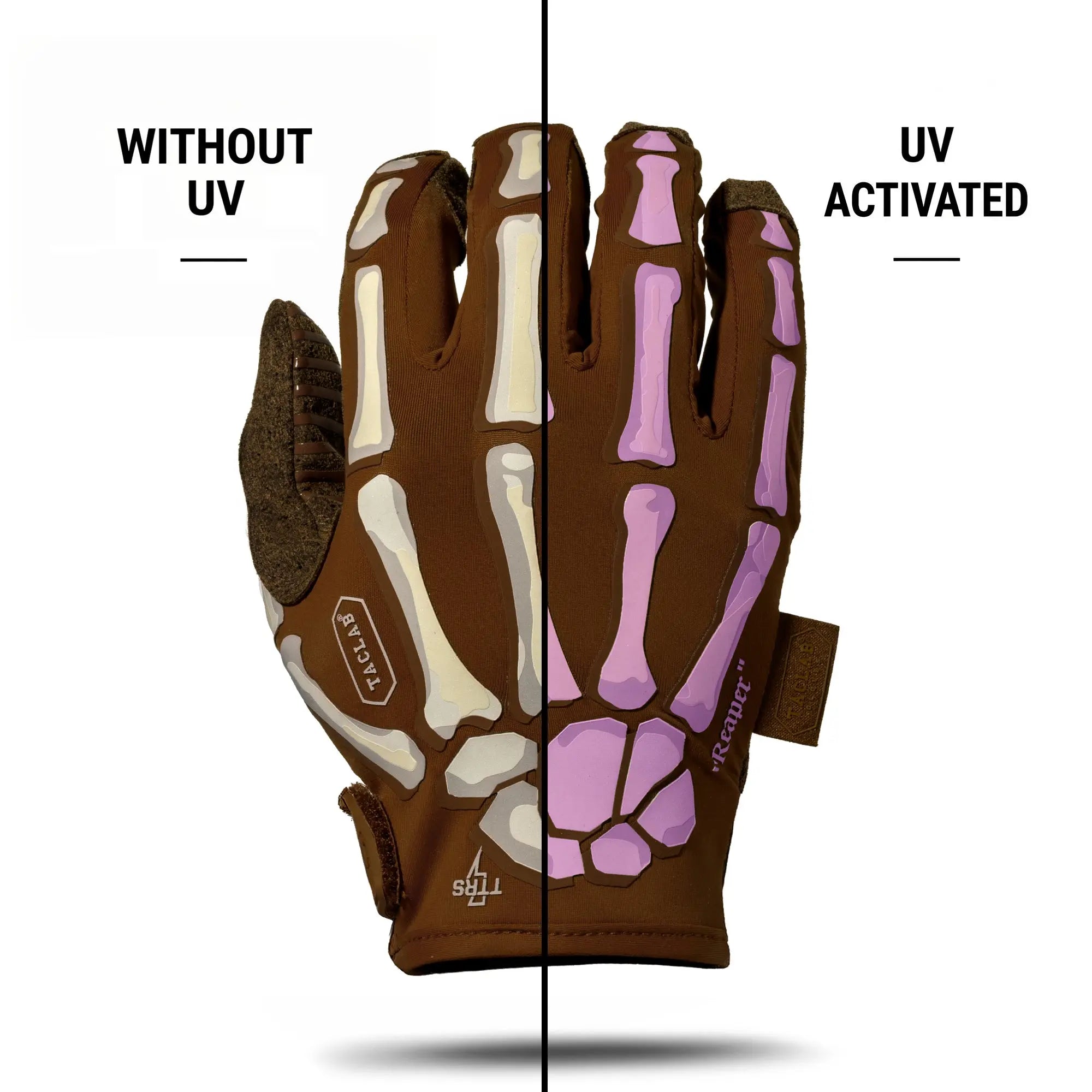
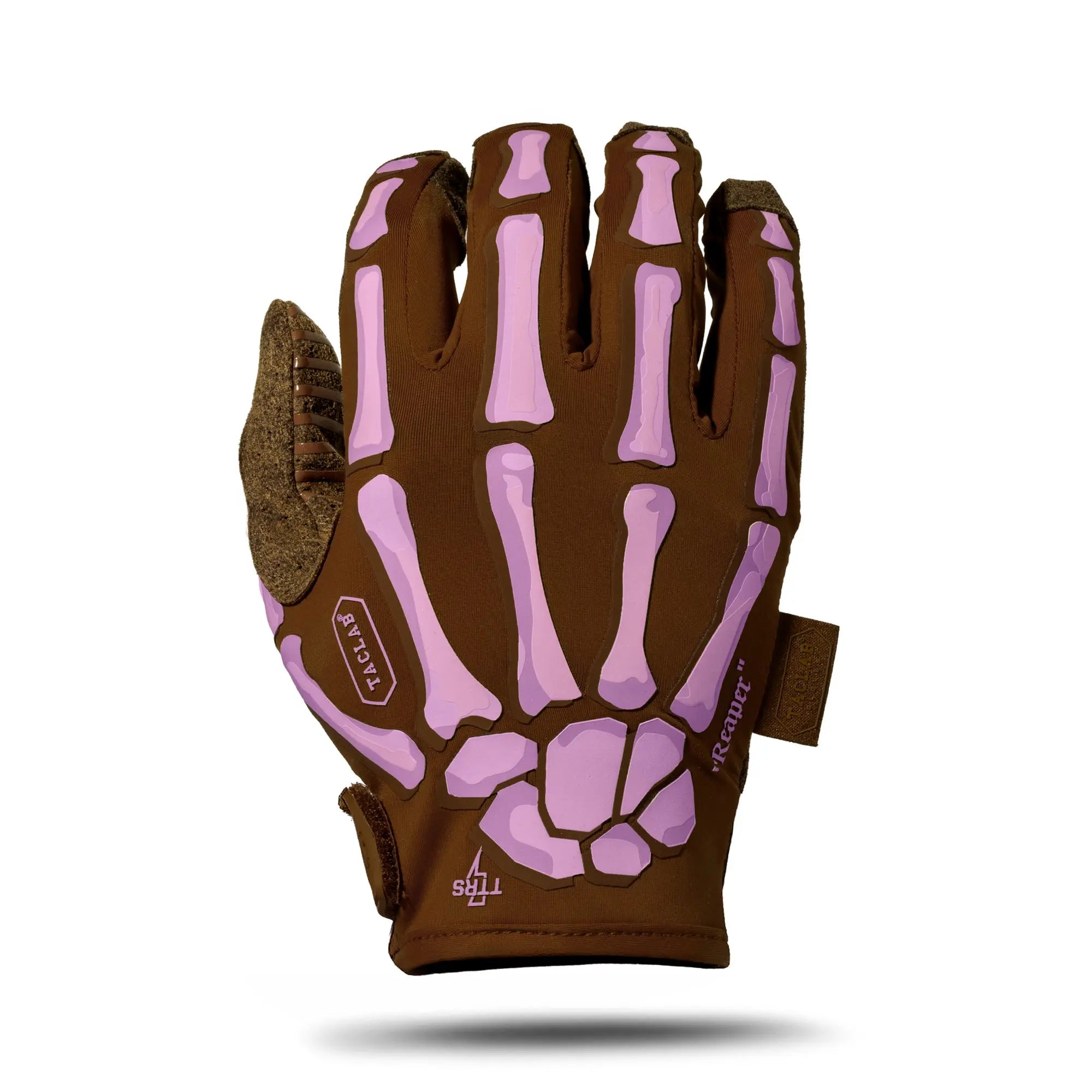
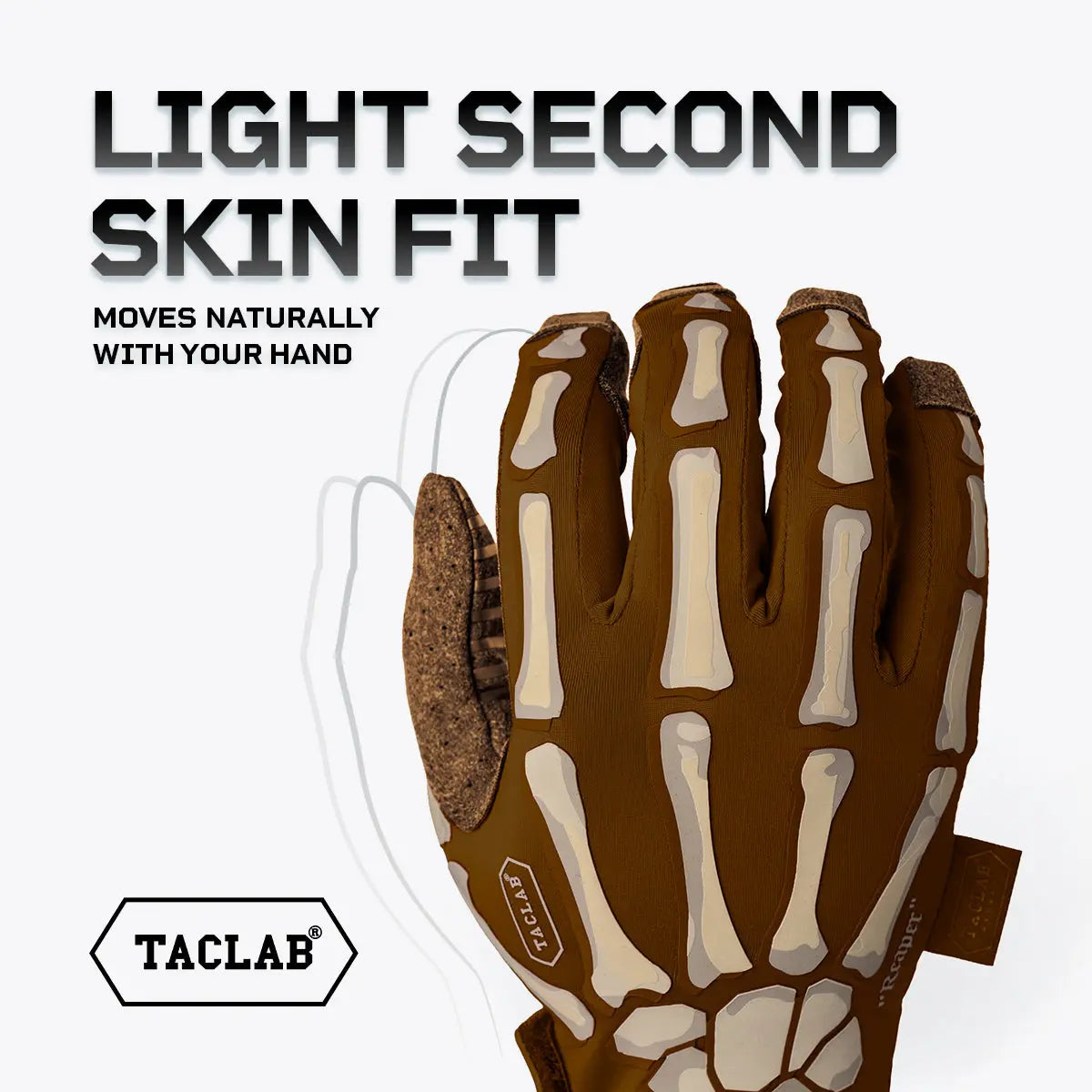
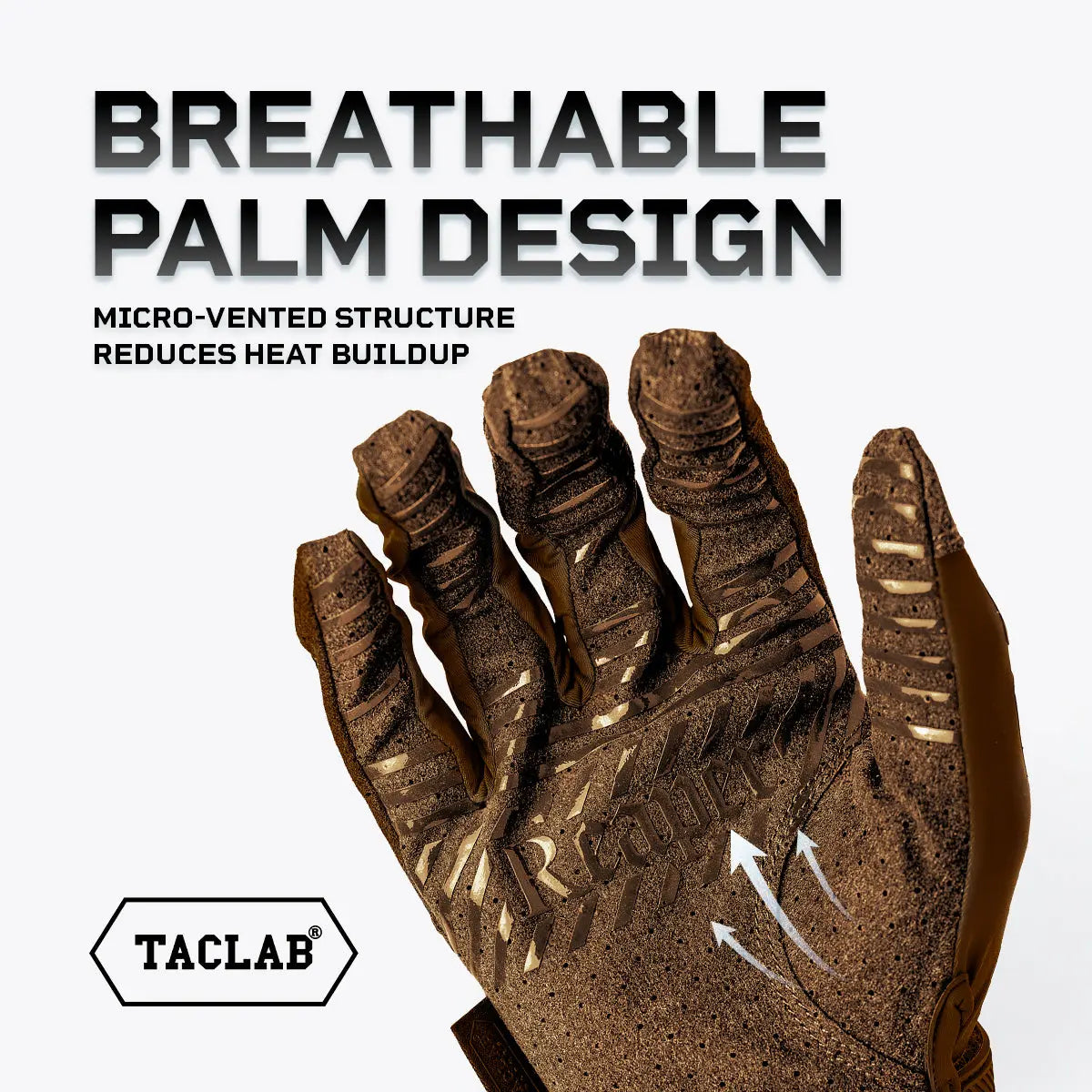
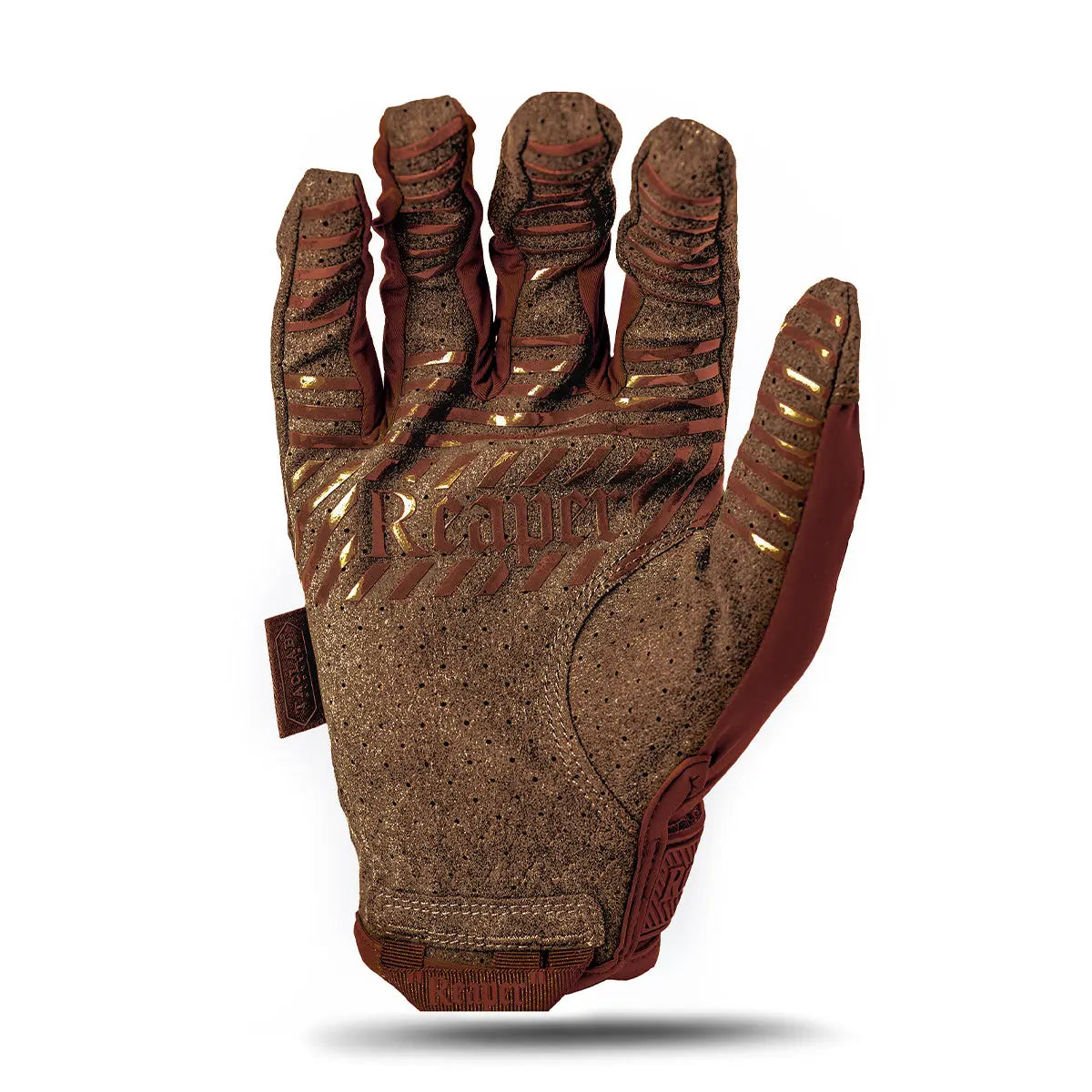
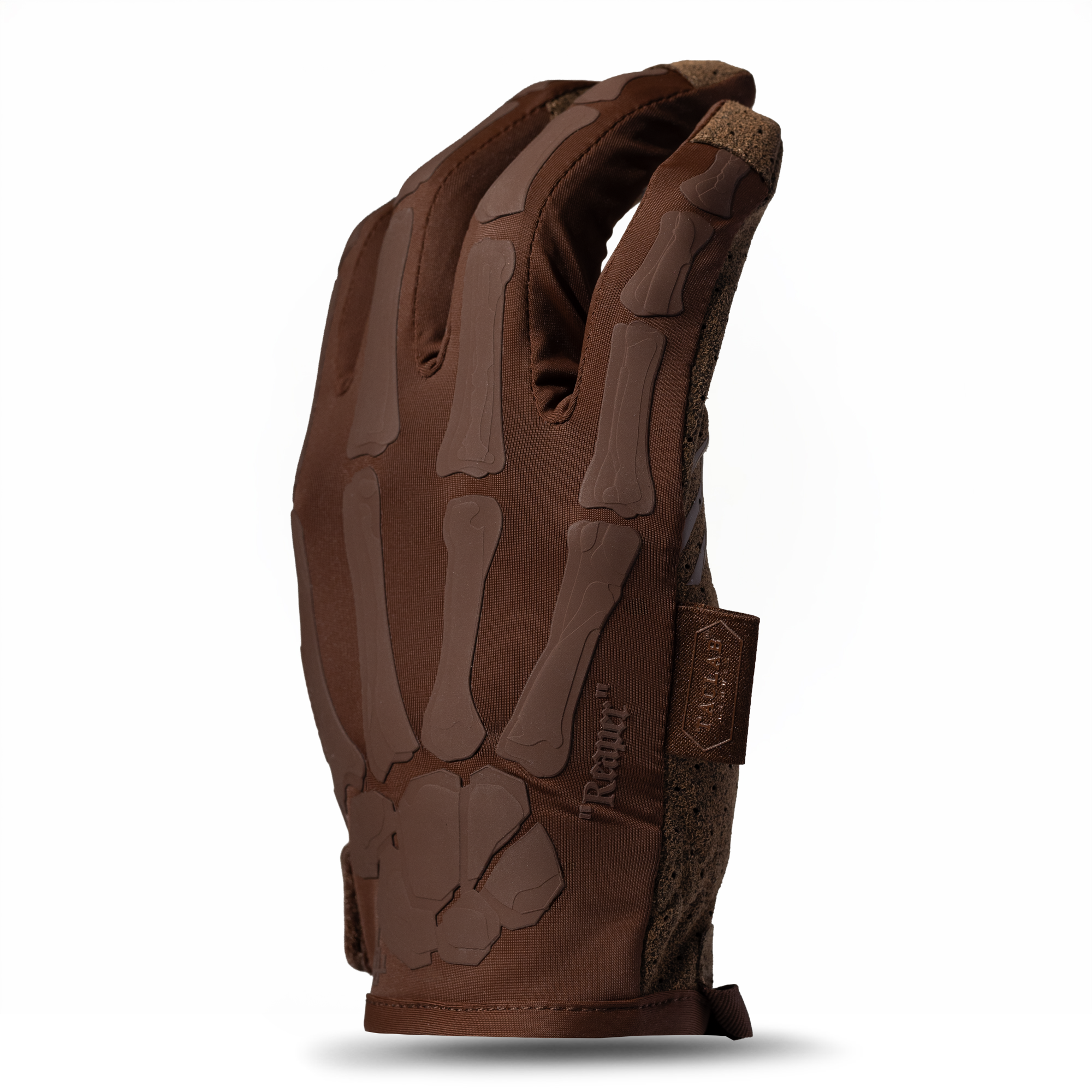
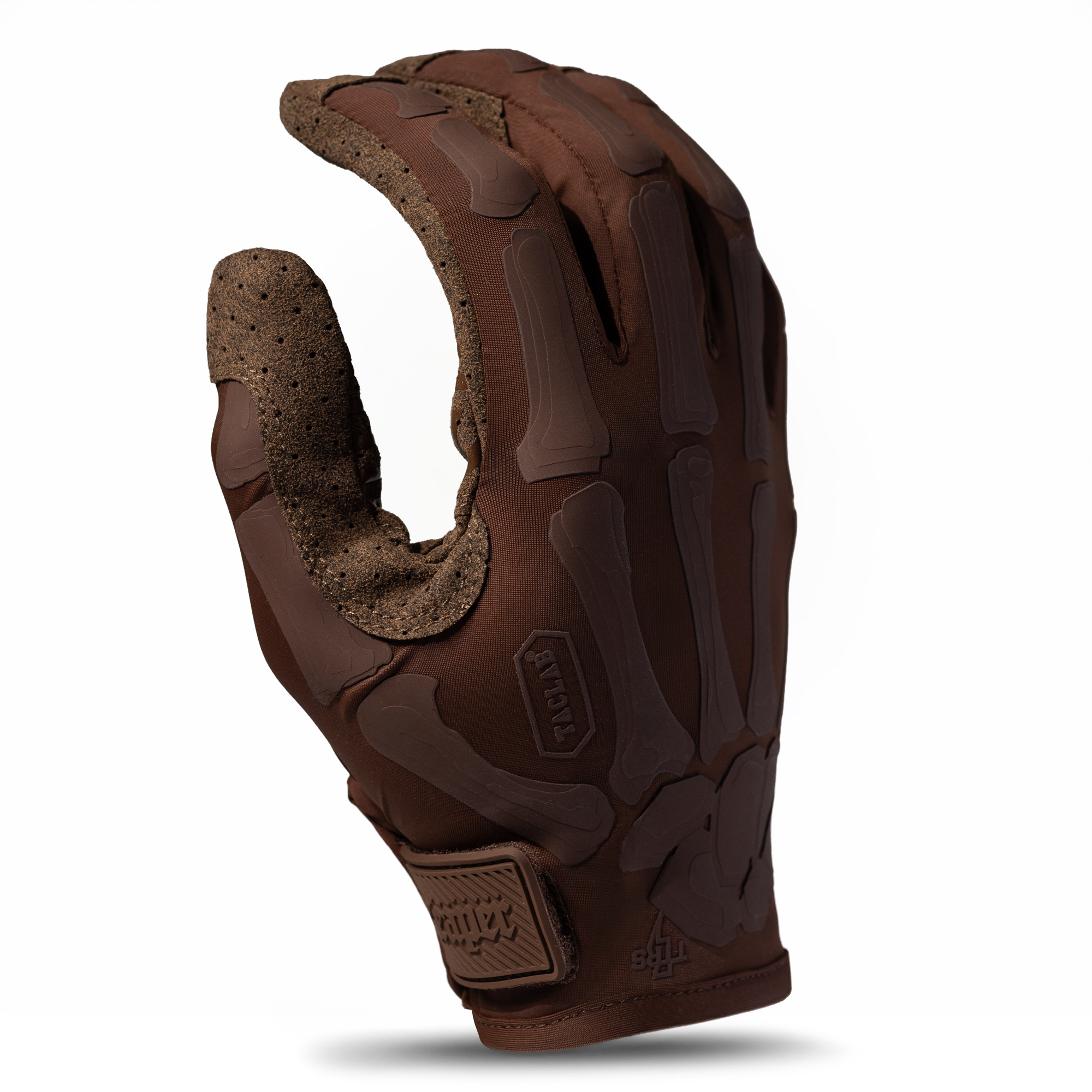
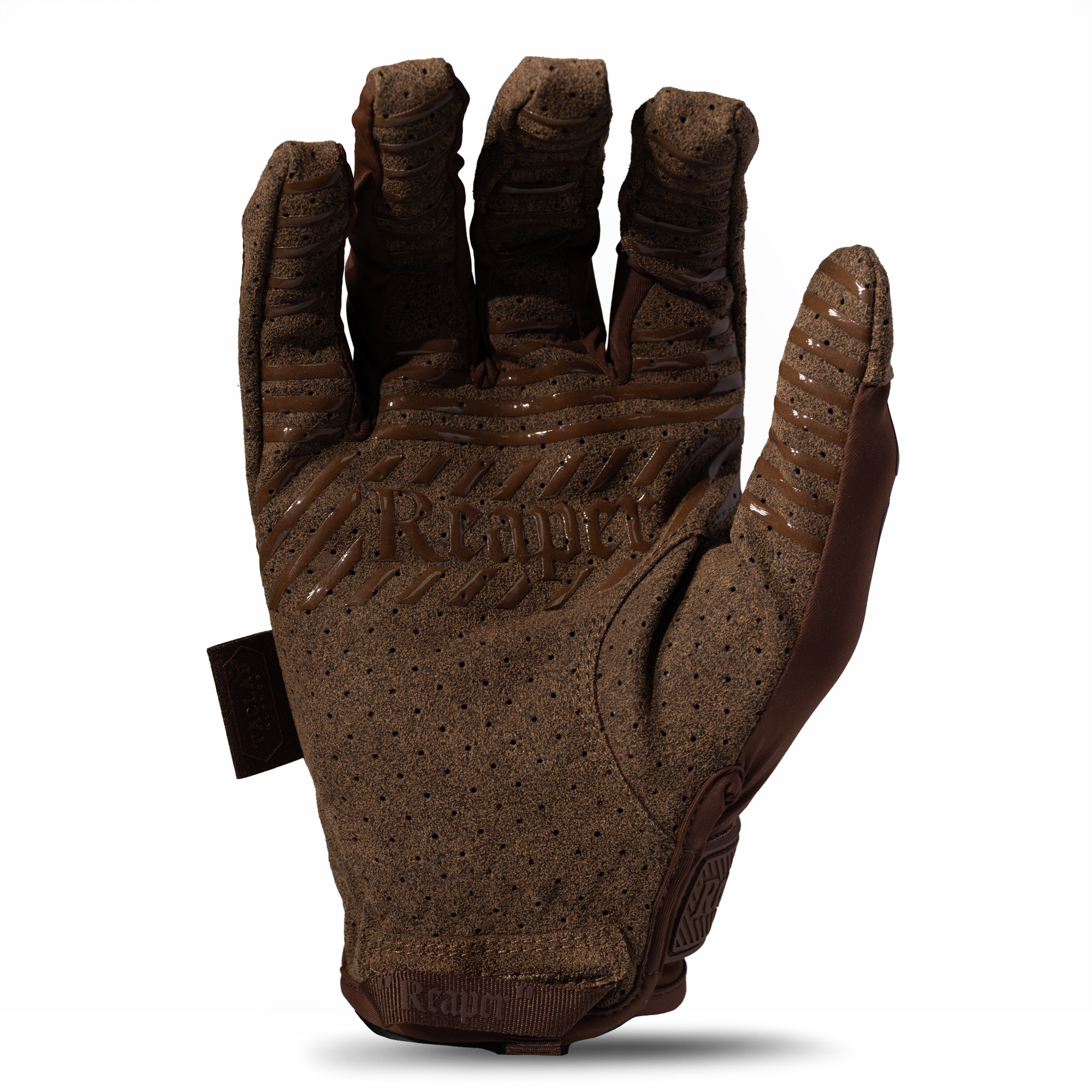
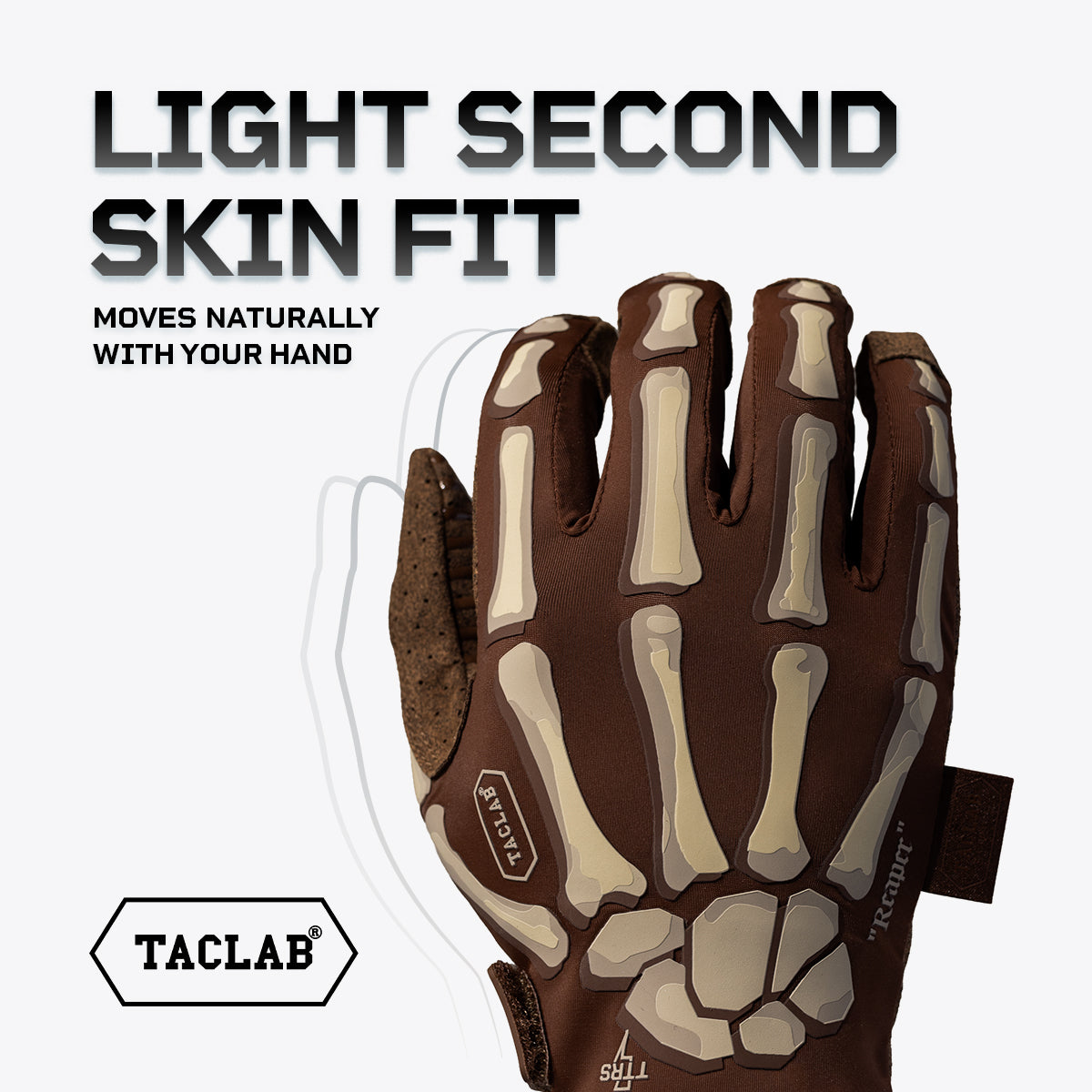
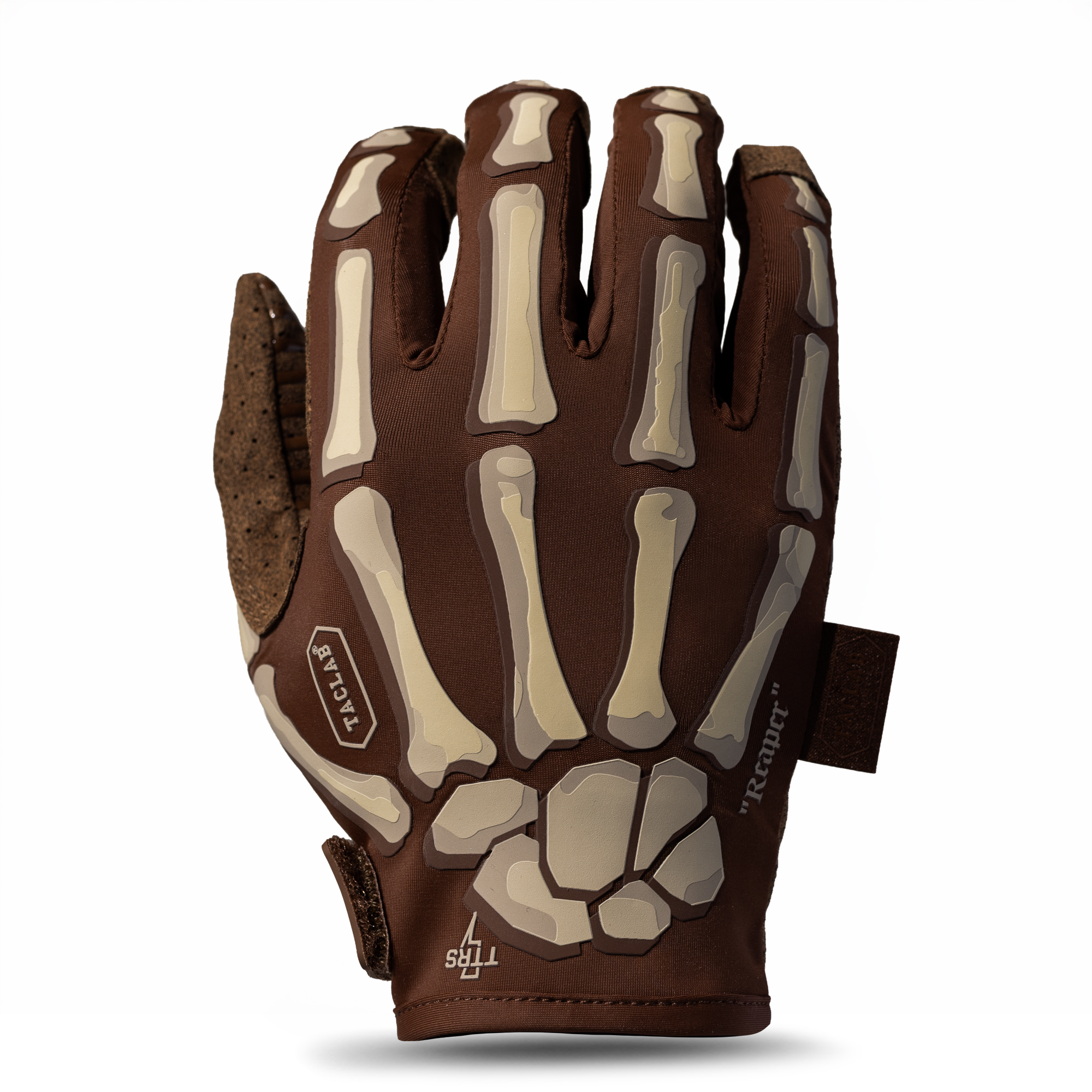
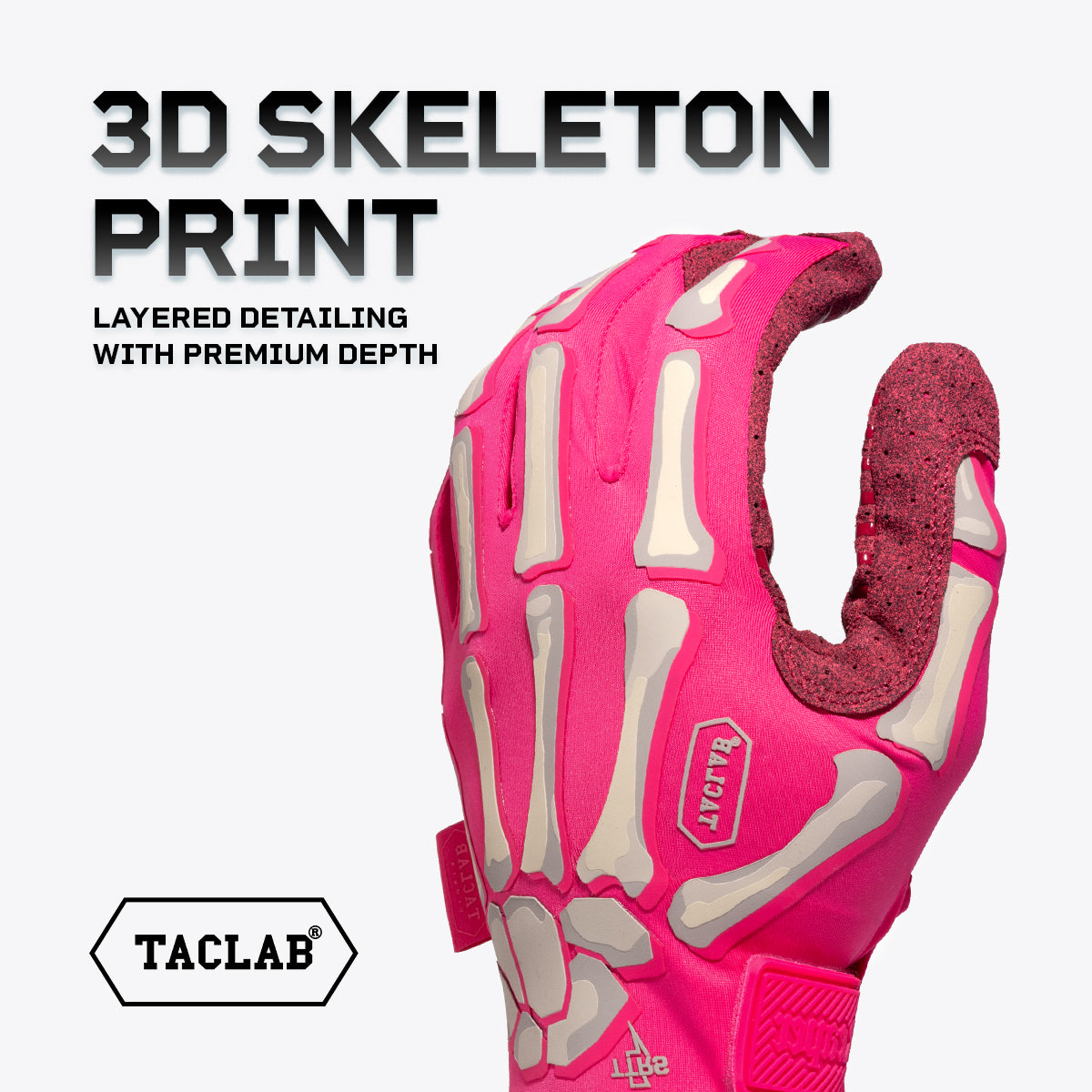
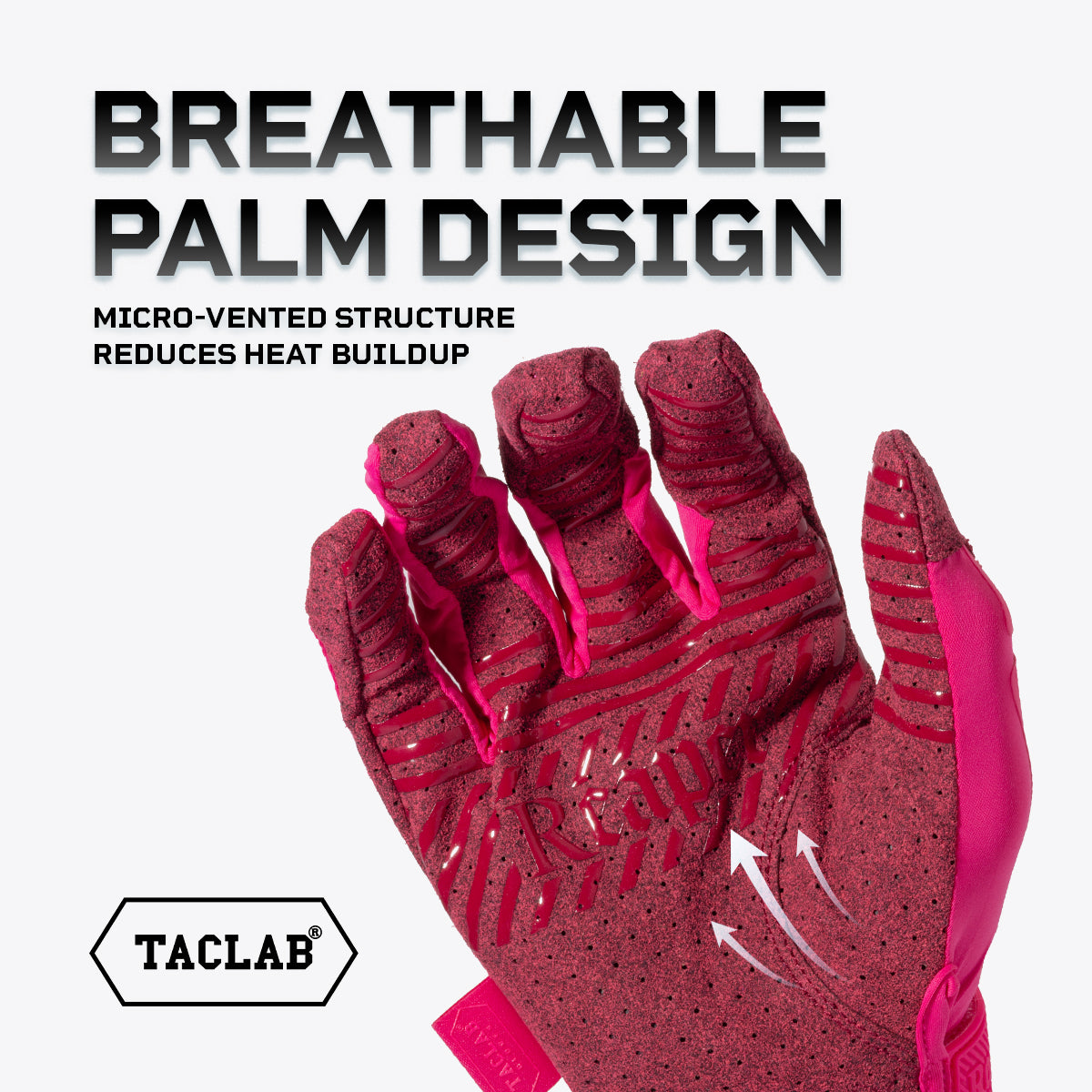
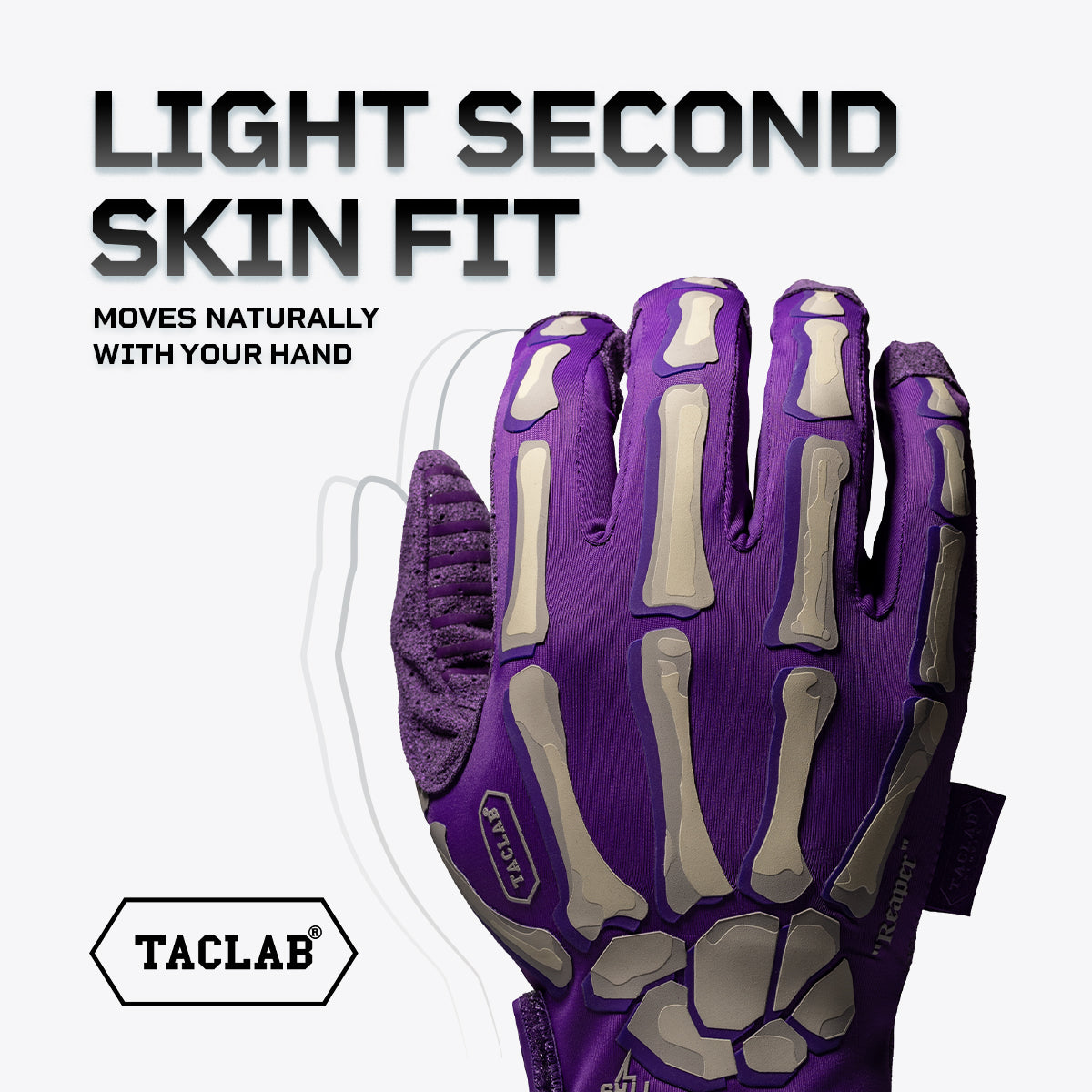
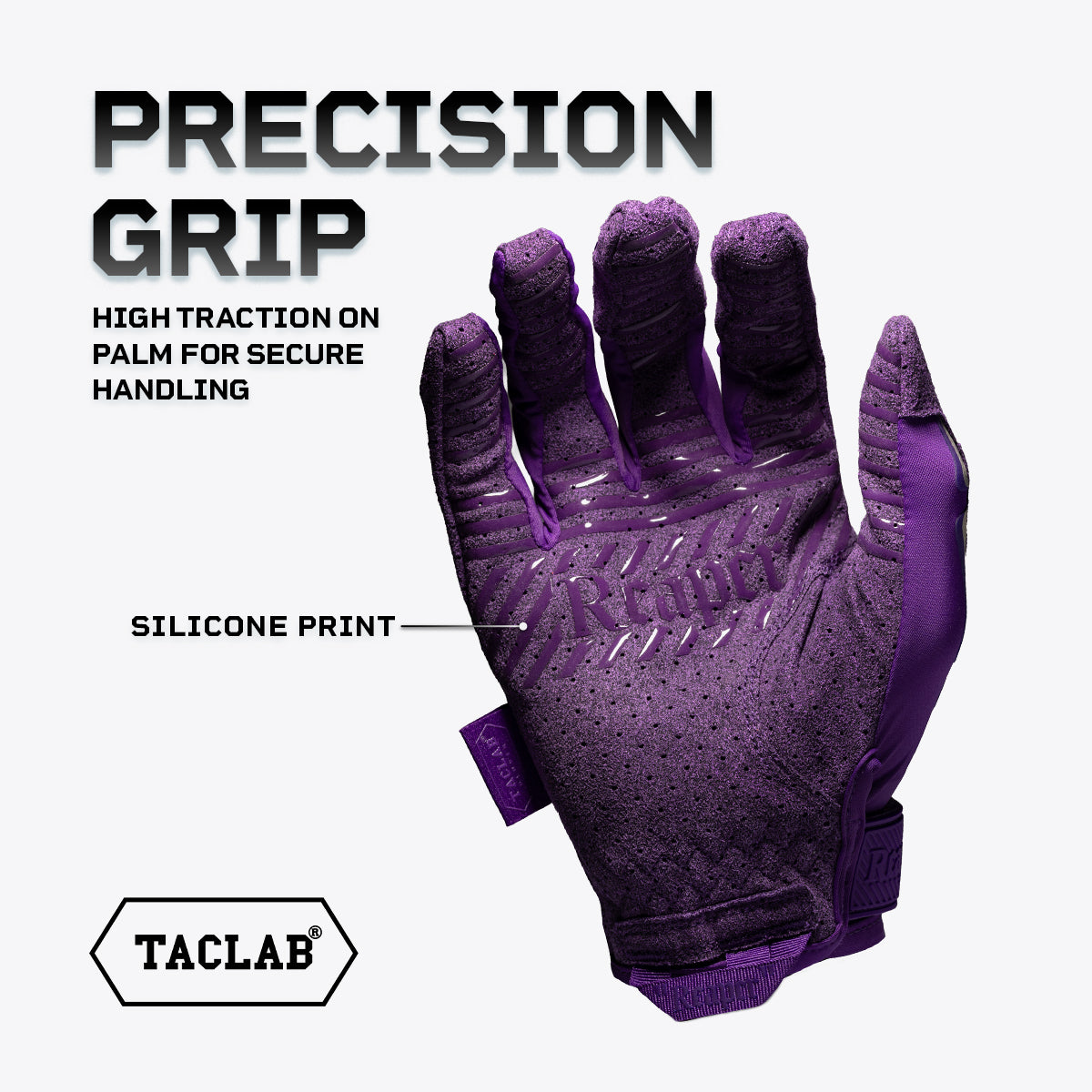
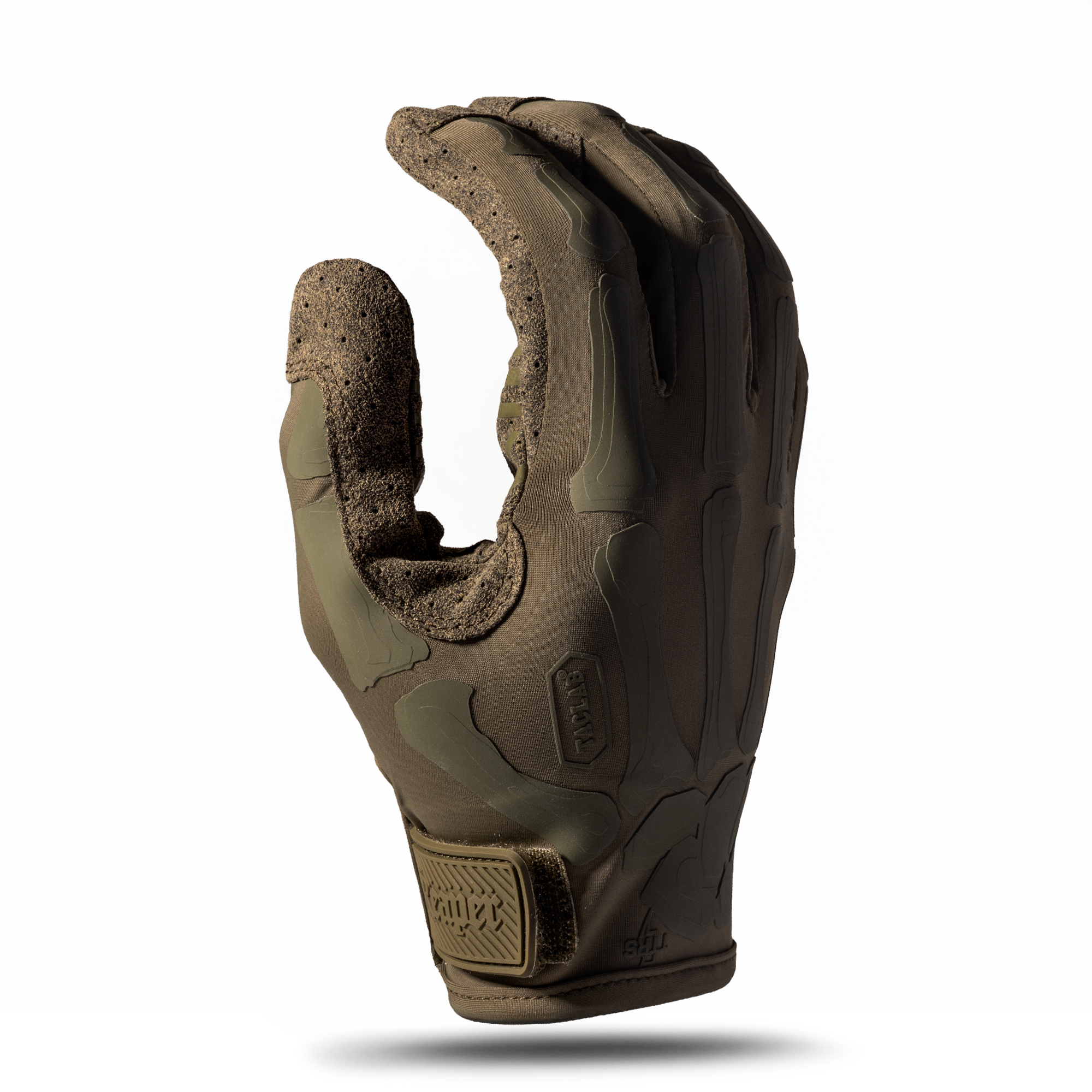
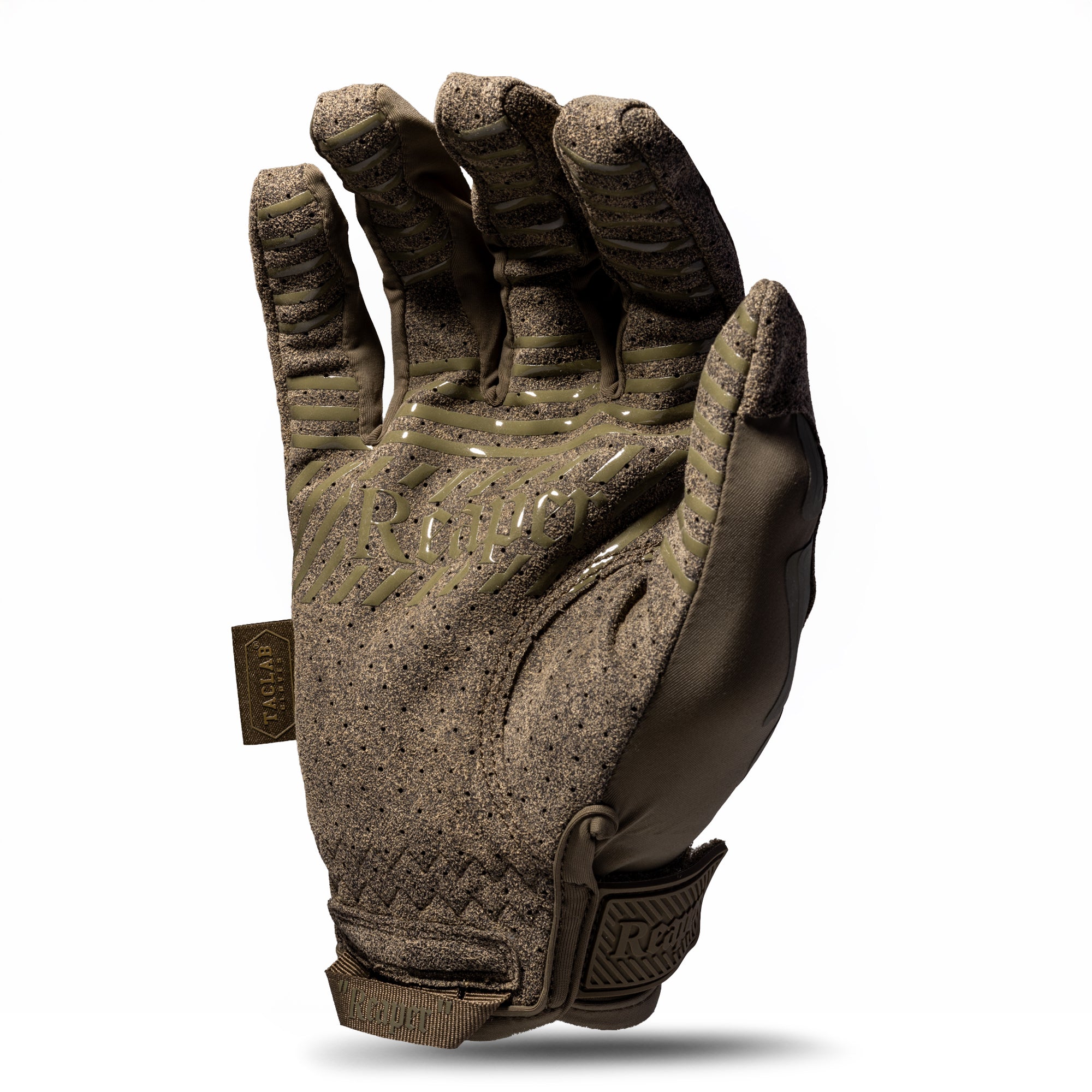
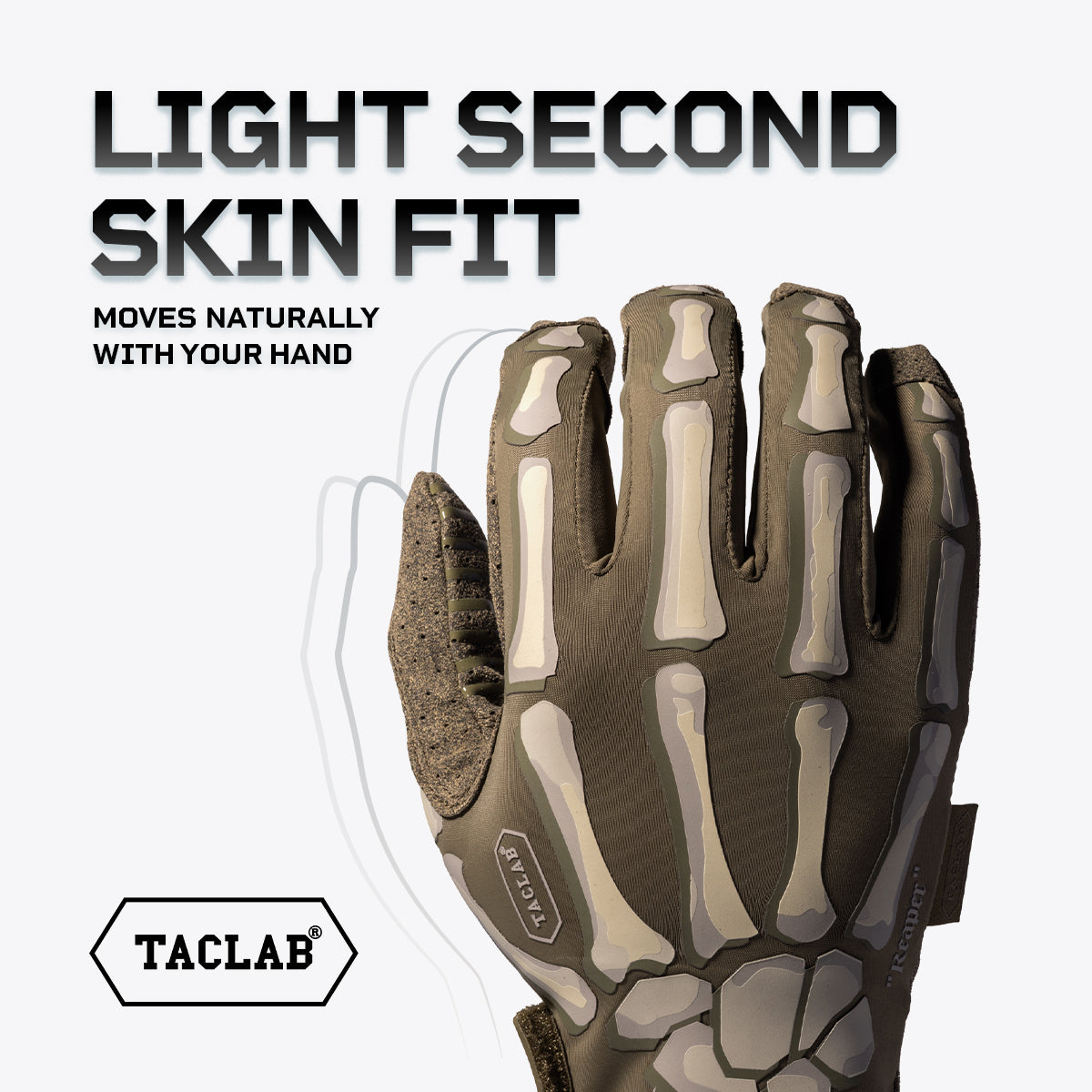
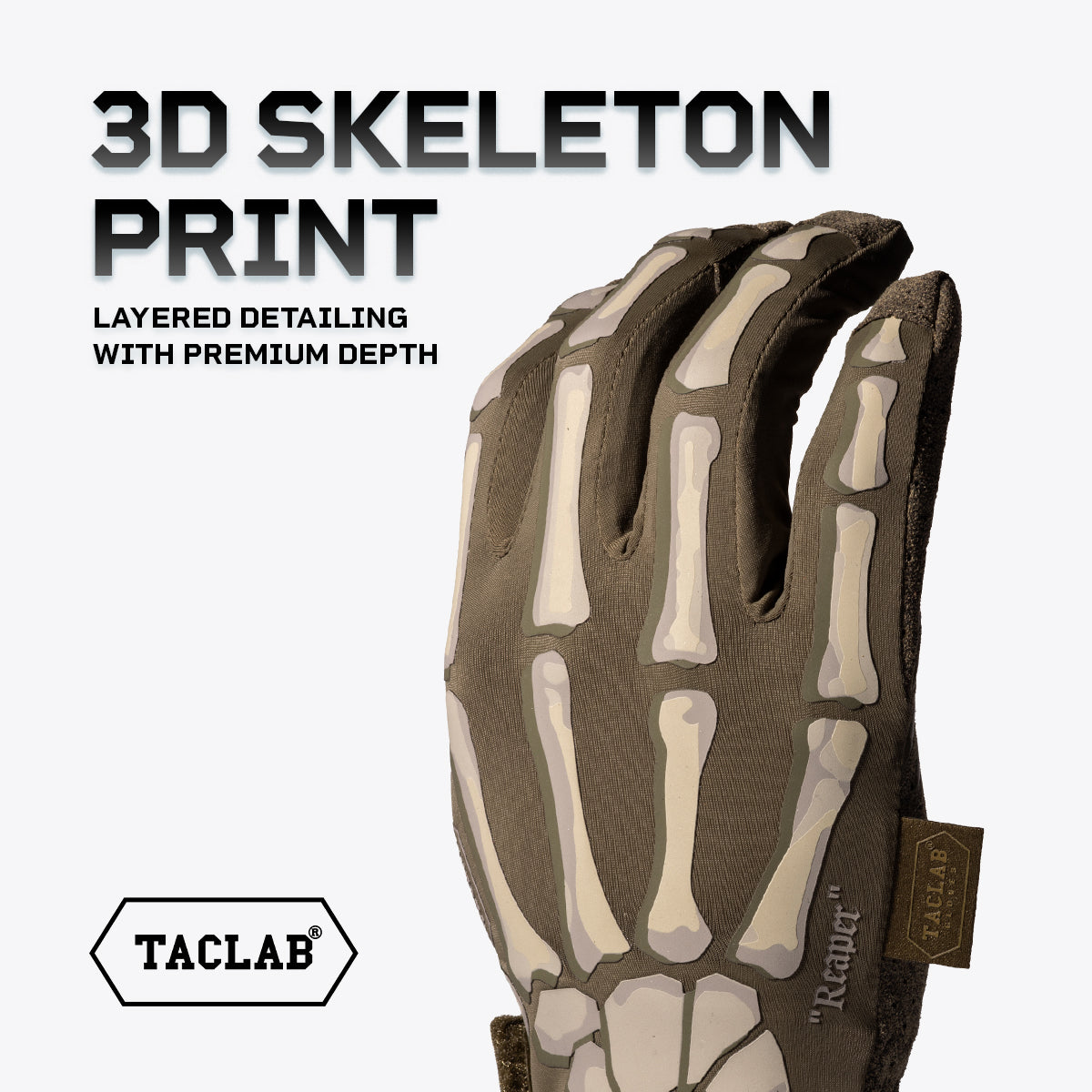
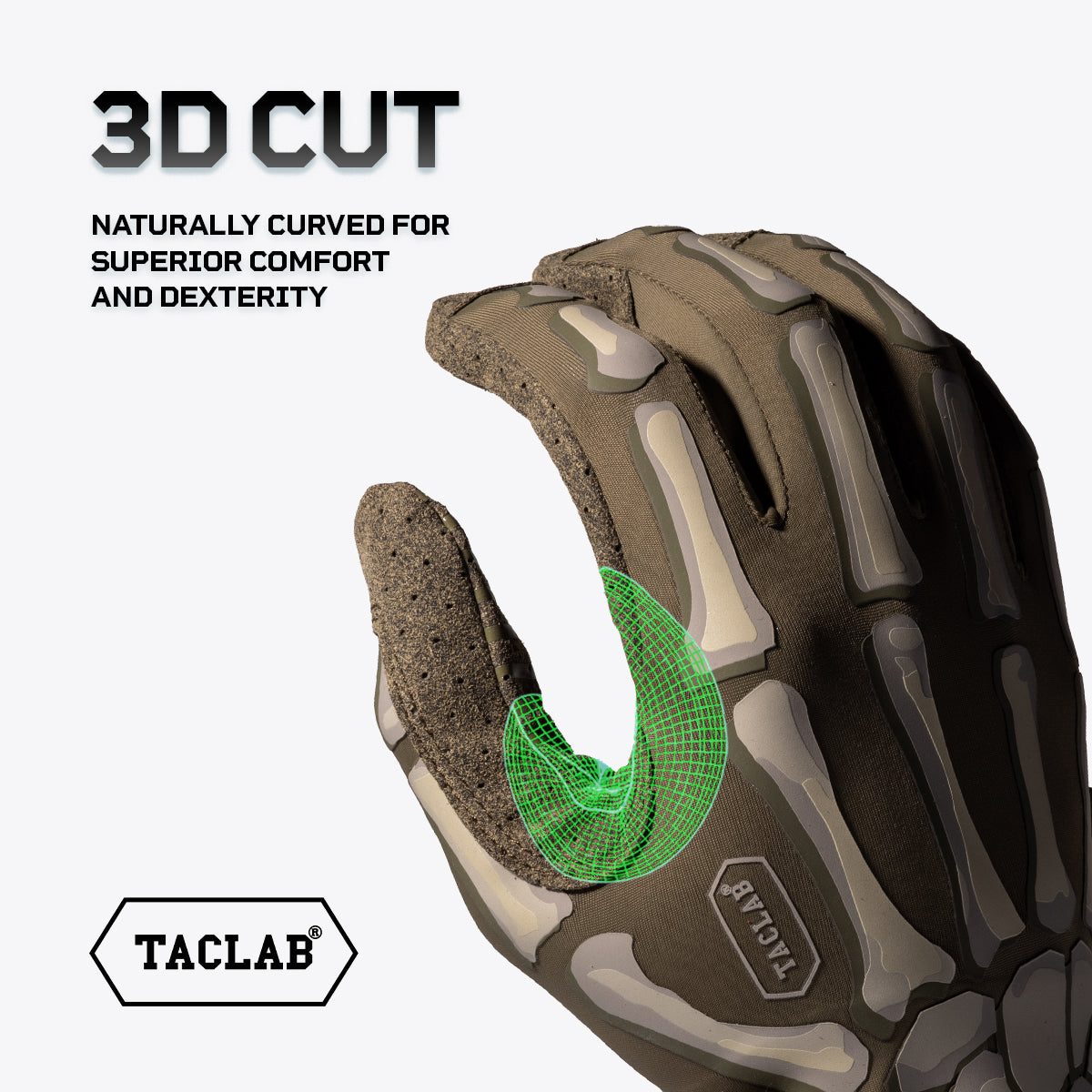
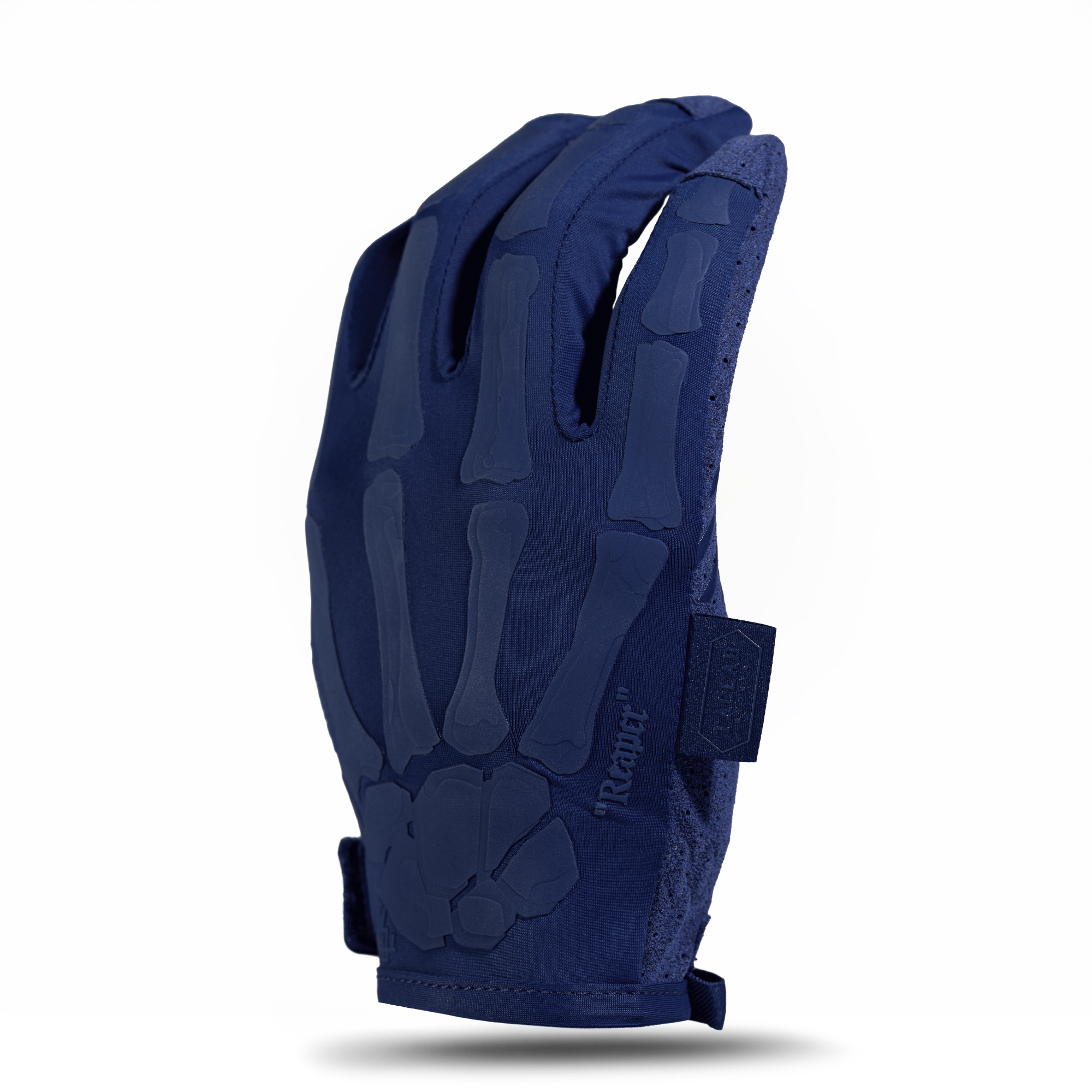
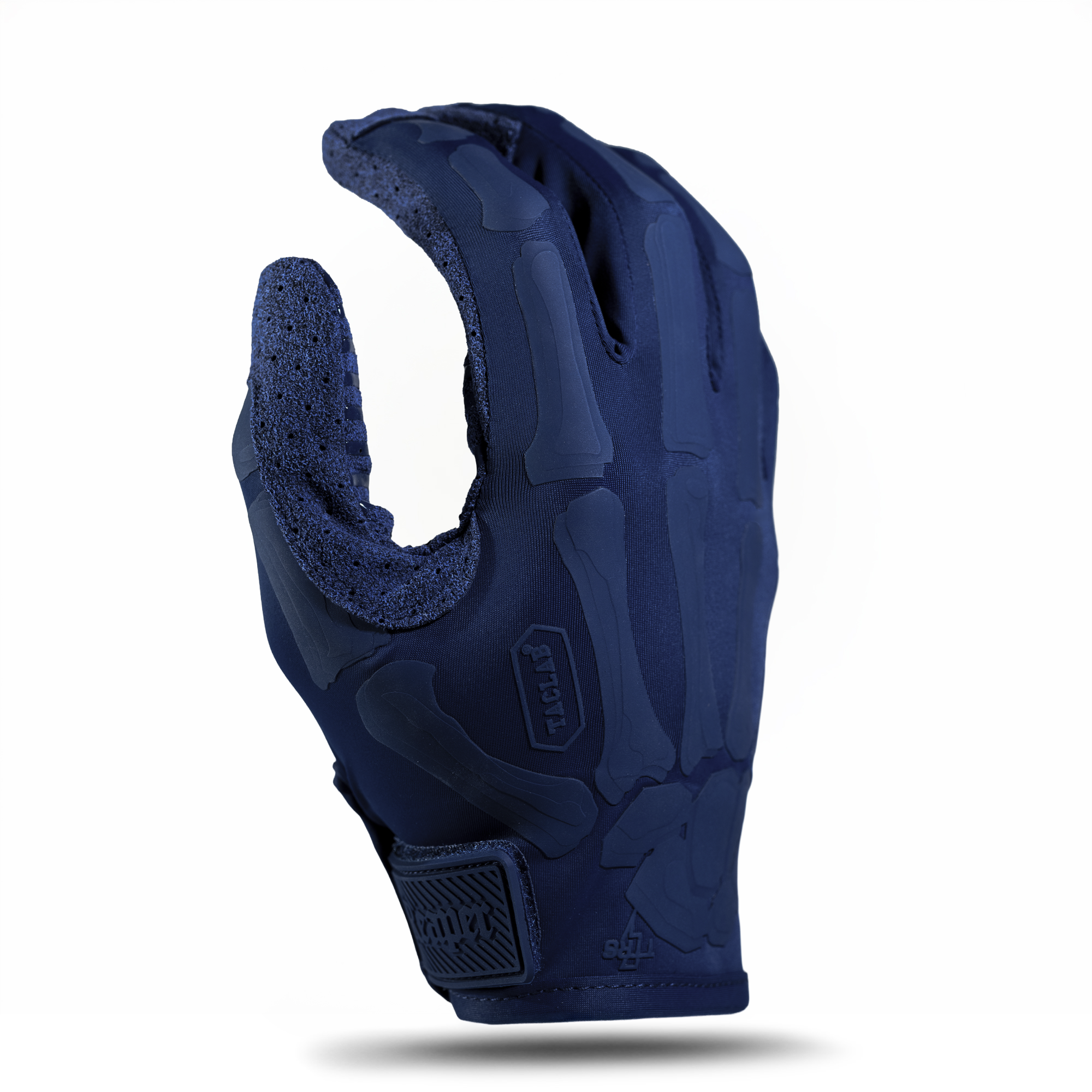
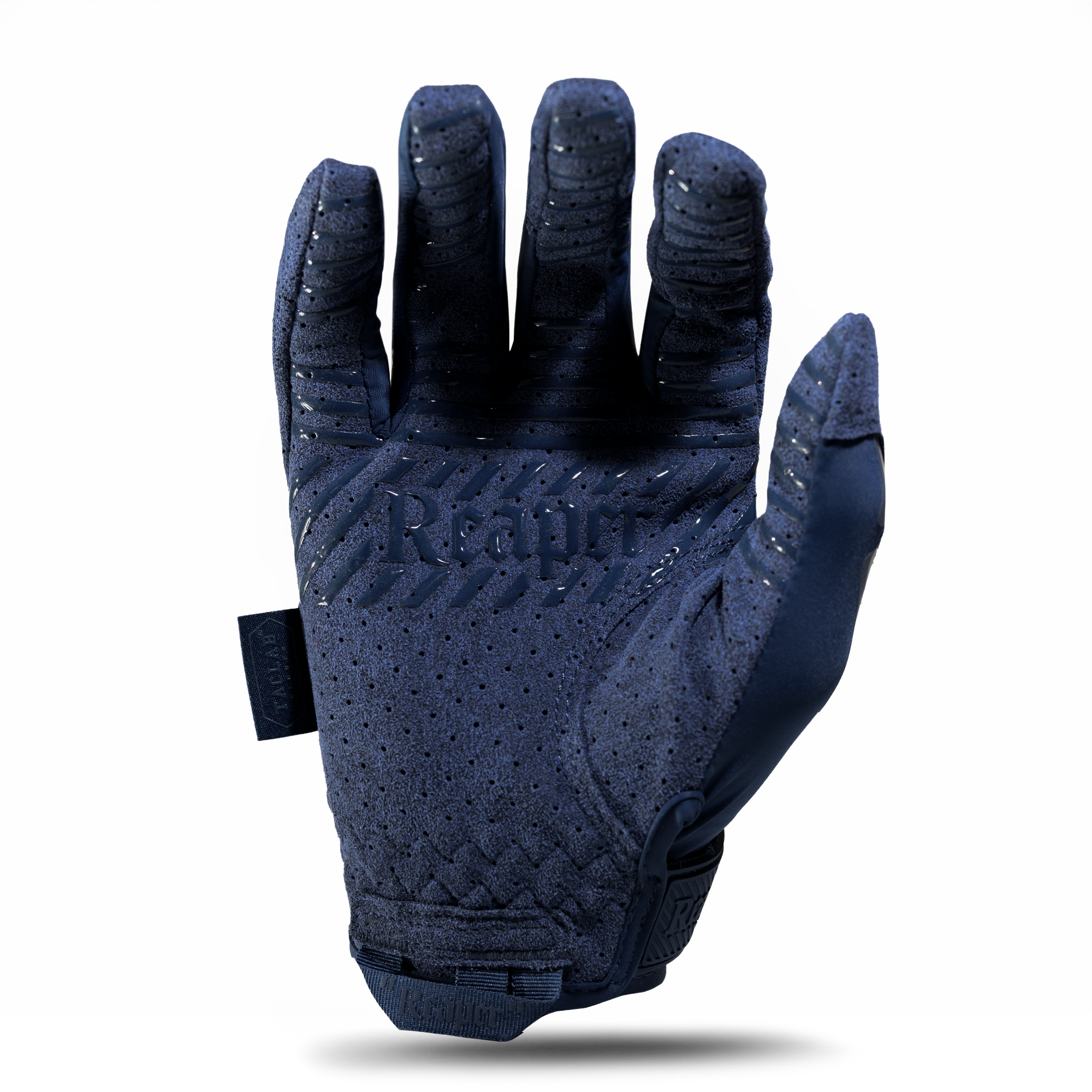
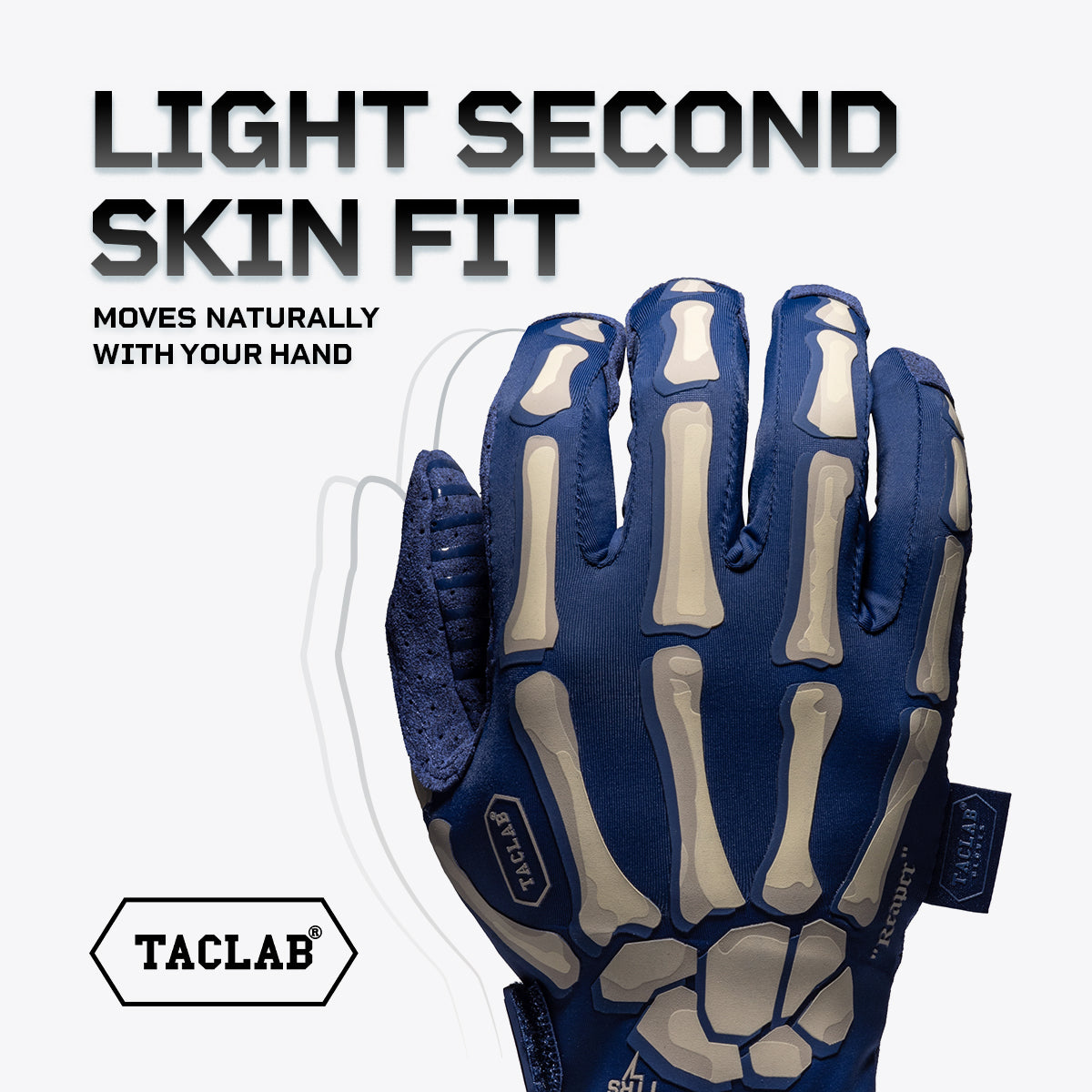
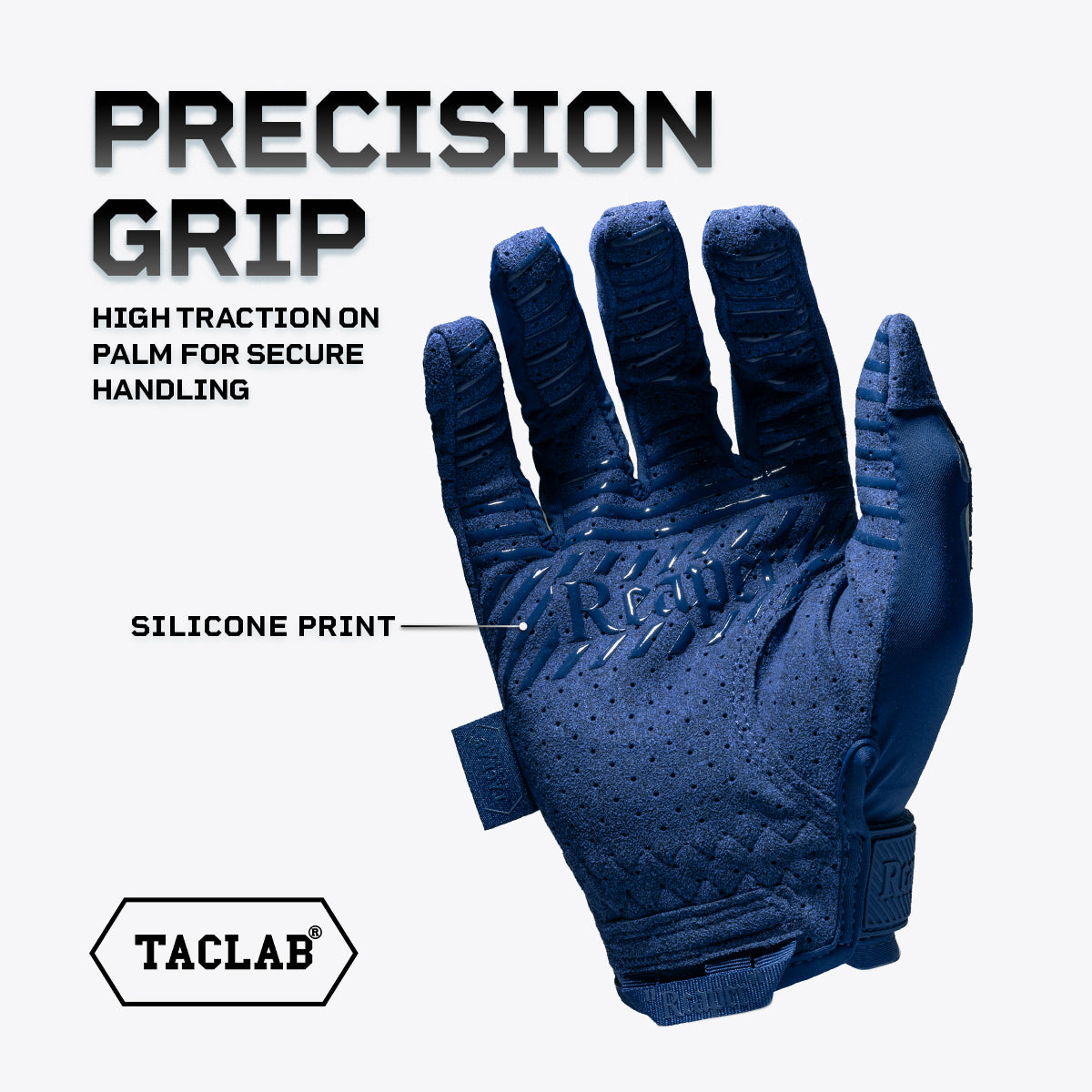
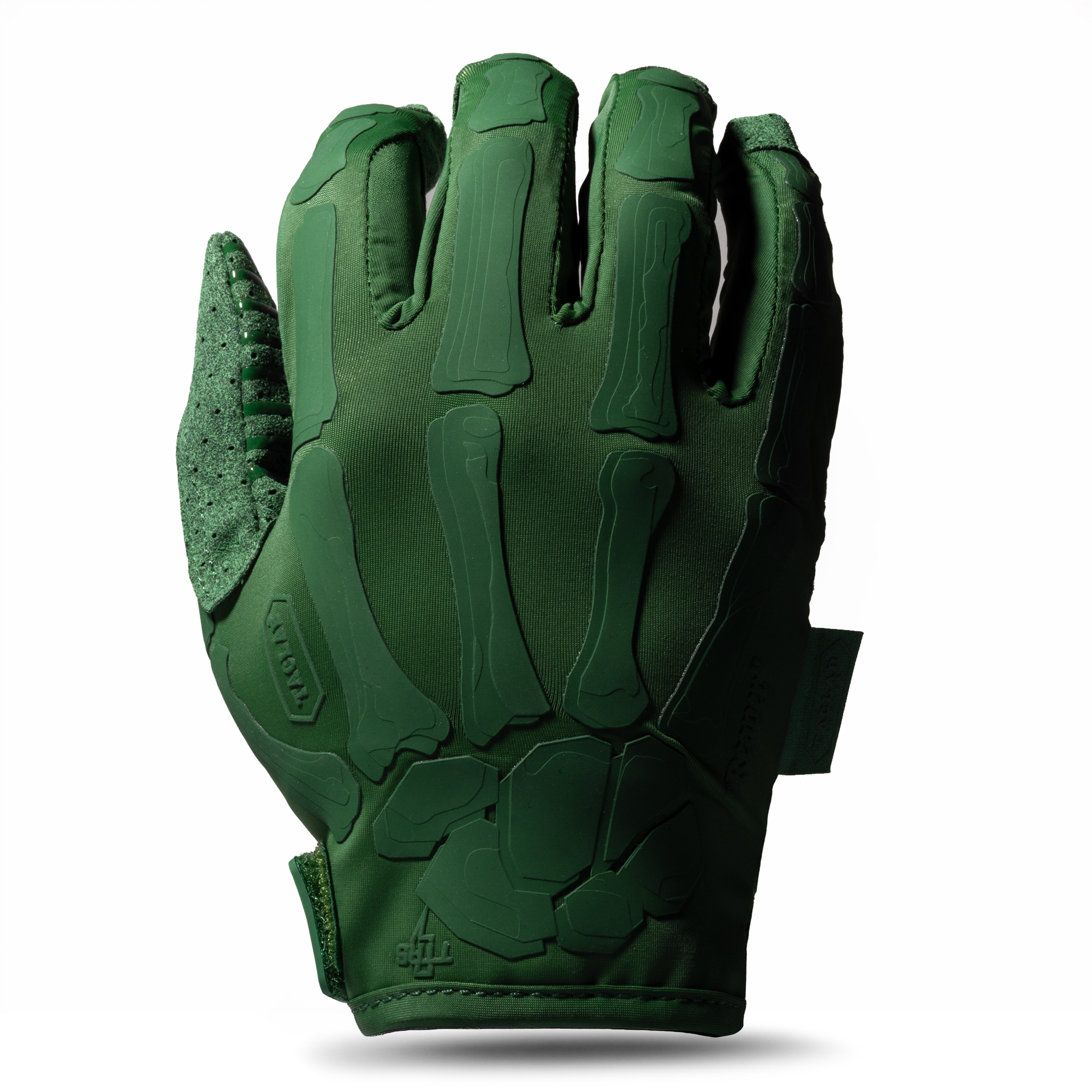
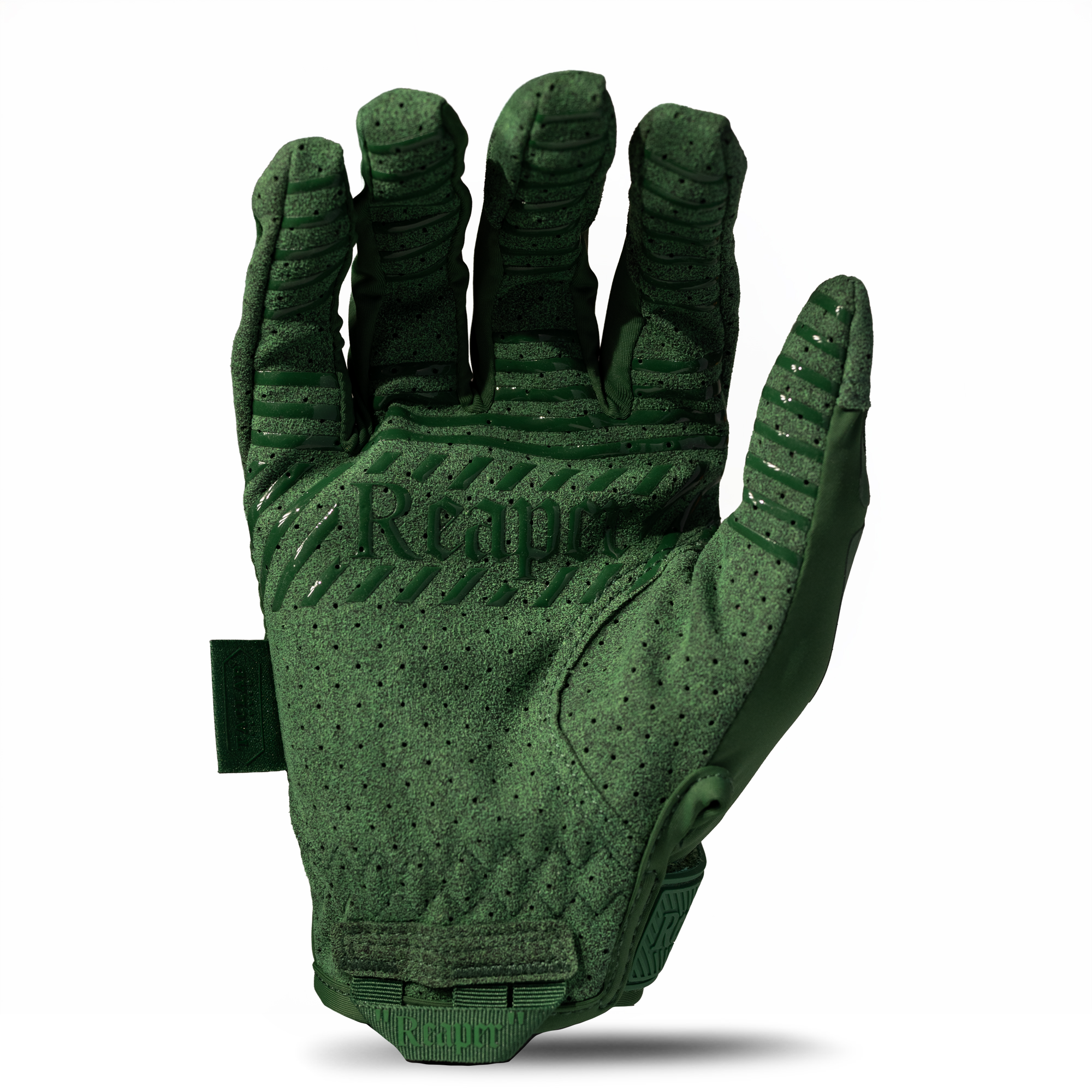
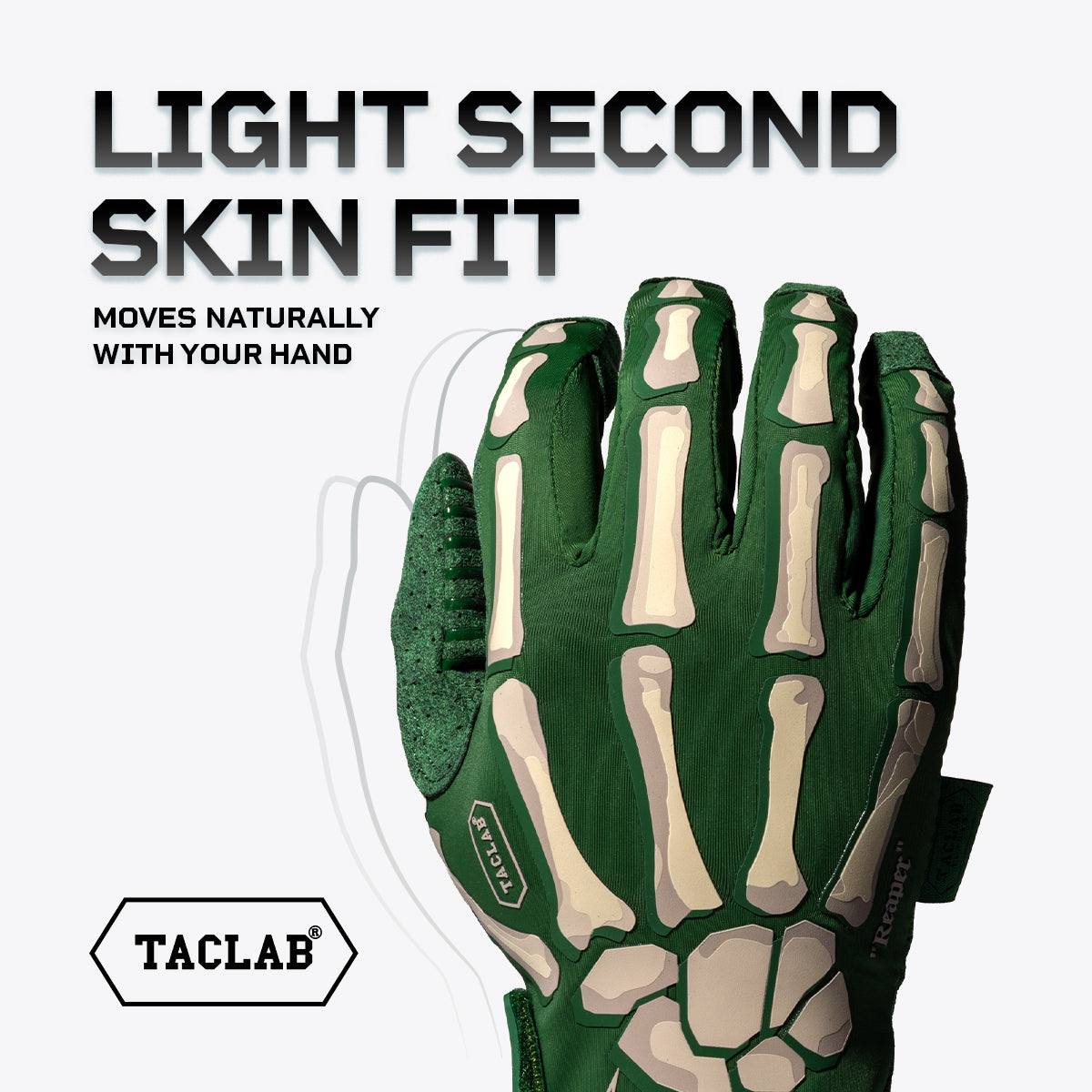
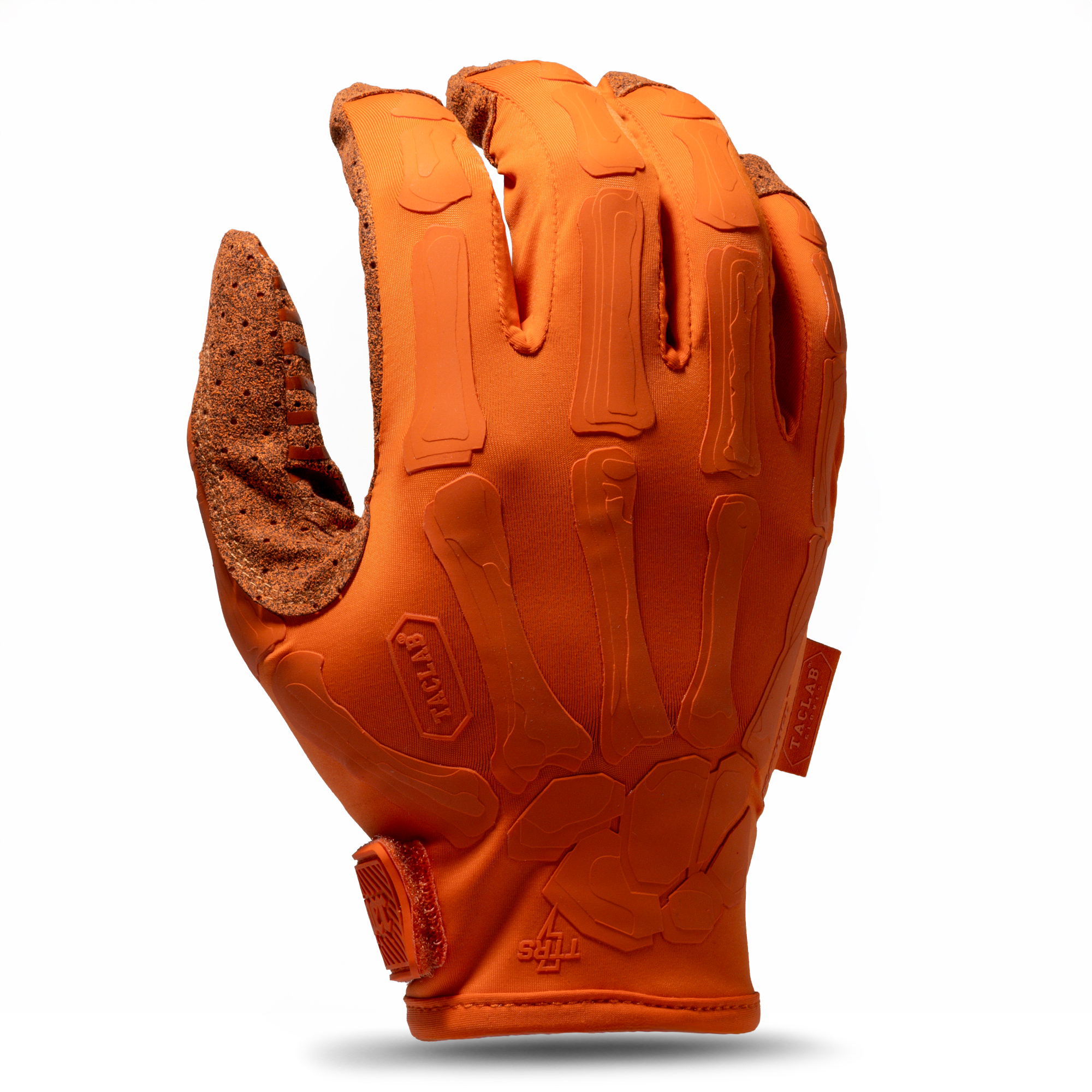
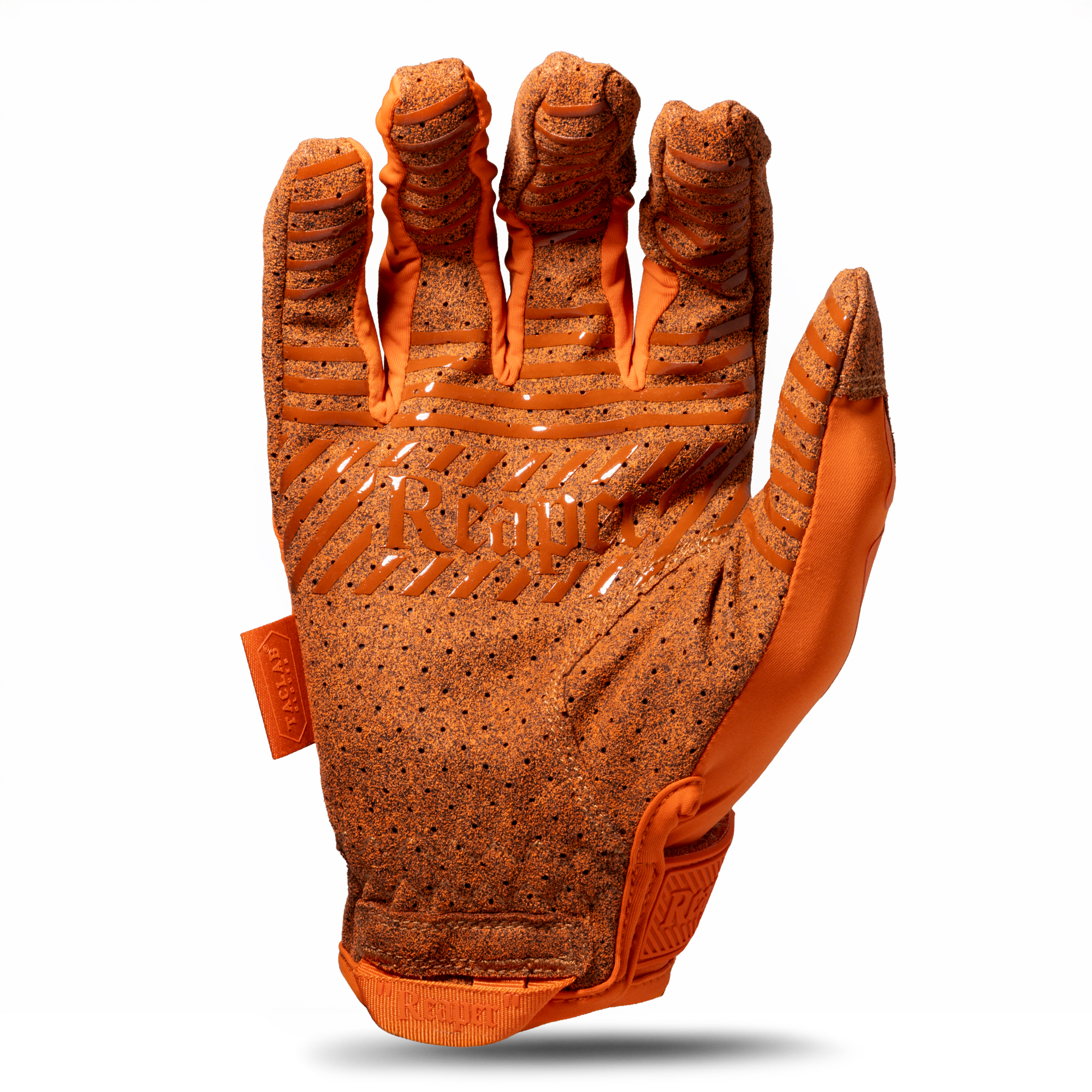
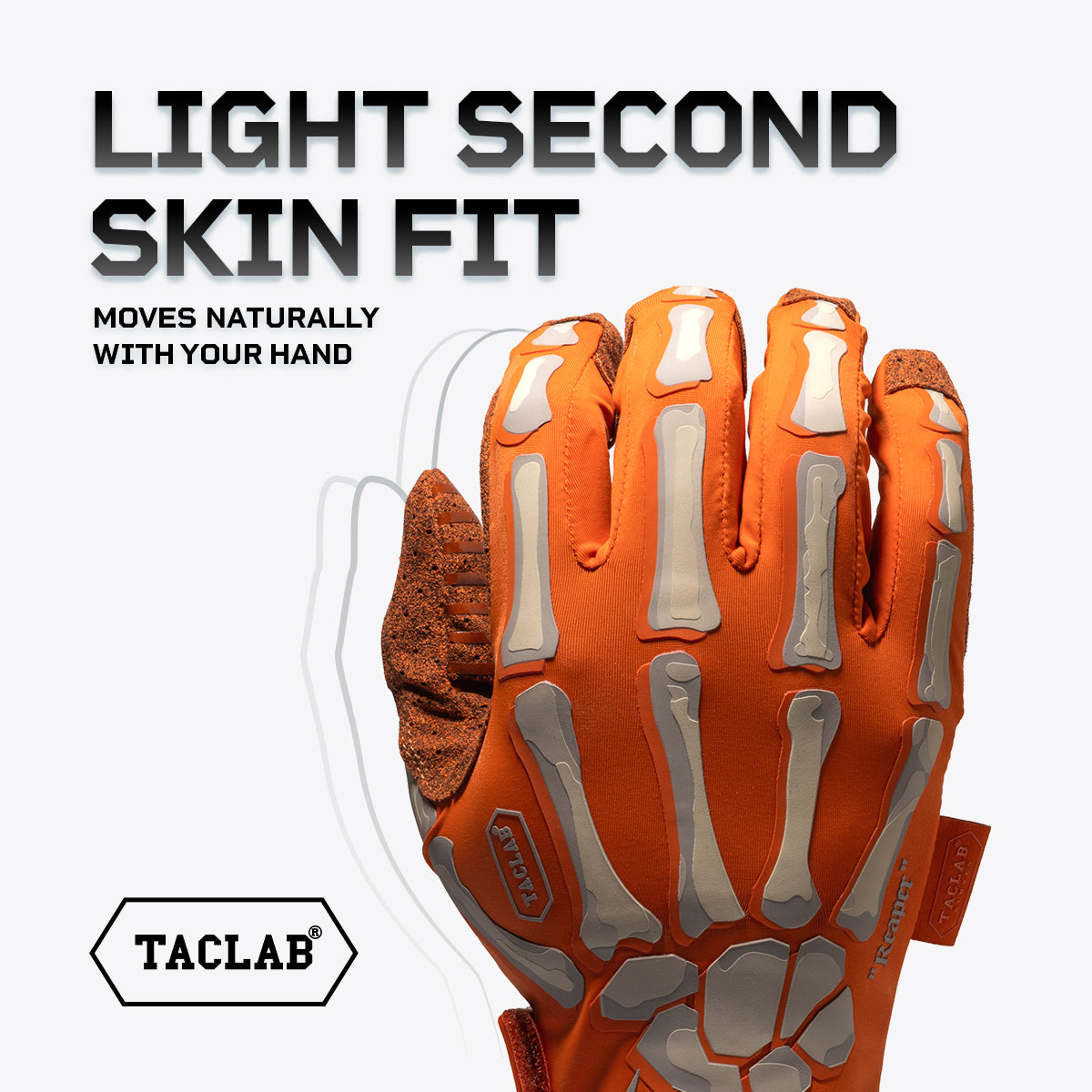
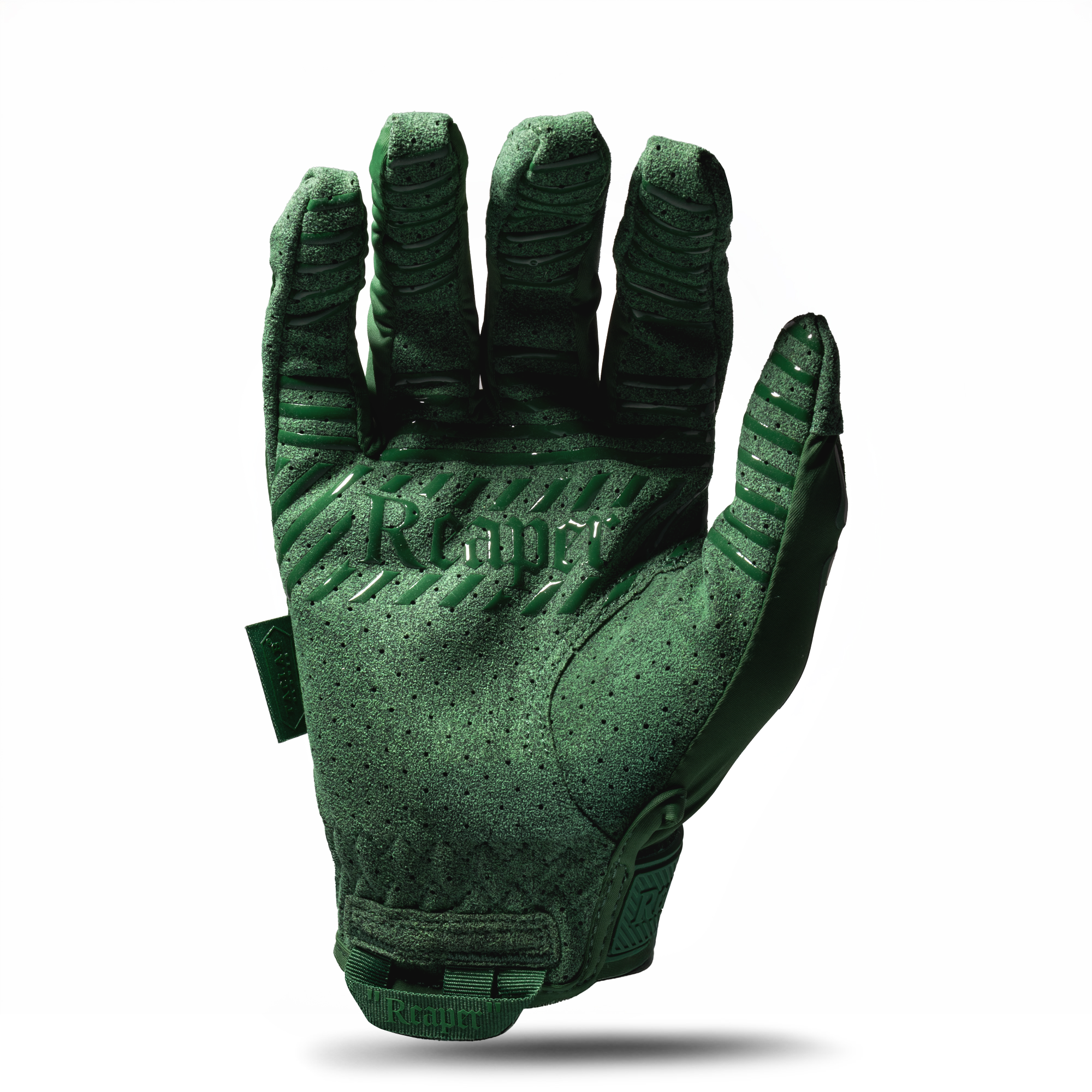
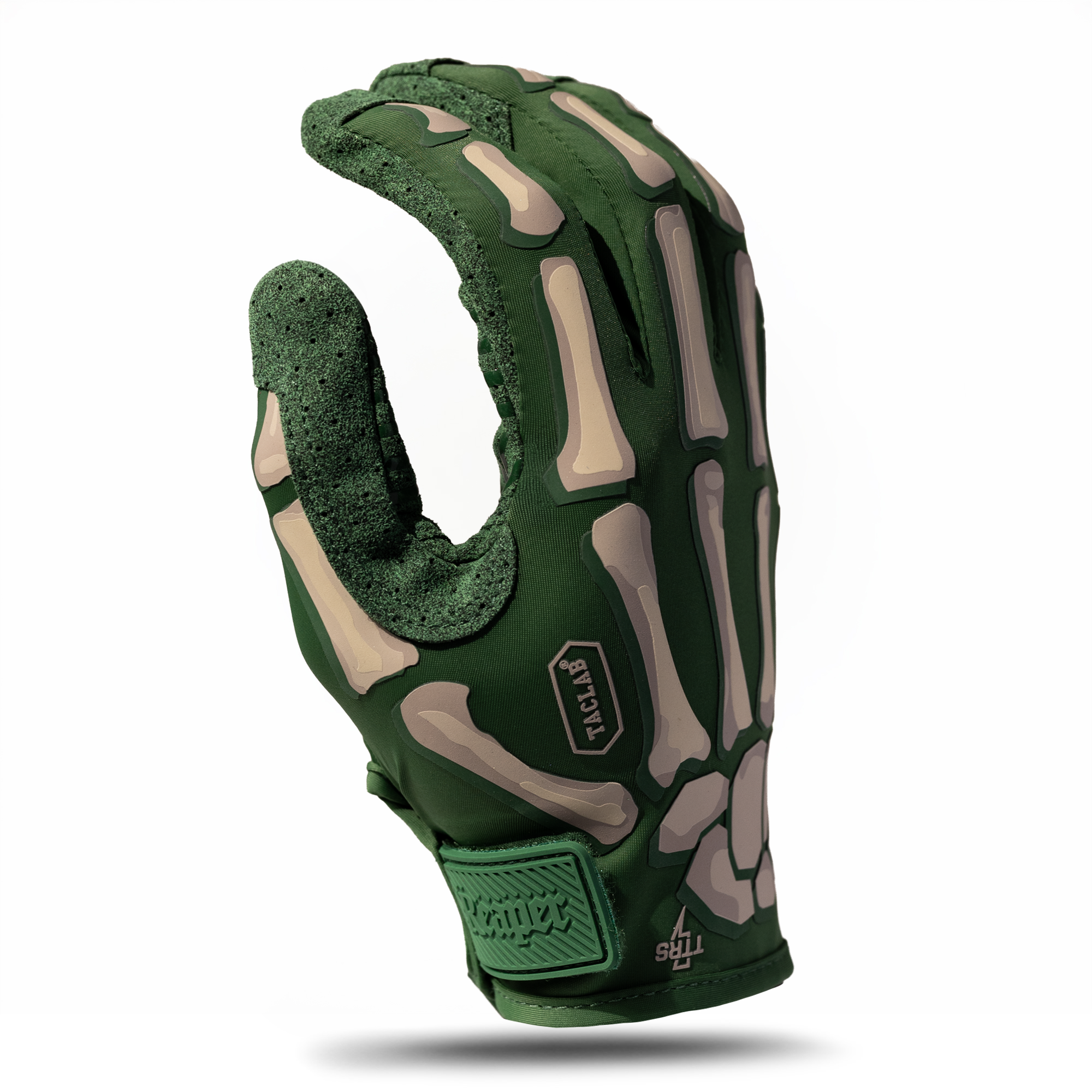
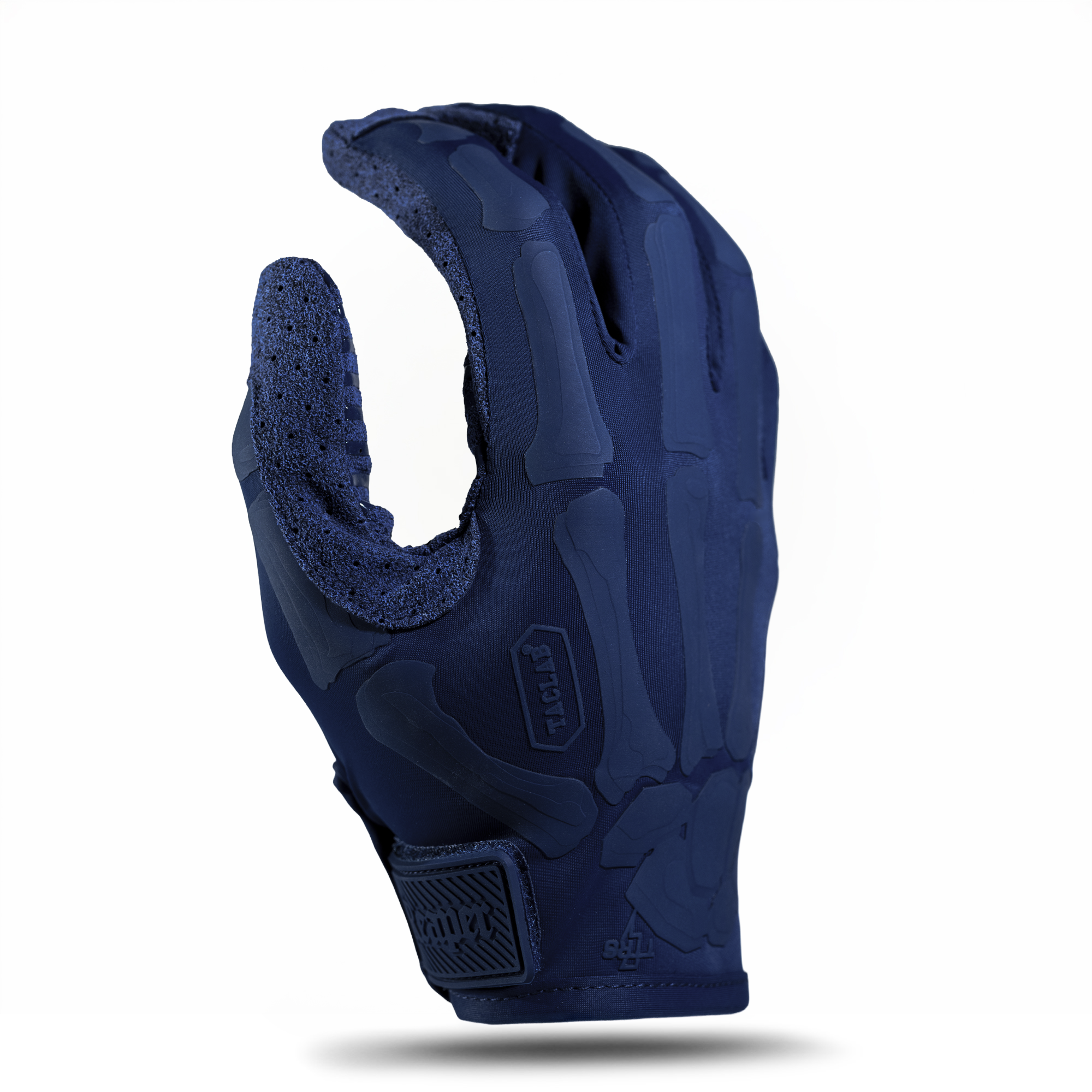
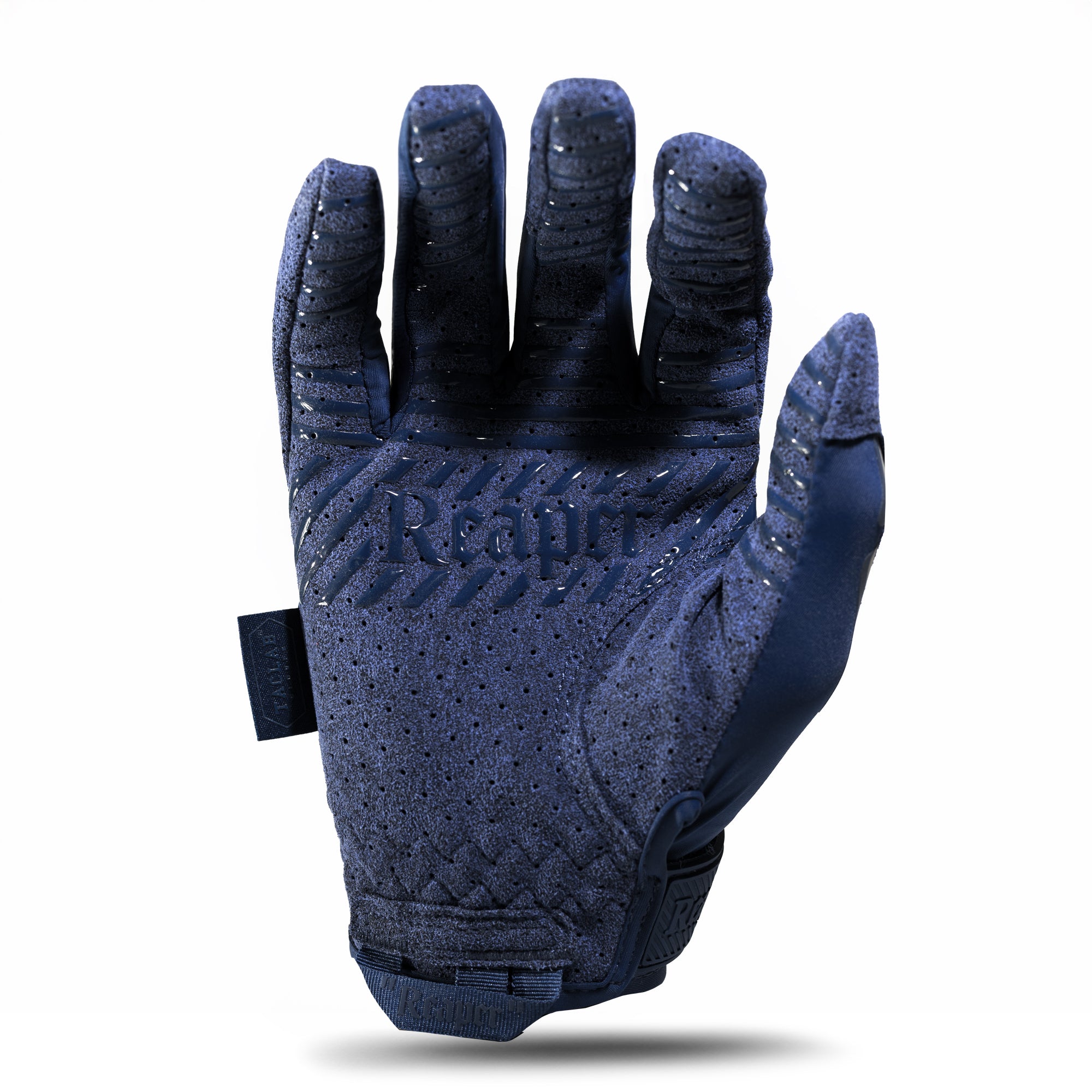
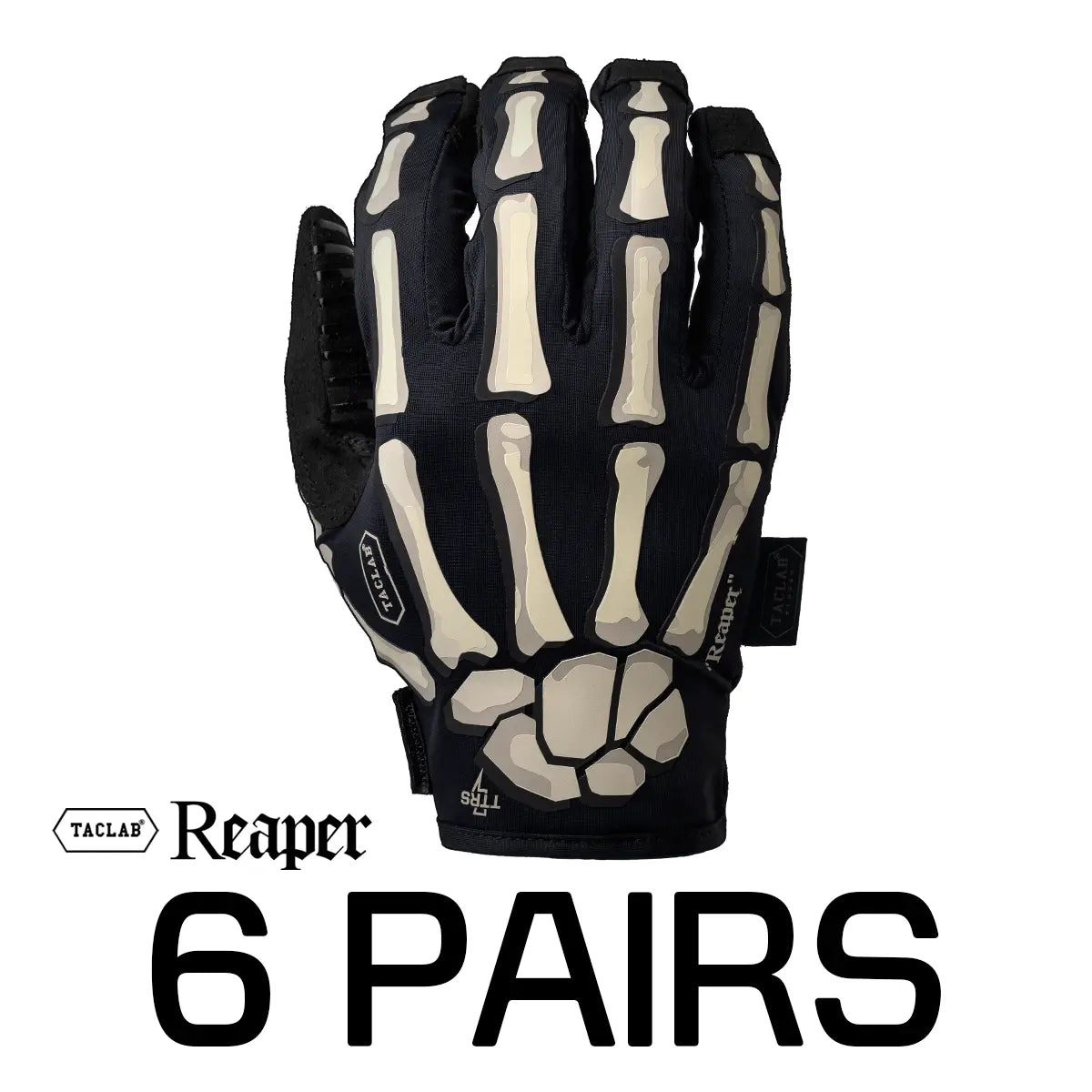
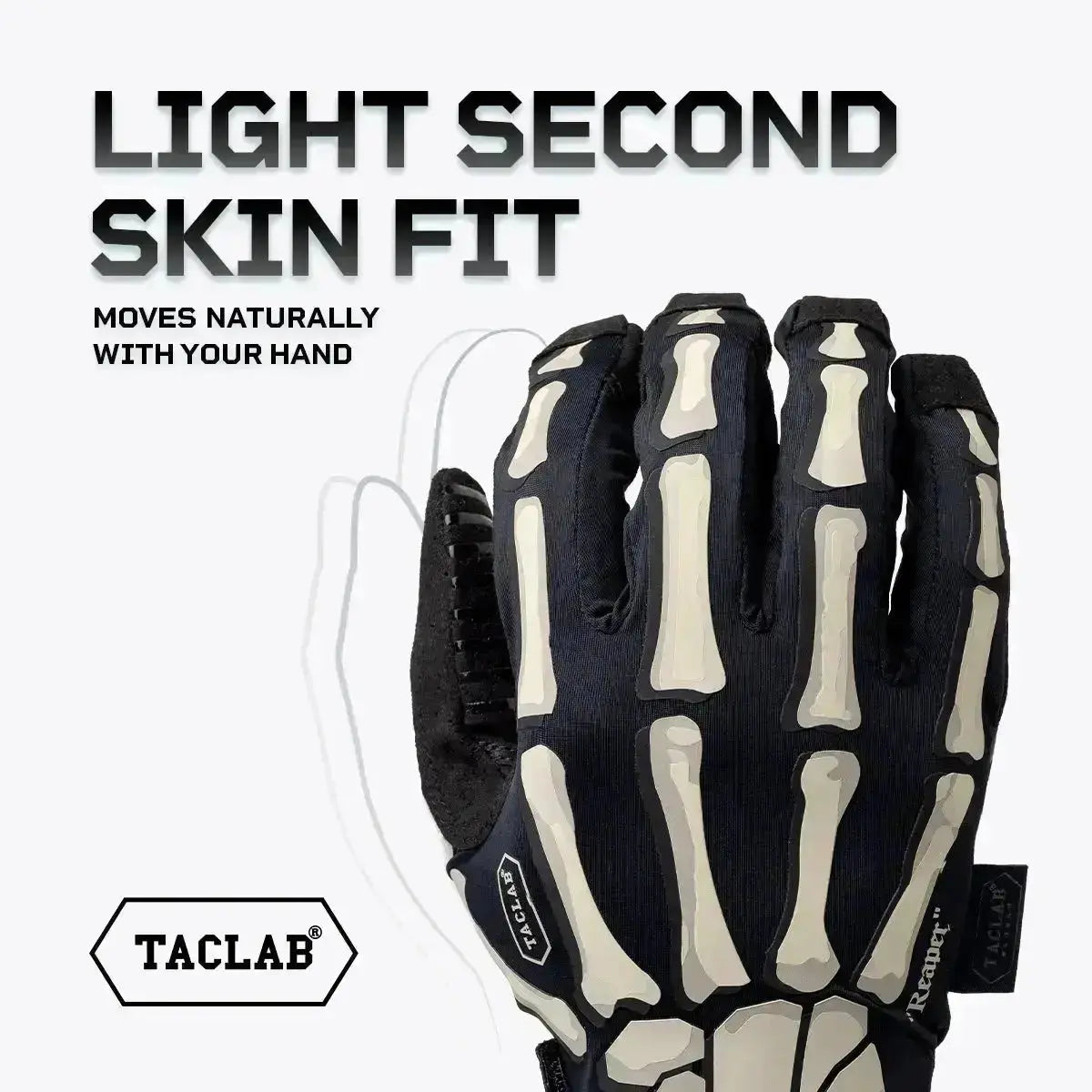
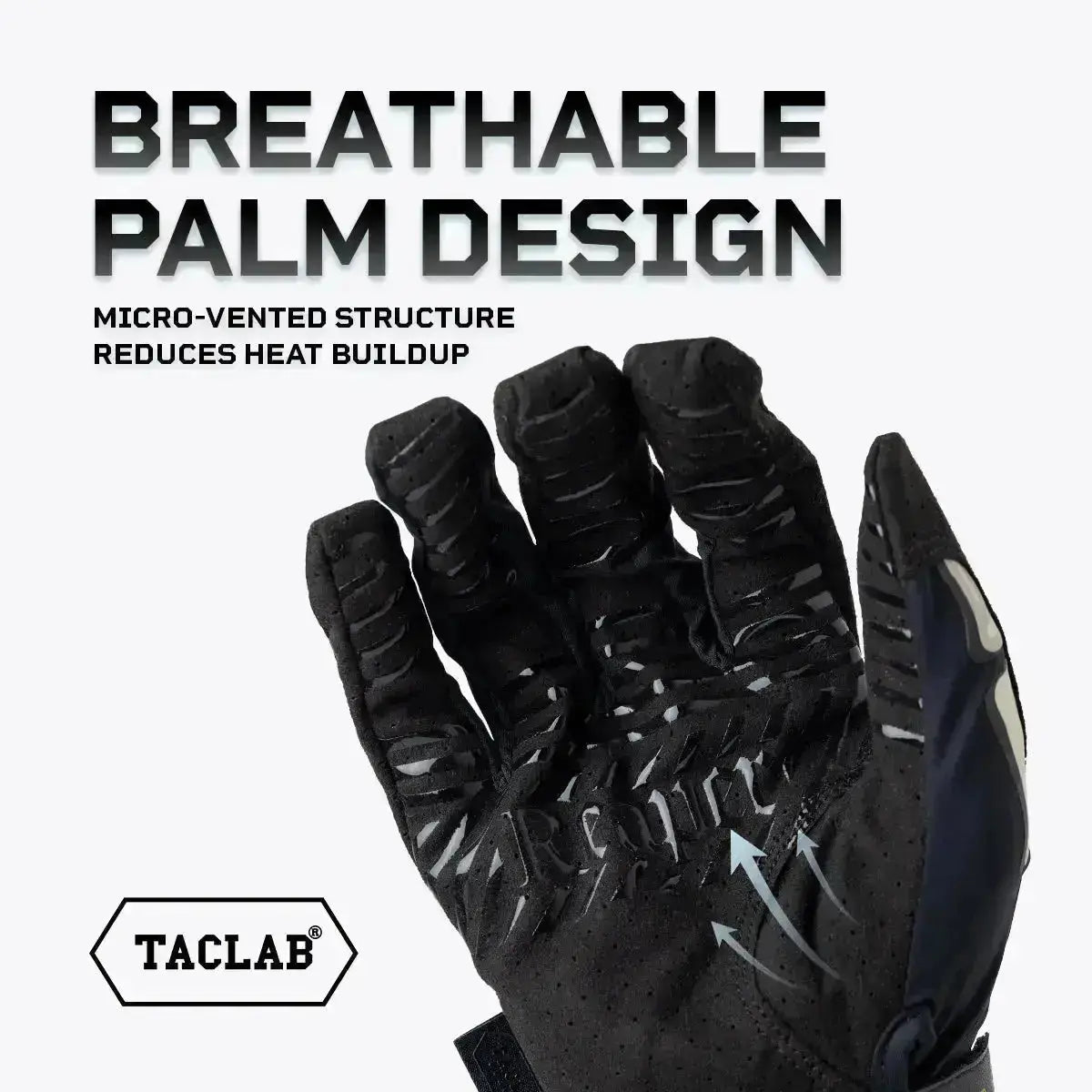
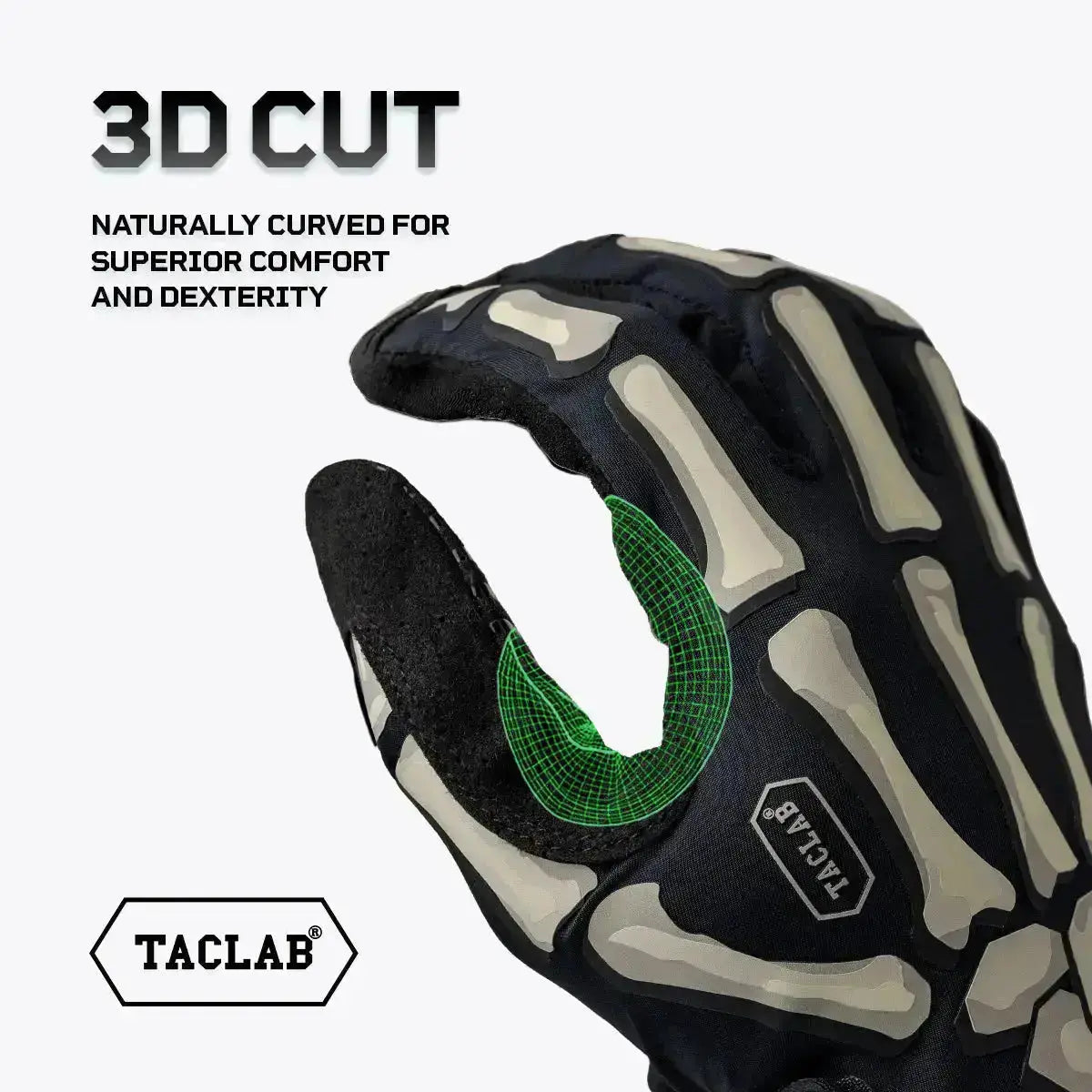
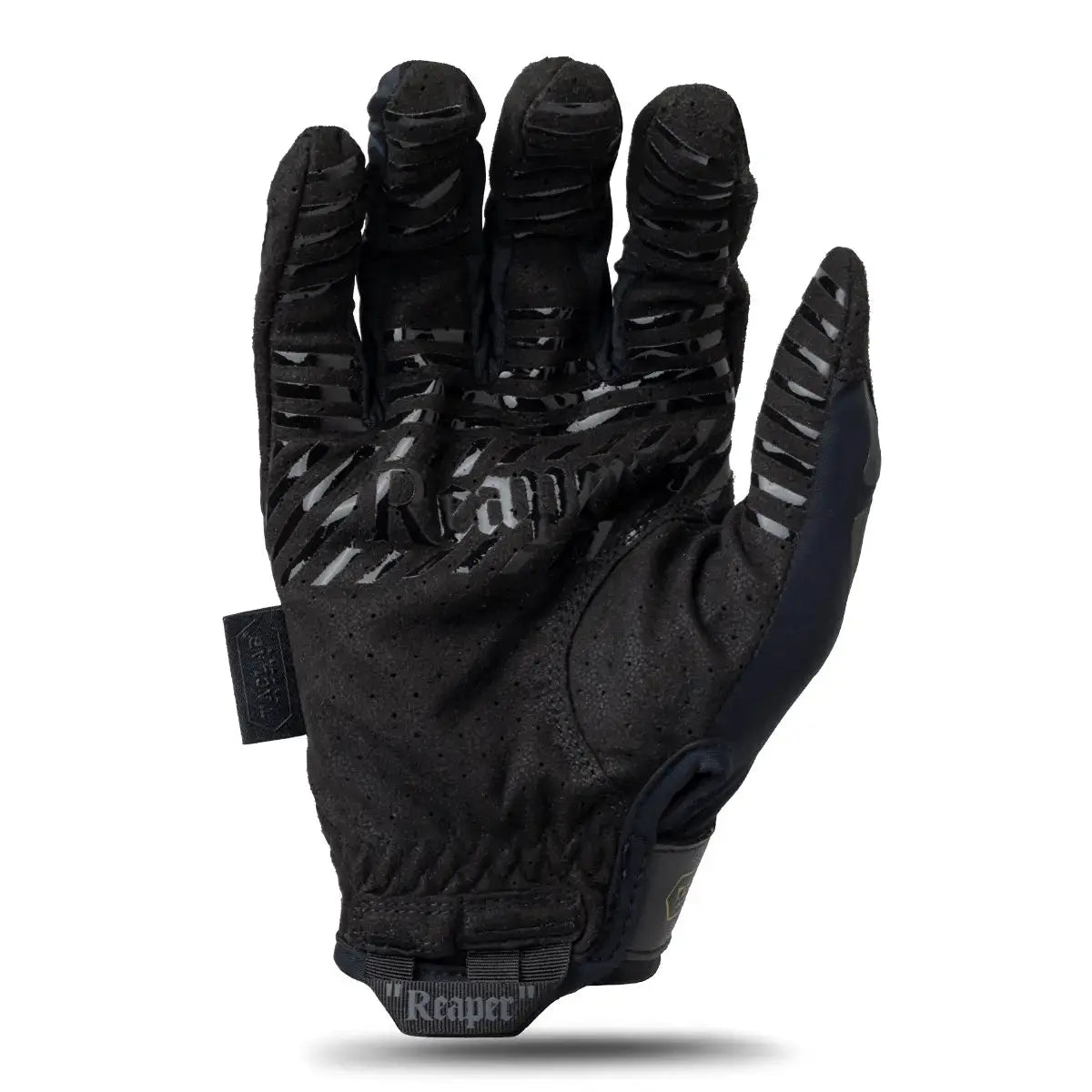
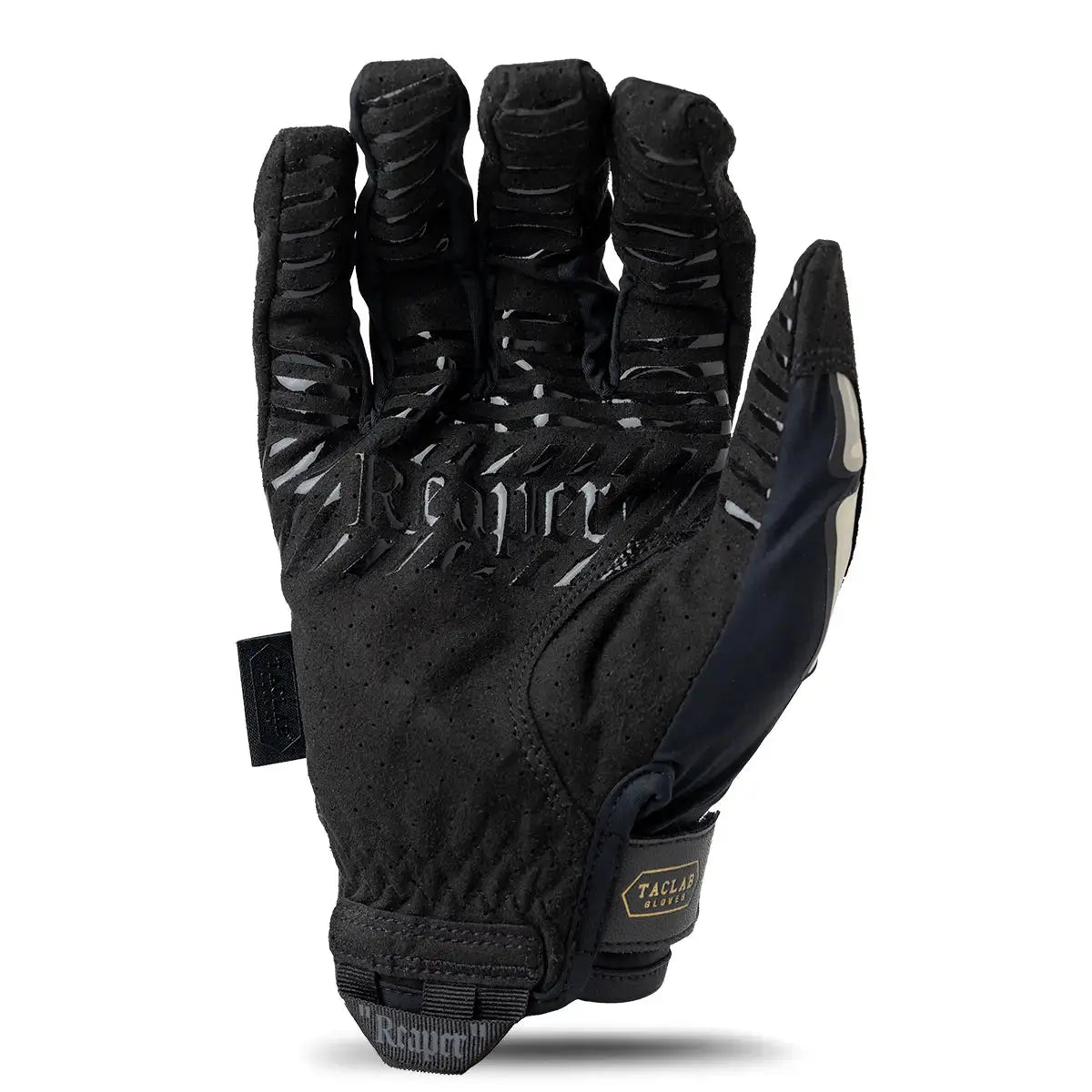
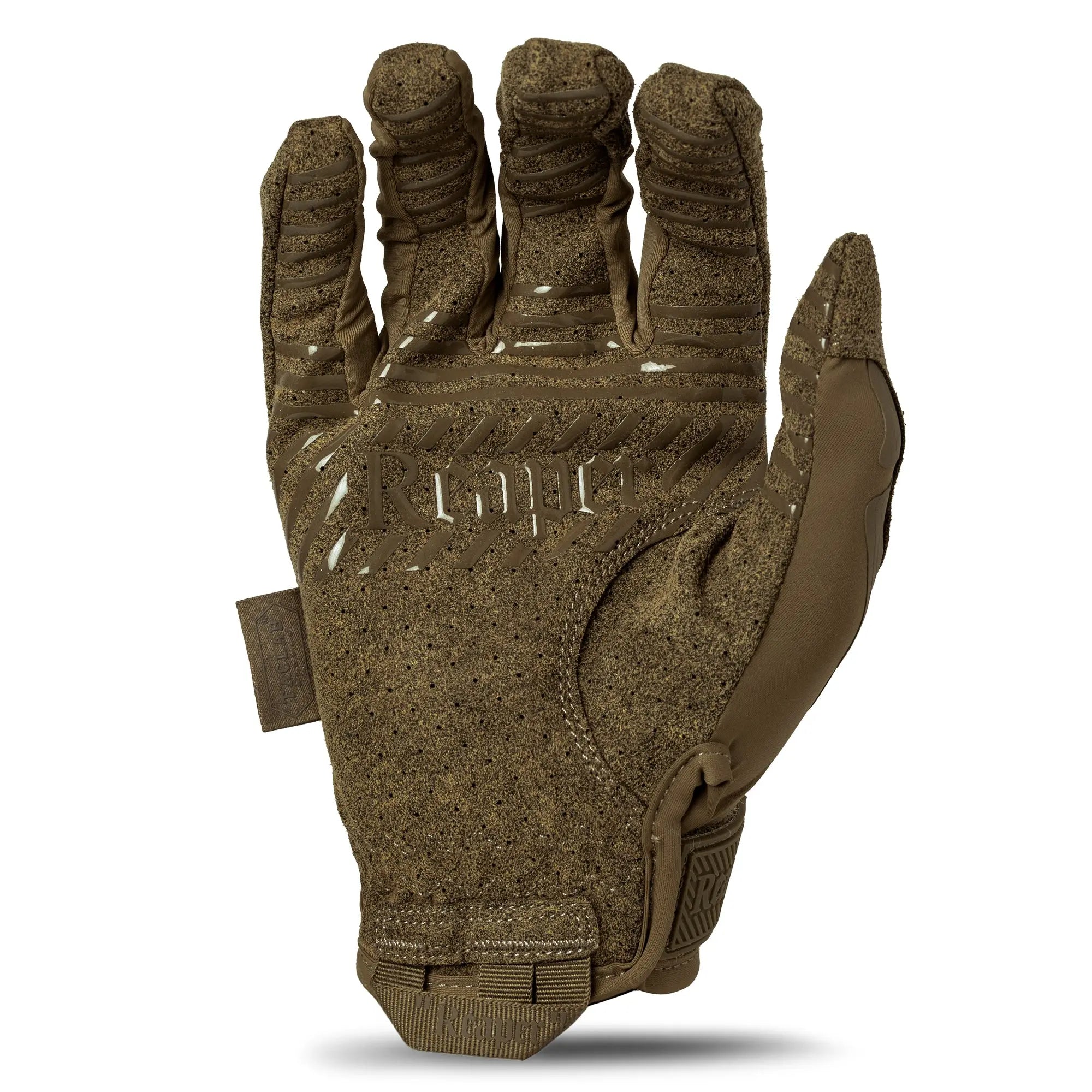
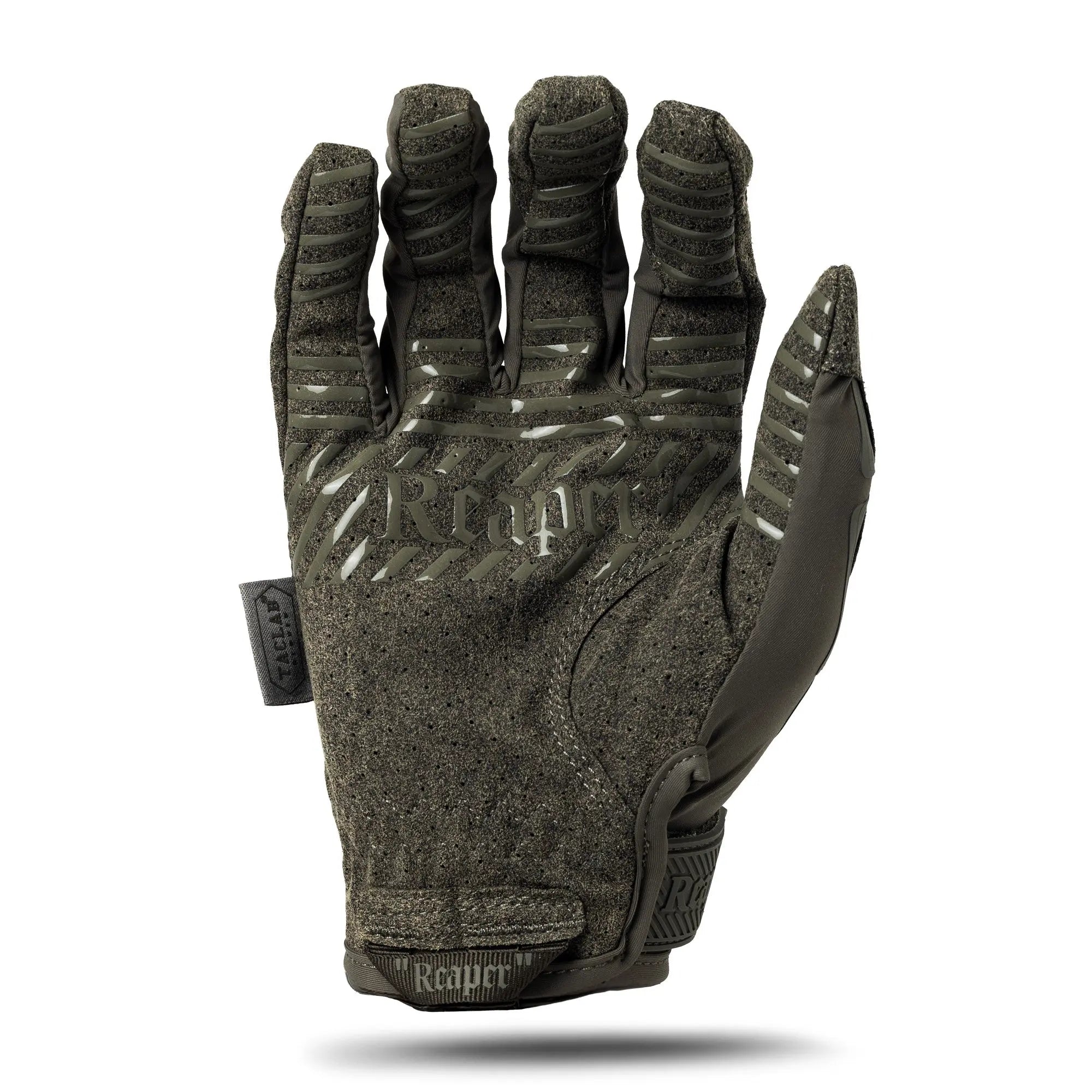
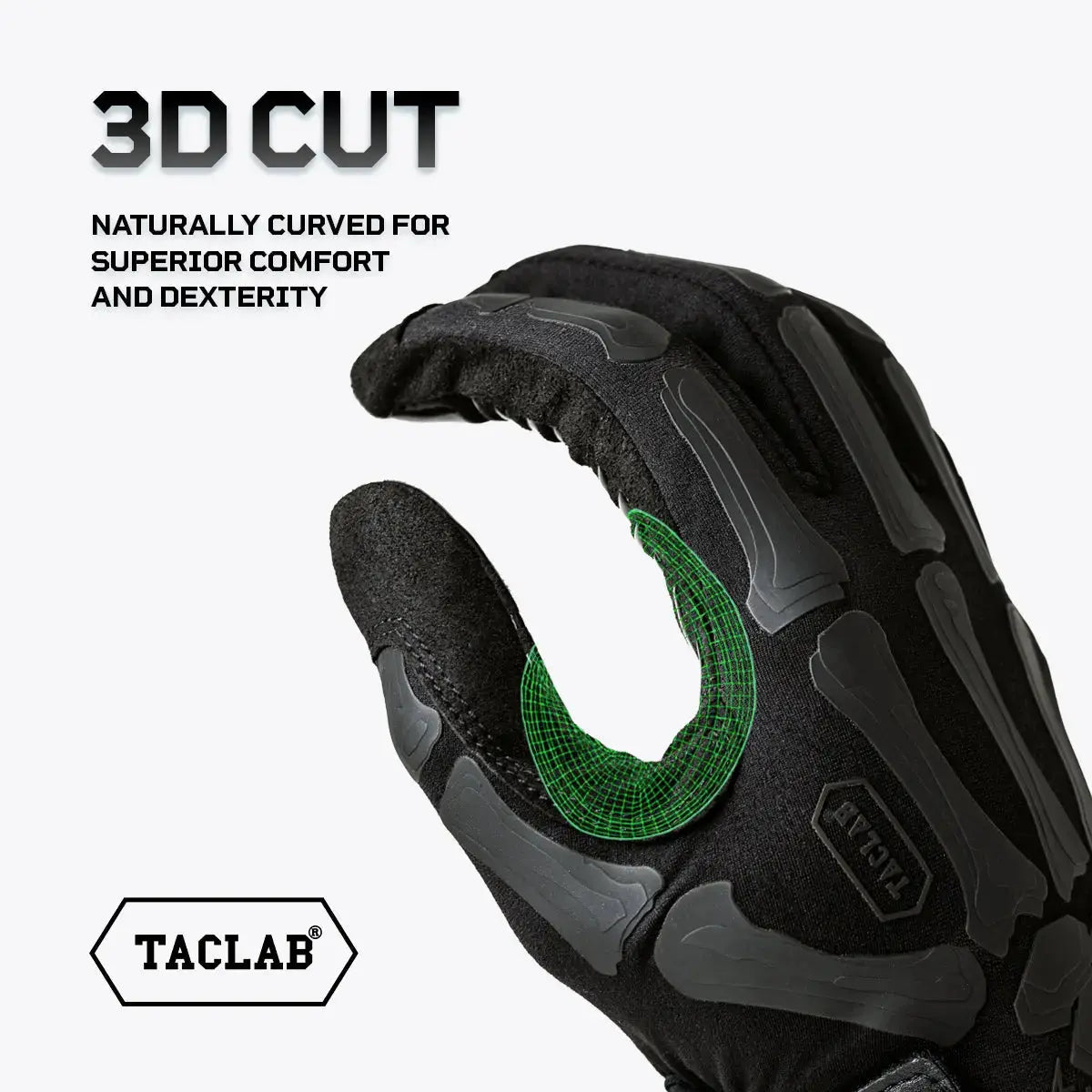
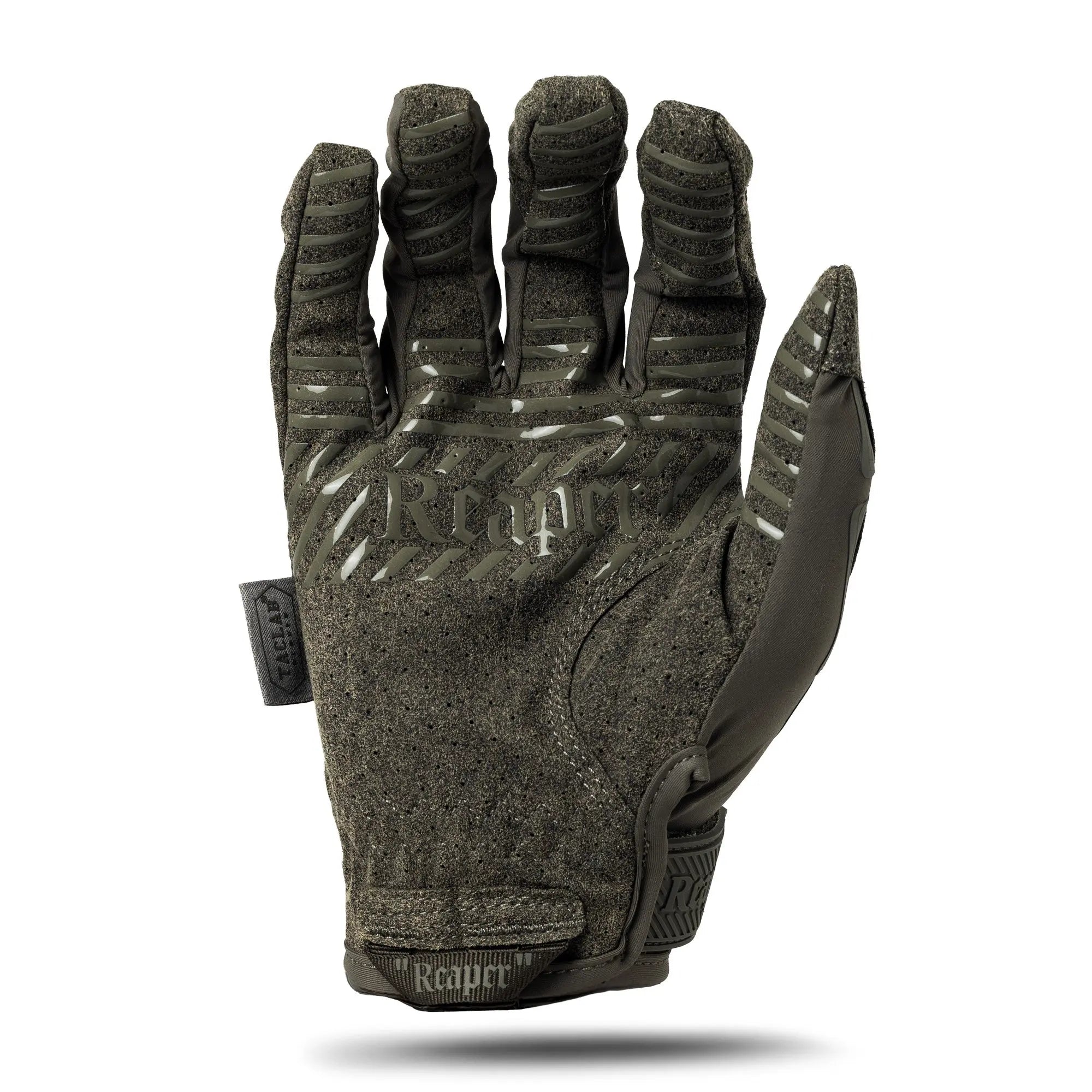
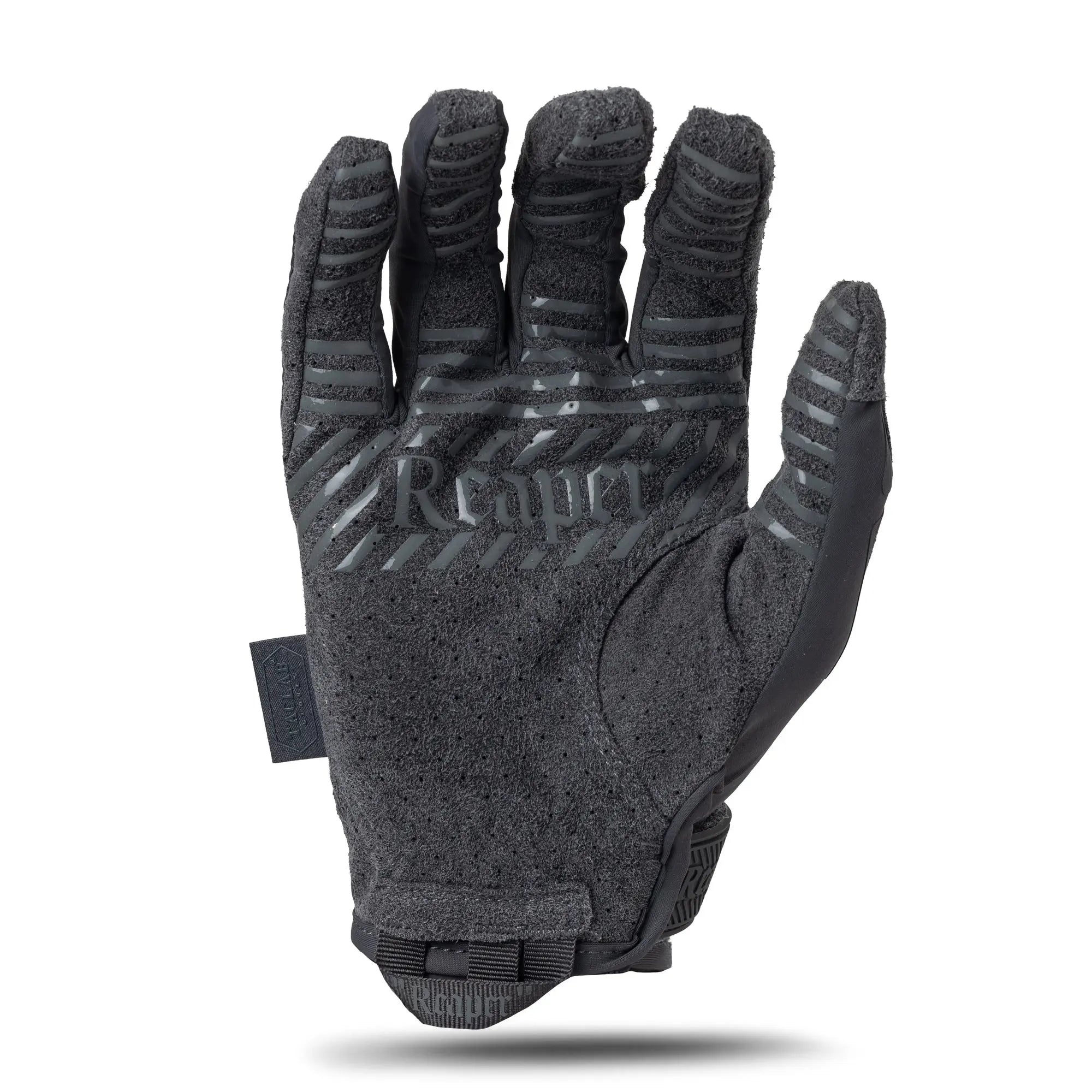
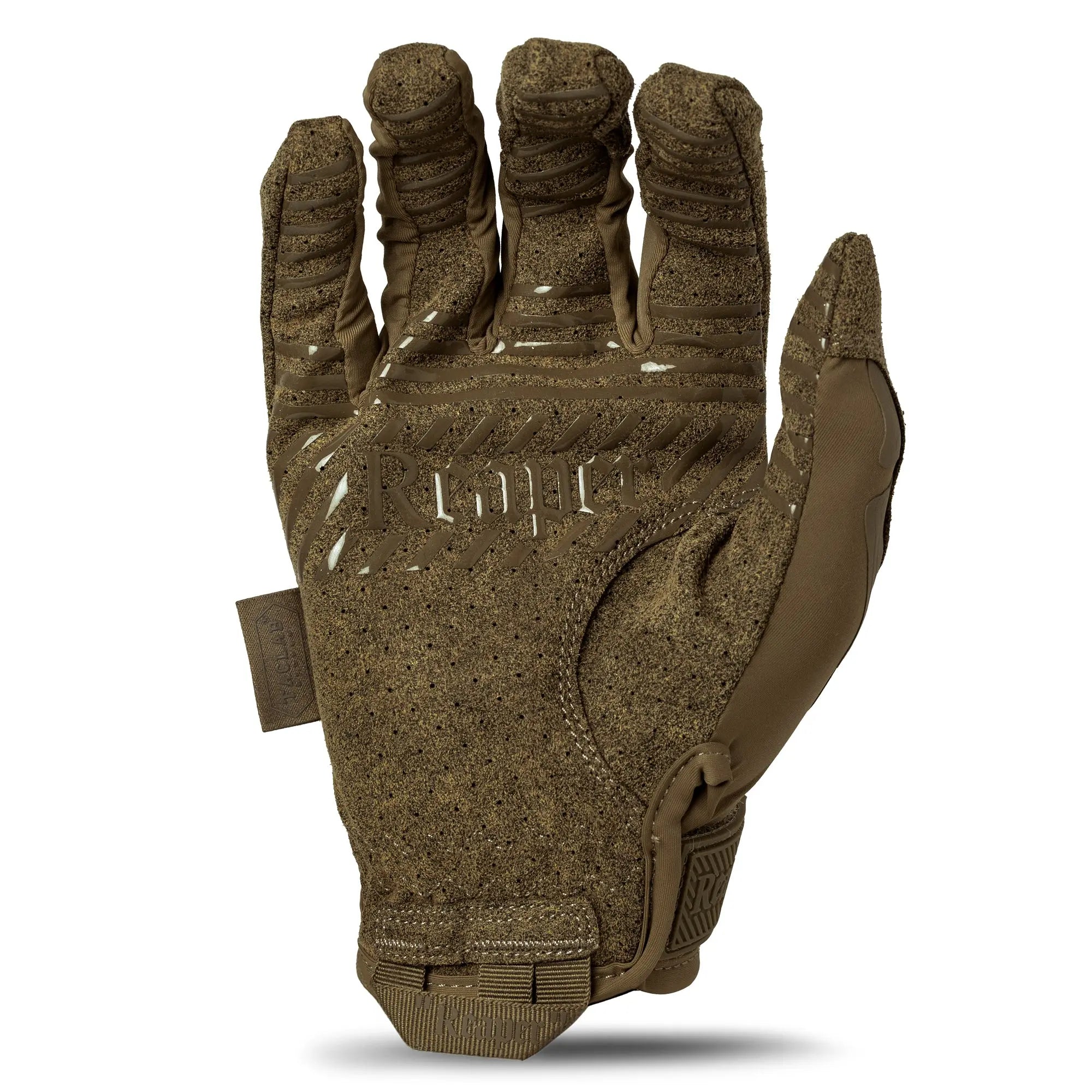
Ultra-Thin Palm Construction: Look for single-layer synthetic leather or advanced microfiber on the palm. This provides a "second-skin" fit, ensuring zero fabric bunching when your finger is on the trigger.
-
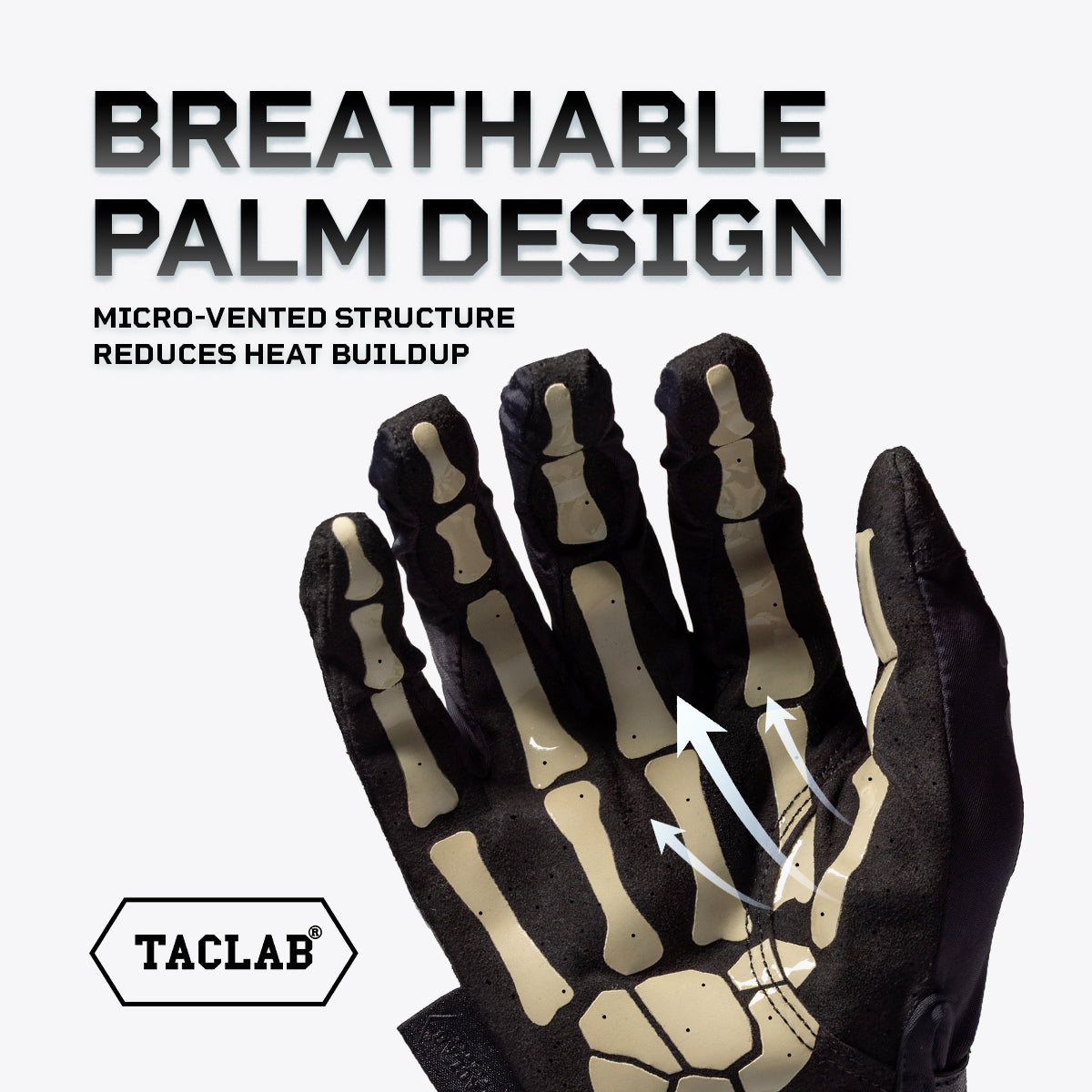
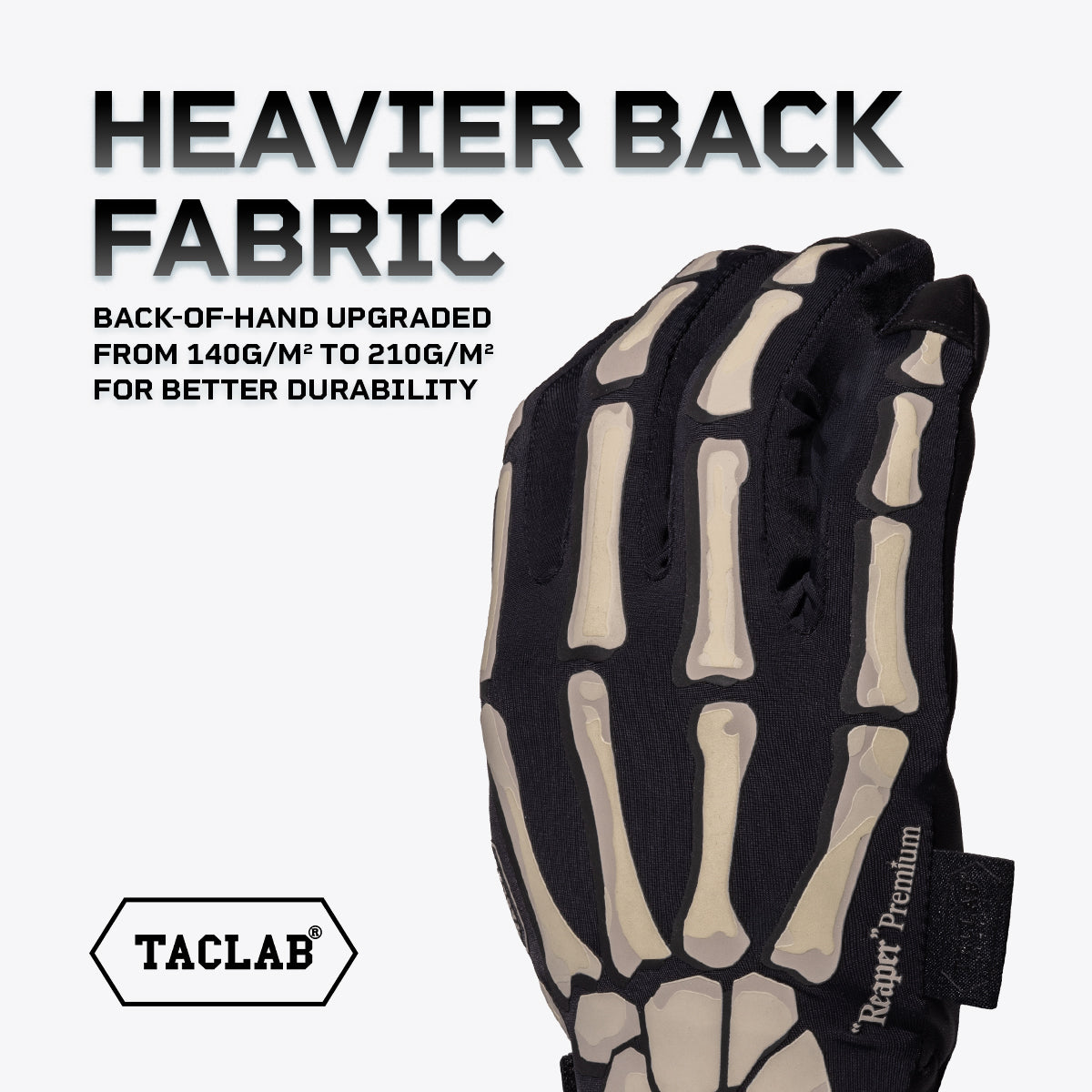
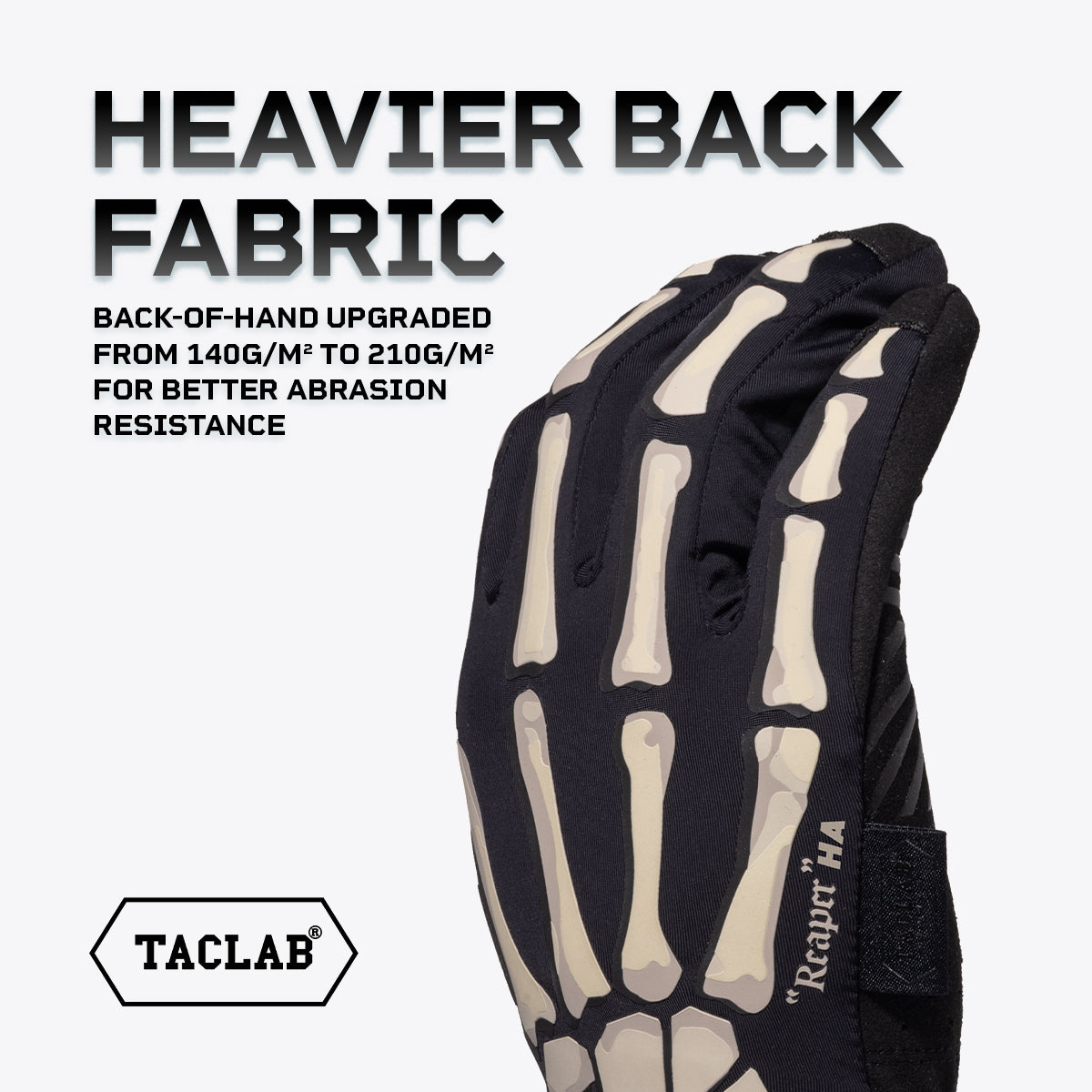
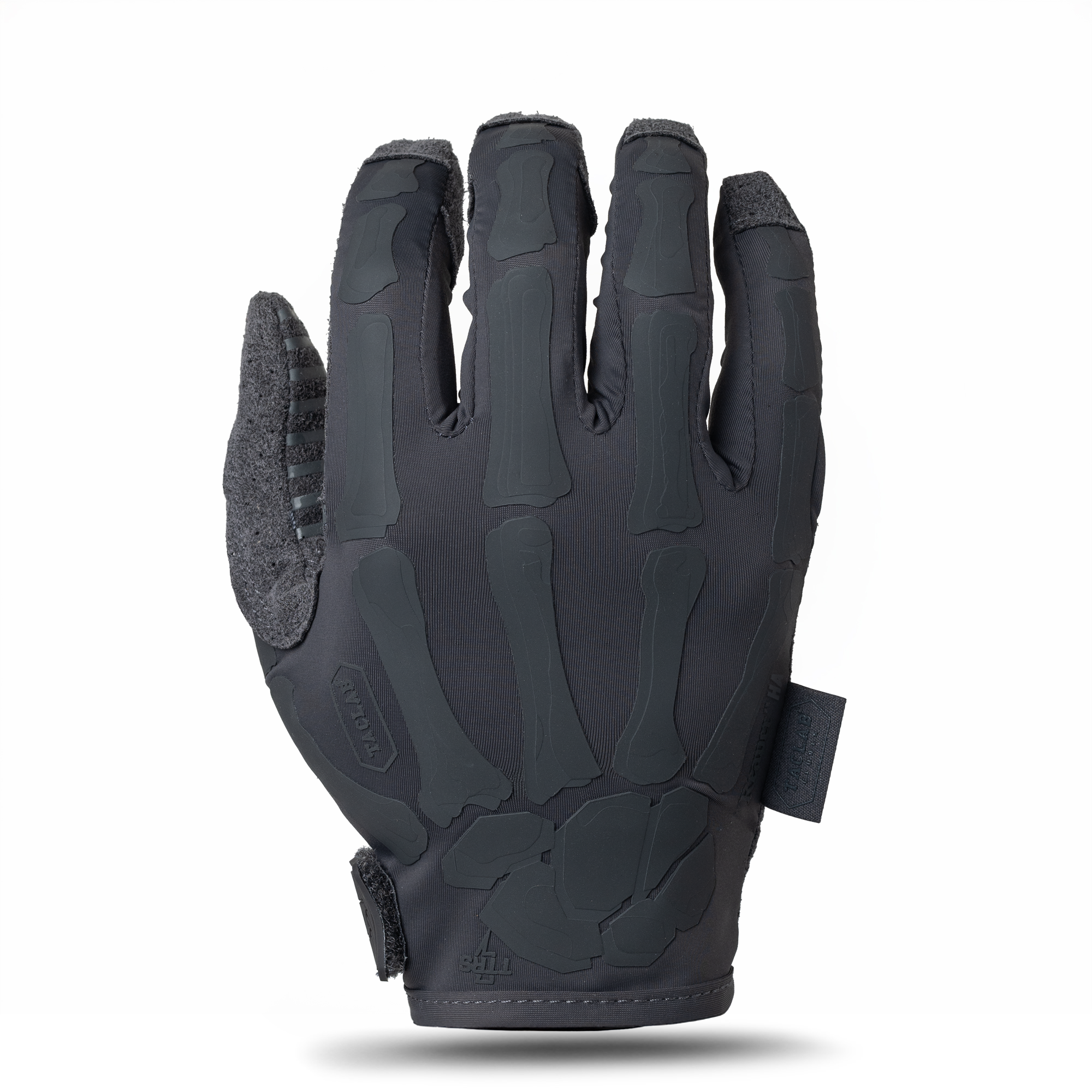
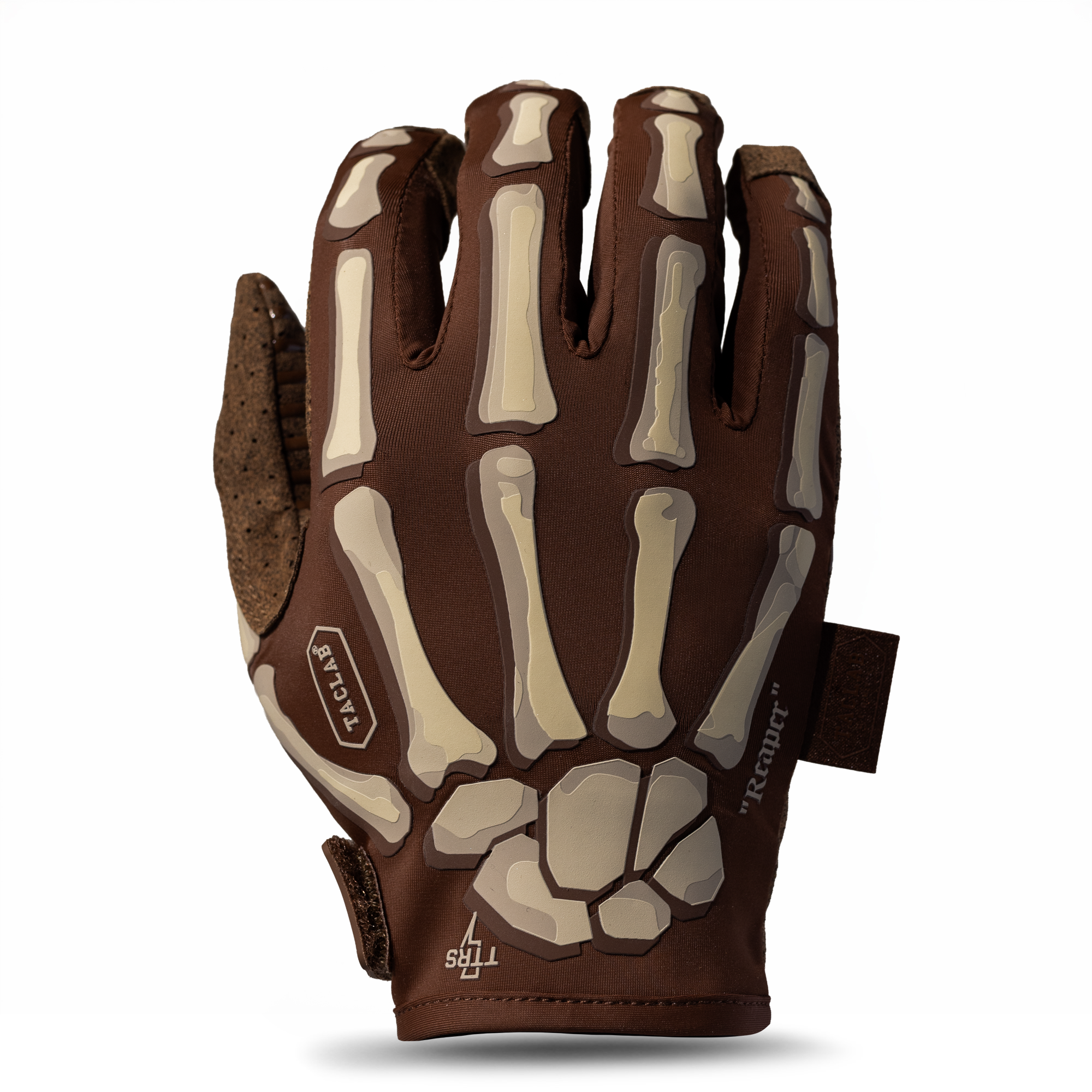
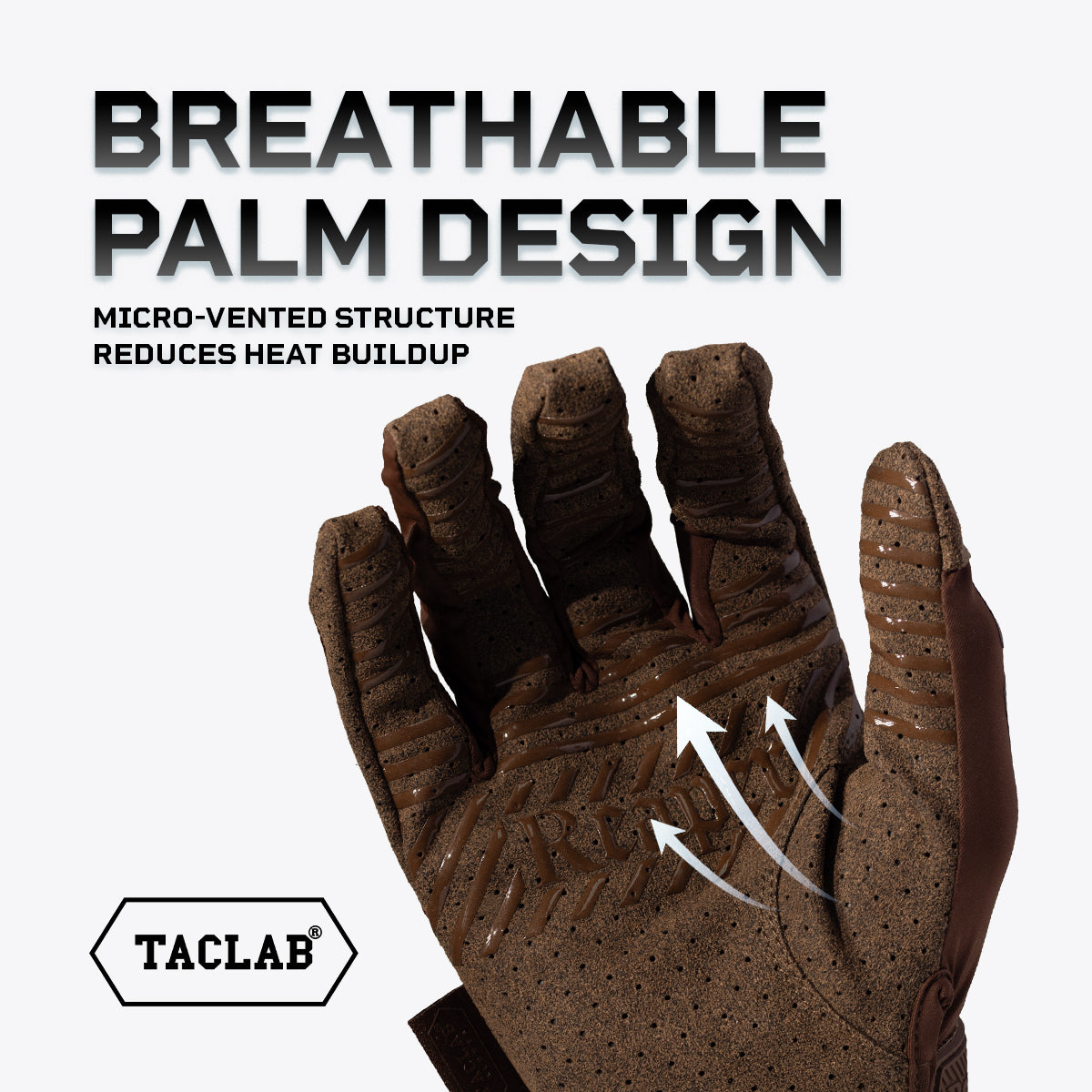
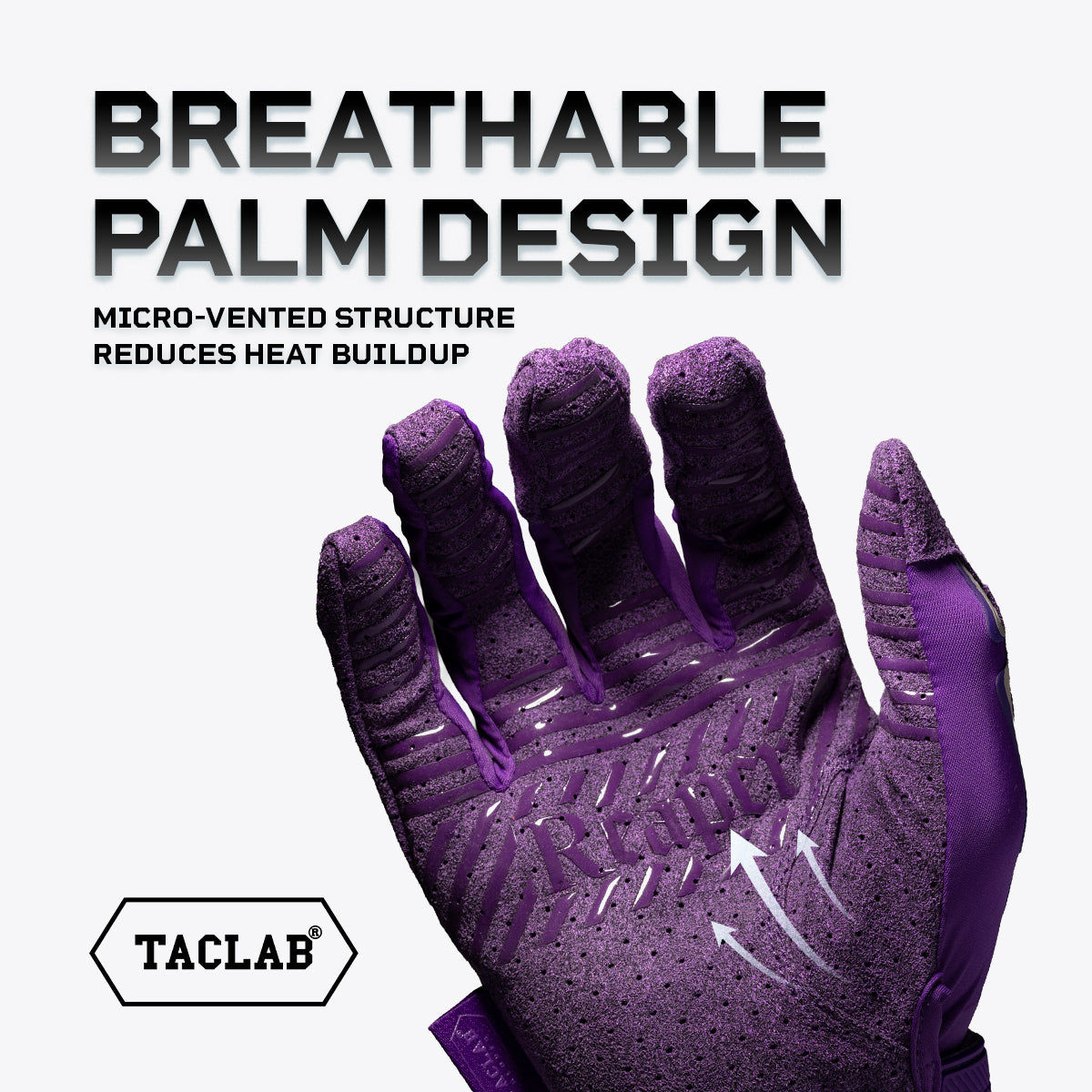
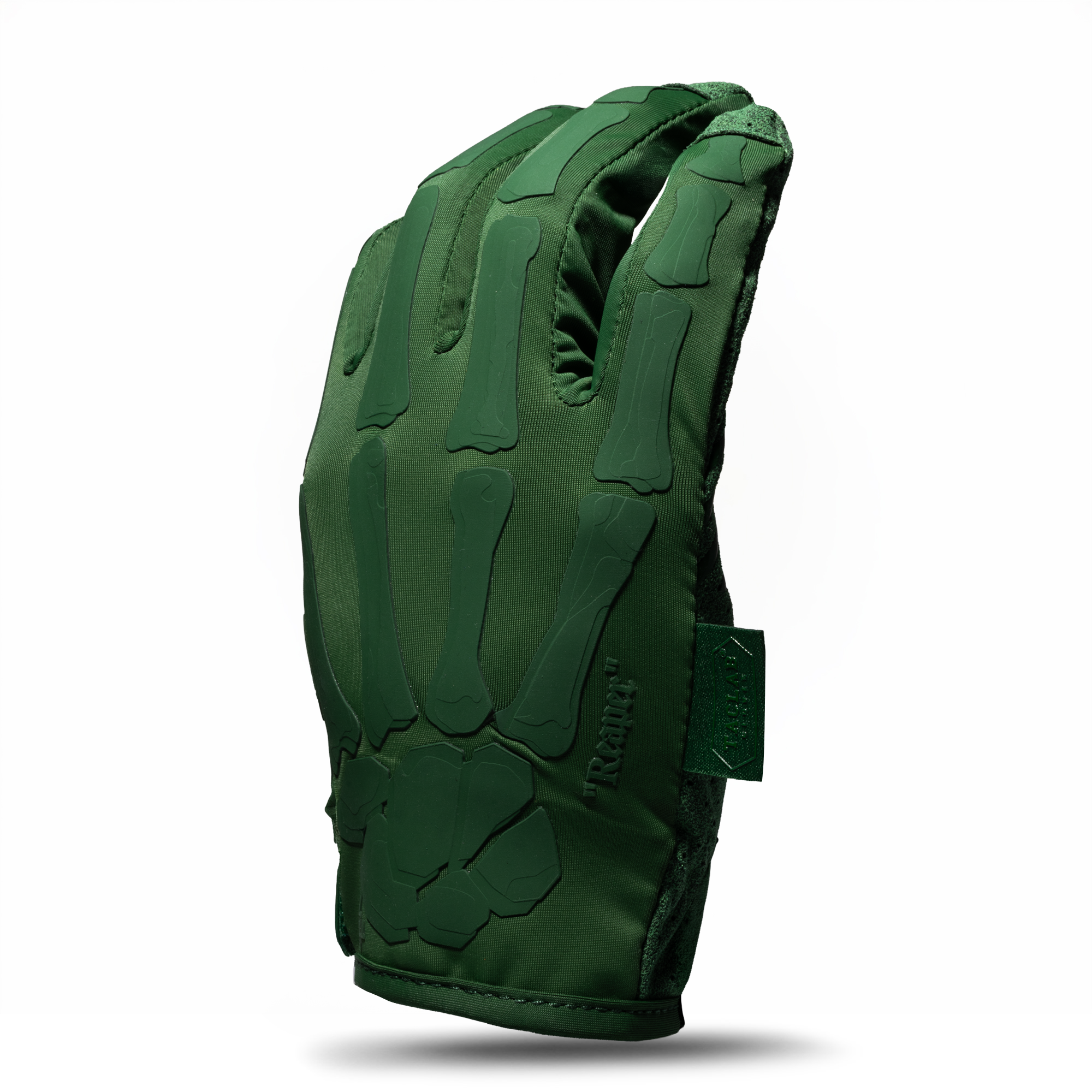
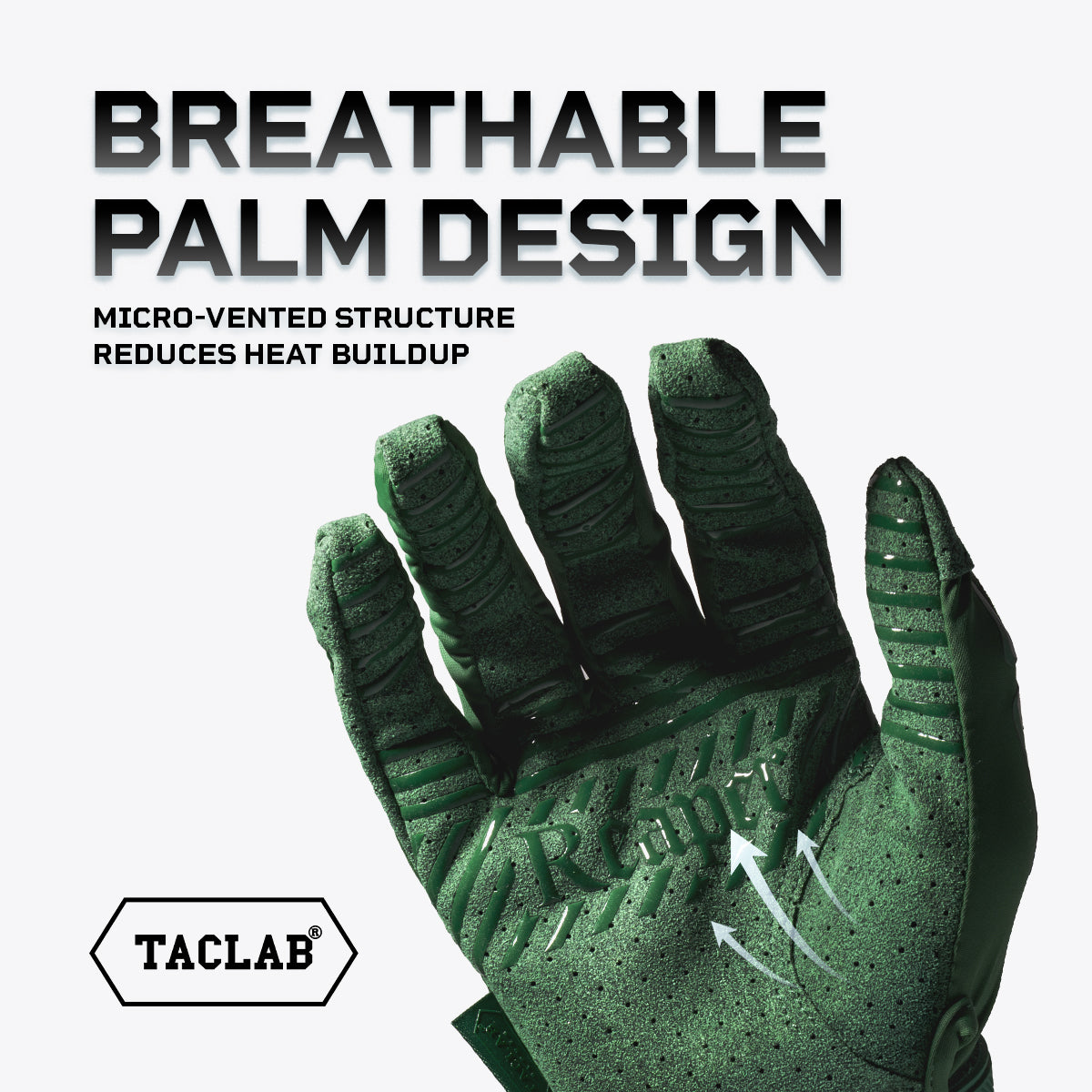
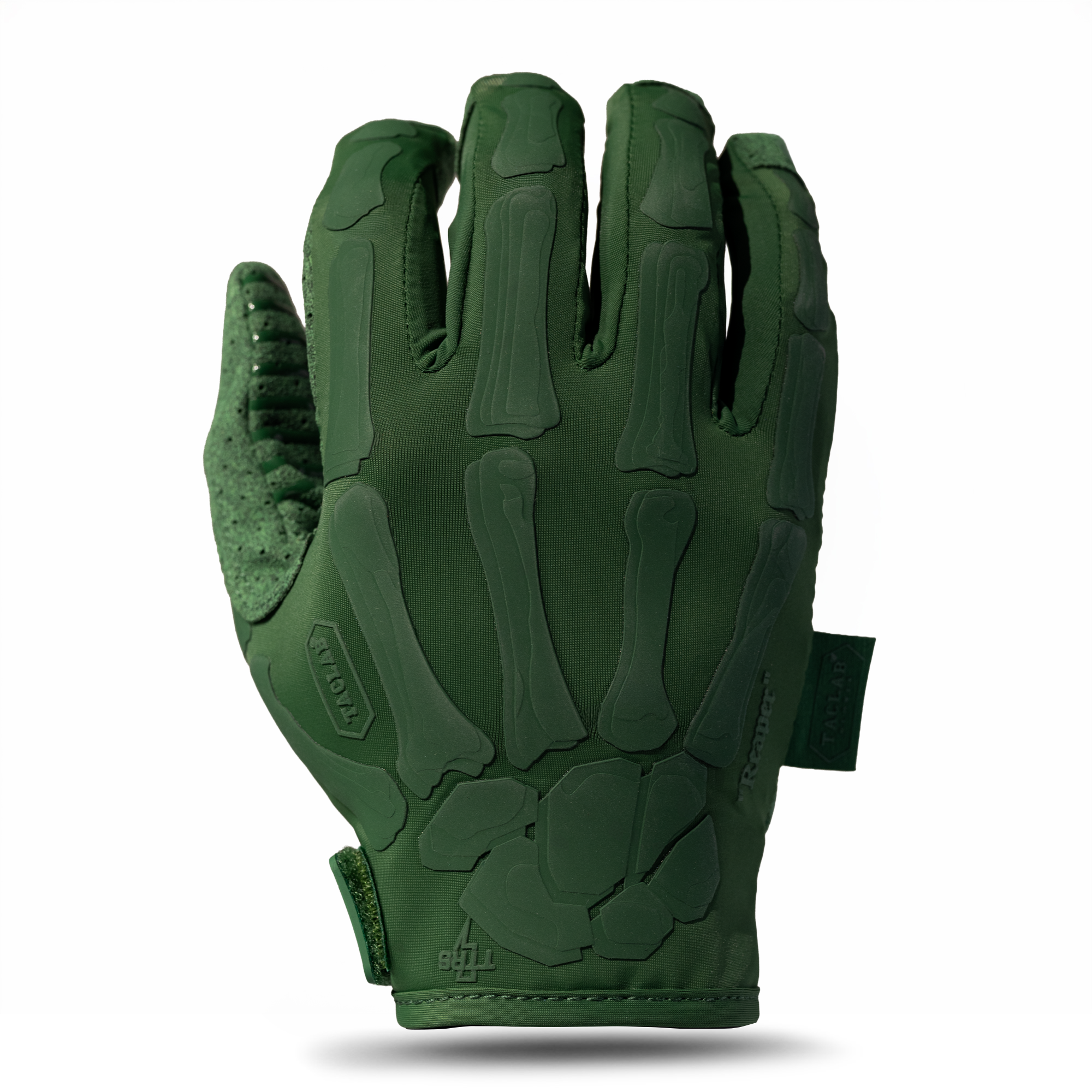
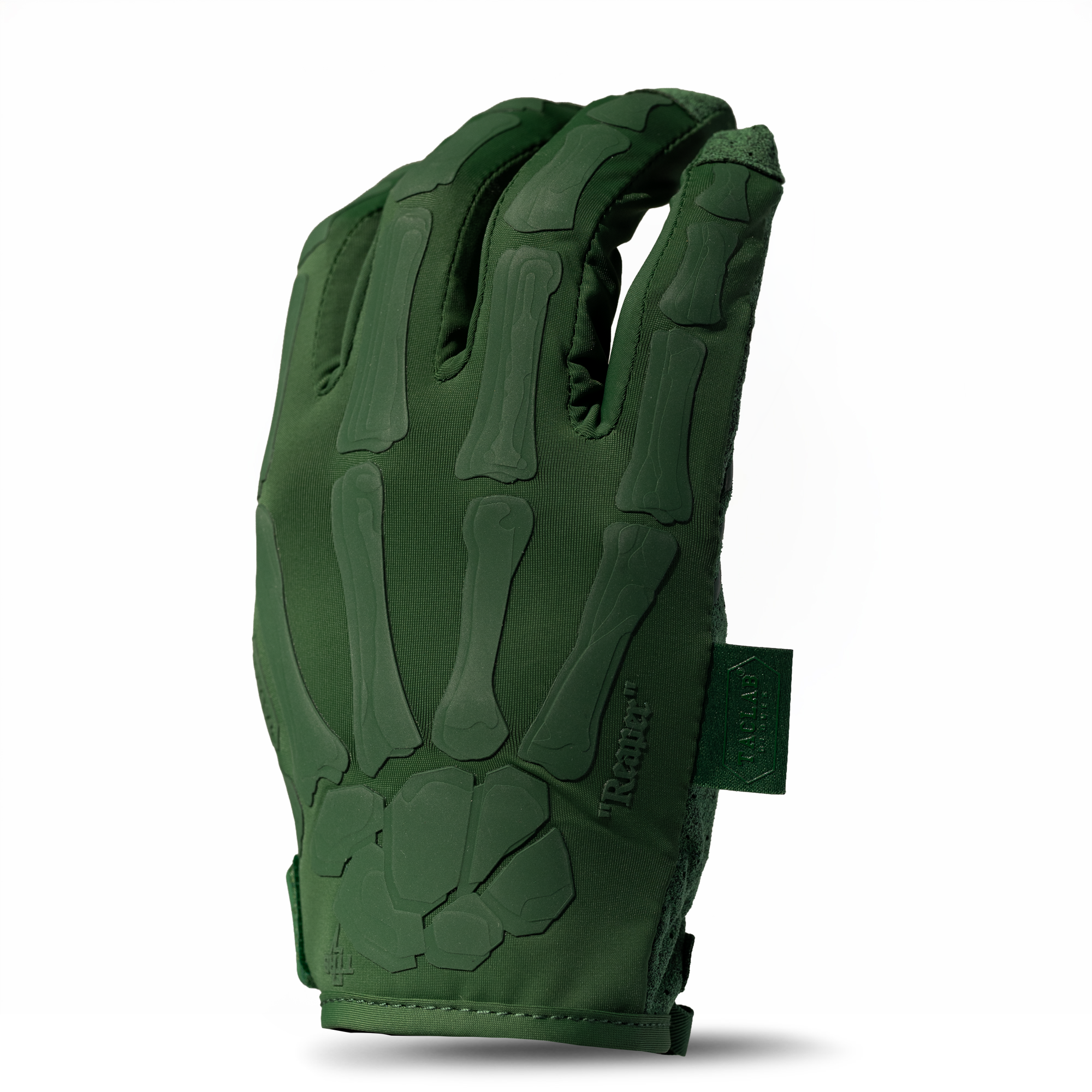
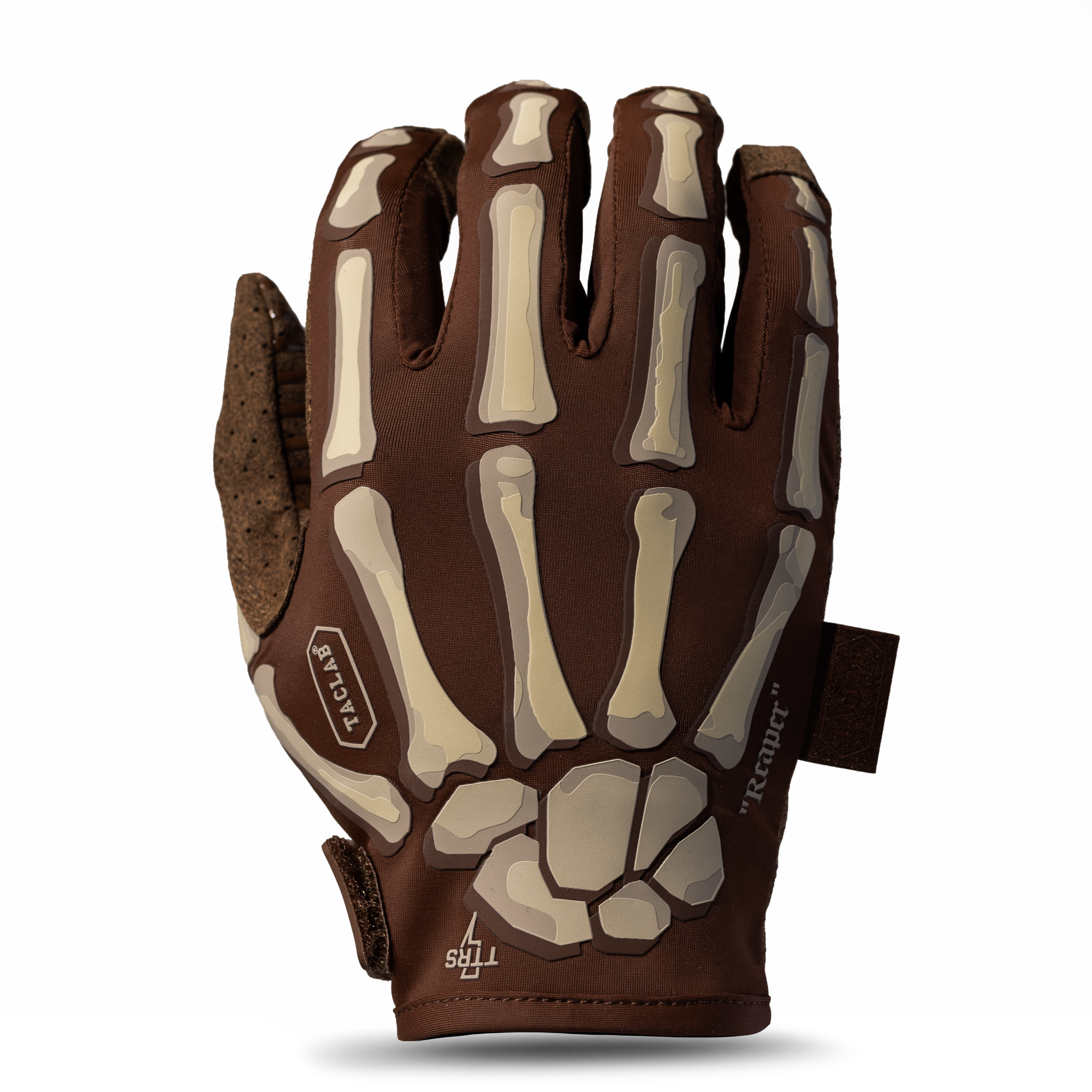
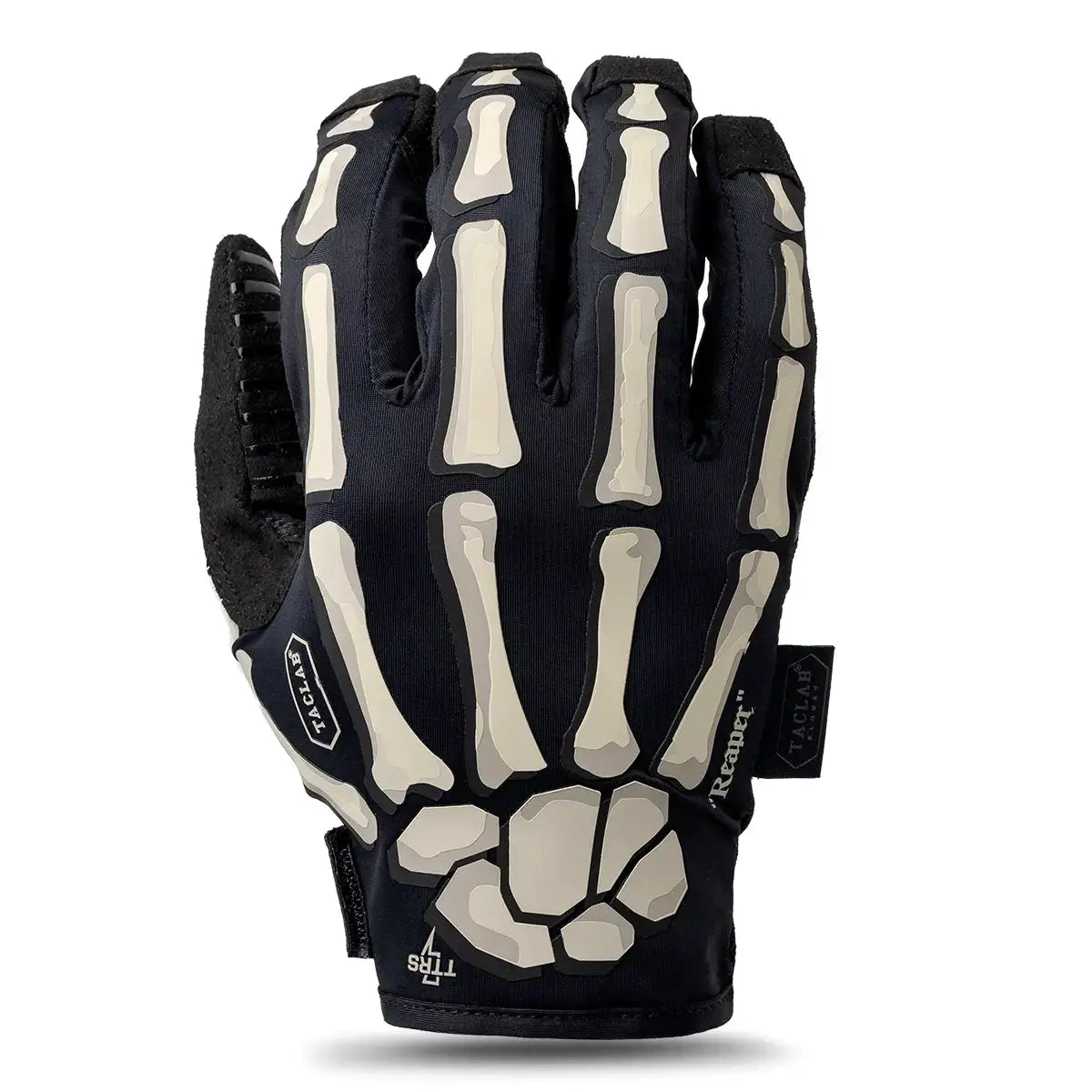
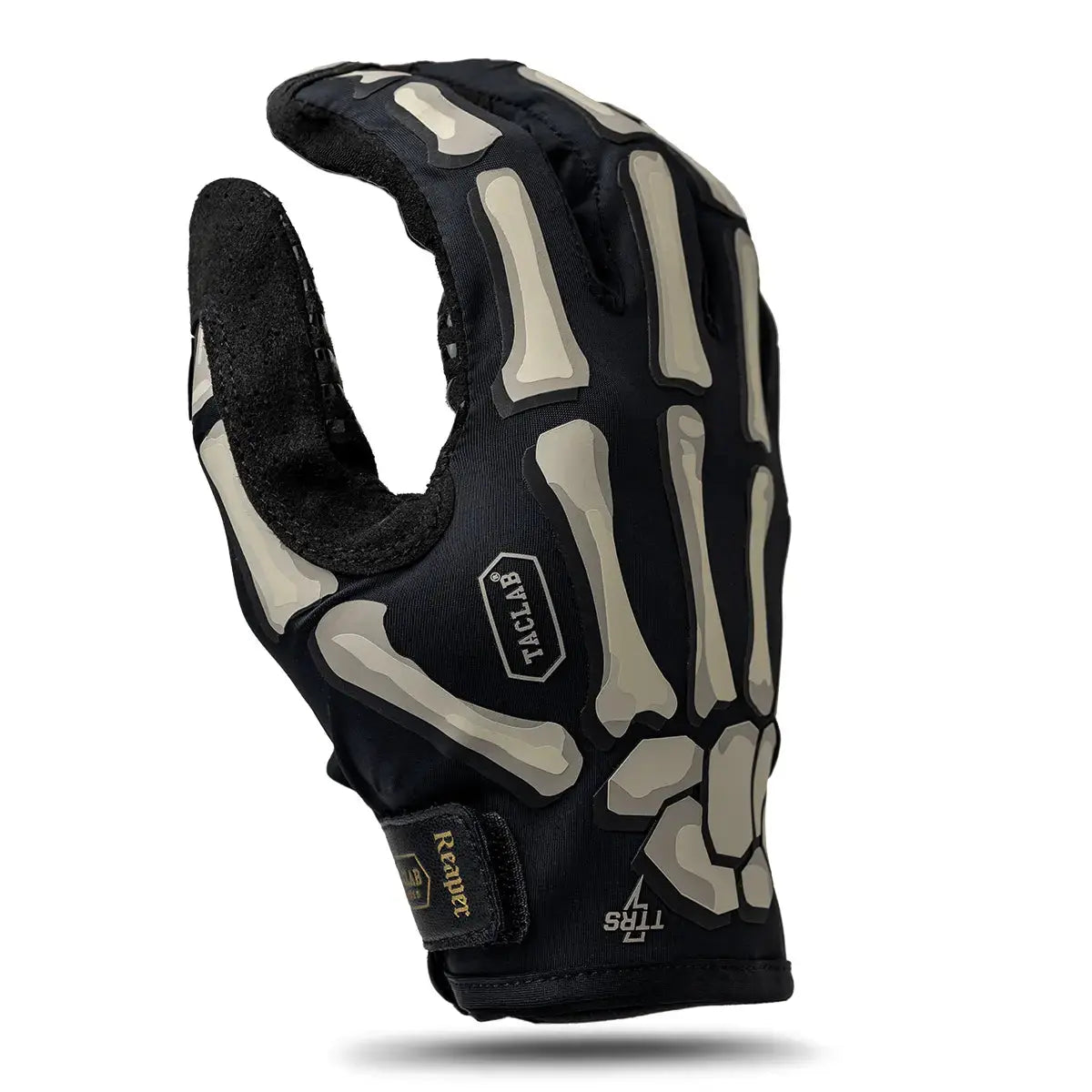
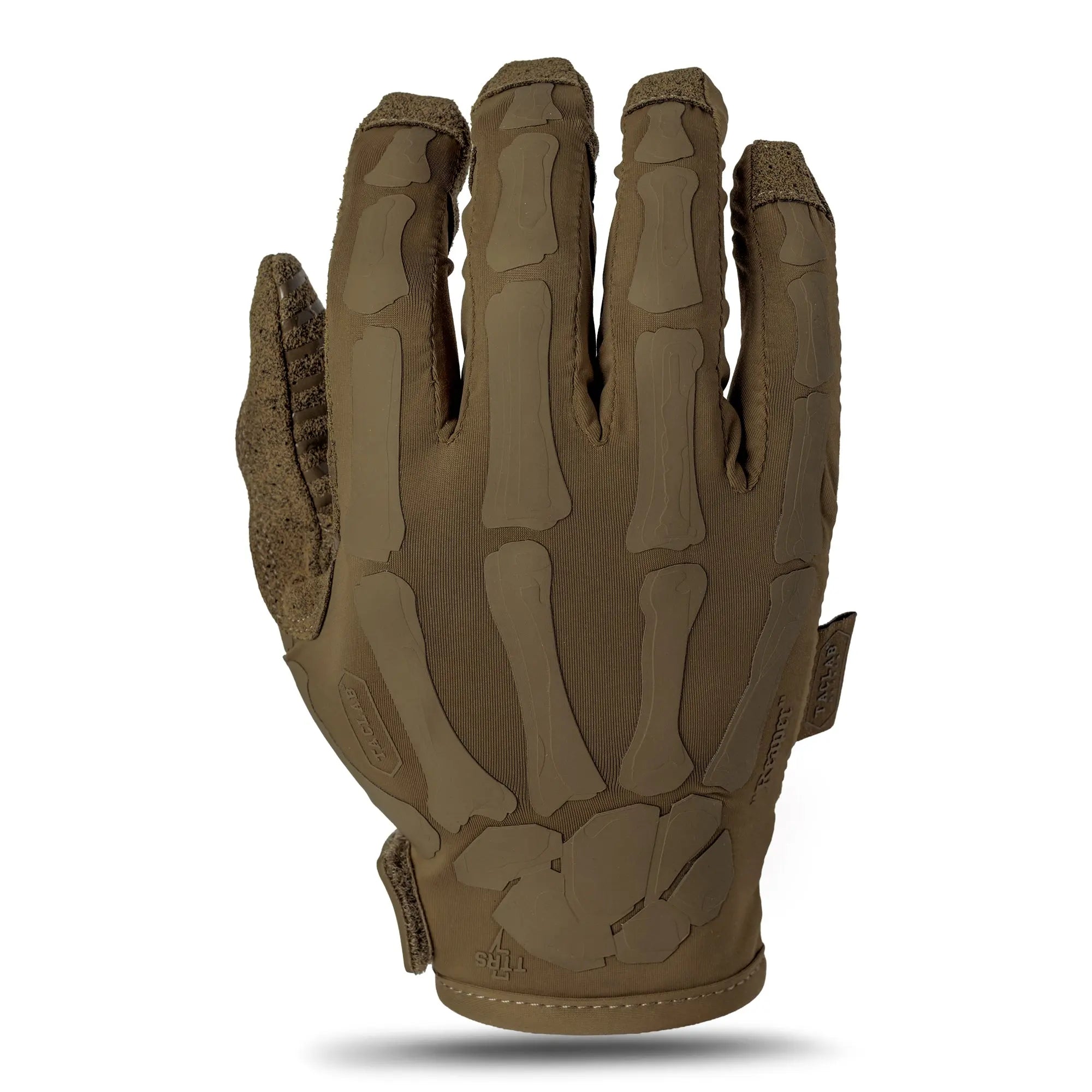
Moisture-Wicking Backing: The back of the hand should feature high-stretch, breathable nylon or elastane blends. This allows heat to escape rapidly, keeping hands dry under stress.
-
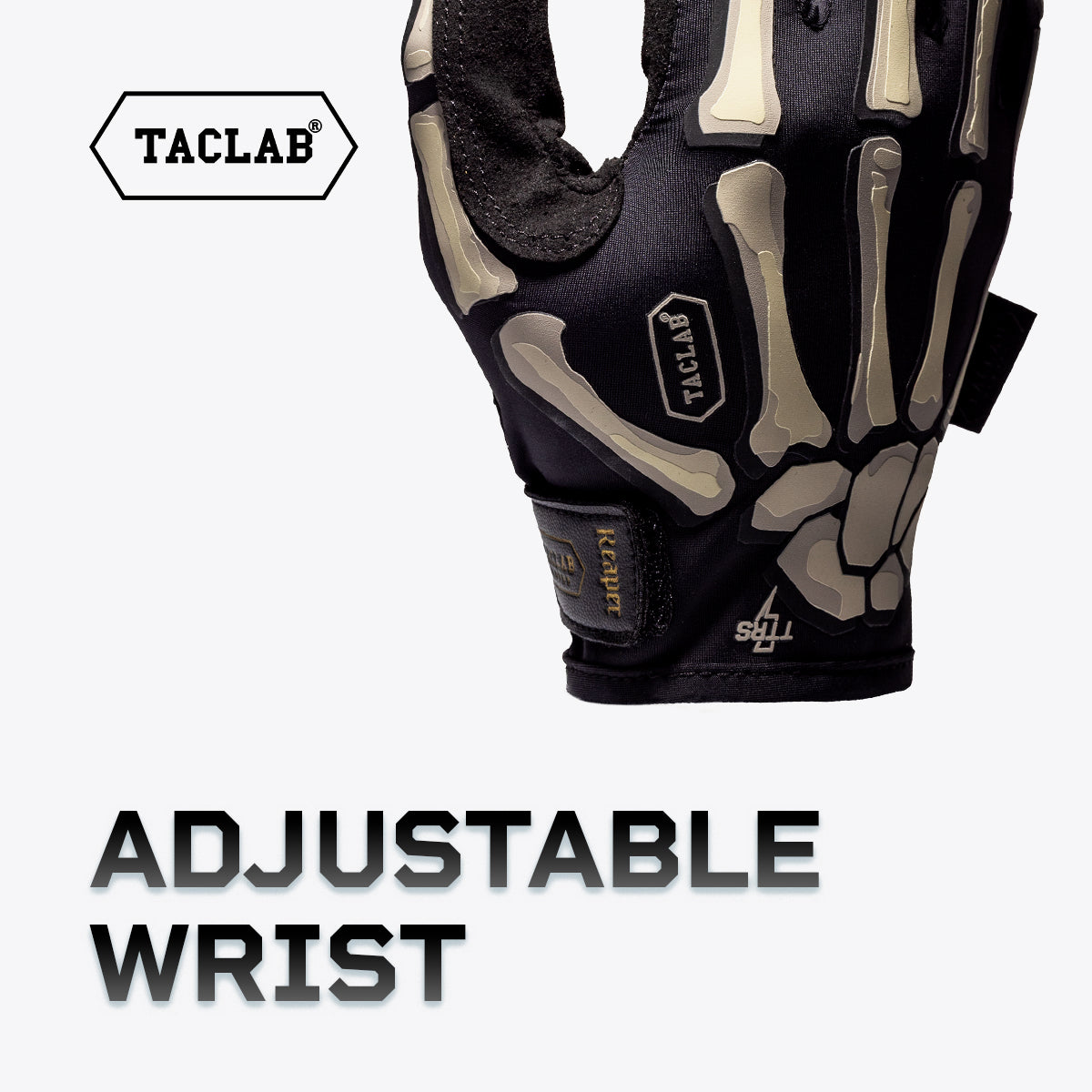
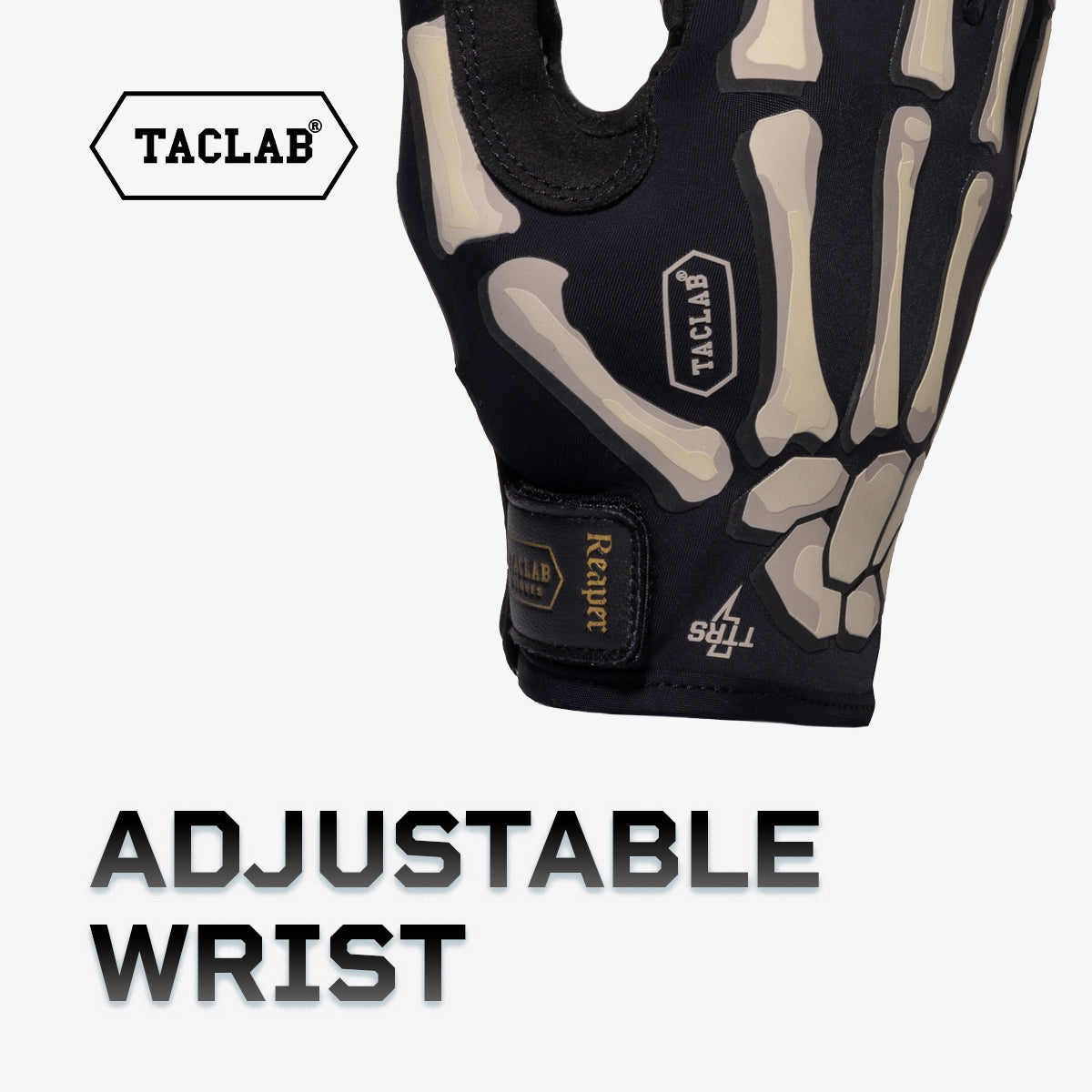
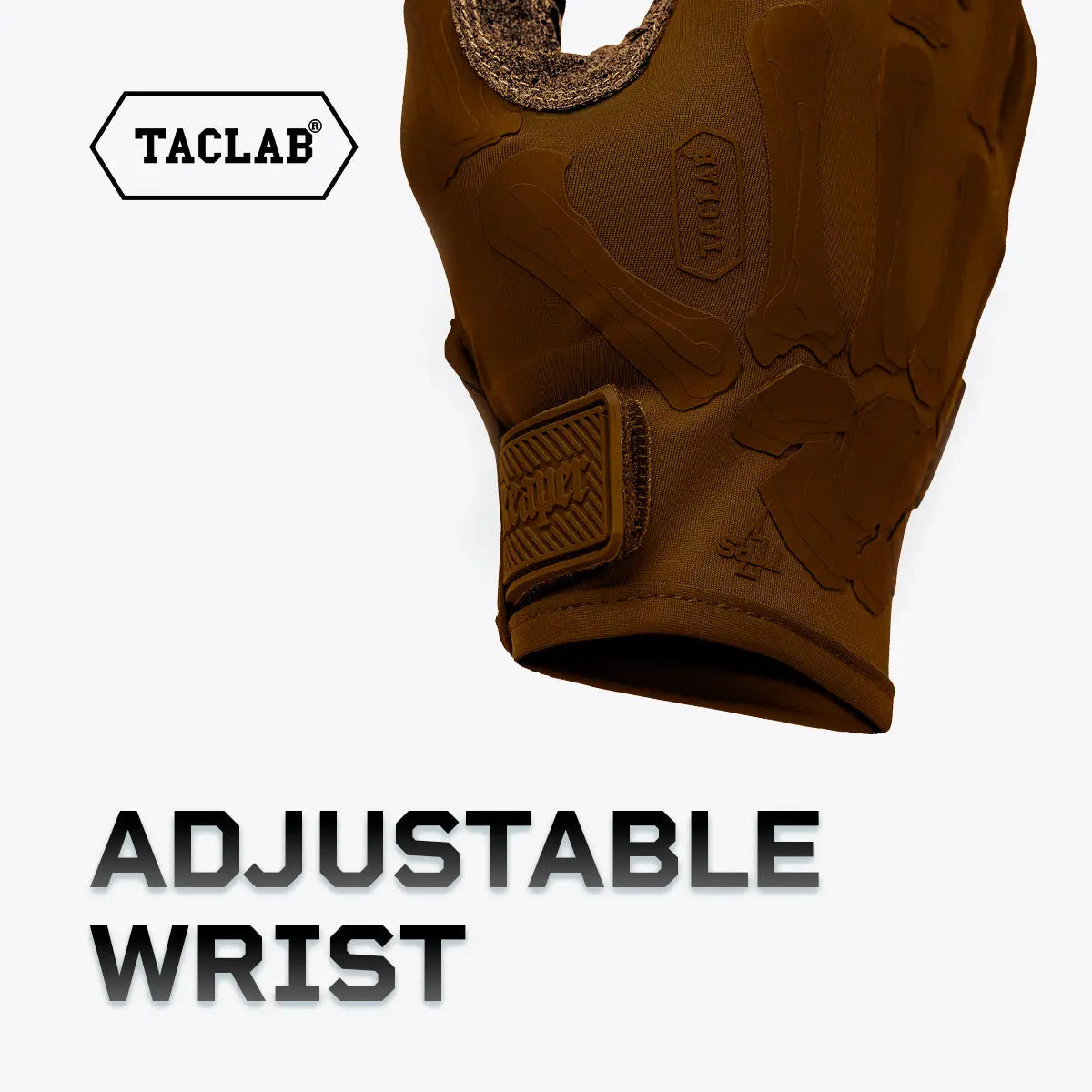
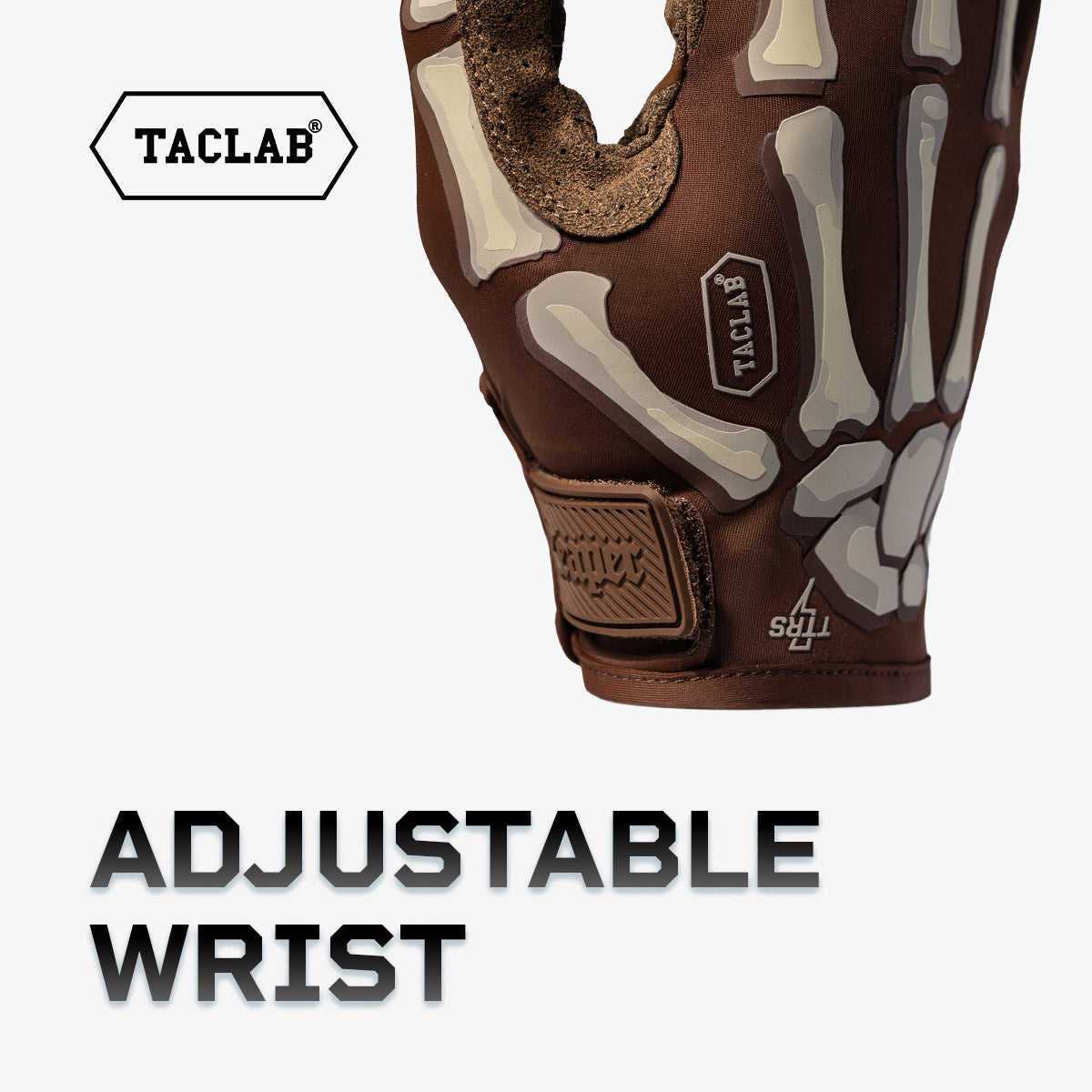
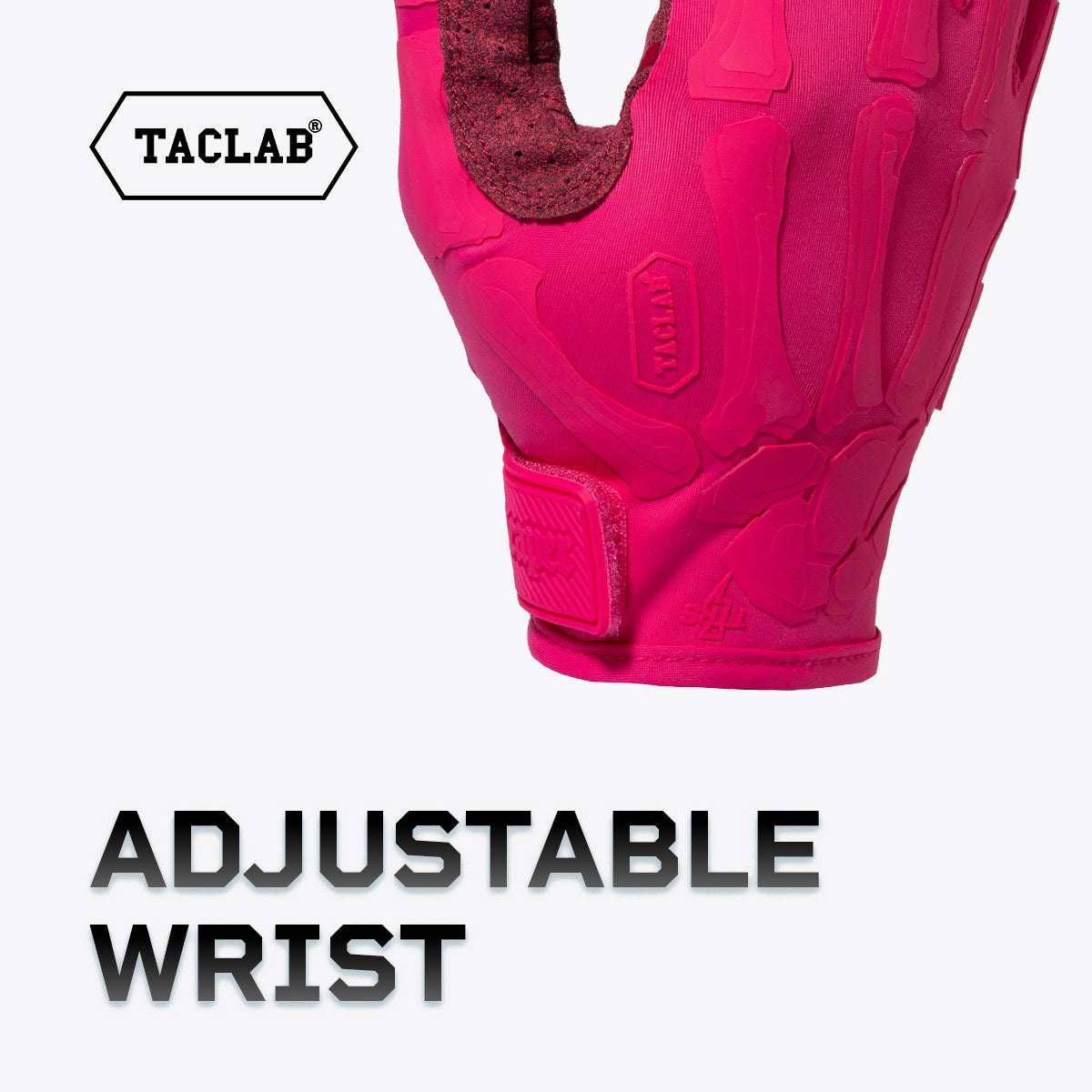
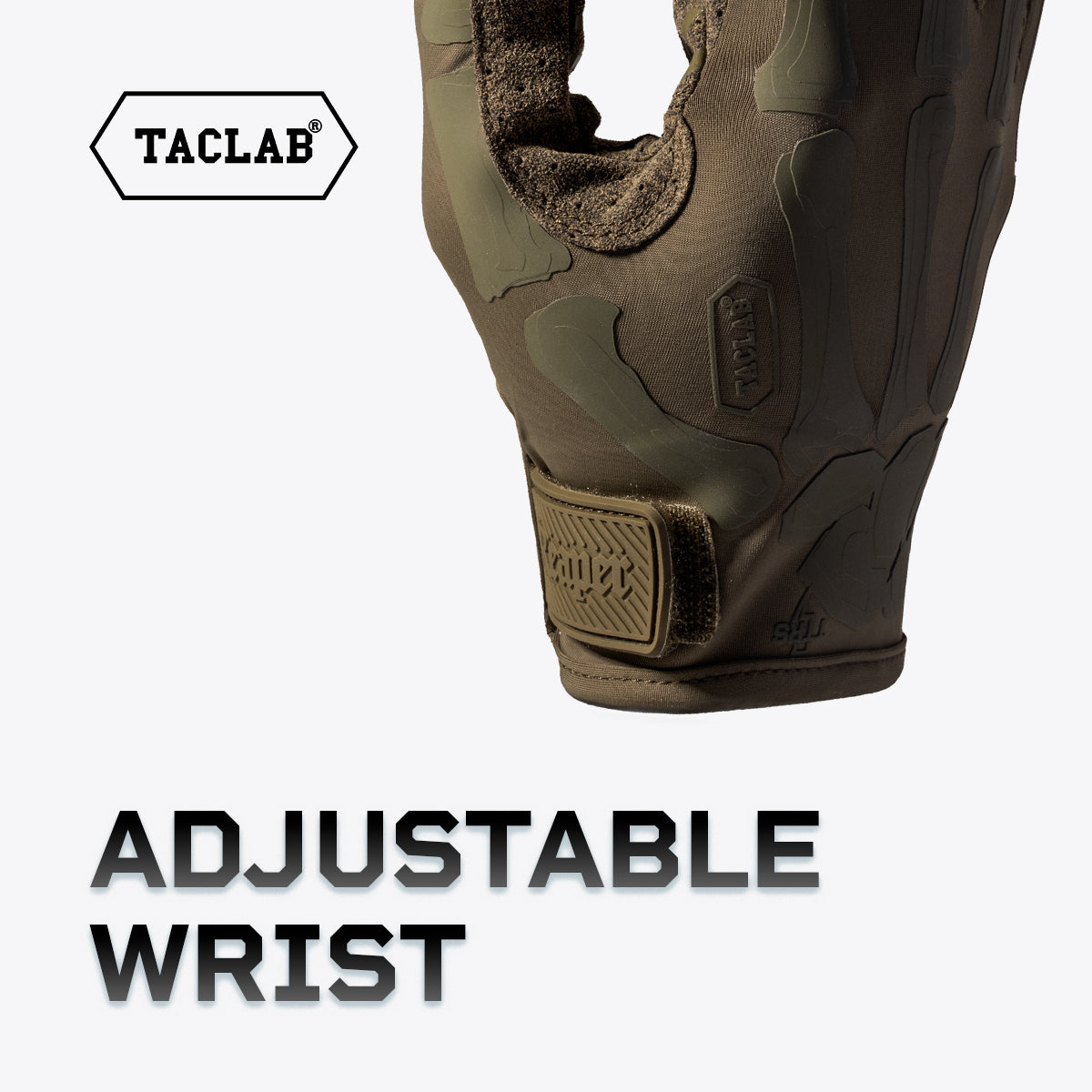
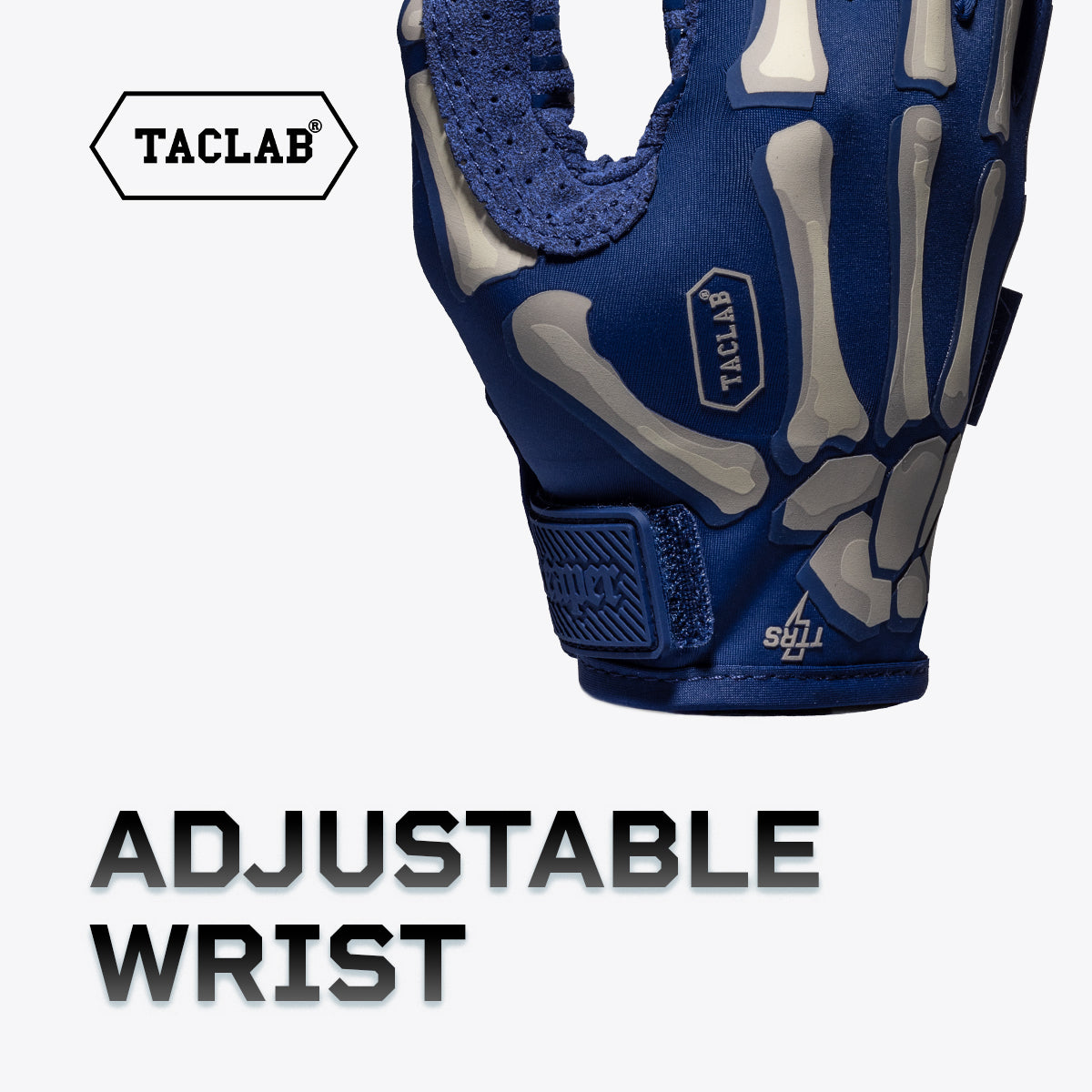
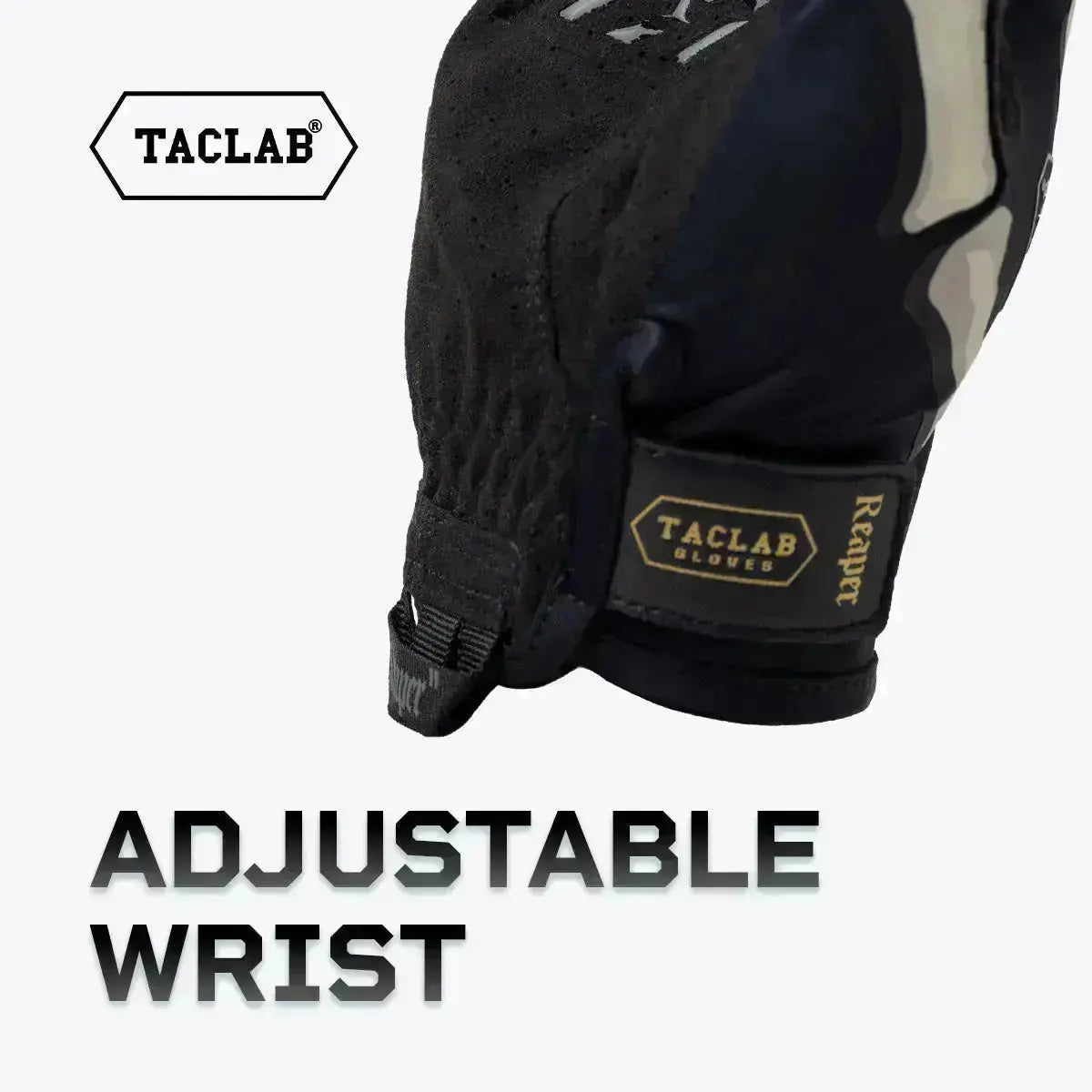
Minimalist Cuff: A low-profile, hook-and-loop closure that doesn’t interfere with your tactical watch or the cuffs of your combat shirt.
Phase 2: Heavy-Duty & Environmental Protection (The Patrol Glove)
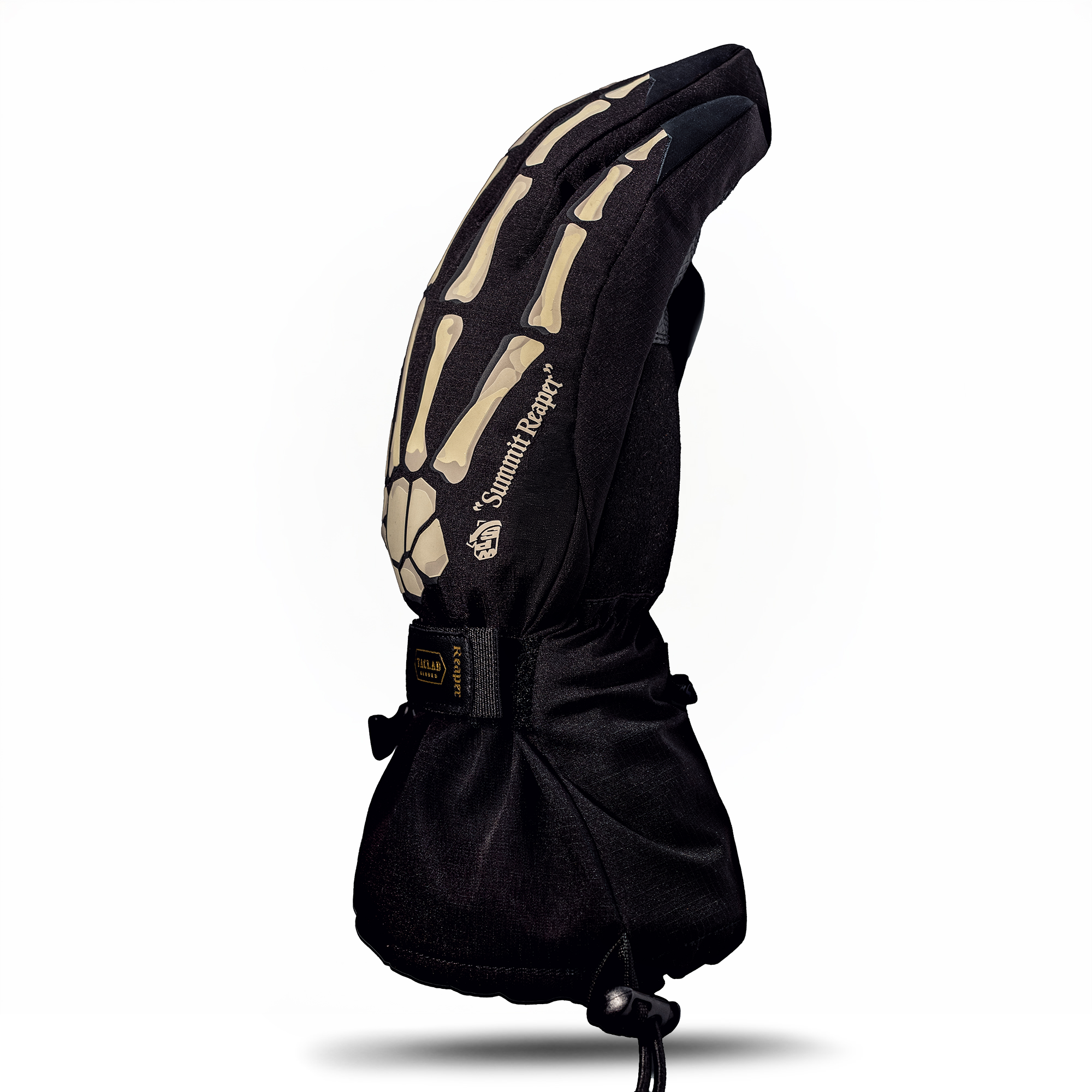
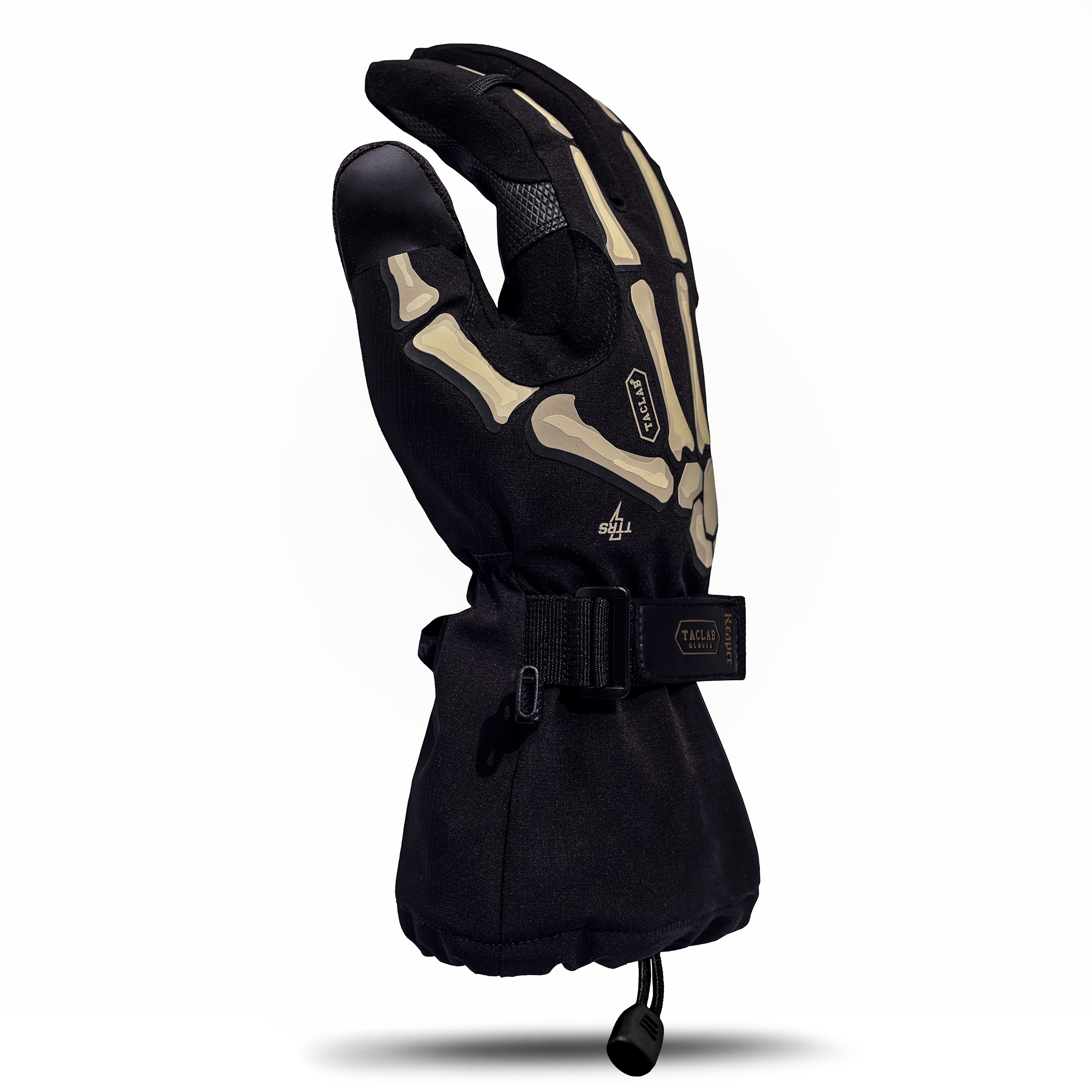
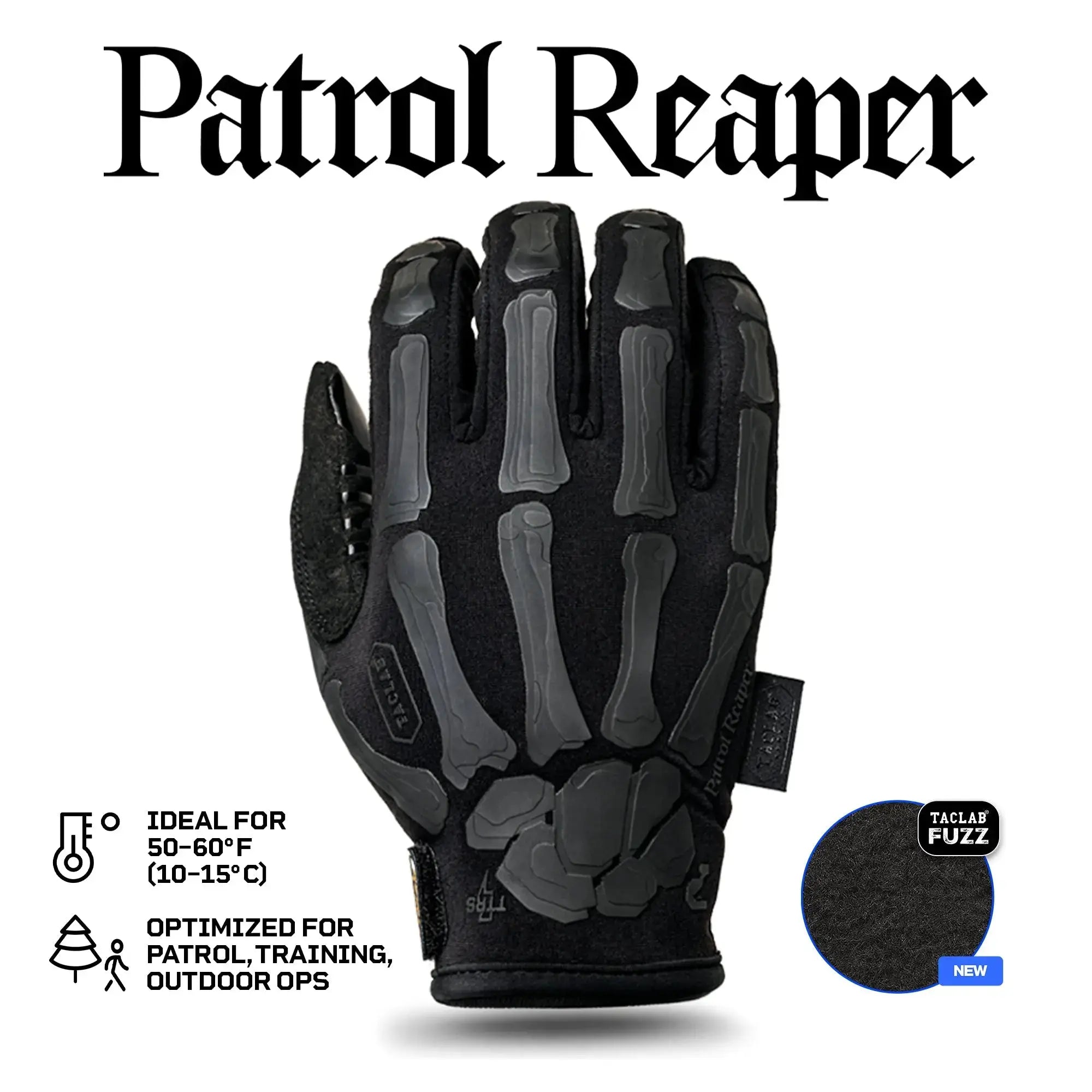
As operations transition into the night, or when the mission profile shifts to crowd control, vehicle recovery, or prolonged static posts, environmental protection takes priority over micro-dexterity.
What to look for:
-
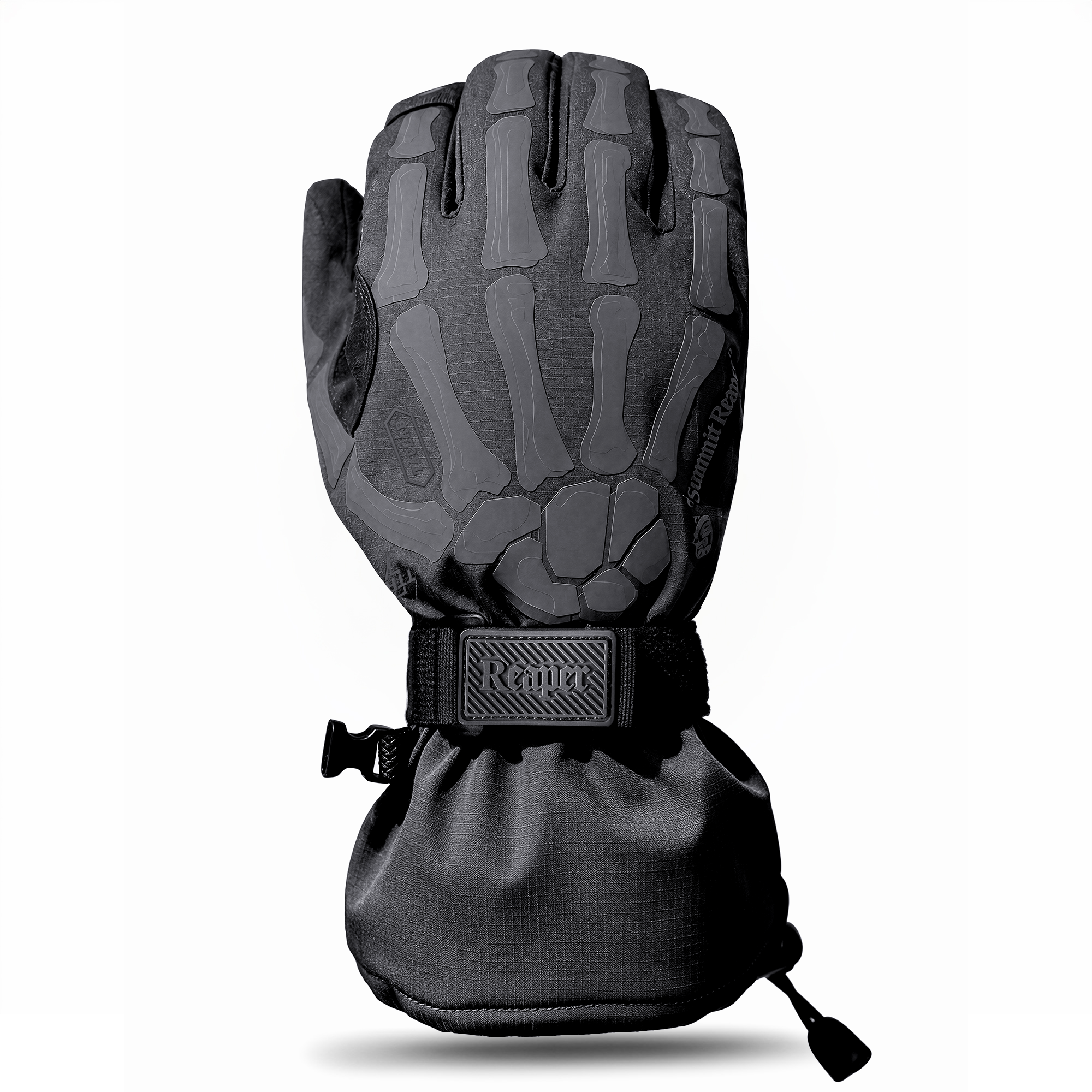
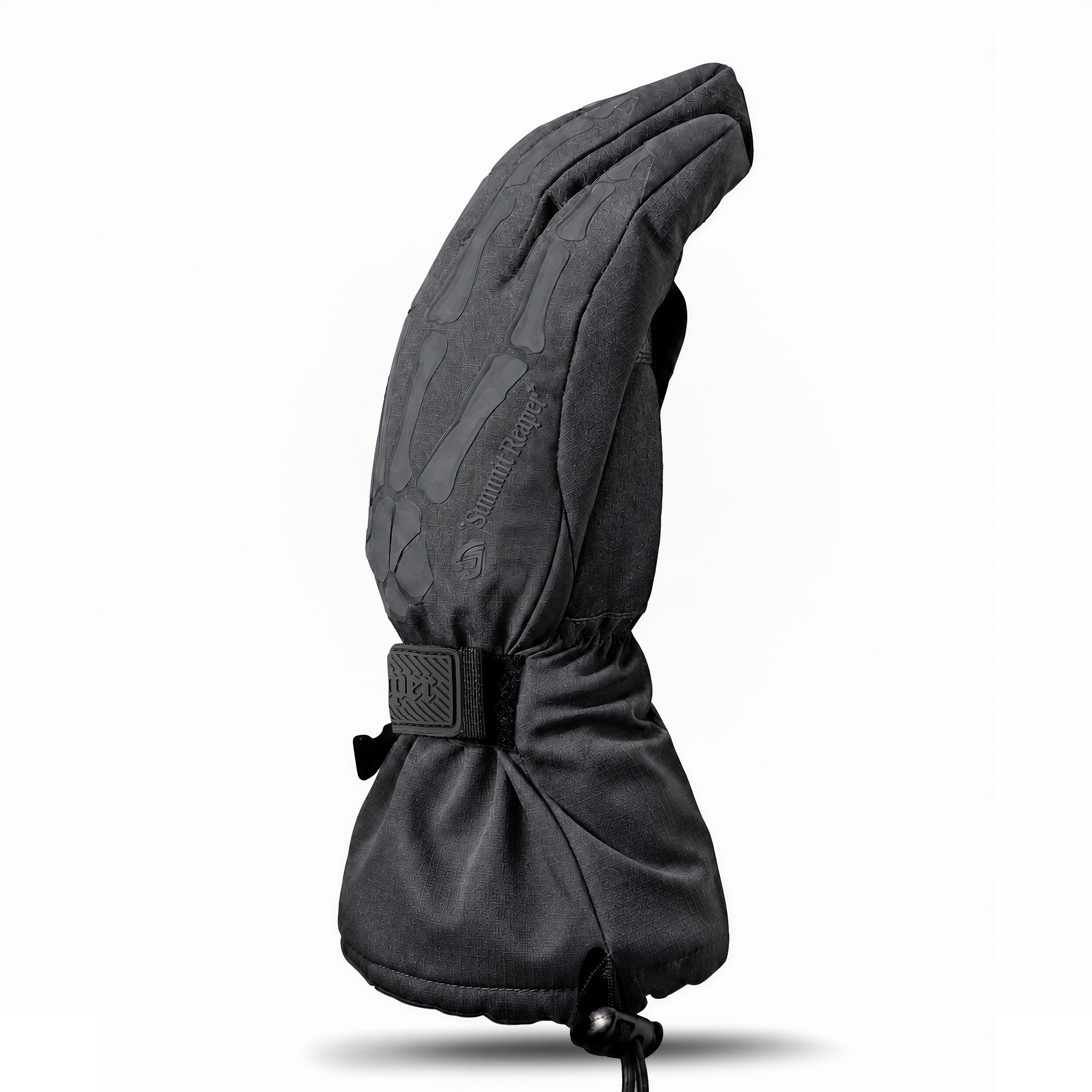
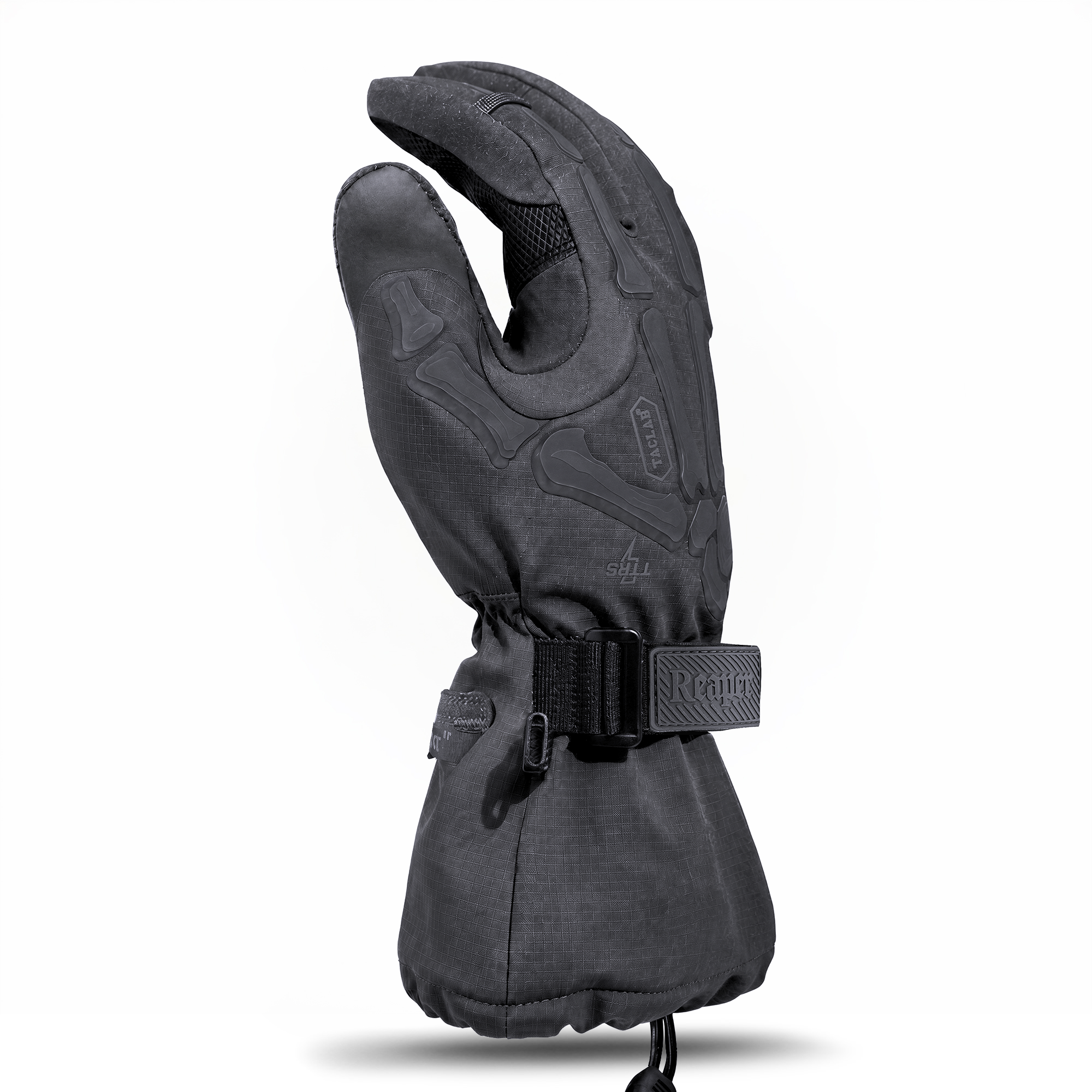
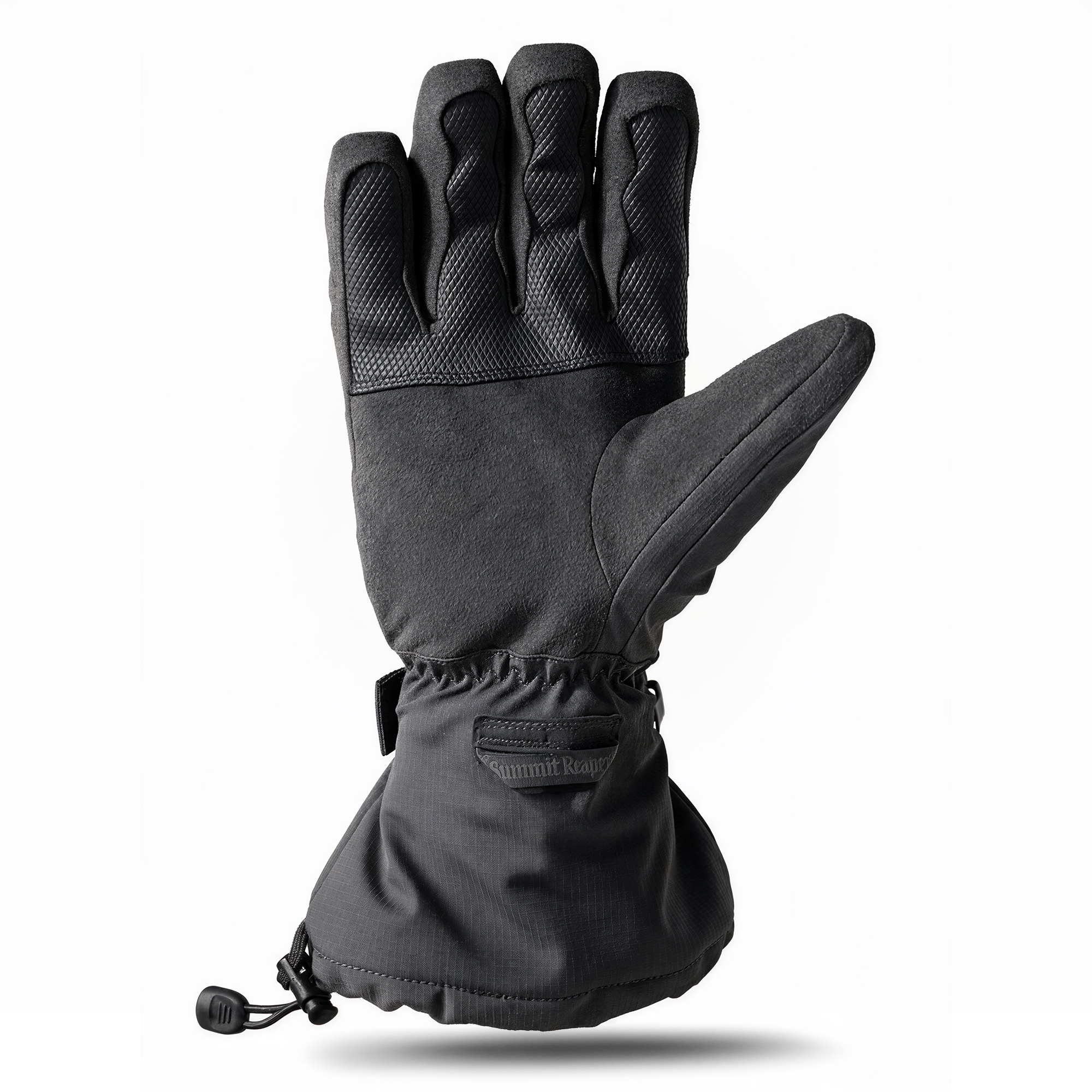
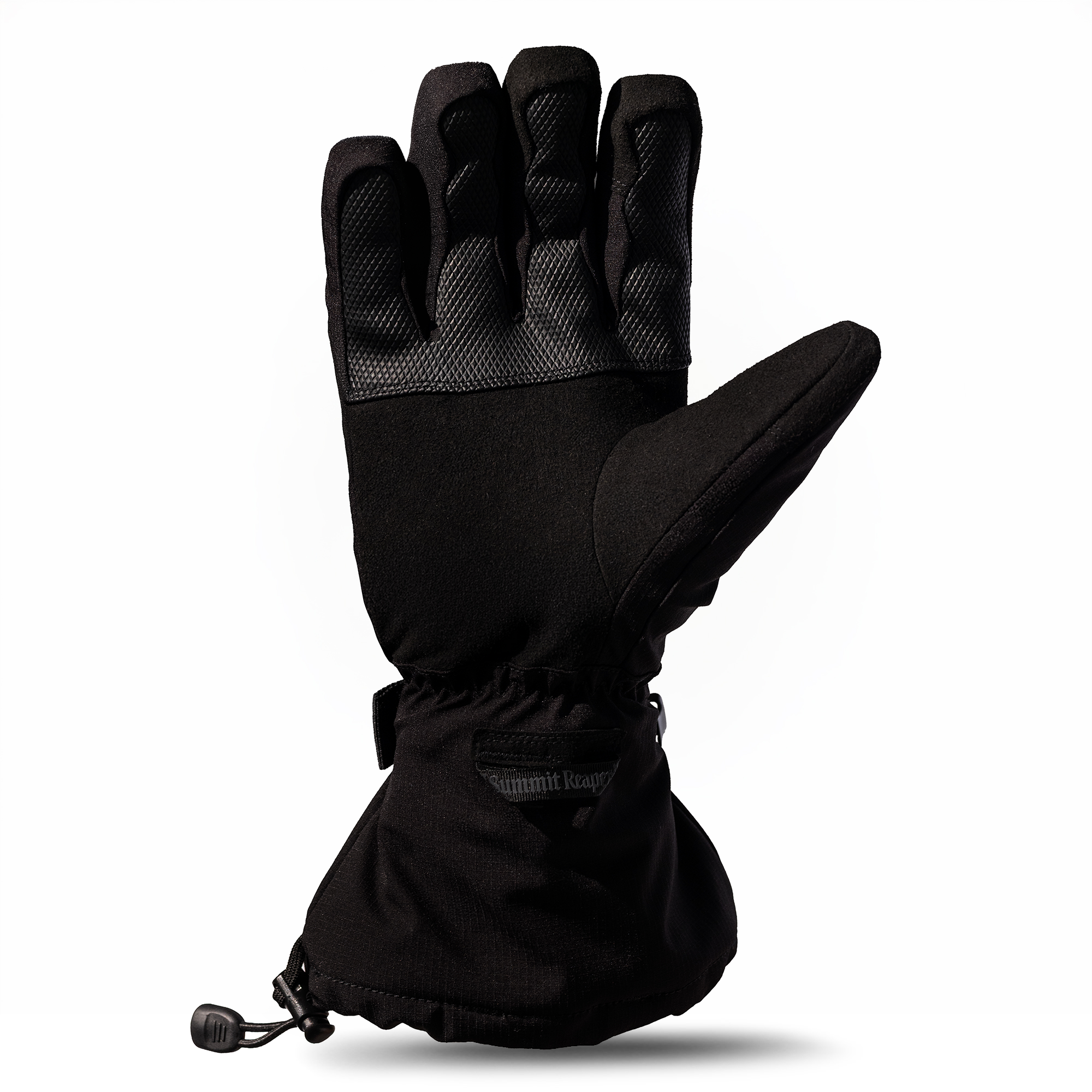
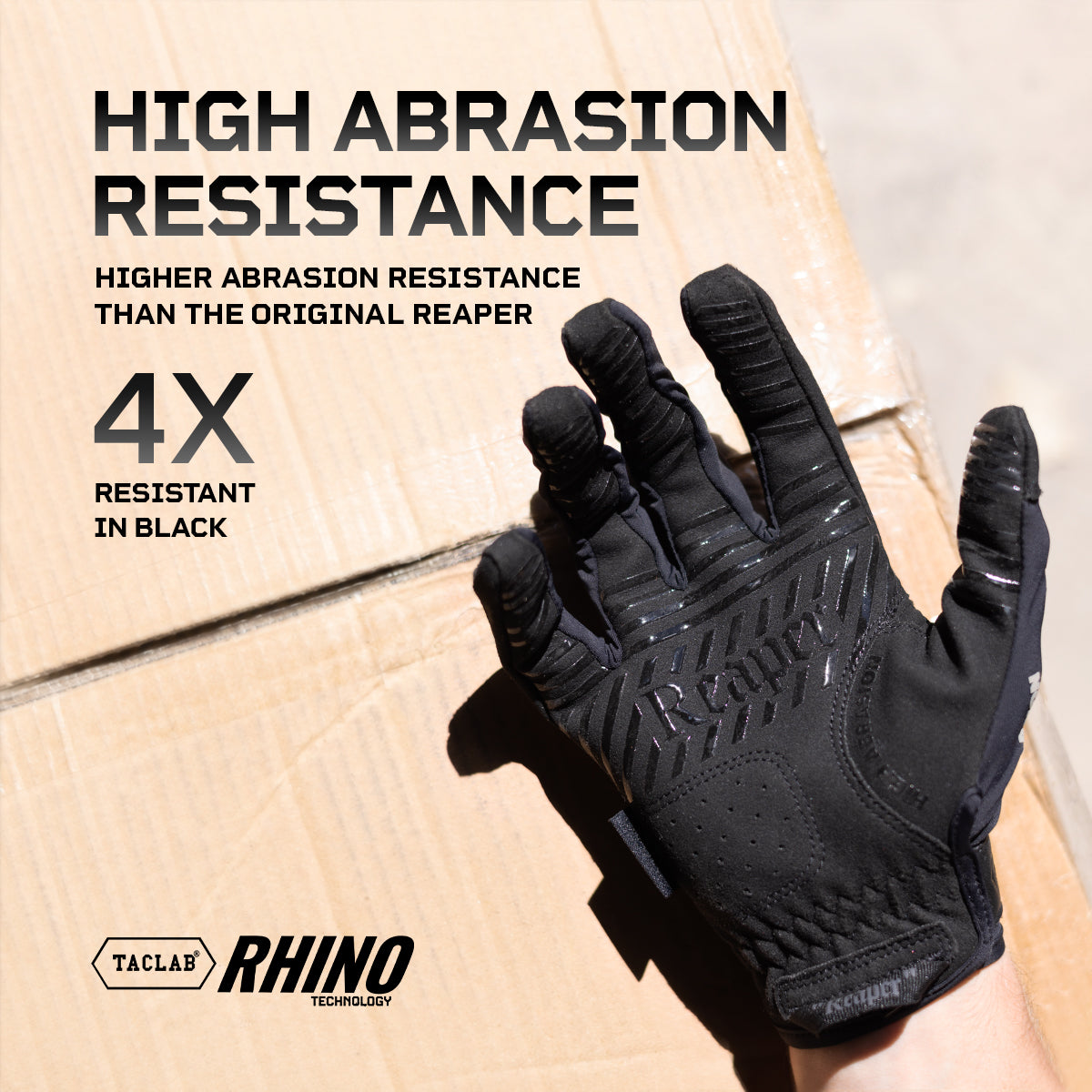
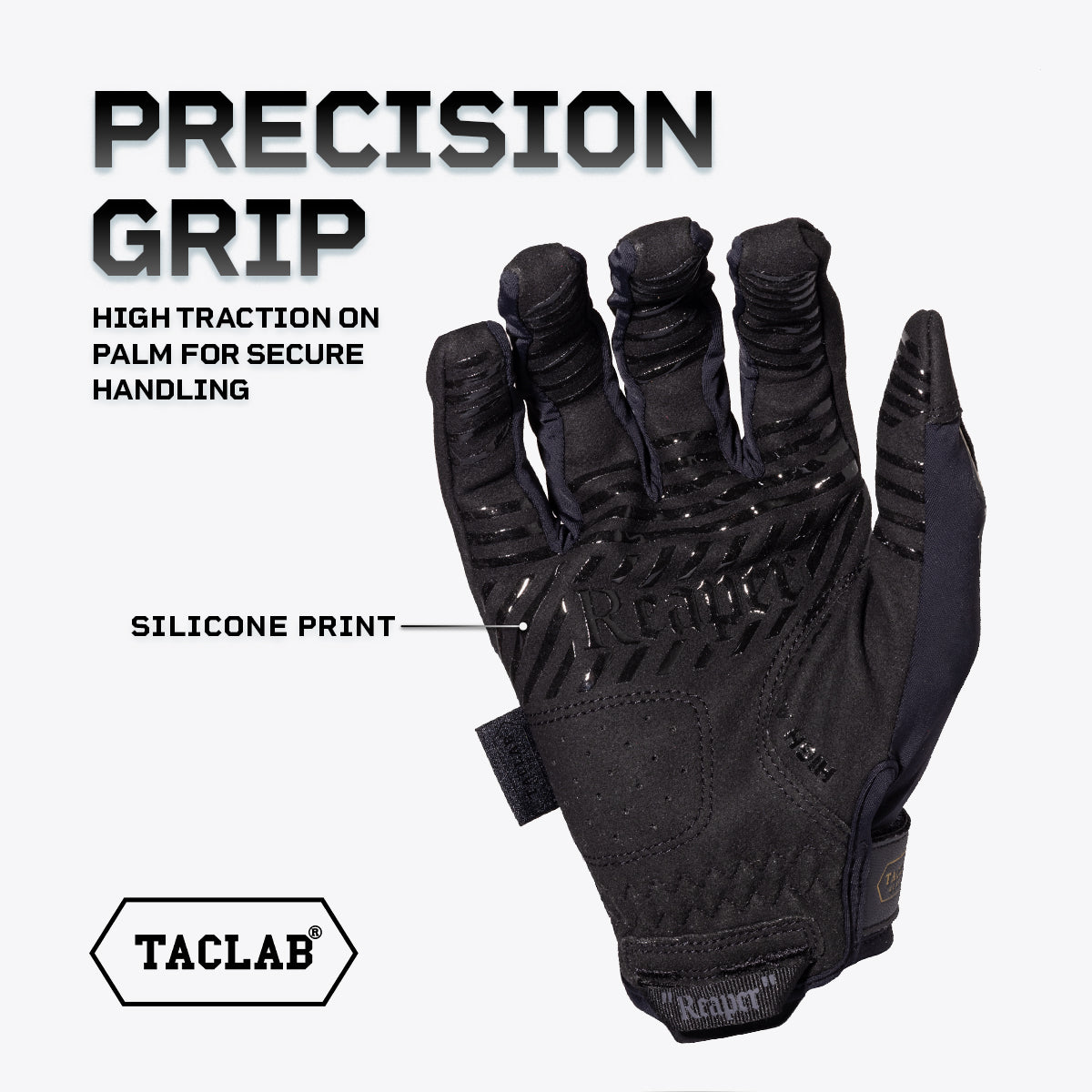
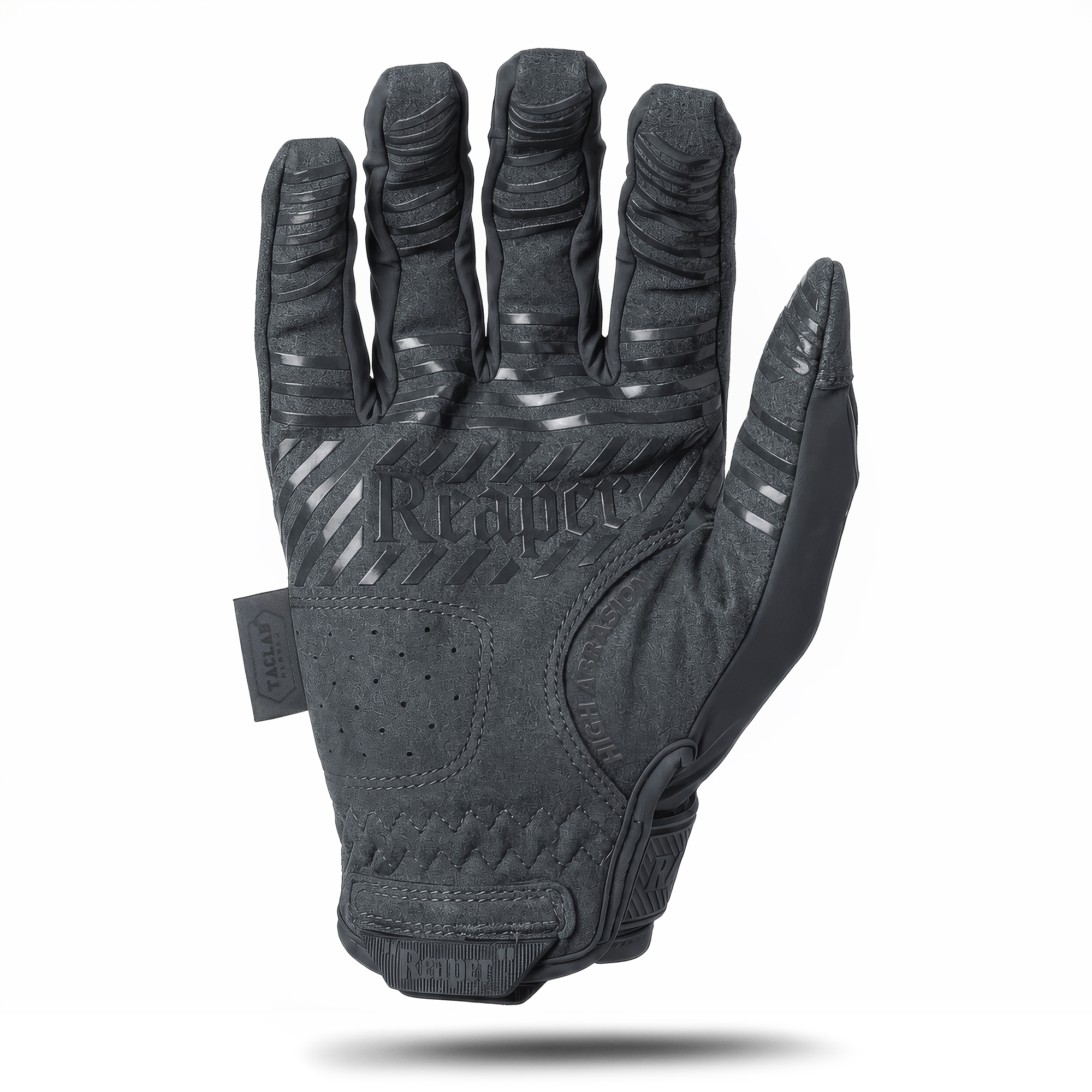
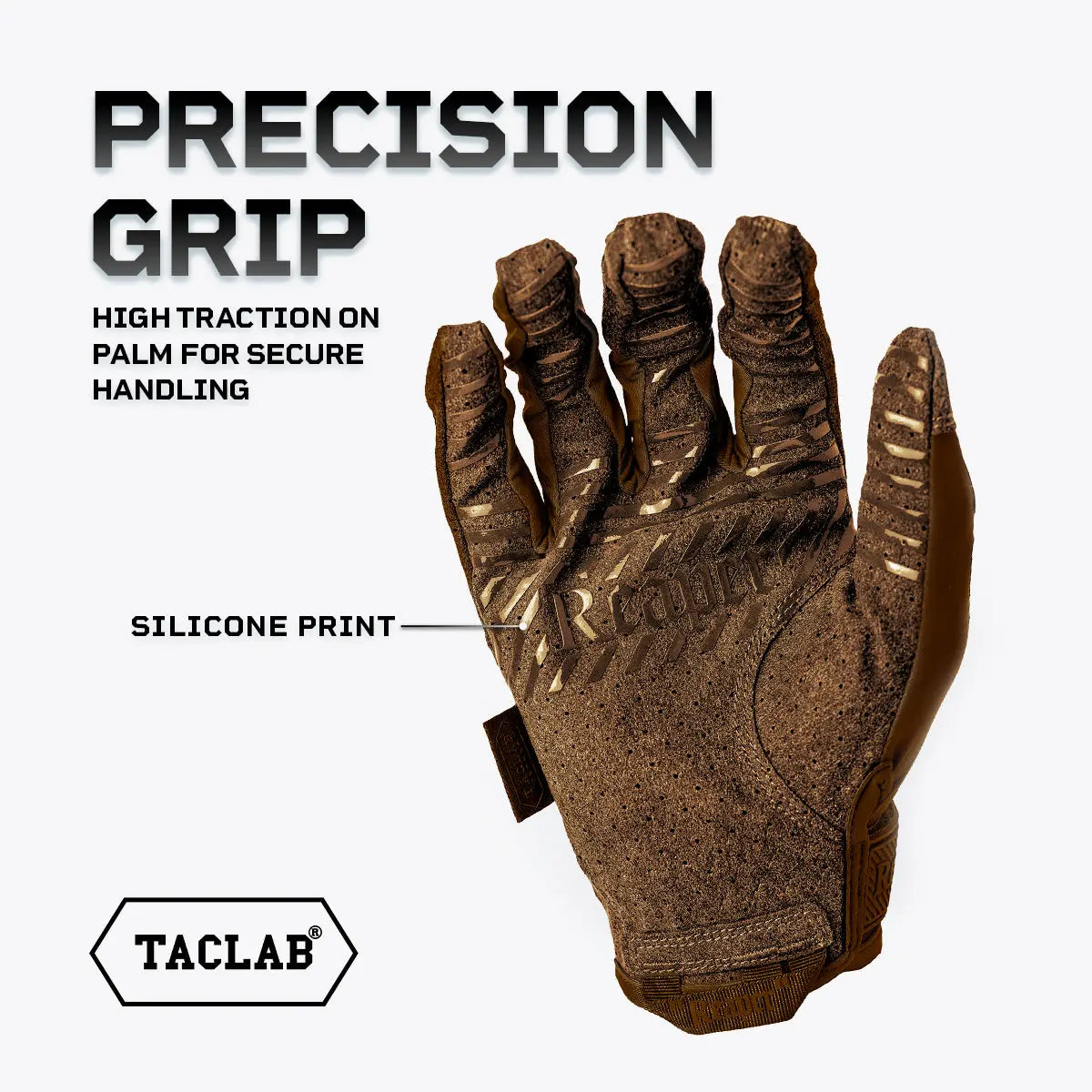
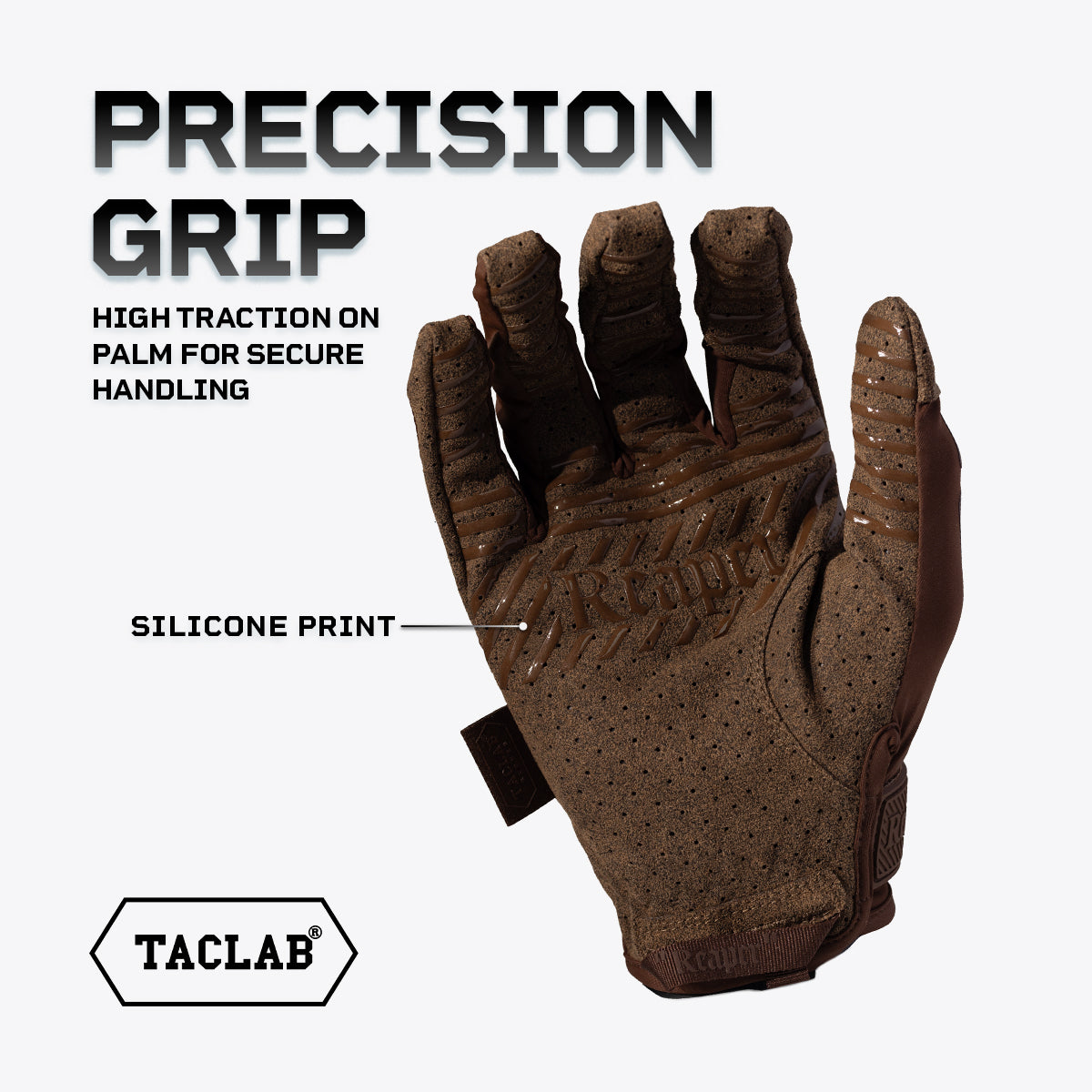
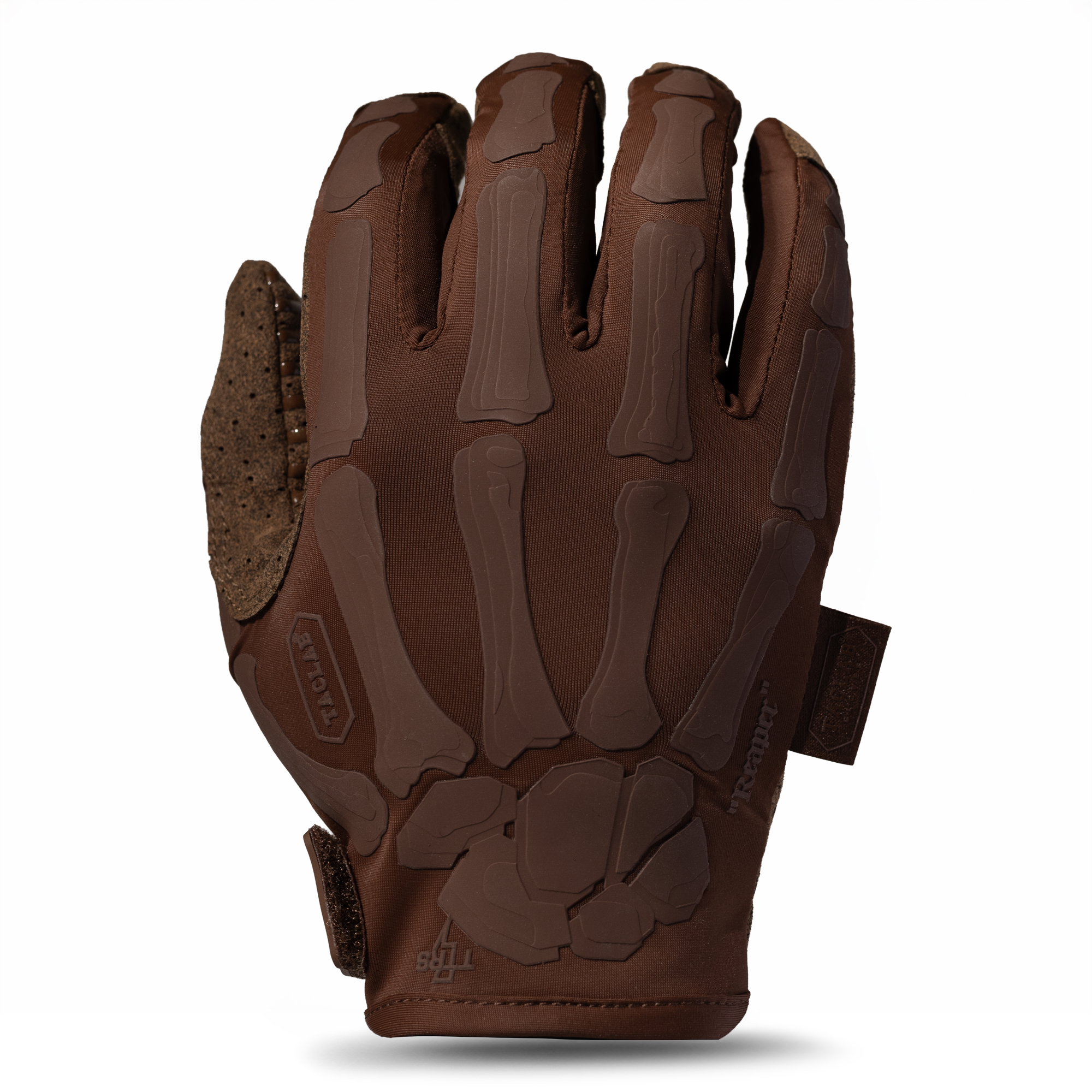
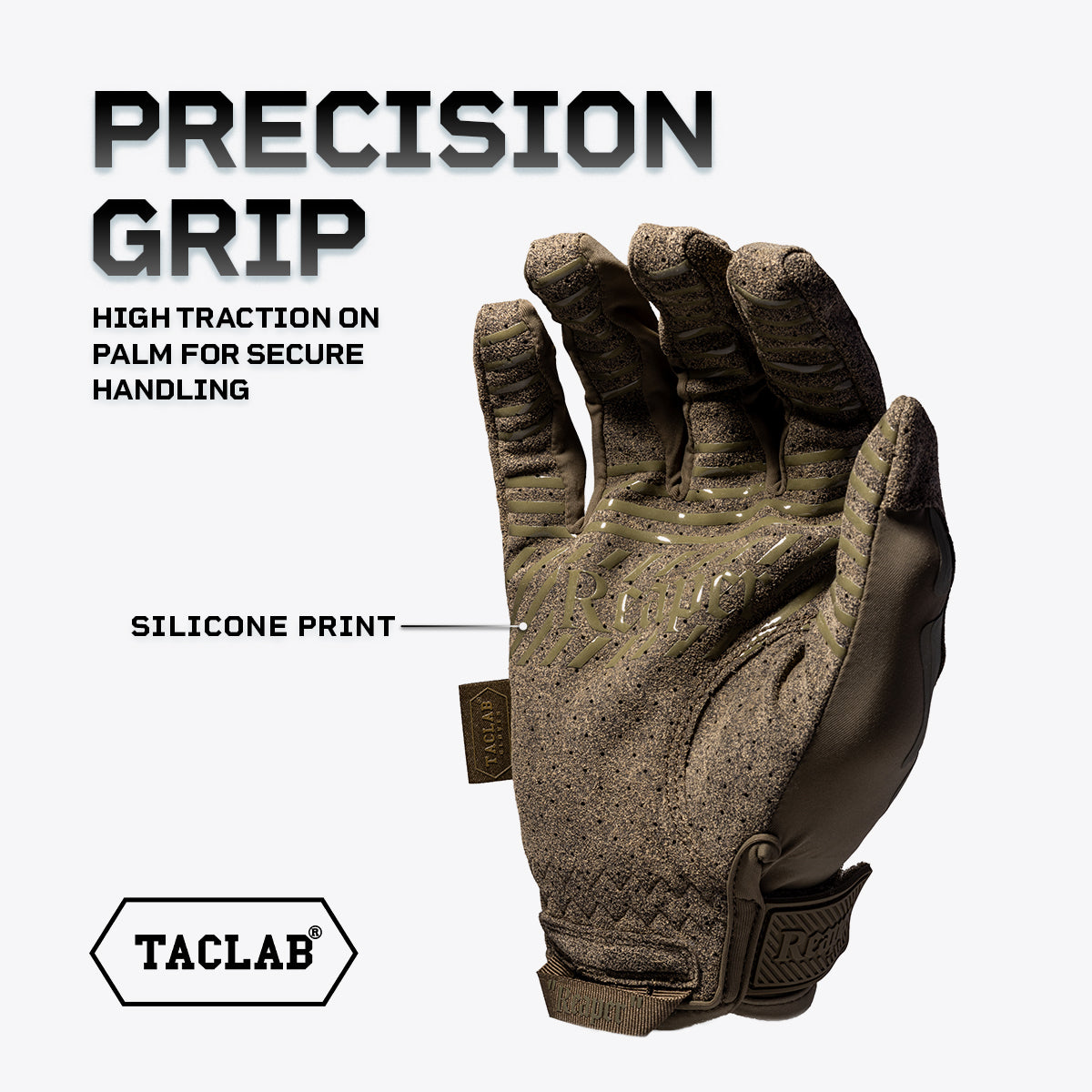
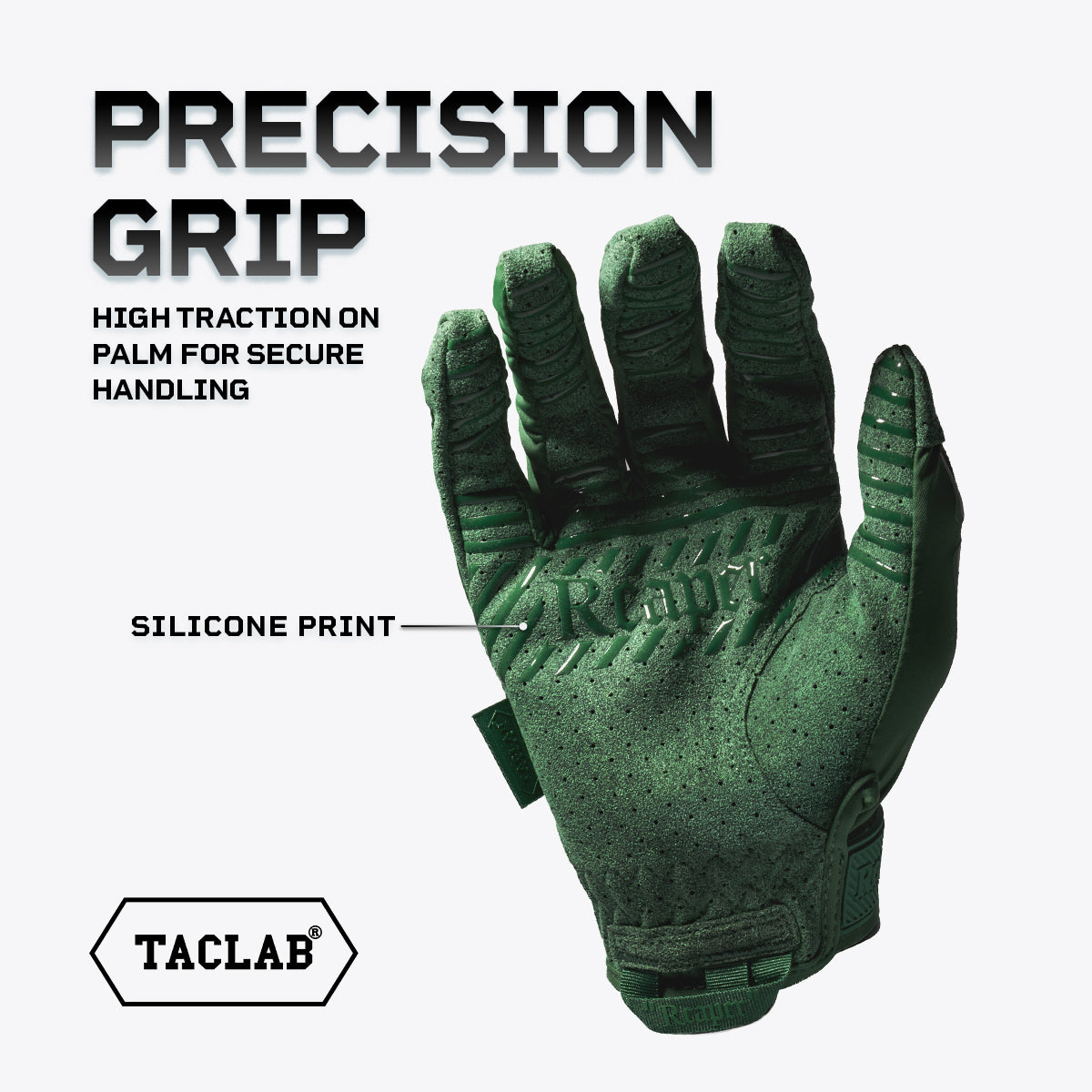
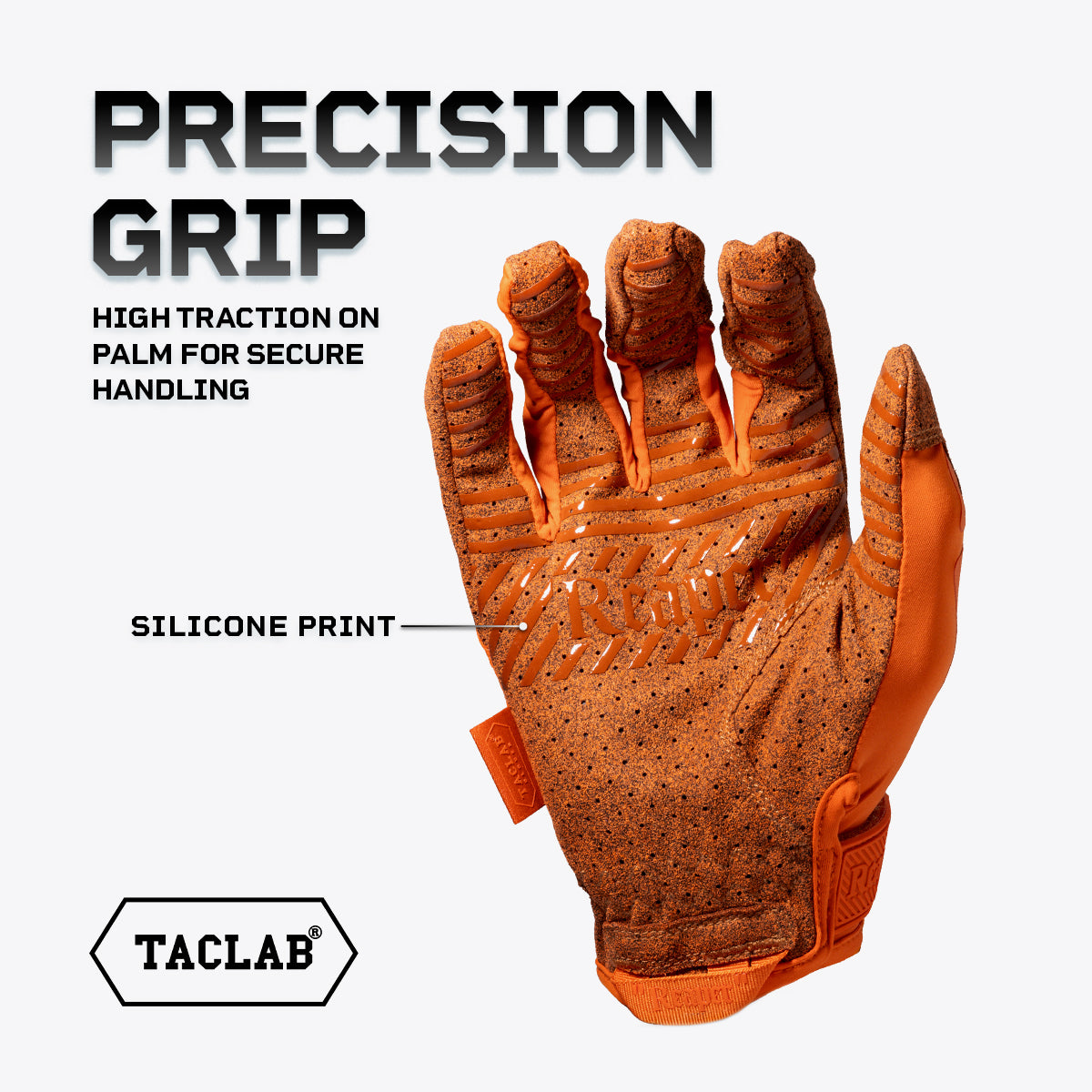
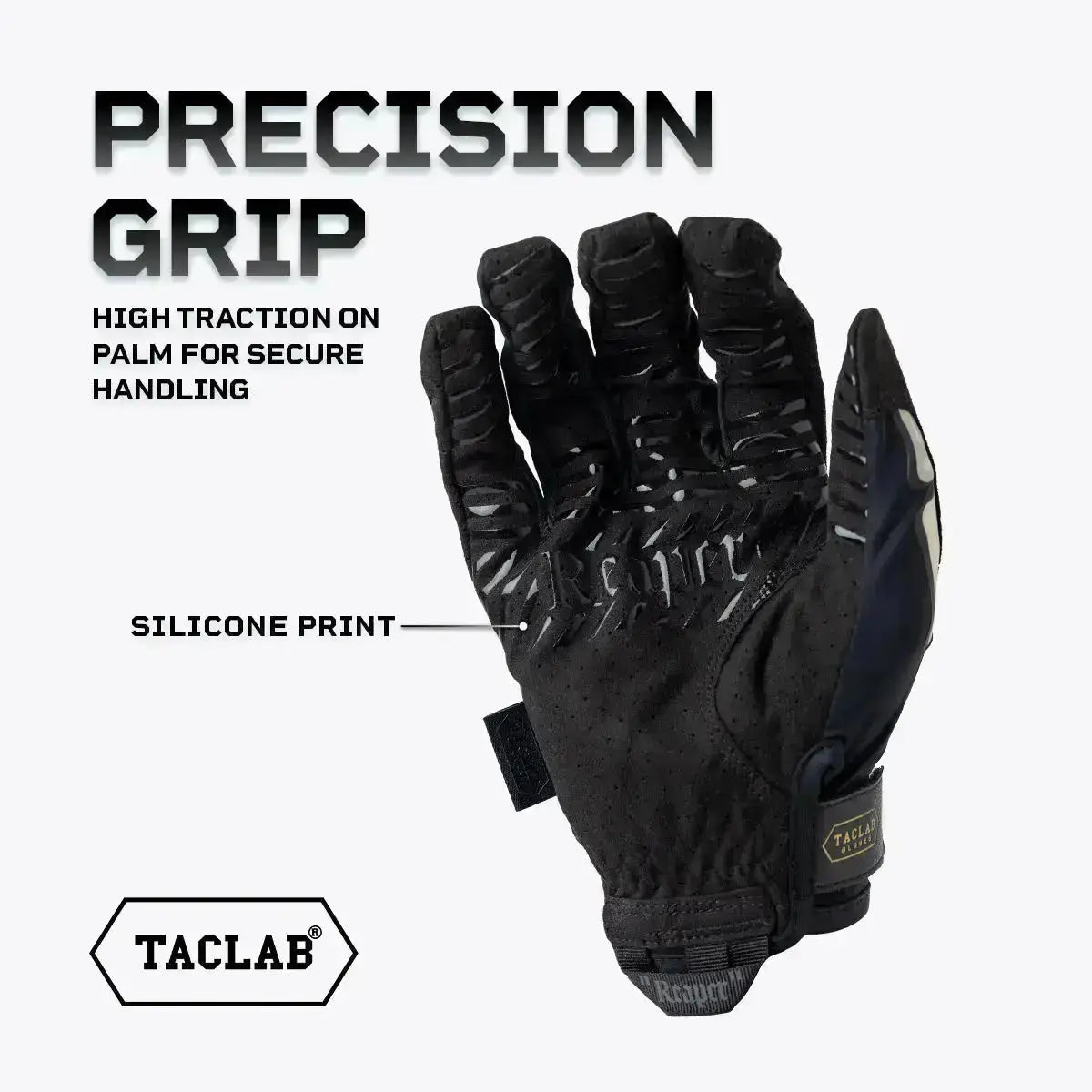
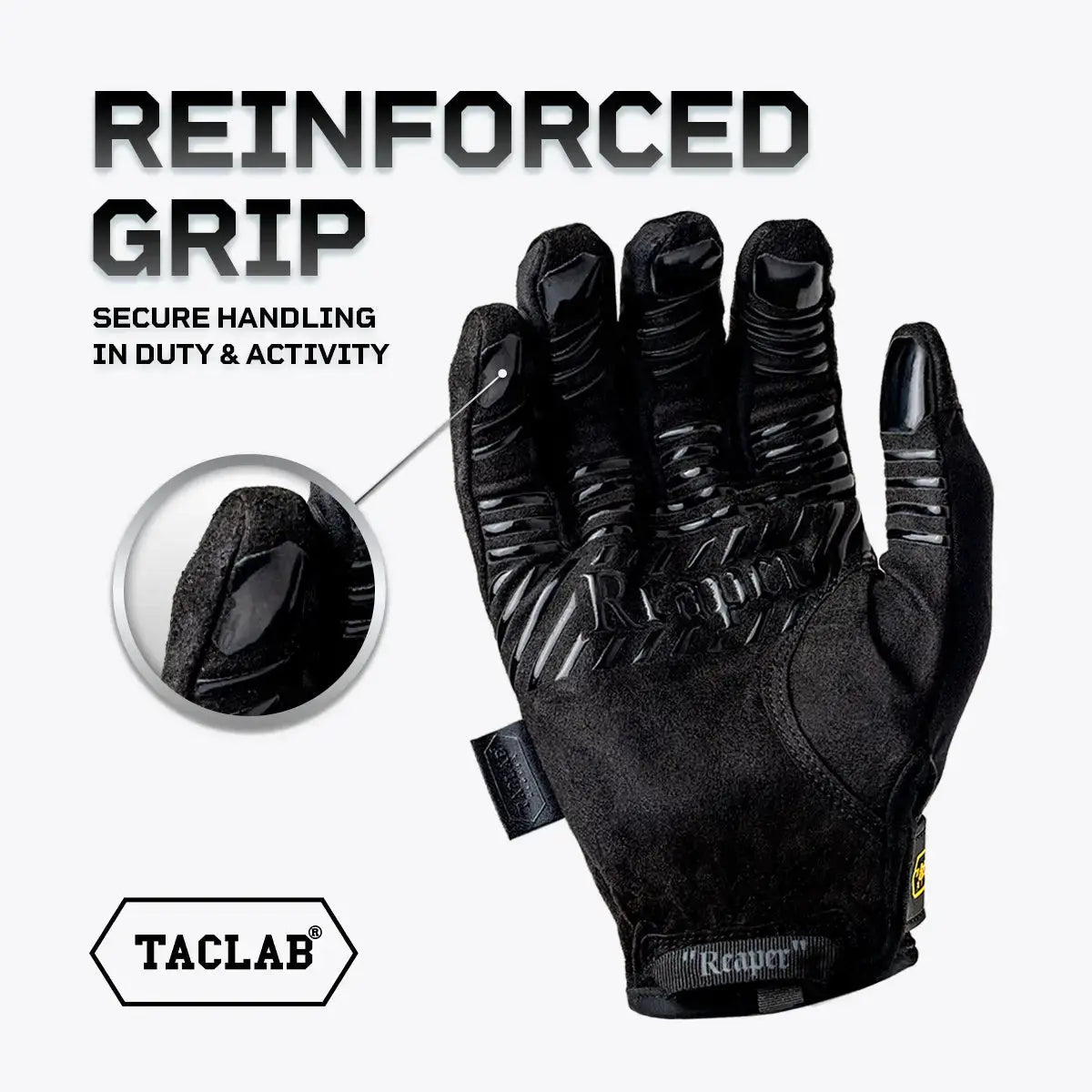
Reinforced Abrasion Zones: The palm and the webbing between the thumb and index finger must be reinforced with dual-layer fabrics or silicone overlays to withstand friction from ropes, rough barricades, or heavy equipment.
-
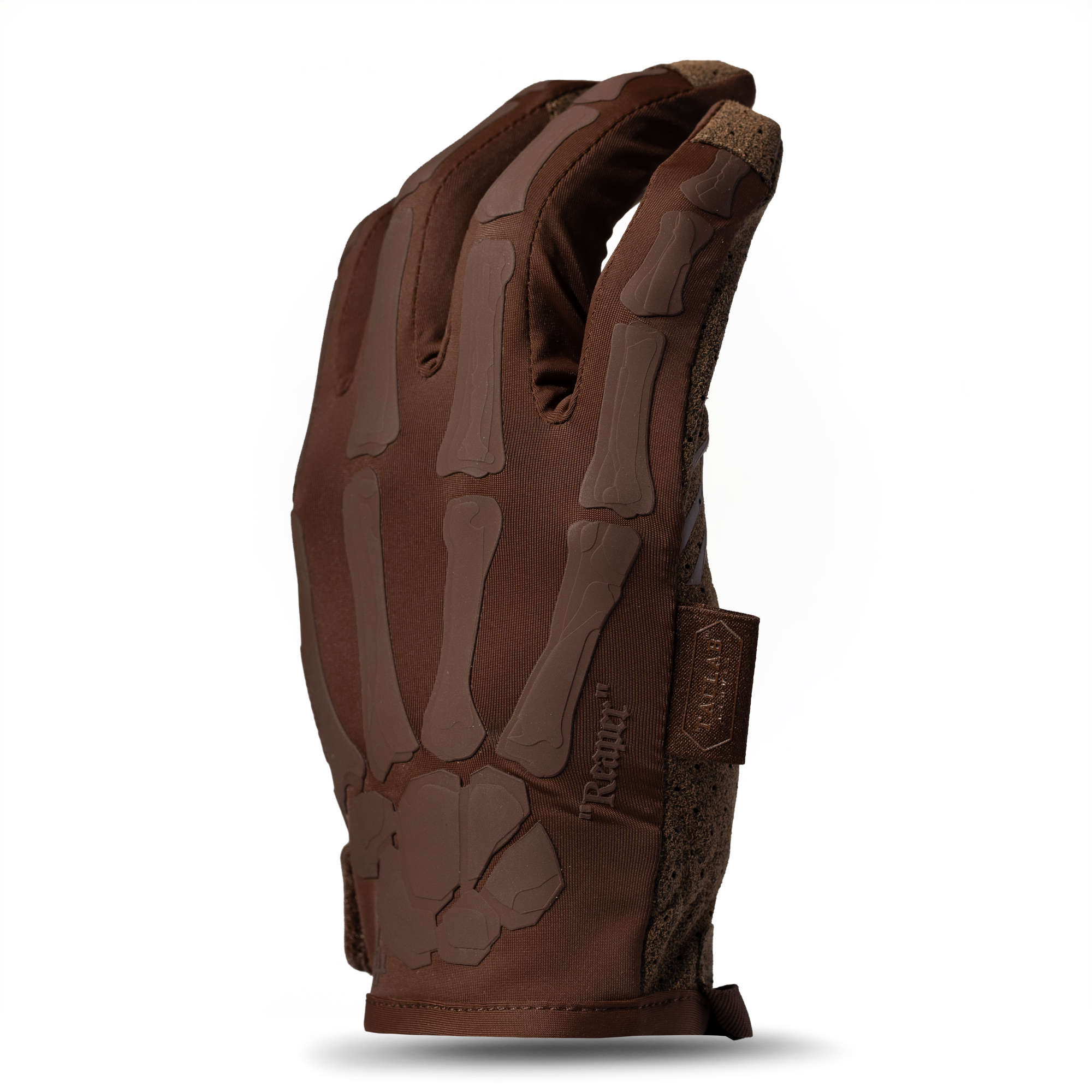
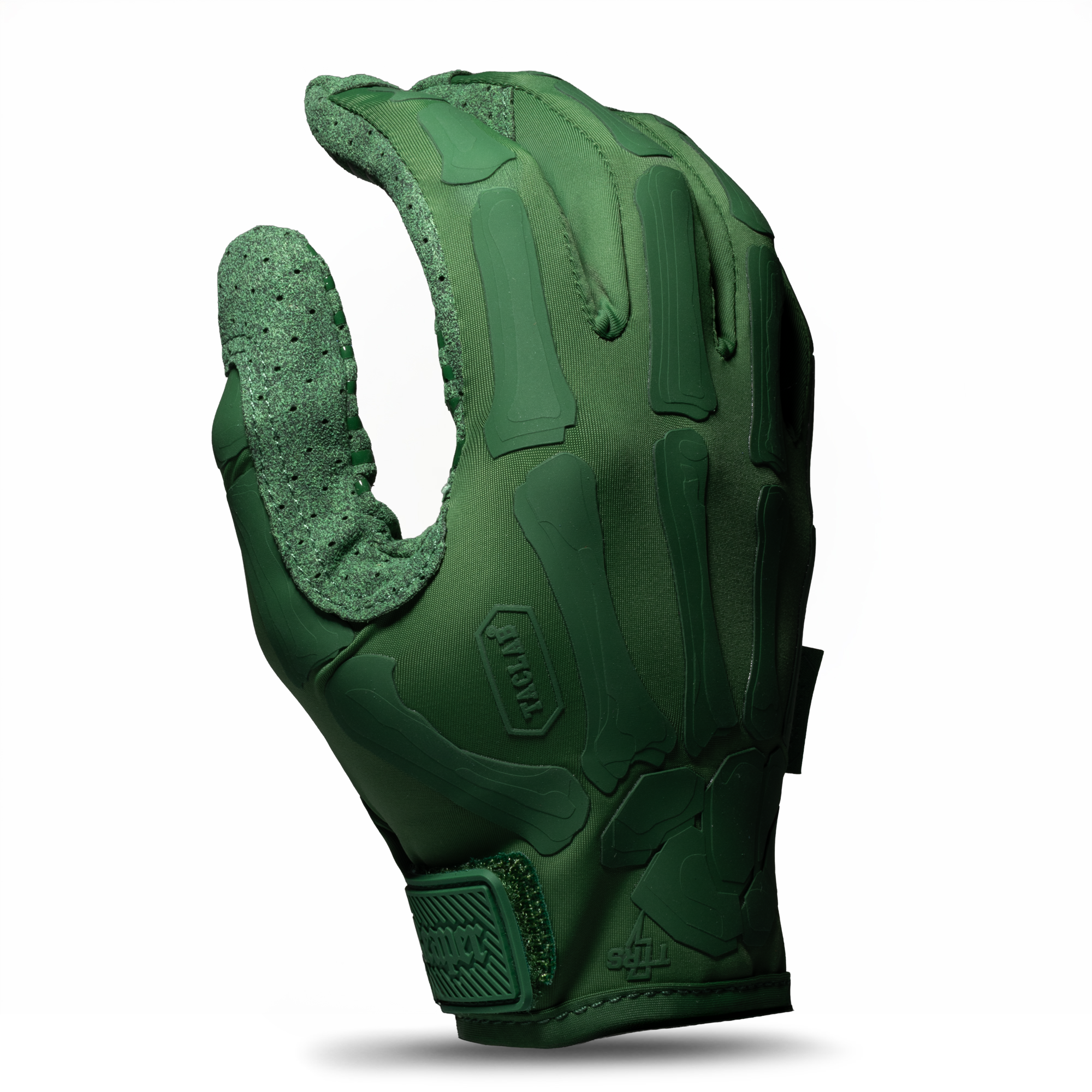
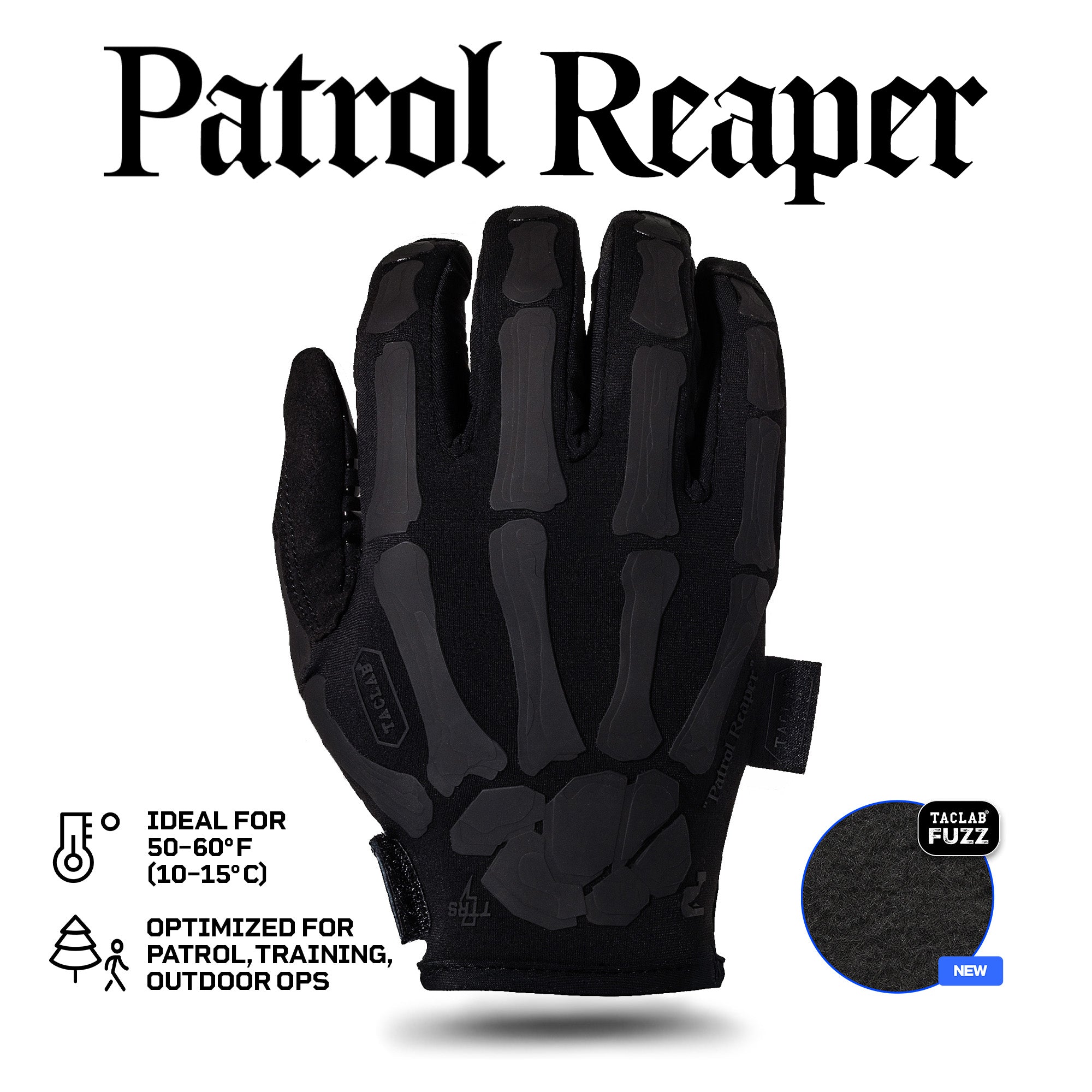
Impact Protection: While hard knuckle plastics can be too bulky for a sleek urban profile, high-density EVA foam or TPR (Thermoplastic Rubber) padding provides essential protection against blunt force without looking overly aggressive.
-
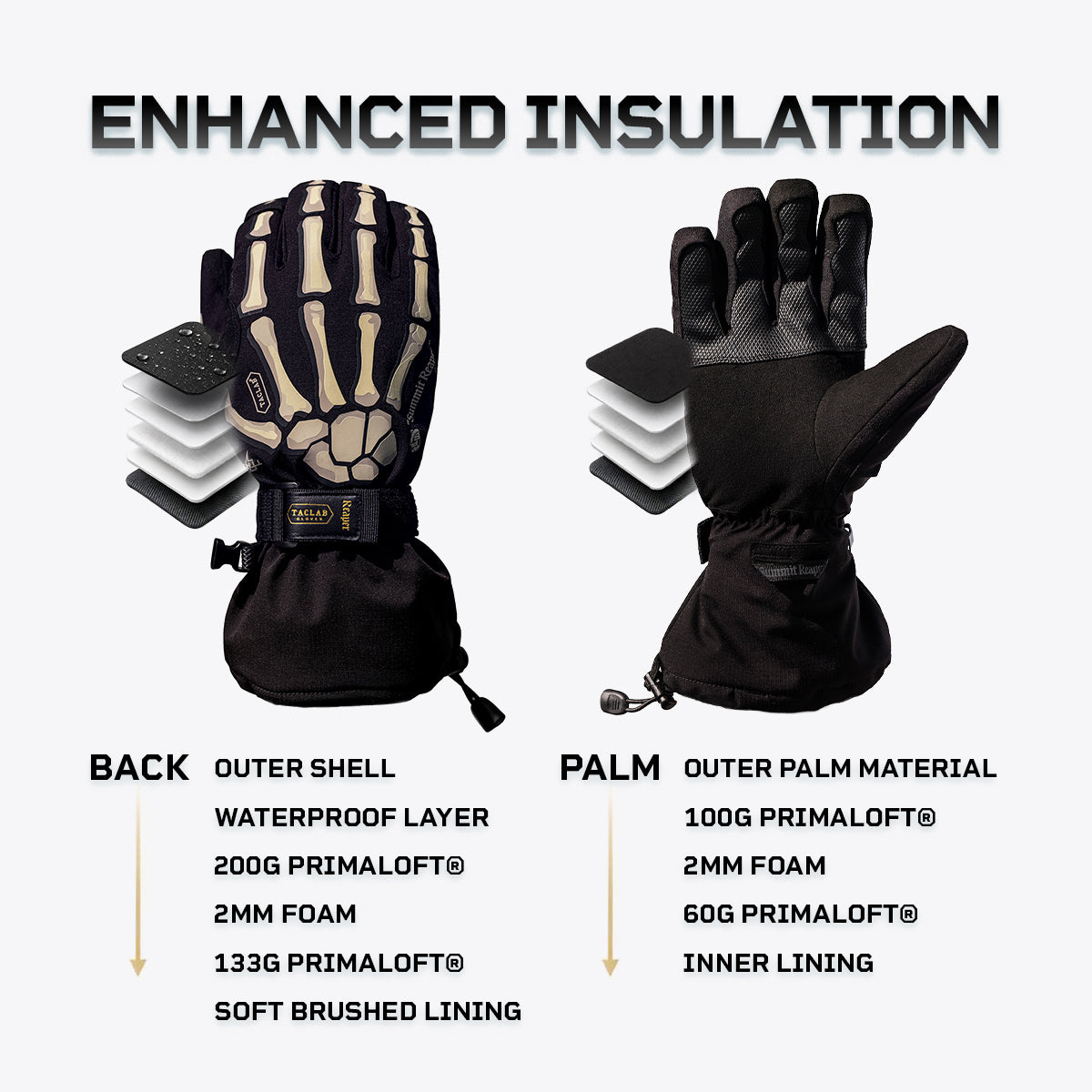
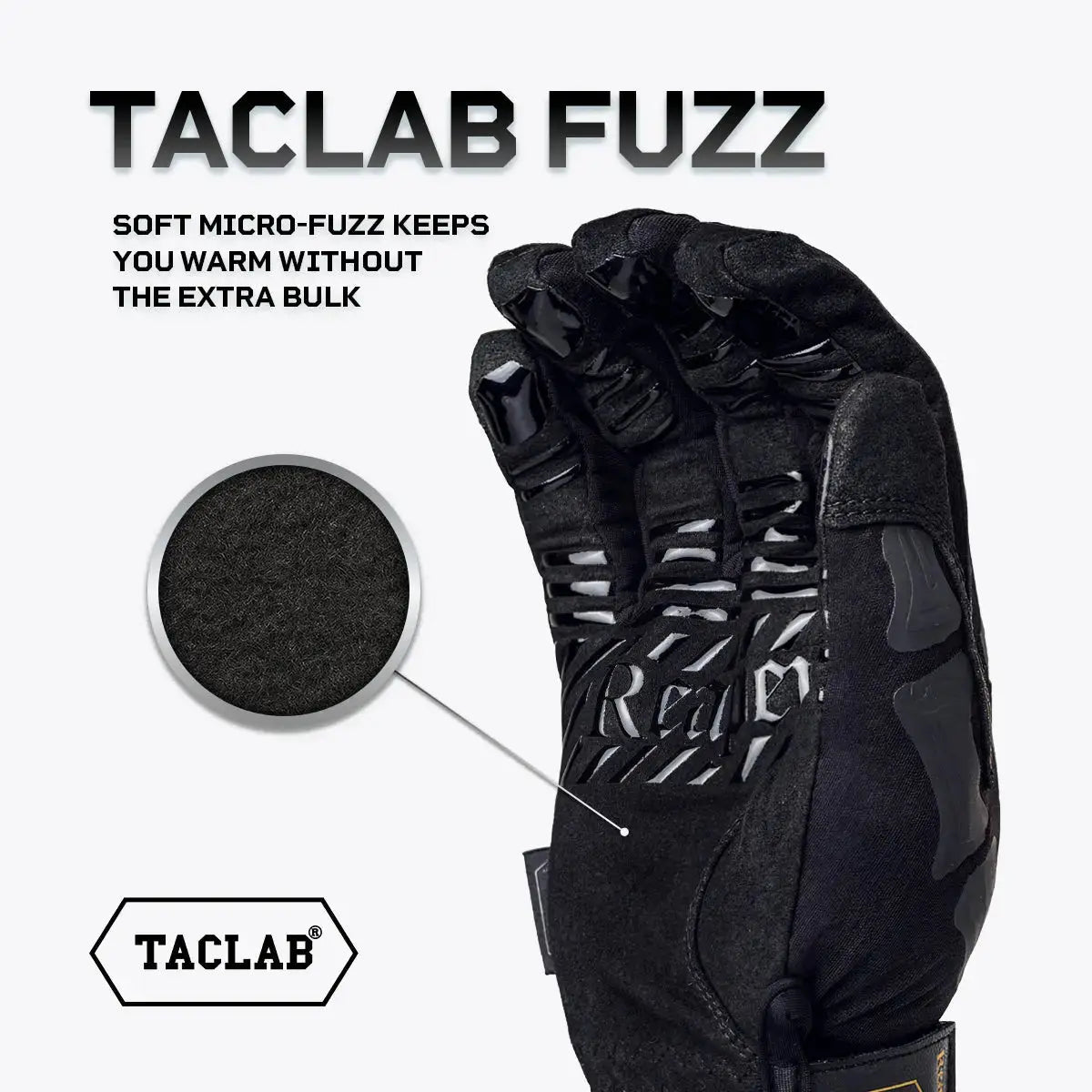
Mild Thermal Retention: A slightly denser weave or a micro-fleece lining is necessary to combat the ambient temperature drops of a night shift, preventing the stiffening of finger joints.
The Operational Advantage of Modularity
Carrying a dedicated lightweight shooter's glove and a reinforced patrol glove in your kit eliminates the friction of compromise.
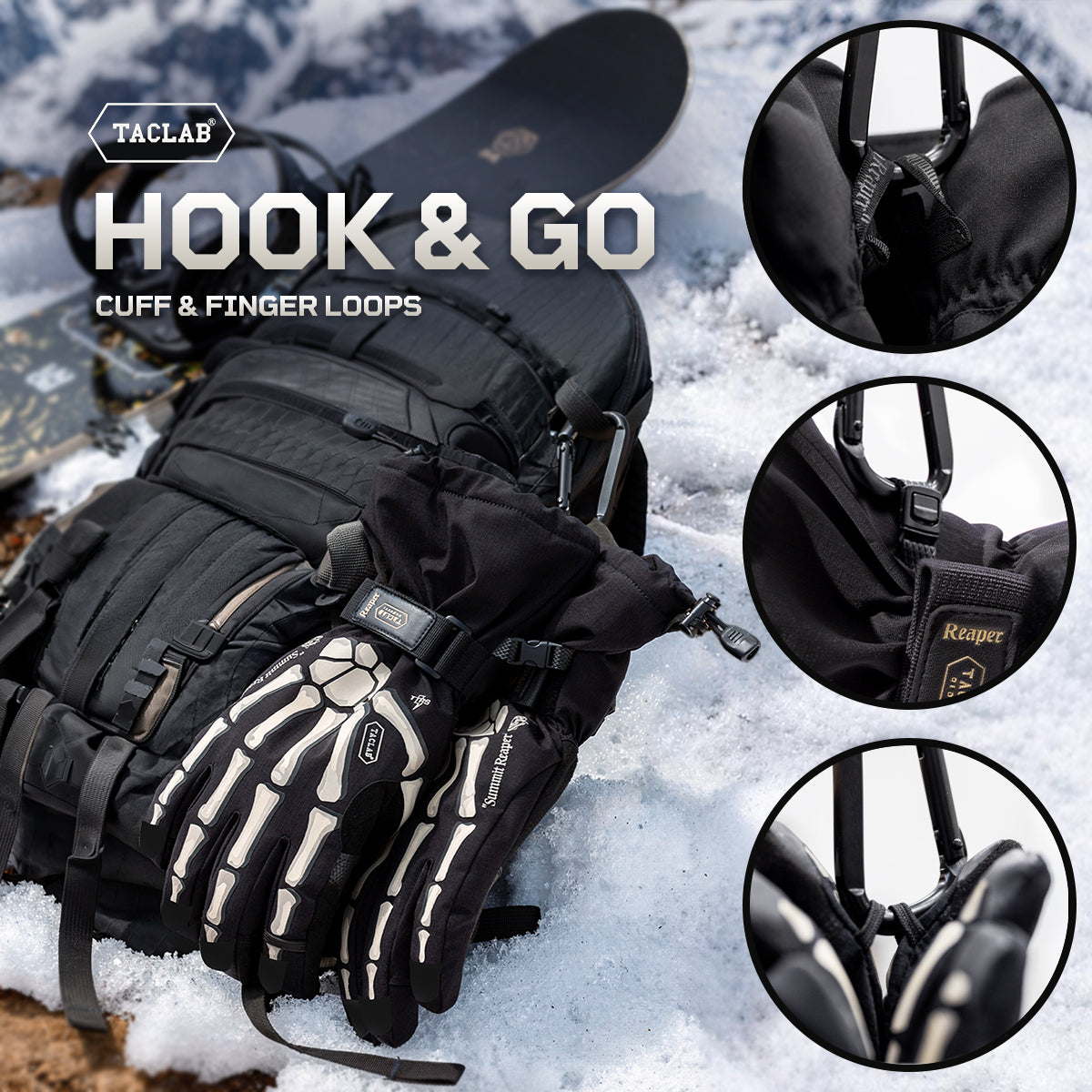
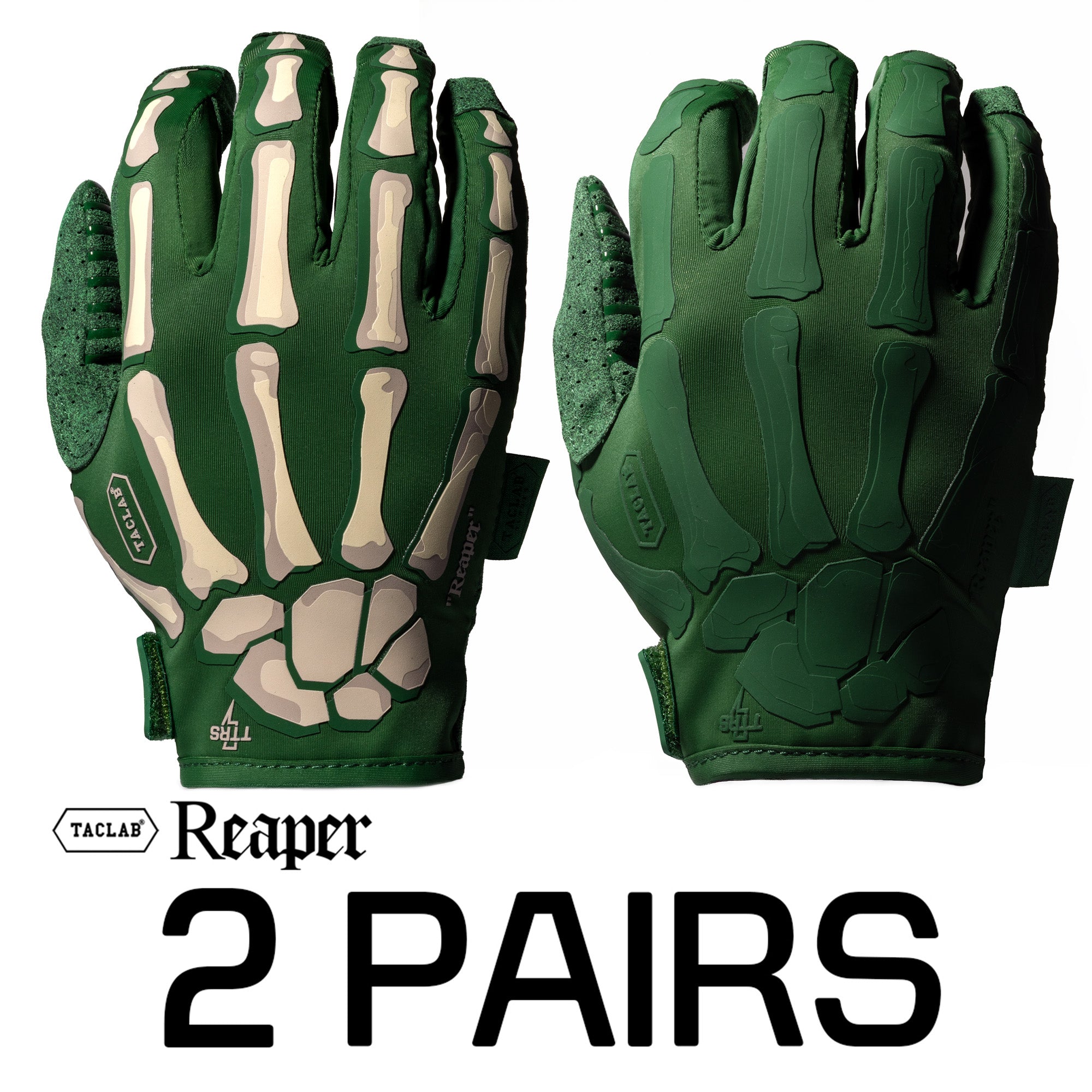
This modularity offers a critical tactical advantage: Redundancy. If your primary gloves become contaminated with oil, soaked by rain, or compromised by barbed wire, you have an immediate backup ready to deploy. Furthermore, rotating two pairs allows the materials to breathe and recover, exponentially extending the lifespan of both items compared to wearing a single pair for 24 hours straight.
When your environment is unpredictable, your gear shouldn't be. Stop searching for the perfect compromise, and start building a systematic loadout.
🔍 Frequently Asked Questions (FAQ)
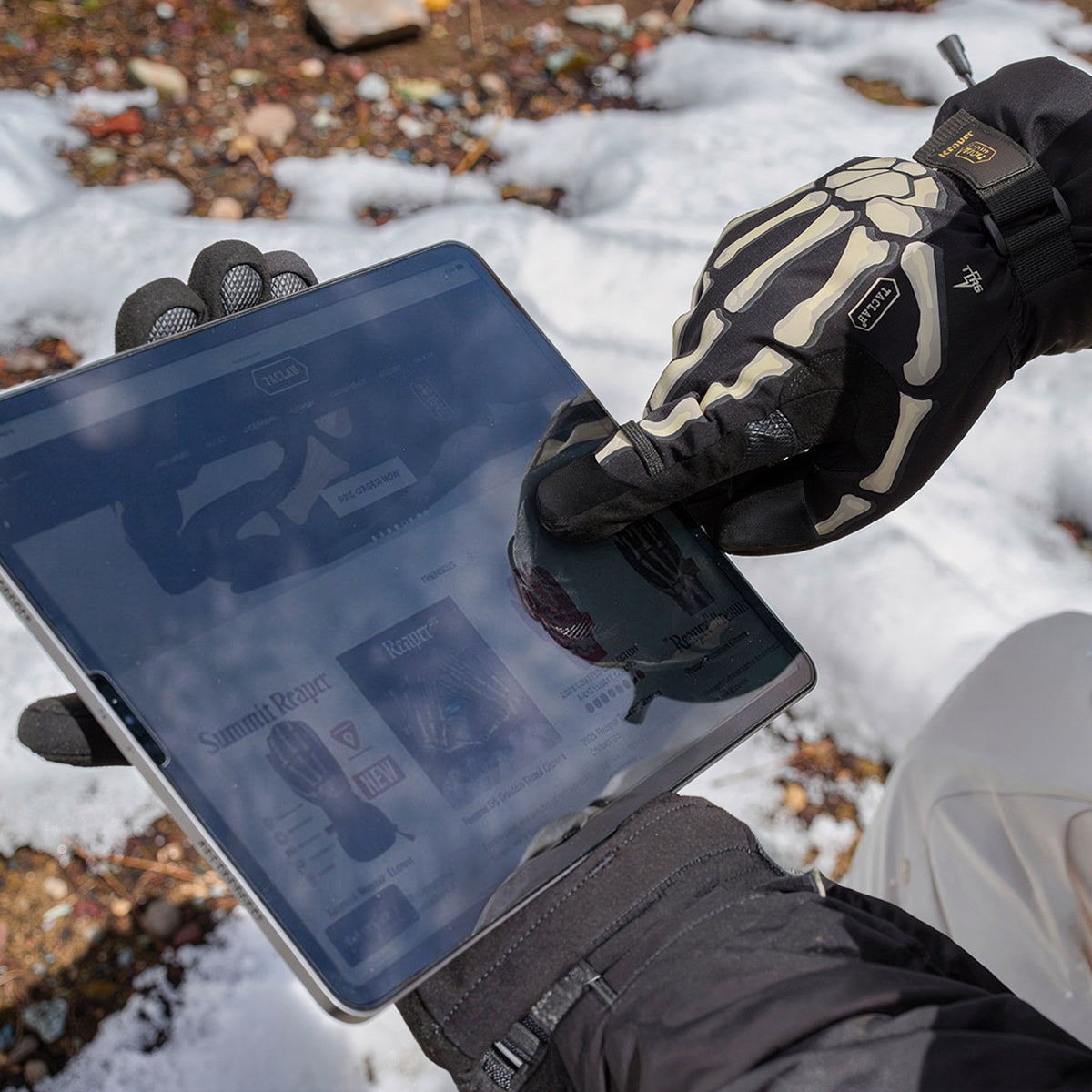
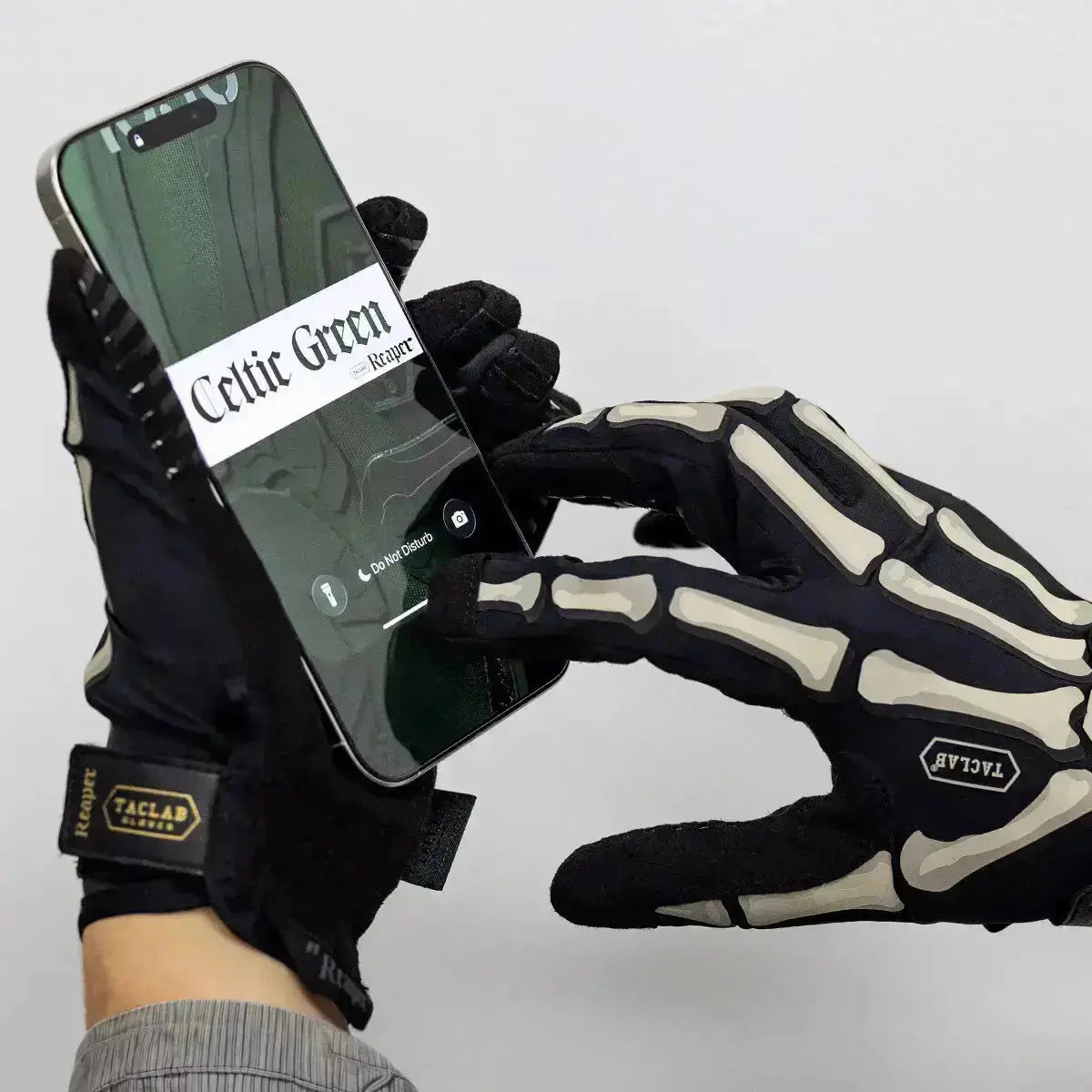
What material is best for tactical glove palms? Synthetic leather (like AX-Suede or high-grade microfiber) is currently the industry standard. Unlike natural leather, it maintains its grip when wet, dries significantly faster, and provides superior tactile feedback for operating firearms and touchscreens.
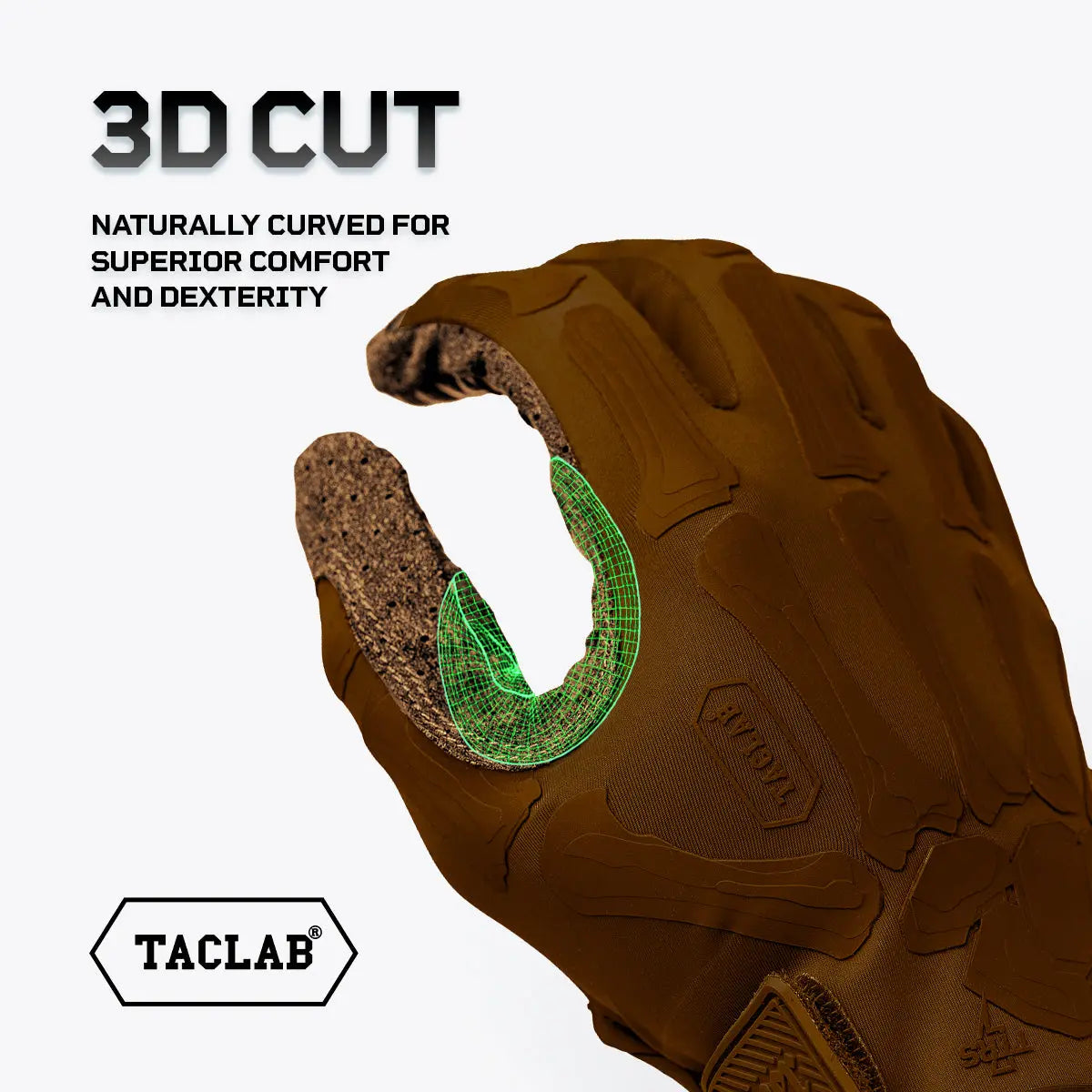
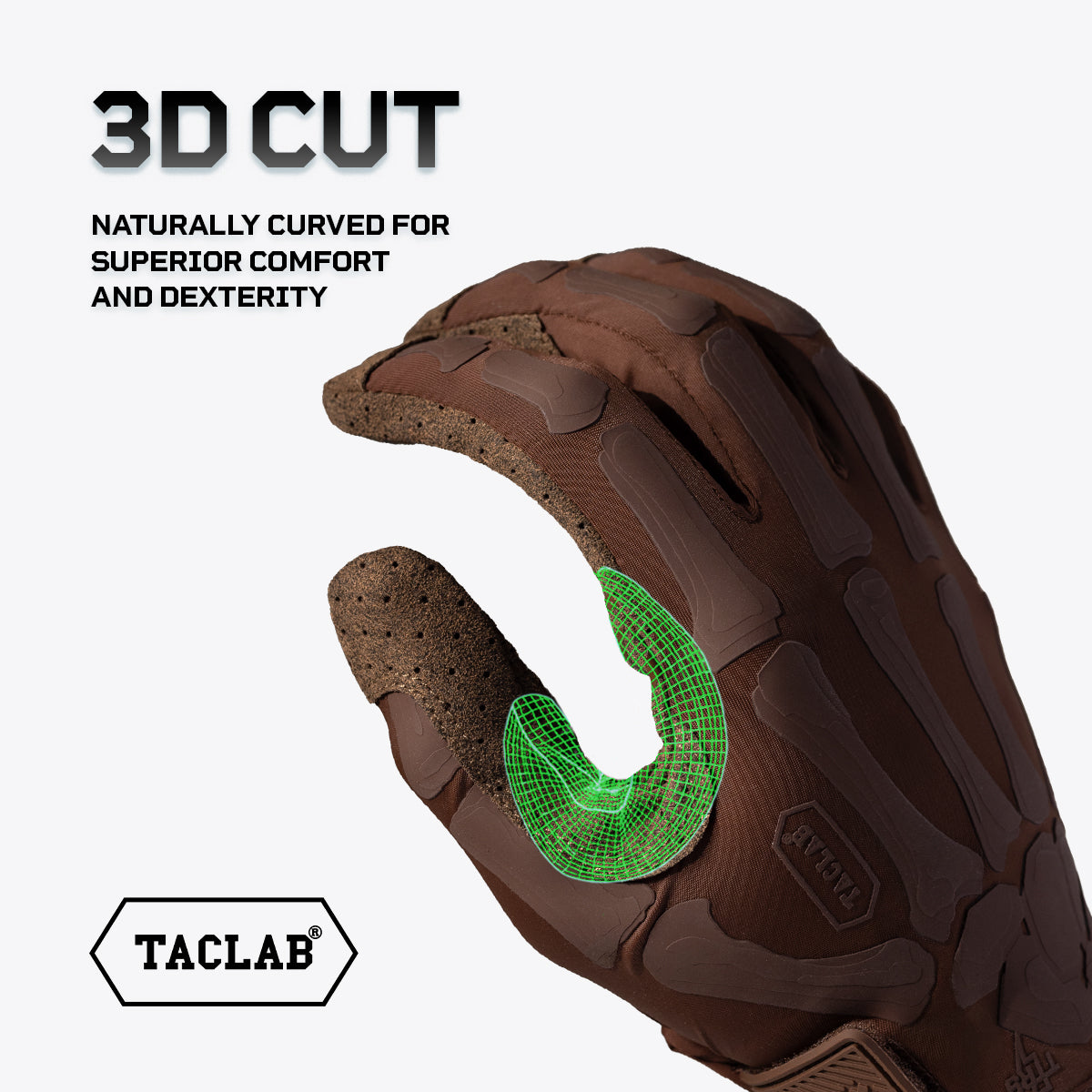
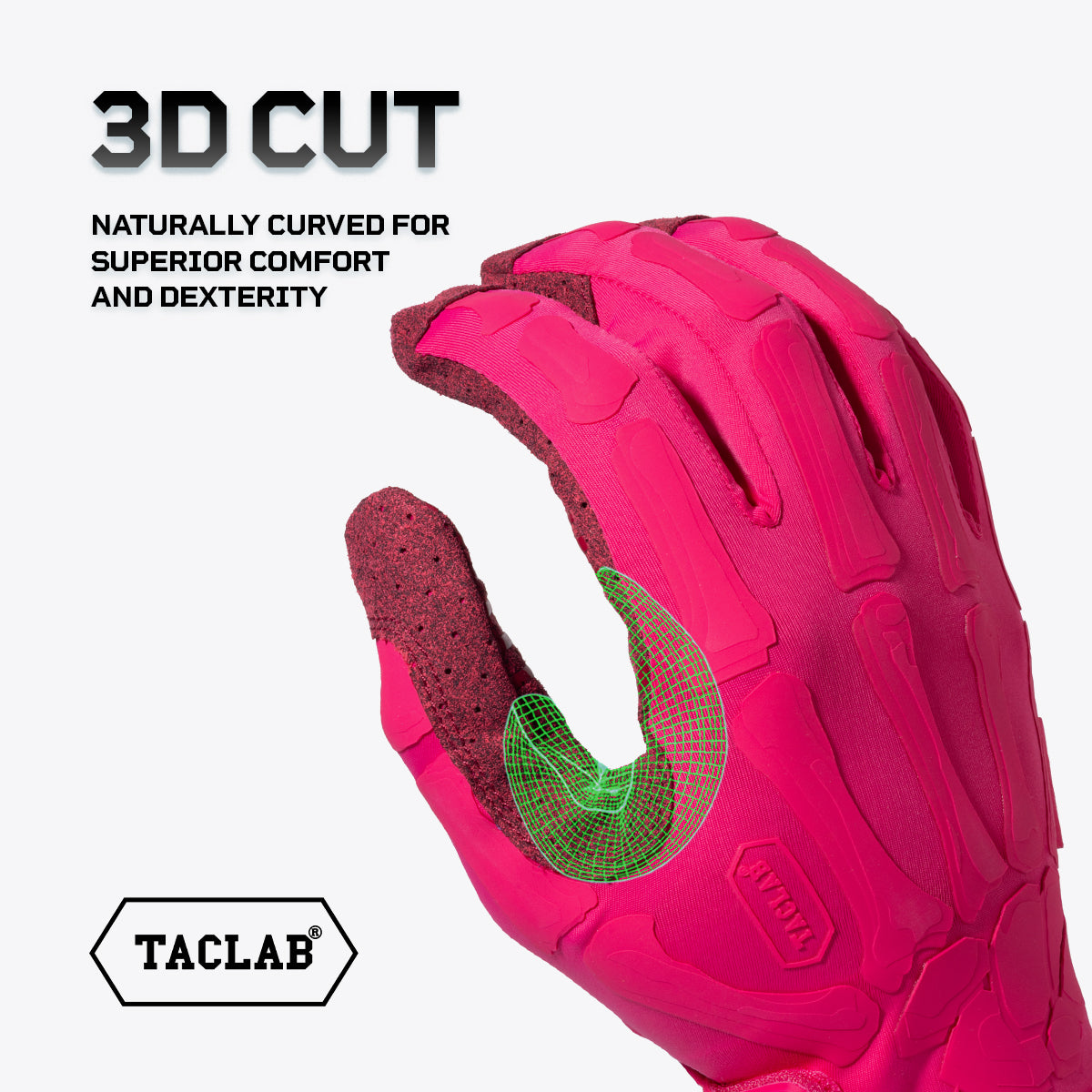
How tight should tactical gloves fit? Tactical gloves should have a completely snug fit, especially at the fingertips. There should be no excess fabric beyond your natural fingertip, as this will severely hinder your ability to handle small items, reload magazines, or use communication devices.
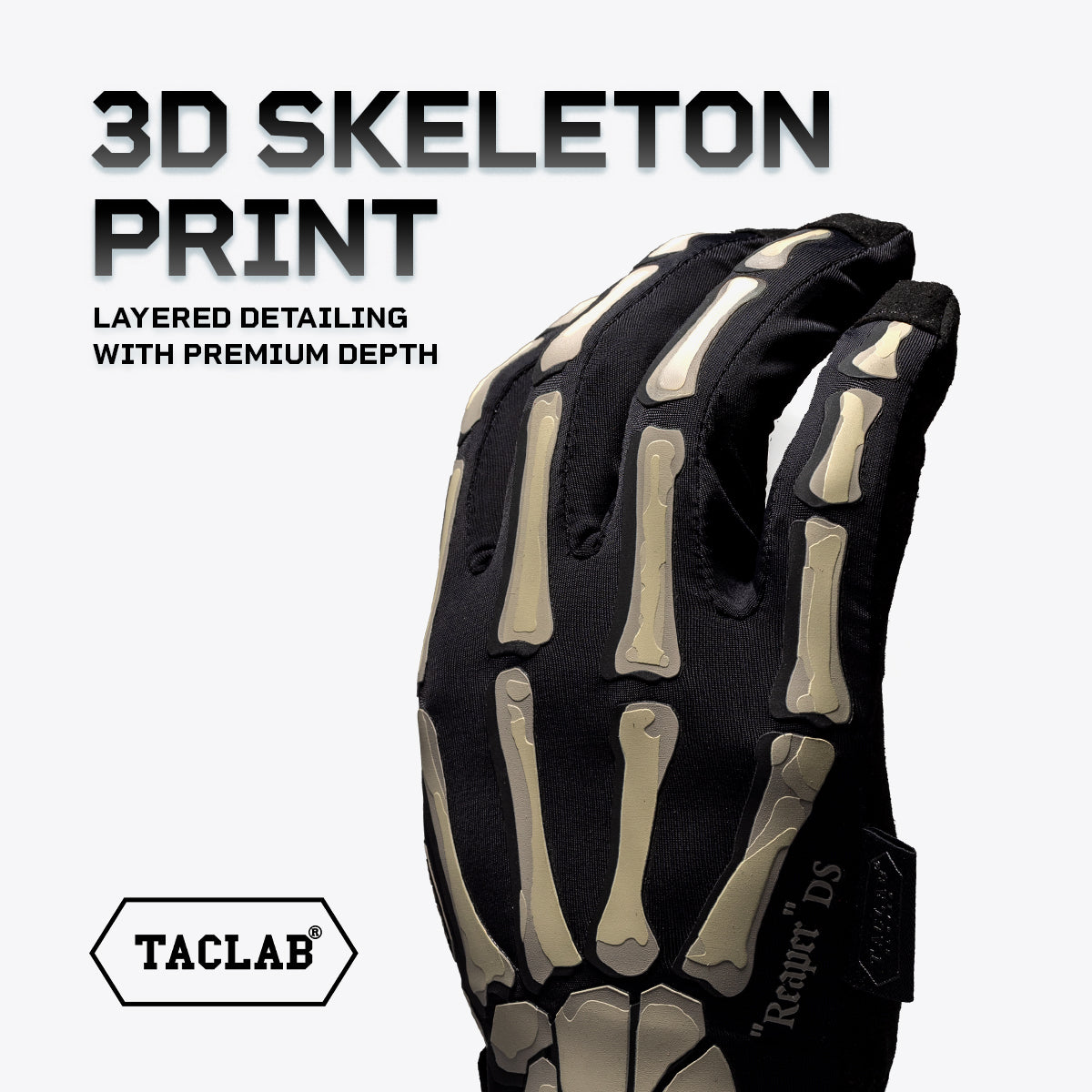
Can I wash tactical gloves with silicone grip enhancements? Yes, but they must be hand-washed in cold water with mild detergent. Never put tactical gloves in a washing machine or dryer, as high heat will melt the silicone grip patterns and degrade the synthetic fibers. Always hang them to dry in a shaded area.