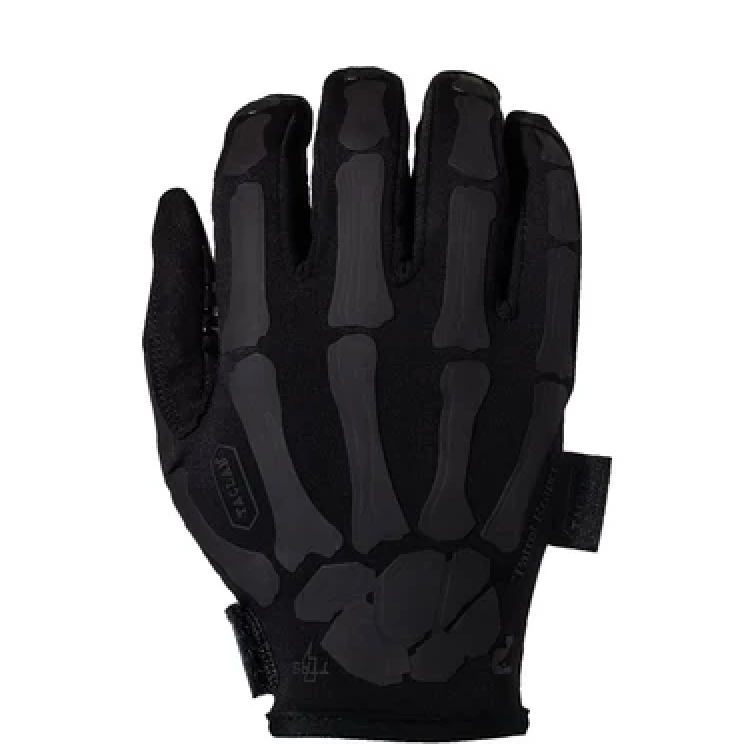
It's 35°F at the outdoor shooting range.
Your jacket is warm enough. Your boots are doing their job. You've got proper eye and ear protection.
But your hands?
They're getting cold.
Your fingers feel less comfortable. Small pieces of equipment become harder to manipulate. And every time you take your gloves off to do something precise, the cold seems to catch up with you again.
So you reach for thicker gloves.
Problem solved?
Not always.
The warmest glove isn't necessarily the best shooting glove.
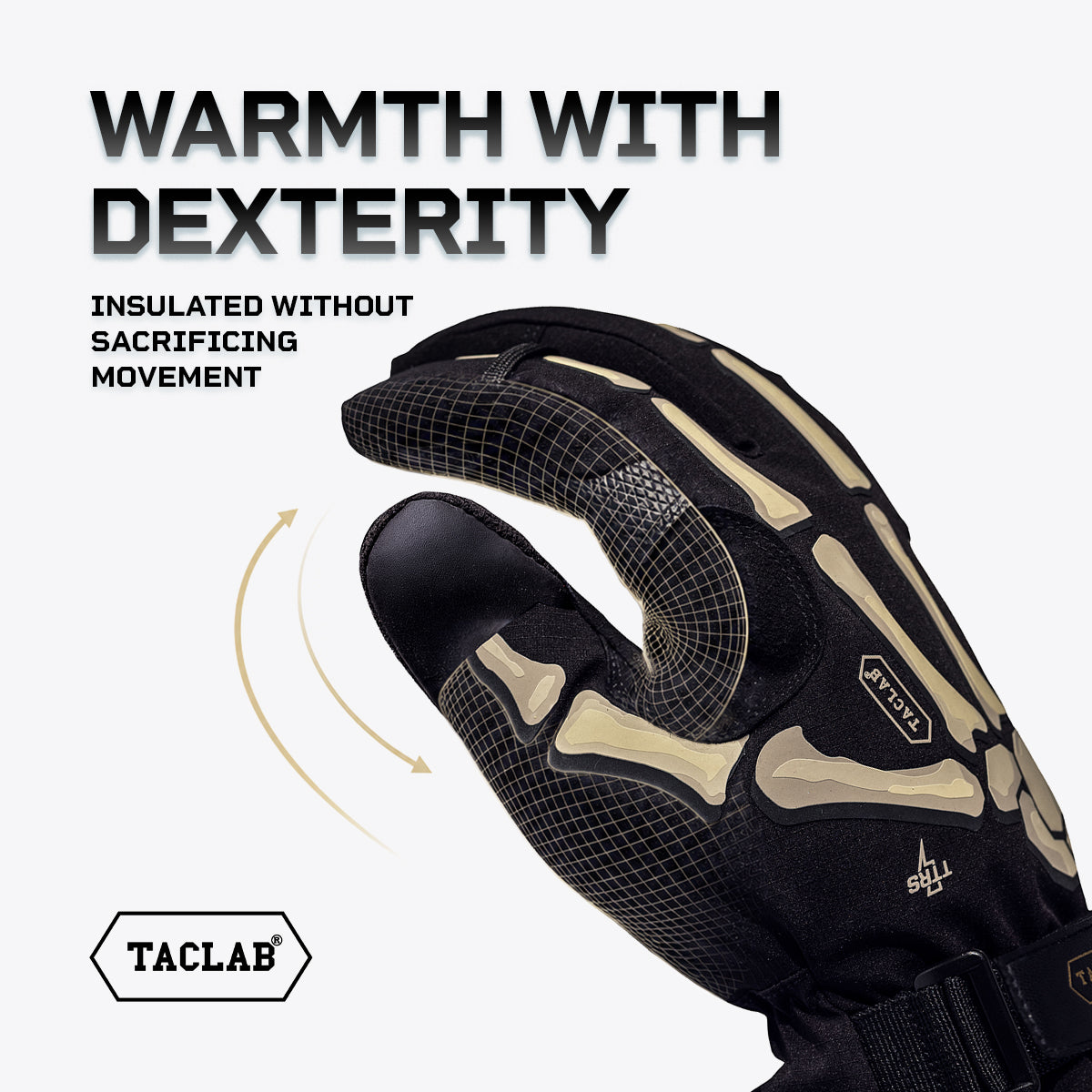
Winter shooting creates a challenge that doesn't exist to the same degree during mild-weather range sessions: balancing insulation with dexterity.
Too little protection, and your hands become uncomfortable in the cold.
Too much bulk, and you may struggle with the very movements you need your hands to perform.
The goal is finding the right balance for the weather, your equipment, and your training environment.
Here's what actually matters when choosing cold weather shooting gloves—and how to keep your hands comfortable without unnecessarily sacrificing control.
The Short Answer: What Makes a Good Cold Weather Shooting Glove?
A good cold weather shooting glove should provide enough warmth for the conditions while preserving comfortable hand movement, secure grip, and the dexterity required for safe equipment handling.
Look for:
-
Insulation appropriate for the temperature and activity level
-
A snug but nonrestrictive fit
-
Minimal unnecessary bulk around the fingers
-
Comfortable thumb and knuckle movement
-
Grip suited to your equipment
-
Appropriate protection from wind and moisture
-
Cuffs that work with your jacket
-
Materials and construction suitable for the intended use
The key is appropriate warmth, not maximum thickness.
A glove that works beautifully during a mild November afternoon may not be warm enough for a windy January morning.
And a glove designed for extreme cold may feel unnecessarily bulky in moderate weather.
Choosing the right glove starts with understanding that difference.
Why Cold Weather Makes Hand Dexterity More Difficult
Your hands are particularly exposed during outdoor activities.
They have a large surface area relative to their mass, and fingers can lose heat quickly when exposed to cold air and wind.
As your hands become cold, you may notice:
-
Stiff or uncomfortable fingers
-
Reduced tactile sensitivity
-
Slower or less comfortable fine-motor movements
-
Difficulty handling small objects
-
An increasingly strong desire to put your hands in your pockets
Cold conditions can also affect the performance of certain materials and equipment.
That's why winter shooting preparation should address more than simply wearing a thicker pair of gloves.
You need to manage your overall warmth, moisture, wind exposure, and handwear together.
And it's important to recognize the limits: if your fingers become numb or painful, or you lose normal movement, stop and warm up safely. Gloves aren't a substitute for responding to signs of a cold-related injury.
1. Understand the Warmth vs. Dexterity Trade-Off
This is the most important concept in choosing winter shooting gloves.
Insulation helps reduce heat loss.
But insulation often adds material between your hand and your equipment.
That additional bulk can affect:
-
Tactile feedback
-
Finger movement
-
Grip feel
-
Fine-motor tasks
-
Comfort during repetitive handling
A lightweight glove may feel nearly natural when manipulating small items.
An insulated glove may feel noticeably different.
Neither is inherently better.
They solve different problems.
When Lightweight Gloves Make More Sense
Lightweight gloves may be suitable when:
-
Temperatures are cool rather than severely cold
-
You're moving frequently
-
Wind exposure is limited
-
You prioritize dexterity
-
You can take regular warming breaks
When Insulated Gloves Make More Sense
Insulated gloves may be more appropriate when:
-
You're spending extended periods outdoors
-
Wind chill makes your hands uncomfortable
-
You're standing still for long periods
-
Lightweight gloves provide insufficient warmth
-
Your activity allows the glove's additional bulk
The practical question isn't:
“What's the warmest shooting glove?”
It's:
“What's the least bulky glove that keeps my hands adequately comfortable in these conditions?”
That is usually the more useful starting point.
2. Pay Attention to Wind, Not Just Temperature
Imagine two range days.
On the first, it's 40°F with little wind.
On the second, it's also 40°F—but a steady breeze is blowing across an exposed firing line.
Those two days may feel very different.
Wind increases heat loss from exposed skin and can make a glove feel less effective than expected.
That's why checking the temperature alone doesn't tell you everything about what hand protection you'll need.
Before heading to an outdoor range, consider:
-
Air temperature
-
Wind speed
-
Rain or snow
-
Sun exposure
-
Time spent standing still
-
Length of your session
A wind-resistant glove or appropriate outer layer can be useful when moving air is the main source of discomfort.
However, wind resistance and waterproofing are not interchangeable. A glove that helps block wind isn't automatically suitable for prolonged wet conditions.
Check the actual product specifications rather than assuming every winter glove provides the same weather protection.
3. Keep Your Hands Dry
Moisture can make a cold range day significantly less comfortable.
And the problem isn't always rain or snow.
Sometimes it starts with sweat.
You arrive at the range wearing heavy insulated gloves.
Your hands warm up while moving equipment.
You begin sweating.
Then you stand still in the wind.
Now your gloves feel damp—and your hands may become cold again.
Why Moisture Management Matters
Wet materials can affect comfort and heat loss, with the exact impact depending on the glove's construction.
That's why winter handwear needs to balance insulation with the conditions and activity level.
Practical strategies include:
-
Avoiding unnecessarily heavy gloves in mild conditions
-
Changing out of wet gloves when possible
-
Keeping spare dry gloves in your range bag
-
Drying gloves properly after use
-
Following the manufacturer's care instructions
If your gloves frequently become wet inside, don't automatically assume you need more insulation.
You may need a more appropriate glove for your activity level or better moisture management.
Warm hands aren't just about trapping heat. They're also about managing moisture.
4. Don't Buy Winter Shooting Gloves That Are Too Tight
Here's a mistake that's easy to make.
You want a close fit for dexterity.
So you choose a smaller size.
The glove feels snug—maybe even a little tight.
But winter gloves shouldn't compress your fingers.
A glove that's excessively tight can create discomfort, restrict movement, and interfere with the space or loft intended for insulation.
That doesn't improve winter performance.
Signs Your Gloves May Be Too Tight
-
Fingertips press painfully against the ends
-
Making a fist creates strong tension
-
Knuckle movement feels restricted
-
Finger webs pull uncomfortably
-
Your hands develop pressure points
-
Numbness or tingling occurs while wearing them
If numbness or tingling develops, remove the glove and assess the situation; persistent symptoms should receive appropriate medical attention.
A proper fit should feel secure without squeezing your hand.
What About Buying One Size Up?
Don't automatically do that either.
Excess material can bunch around your palm and fingertips, reducing control and creating unnecessary movement.
The right approach is to follow the manufacturer's sizing guide and assess how the specific insulated design moves with your hand.
For a detailed fit test, read Should Tactical Gloves Be Tight or Loose? How They Should Actually Fit.
The correct winter glove size isn't the tightest one you can wear or the loosest one that feels warm. It's the one designed to fit your hand properly.
5. Choose the Right Level of Insulation
Not all cold weather shooting gloves need the same amount of insulation.
Think about winter handwear in three broad categories.
Lightweight Gloves for Cool Conditions
These prioritize hand feel and dexterity.
They're often appropriate for mild conditions where you want some hand coverage without much bulk.
They may be insufficient for prolonged exposure to freezing temperatures.
Insulated Gloves for Colder Conditions
These add warmth while attempting to preserve usable finger movement.
For many winter range users, this is the most relevant category.
However, insulated gloves vary widely in thickness and construction.
Don't assume every insulated glove will offer the same dexterity or warmth.
Heavy Winter Gloves for Severe Cold
These prioritize protection from demanding winter conditions.
Depending on their construction, they may substantially reduce tactile feedback.
They can still be valuable for outdoor activities, but you need to evaluate whether they're suitable for the specific equipment you intend to handle.
Quick Comparison
| Glove Type | Main Advantage | Main Trade-Off | Typical Use |
|---|---|---|---|
| Lightweight shooting glove | Dexterity and low bulk | Limited cold-weather insulation | Mild fall or cool weather |
| Insulated tactical glove | Greater warmth | Additional material and bulk | Cold outdoor range sessions |
| Heavy winter glove | More substantial cold-weather coverage | May reduce fine-motor control | Severe cold and outdoor downtime |
The answer isn't always to keep increasing insulation.
It's to match the glove to the actual conditions.
6. Make Sure You Can Still Handle Equipment Safely
A winter glove can feel comfortable while your hand is relaxed.
That doesn't necessarily mean it works well for every activity.
Before using unfamiliar gloves at the range, check how they affect ordinary hand movement and equipment handling in a safe, controlled setting.
For shooting activities, this includes confirming that the gloves don't interfere with safe firearm handling.
A Simple Cold Weather Glove Dexterity Test
With no firearm involved, try:
1. Make a natural fist.
The glove should bend comfortably without severe resistance.
2. Touch your thumb to each fingertip.
You should be able to move through the motion without excessive pulling.
3. Pick up a small object.
Try a key or coin to assess basic tactile control.
4. Hold a common piece of equipment.
Check whether the palm bunches or shifts.
5. Open and close your hand repeatedly.
Watch for pressure points or restricted finger movement.
If a glove significantly interferes with the movements your activity requires, it's not the right choice for that task—even if it feels warm.
And never modify a firearm or defeat its safety features to accommodate an unsuitable glove.
Safe equipment handling comes first.
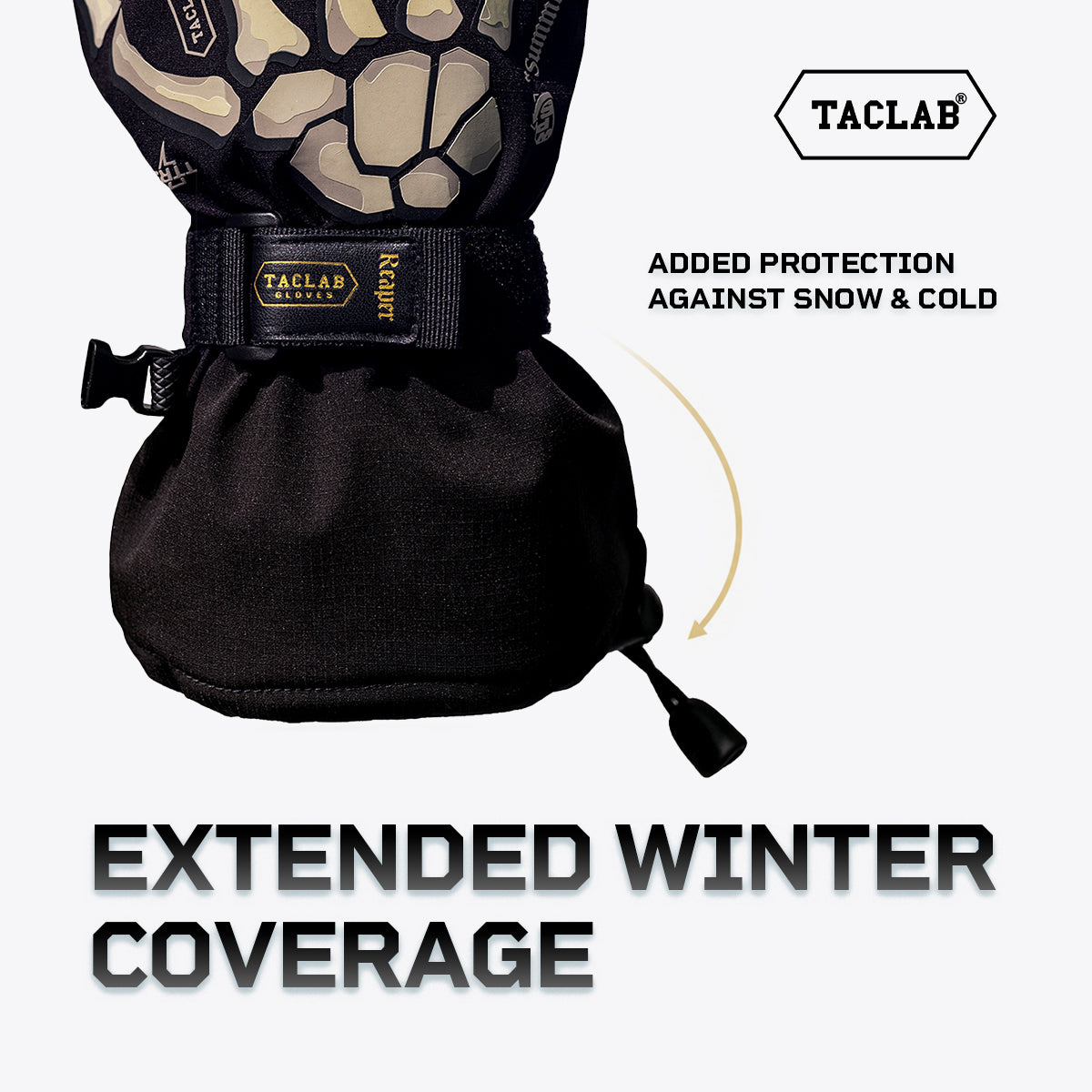
7. Don't Forget About Your Jacket and Cuffs
Winter glove performance isn't just about what happens below your wrist.
The transition between your glove and jacket matters too.
If a gap opens whenever you reach forward or bend your arm, cold air can reach exposed skin.
That can make your hands and wrists uncomfortable even when the gloves themselves are reasonably warm.
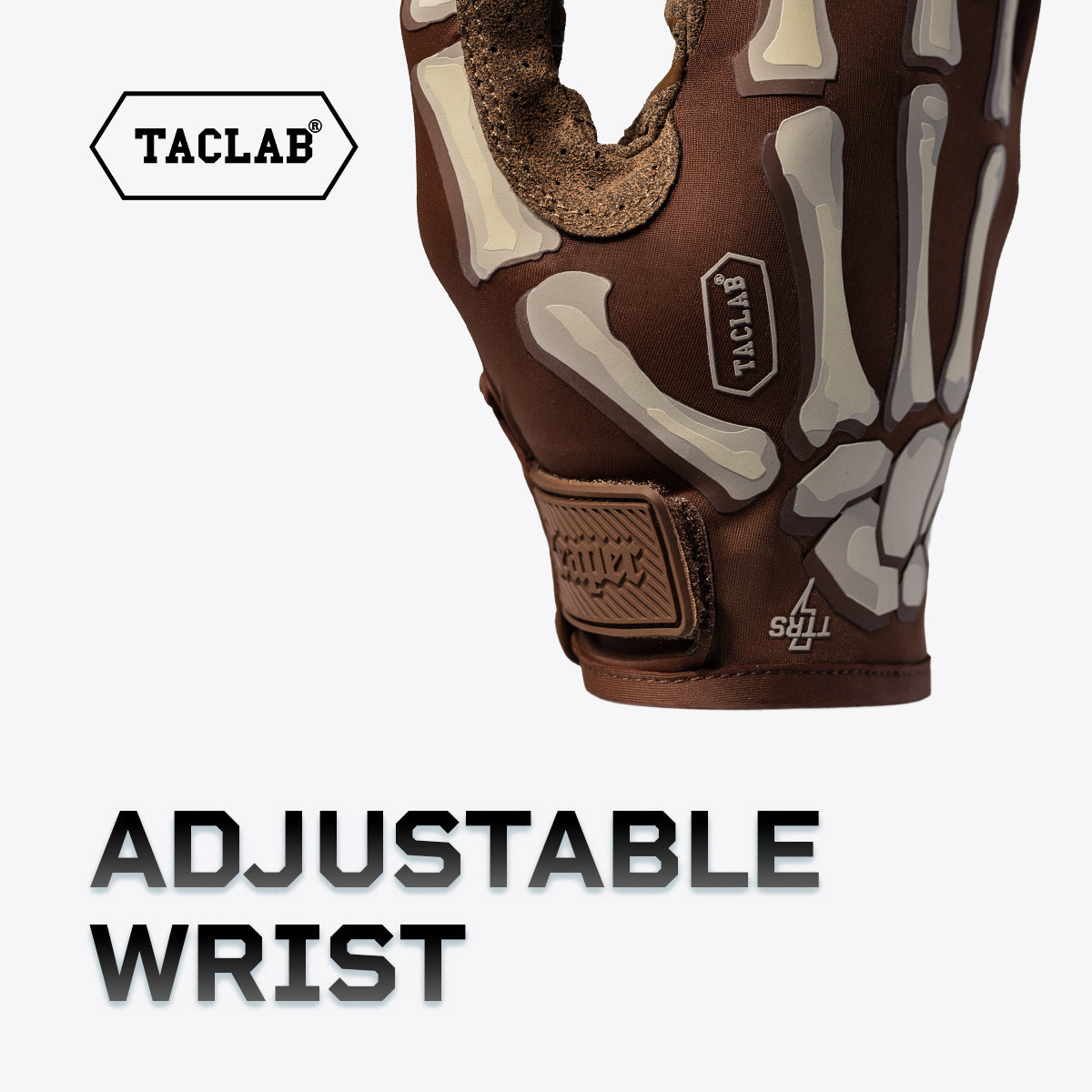
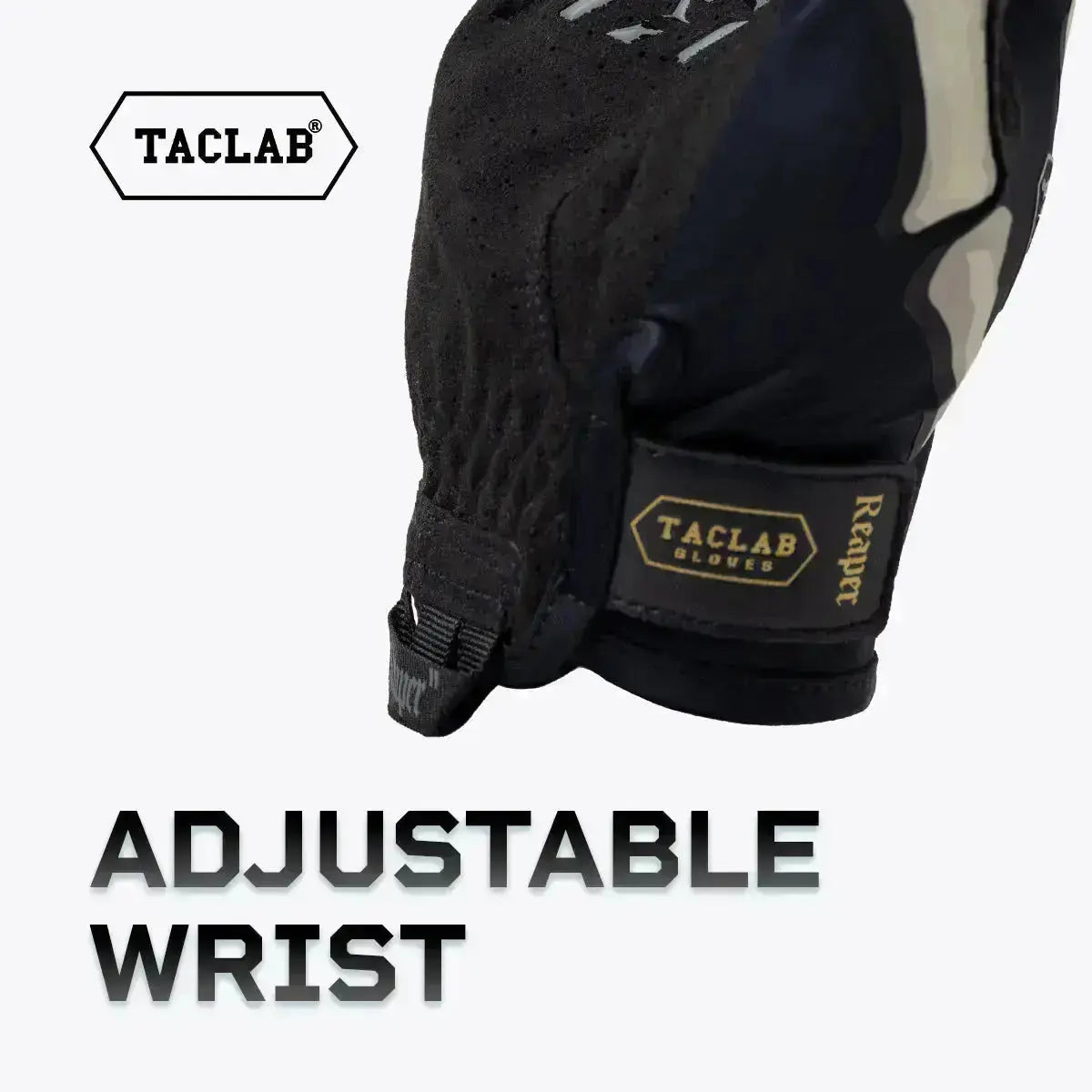
Check whether your glove cuffs work with your outerwear.
Look for:
-
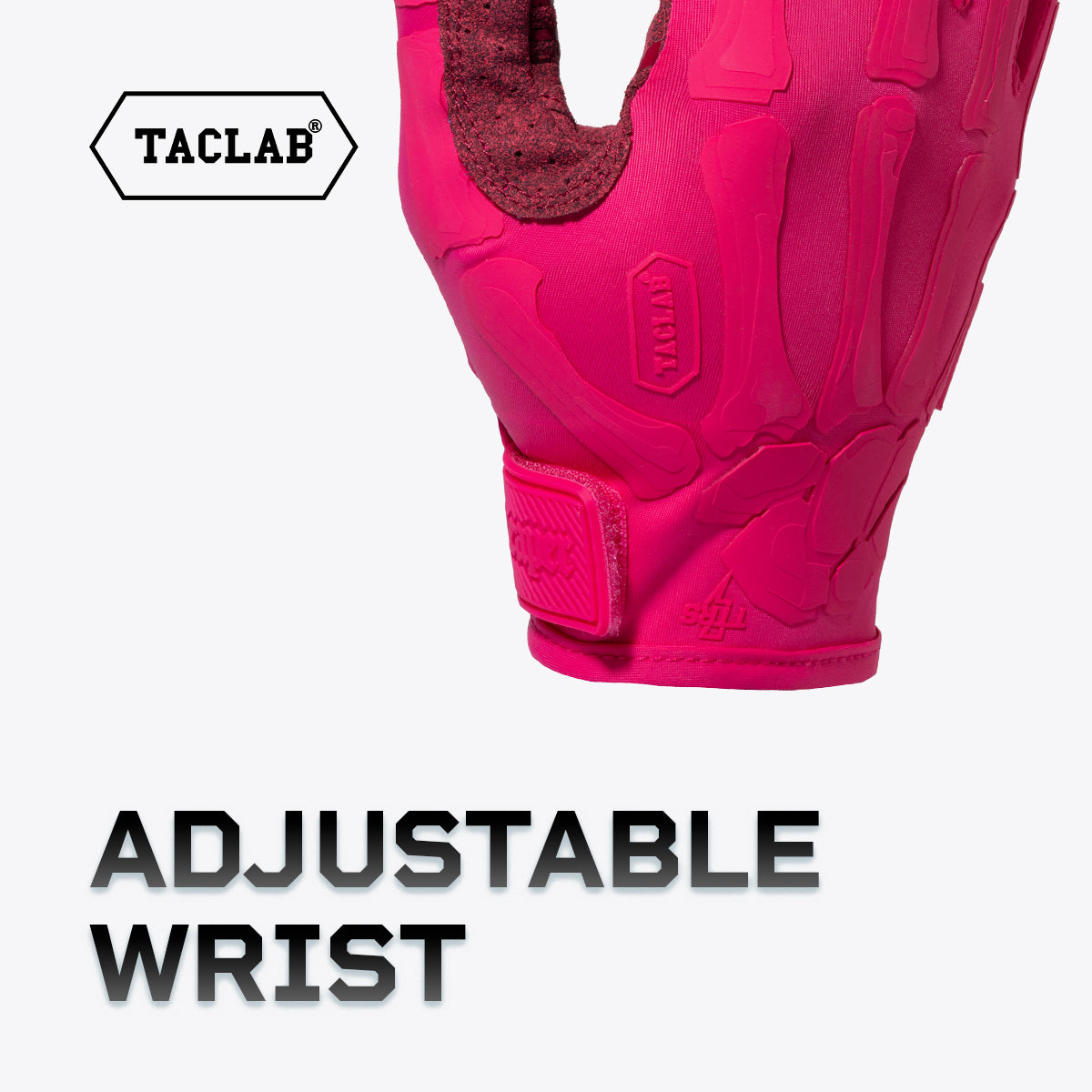
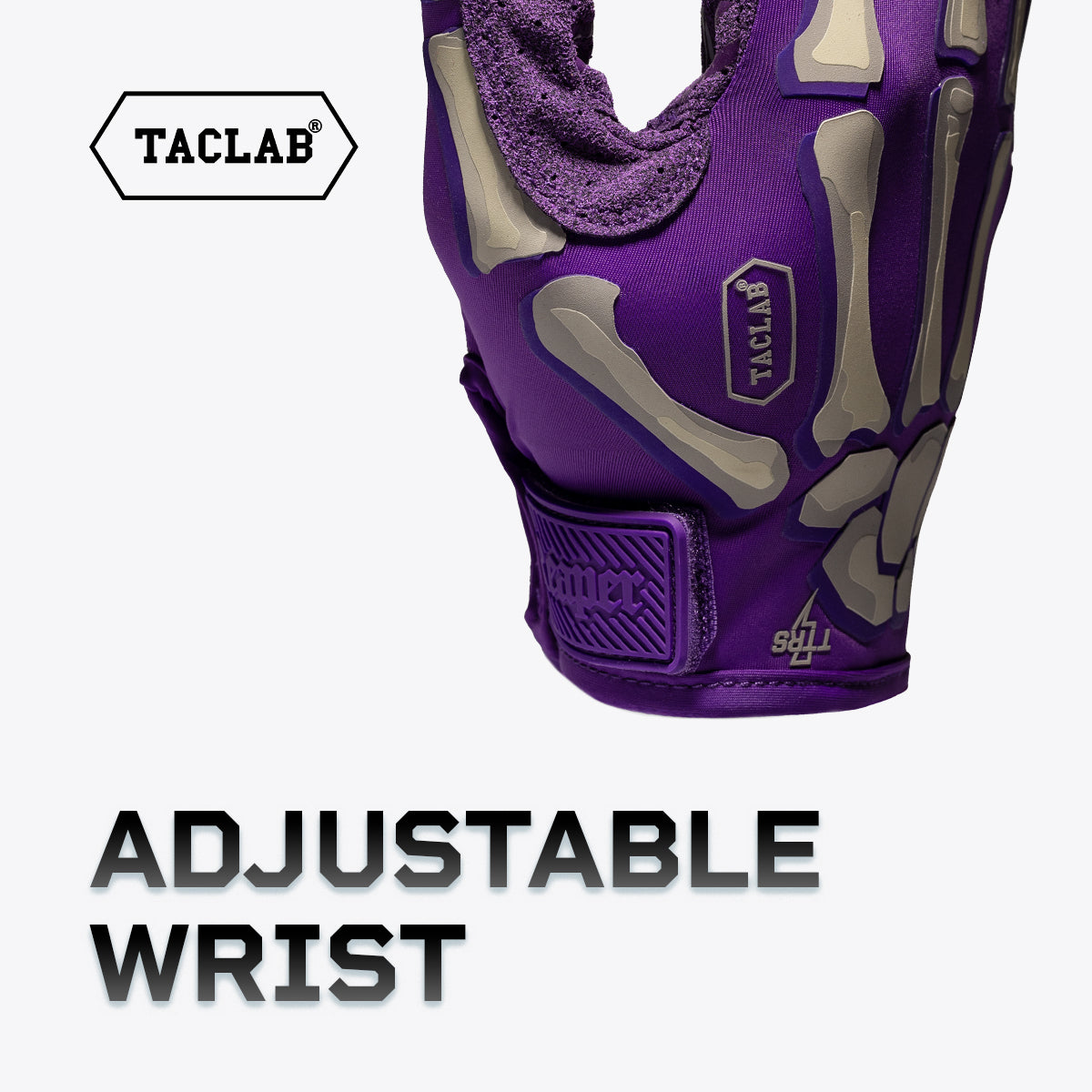
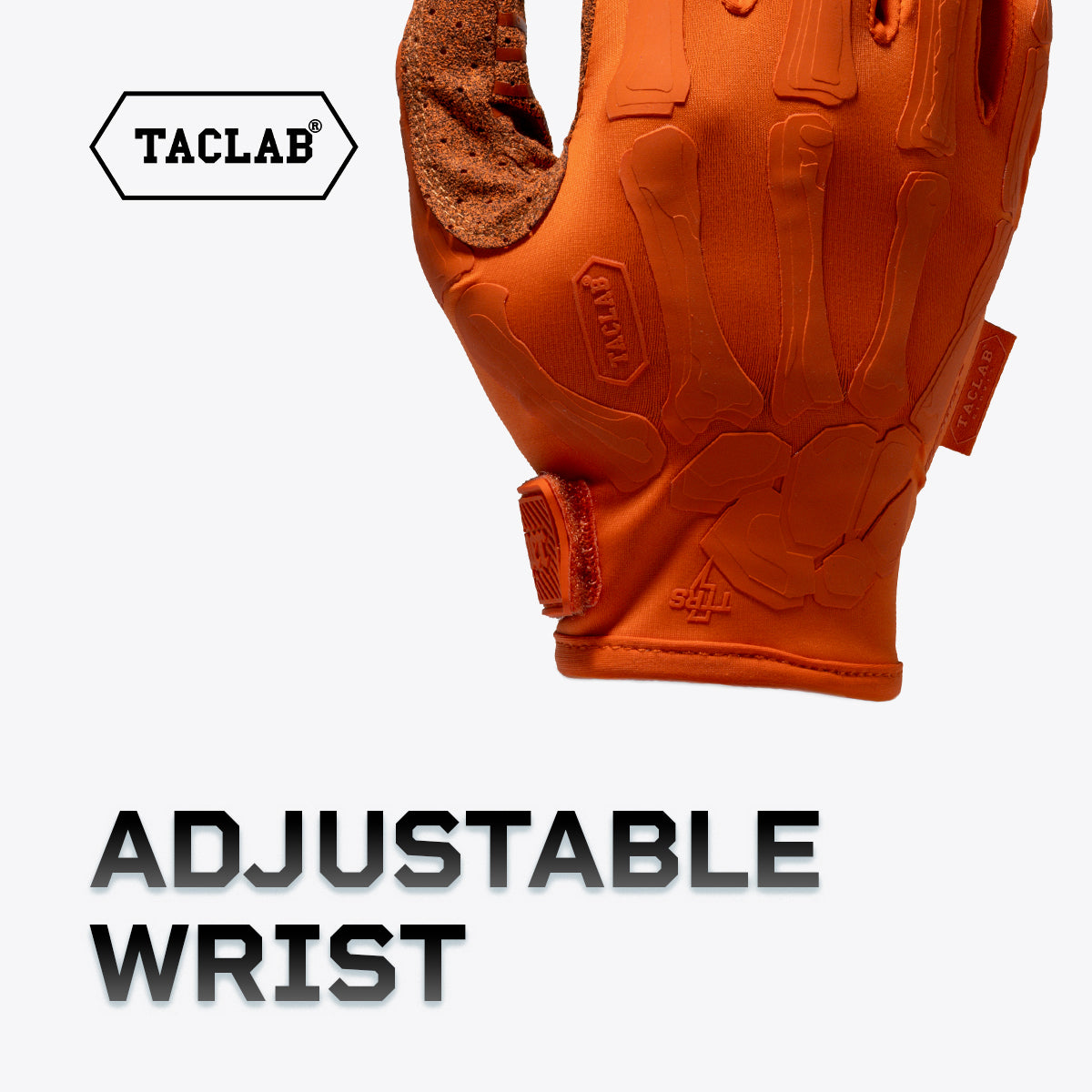
Comfortable wrist coverage
-
A secure but nonrestrictive closure
-
Minimal gaps during movement
-
Compatibility with your jacket sleeves
-
No loose material that interferes with equipment
A practical layering system should work as one outfit.
The gloves, sleeves, and jacket shouldn't constantly fight each other.
8. Can You Wear Thin Liners Under Shooting Gloves?
Sometimes.
Thin glove liners can add comfort or a modest amount of warmth in certain combinations.
But they also change fit.
Adding liners inside an already close-fitting shooting glove may:
-
Compress your fingers
-
Increase bulk
-
Reduce dexterity
-
Create uncomfortable pressure
-
Make the glove feel too small
Don't assume every tactical glove has room for a liner.
If you intend to use liners, evaluate the complete combination rather than choosing the outer glove in isolation.
And if layering makes safe equipment handling difficult, choose a more appropriate glove setup.
9. Keep the Rest of Your Body Warm, Too
This is one of the most overlooked winter range tips.
You can buy excellent cold-weather gloves and still feel miserable if the rest of your clothing isn't appropriate.
Cold exposure affects your whole body.
If your core is cold, keeping your hands comfortable may become more difficult.
That's why winter shooting preparation should include:
-
Appropriate base layers
-
A removable insulating mid-layer
-
Wind-resistant outerwear
-
Warm, dry socks
-
Weather-appropriate footwear
-
Compatible headwear
-
Adequate hydration and food for the outing
If you're only wearing a light jacket in freezing wind, adding thicker gloves may not solve the larger comfort problem.
For a more complete clothing approach, see our guide What to Wear to an Outdoor Shooting Range in Fall: A Complete Gear Guide.
Warm hands start with sensible overall cold-weather preparation.
10. Use Warming Breaks Instead of Fighting the Cold
There comes a point when equipment alone isn't enough.
If your hands are getting progressively colder, take a break.
Warm up indoors or in a properly heated shelter when available.
Use dry clothing.
Give your hands time to regain normal comfort and function before returning to activity.
Avoid exposing painfully cold or numb skin directly to excessive heat.
What About Hand Warmers?
Commercial hand warmers can be helpful during cold outdoor sessions when used according to their instructions.
They can be especially useful during downtime.
But don't place high-temperature warmers directly against skin if the product instructions advise otherwise, and don't rely on them to make unsuitable gloves appropriate for the conditions.
The goal is safe, controlled warmth.
Not trying to push through cold-related discomfort.
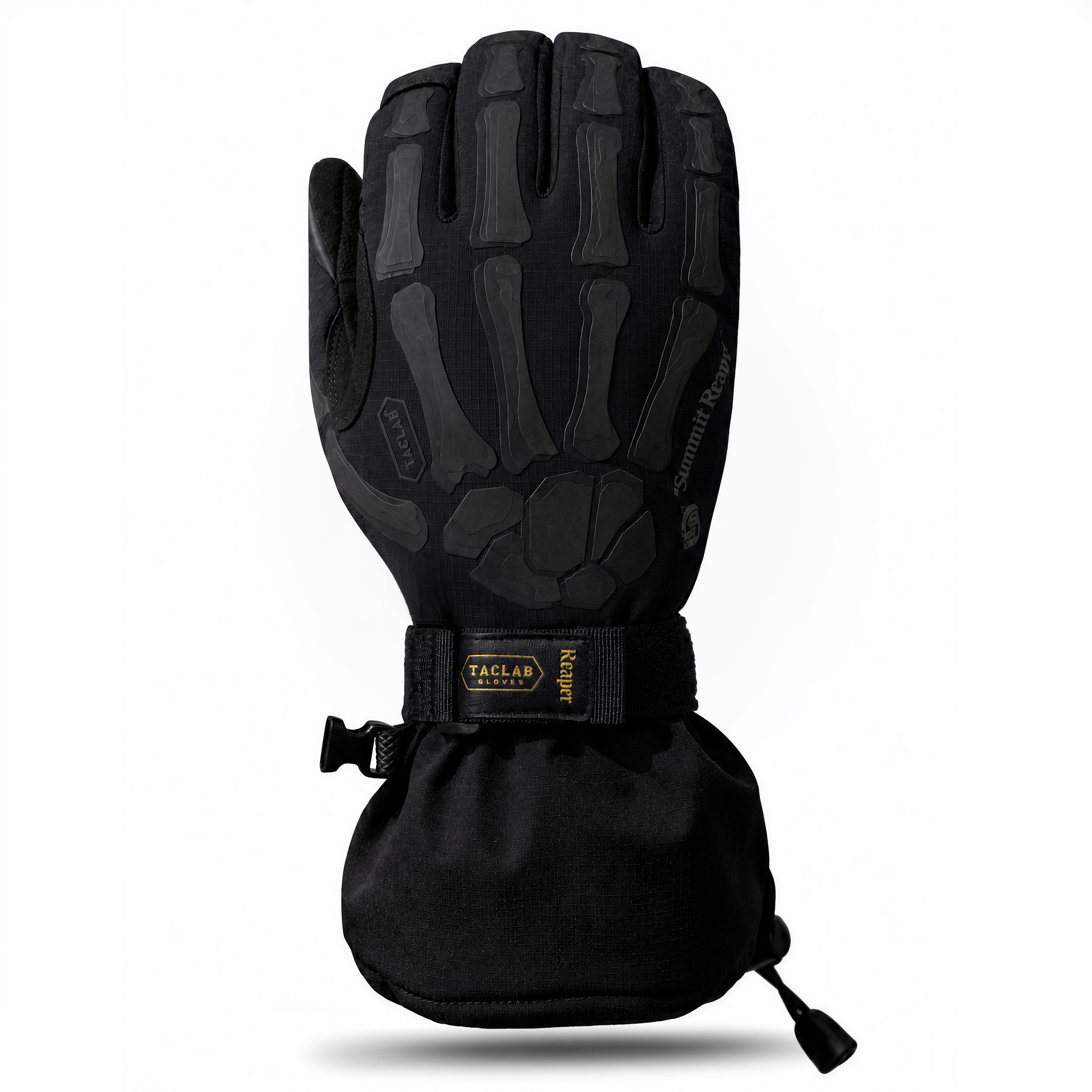
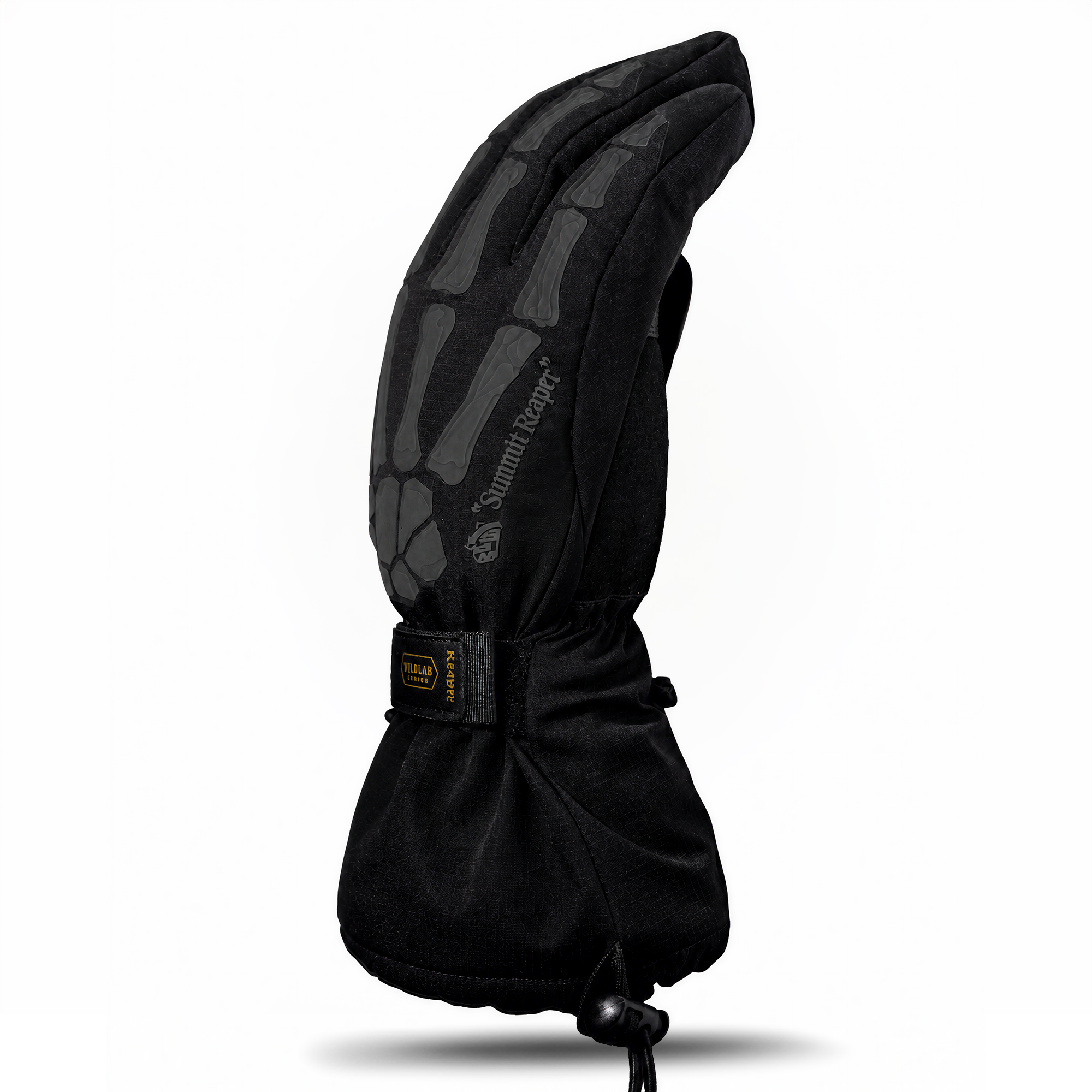
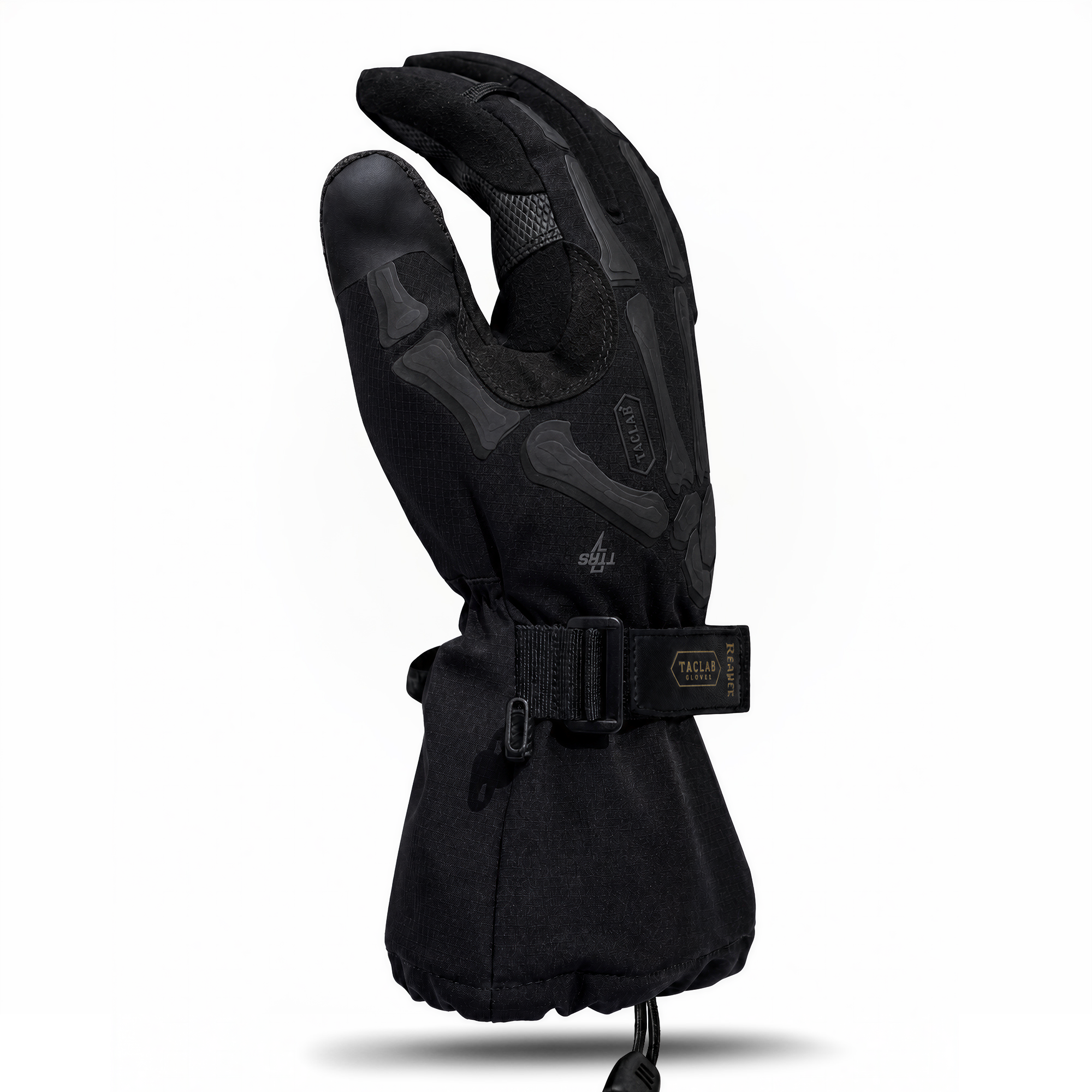
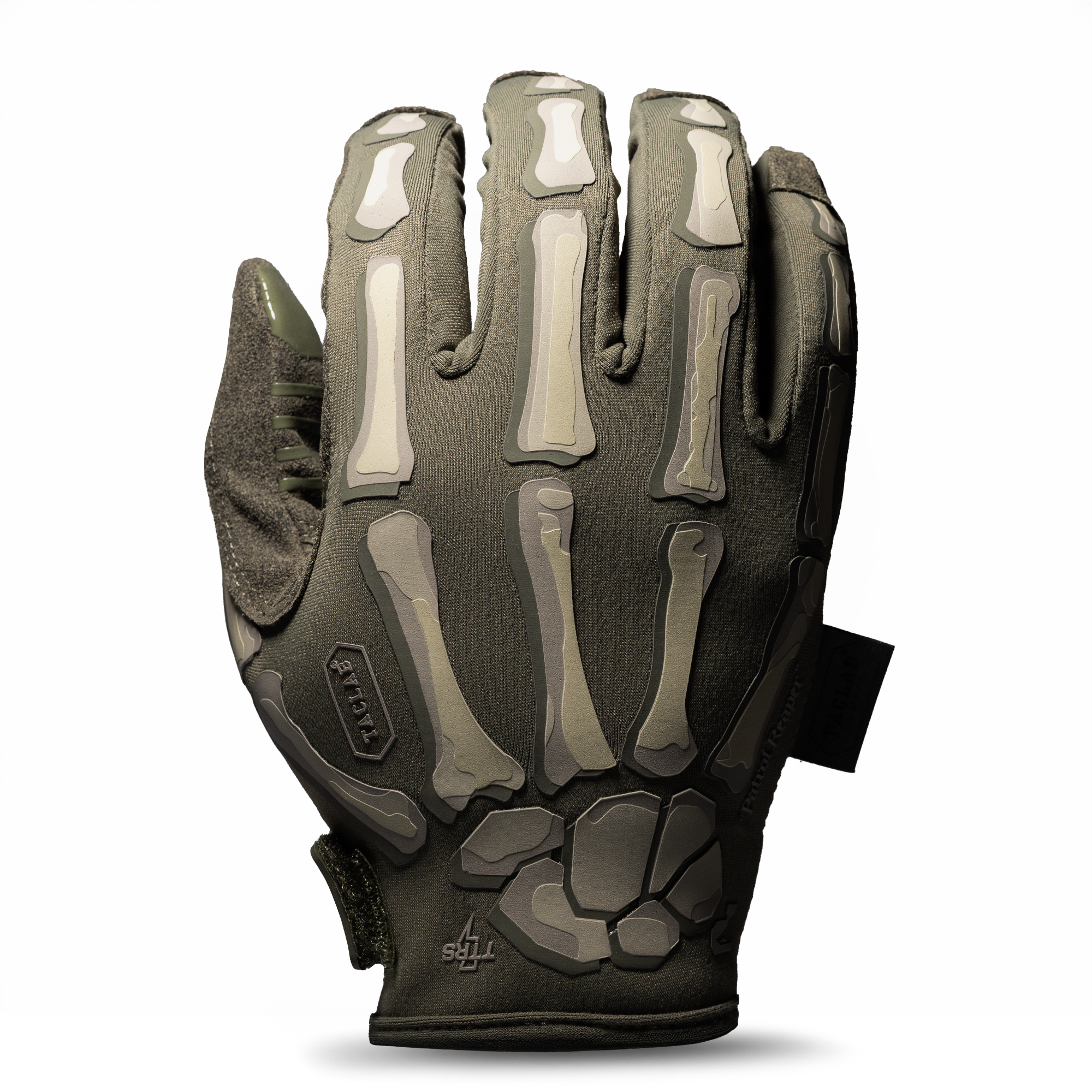
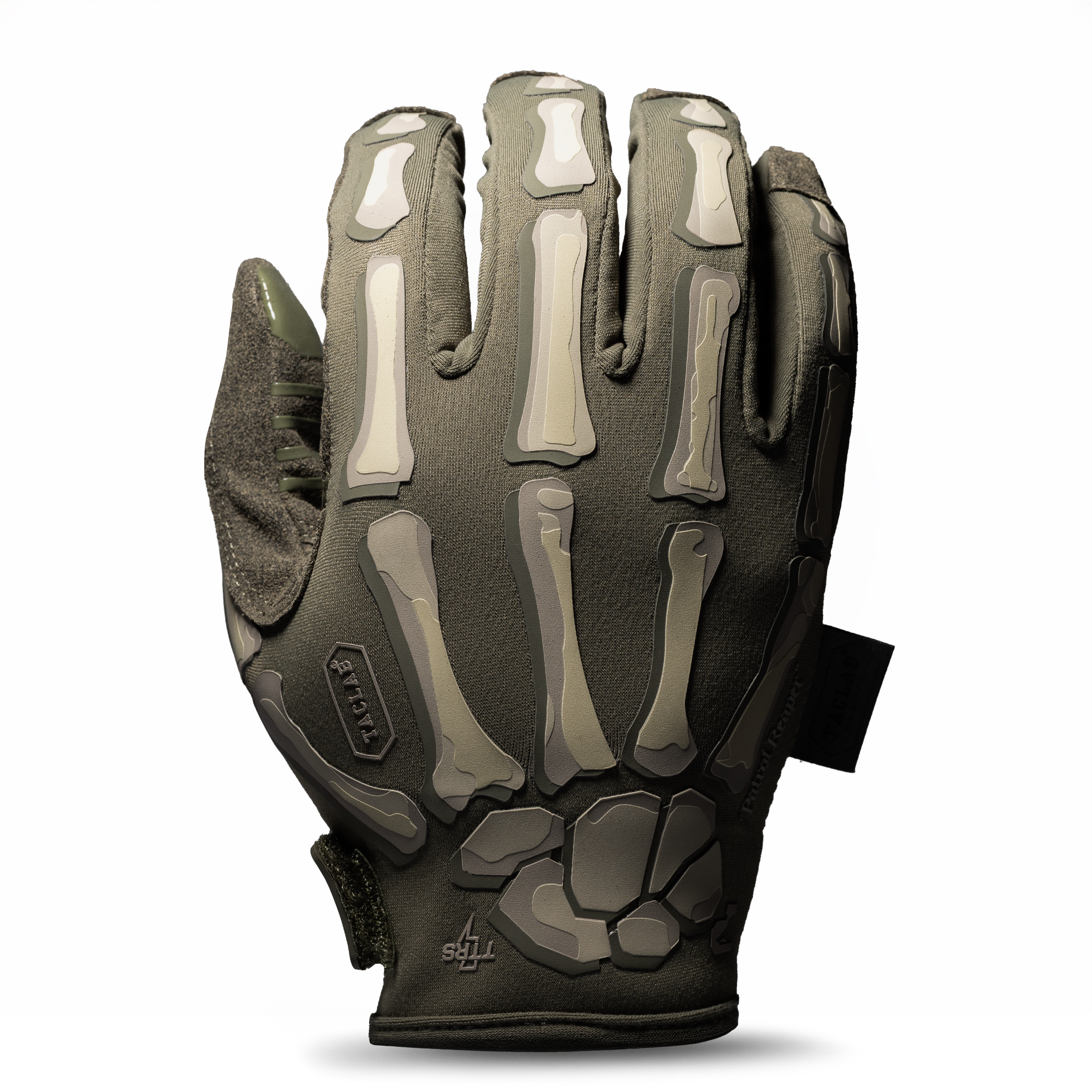
11. TACLAB Reaper vs. Patrol Reaper vs. Snow Reaper: Which Is Right for Winter?
This is where the choice becomes practical.
Different gloves are designed around different priorities.
For TACLAB users, three models are worth considering when planning for cooler weather.
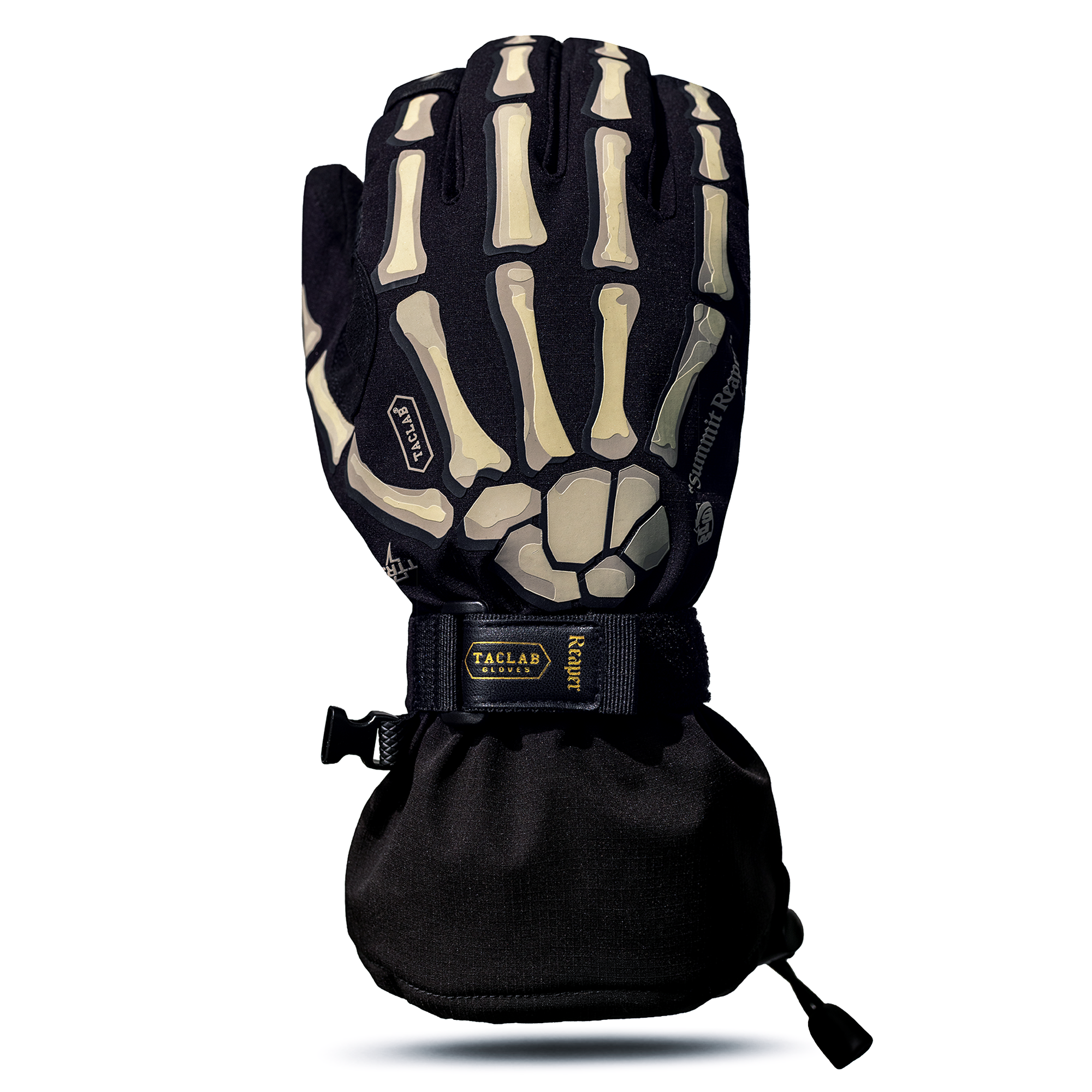
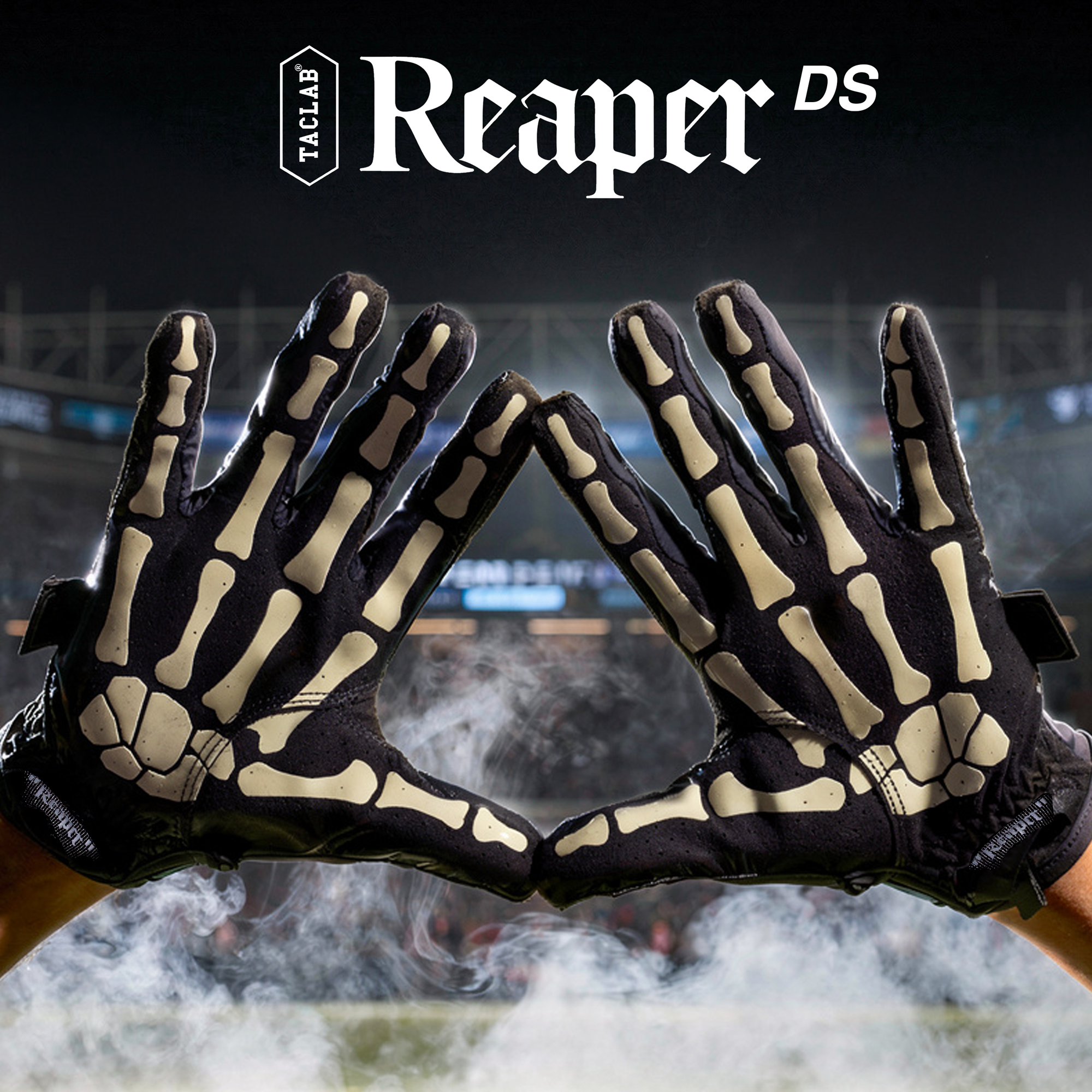
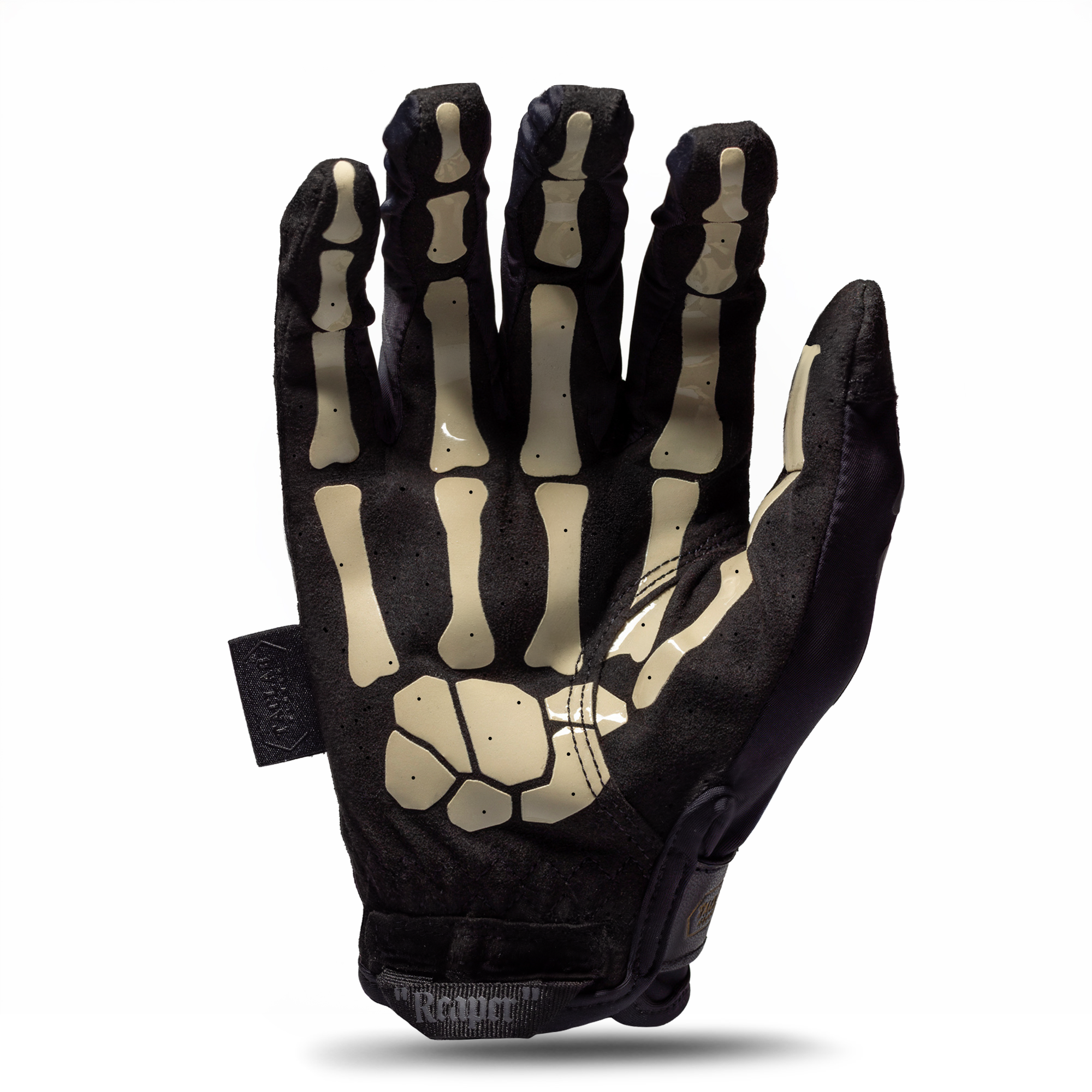
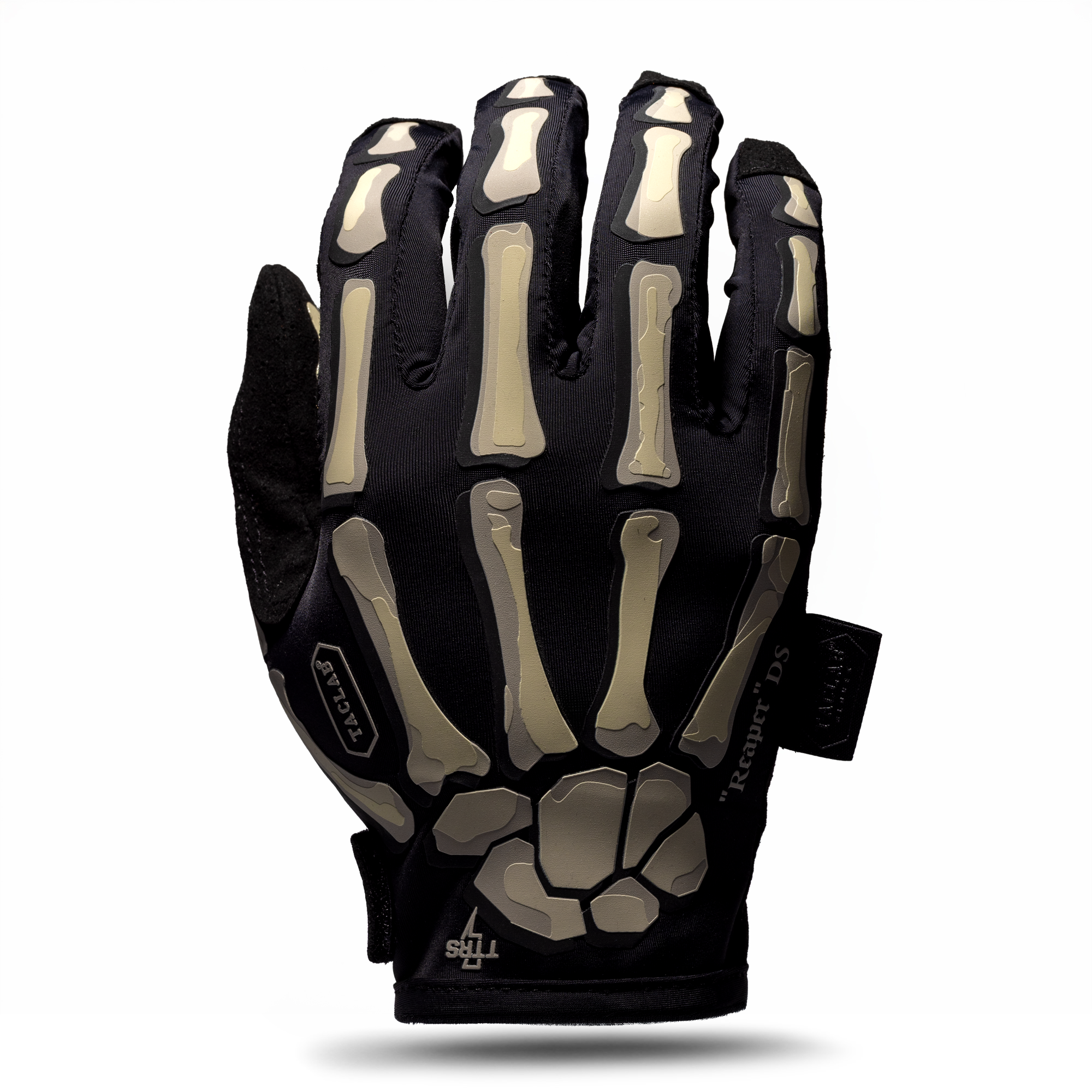
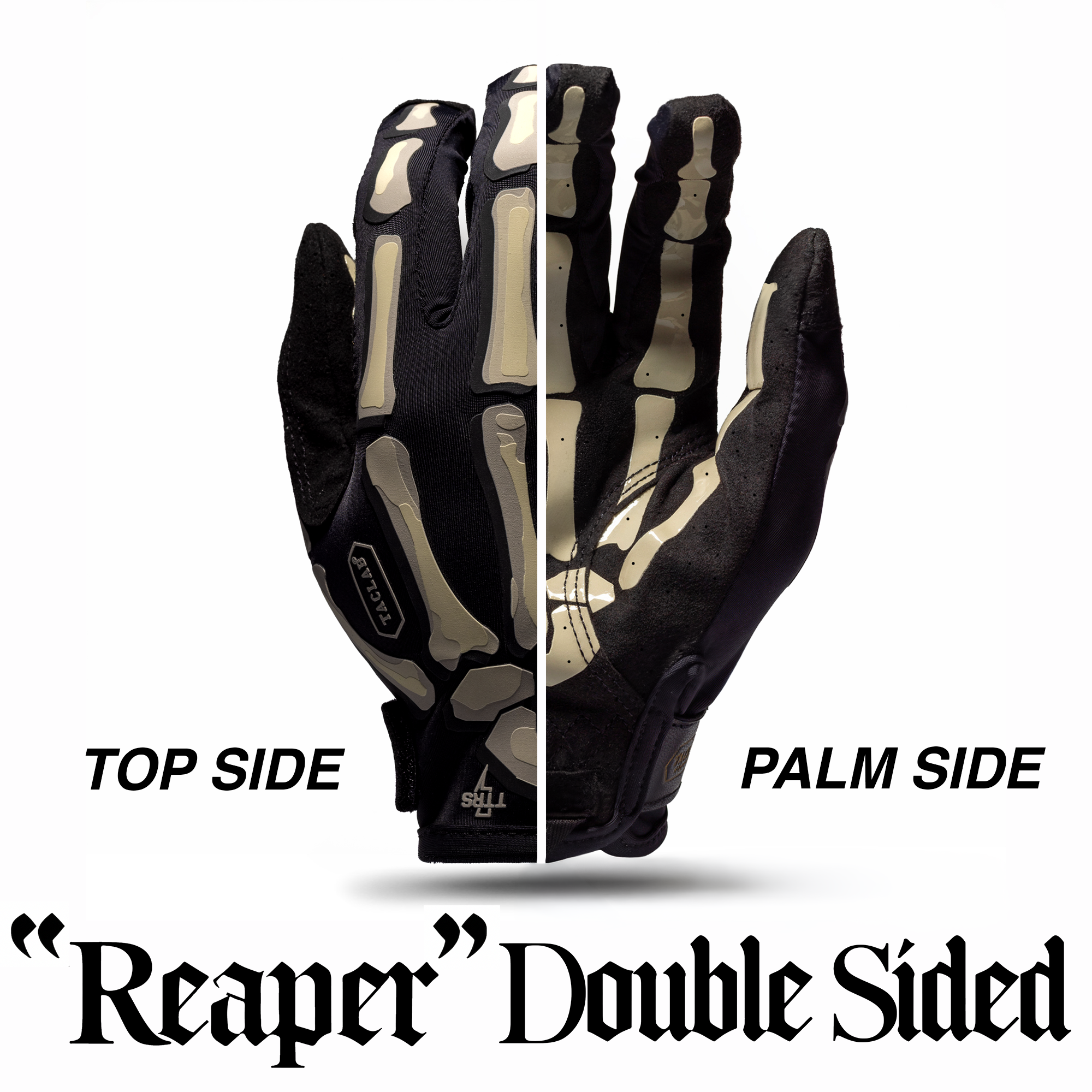
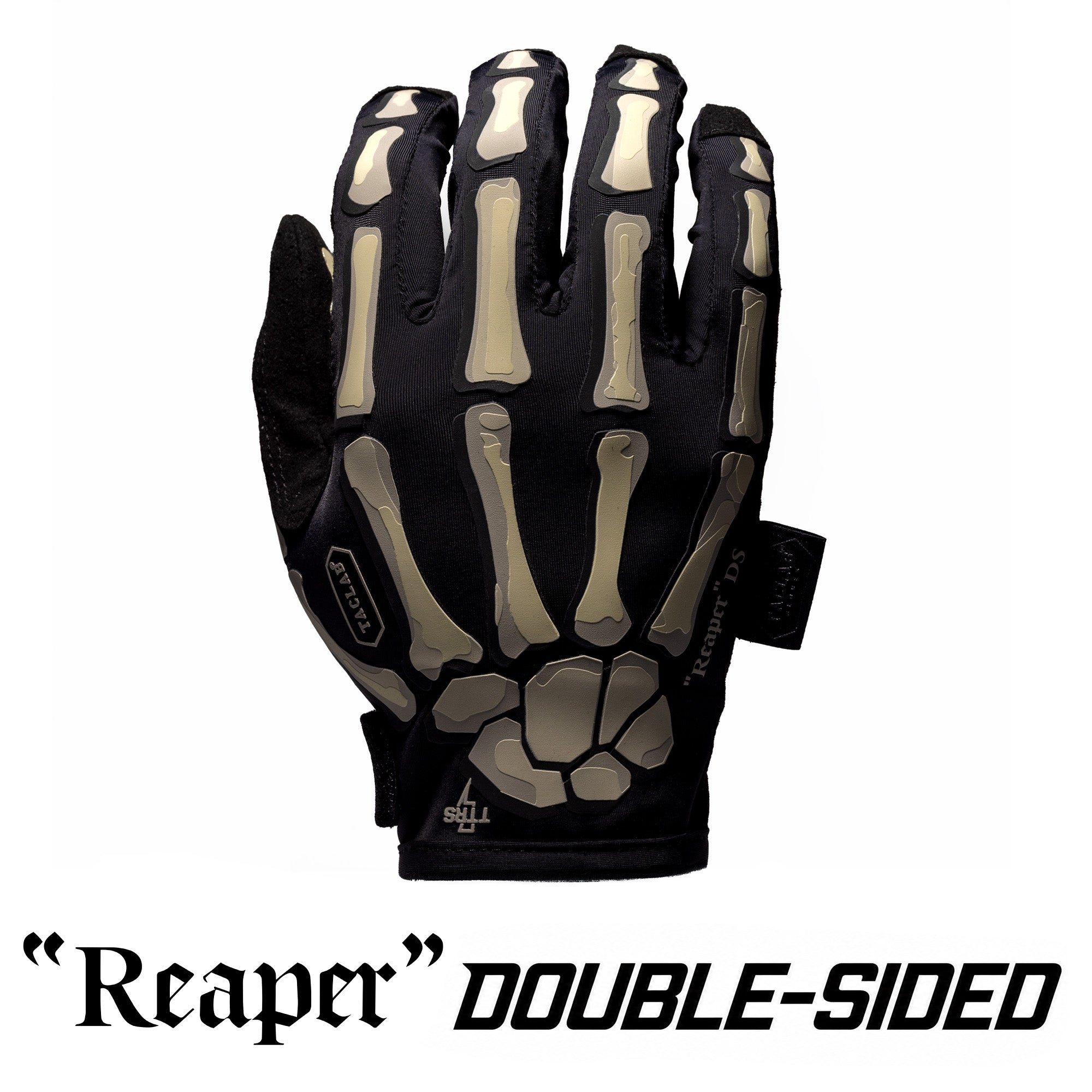
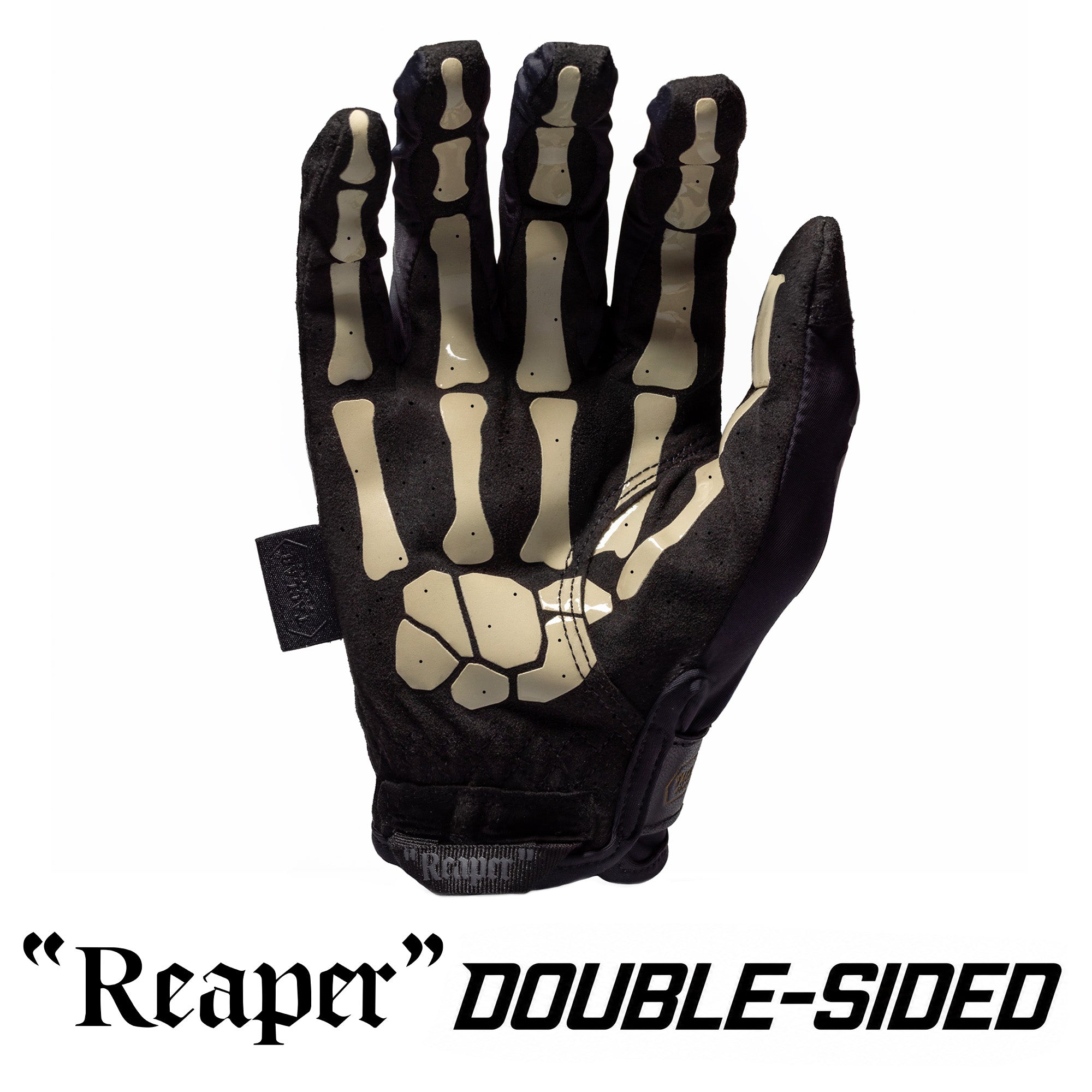
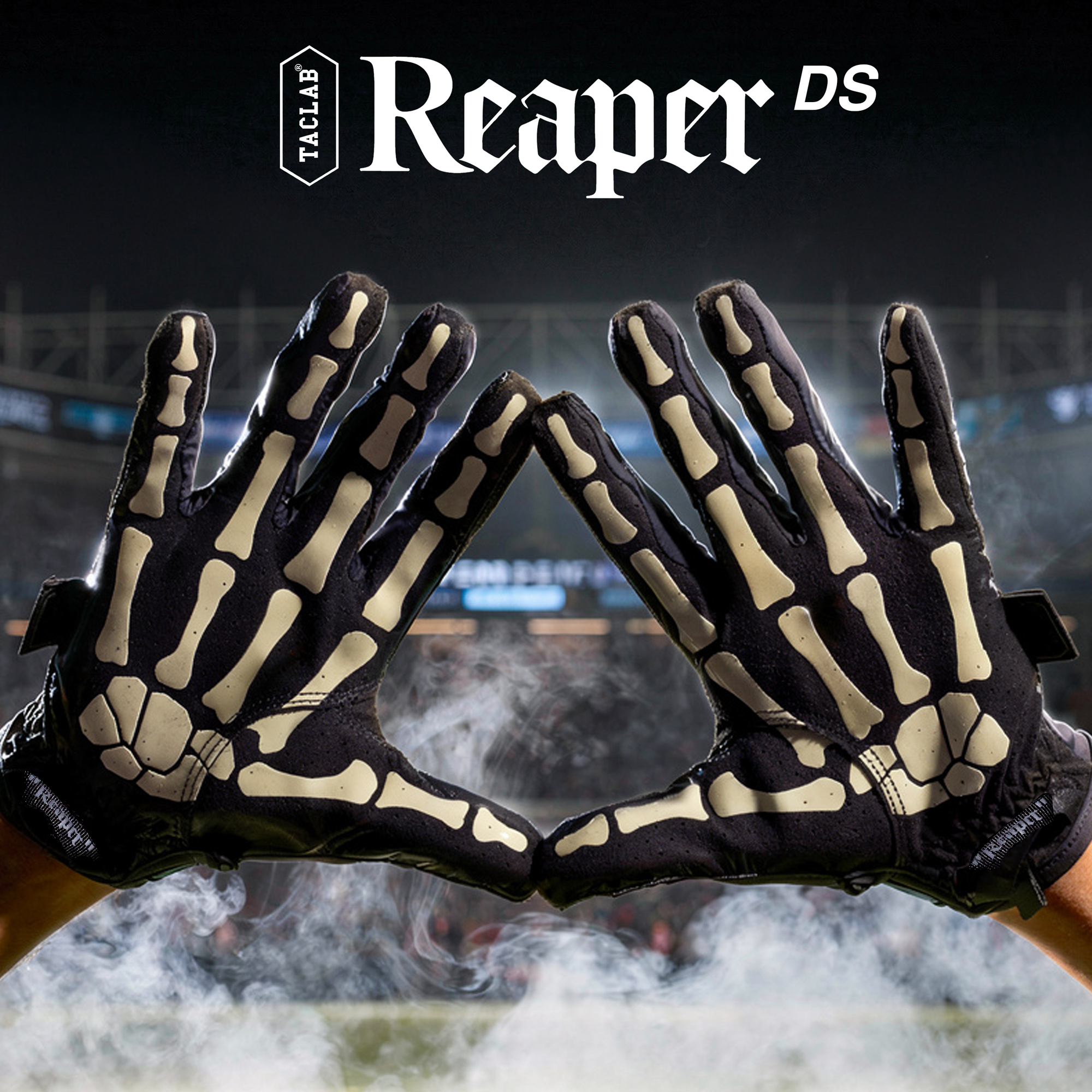
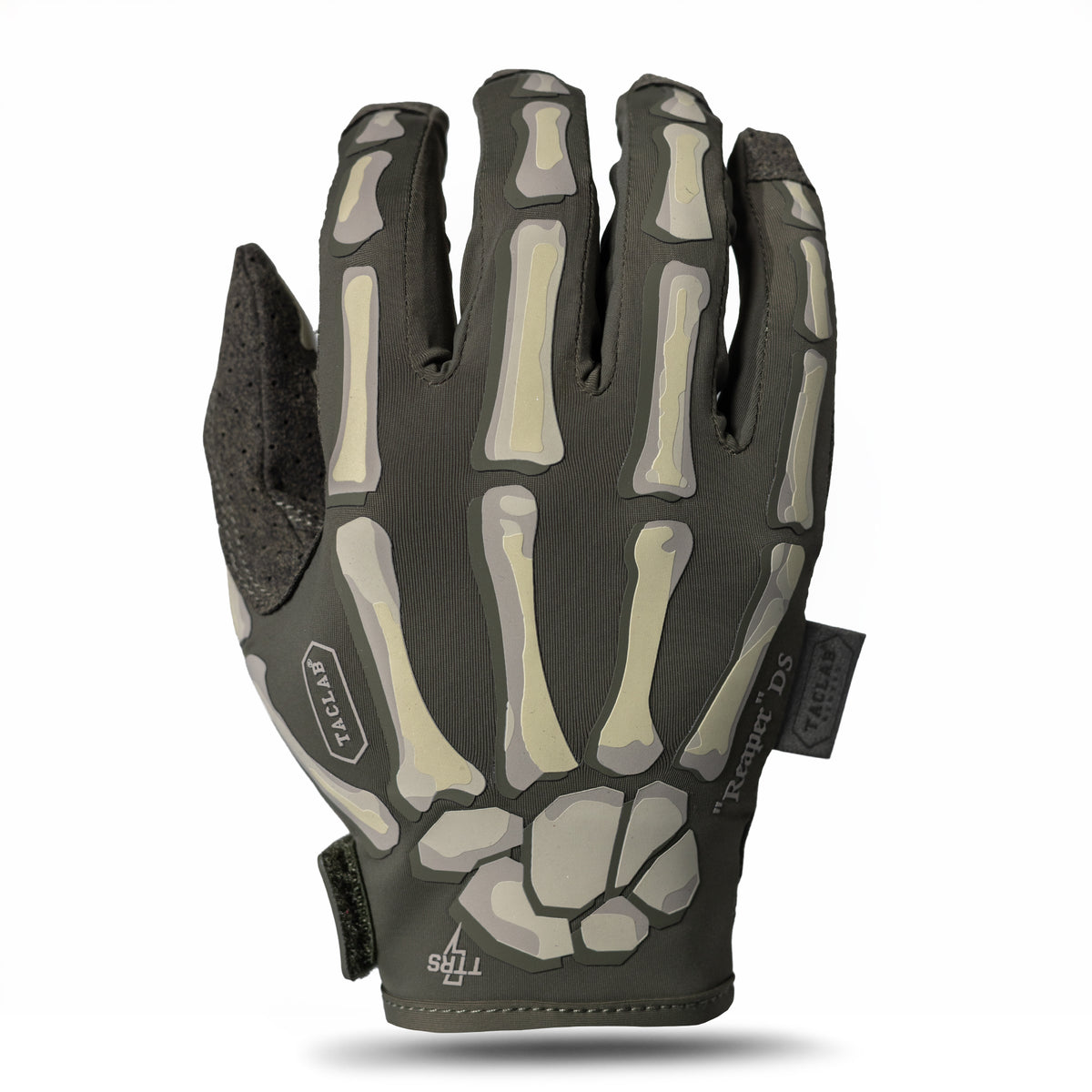
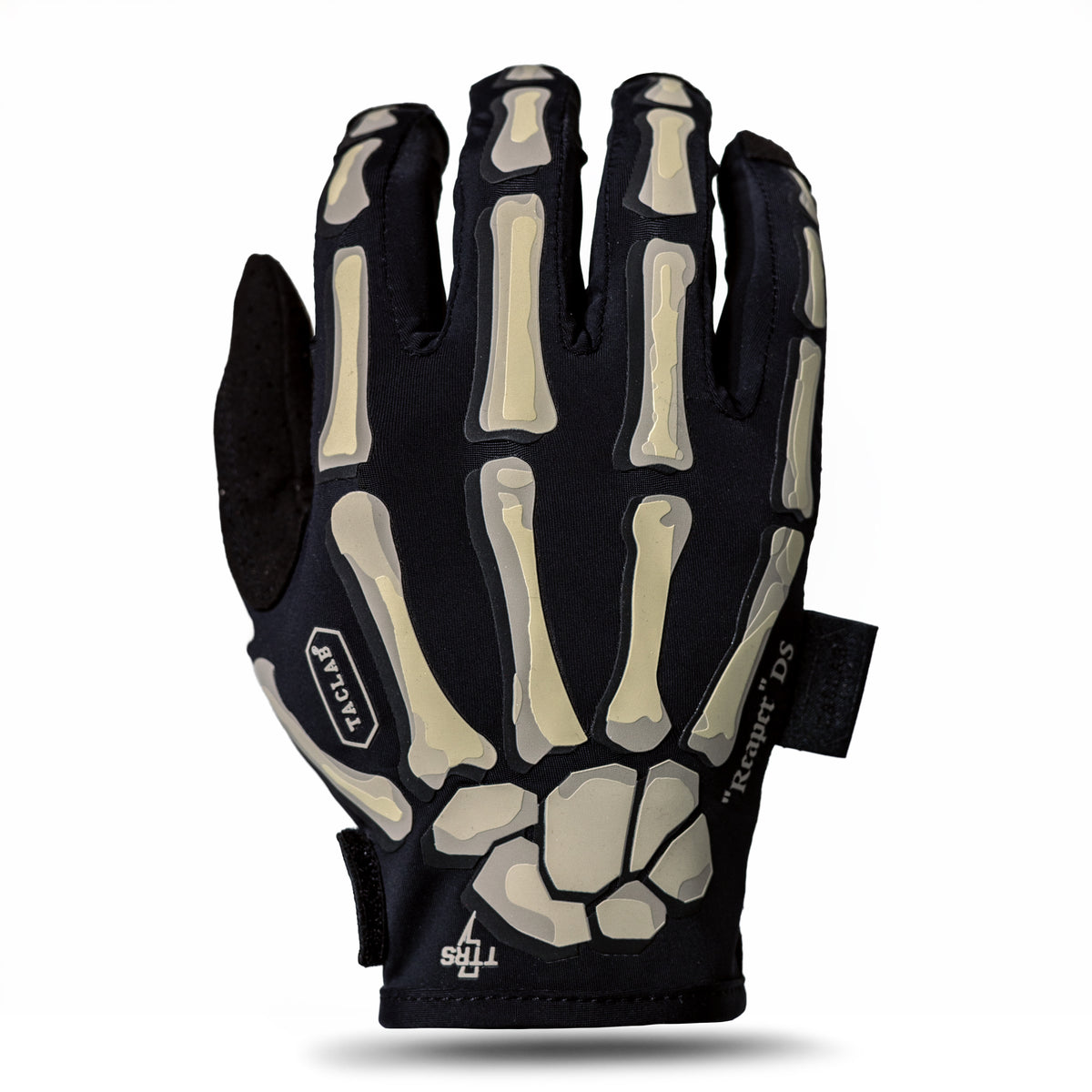
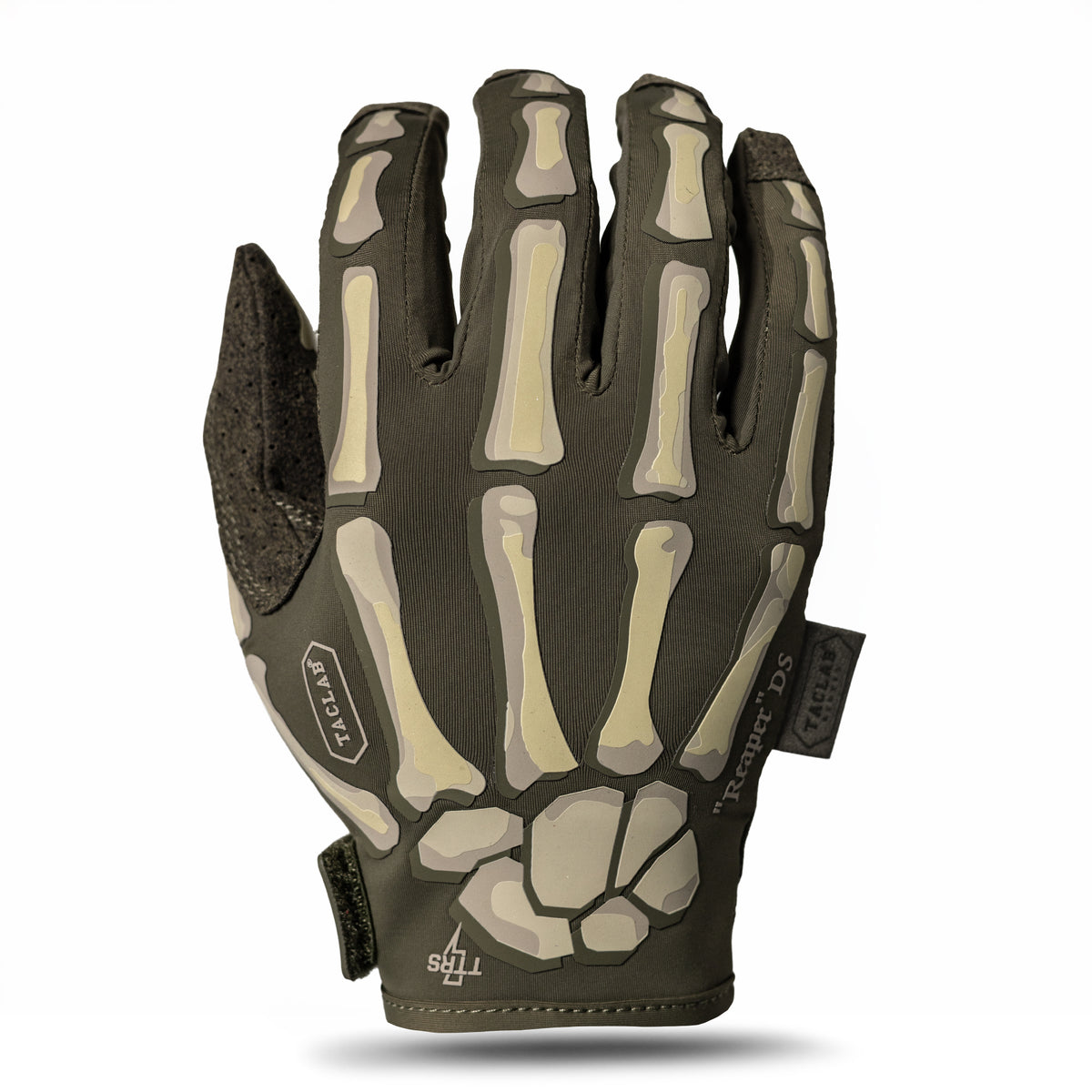
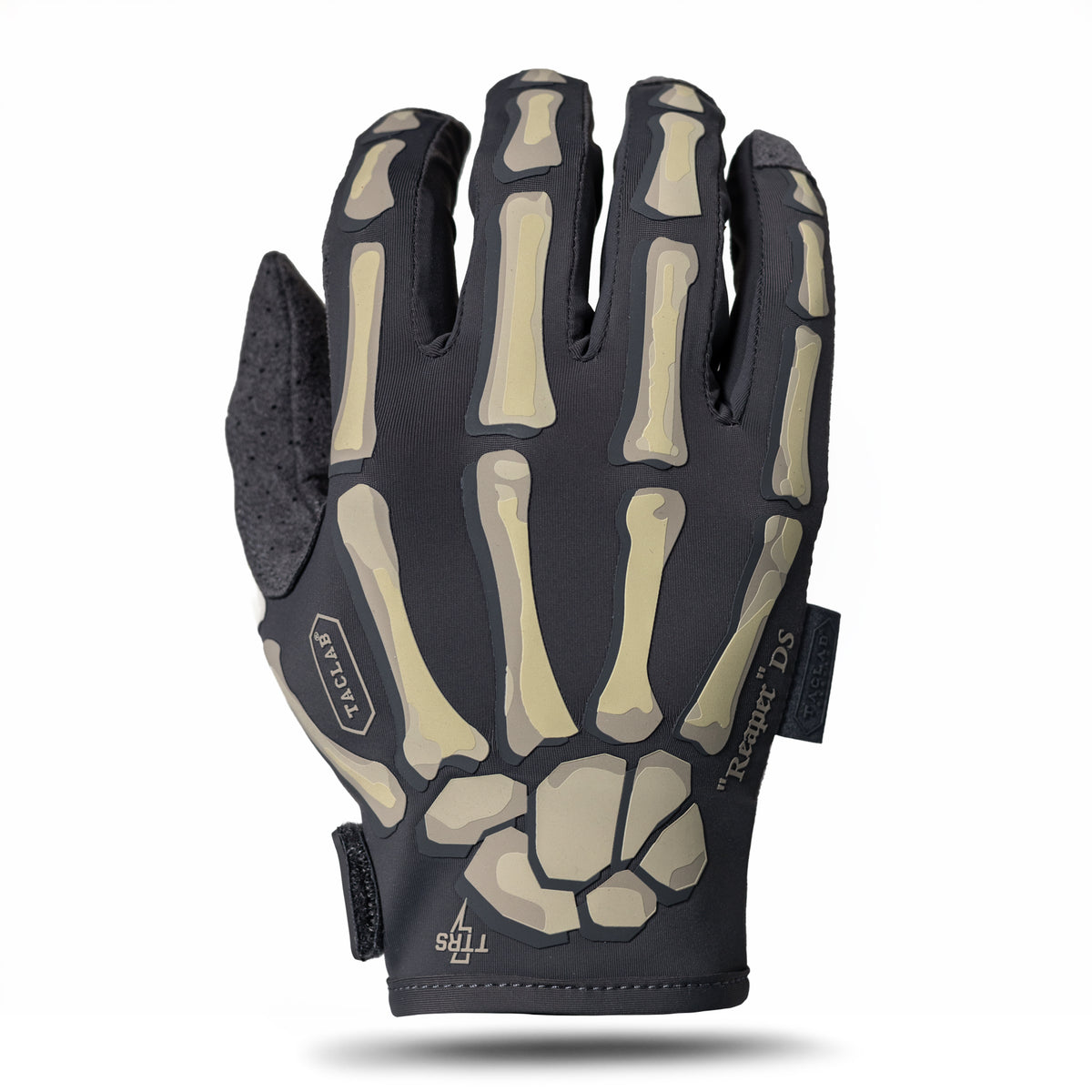
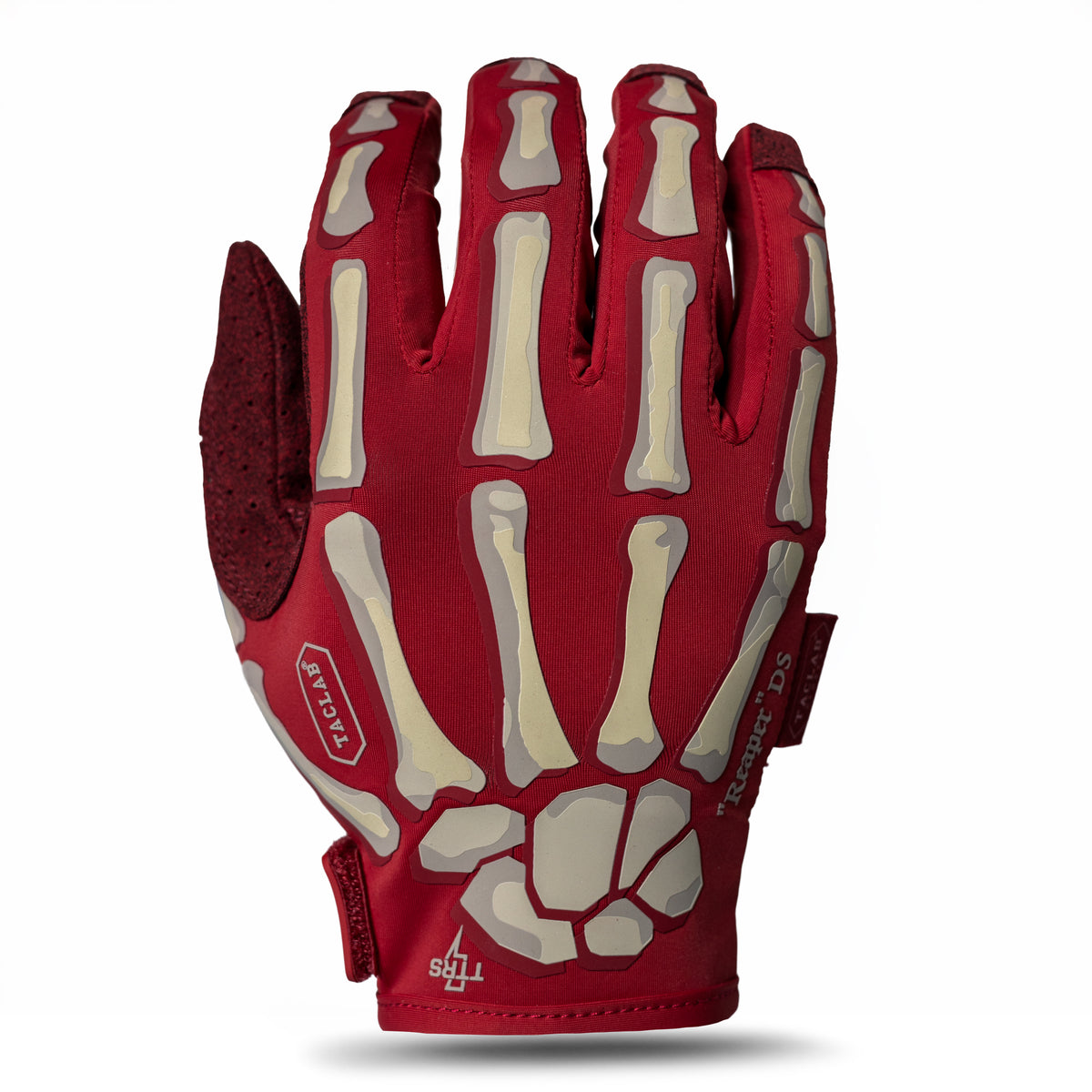
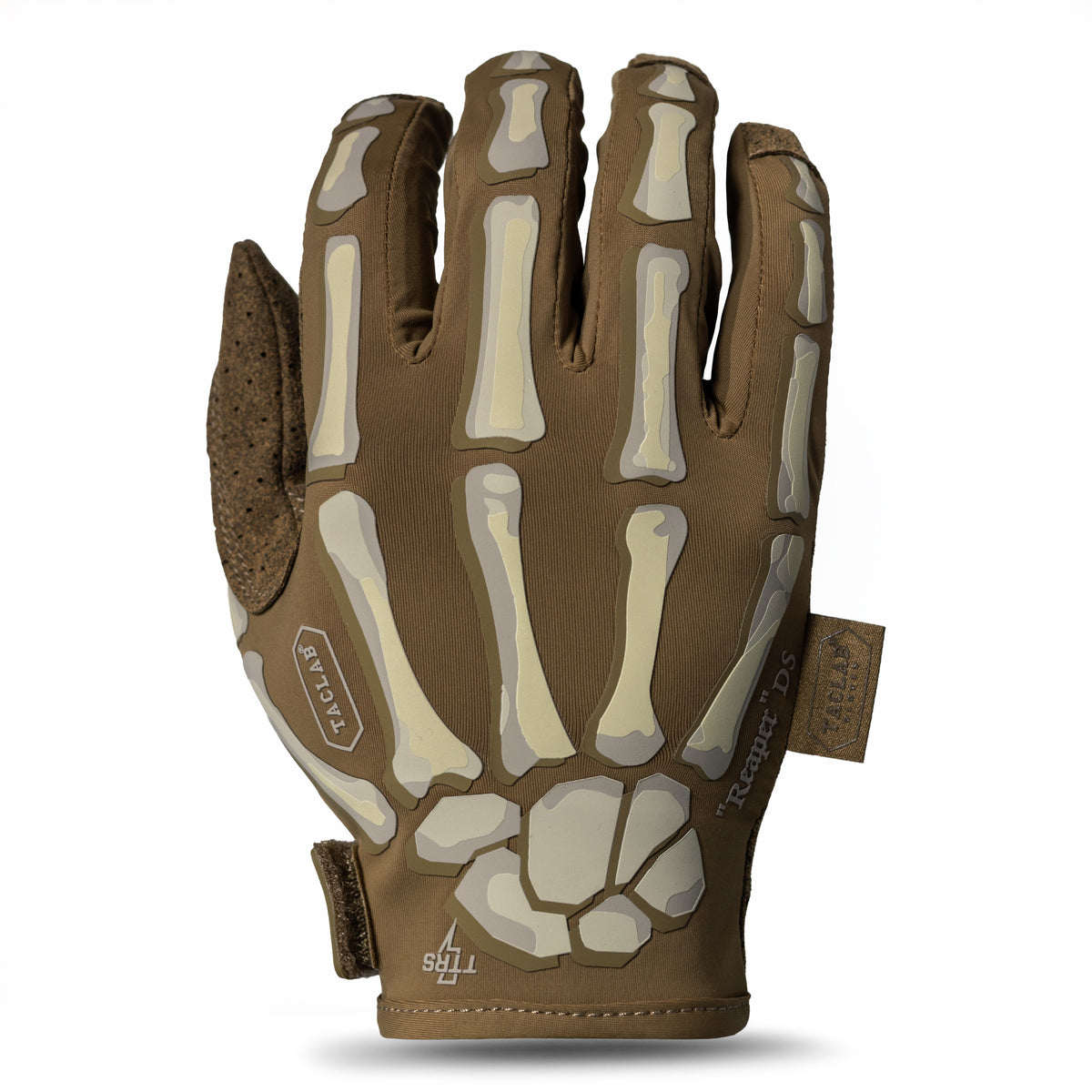
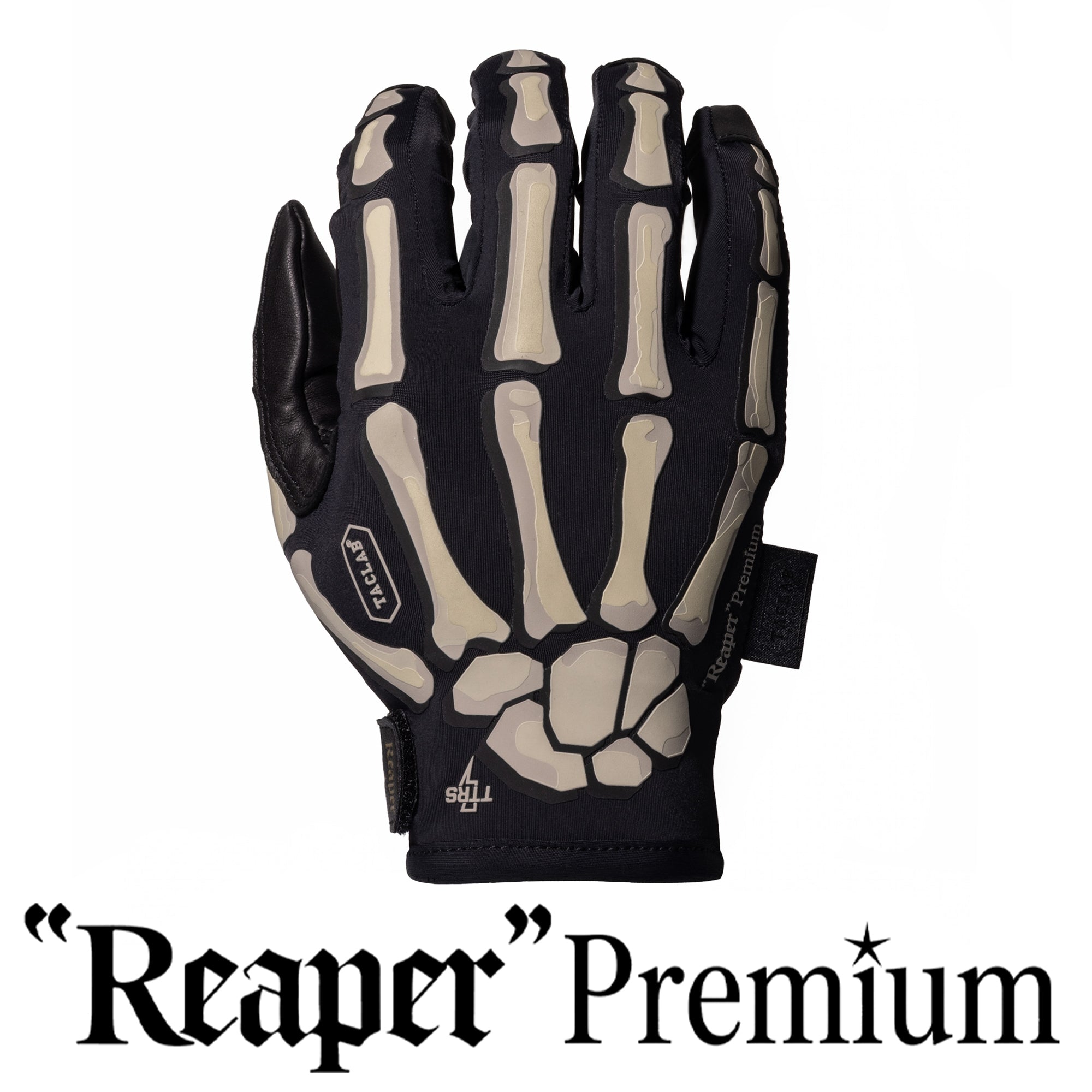
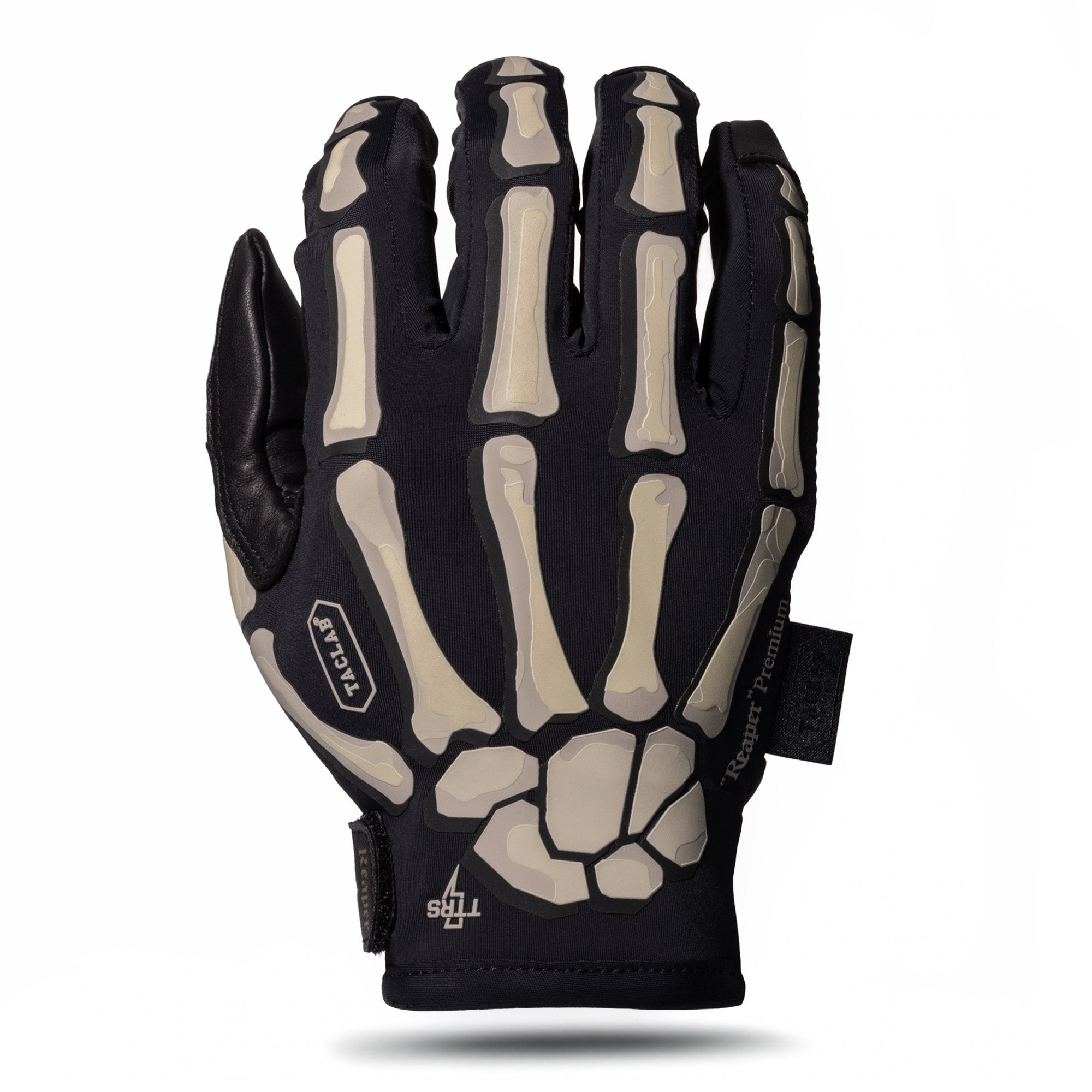
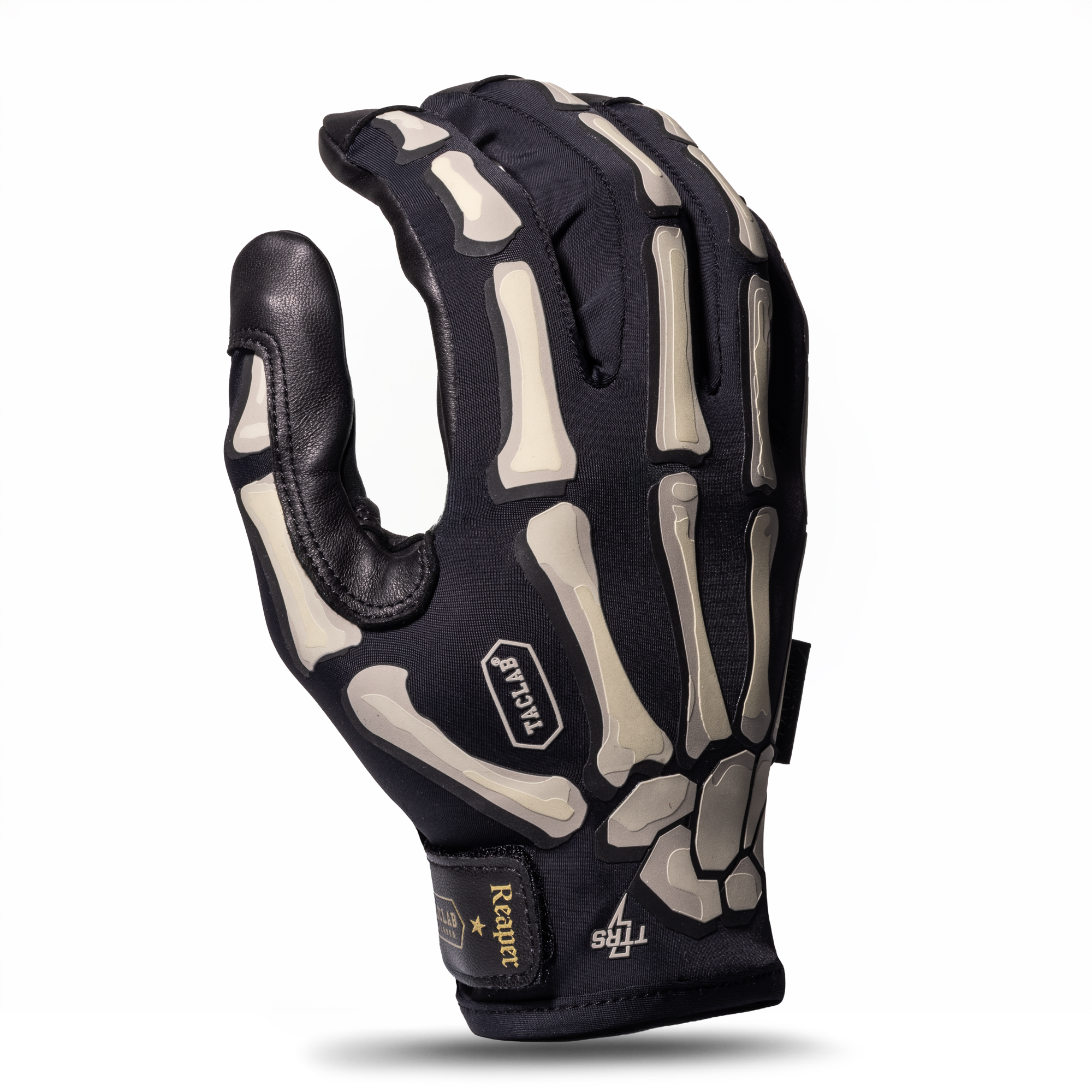
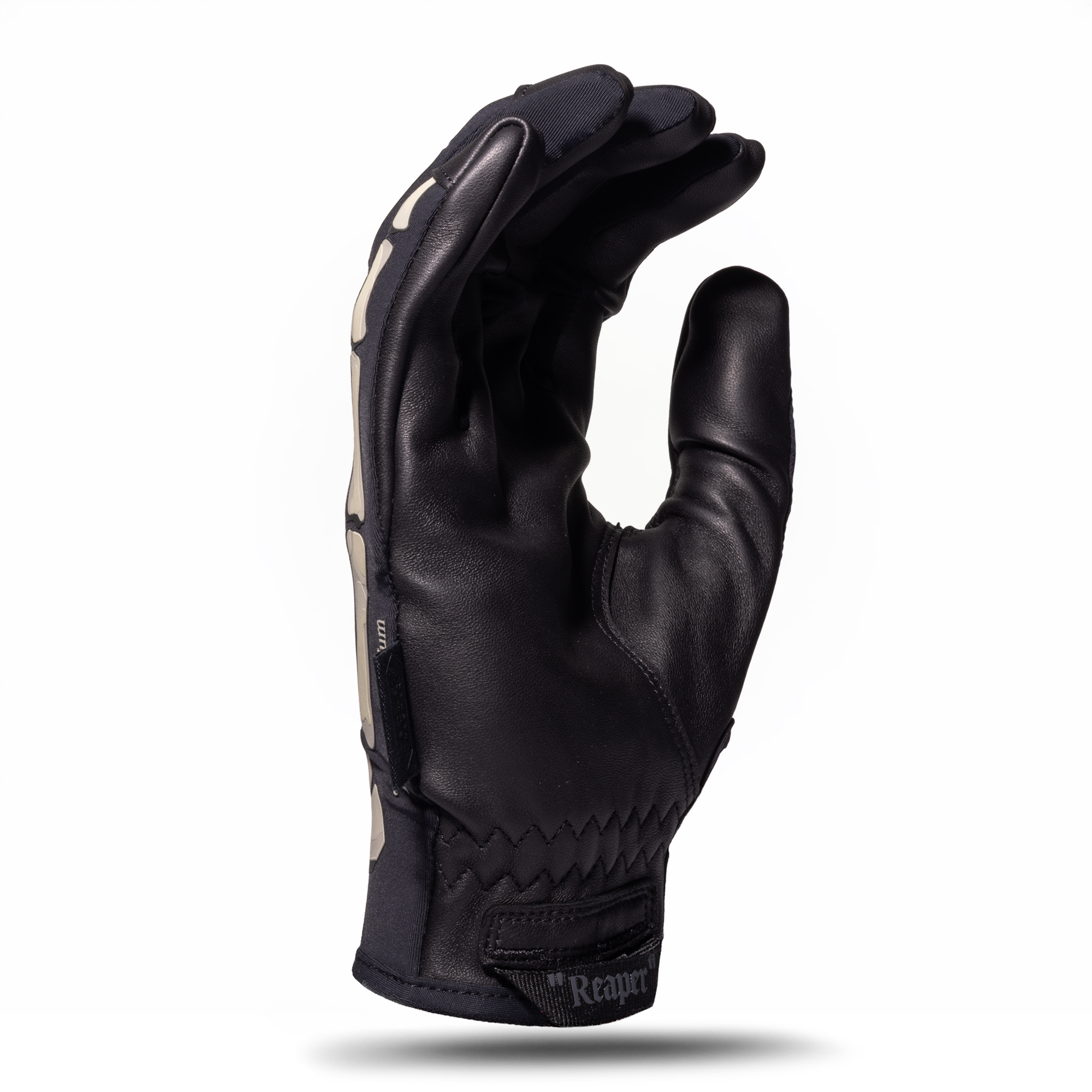
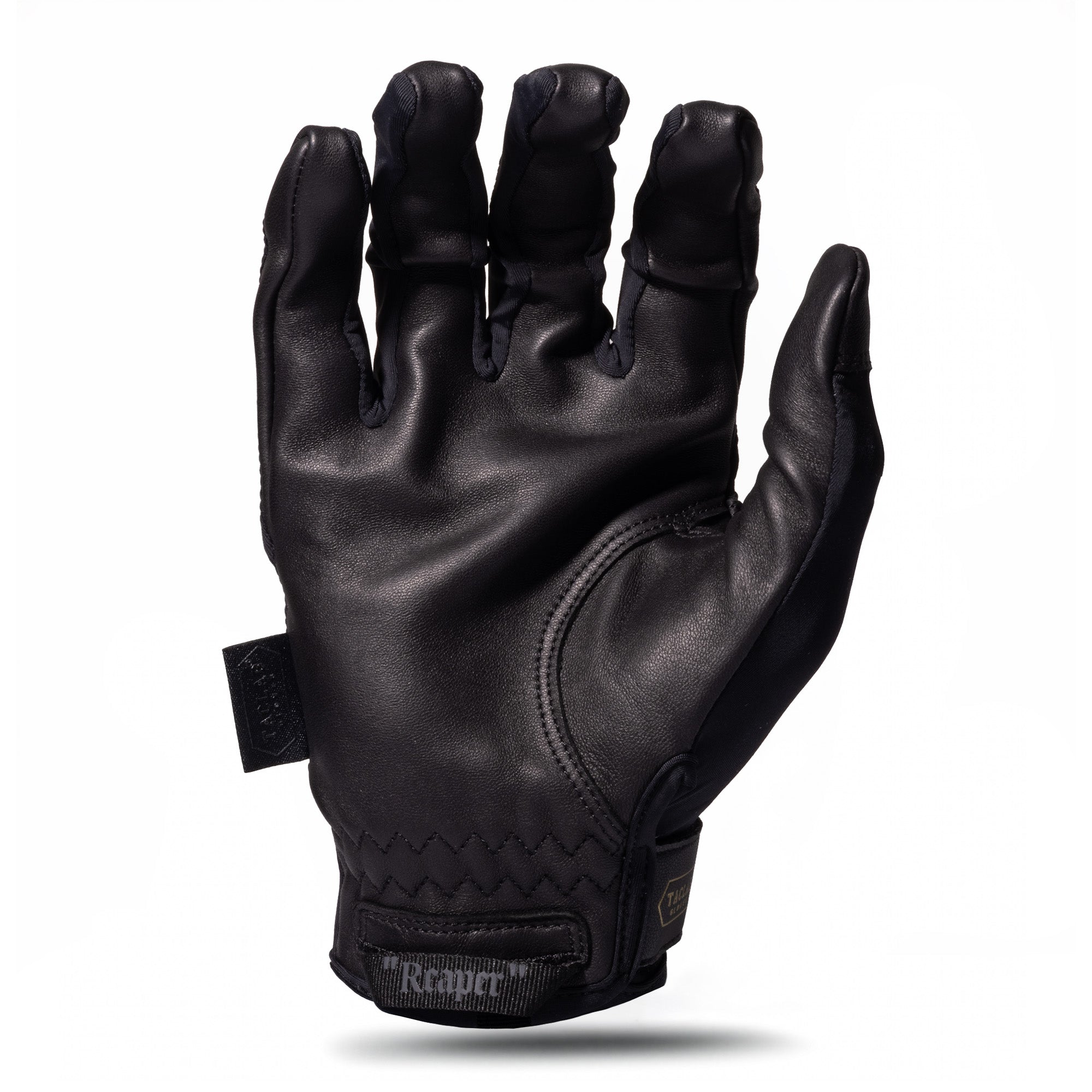
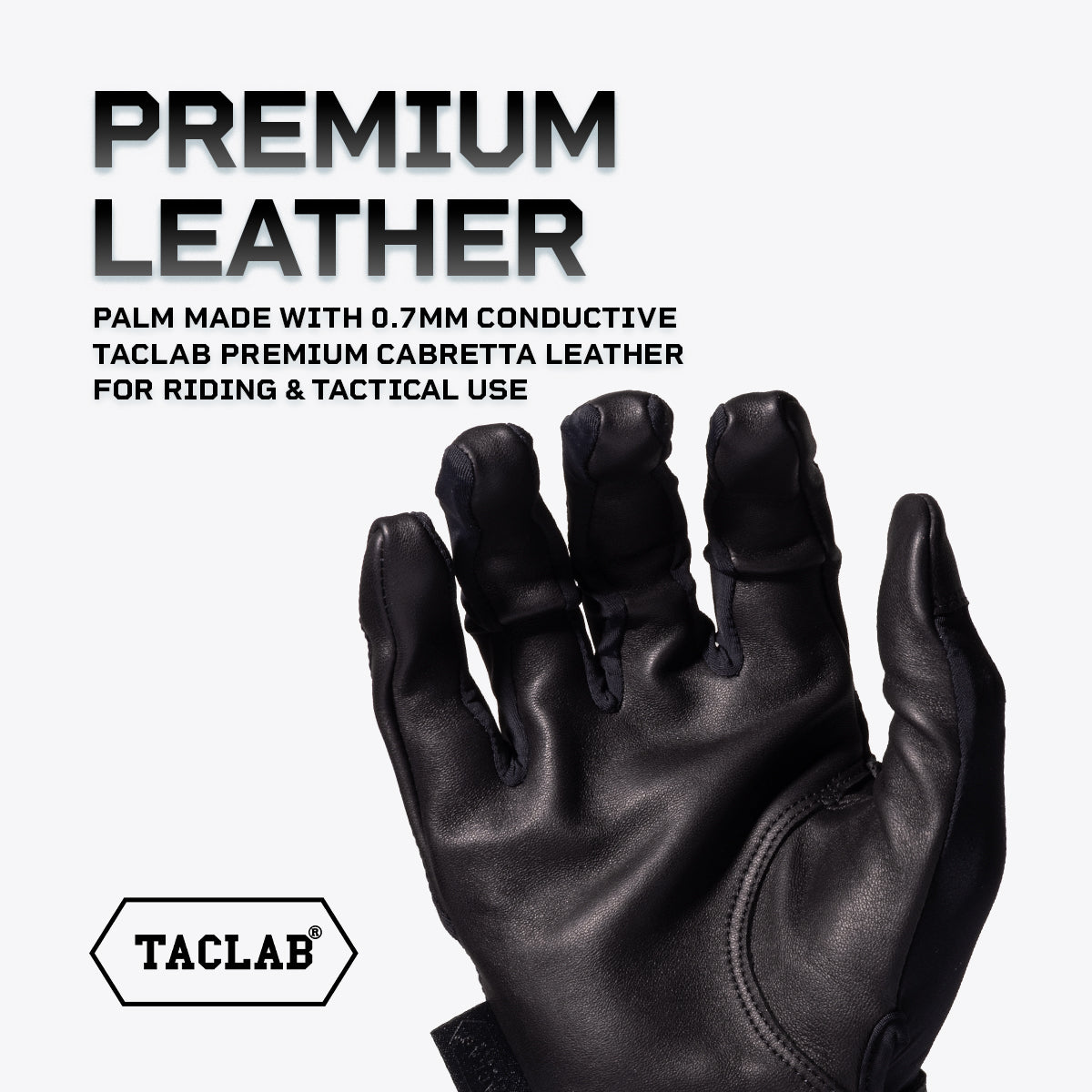
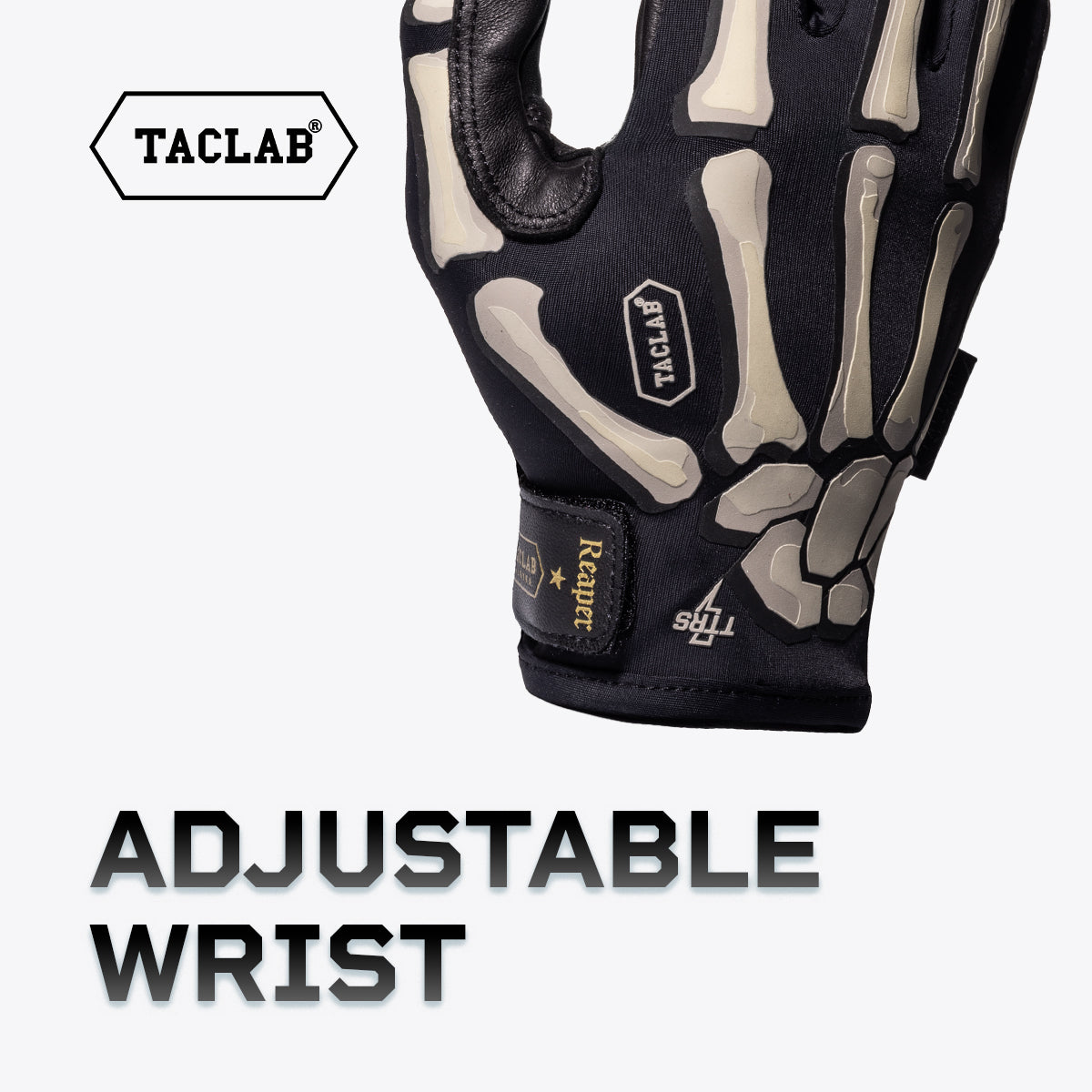
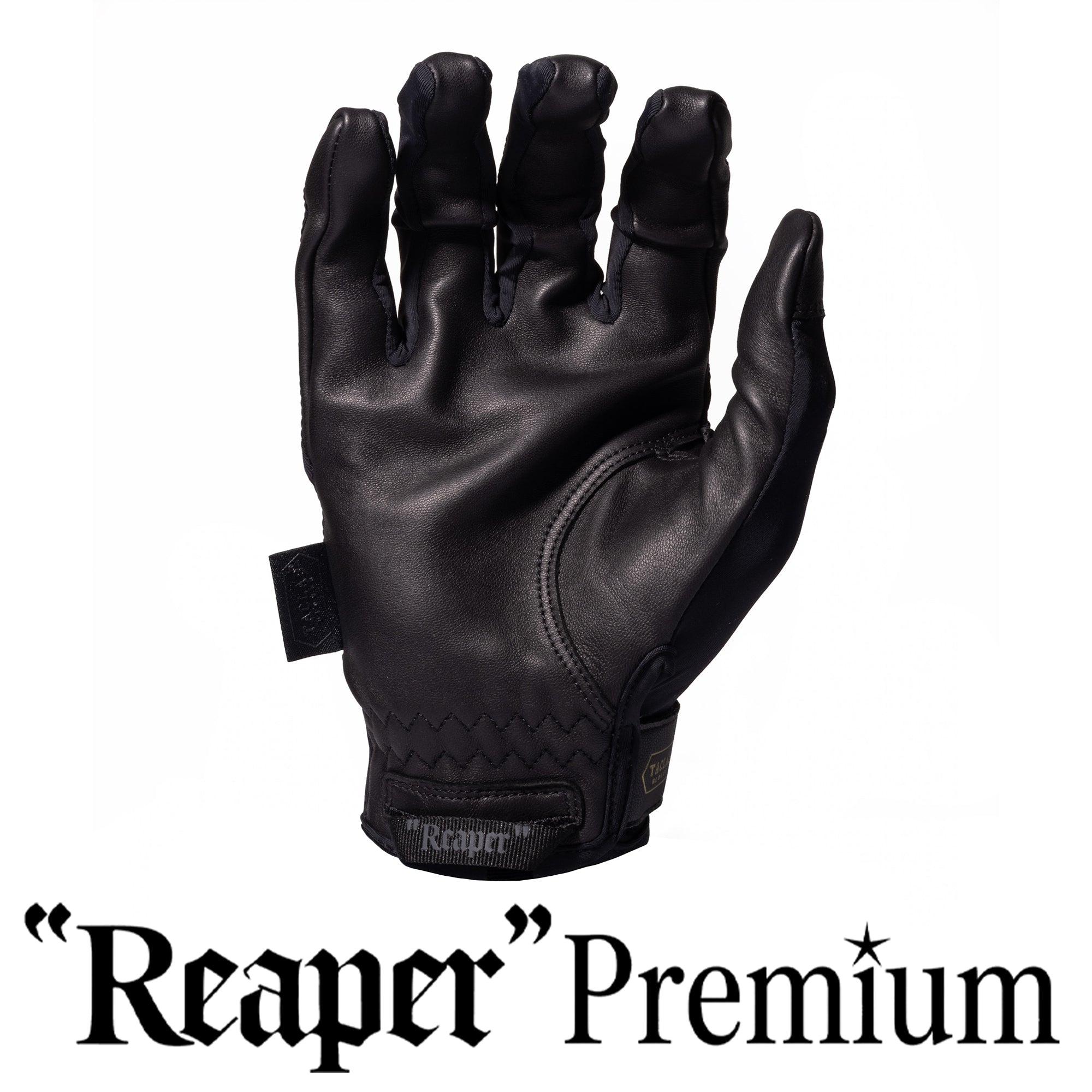
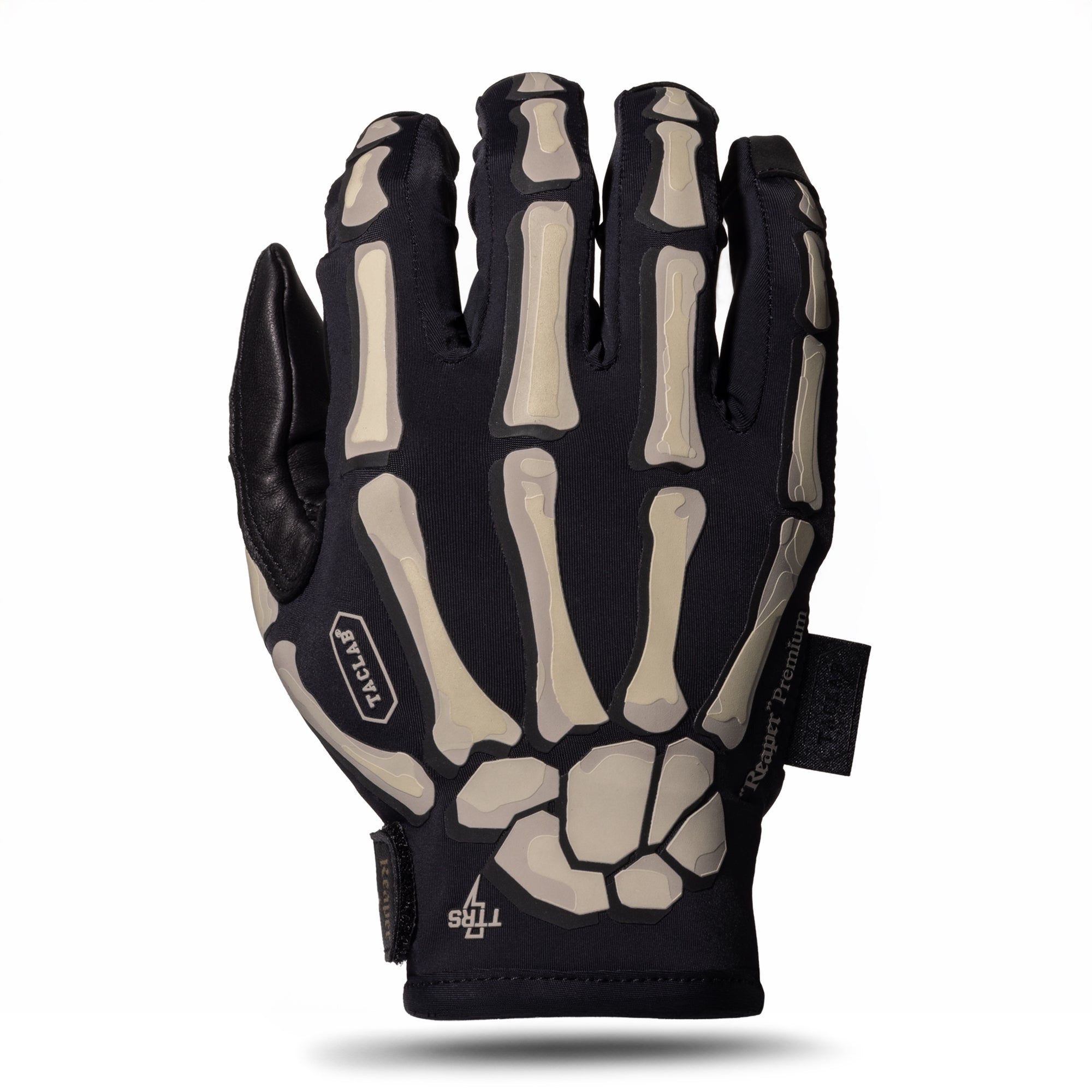
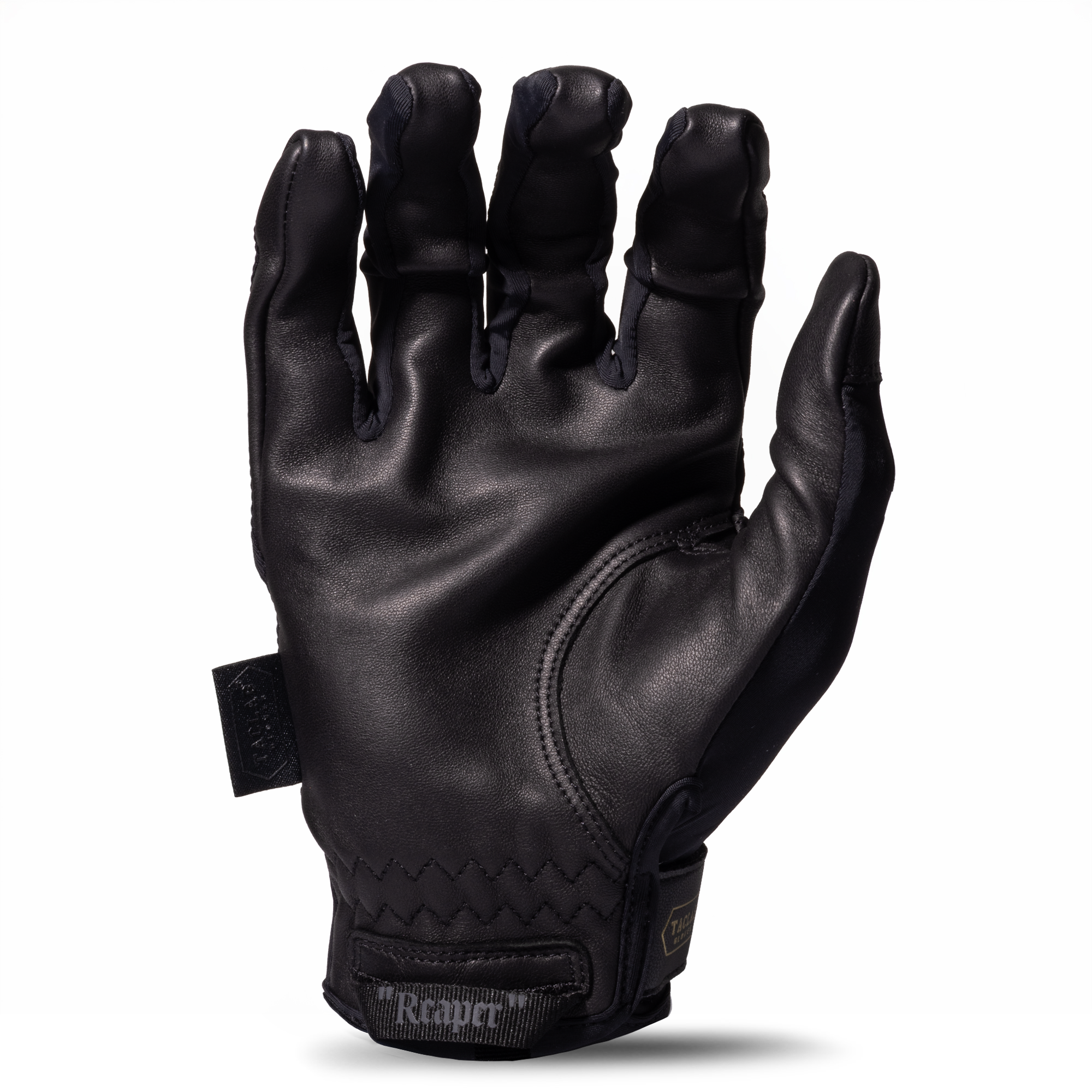
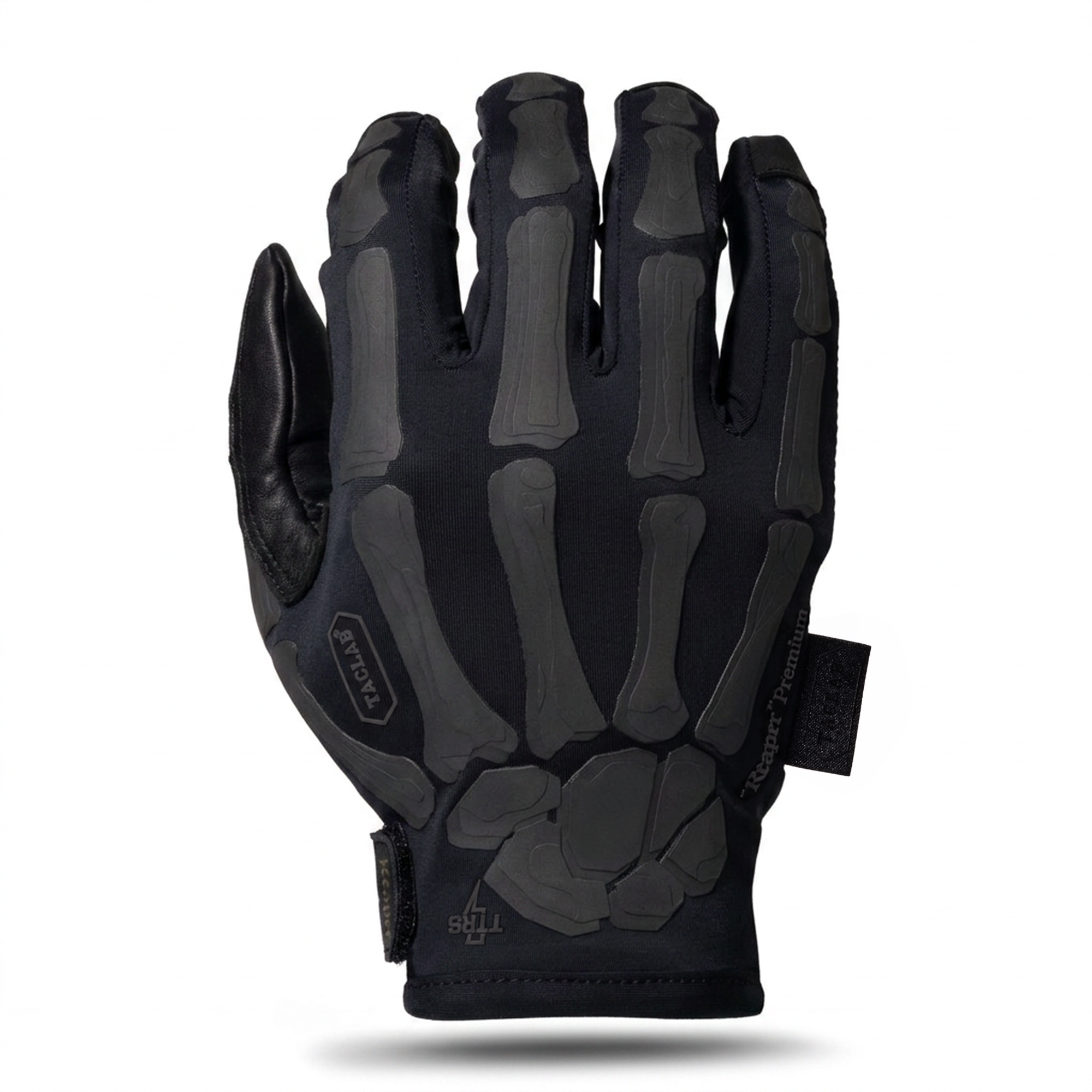
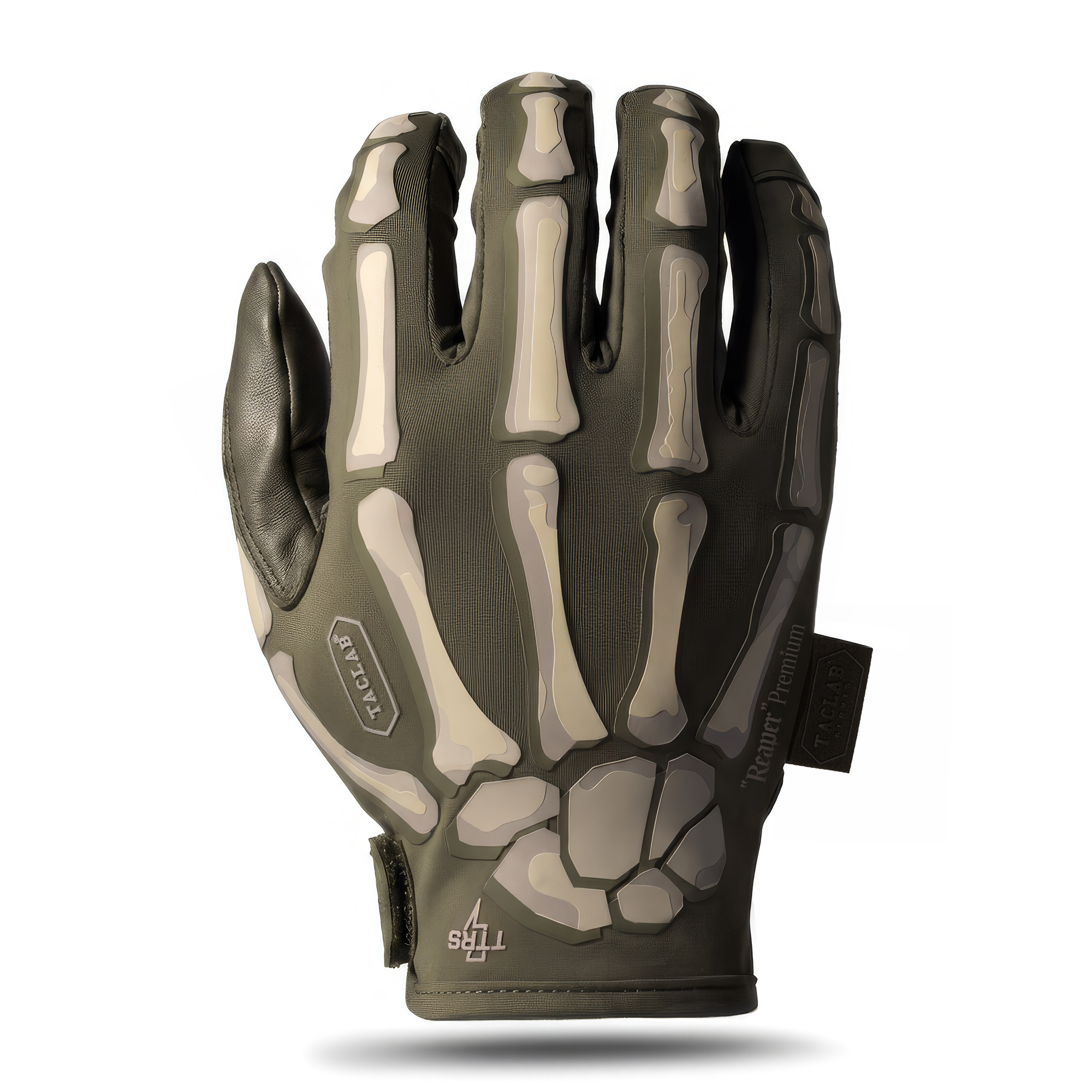
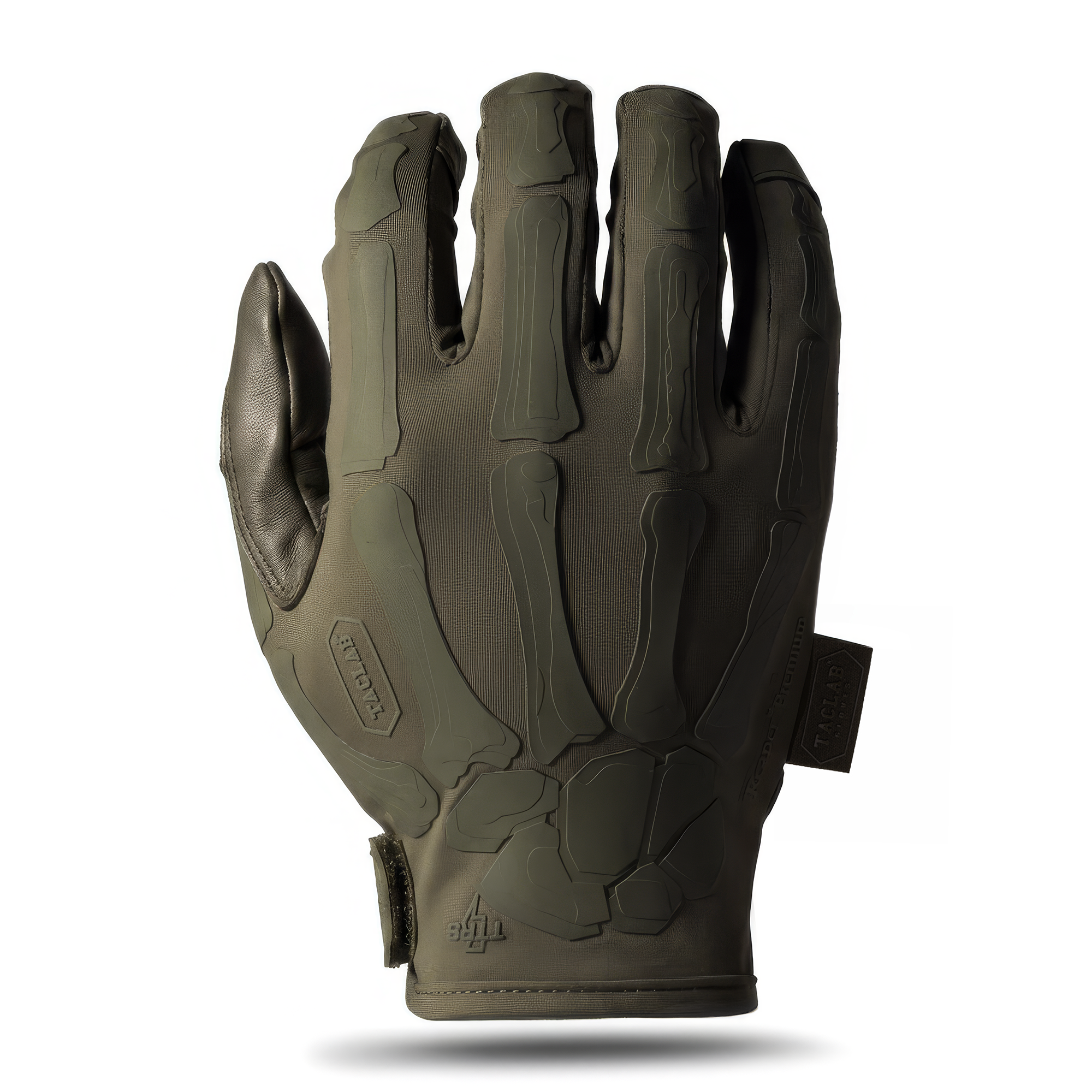
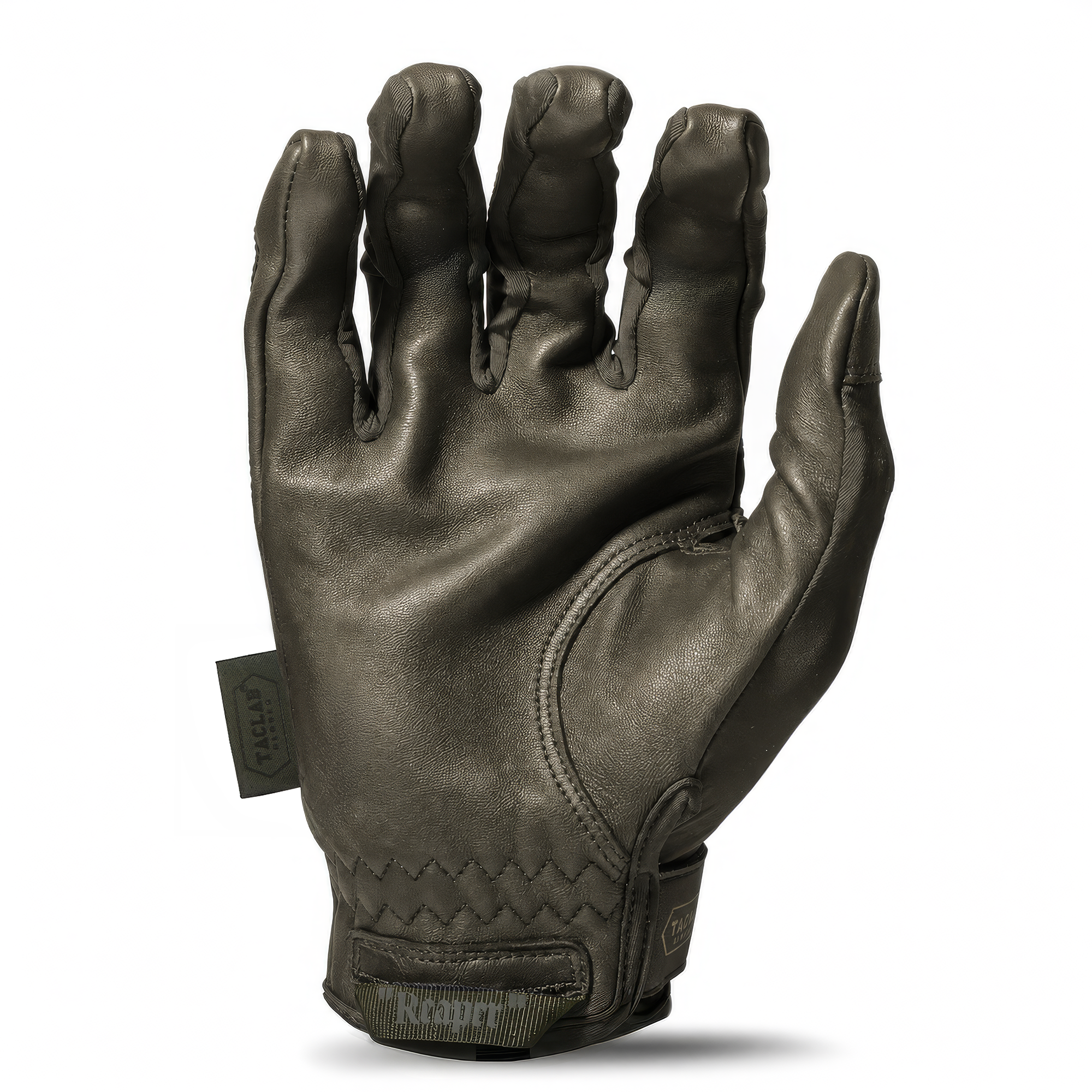
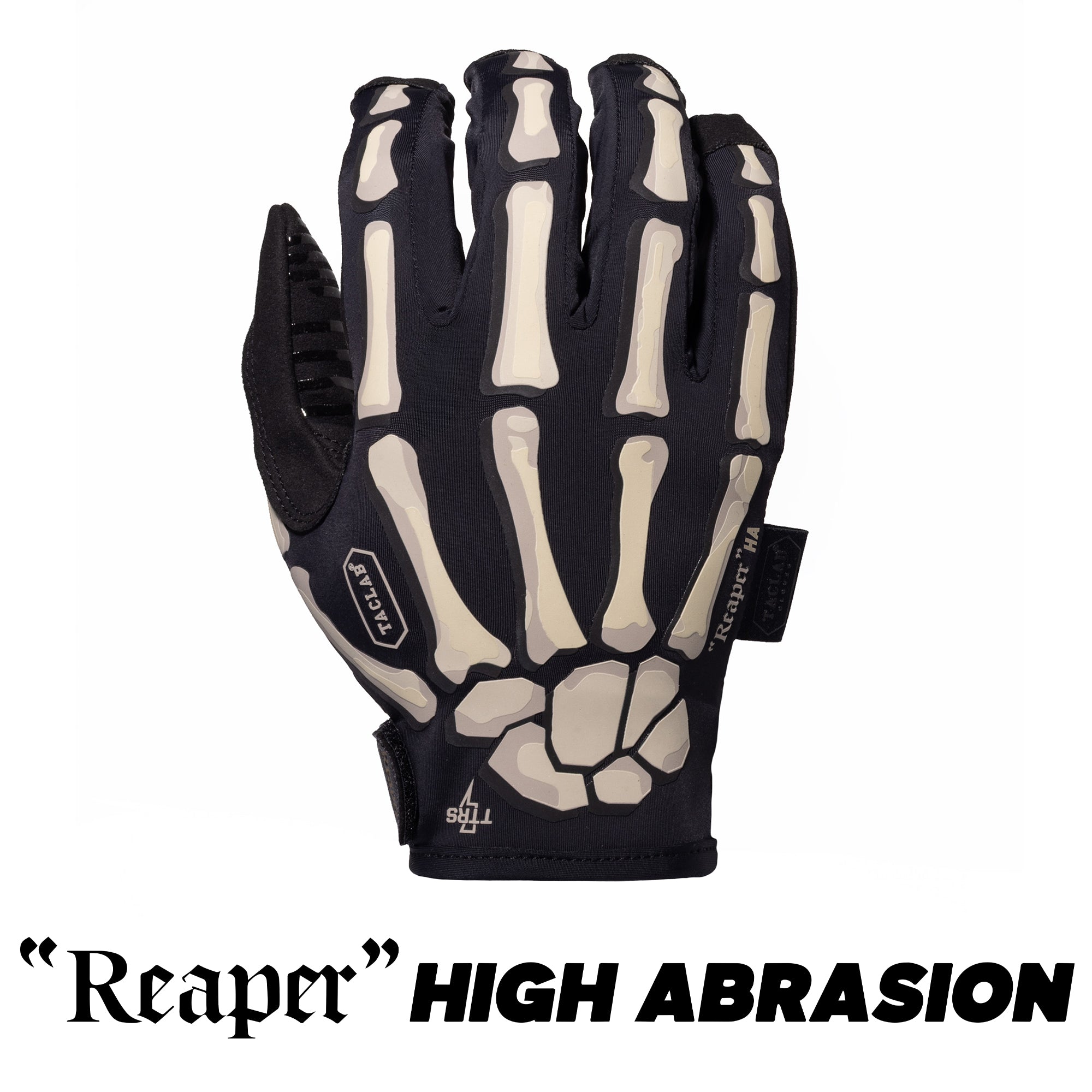
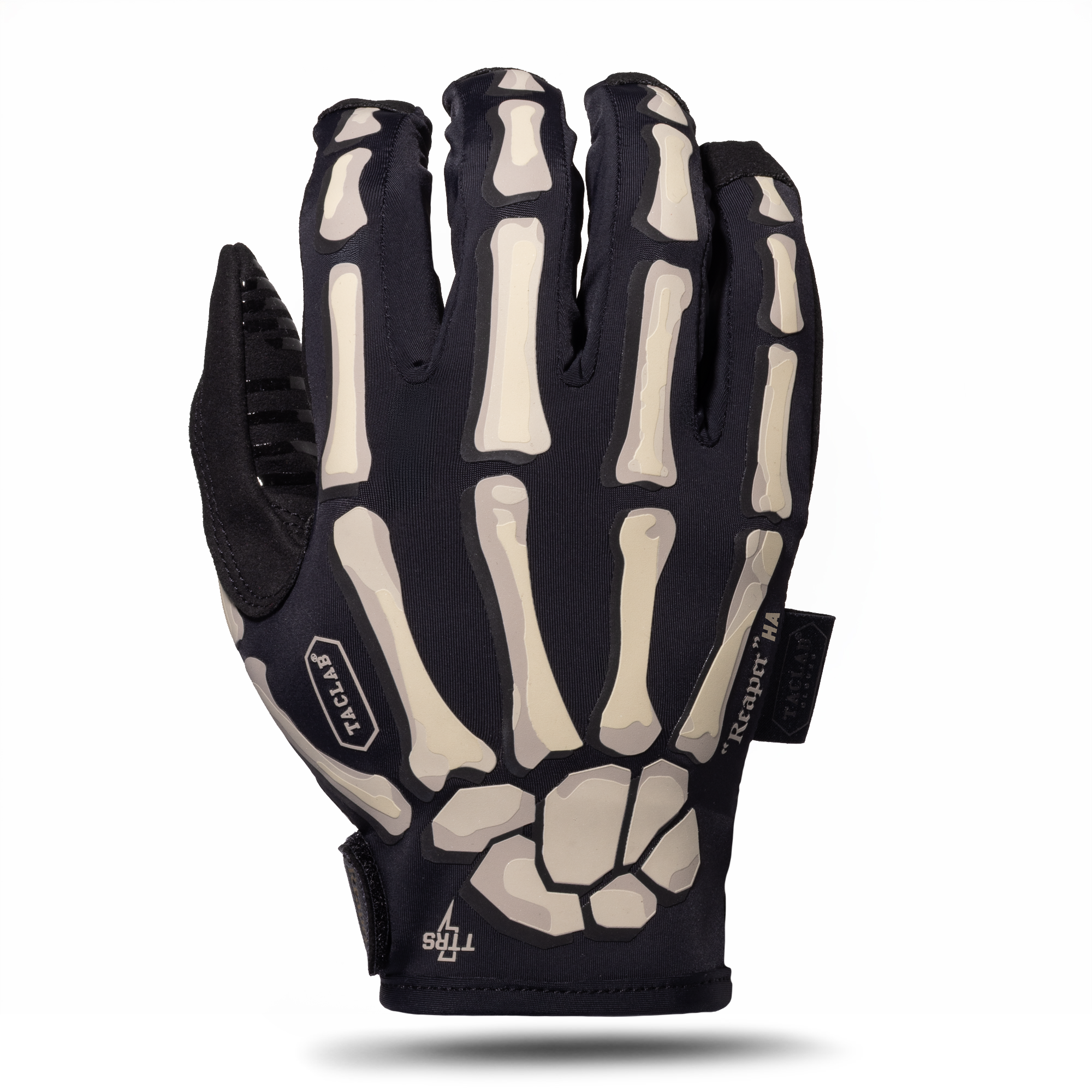
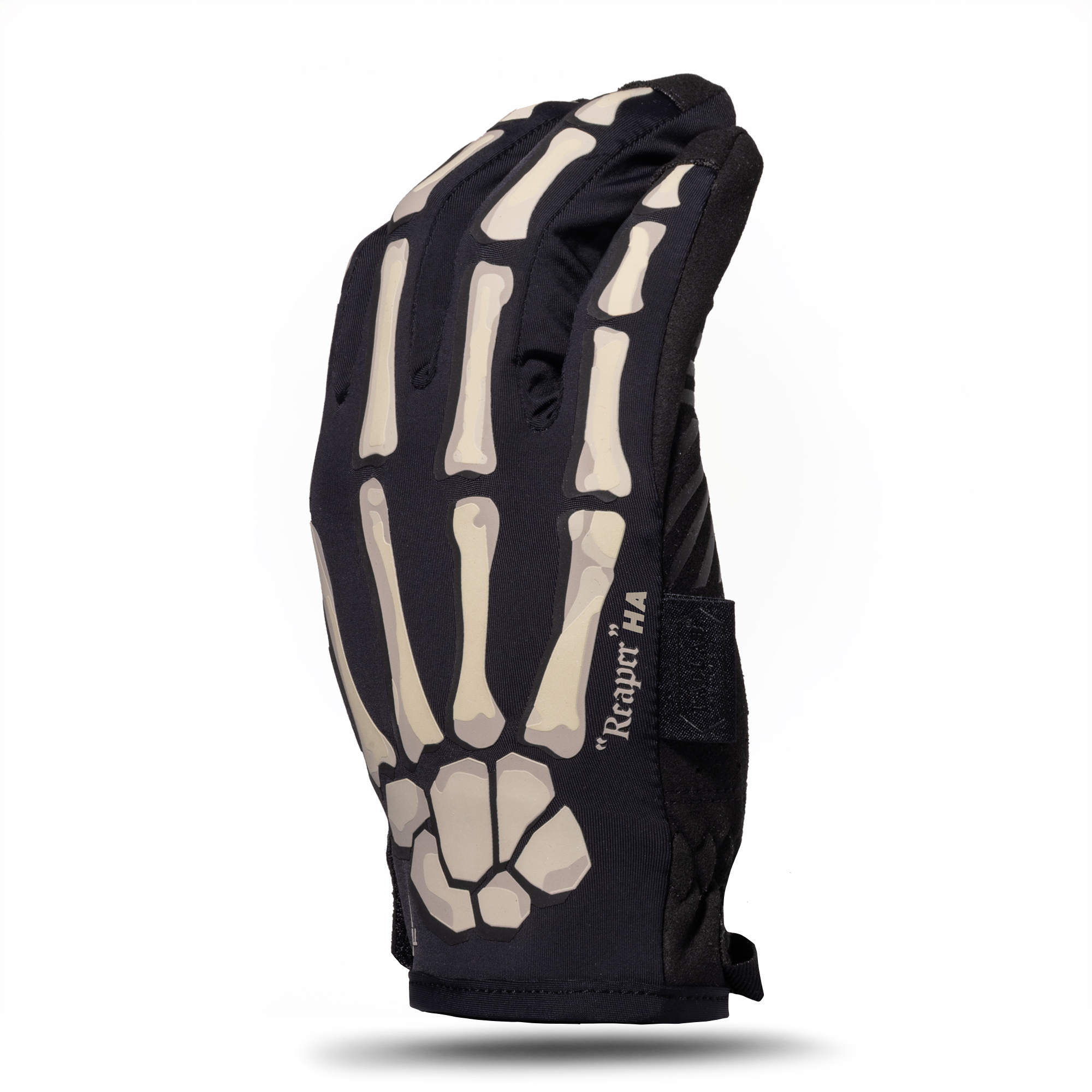
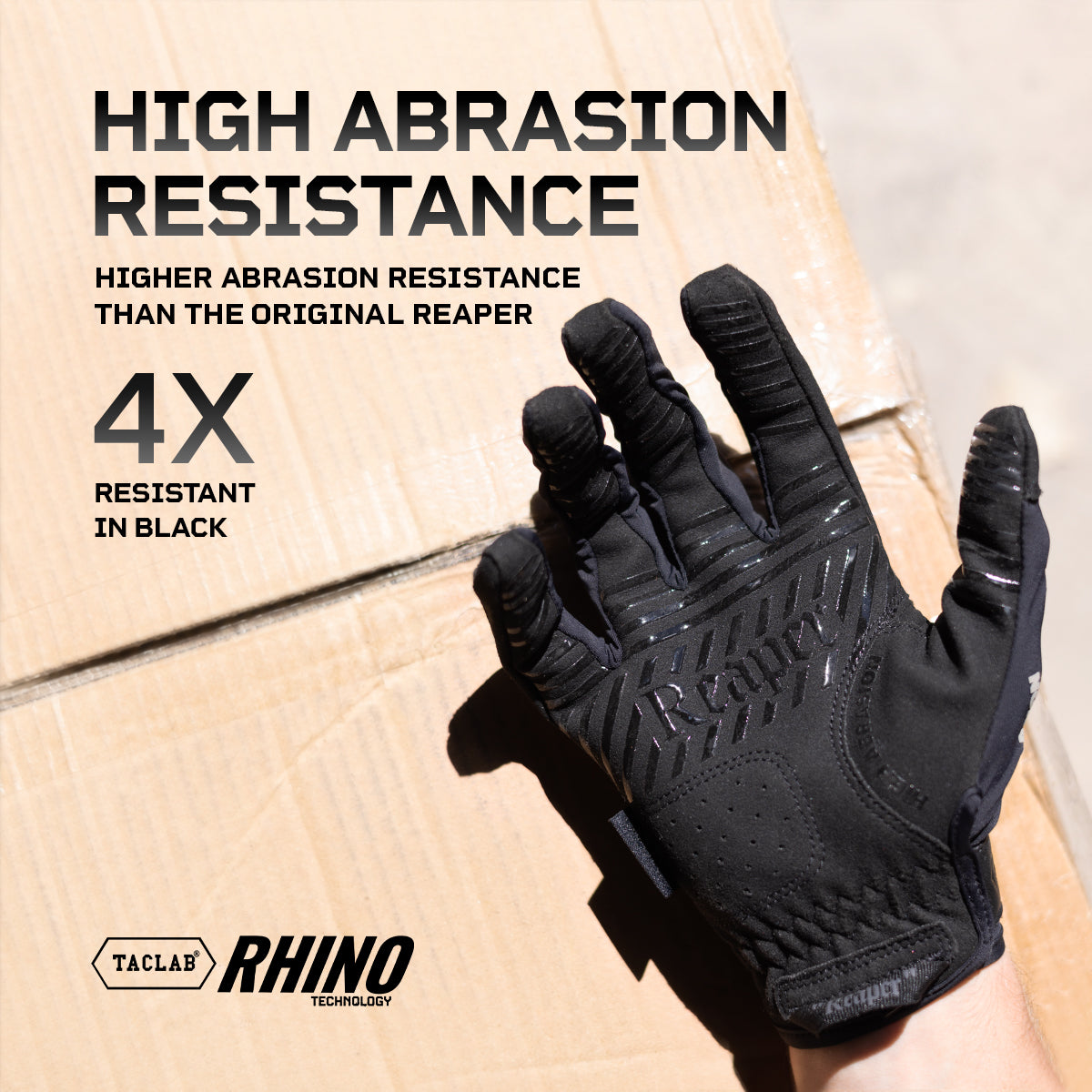
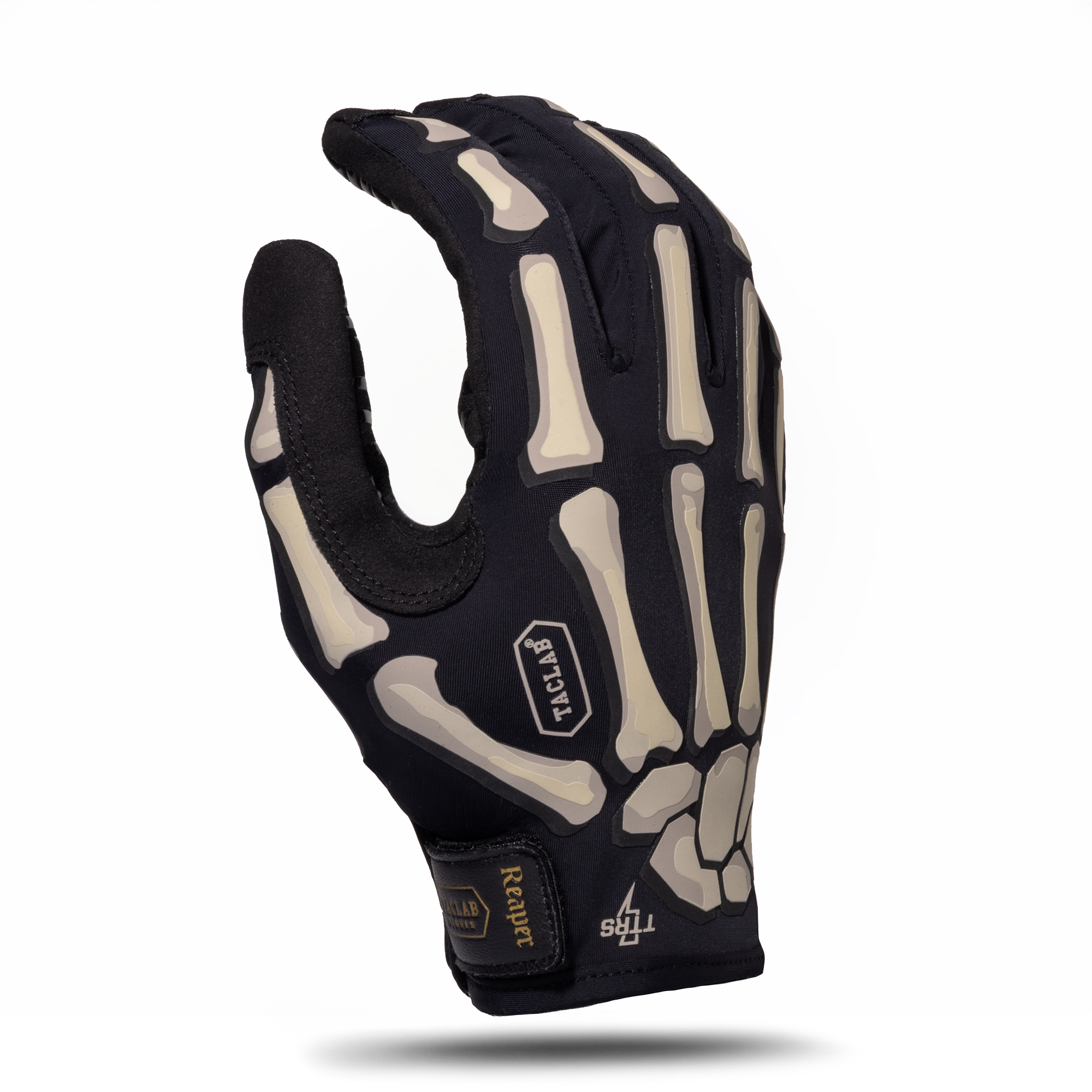
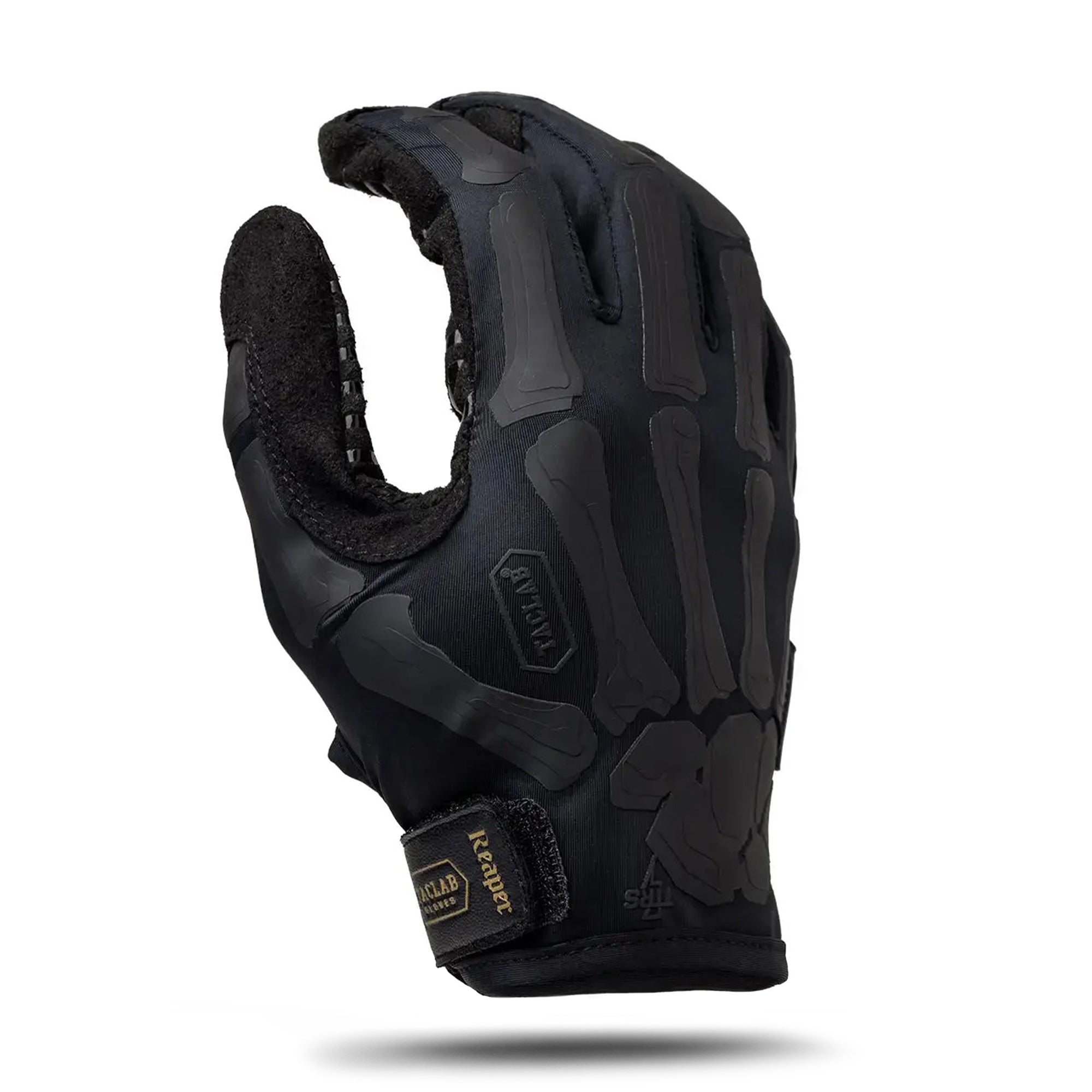
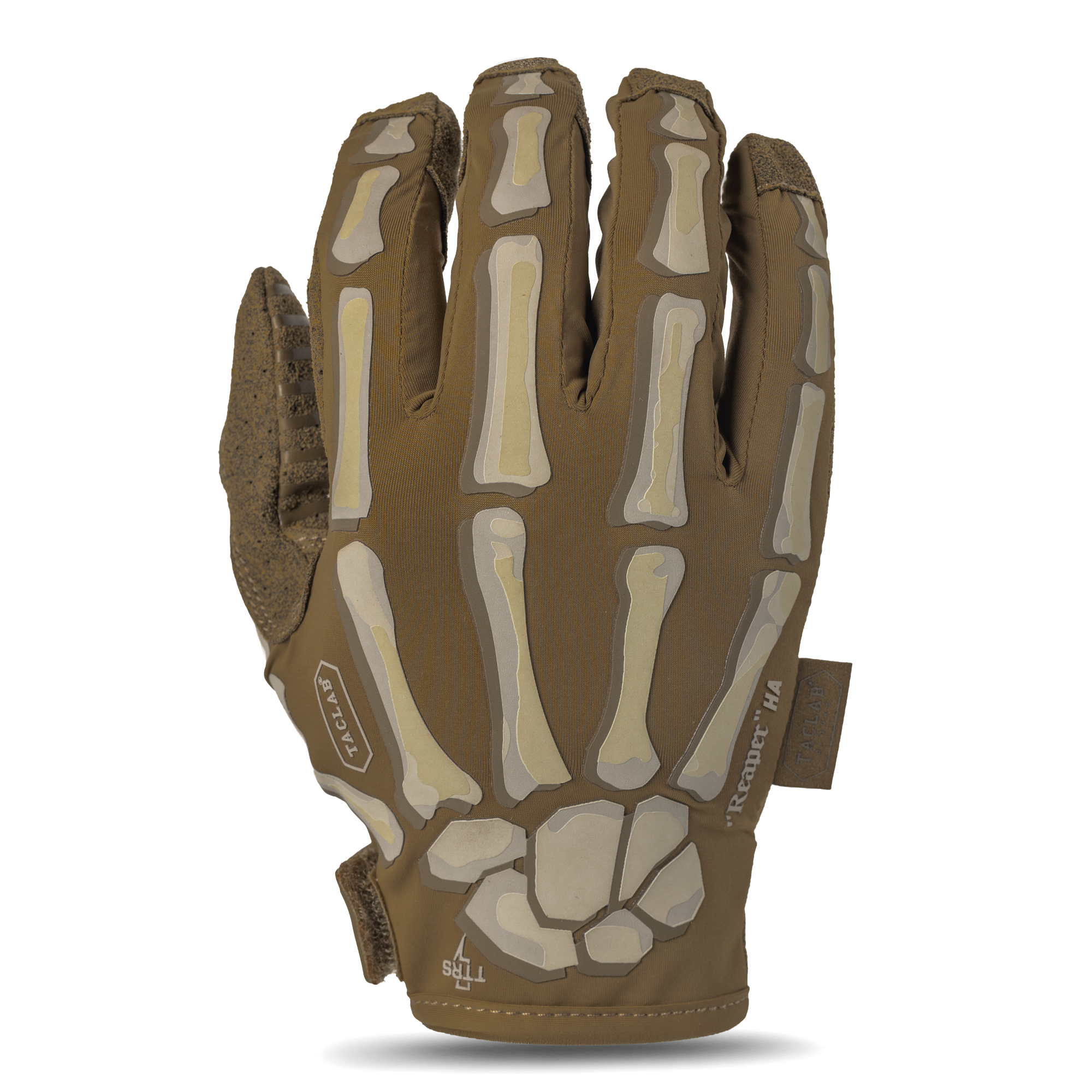
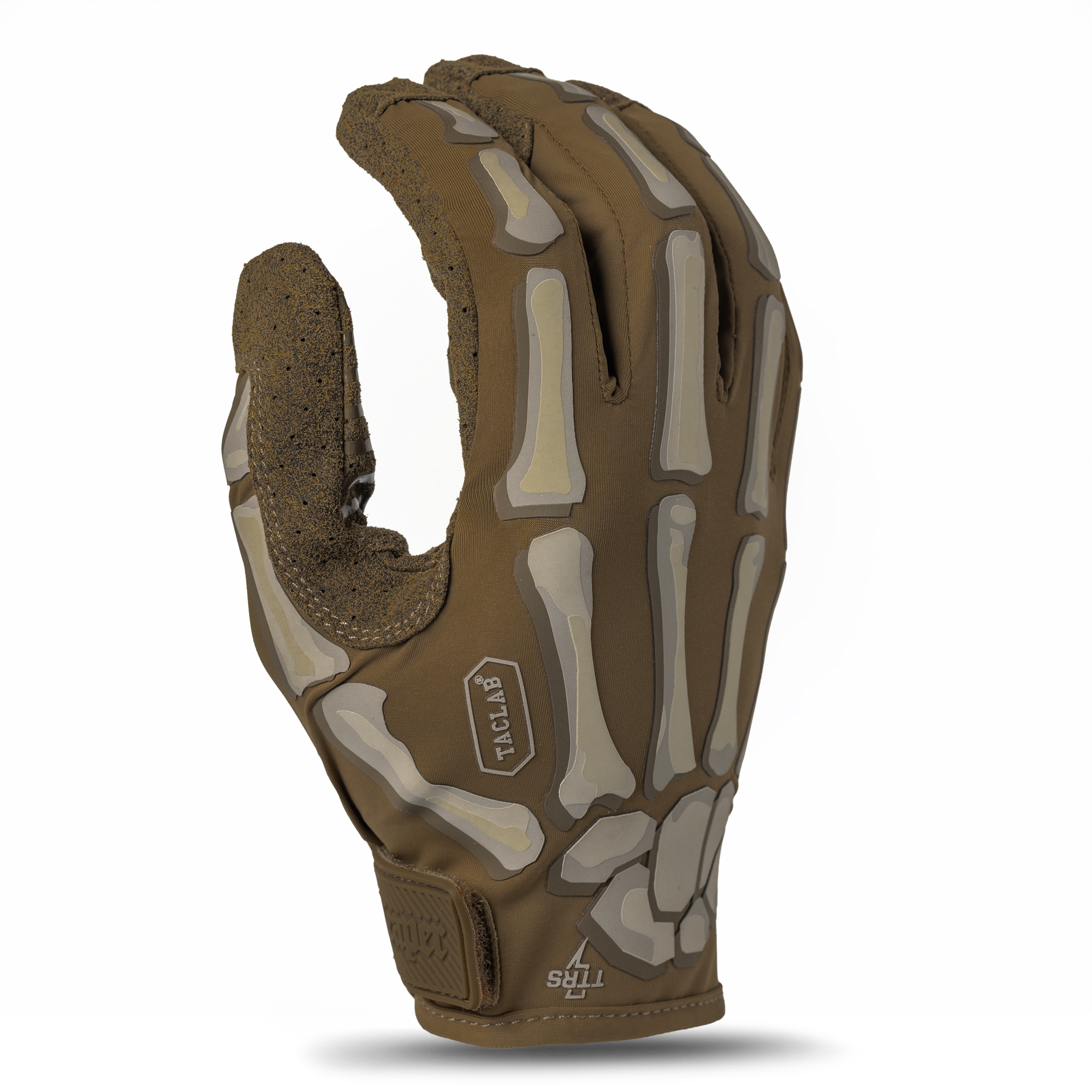
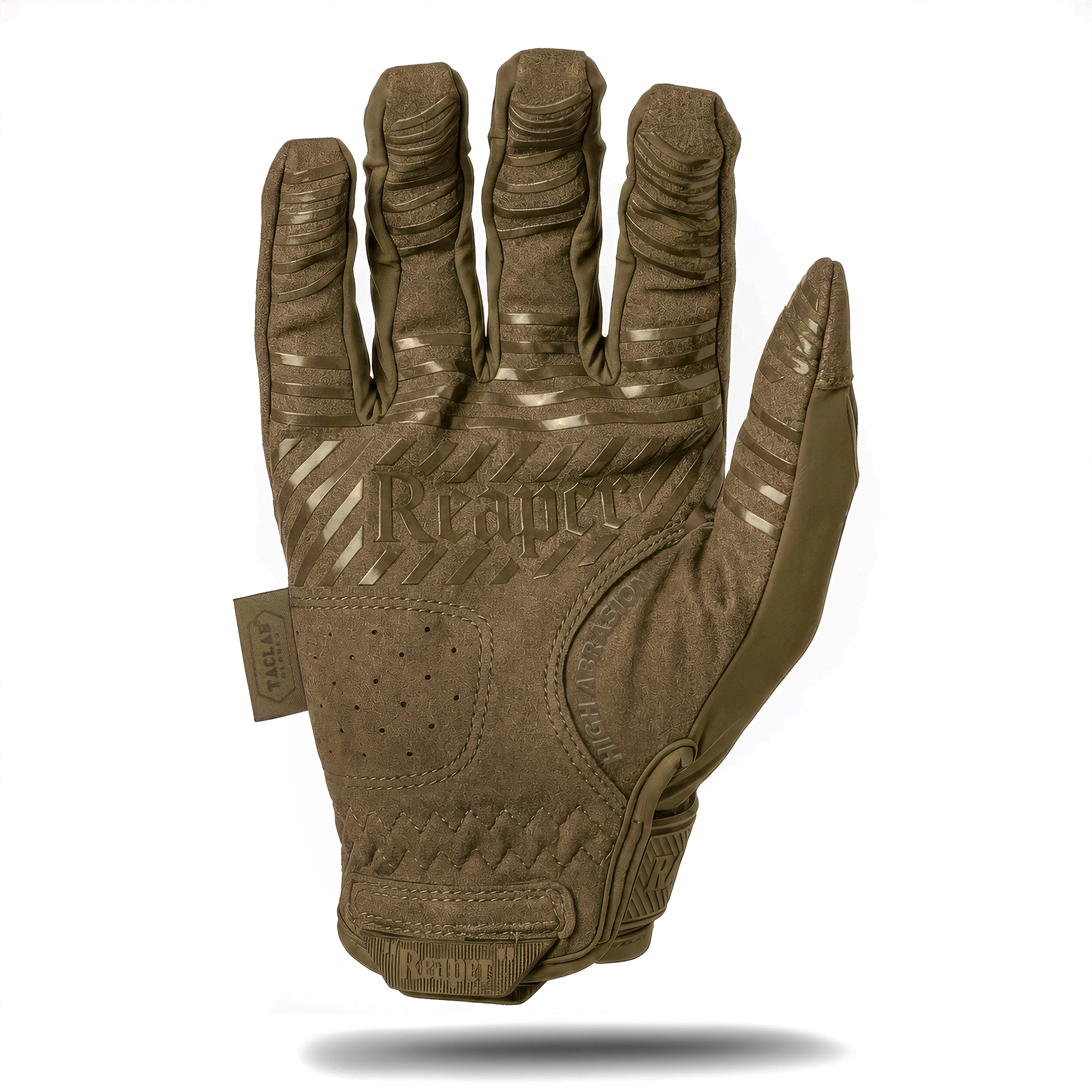
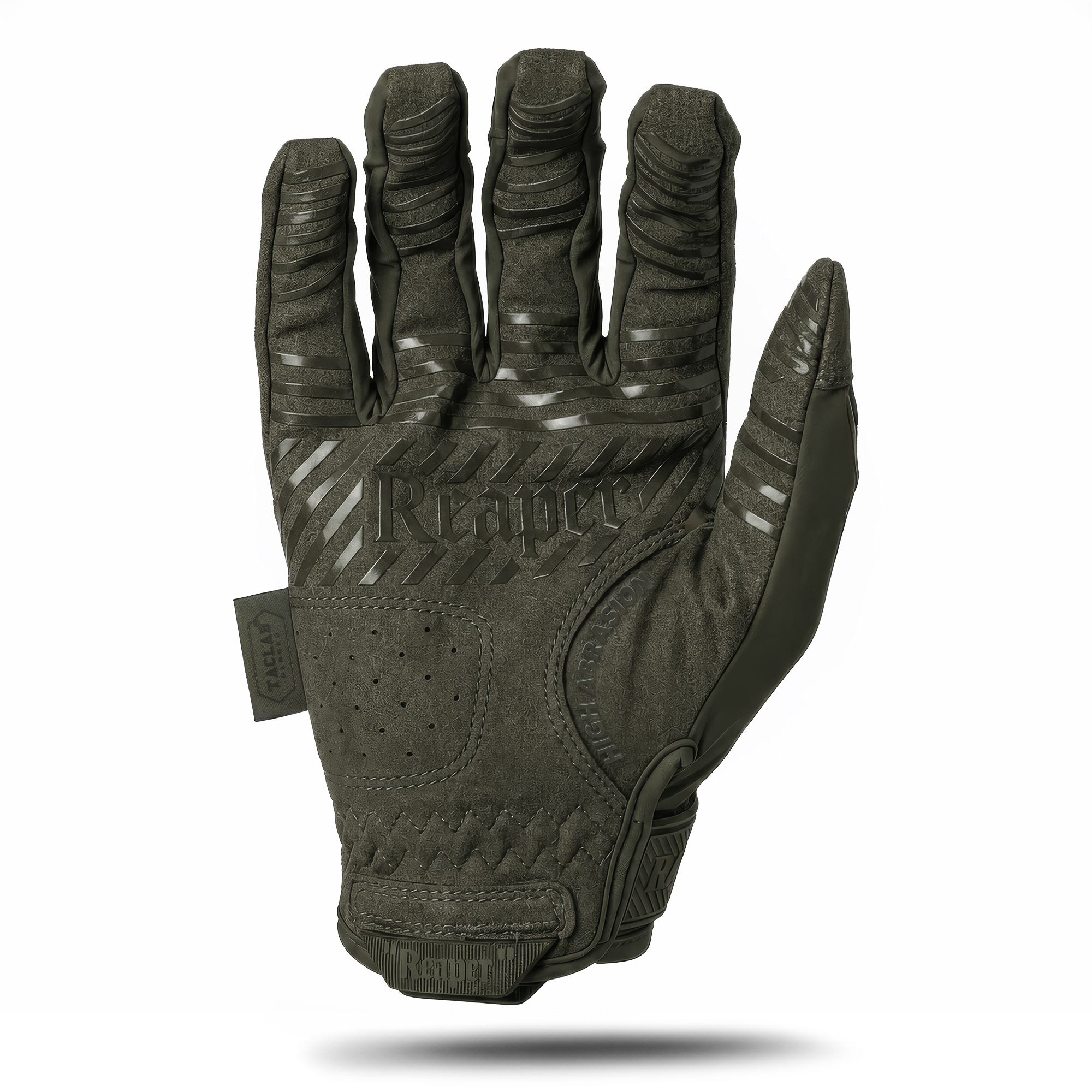
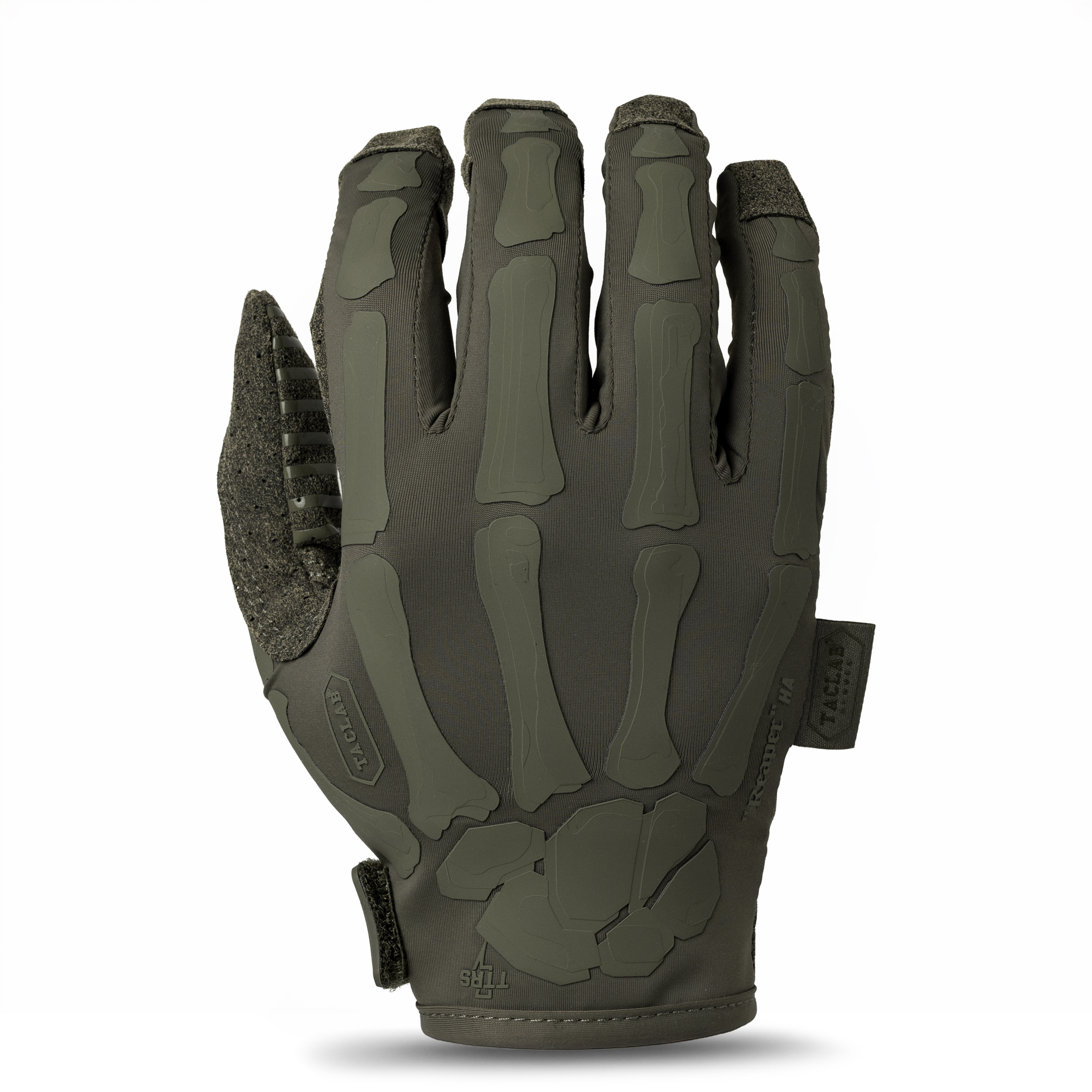
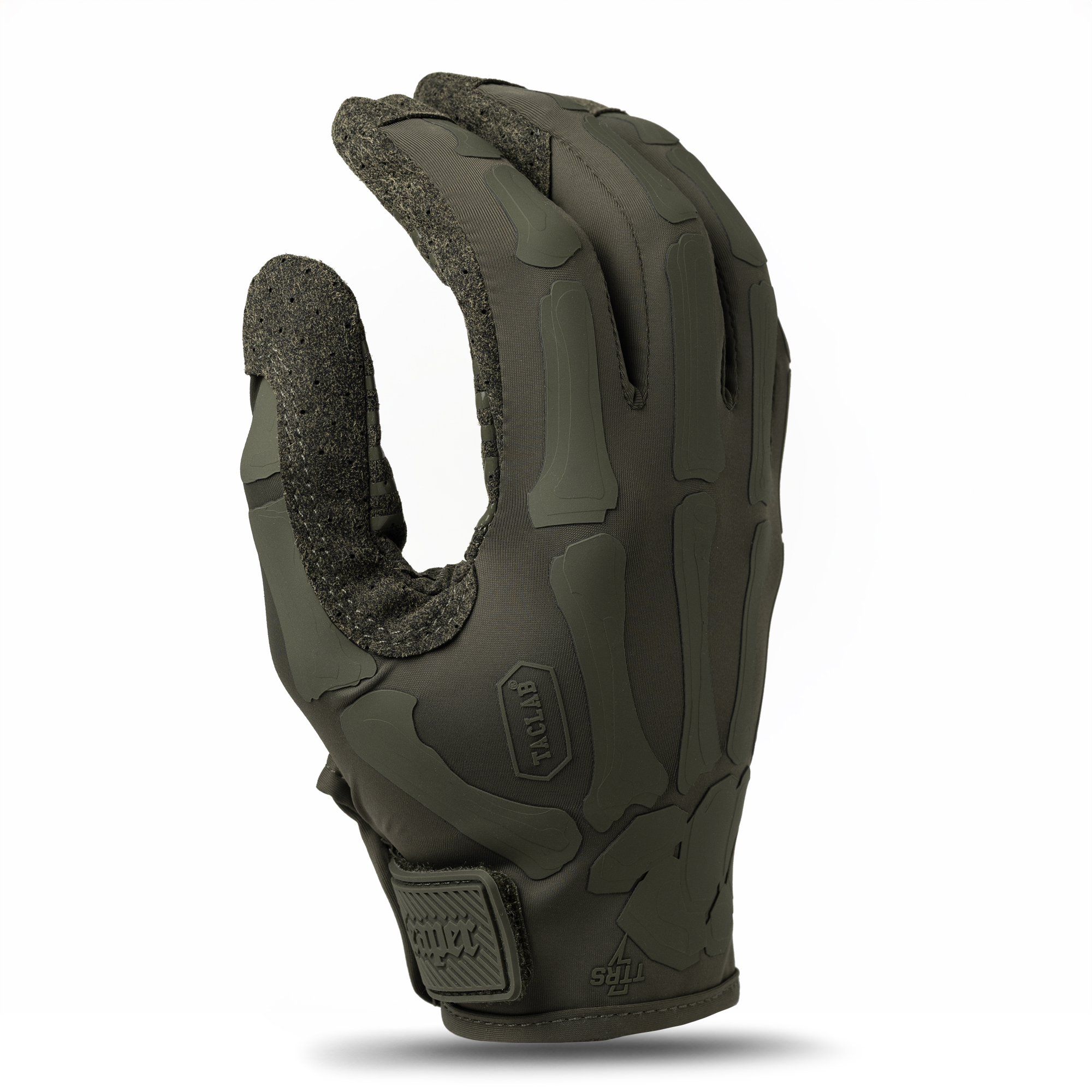
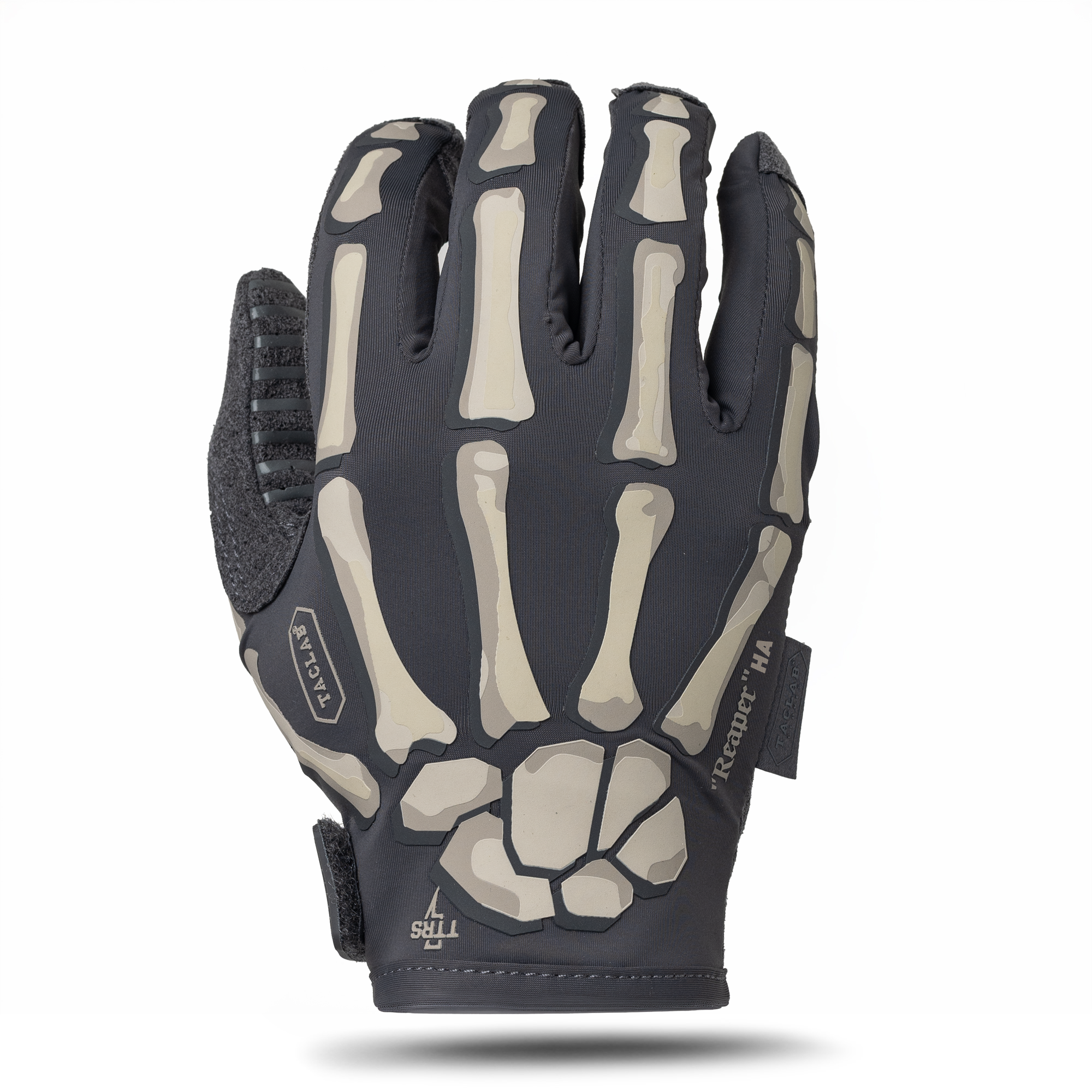
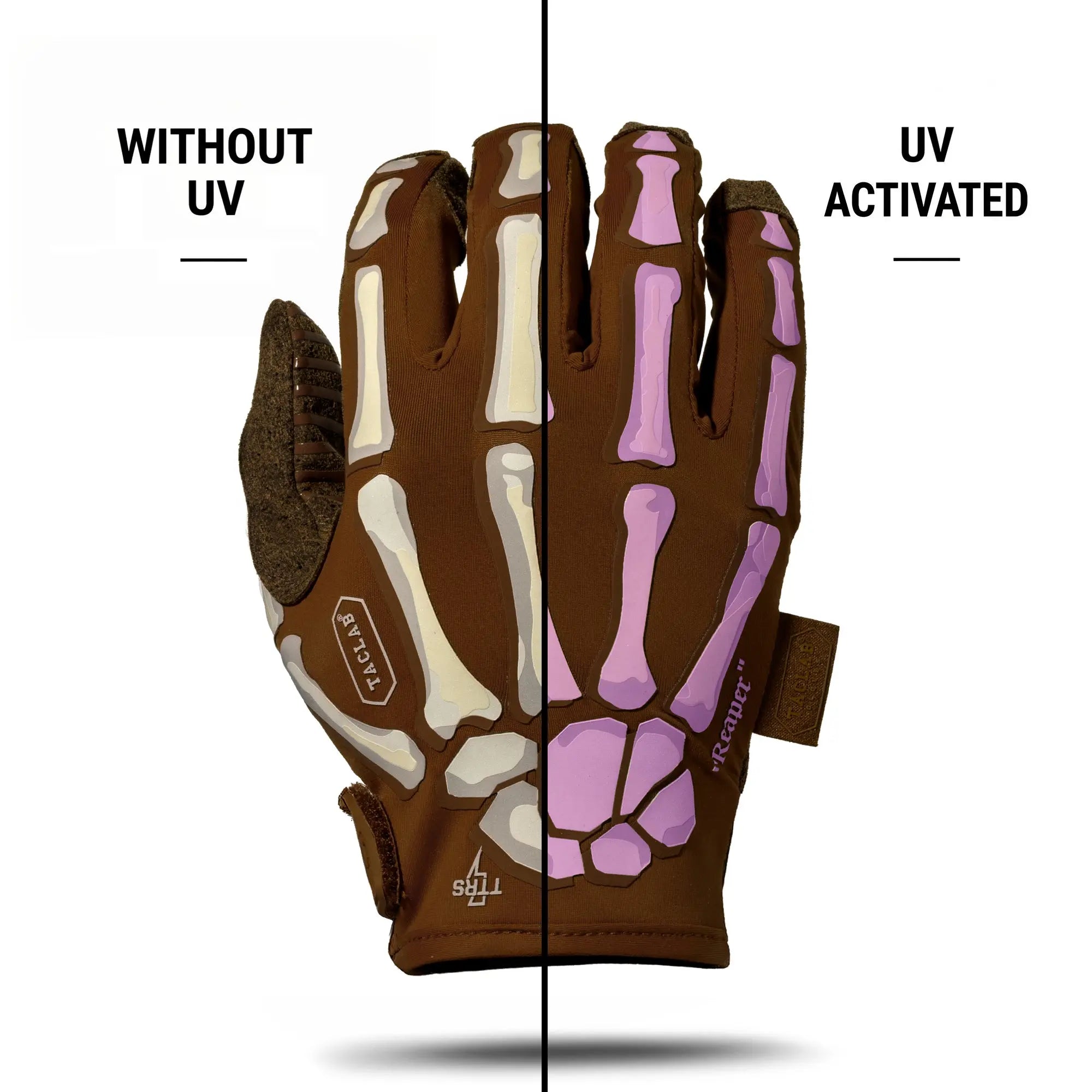
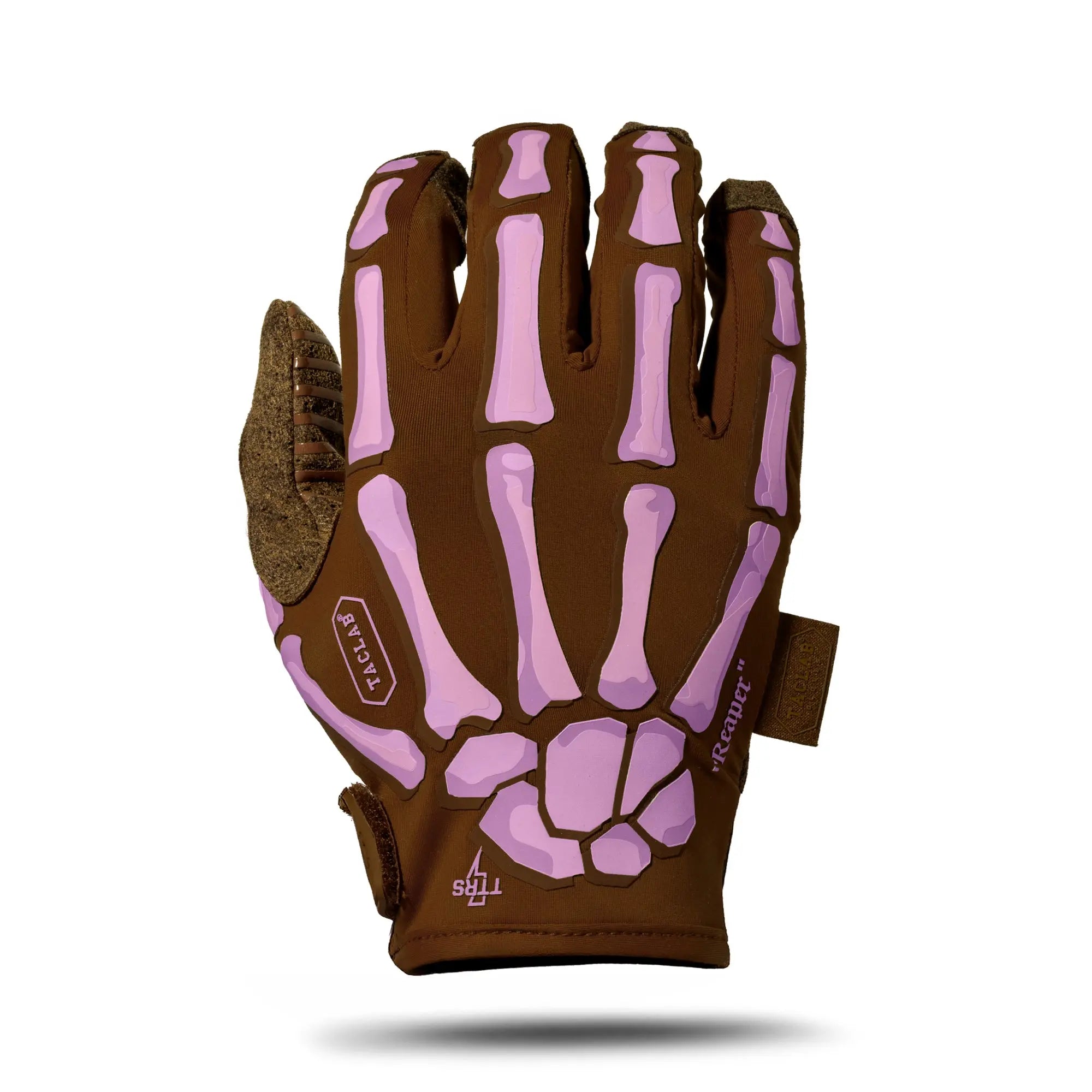
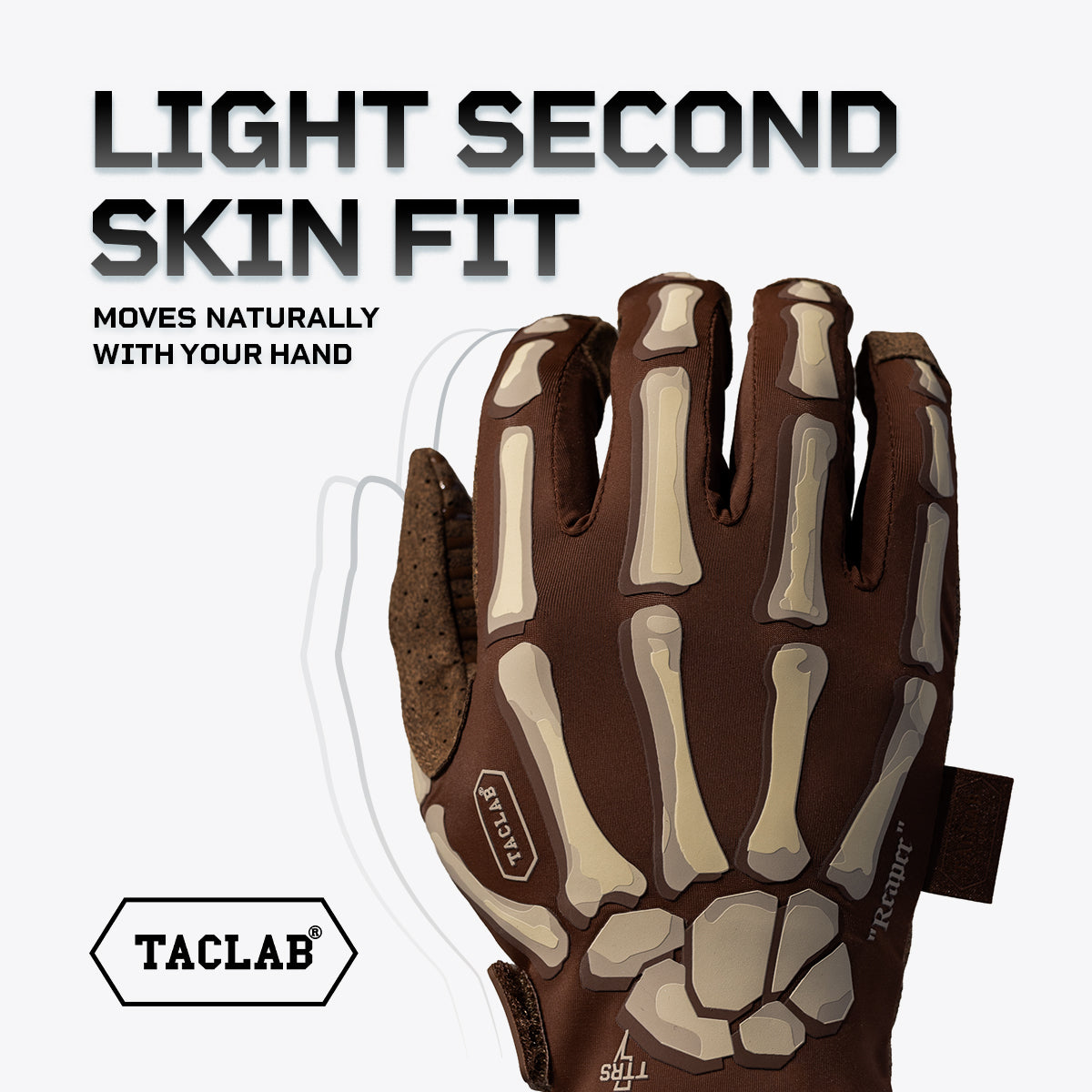
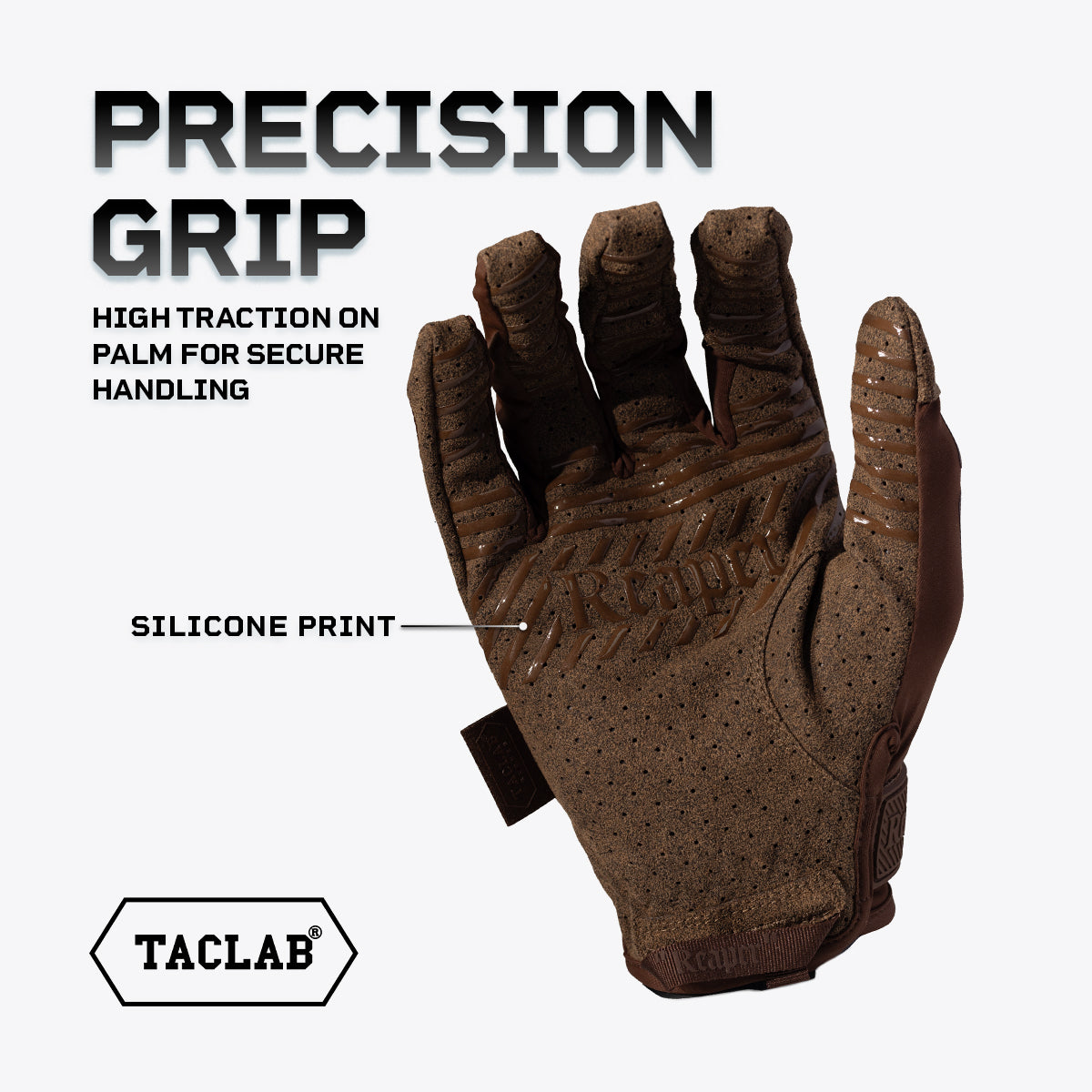
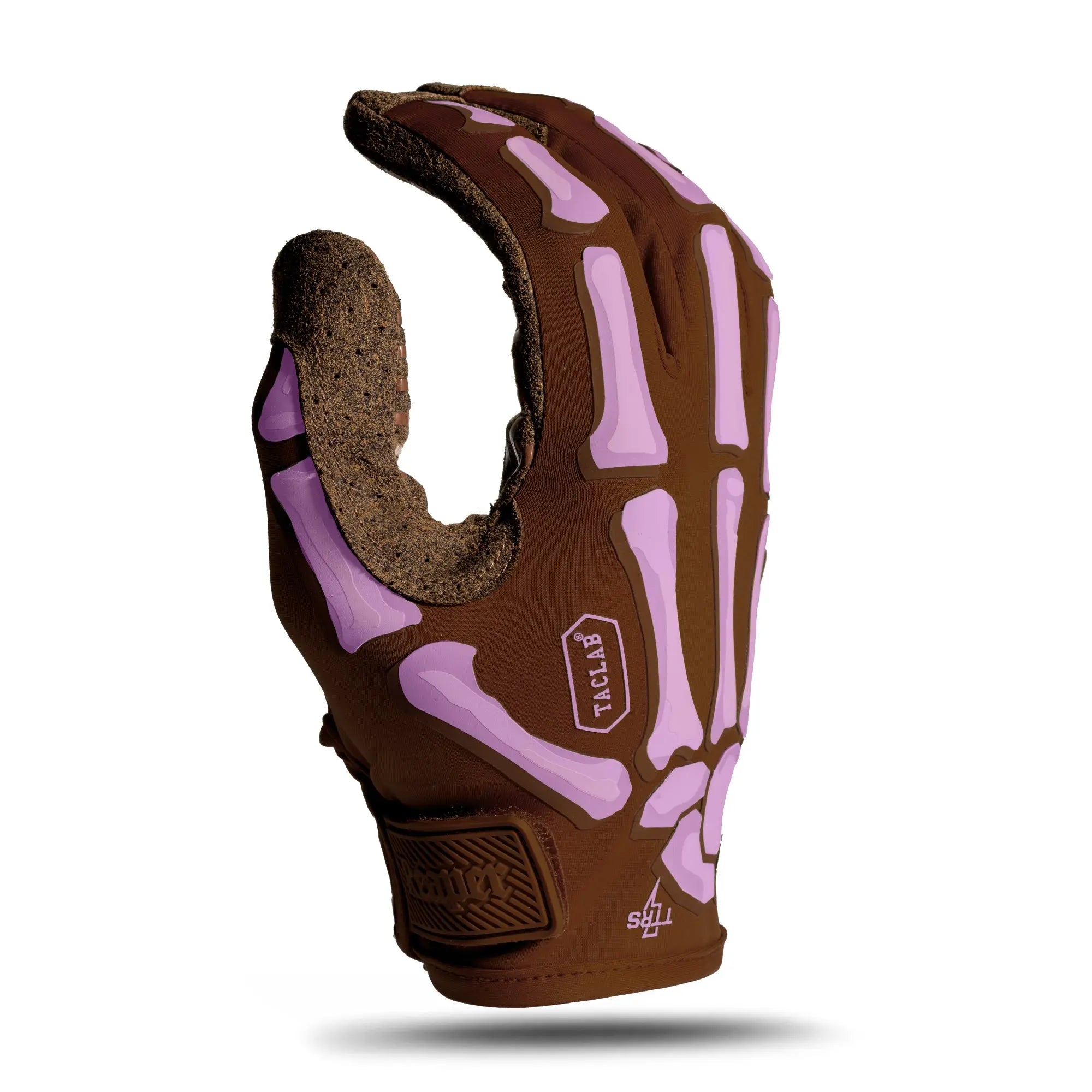
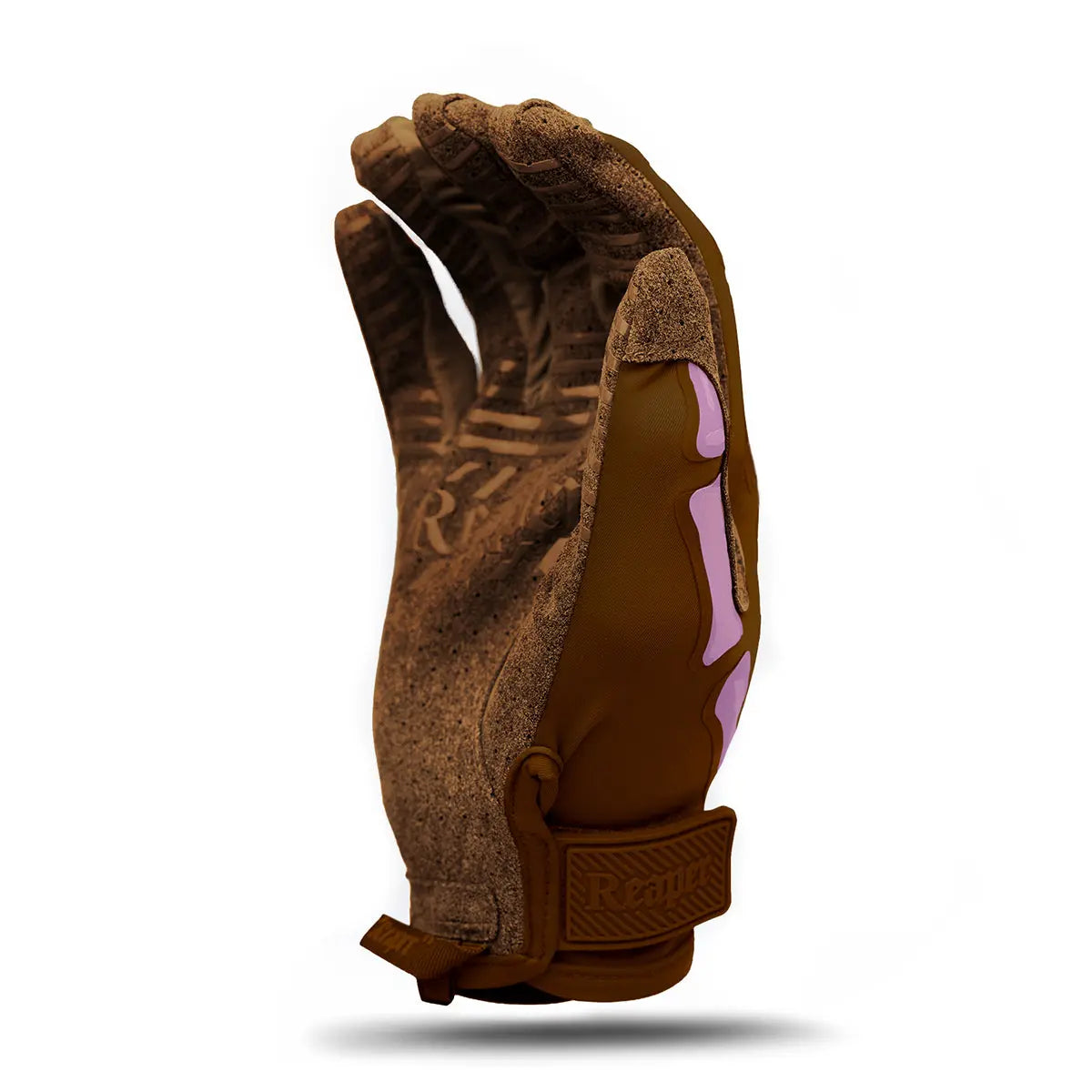
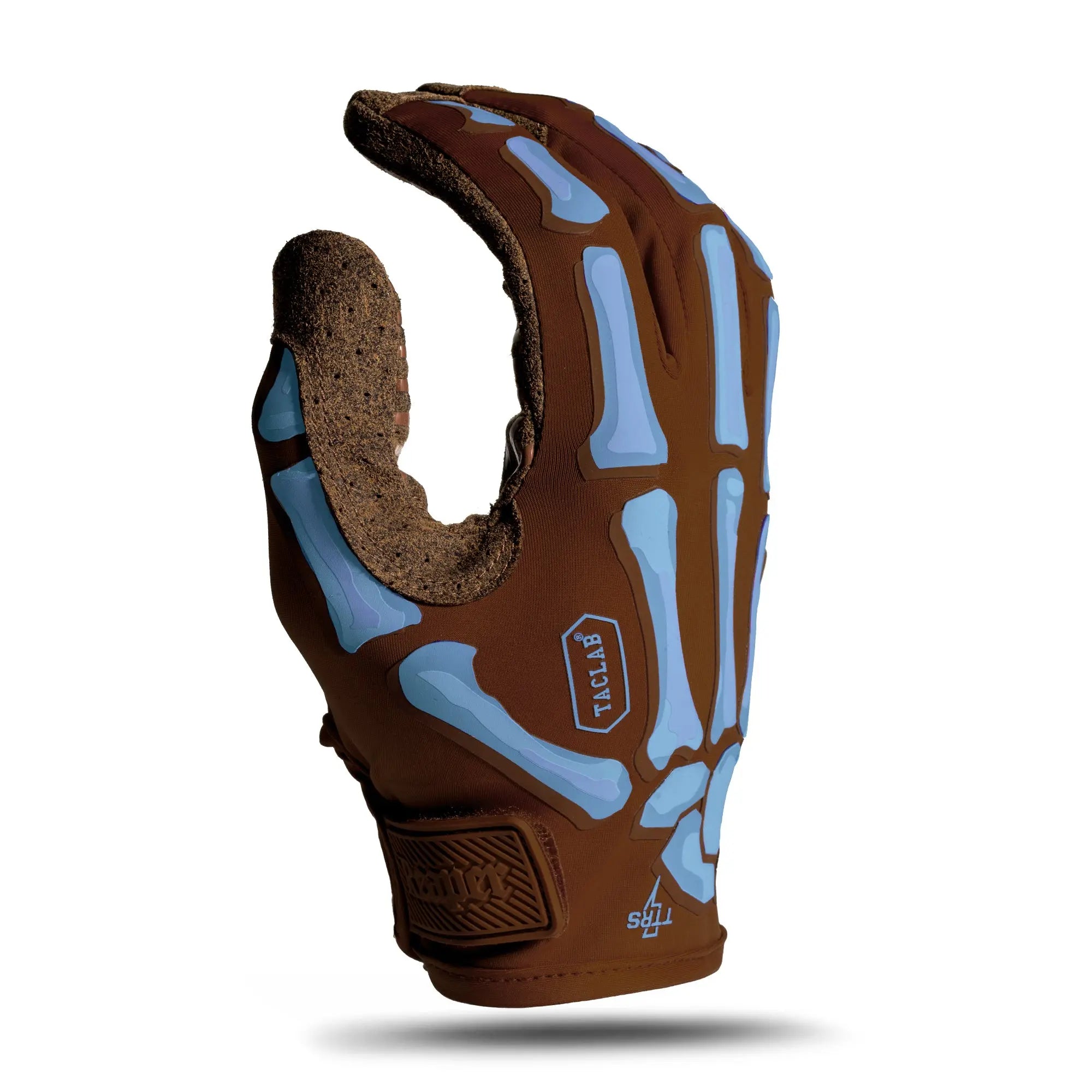
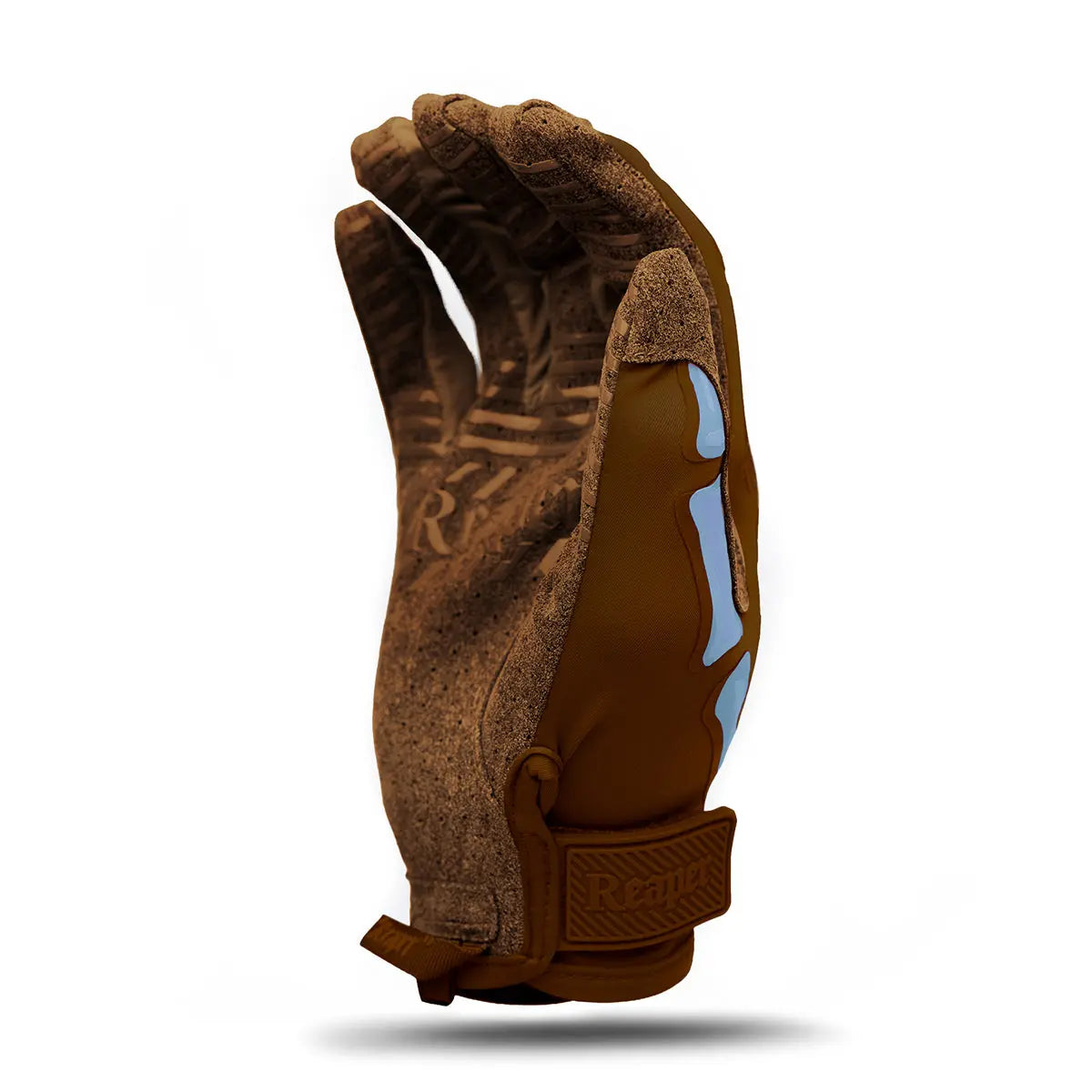
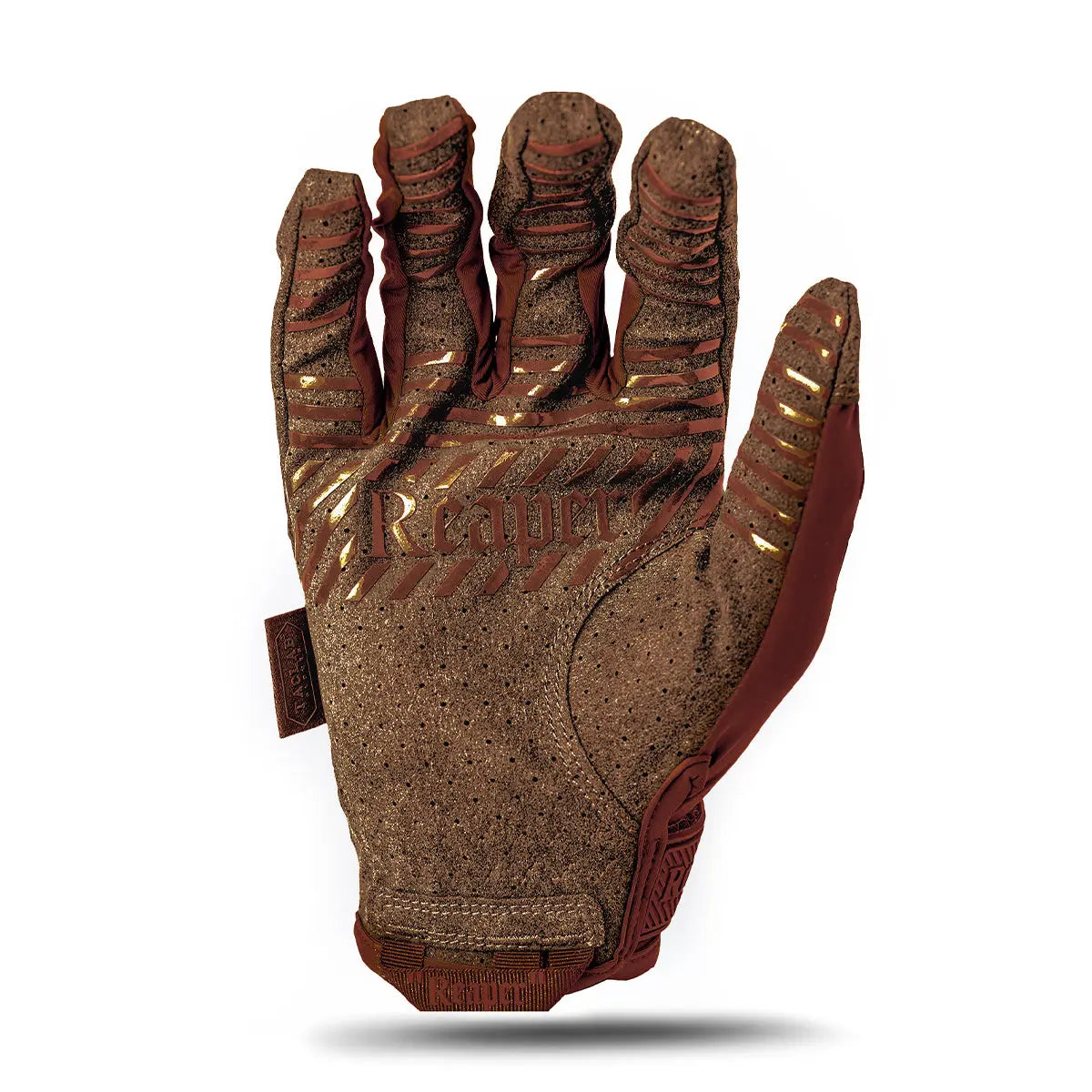
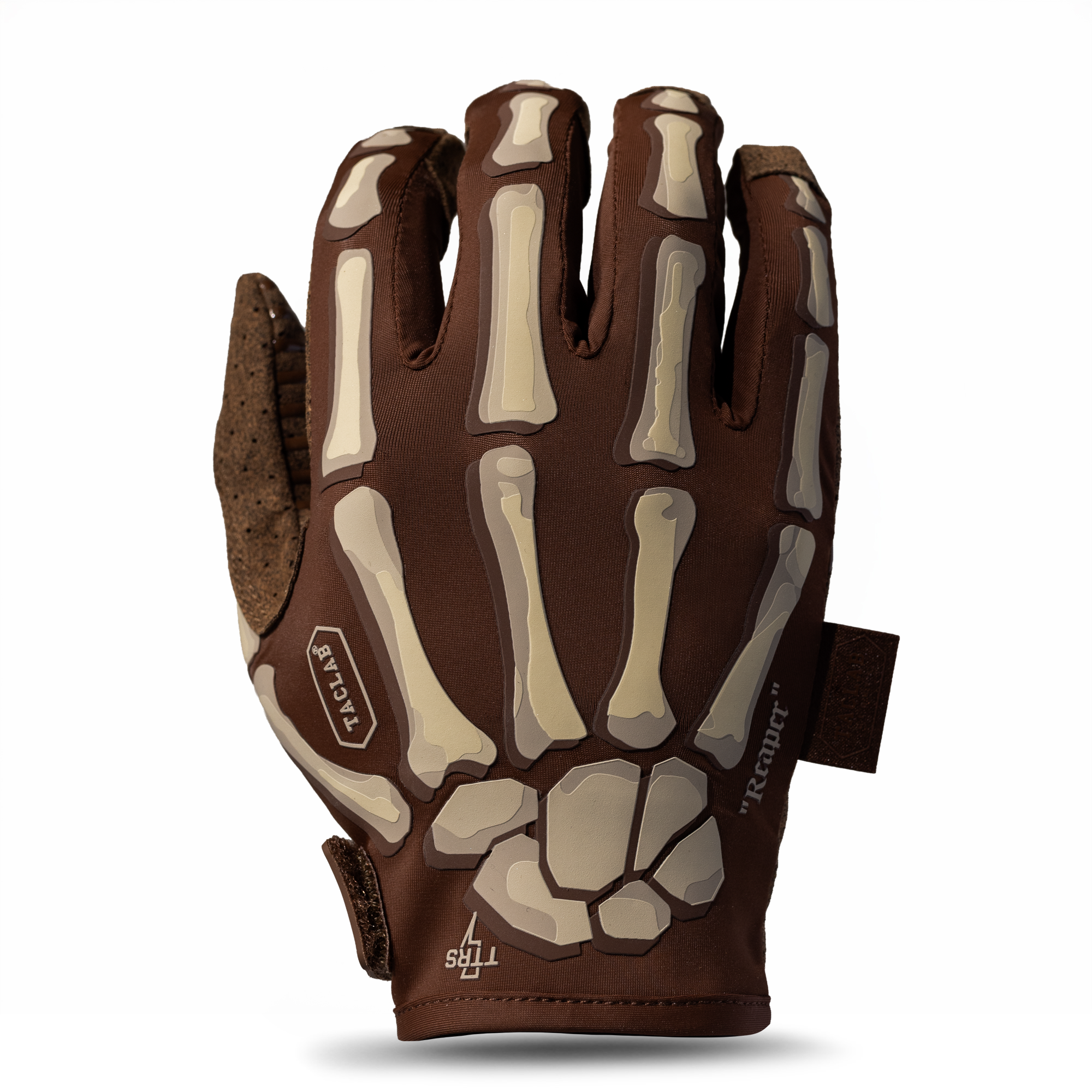
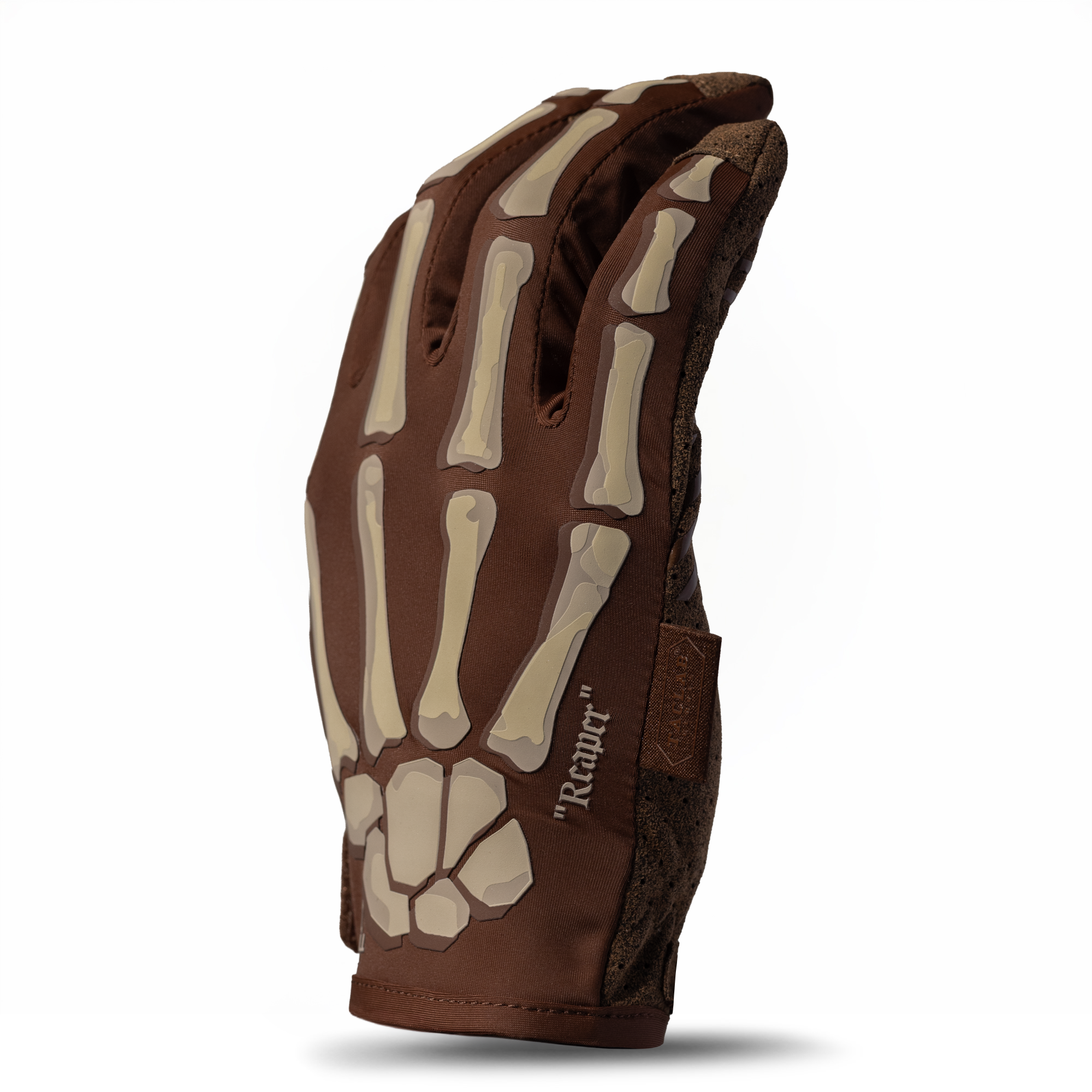
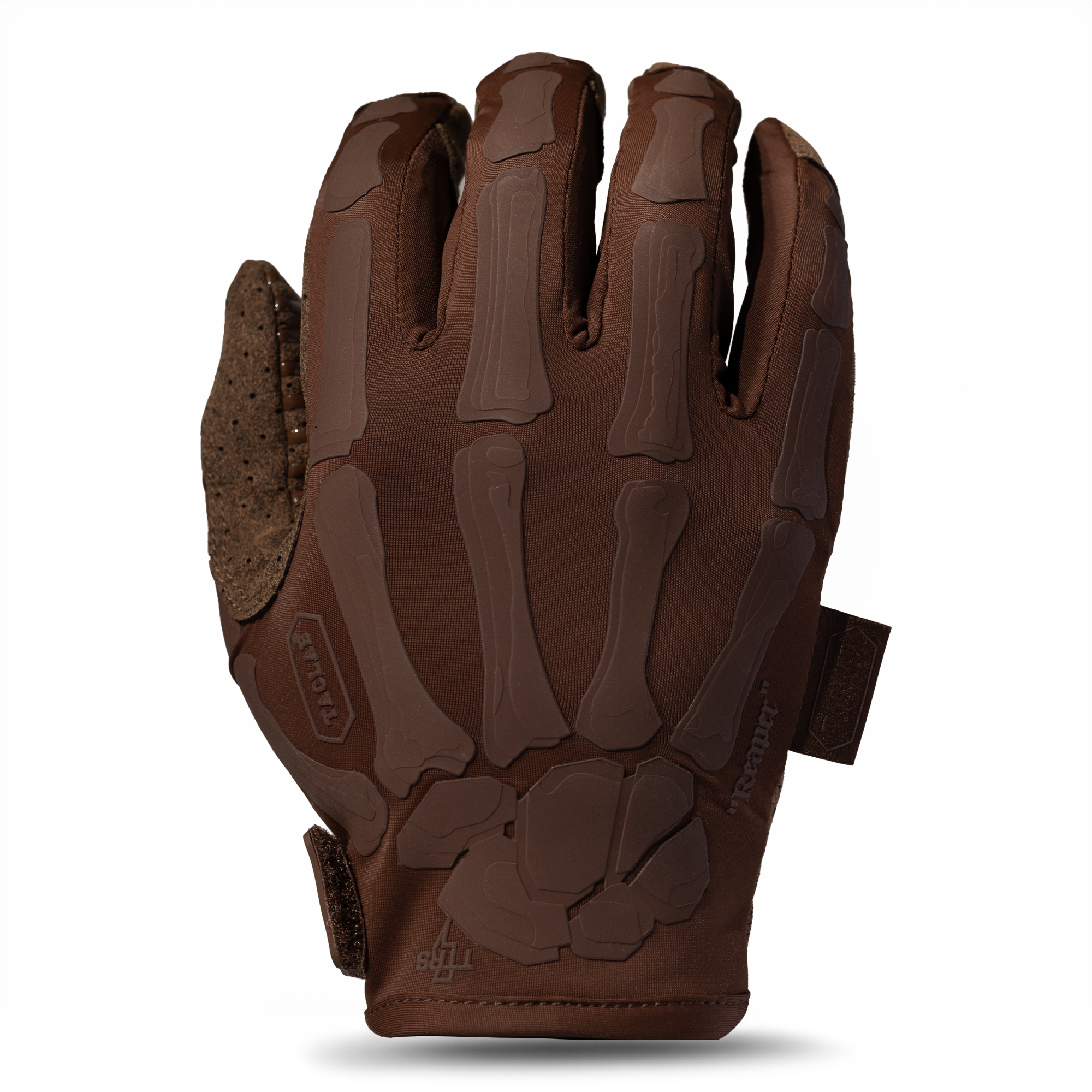
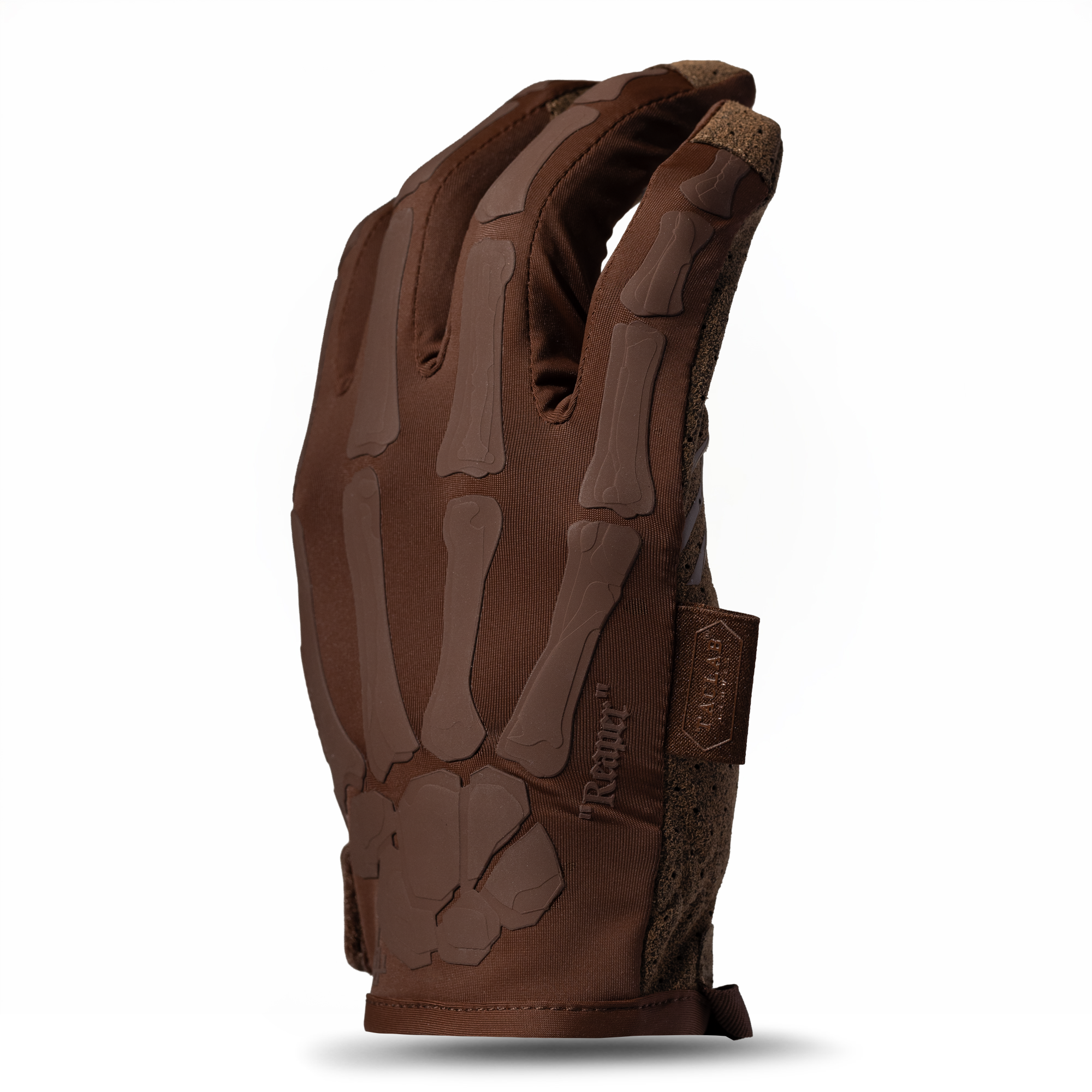
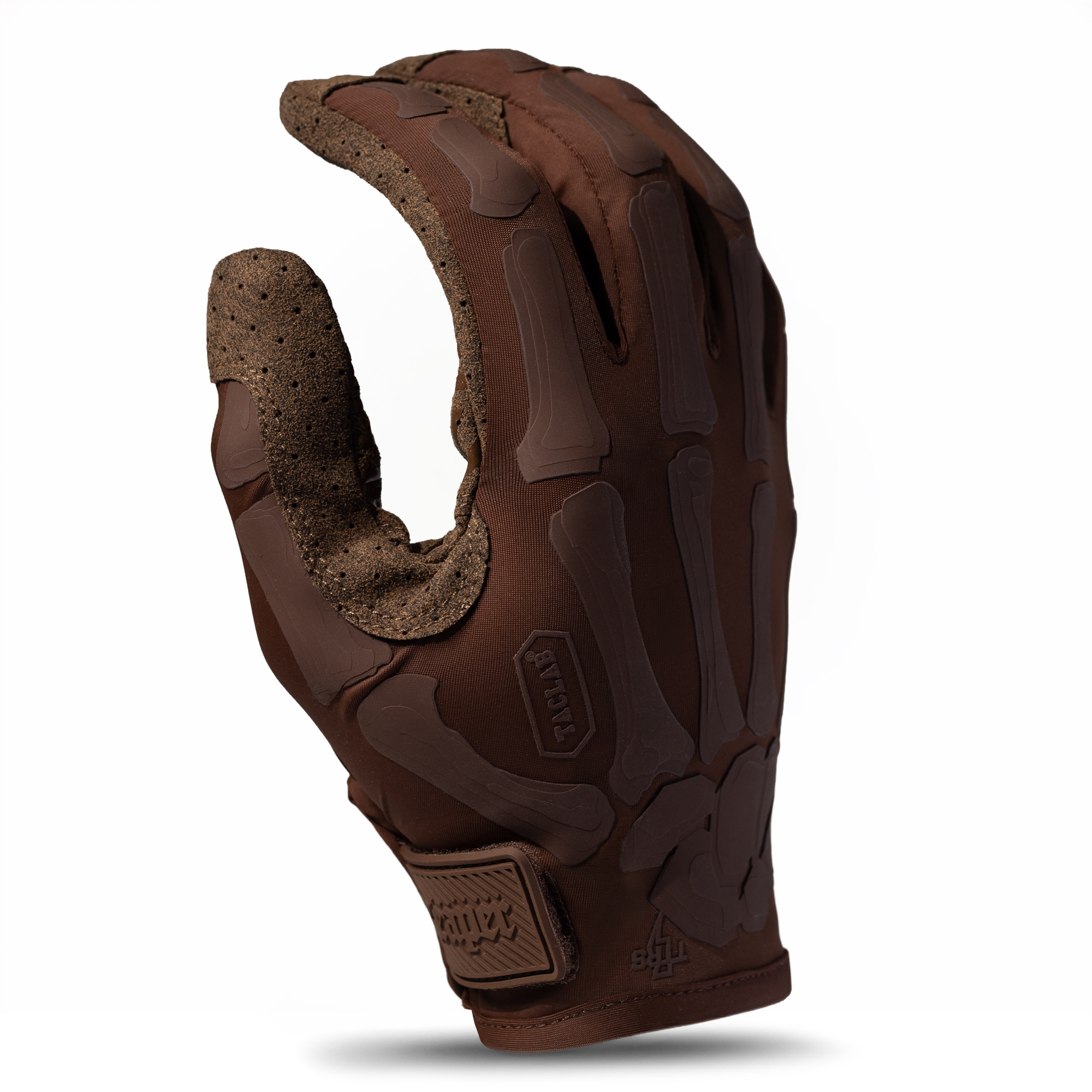
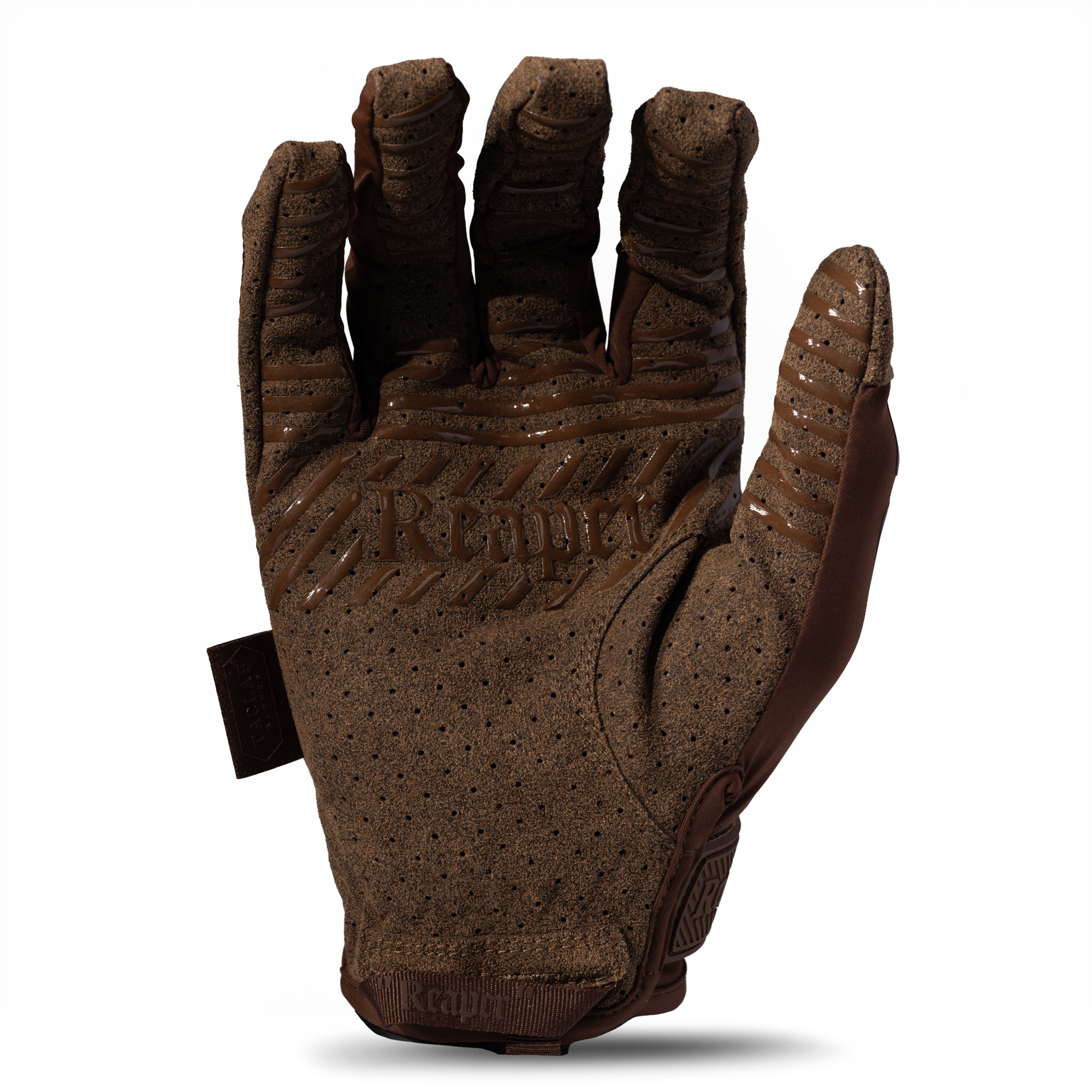
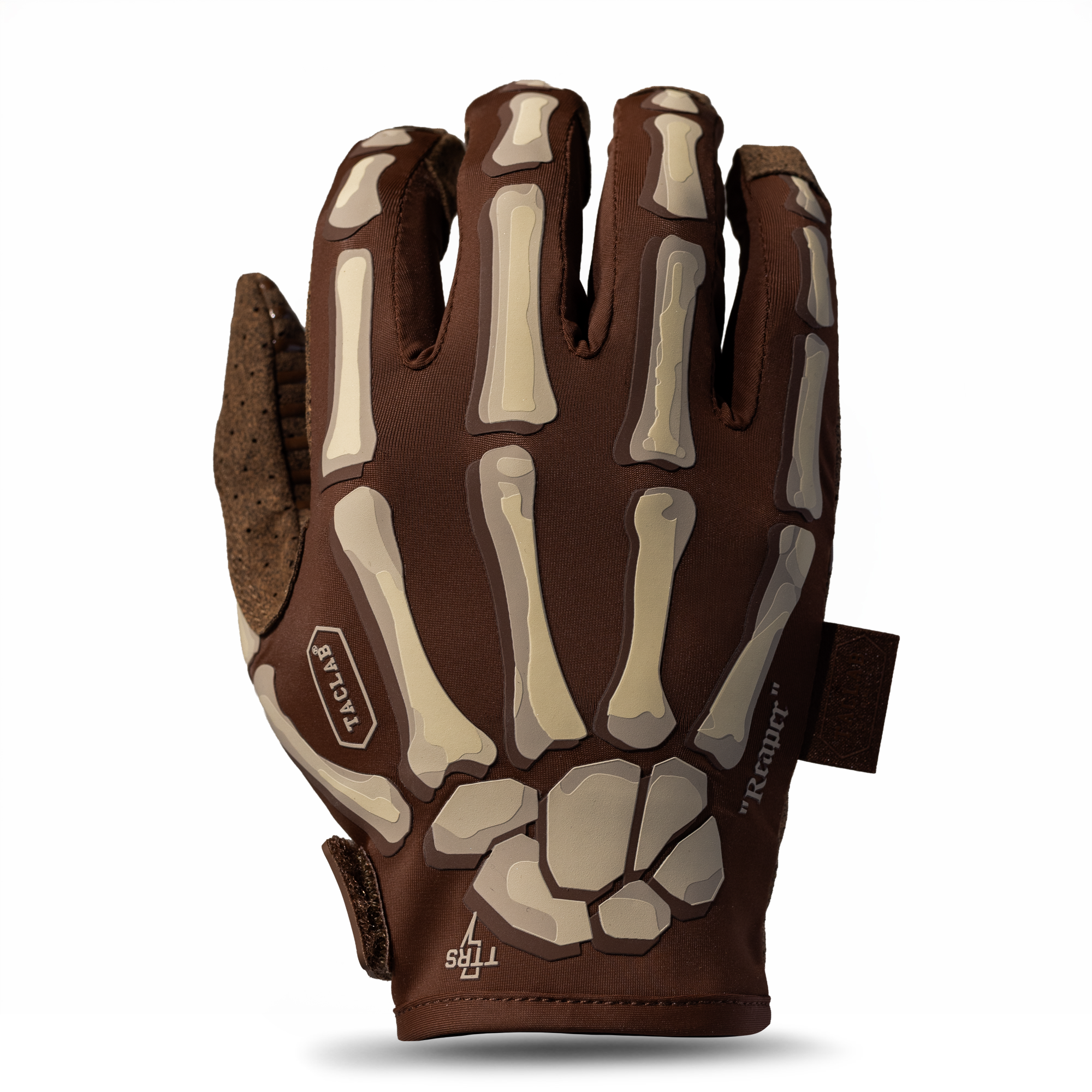
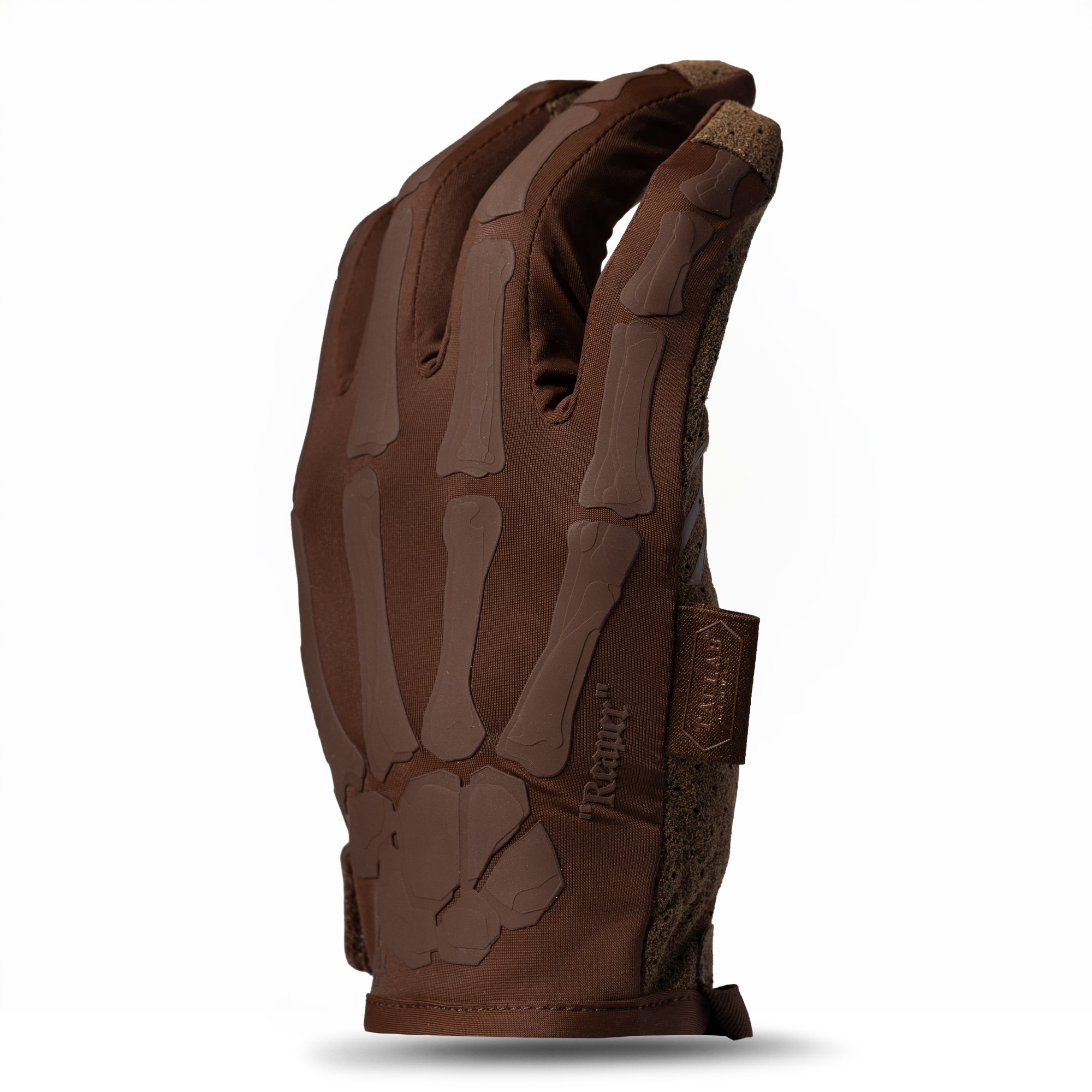
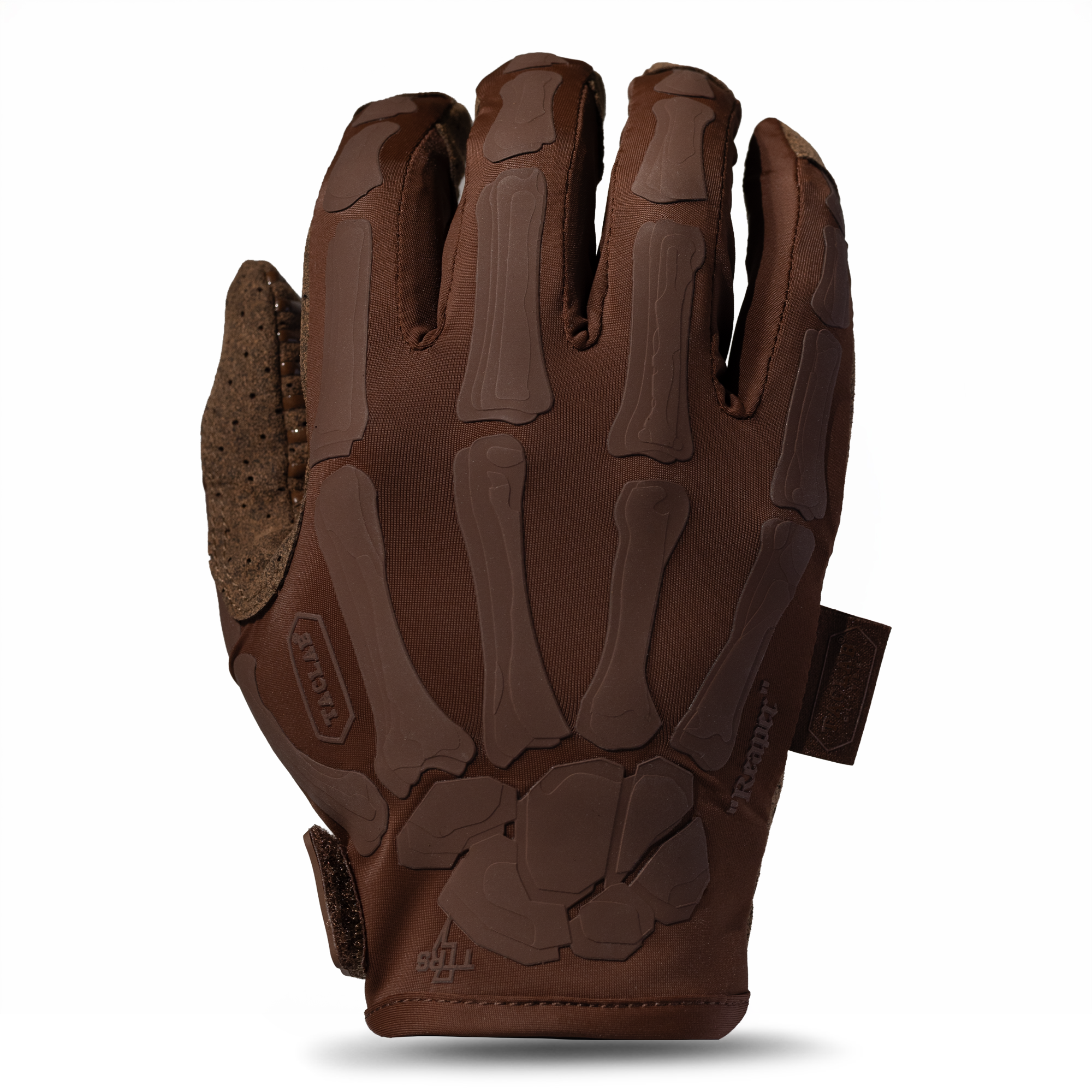
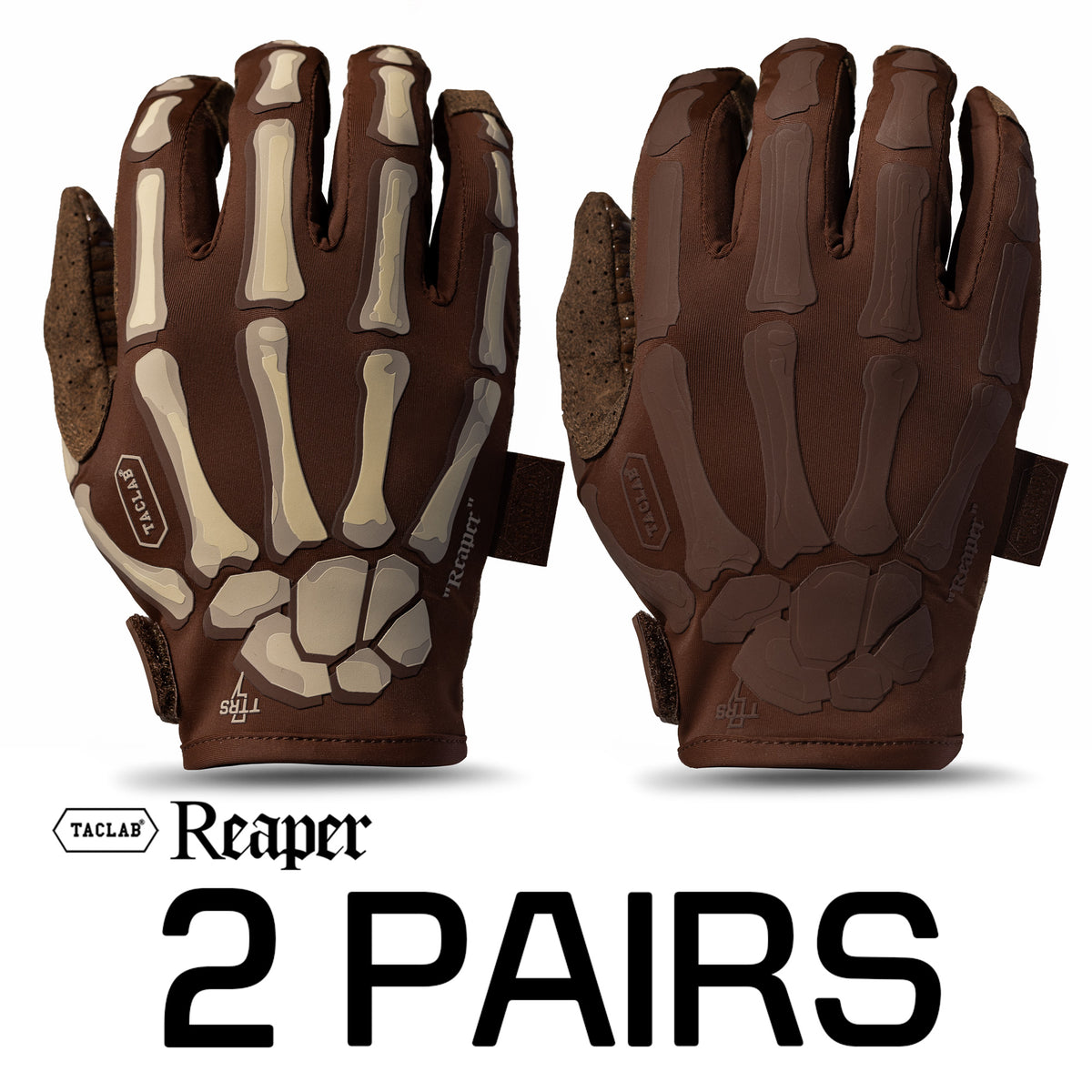
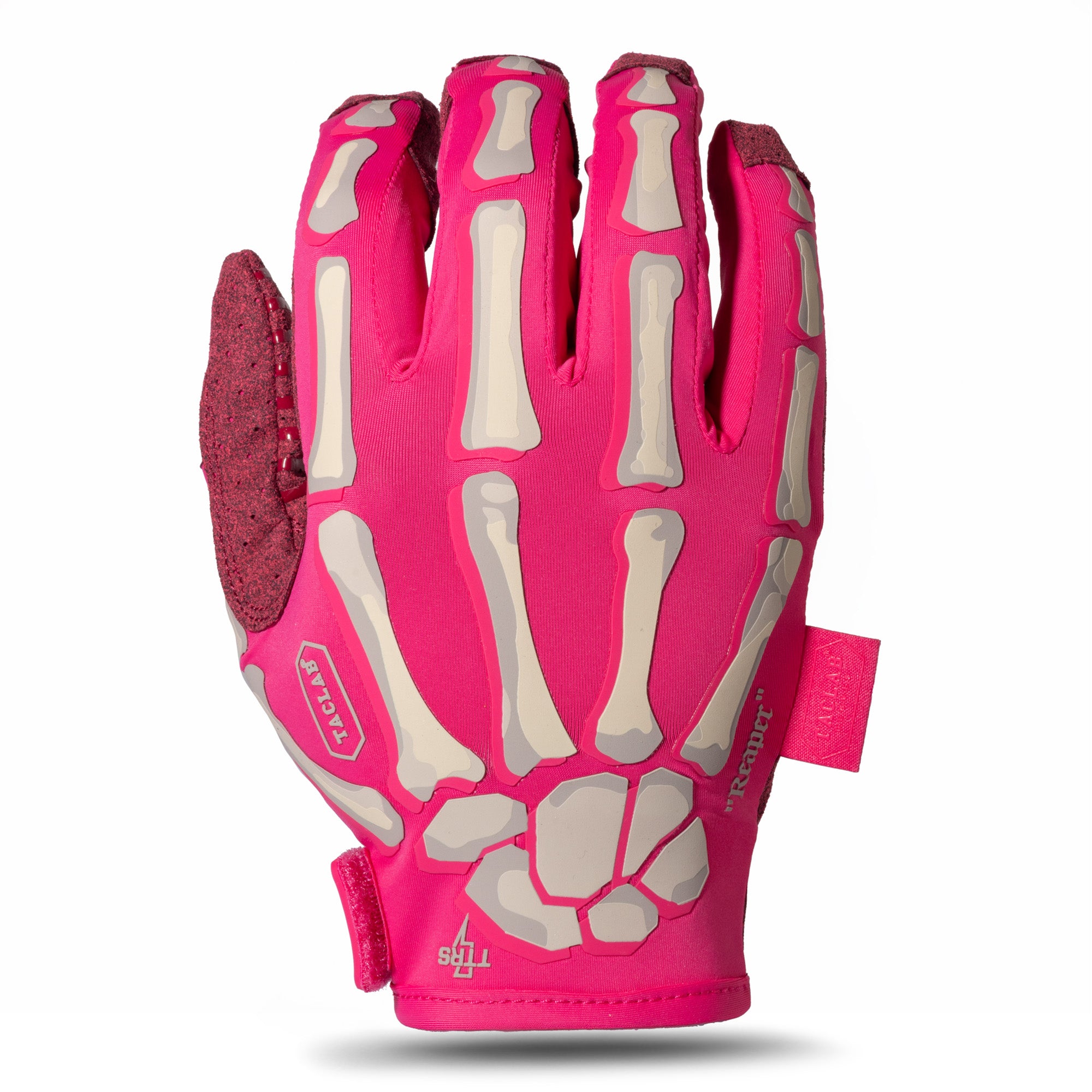
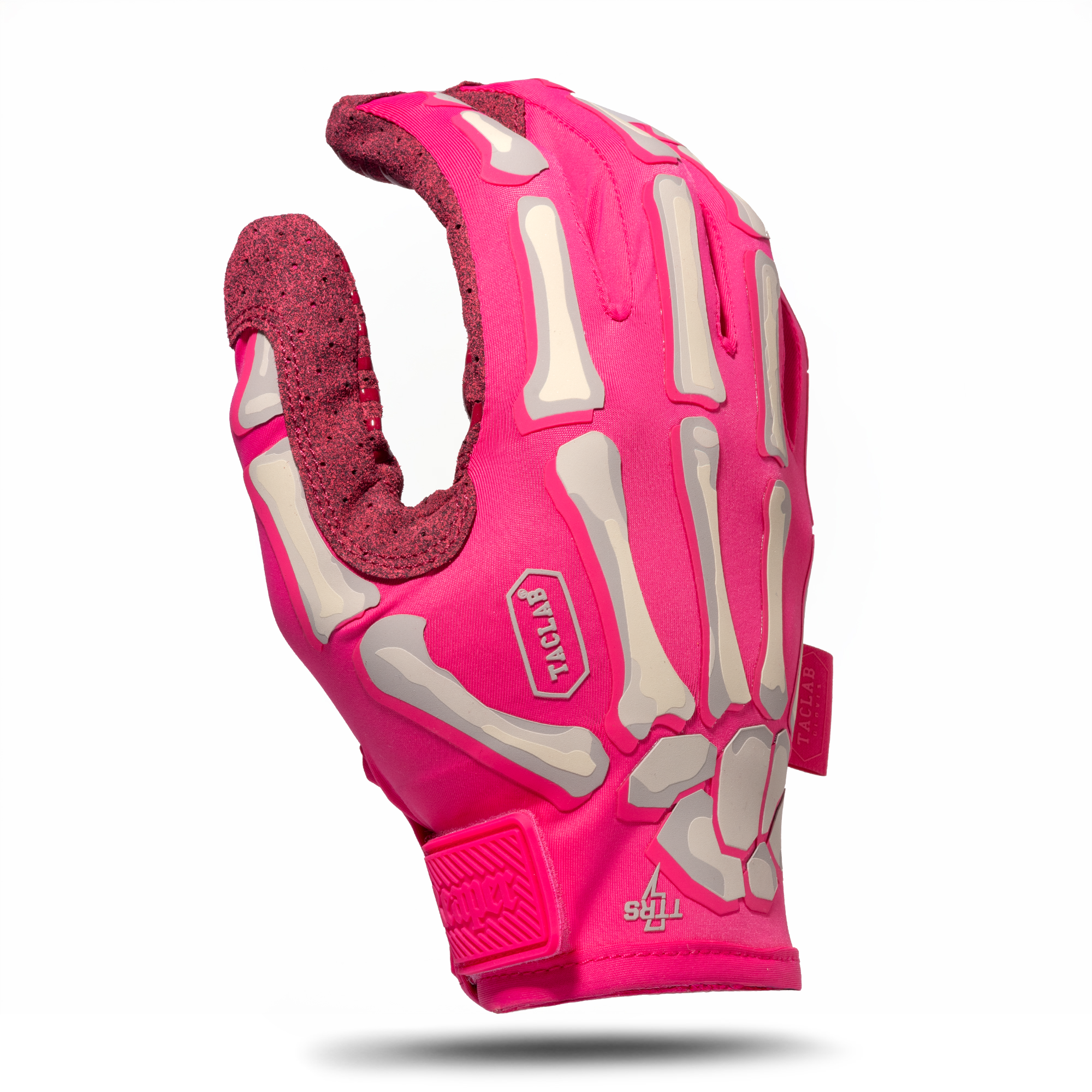
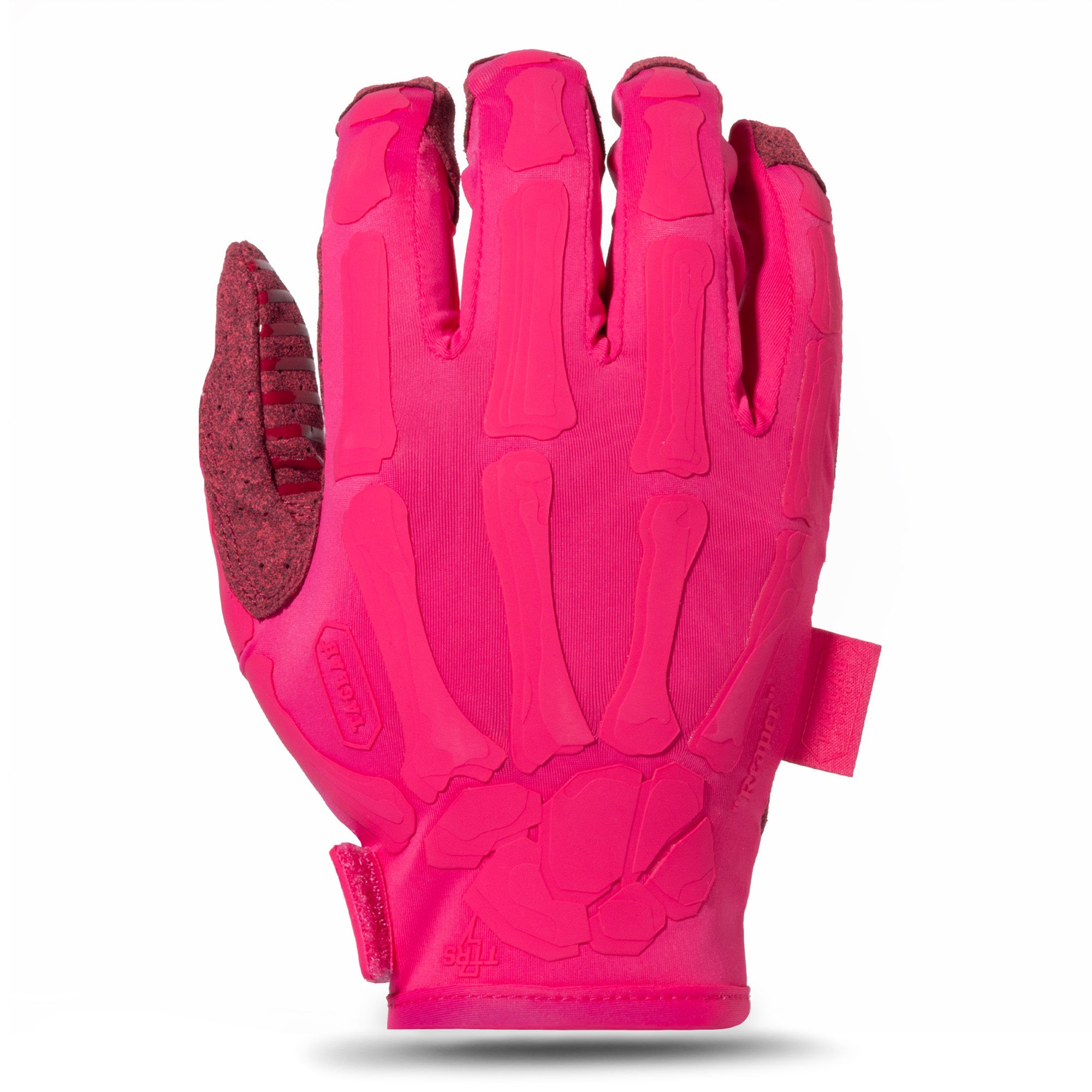
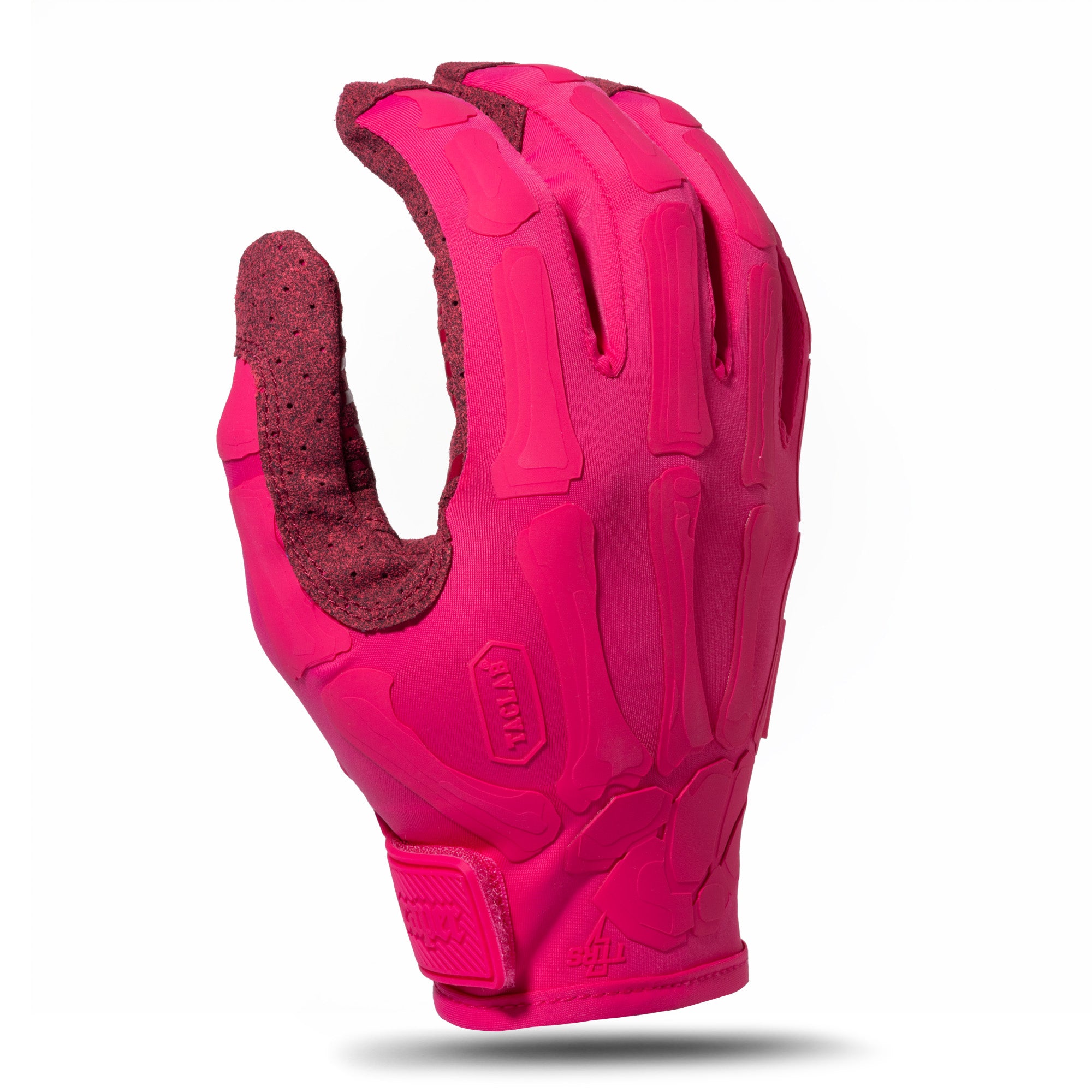
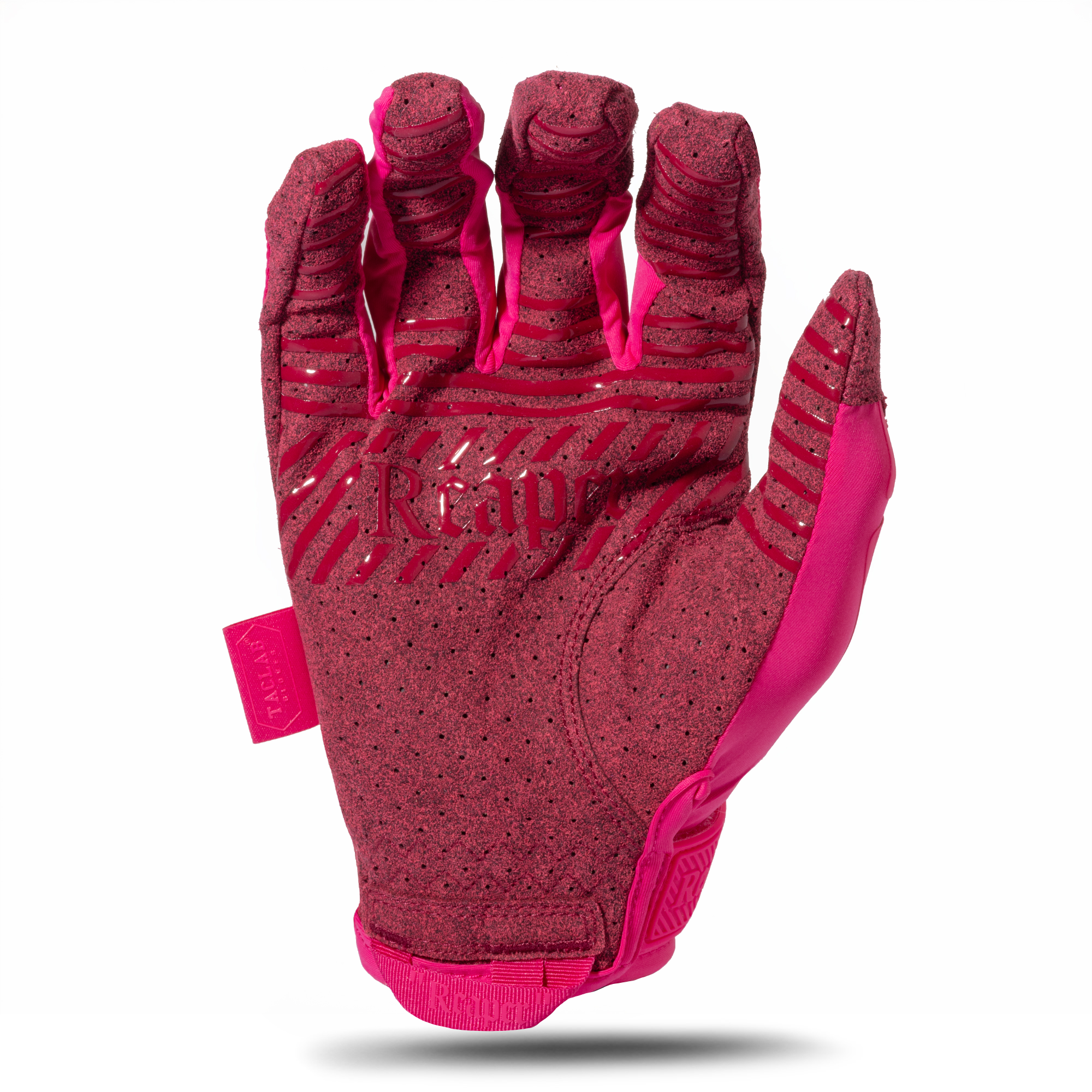
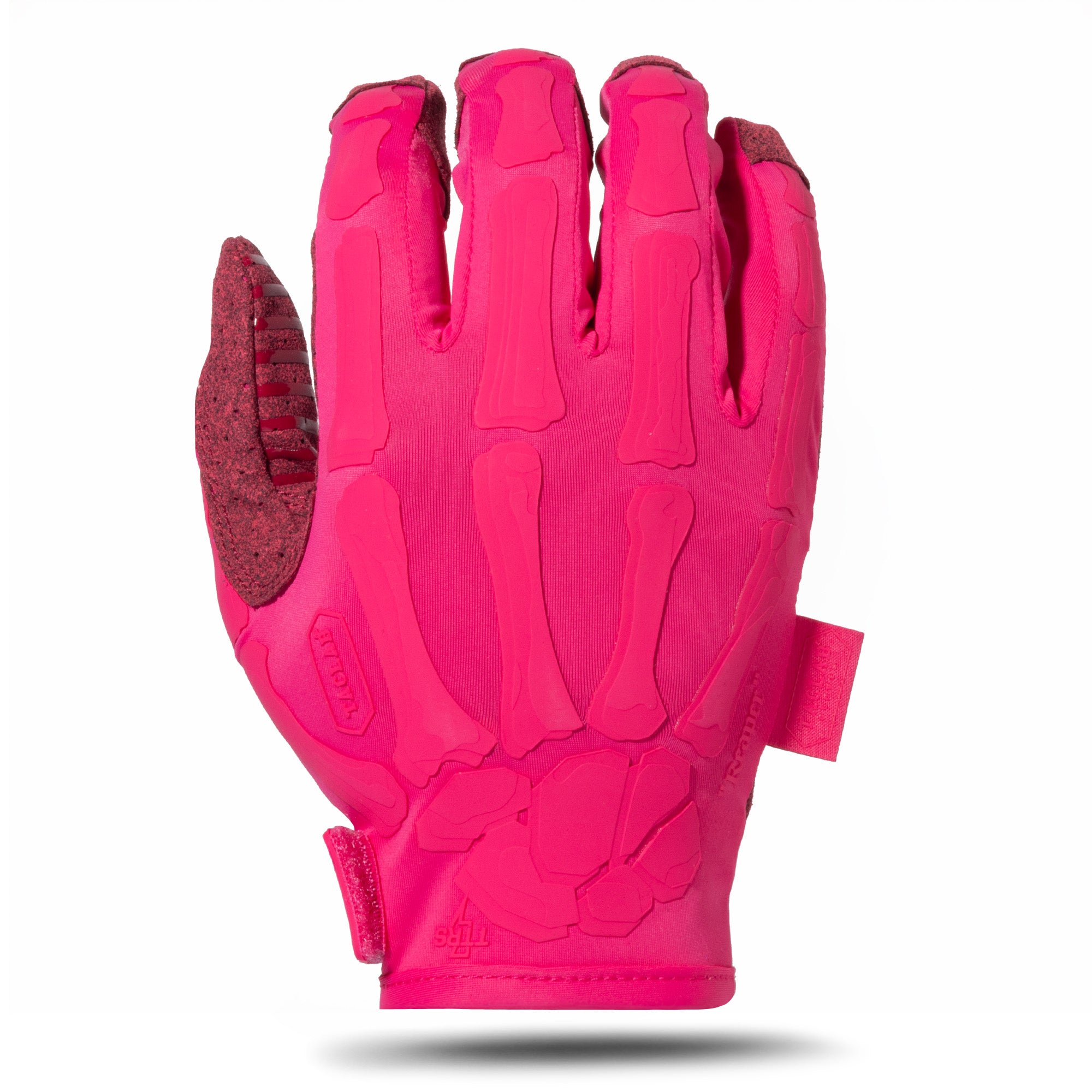
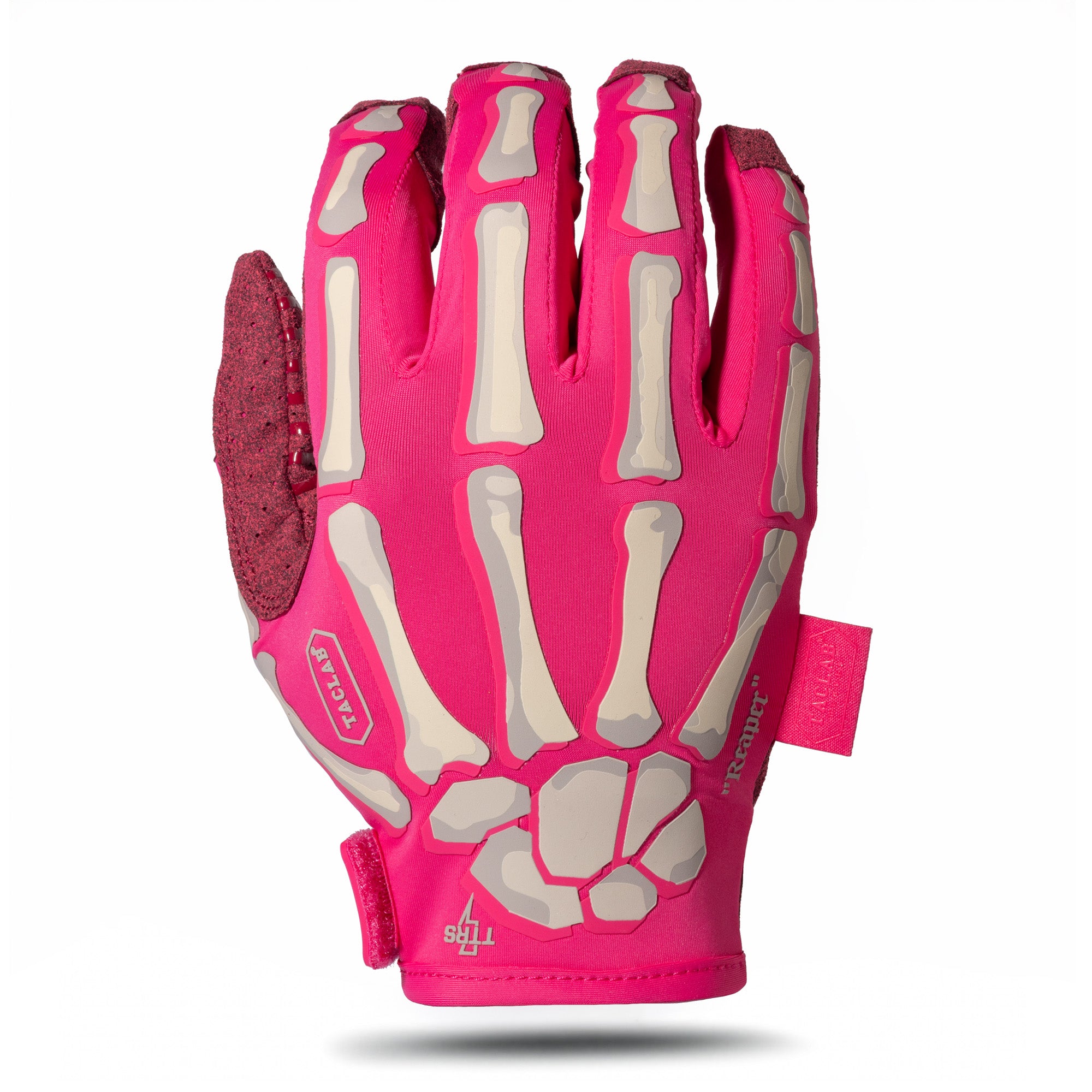
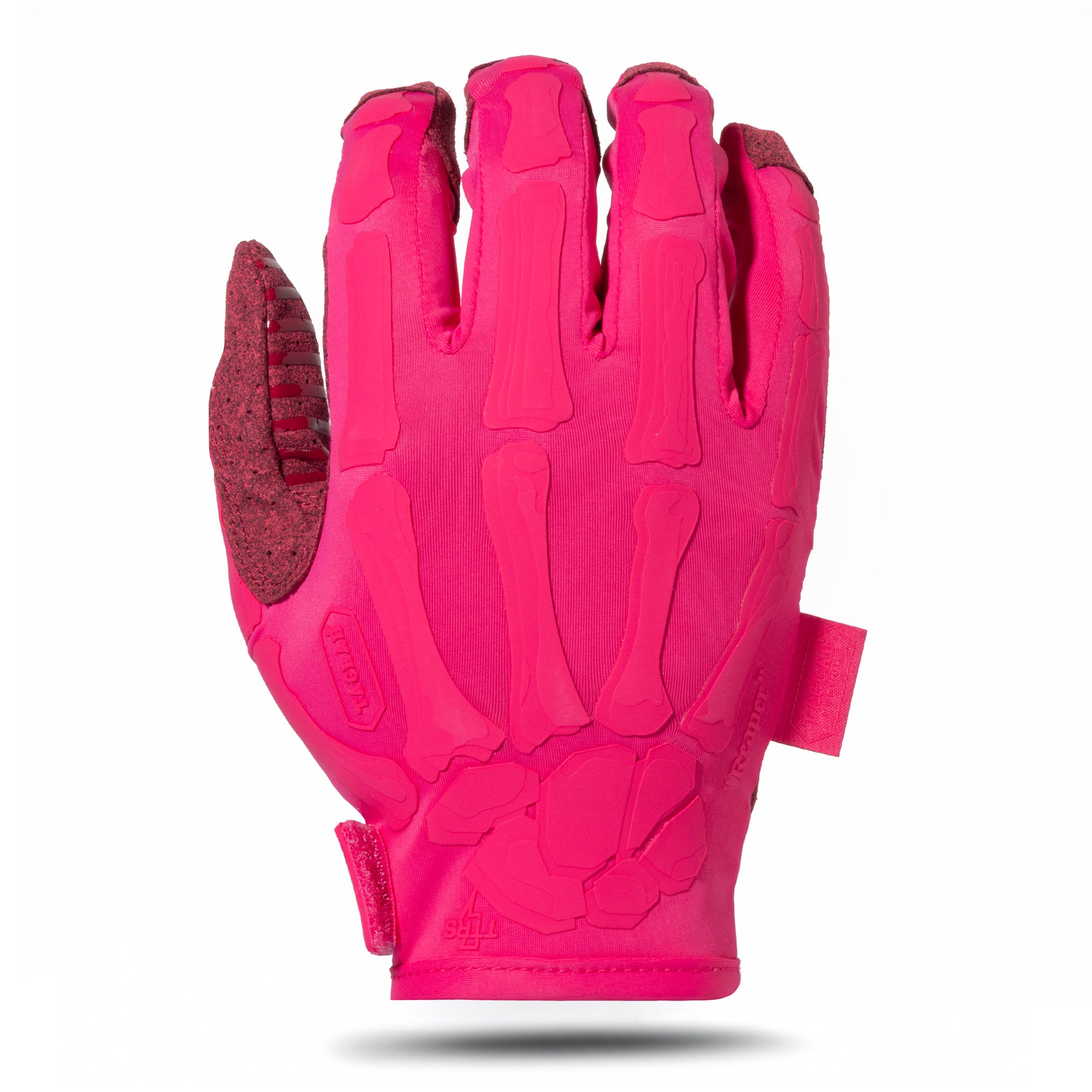
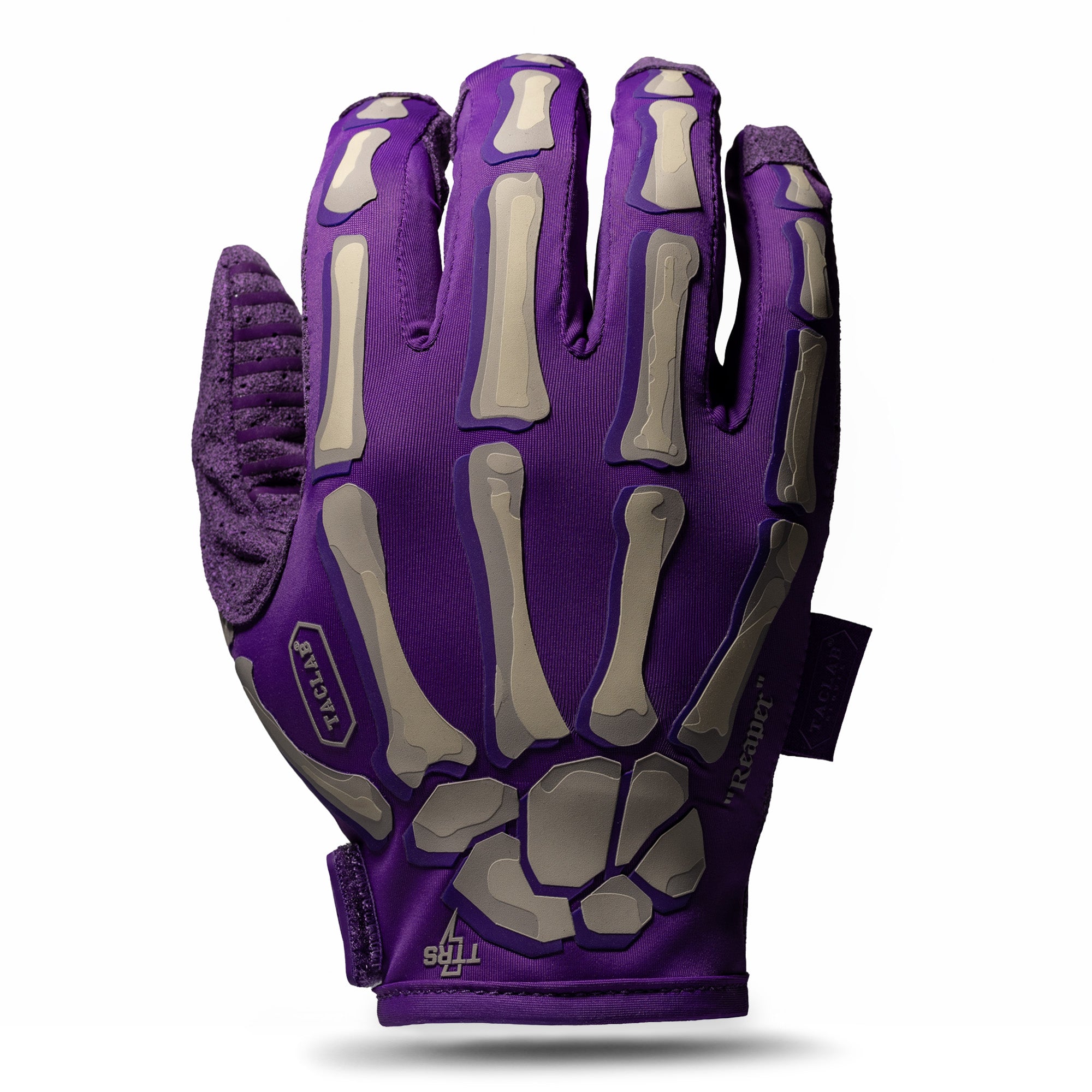
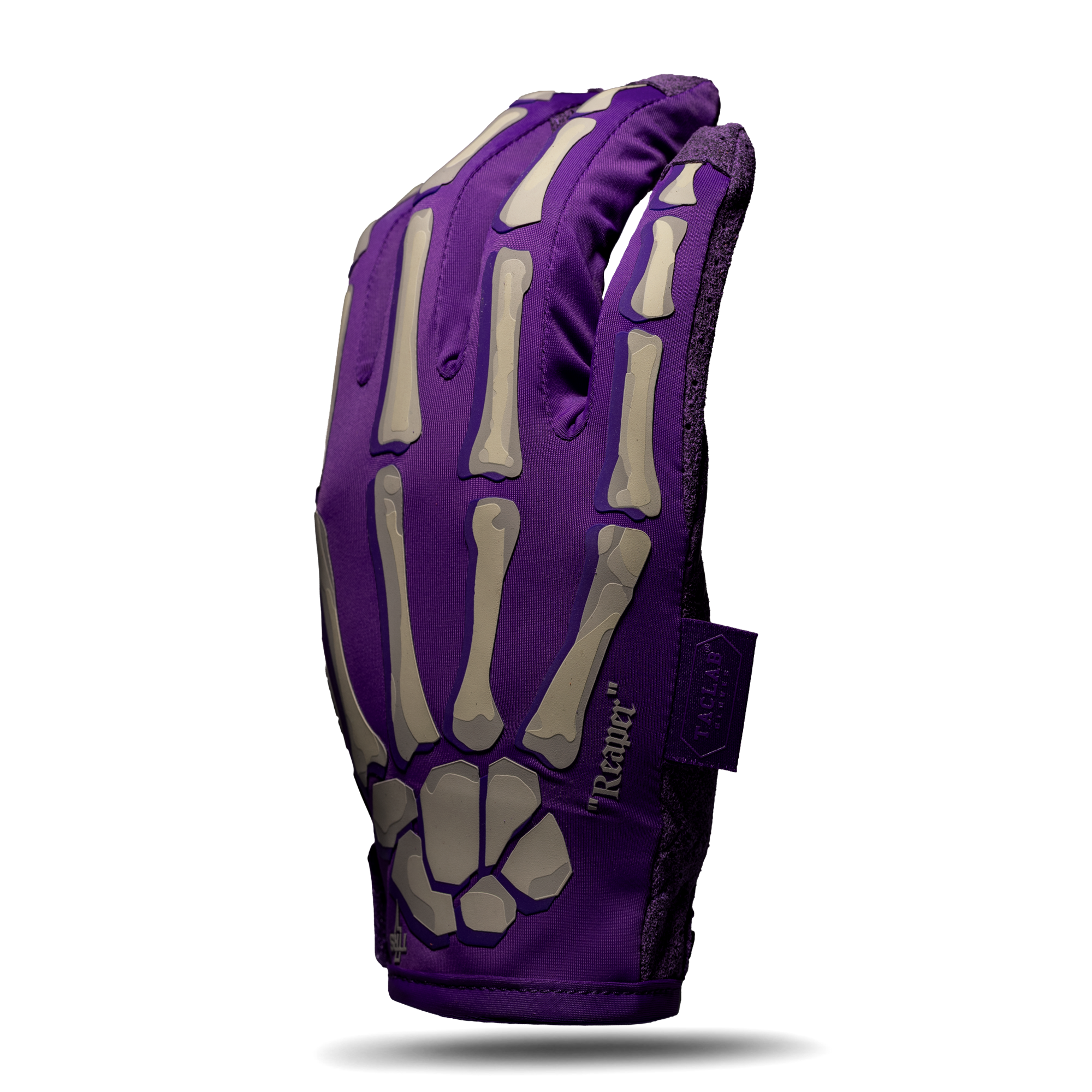
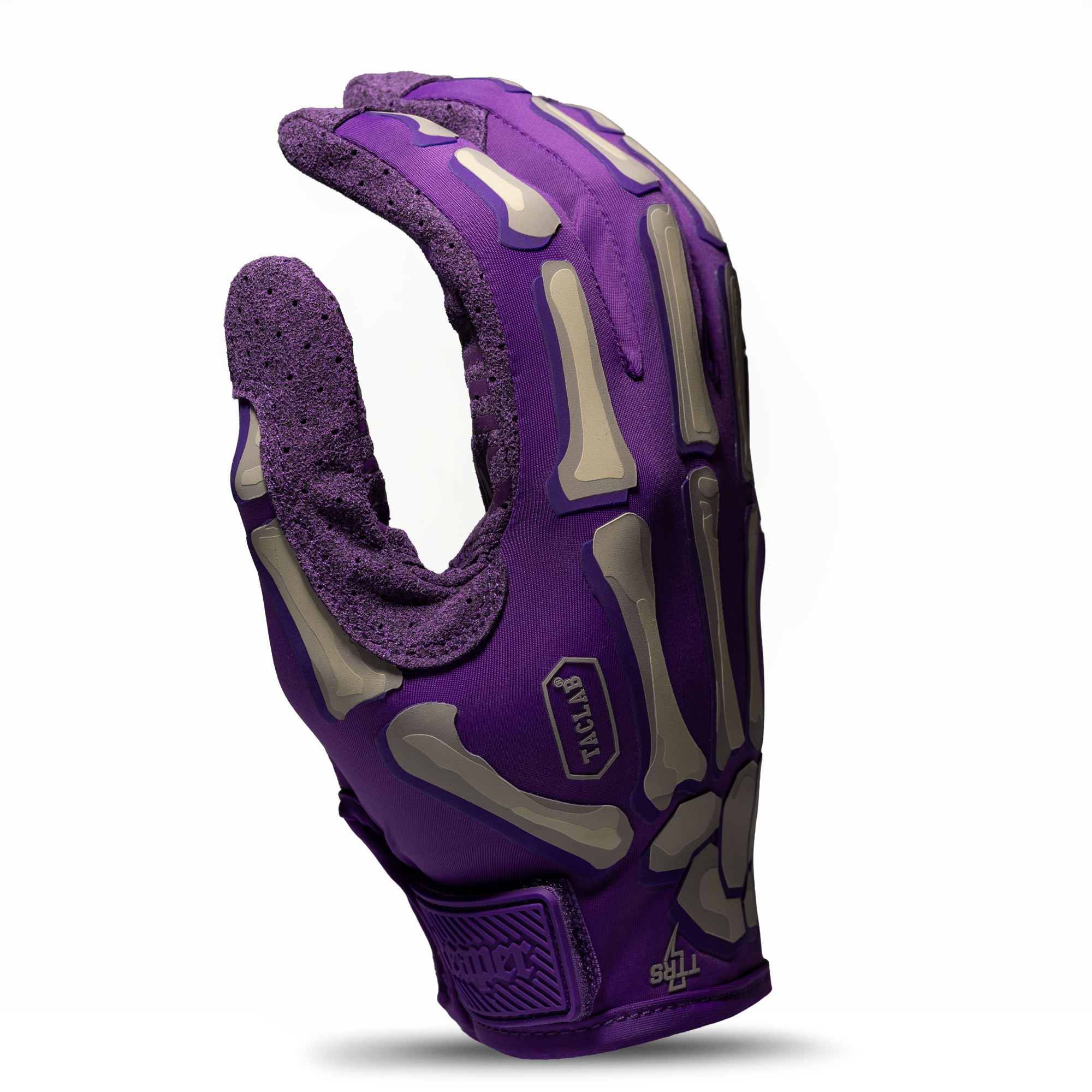
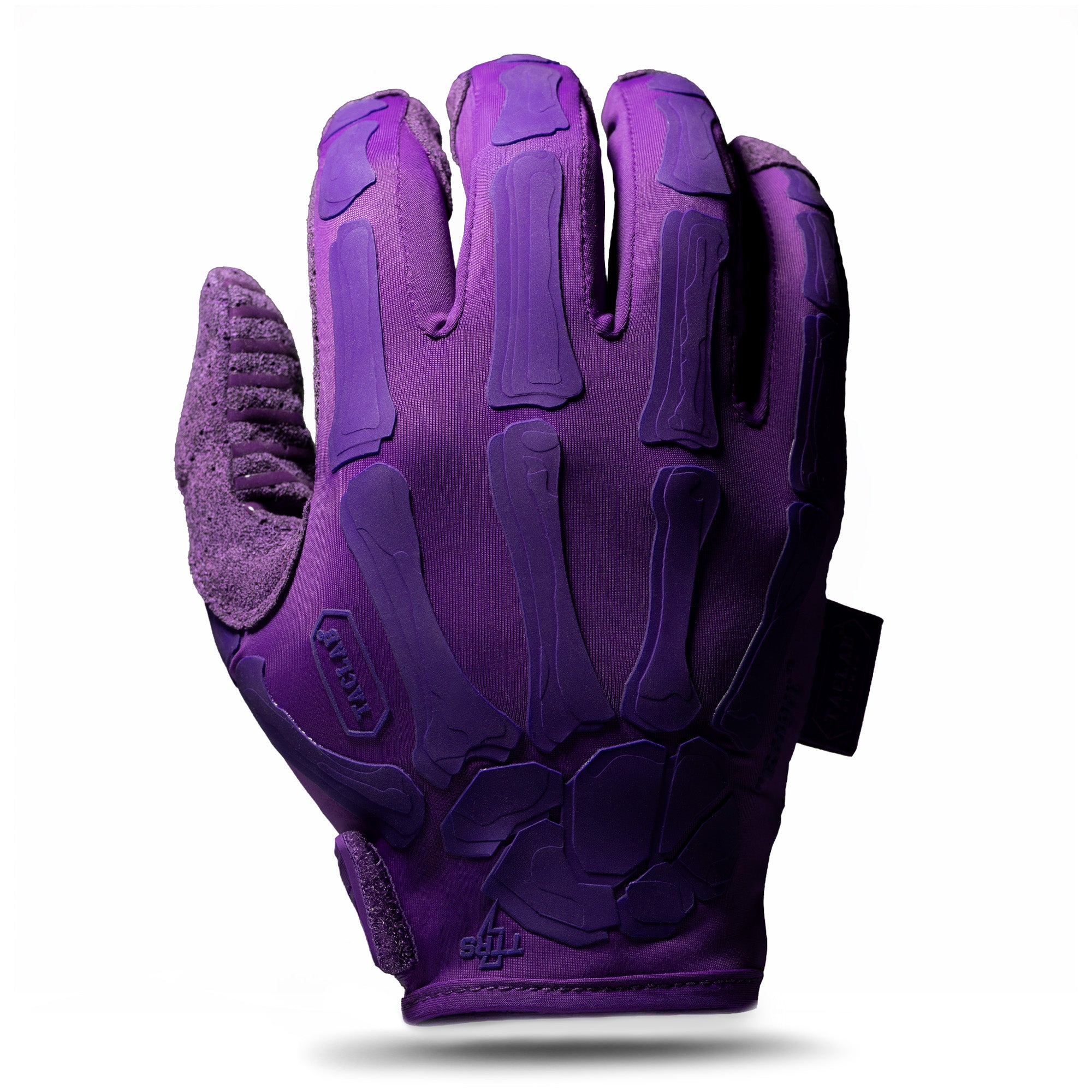
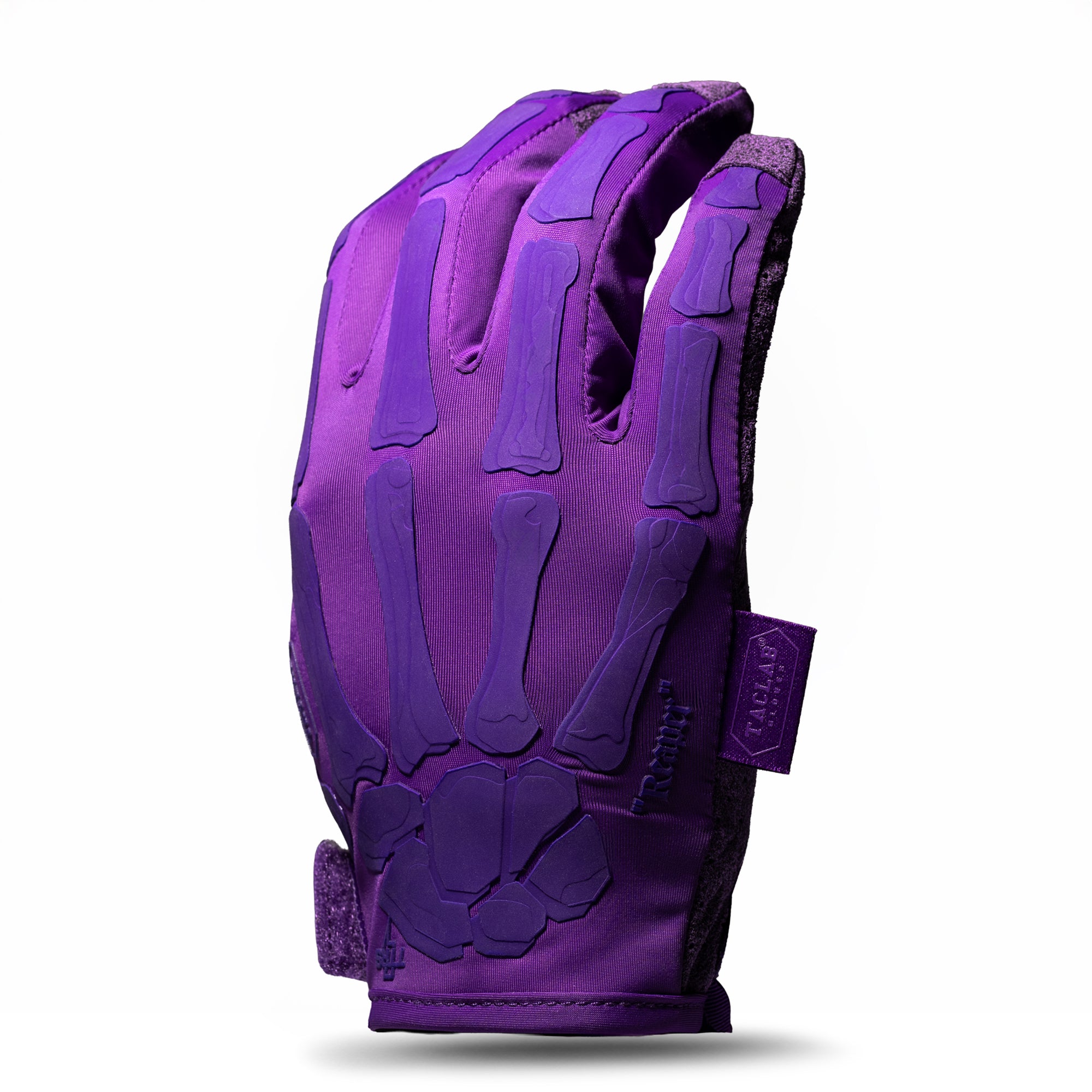
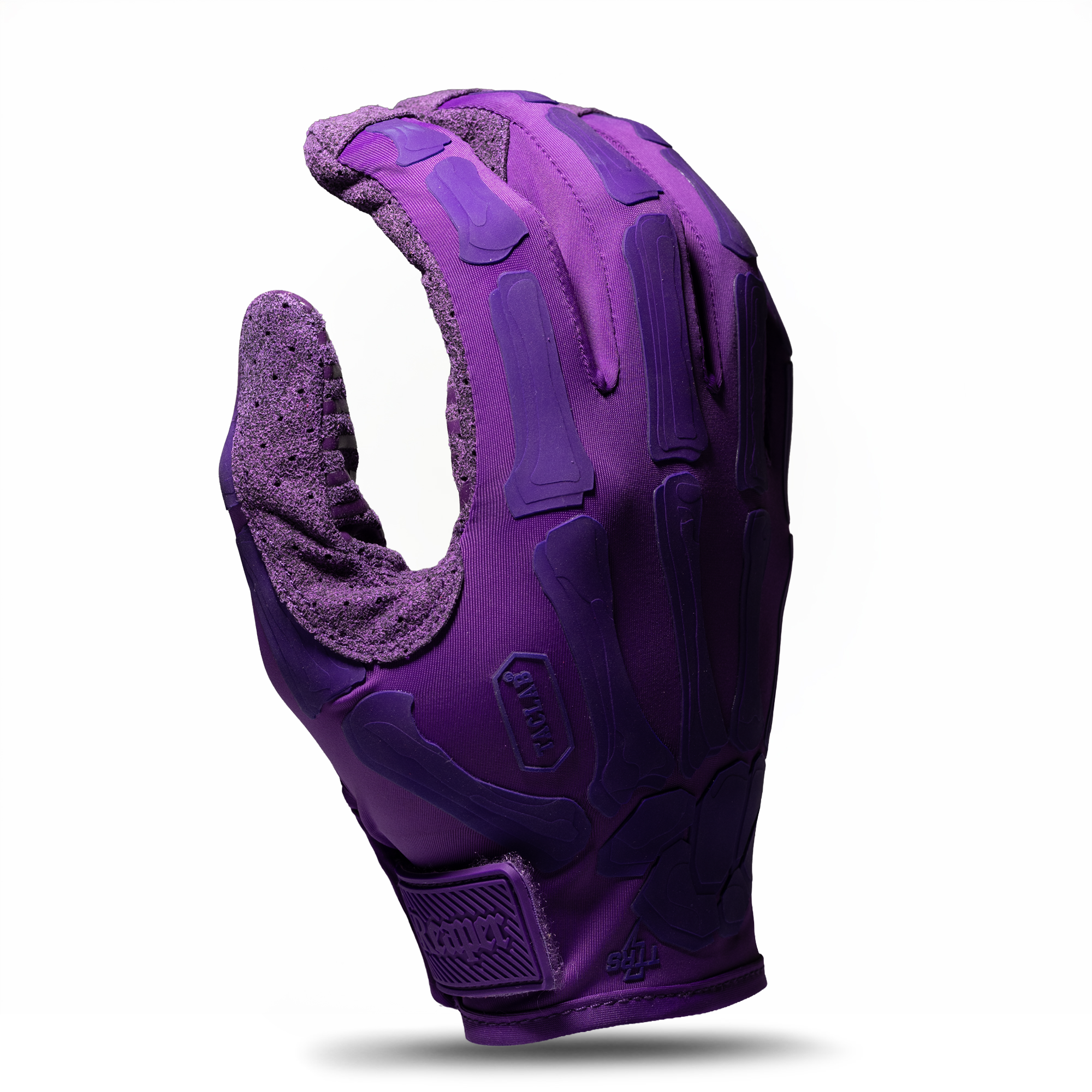
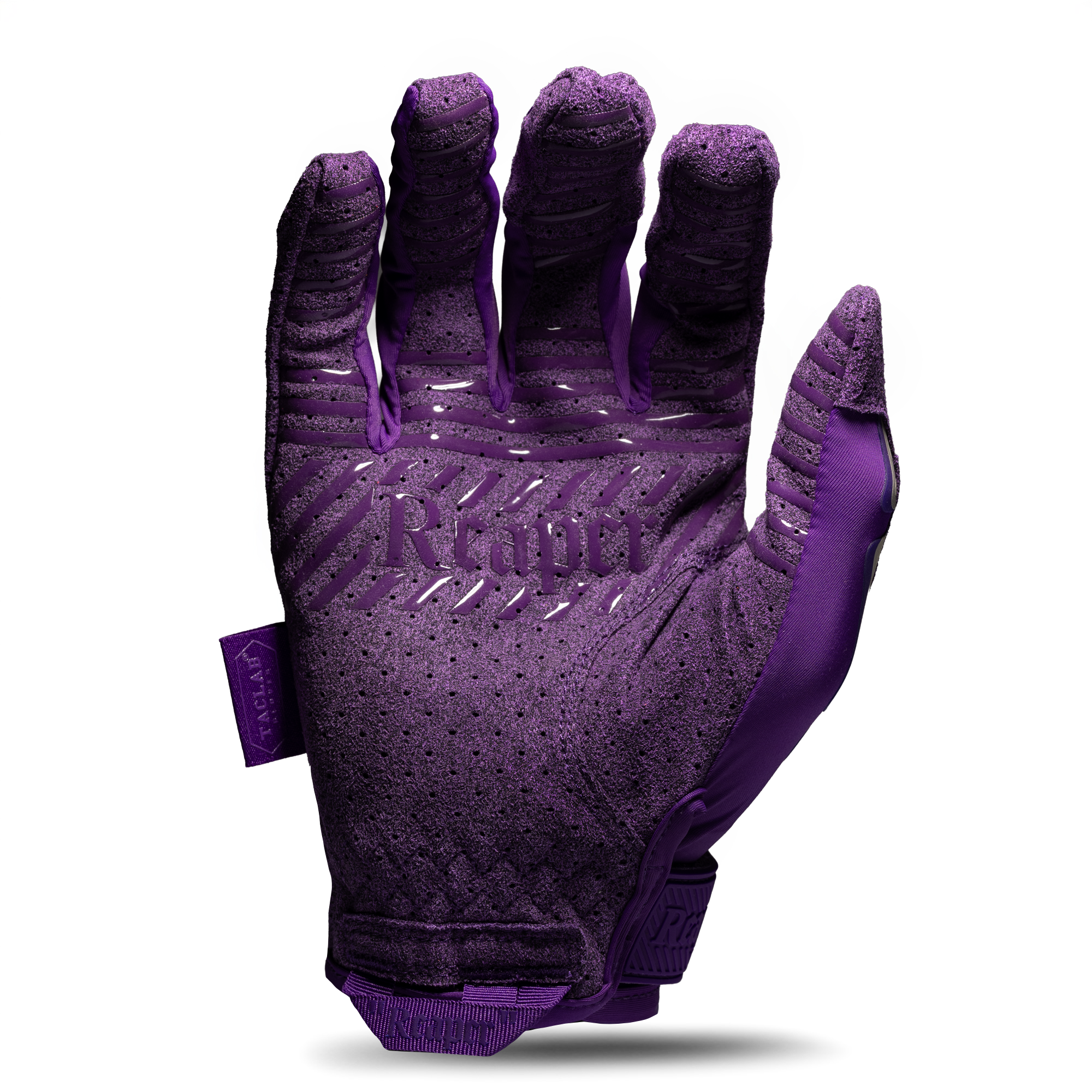
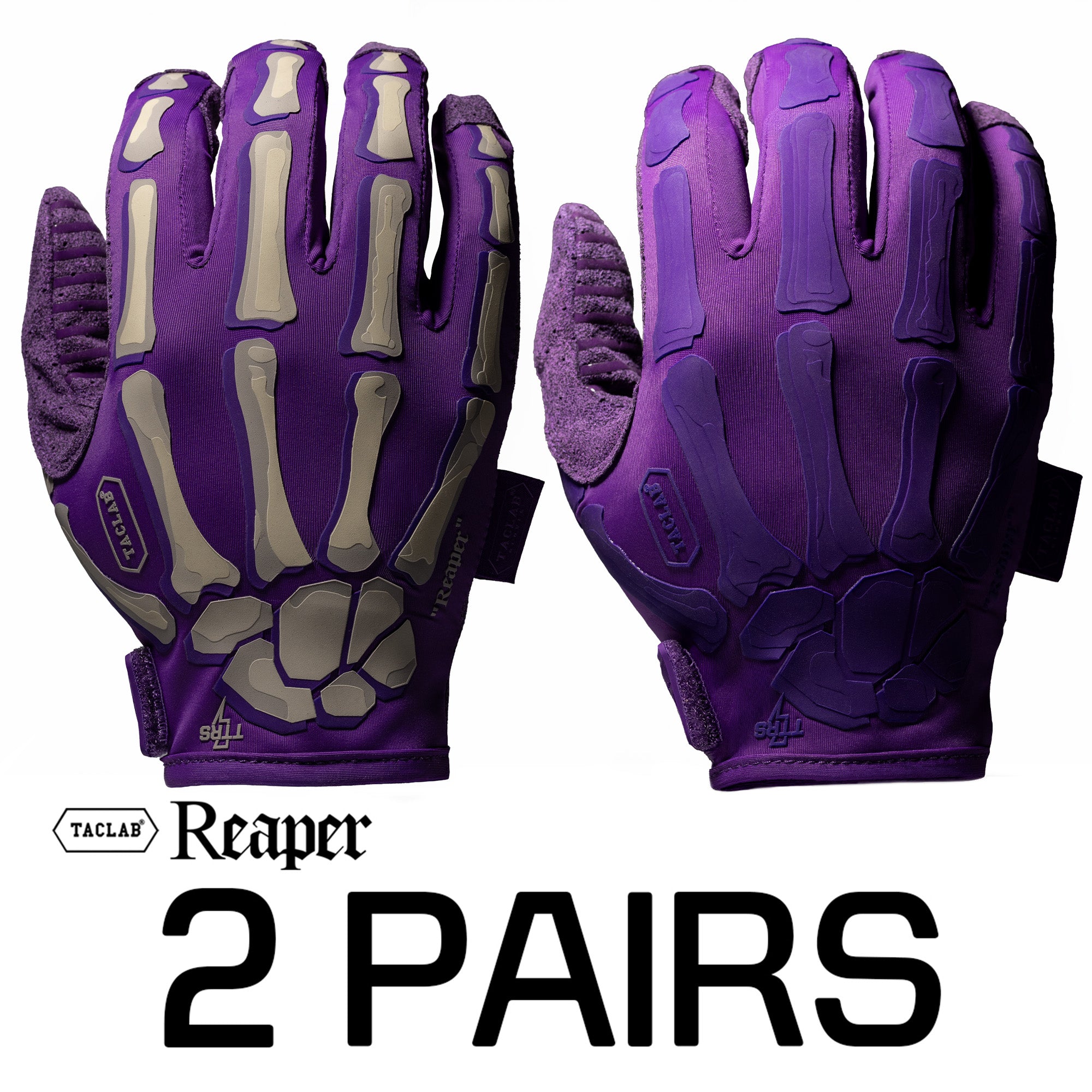
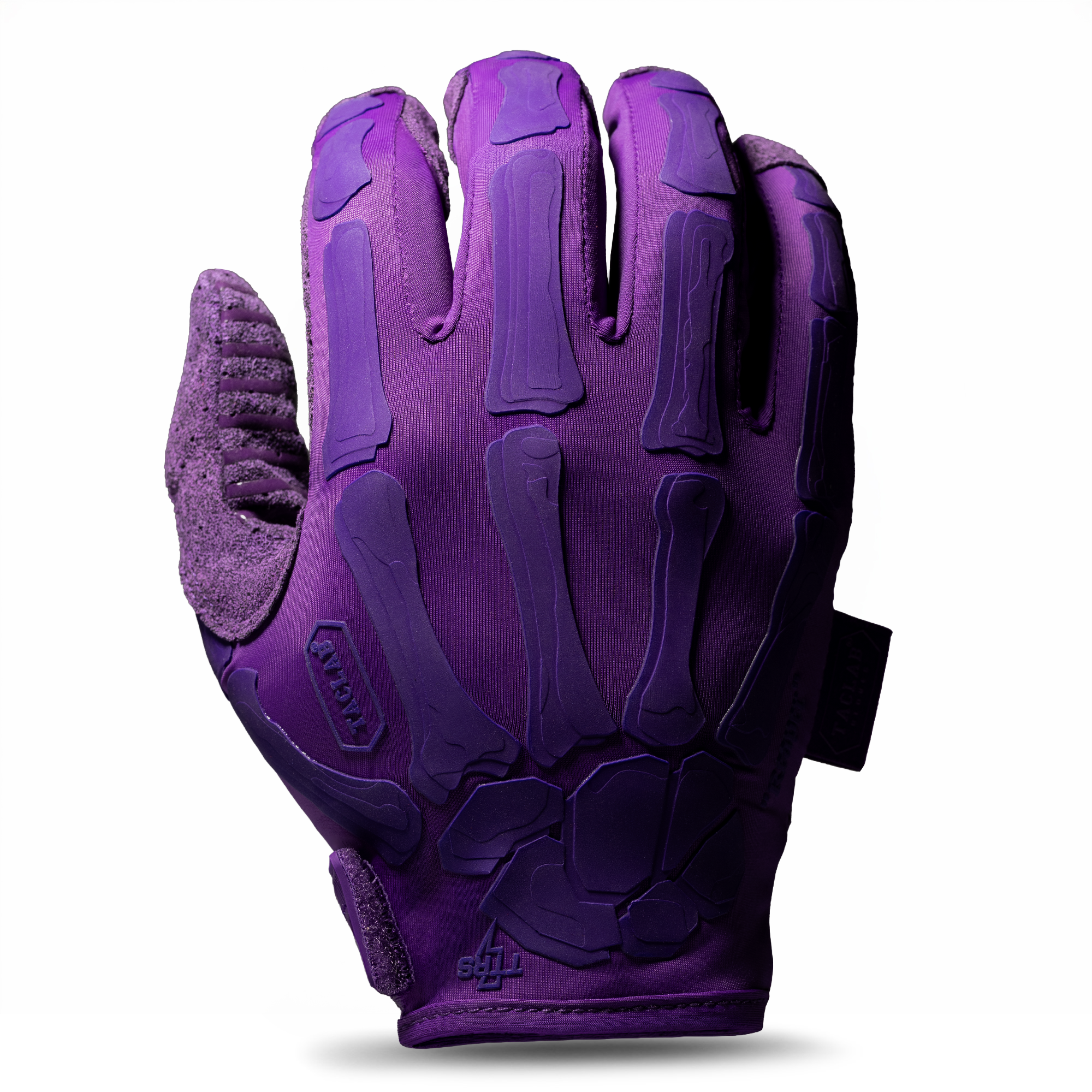
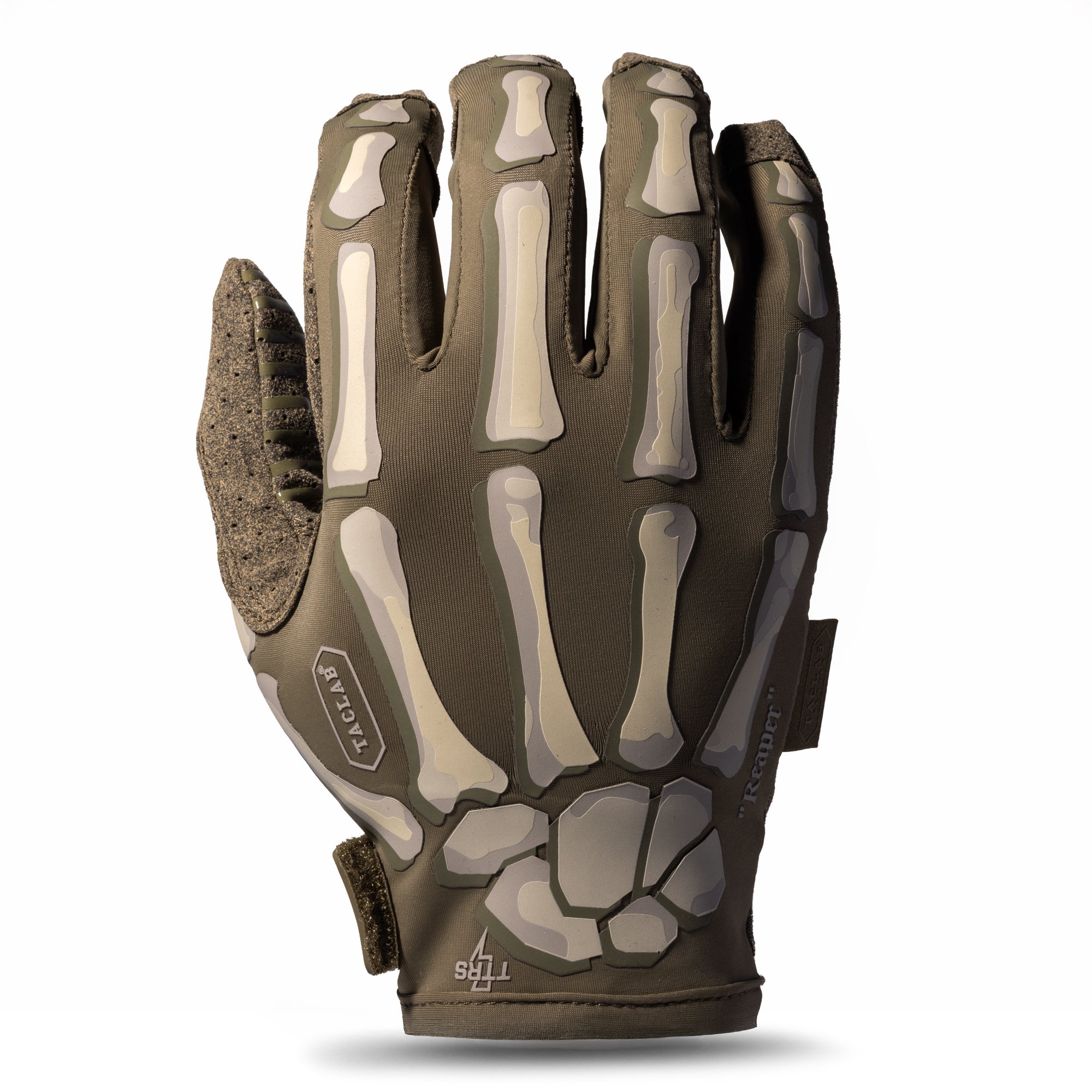
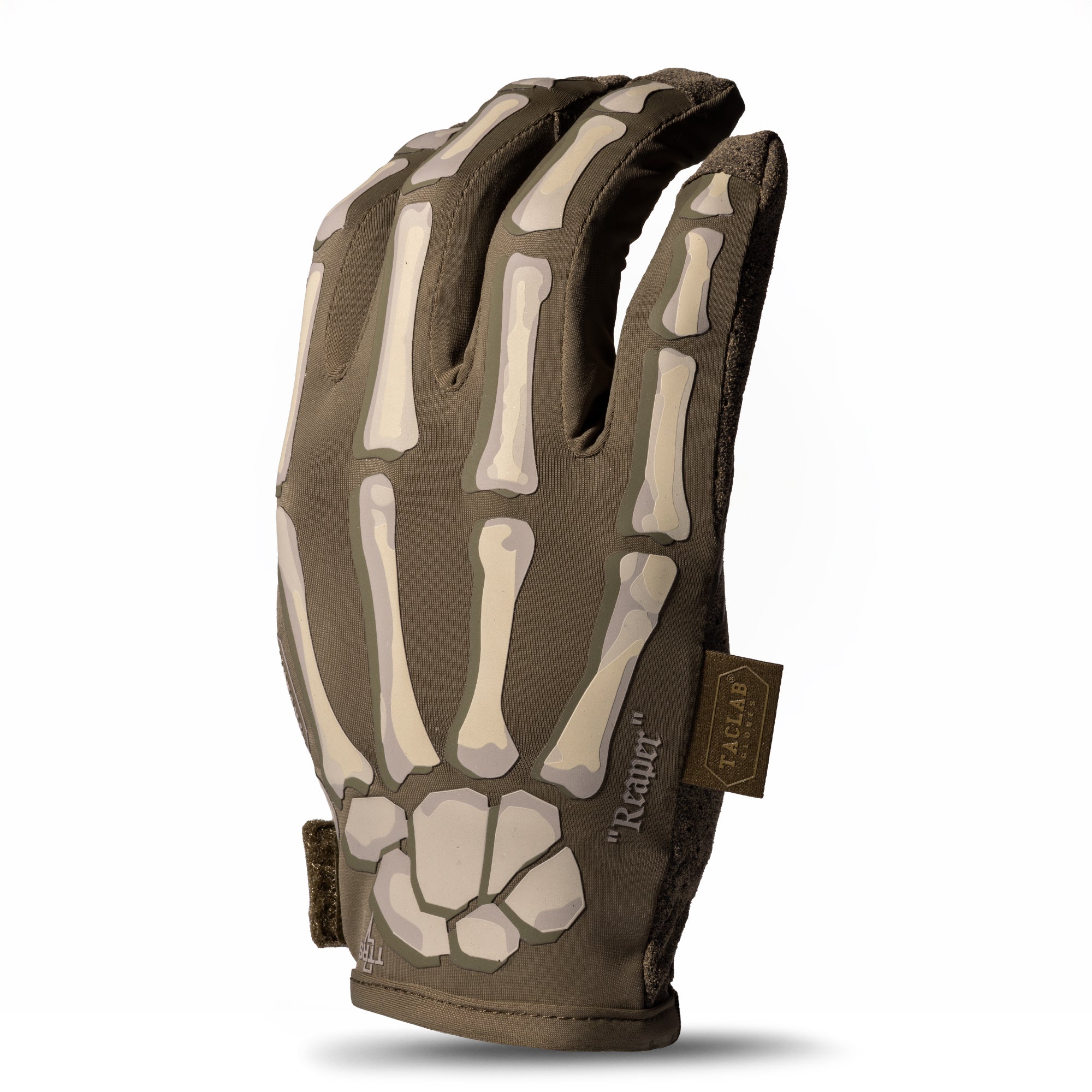
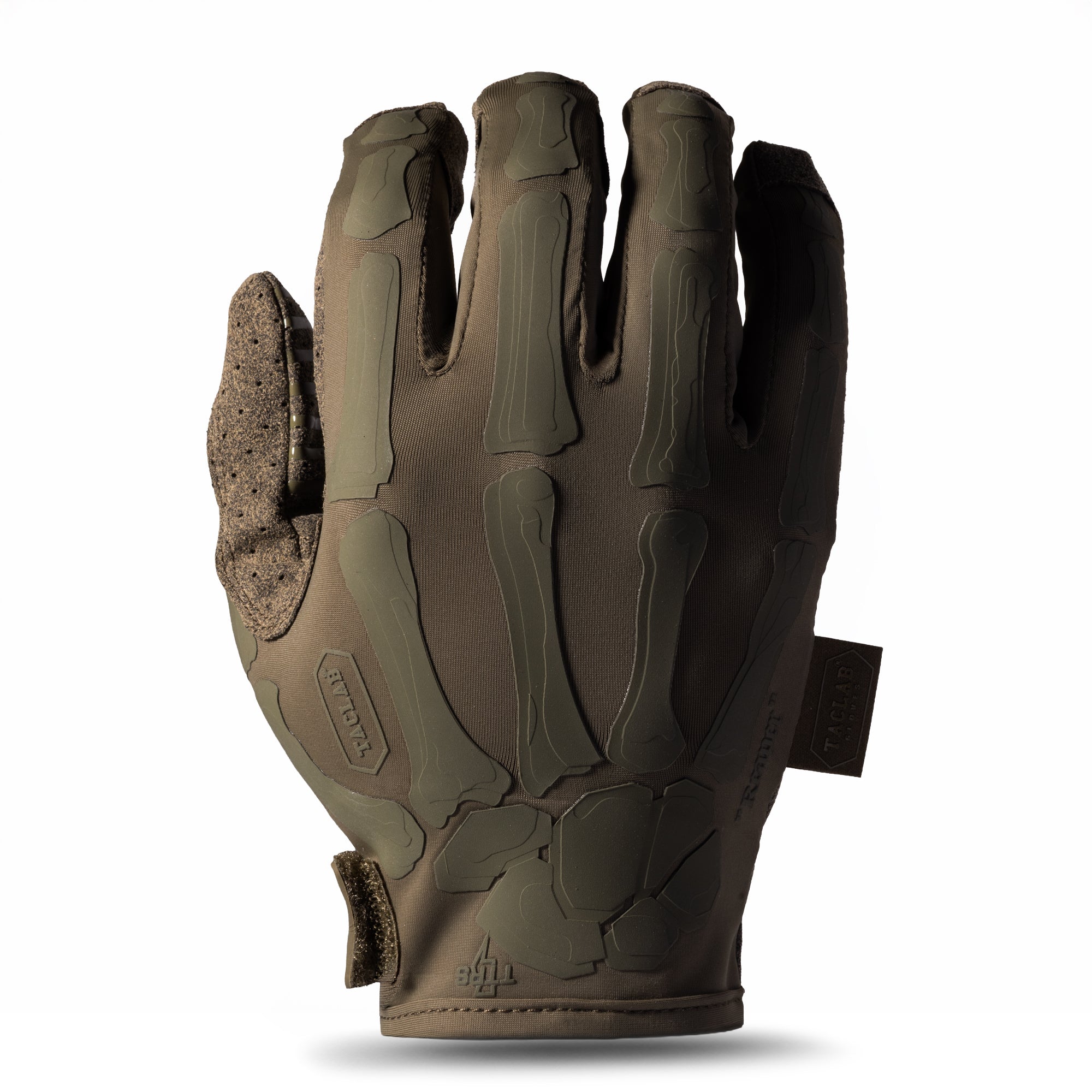
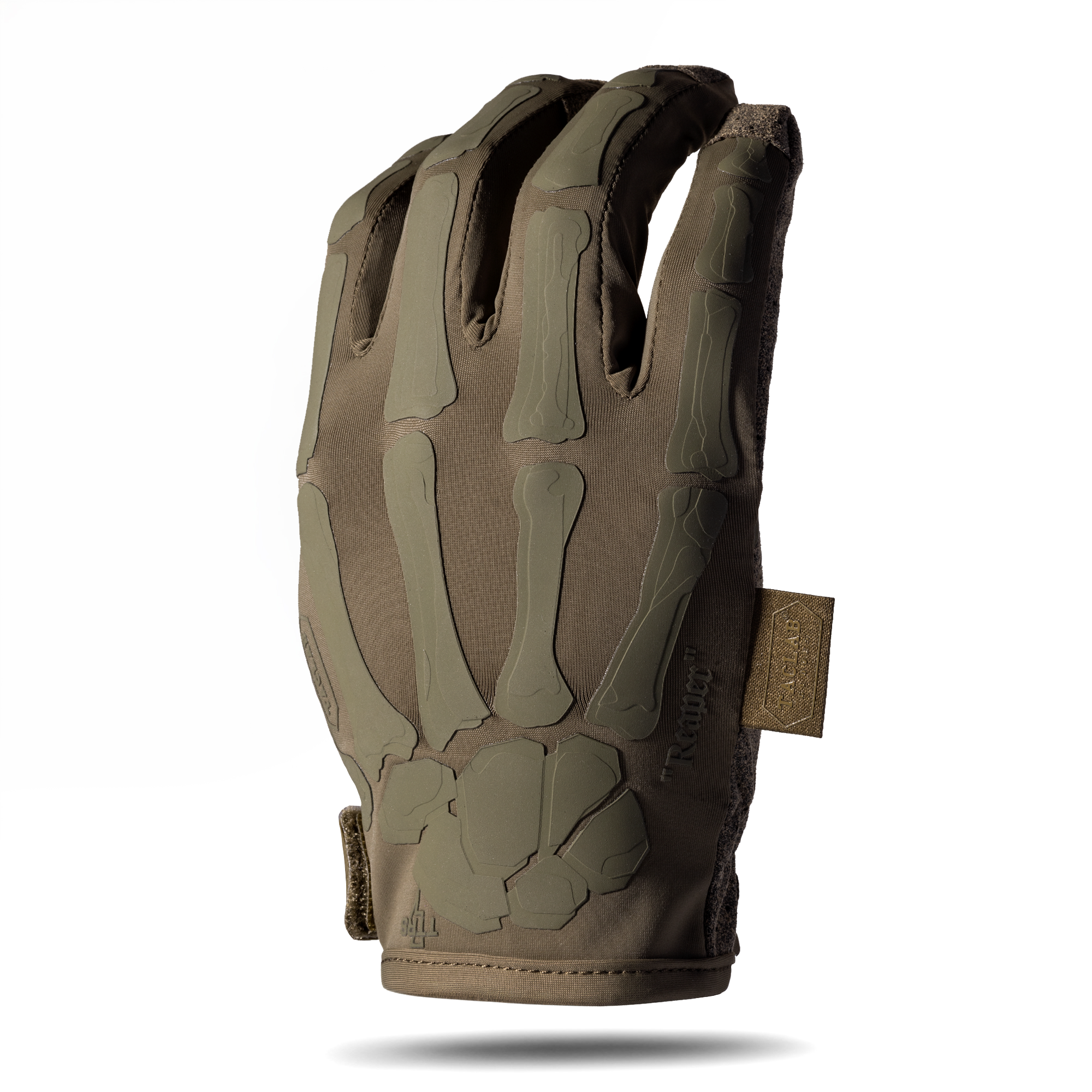
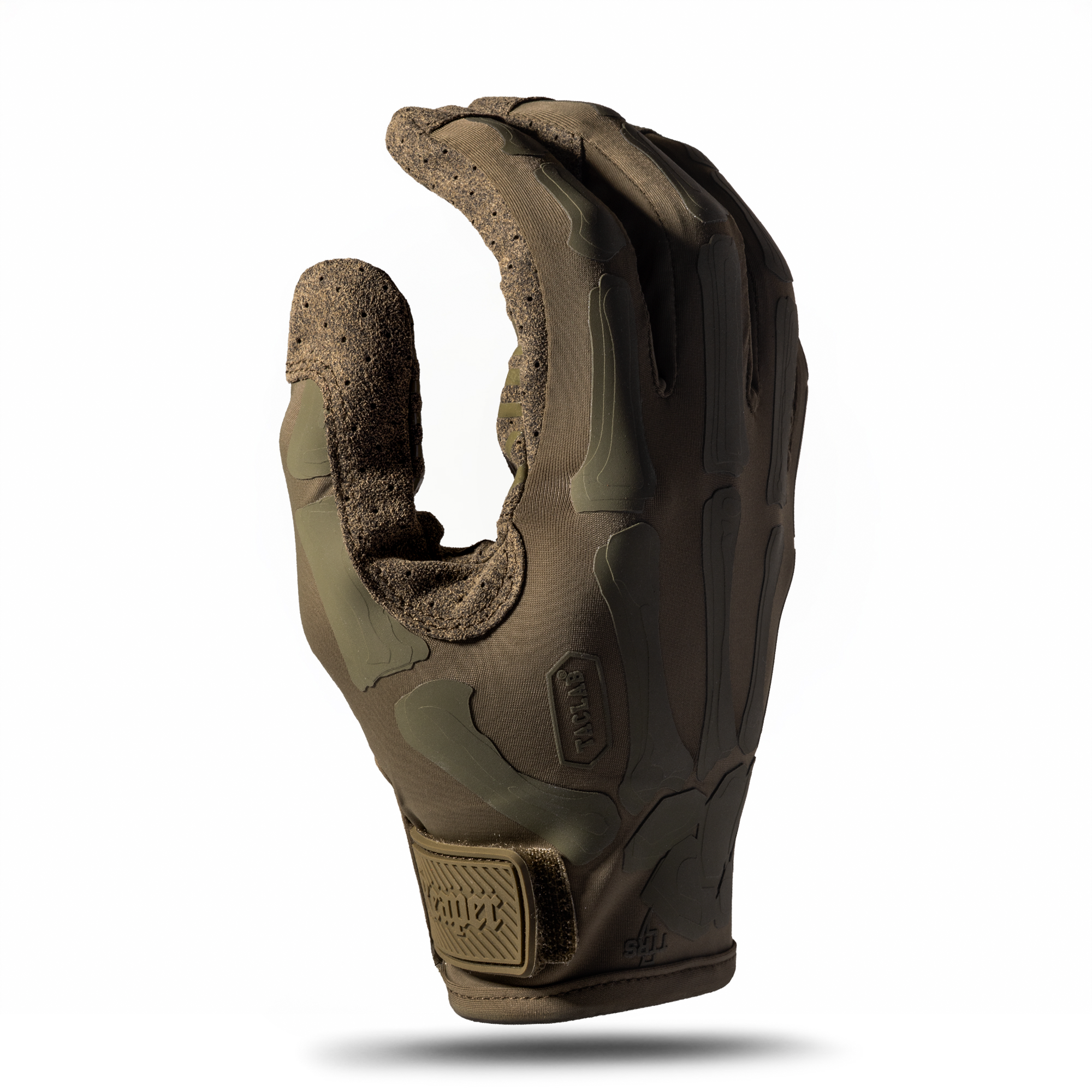
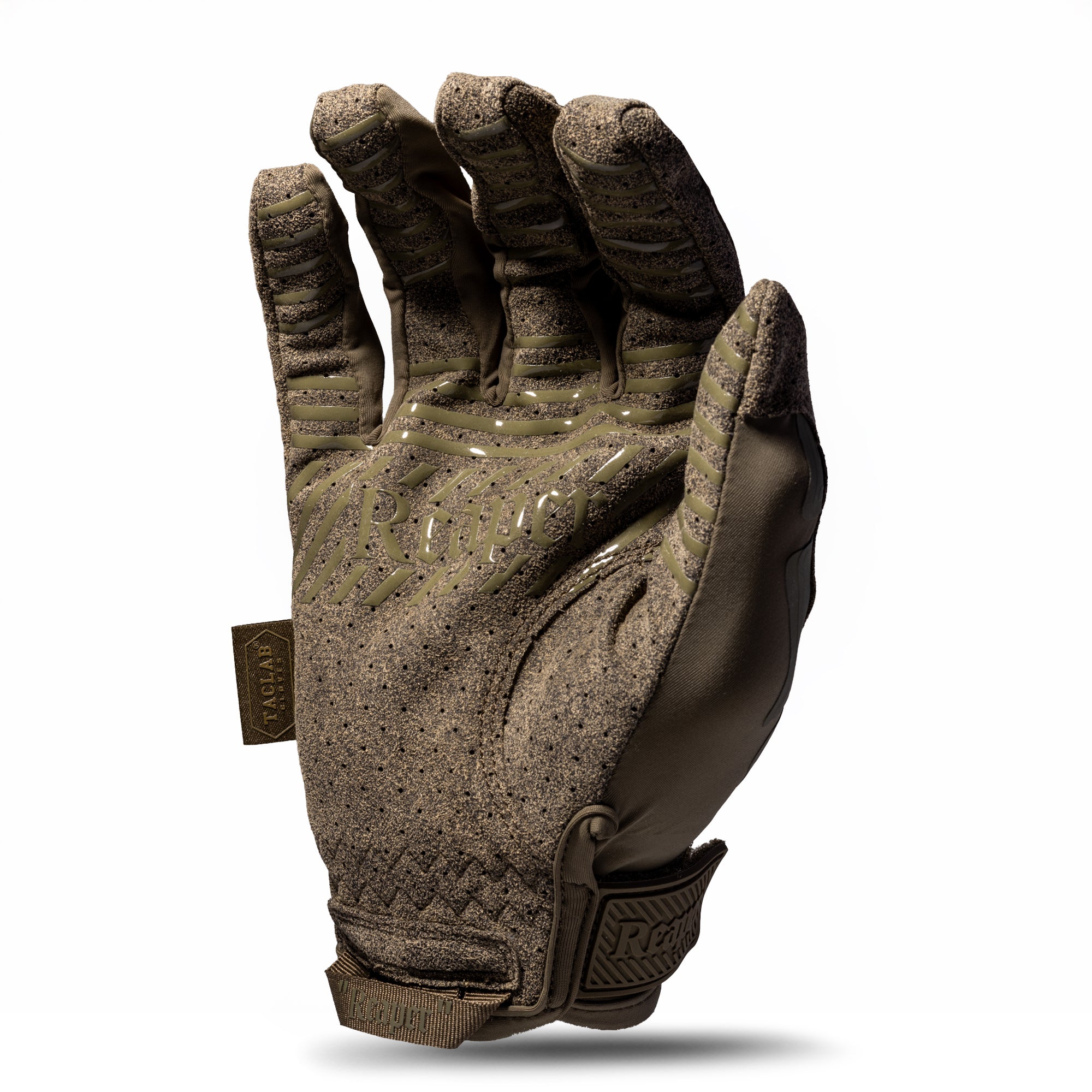
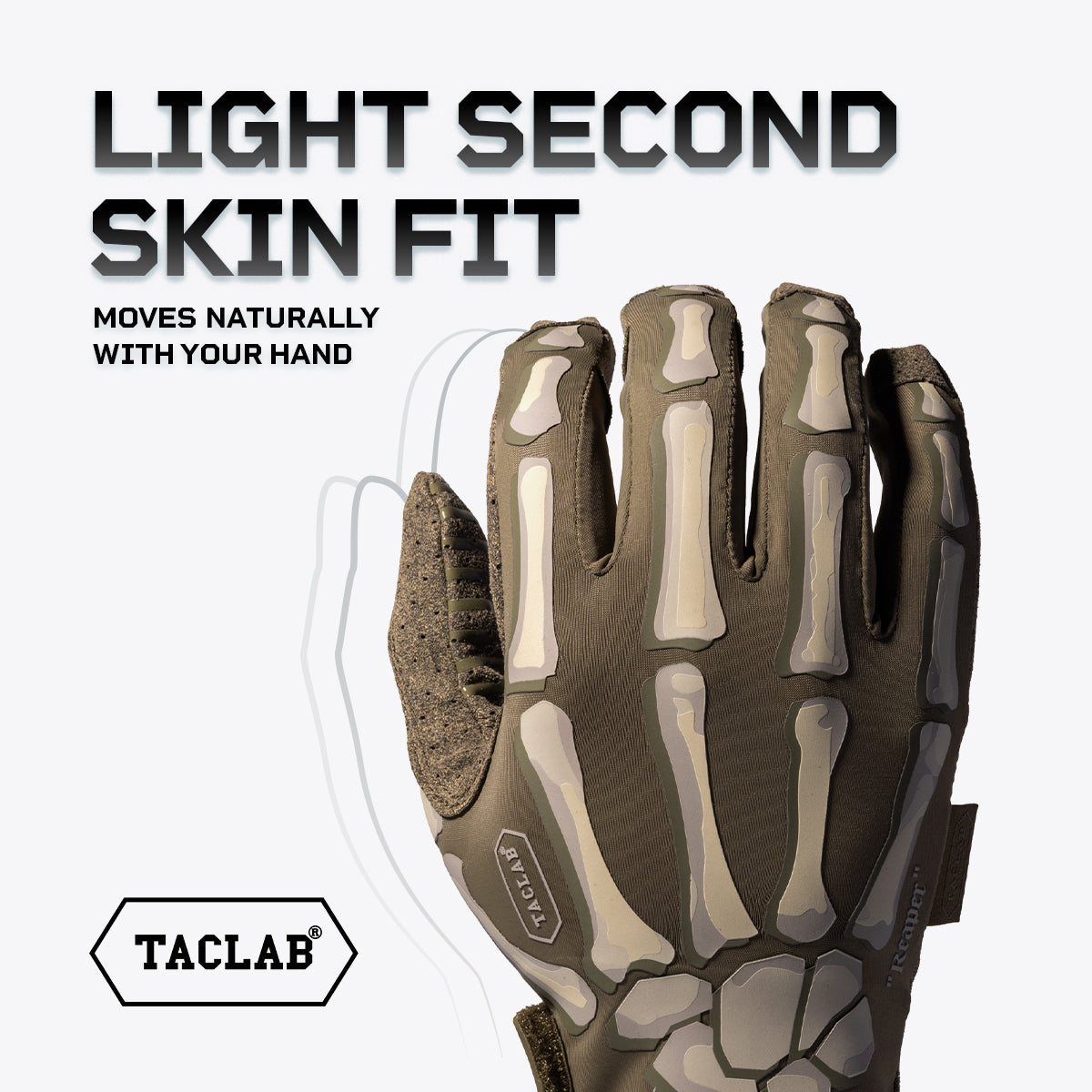
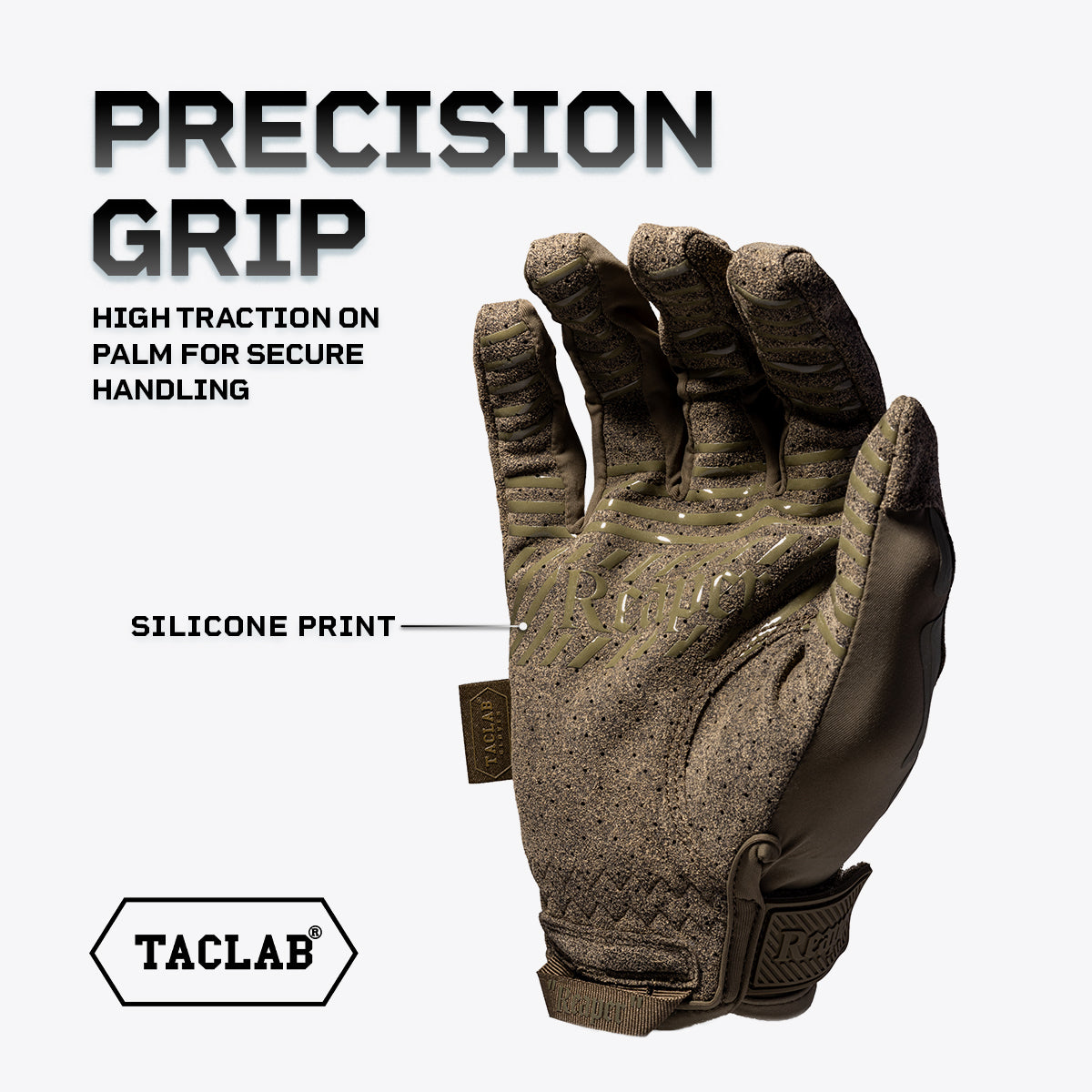
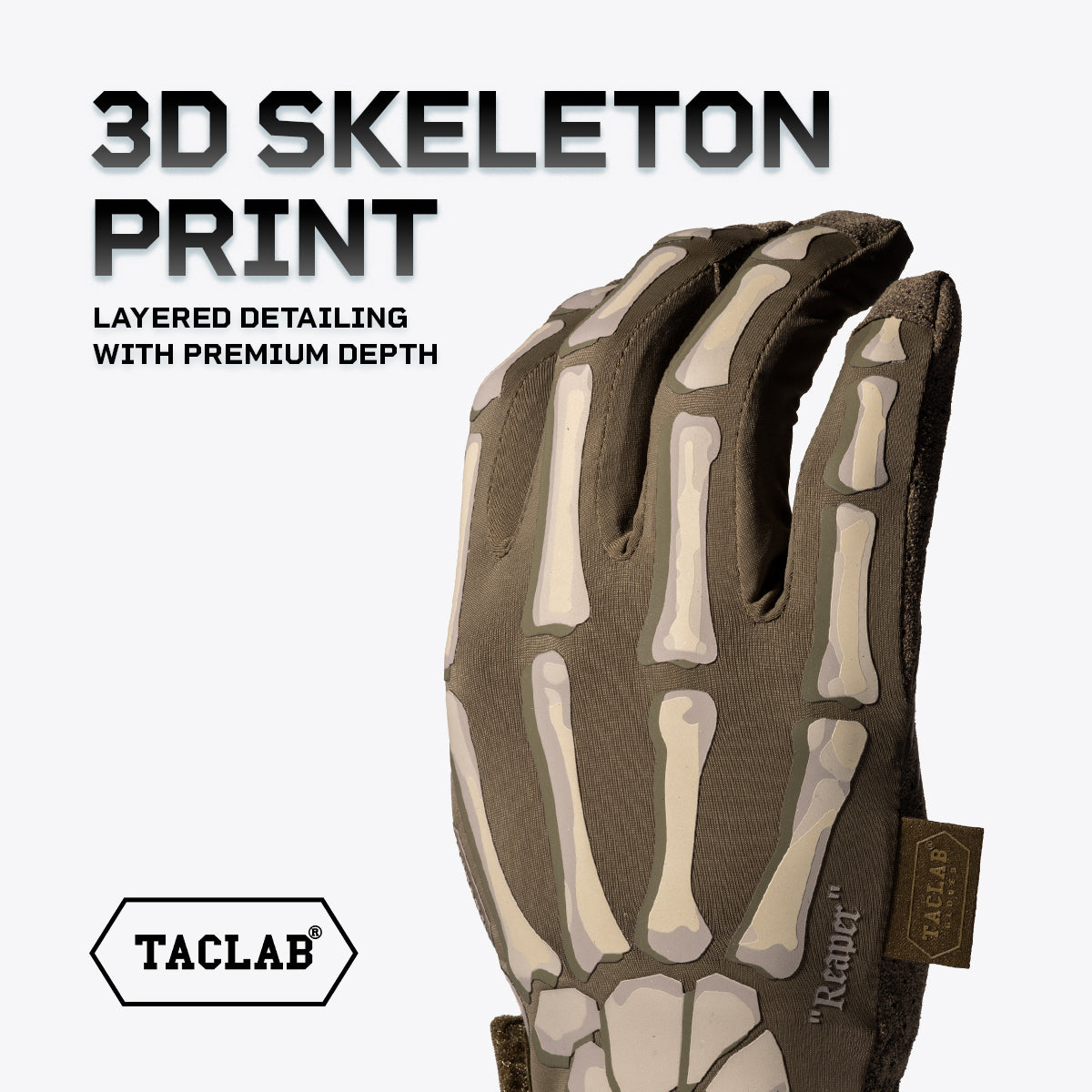
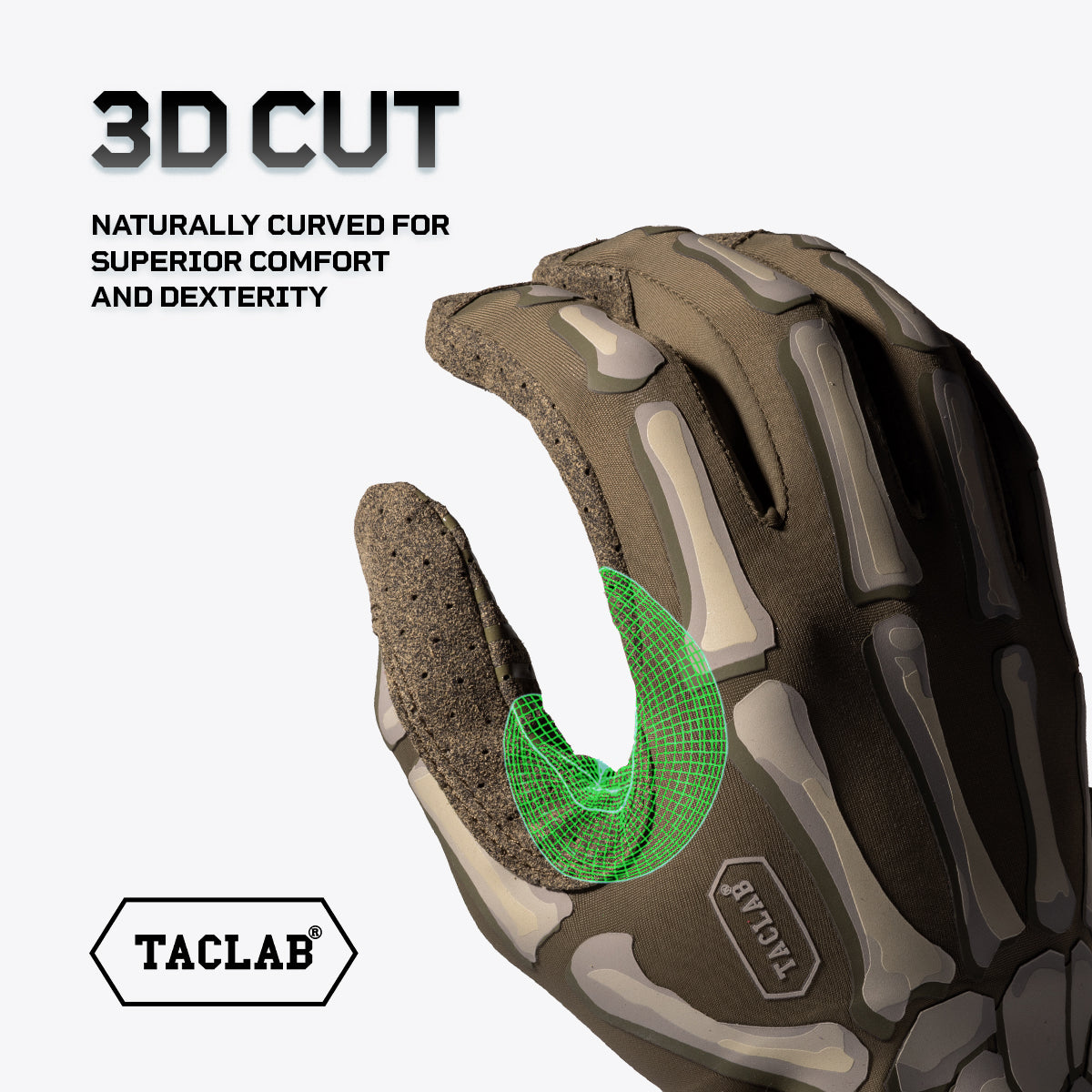
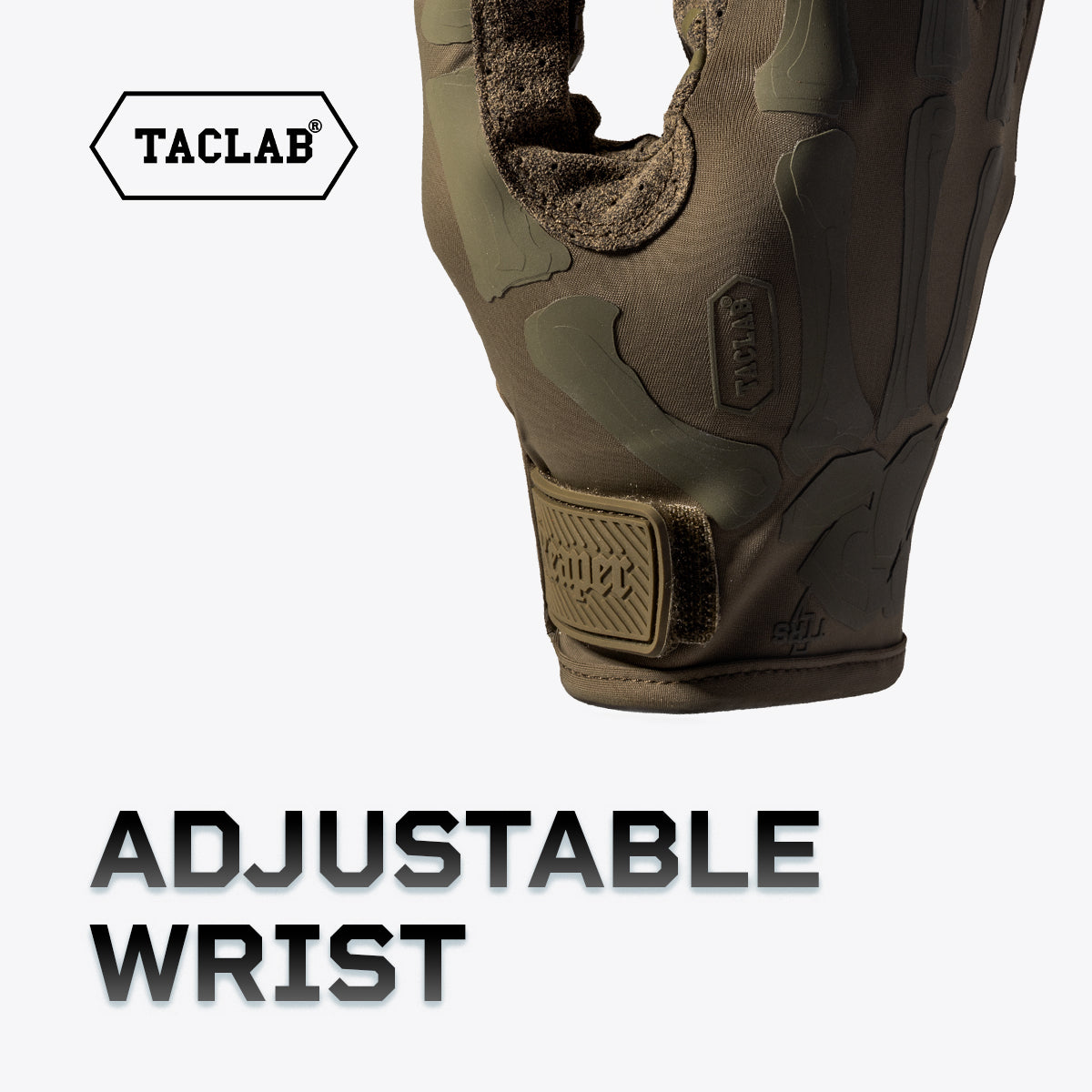
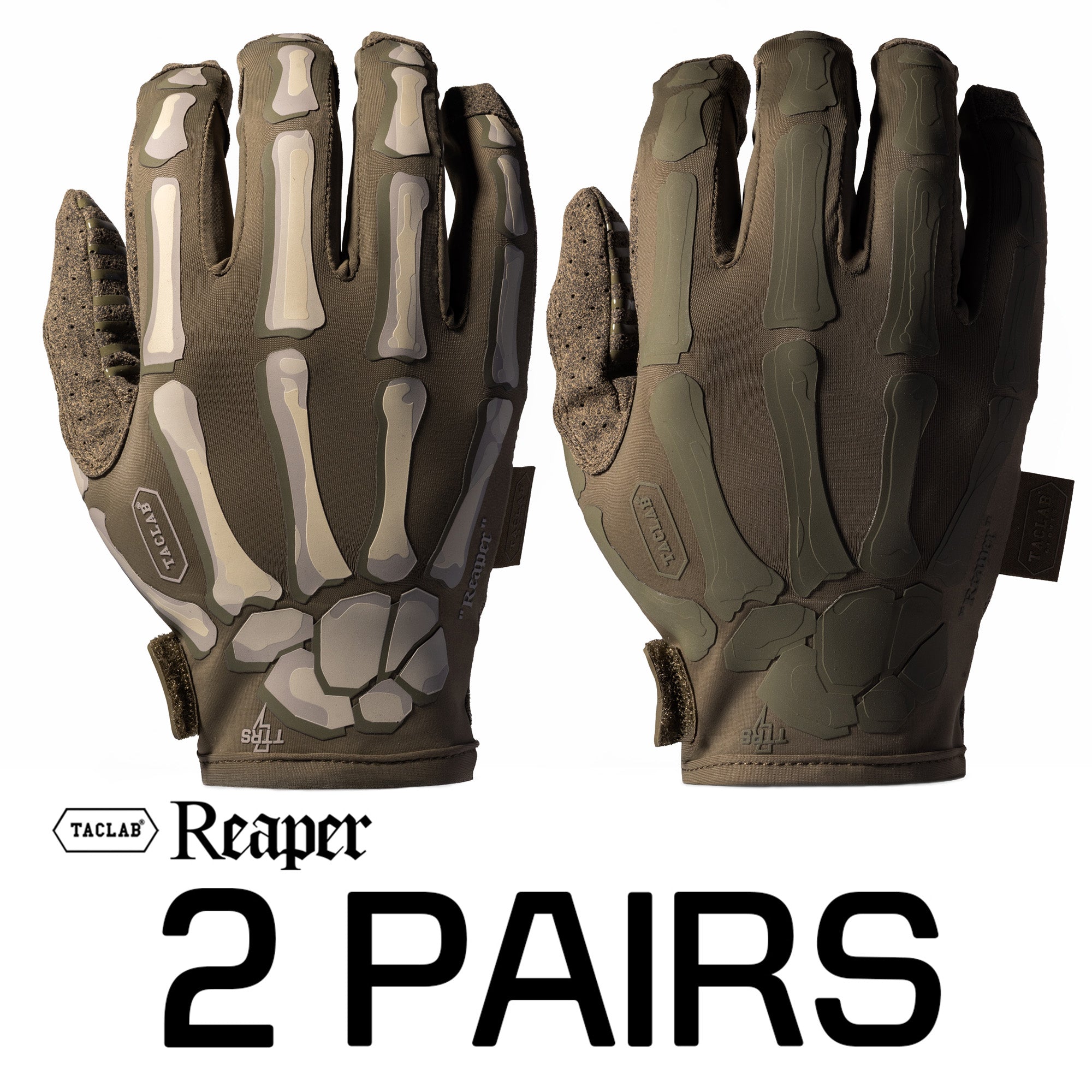
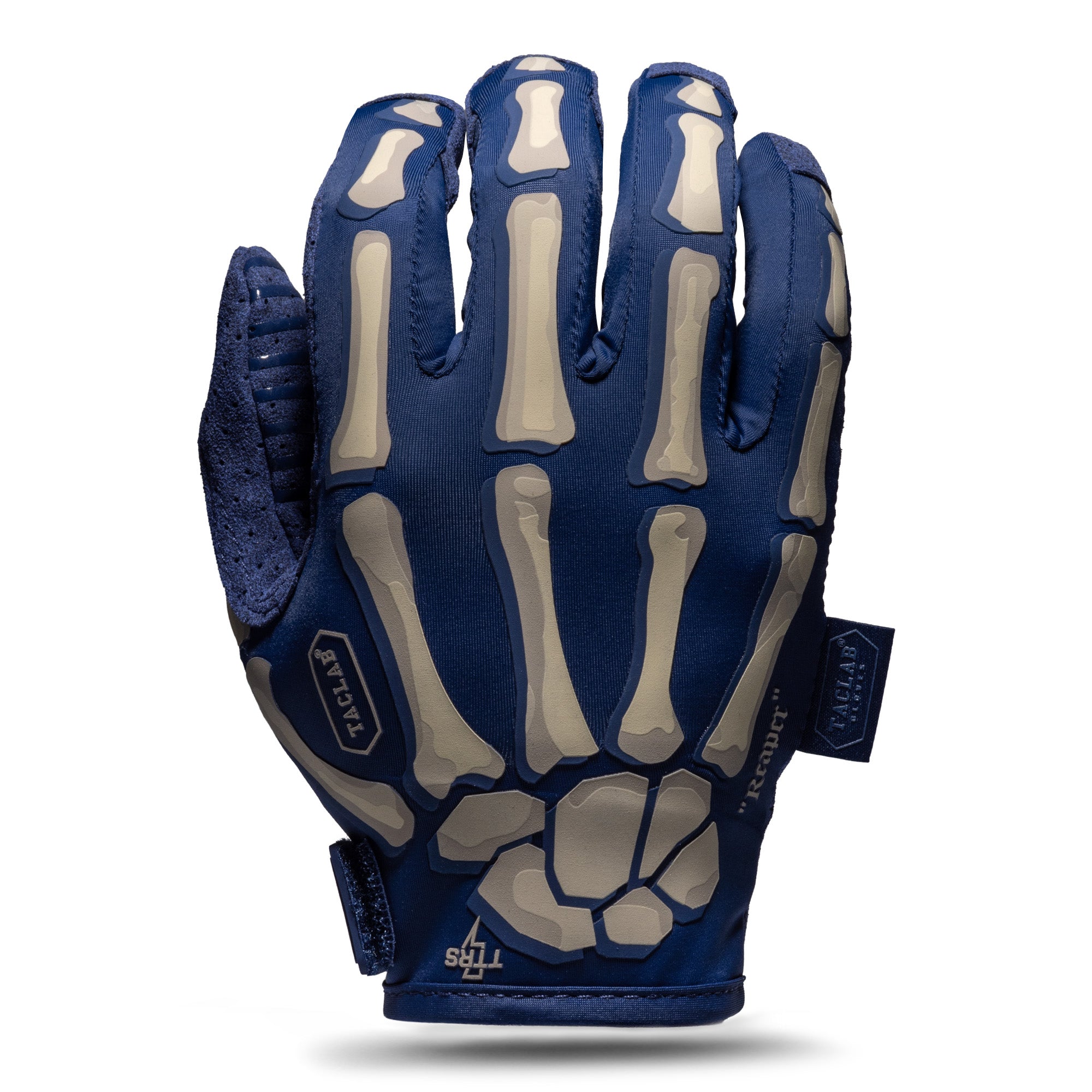
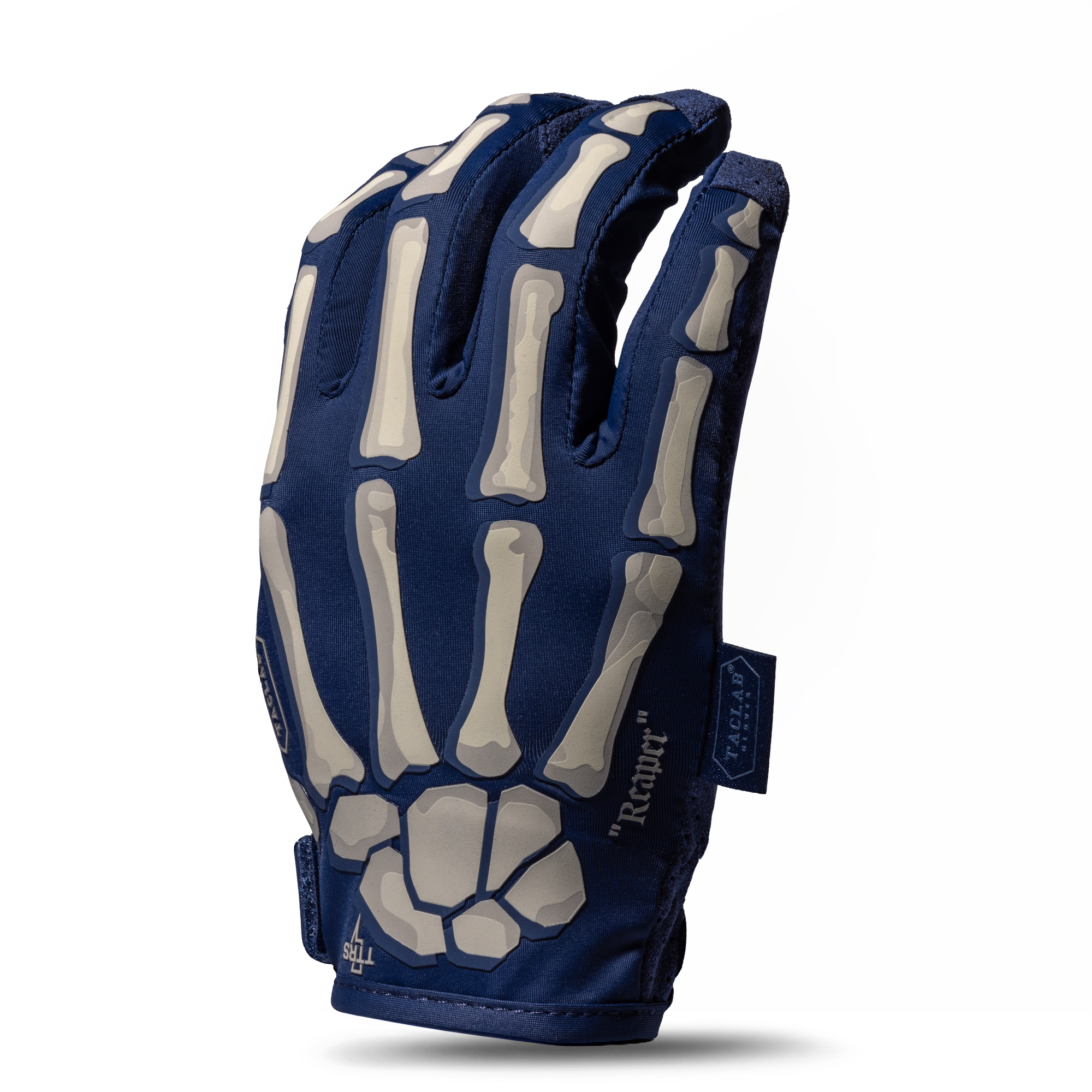
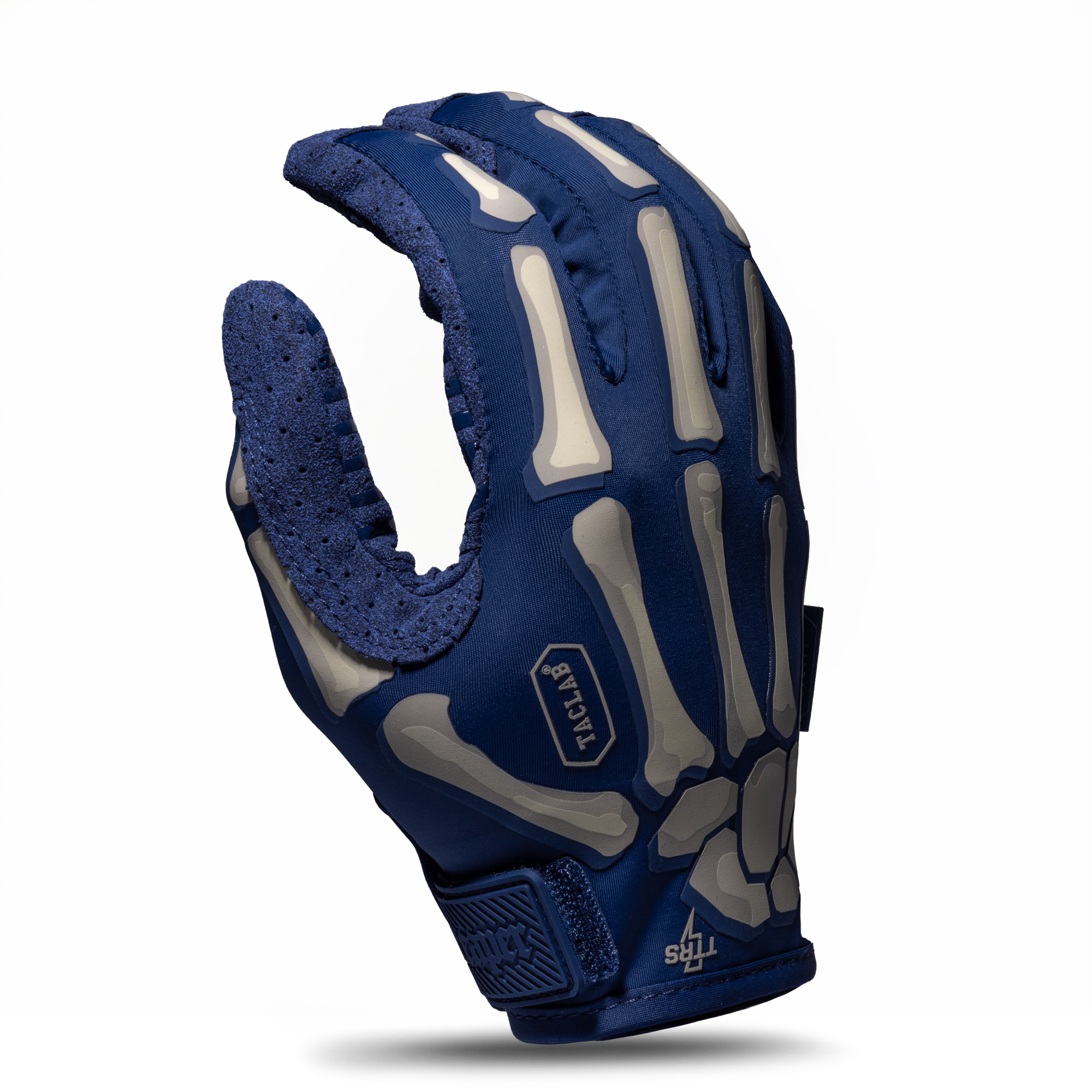
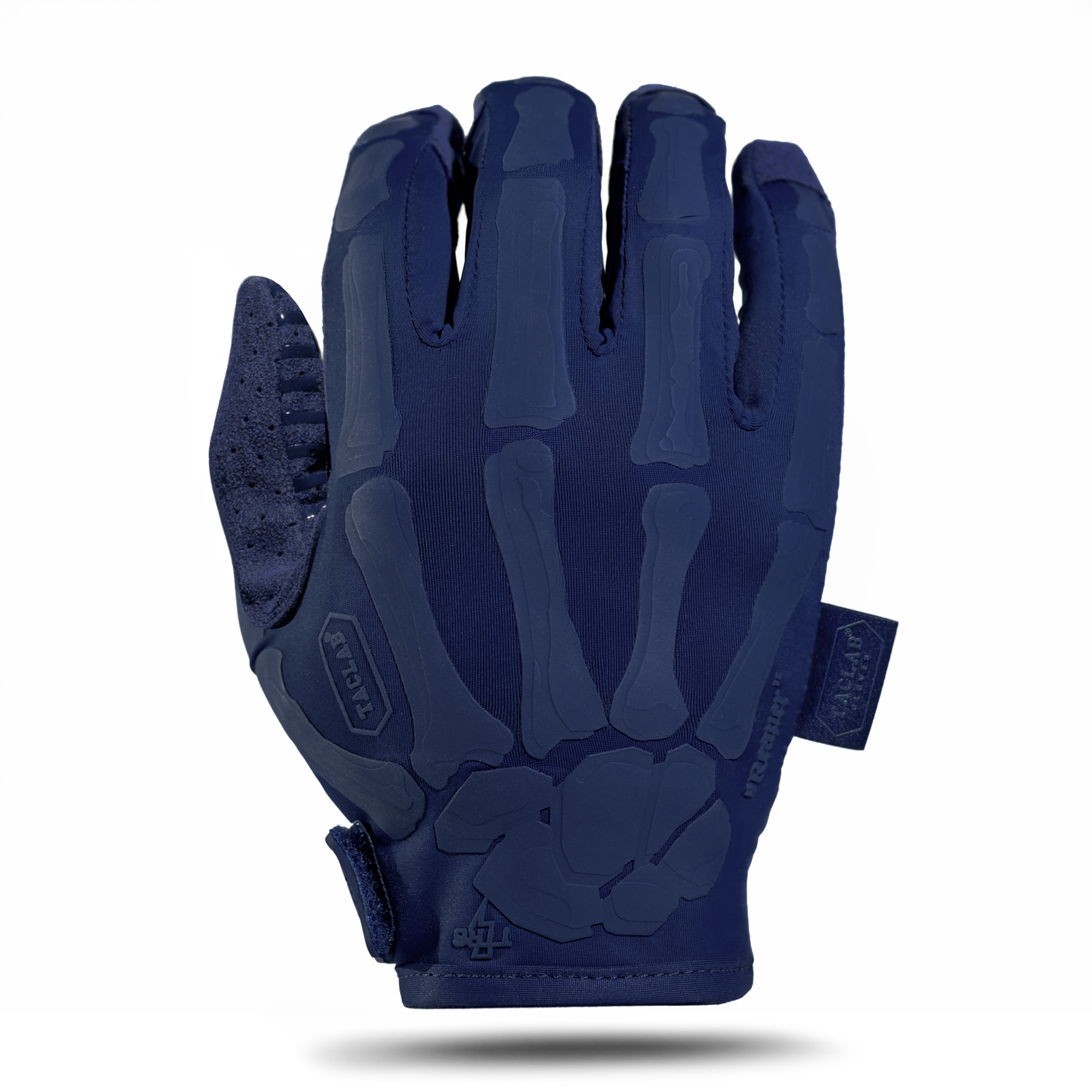
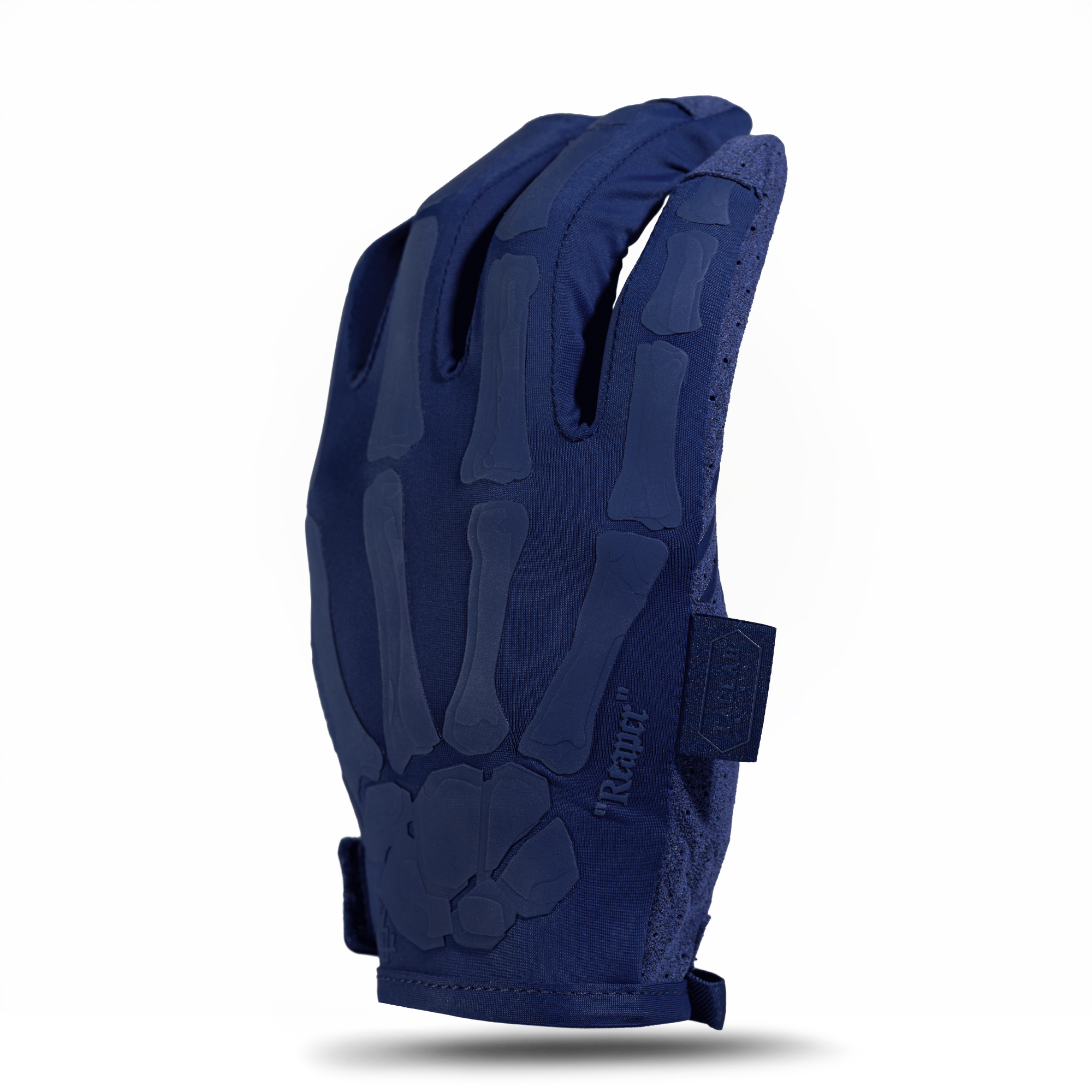
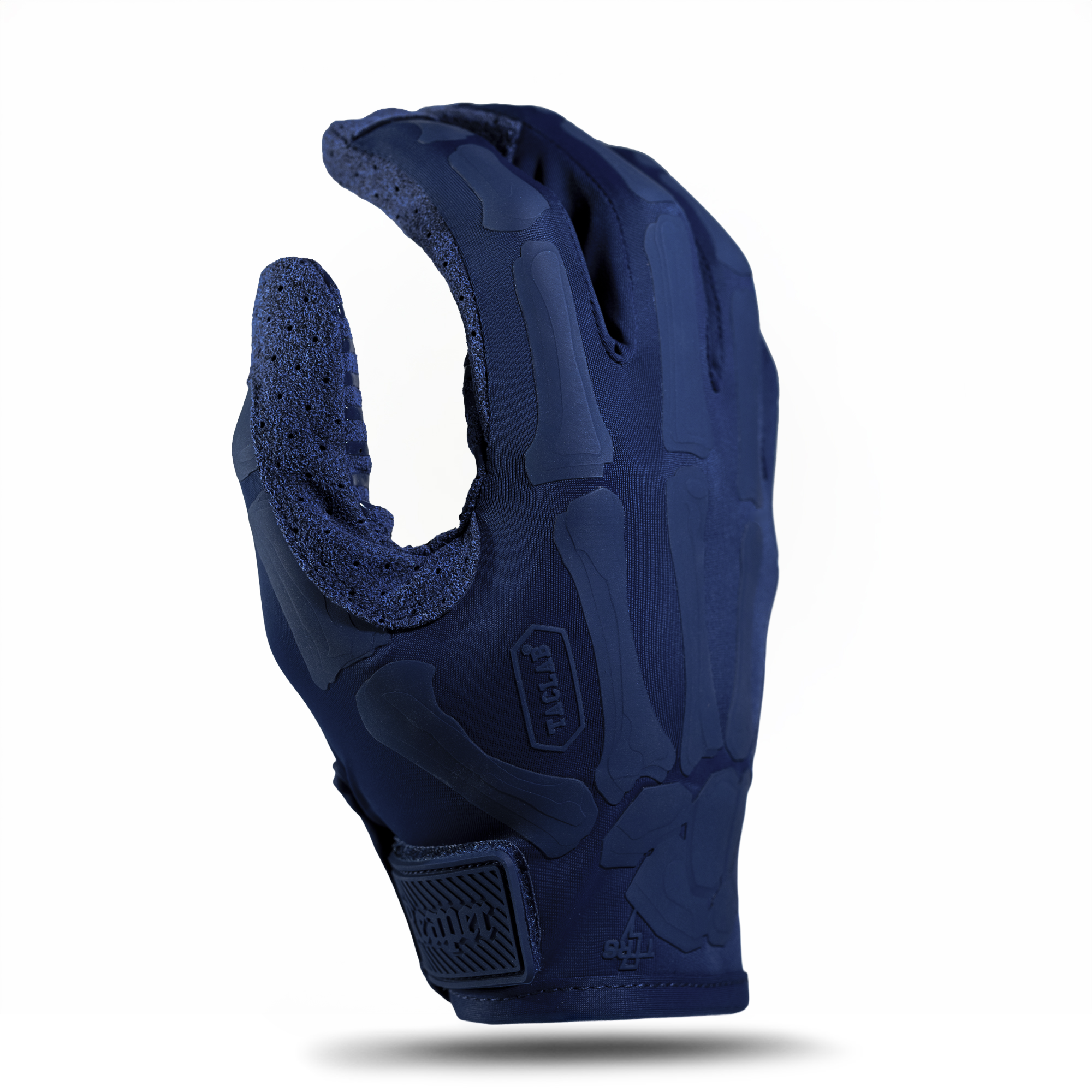
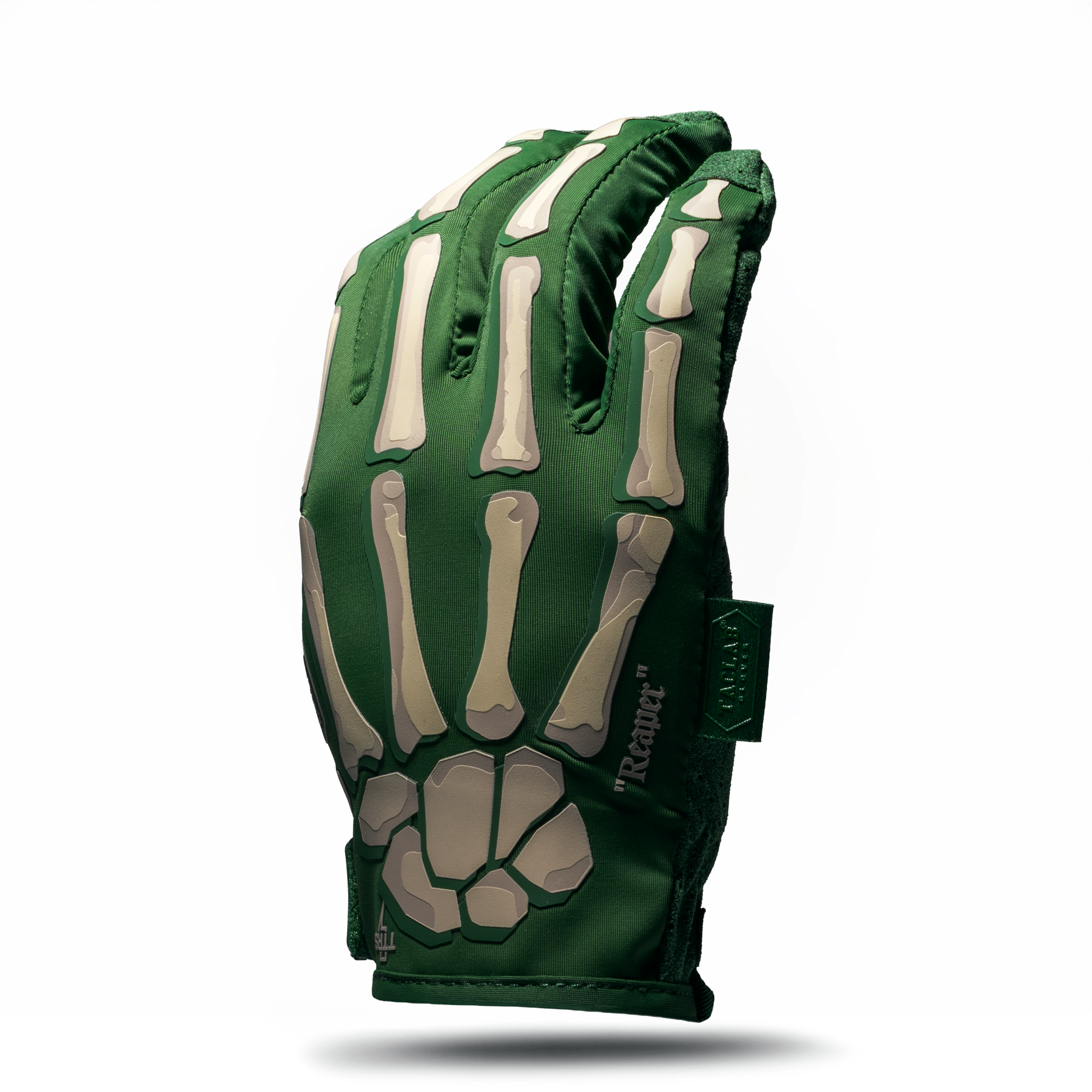
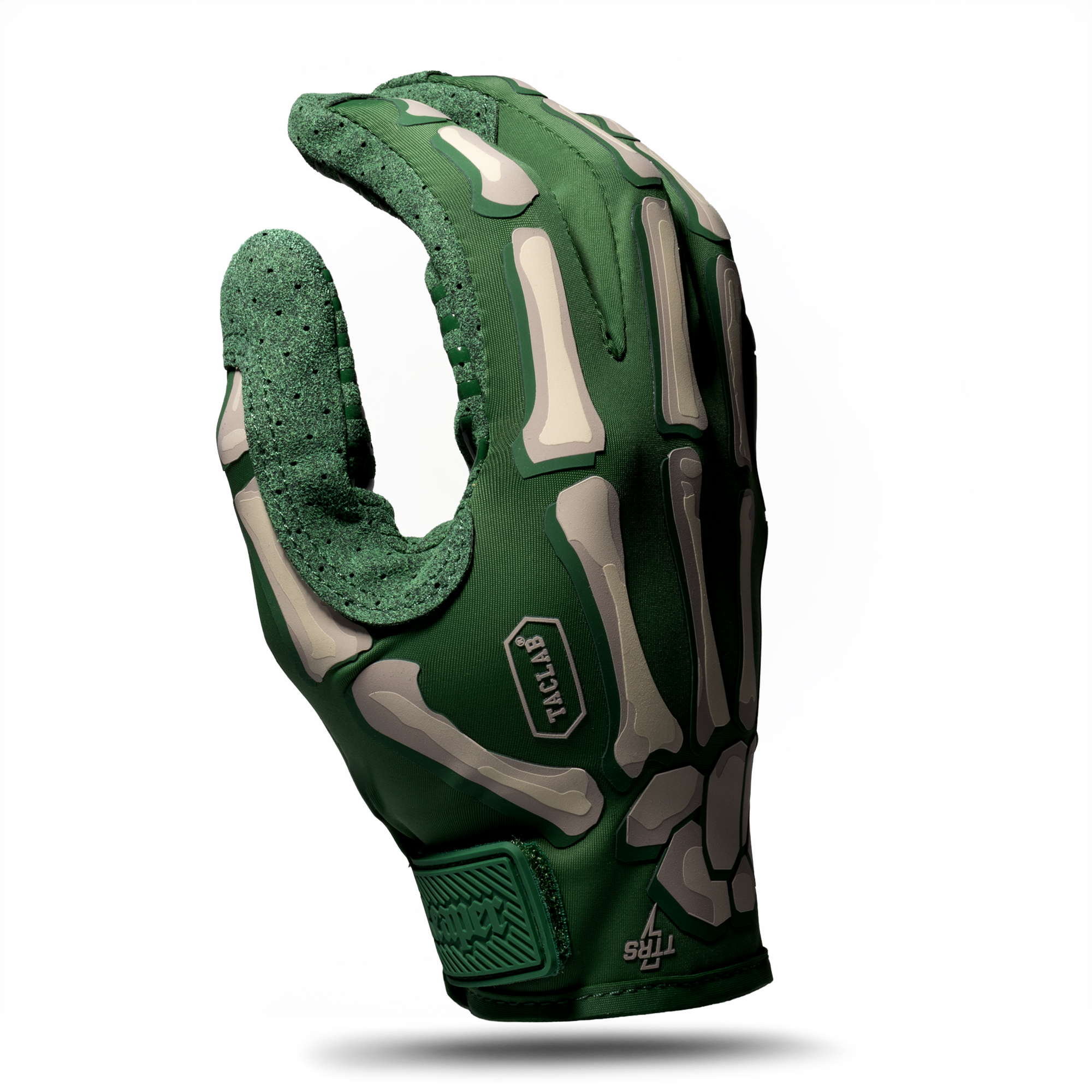
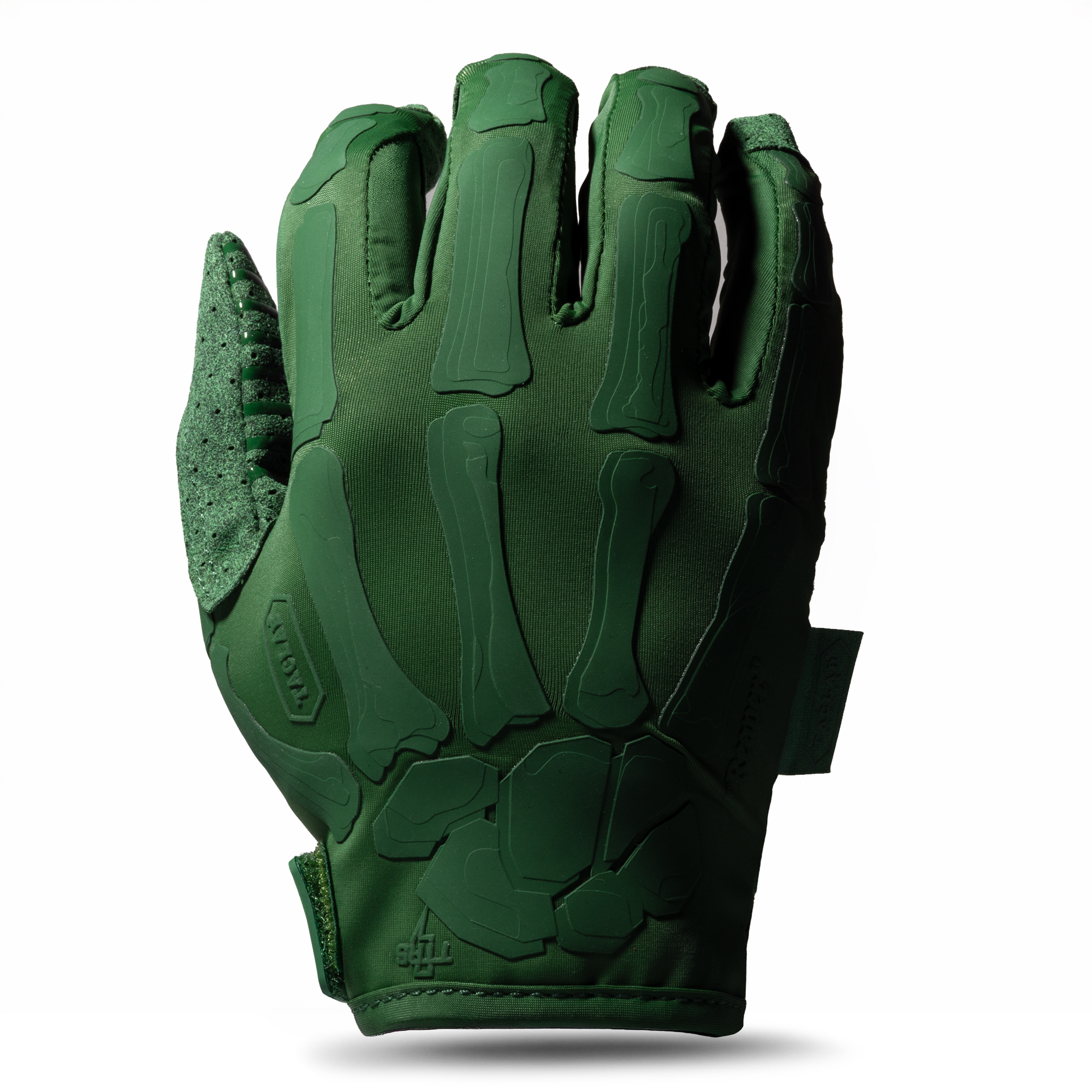
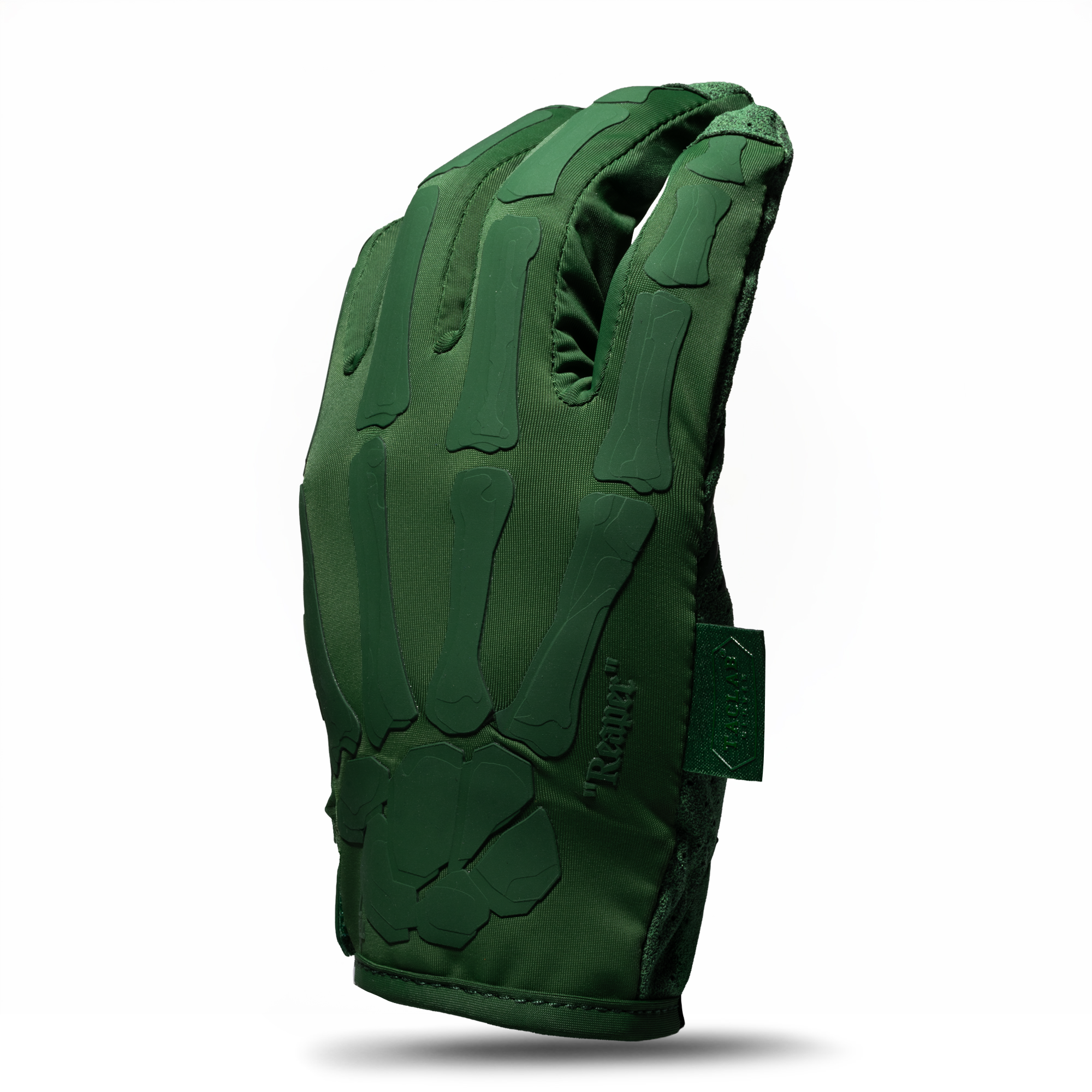
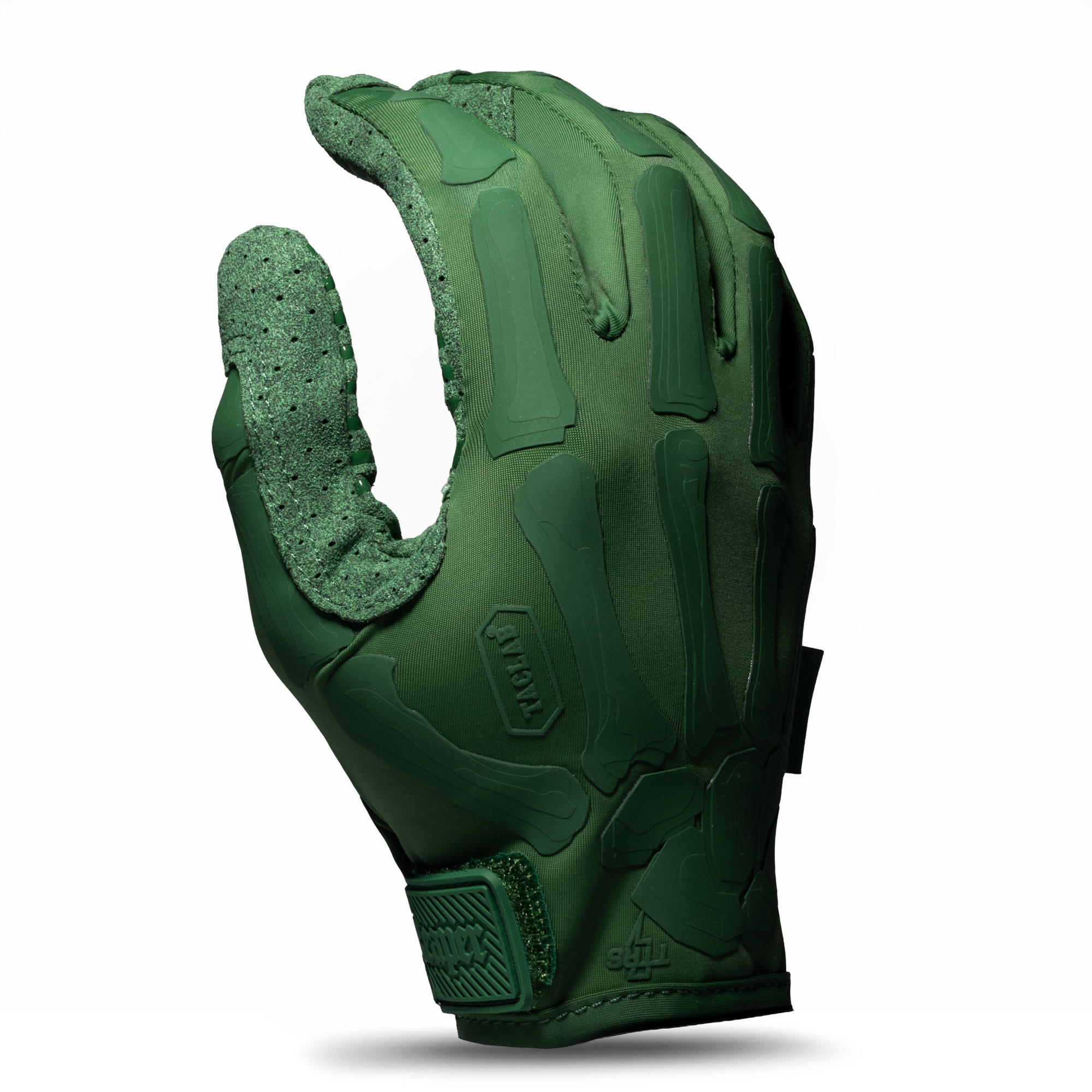
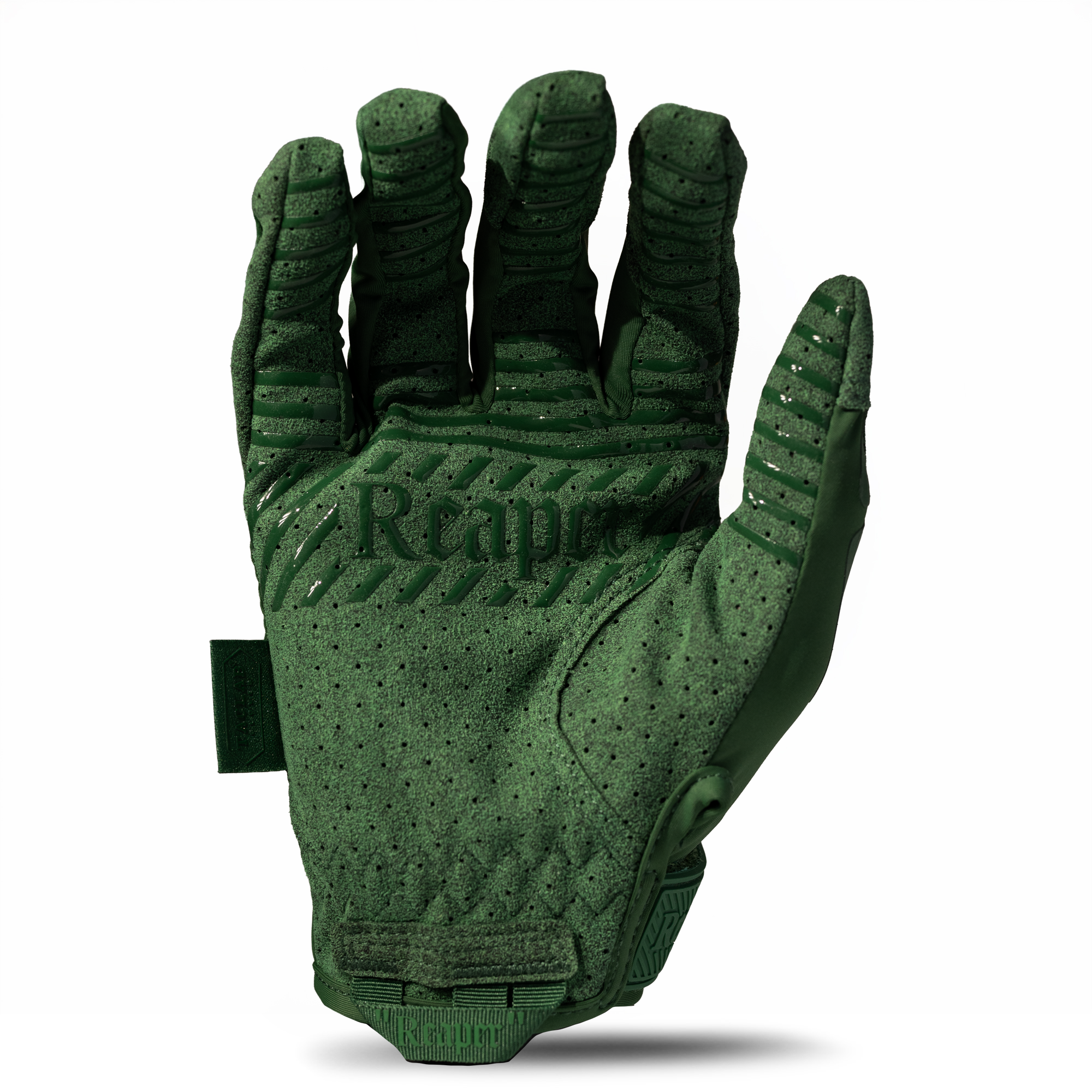
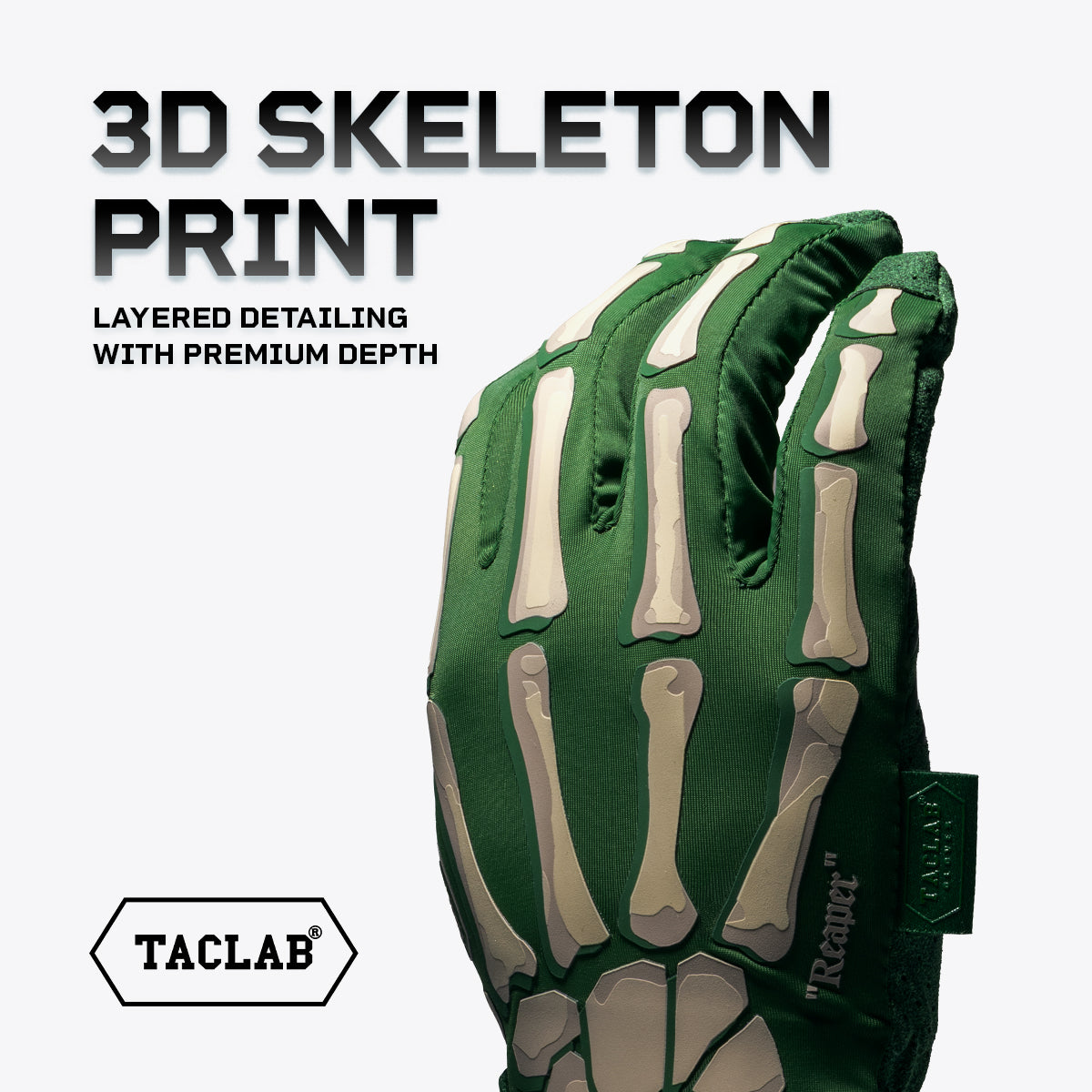
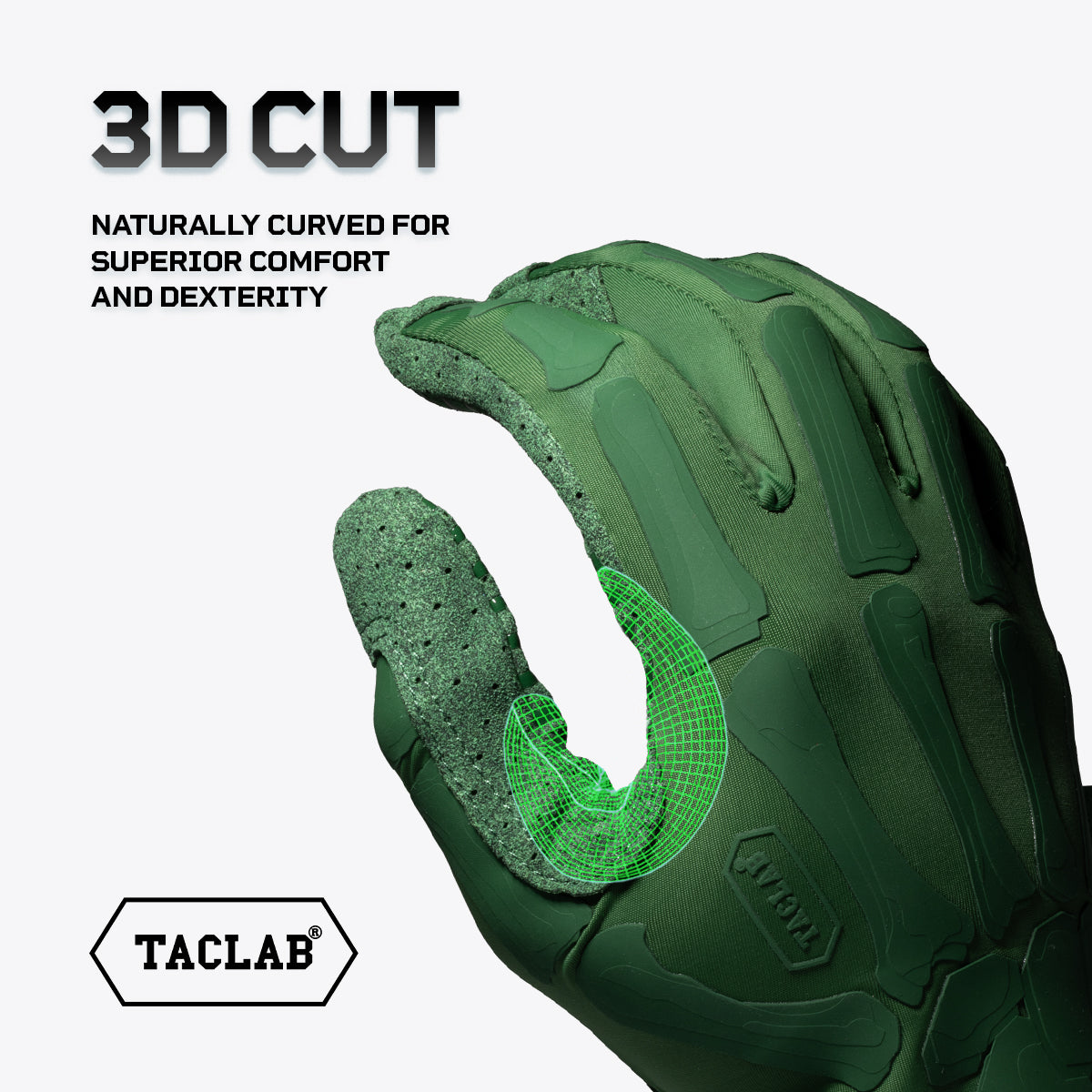
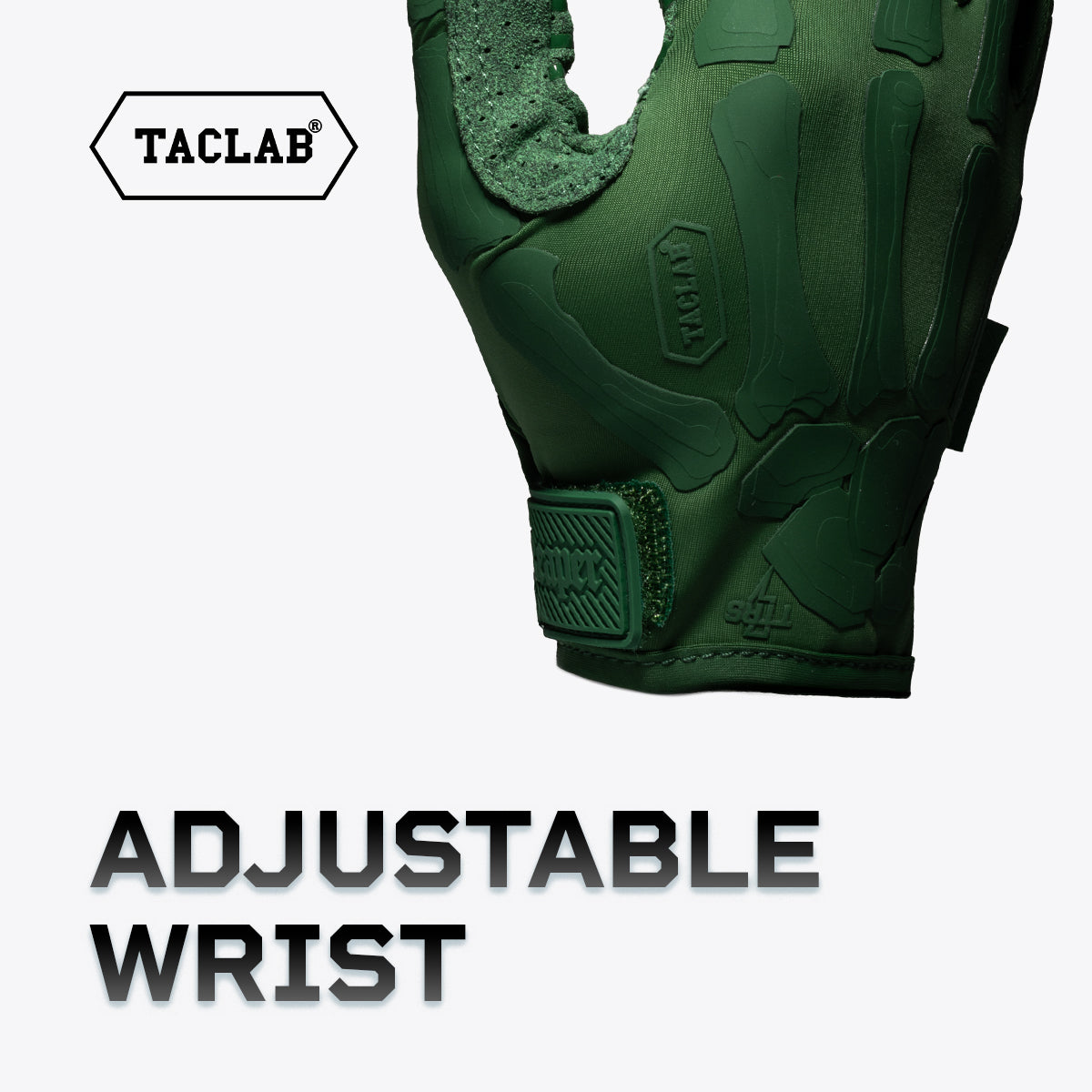
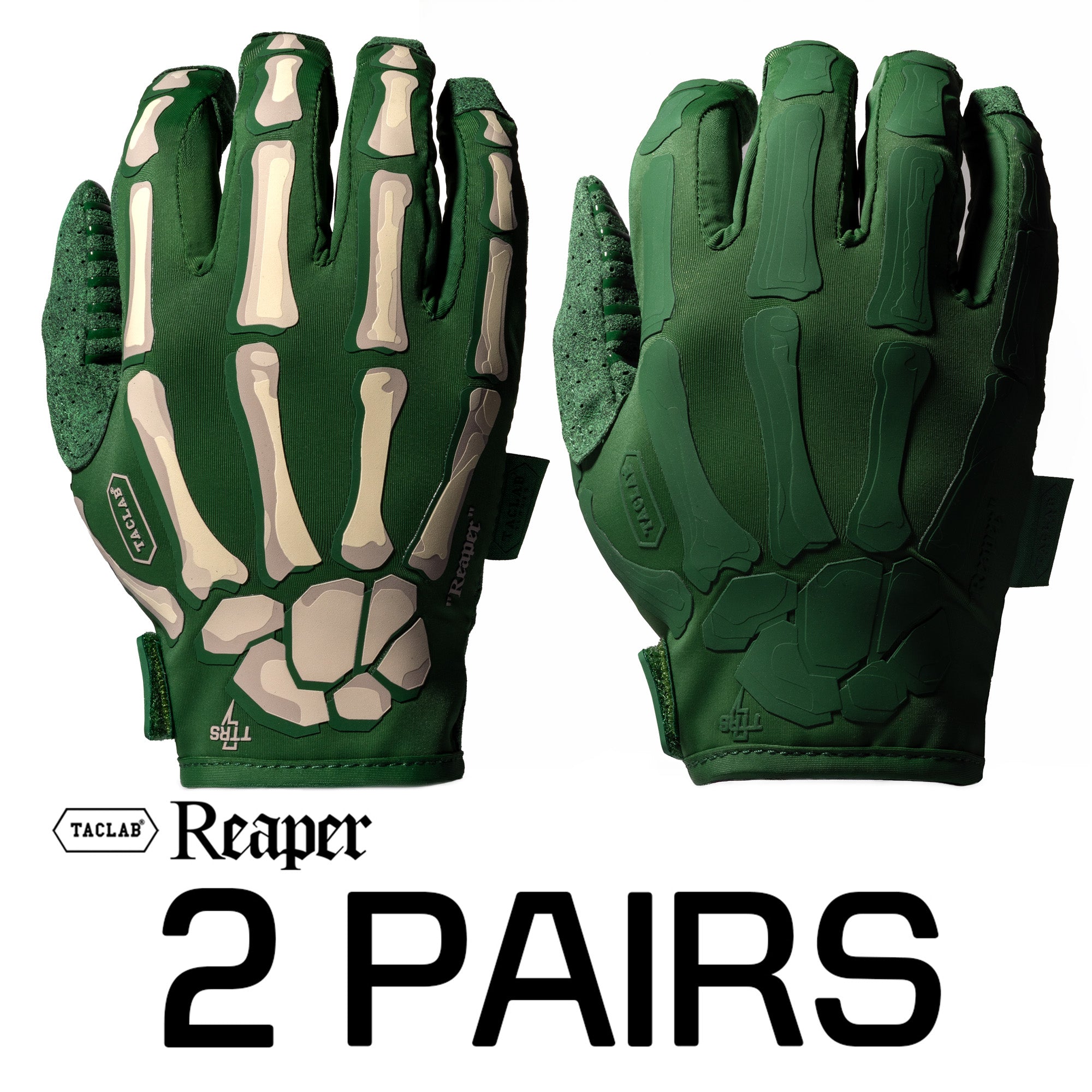
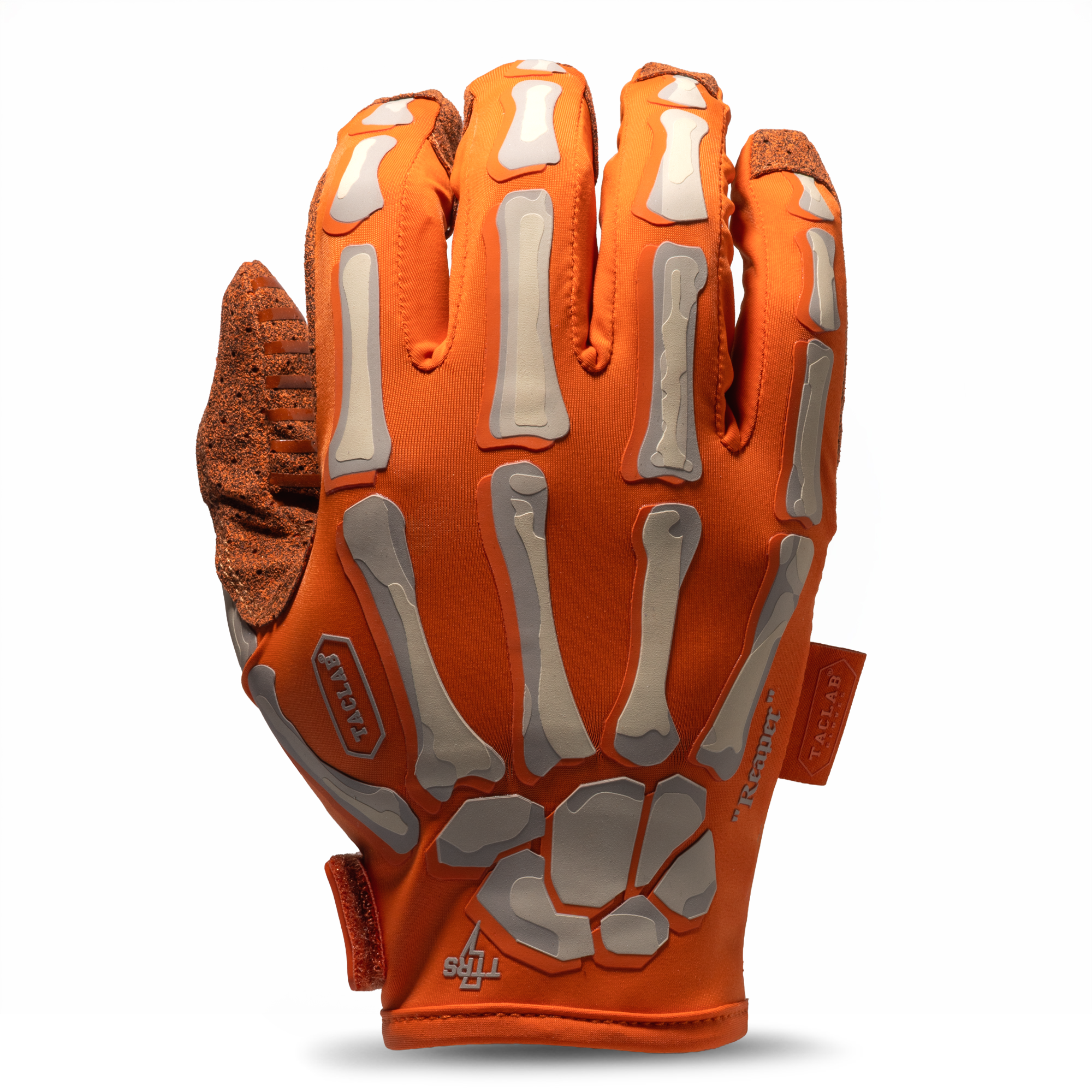
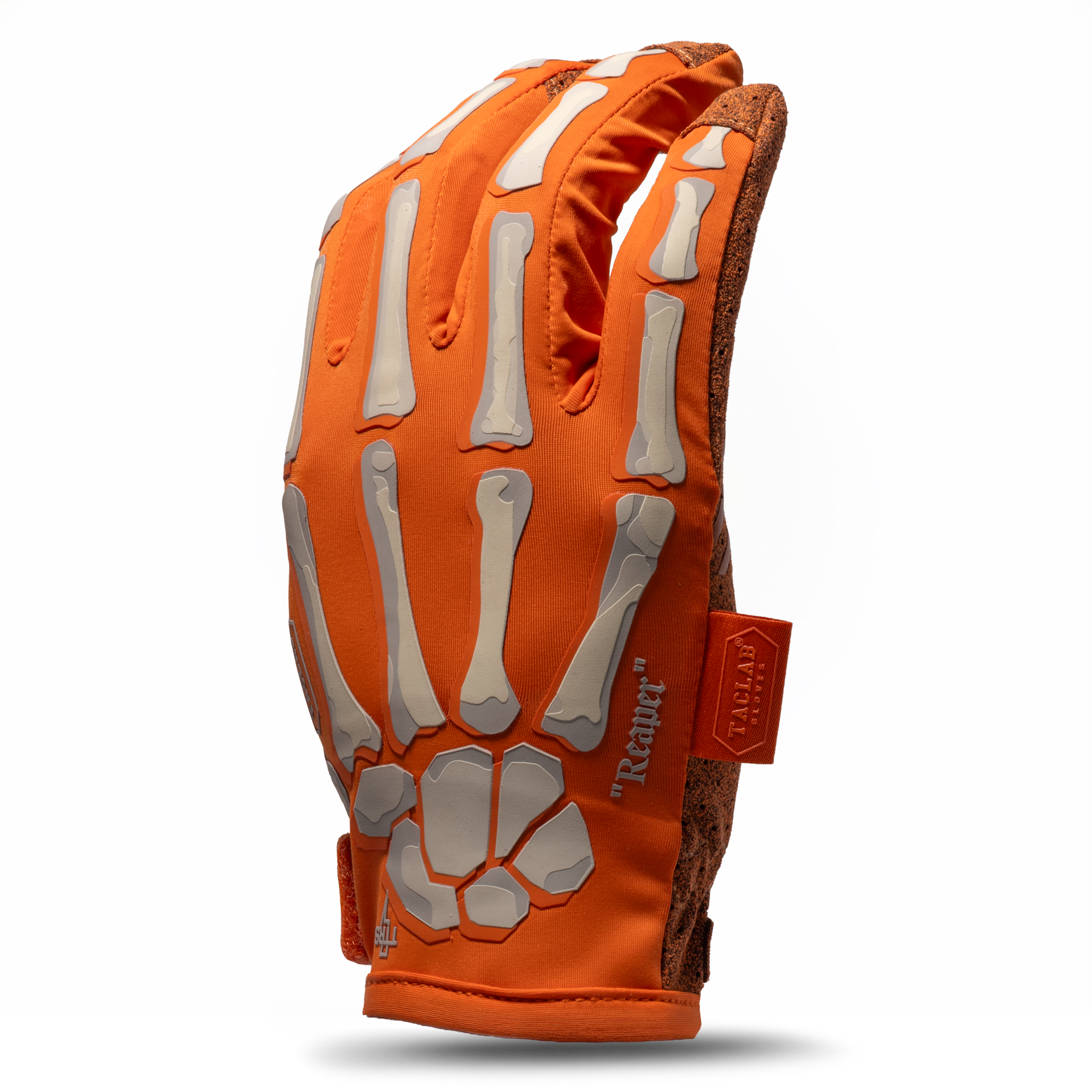
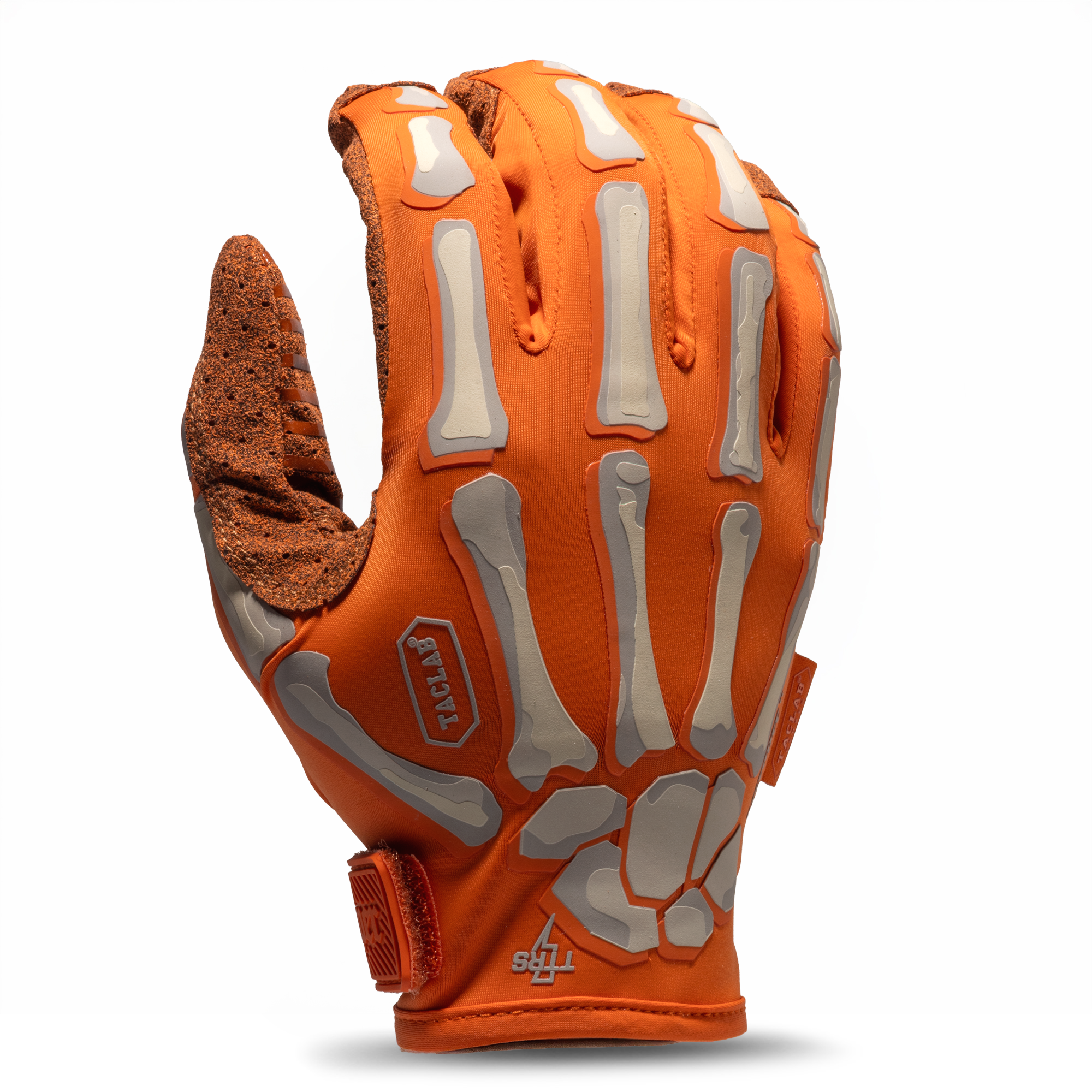
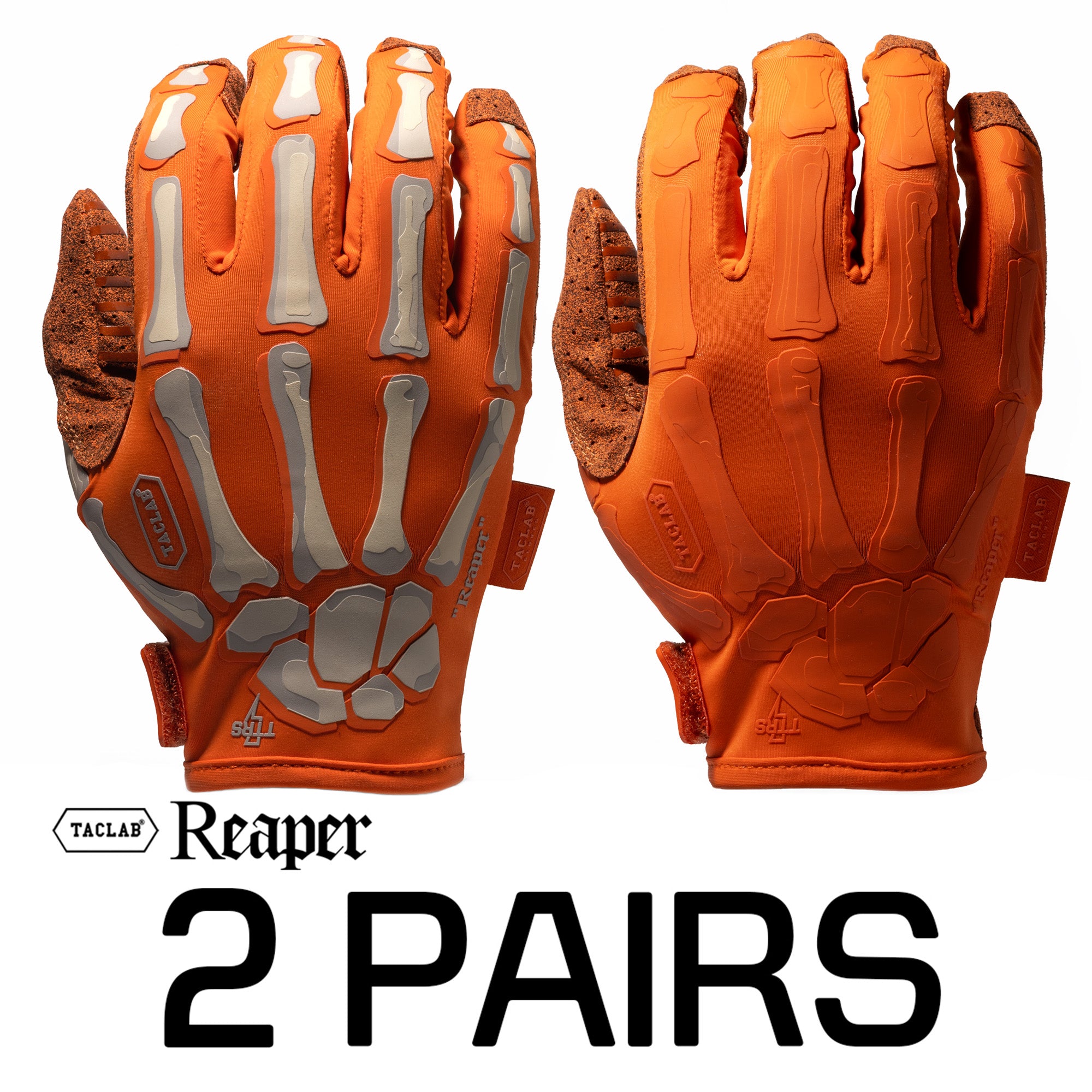
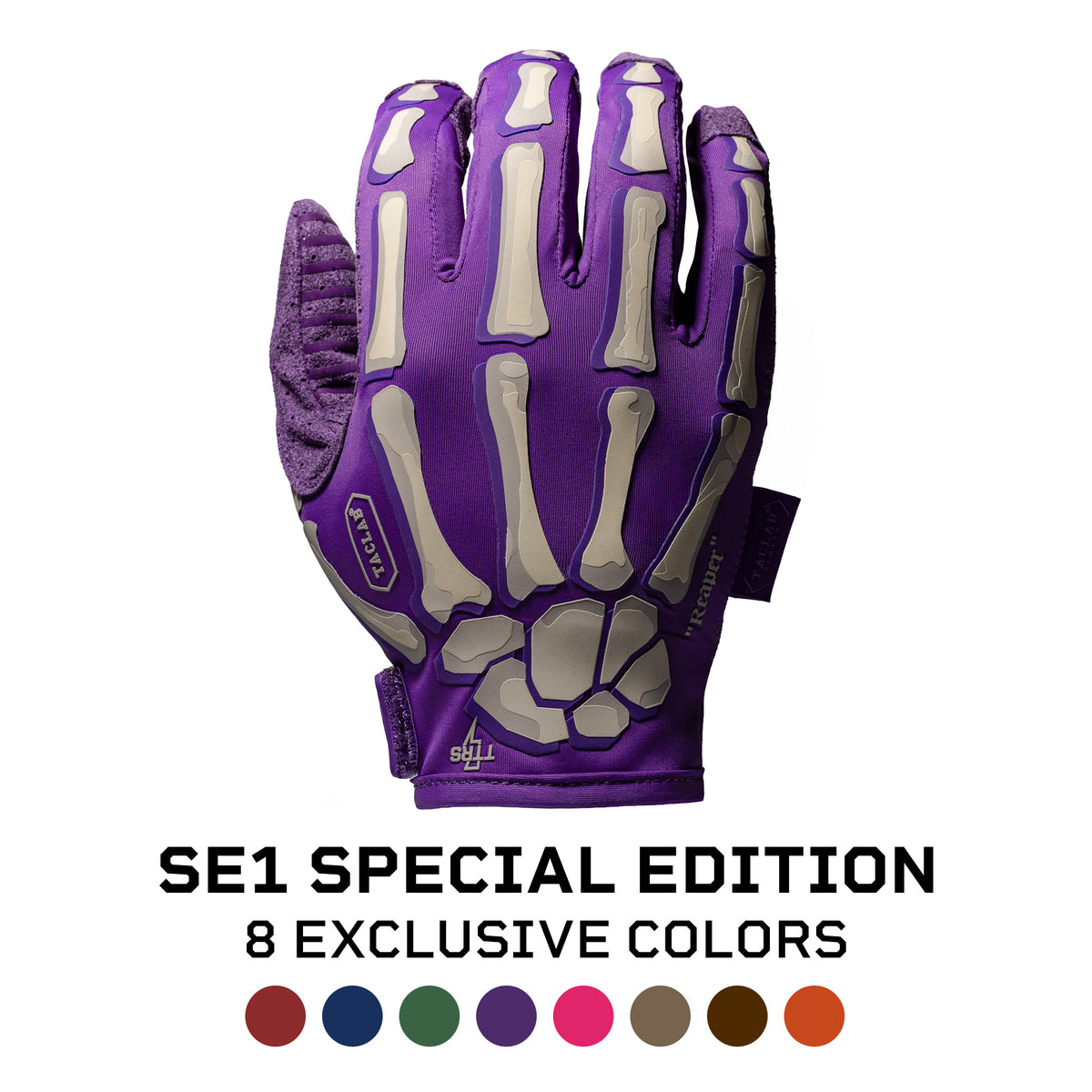
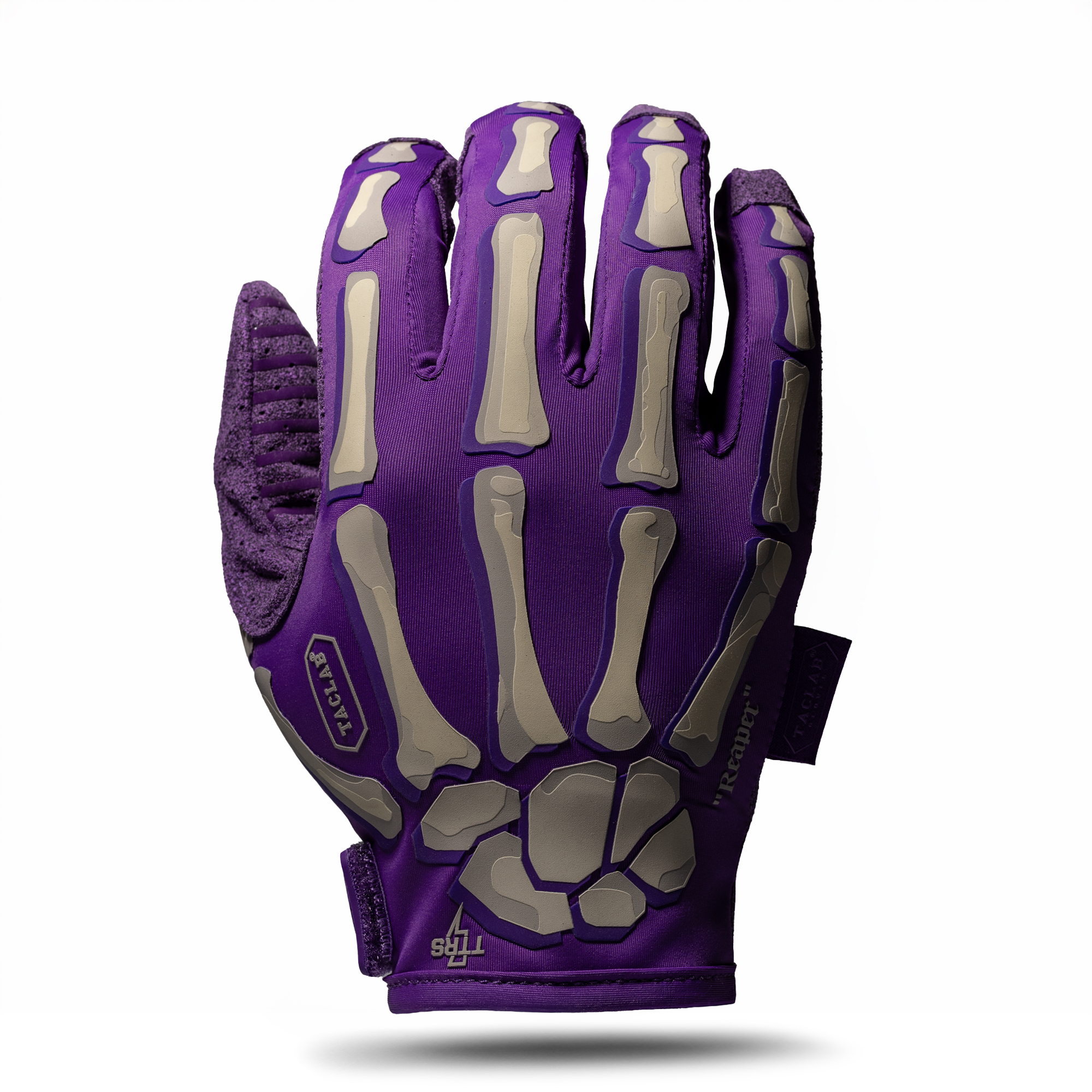
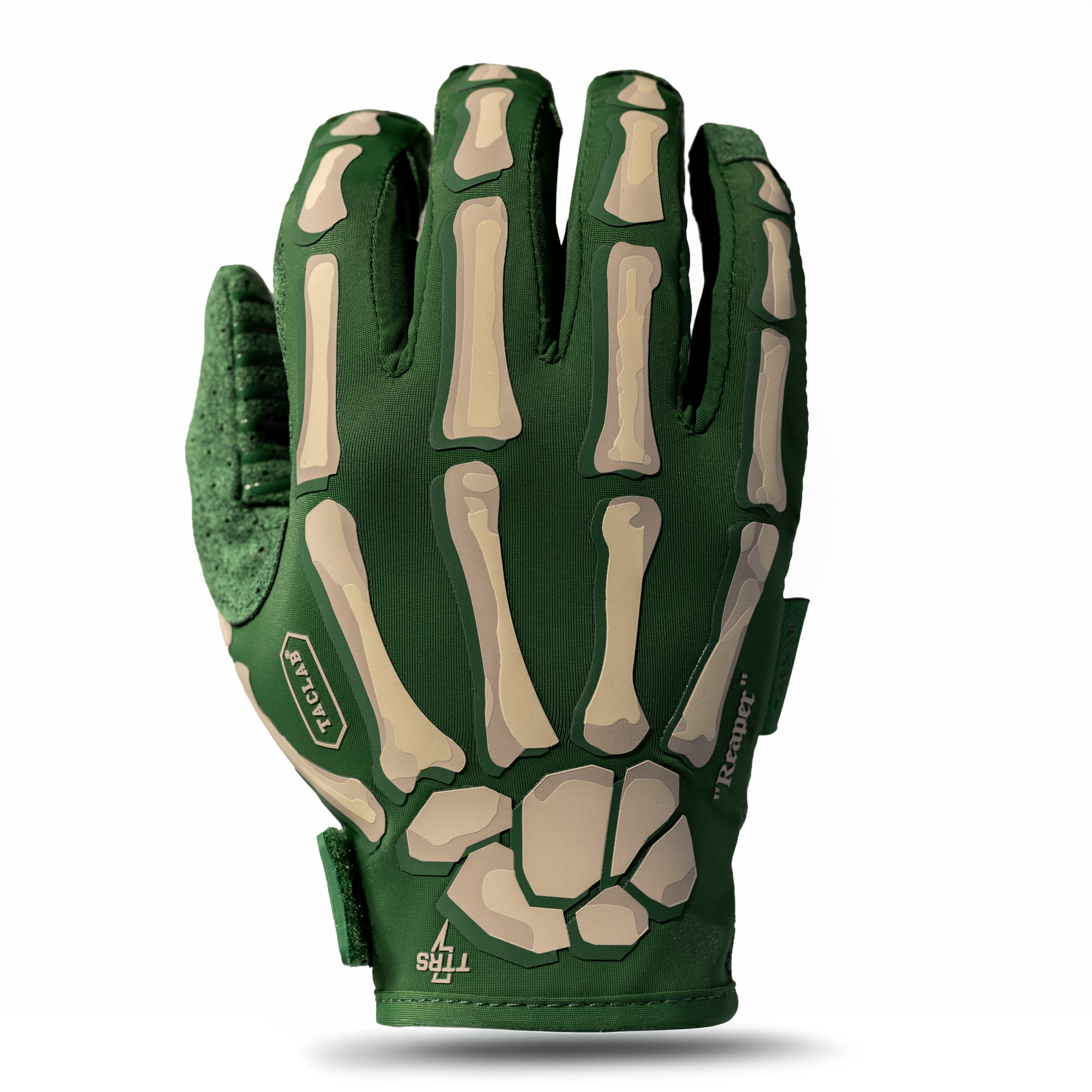
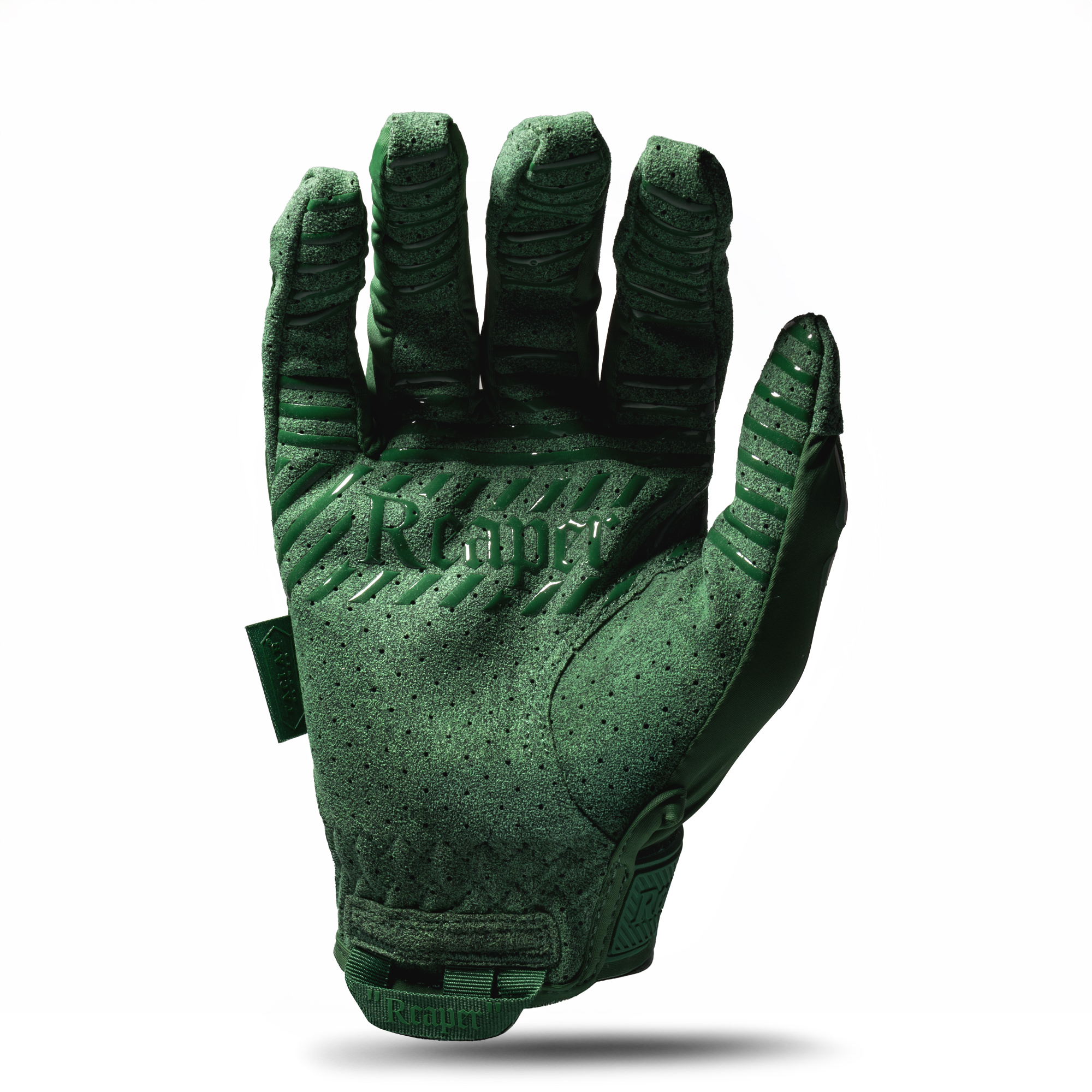
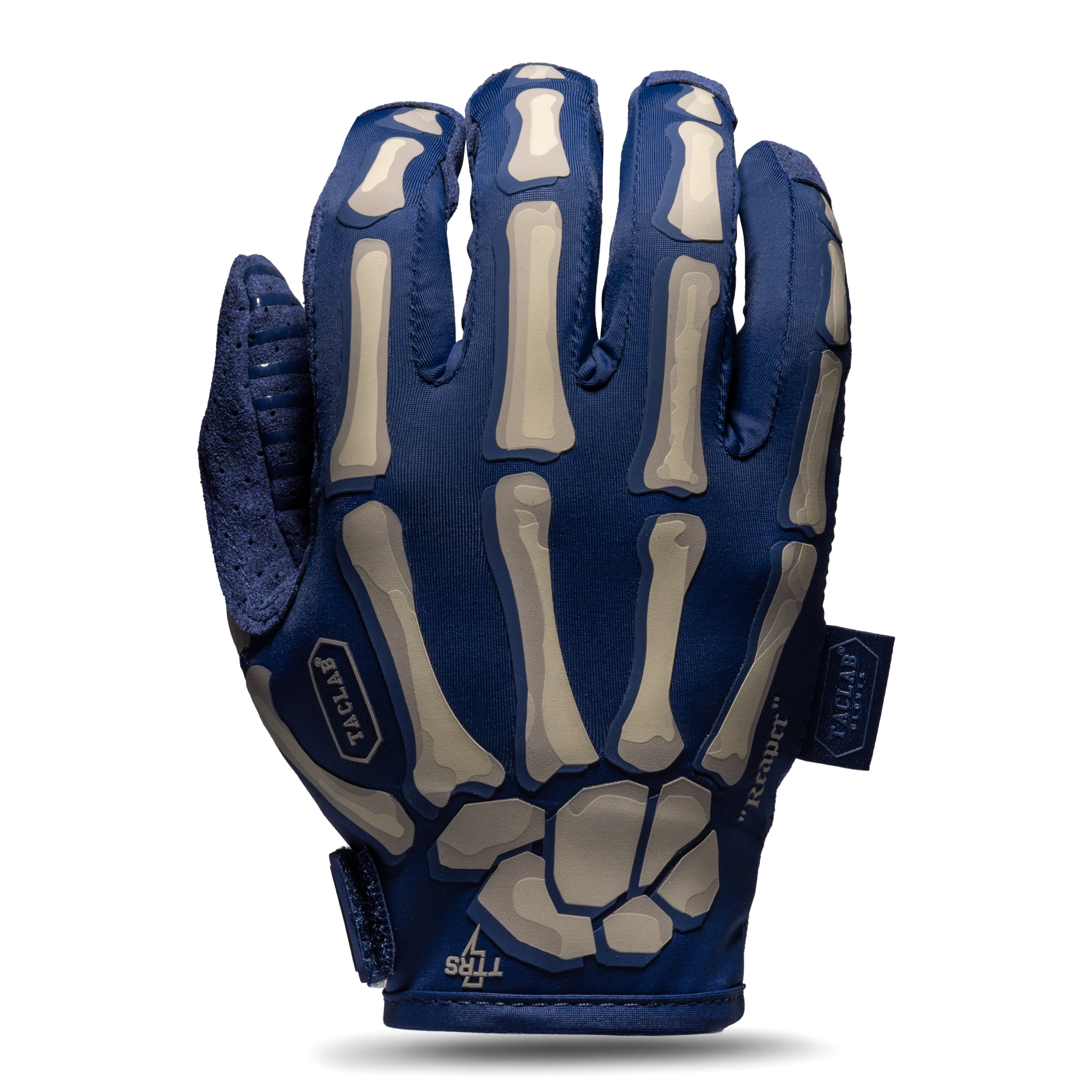
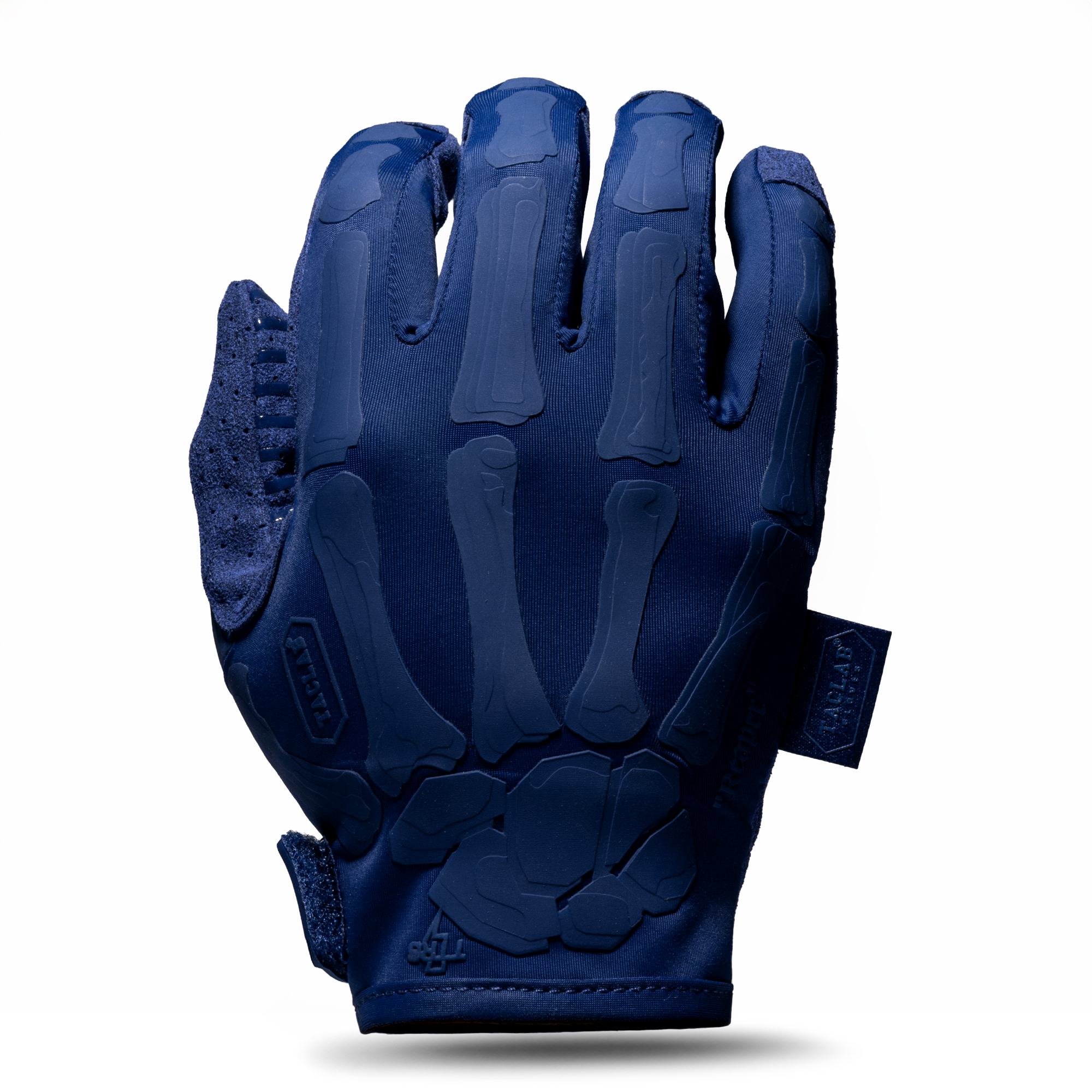
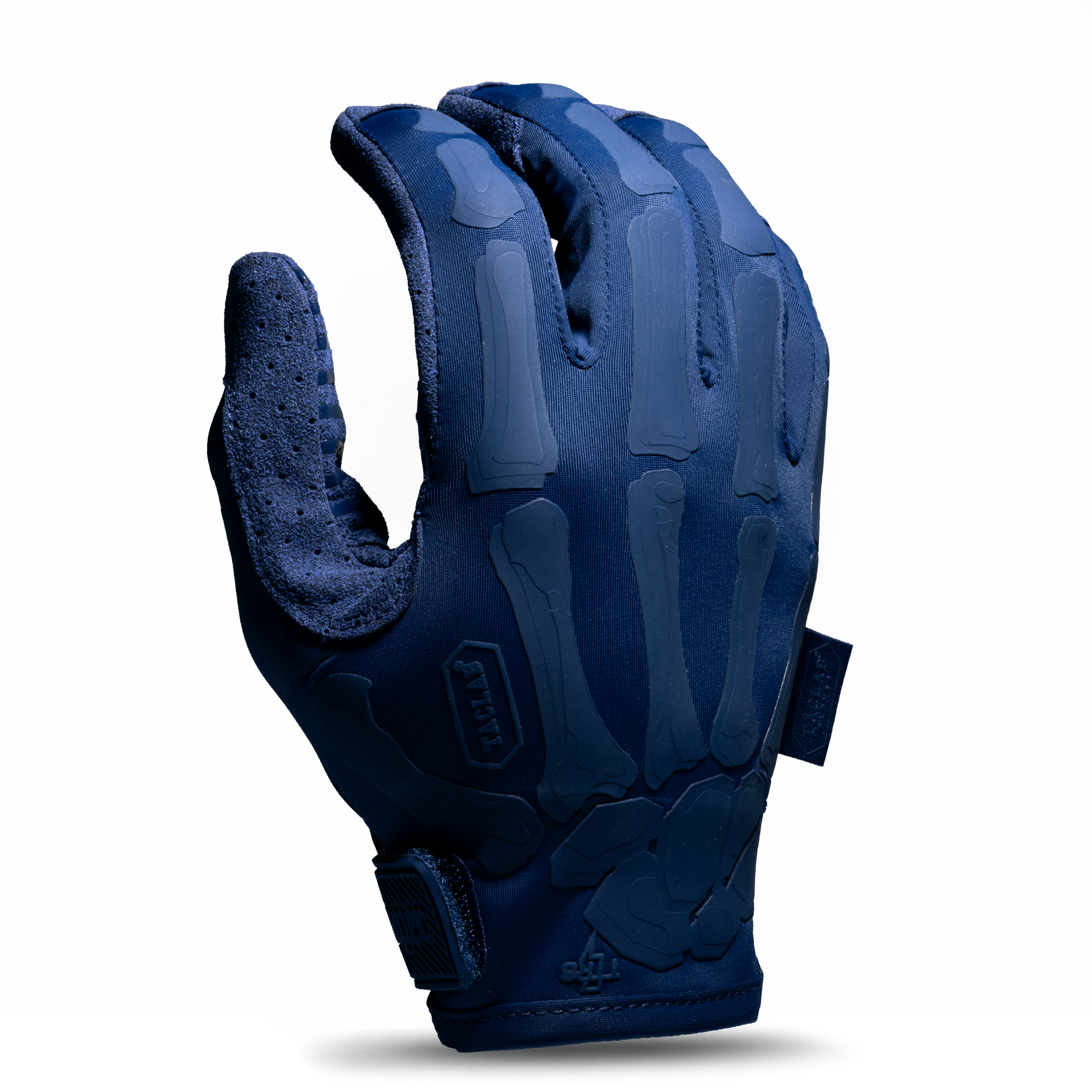
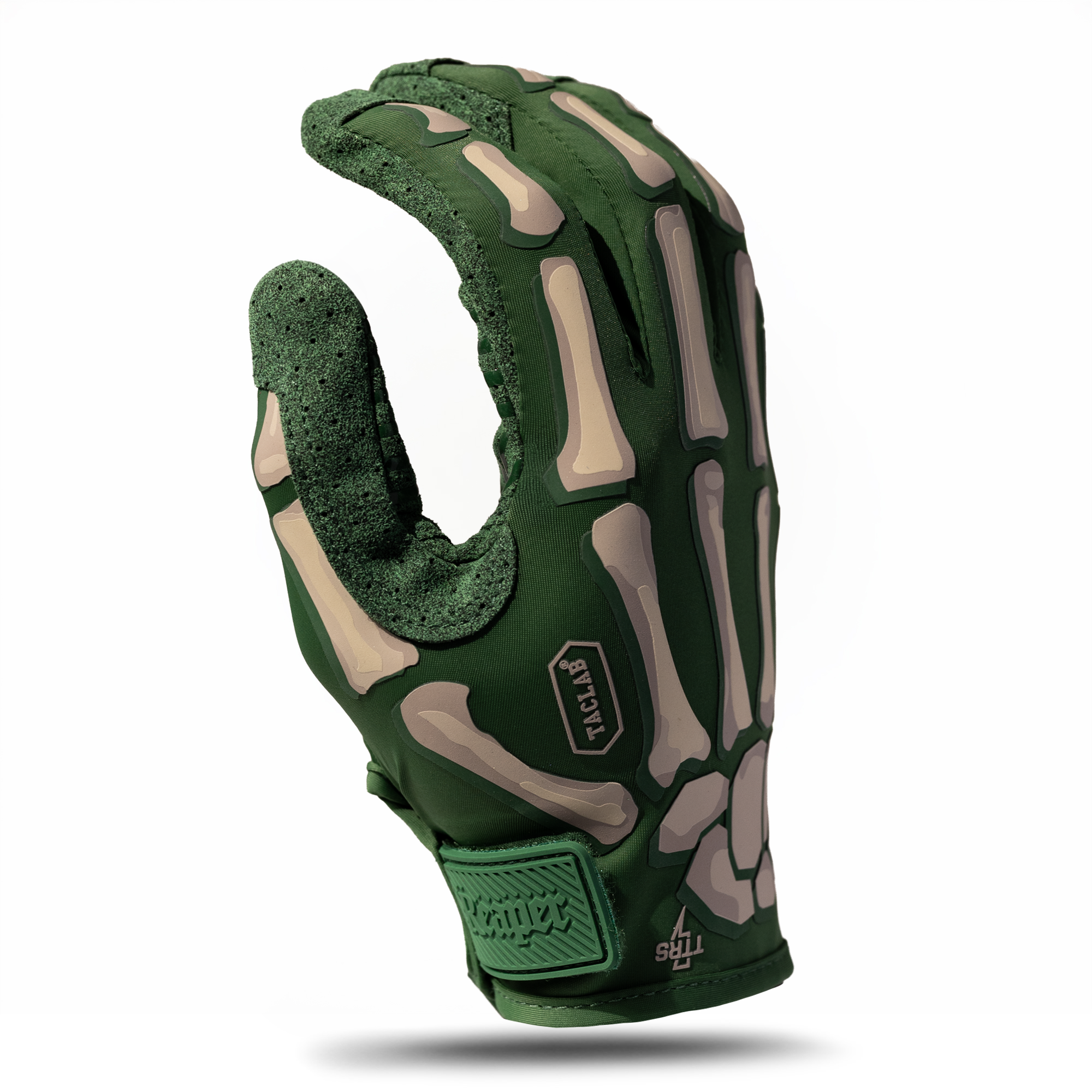
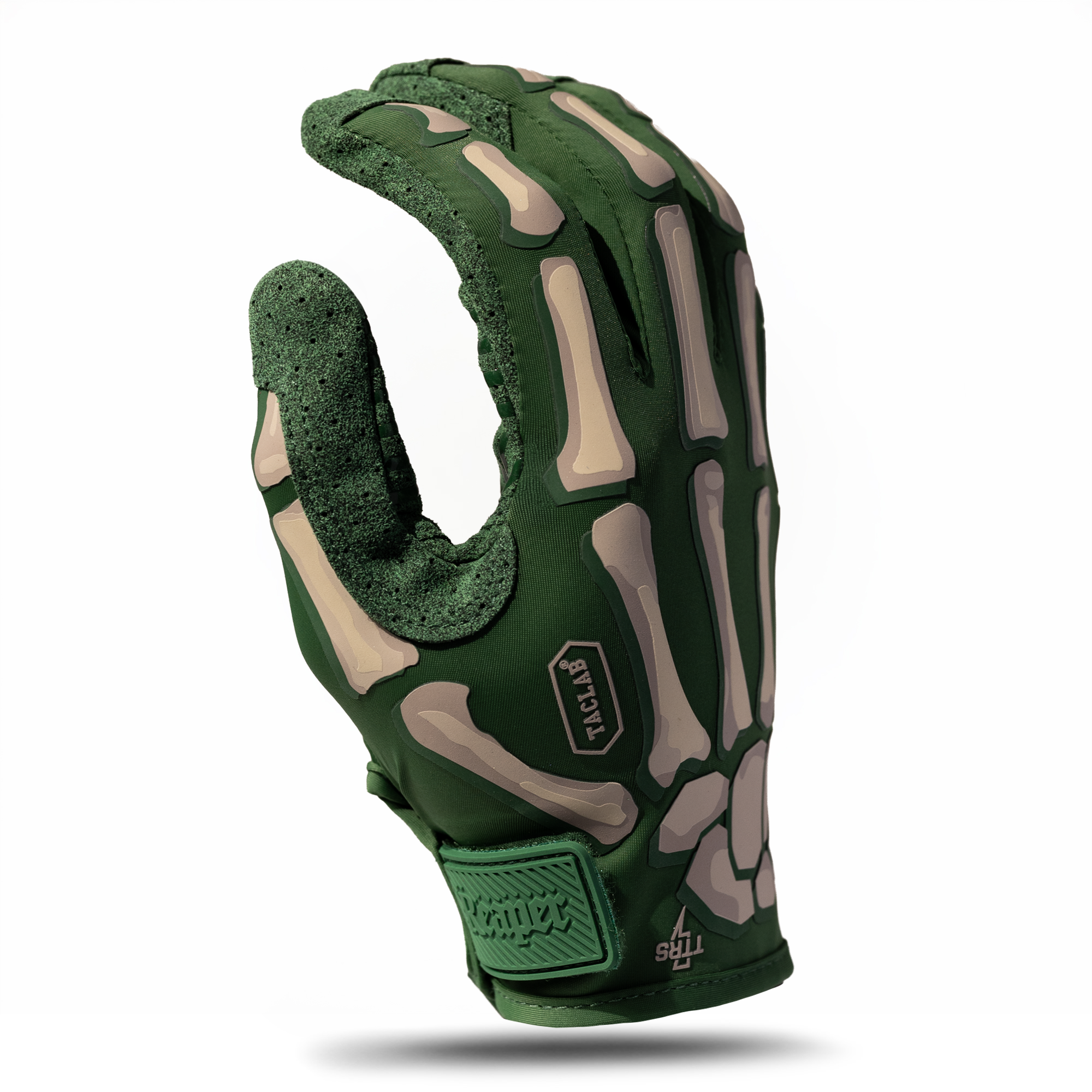
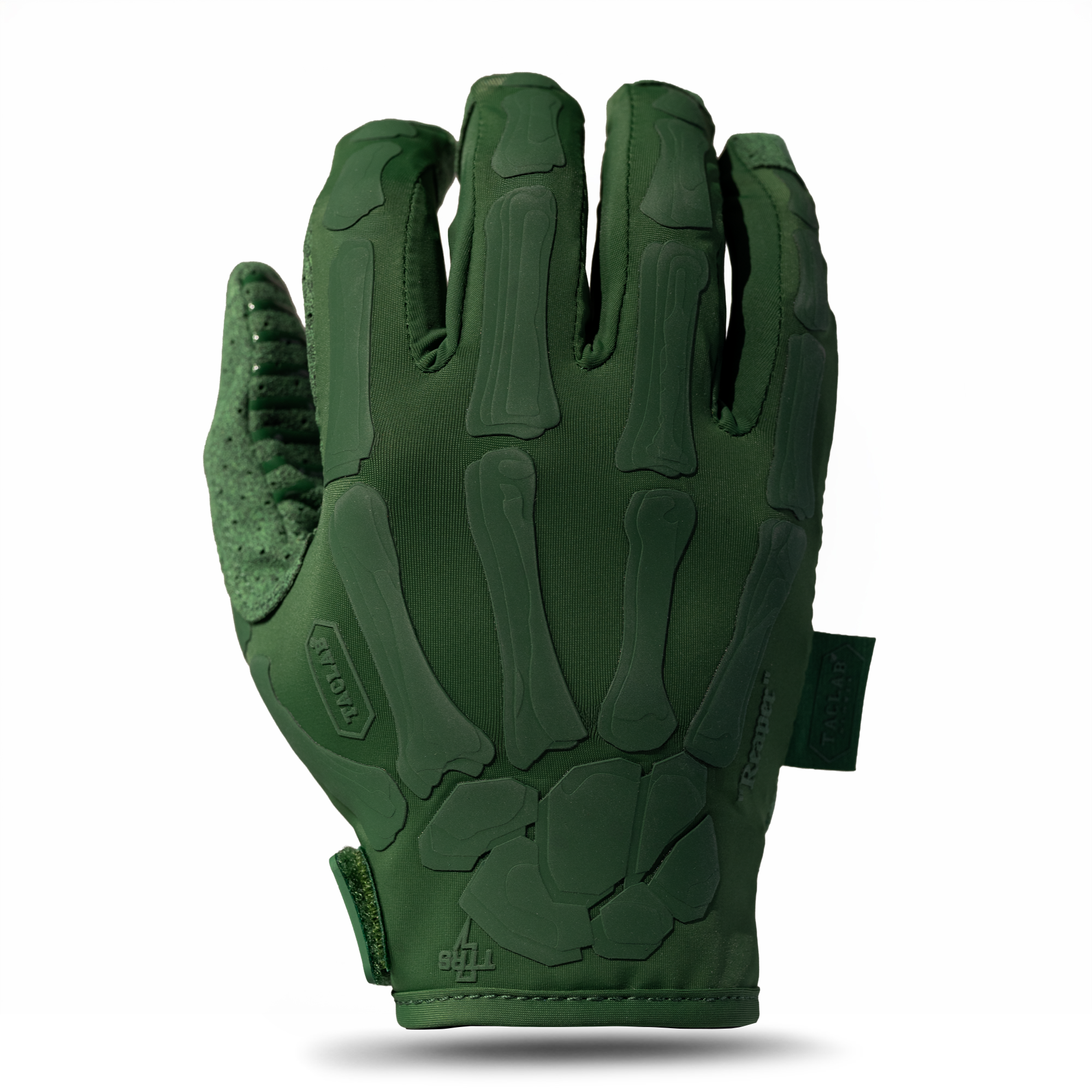
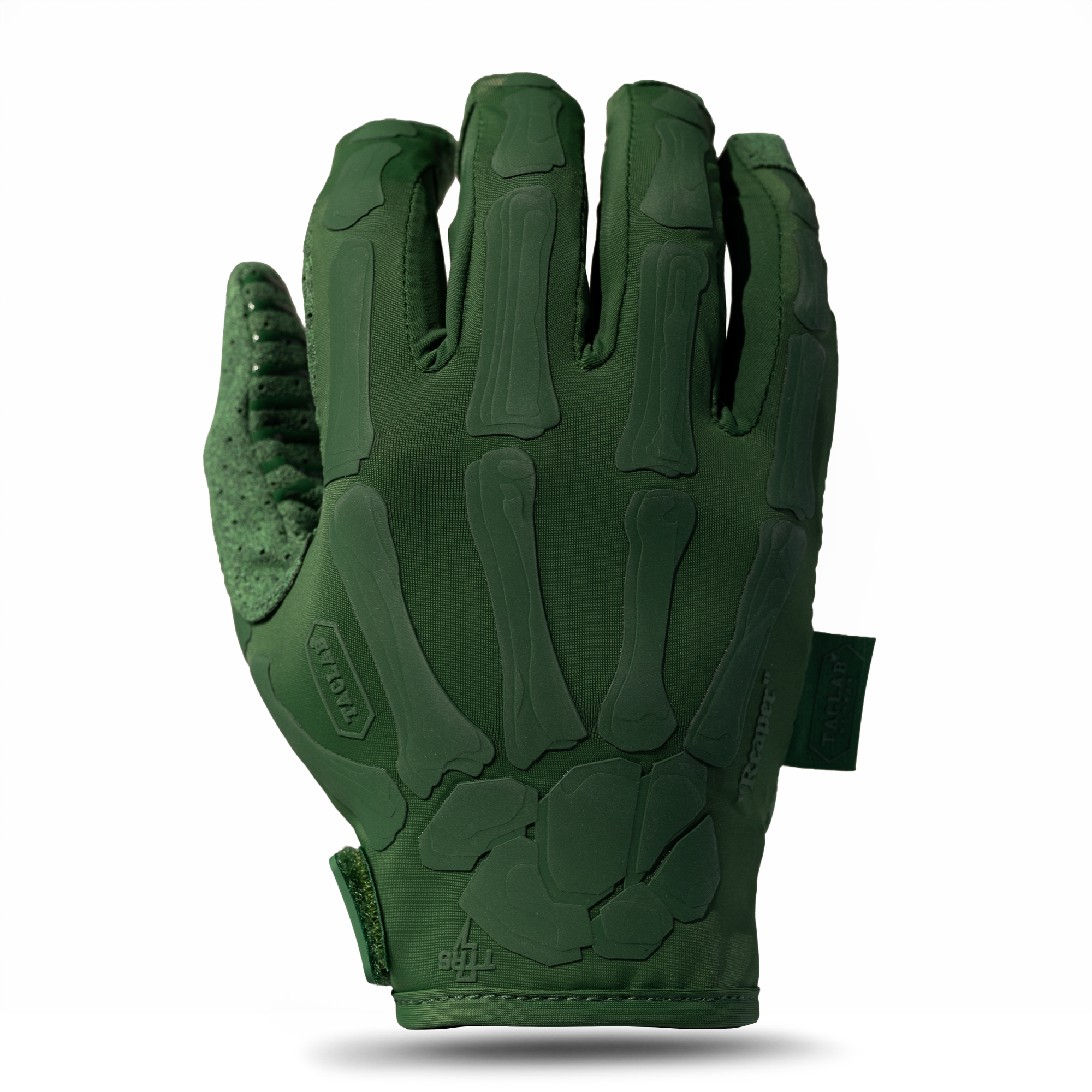
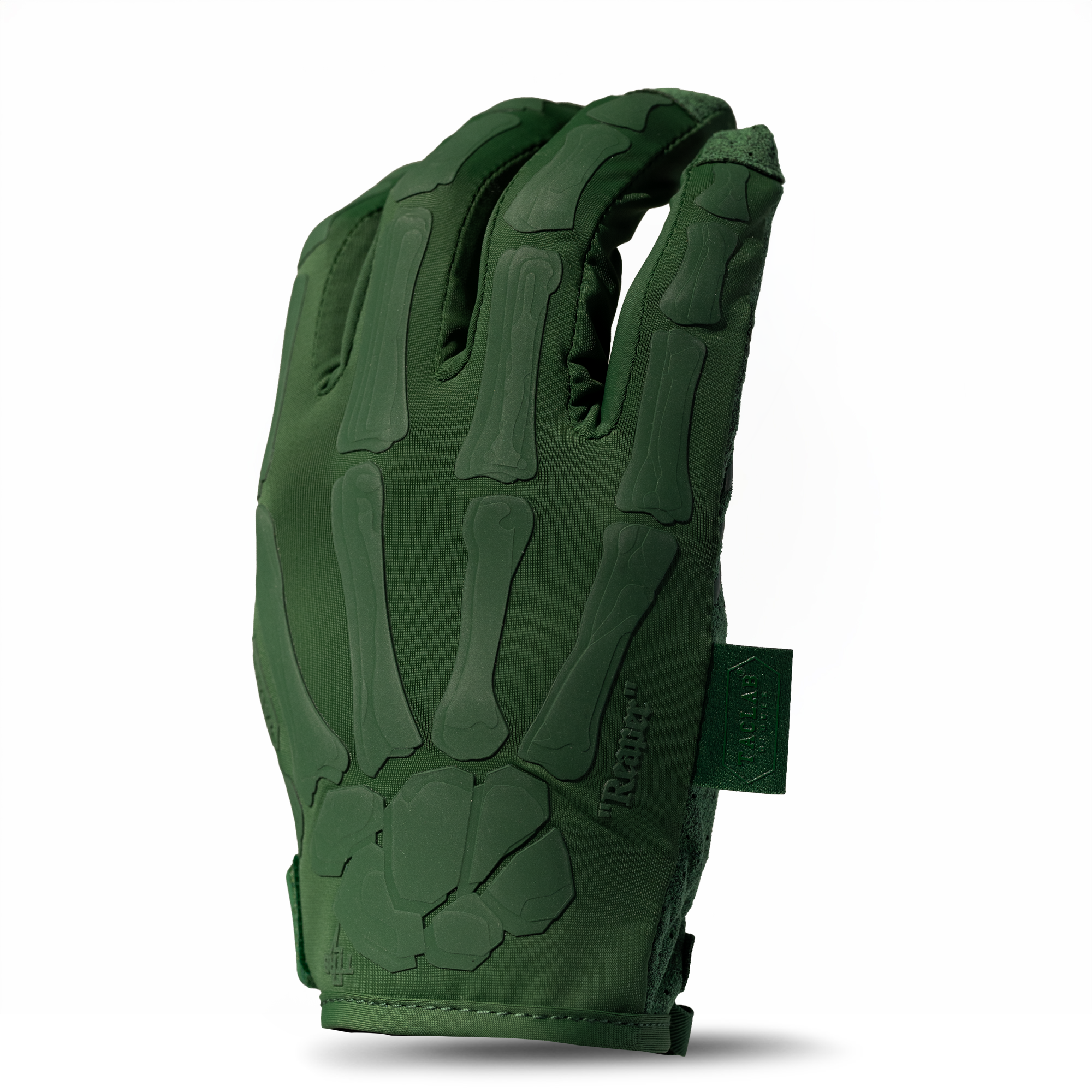
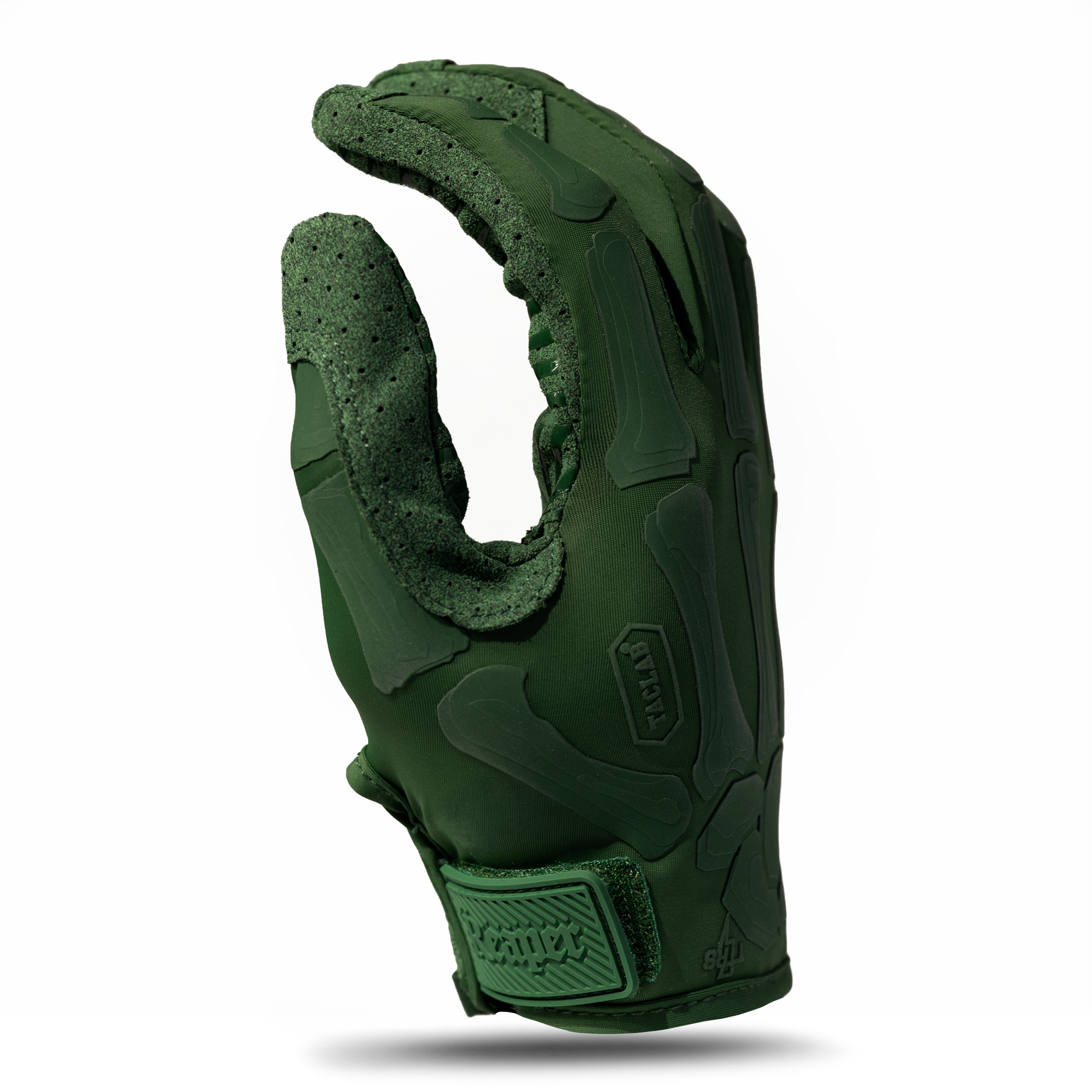
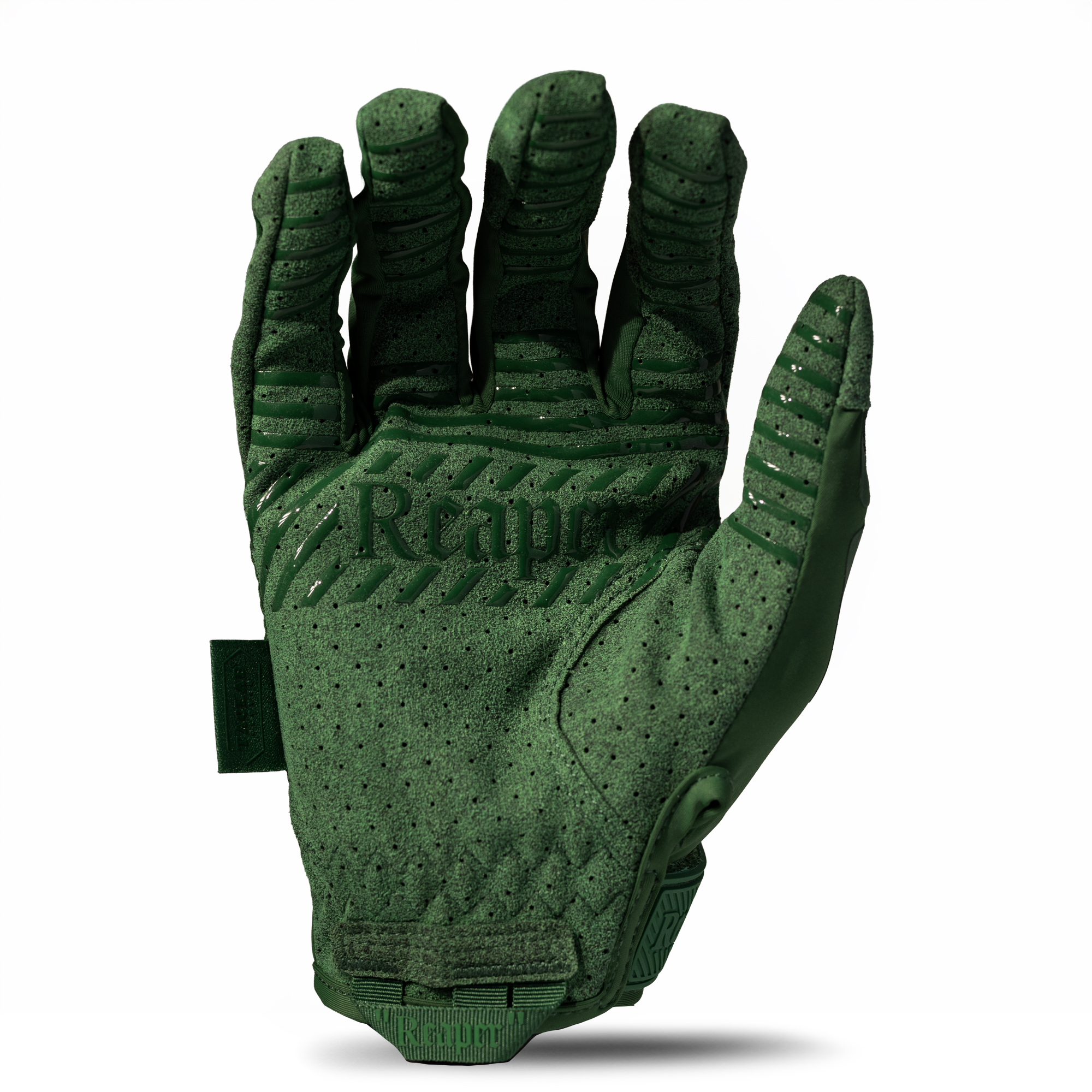
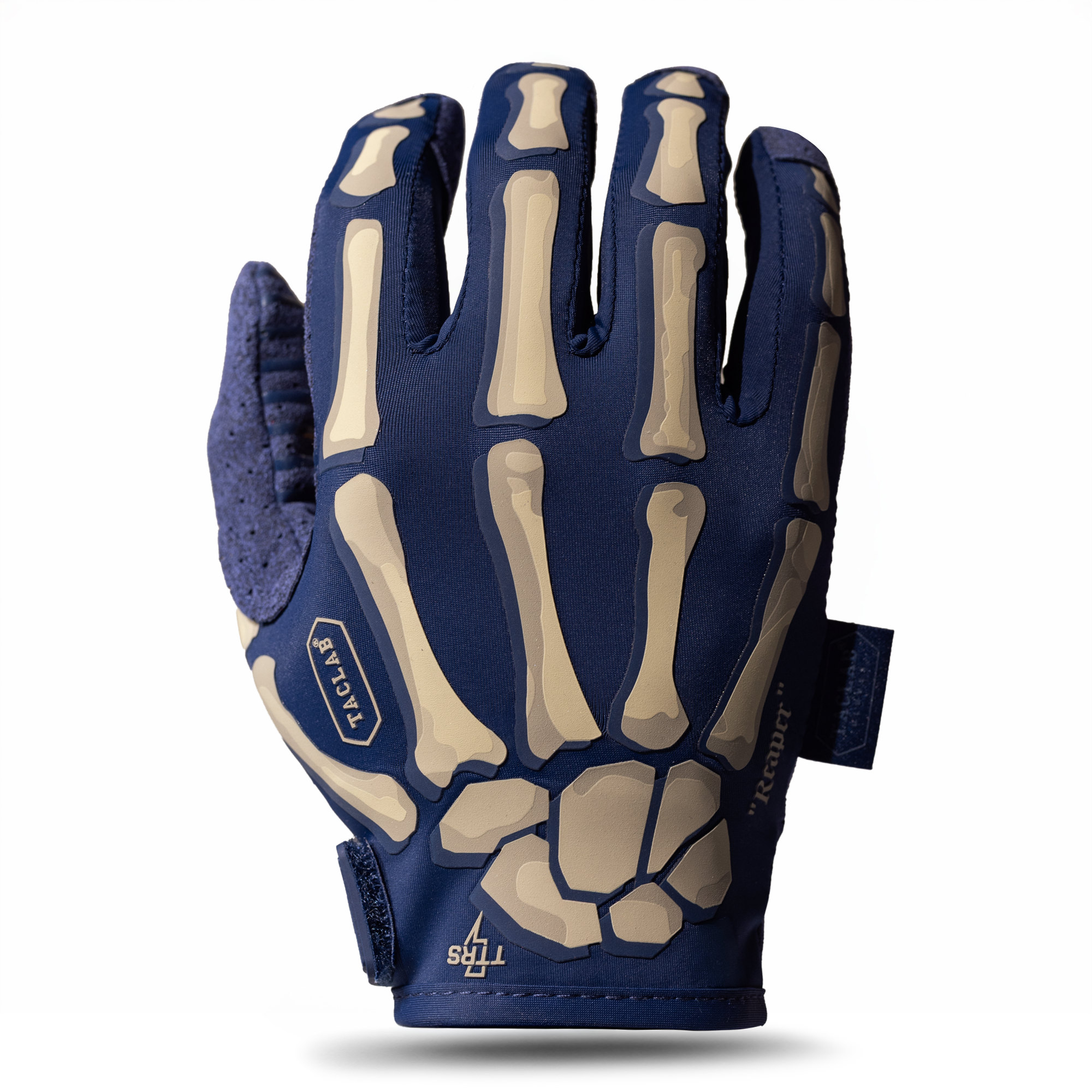
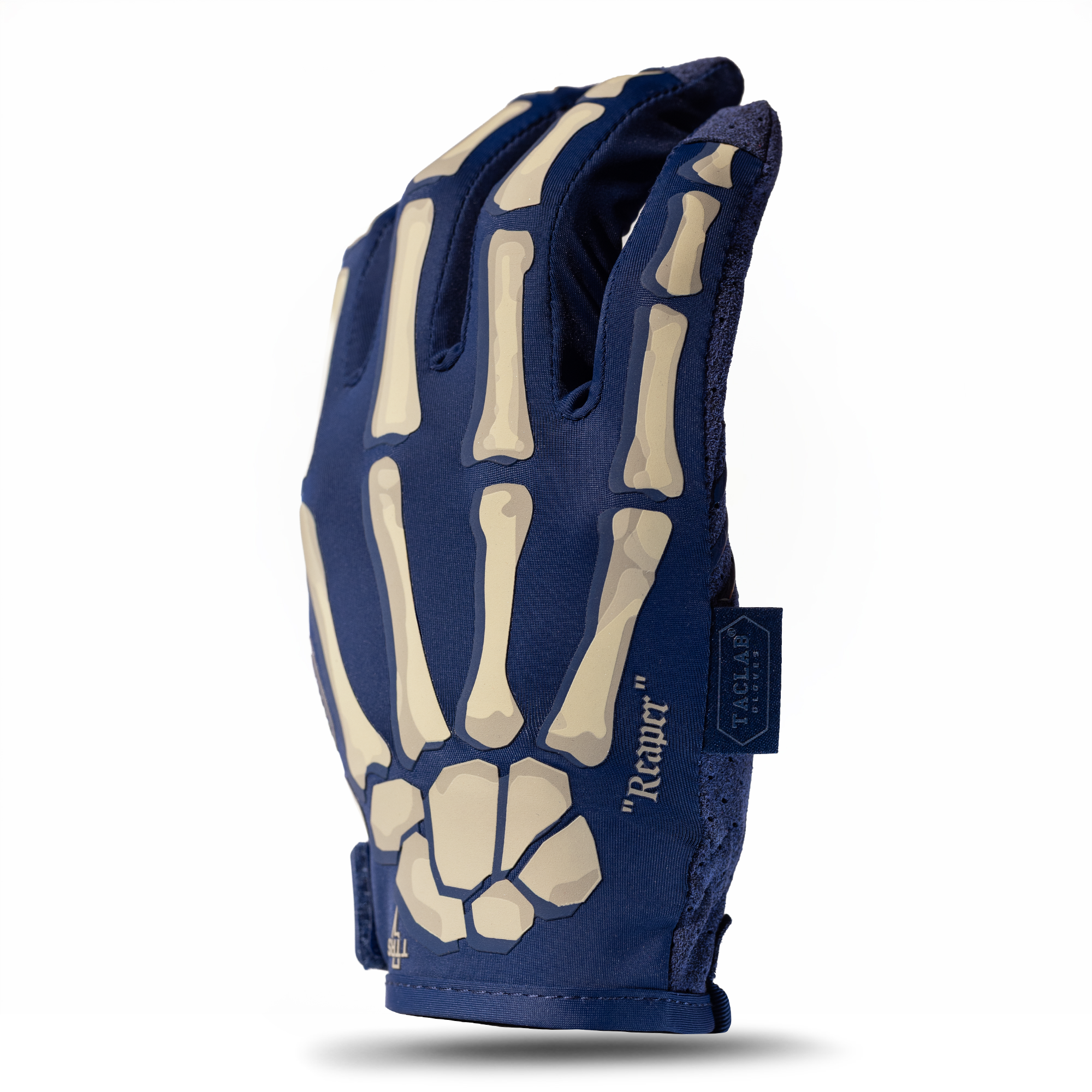
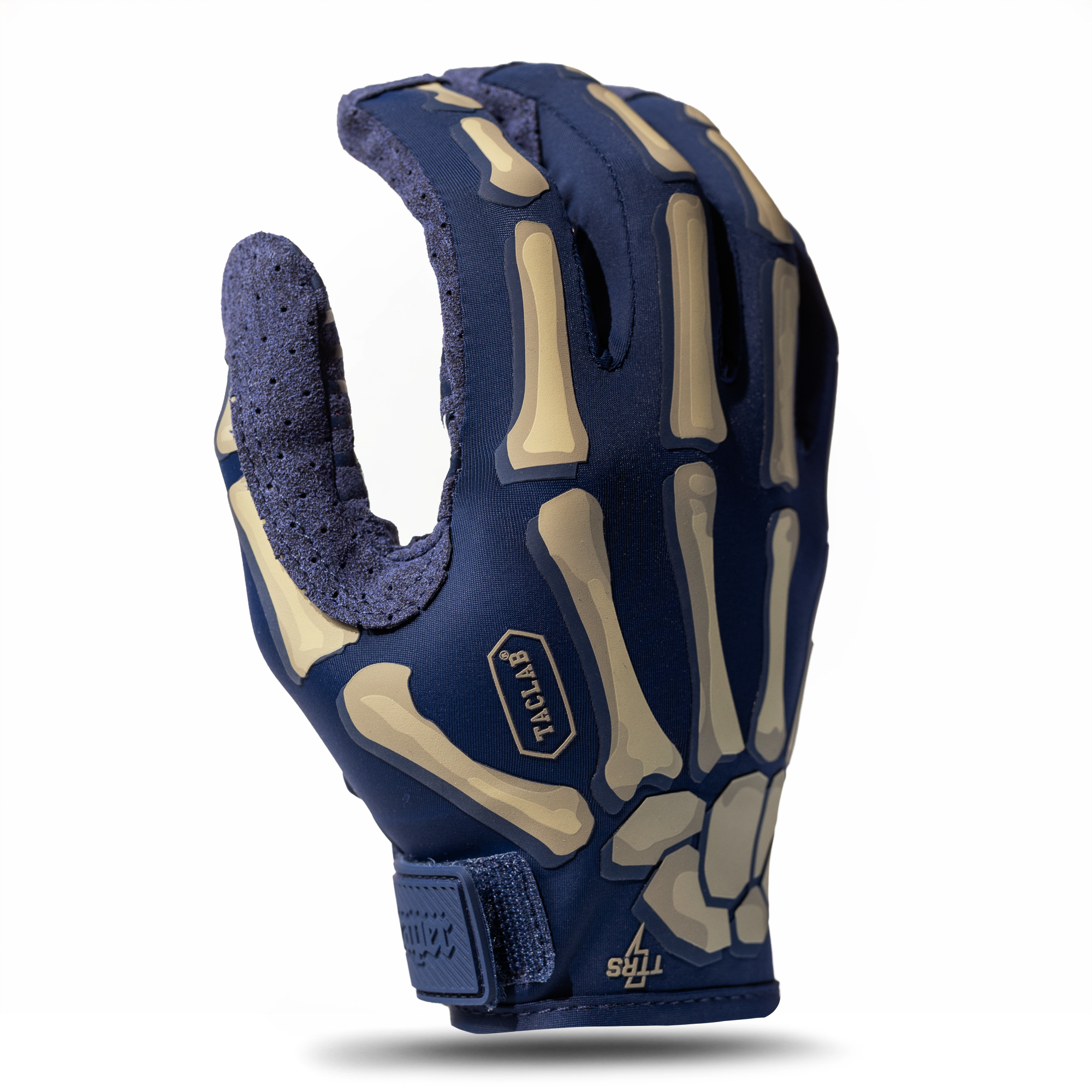
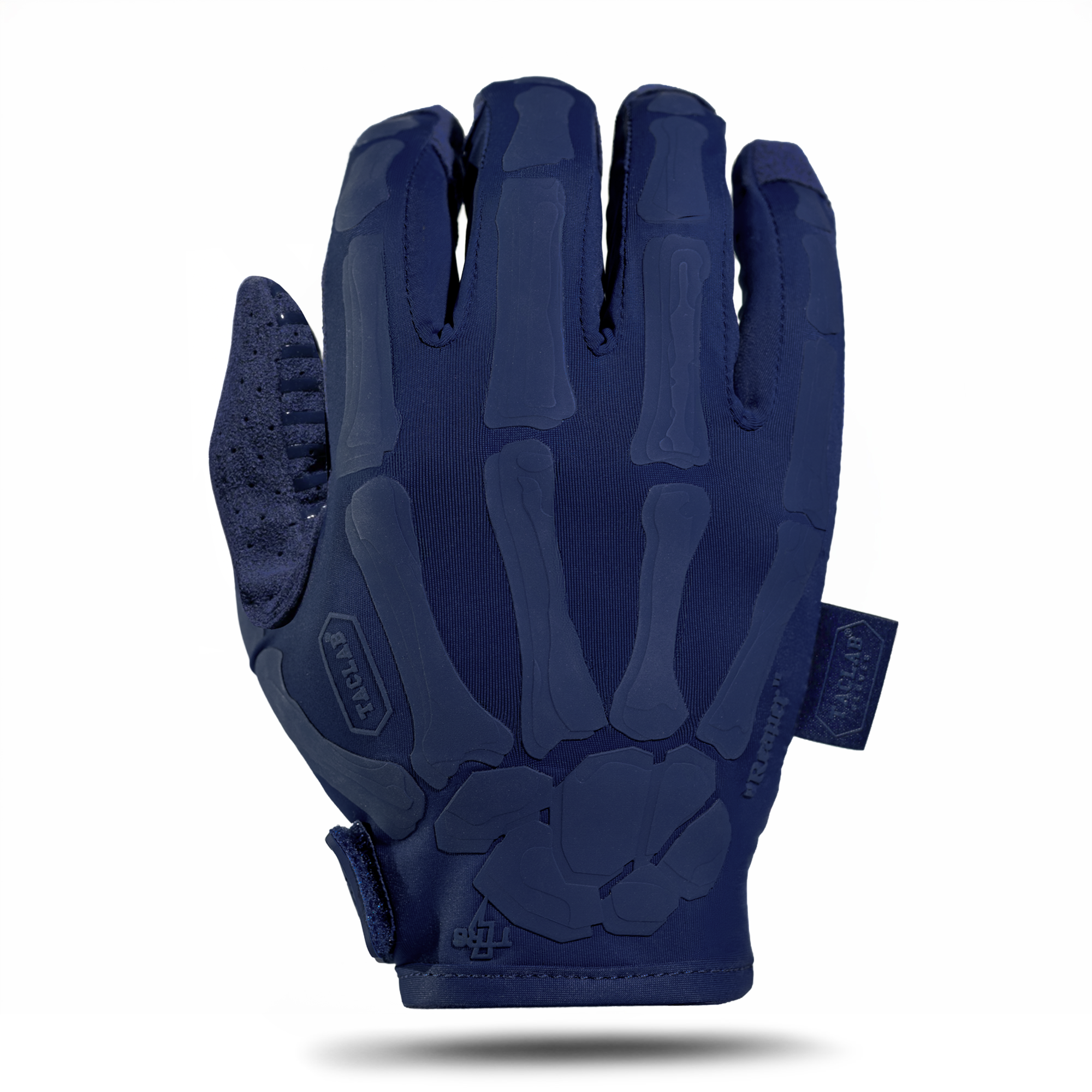
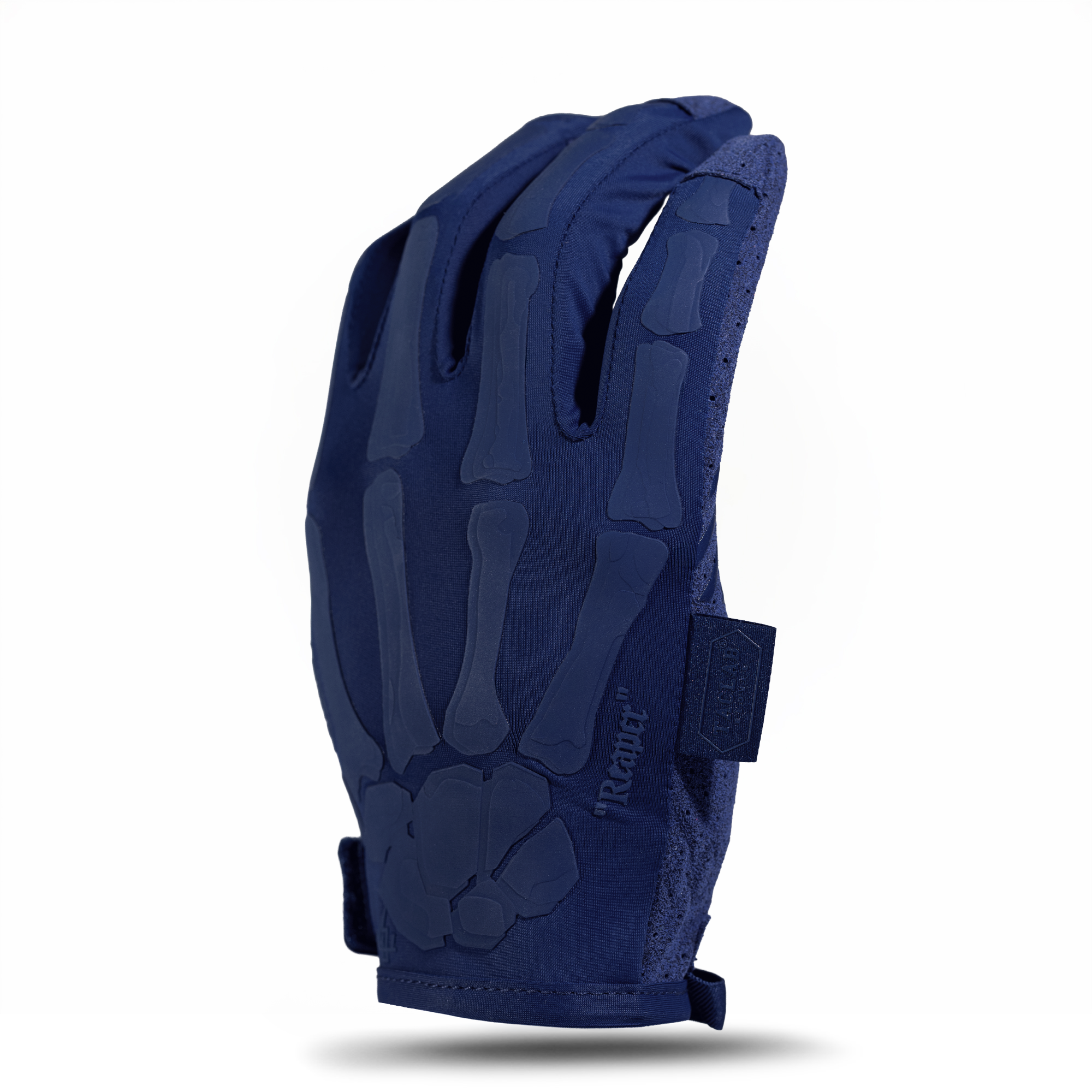
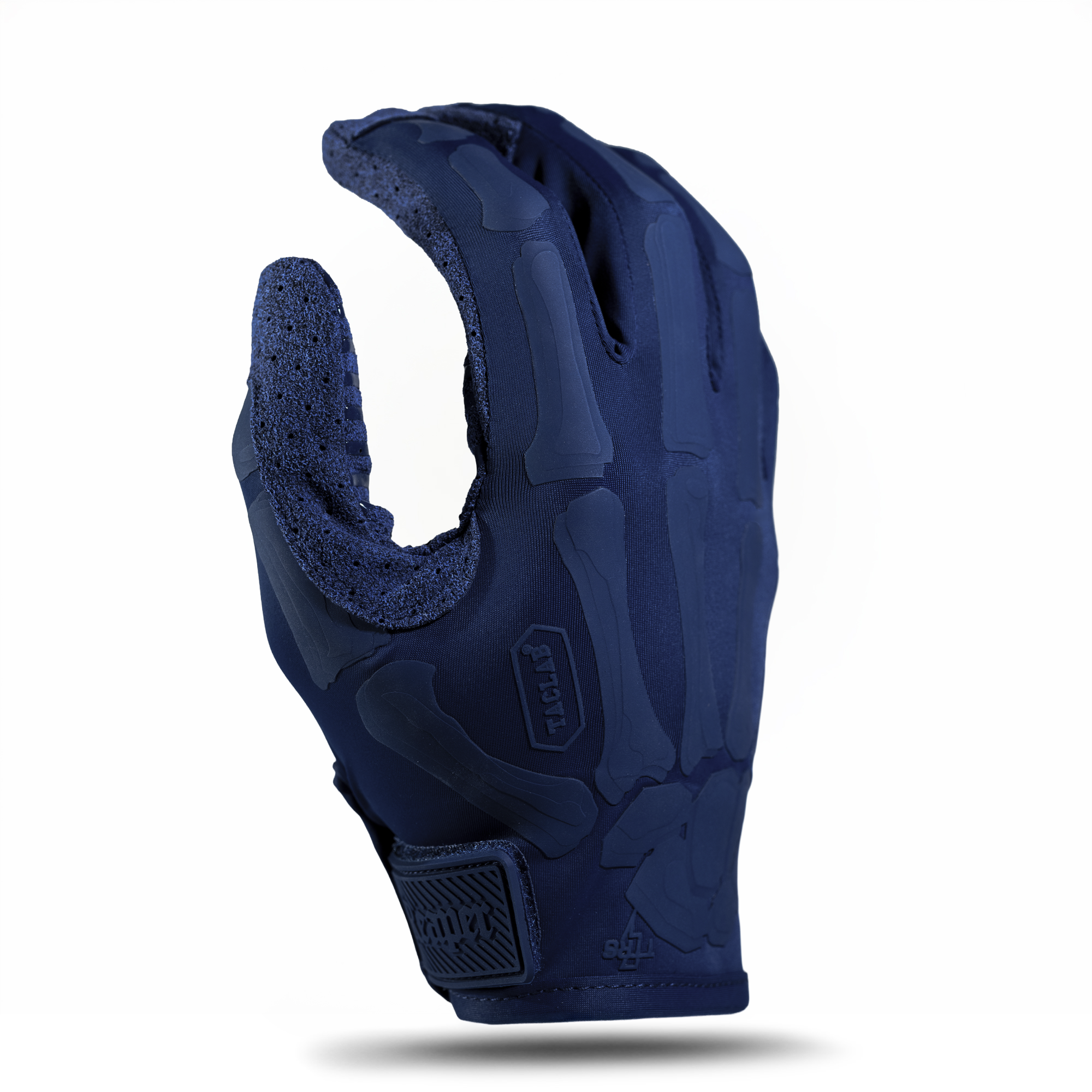
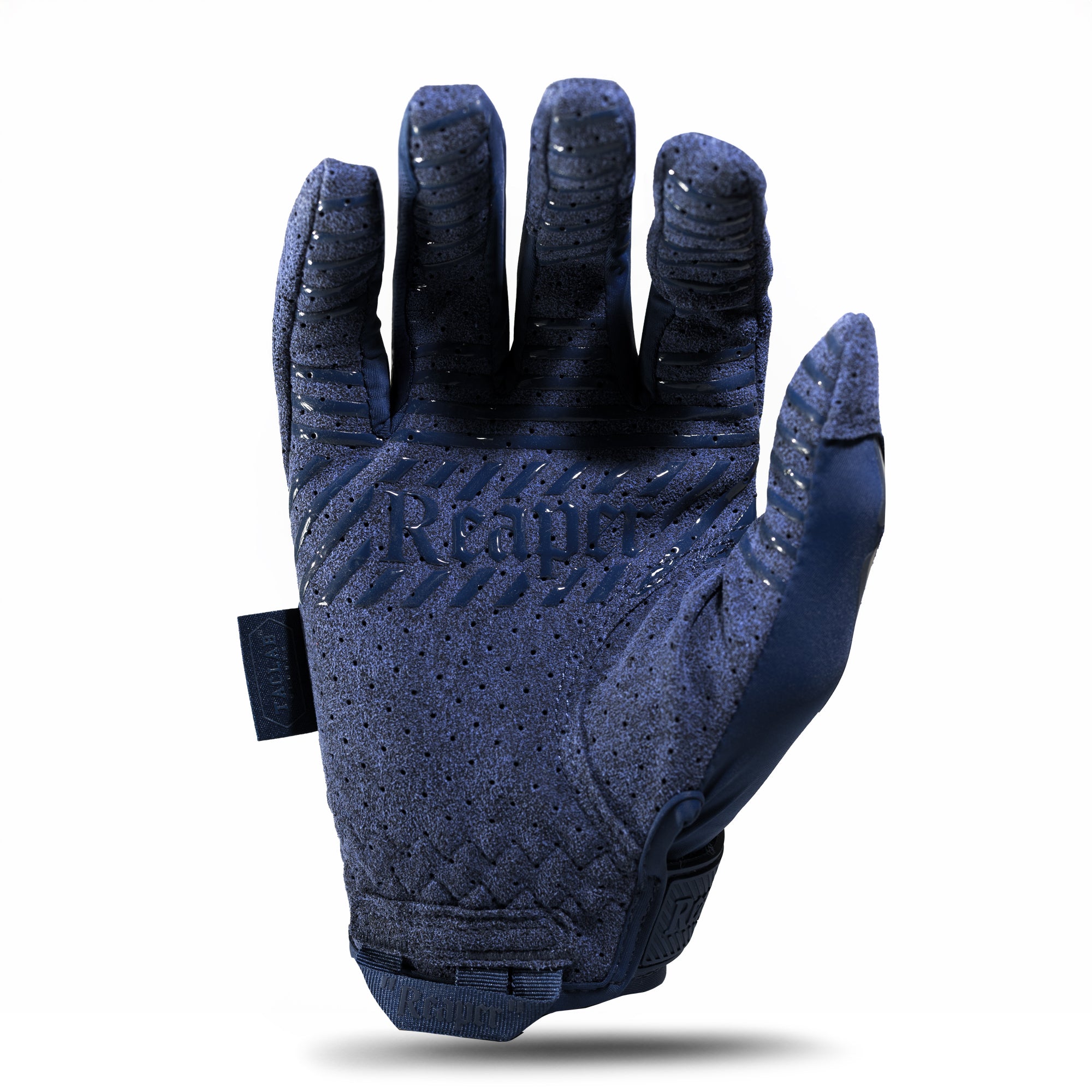
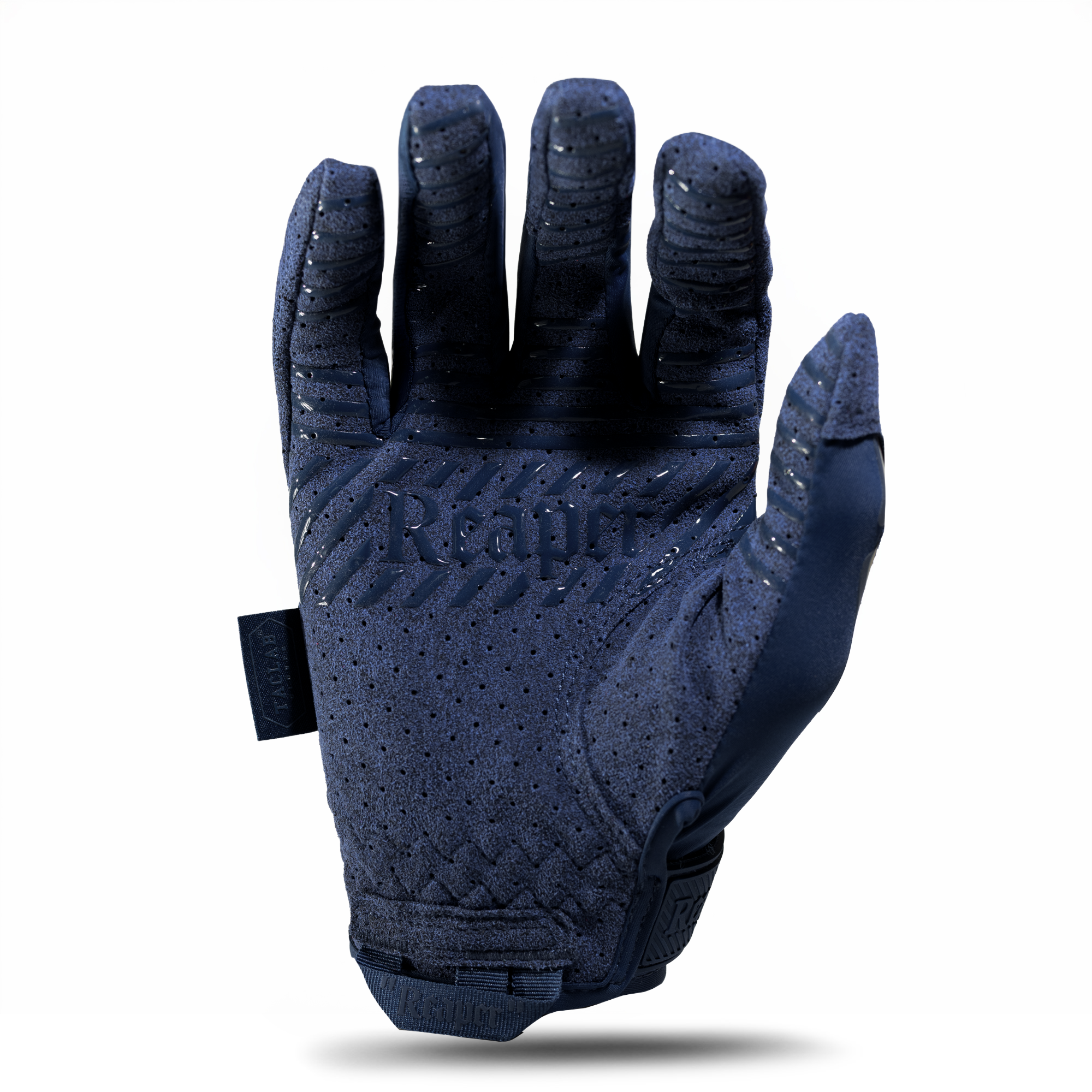
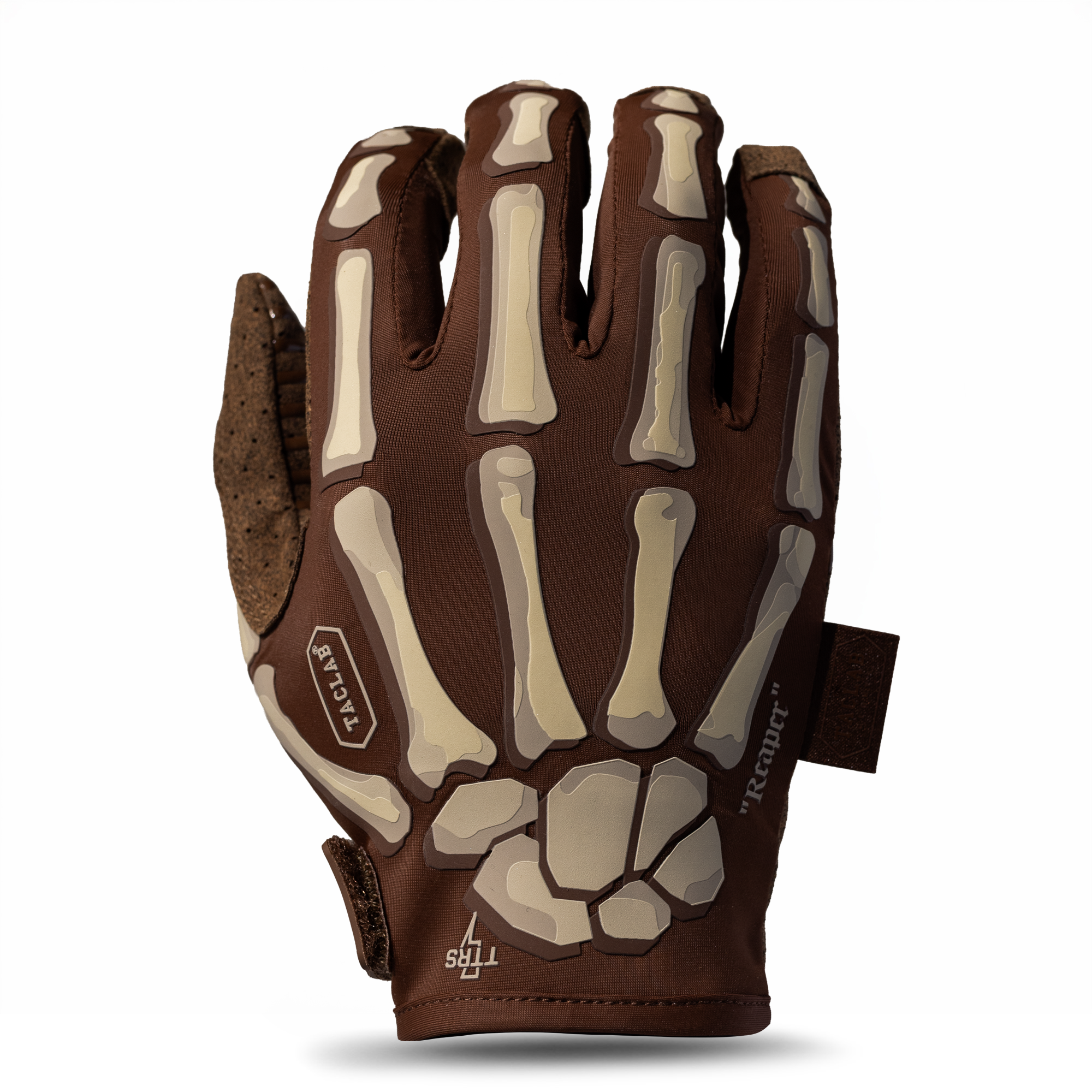
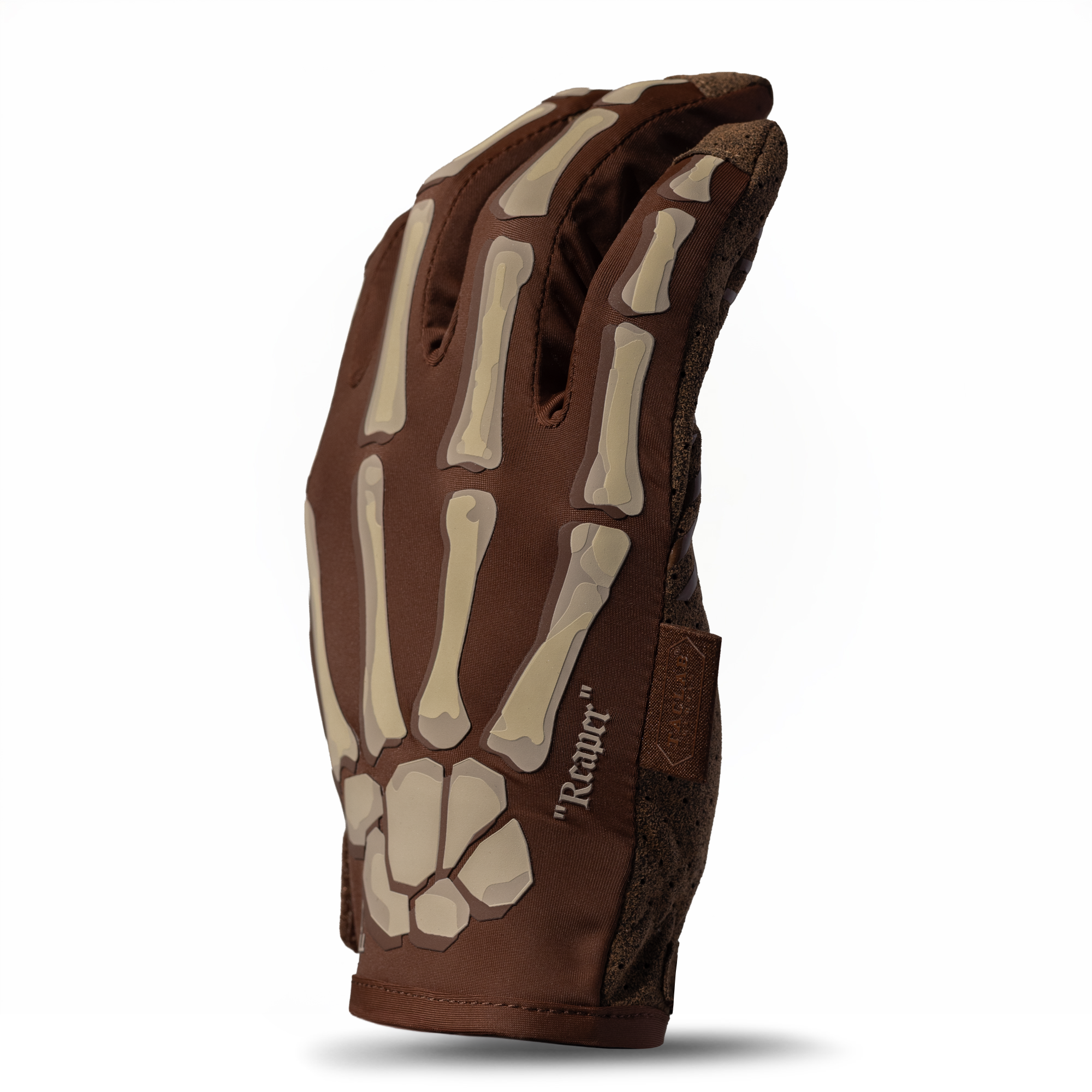
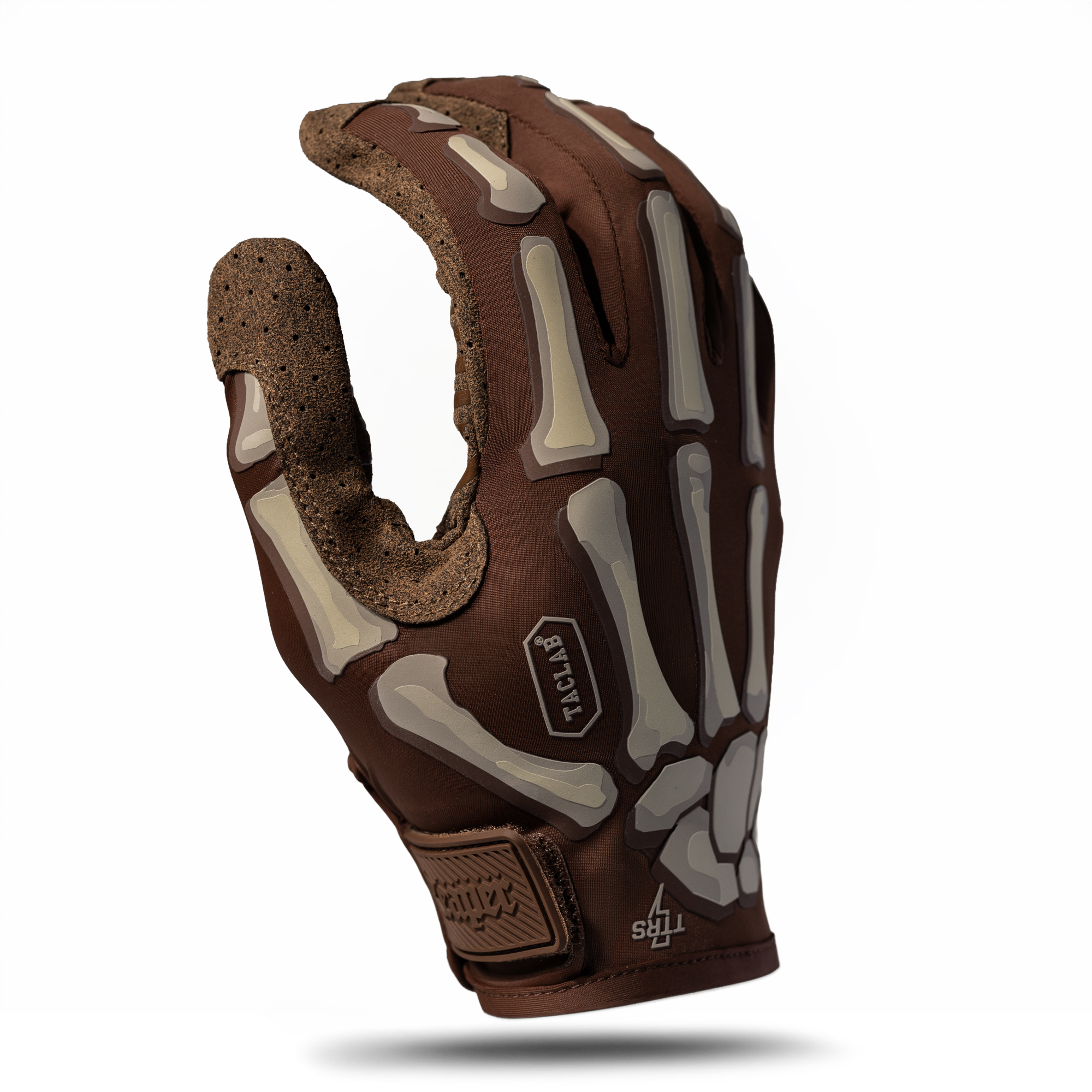
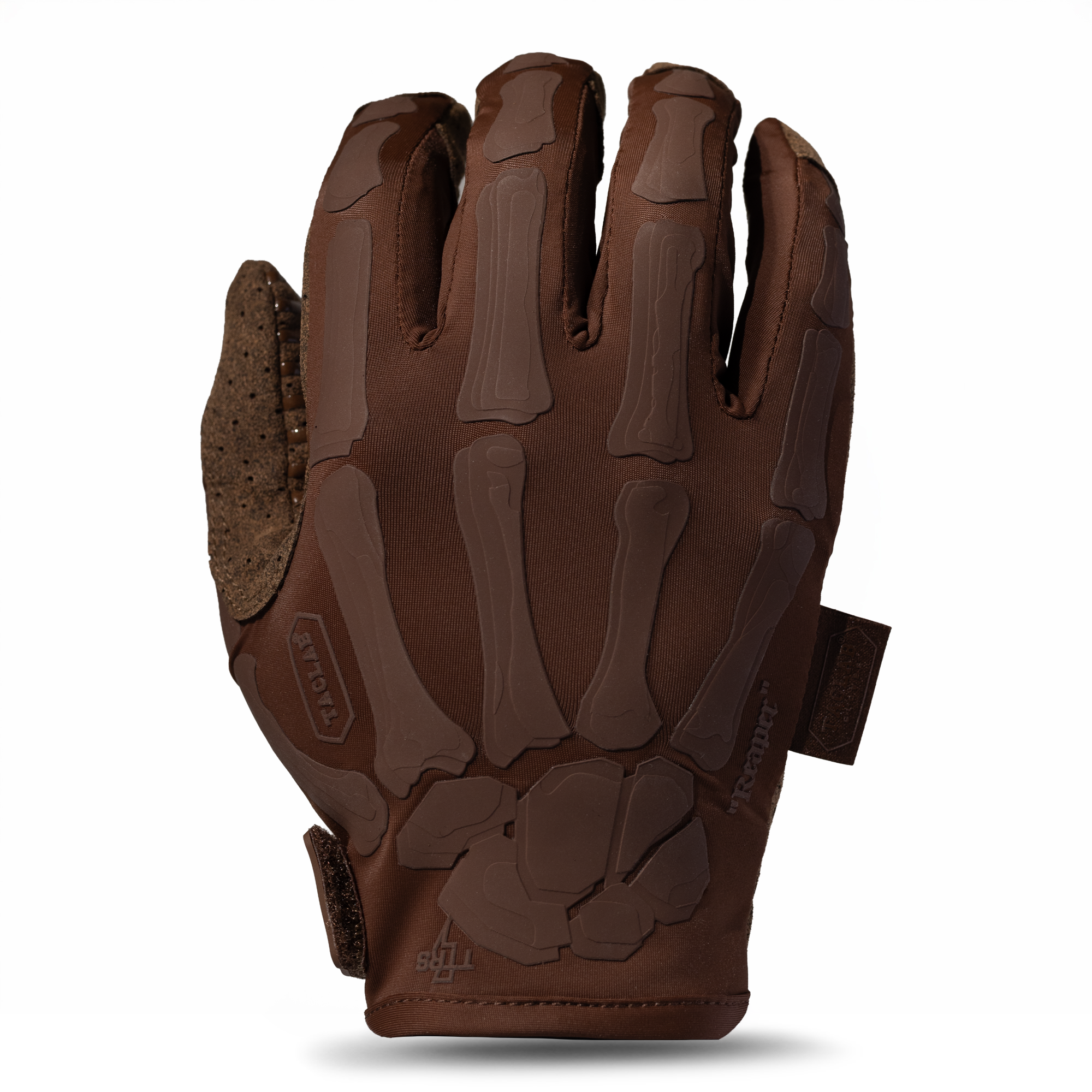
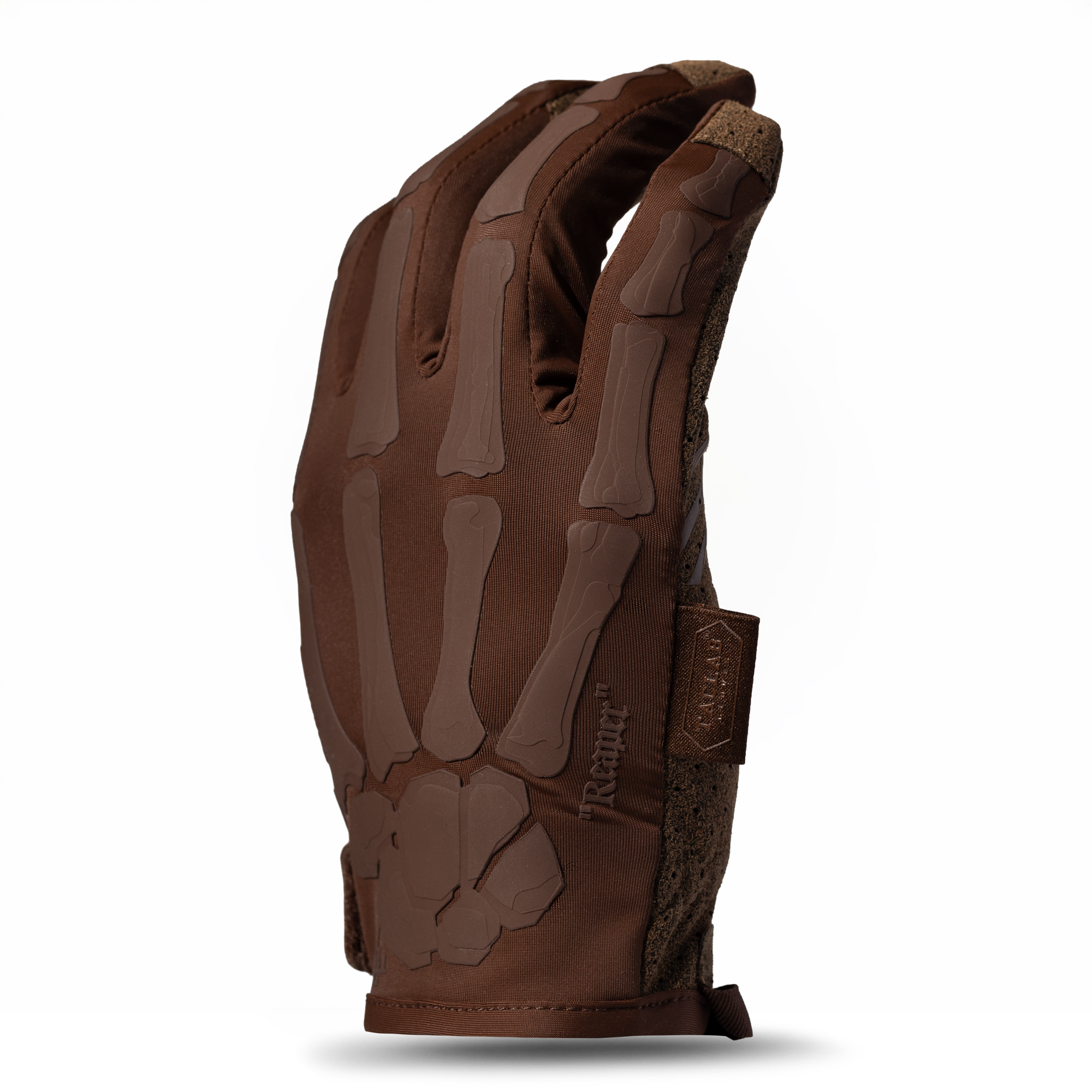
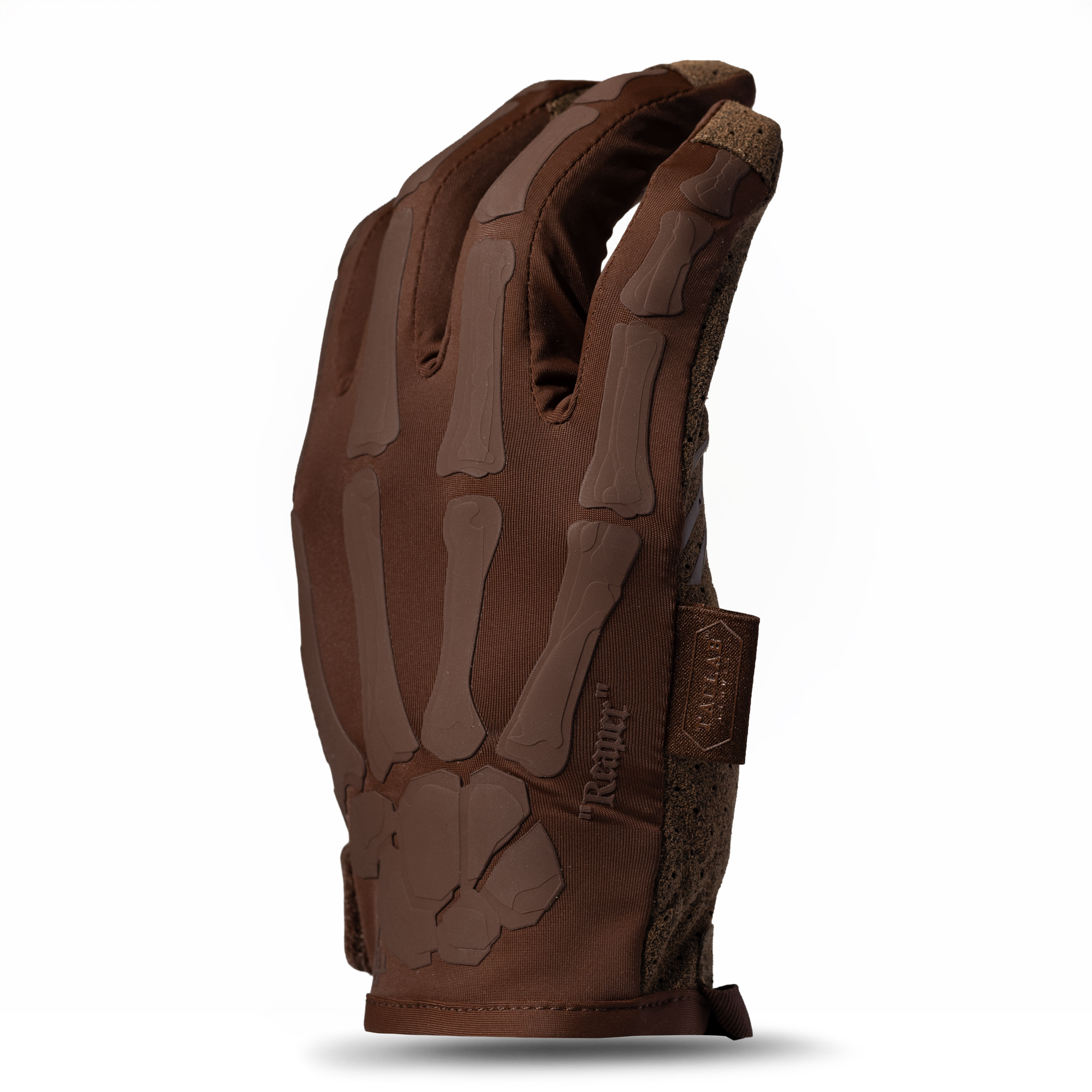
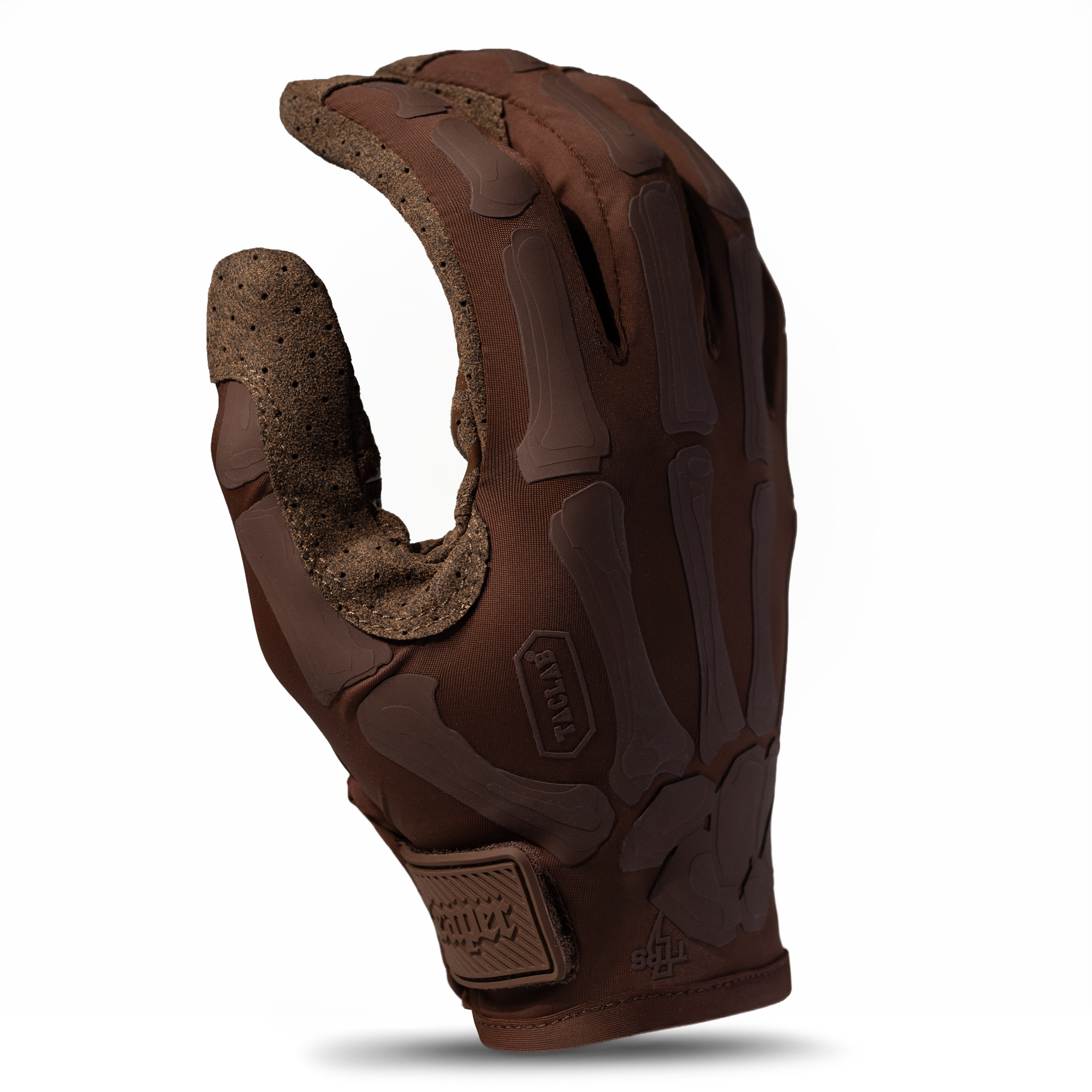
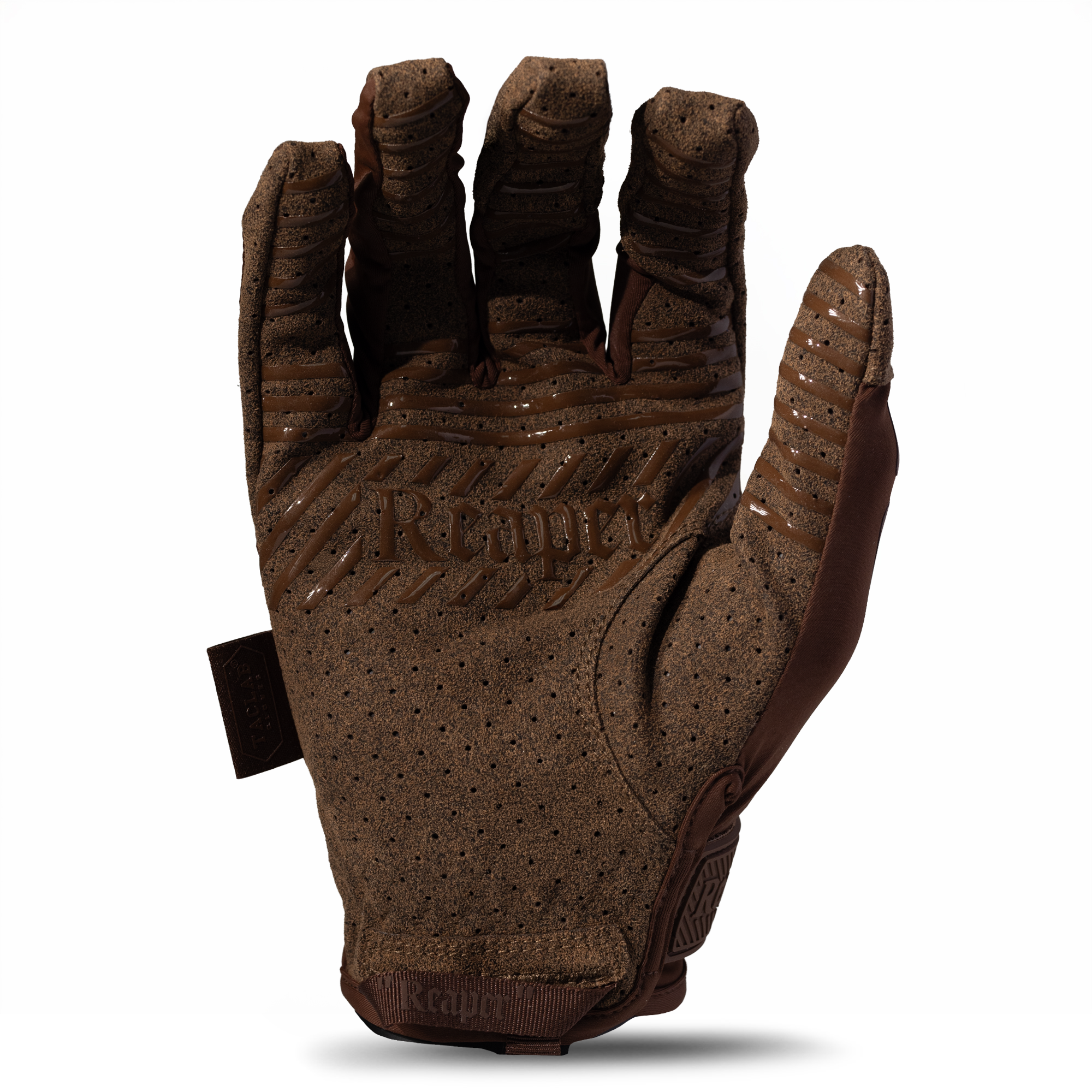
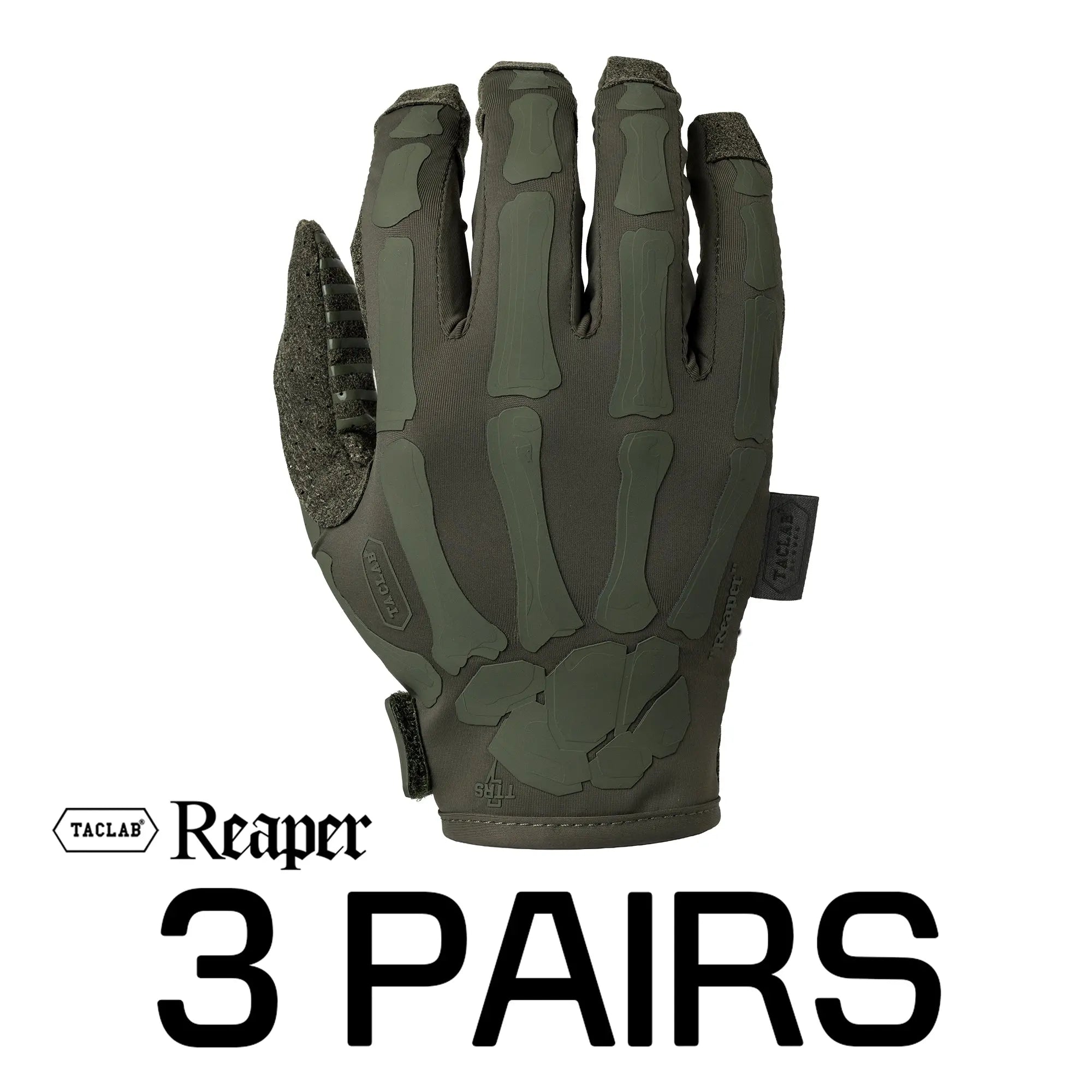
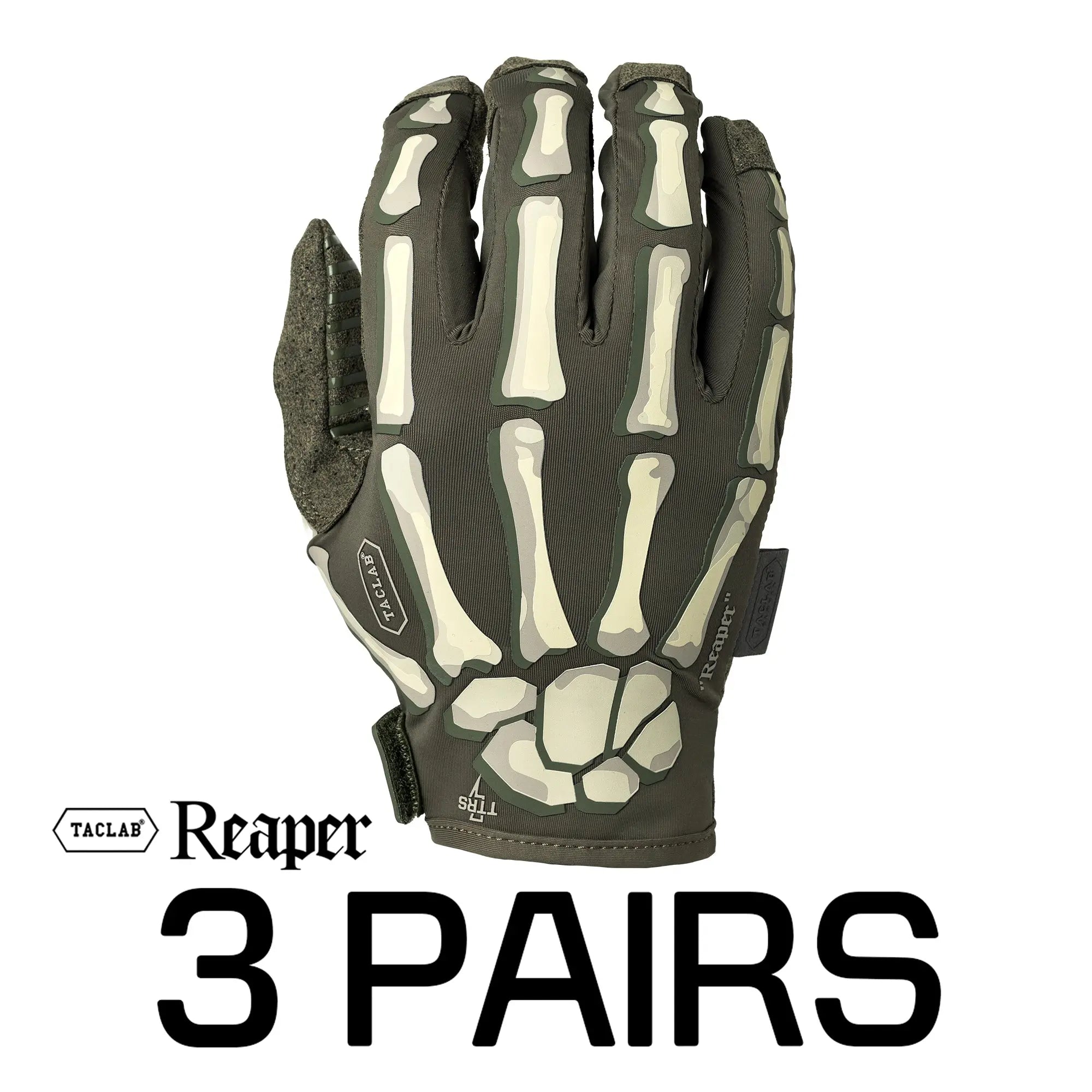
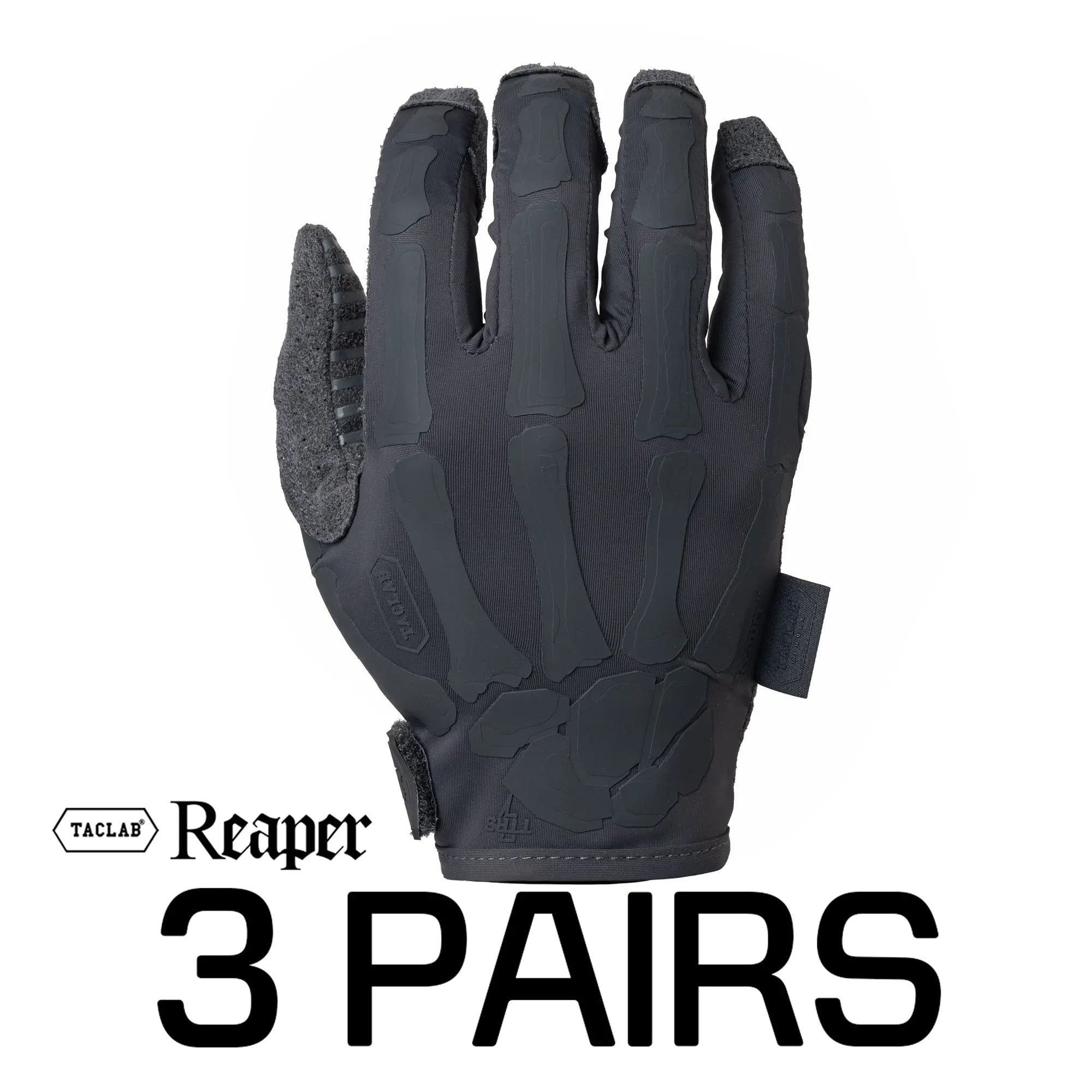
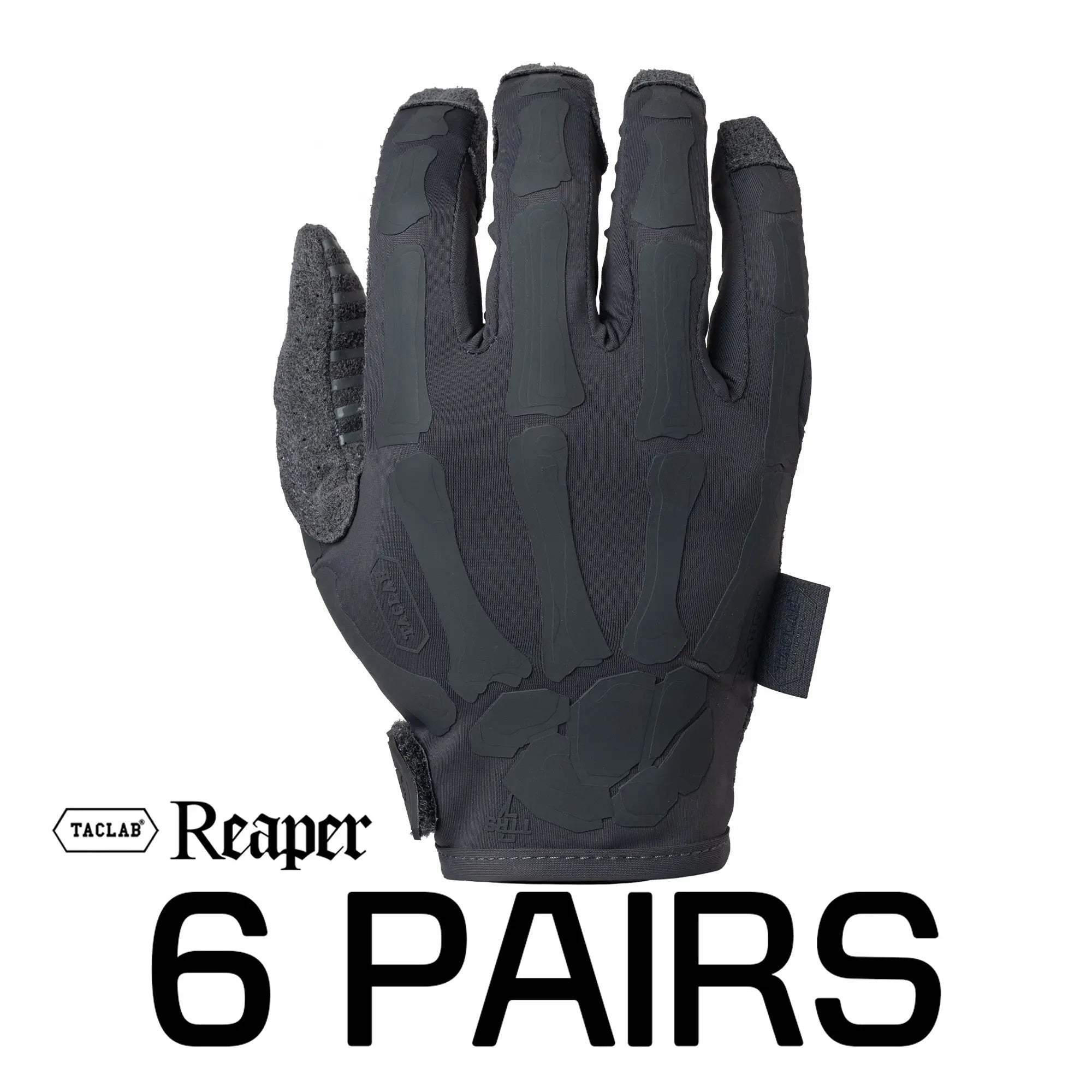
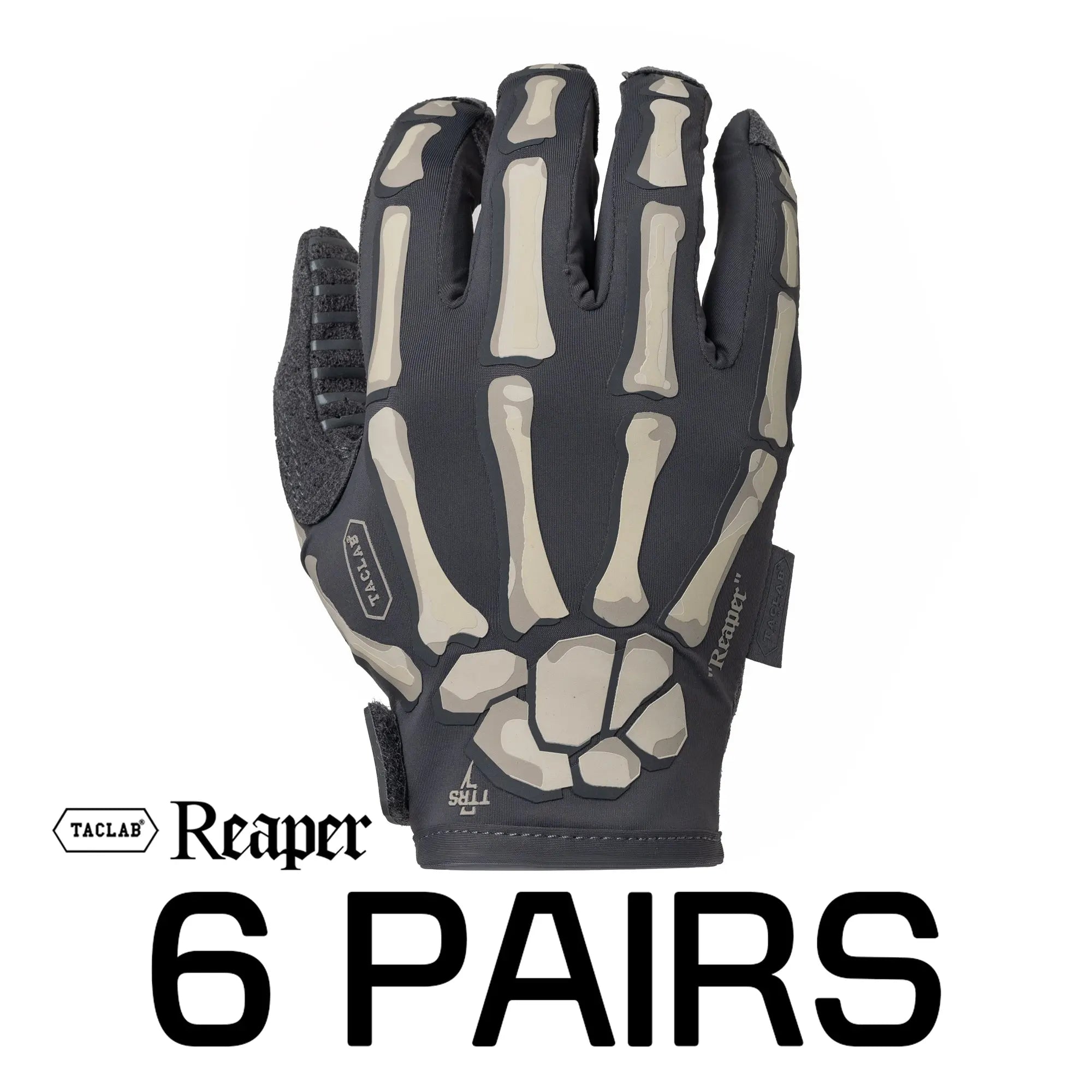
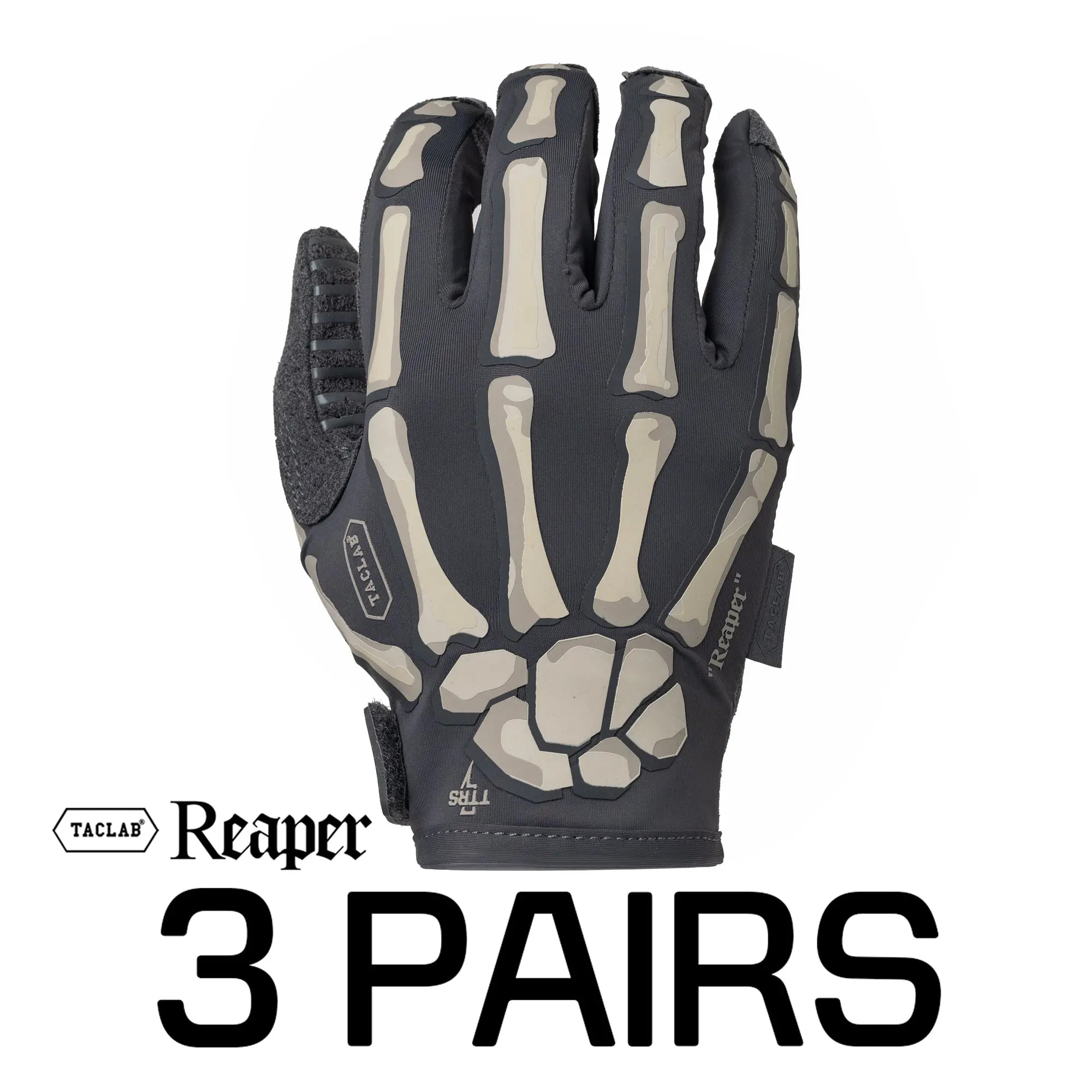
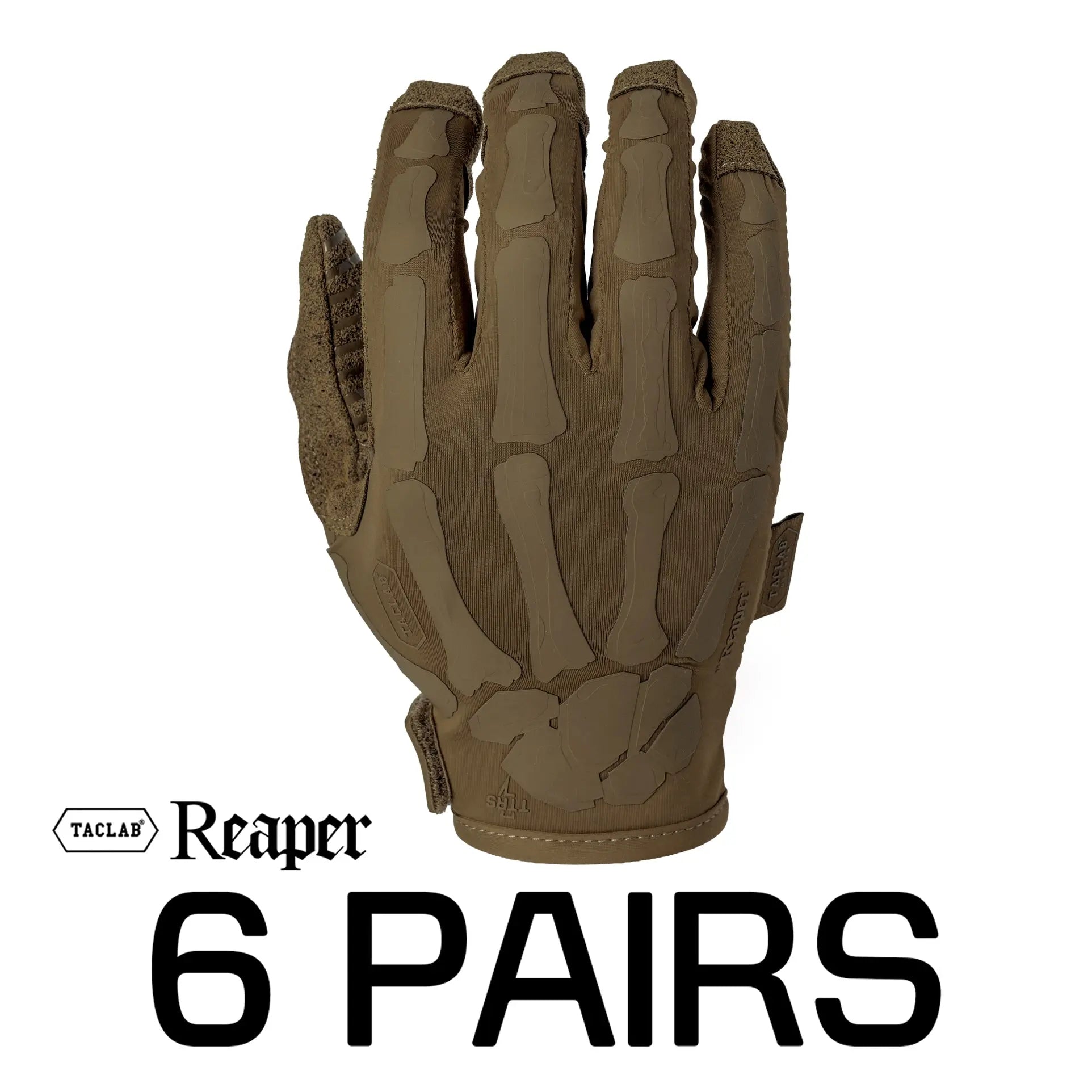
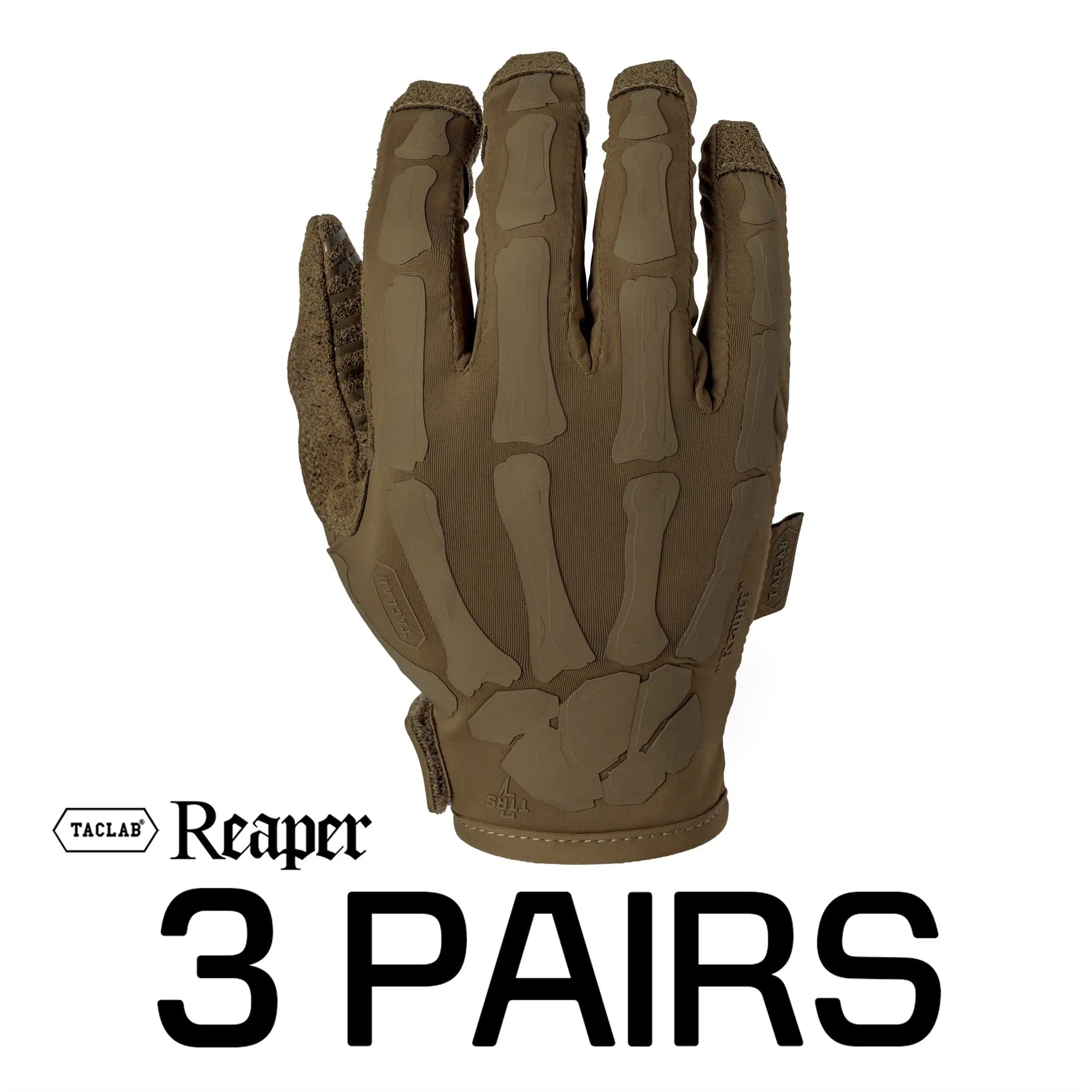
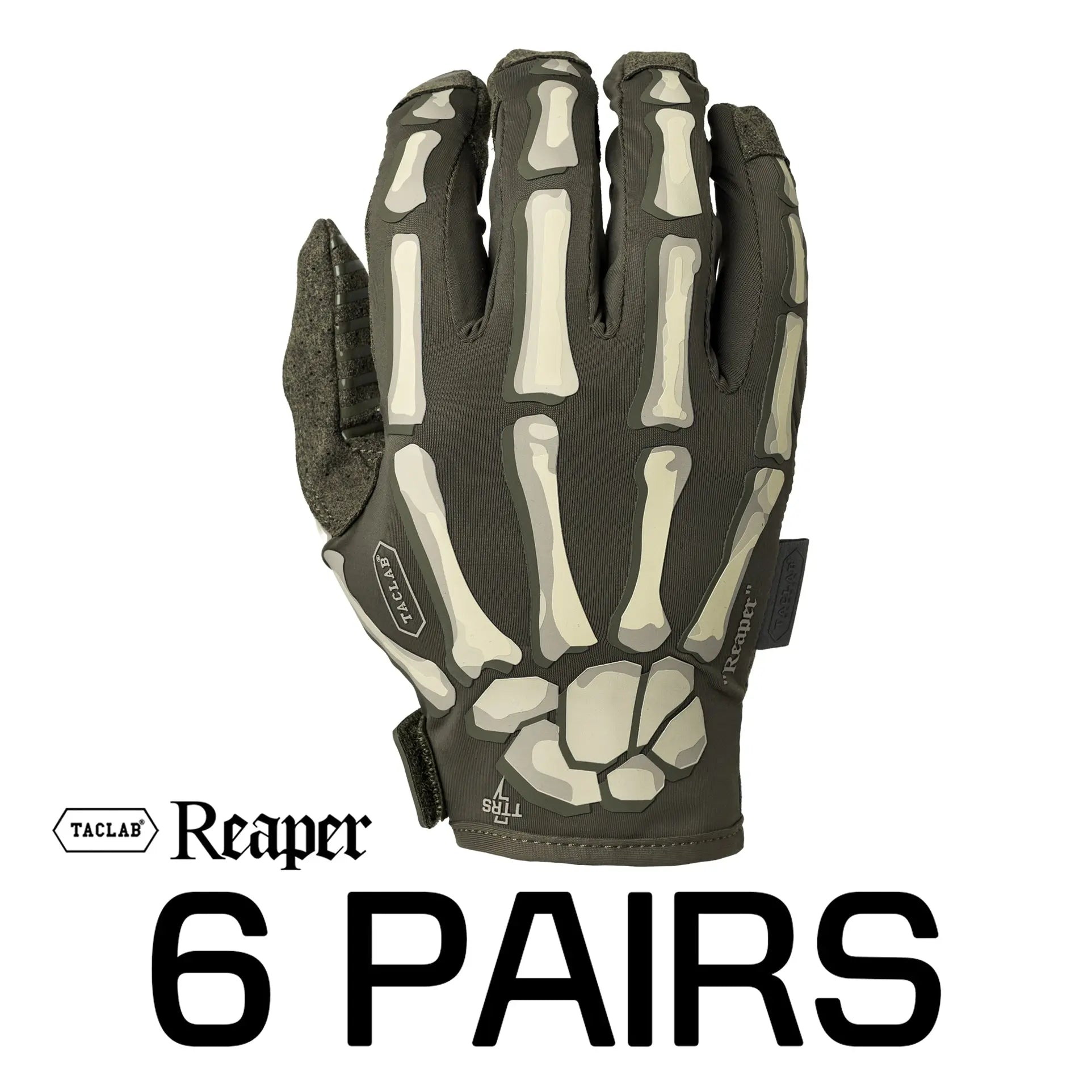
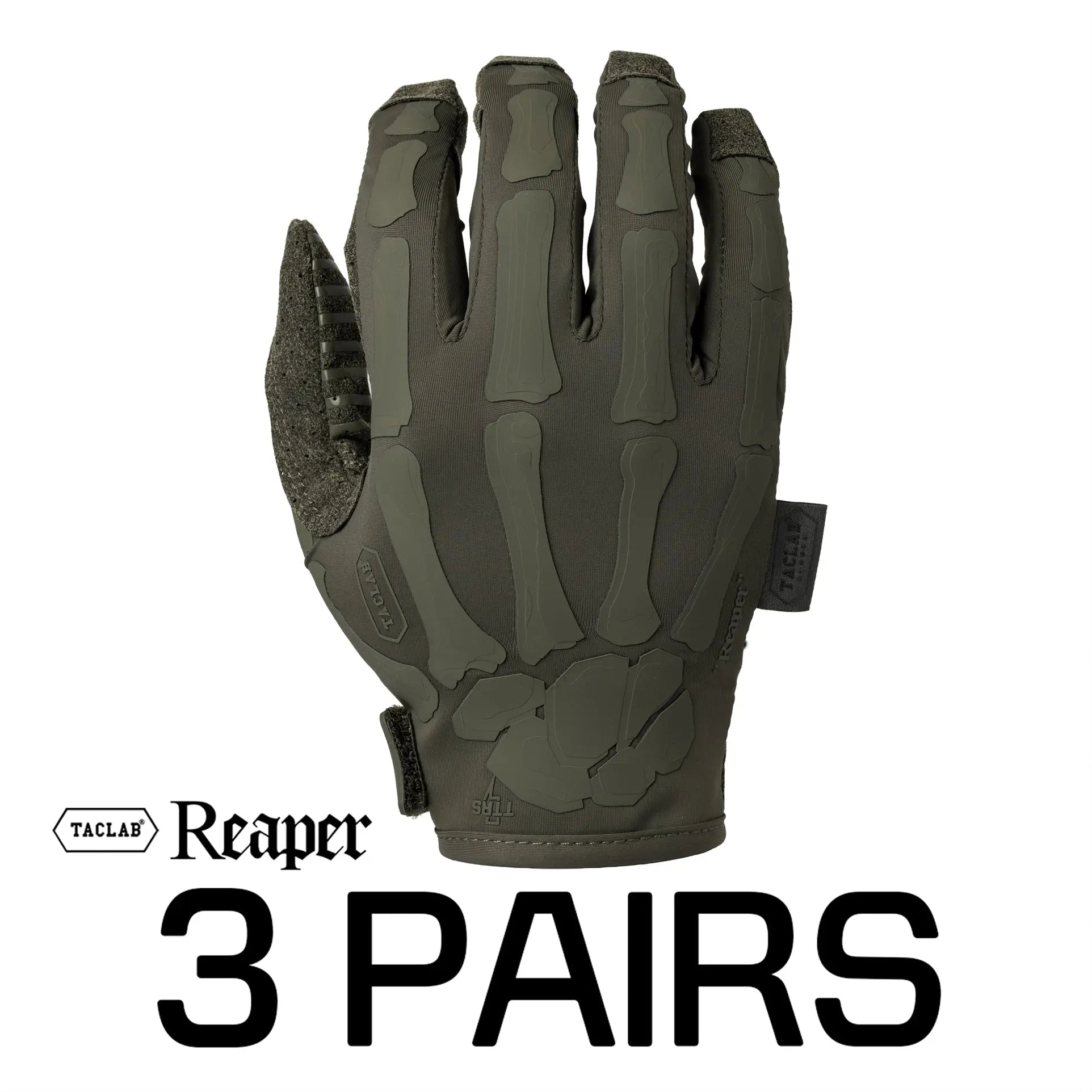
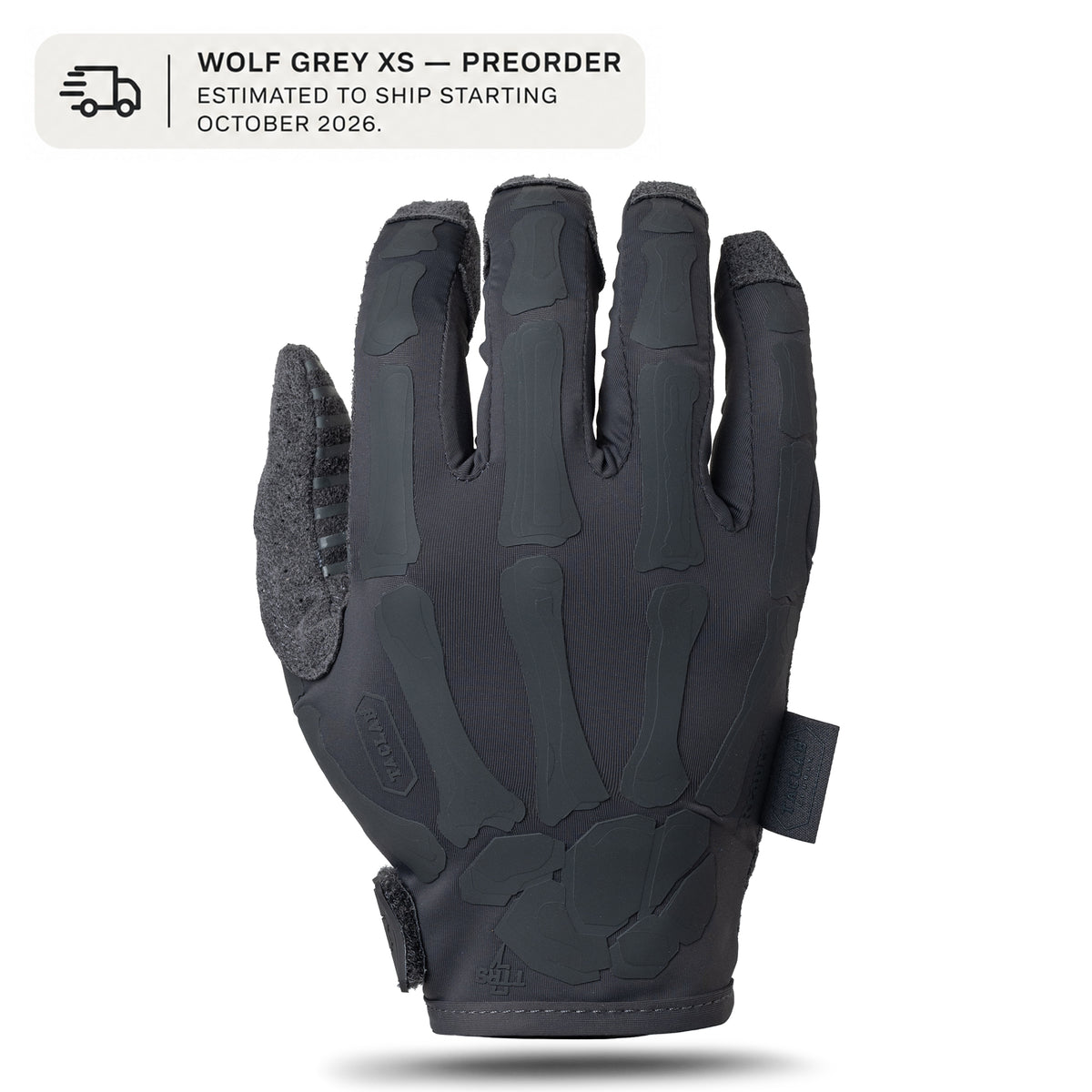
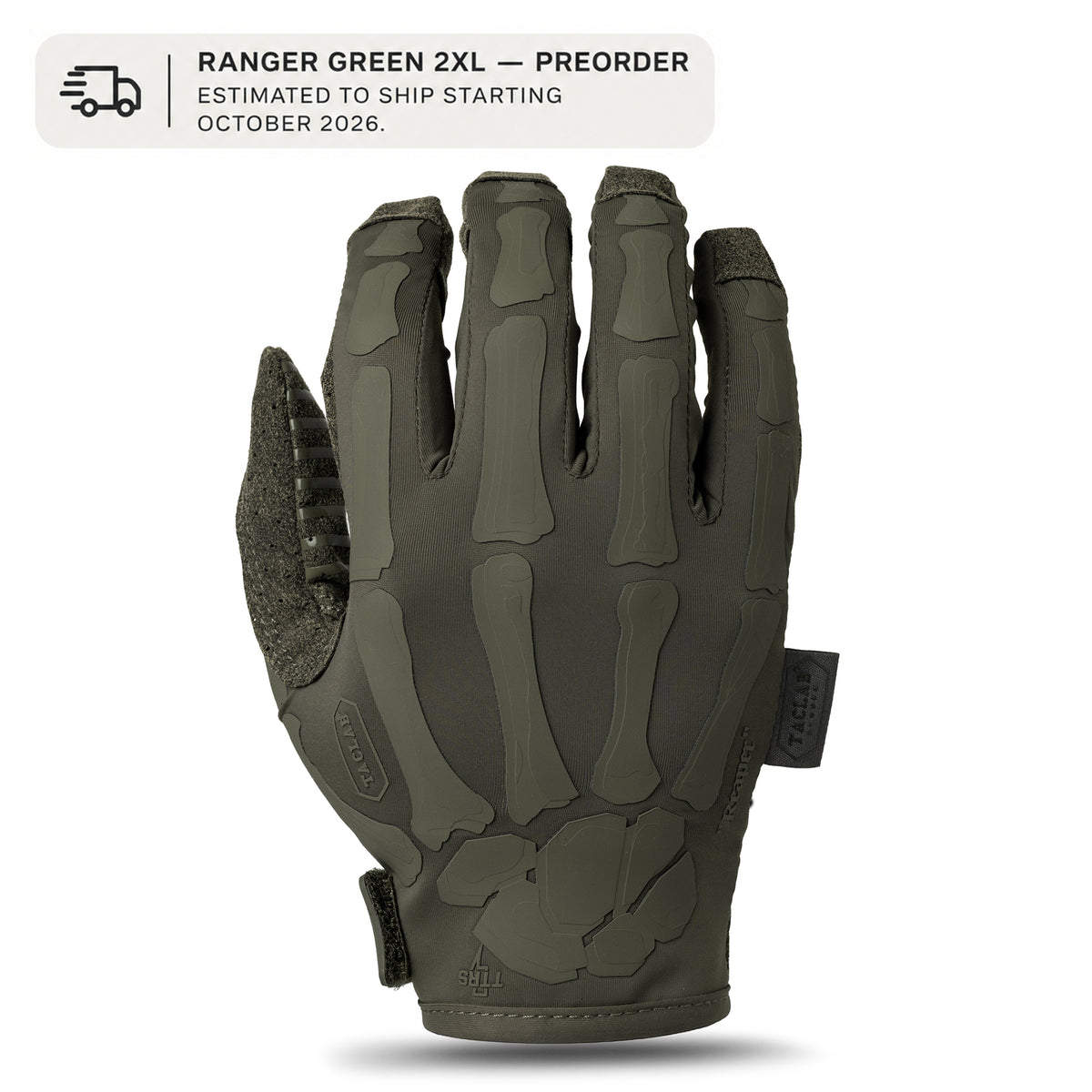
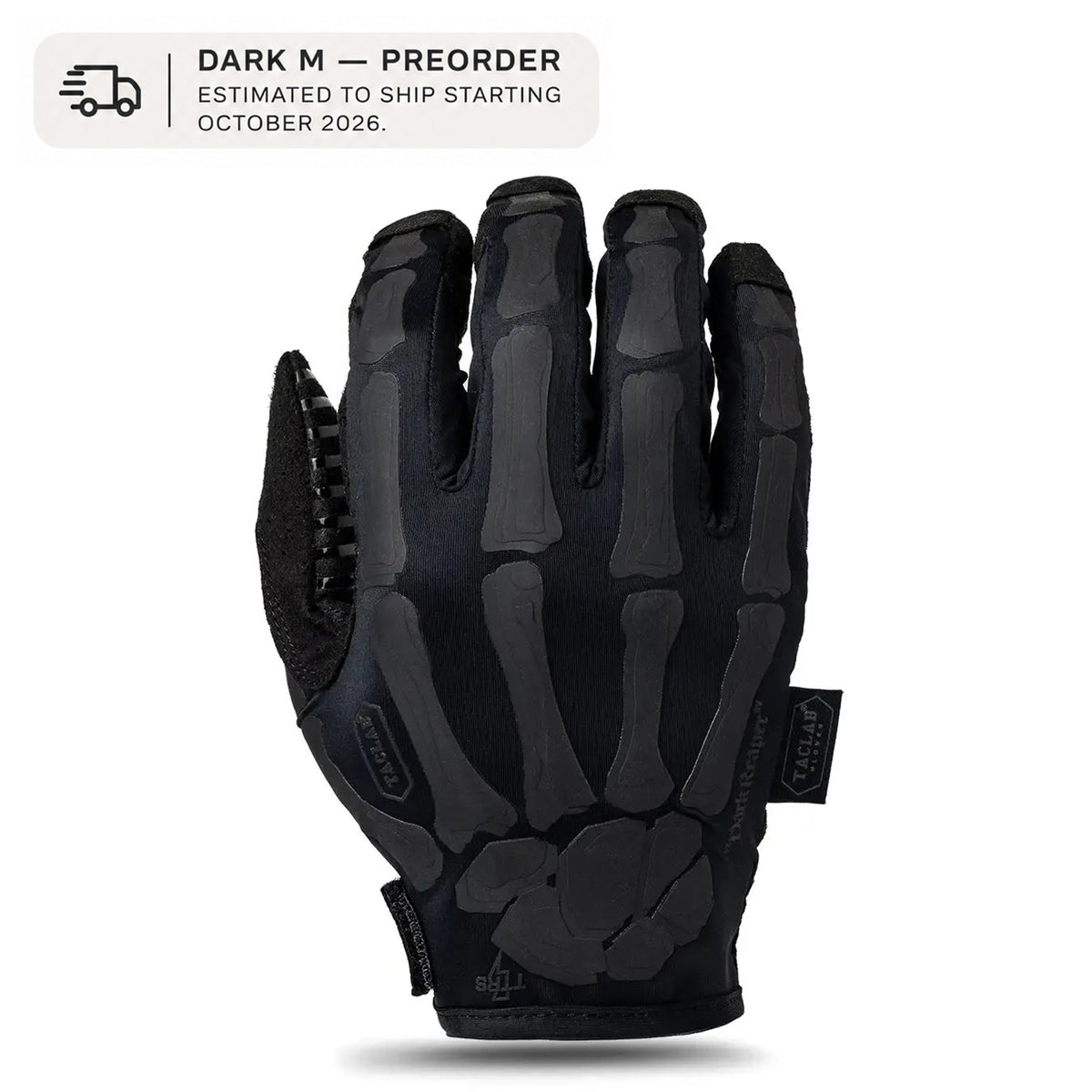
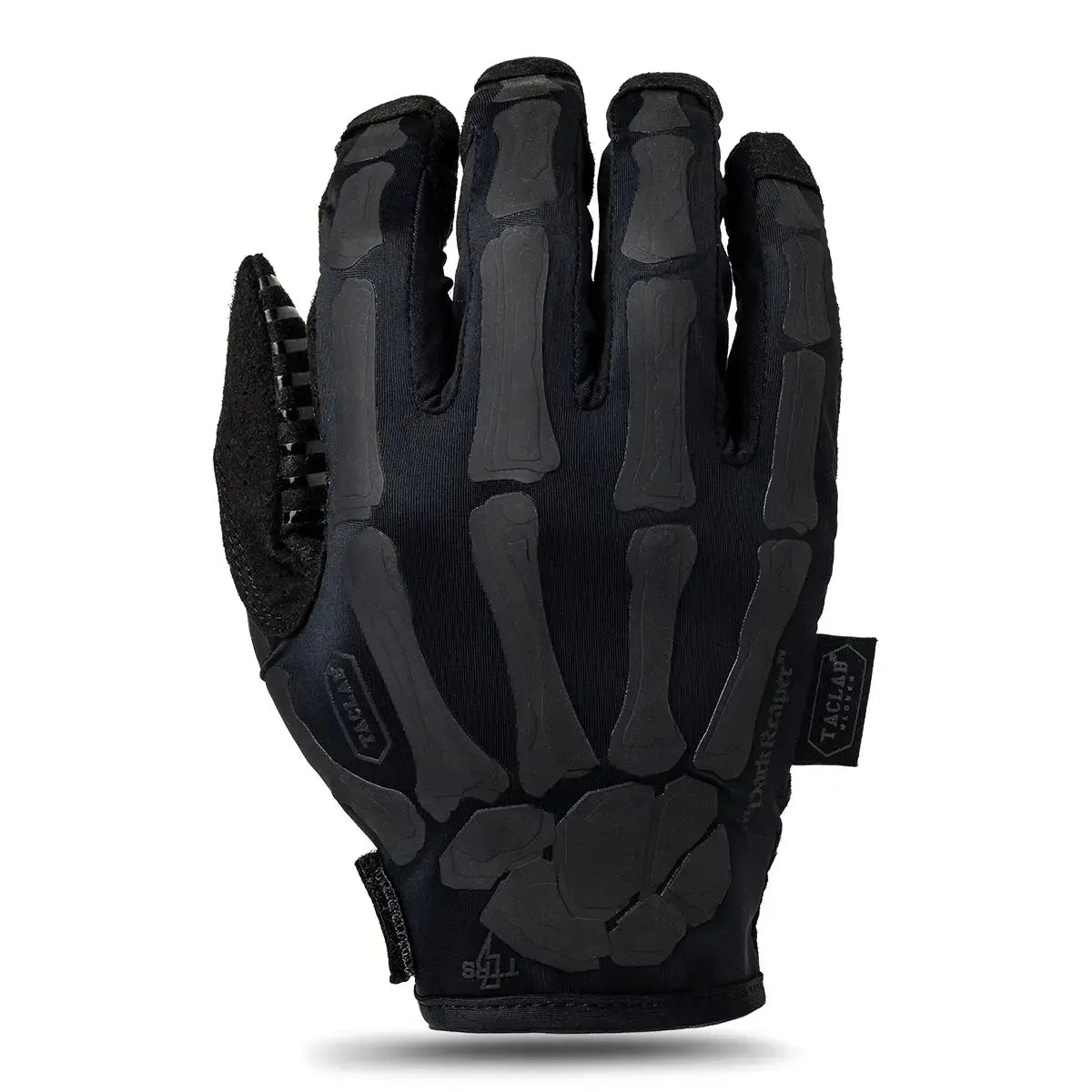
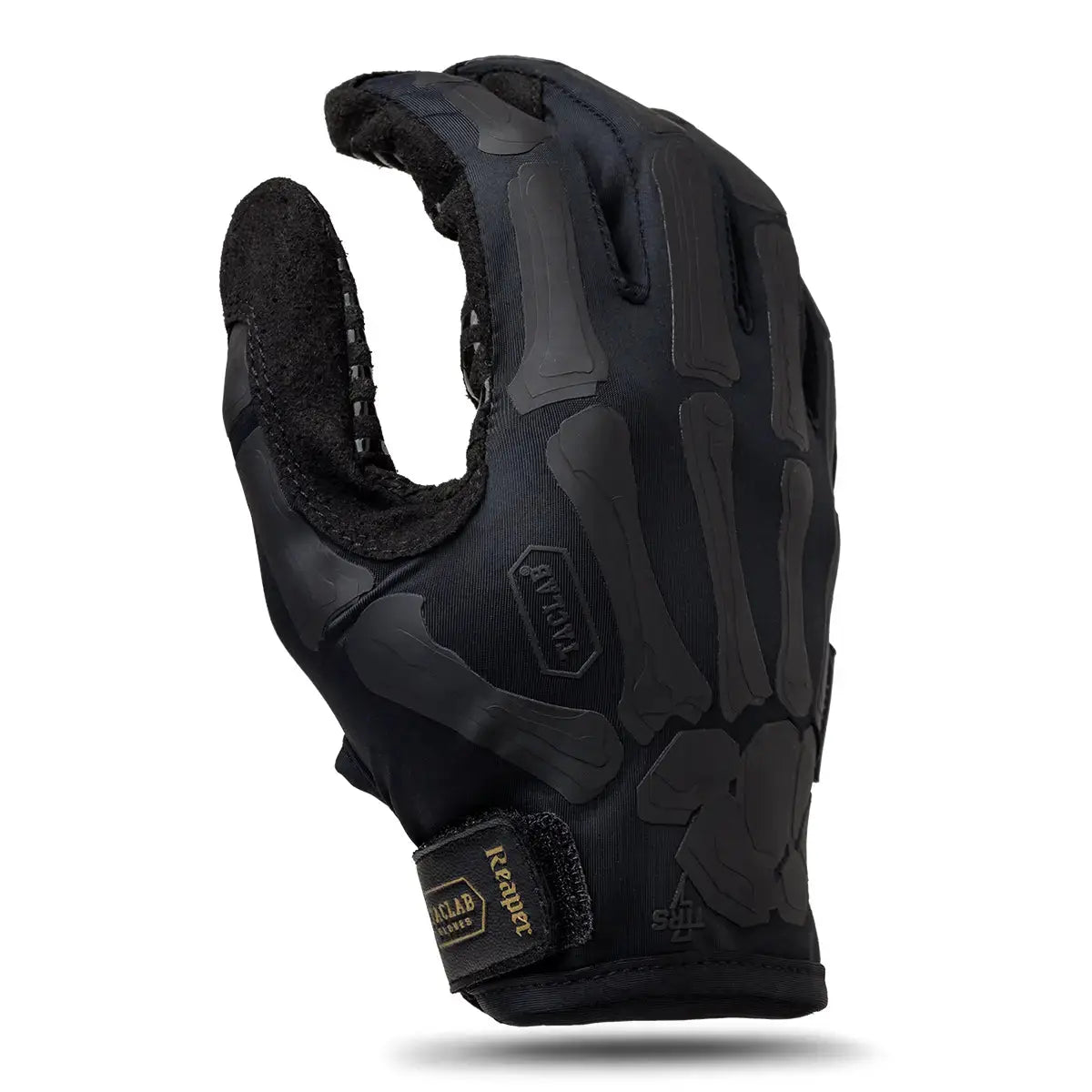
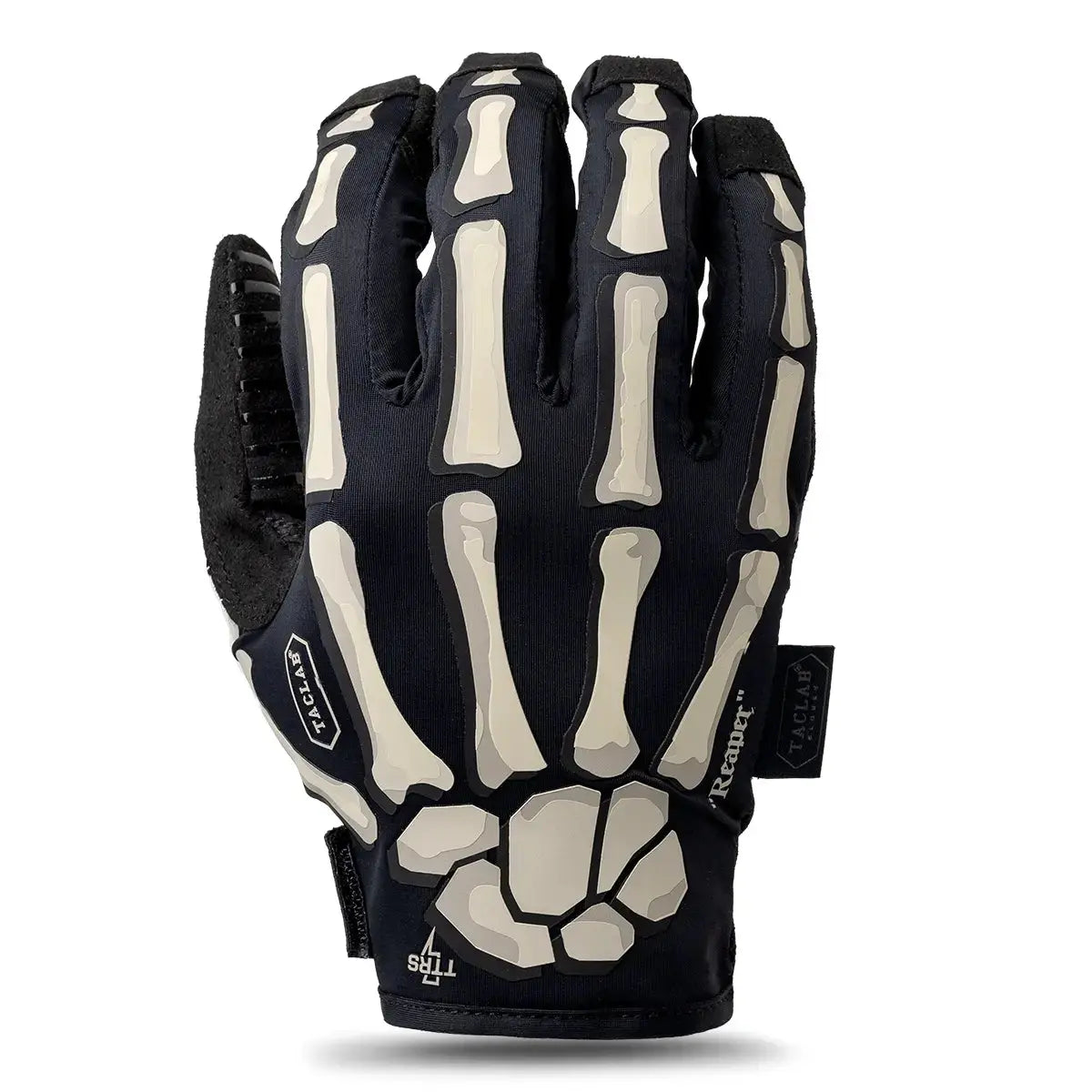
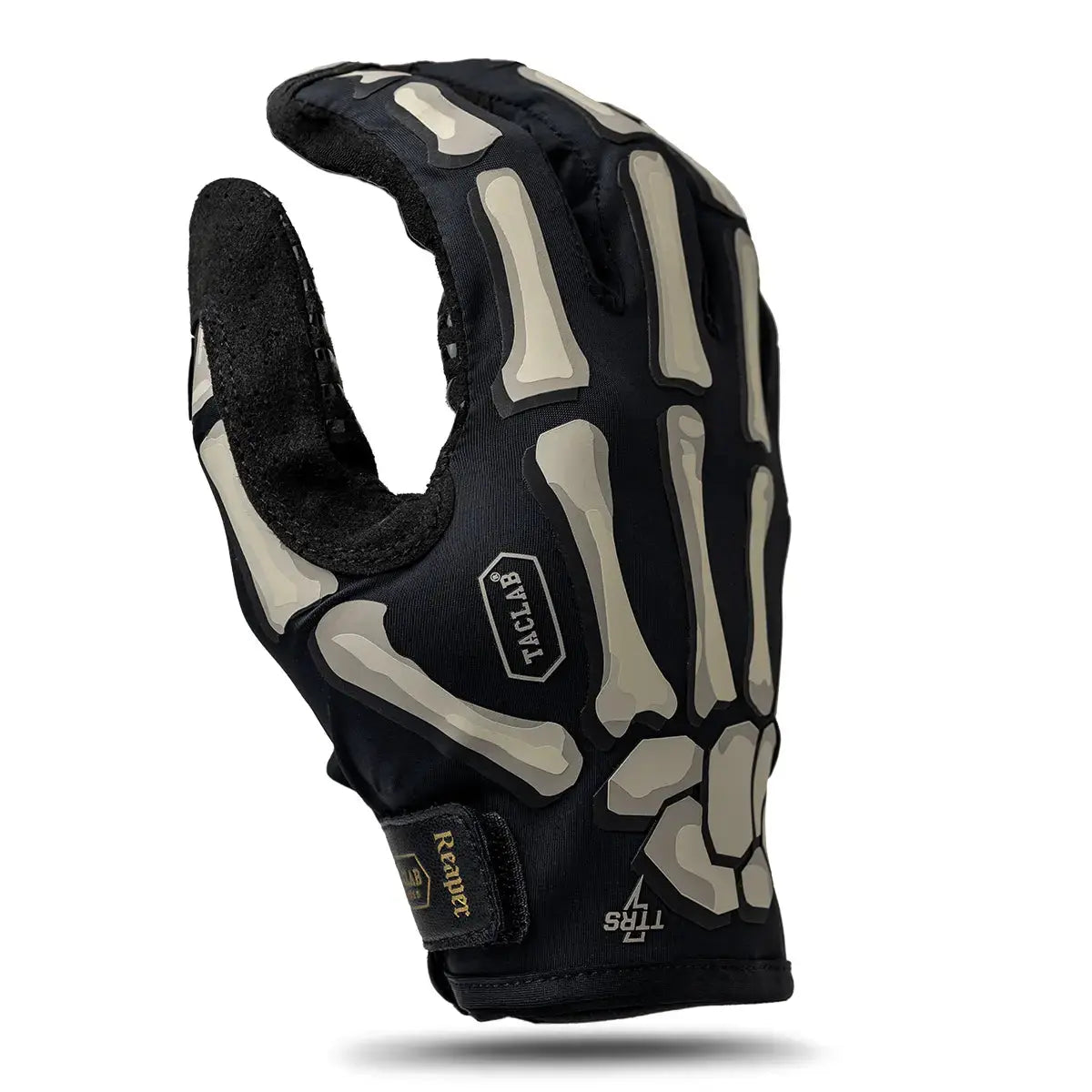
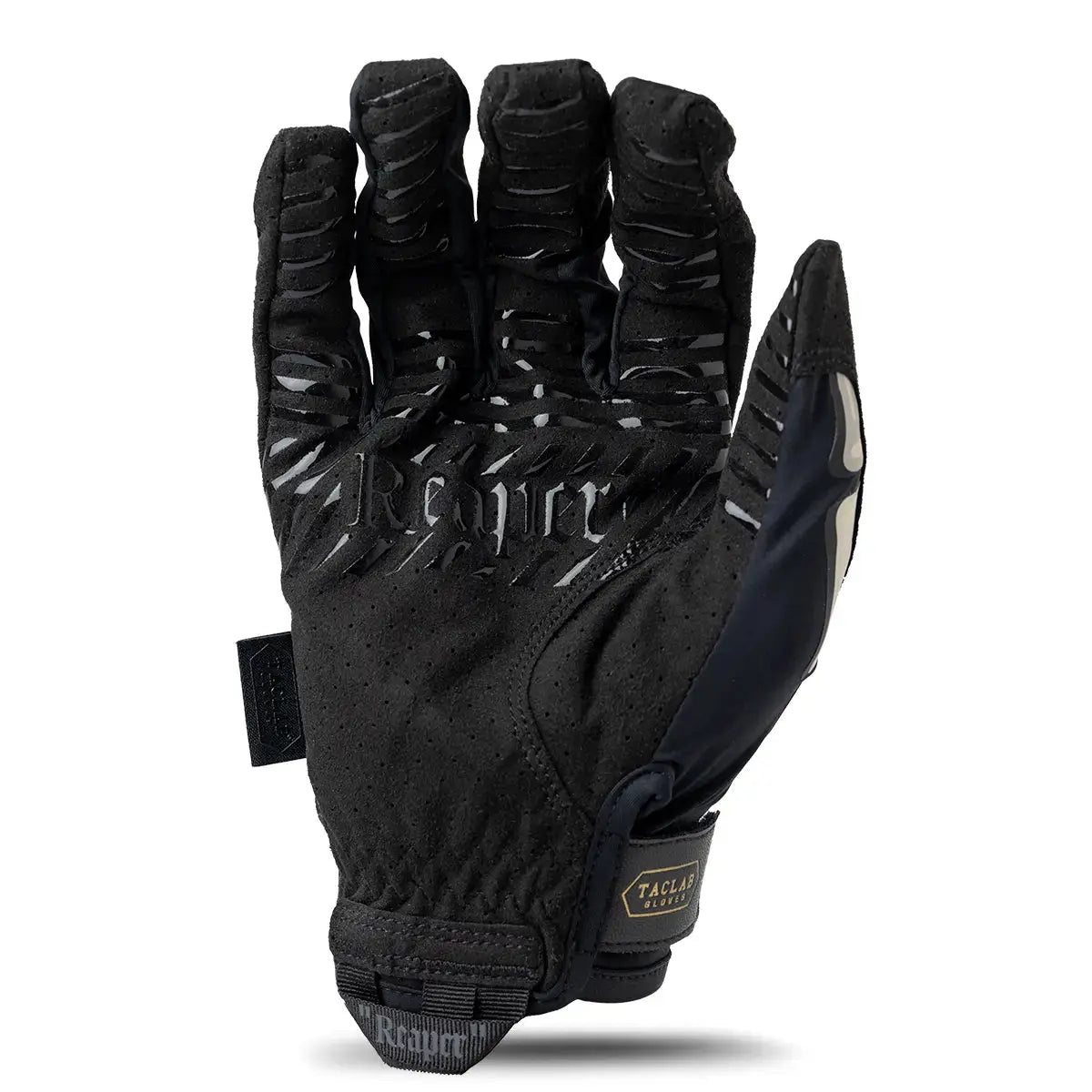
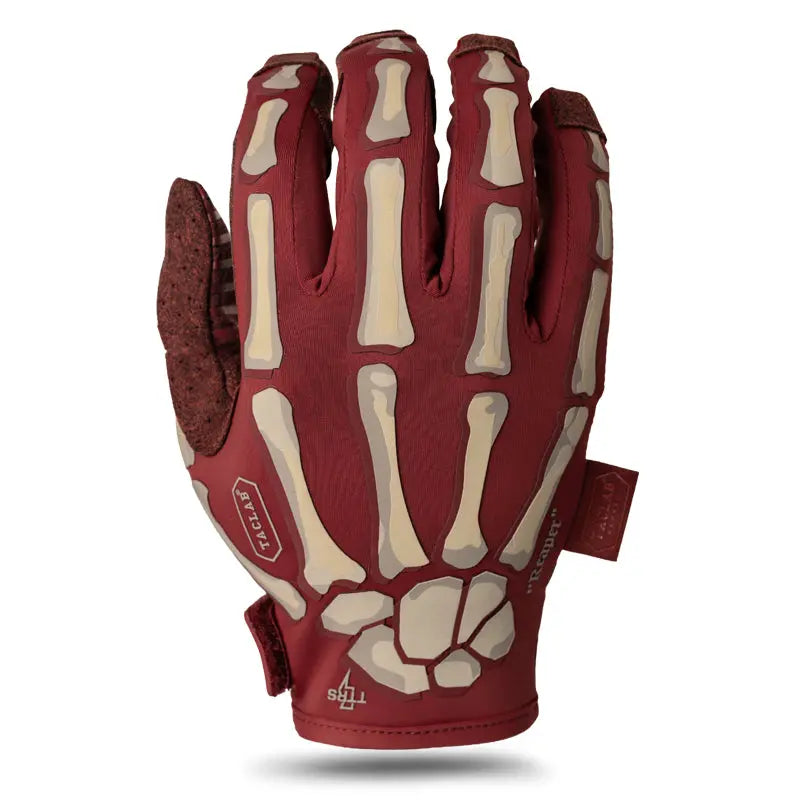
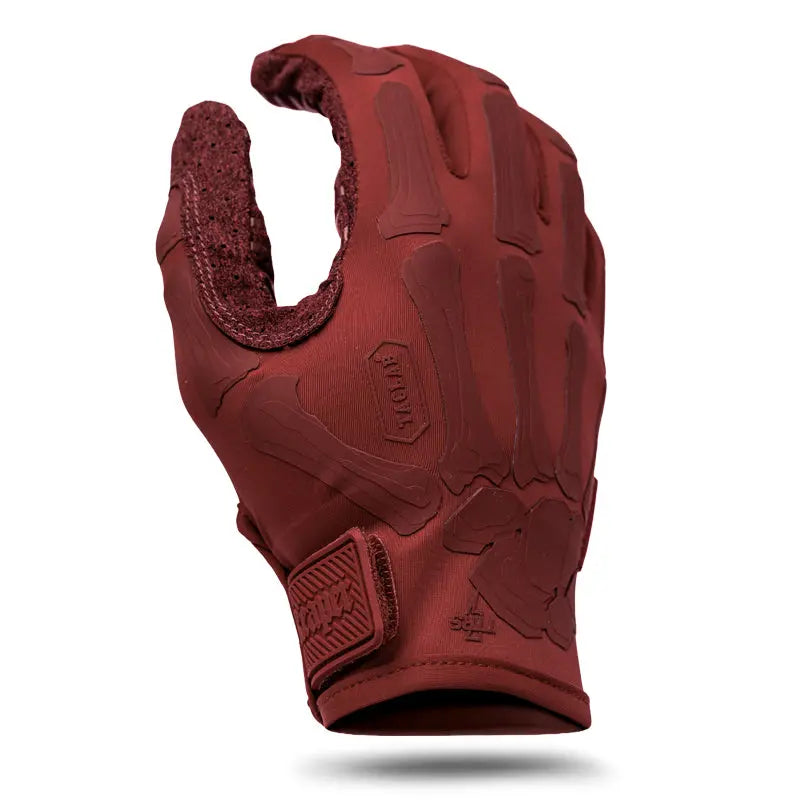
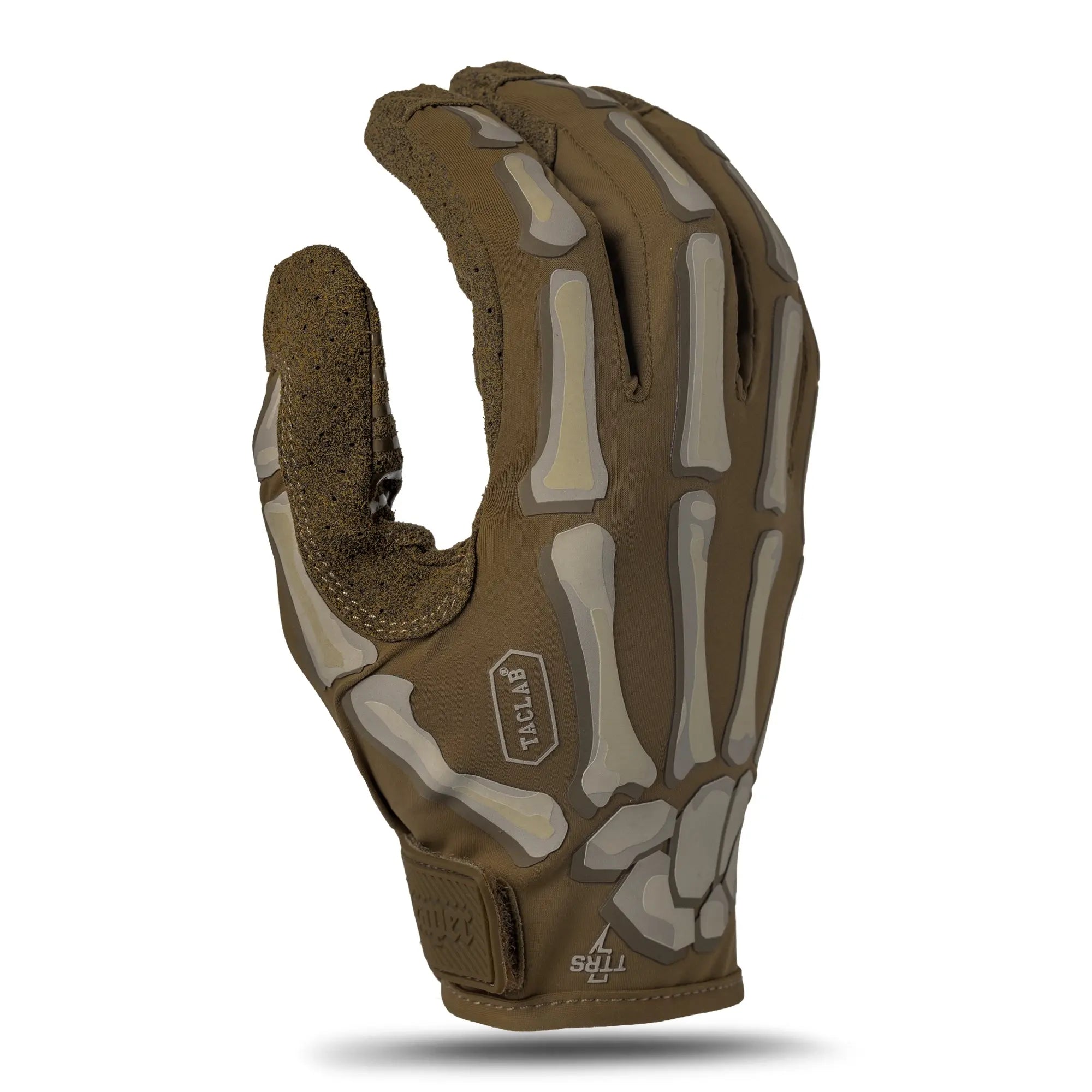
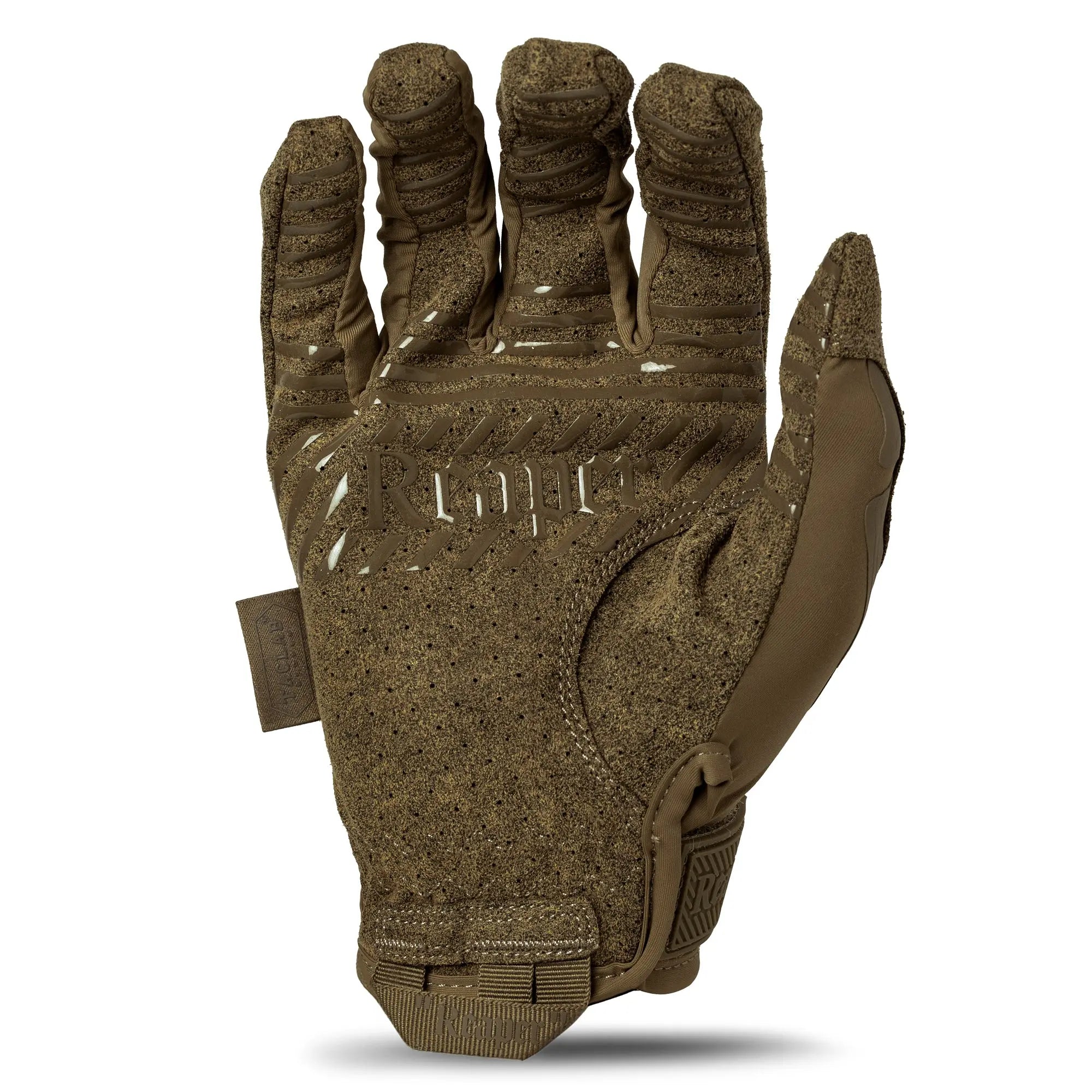
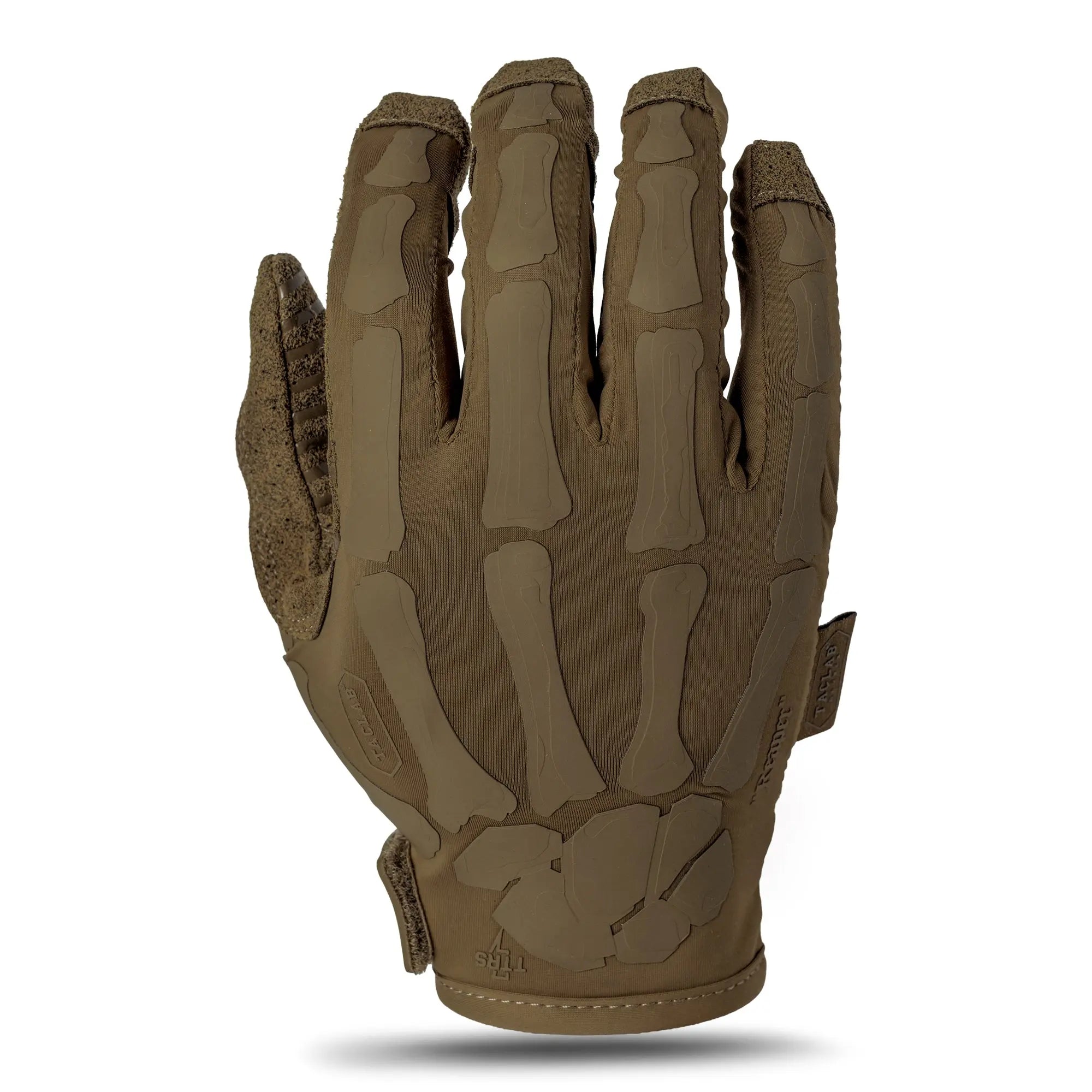
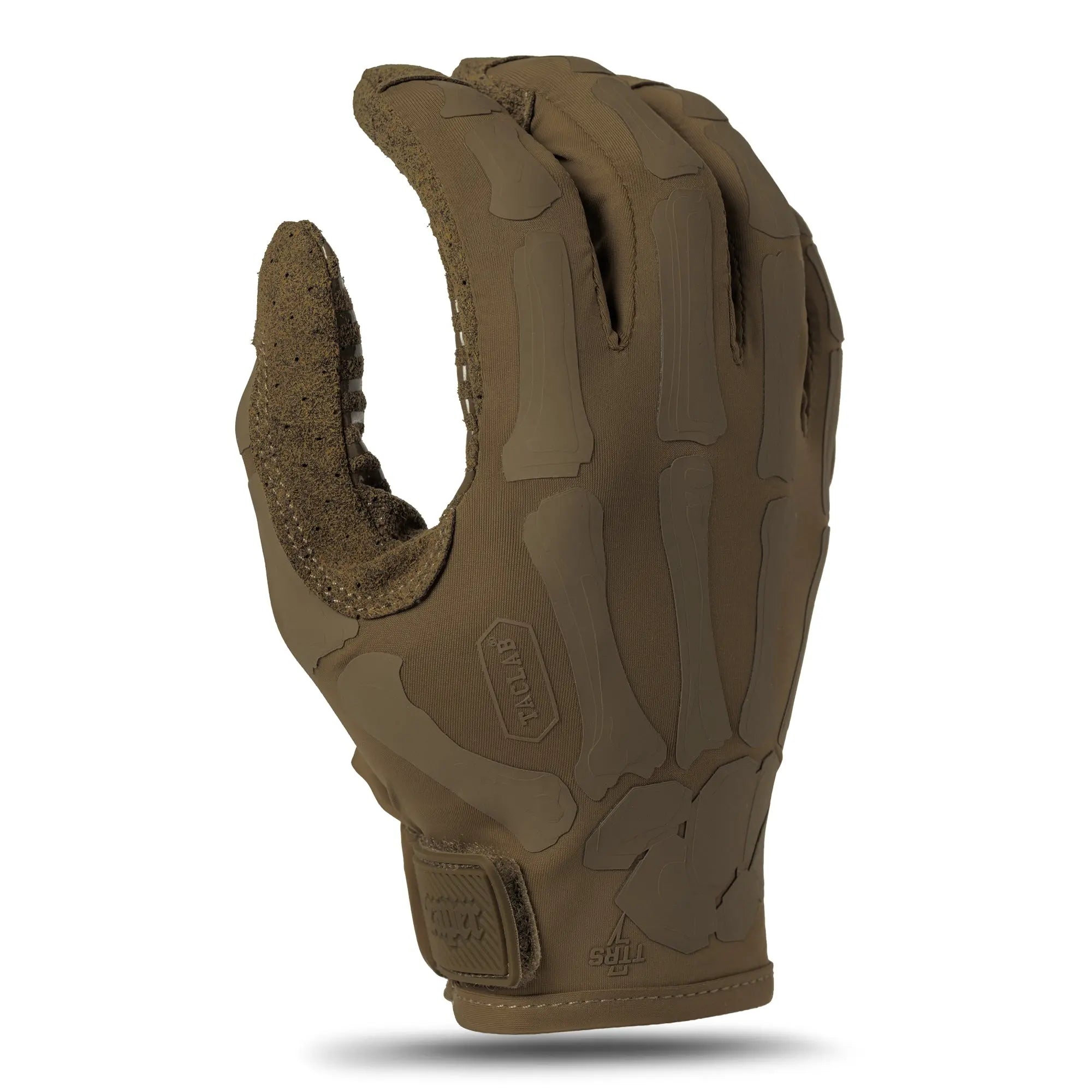
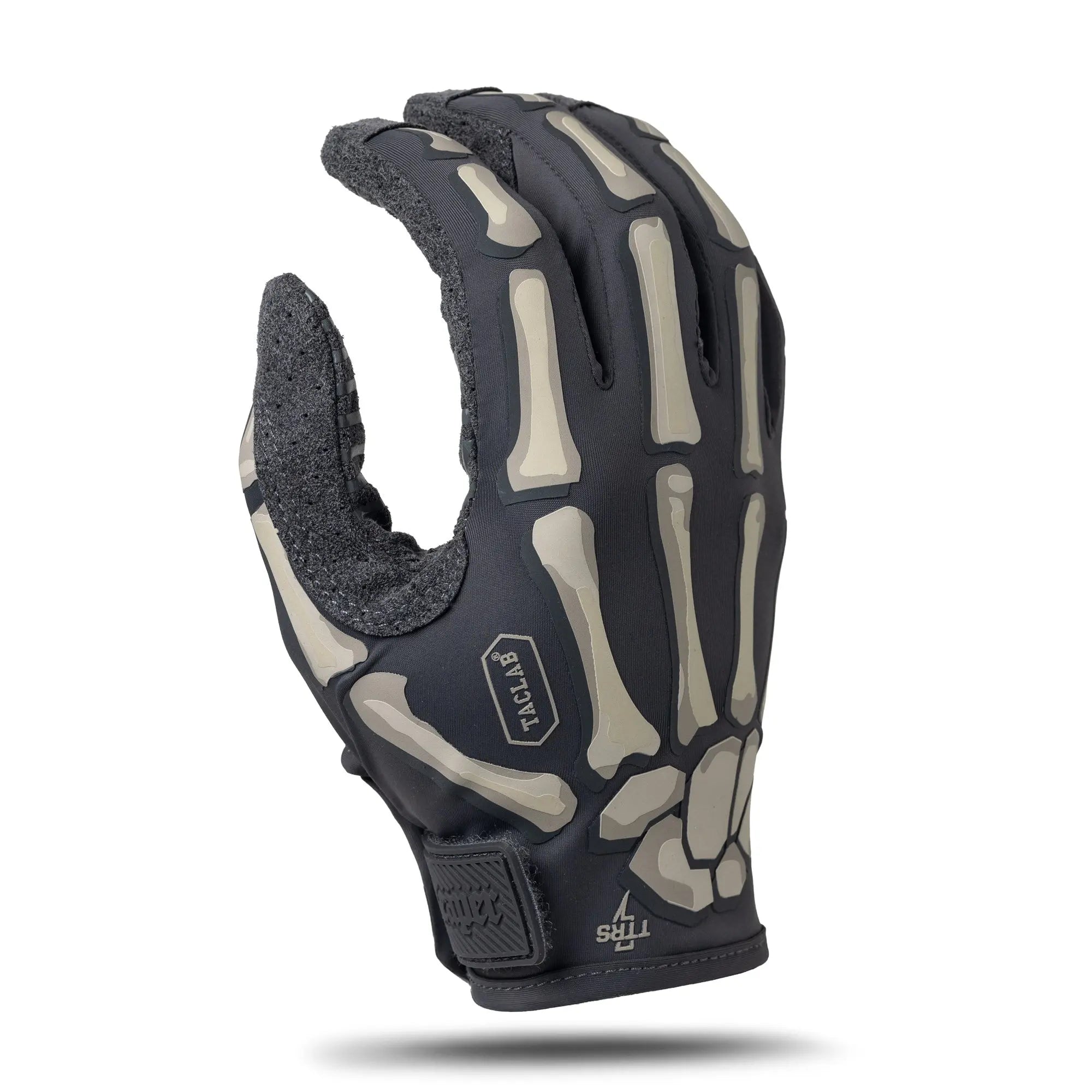
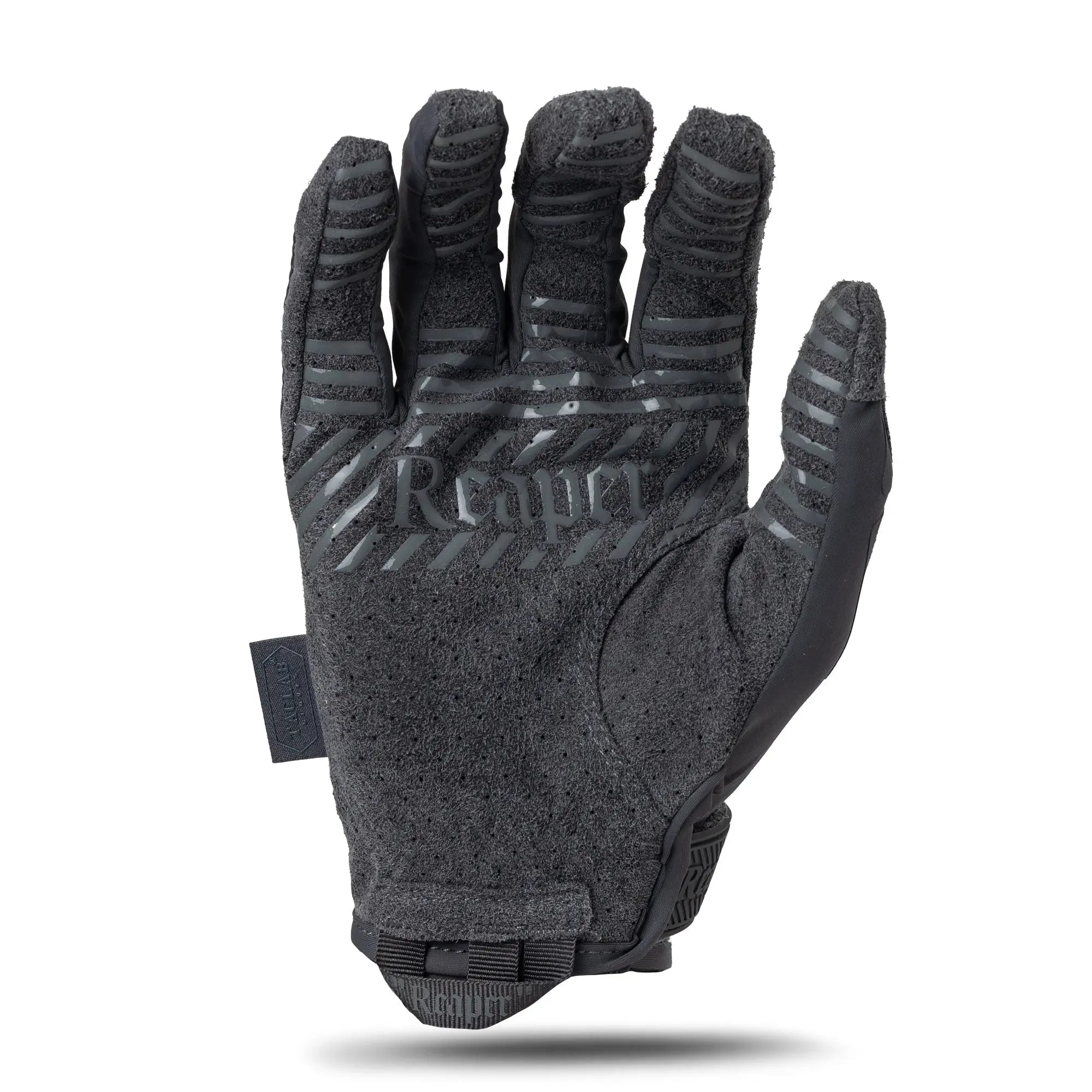
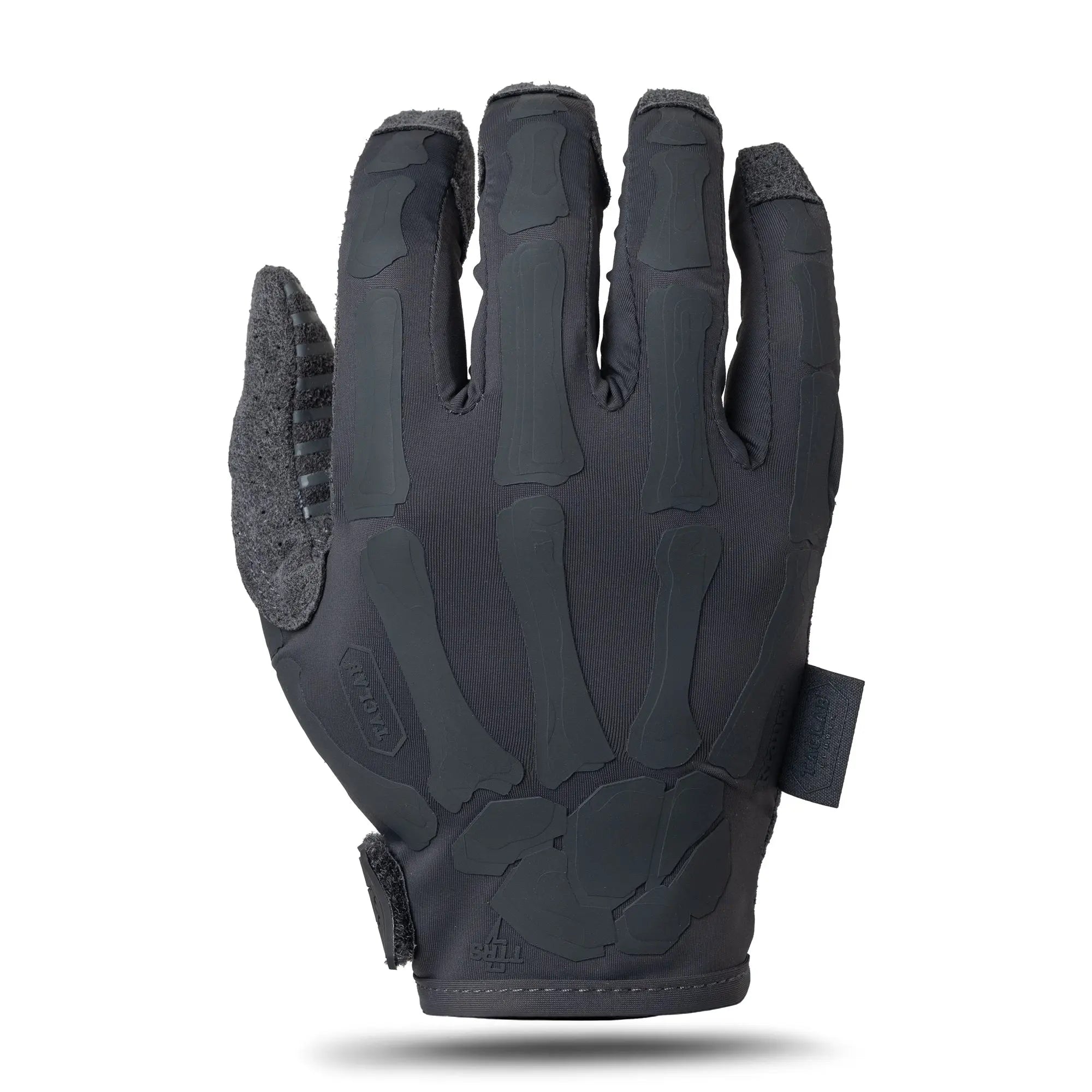
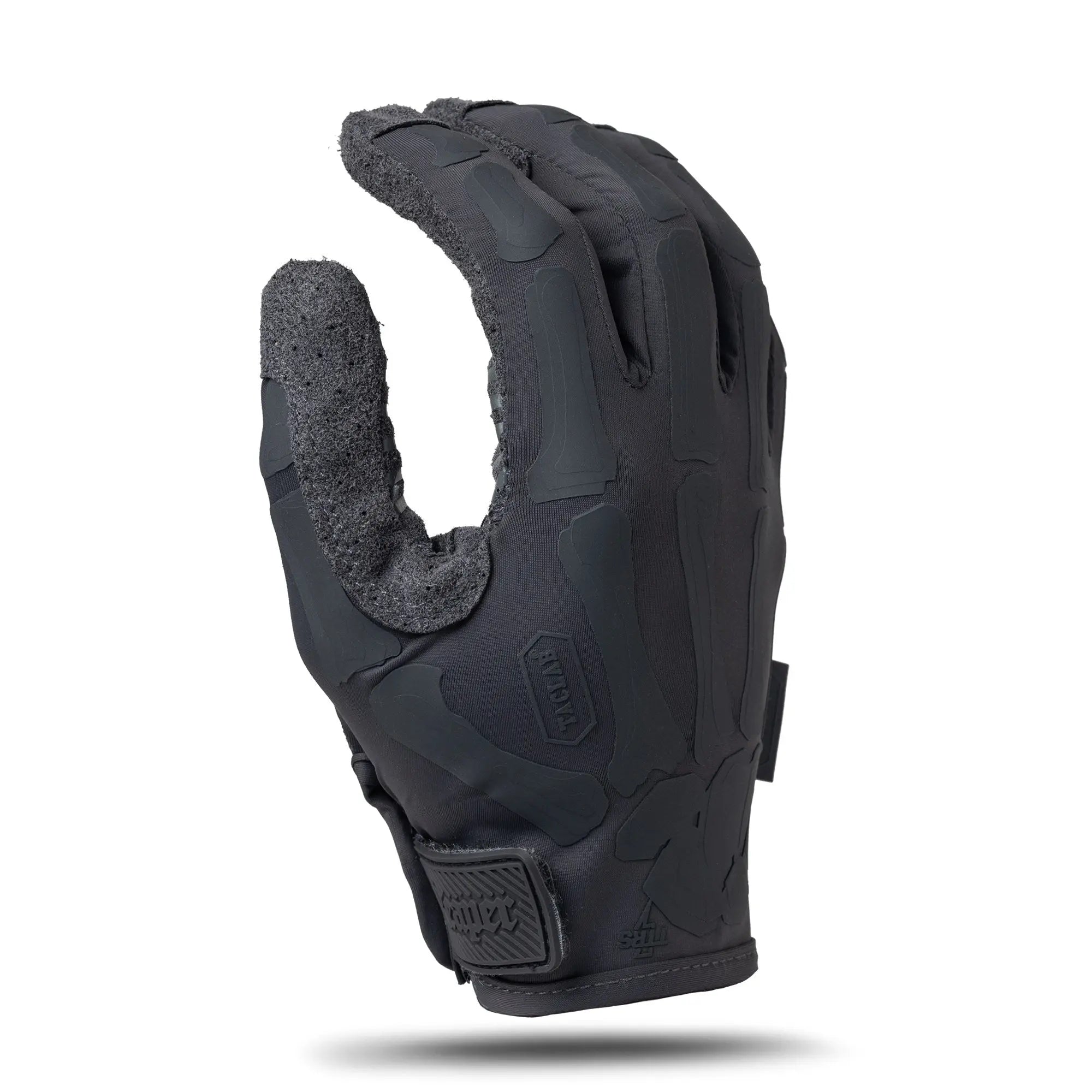
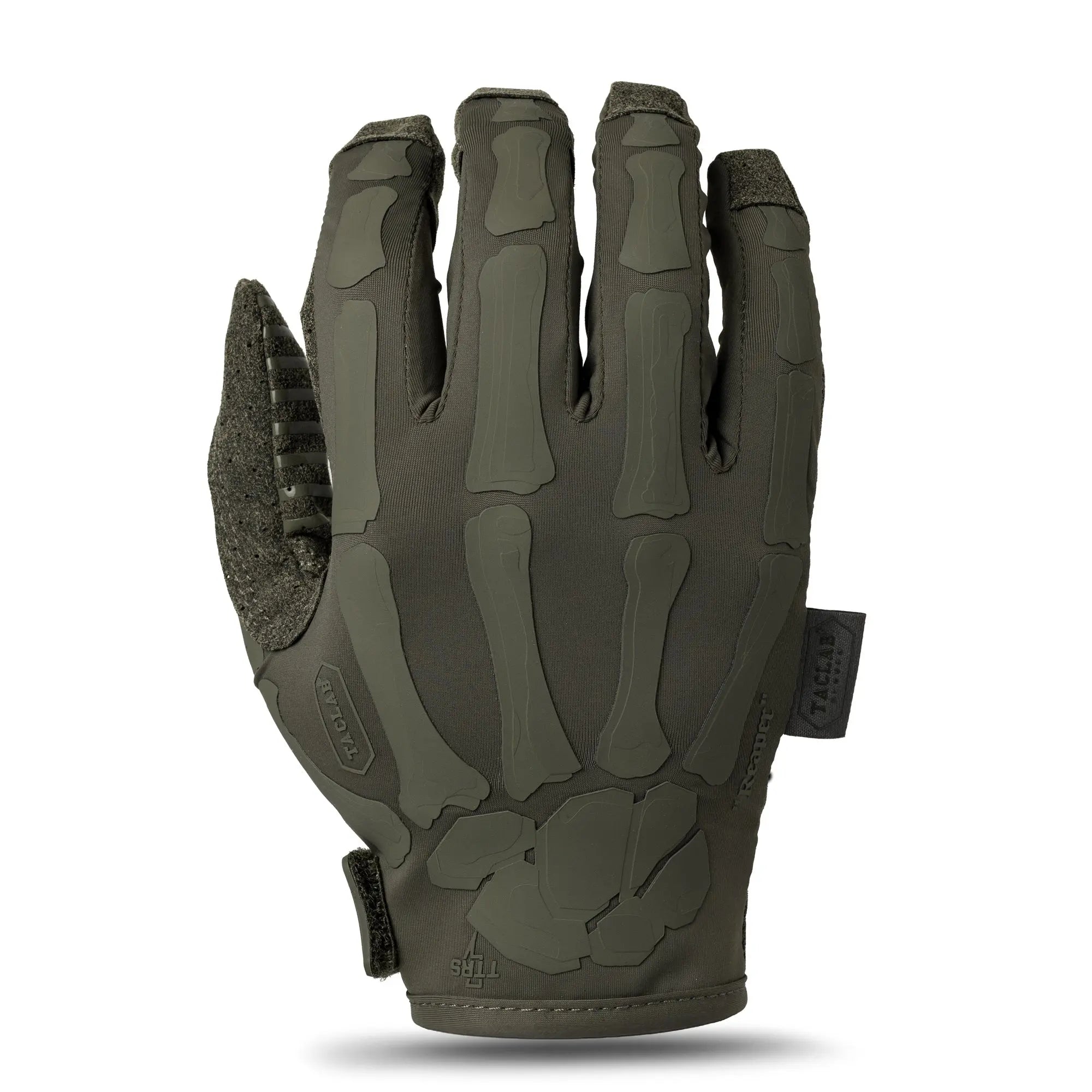
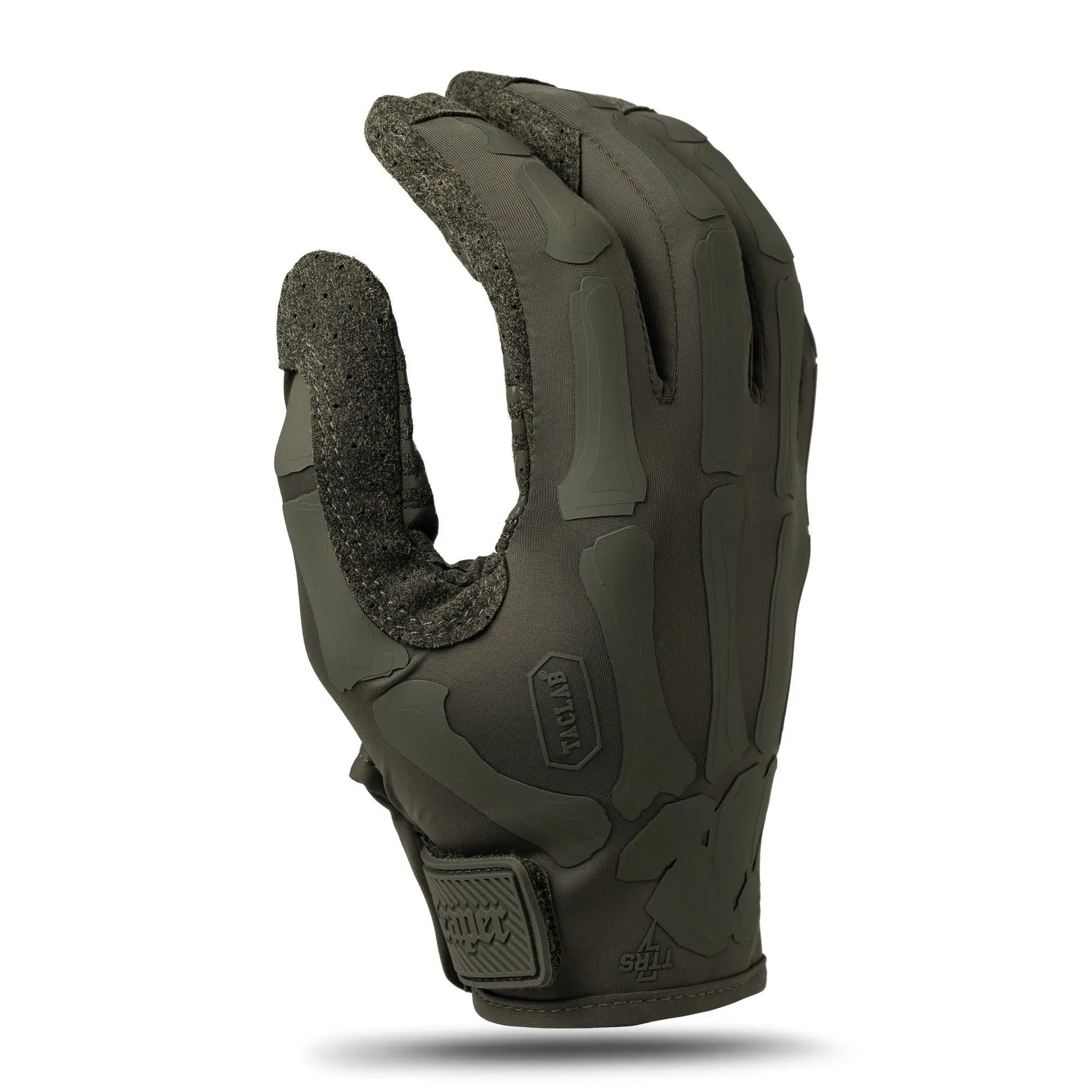
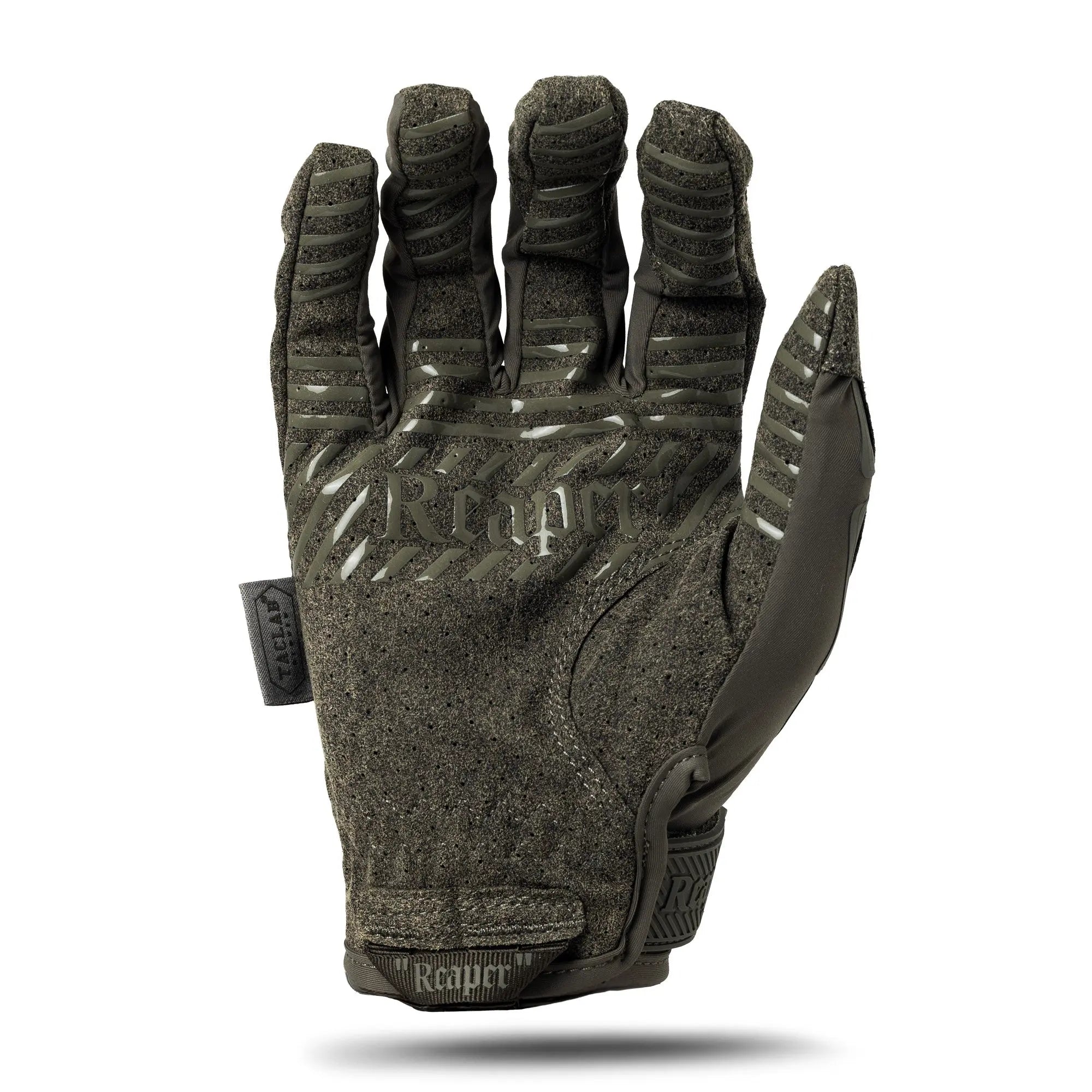
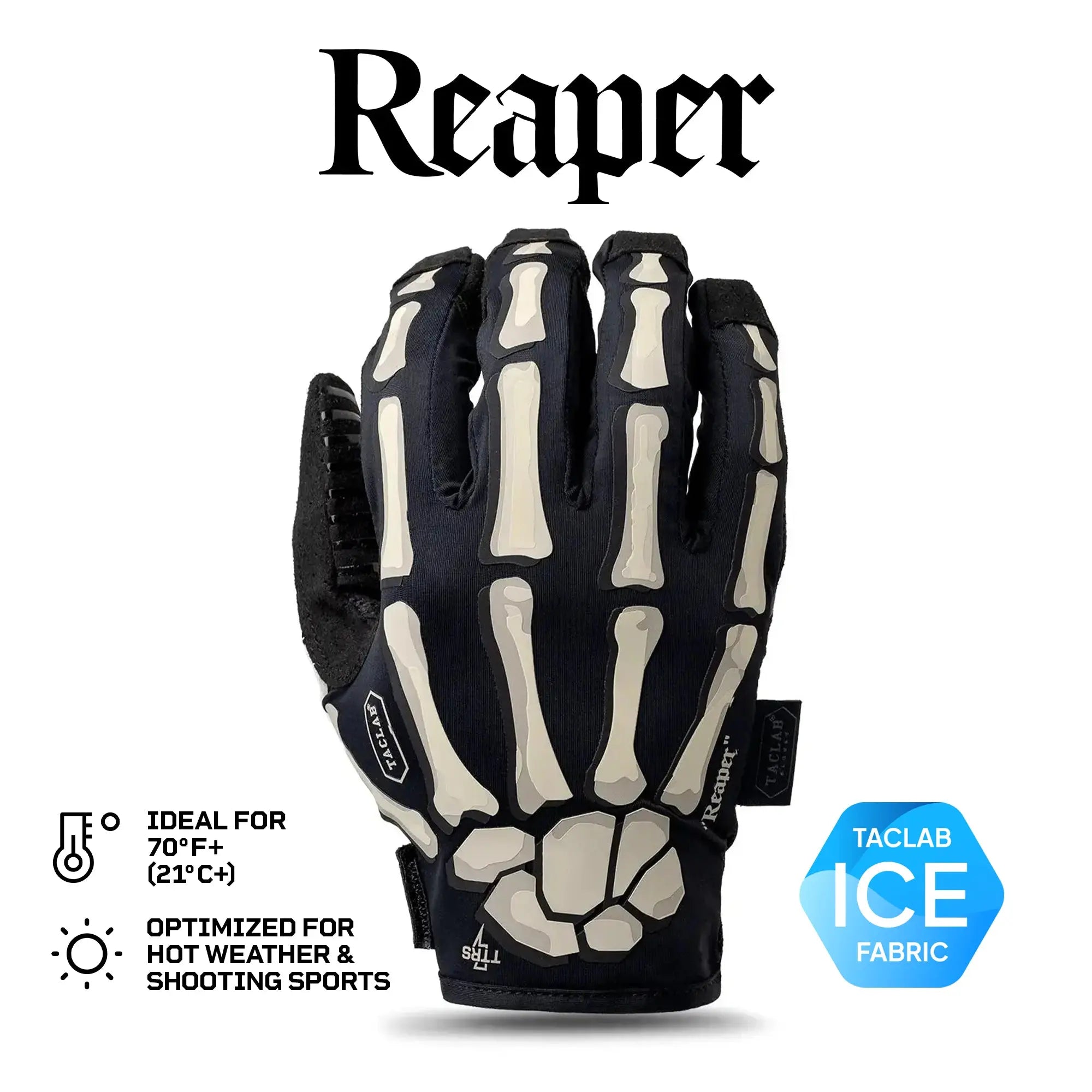
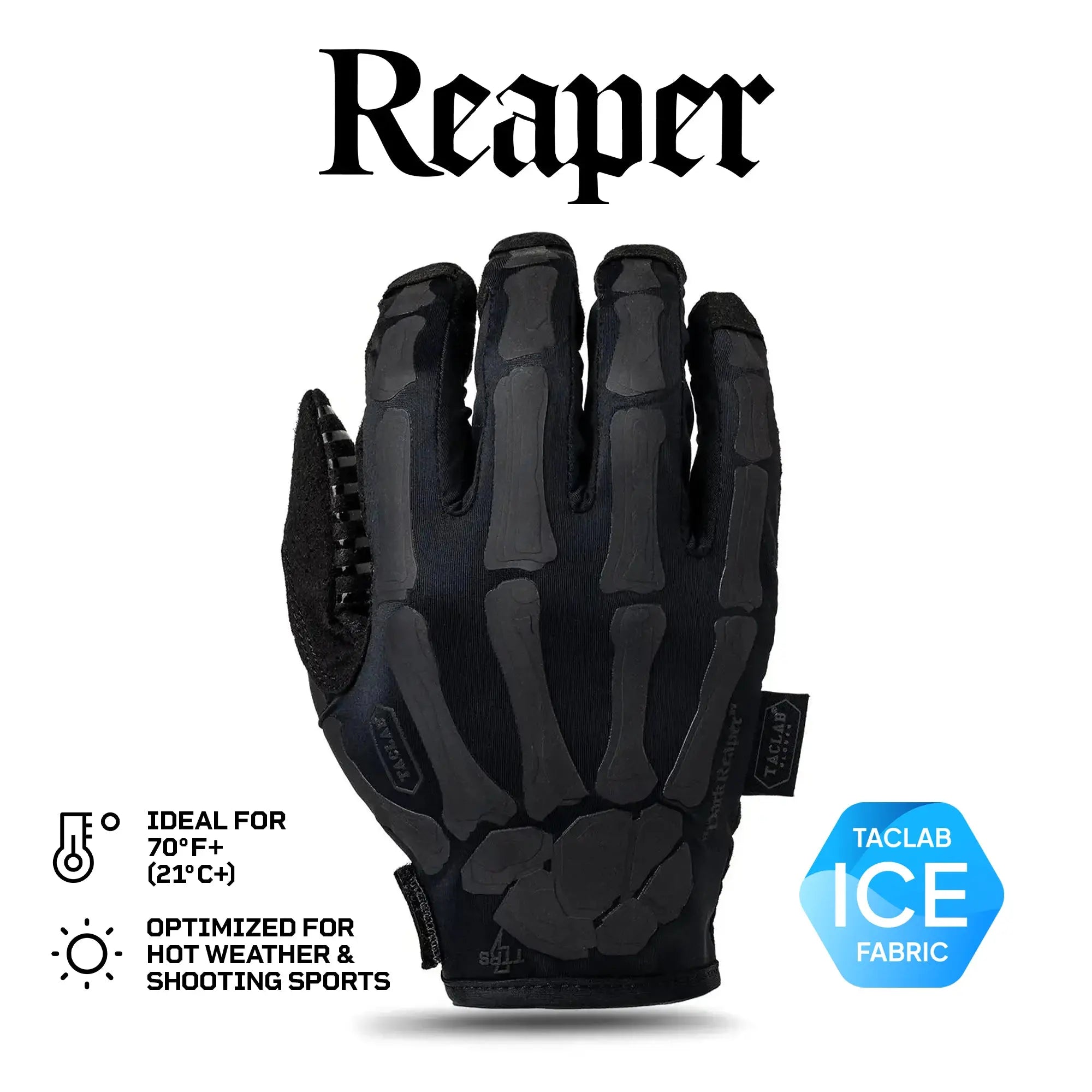
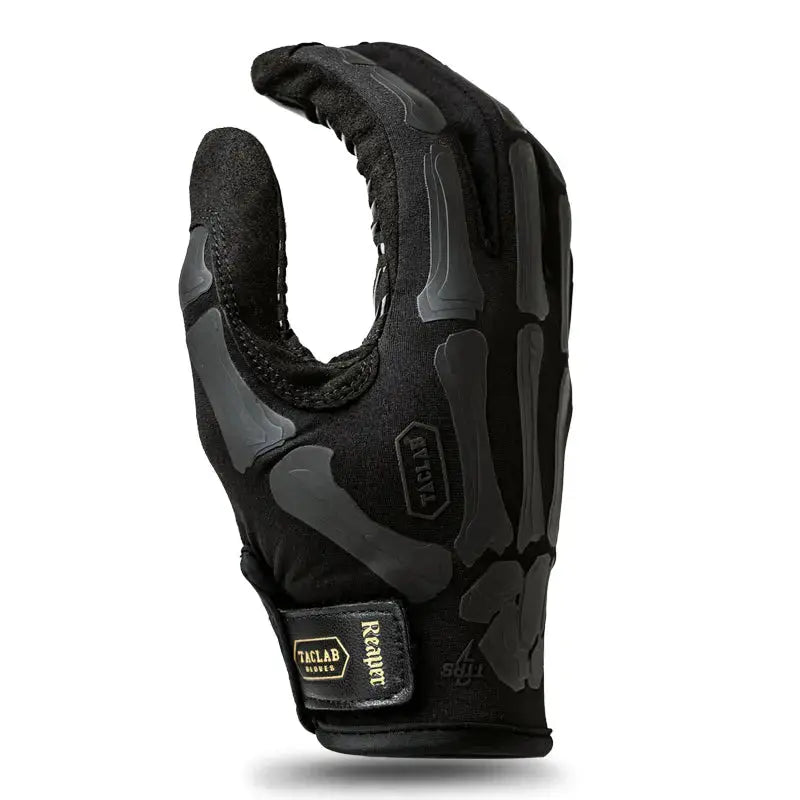
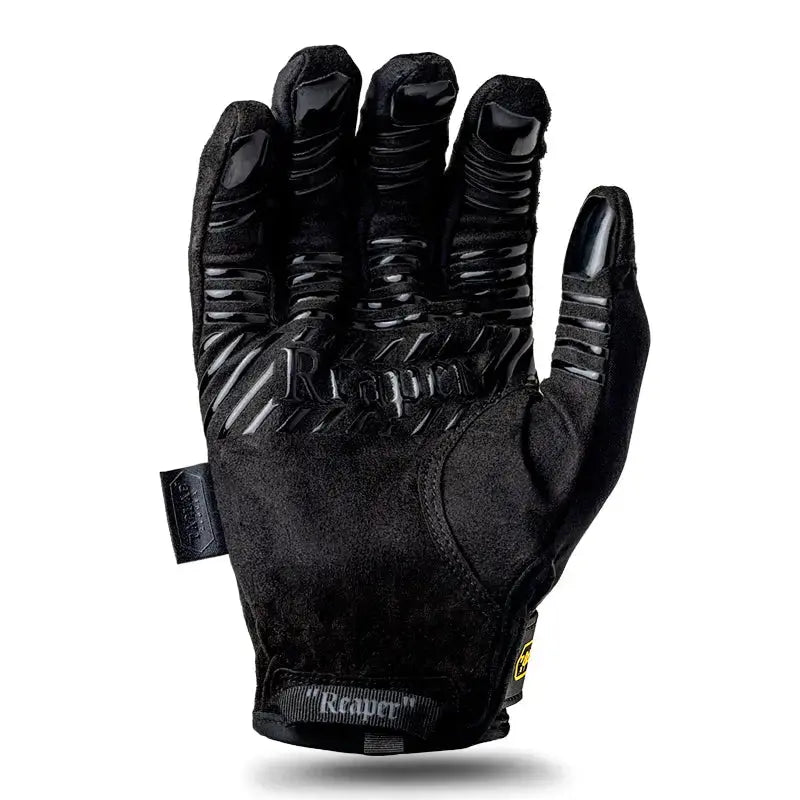
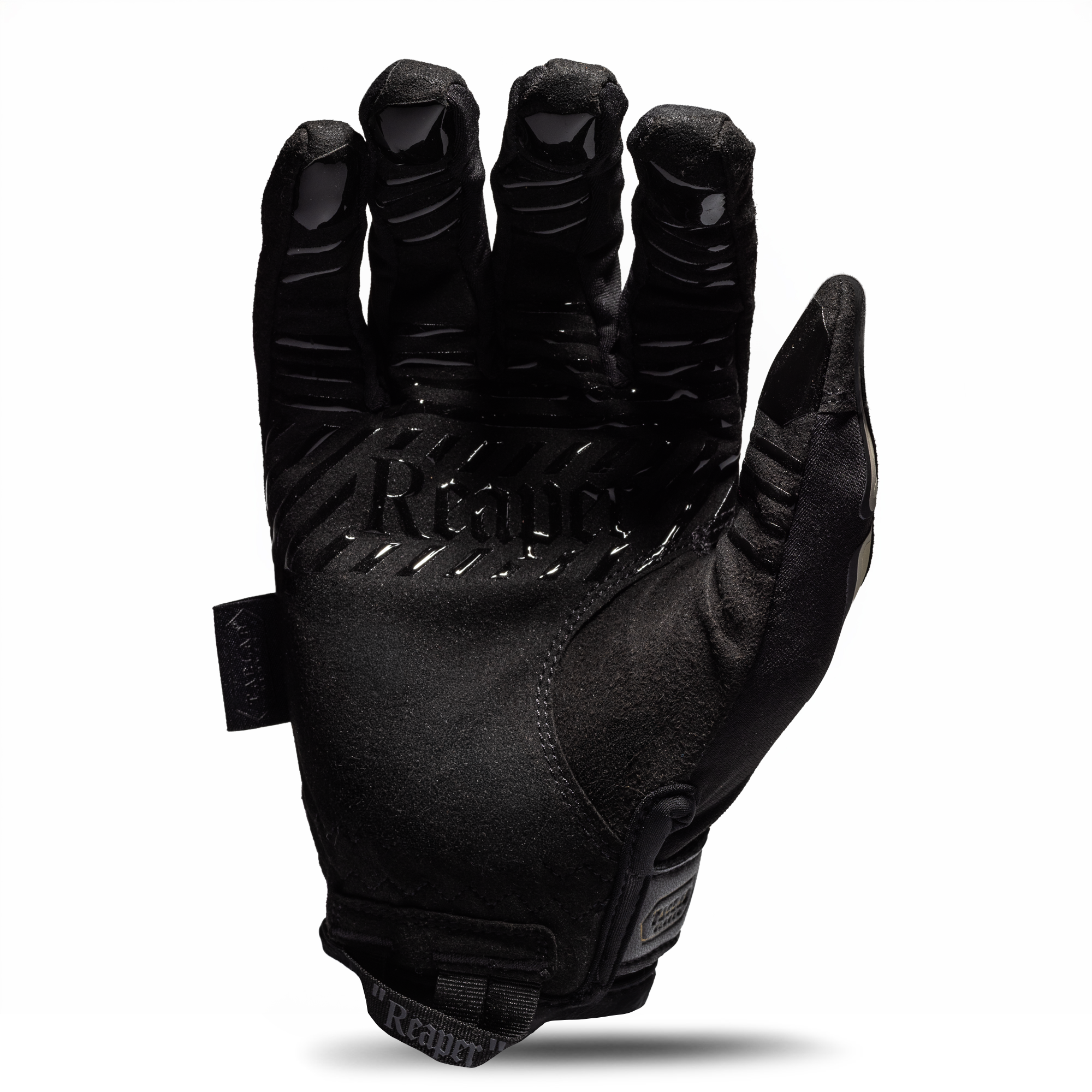
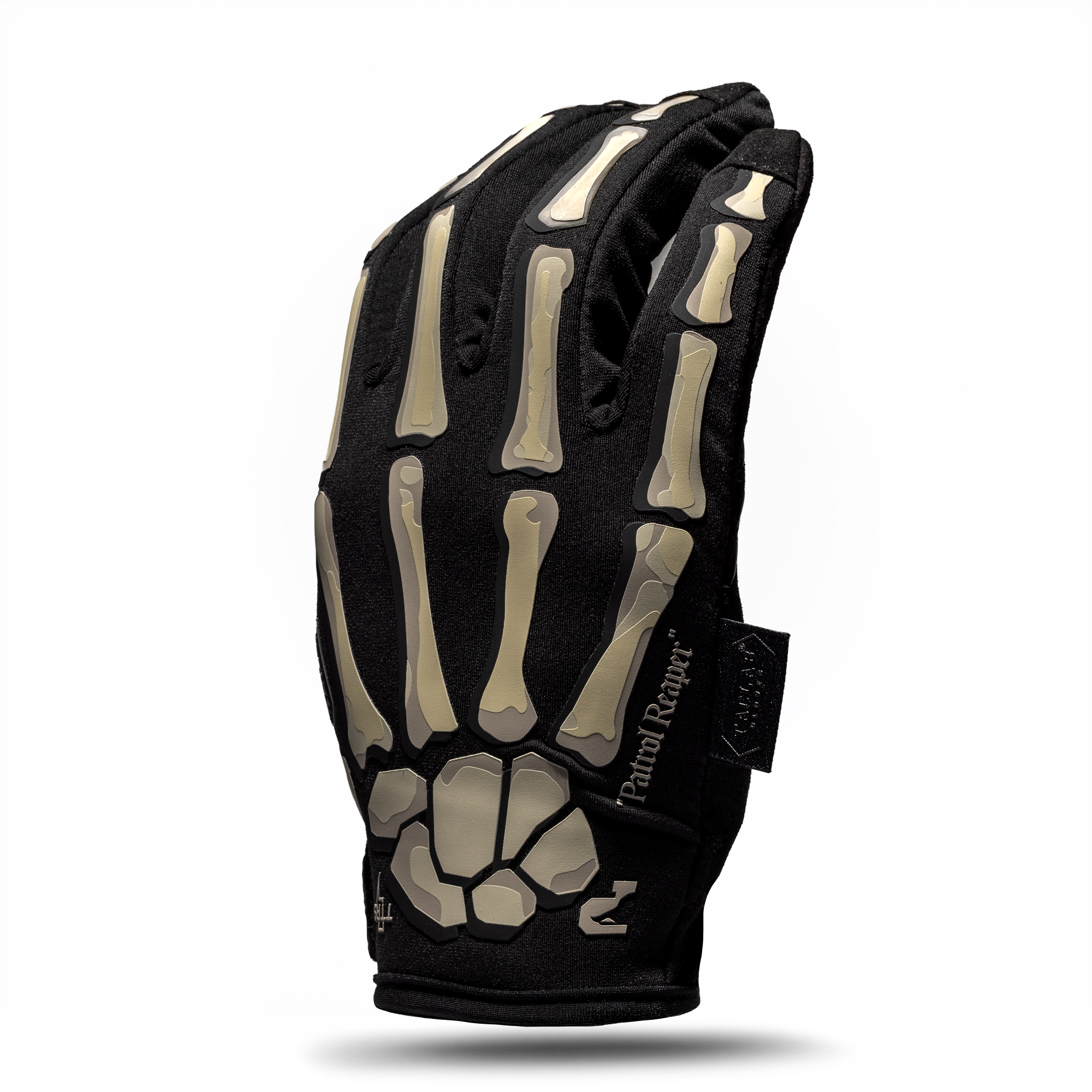
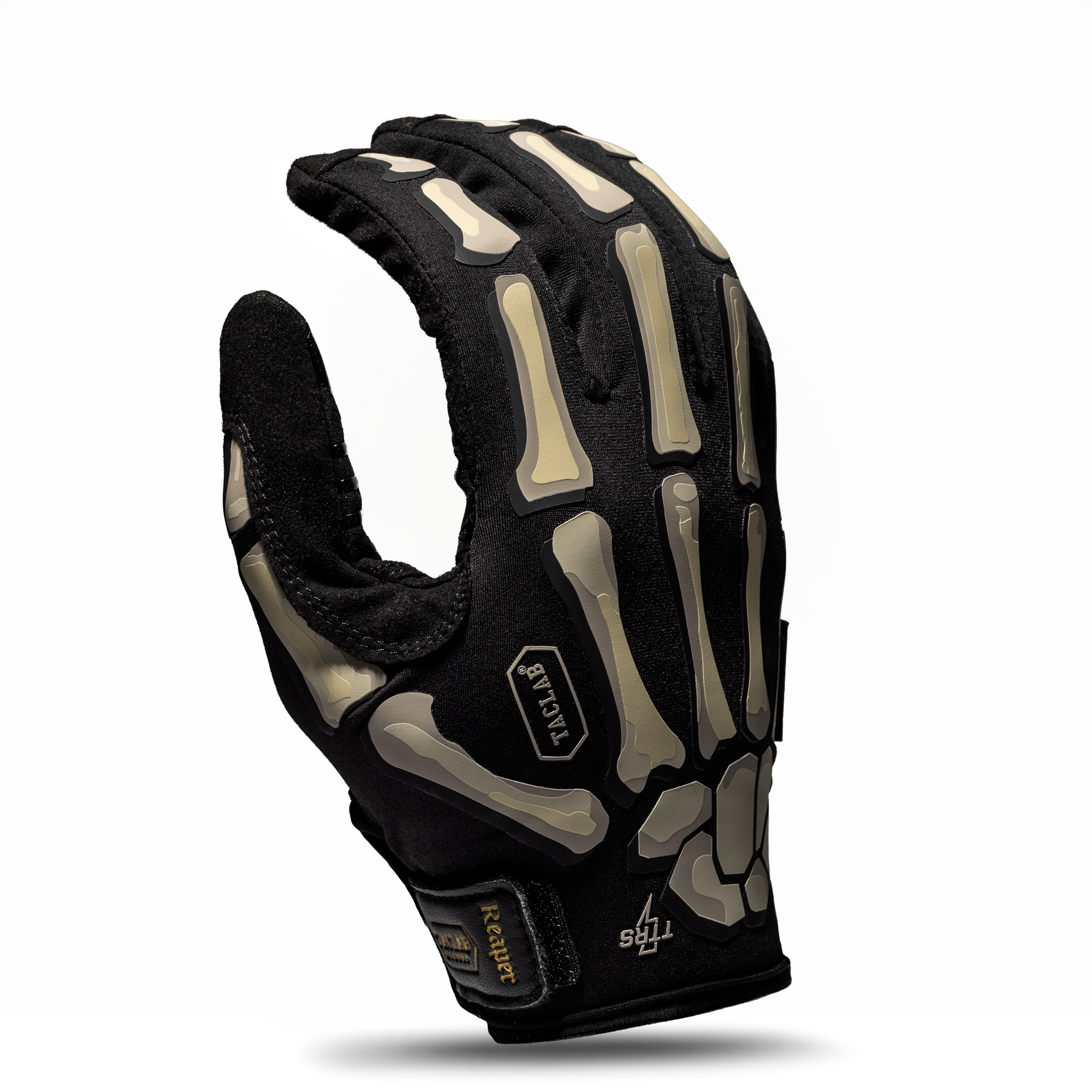
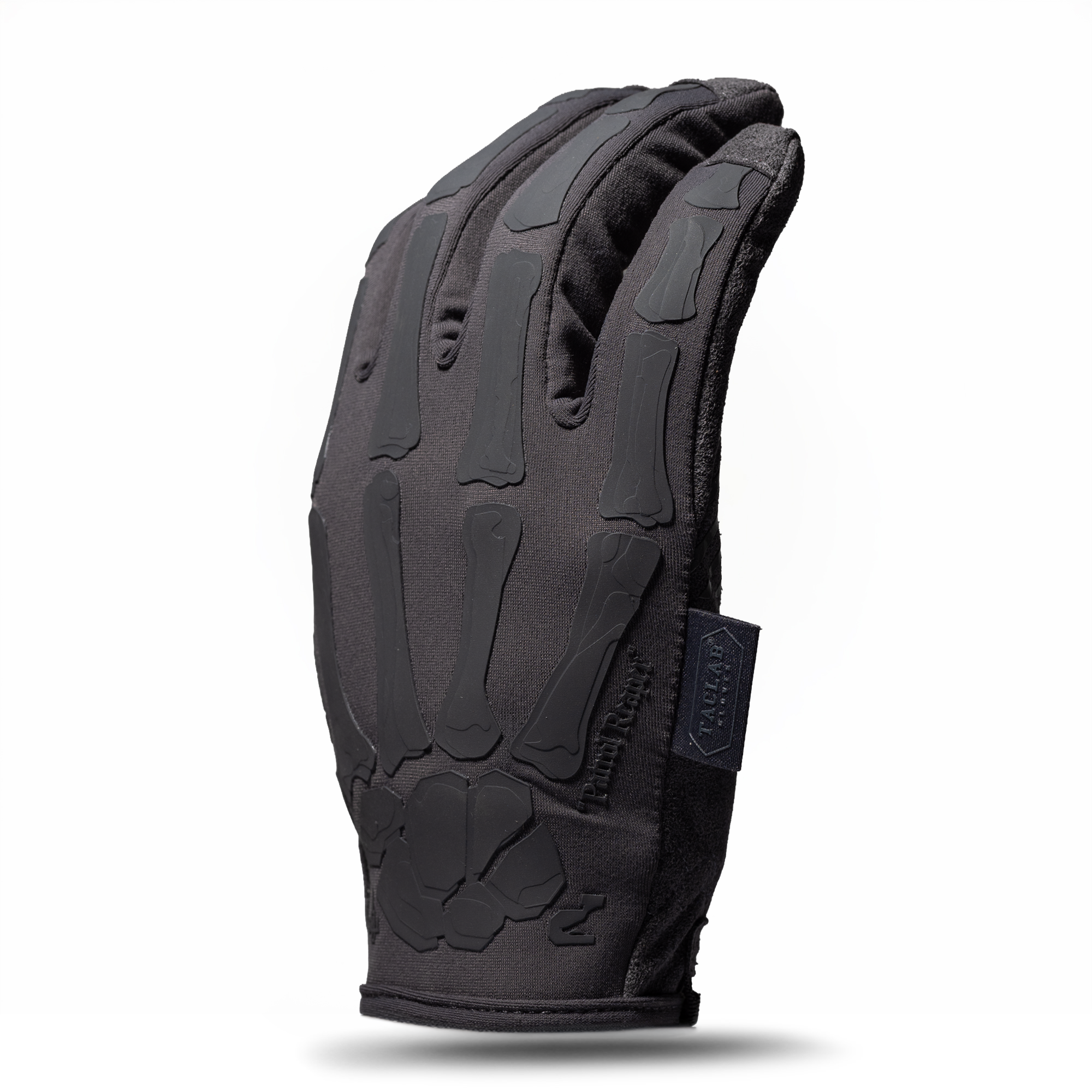
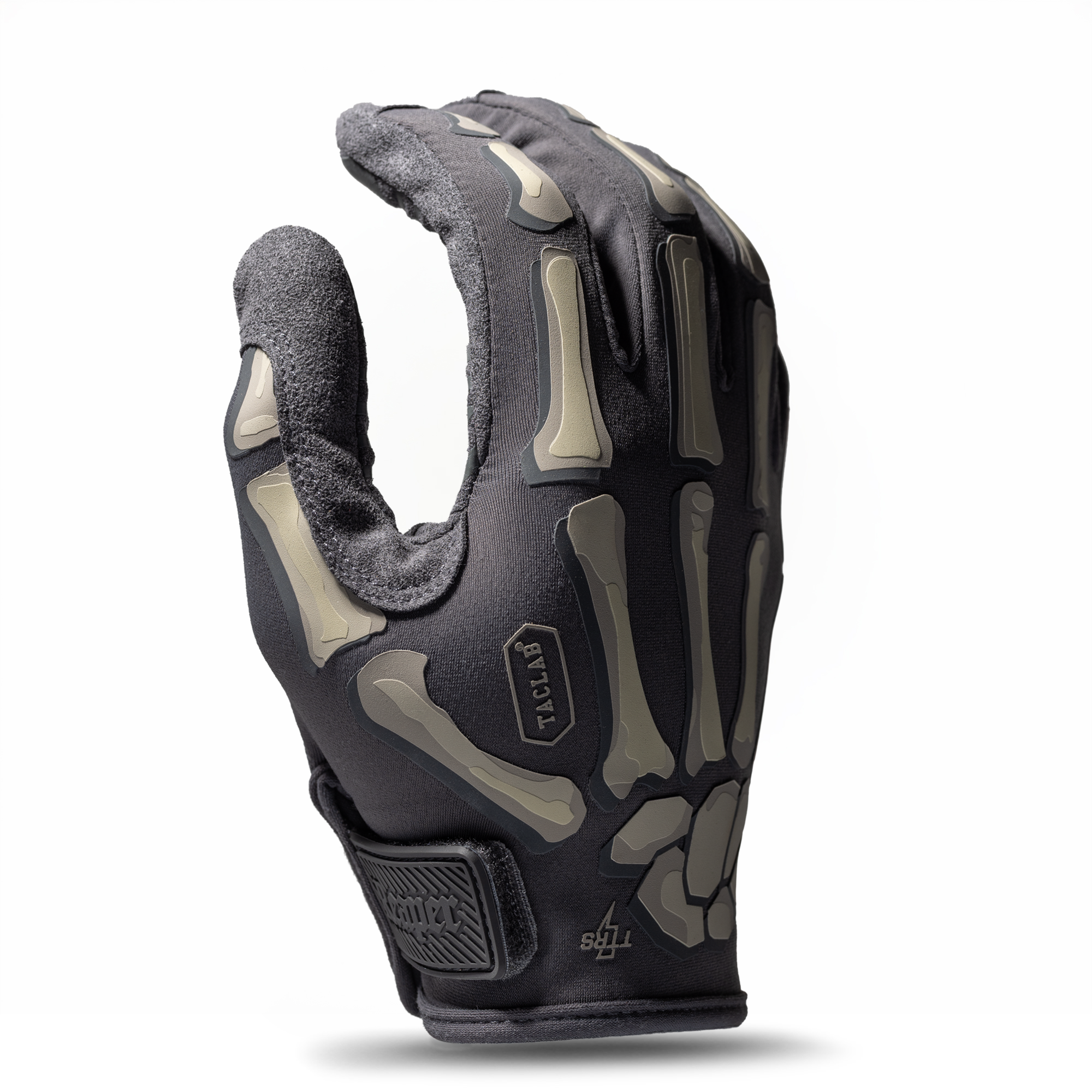
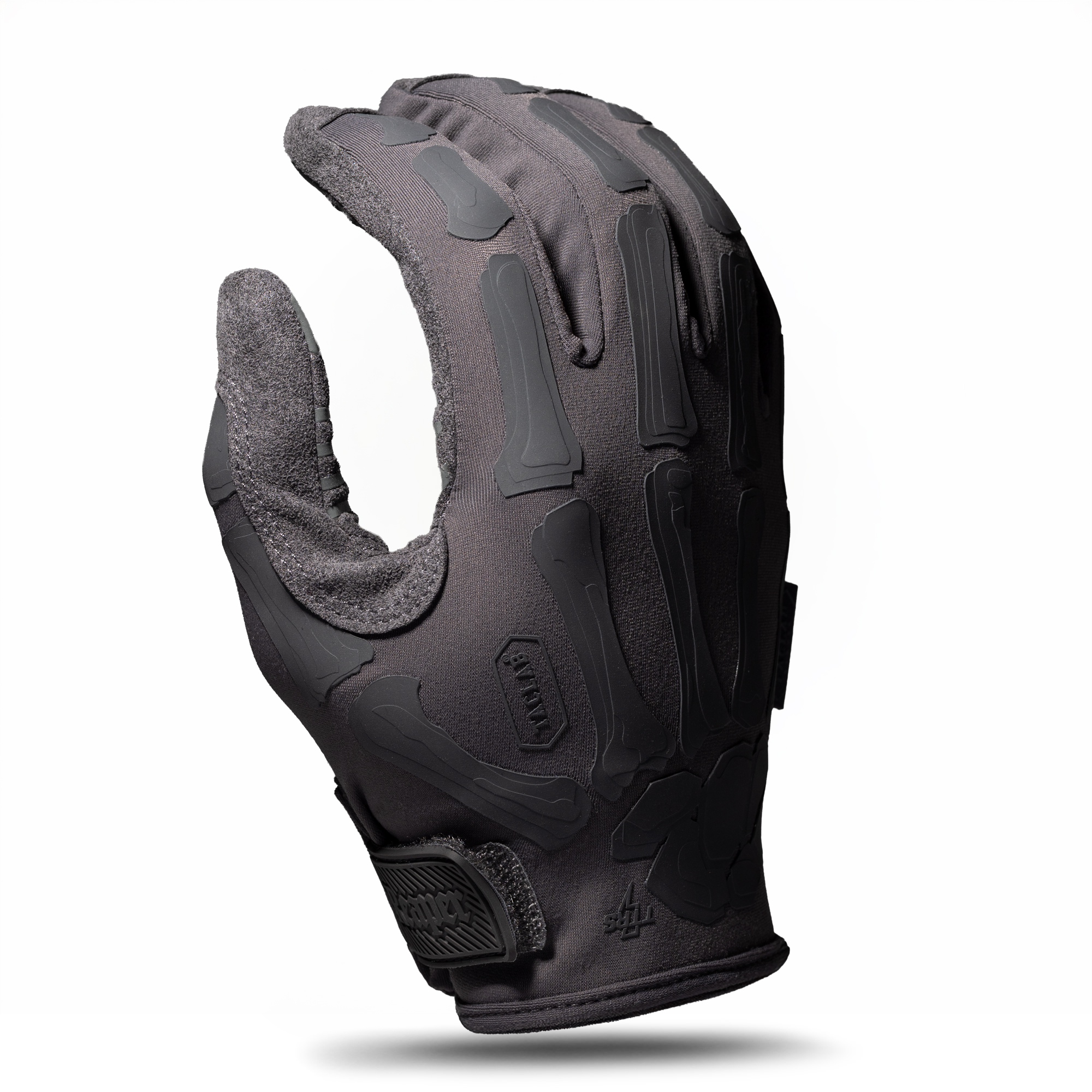
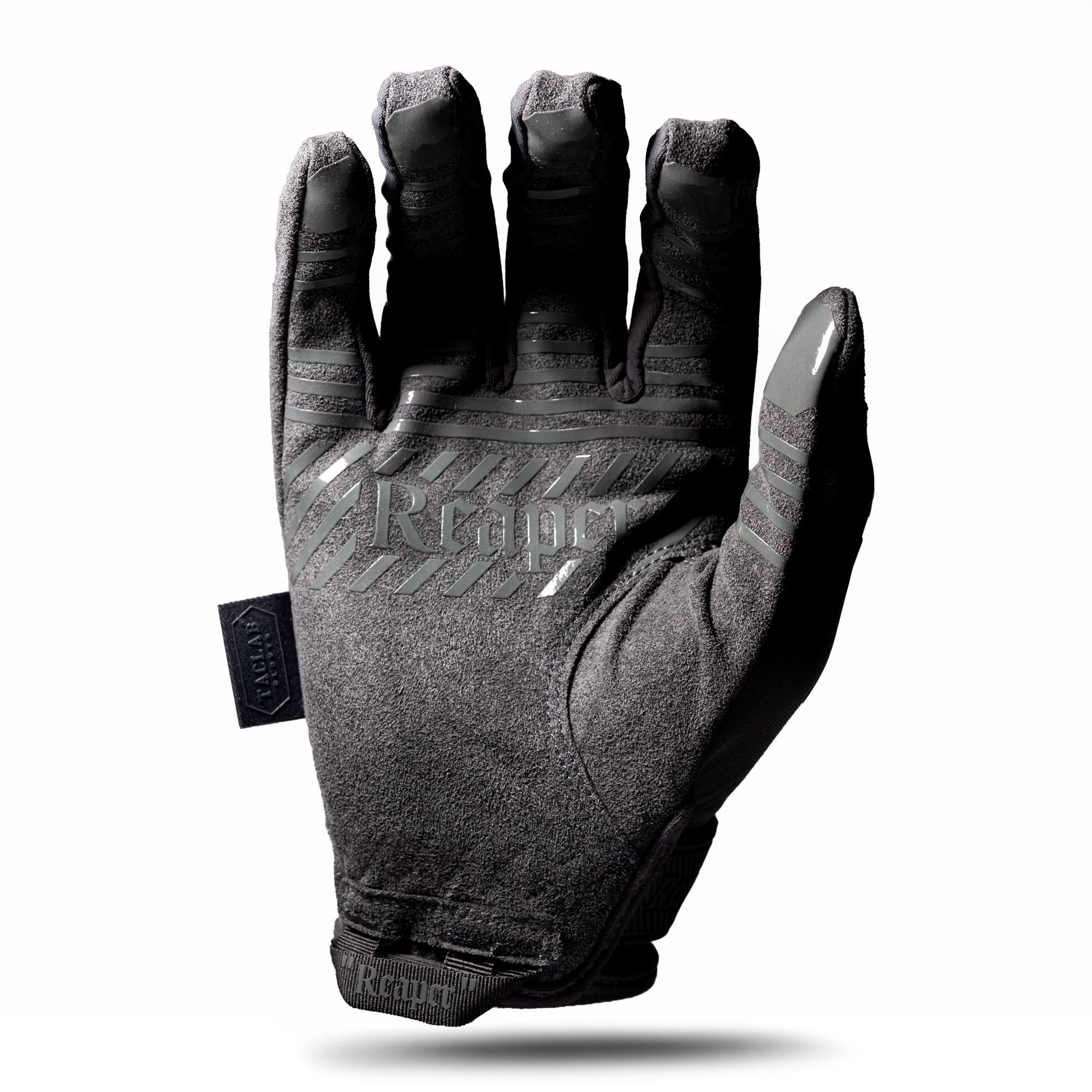
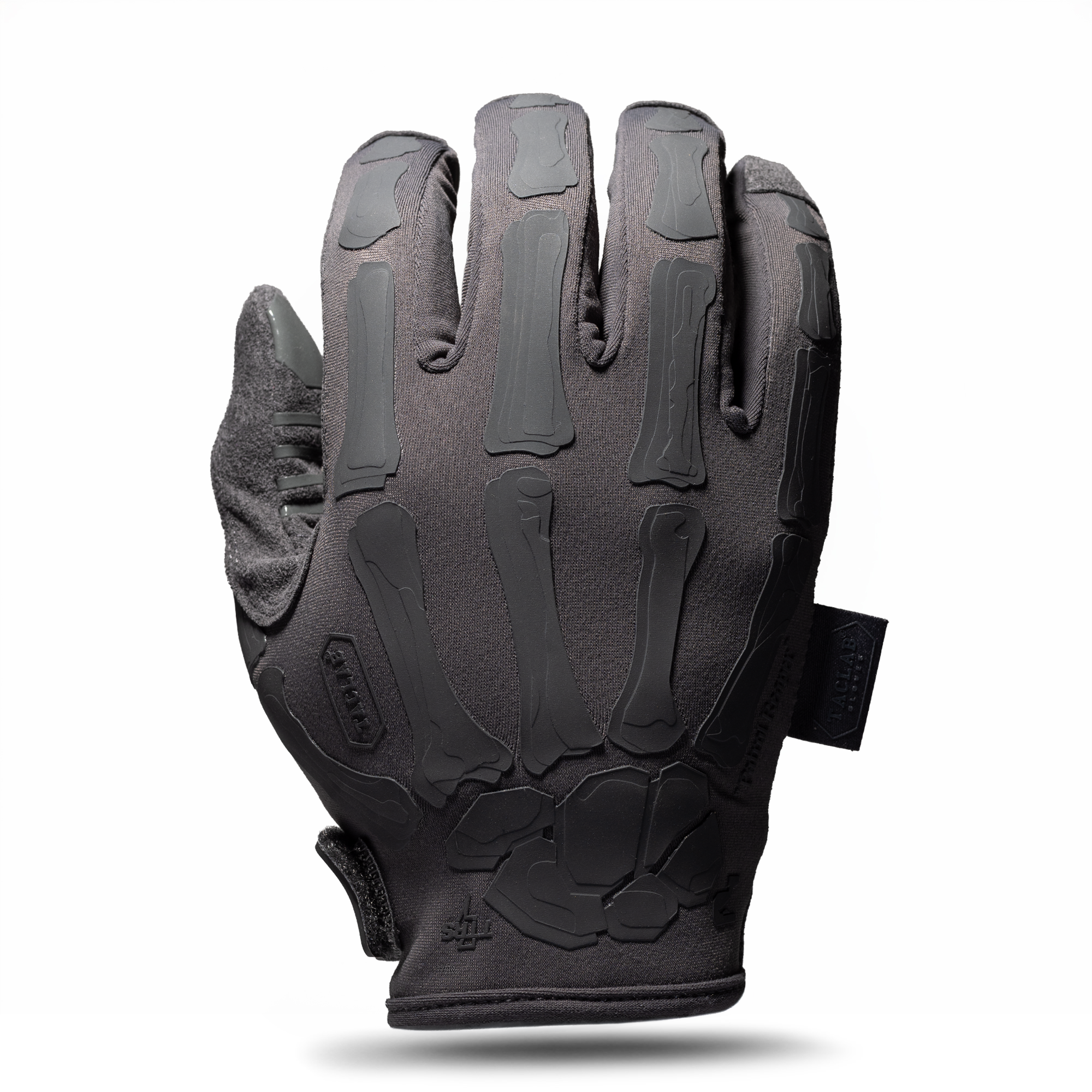
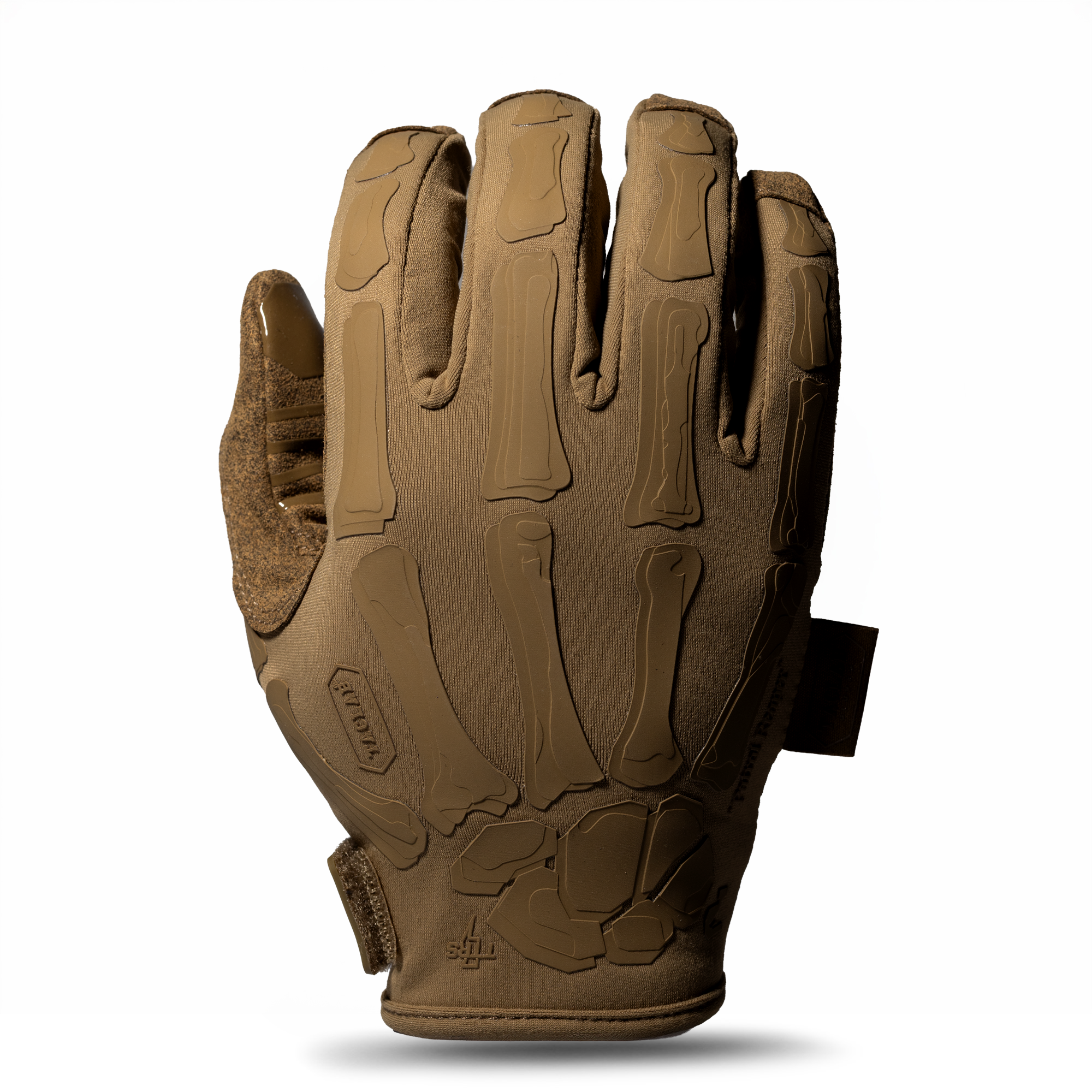
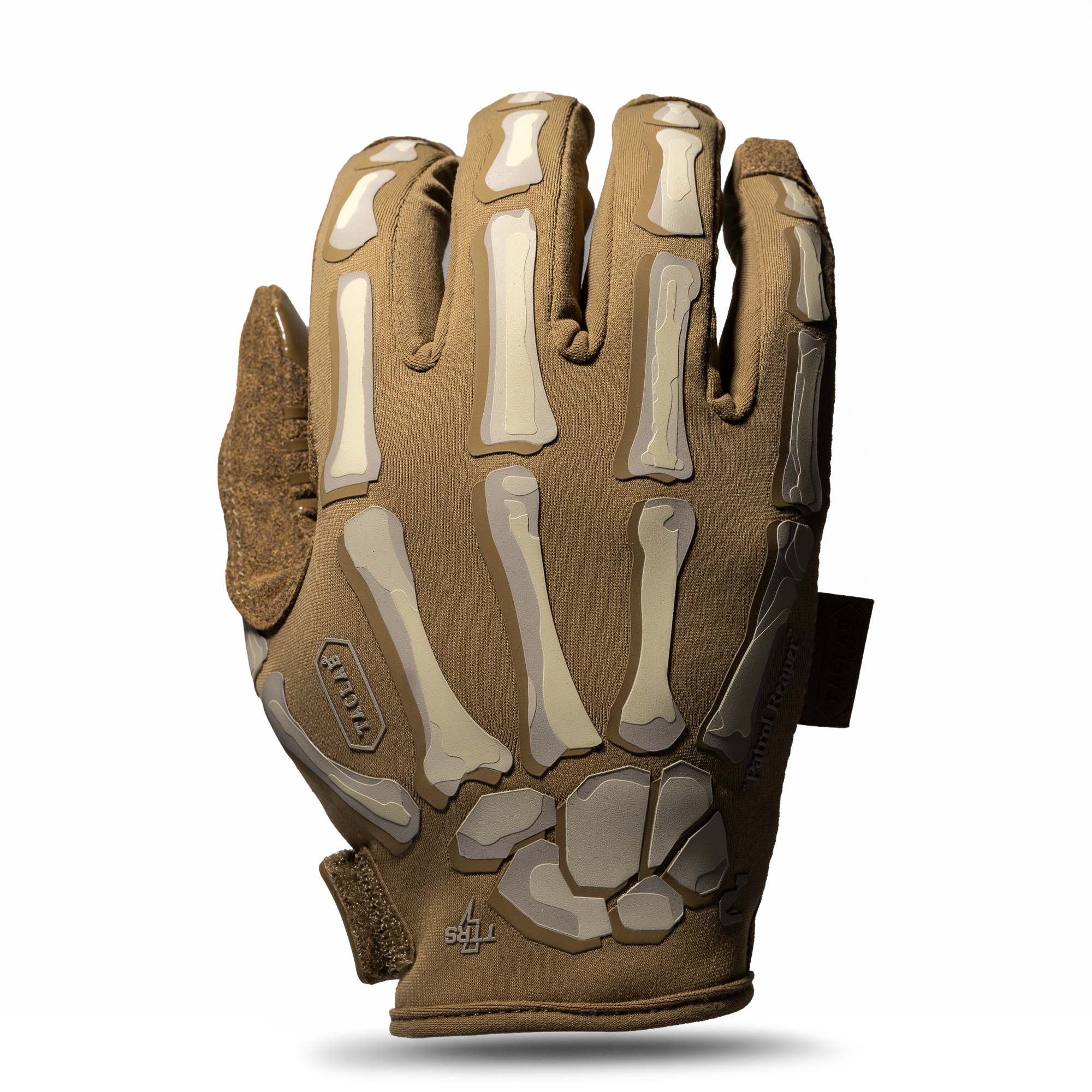
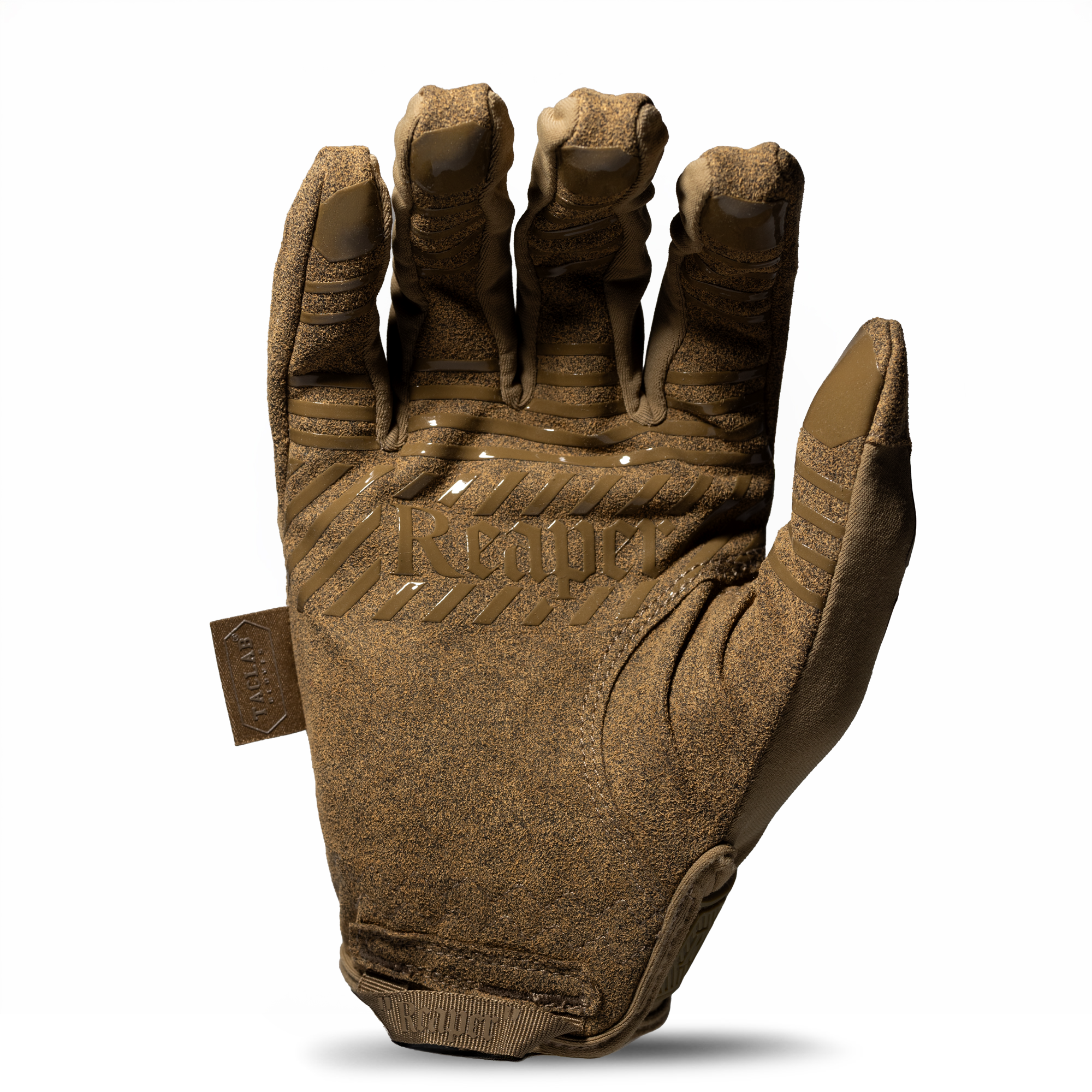
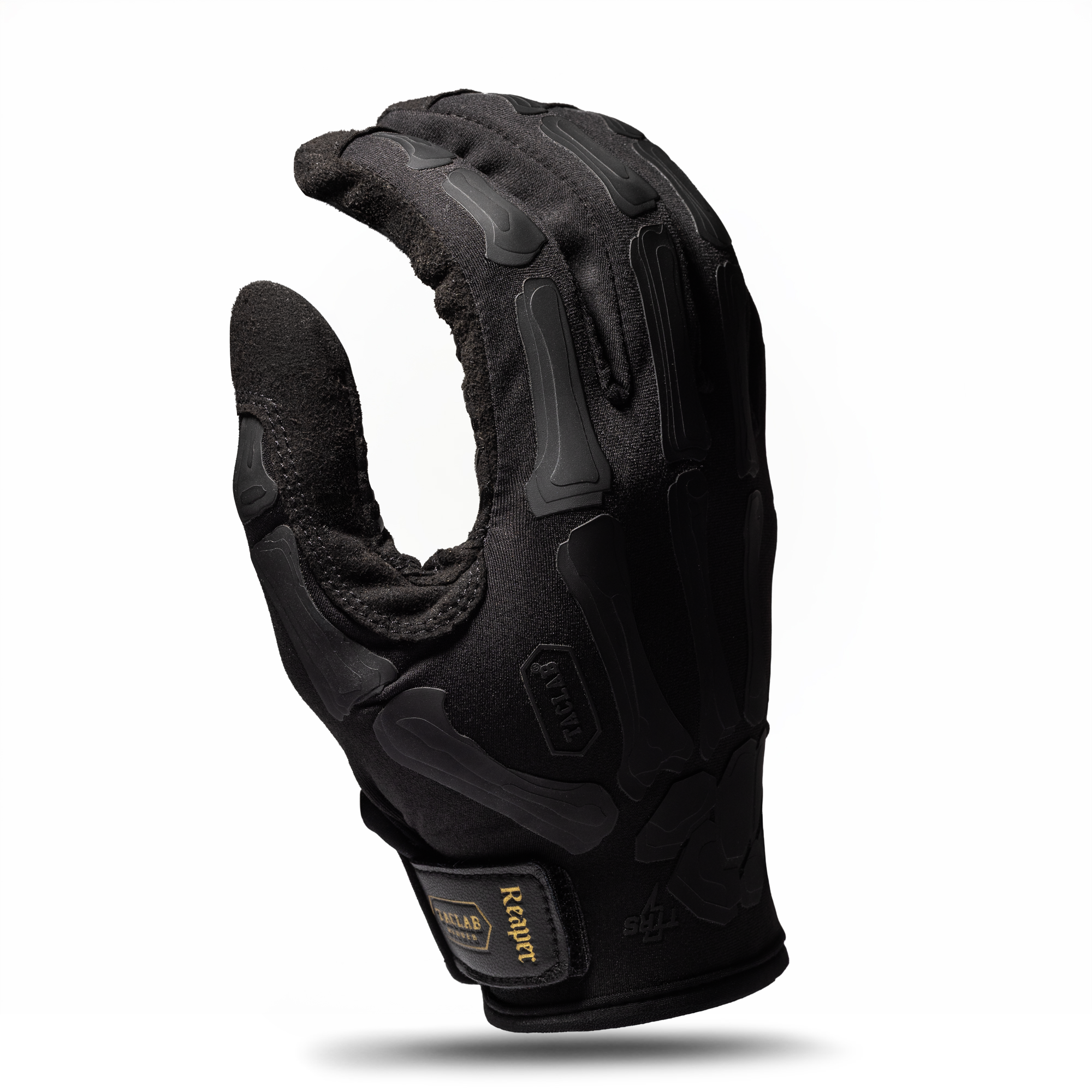
TACLAB Reaper: Lightweight Dexterity
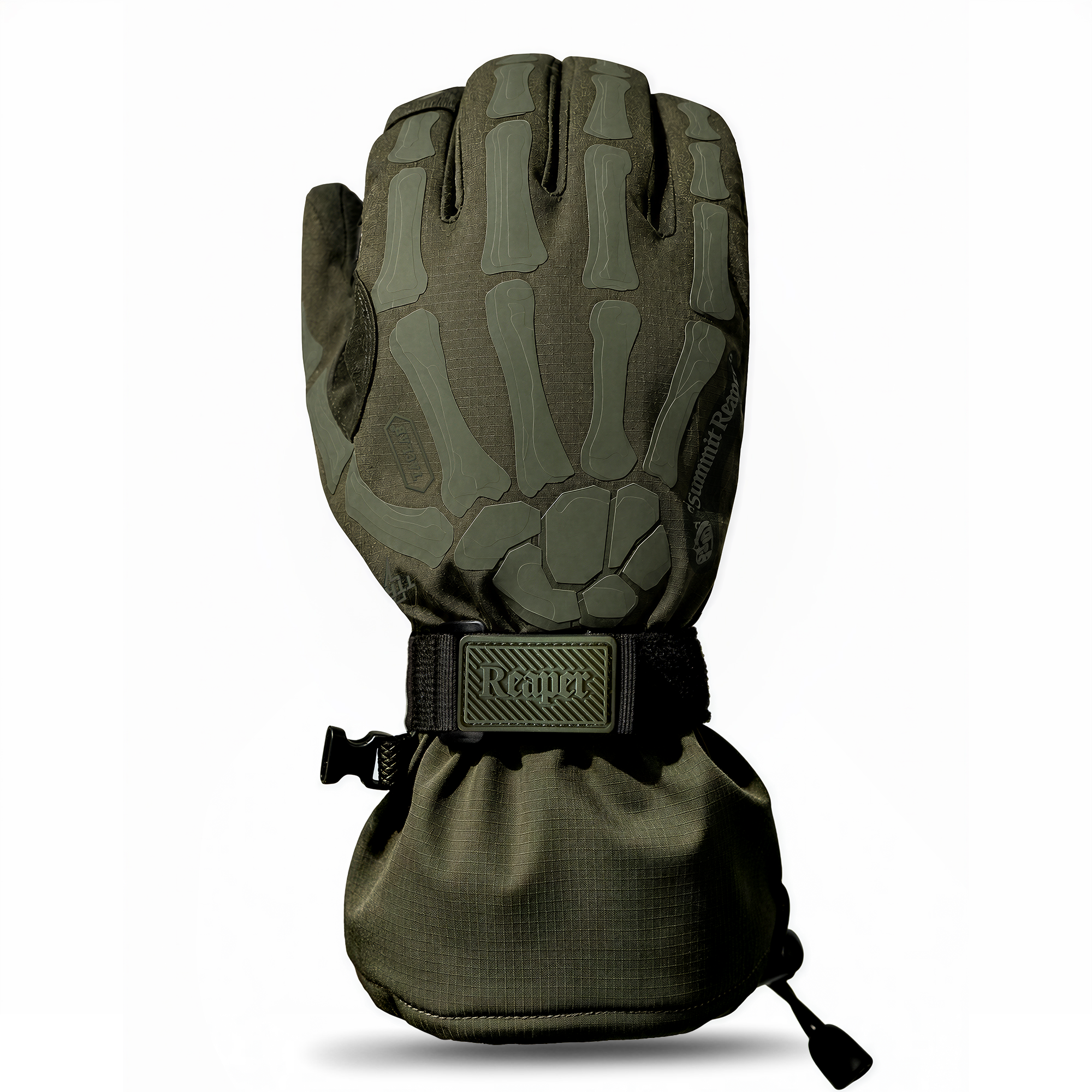
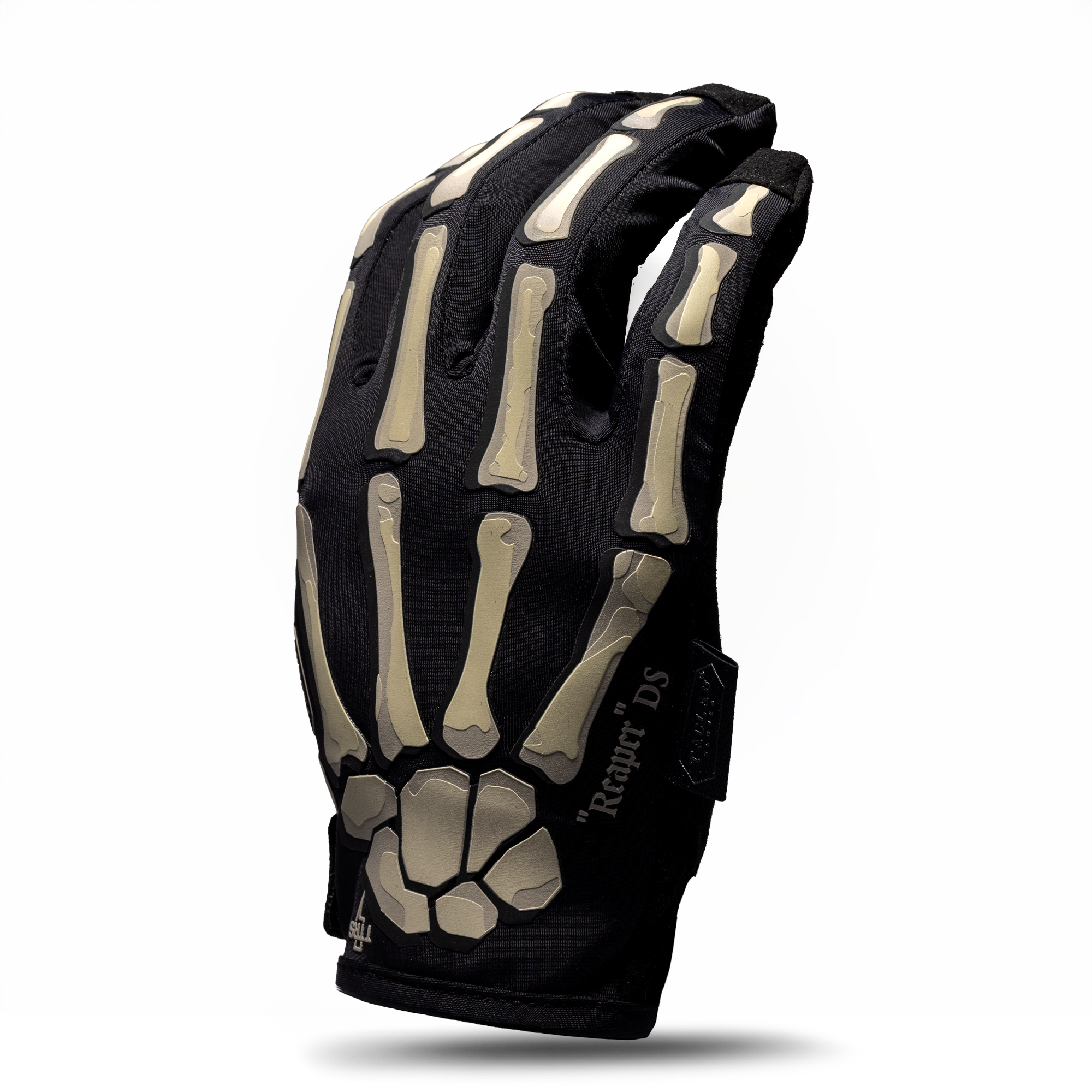
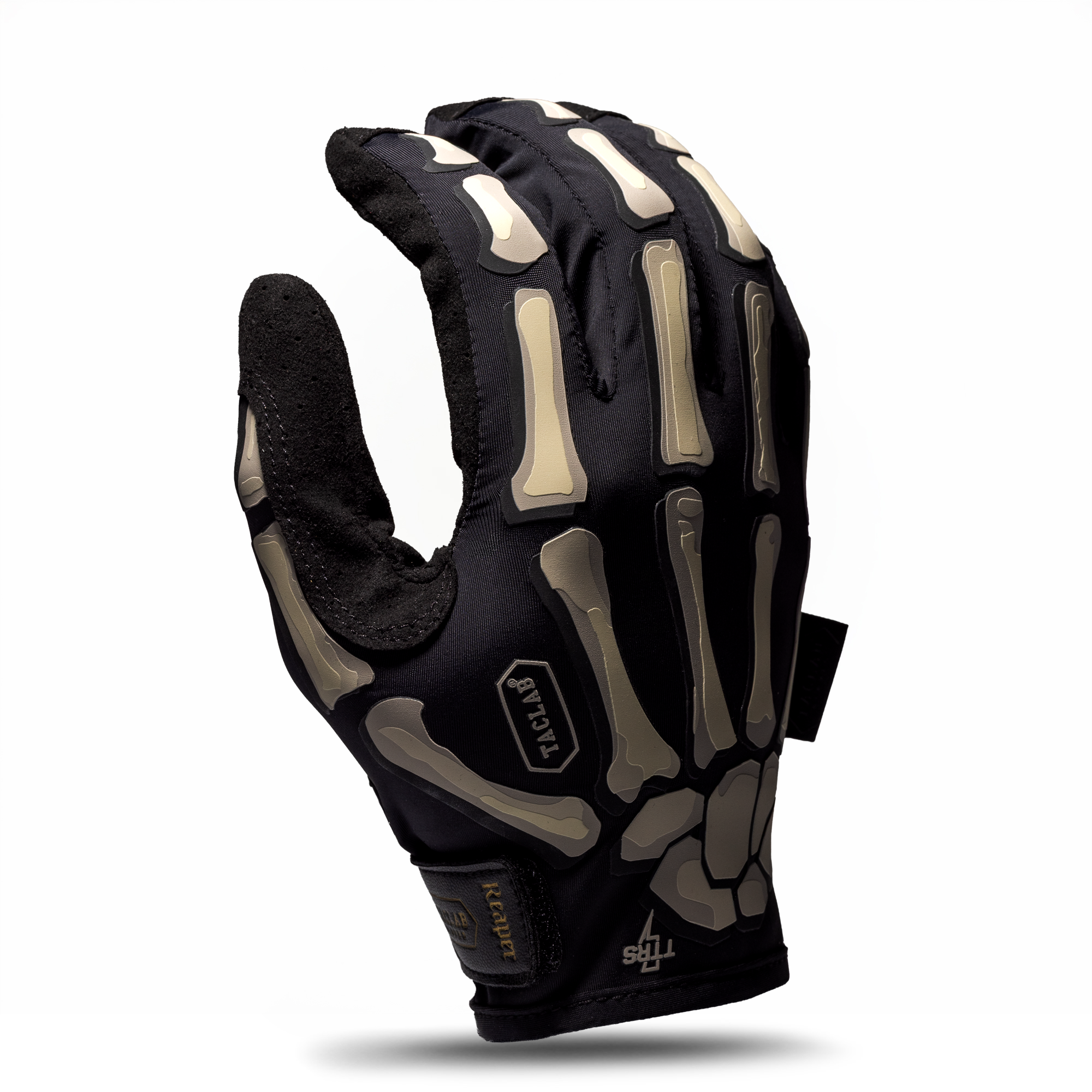
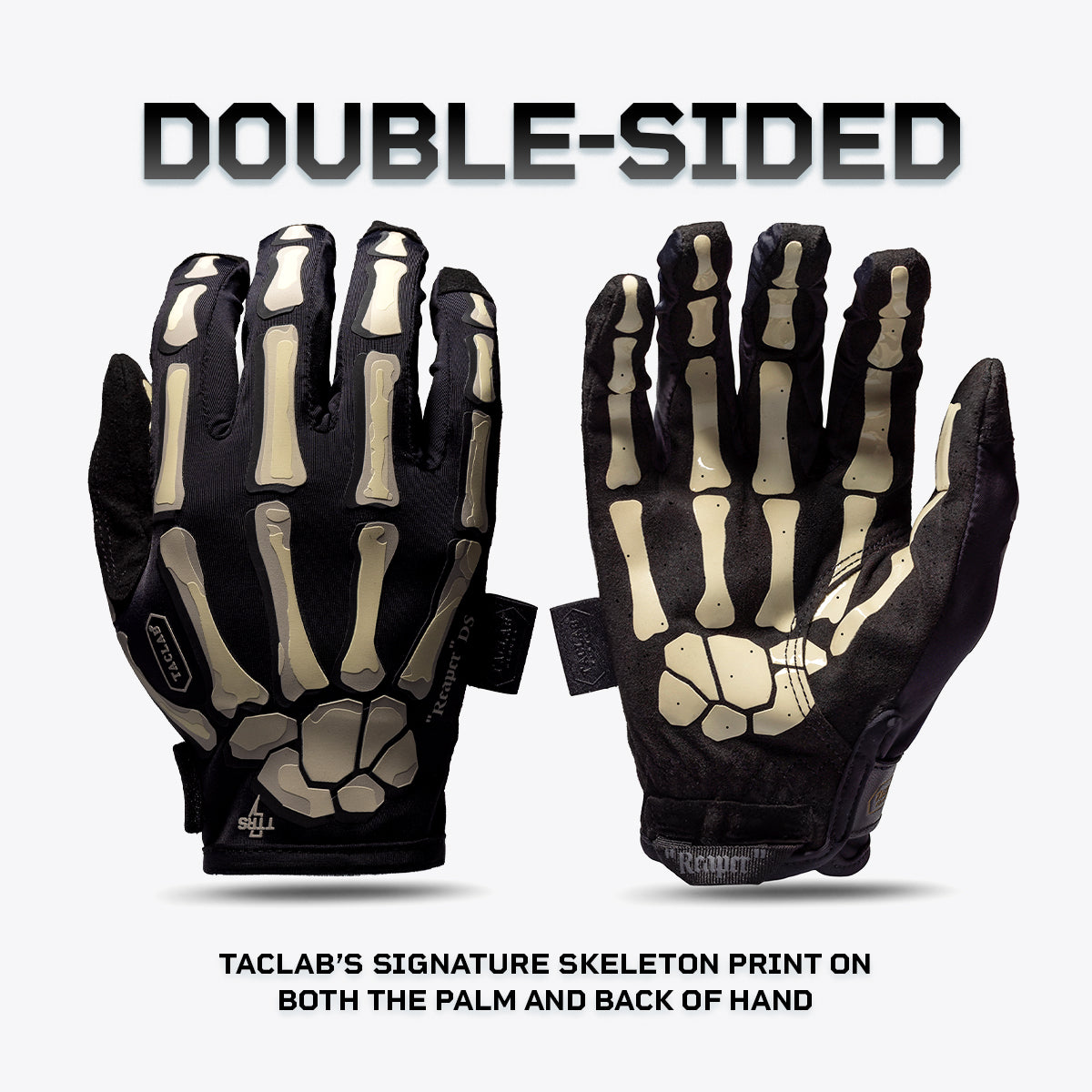
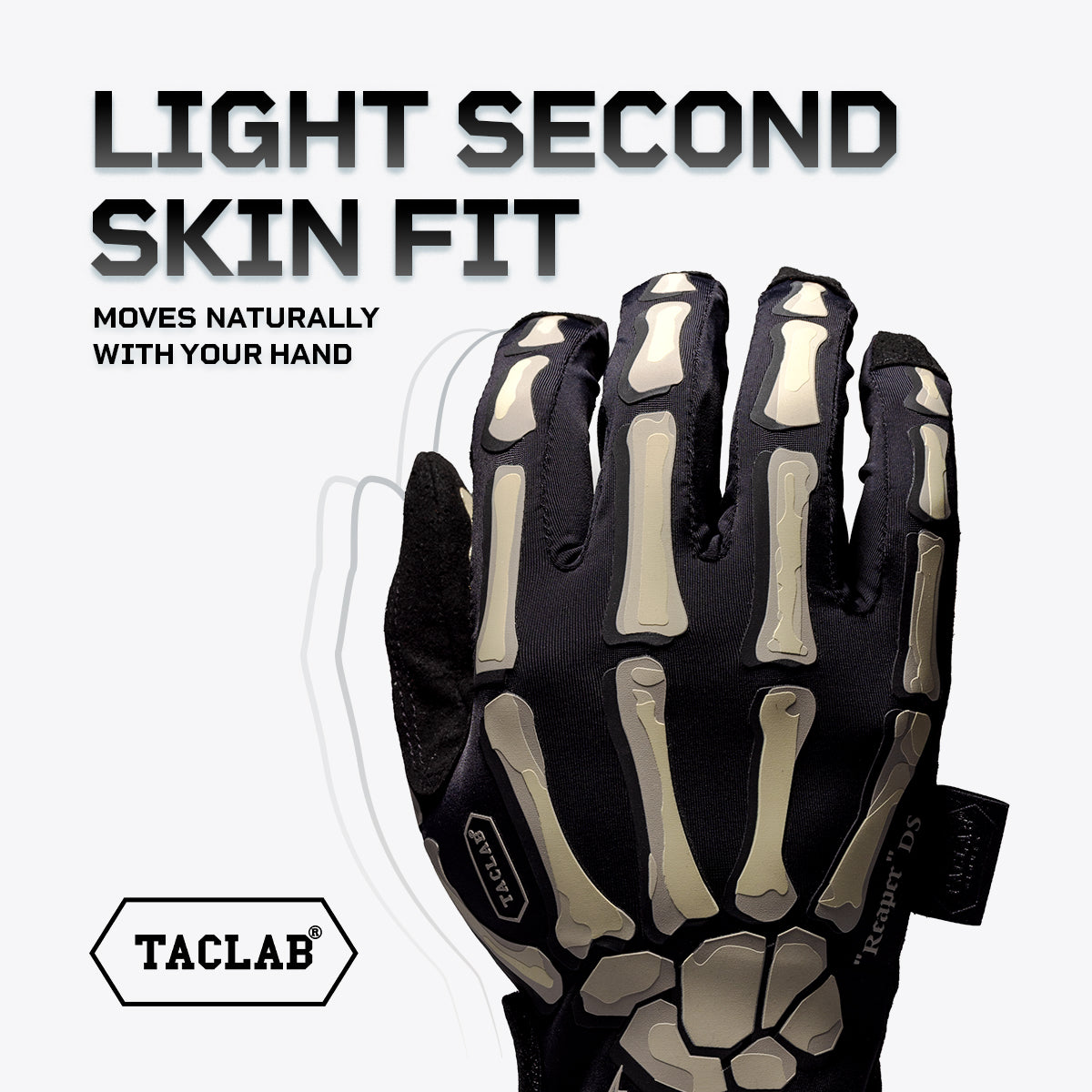
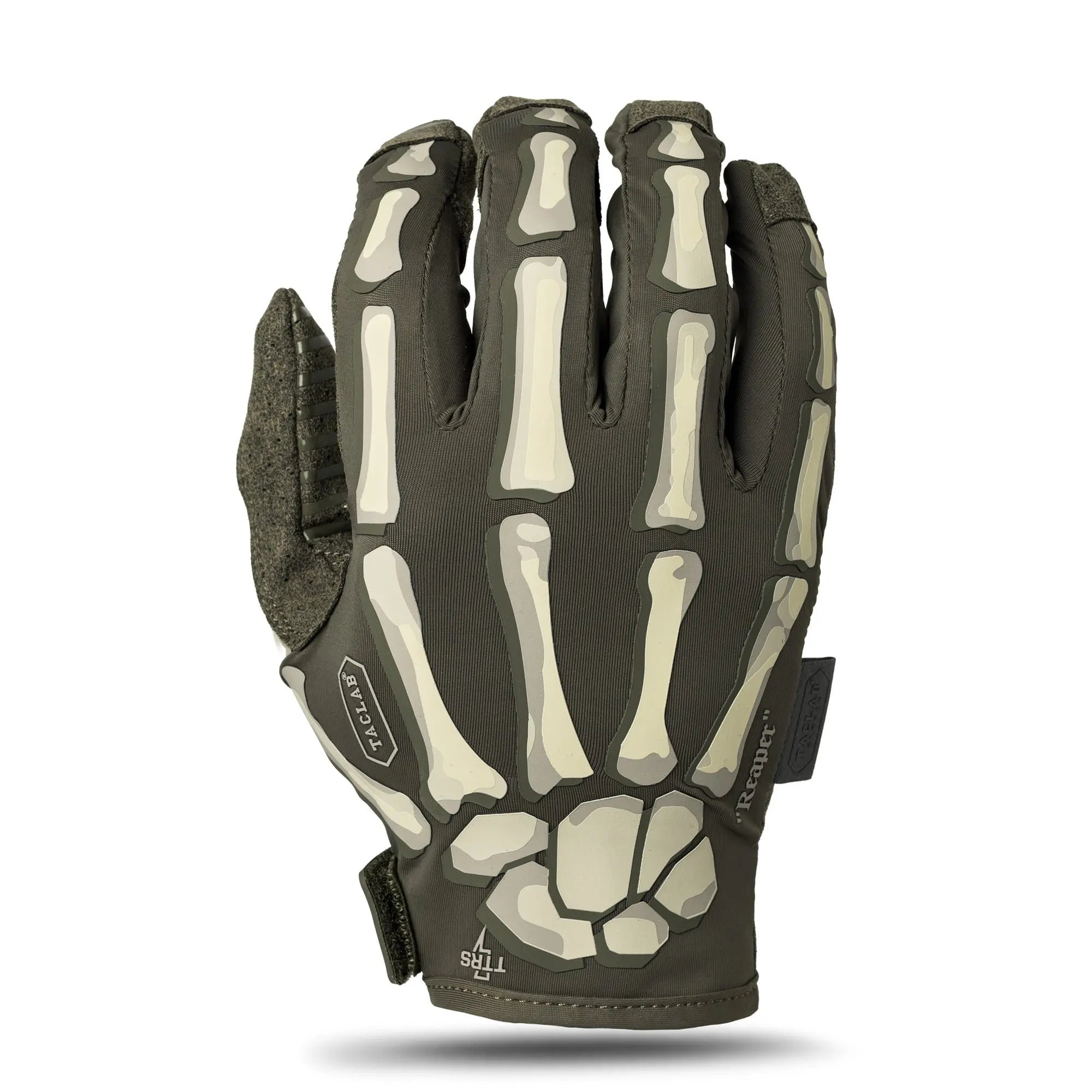
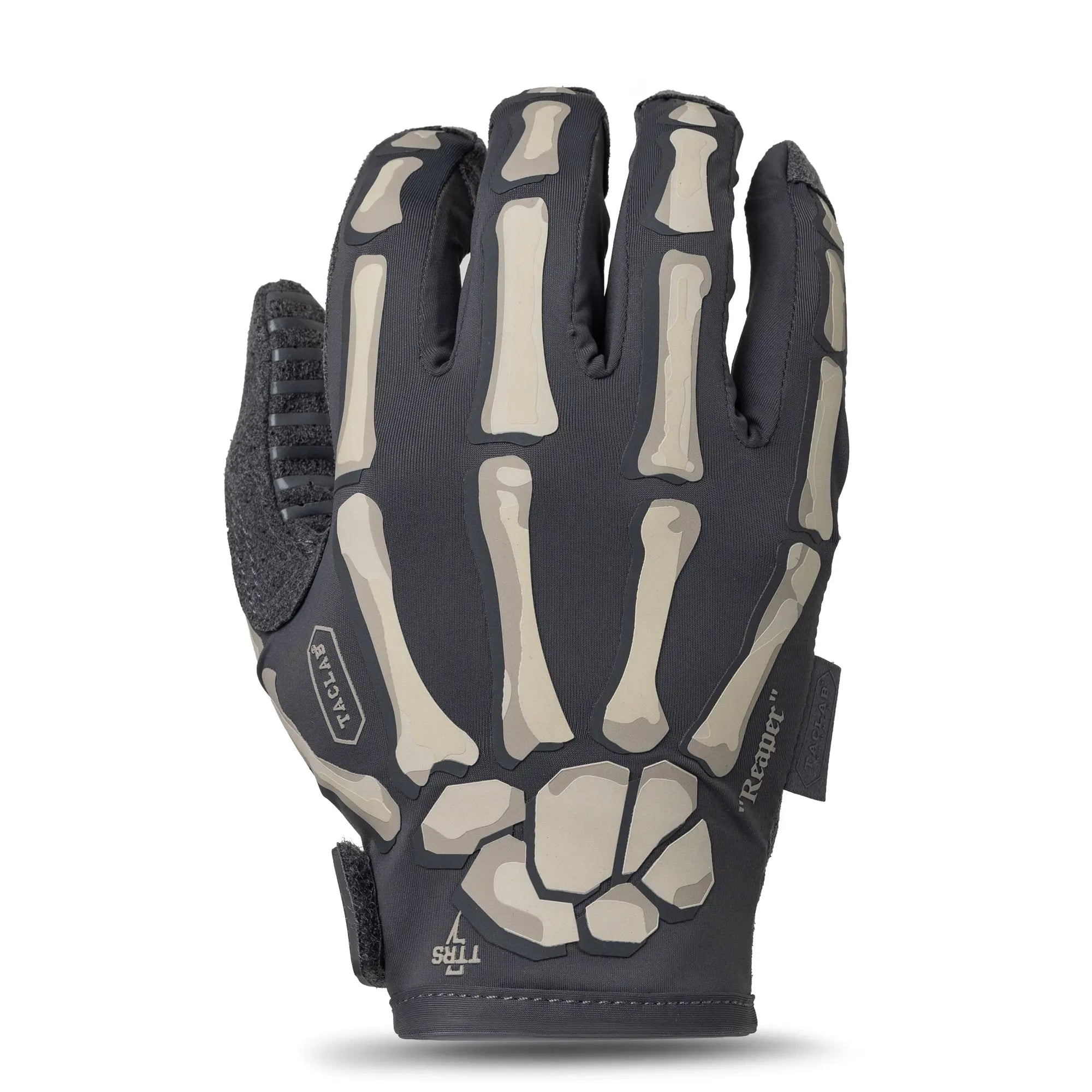
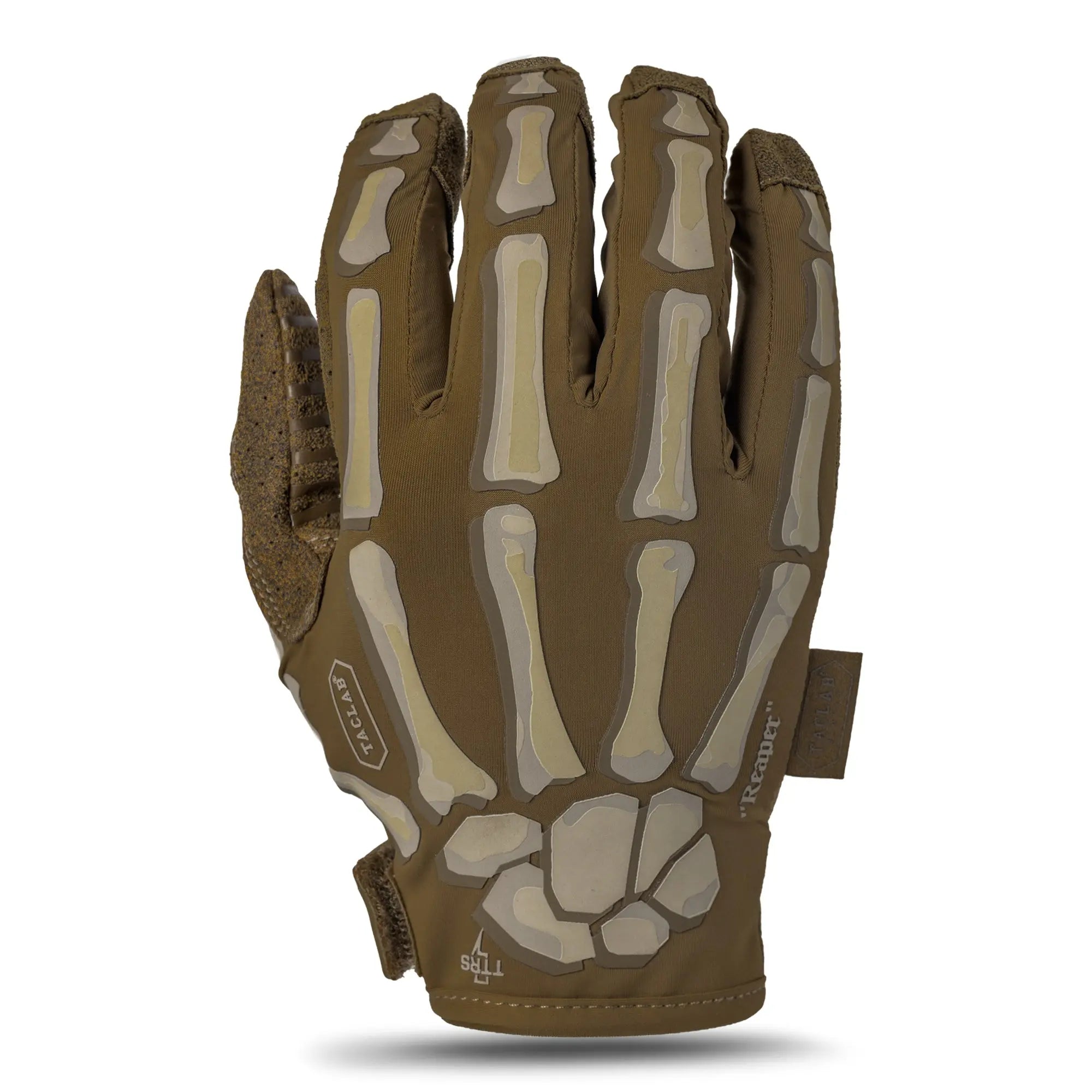
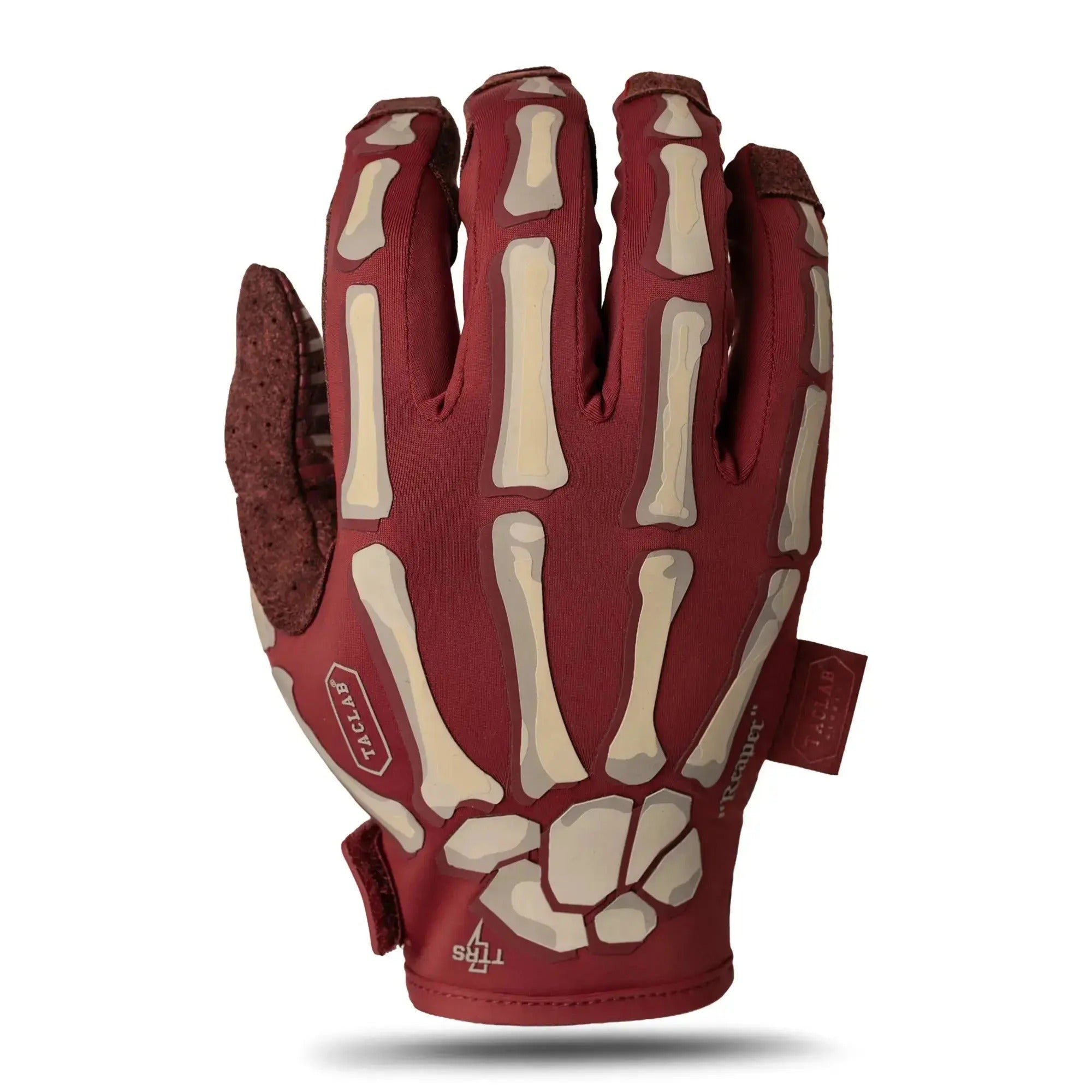
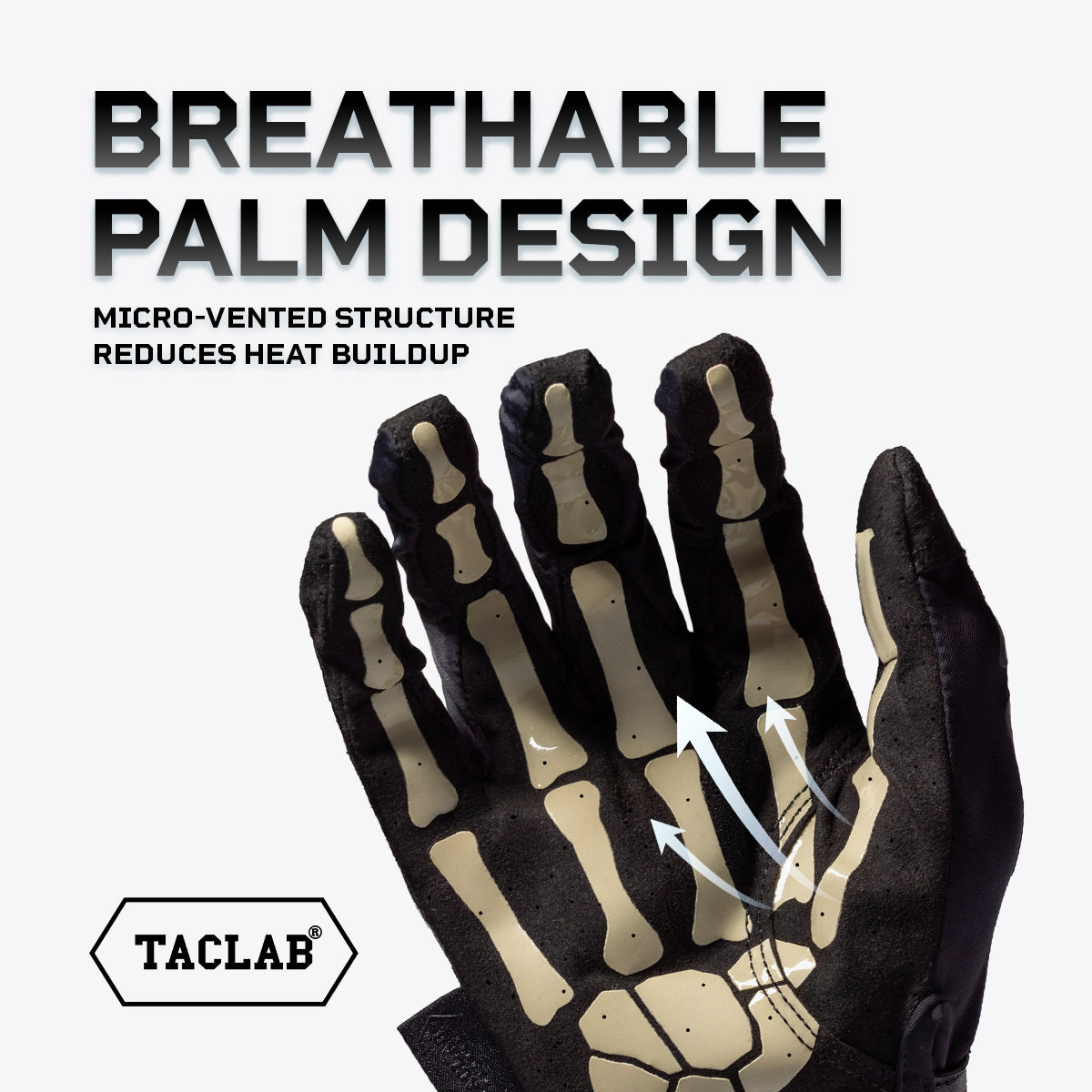
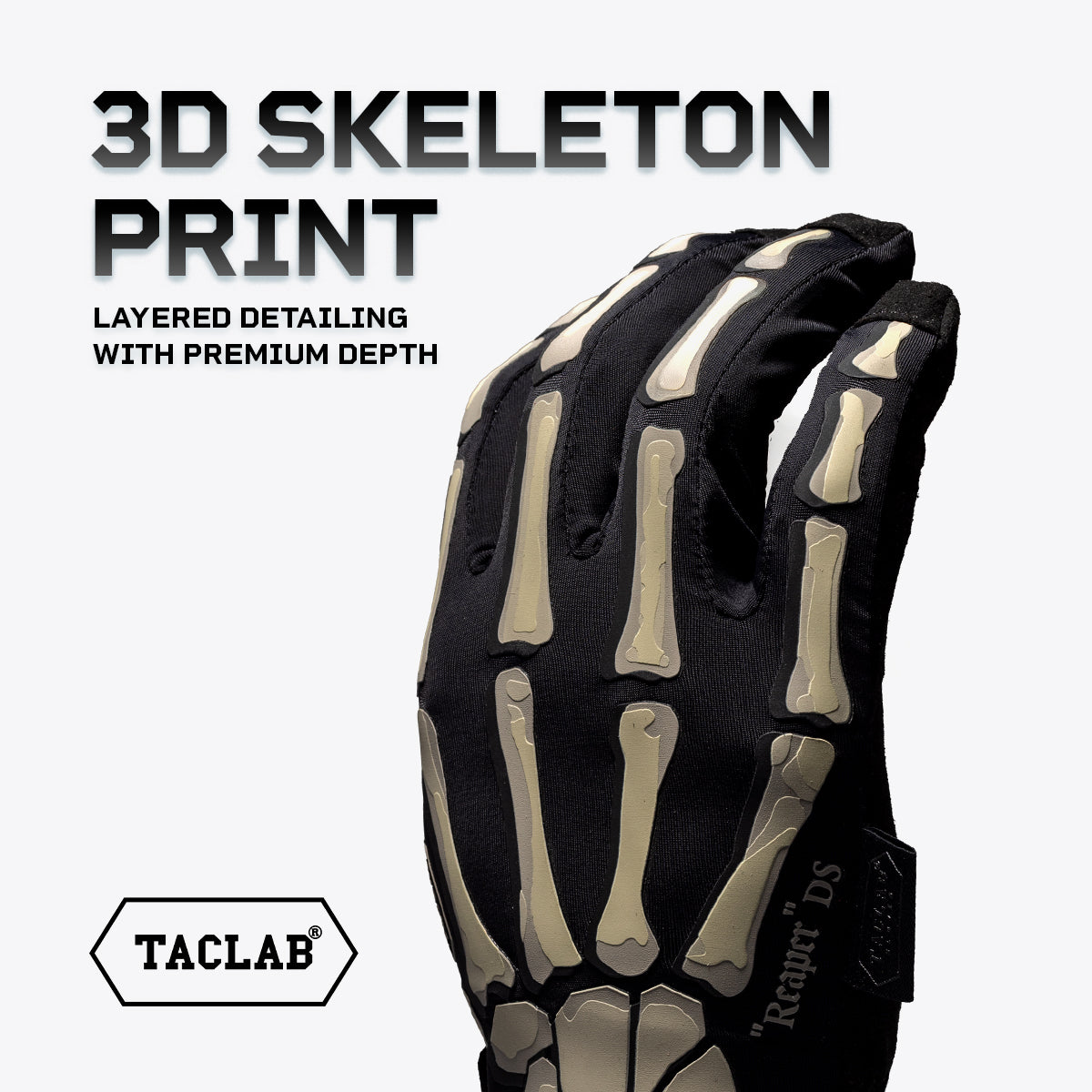
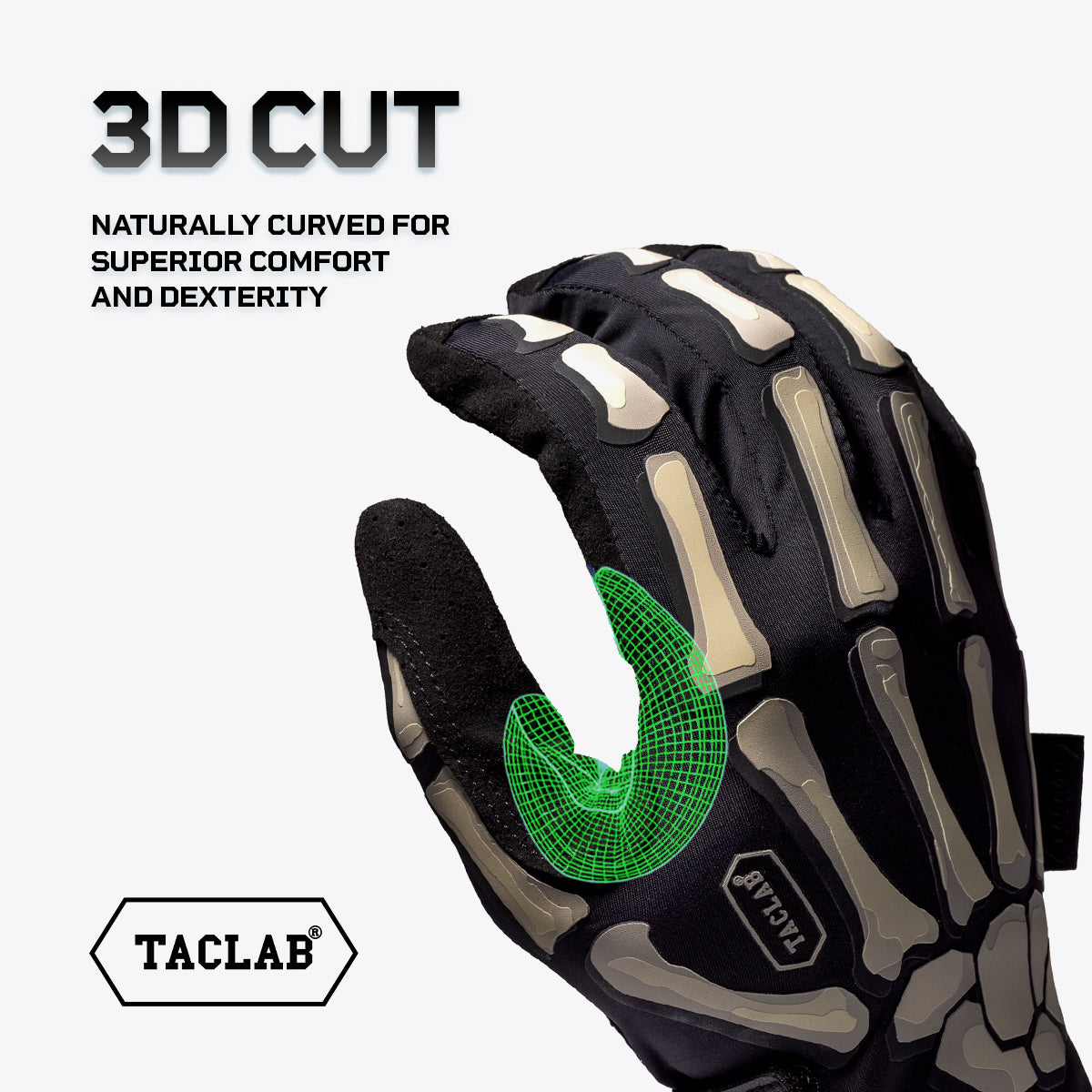
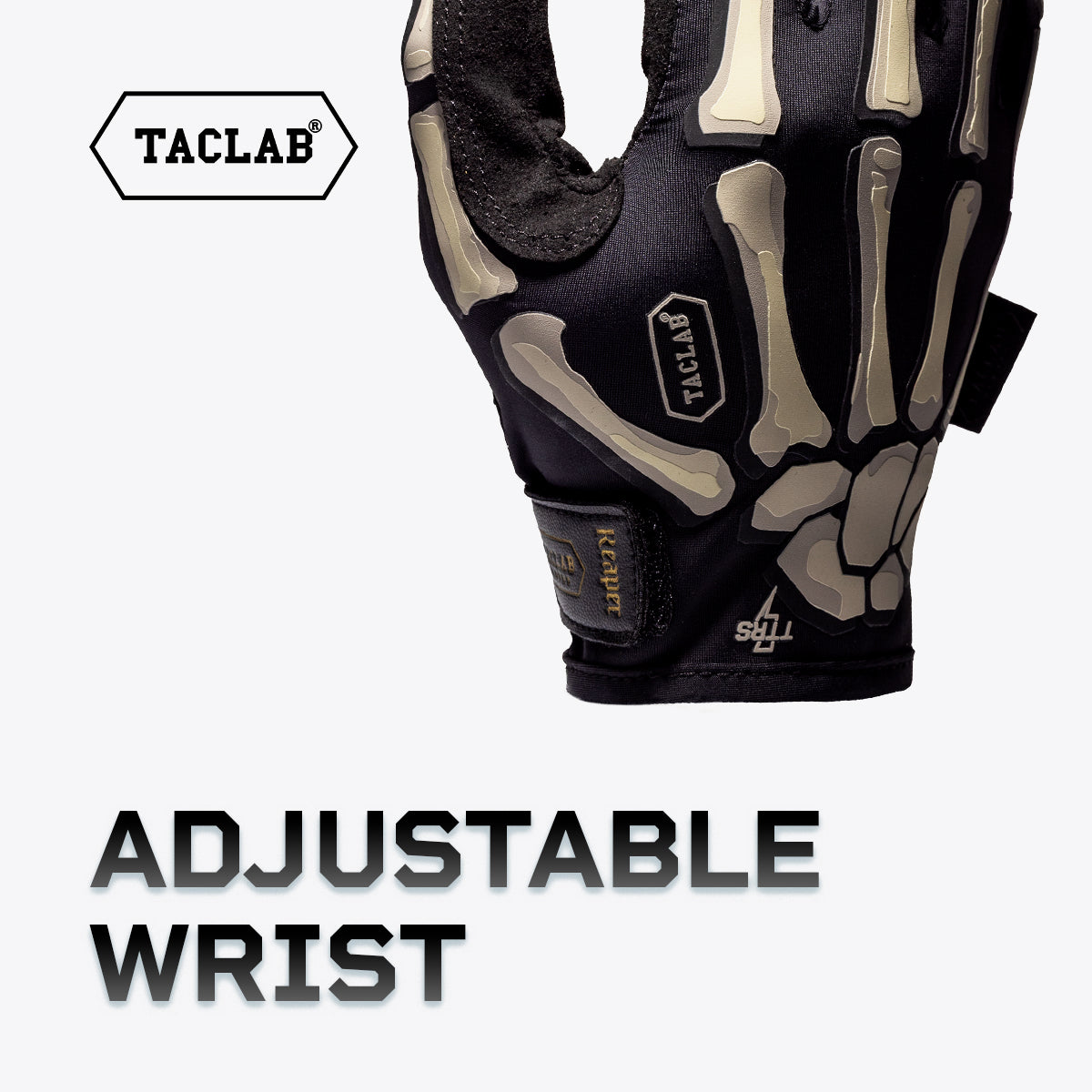
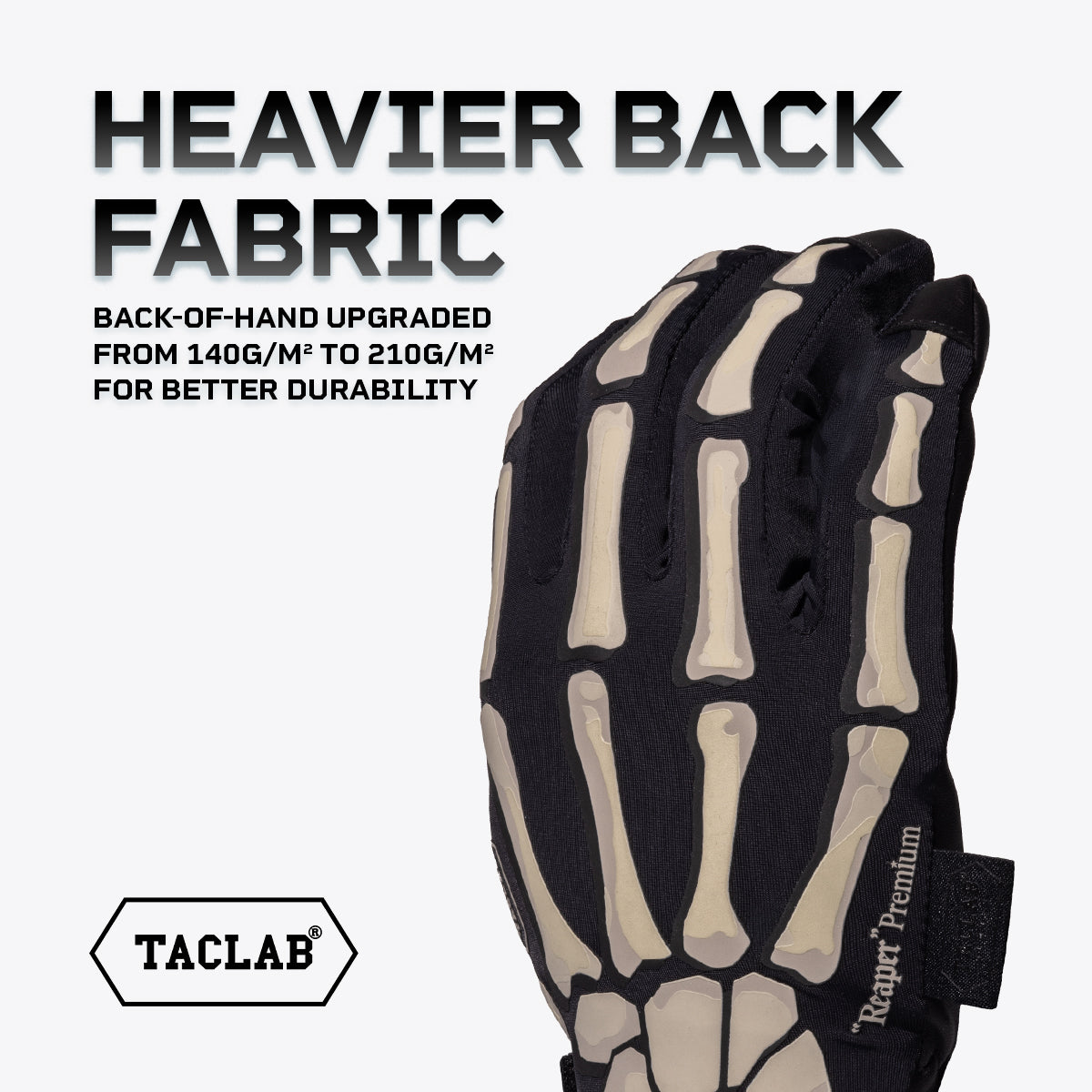
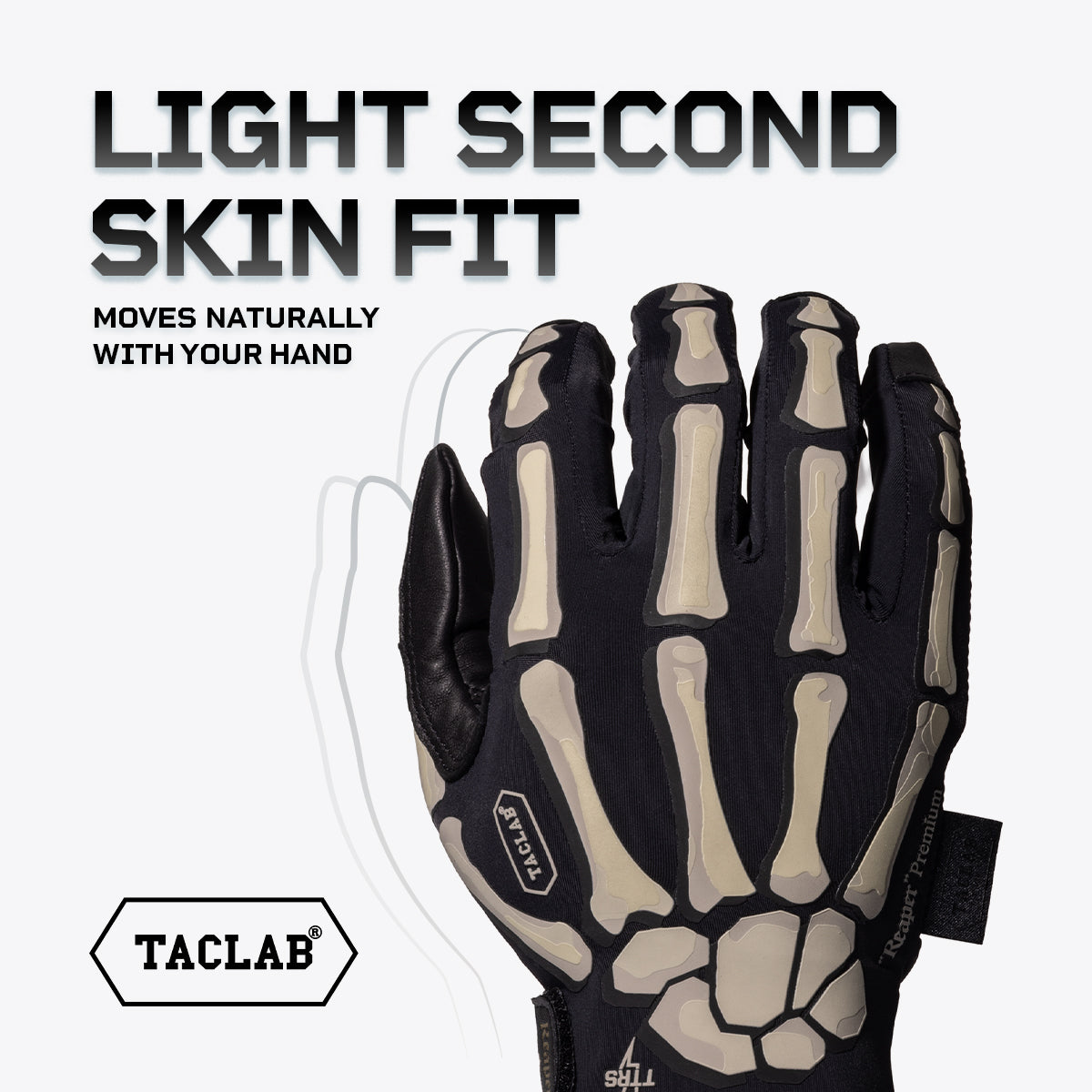
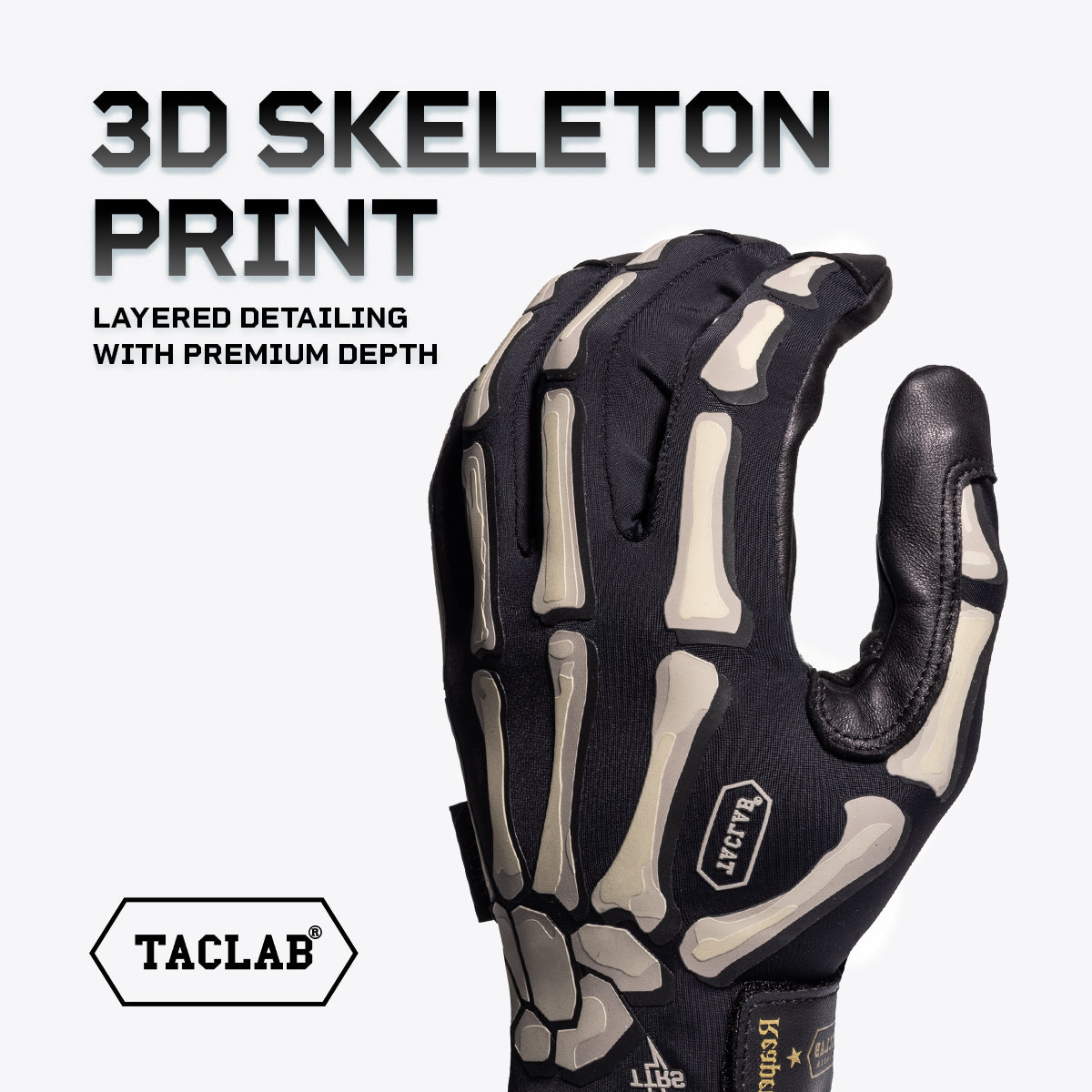
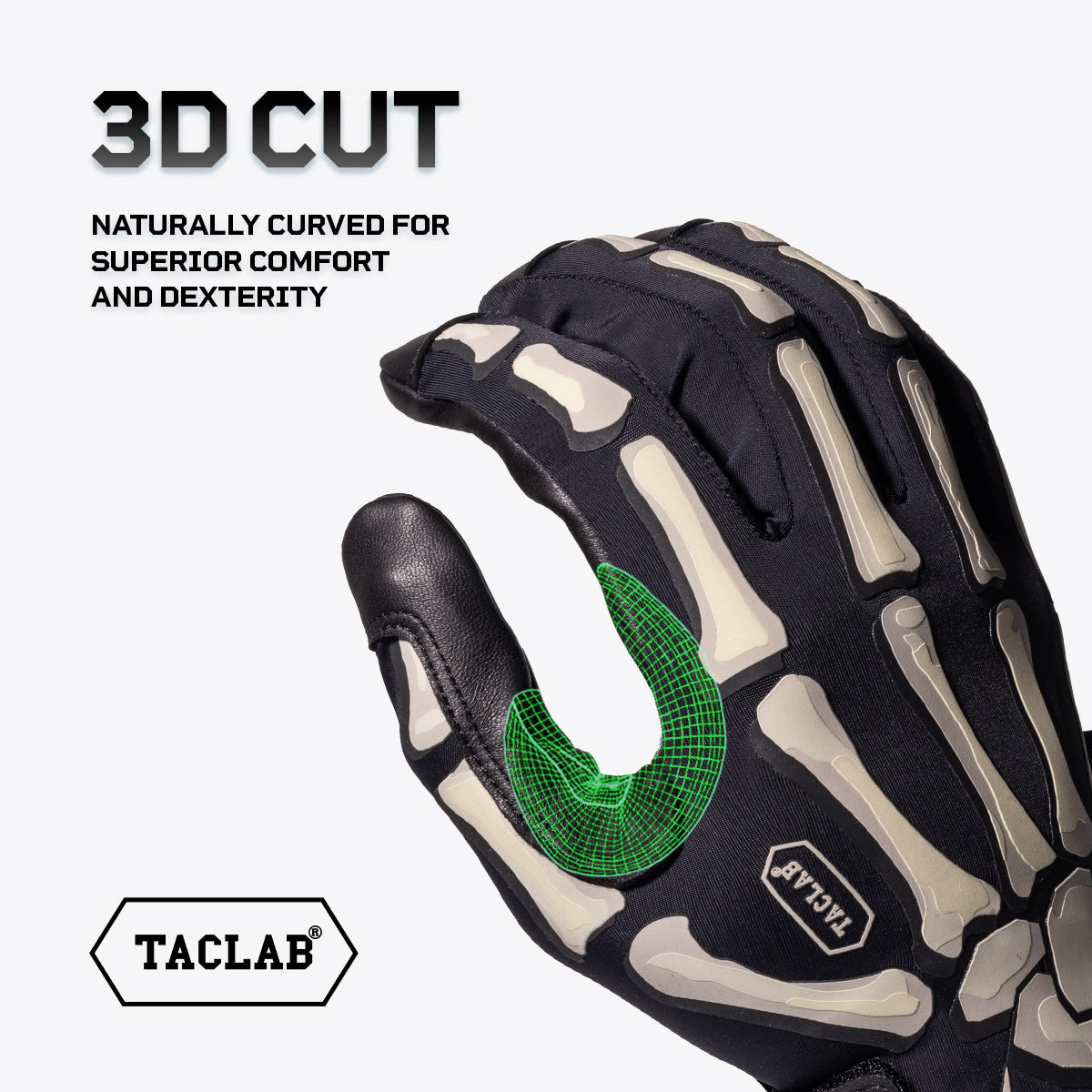
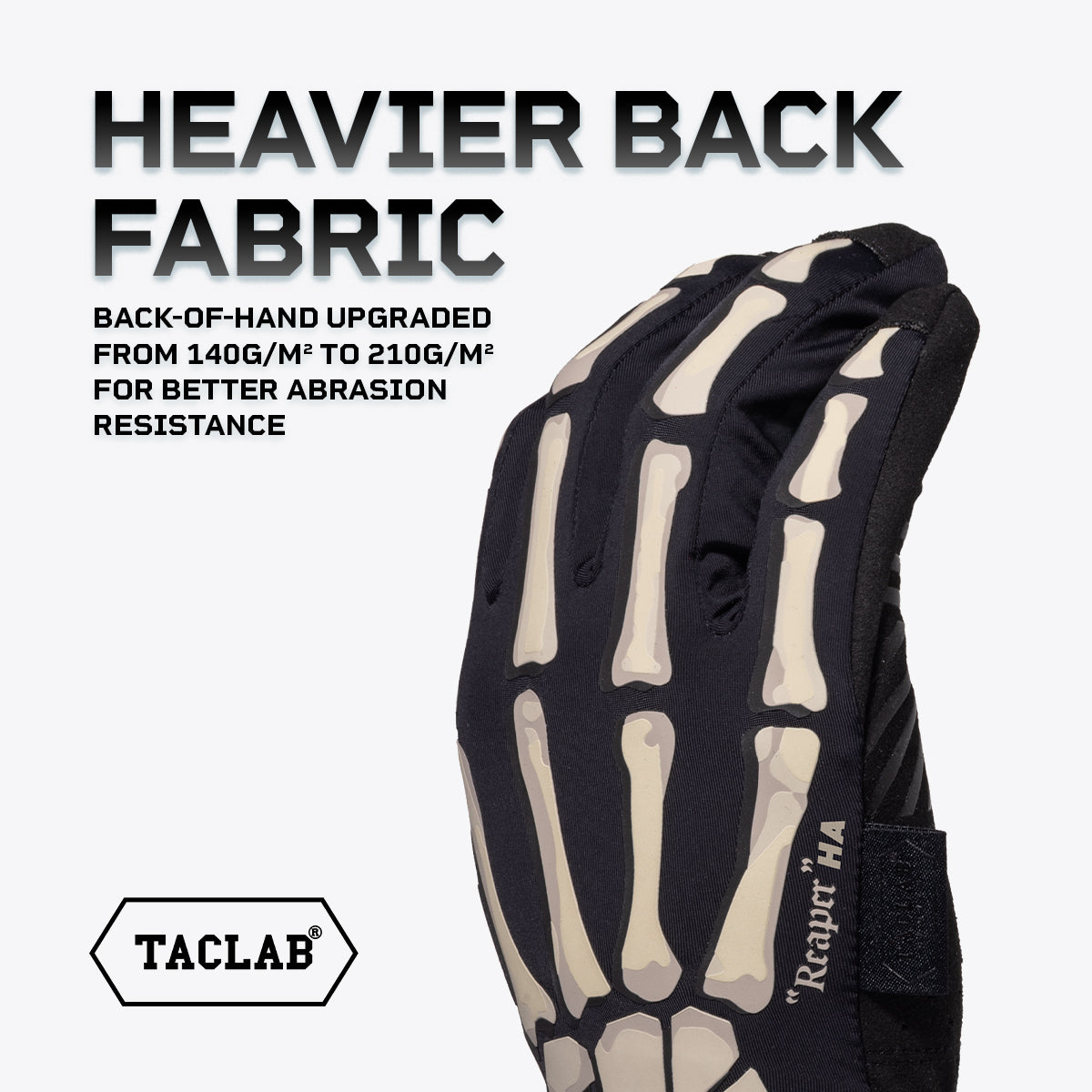
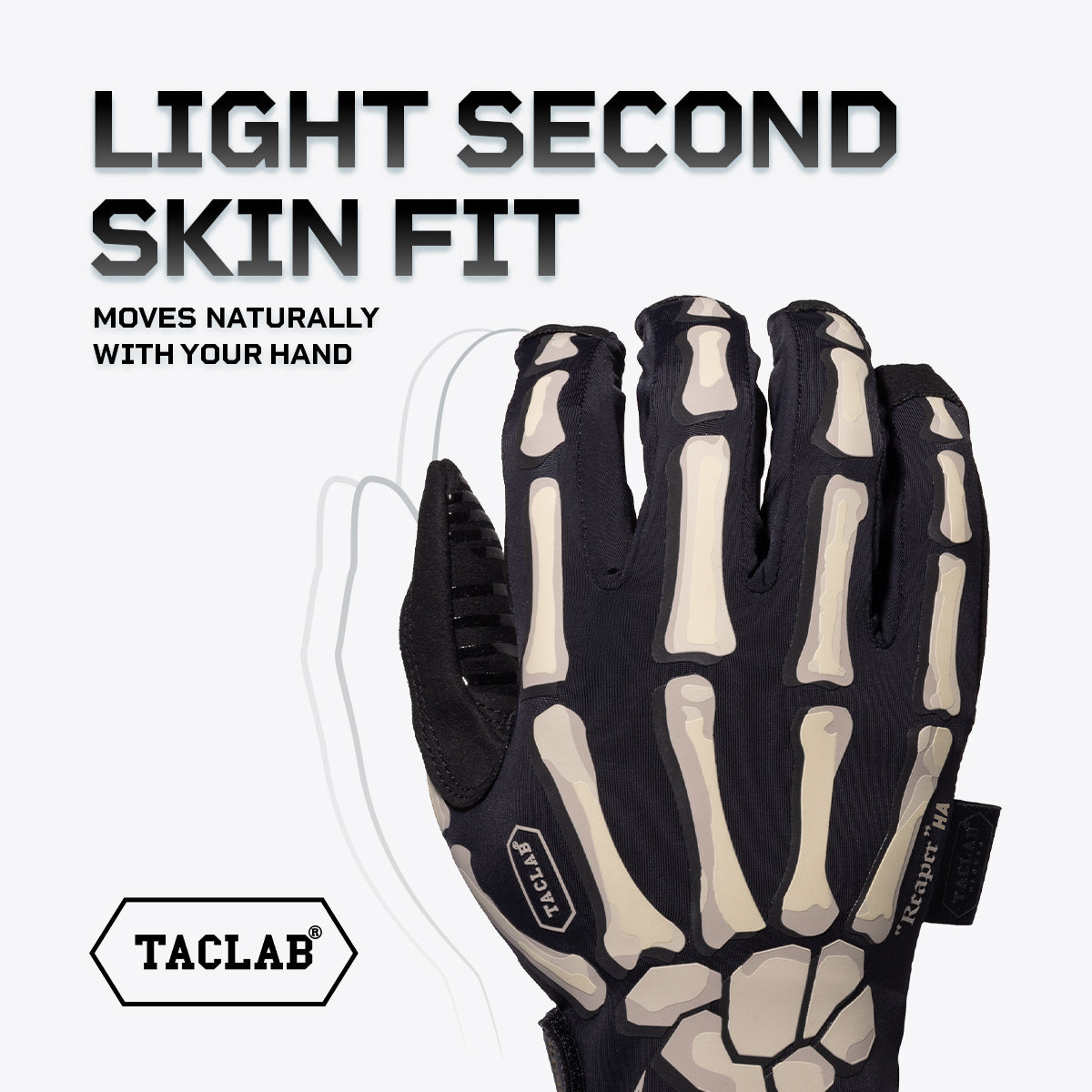
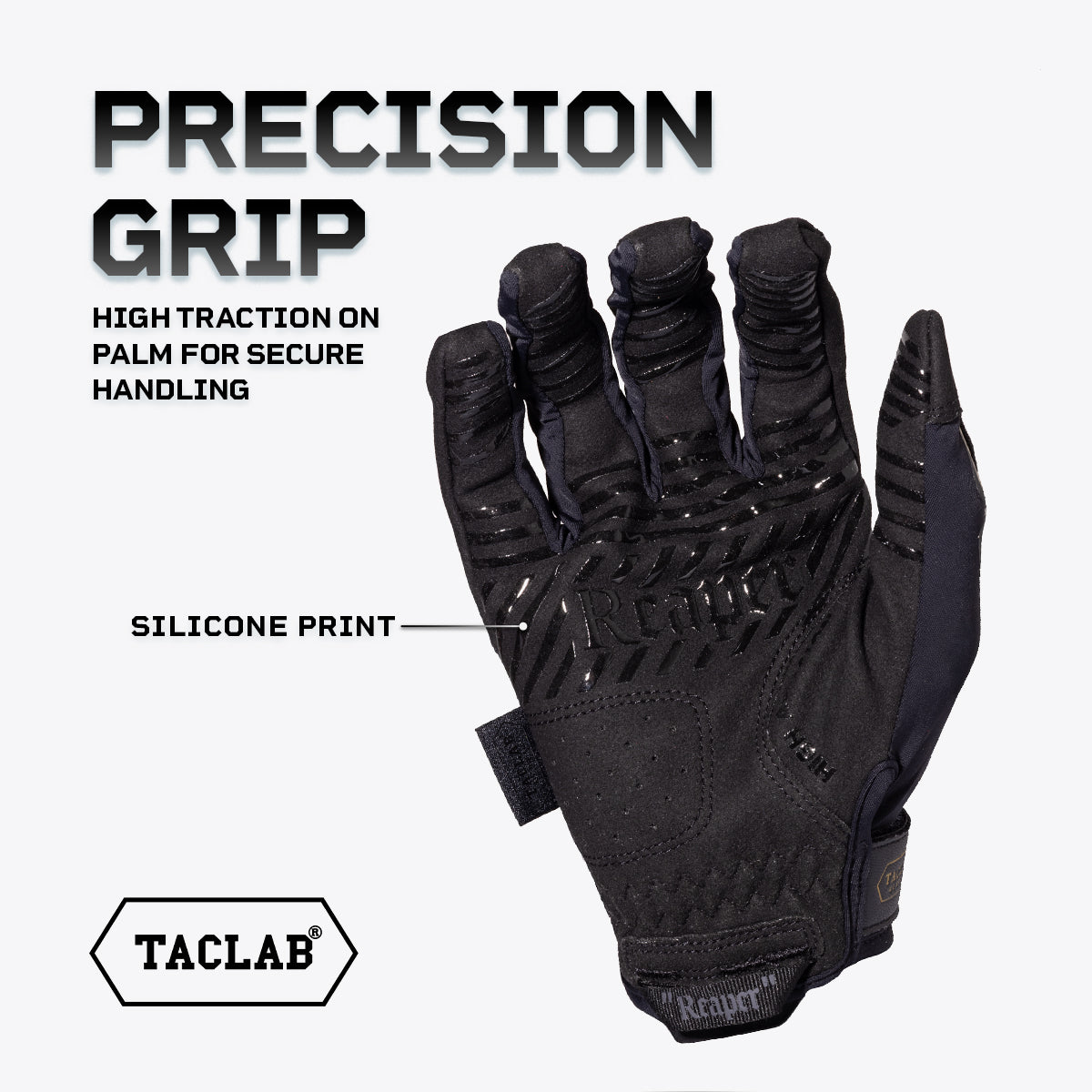
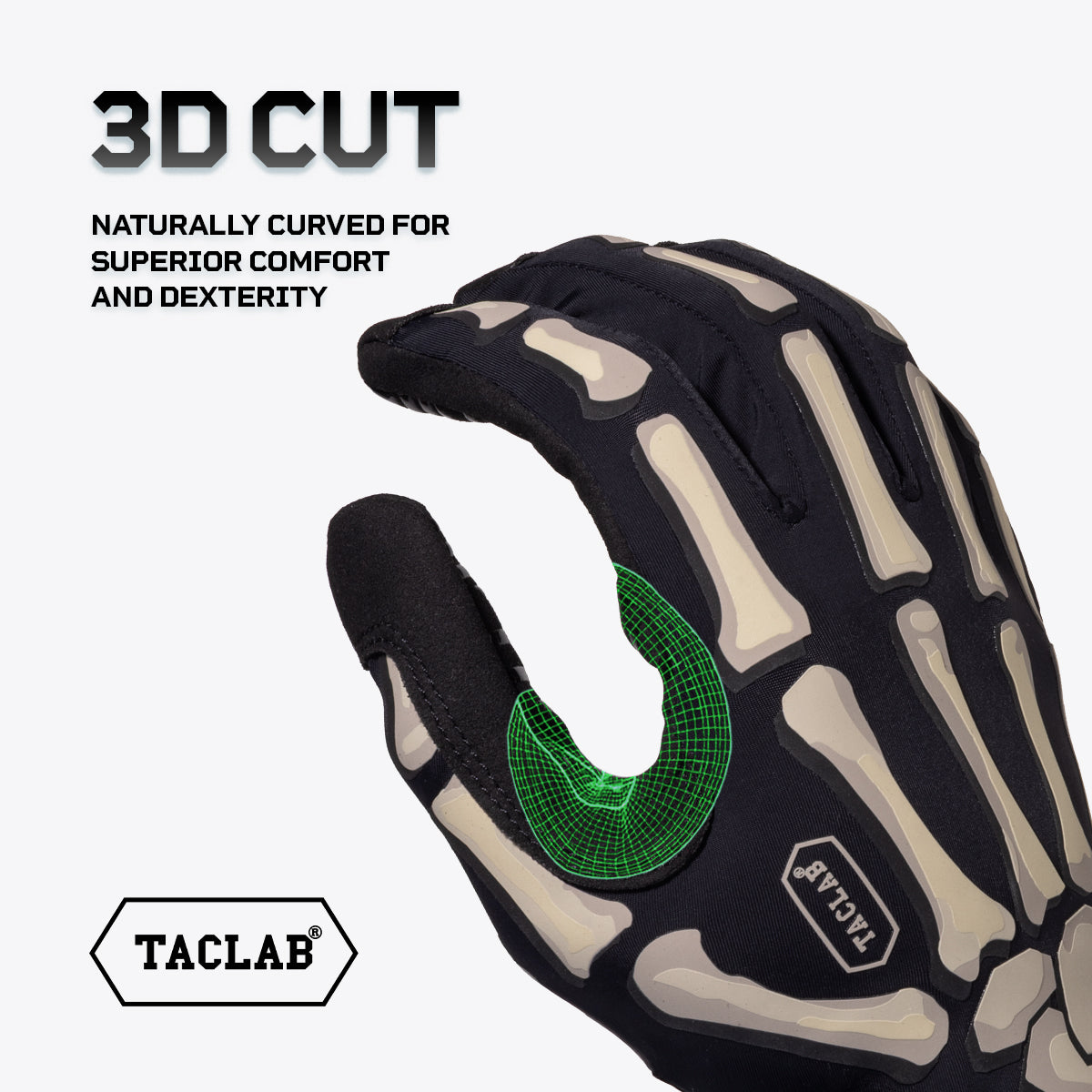
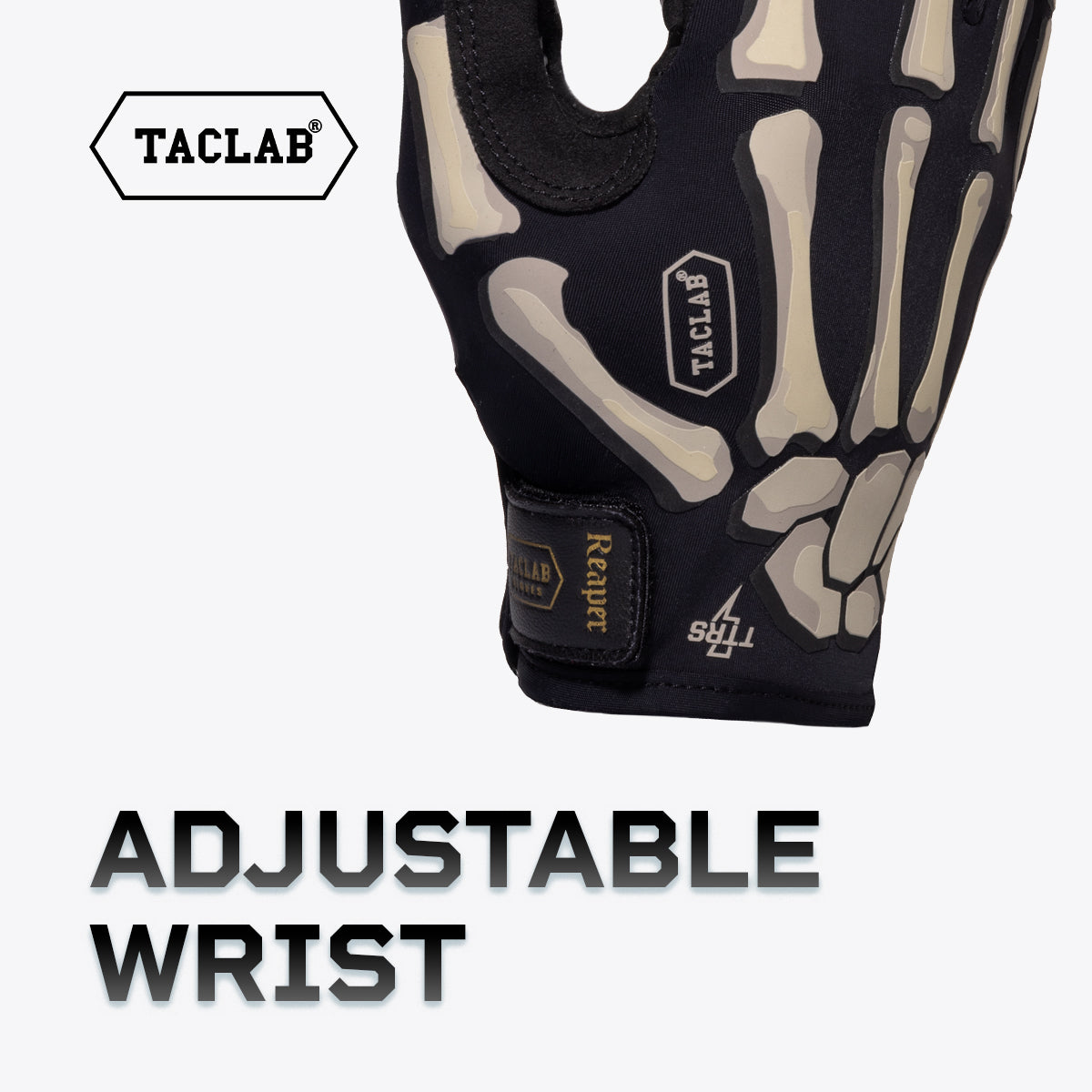
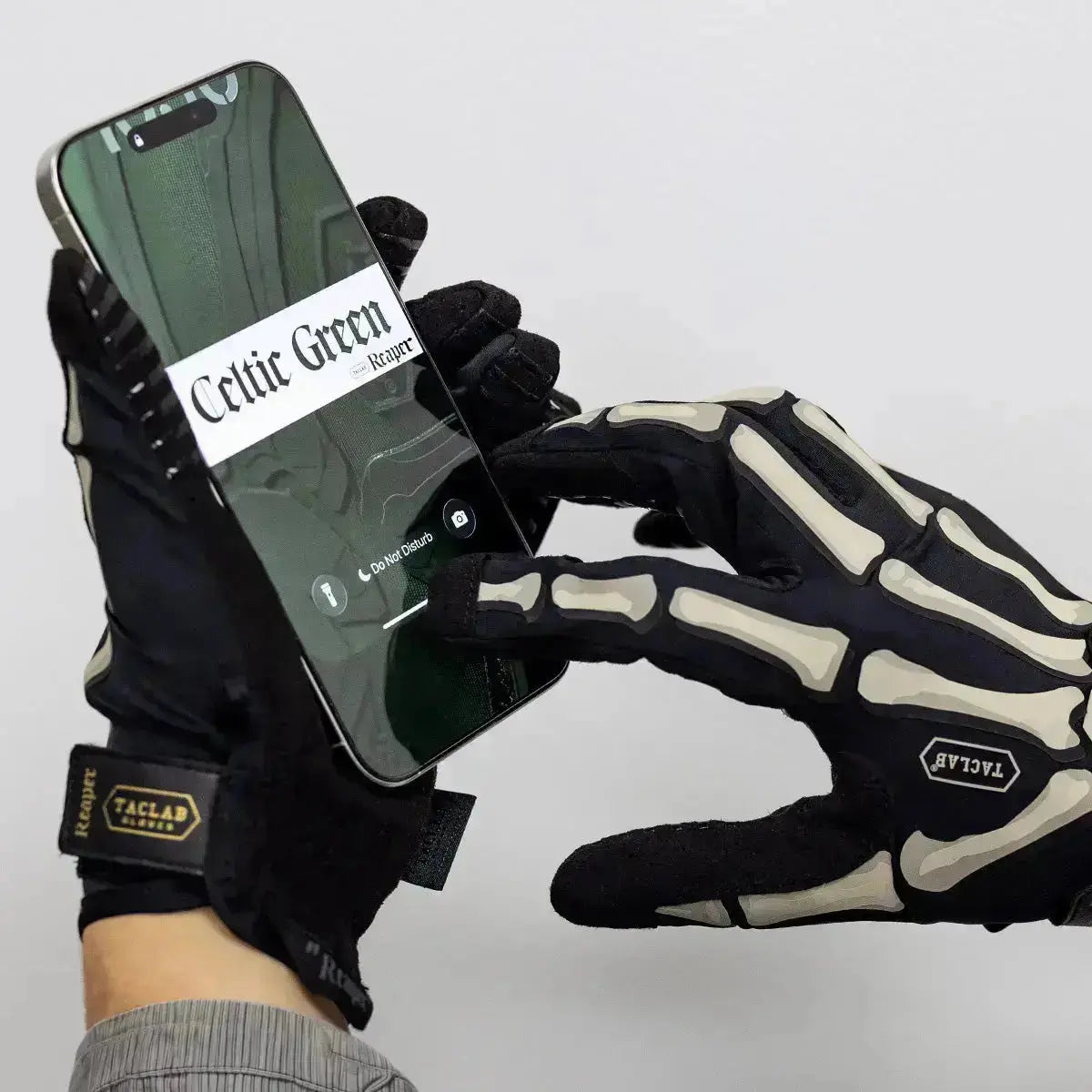
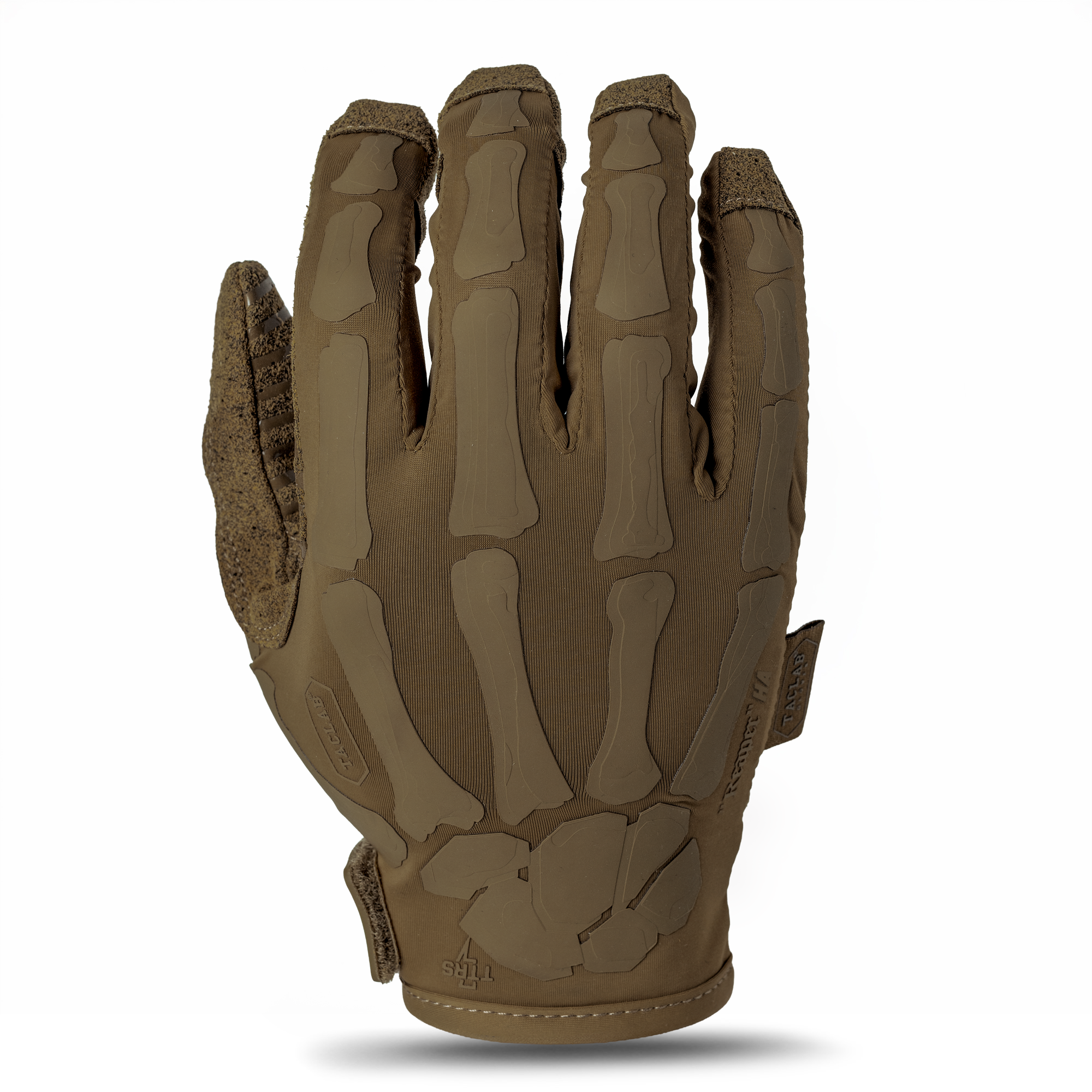
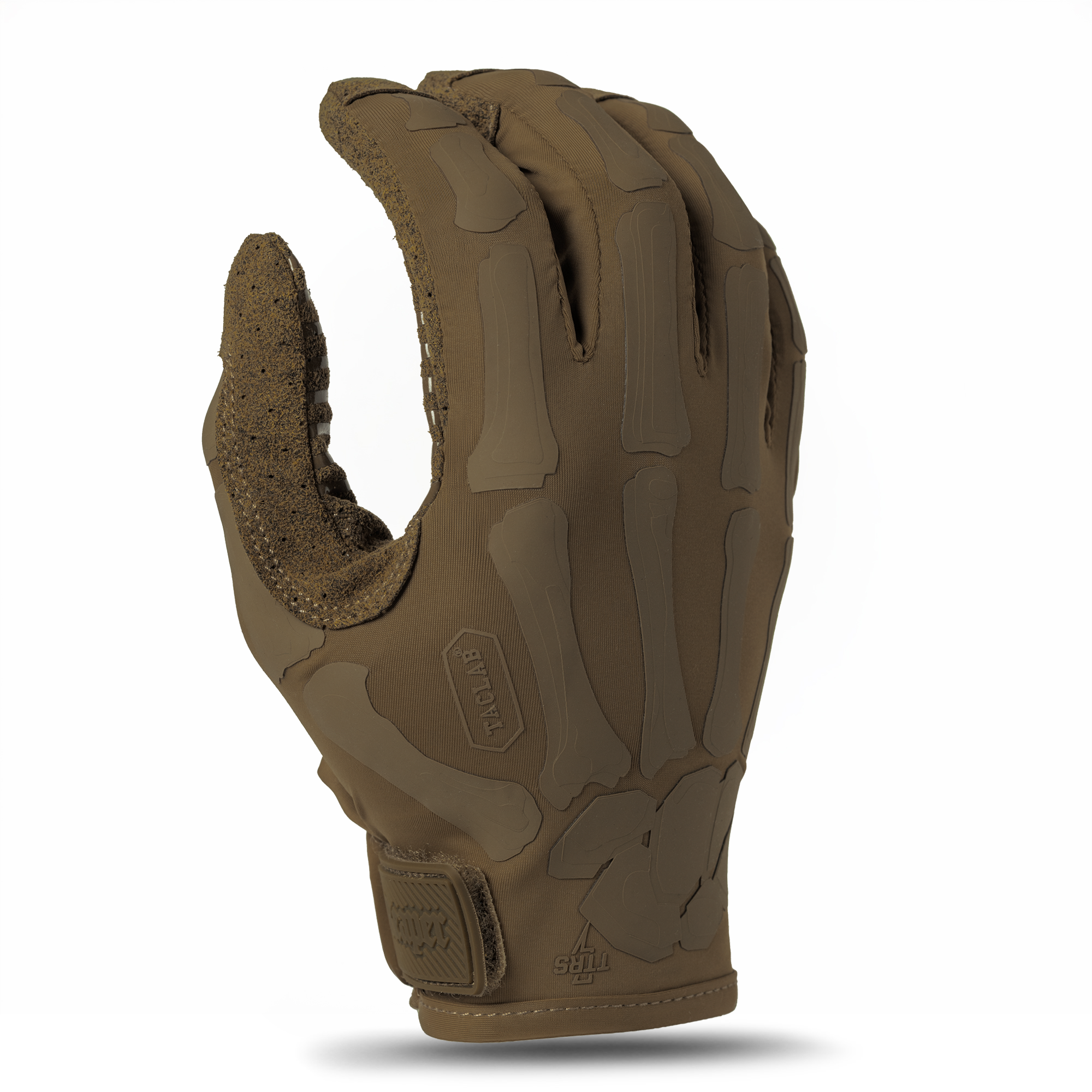
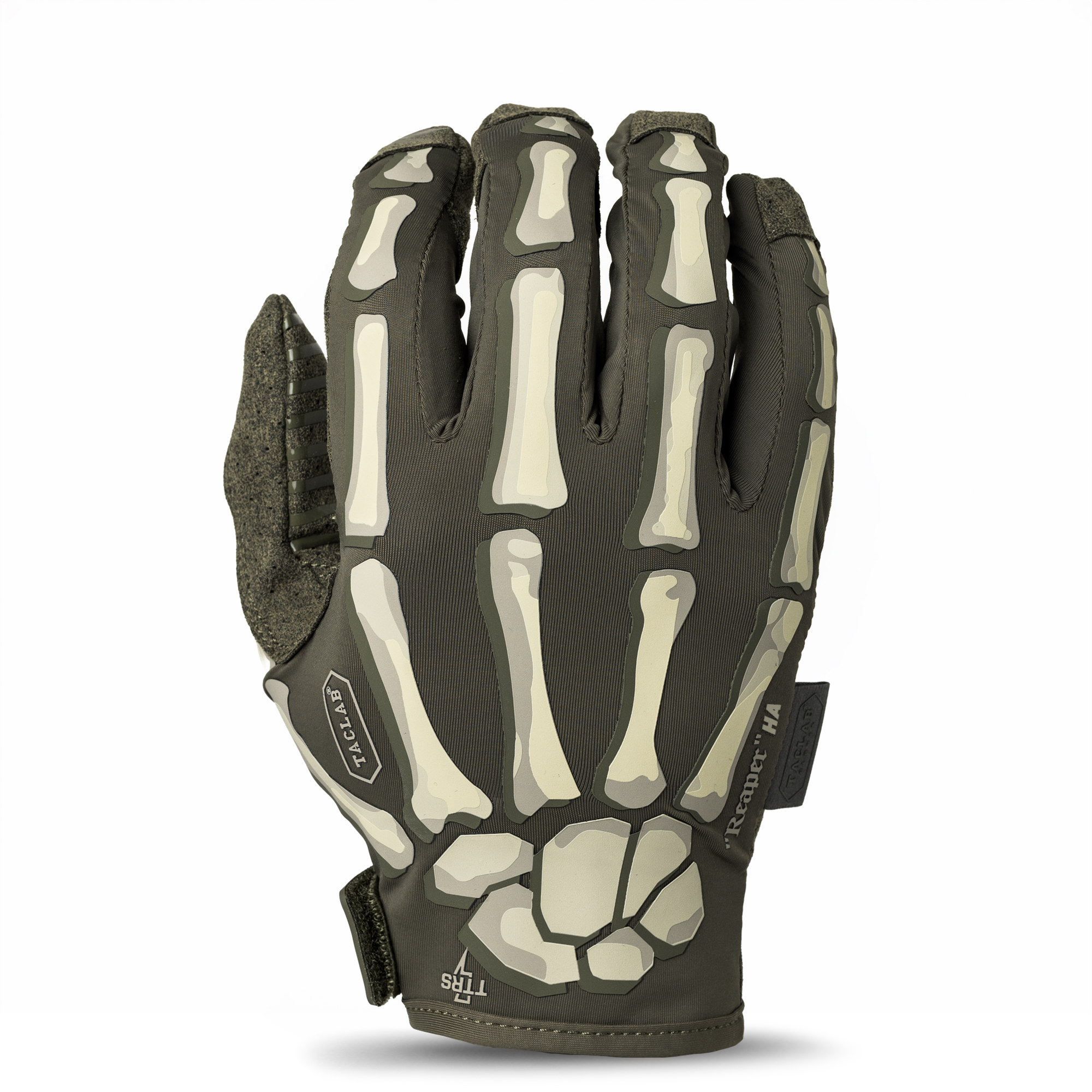
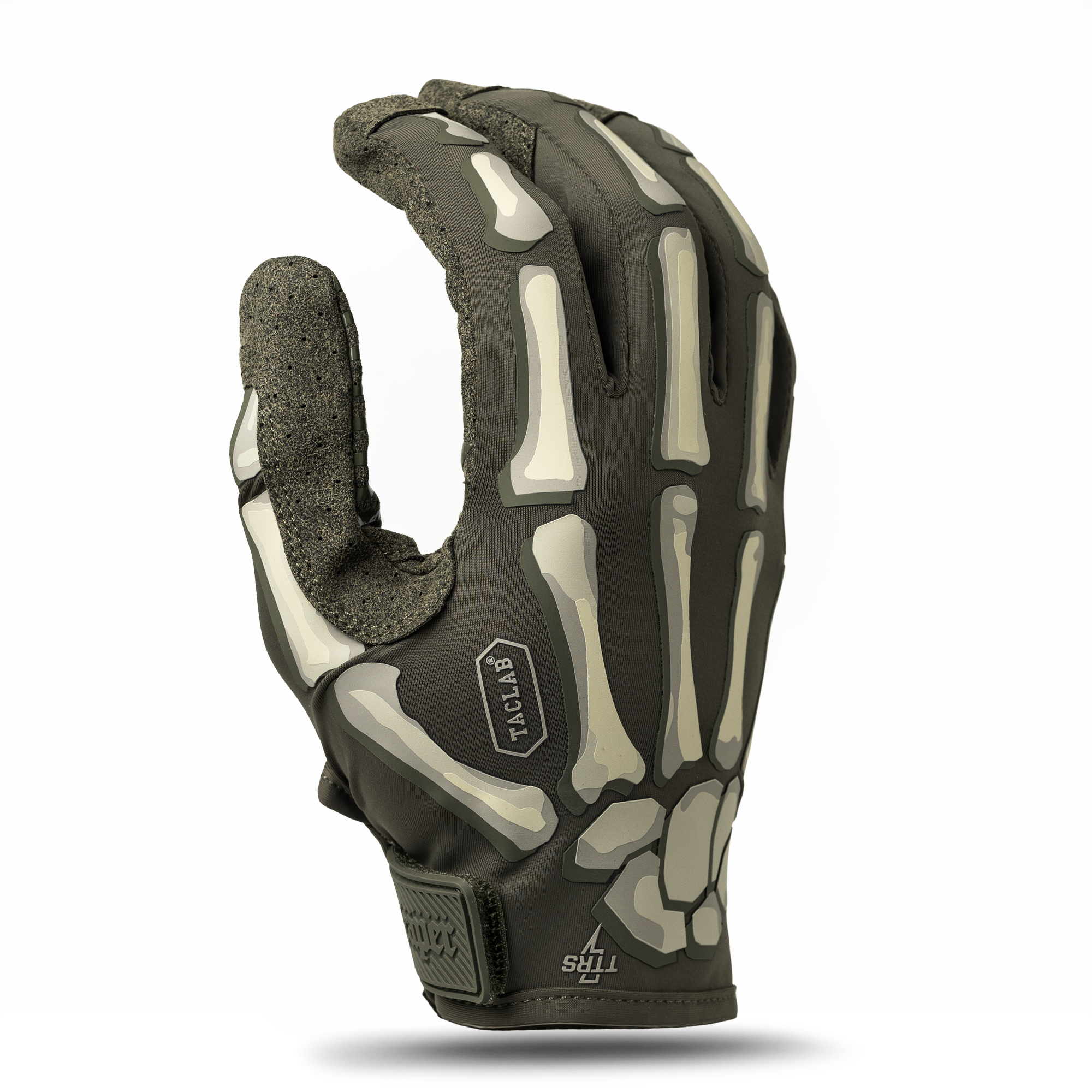
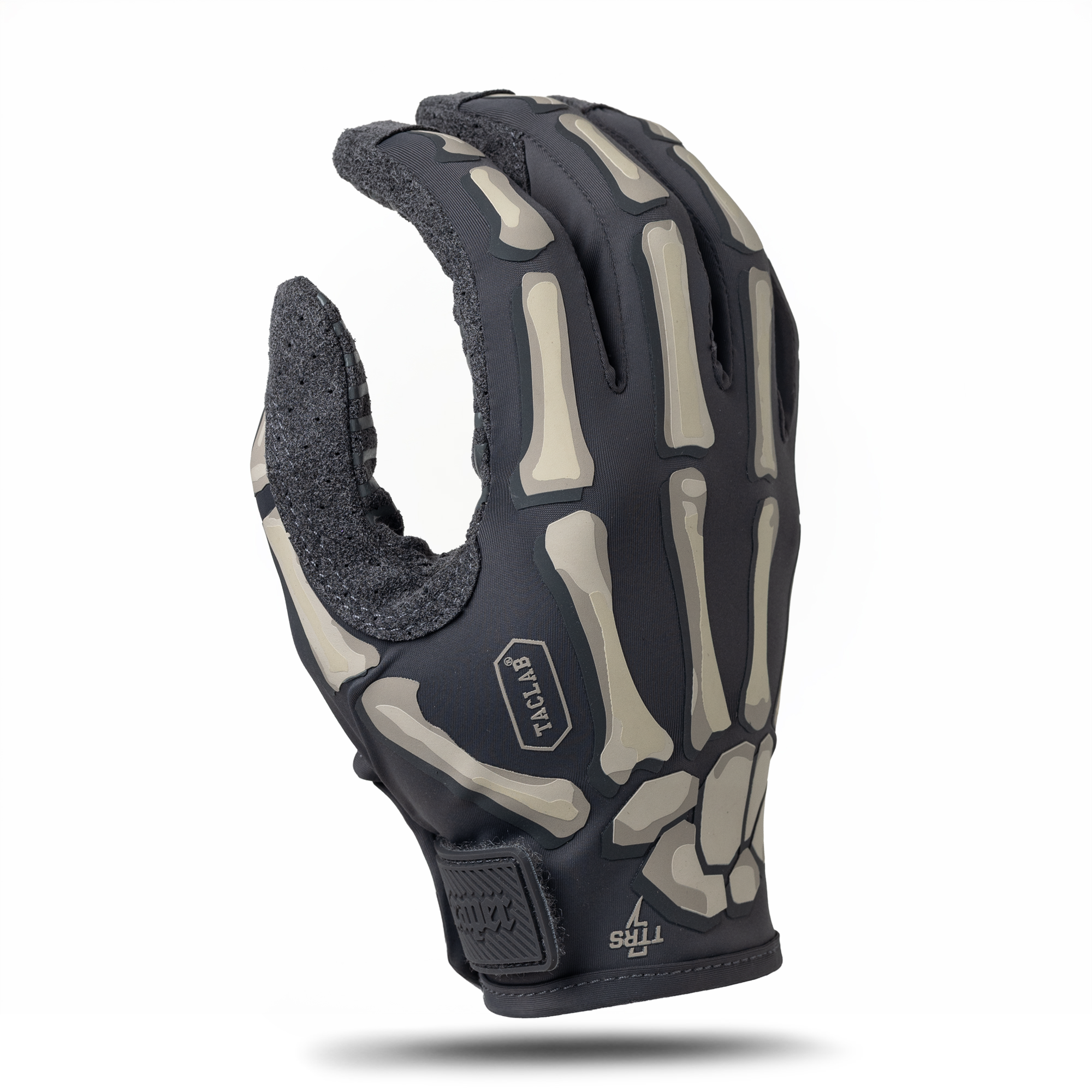
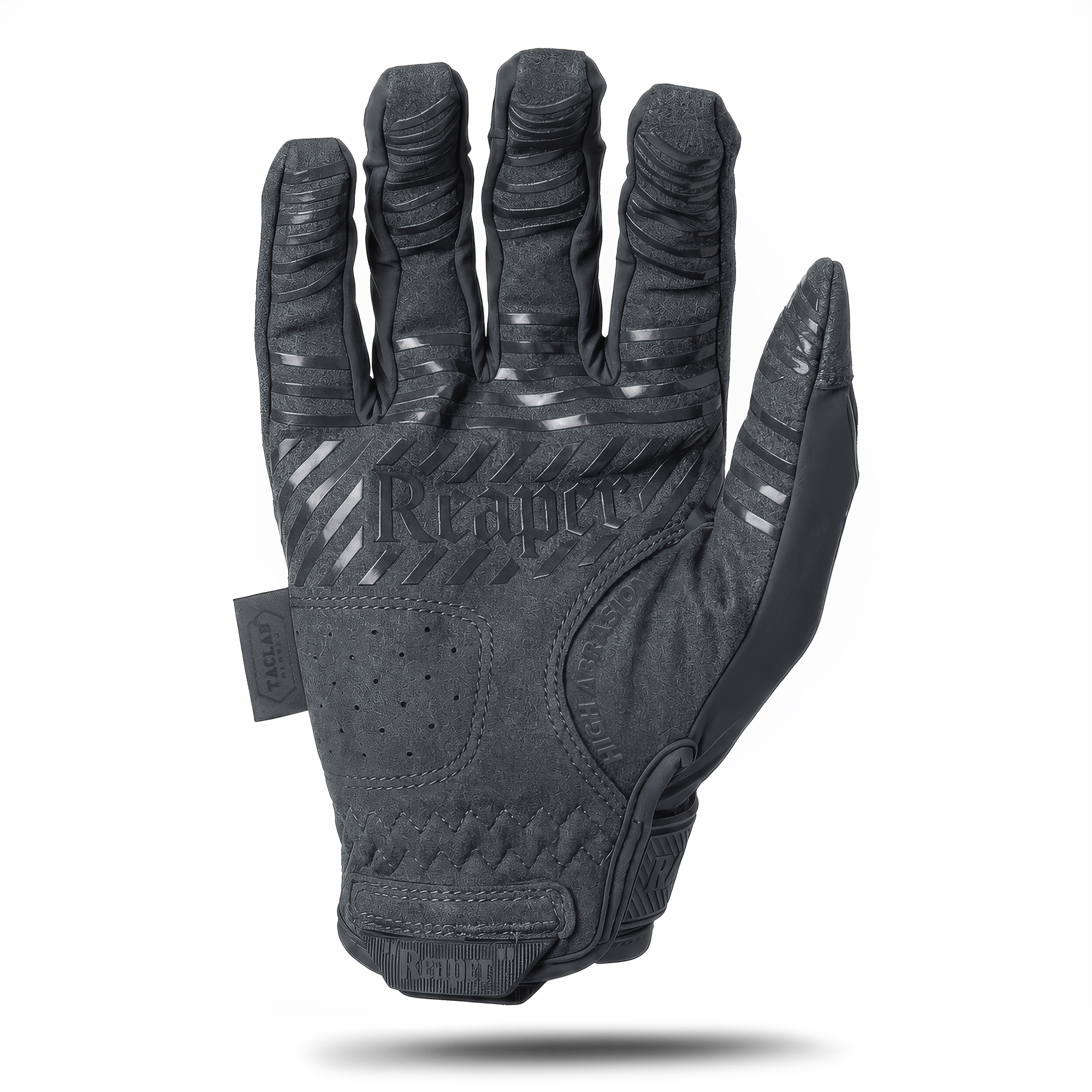
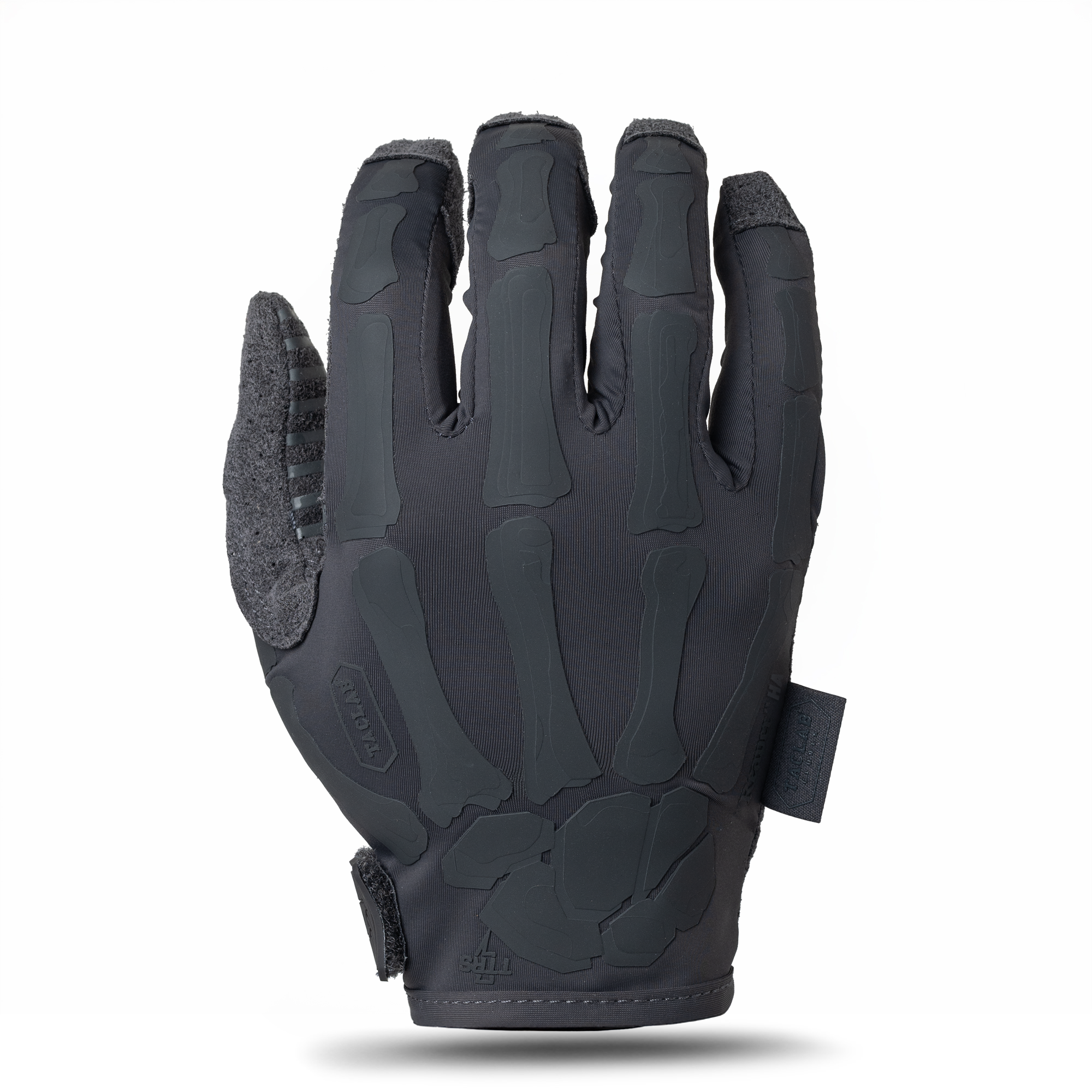
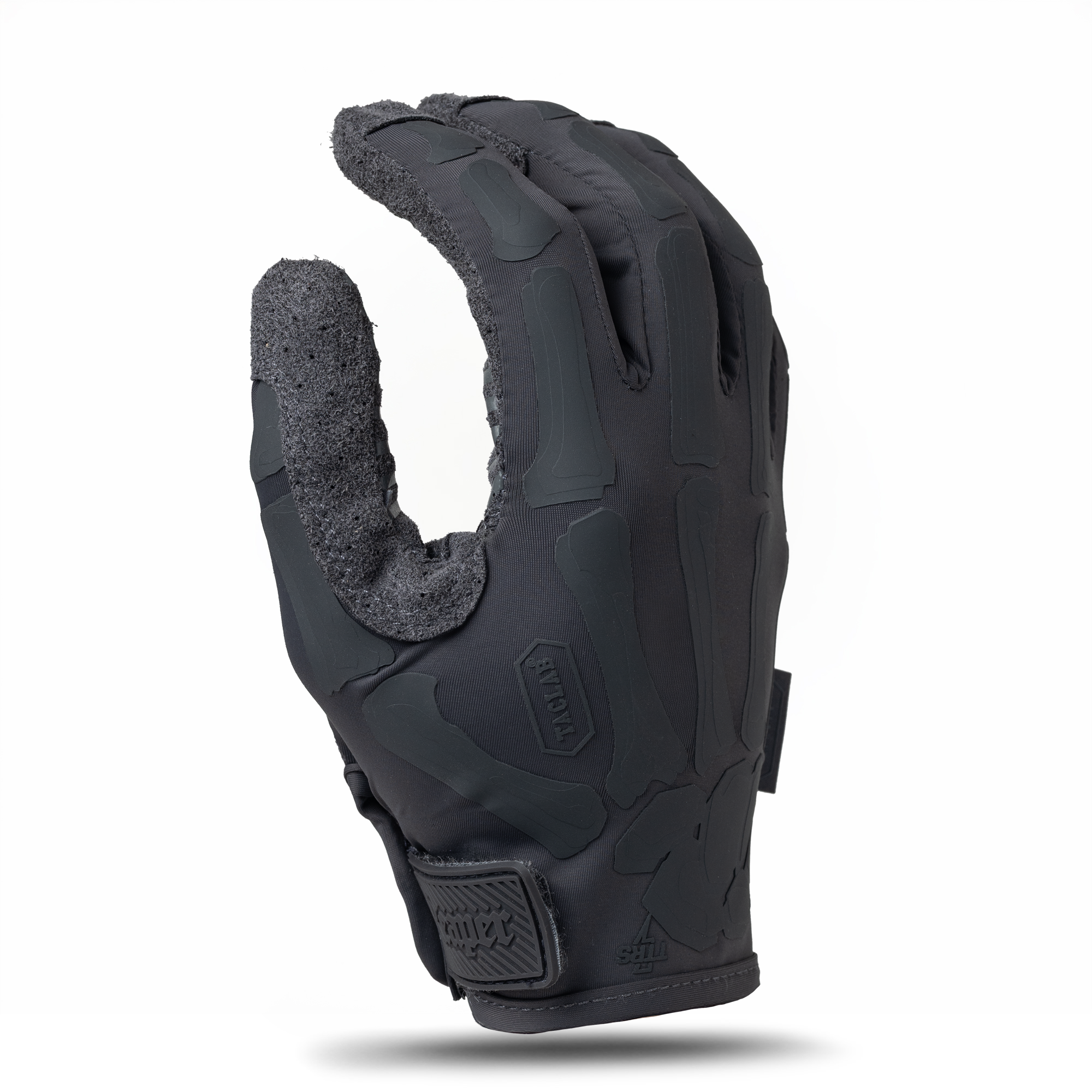
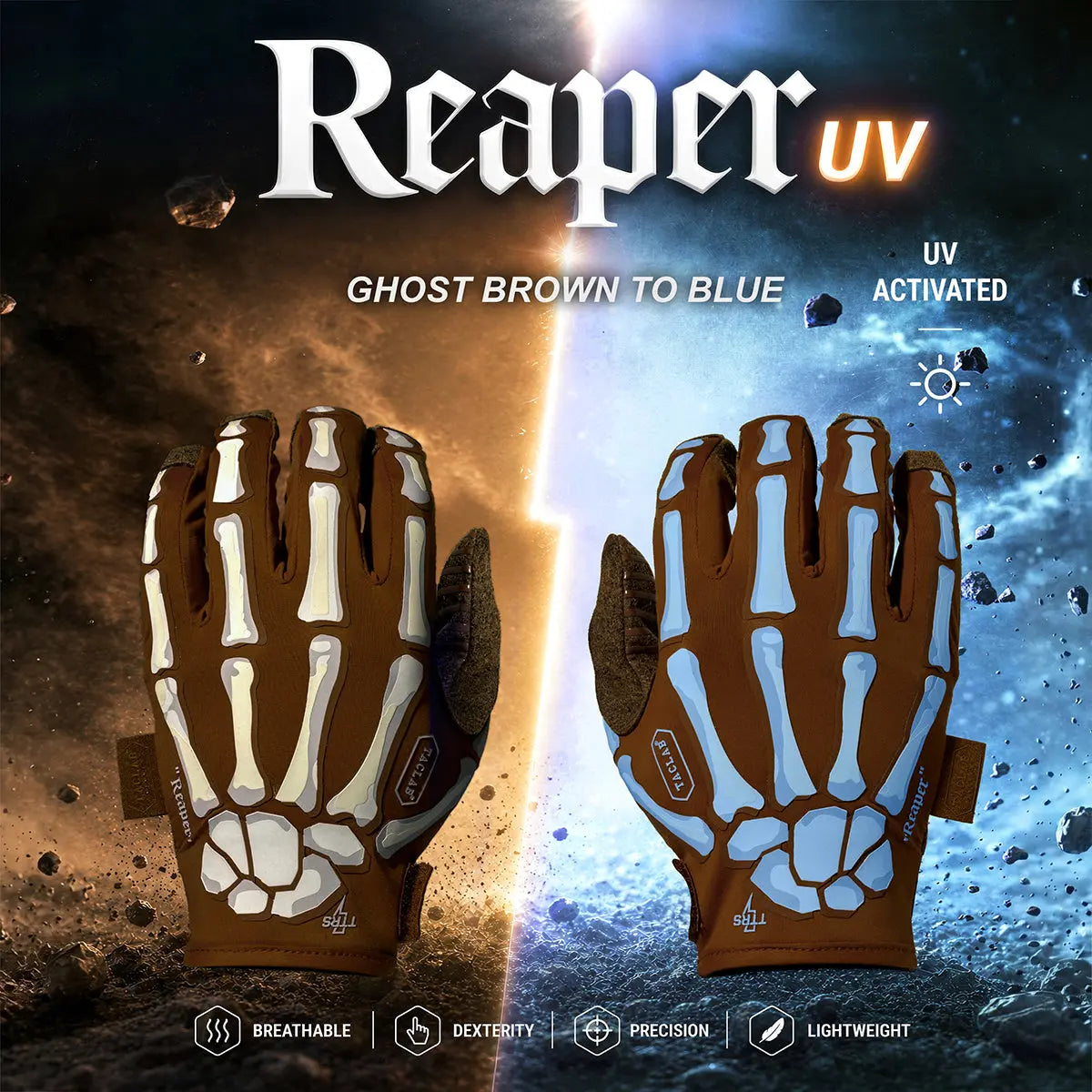
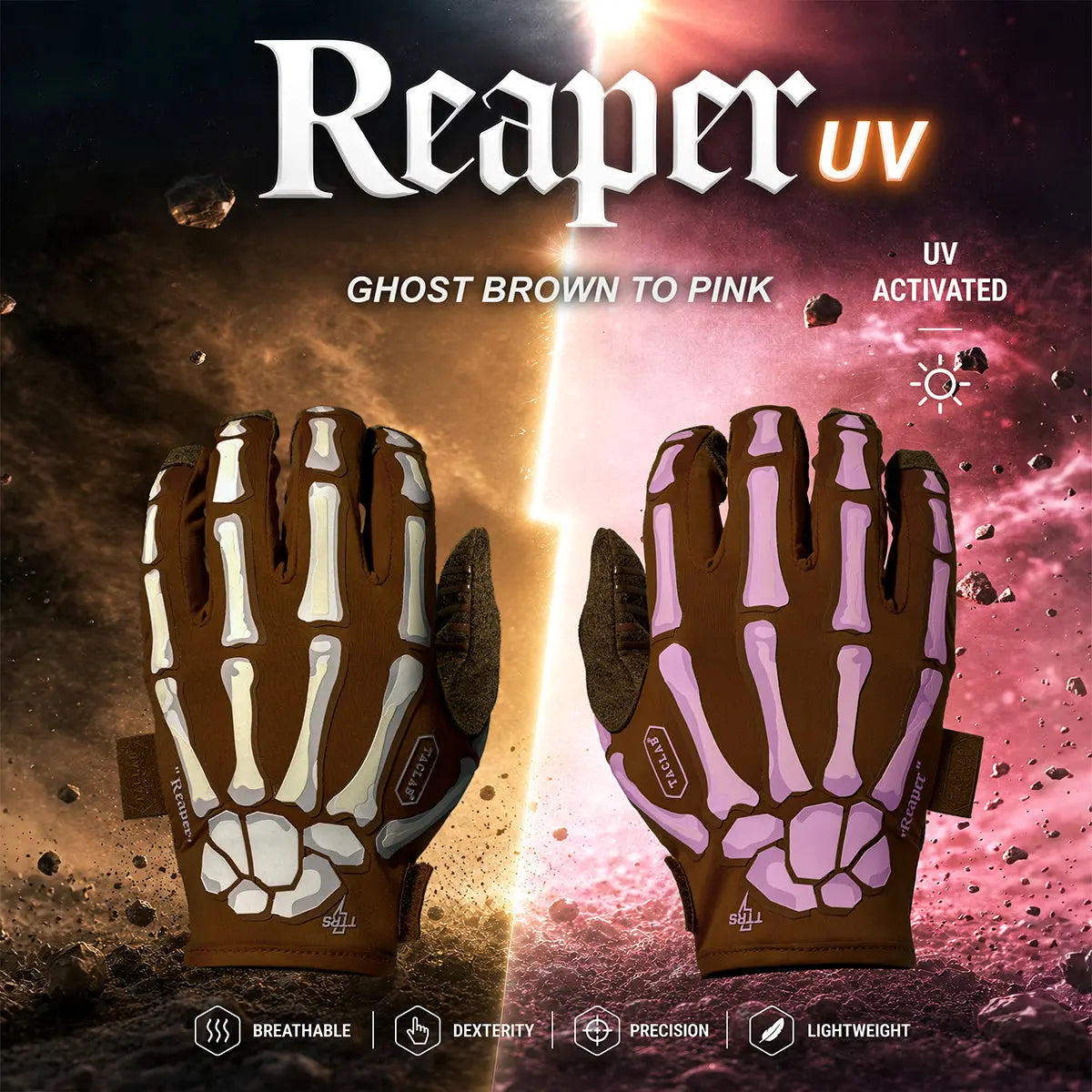
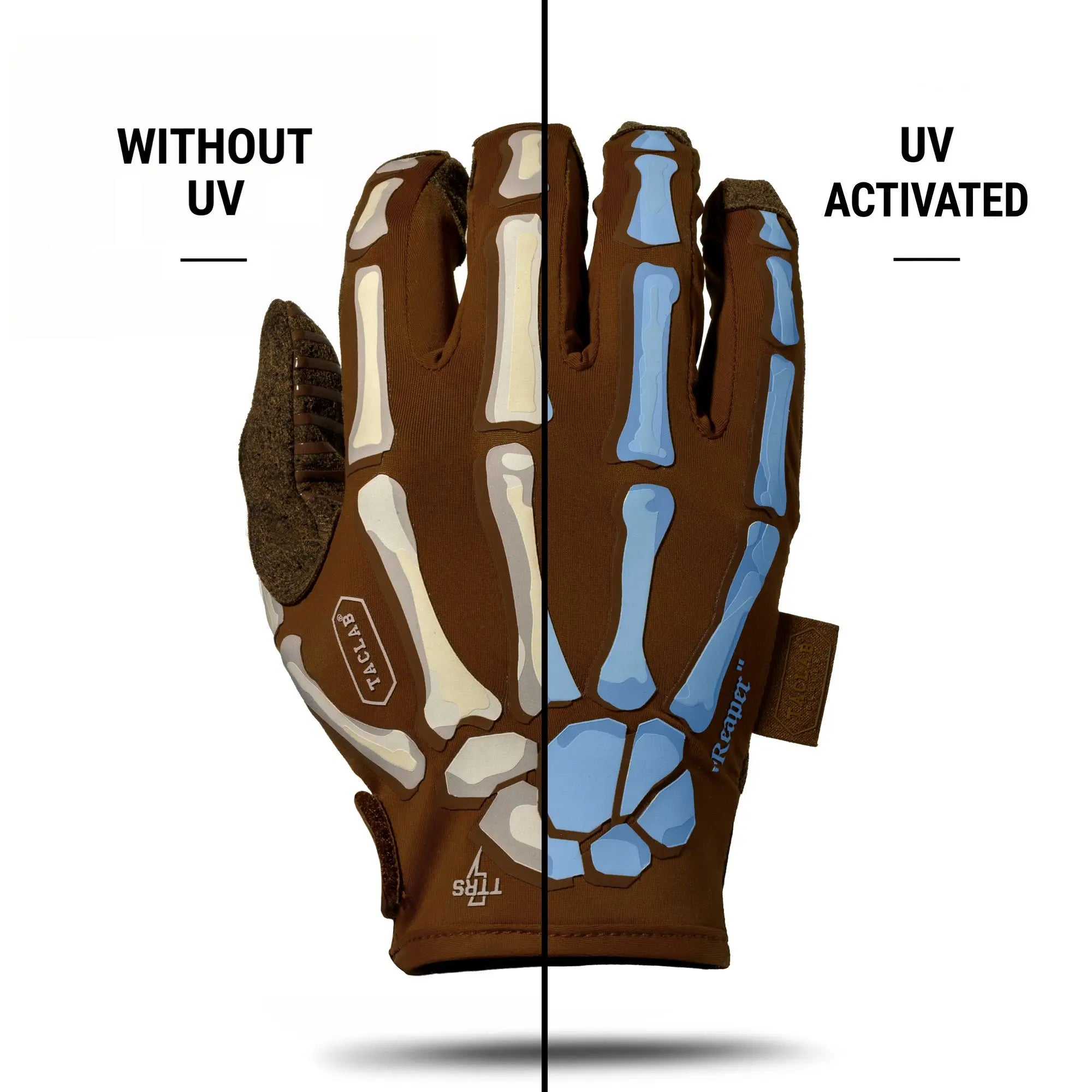
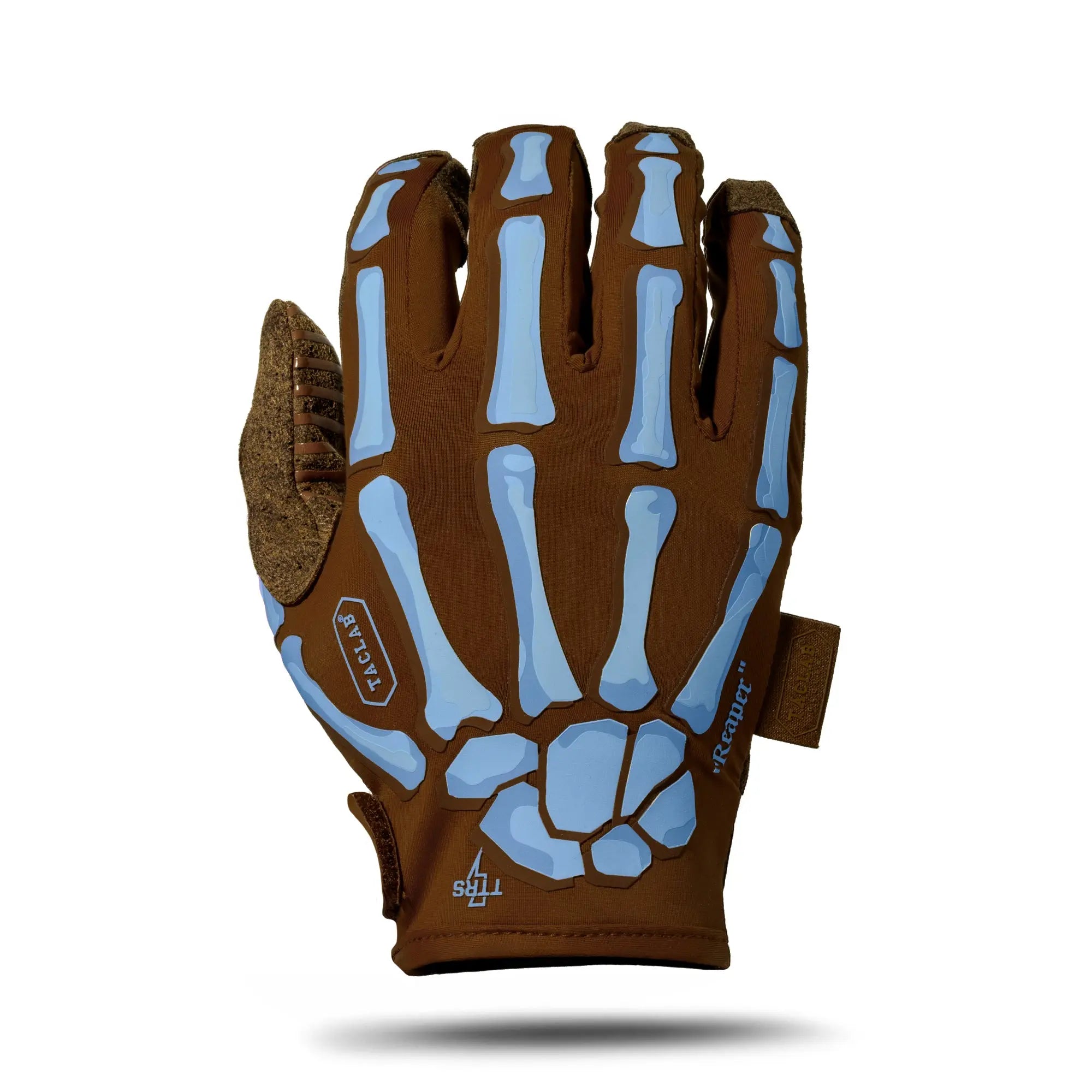
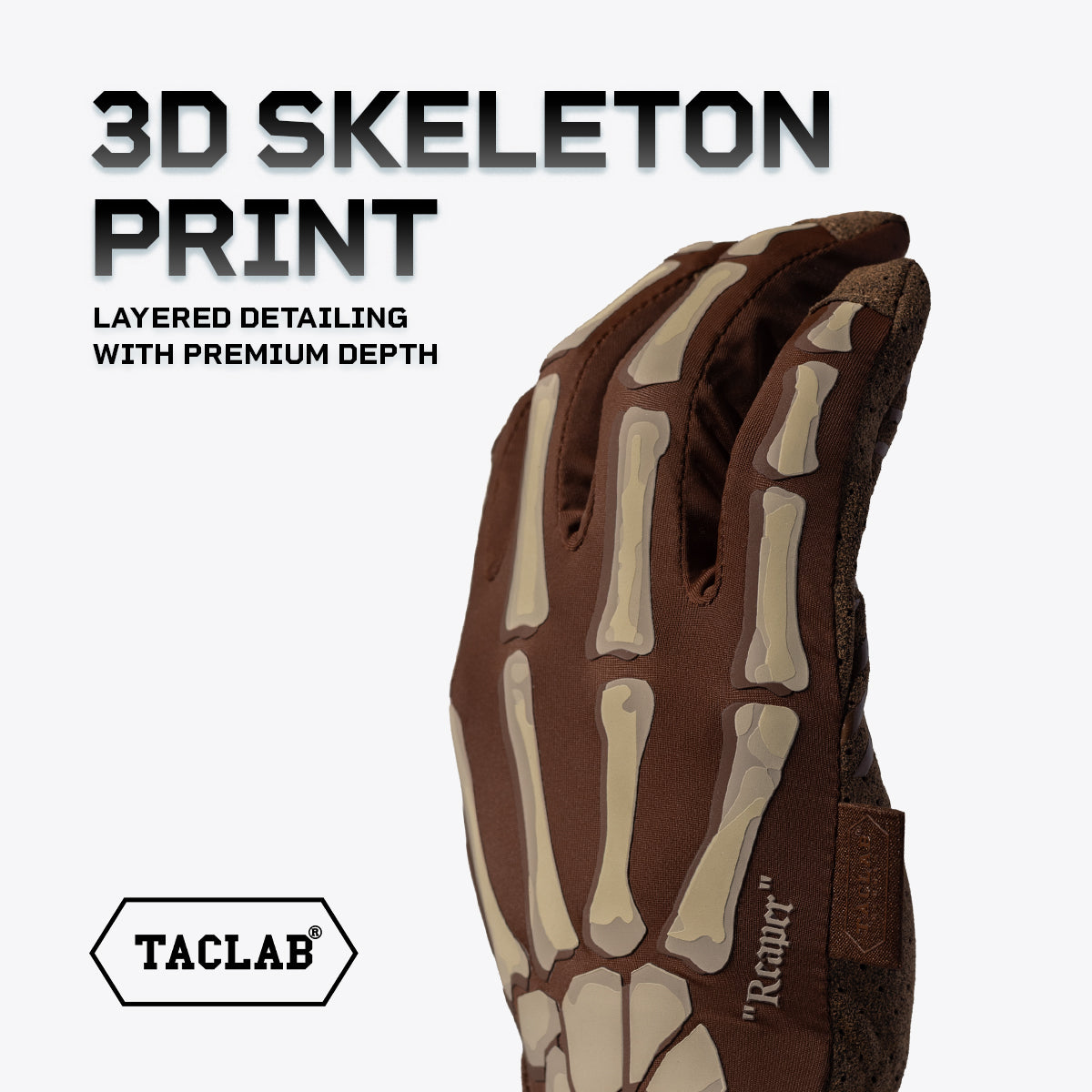
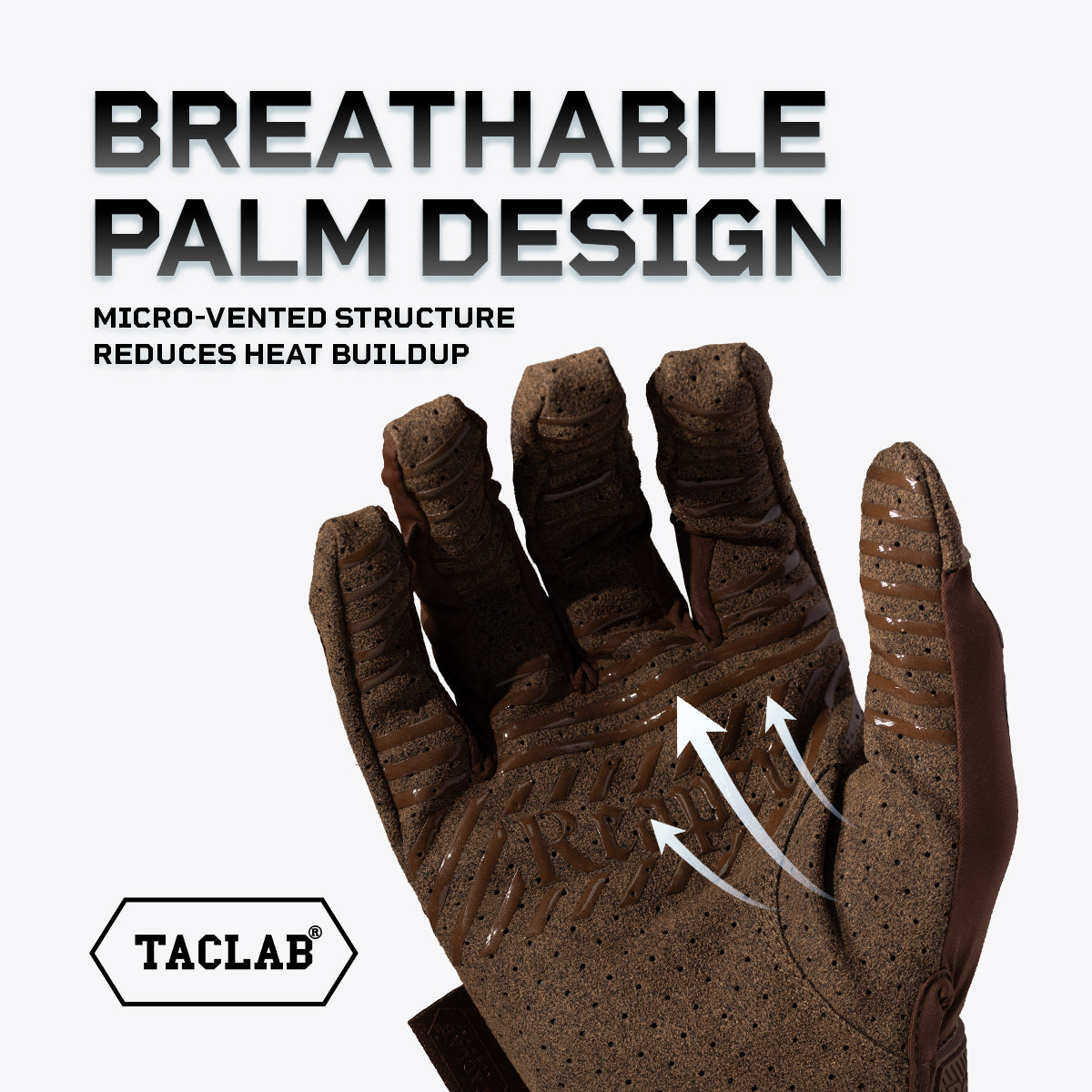
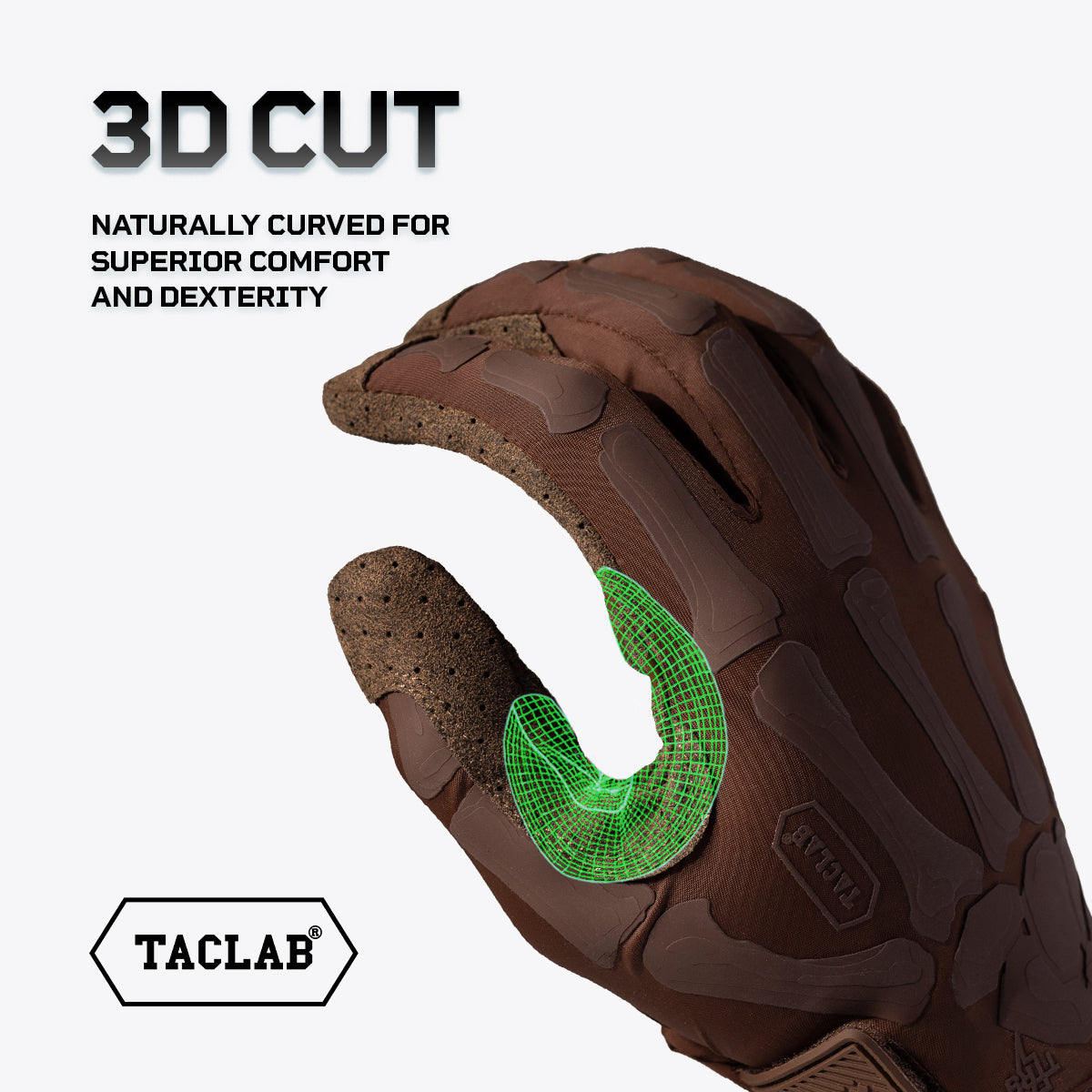
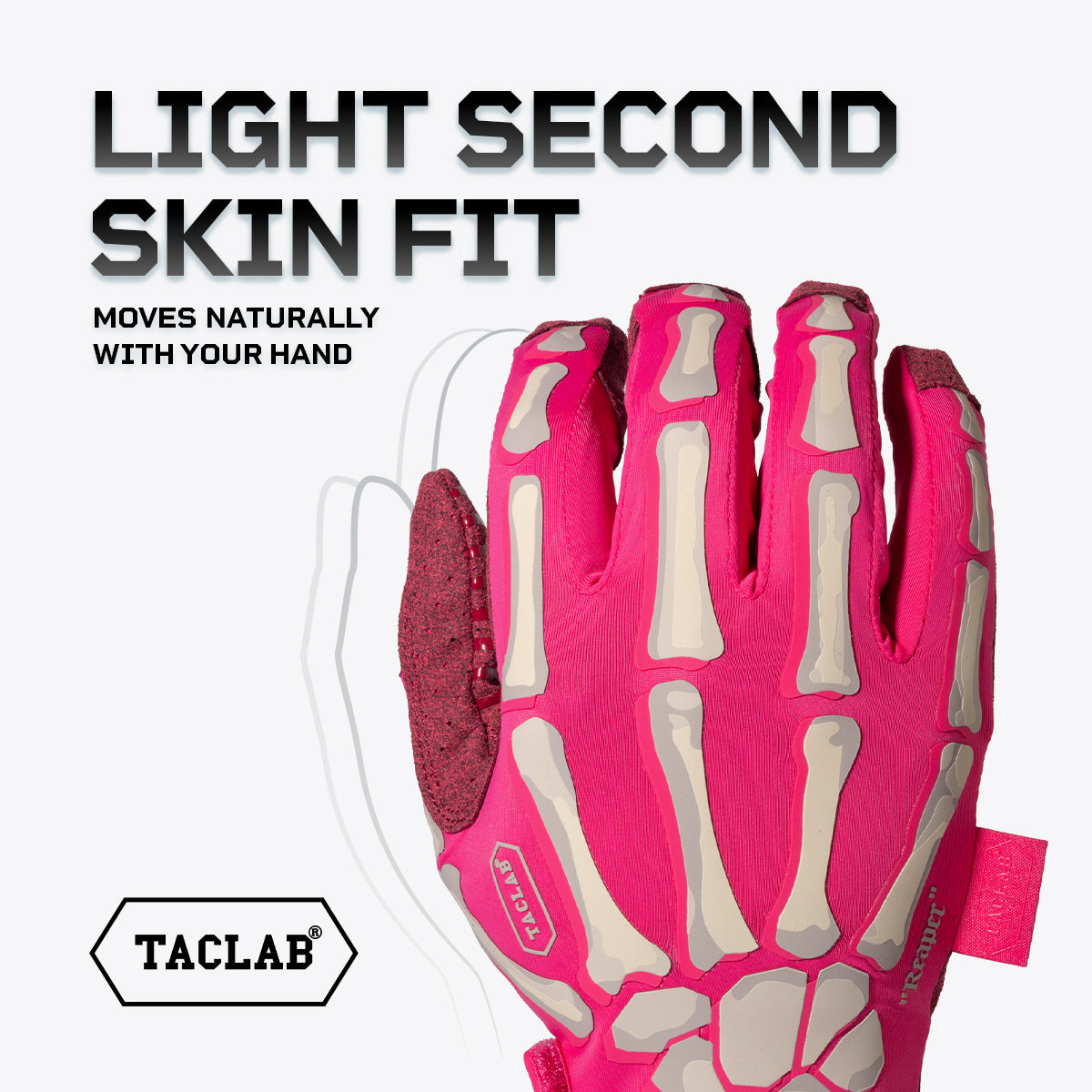
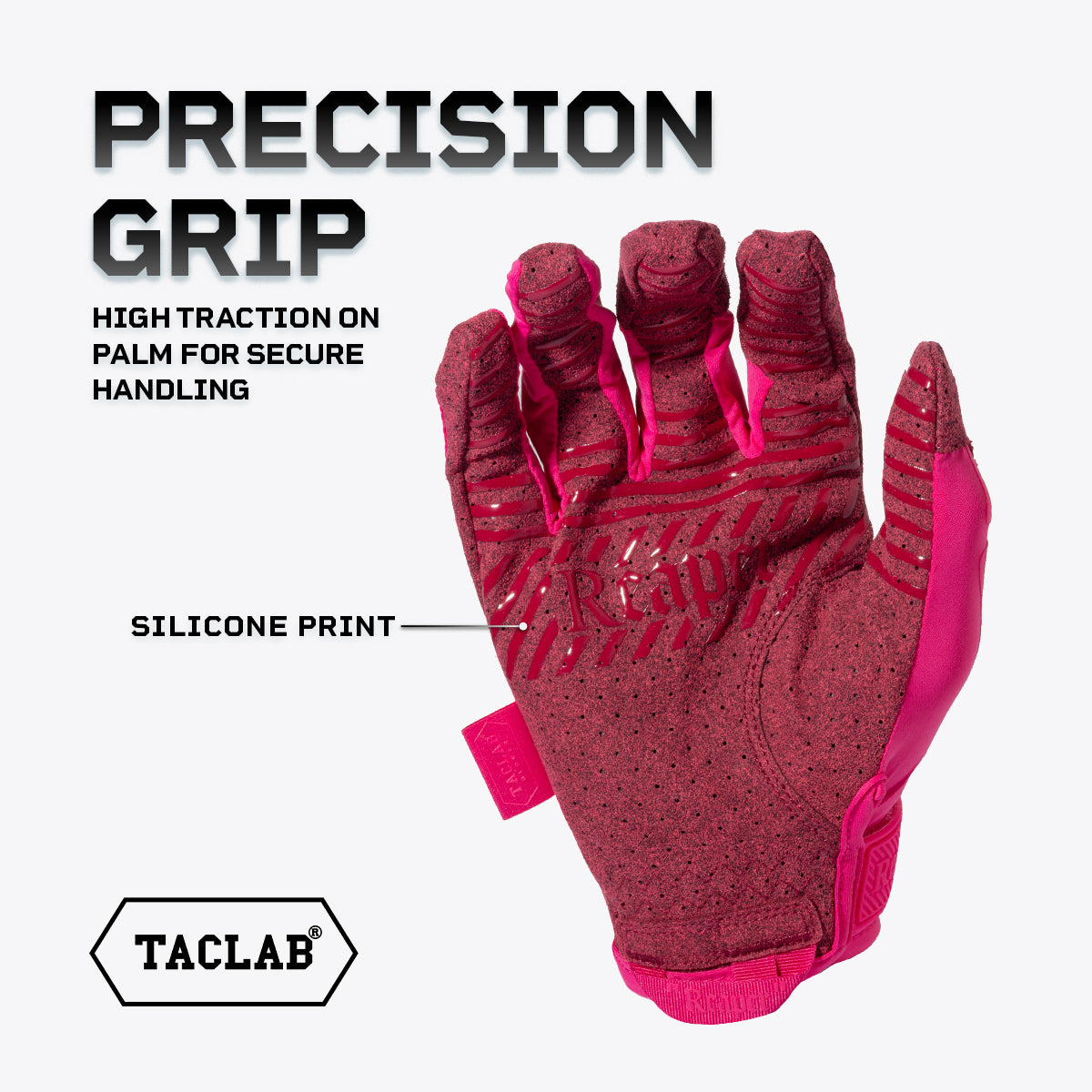
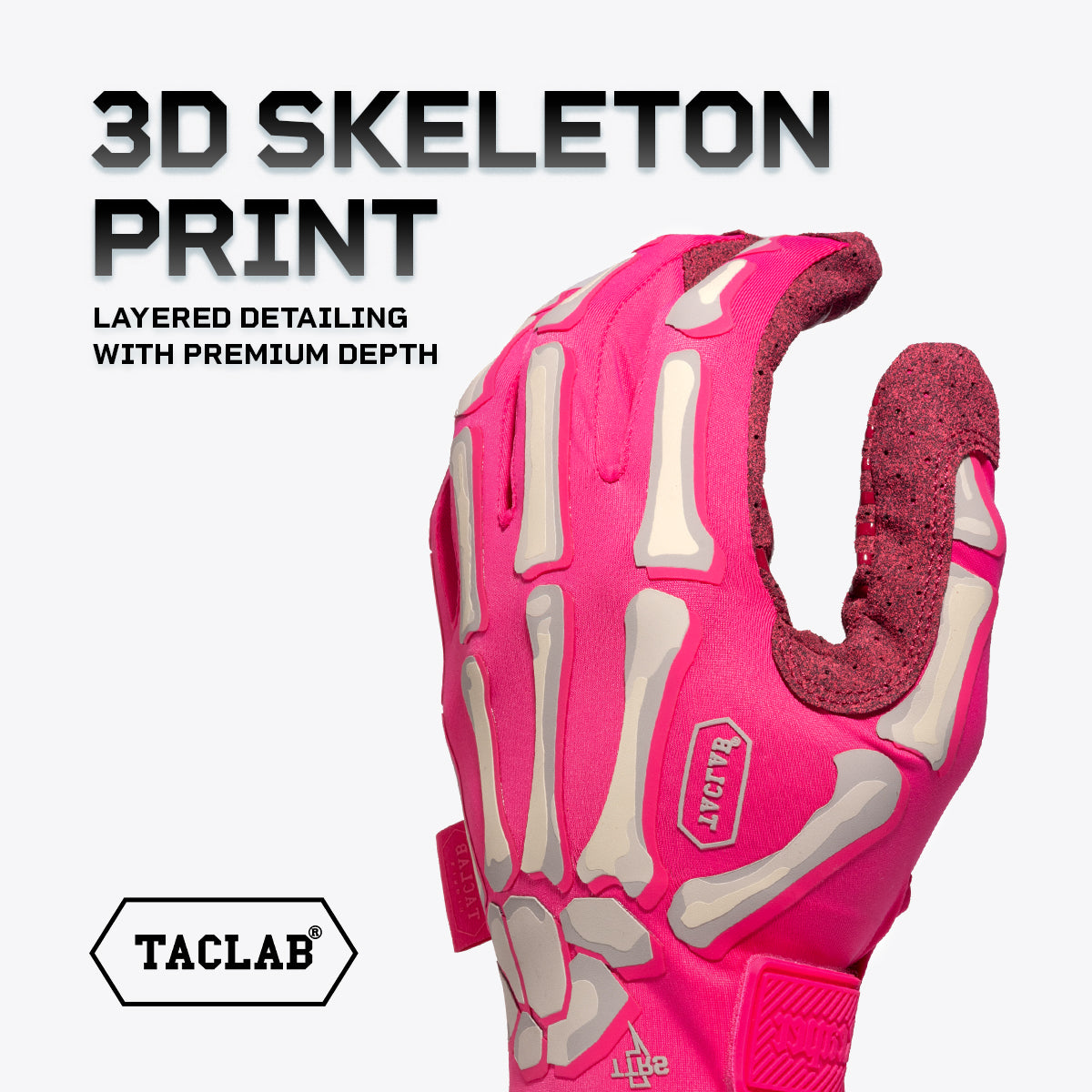
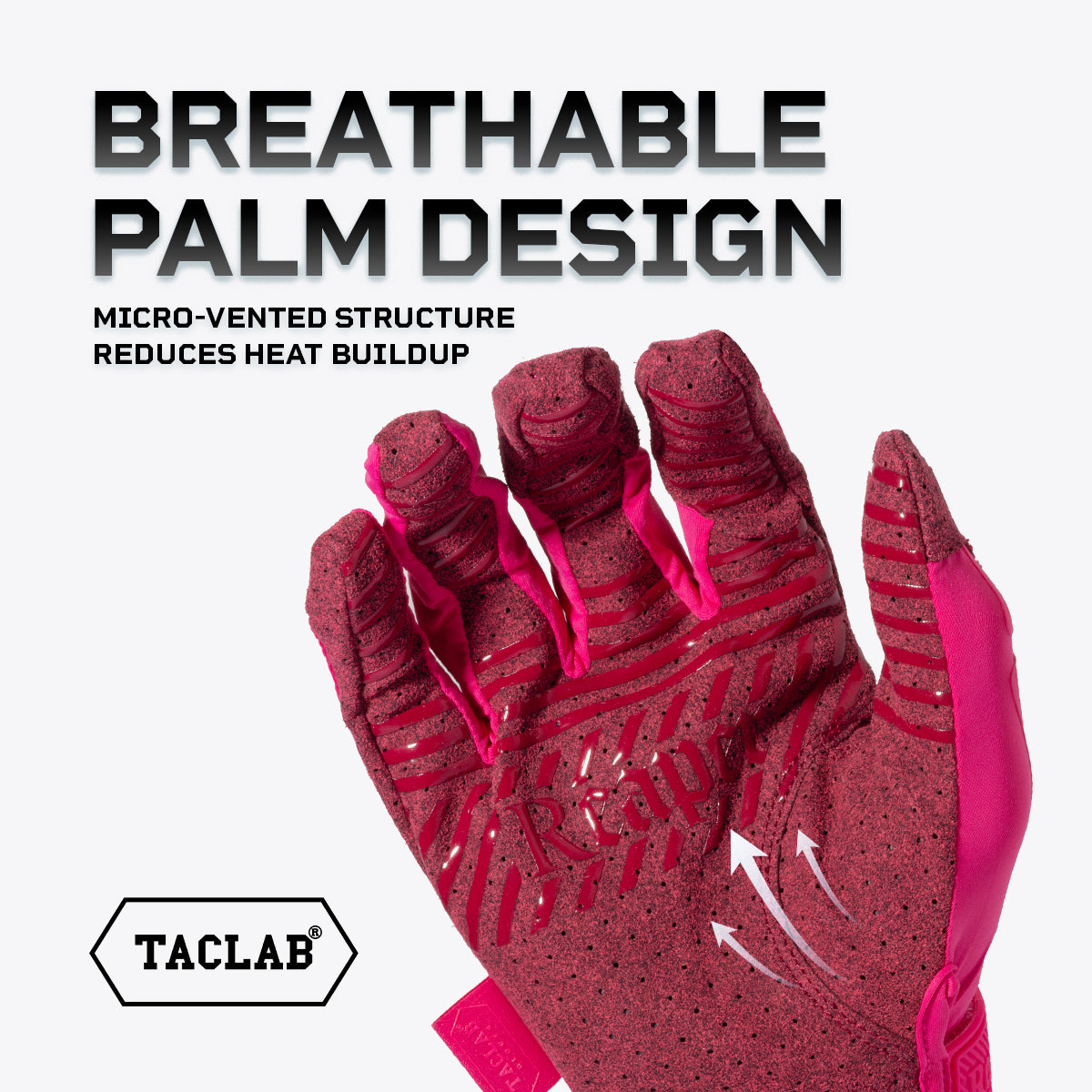
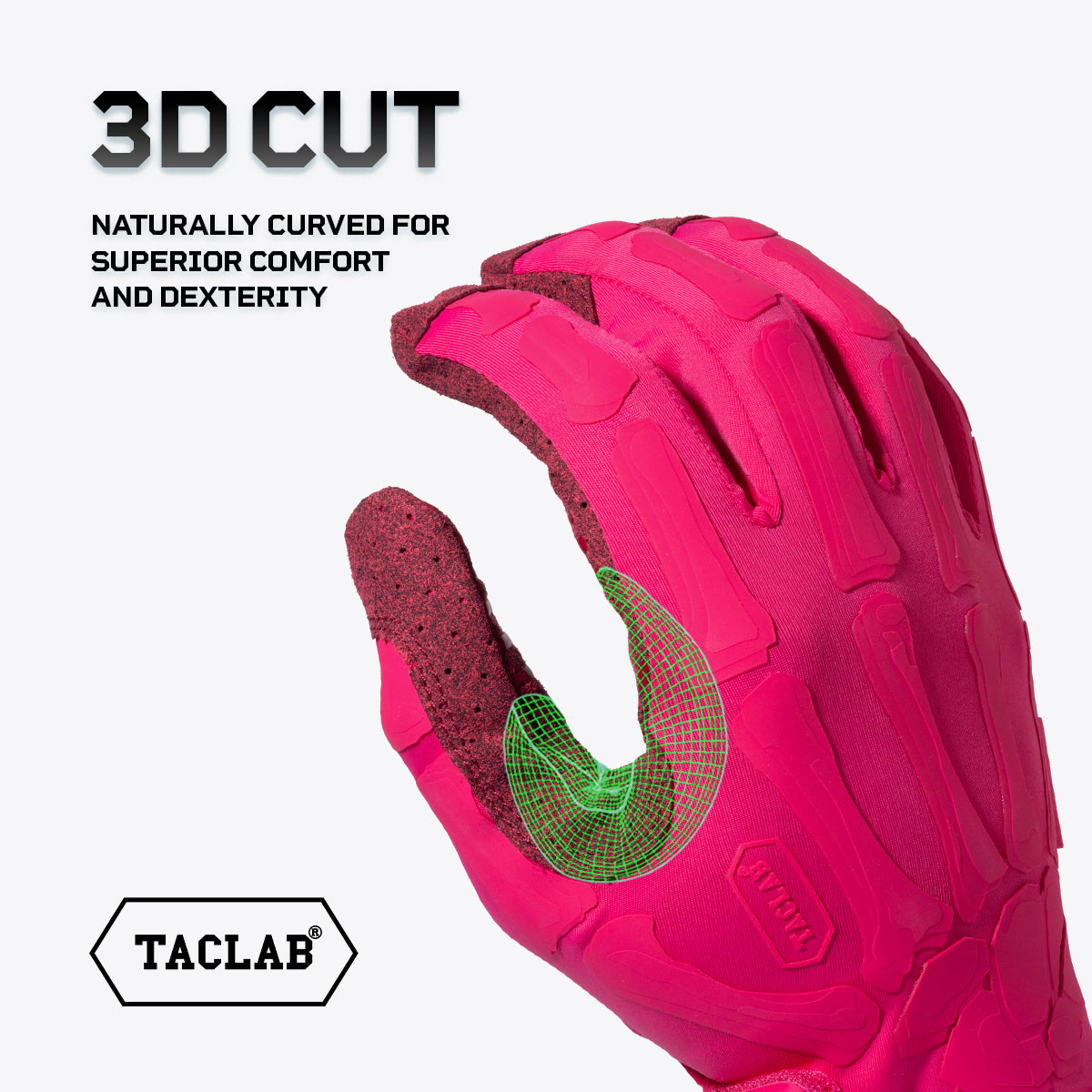
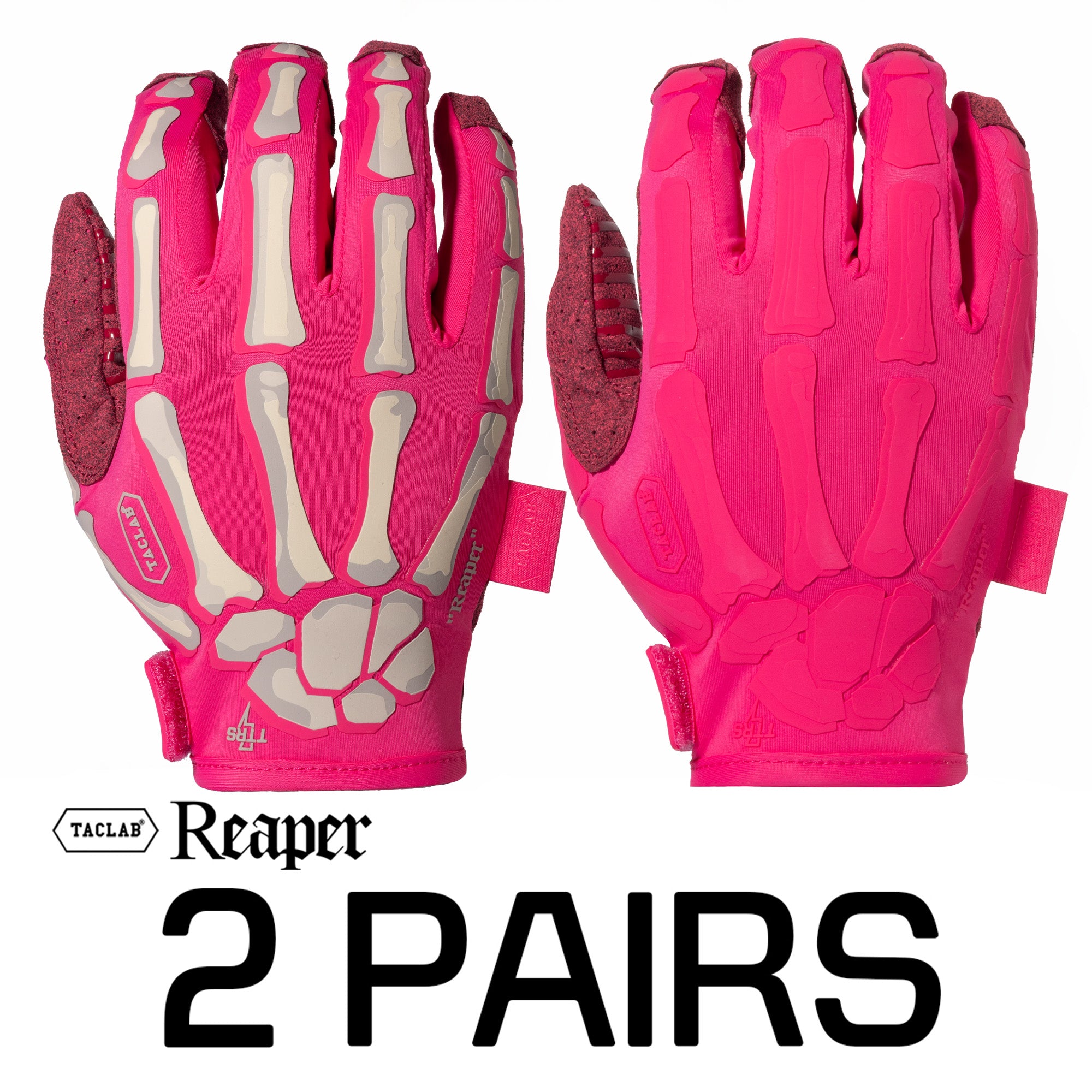
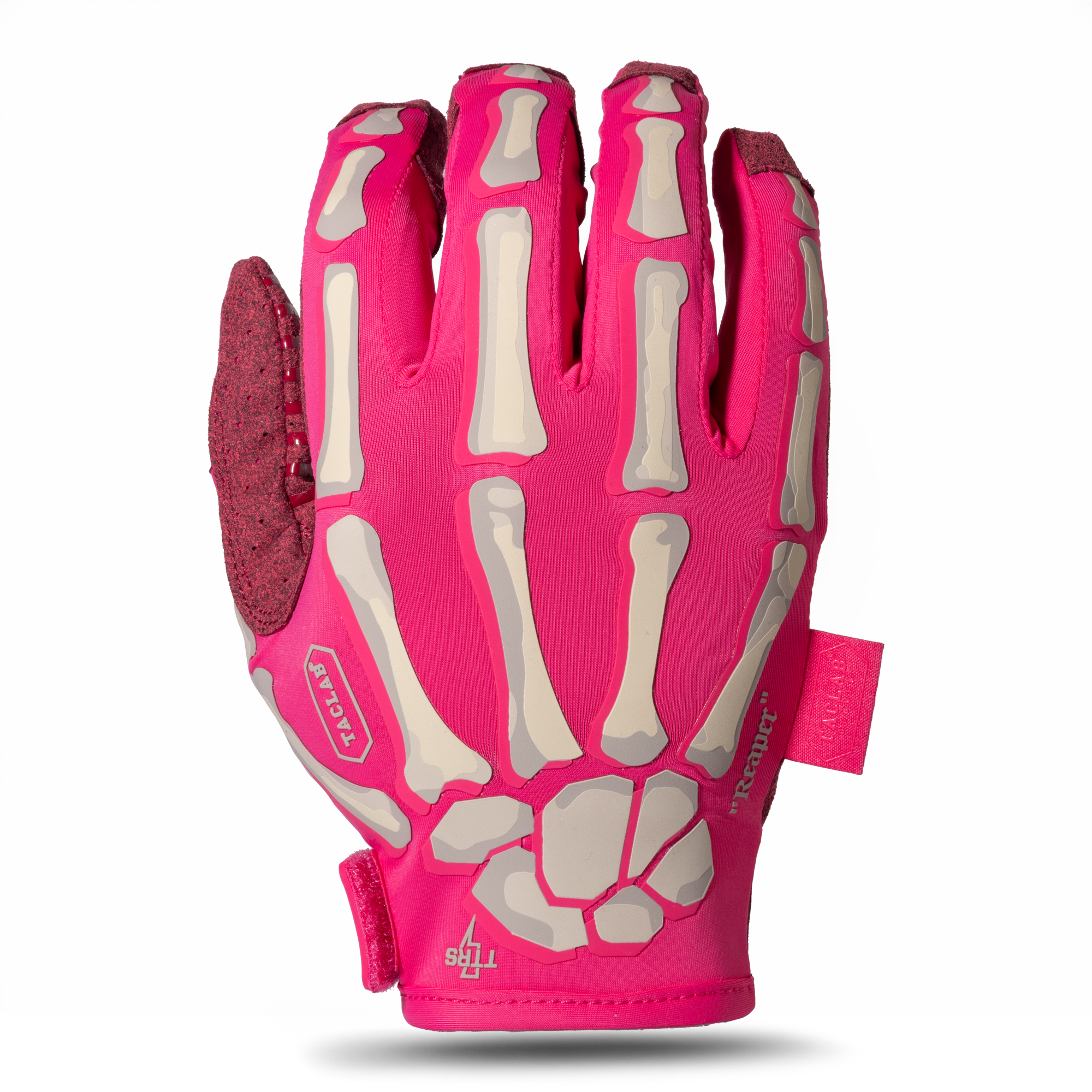
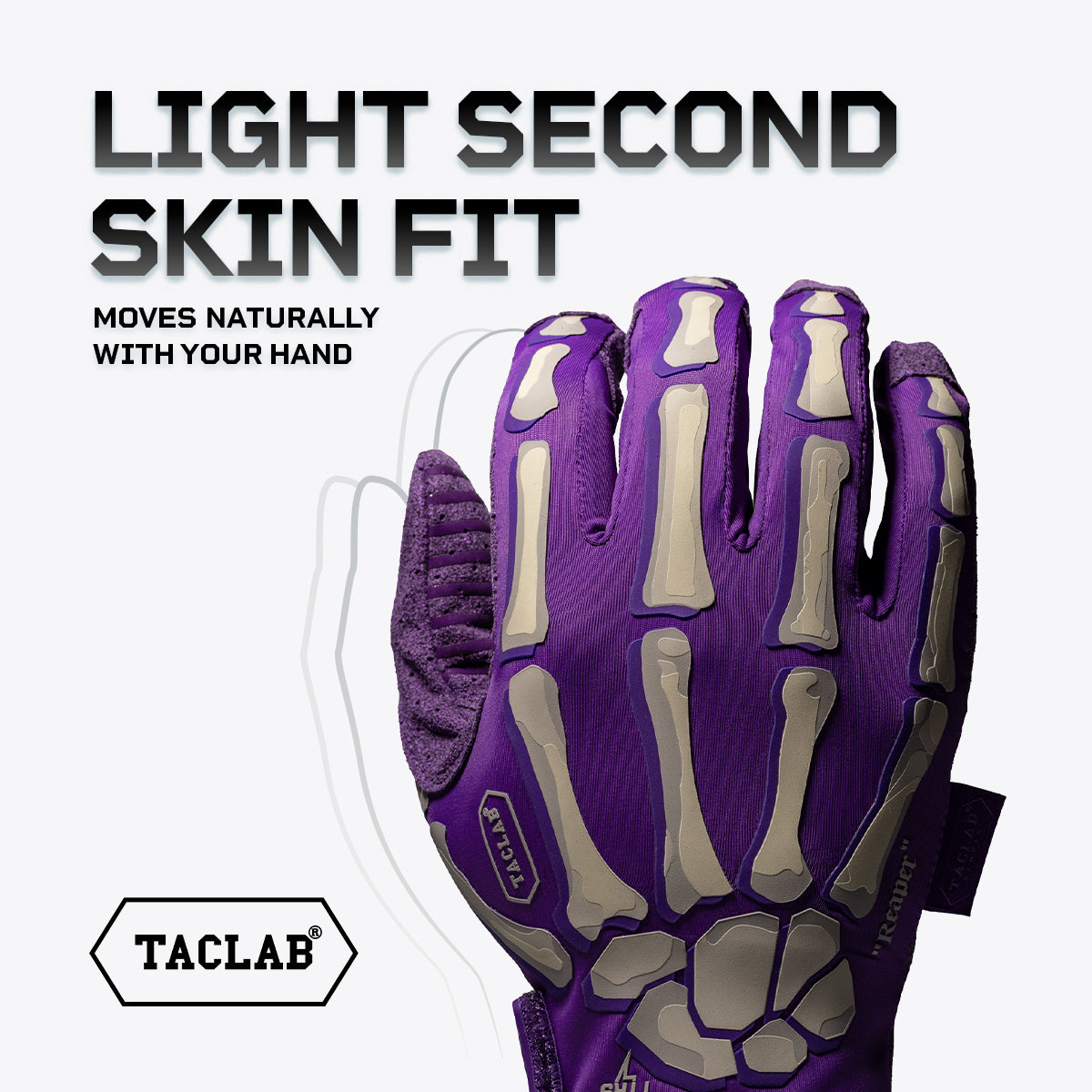
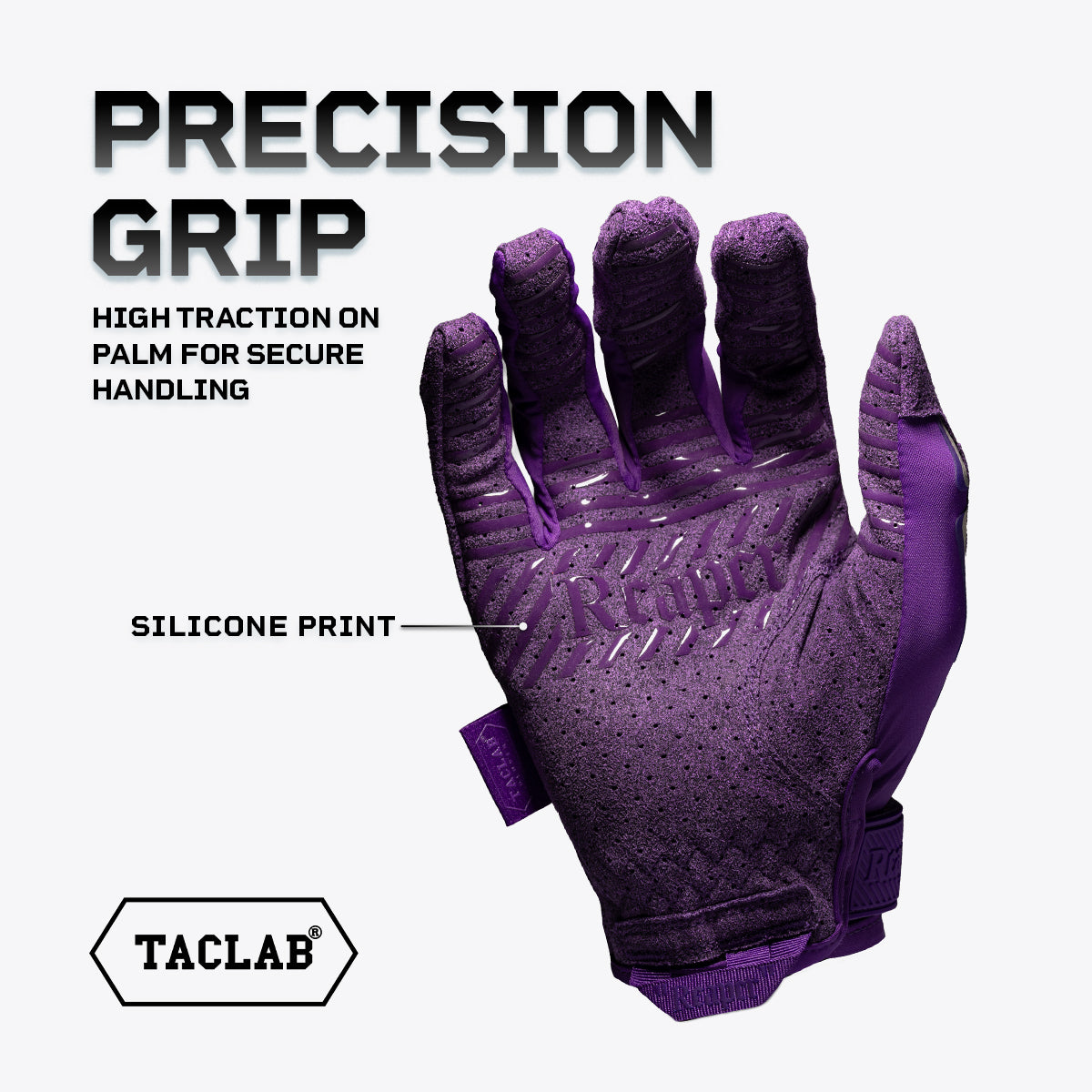
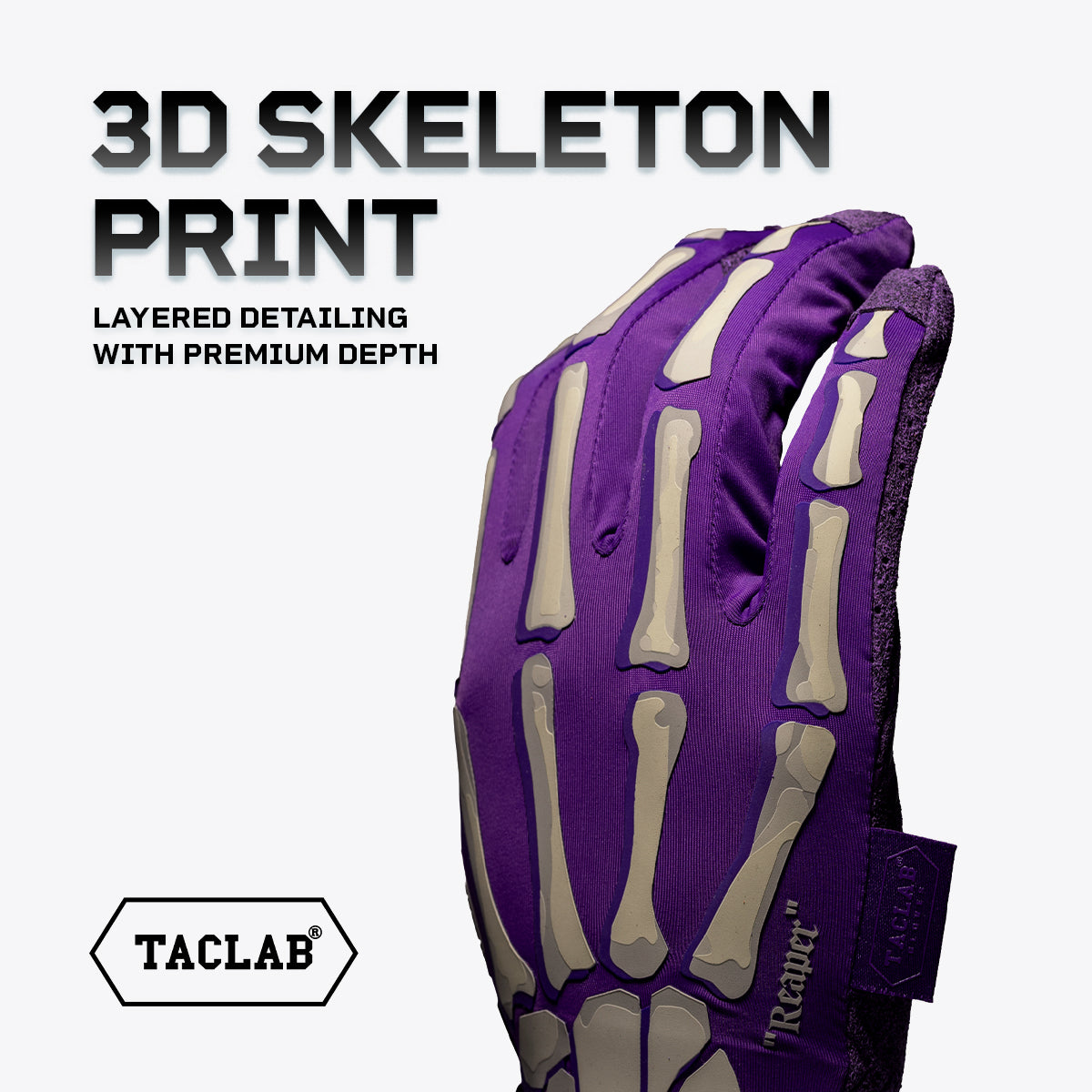
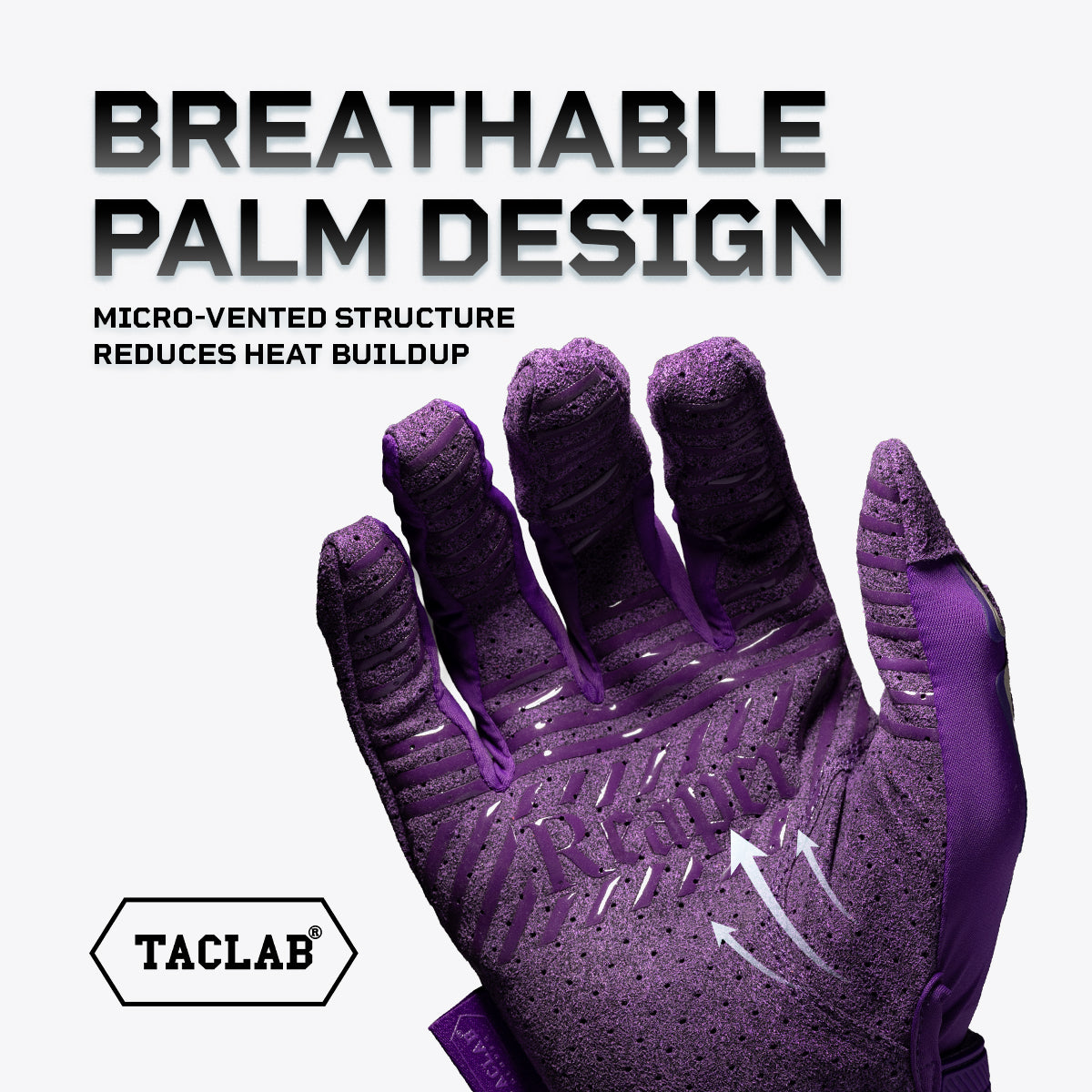
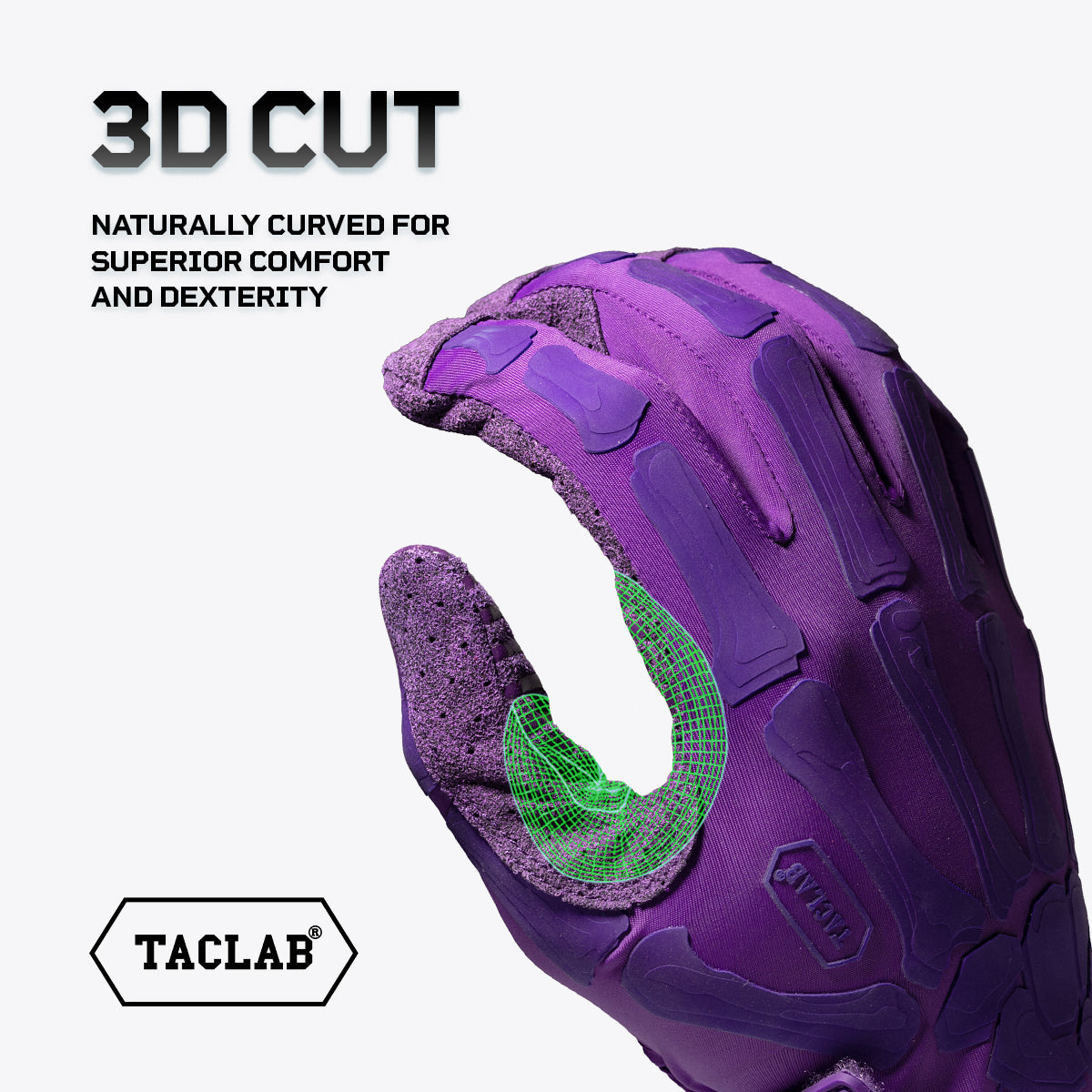
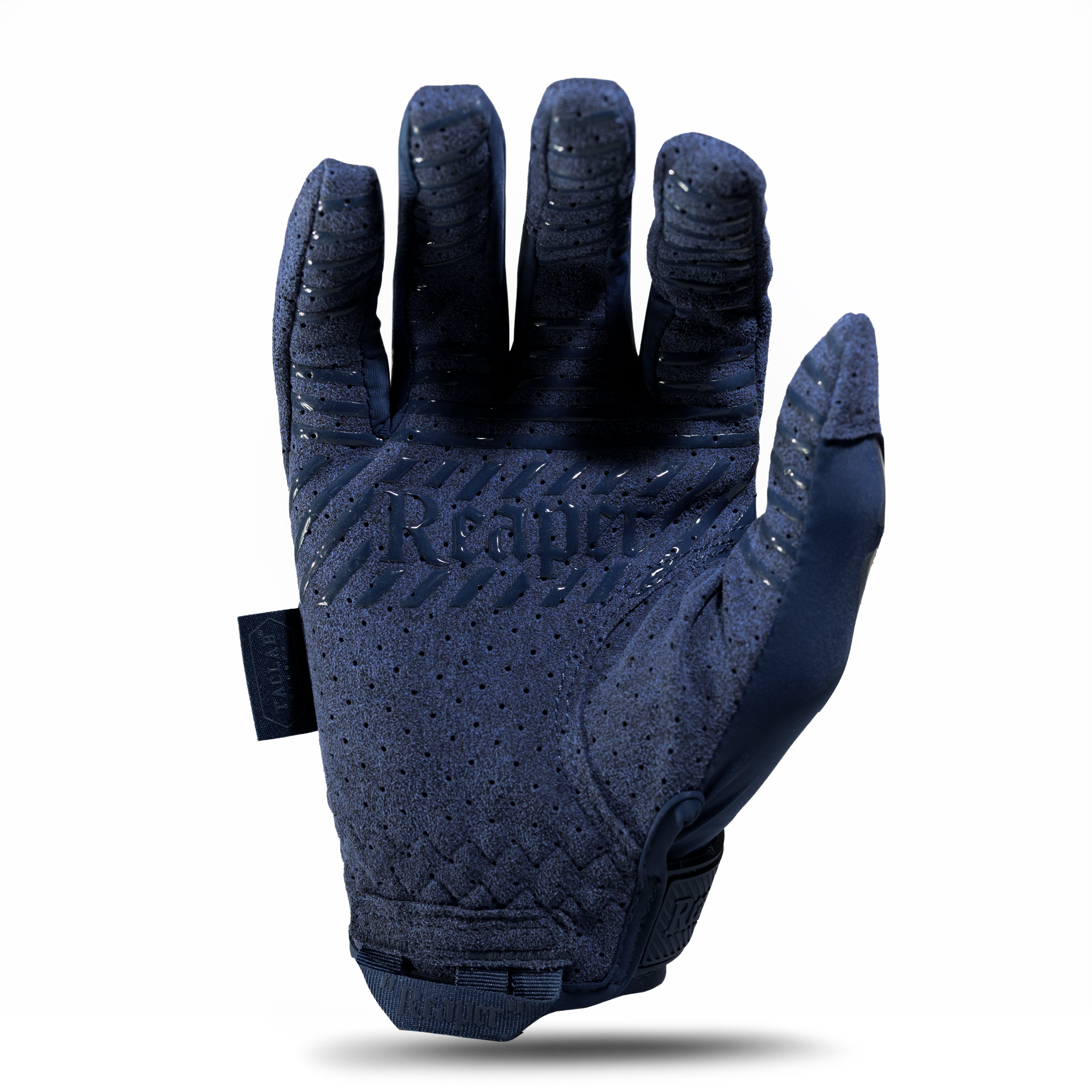
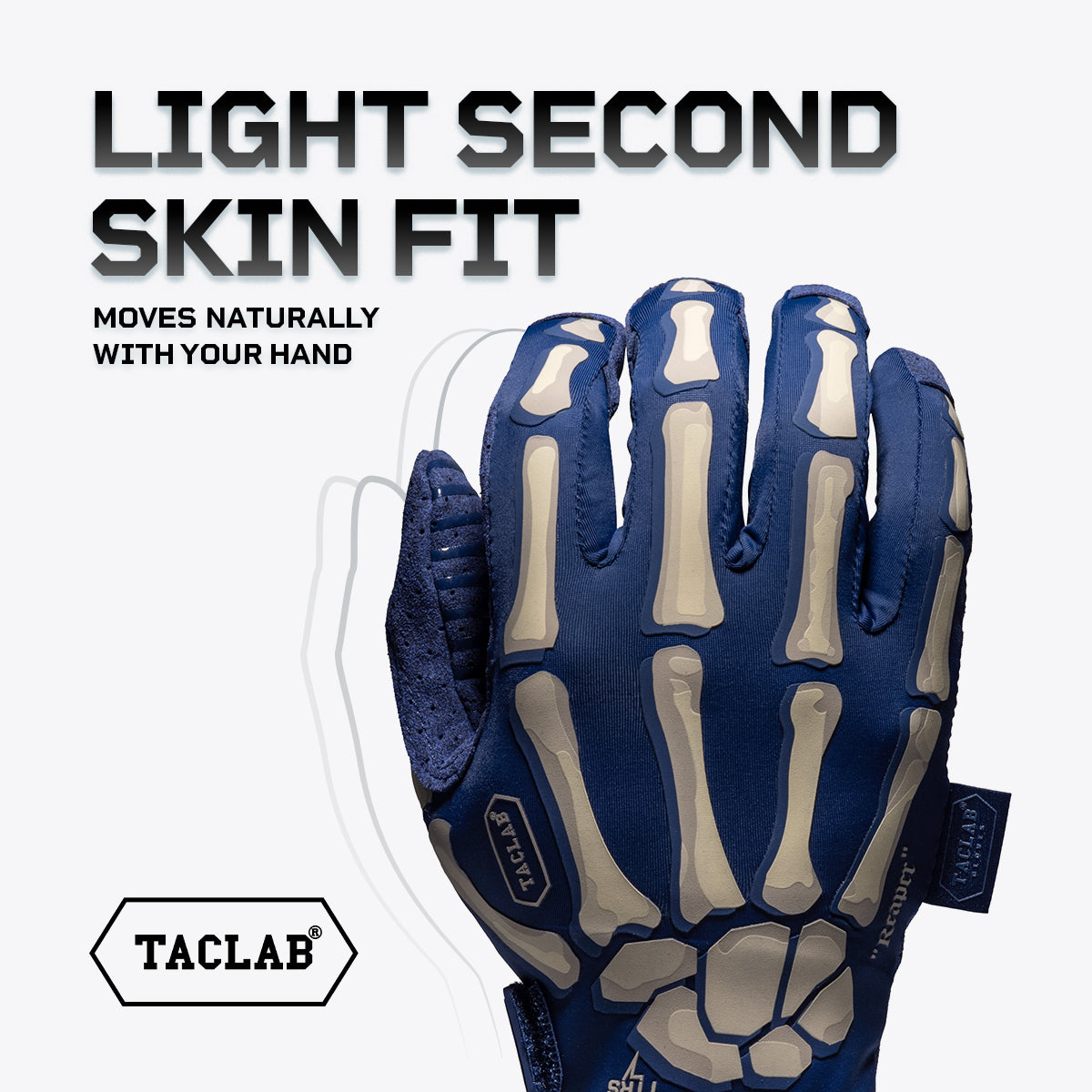
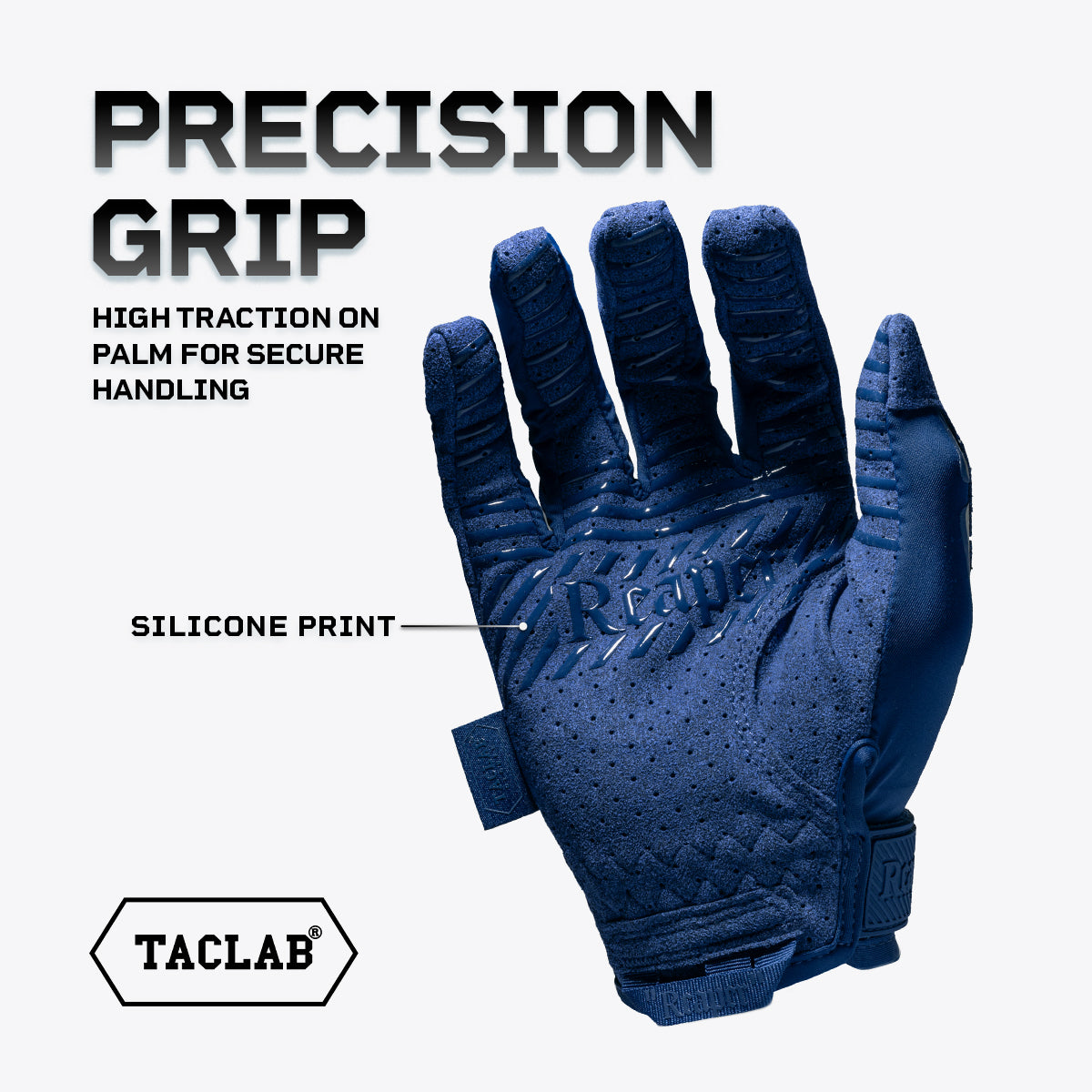
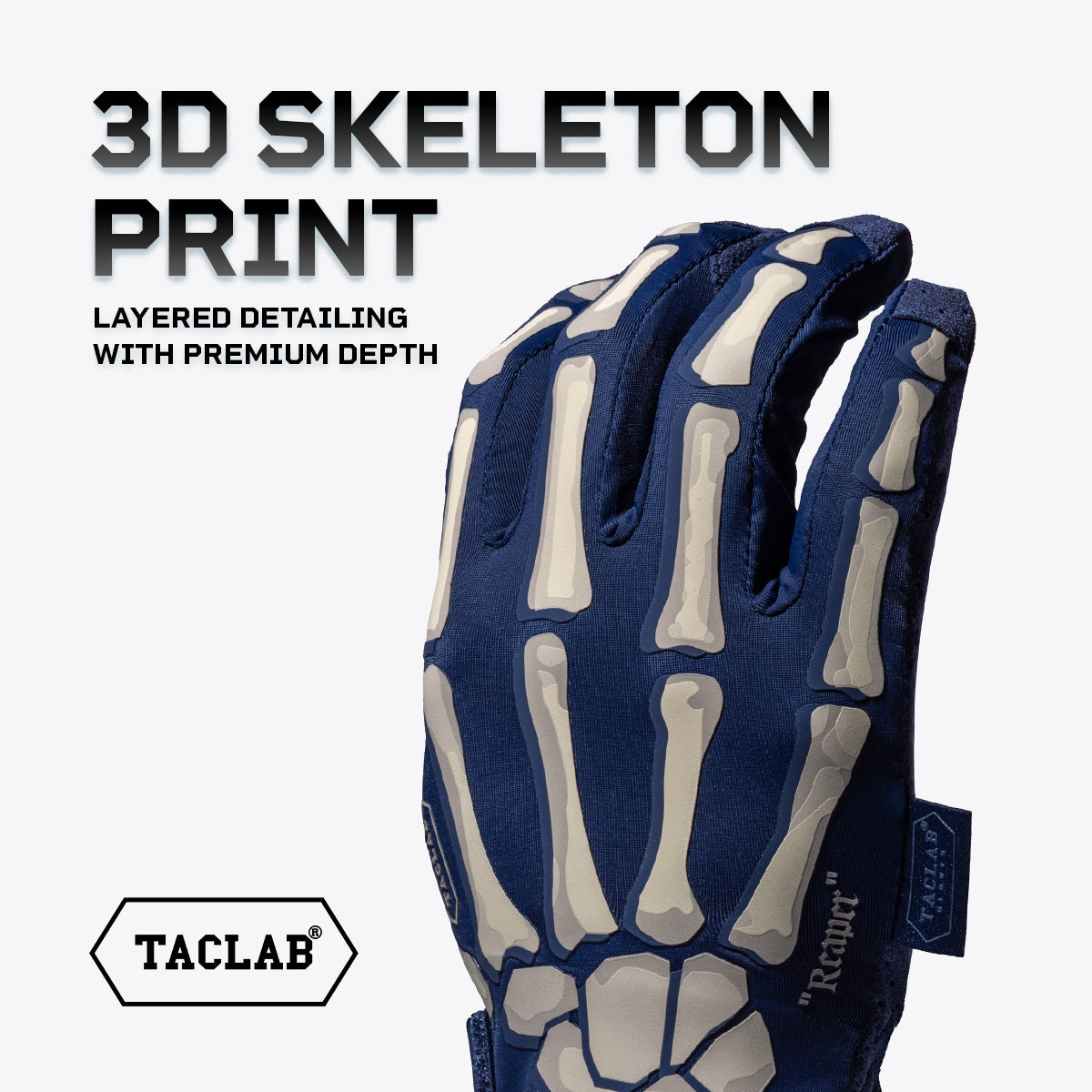
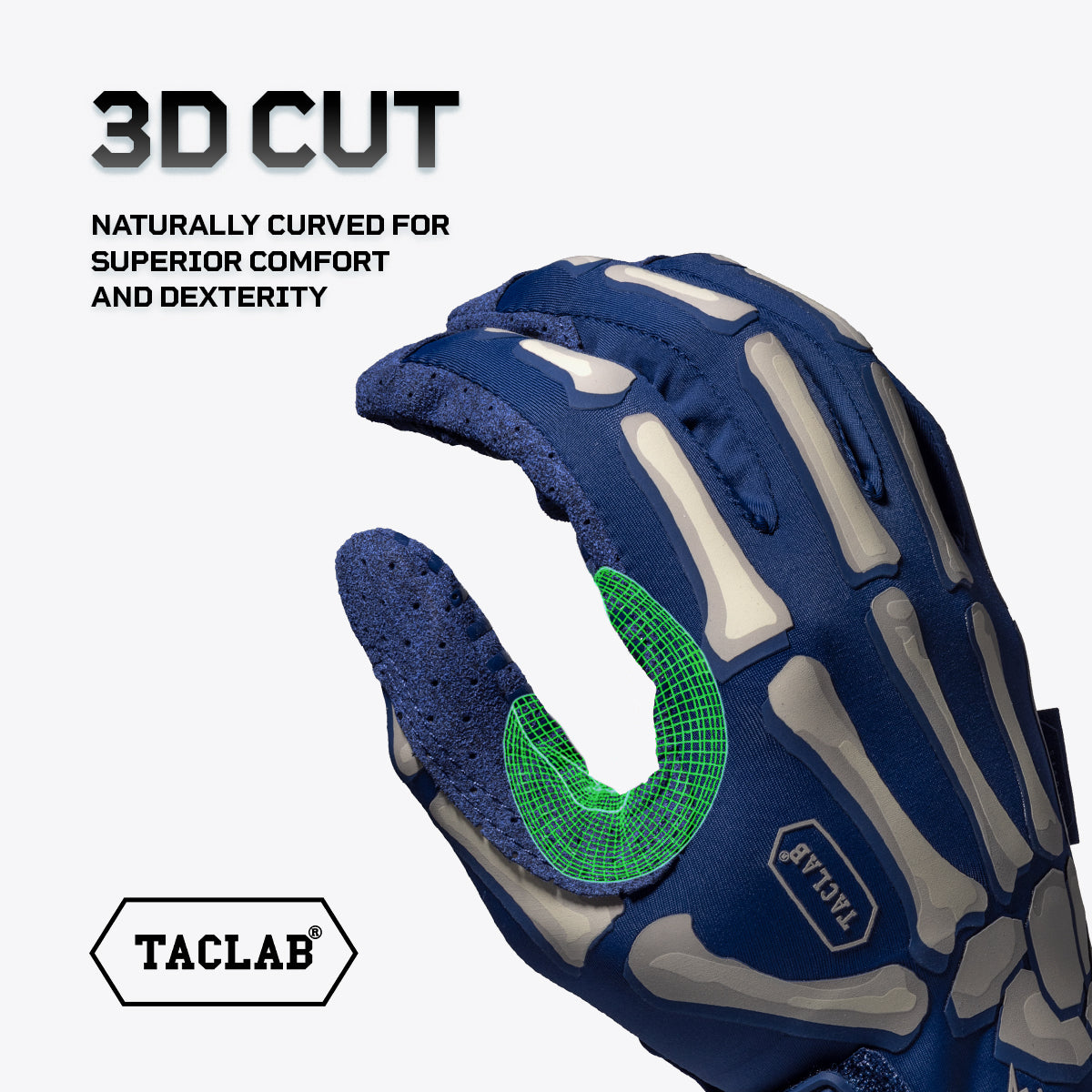
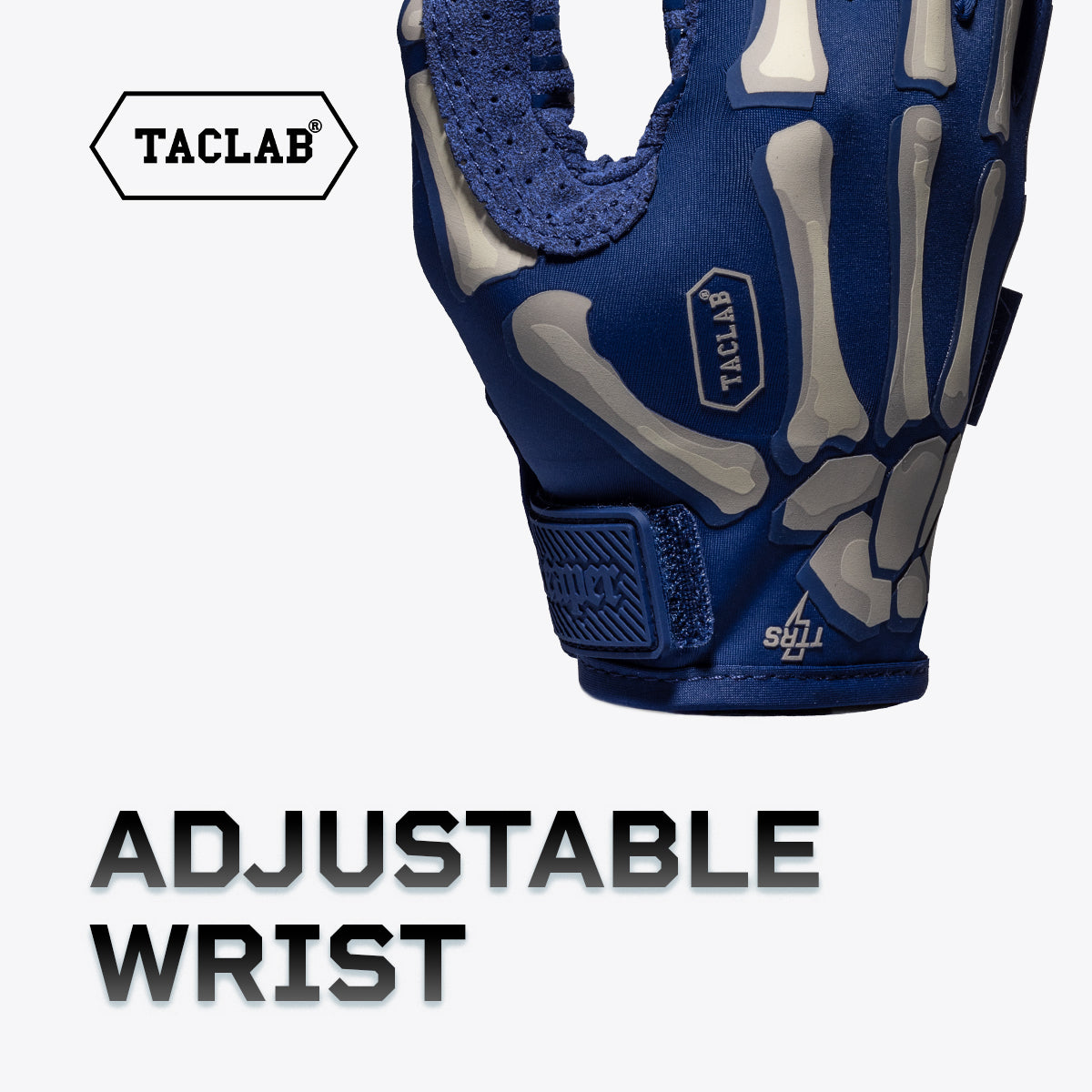
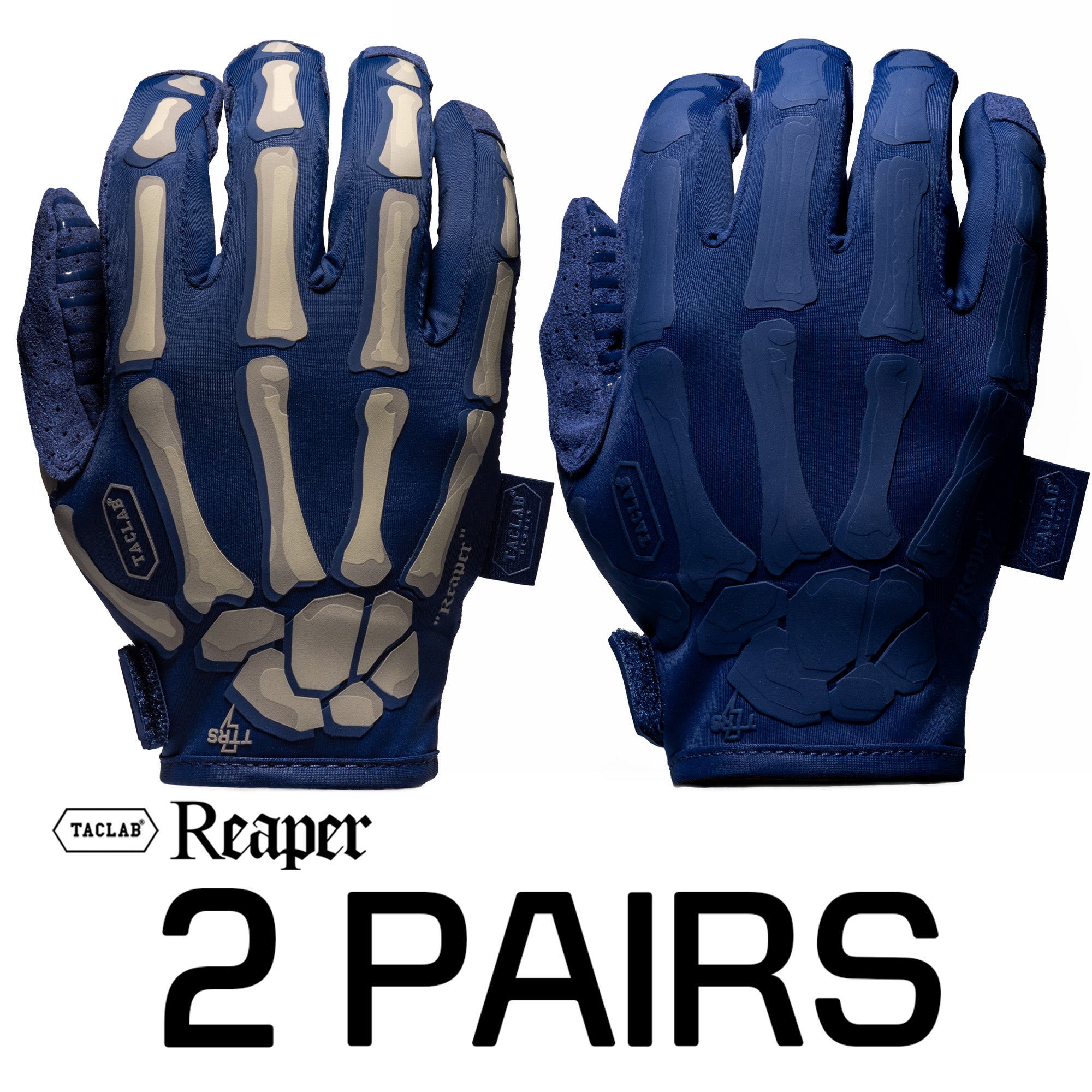
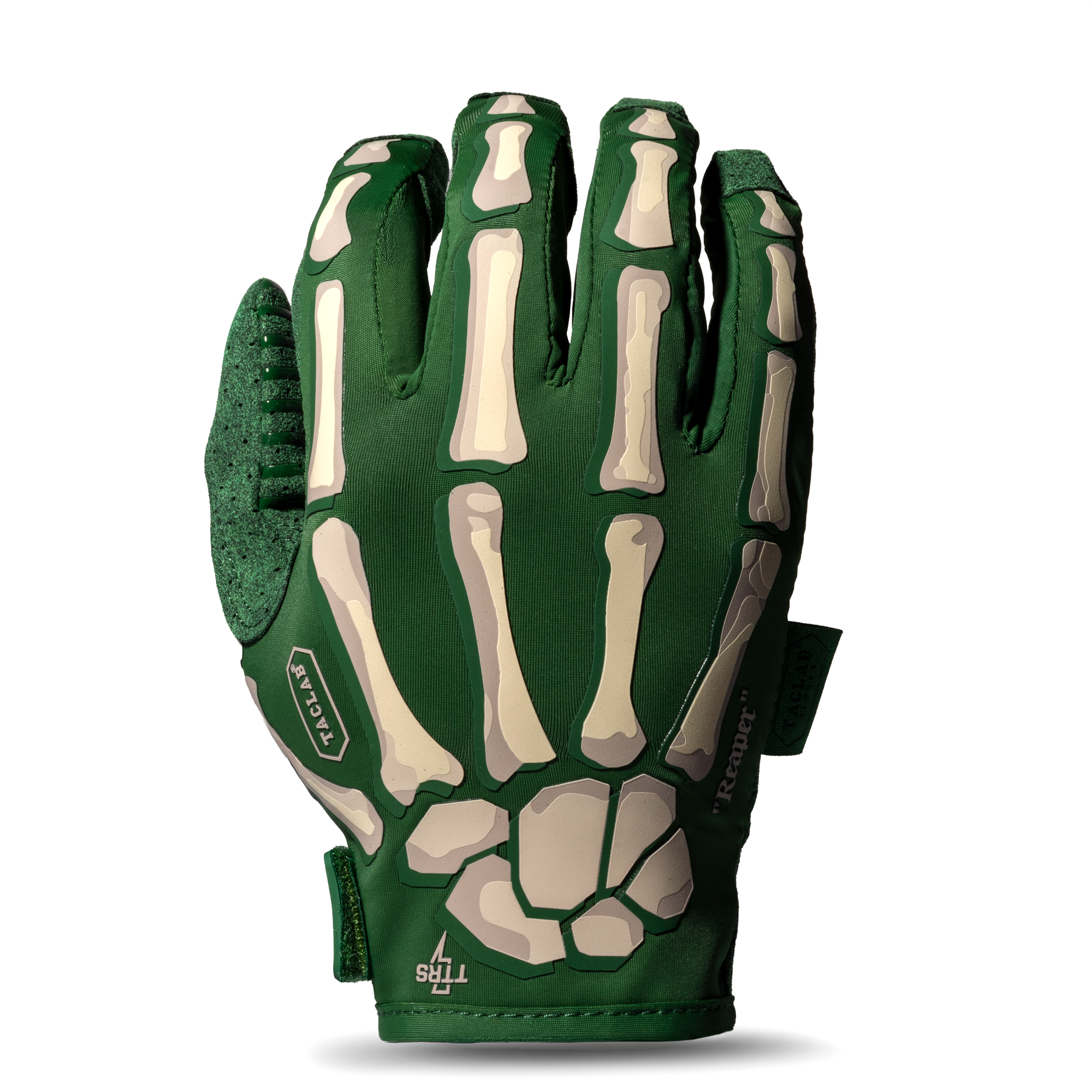
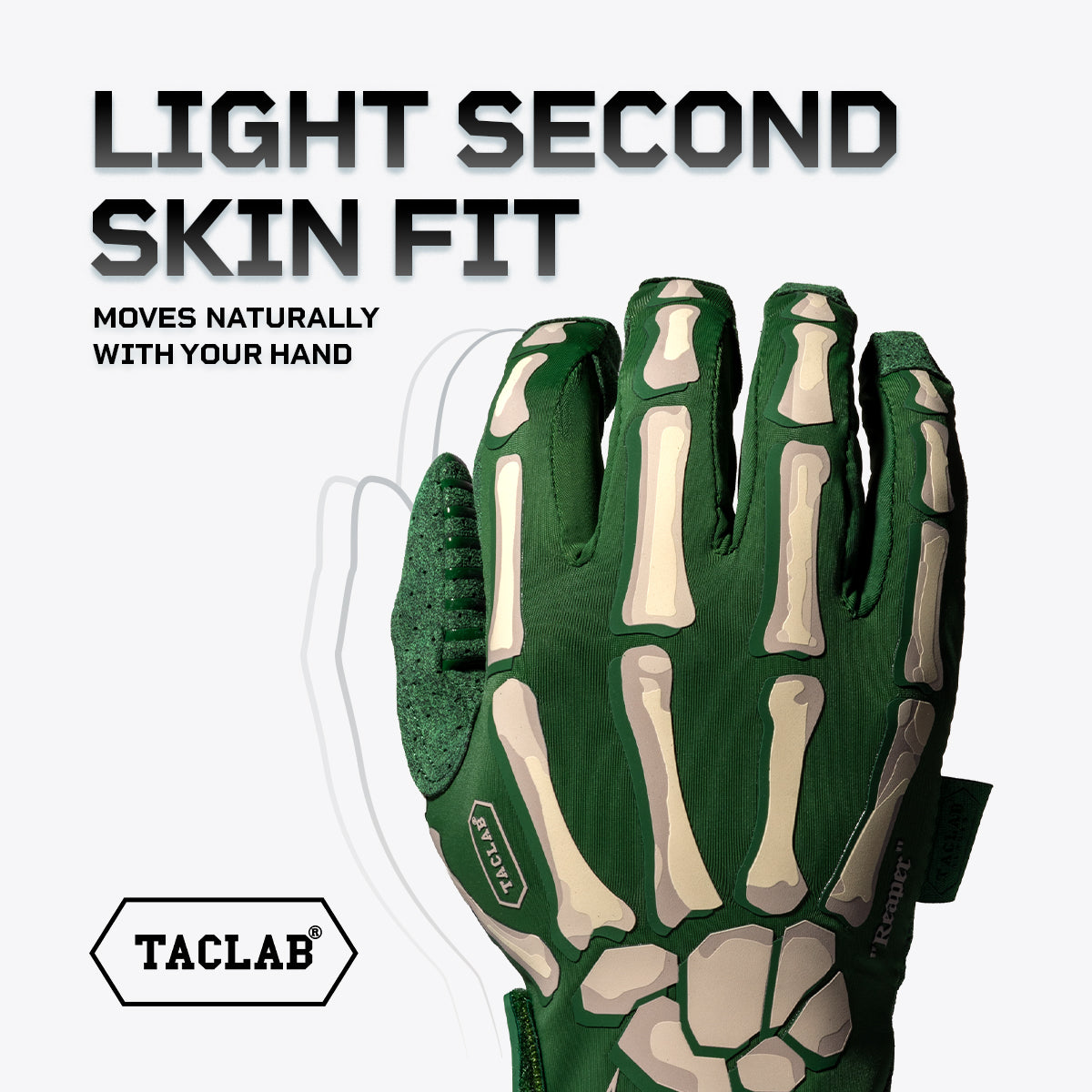
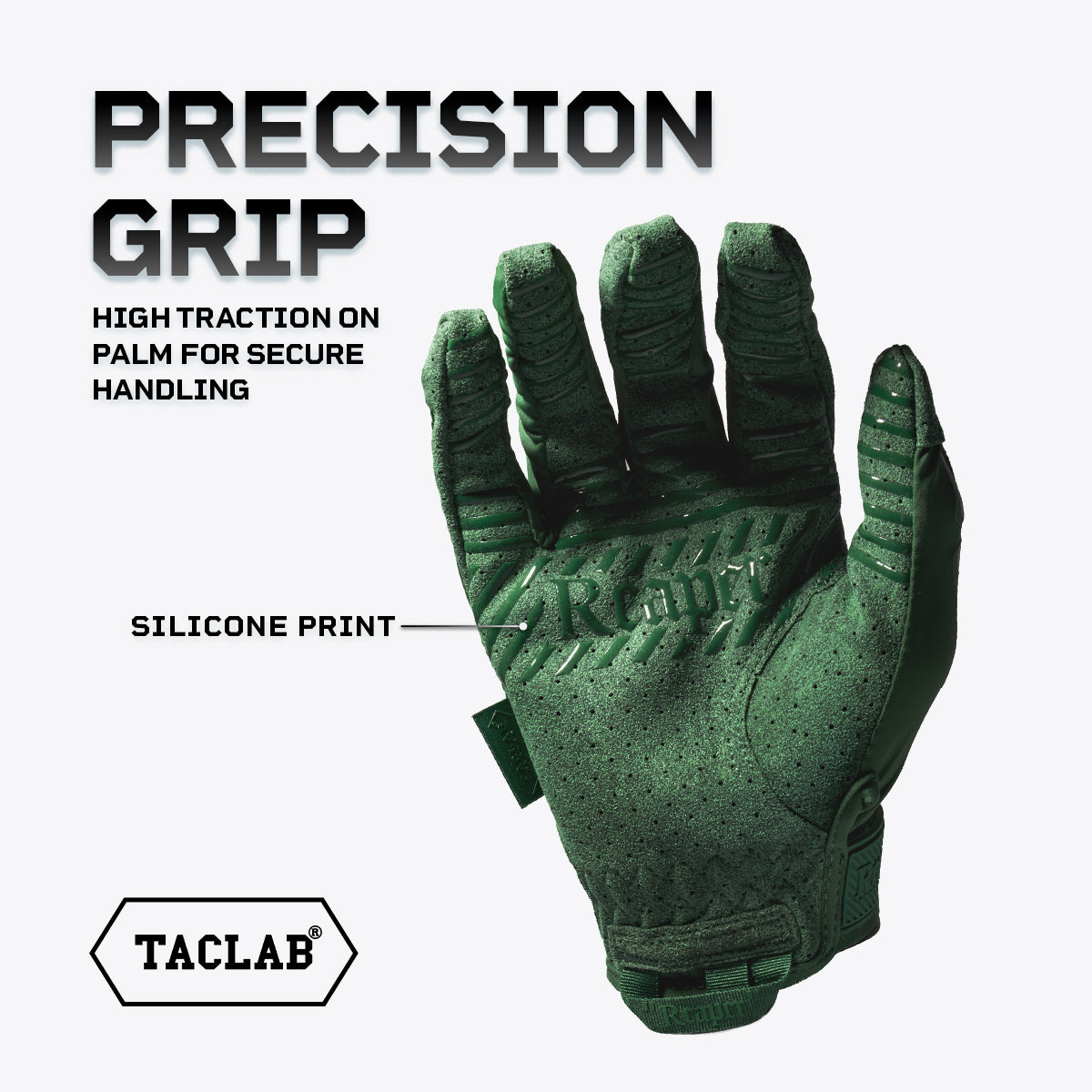
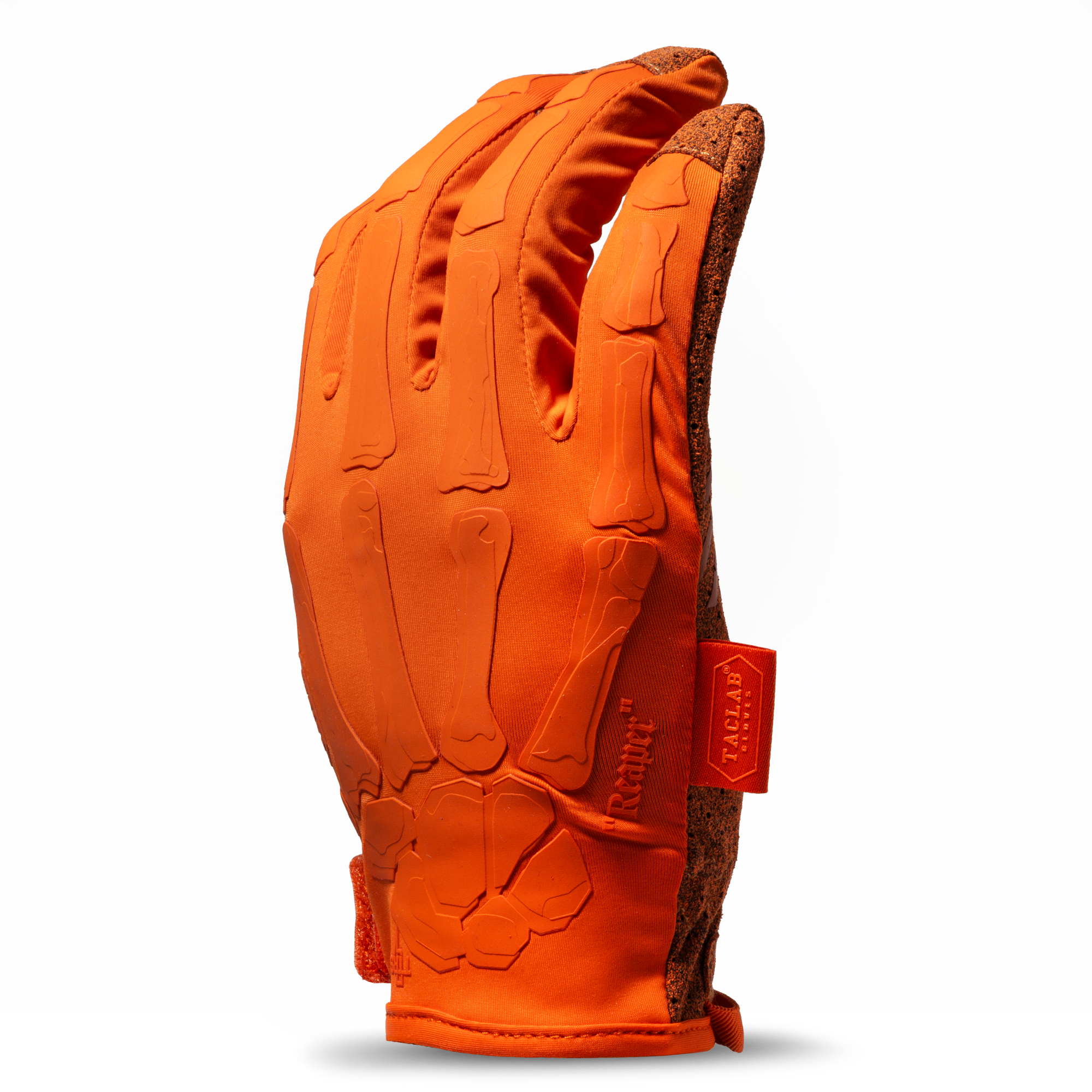
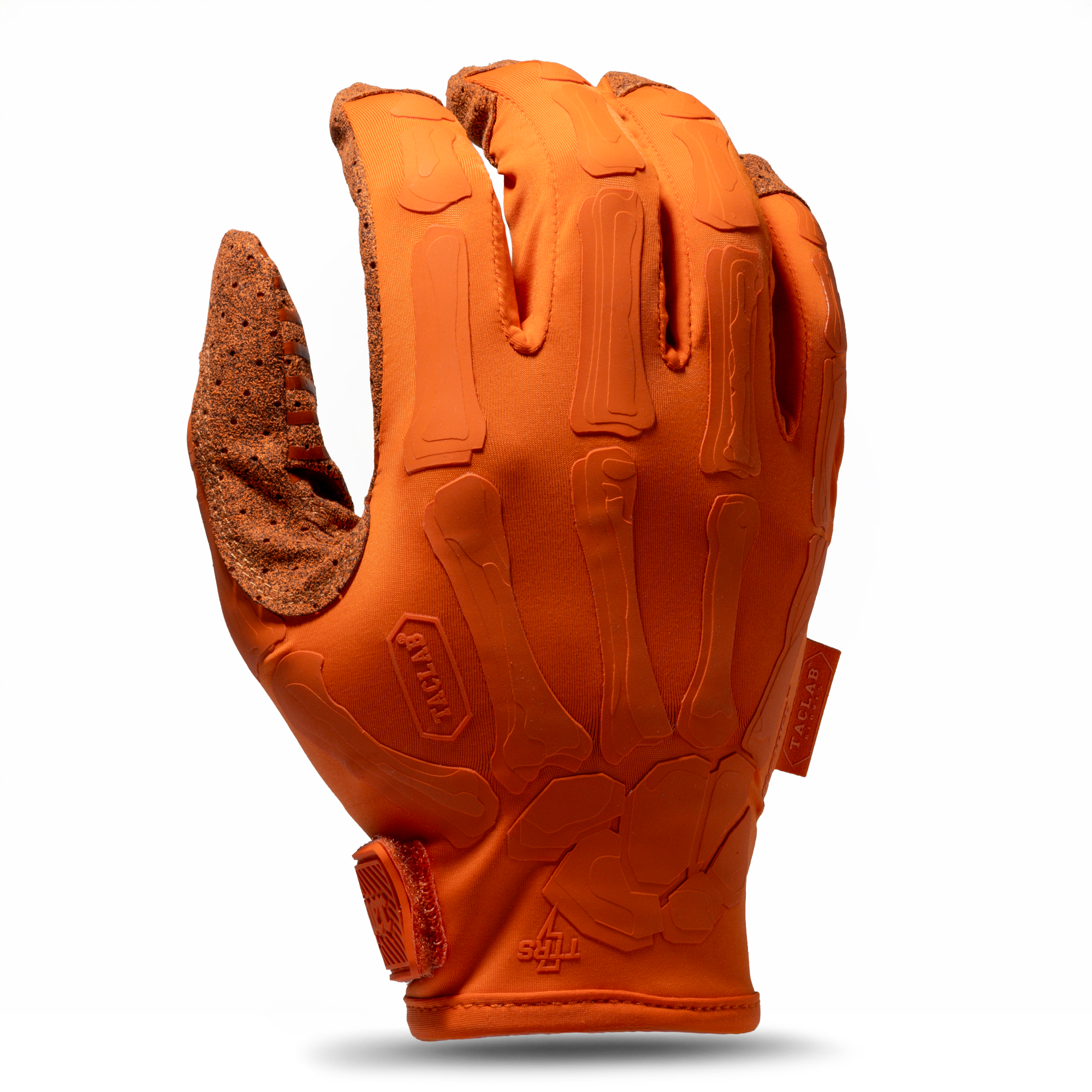
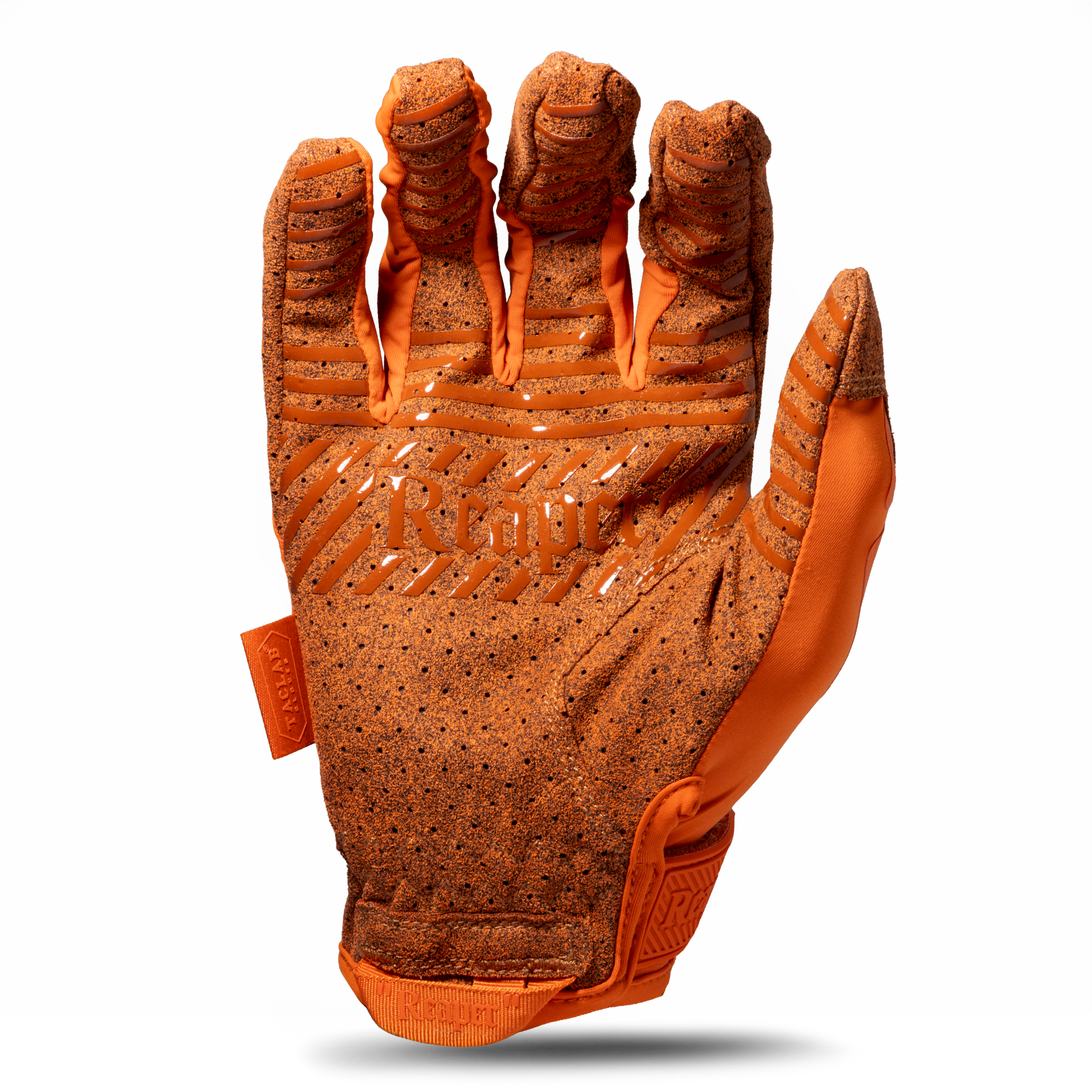
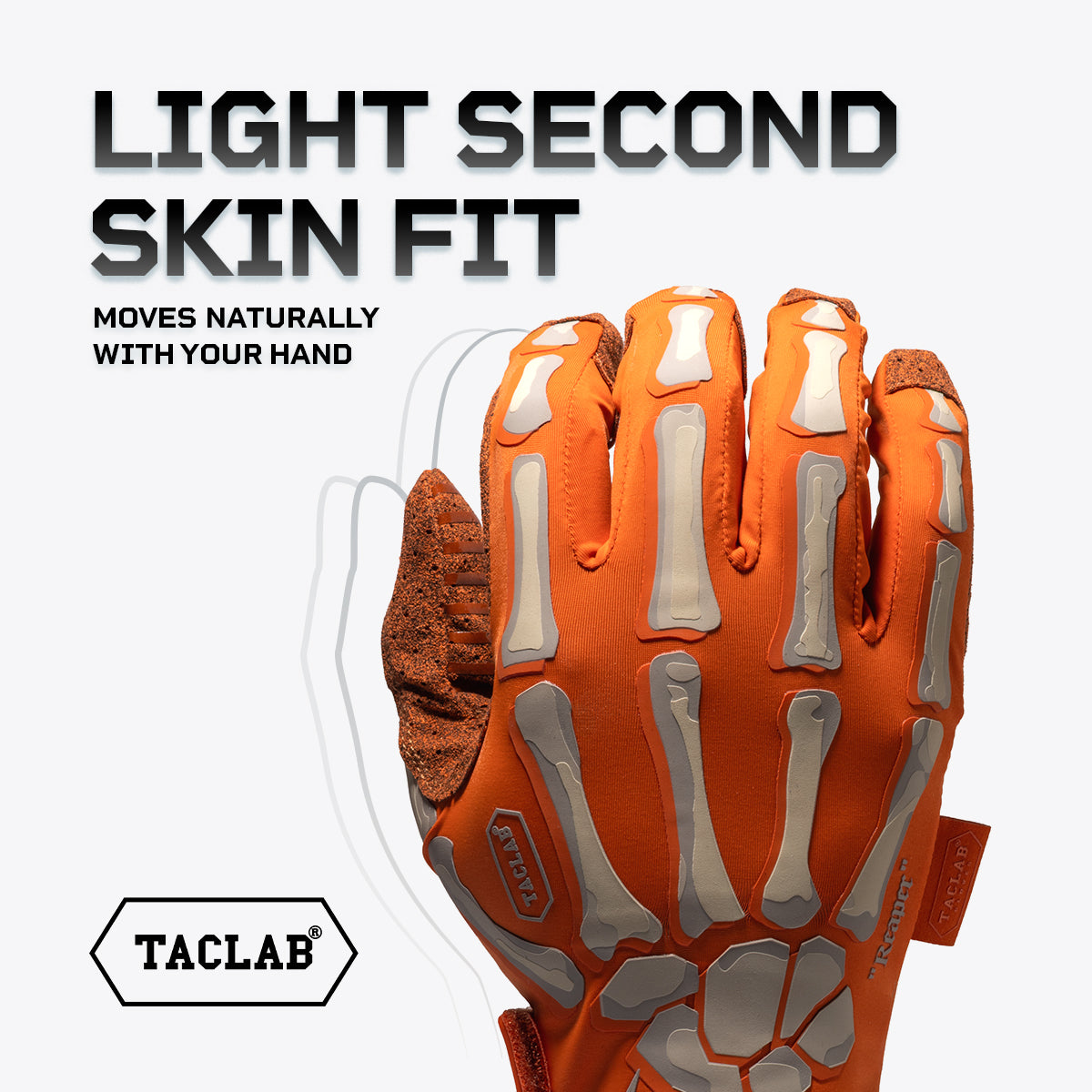
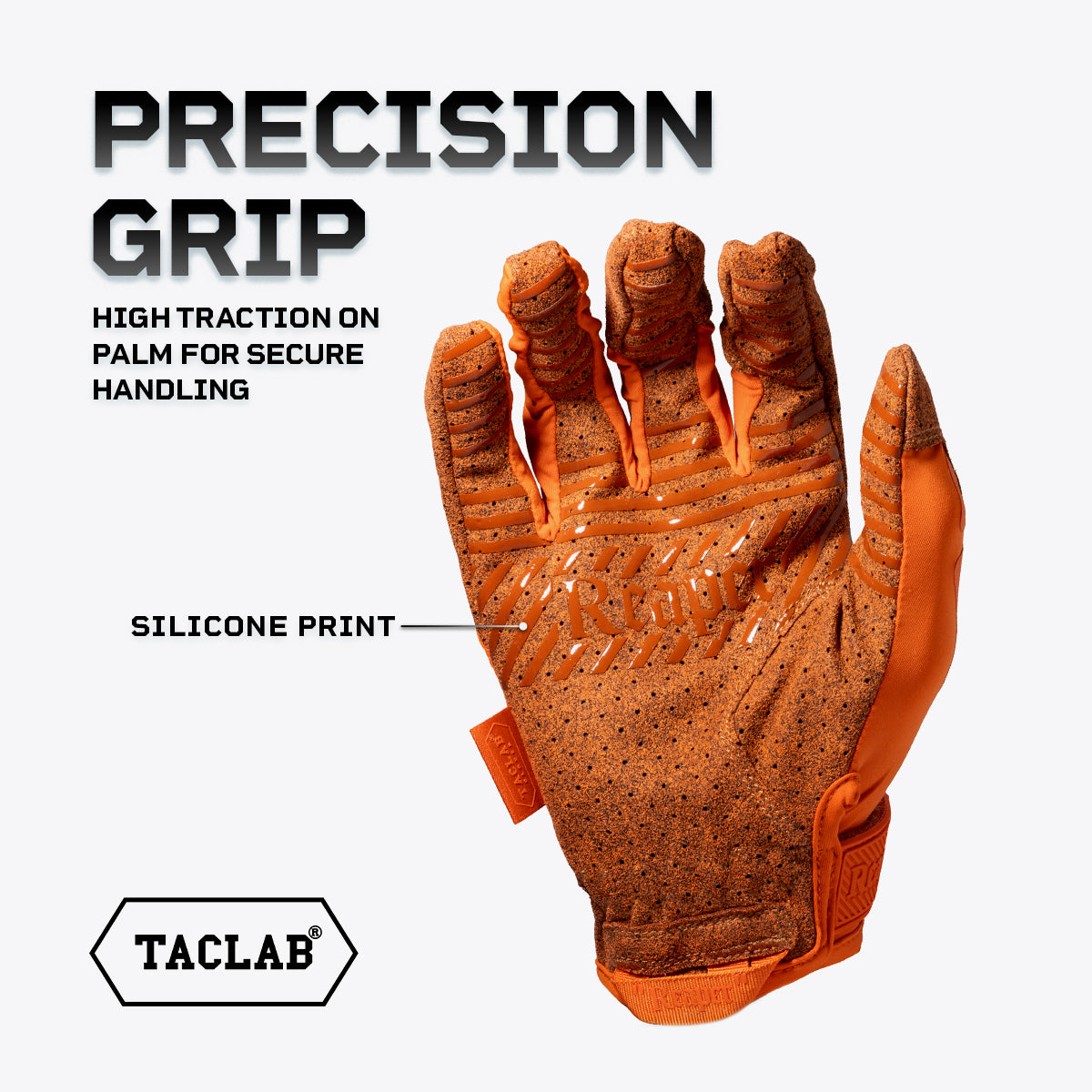
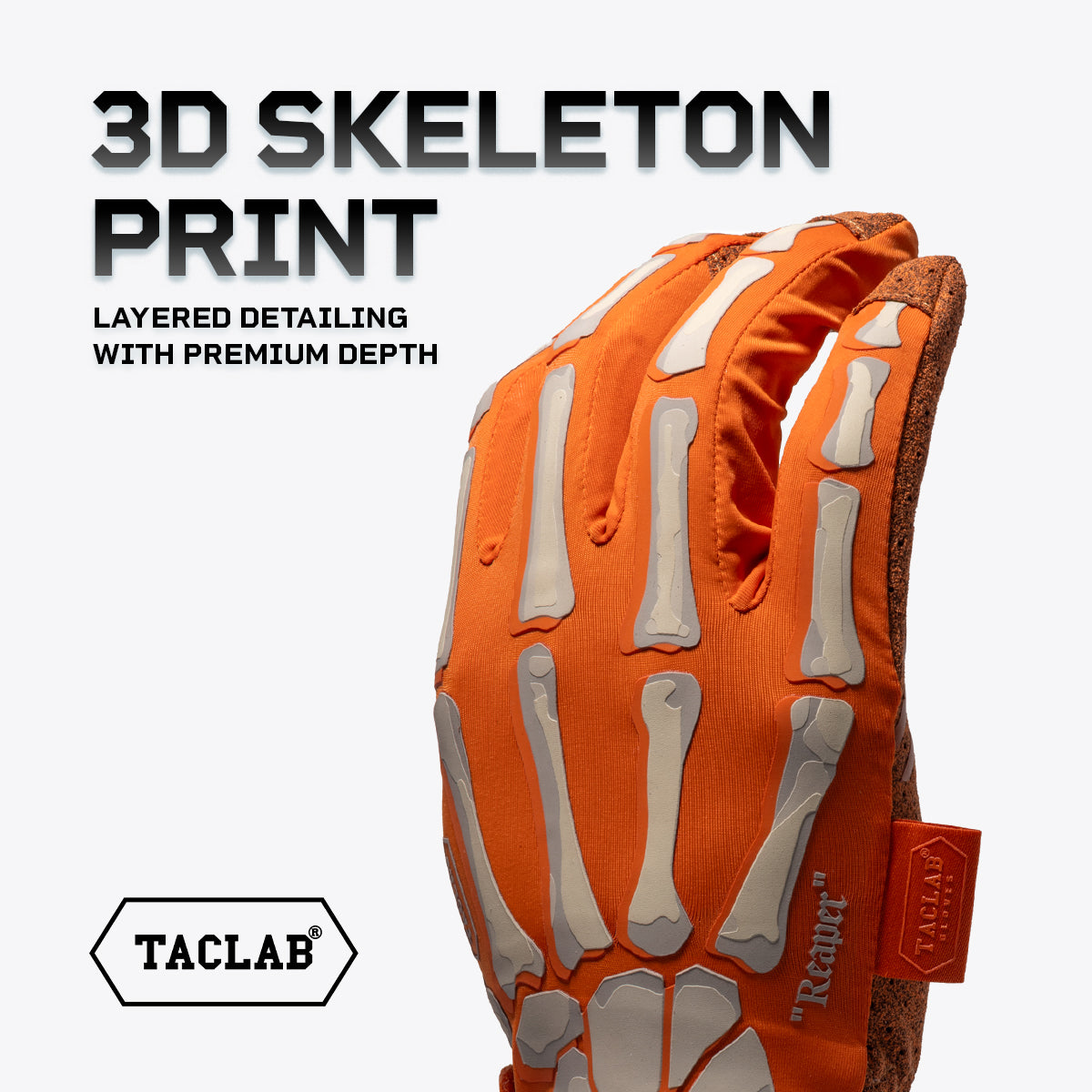
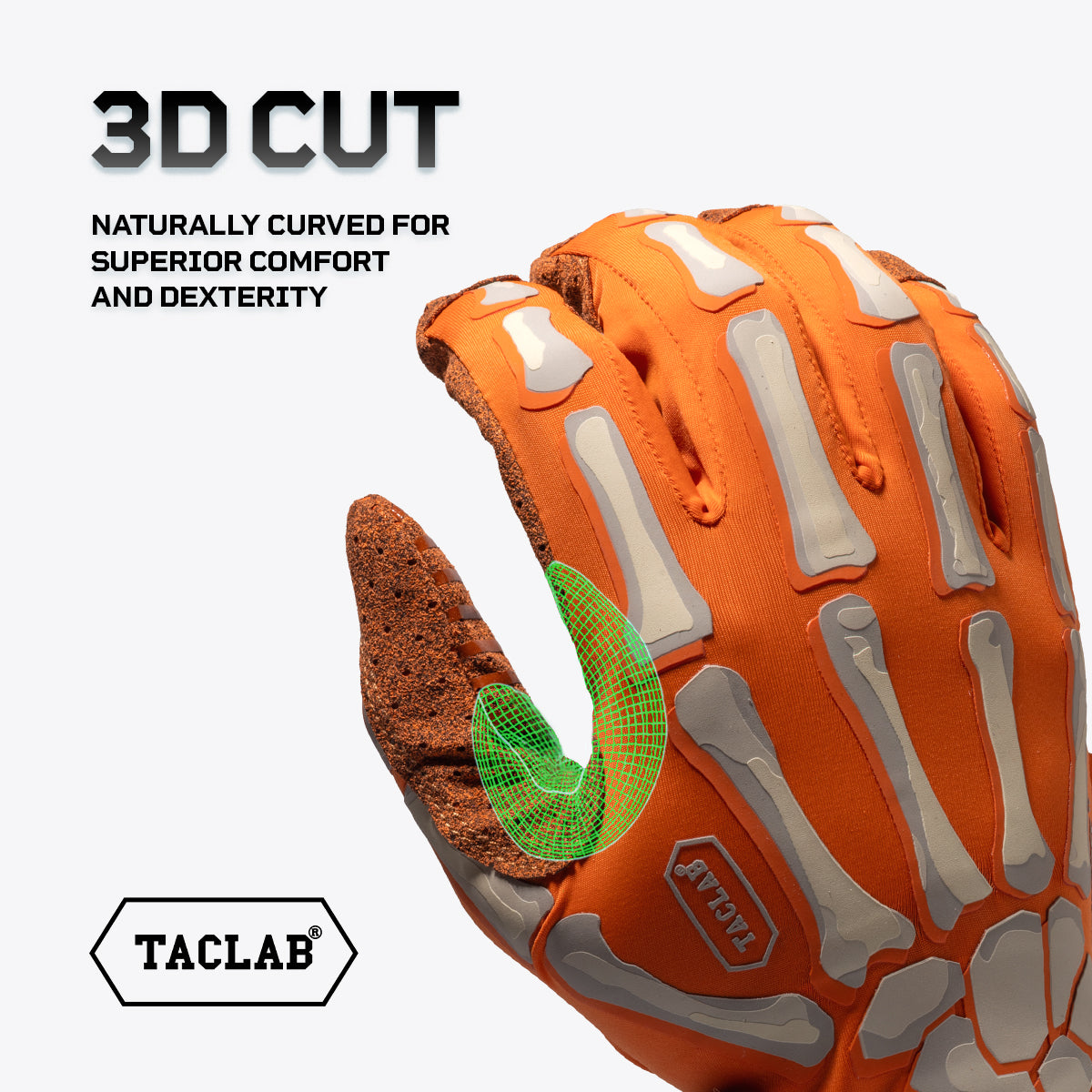
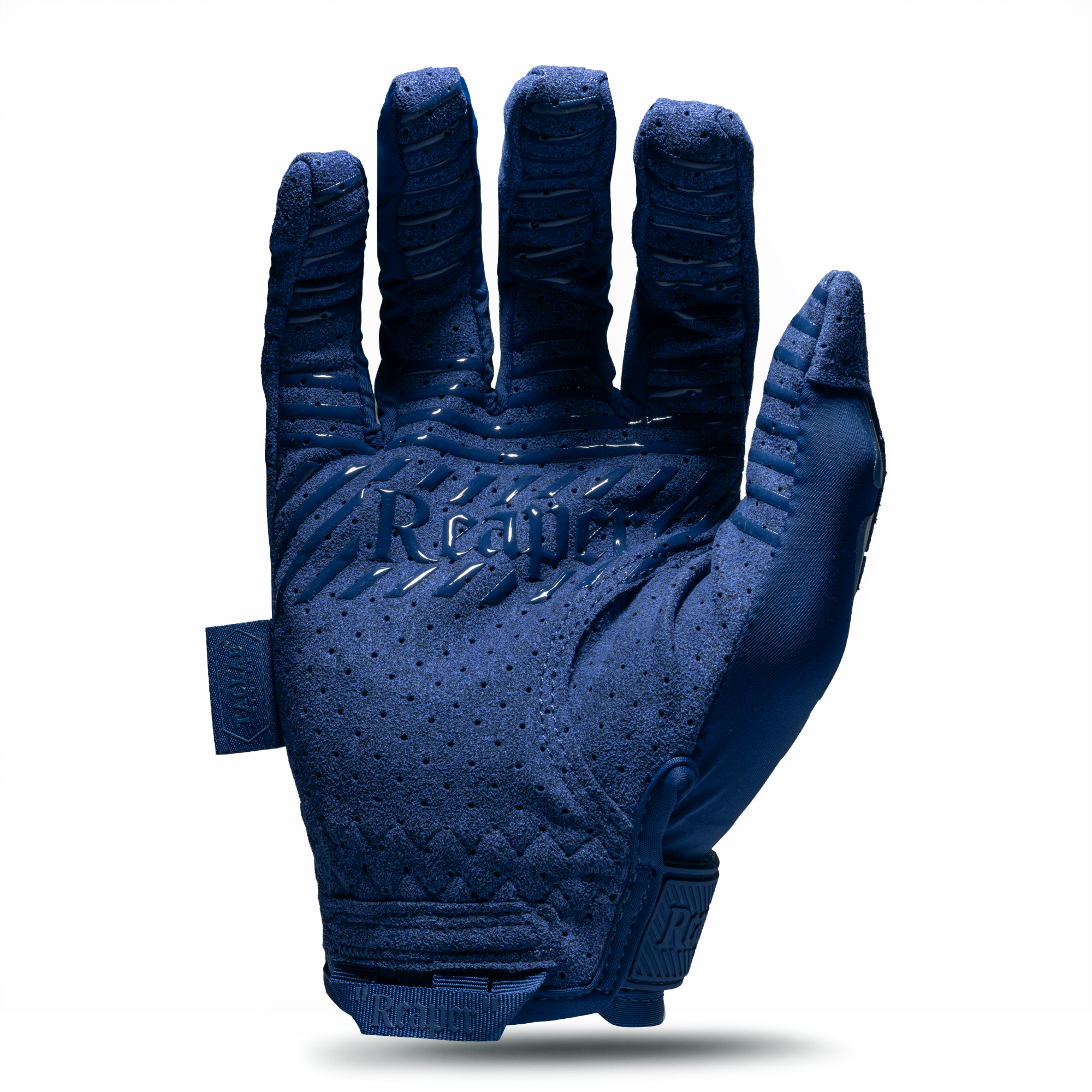
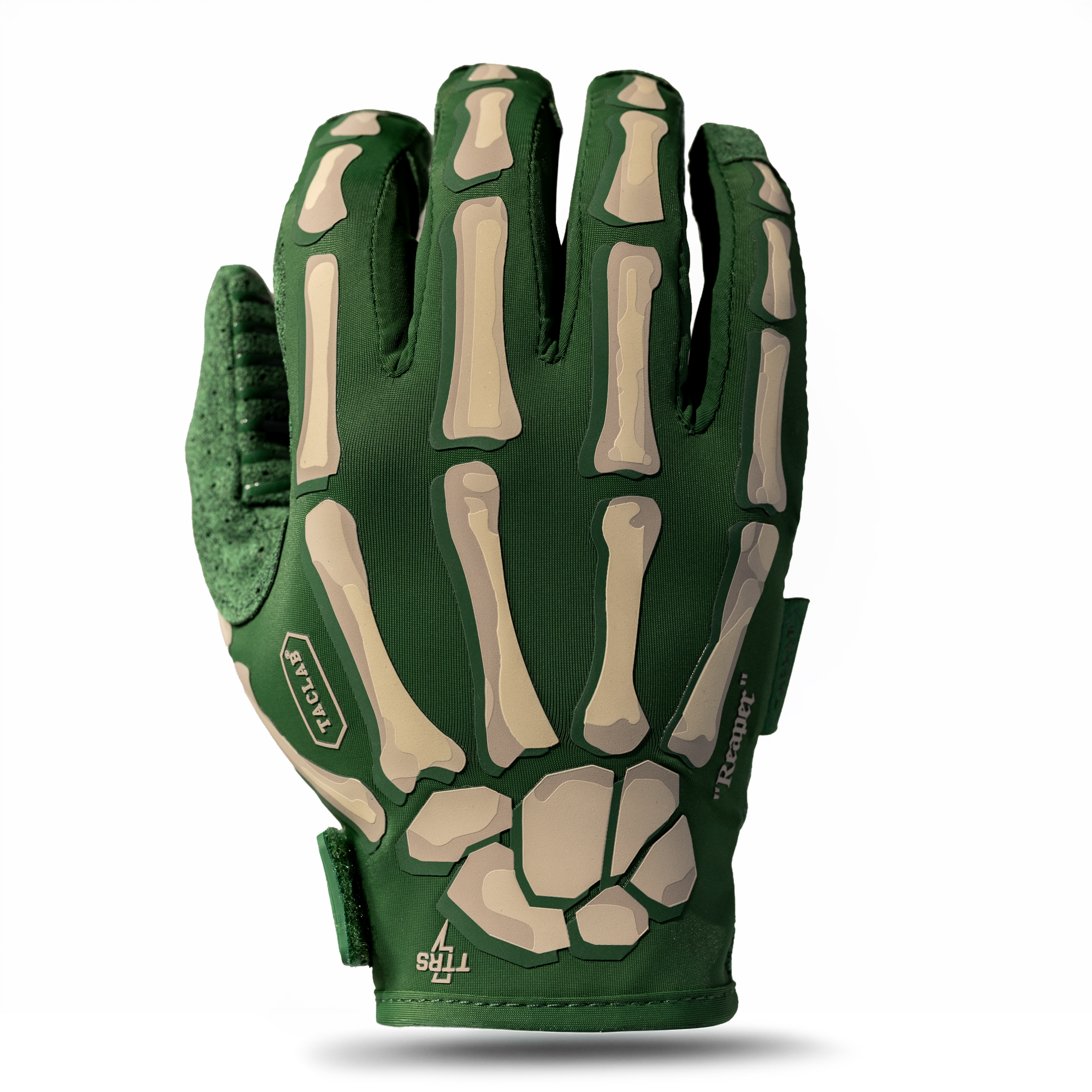
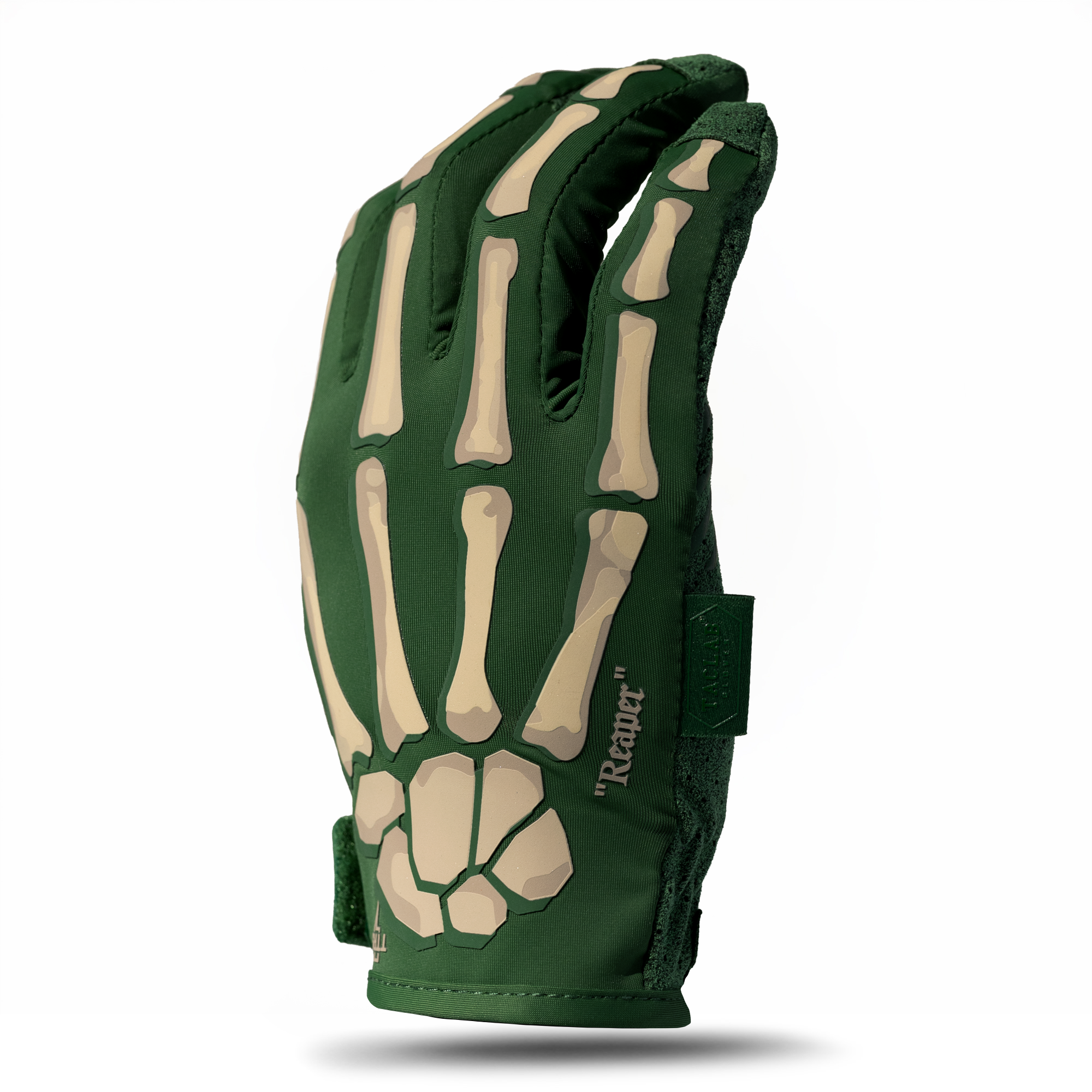
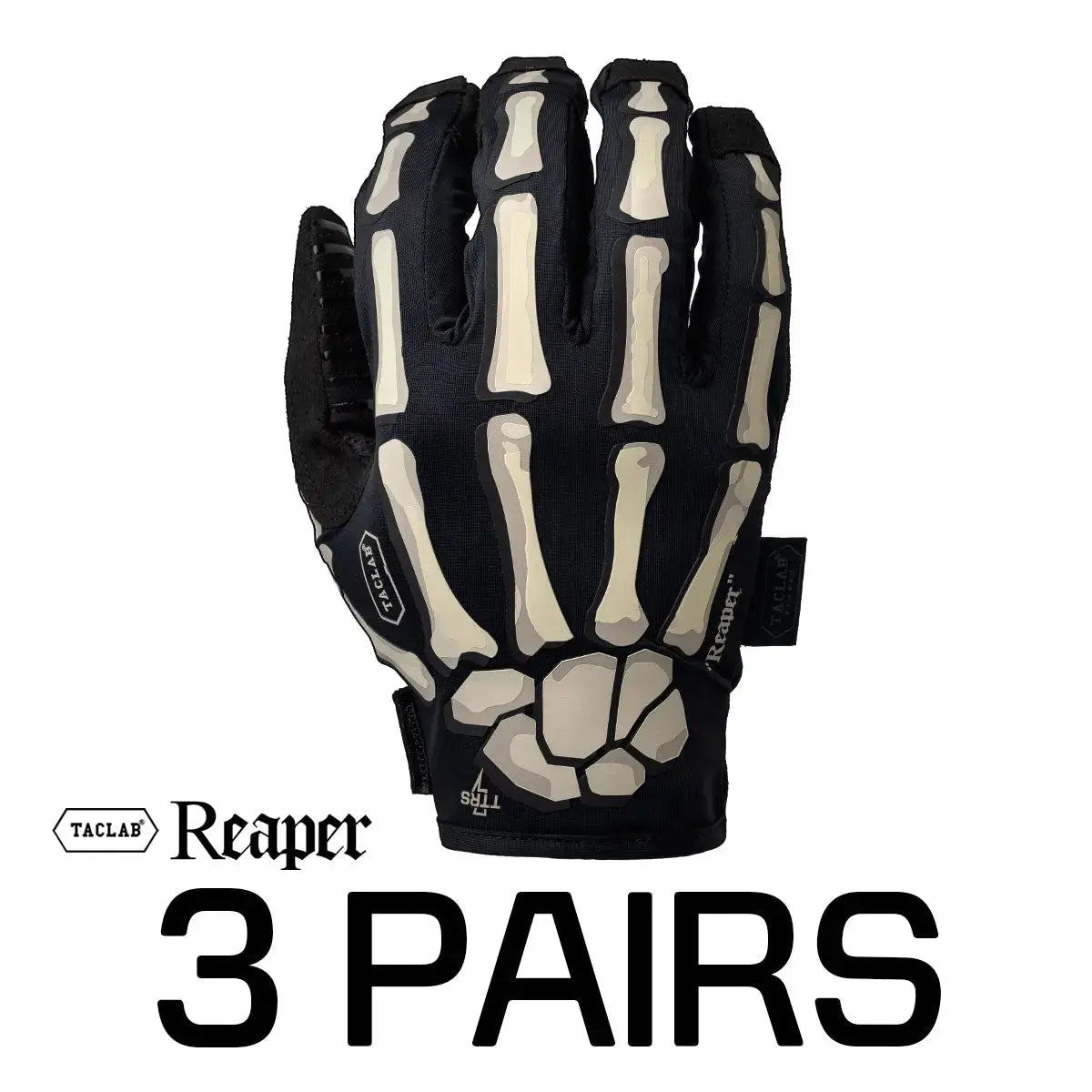
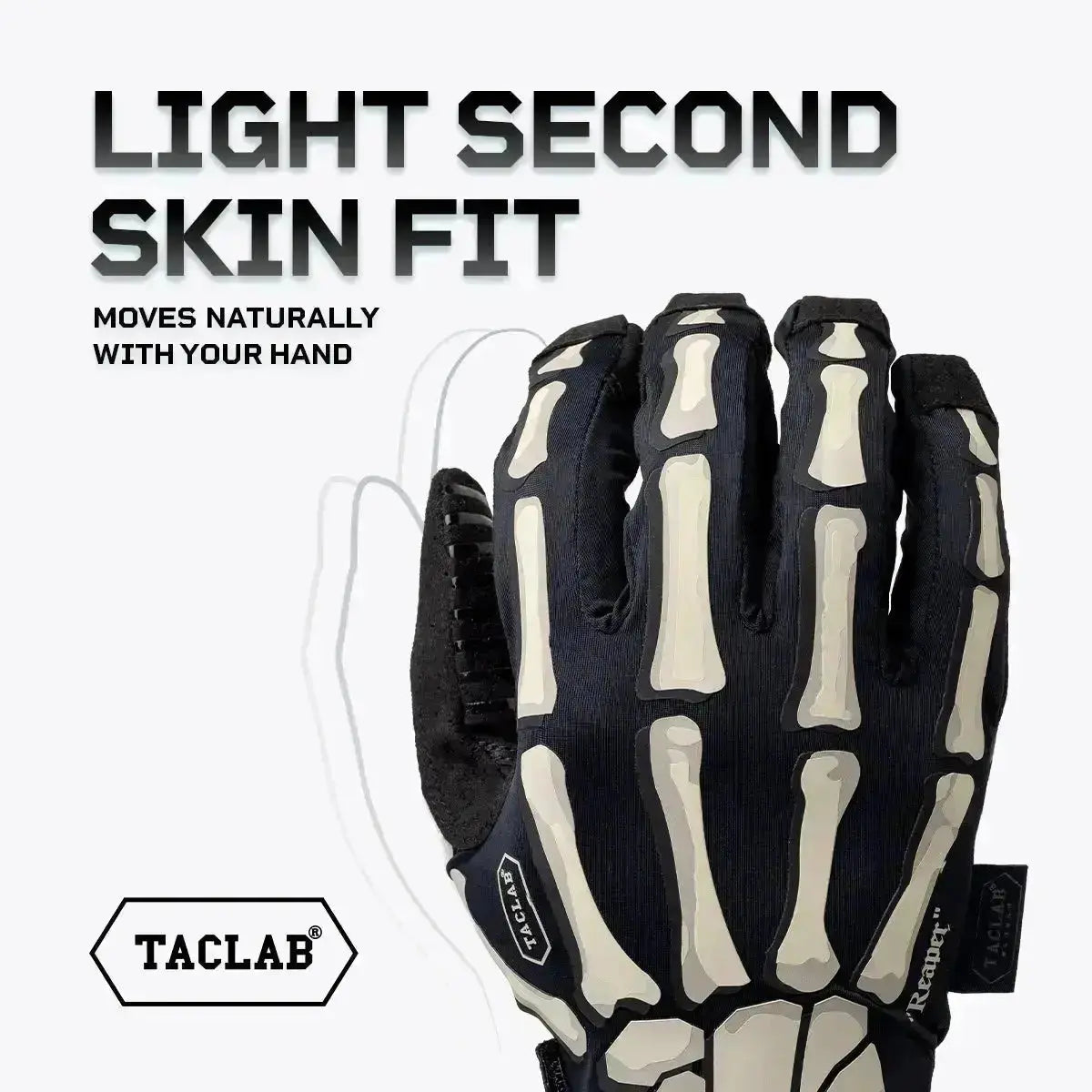
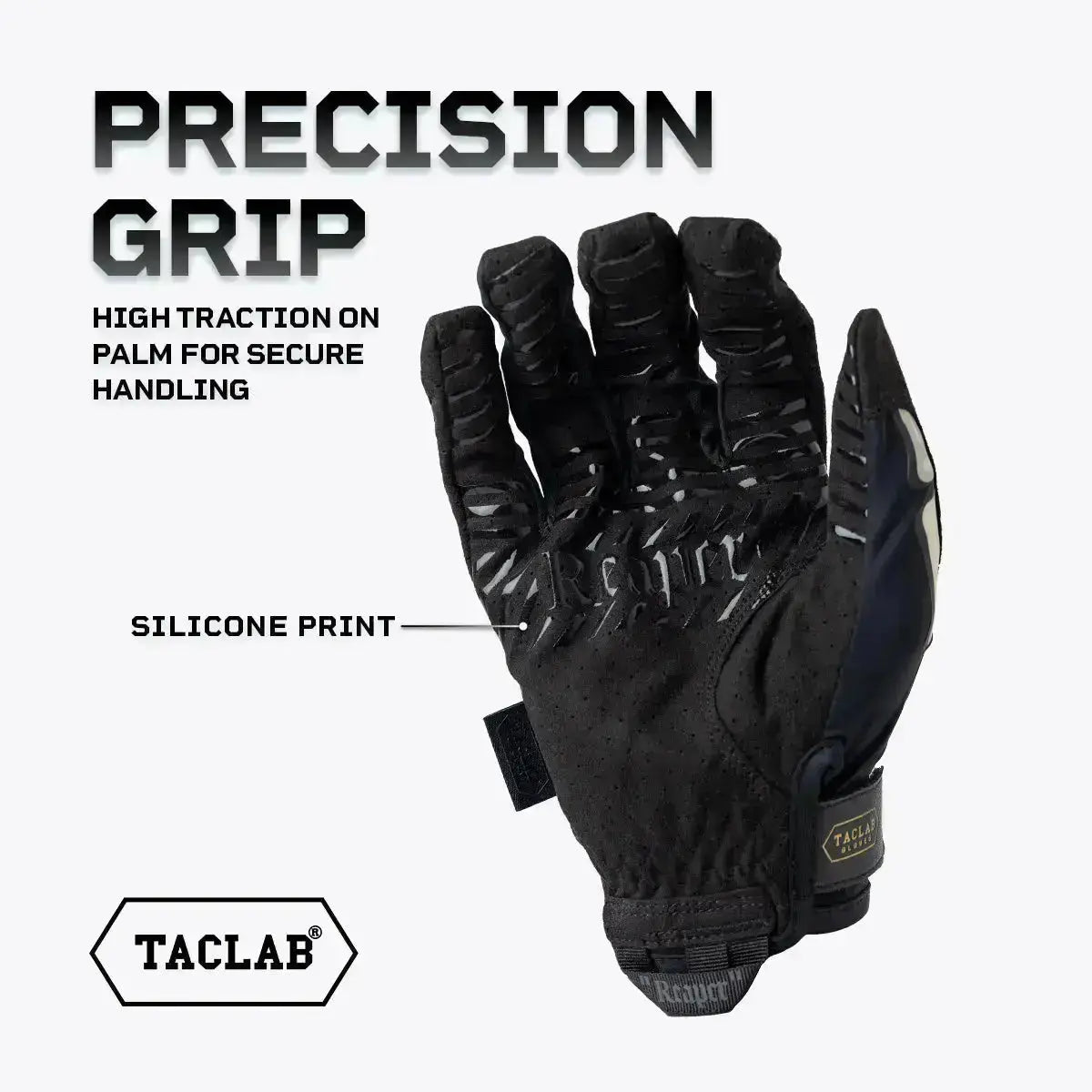
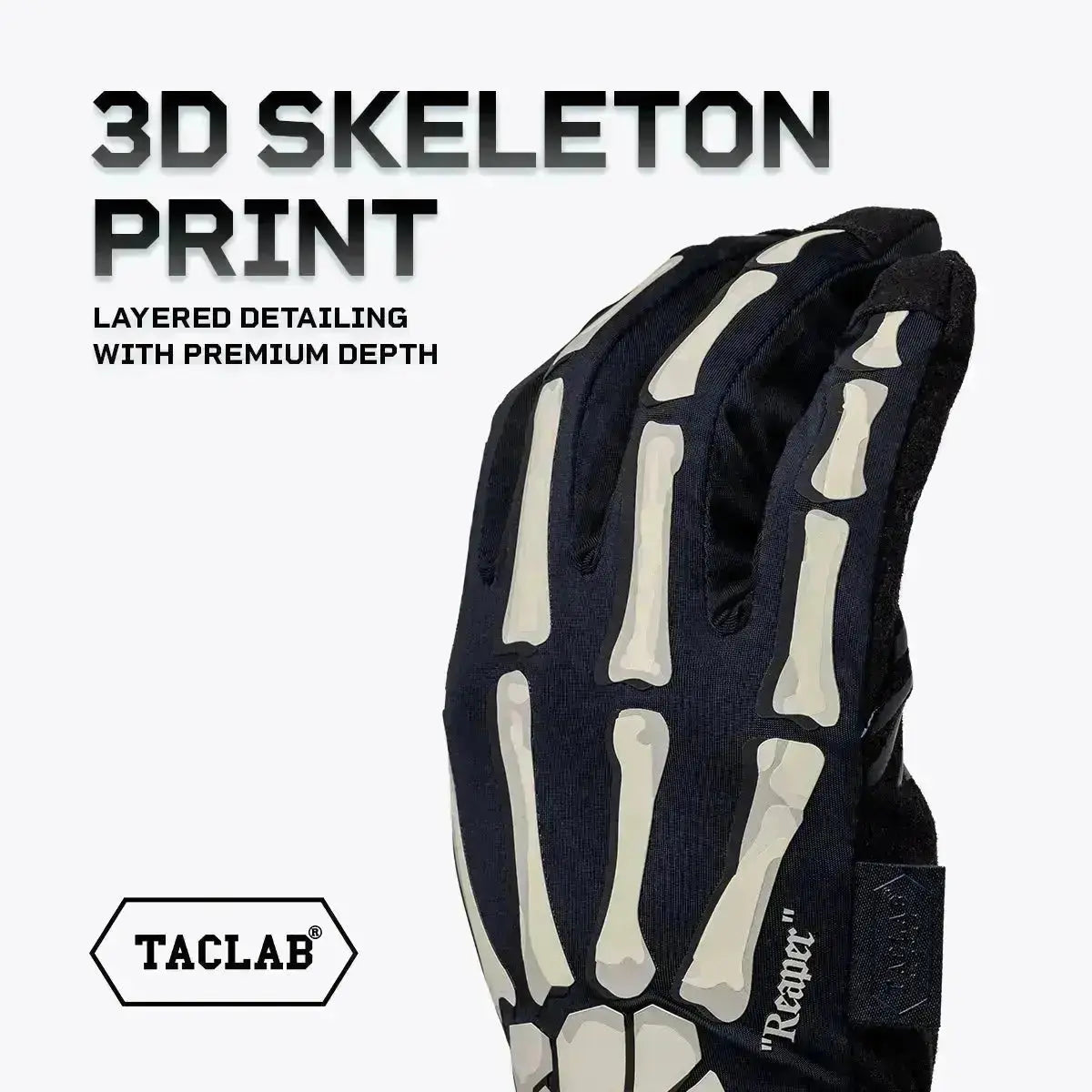
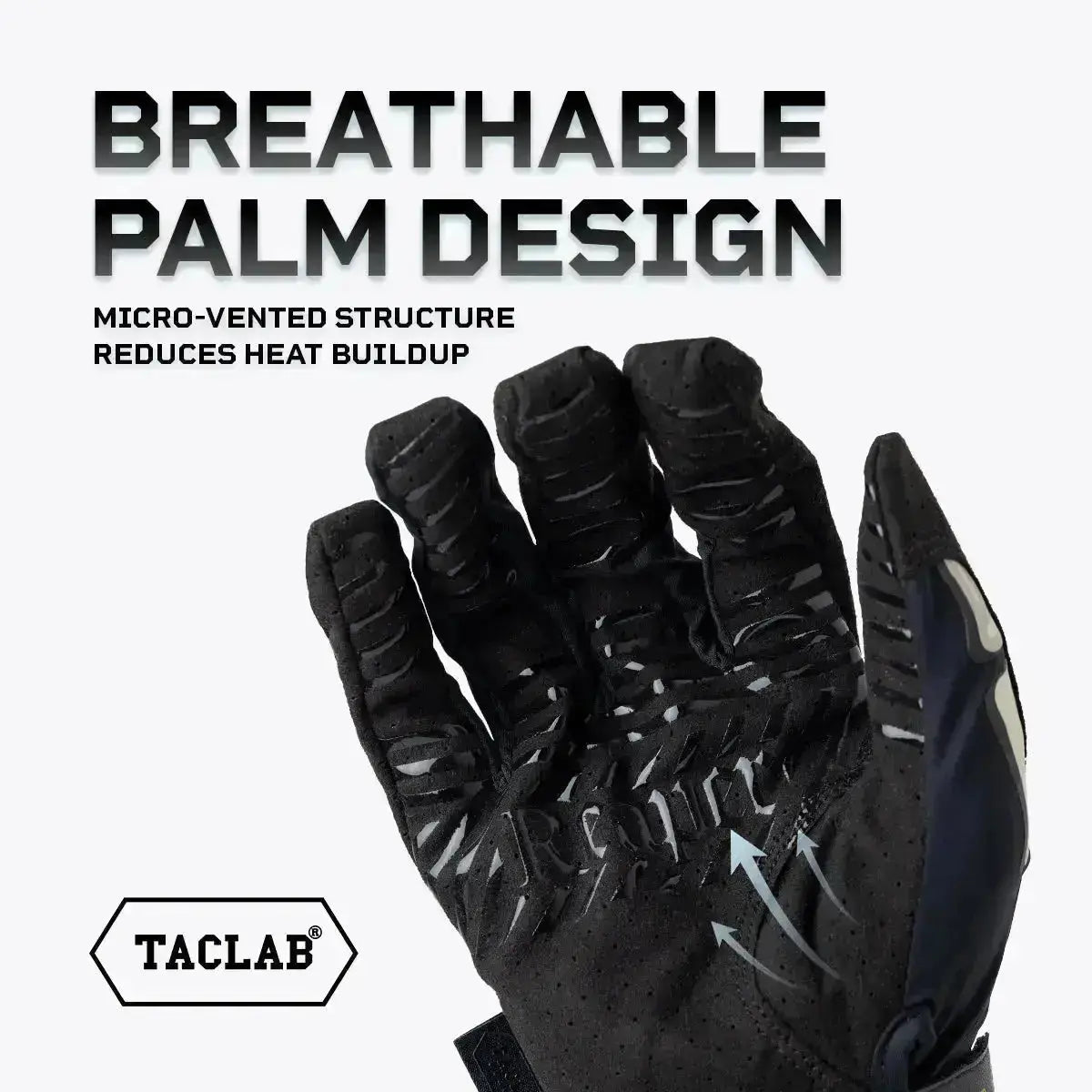
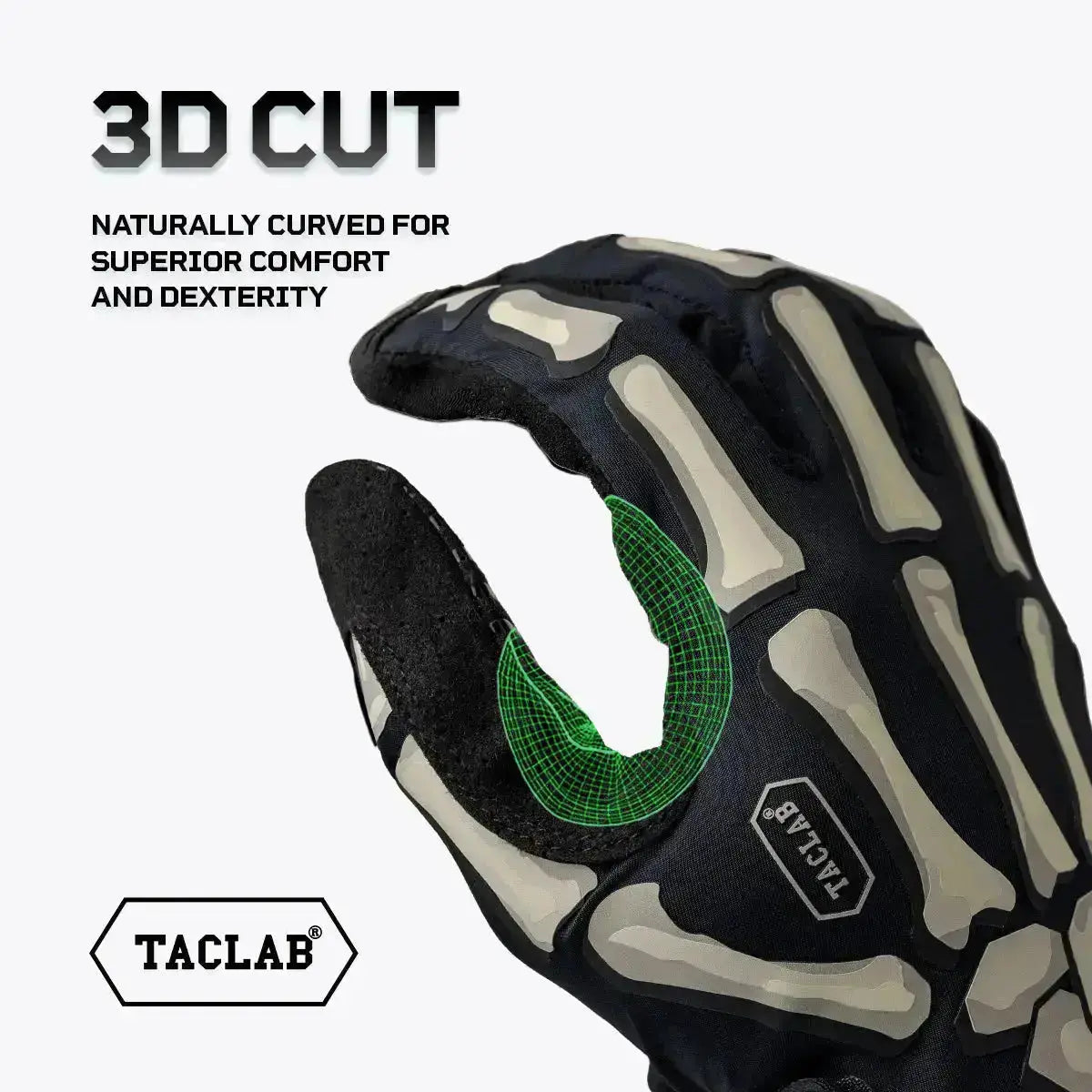
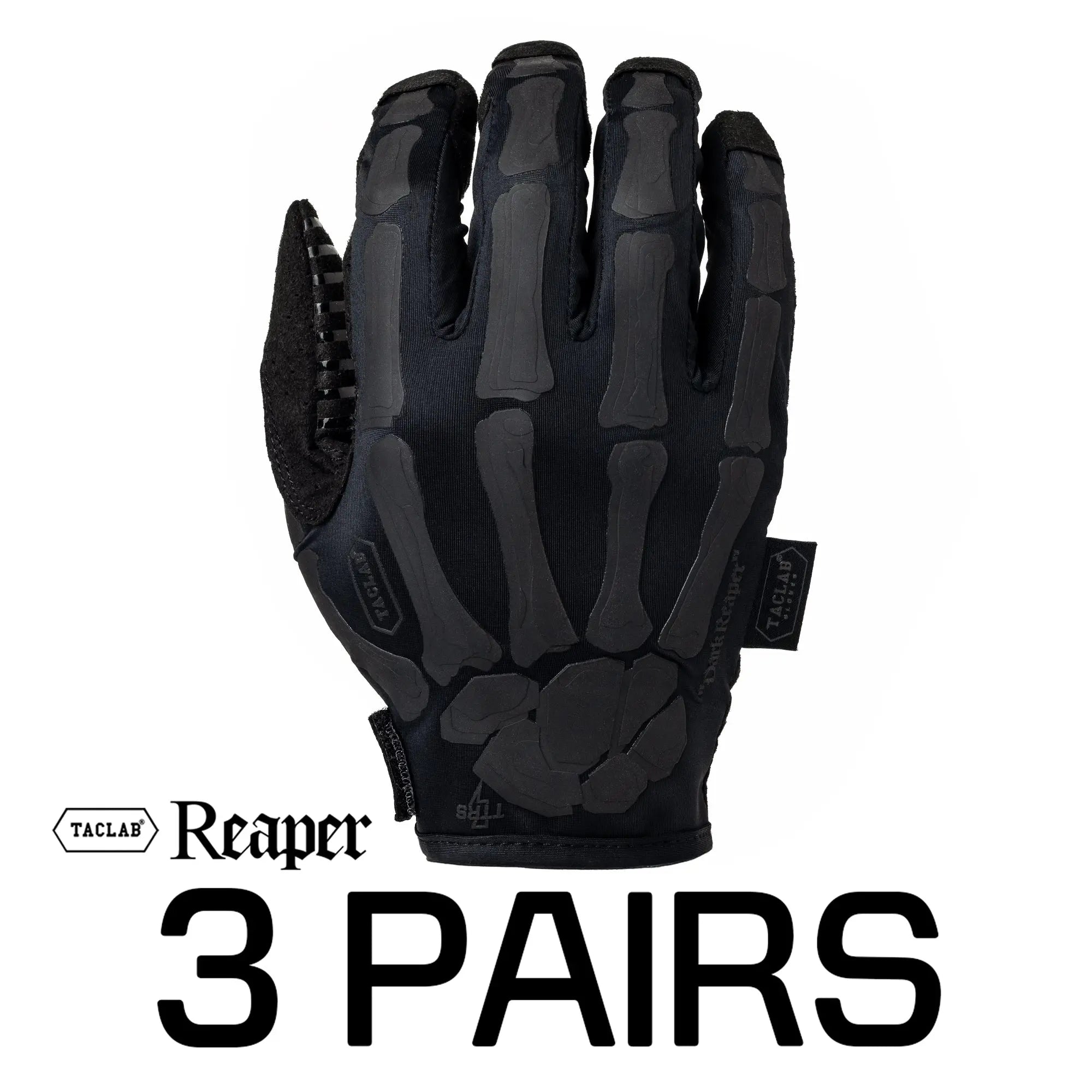
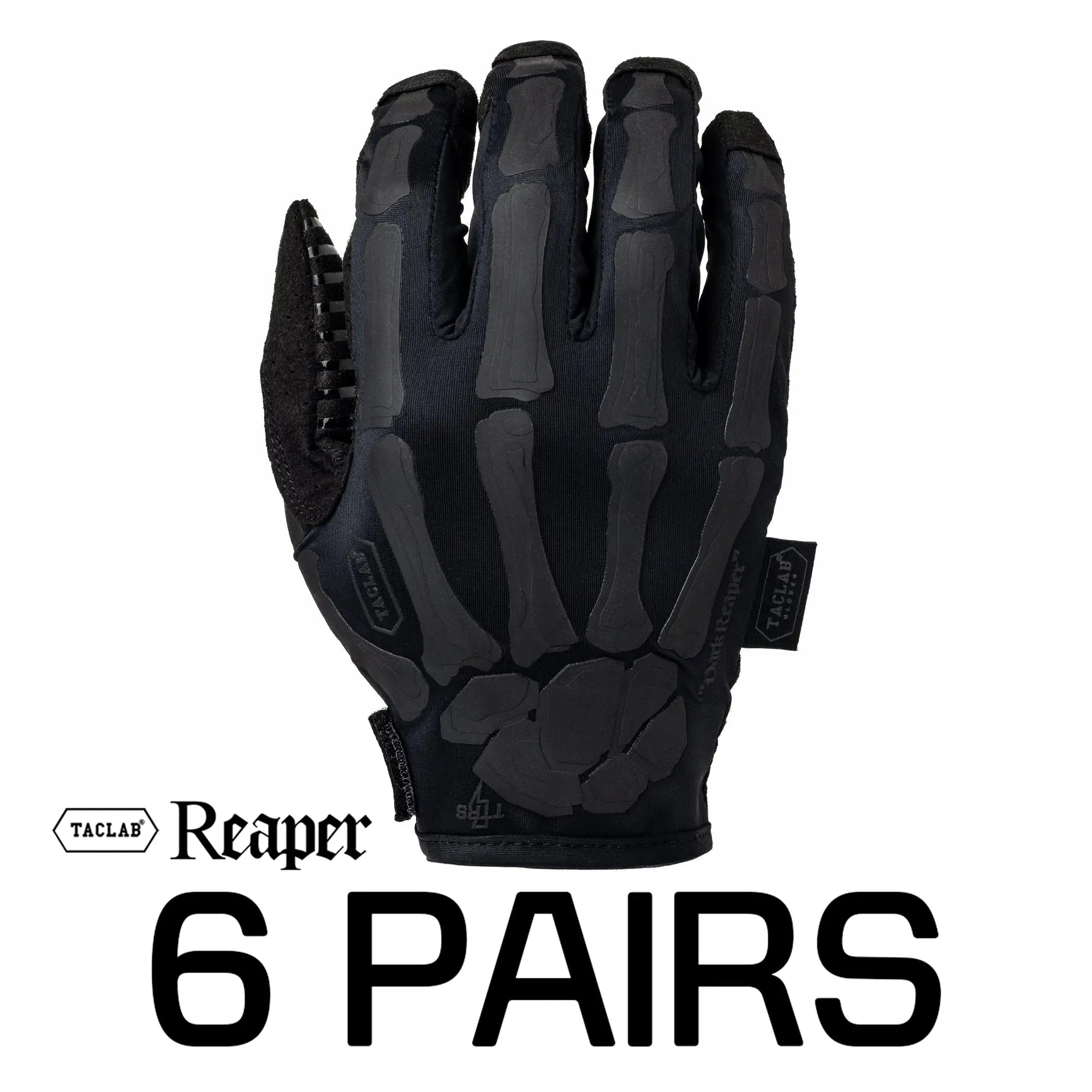
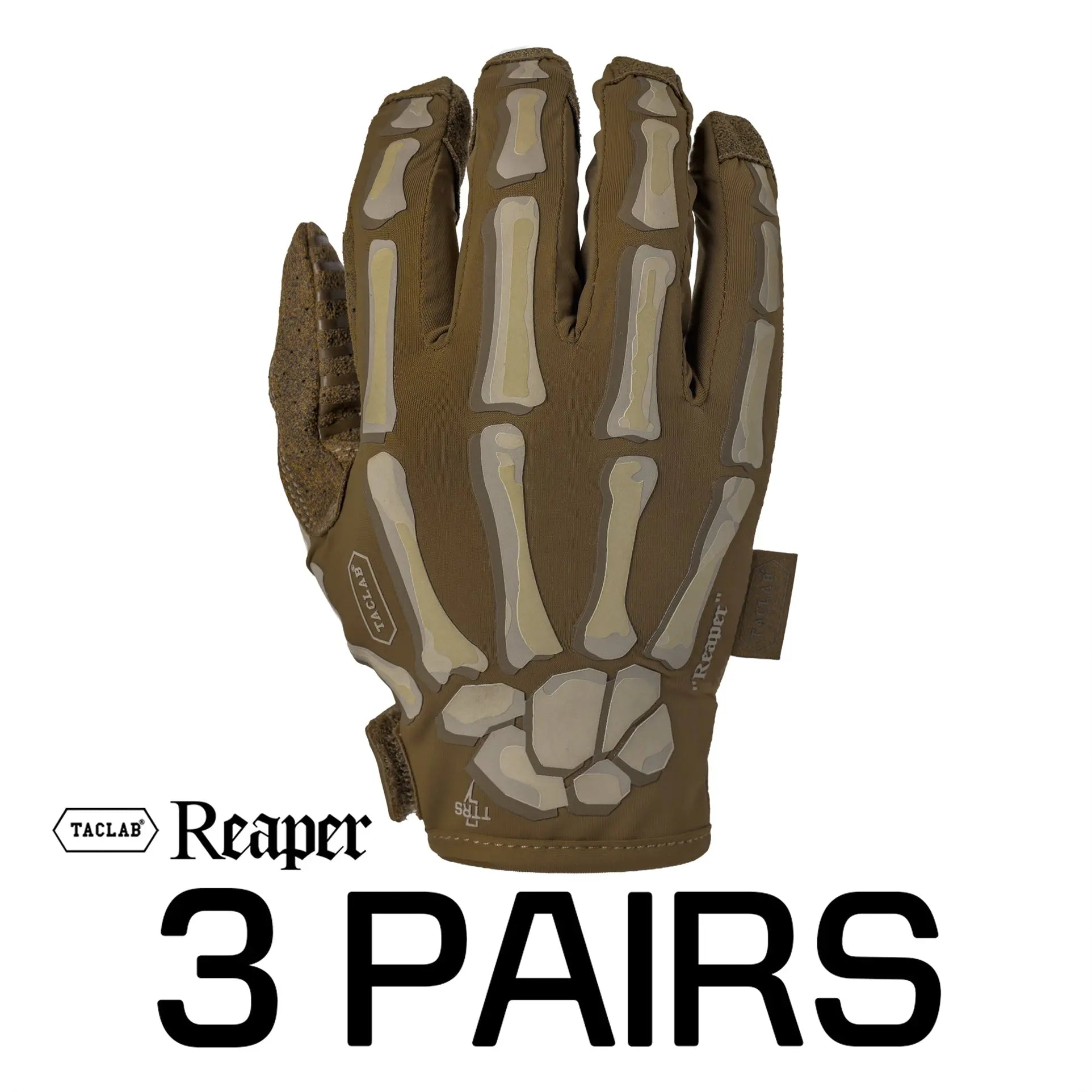
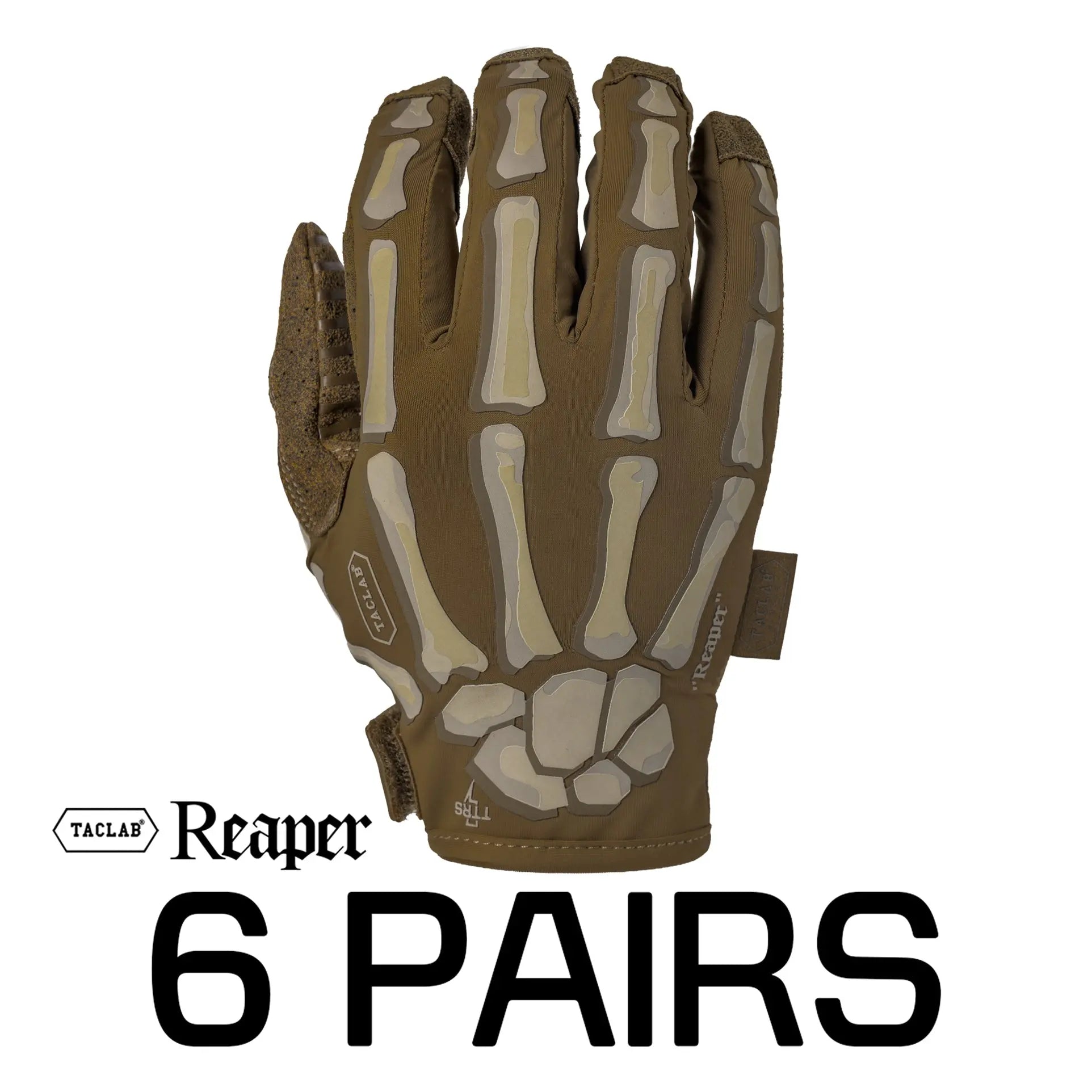
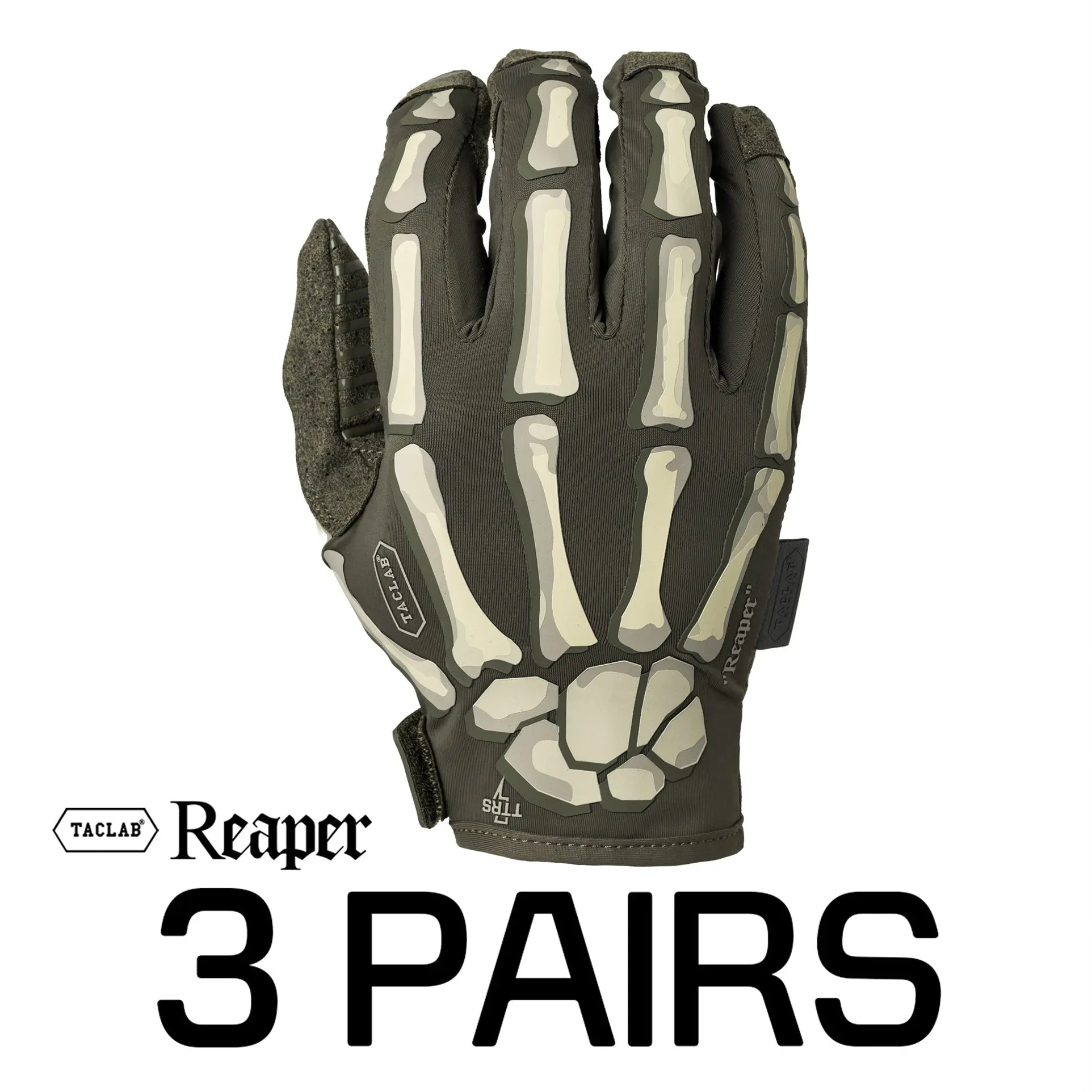
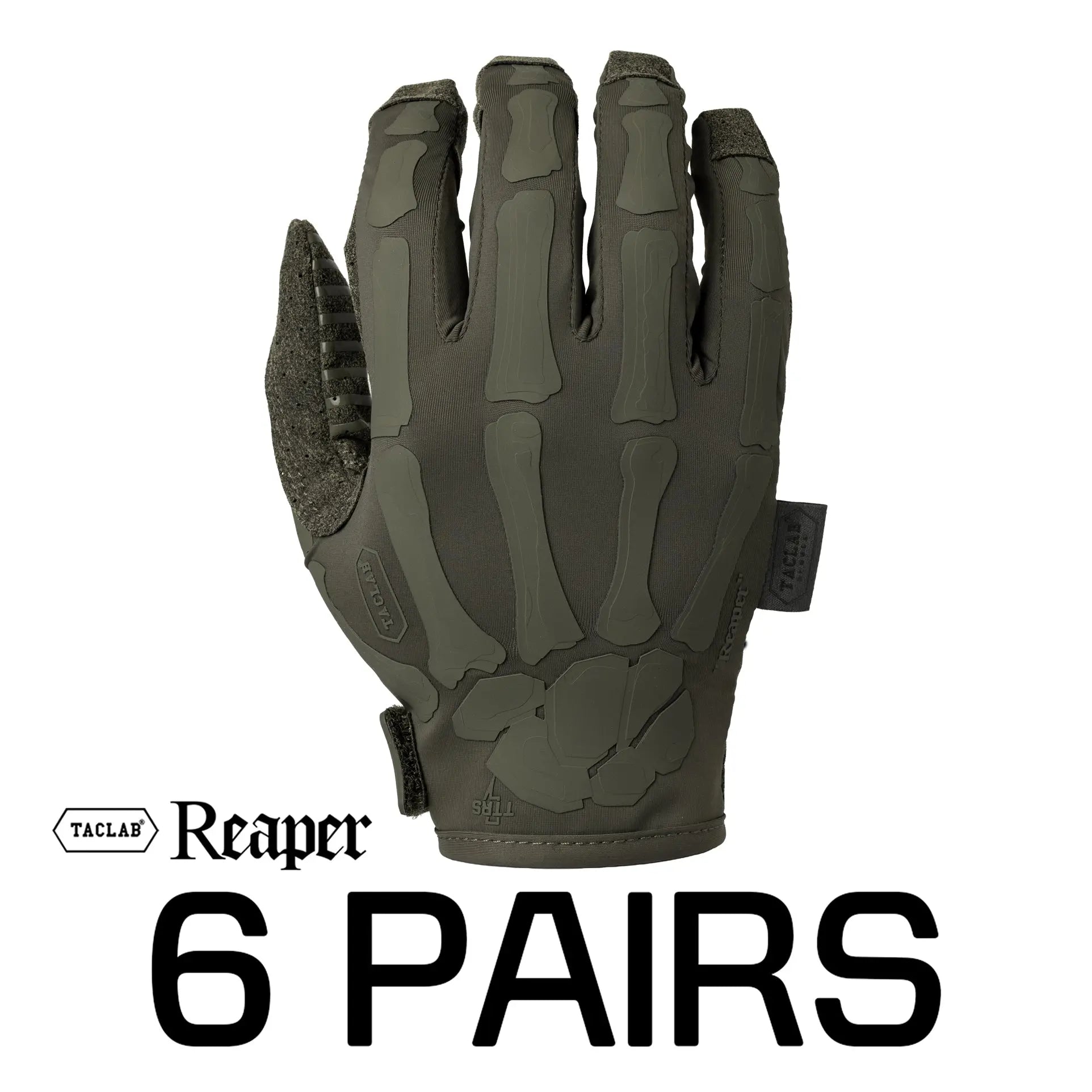
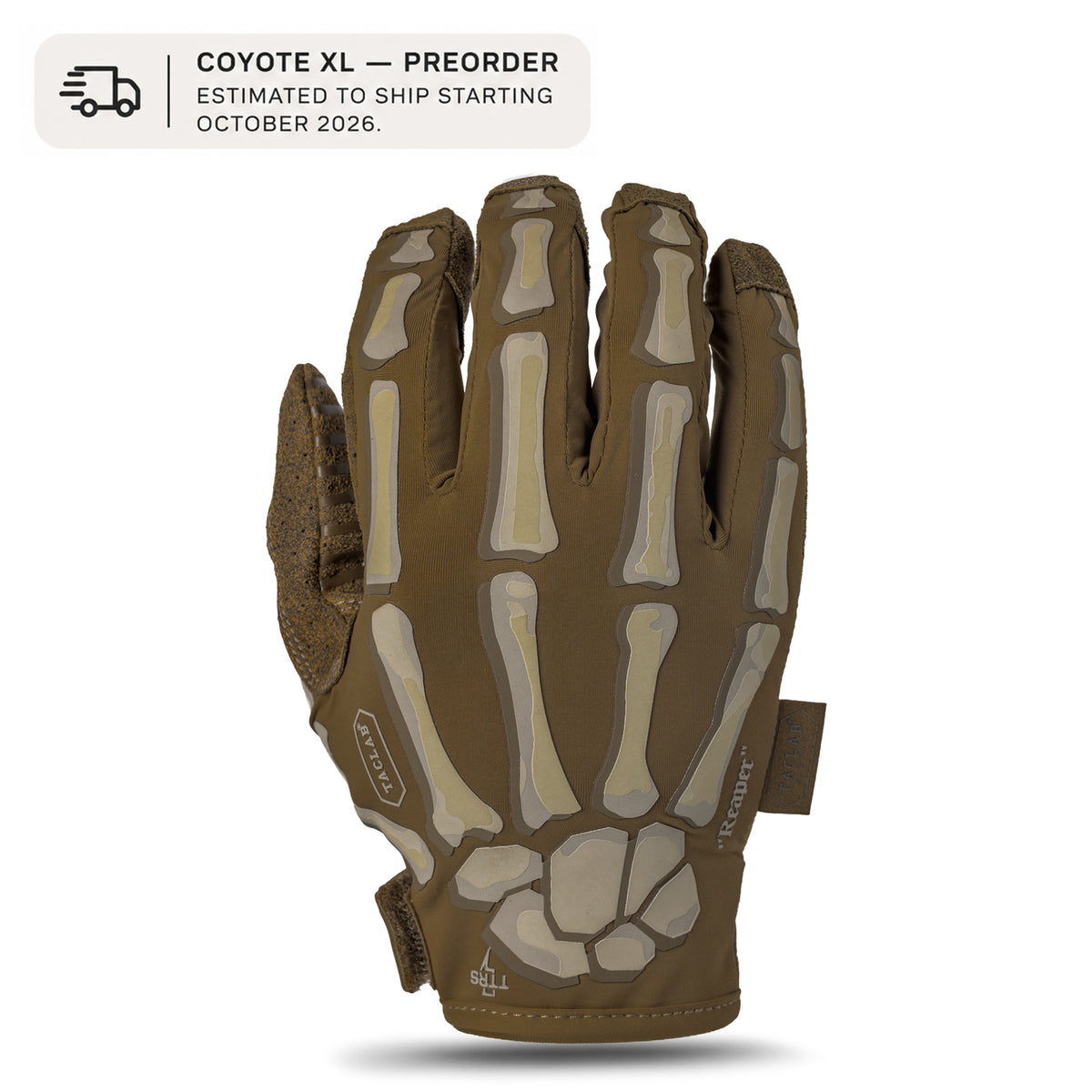
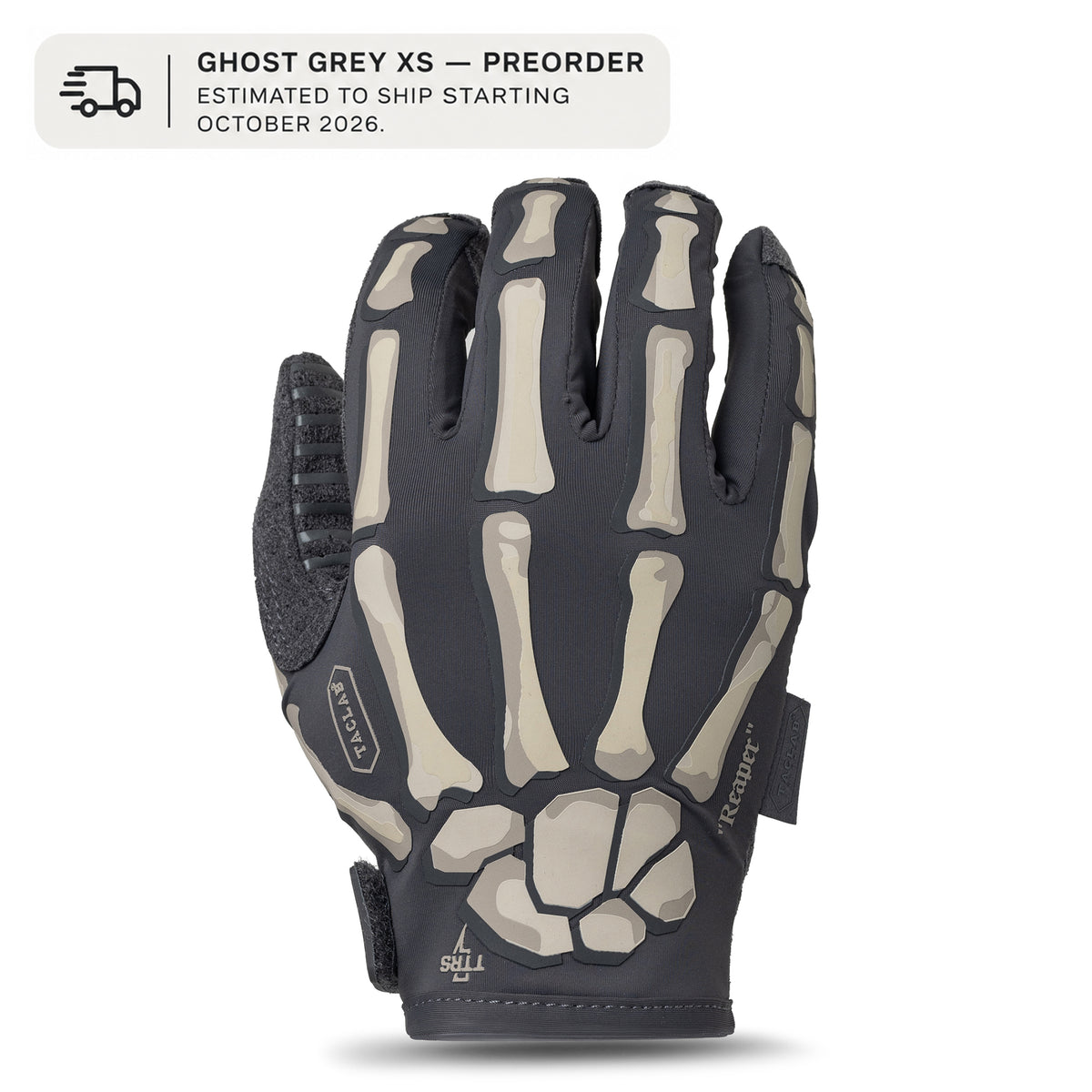
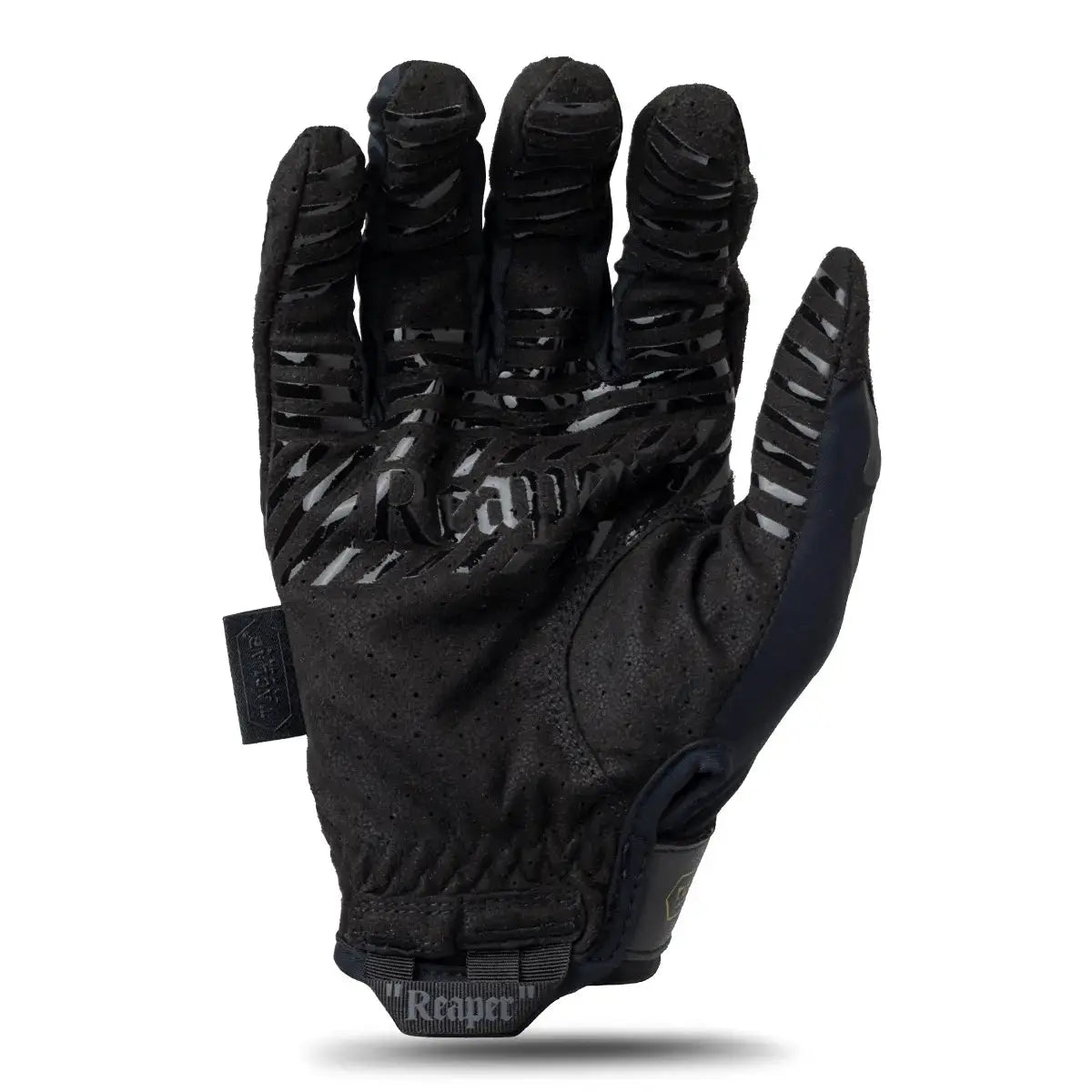
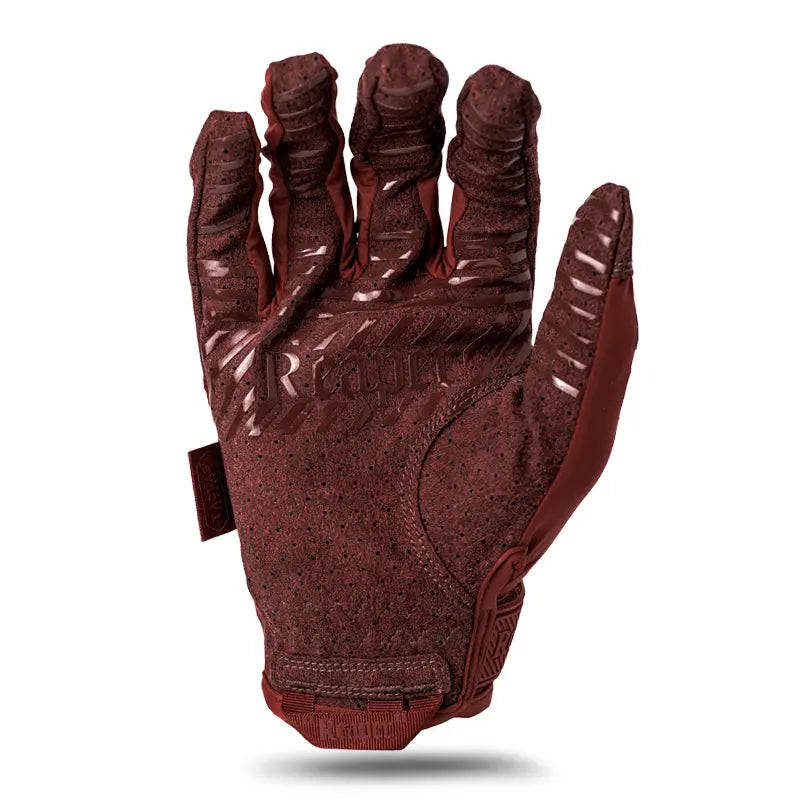
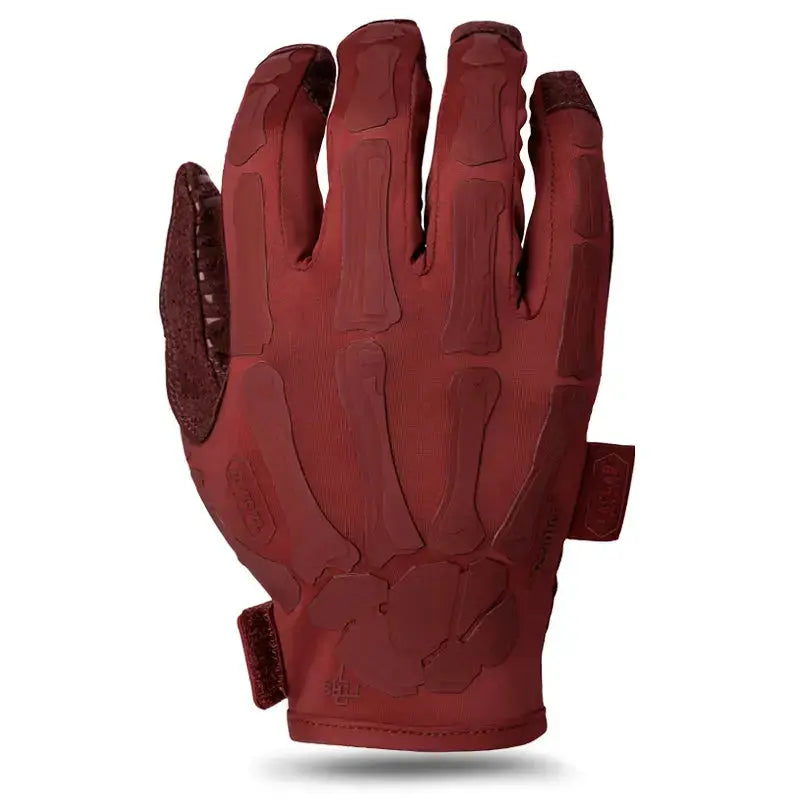
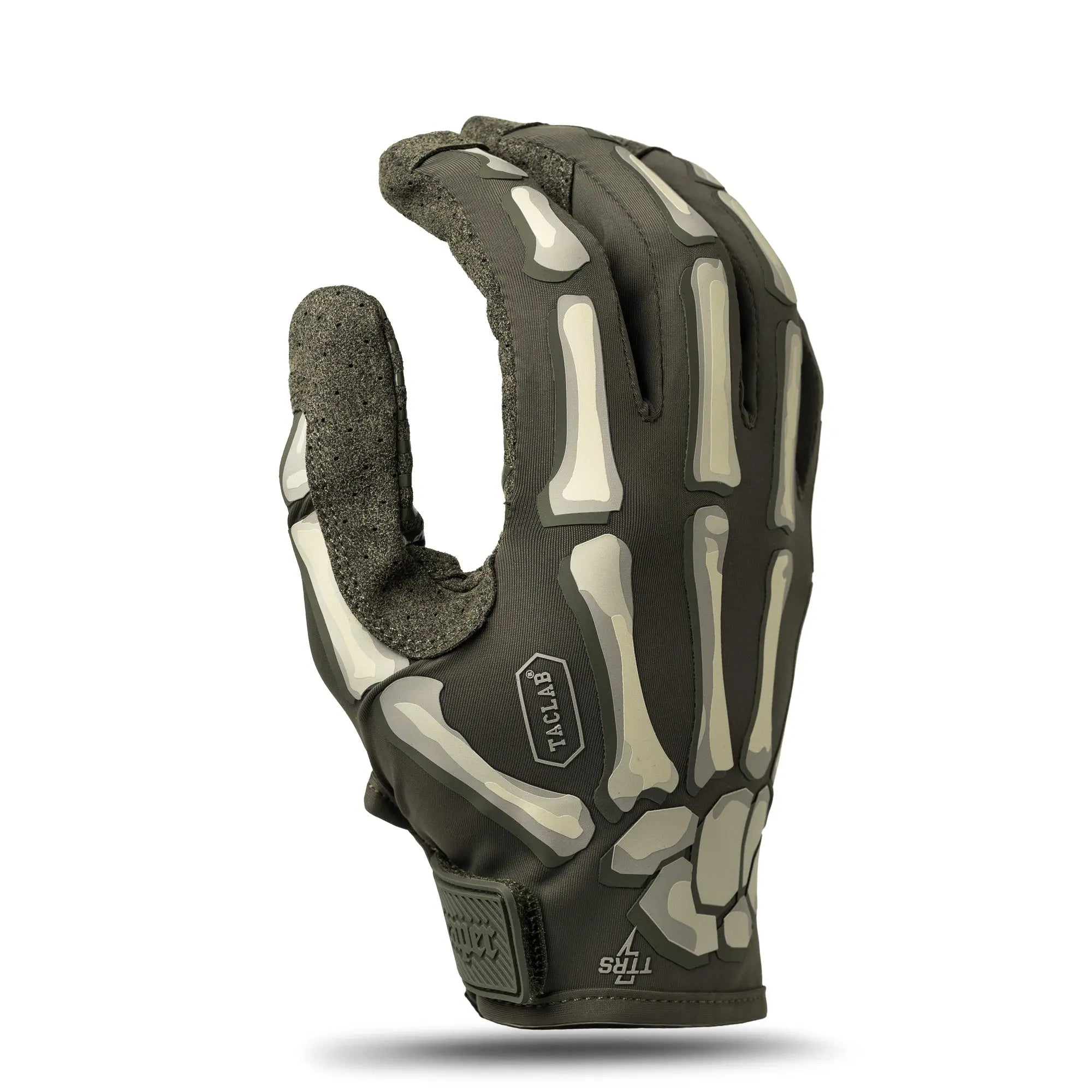
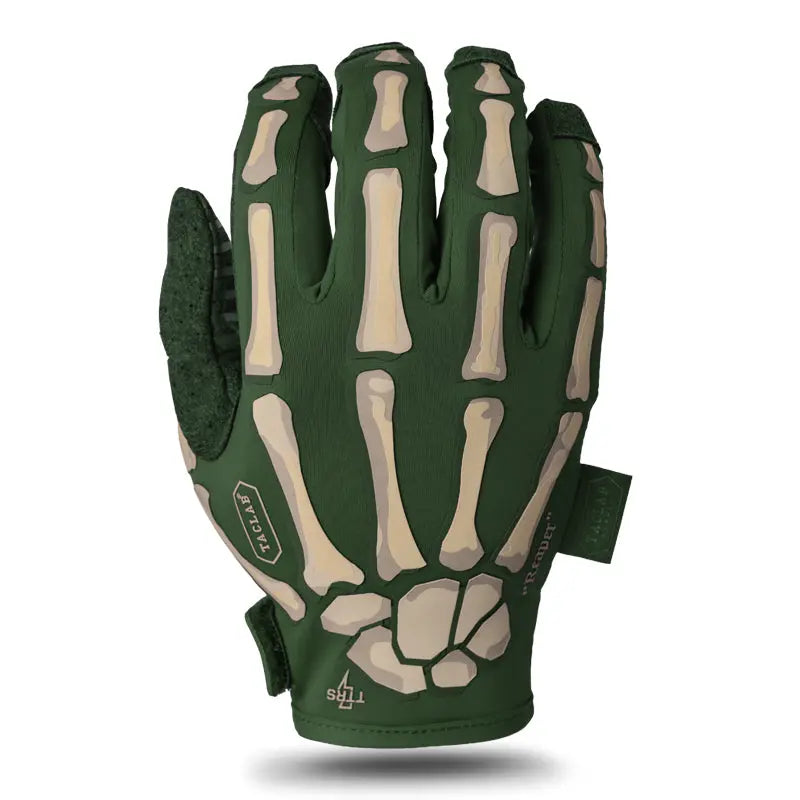
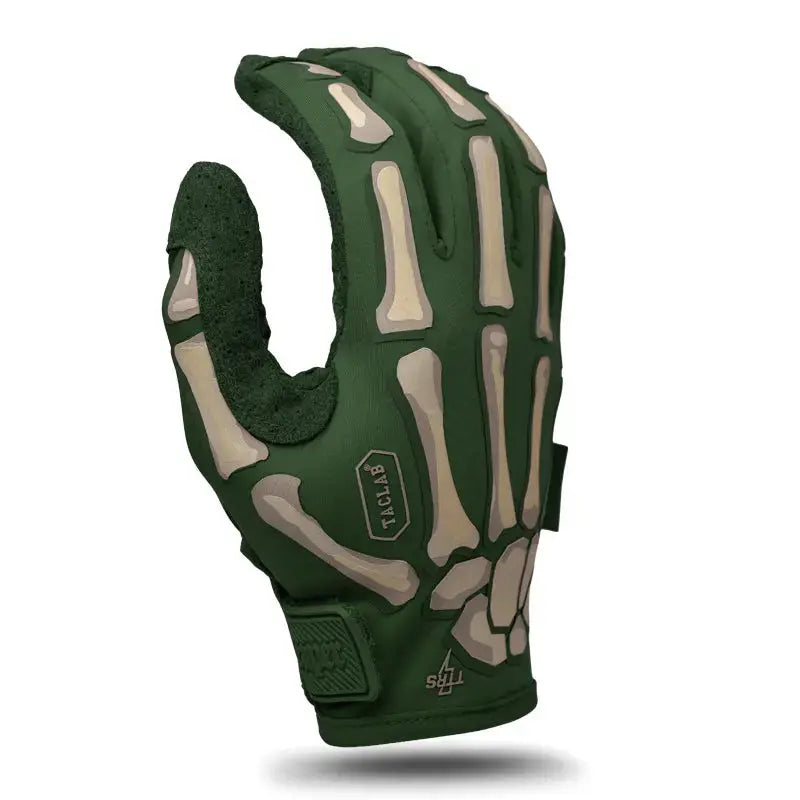
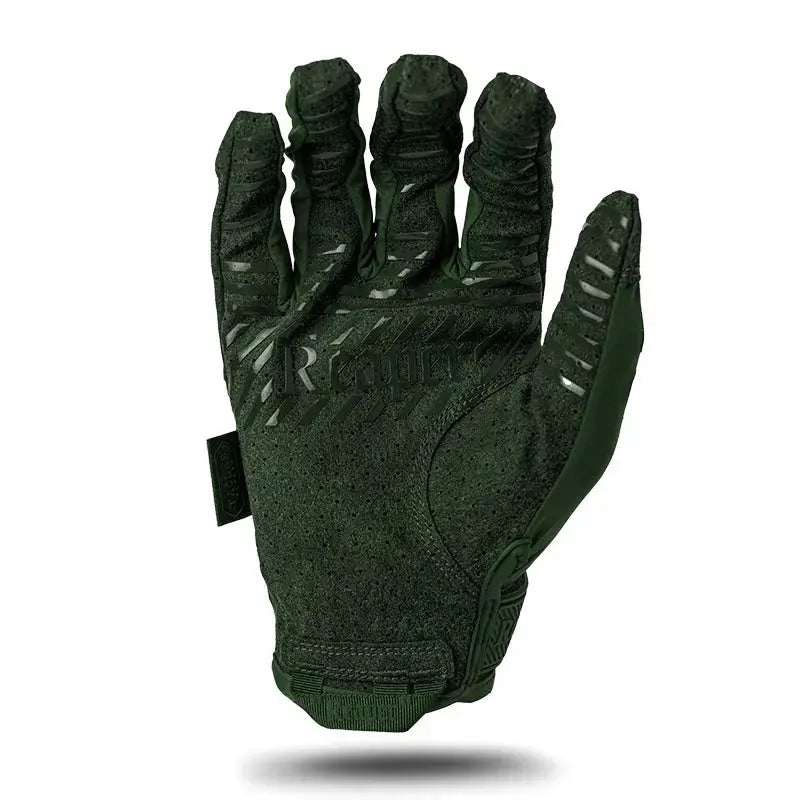
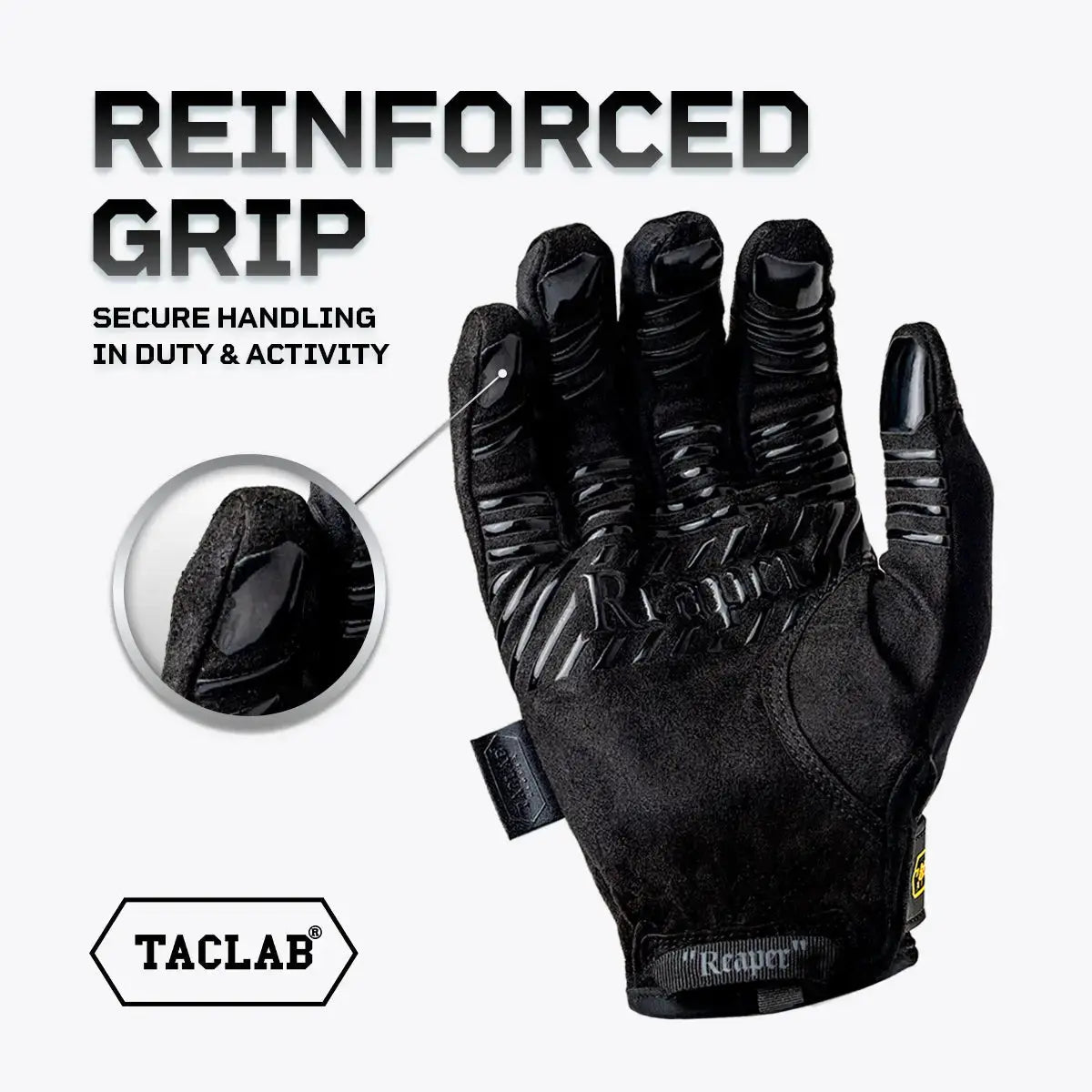
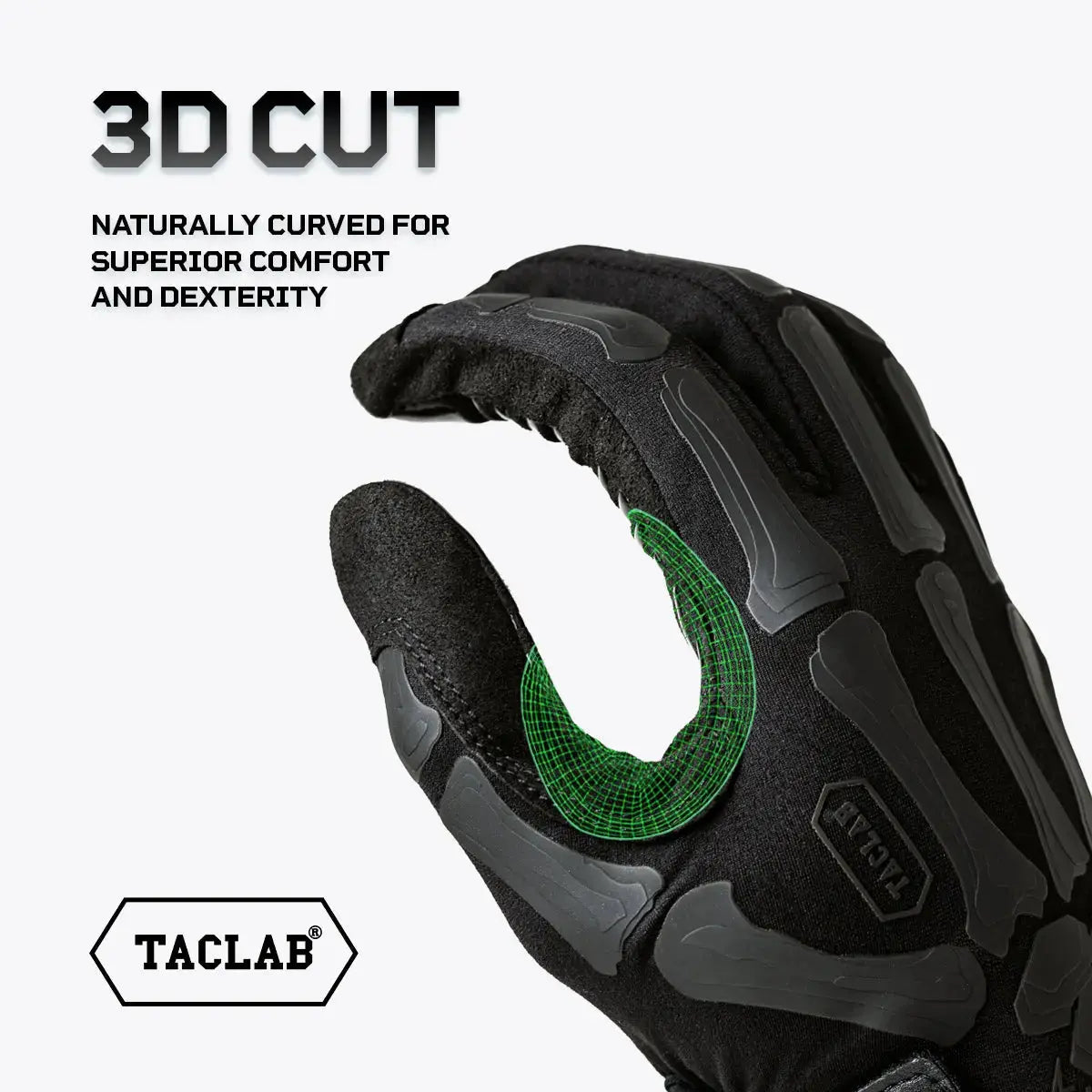
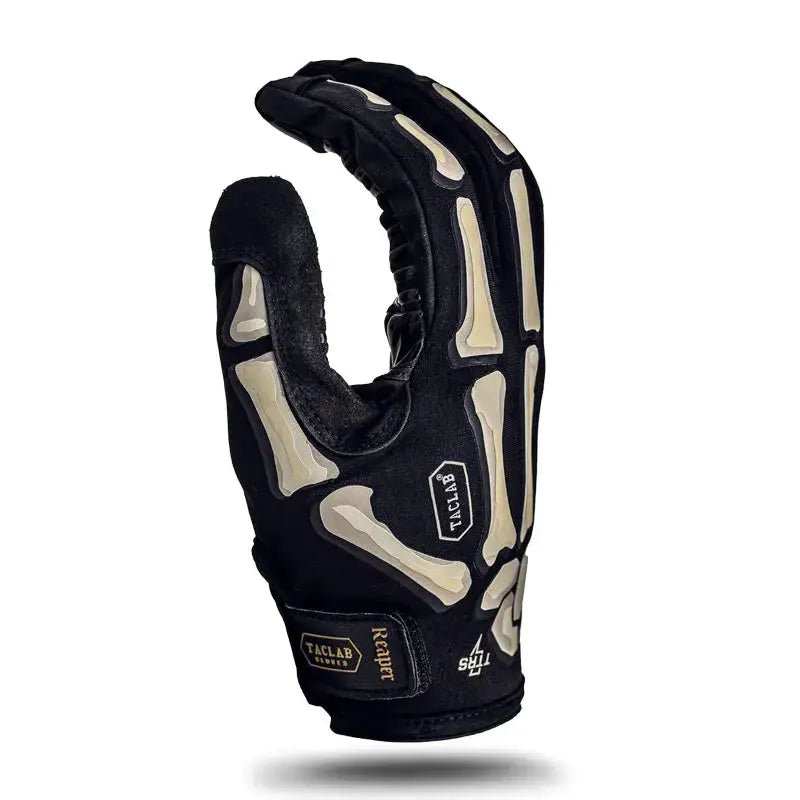
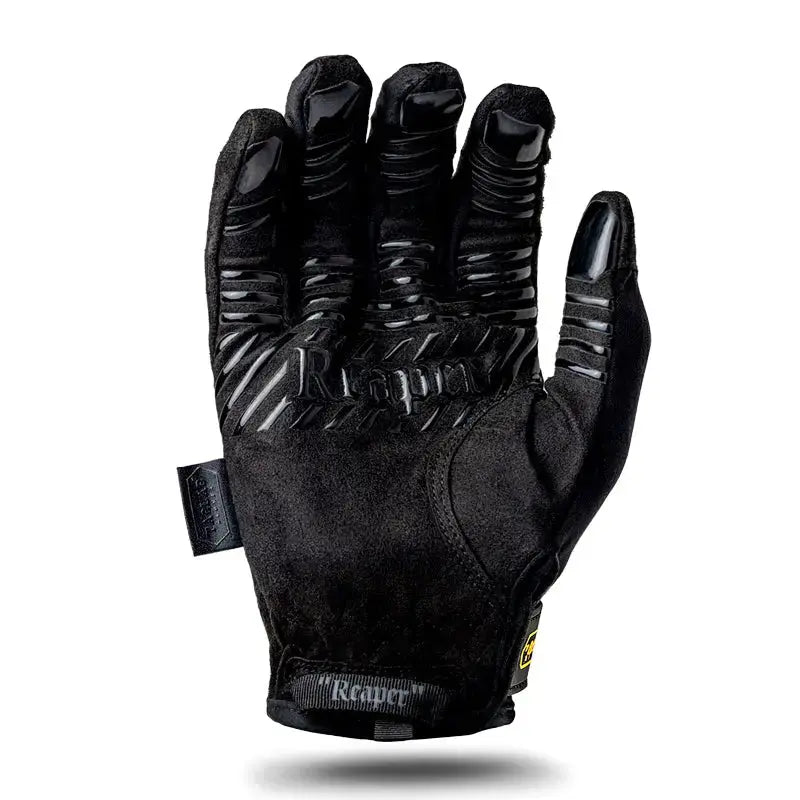
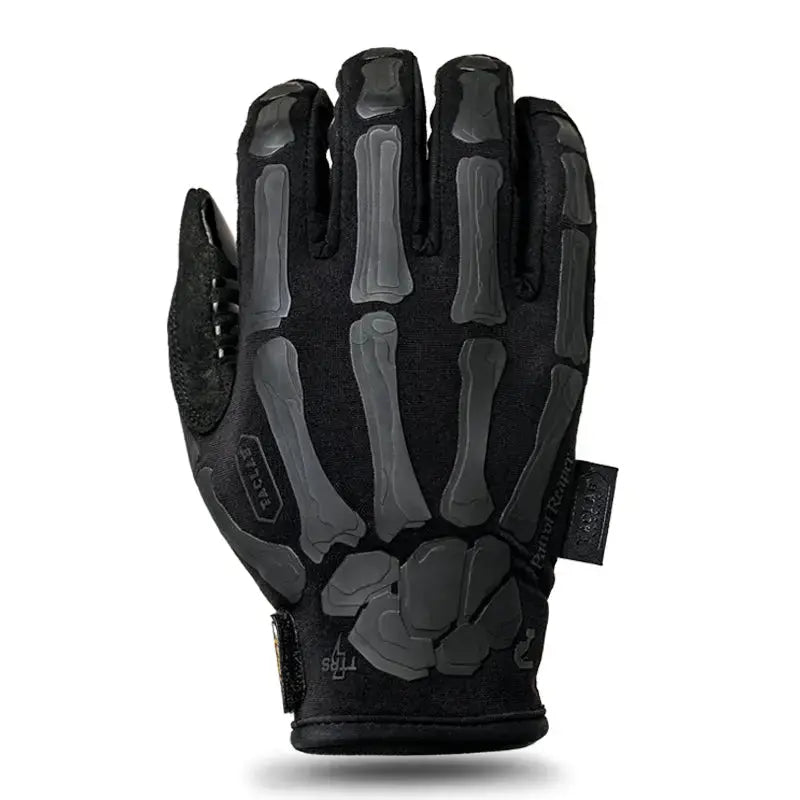
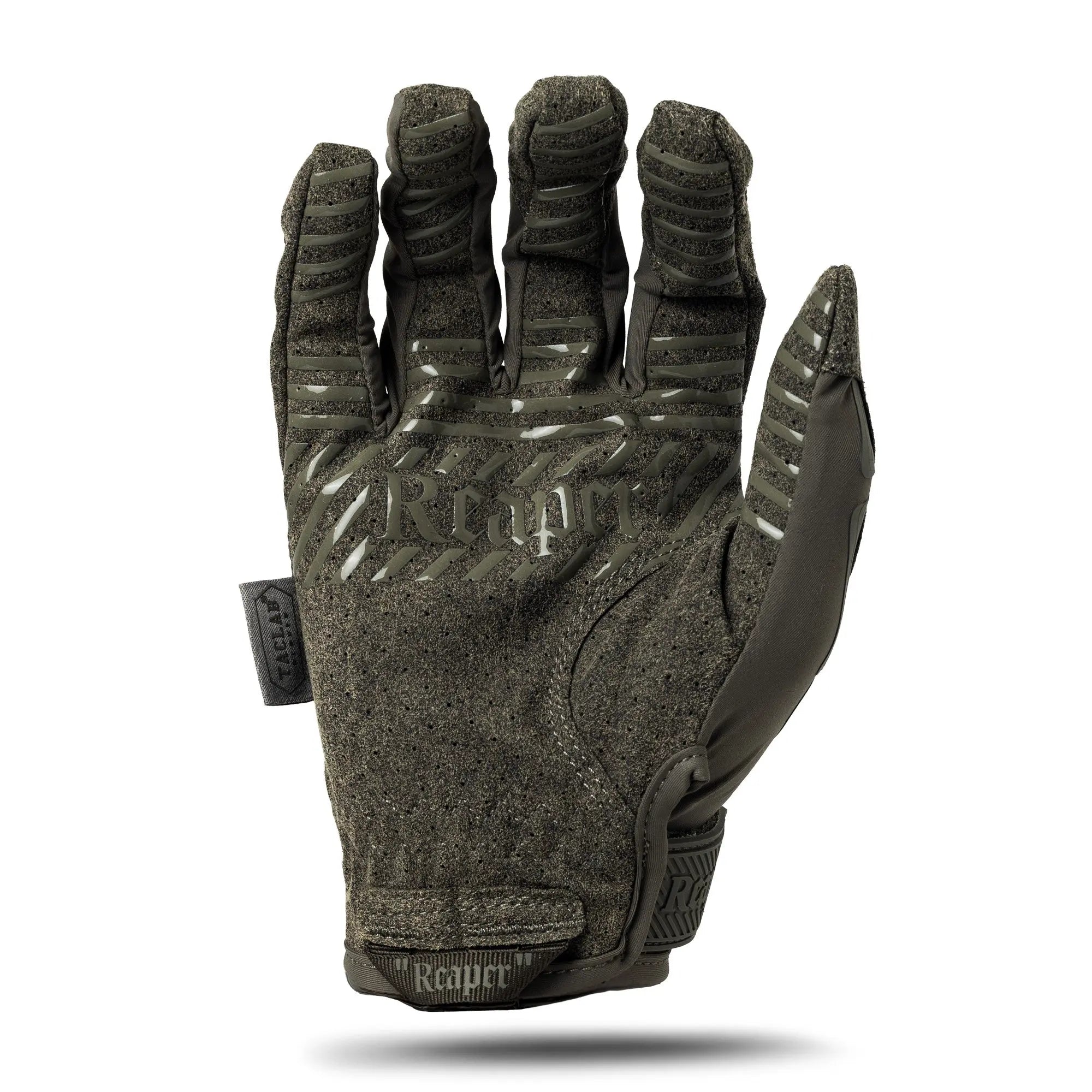
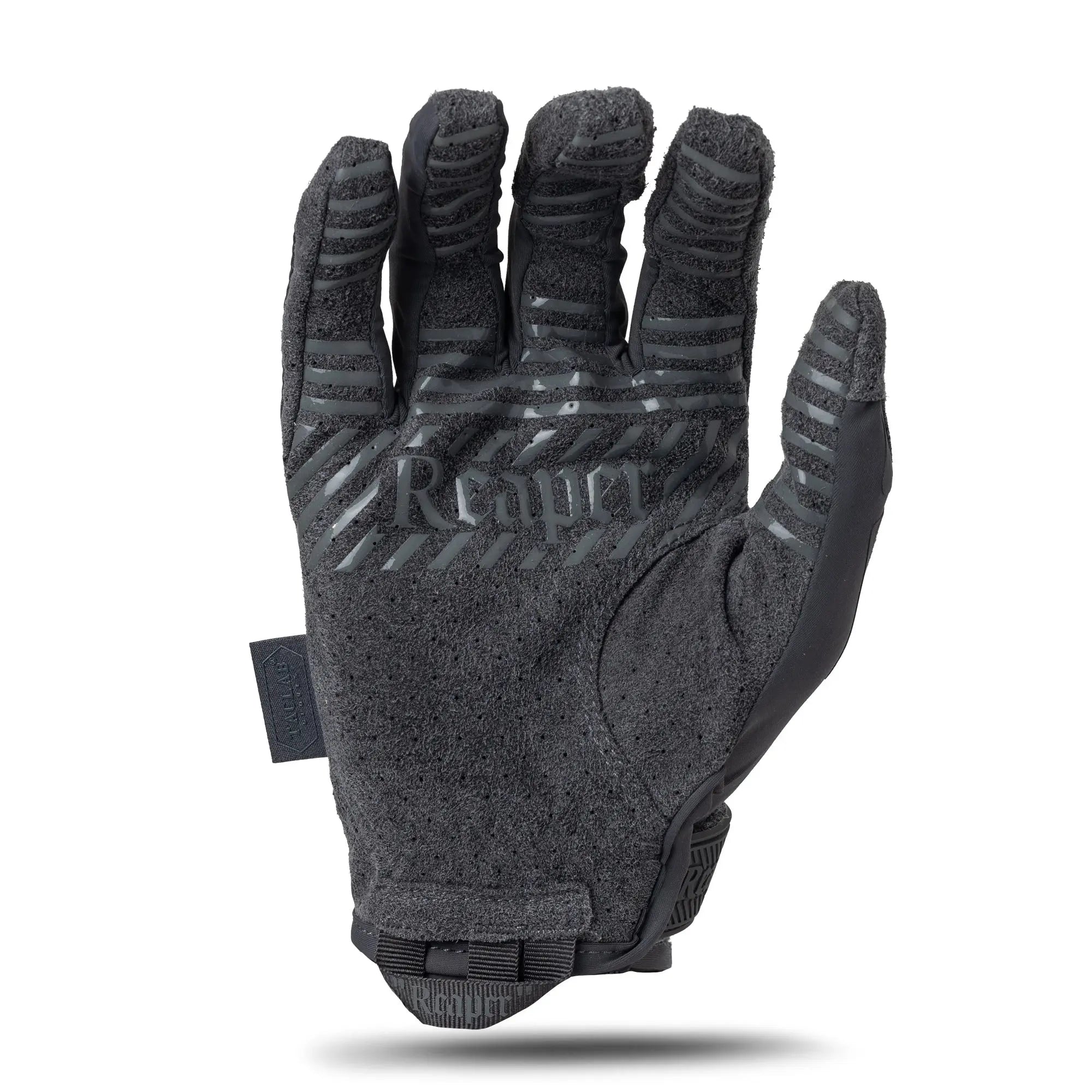
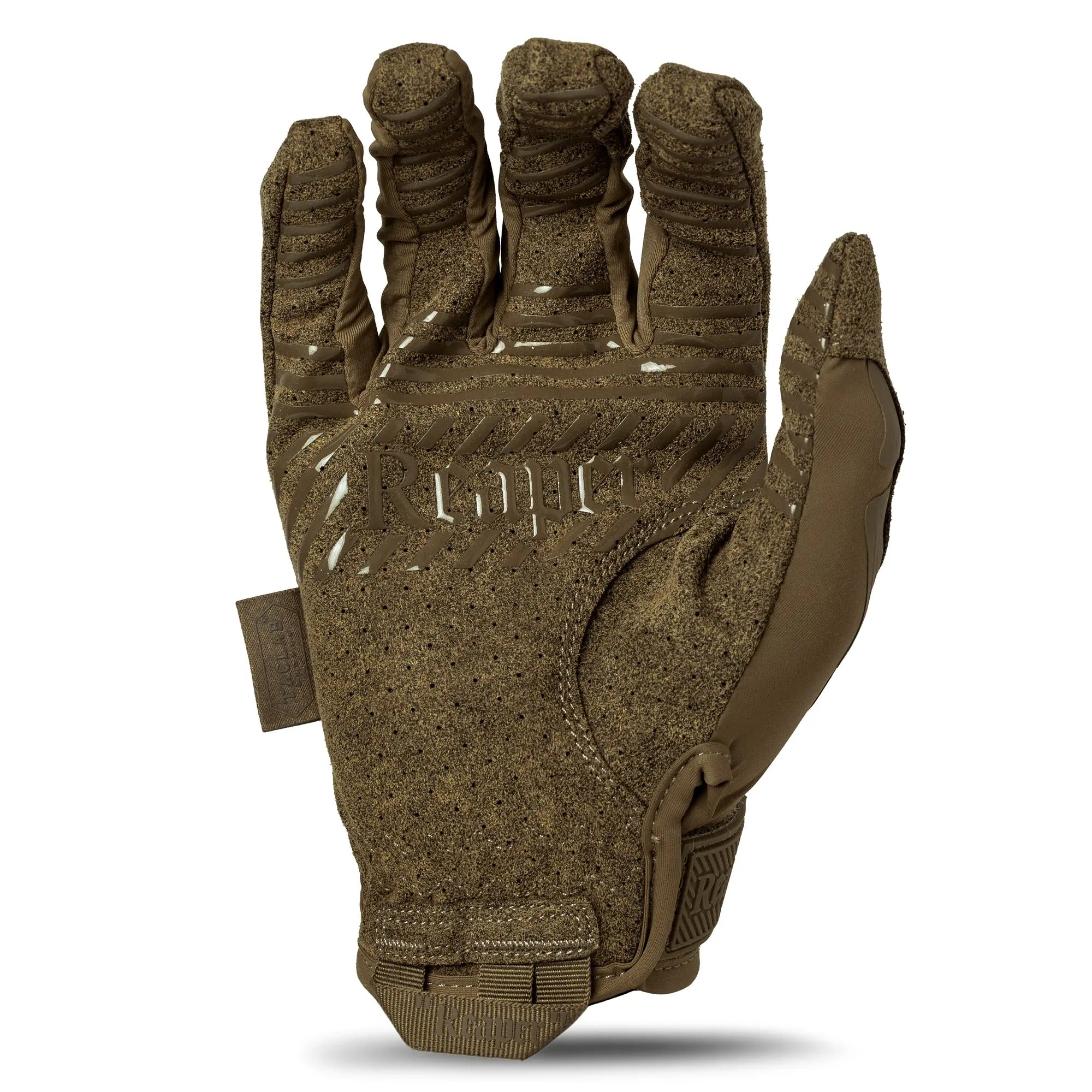
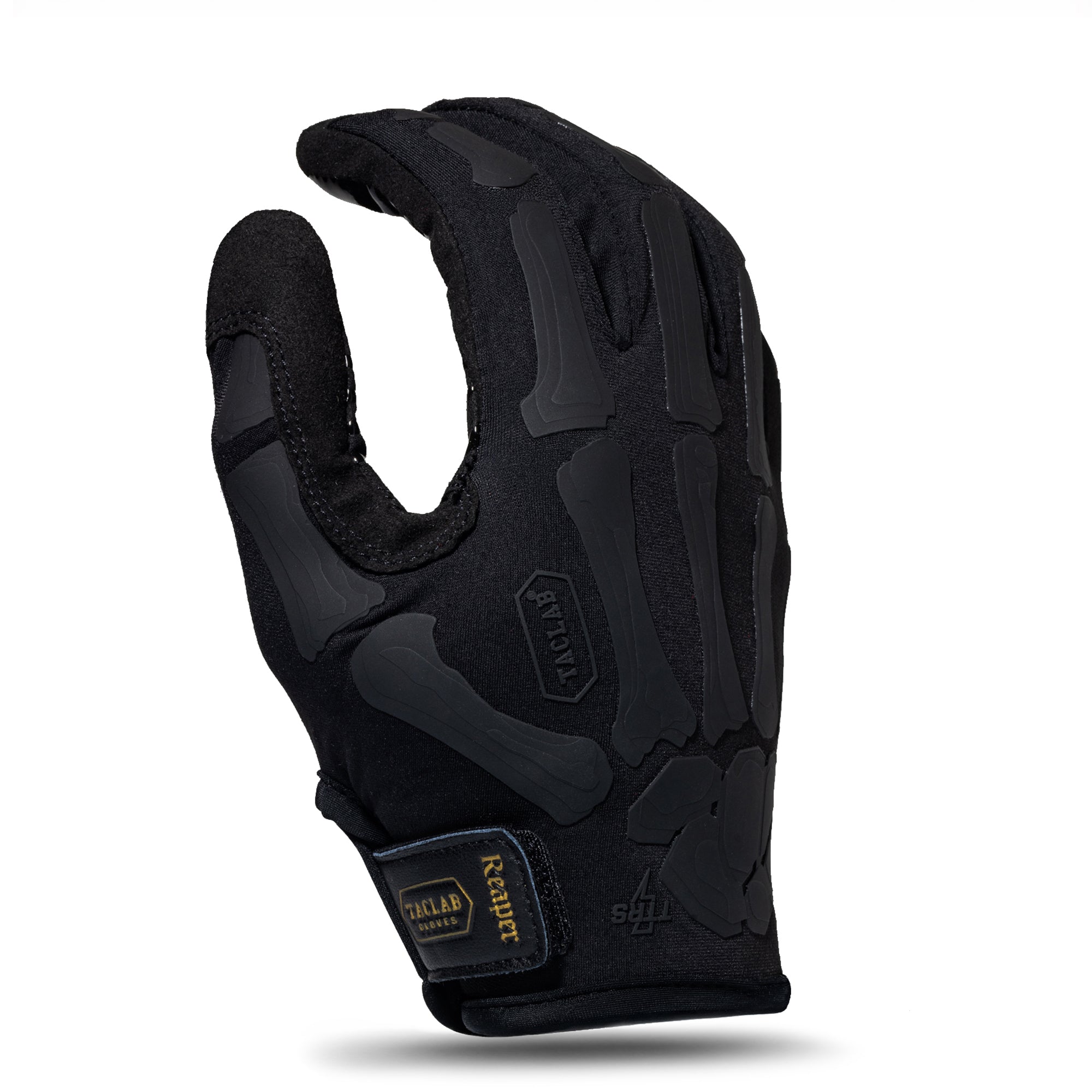
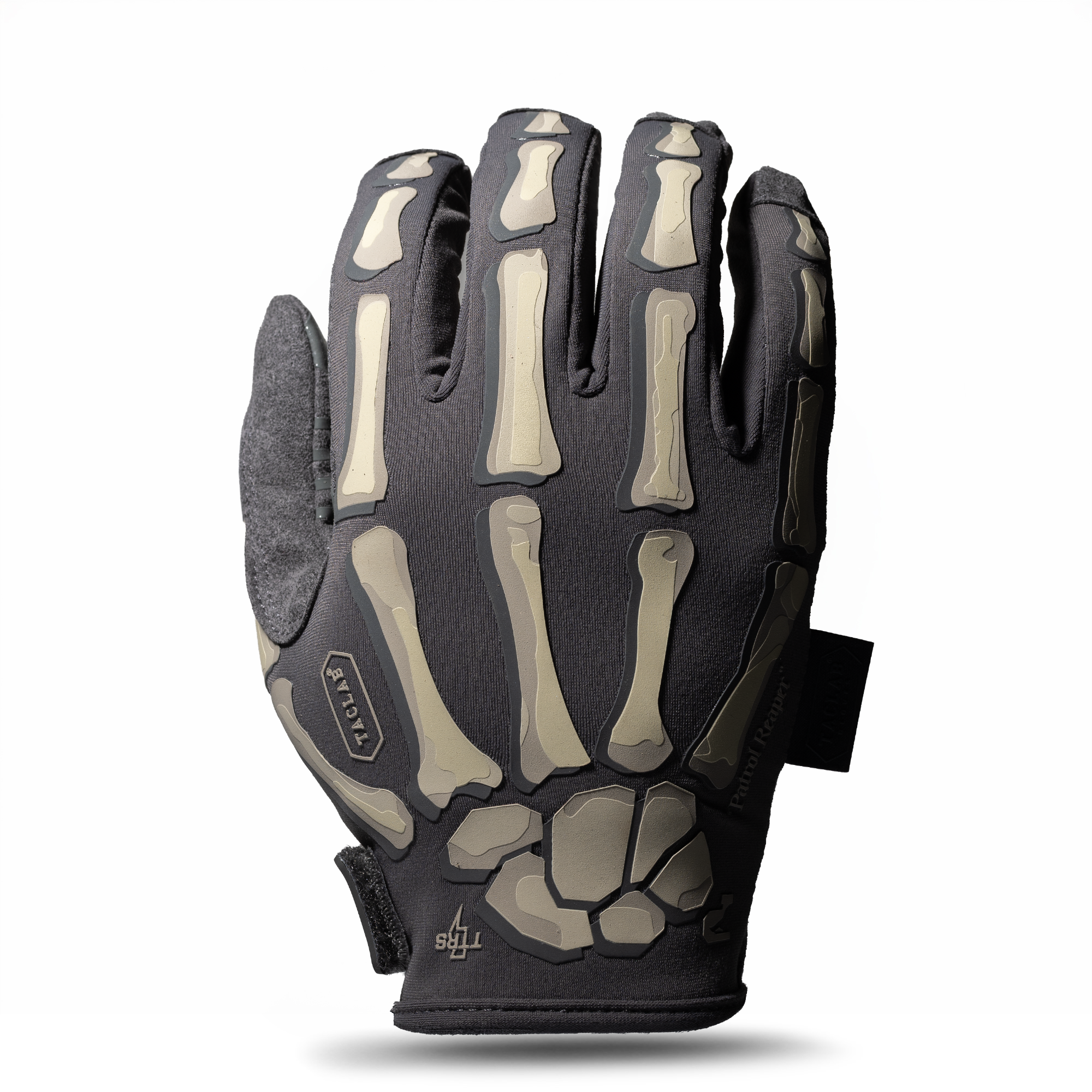
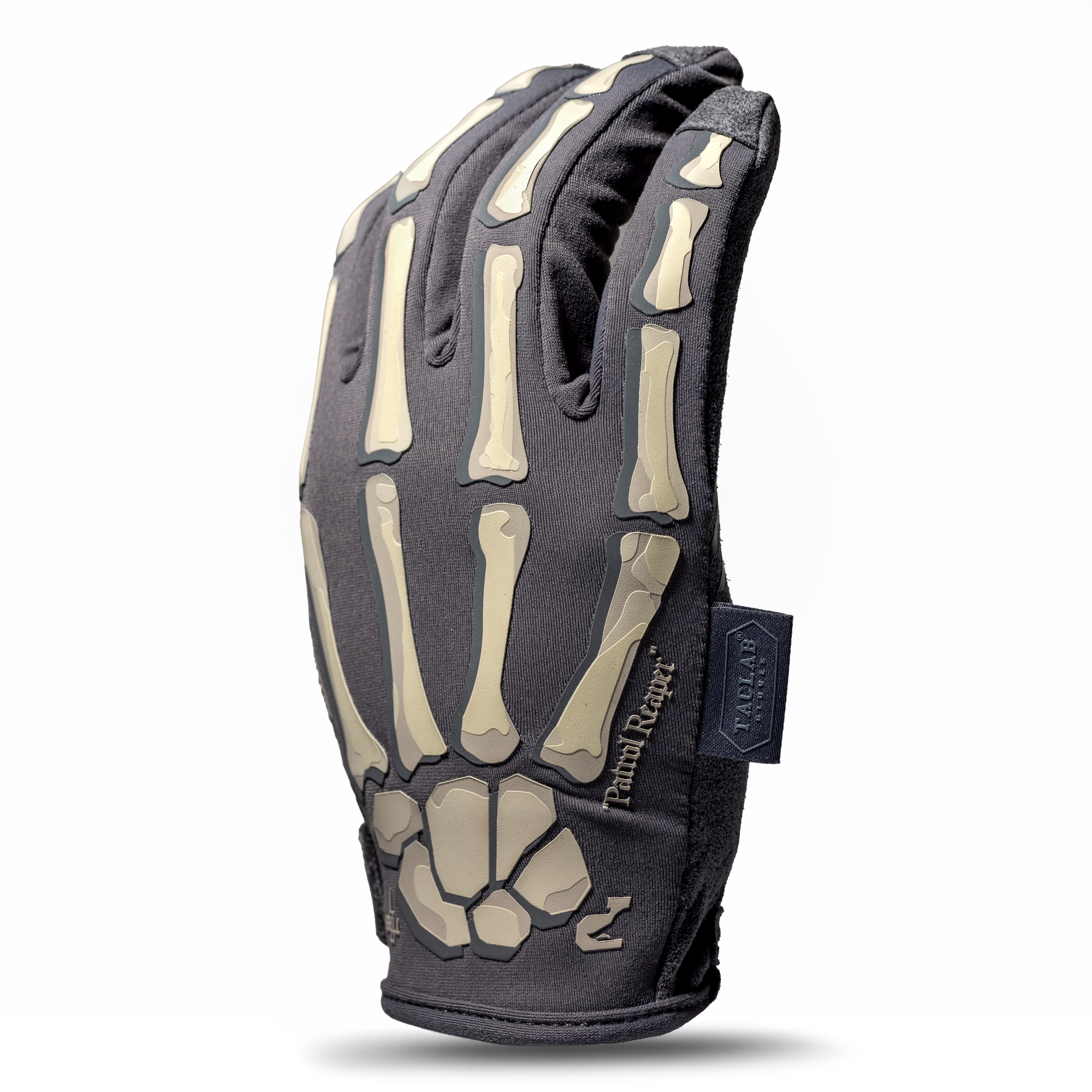
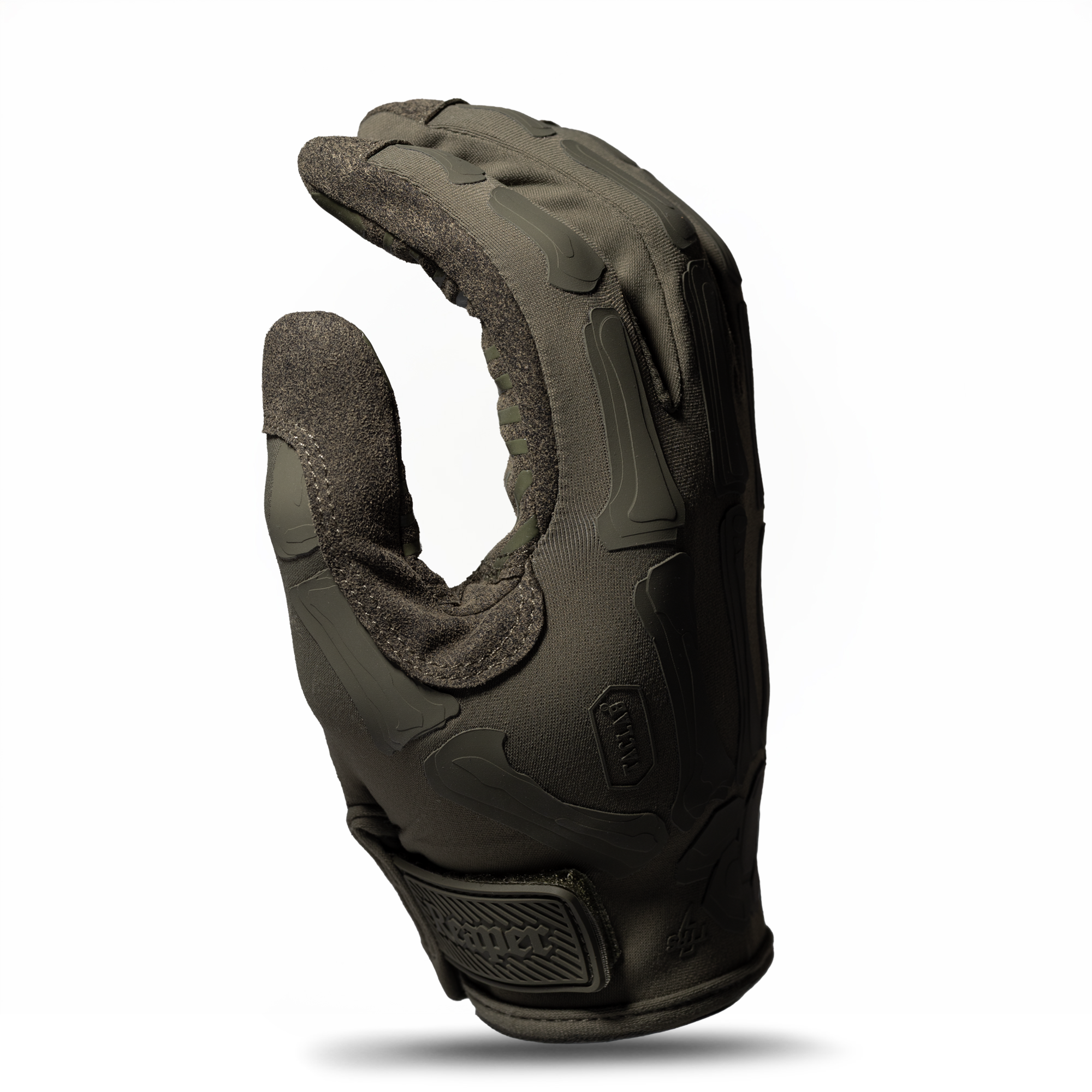
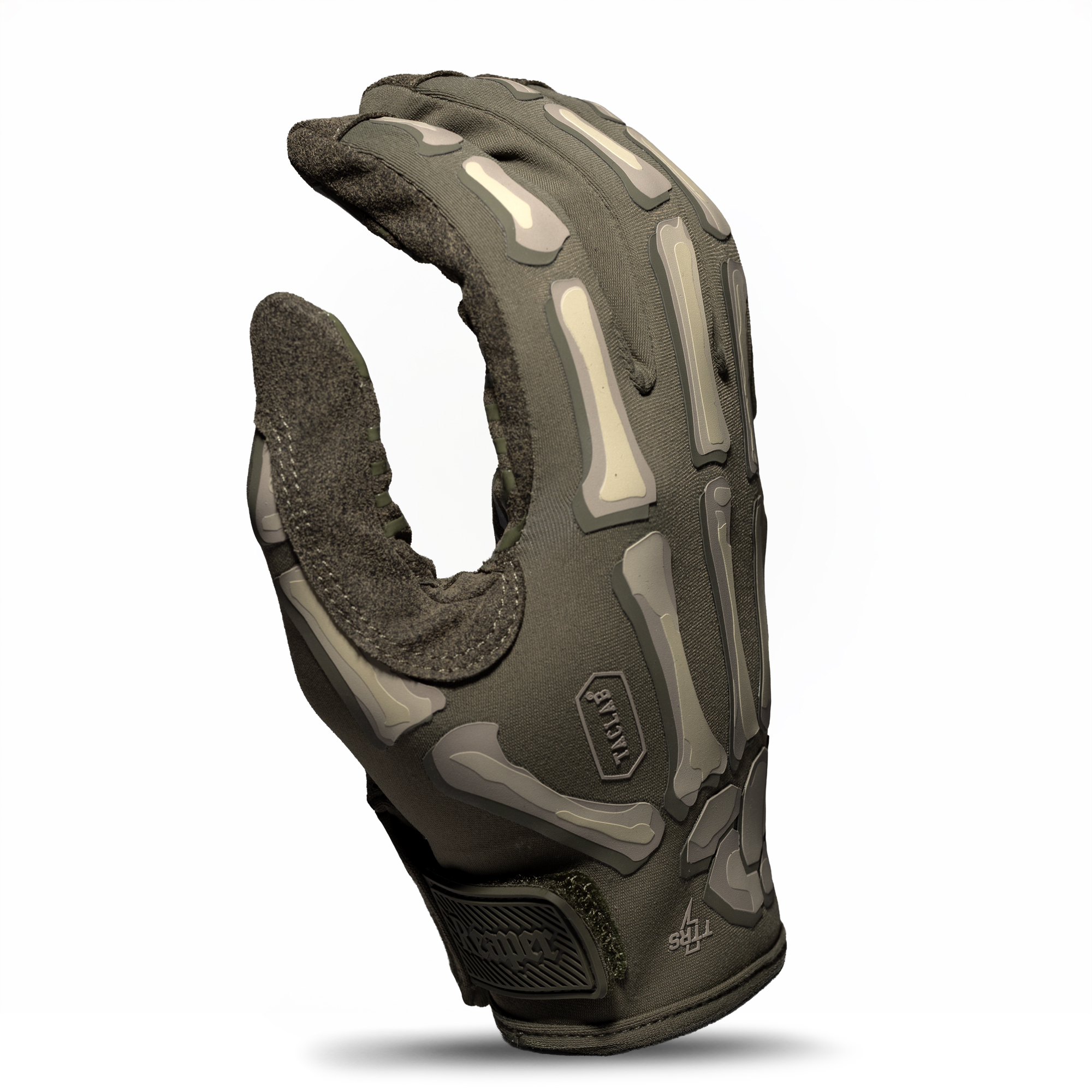
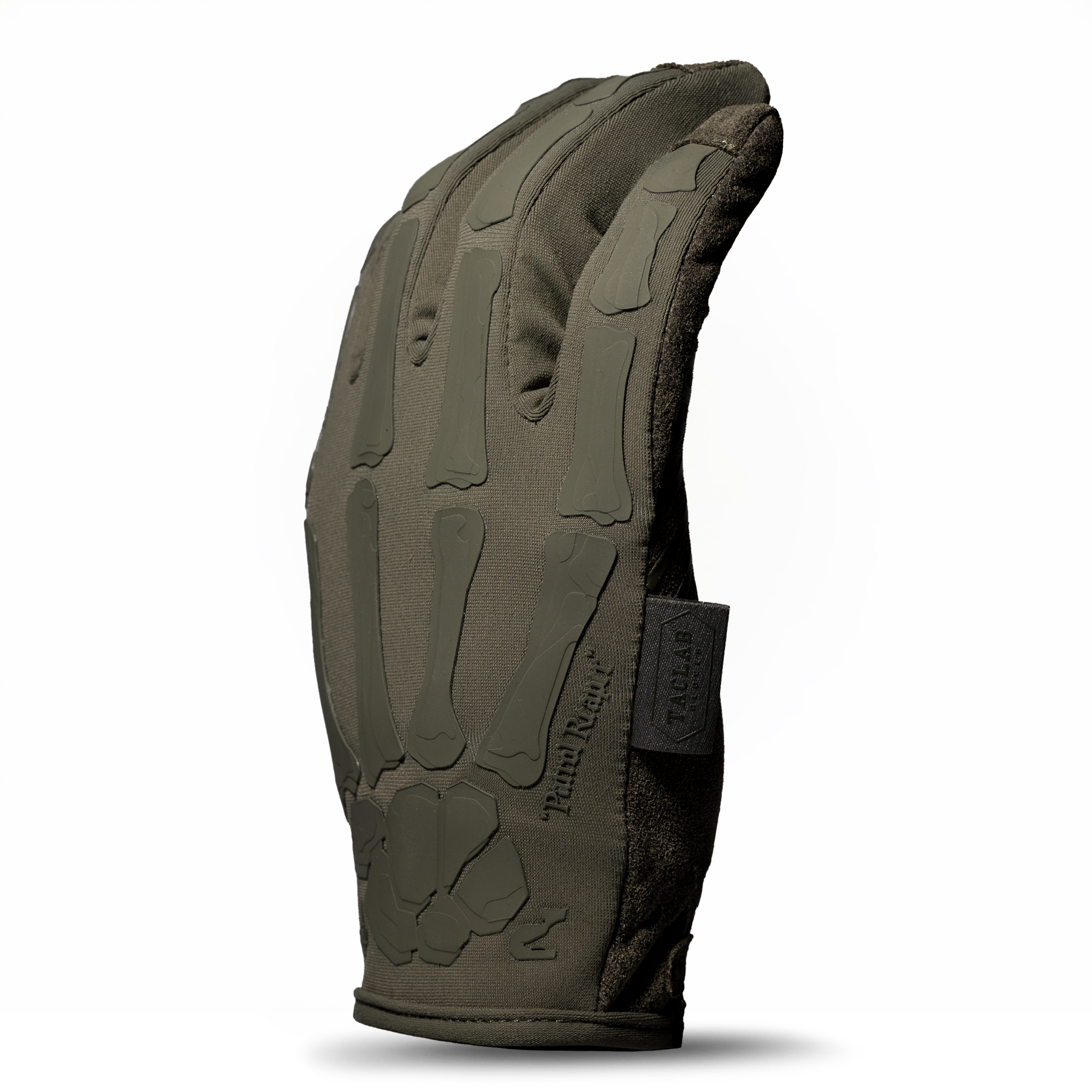
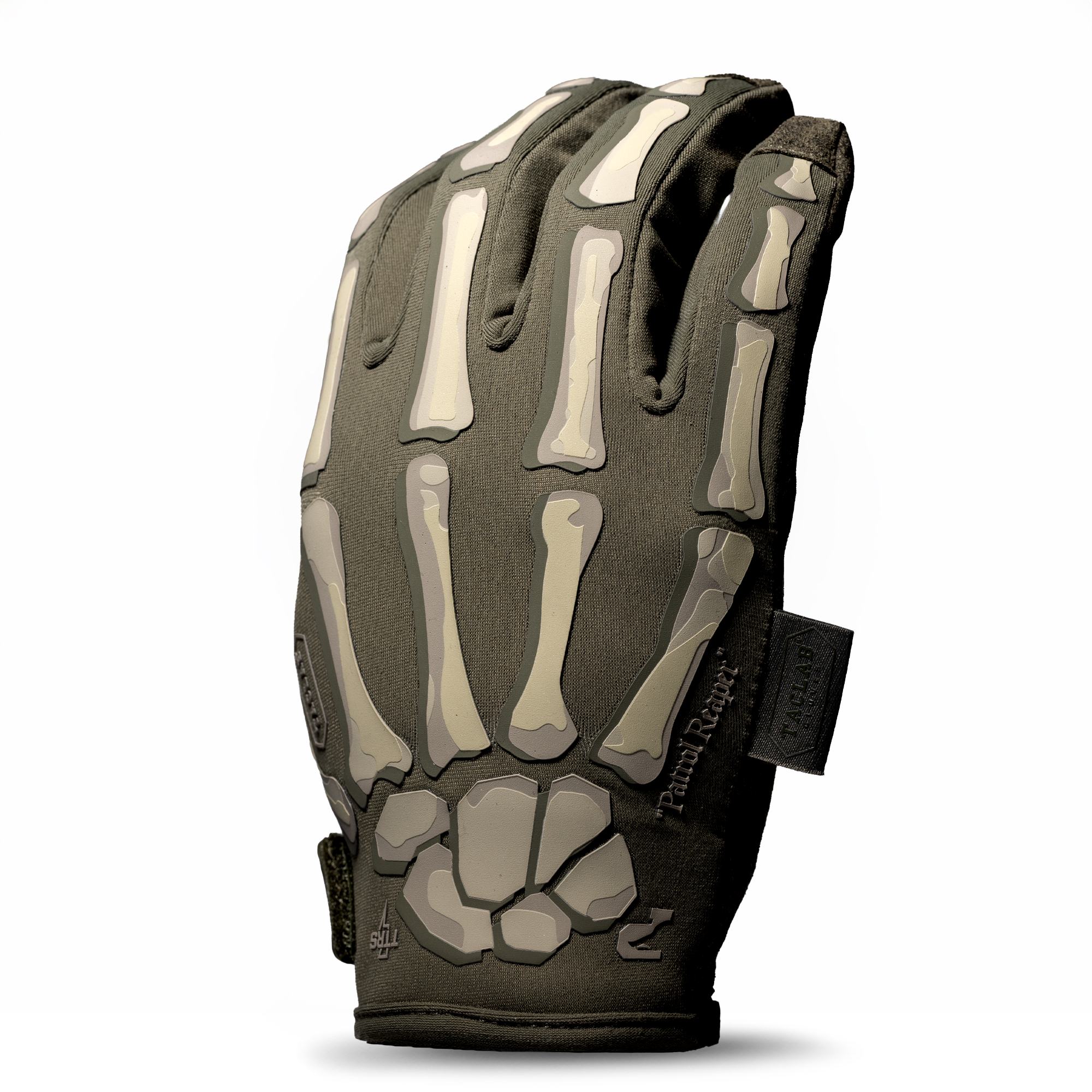
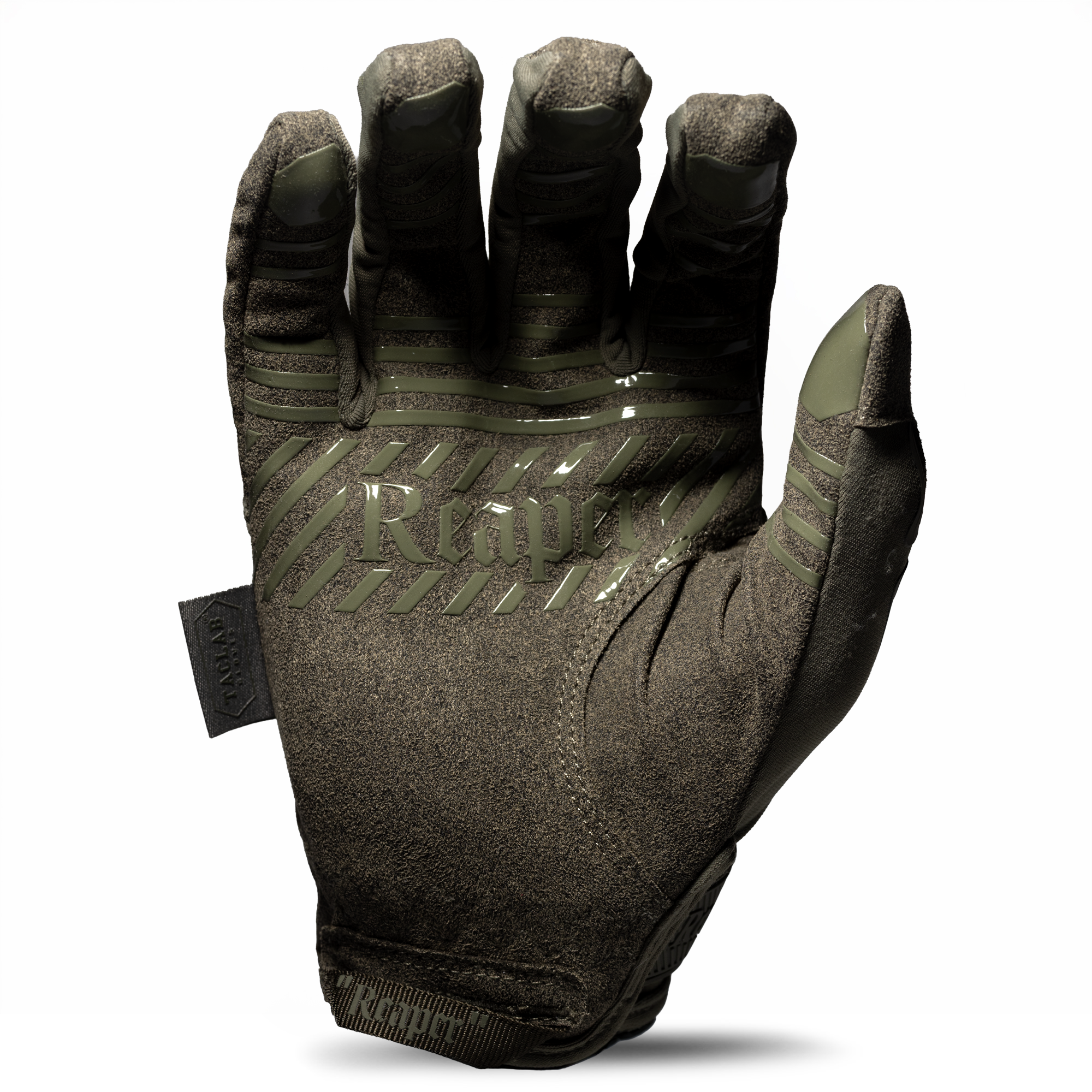
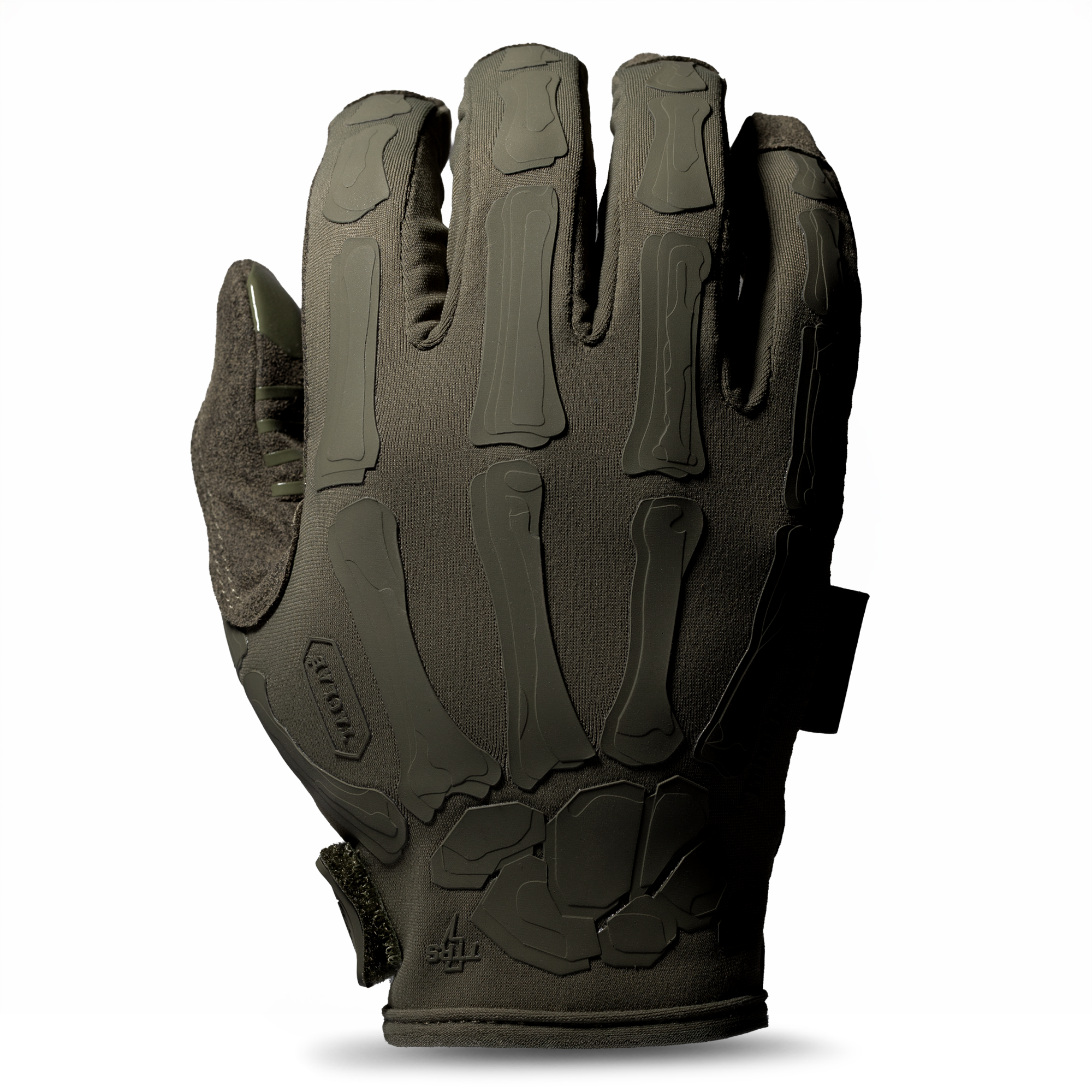
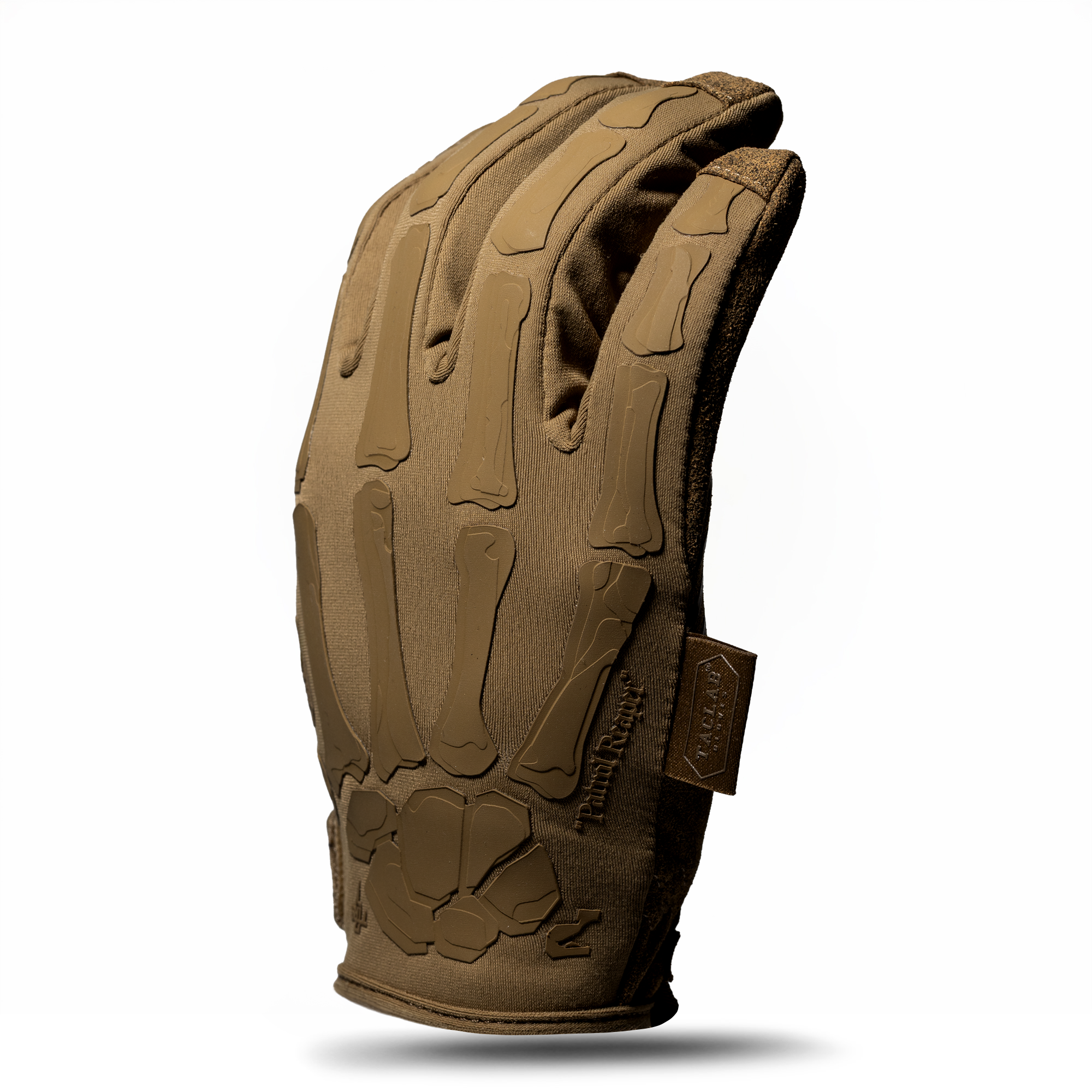
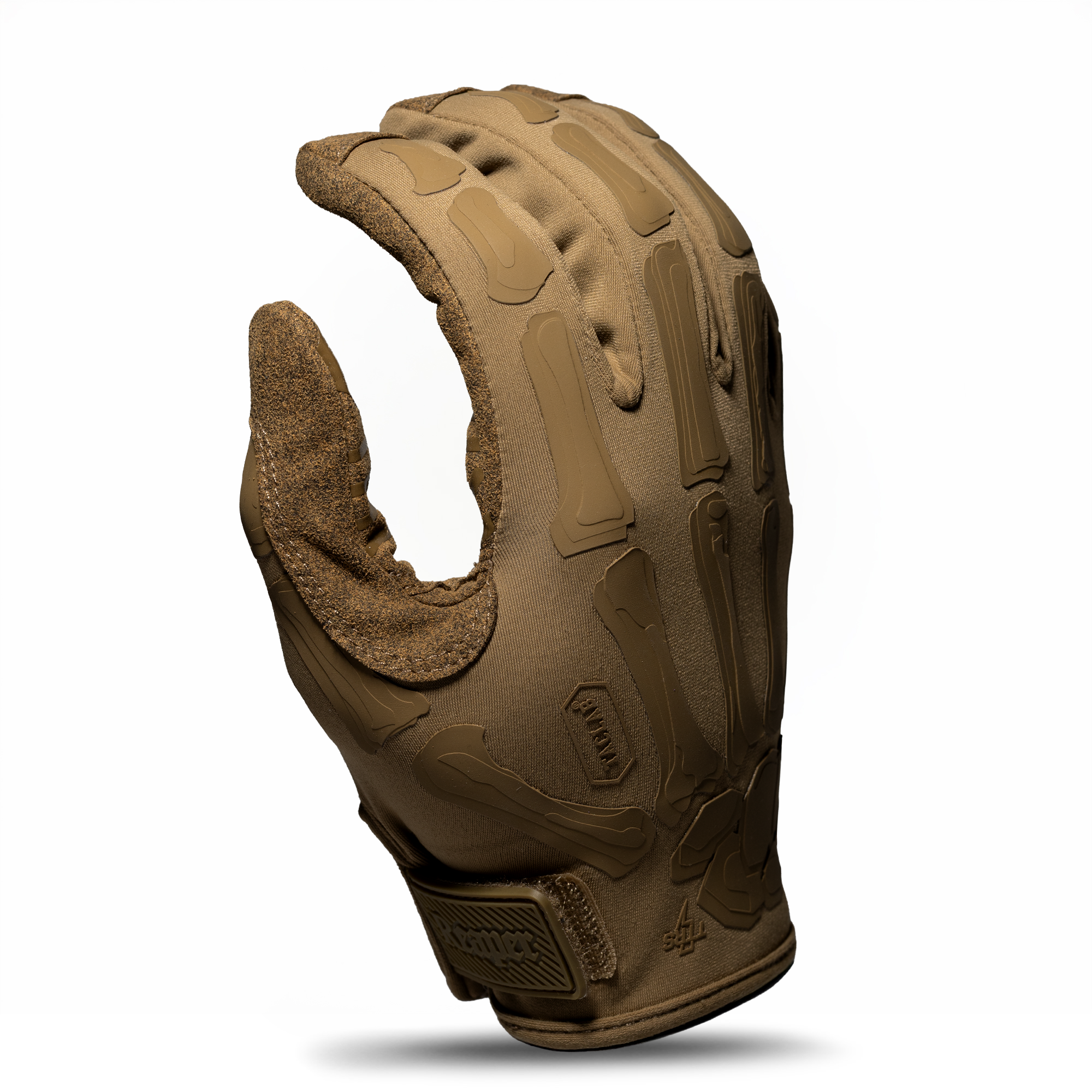
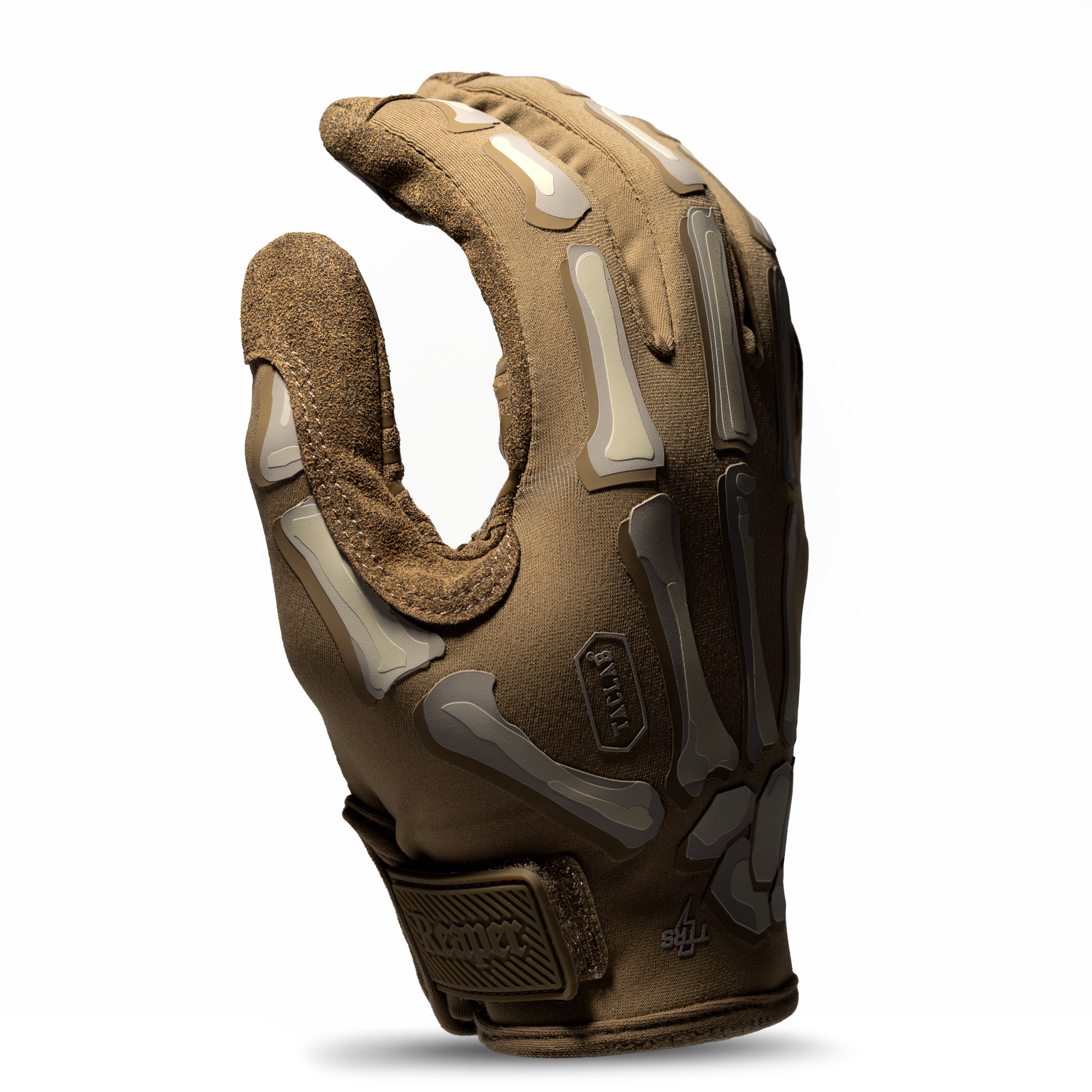
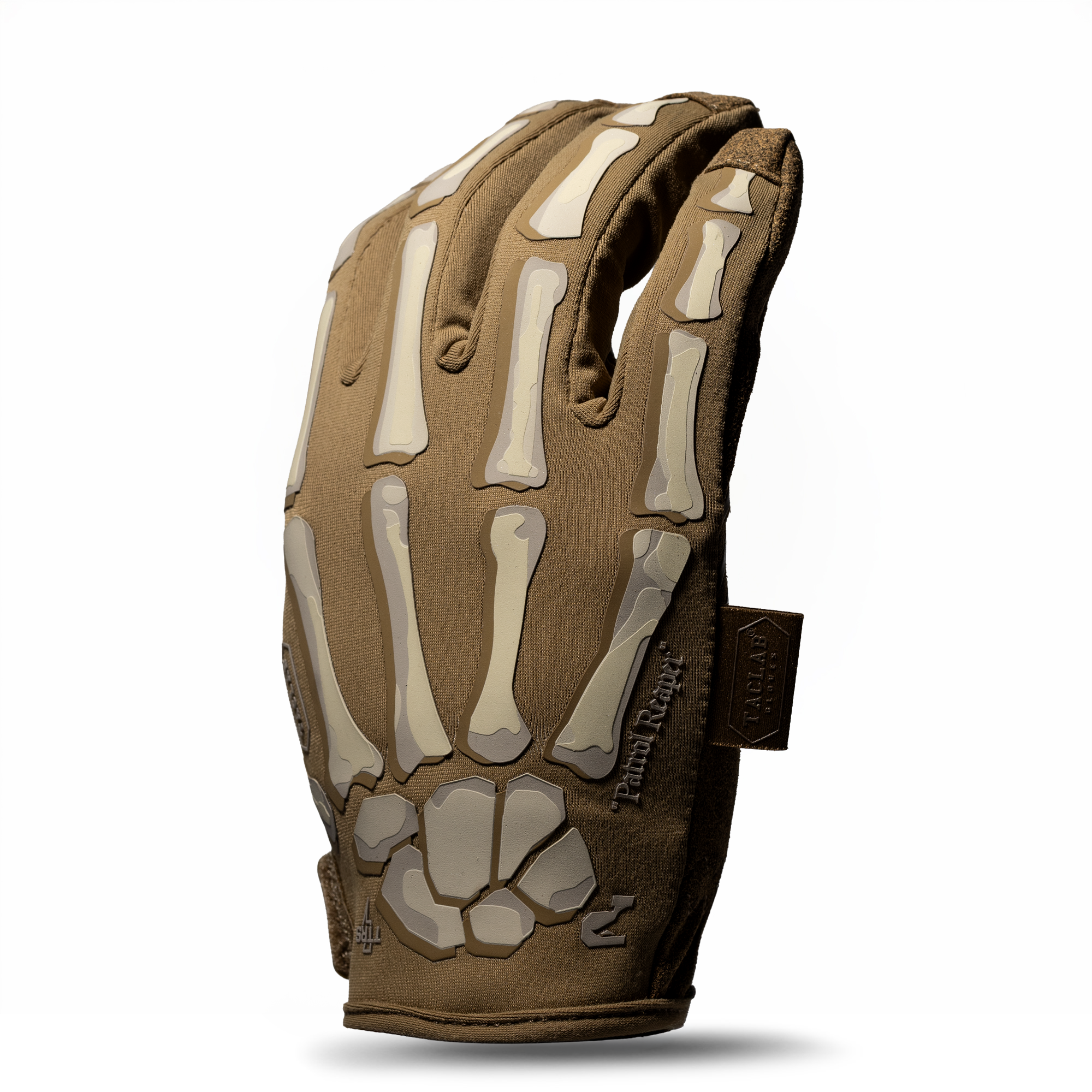
The standard TACLAB Reaper is a lightweight, flexible glove suited to users who value dexterity.
It can be worth considering for mild fall conditions or less demanding cold exposure where bulky insulation isn't necessary.
But it isn't a substitute for a purpose-built winter glove in severe cold.
Choose Reaper when: Low bulk and dexterity are your main priorities, and the weather doesn't require substantial insulation.
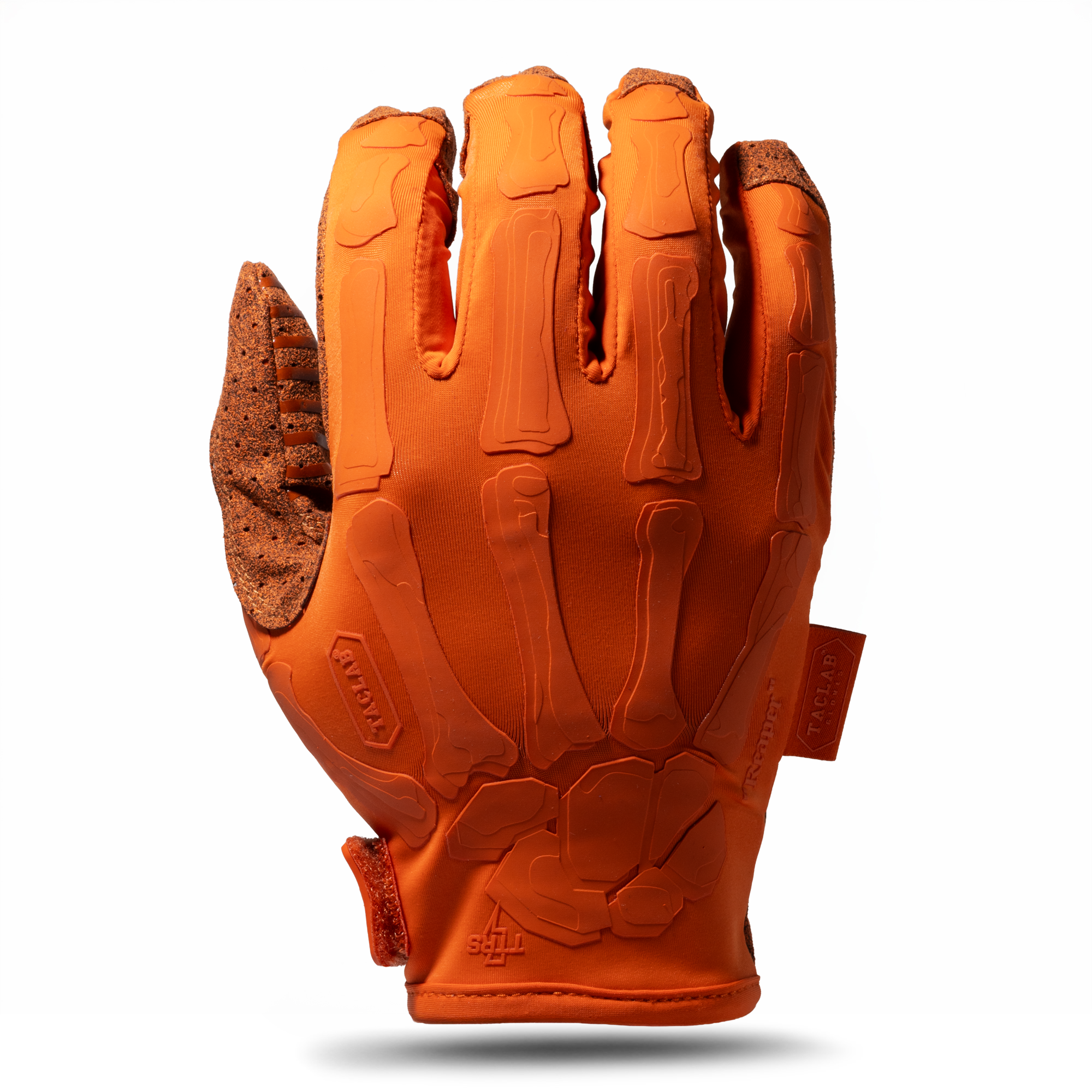
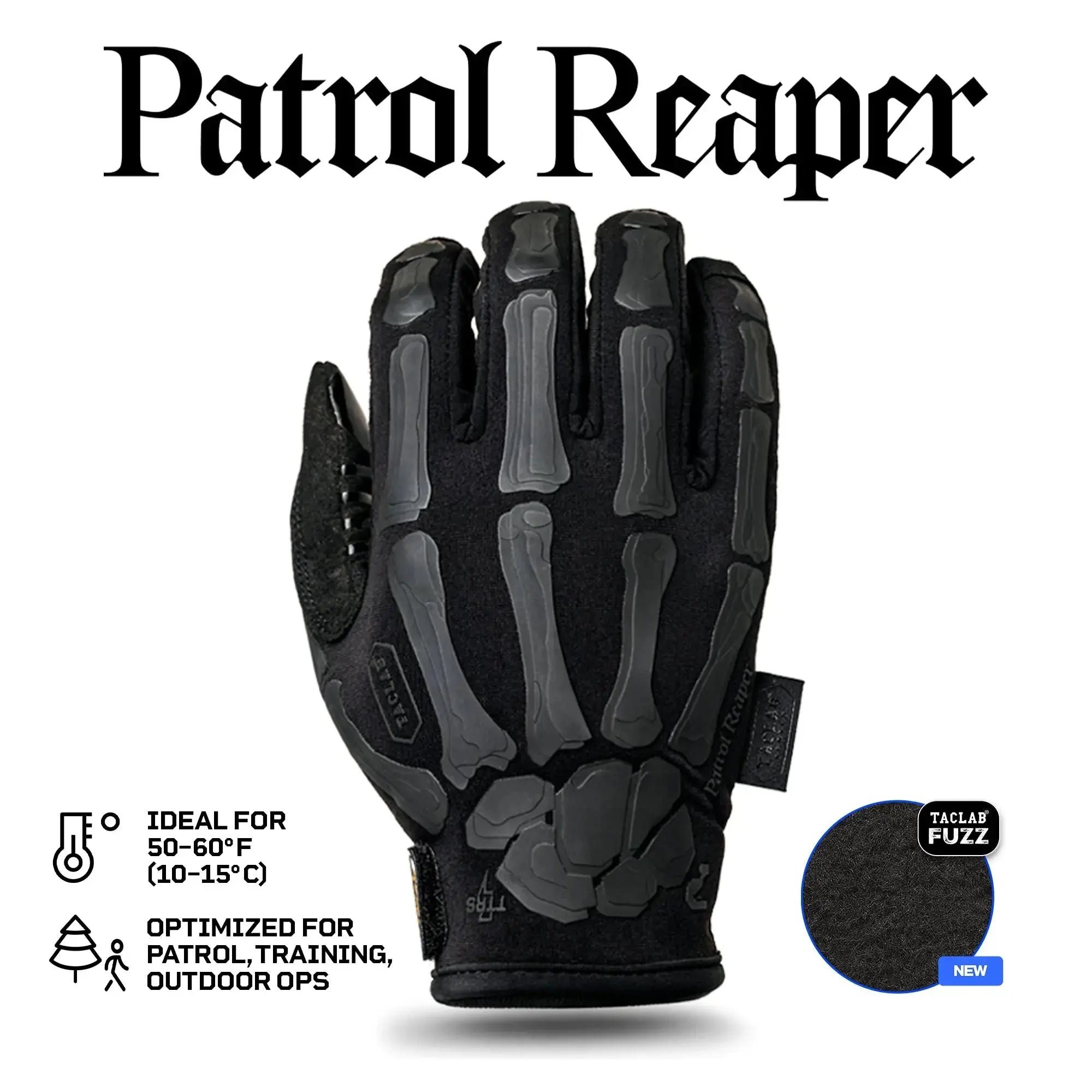
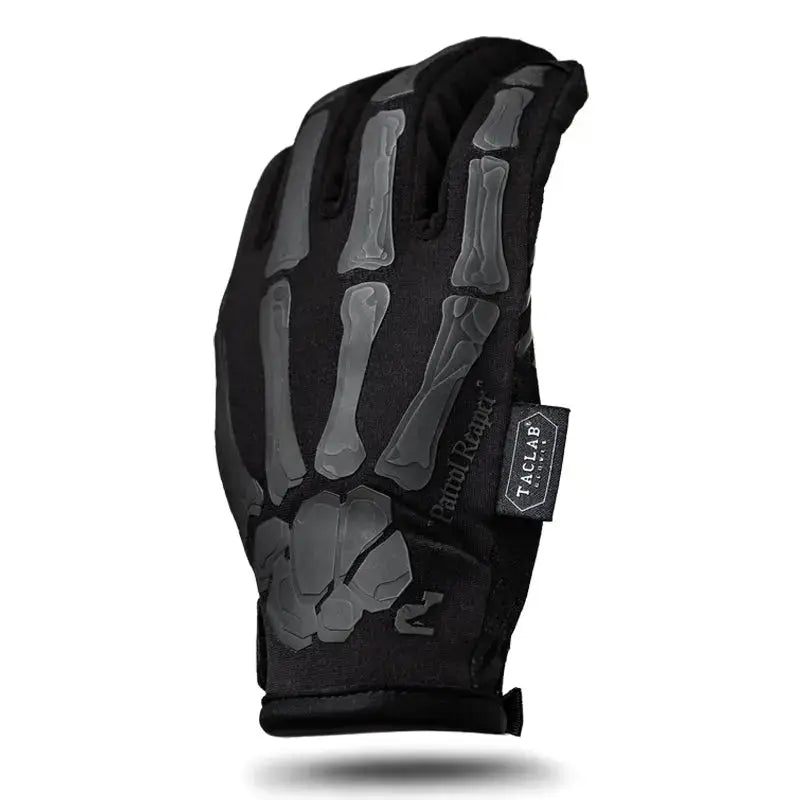
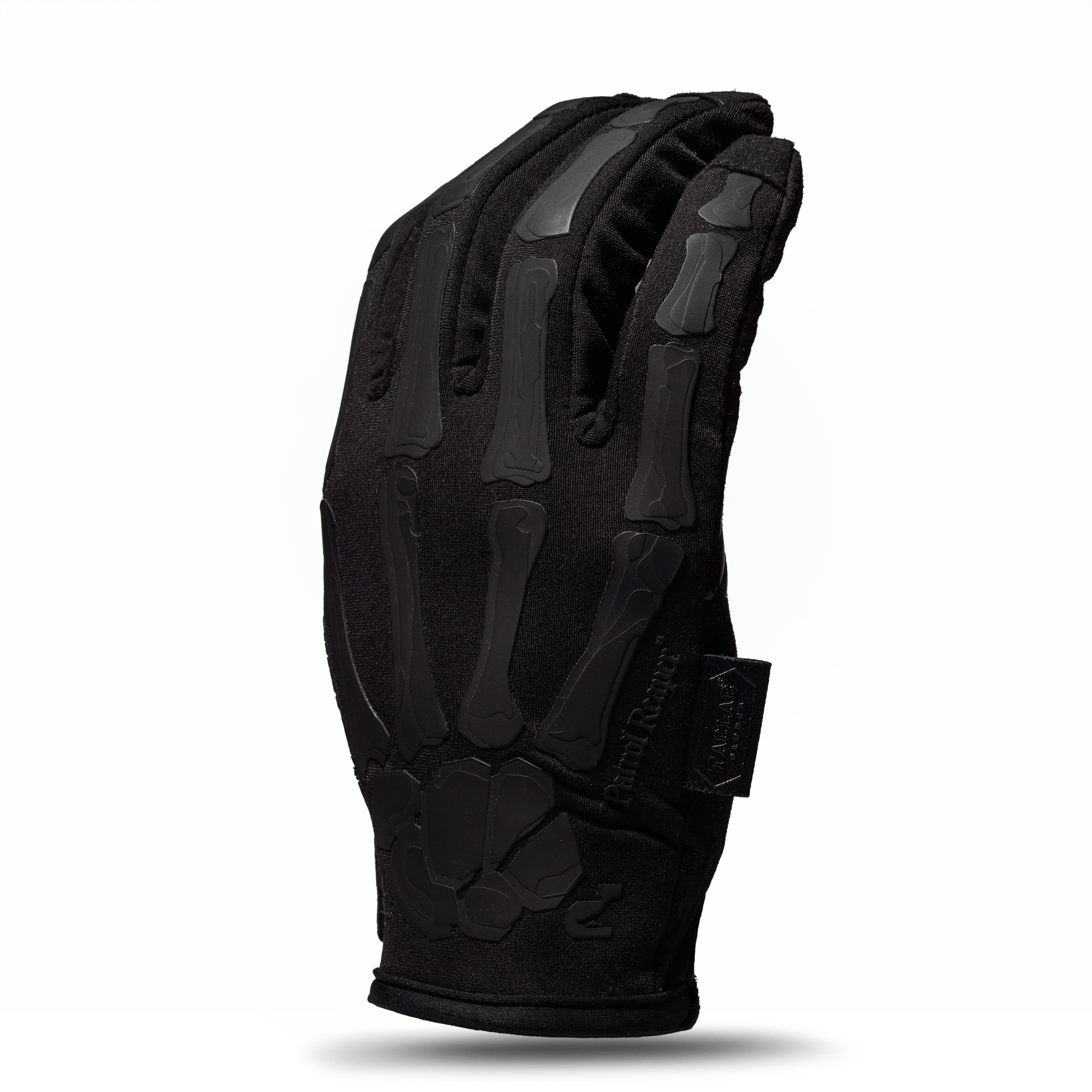
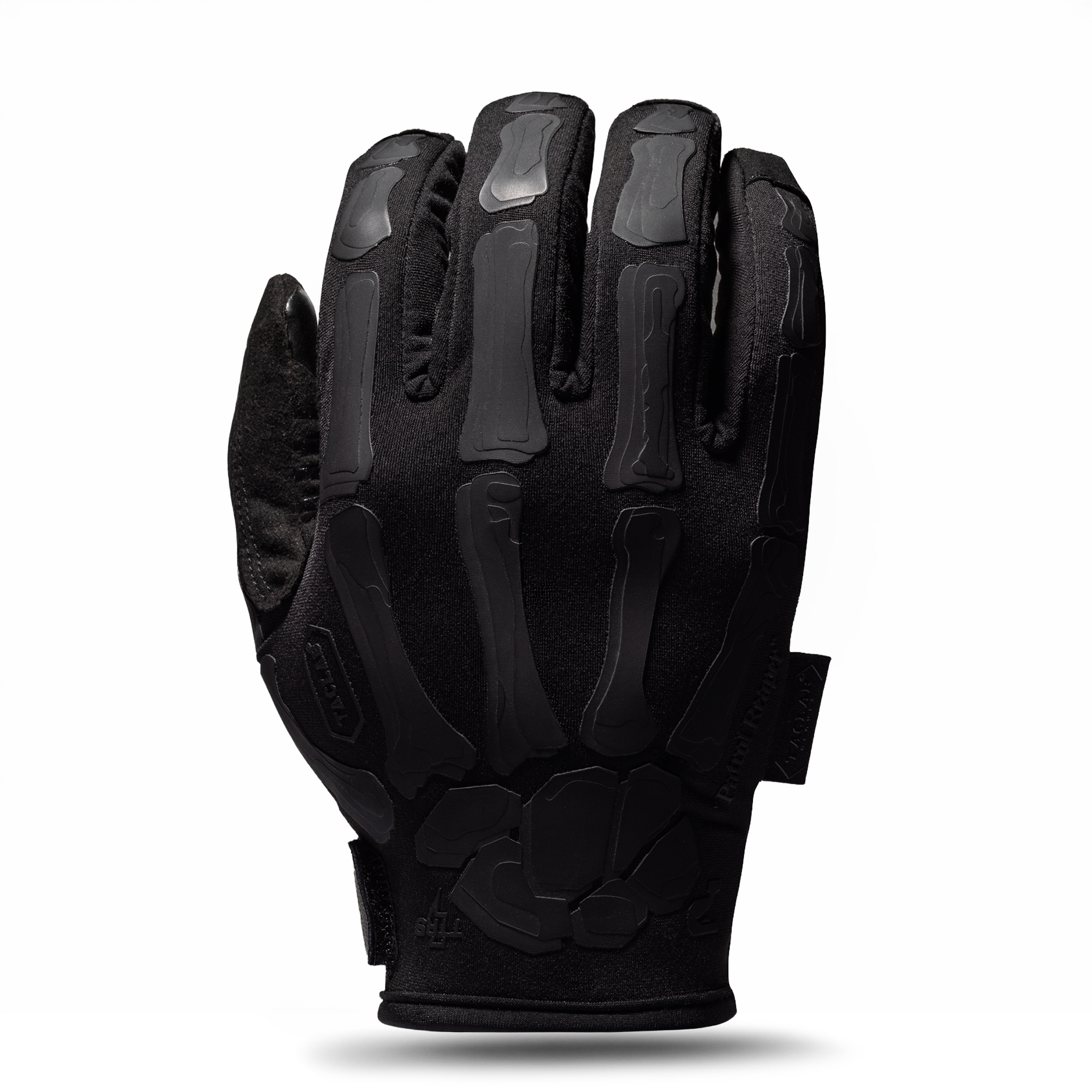
TACLAB Patrol Reaper: An Insulated Option for Cold Weather
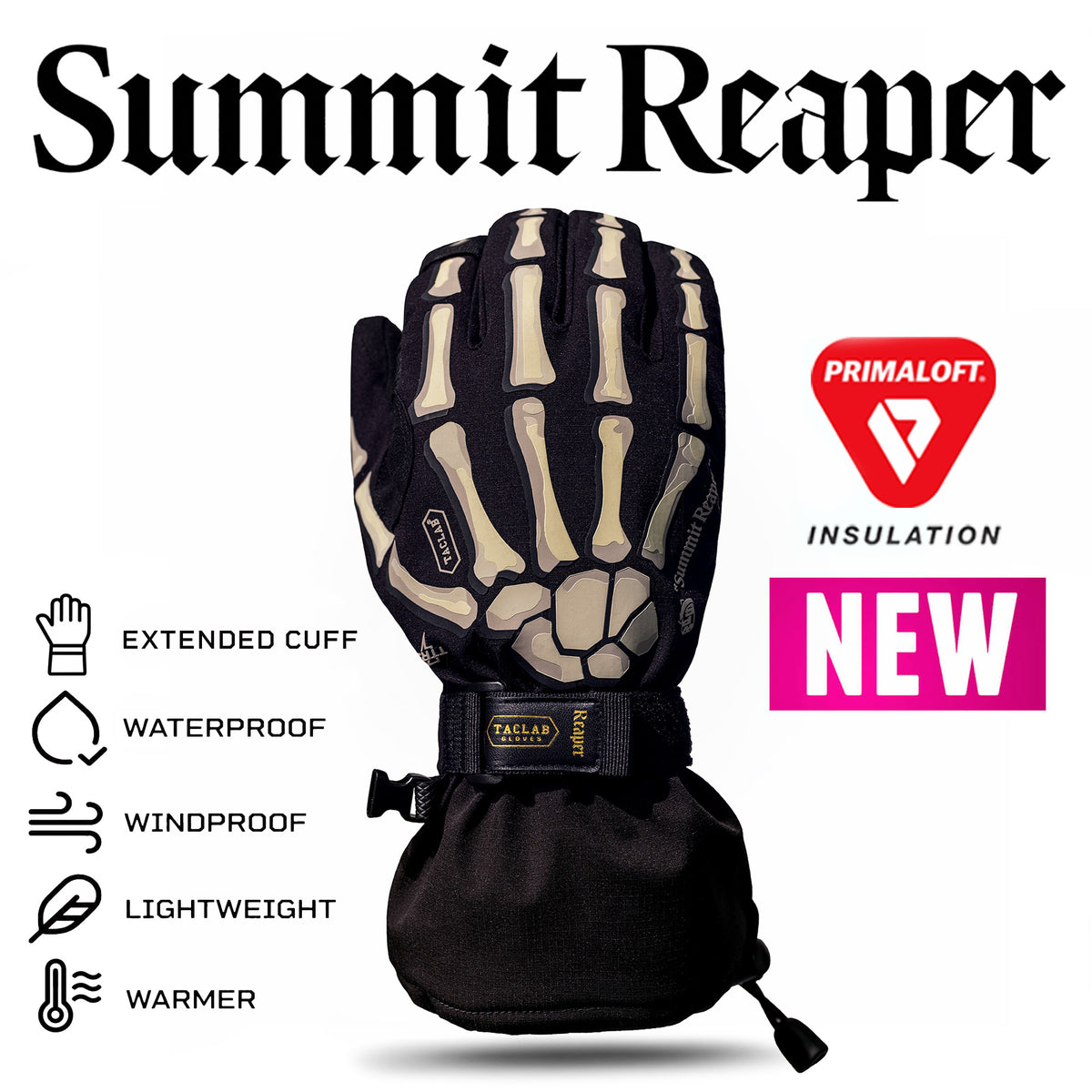
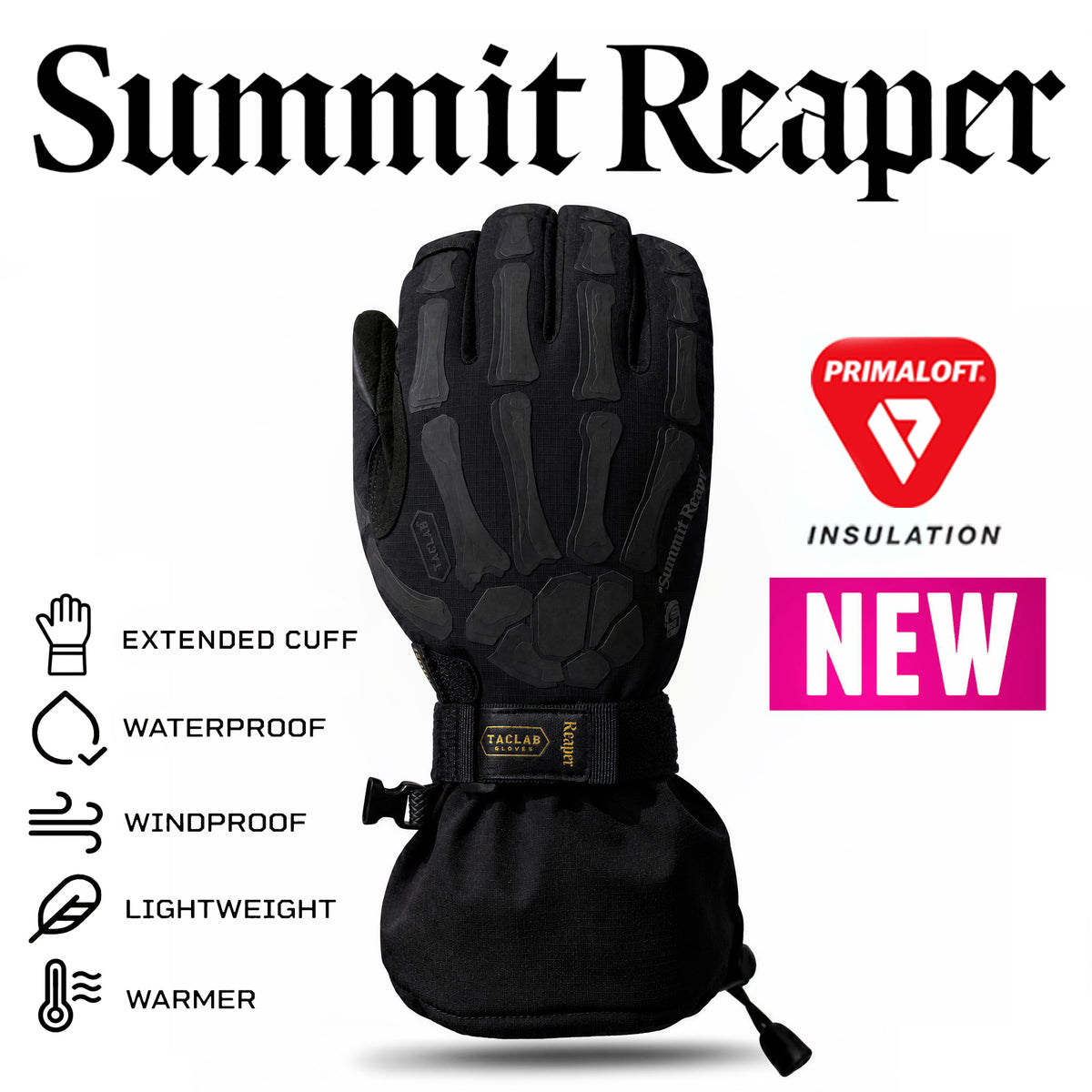
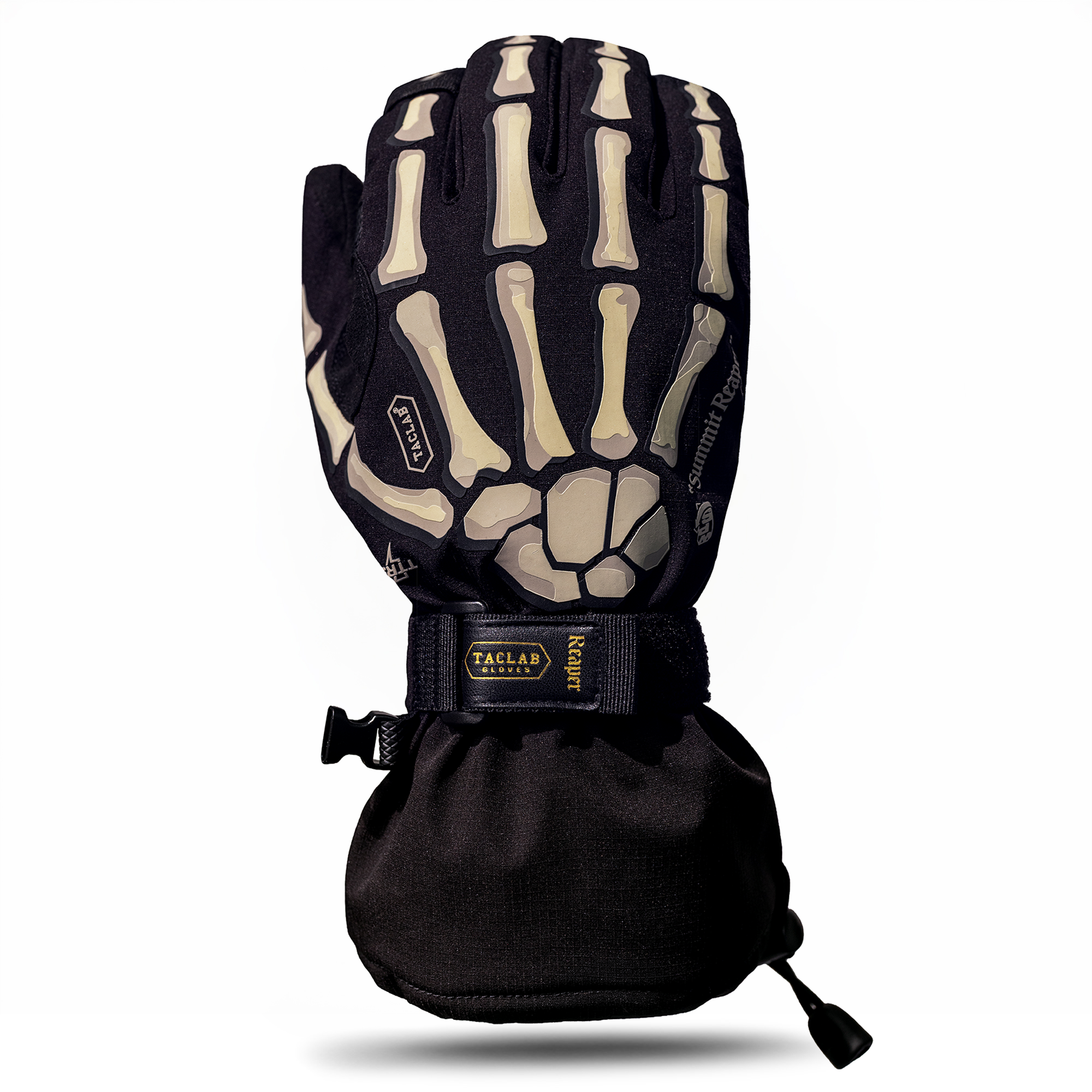
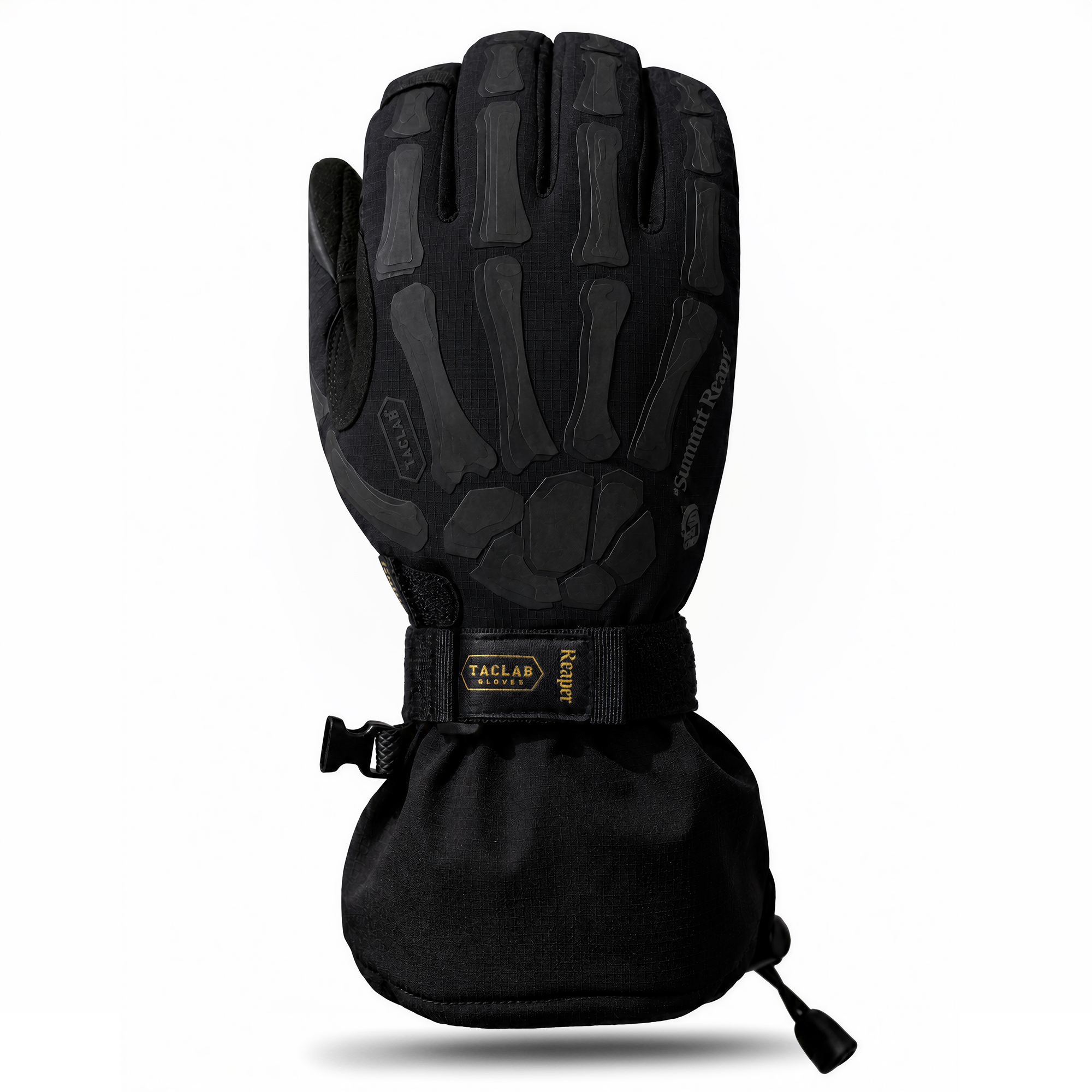
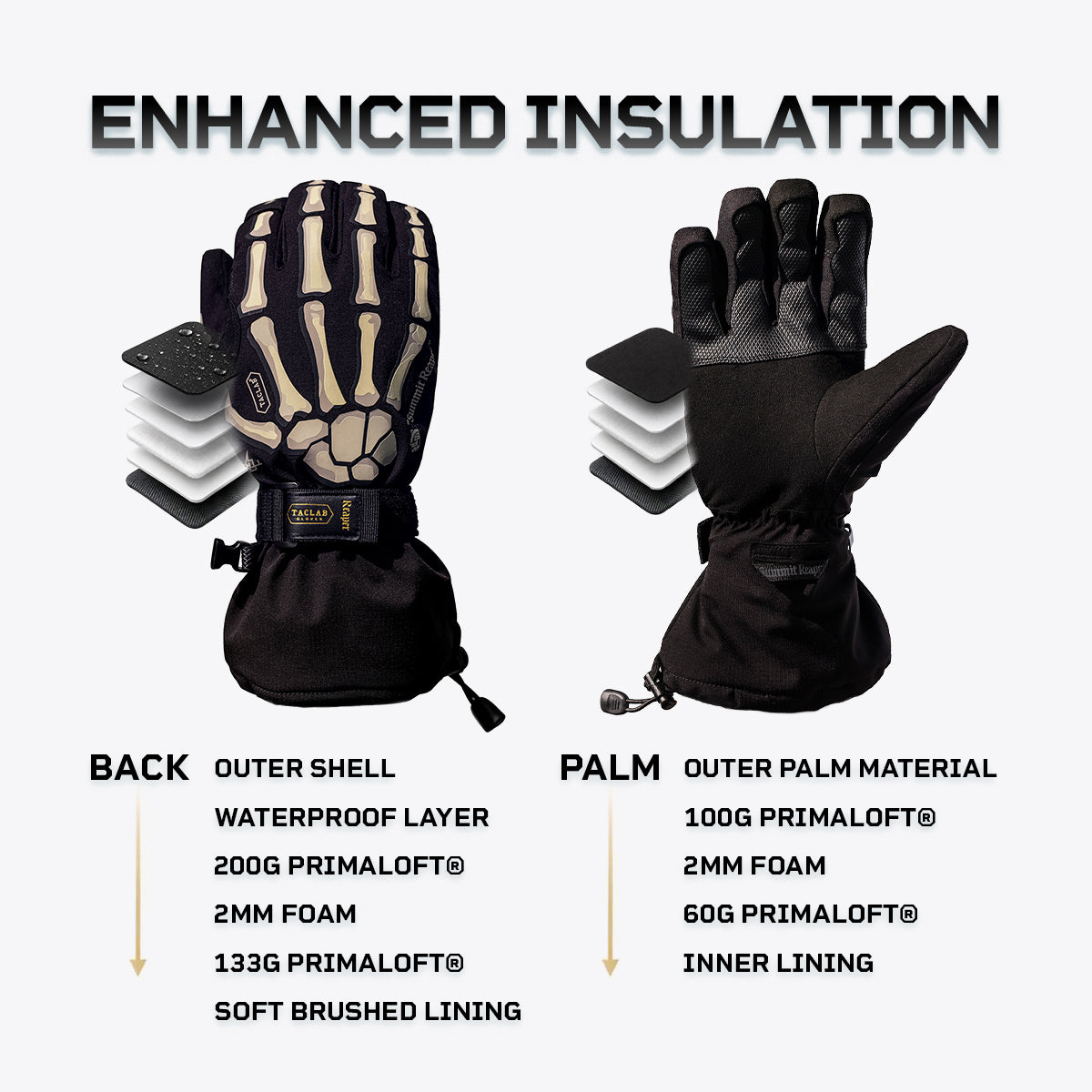
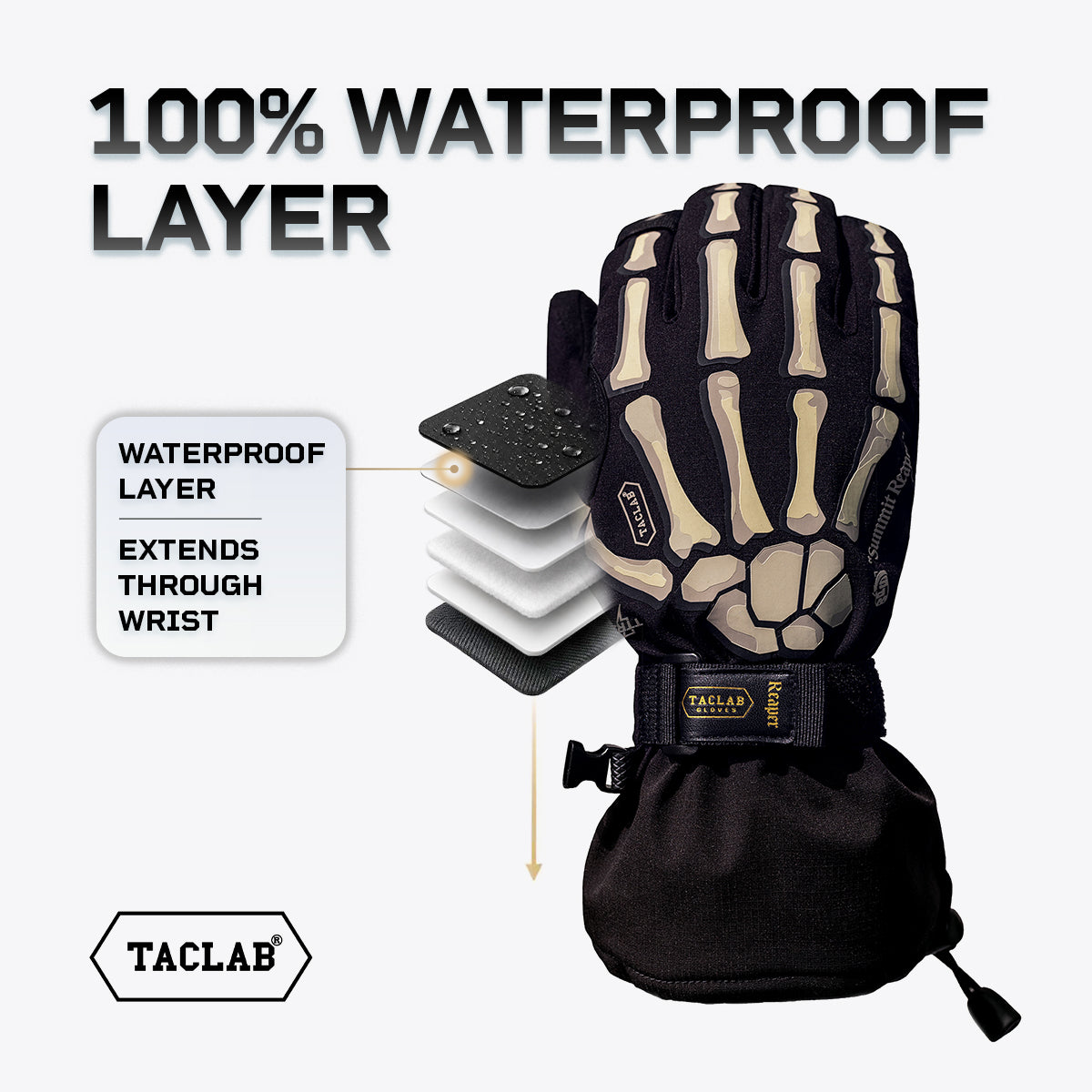
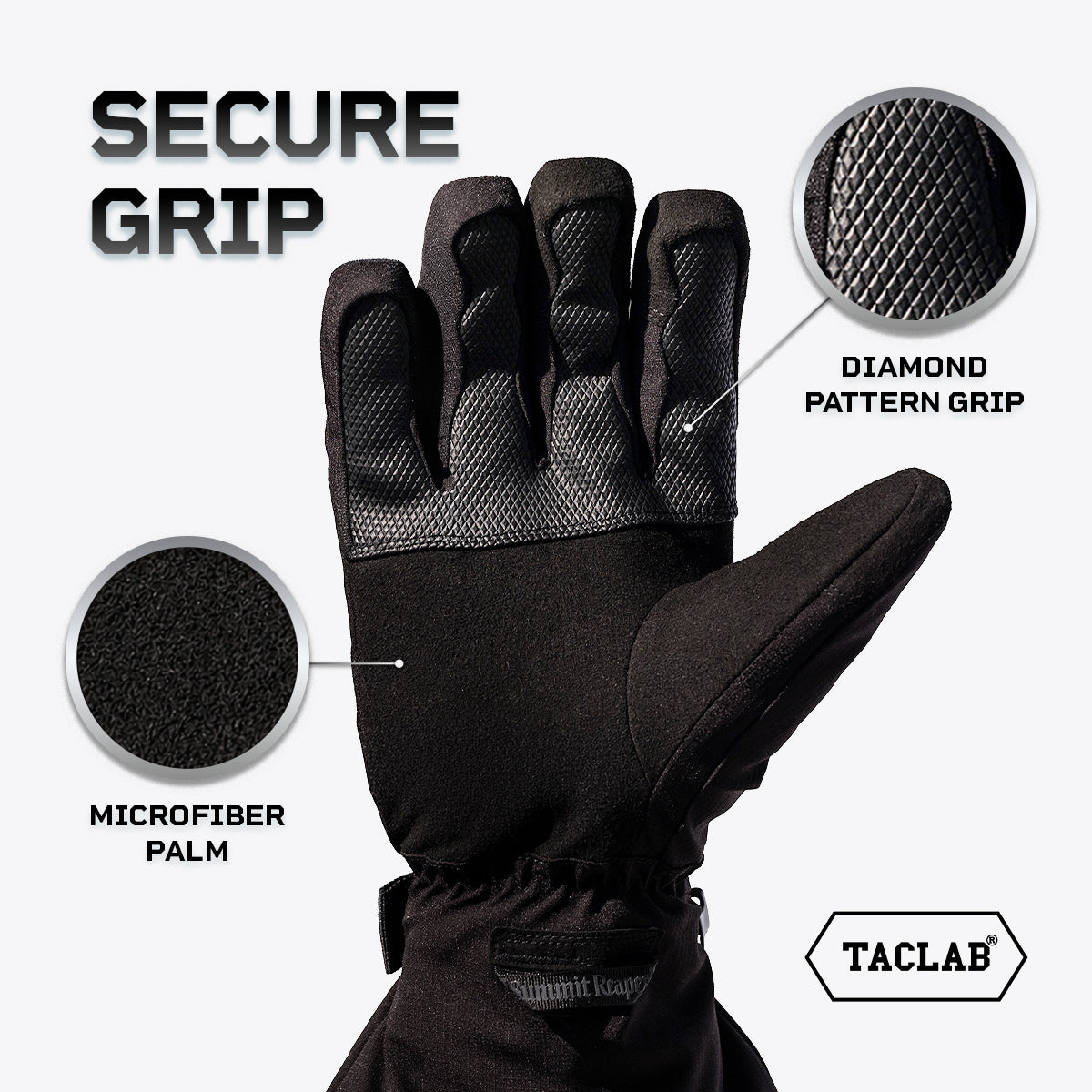
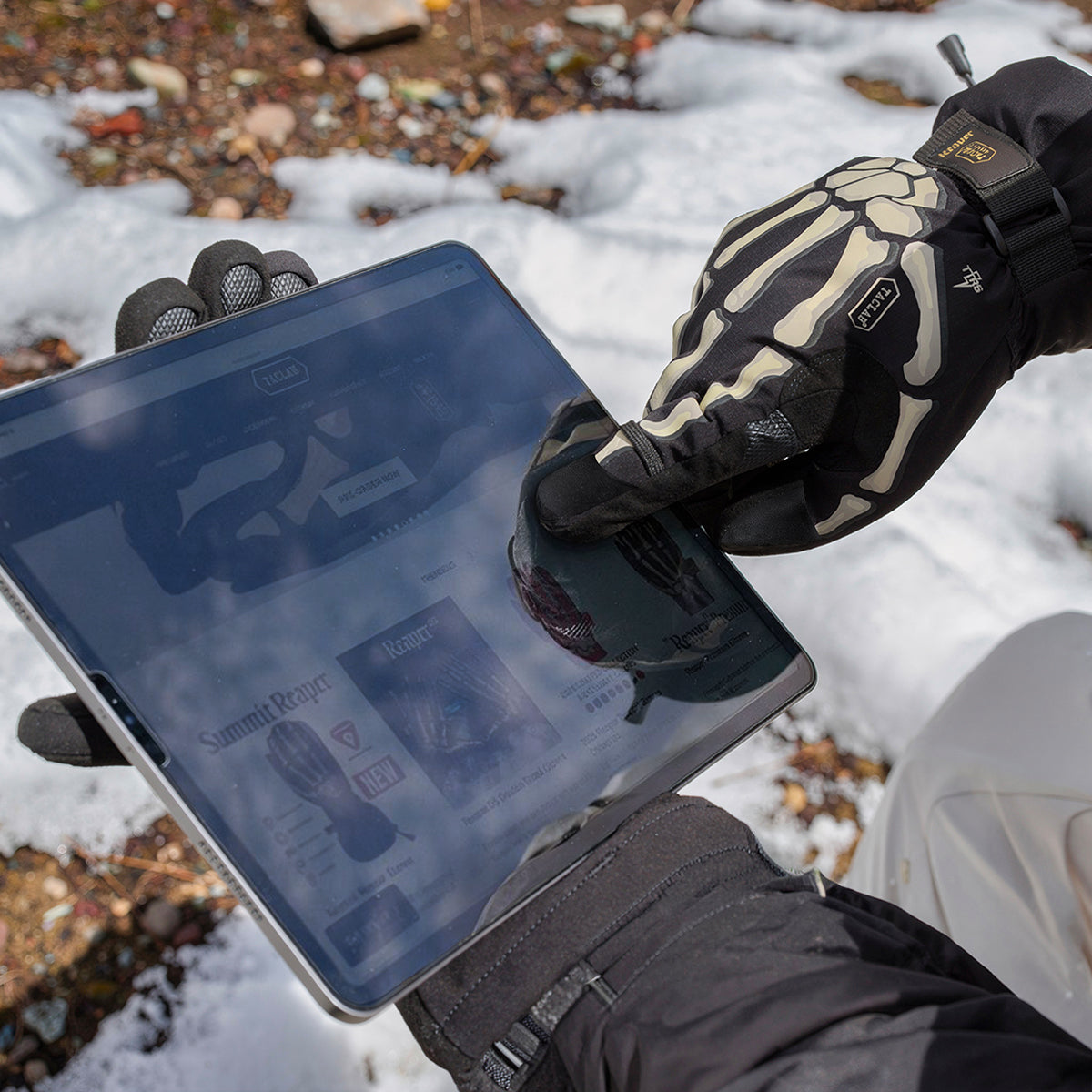
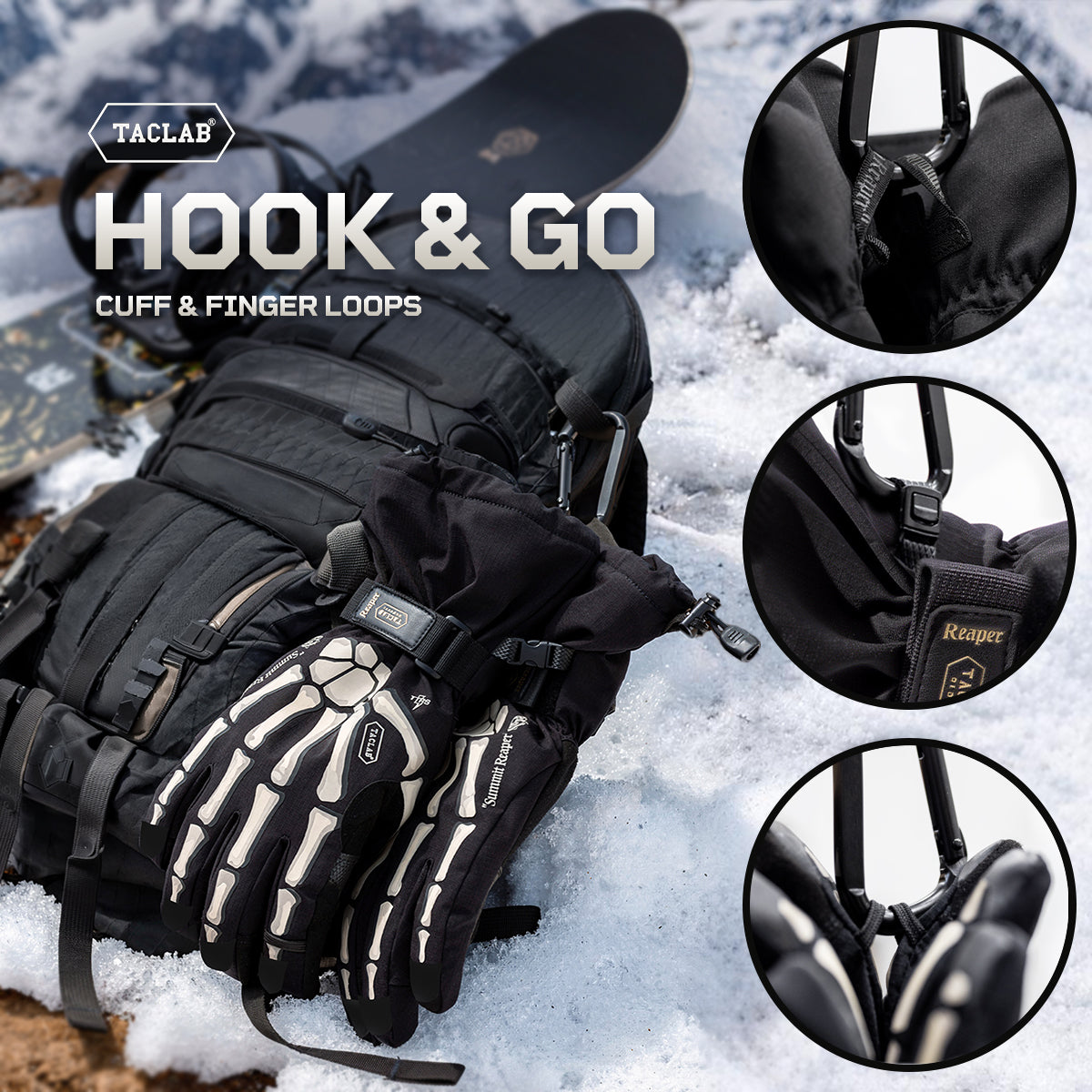
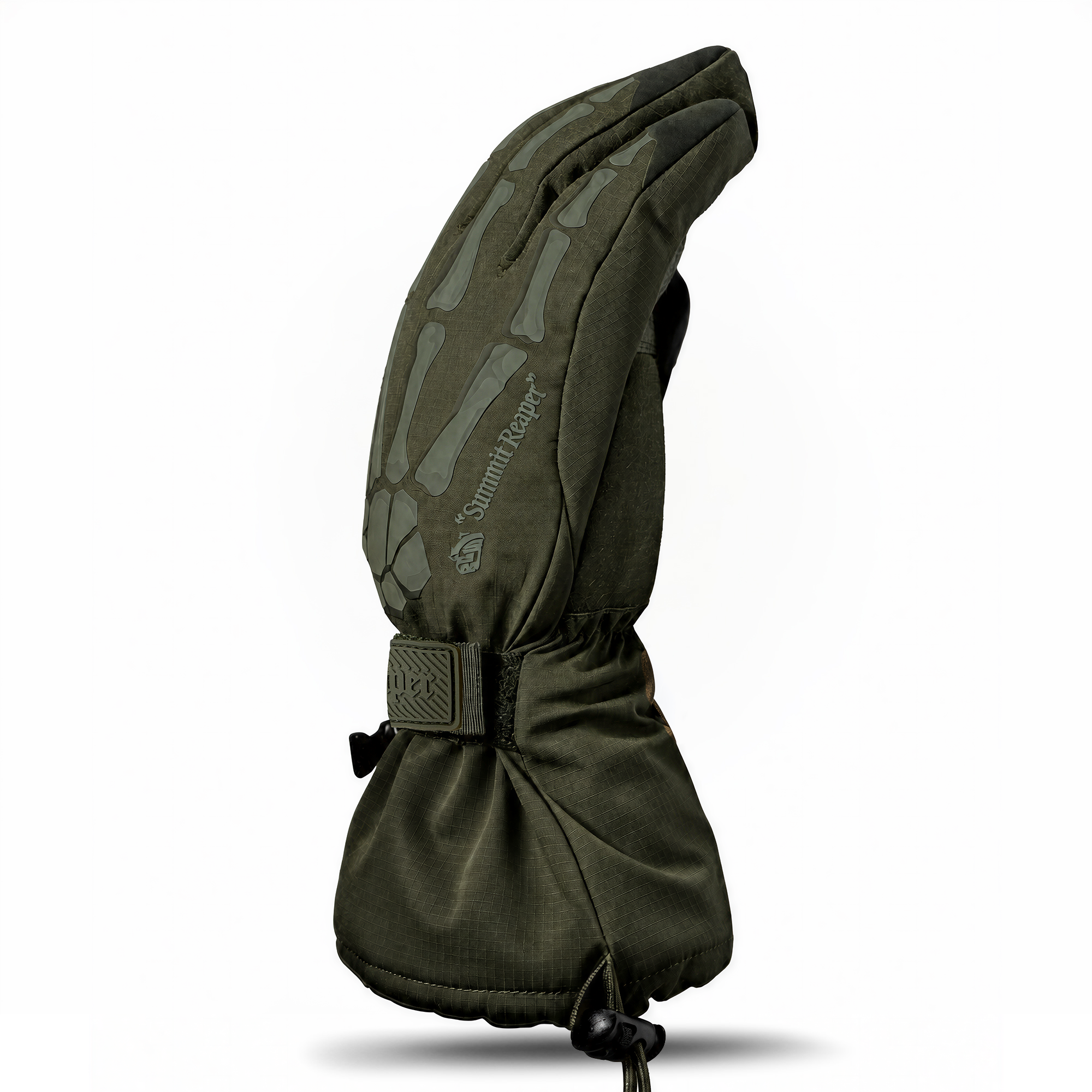
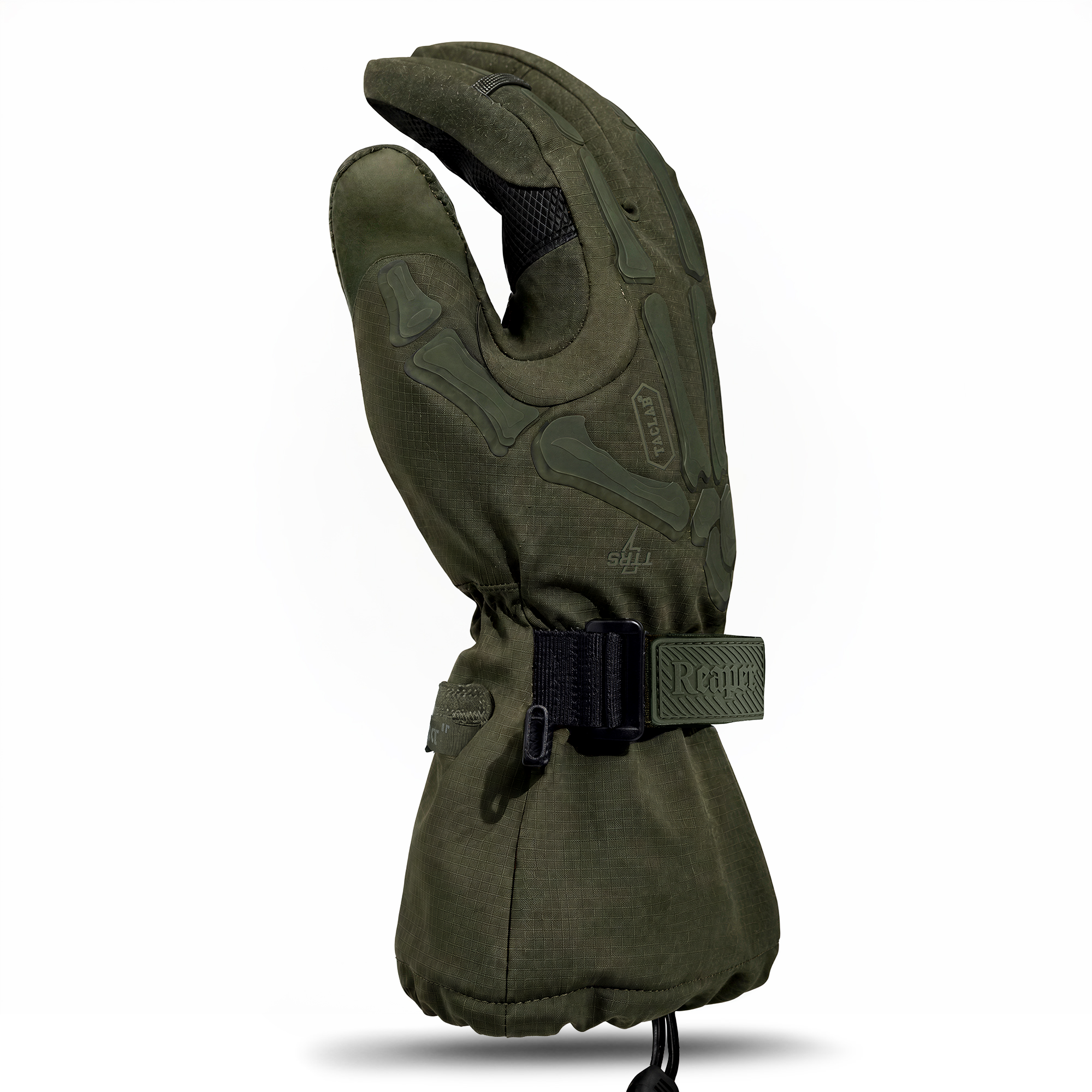
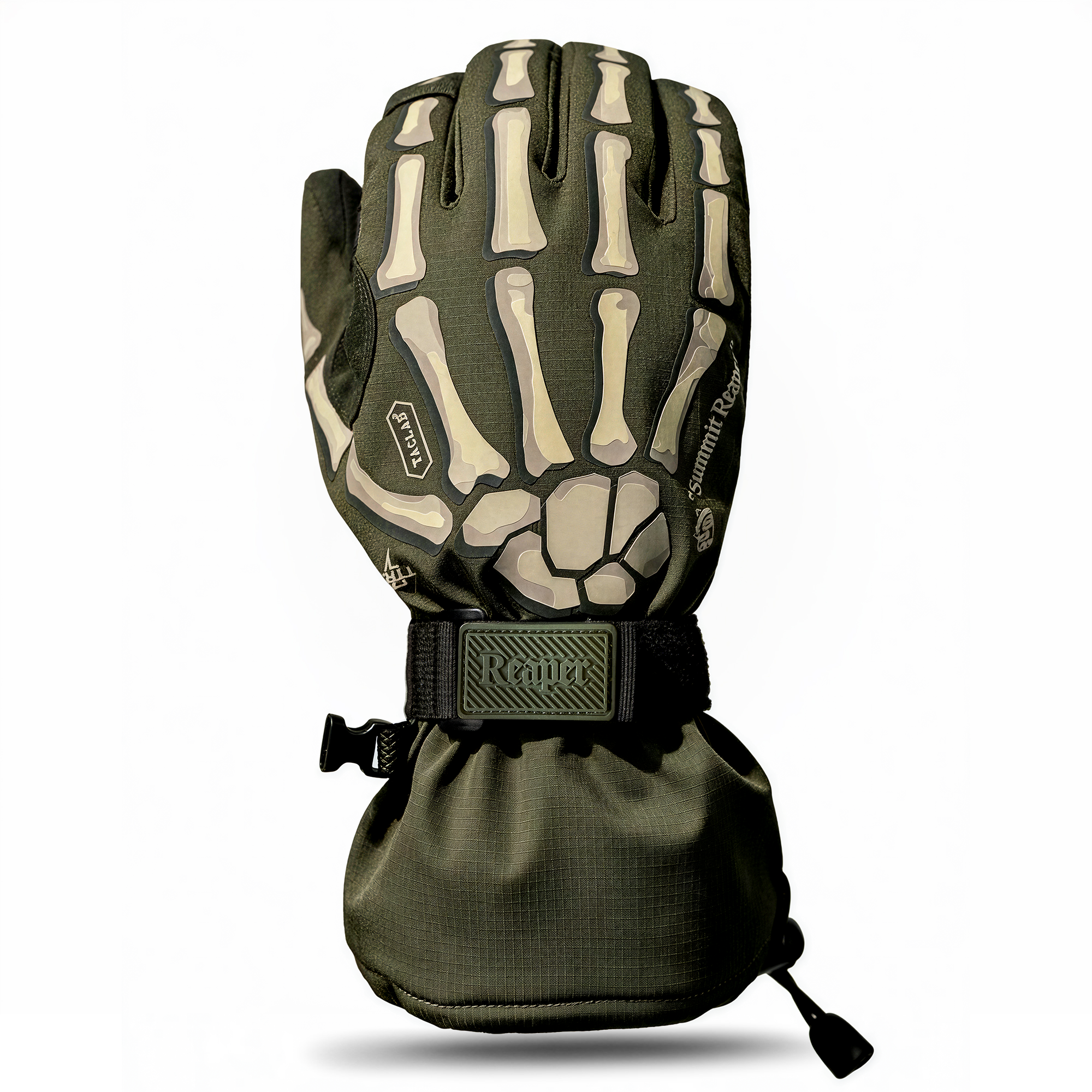
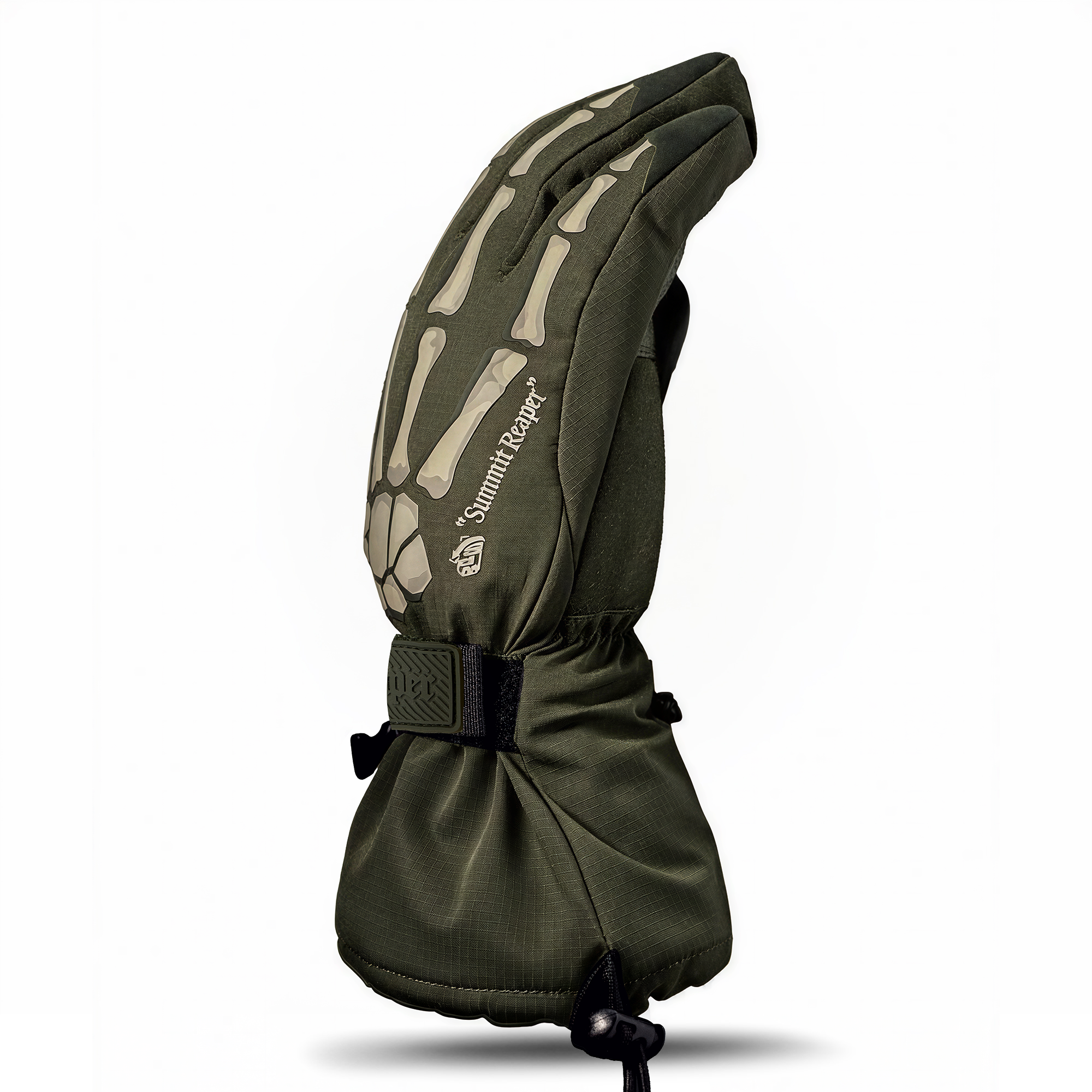
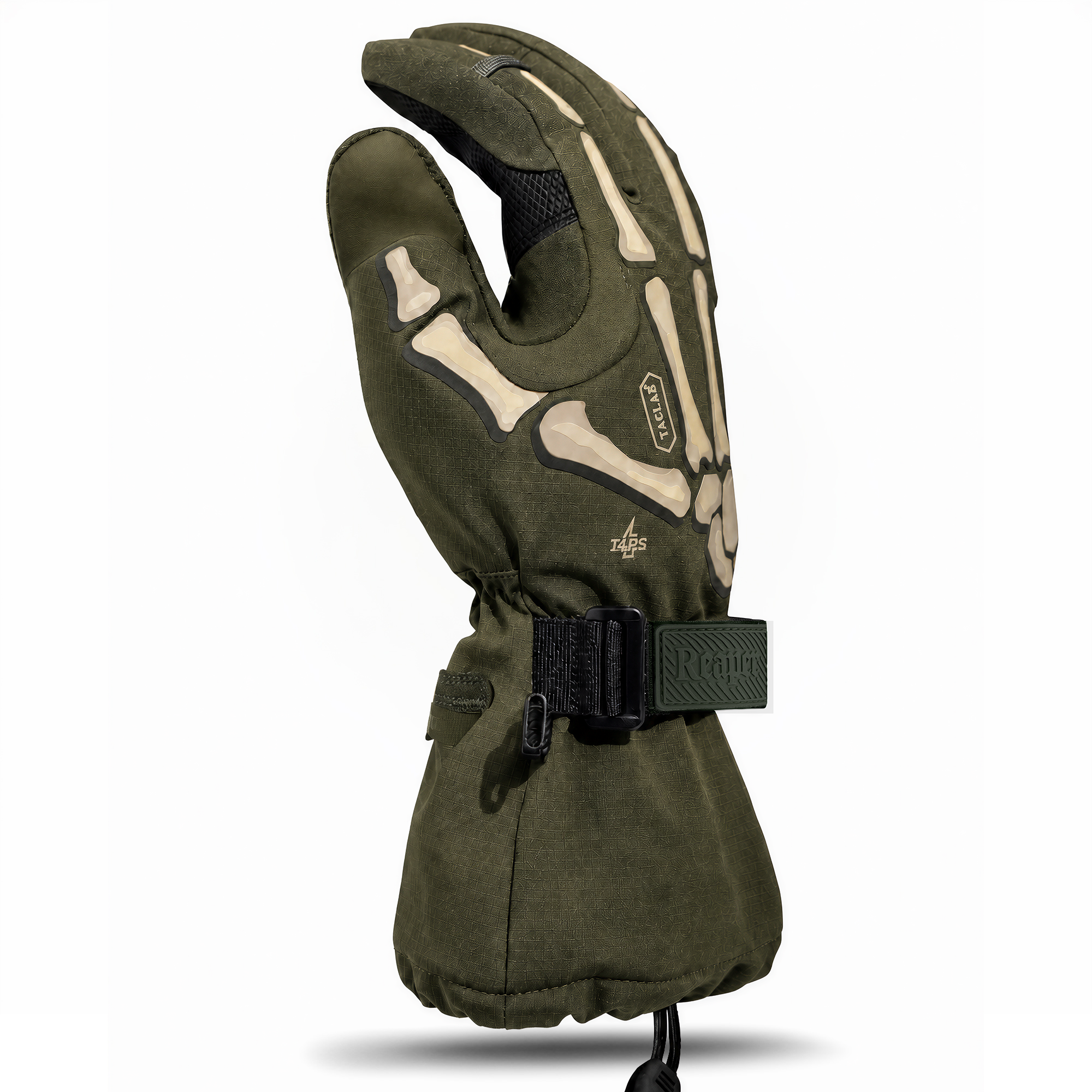
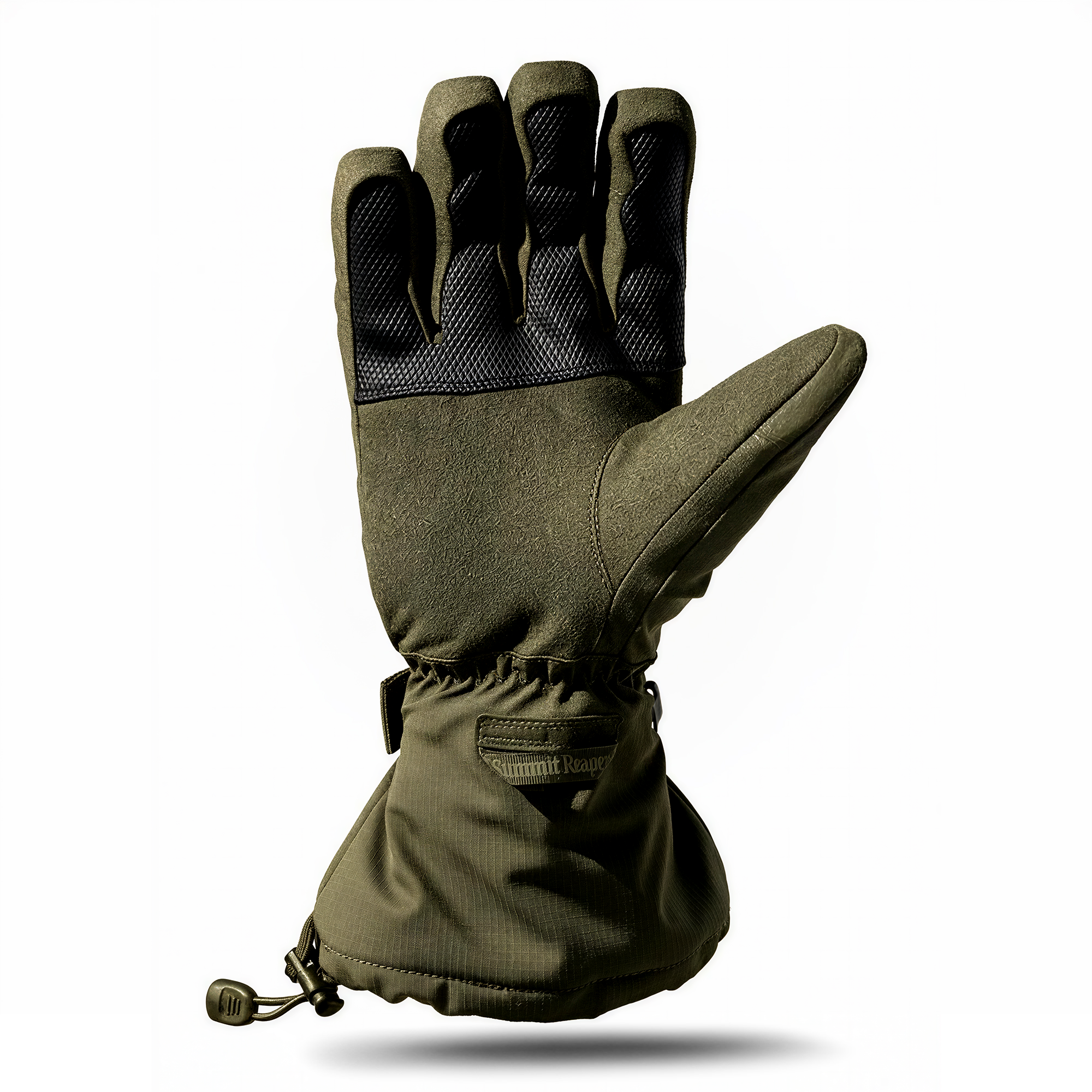
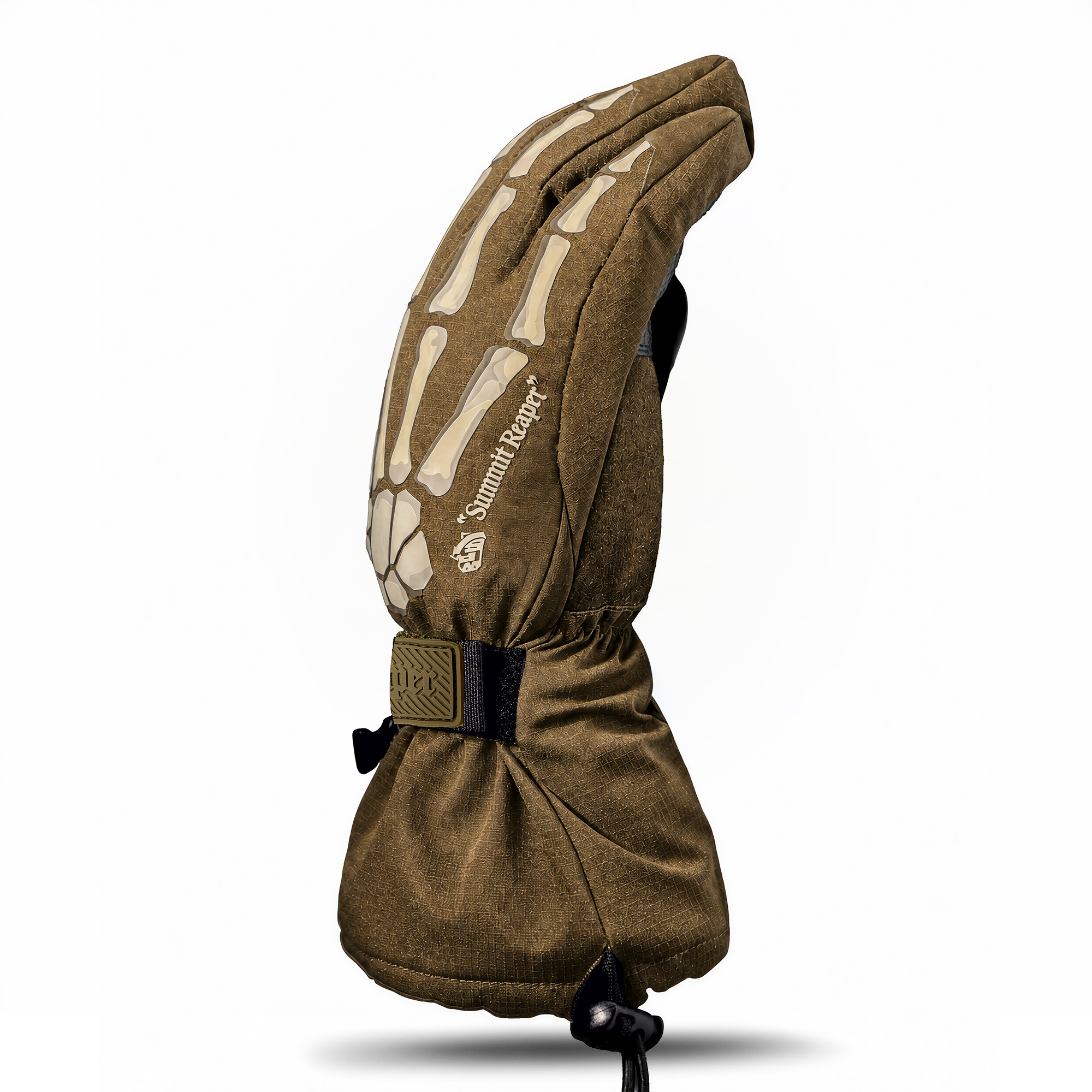
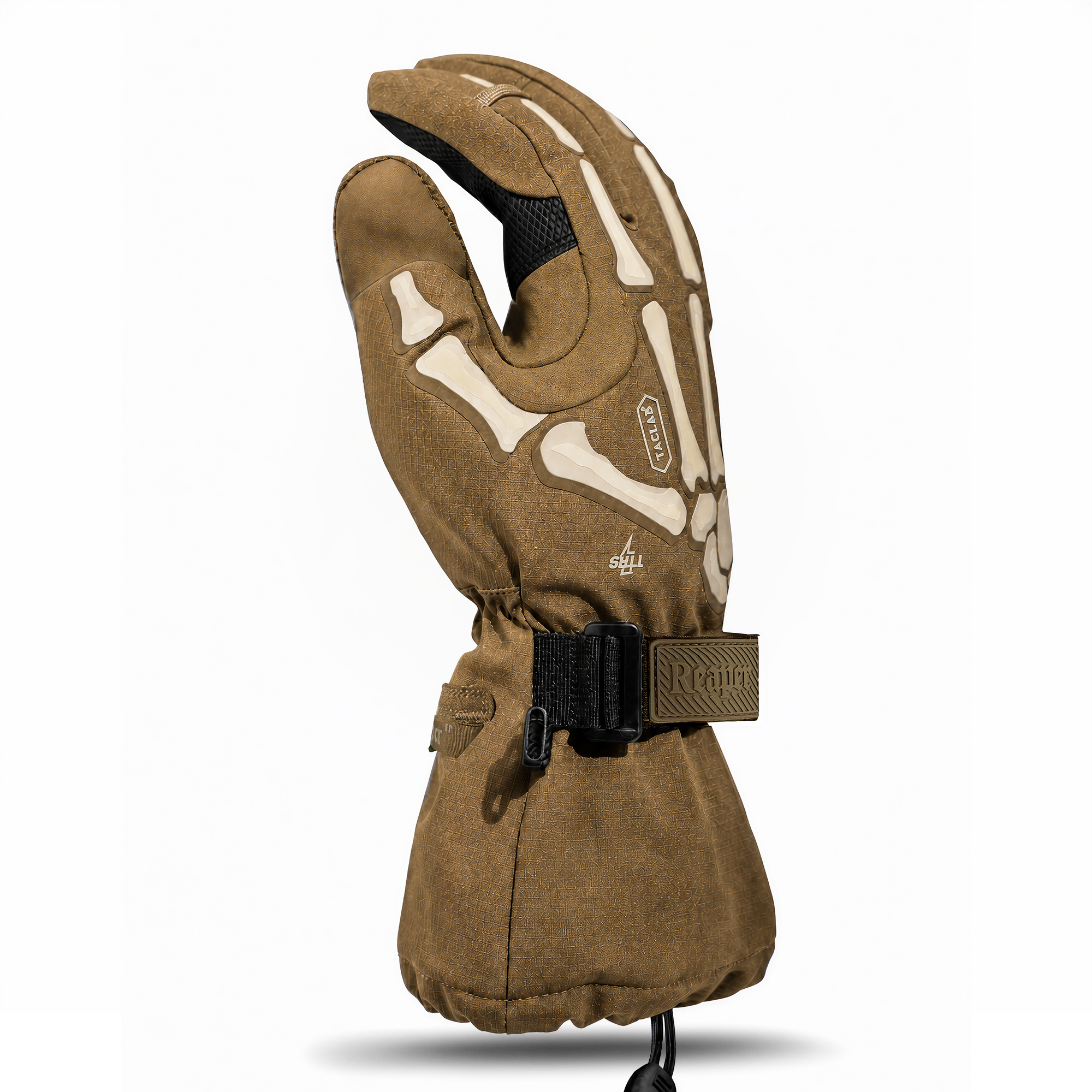
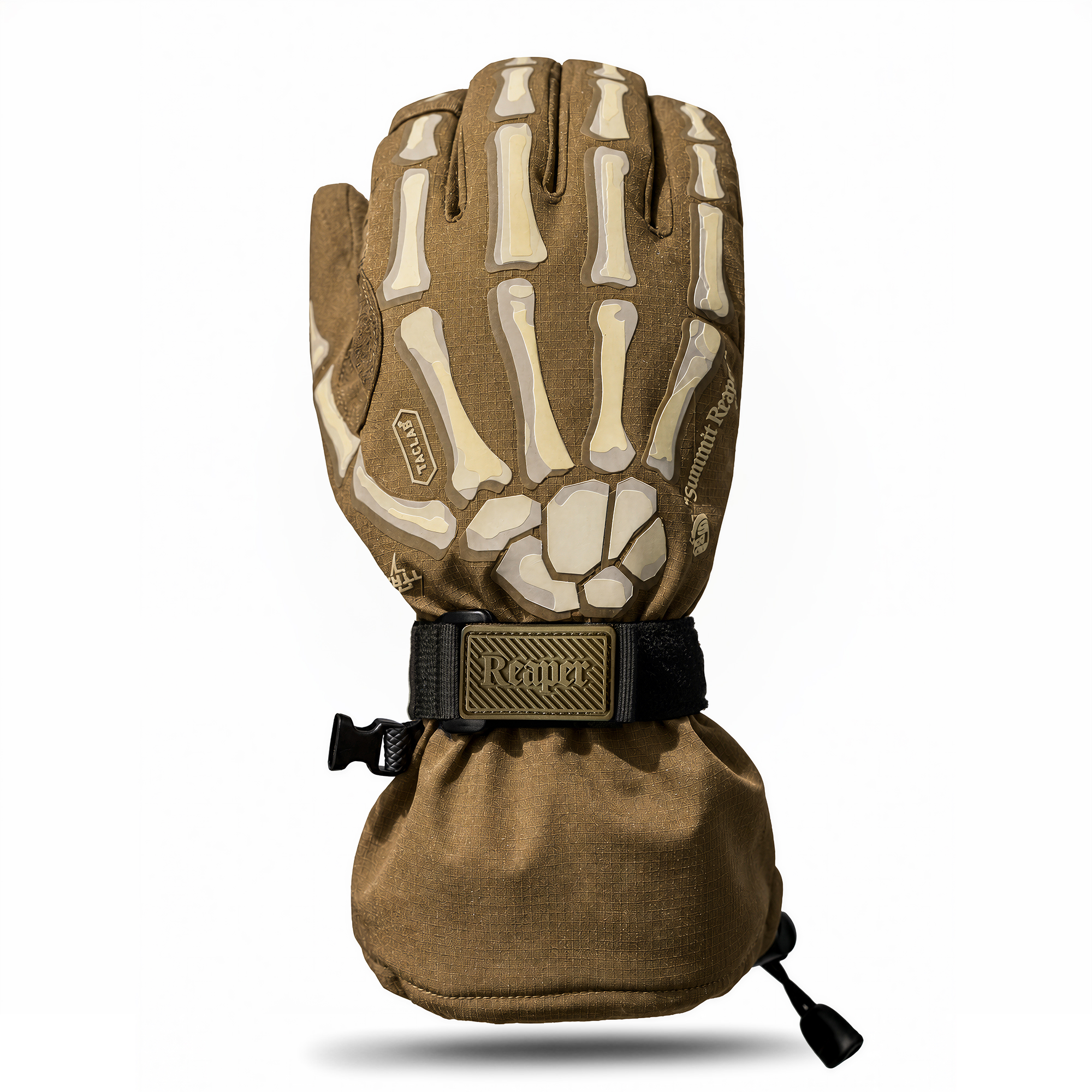
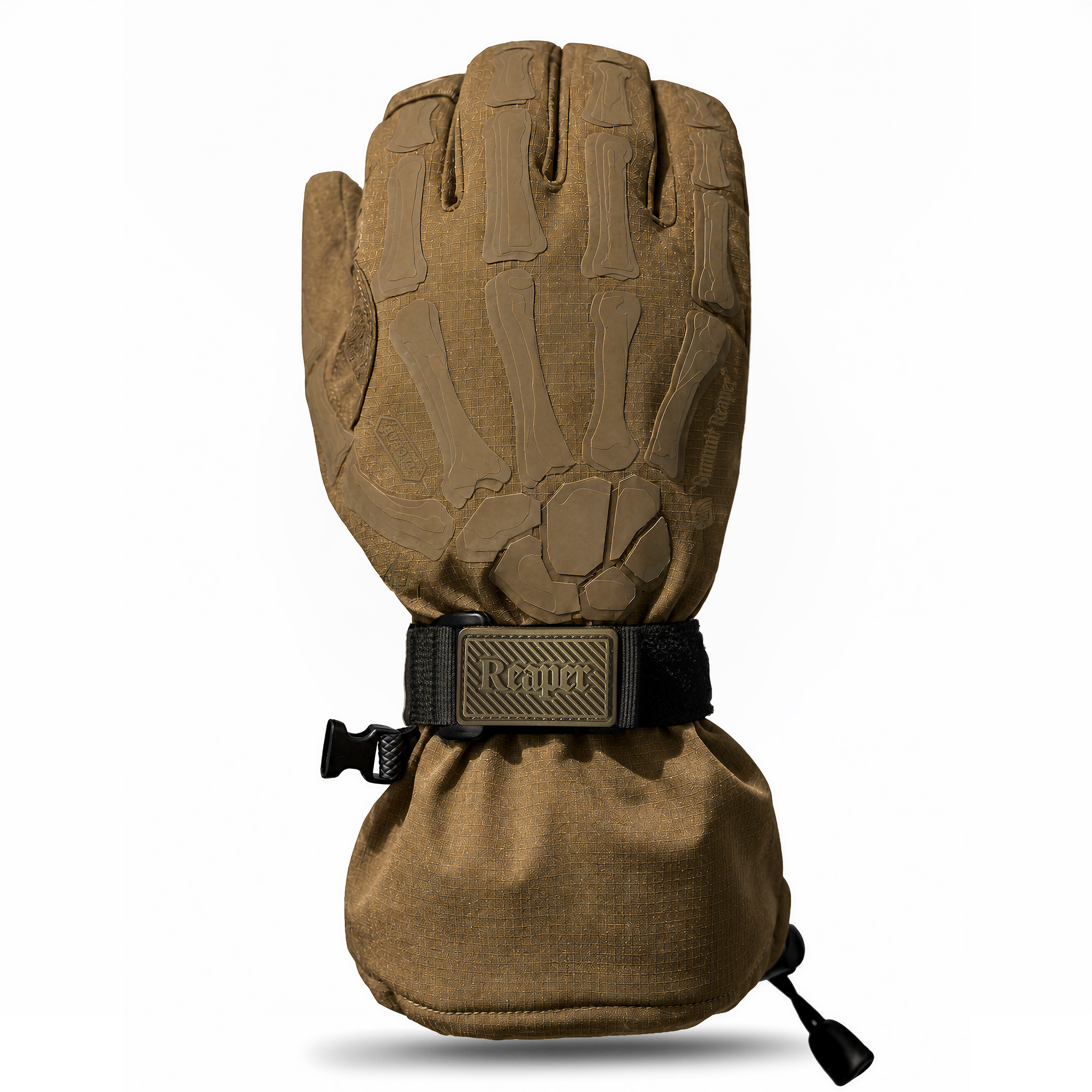
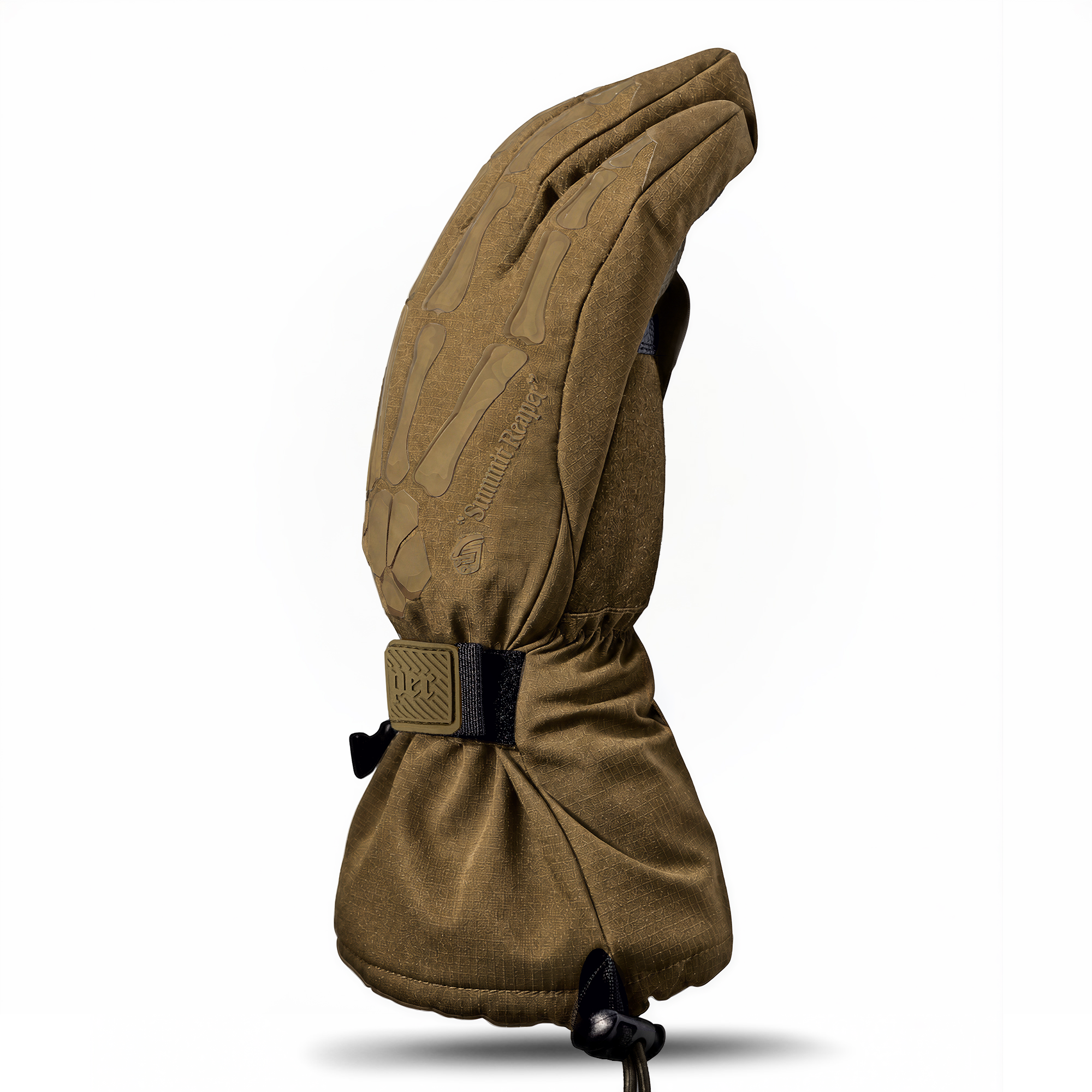
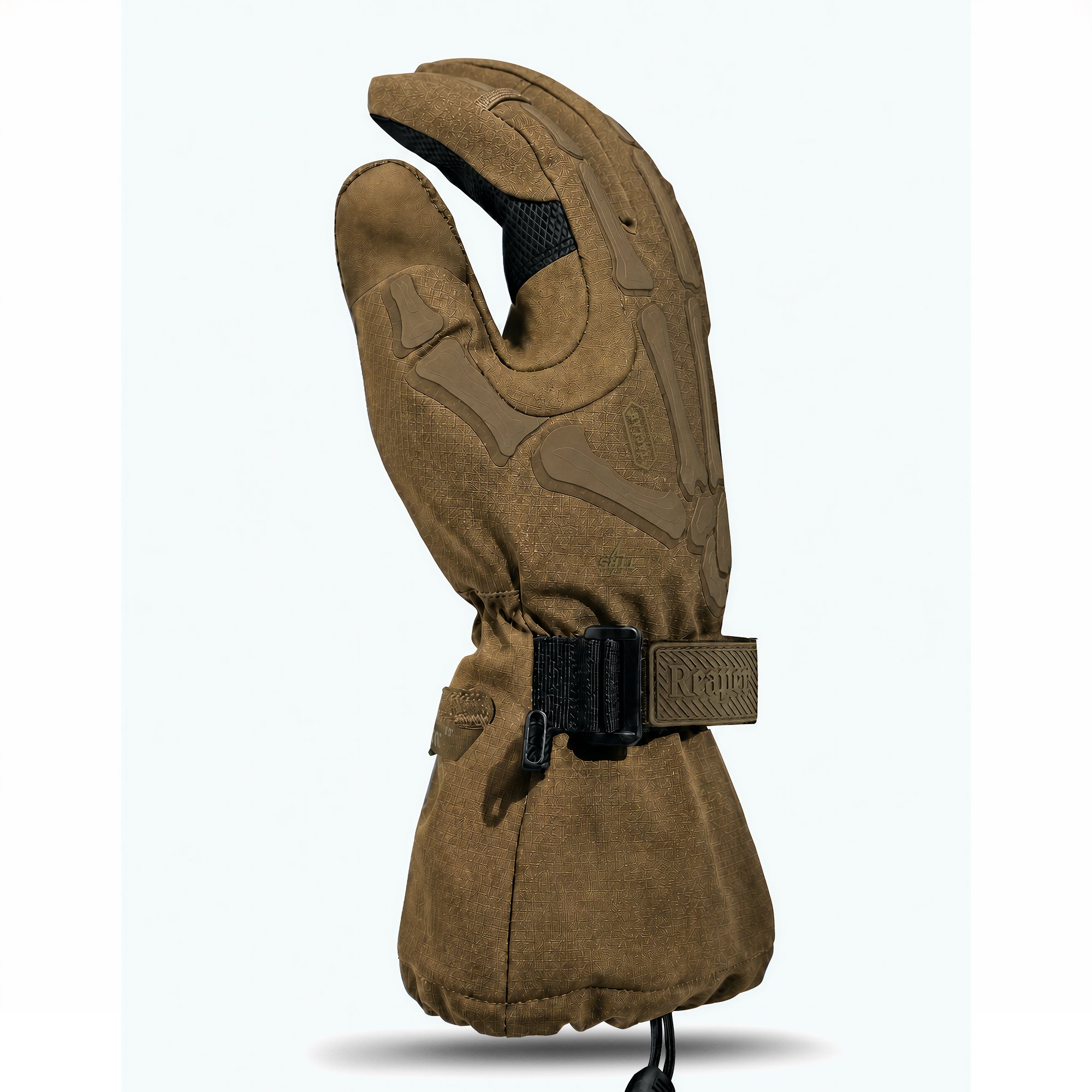
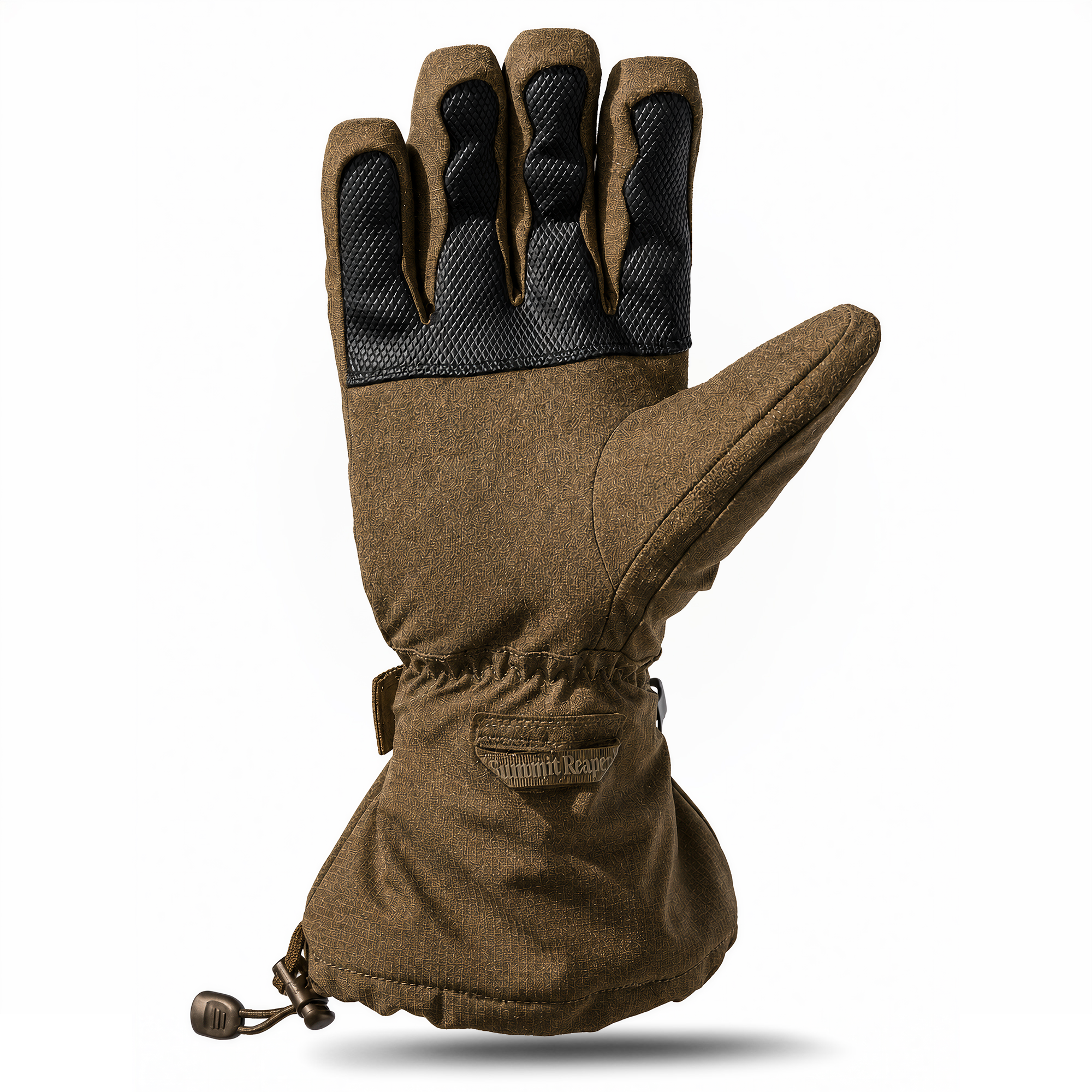
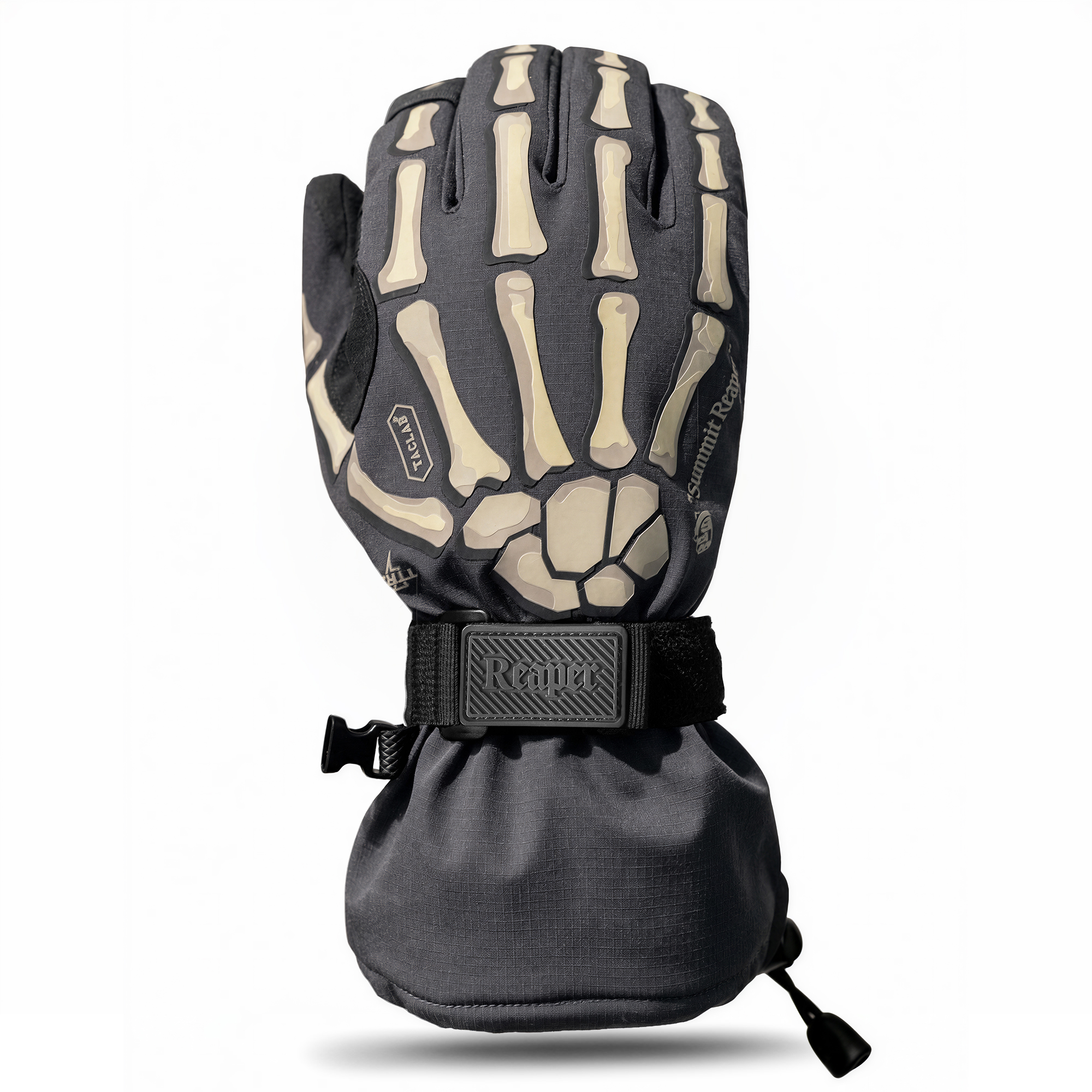
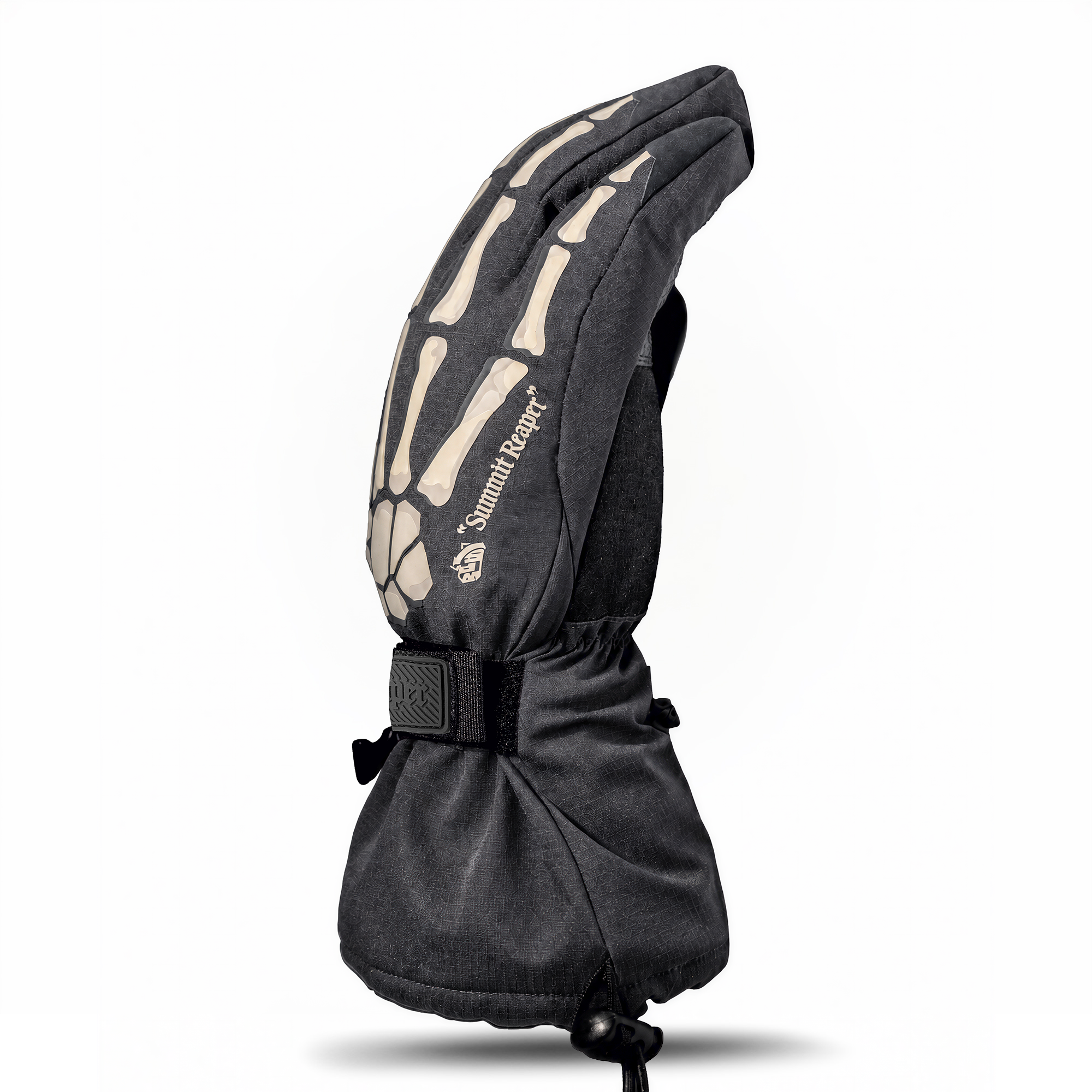
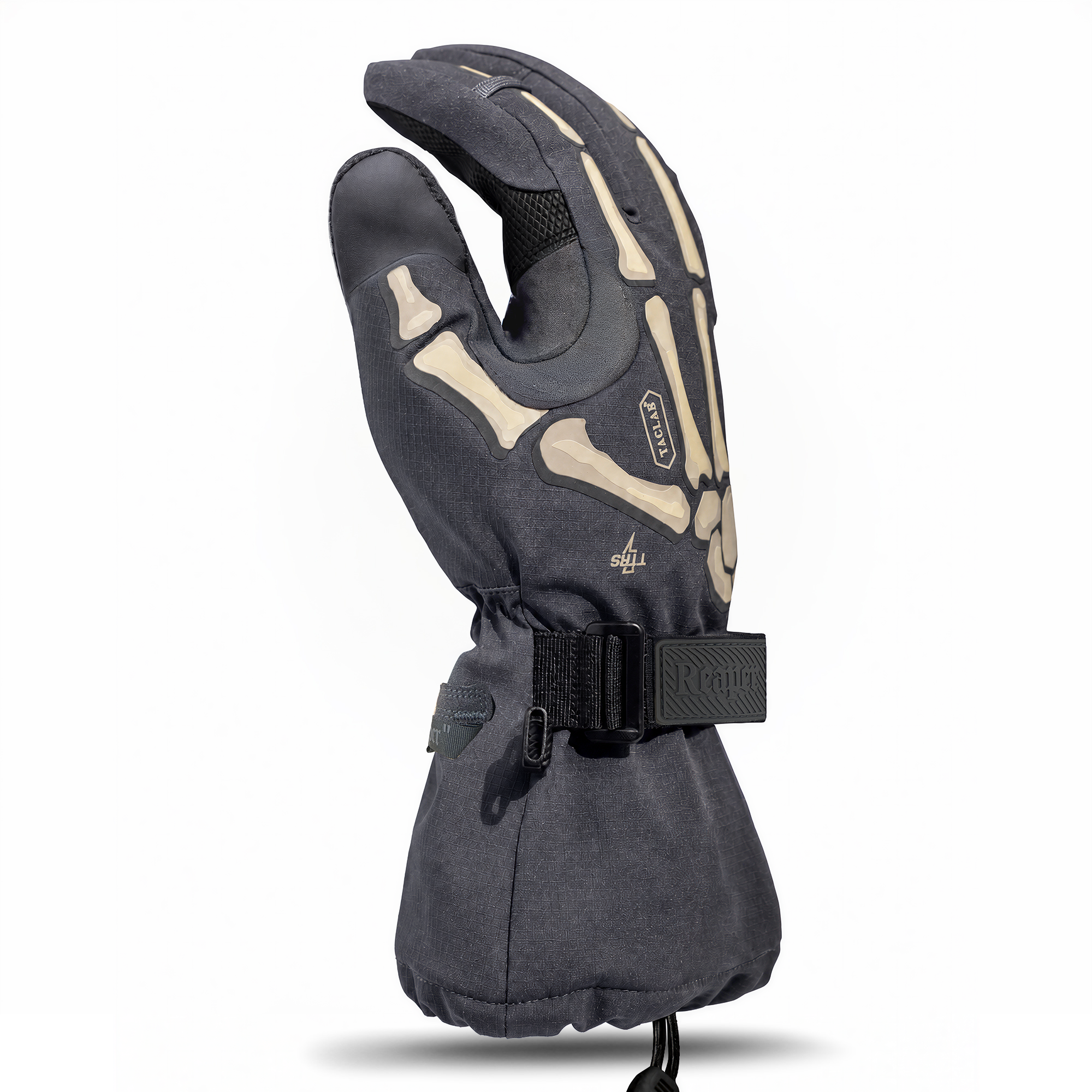
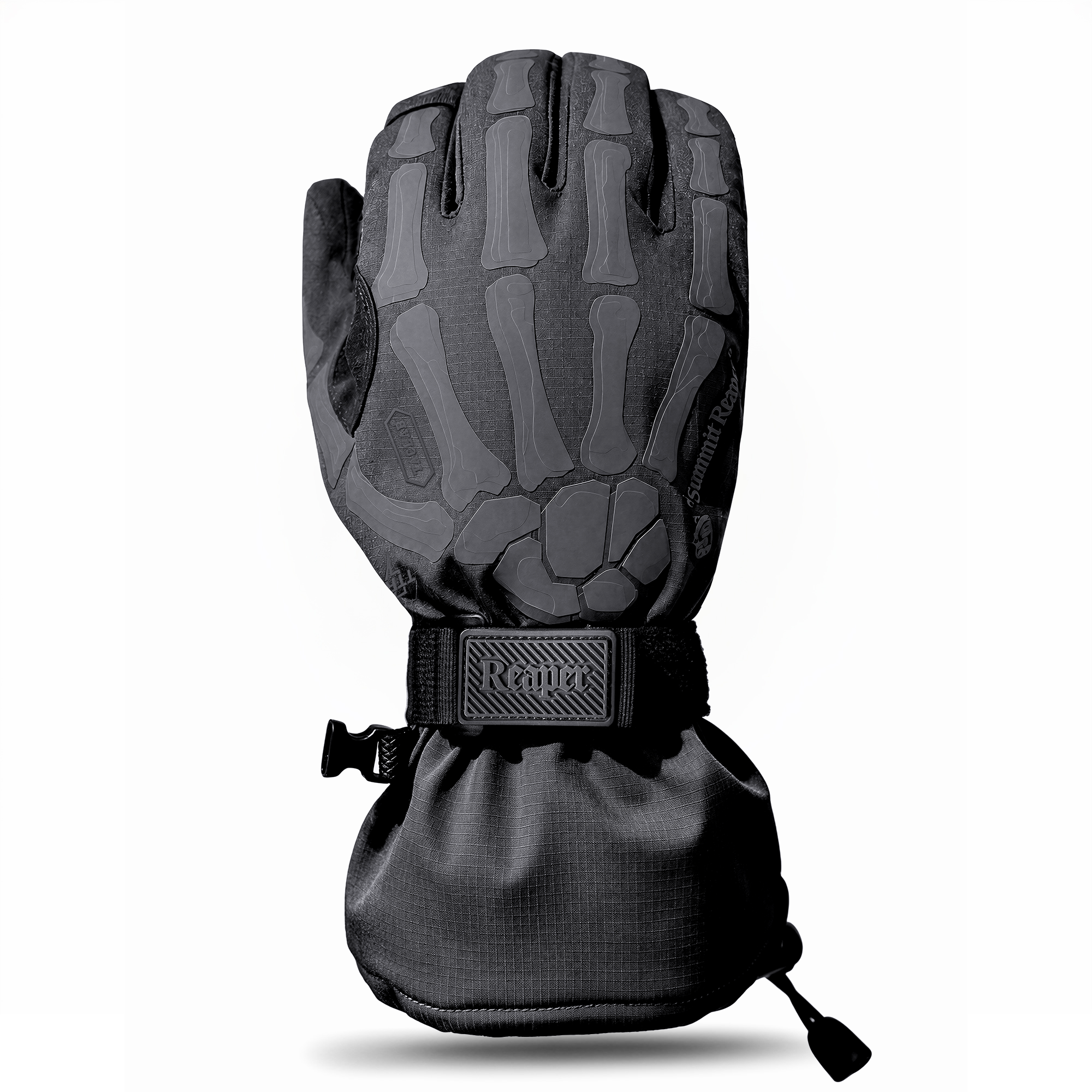
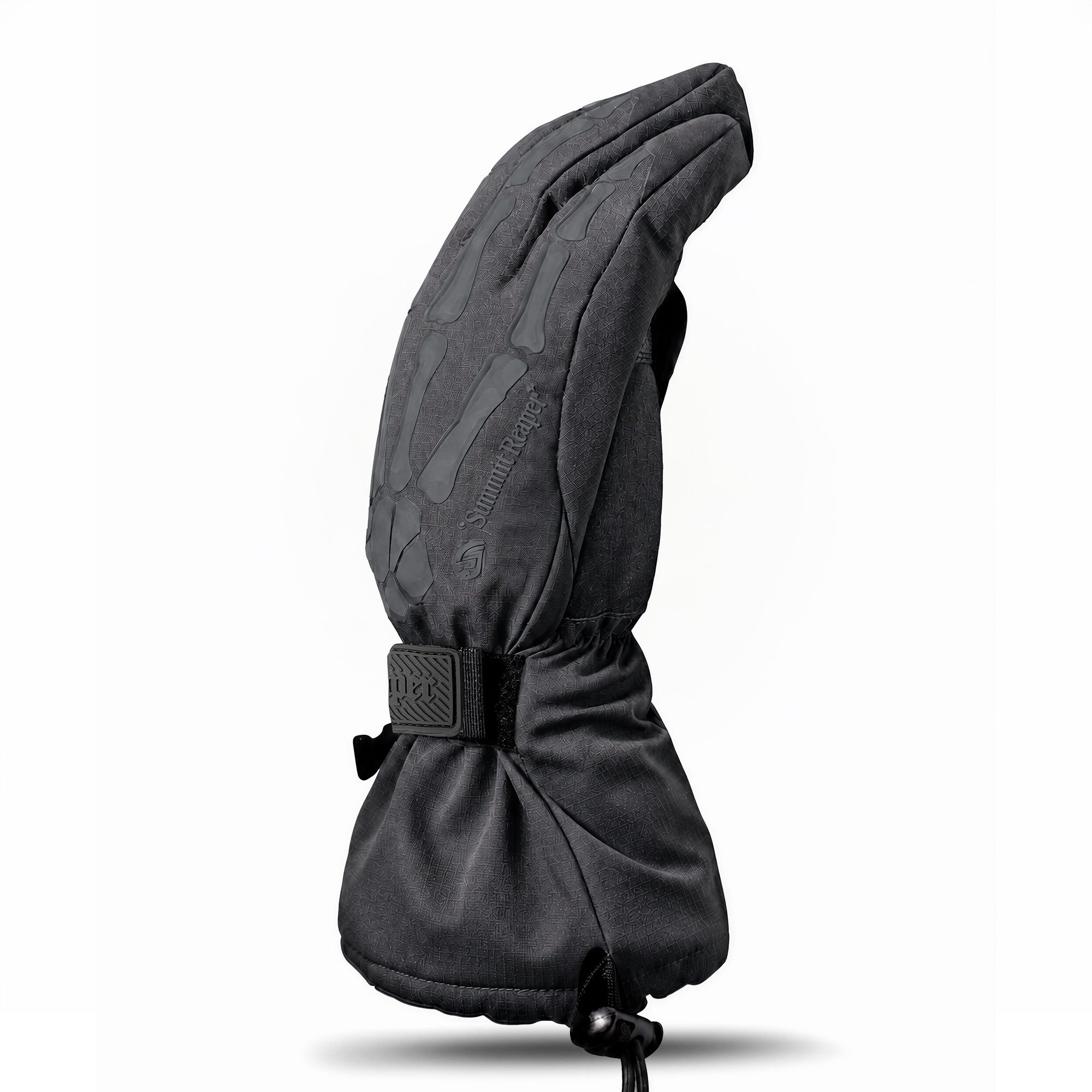
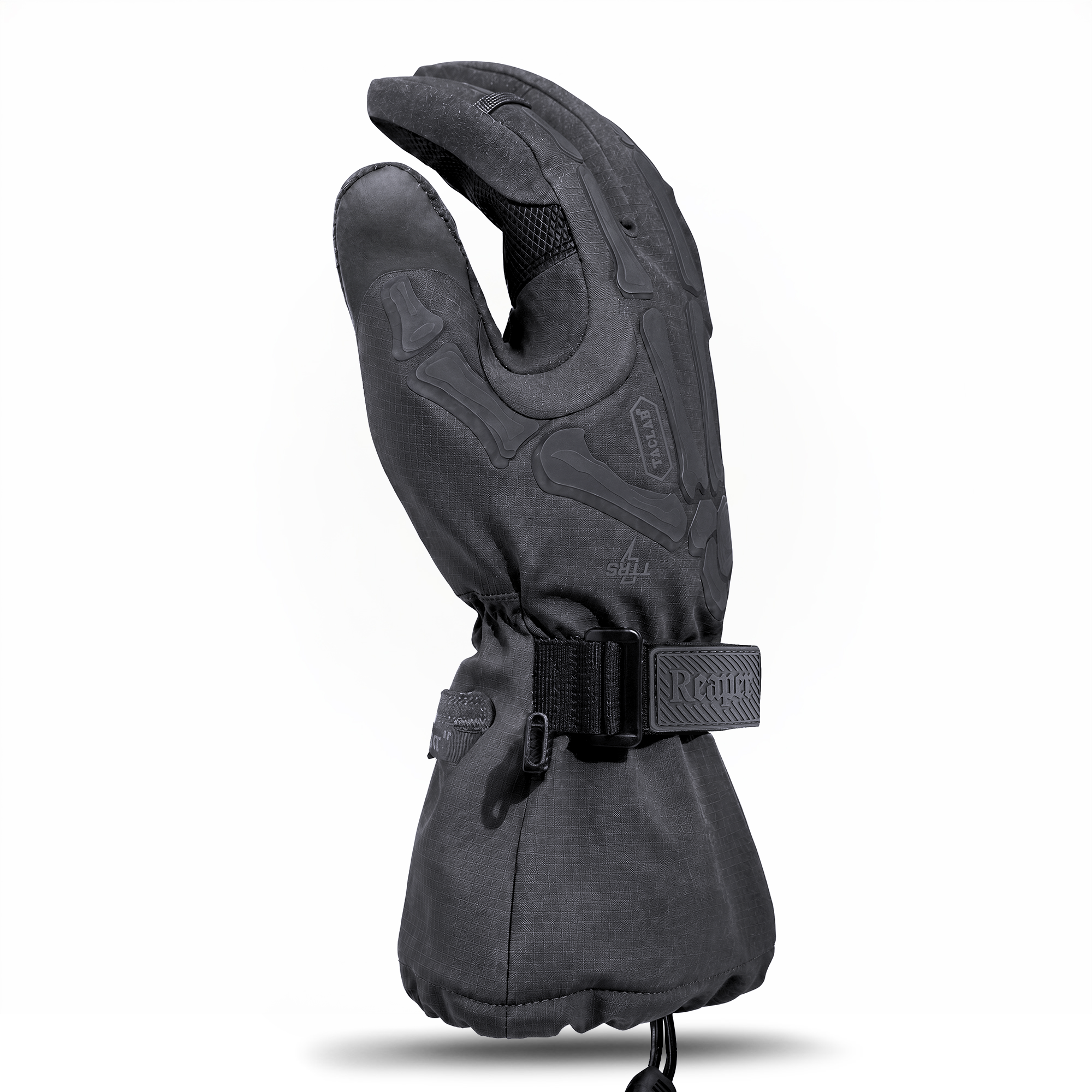
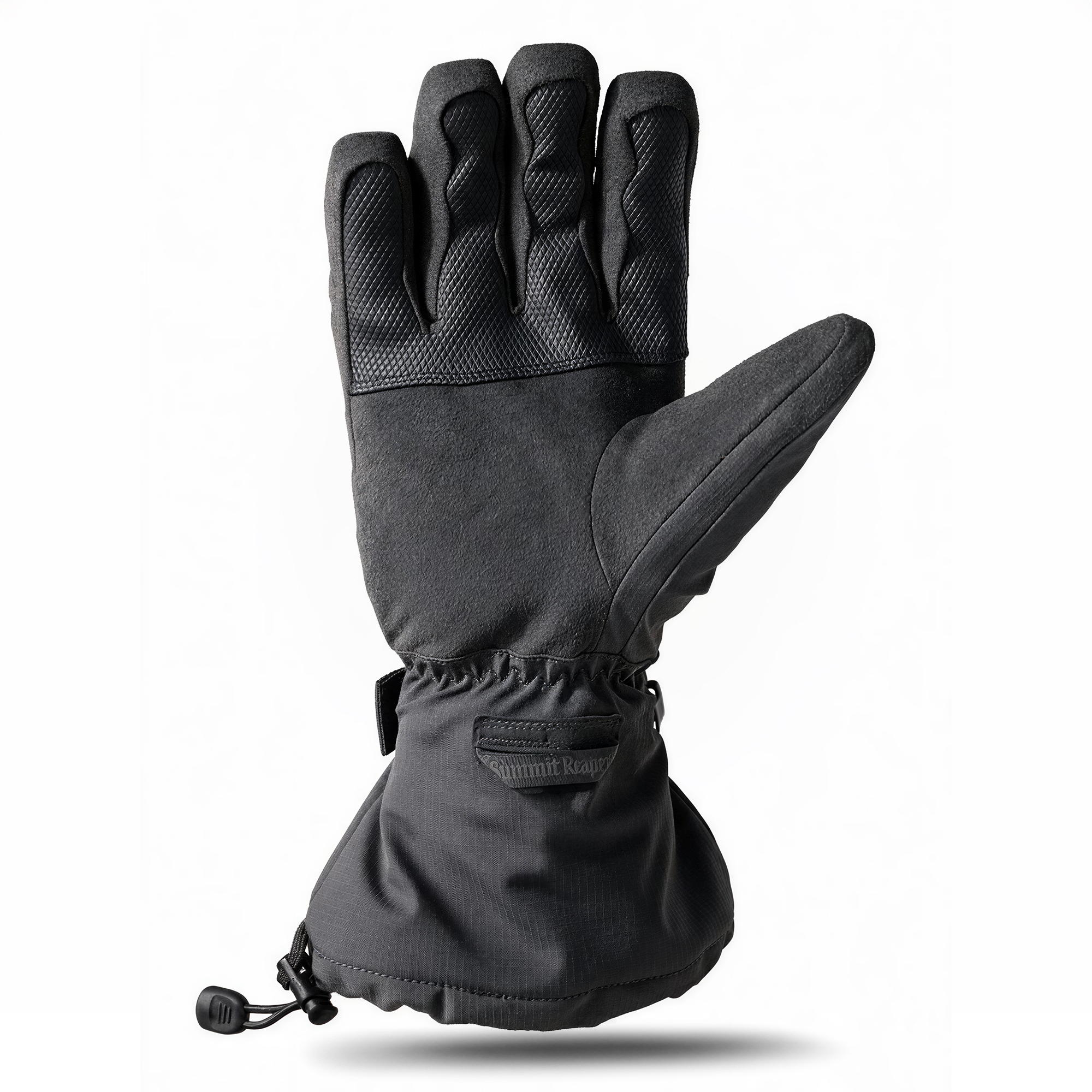
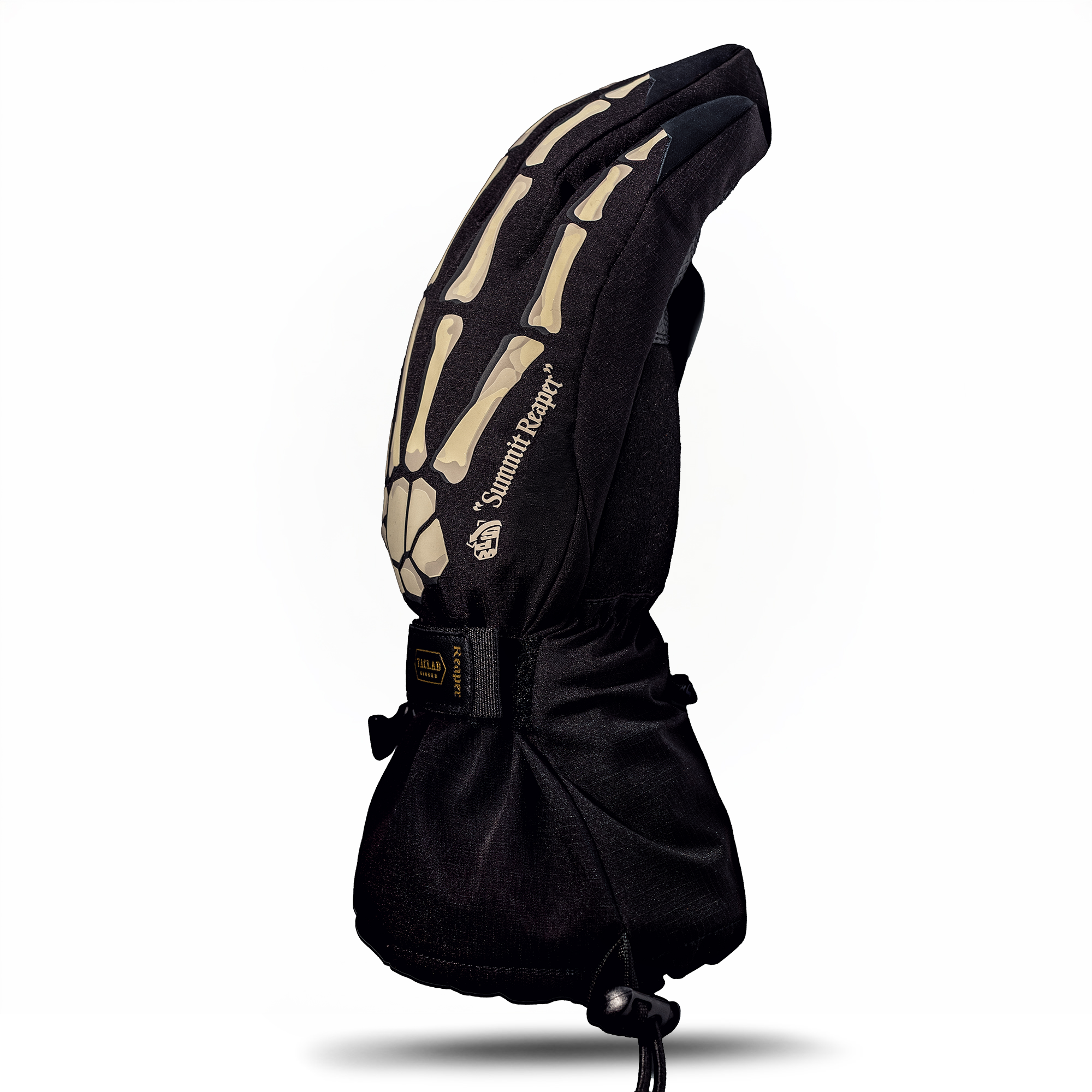
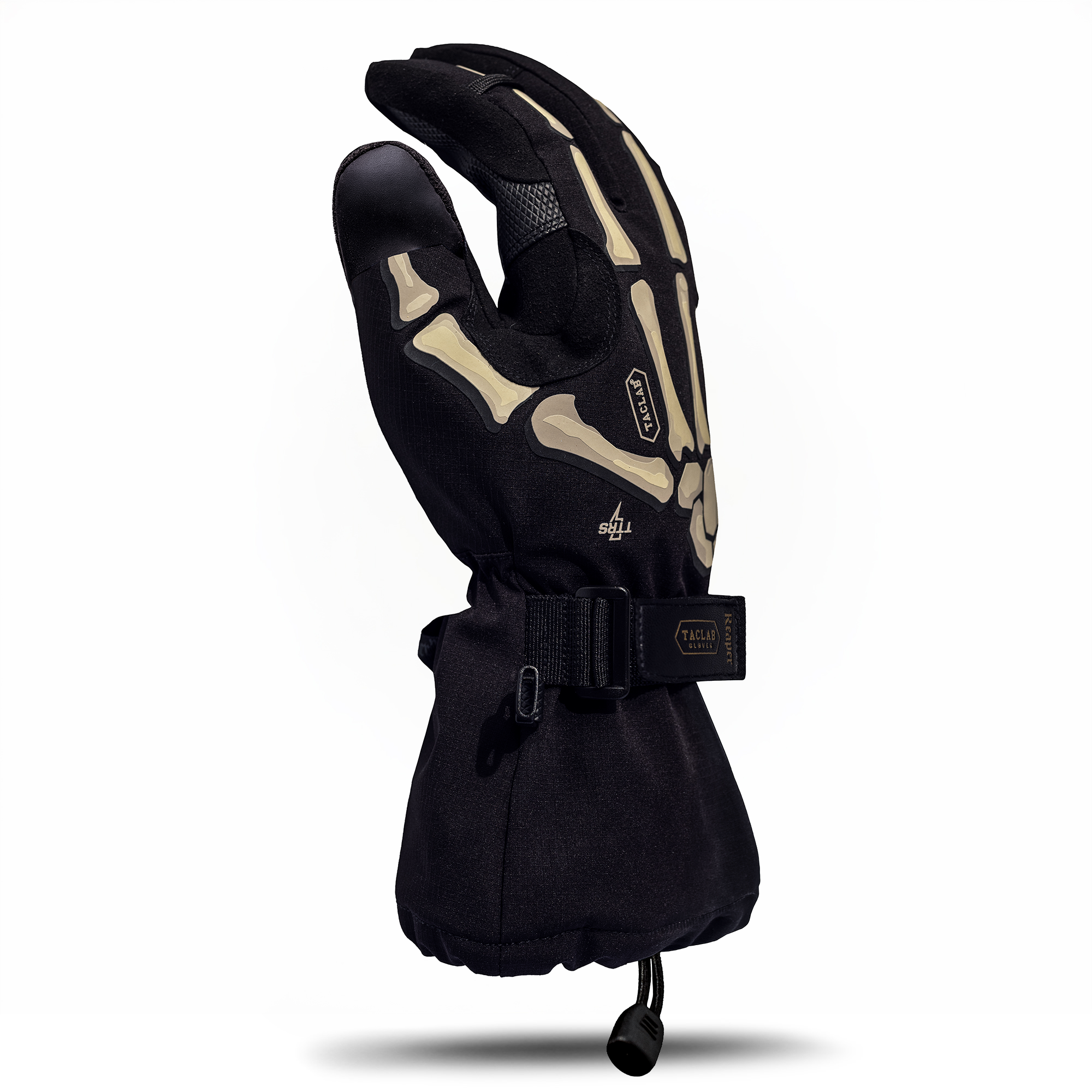
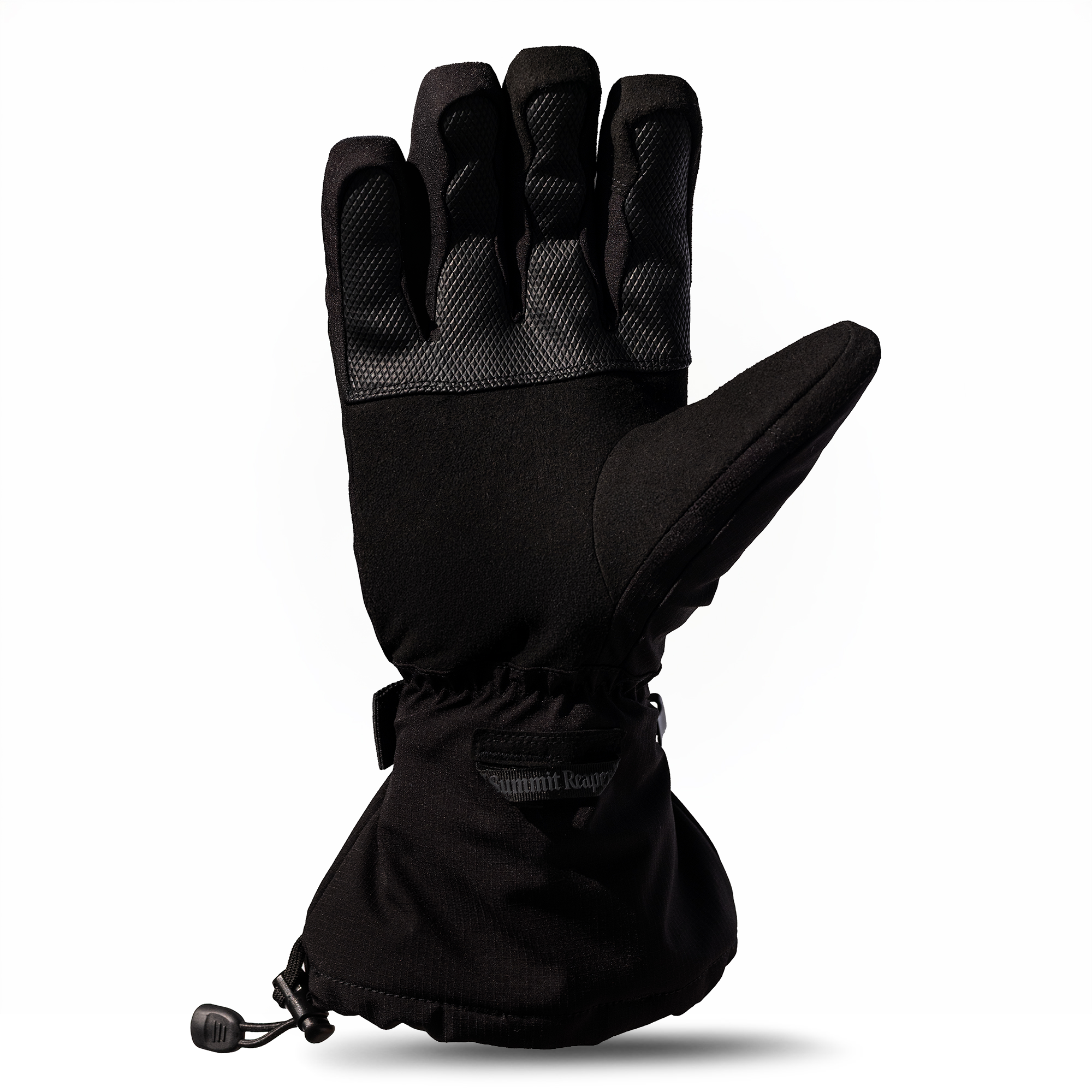
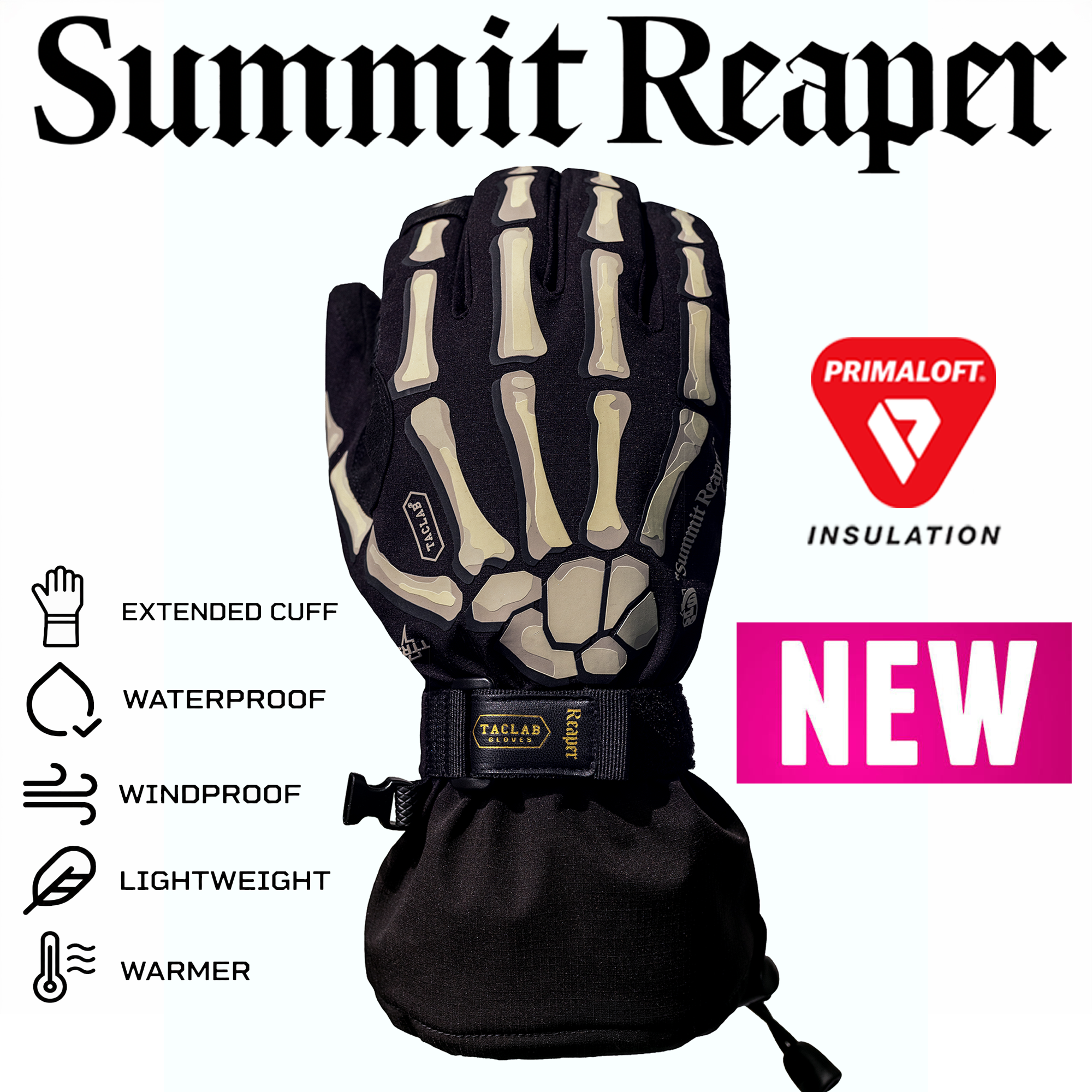
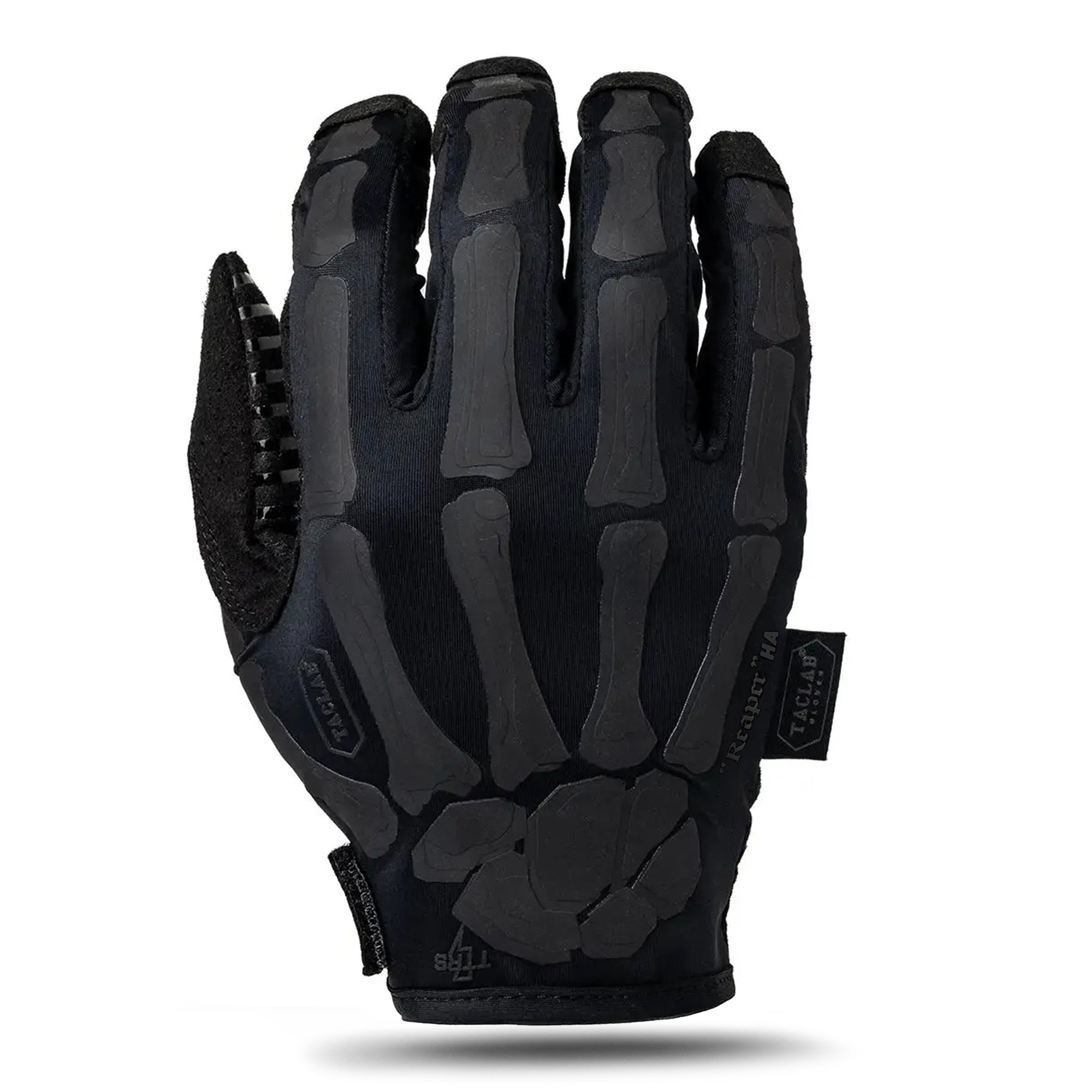
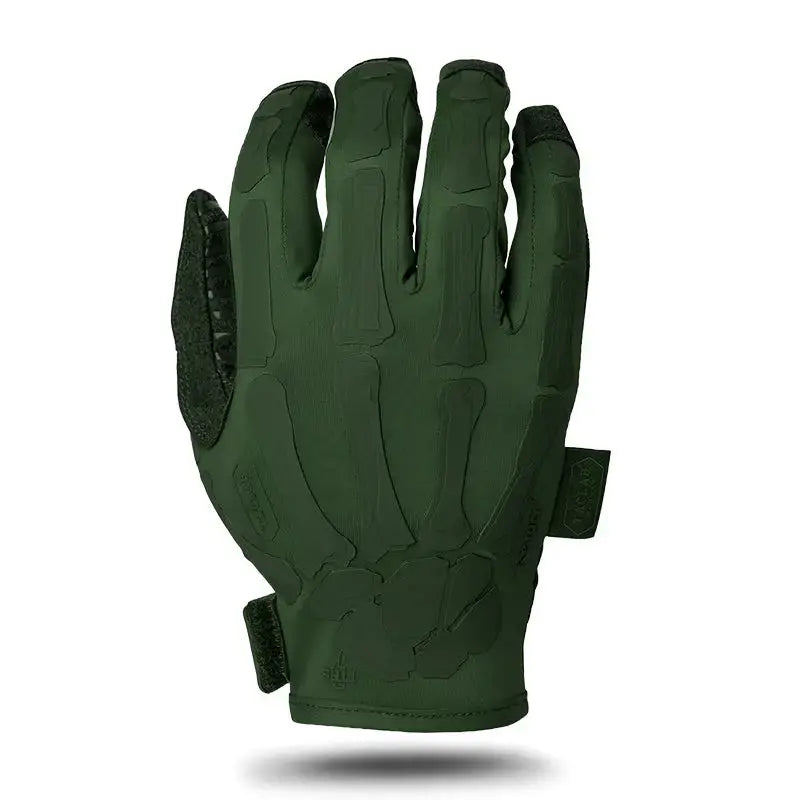
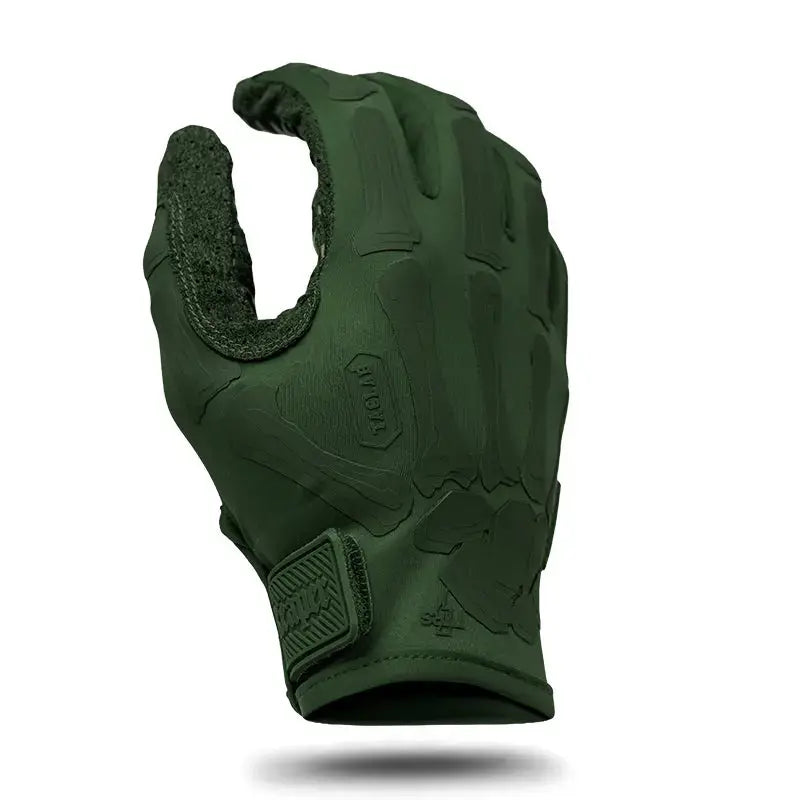
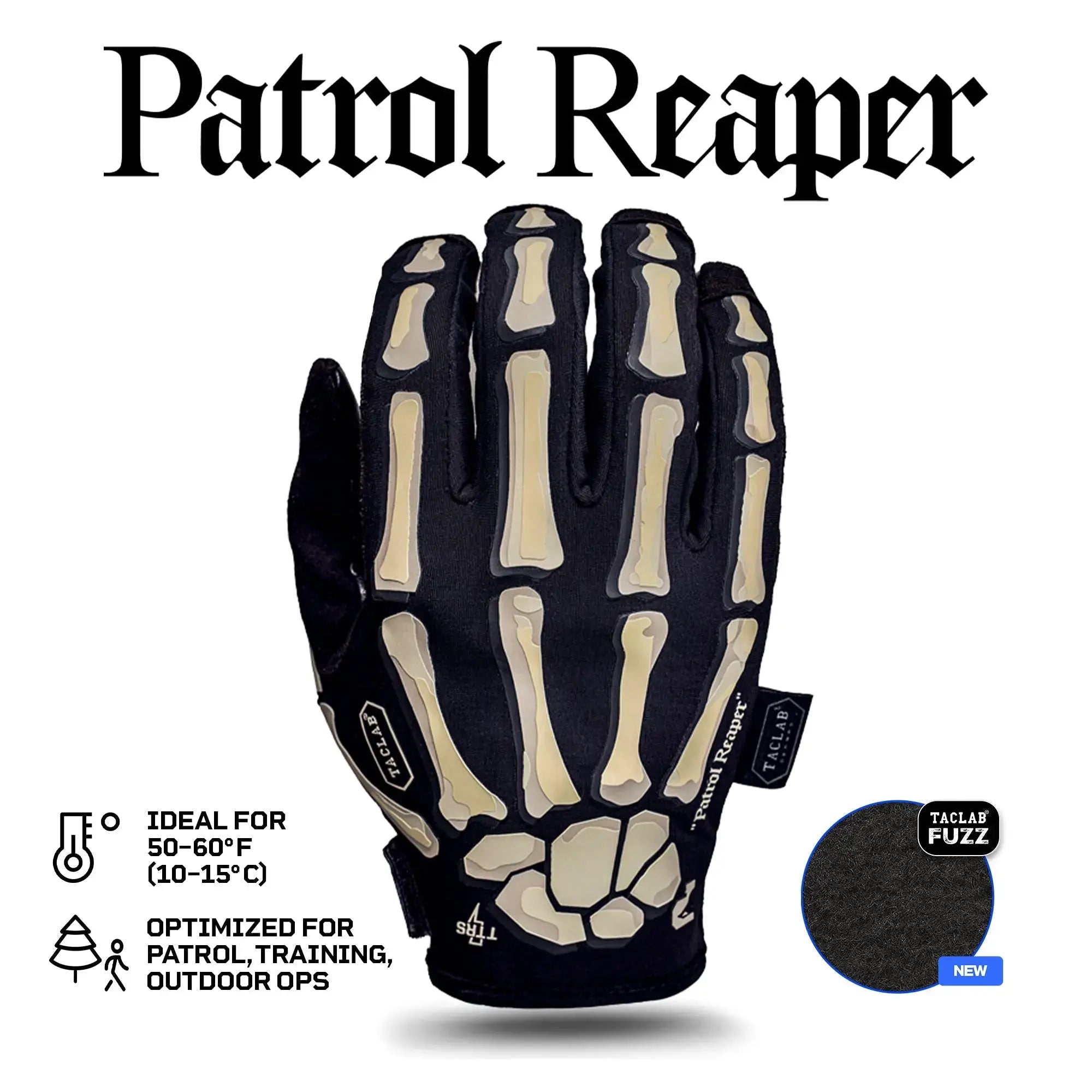
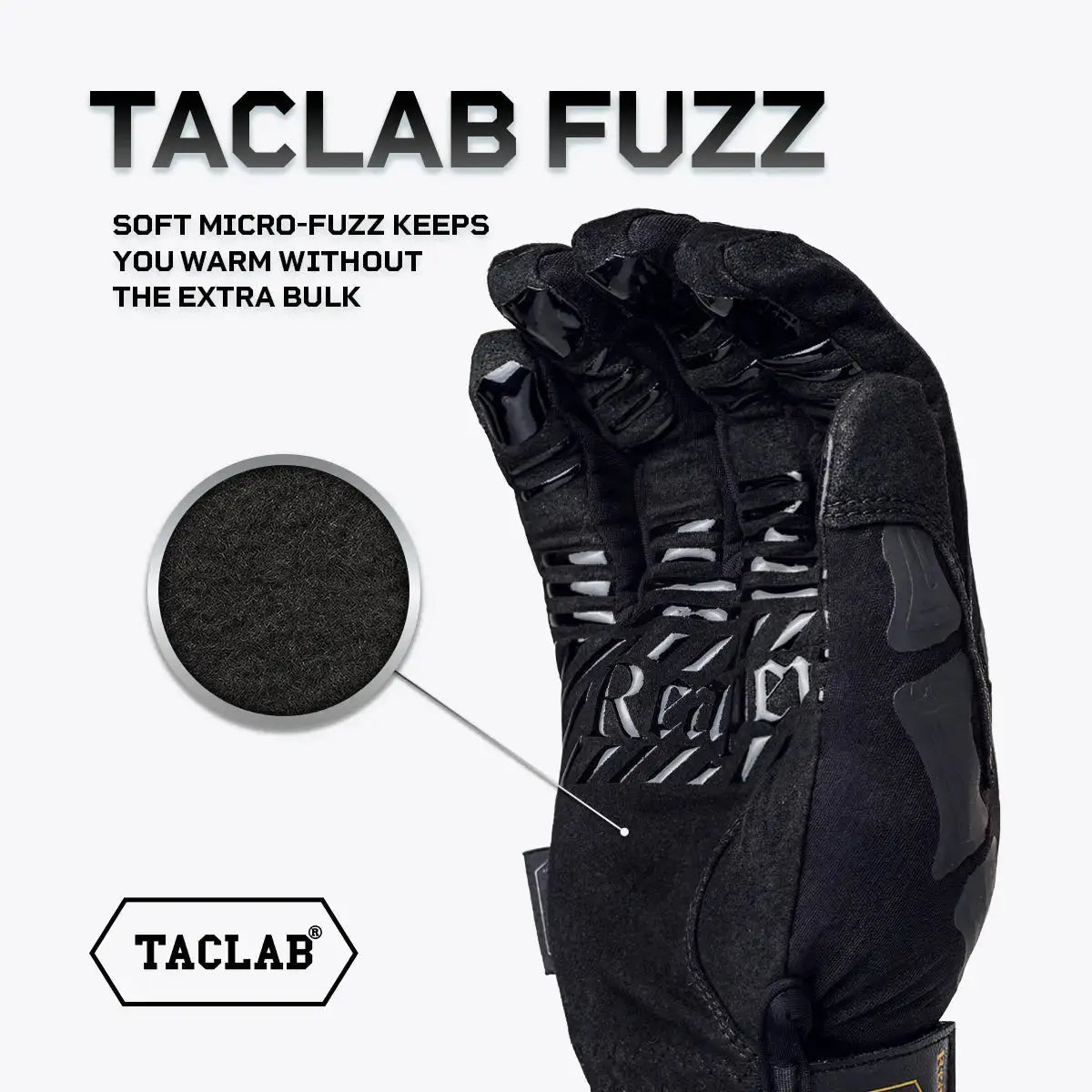
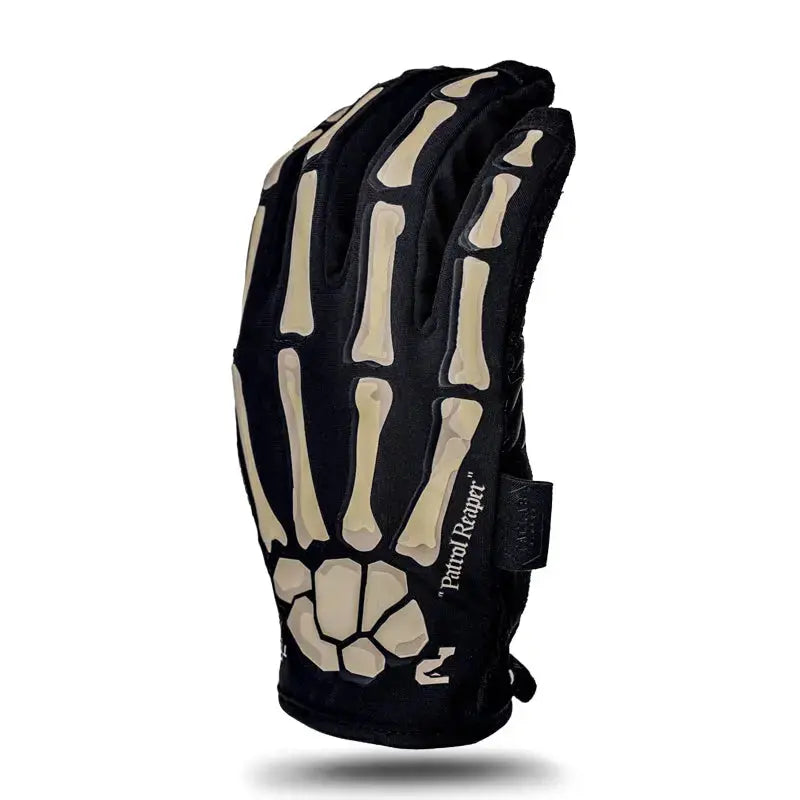
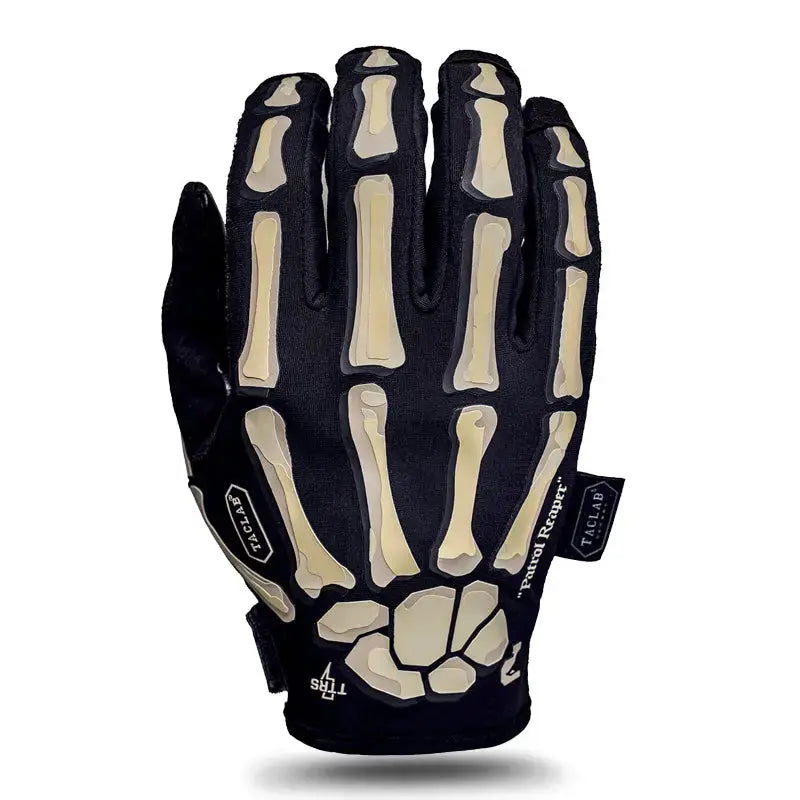
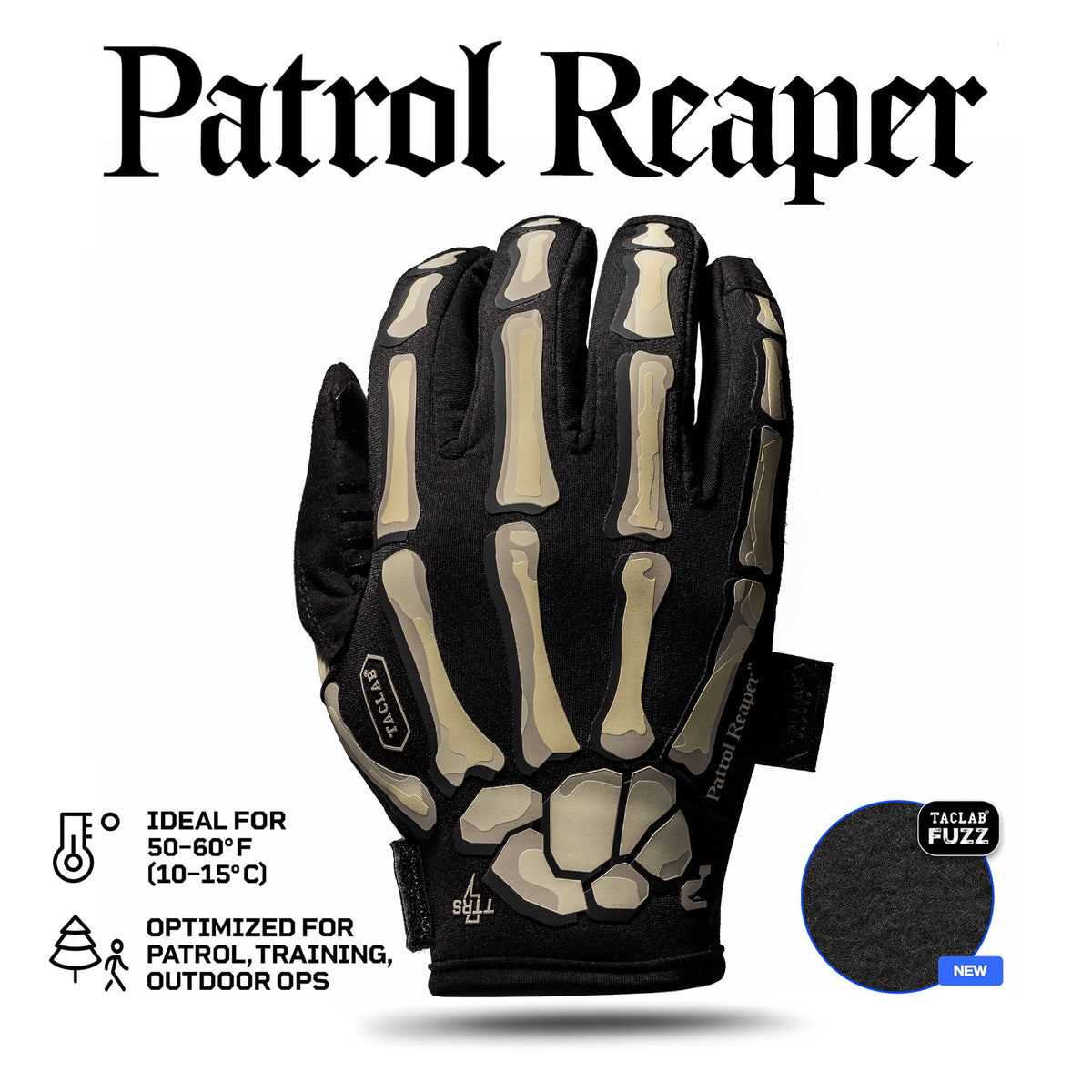
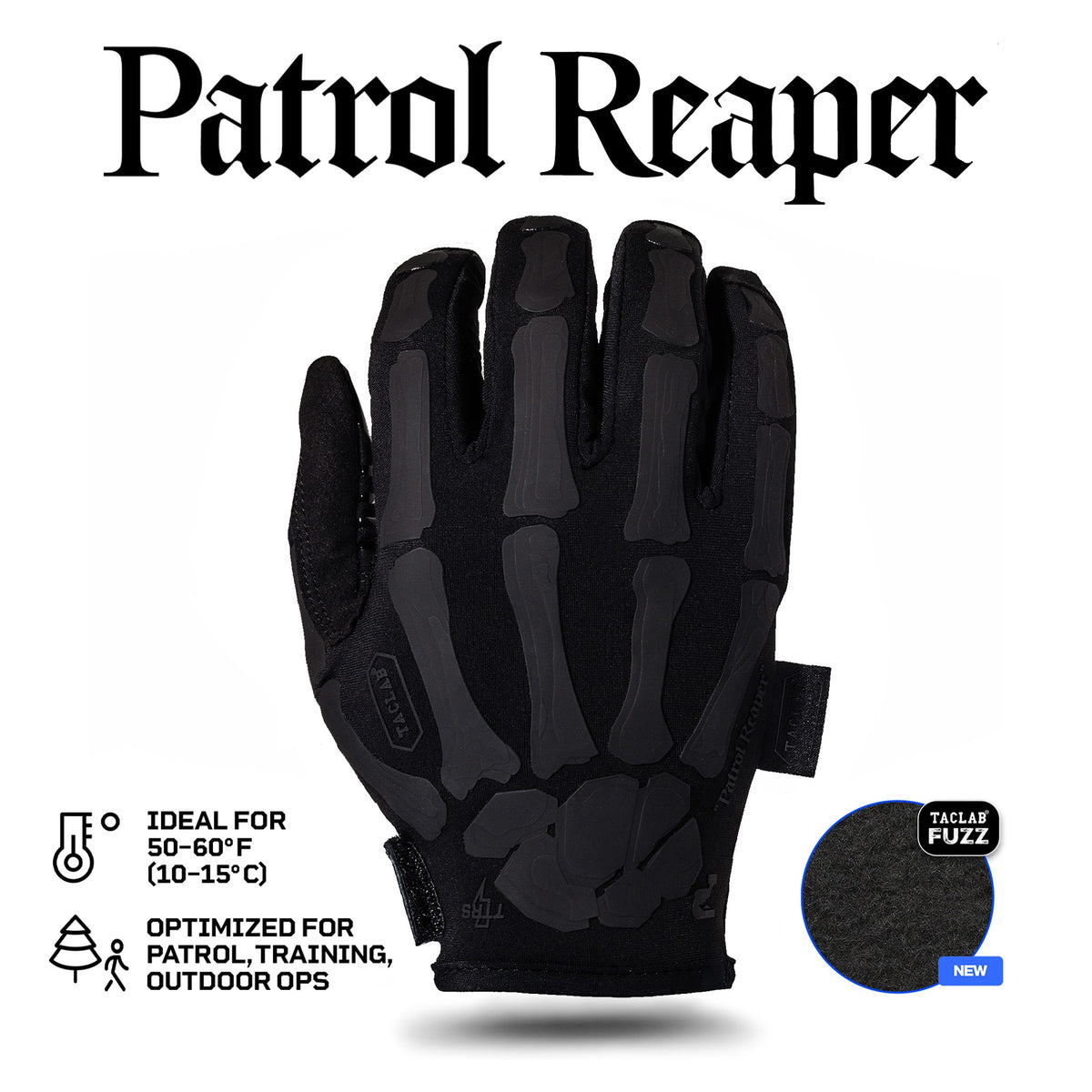
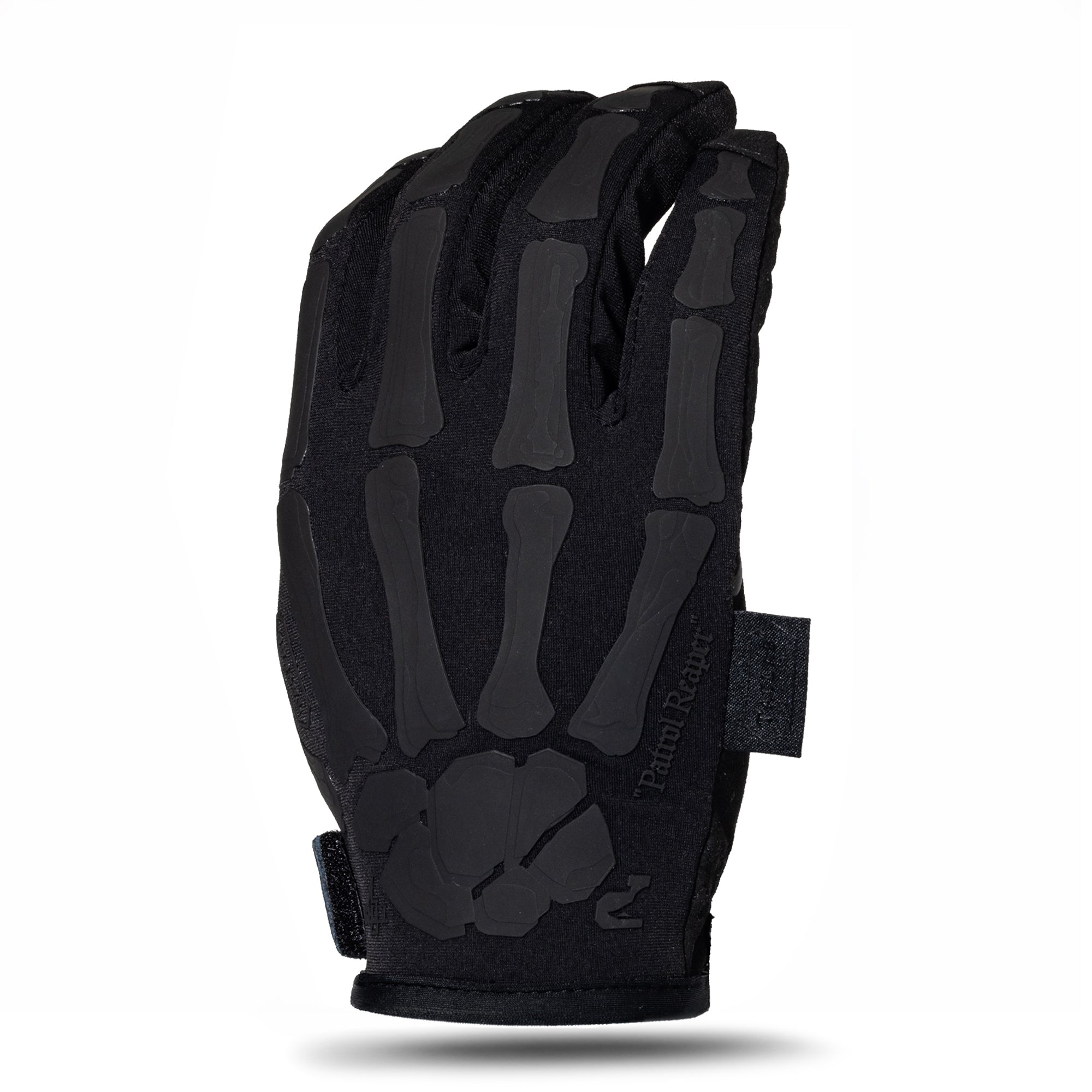
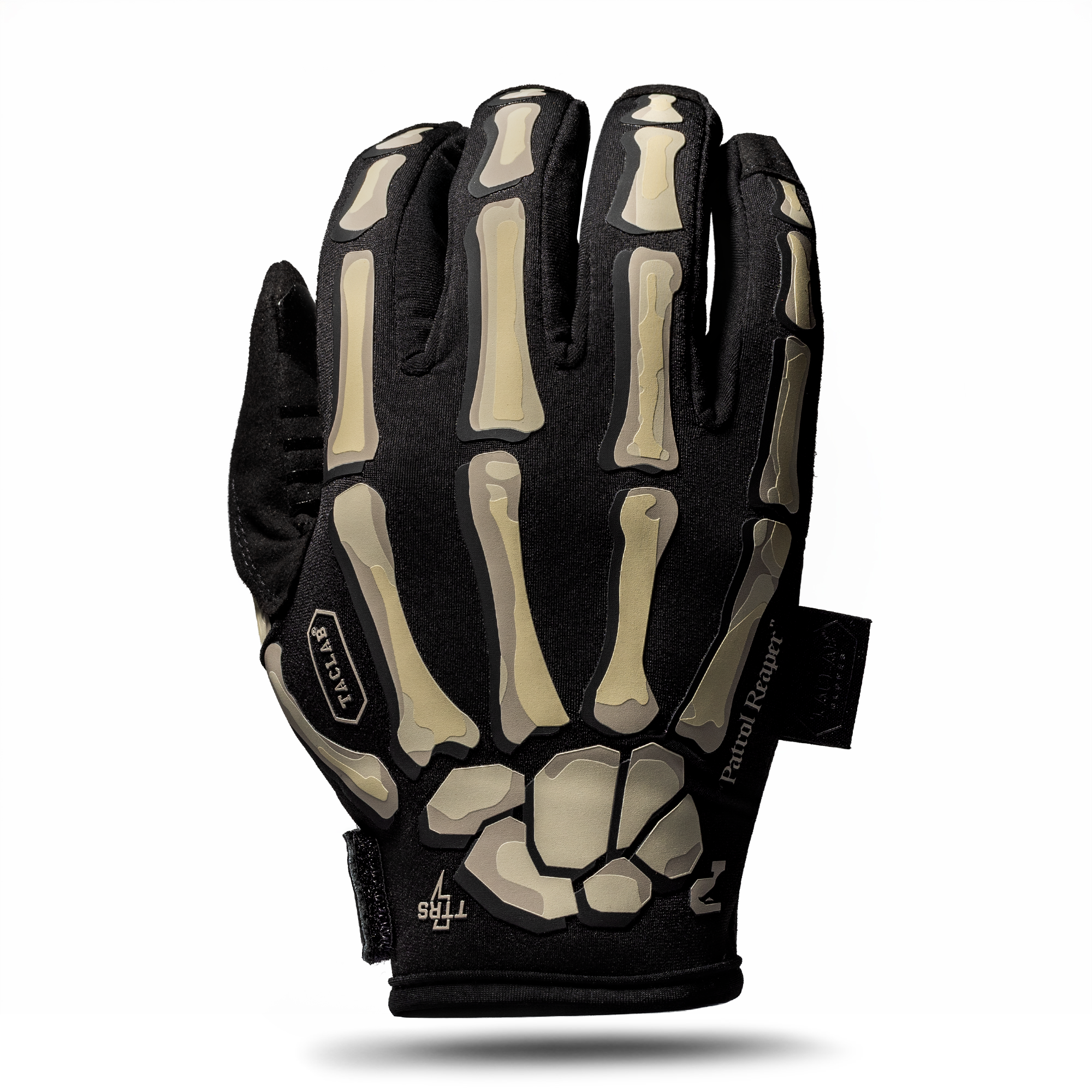
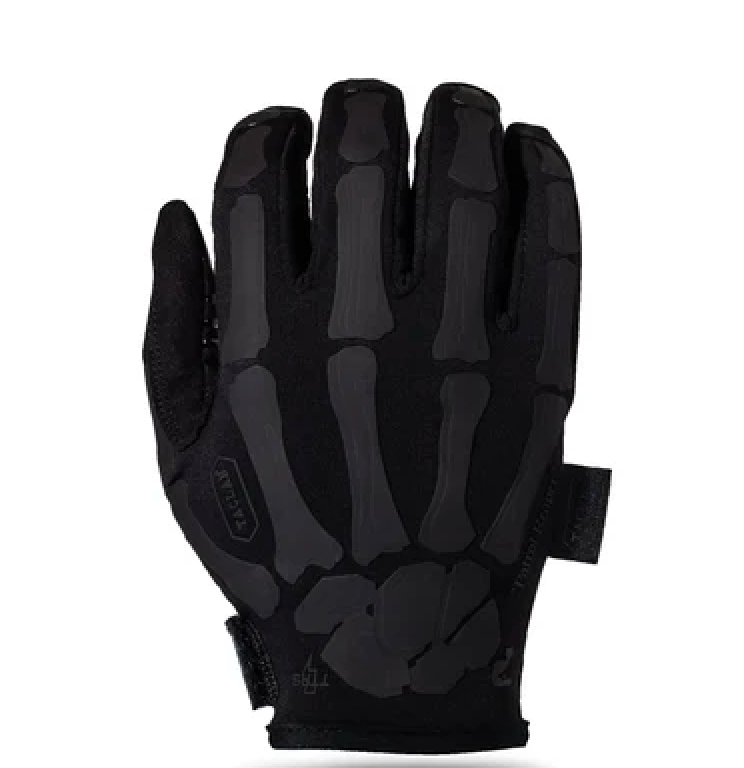
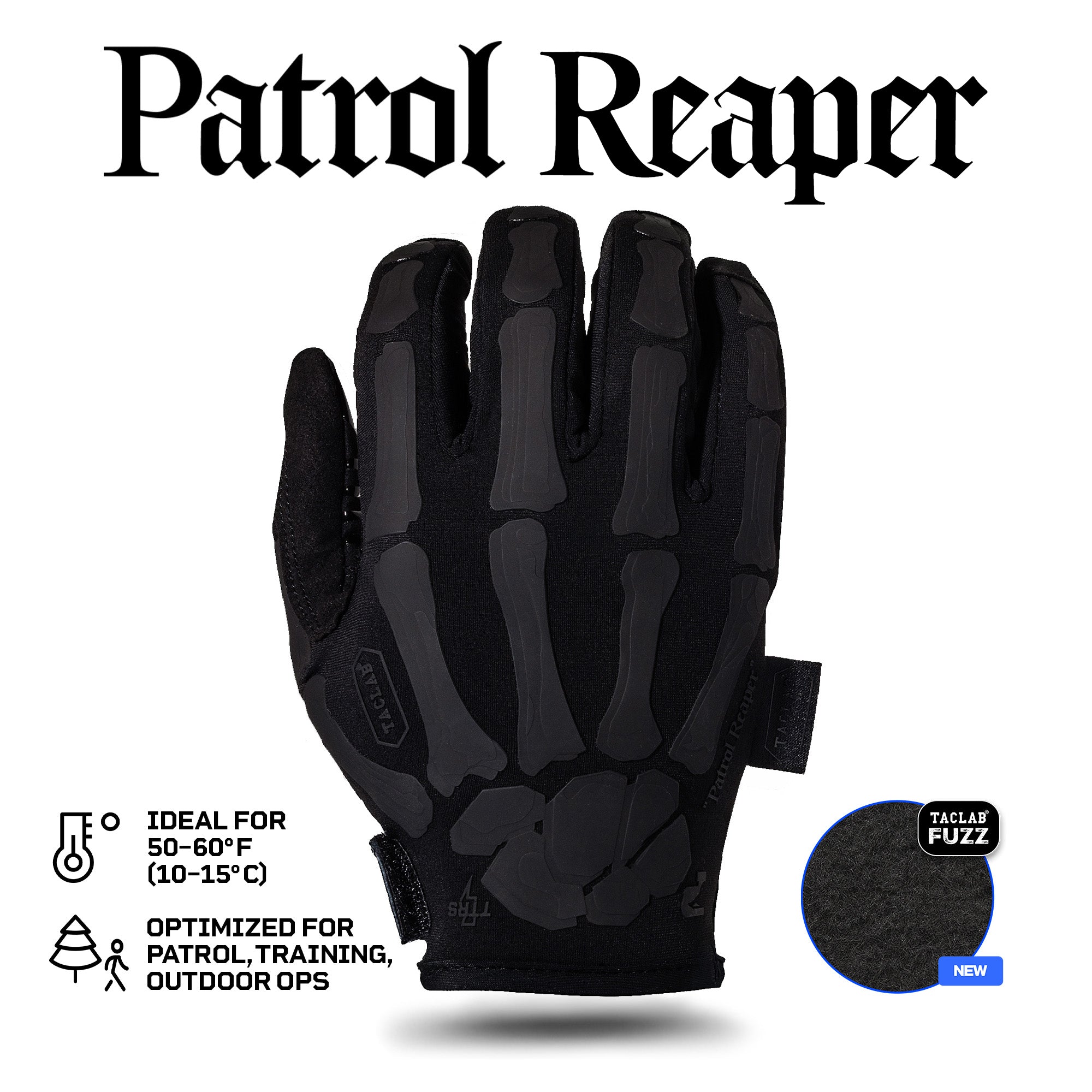
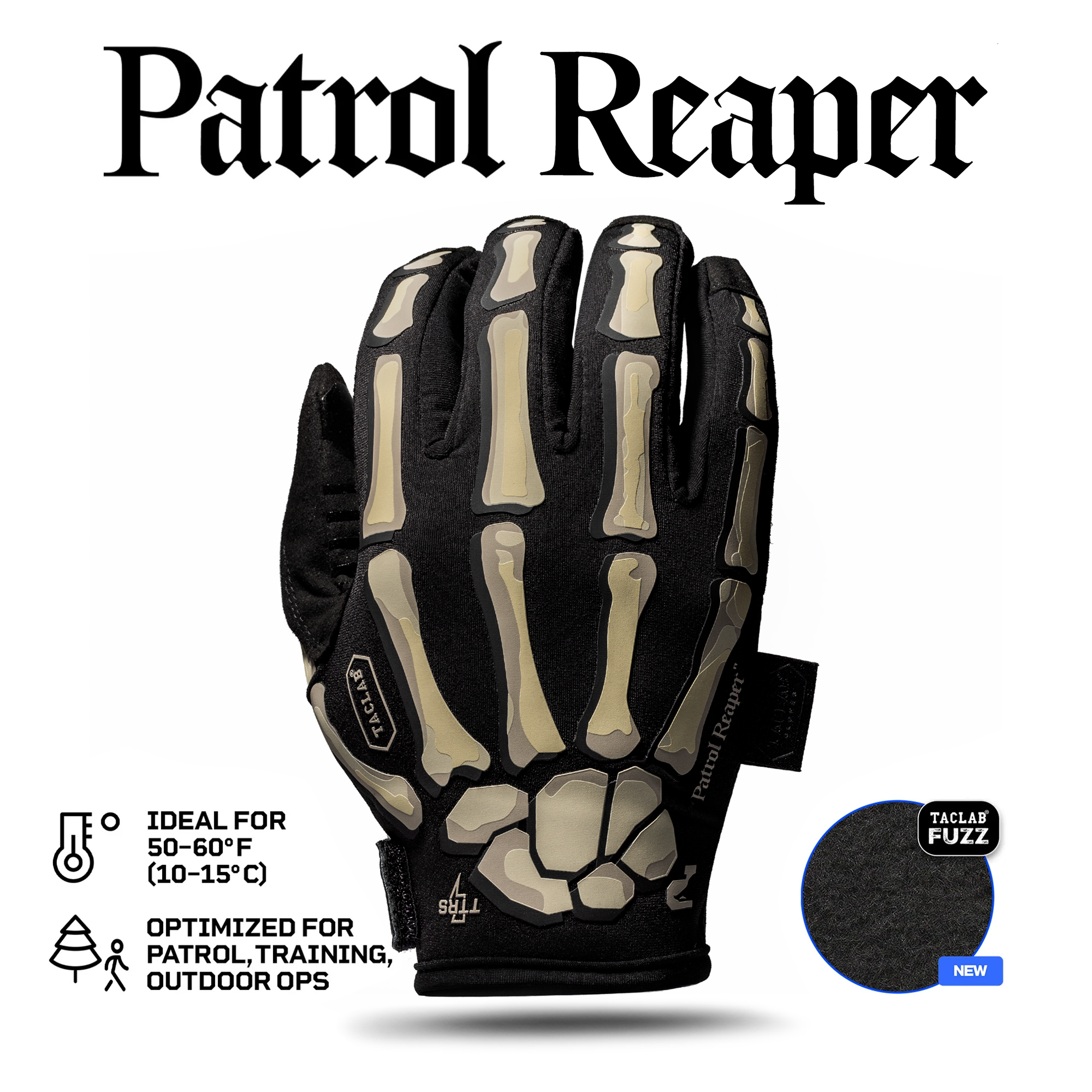
The TACLAB Patrol Reaper is designed around an insulated, cold-weather direction while retaining the distinctive Reaper aesthetic.
It's the natural model to evaluate when standard lightweight gloves aren't keeping your hands comfortable.
For winter range use, check its fit with the equipment you'll be using and assess whether its warmth and dexterity match the conditions.
Choose Patrol Reaper when: You need a cold-weather-oriented glove and want a balance of warmth and usable hand movement.
Explore TACLAB Patrol Reaper →
TACLAB Snow Reaper: For More Demanding Winter Conditions
When conditions become more severe, it's worth evaluating a glove developed with winter protection as a central priority.
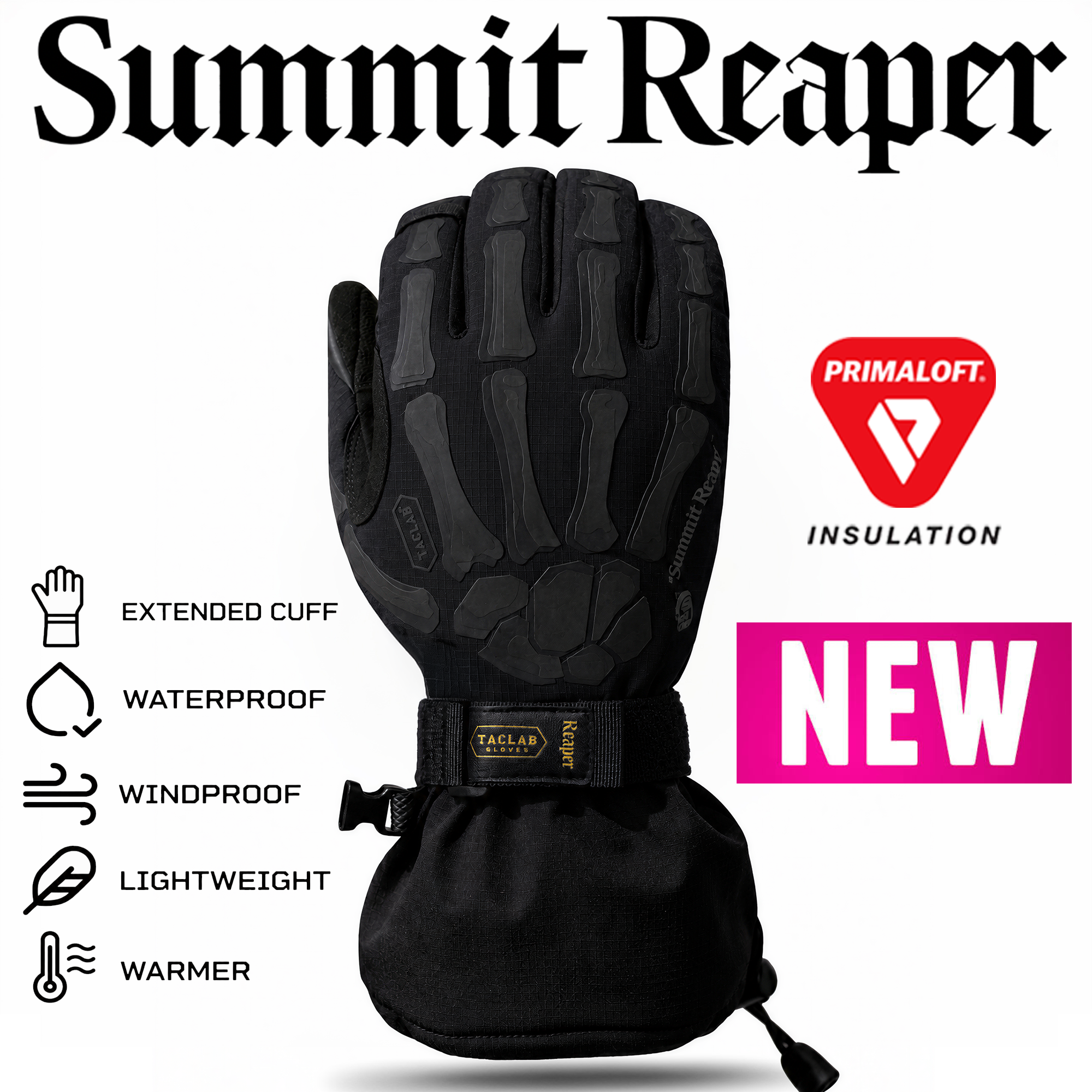
The Snow Reaper belongs in that conversation.
Compared with lightweight designs, a more winter-focused glove may involve different compromises in bulk and dexterity.
The appropriate choice depends on the actual weather and product specifications.
Choose Snow Reaper when: You need to evaluate specialized winter hand protection for colder or more demanding conditions.
Check current product details for its materials, weather-resistance features, and intended use.
TACLAB Winter Glove Comparison
| Model | Primary Focus | Consider It For | Important Trade-Off |
|---|---|---|---|
| Reaper | Lightweight dexterity | Mild, cool conditions | Limited insulation |
| Patrol Reaper | Insulated cold-weather use | Colder range sessions | More bulk than lightweight options |
| Snow Reaper | Winter-oriented protection | More demanding winter conditions | Evaluate dexterity and weather specifications |
There is no universal temperature rating that can be assigned to these models based on their names alone.
Personal comfort, wind, activity level, and actual construction all matter.
Explore TACLAB Tactical Gloves →
12. What Should You Wear on Your Hands at Different Temperatures?
Temperature ranges can help with planning, but they shouldn't be treated as strict glove ratings.
A windy 45°F day can feel colder than a calm 35°F afternoon in the sun.
Still, here's a useful starting point.
| Outdoor Conditions | Handwear Approach |
|---|---|
| Mild, cool weather | Bare hands or lightweight shooting gloves if comfortable |
| Chilly conditions | Lightweight or lightly insulated gloves depending on exposure |
| Cold and windy | Insulated gloves suited to the activity |
| Near or below freezing | More substantial cold-weather protection and regular warming opportunities |
| Severe cold, snow, or wet conditions | Specialized winter gear; reassess whether conditions are suitable for the activity |
These are general planning categories—not guaranteed performance thresholds.
Always adjust for your personal comfort, equipment, weather exposure, and safe handling ability.
13. Common Mistakes When Buying Winter Shooting Gloves
Even experienced gear buyers can make a poor choice when cold weather arrives.
Here are five mistakes worth avoiding.
Mistake 1: Choosing the Thickest Glove Available
Maximum thickness doesn't automatically mean the best performance.
You still need usable finger movement and appropriate fit.
Mistake 2: Sizing Down for Dexterity
A glove that's too small can compress the hand and interfere with comfort and movement.
Choose the correct size and an appropriately designed glove.
Mistake 3: Ignoring Wind and Moisture
Temperature isn't the only factor that determines how your hands feel.
Wind, sweat, and precipitation matter.
Mistake 4: Expecting One Glove to Work in Every Season
Lightweight summer gloves and insulated winter gloves solve different problems.
Owning more than one appropriate option can be more practical than forcing one model to do everything.
Mistake 5: Buying Based Only on Marketing Claims
Terms like tactical, winter, and heavy-duty don't tell you everything about a glove.
Look at the actual materials, insulation, fit, weather-resistance claims, and intended use.
The best glove is the one that works for your conditions—not the one with the most dramatic description.
14. What to Pack for a Cold-Weather Range Session
Your gloves are only one part of preparing for winter.
Consider adding these items to your cold-weather range bag:
-
A spare pair of dry gloves
-
Appropriate eye protection
-
Proper hearing protection
-
An extra warm layer
-
A dry towel
-
Water
-
Snacks
-
Hand warmers used according to instructions
-
Spare socks when conditions warrant
-
A small storage bag for damp clothing
-
A phone with sufficient battery charge
-
Any other required range and safety equipment
Also check the forecast, daylight hours, and range-specific weather policies before leaving.
For a general-purpose packing guide, see What Should Be in Your Range Bag? 15 Essentials You Shouldn't Forget.
Frequently Asked Questions
What are the best shooting gloves for cold weather?
The best cold weather shooting gloves balance adequate warmth, proper fit, secure grip, and usable dexterity. The right choice depends on temperature, wind, moisture, and the equipment being handled. An insulated model such as TACLAB Patrol Reaper may be worth considering when lightweight gloves aren't warm enough.
Should shooting gloves be tight in winter?
No. Winter shooting gloves should fit securely without painfully compressing your fingers. Excessively tight gloves can restrict movement and interfere with comfort and insulation. Follow the manufacturer's size chart and test natural hand movement.
Are thicker gloves better for cold-weather shooting?
Not always. Thicker gloves may offer additional insulation, but they can also reduce tactile sensitivity and make fine-motor tasks more difficult. The best choice provides enough warmth for the conditions without unnecessary bulk.
Can I wear regular winter gloves at the shooting range?
It depends on their fit and construction. Some regular winter gloves may be too bulky or loose for safe equipment handling. Any glove used at the range must allow you to handle equipment safely and comply with range requirements.
How can I keep my hands warm while shooting outdoors?
Use appropriate clothing layers, keep gloves dry, manage wind exposure, choose gloves suited to the temperature, and take warming breaks. Spare gloves and properly used hand warmers can also help during cold outdoor sessions.
Do shooting gloves improve accuracy in cold weather?
Gloves don't automatically improve shooting accuracy. They may help some users stay comfortable and maintain grip in certain conditions, while excessive bulk or poor fit can interfere with tactile feedback. Performance depends on the individual and the equipment.
Why do my hands still get cold inside insulated gloves?
Possible reasons include insufficient insulation for the conditions, wind exposure, moisture buildup, poor fit, extended inactivity, or inadequate overall cold-weather clothing. Persistent or unusual coldness or numbness may also have medical causes.
Are waterproof gloves necessary for winter shooting?
Not always. Waterproof or appropriately water-resistant protection may be useful in rain, snow, or wet environments, but dry, cold conditions may have different requirements. Check product specifications rather than assuming every insulated glove is waterproof.
Can I wear glove liners under tactical gloves?
Sometimes, provided the gloves have enough room and the combination preserves comfortable movement and safe equipment handling. Liners can make an already snug glove too tight, so evaluate the complete setup.
What's the difference between TACLAB Reaper and Patrol Reaper?
TACLAB Reaper prioritizes lightweight dexterity and flexibility, while Patrol Reaper is an insulated model intended for cooler conditions. Which is more appropriate depends on the weather and how much warmth or hand feel you need.
Final Thoughts: Warm Hands Matter, but So Does Control
Cold weather changes the way you experience a shooting range.
The wind feels sharper.
The equipment feels colder.
And your hands may become uncomfortable long before the rest of your body does.
That's why choosing winter shooting gloves deserves more thought than simply finding the thickest pair on the shelf.
Warmth matters. Fit matters. Dexterity matters.
You need all three working together.
For mild conditions, a lightweight glove may provide the hand feel you prefer.
For colder sessions, an insulated design such as TACLAB Patrol Reaper may be more appropriate.
And for demanding winter environments, a specialized option such as Snow Reaper is worth evaluating against the actual conditions.
But no glove can replace sensible cold-weather preparation, safe equipment handling, or knowing when it's time to warm up.
The right winter shooting setup should help you enjoy your time outdoors—not force you to choose between frozen fingers and unusable gloves.
Find Your Cold-Weather TACLAB Gloves
From lightweight Reaper designs to insulated Patrol Reaper options and winter-oriented Snow Reaper gloves, explore TACLAB handwear based on the conditions you actually face.
The best winter shooting glove isn't the warmest one you can find. It's the one that keeps your hands comfortable while letting you do what you need to do.