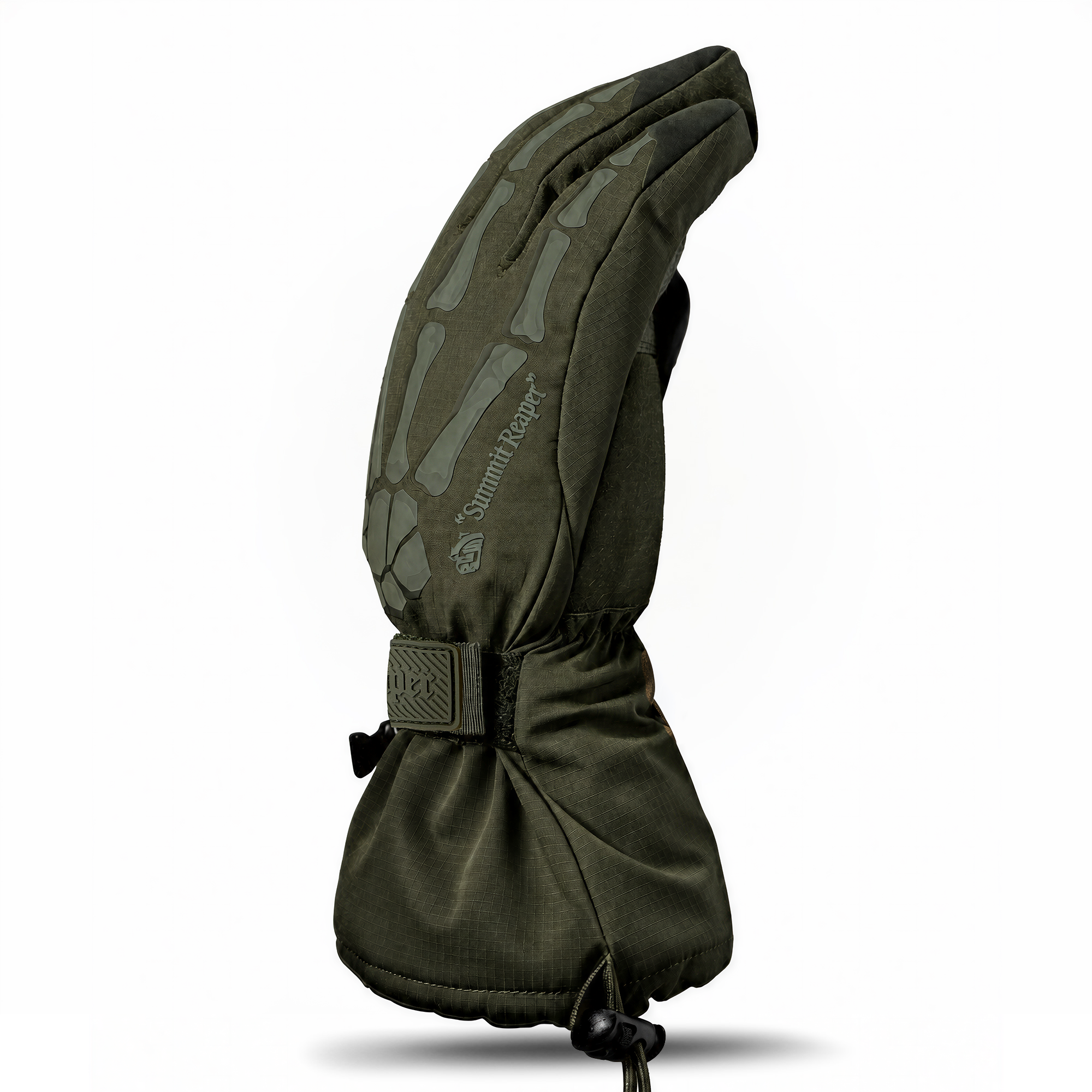
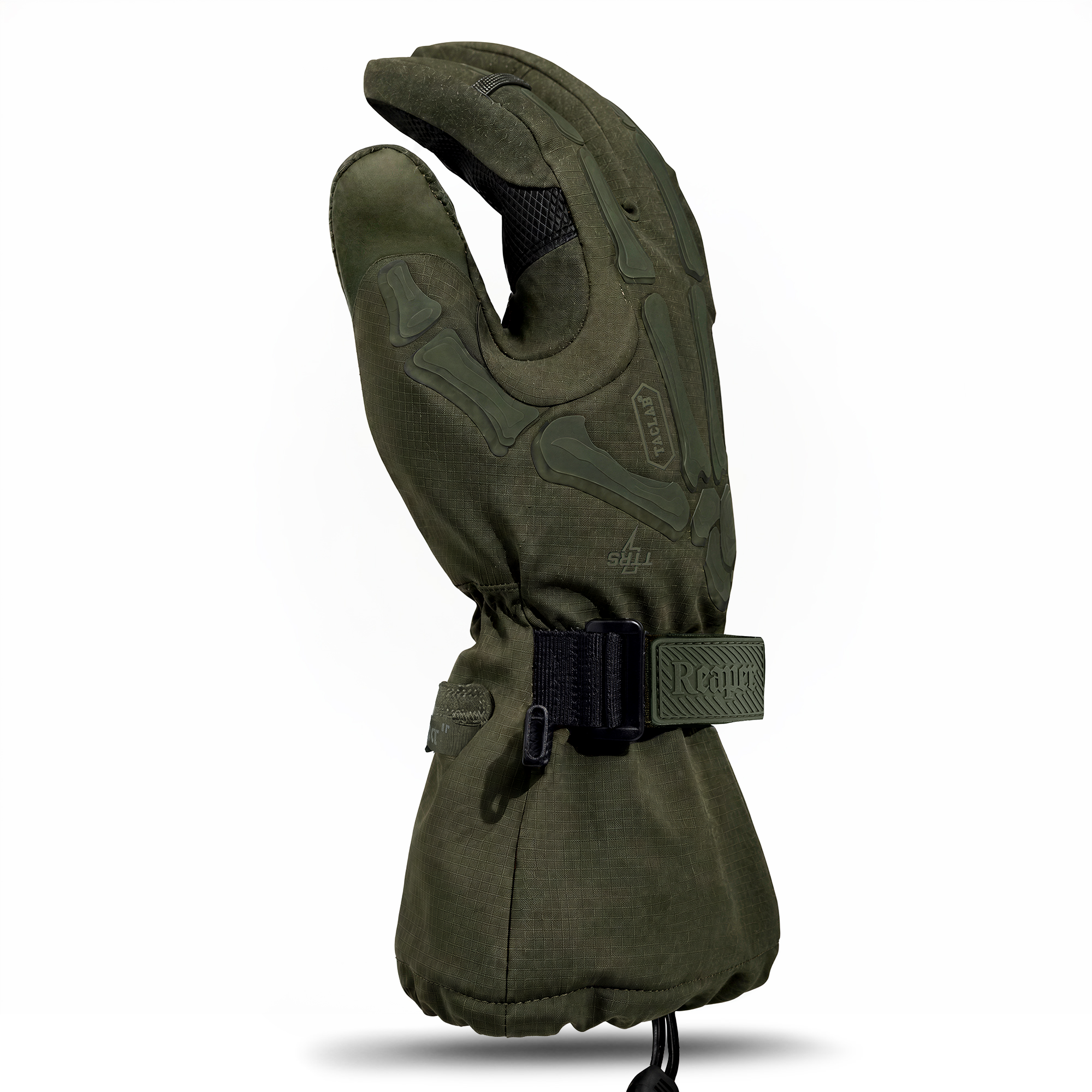
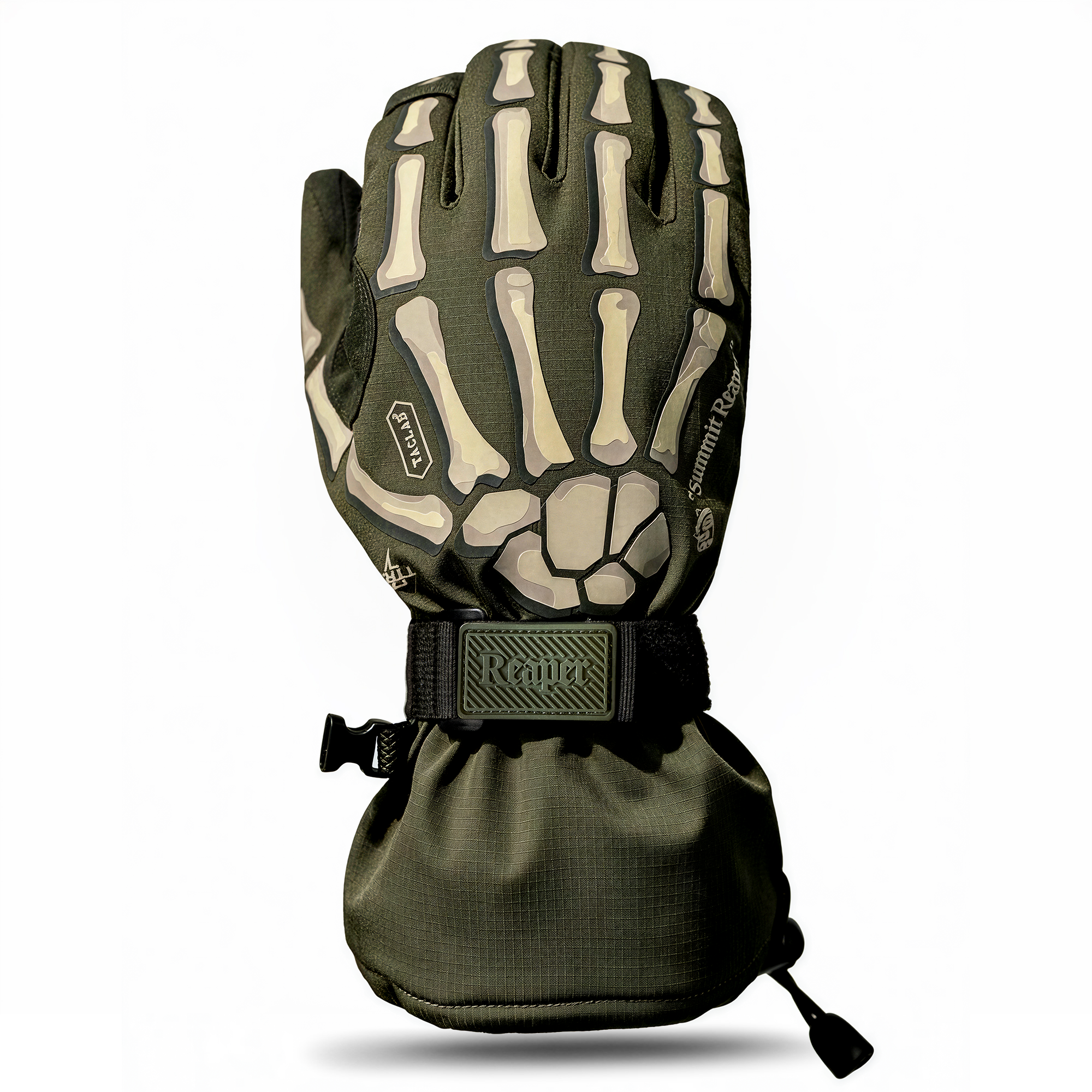
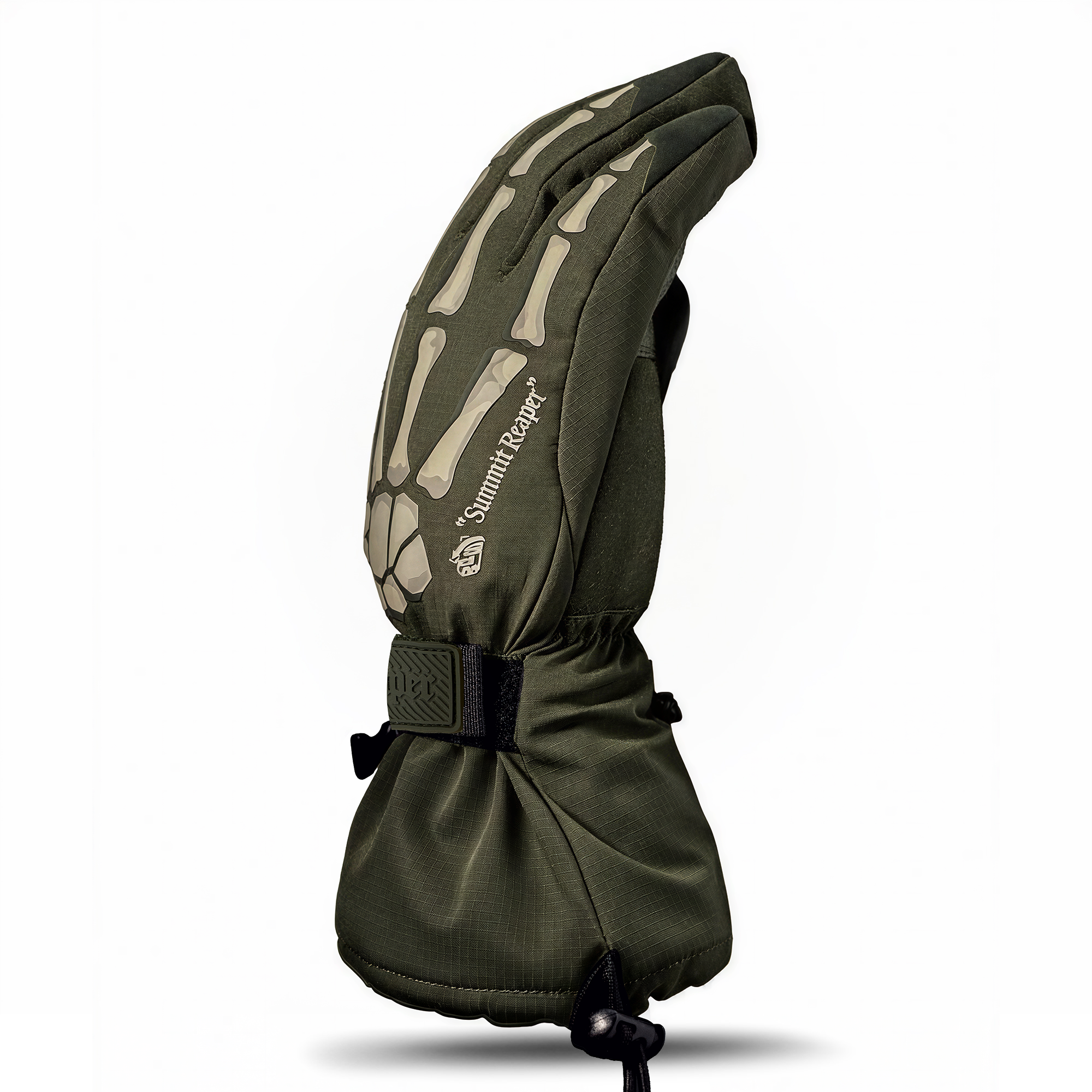
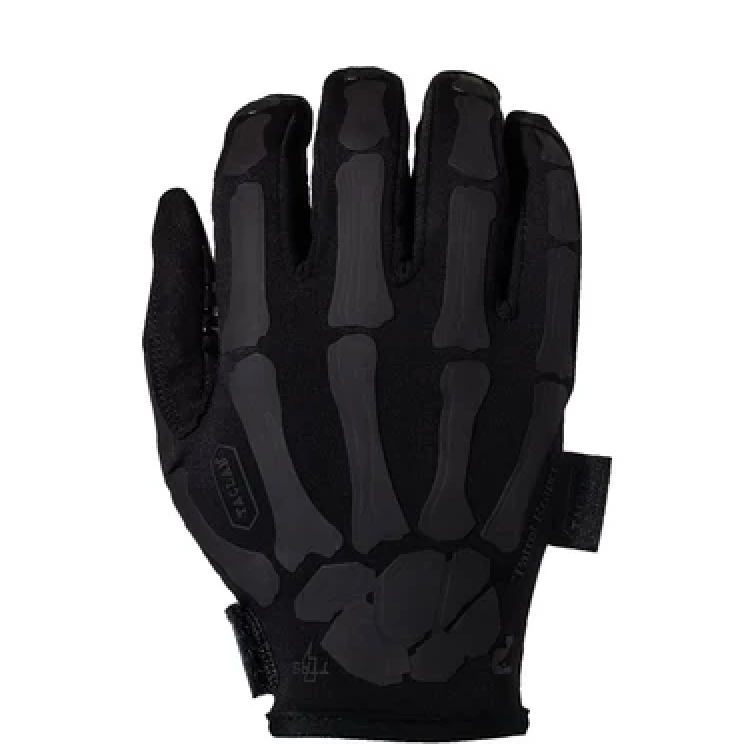
Fall might be one of the best times of year to visit an outdoor shooting range.
The summer heat begins to fade. The air gets cooler. The landscape changes. And spending a few hours outside becomes a lot more appealing.
But fall also brings a problem that summer range days don't always have:
The weather can change faster than your shooting plans.
You might arrive at the range on a crisp 45°F morning, spend the afternoon under bright sunshine, and finish your session dealing with wind, dropping temperatures, or unexpected rain.
Wear too much, and you'll be uncomfortable before lunch.
Wear too little, and cold hands or stiff fingers can make equipment handling frustrating.
Then there are the safety considerations. The wrong neckline, exposed footwear, or loose clothing can create avoidable problems around hot cartridge cases and range equipment.
So what should you actually wear to an outdoor shooting range in fall?
The answer isn't a complicated tactical outfit.
It's a practical combination of safe clothing, adaptable layers, comfortable footwear, appropriate hand protection, and essential eye and ear protection.
Here's how to put it all together.
The Short Answer: What Should You Wear to an Outdoor Shooting Range in Fall?
For most fall outdoor range sessions, start with these essentials:
-
A comfortable, relatively close-fitting shirt with a higher neckline
-
A breathable base layer appropriate for the temperature
-
A lightweight fleece, sweatshirt, or insulating mid-layer
-
A weather-resistant jacket when wind or rain is possible
-
Durable long pants
-
Closed-toe, supportive footwear
-
Proper shooting eye protection
-
Appropriate hearing protection
-
Shooting gloves when weather or training conditions call for them
-
A hat that works comfortably with your eye and ear protection
The most important principle is simple:
Dress for changing conditions, not just the temperature when you leave home.
Fall range clothing should be easy to adjust as the day progresses.
Why Fall Range Clothing Is Different From Summer Gear
Summer range clothing often focuses on managing heat, sweat, and direct sunlight.
Fall introduces more variables.
Depending on where you live, October and November might bring:
-
Cold mornings
-
Warm afternoons
-
Strong wind
-
Rain
-
Damp ground
-
Rapid temperature changes
-
Shorter daylight hours
And outdoor shooting ranges don't always provide much shelter.
An open firing line can feel significantly colder when the wind picks up, even if the forecast looks reasonable.
That doesn't mean you need heavy winter clothing.
In fact, wearing a bulky winter jacket too early in the season can create its own problems.
Instead, fall is where layering becomes especially useful.
1. Start With a Comfortable Base Layer
Your base layer is the clothing closest to your skin.
Its job is to help you stay comfortable as temperatures and activity levels change.
For a relatively mild fall day, a comfortable long-sleeve shirt may be enough.
For colder mornings, a lightweight thermal base layer can be useful.
Cotton vs. Moisture-Wicking Fabrics
Cotton can feel comfortable in dry, mild conditions.
But when it becomes wet with sweat or rain, it tends to retain moisture and may feel cold as temperatures drop.
Moisture-managing synthetic fabrics or appropriate merino wool layers can be useful when conditions are cooler or activity levels vary.
The right choice depends on the forecast, how active you'll be, and how long you expect to remain outdoors.
Pay Attention to the Neckline
This is one of the most overlooked shooting range clothing considerations.
Hot cartridge cases can occasionally contact exposed skin or fall into loose clothing.
For that reason, a higher neckline that doesn't leave a large opening around the chest is generally a more practical choice than a low-cut or loose-necked top.
Avoid clothing that can easily trap hot brass against your skin.
Range clothing should be comfortable, but it also needs to make sense around the shooting environment.
2. Add a Mid-Layer You Can Easily Remove
Fall mornings and afternoons can feel like two different seasons.
That's why a removable mid-layer is often more useful than one extremely heavy jacket.
Good options may include:
-
Lightweight fleece
-
Comfortable sweatshirt
-
Thin insulated jacket
-
Outdoor performance mid-layer
The goal is warmth without unnecessary bulk.
A mid-layer should let you move your shoulders, elbows, and wrists naturally.
If you're constantly adjusting tight sleeves or fighting stiff fabric, it's probably not ideal for a range session.
Why Removable Layers Work Better
Imagine arriving at 8:00 a.m. when it's 48°F.
You wear a base layer, fleece, and light jacket.
By noon, it's 68°F.
Instead of sweating through a heavy coat, you remove a layer and continue comfortably.
That's the advantage.
Good fall clothing adapts to the weather instead of forcing you to tolerate it.
3. Choose an Outer Layer That Handles Wind and Light Rain
Not every fall range day requires a jacket.
But bringing one is often a good idea.
For outdoor shooting, look for an outer layer that provides appropriate weather protection without excessive loose material.
Consider:
-
Wind resistance
-
Light rain protection
-
Comfortable shoulder movement
-
Sleeves that don't interfere with hand movement
-
Pockets that remain accessible
-
A secure fit without dangling cords
Be mindful of loose drawstrings, bulky cuffs, and accessories that could interfere with equipment or safe handling.
Should You Wear a Heavy Jacket?
Only when conditions justify it.
A bulky jacket may be necessary during genuinely cold weather, but it can also affect comfort and movement.
If you expect to wear a particular jacket regularly during outdoor shooting, become familiar with how it fits and moves in that environment.
The goal isn't to look tactical.
It's to remain warm, comfortable, and able to handle equipment safely.
4. Wear Durable Long Pants
For most outdoor range environments, long pants are a practical choice.
They provide coverage against:
-
Rough benches and surfaces
-
Dirt
-
Gravel
-
Vegetation
-
Cool wind
-
Minor scrapes
You don't necessarily need specialized tactical pants.
Comfortable jeans, durable outdoor pants, or appropriately fitted utility pants may all work.
What Matters More Than the Label?
Fit and movement.
You should be able to:
-
Walk comfortably
-
Bend your knees
-
Sit or kneel as permitted by your range
-
Move without clothing pulling excessively
-
Access necessary items without struggling
Avoid pants that are so loose they create unnecessary snagging hazards or so restrictive they limit movement.
For wet fall conditions, consider materials that dry reasonably well and footwear-compatible cuffs that don't drag through mud.
5. Closed-Toe Shoes Are Essential
This isn't the place for sandals.
Closed-toe footwear is an important part of sensible range attire.
Outdoor ranges may have gravel, uneven ground, mud, and other hazards.
Hot cartridge cases can also land near your feet.
Choose shoes or boots that provide:
-
Full toe coverage
-
Stable traction
-
Comfortable support
-
Secure fit
-
Appropriate weather protection
For a dry, maintained outdoor range, supportive athletic shoes may be sufficient if the facility permits them.
For muddy or uneven terrain, outdoor boots or trail-oriented footwear may be more practical.
Should You Wear Tactical Boots?
Not necessarily.
A good pair of comfortable outdoor shoes can be more useful than heavy boots that don't fit properly.
Choose footwear according to the range surface and expected conditions.
Traction, comfort, and coverage matter more than tactical styling.
6. Eye Protection: The One Accessory You Shouldn't Compromise On
Eye protection is essential at the shooting range regardless of the season.
Fall introduces additional environmental considerations such as wind, dust, and changing light.
Appropriate shooting glasses help protect against hazards such as flying debris and ejected cases.
Choose eyewear that meets your range's requirements and is appropriately impact-rated for the activity.
Clear or Tinted Lenses for Fall?
Both can be useful.
Clear lenses are practical for cloudy conditions and lower-light environments.
Tinted lenses can improve comfort under bright sunlight.
If you frequently shoot in changing conditions, interchangeable lens options may be worth considering.
Make sure your glasses fit comfortably with your hearing protection.
A poor combination can create pressure points or interfere with the seal of earmuffs.
And remember: ordinary fashion sunglasses are not automatically suitable shooting safety glasses.
7. Hearing Protection Is Just as Important Outdoors
Some shooters assume outdoor ranges are much quieter than indoor facilities.
While sound behaves differently in open environments, gunfire can still produce hazardous noise levels.
Proper hearing protection remains essential.
Common choices include:
-
Appropriately rated earplugs
-
Passive earmuffs
-
Electronic hearing-protection earmuffs
In particularly loud conditions, properly fitted earplugs used with earmuffs may provide additional protection.
Follow the equipment manufacturer's instructions and the range's safety requirements.
A Fall-Specific Consideration
Hats, hoods, and thick clothing can interfere with earmuff positioning.
If your outerwear prevents the ear cups from sealing correctly, you may not be receiving the protection you expect.
Check the fit before shooting.
8. Shooting Gloves: Optional in Summer, More Useful as Temperatures Drop
Let's talk about hands.
Because this is where fall shooting becomes interesting.
During warm-weather range sessions, some shooters prefer bare hands.
Others wear lightweight gloves for grip, comfort, and hand coverage.
But as temperatures drop, gloves become more appealing.
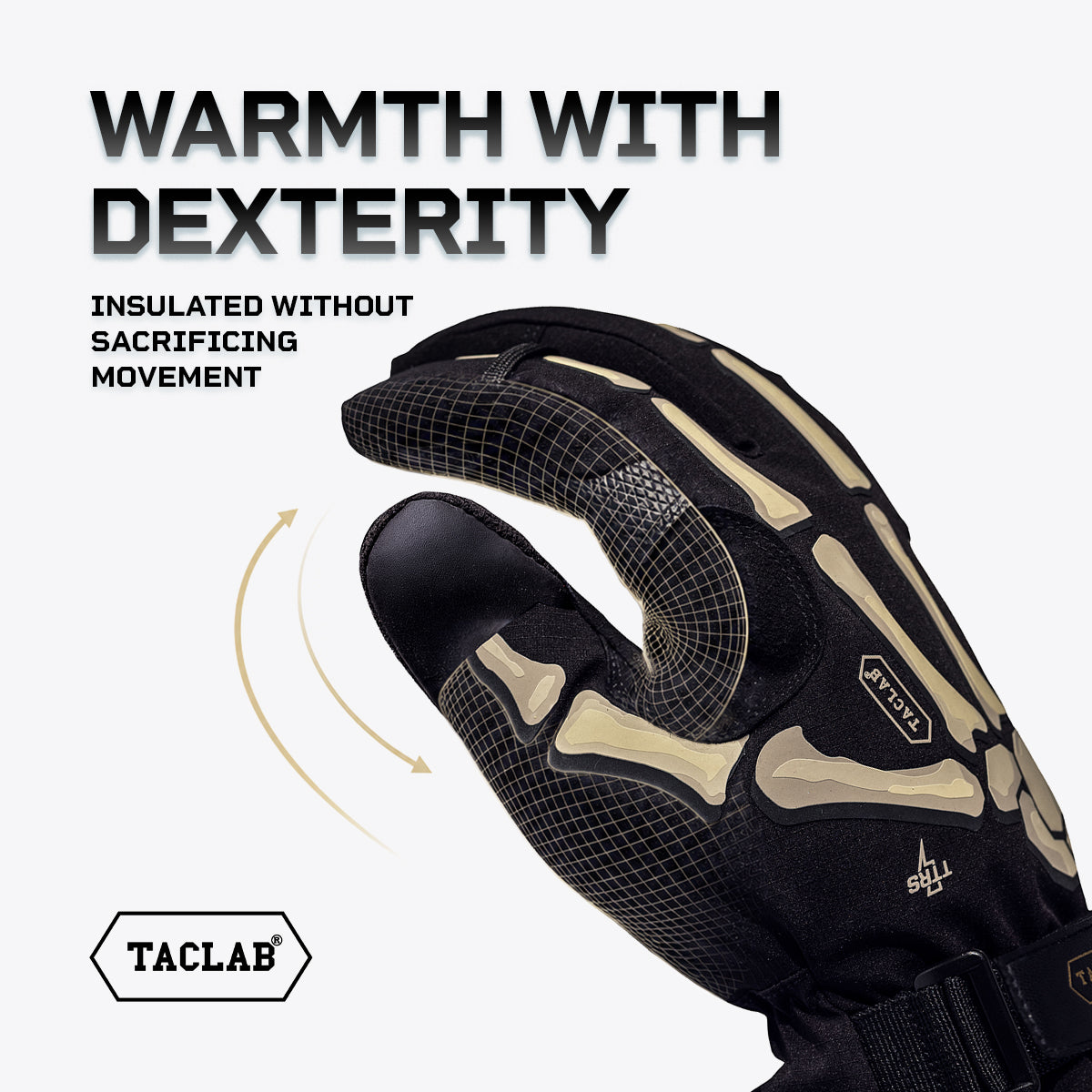
Cold hands may feel stiff or uncomfortable, and maintaining dexterity becomes more challenging.
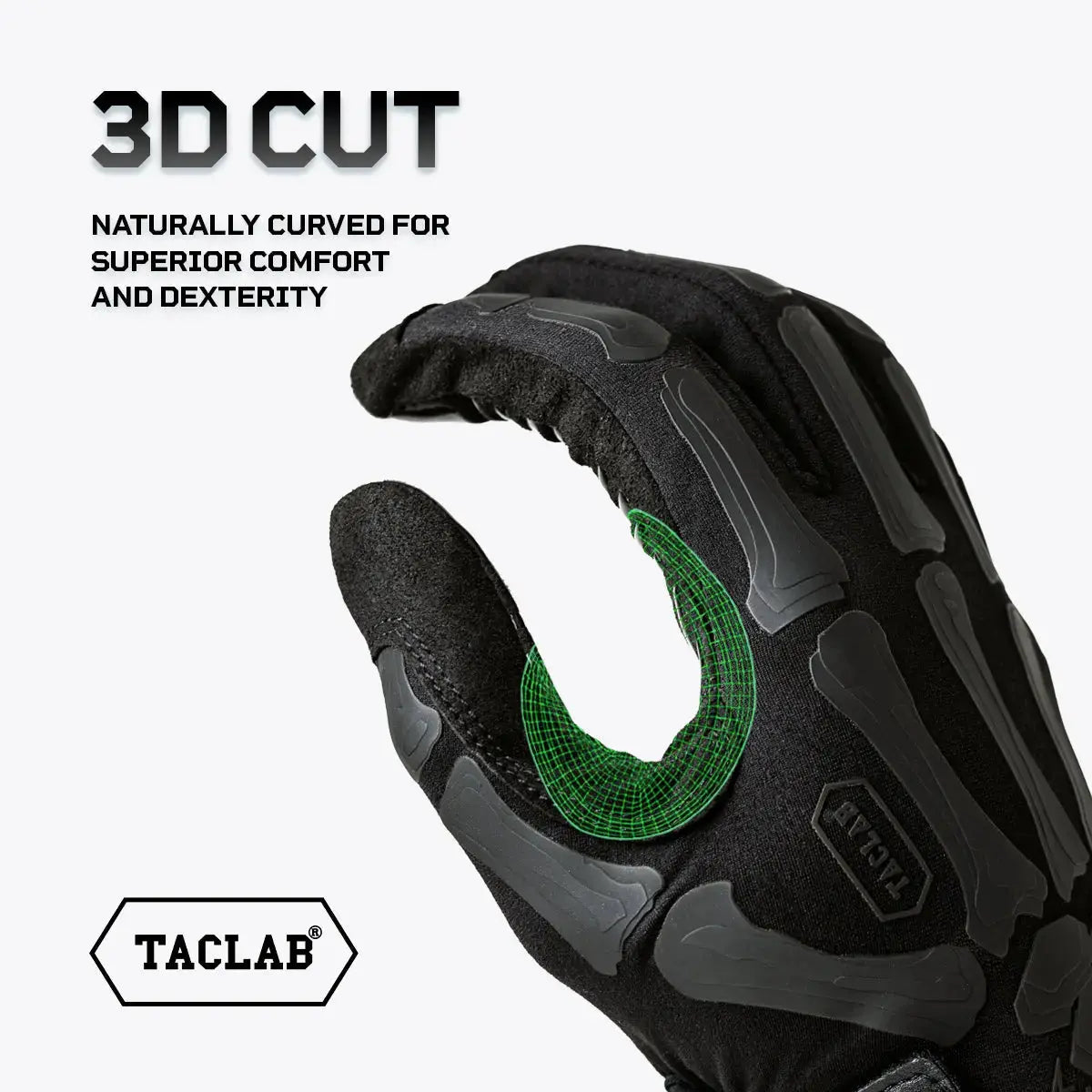
At the same time, extremely bulky gloves can make fine equipment manipulation harder.
That creates a familiar trade-off:
Warmth vs. dexterity.
The goal is to find enough protection for the conditions without unnecessarily sacrificing finger movement.
When Do Shooting Gloves Make Sense in Fall?
Consider wearing shooting gloves when:
-
Morning temperatures are uncomfortable
-
Wind makes your hands feel cold
-
You're training outdoors for several hours
-
Your hands become sweaty during warmer afternoons
-
You're repeatedly handling equipment
-
Your training environment involves rough surfaces
But remember that gloves aren't mandatory for every range session.
We explored that question in detail in our guide, Should You Wear Gloves at the Shooting Range? Pros and Cons Explained.
The right choice depends on your environment, personal comfort, and the kind of training you're doing.
Choosing the Right TACLAB Gloves for Fall
Not every fall day calls for the same glove.
A sunny October afternoon and a windy November morning can require very different gear.
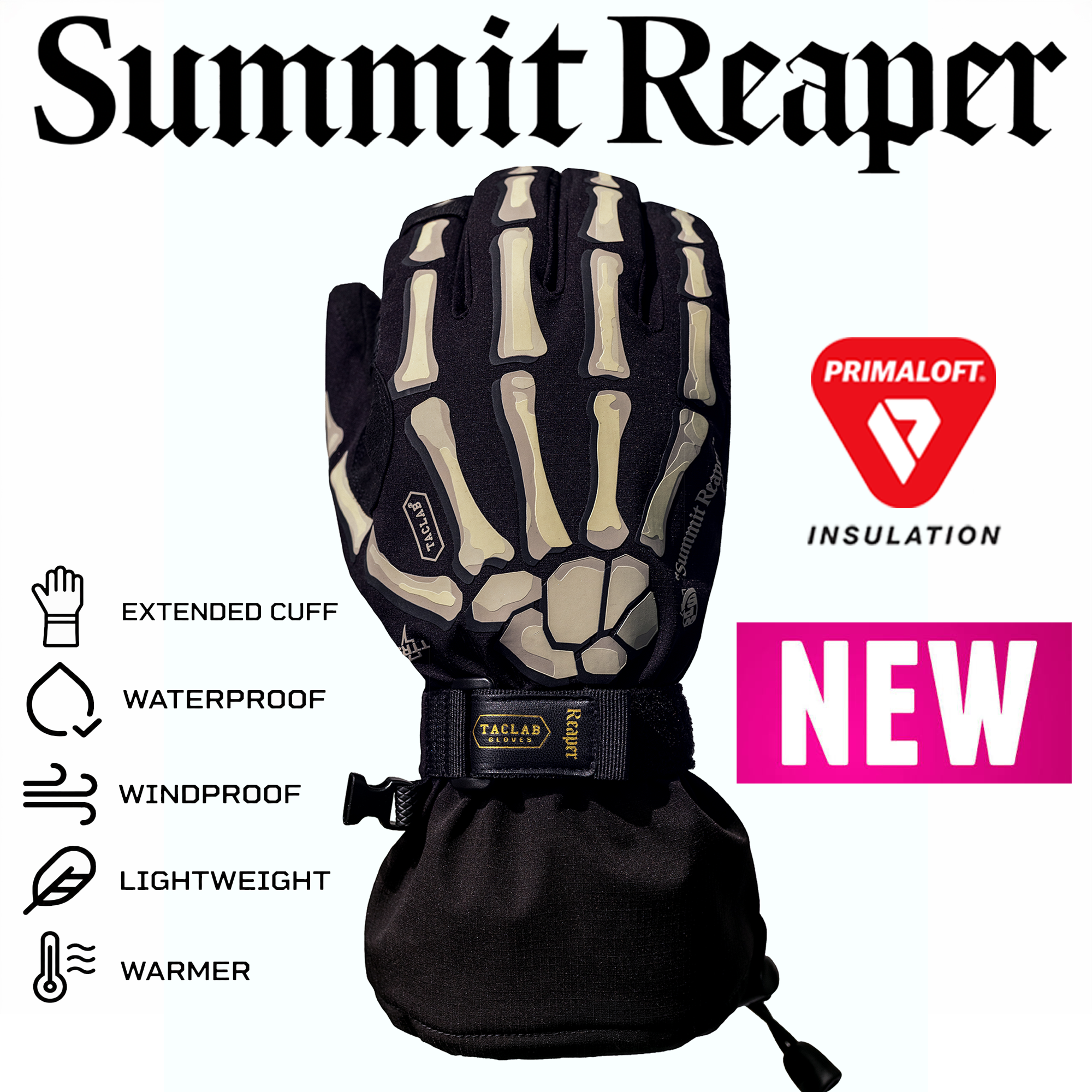
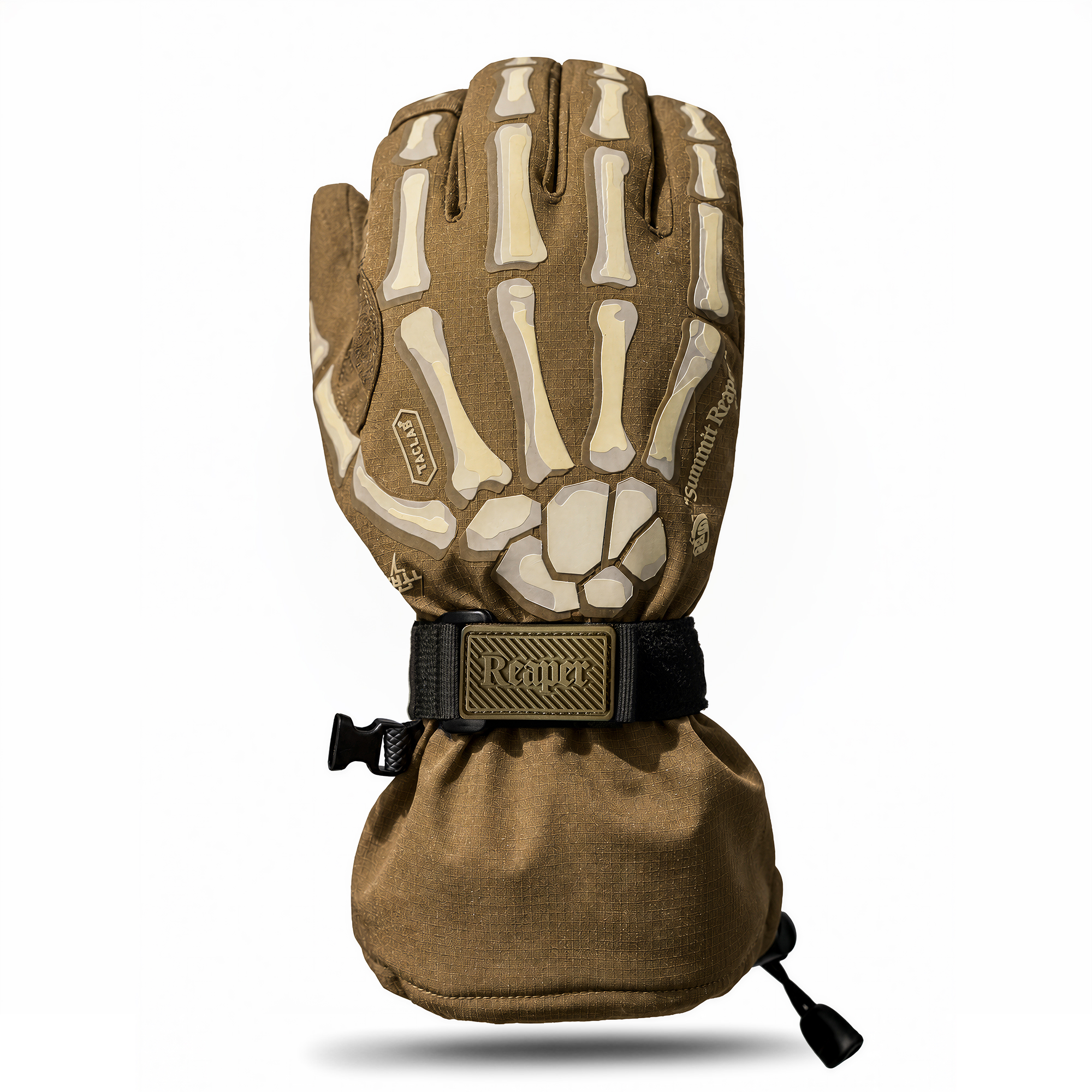
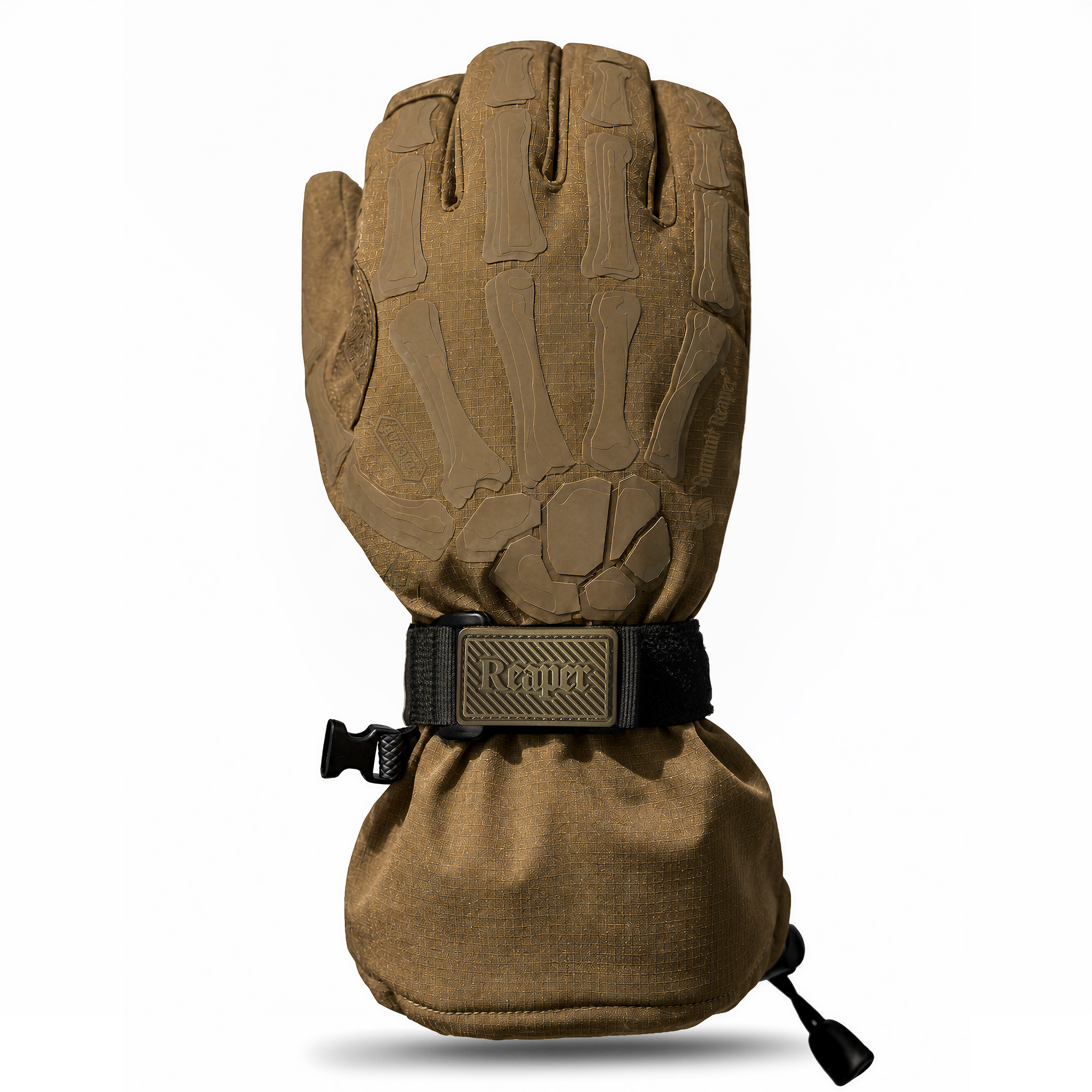
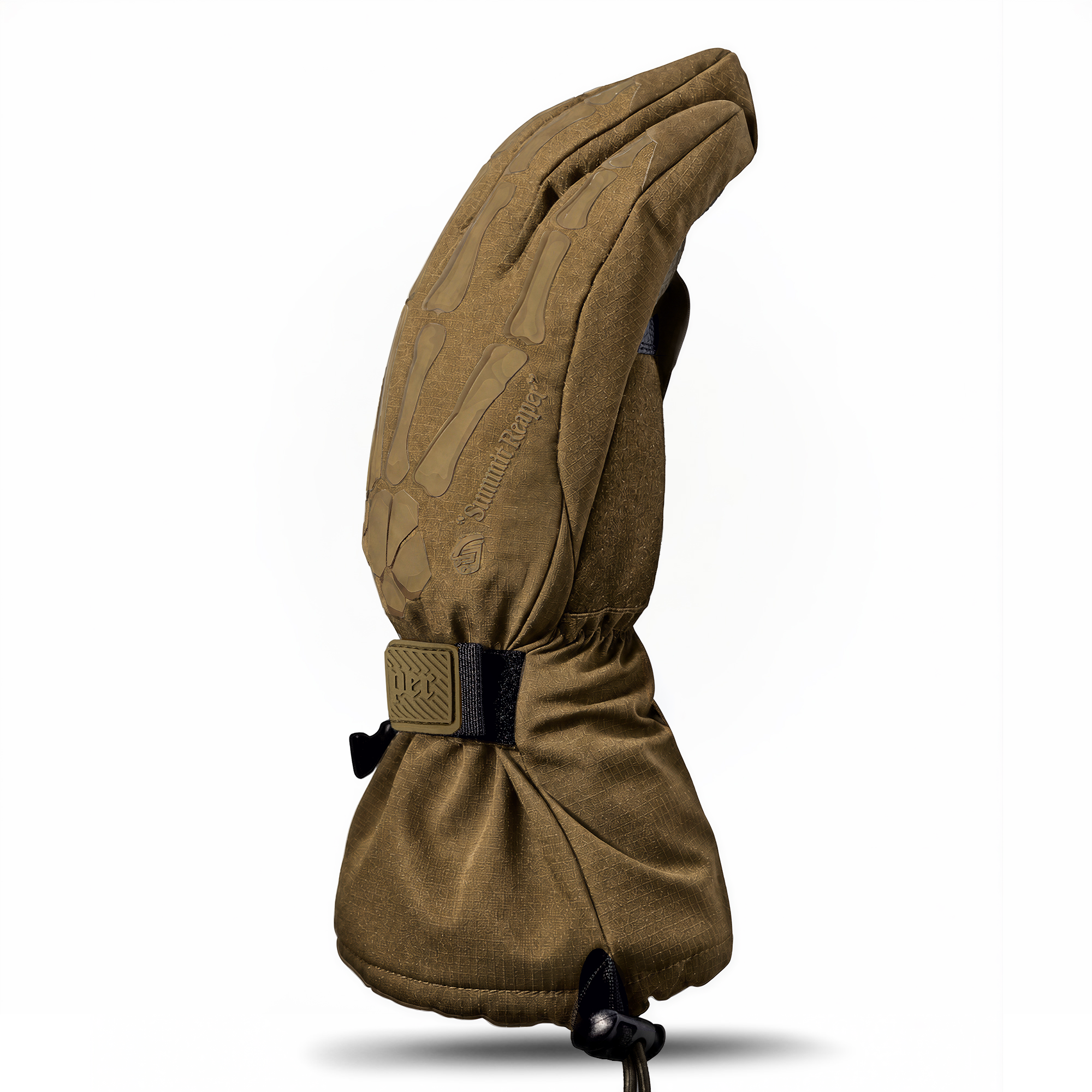
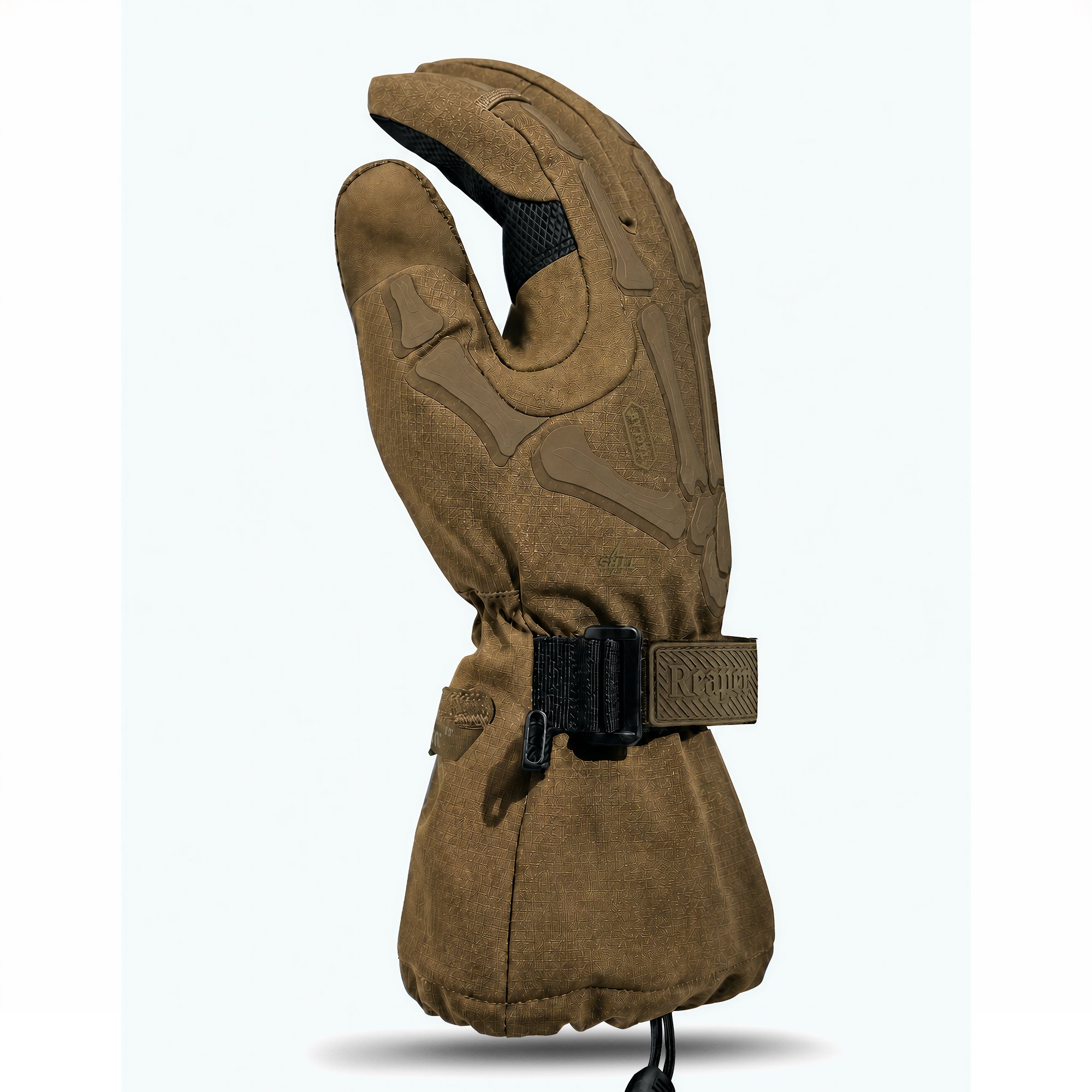
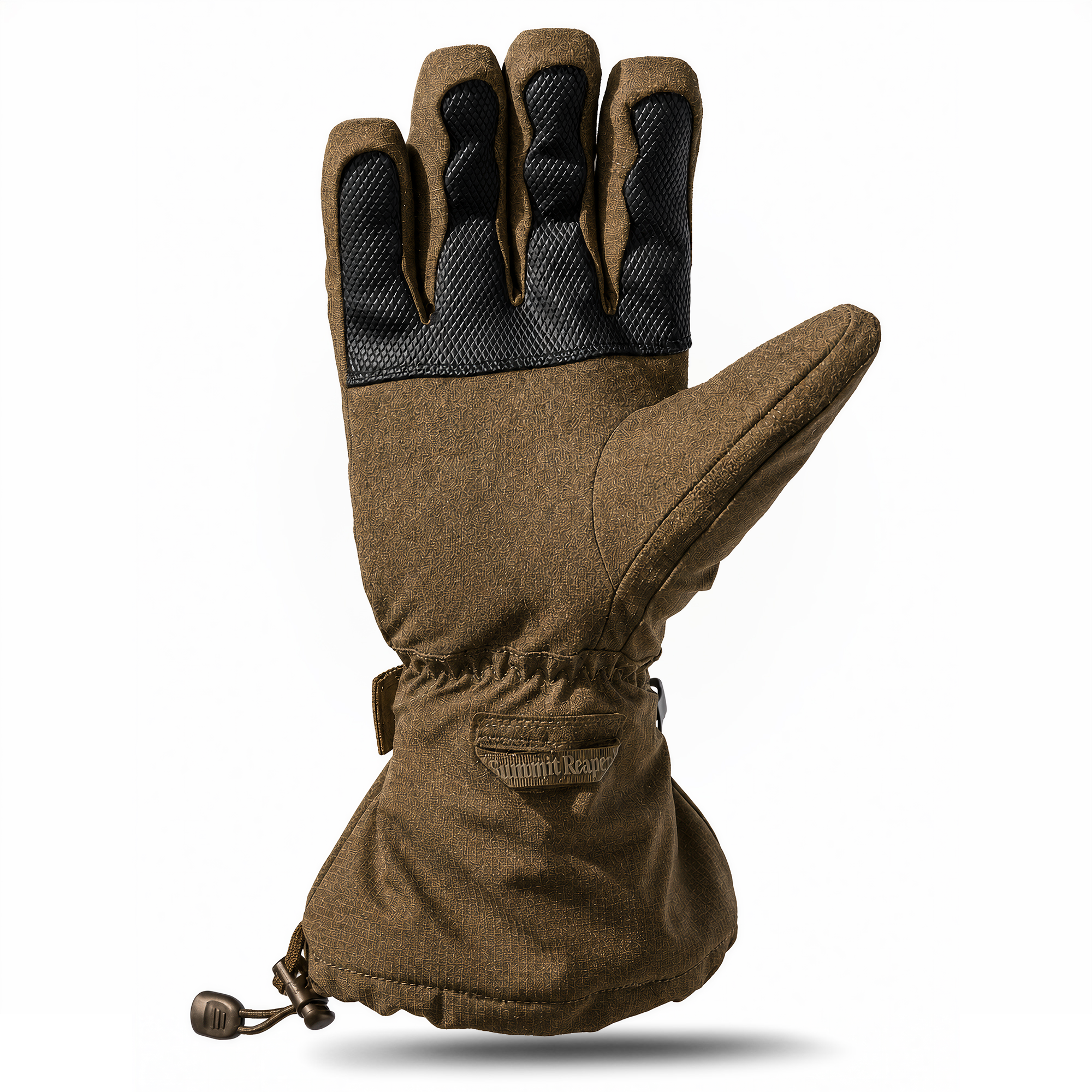
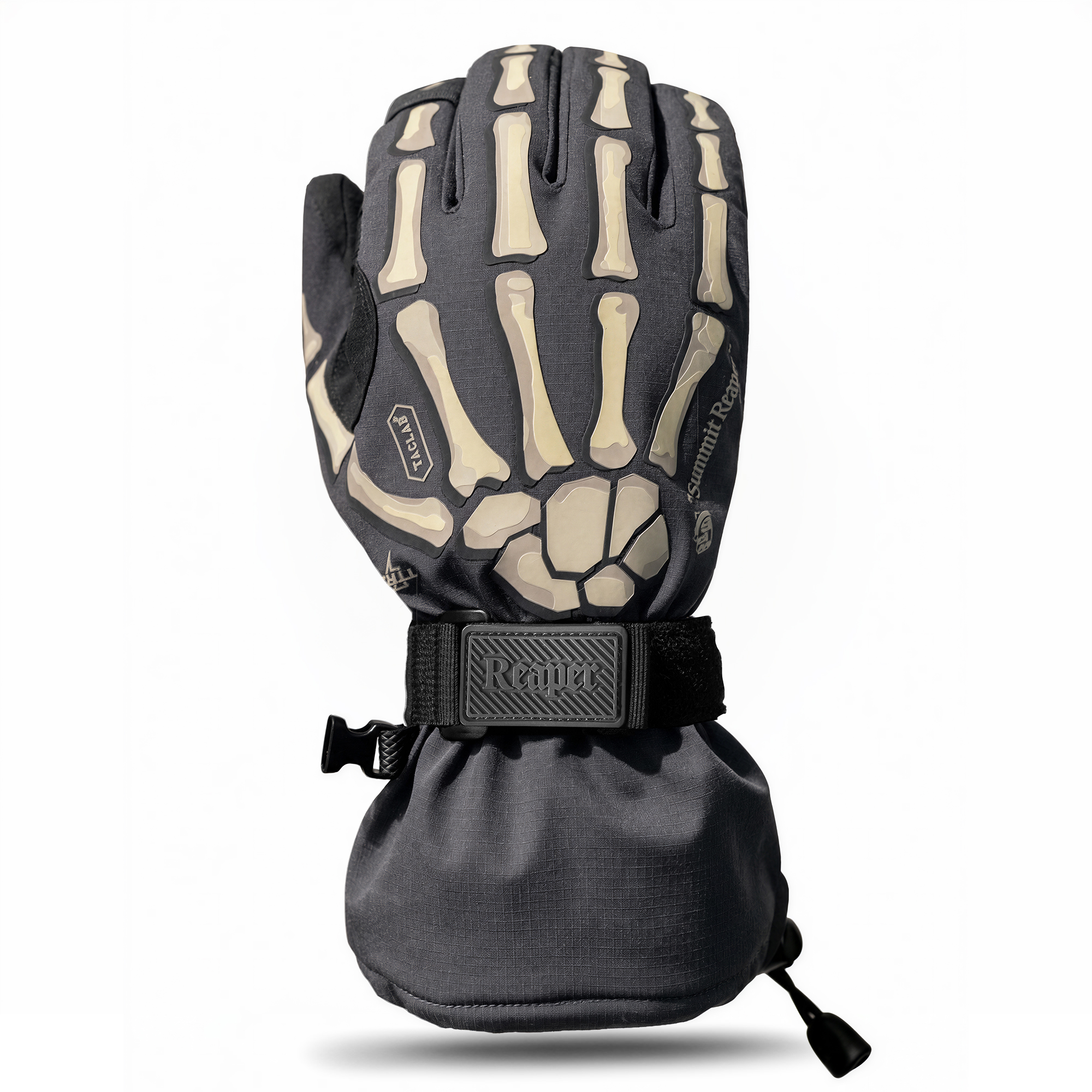
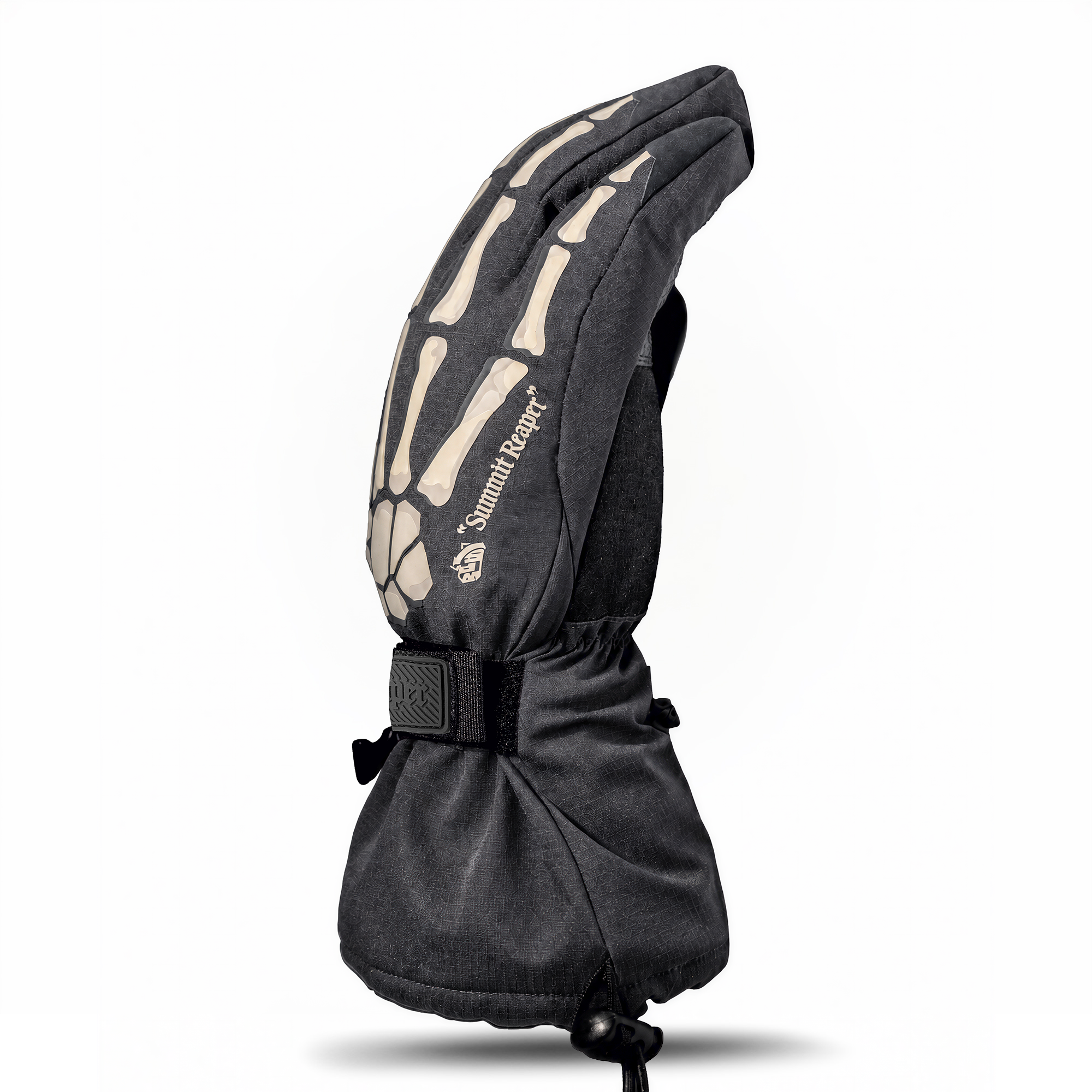
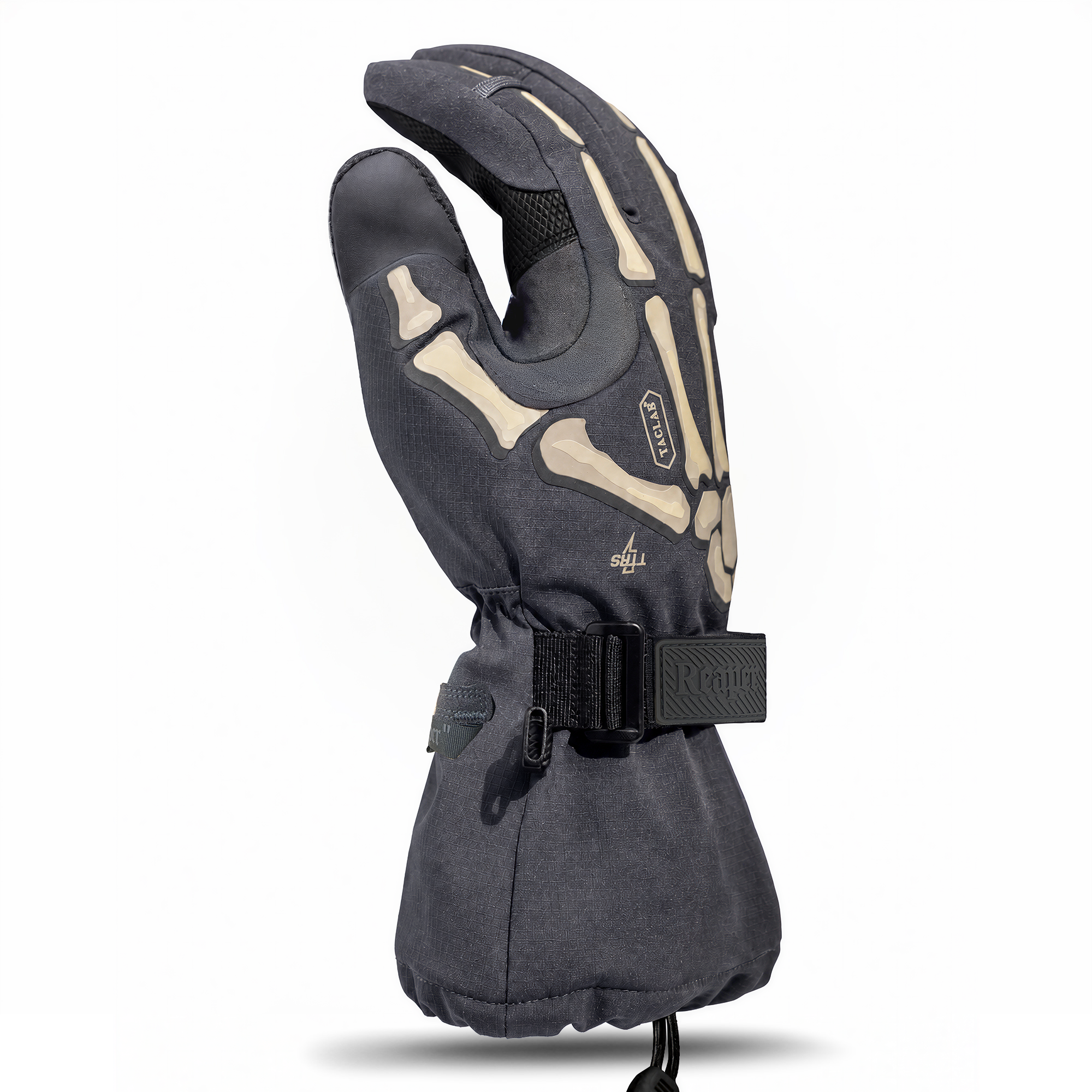
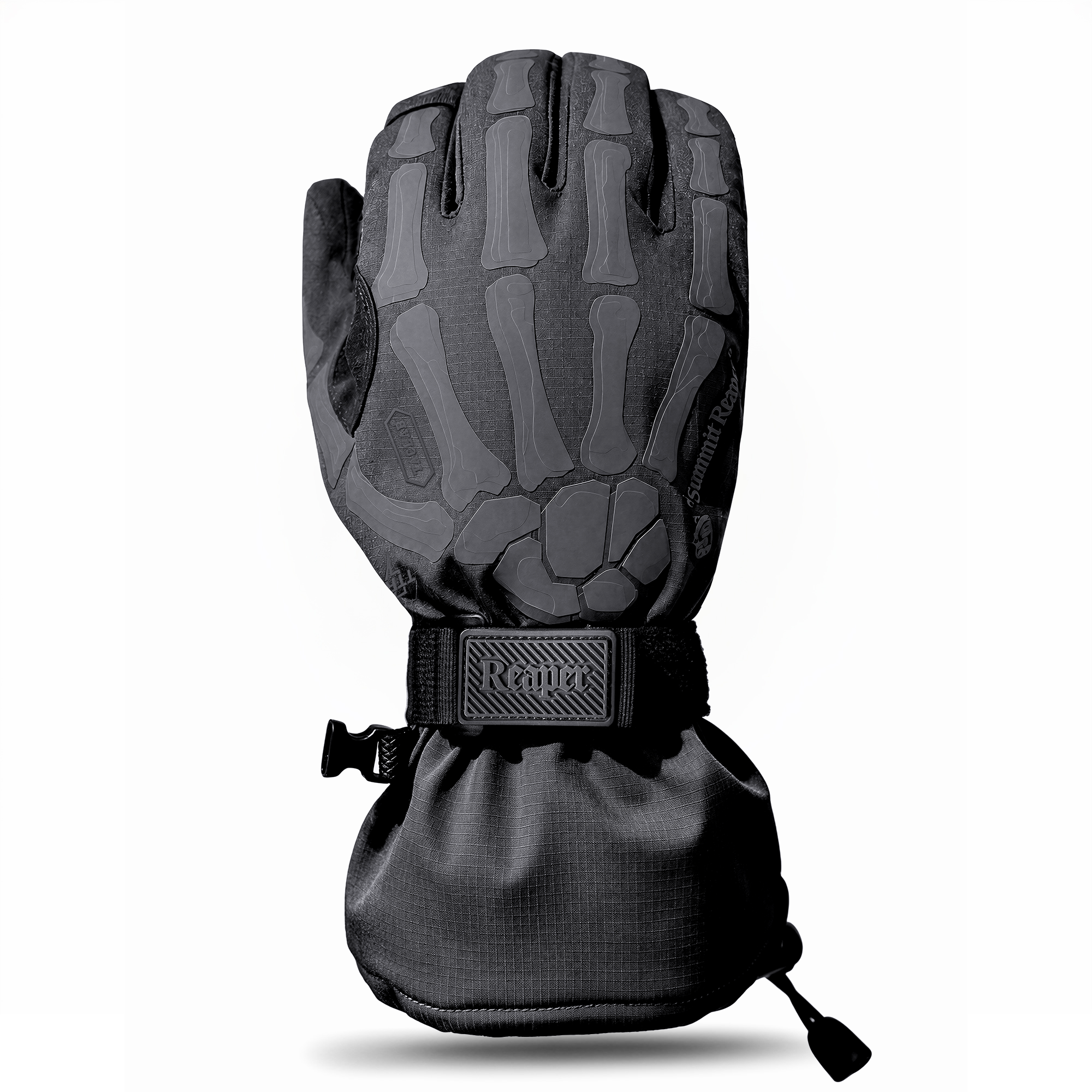
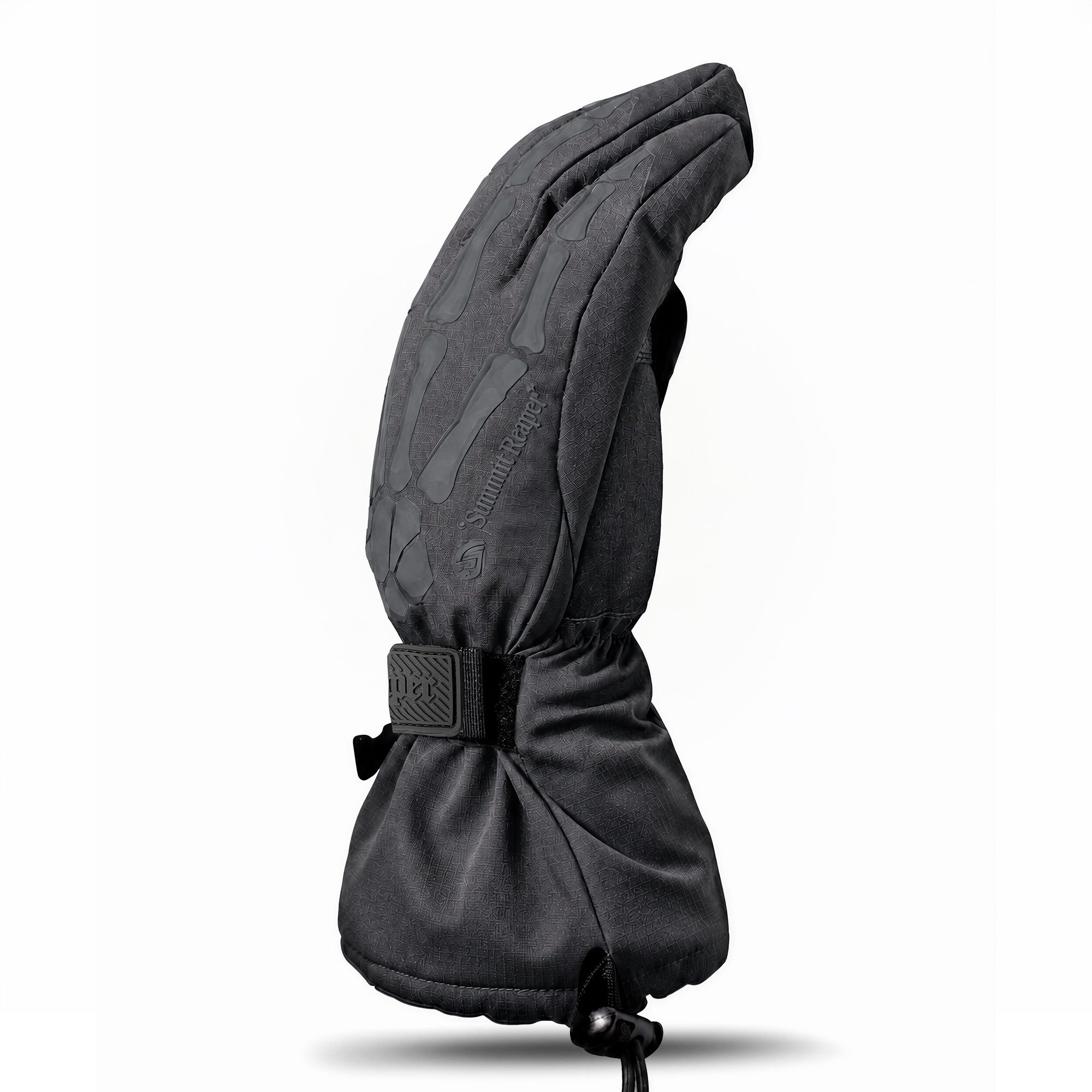
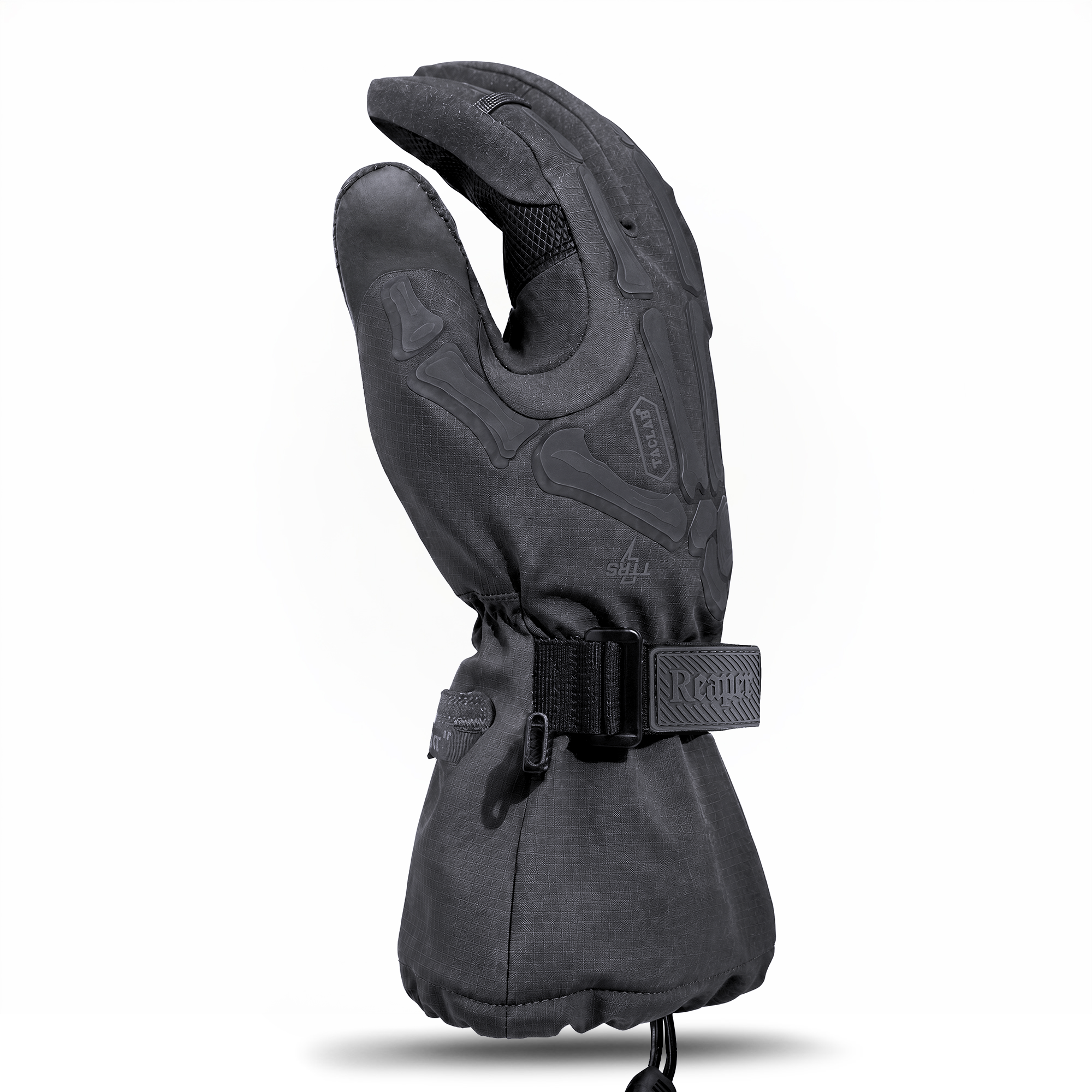
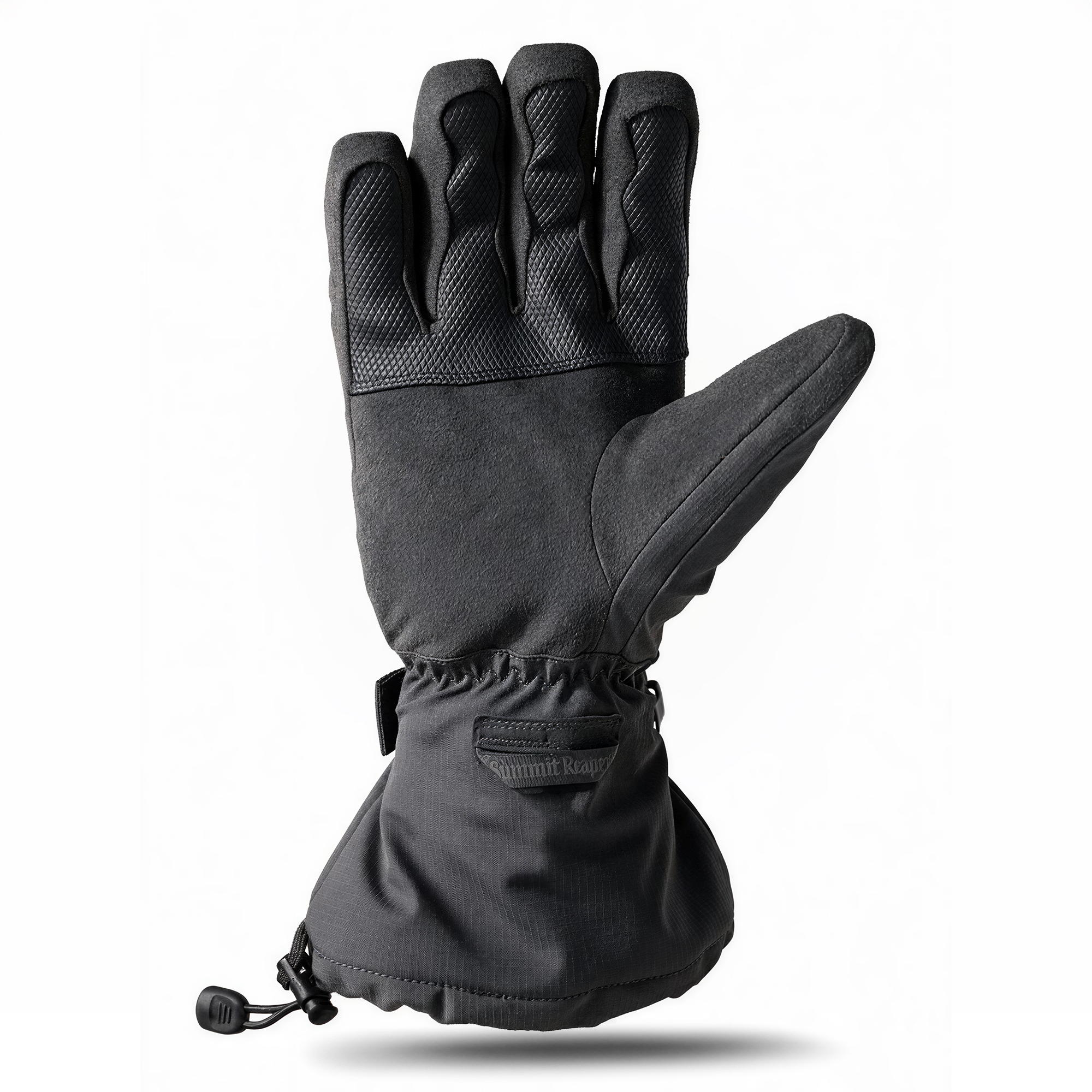
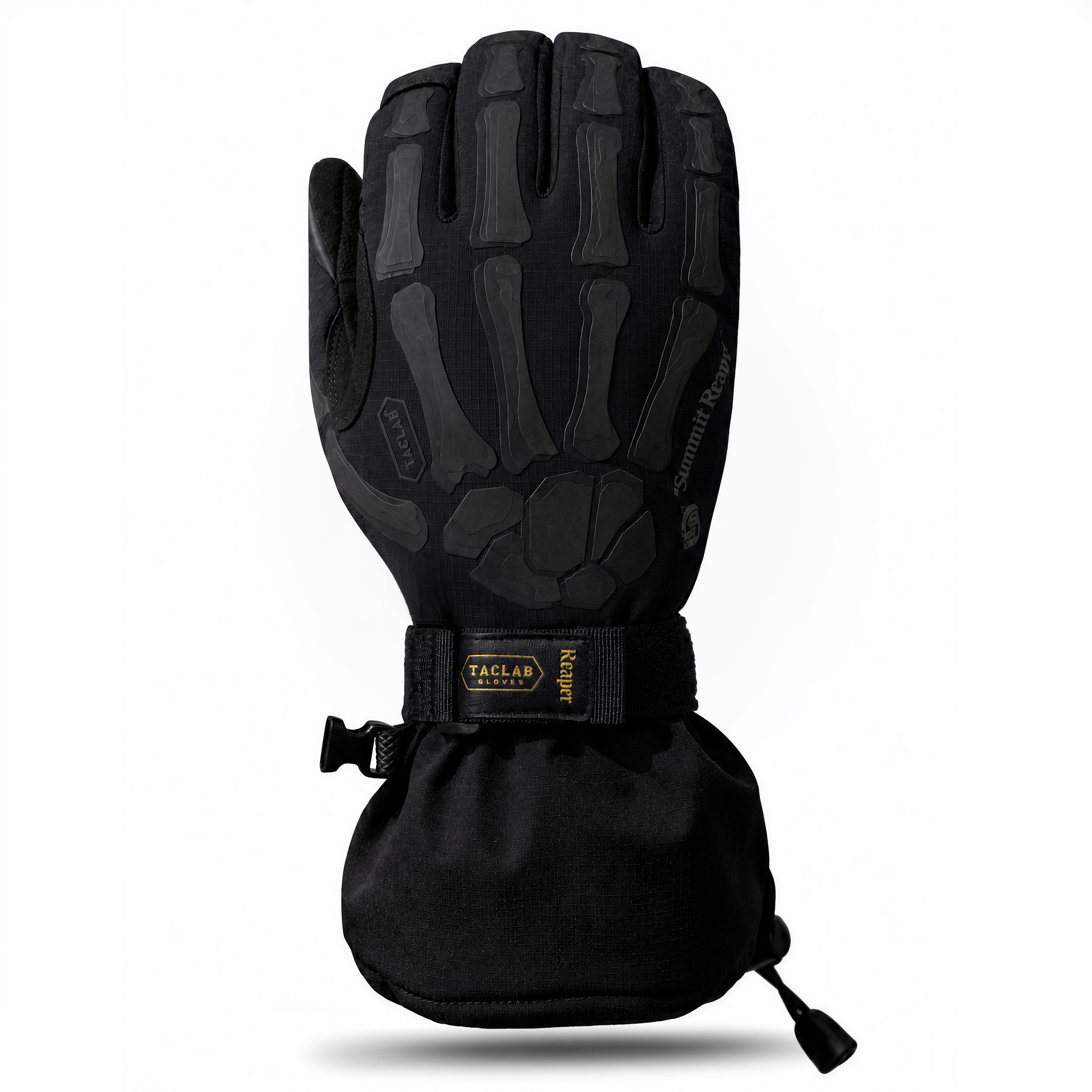
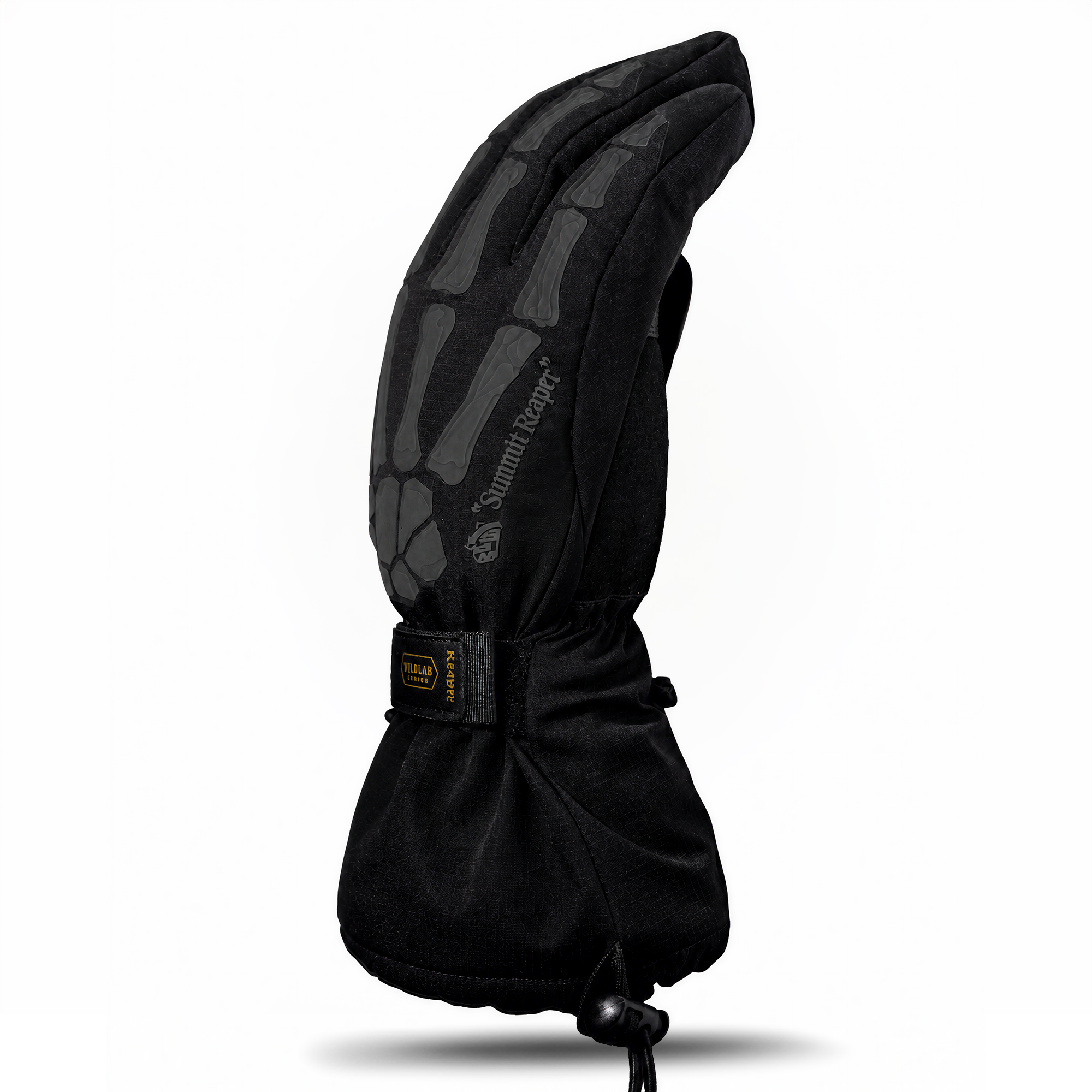
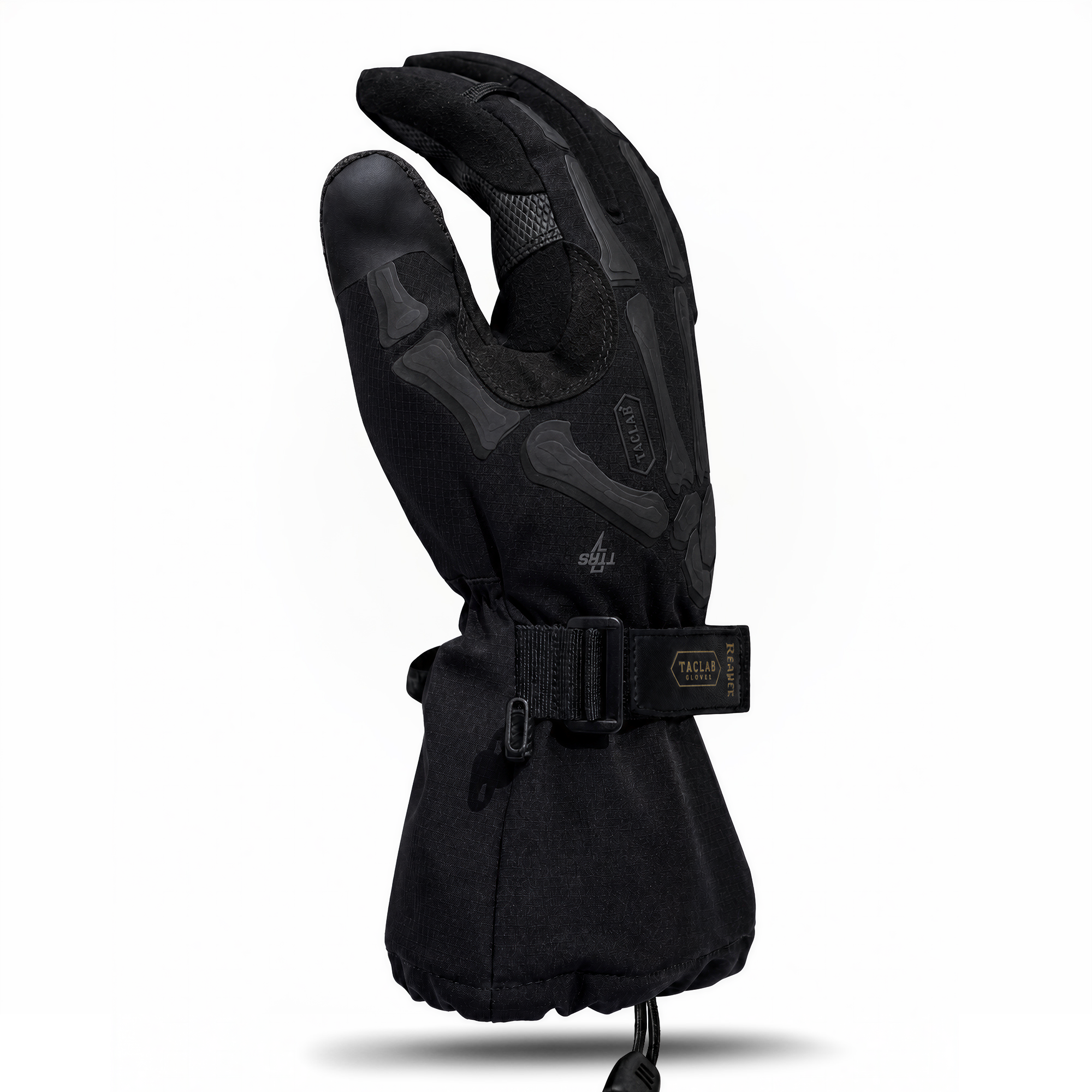
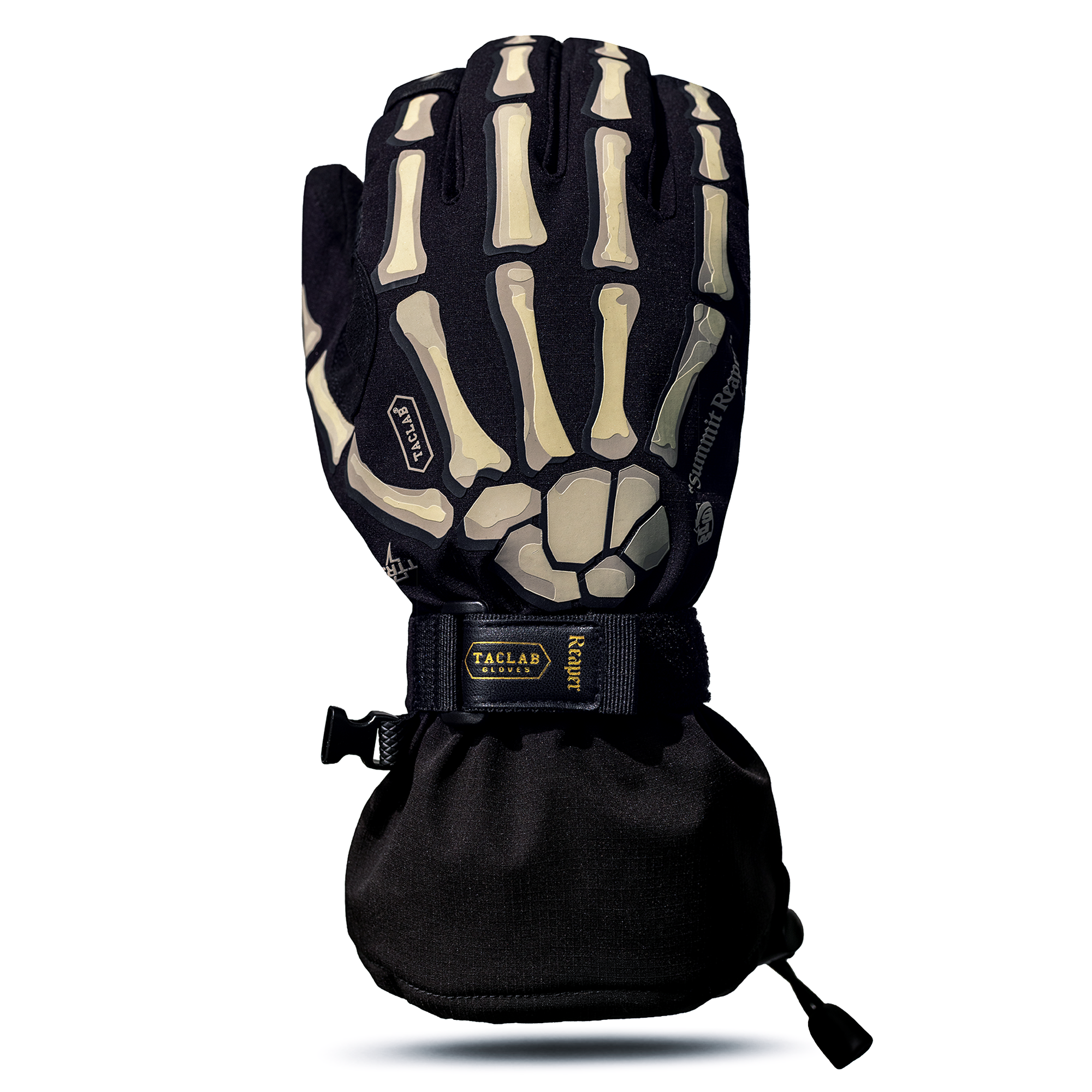
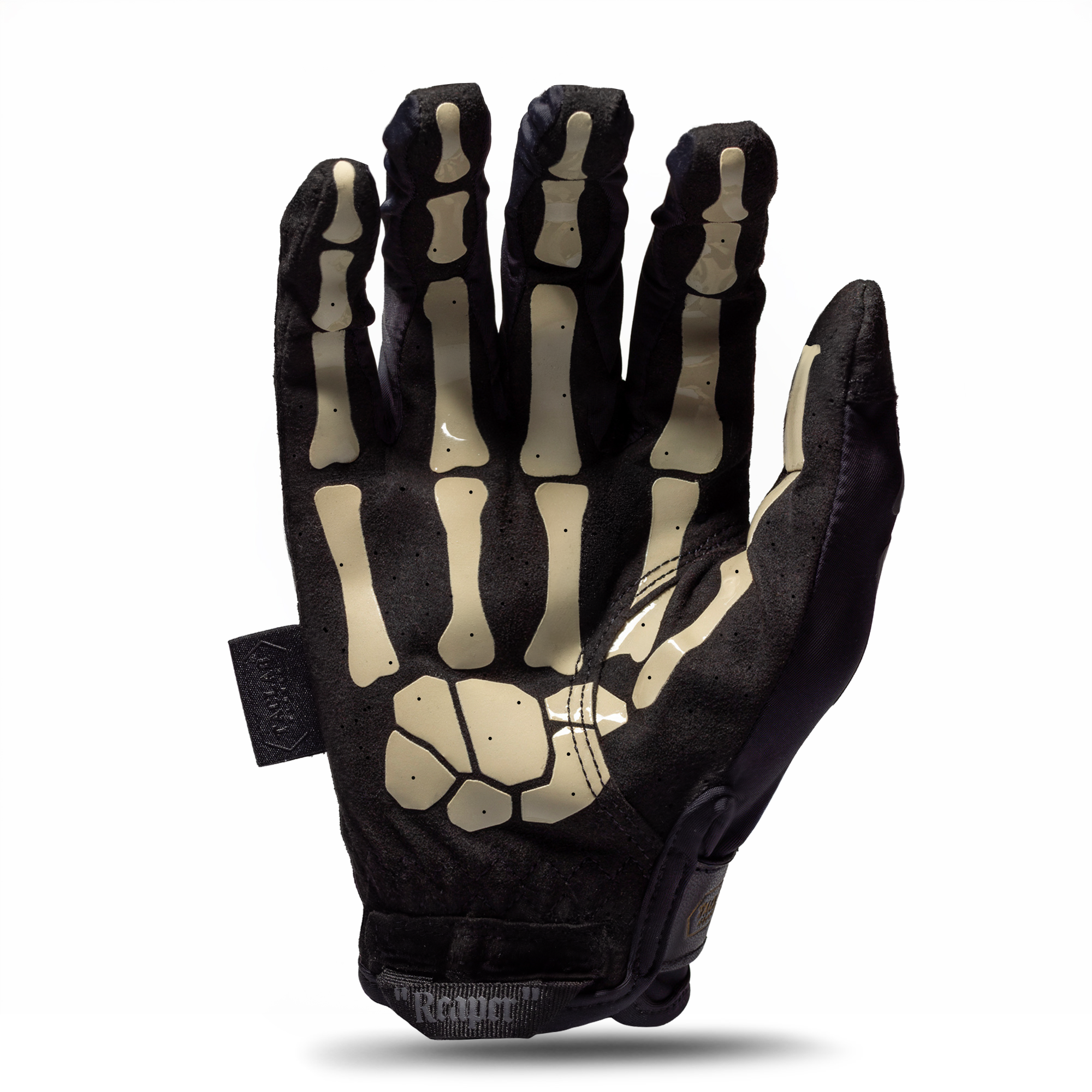
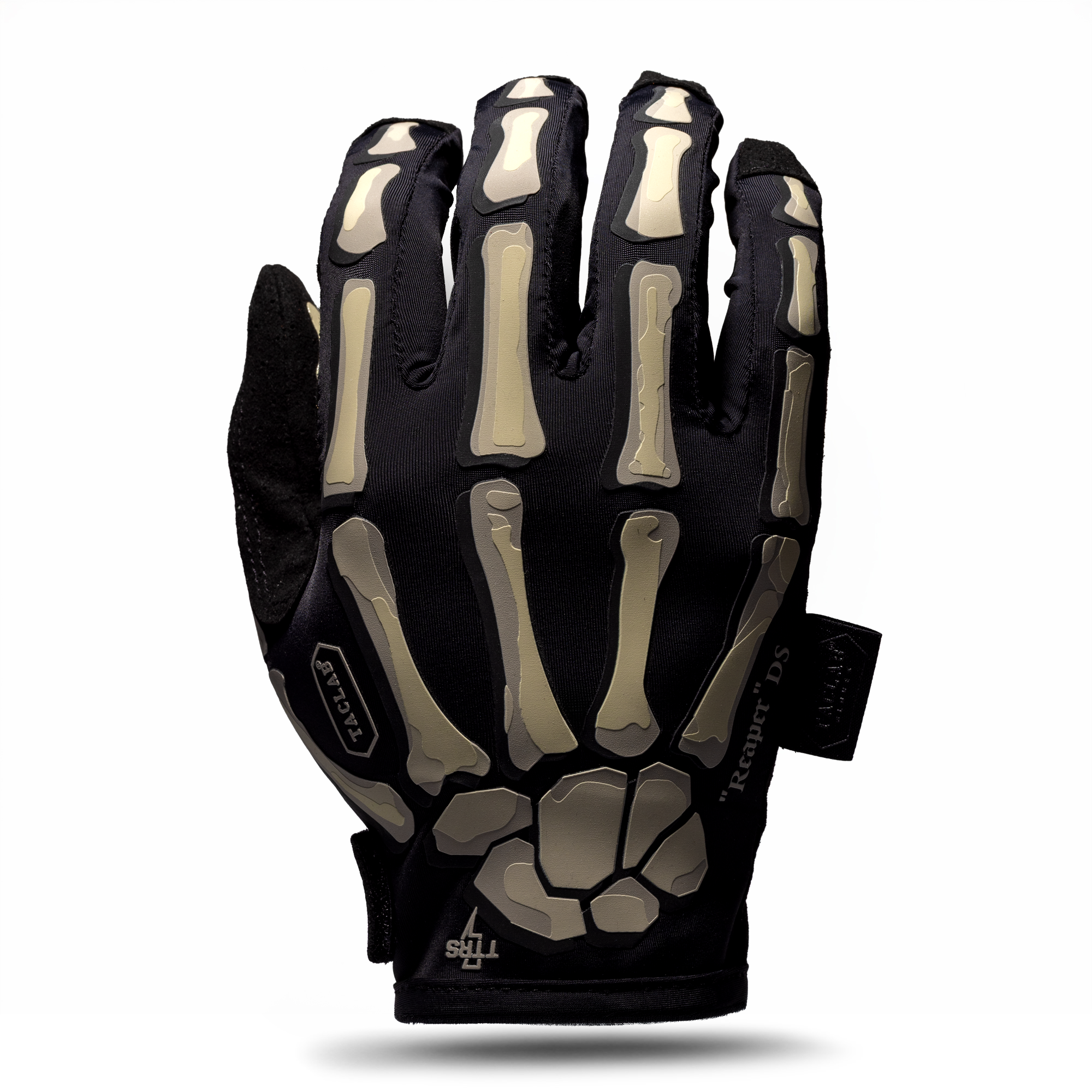
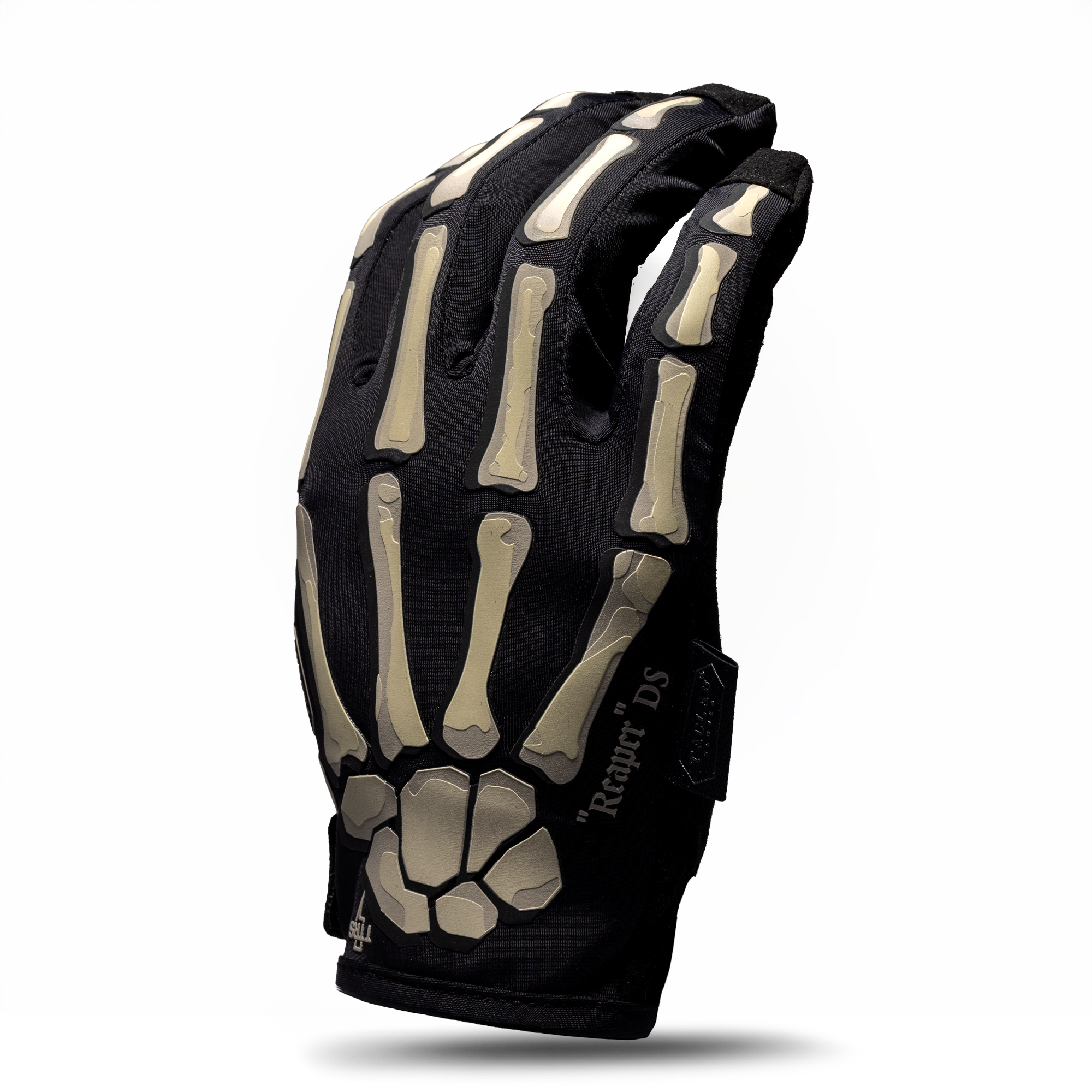
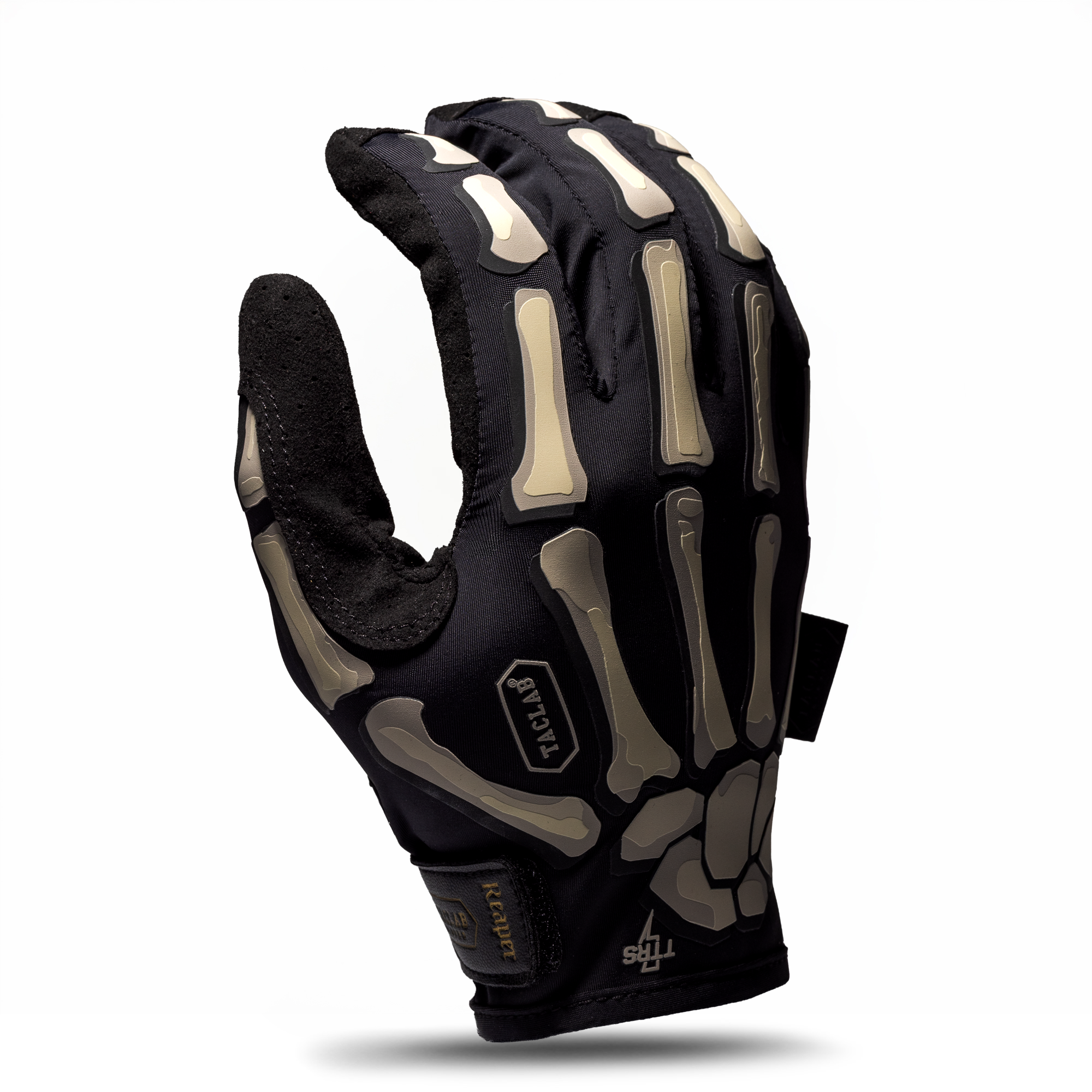
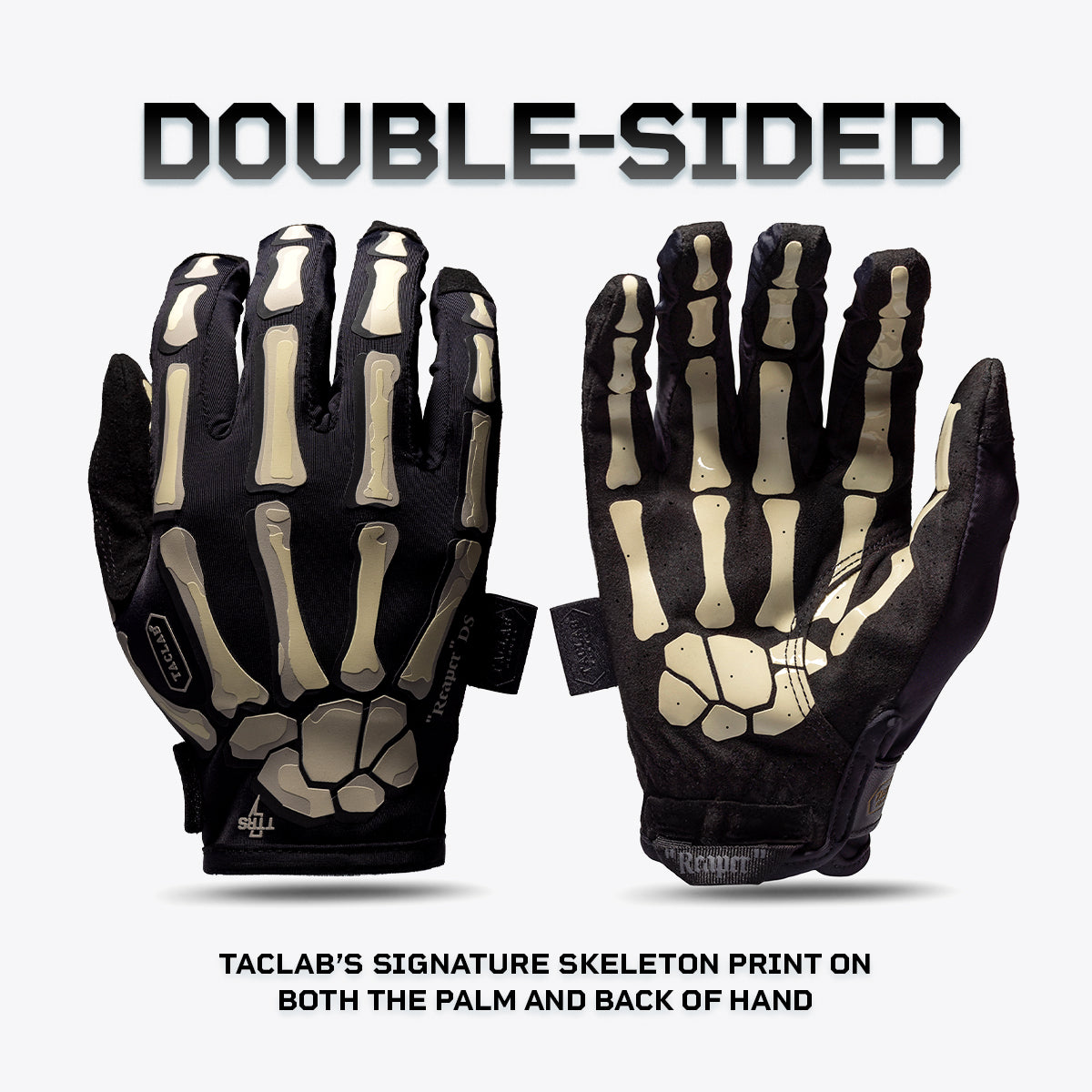
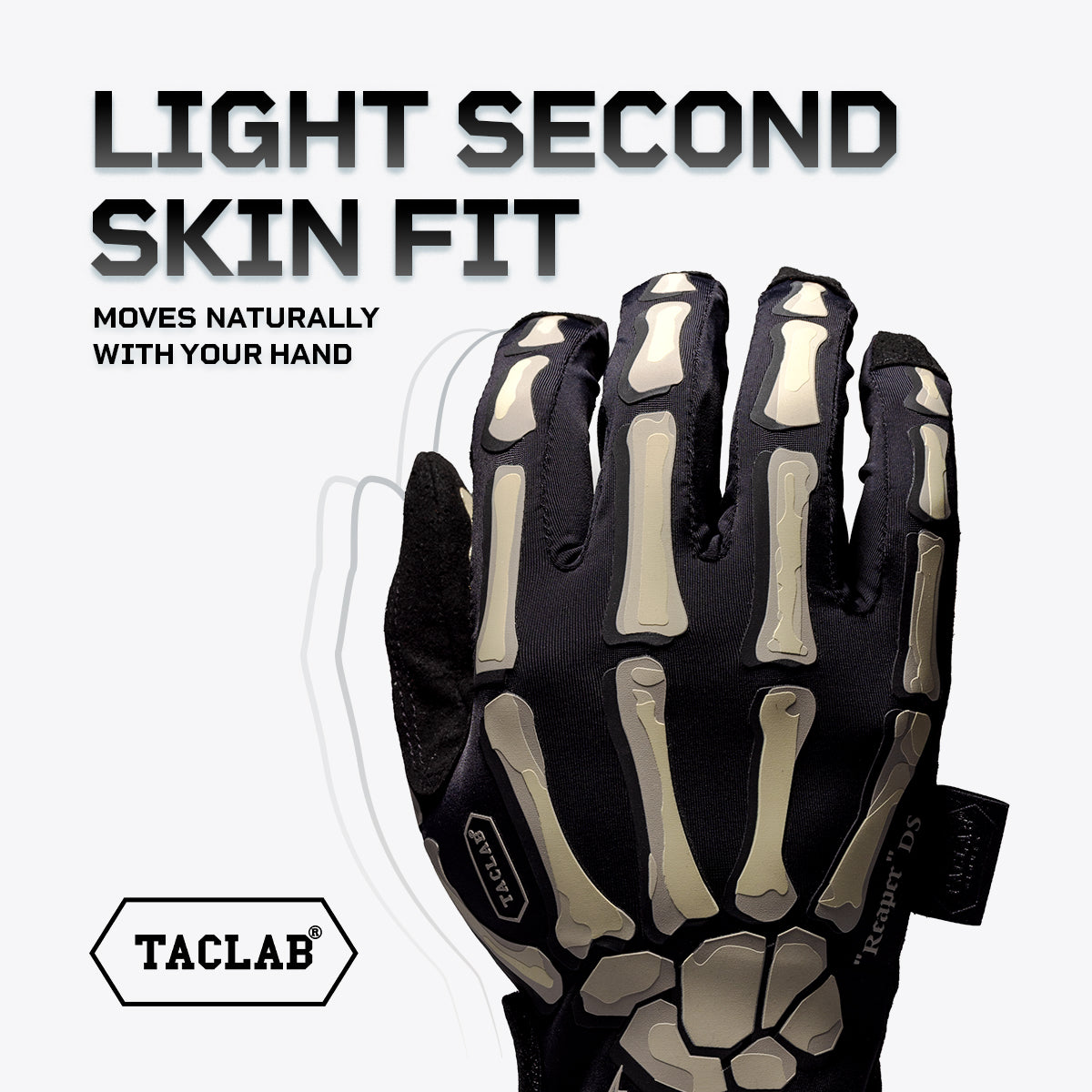
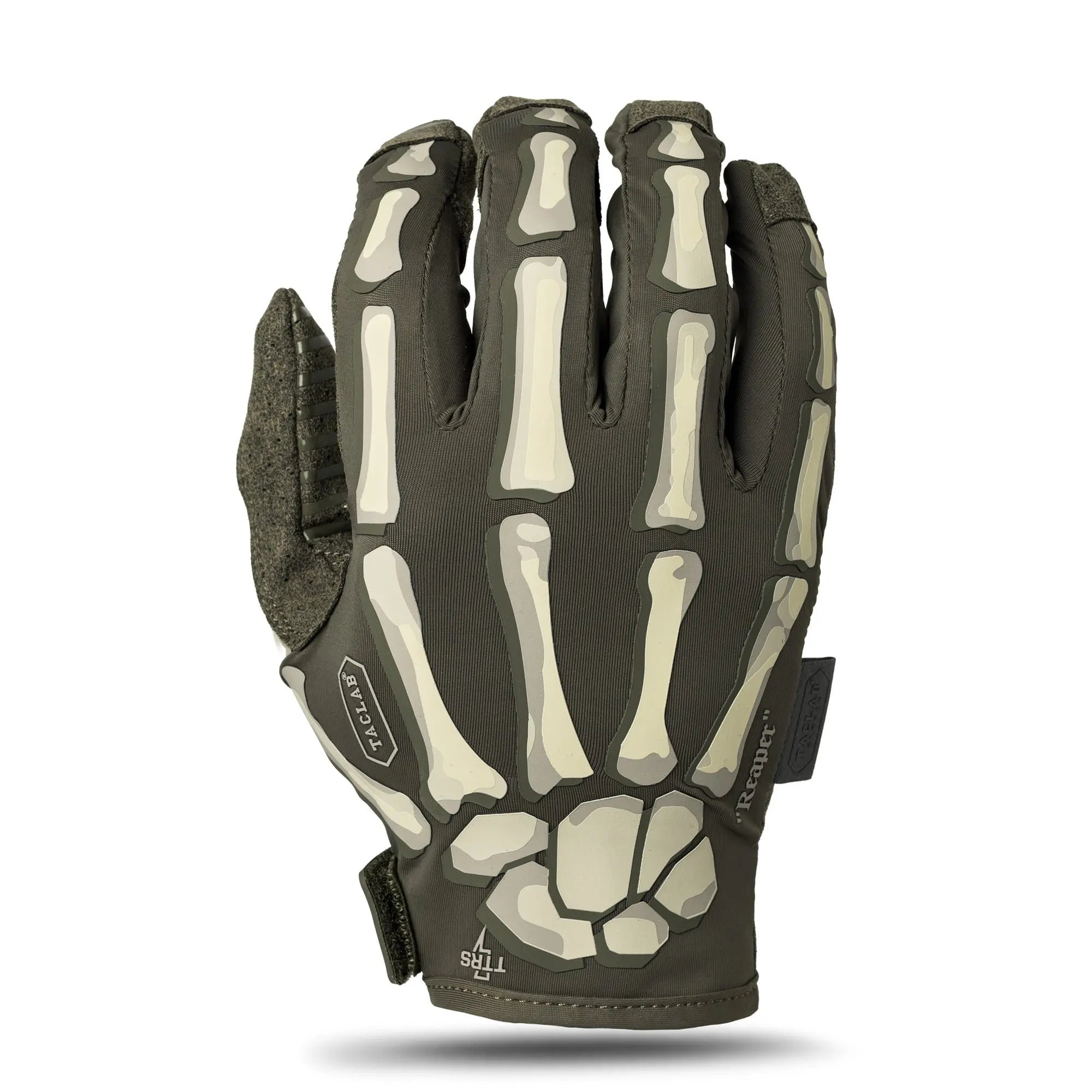
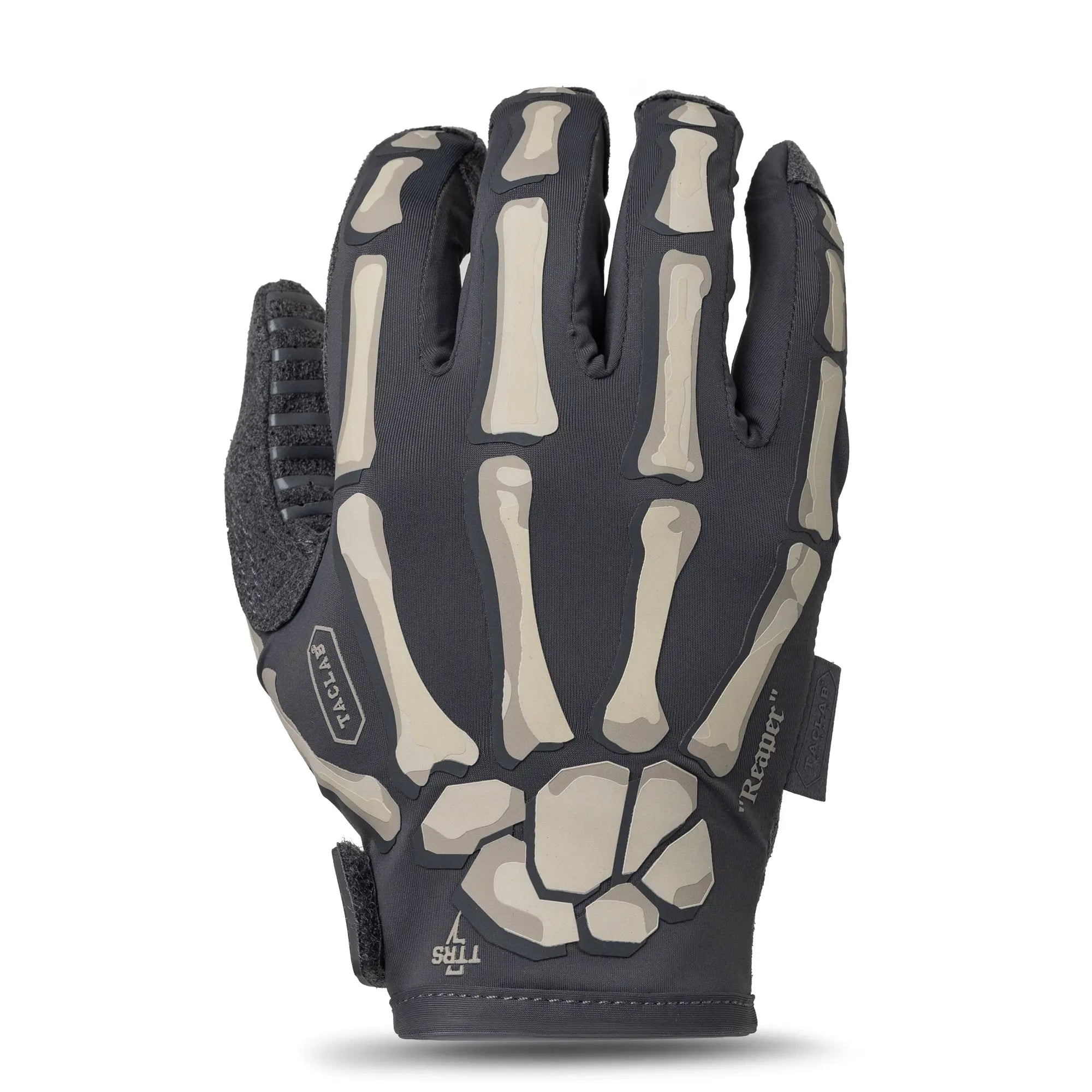
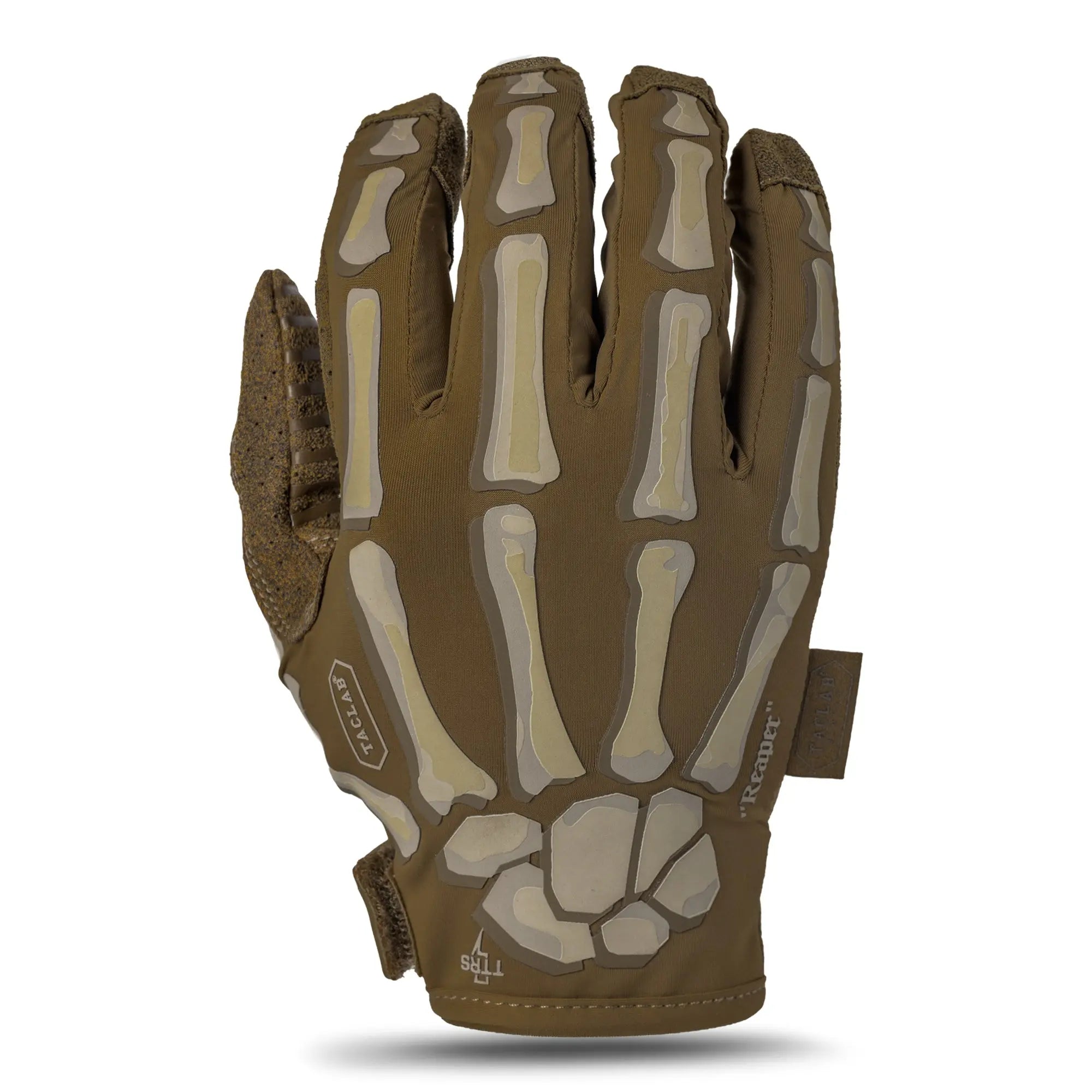
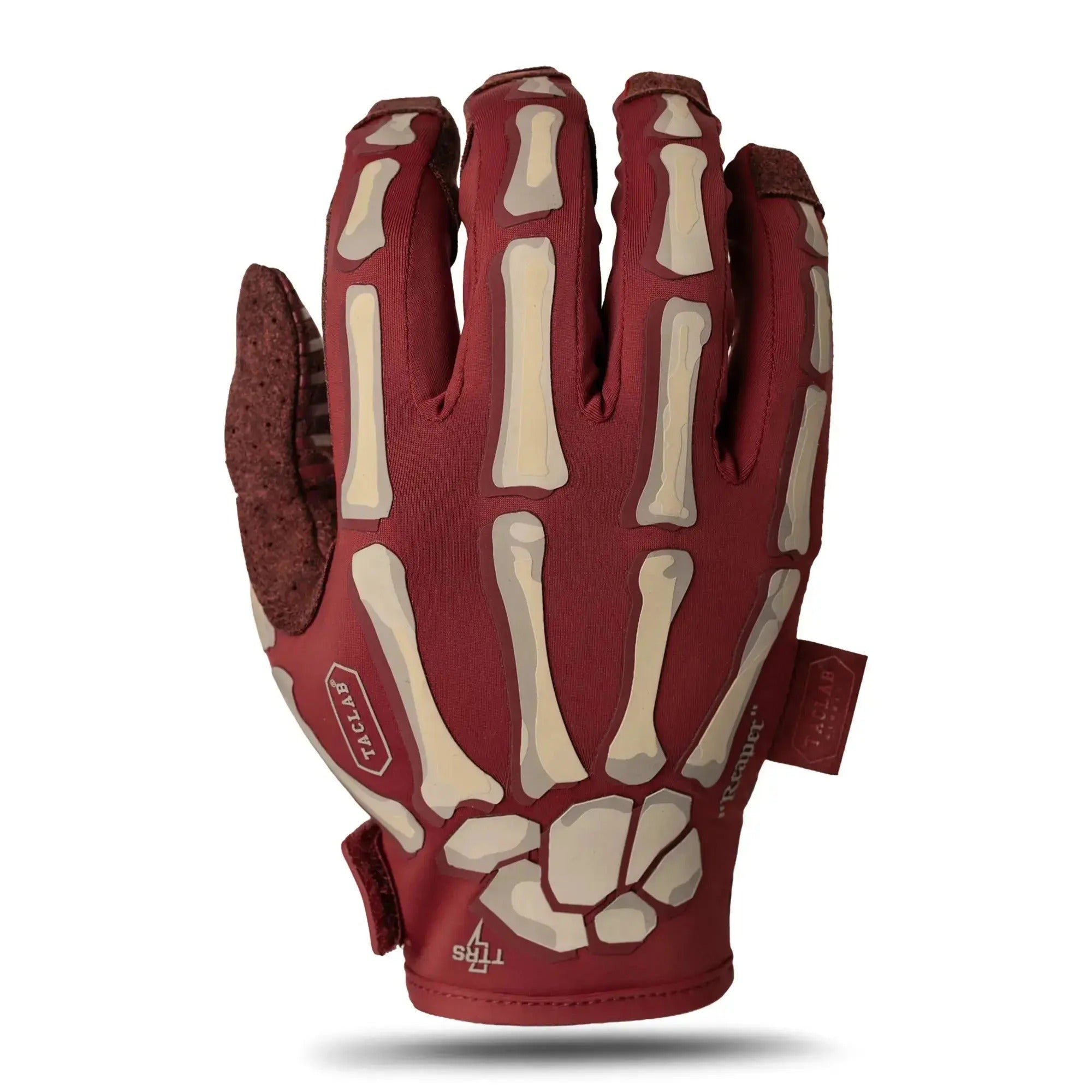
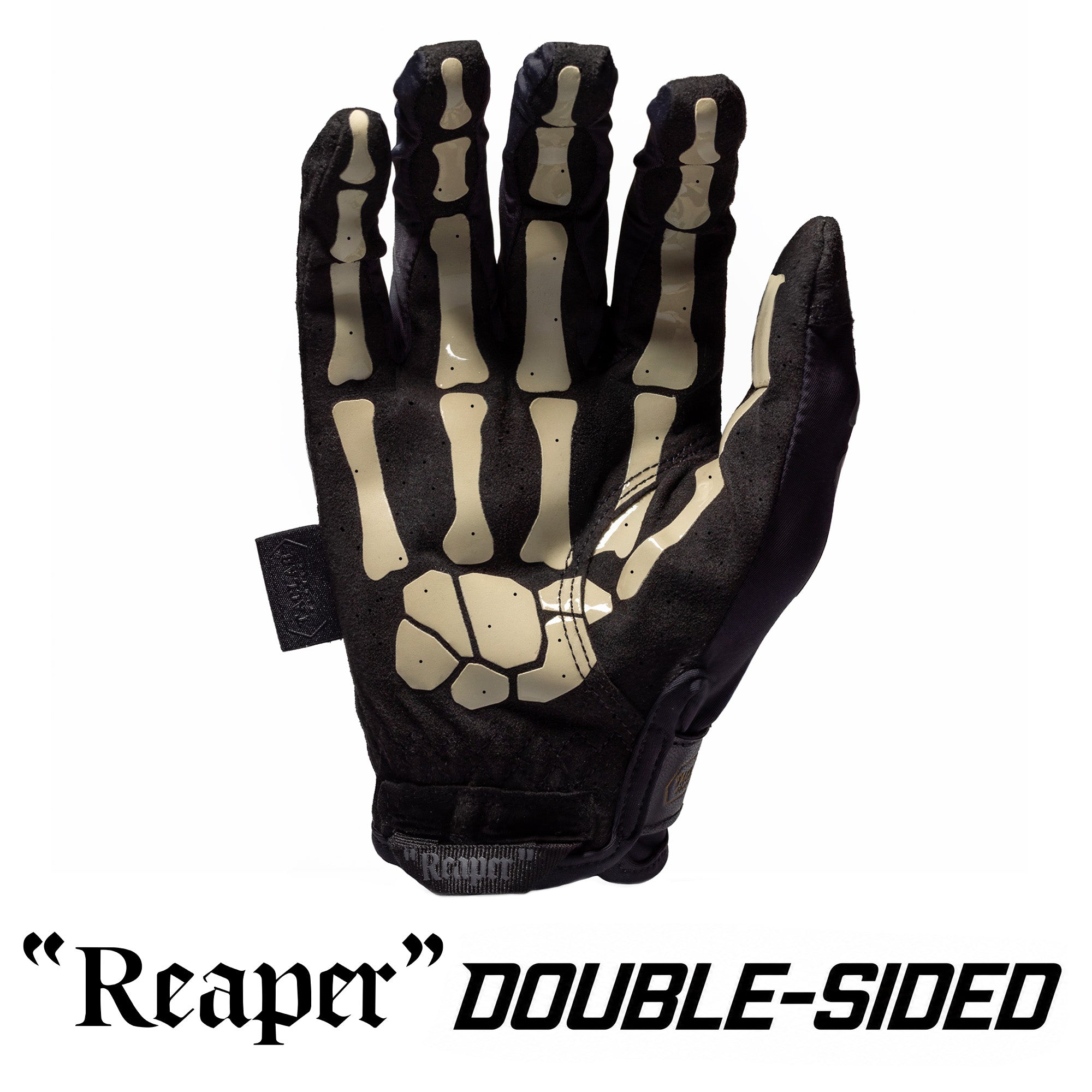
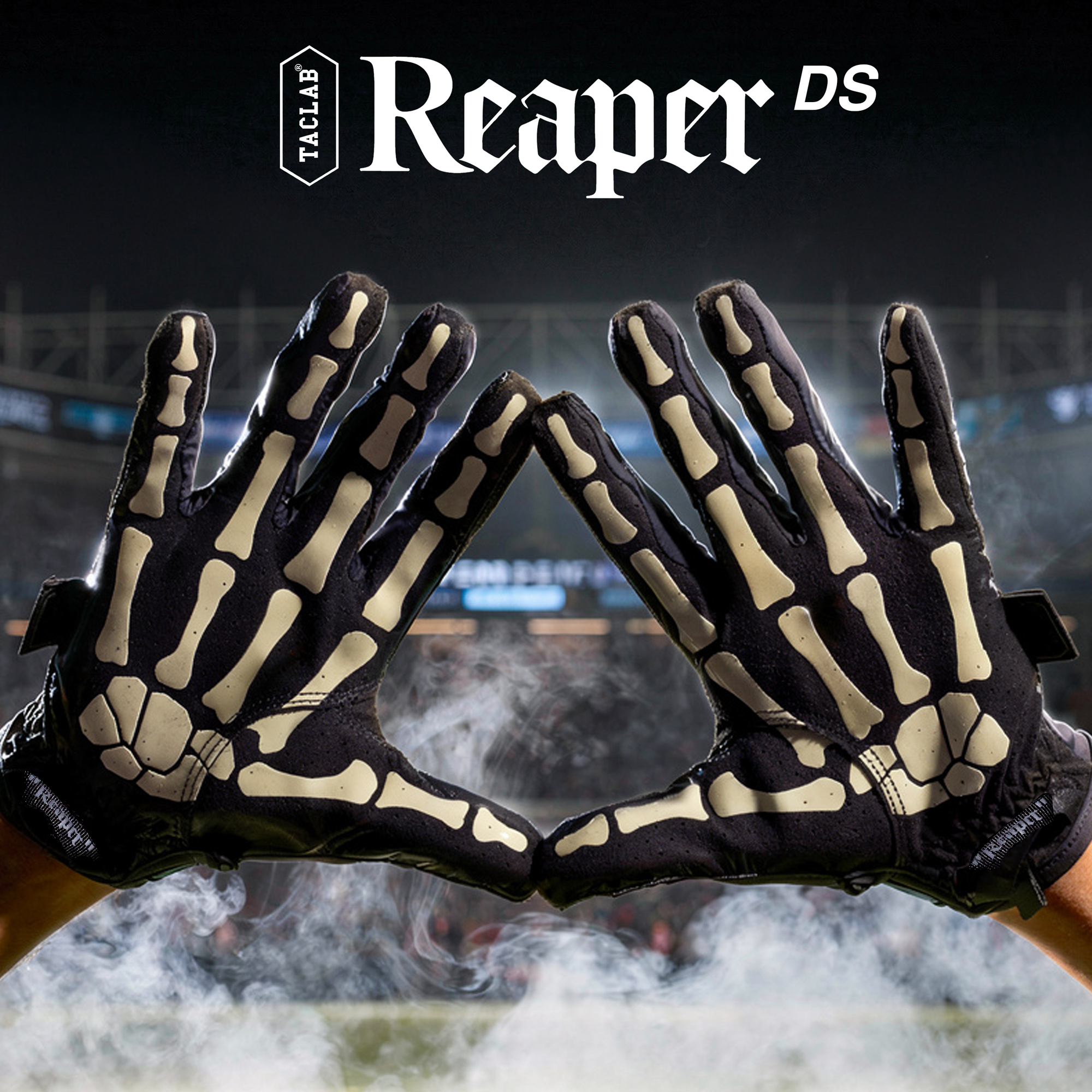
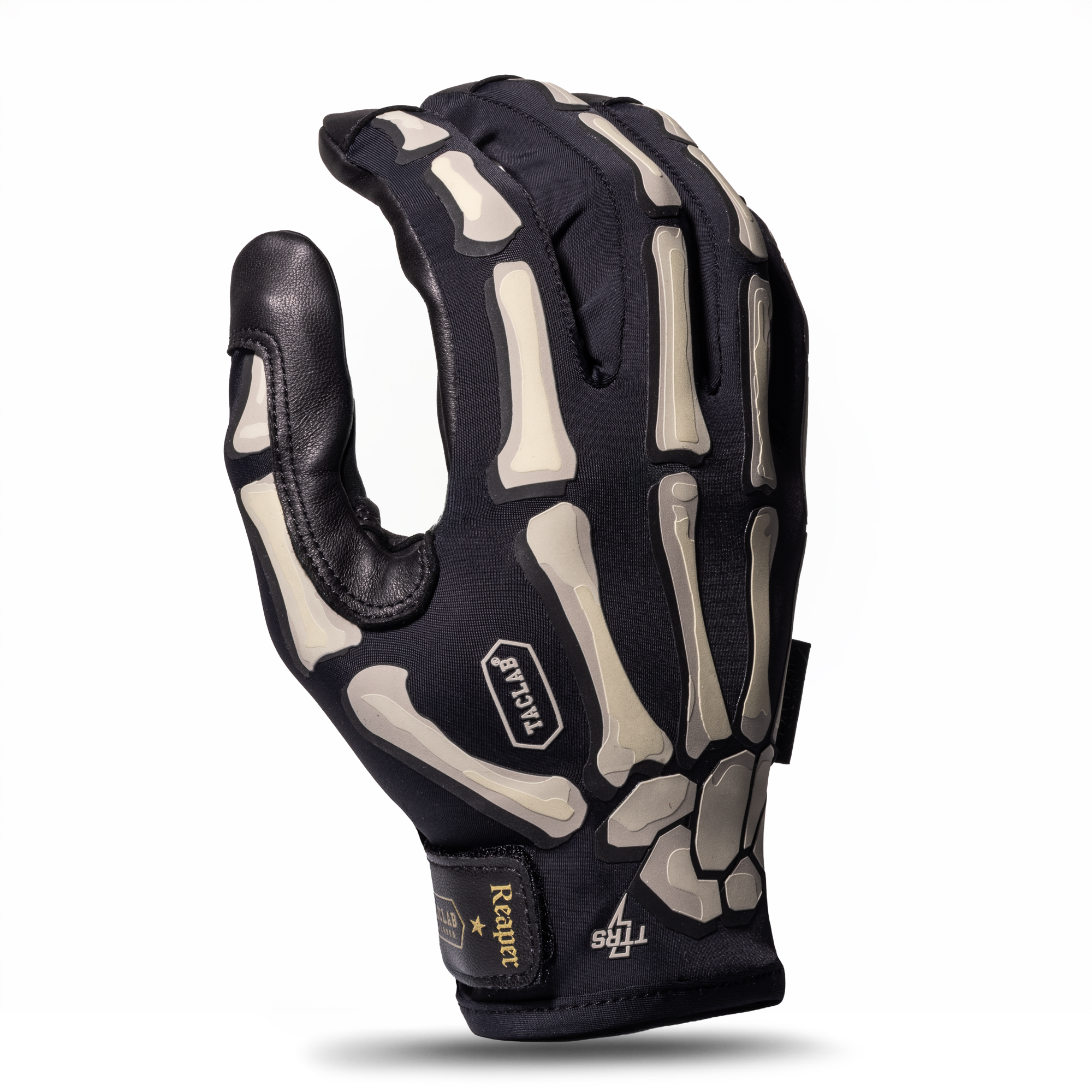
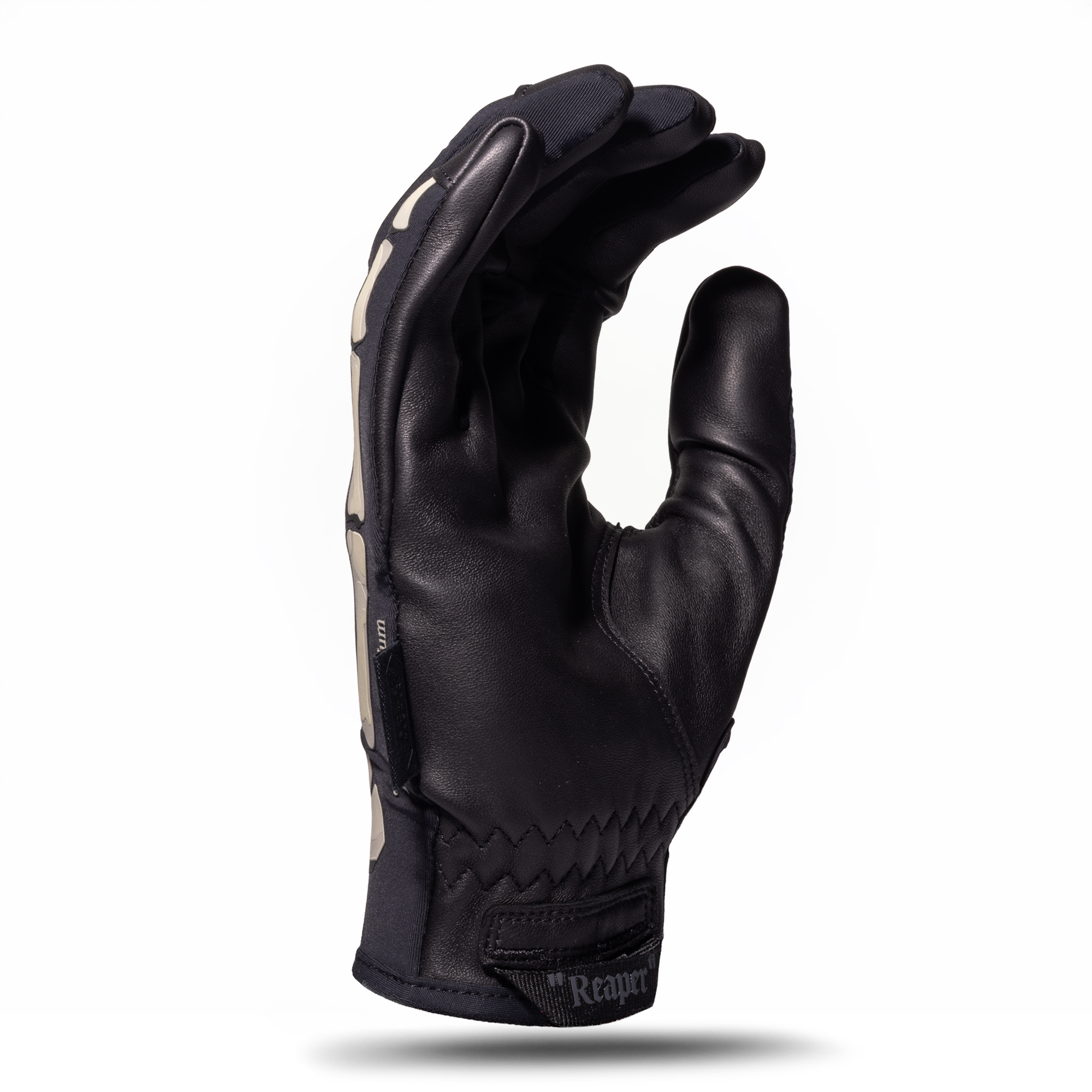
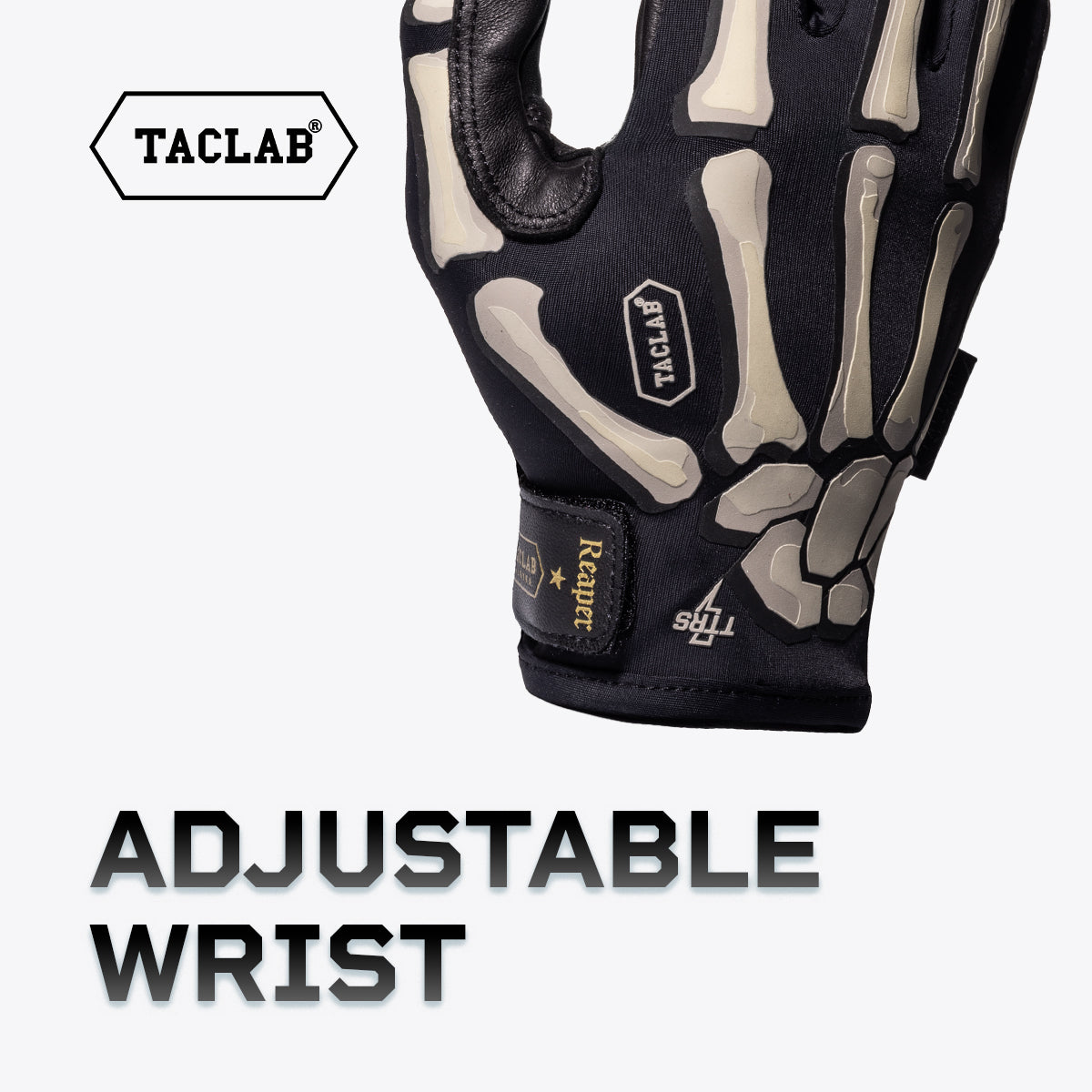
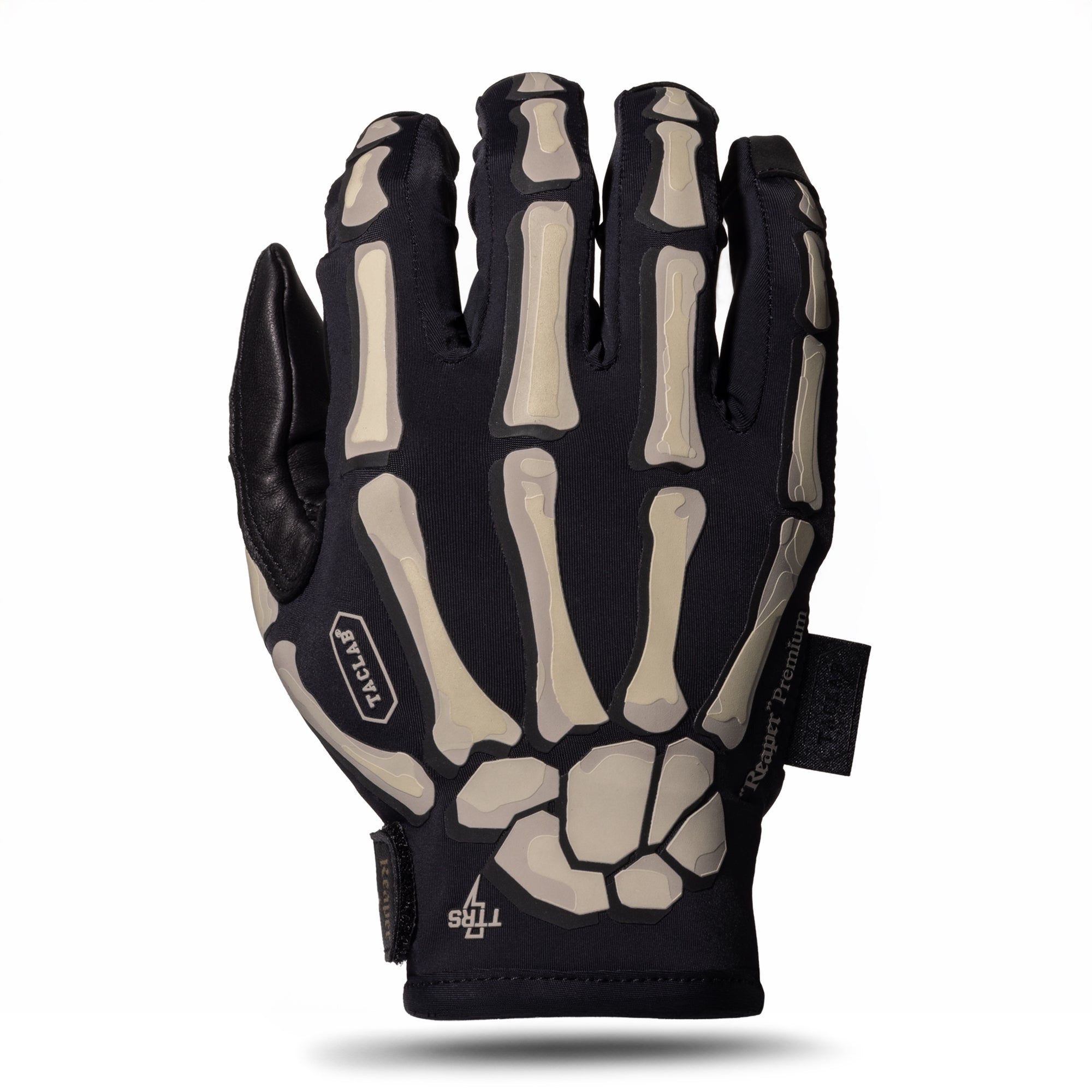
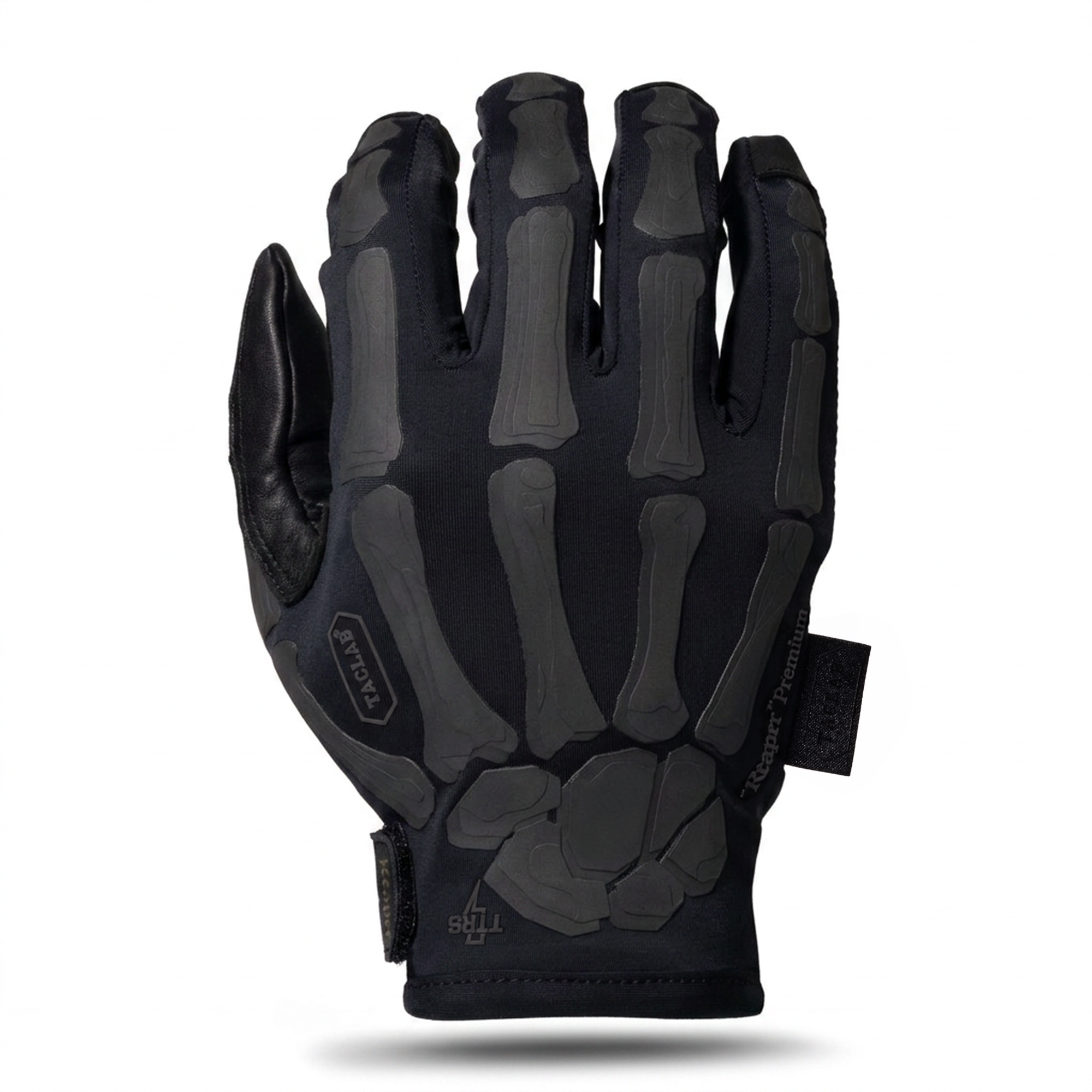
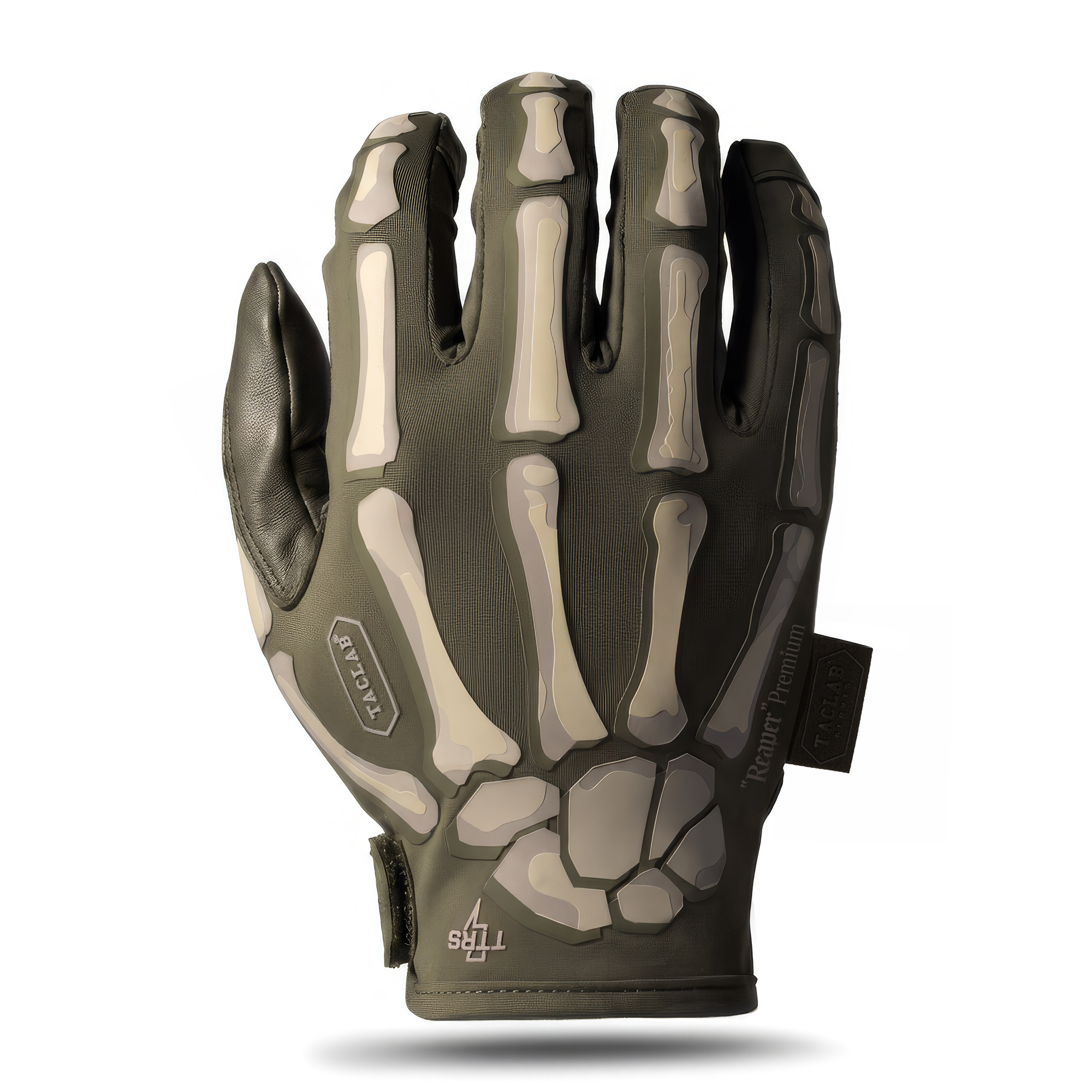
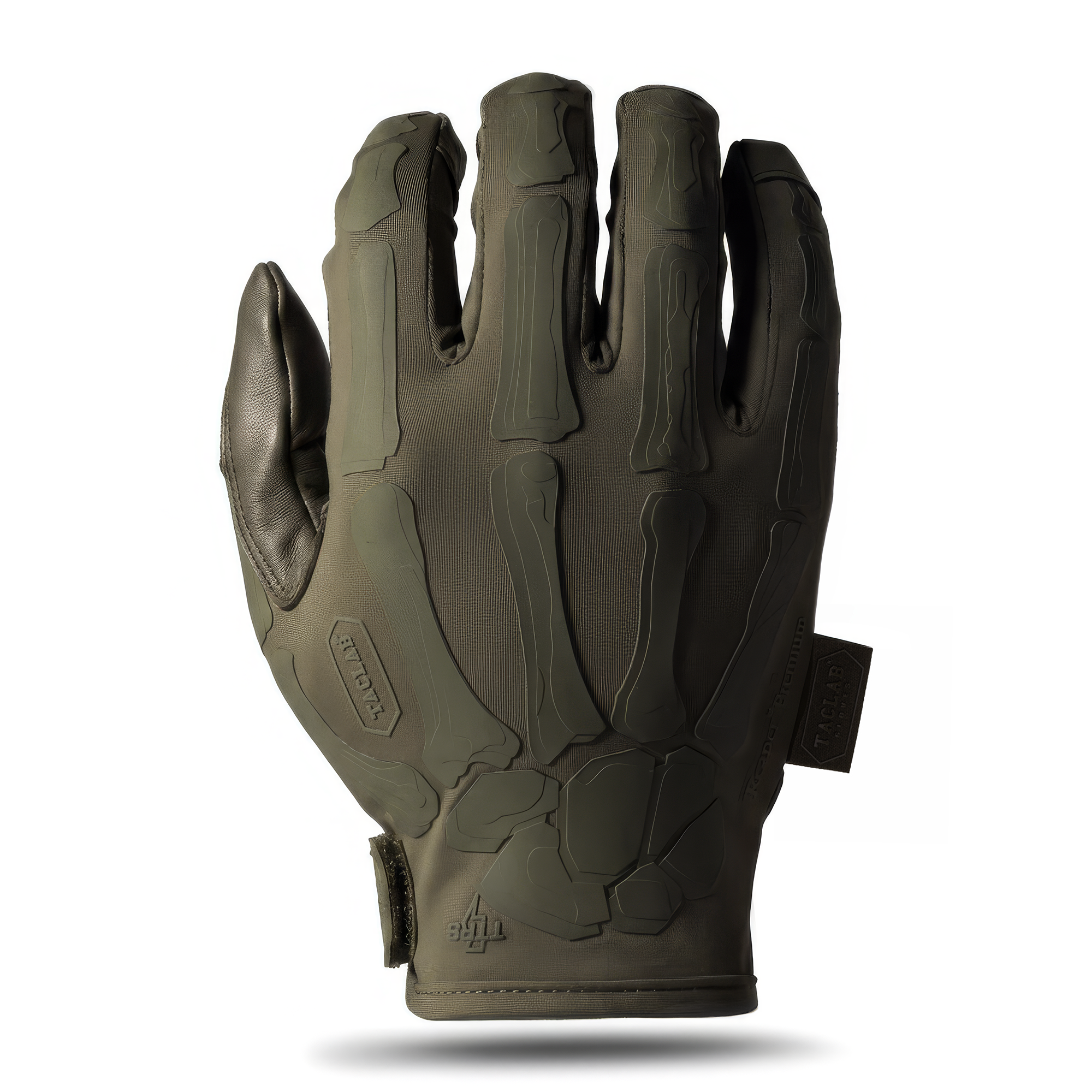
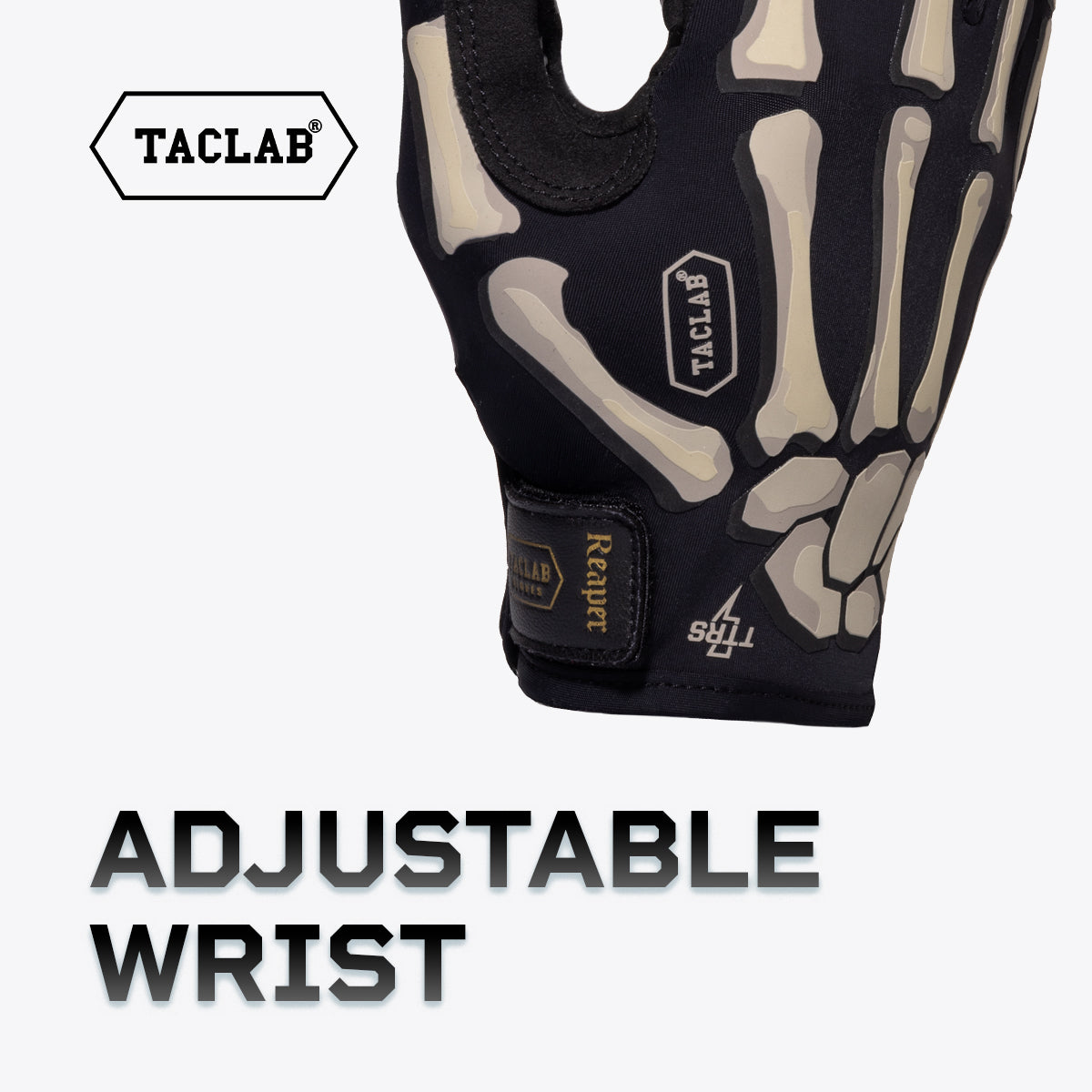
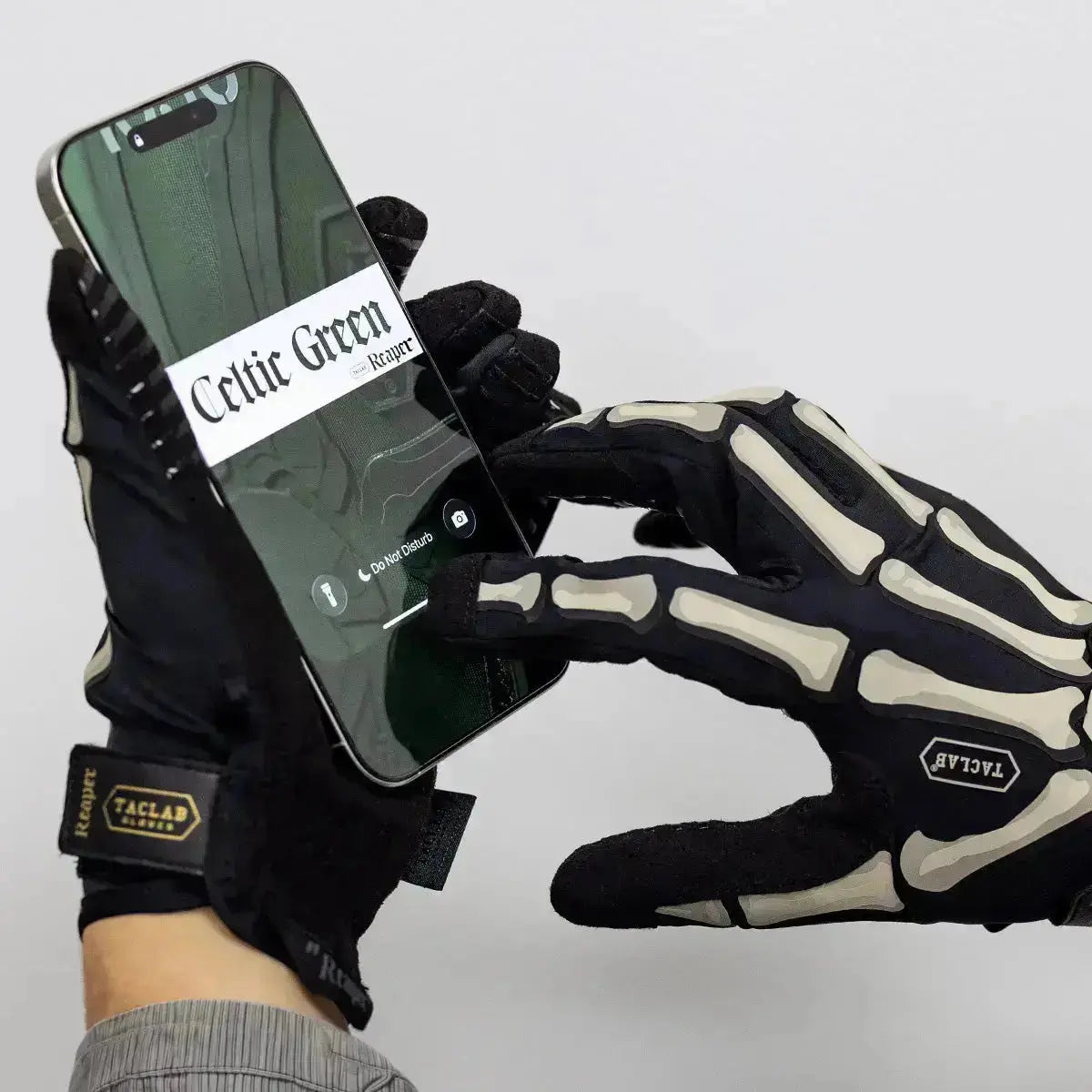
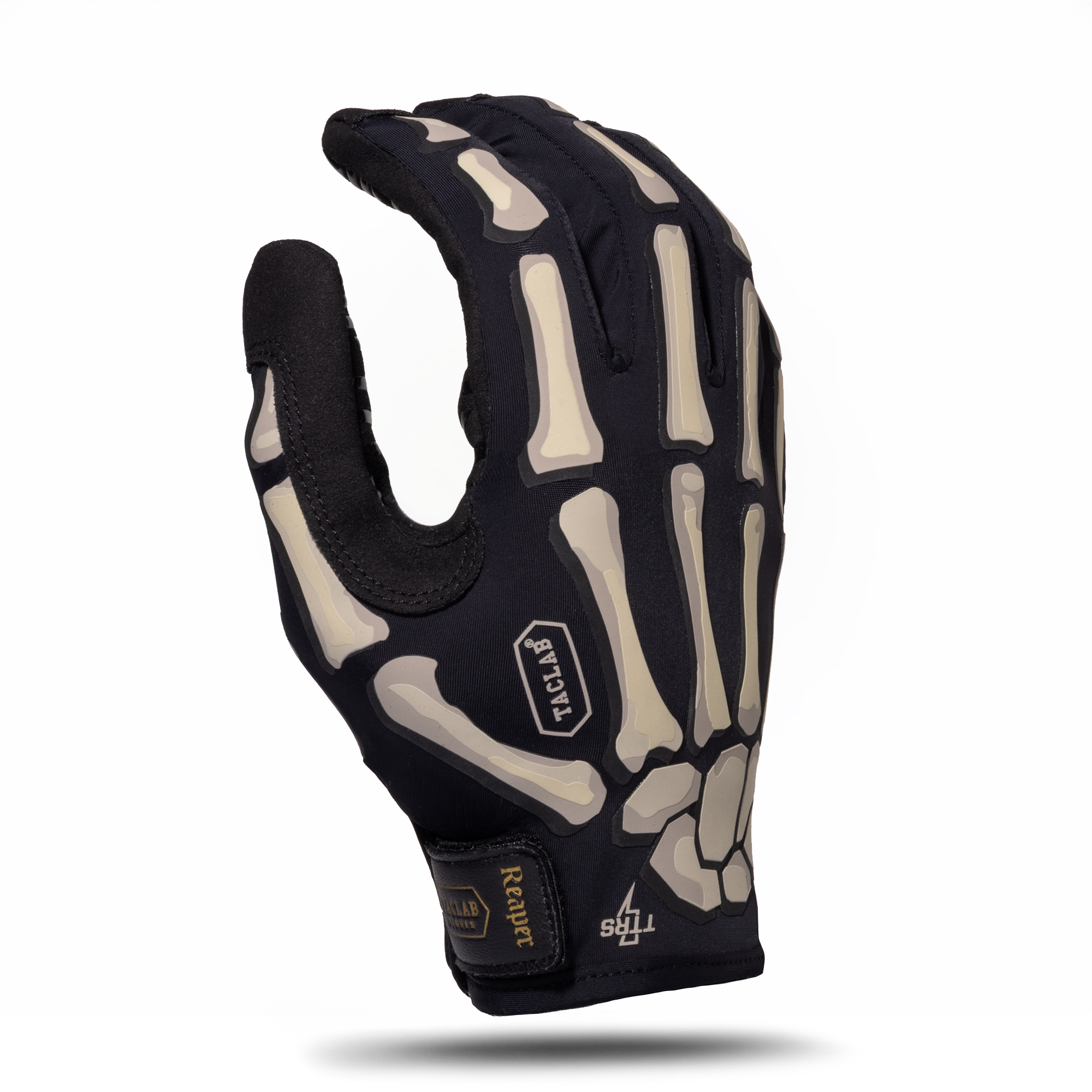
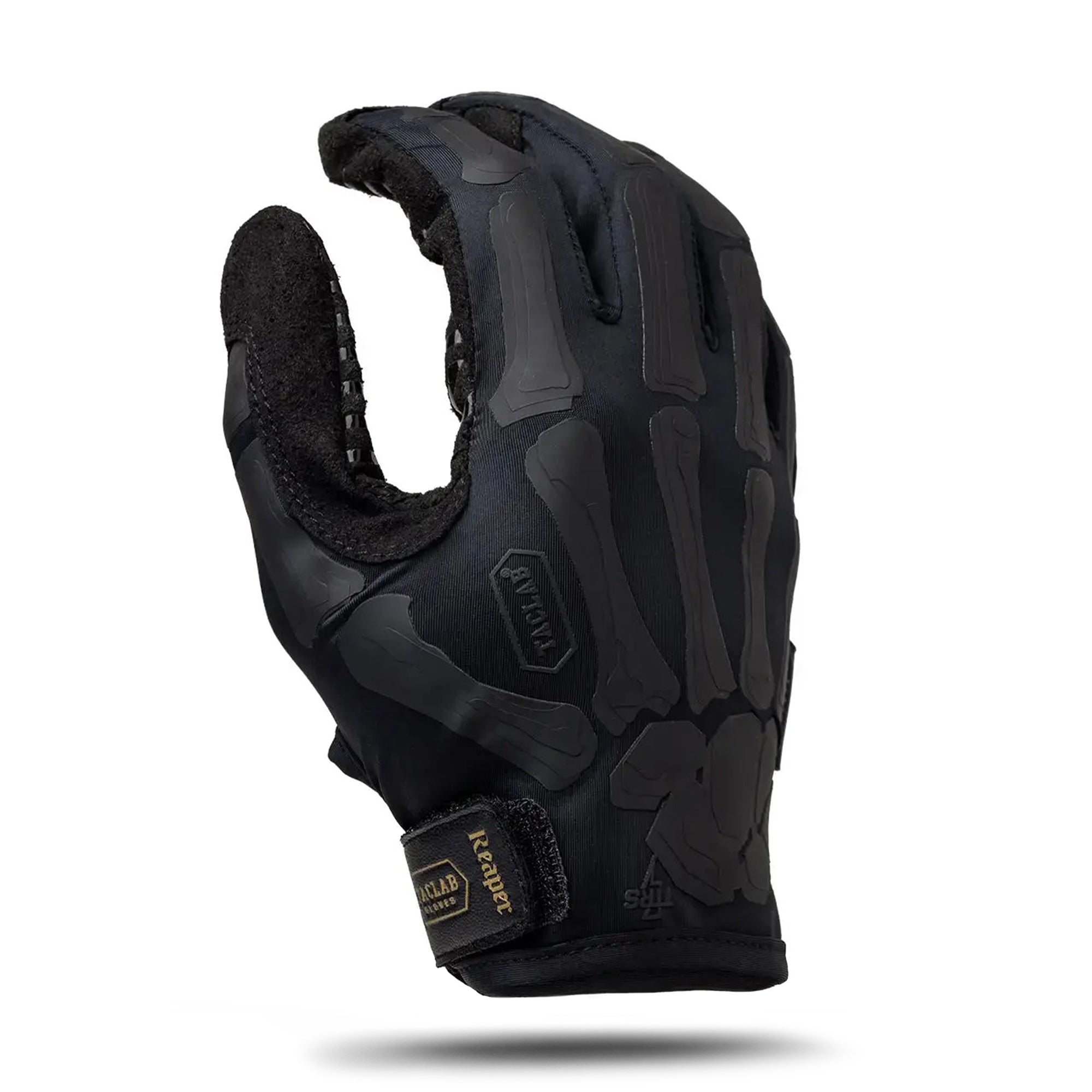
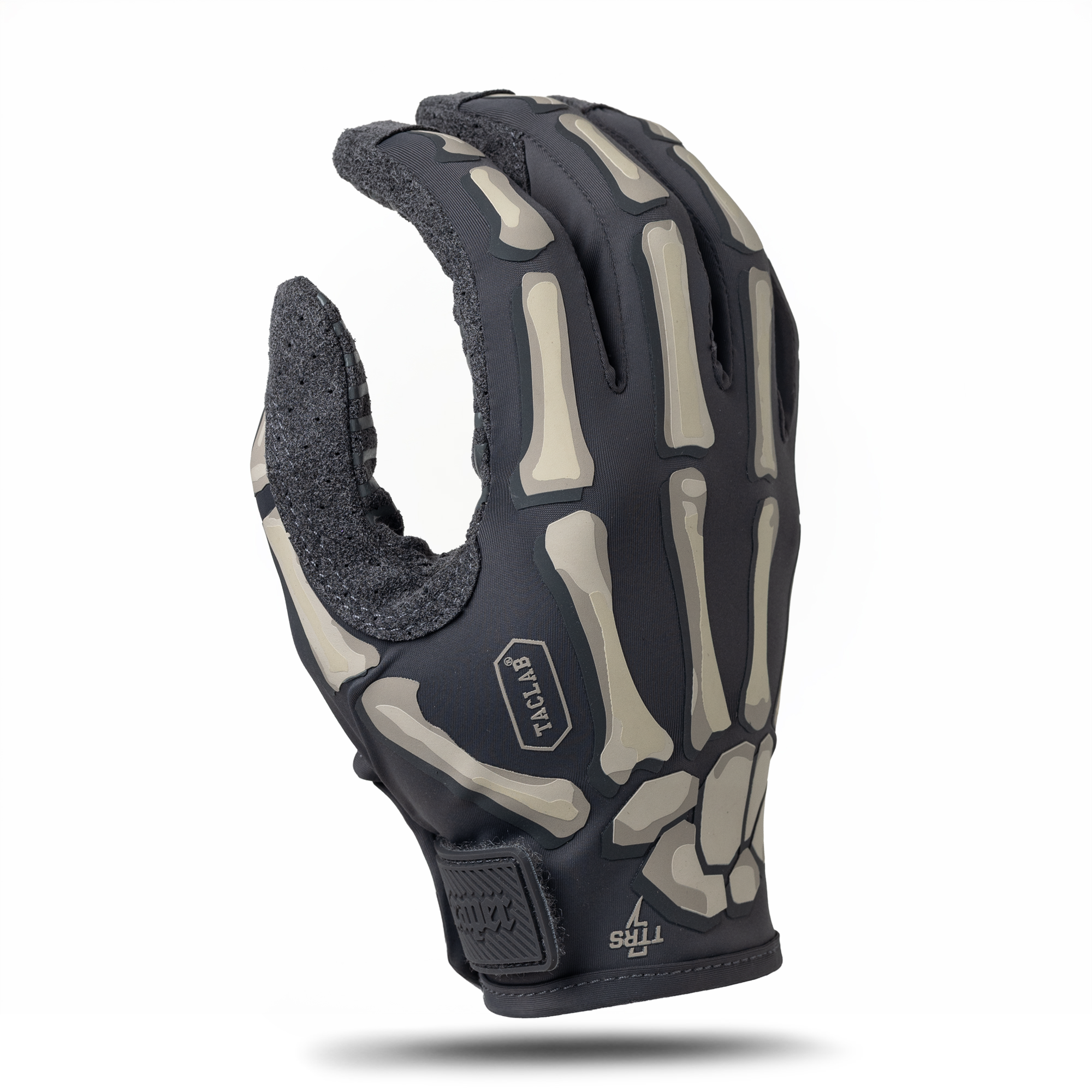
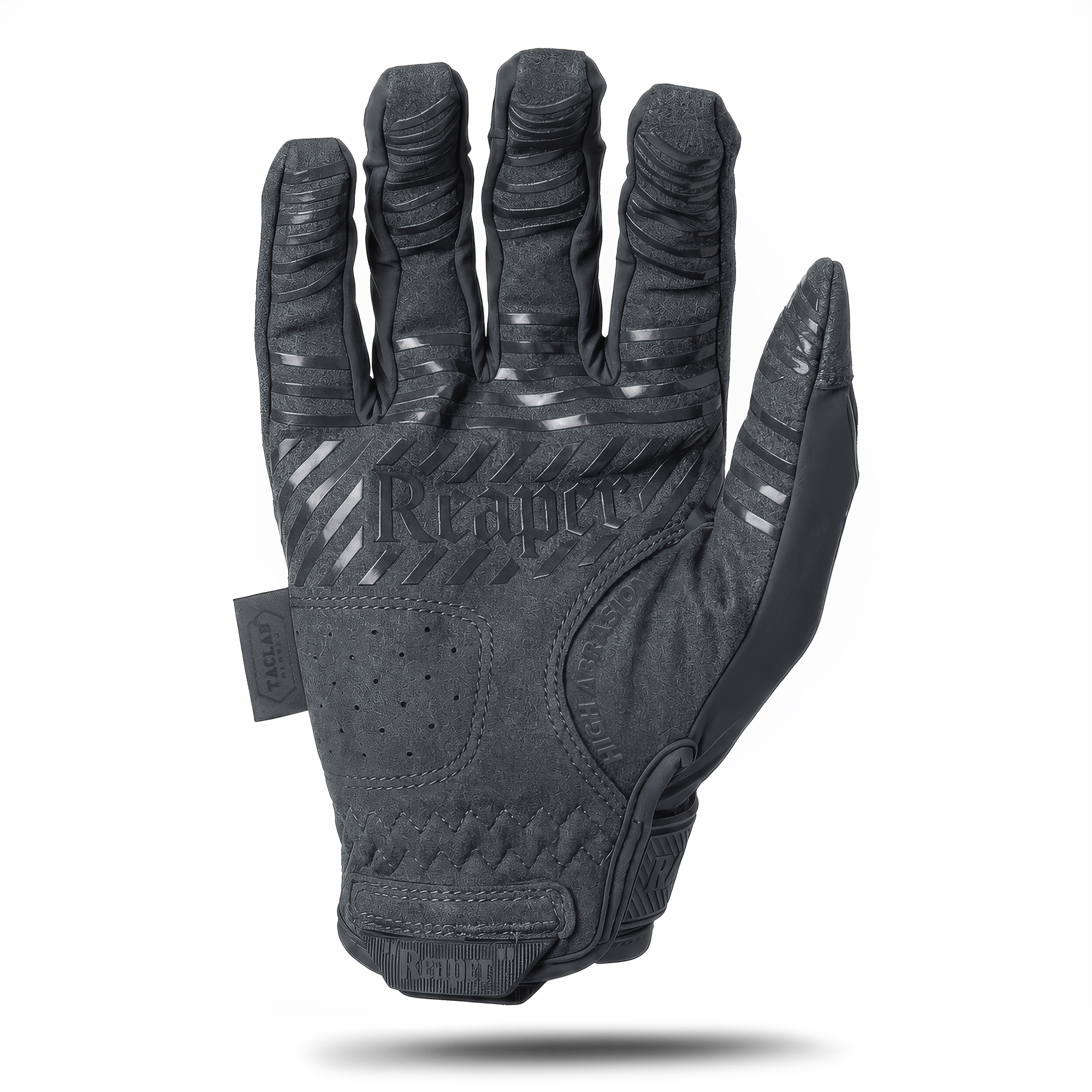
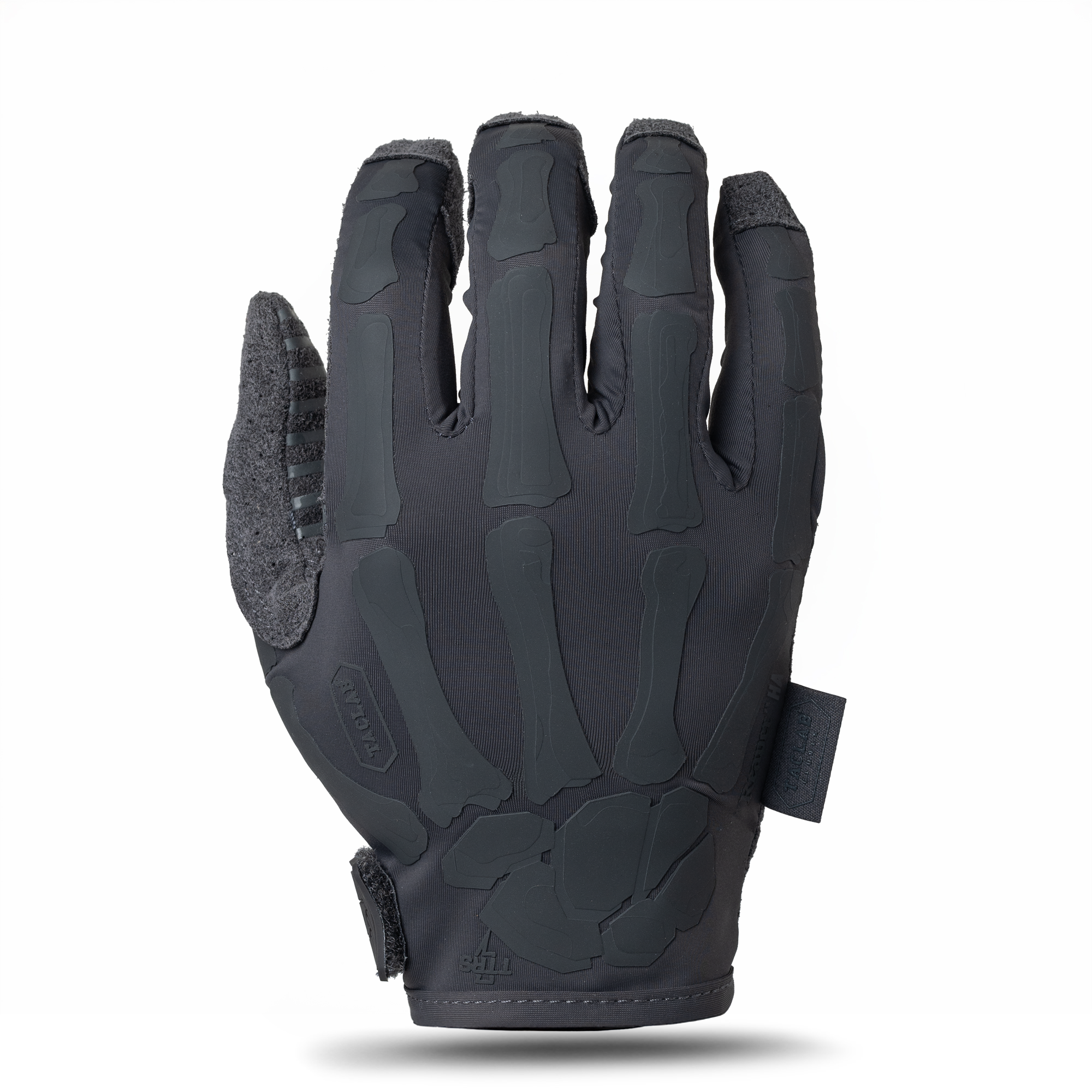
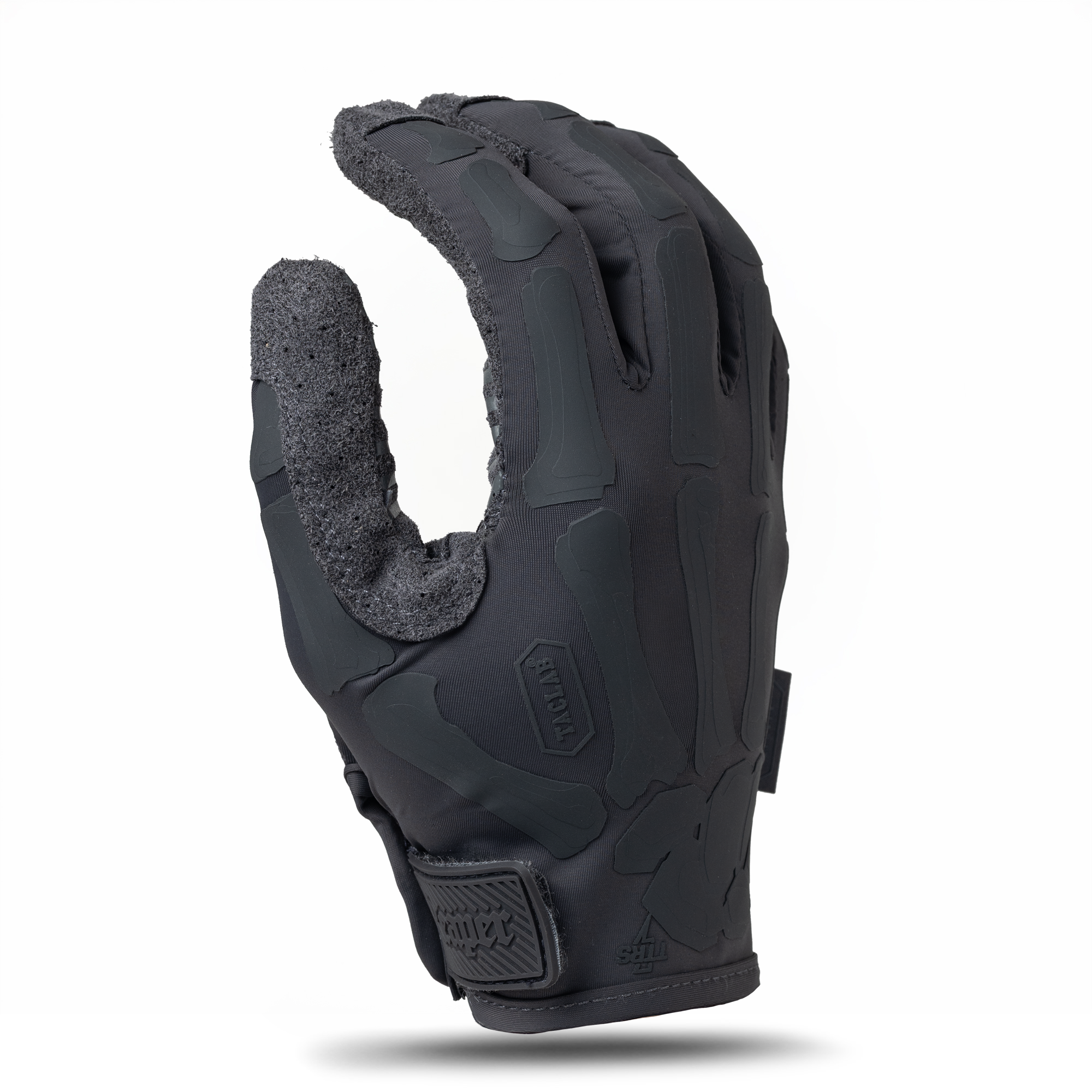
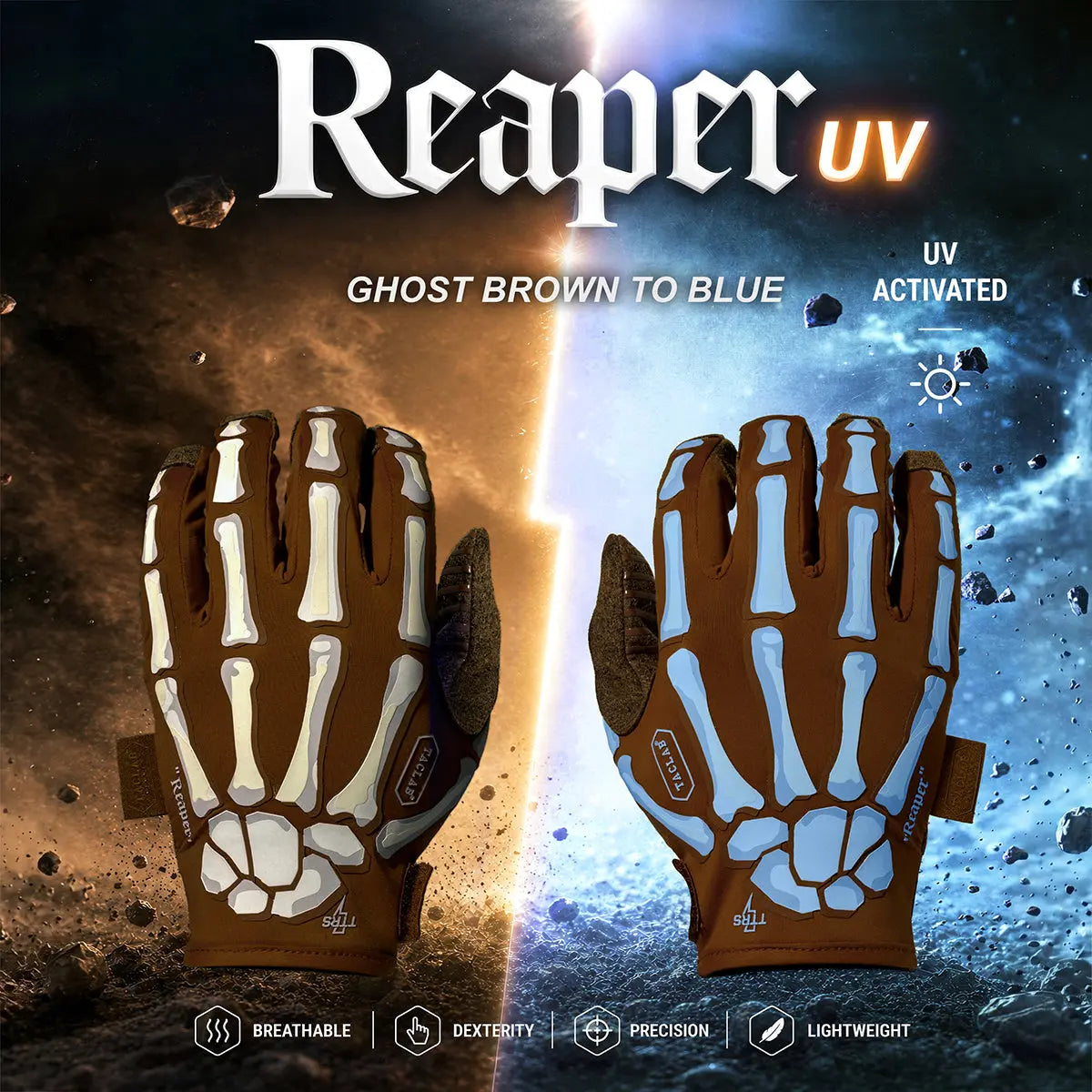
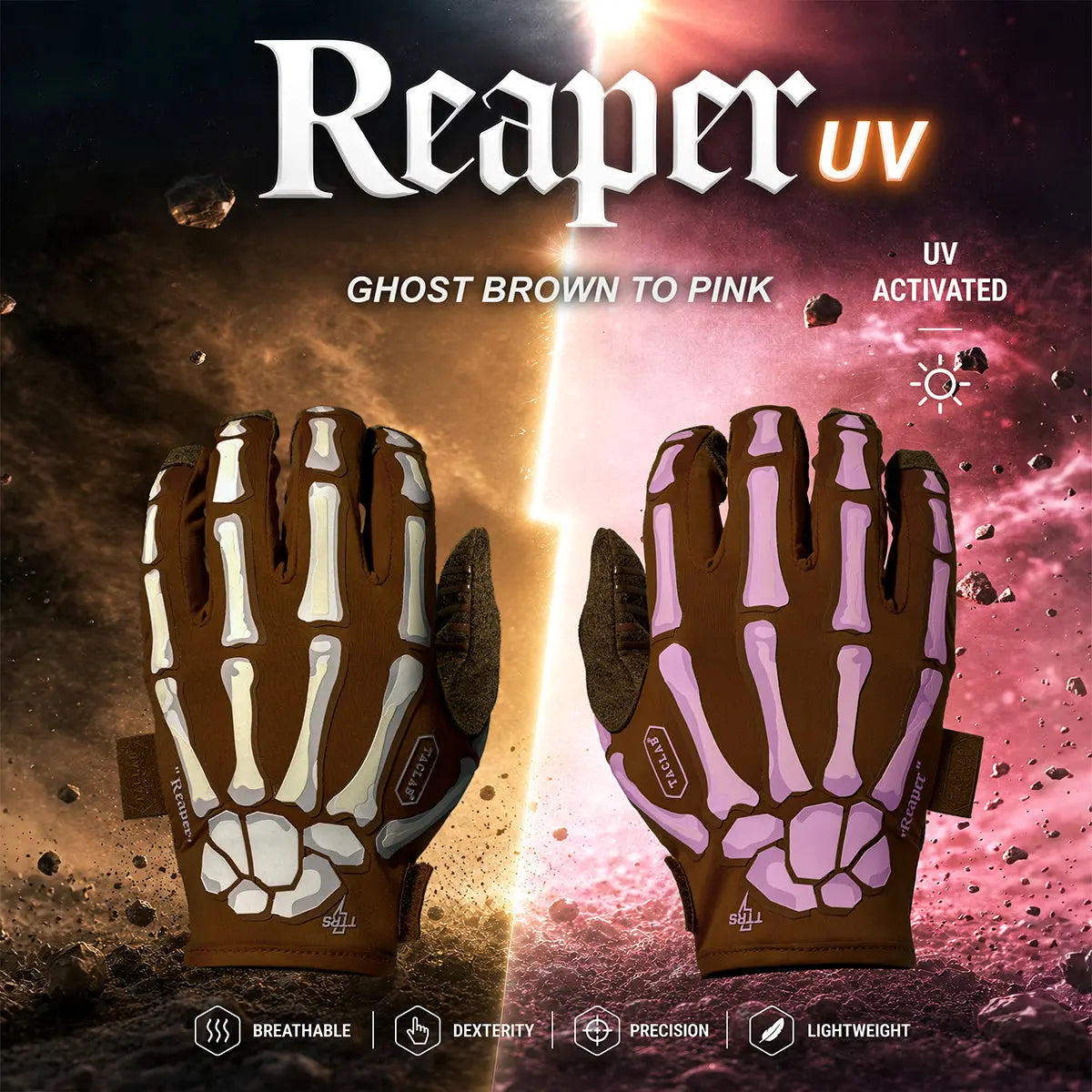
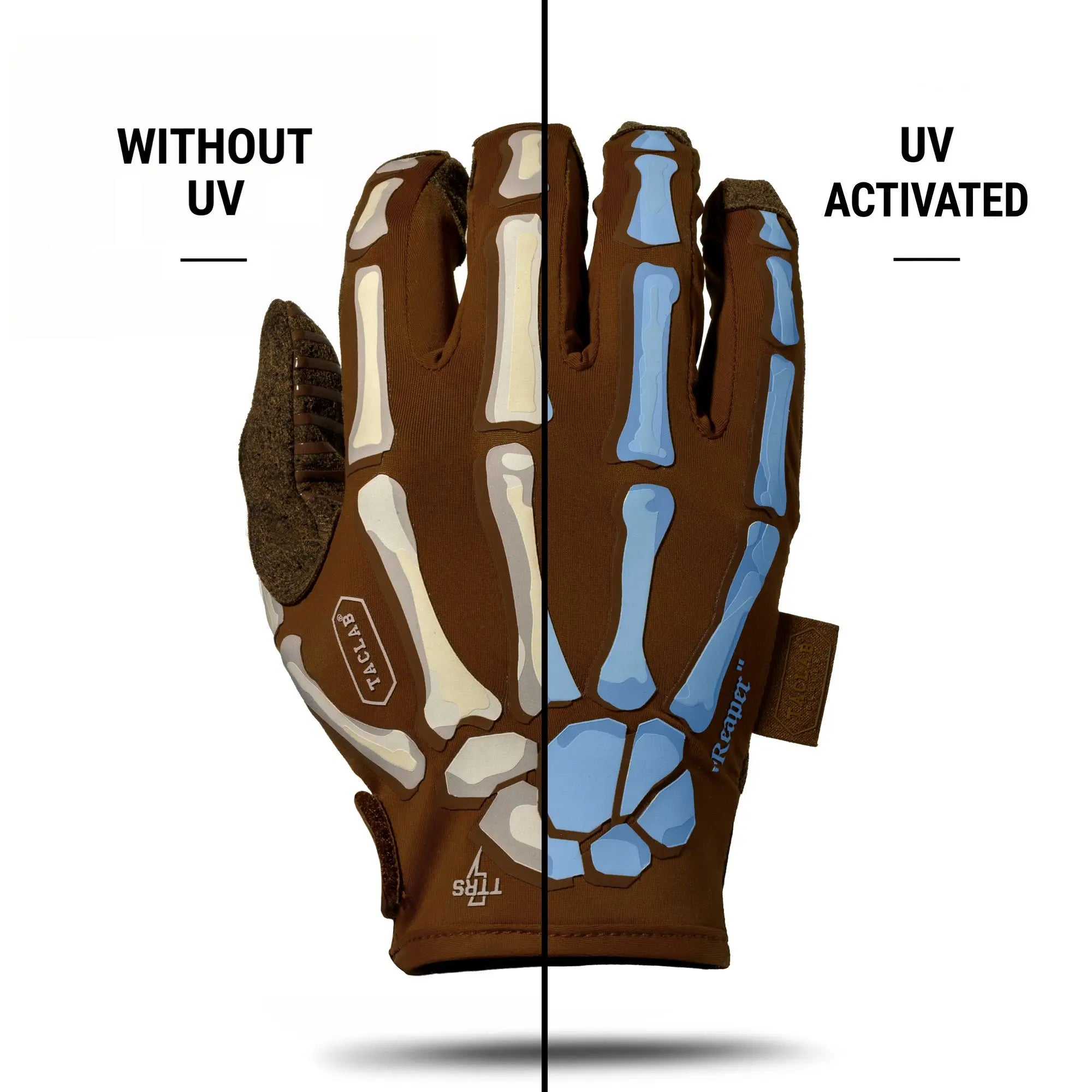
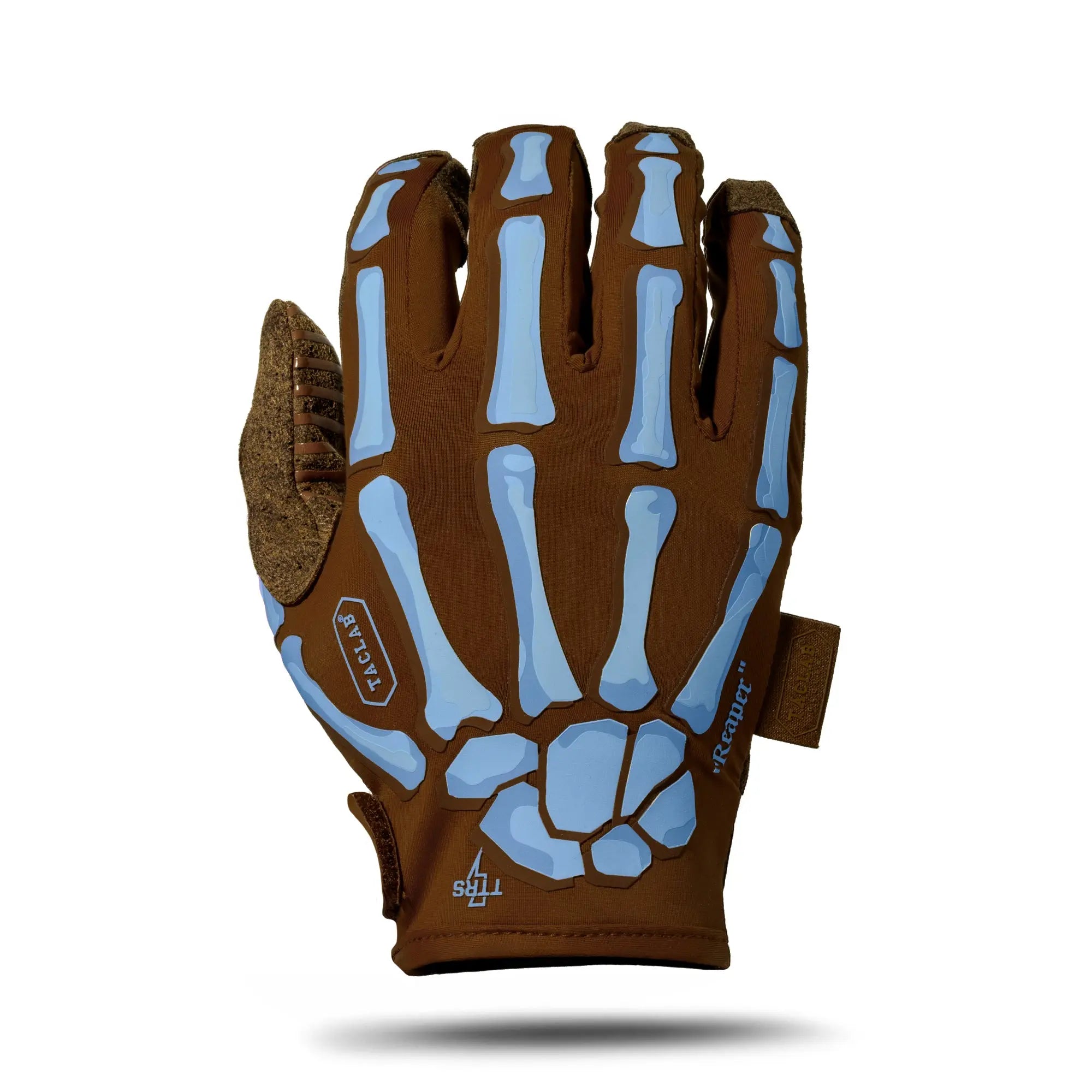
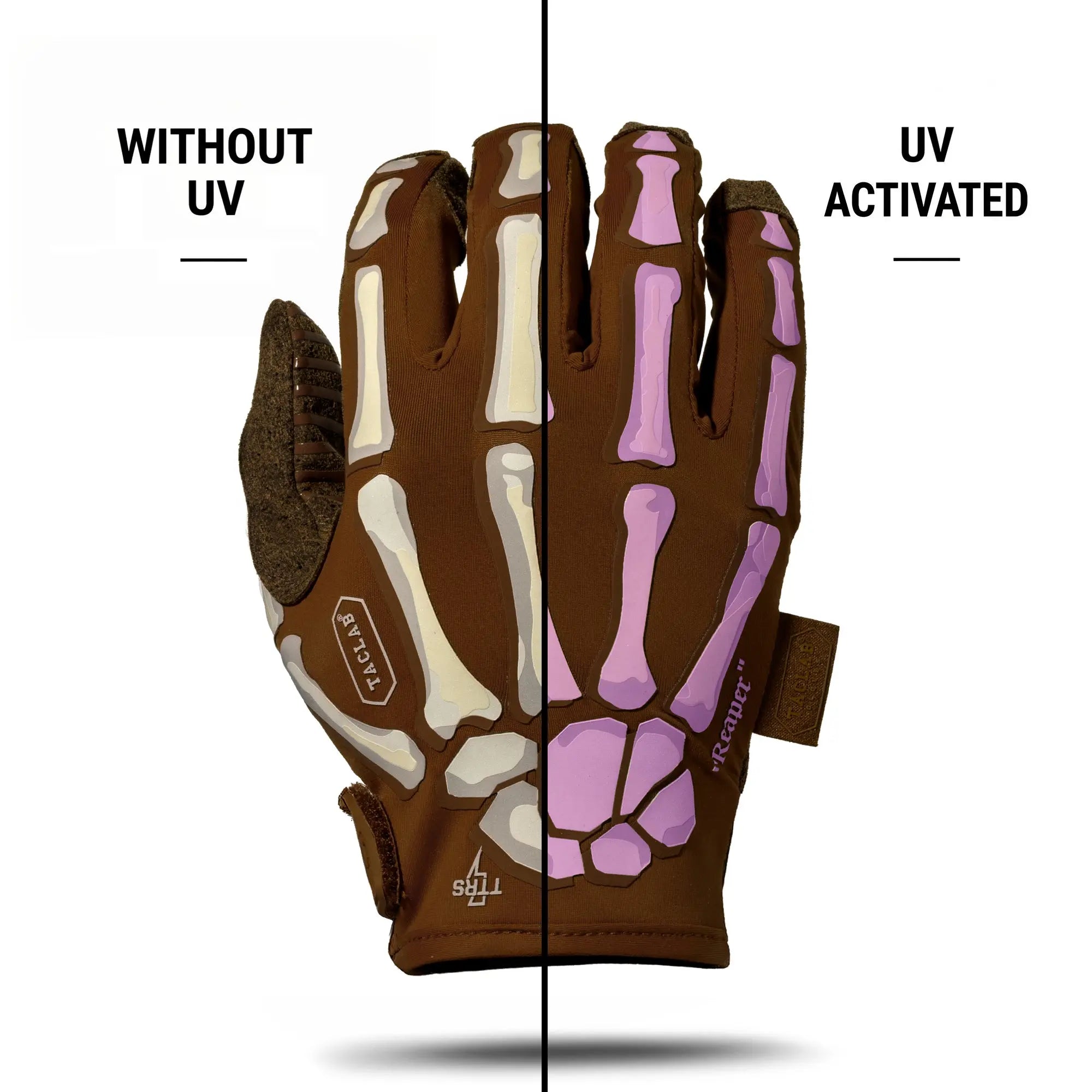
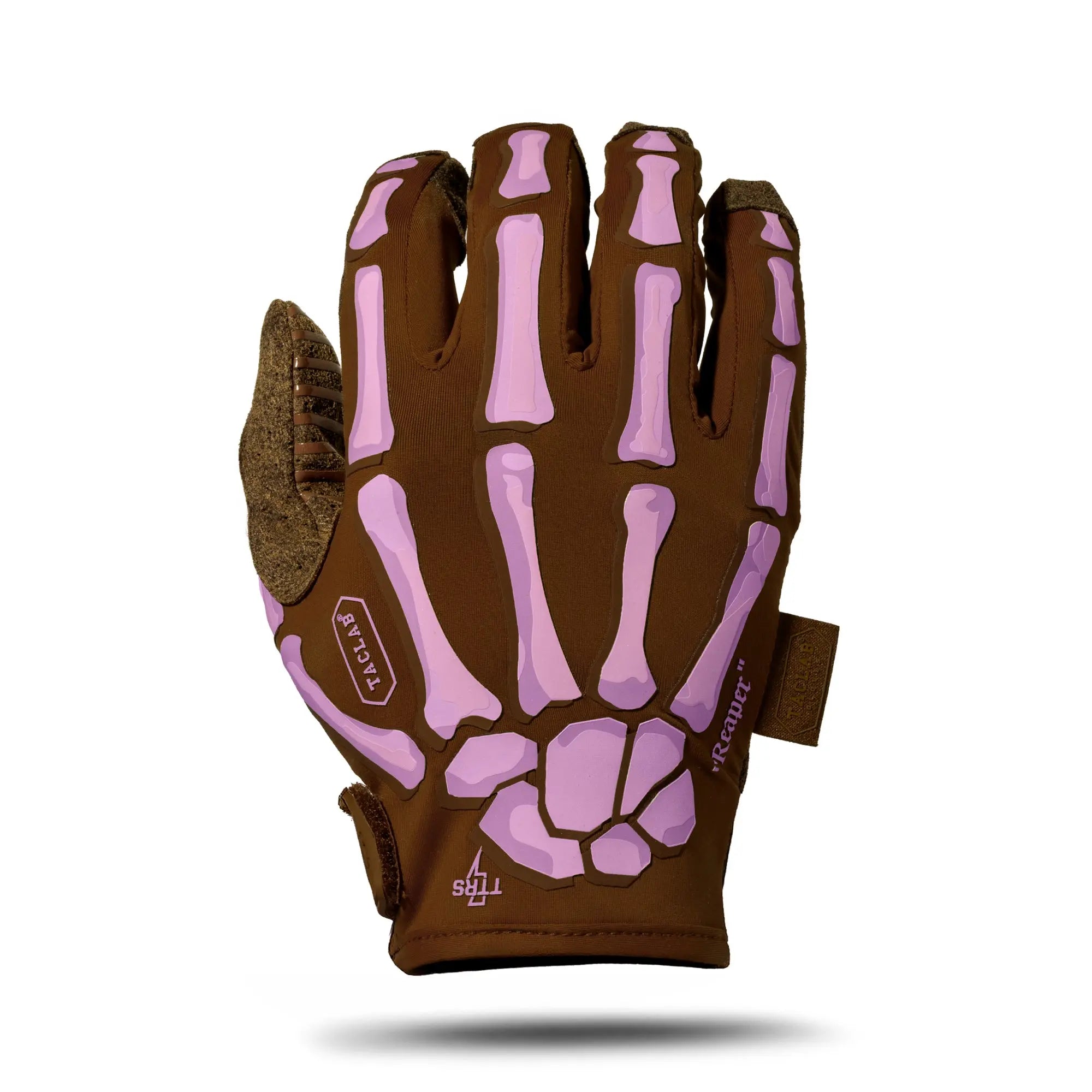
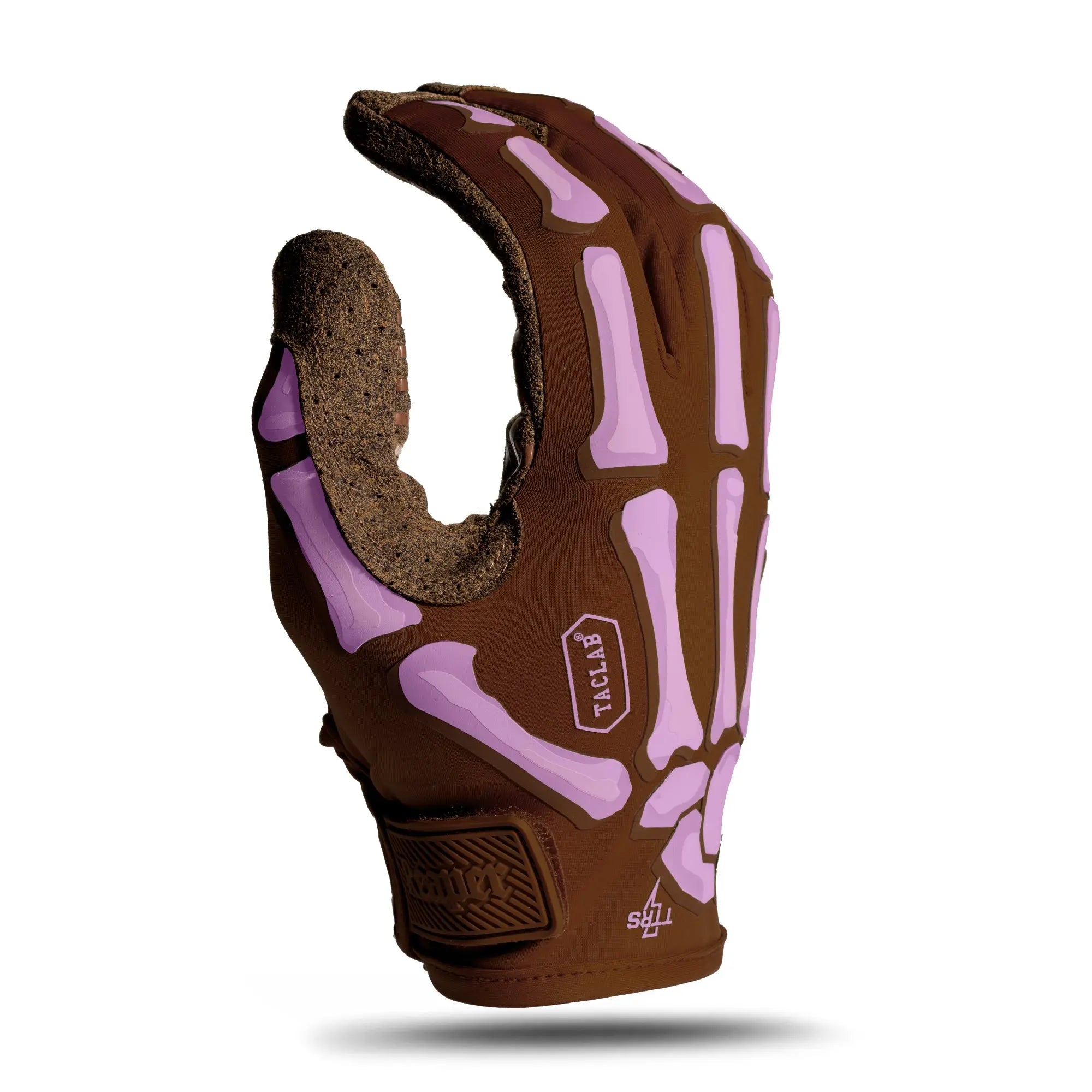
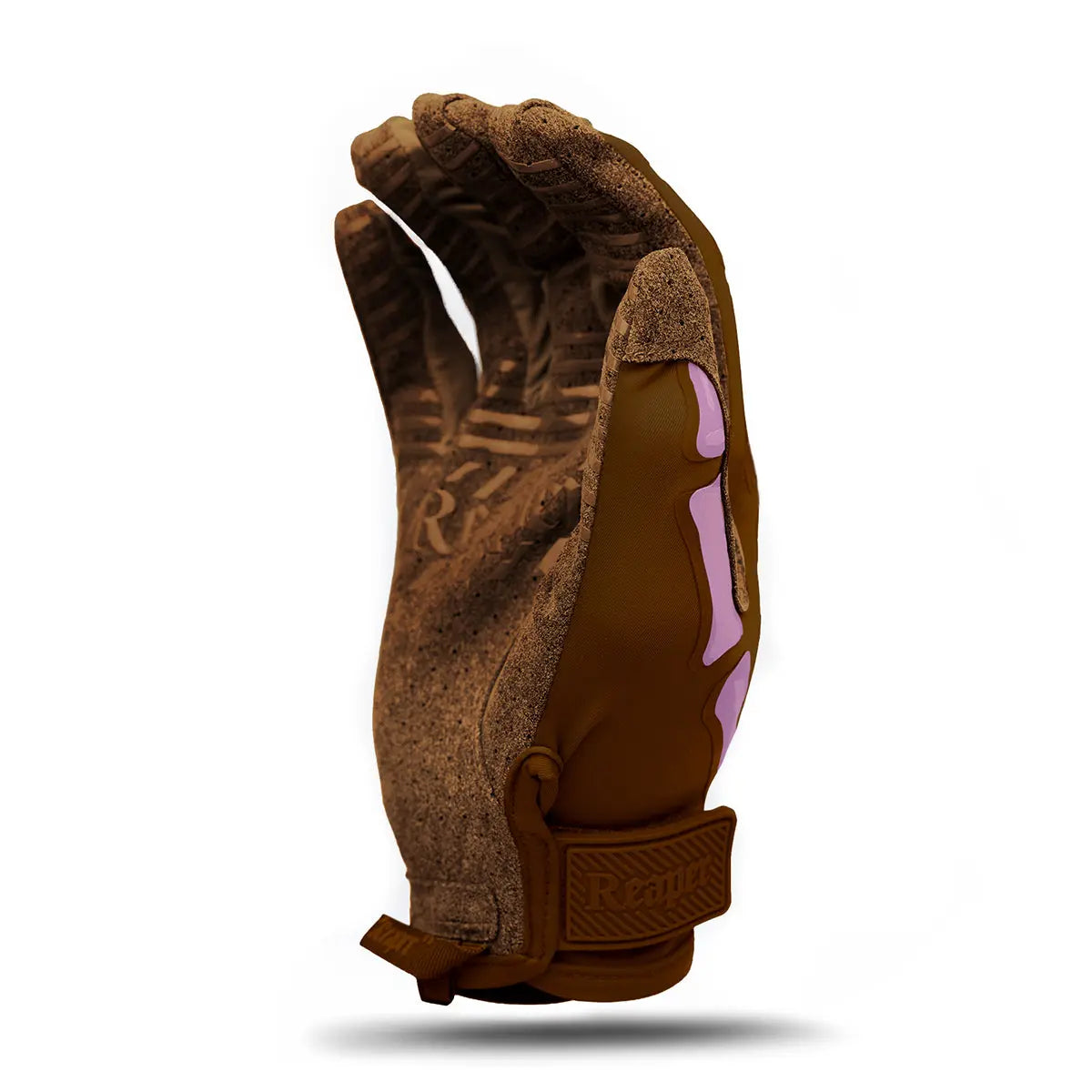
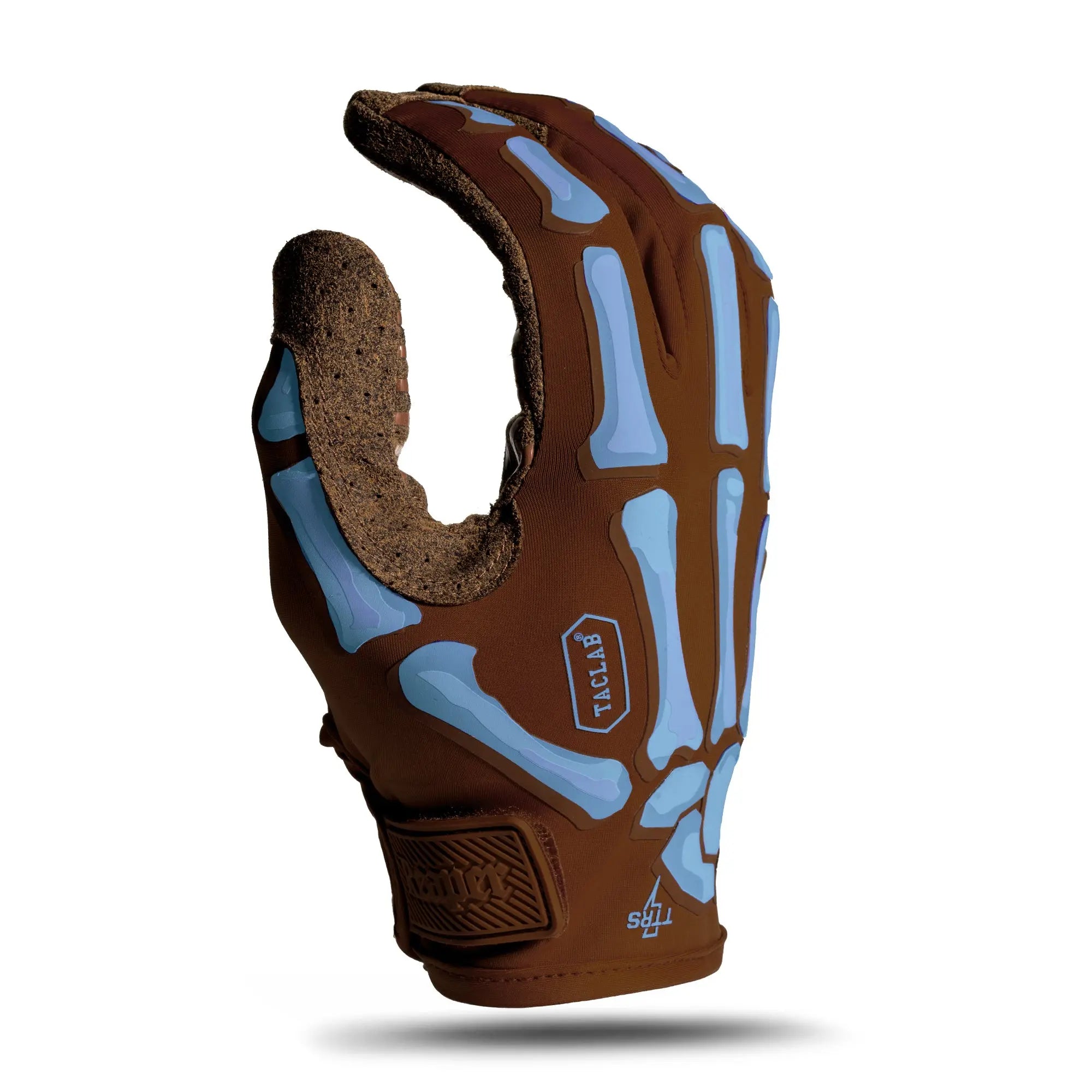
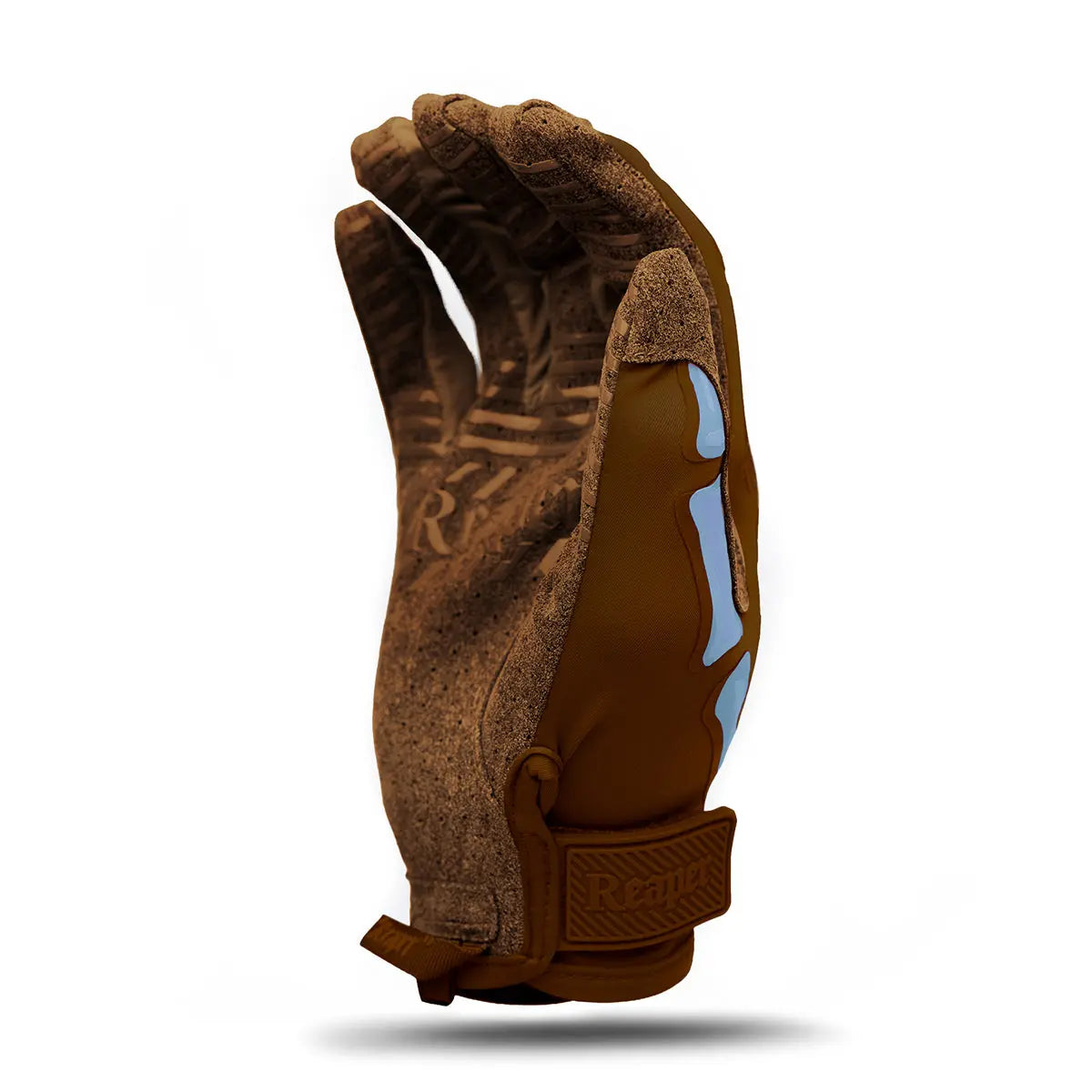
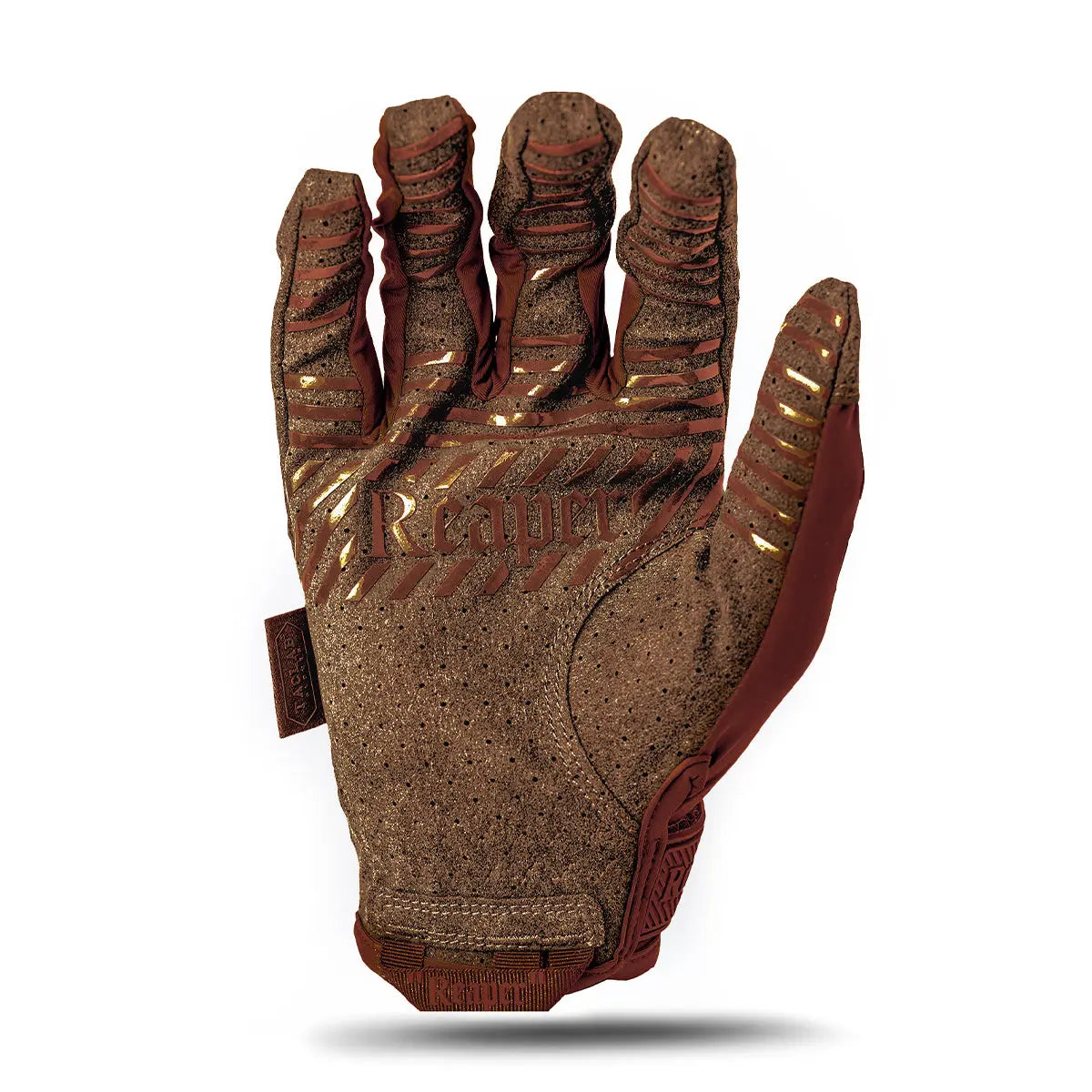
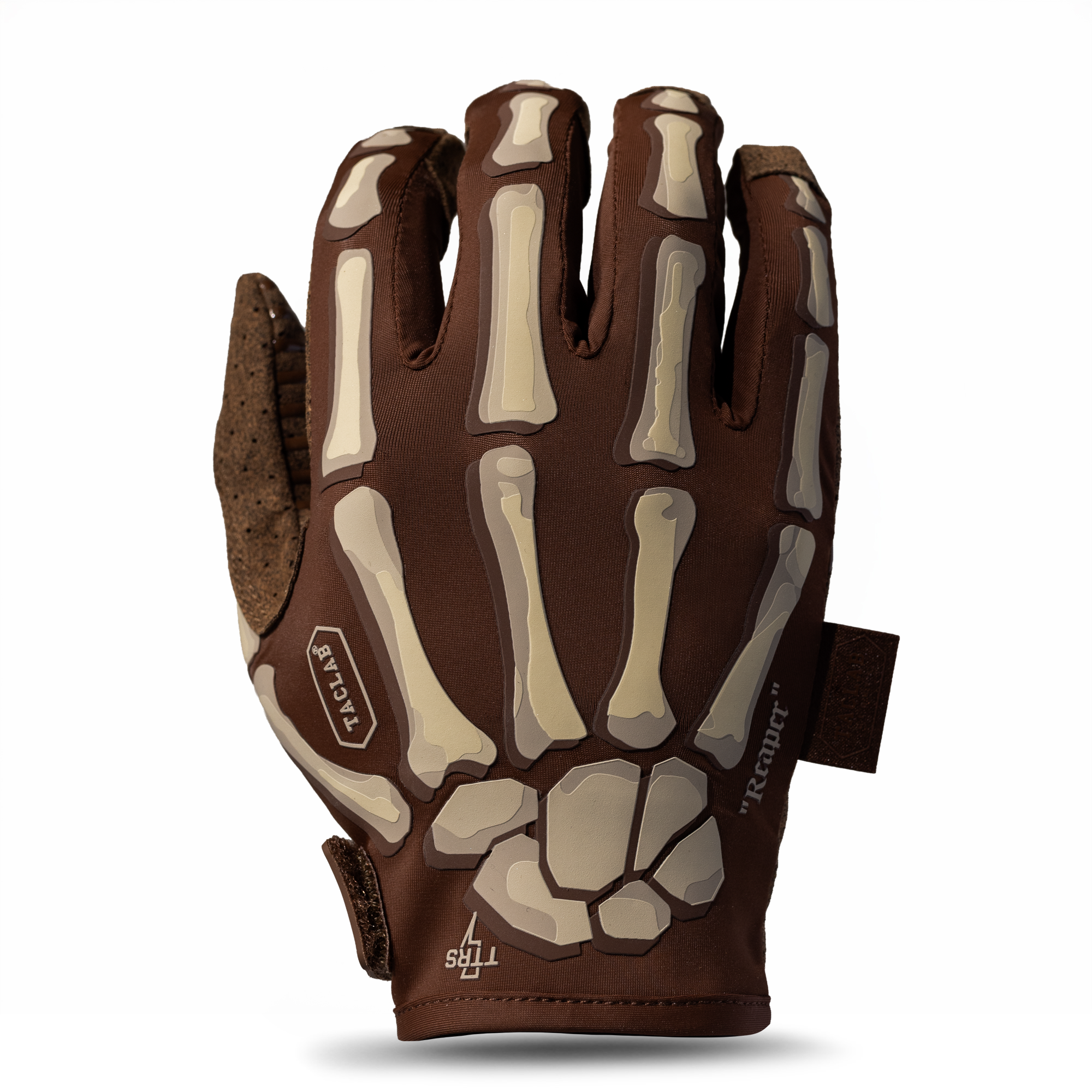
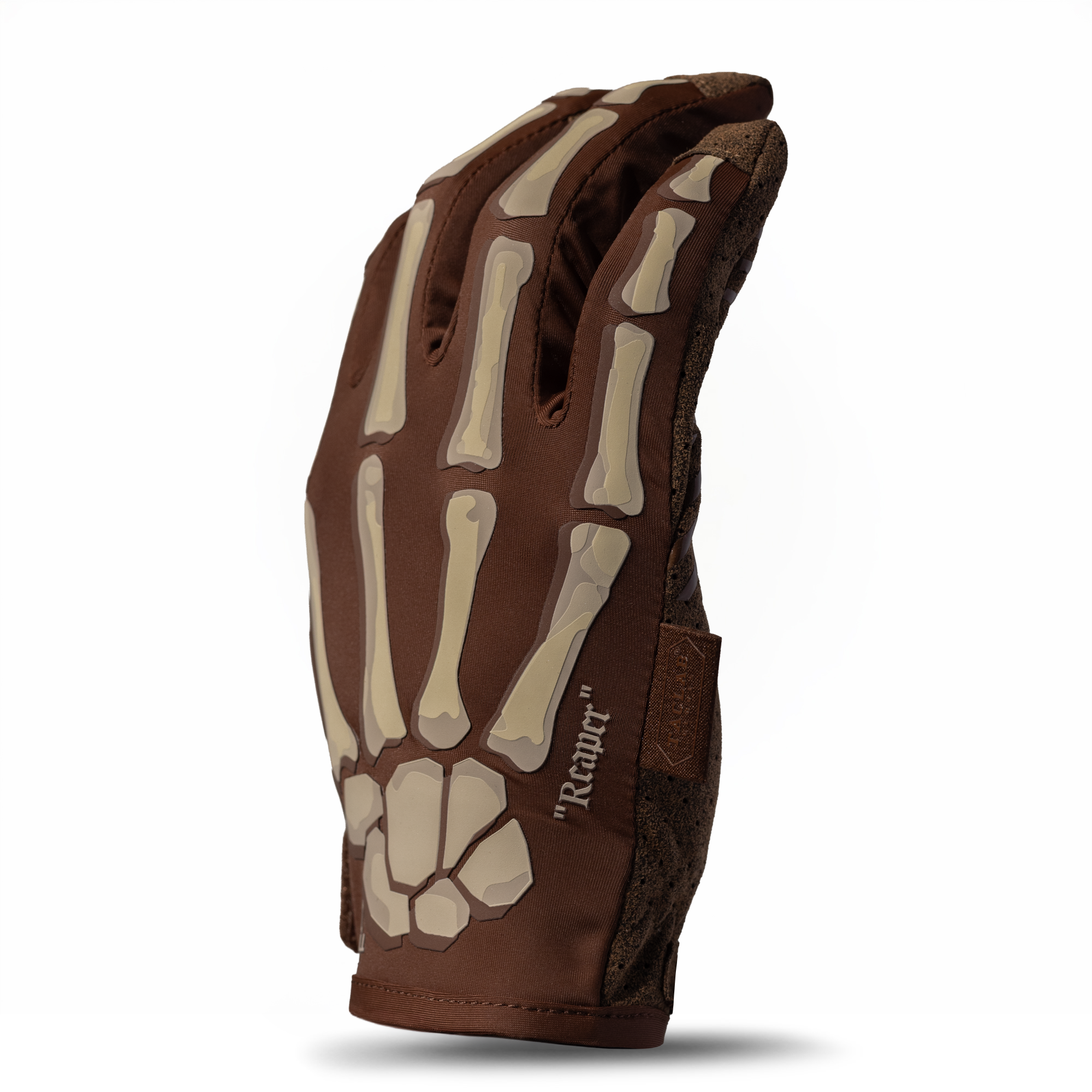
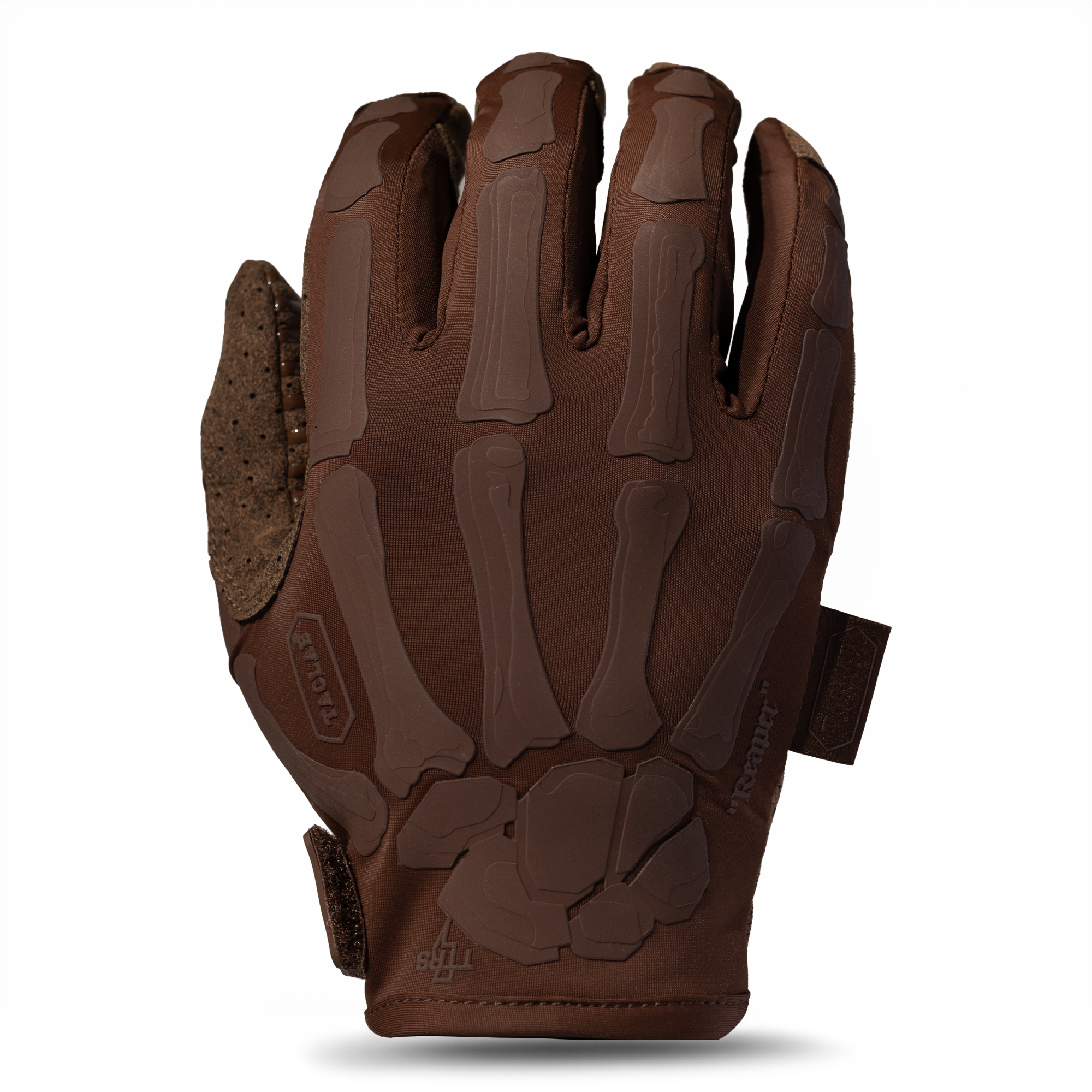
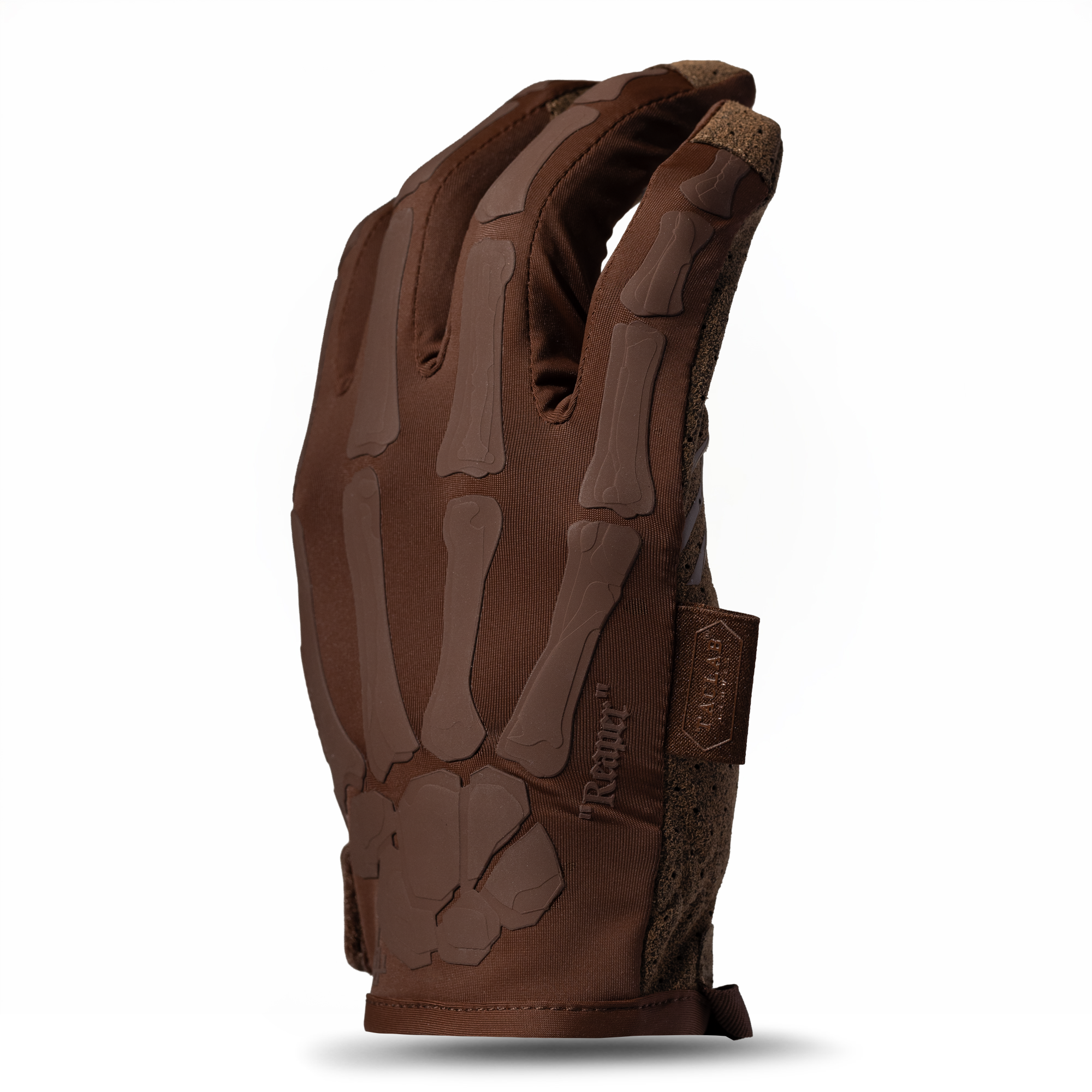
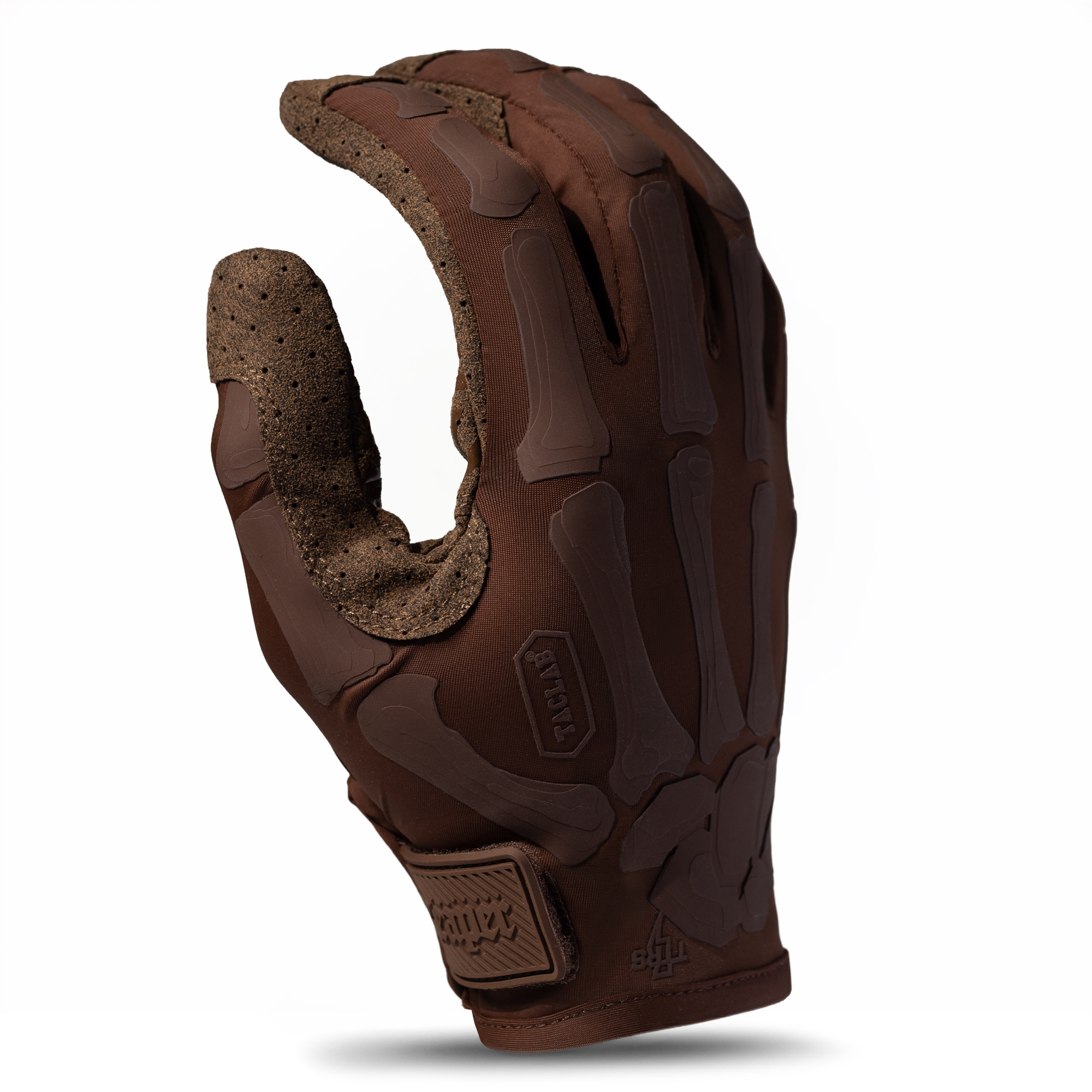
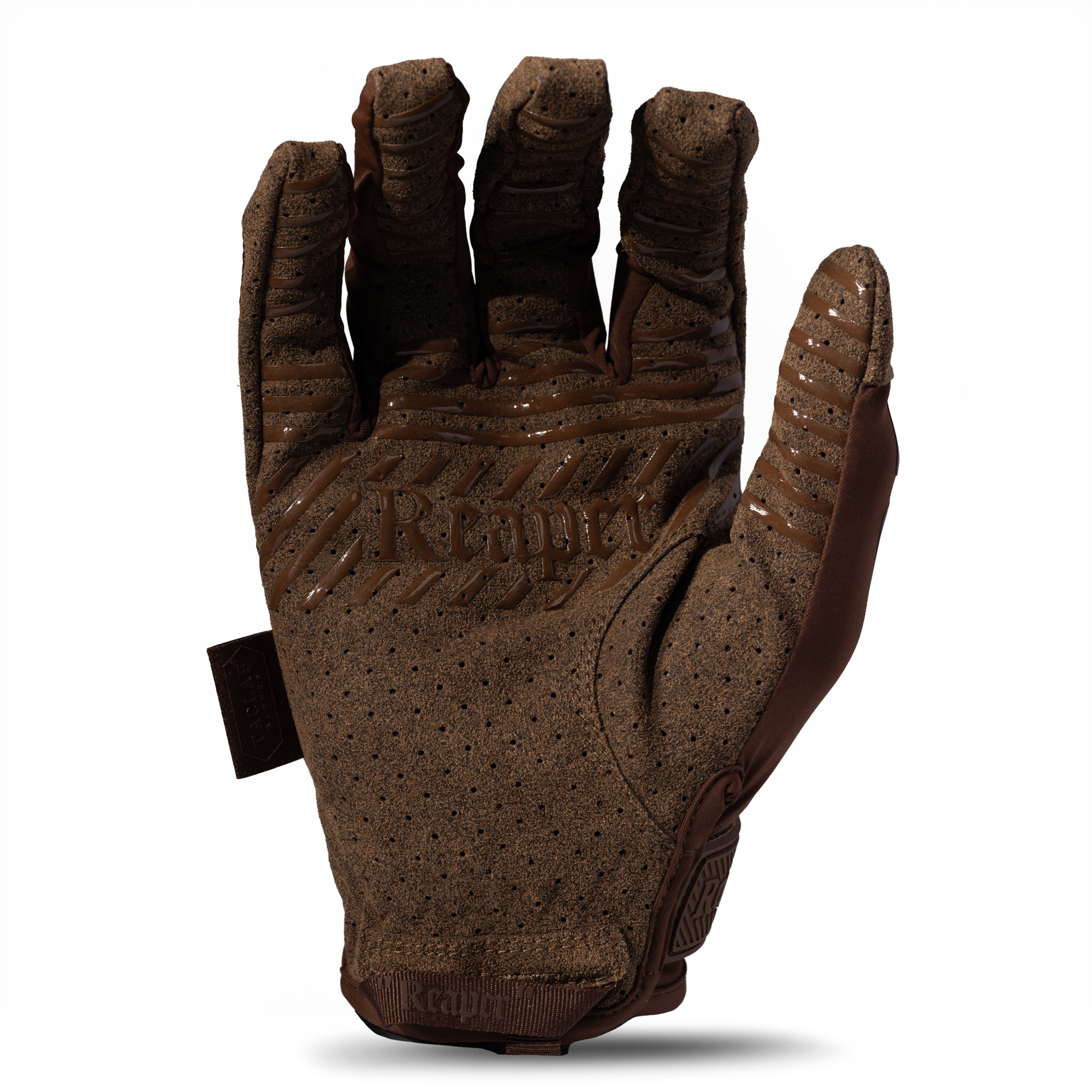
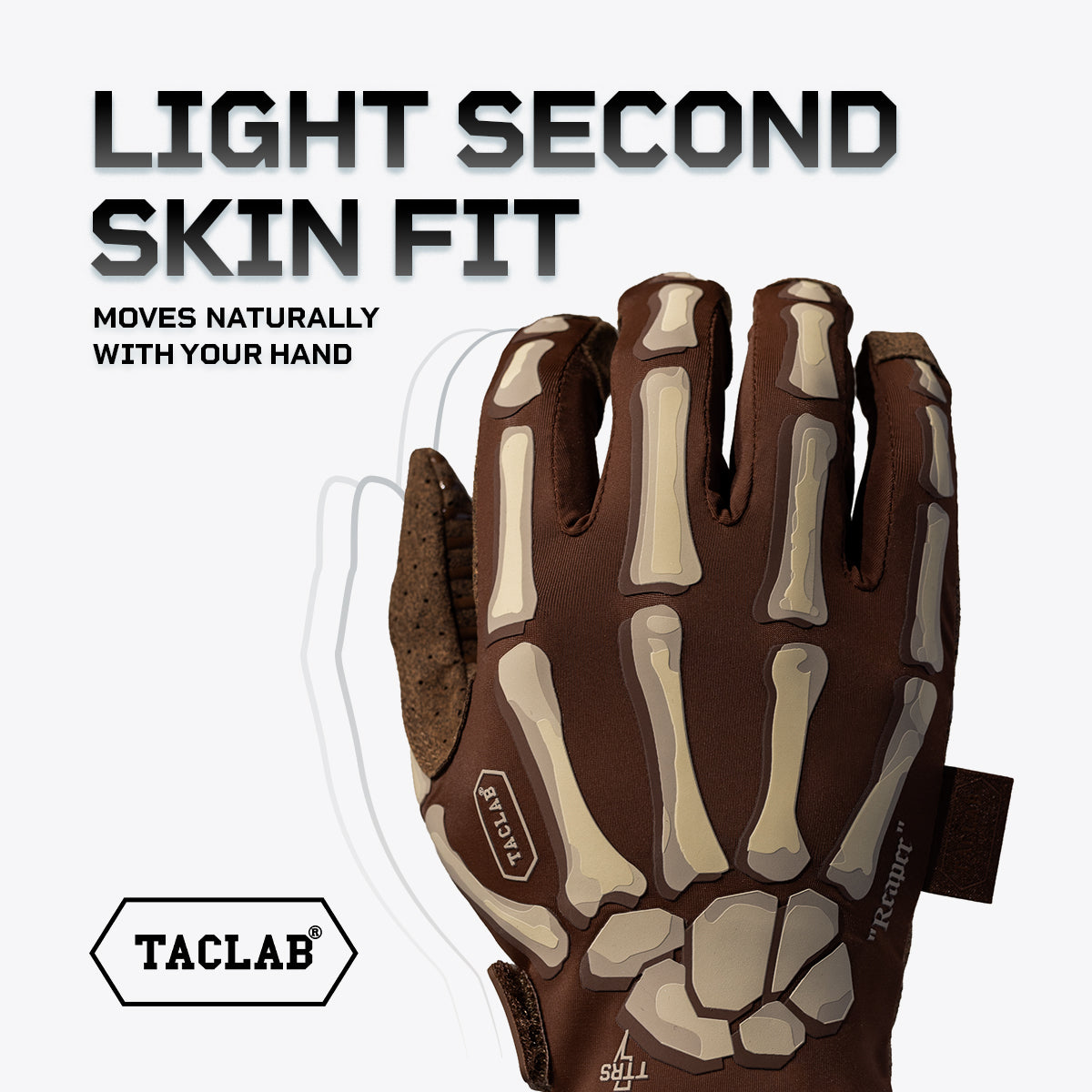
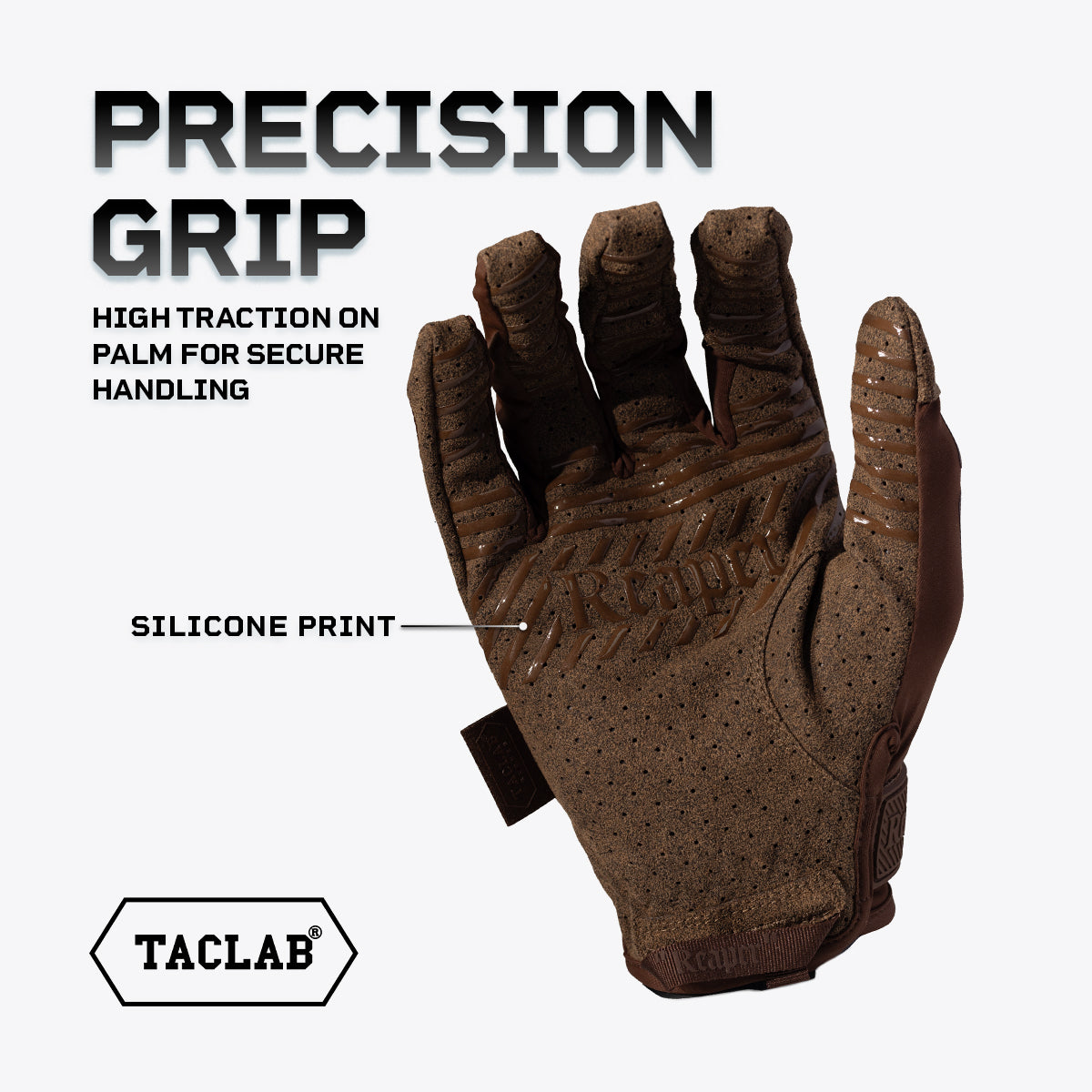
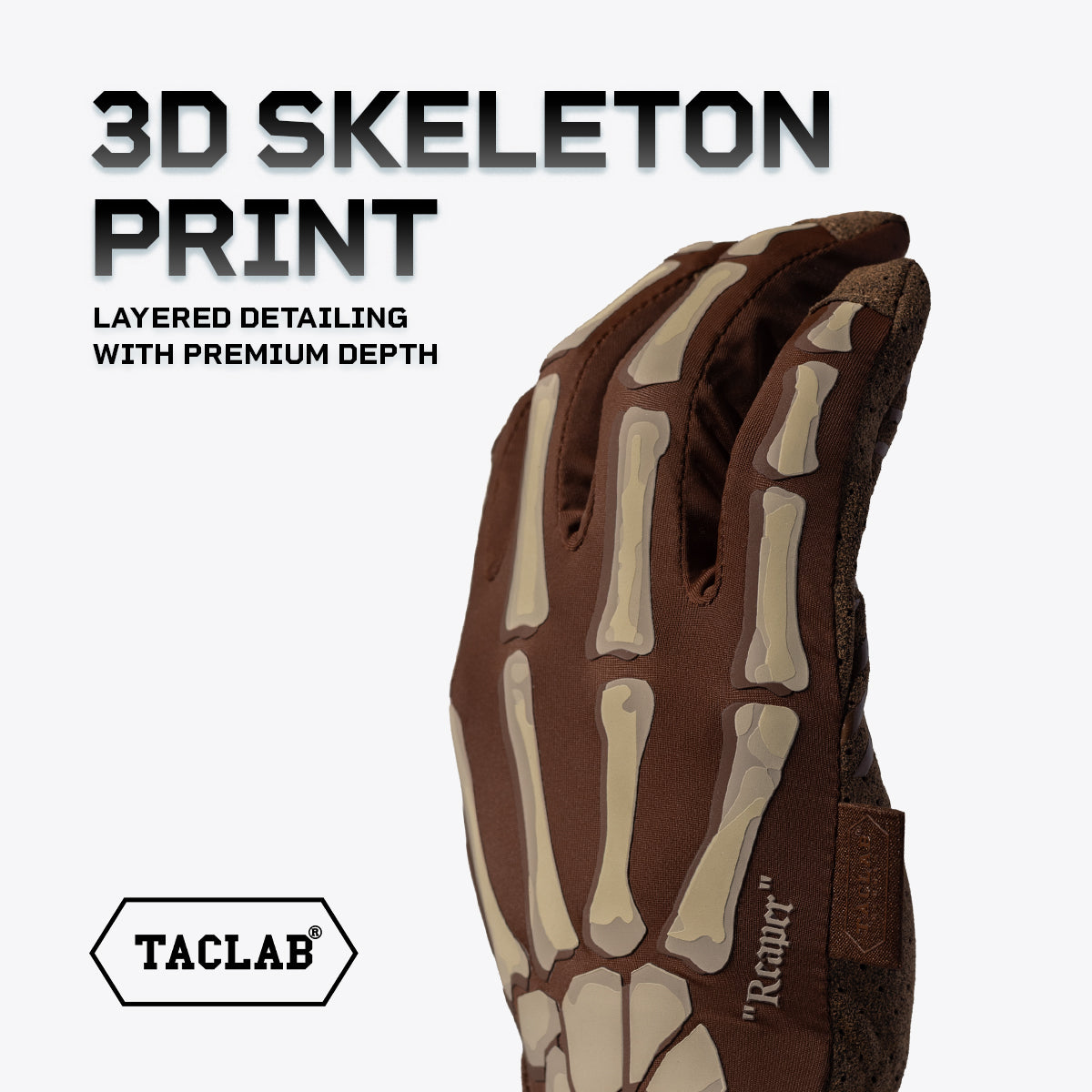
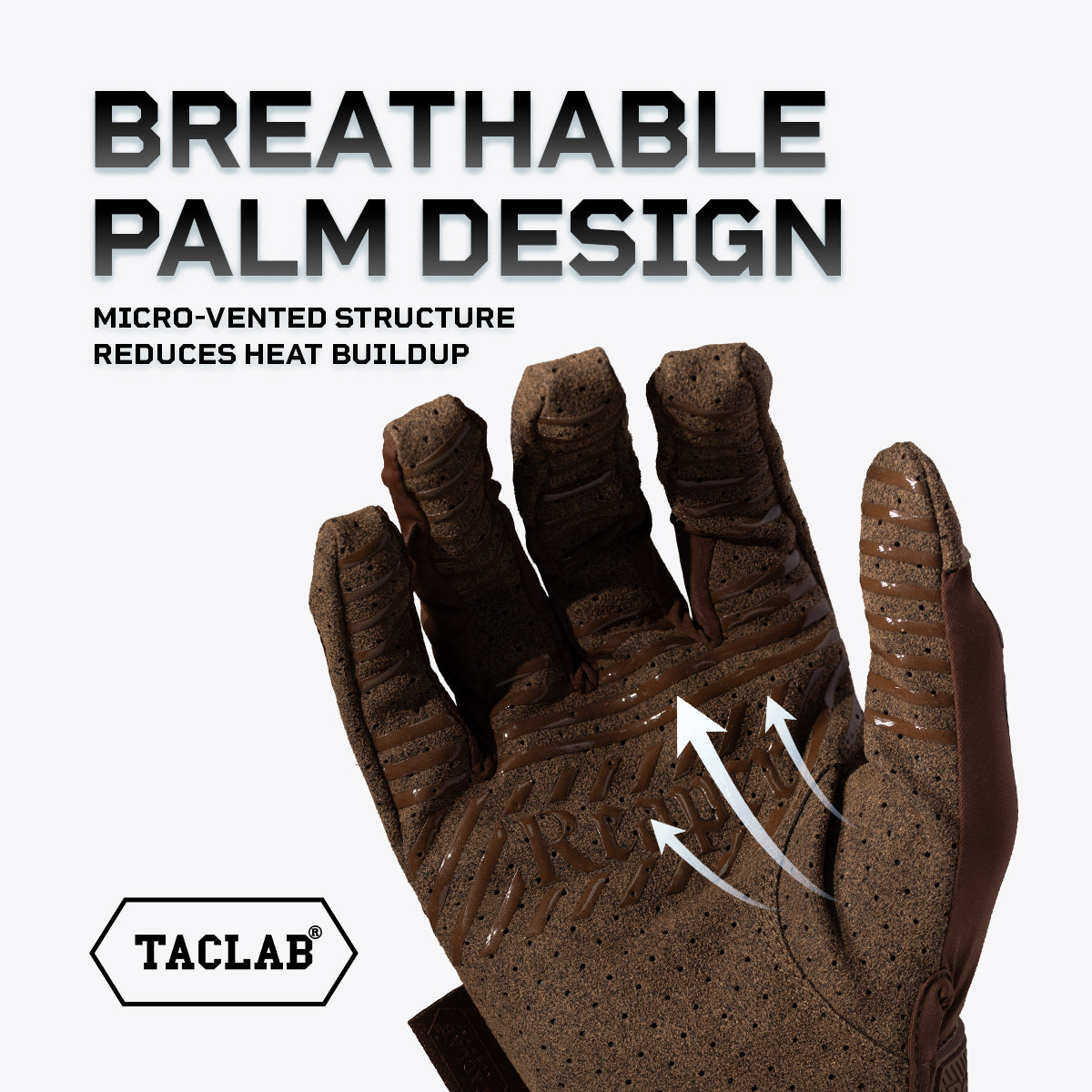
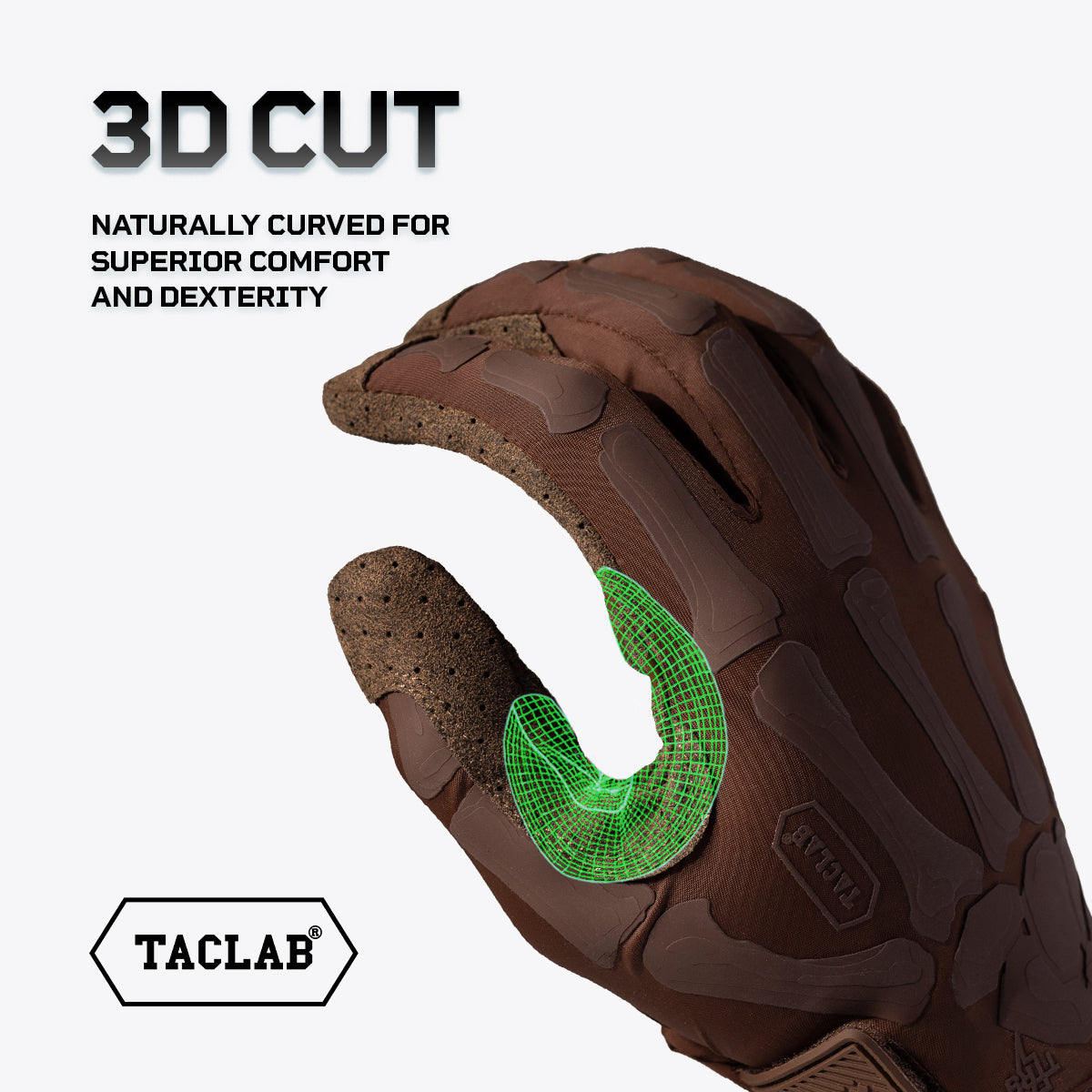
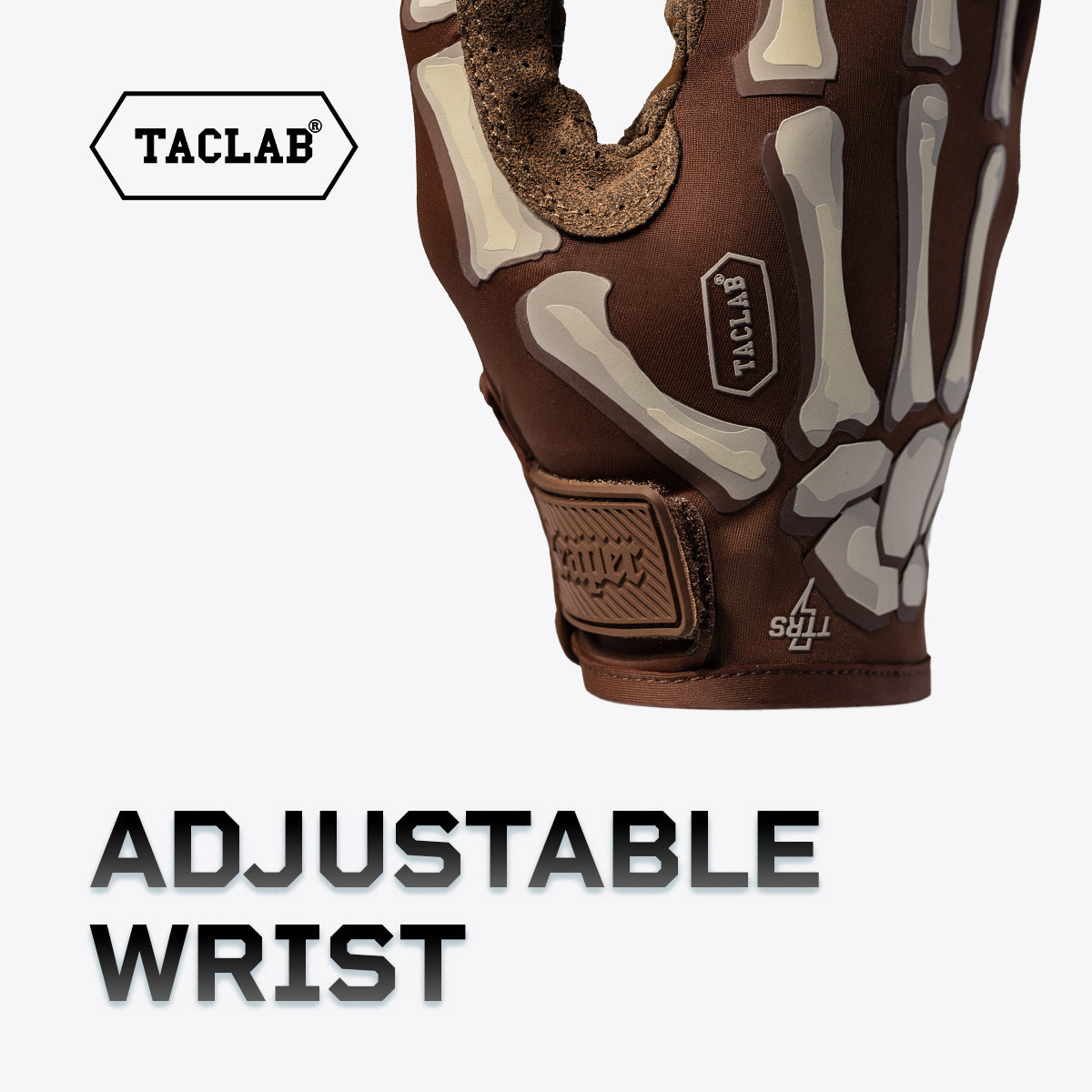
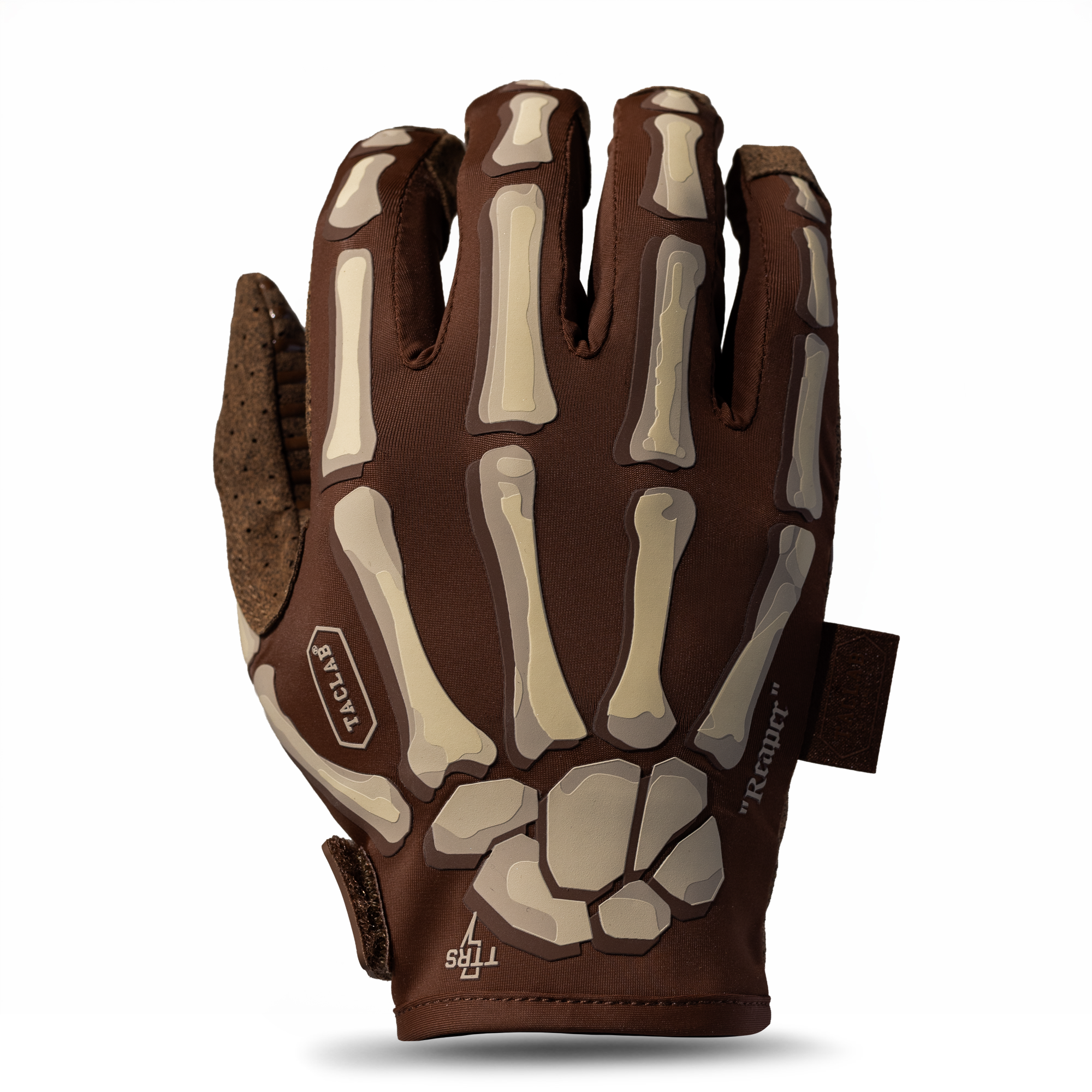
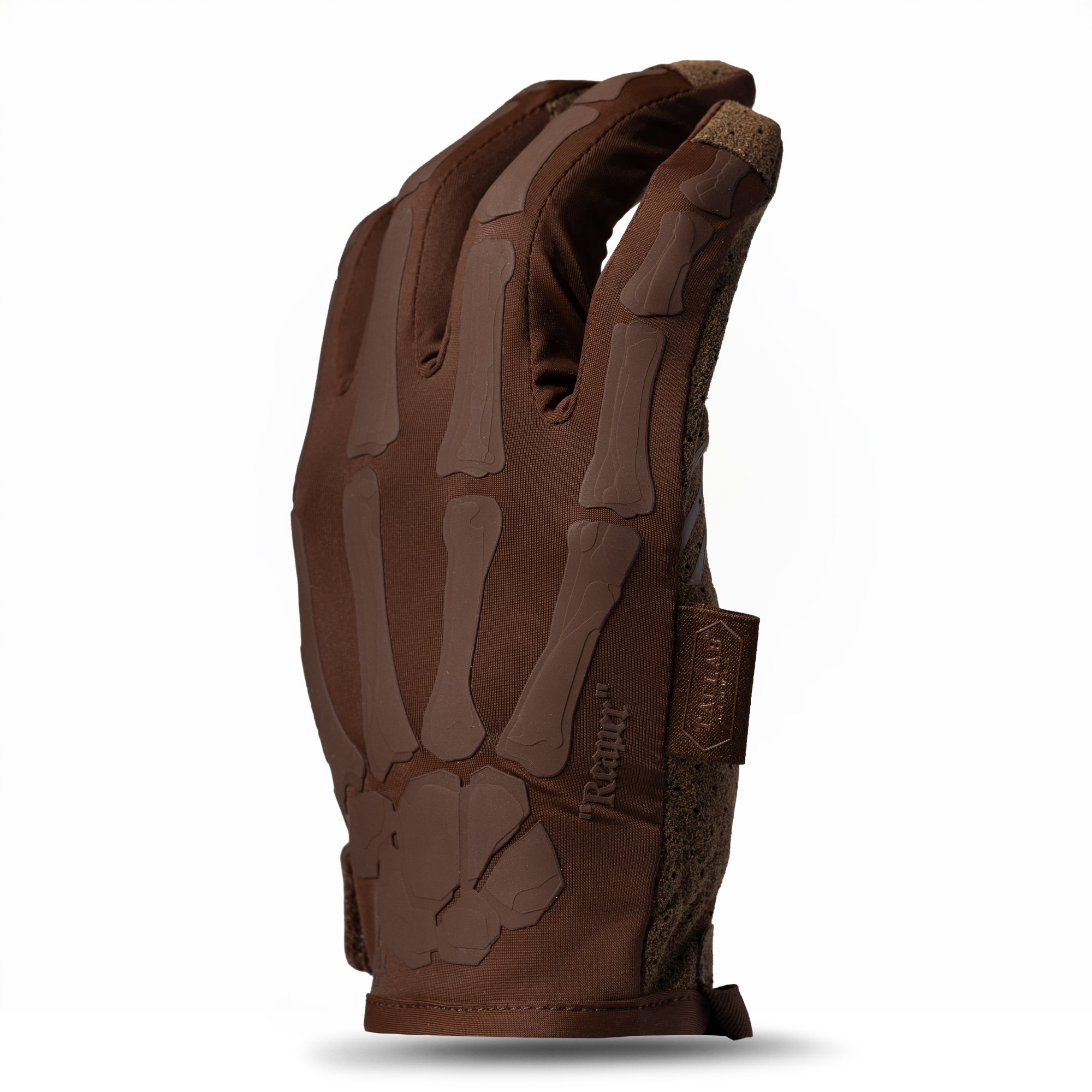
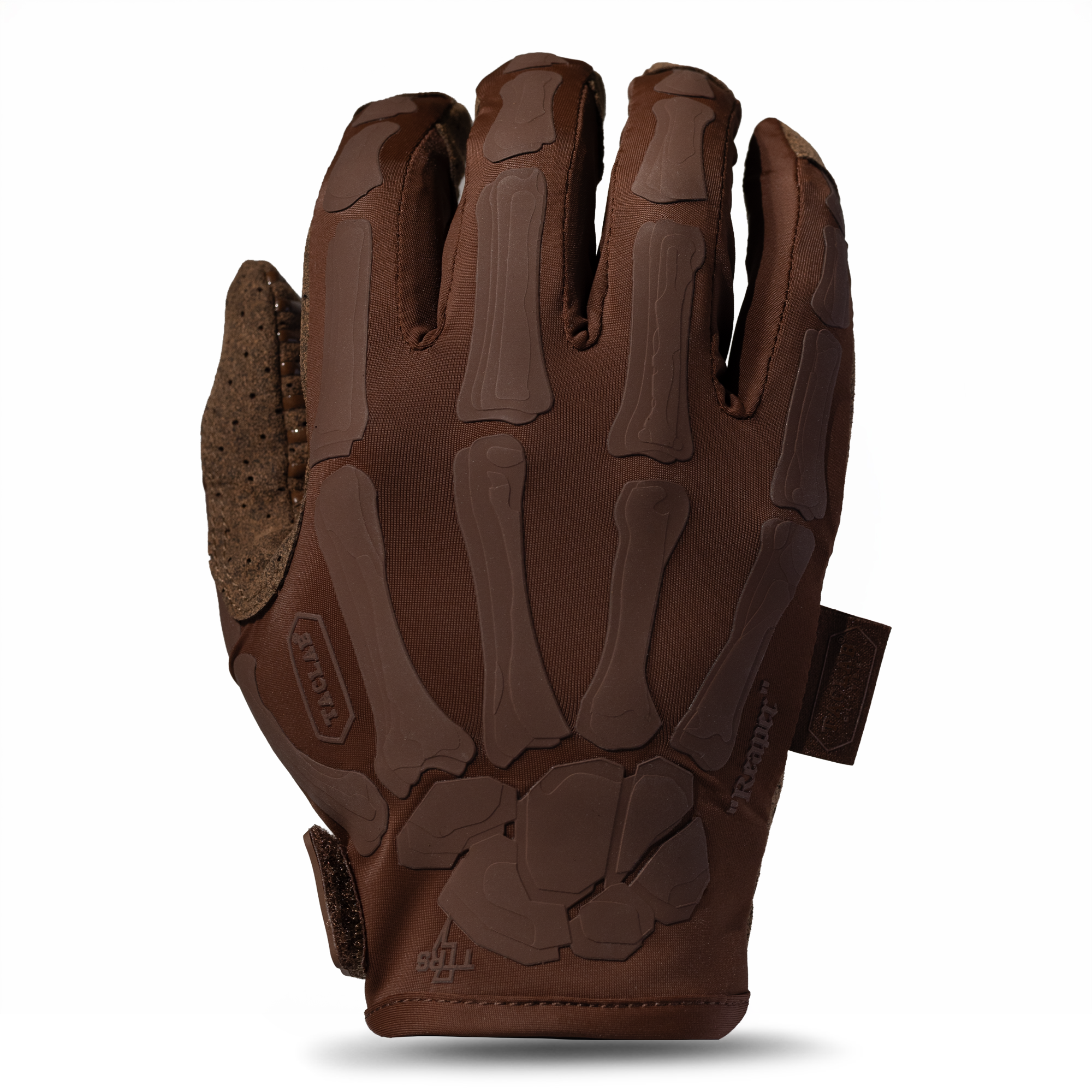
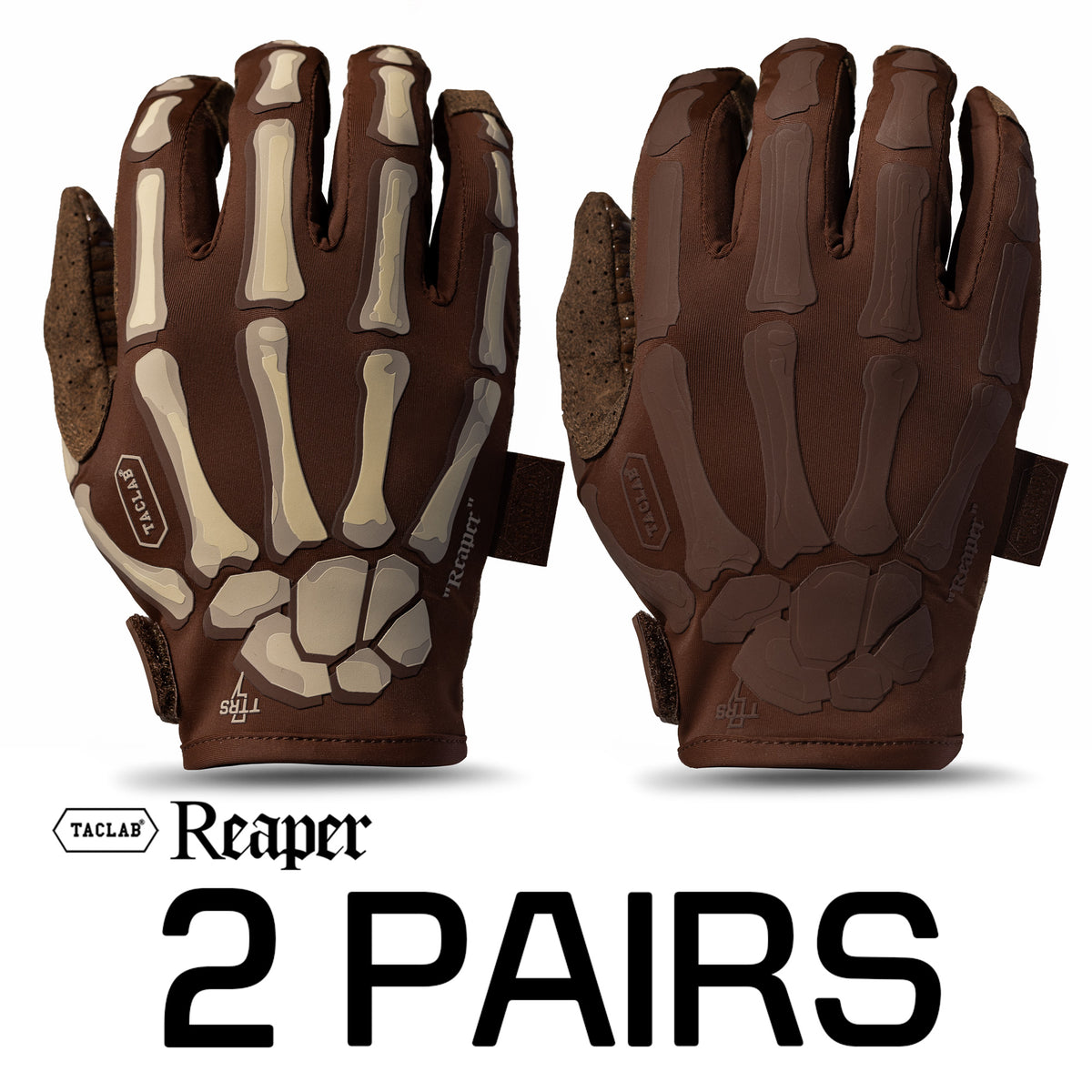
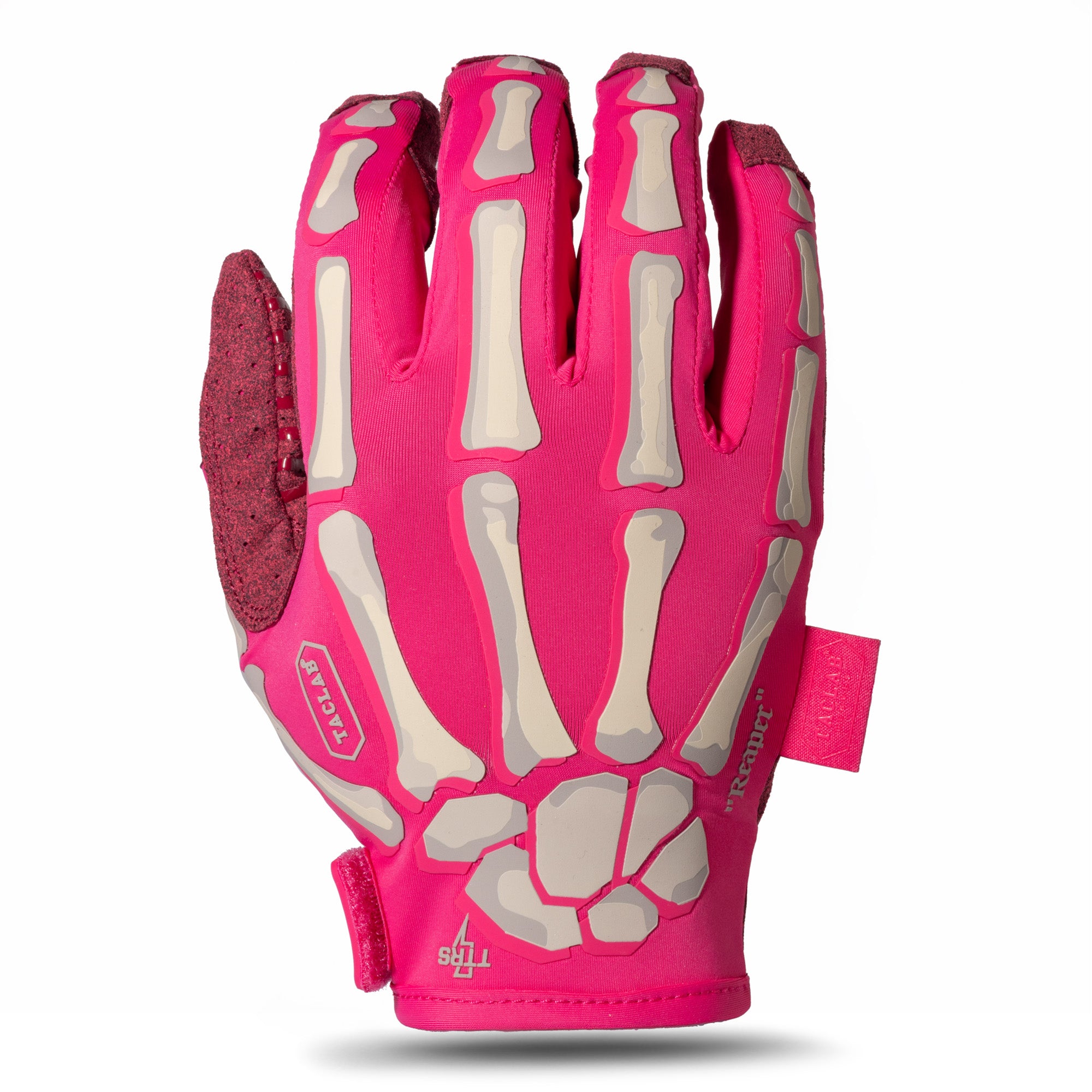
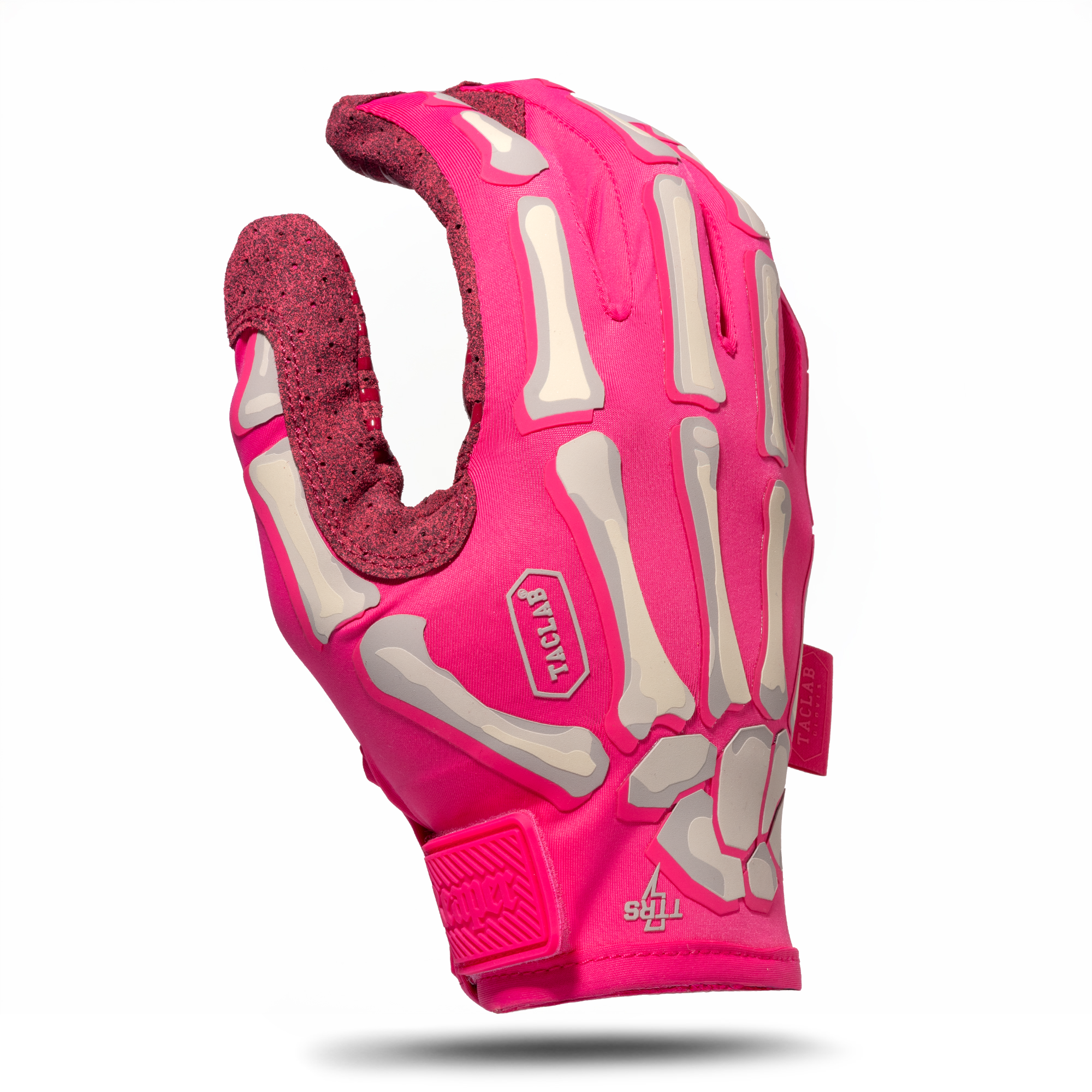
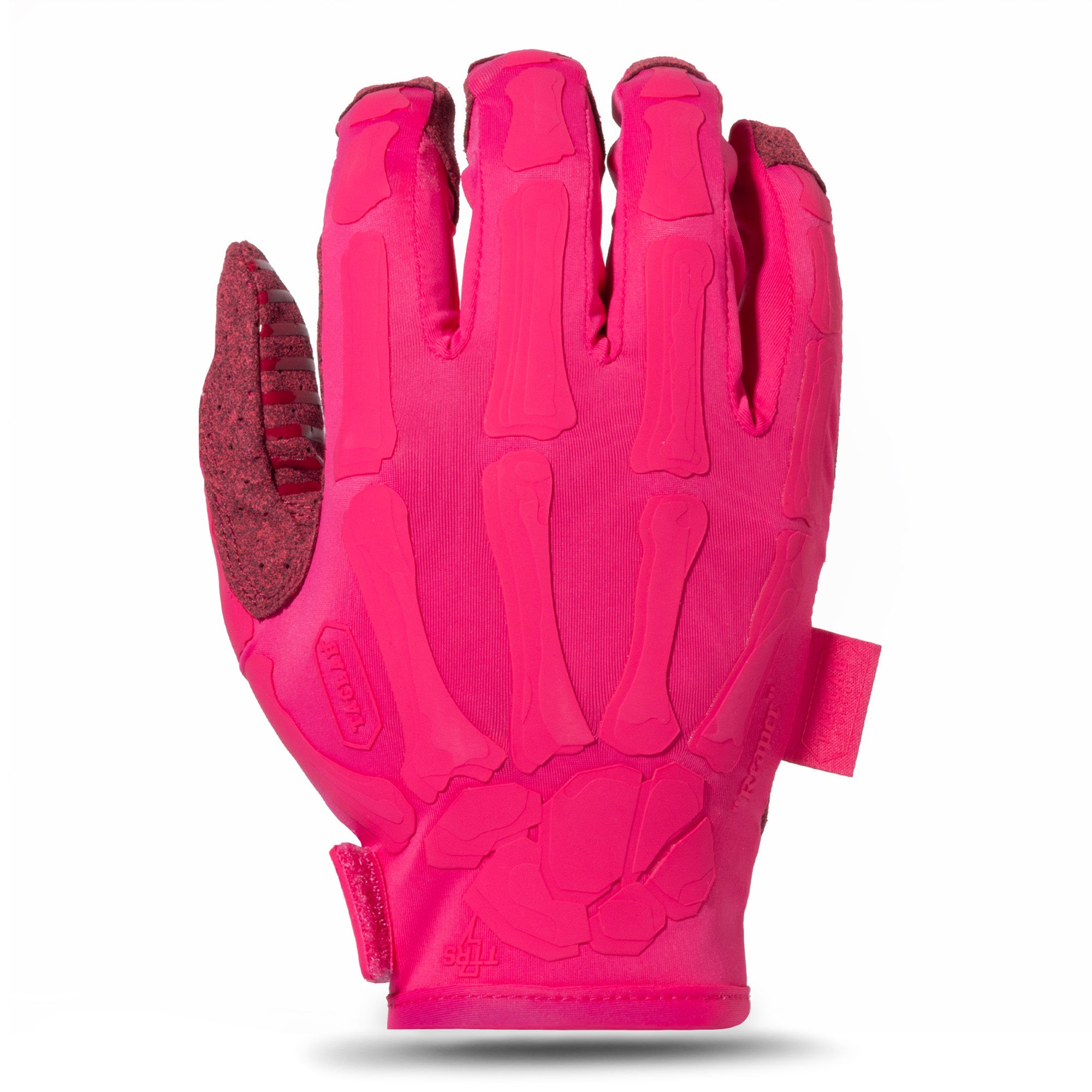
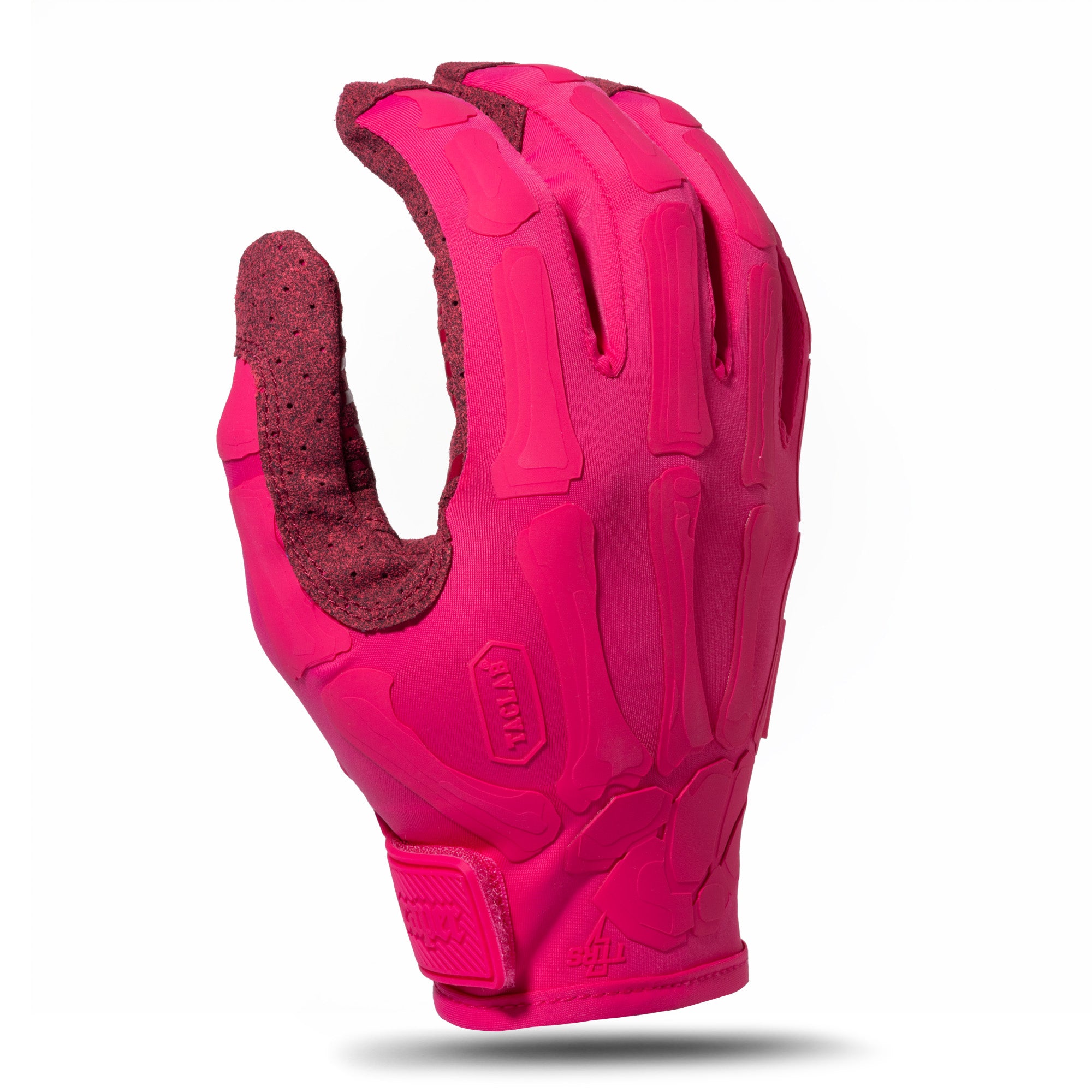
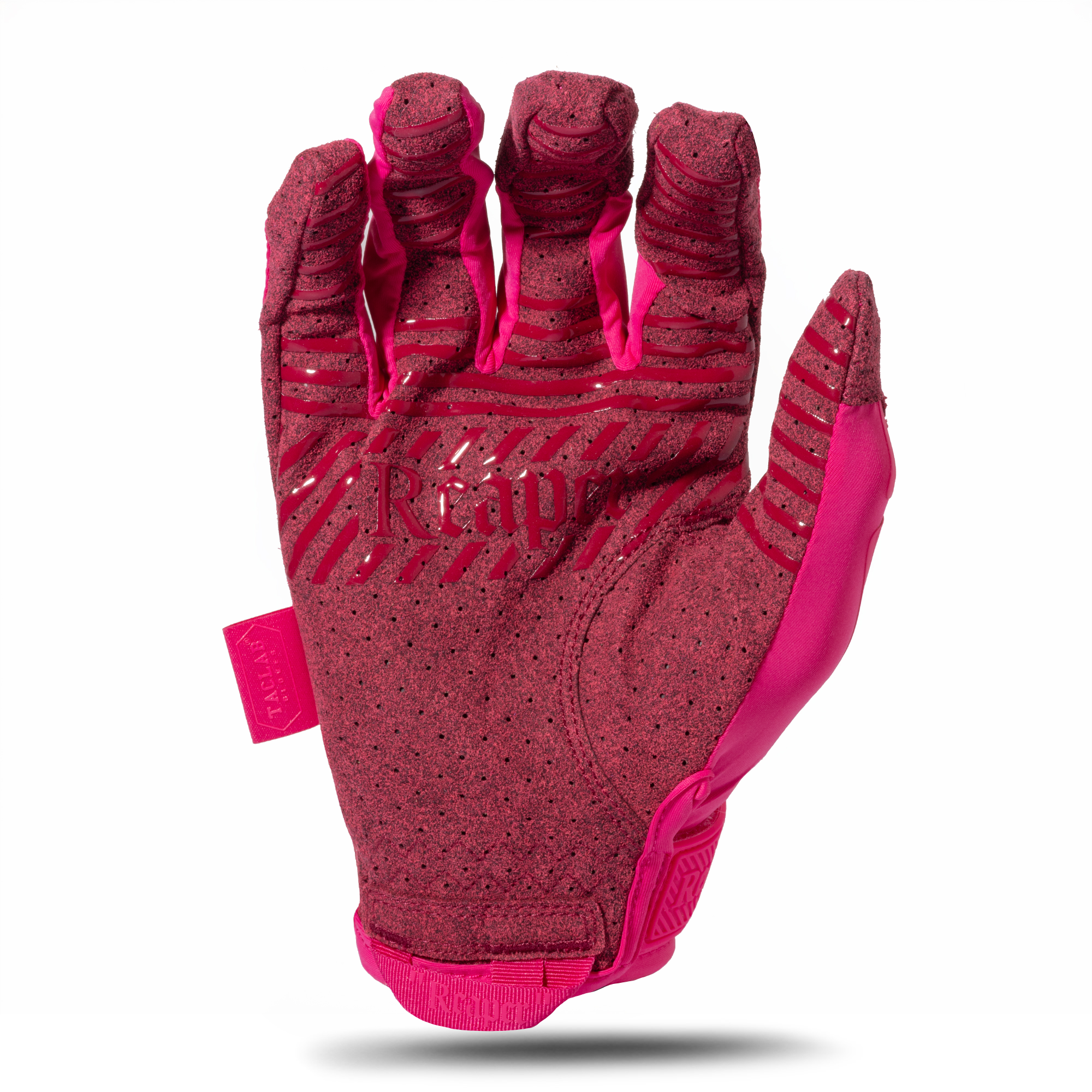
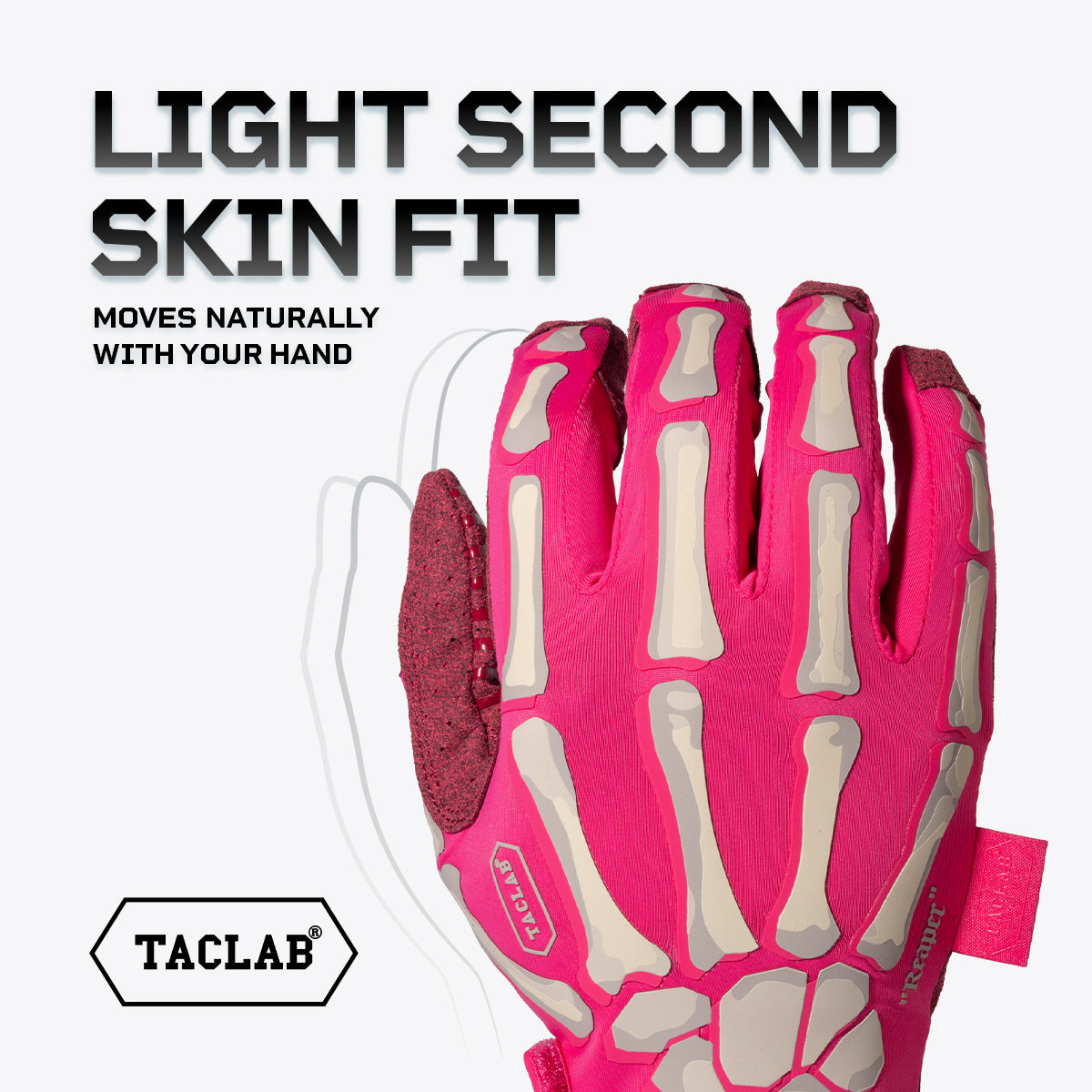
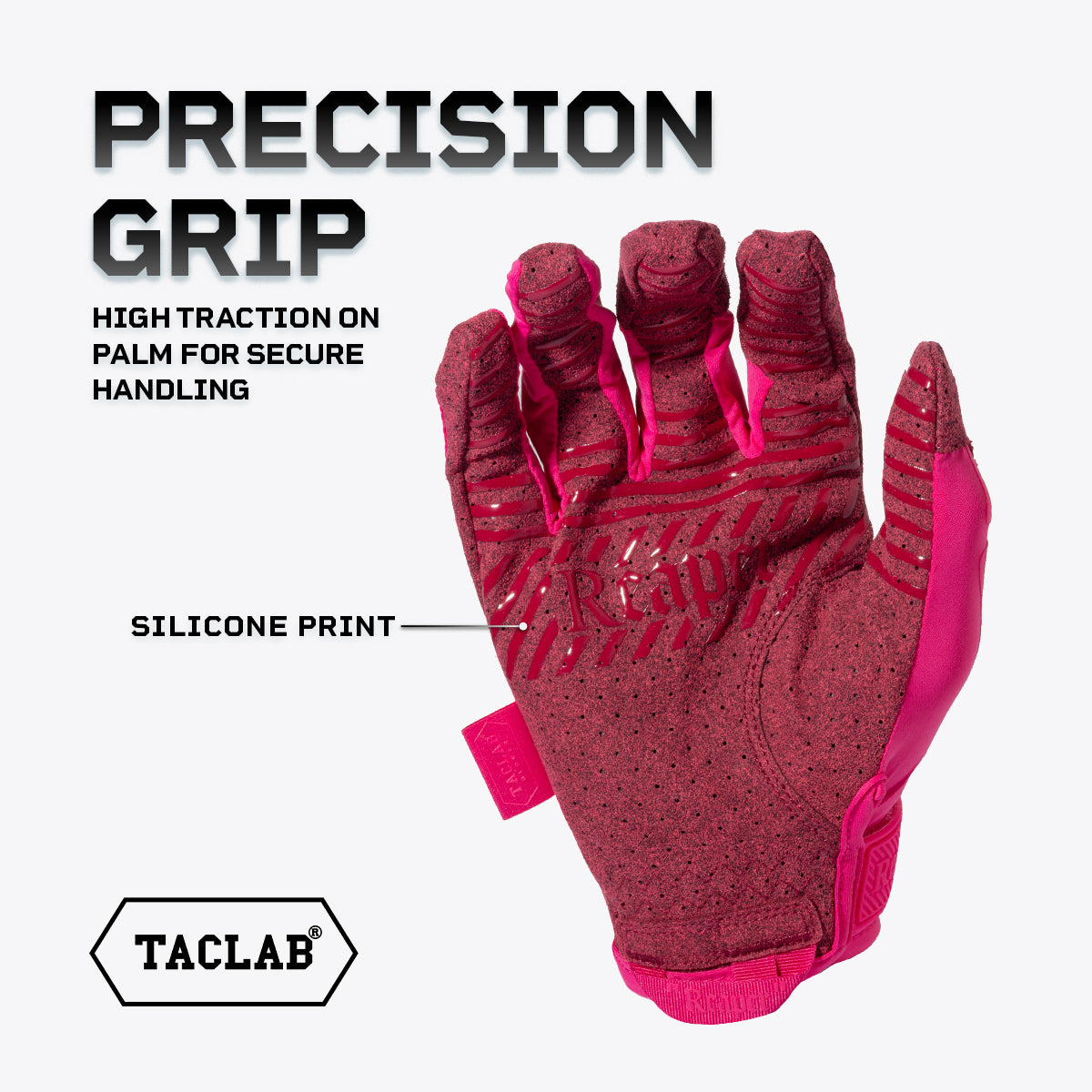
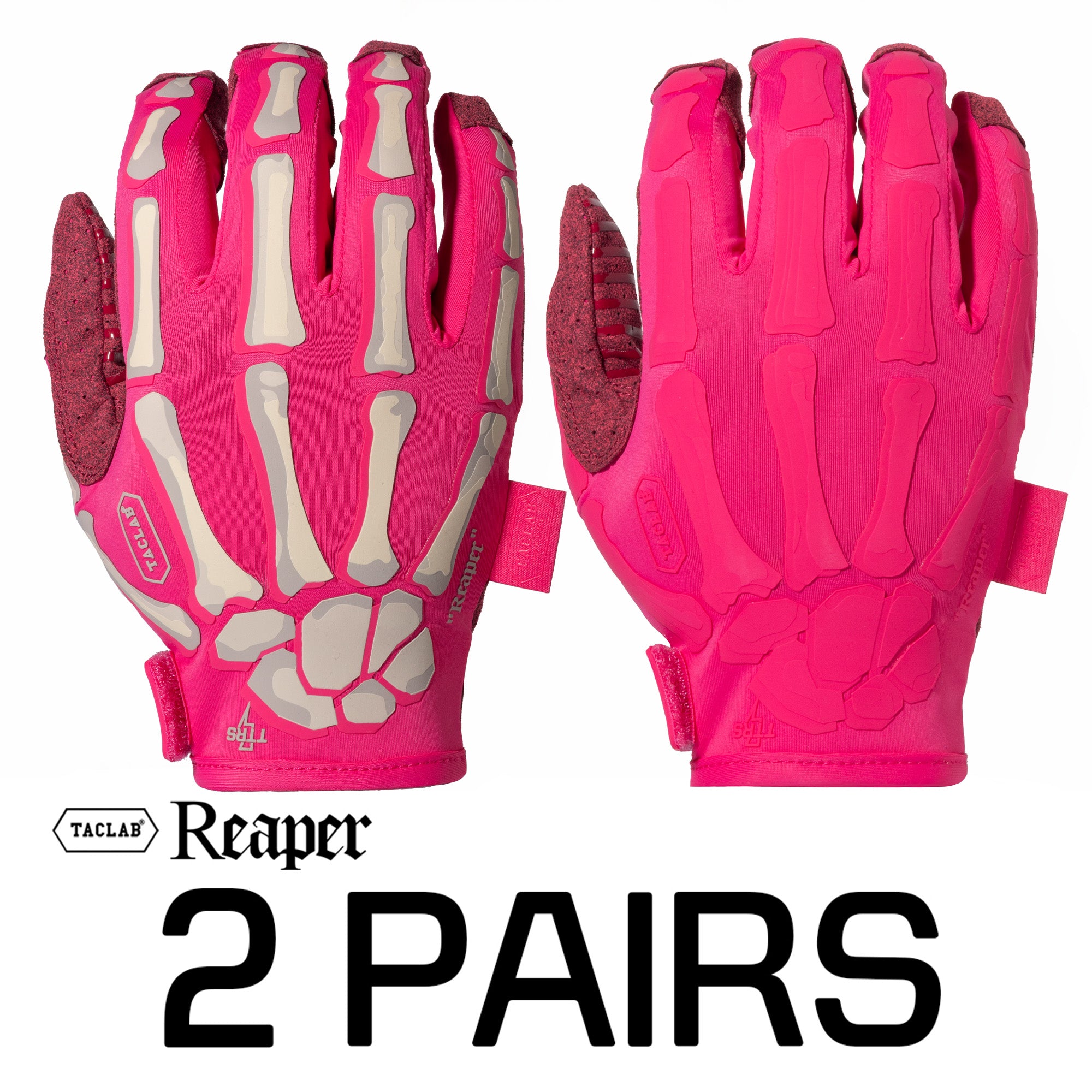
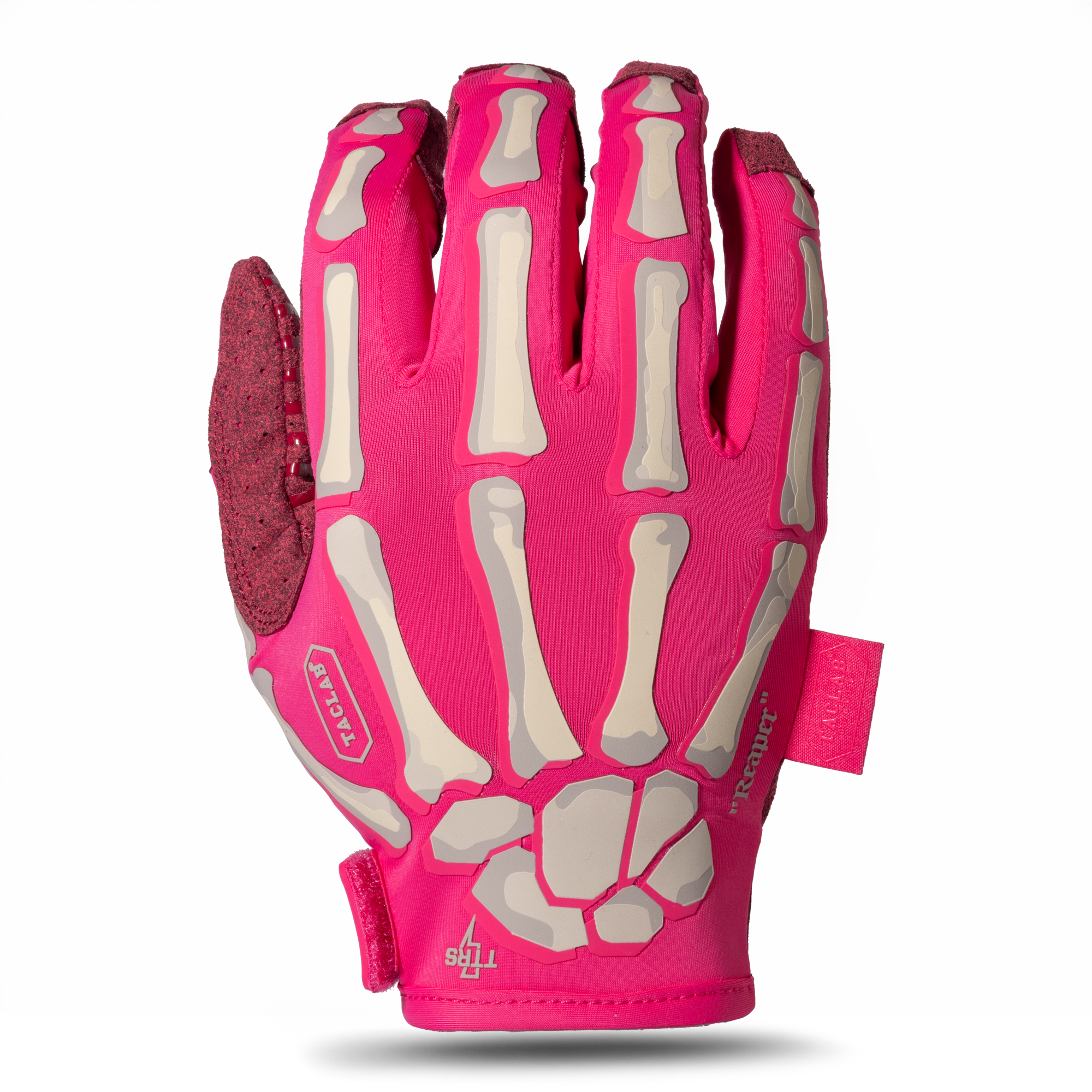
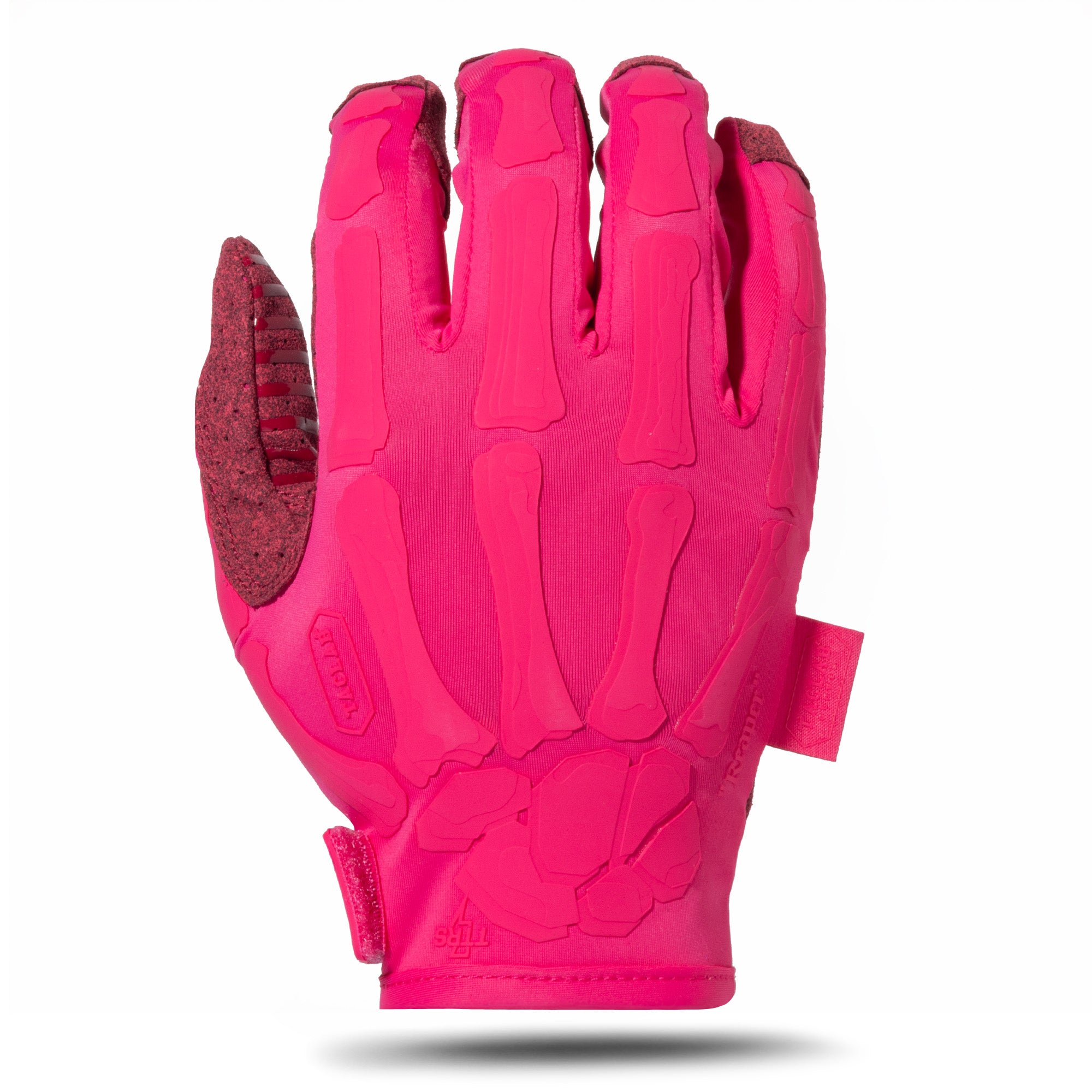
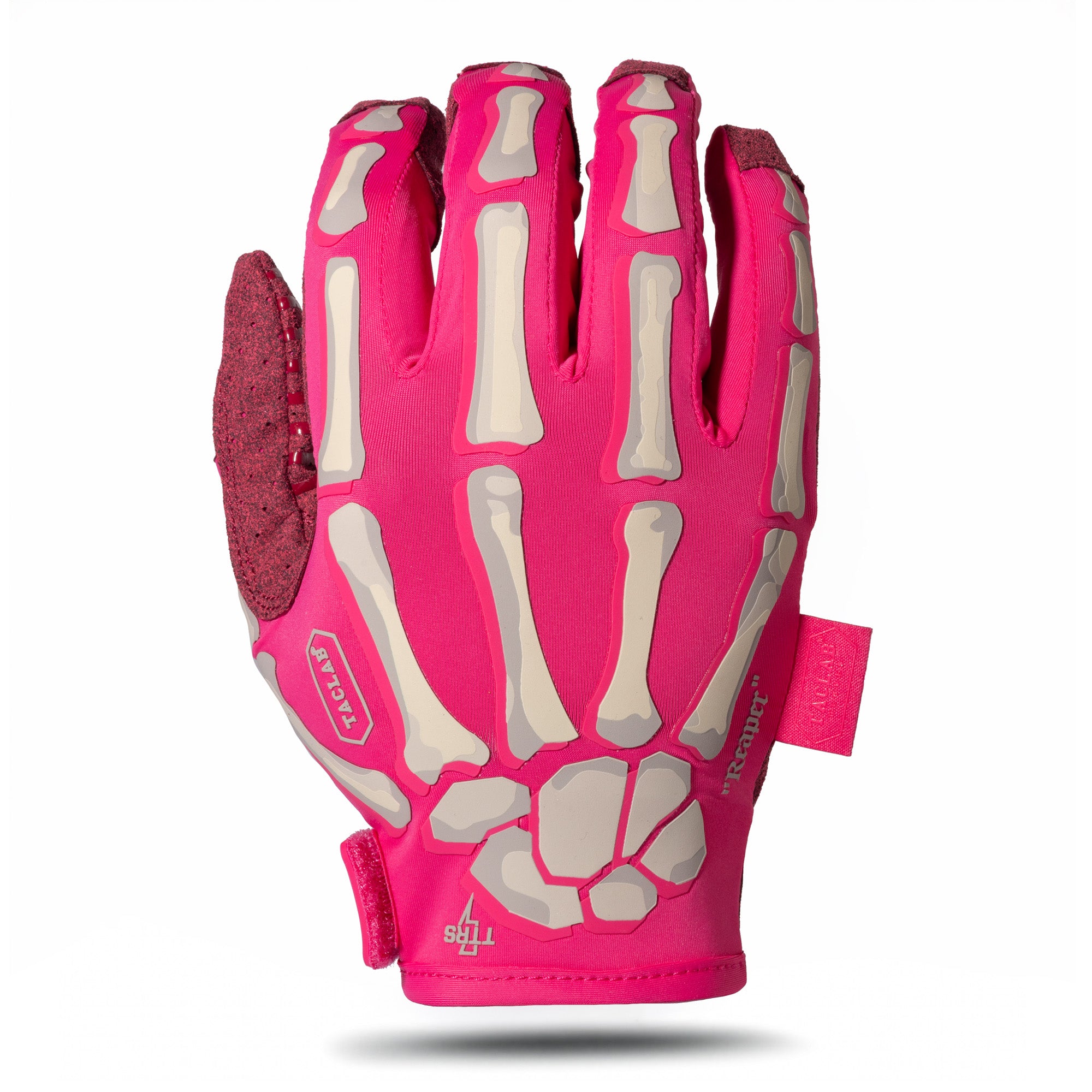
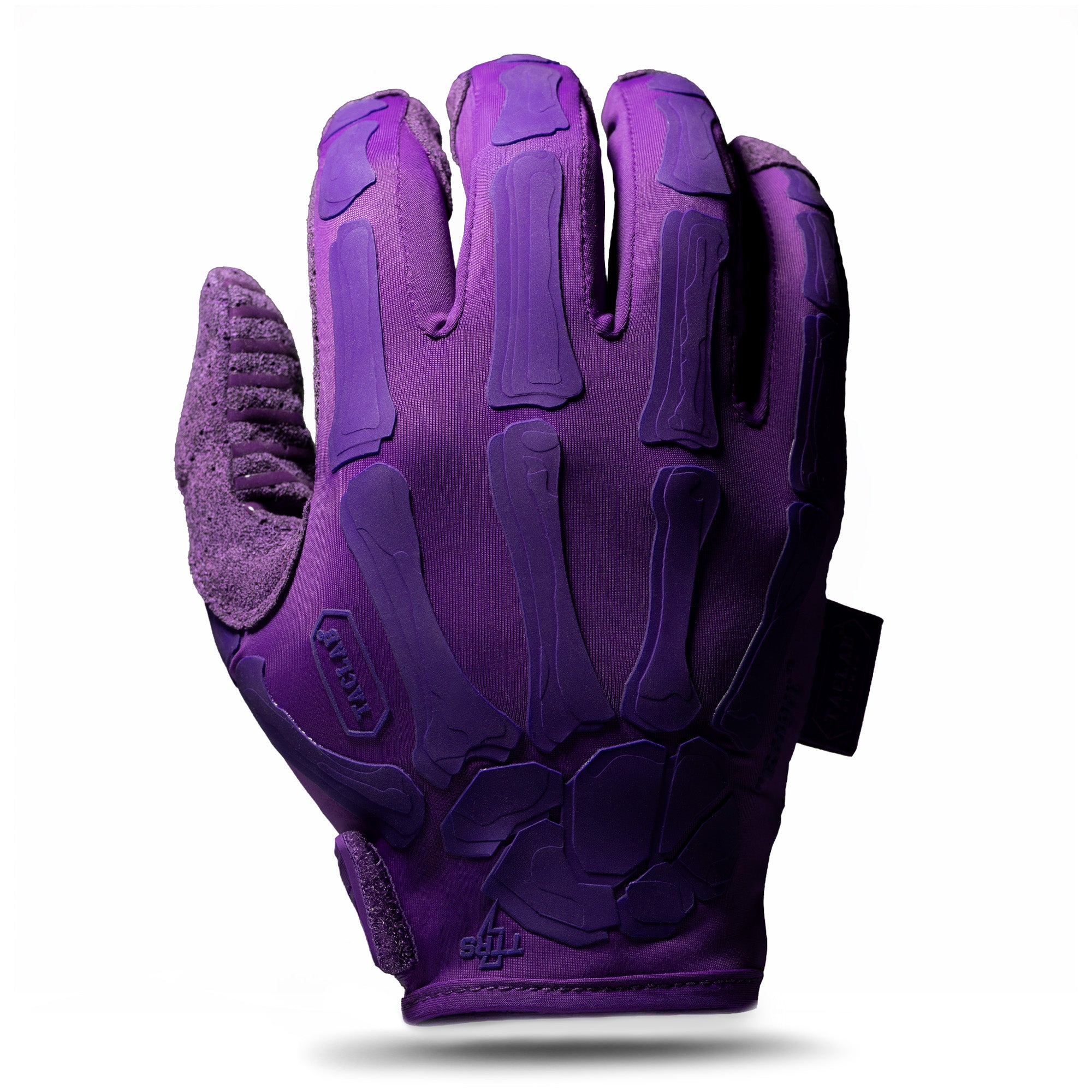
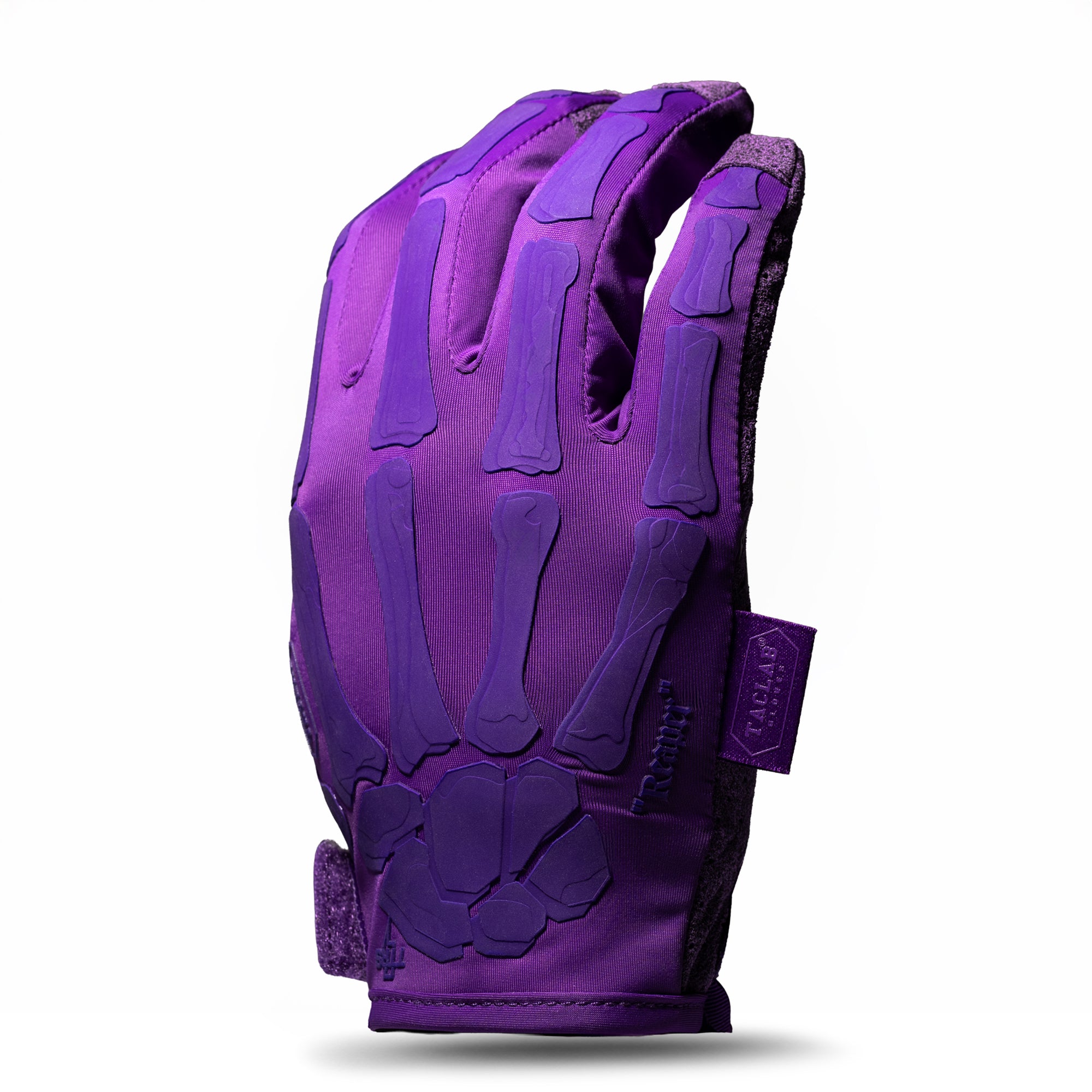
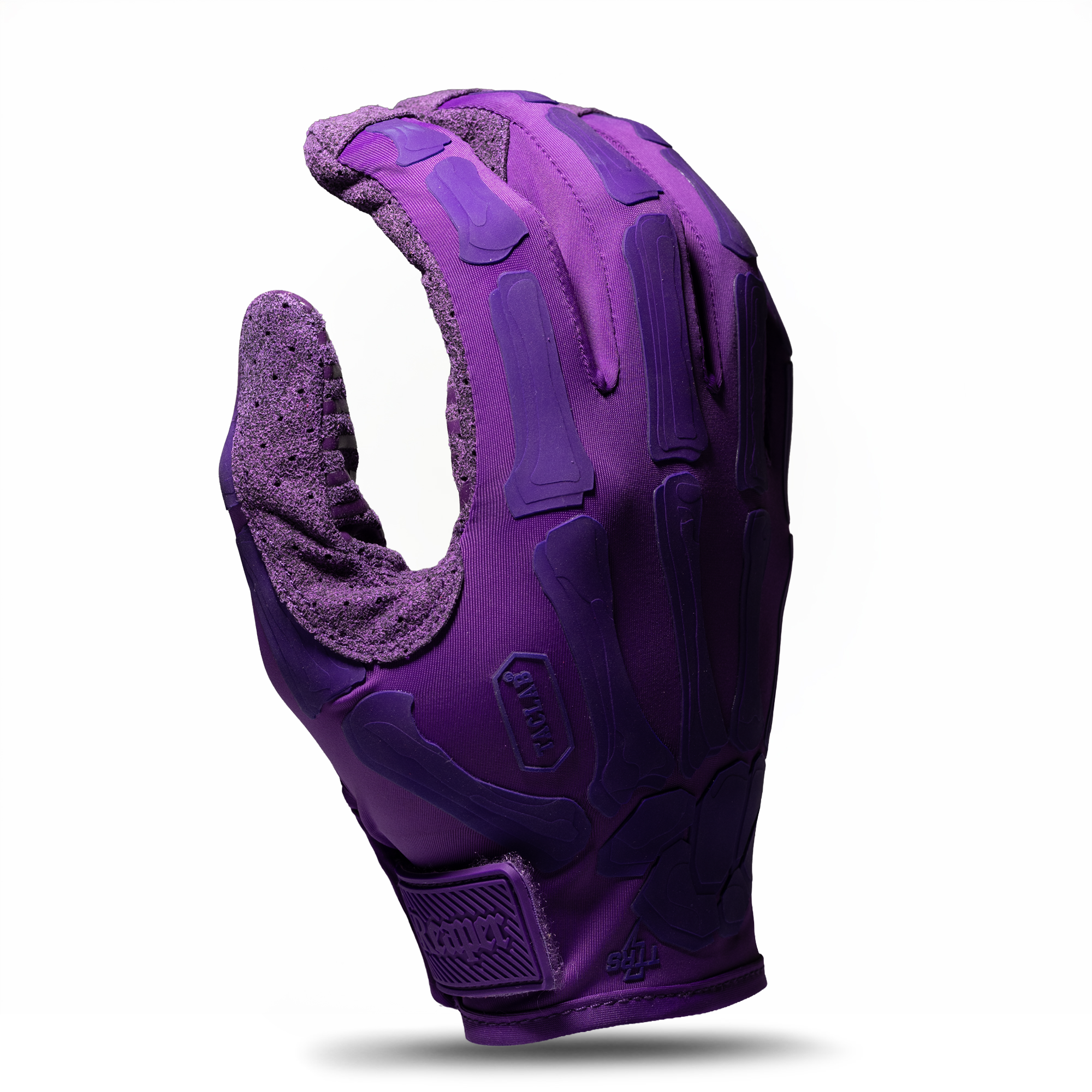
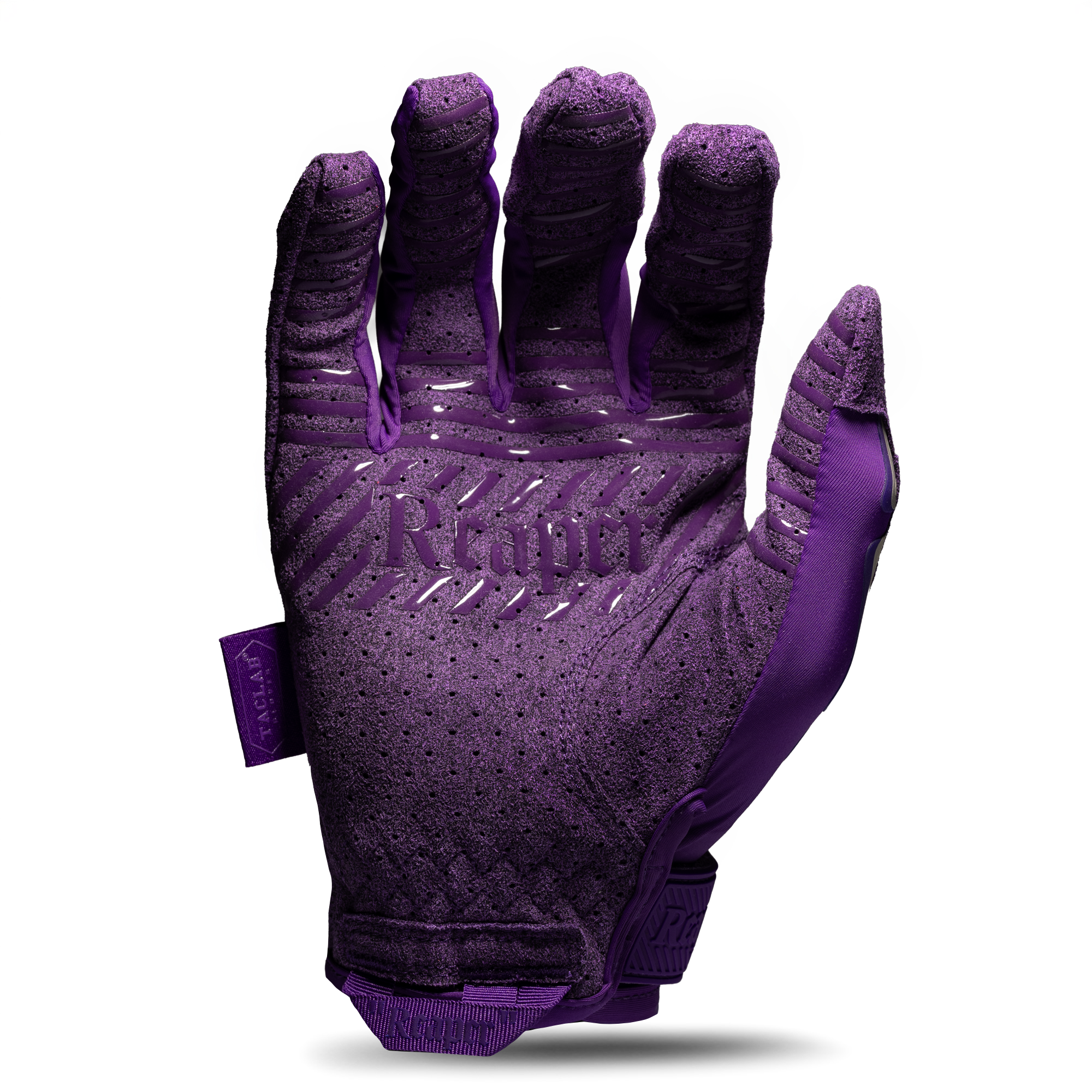
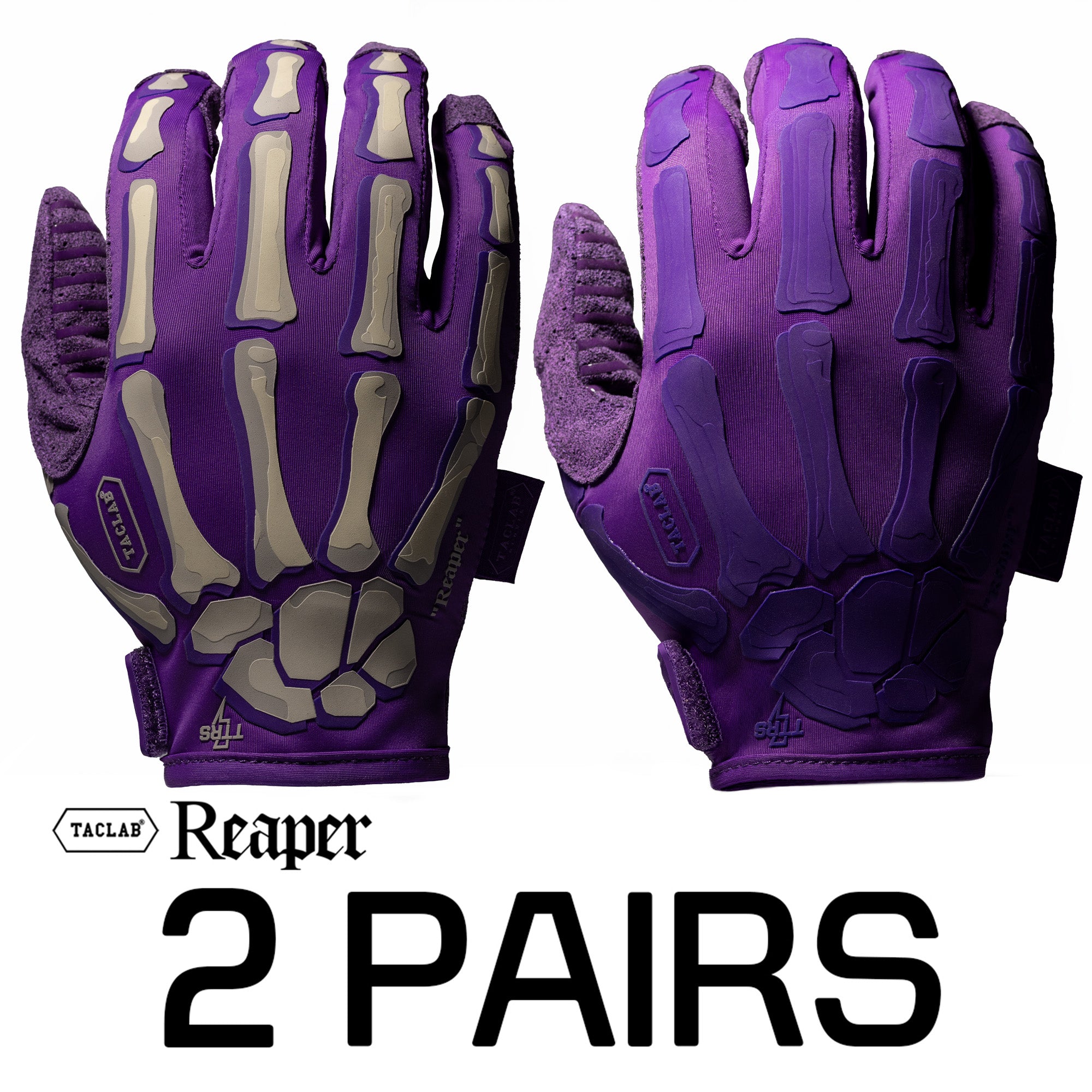
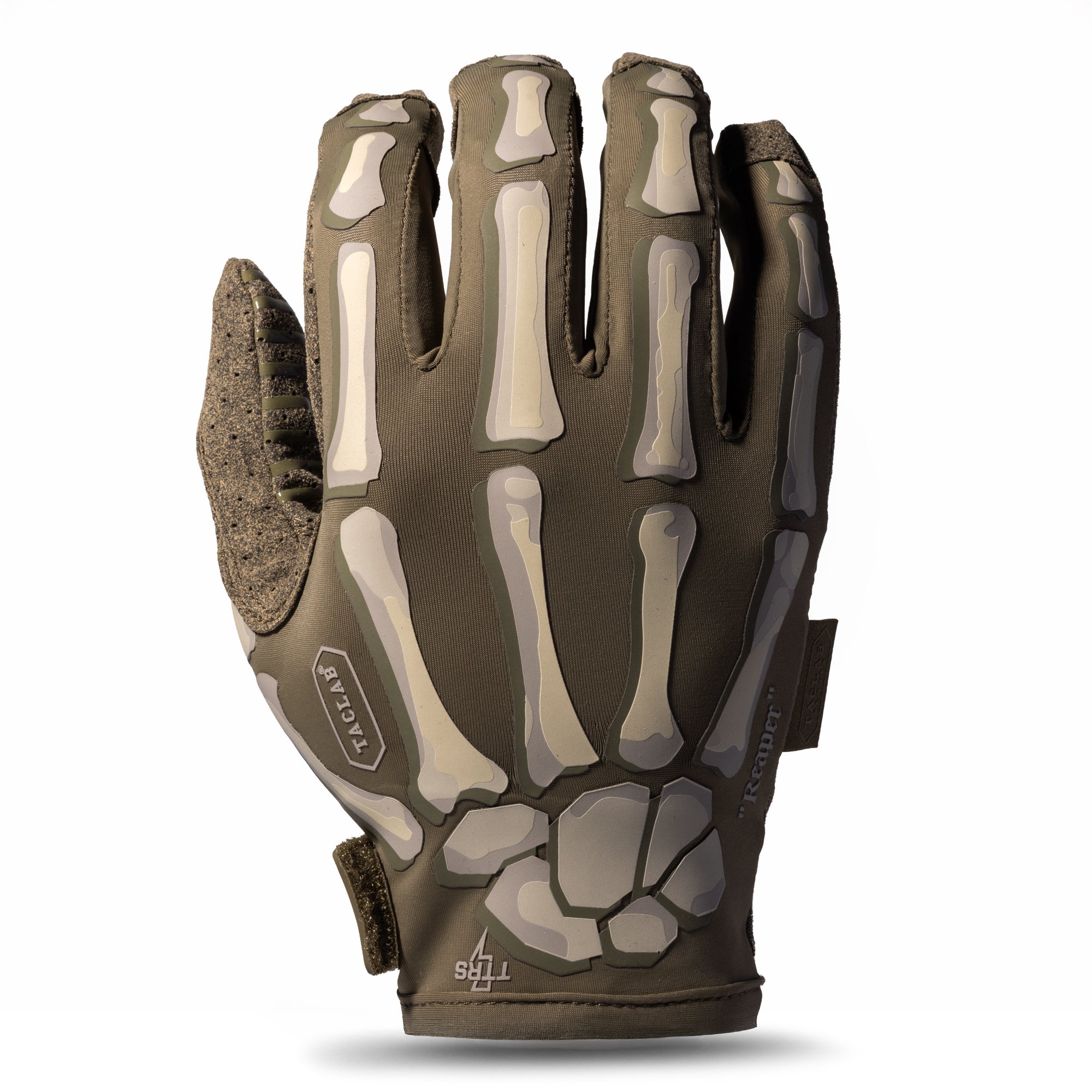
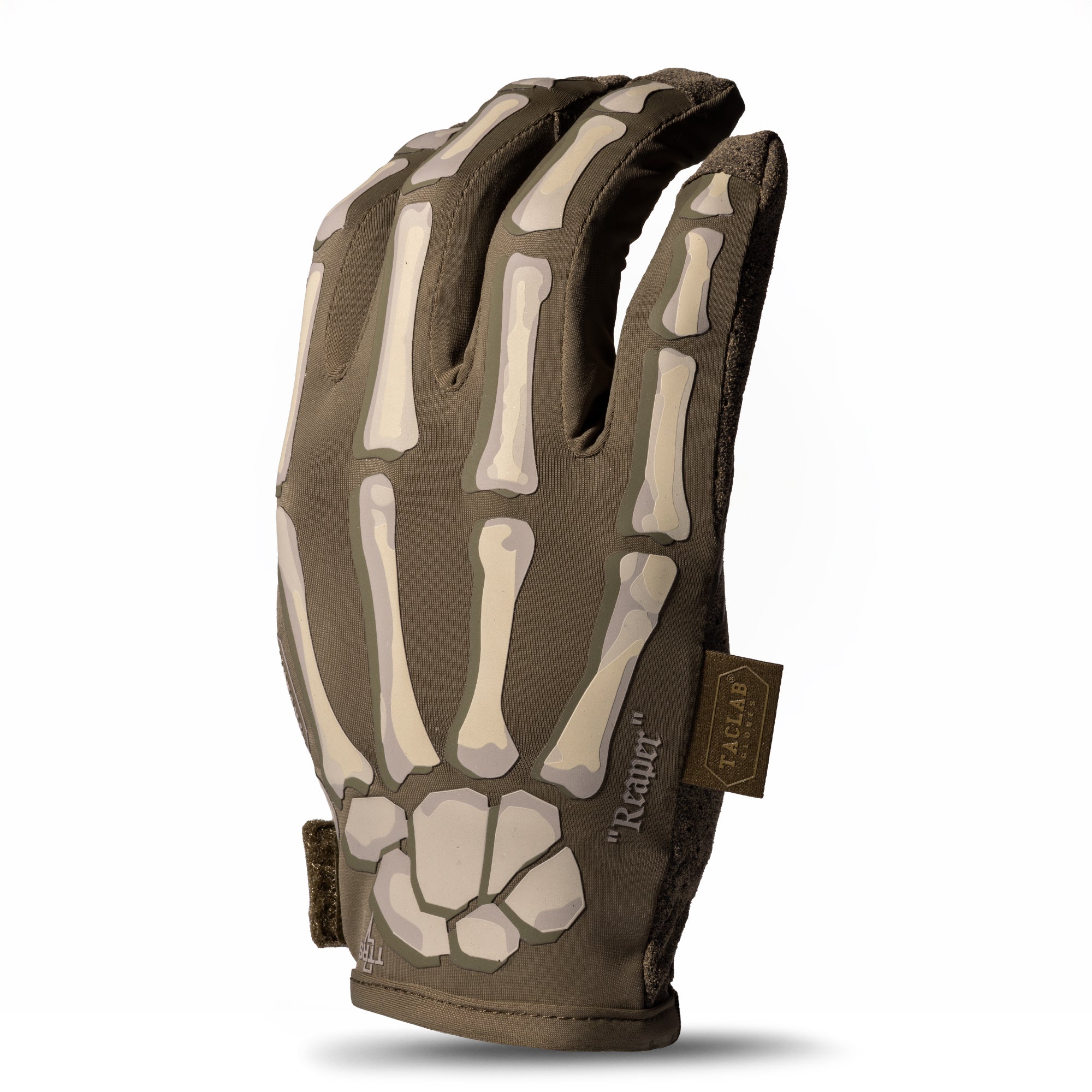
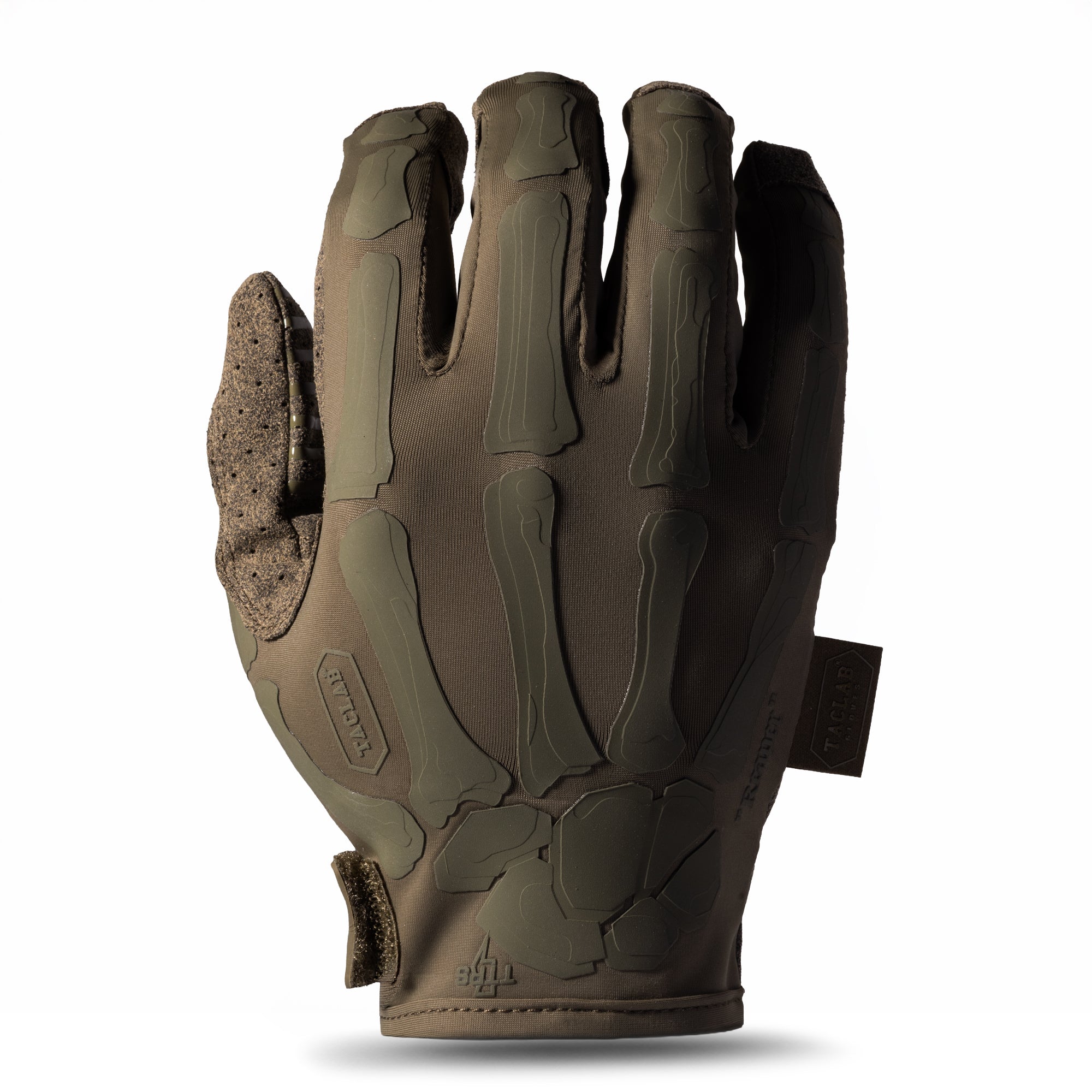
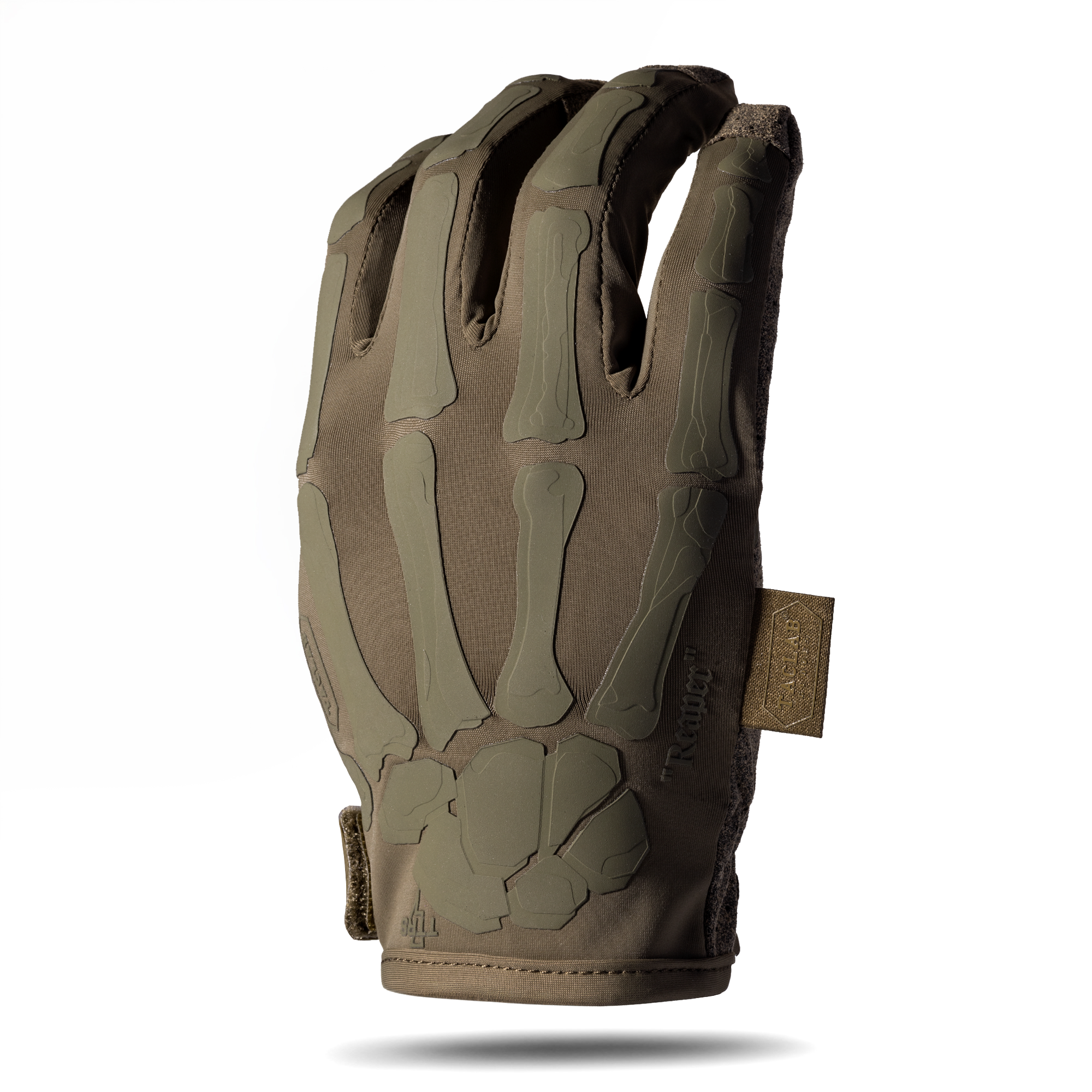
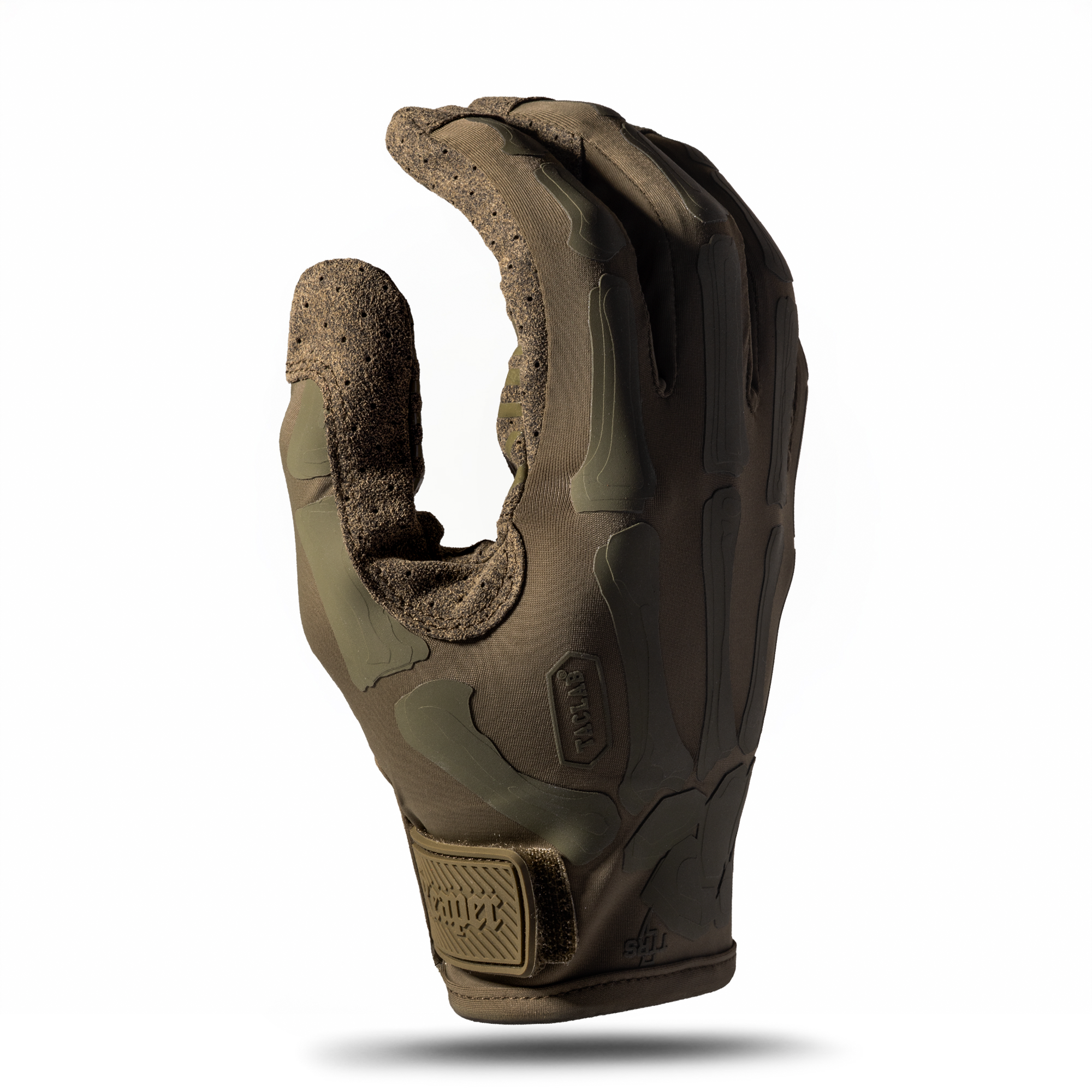
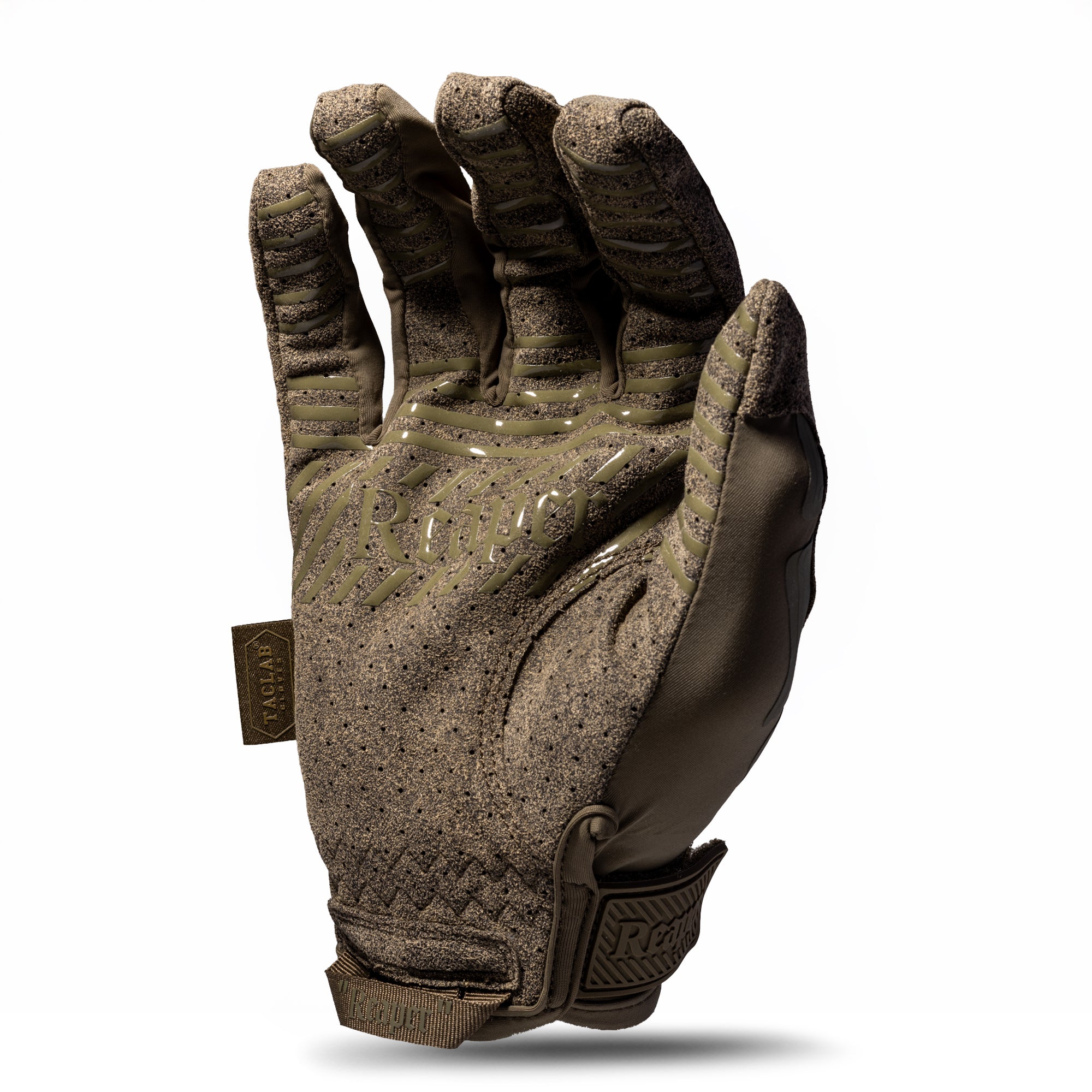
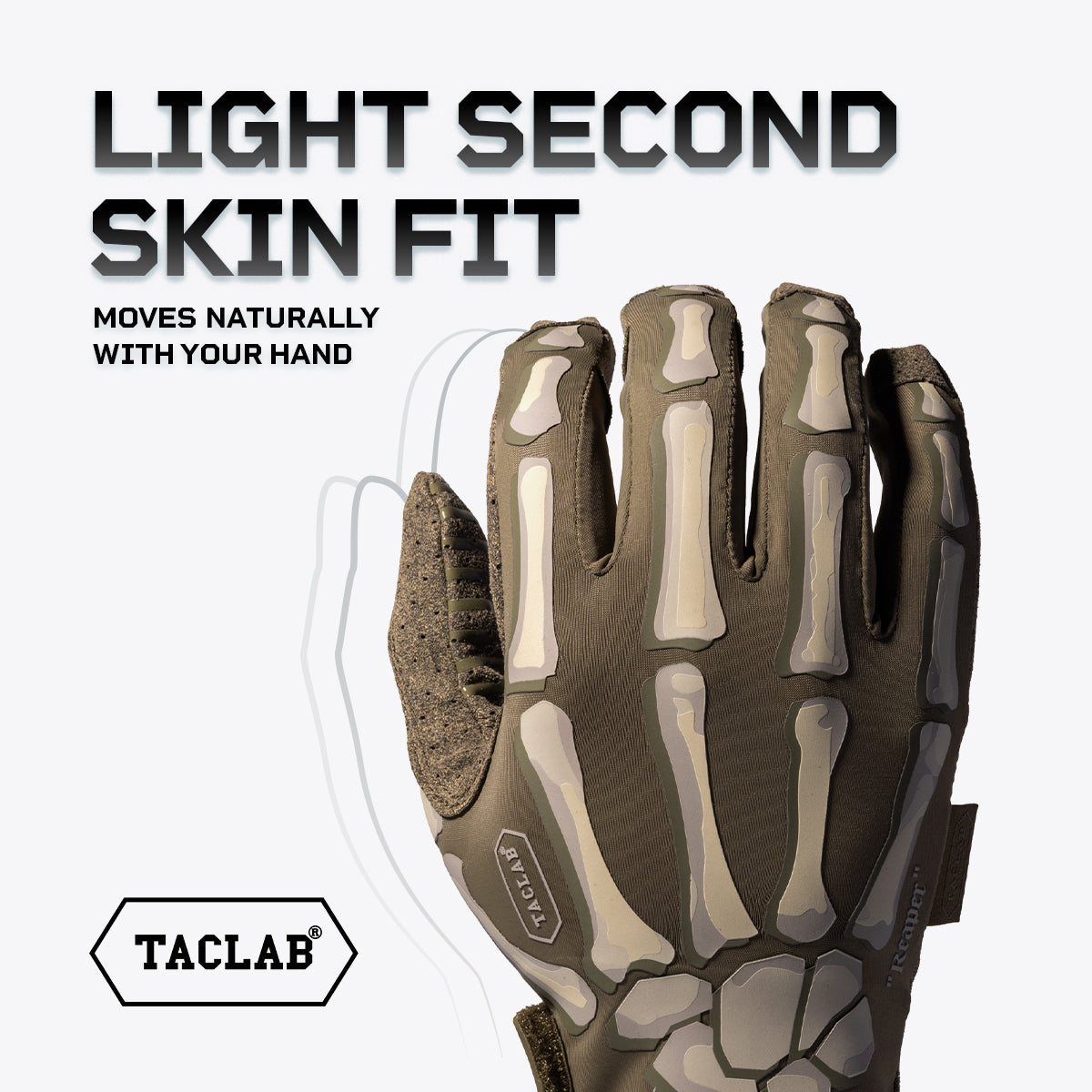
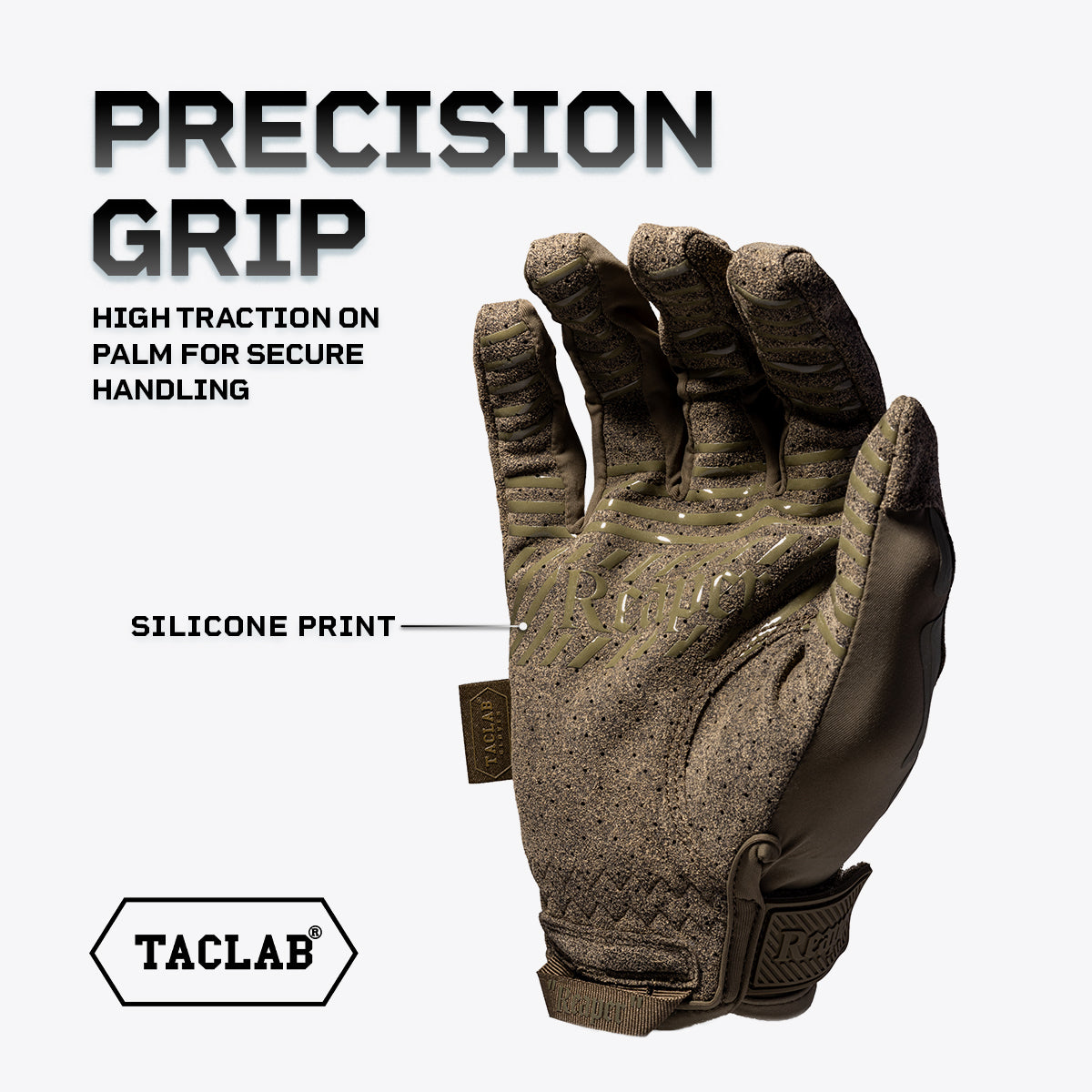
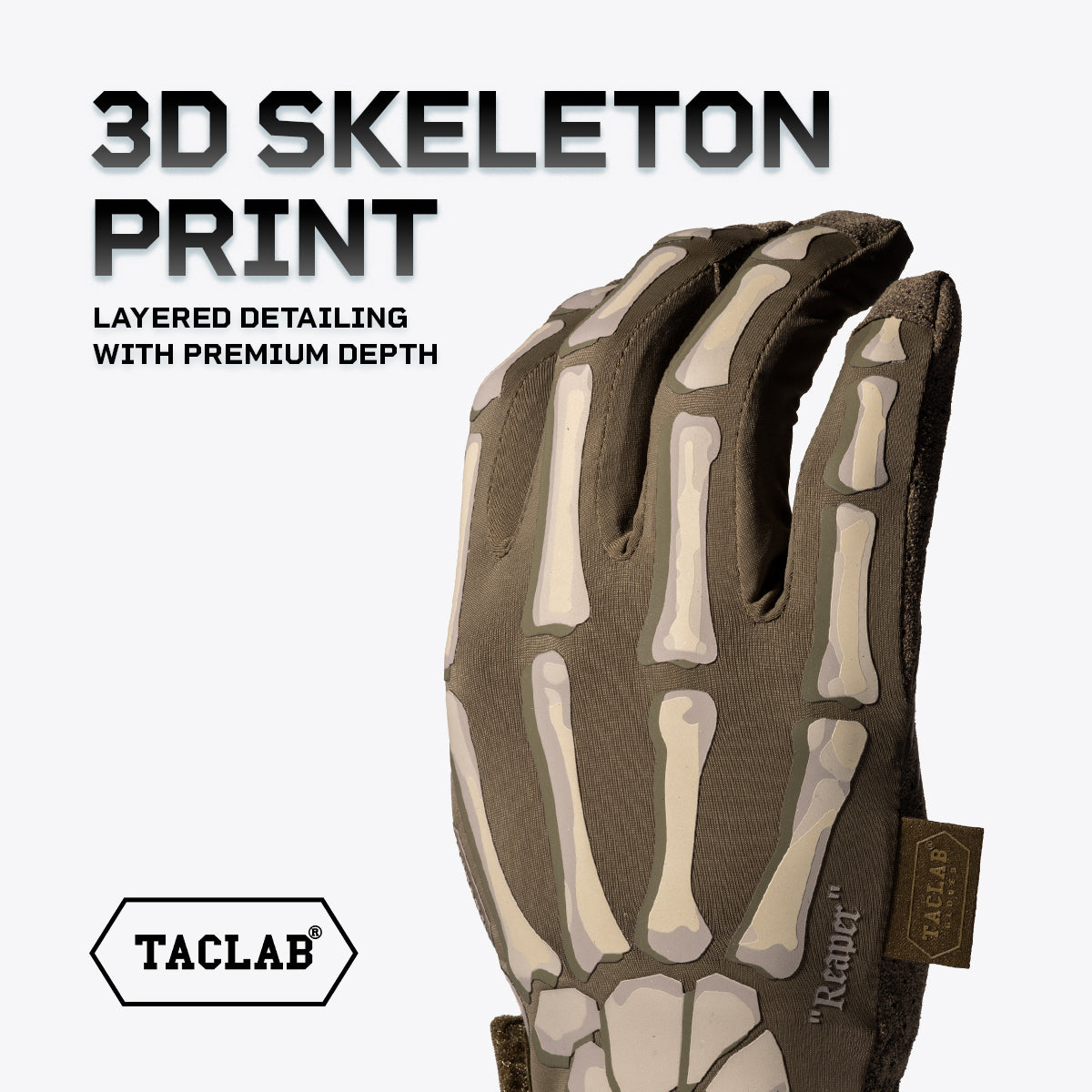
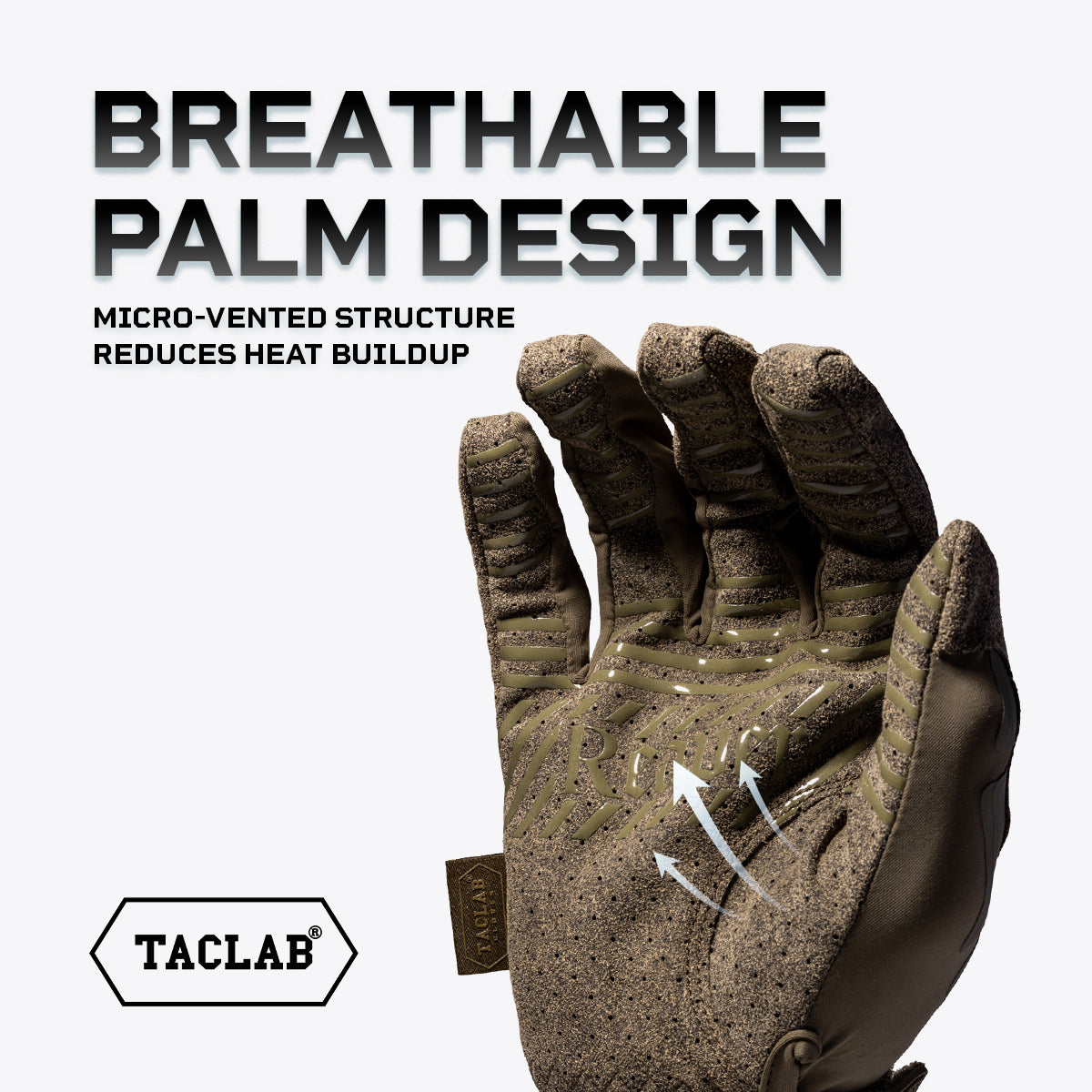
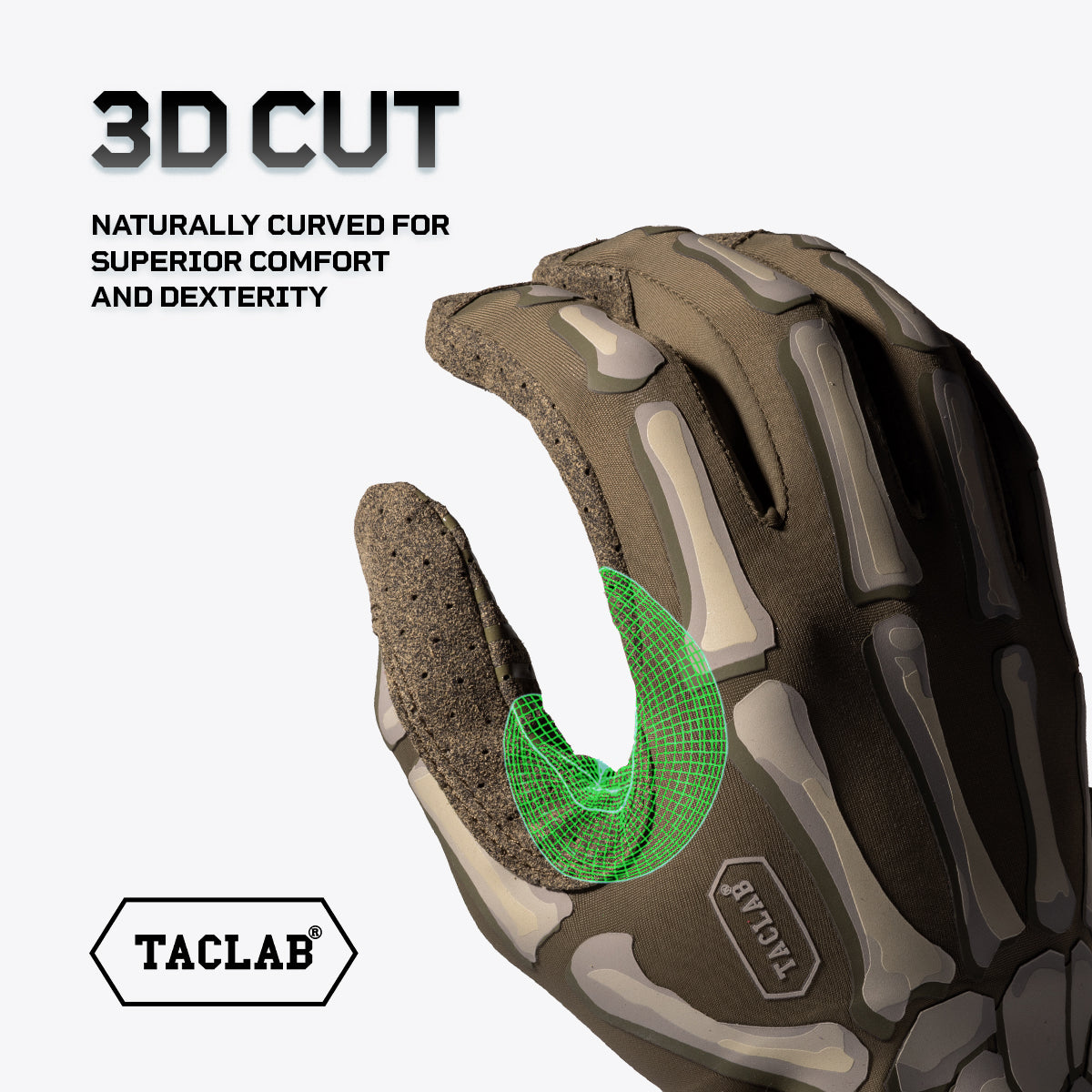
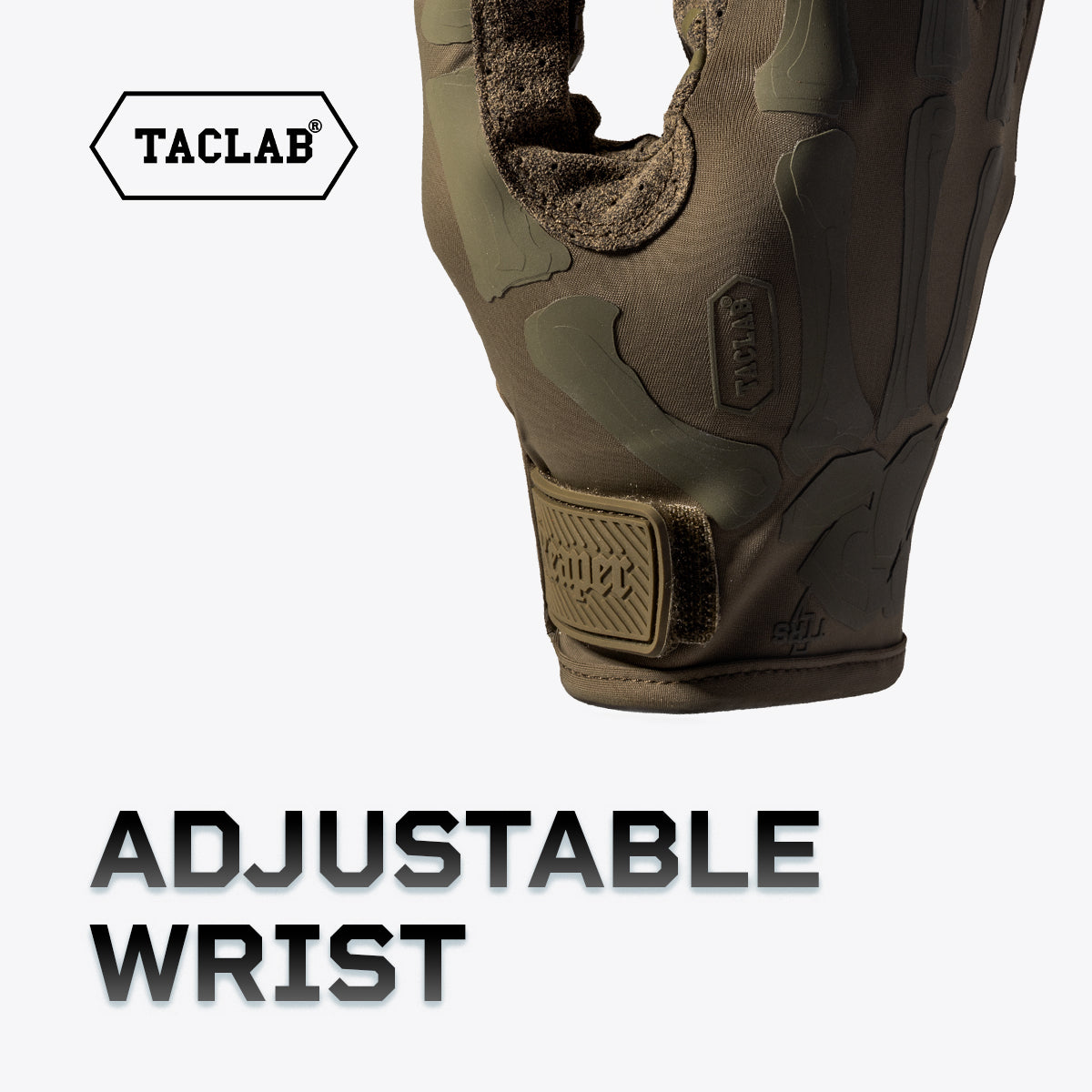
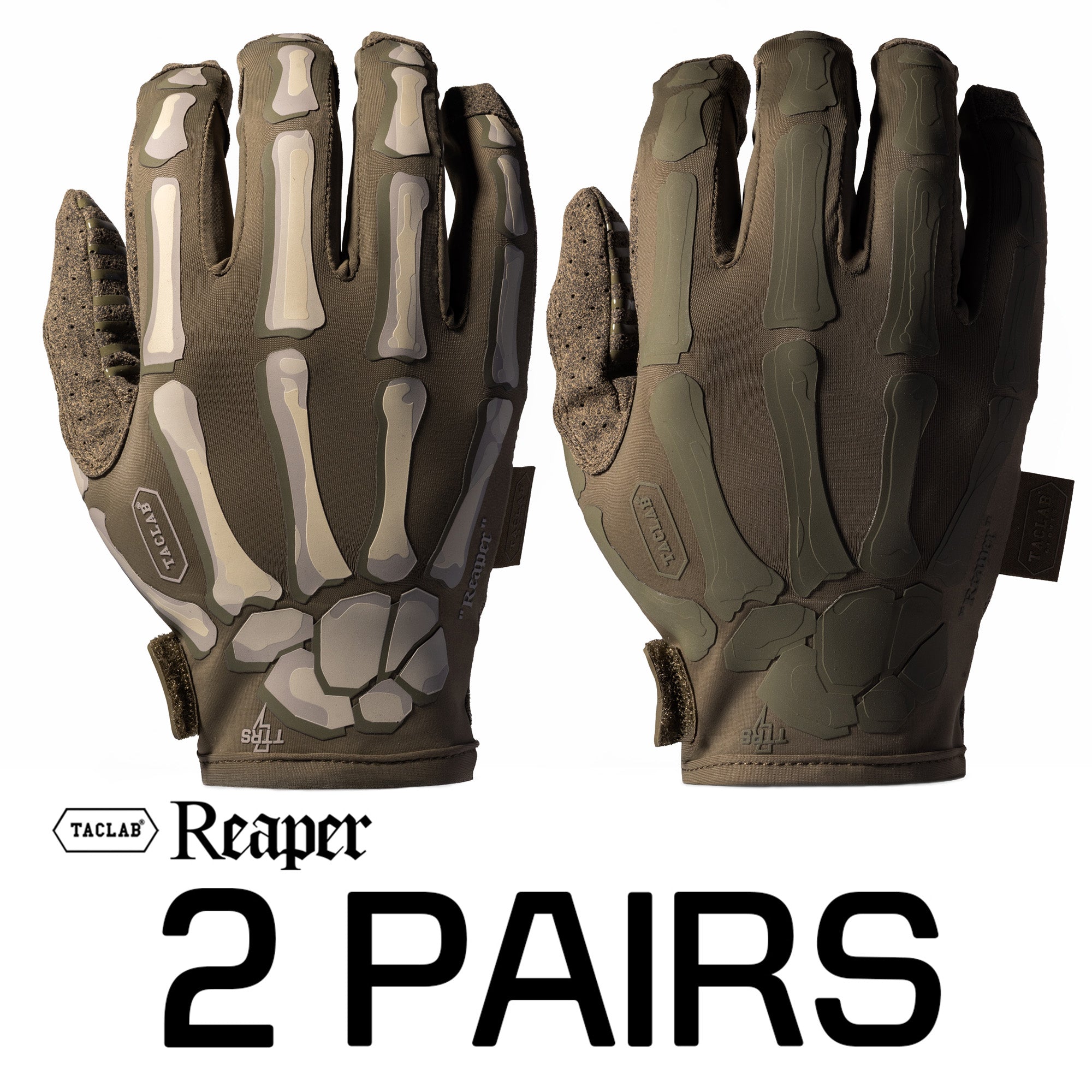
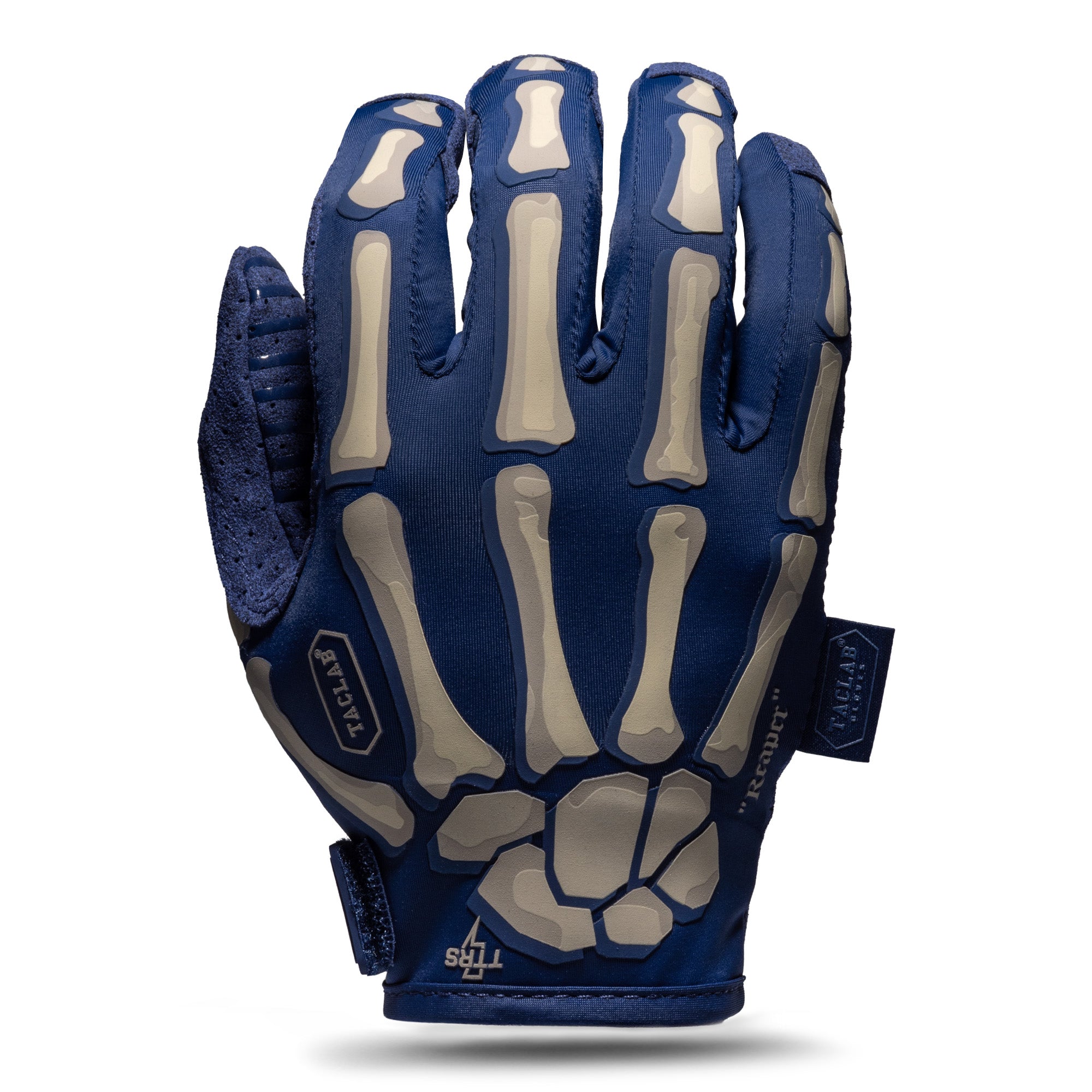
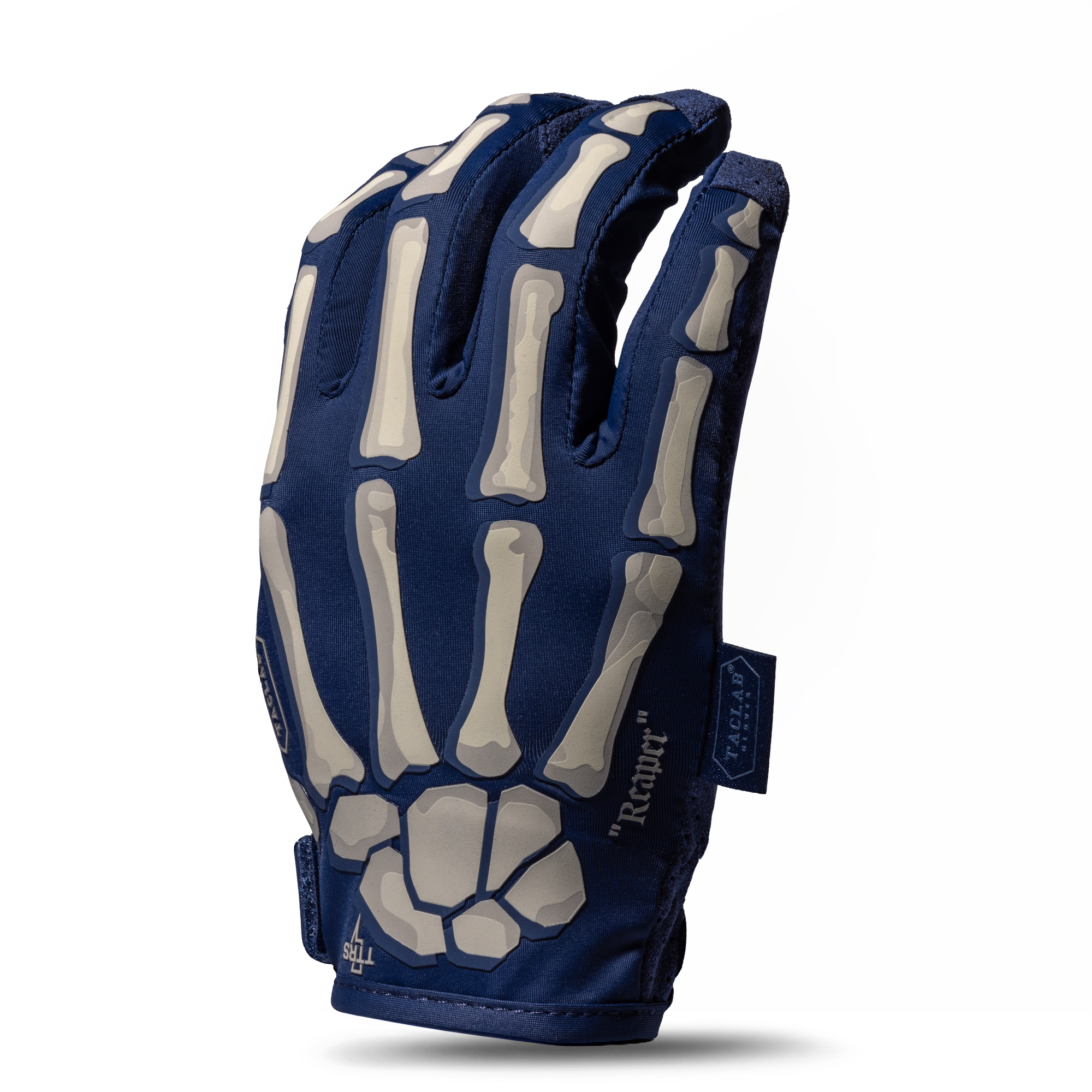
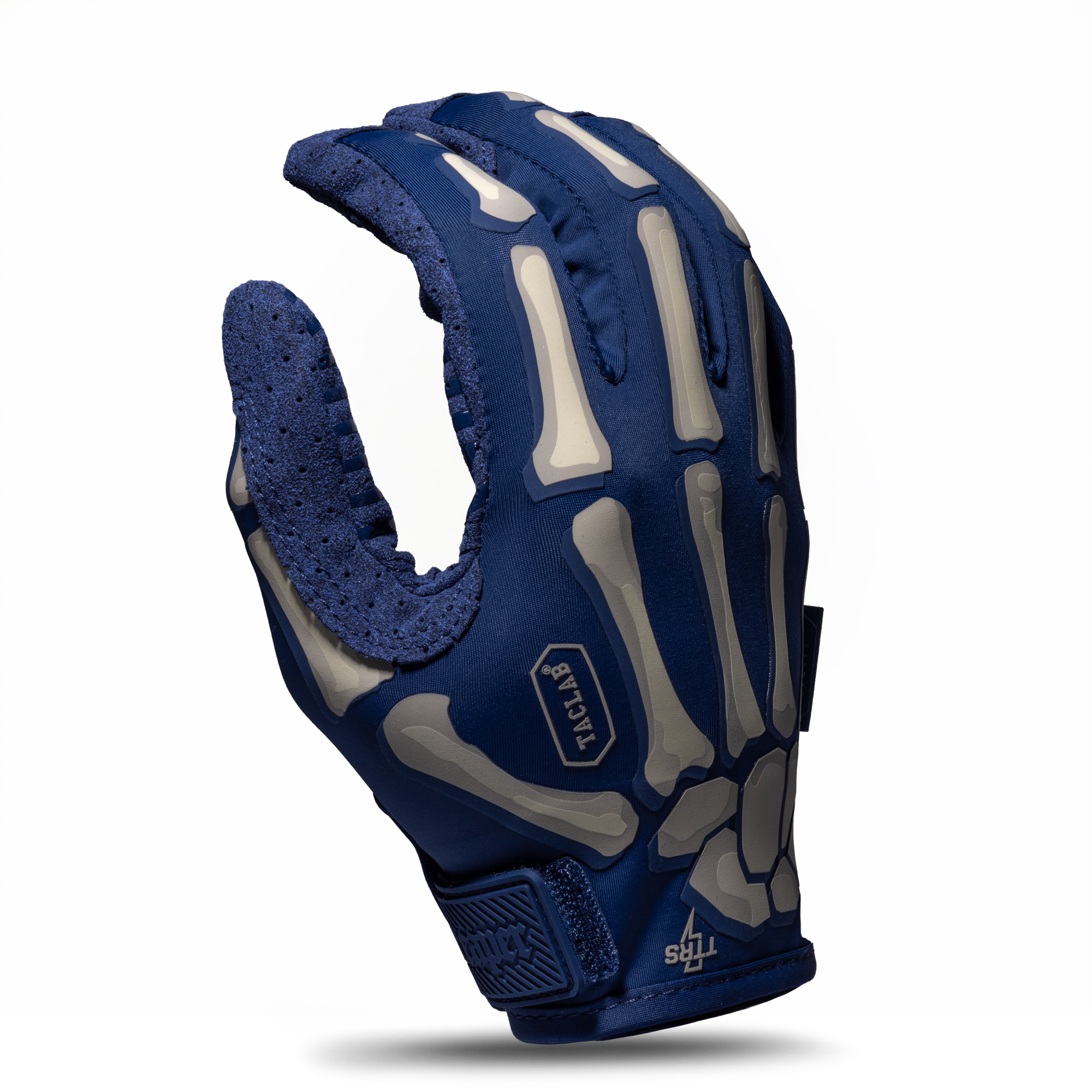
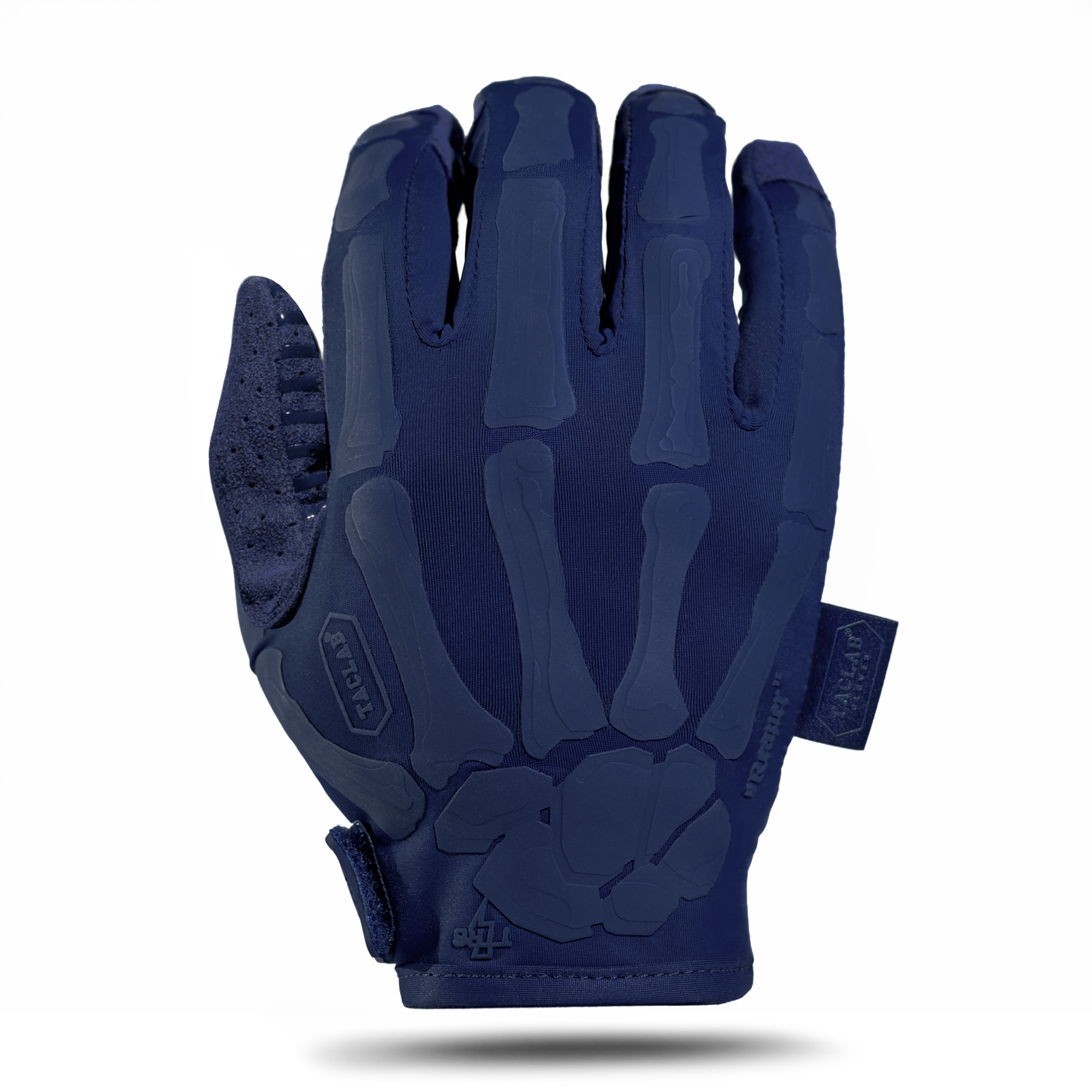
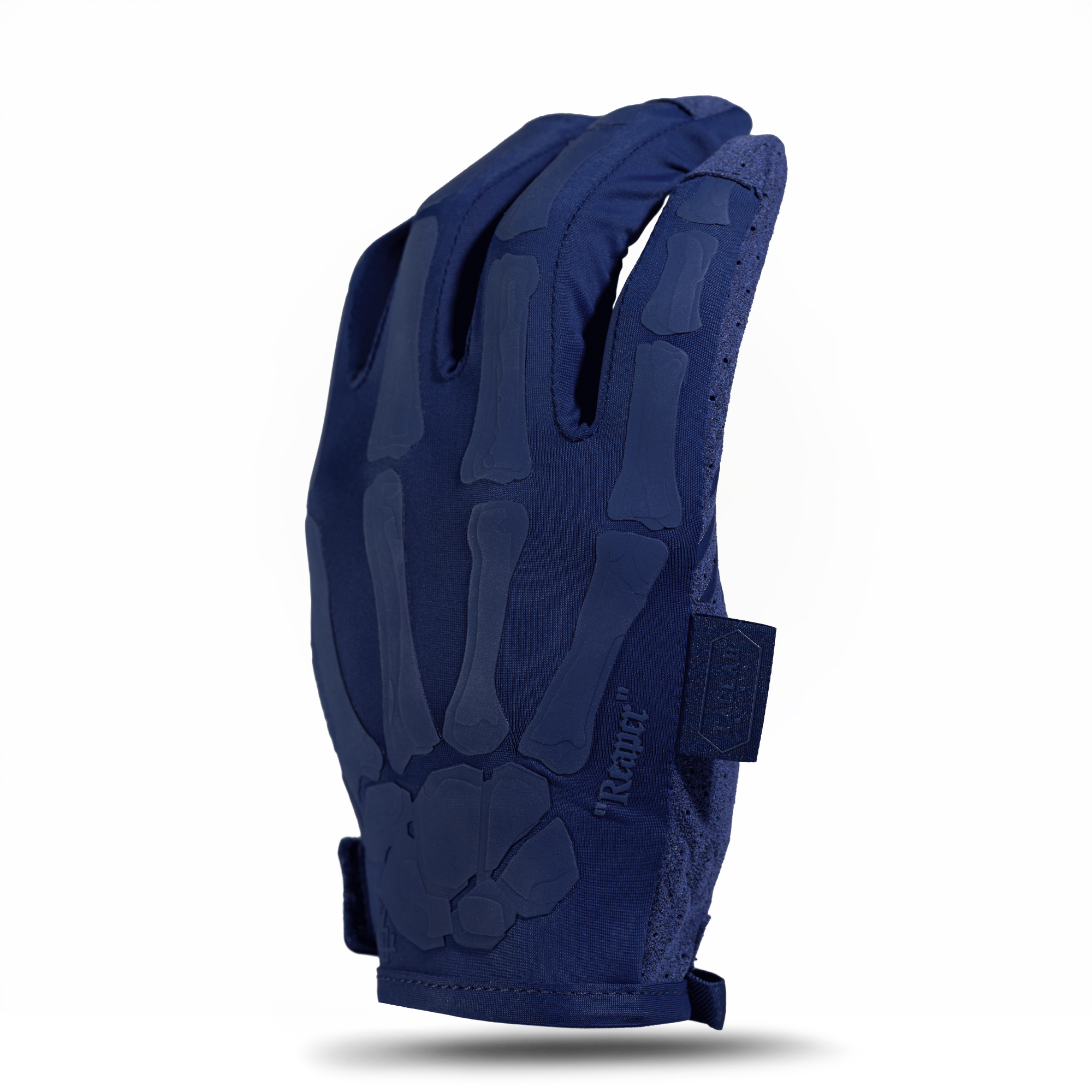
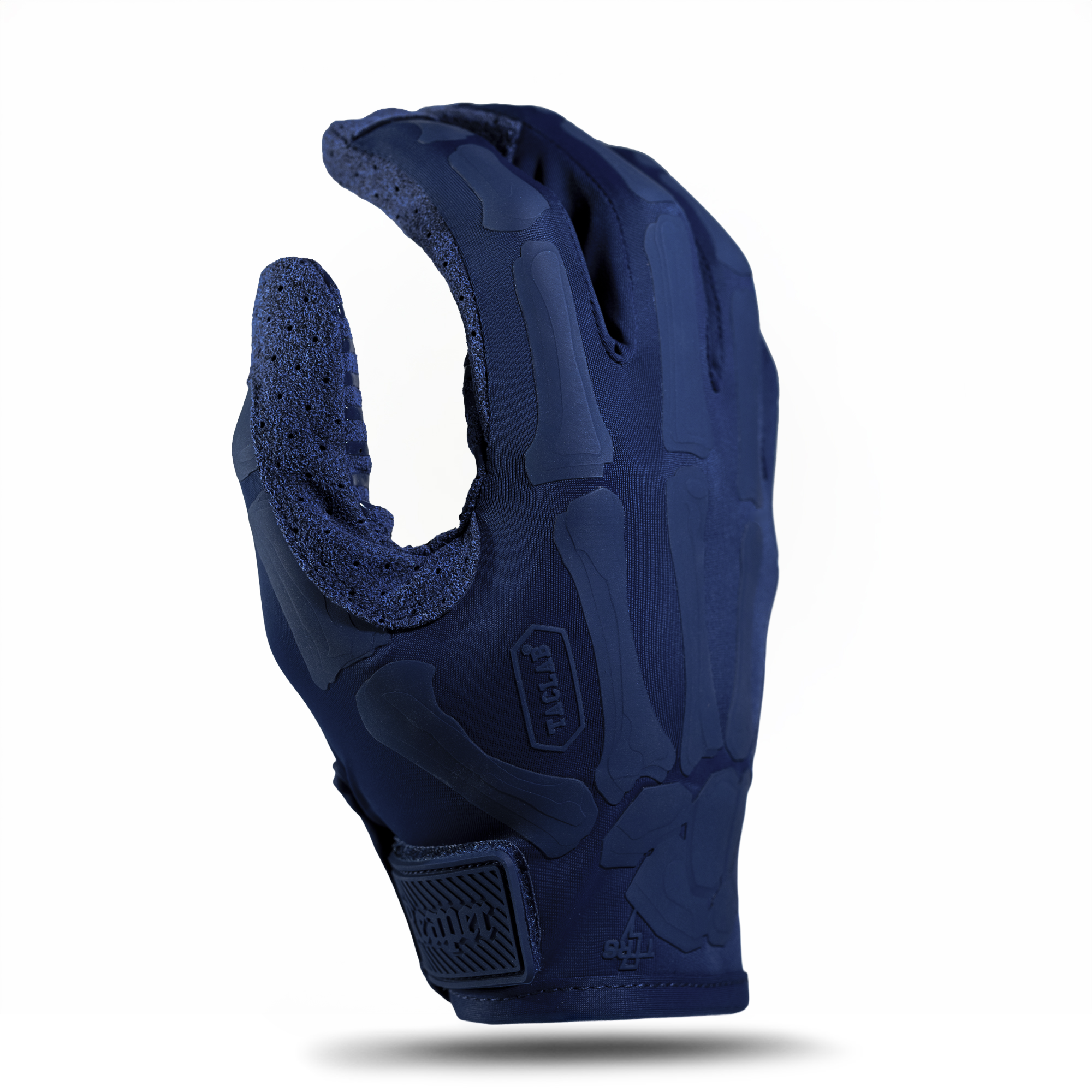
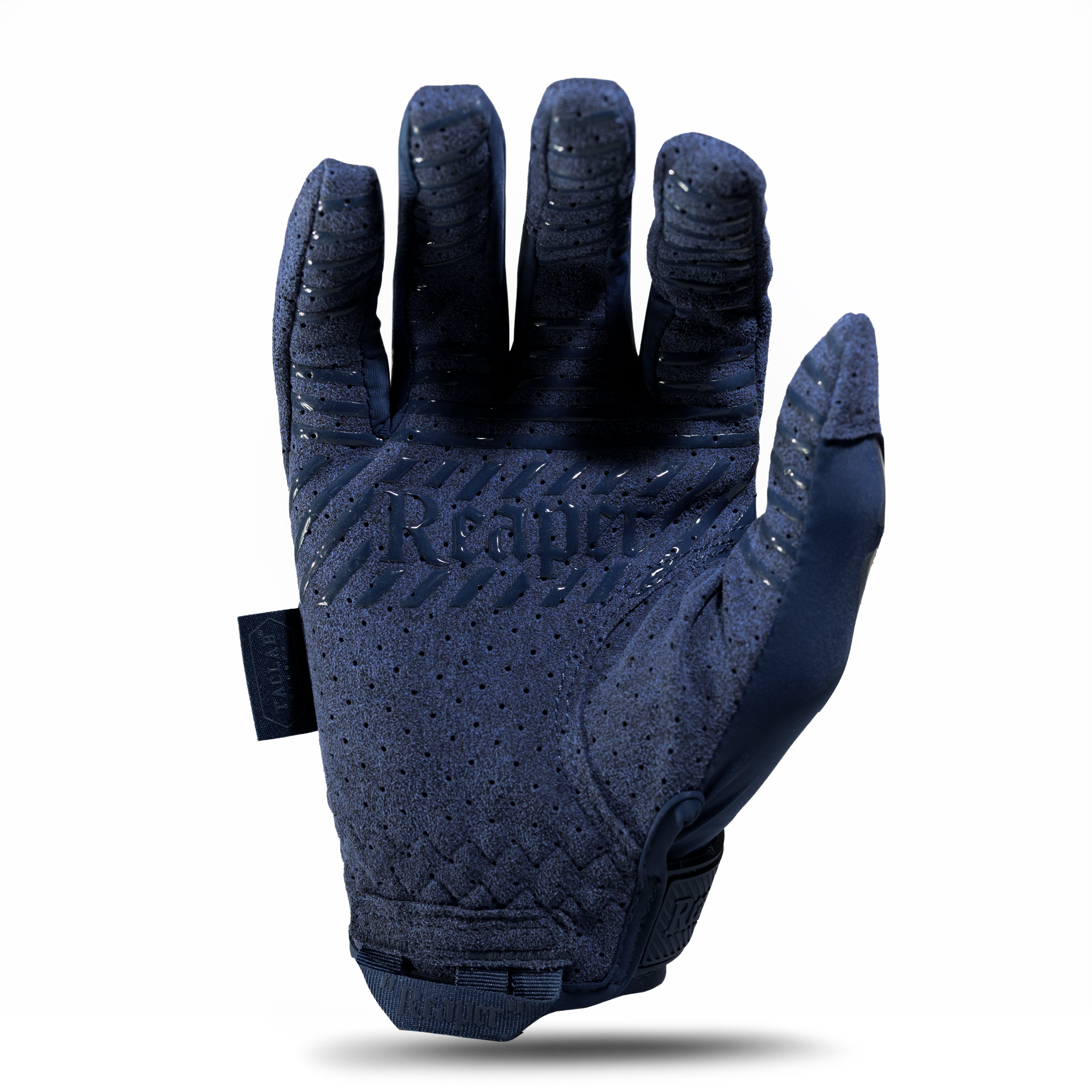
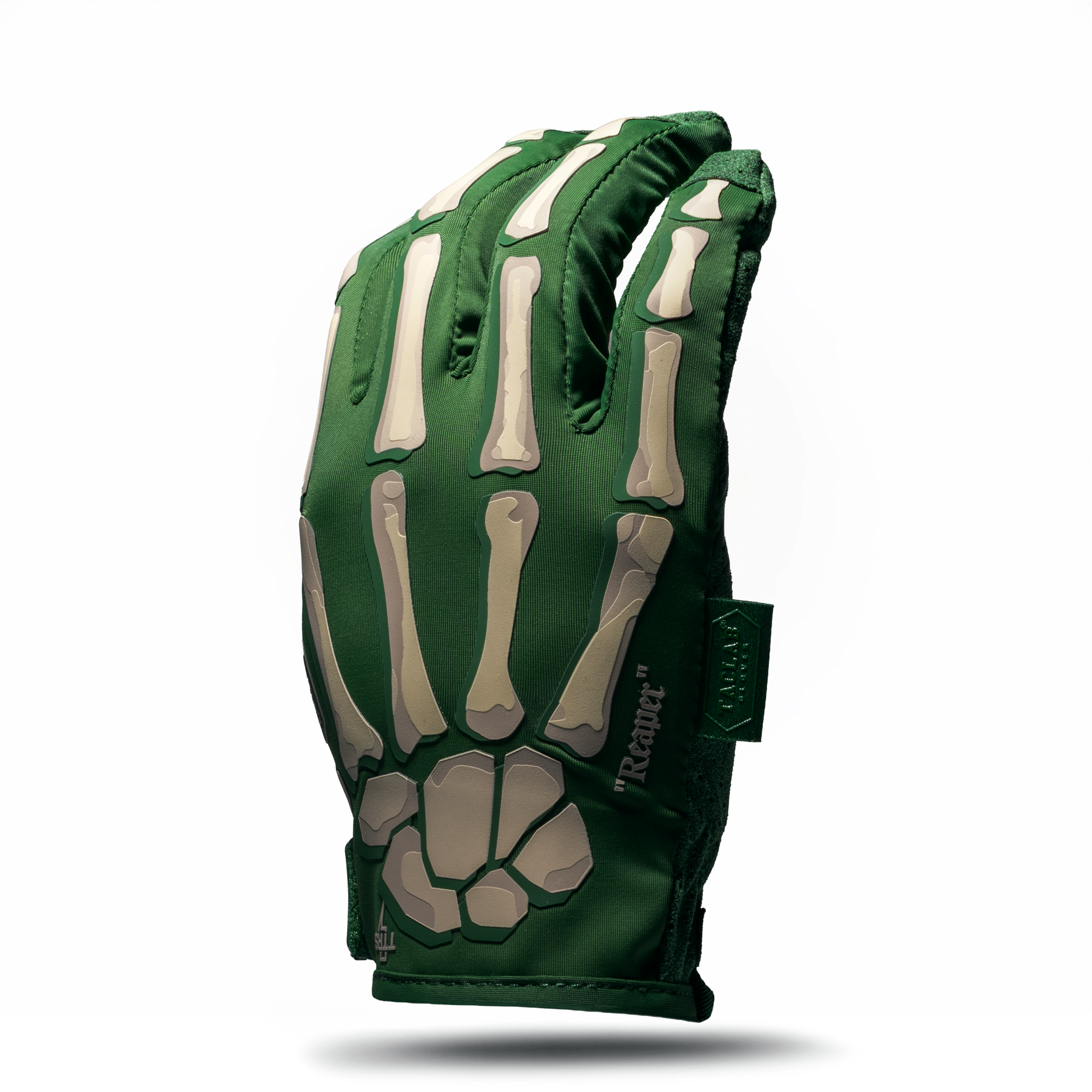
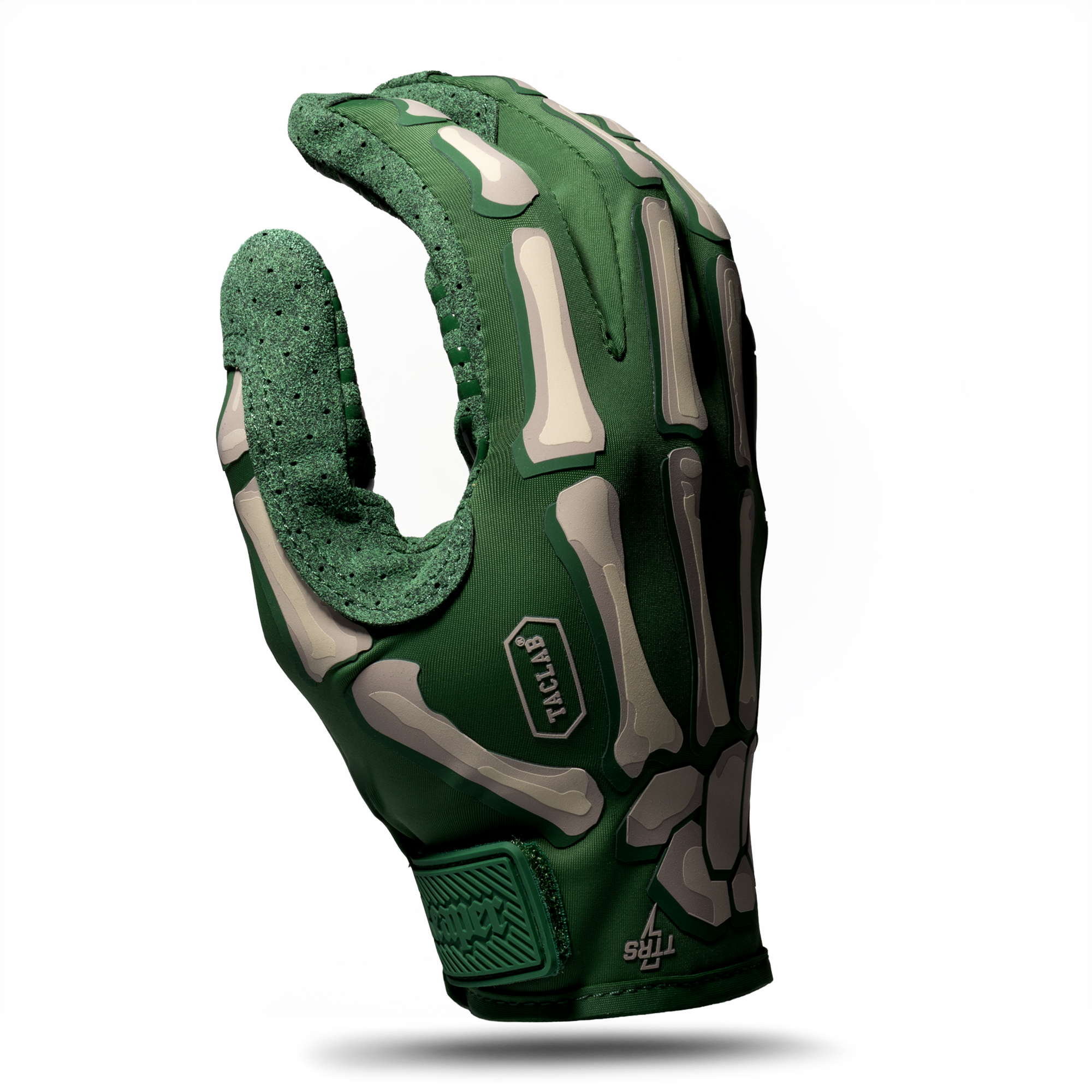
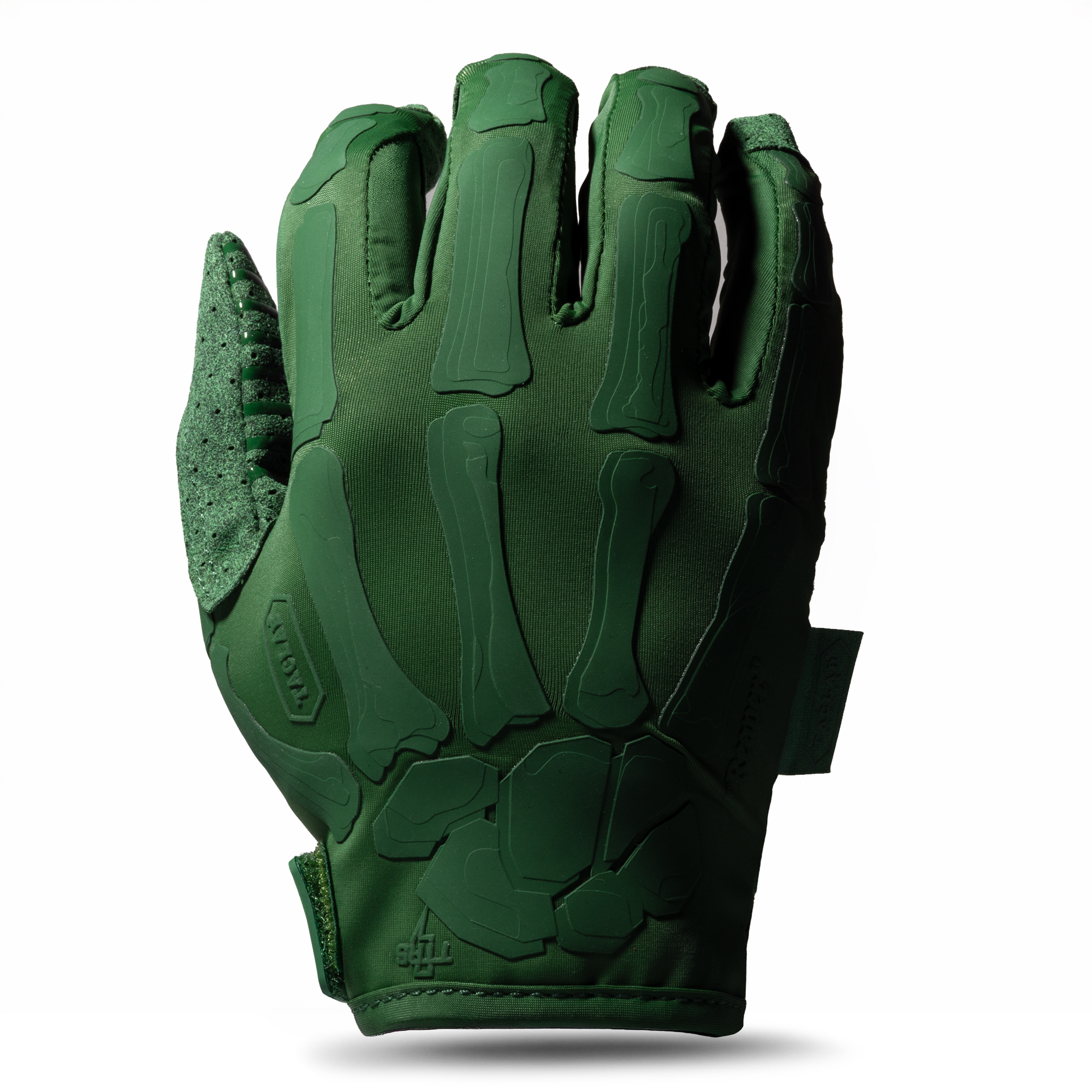
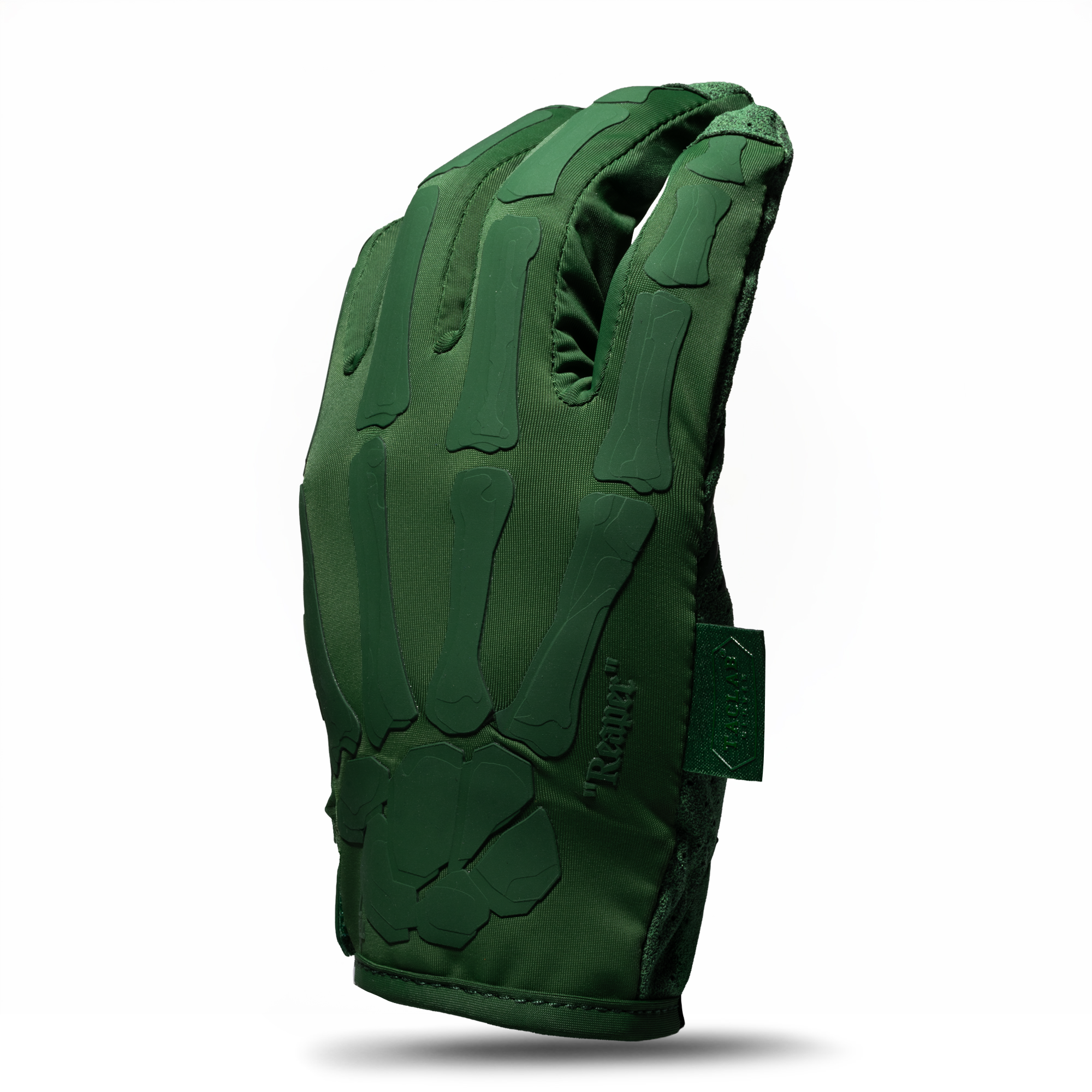
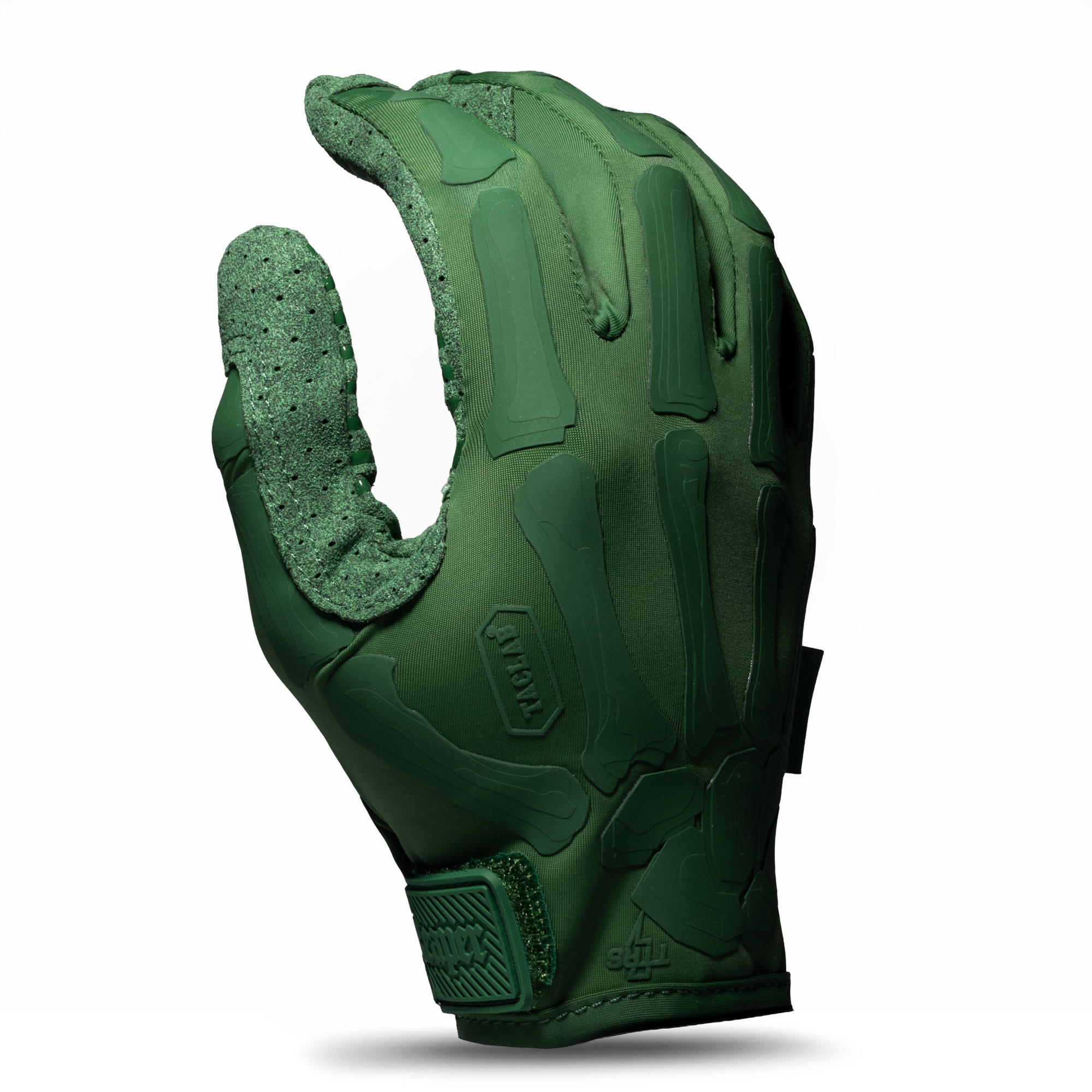
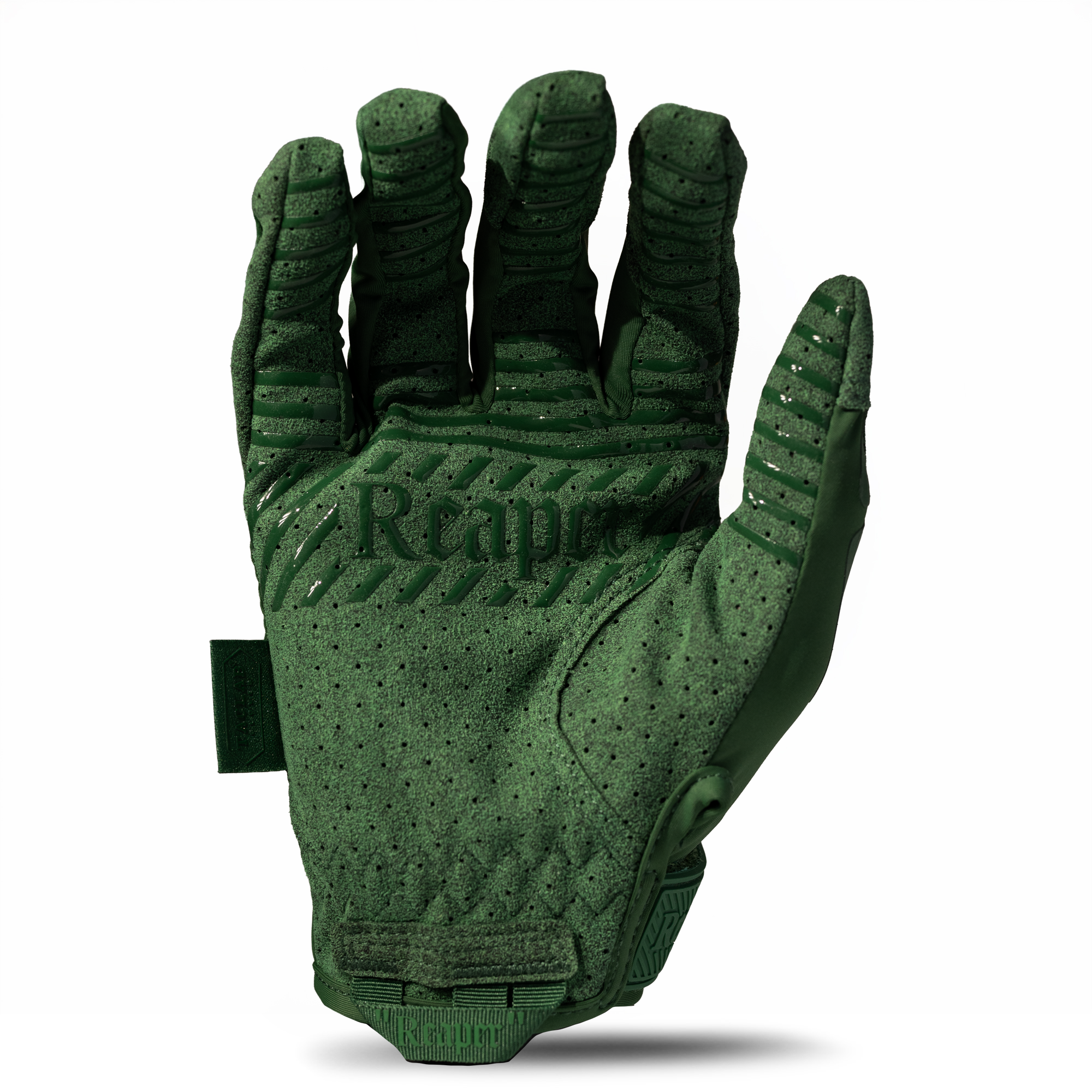
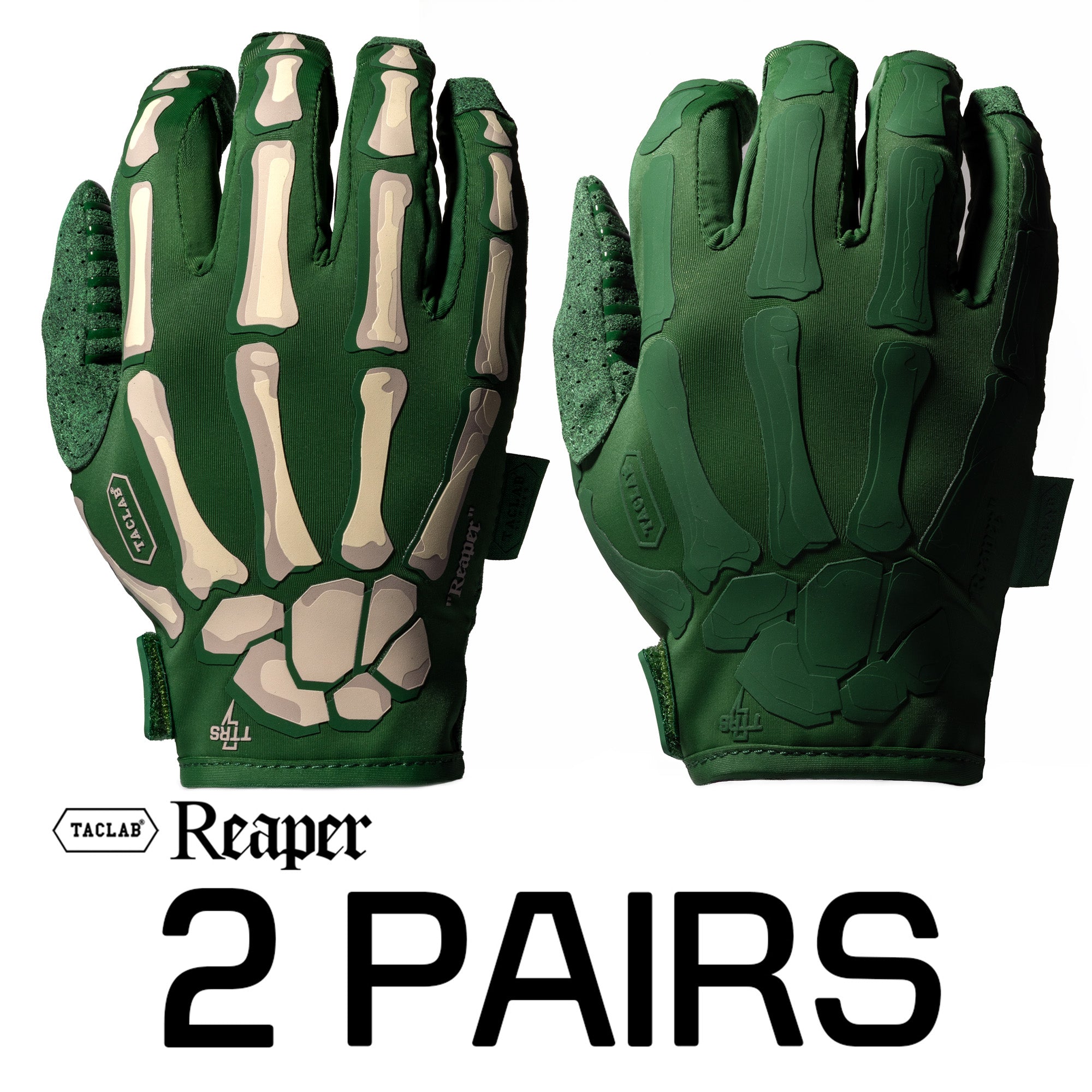
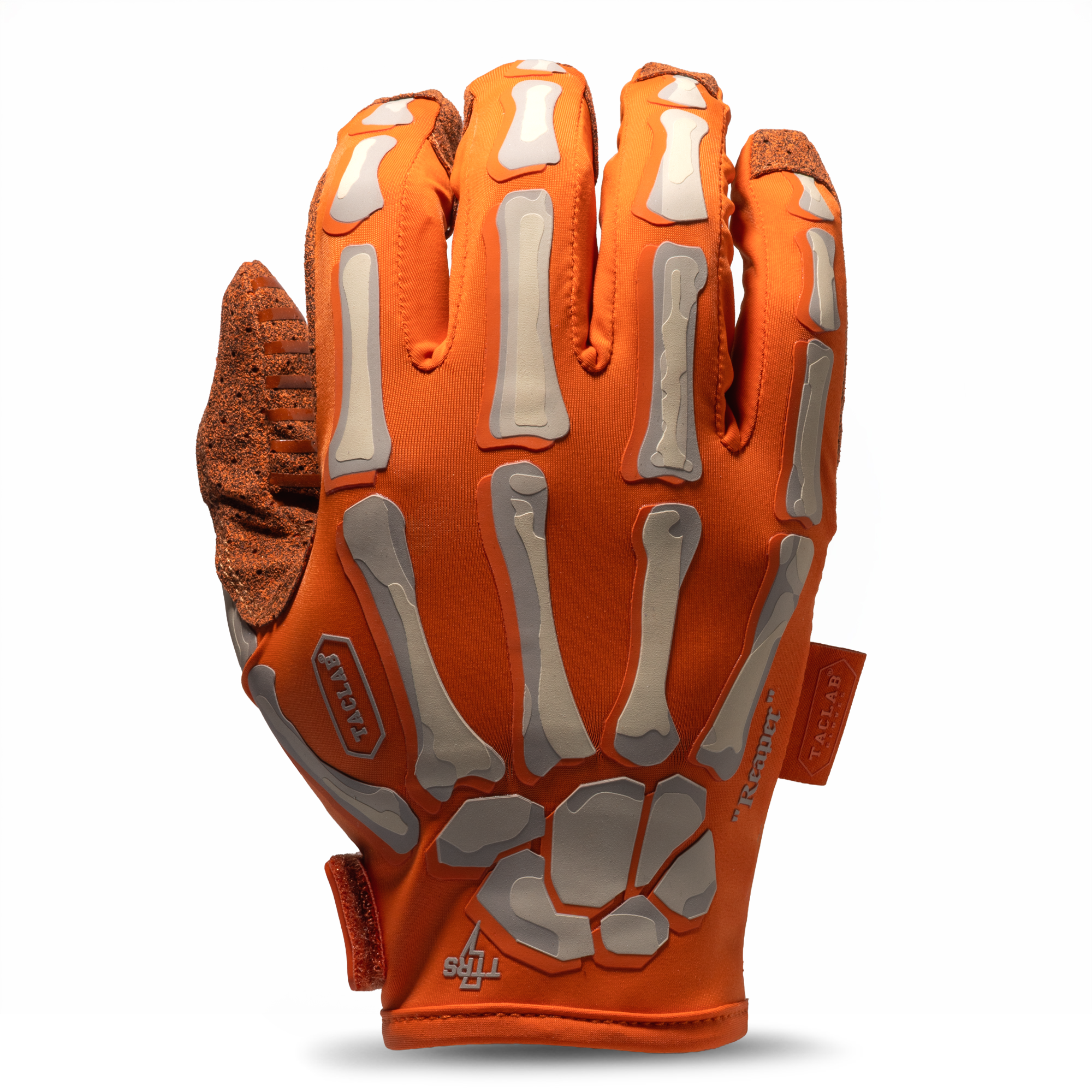
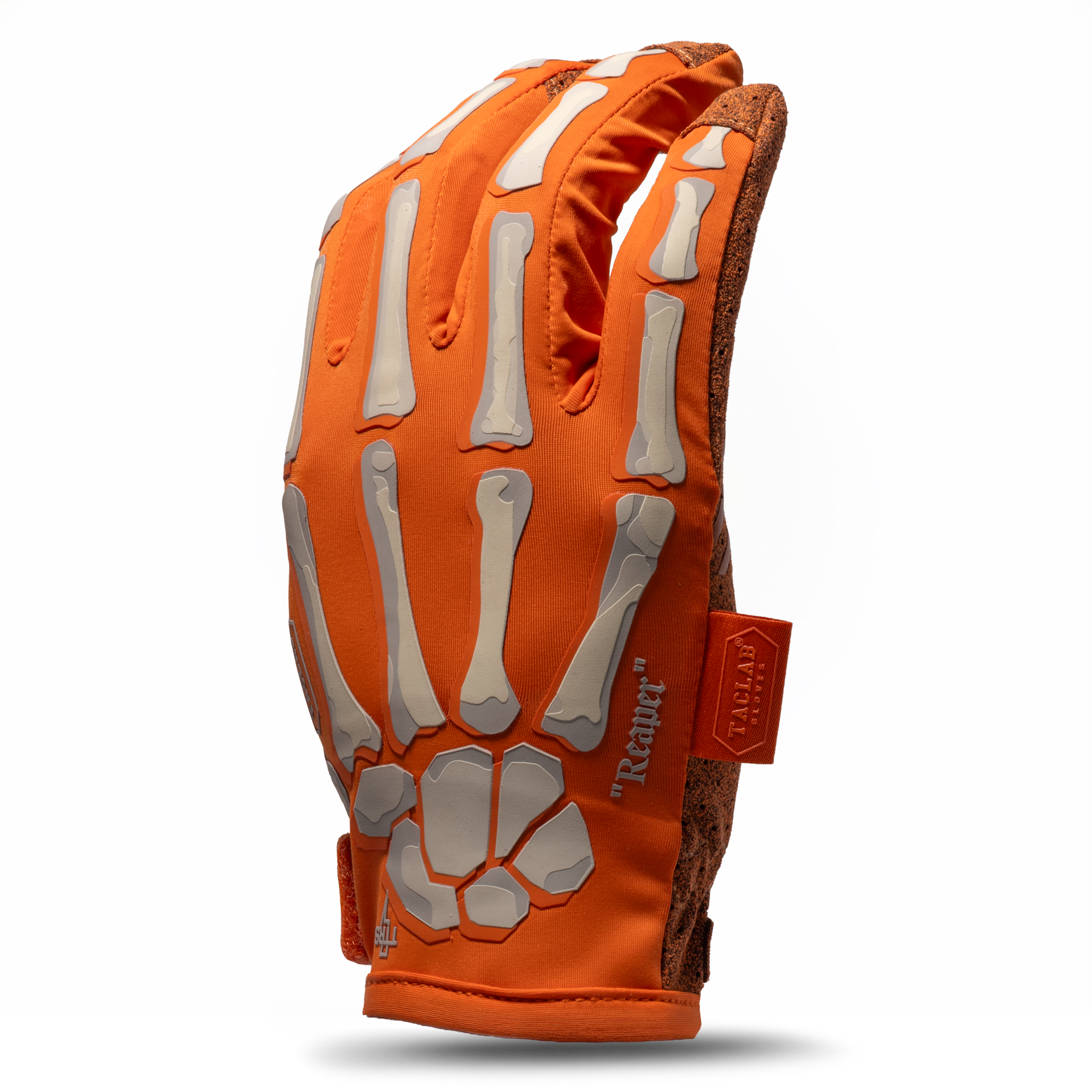
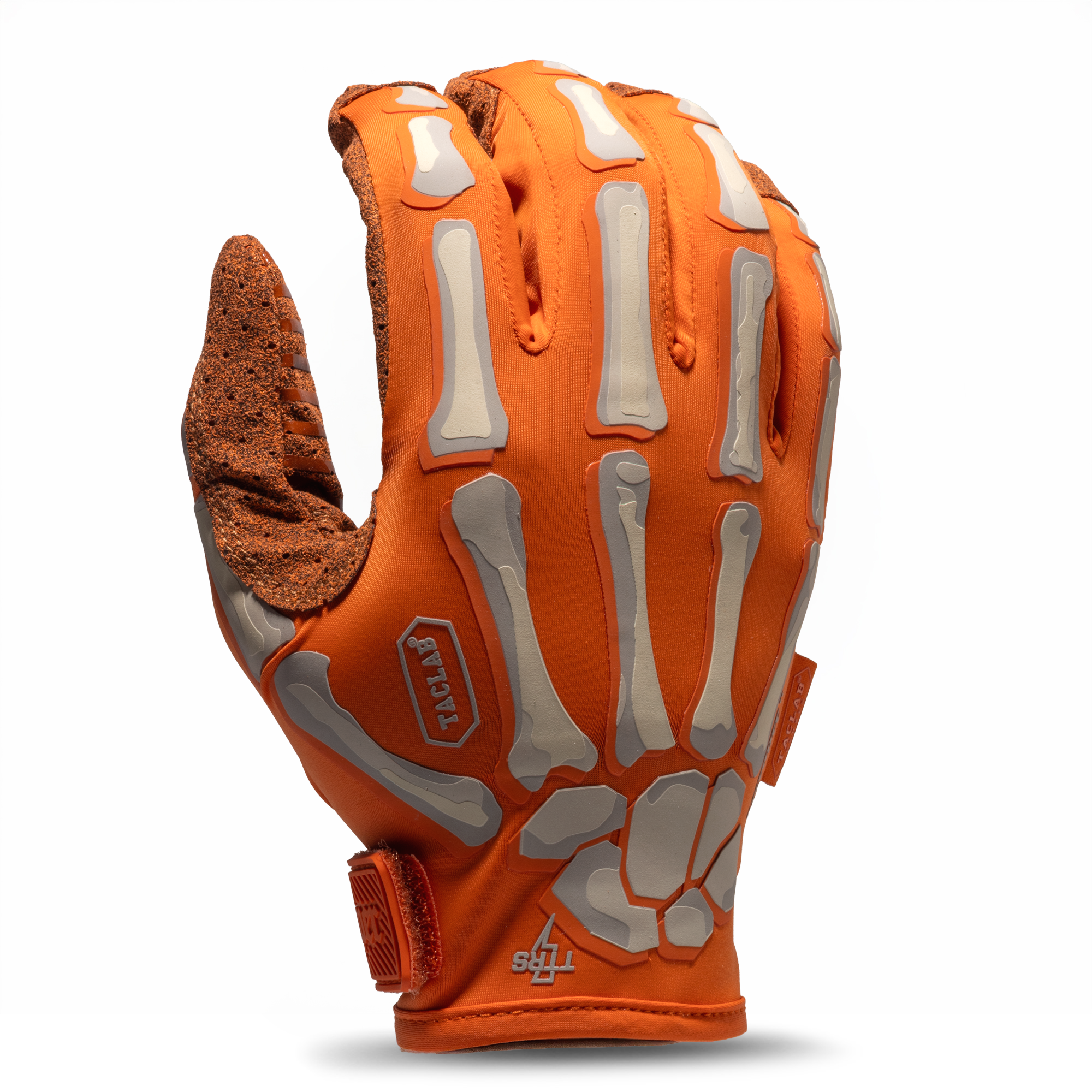
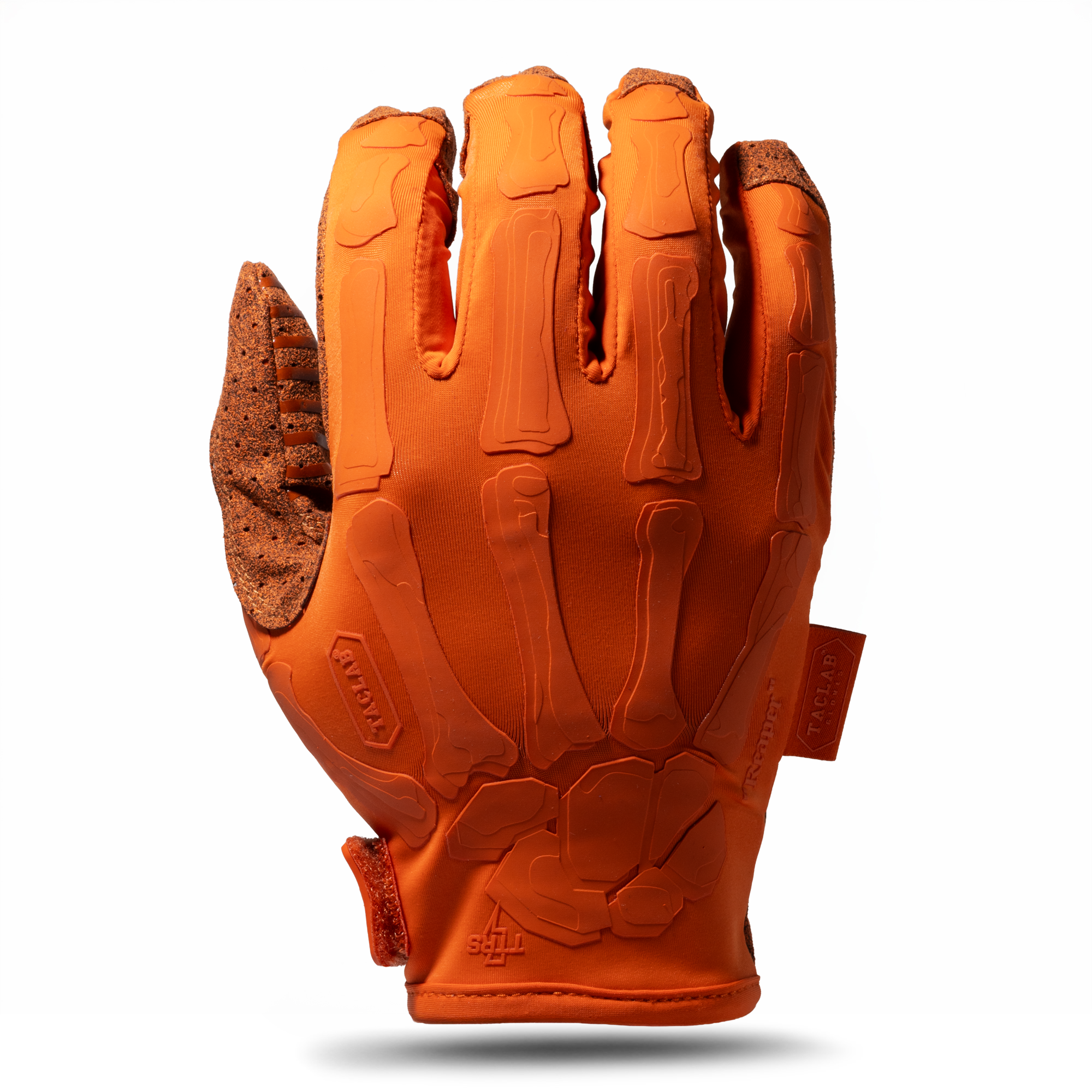
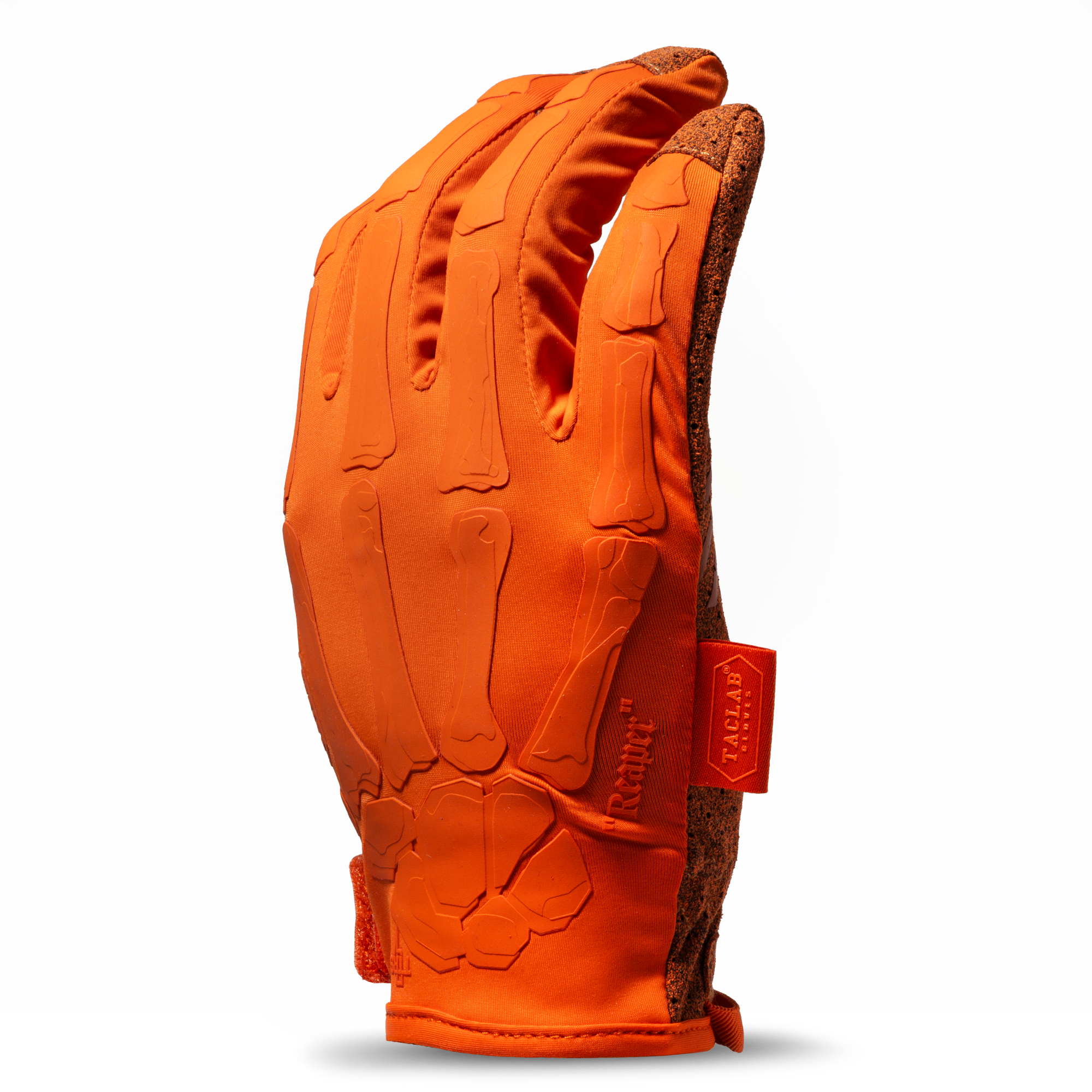
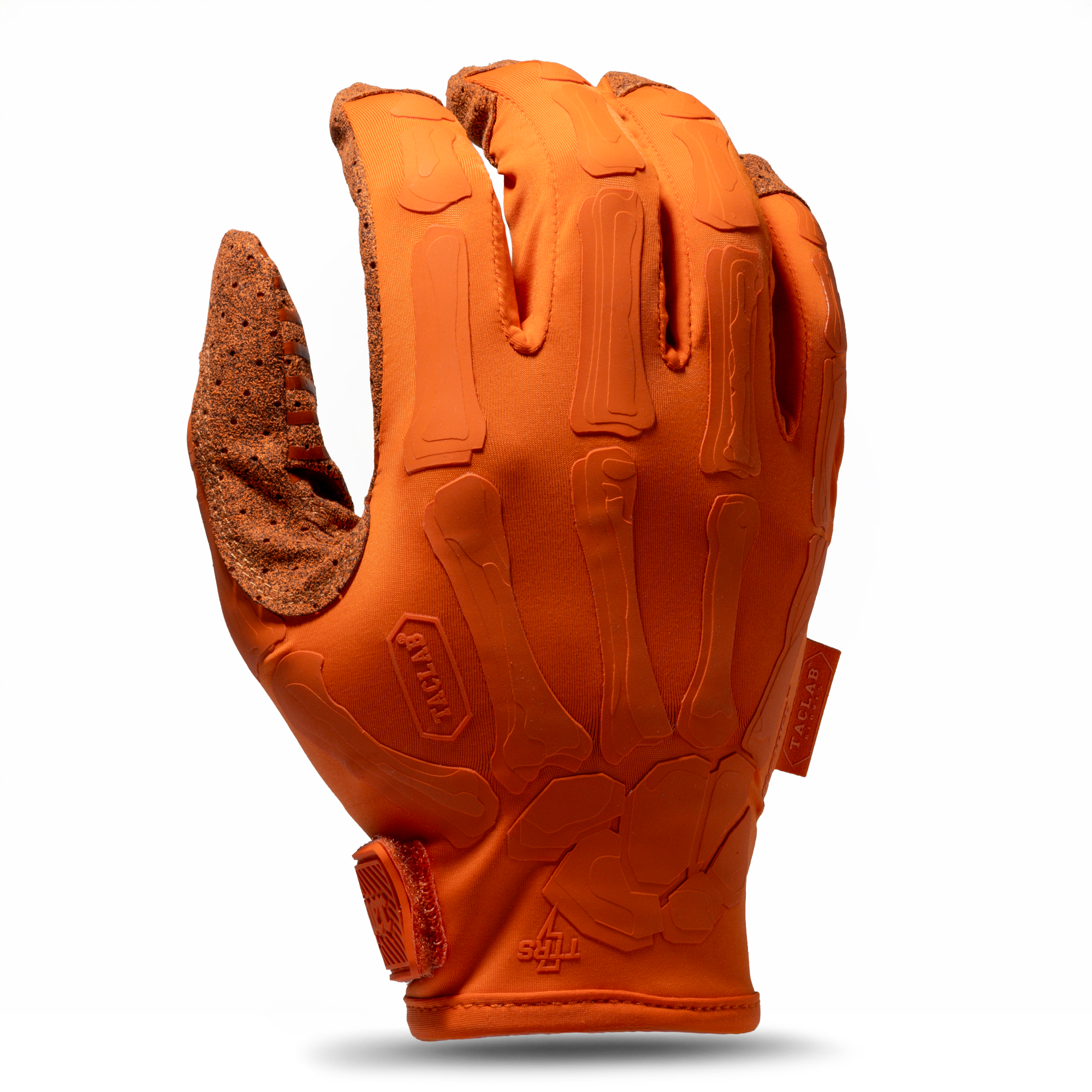
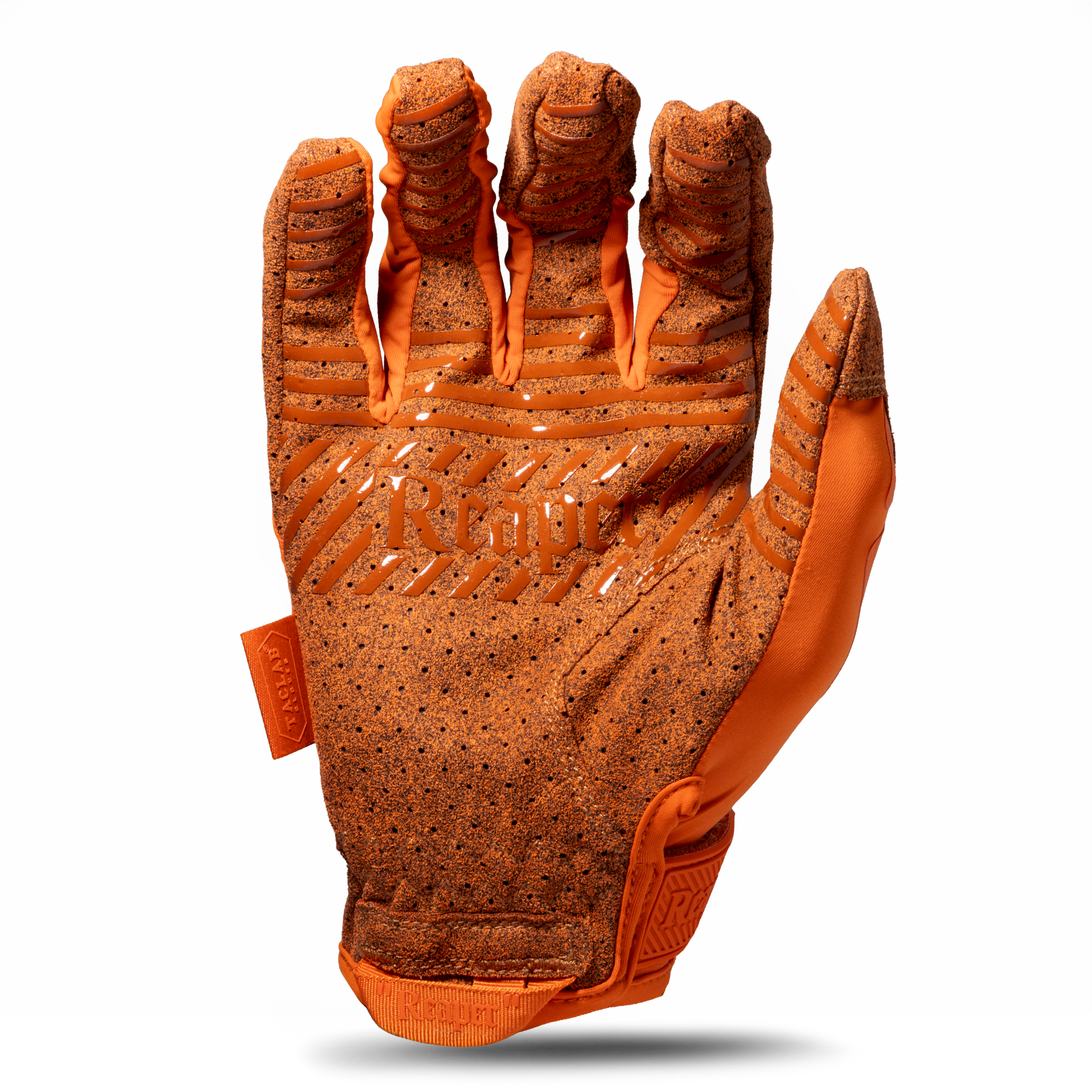
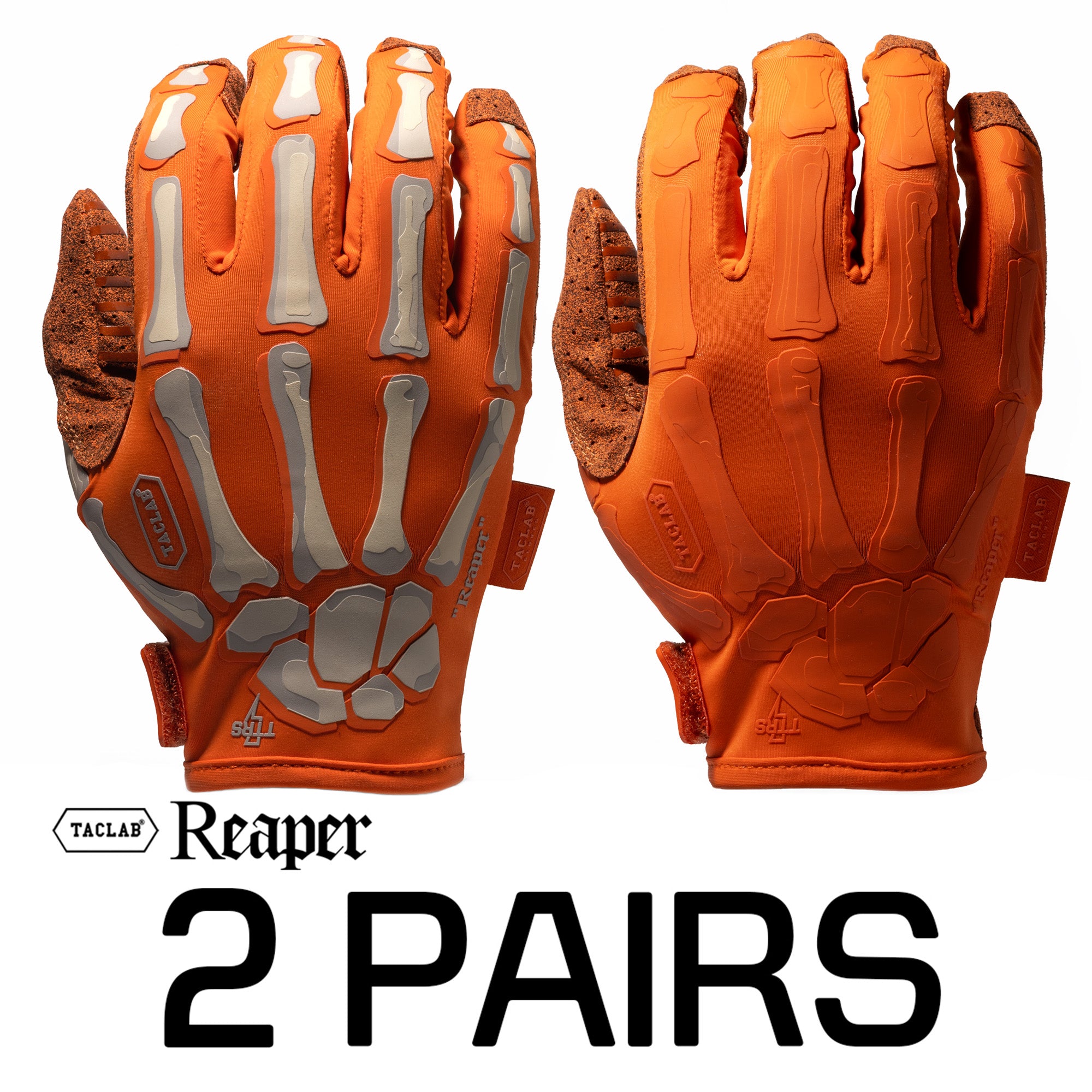
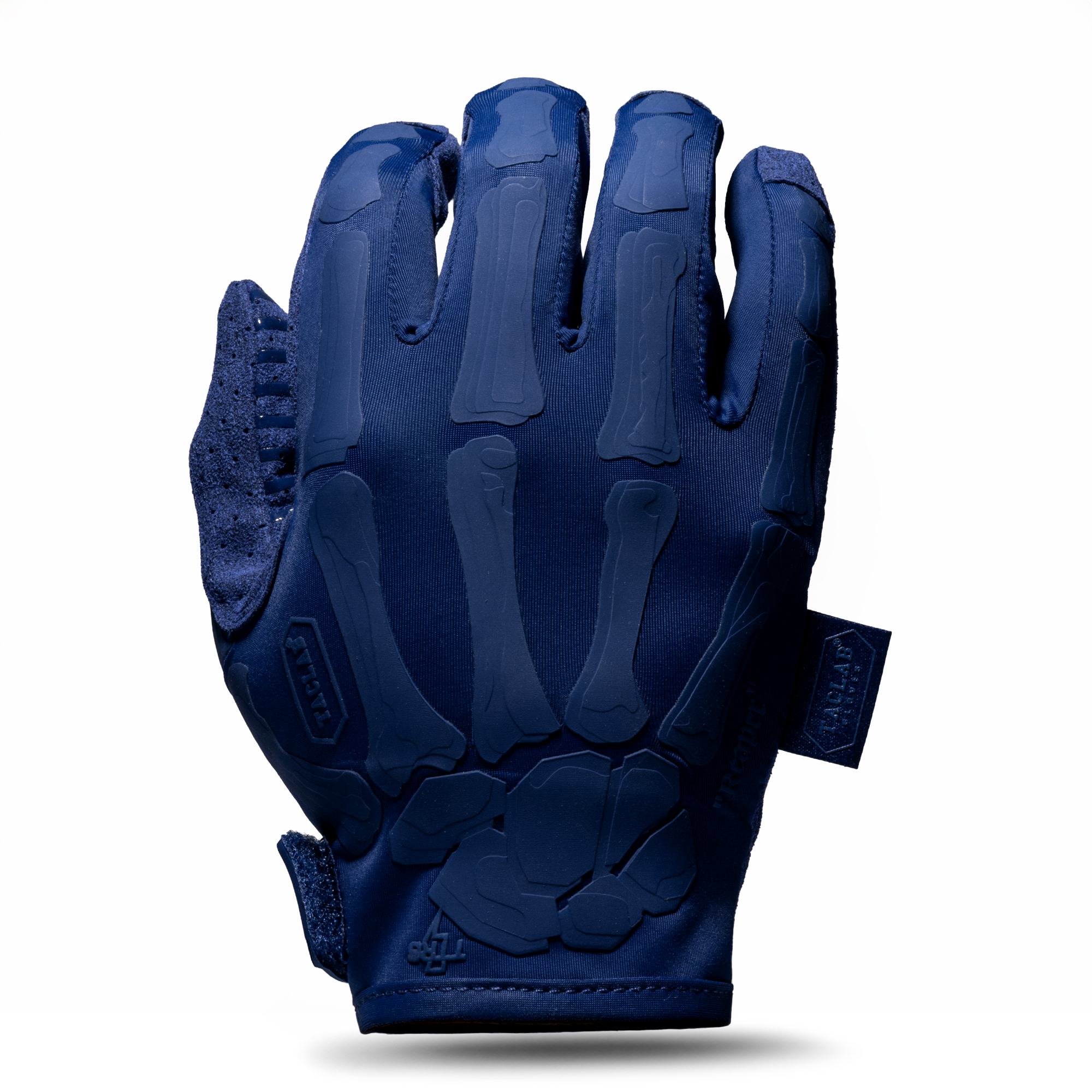
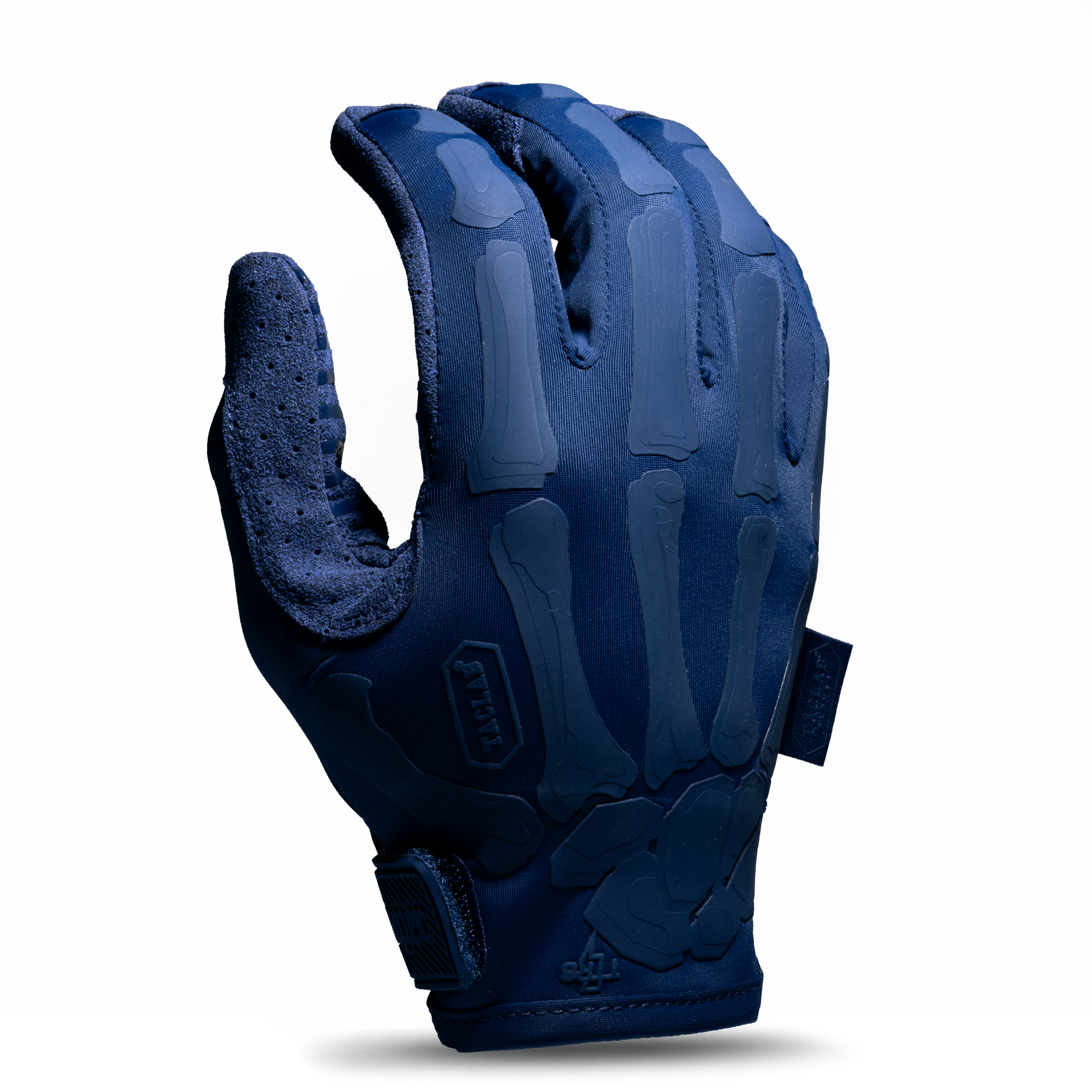
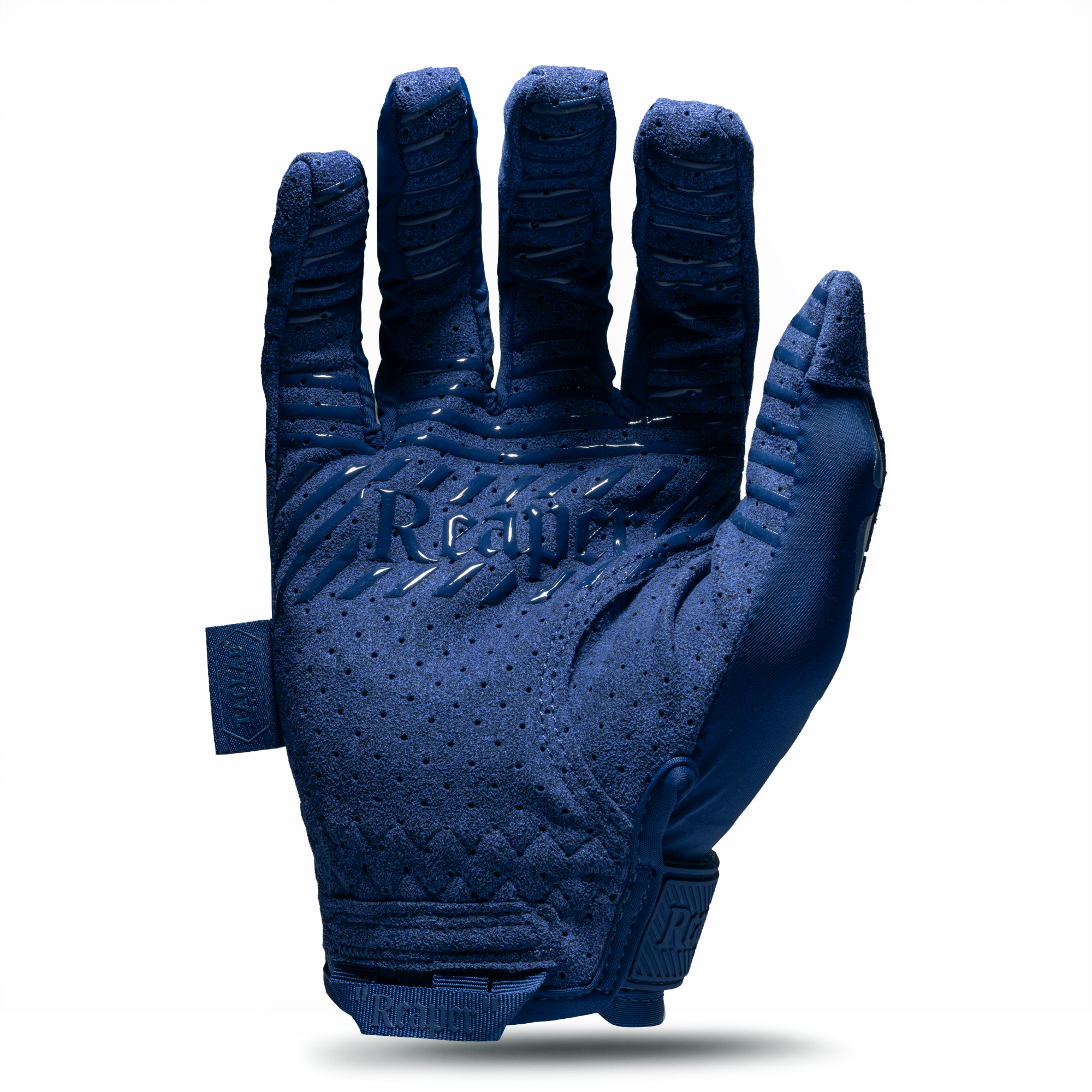
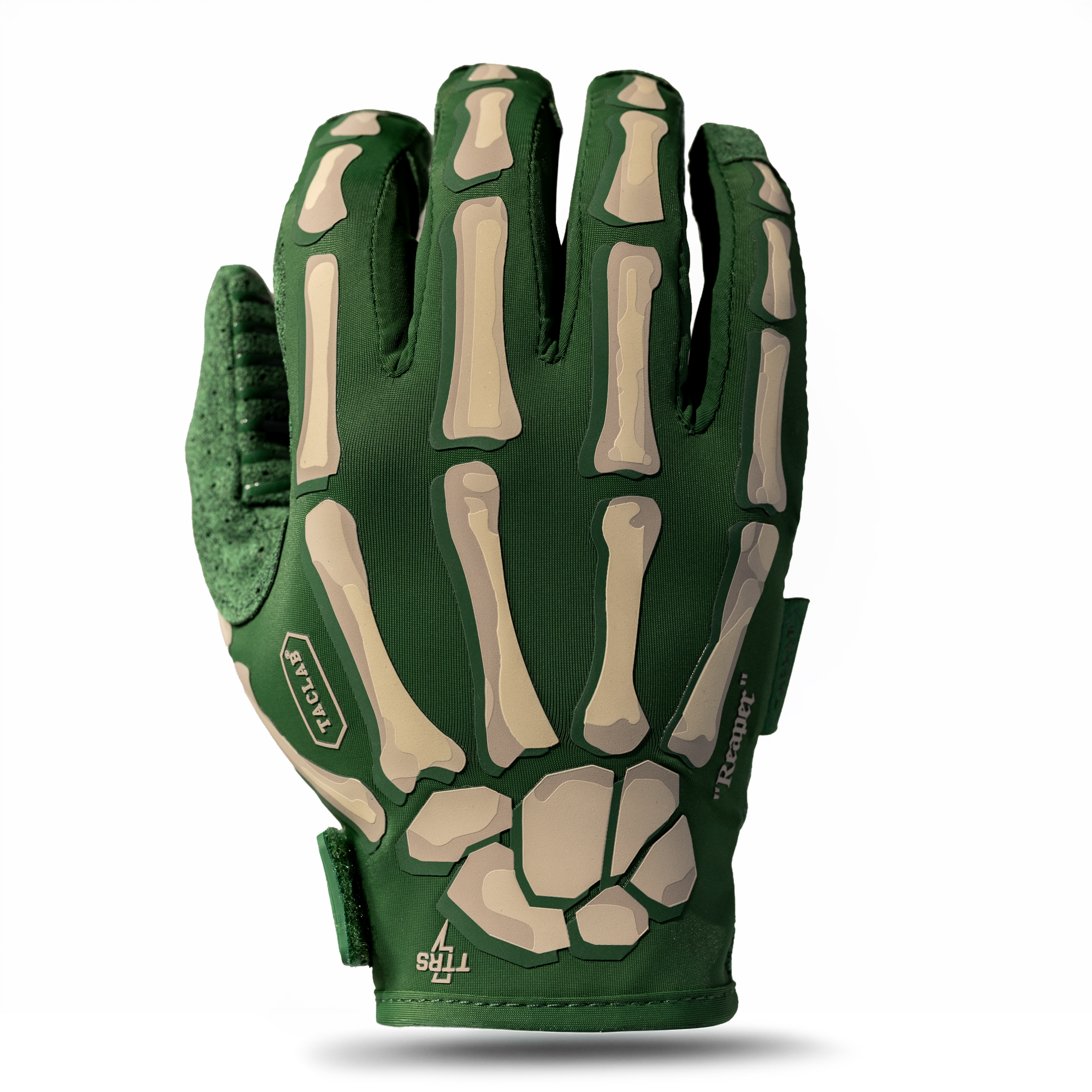
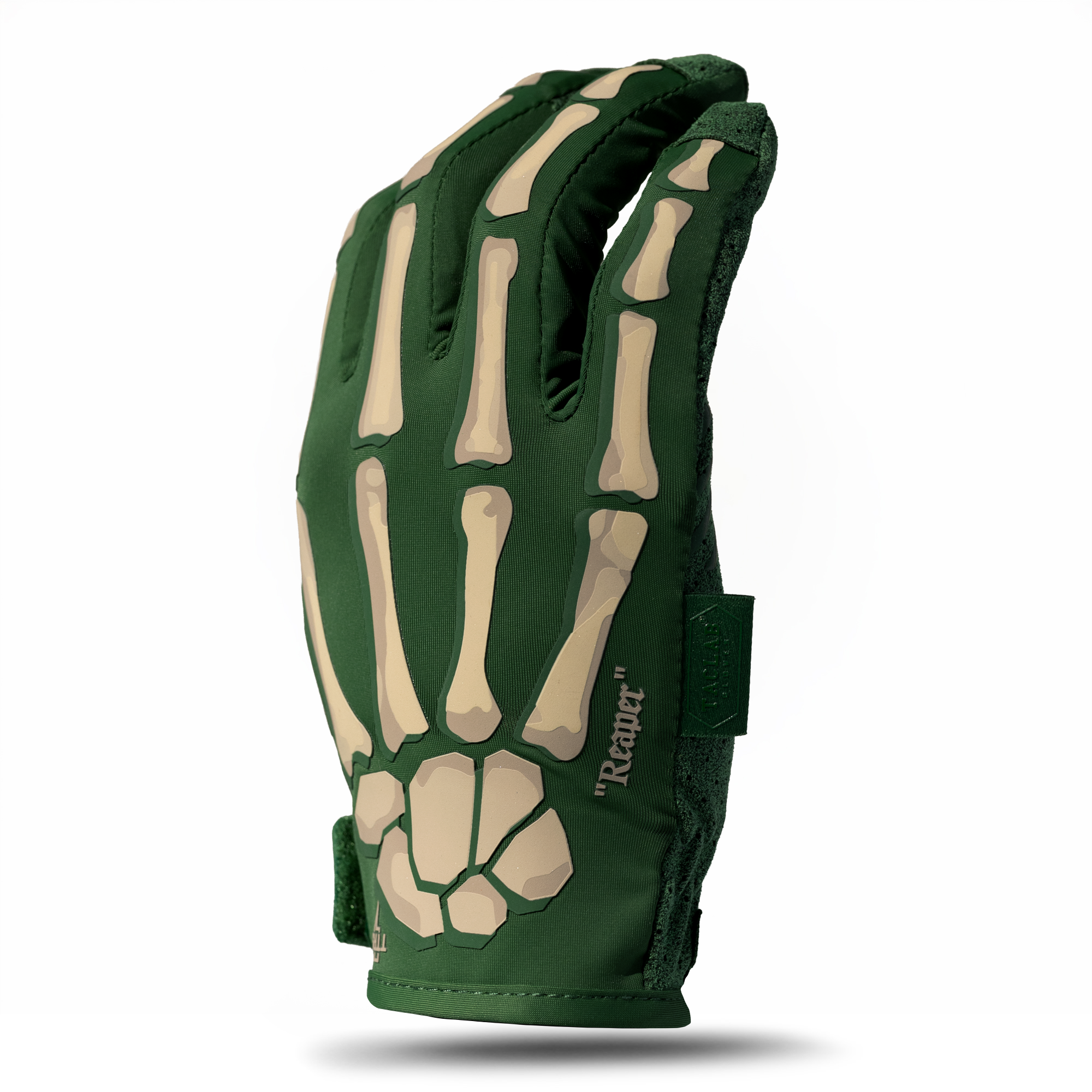
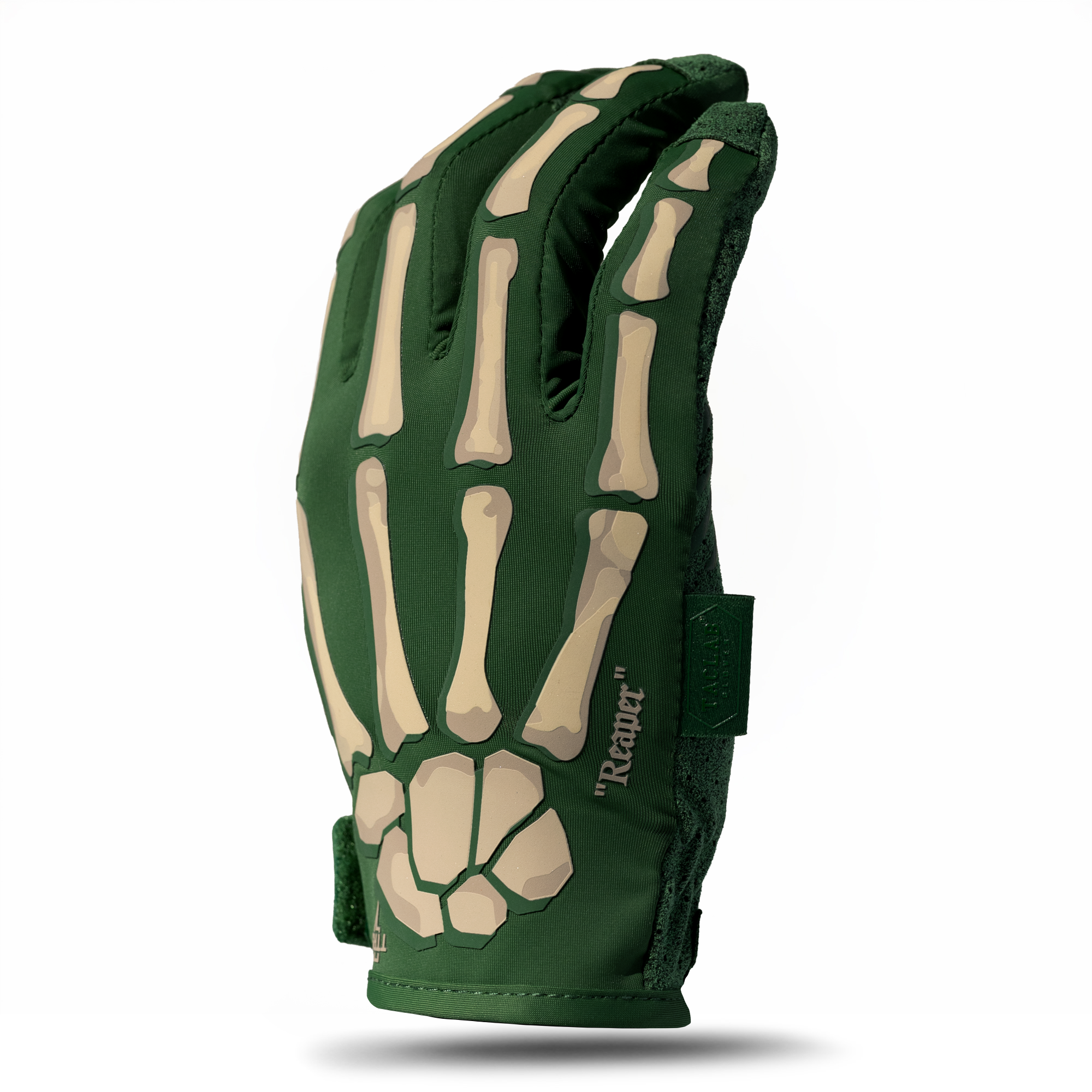
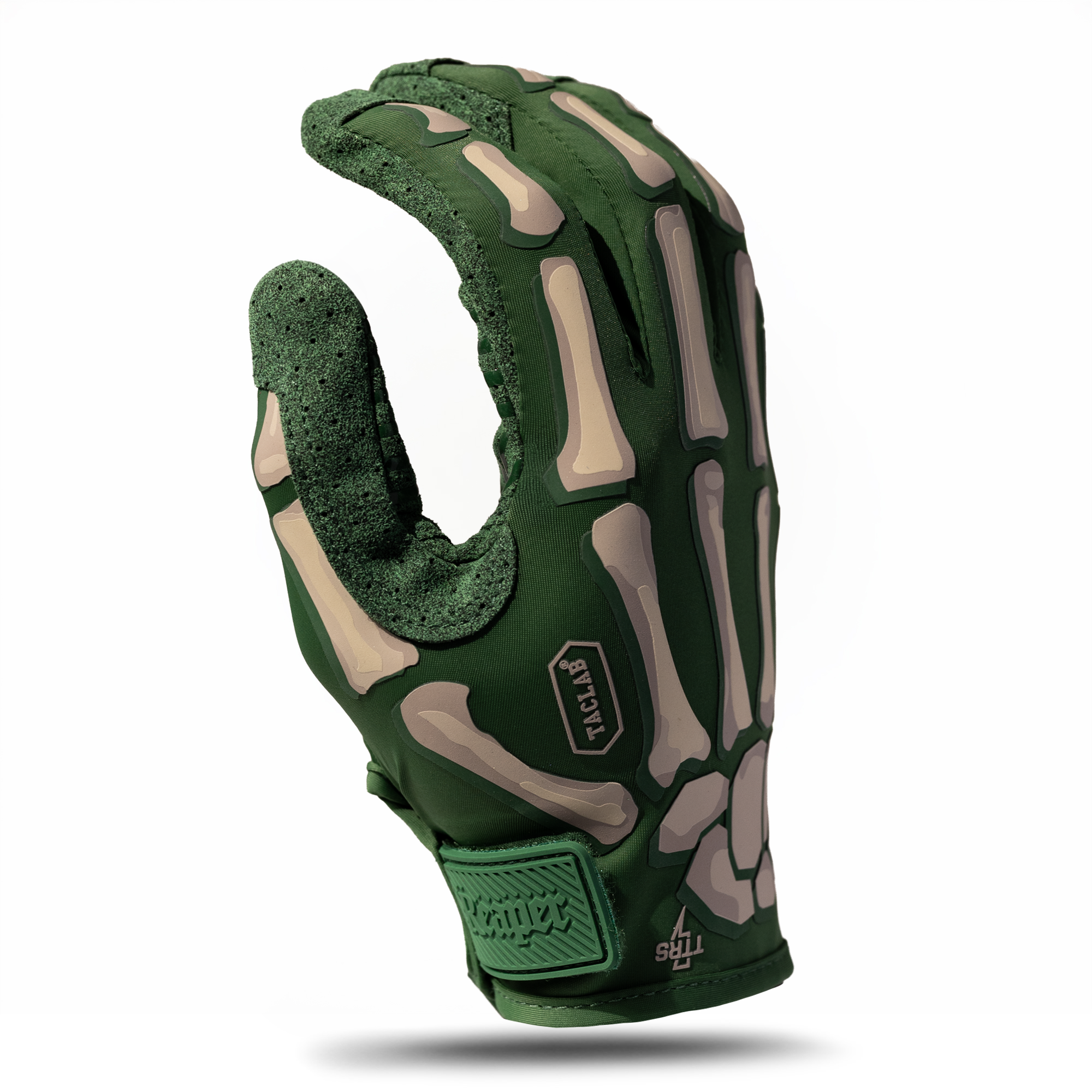
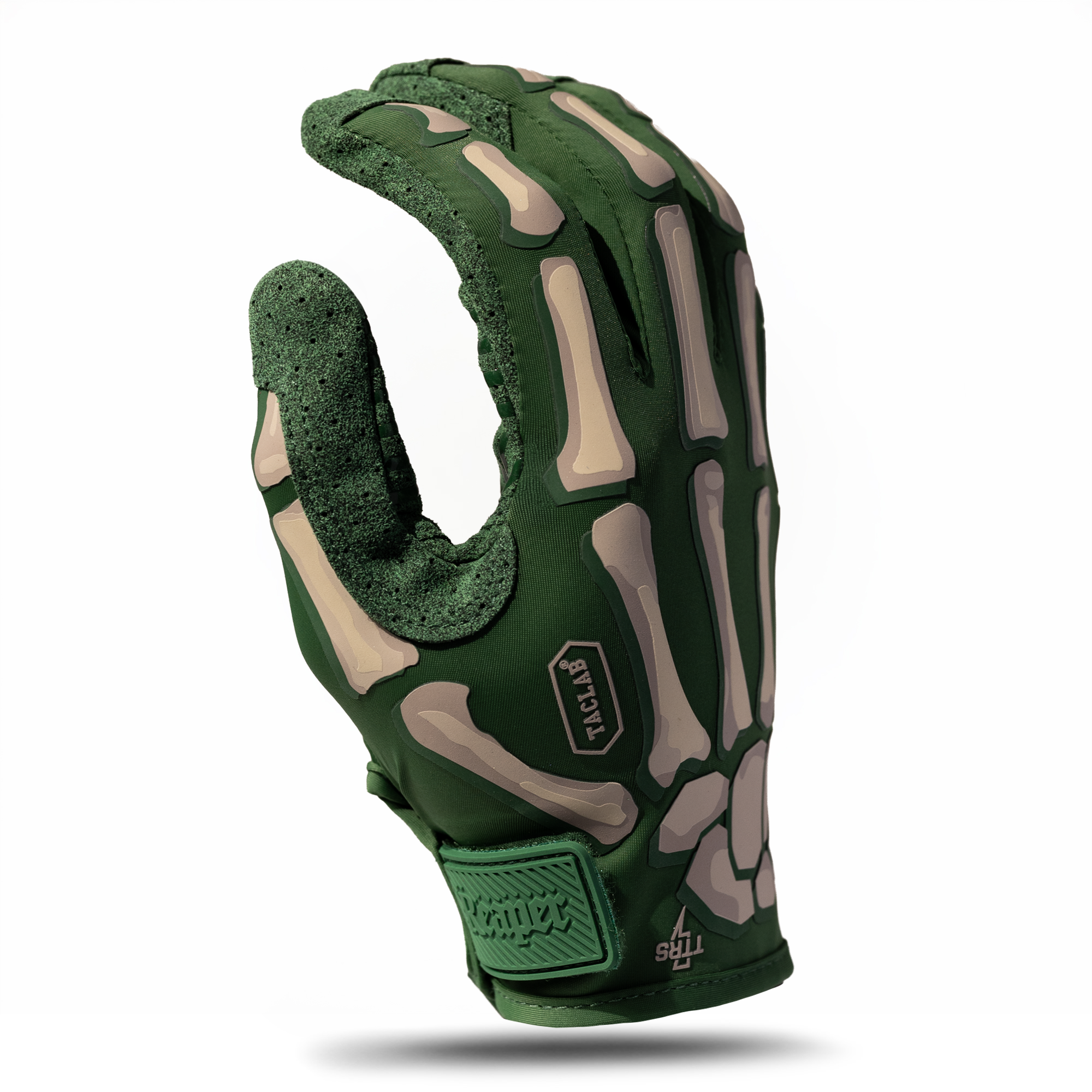
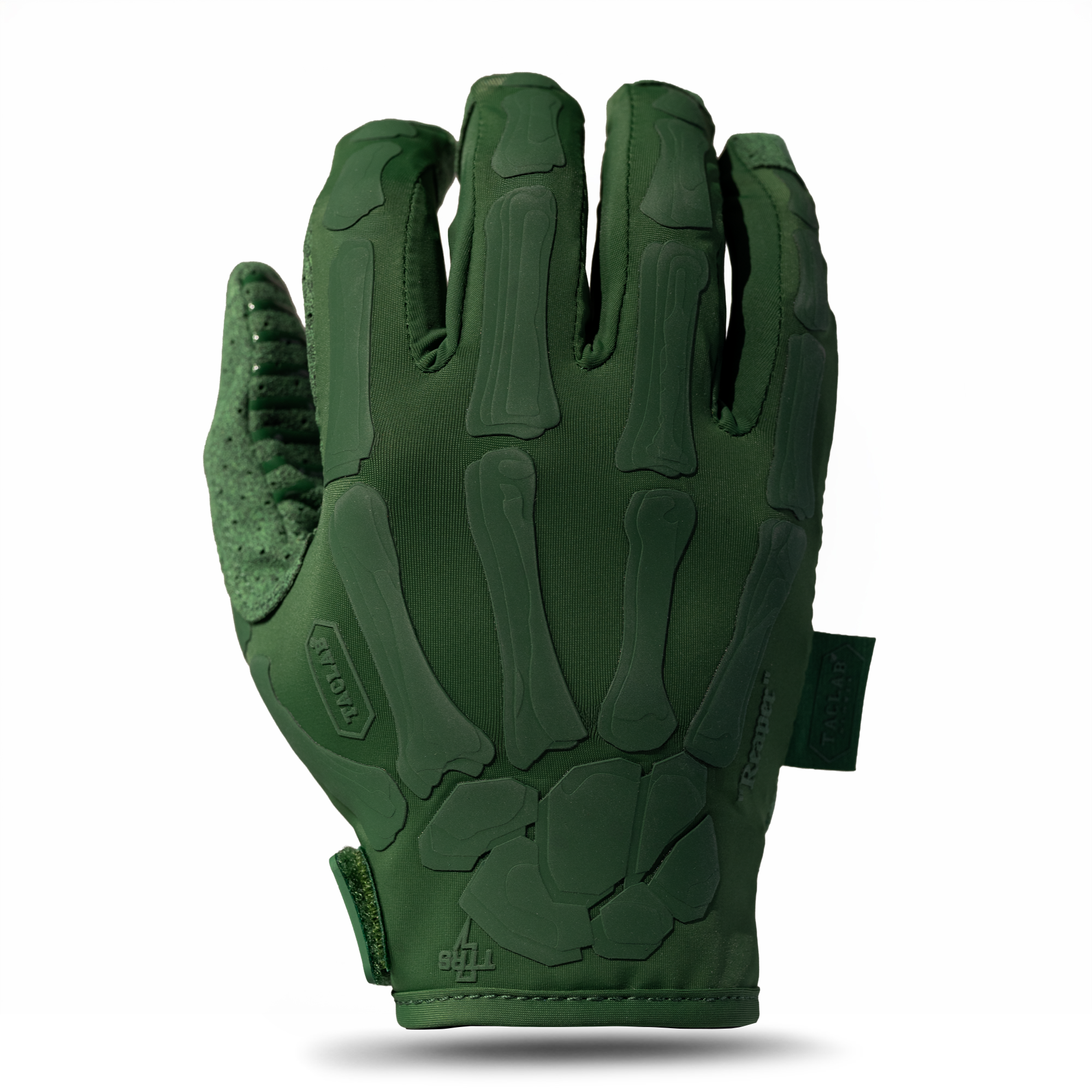
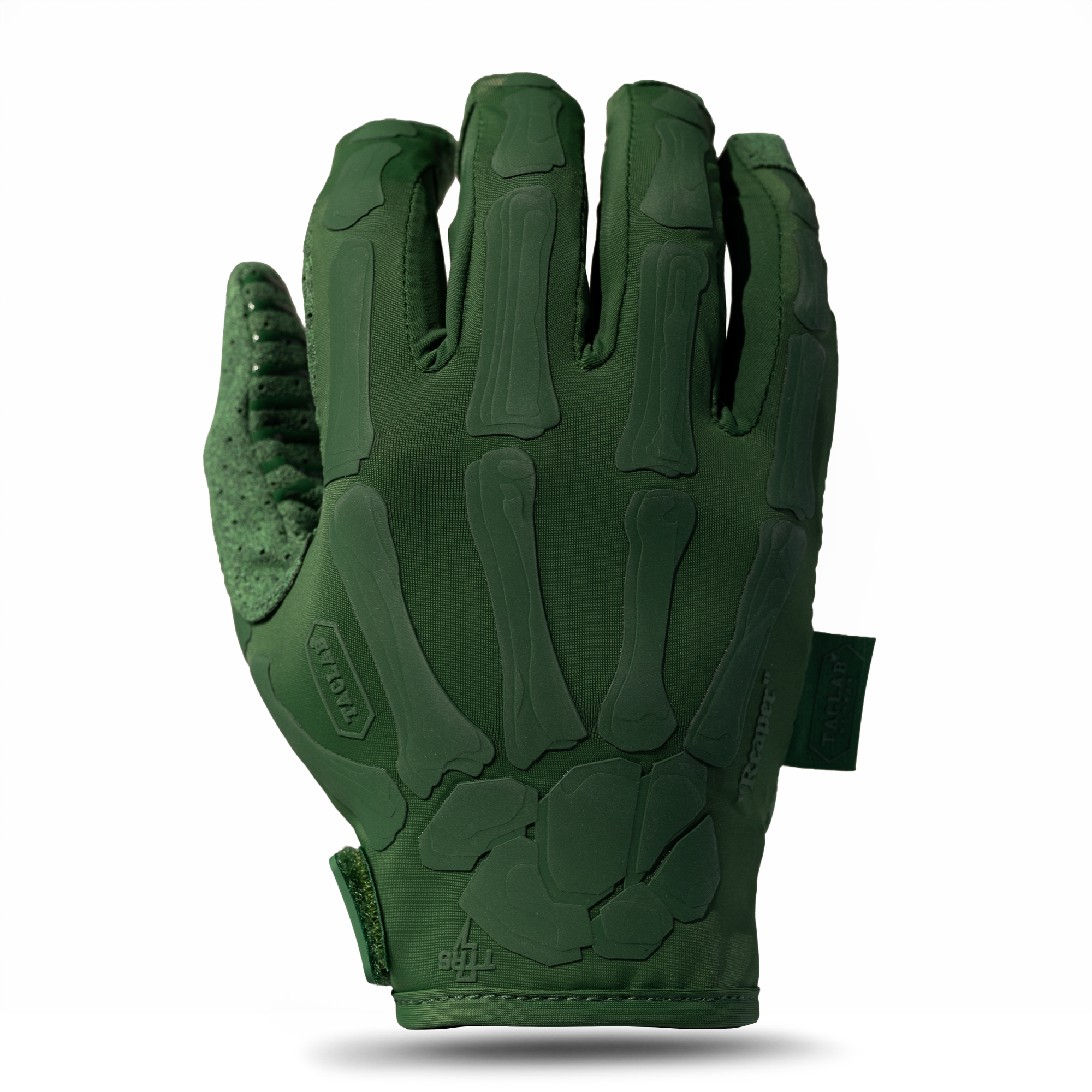
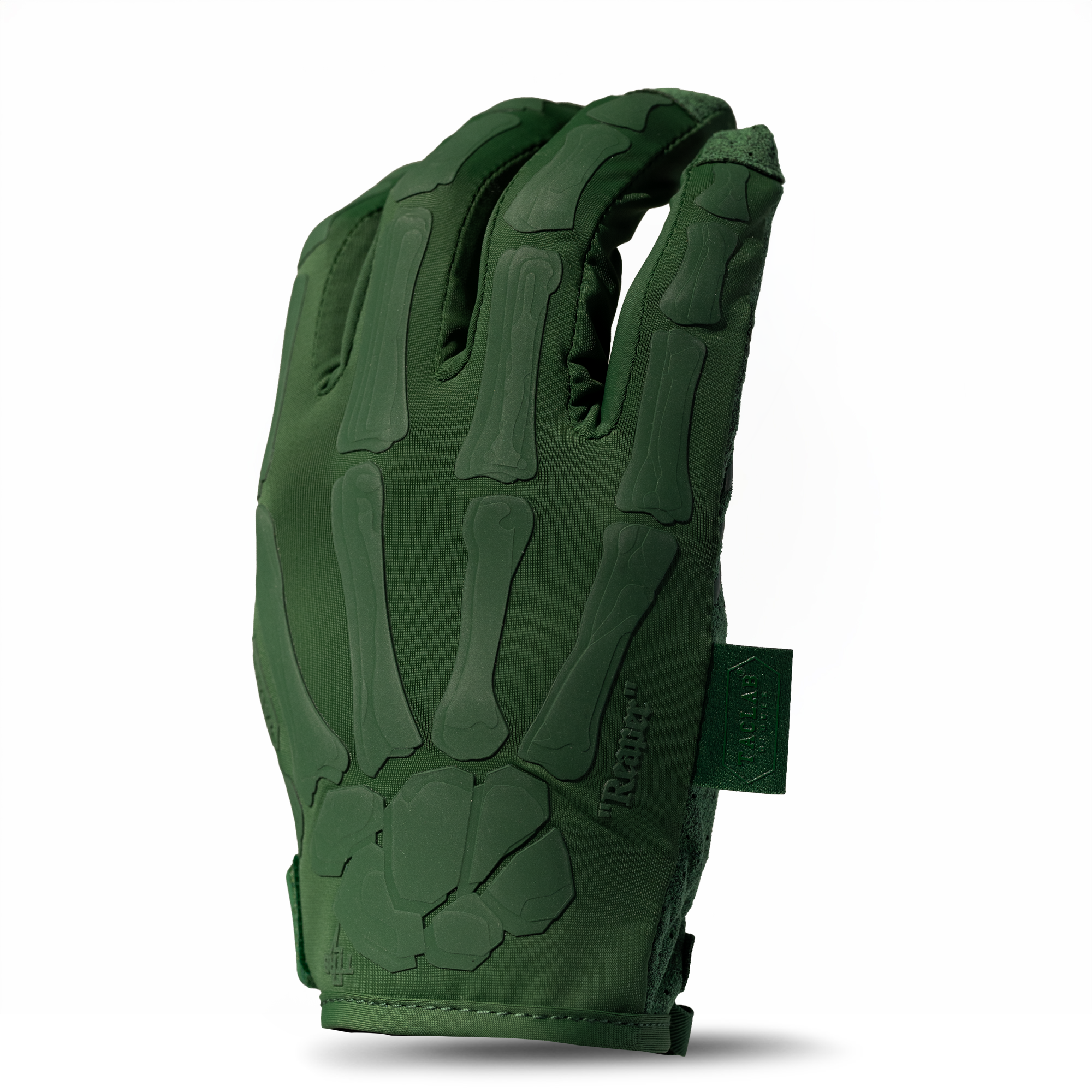
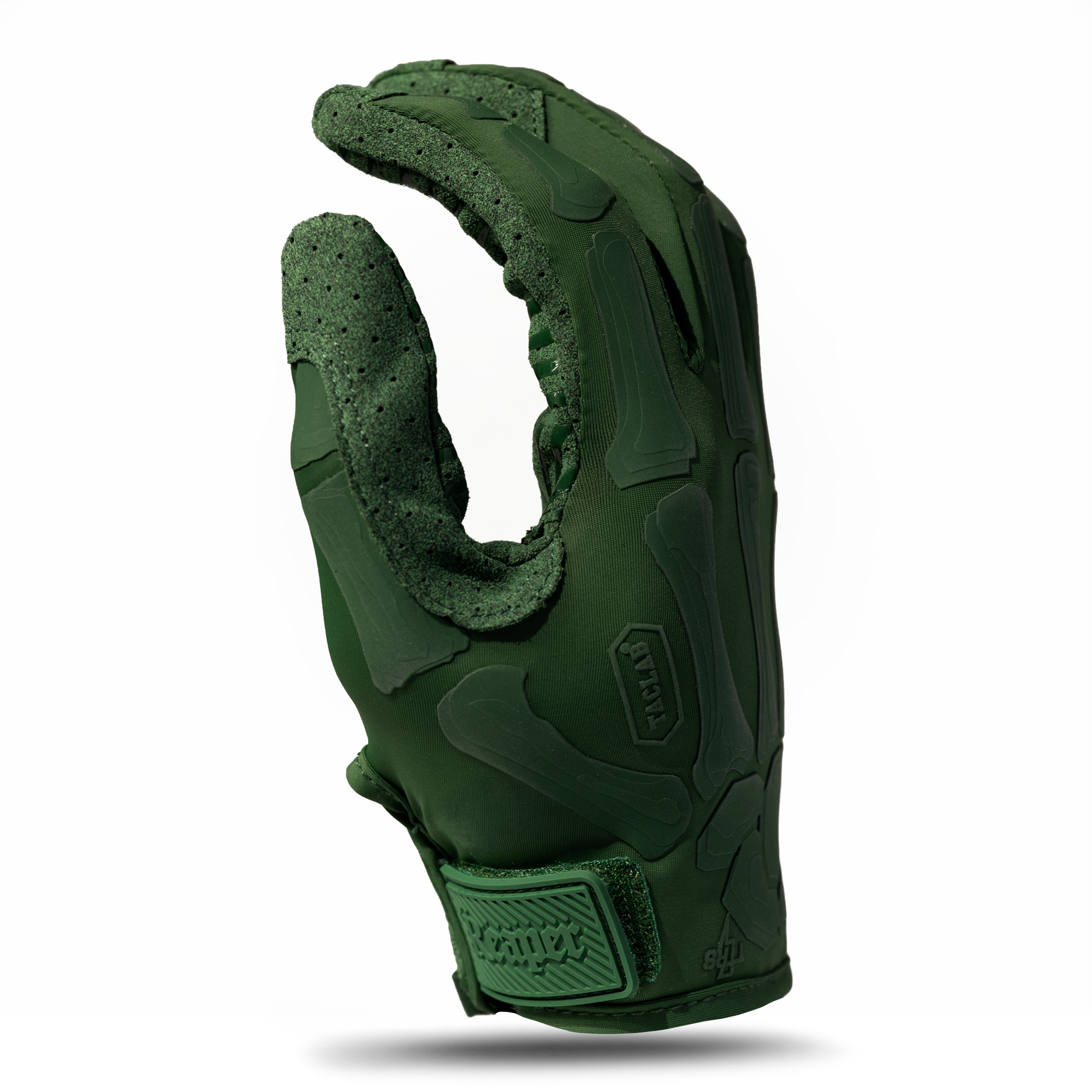
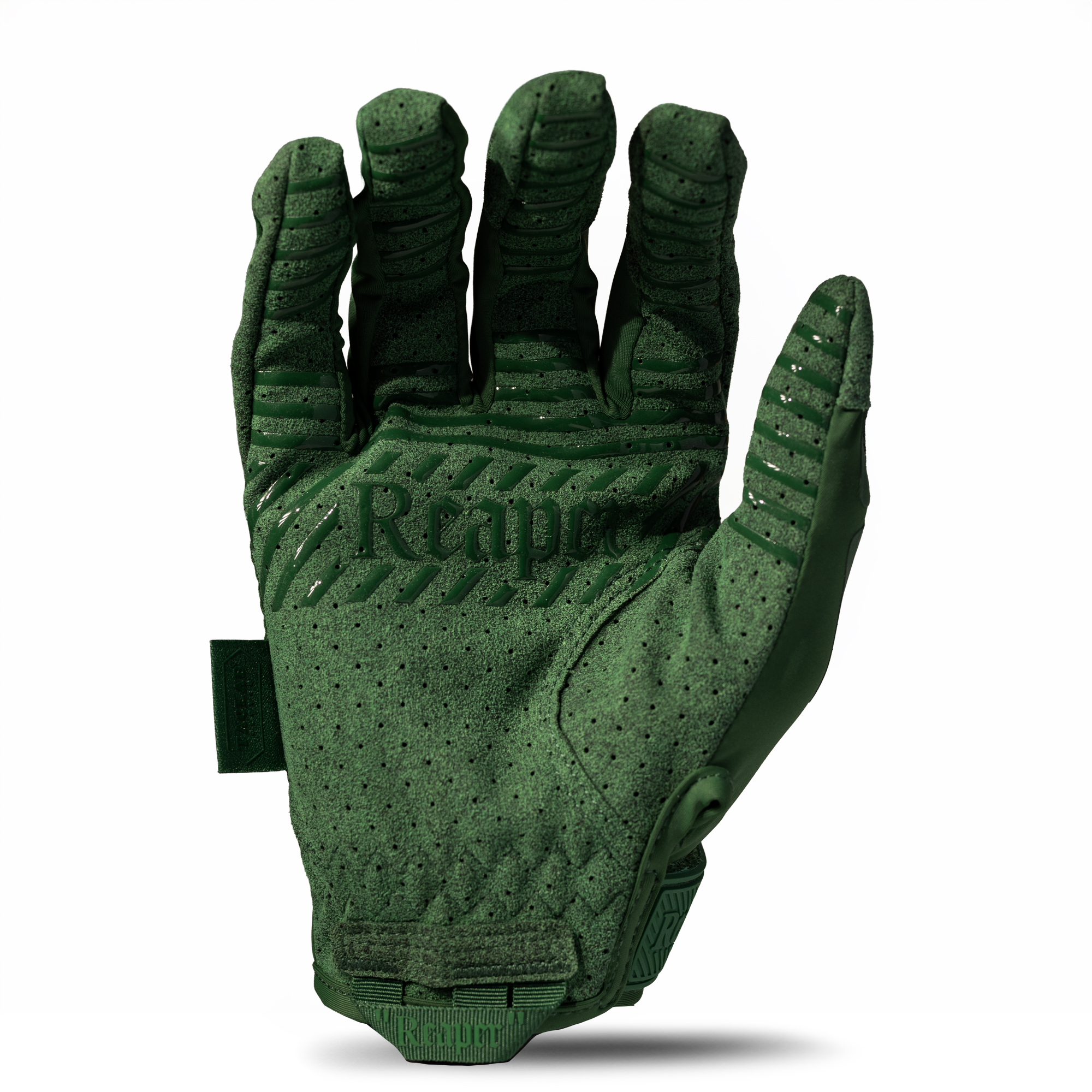
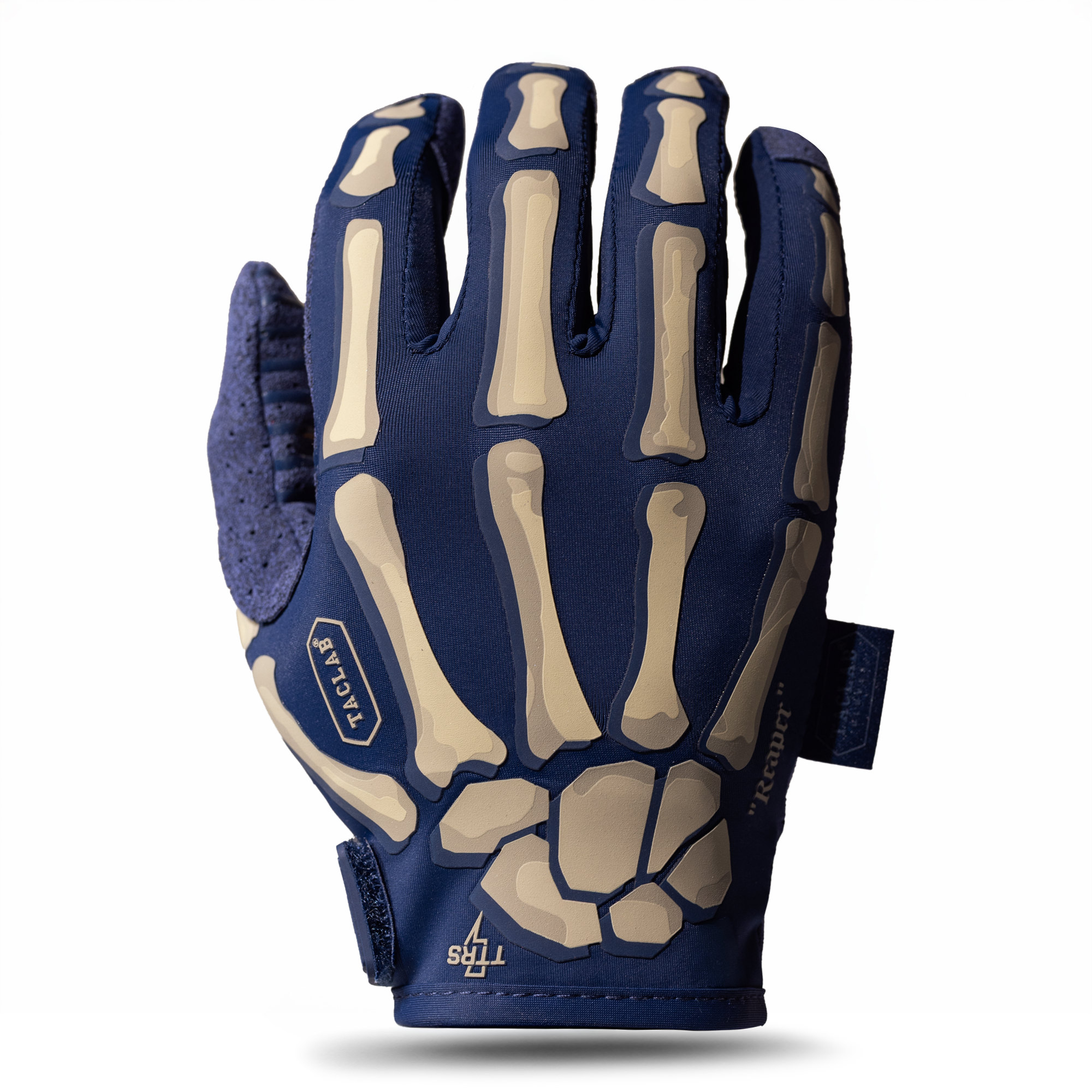
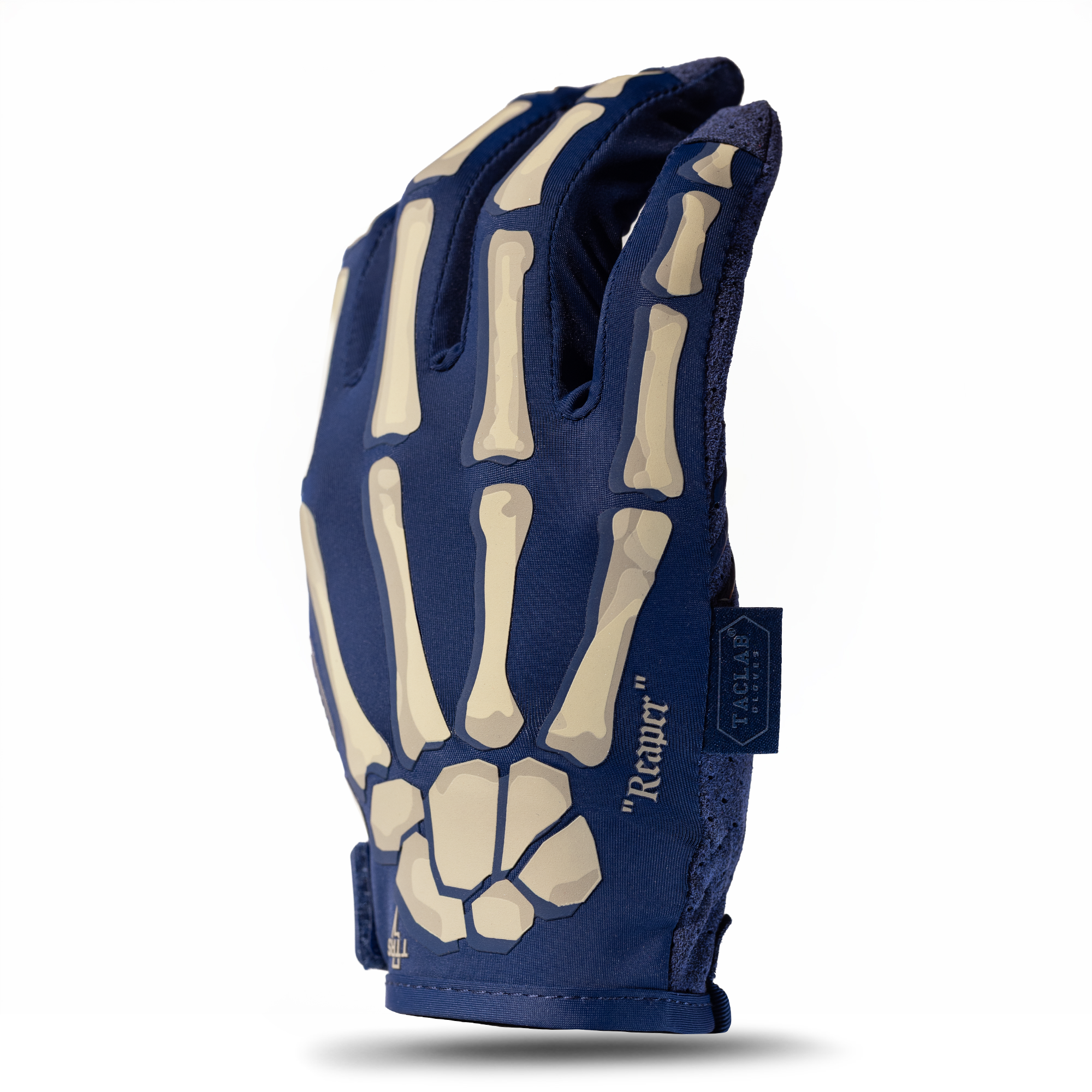
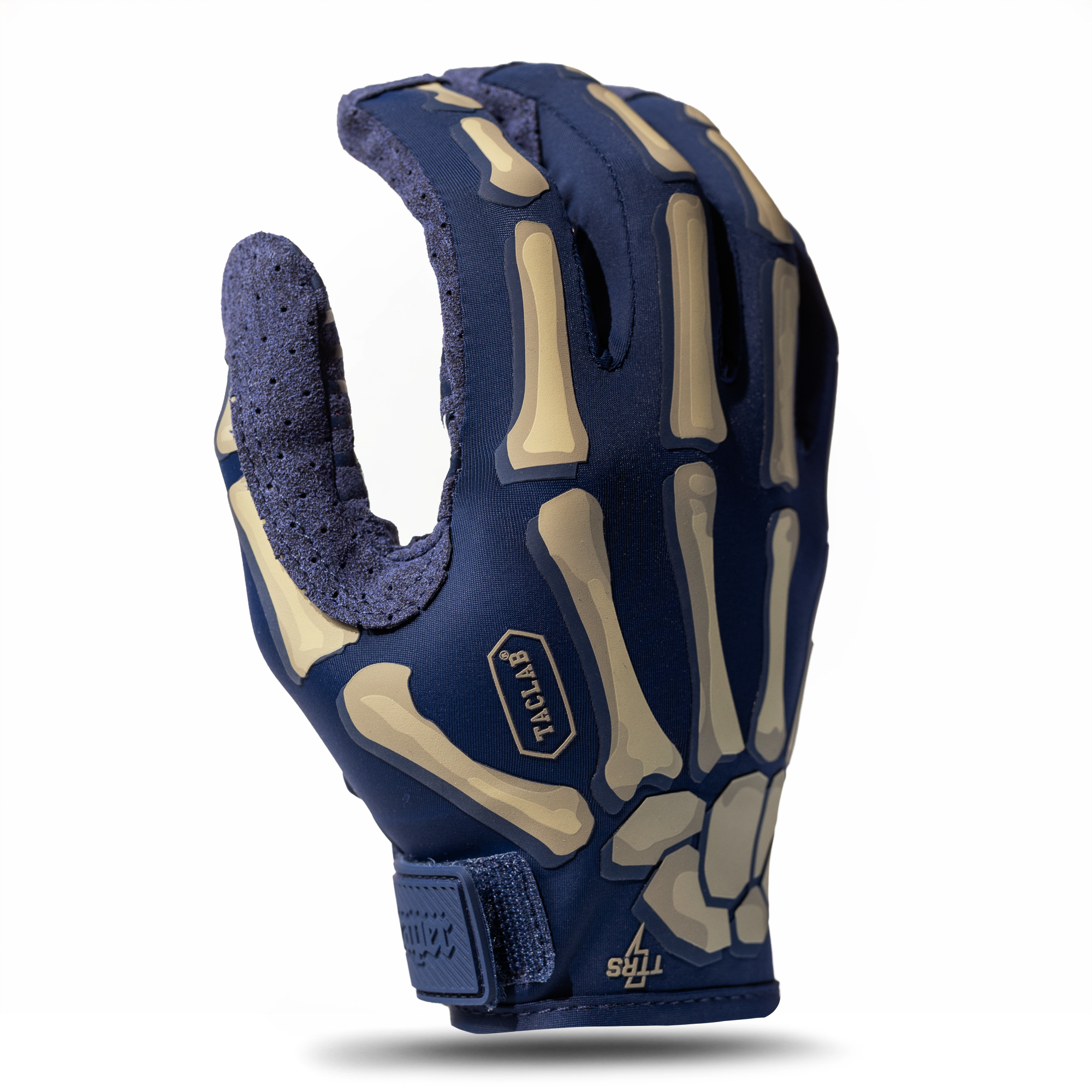
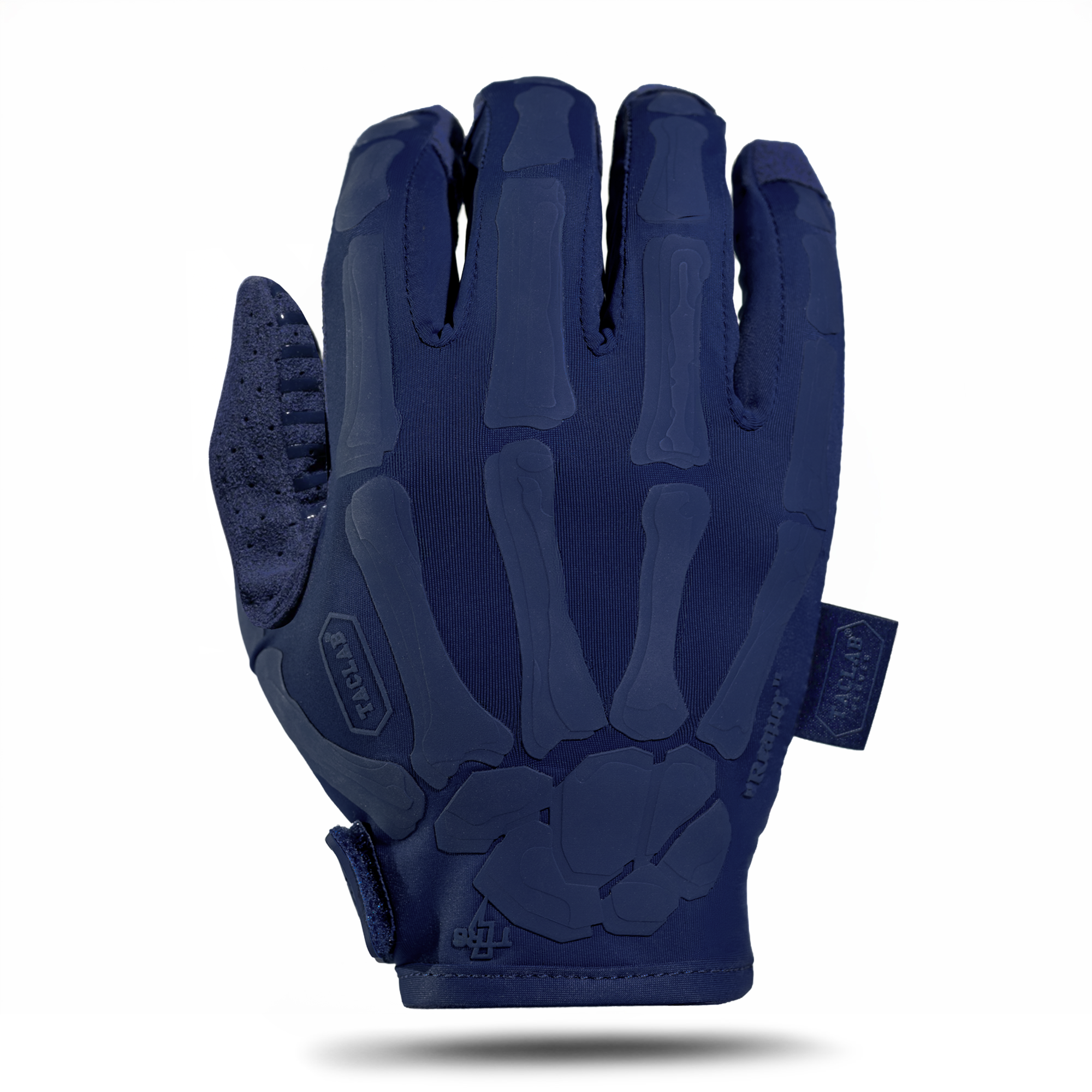
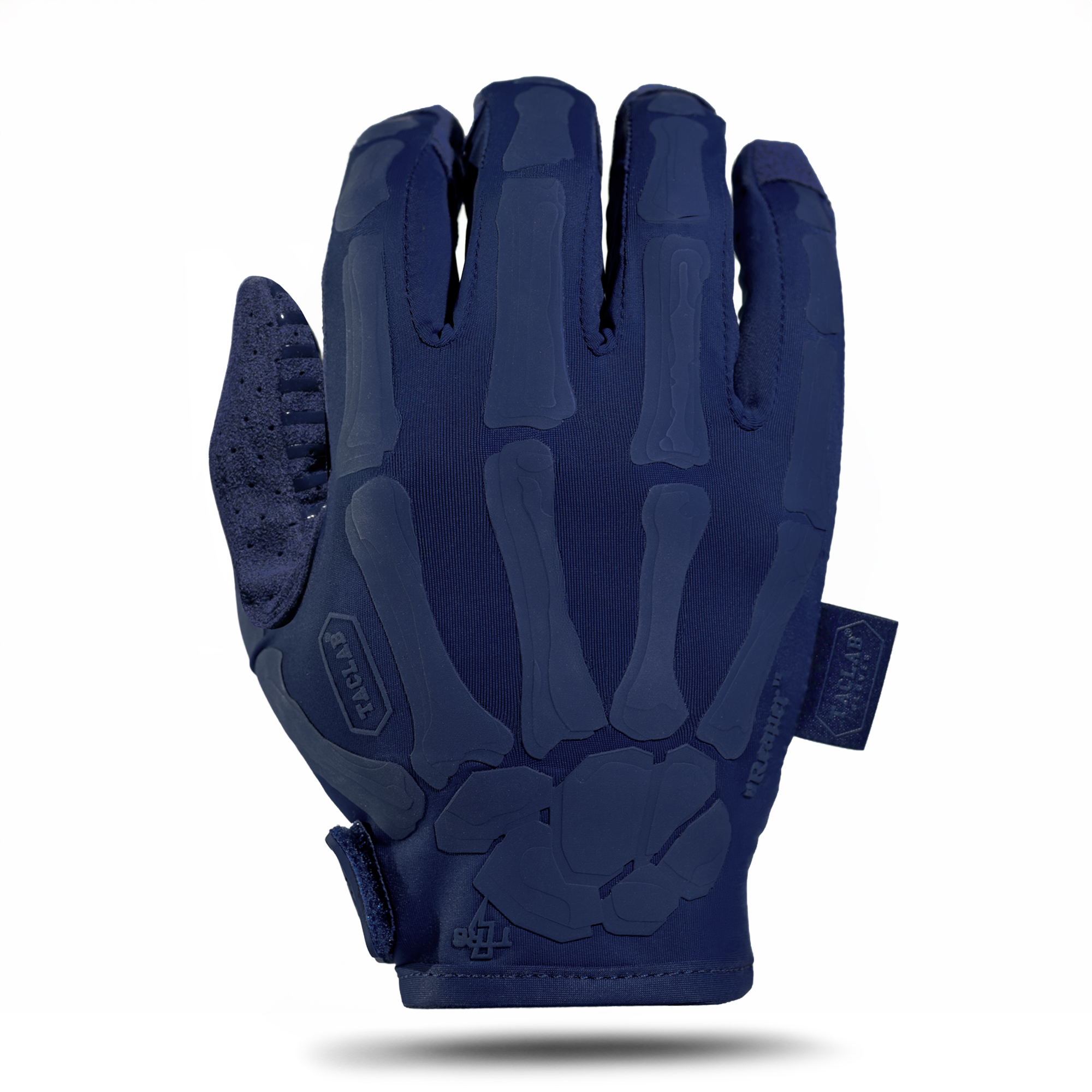
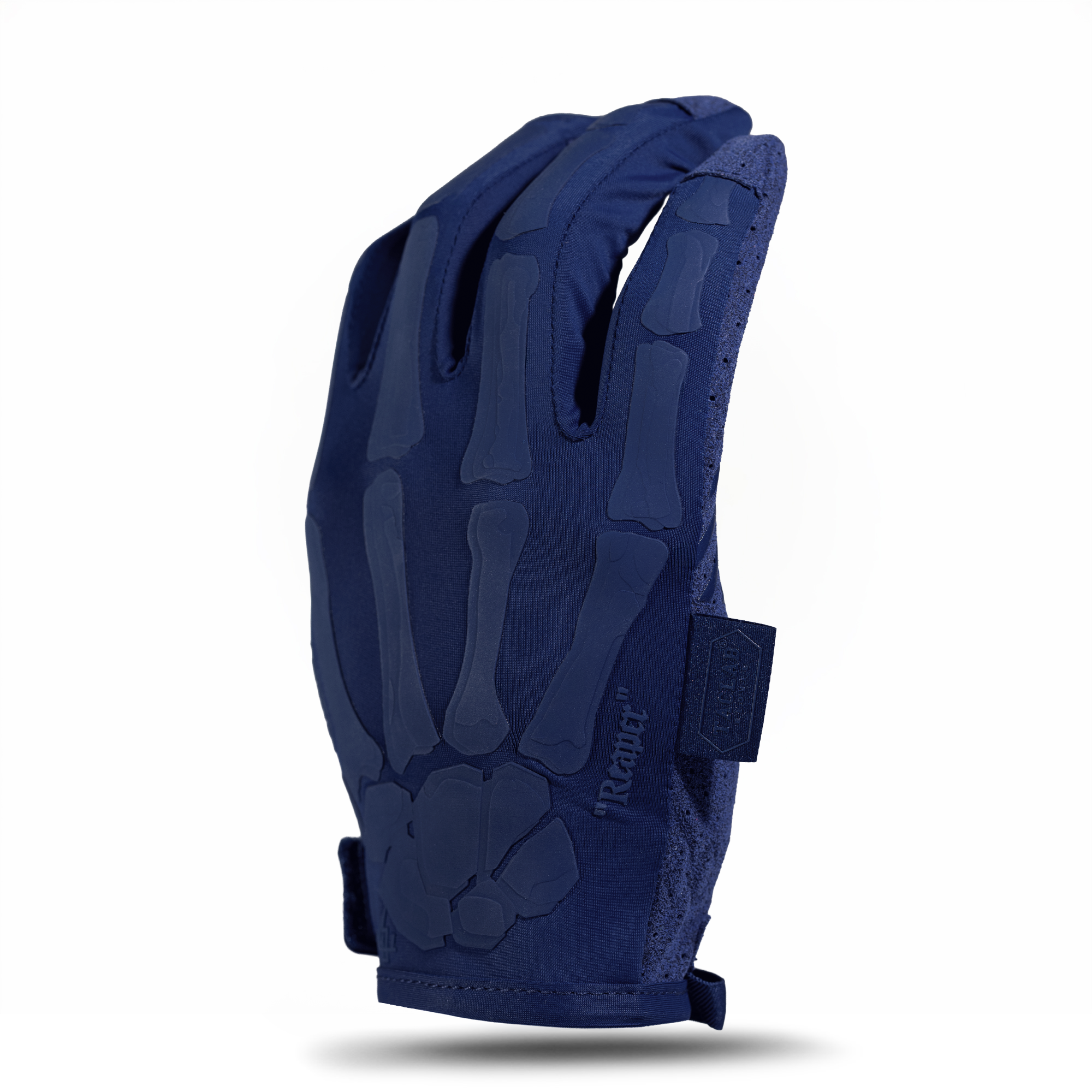
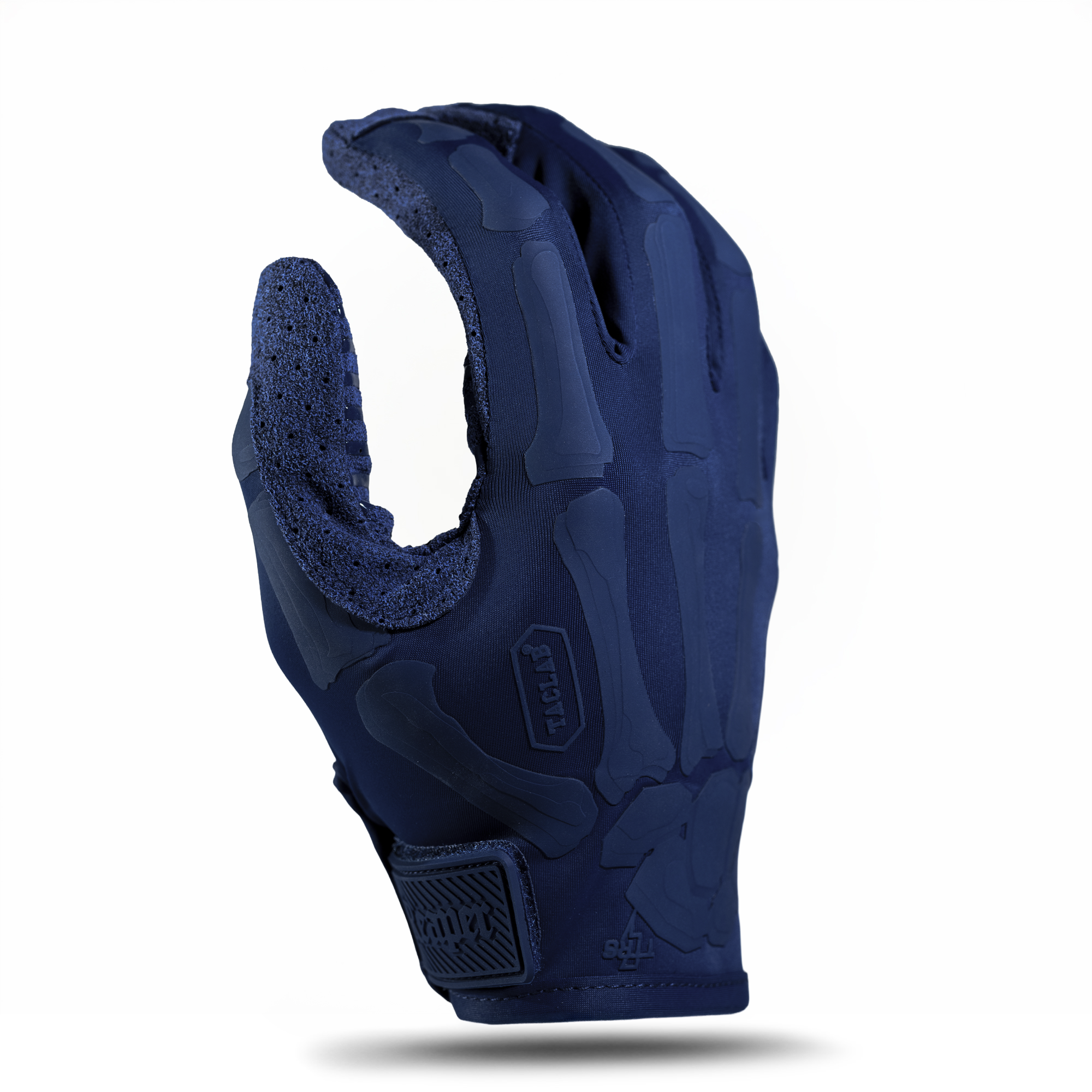
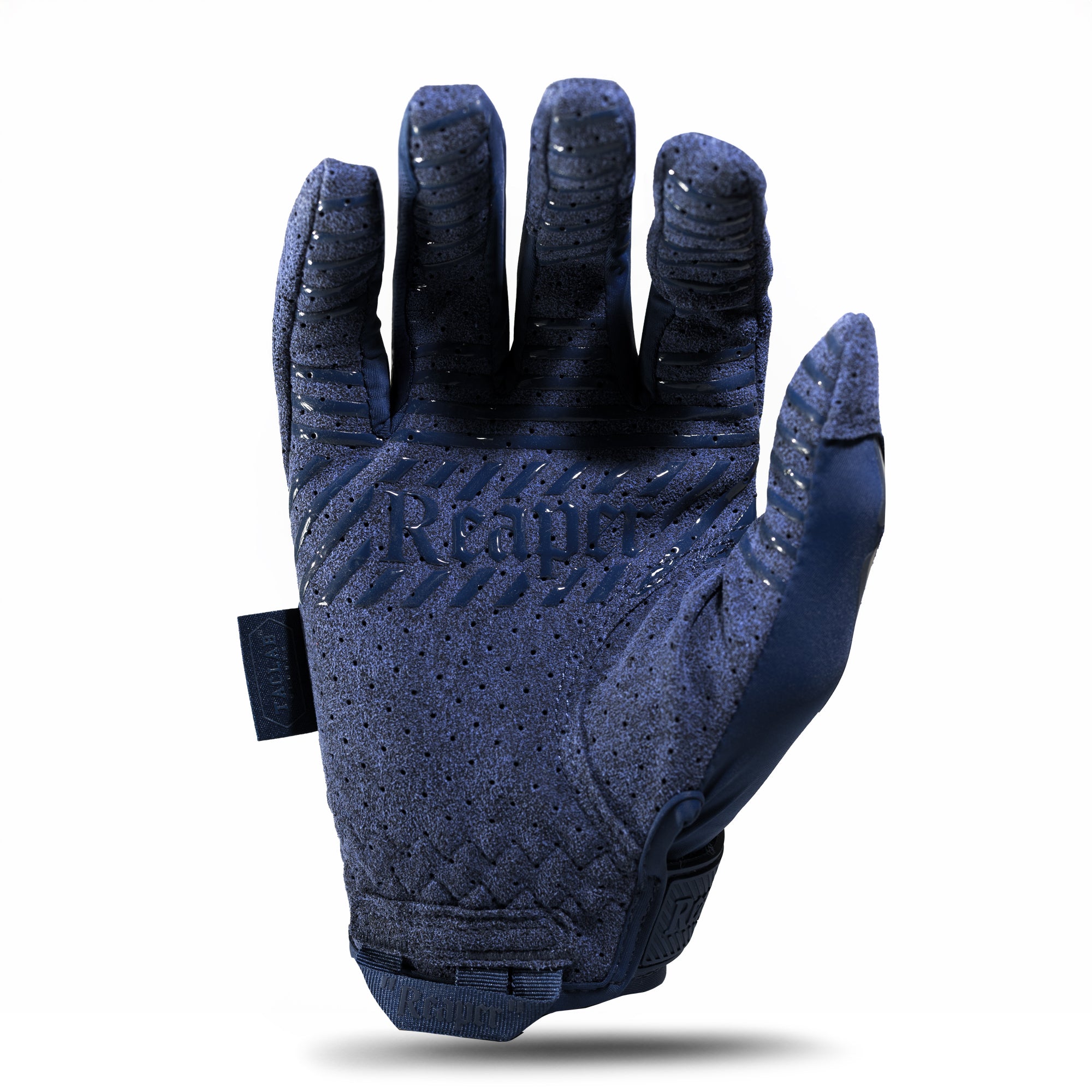
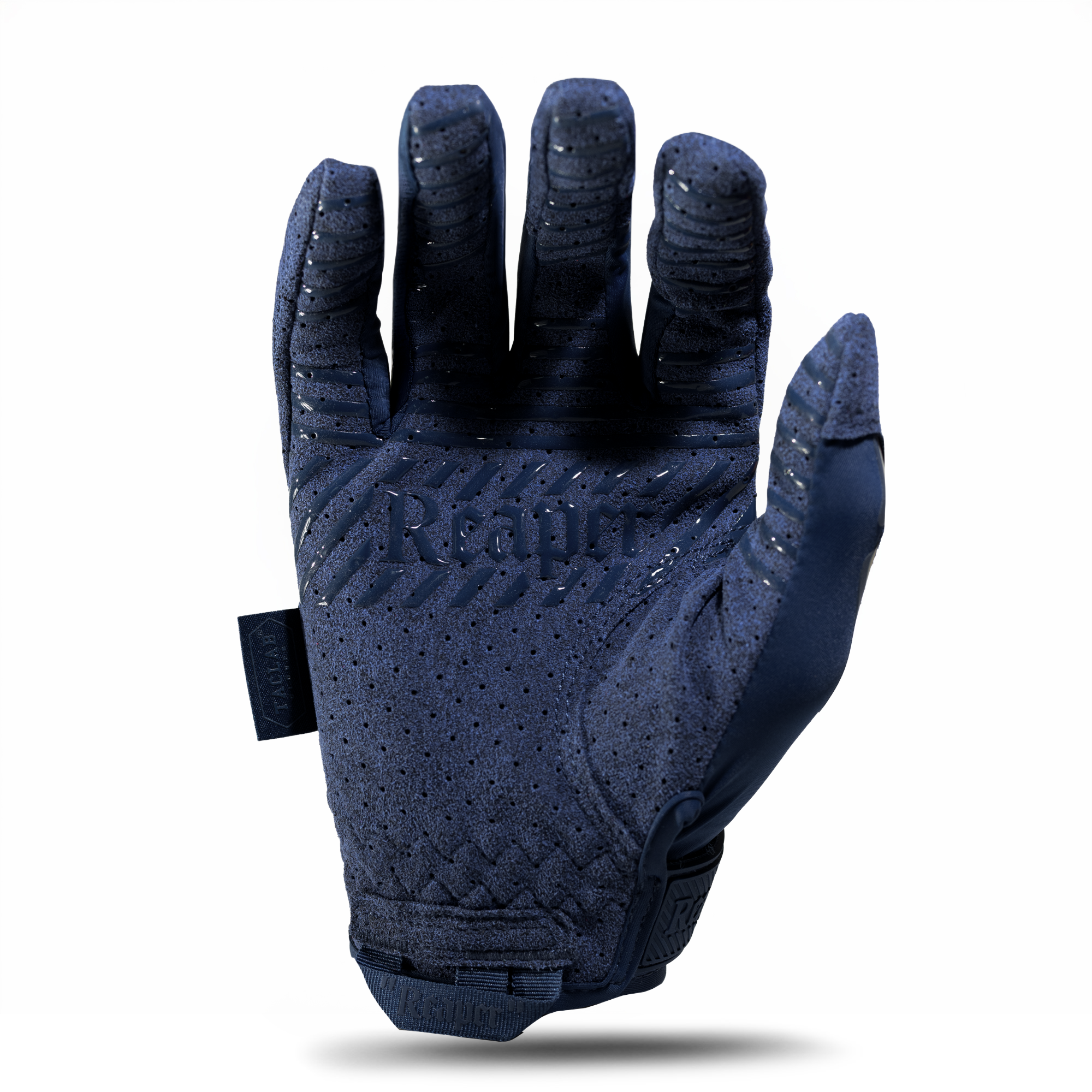
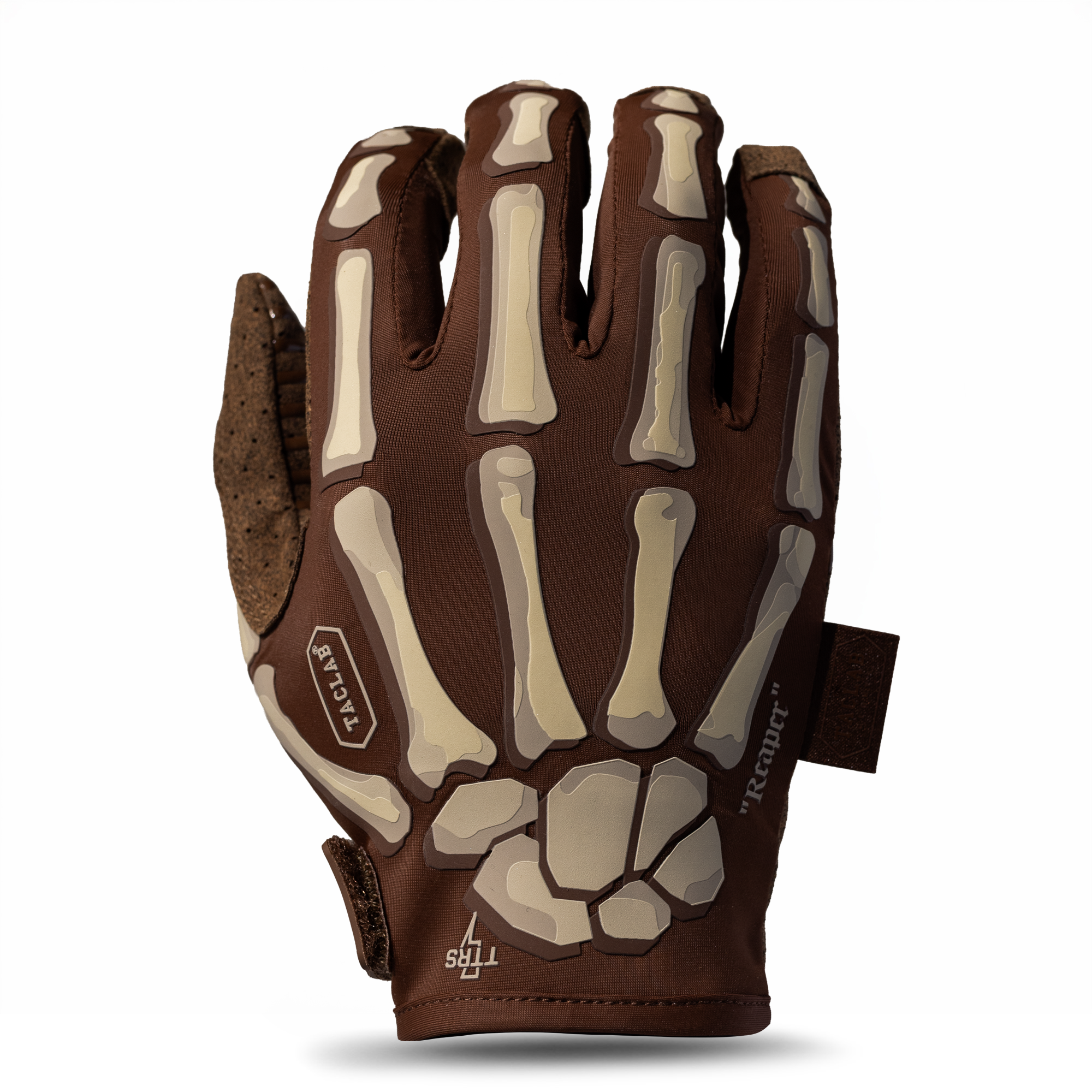
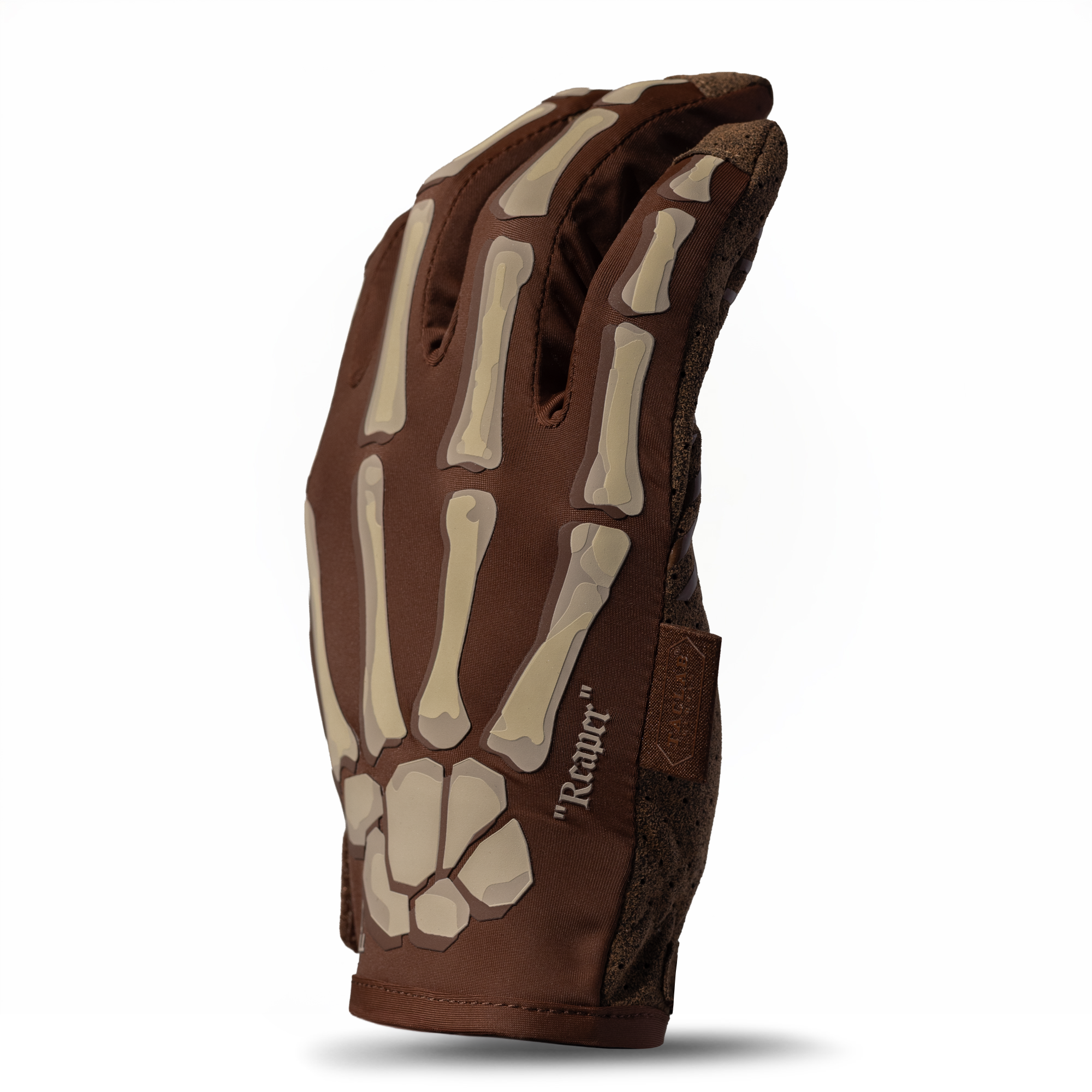
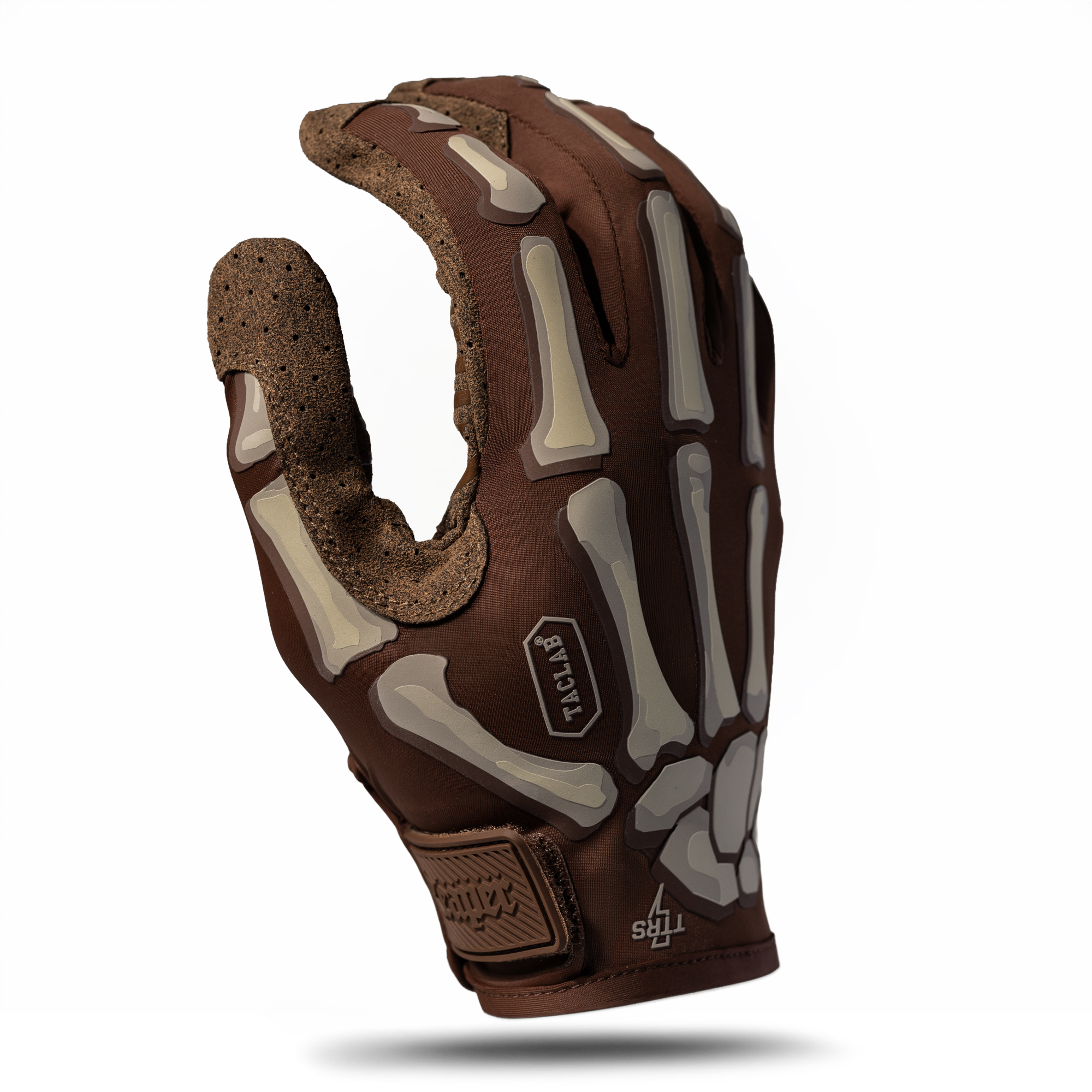
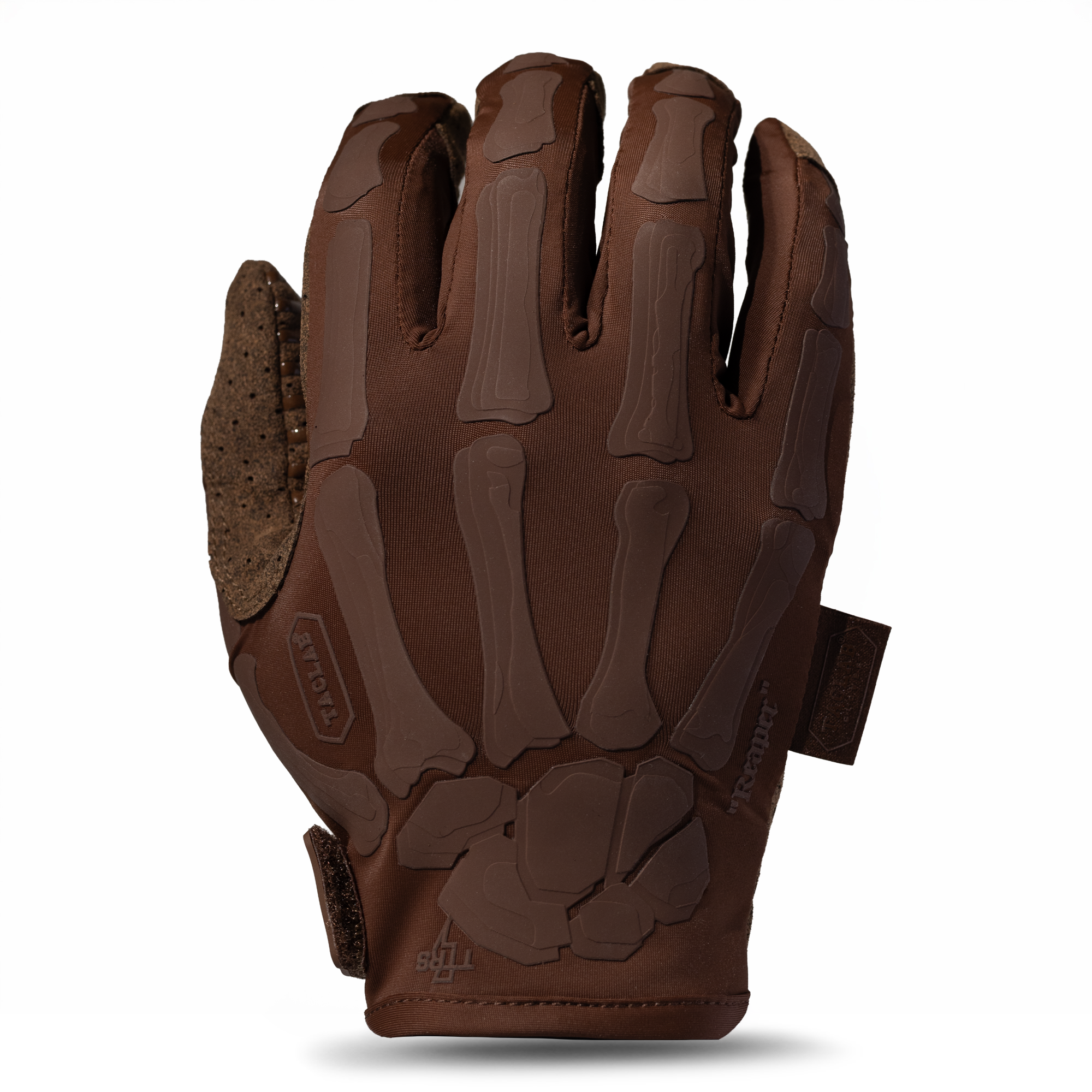
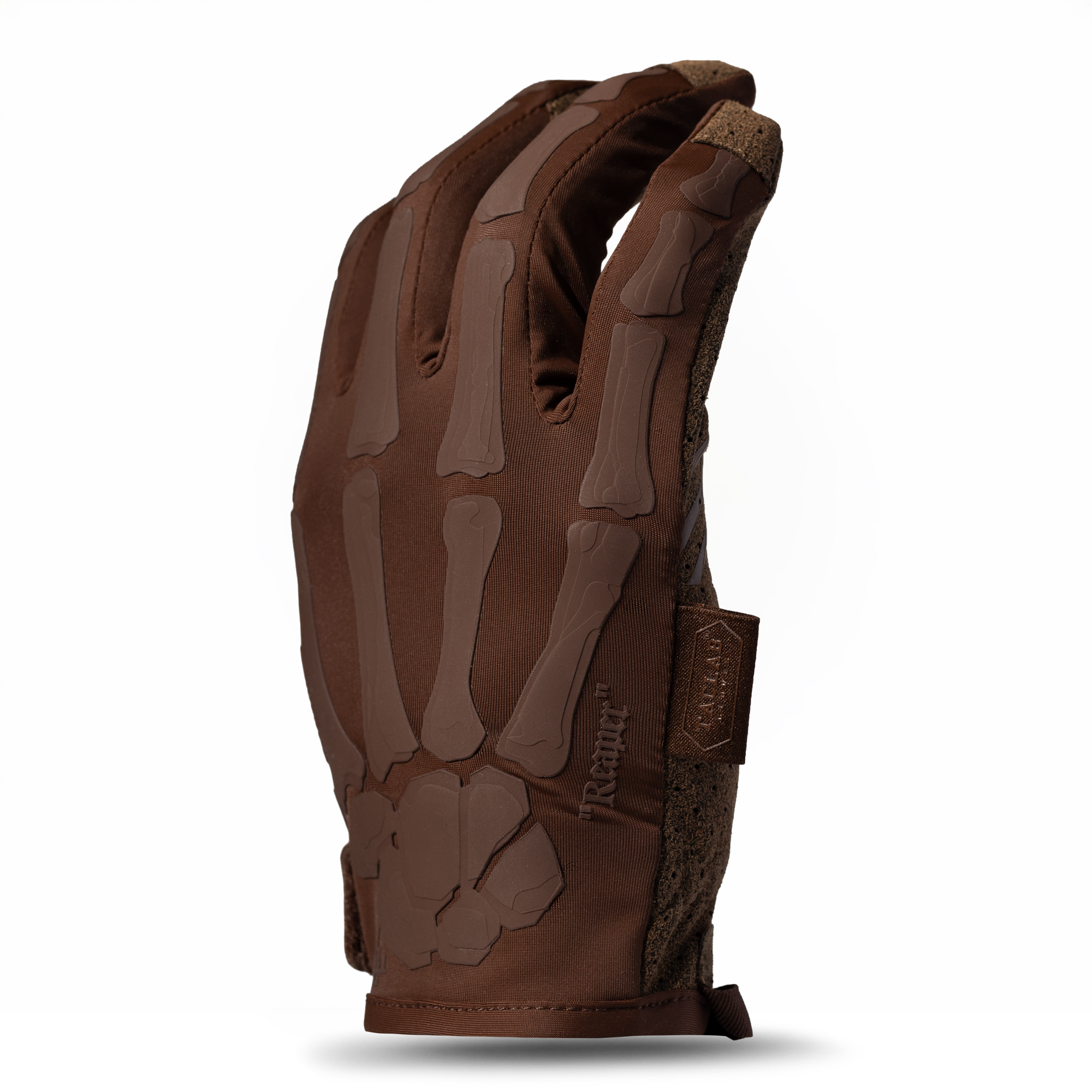
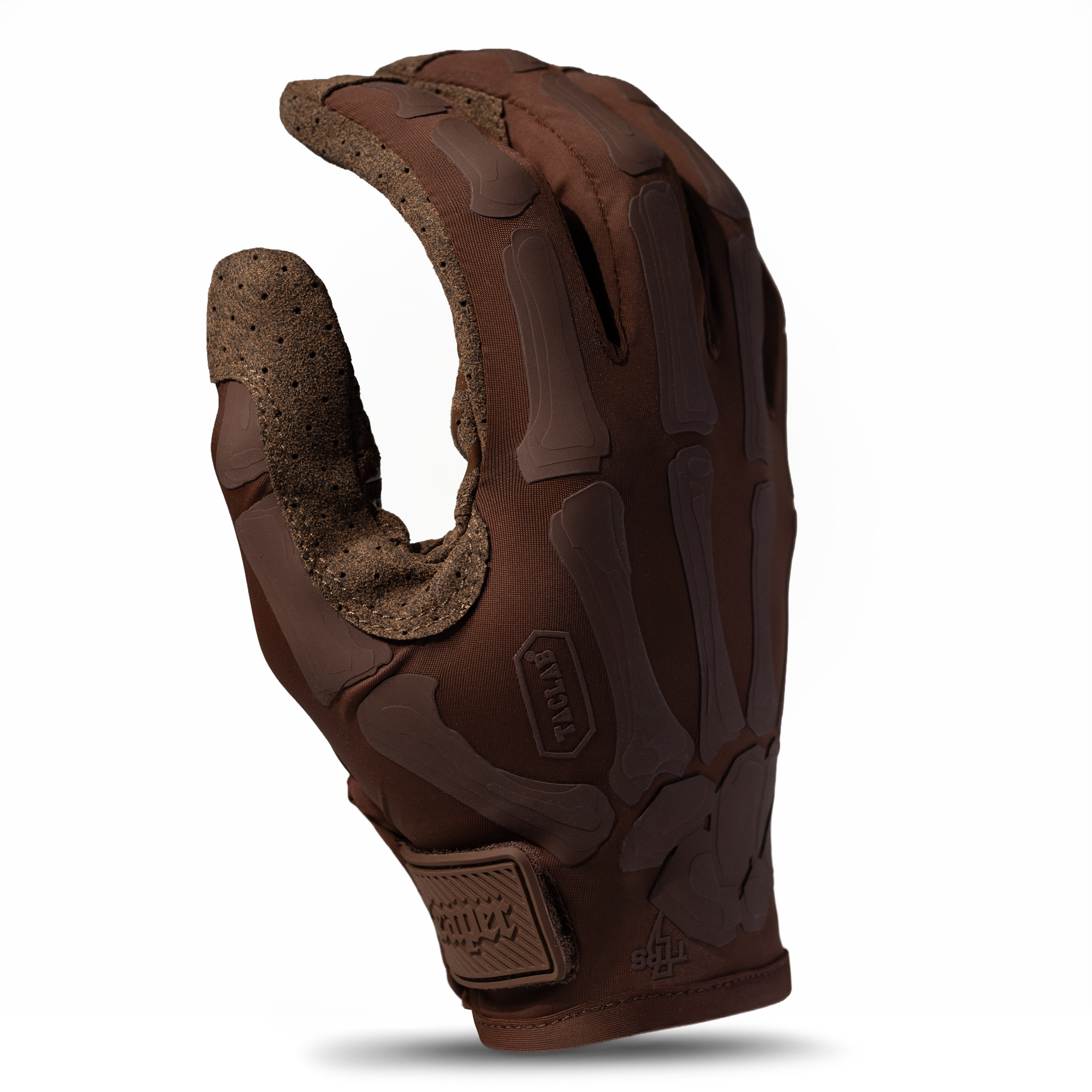
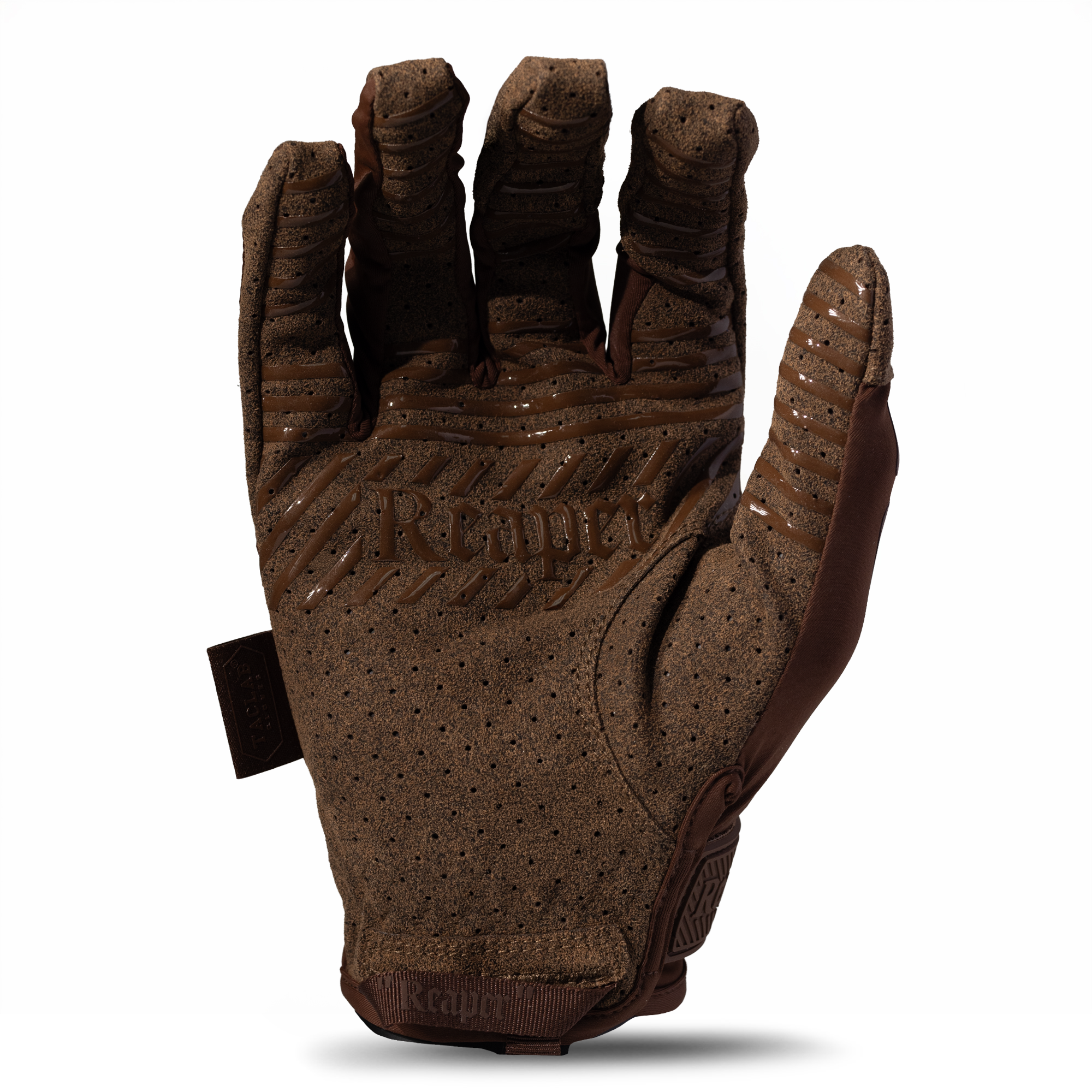
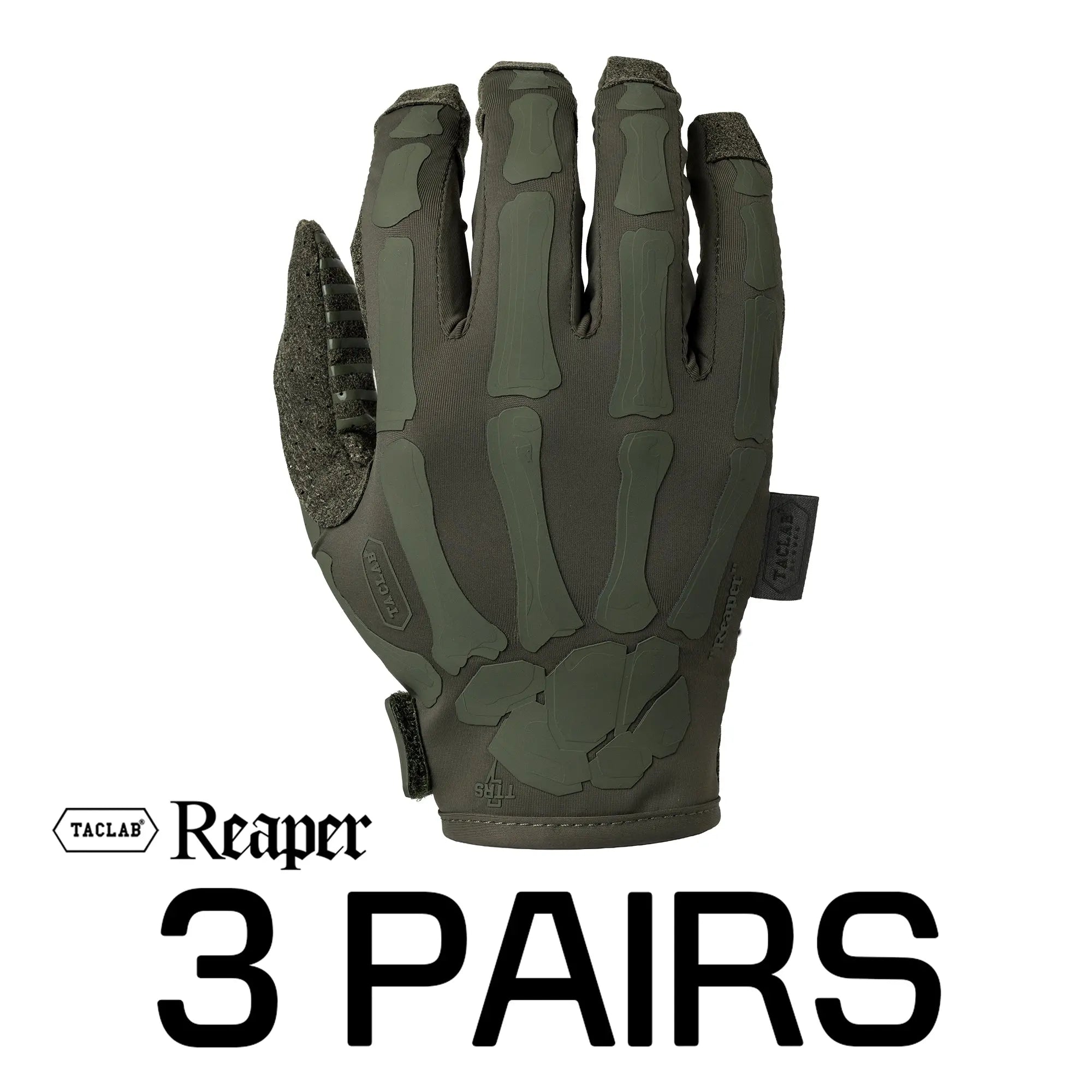
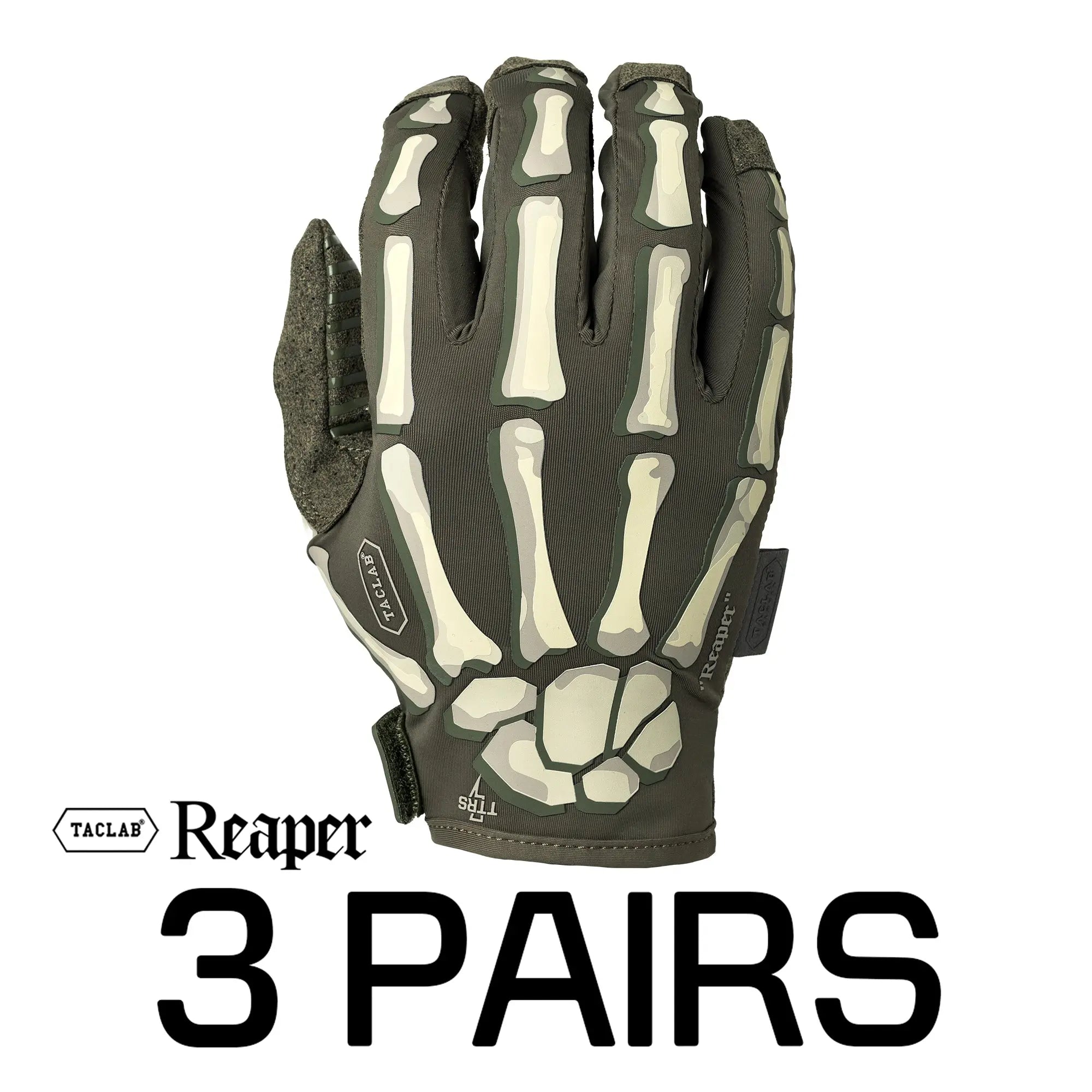
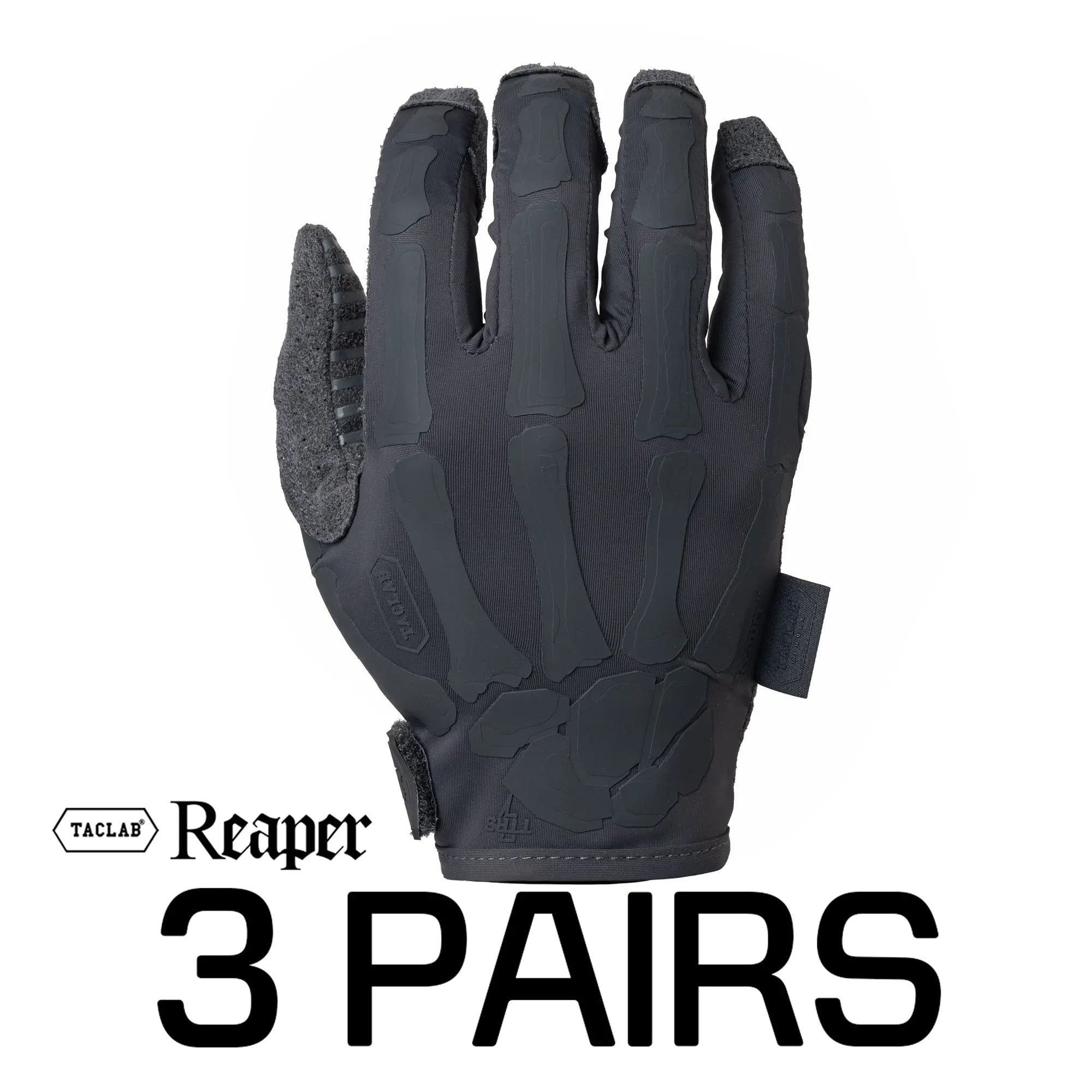
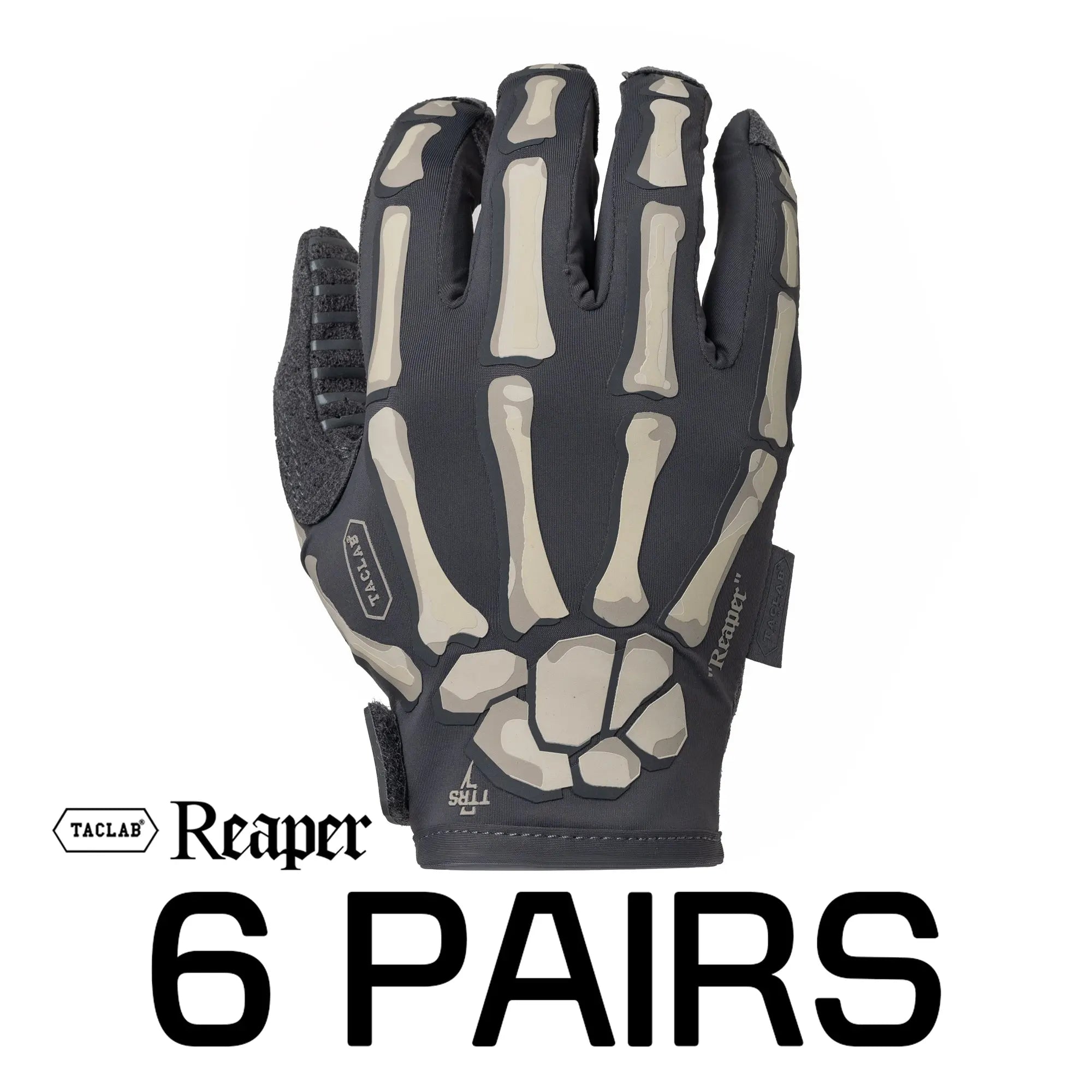
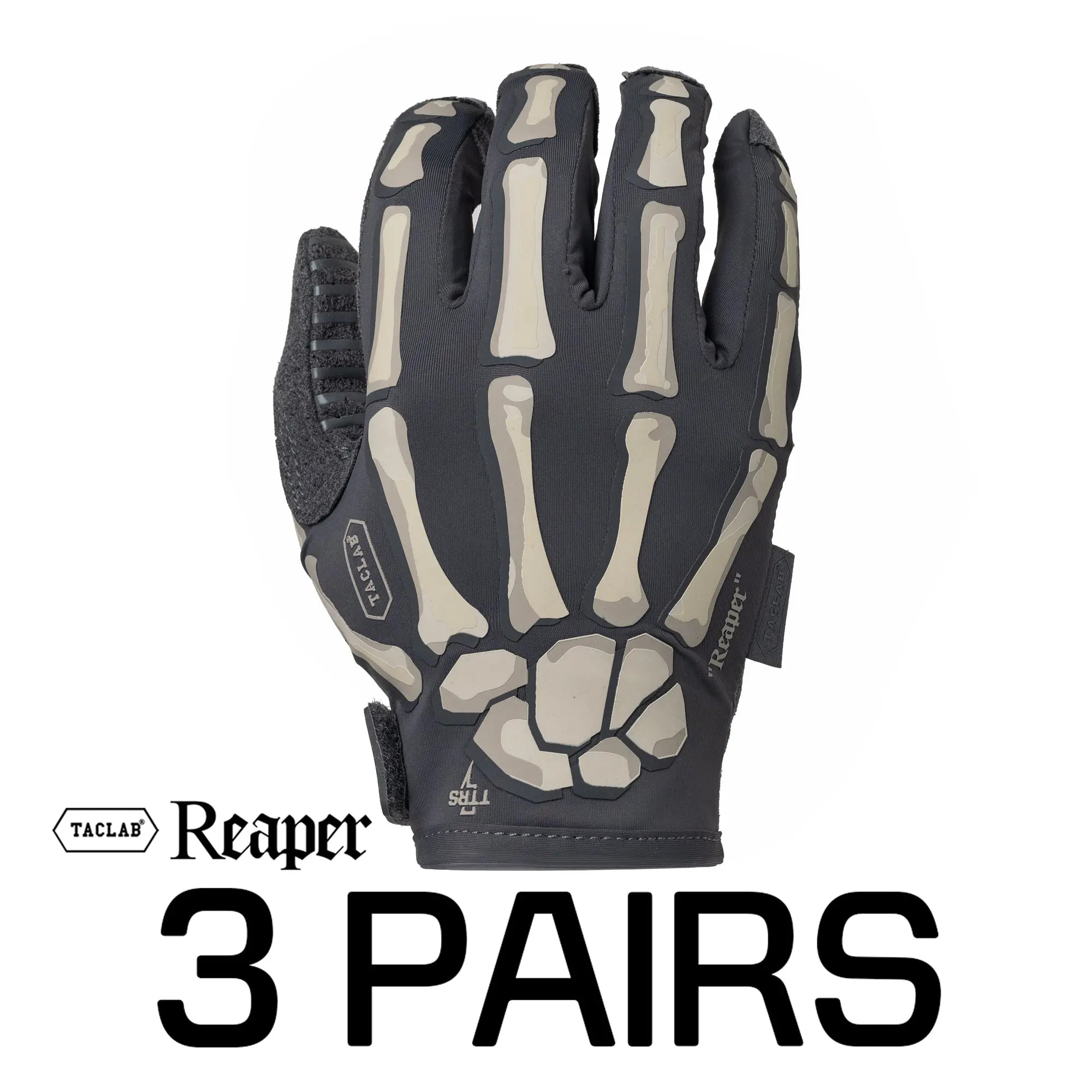
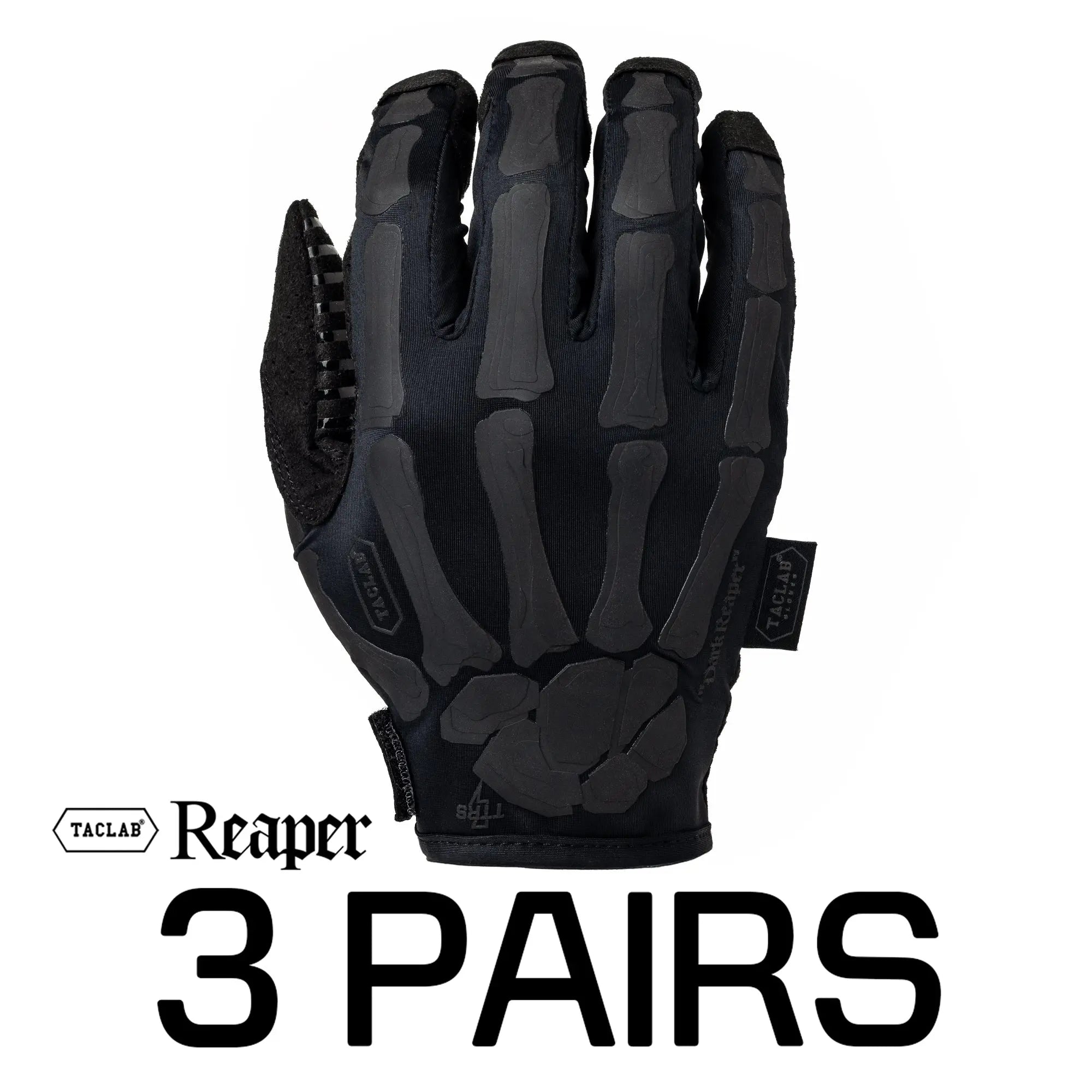
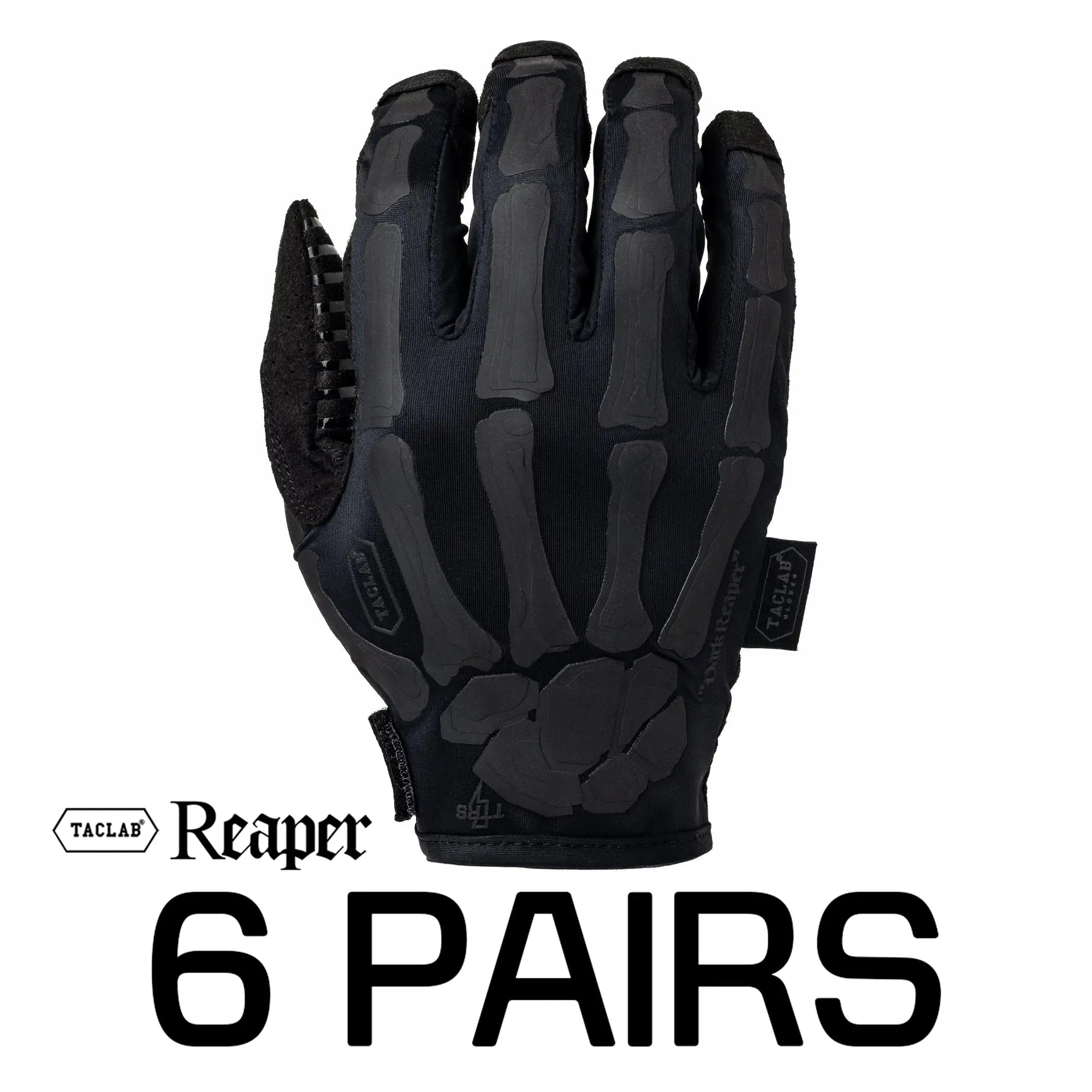
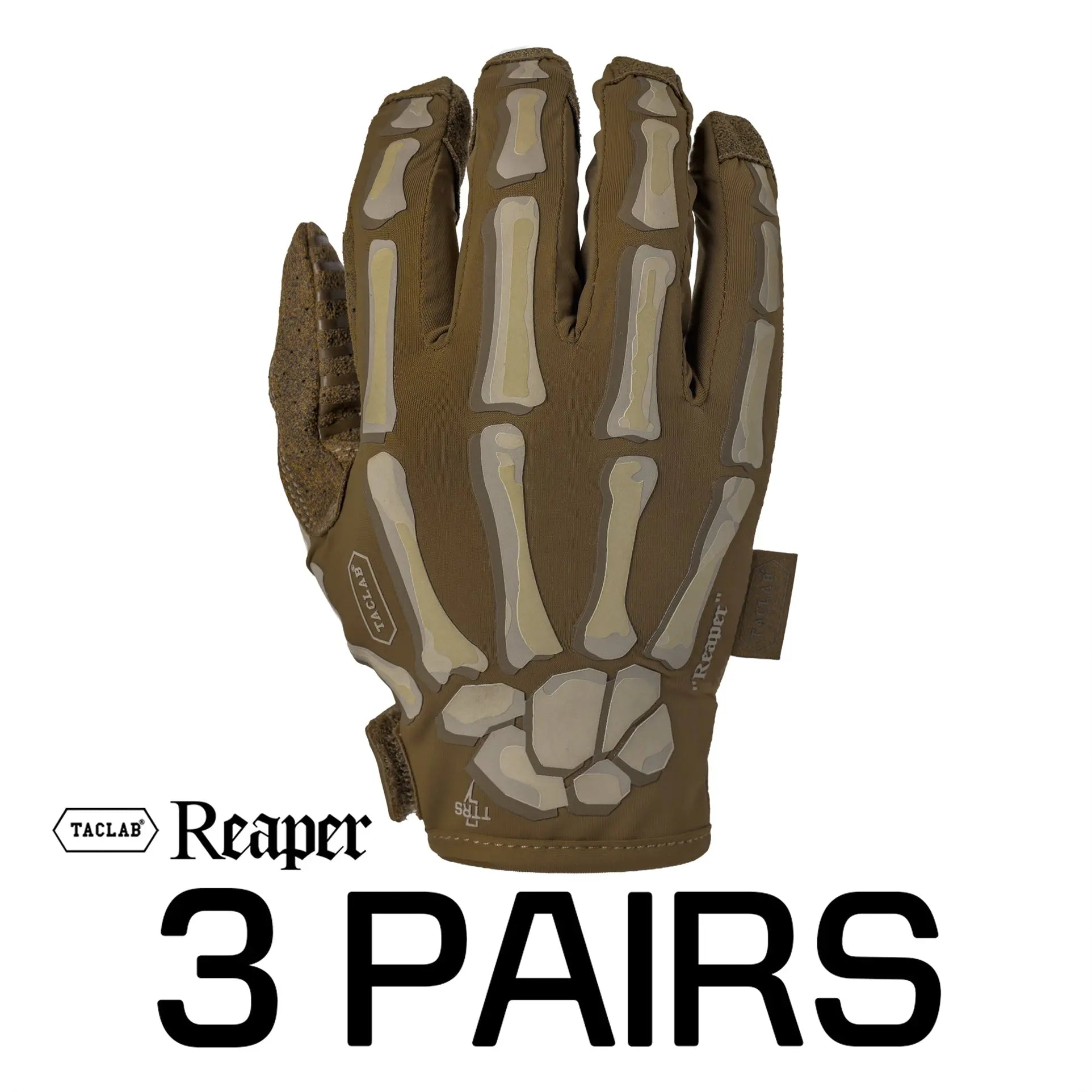
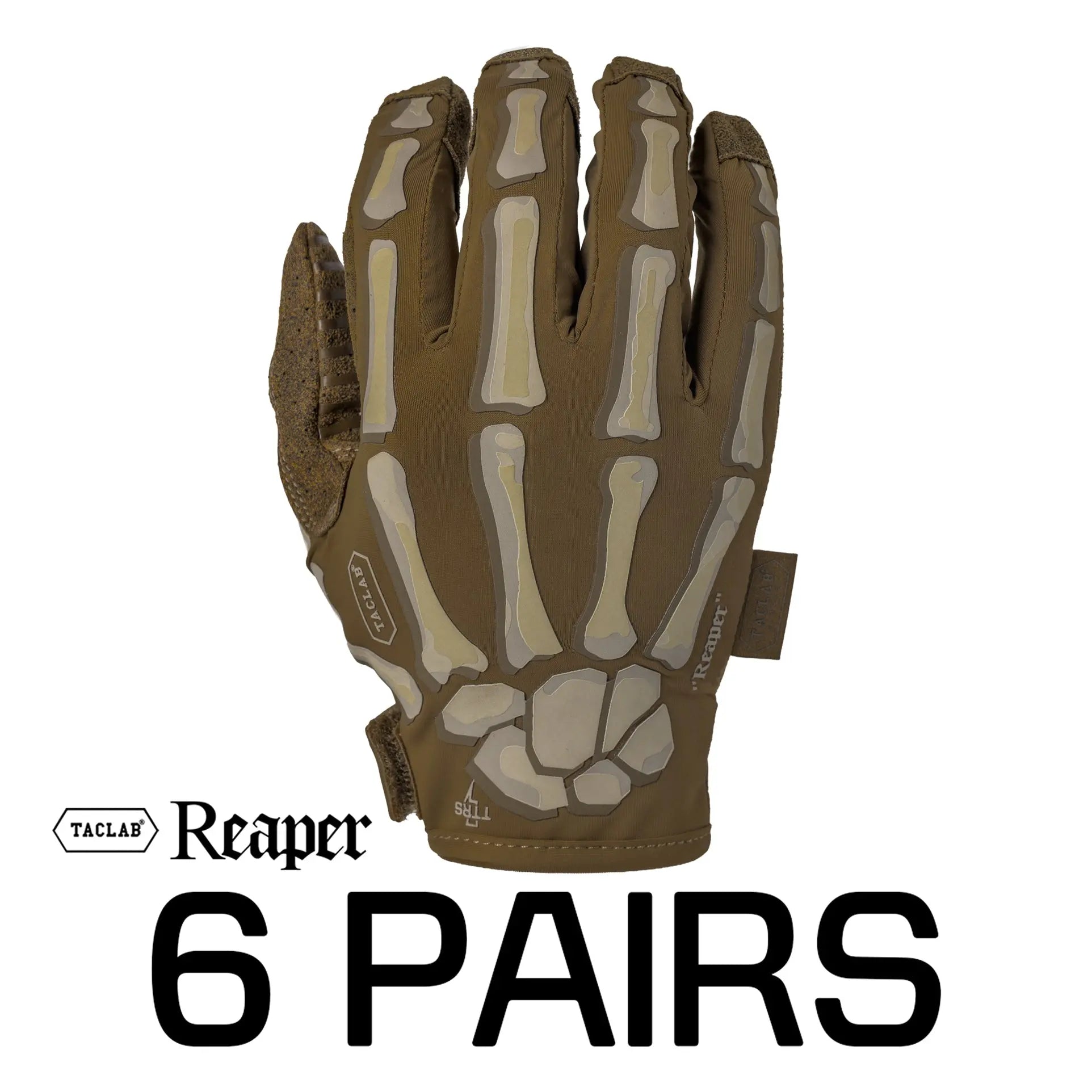
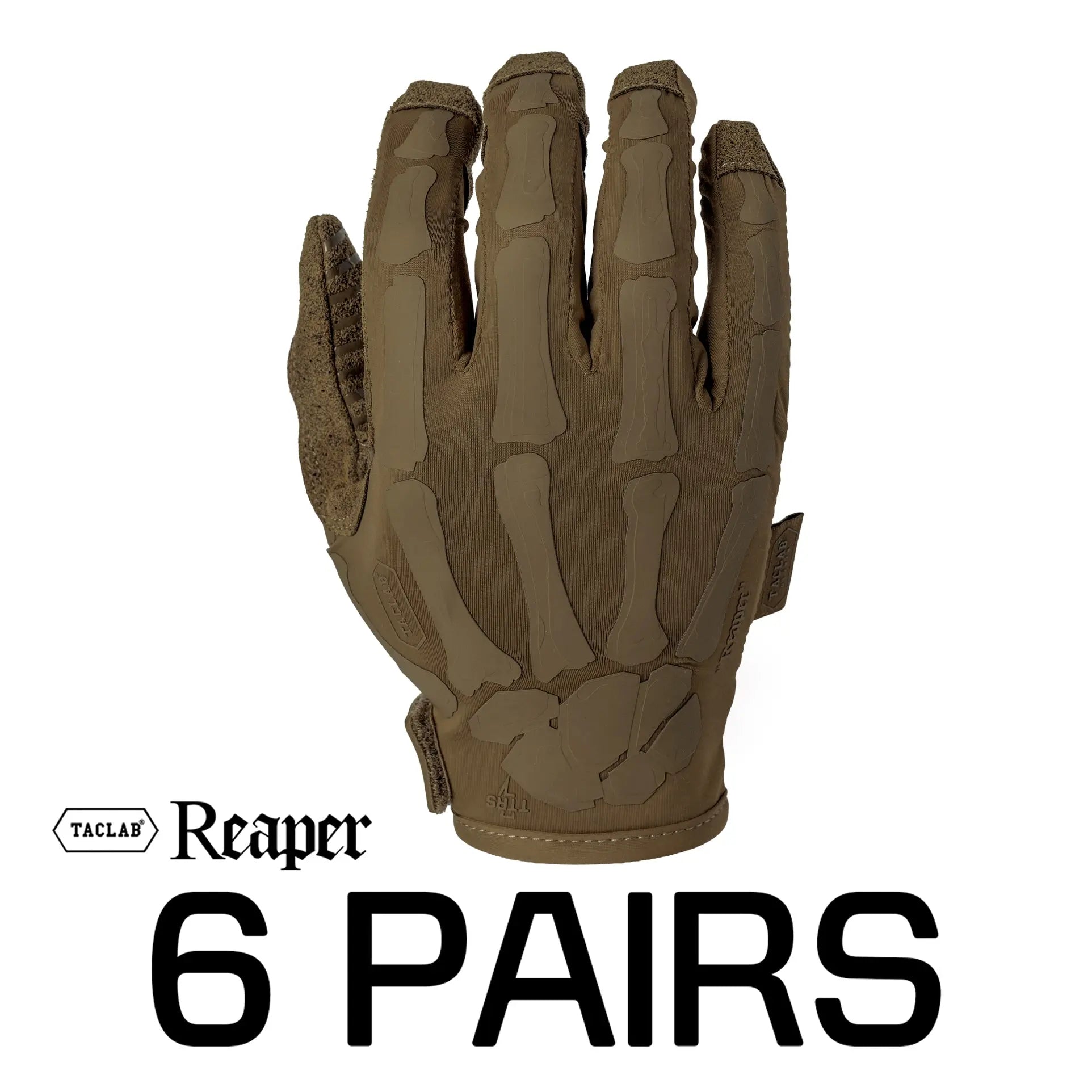
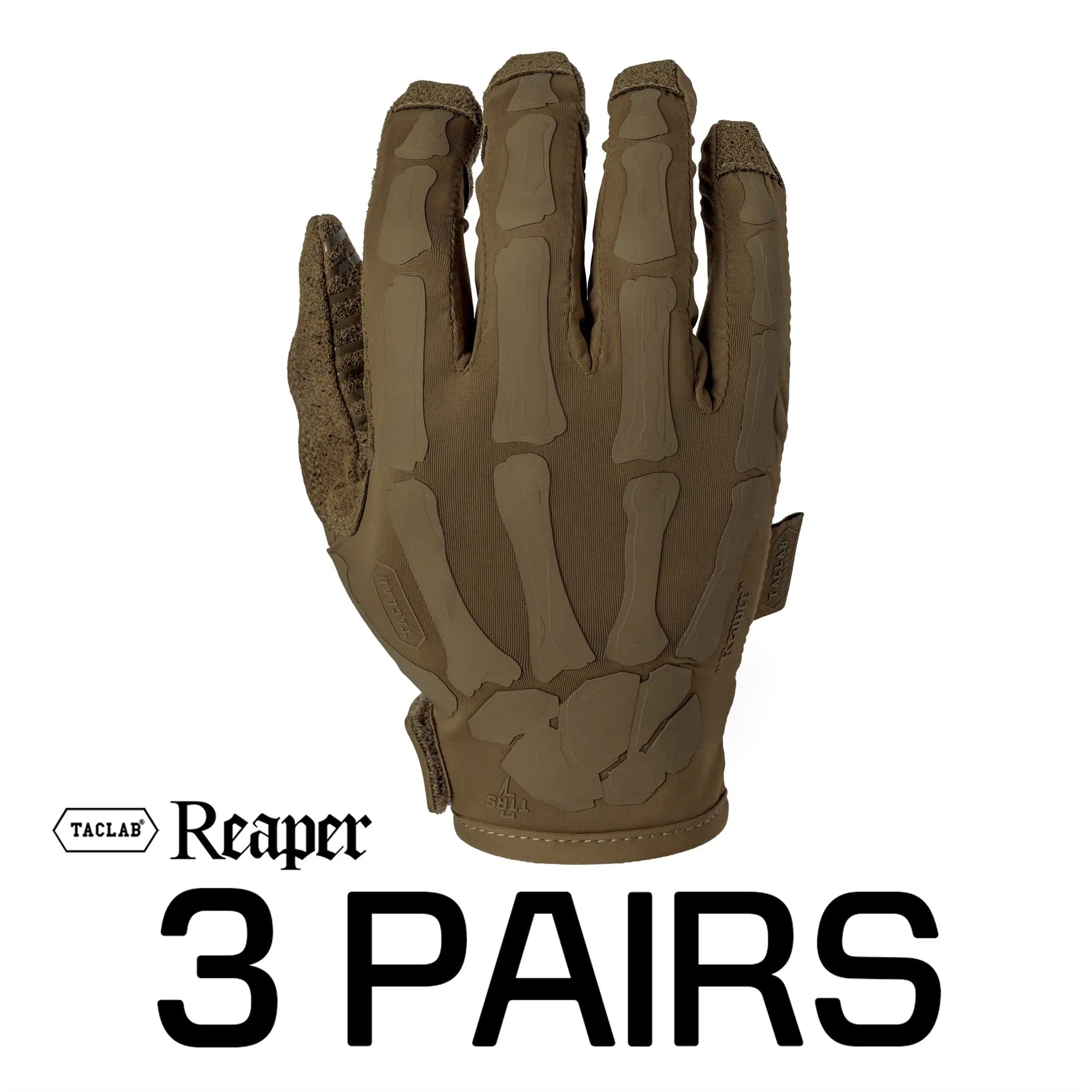
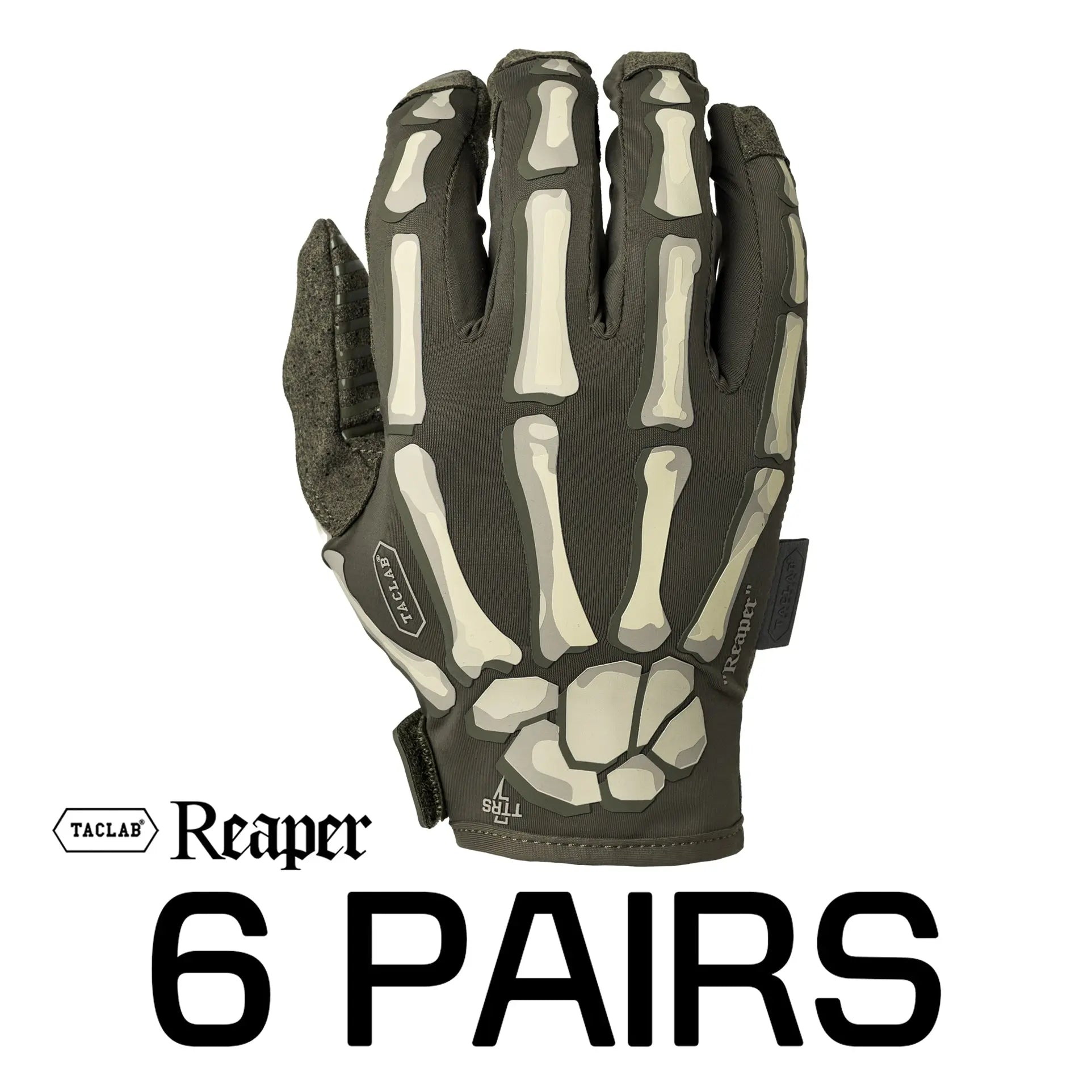
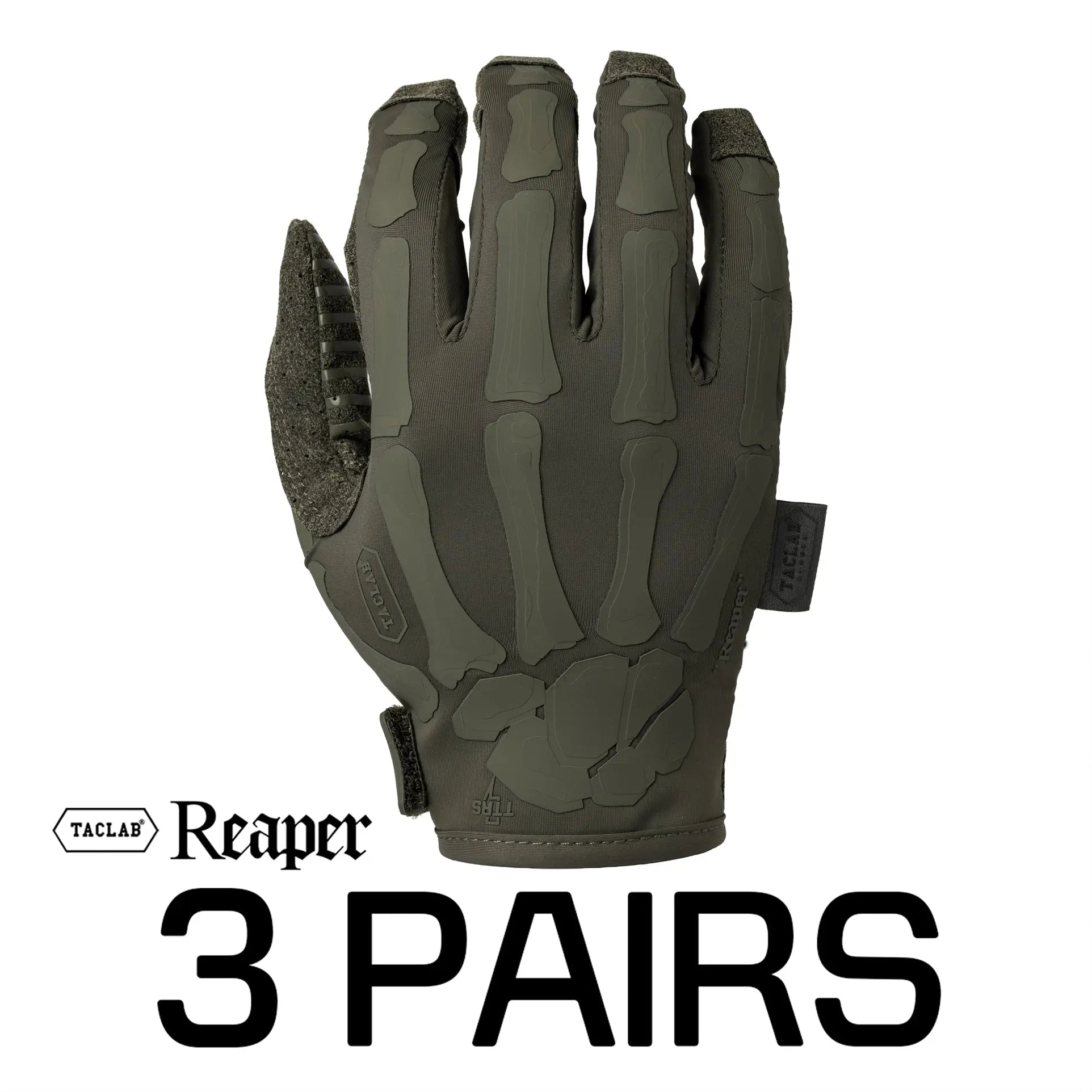
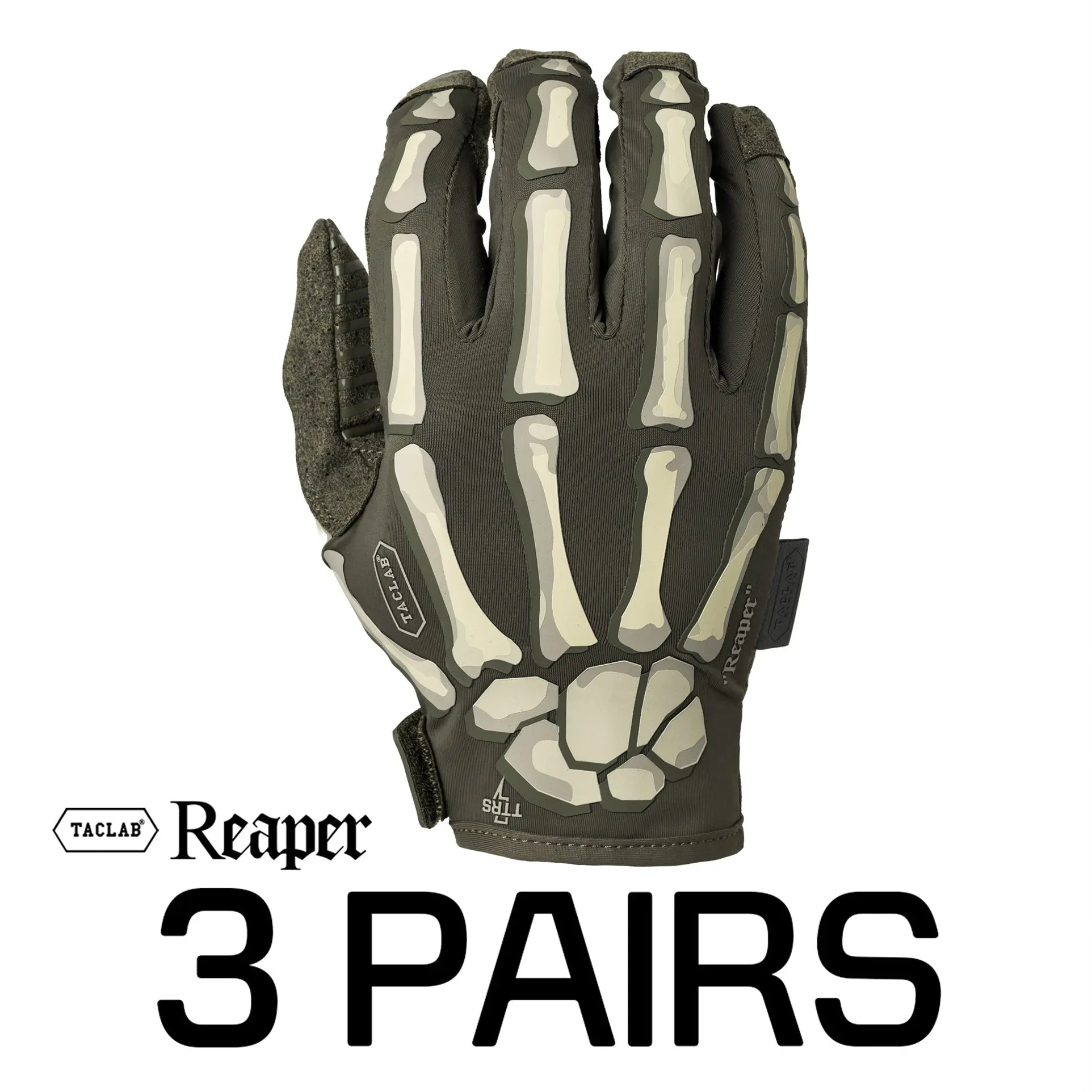
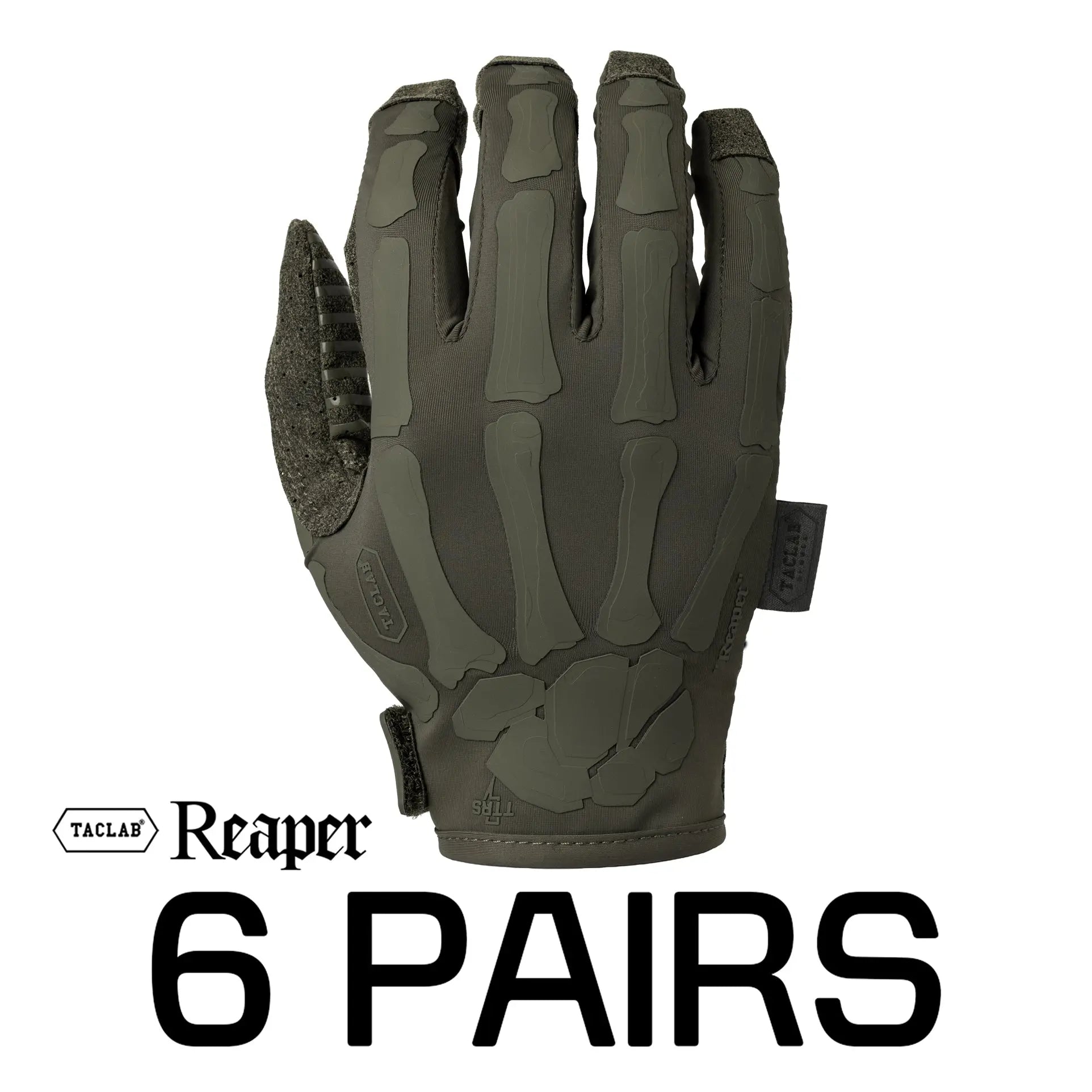
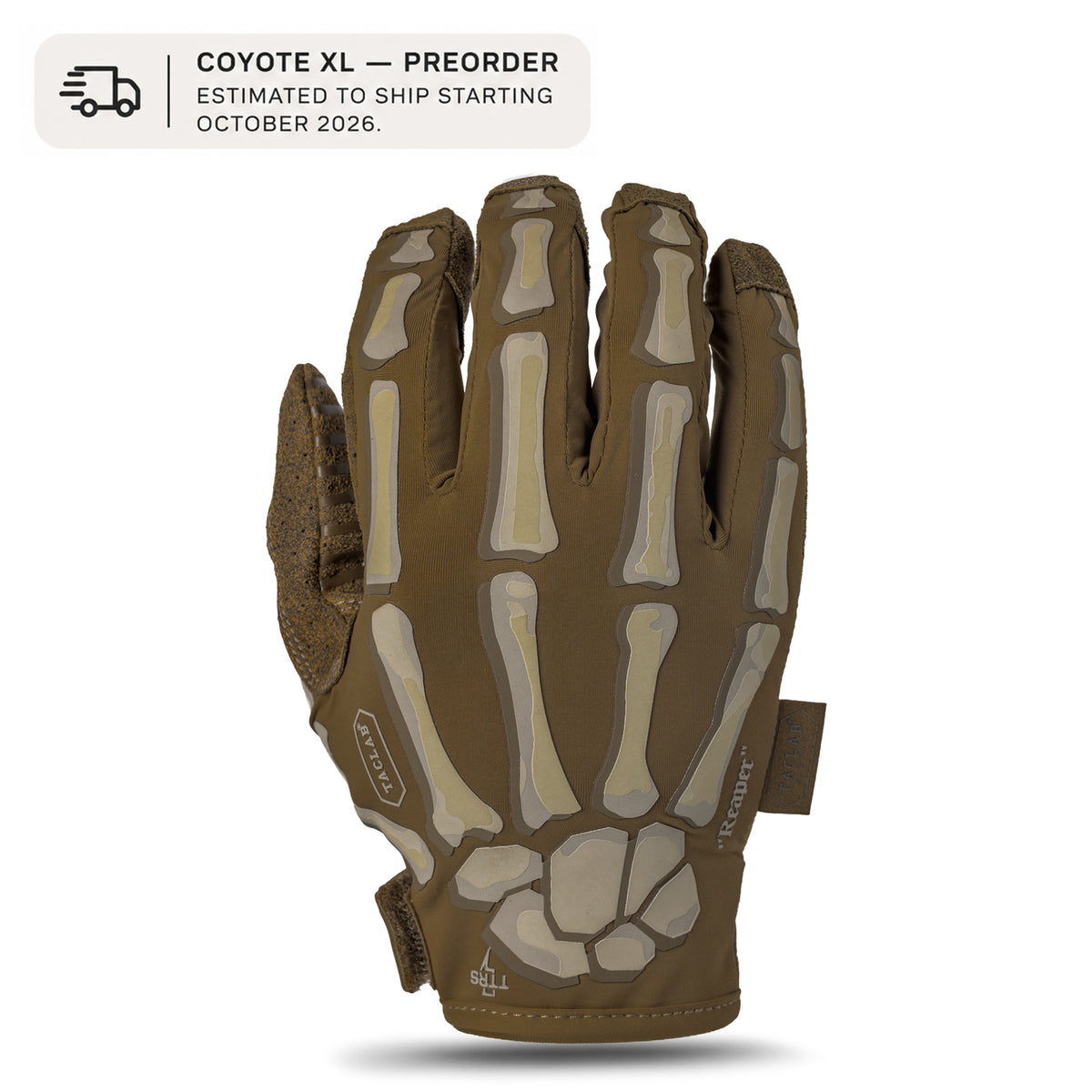
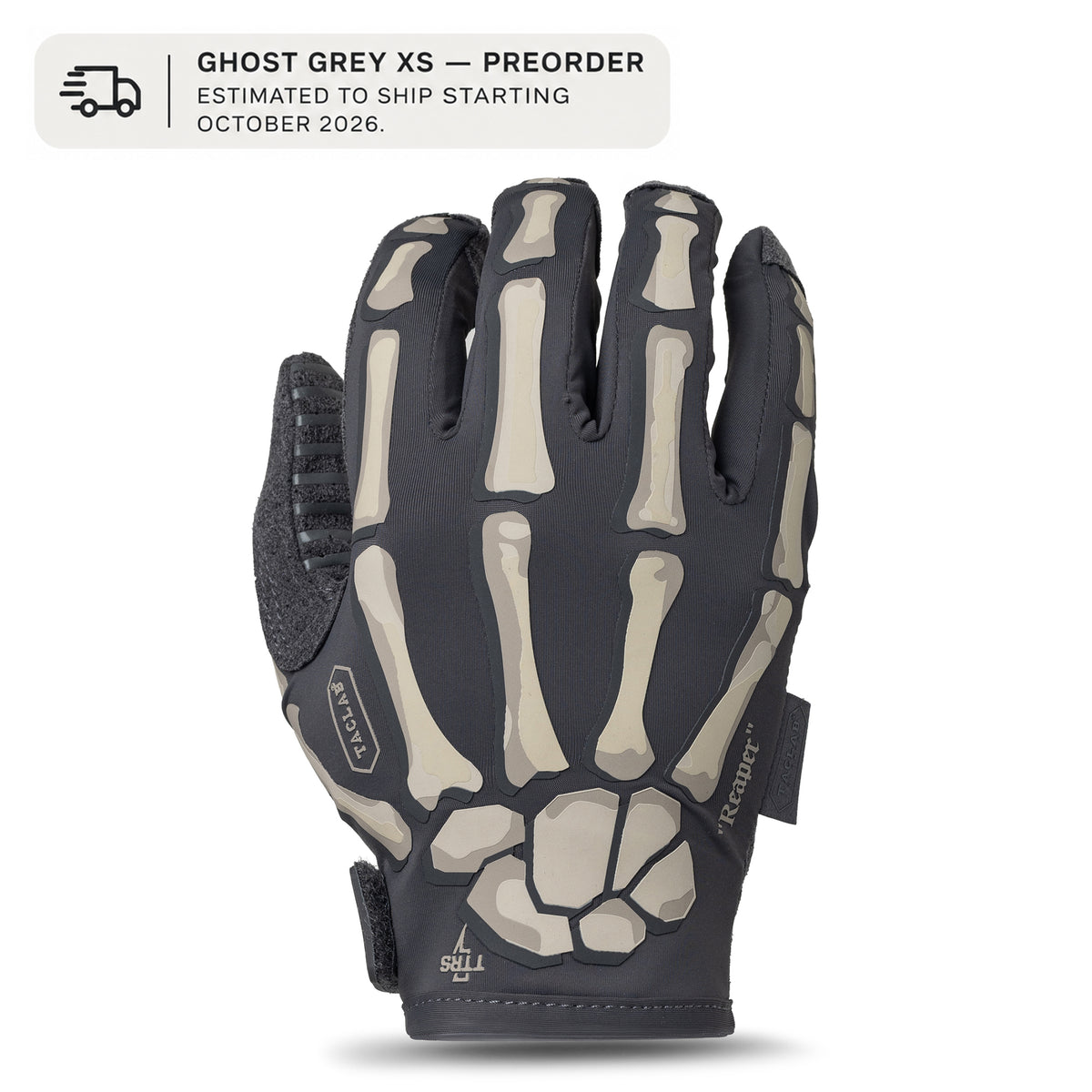
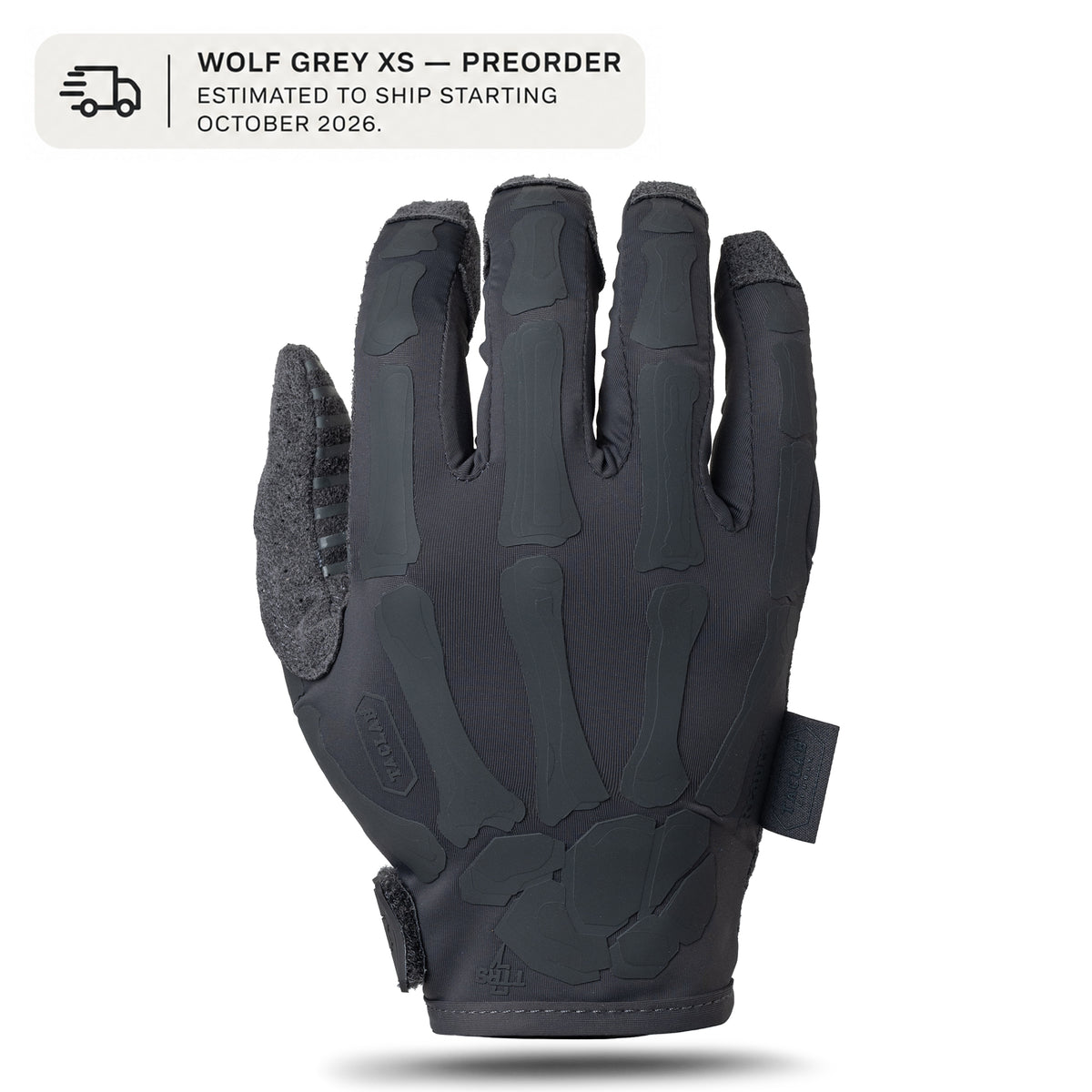
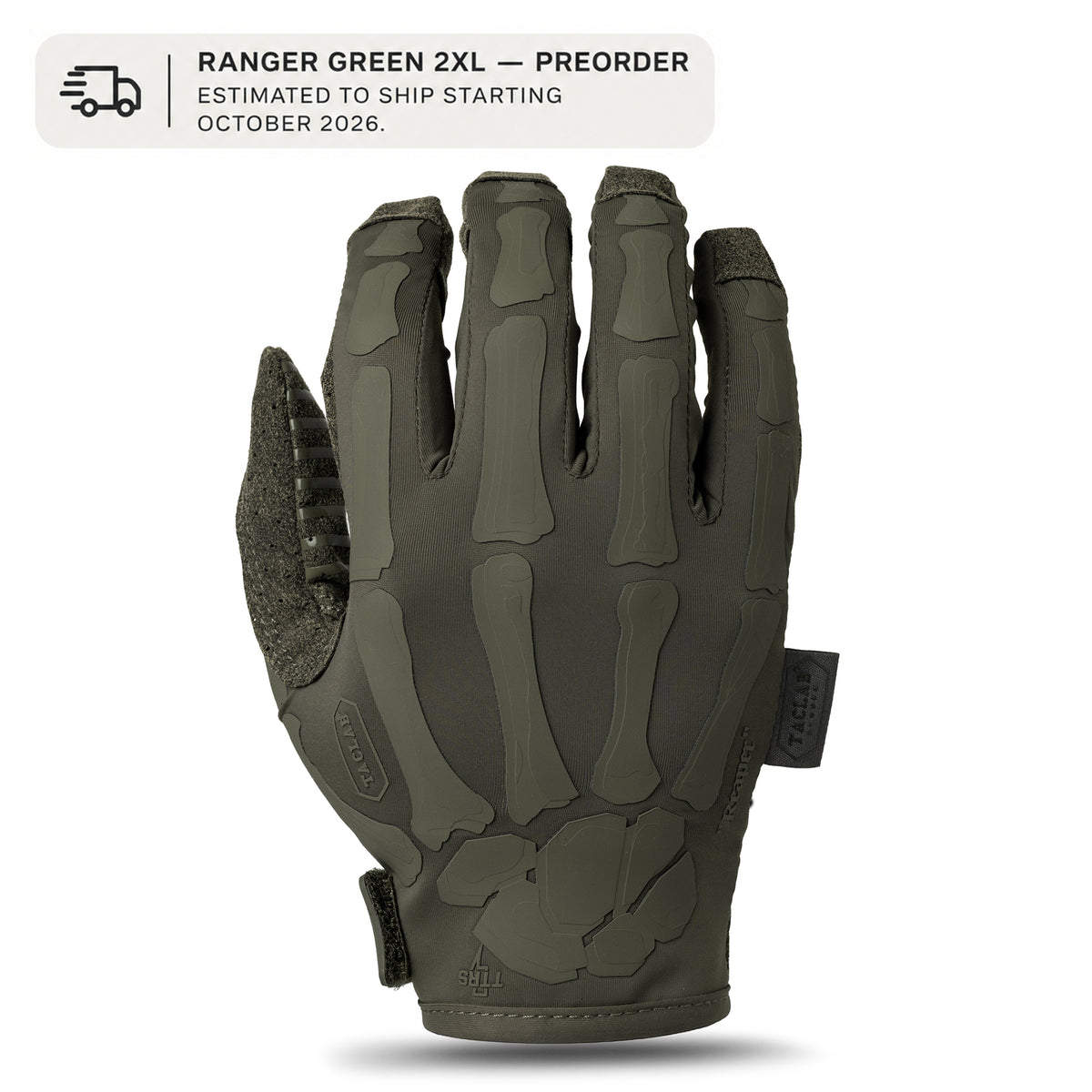
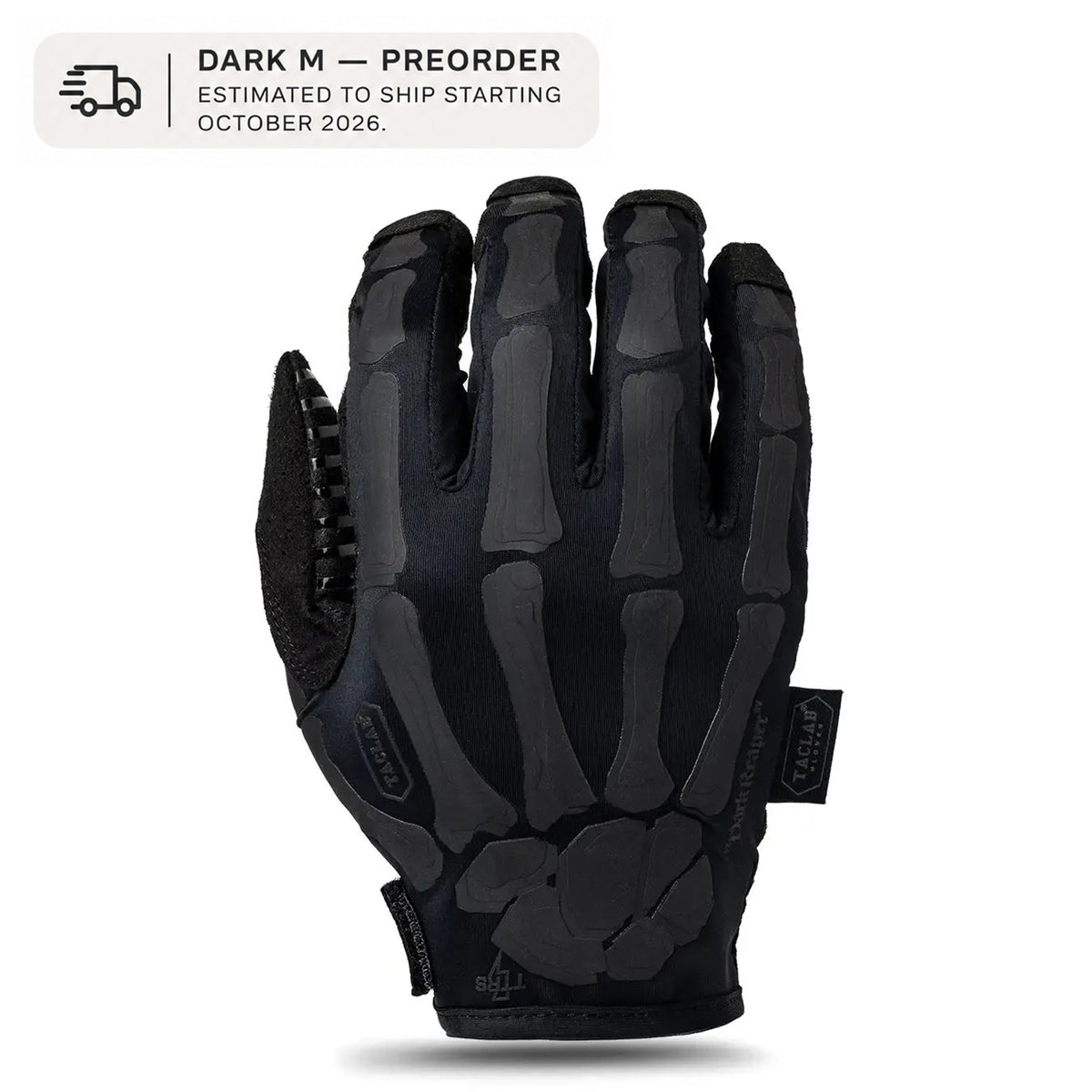
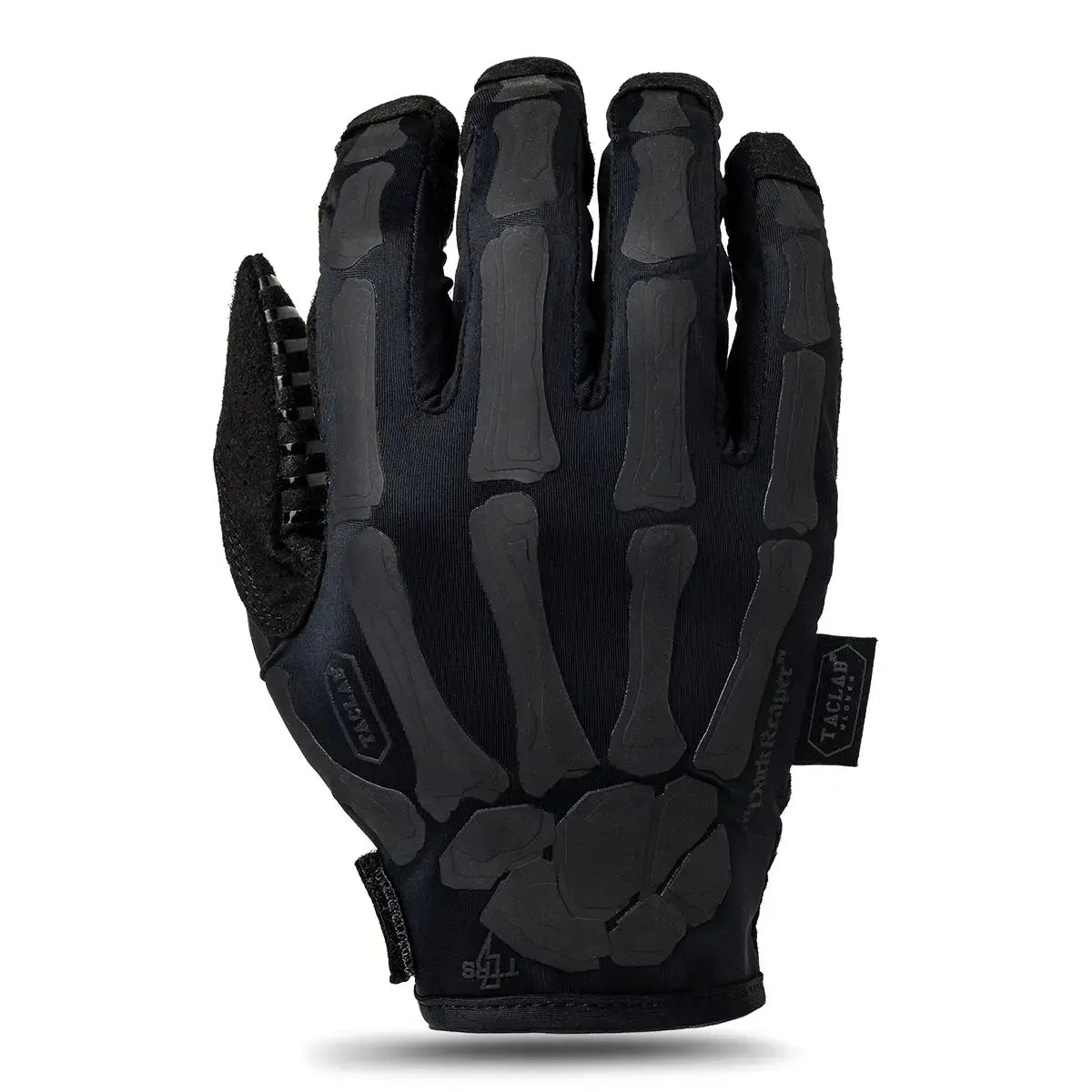
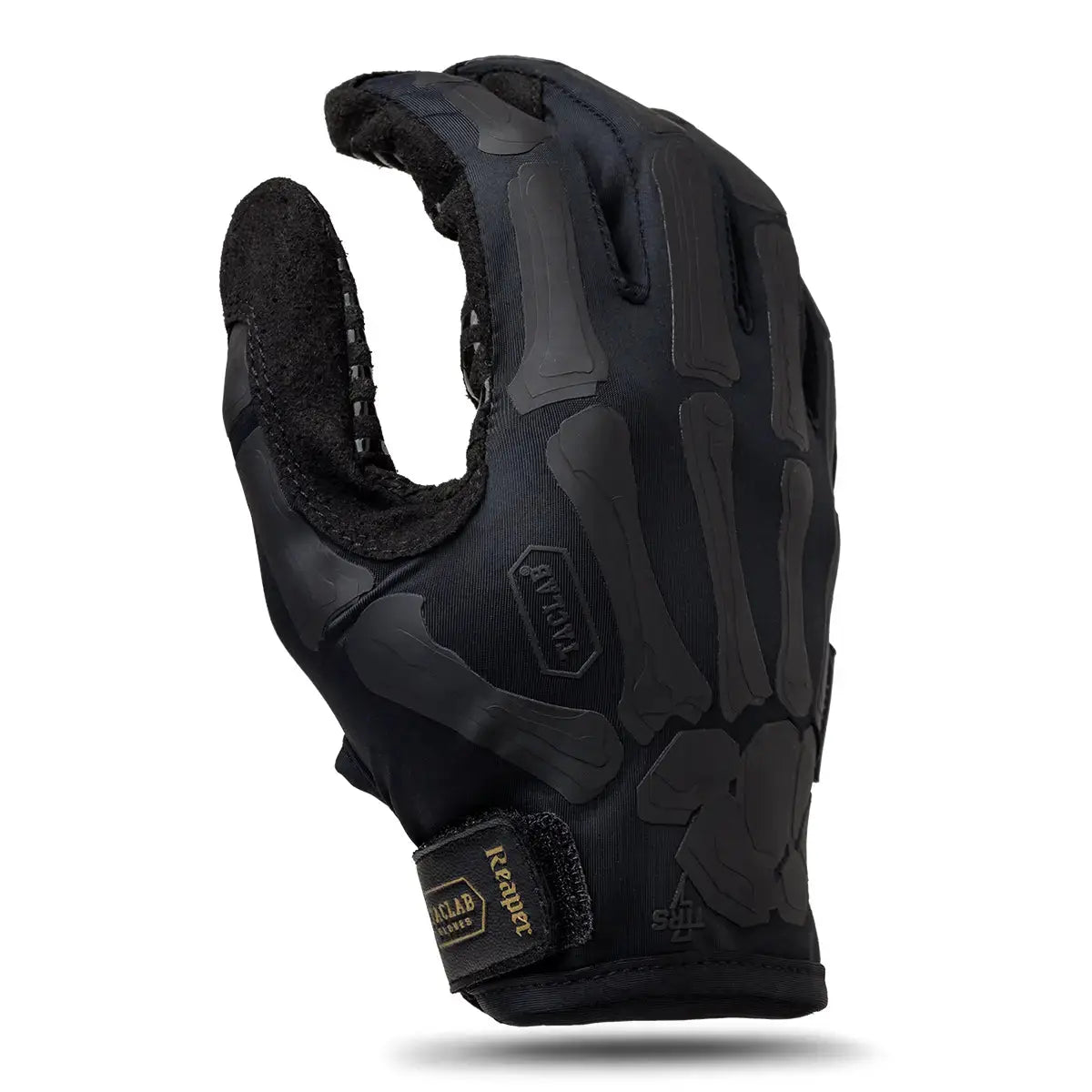
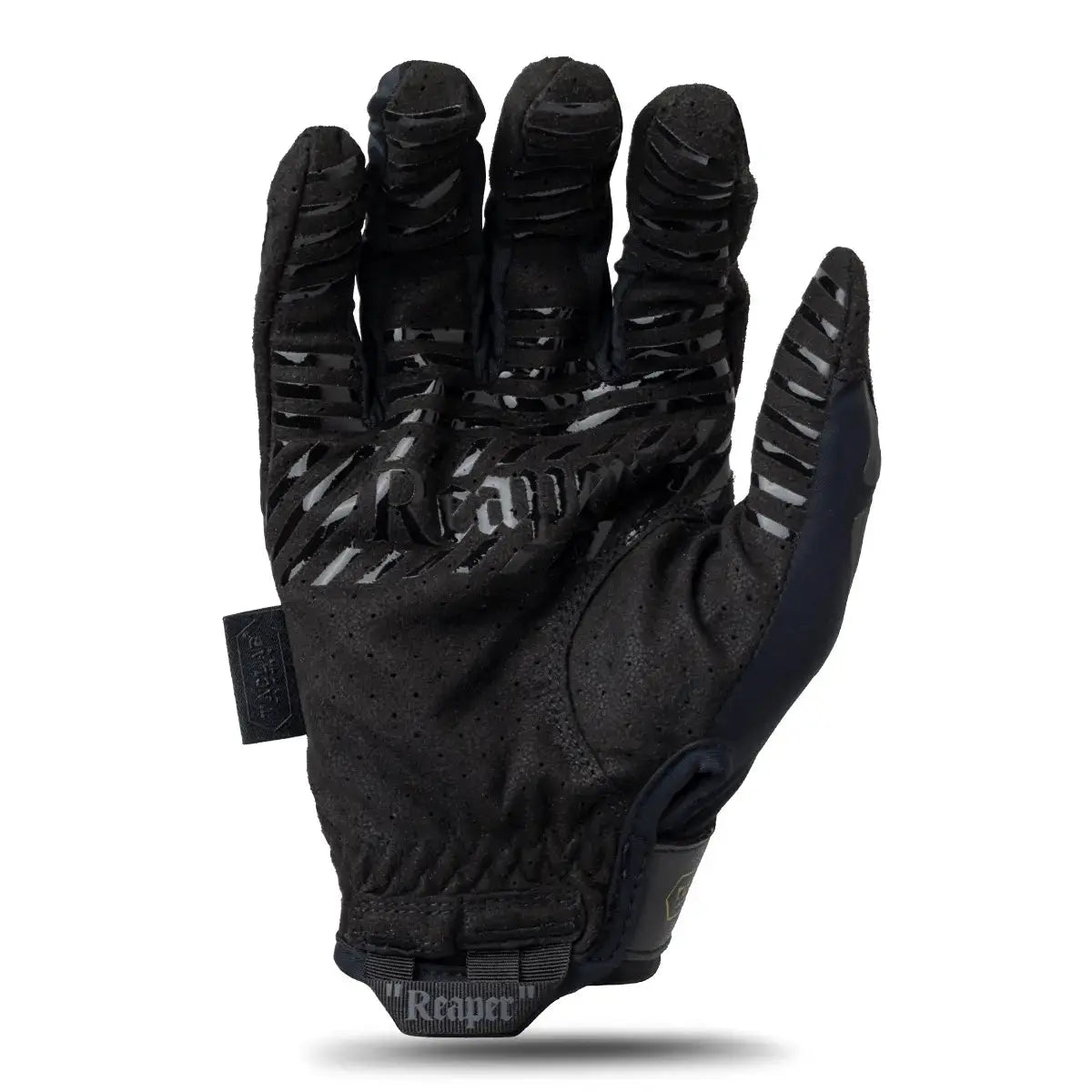
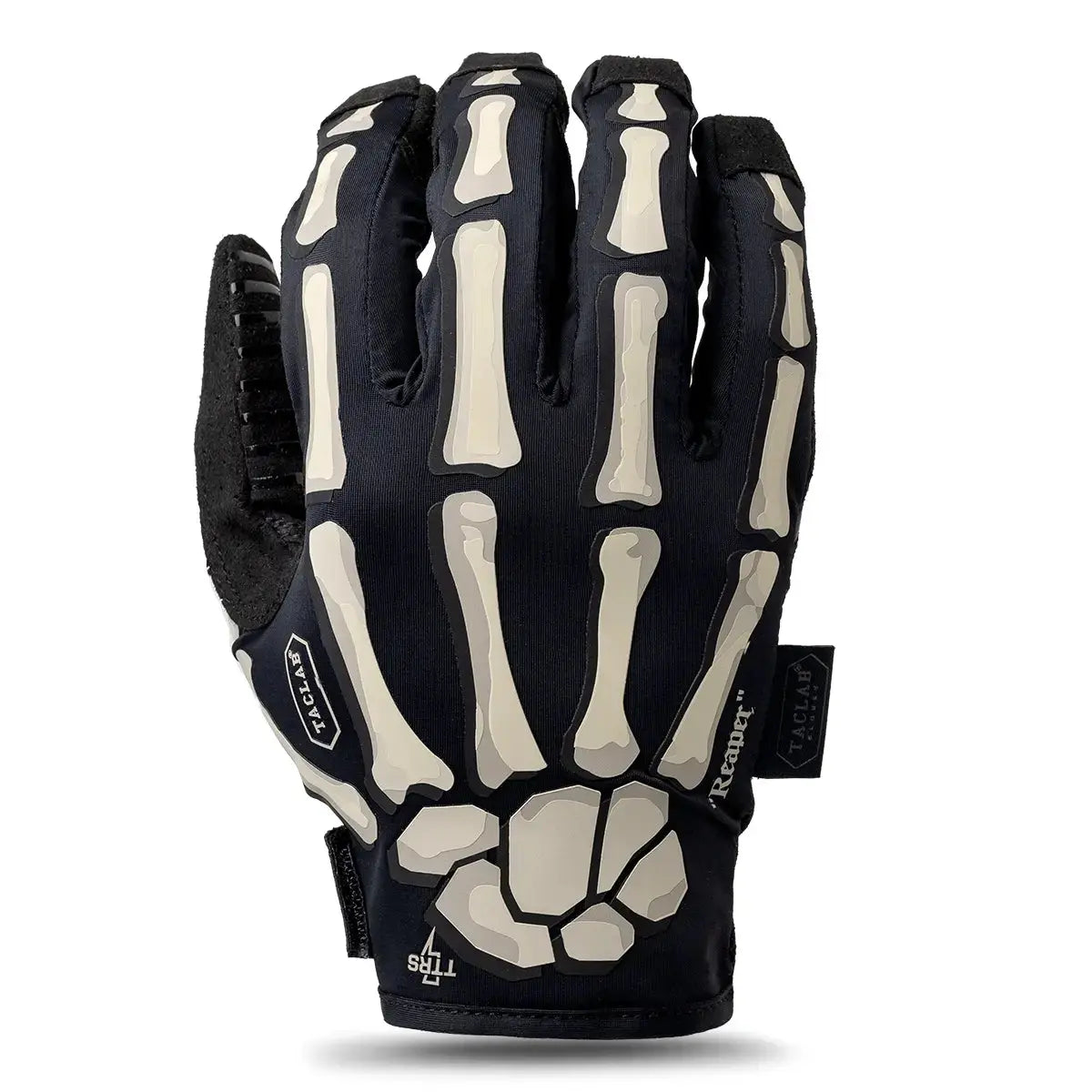
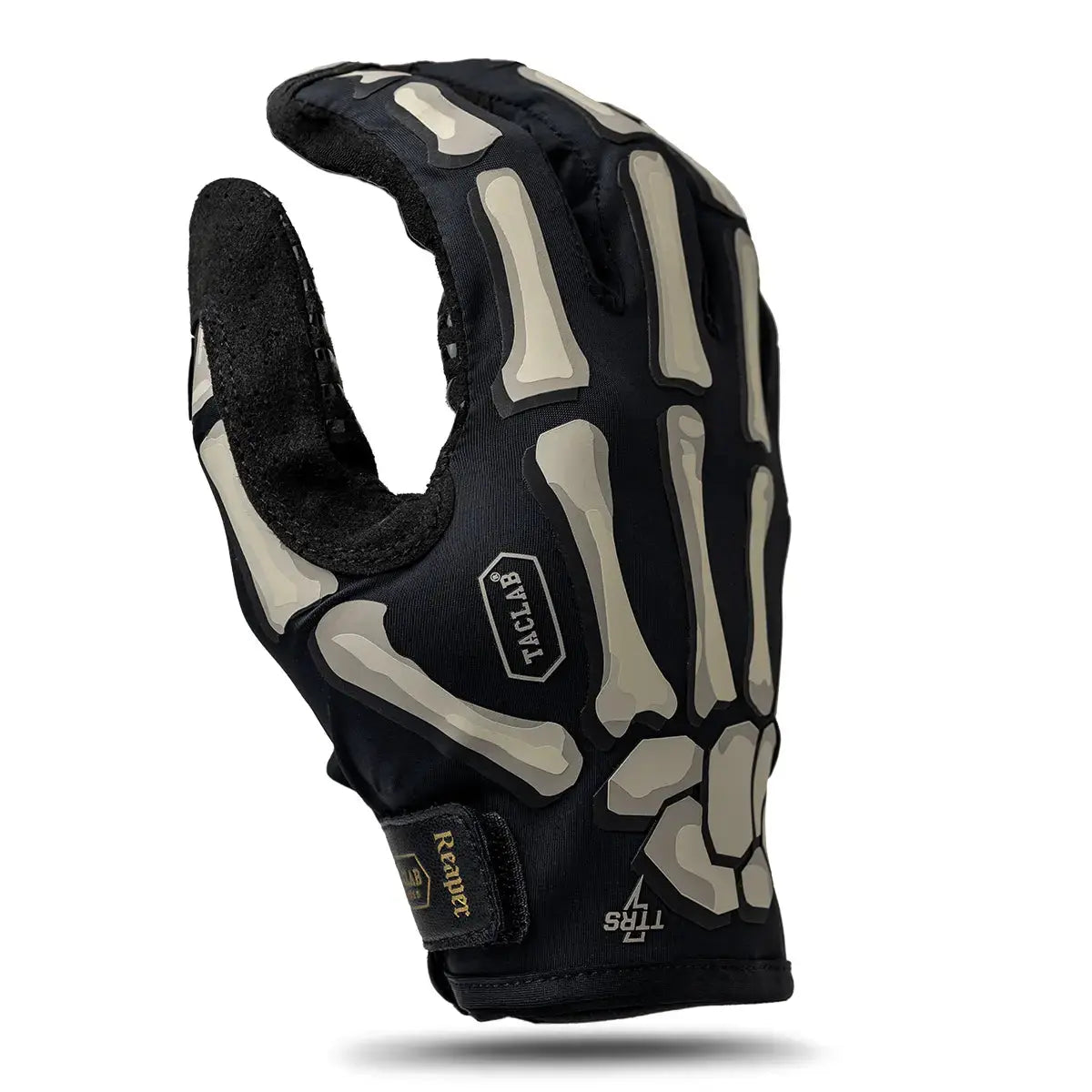
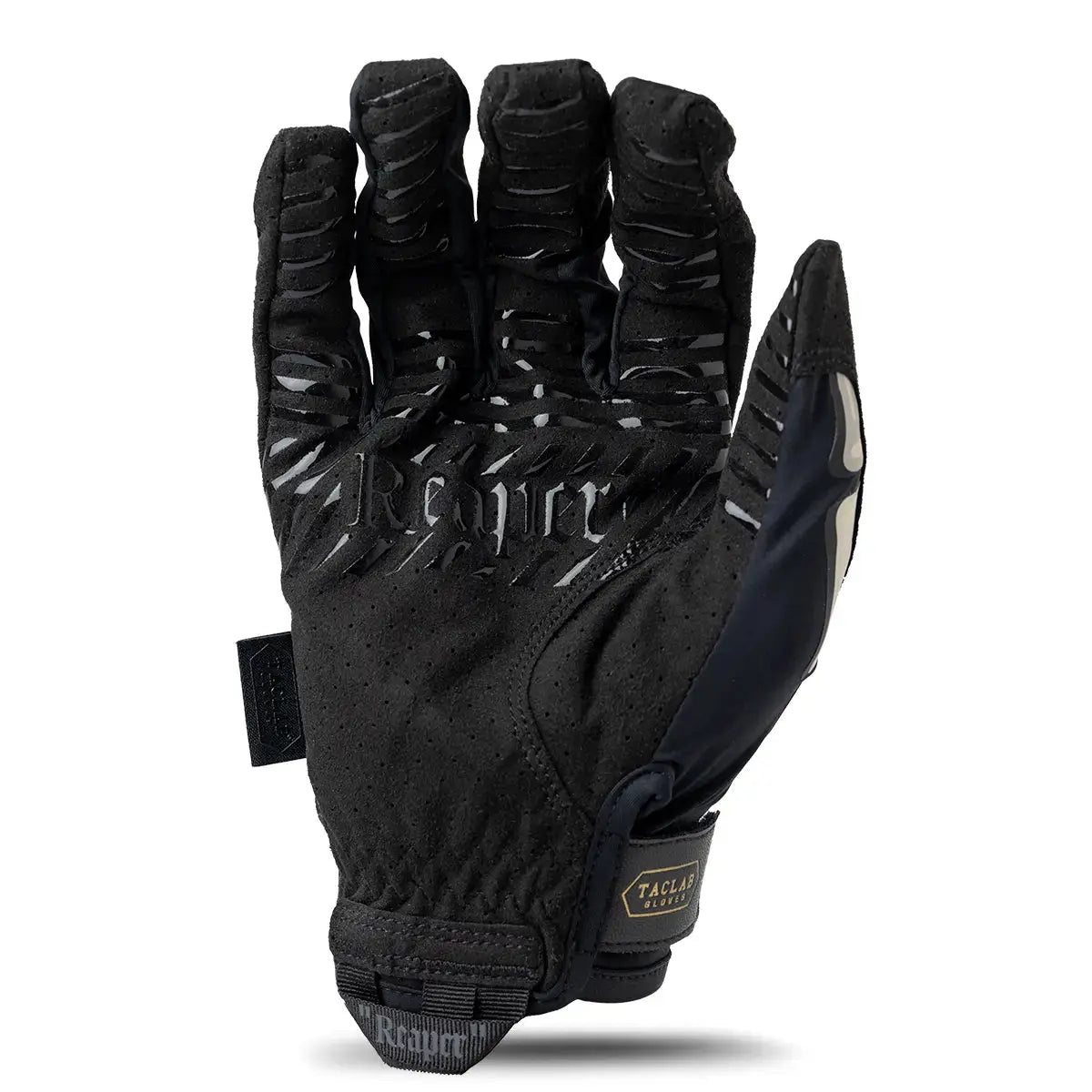
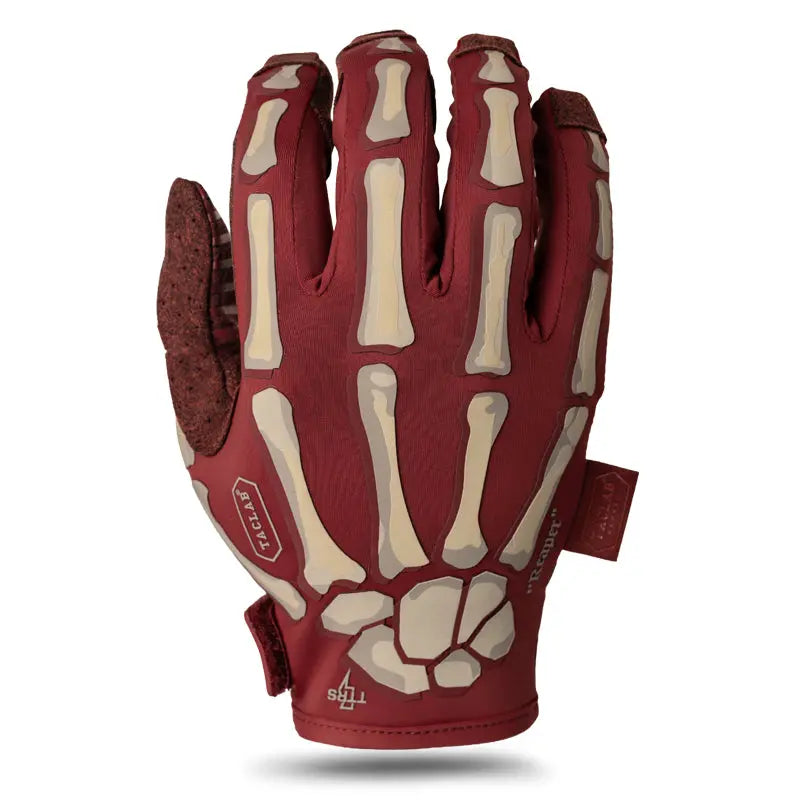
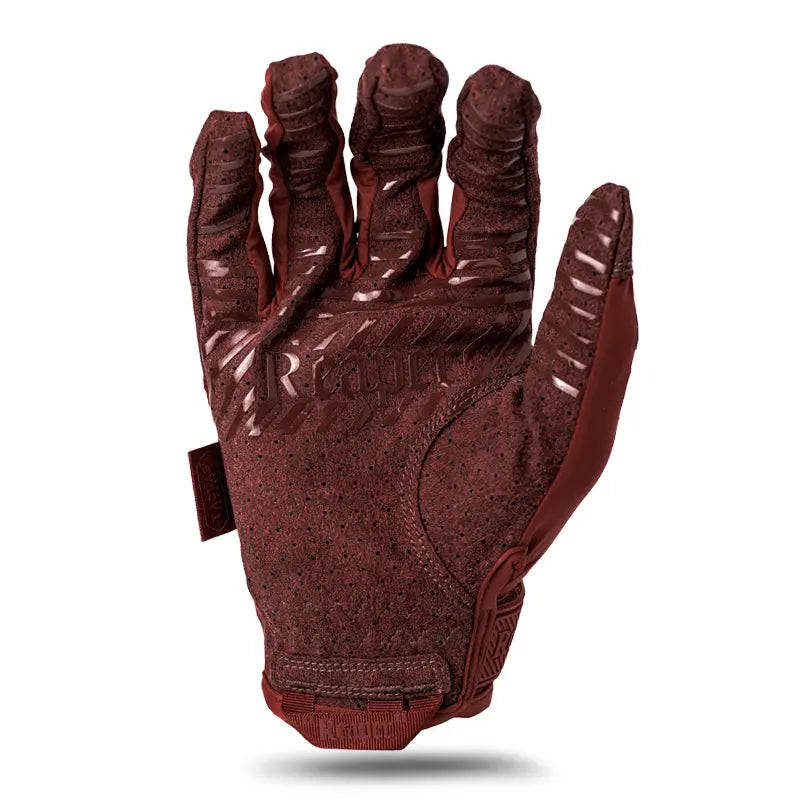
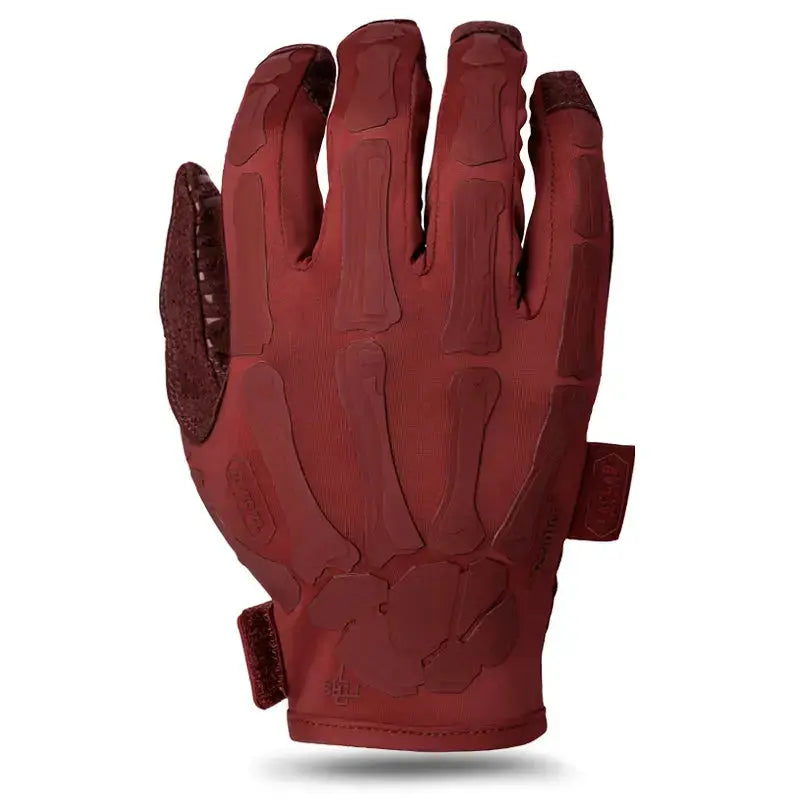
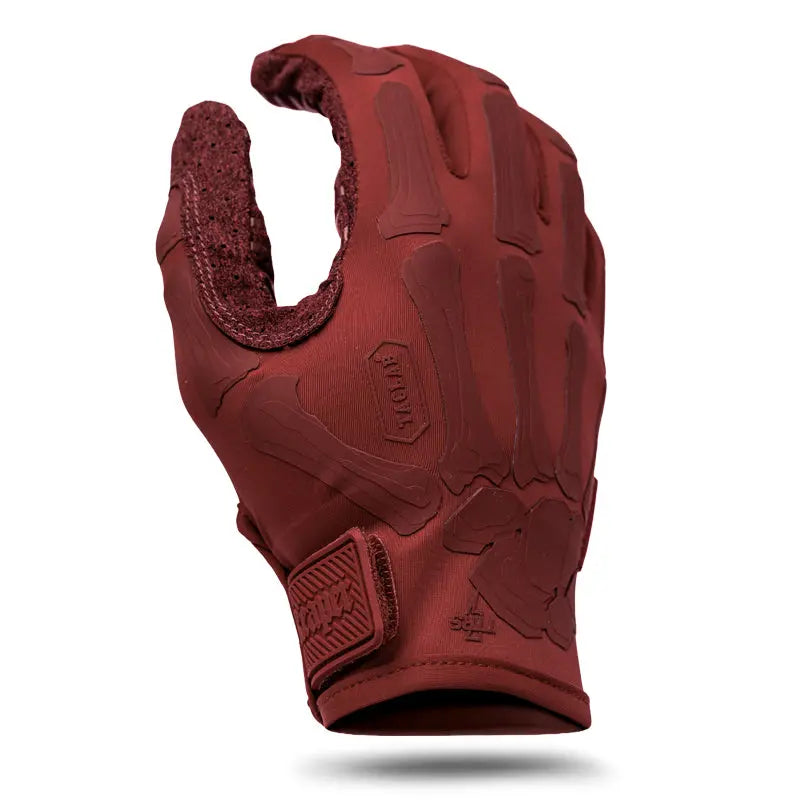
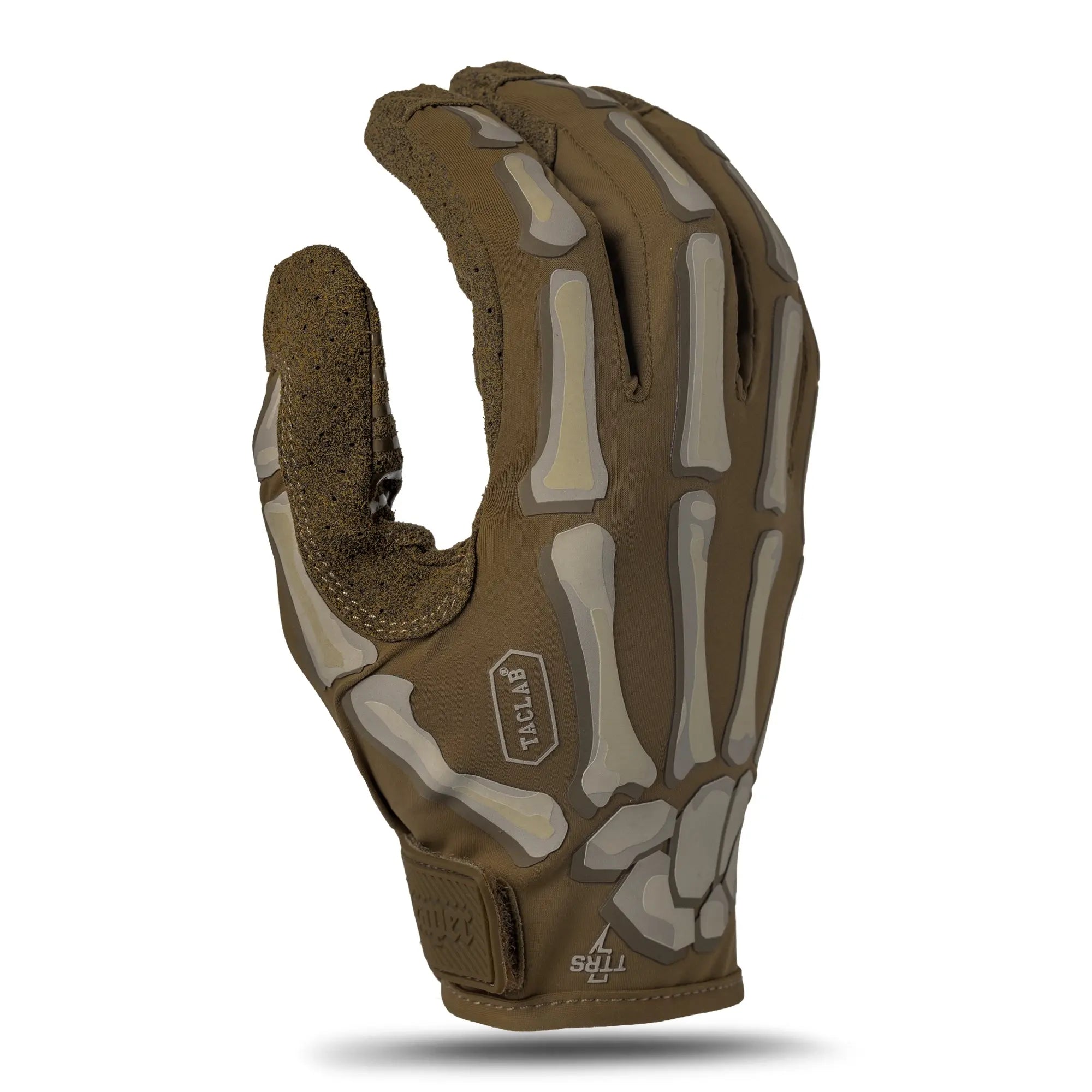
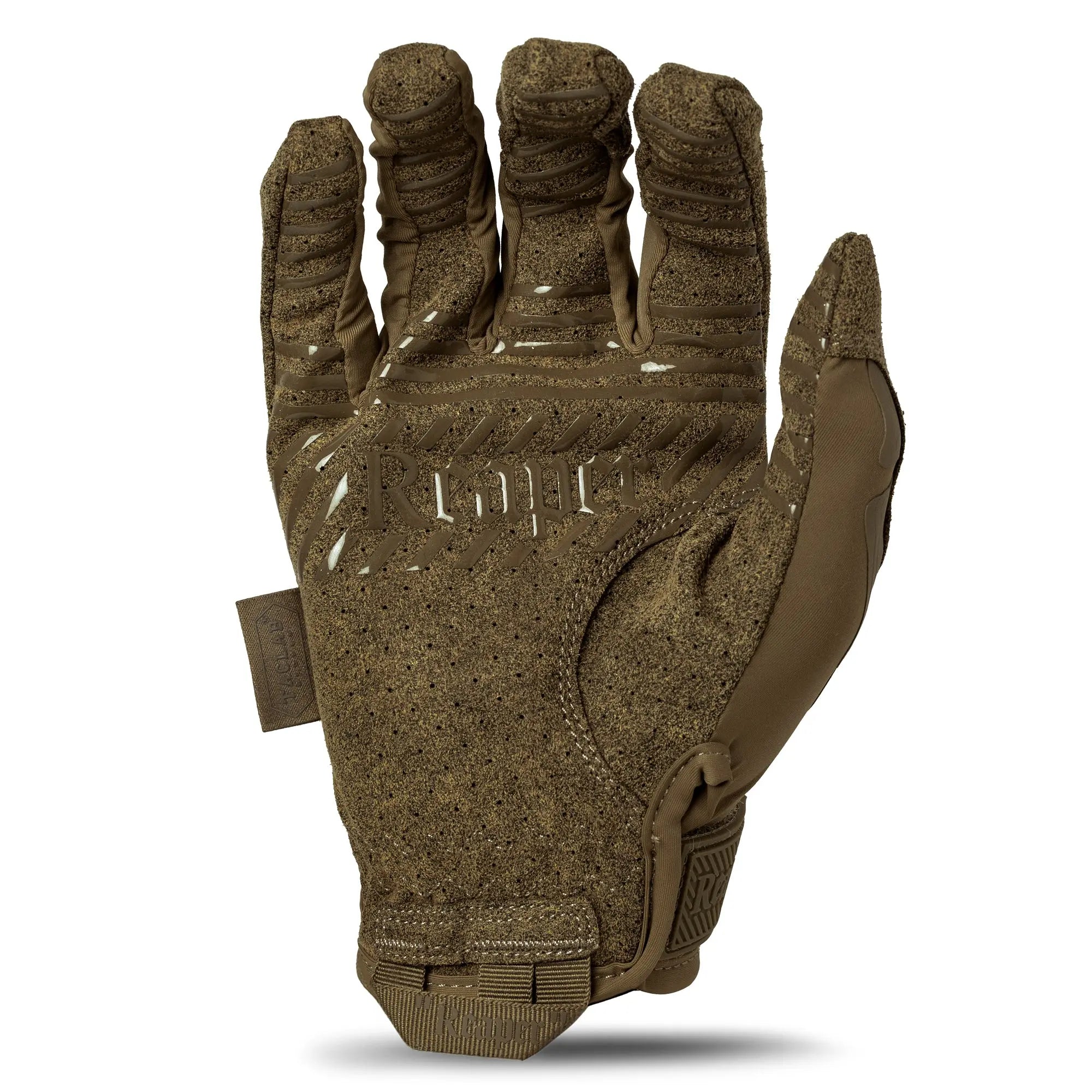
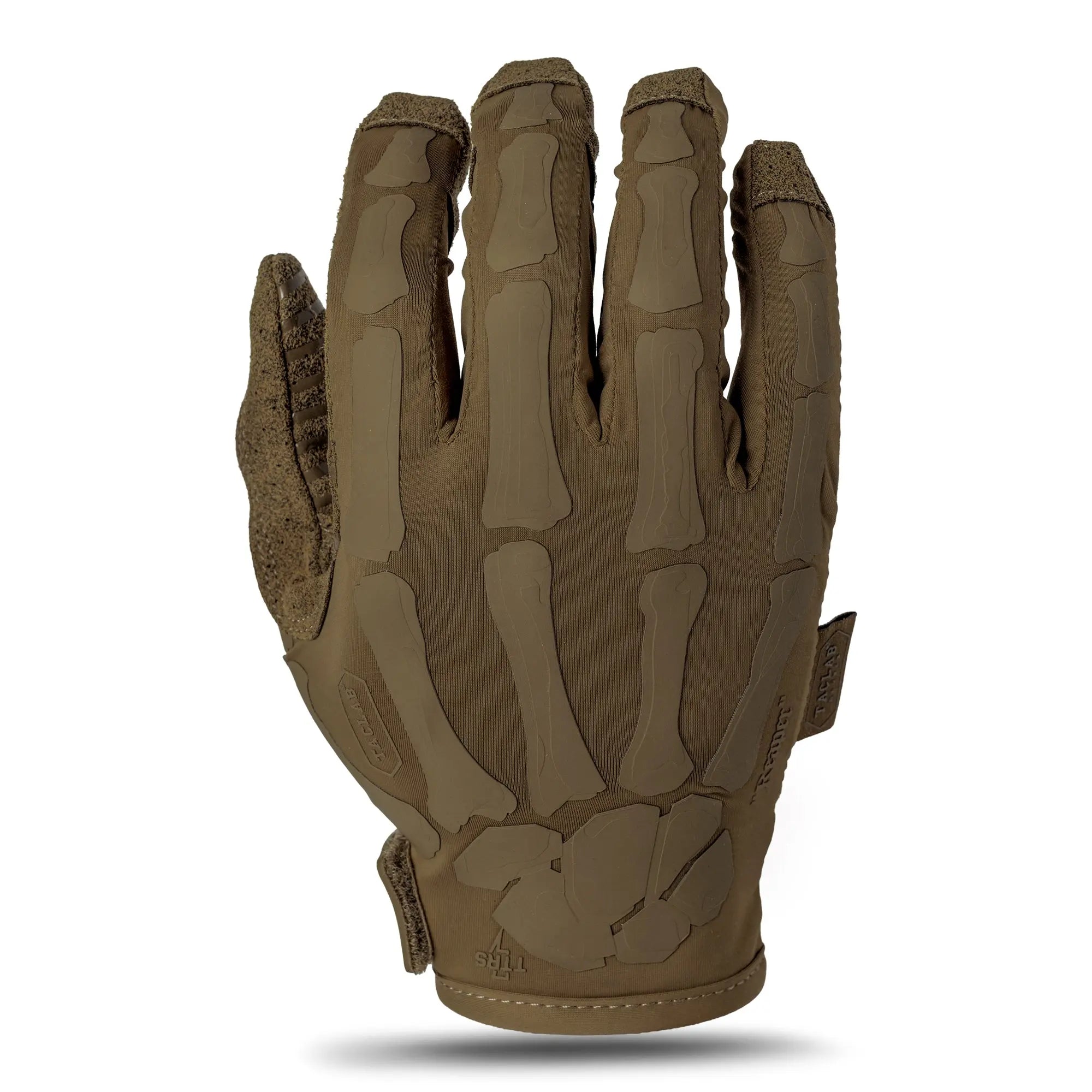
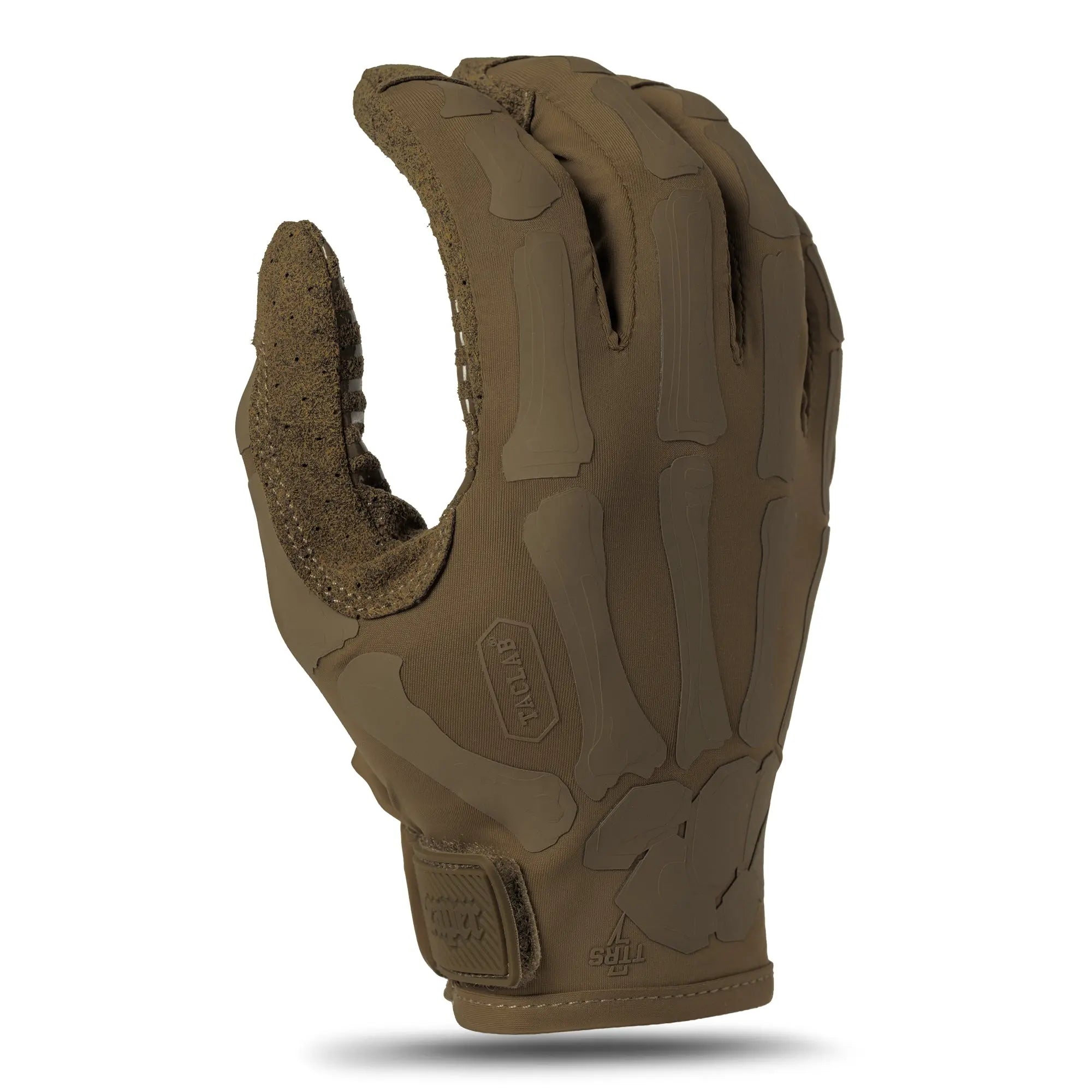
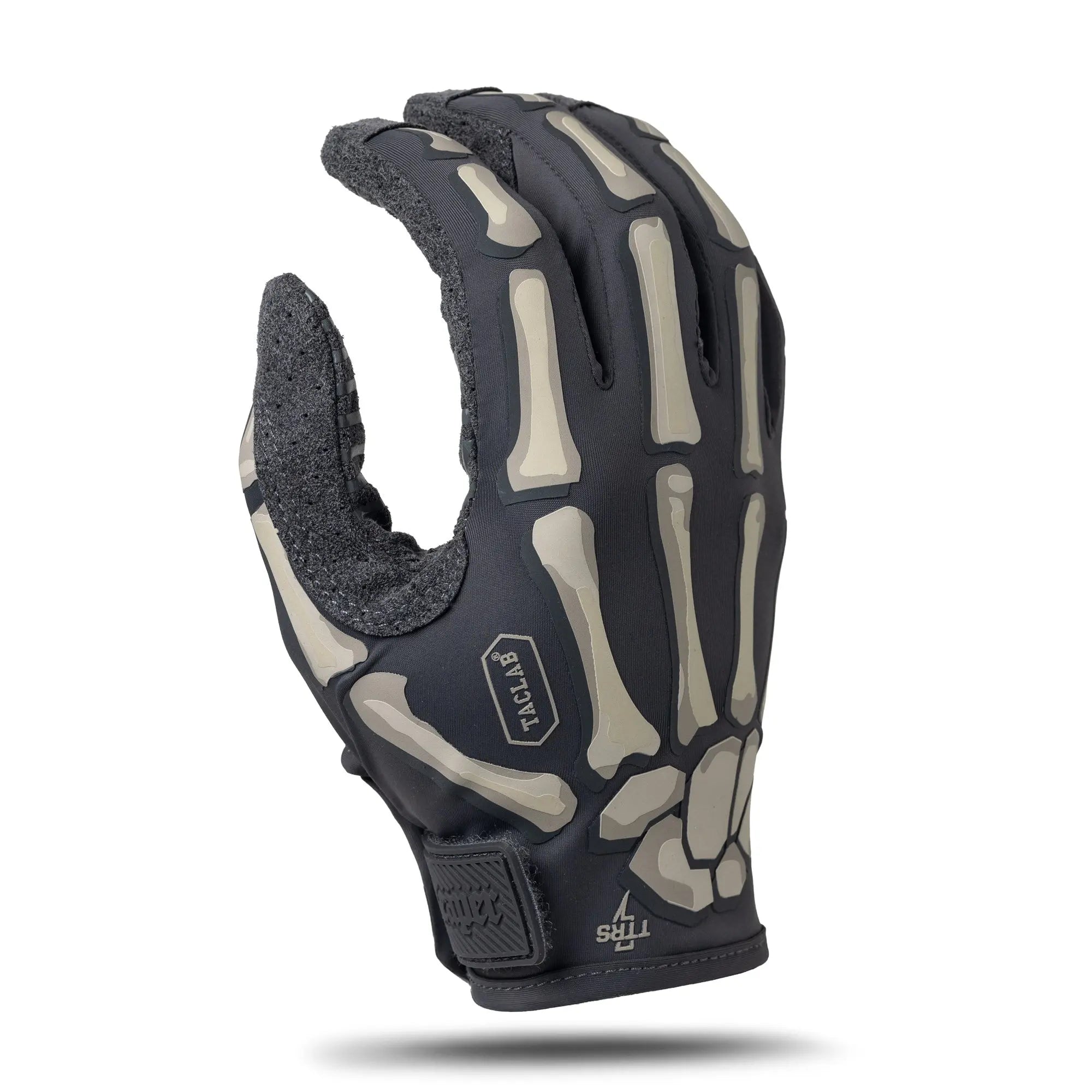
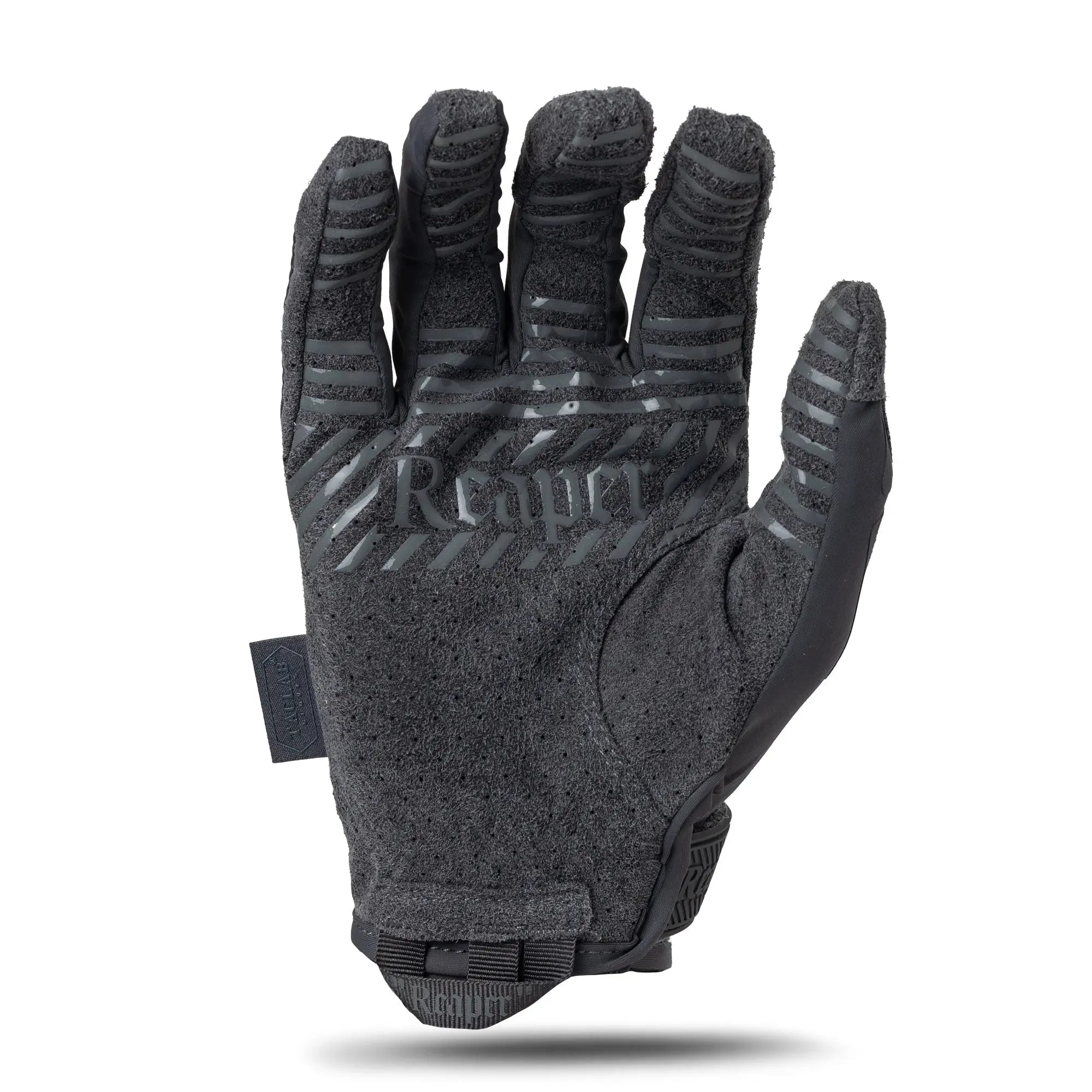
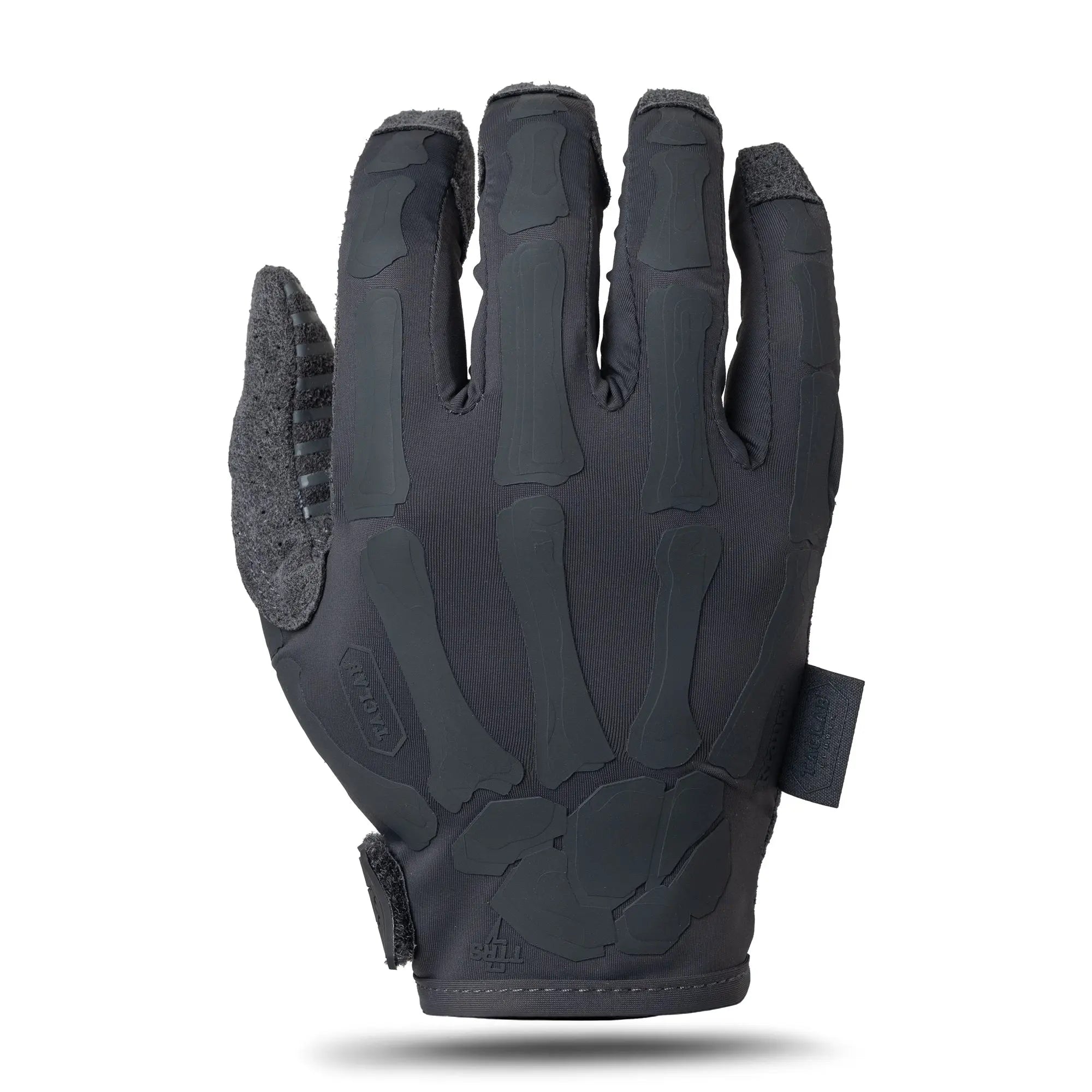
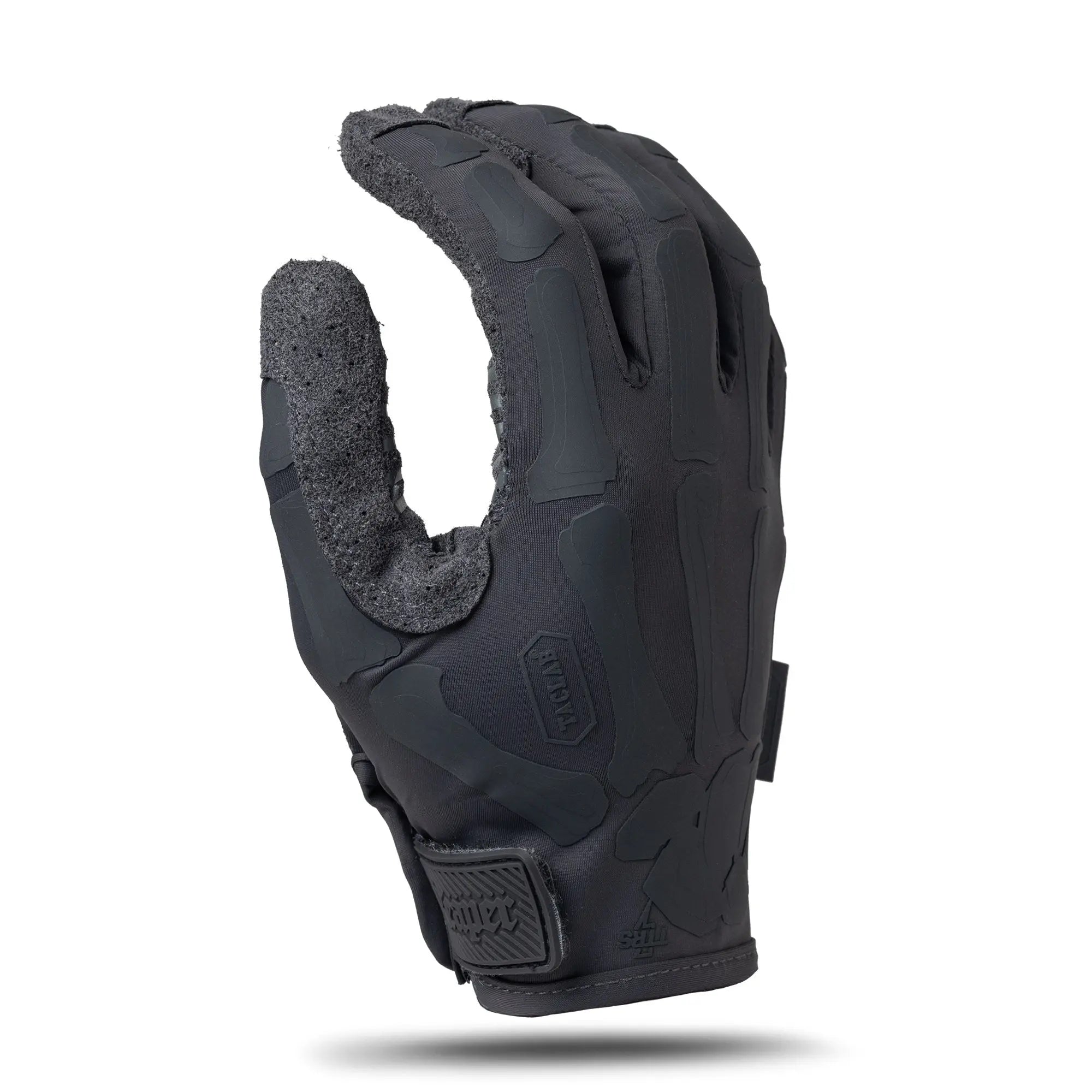
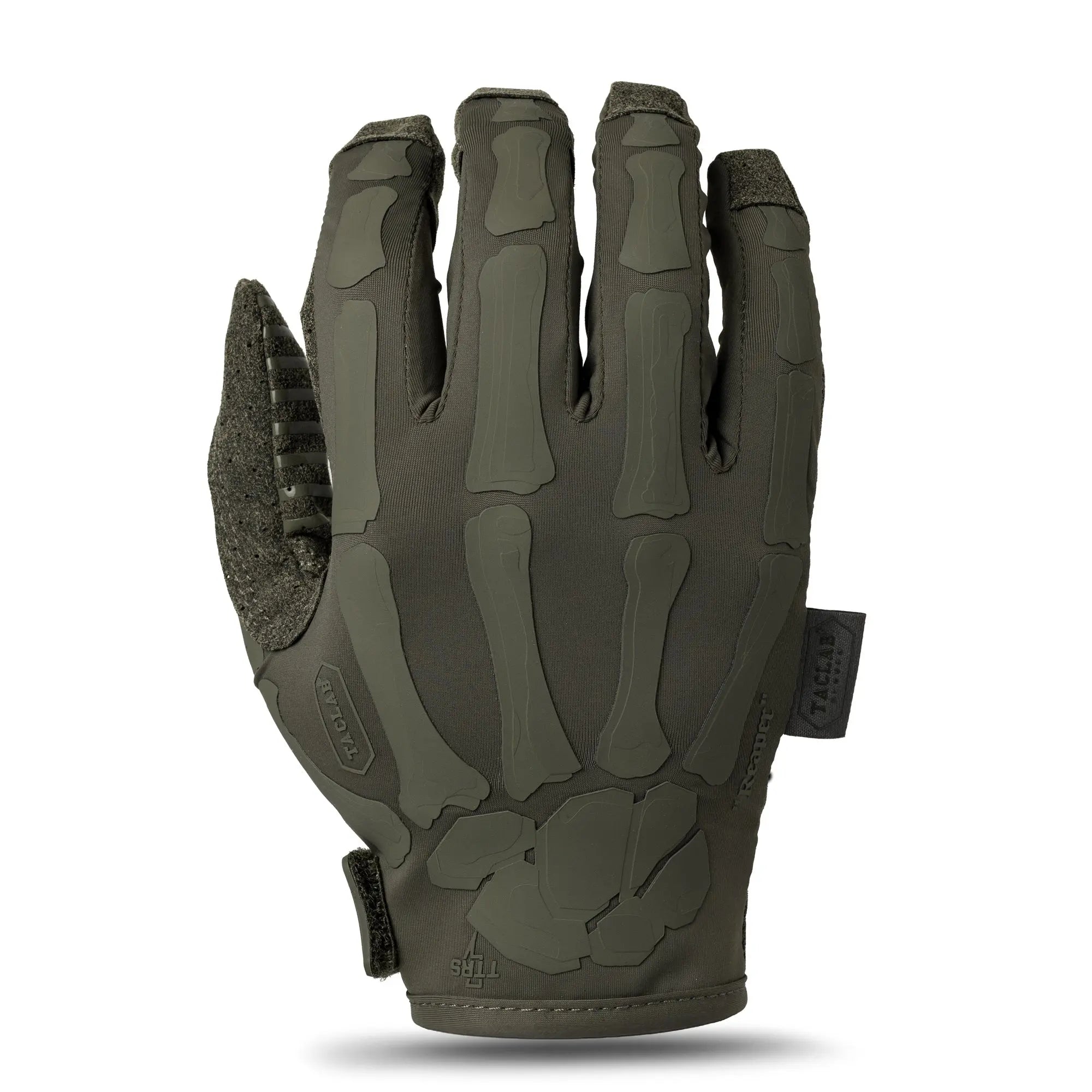
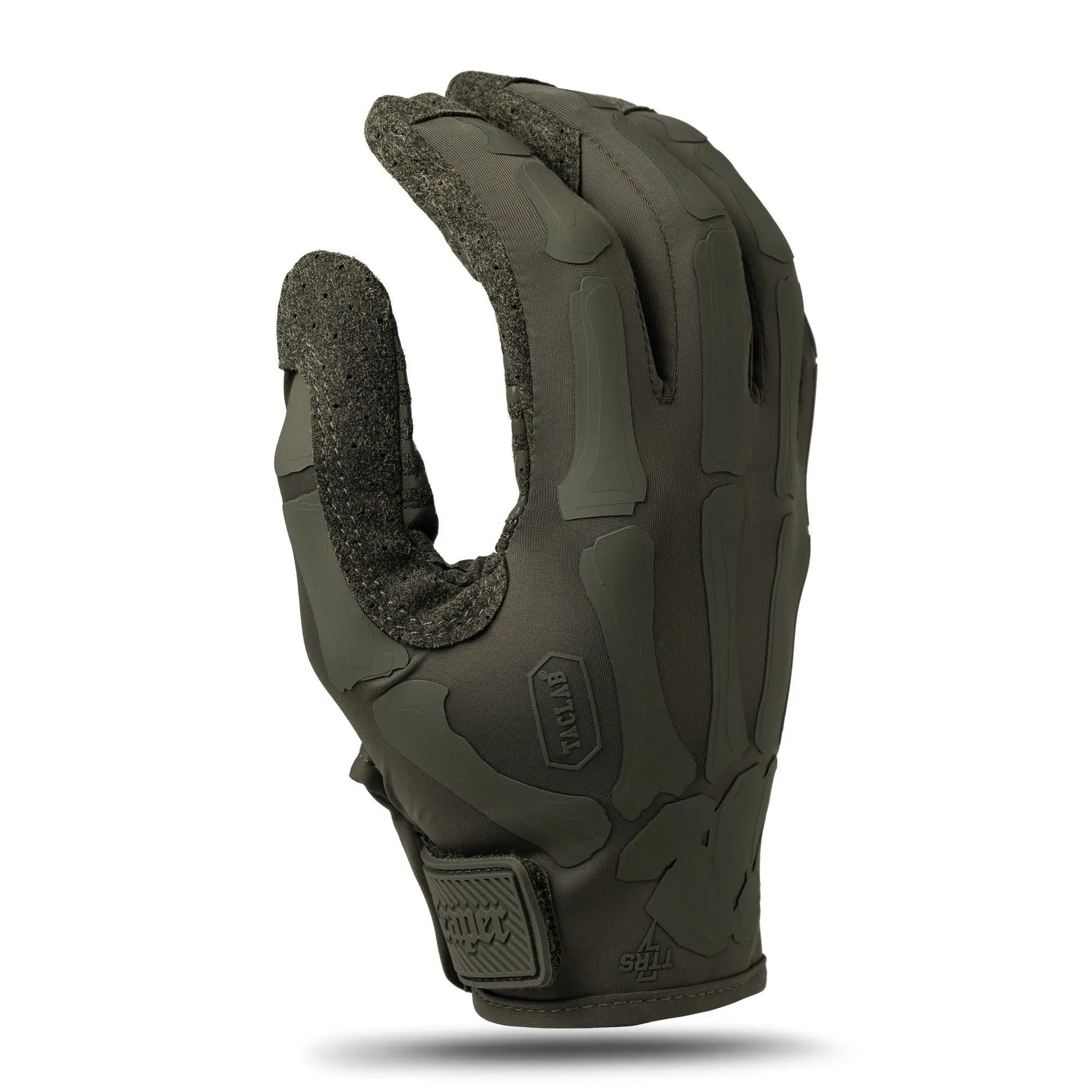
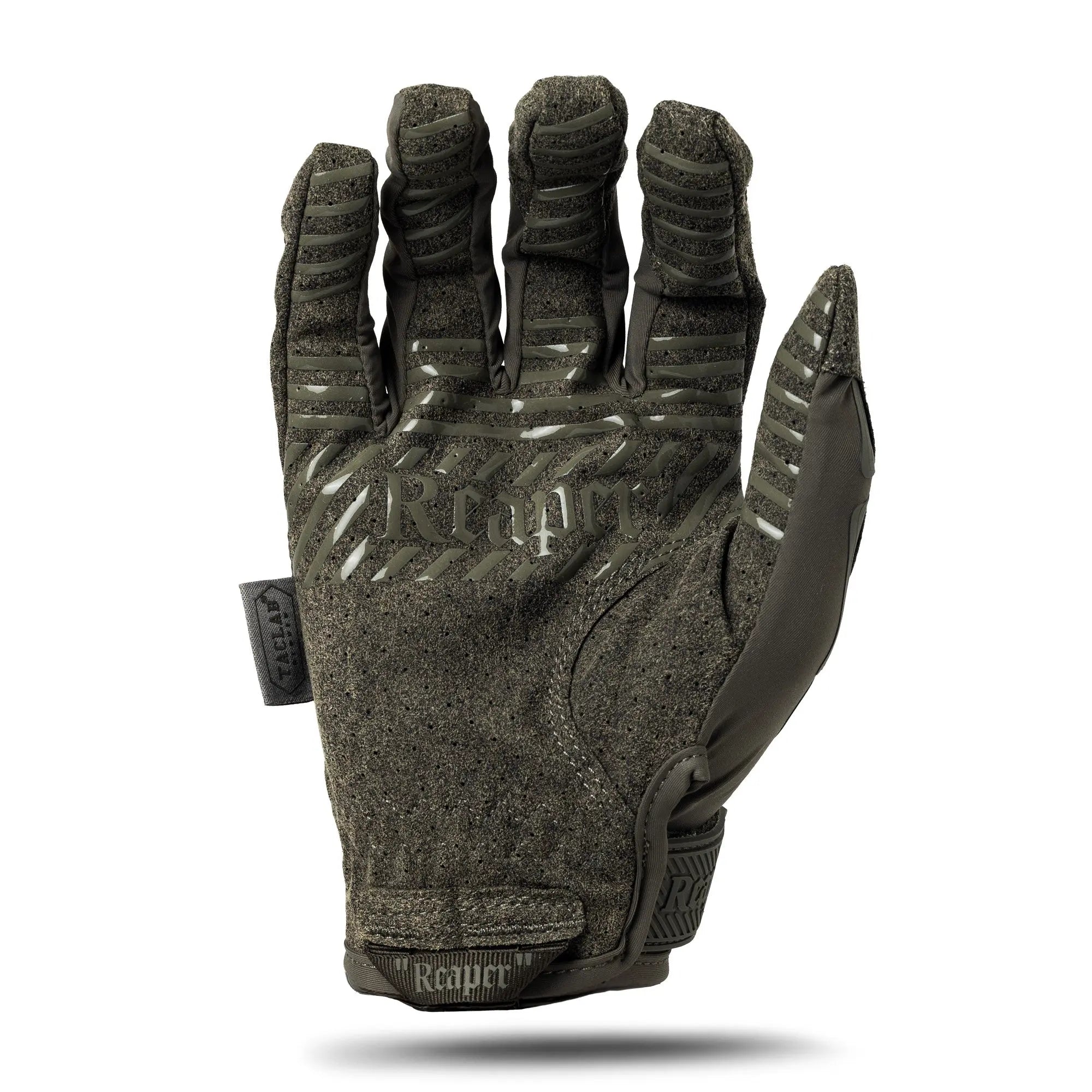
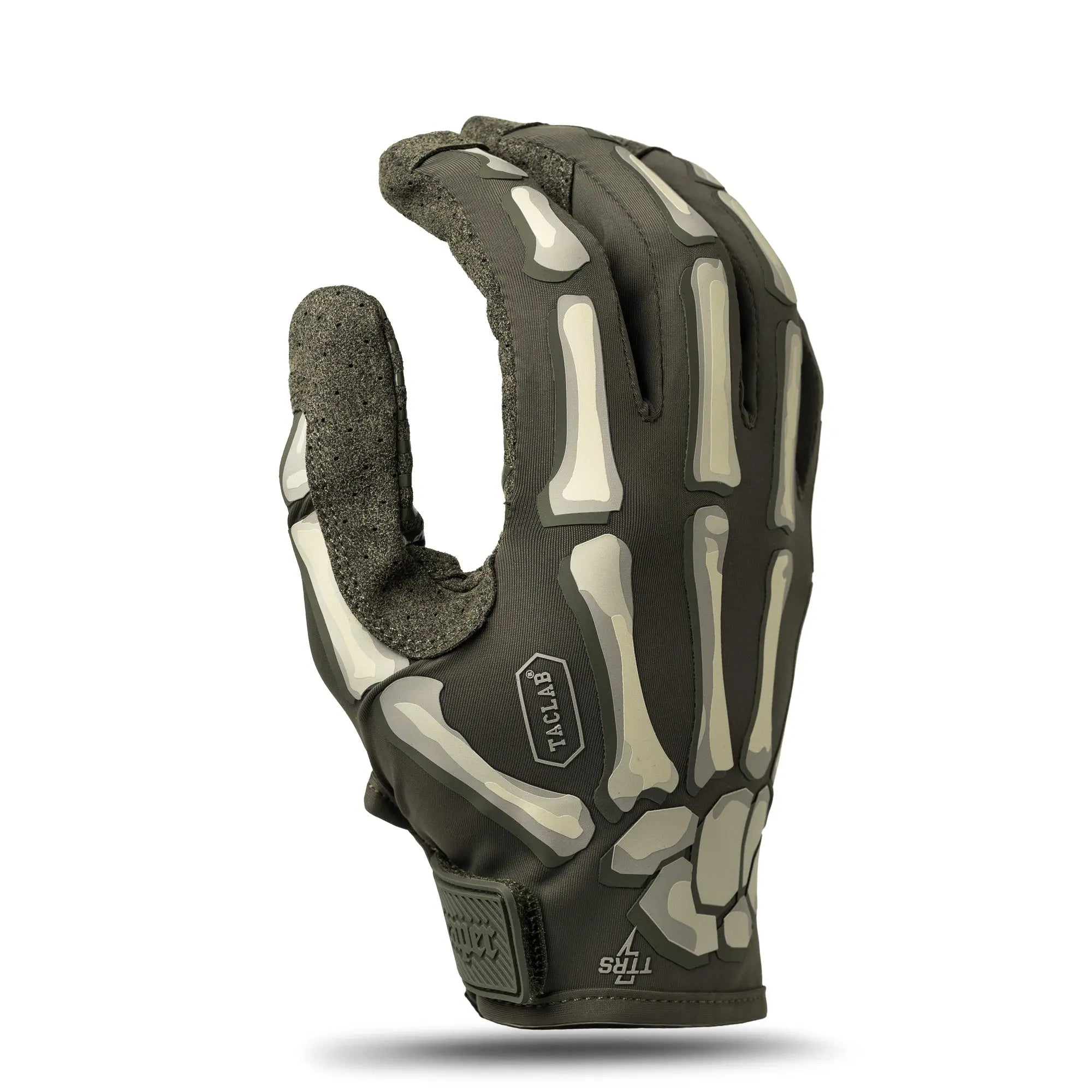
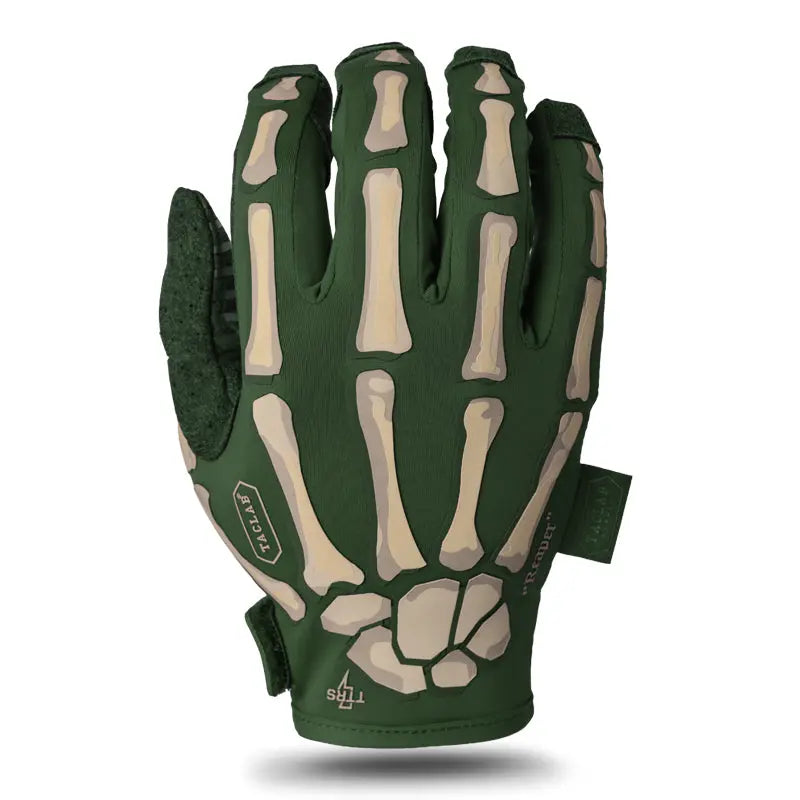
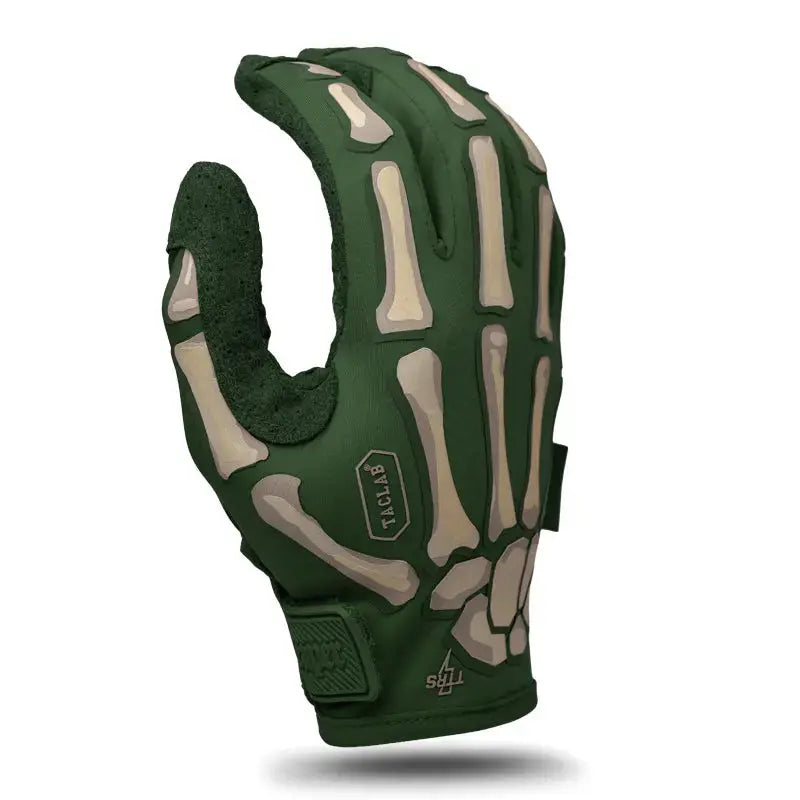
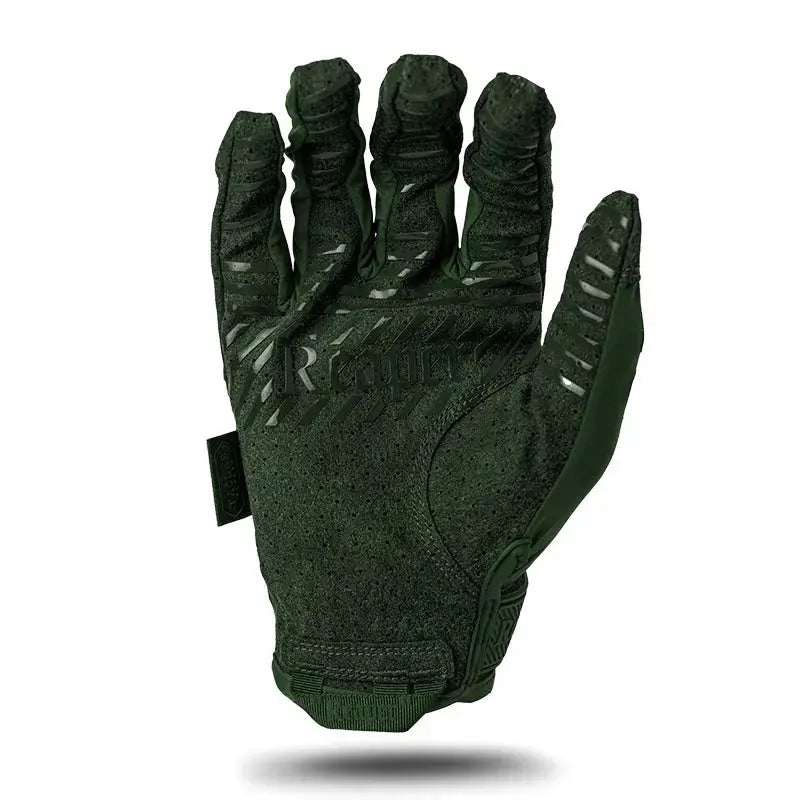
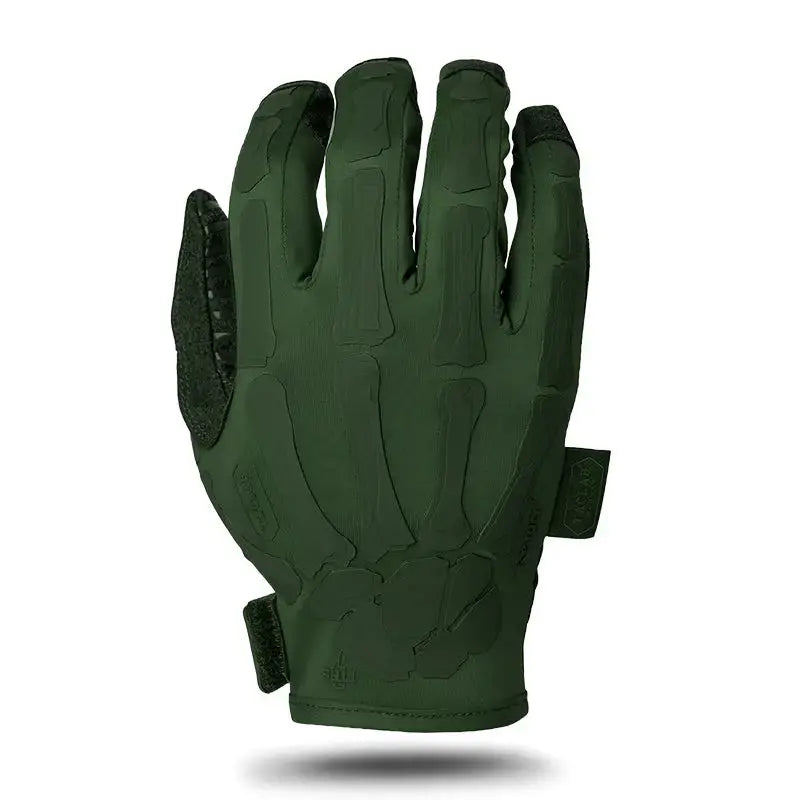
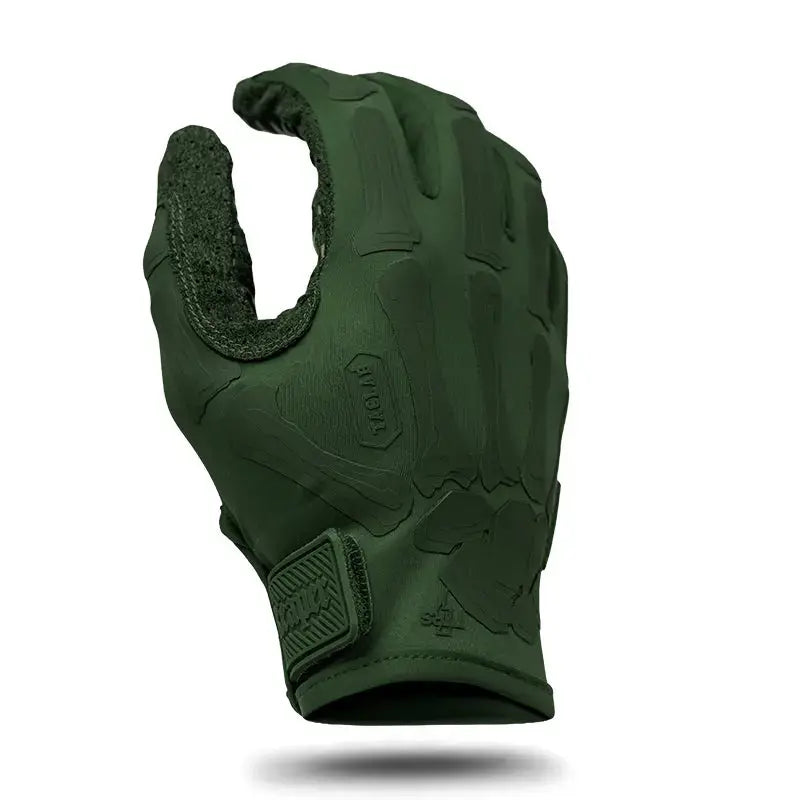
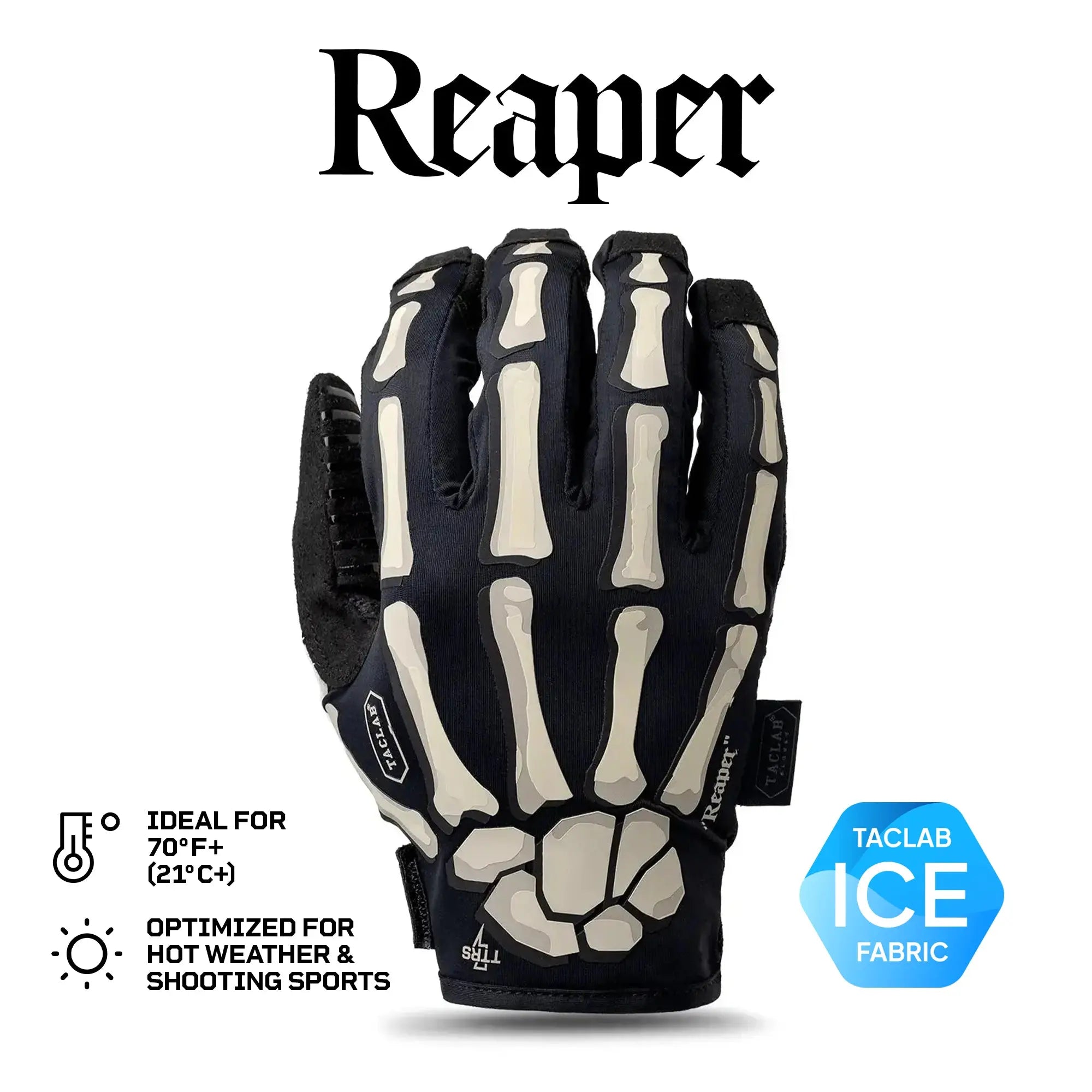
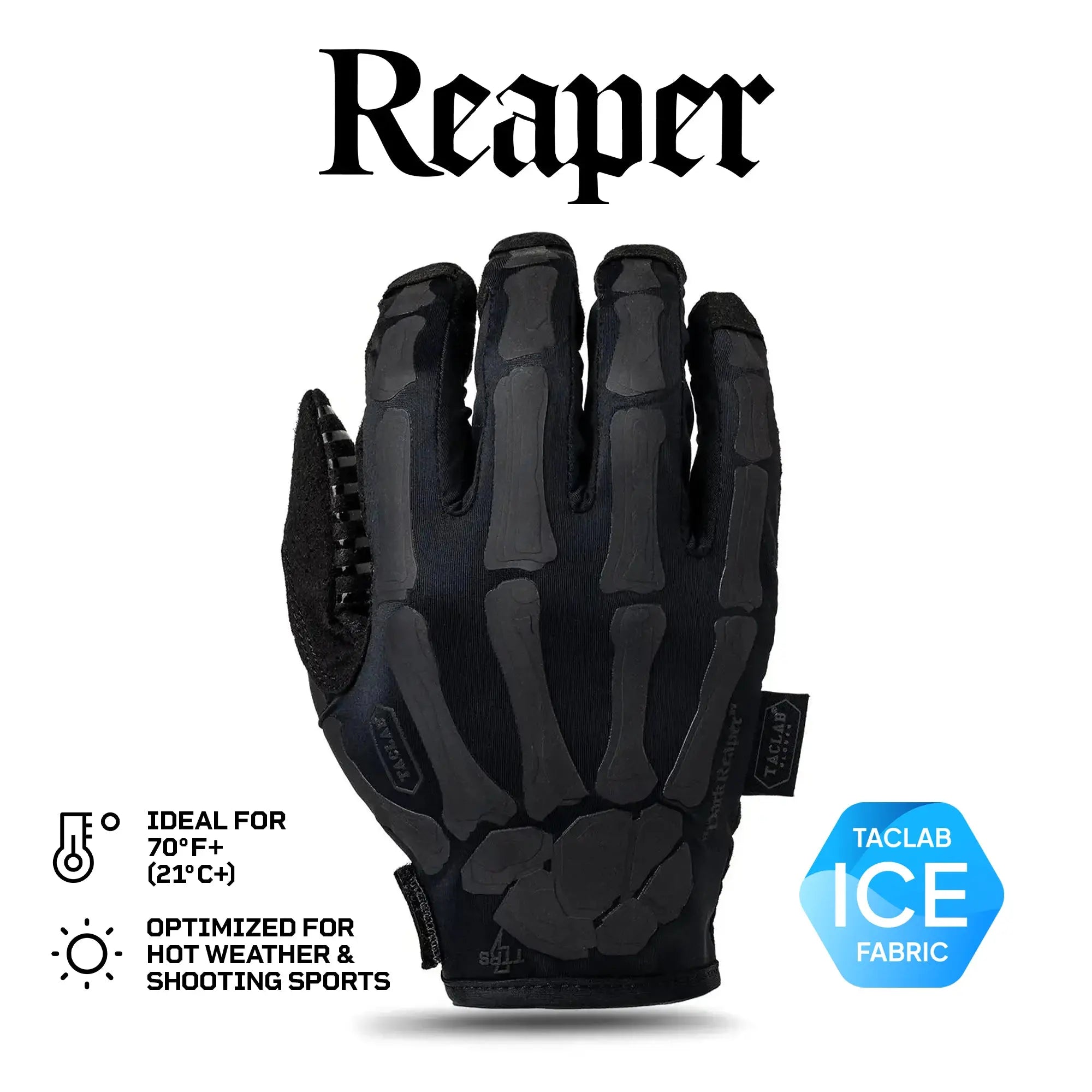
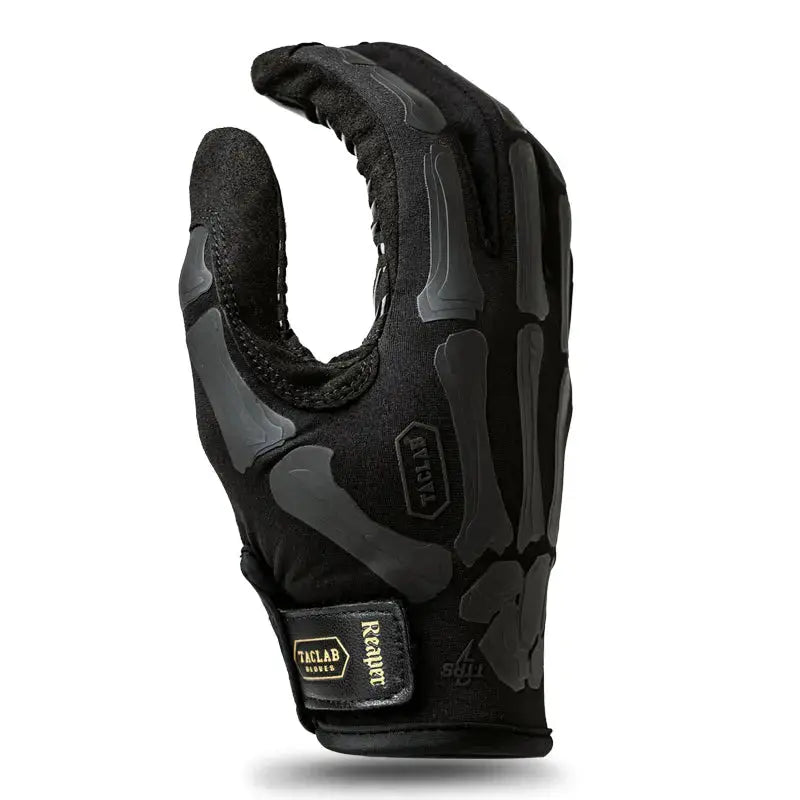
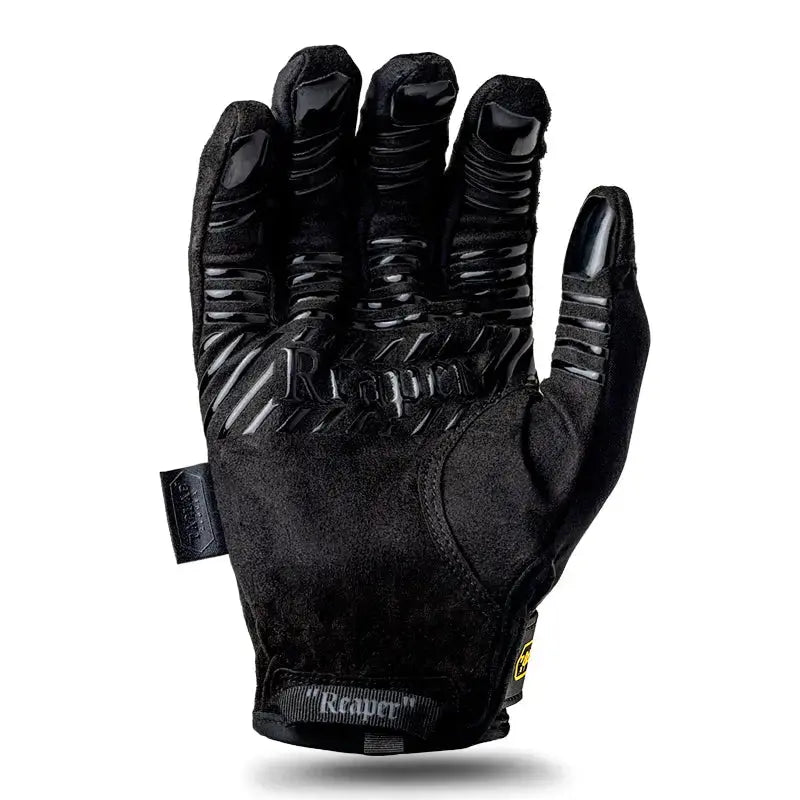
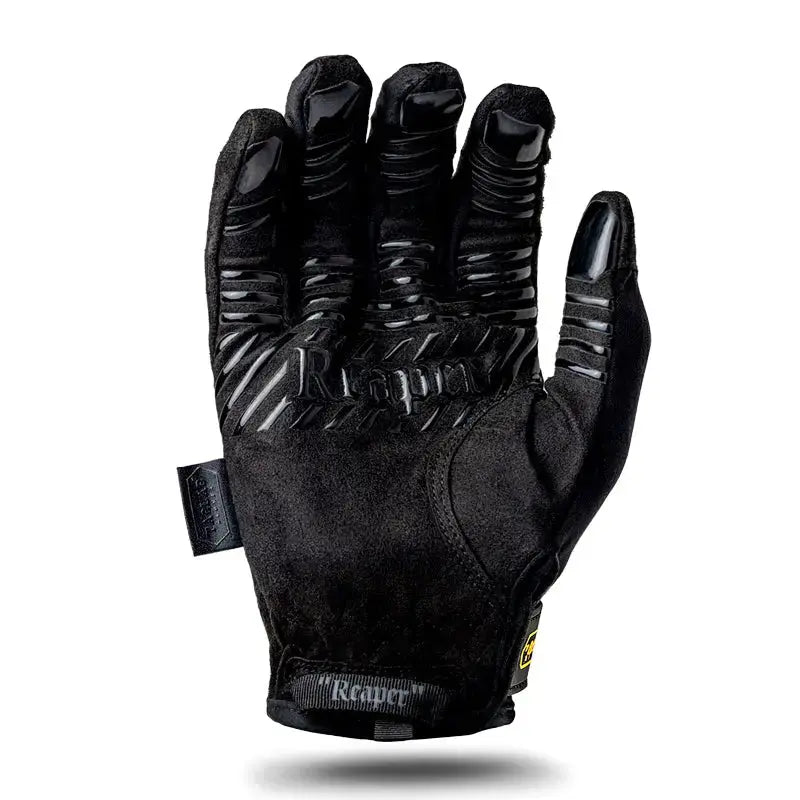
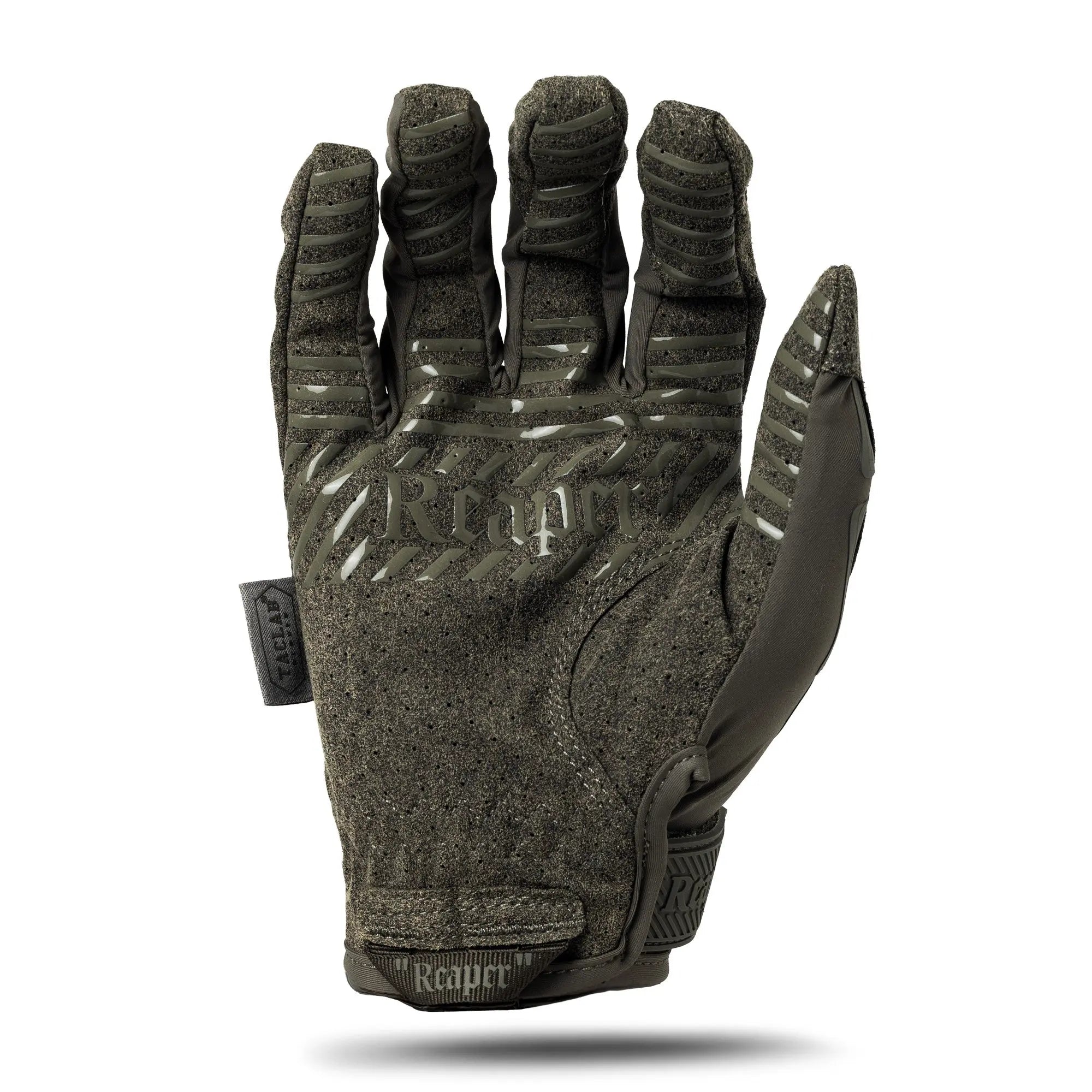
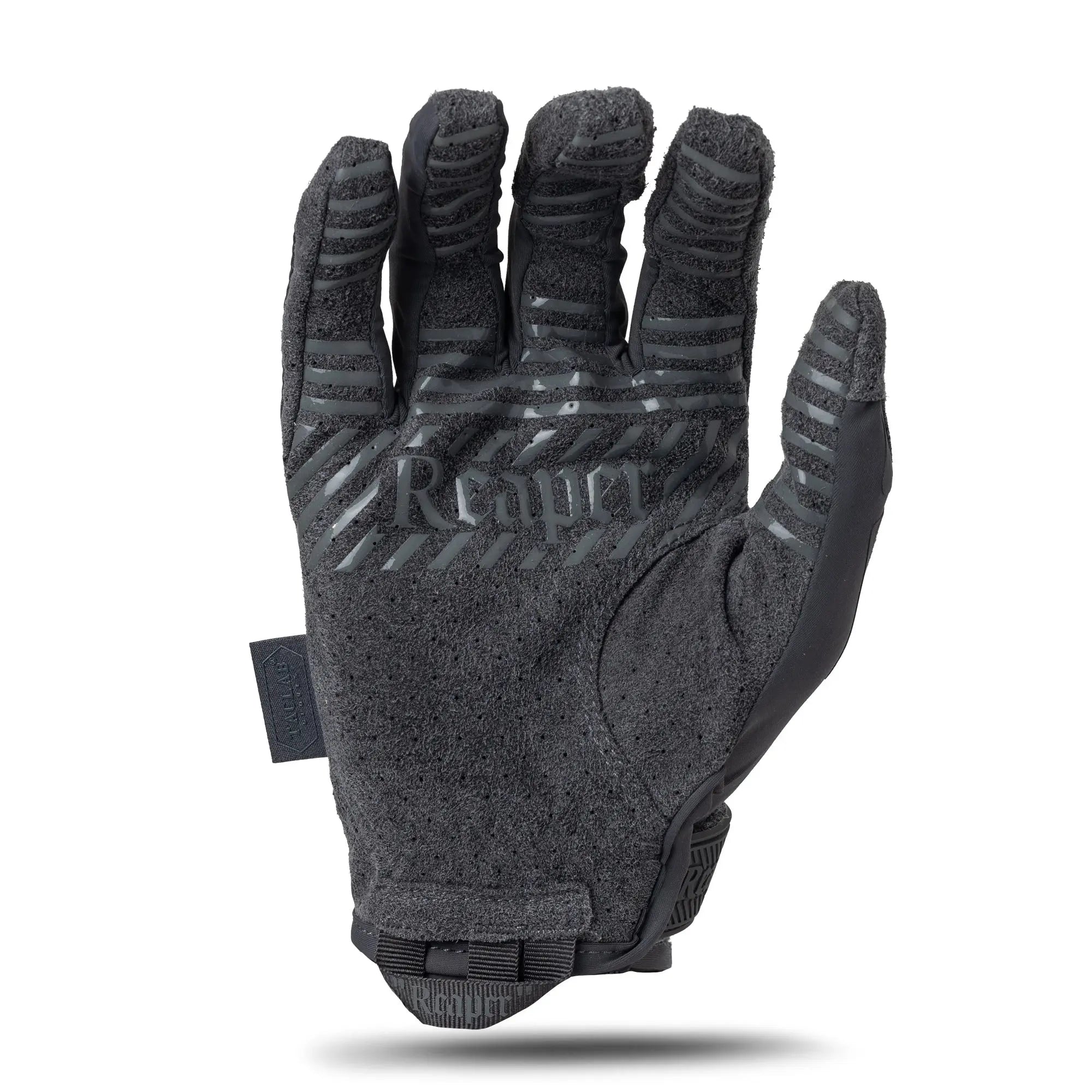
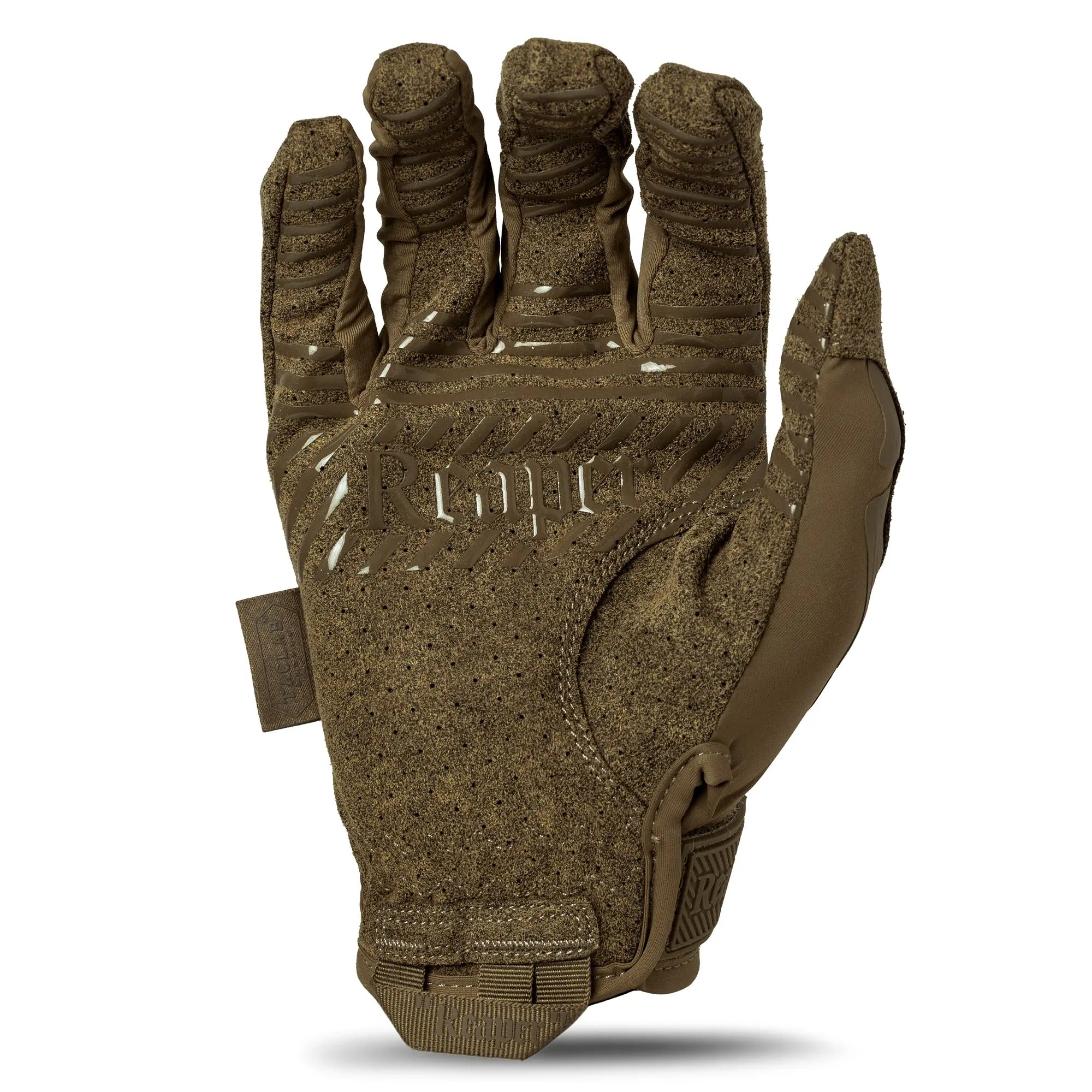
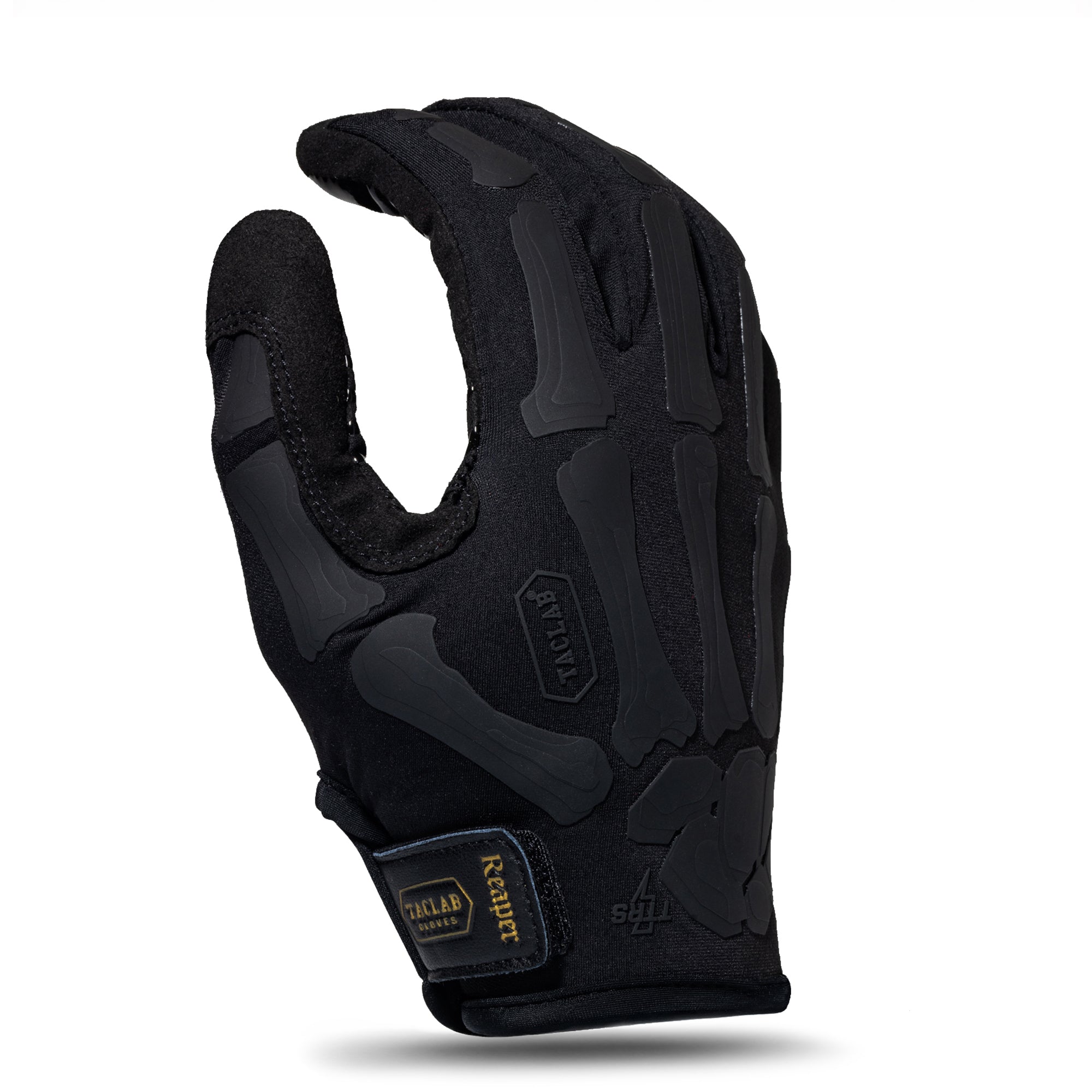
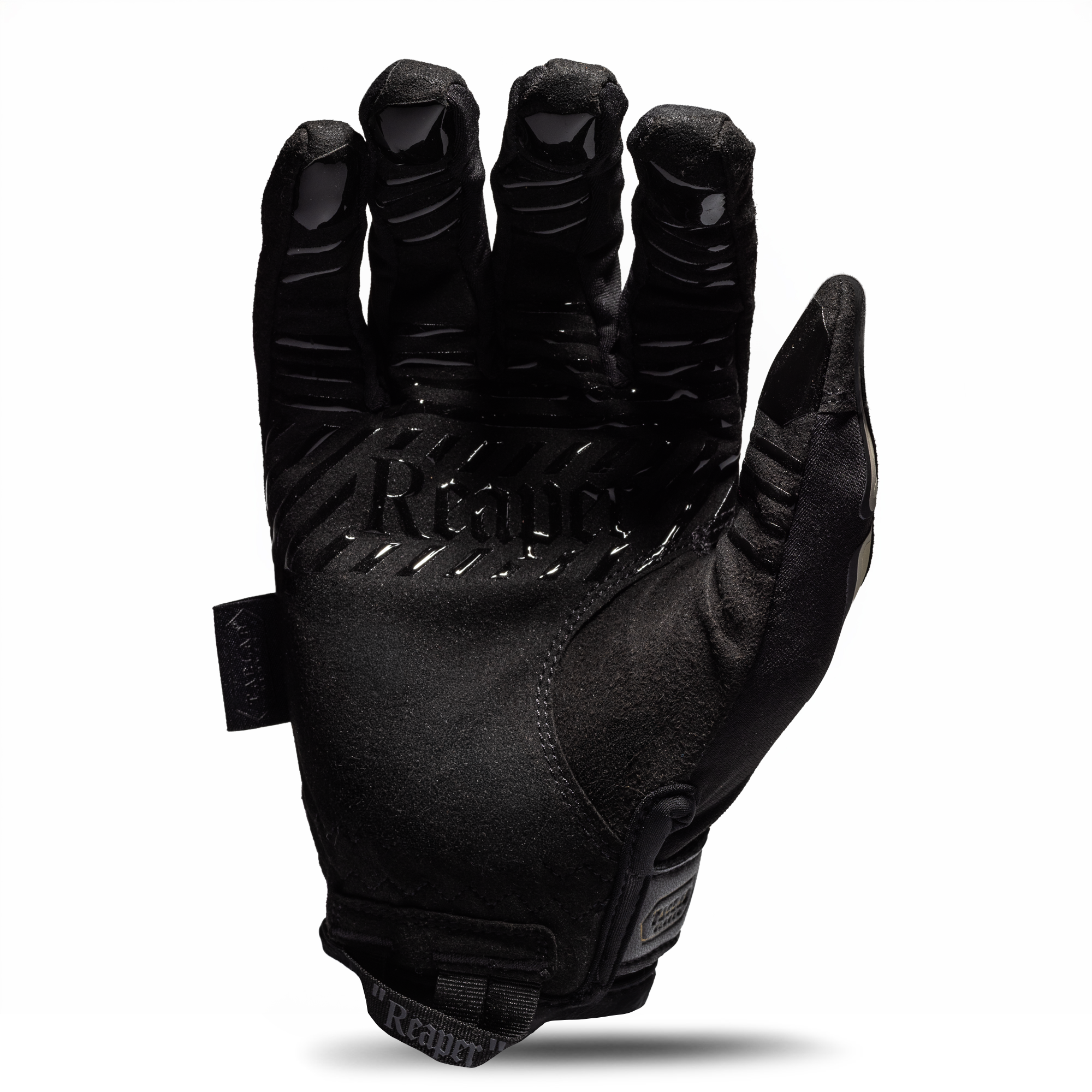
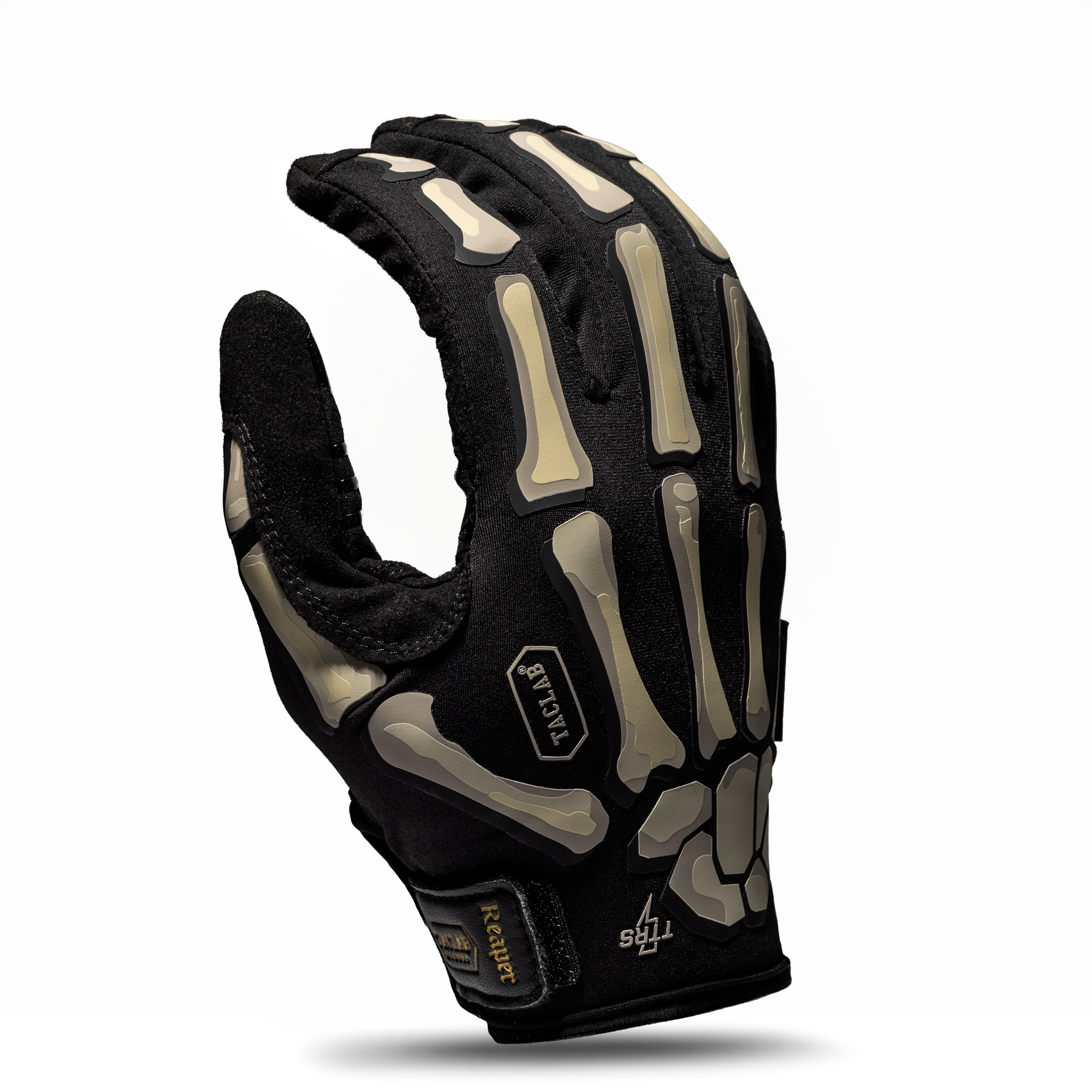
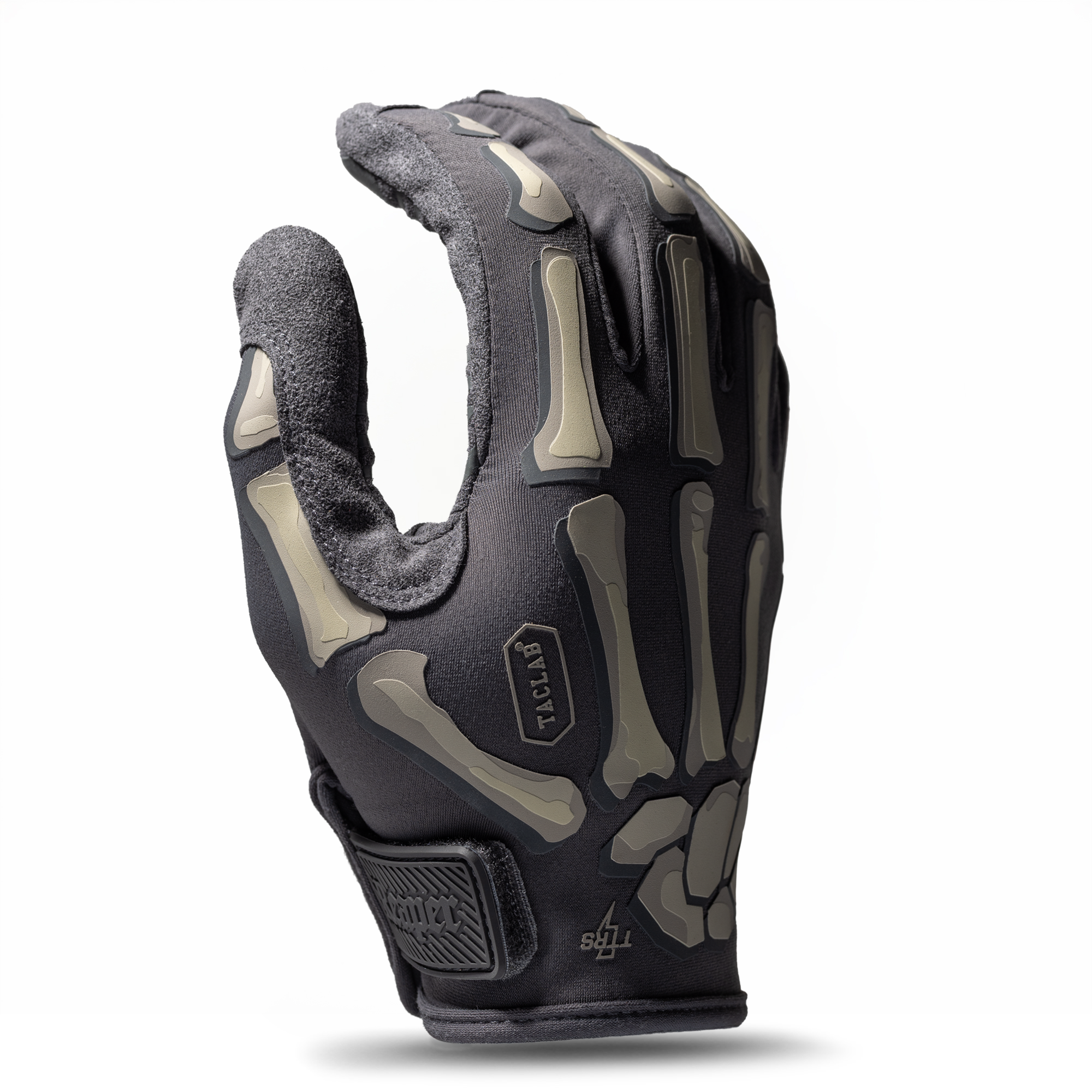
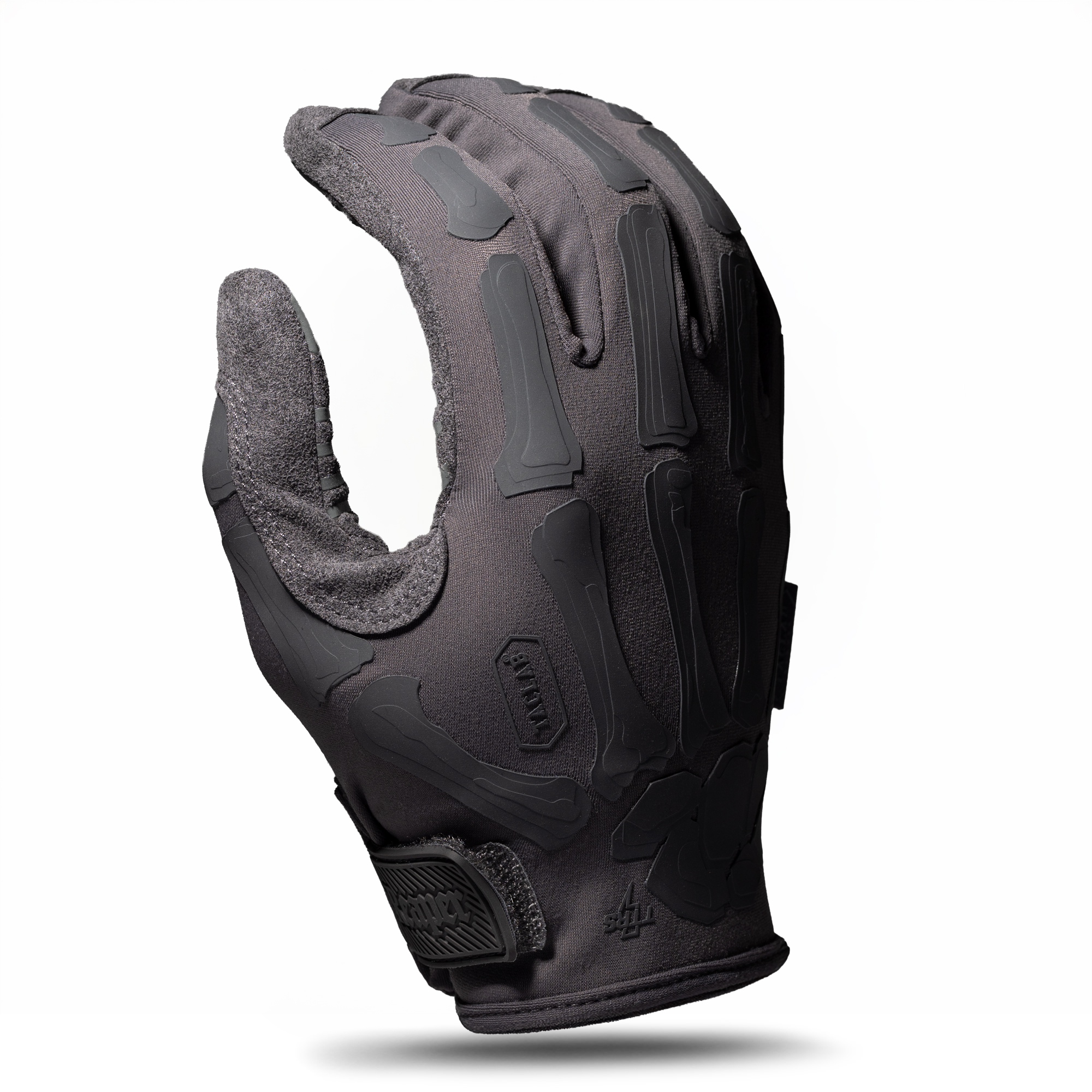
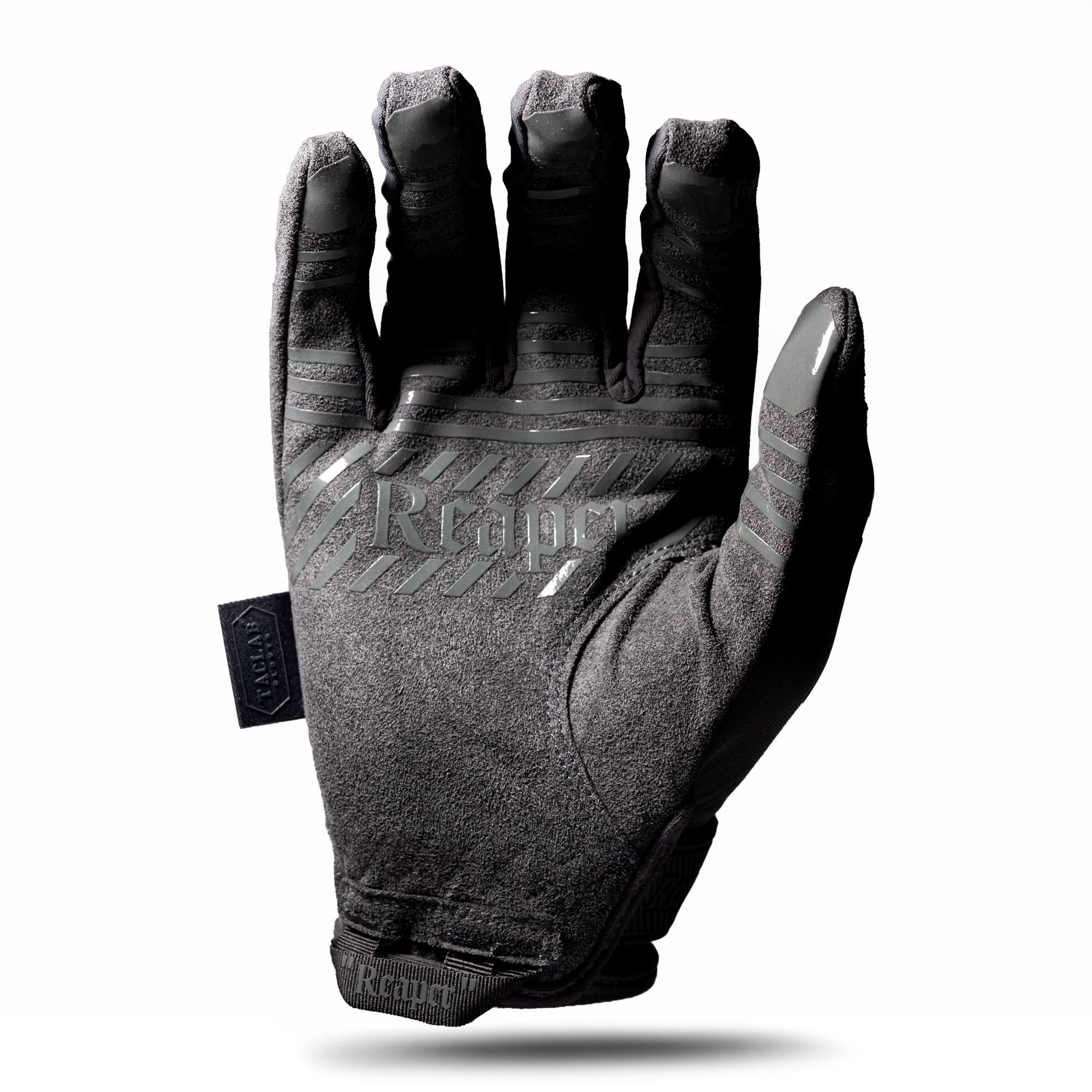
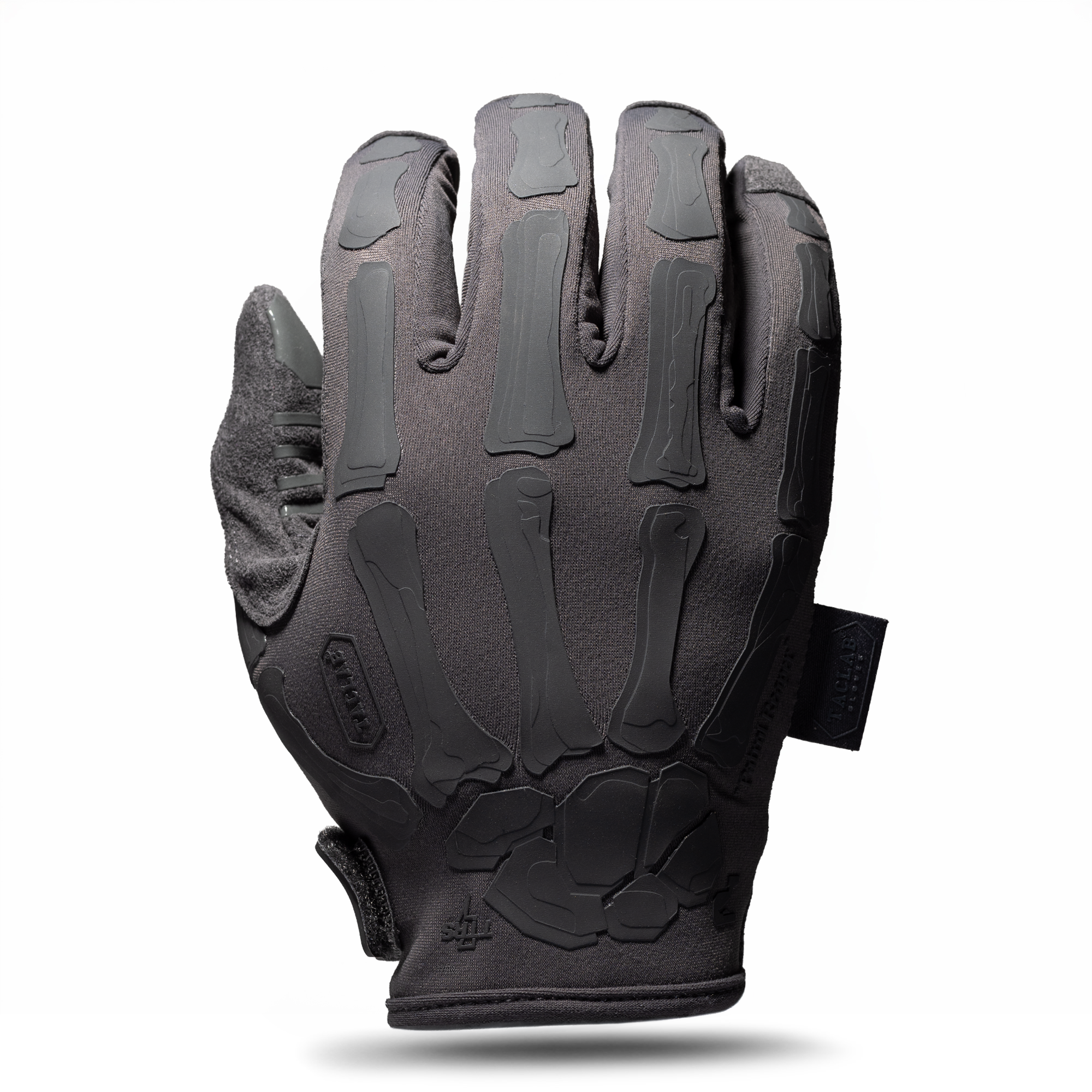
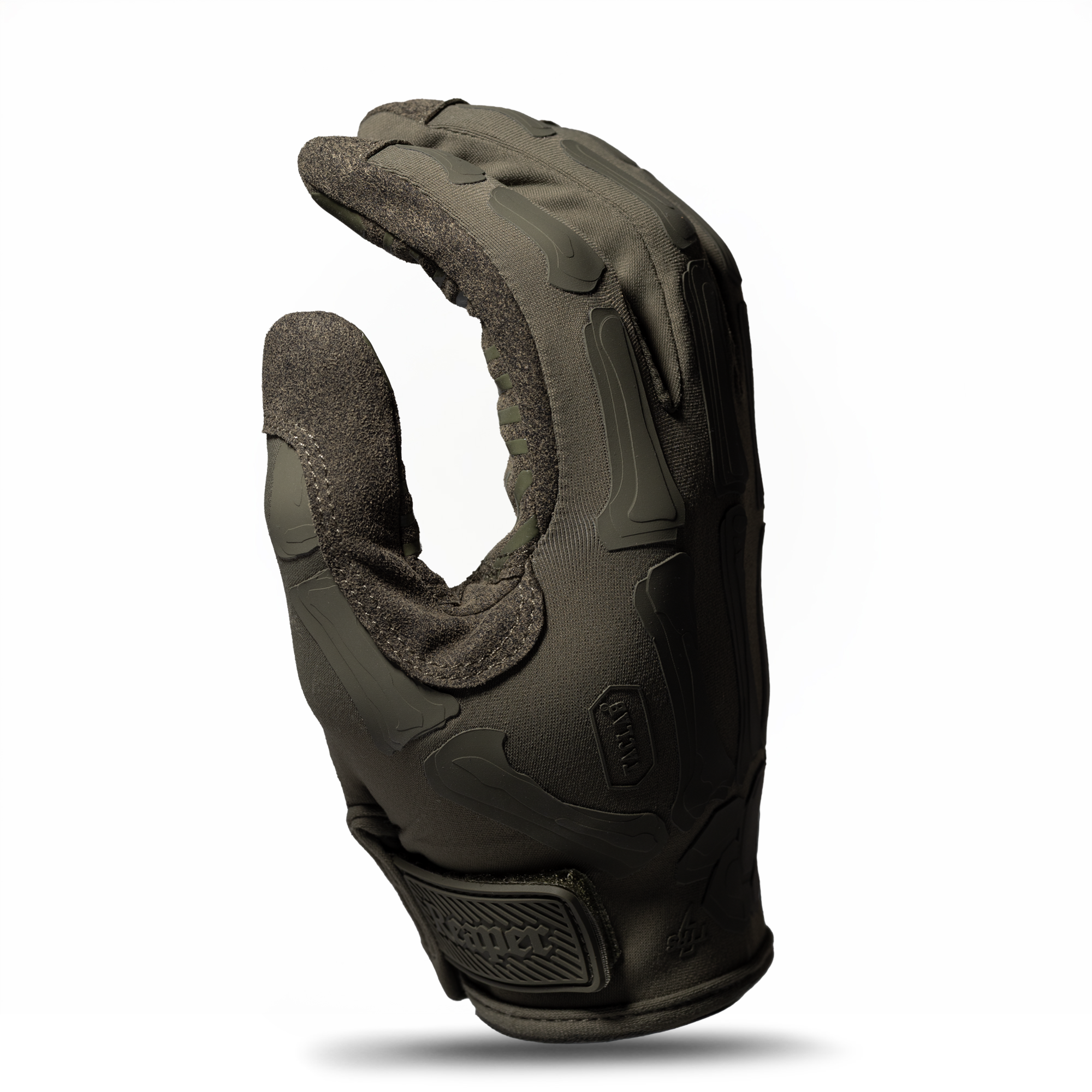
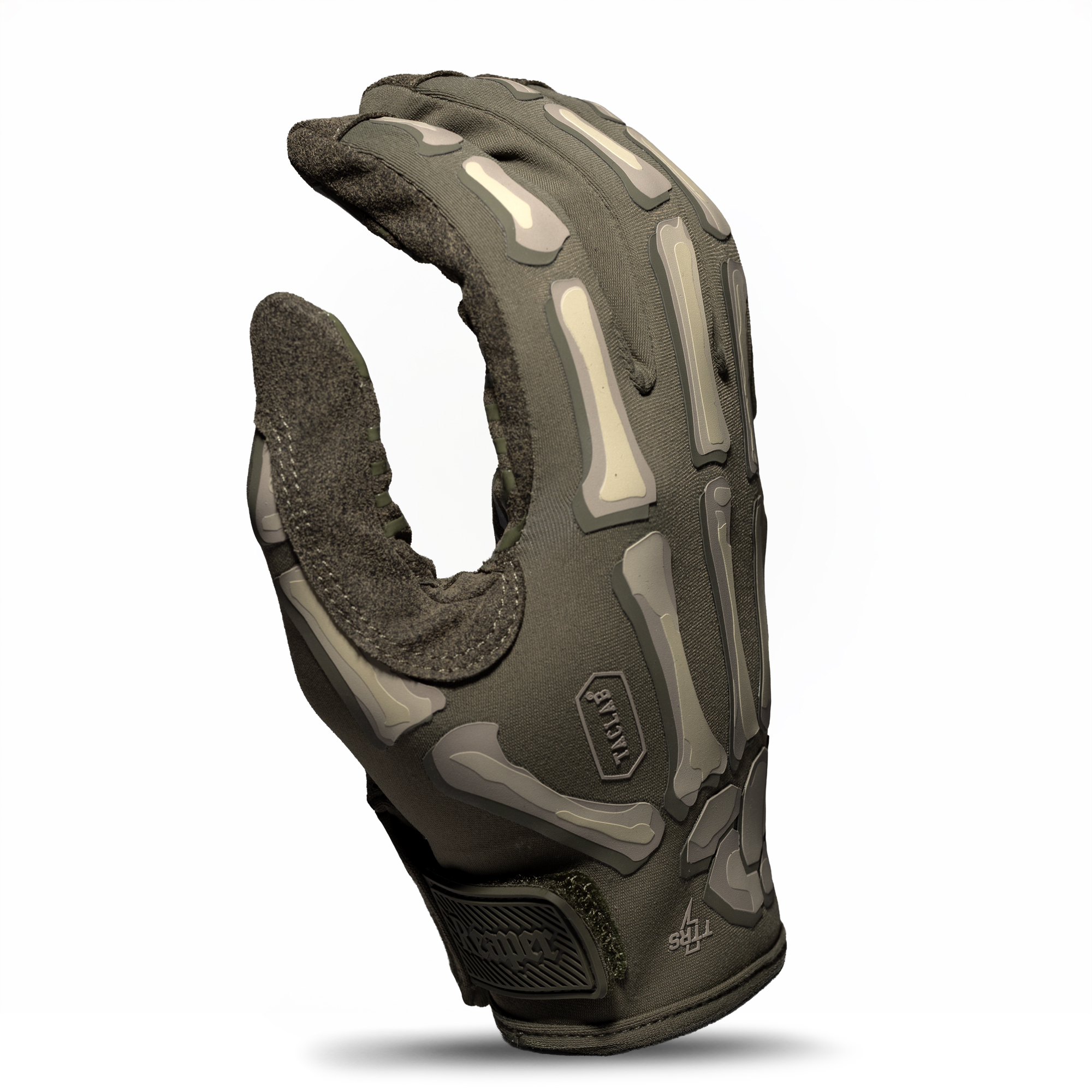
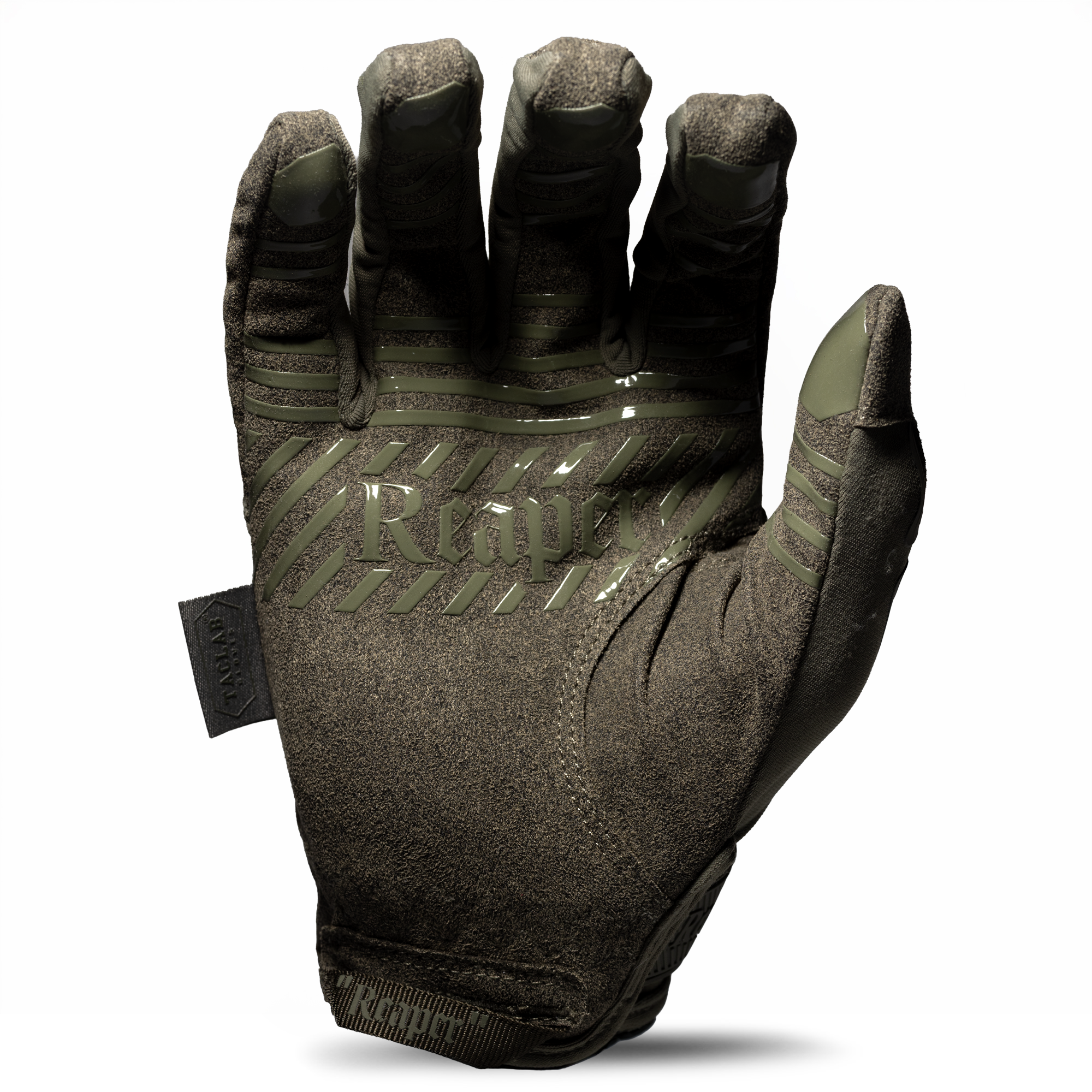
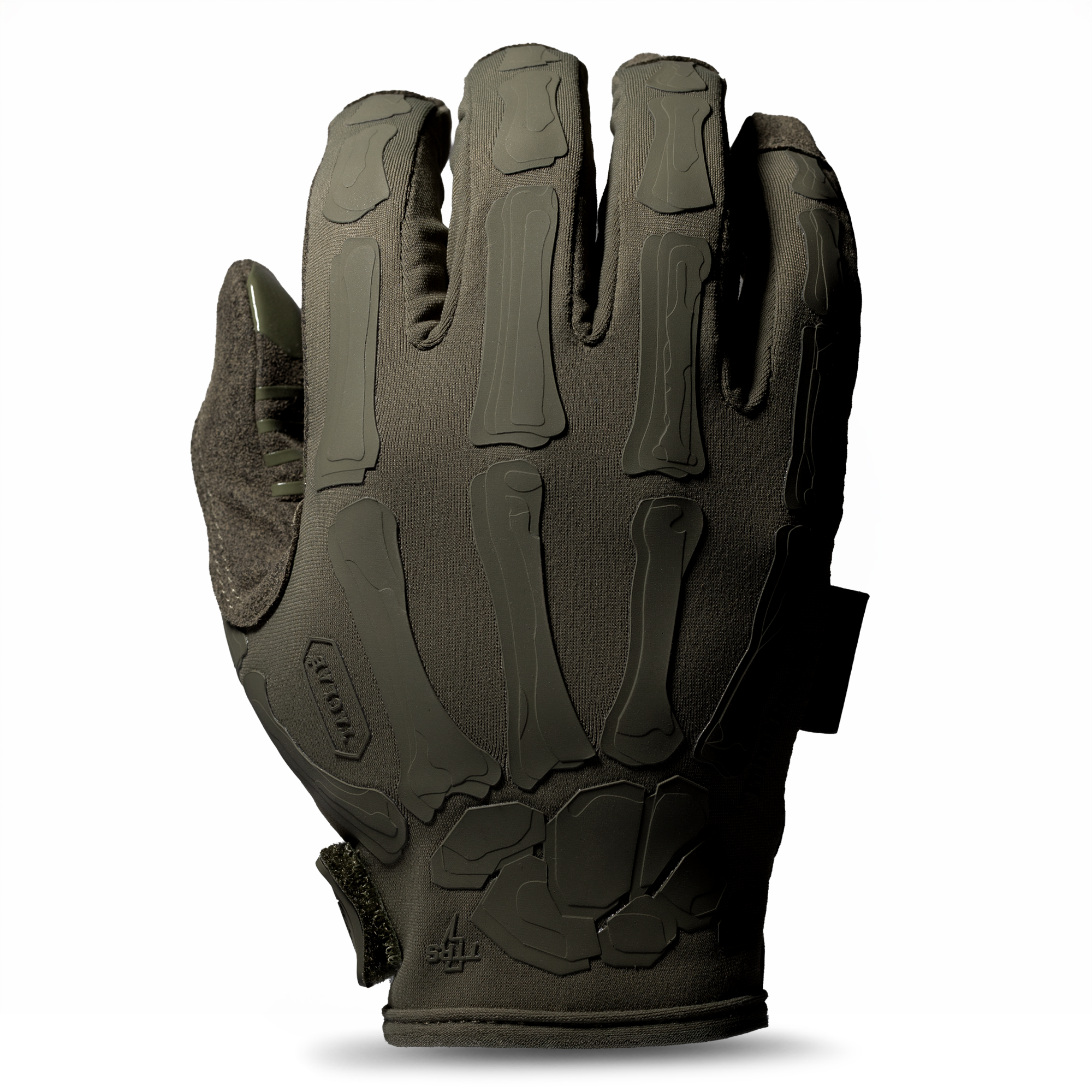
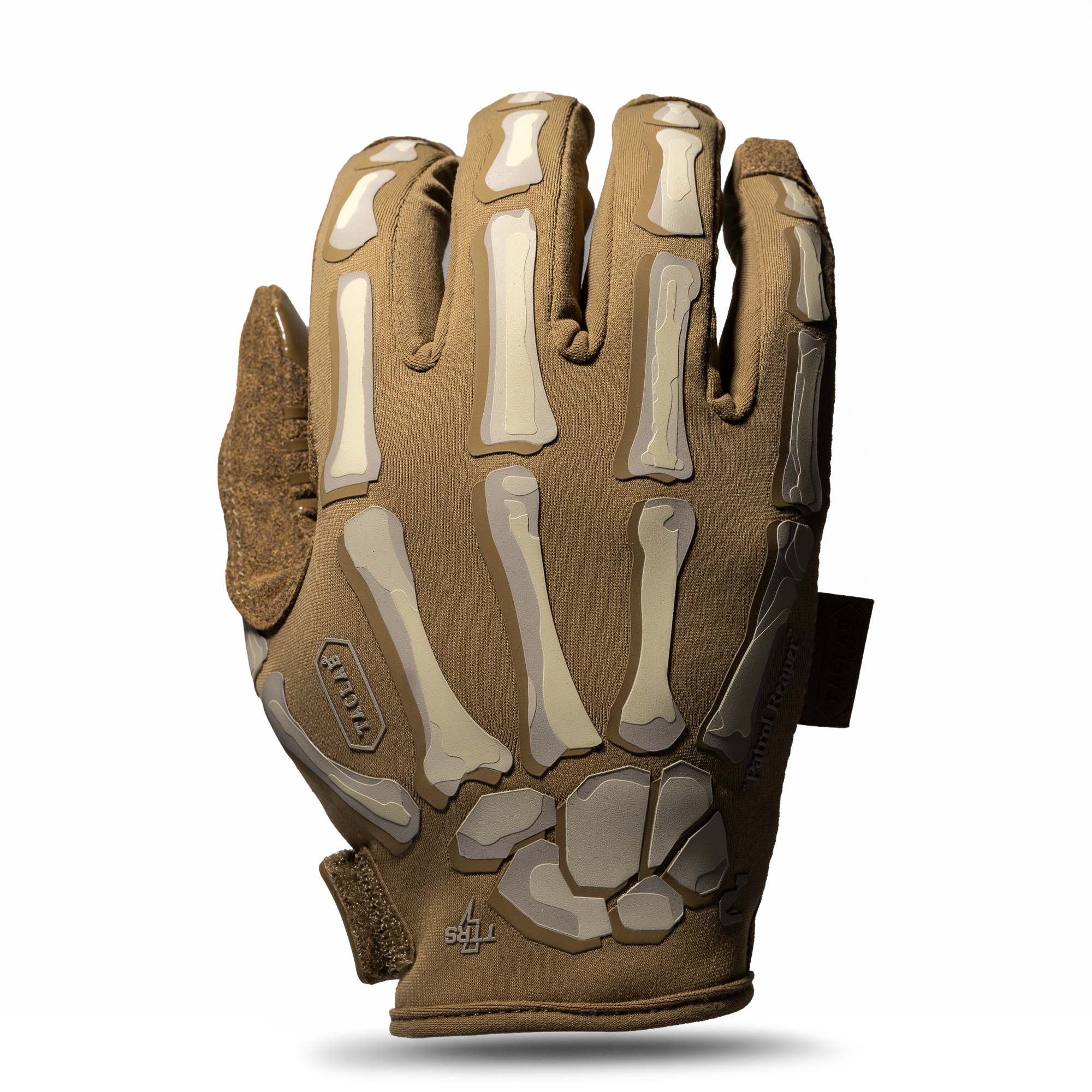
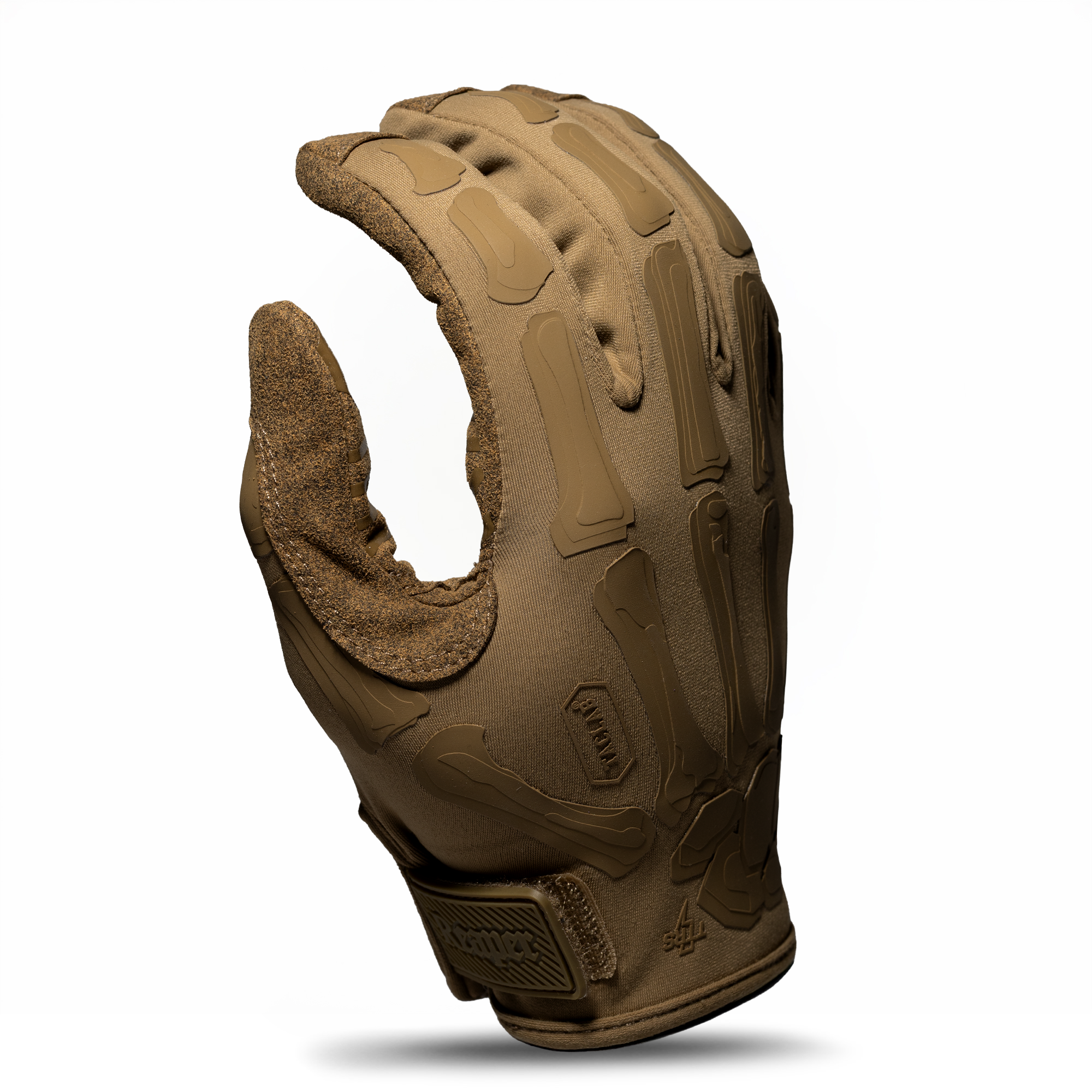
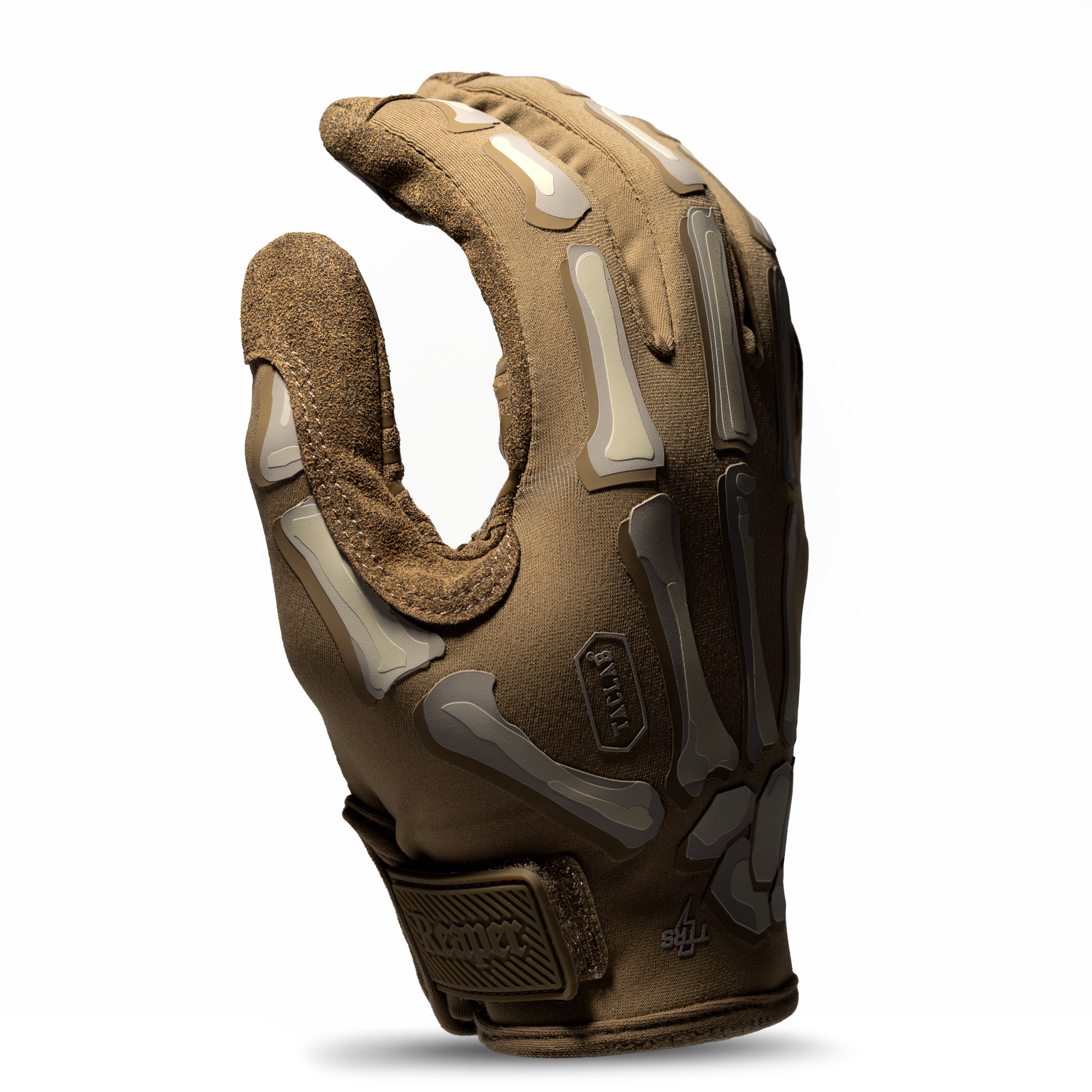
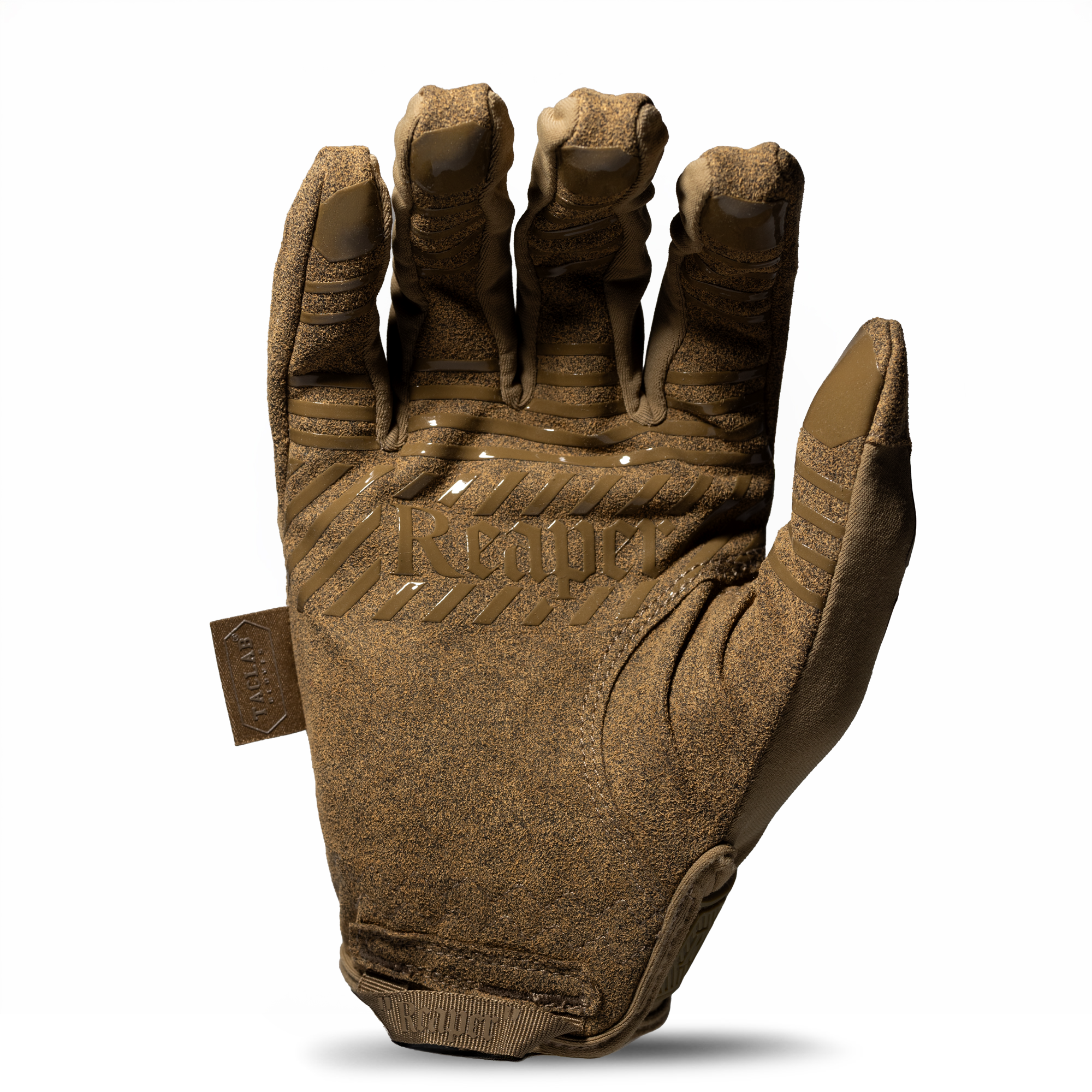
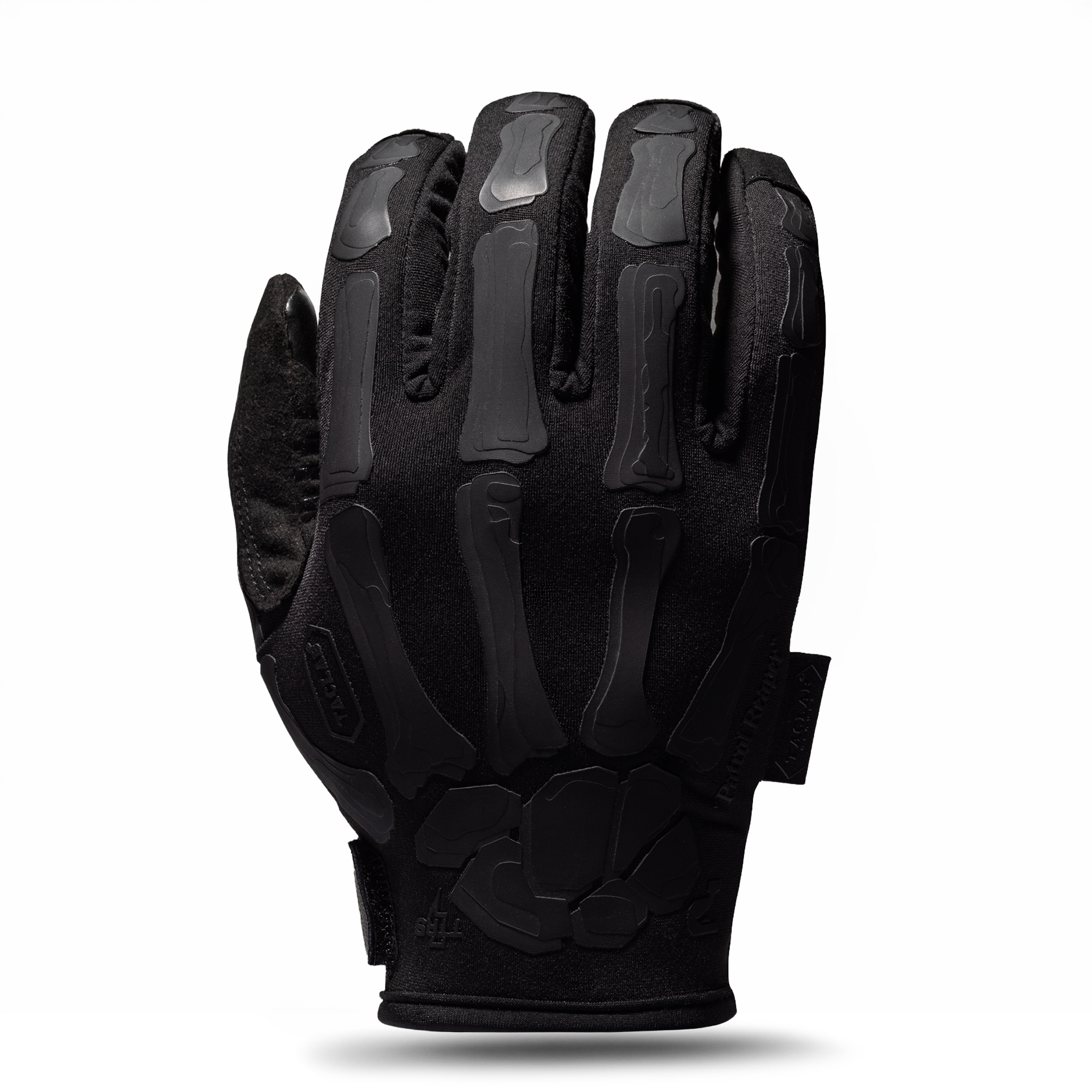
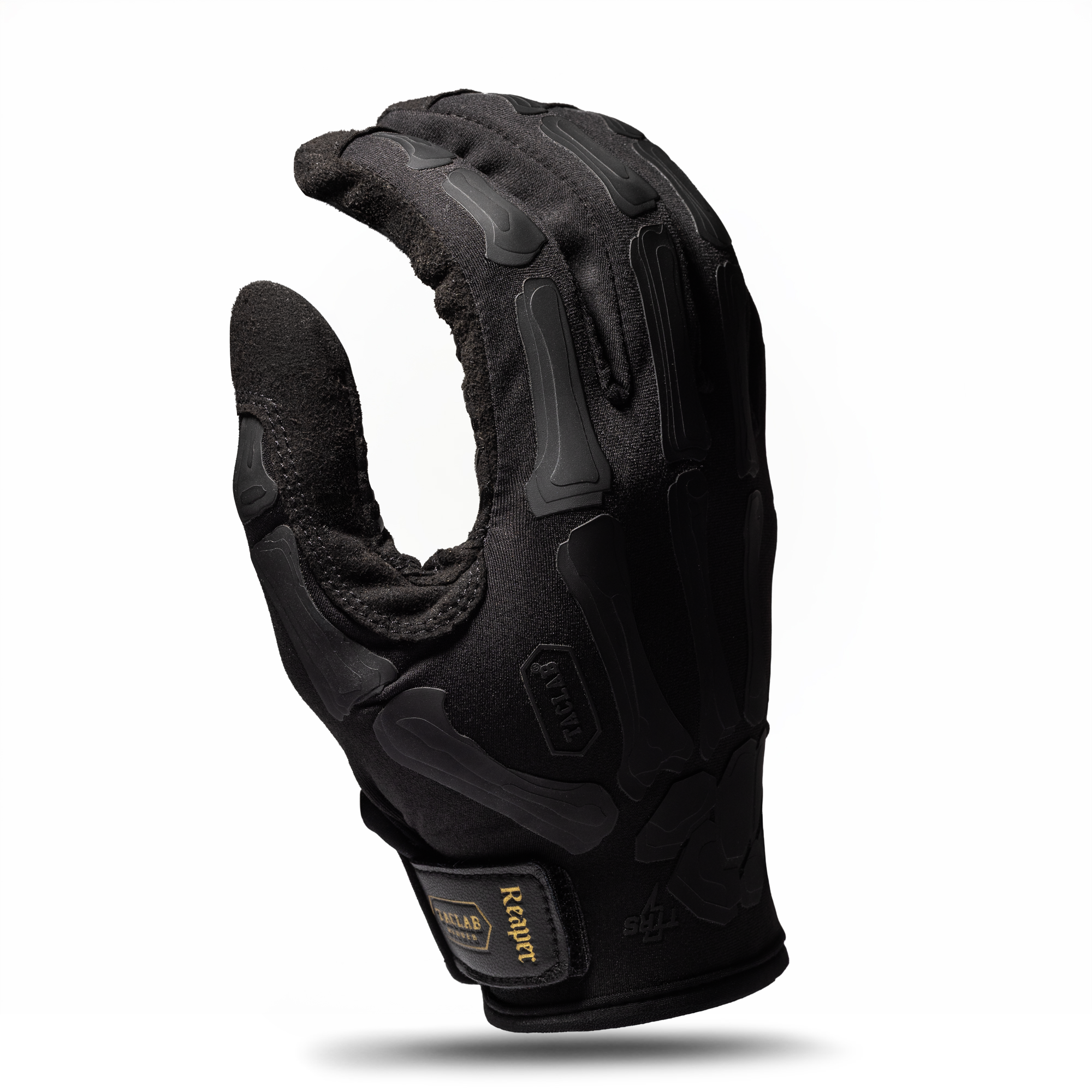
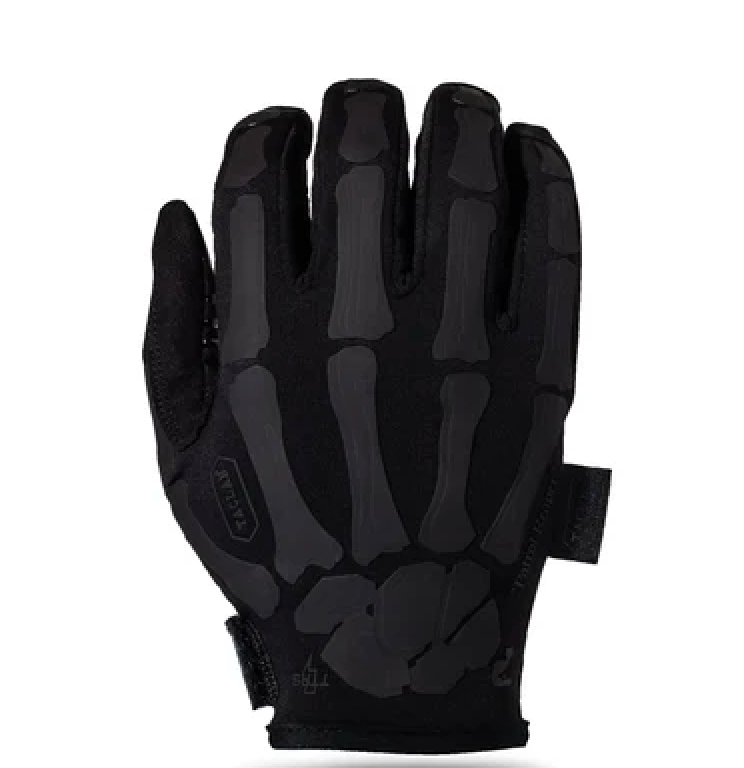
TACLAB Reaper — For Mild Fall Range Days
When the weather is relatively comfortable, lightweight gloves may be the better option.
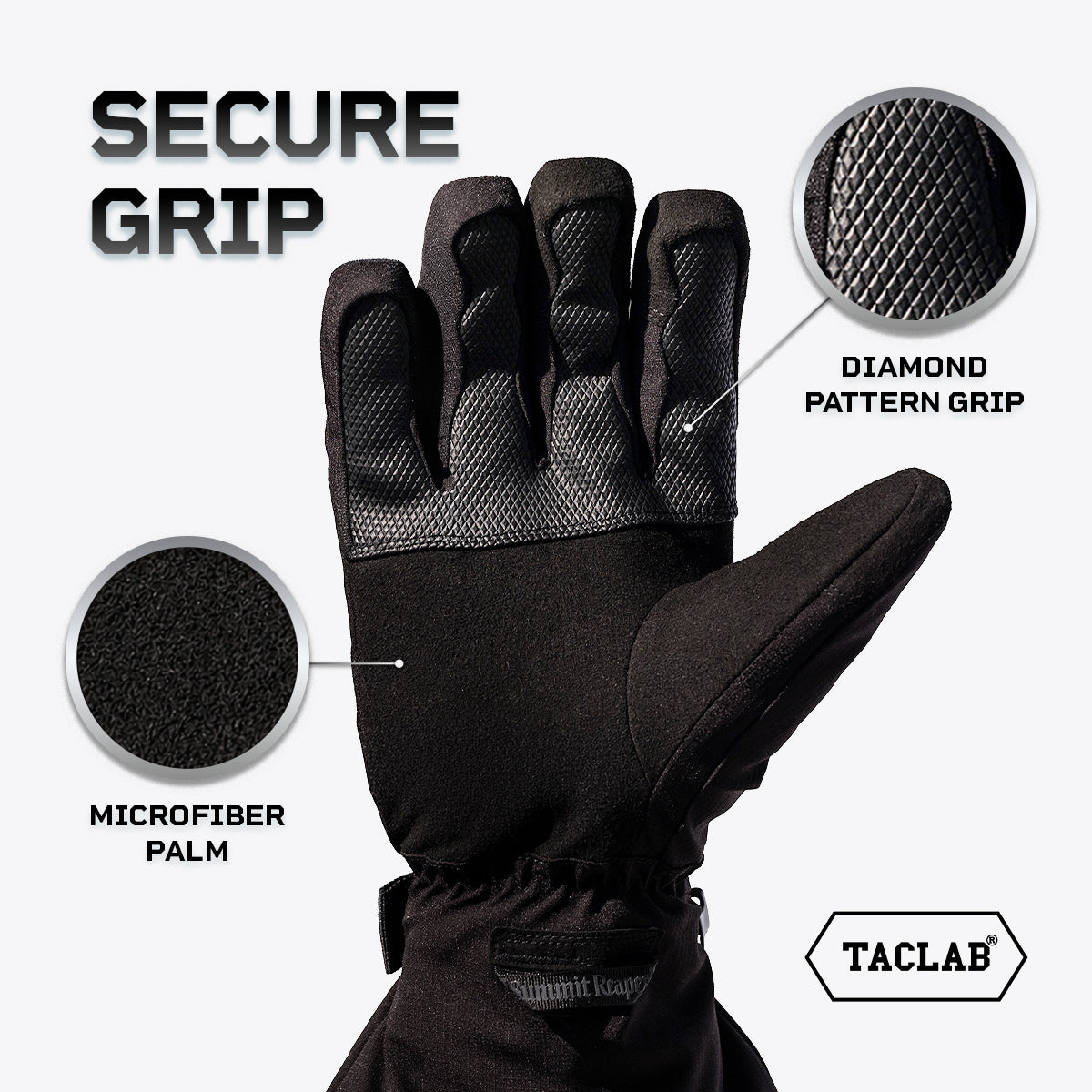
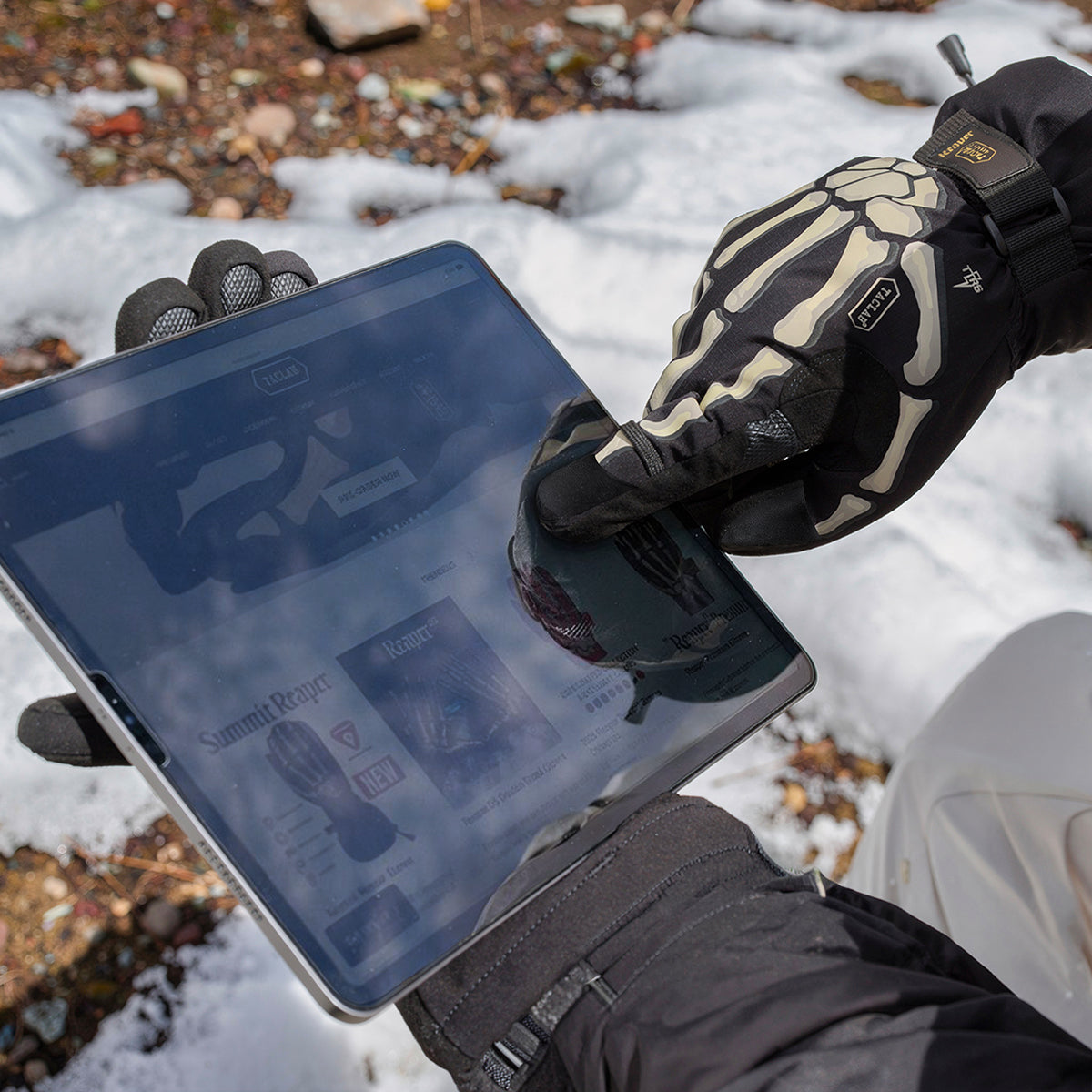
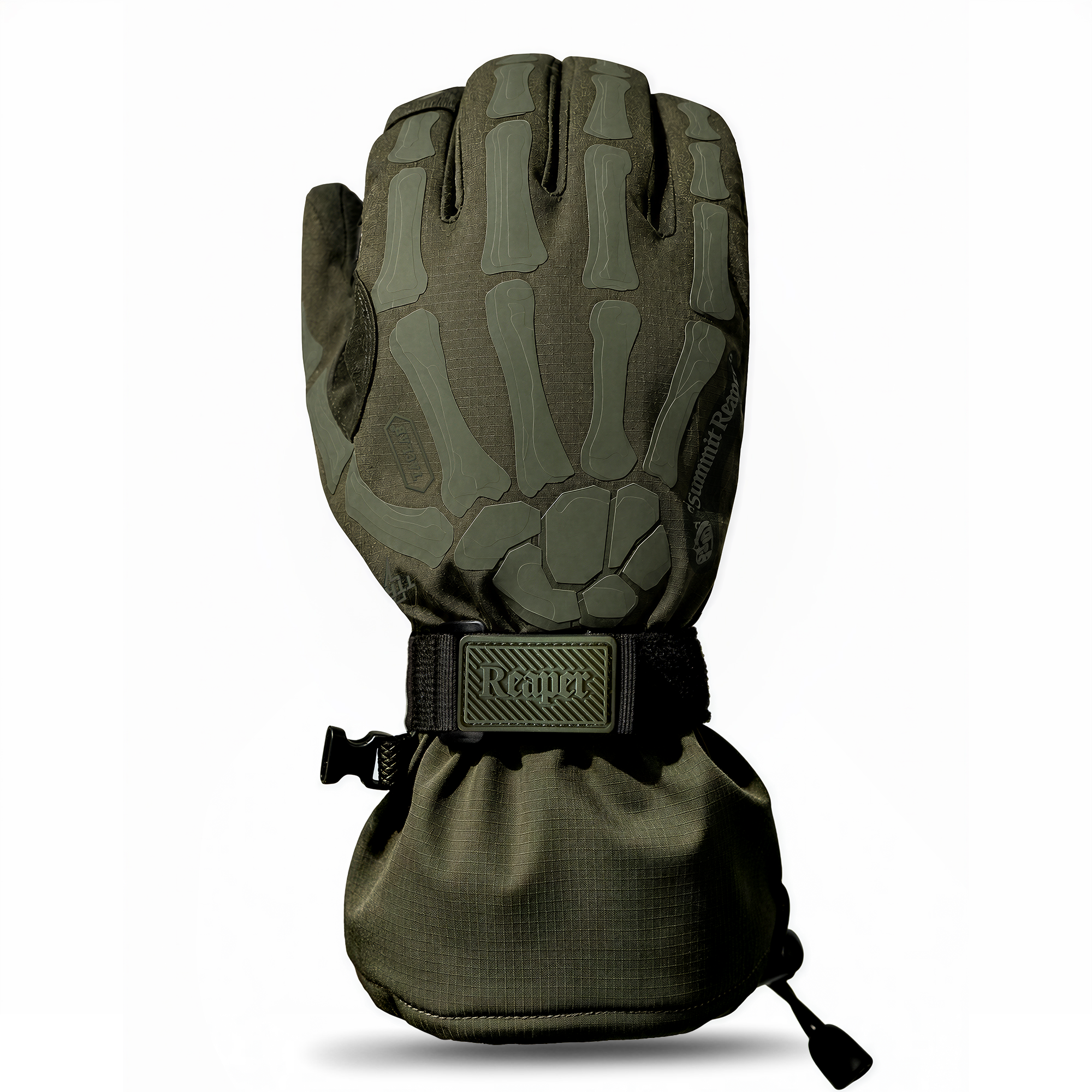
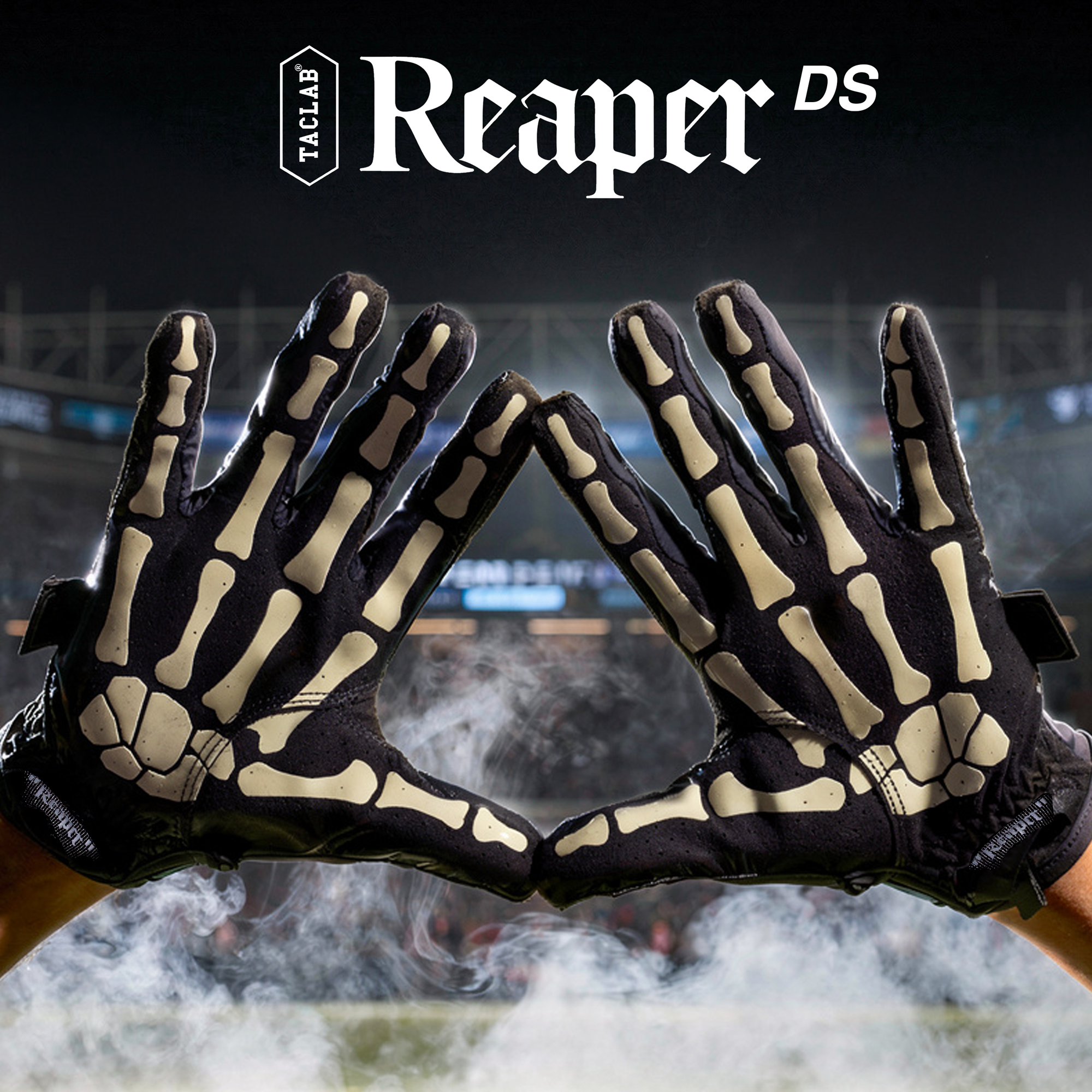
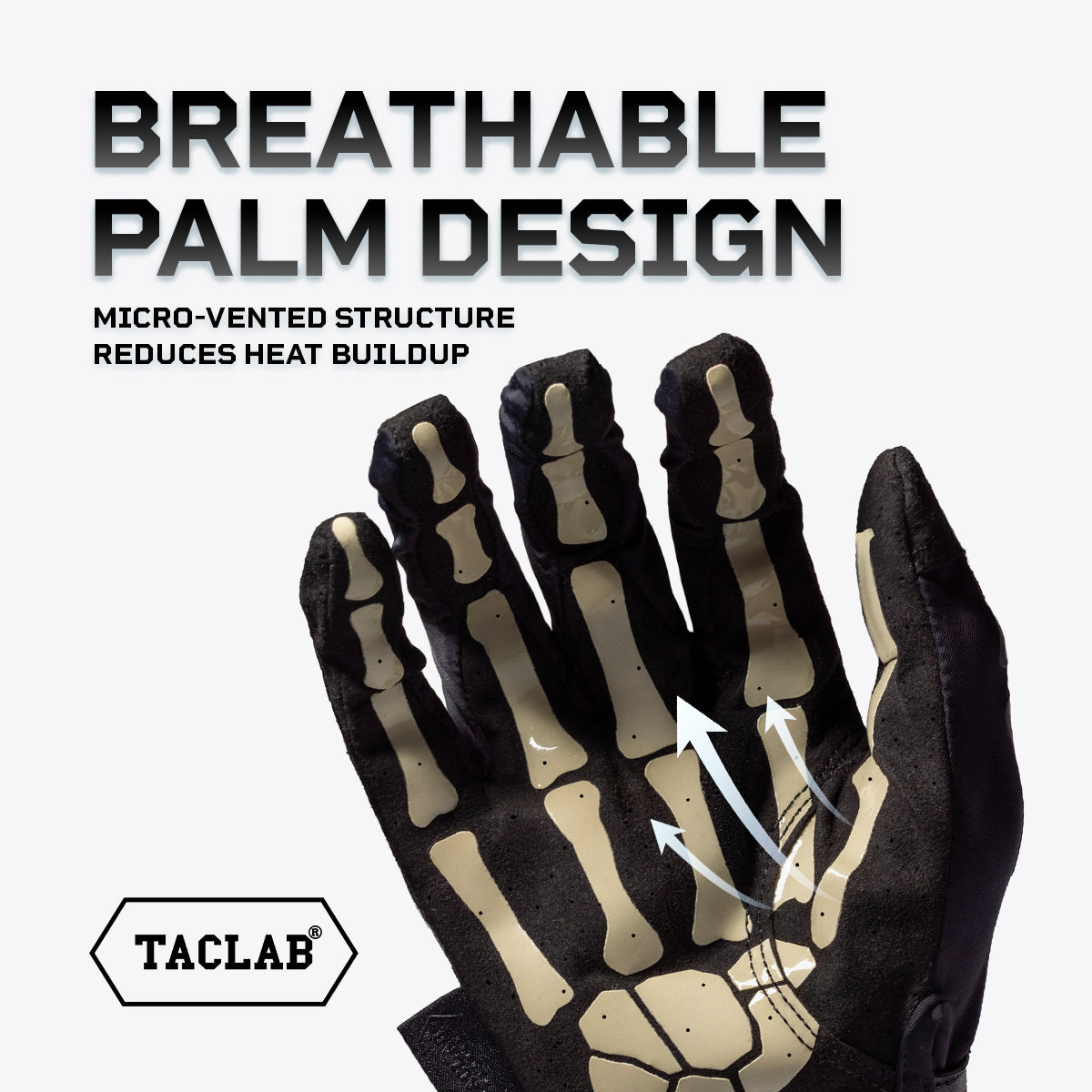
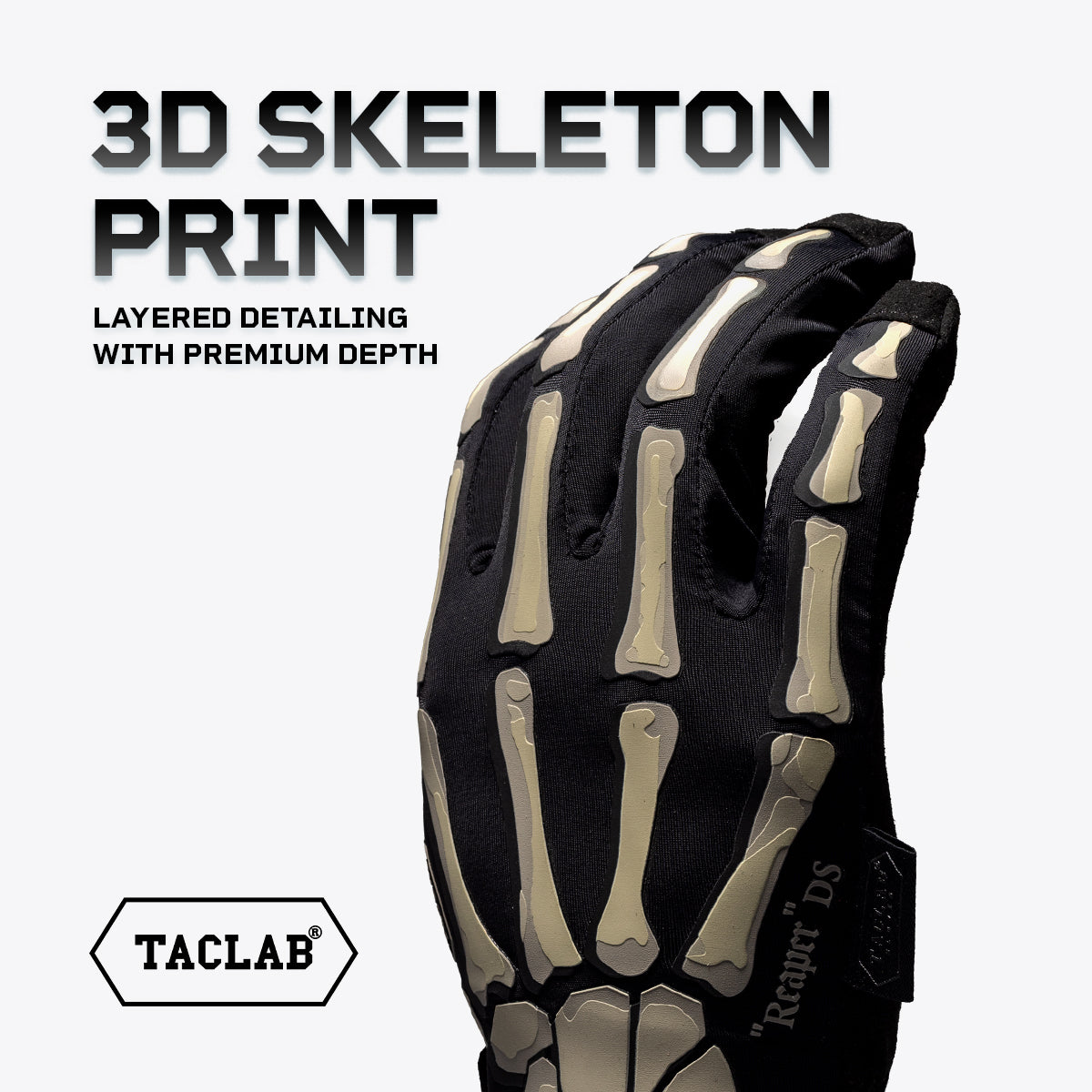
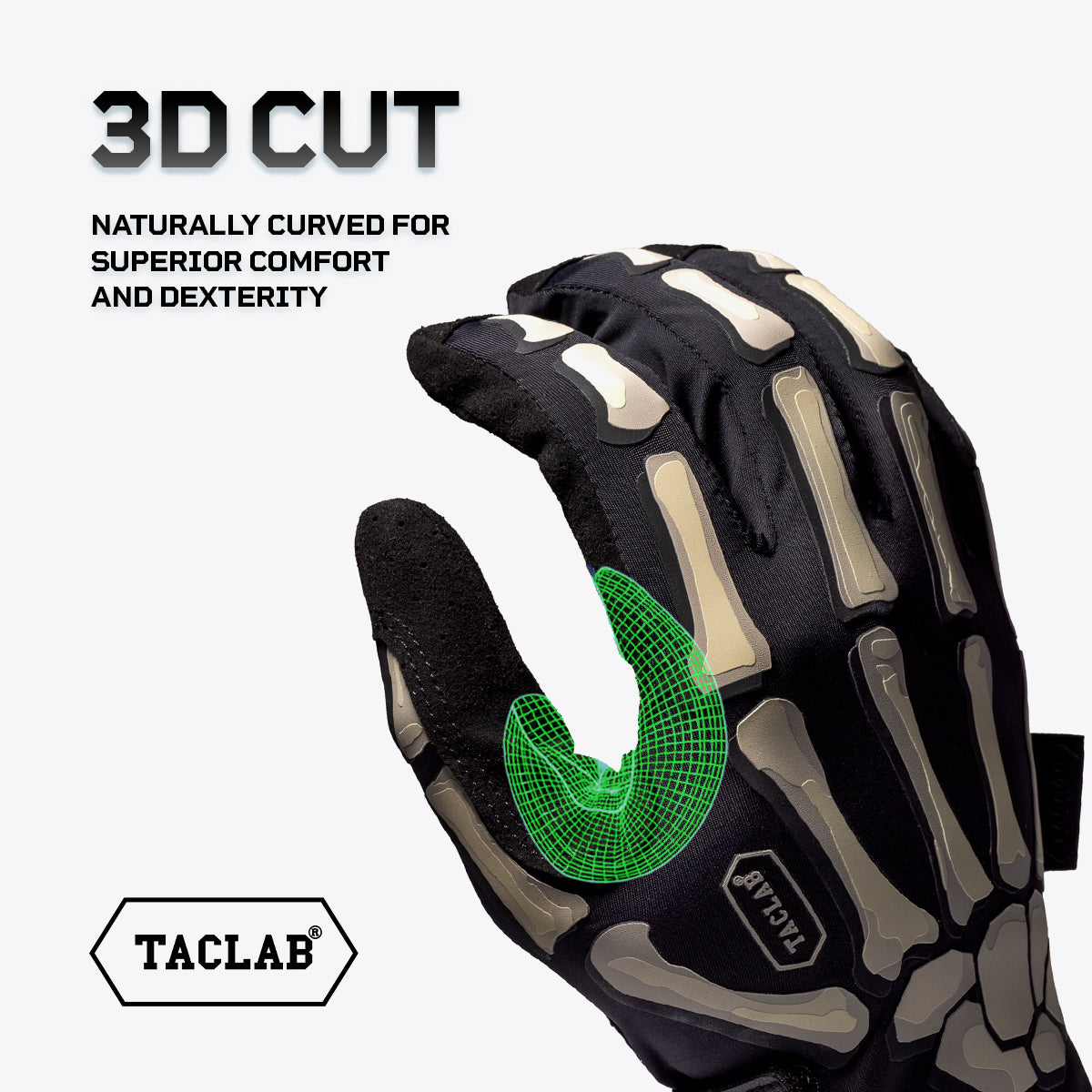
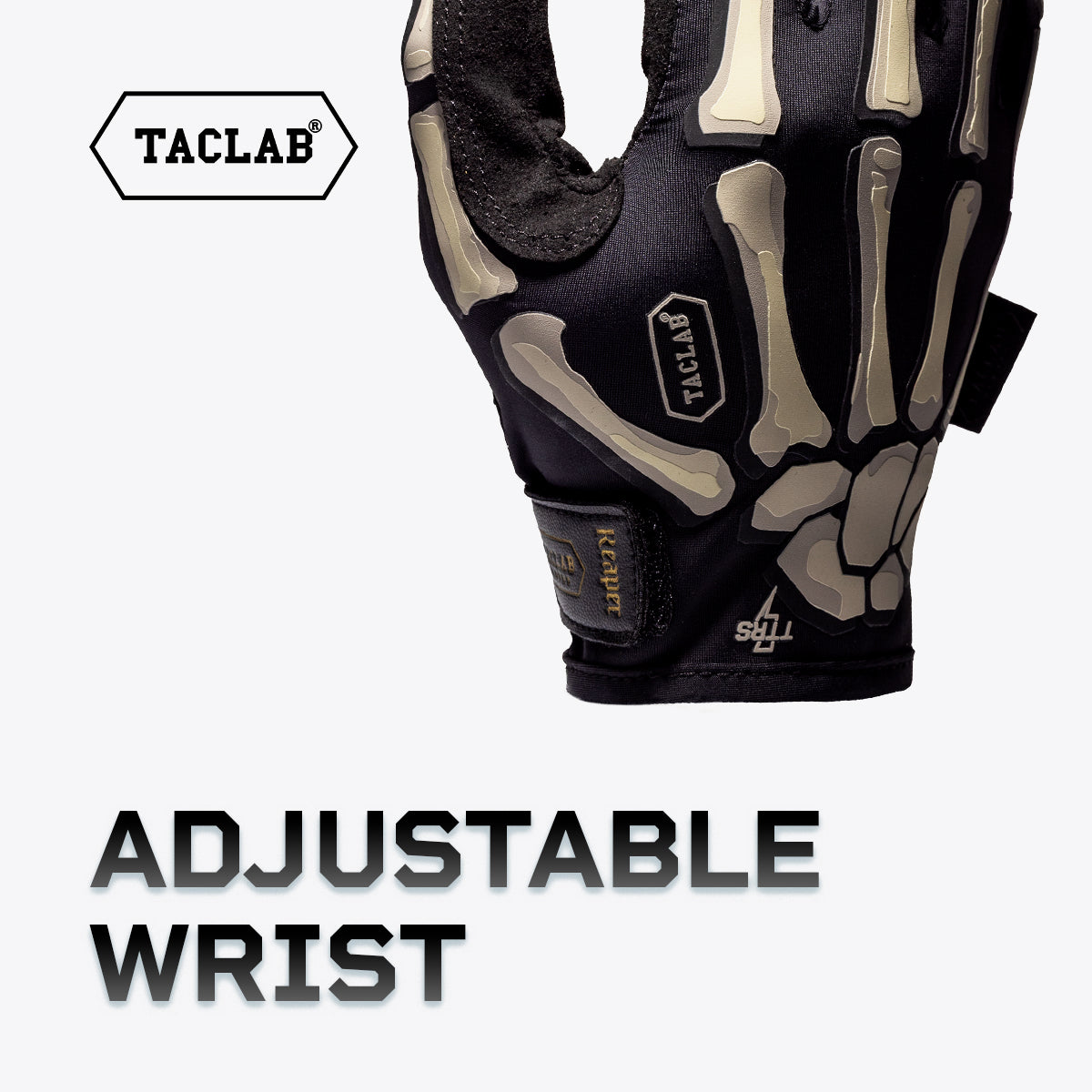
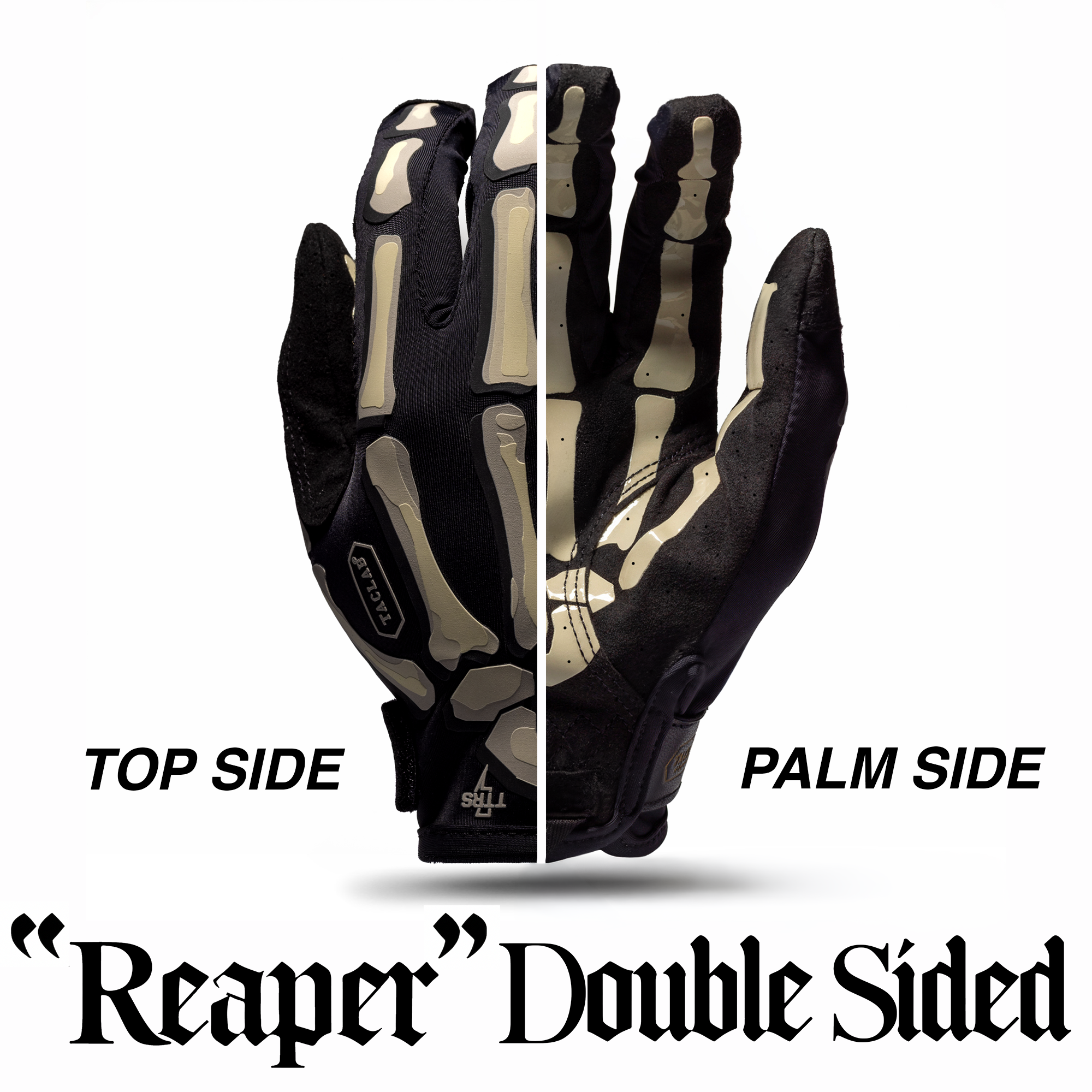
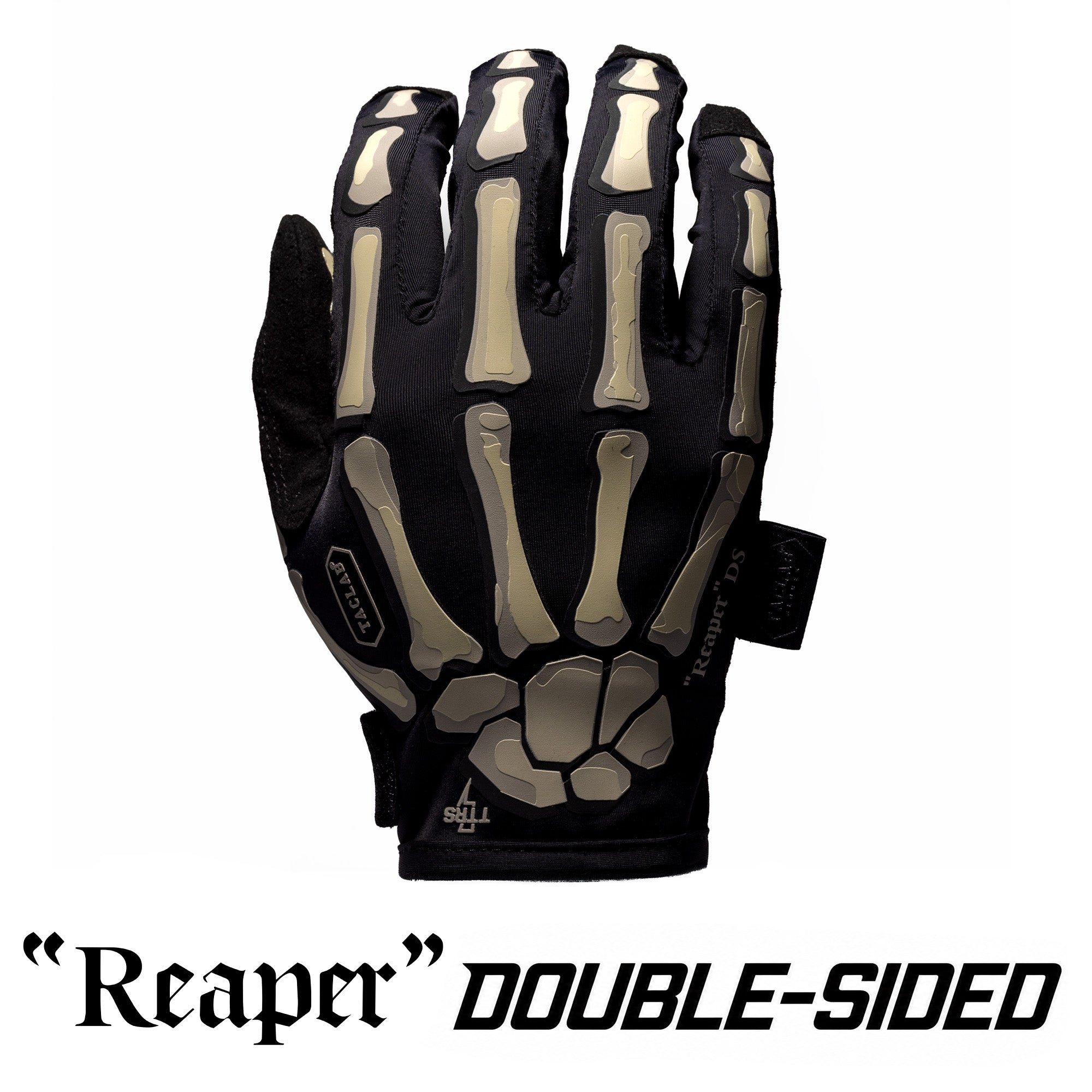
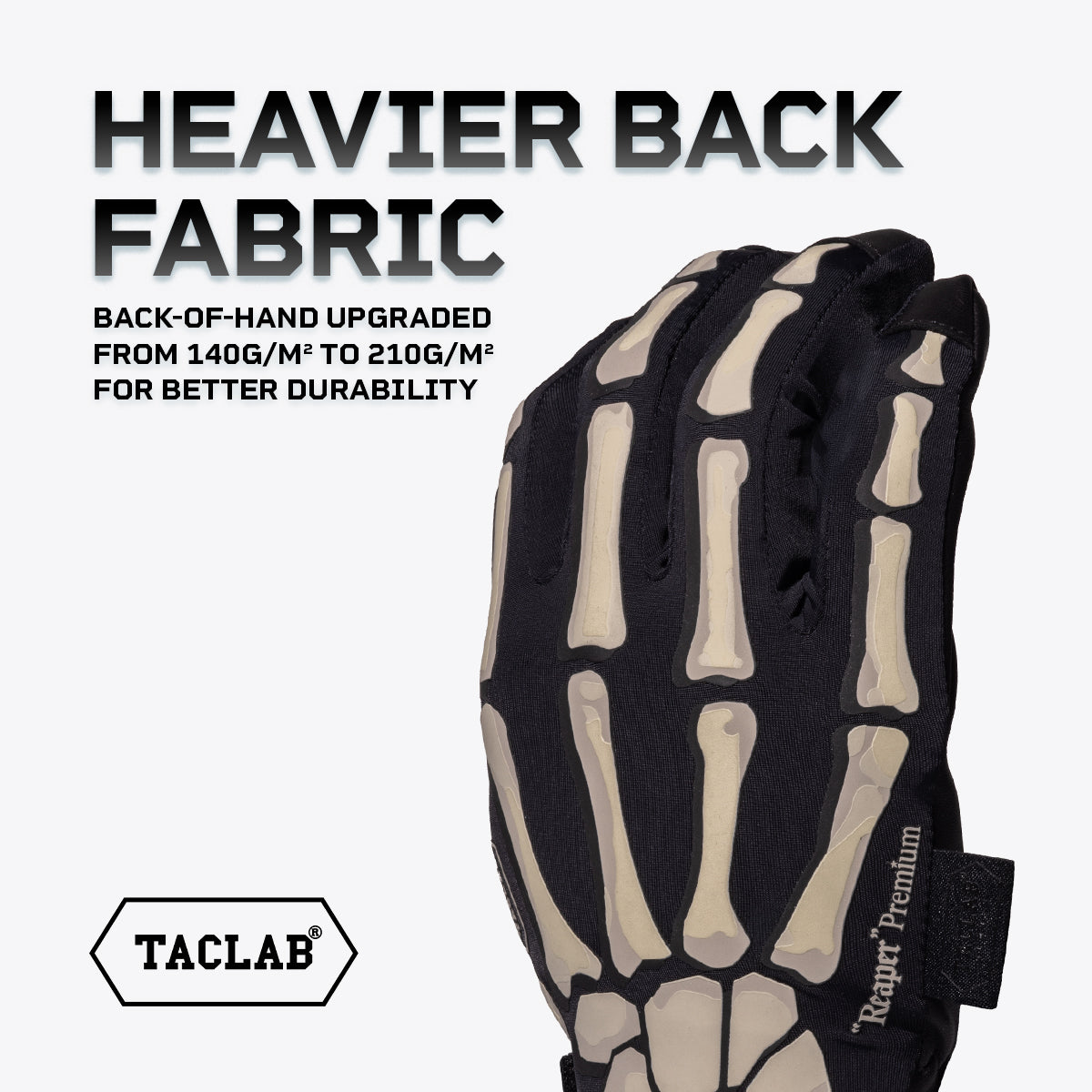
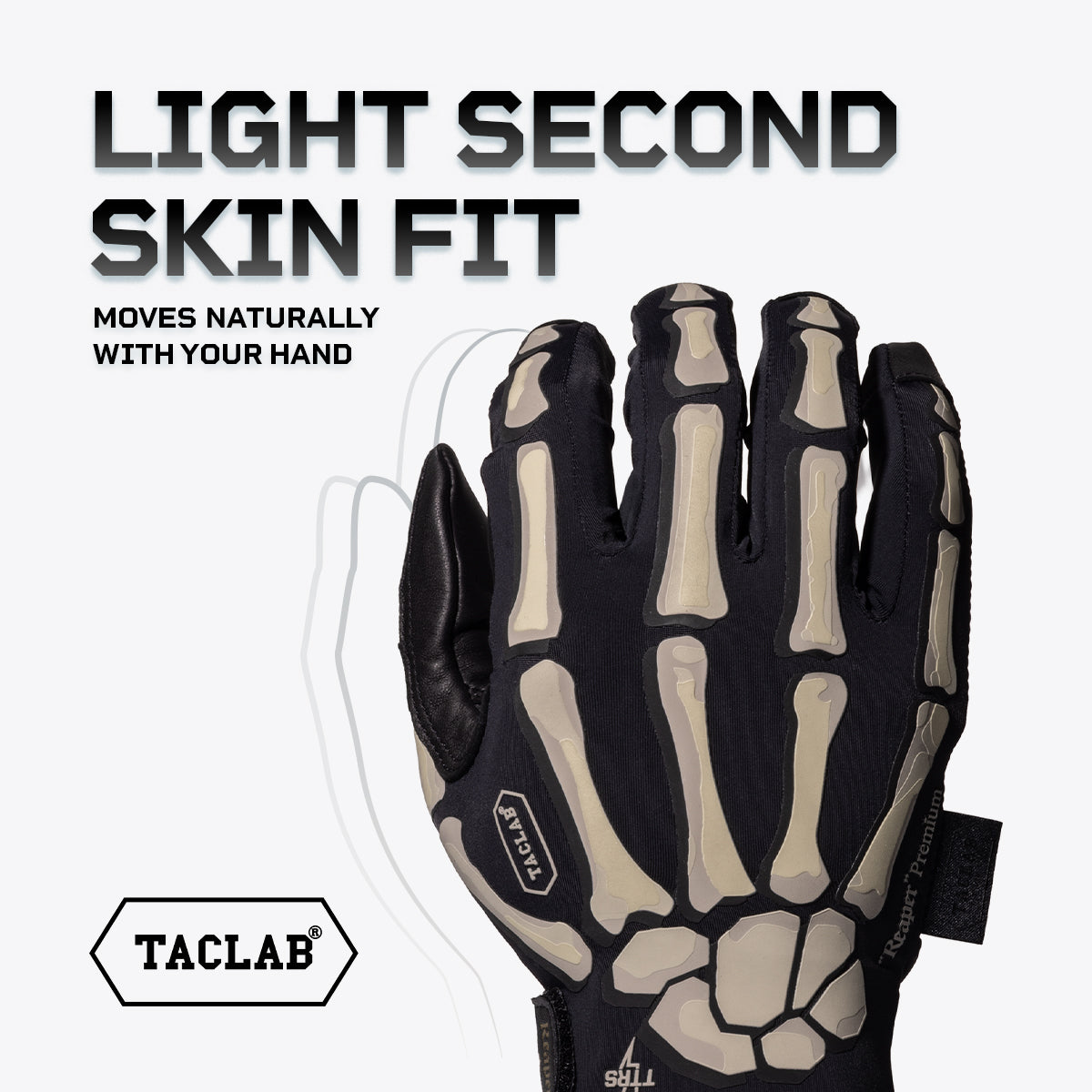
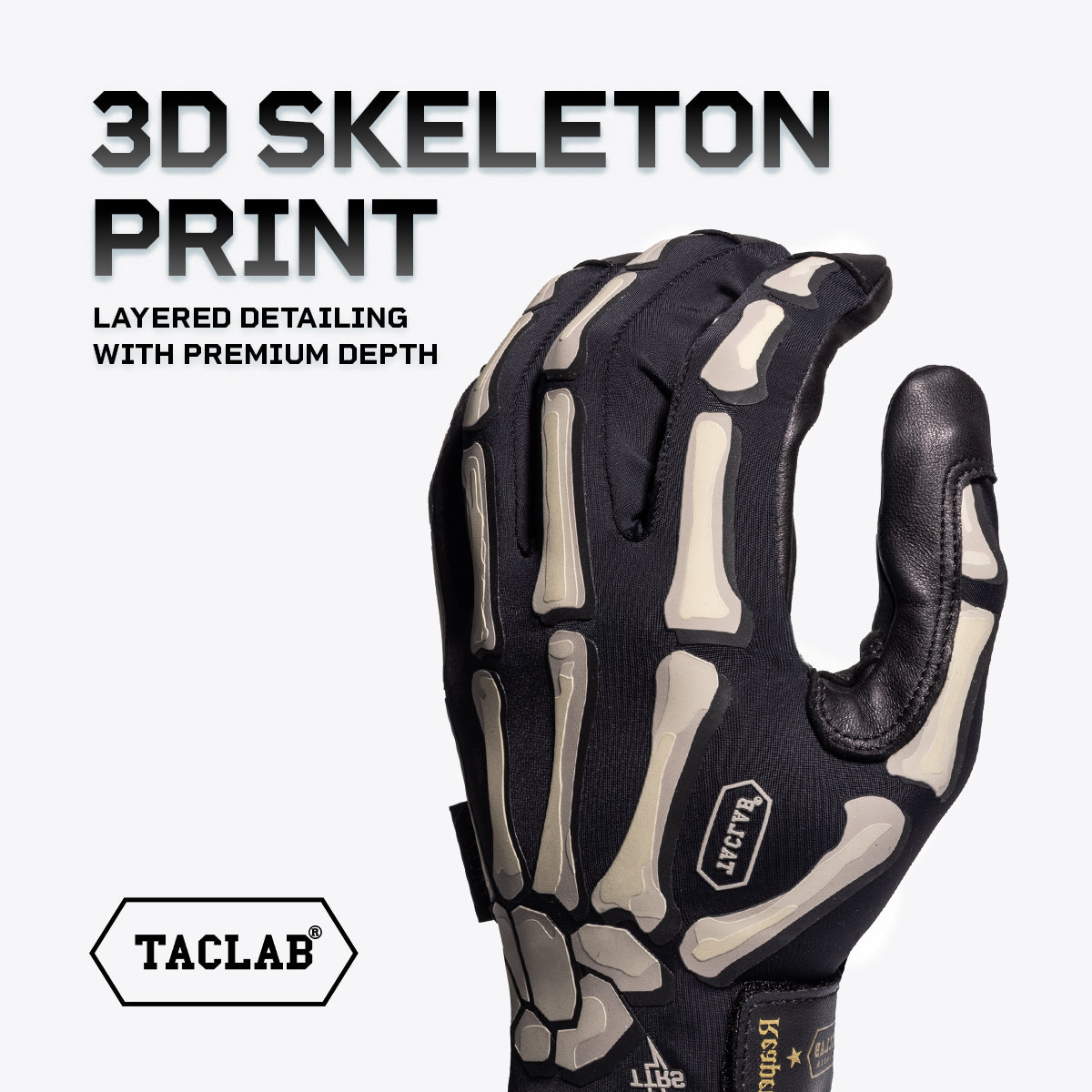
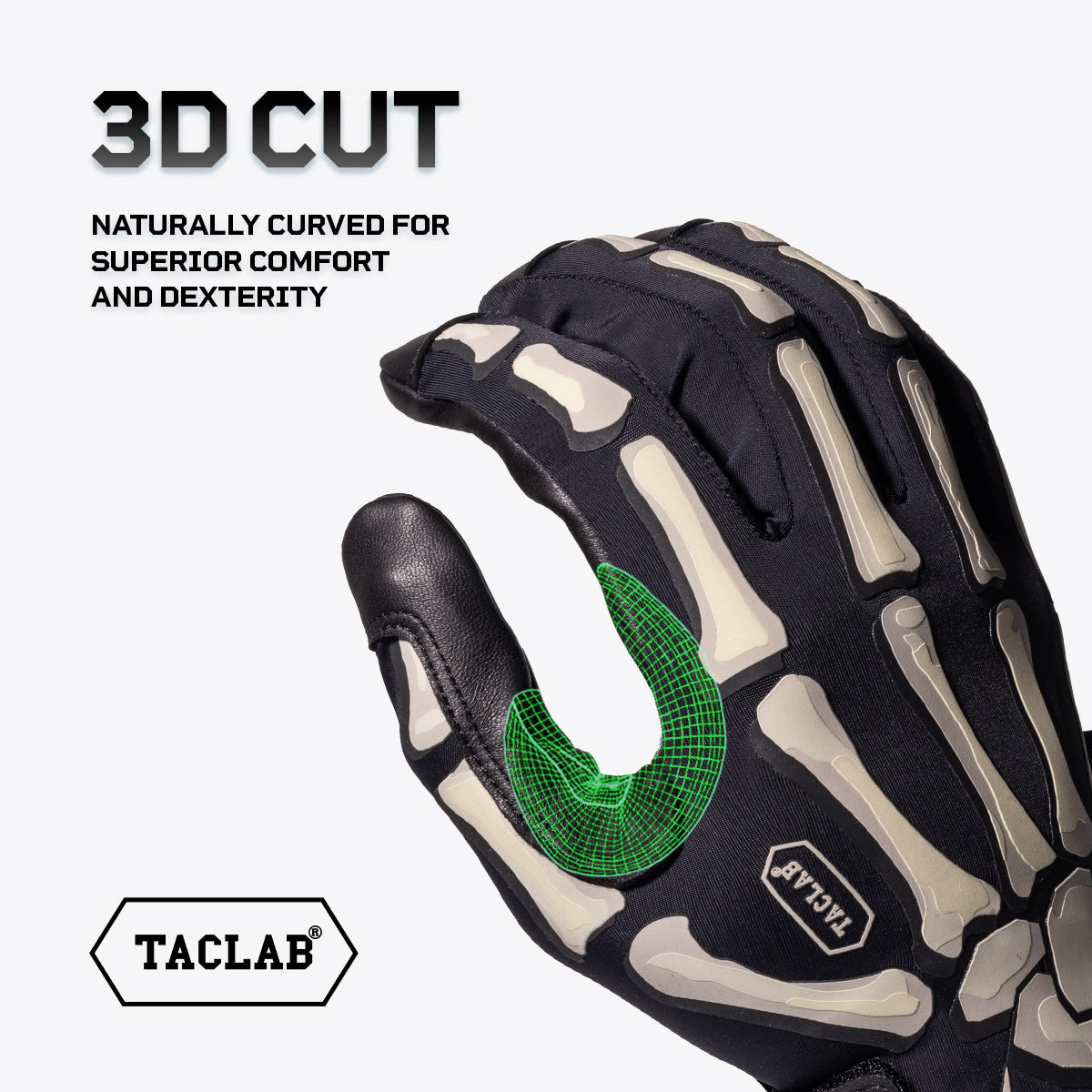
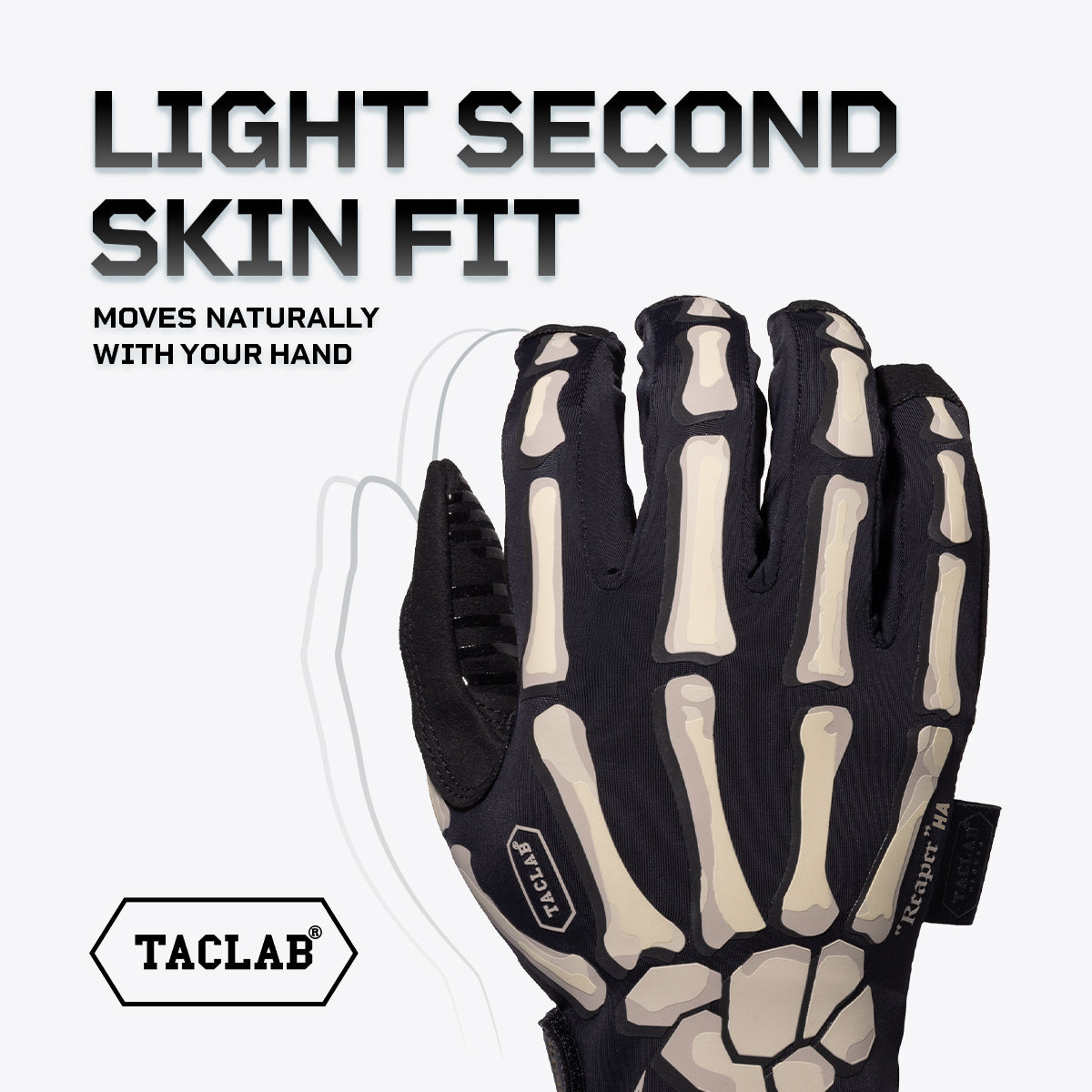
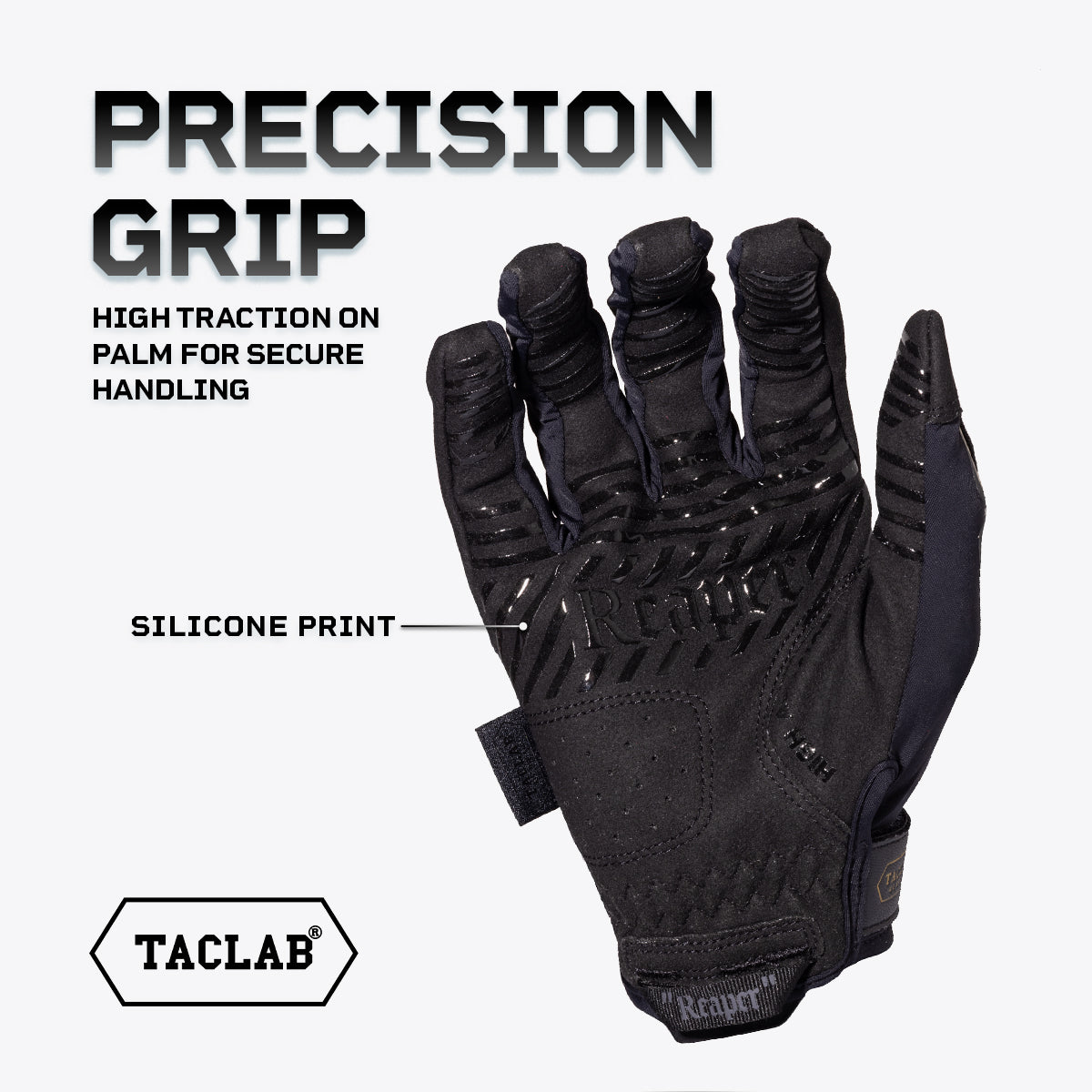
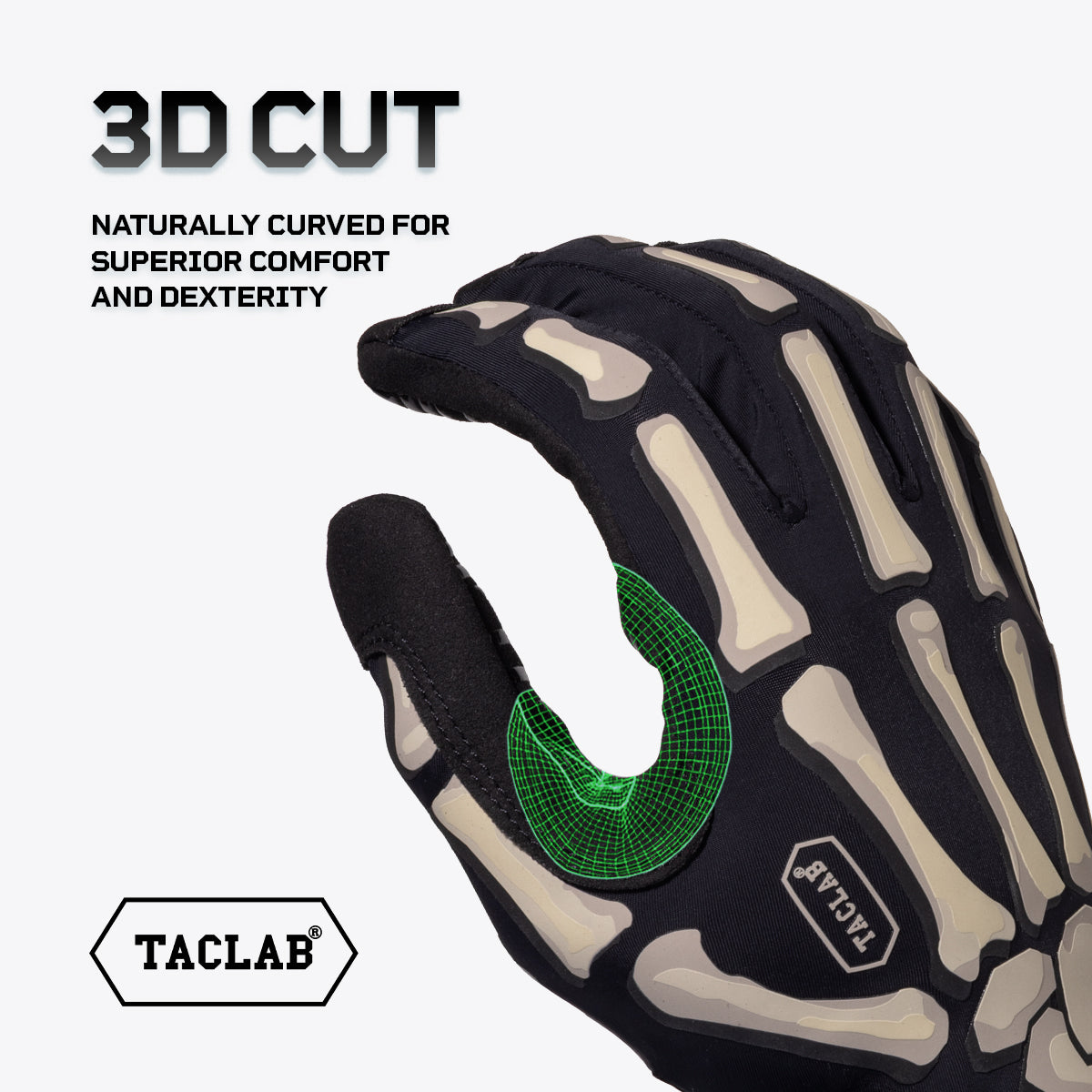
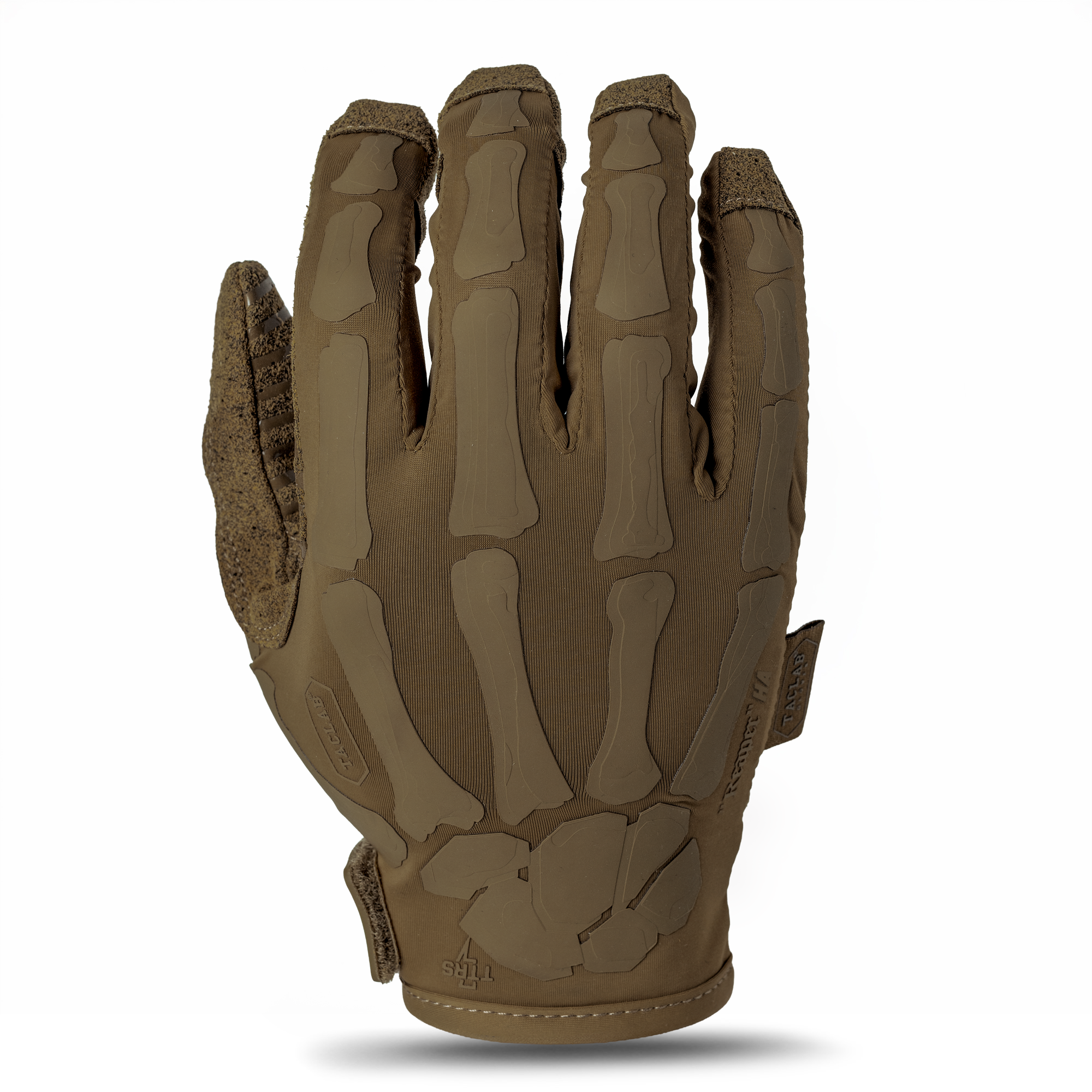
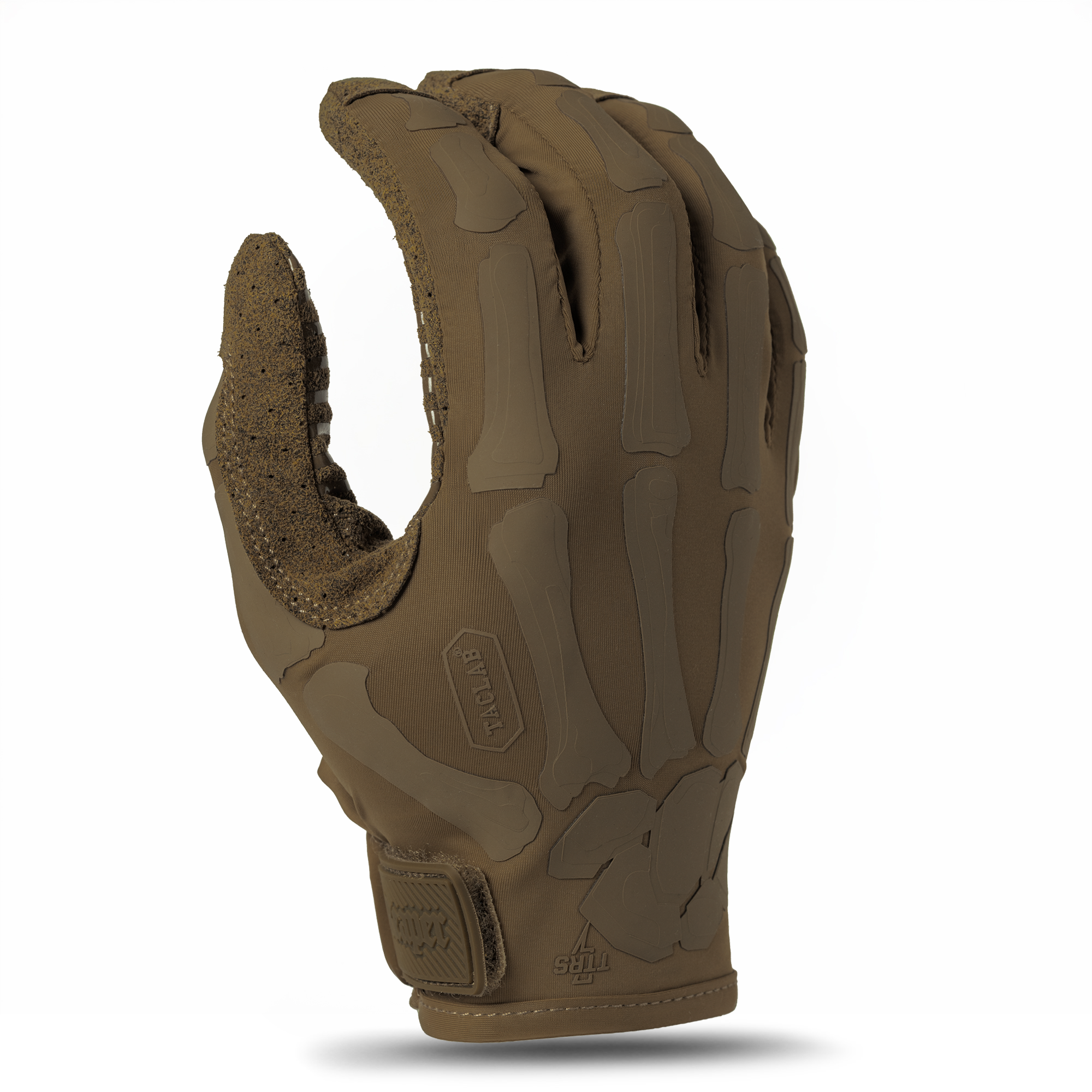
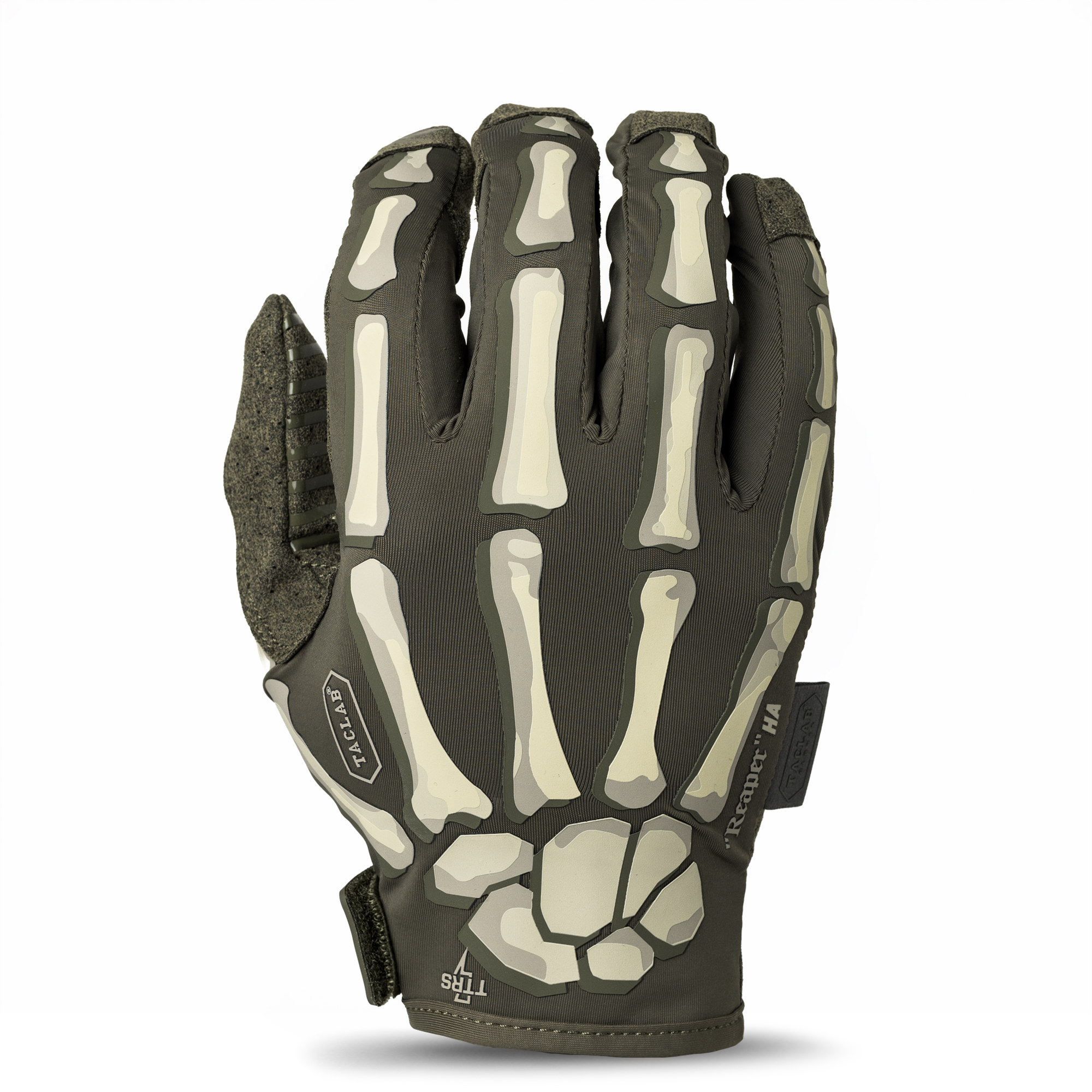
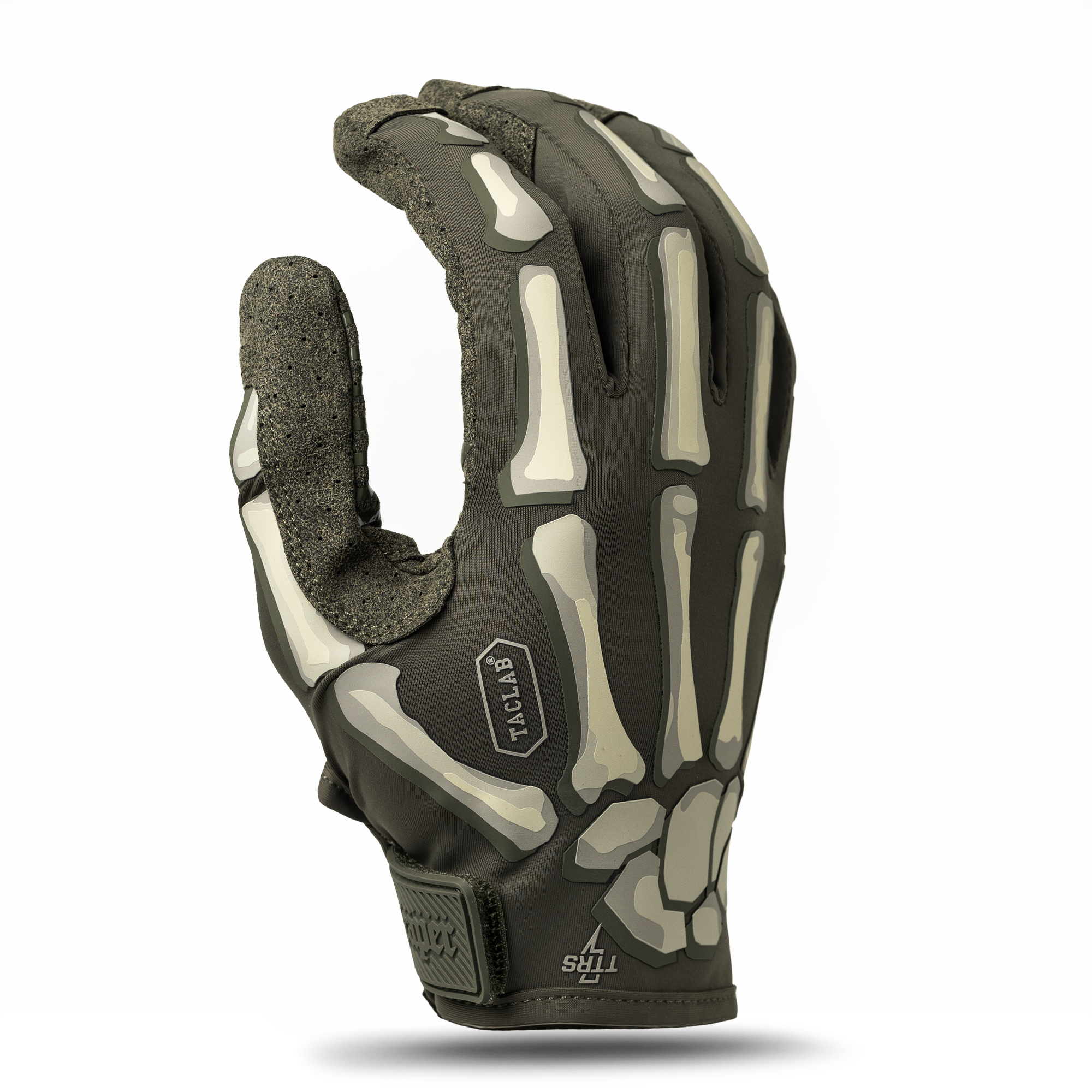
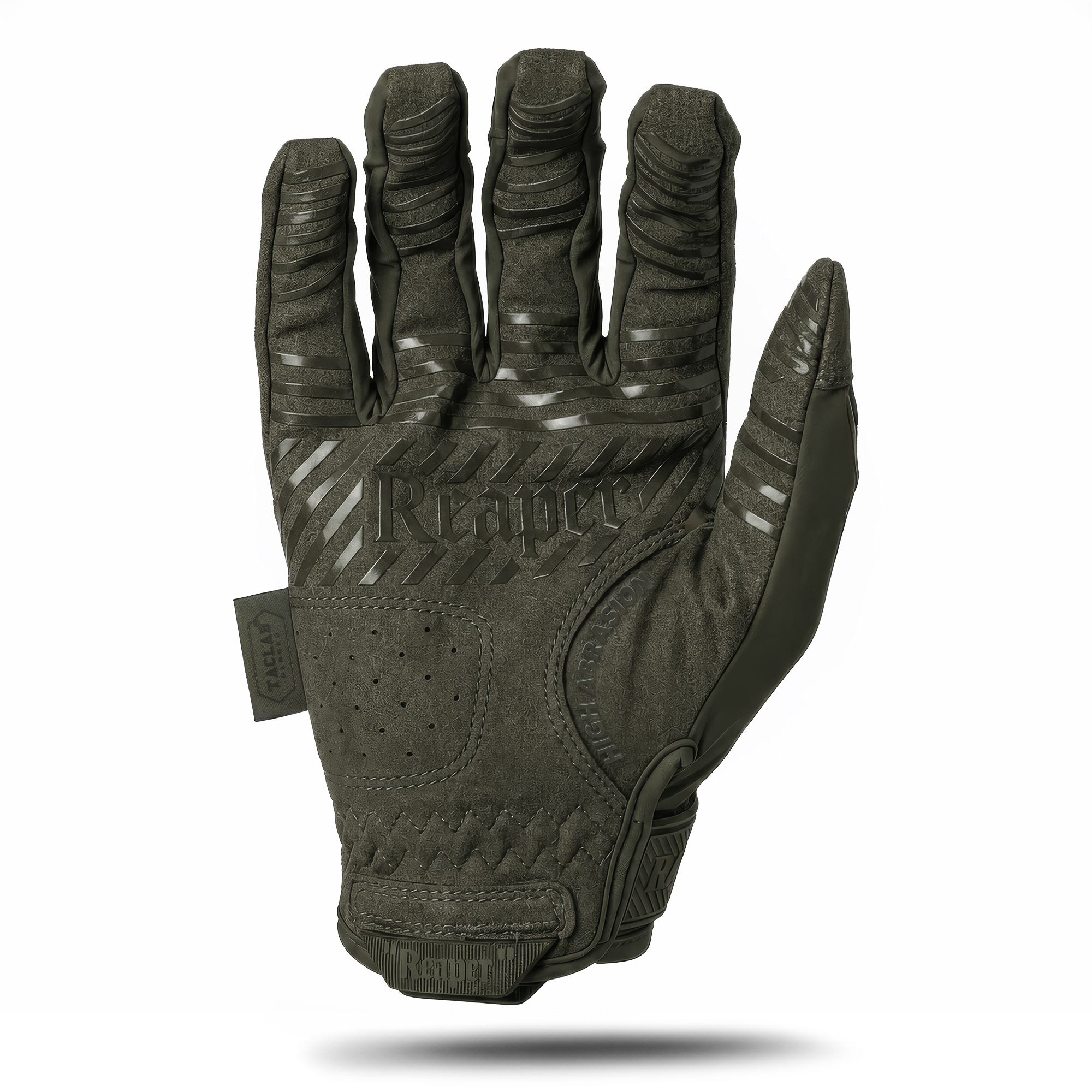
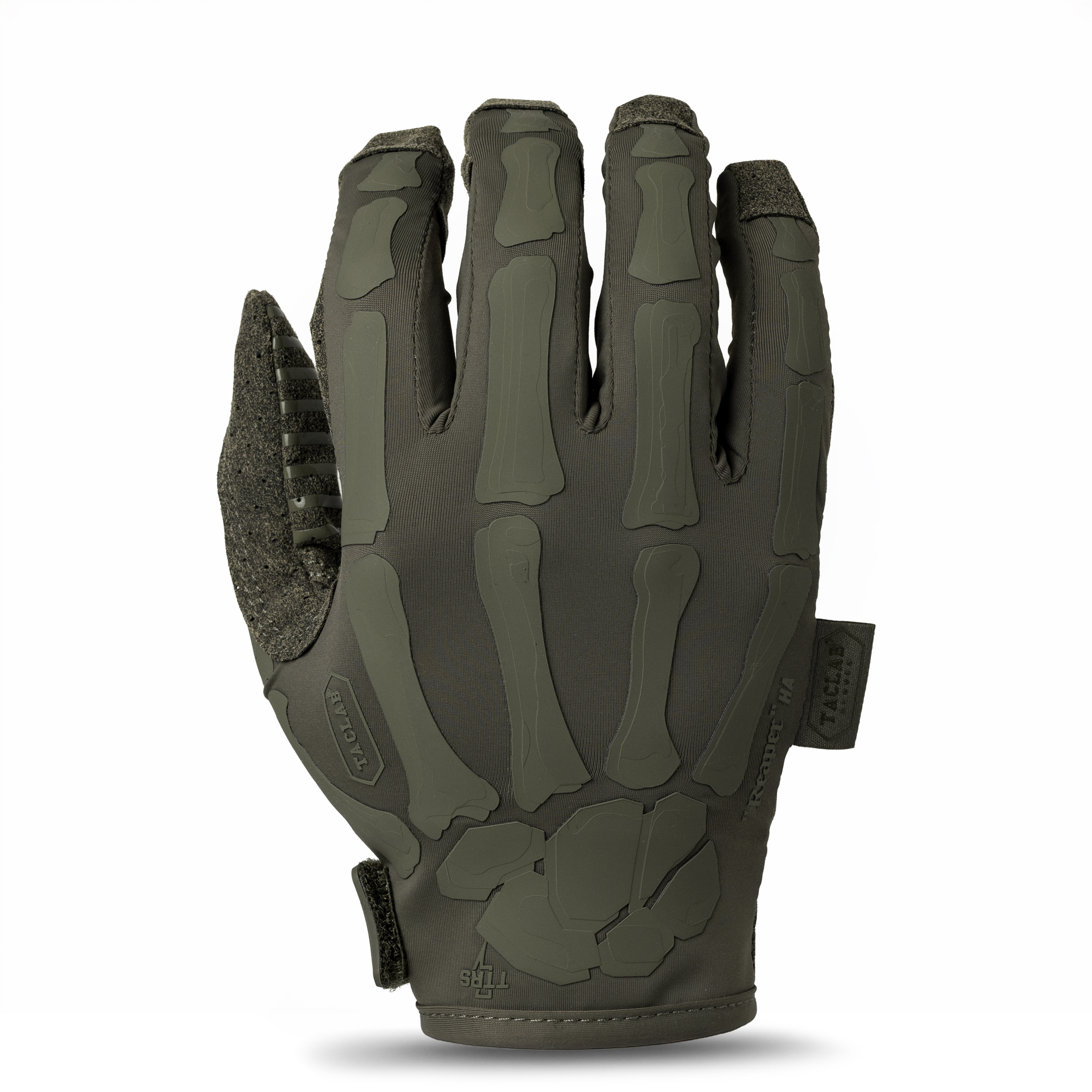
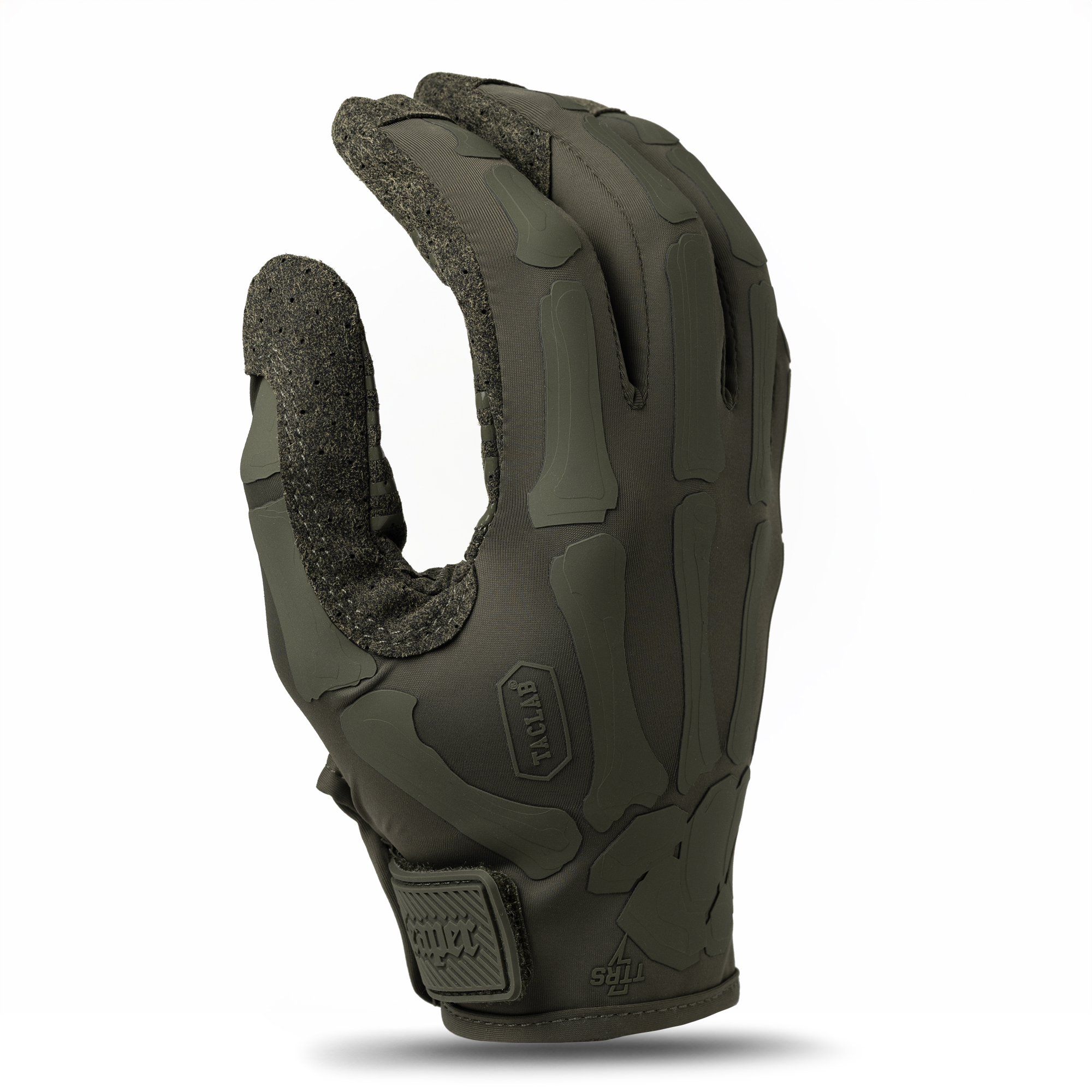
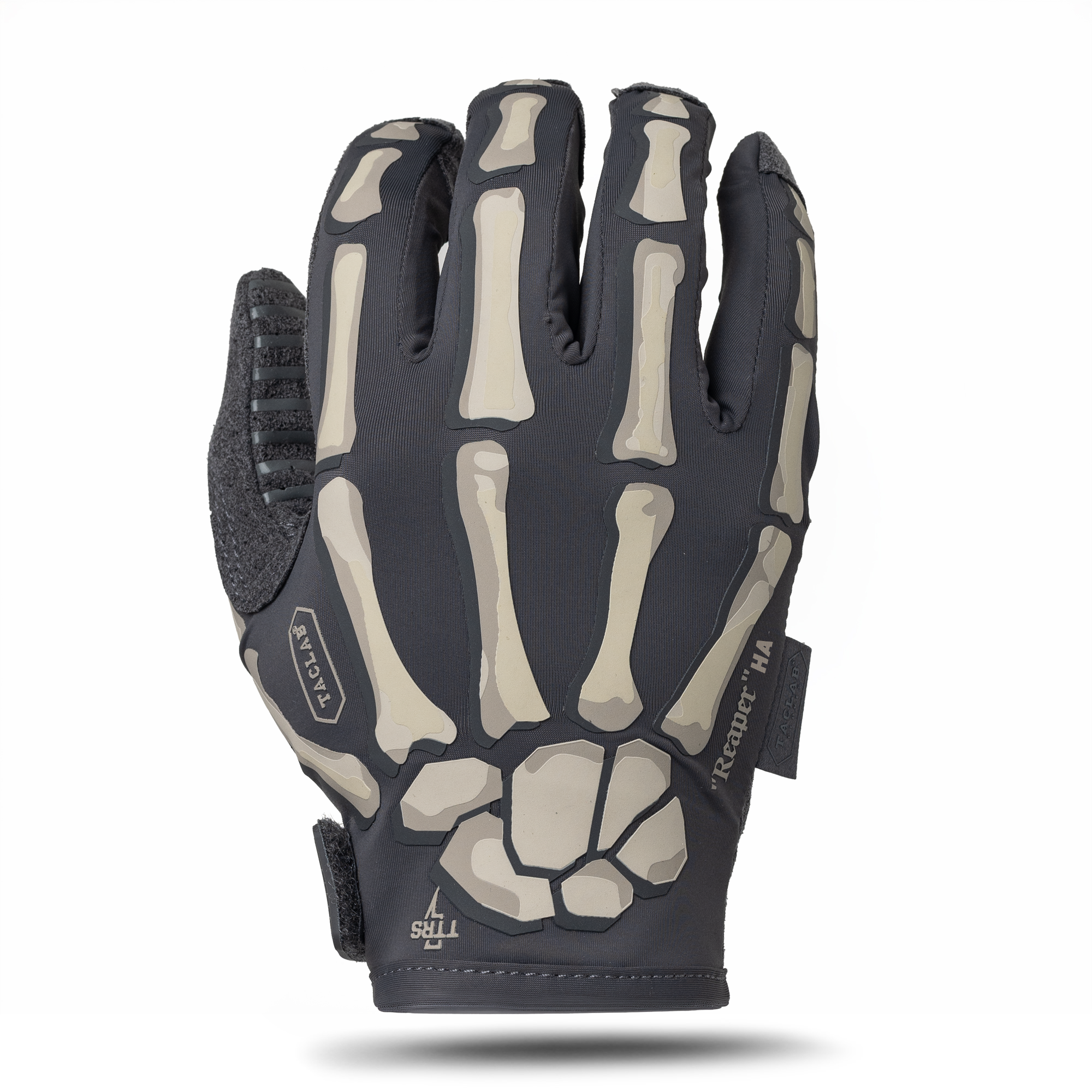
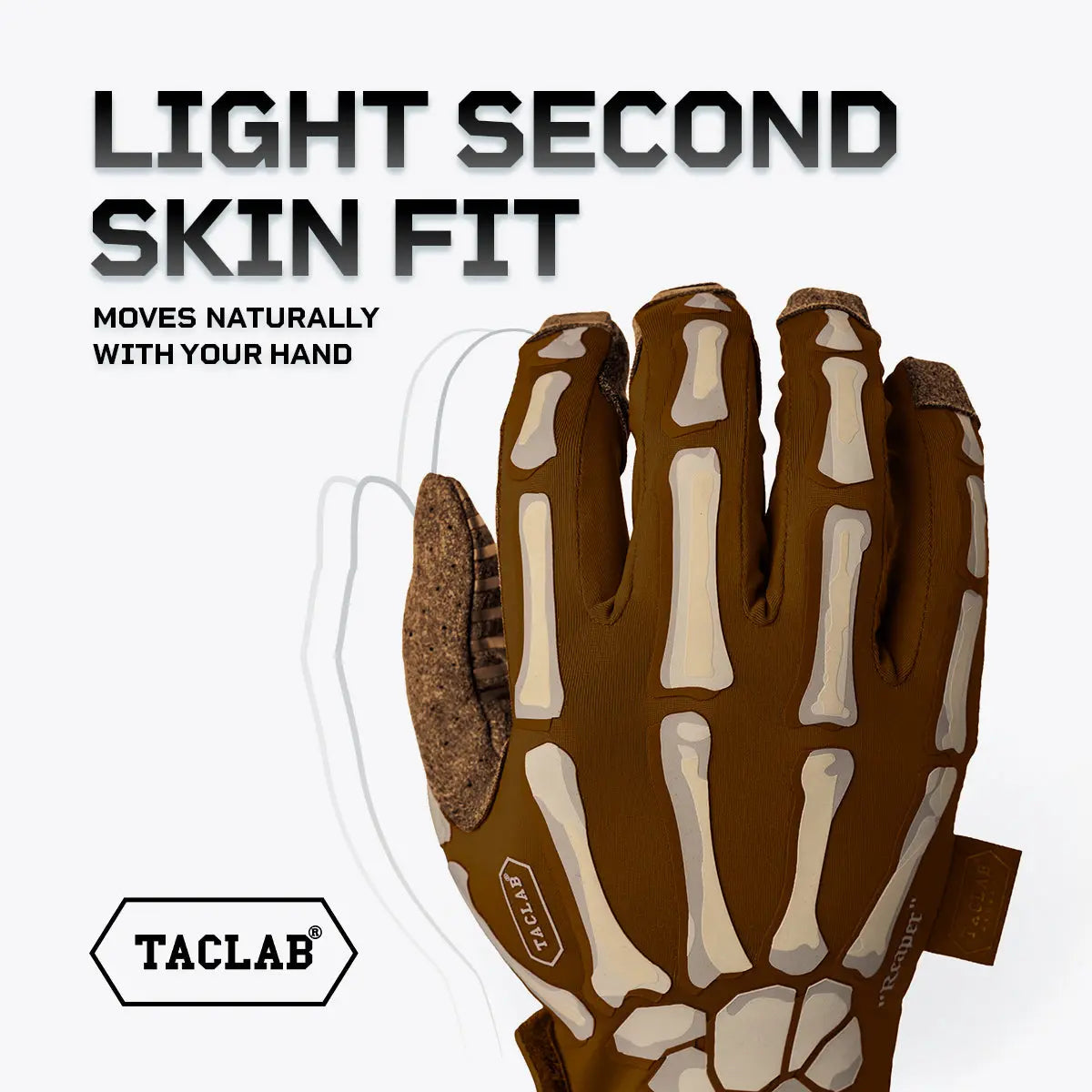
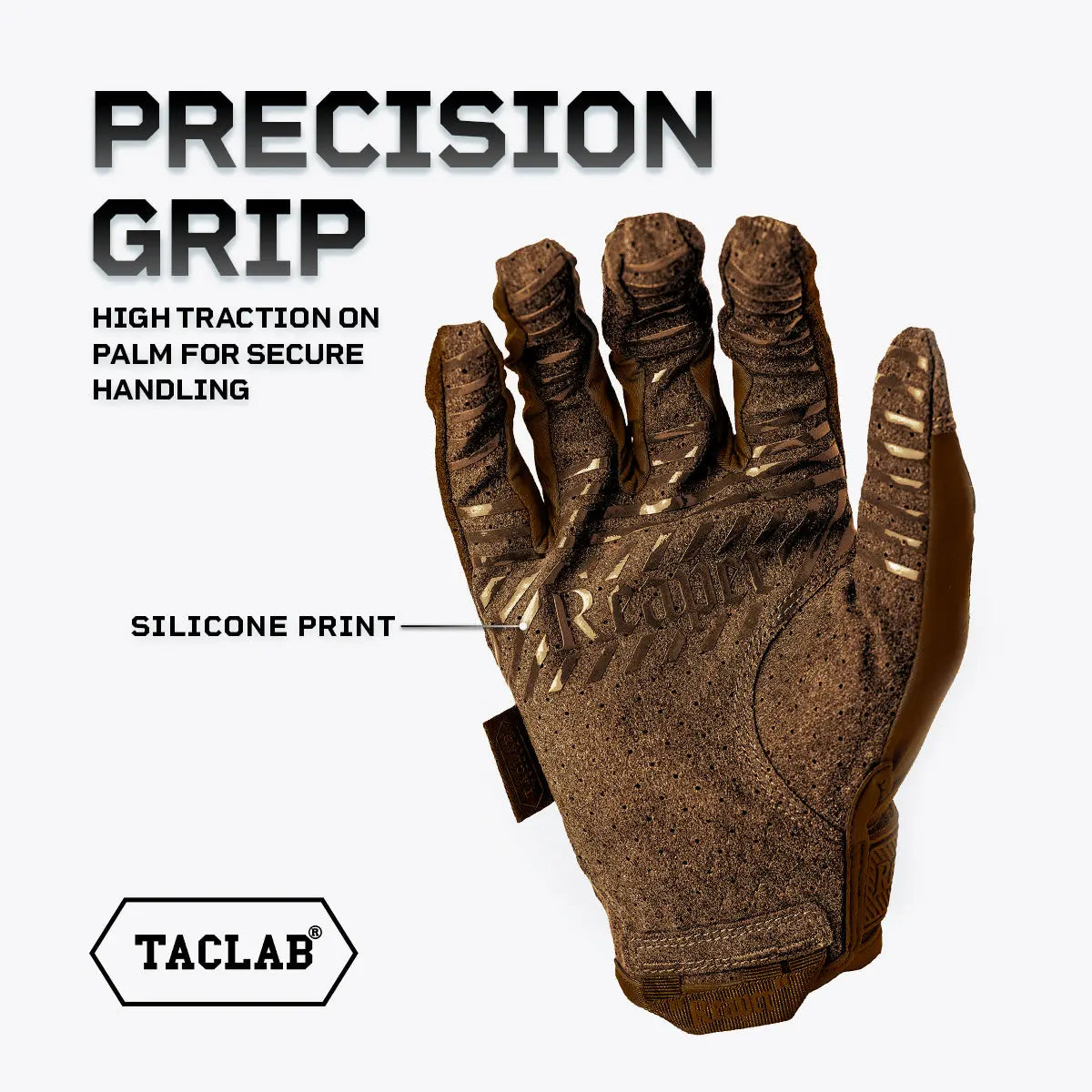
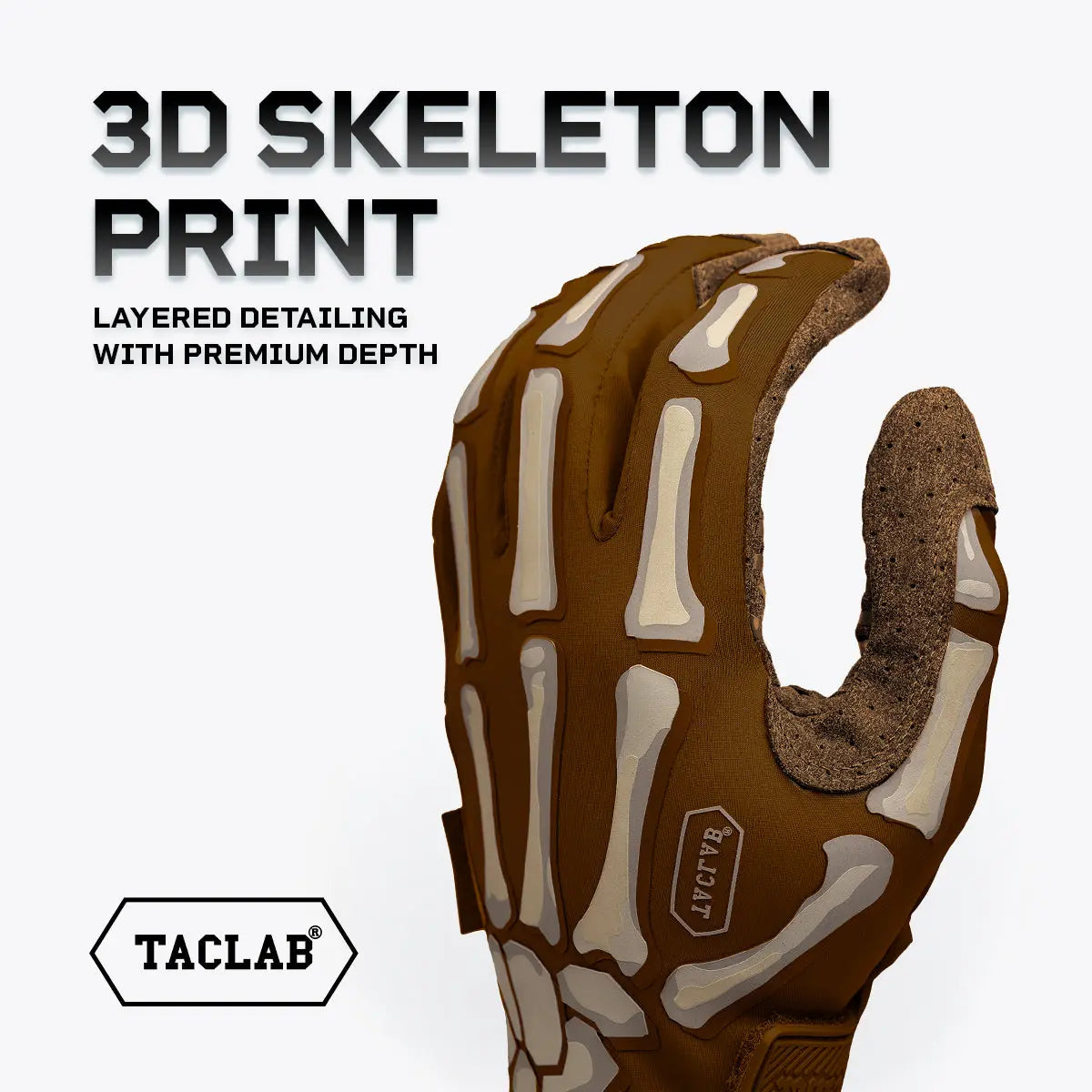
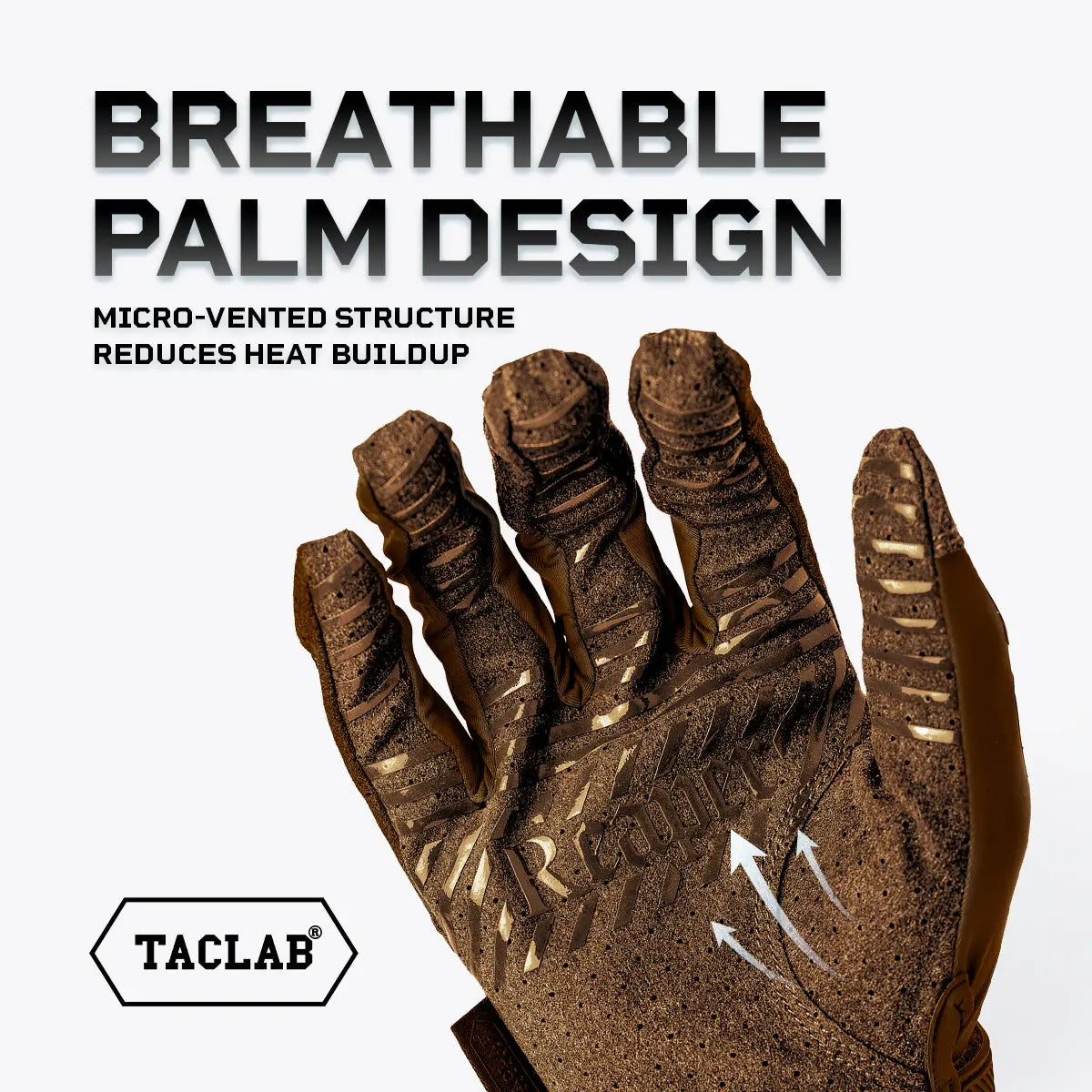
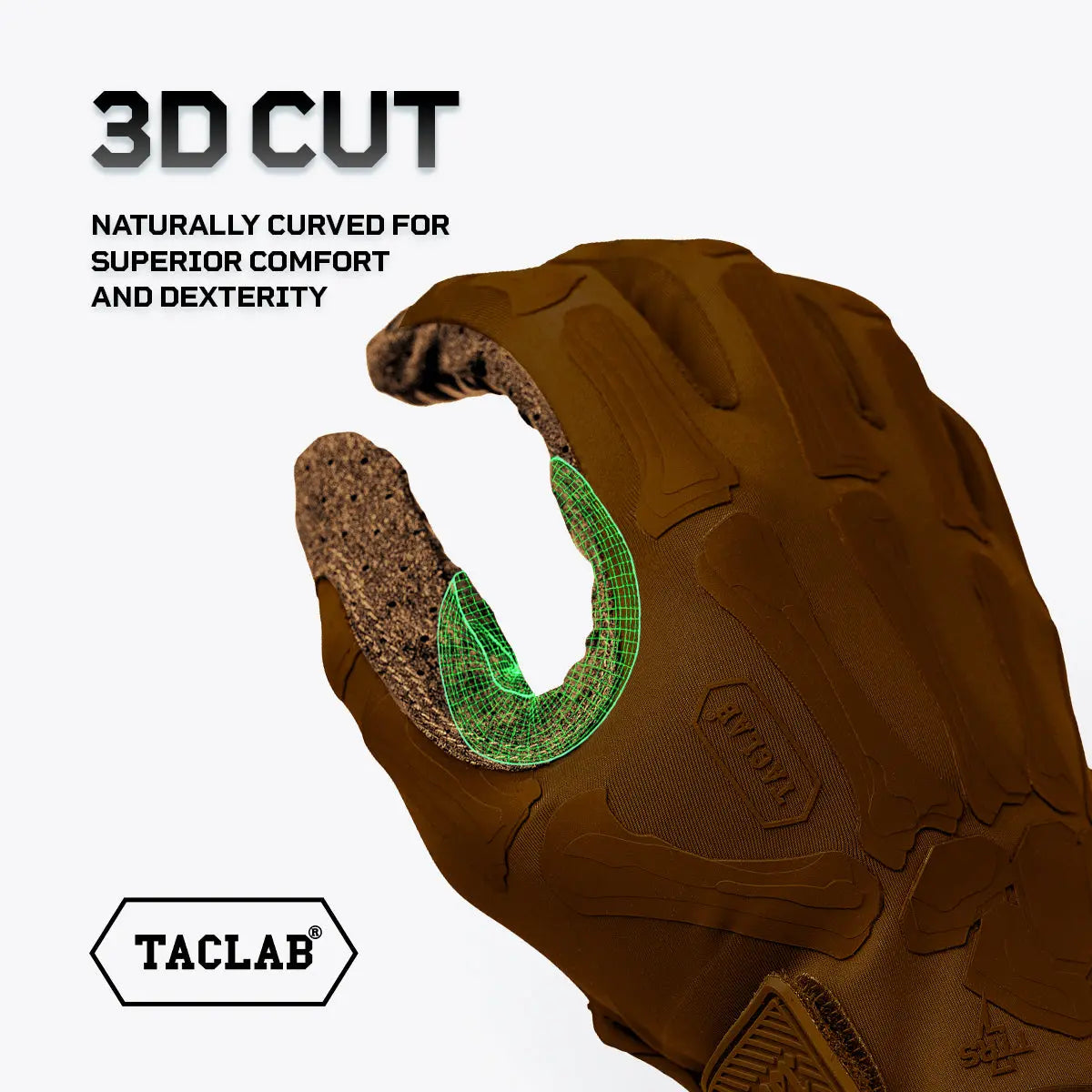
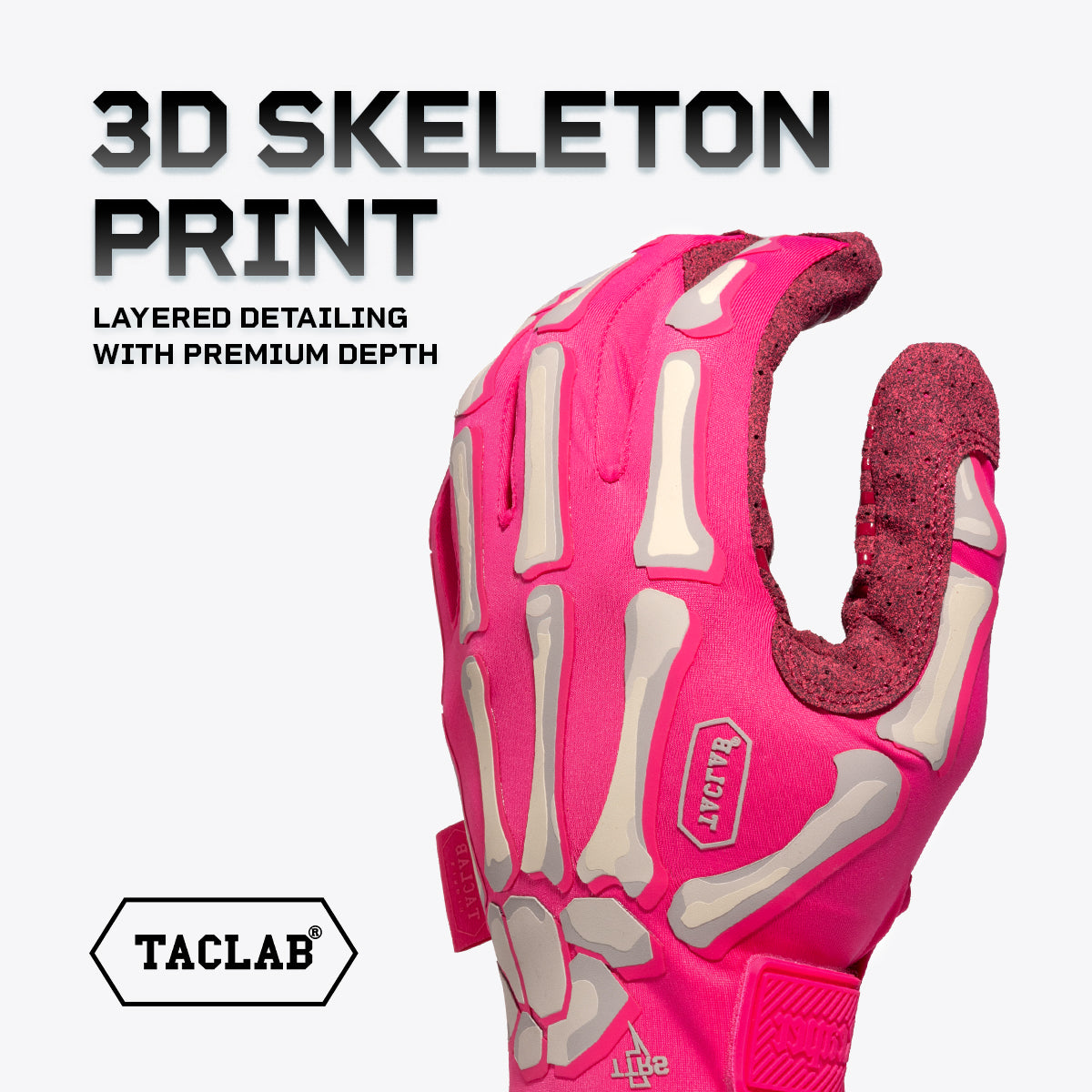
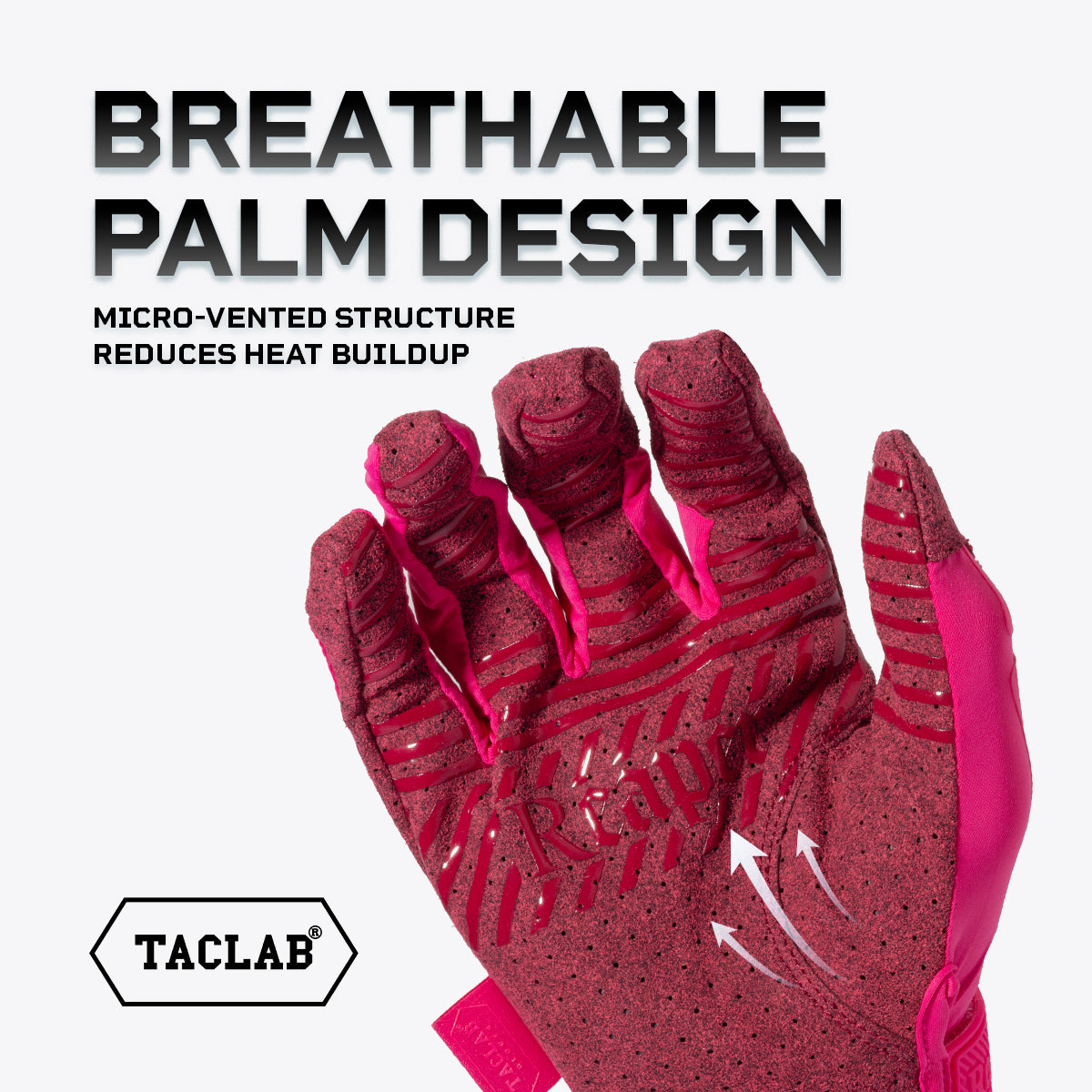
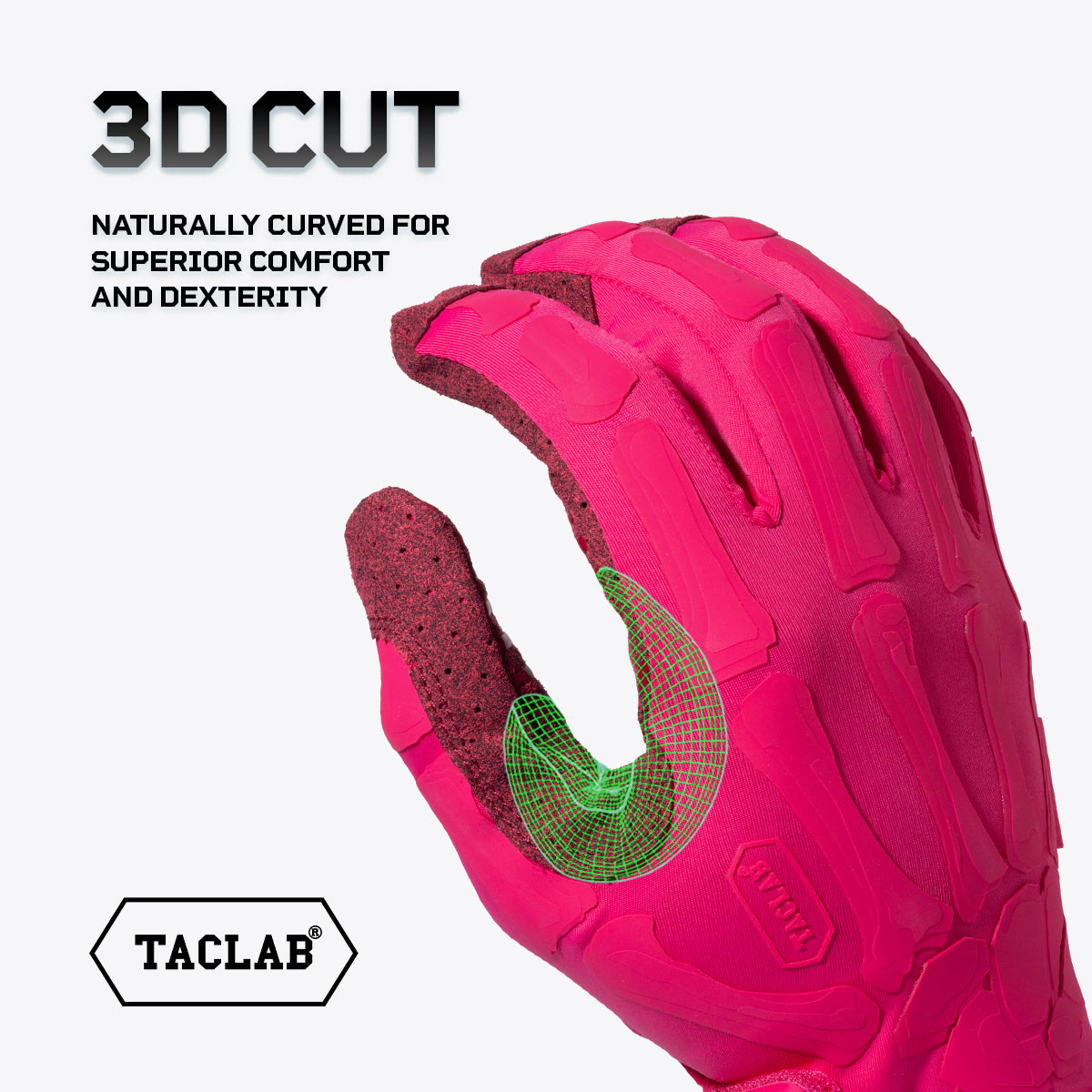
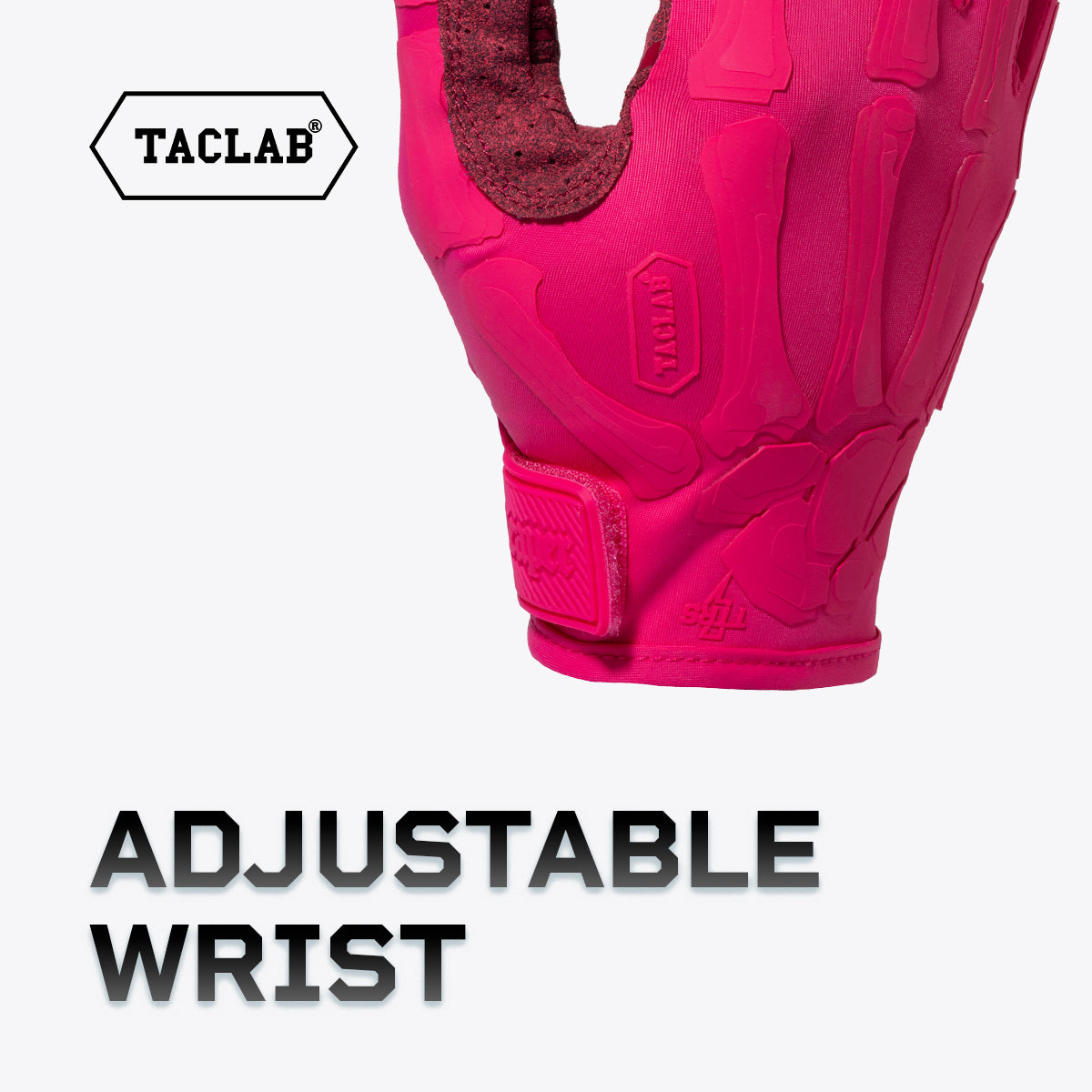
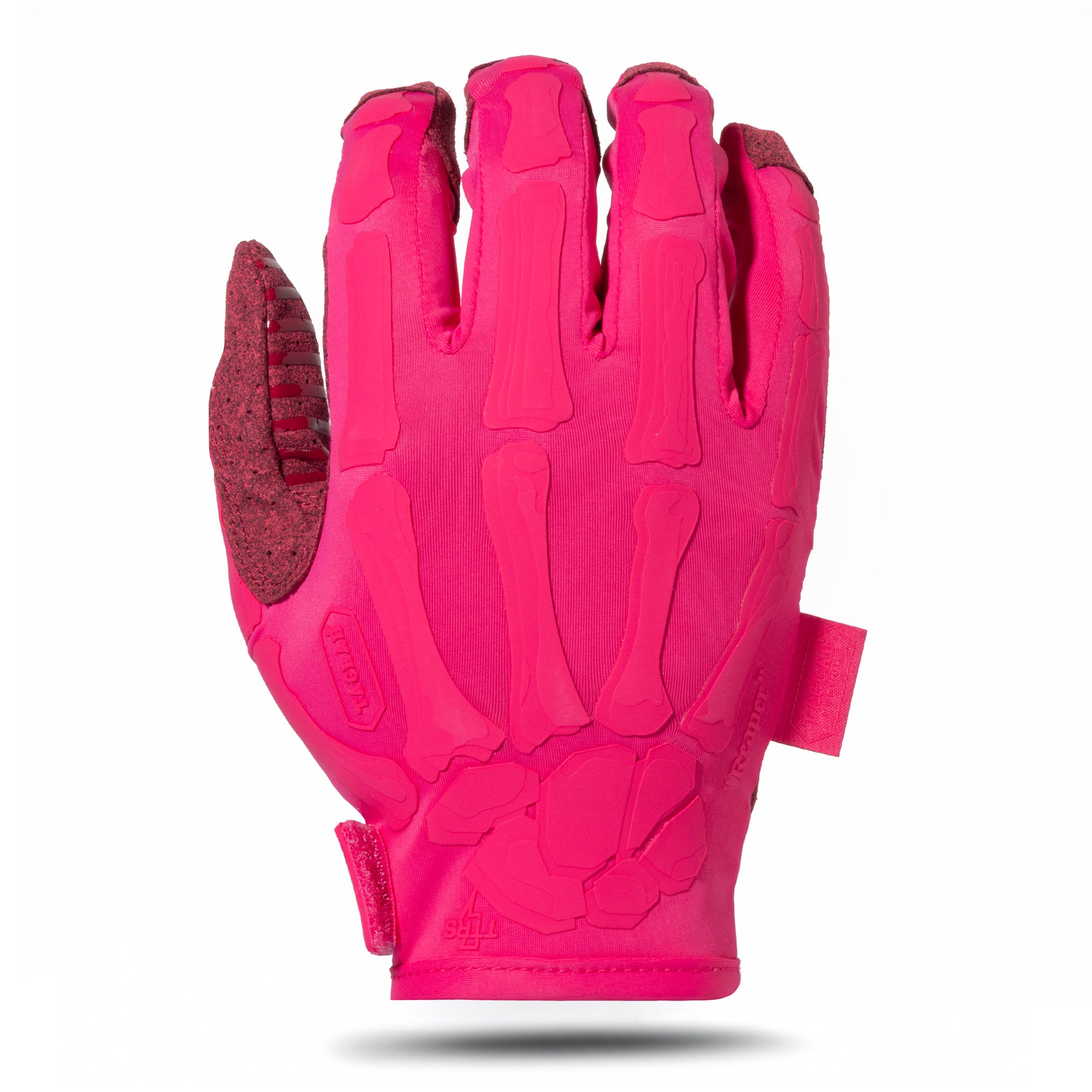
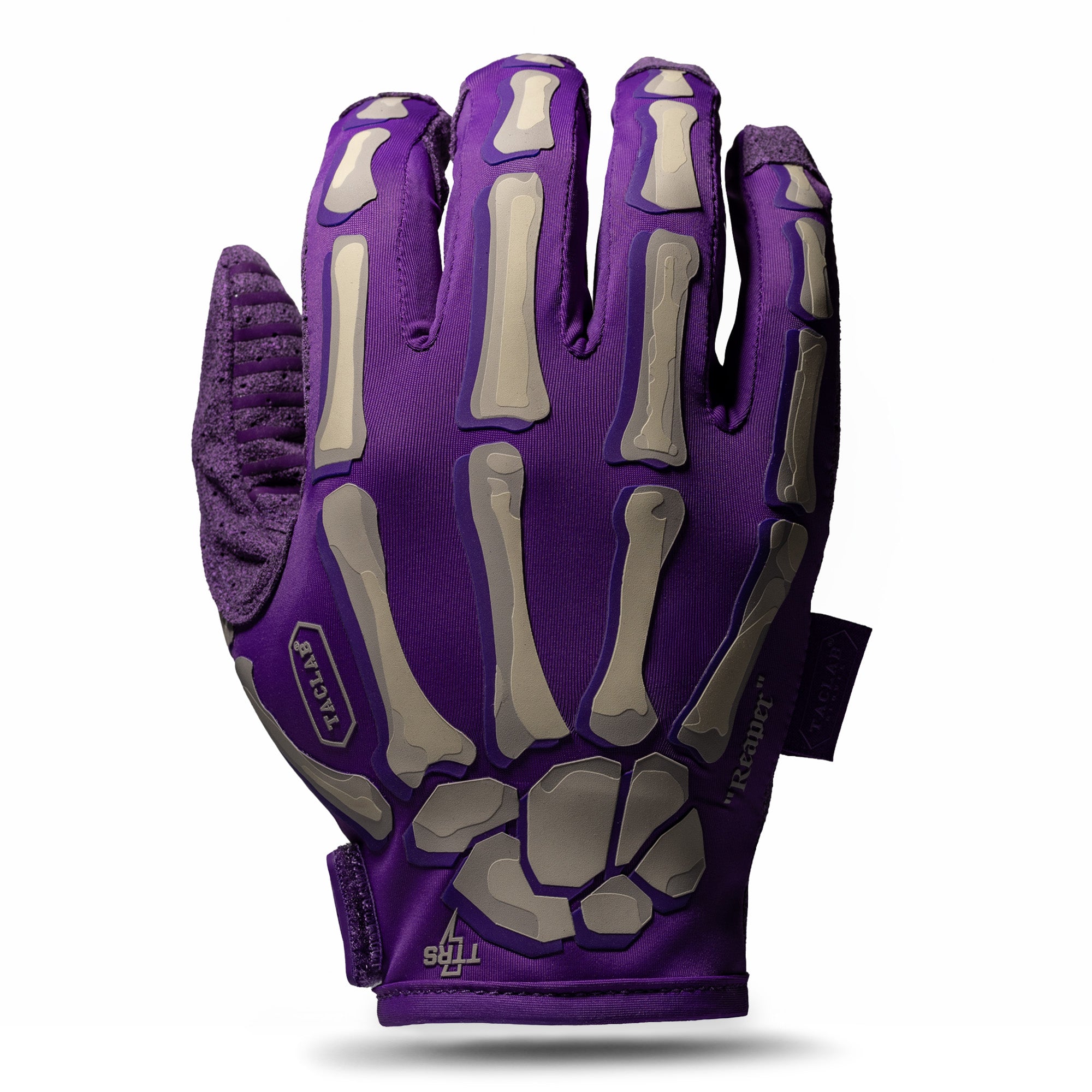
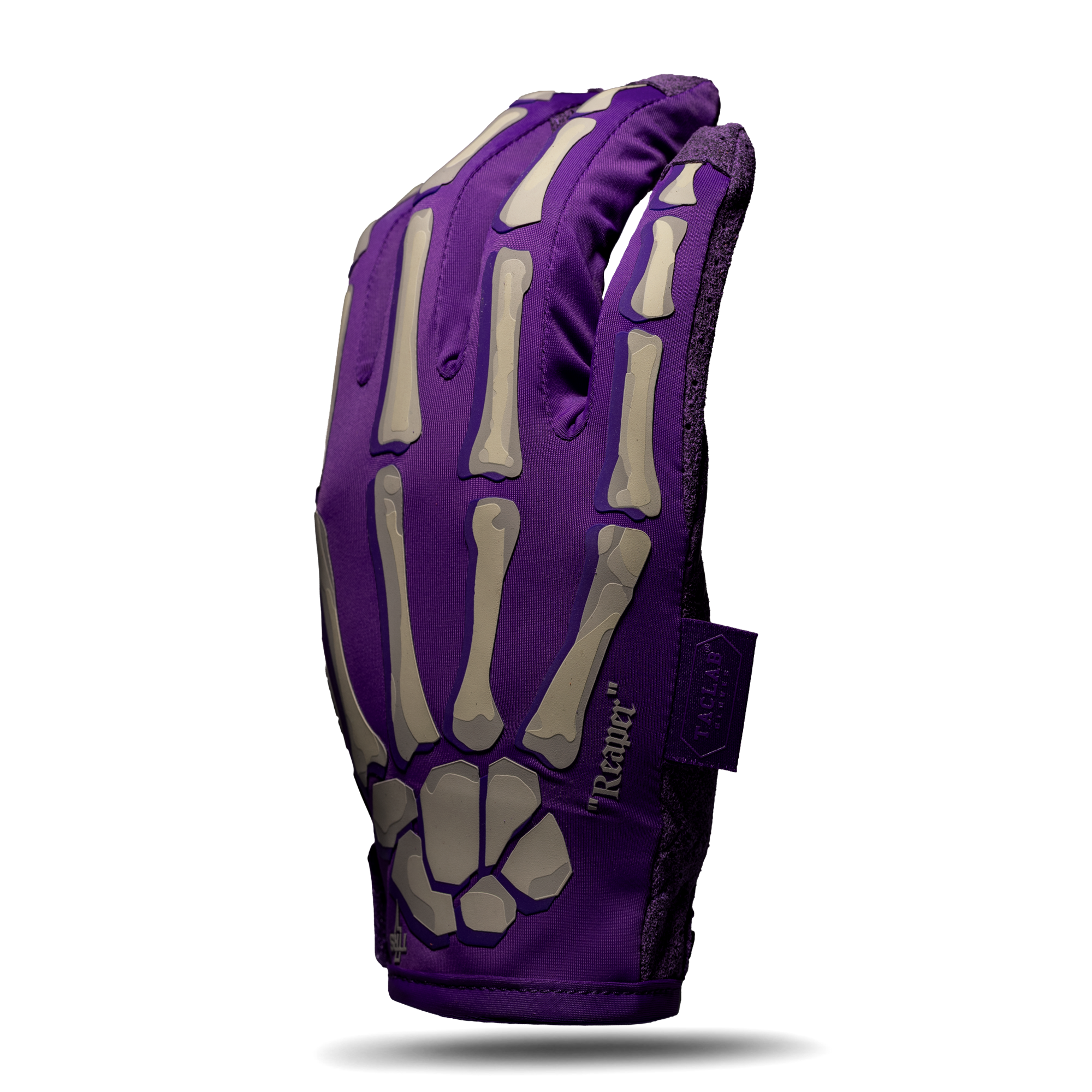
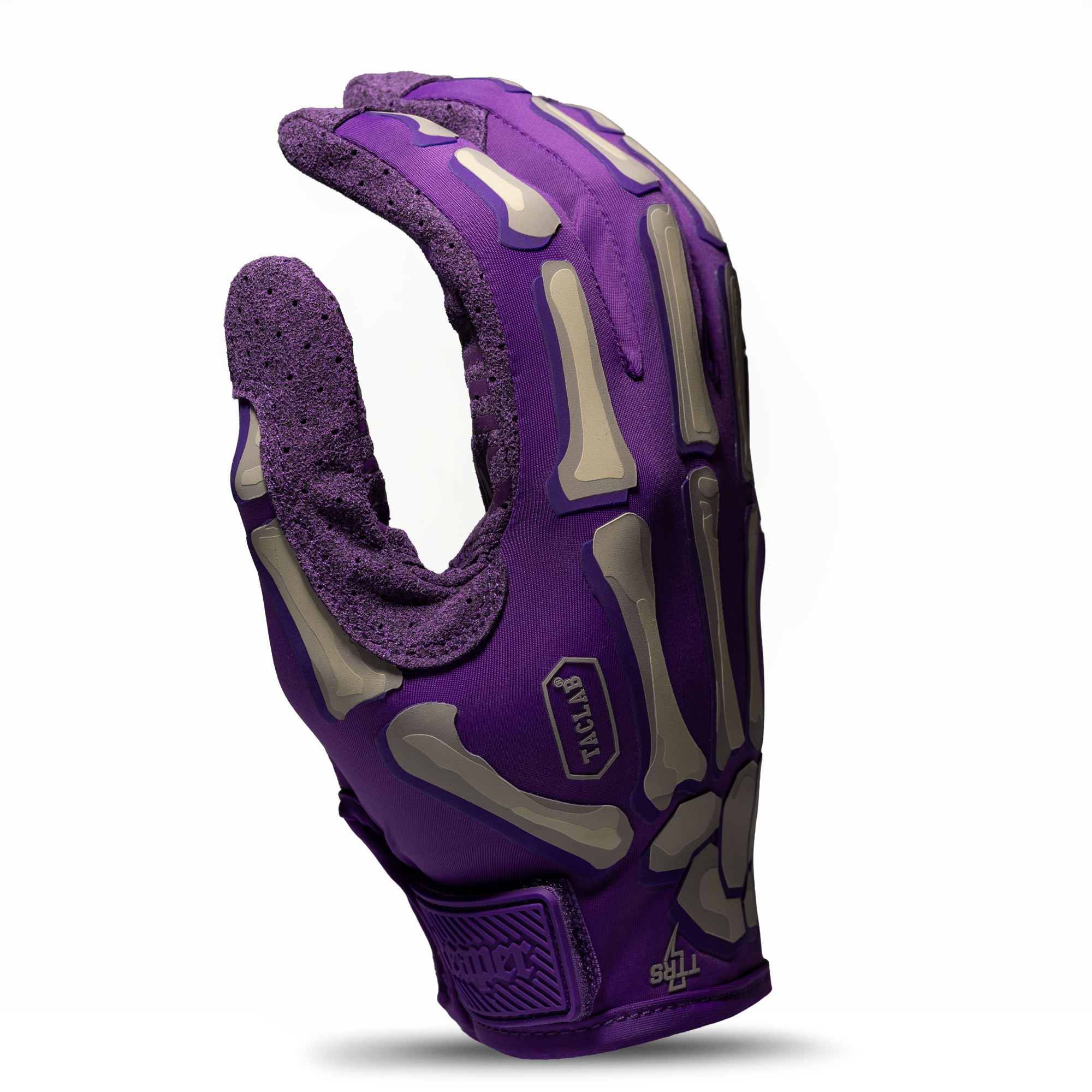
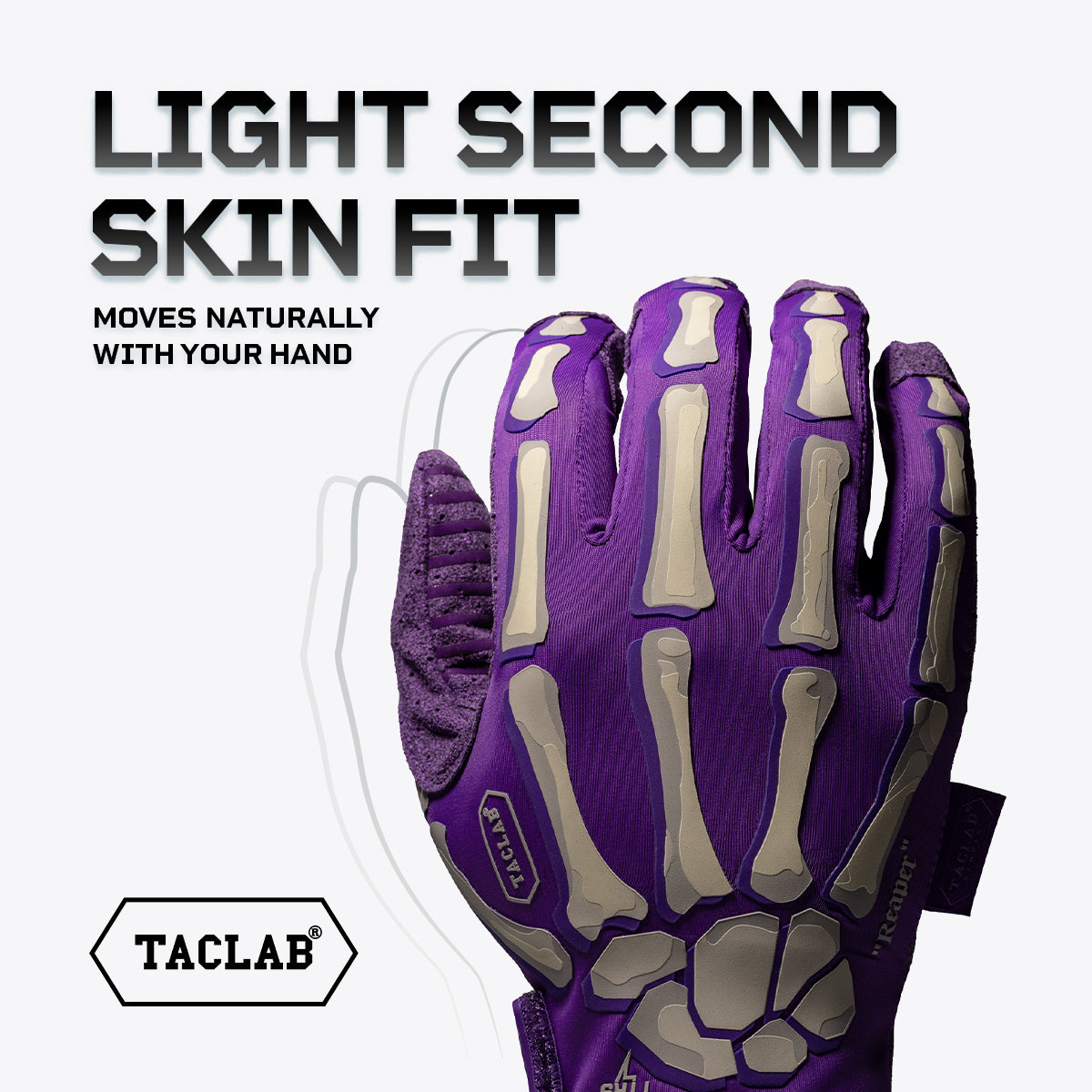
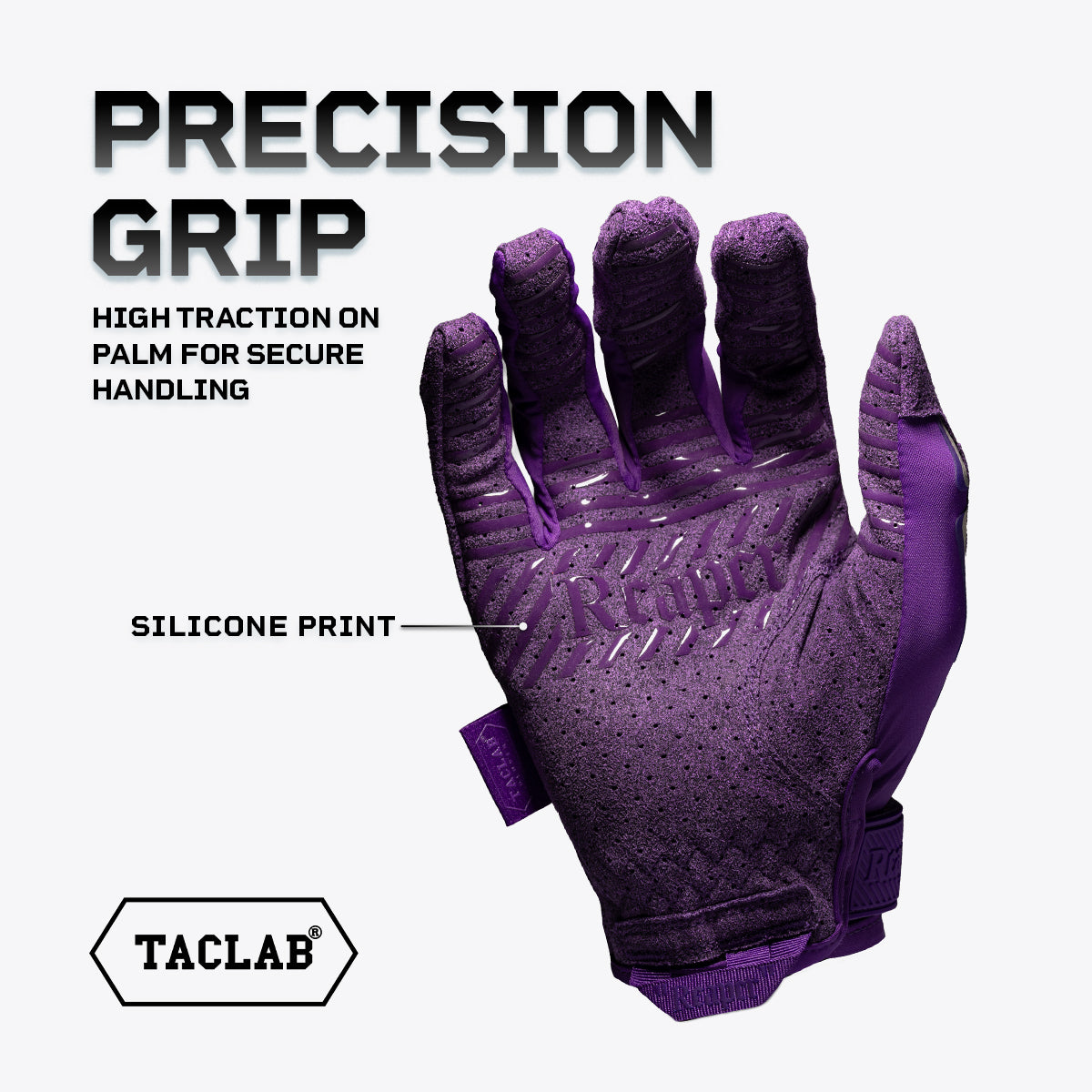
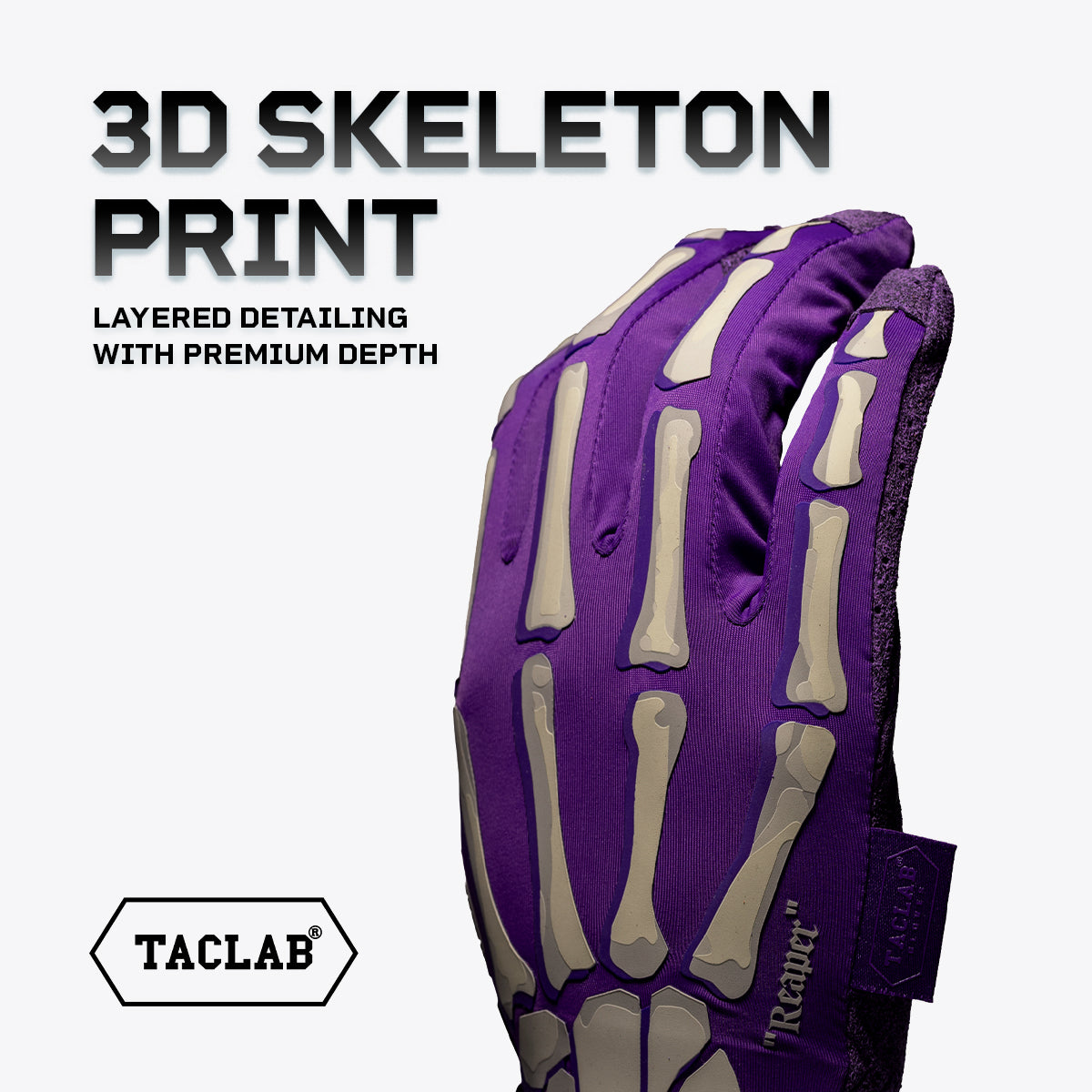
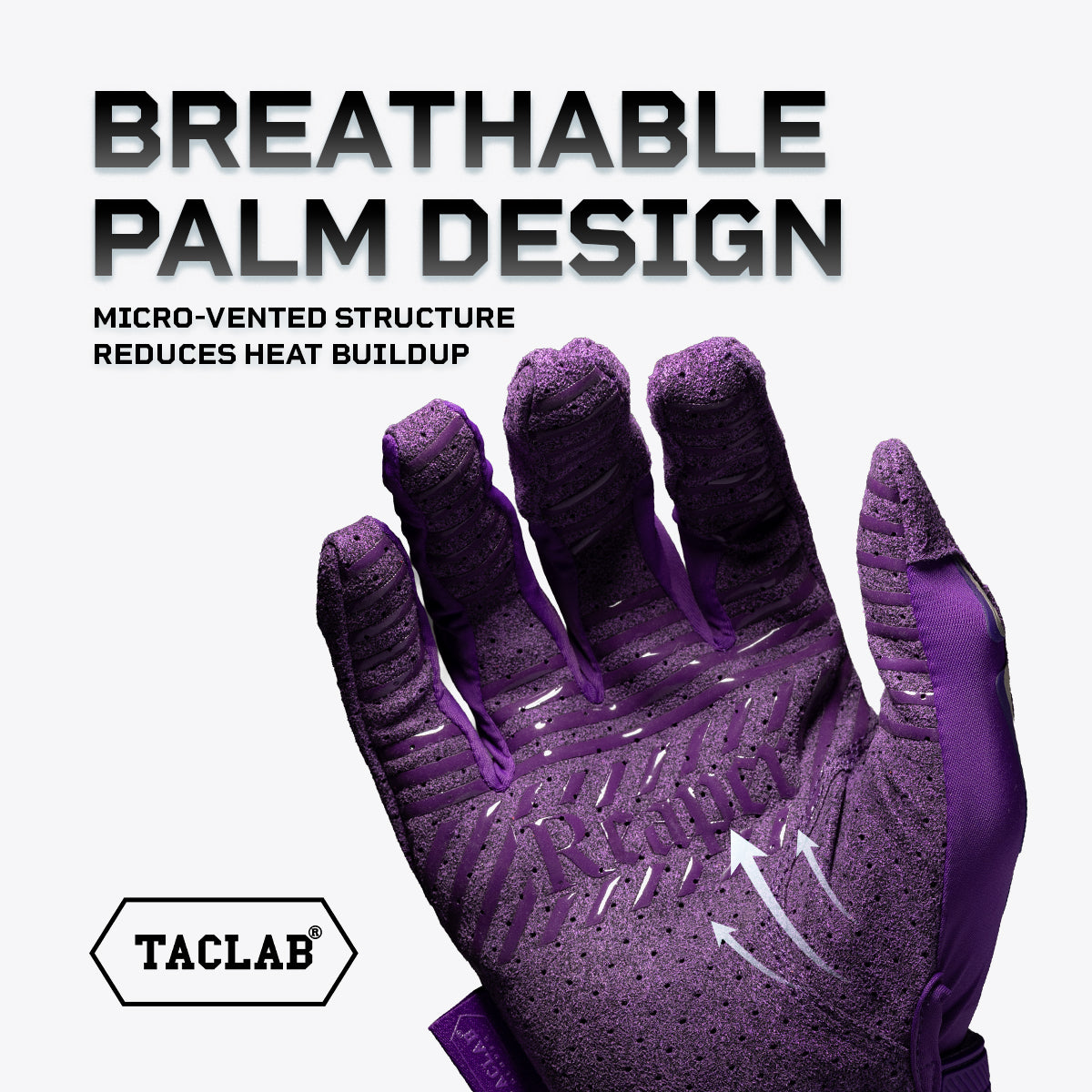
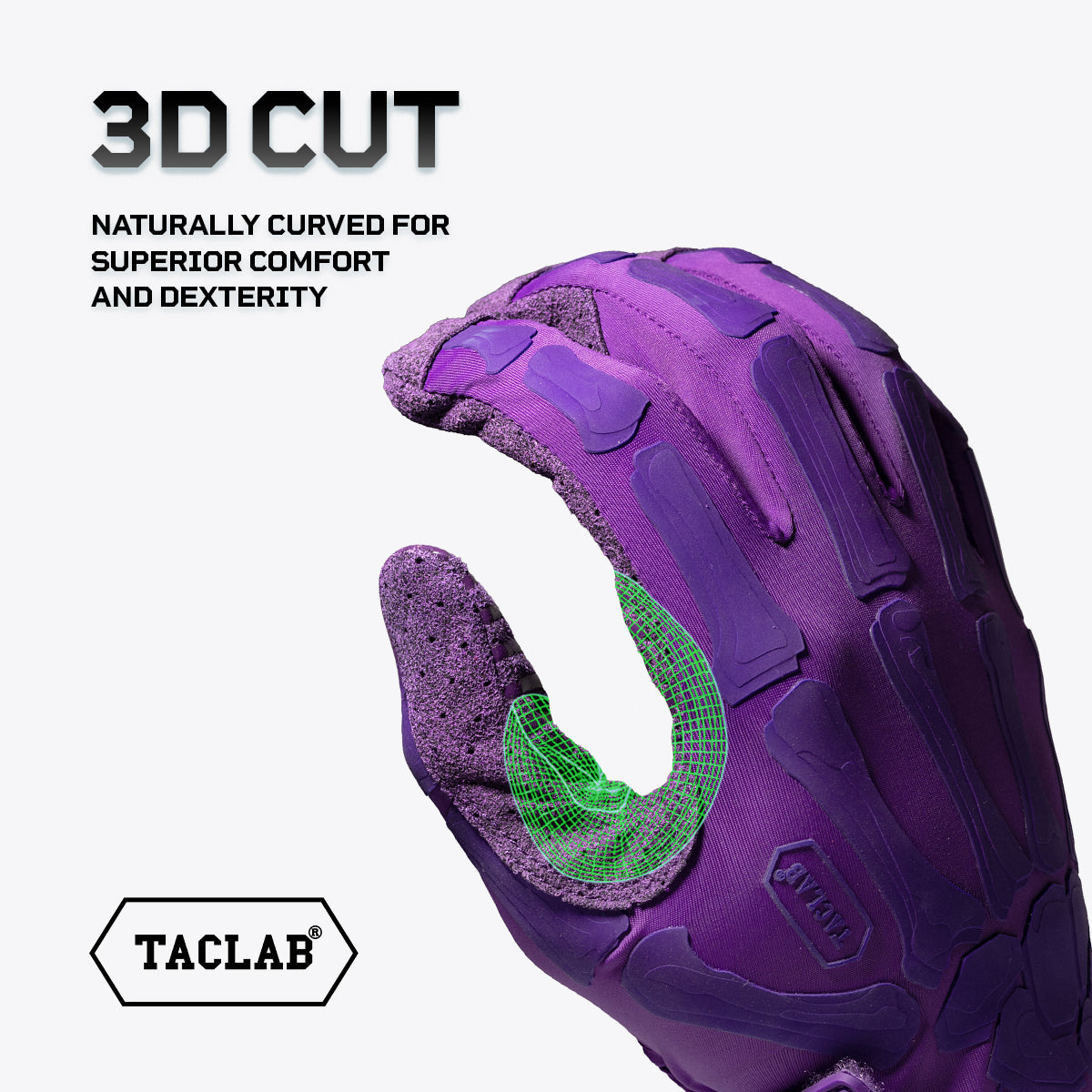
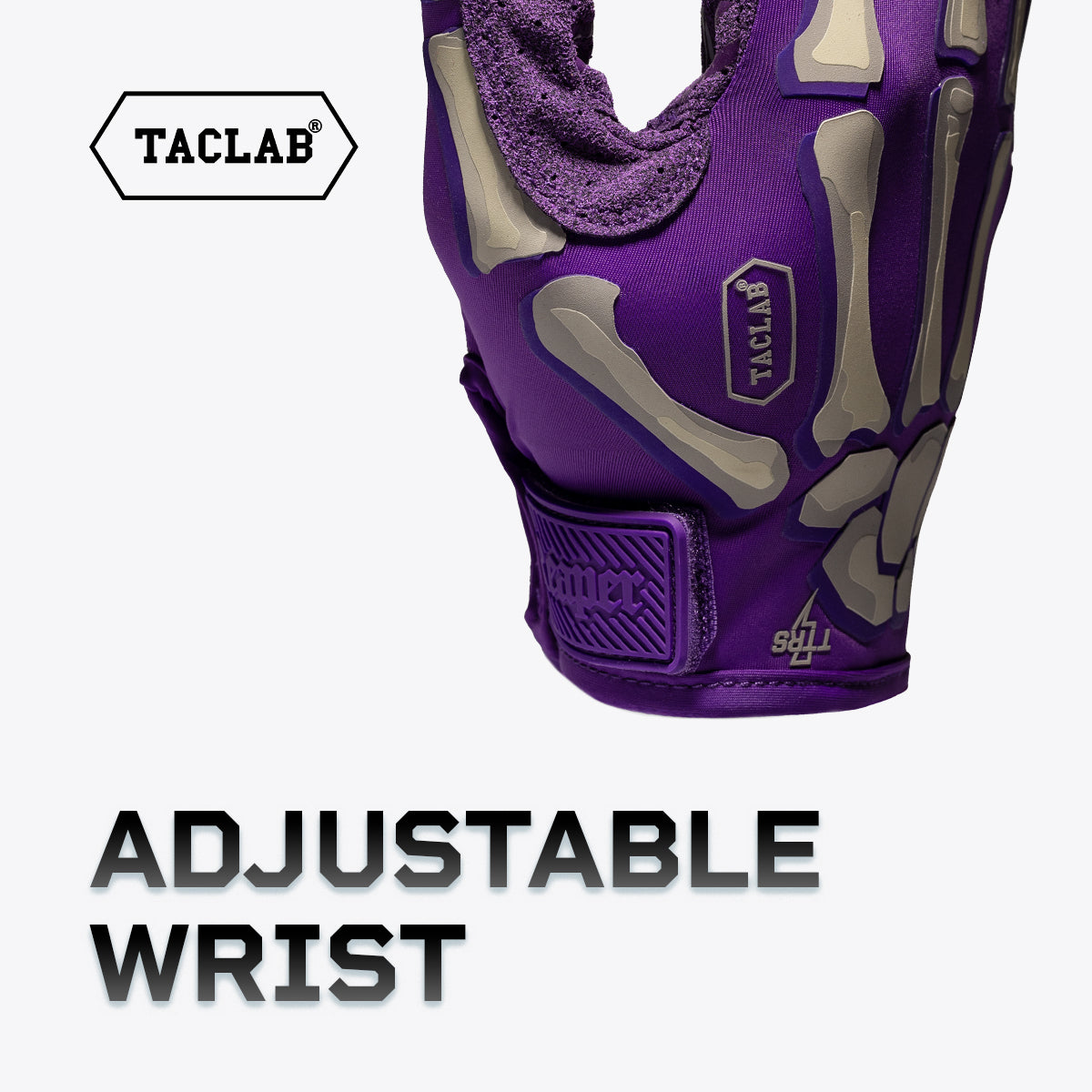
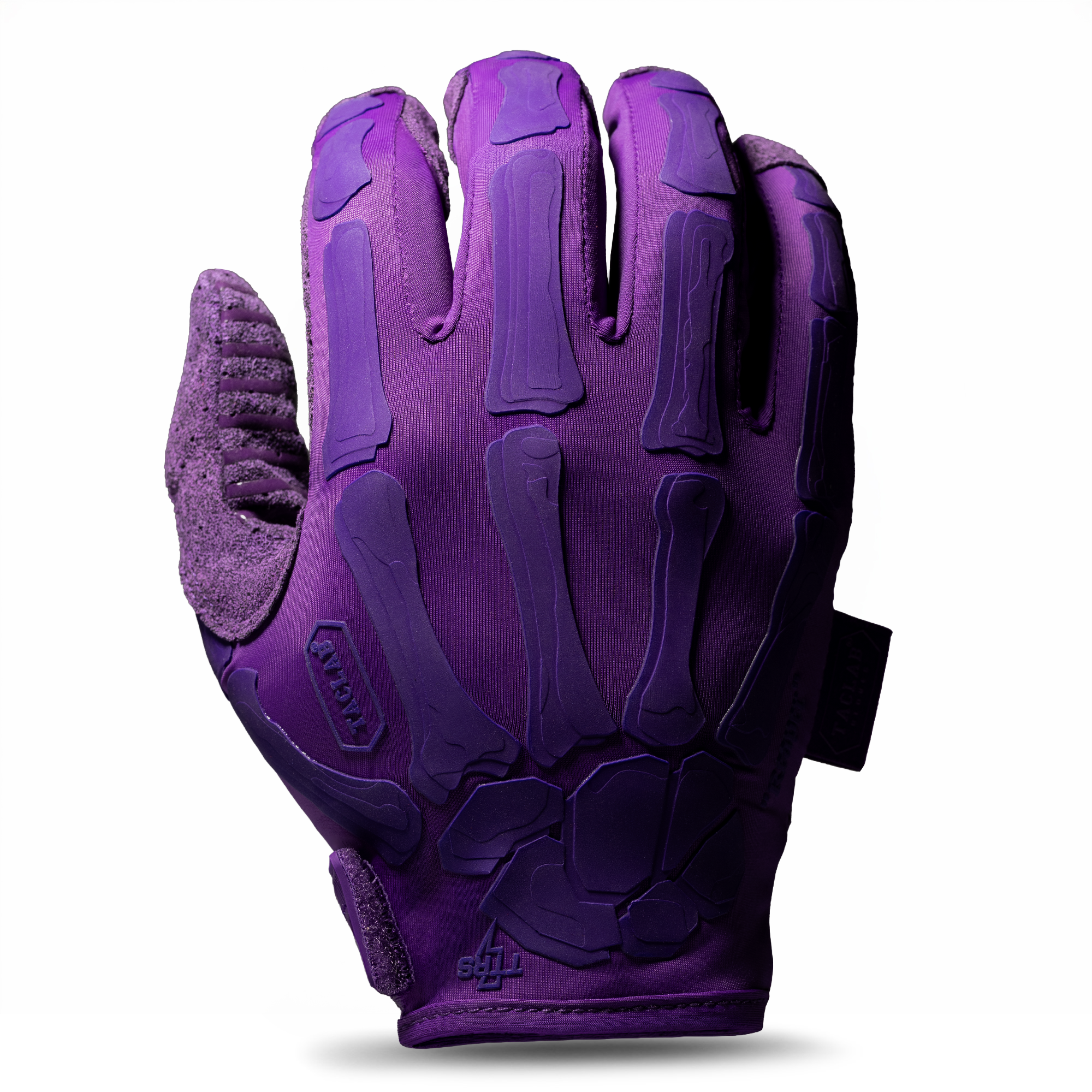
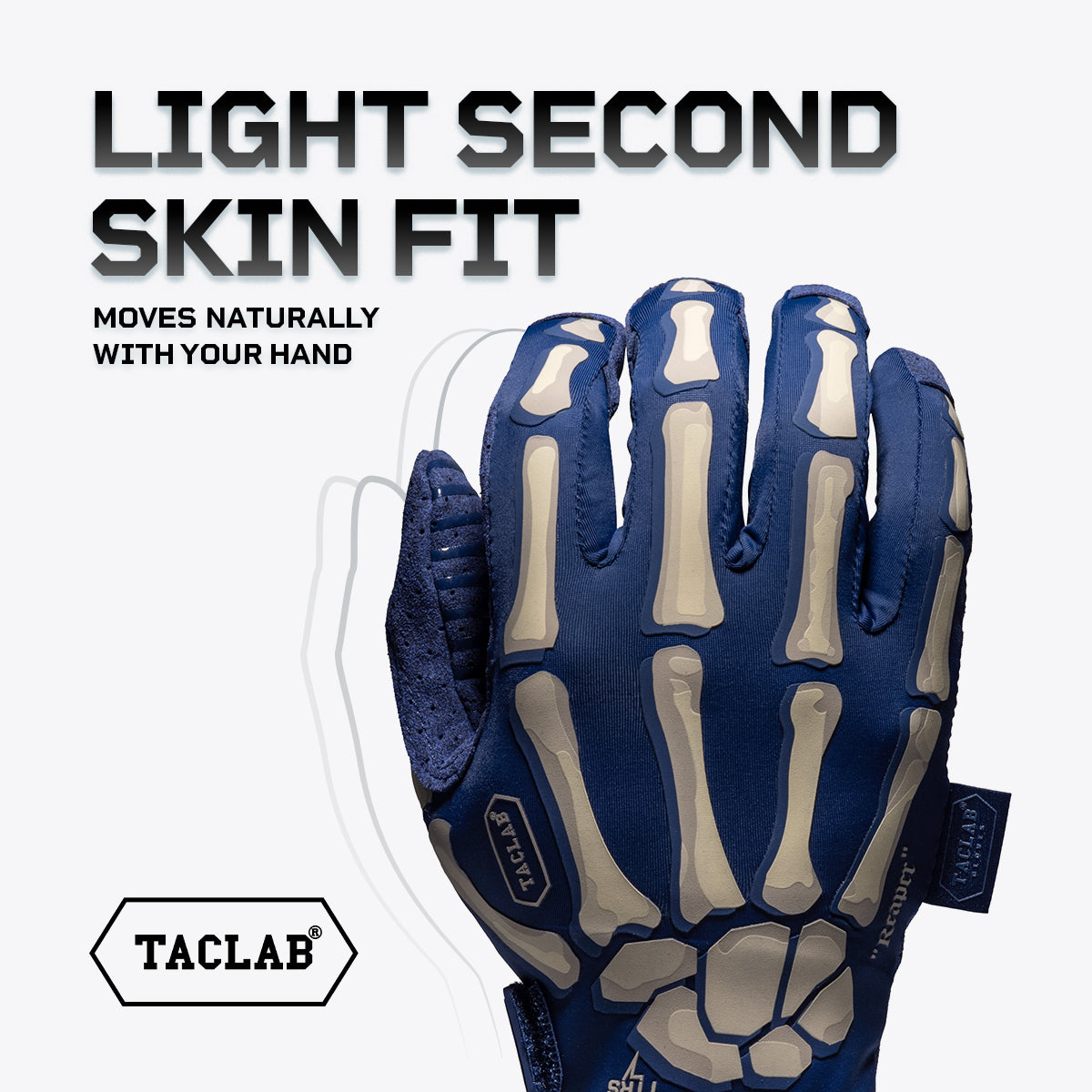
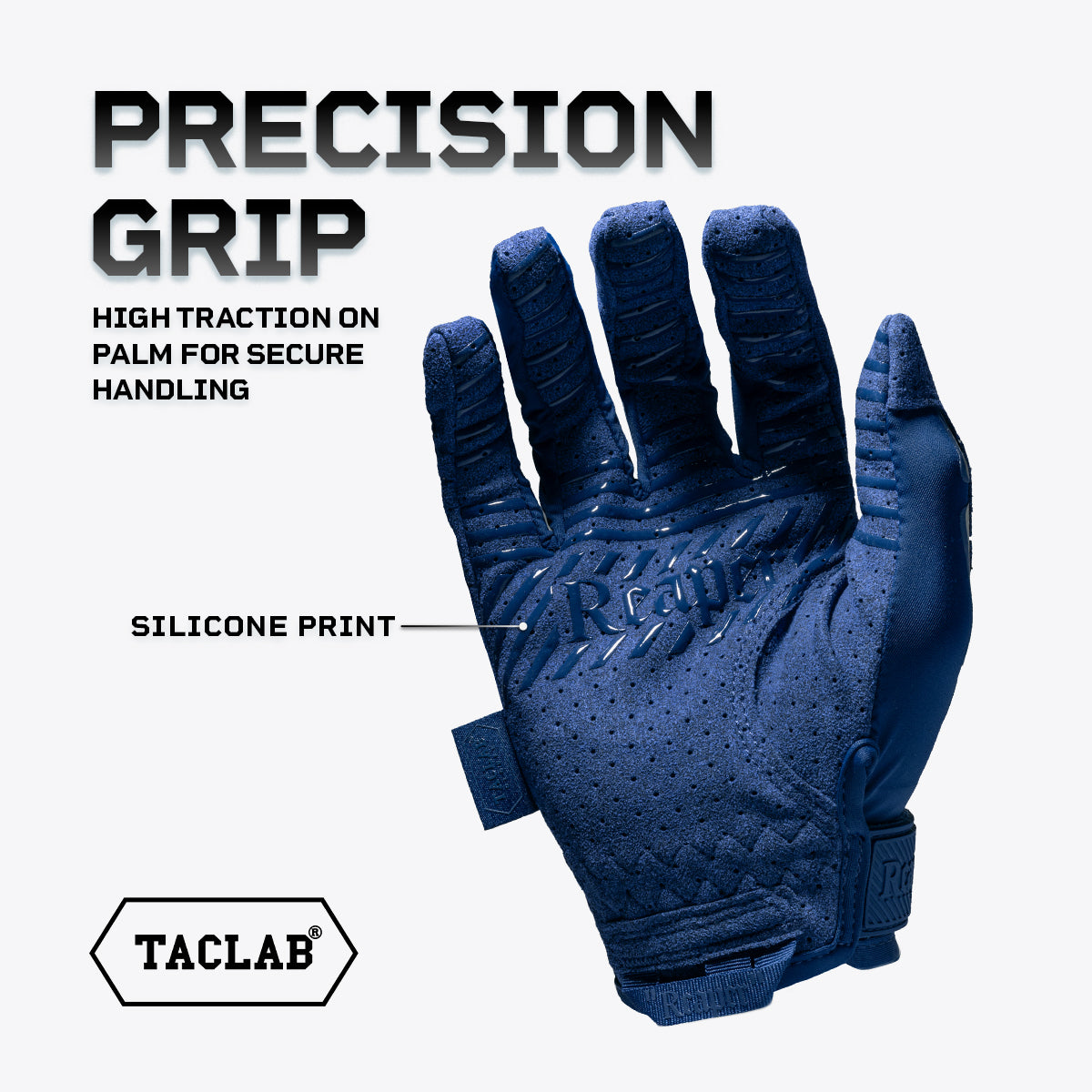
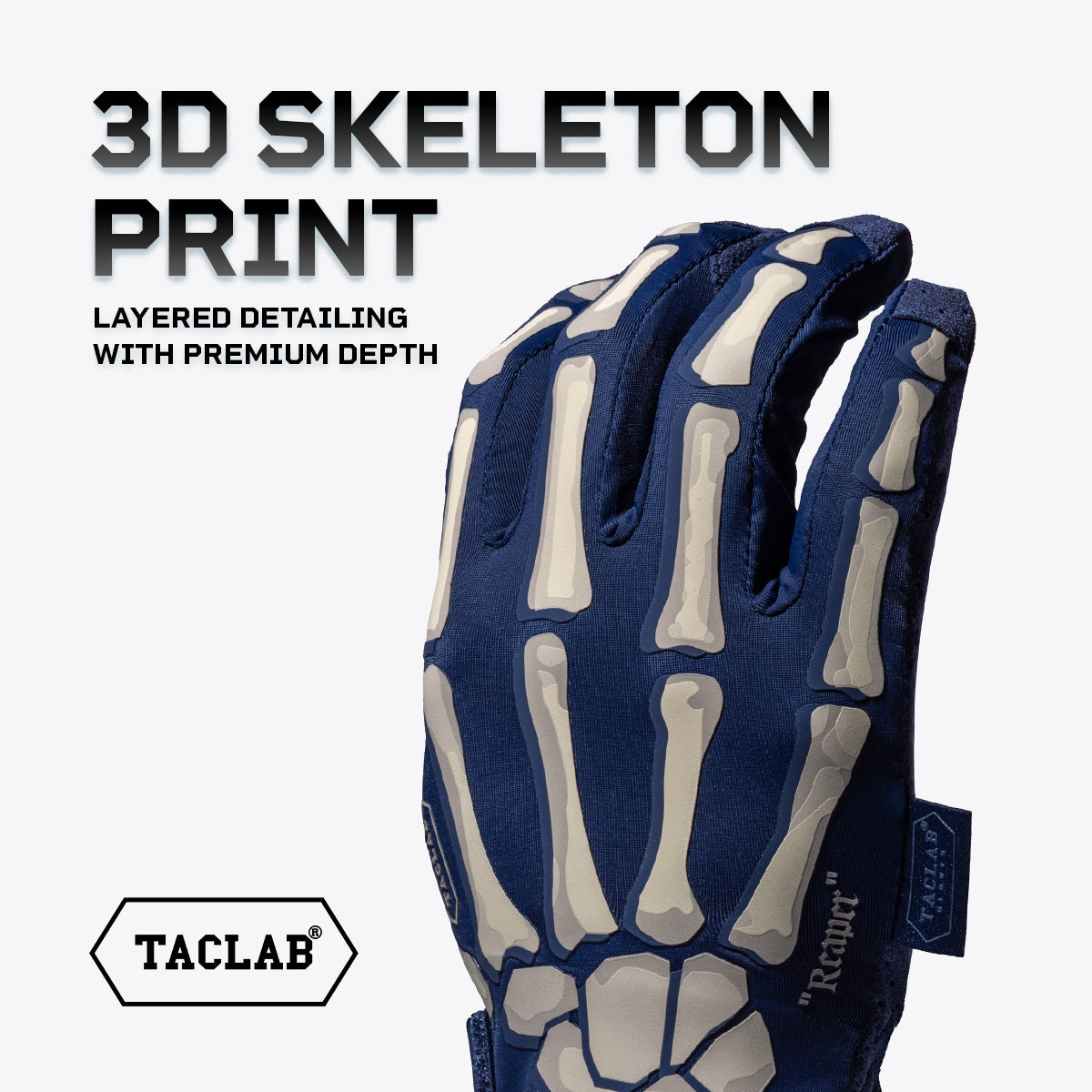
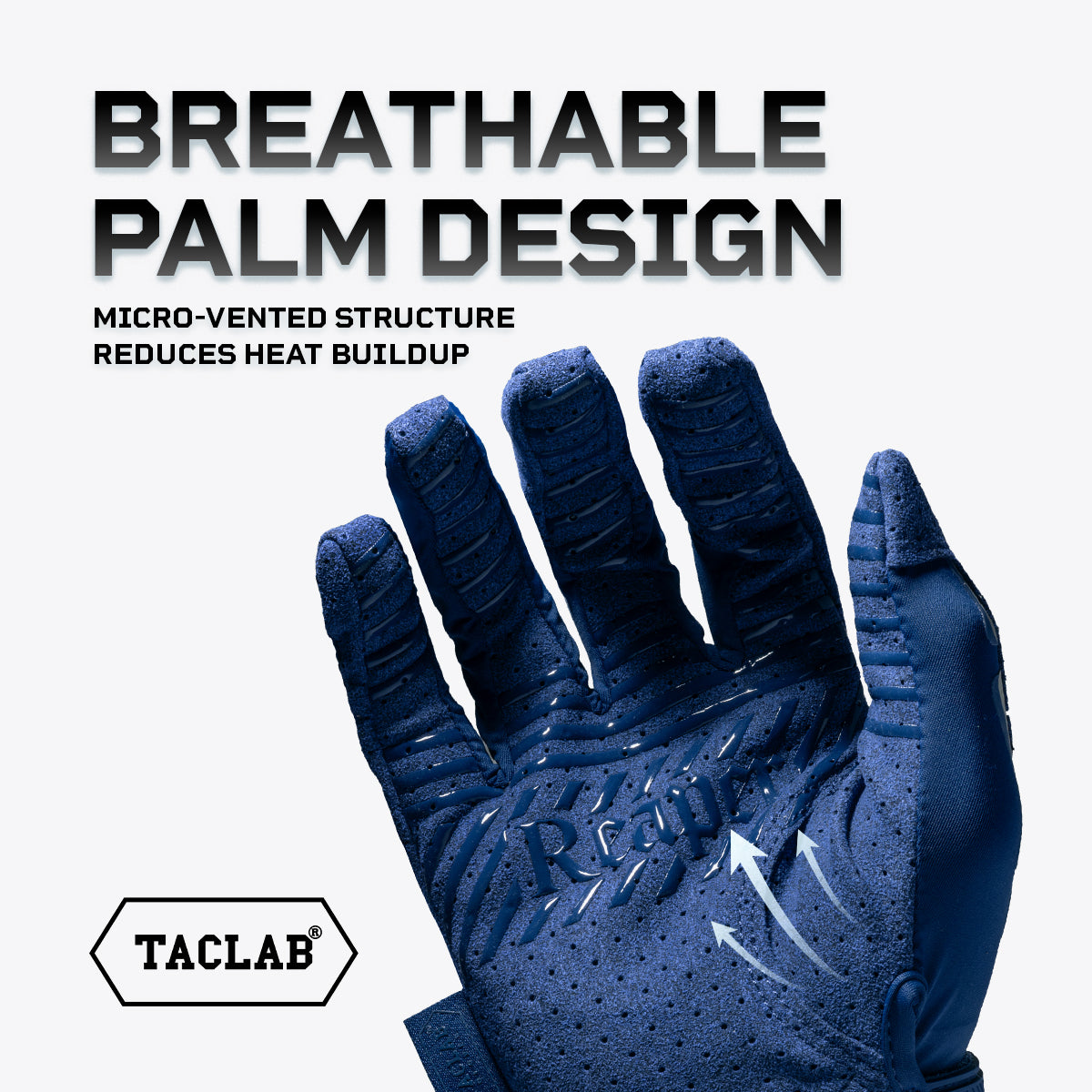
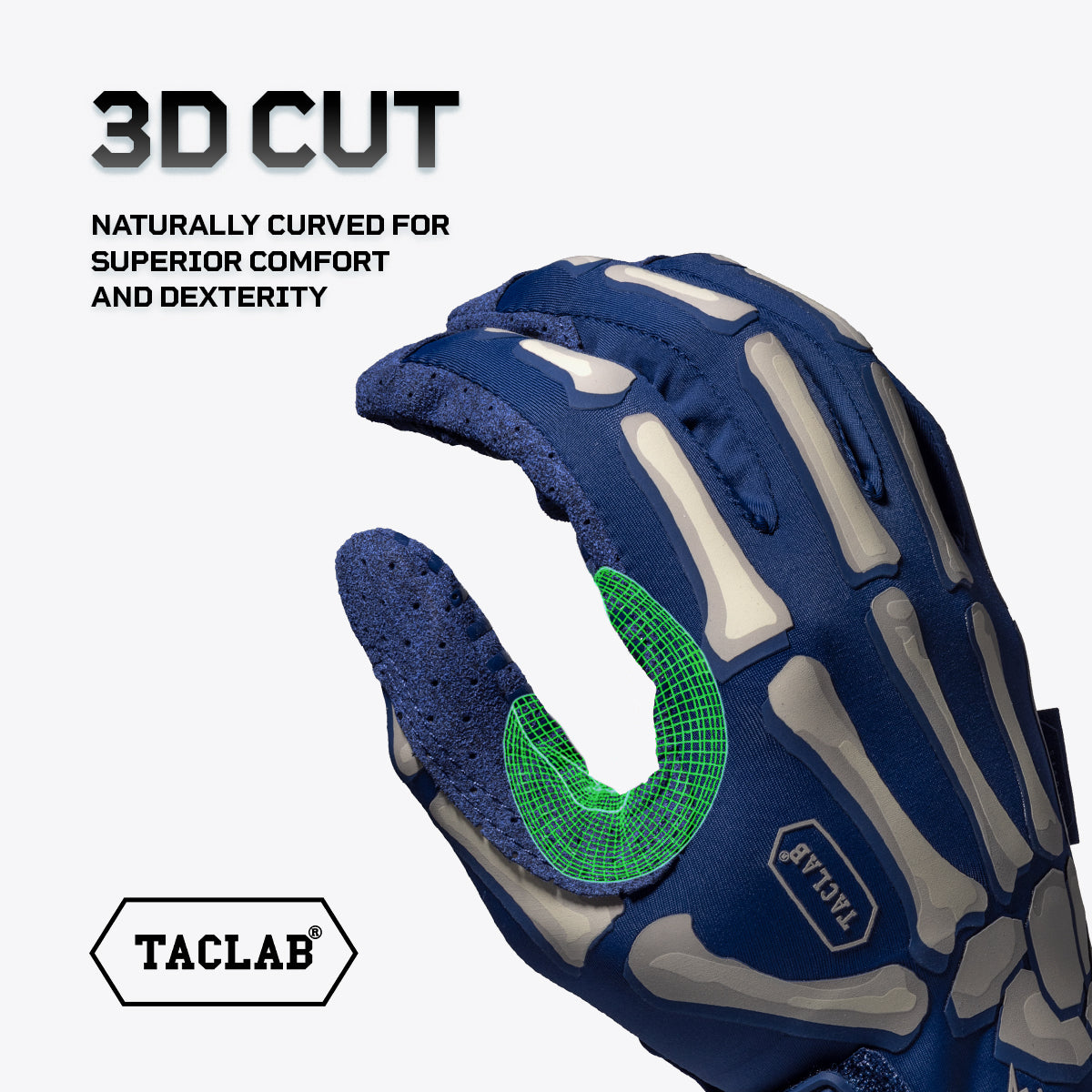
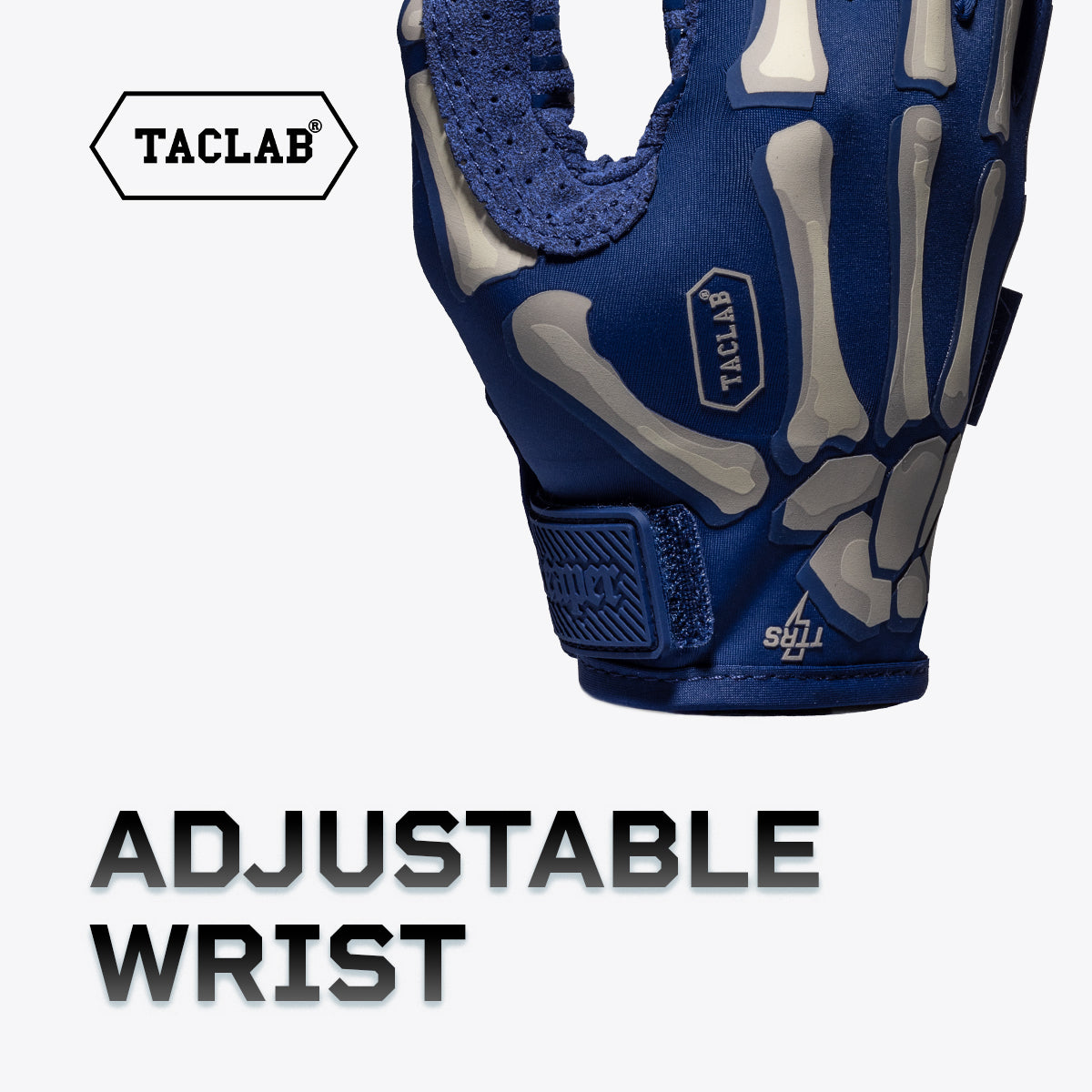
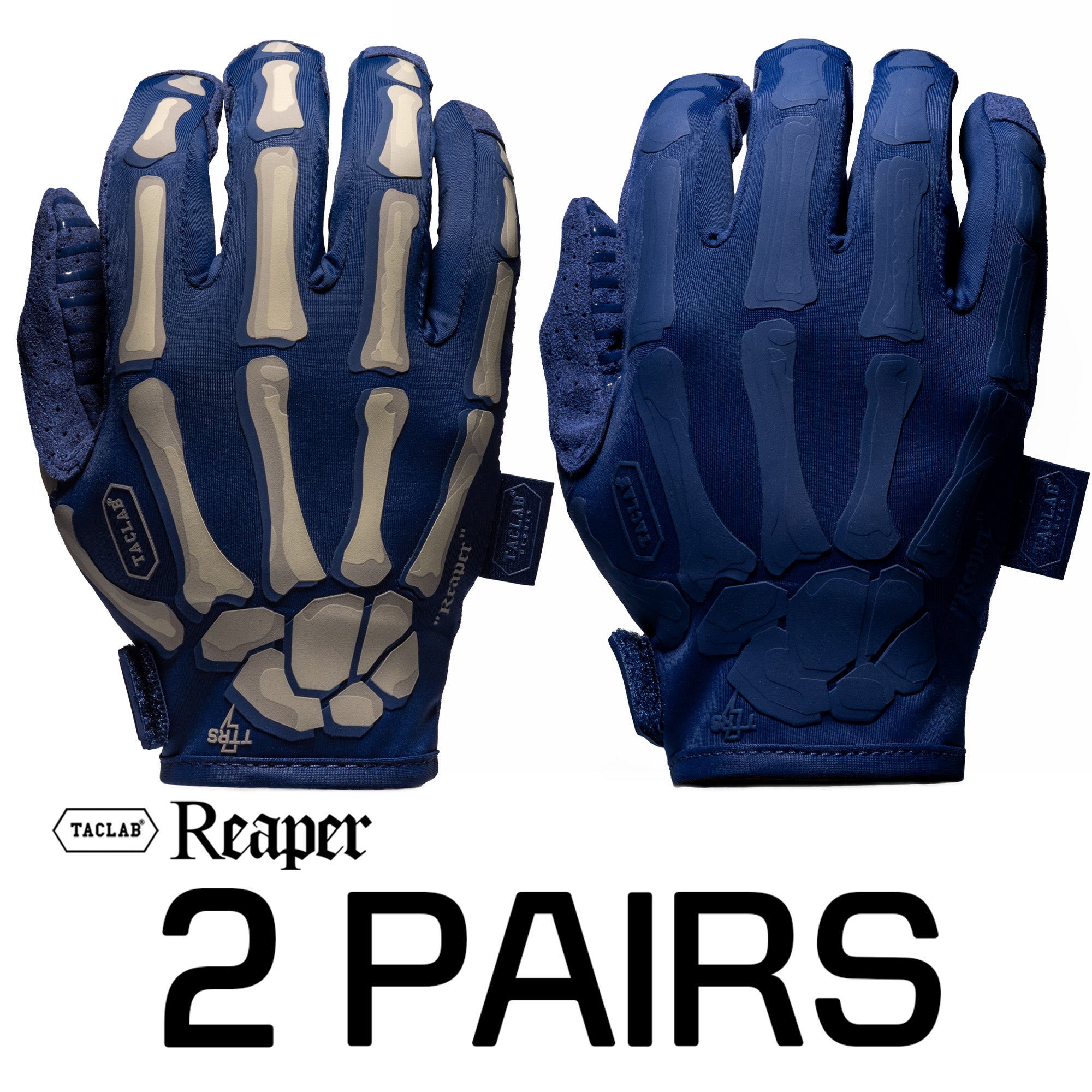
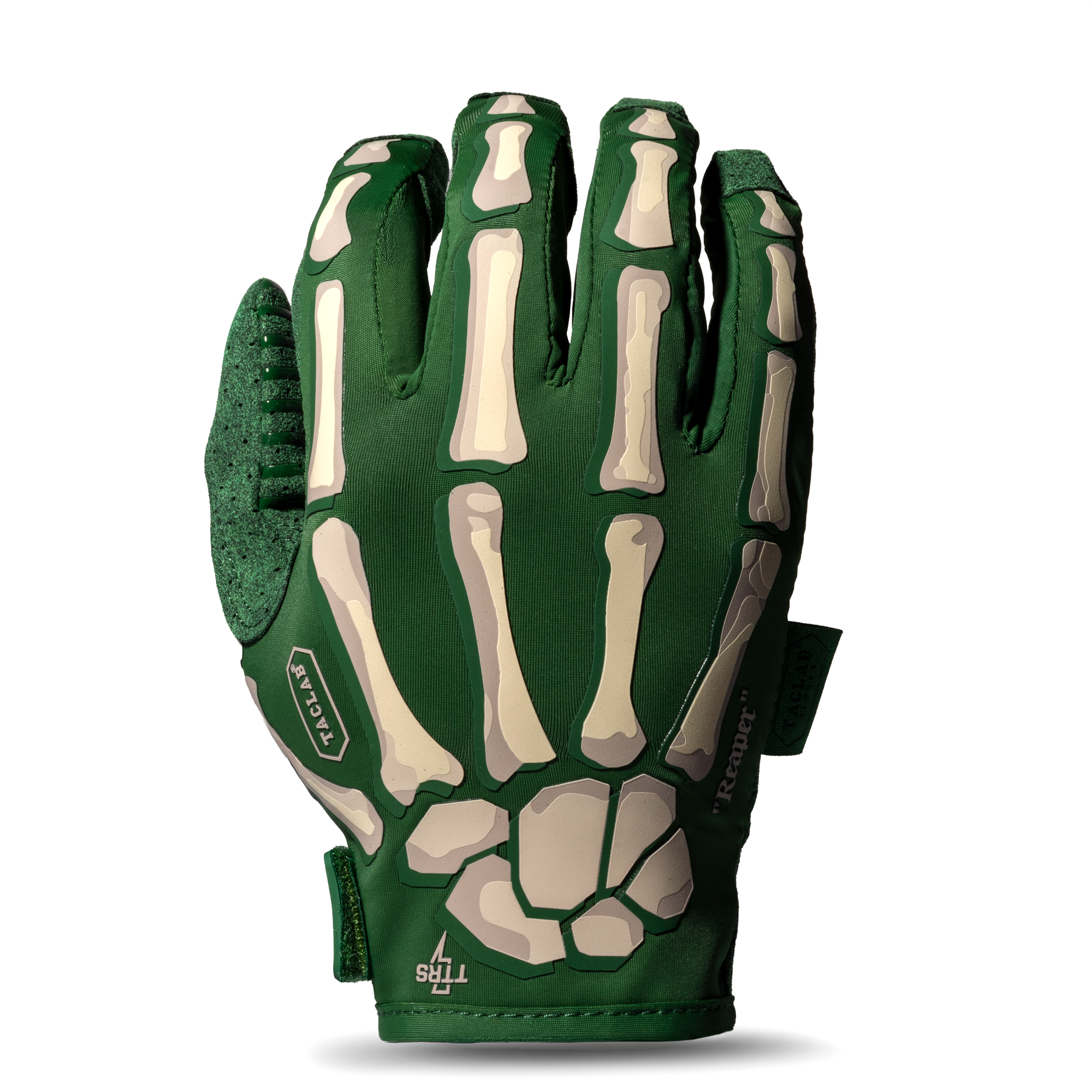
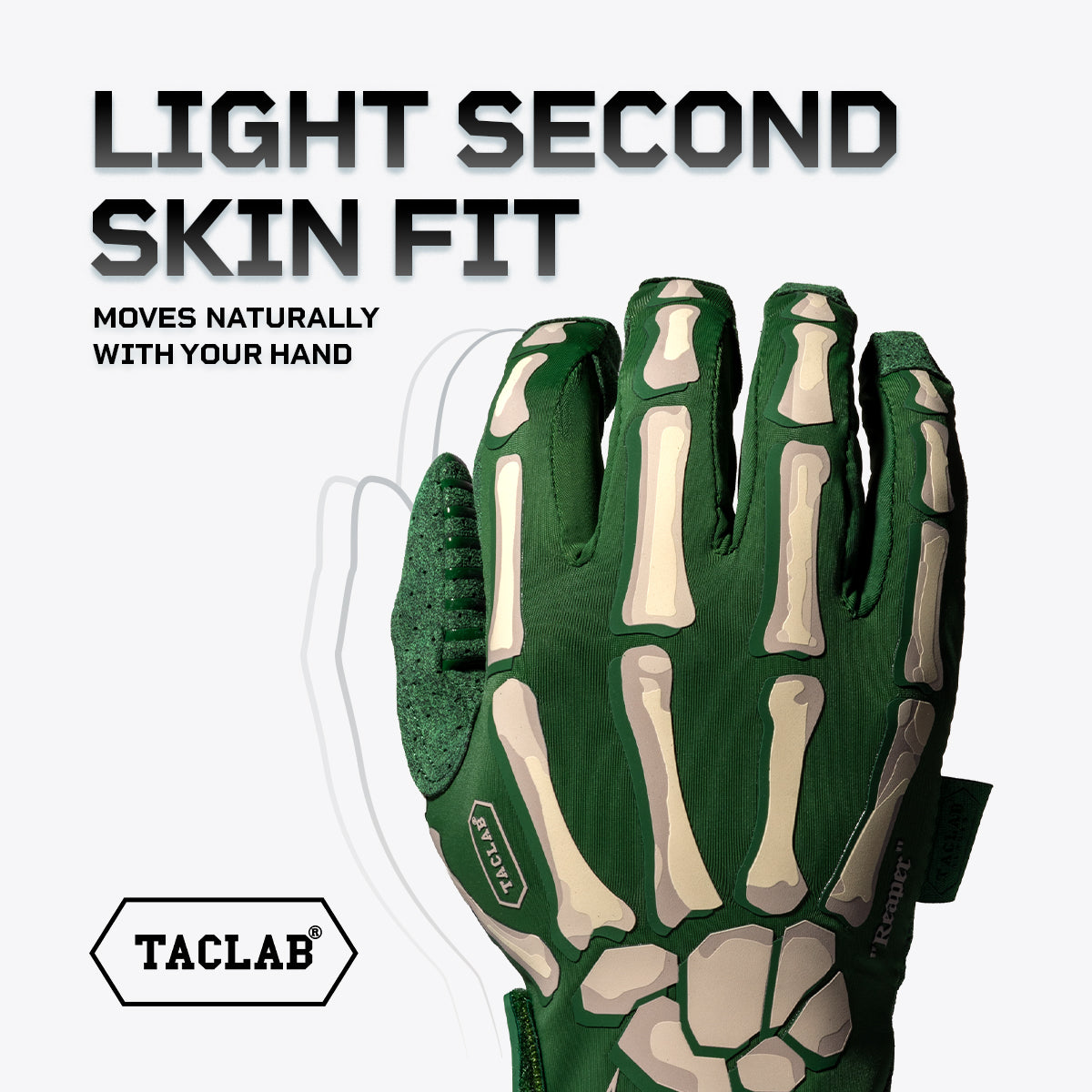
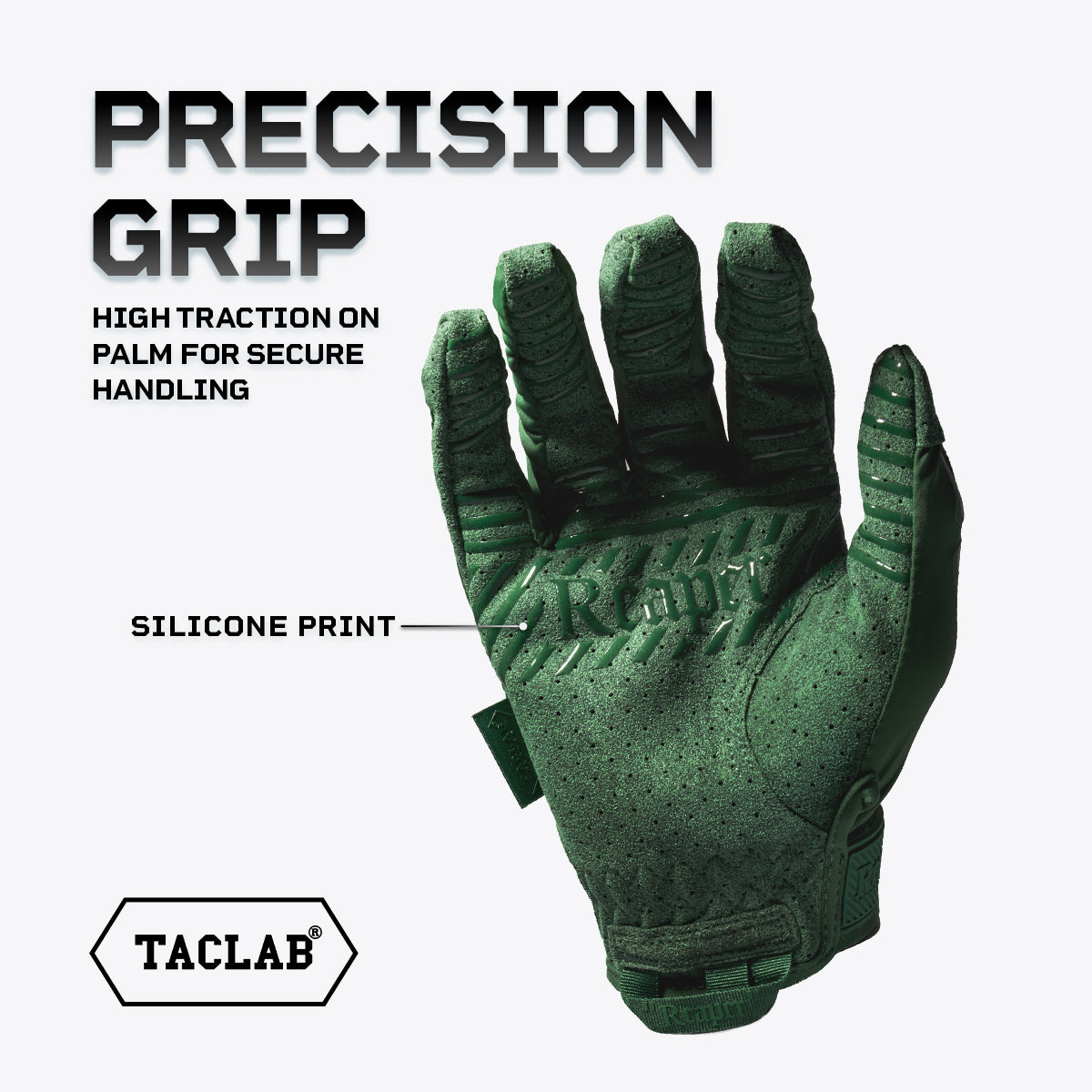
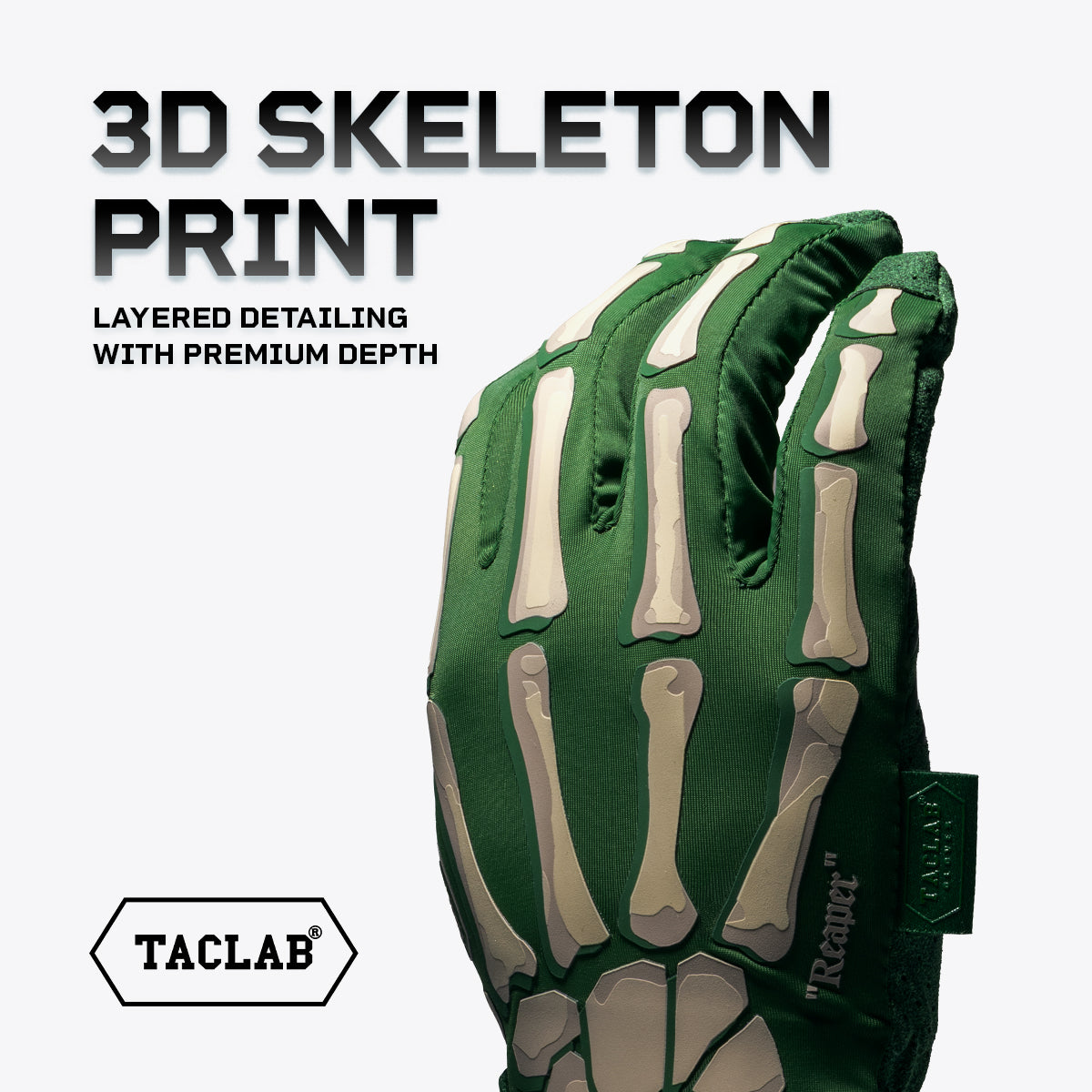
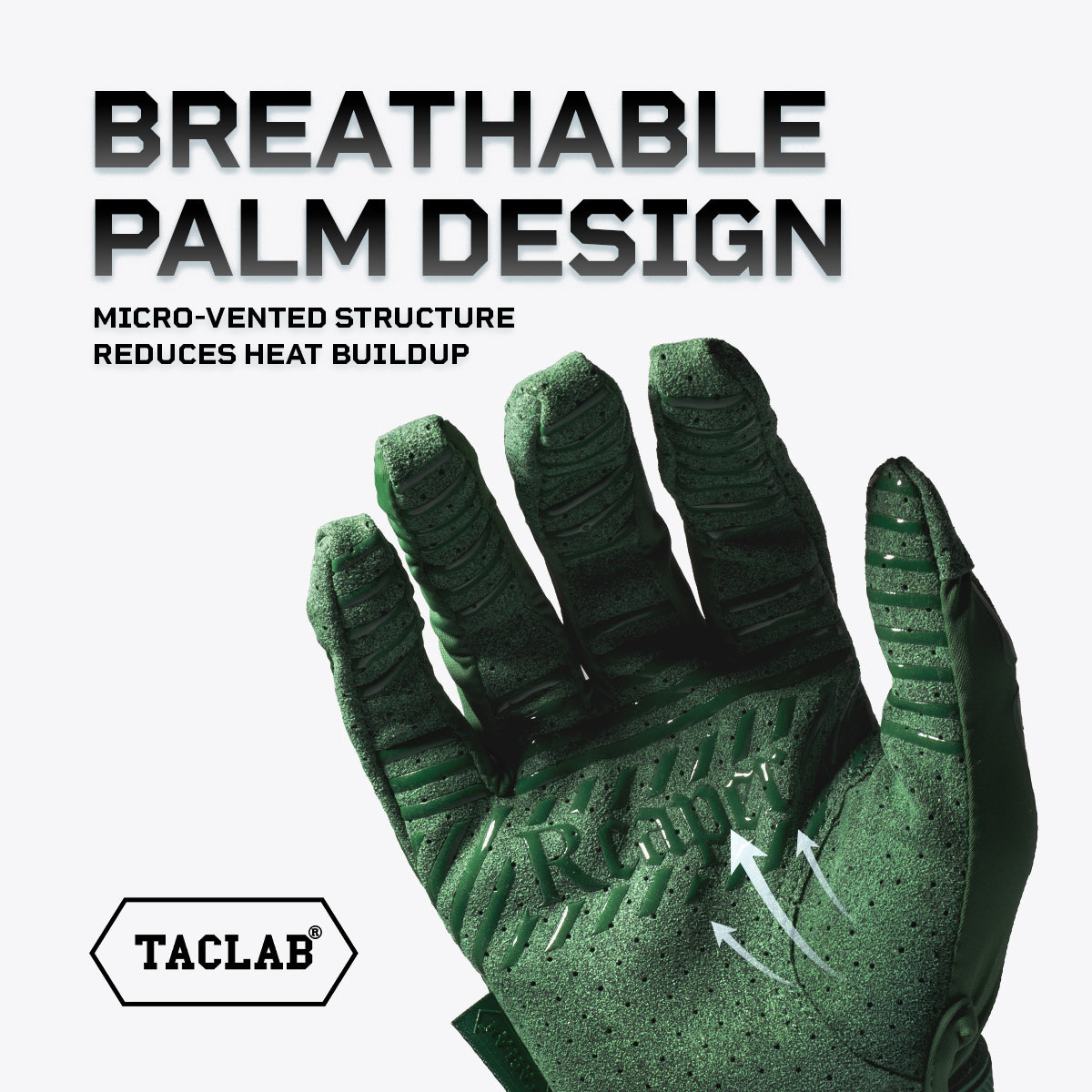
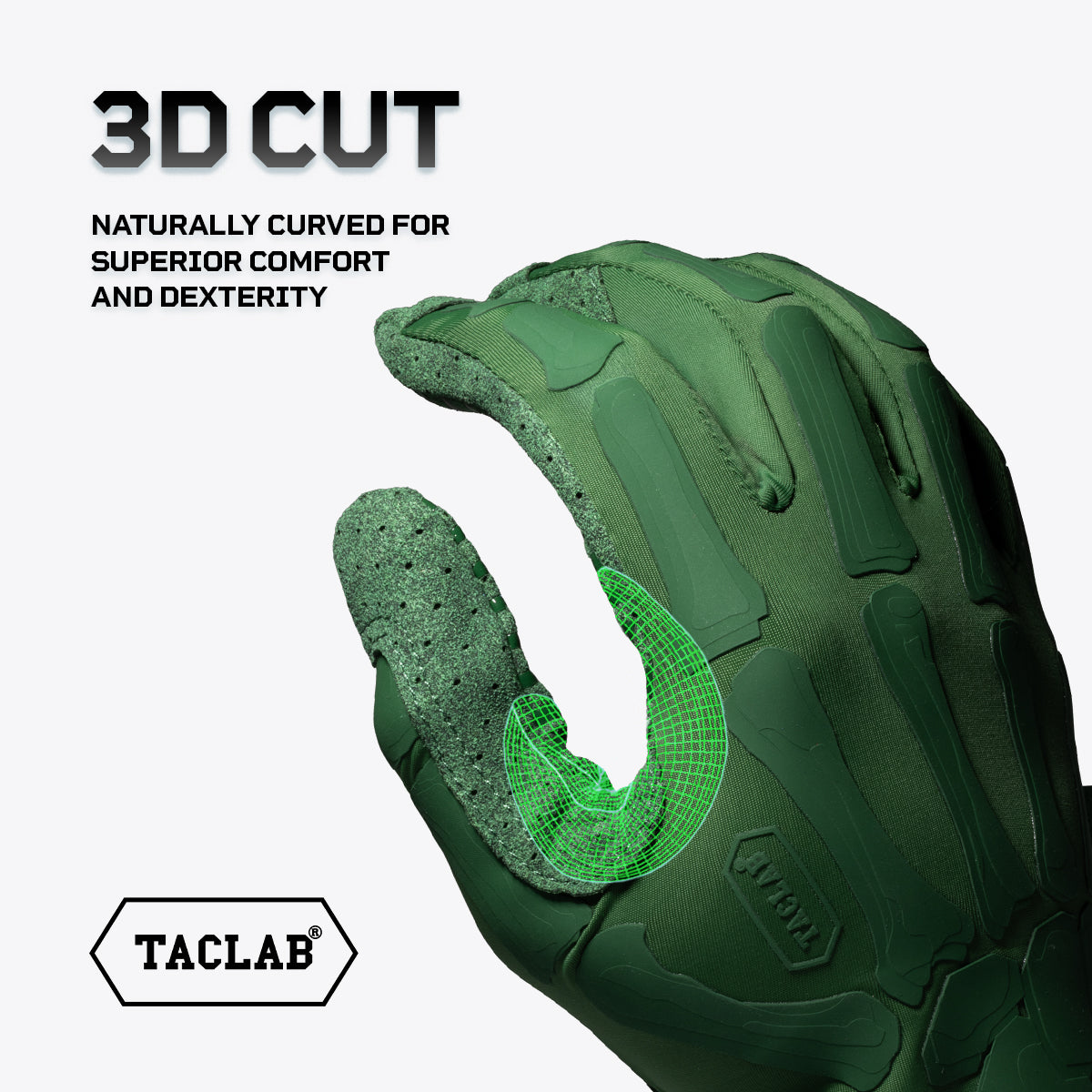
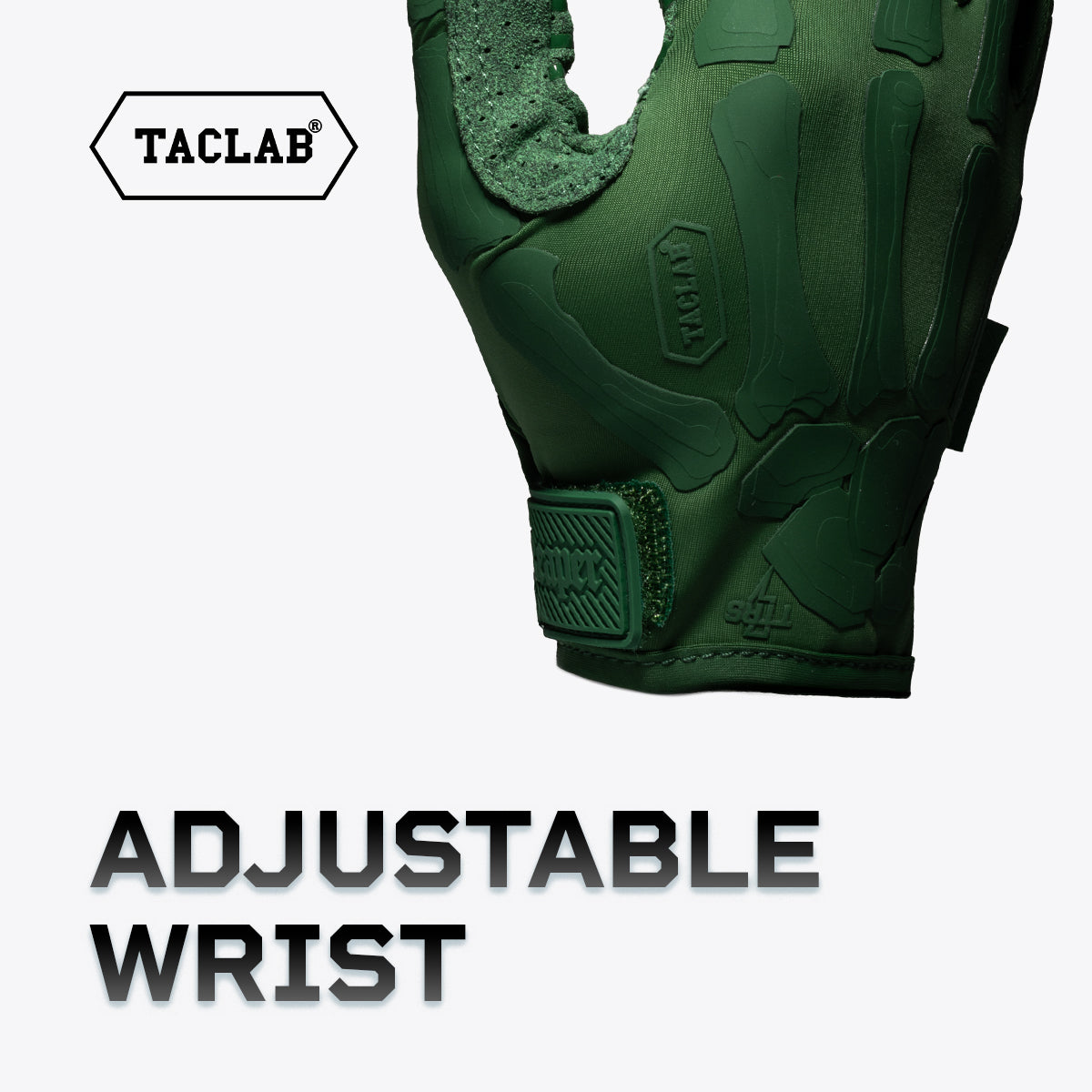
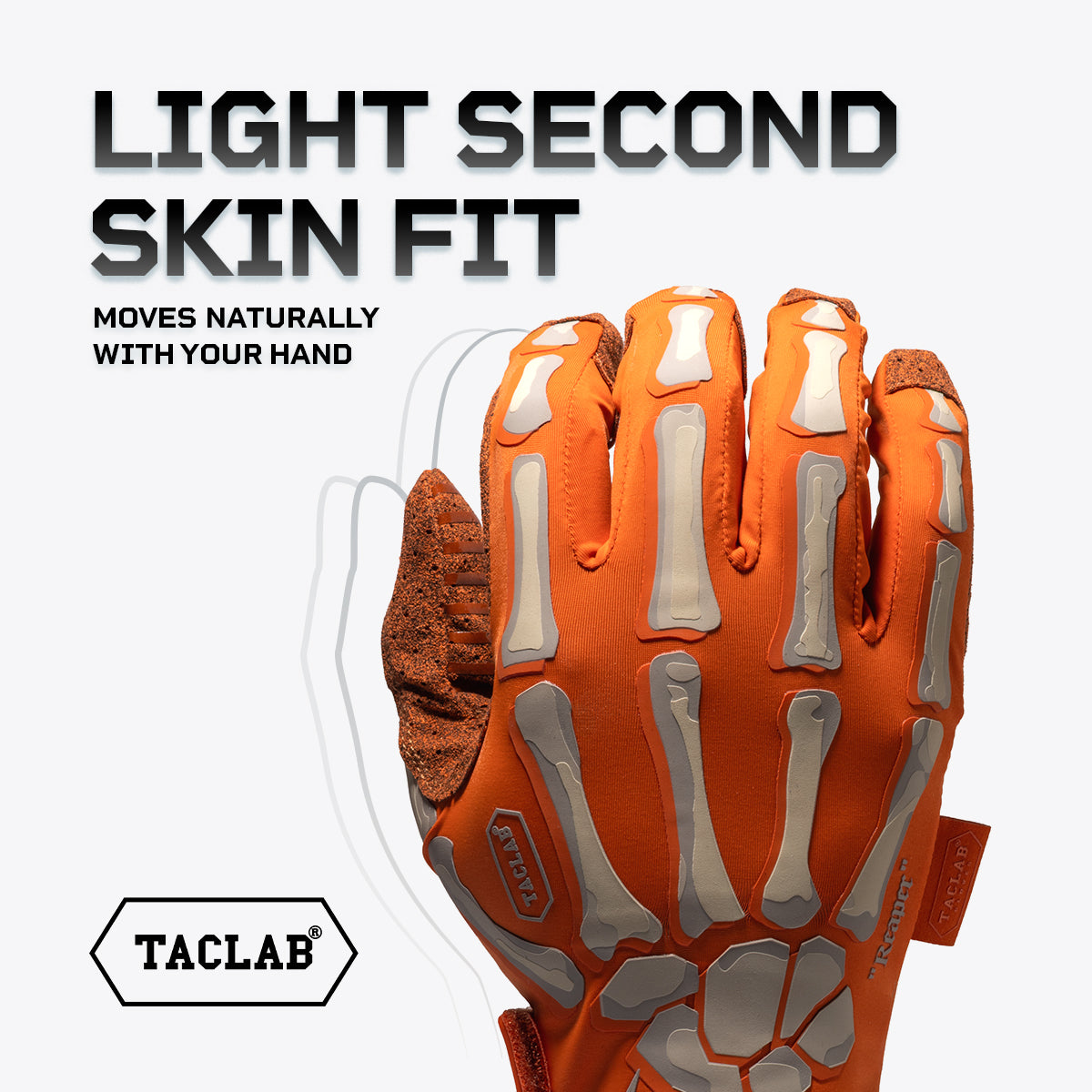
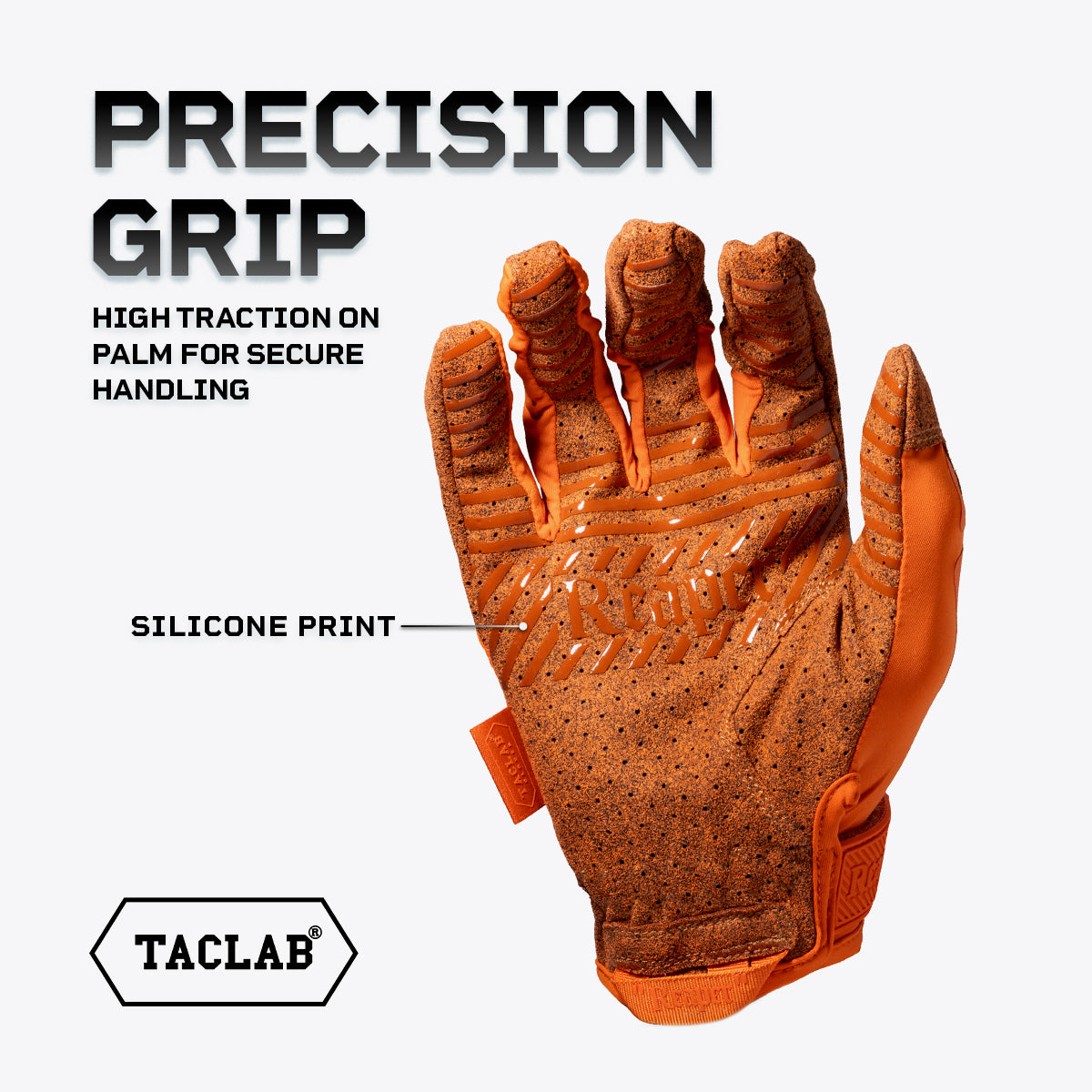
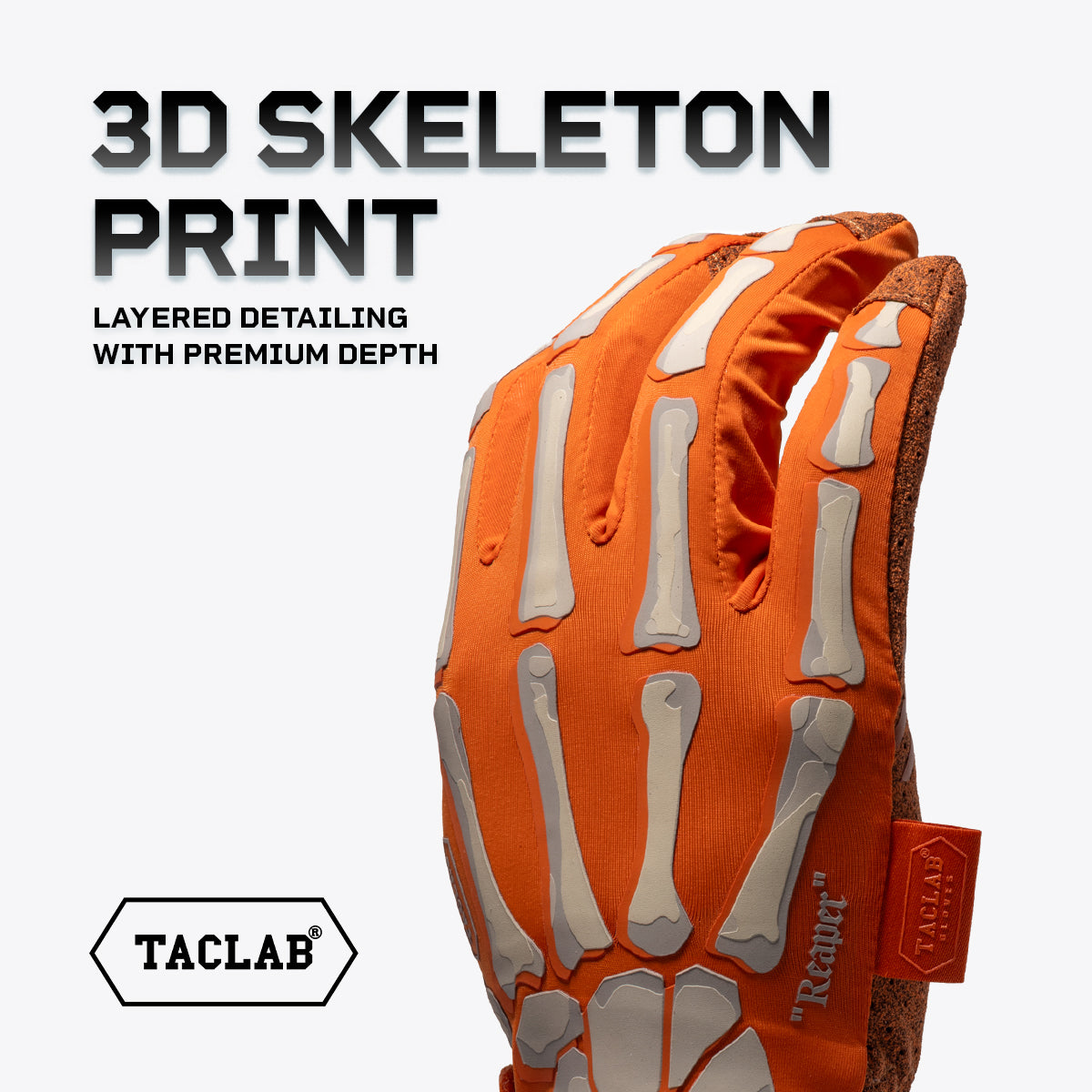
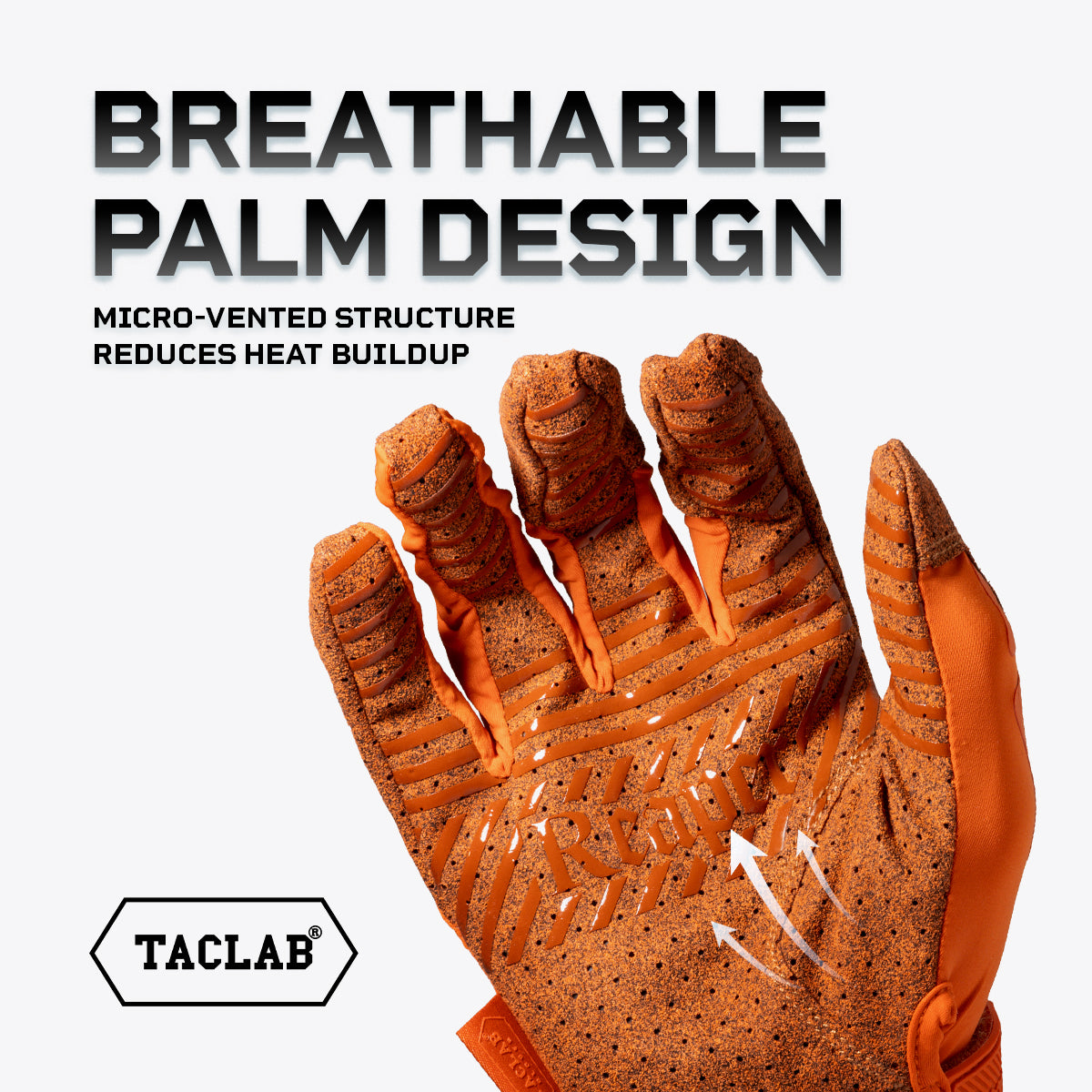
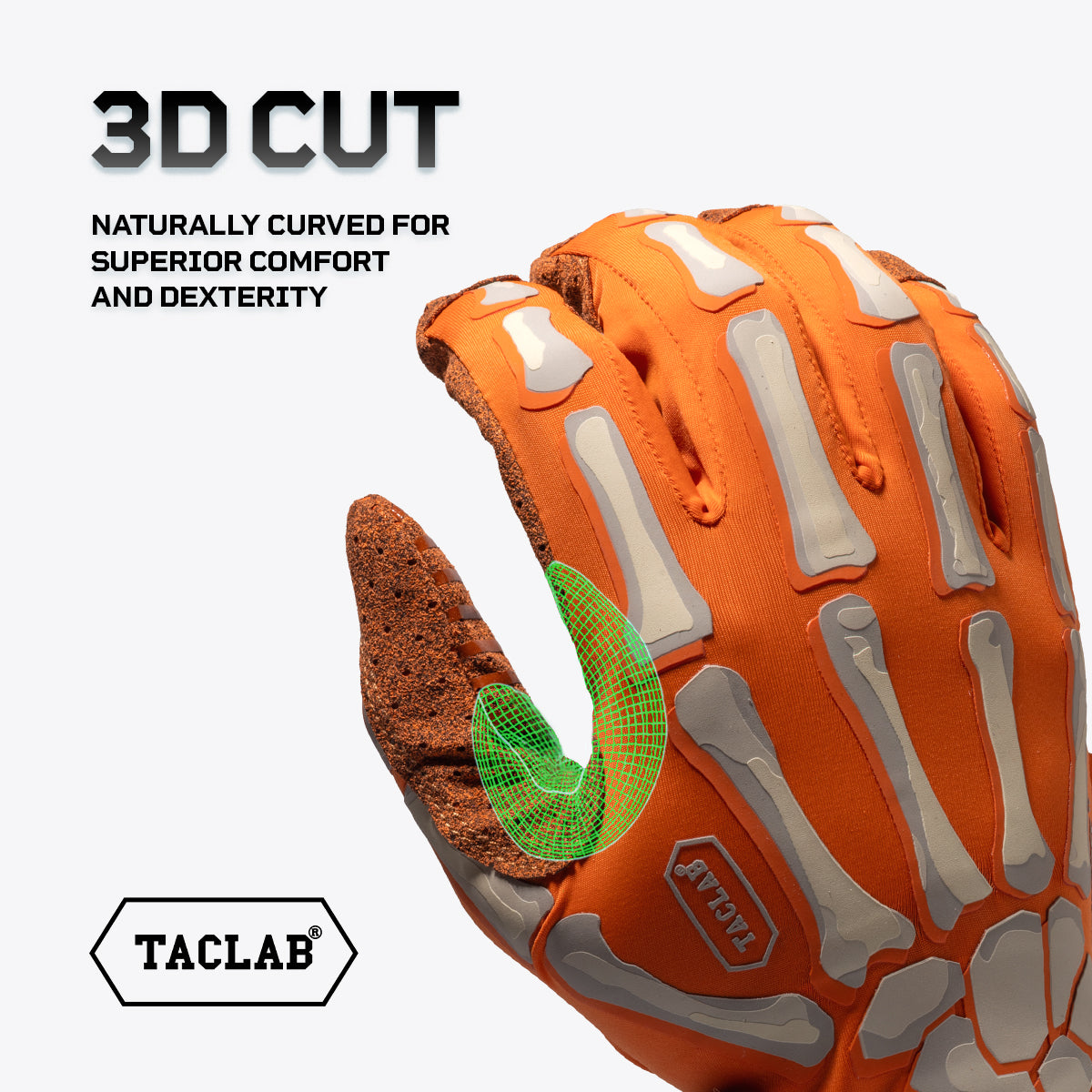
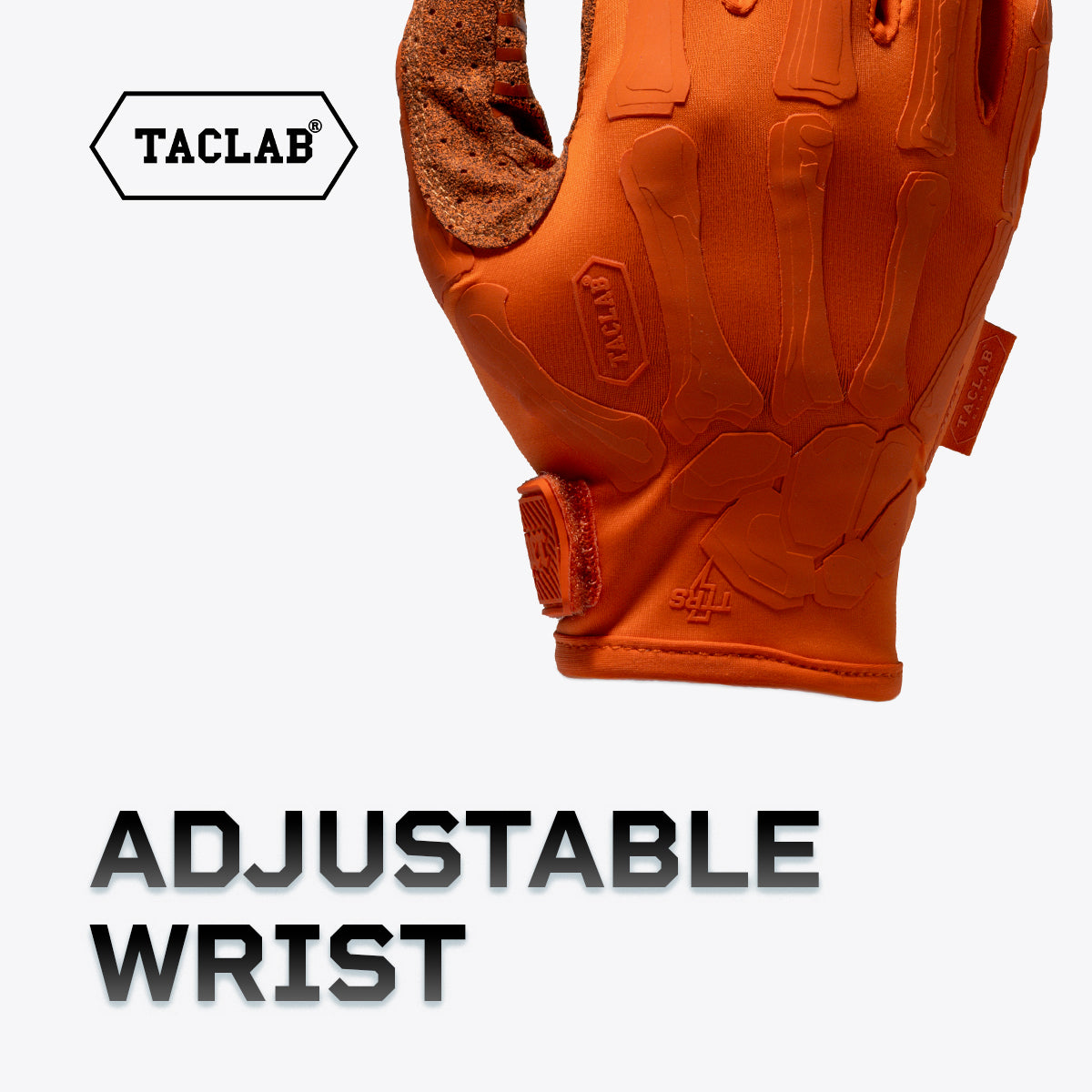
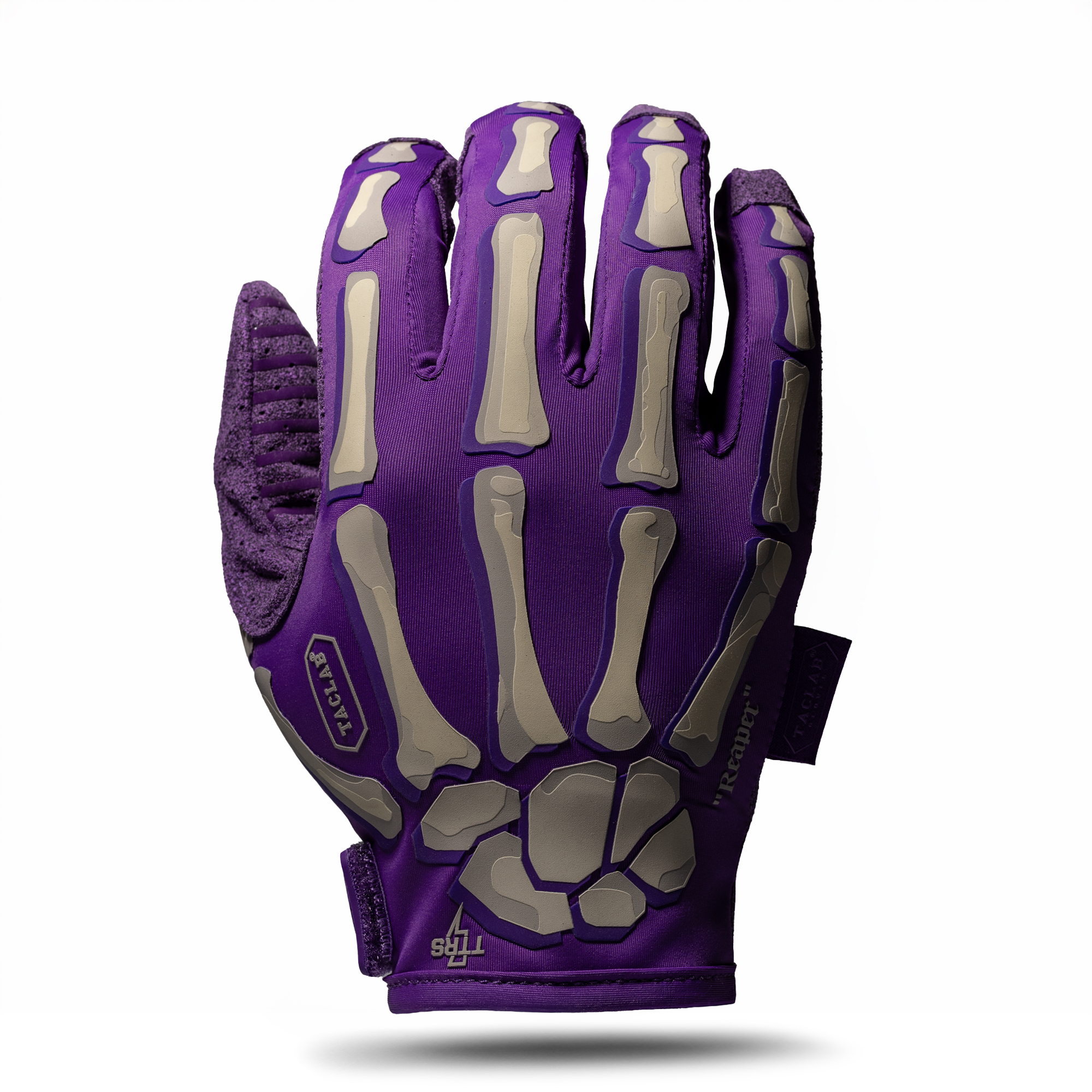
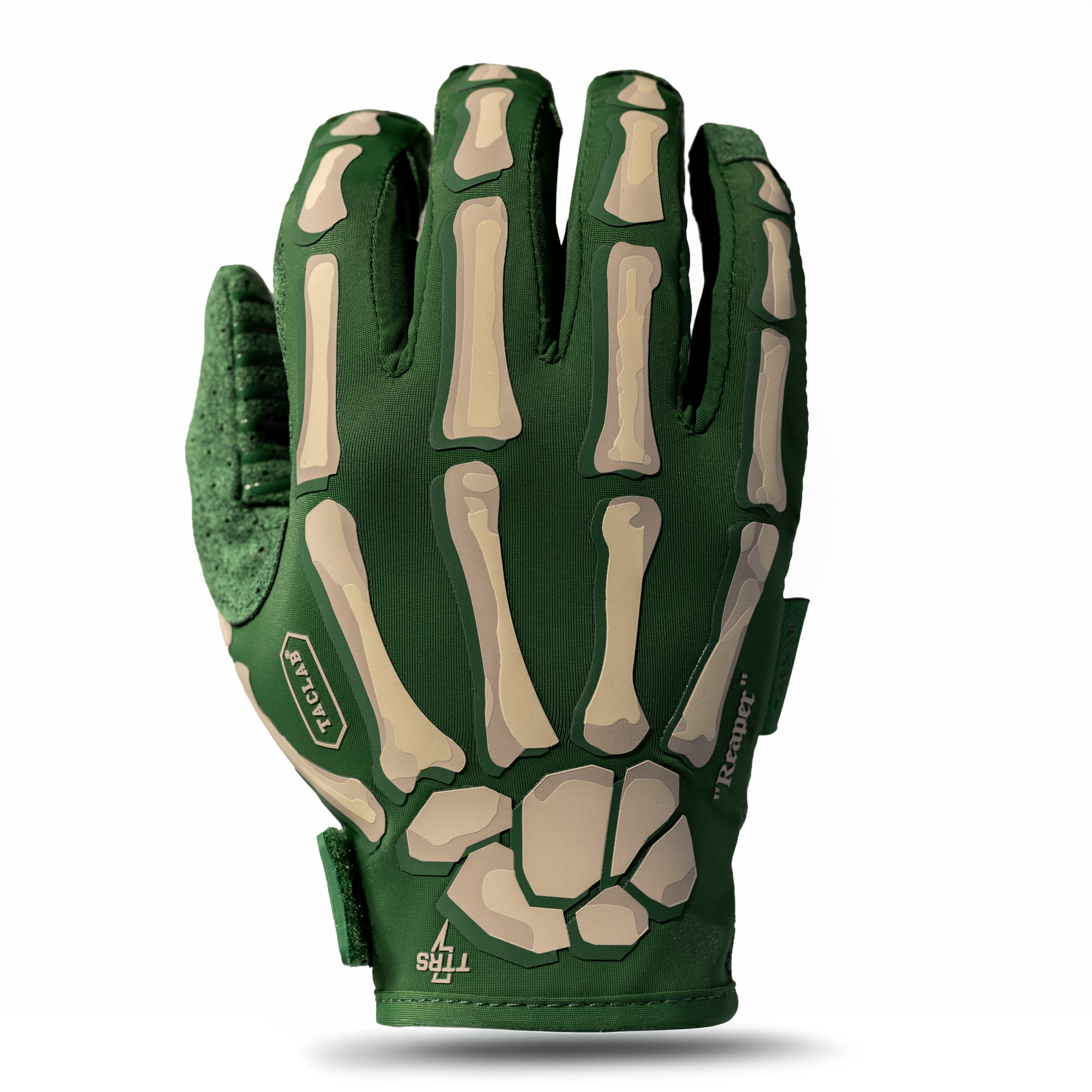
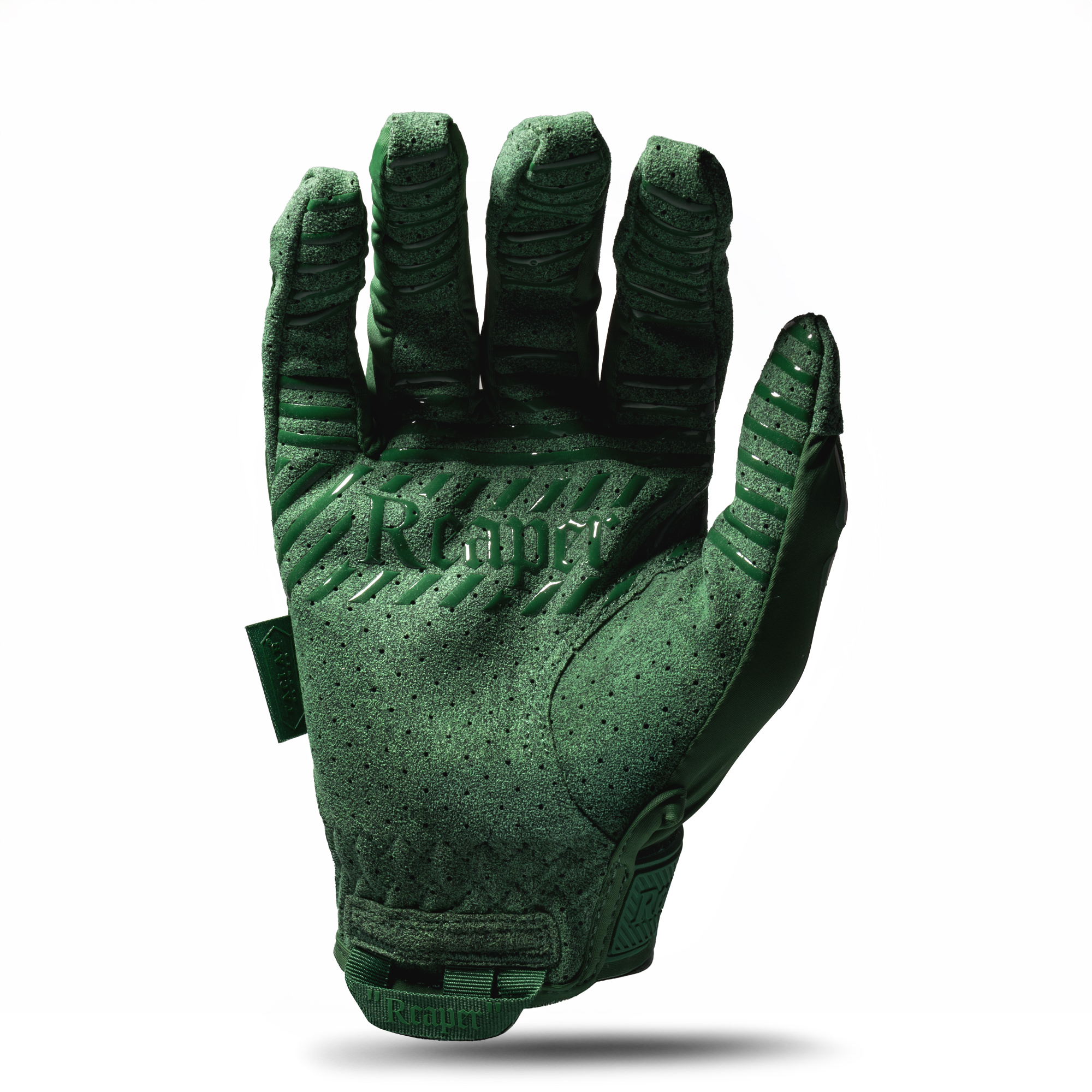
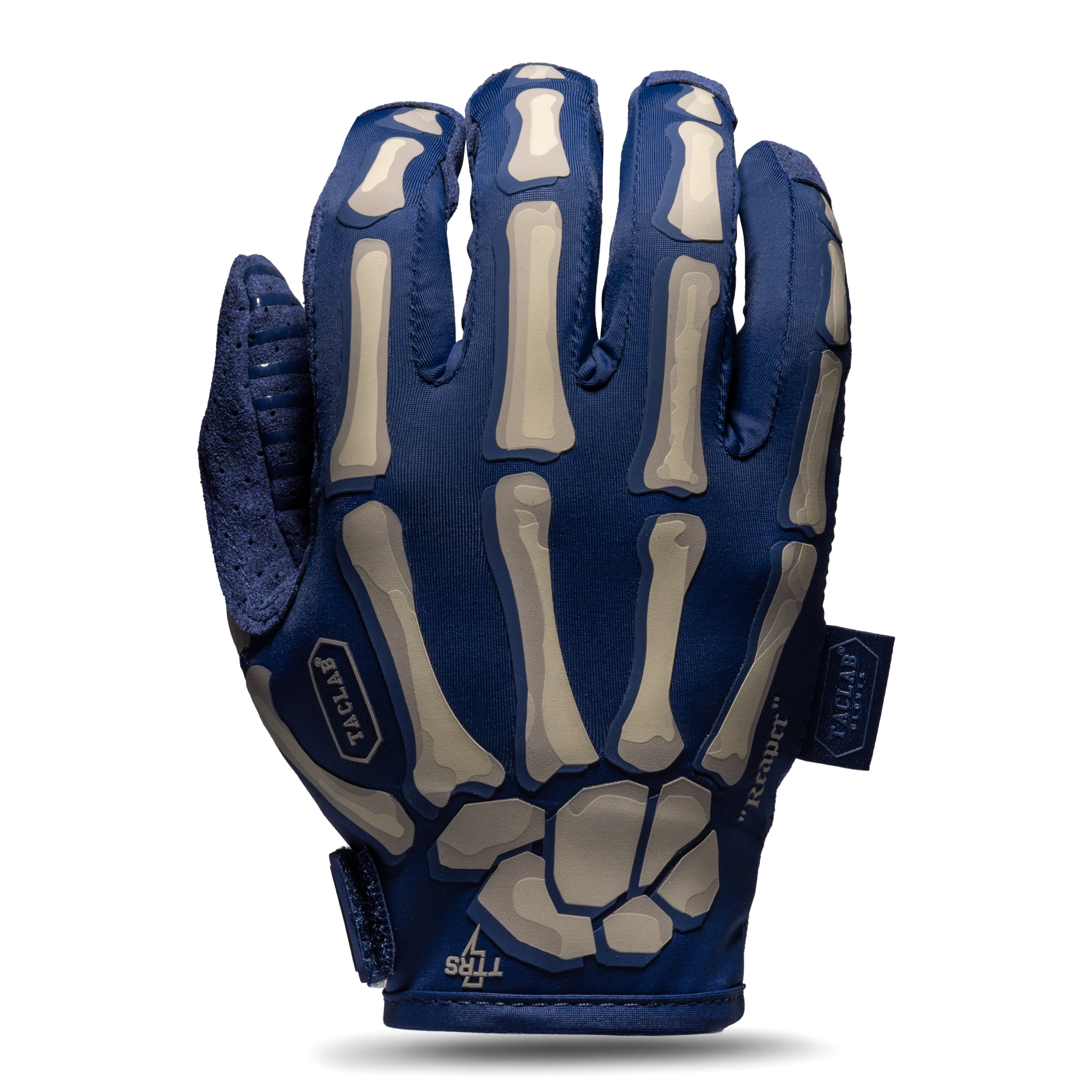
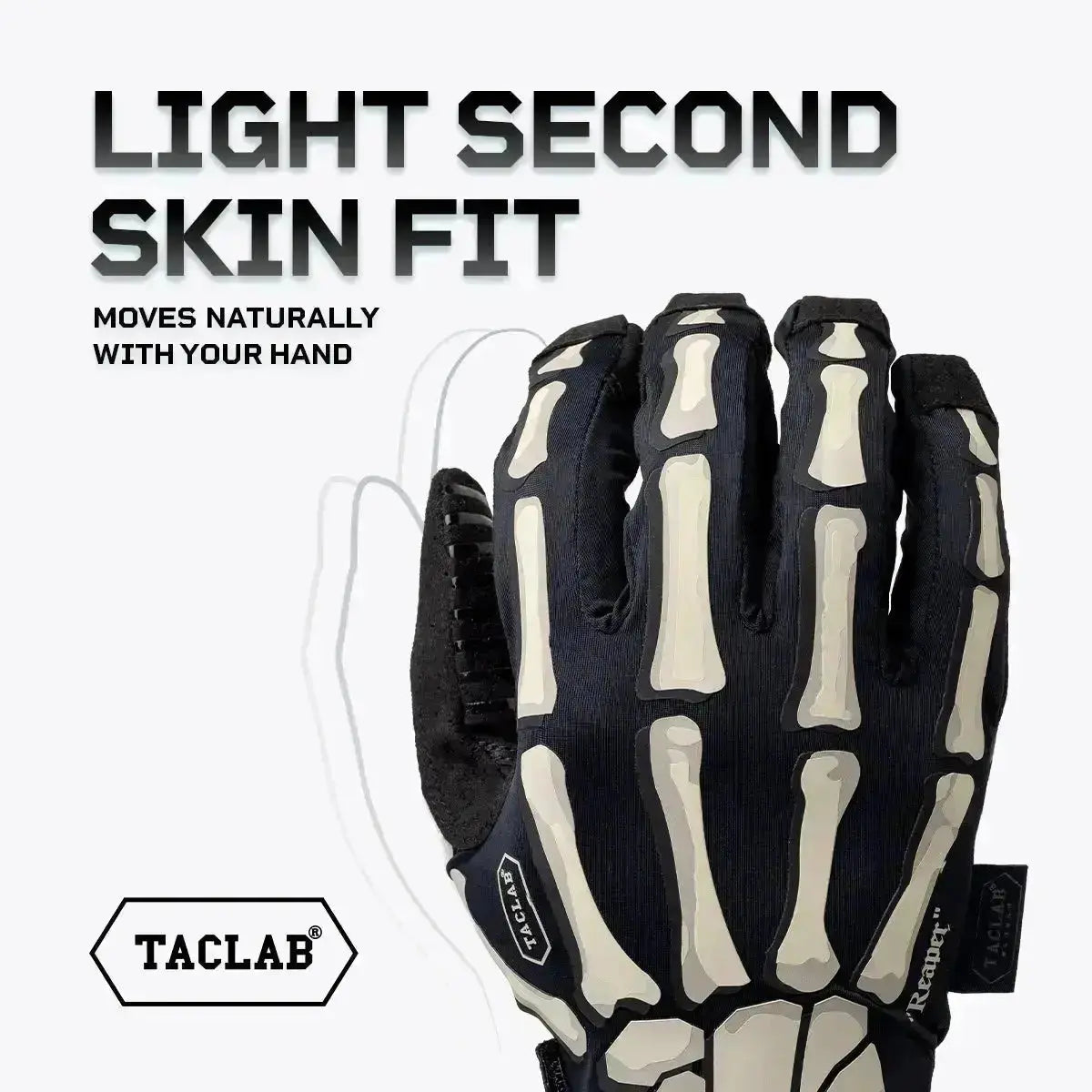
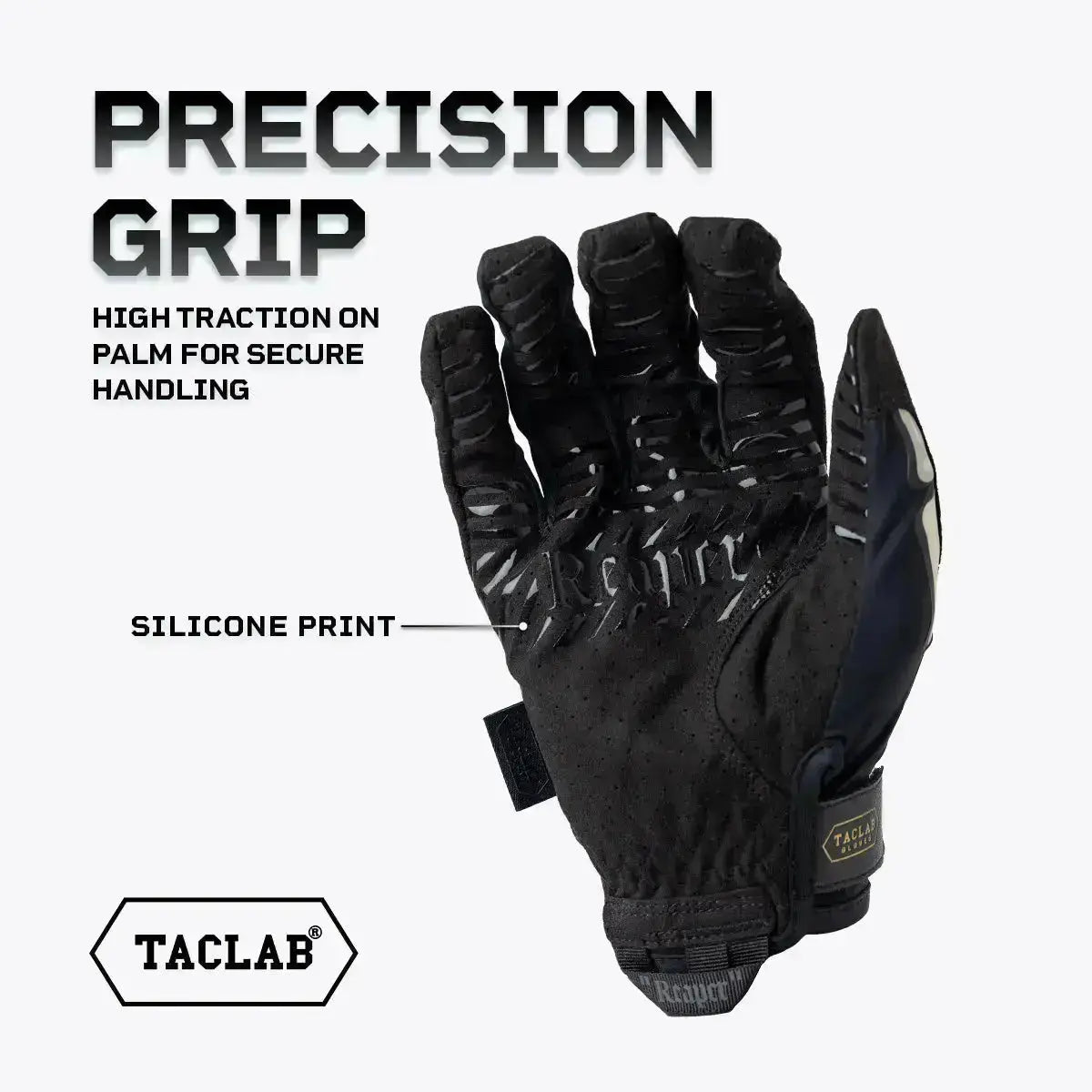
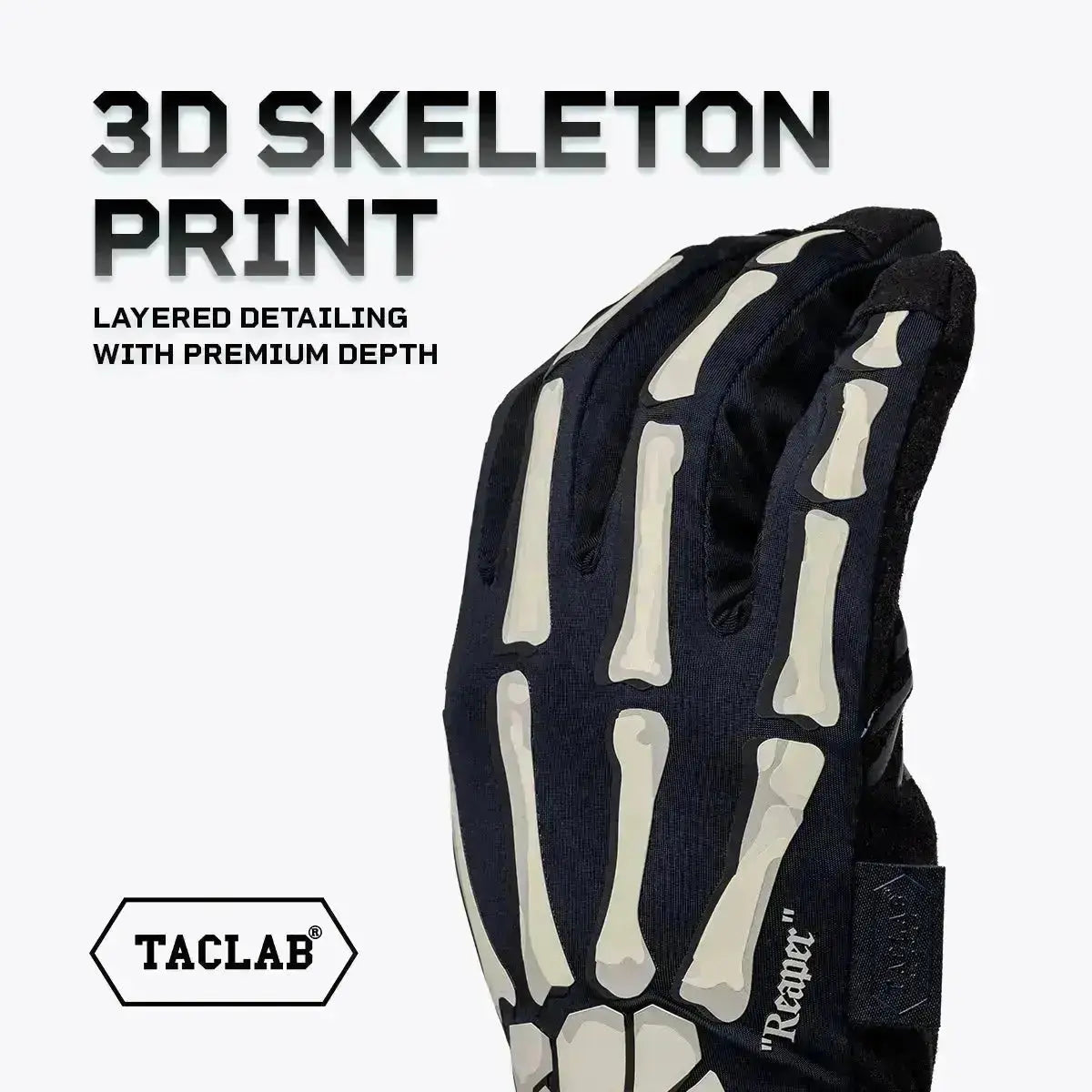
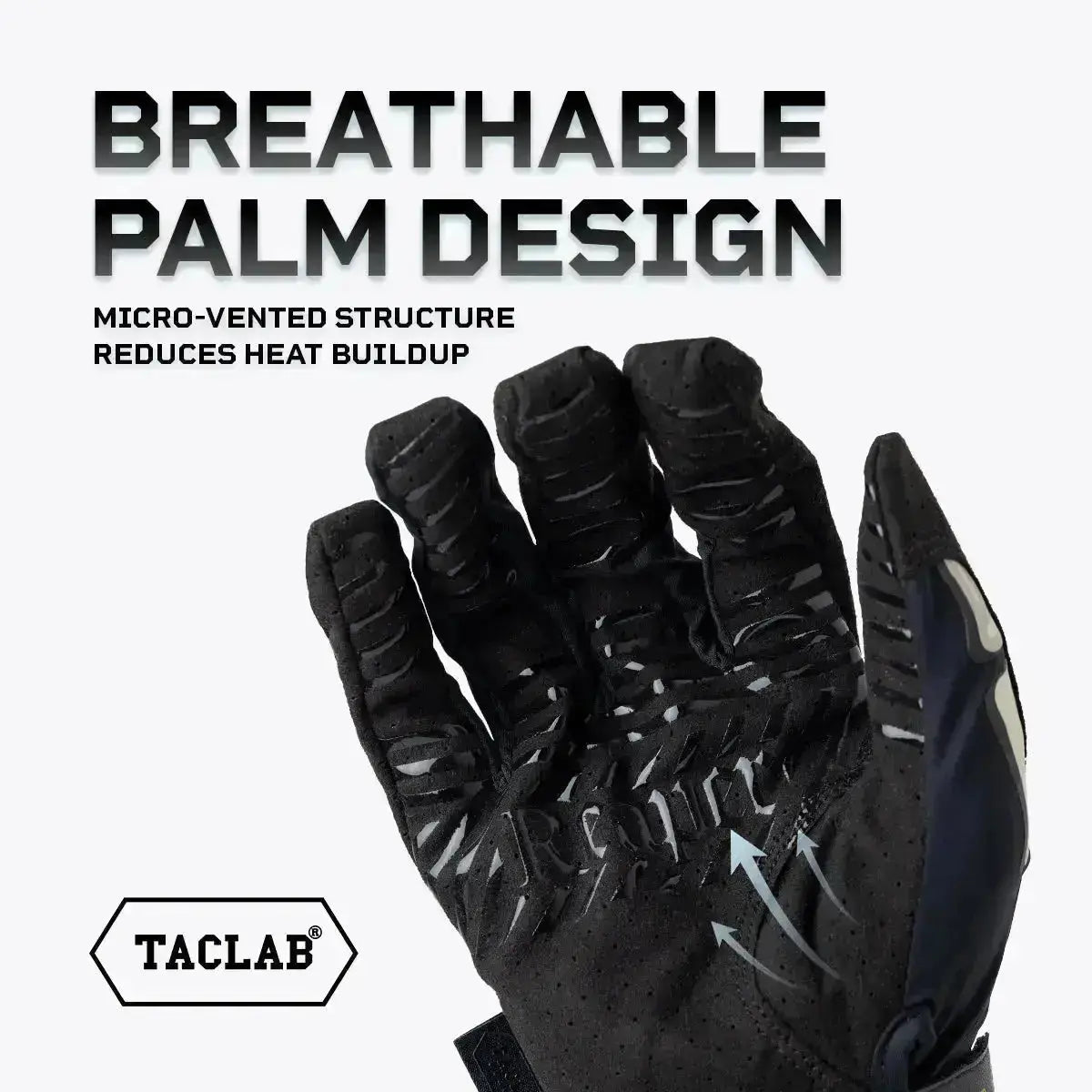
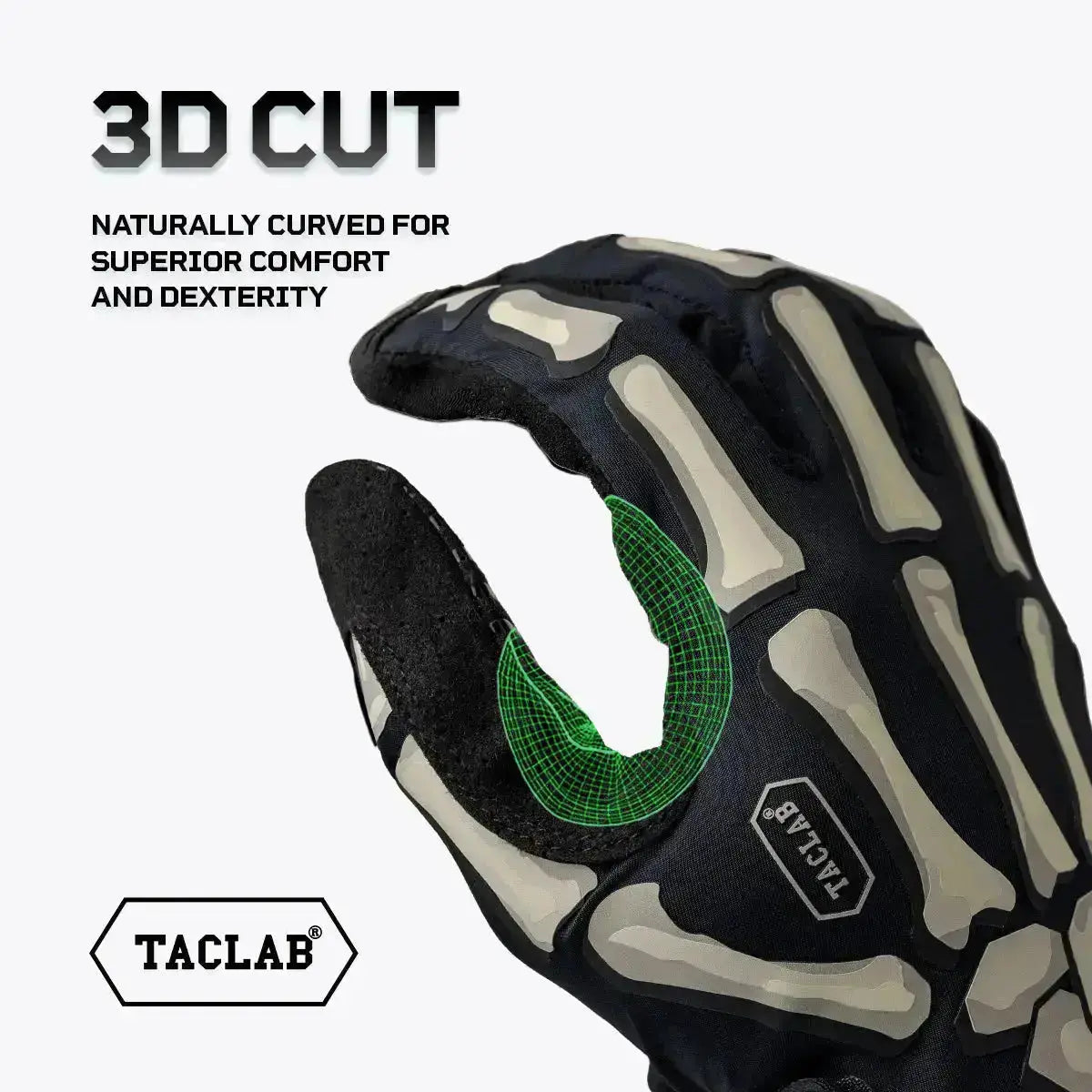
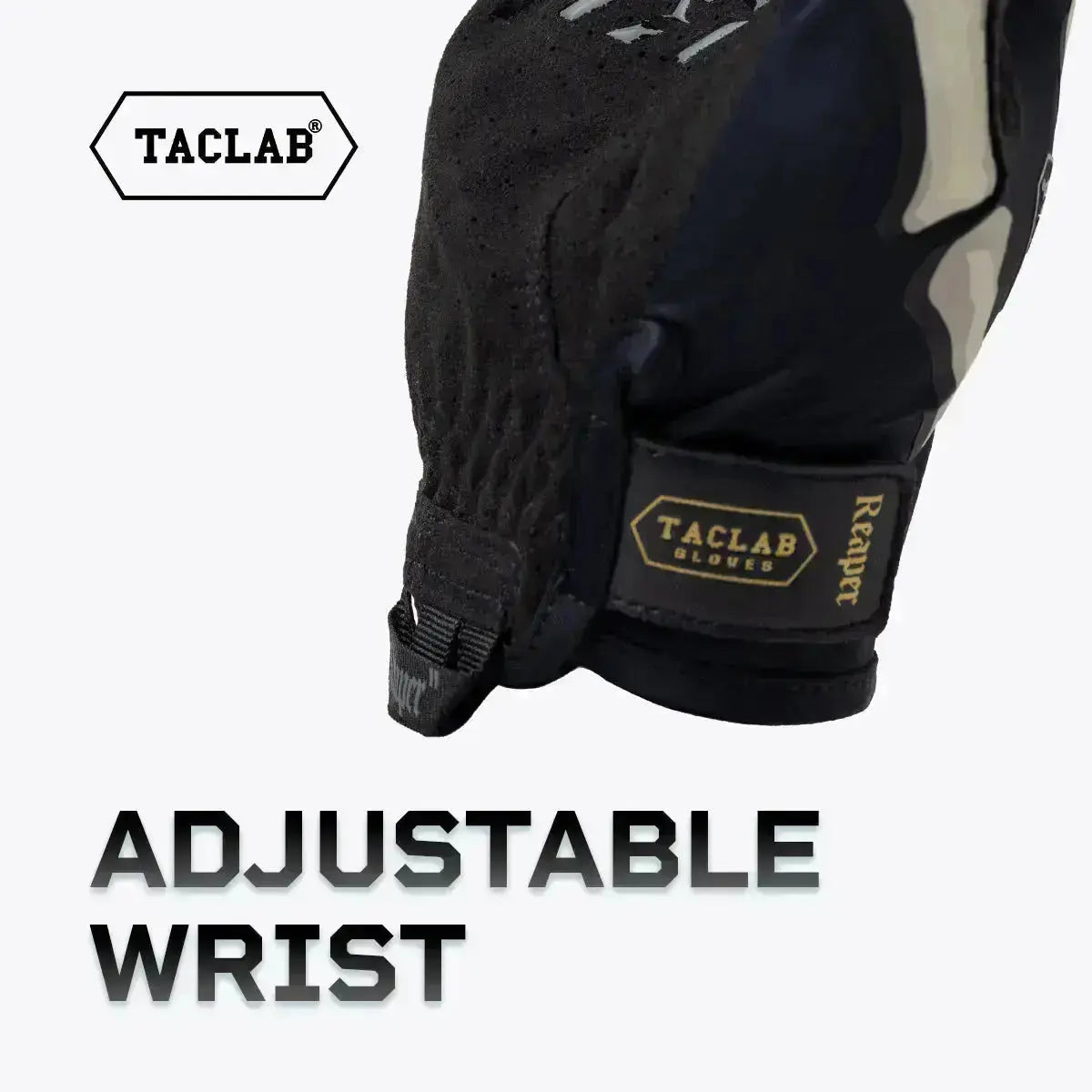
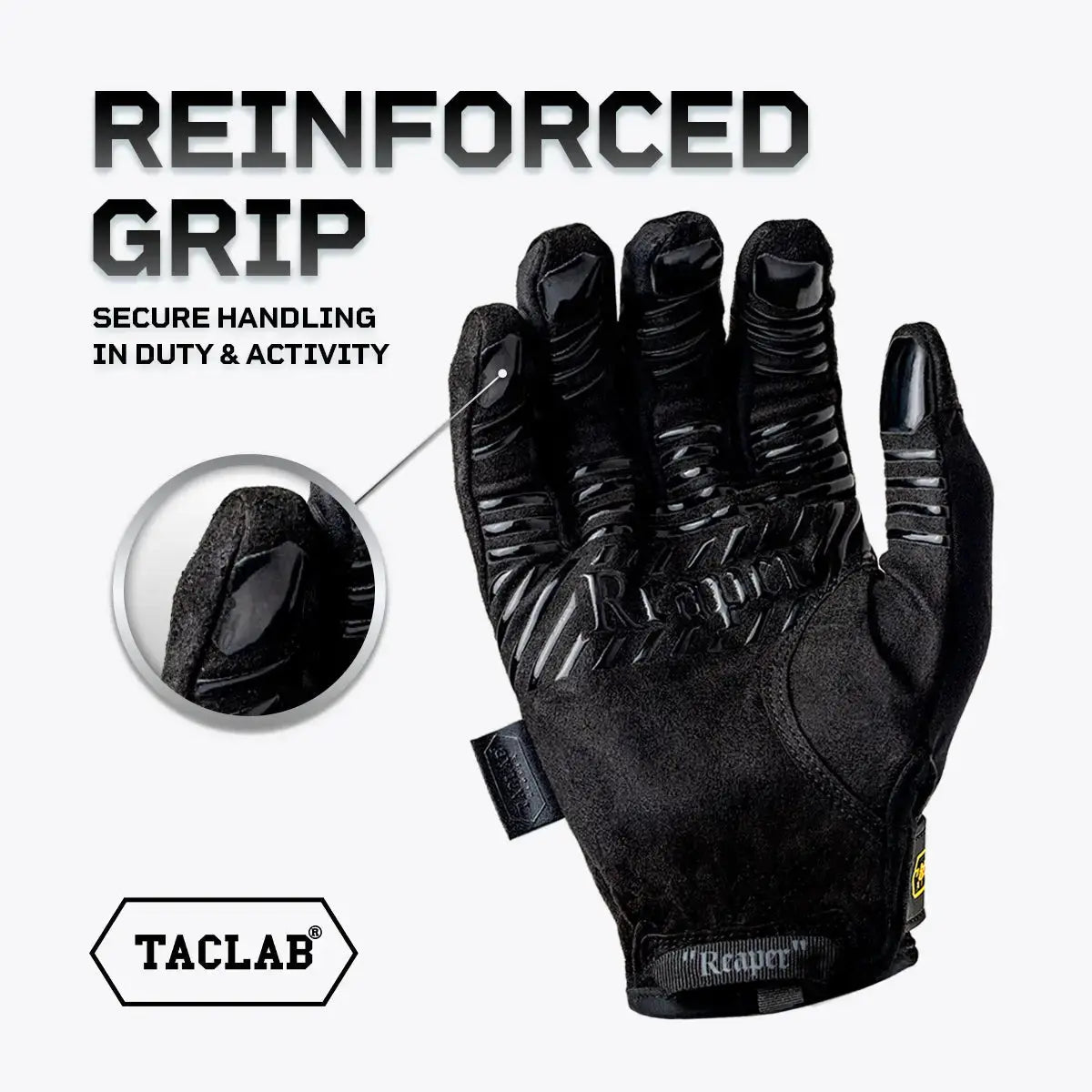
The TACLAB Reaper emphasizes dexterity, flexibility, and grip for shooting and multipurpose tactical use.
For shooters who want hand coverage without moving immediately to an insulated winter glove, a lightweight design can make sense.
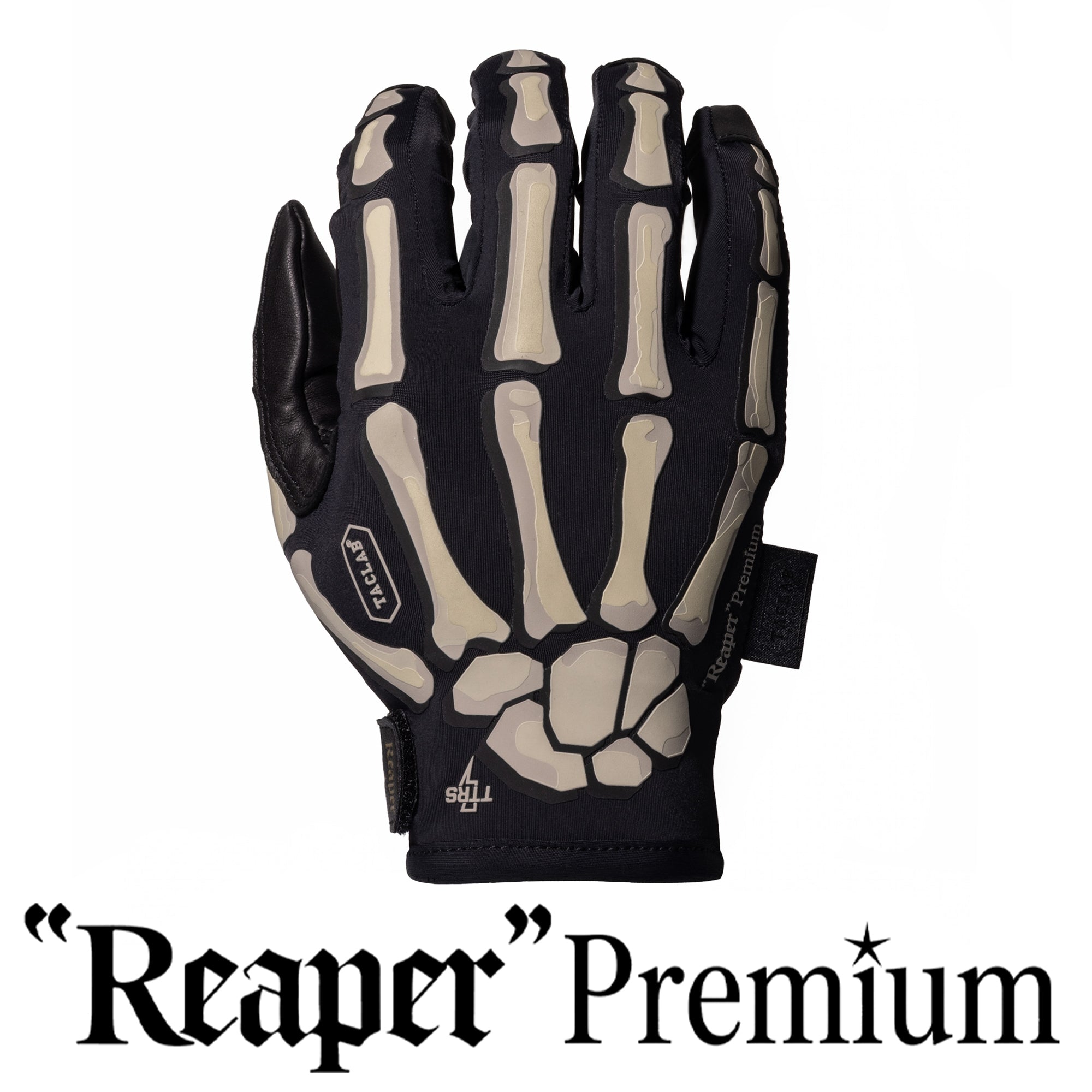
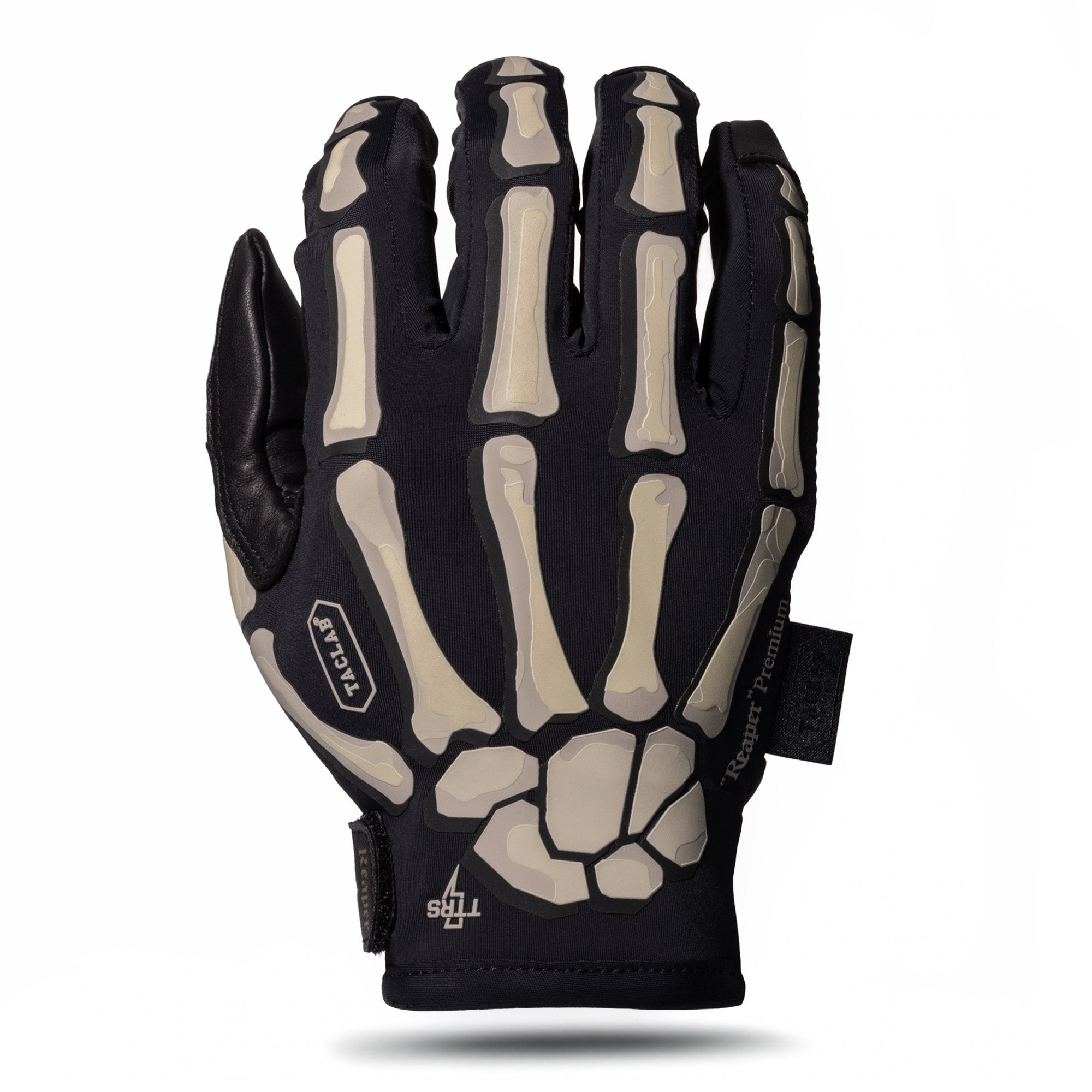
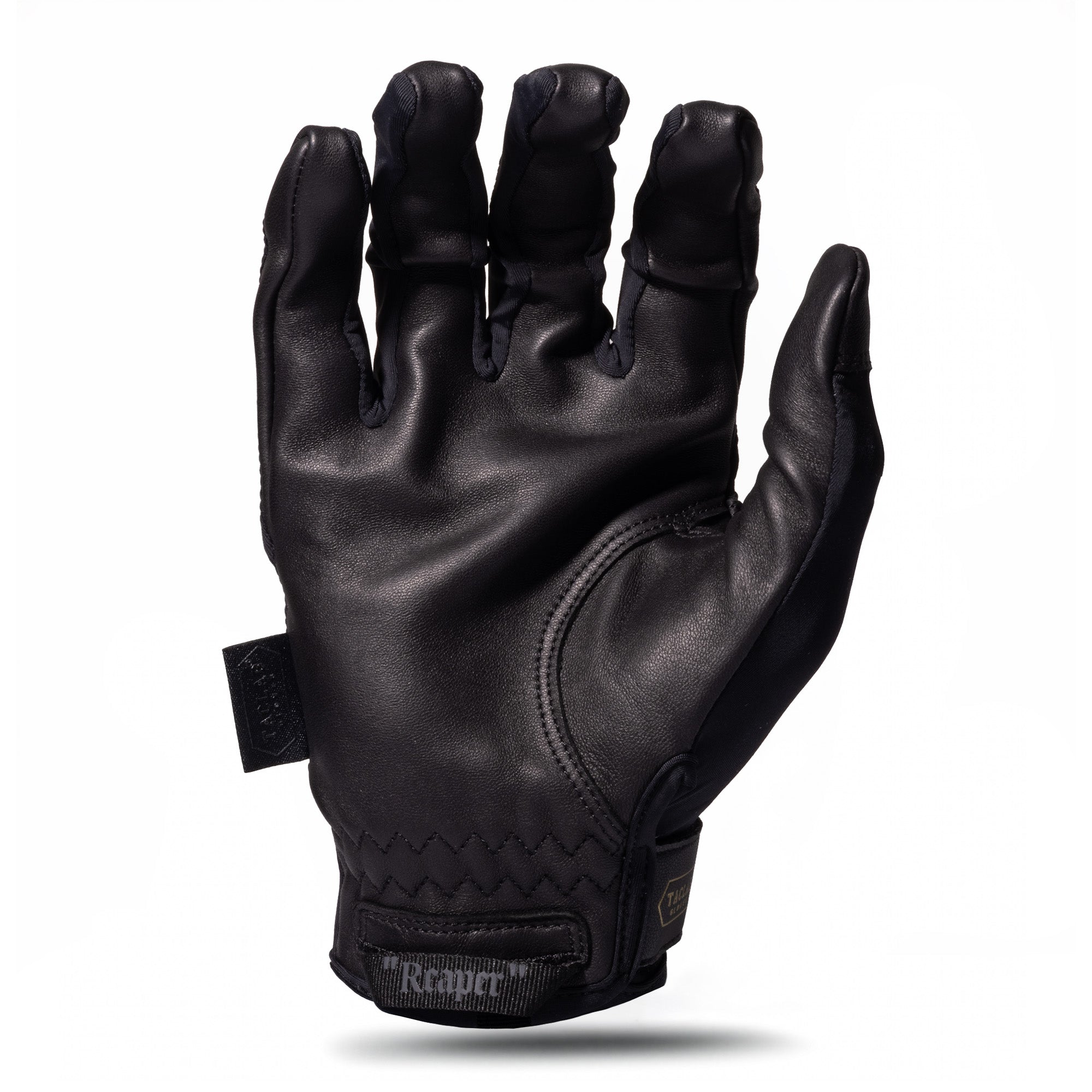
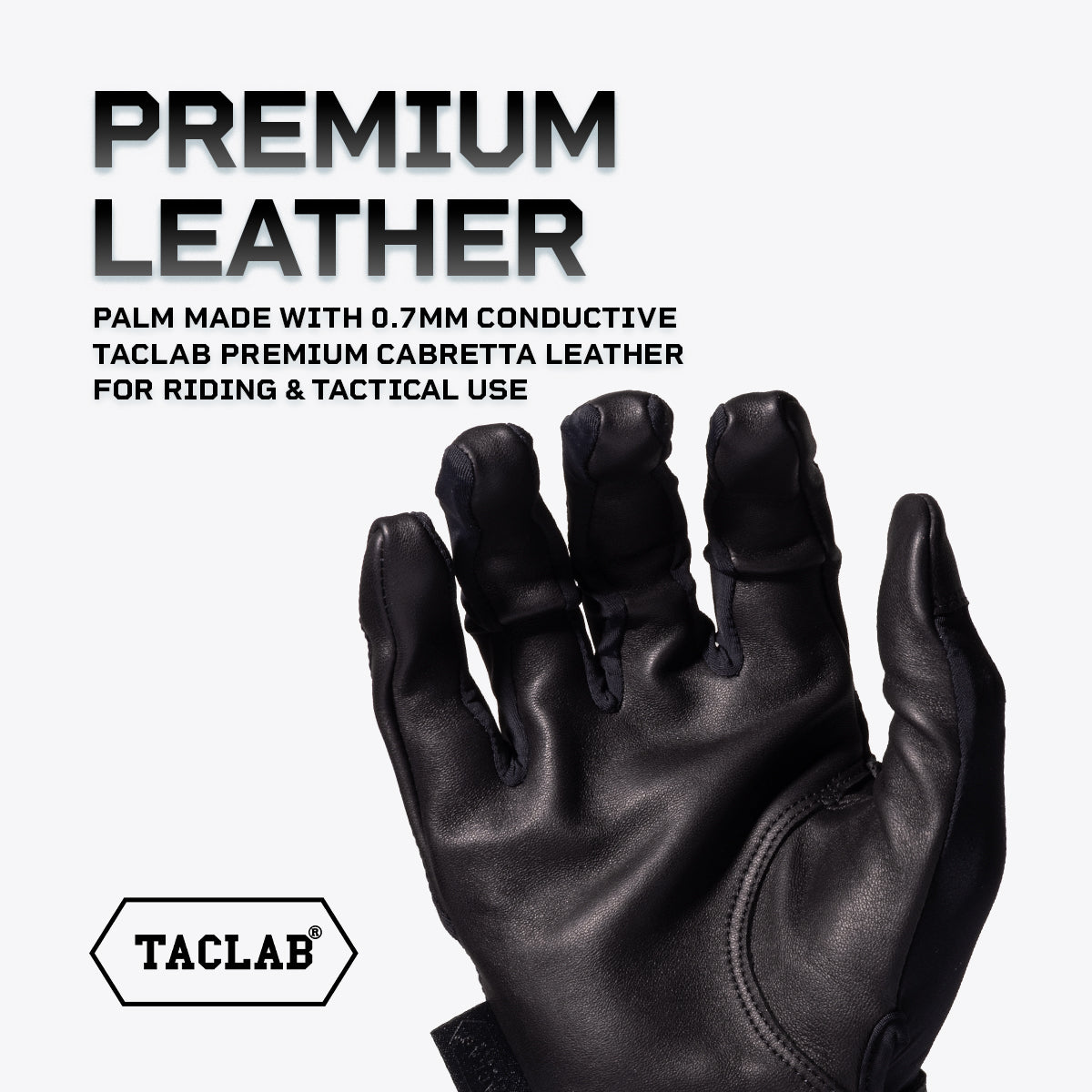
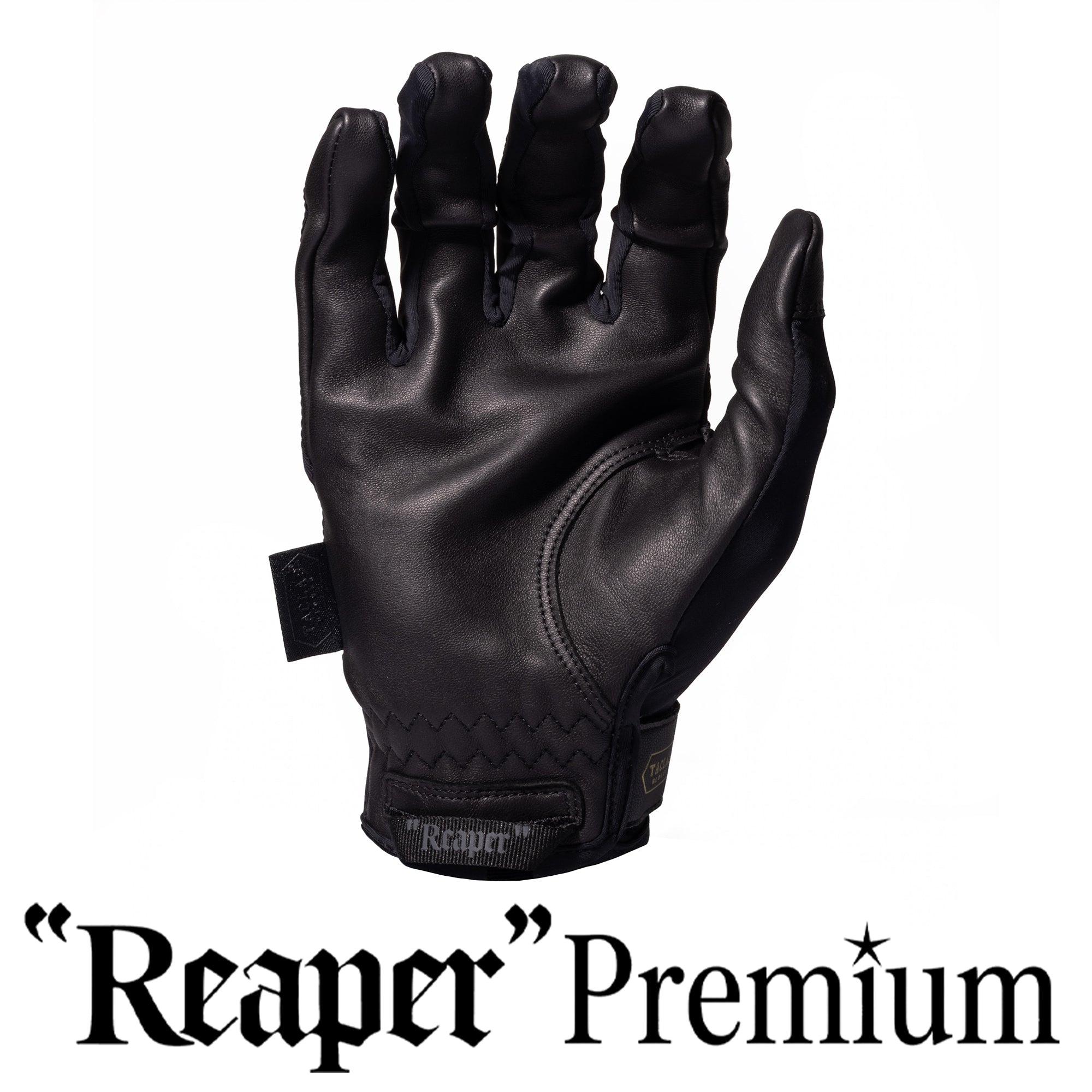
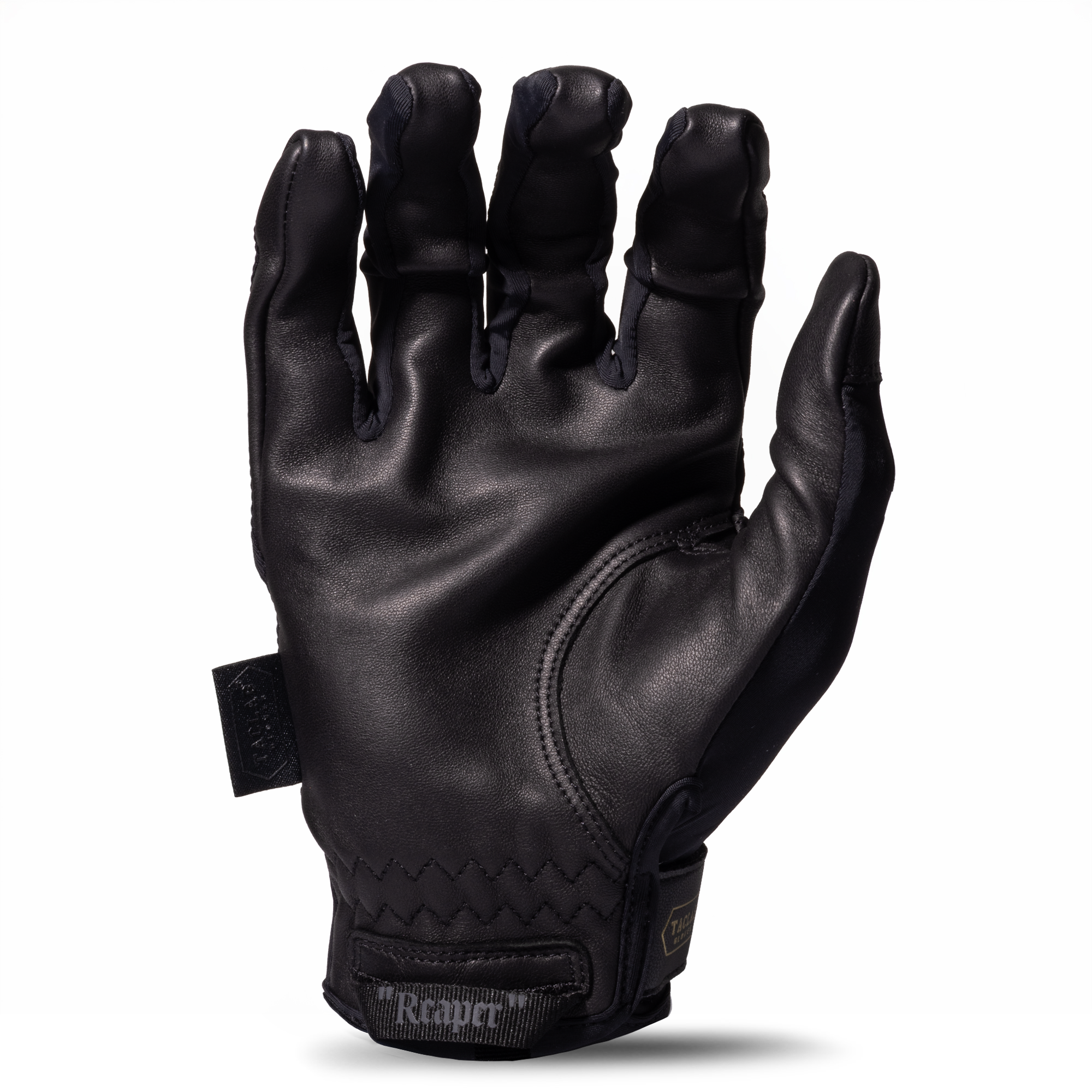
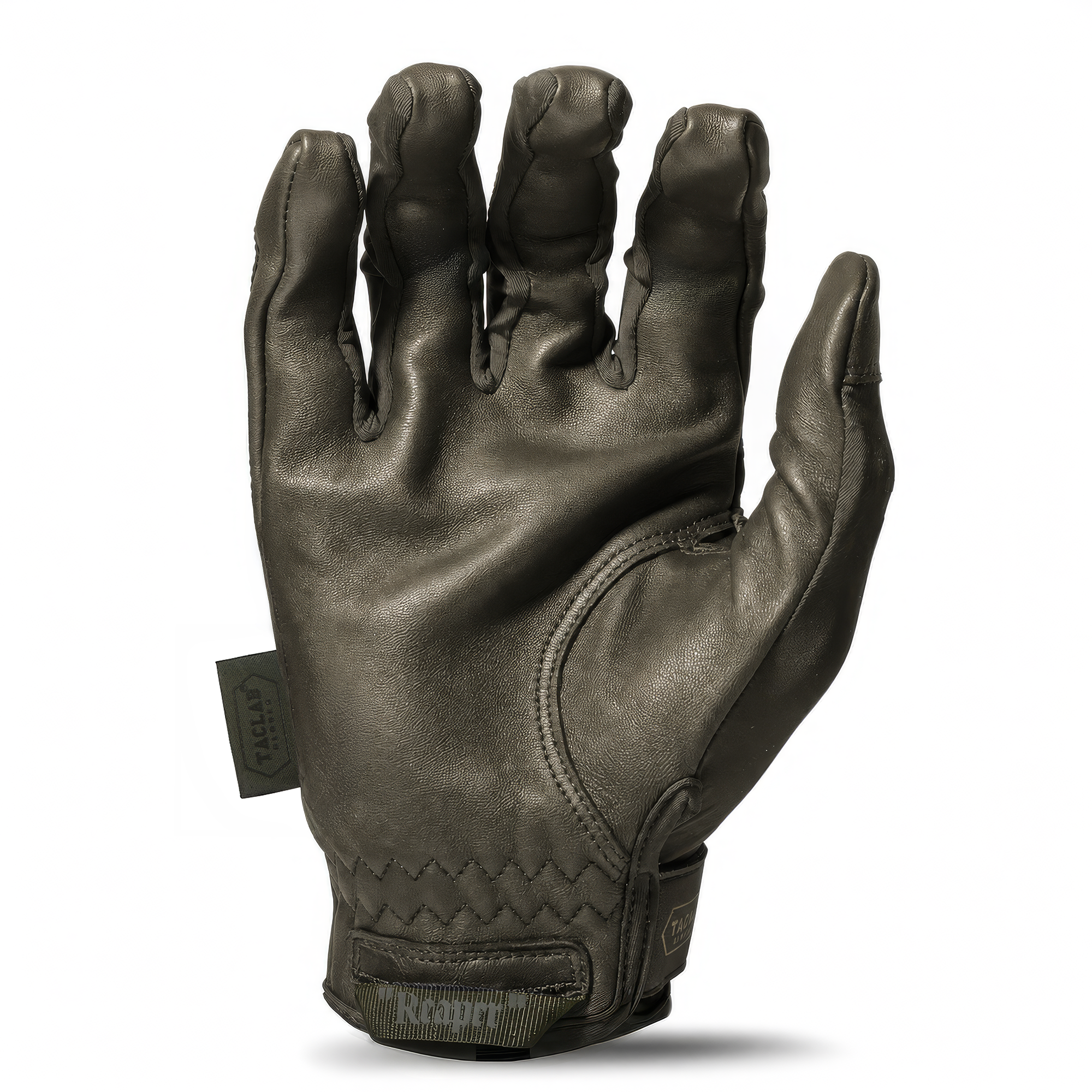
TACLAB Reaper Premium — For a Thin Leather Feel
For users who prefer a natural leather palm, the Reaper Premium features 0.7mm Cabretta leather.
Its appeal is the balance of thin material and tactile feel rather than heavy insulation.
This makes it worth considering when hand feel and dexterity are priorities in moderate conditions.
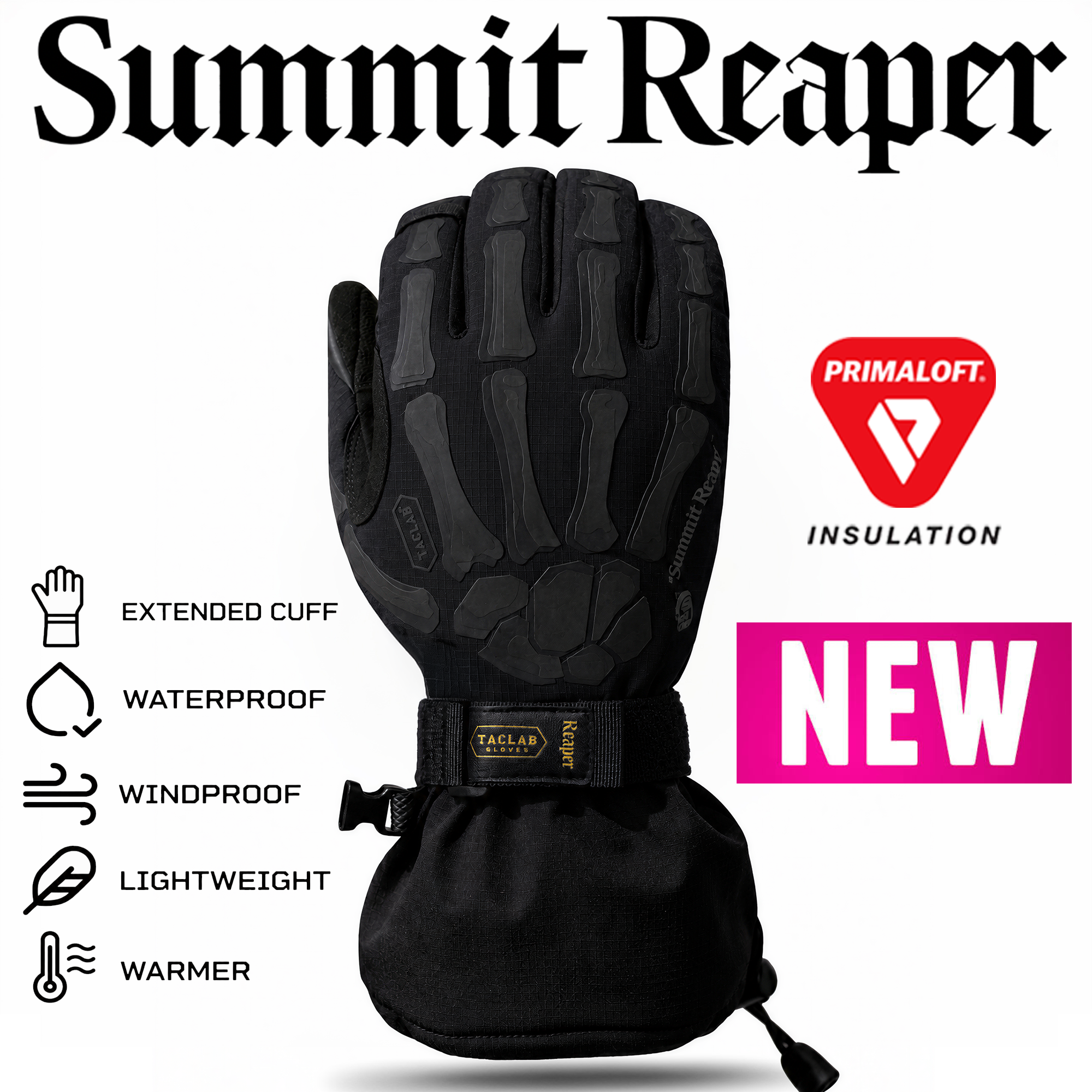
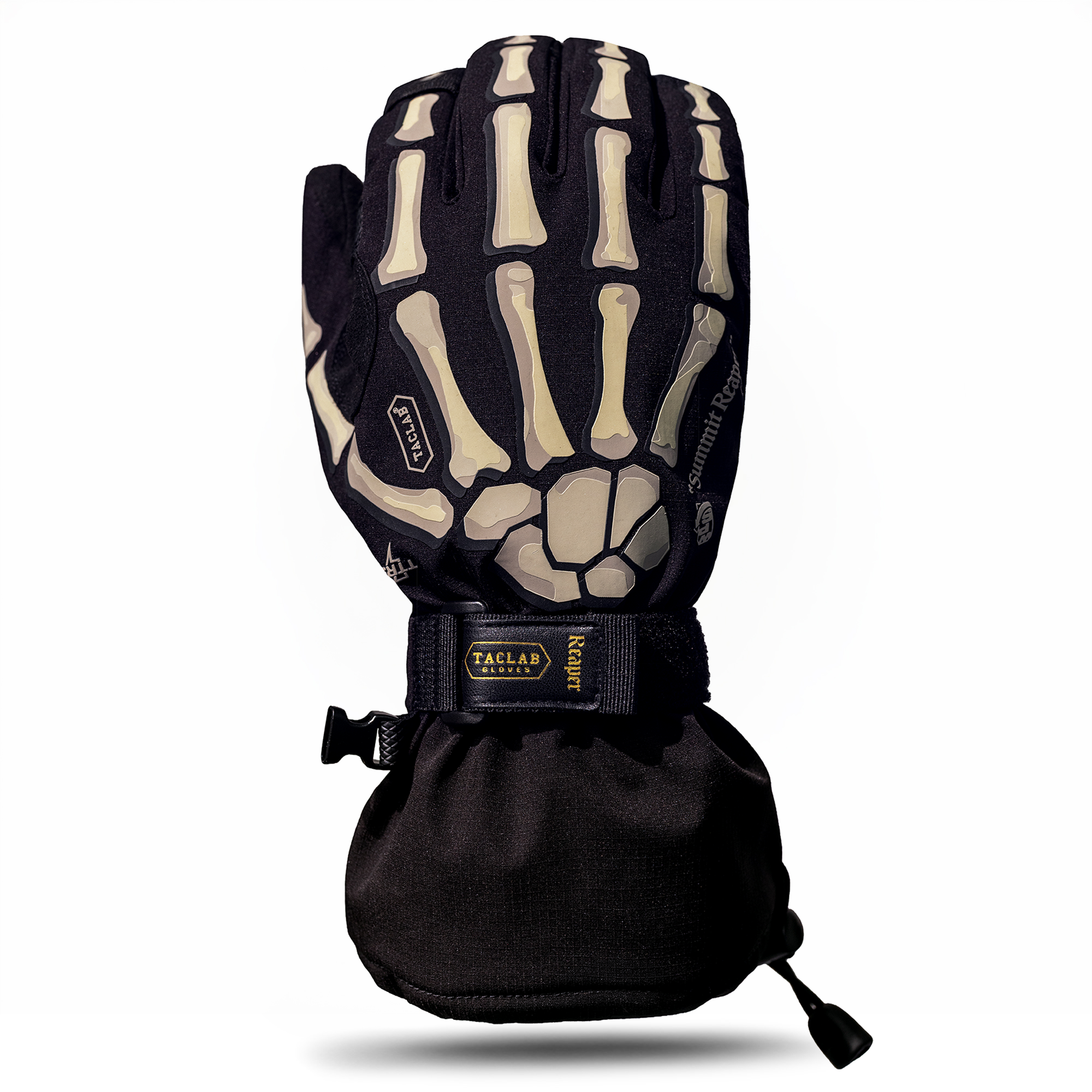
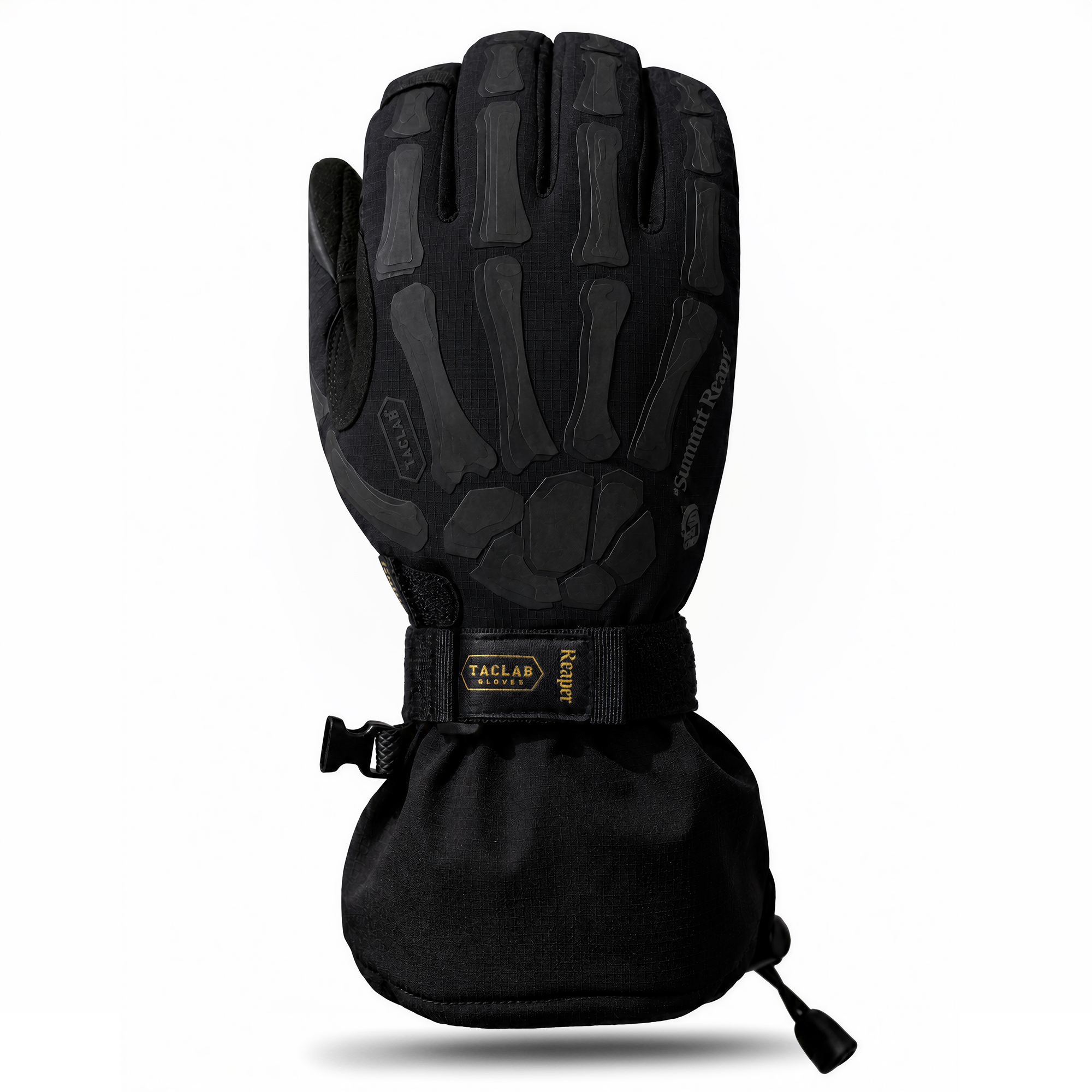
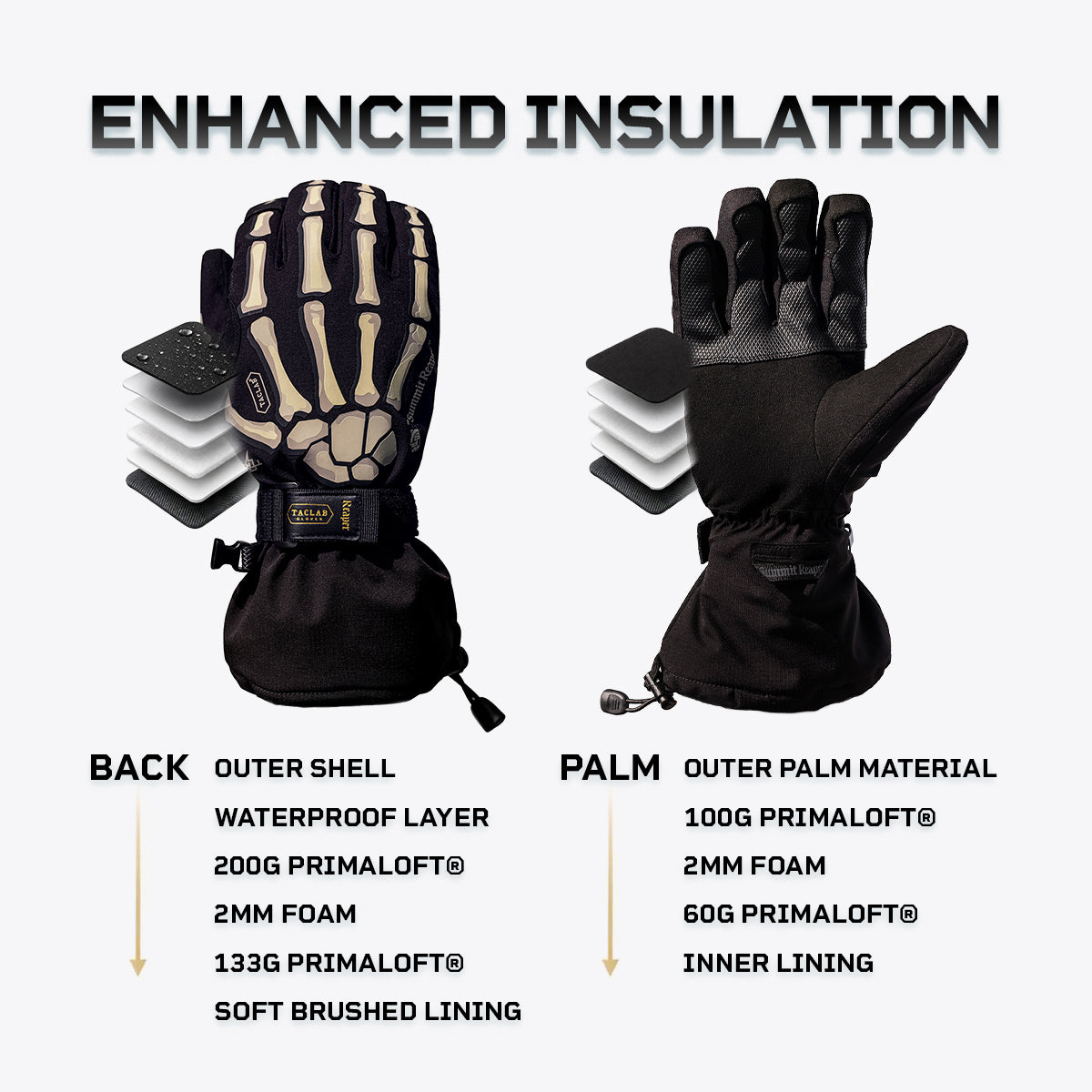
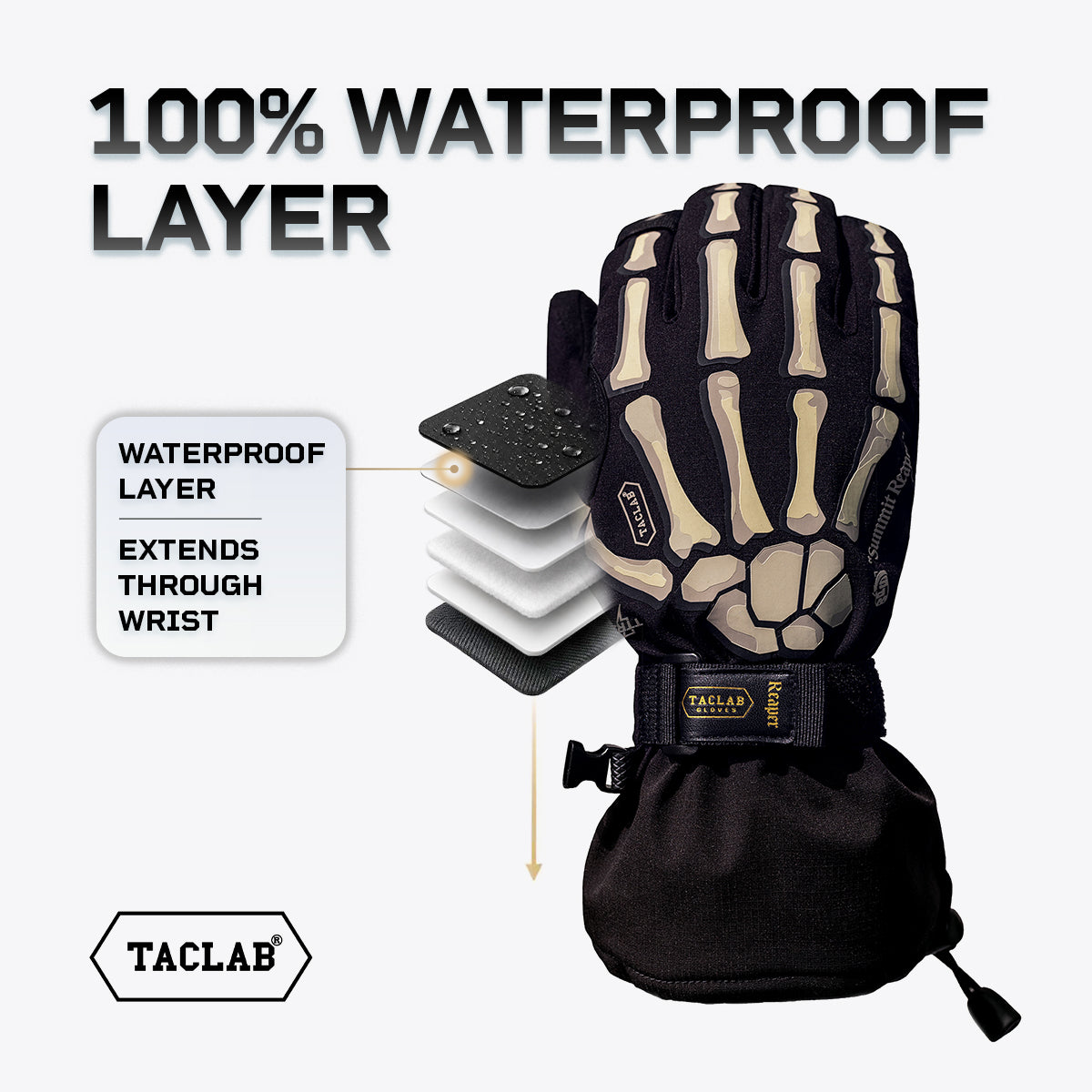
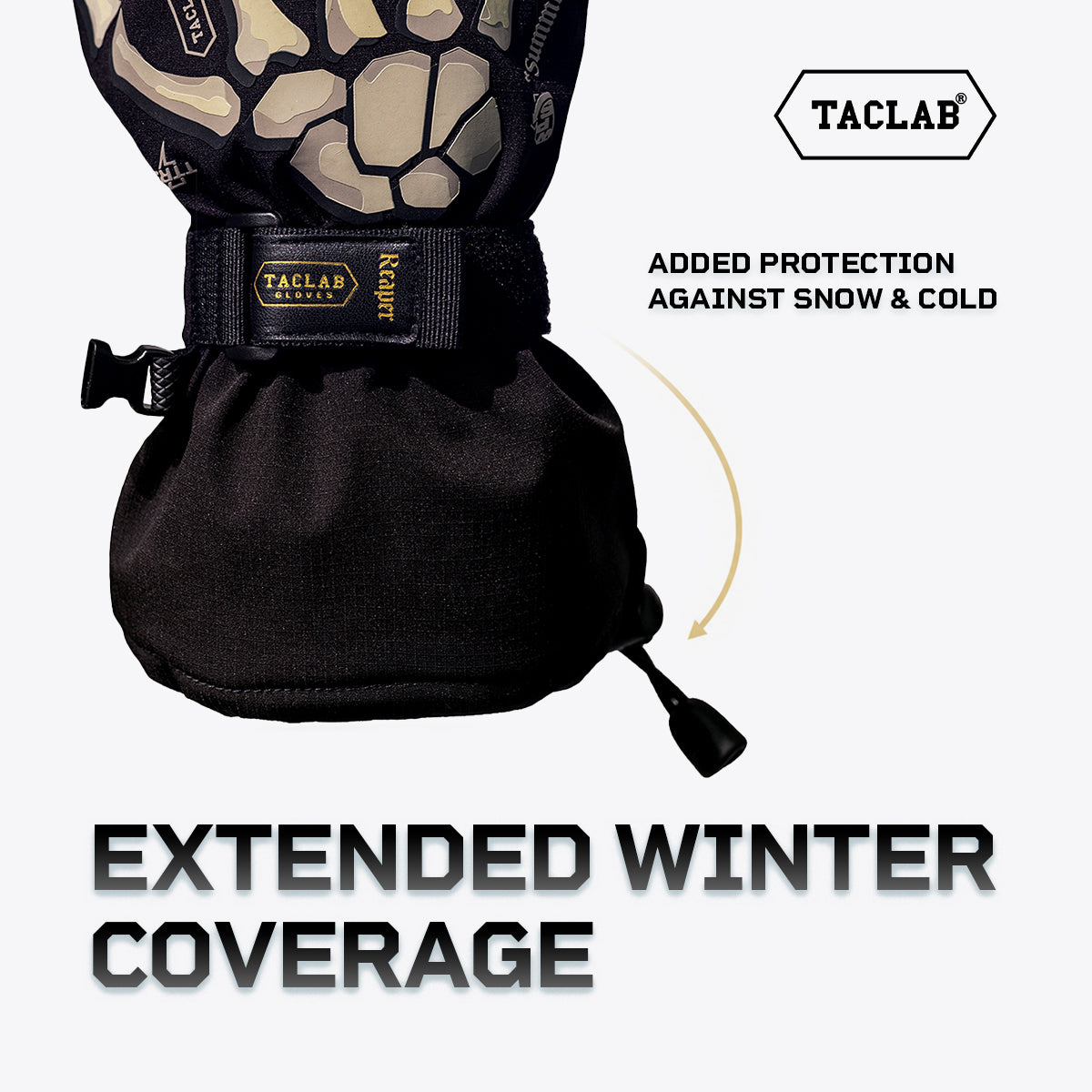
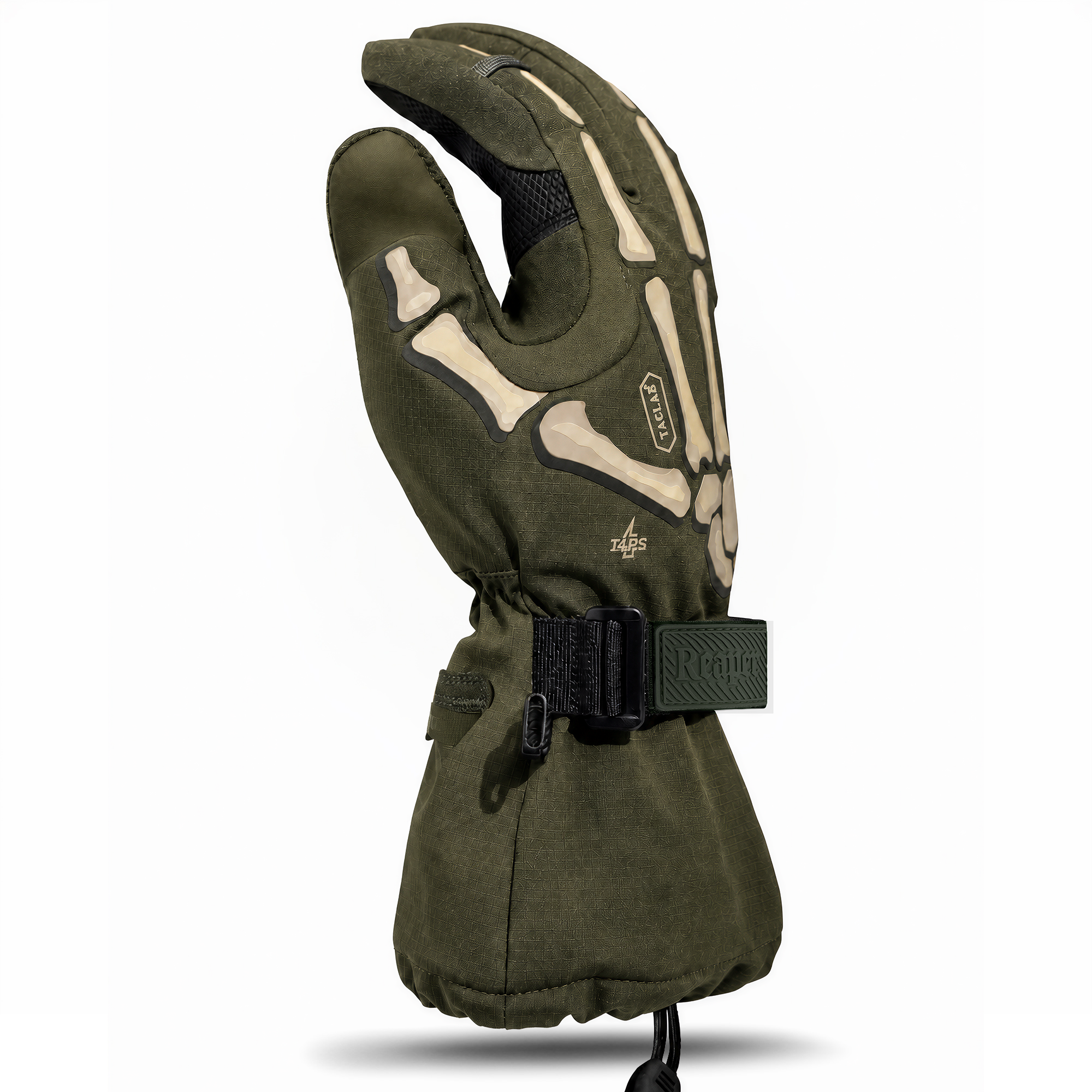
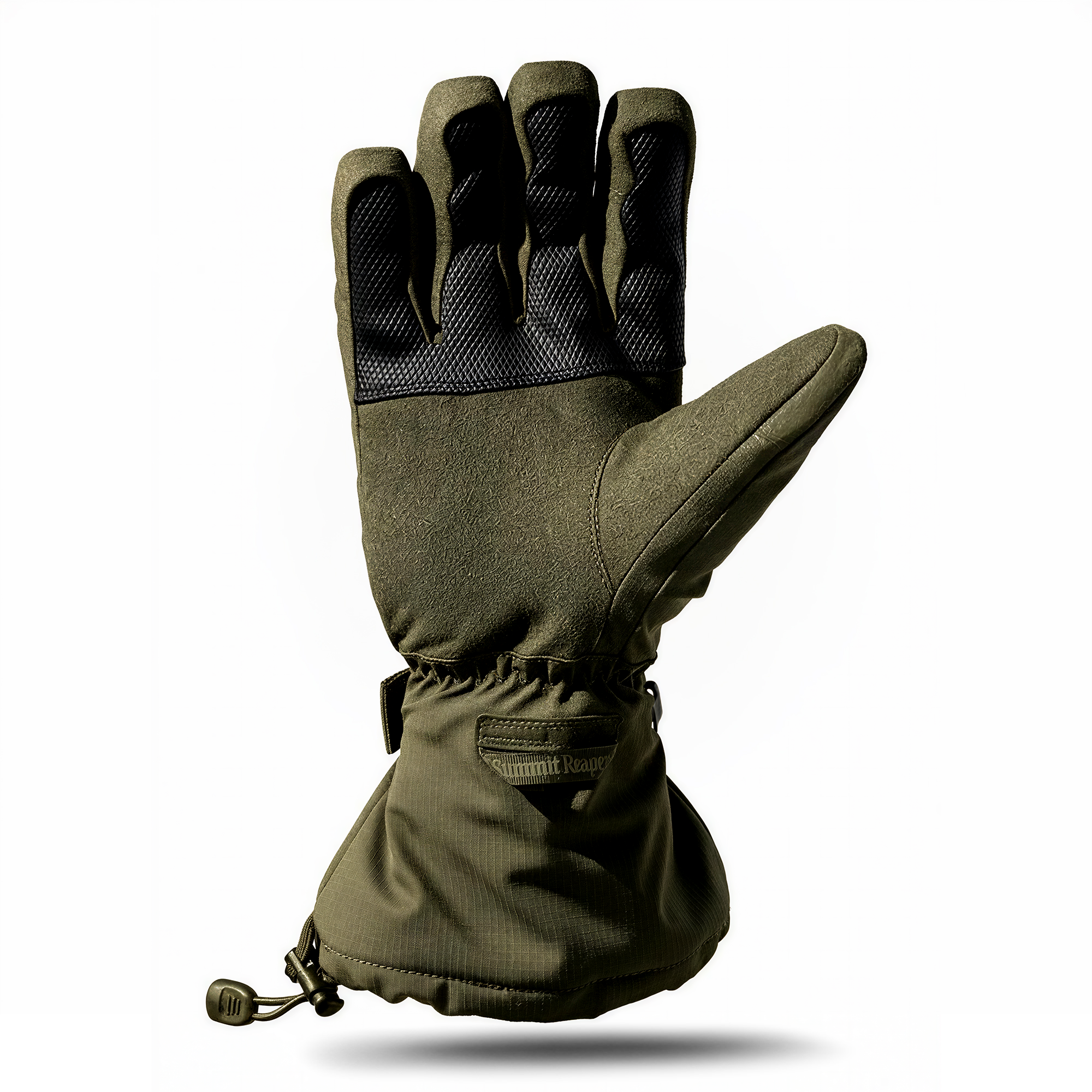
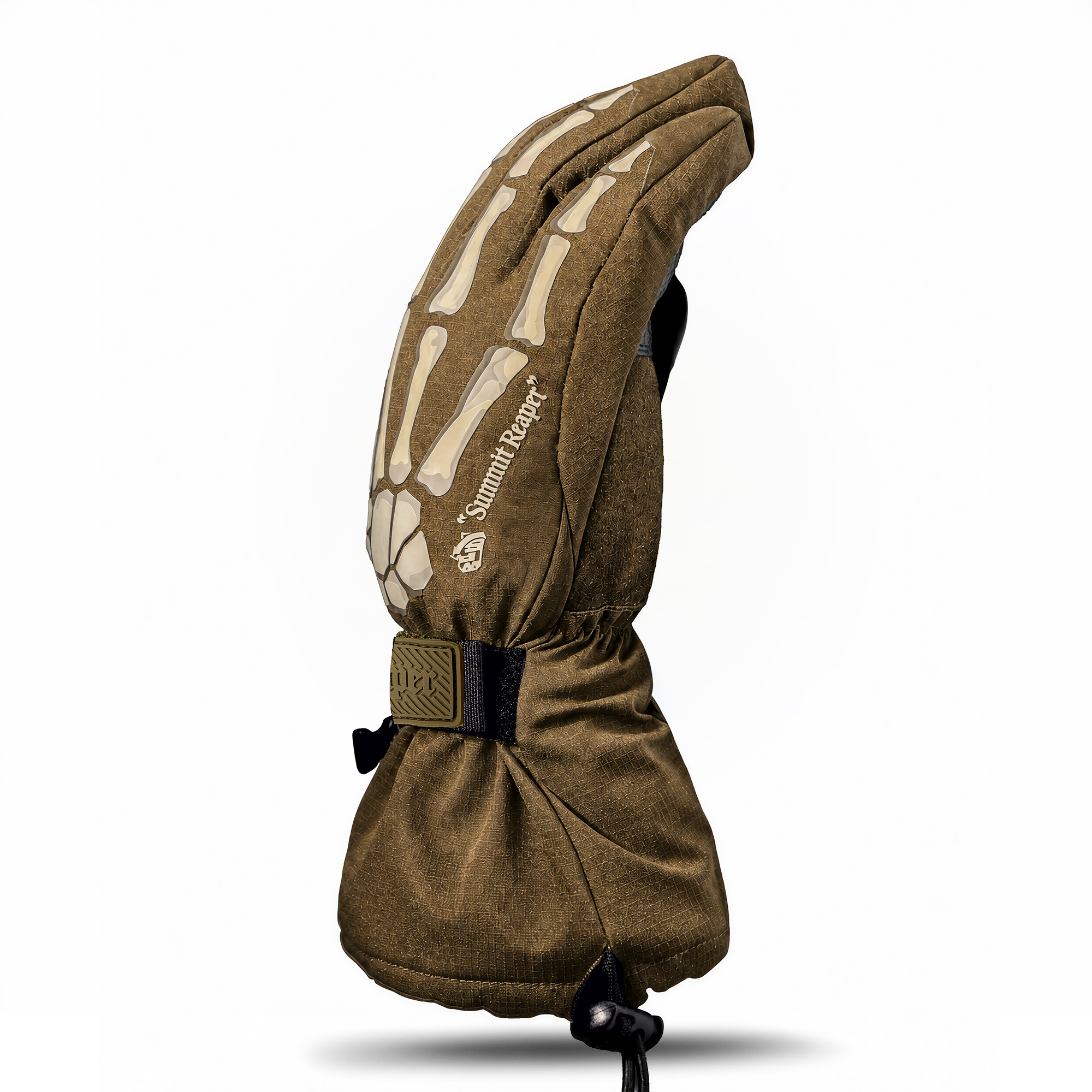
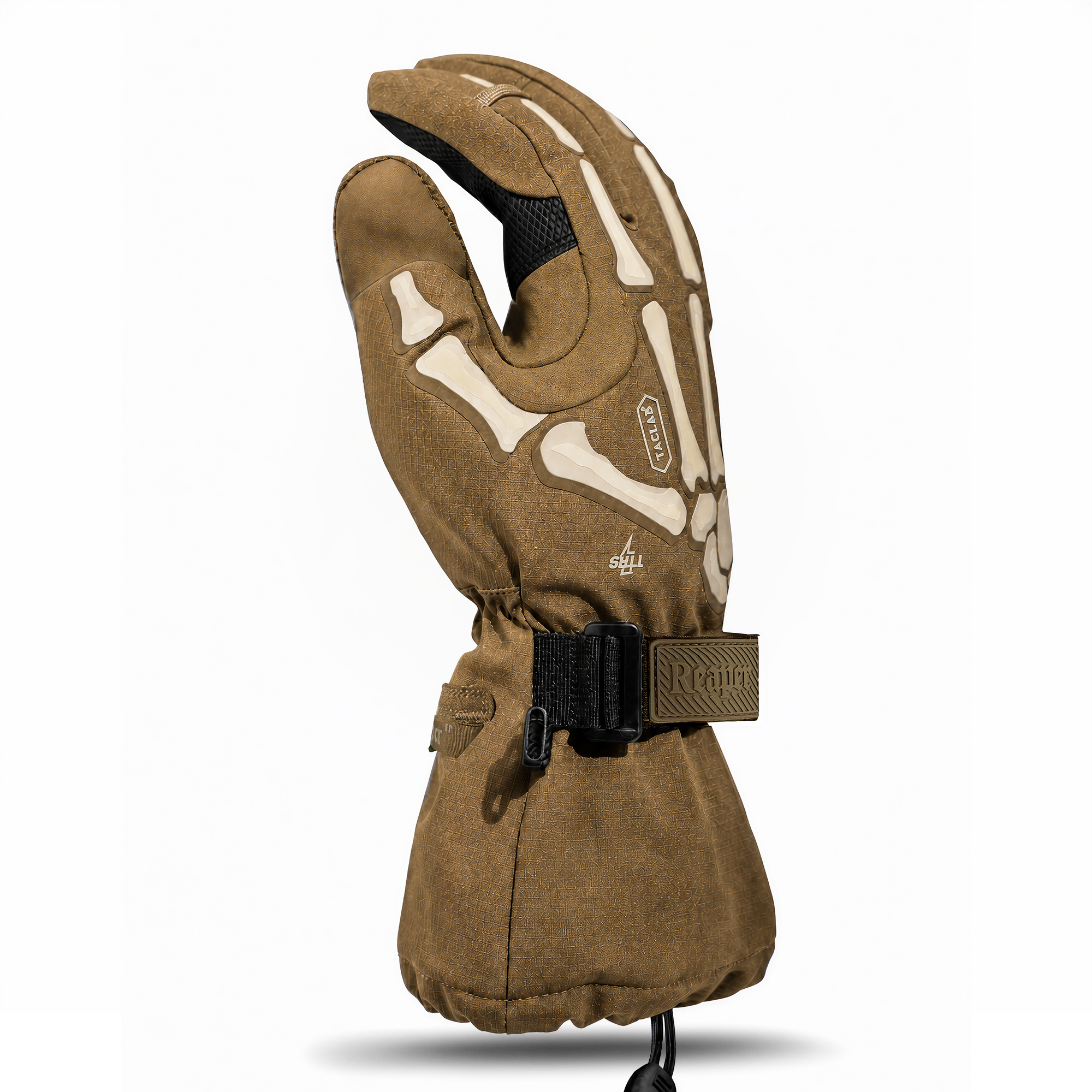
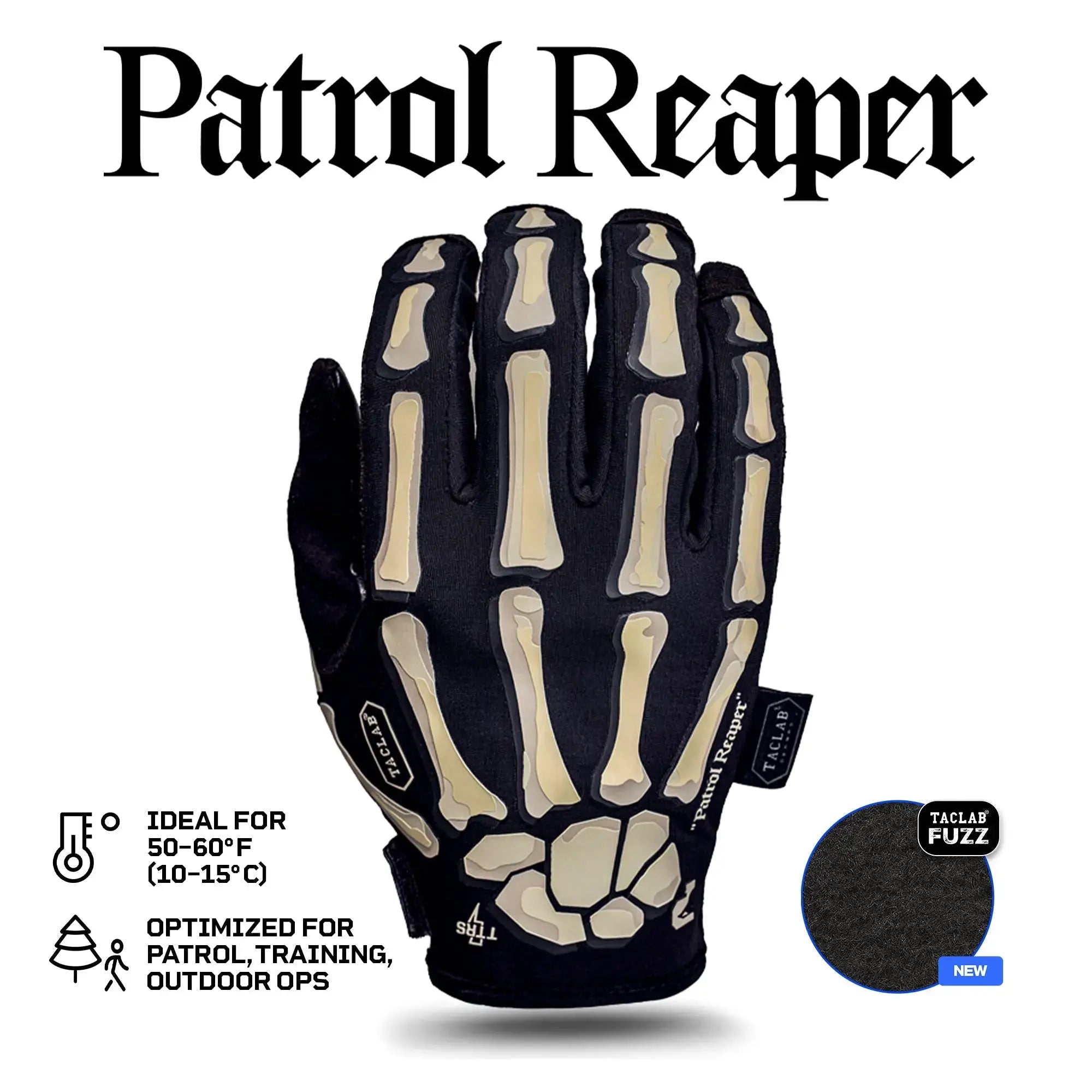
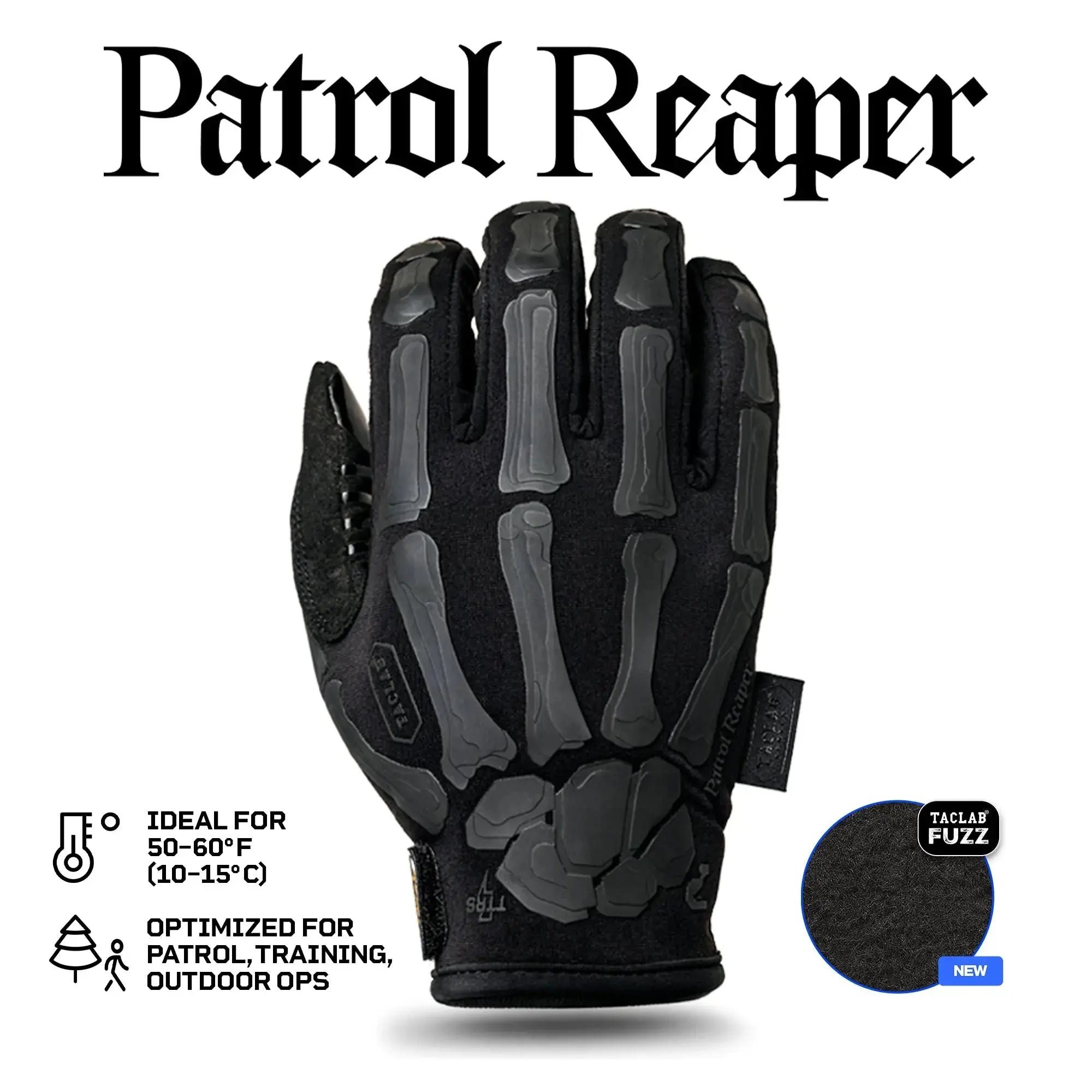
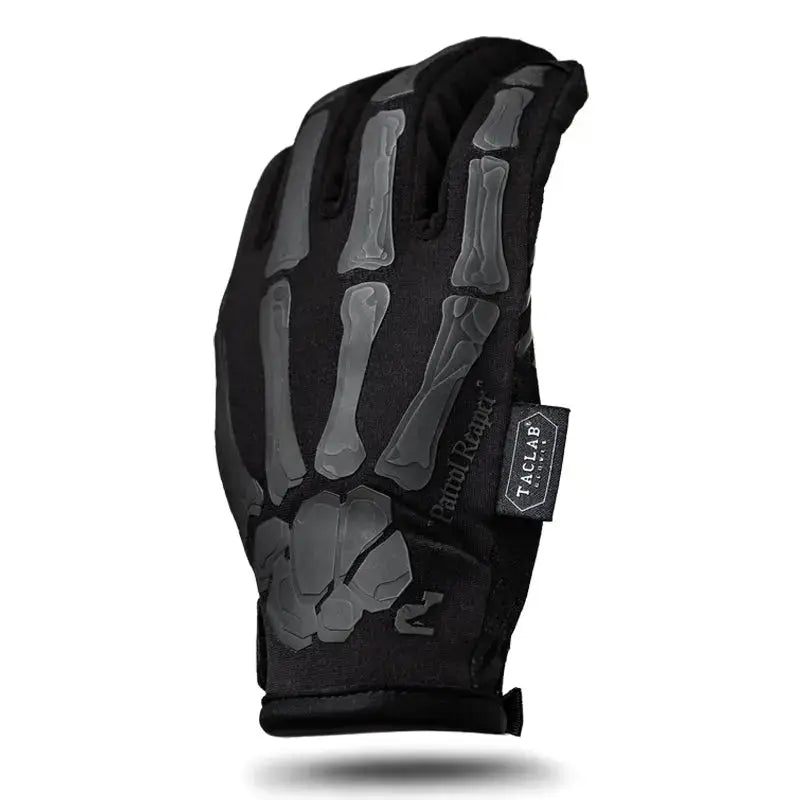
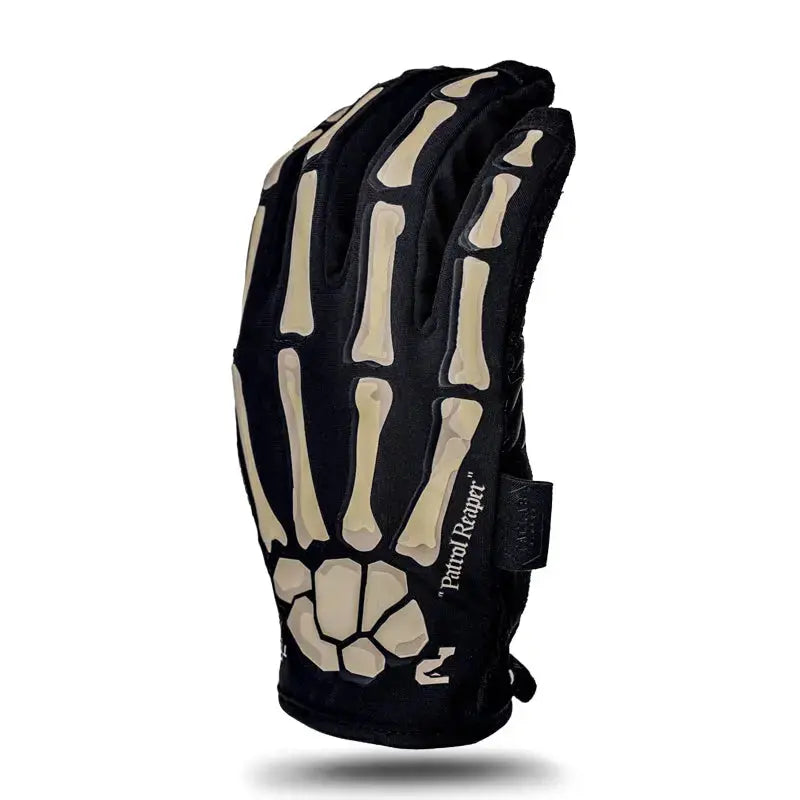
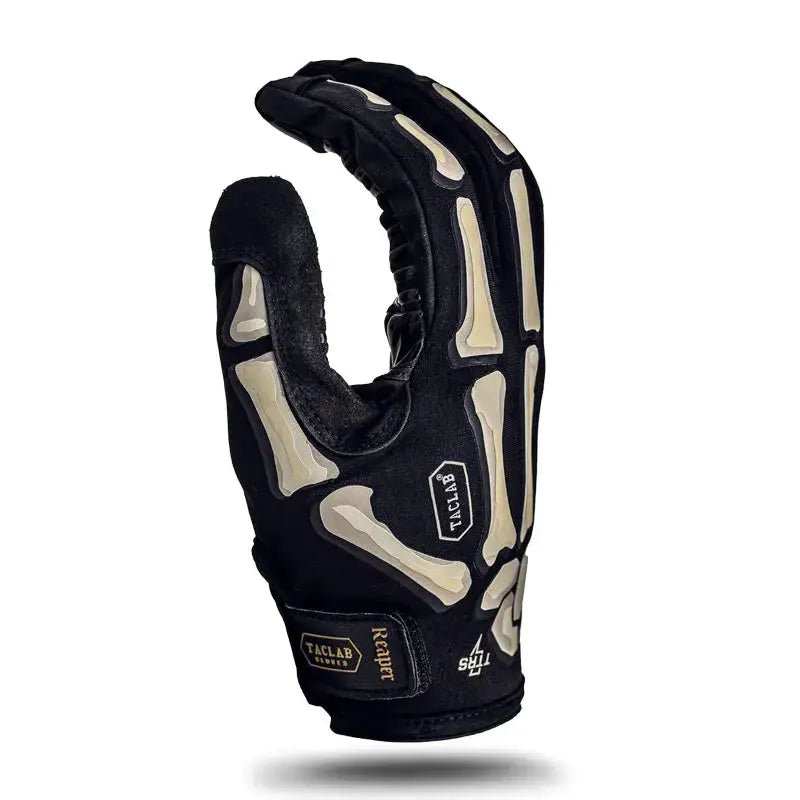
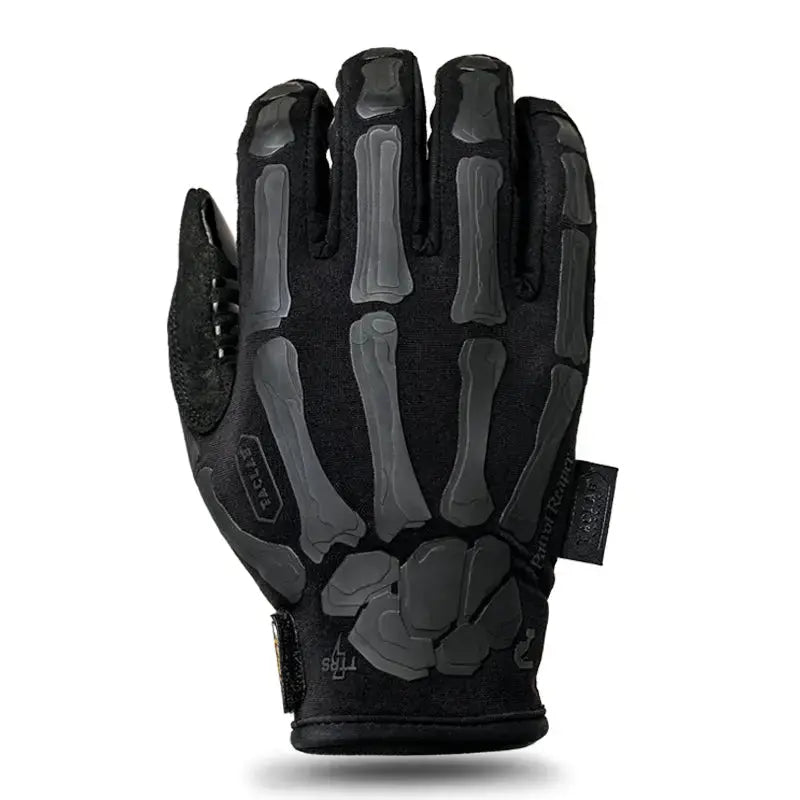
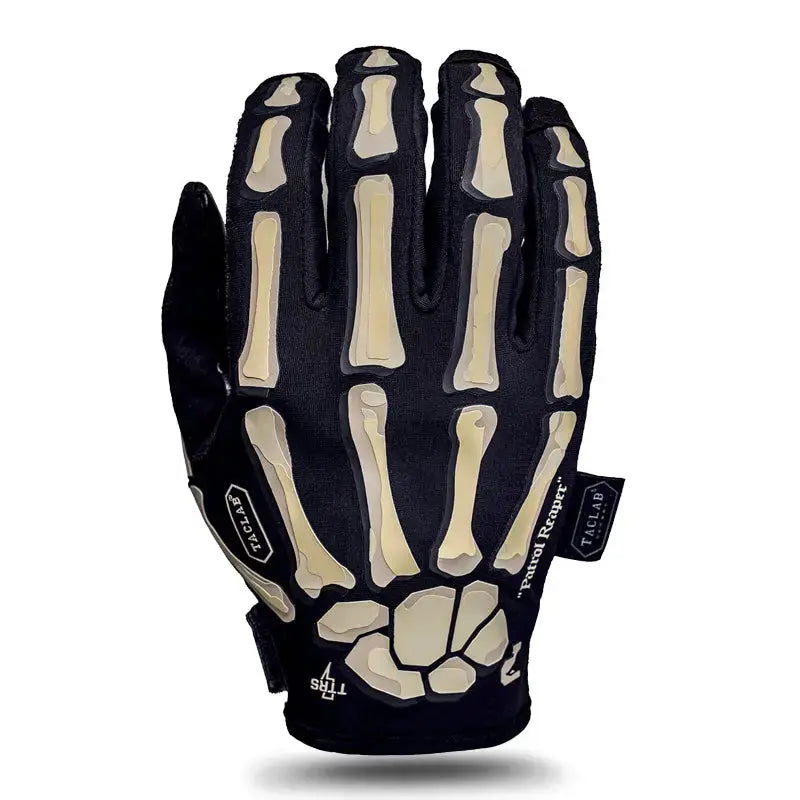
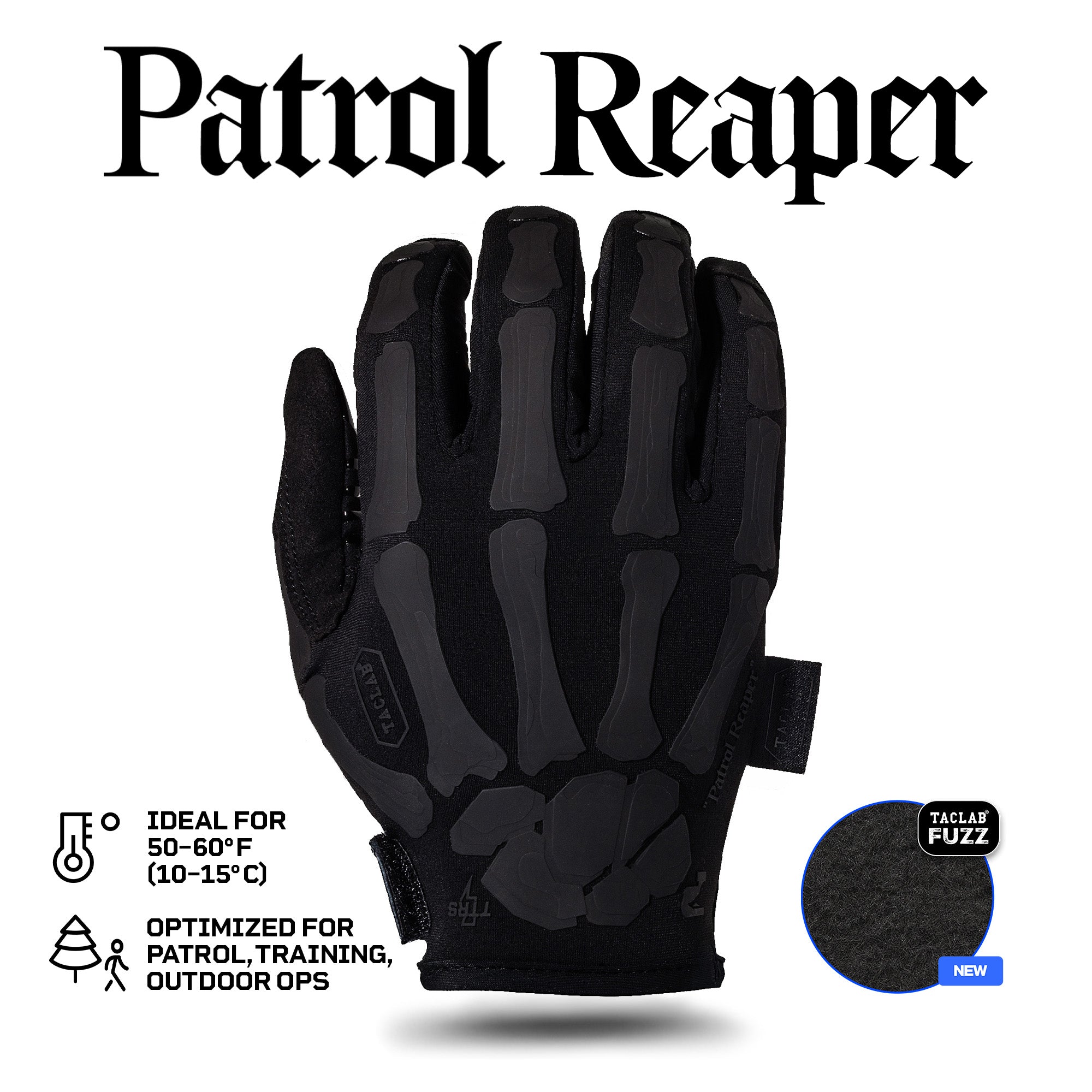
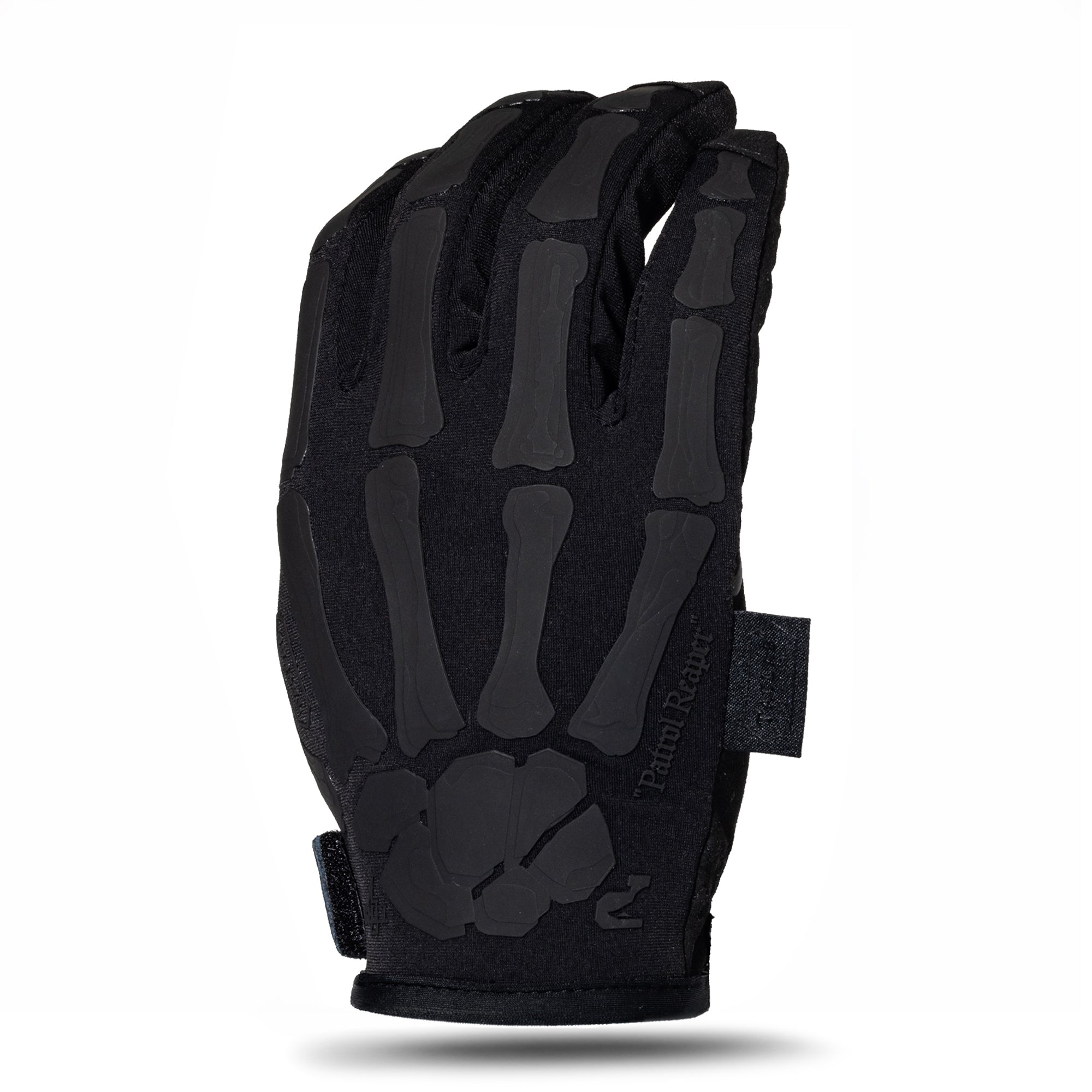
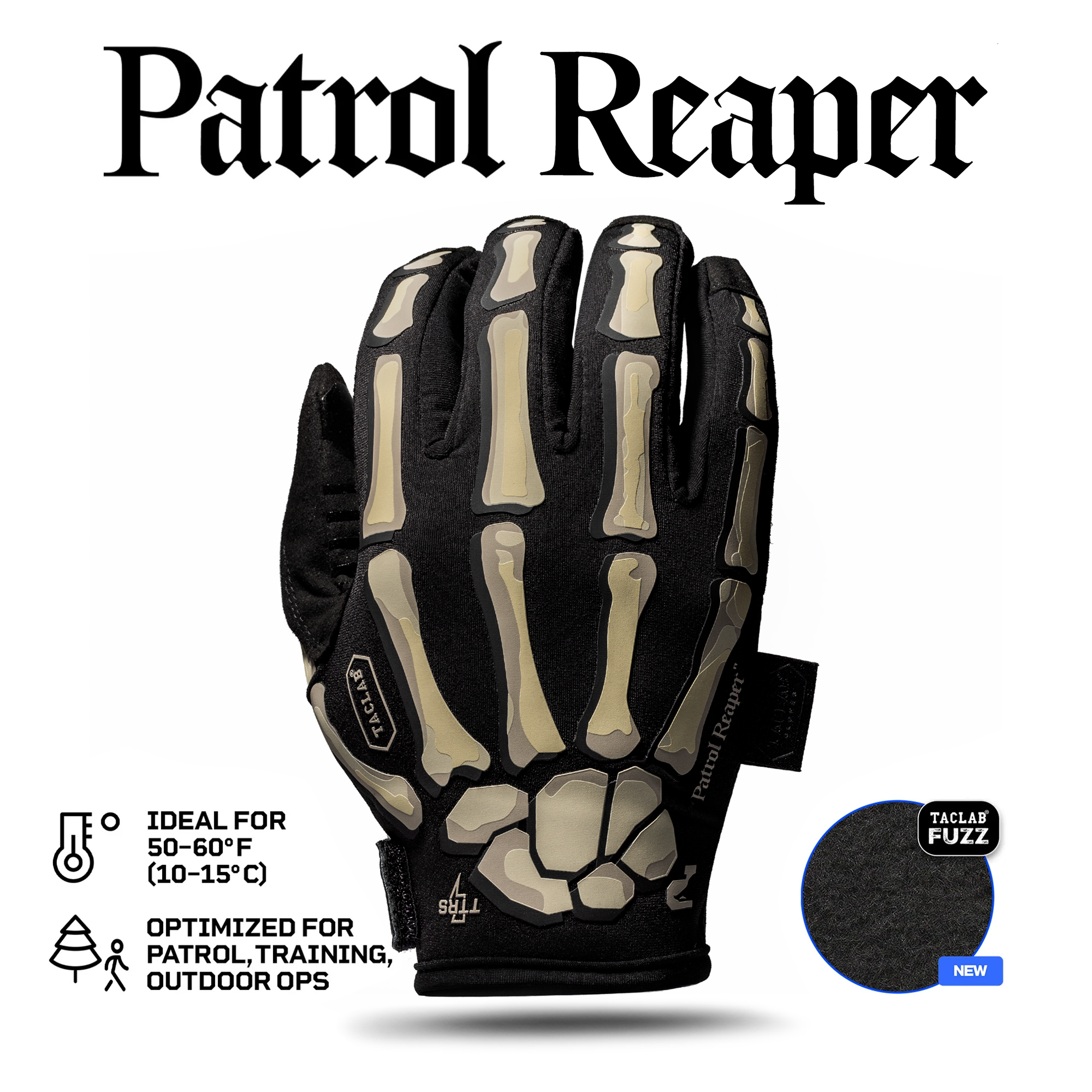
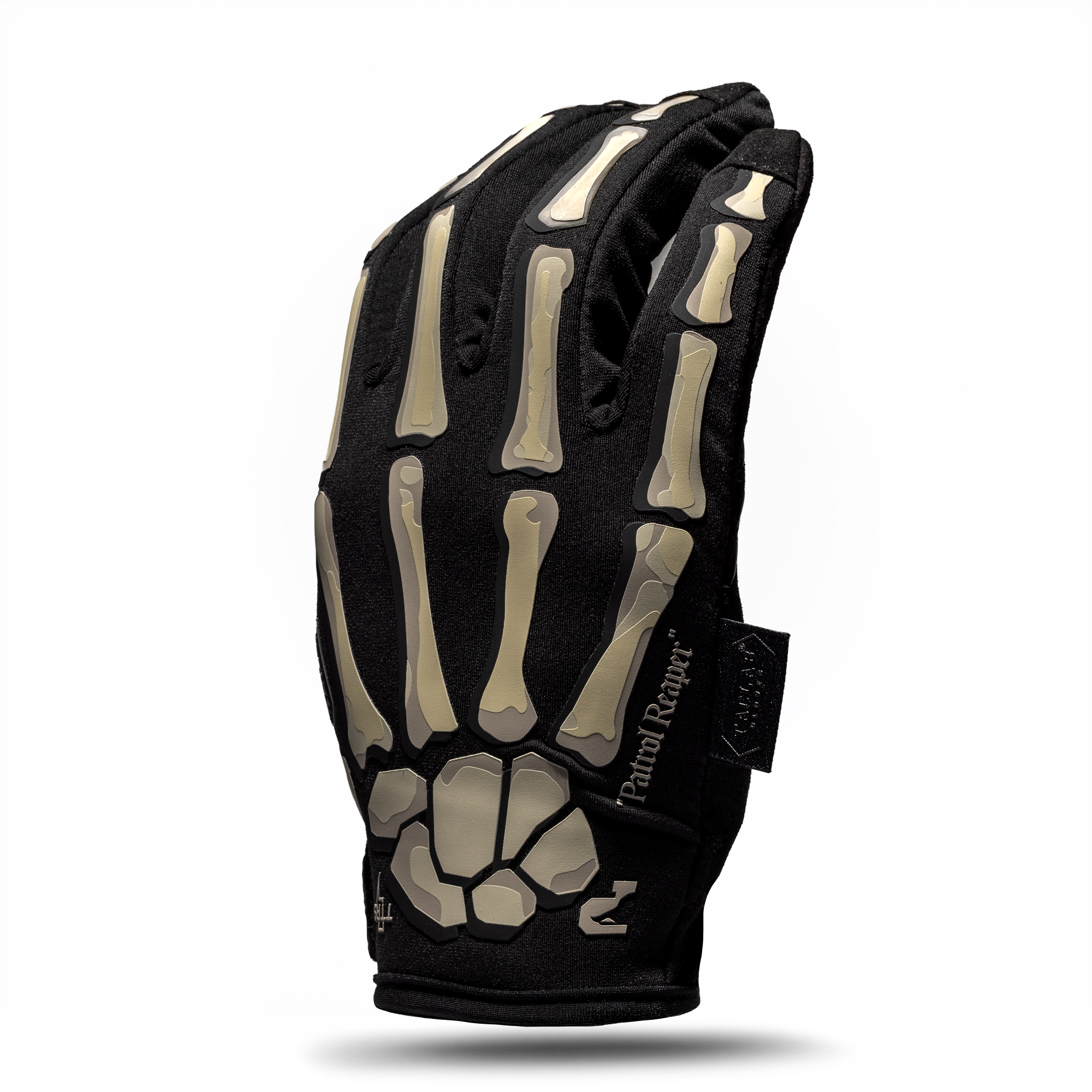
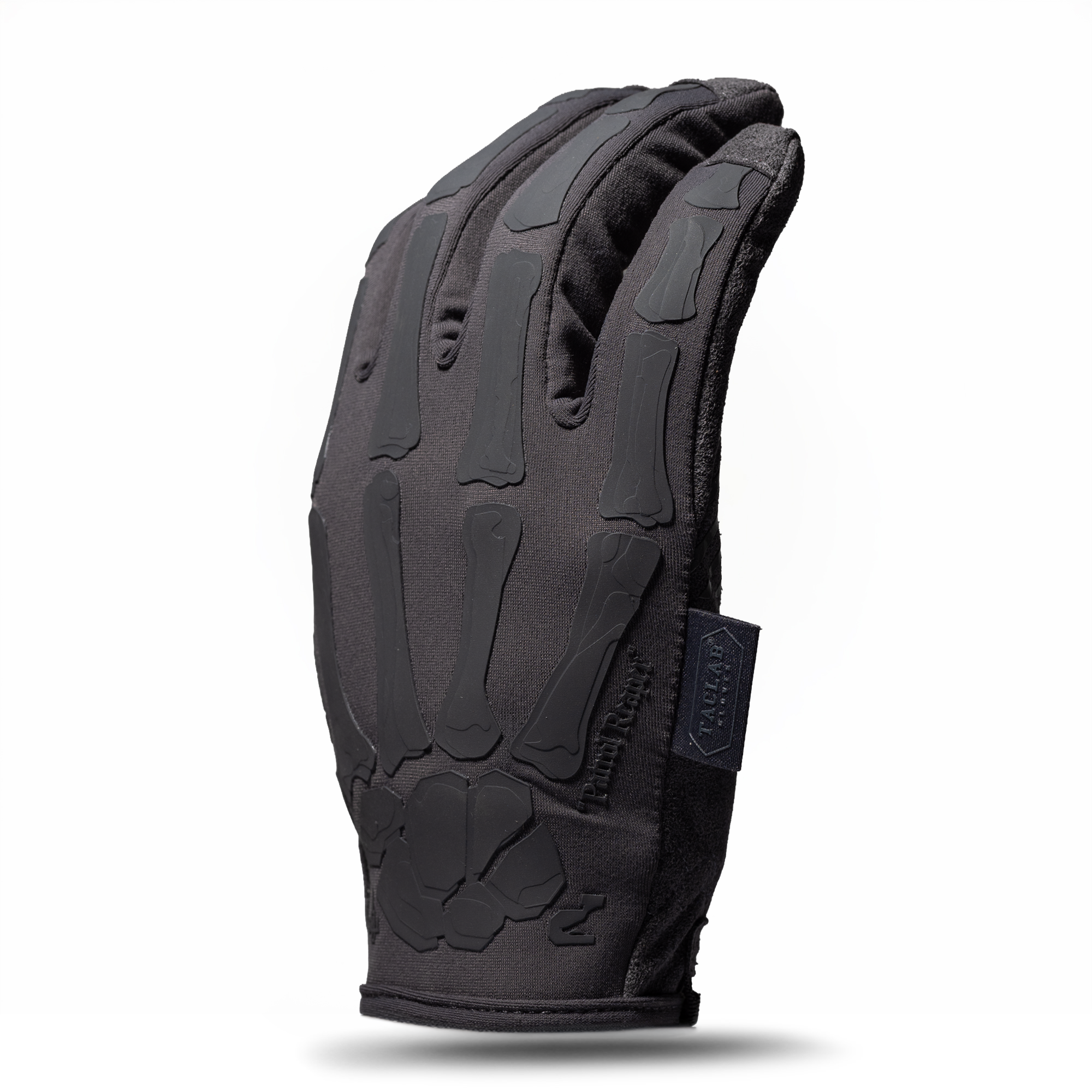
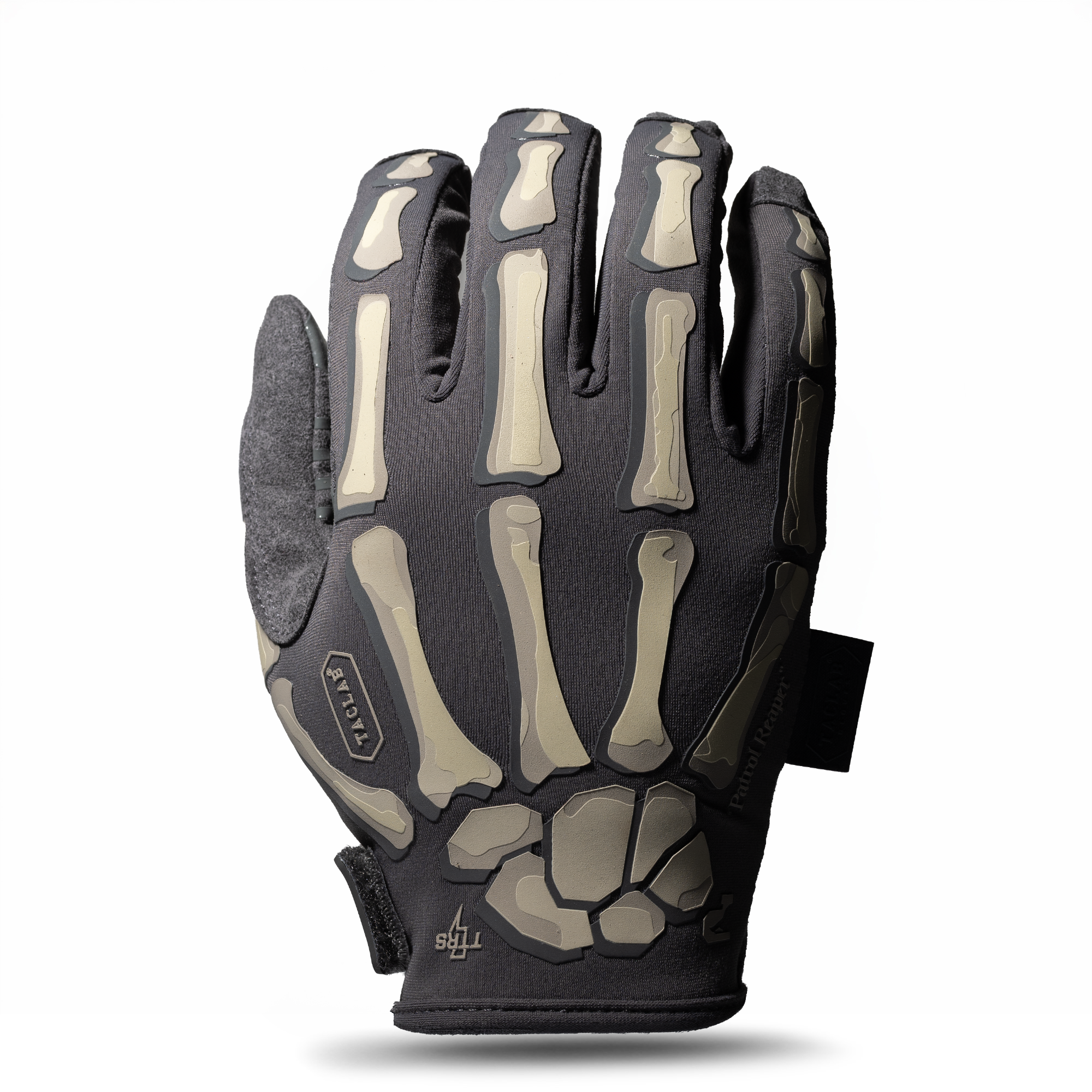
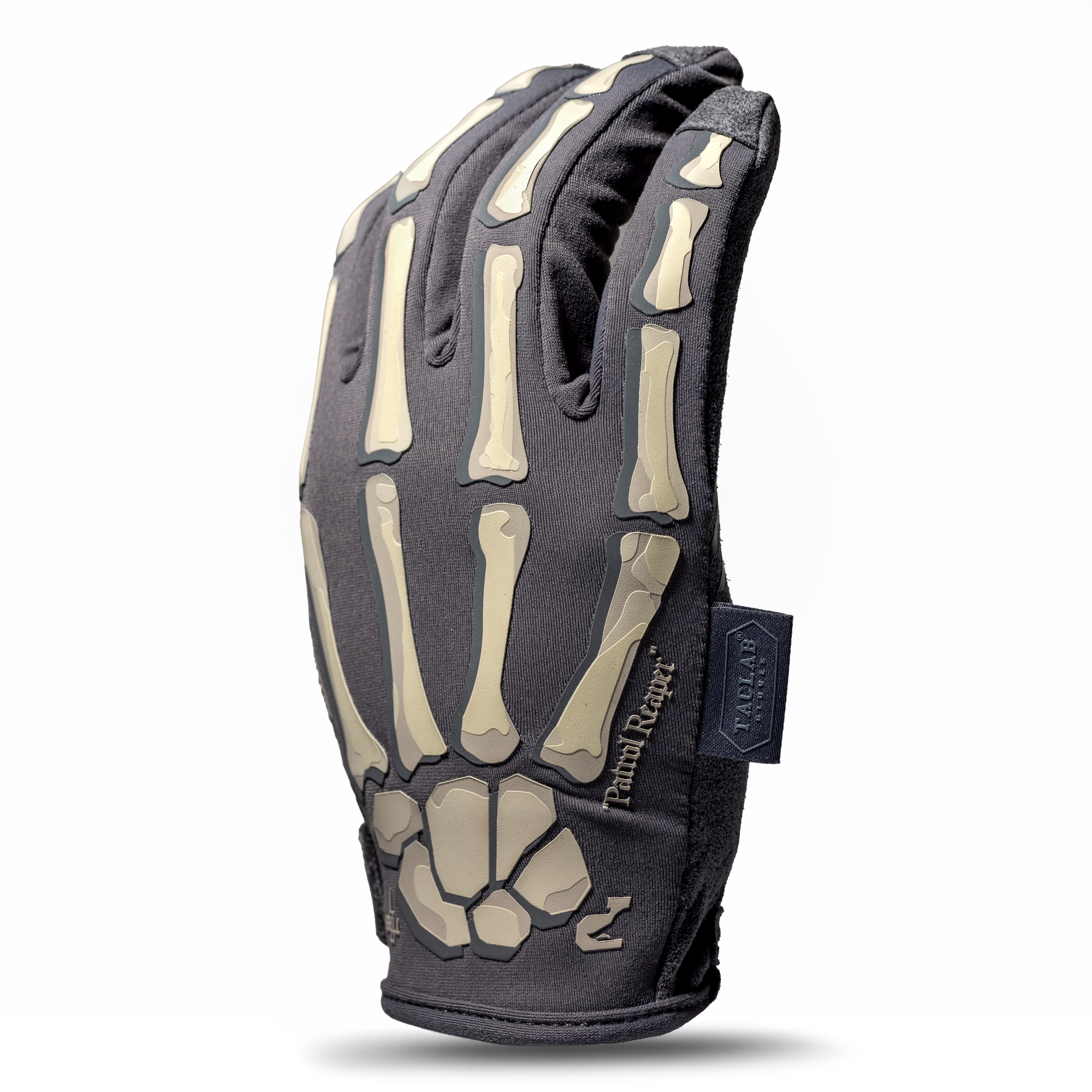
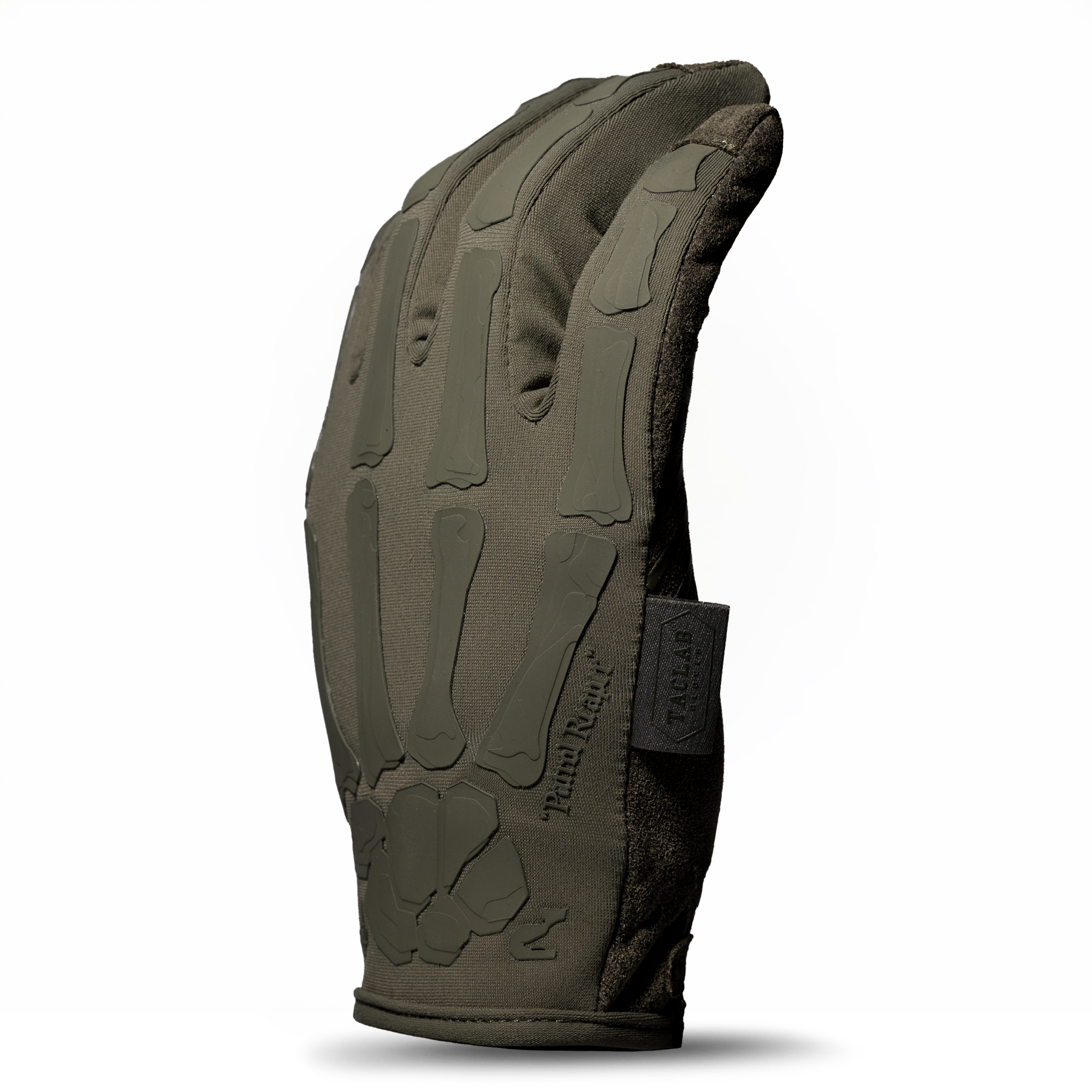
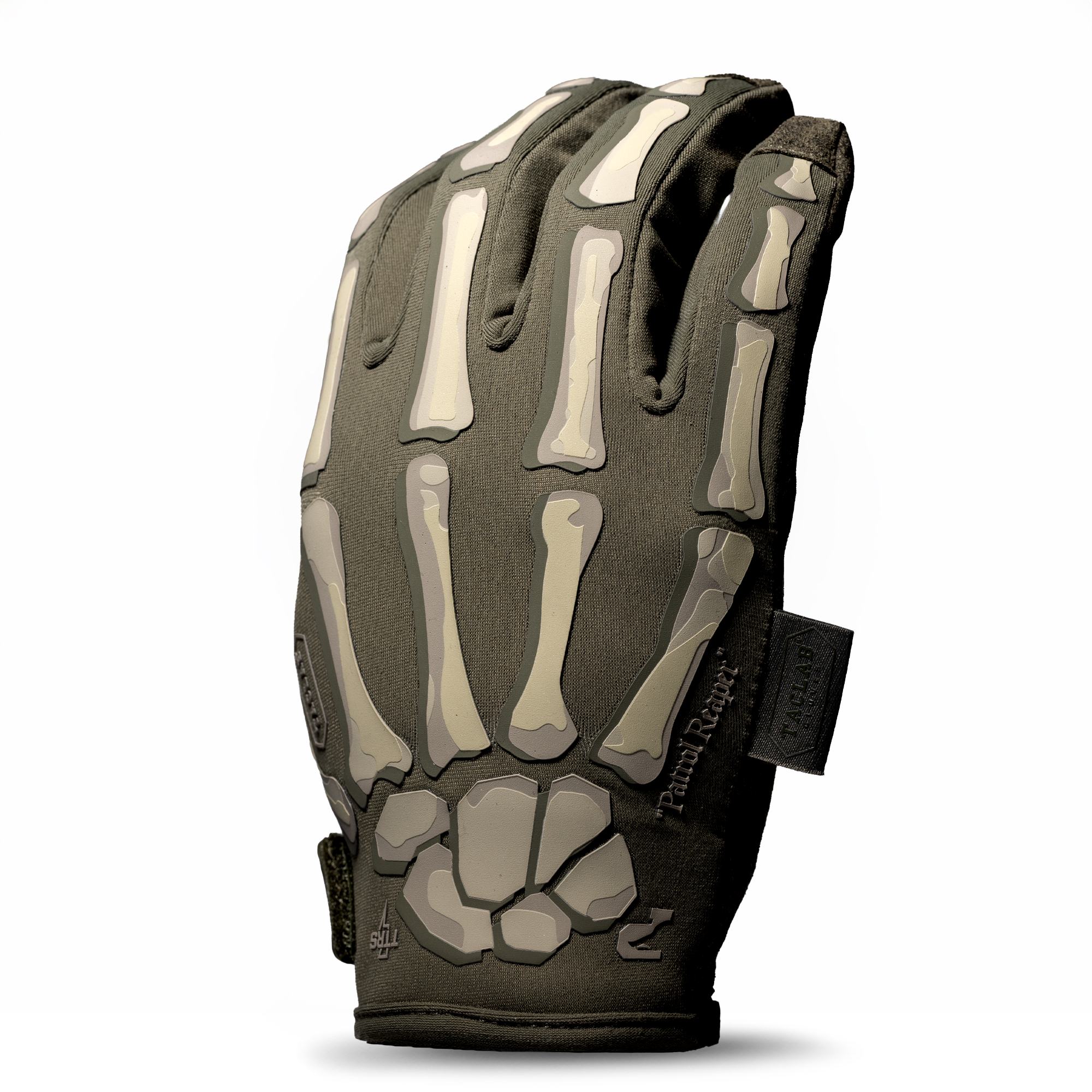
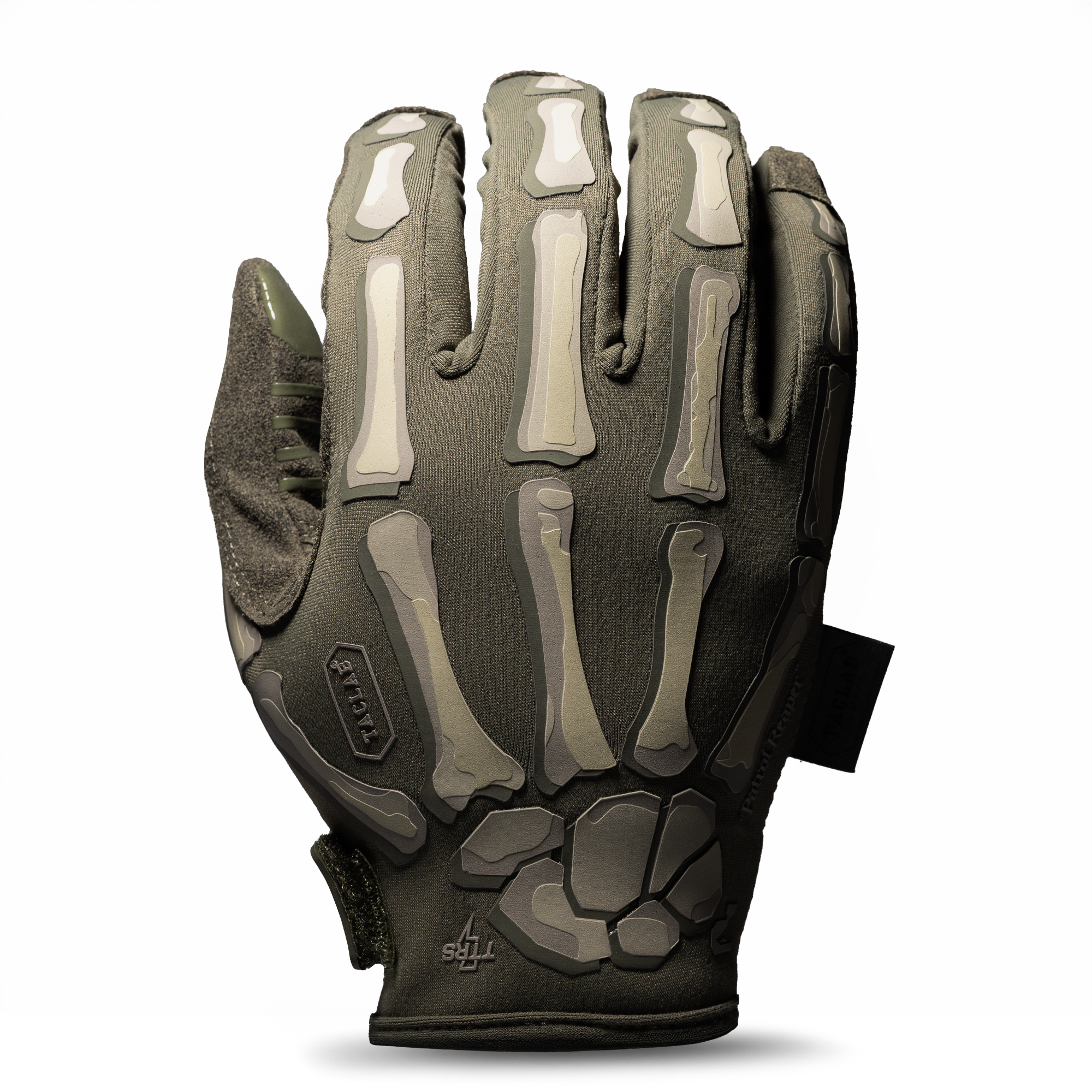
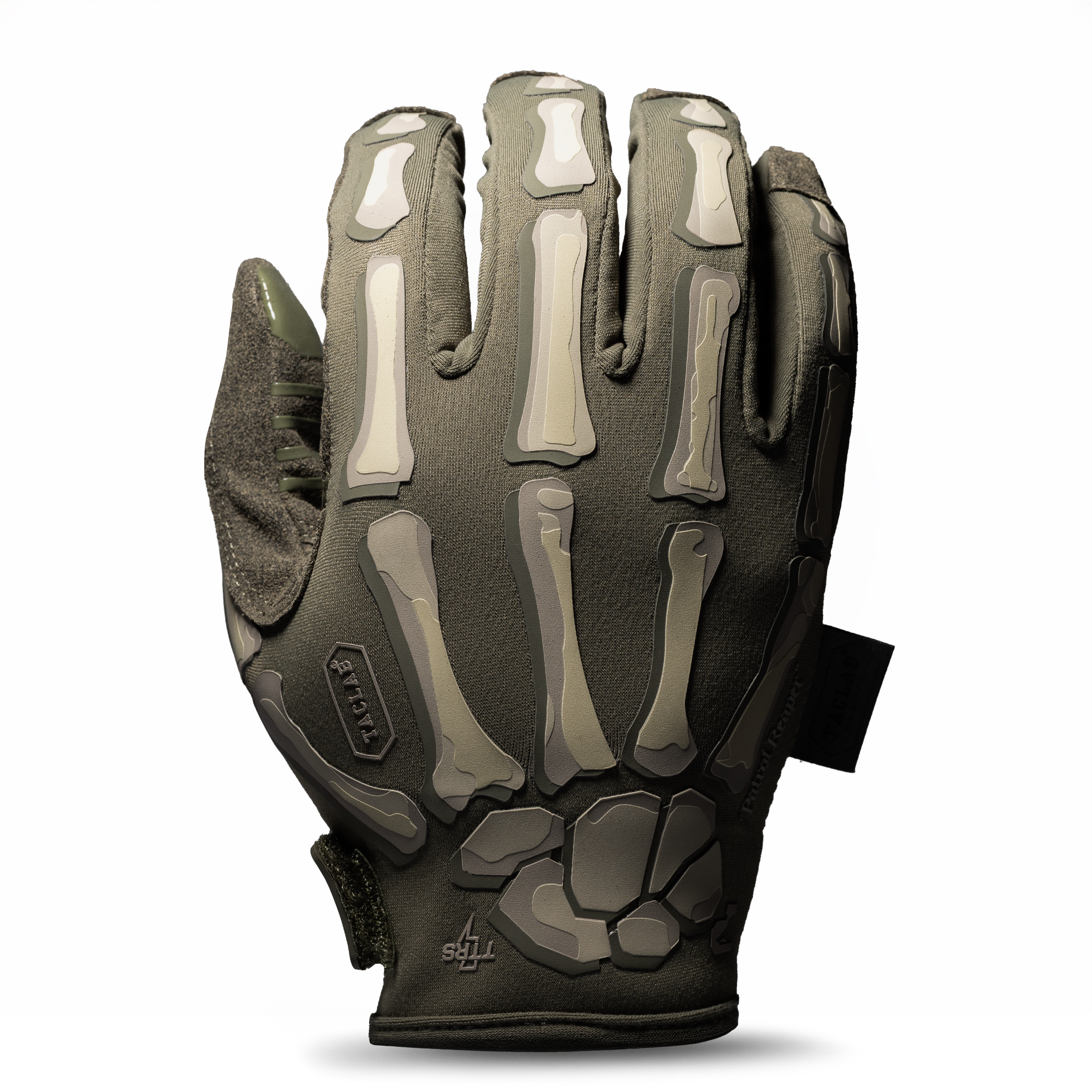
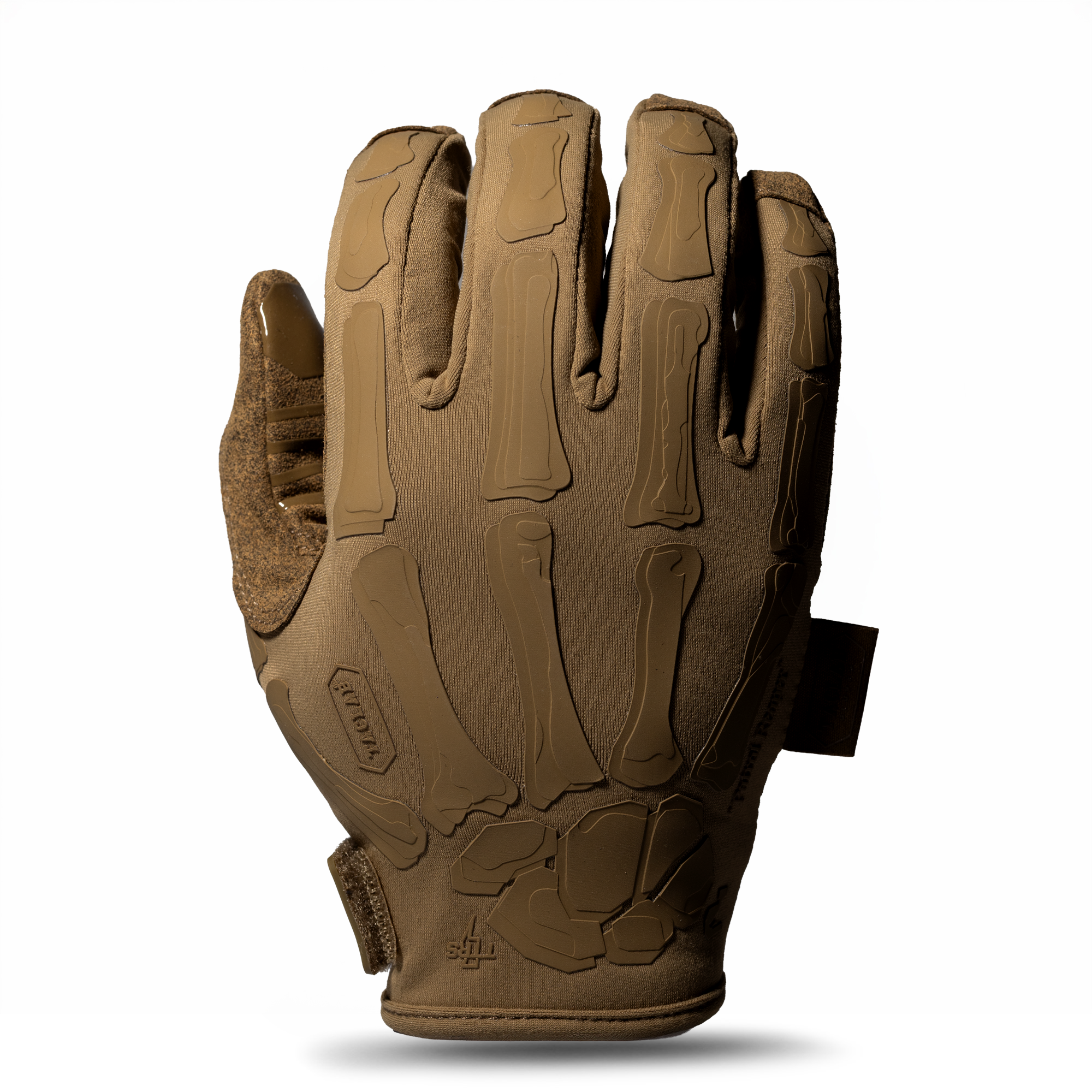
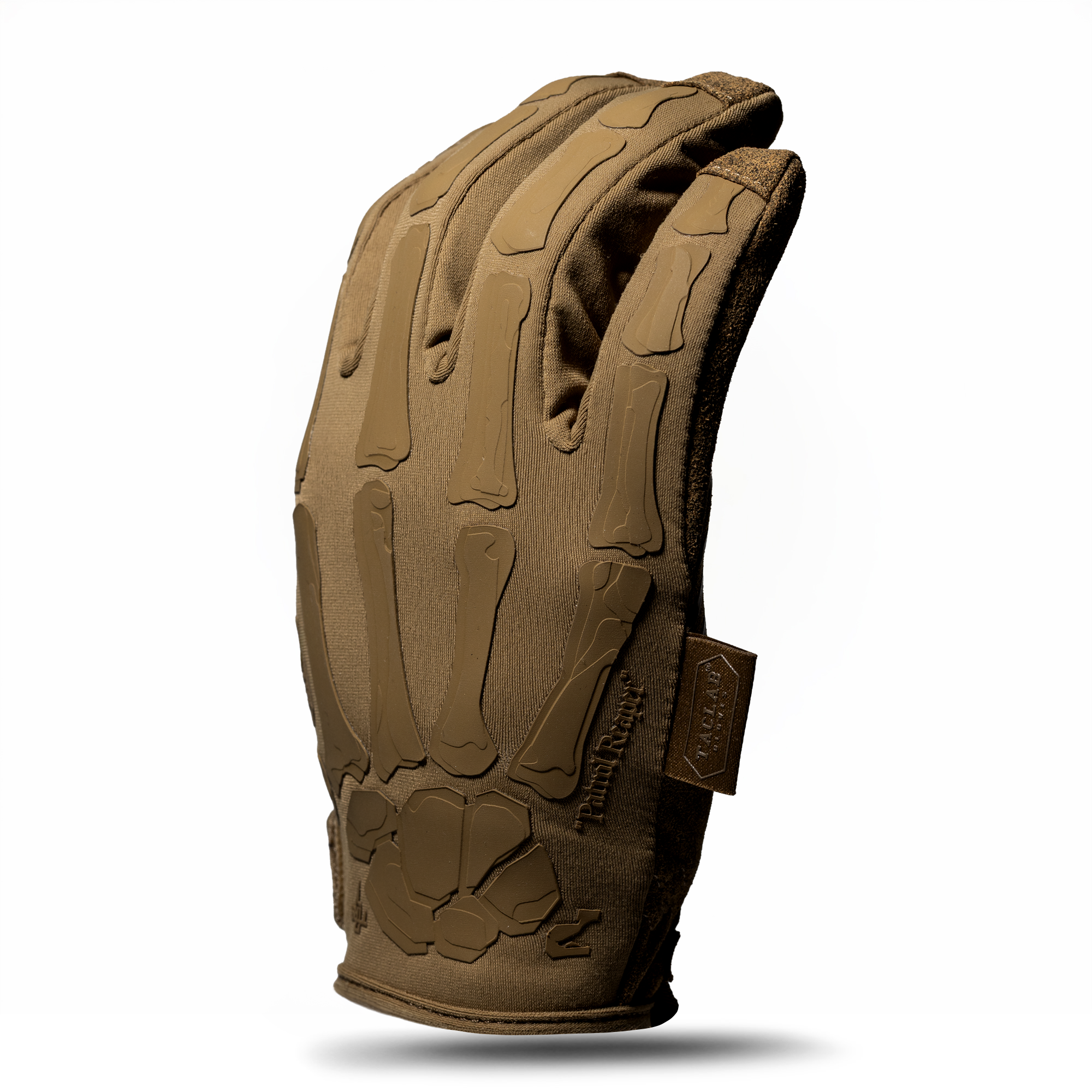
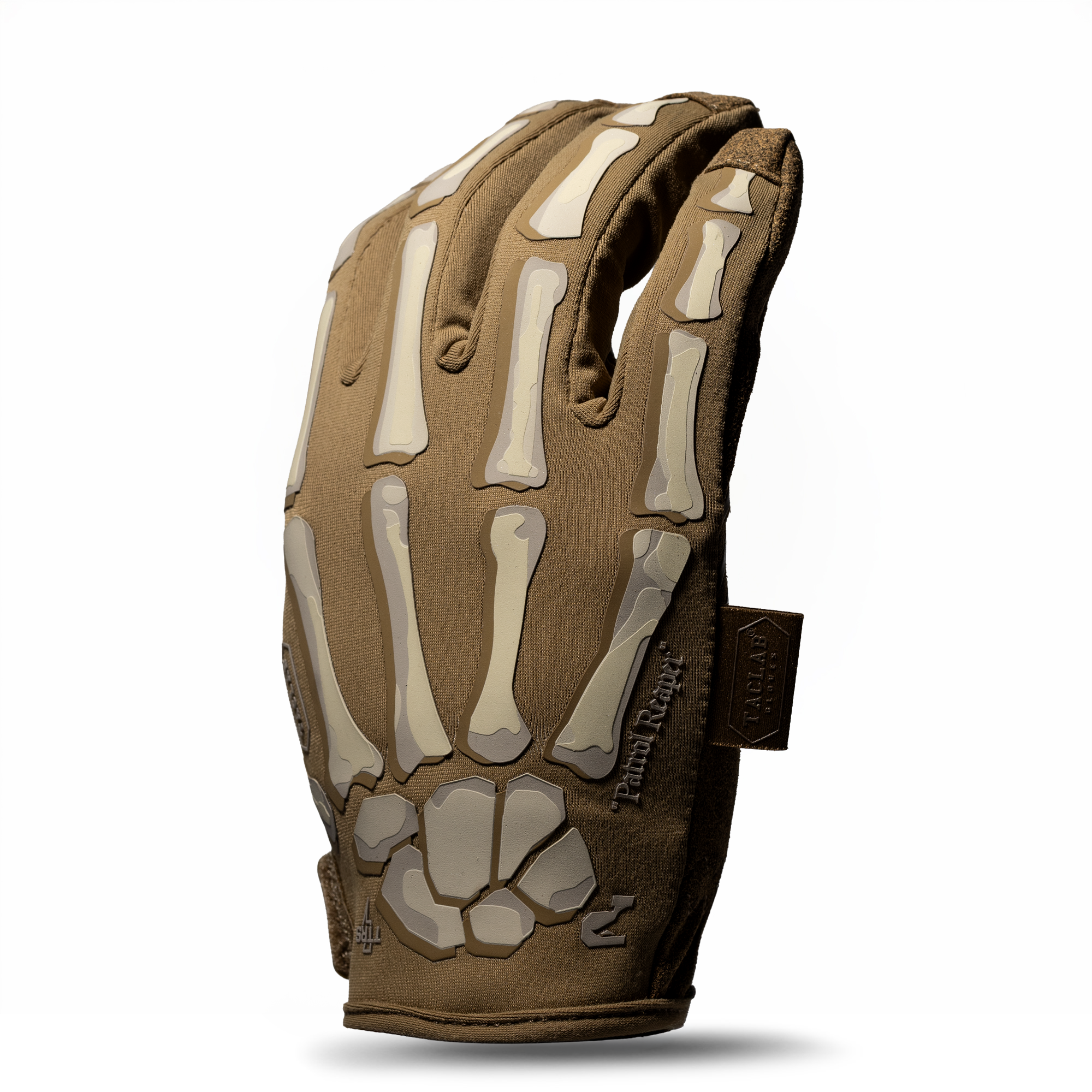
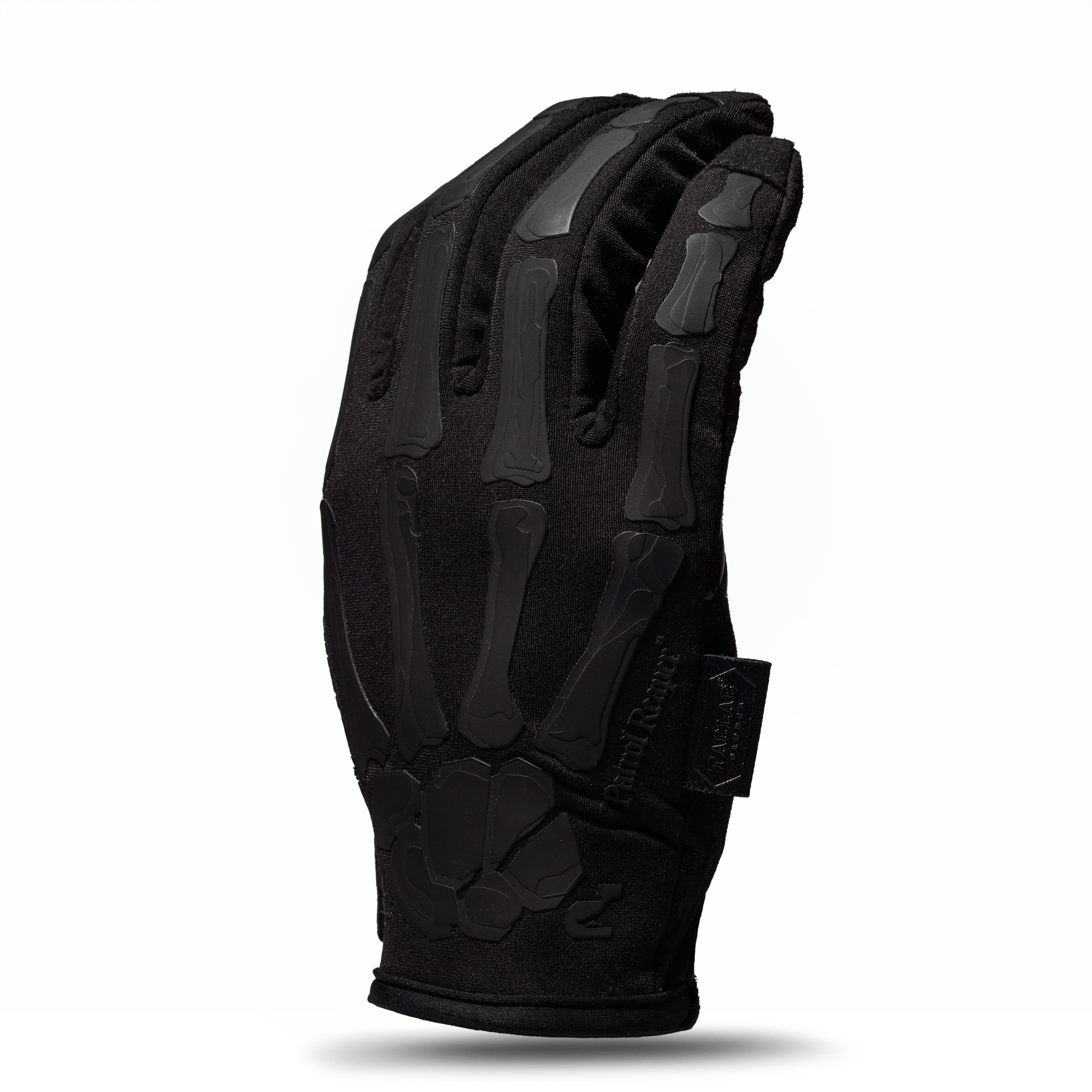
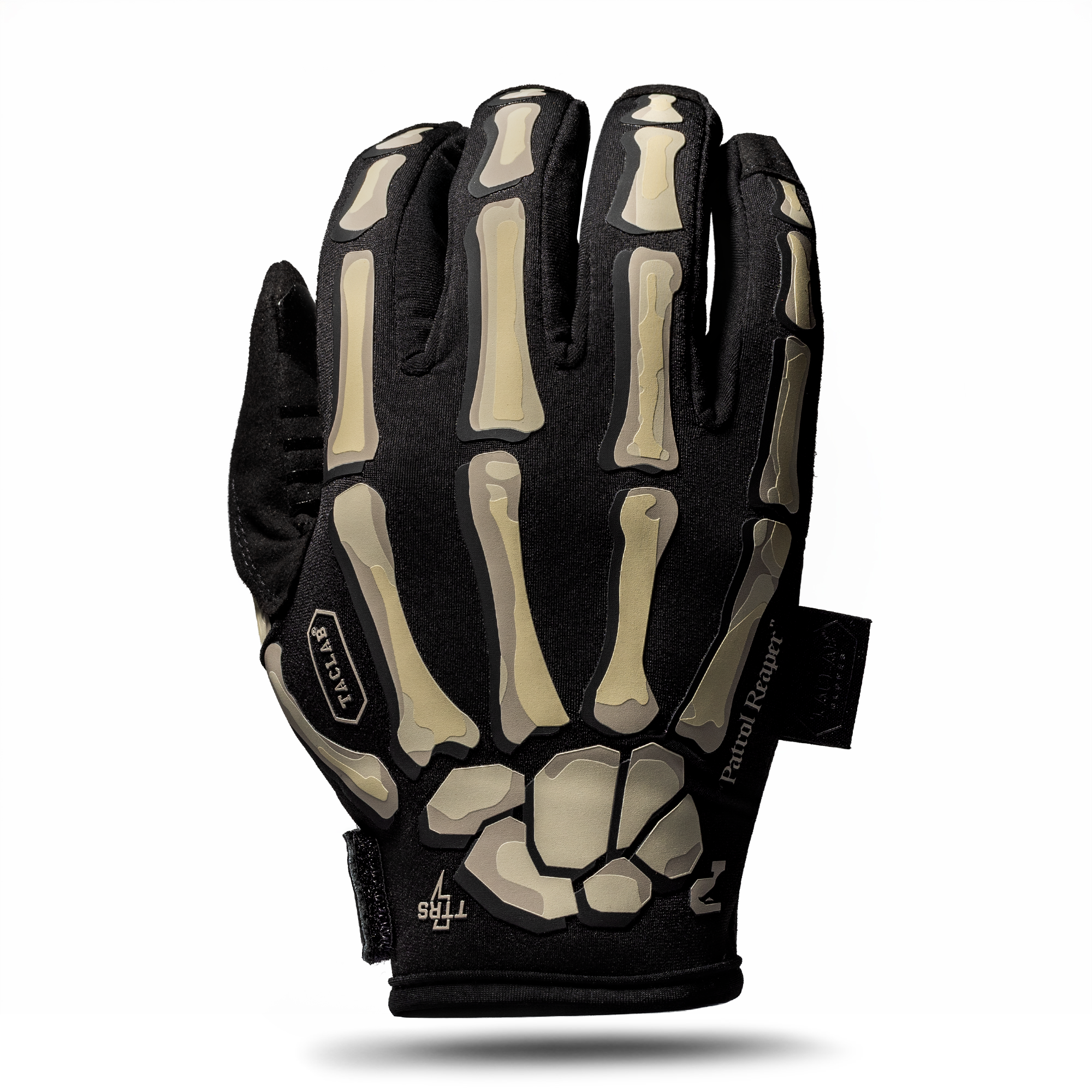
TACLAB Patrol Reaper — For Colder Fall Mornings
When temperatures fall, lightweight gloves may not provide enough warmth.
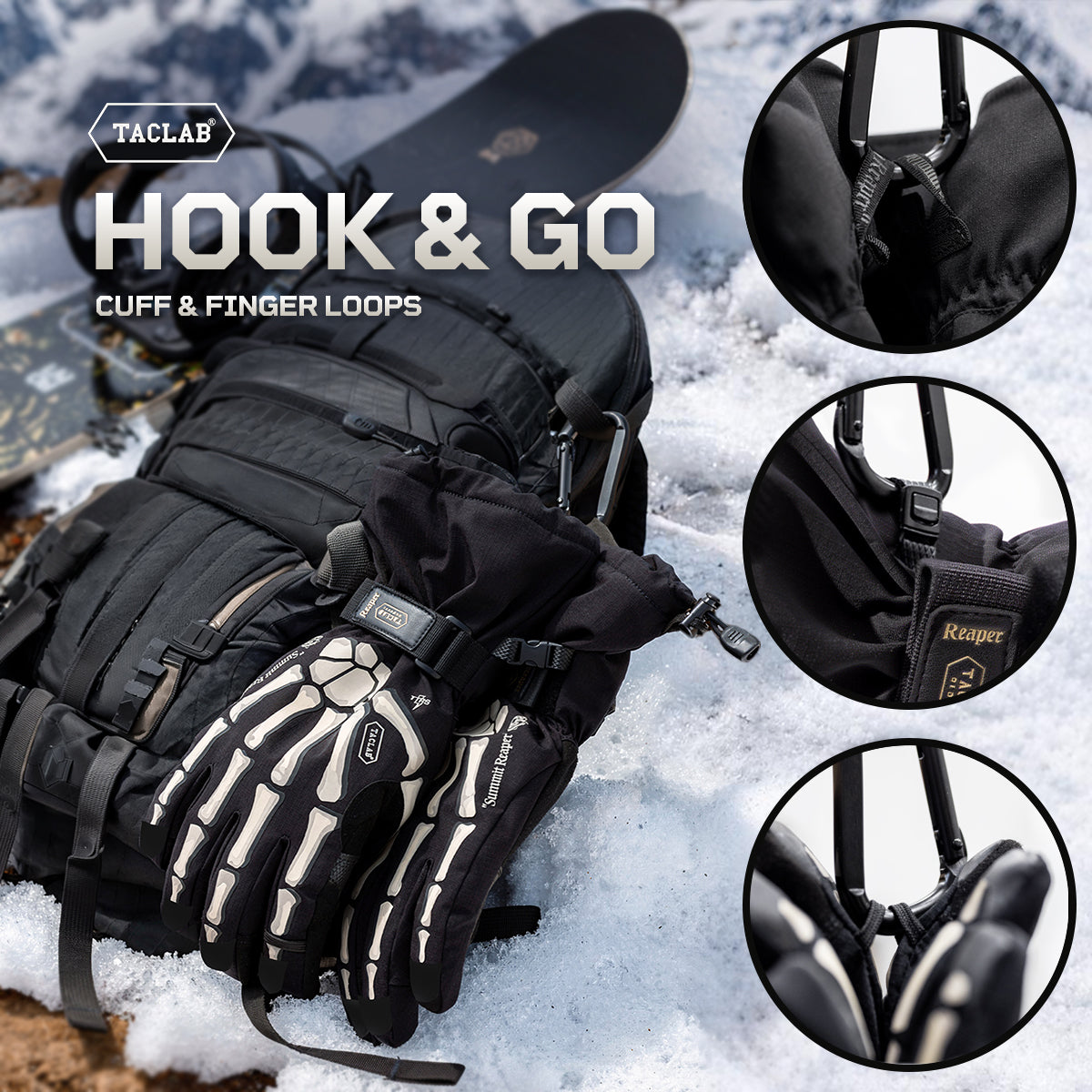
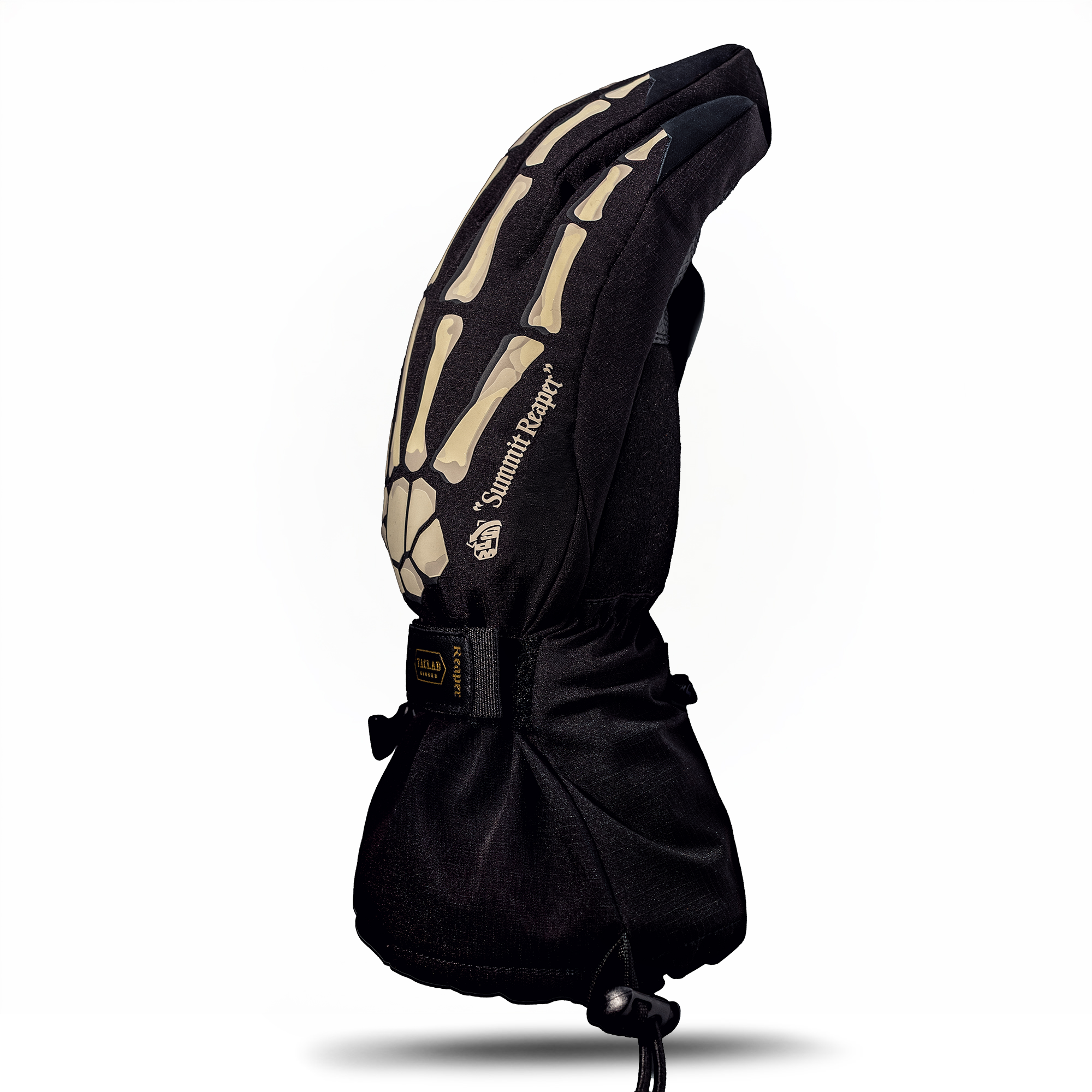
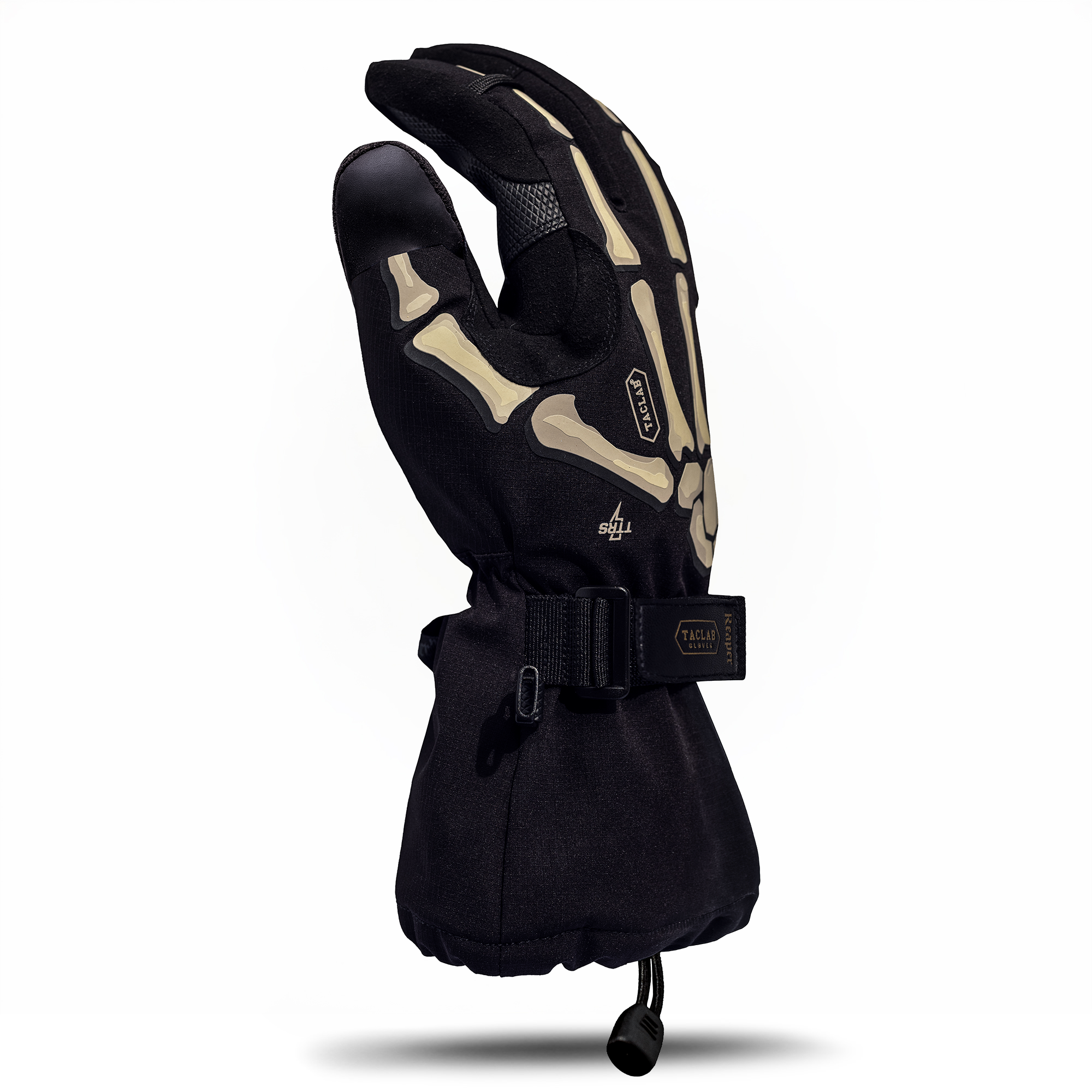
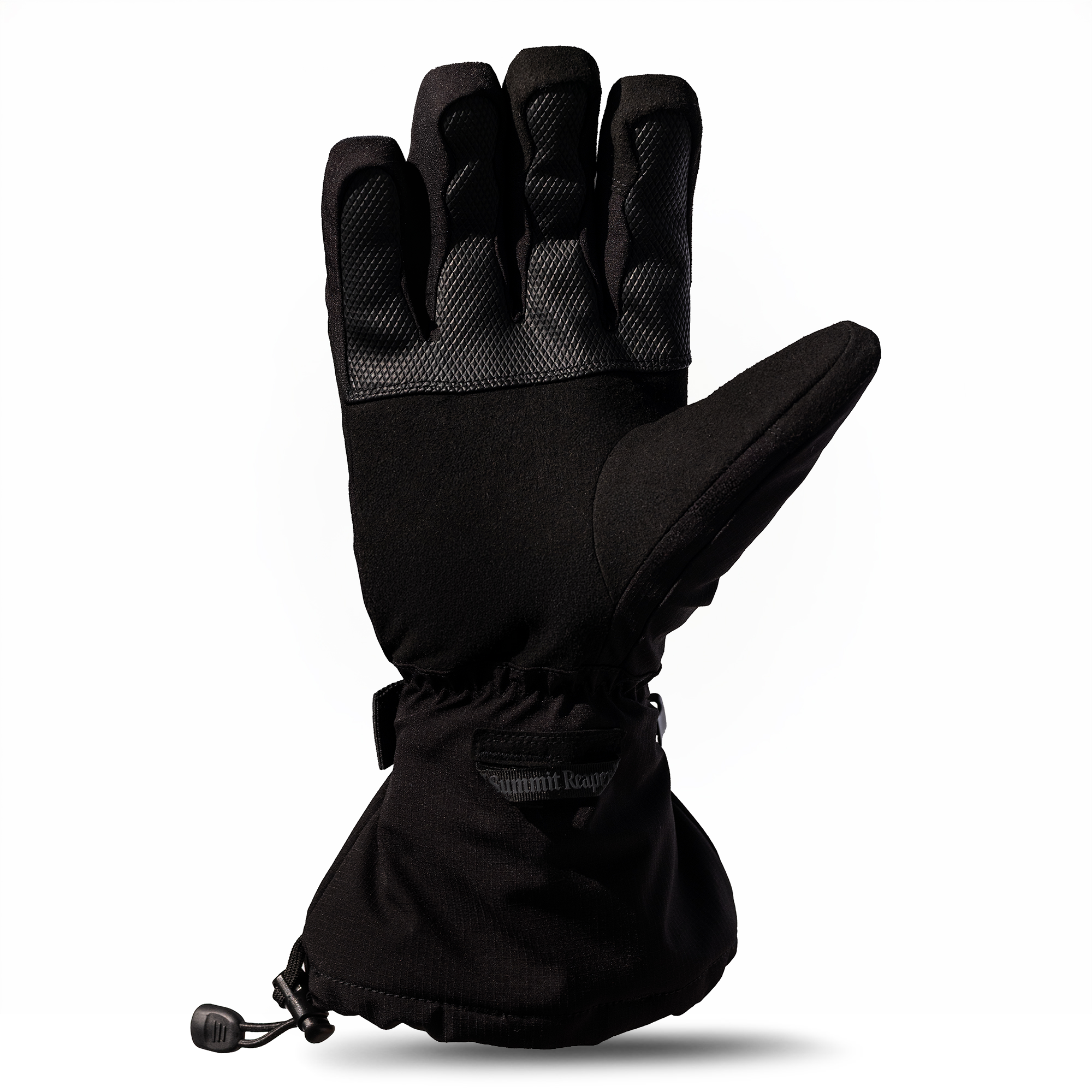
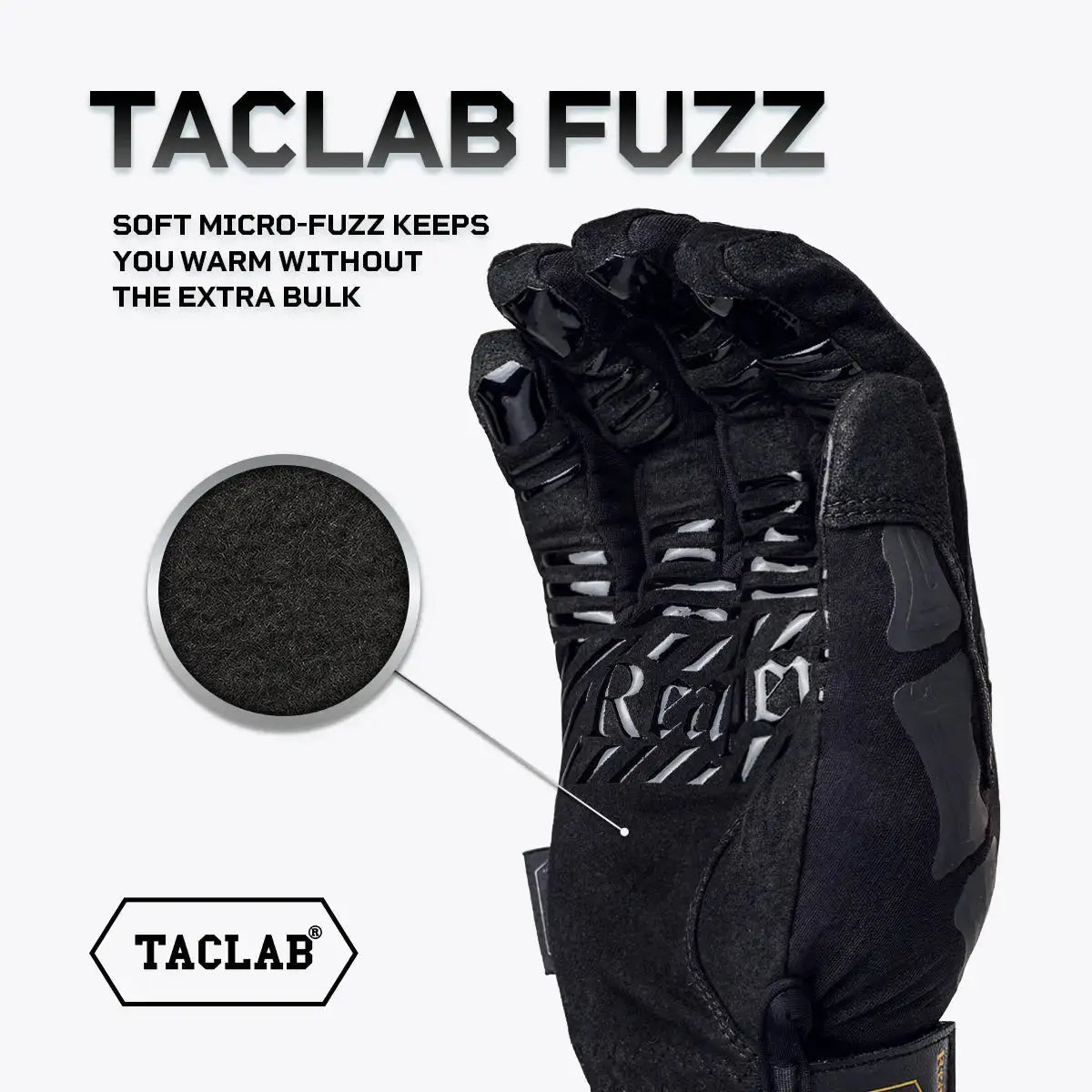
The Patrol Reaper offers an insulated direction for cold-weather shooting and outdoor use.
It's a more natural option to consider when comfort in cooler conditions becomes a priority.
What About More Demanding Conditions?
For particularly cold or wet winter environments, a specialized option such as the Snow Reaper may be worth evaluating based on its current specifications and the conditions you expect.
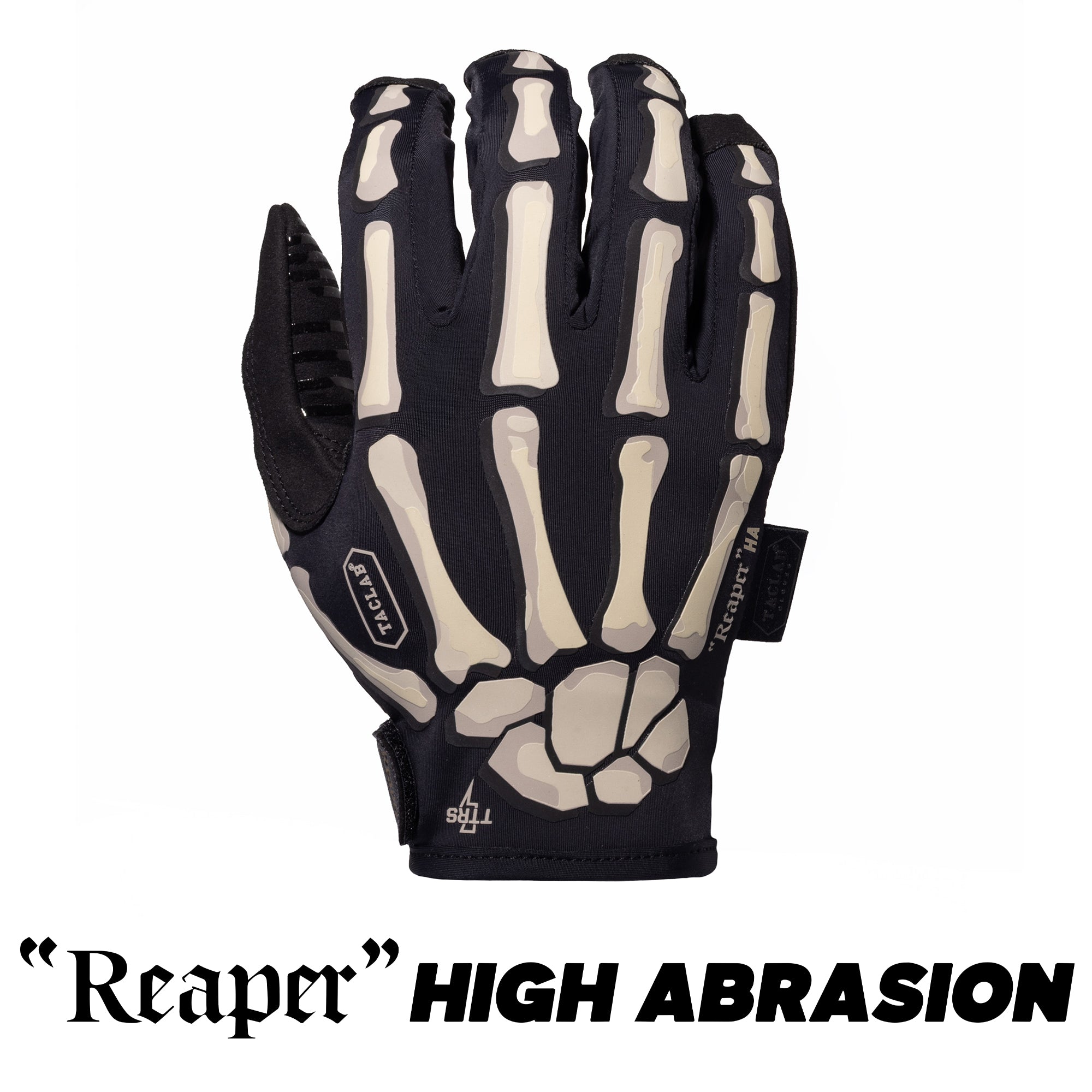
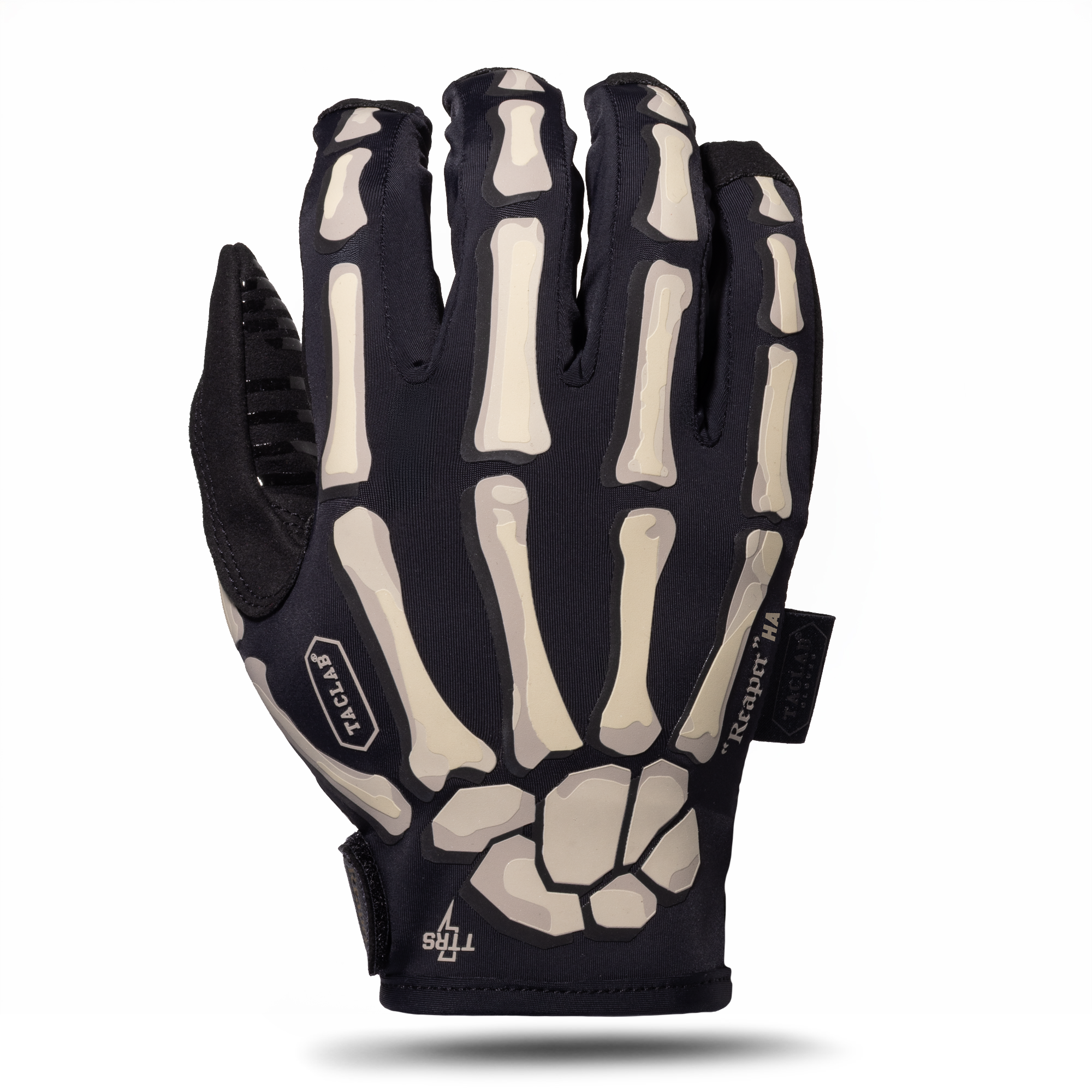
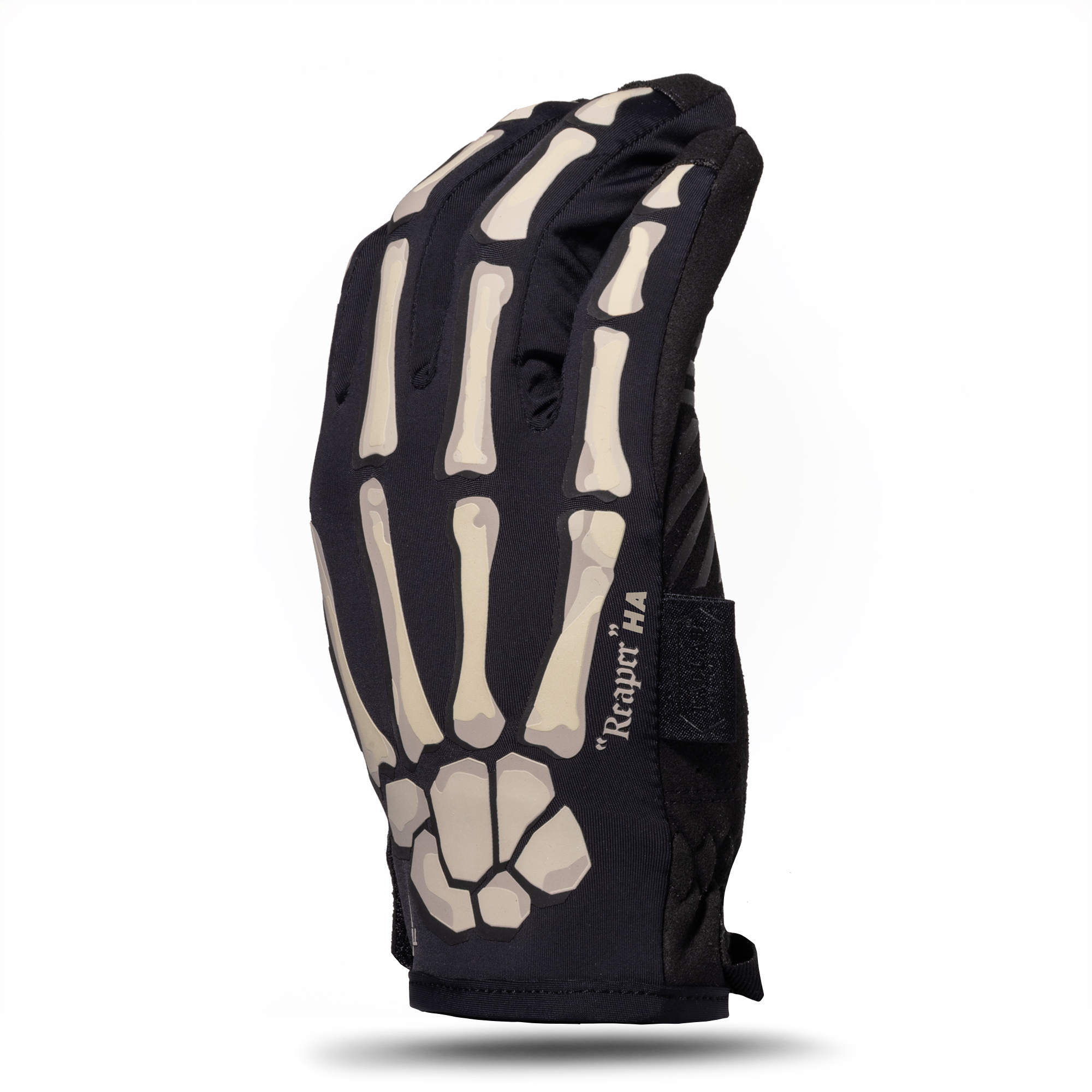
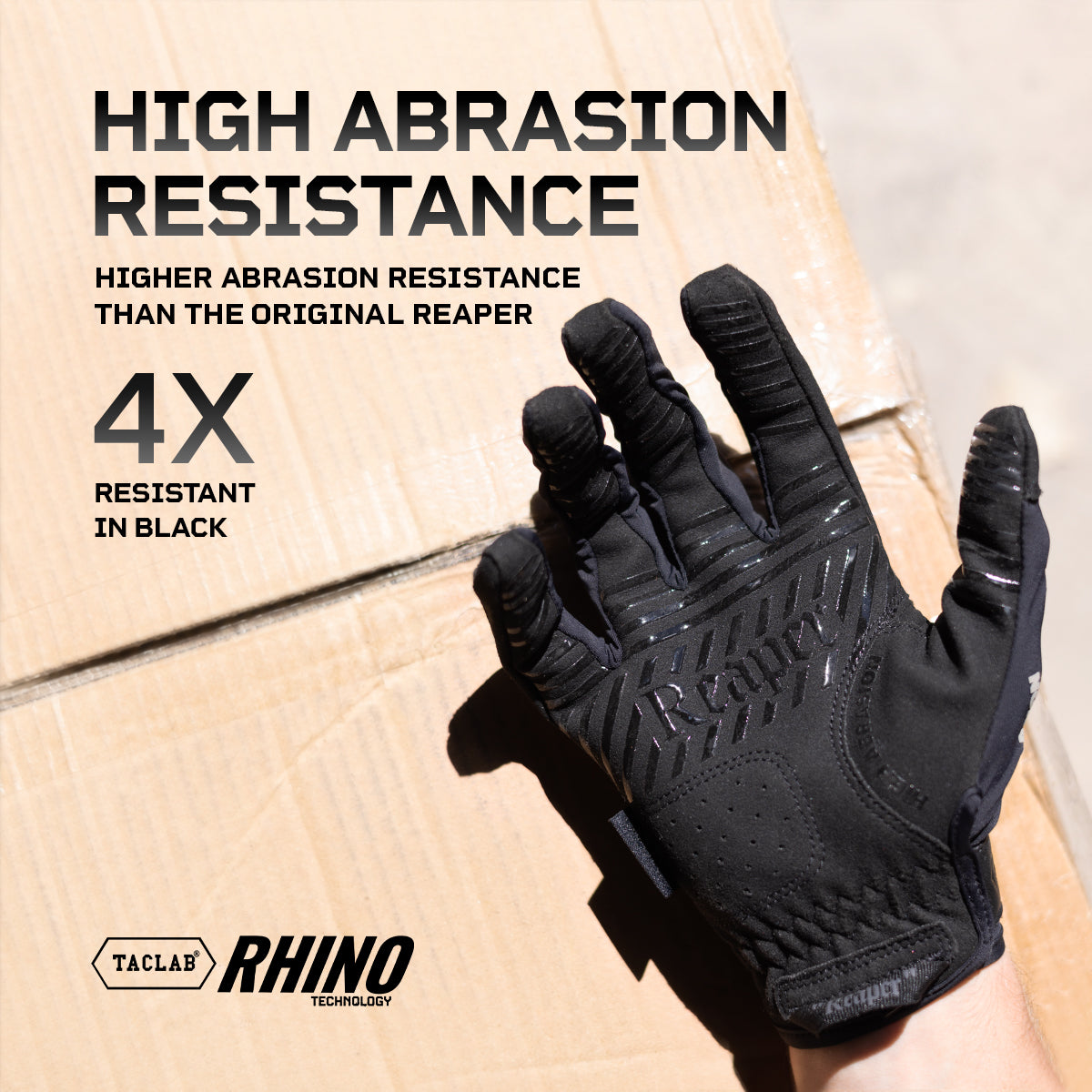
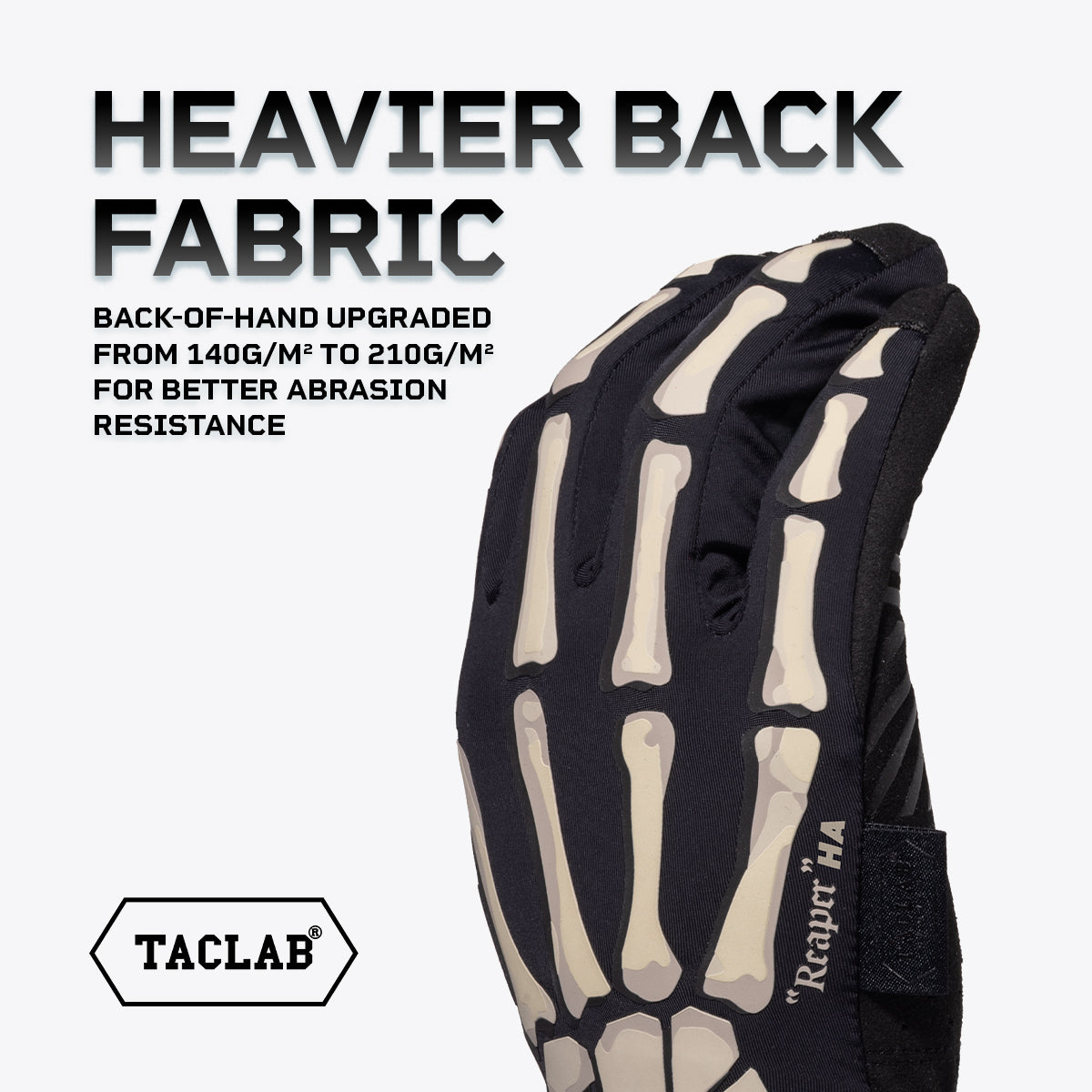
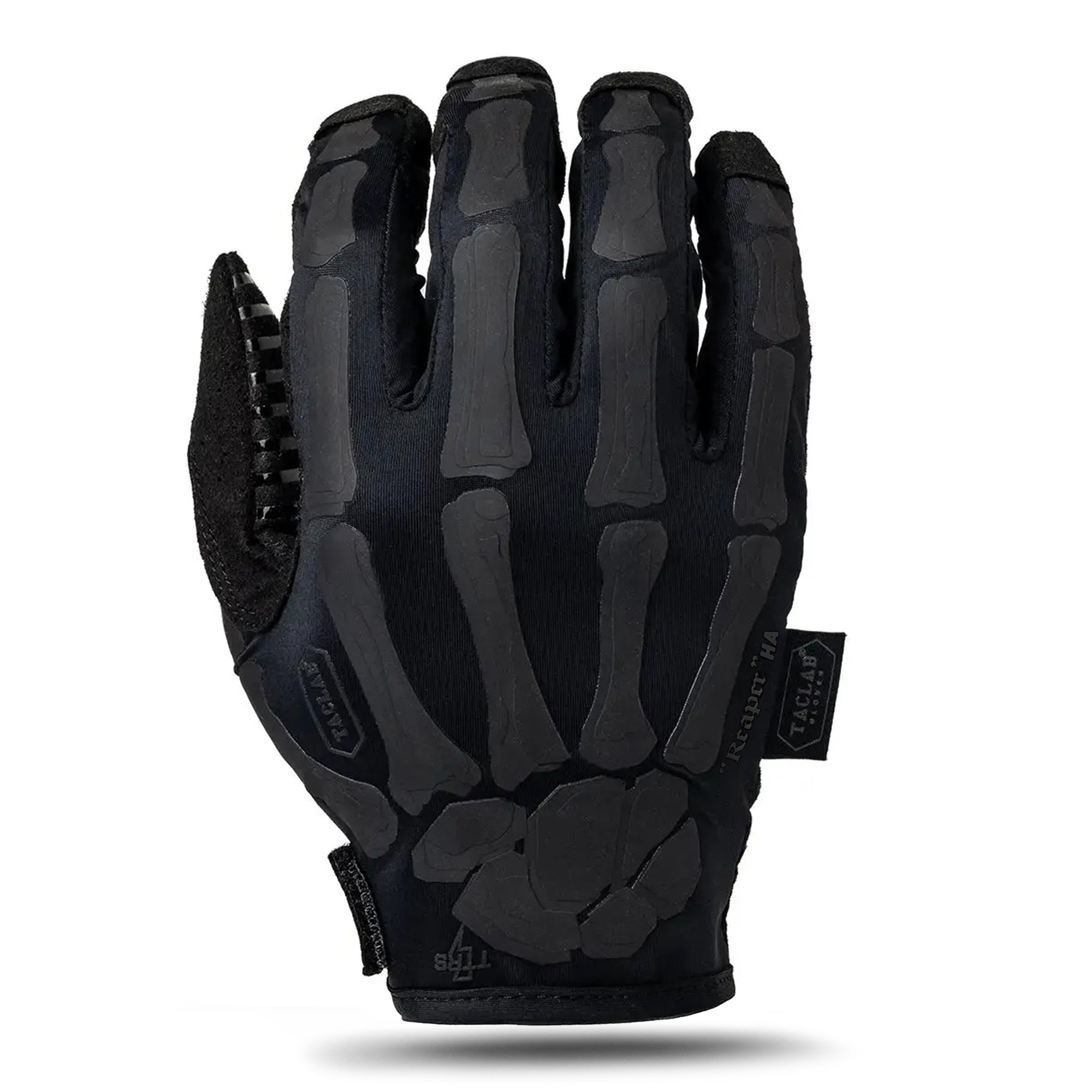
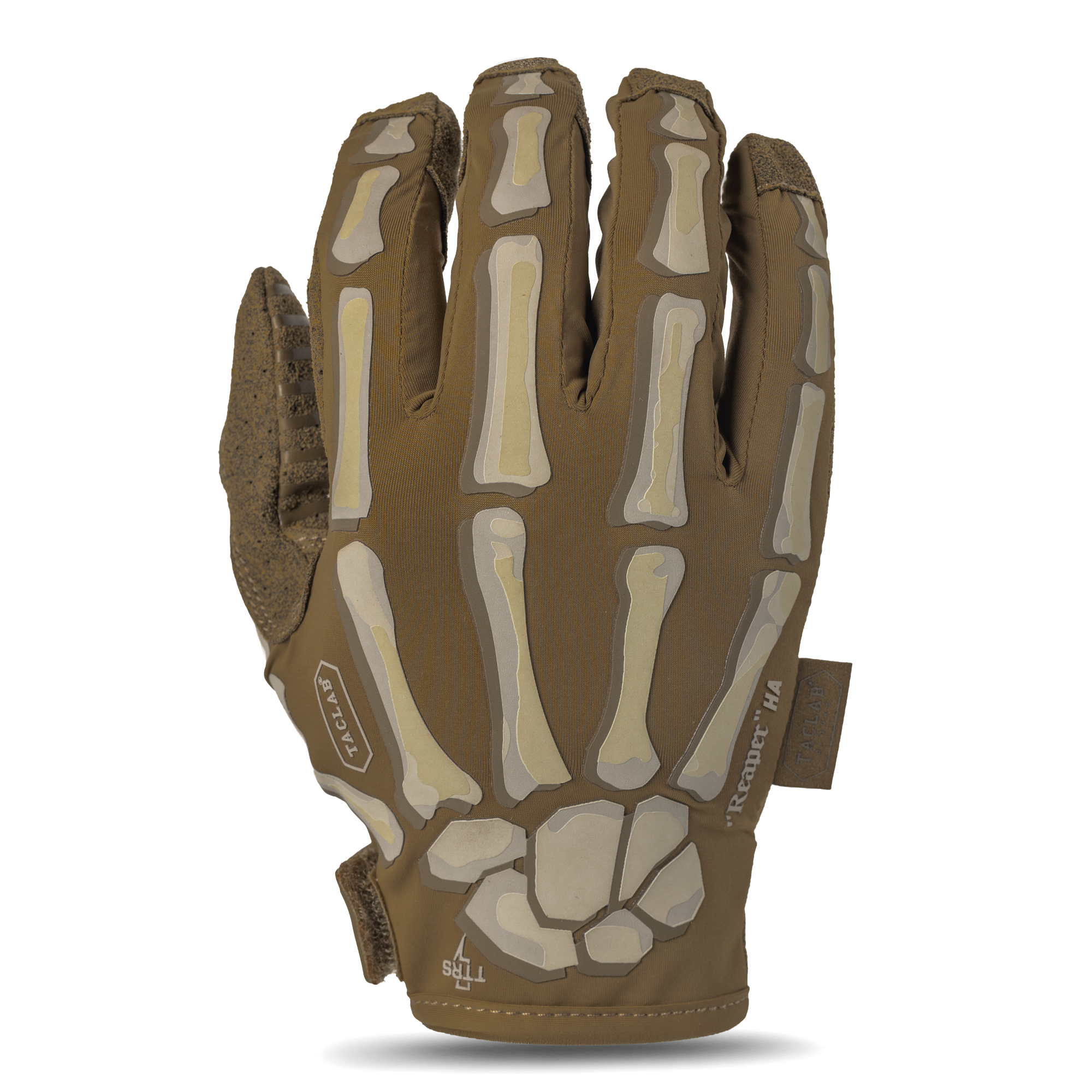
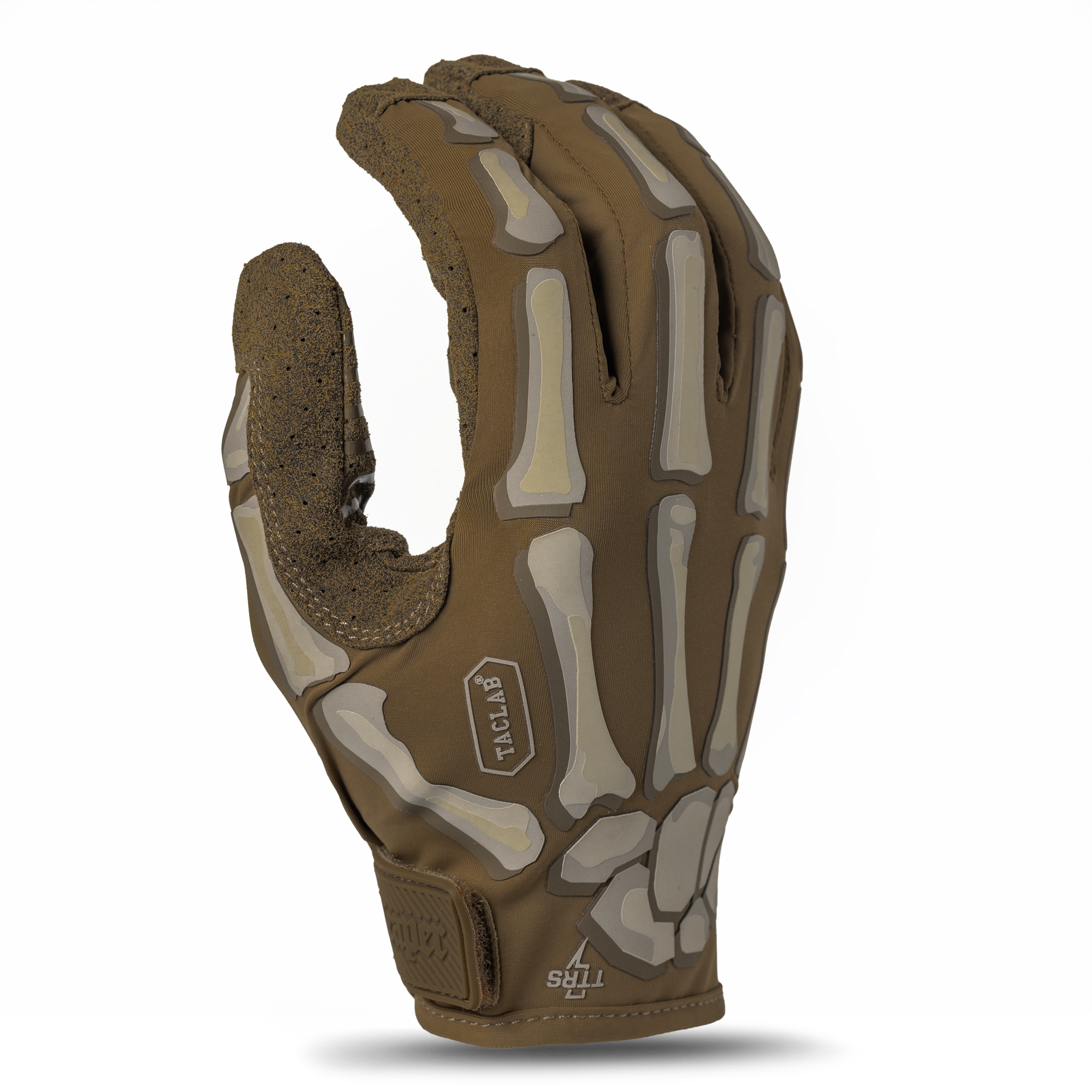
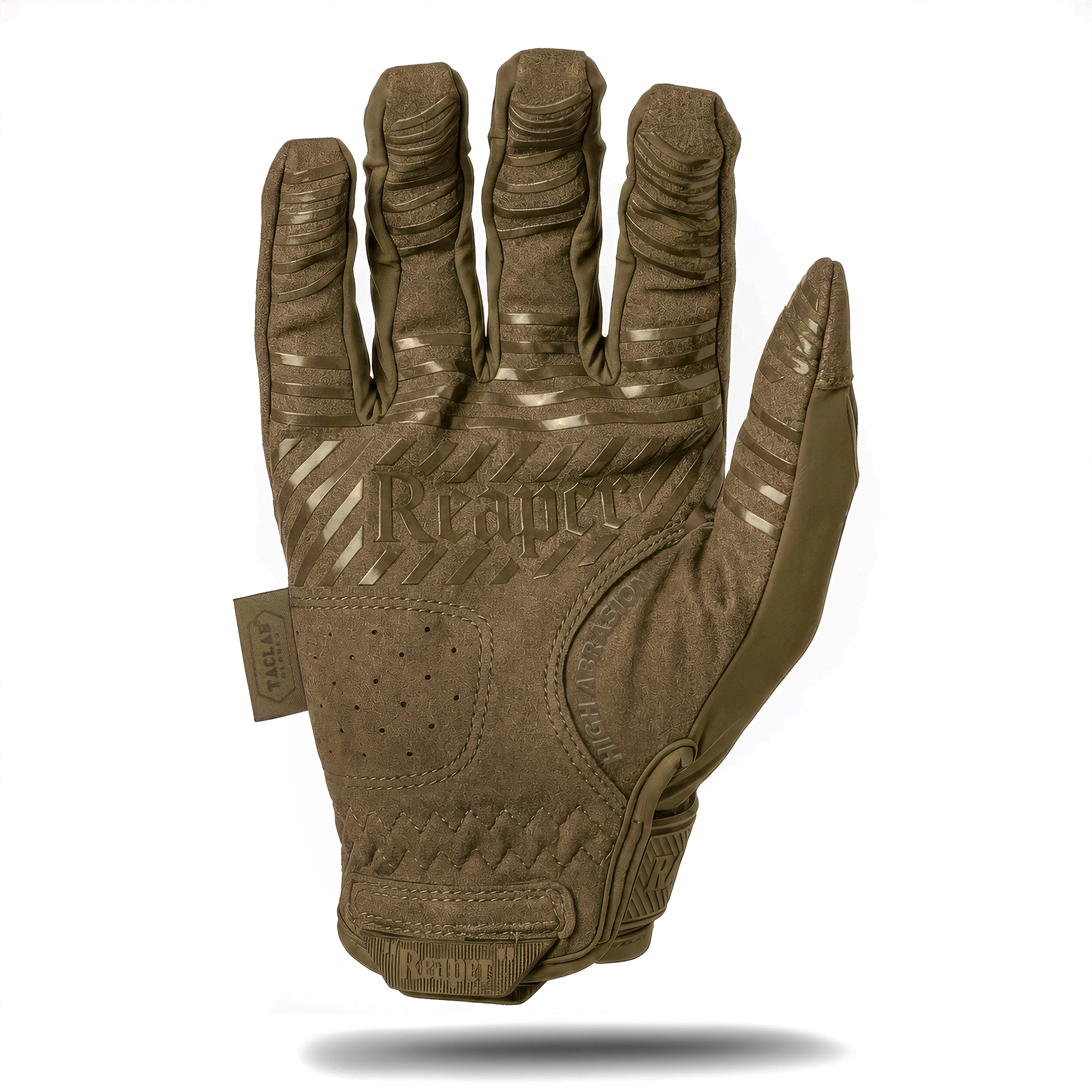
And if your training involves repeated abrasive contact, consider abrasion-focused models such as Reaper HA rather than assuming every lightweight shooting glove is built for the same wear demands.
| Fall Range Conditions | TACLAB Option to Consider | Main Priority |
|---|---|---|
| Mild, dry afternoon | Reaper | Lightweight dexterity |
| Moderate conditions, premium hand feel | Reaper Premium | Thin Cabretta leather palm |
| Chilly or windy morning | Patrol Reaper | Added warmth |
| Rough, abrasive environment | Reaper HA | Abrasion resistance |
| Severe winter conditions | Snow Reaper | Specialized cold-weather coverage |
These are general use-case suggestions, not temperature ratings or guarantees of weather protection.
Explore the TACLAB Gloves Collection →
9. Should You Wear a Hat at an Outdoor Shooting Range?
A hat can be a practical addition to your fall range outfit.
It may help with:
-
Sun exposure
-
Glare
-
Light wind
-
Keeping hair away from your face
-
Some incidental contact with ejected cases
A simple cap is often convenient.
However, the hat must work with your hearing and eye protection.
Avoid anything that interferes with a proper earmuff seal or obstructs your vision.
For colder conditions, a warm hat may be useful, but check hearing-protection compatibility carefully.
10. What Should You Avoid Wearing to a Shooting Range?
Knowing what not to wear is just as important as choosing the right layers.
Some clothing creates unnecessary discomfort or hazards.
| Clothing Choice | Why It May Be a Problem | Better Alternative |
|---|---|---|
| Low-cut or loose-necked tops | May allow hot cases to contact or become trapped against skin | Higher, closer-fitting neckline |
| Open-toe shoes | Exposed feet and limited protection | Closed-toe footwear |
| Loose scarves or dangling cords | Potential snagging or interference | Secured, low-profile layers |
| Extremely bulky gloves | Reduced tactile feedback and dexterity | Properly fitted activity-specific gloves |
| Heavy, non-removable layers | Overheating as temperatures rise | Layered clothing |
| Slippery or unsupportive footwear | Poor traction on outdoor surfaces | Stable shoes or boots |
| Hats that disrupt earmuffs | May compromise hearing-protection fit | Compatible headwear |
Also avoid clothing or accessories that interfere with the safe operation of your equipment.
When in doubt, follow the range's published dress code and ask staff about specific requirements.
11. How to Dress for Different Fall Temperatures
There's no universal temperature at which everyone needs a jacket or insulated gloves.
Wind, humidity, sunlight, personal comfort, and activity level all matter.
But here's a practical starting point.
| Approximate Conditions | Clothing Approach | Handwear |
|---|---|---|
| 65–75°F, mild | Long sleeves or light base layer | Bare hands or lightweight gloves |
| 50–65°F, cool | Base layer plus removable mid-layer | Lightweight gloves if desired |
| 40–50°F, chilly | Base layer, fleece, wind-resistant outerwear | Consider insulated gloves |
| Below 40°F, cold | Appropriate thermal layers and weather protection | Cold-weather gloves suited to conditions |
| Windy or rainy | Adjust layers for wind and moisture | Choose appropriate weather protection |
These are illustrative starting points, not fixed safety thresholds. Individual needs and actual weather conditions vary.
One particularly useful habit is to pack for the coldest part of the day but dress for your current activity level.
That way, you have options.
12. What About Rain at an Outdoor Shooting Range?
Fall rain changes more than your clothing.
It can affect footing, visibility, comfort, and equipment handling.
If rain is forecast, consider:
-
Water-resistant outerwear
-
Footwear with reliable traction
-
A dry change of socks
-
A towel
-
A dry storage bag for personal items
-
Appropriate weather-resistant gear
Avoid assuming that every tactical glove is waterproof.
Material construction varies significantly.
A glove can provide excellent grip and dexterity without being designed for prolonged rain exposure.
Check the manufacturer's actual specifications before relying on it in wet conditions.
And if rain, lightning, poor visibility, or unsafe footing creates hazardous conditions, follow range staff instructions and suspend shooting when necessary.
13. Don't Forget the Rest of Your Range Bag
Your clothing is only part of preparing for a fall range day.
A well-packed range bag can make changing conditions much easier to manage.
Useful additions include:
-
Spare eye protection
-
Backup hearing protection
-
Extra socks
-
A dry towel
-
Water
-
First-aid supplies
-
Weather-appropriate gloves
-
A spare layer
-
Required ammunition and magazines
-
Basic maintenance supplies
-
Batteries for electronic accessories
We've covered these items in greater detail in What Should Be in Your Range Bag? 15 Essentials You Shouldn't Forget.
One additional consideration: follow all applicable firearm transportation and storage laws and range policies. A range bag does not replace a legally compliant storage or transport method.
14. Three Practical Fall Shooting Range Outfits
Not every shooter needs the same setup.
Here are three realistic examples.
Outfit 1: The Mild October Afternoon
Conditions: Sunny, relatively dry, comfortable temperatures.
Wear:
-
Comfortable long-sleeve shirt
-
Durable pants
-
Closed-toe shoes
-
Eye protection
-
Hearing protection
-
Hat
-
Optional lightweight shooting gloves
TACLAB consideration: Reaper or Reaper Premium.
The priority is comfort and dexterity rather than heavy insulation.
Outfit 2: The Cold November Morning
Conditions: Chilly start, light wind, warmer afternoon possible.
Wear:
-
Moisture-managing base layer
-
Lightweight fleece
-
Wind-resistant jacket
-
Durable pants
-
Supportive footwear
-
Eye and hearing protection
-
Gloves suited to cooler conditions
TACLAB consideration: Patrol Reaper.
The priority is maintaining hand comfort while preserving usable dexterity.
Outfit 3: The Unpredictable Outdoor Training Day
Conditions: Long session, changing temperatures, possible wind or rain.
Wear:
-
Base layer
-
Removable insulating layer
-
Weather-resistant shell
-
Durable long pants
-
Traction-focused footwear
-
Eye and hearing protection
-
Gloves matched to the training environment
-
Spare dry clothing in your vehicle or gear bag
TACLAB consideration: Choose based on whether temperature, dexterity, or abrasion is your main concern.
The priority is adaptability.
15. The Fall Range Outfit Checklist
Before leaving home, run through this list.
Clothing
-
Comfortable shirt with appropriate neckline
-
Base layer suited to the forecast
-
Removable mid-layer
-
Wind- or rain-resistant jacket if needed
-
Durable long pants
-
Closed-toe, supportive shoes
-
Hat compatible with protective equipment
Safety Equipment
-
Appropriate shooting eye protection
-
Proper hearing protection
-
Clothing that doesn't interfere with safe equipment handling
Comfort and Weather
-
Shooting gloves if needed
-
Extra warm layer
-
Water
-
Towel
-
Weather protection
-
Spare dry clothing if conditions warrant
Before You Leave
-
Check the forecast
-
Check range hours and weather-related closures
-
Review range rules
-
Confirm required equipment
-
Prepare legally compliant firearm transportation and storage
It takes less than a minute to review, but it can prevent an uncomfortable or wasted trip.
Frequently Asked Questions
What should I wear to an outdoor shooting range in fall?
Wear comfortable, relatively close-fitting clothing that can be layered as temperatures change. A long-sleeve shirt, removable mid-layer, durable pants, closed-toe footwear, appropriate eye and hearing protection, and weather-specific outerwear are practical choices. Shooting gloves may also be useful in cooler conditions.
Can I wear a hoodie to an outdoor shooting range?
A hoodie may be permitted, but be mindful of loose drawstrings, bulky fabric, and whether the hood interferes with hearing protection. Follow the range's dress code and choose clothing that doesn't obstruct safe equipment handling.
Should I wear gloves to an outdoor shooting range?
Gloves are optional for many range sessions but can be useful for cold weather, sweaty hands, extended training, and outdoor hand coverage. Choose gloves that fit correctly and preserve the dexterity needed for safe equipment manipulation.
What shoes should I wear to an outdoor shooting range?
Choose closed-toe shoes or boots with secure fit and reliable traction. Outdoor ranges may have gravel, uneven ground, or mud. Sandals and open-toe footwear are generally inappropriate and may be prohibited by range rules.
Are jeans okay for an outdoor shooting range?
Yes, jeans are often a practical option if they're comfortable and allow natural movement. Durable outdoor or utility pants can also work well. Always follow the facility's clothing requirements.
Do I need a jacket for fall shooting?
It depends on the forecast and your comfort. A removable mid-layer or lightweight wind-resistant jacket is often useful because fall temperatures can change significantly between morning and afternoon.
What are the best gloves for cold-weather shooting?
Look for gloves that provide appropriate warmth while preserving a secure fit and usable finger movement. Excessively bulky gloves can reduce tactile feedback. Insulated shooting-oriented gloves, such as TACLAB Patrol Reaper, are worth considering for cooler conditions.
What should I avoid wearing to a shooting range?
Avoid open-toe shoes, low-cut or loose-necked tops that may trap hot cartridge cases, dangling accessories, and clothing that interferes with safe equipment handling. Also avoid headwear that compromises the fit of hearing protection.
Can I wear sunglasses instead of shooting glasses?
Only if the sunglasses provide appropriate impact protection and meet the range's requirements. Ordinary fashion sunglasses are not automatically suitable safety eyewear.
What should I bring for a rainy outdoor range day?
Bring suitable rain protection, traction-focused footwear, a towel, dry storage for personal items, and spare clothing if necessary. Check the range's weather policies and stop shooting when conditions become unsafe.
Final Thoughts: Dress for the Conditions, Not the Look
You don't need an expensive tactical wardrobe to enjoy an outdoor shooting range in fall.
You need clothing that makes sense.
Start with safe, comfortable basics.
Add layers you can remove.
Choose footwear that works on the actual terrain.
Protect your eyes and hearing.
And pay attention to your hands as temperatures change.
For some range days, bare hands or lightweight gloves will be perfectly comfortable.
For colder mornings, insulated gloves may become one of the most useful items you brought.
The important thing is matching your equipment to the environment rather than assuming one outfit works for every season.
Fall shooting is easier to enjoy when you're prepared for the morning, the afternoon, and everything in between.
Find the Right TACLAB Gloves for Fall Range Days
Whether you prefer lightweight dexterity, premium leather feel, increased abrasion resistance, or cold-weather comfort, TACLAB offers glove options designed around different activities and conditions.
Explore the TACLAB Tactical Gloves Collection →
The right fall range outfit doesn't need to be complicated. It just needs to work when the weather changes.