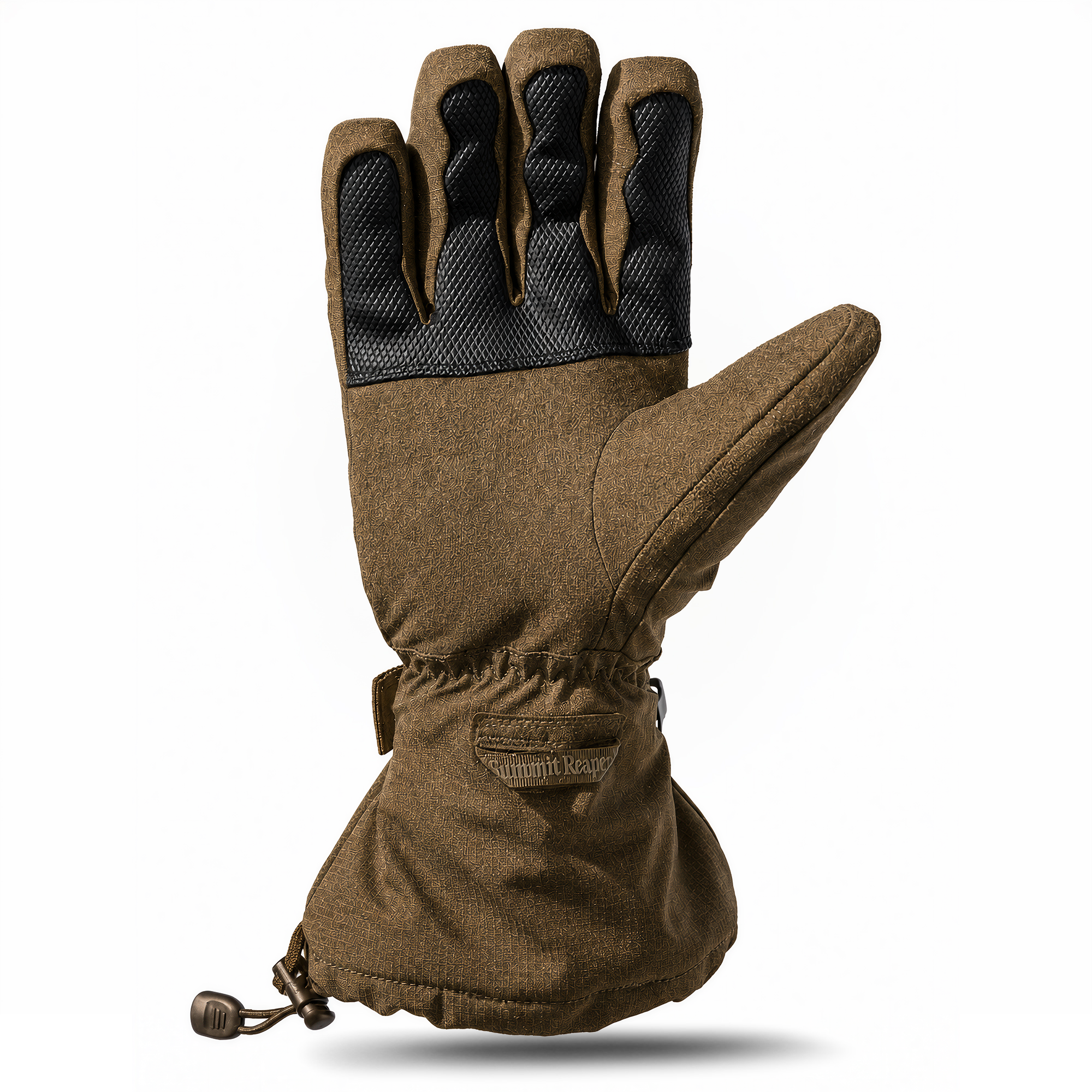
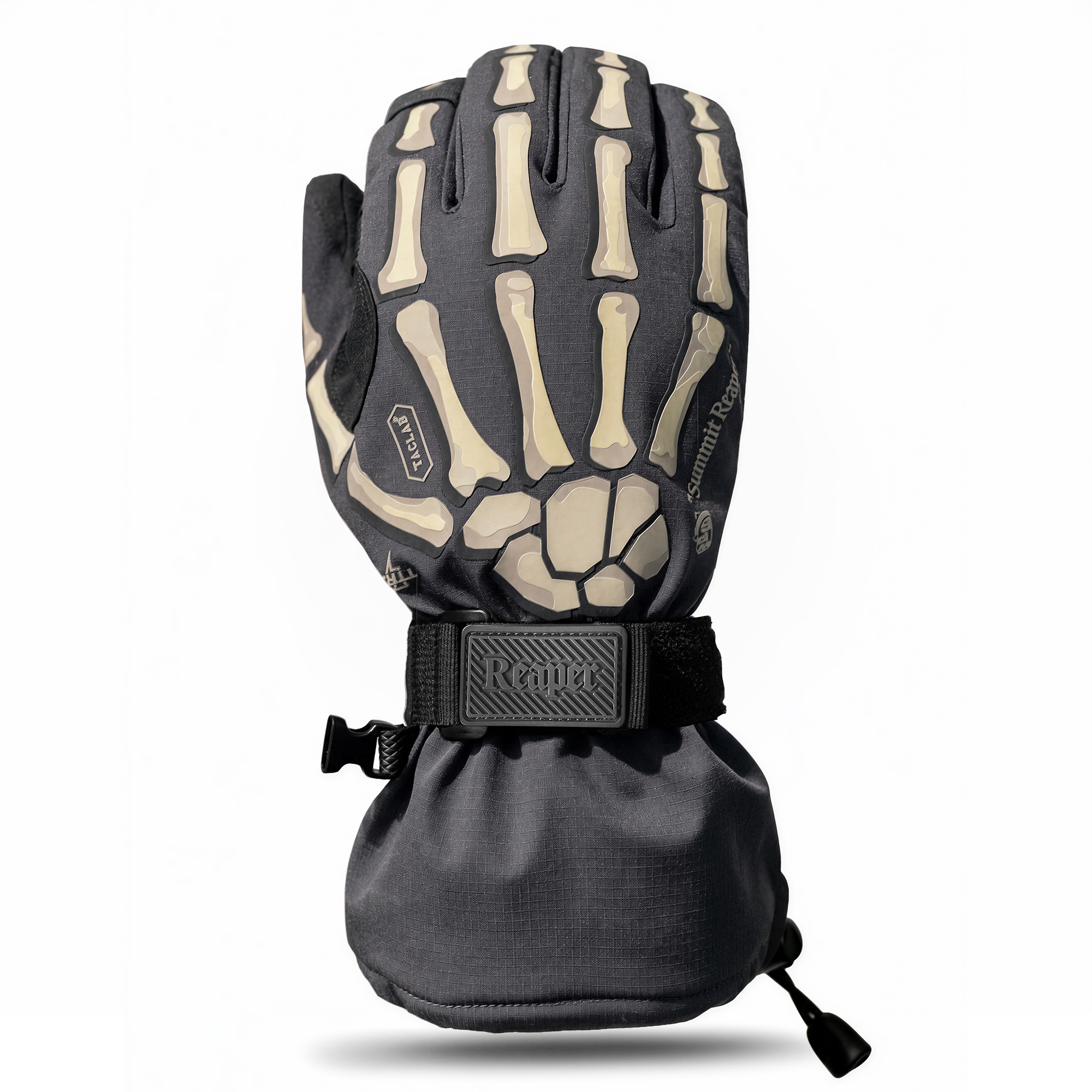
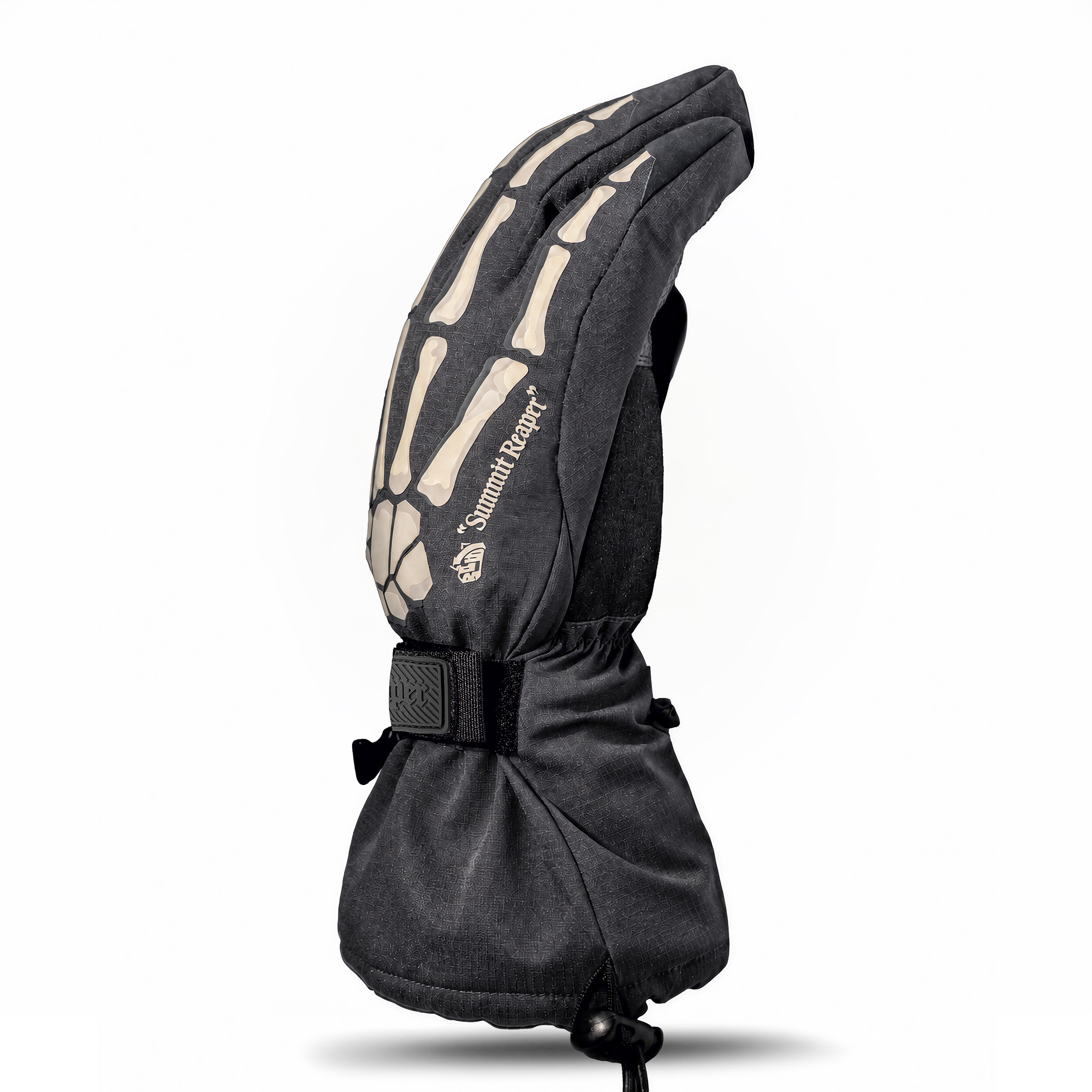
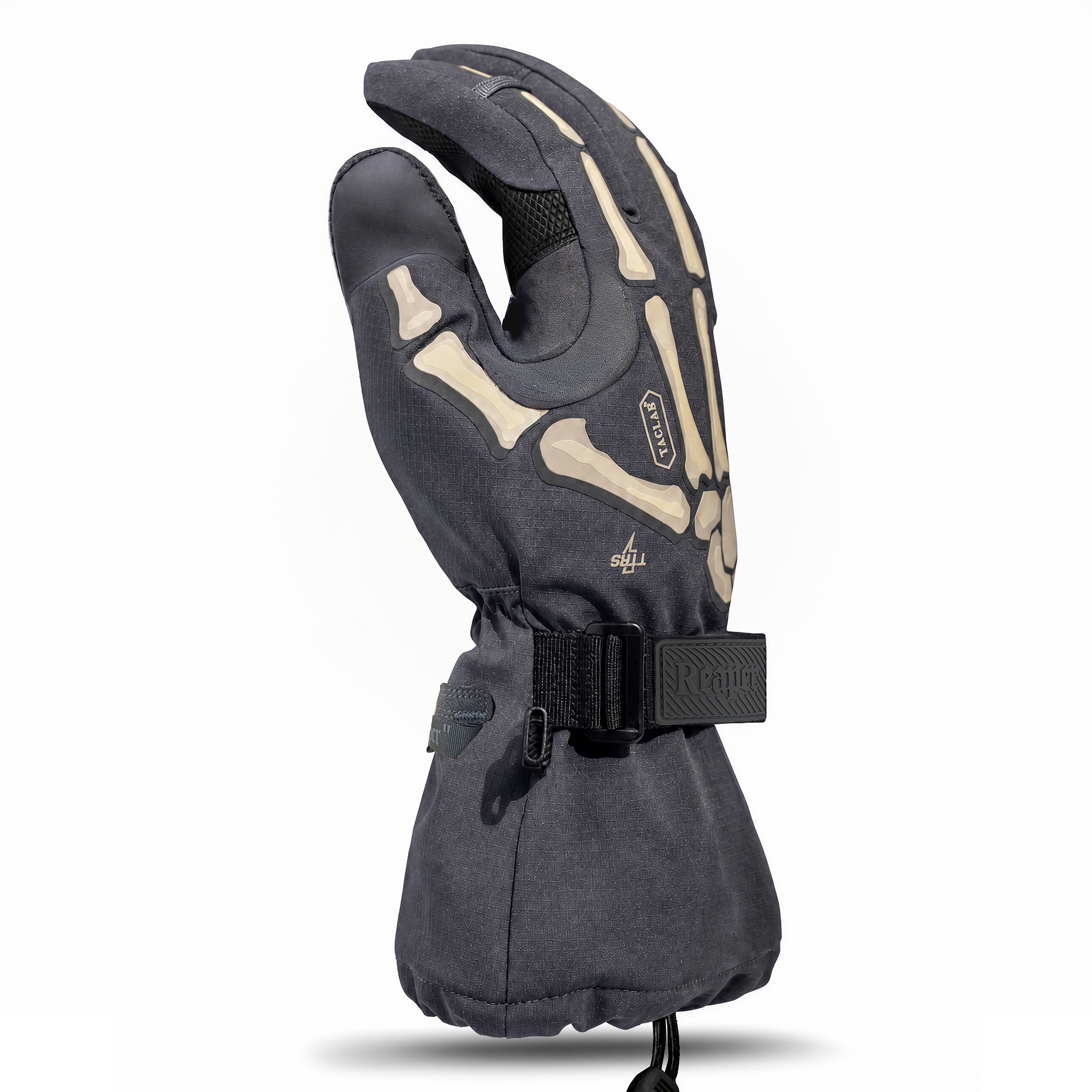
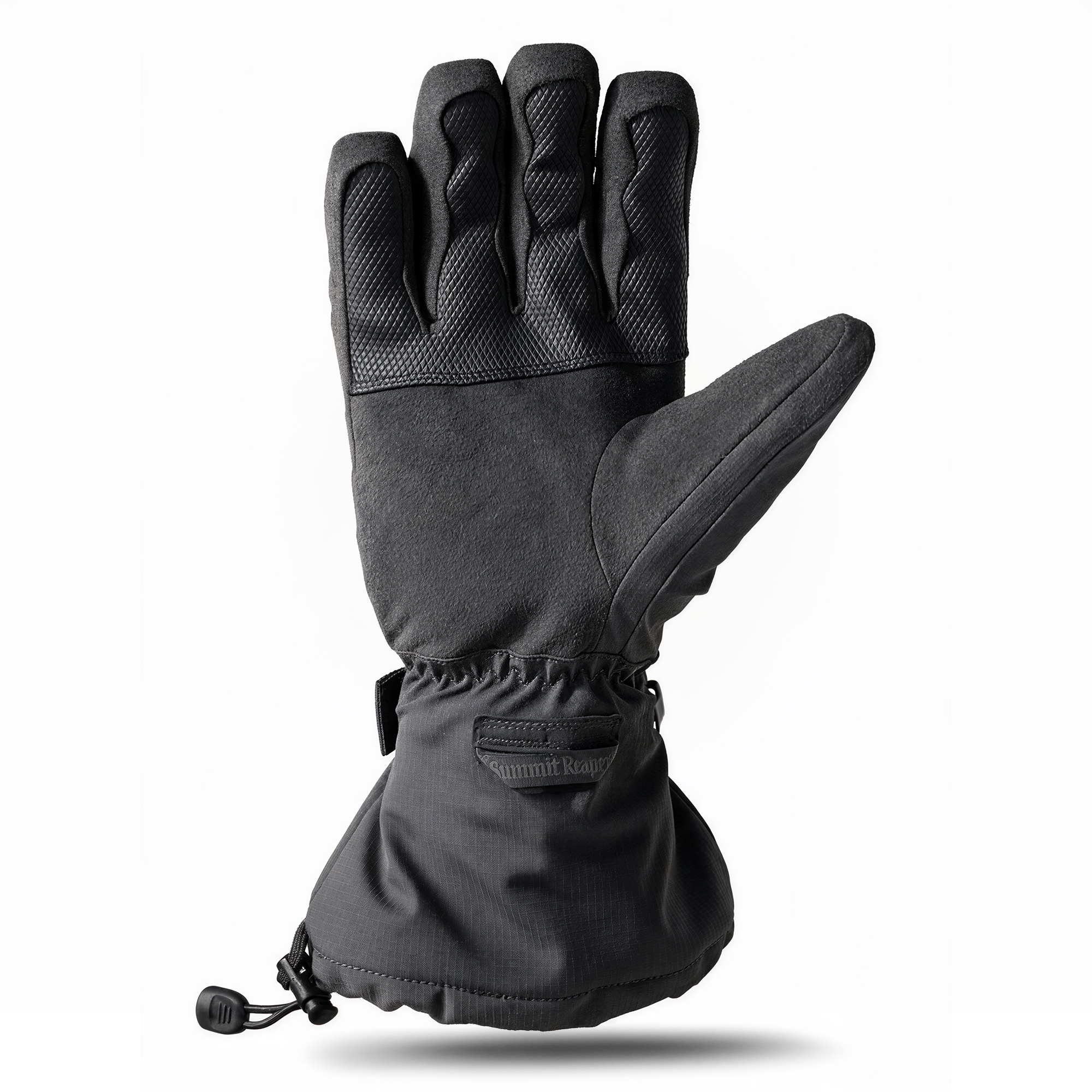
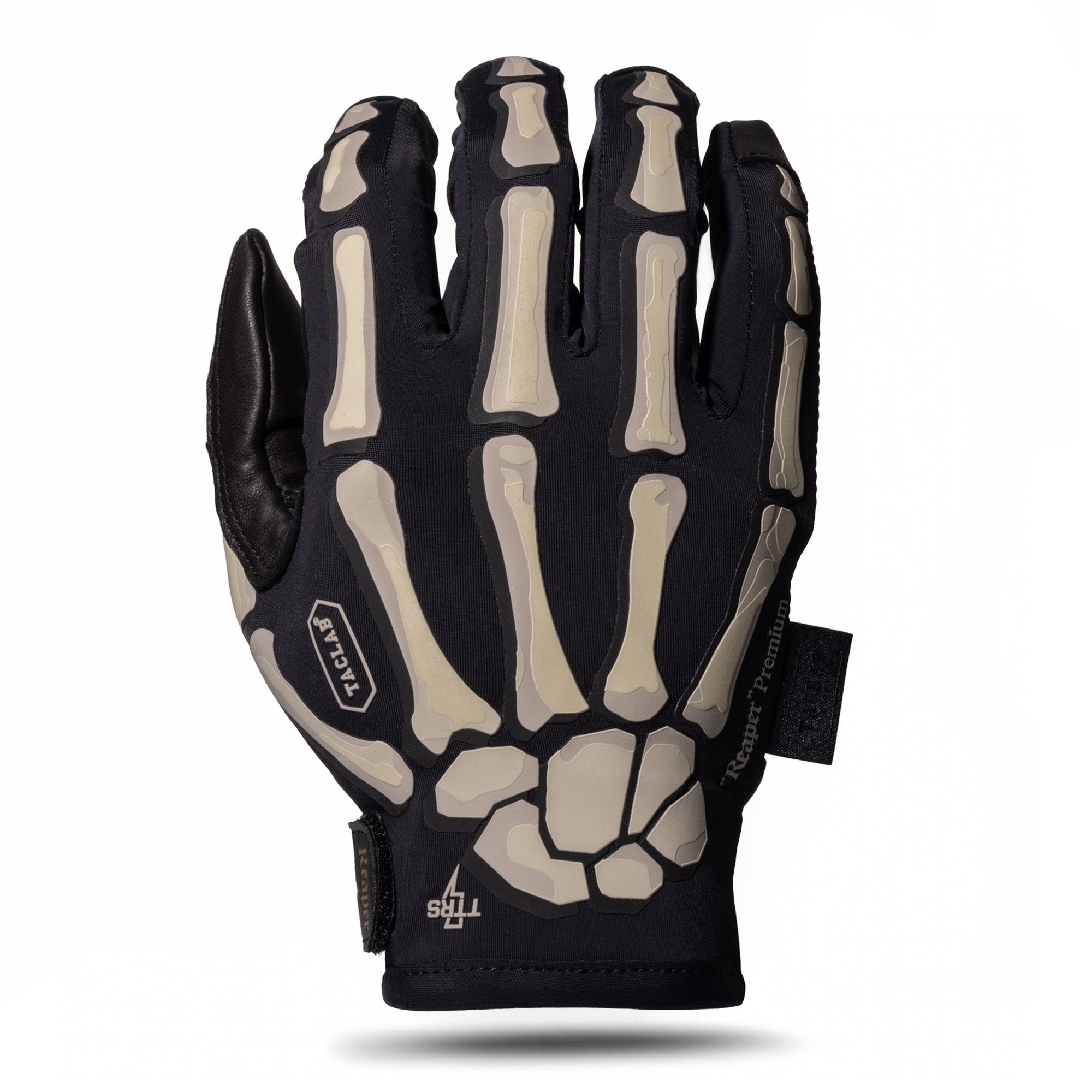
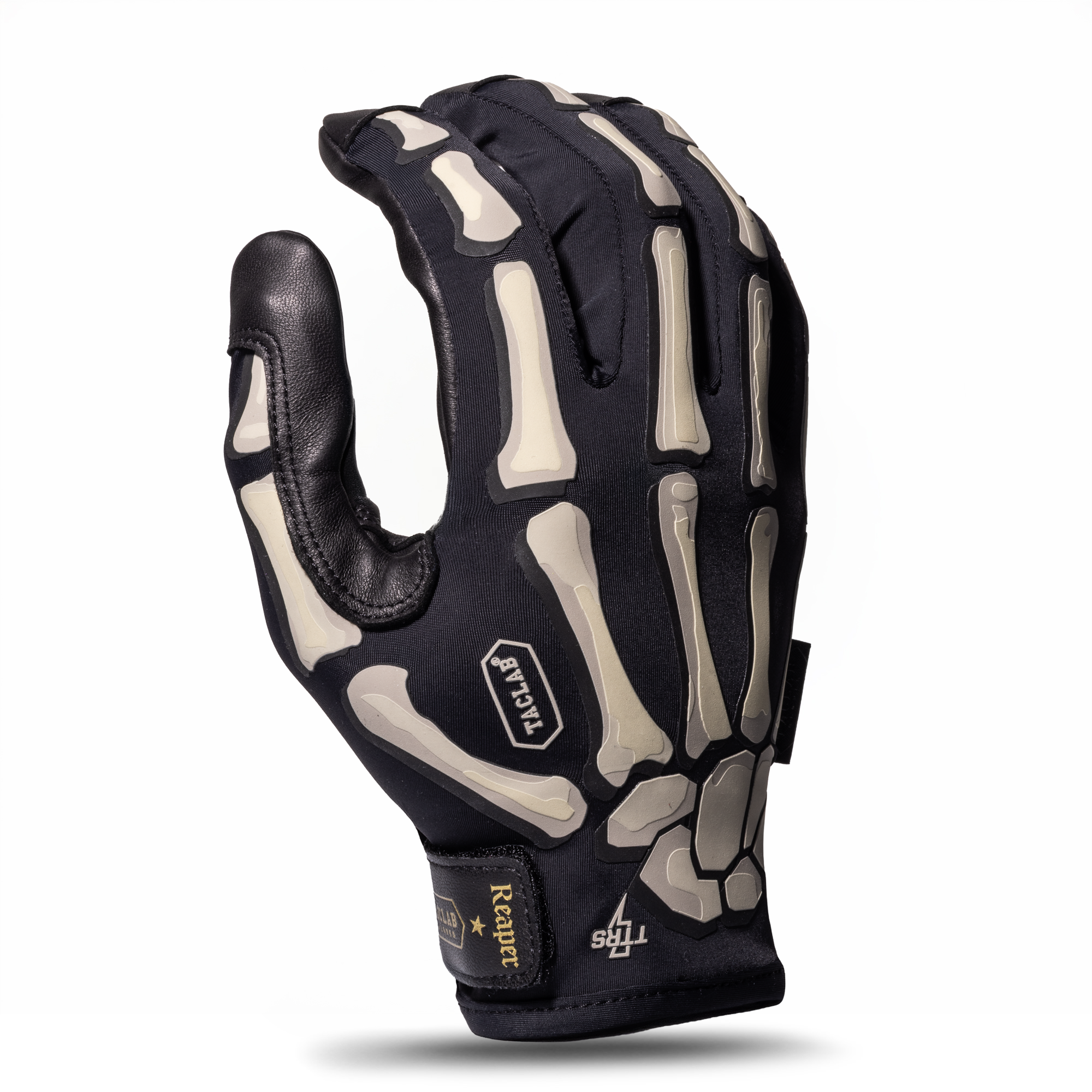
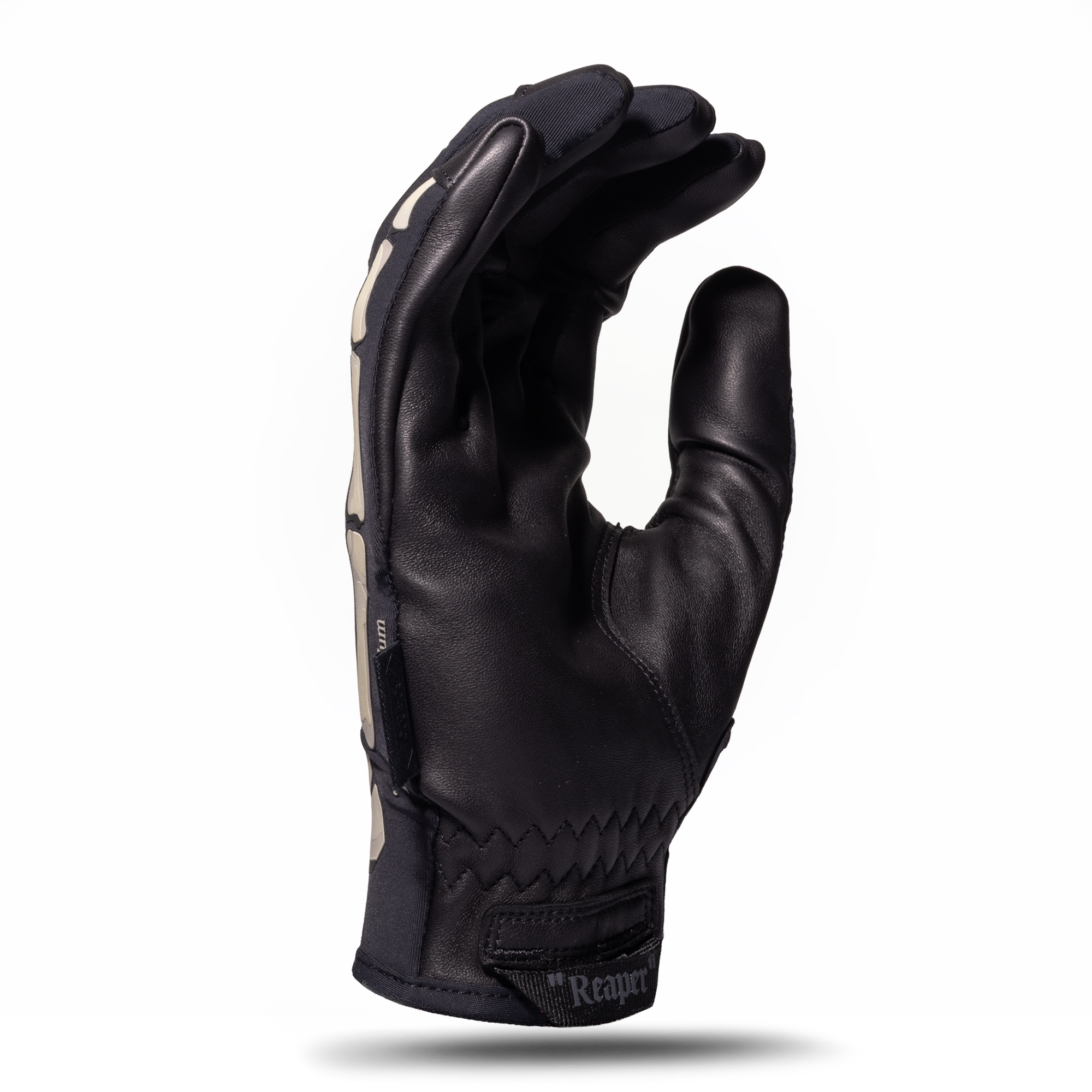
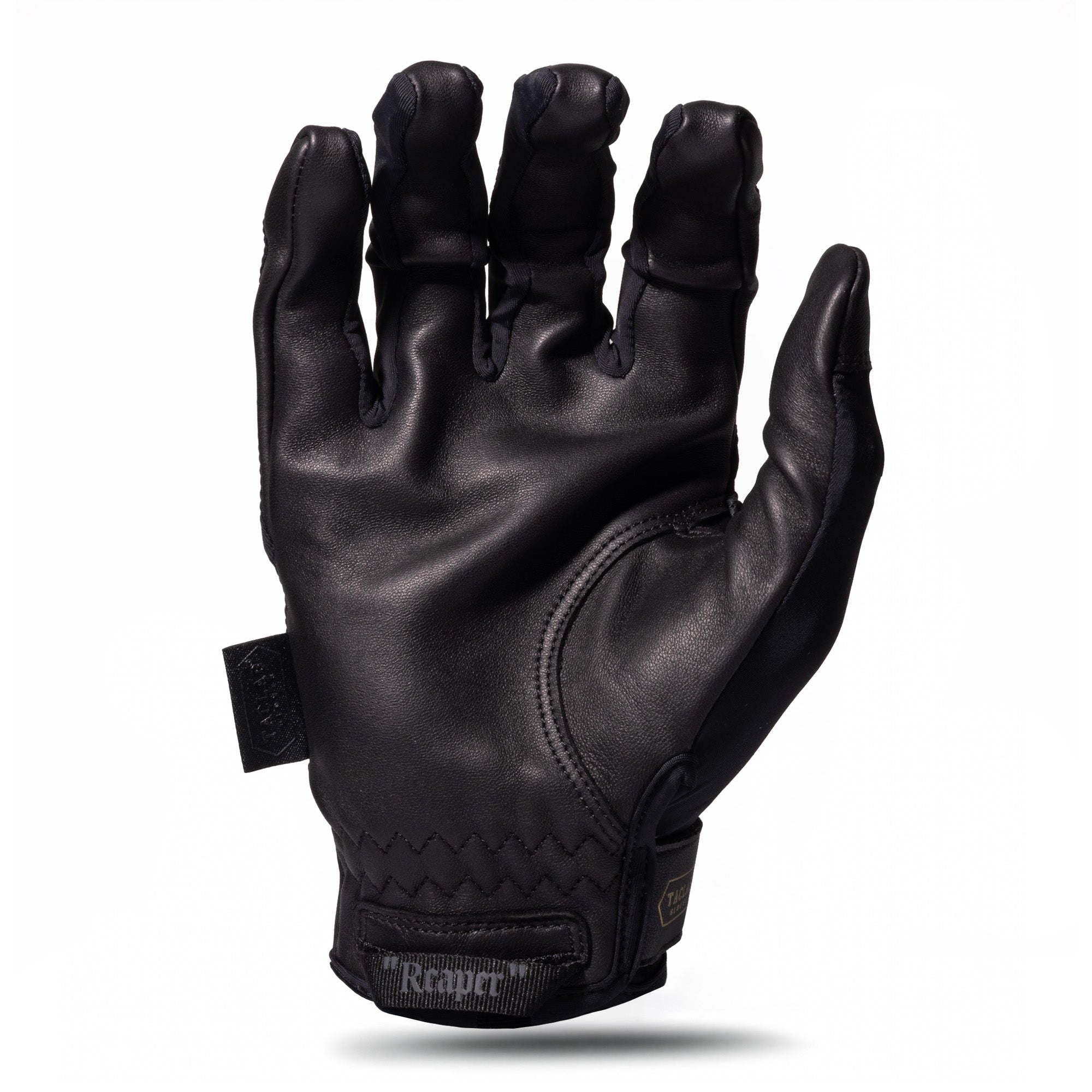
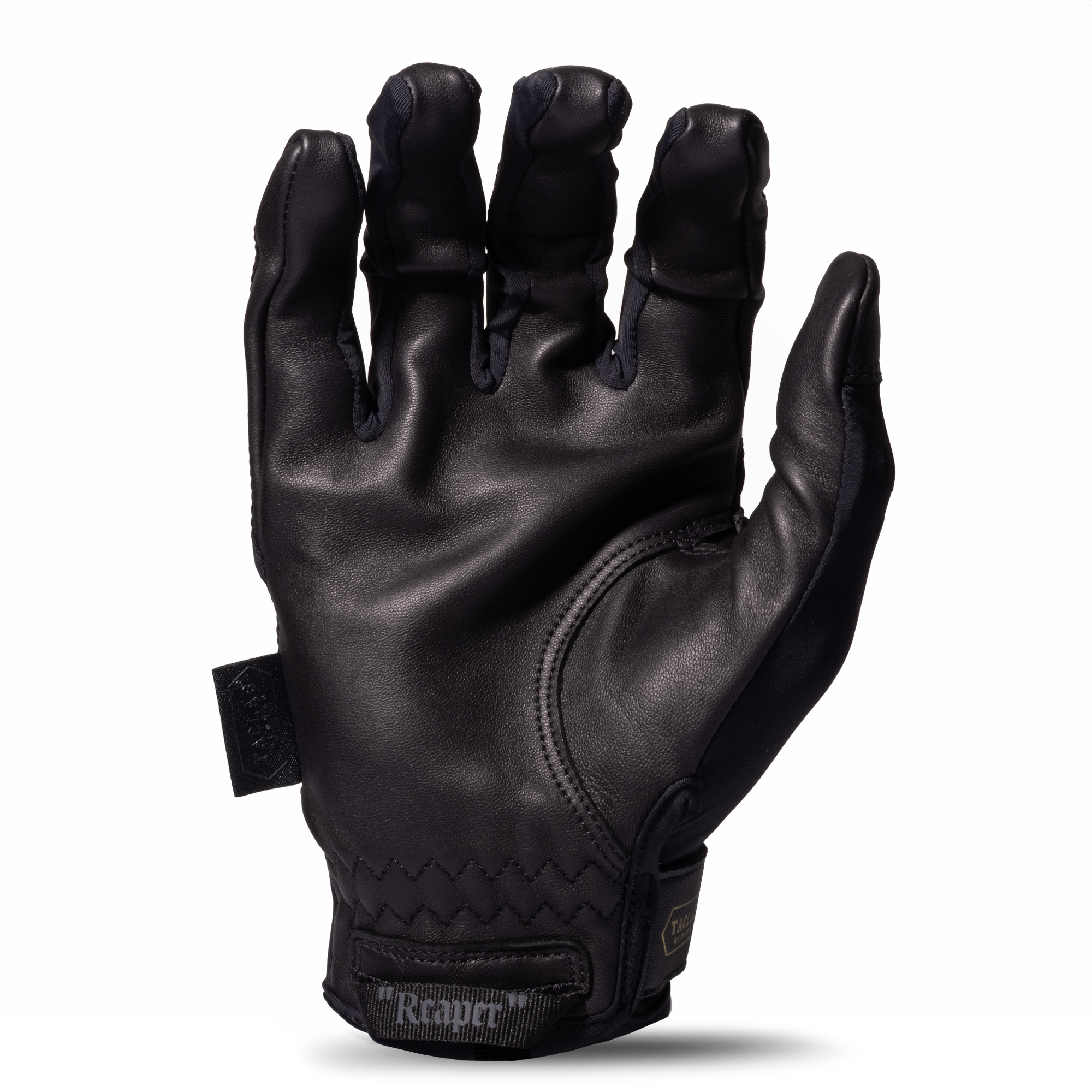
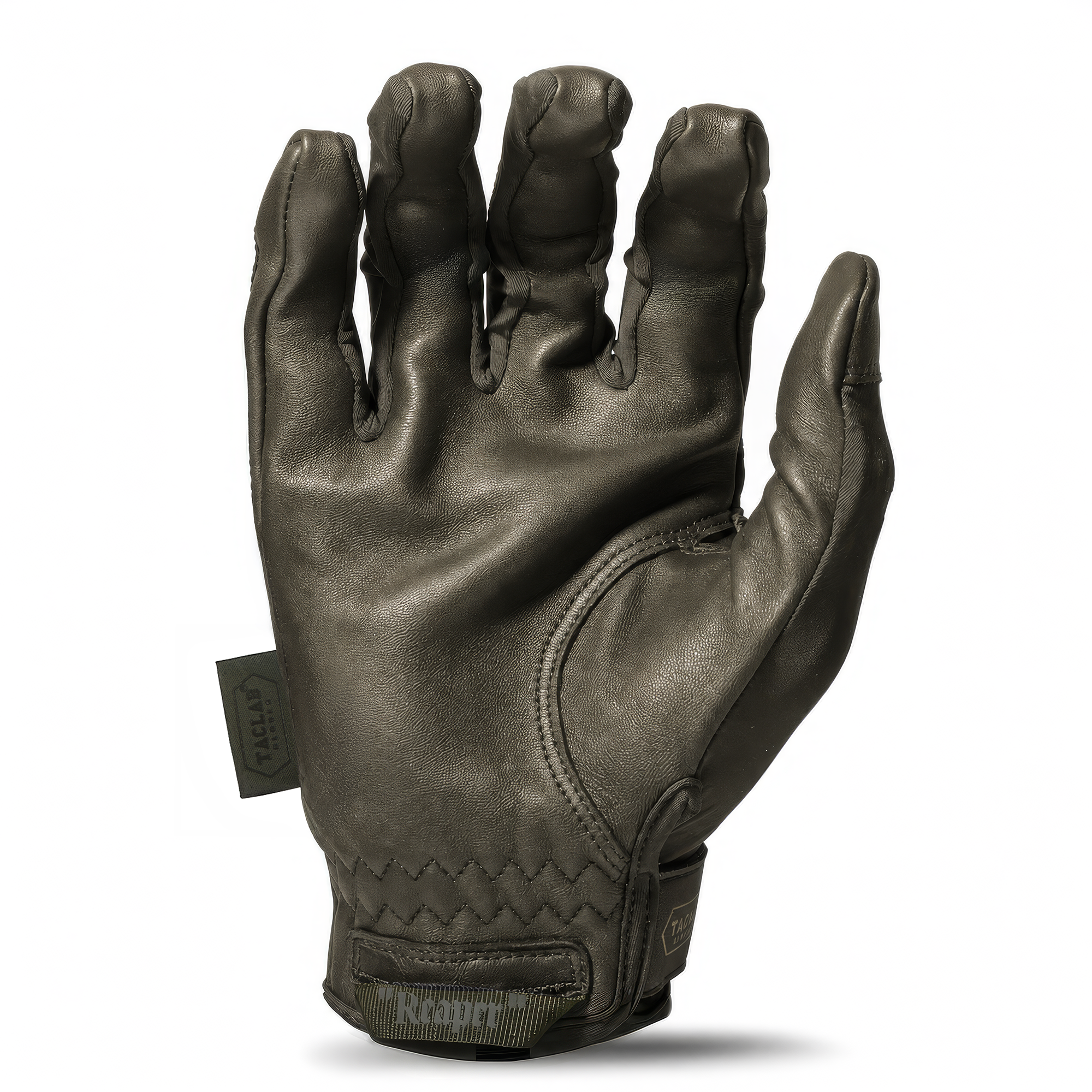
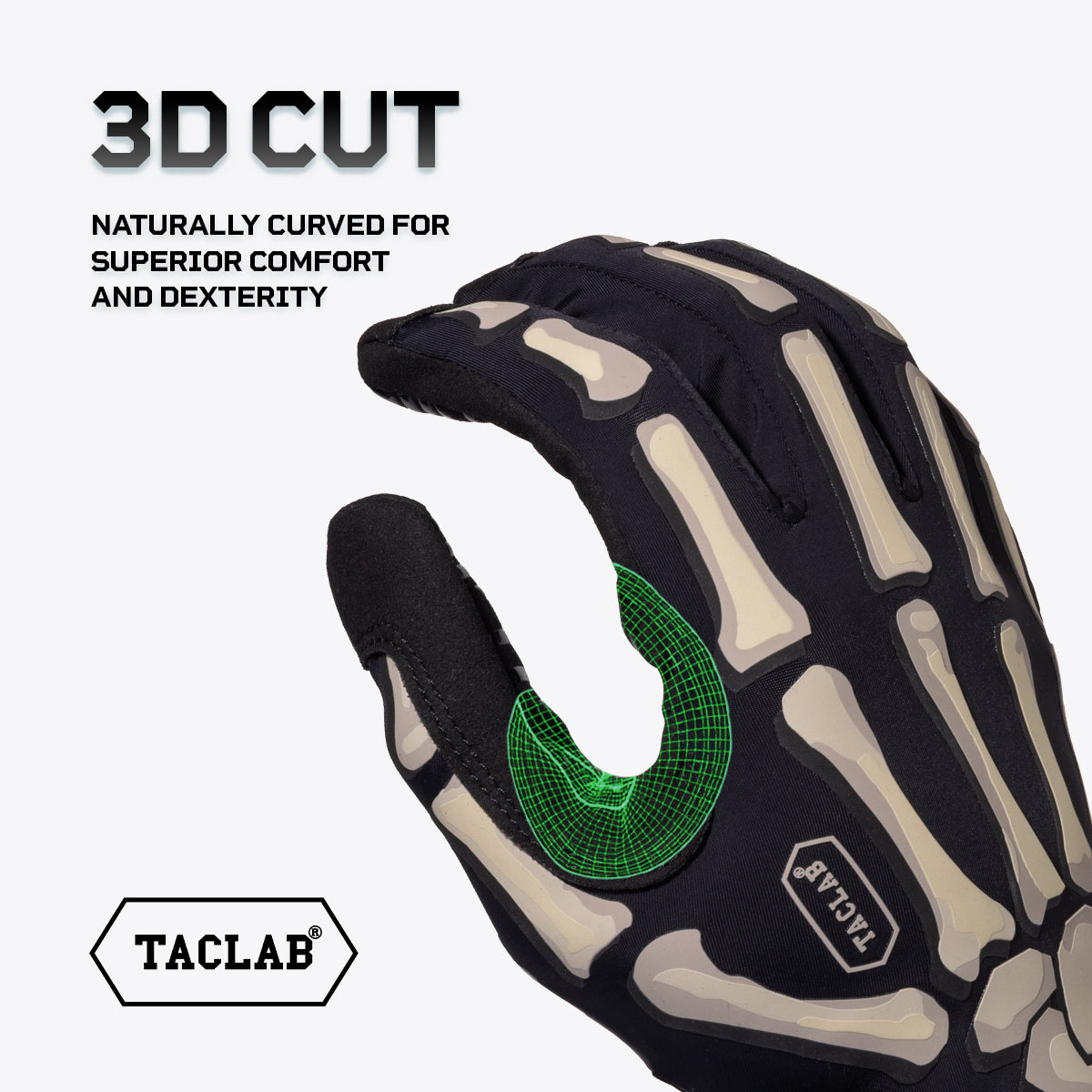
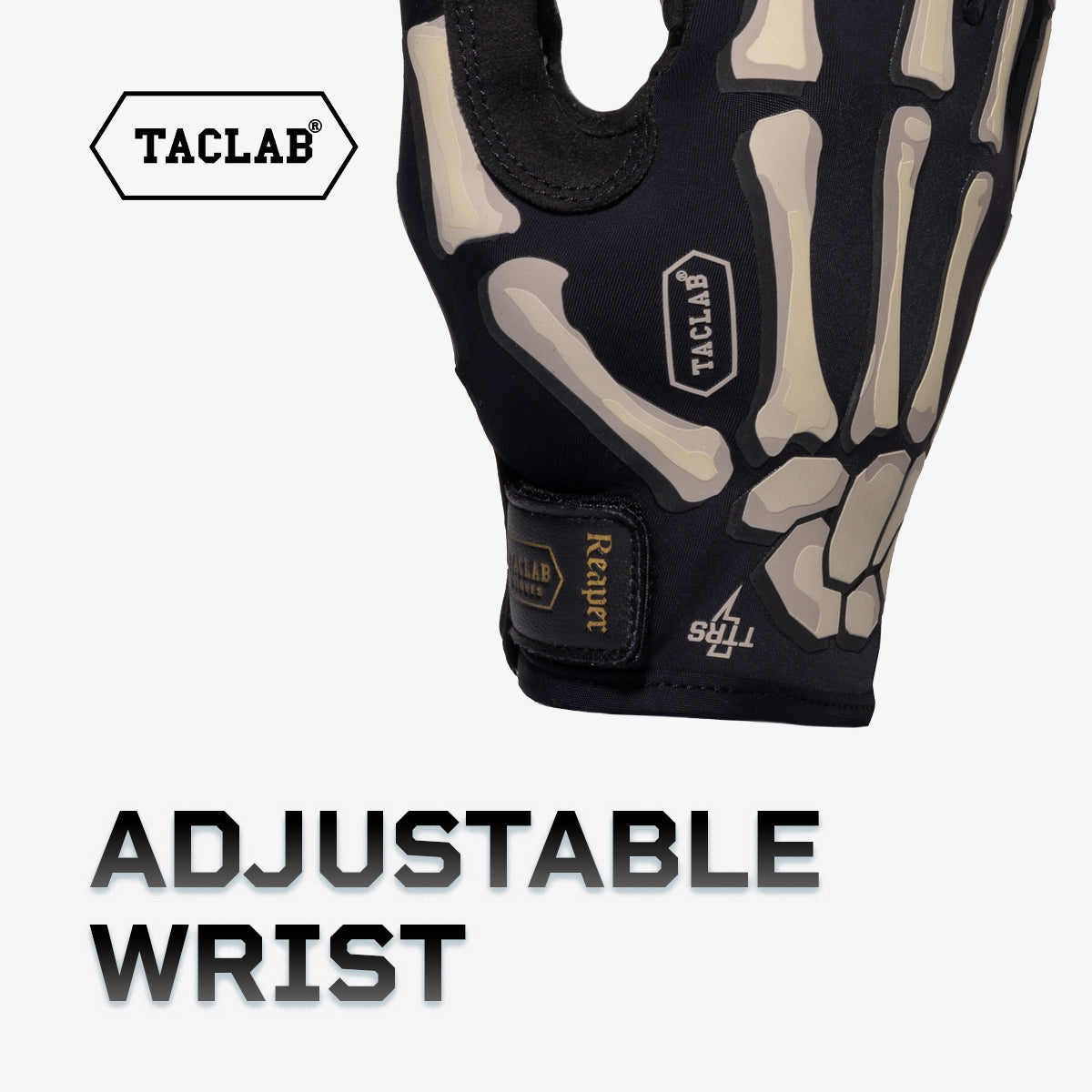
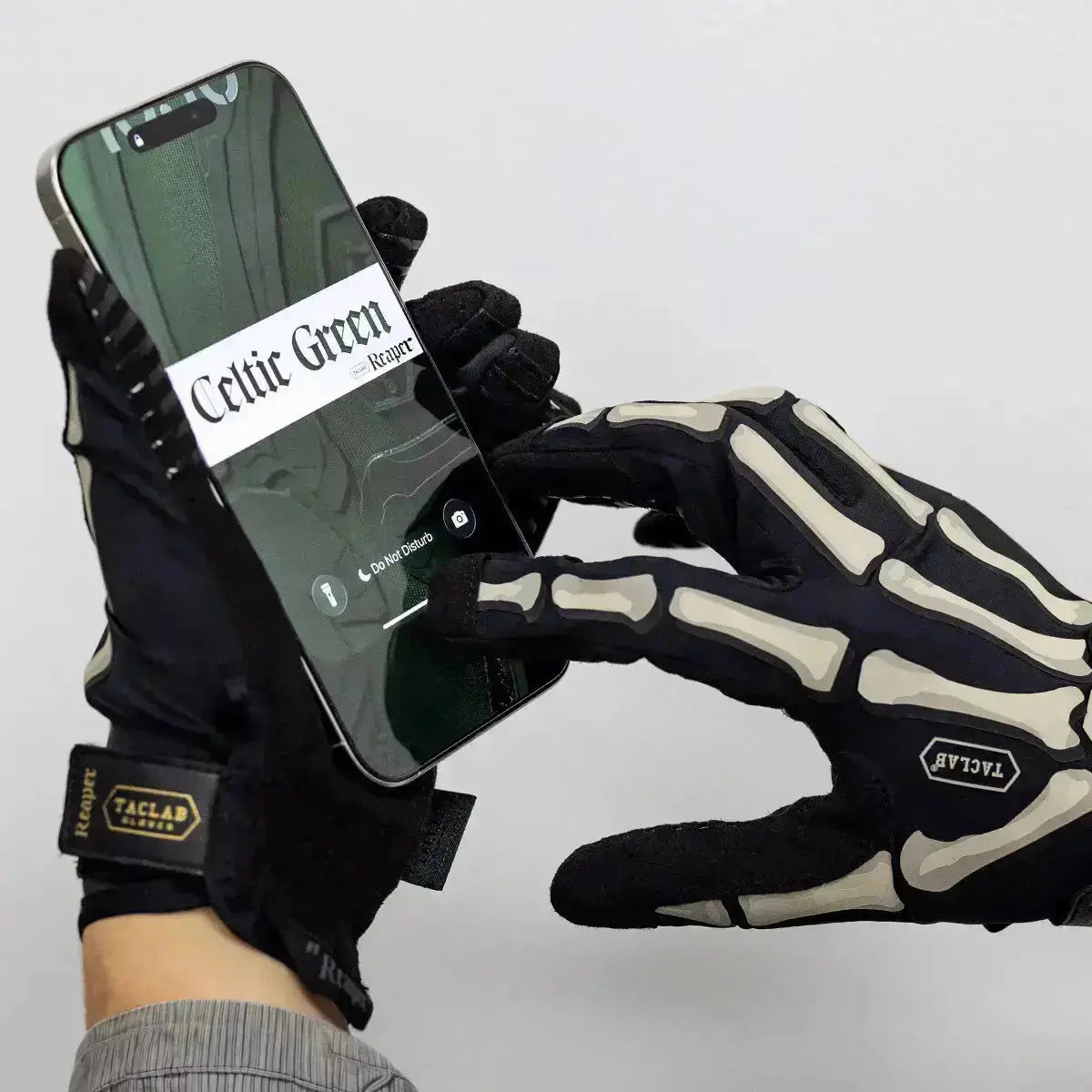
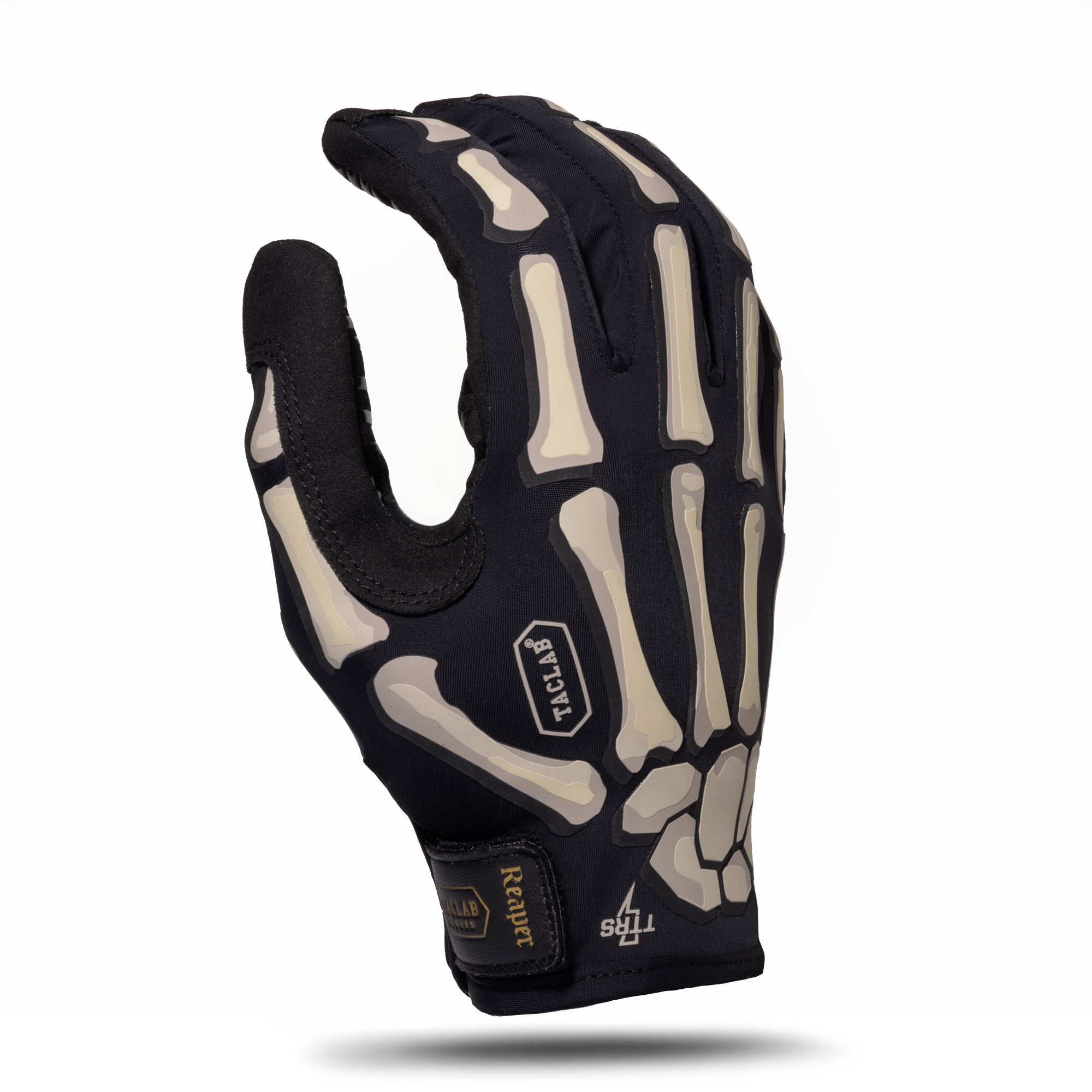
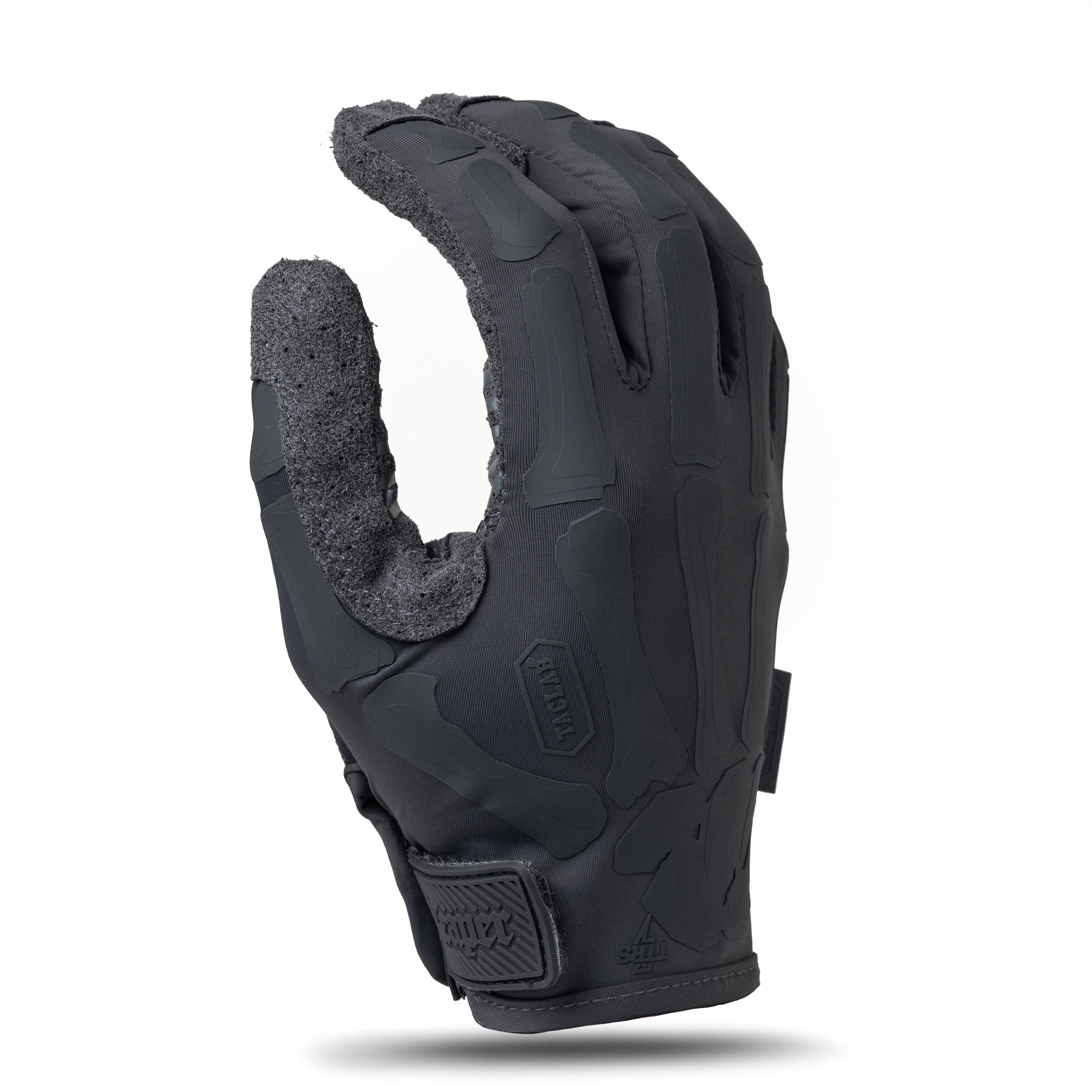
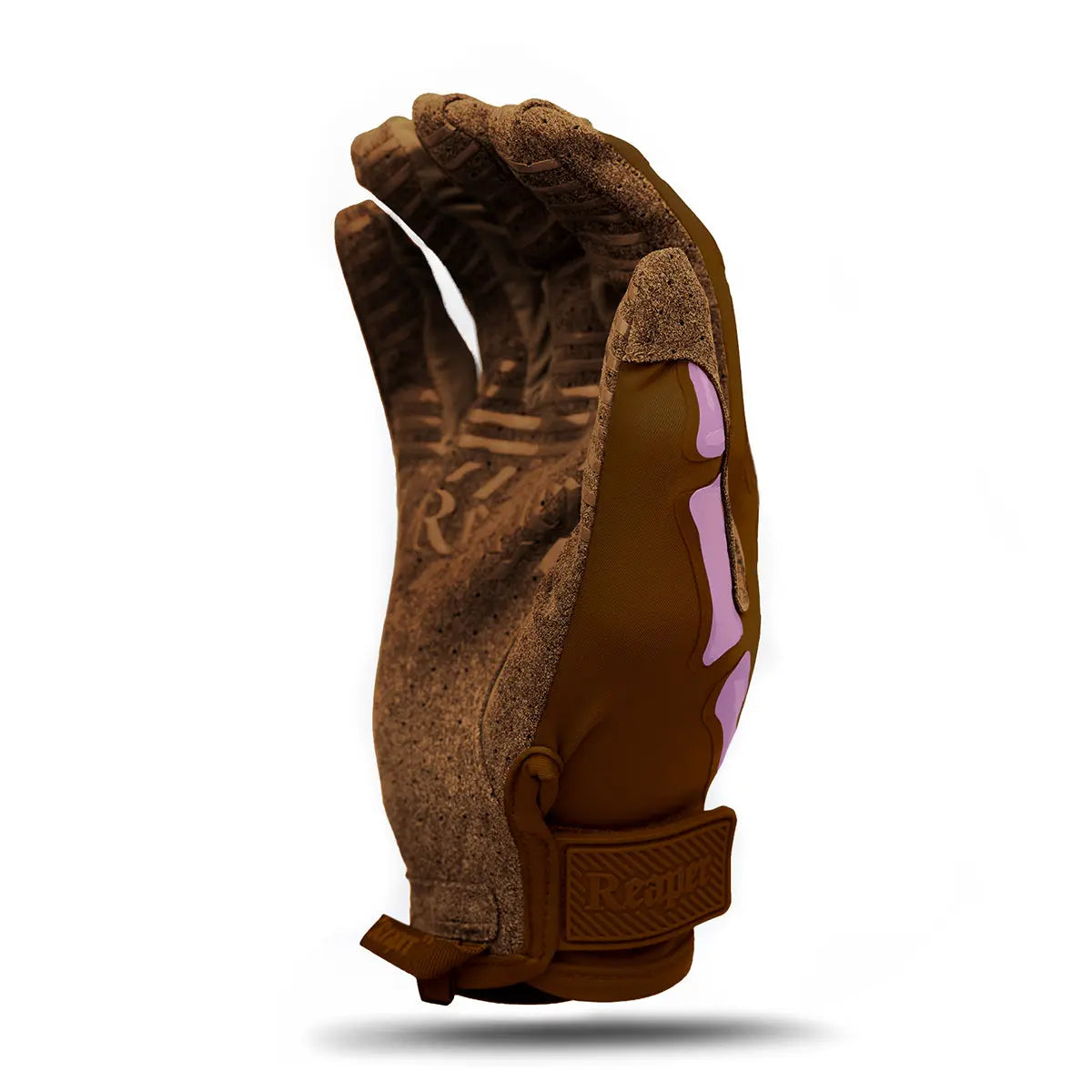
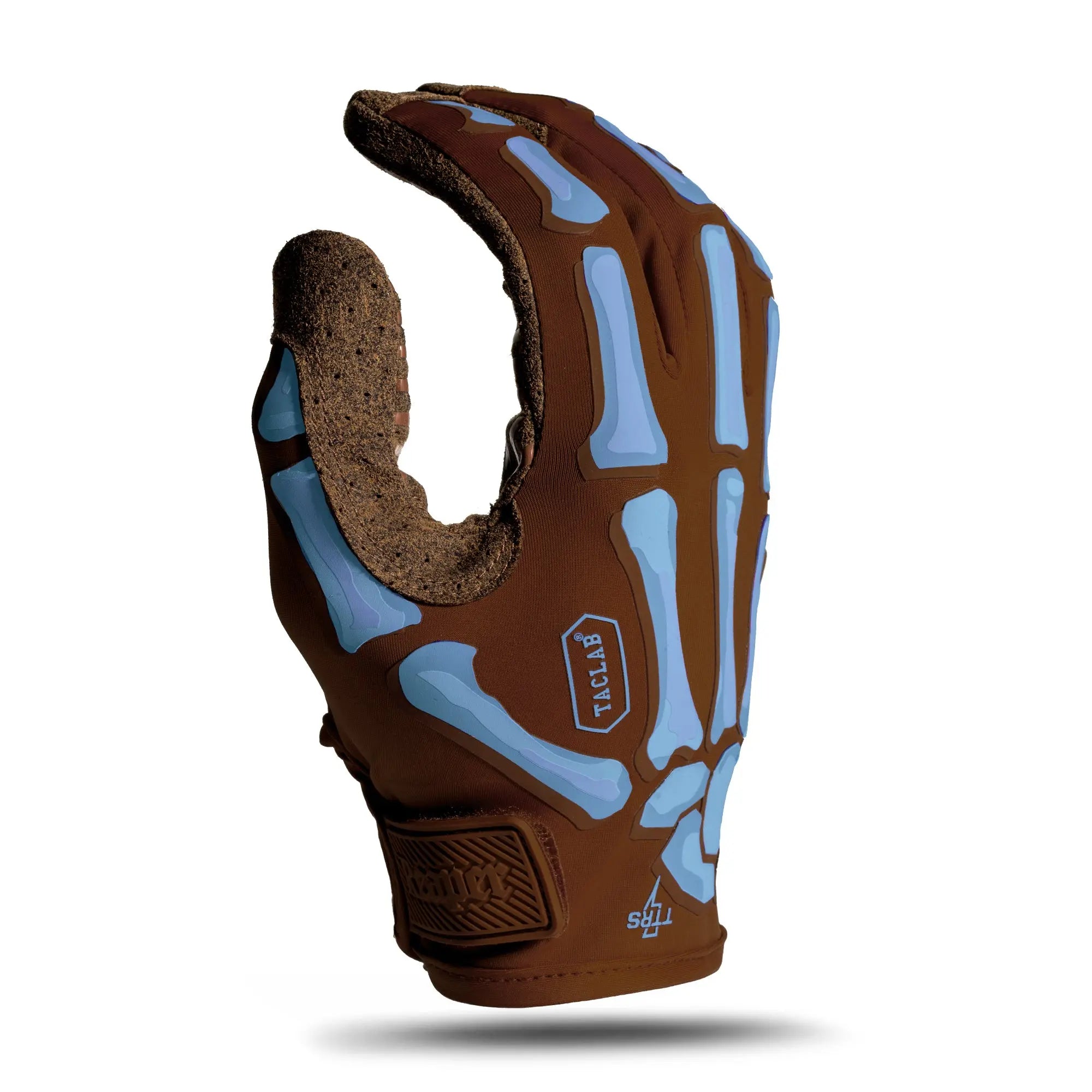
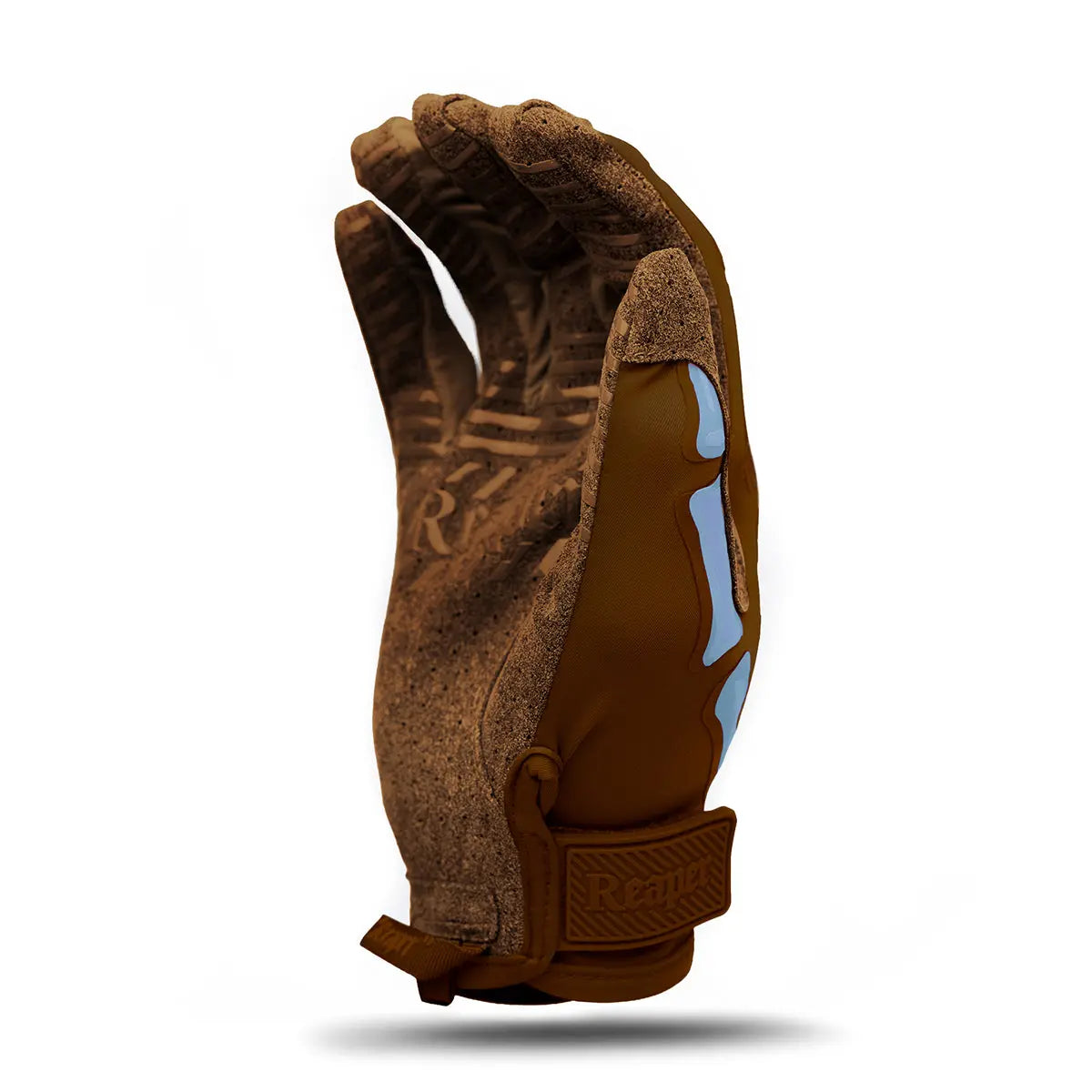
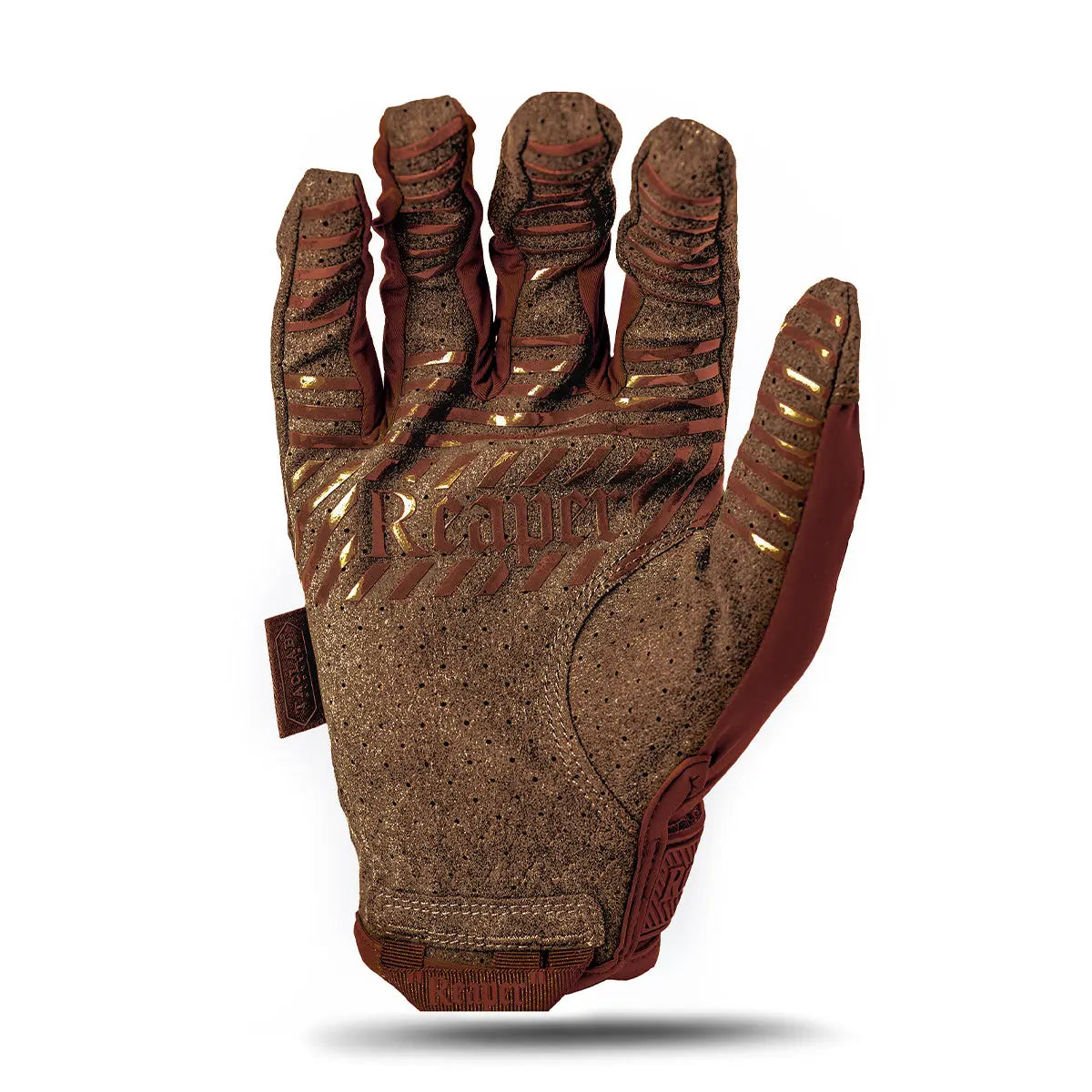
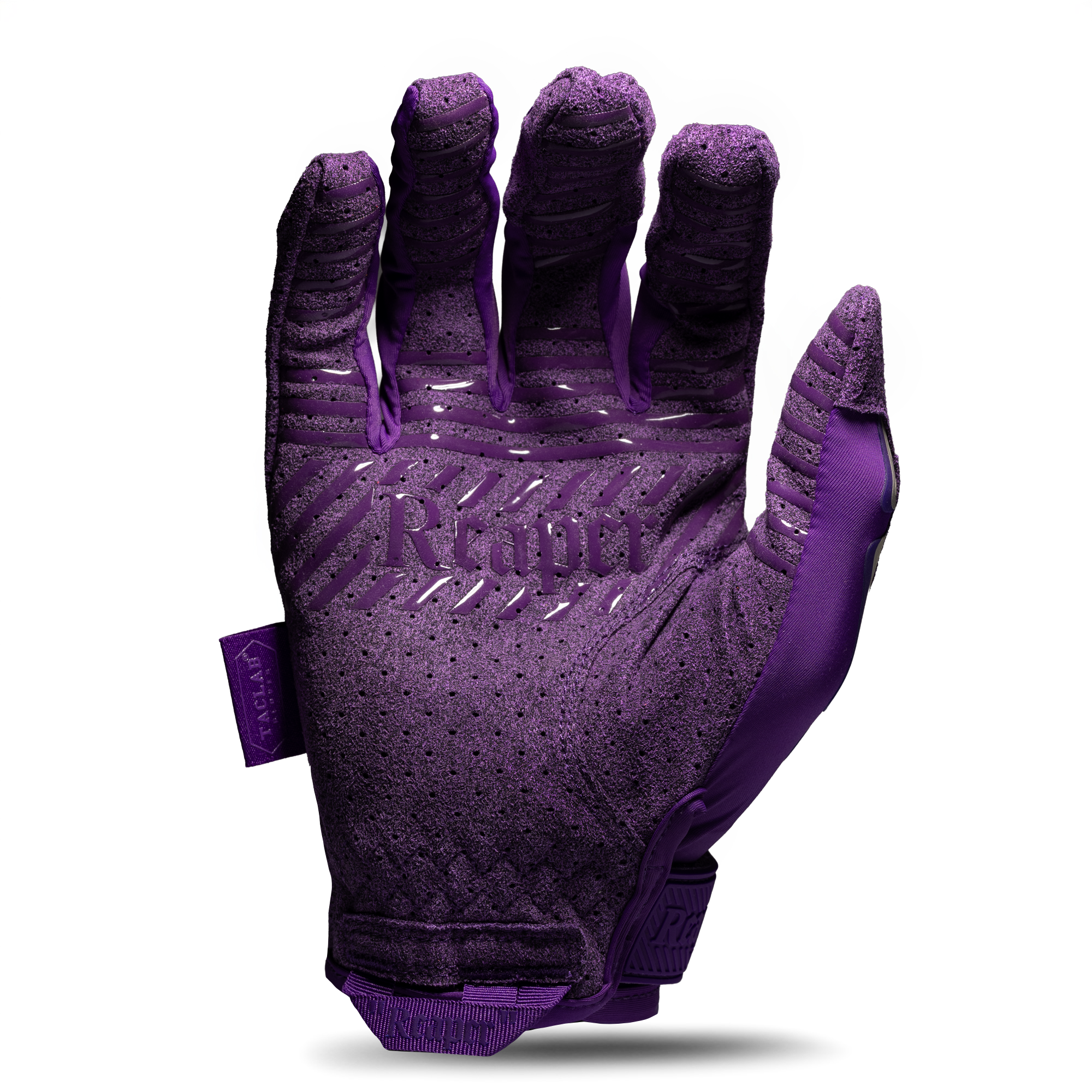
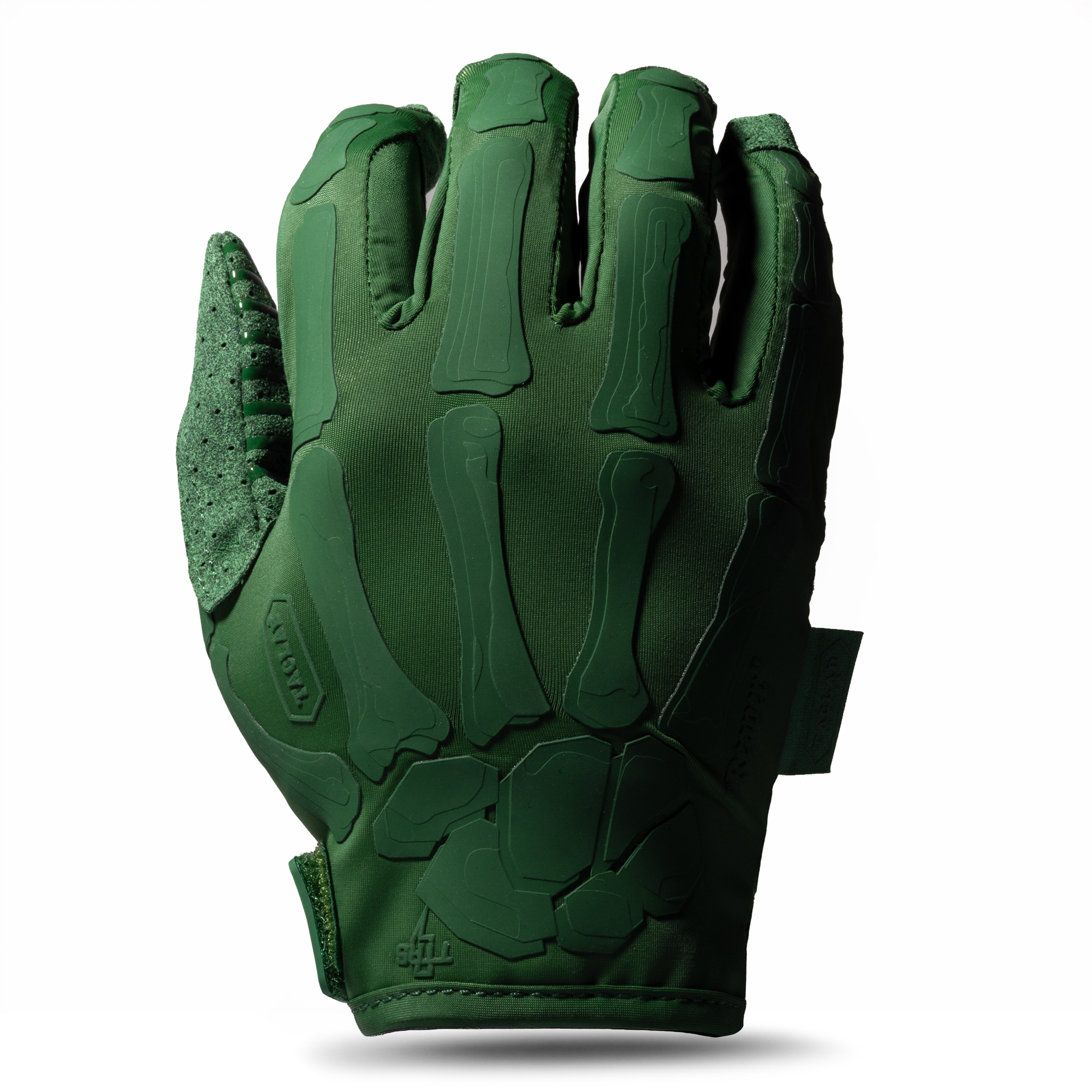
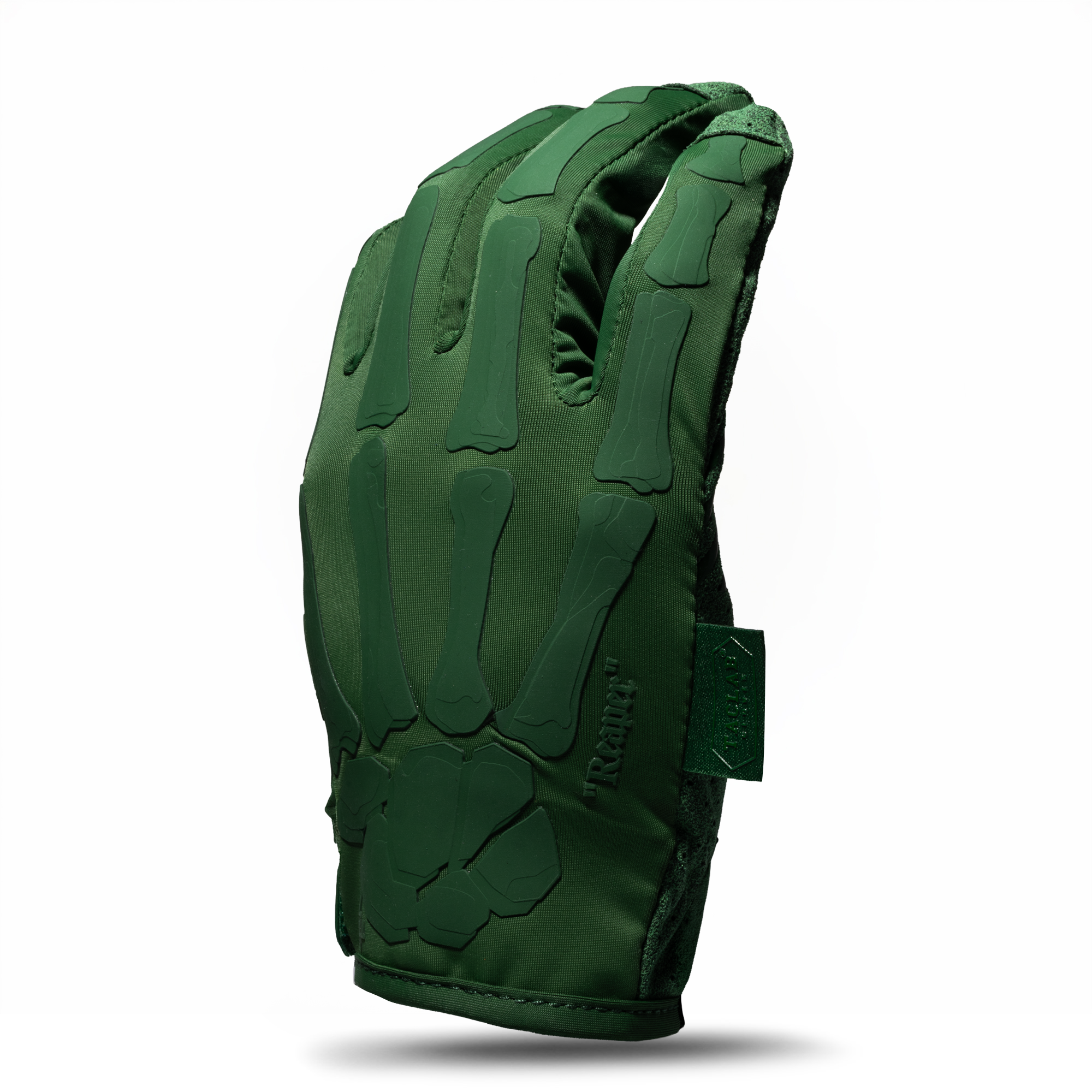
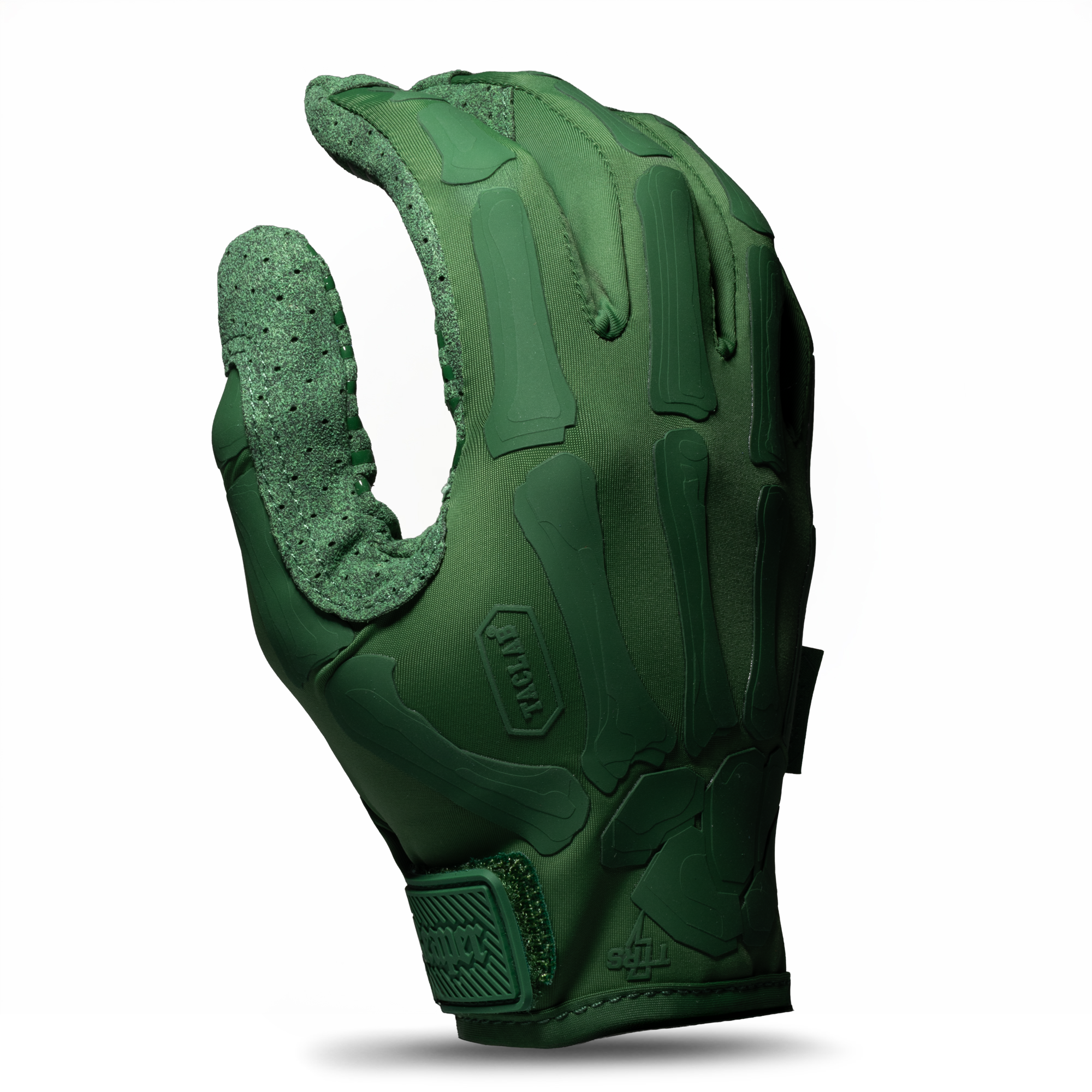
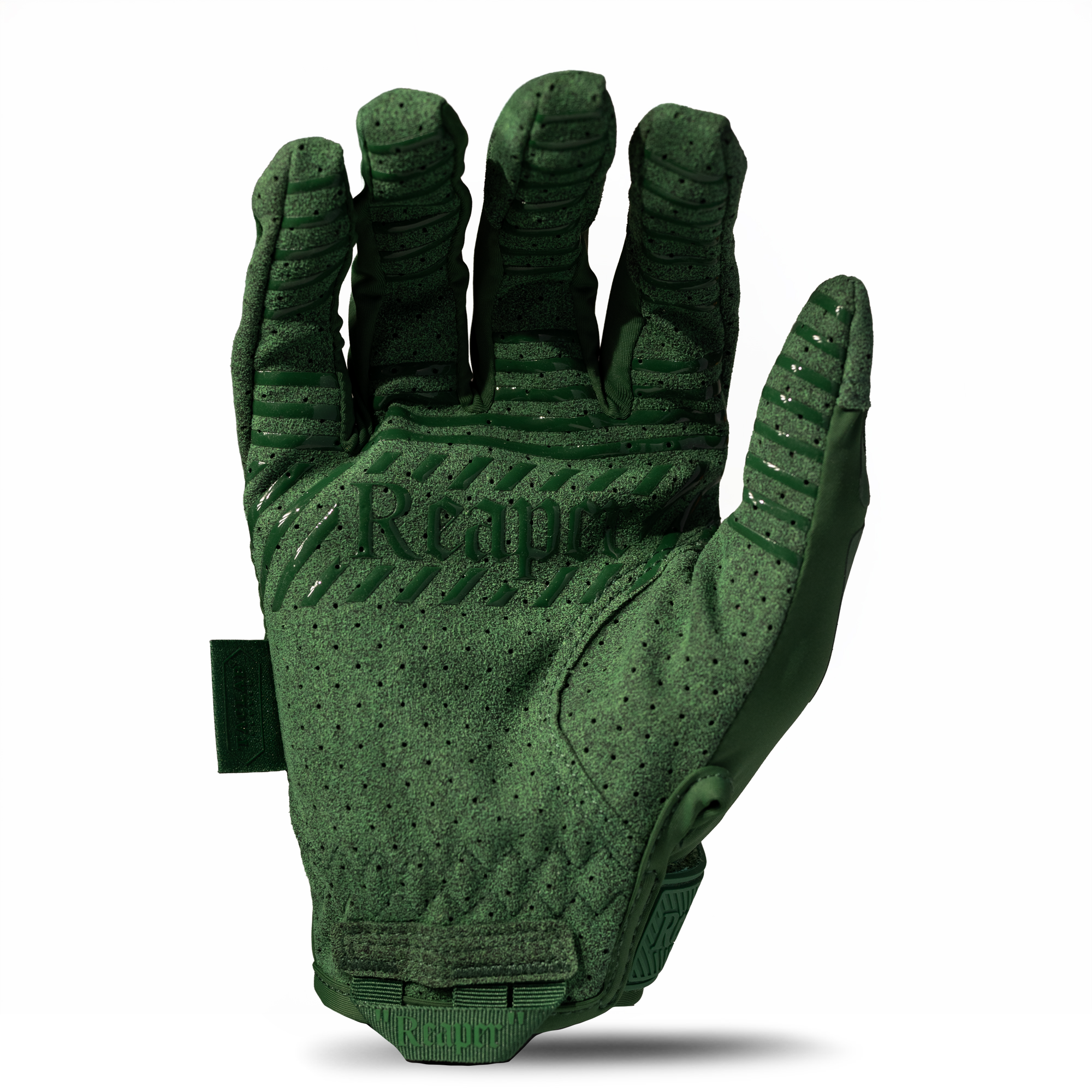
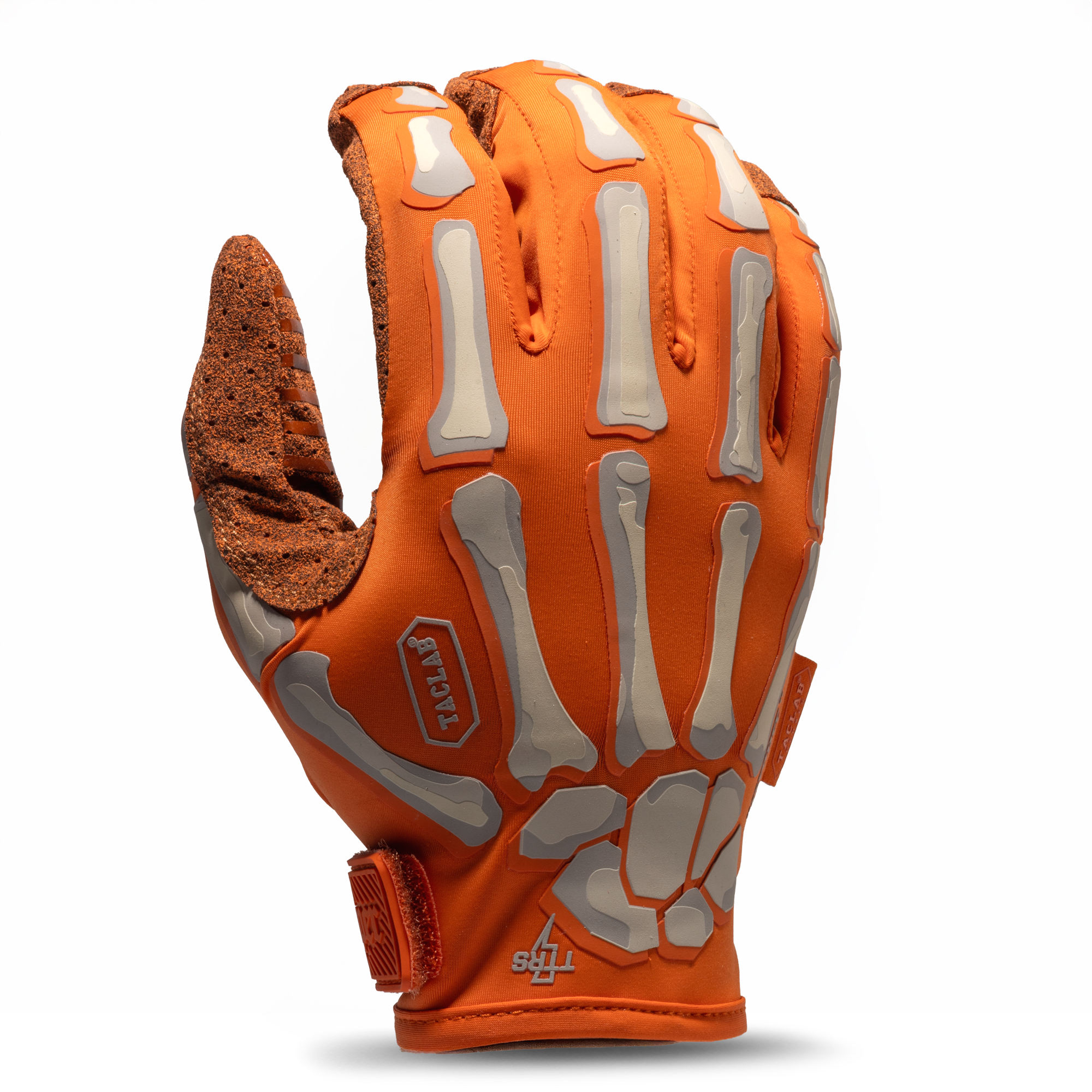
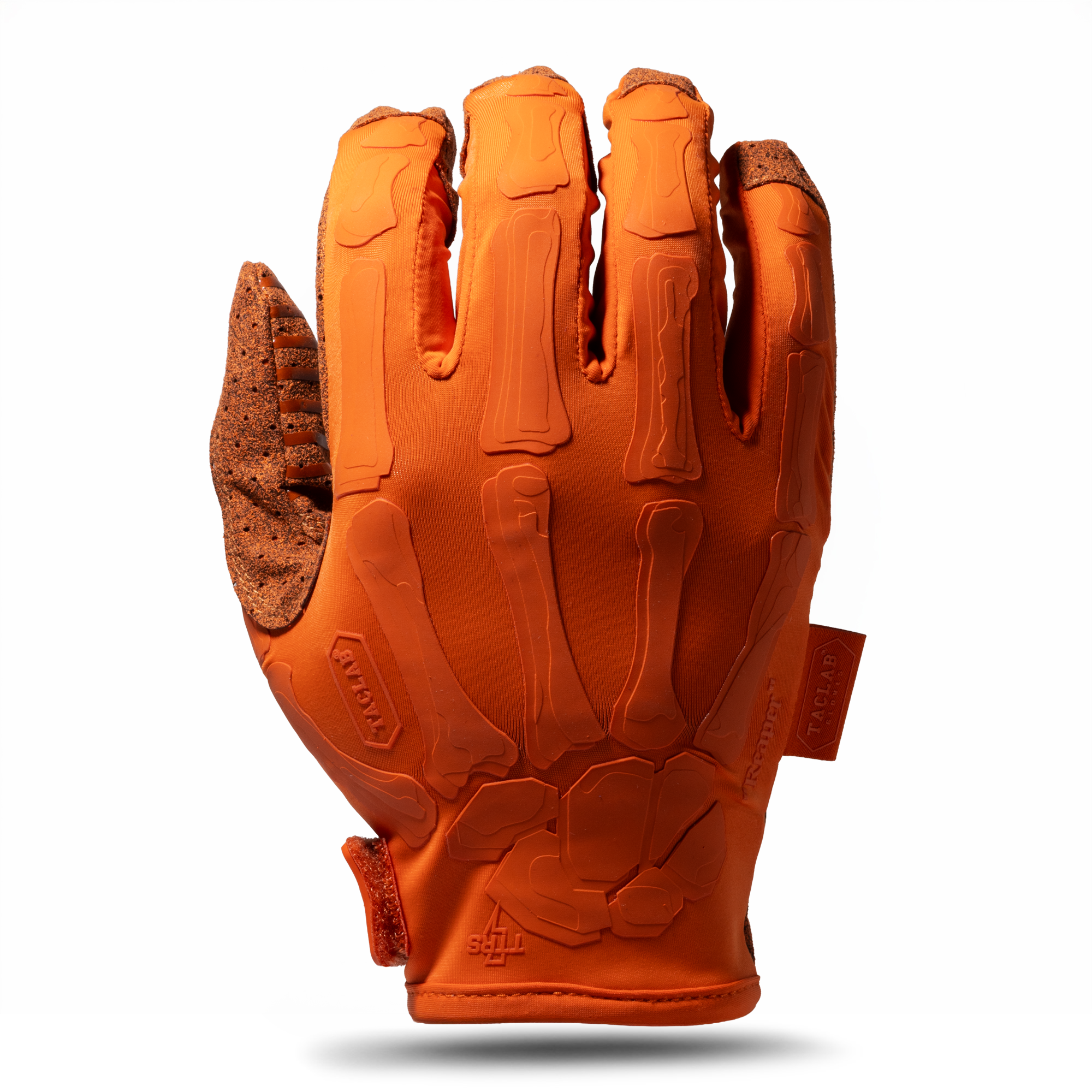
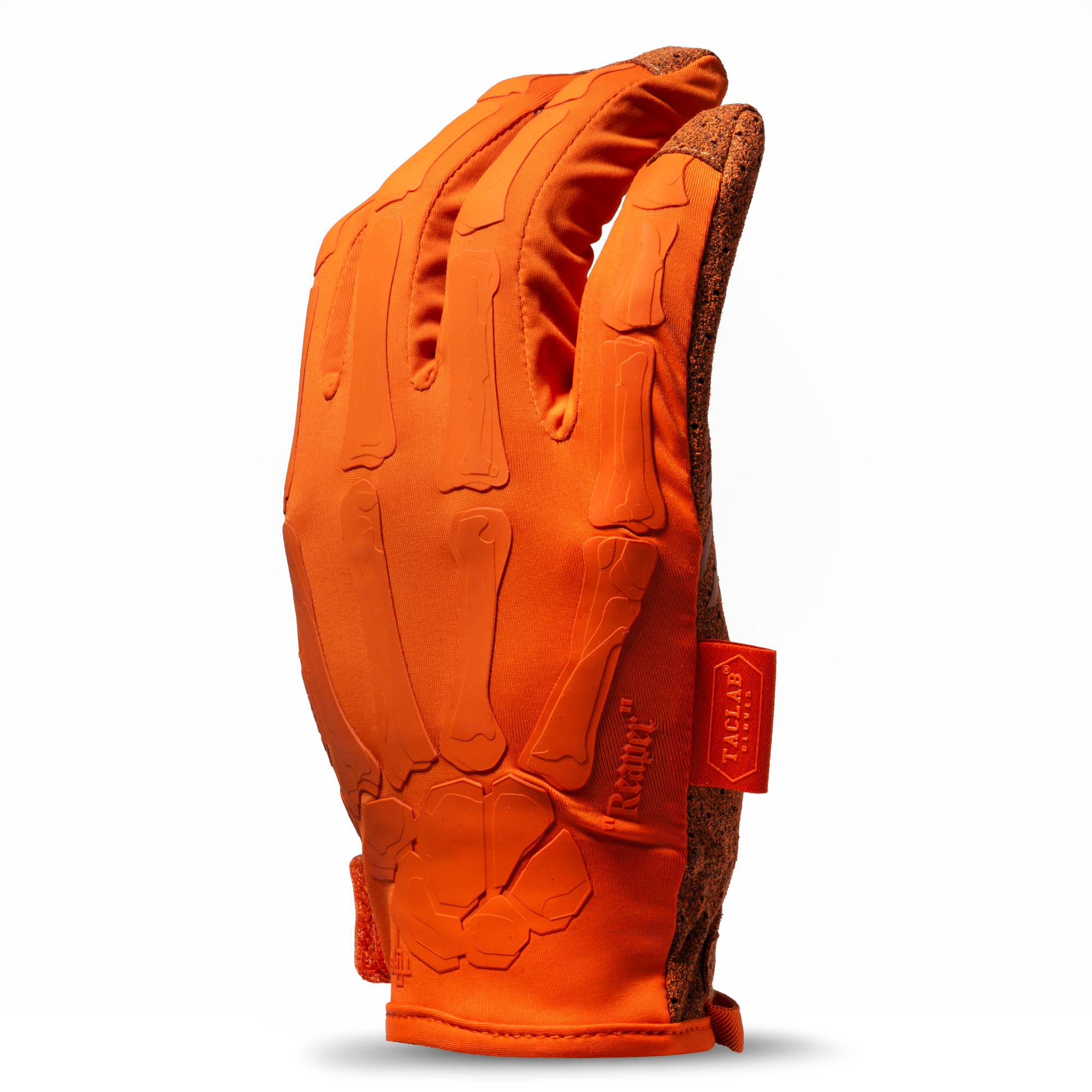
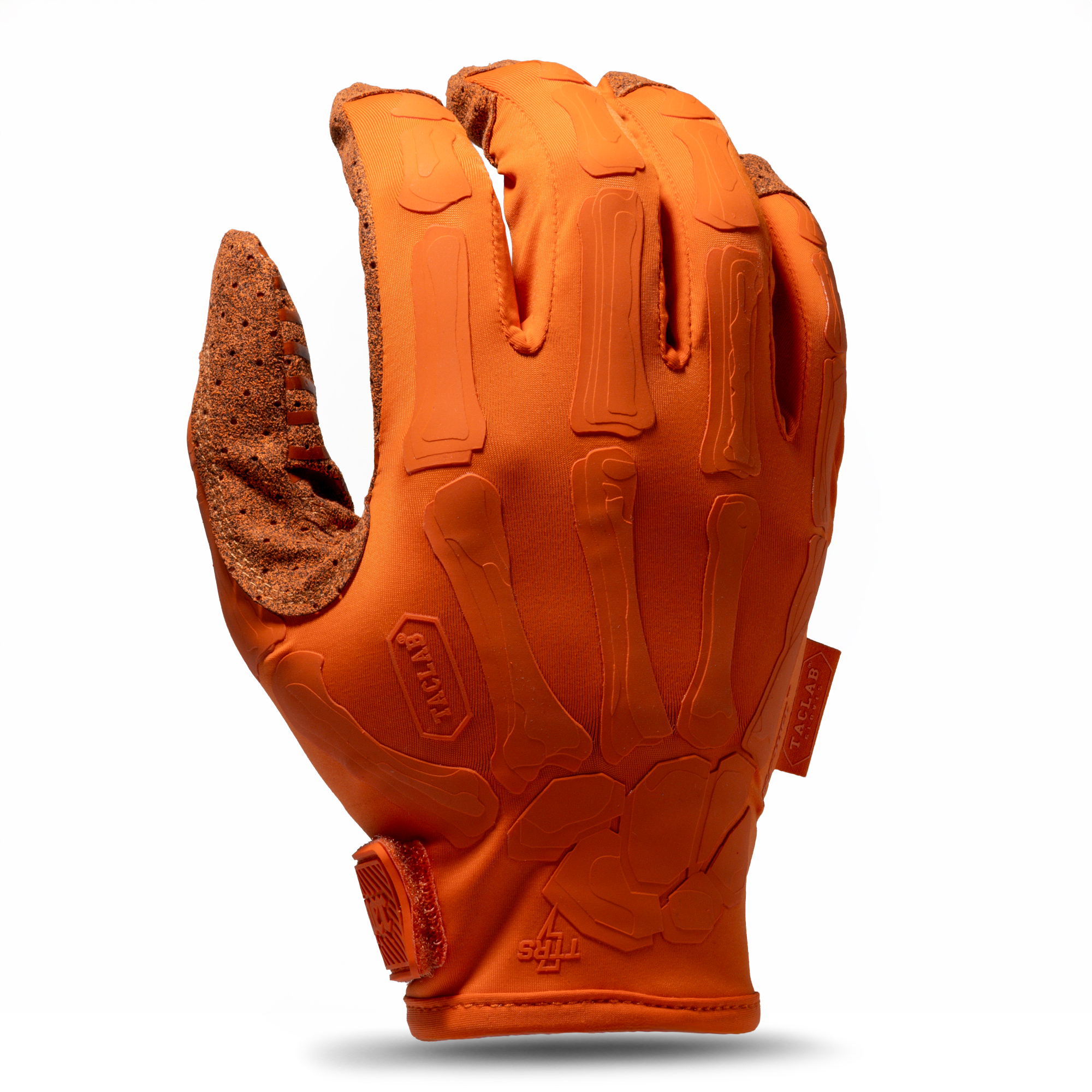
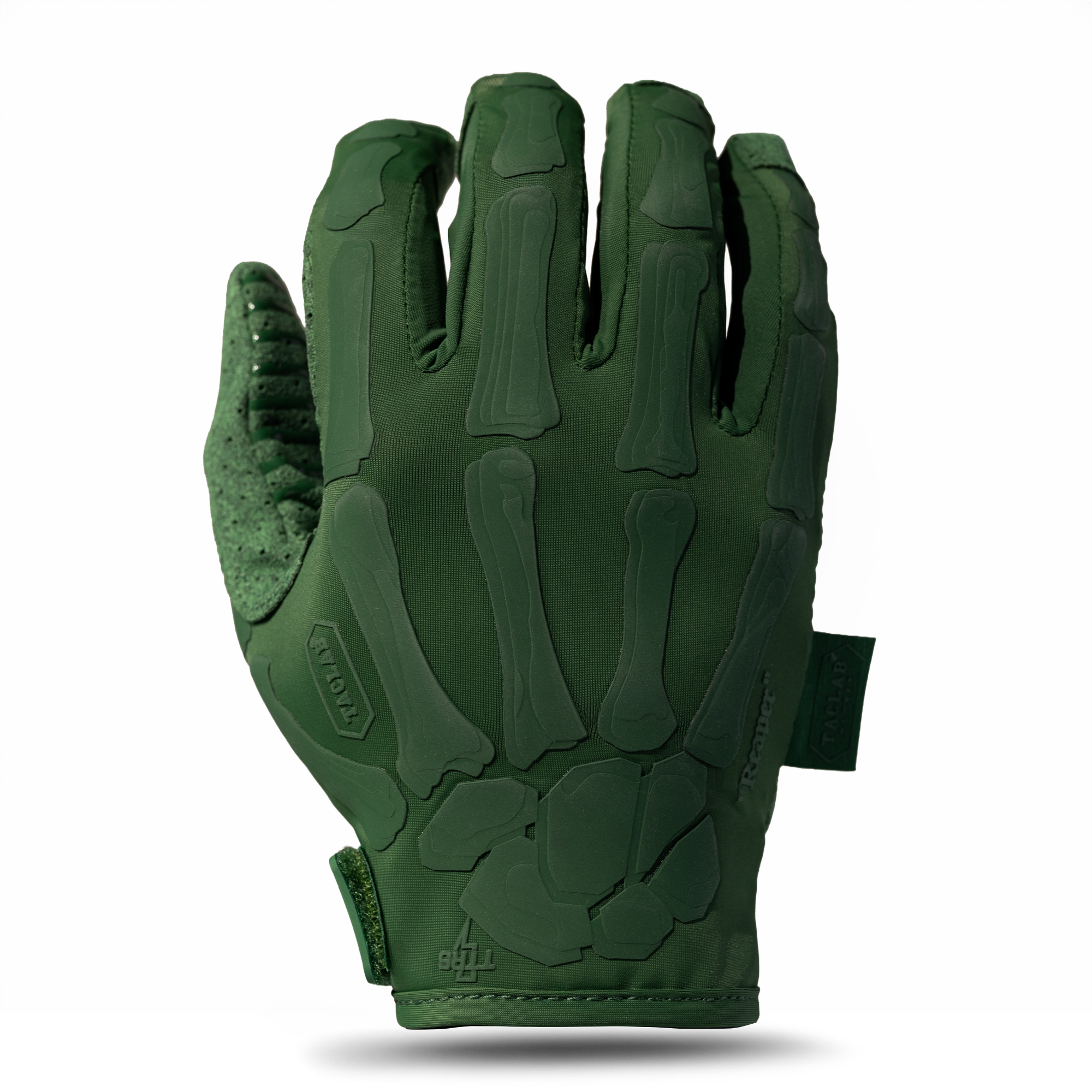
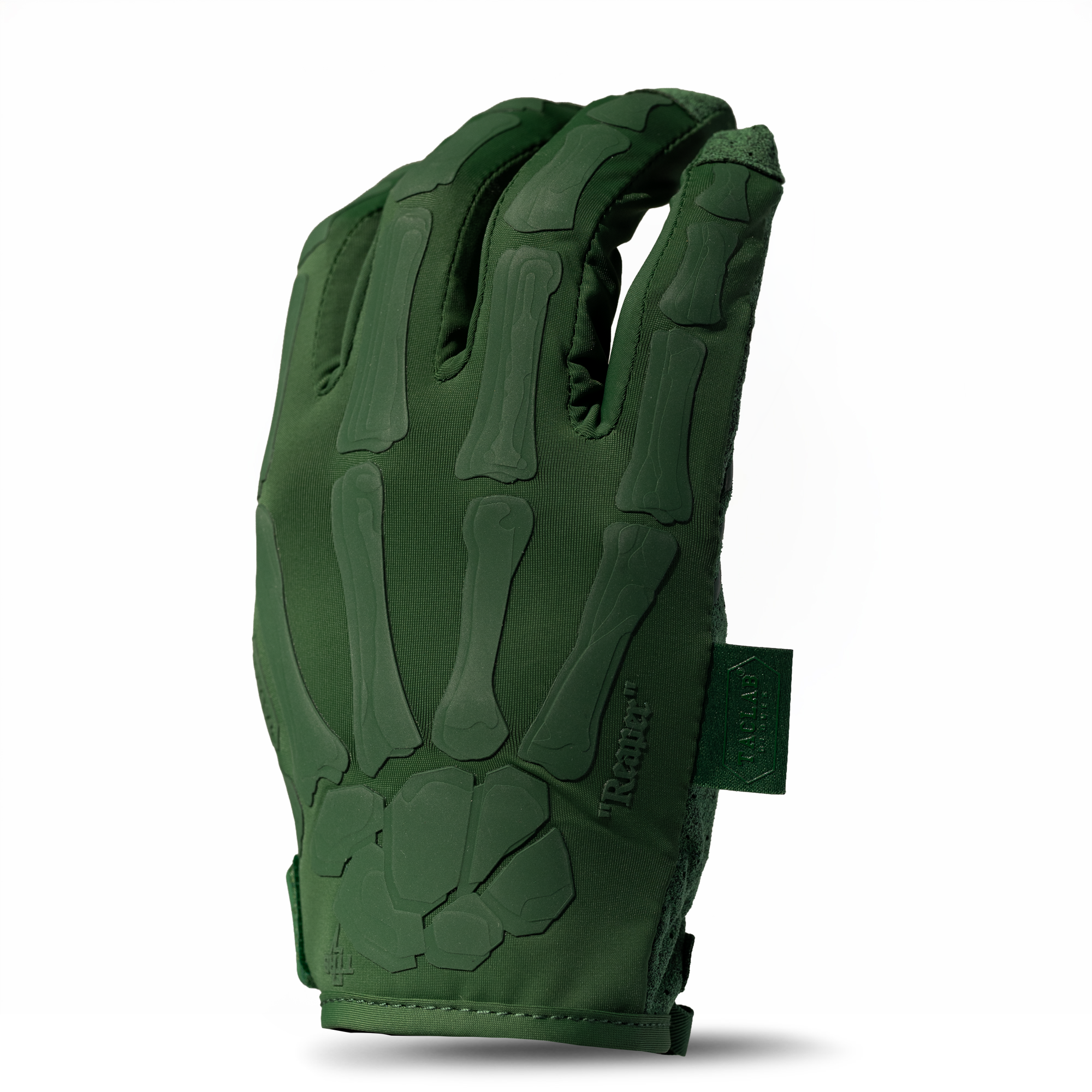
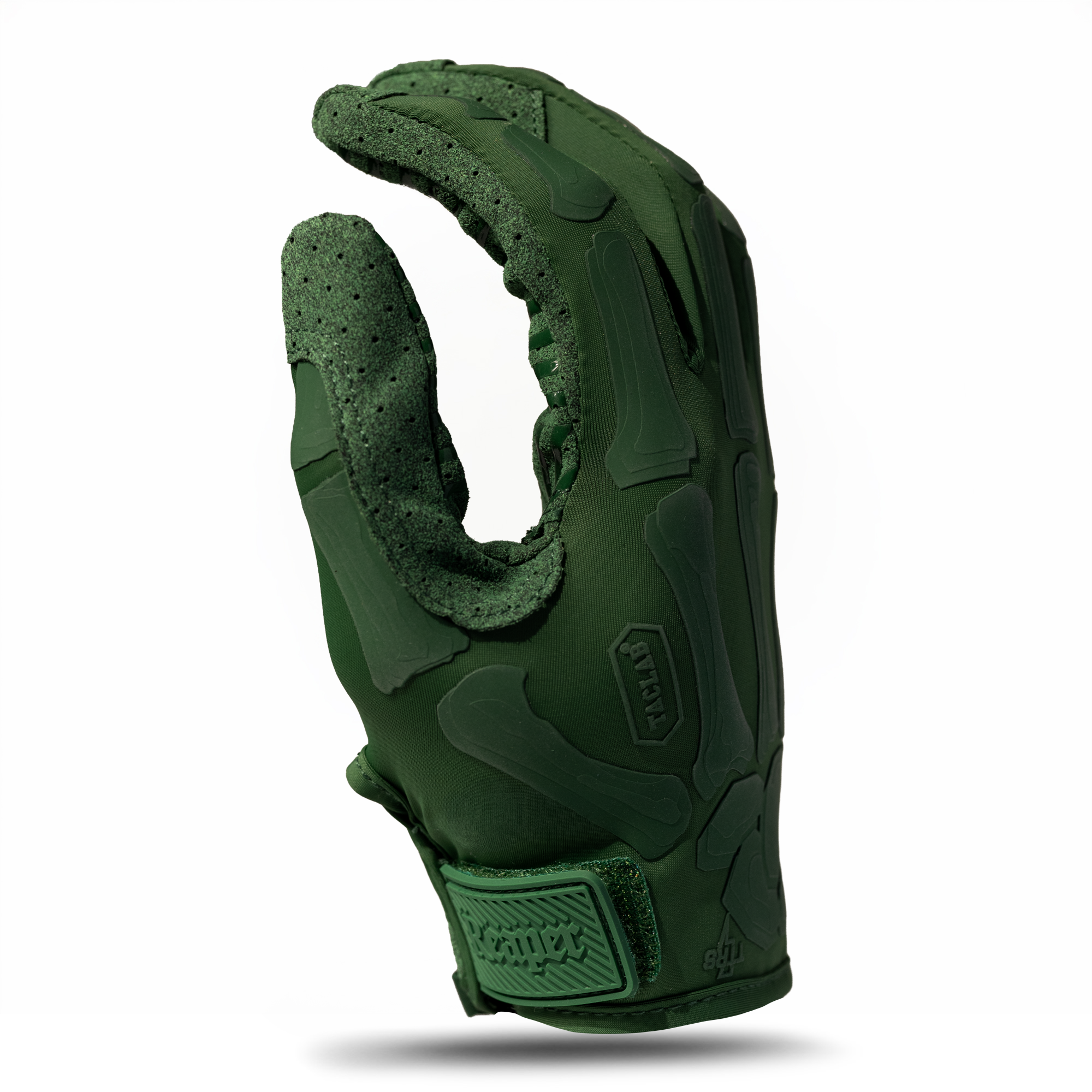
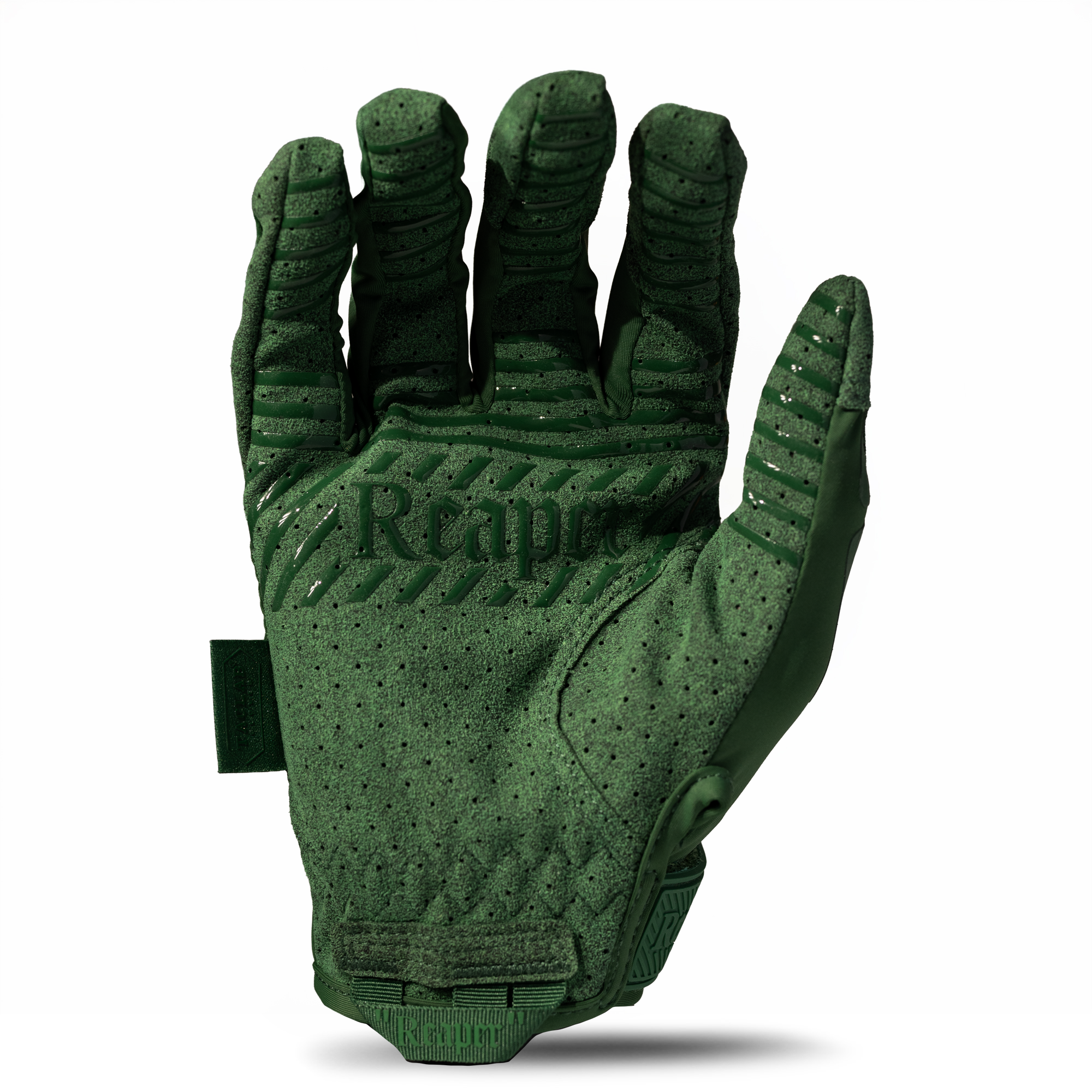
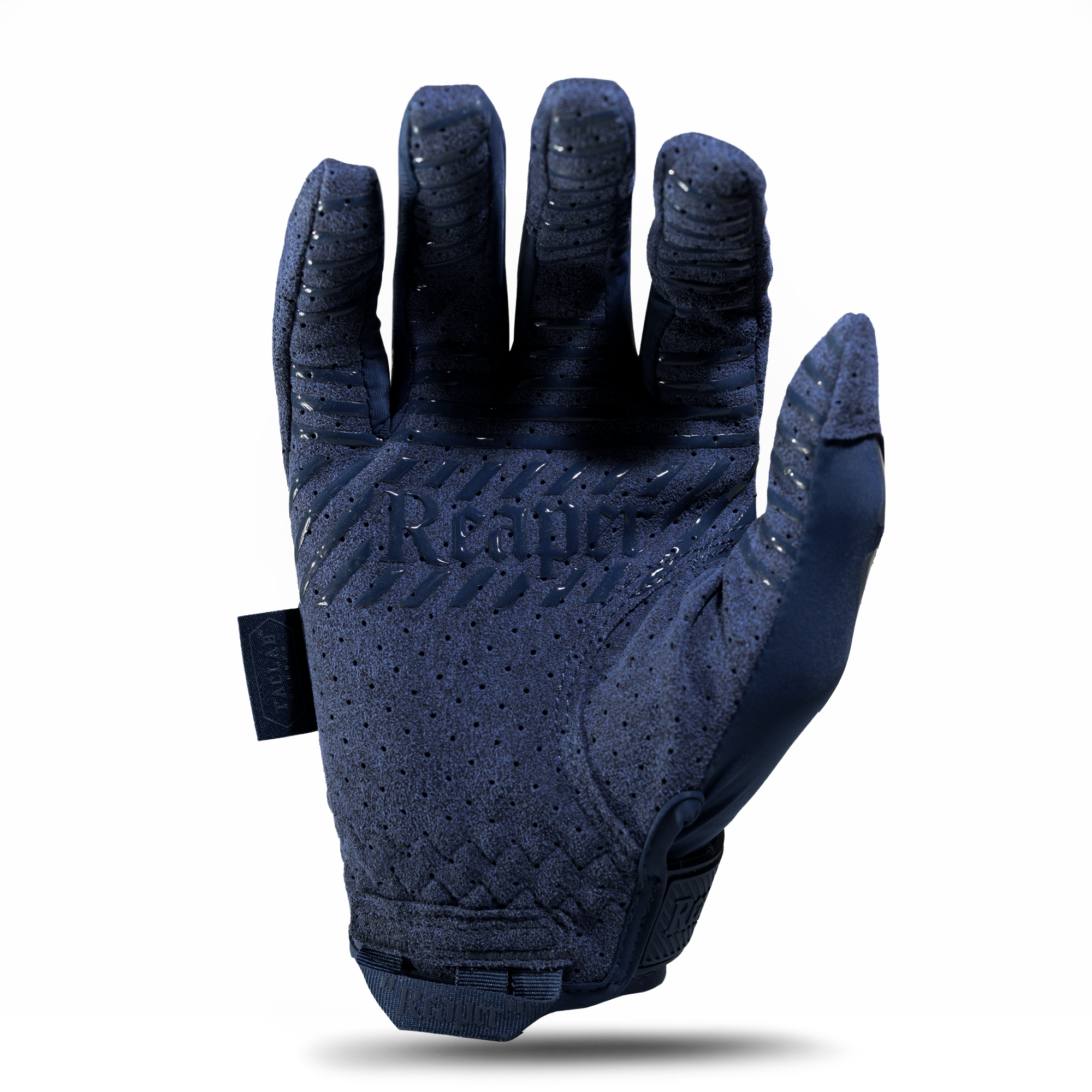
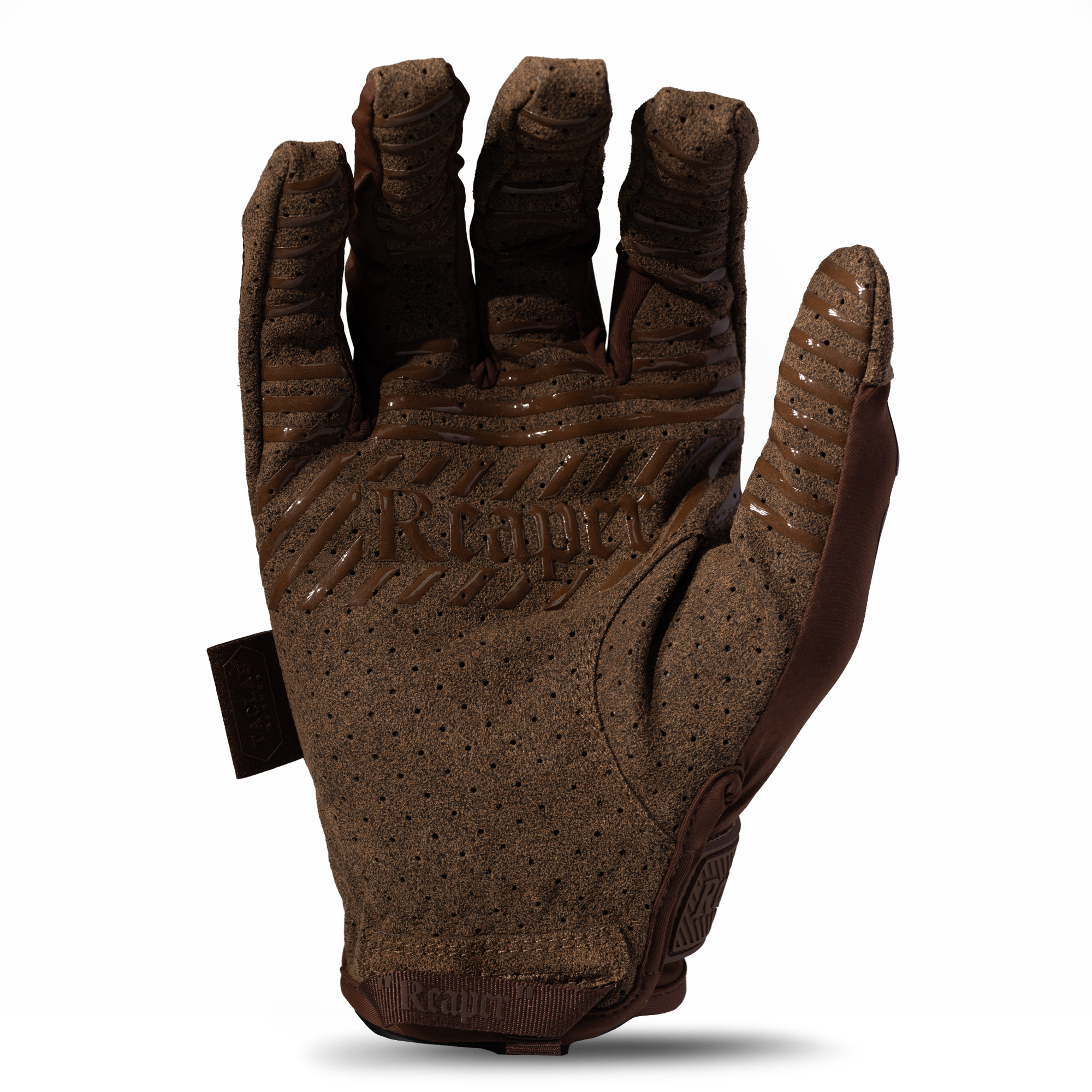
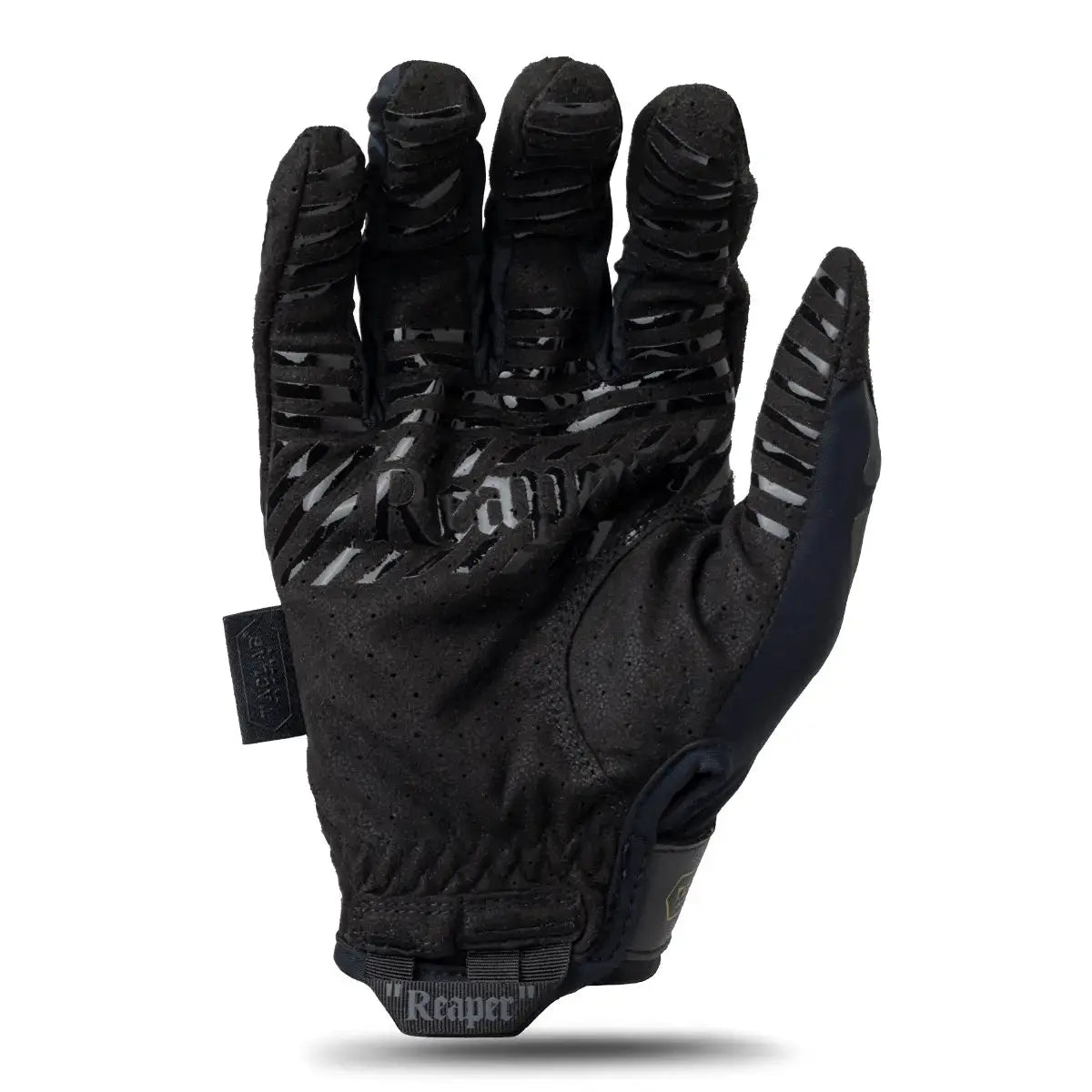
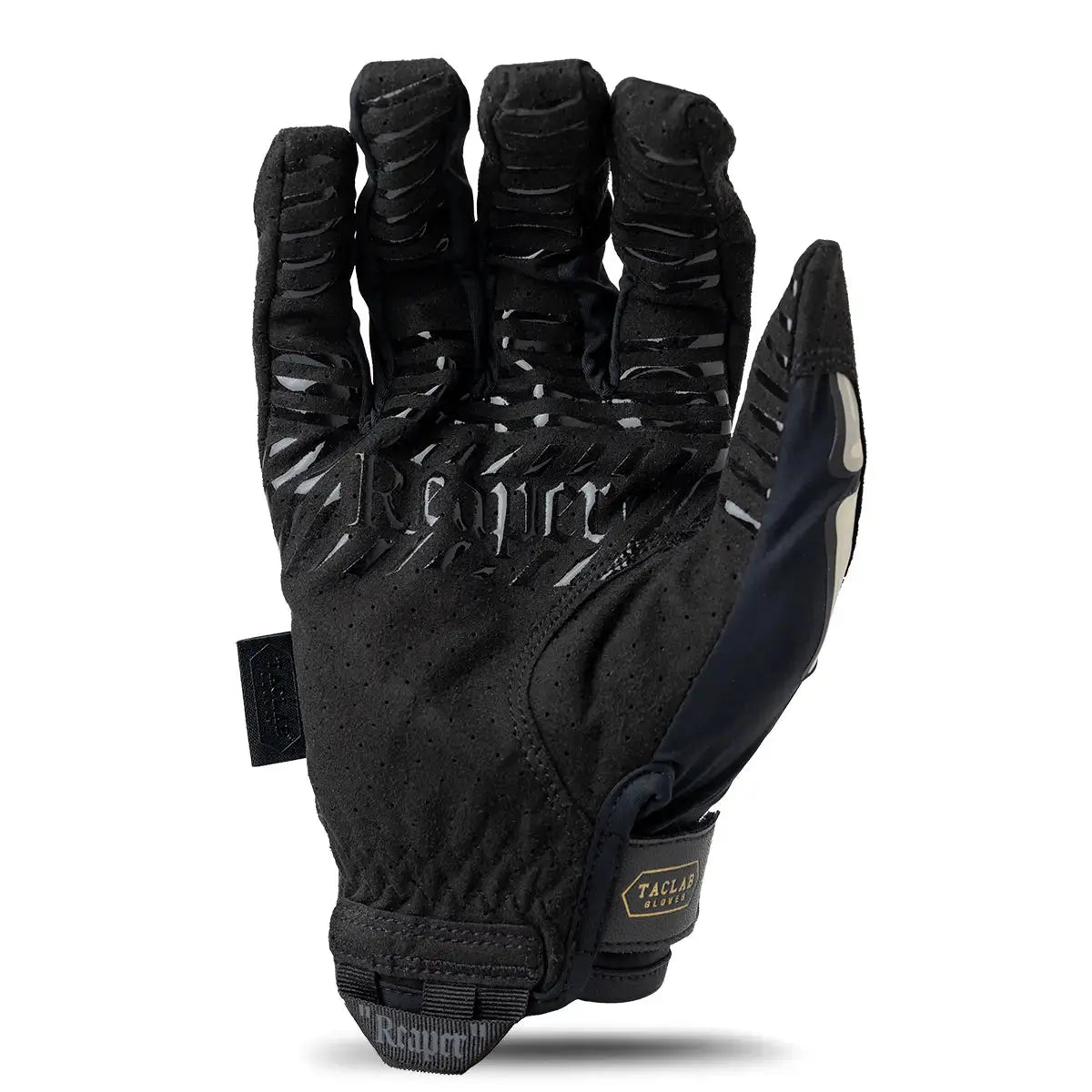
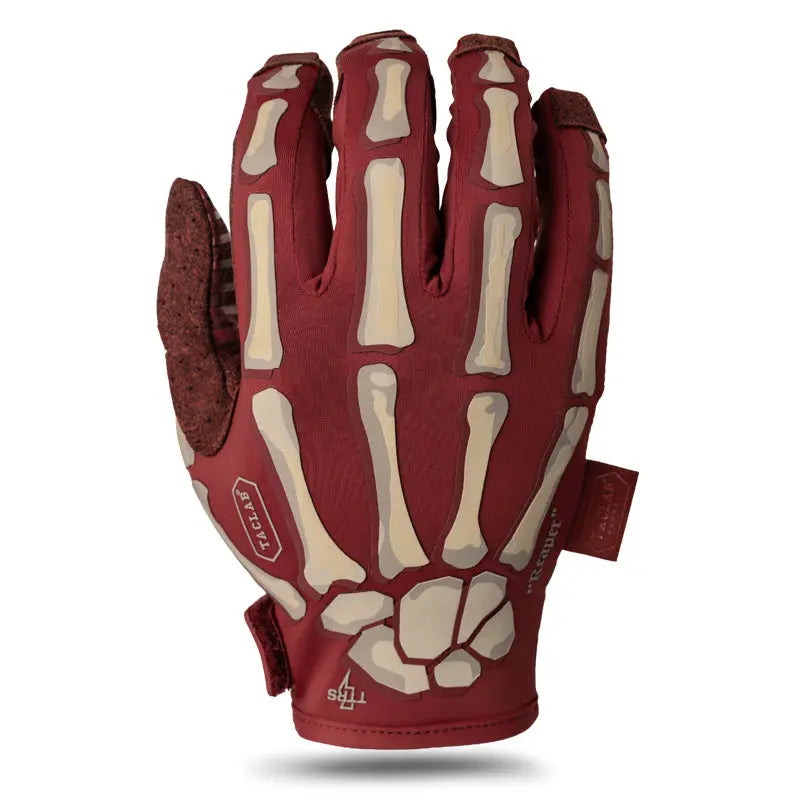
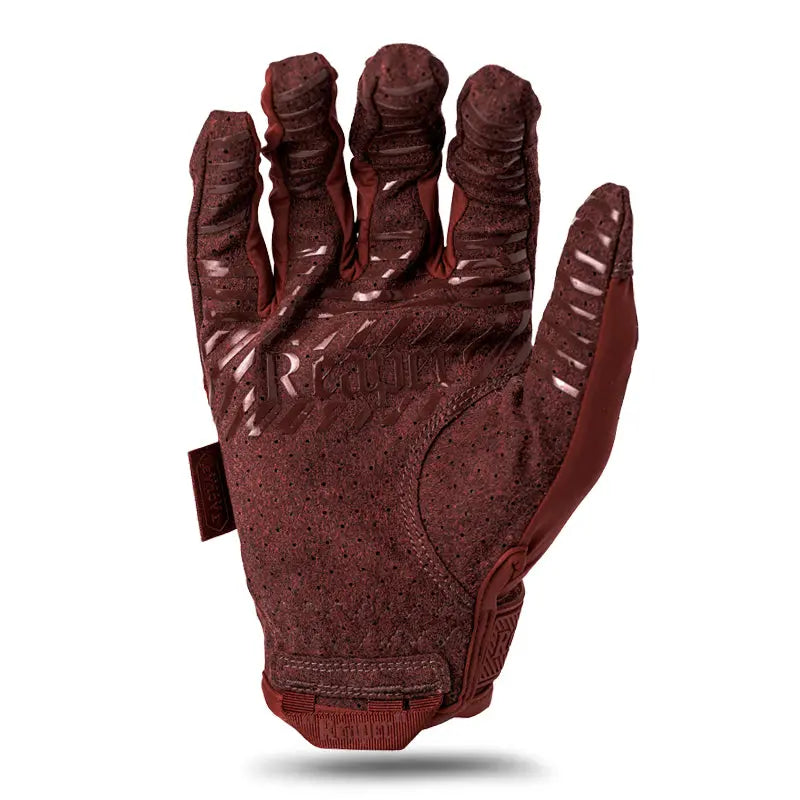
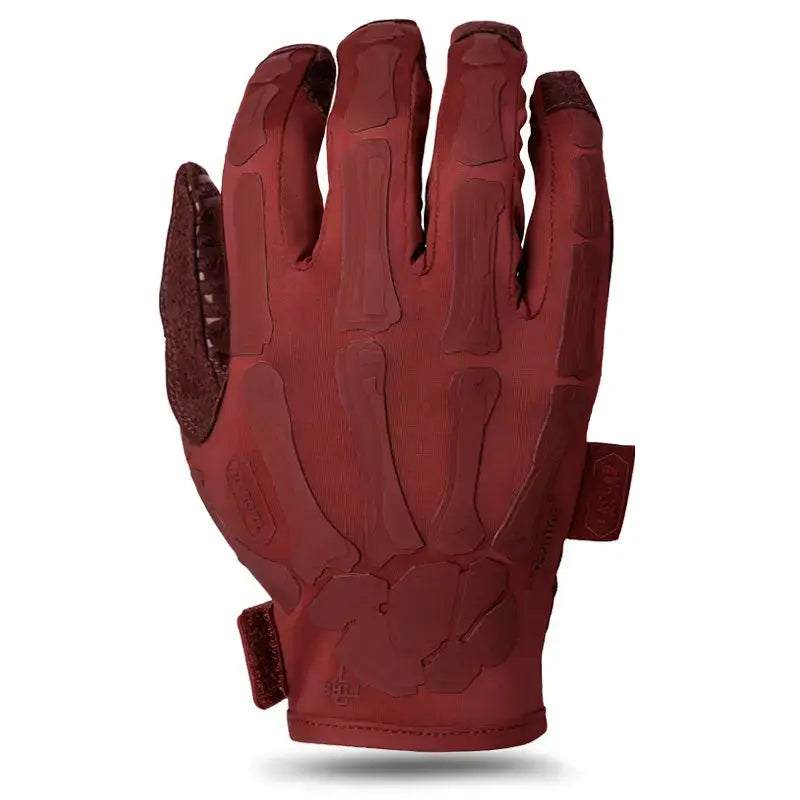
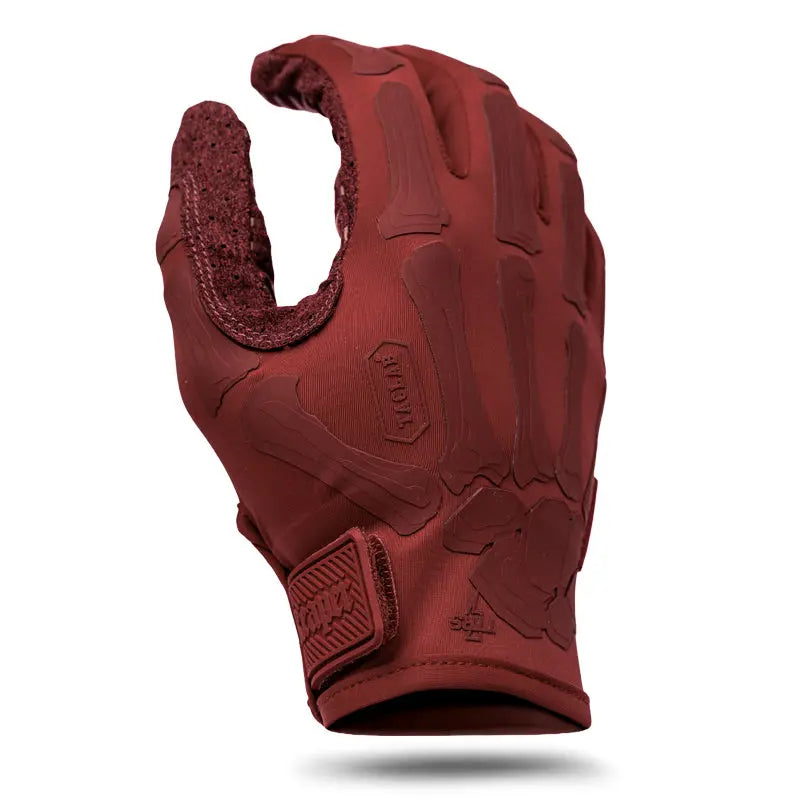
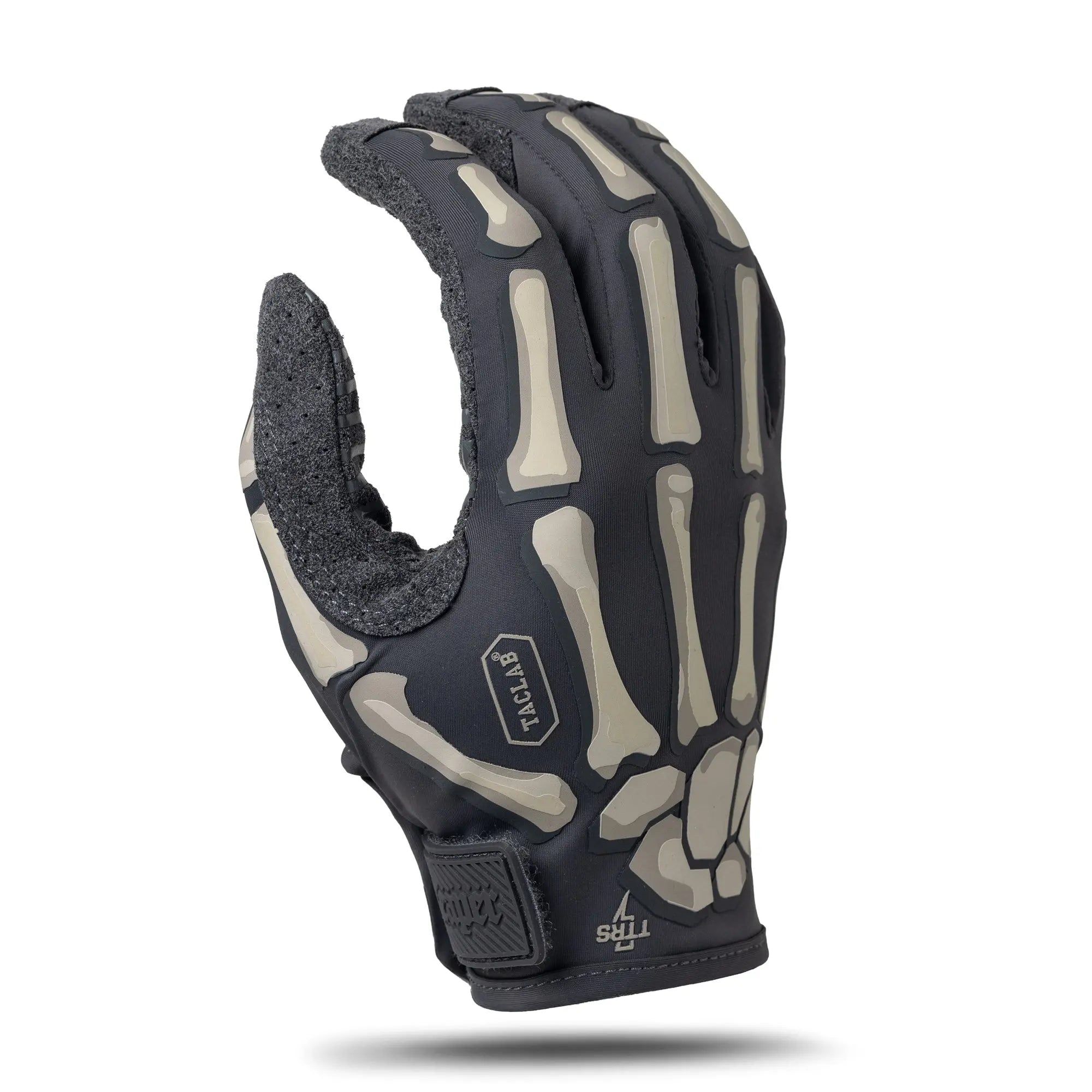
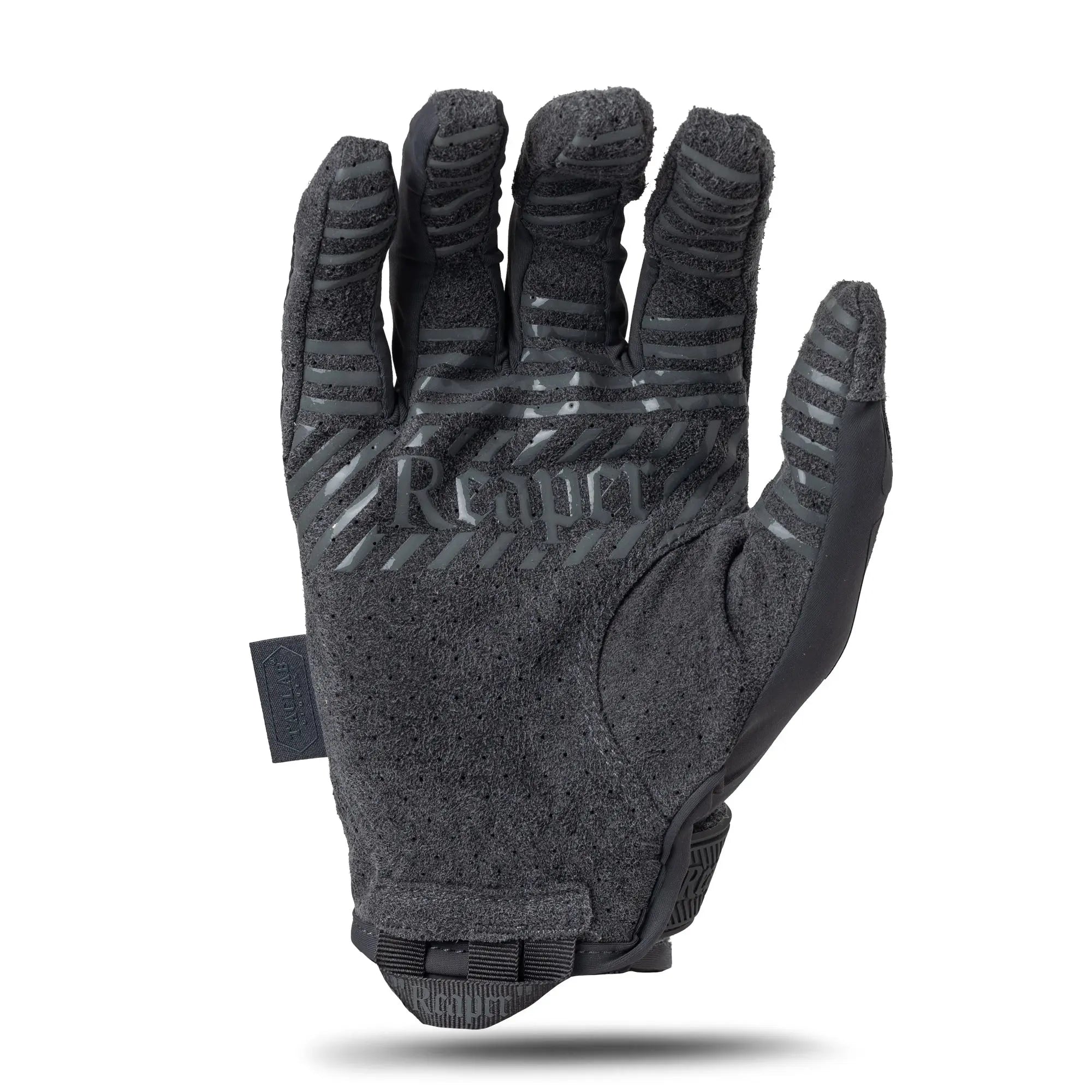
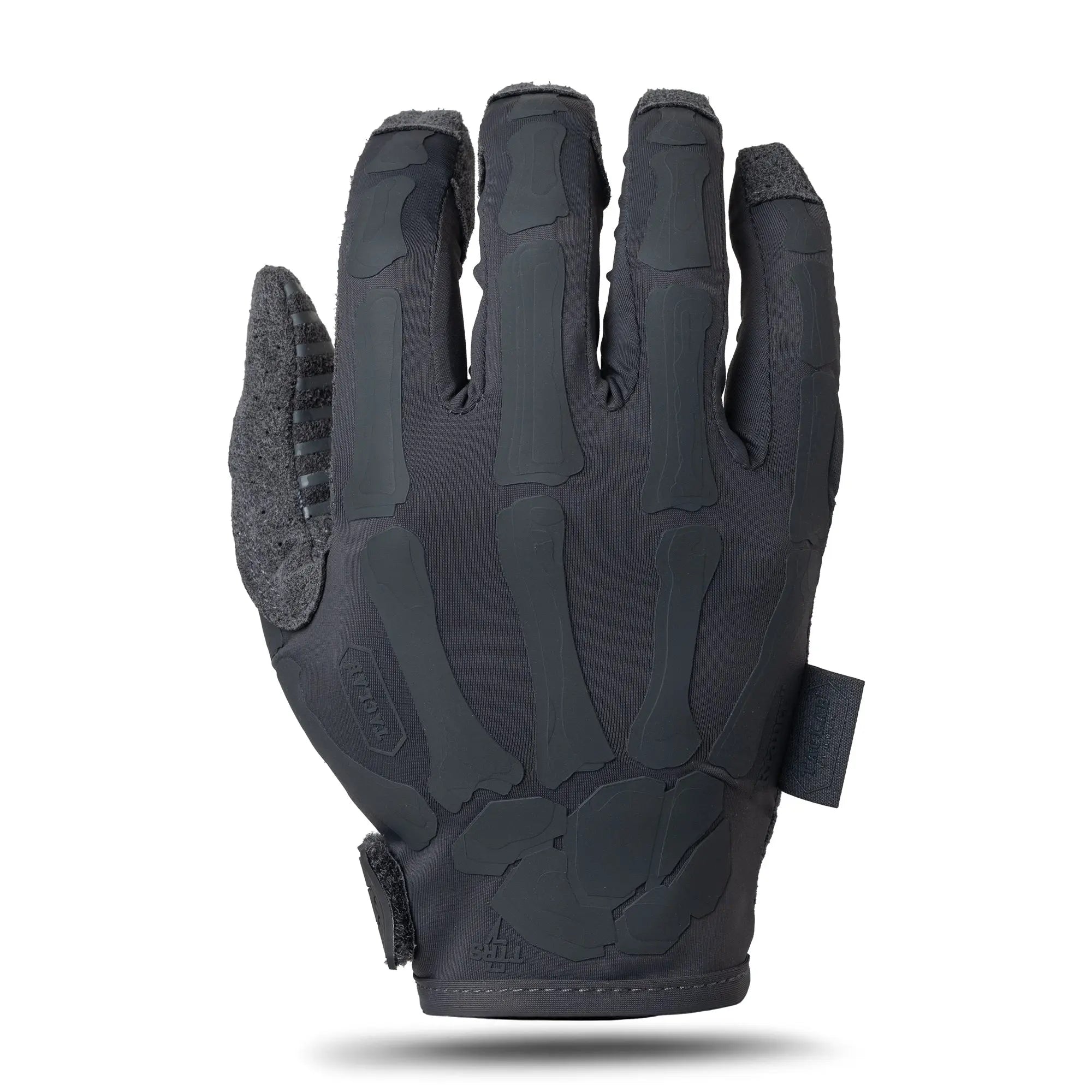
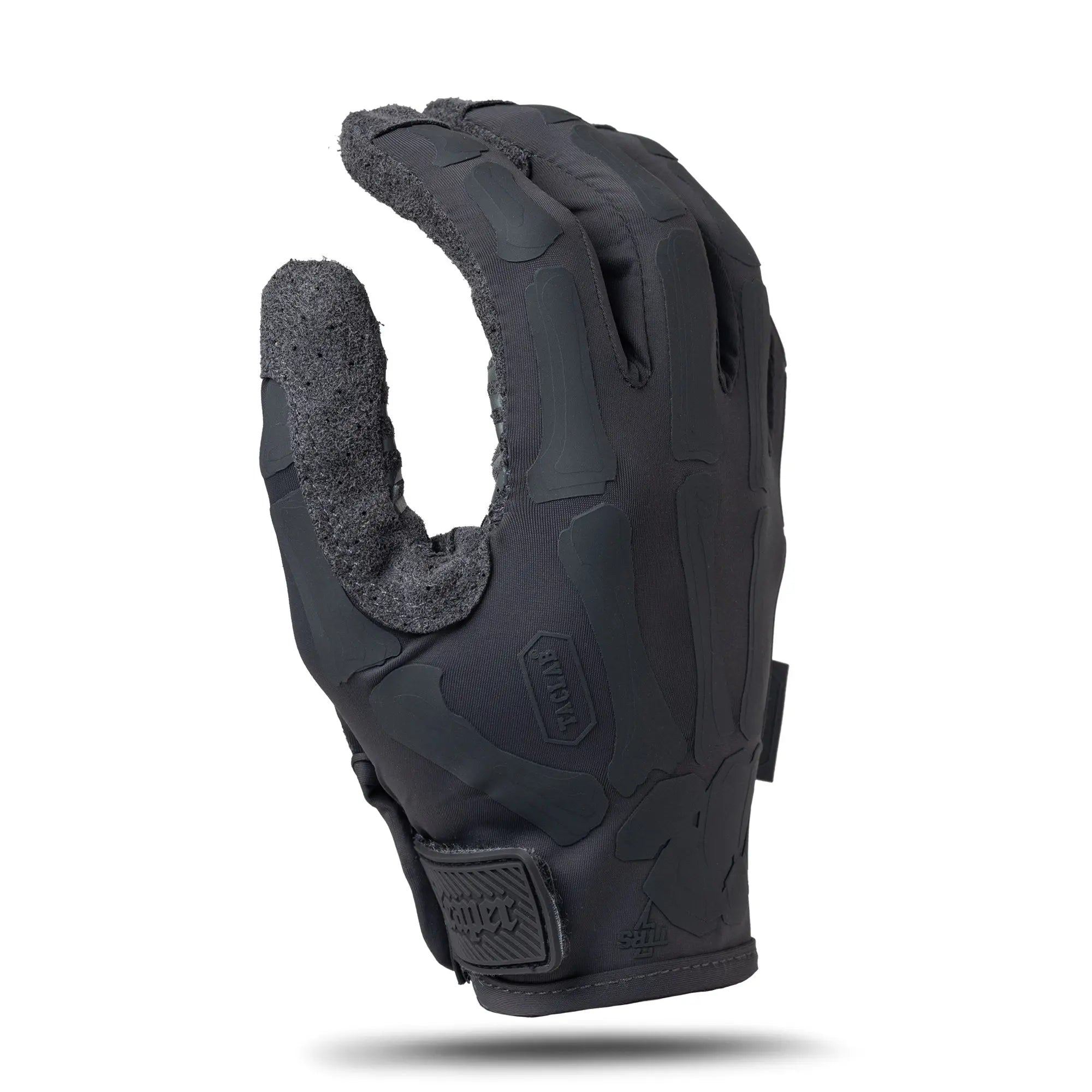
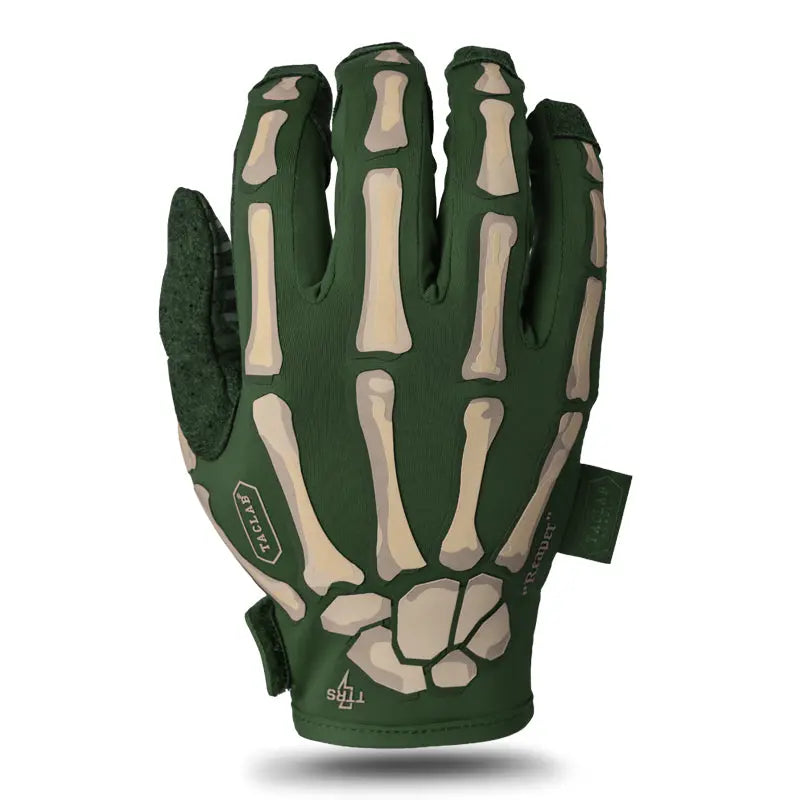
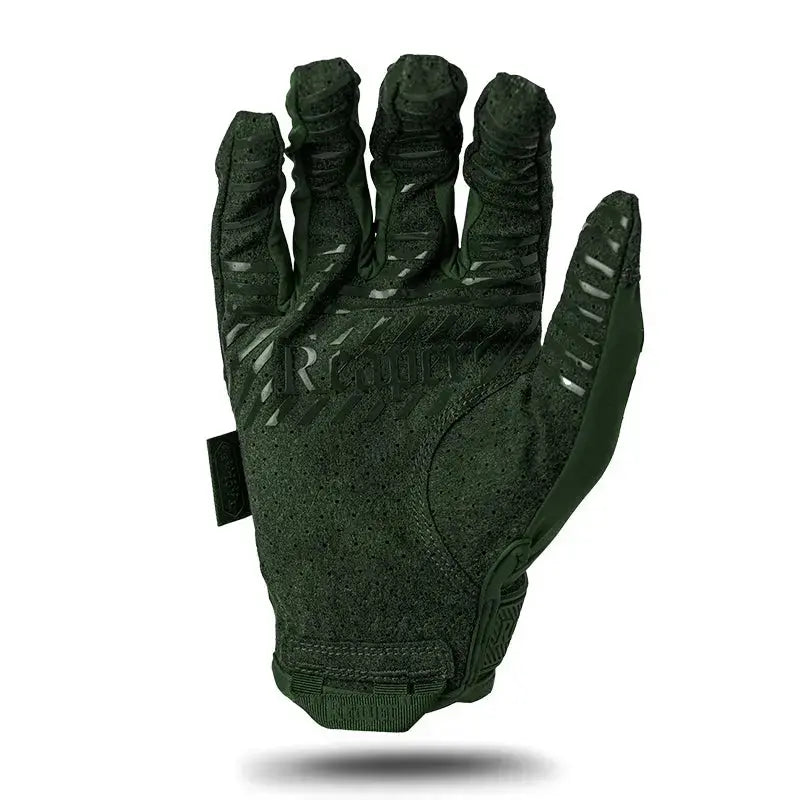
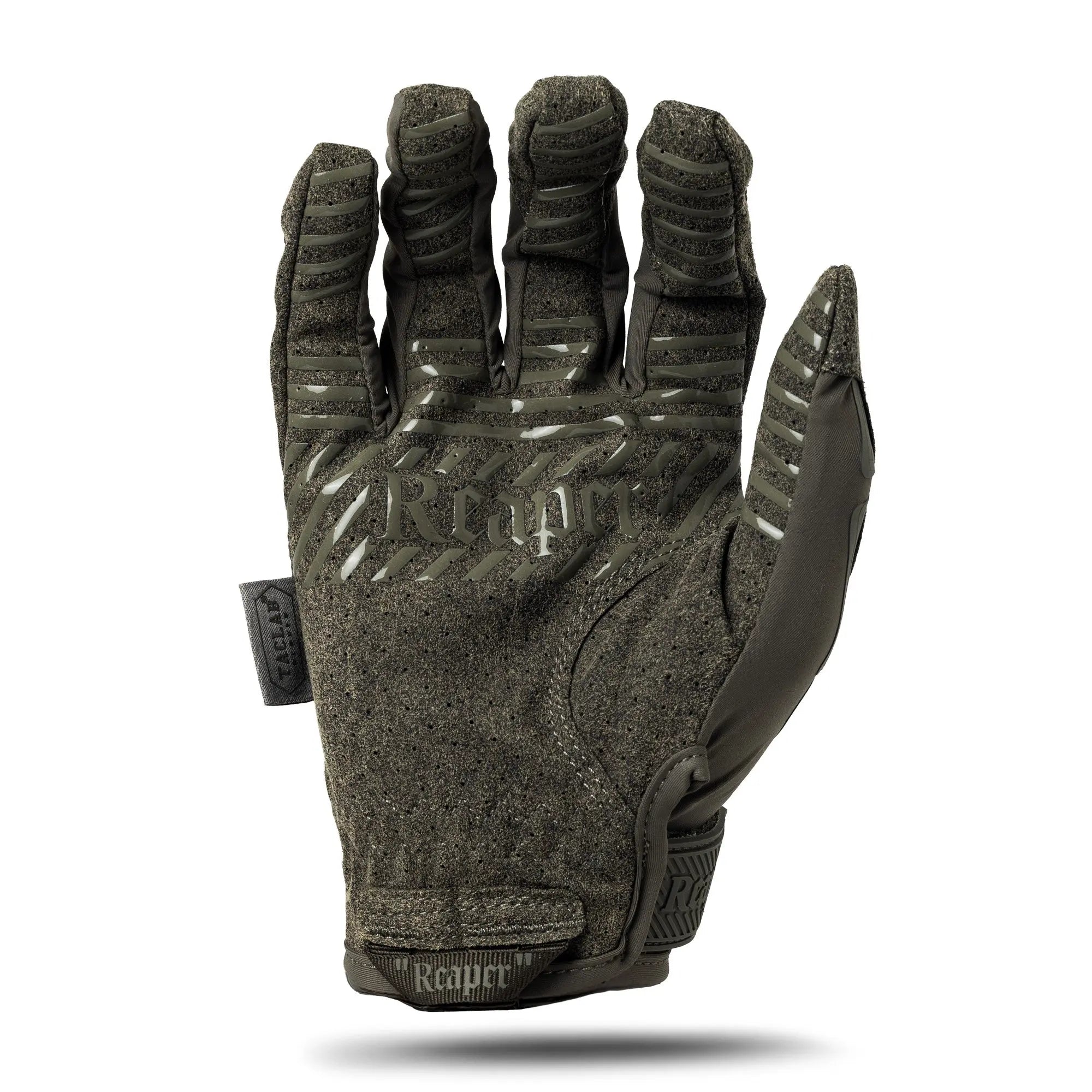
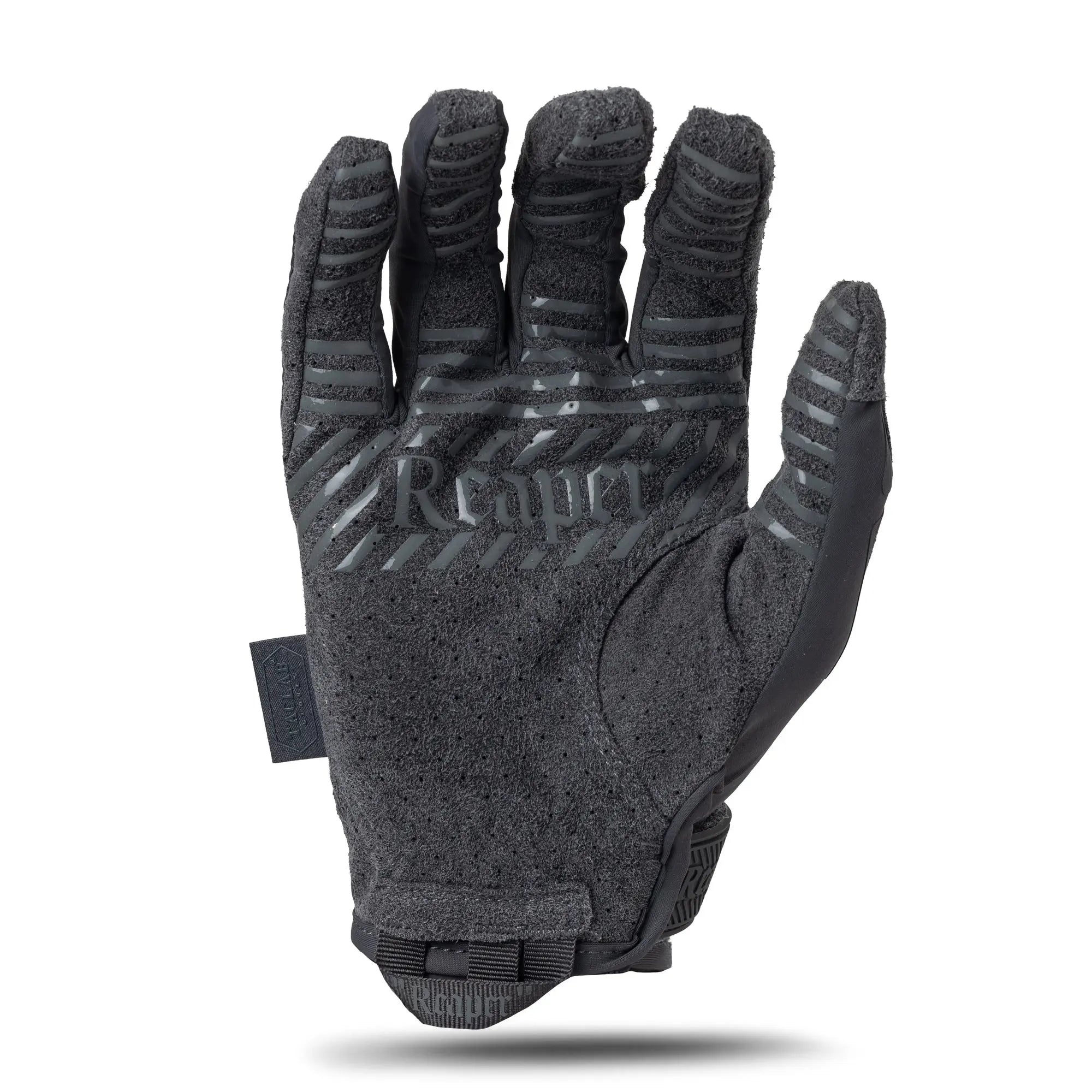
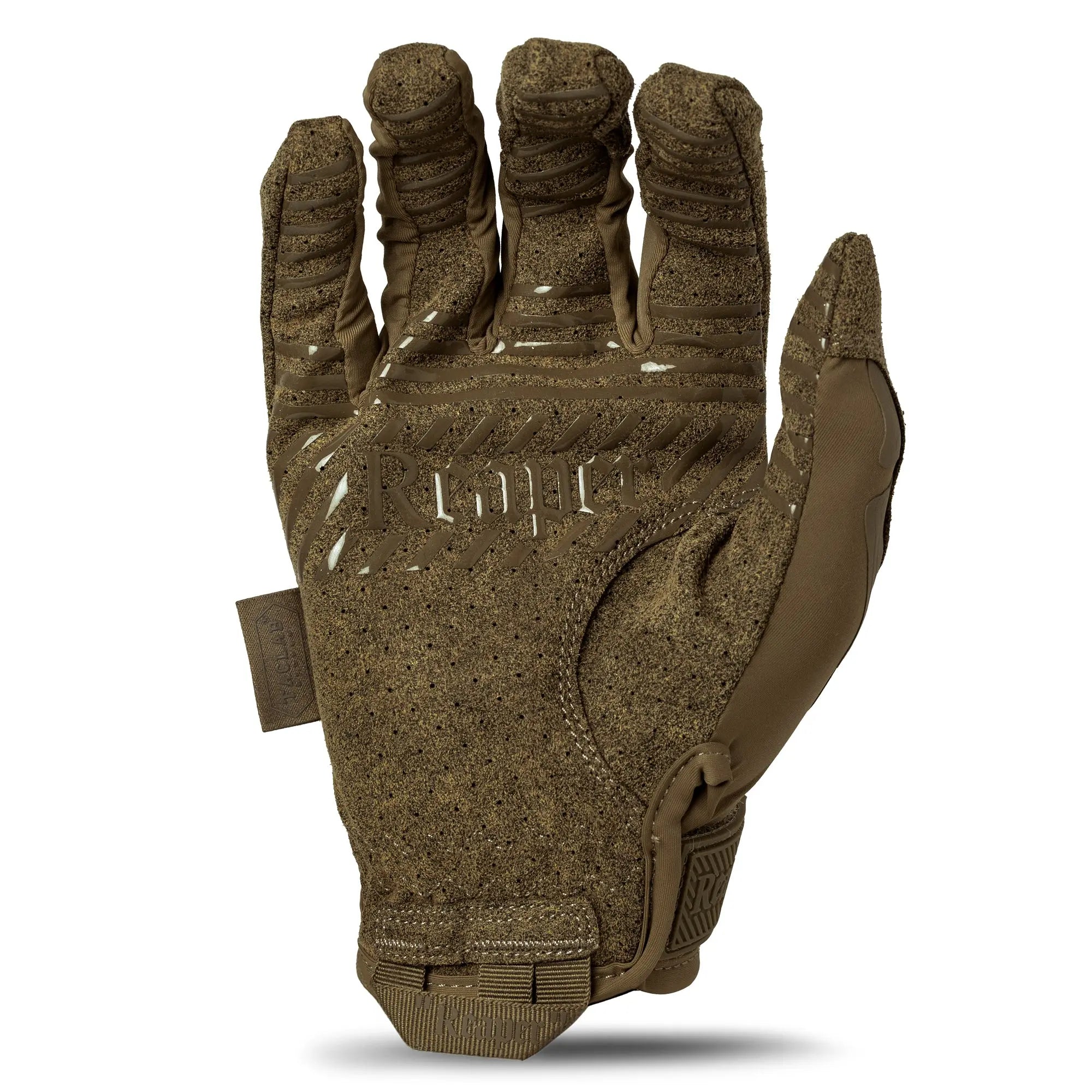
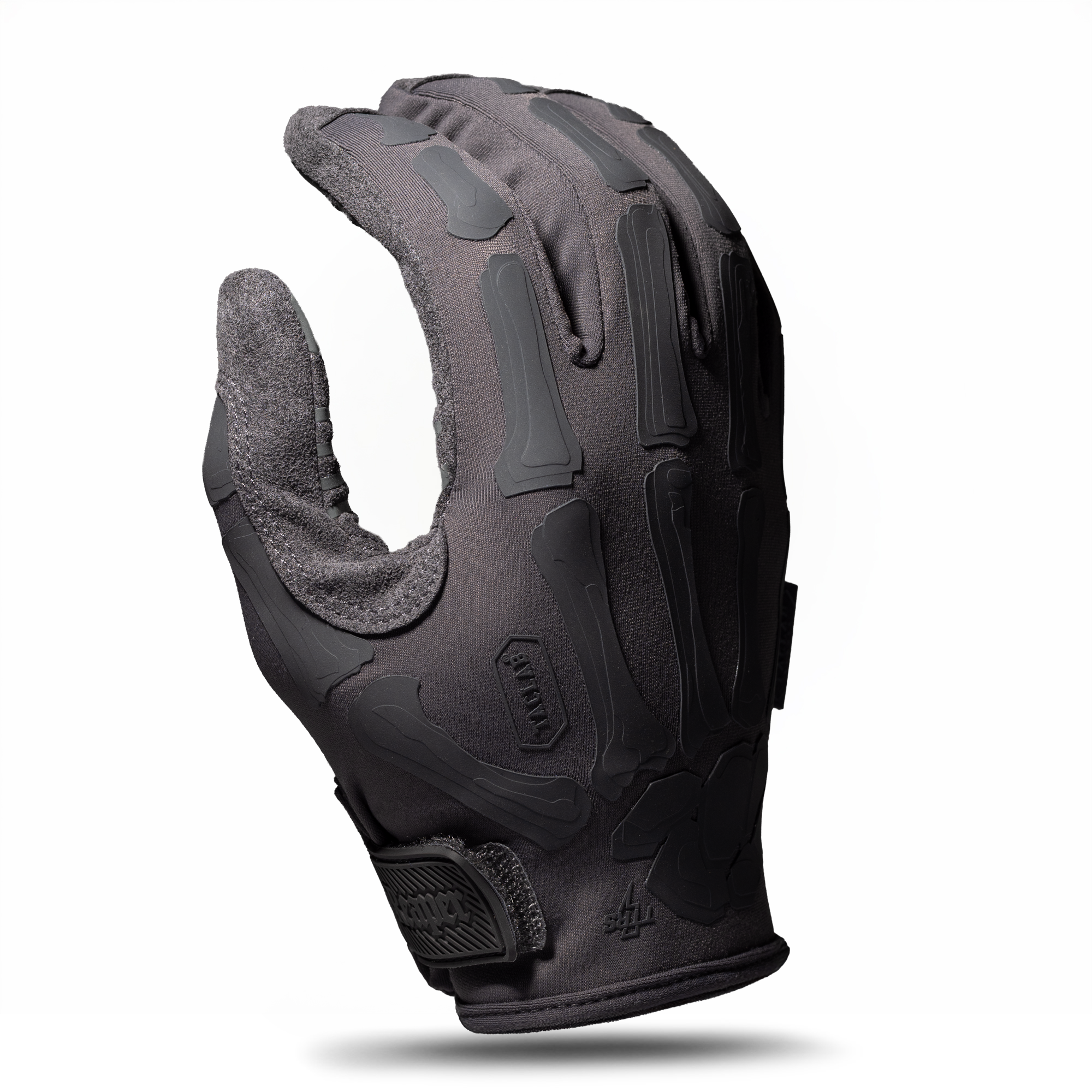
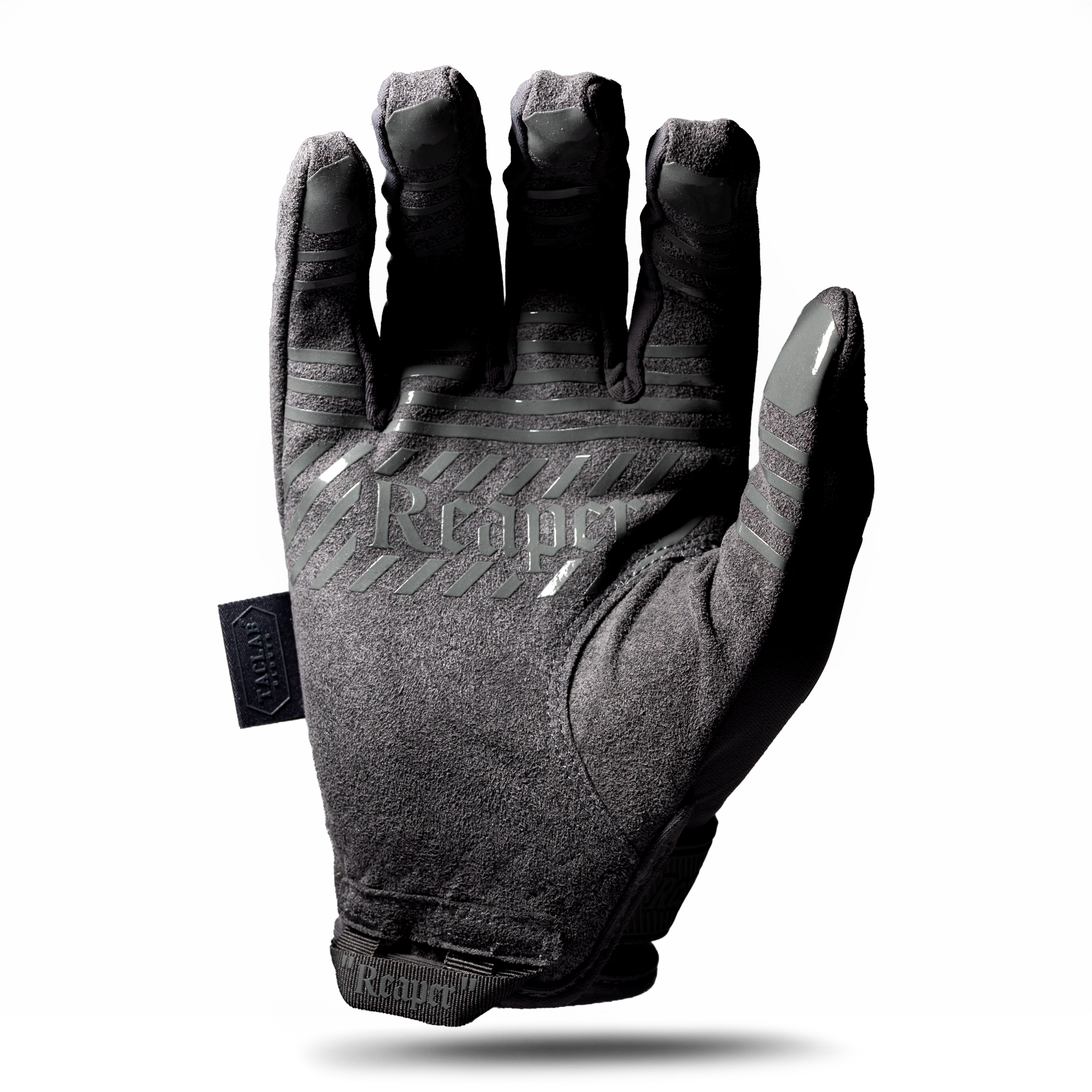
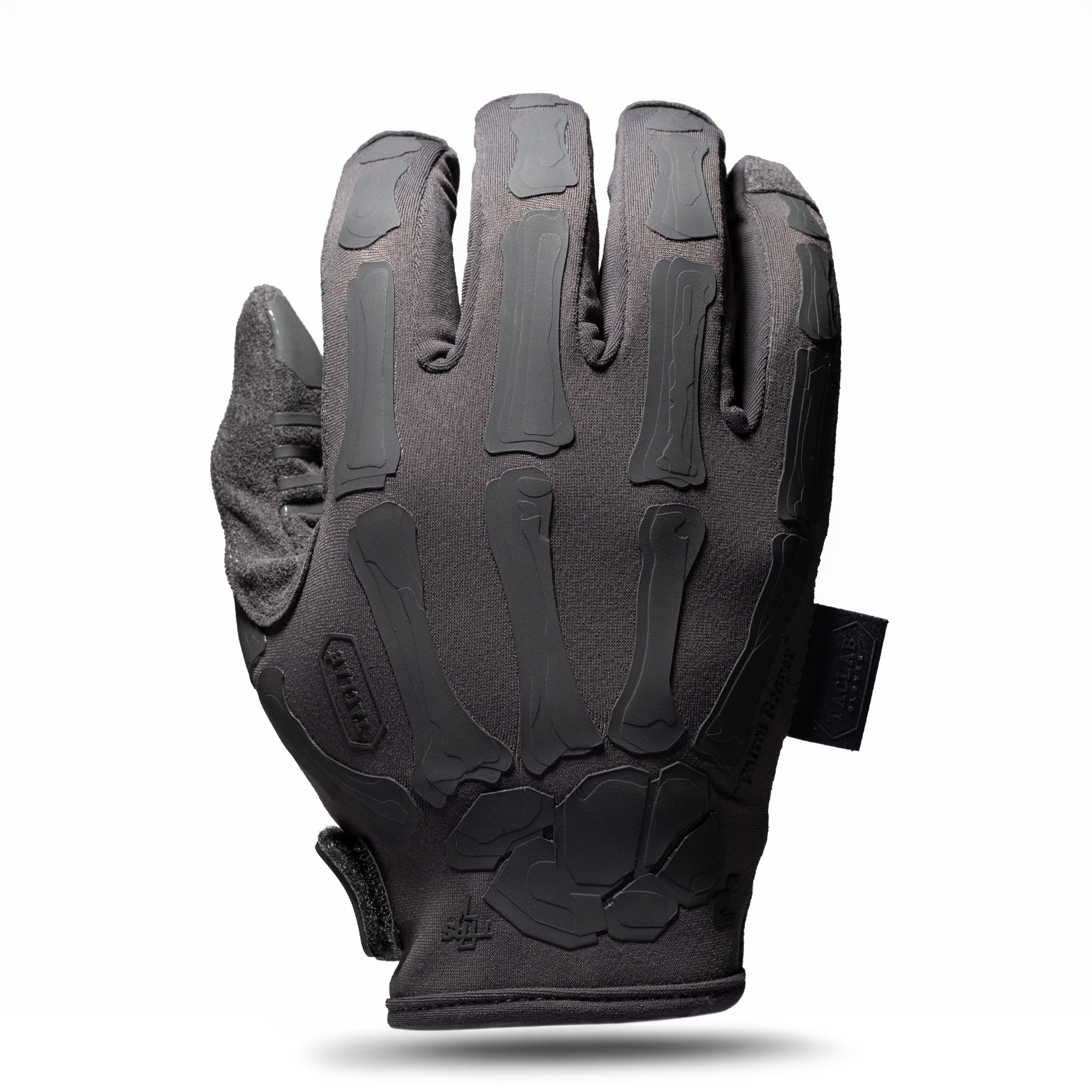
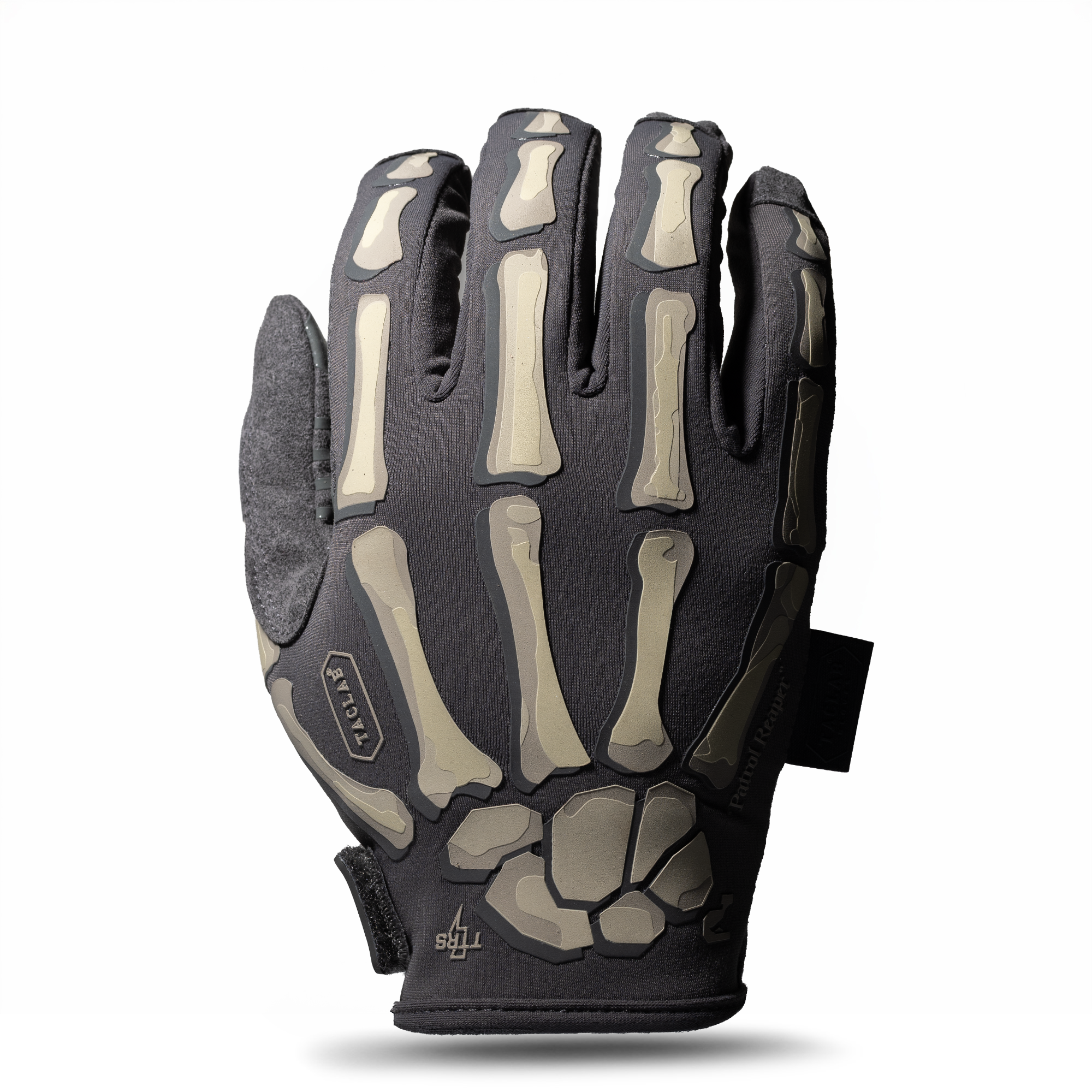
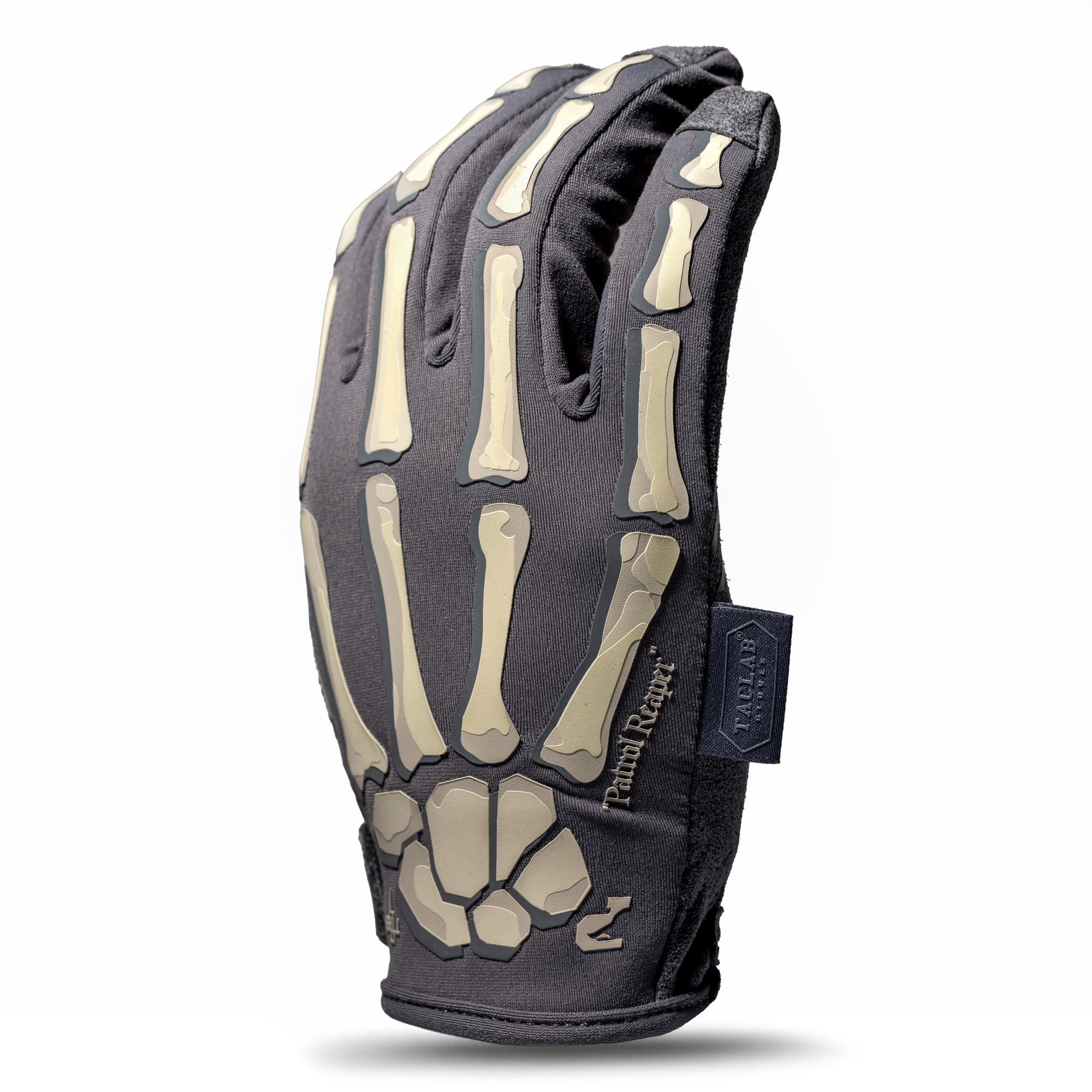
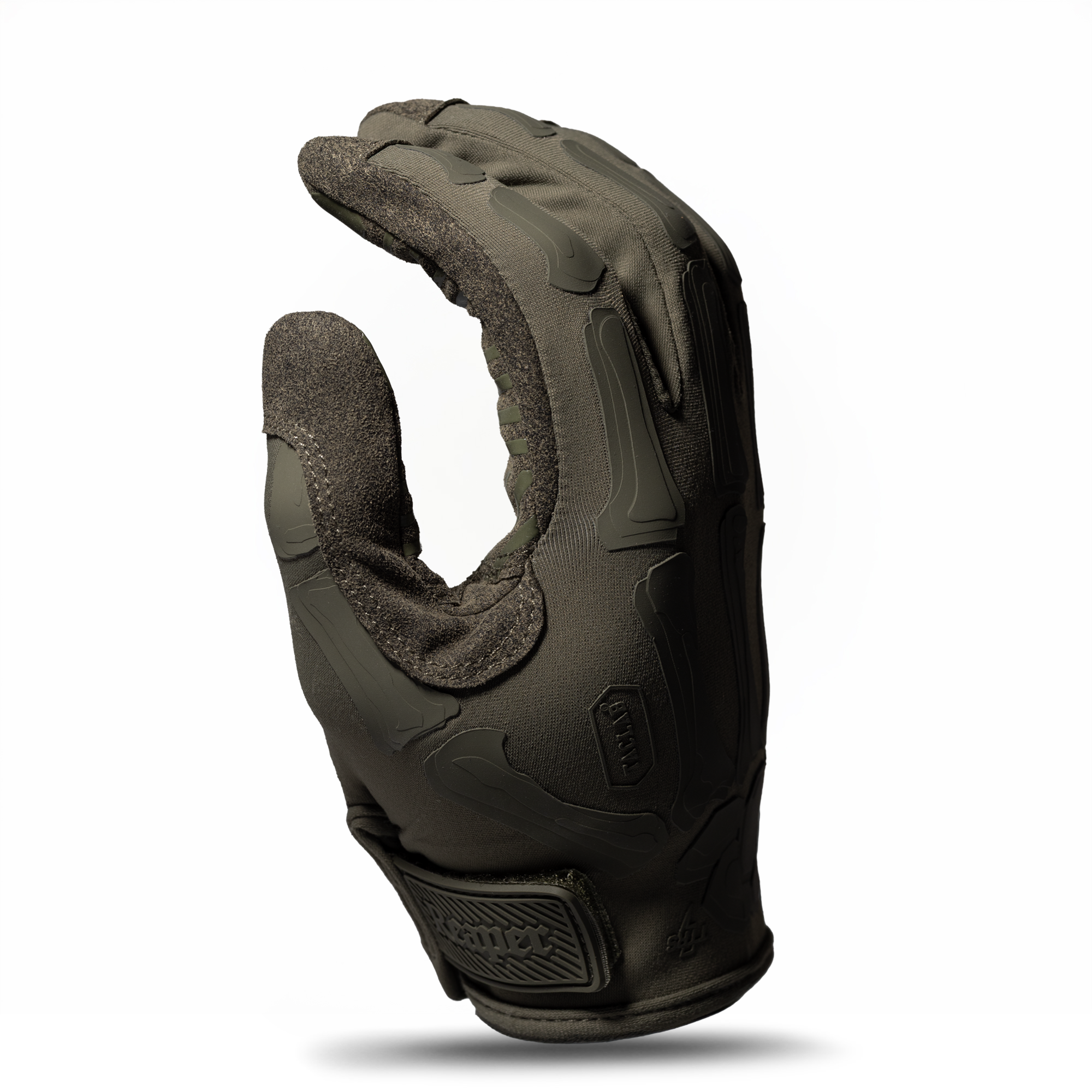
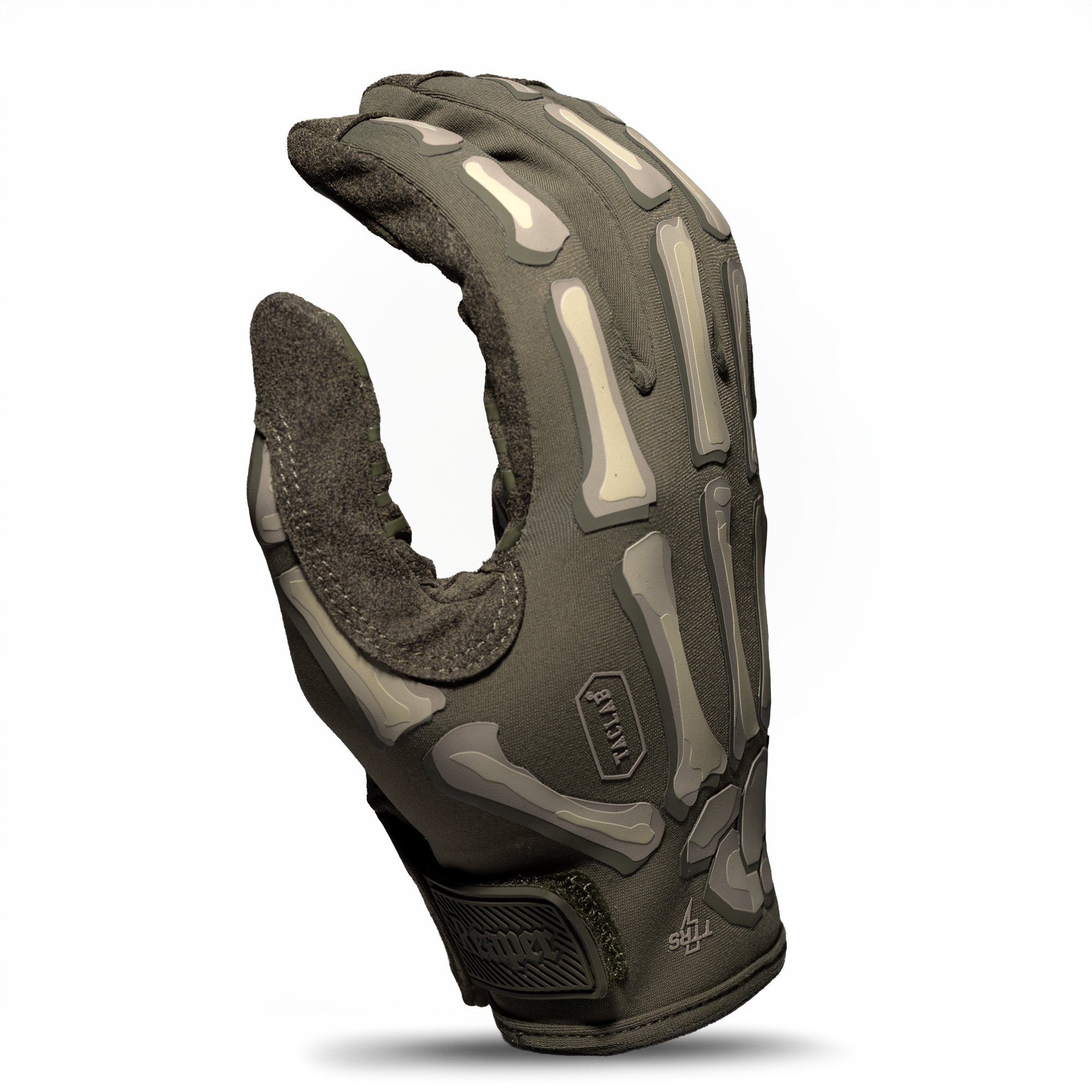
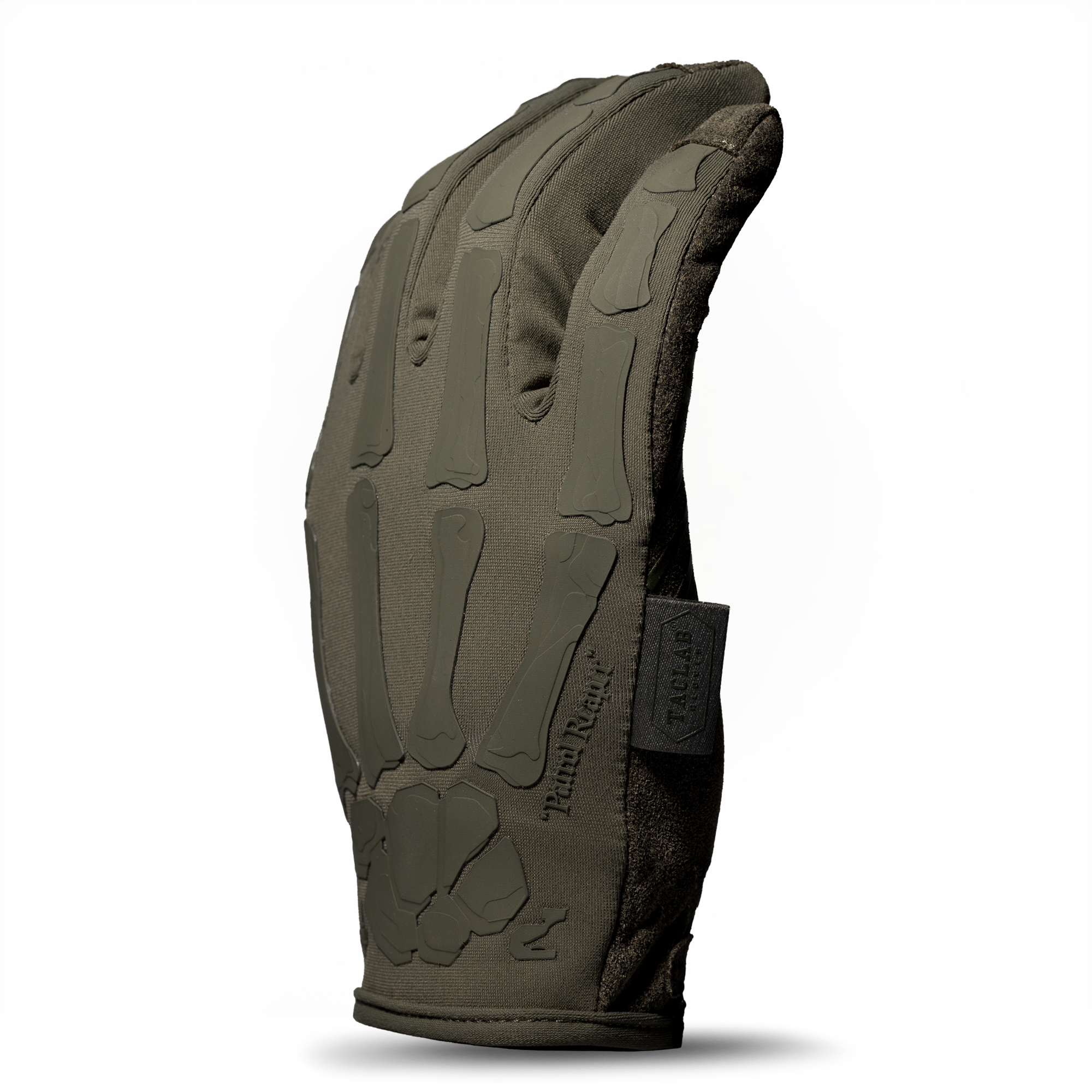
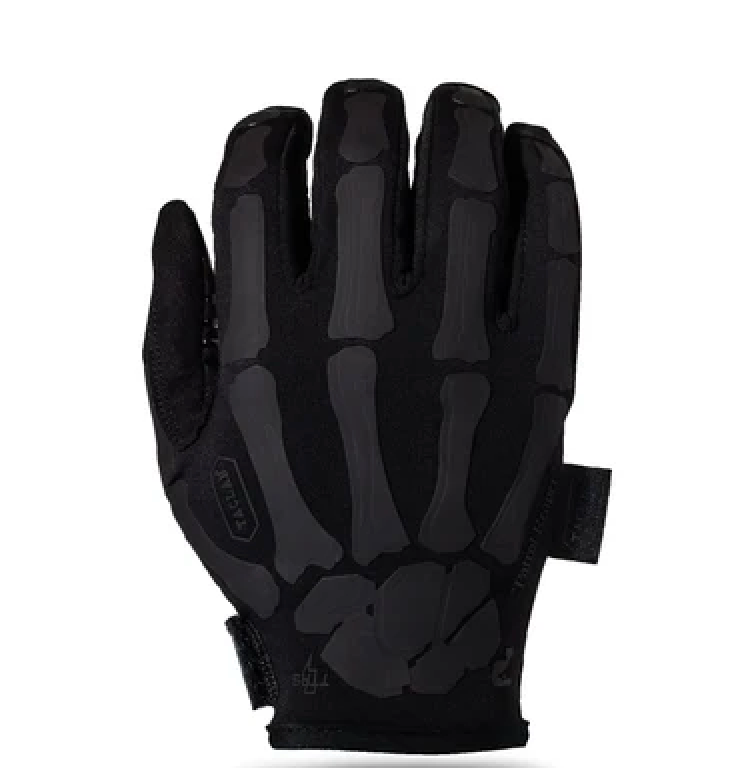
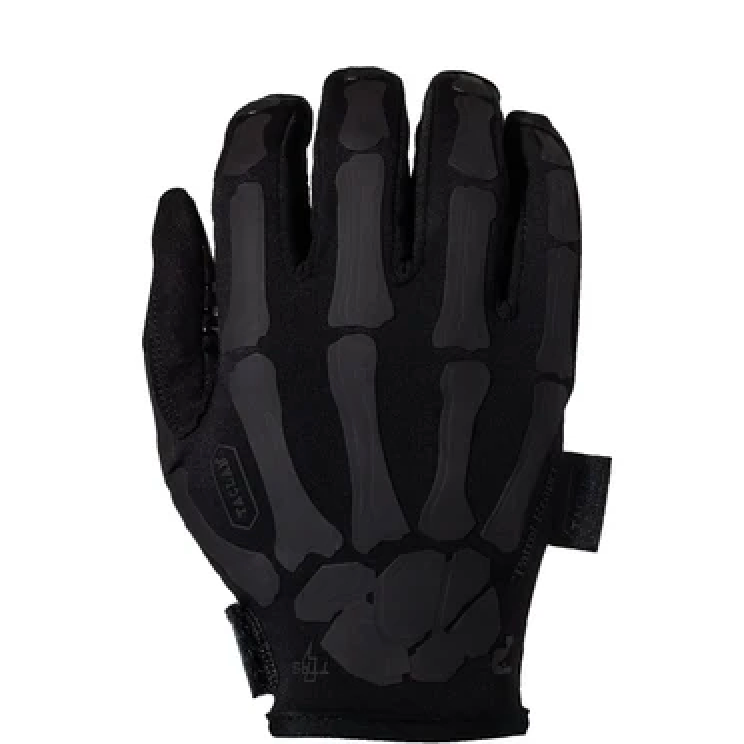
The palm still looks good.
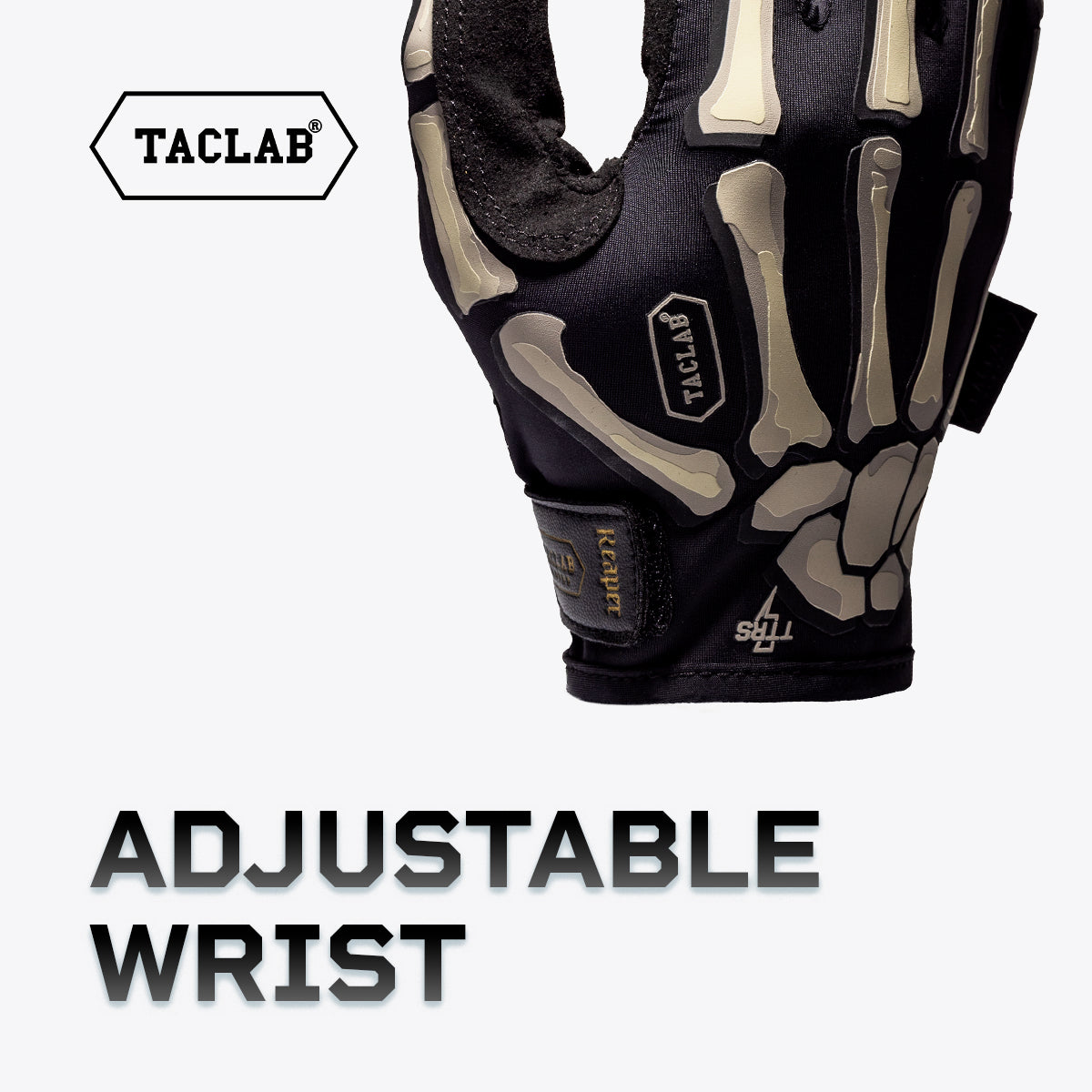
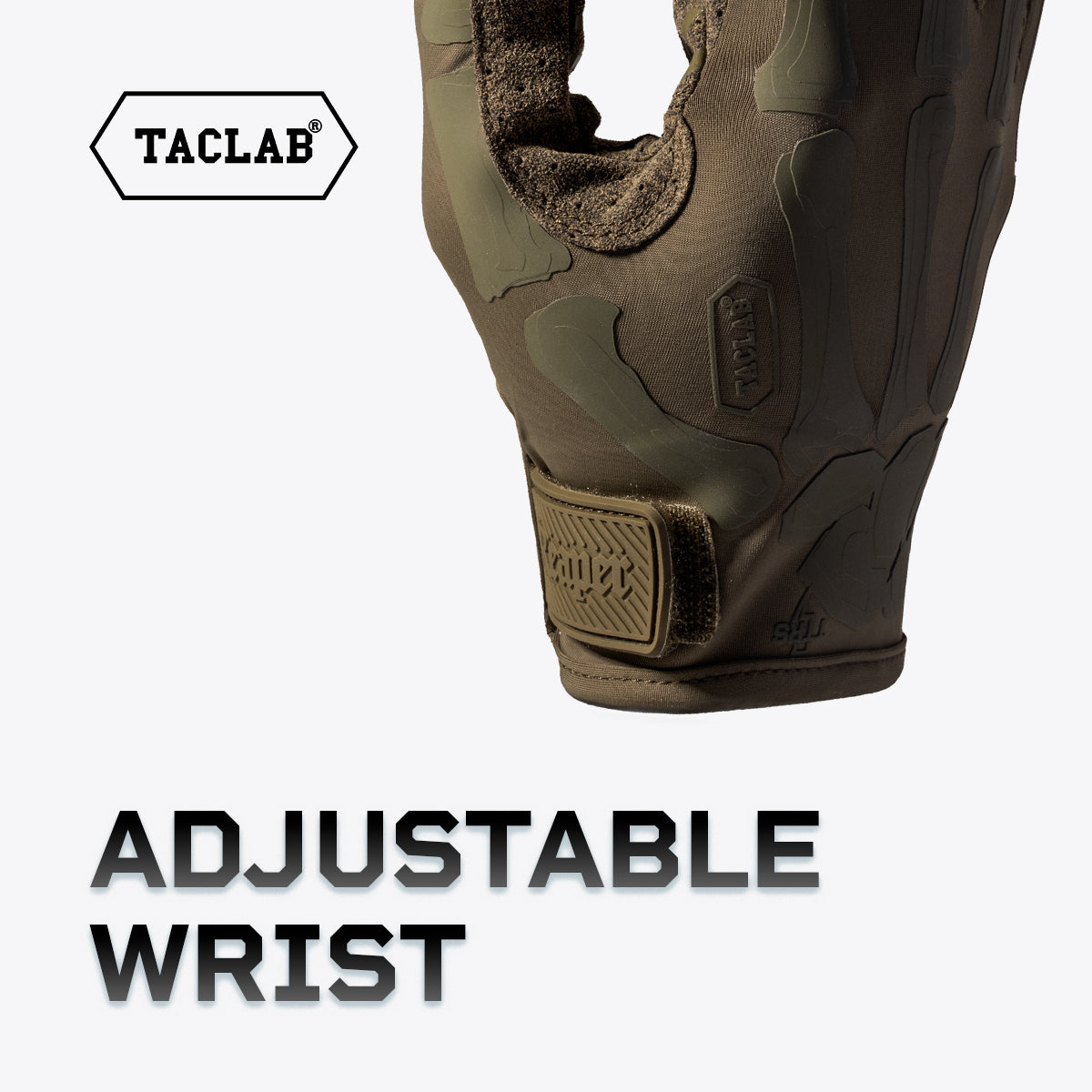
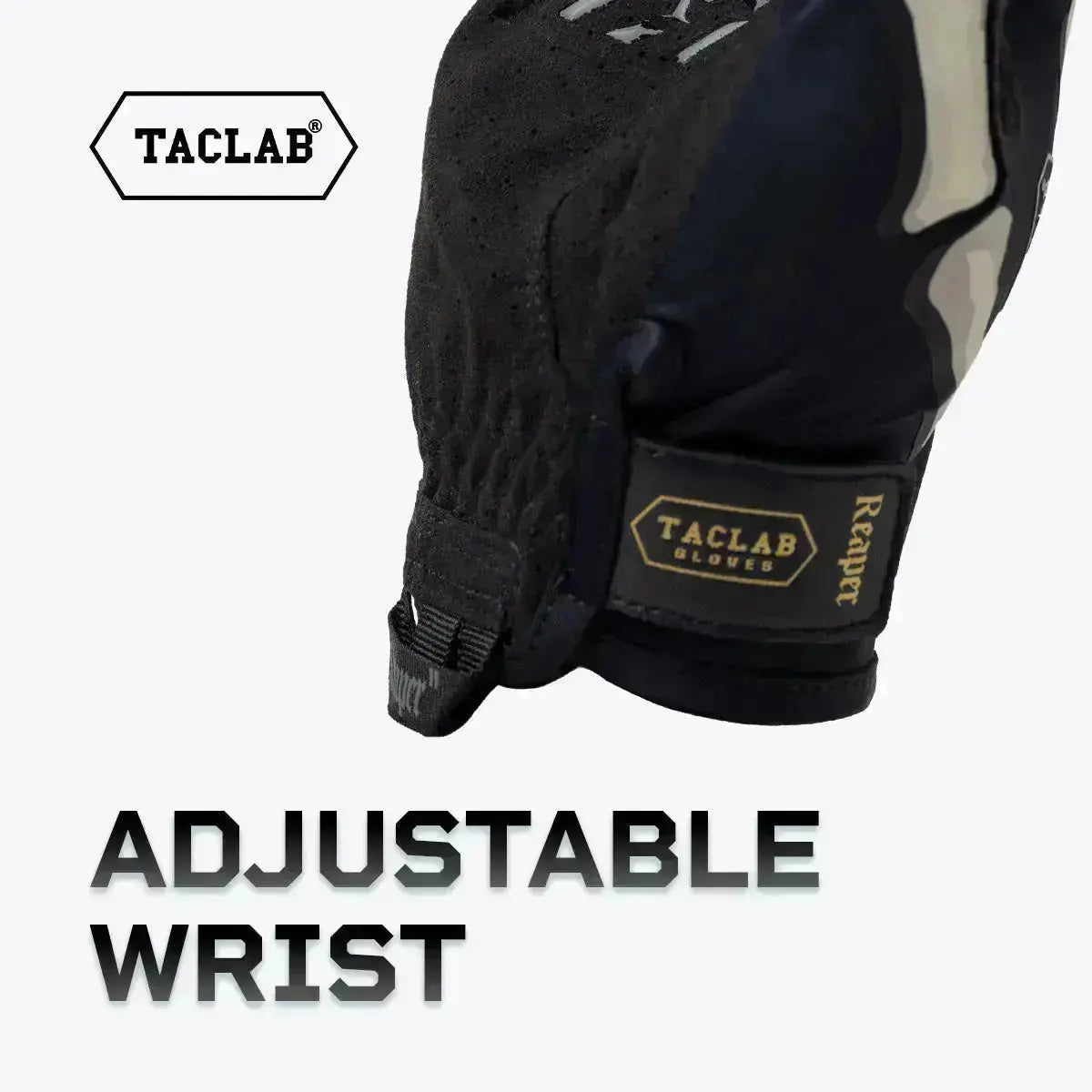
The wrist closure still works.
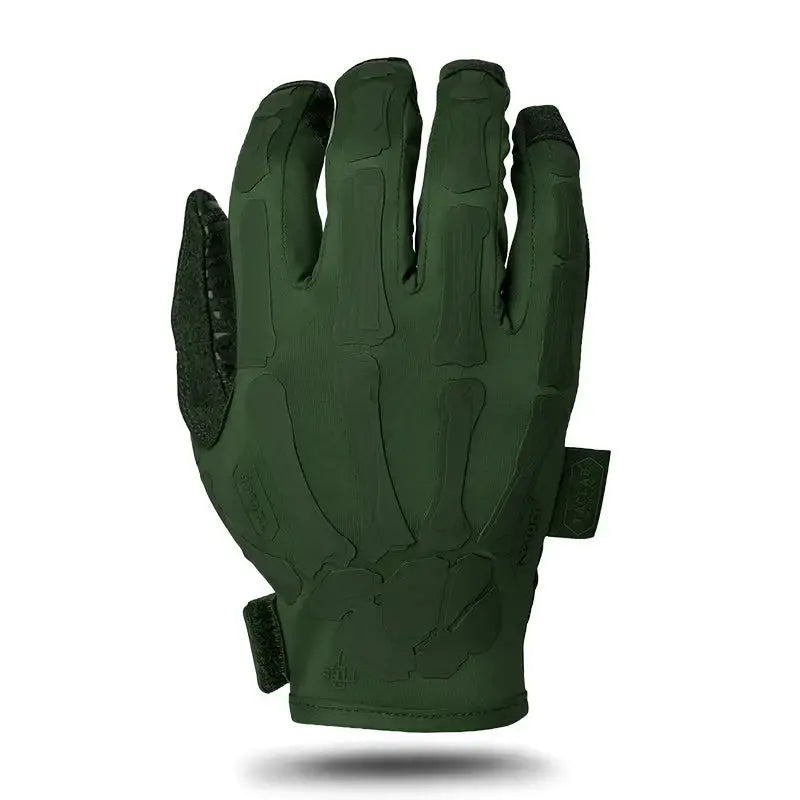
The back of the glove barely looks worn.
But then you look at your index finger.
There's a hole.
If you've worn tactical, shooting, motorcycle, or work gloves for long enough, you've probably experienced some version of this.
And it raises an obvious question:
Why do tactical gloves get holes in the fingertips before the rest of the glove wears out?
Sometimes the answer is simply normal wear.
But not always.
Fingertip holes can also reveal problems with glove fit, fingernail length, moisture, repeated friction, or even the type of glove you've chosen for the job.
In fact, if you repeatedly destroy the same fingertip across multiple pairs of gloves, that's useful information.
Your gloves may be telling you exactly what's going wrong.
Here are seven of the most common causes.
Why Fingertips Often Wear Out Before the Rest of the Glove
Think about what your fingertips do during an ordinary day.
They:
- Press
- Pull
- Pinch
- Grip
- Swipe
- Push
- Twist
- Tap
Now add shooting, motorcycle riding, outdoor work, Airsoft, equipment handling, or range training.
The fingertips become some of the most active areas of the entire glove.
There's another important difference.
The palm usually experiences friction primarily from the outside.
The fingertips can experience pressure from both directions.
Outside the glove, the material contacts equipment.
Inside the glove, your fingertip and fingernail repeatedly press against the material.
Every time you bend a finger, the glove stretches.
Every time you straighten it, the material relaxes.
Repeat that thousands of times and the fingertip becomes a natural wear point.
That's why a small hole at the end of one finger doesn't necessarily mean the entire glove has failed.
The more useful question is:
Why did that particular spot fail?
1. Fingertips Experience Constant Friction
Friction is the most obvious cause.
Your fingertips interact with equipment far more often than you probably realize.
During a range session, you may repeatedly:
- Load magazines
- Handle ammunition
- Manipulate controls
- Adjust equipment
- Move targets
- Open bags and cases
- Use tools
- Operate electronic devices
Motorcycle and outdoor users create different friction patterns, but the principle is the same.
Small amounts of abrasion don't look dramatic.
But wear is cumulative.
One movement performed 20 times doesn't matter much.
The same movement performed thousands of times can.
Your Index Finger Usually Works the Hardest
Take a look at an old pair of gloves.
Is the index finger more worn than the others?
That's common because the index finger performs so many precision tasks.
It points.
Presses buttons.
Operates touchscreens.
Manipulates small objects.
For shooters, it also performs specialized firearm-related tasks.
The thumb is another common wear area because the thumb and index finger work together during so many fine-motor movements.
Before blaming the glove, look at where the wear occurs.
Wear patterns tell a story.
2. Your Fingernails May Be Wearing the Glove From the Inside
This is one of the easiest causes to overlook.
Everyone looks at the outside of a damaged glove.
But sometimes the problem starts inside.
If your fingernail repeatedly presses against the end of the glove, every finger movement creates internal pressure on exactly the same small area.
Over time, the material can become thinner.
Eventually, the nail may push through.
This becomes more noticeable with lightweight, high-dexterity gloves because their fingertips intentionally use less bulky construction.
The Surprisingly Simple Fingernail Test
Before buying another pair, check your hands.
Put on the gloves normally.
Straighten your fingers.
Then make a fist.
Do you feel a fingernail pressing hard against the end of one particular finger?
If yes, check two things:
First: trim the nail.
Second: check the fit.
A long nail plus a glove that's slightly too short can create a concentrated pressure point.
It's a simple problem with an equally simple solution.
And it can potentially add meaningful life to your next pair.
3. Your Gloves May Be Too Small
People often assume tighter tactical gloves automatically provide better dexterity.
That's only true up to a point.
A shooting glove should generally fit close to the hand.
But close-fitting isn't the same as undersized.
If the fingers are too short, the glove material remains under constant tension.
Instead of moving naturally with your finger, the fingertip panel is being pulled every time you extend your hand.
Add a fingernail pushing from inside and friction from equipment outside, and you've created a perfect wear point.
How to Recognize Excessive Fingertip Tension
Possible signs include:
- Fingertips feel compressed
- Seams pull tightly when making a fist
- Material feels stretched across the finger
- Fingernails press noticeably against the ends
- Finger movement feels restricted
- Hands become uncomfortable during extended wear
Don't automatically size down because you want “maximum trigger feel.”
Proper dexterity comes from good patterning and correct fit, not simply squeezing your hand into the smallest glove possible.
4. Your Gloves May Actually Be Too Large
Here's the surprising part.
Gloves that are too large can also wear prematurely.
Why?
Movement.
If excess material sits beyond your fingertip, that material can:
- Fold
- Rub
- Catch
- Drag against equipment
- Move independently of the finger
Instead of the glove moving as one with your hand, the loose fingertip repeatedly shifts around.
That creates friction.
For shooters, oversized gloves create another problem: loose material around the index finger can reduce tactile feedback and make fine manipulation less comfortable.
So when it comes to fit, both extremes are problematic.
Too small = excessive tension.
Too large = excessive movement.
The goal is the middle:
A close fit with natural movement and minimal excess material.
5. Sweat and Moisture Can Accelerate Wear
Gloves get wet.
Sometimes from rain.
Sometimes from snow.
And very often from your own hands.
During hot-weather shooting, riding, or outdoor work, sweat can build inside a glove faster than many users realize.
Moisture can affect materials differently depending on their construction. Repeated cycles of getting wet, staying damp, and being used again can also contribute to odor, material stress, and premature deterioration.
The worst habit?
Finish a hot range session, take off sweaty gloves, throw them into a closed range bag, and forget about them until next weekend.
Instead:
Let them dry.
Follow the manufacturer's care instructions and allow damp gloves to air-dry fully before storage.
And don't assume high heat is the answer.
Throwing gloves into a hot dryer or leaving them baking on a car dashboard can damage certain synthetic materials, adhesives, prints, leather, or other components.
Dry doesn't need to mean cooked.
6. You're Using a Dexterity Glove for an Abrasive Job
This may be the most important reason on the entire list.
Not every tactical glove is designed for maximum abrasion resistance.
And it shouldn't be.
A shooter may want:
- Thin fingertips
- Excellent tactile feedback
- Flexible fingers
- Lightweight construction
- Low palm bulk
A worker handling rough materials may want:
- Thick reinforcement
- High abrasion resistance
- Greater material coverage
- Maximum durability
Those design priorities conflict.
Dexterity vs. Durability
Imagine two gloves.
Glove A uses thin, flexible material to provide excellent finger feel.
Glove B uses significantly heavier material to survive repeated abrasive contact.
Which is better?
Neither.
The answer depends entirely on what you're doing.
If you're shooting, Glove A may feel far better.
If you're dragging rough equipment, handling abrasive materials, or doing demanding outdoor work, Glove B may last longer.
Problems happen when someone buys Glove A because they love its dexterity and then expects it to perform Glove B's job.
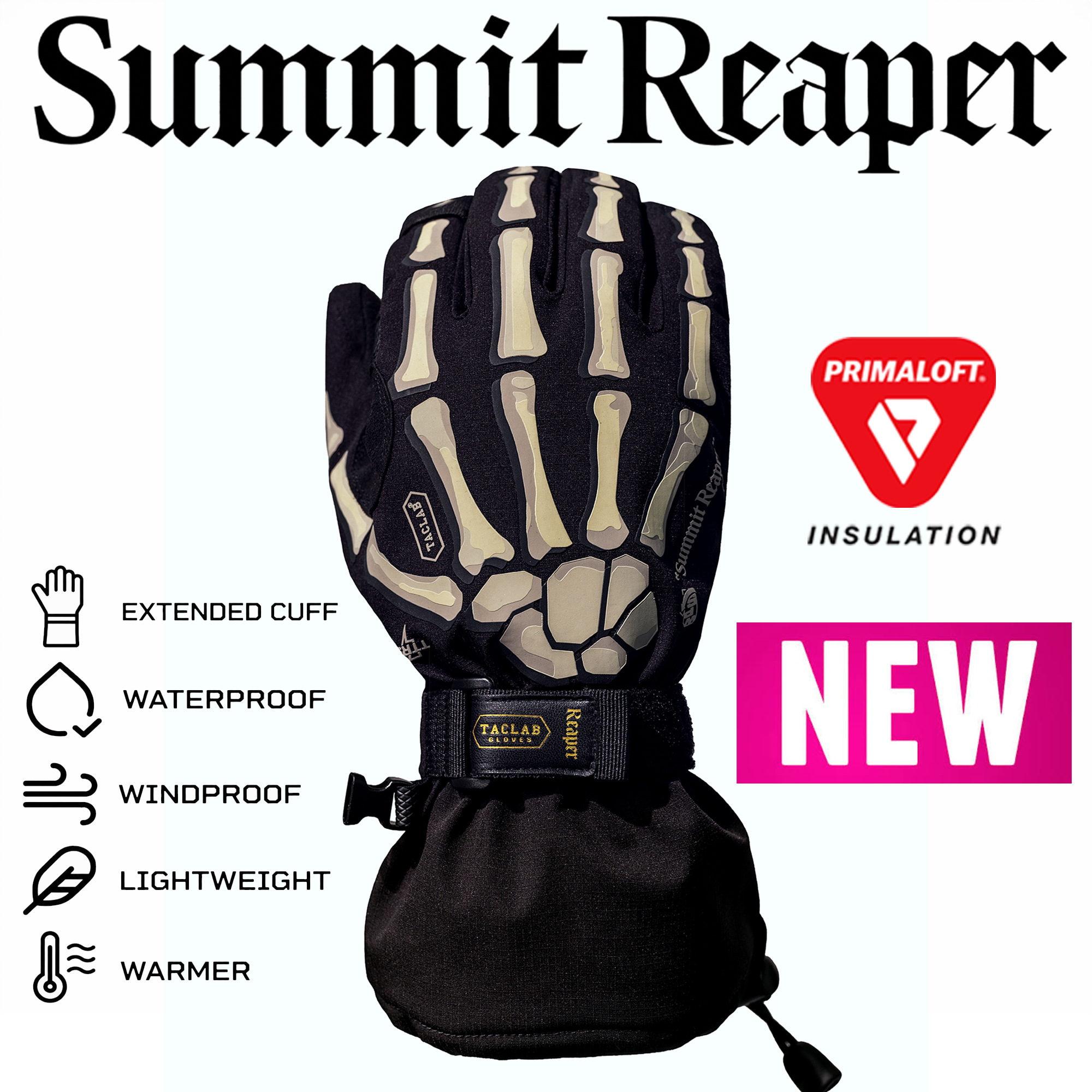
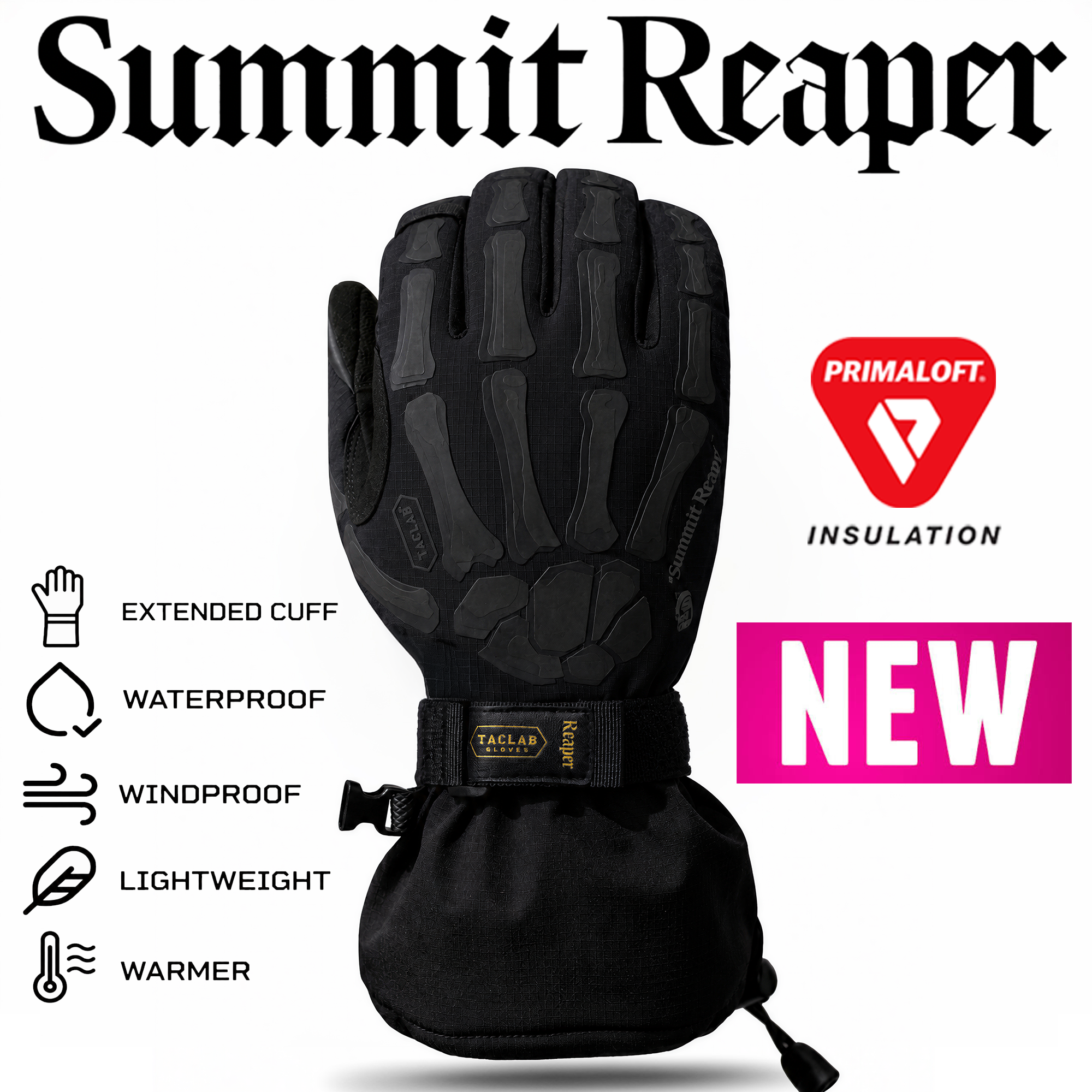
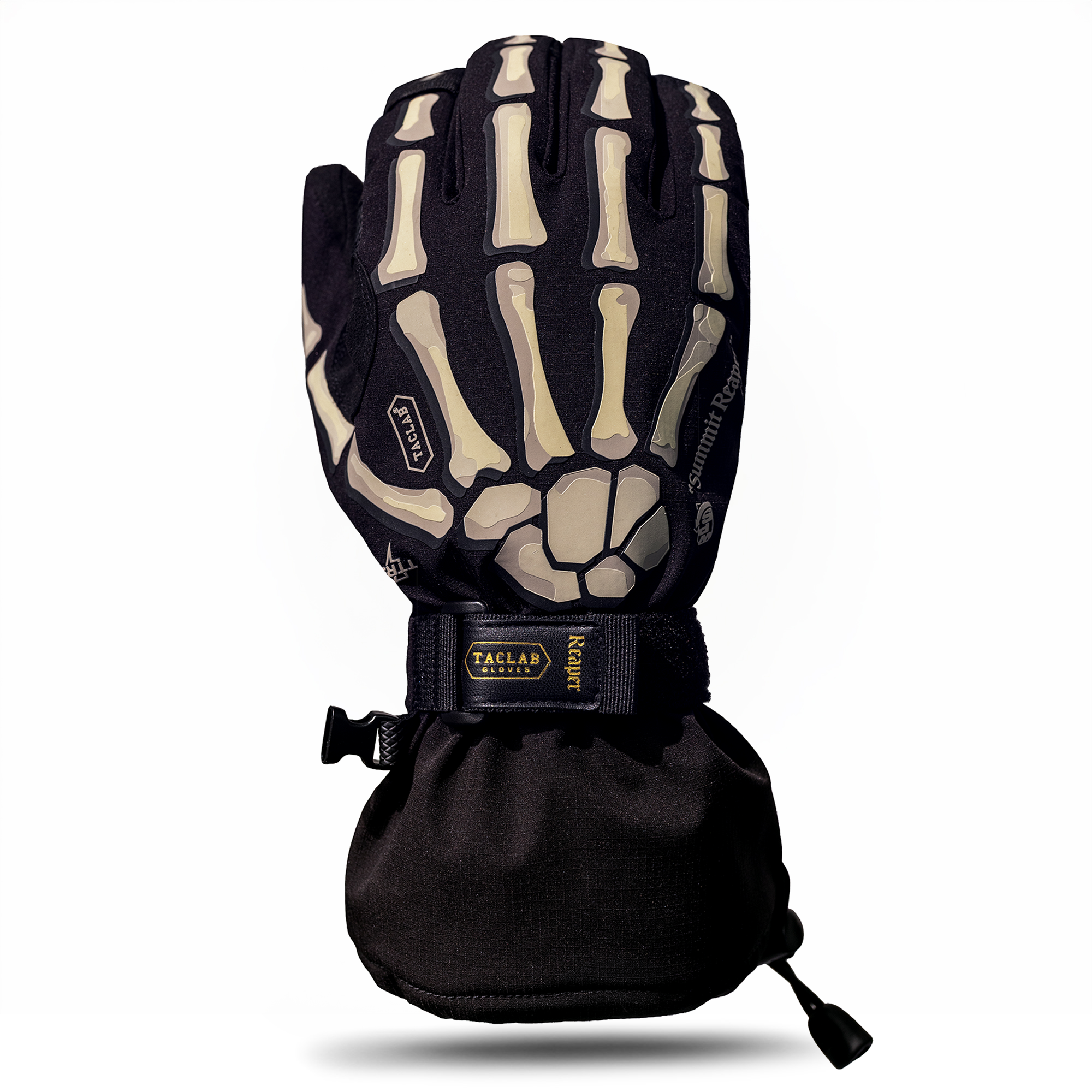
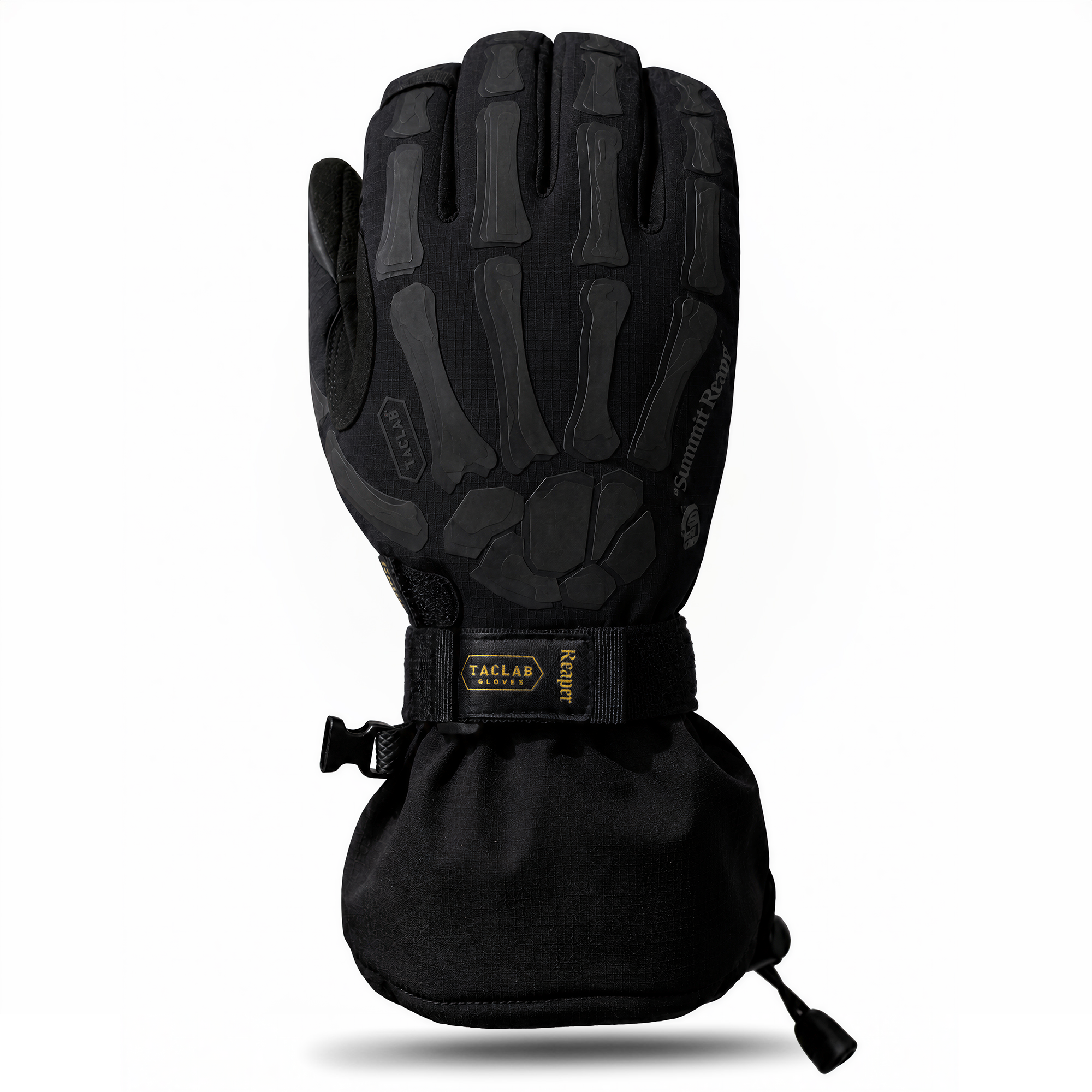
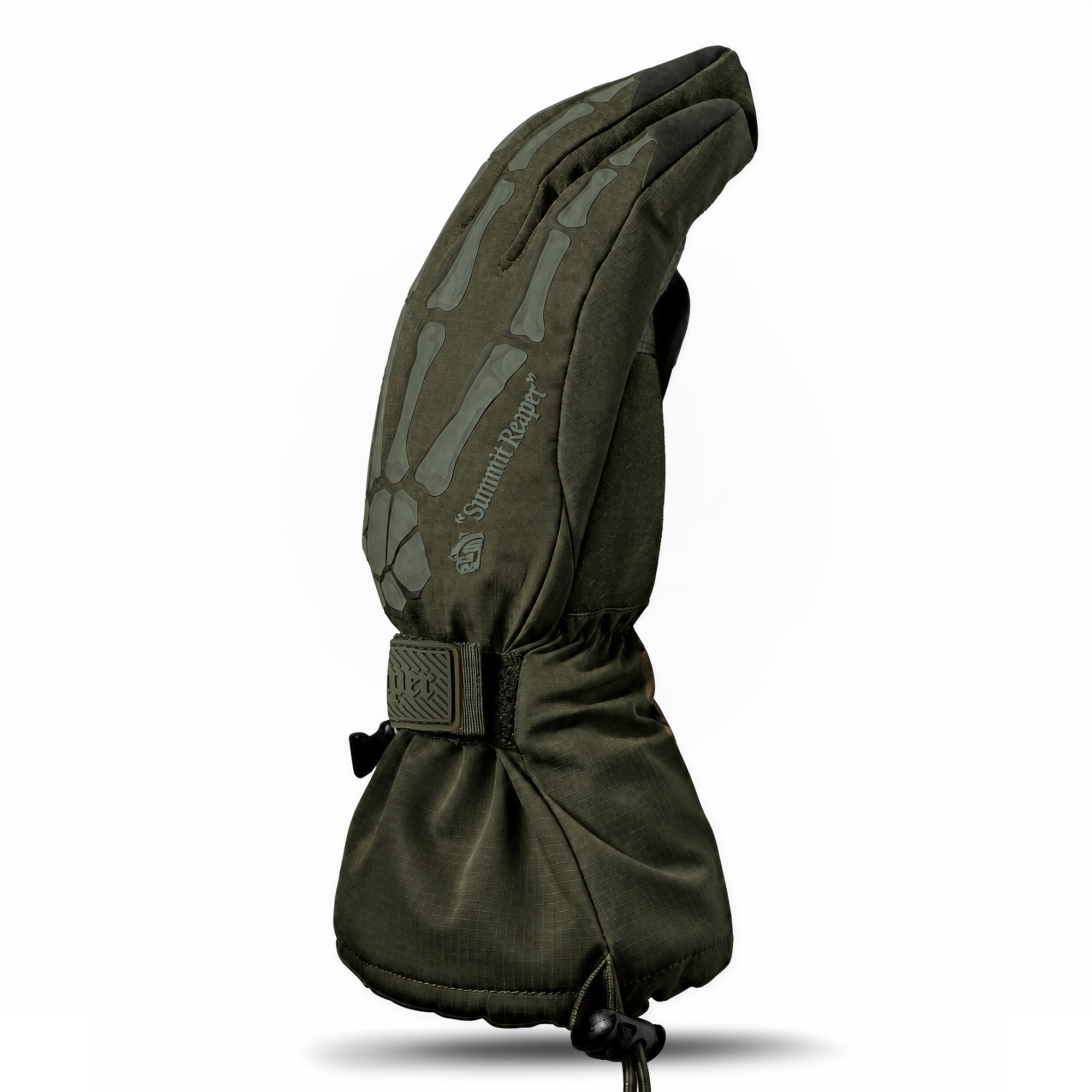
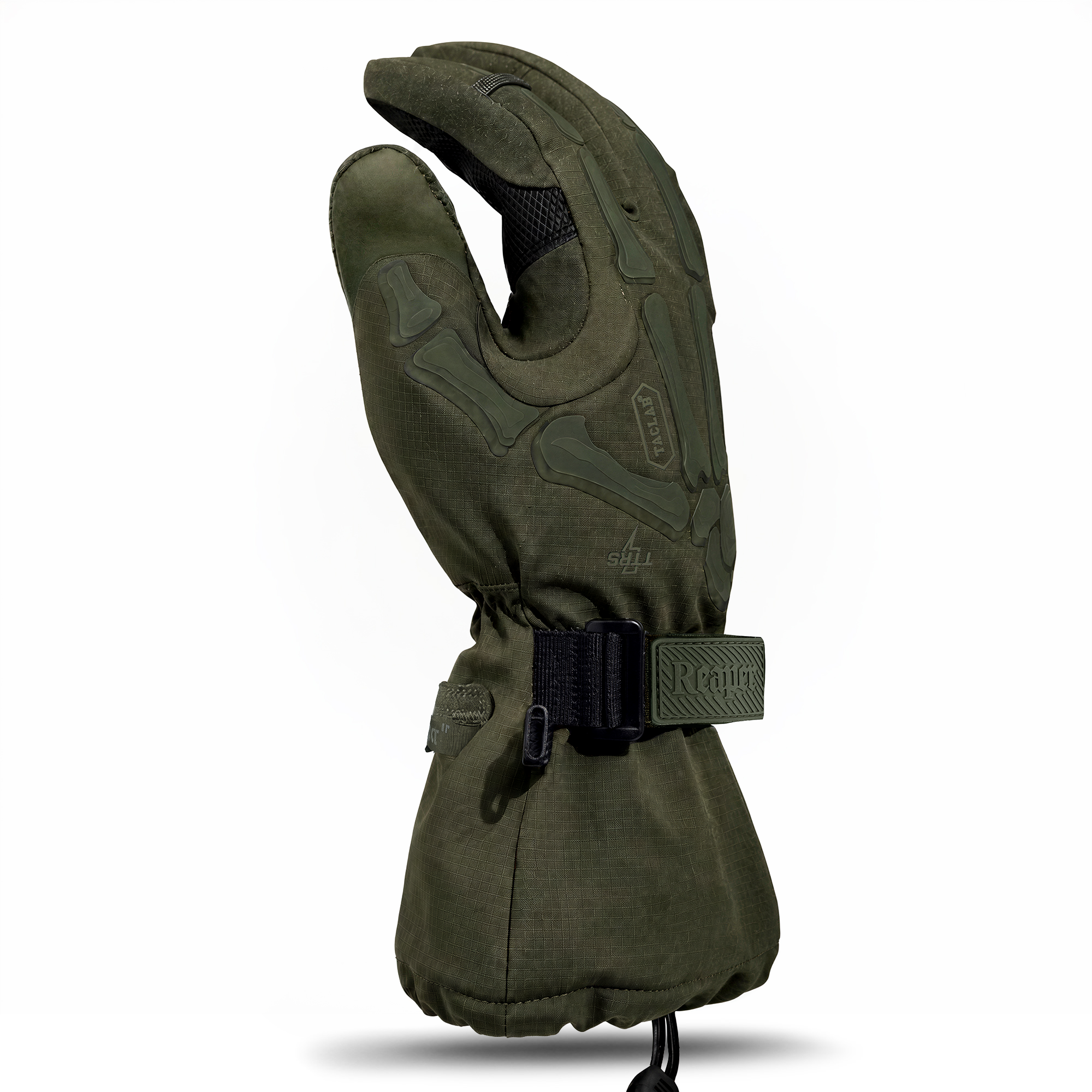
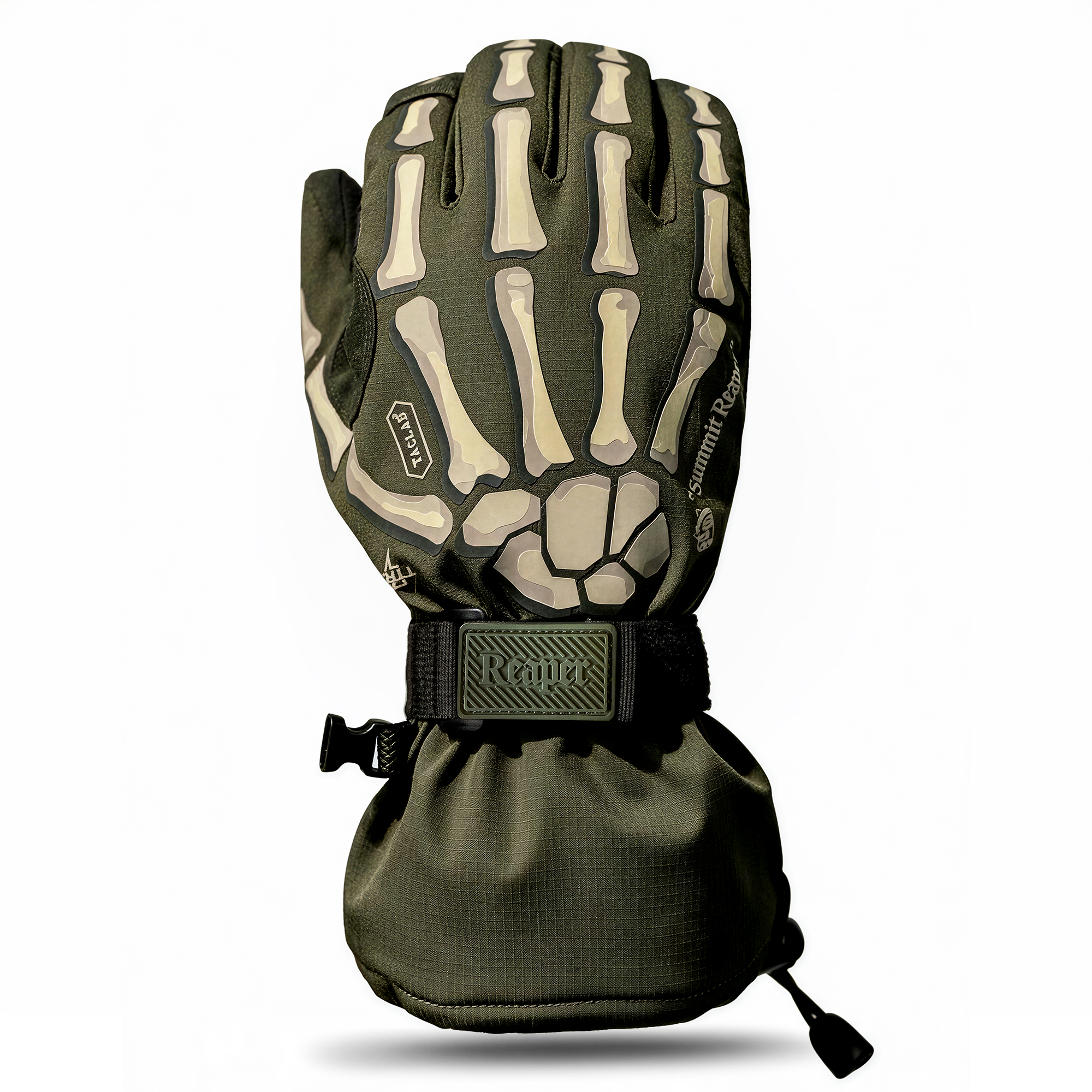
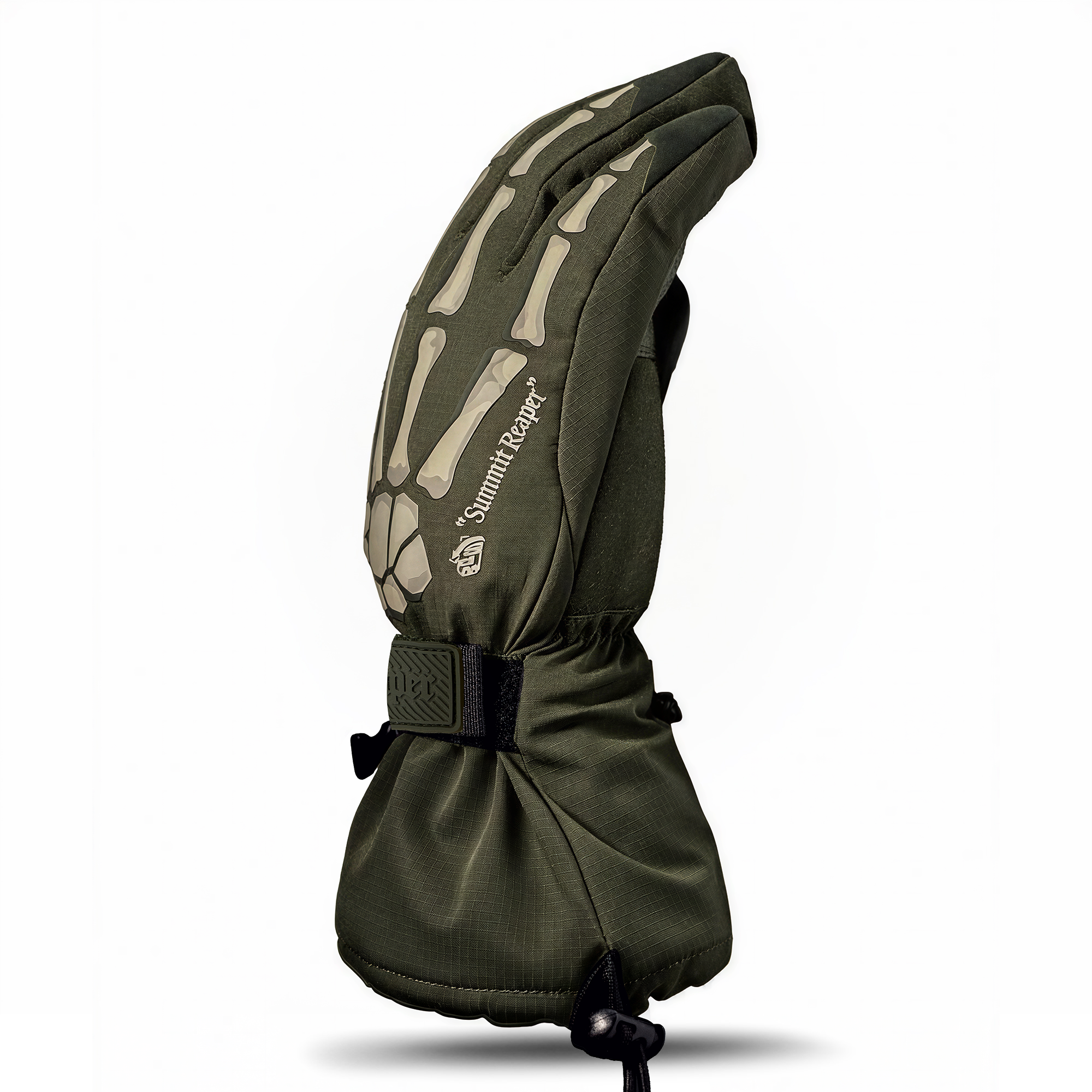
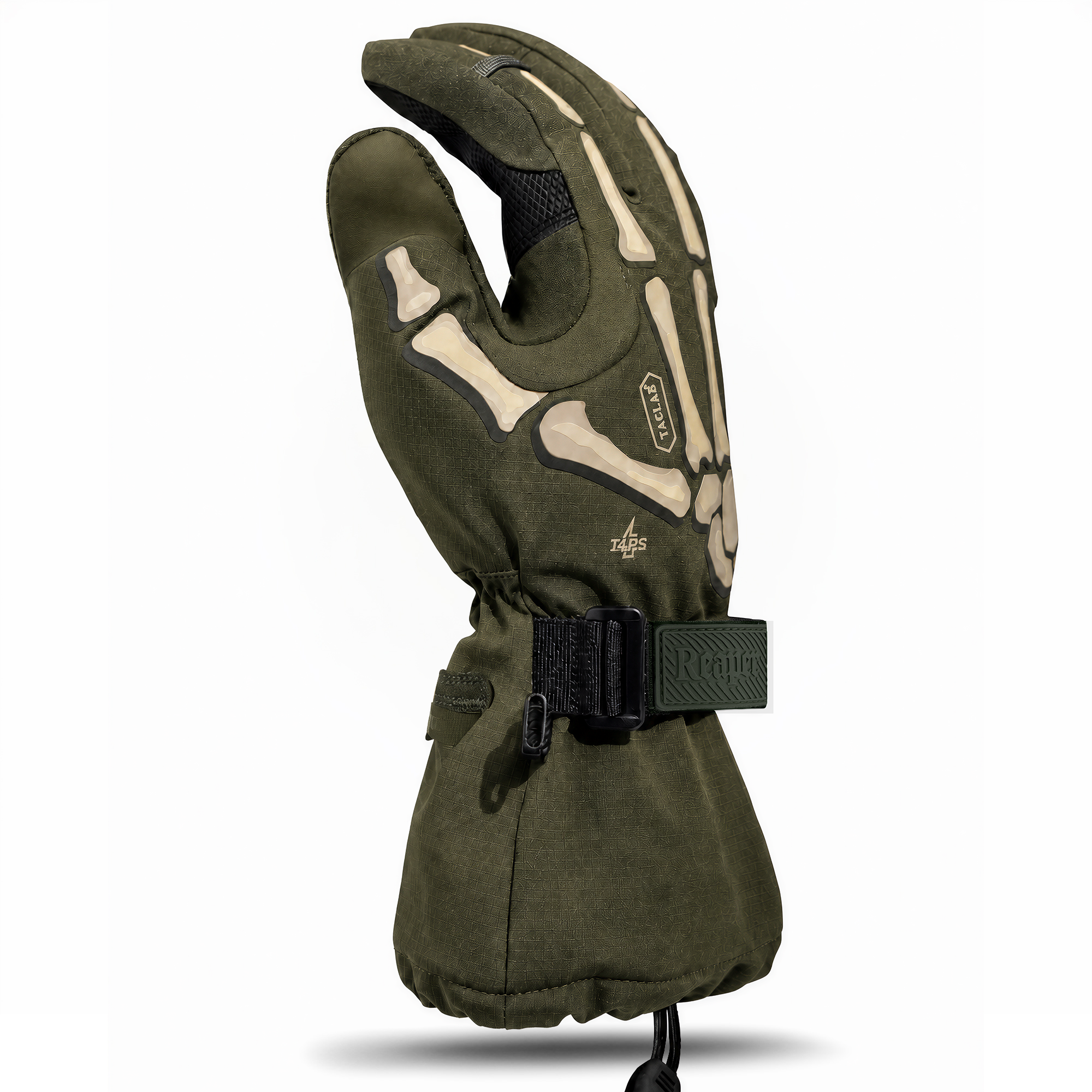
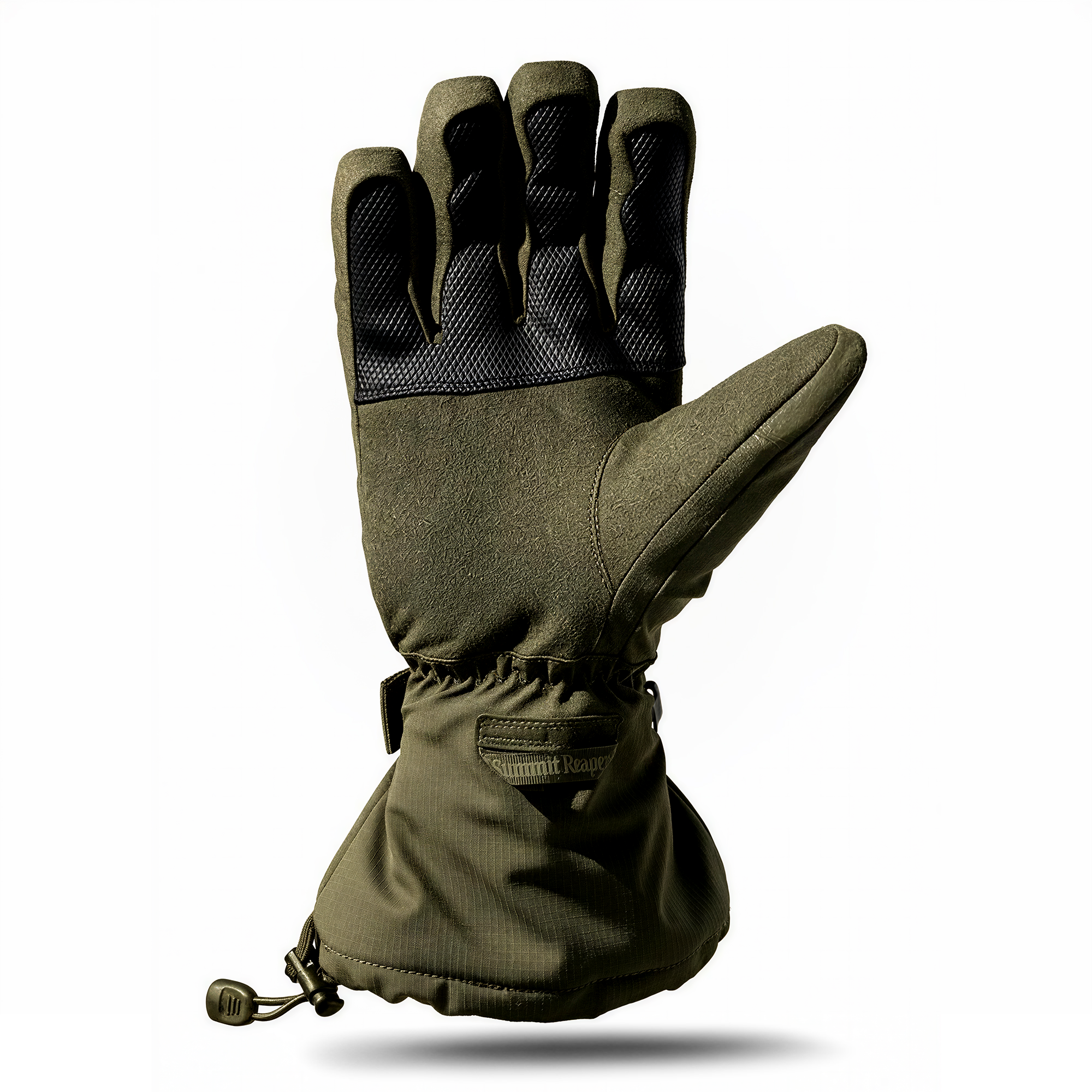
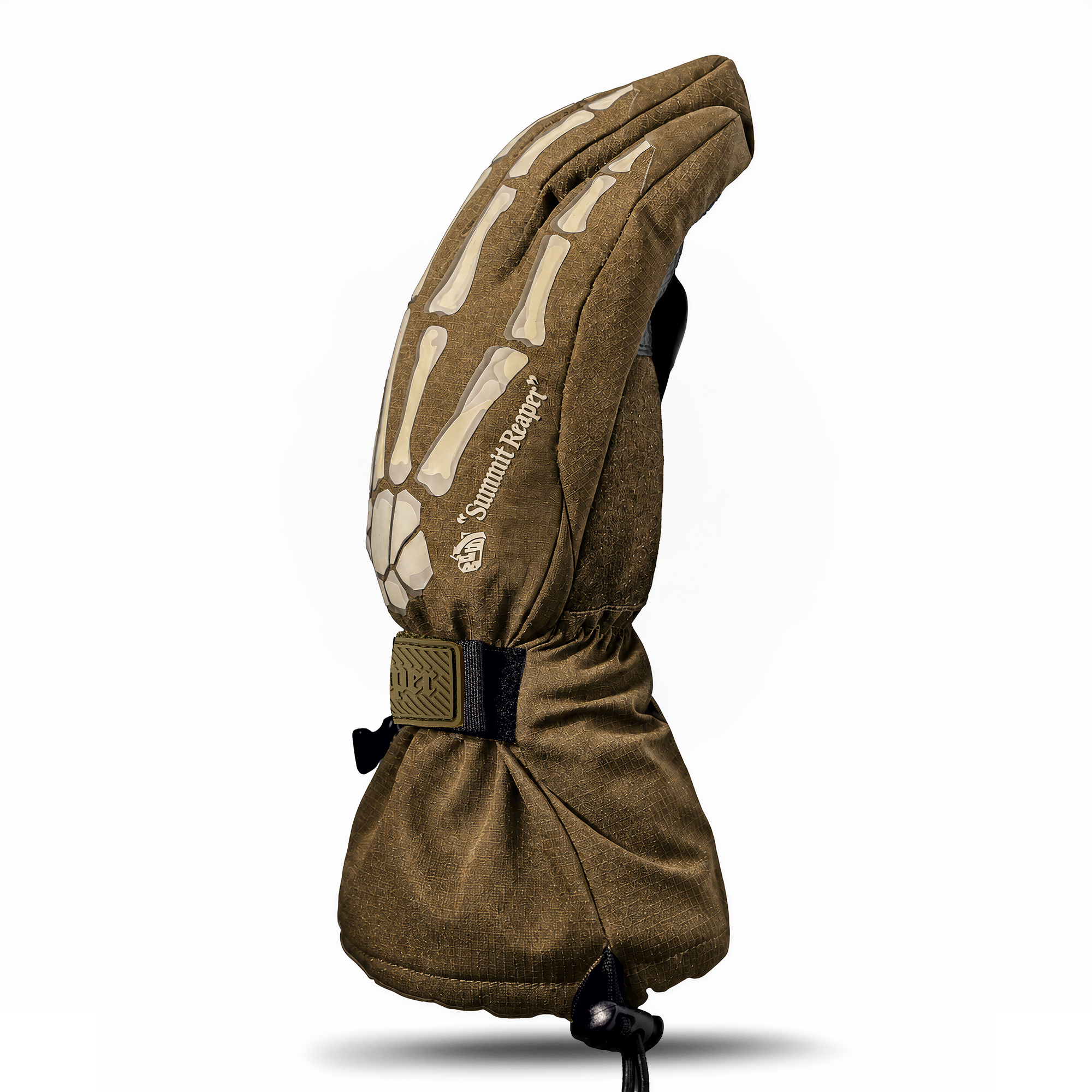
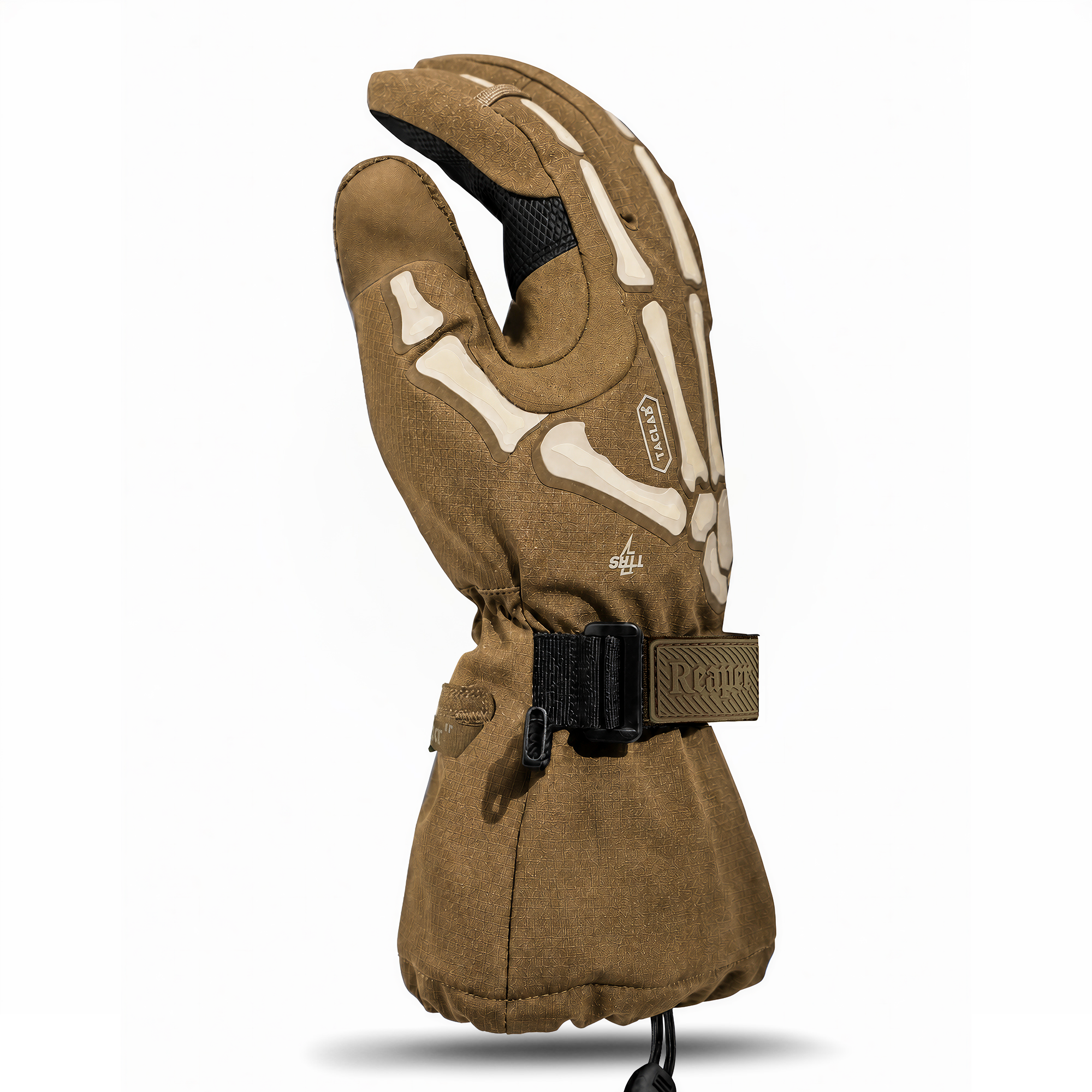
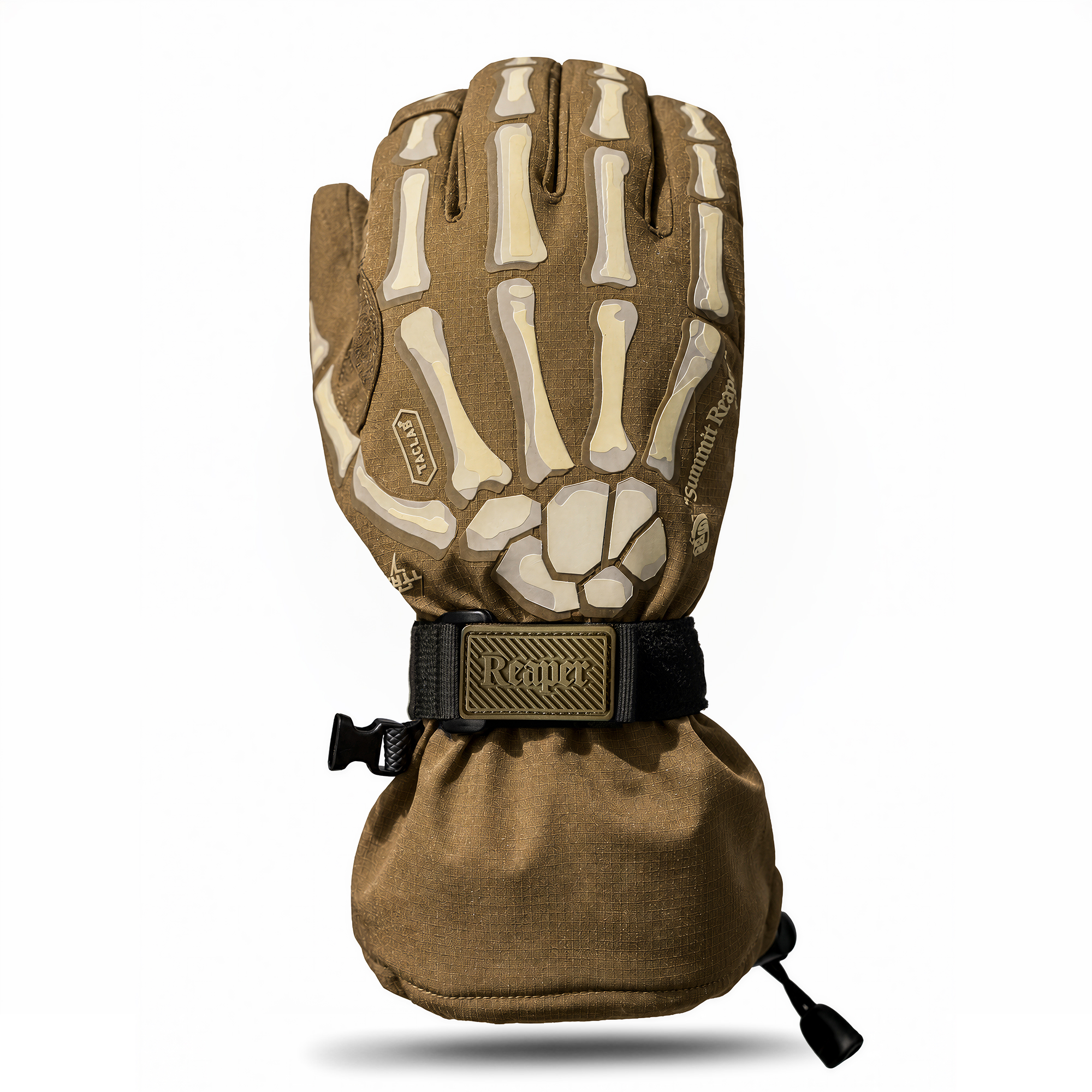
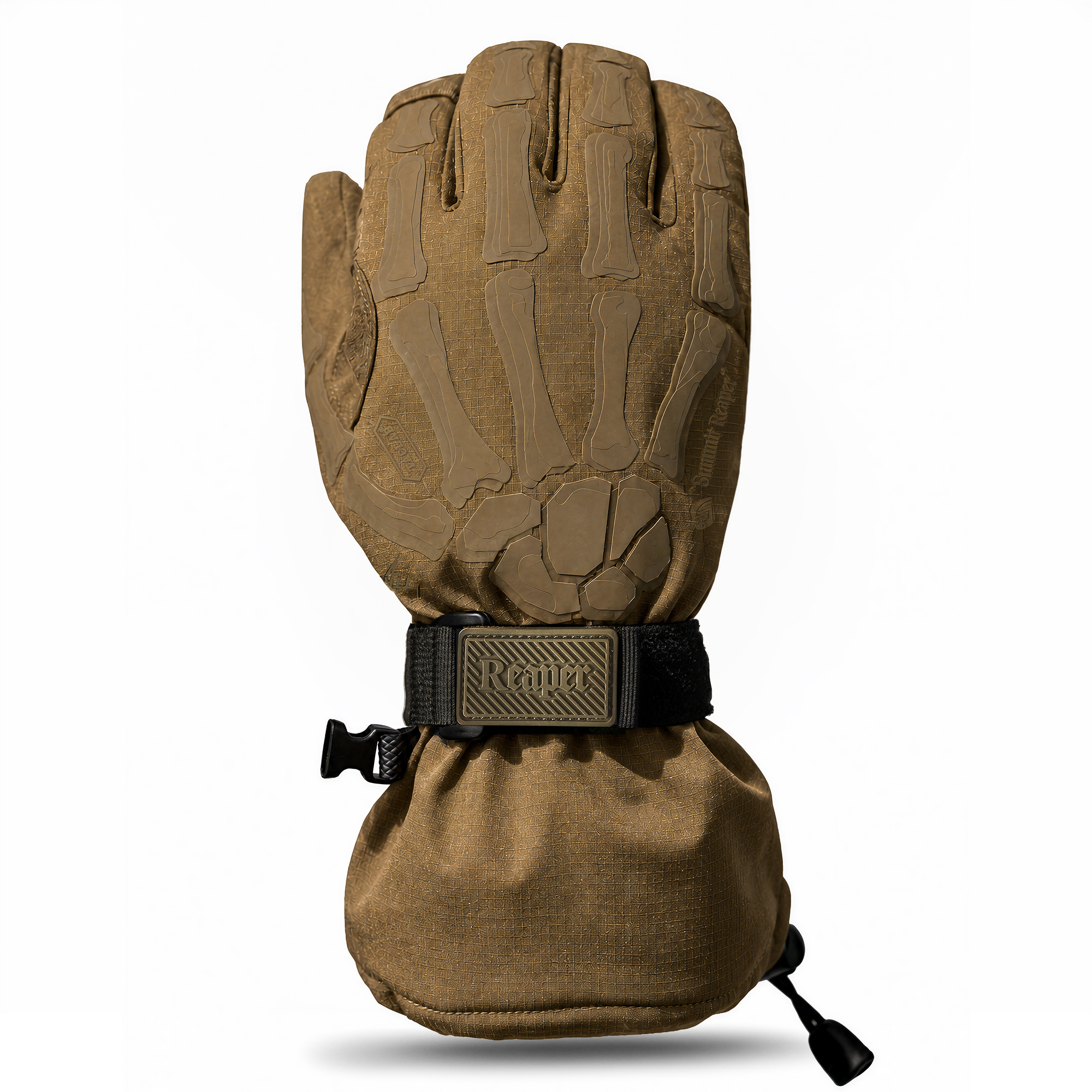
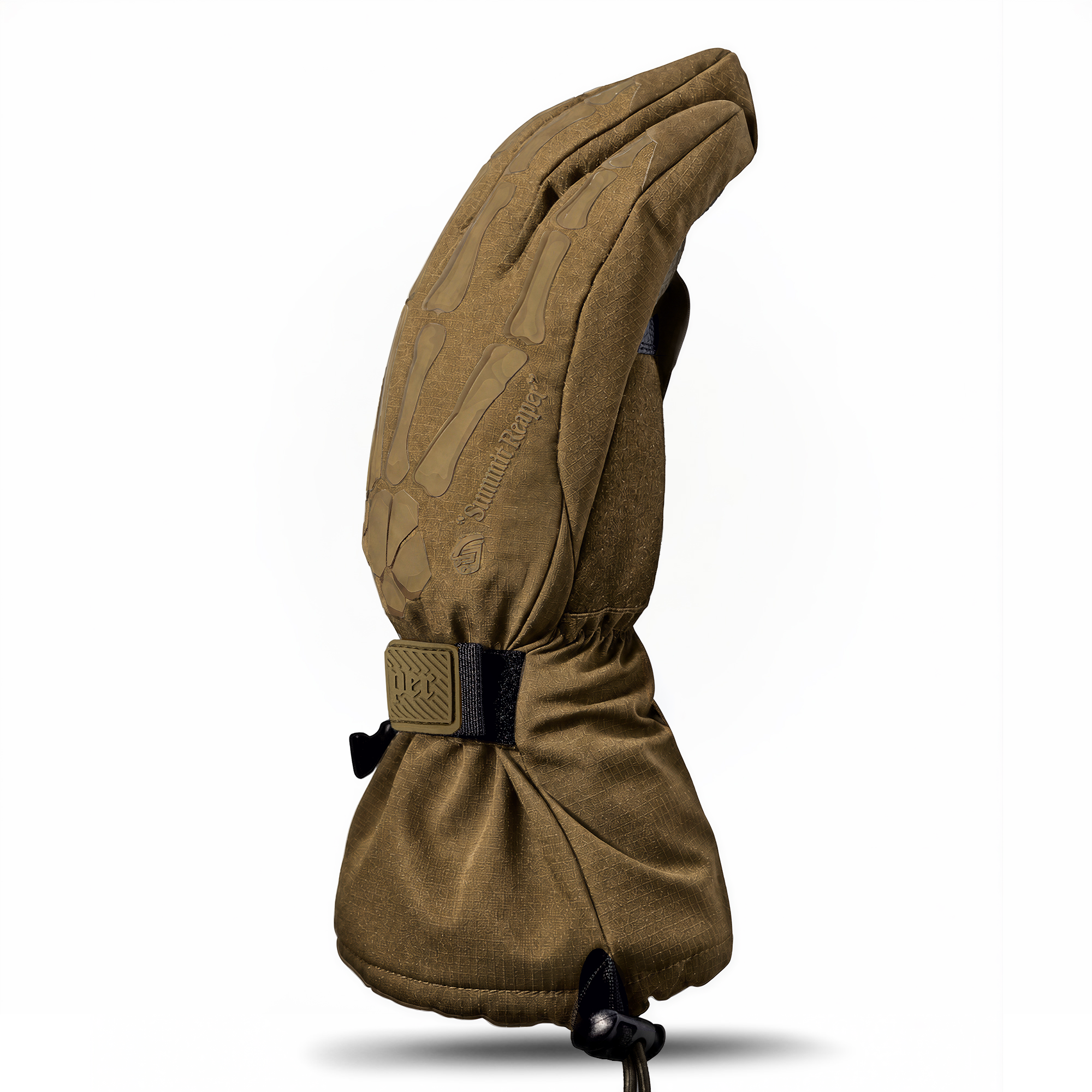
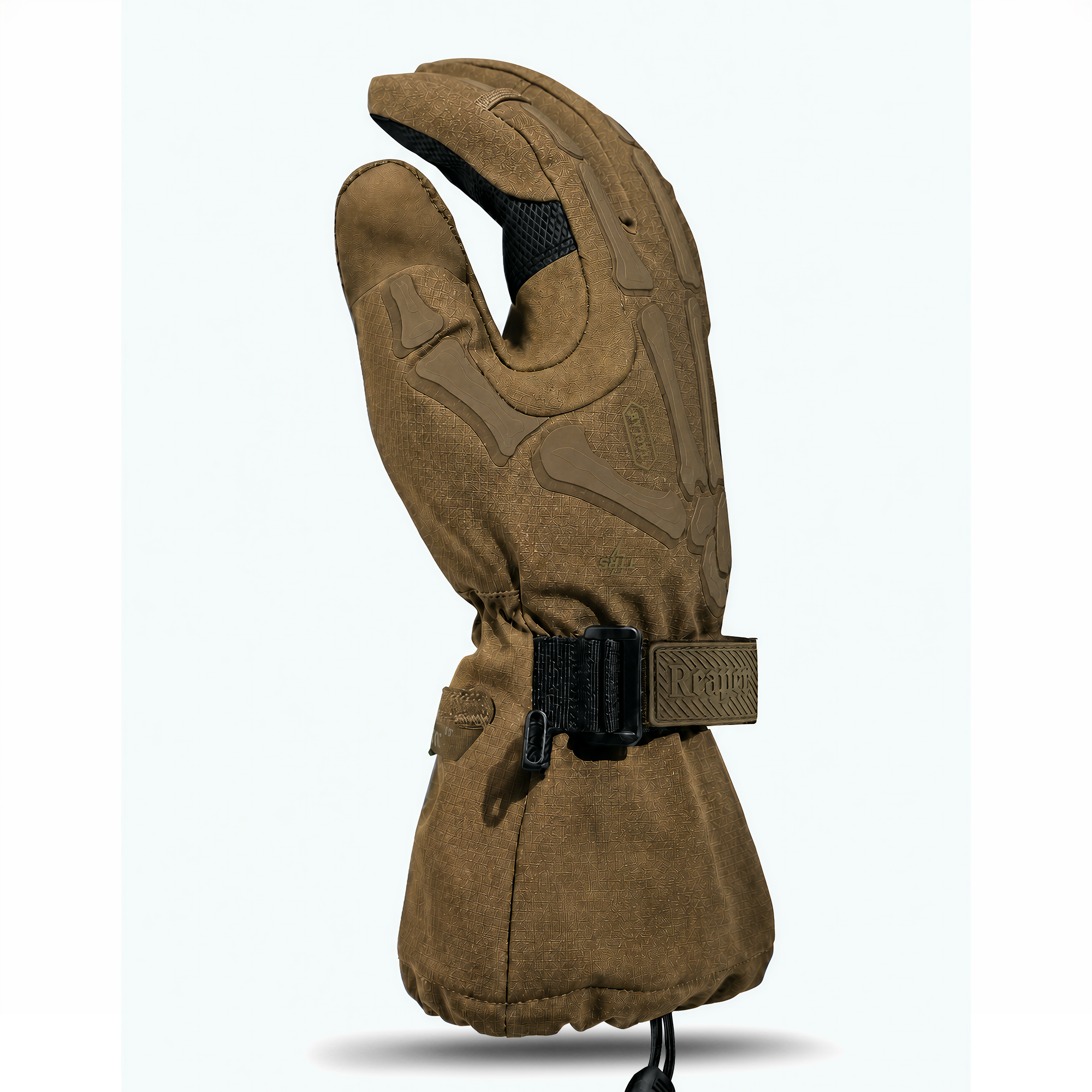
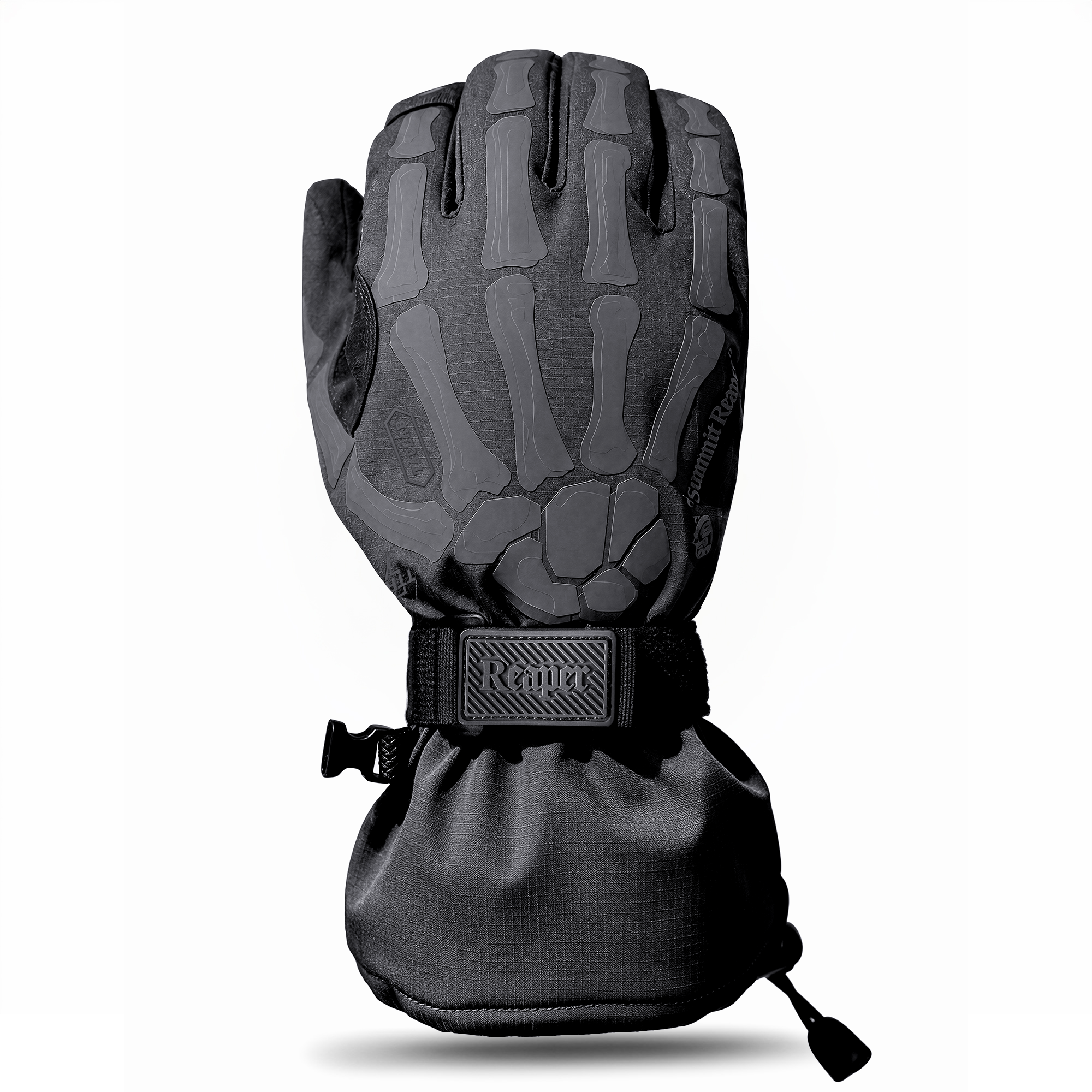
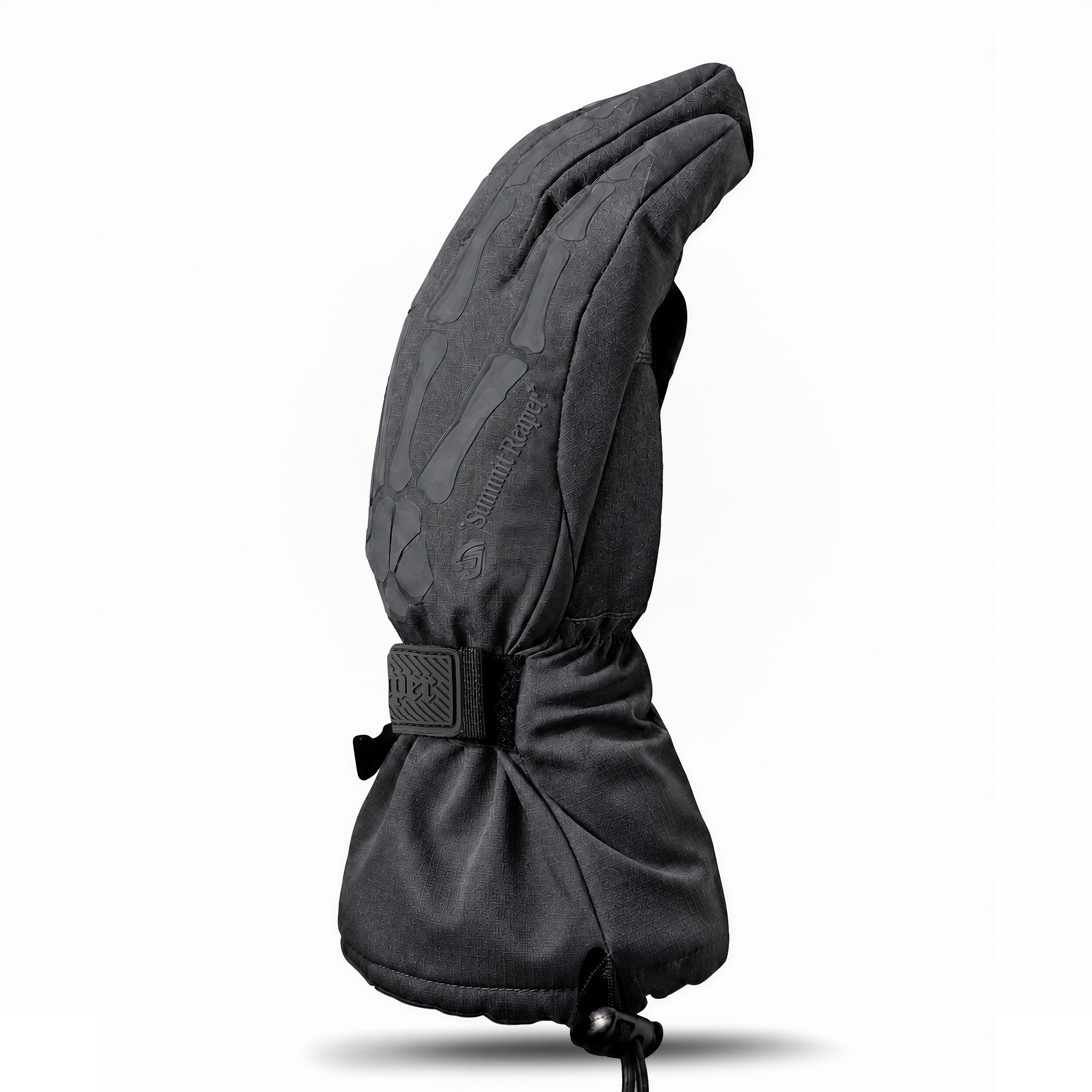
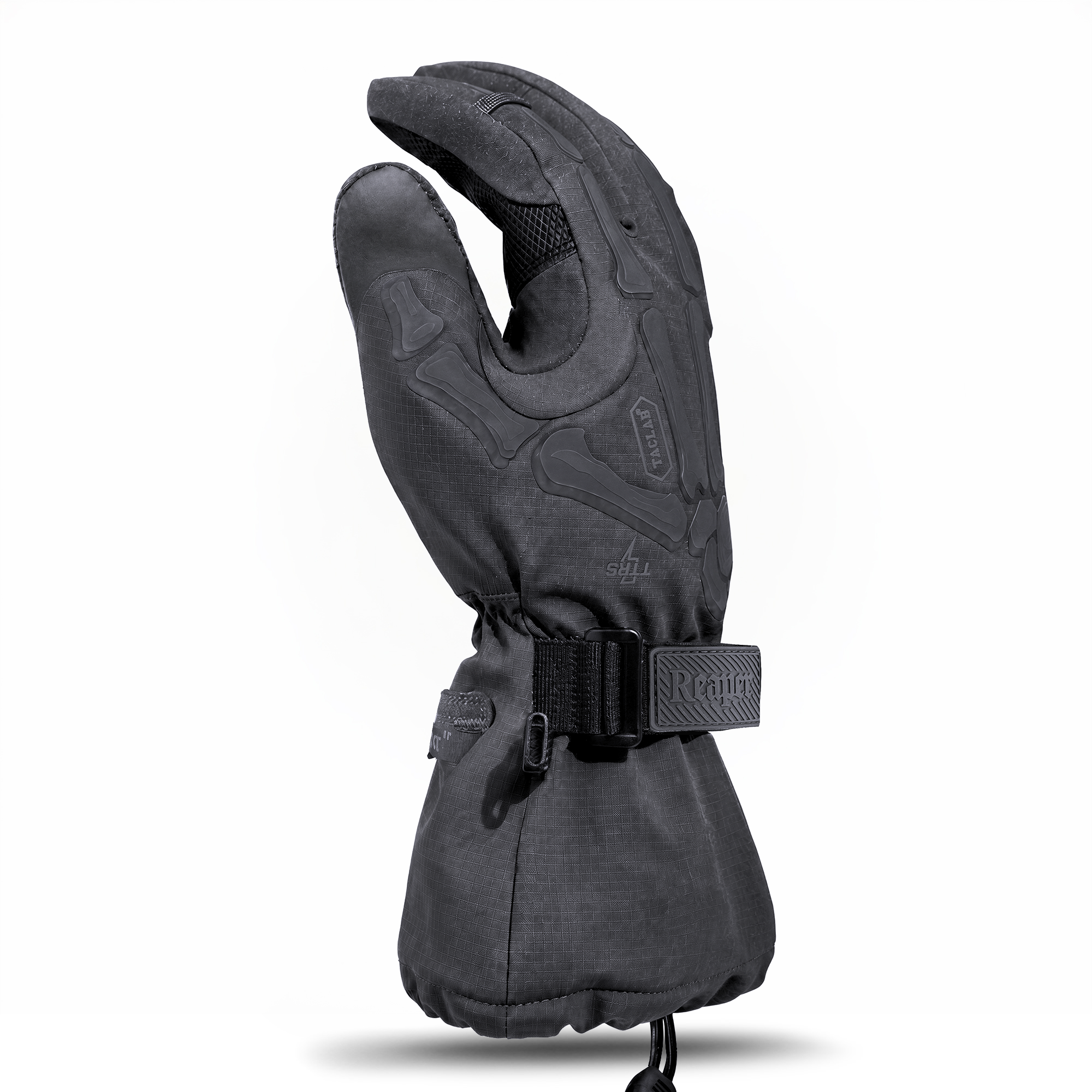
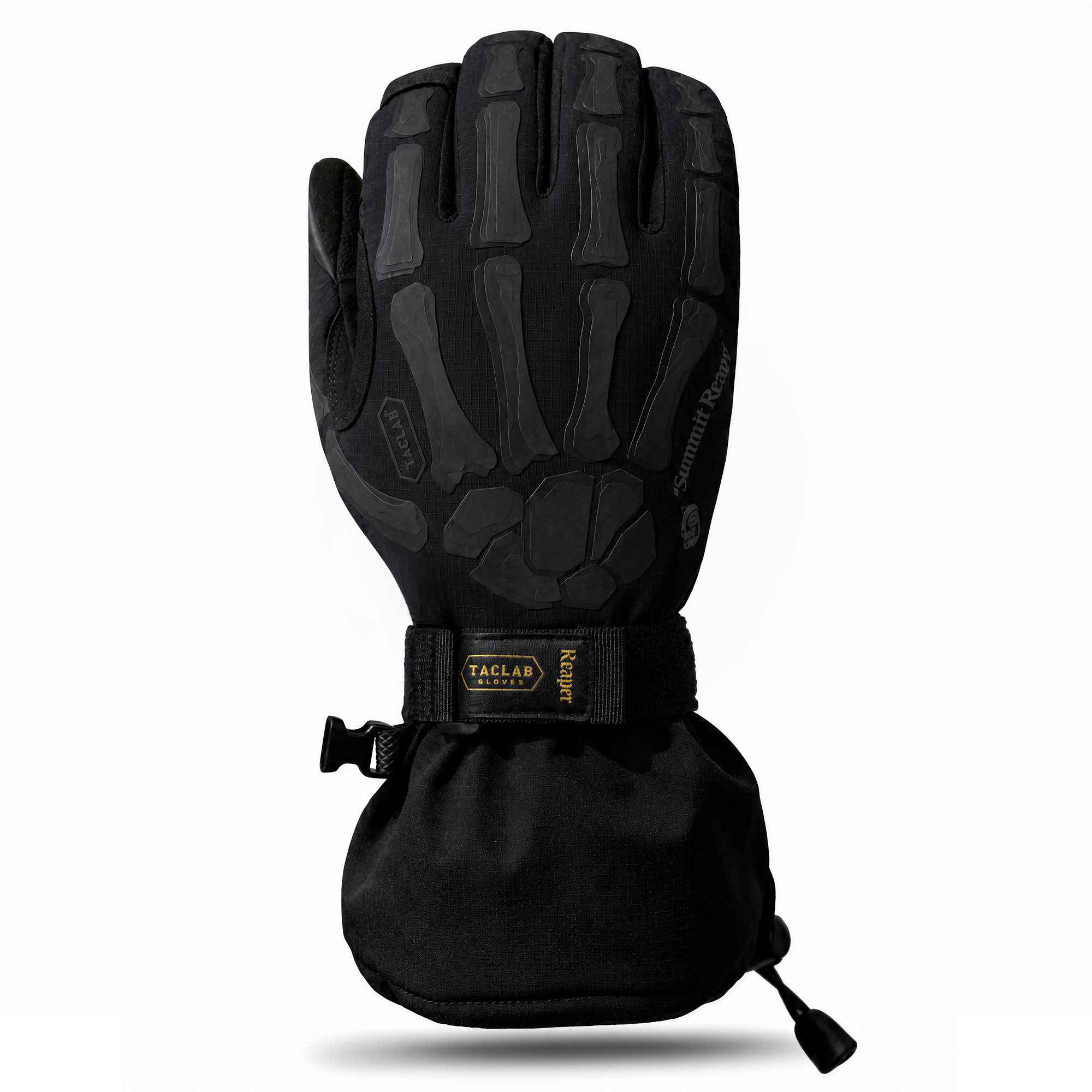
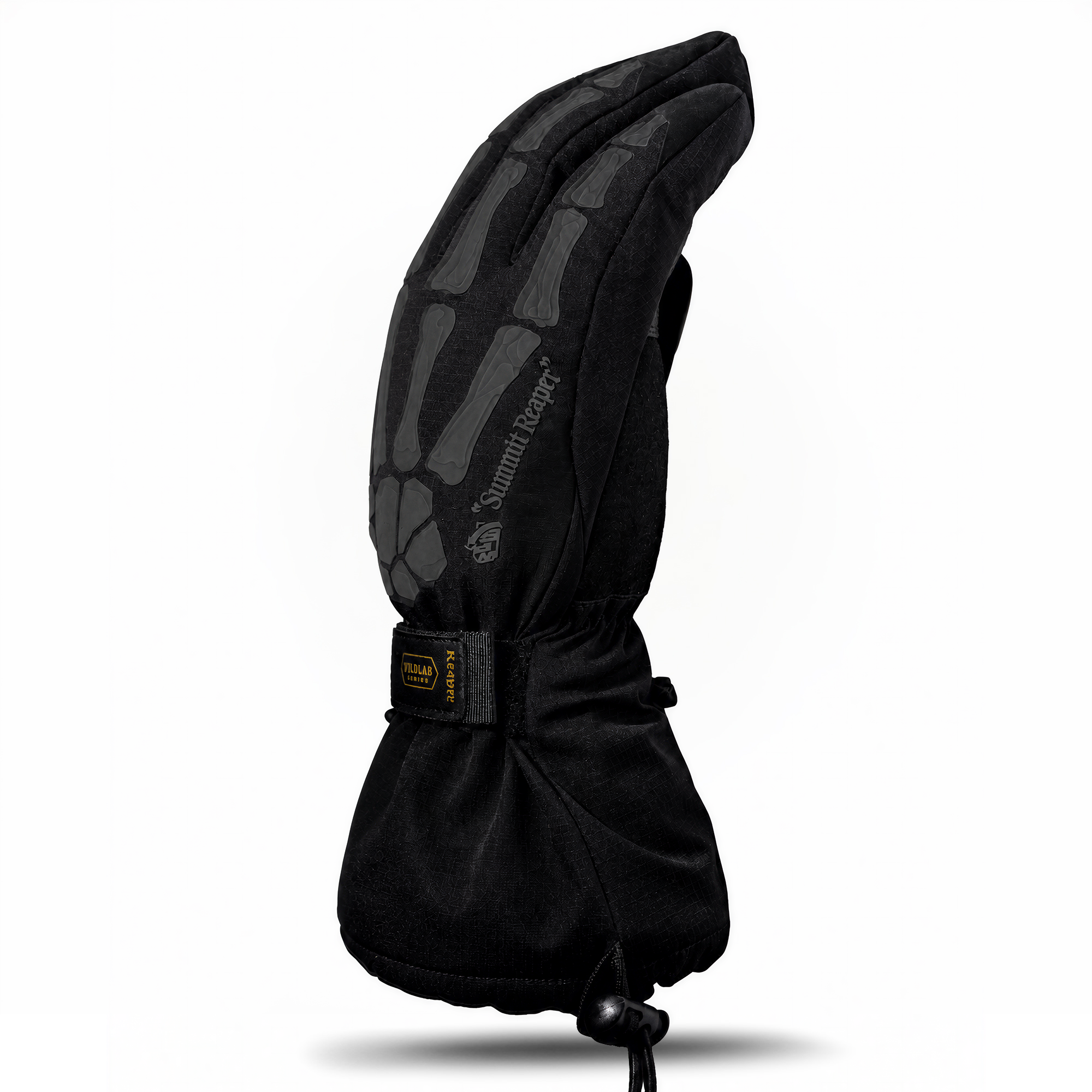
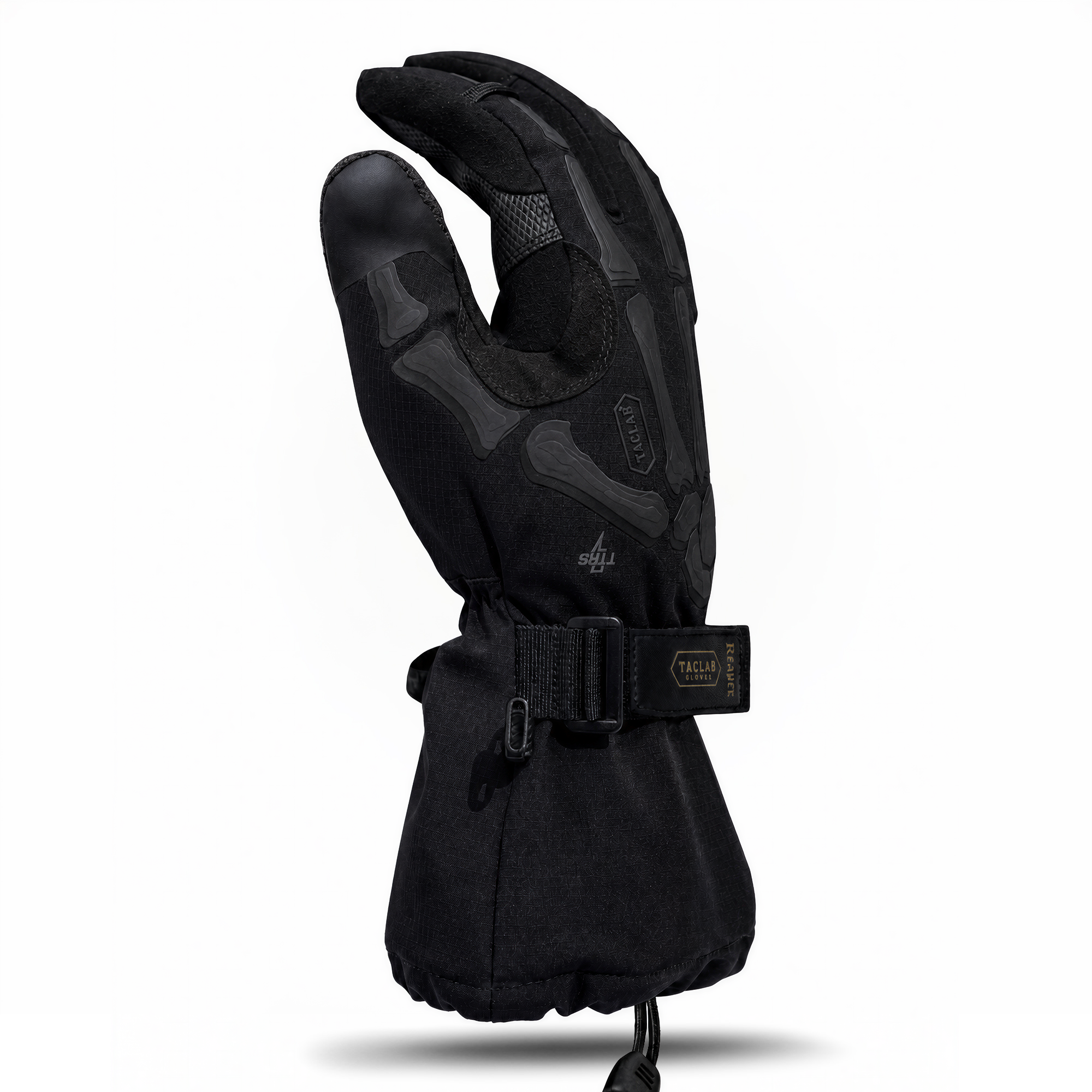
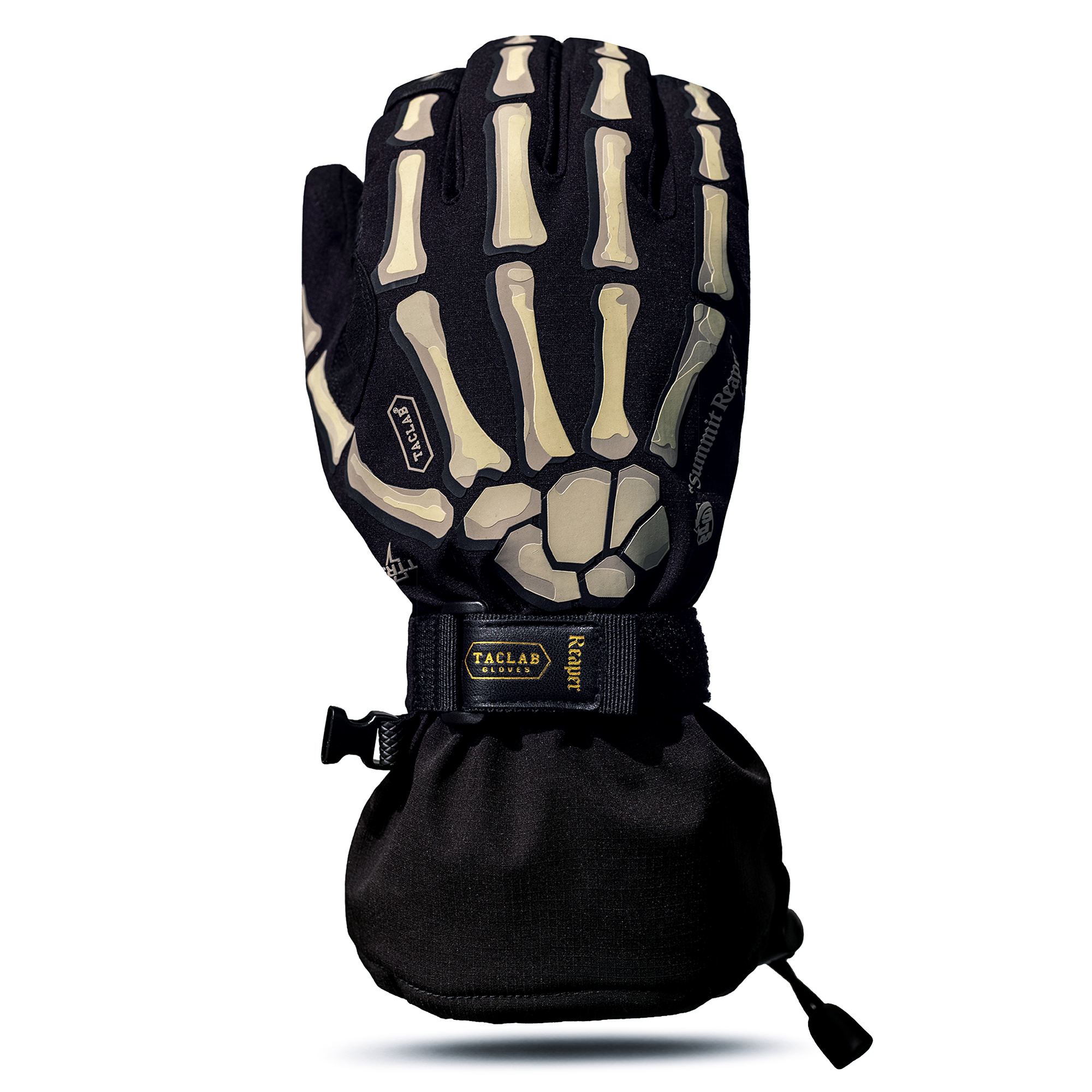
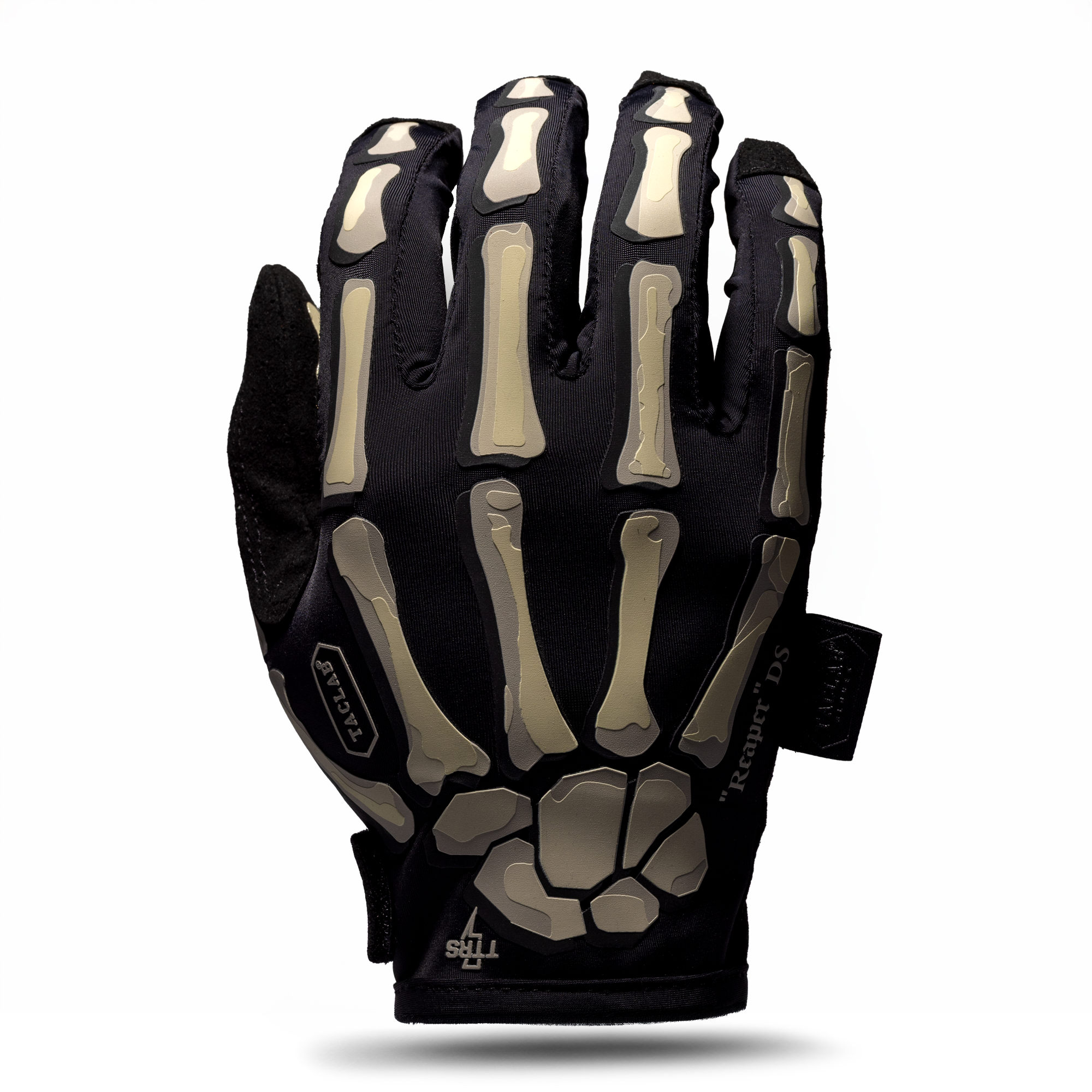
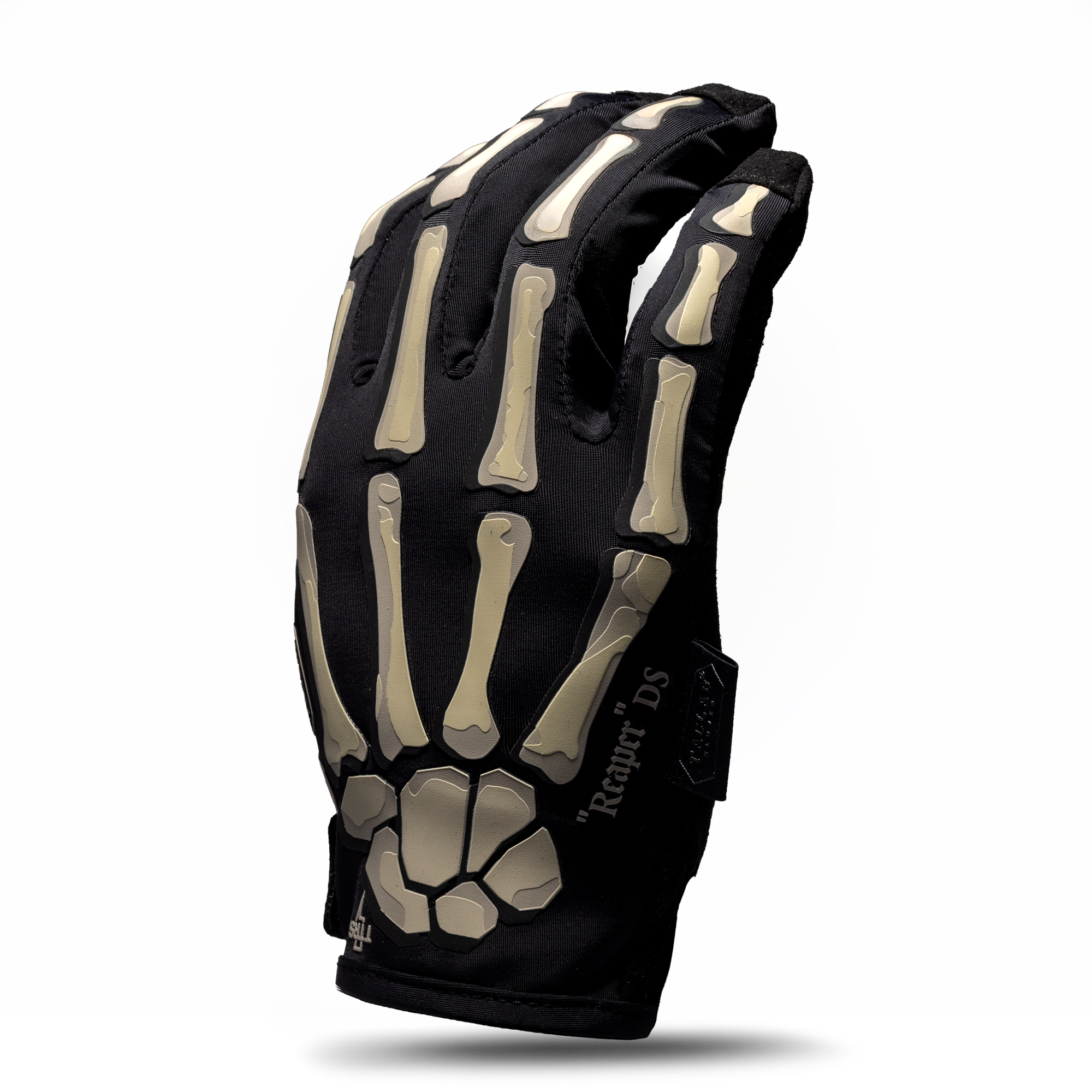
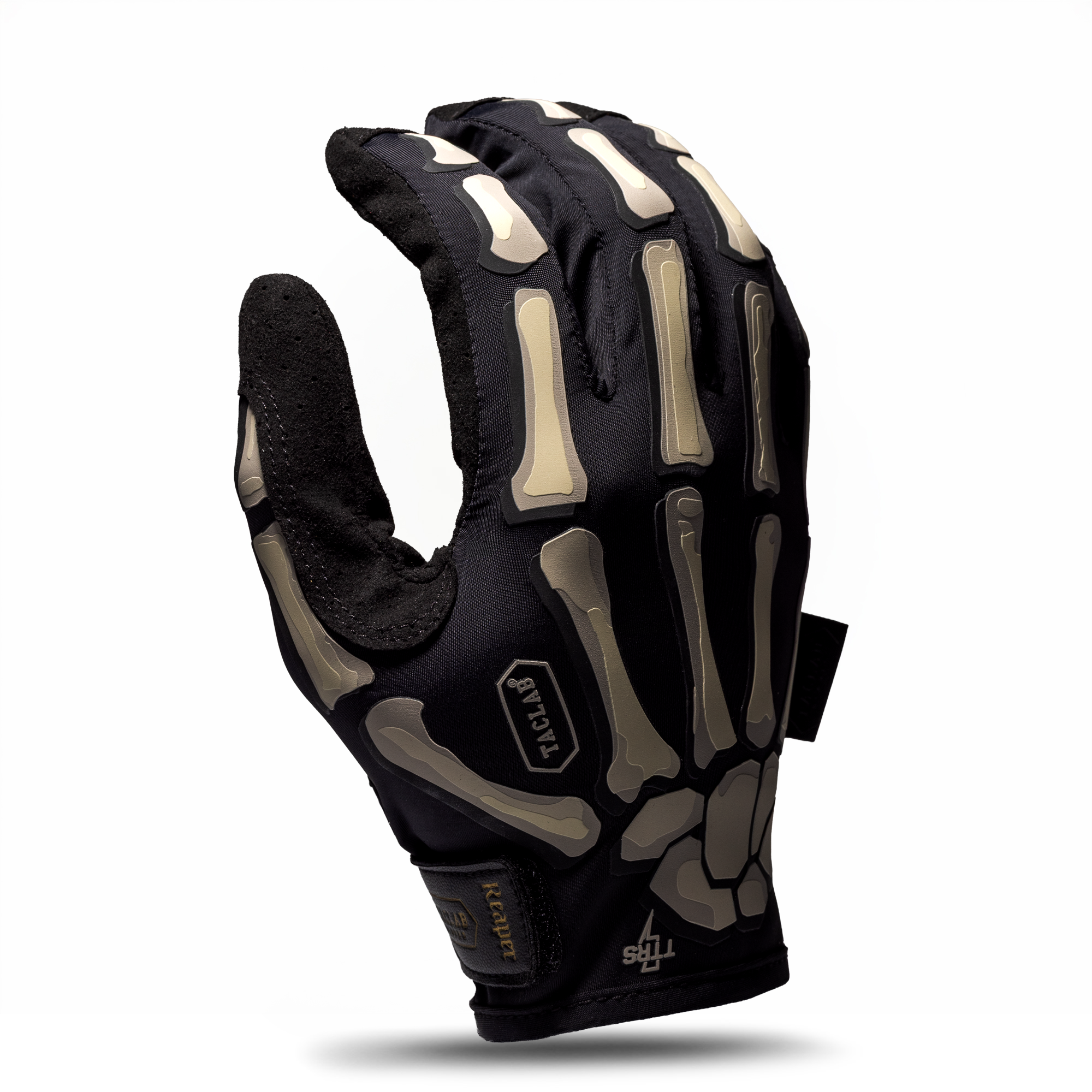
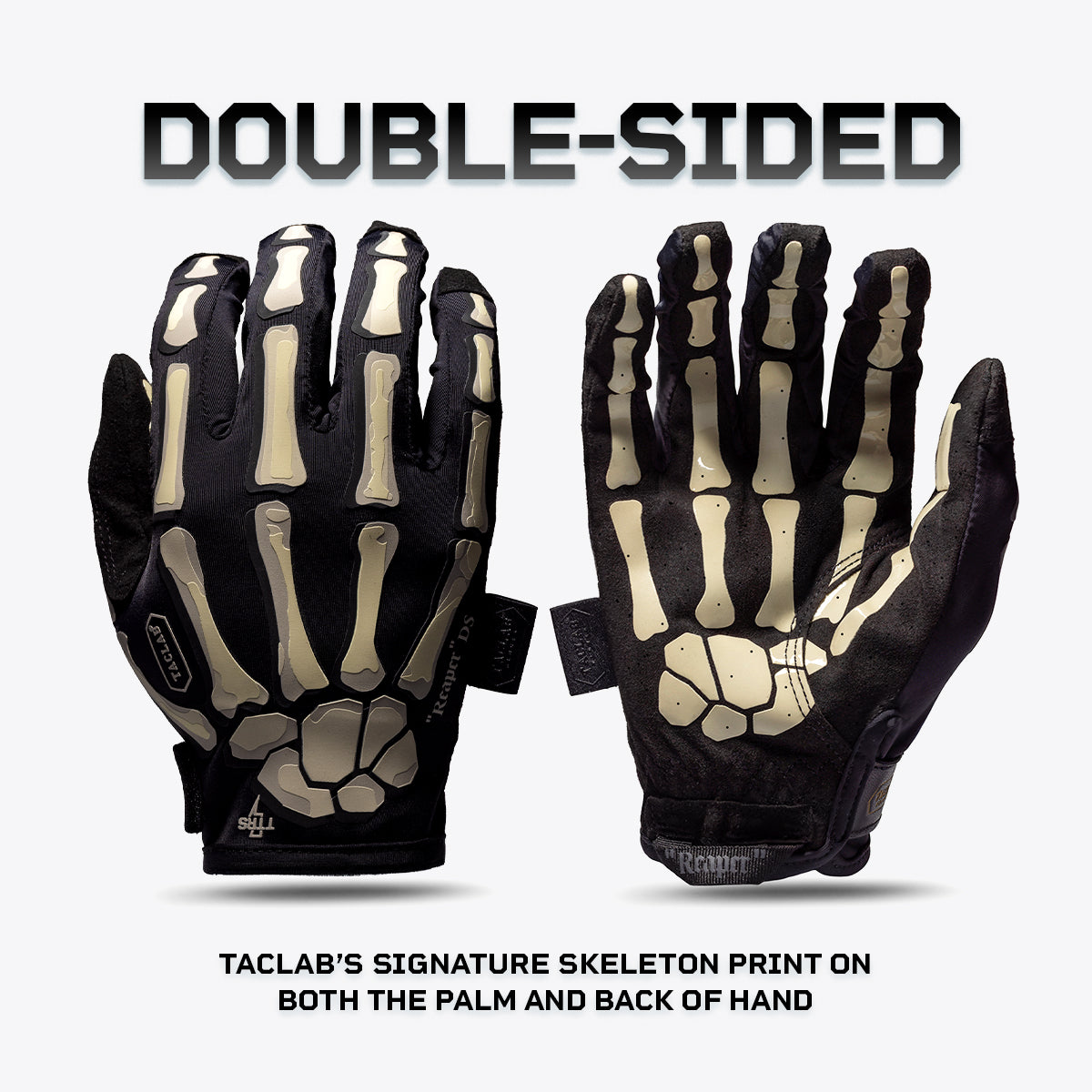
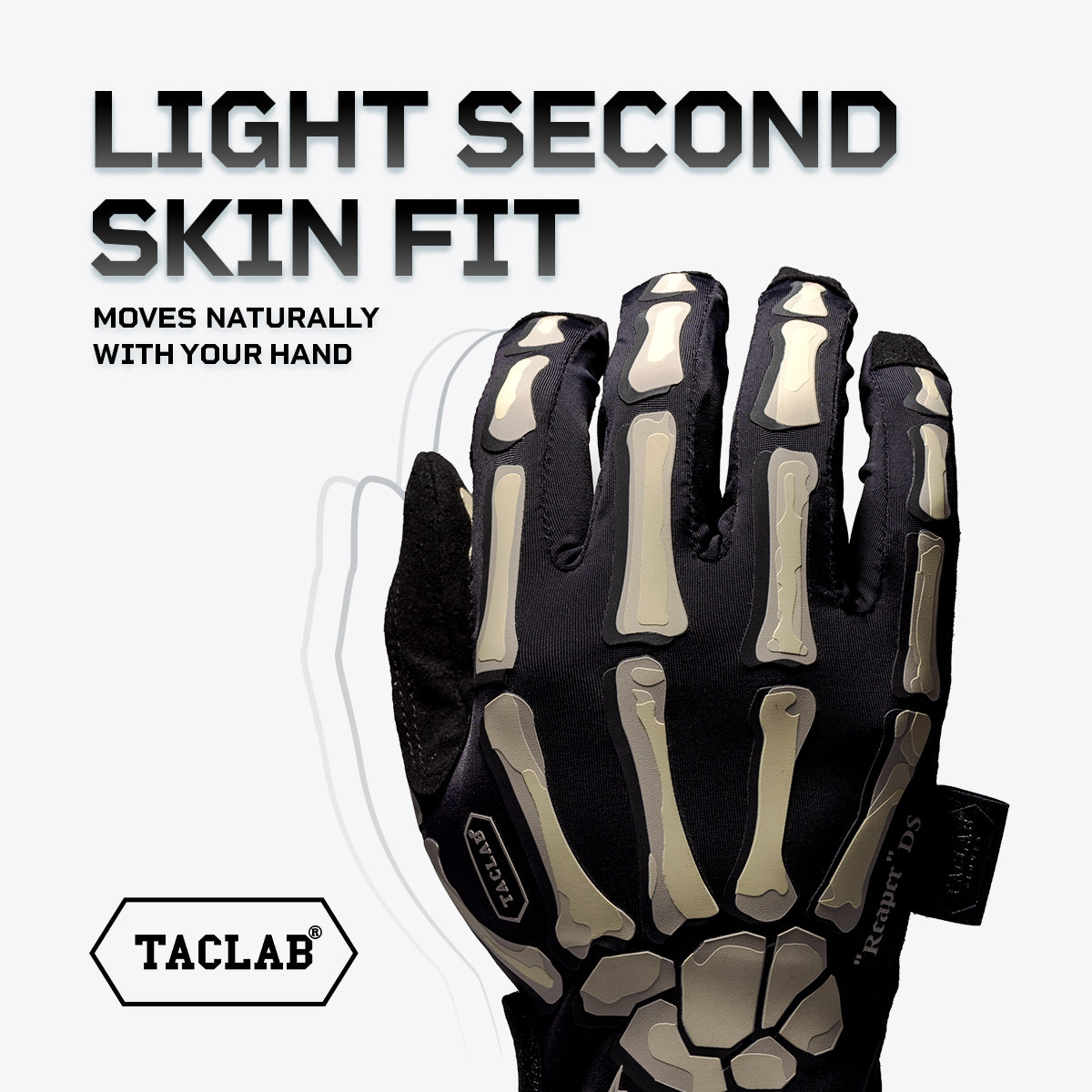
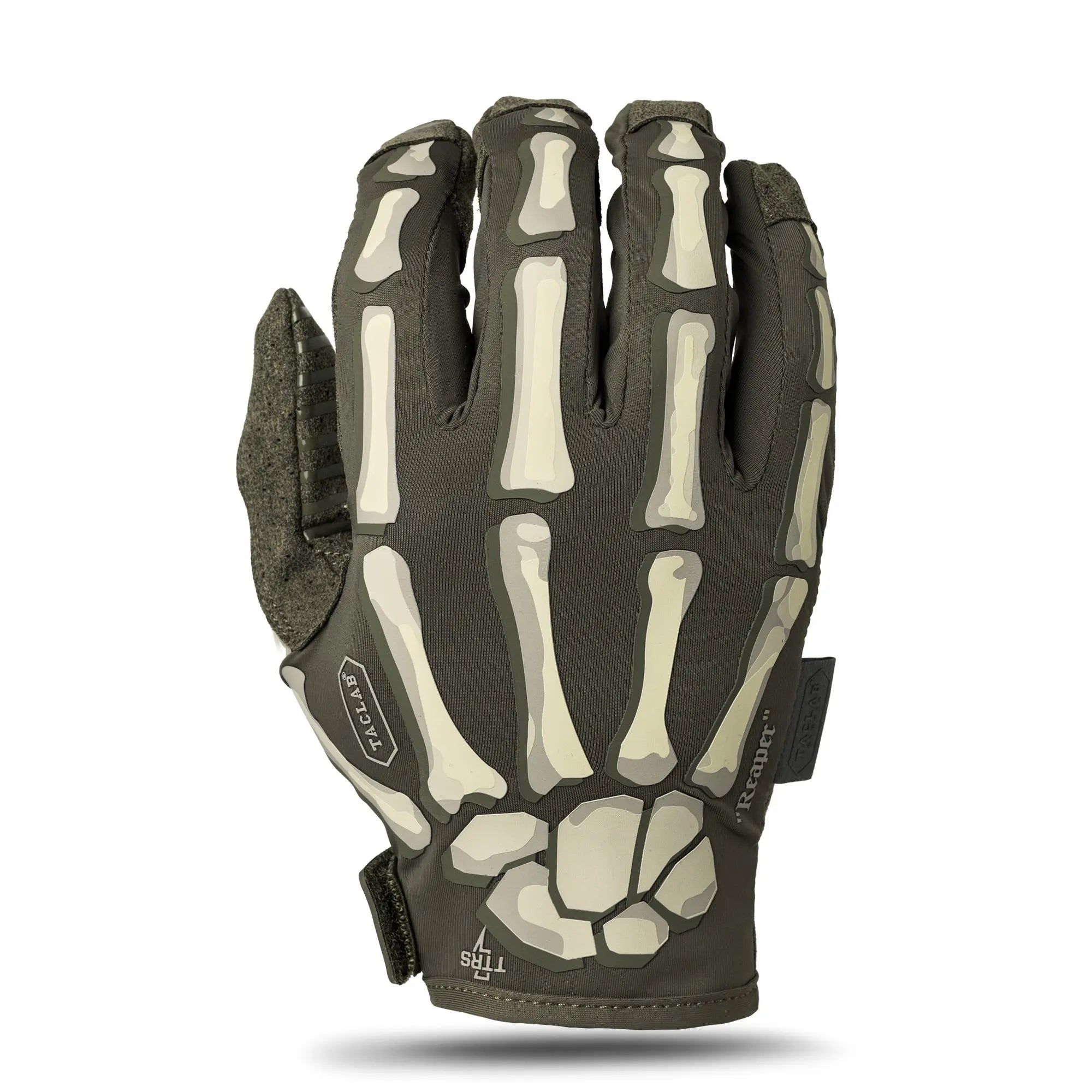
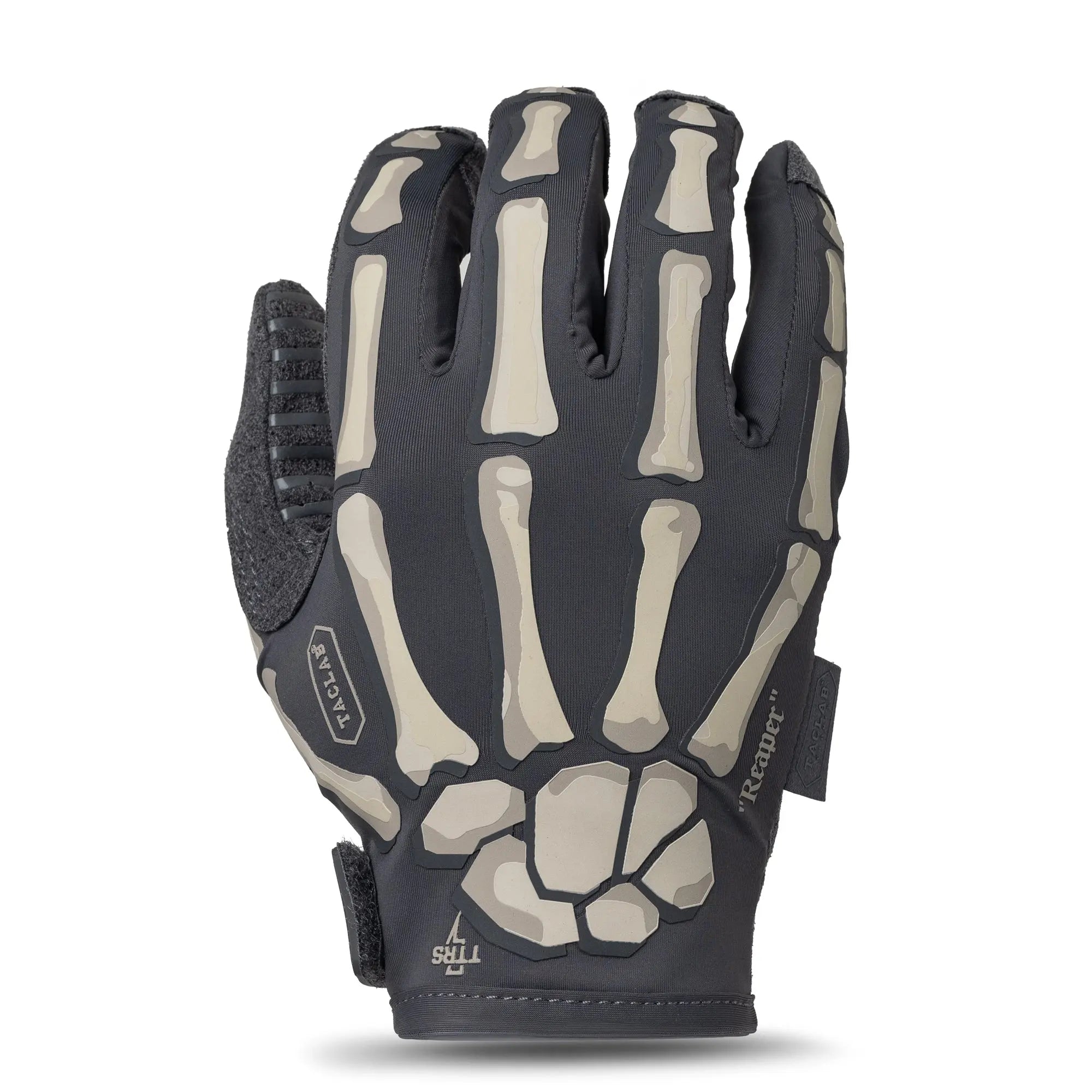
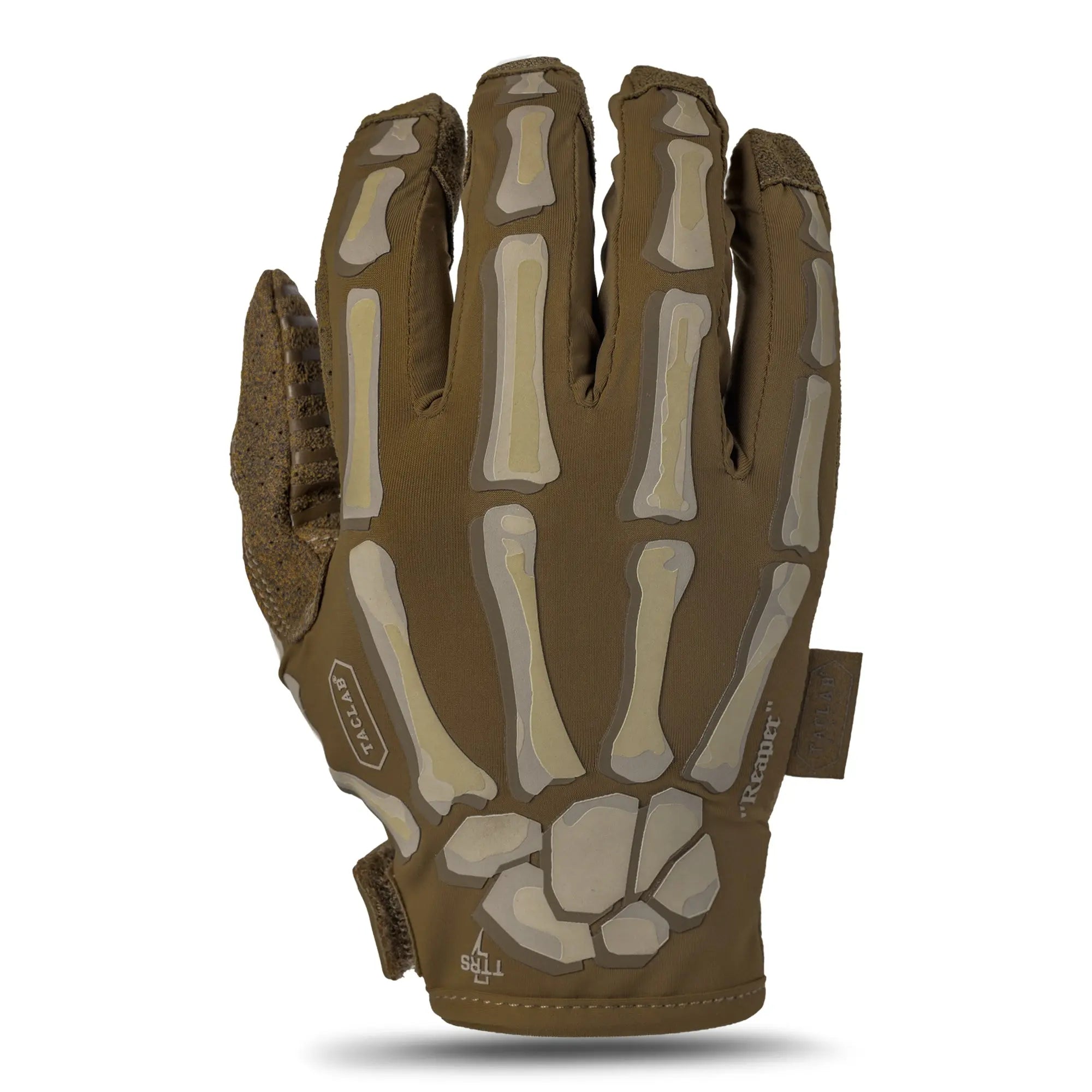
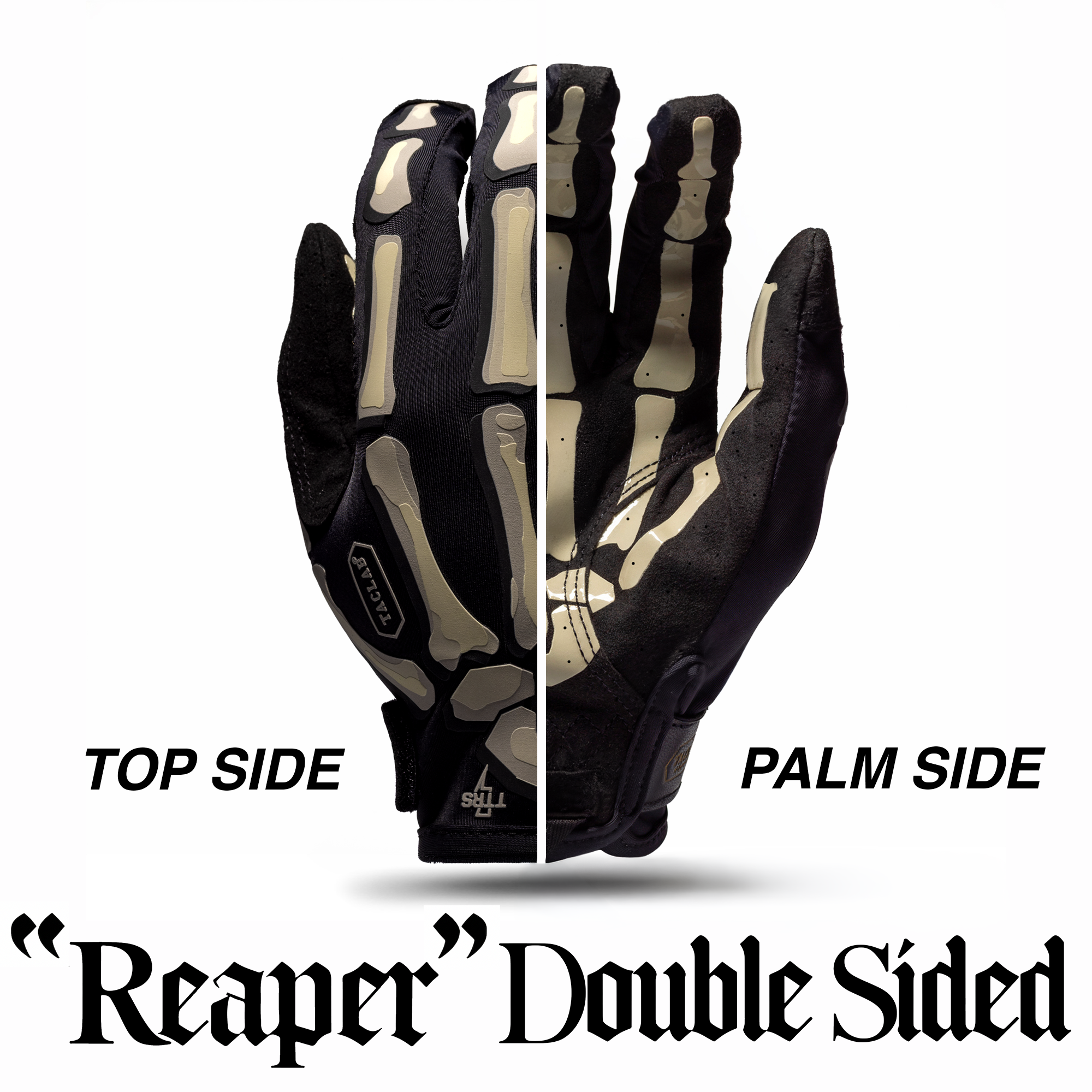
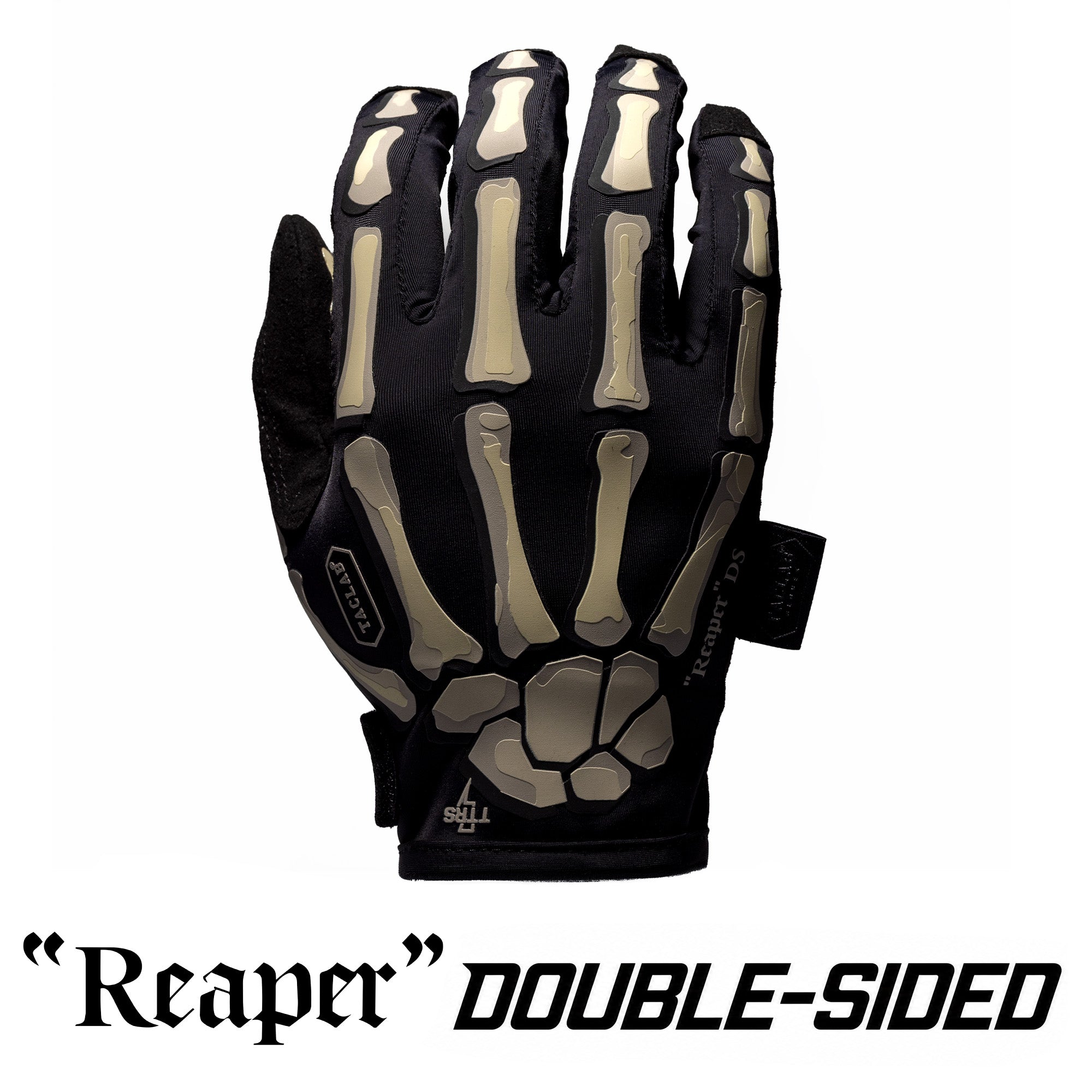
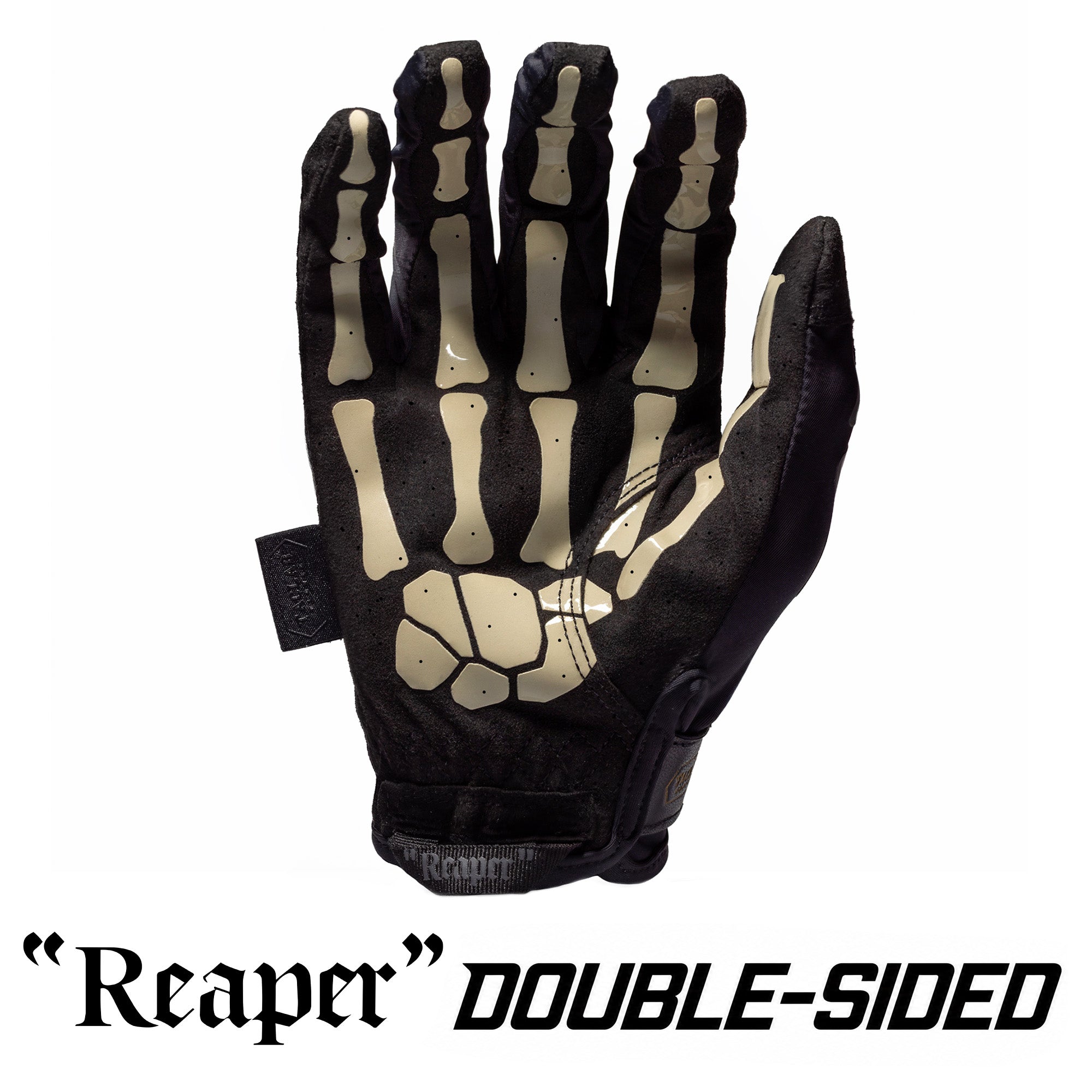
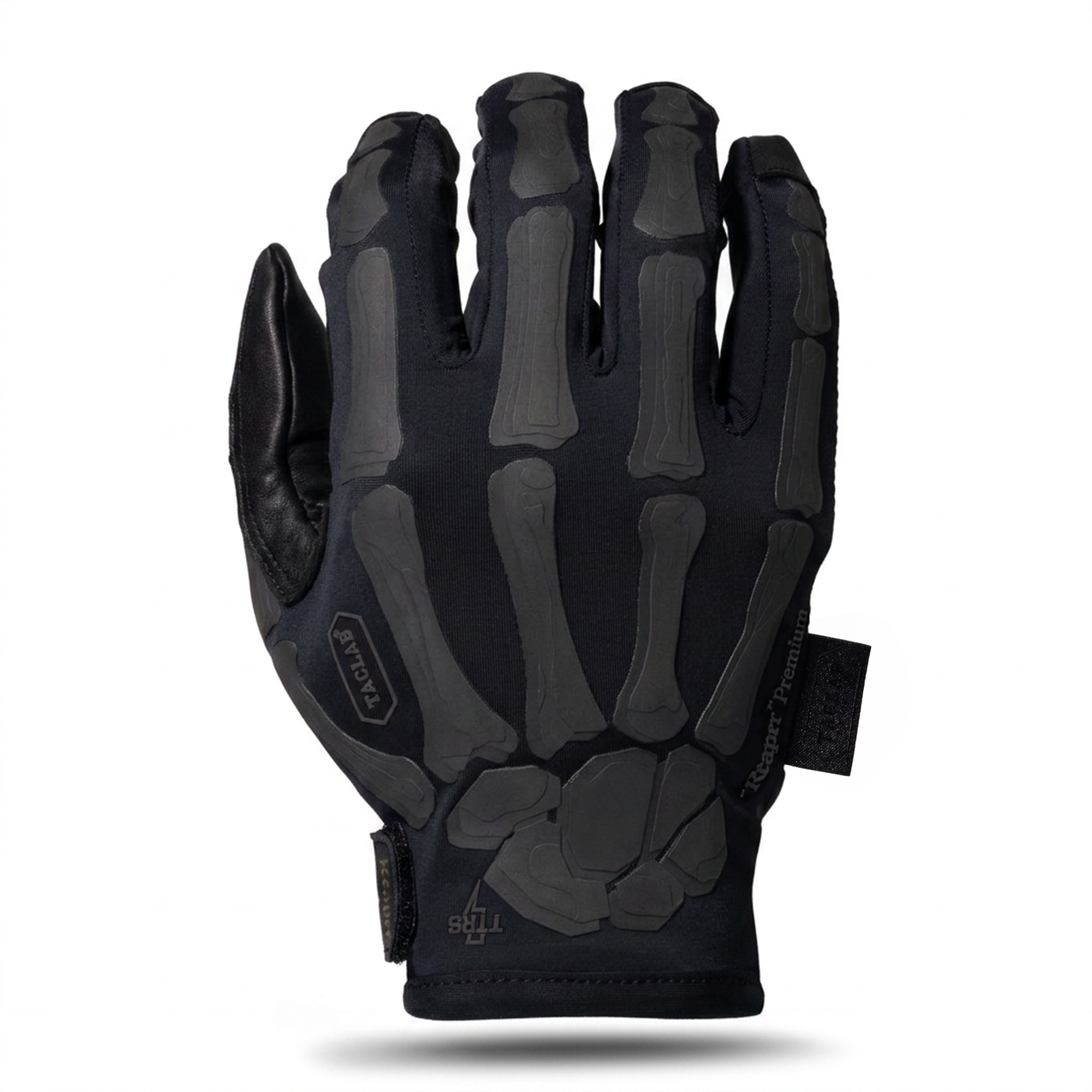
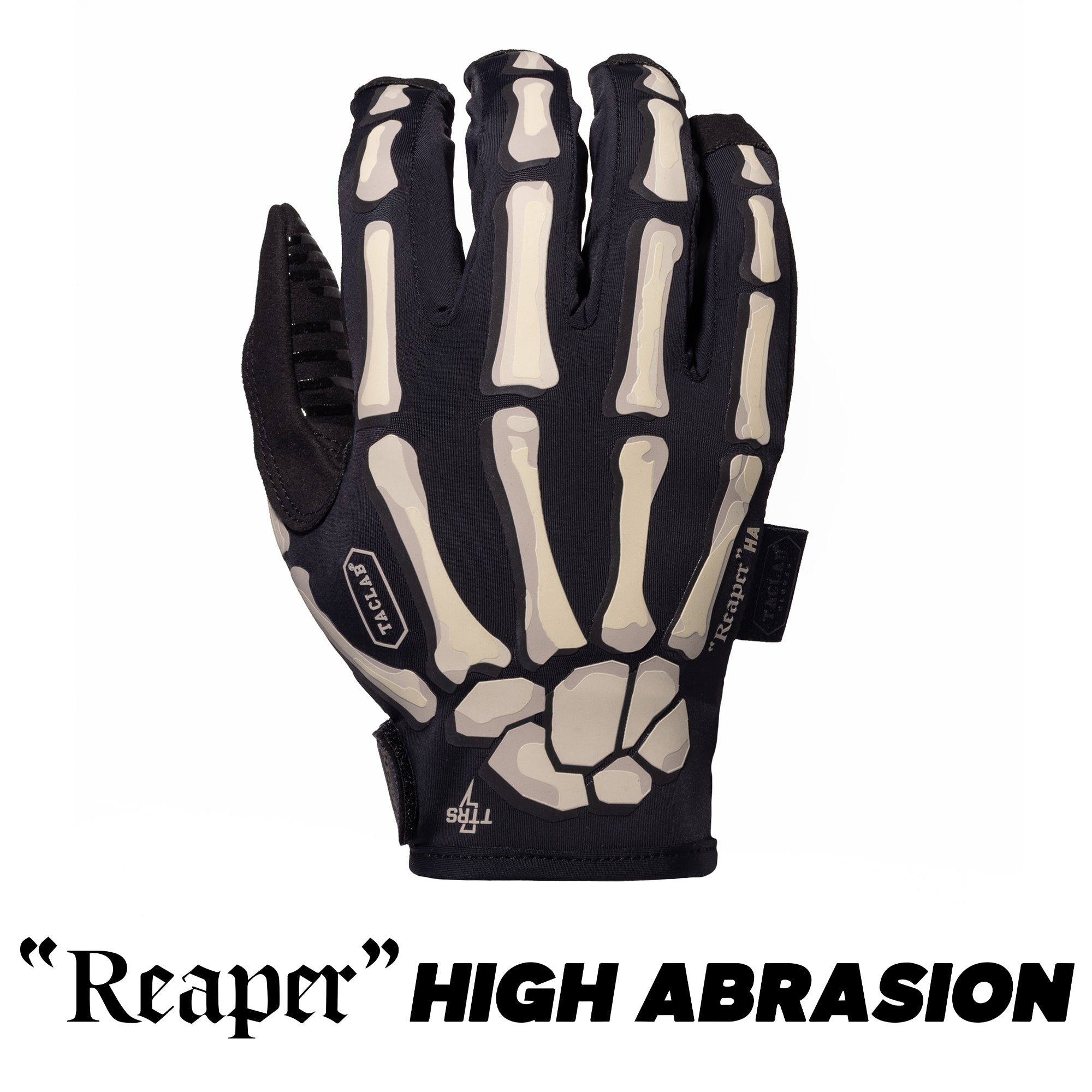
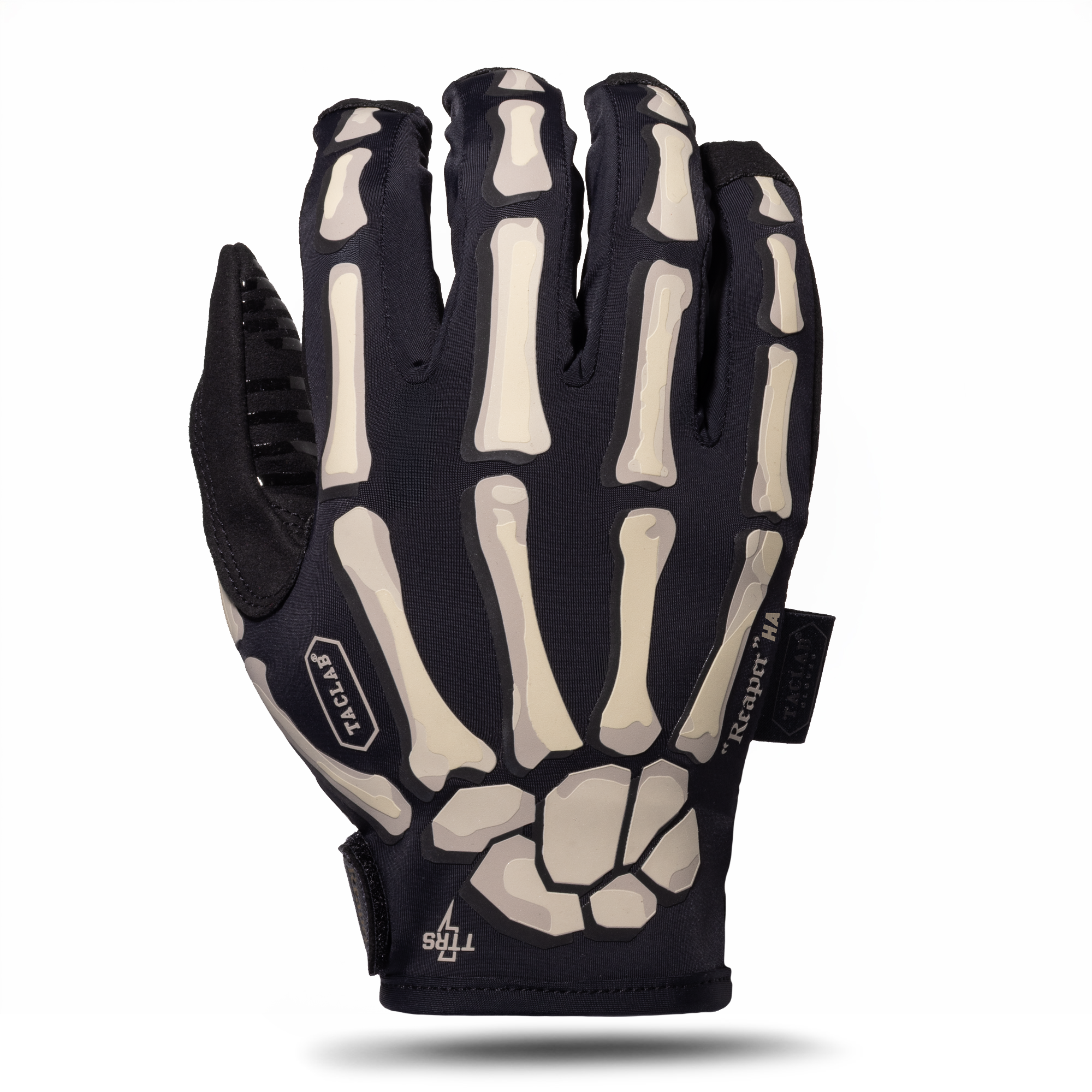
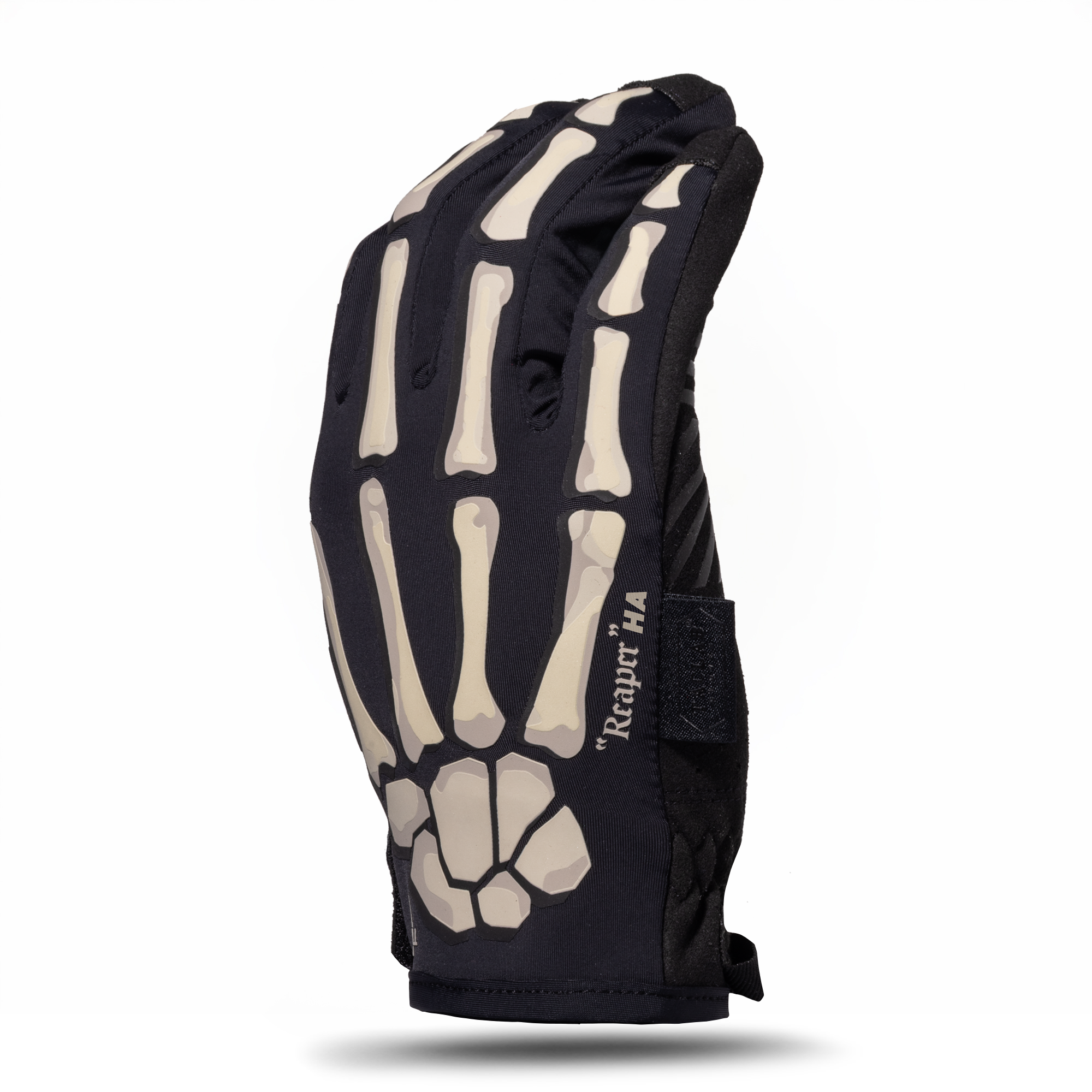
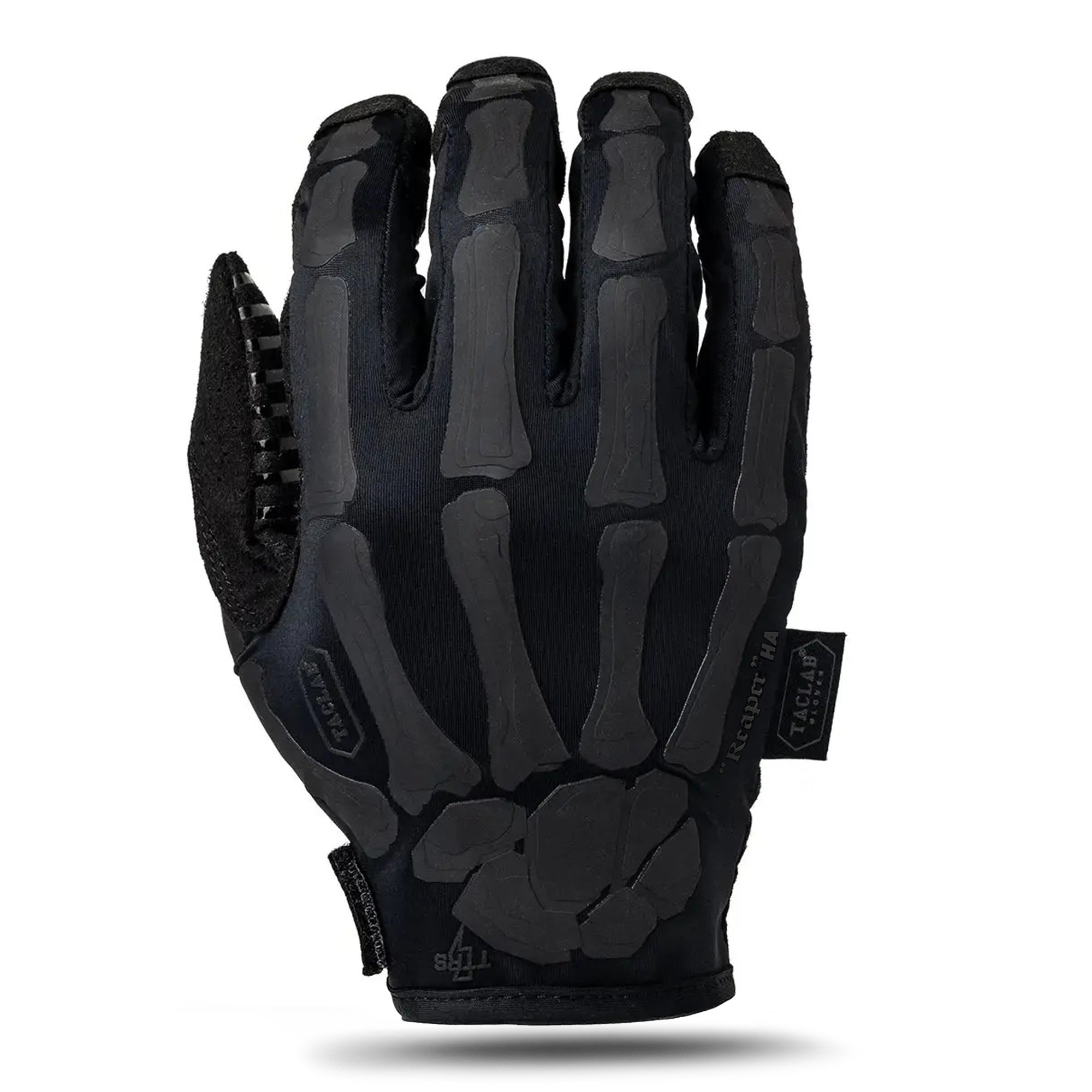
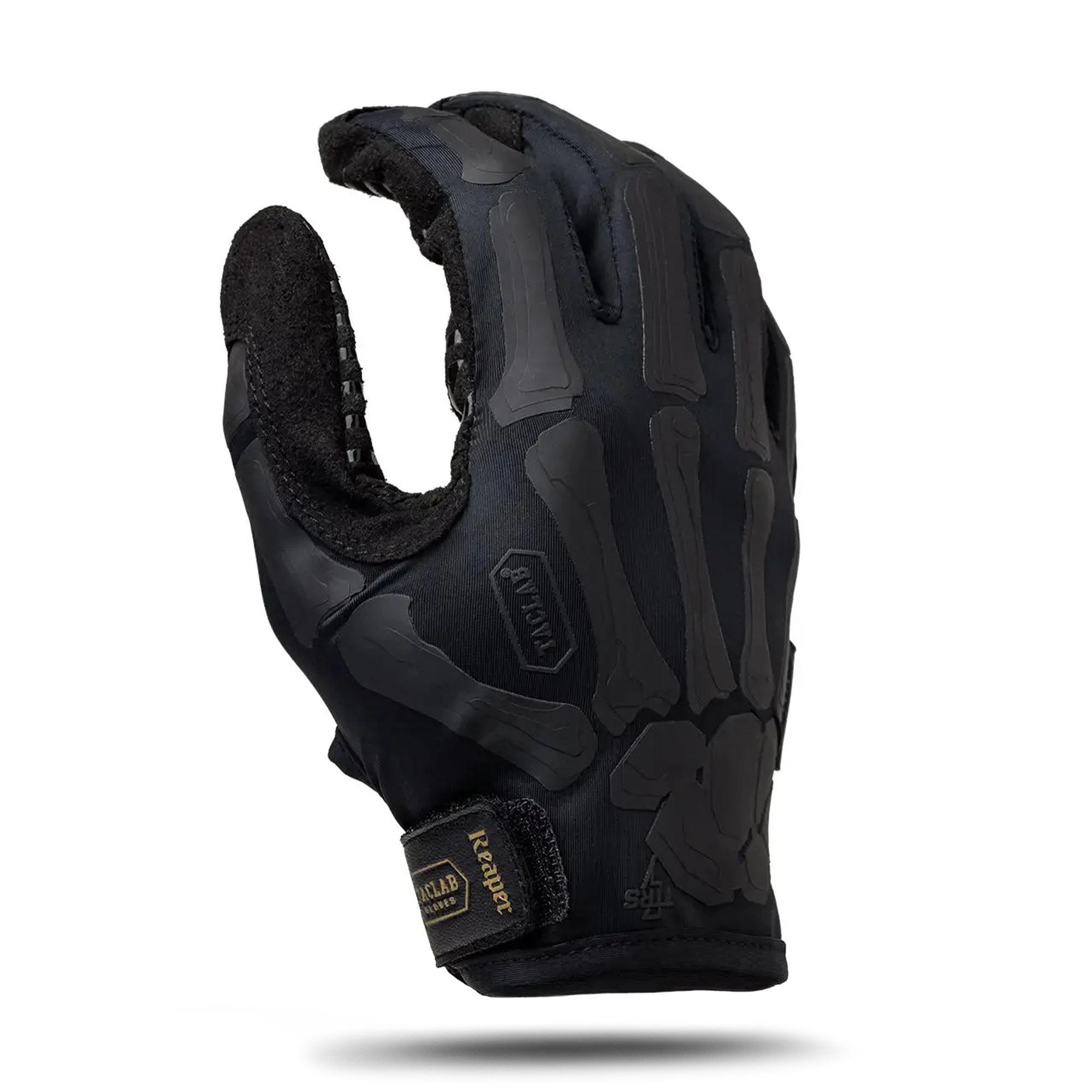
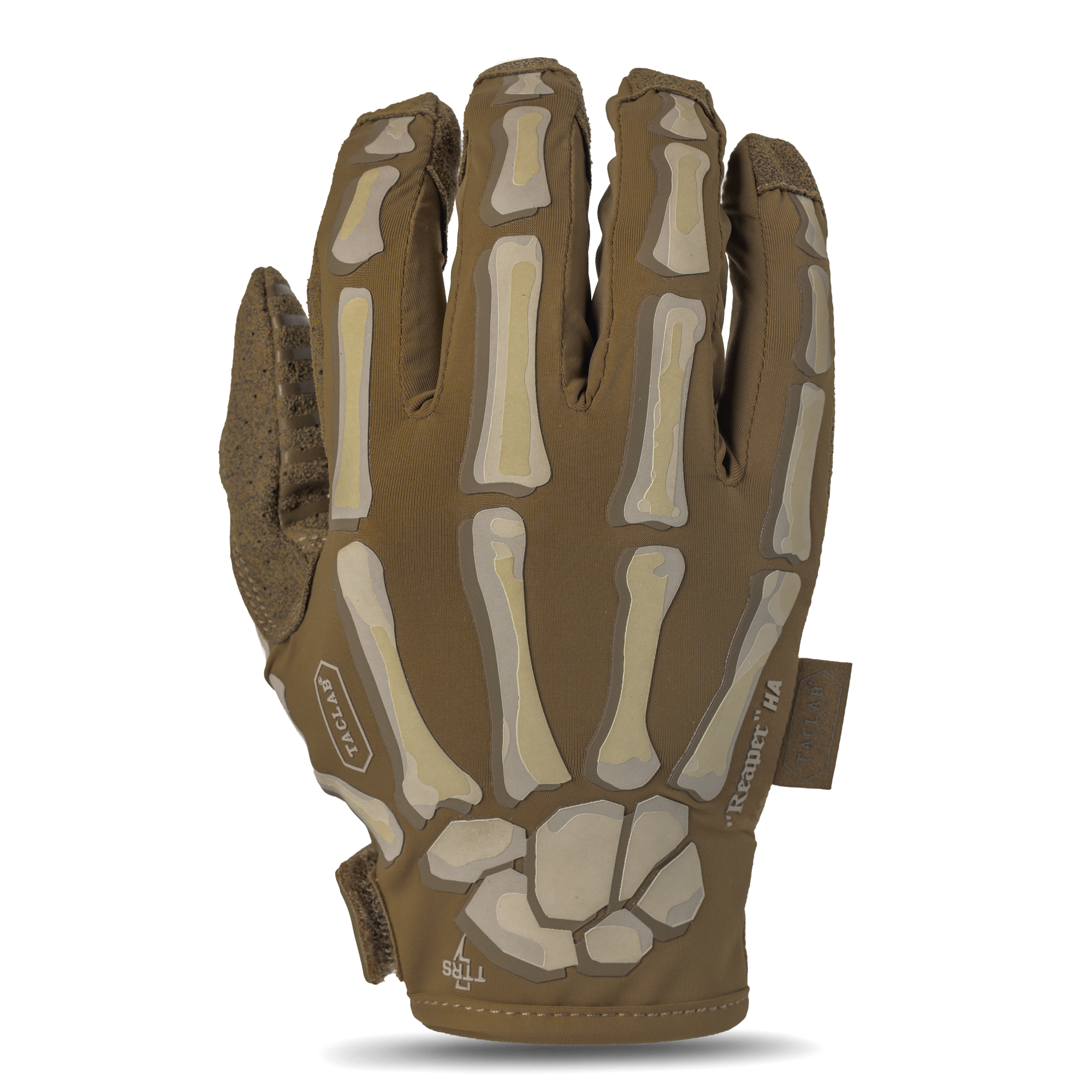
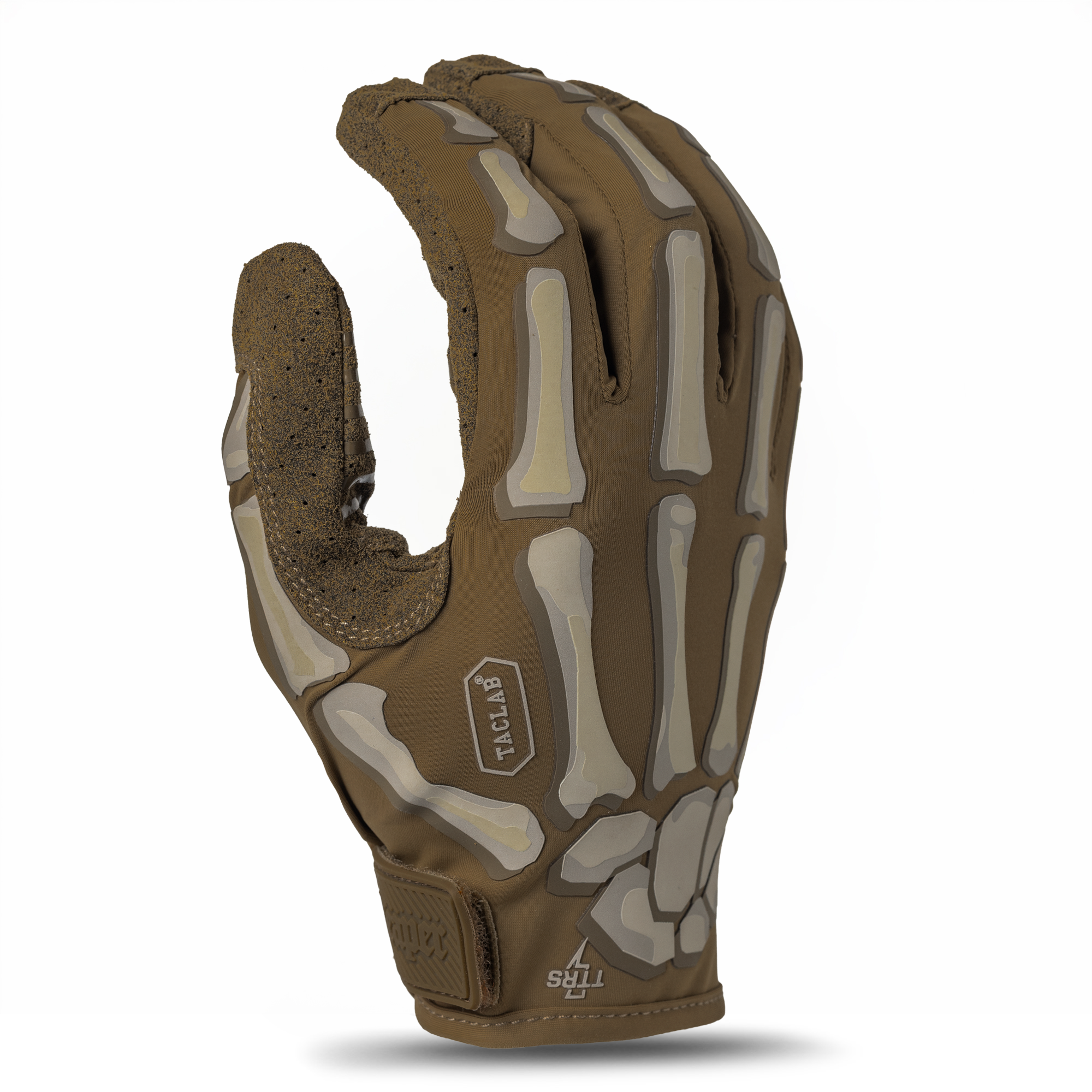
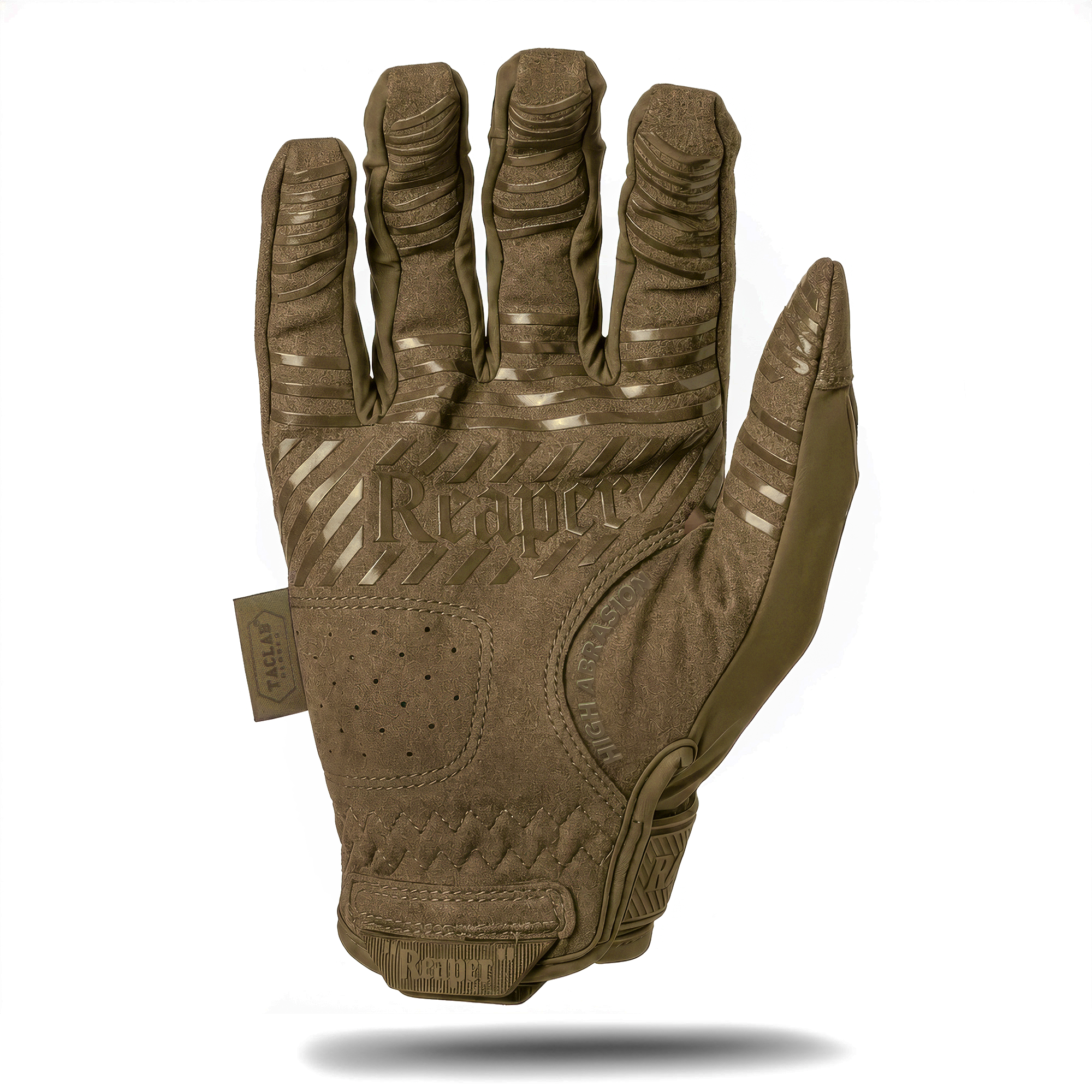
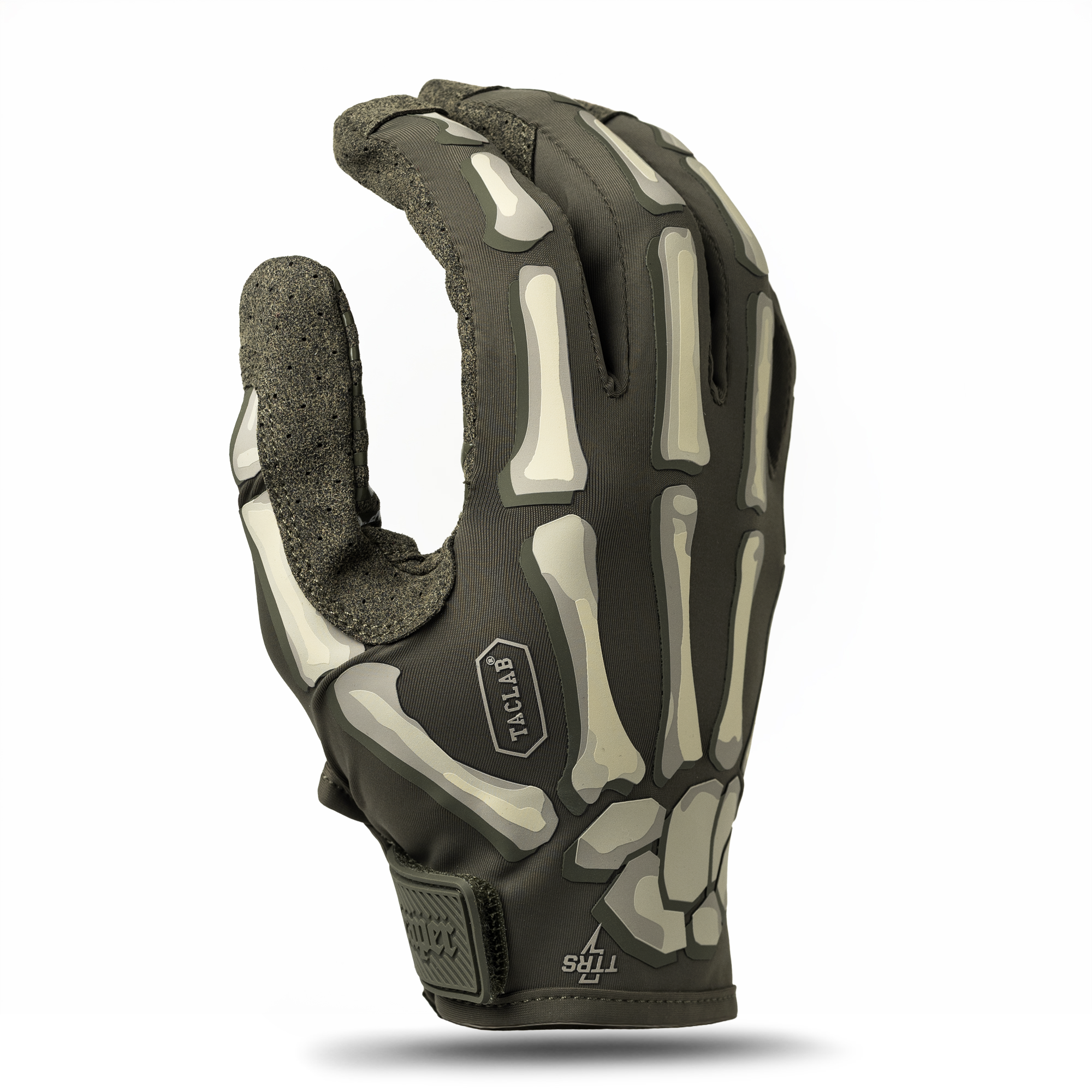
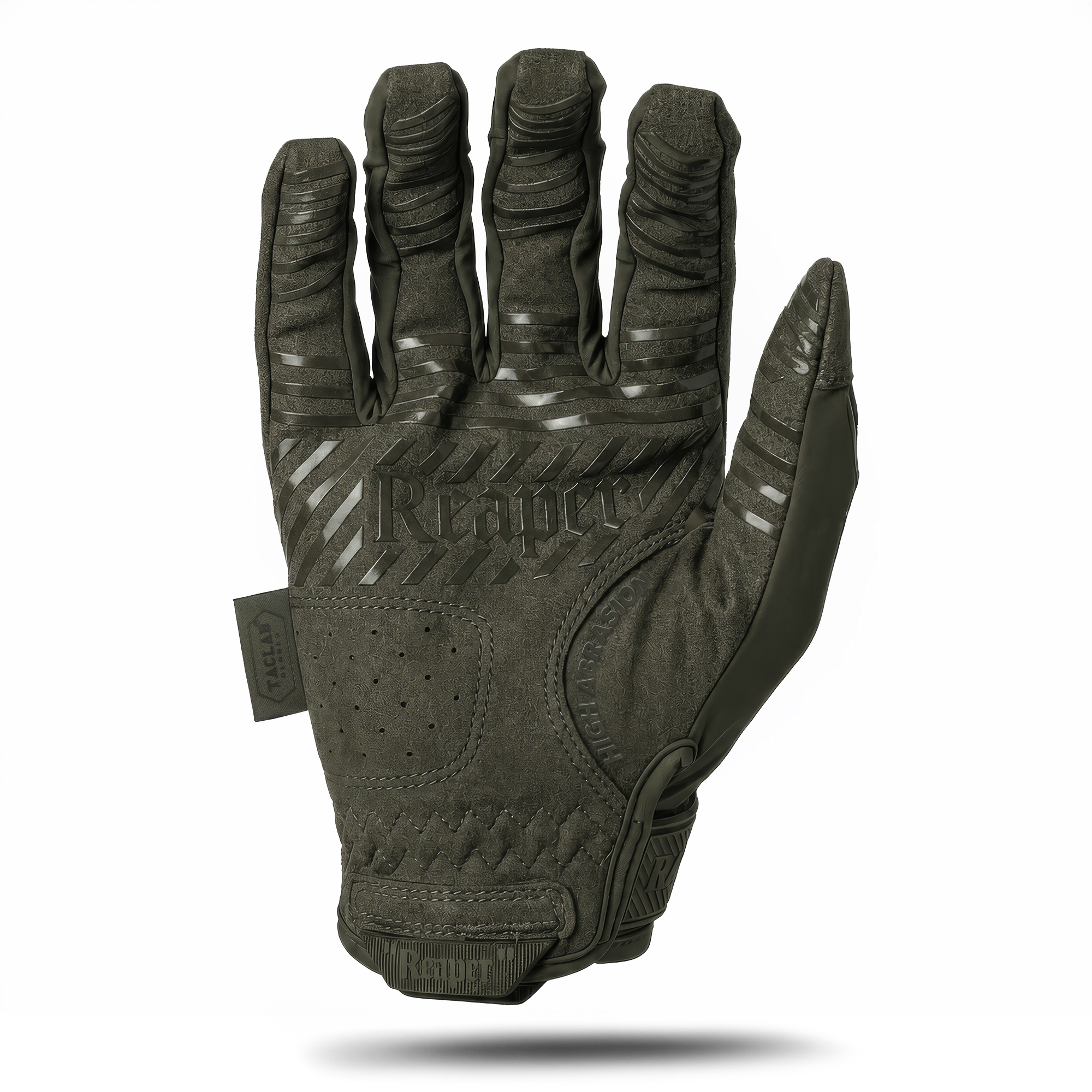
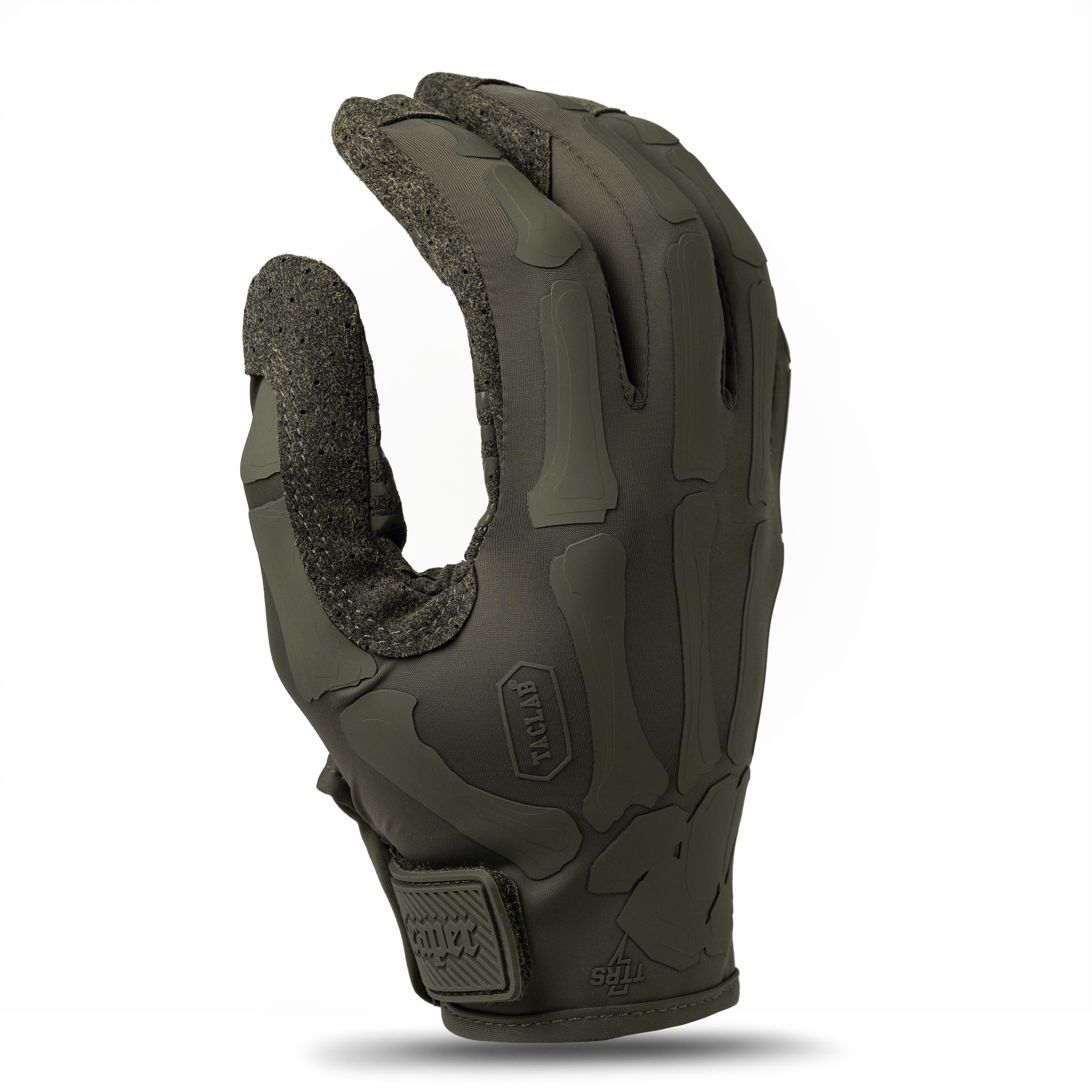
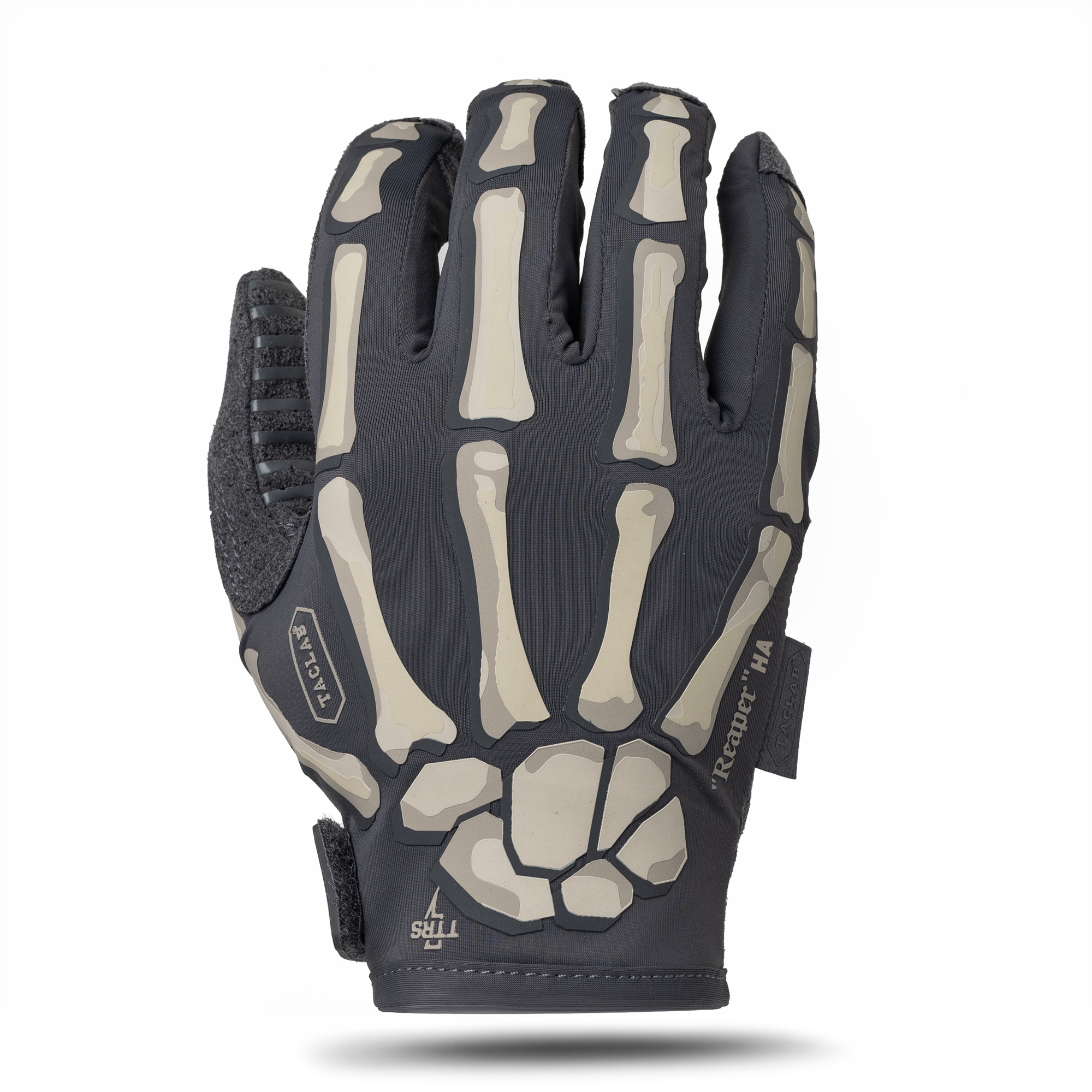
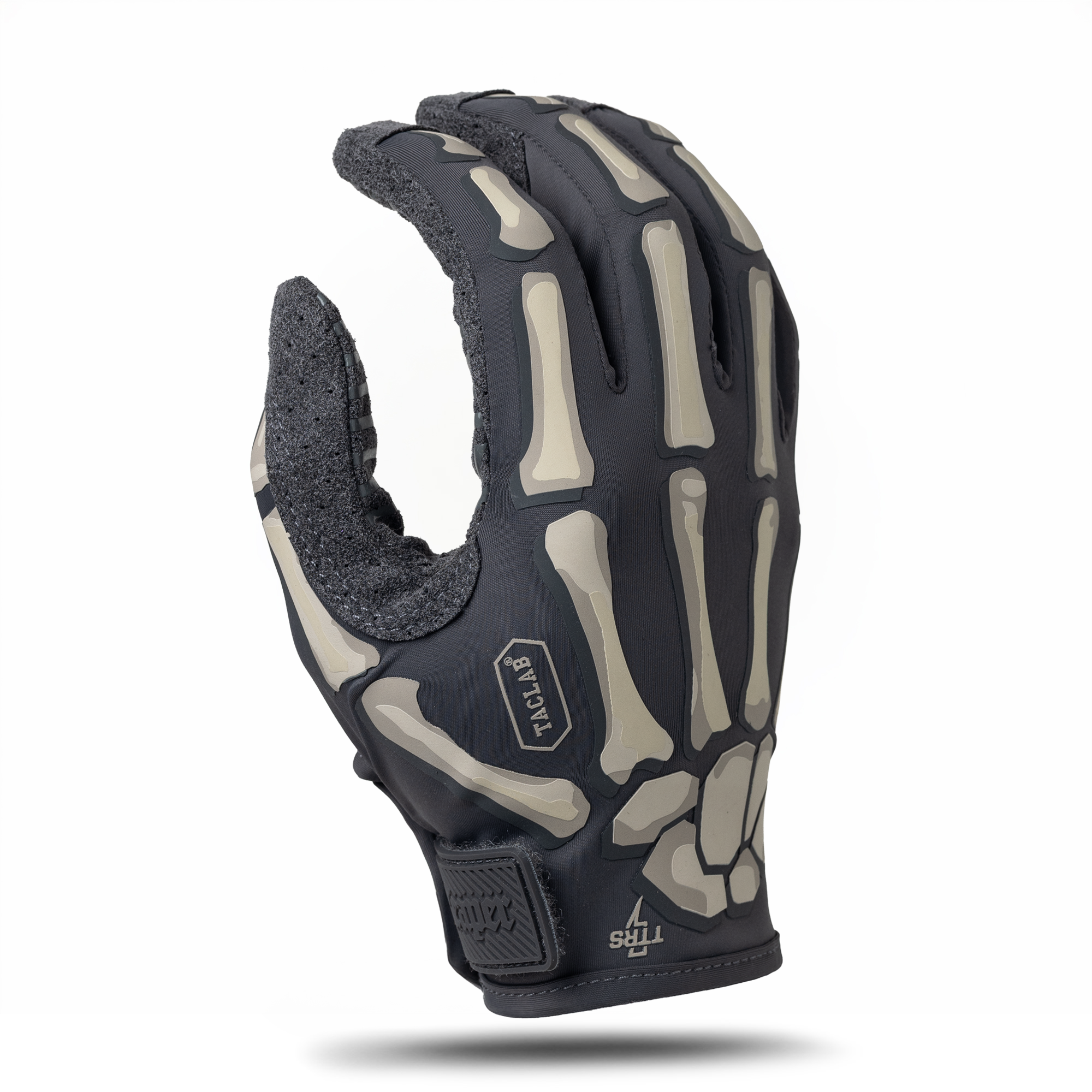
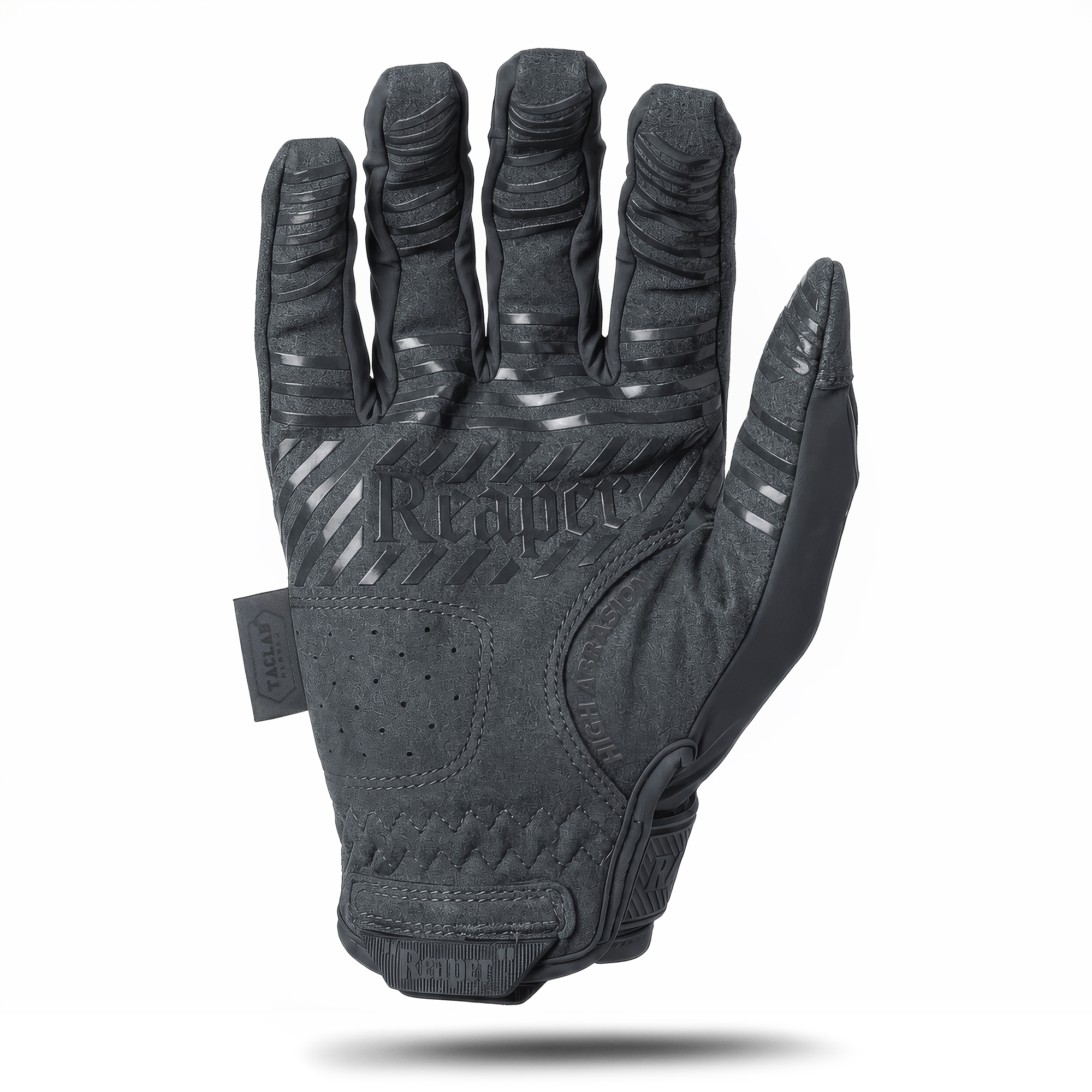
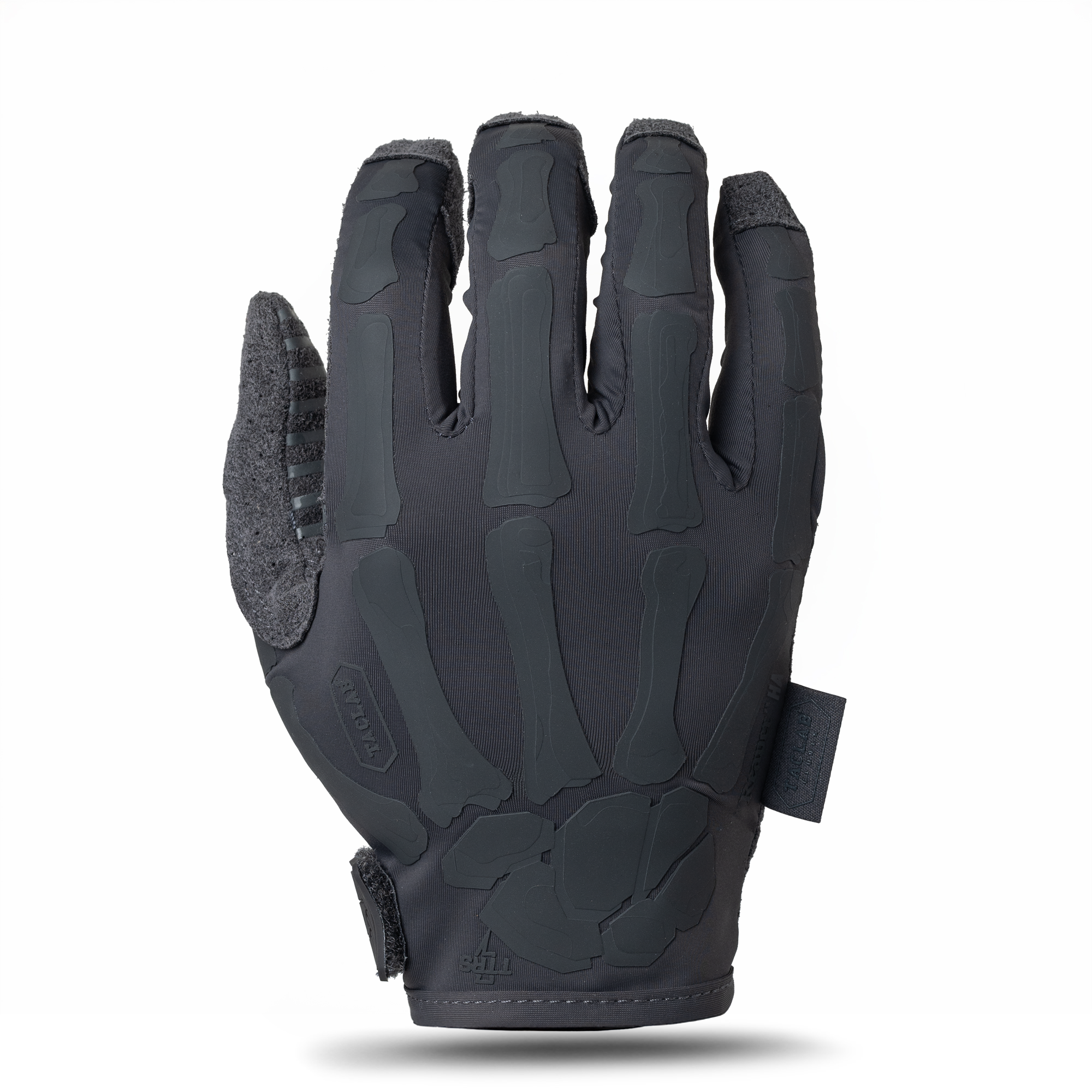
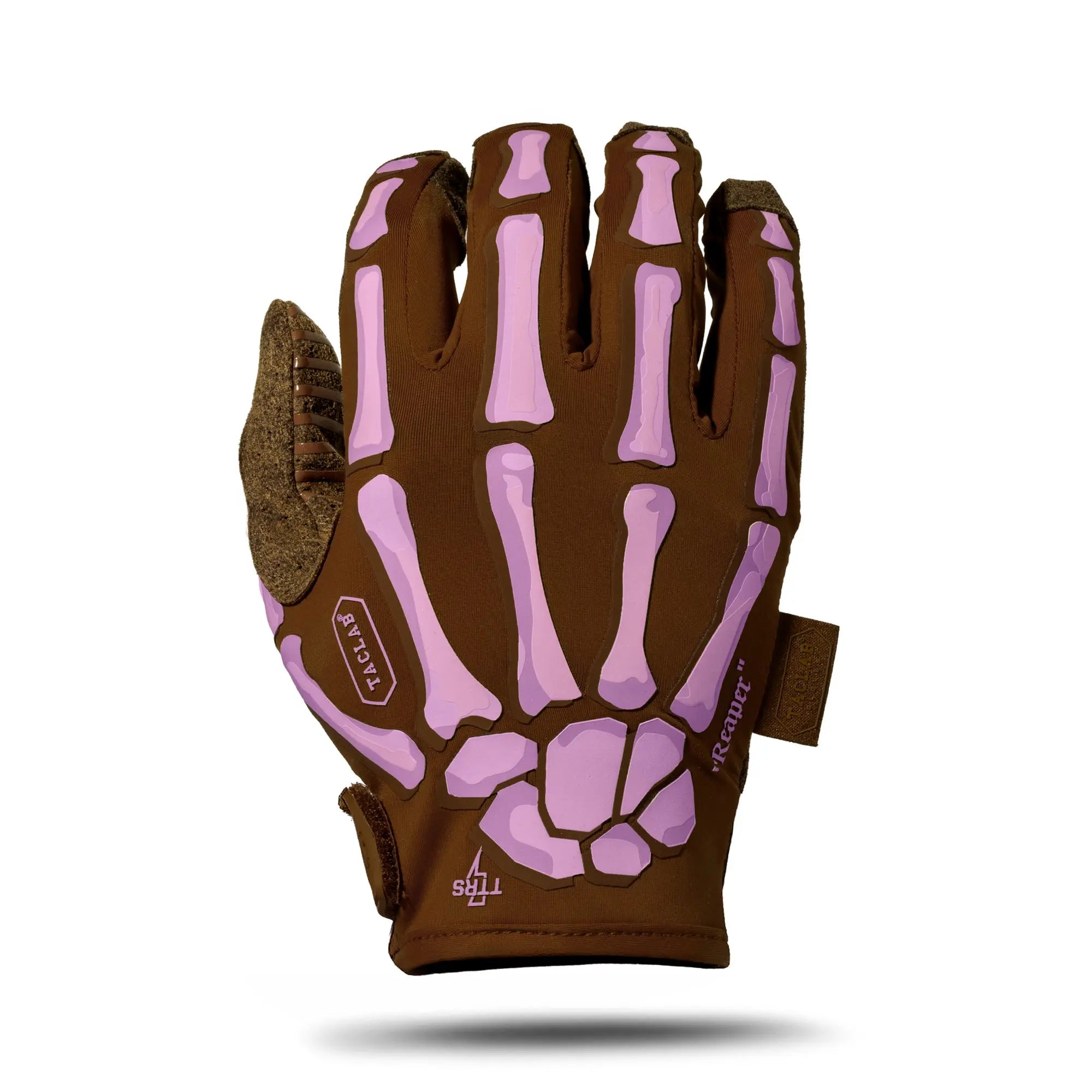
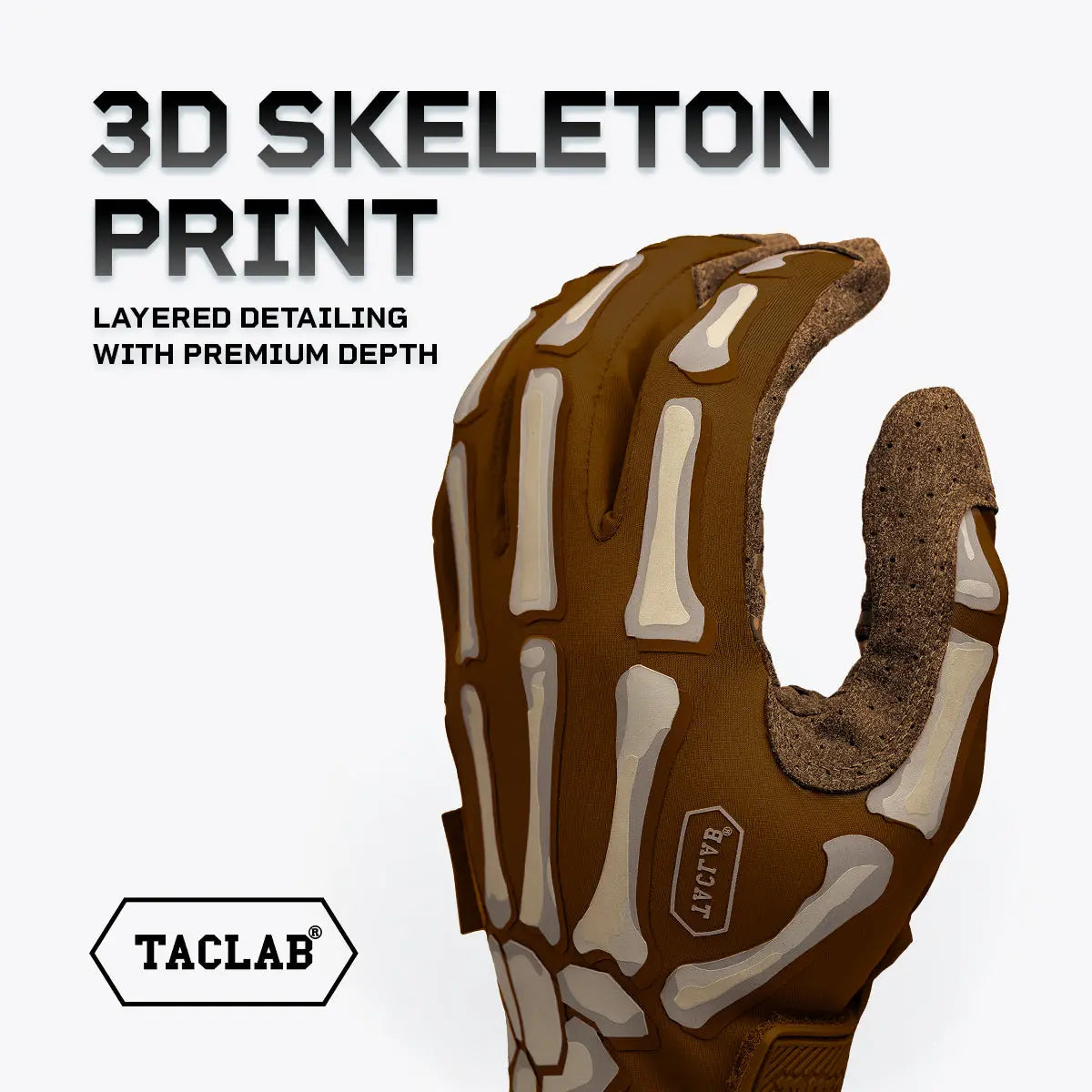
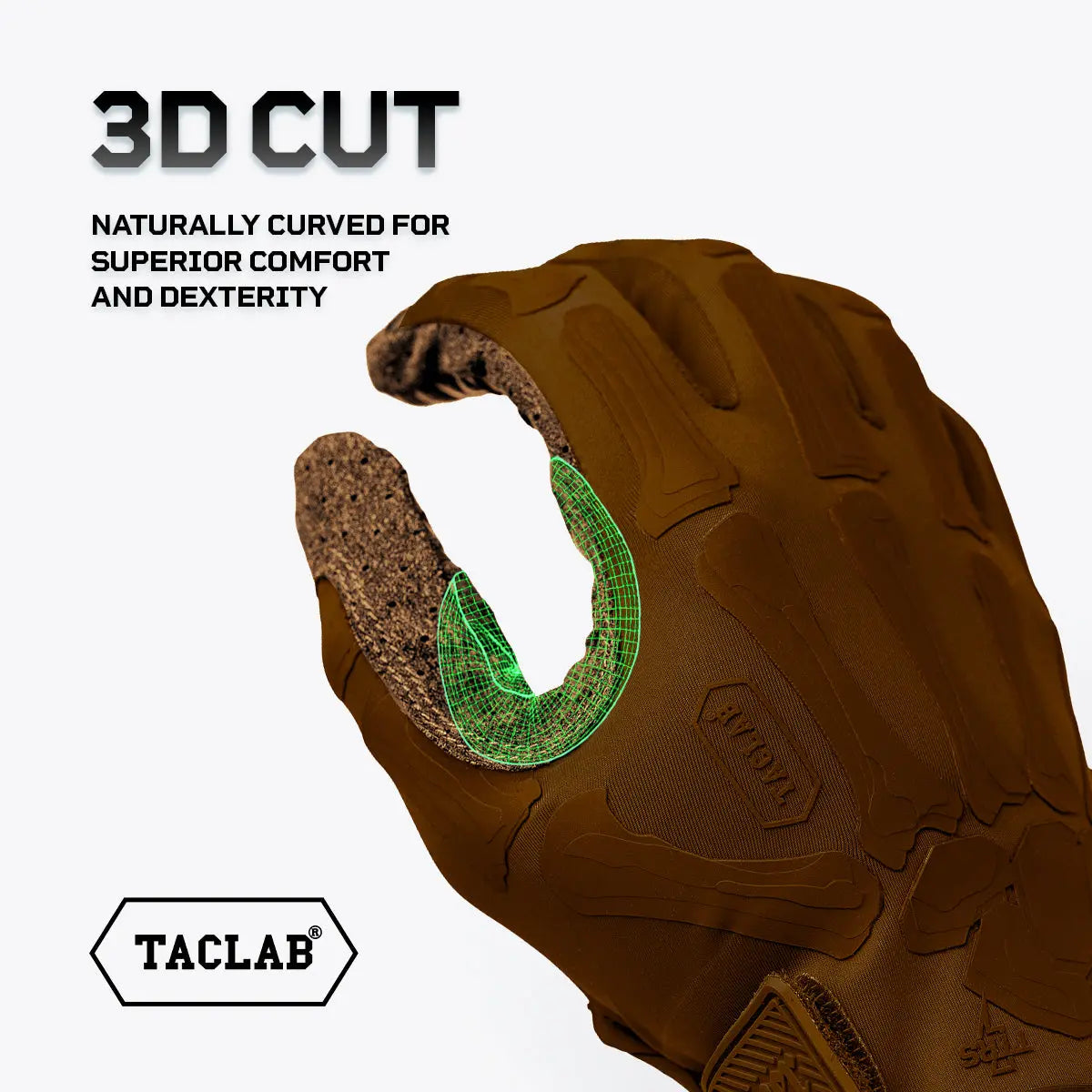
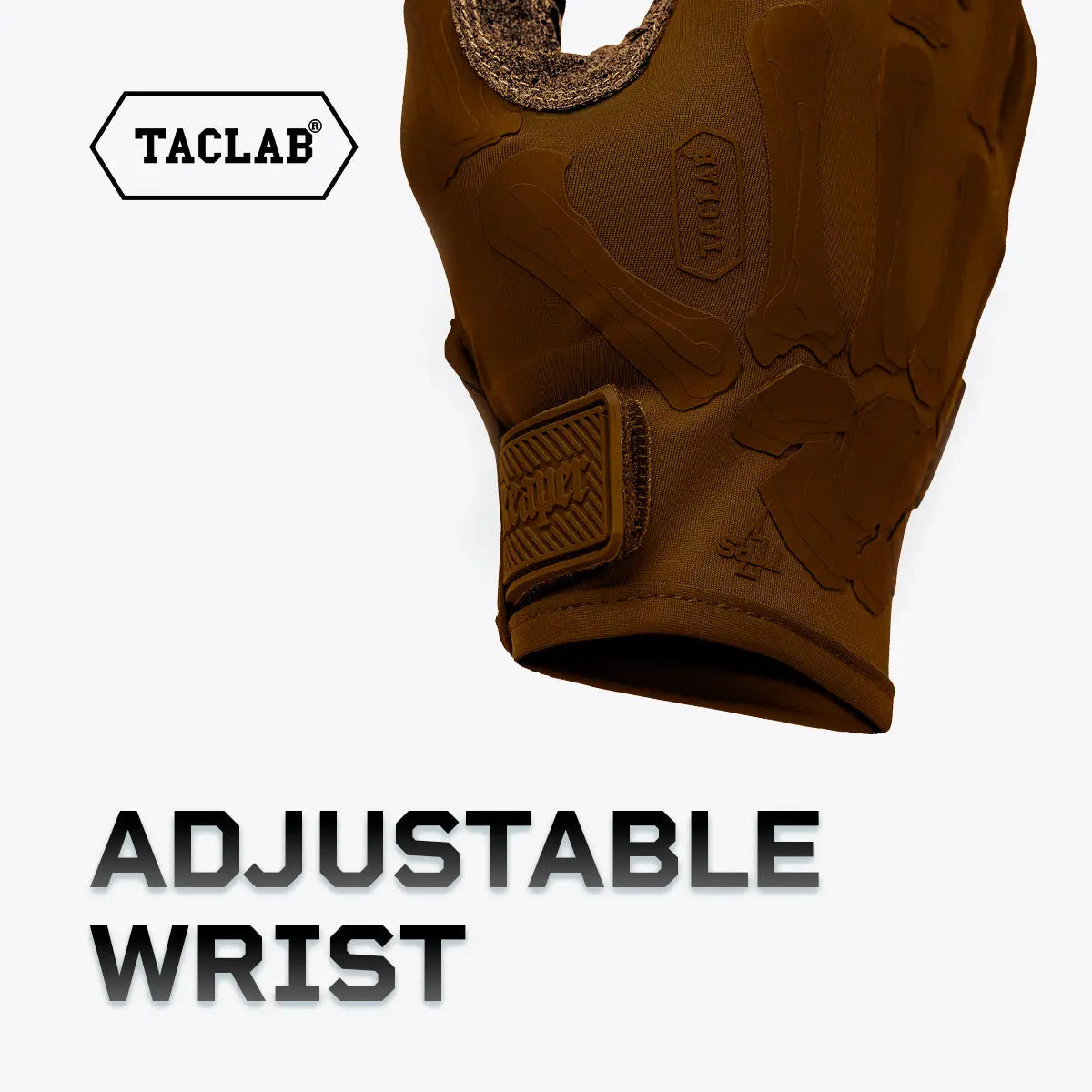
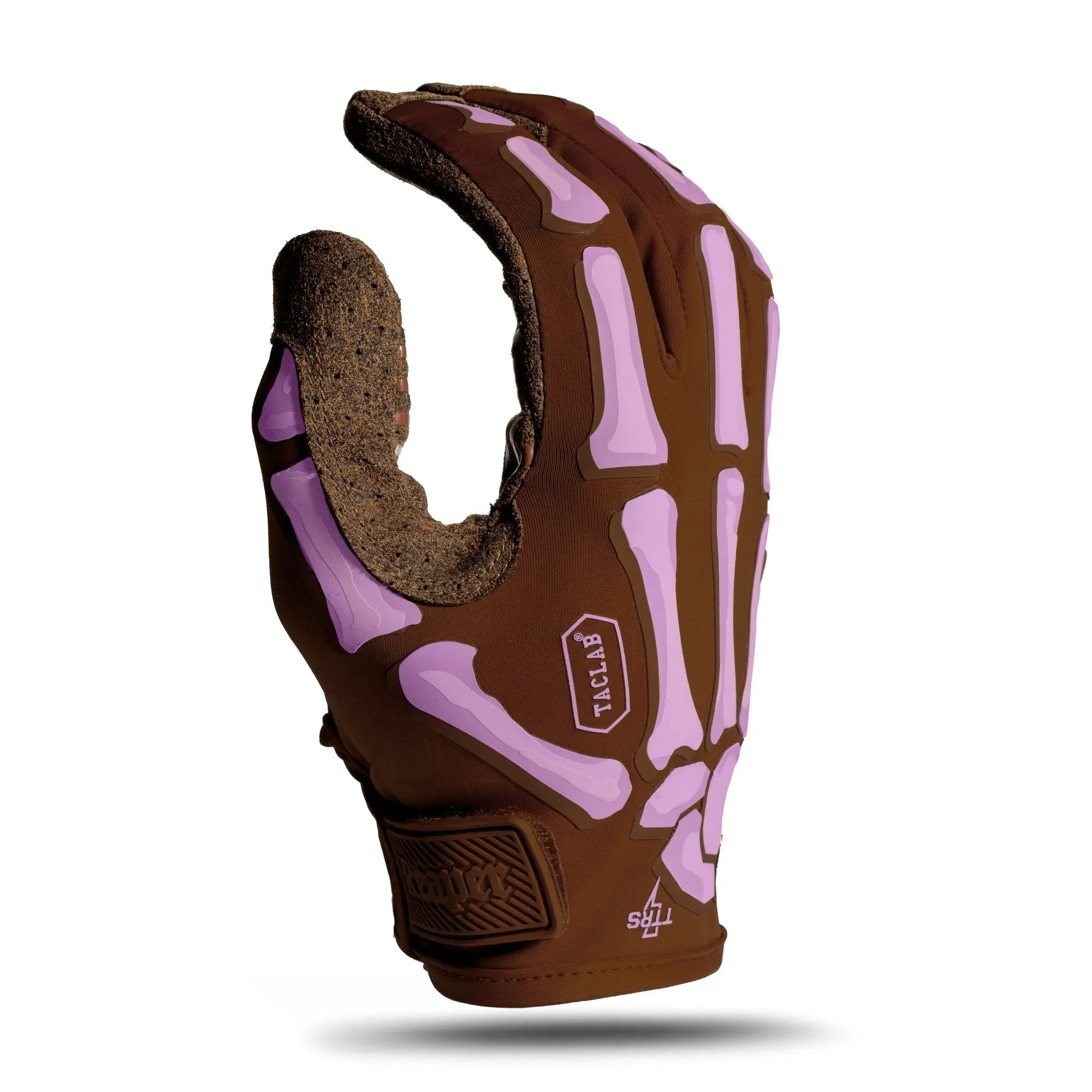
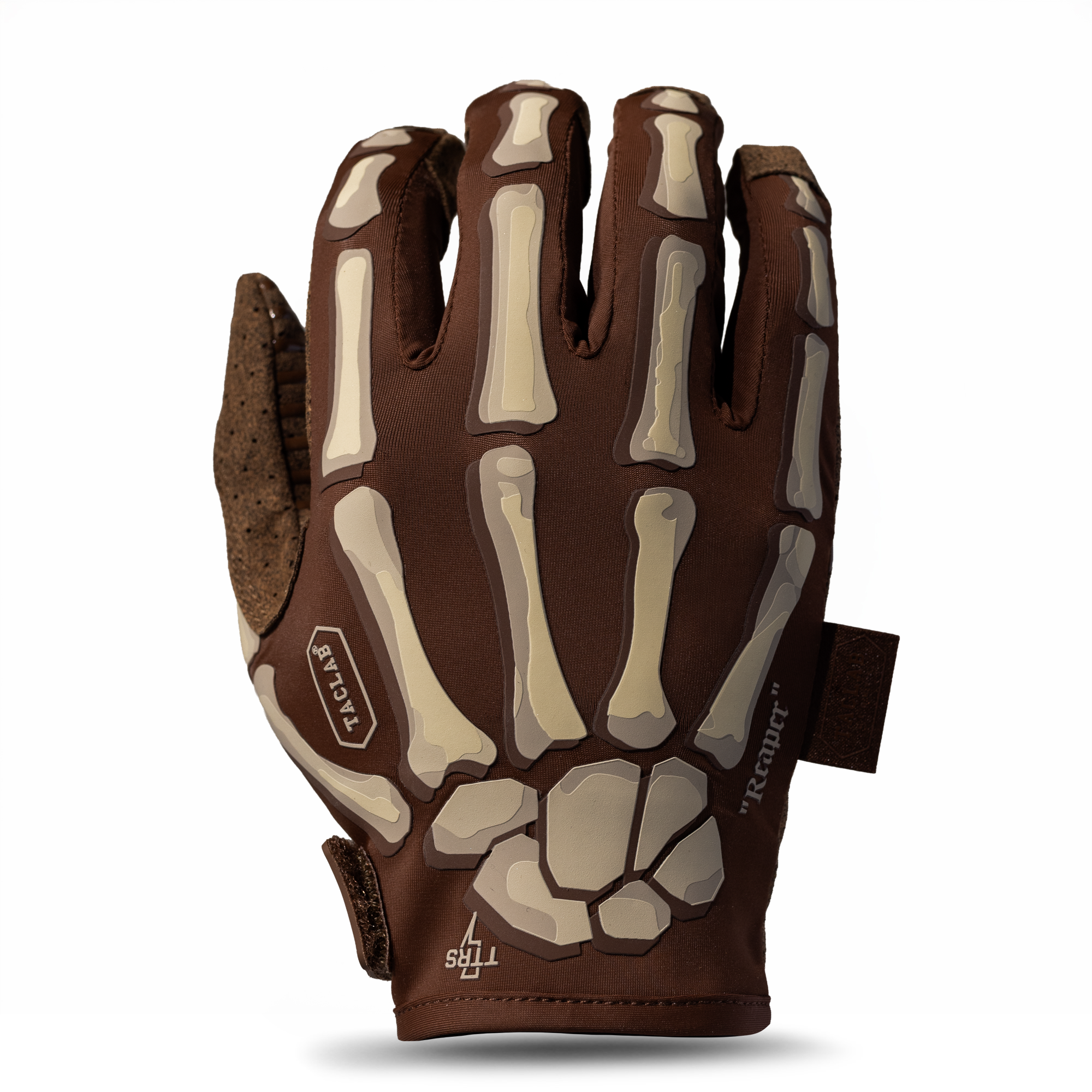
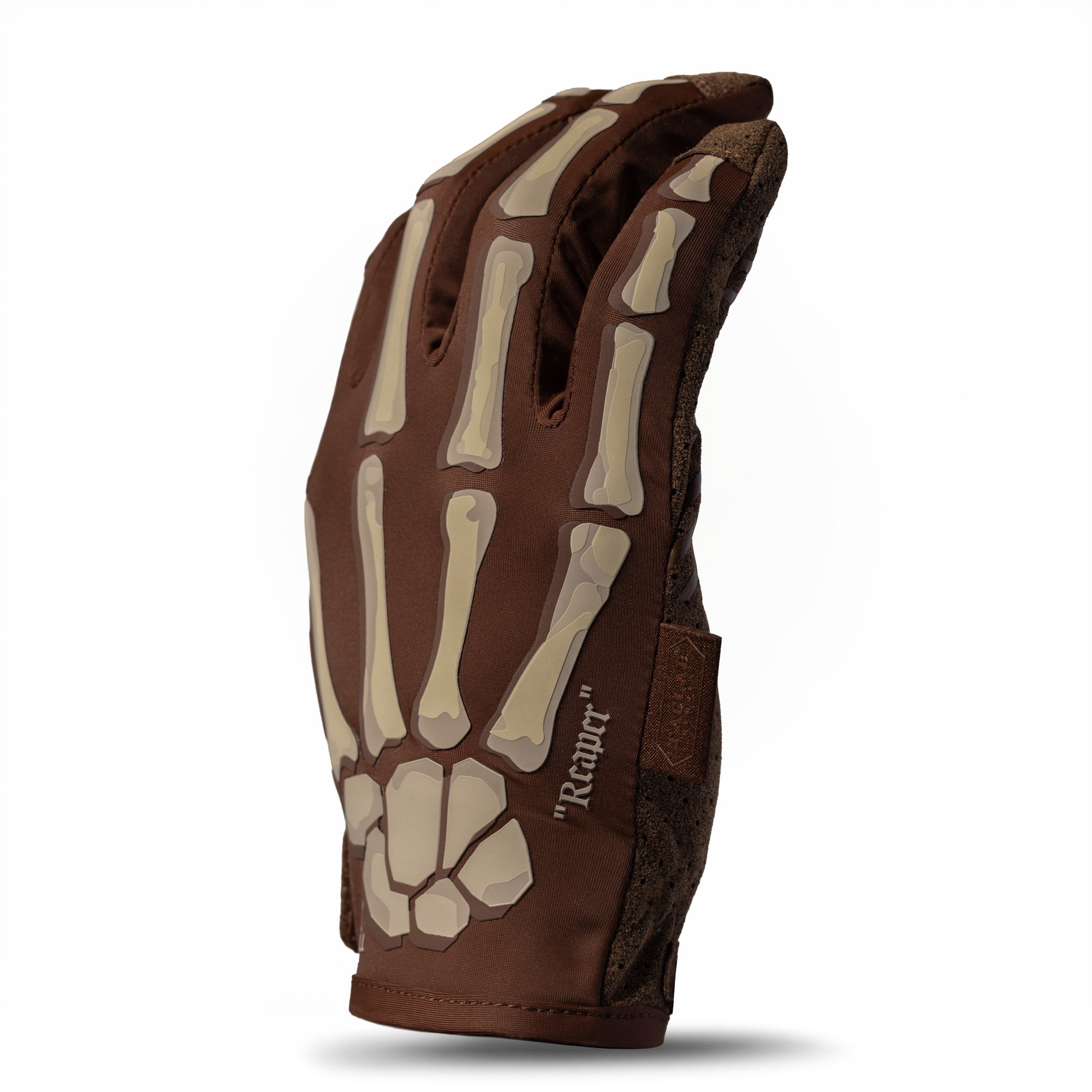
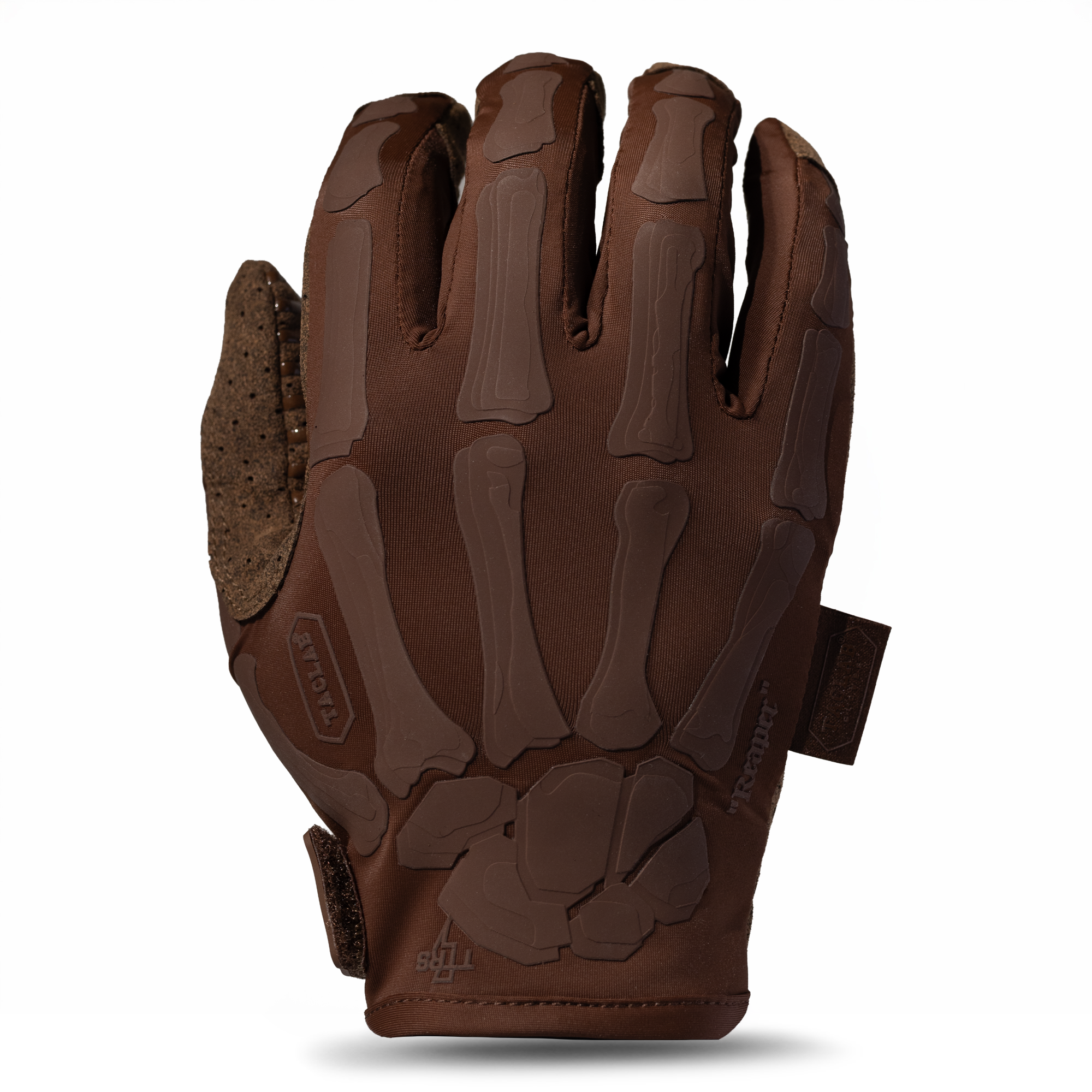
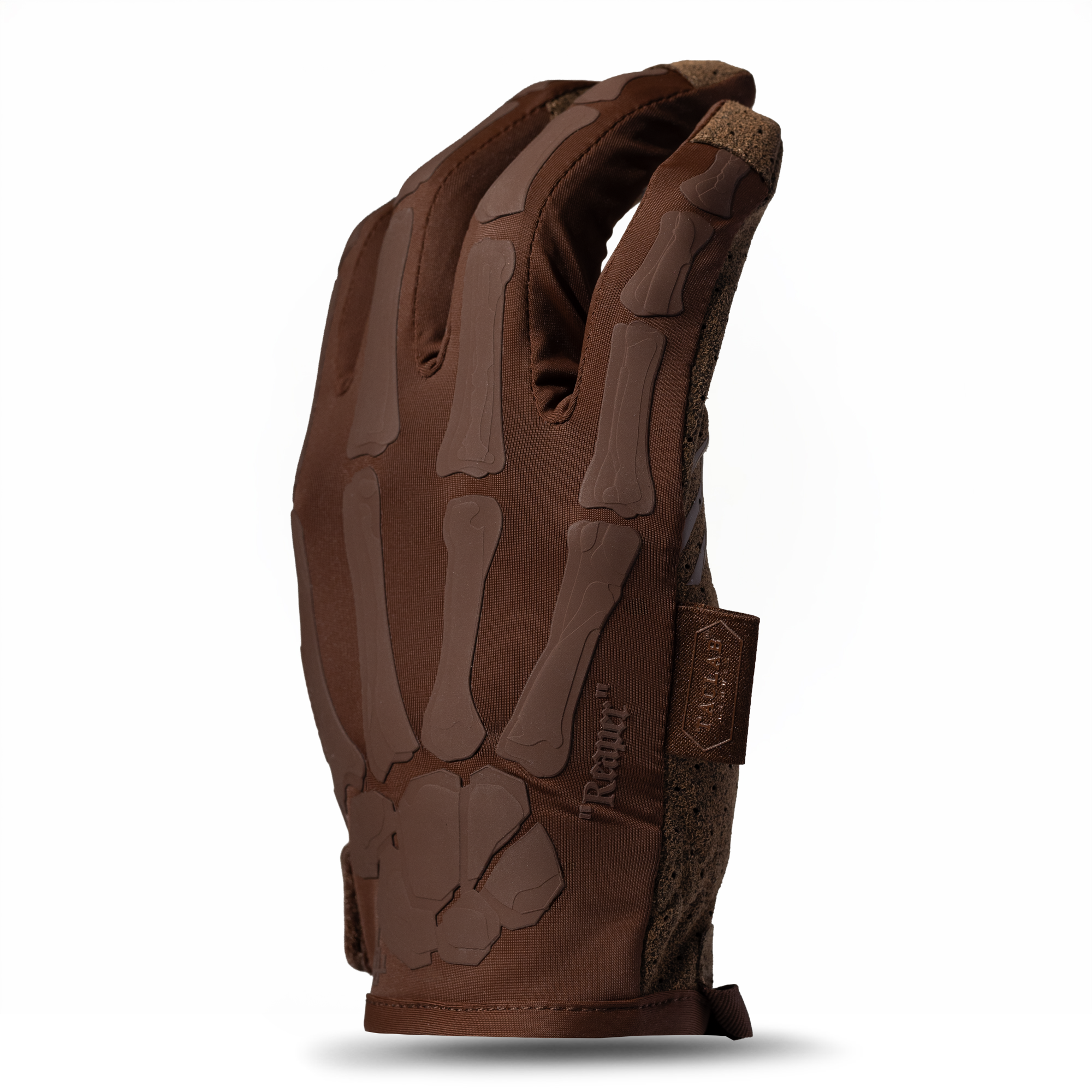
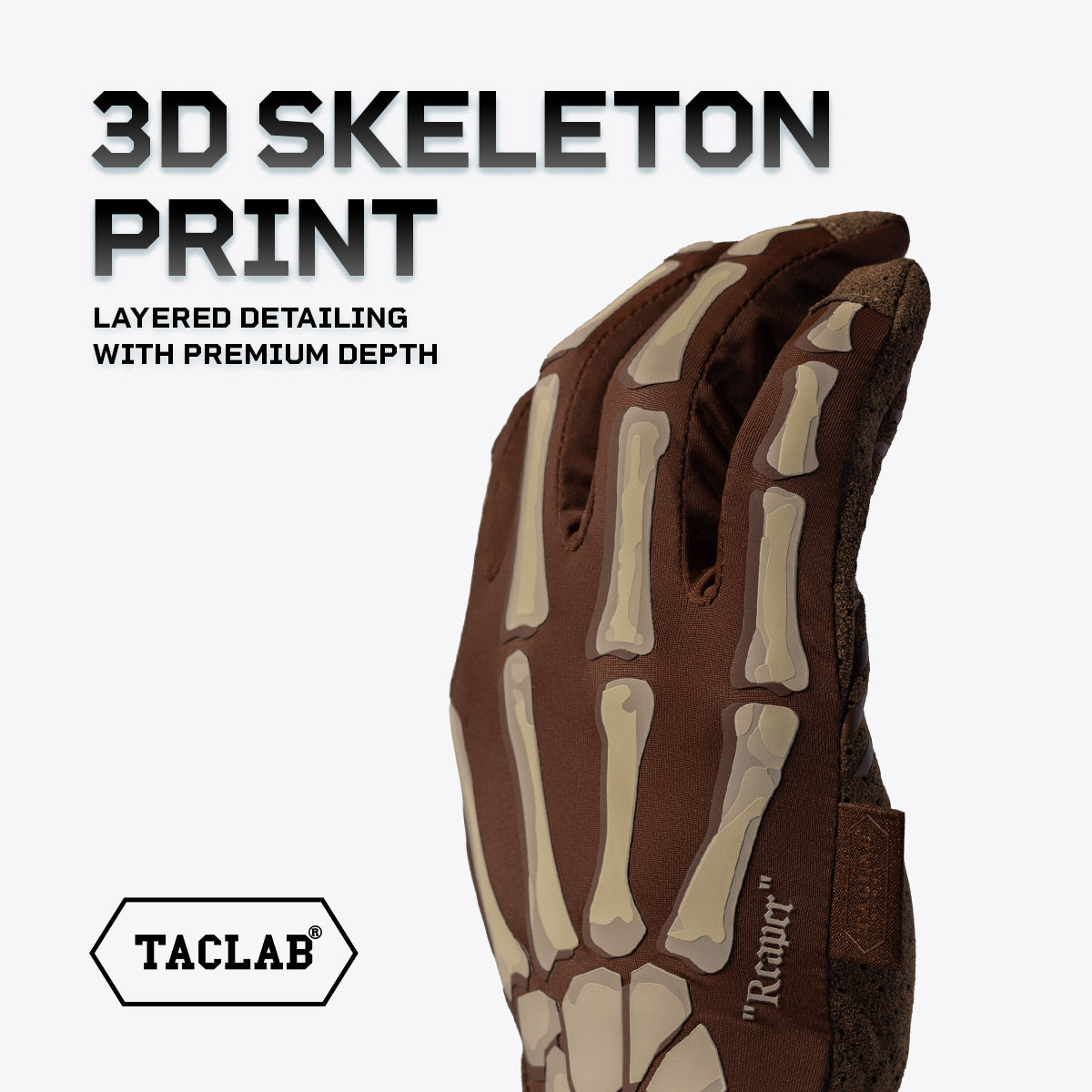
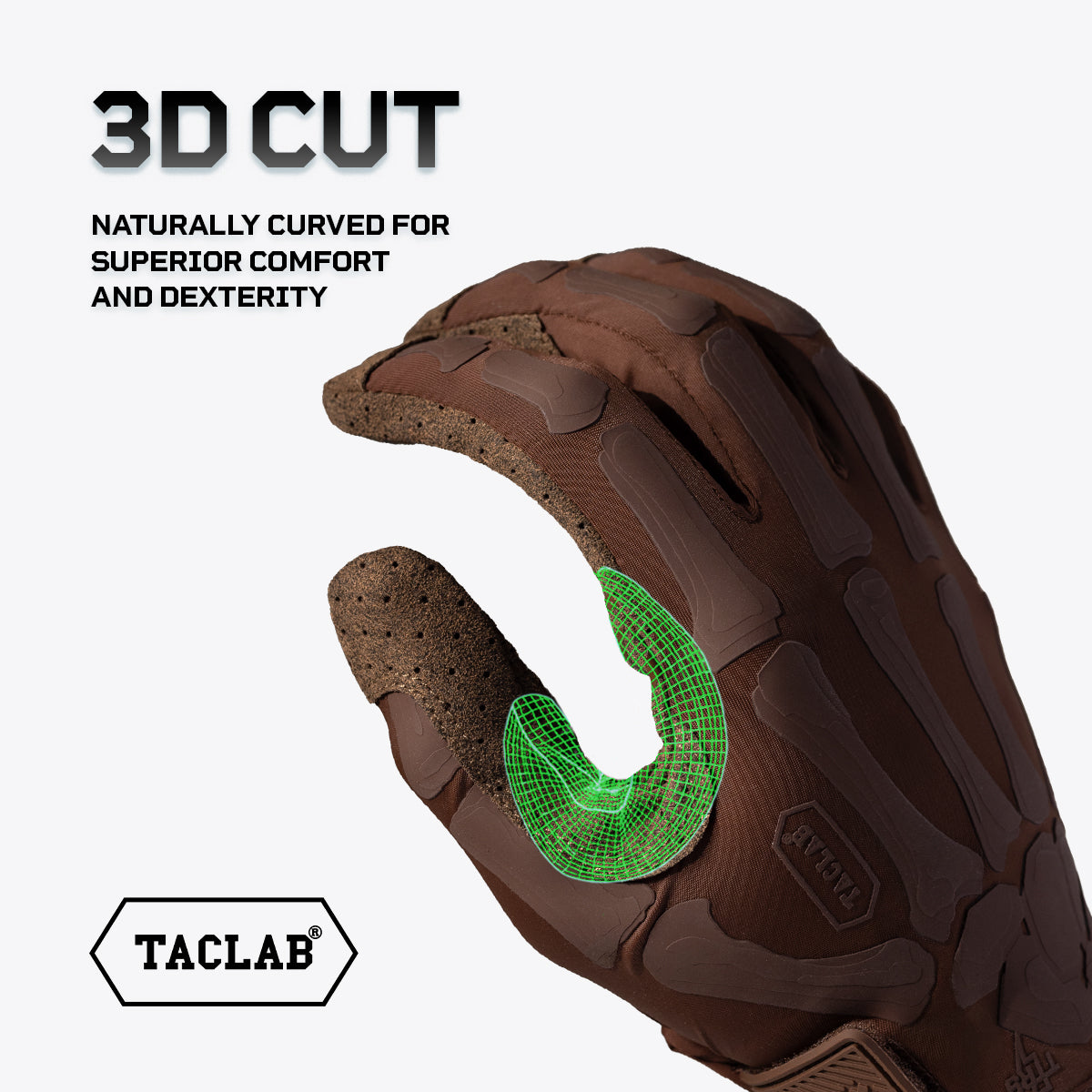
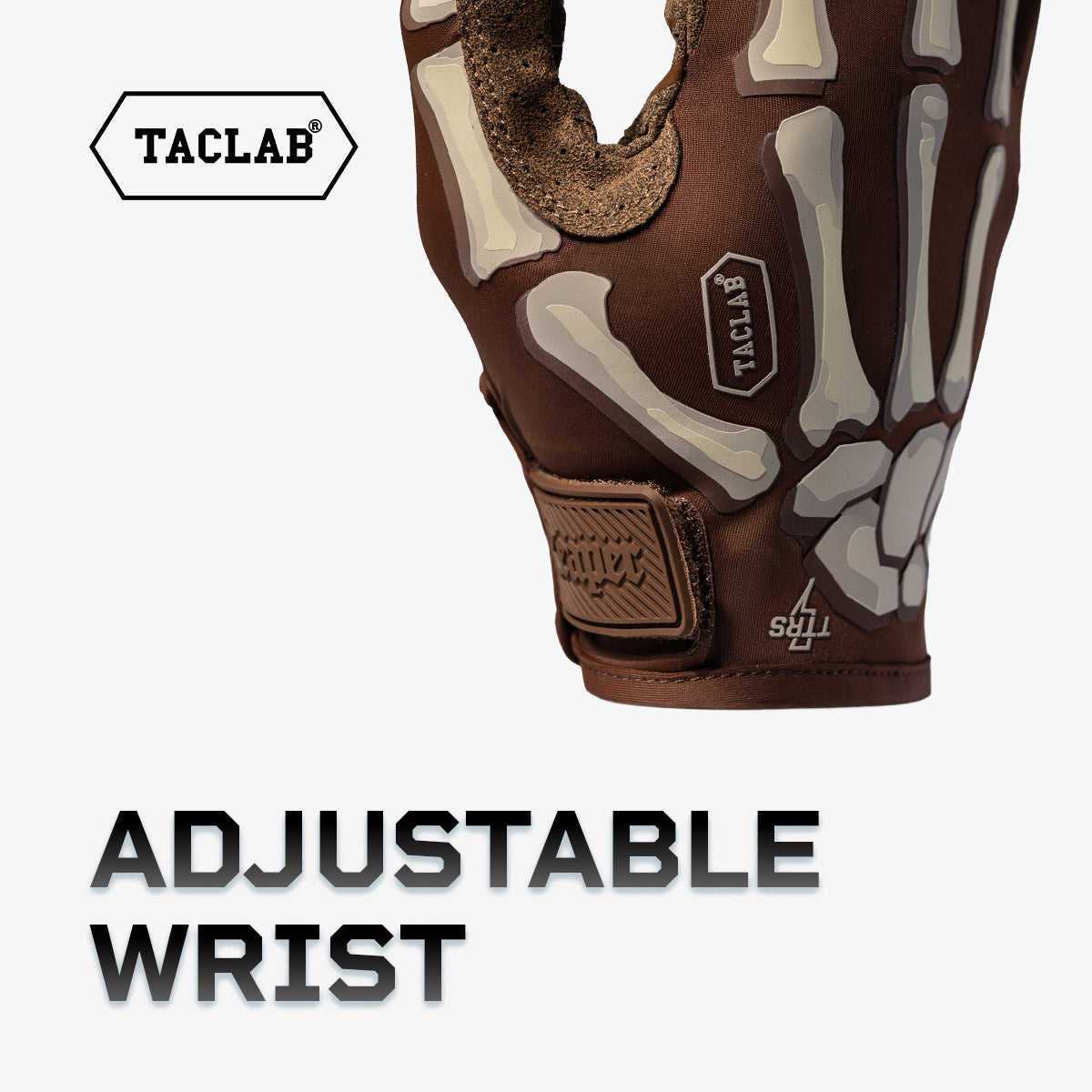
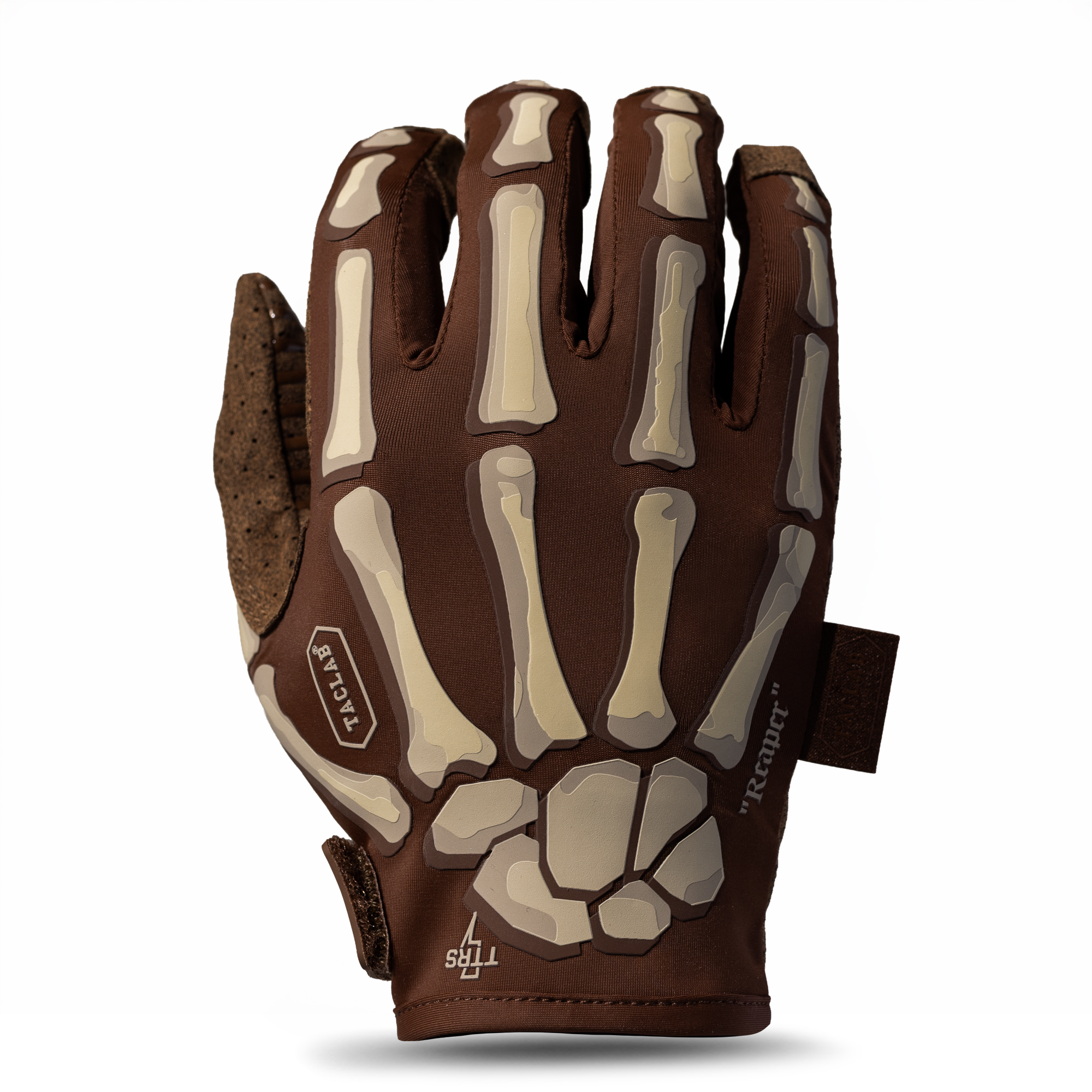
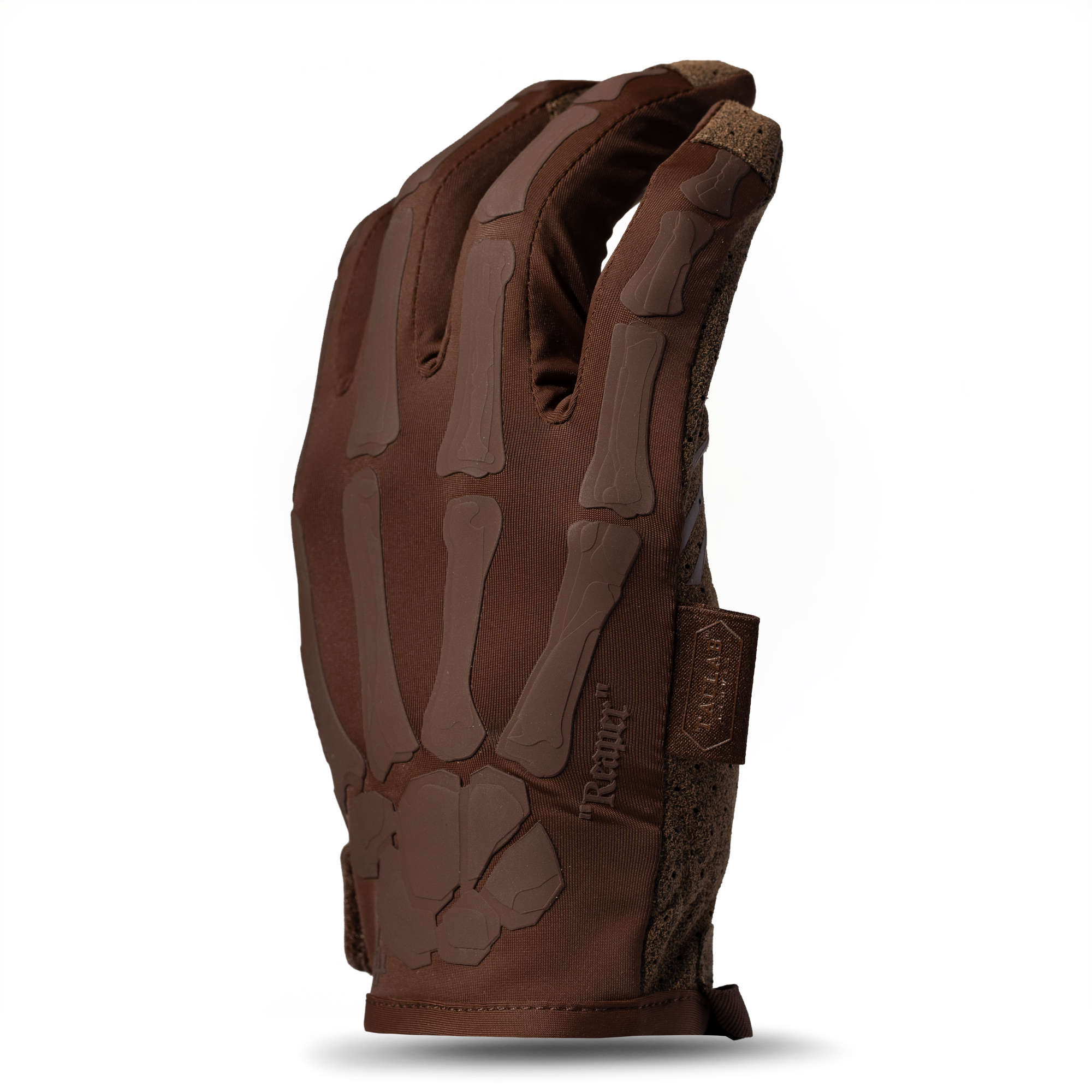
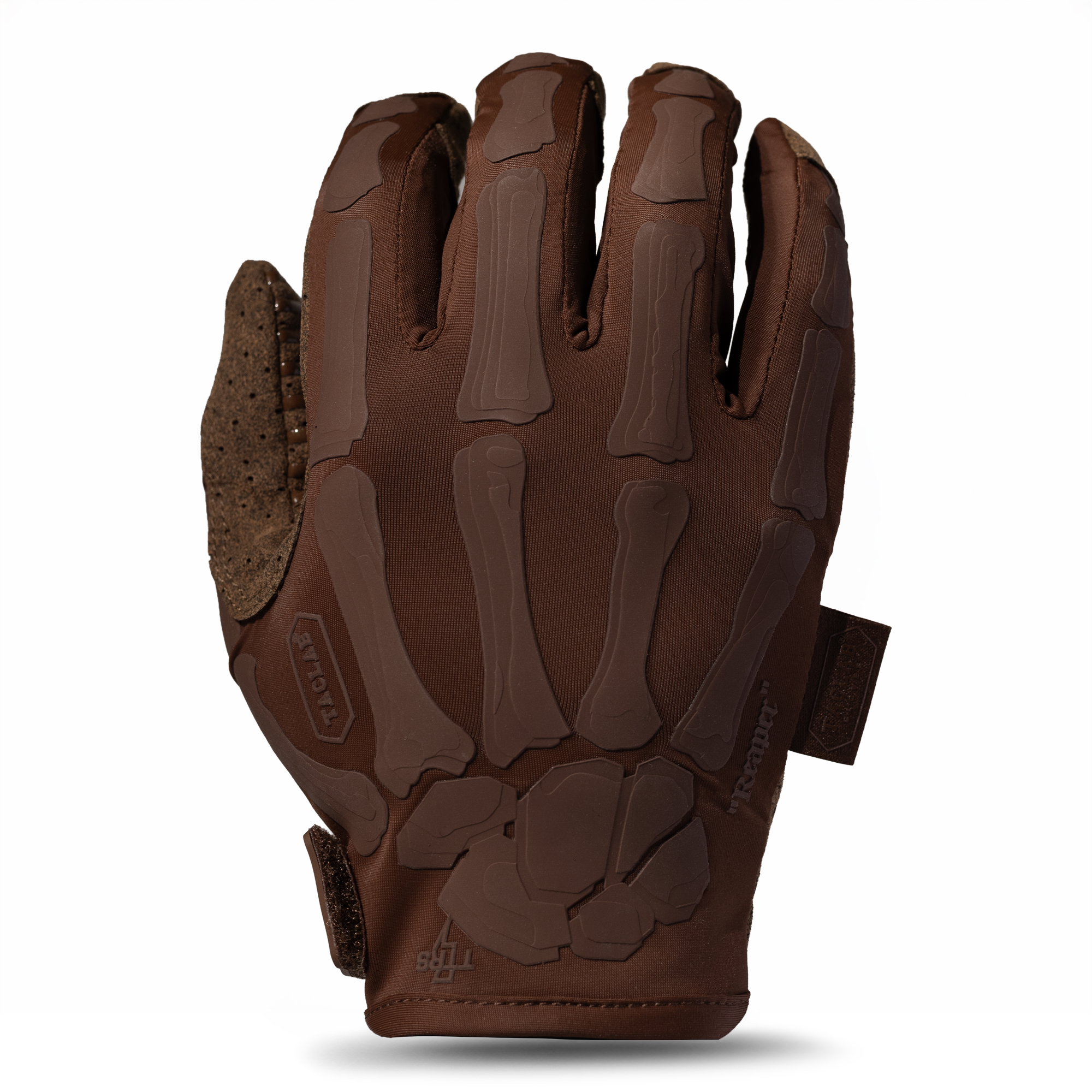
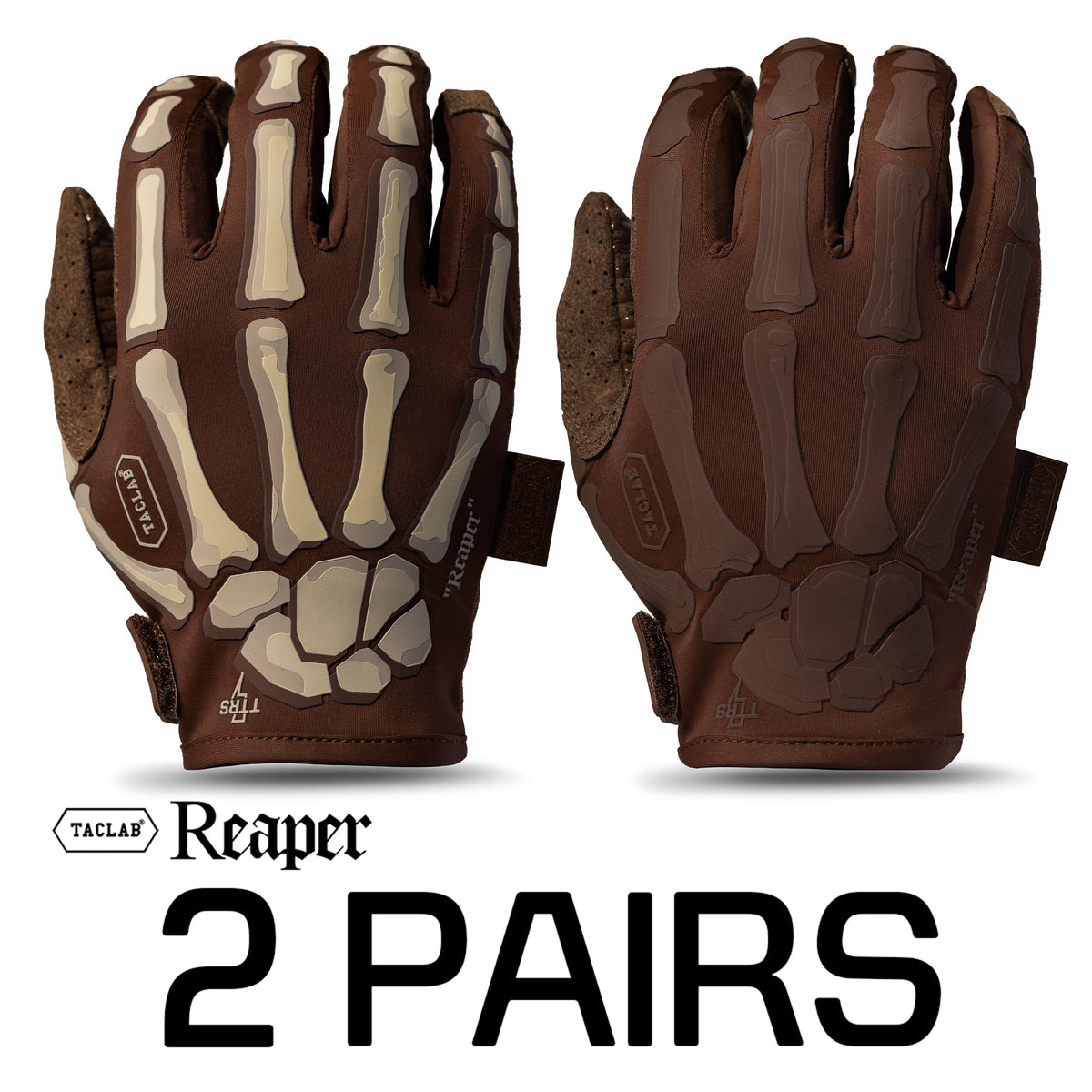
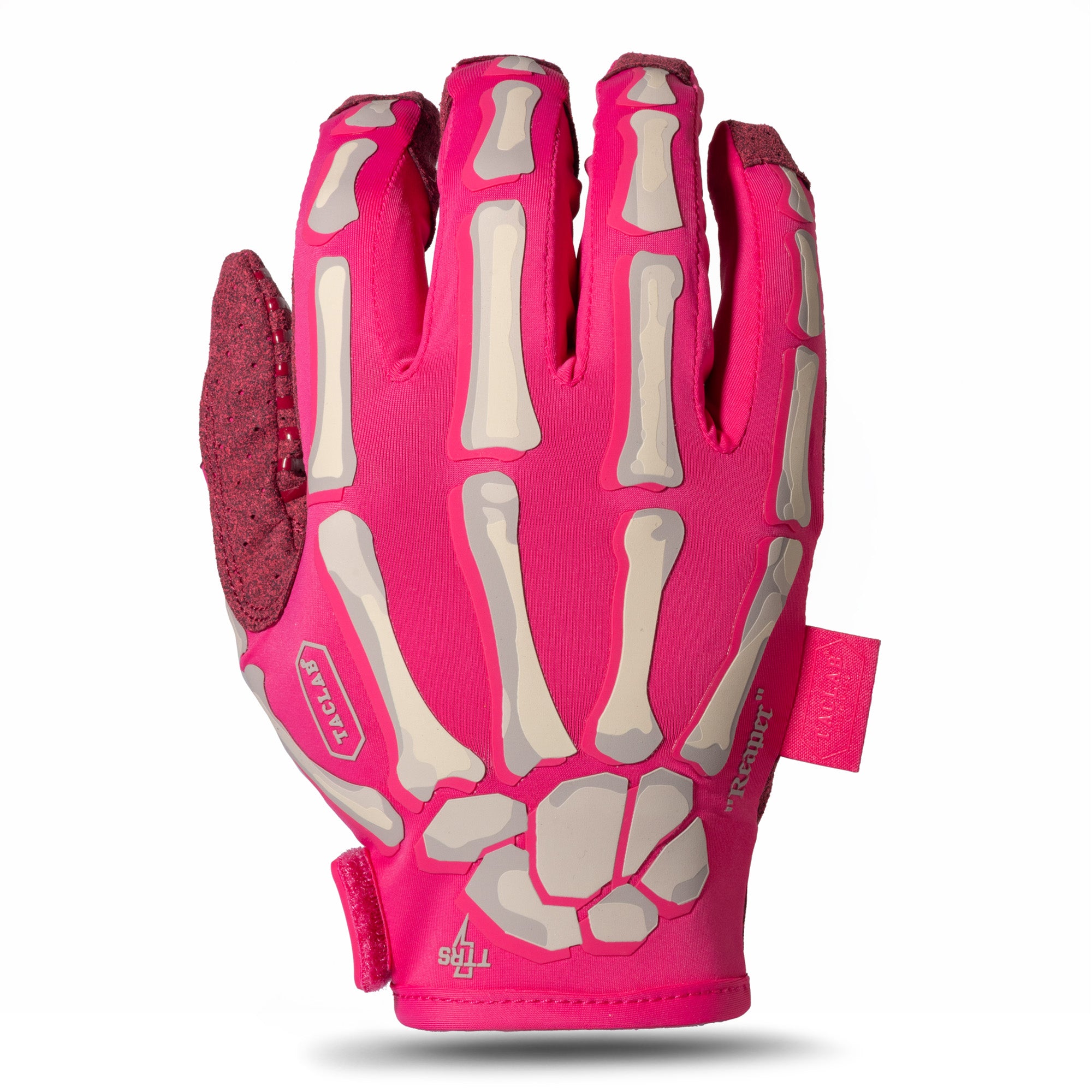
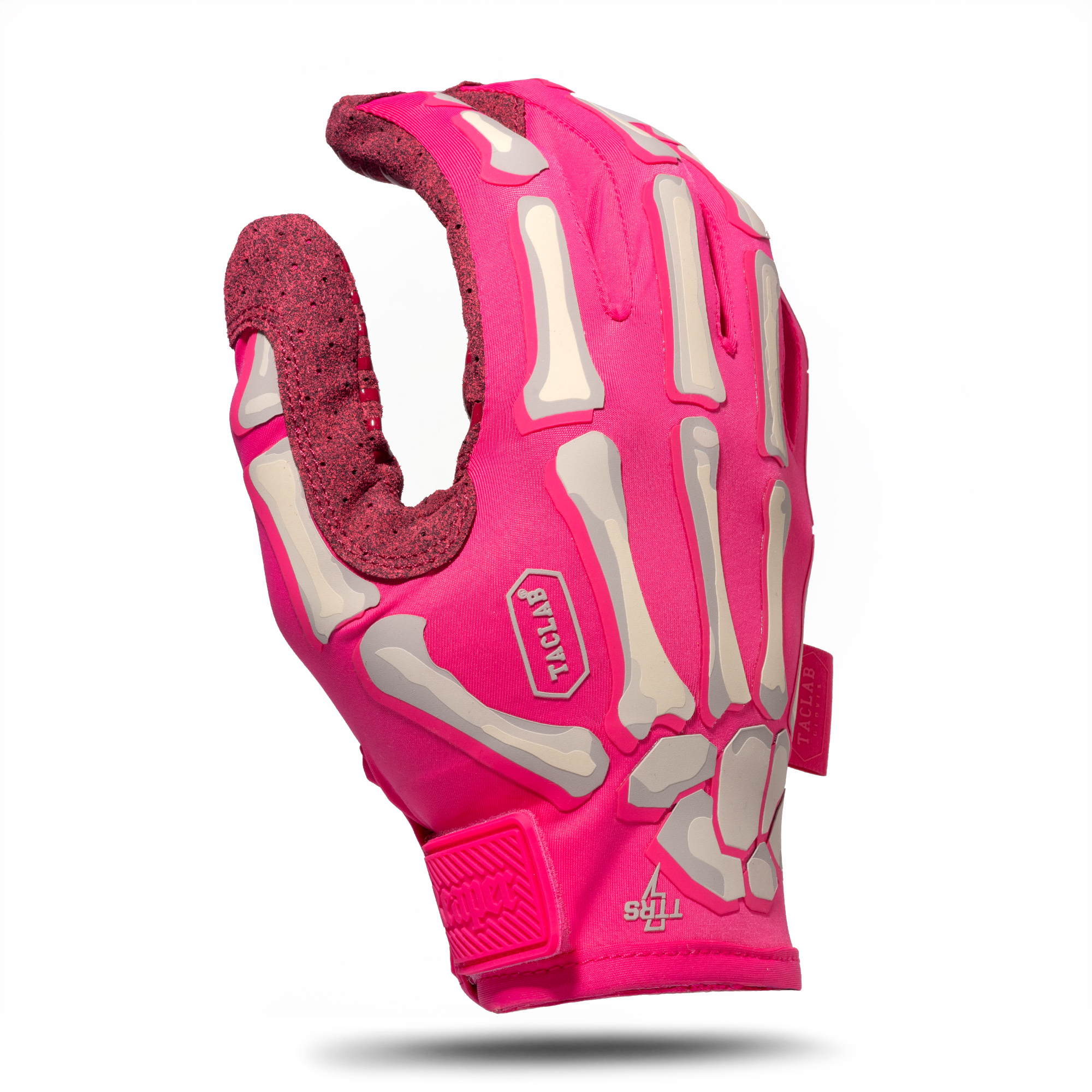
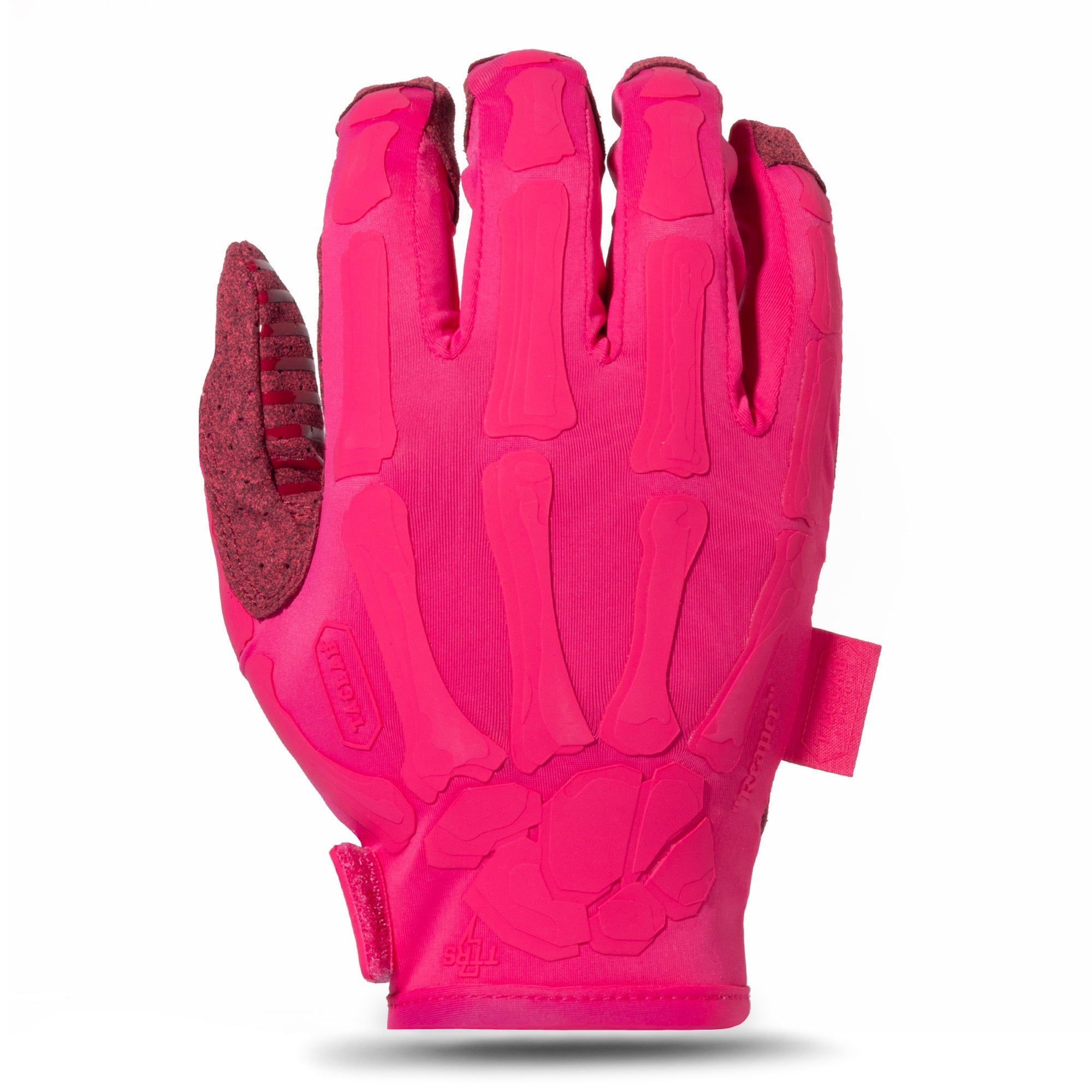
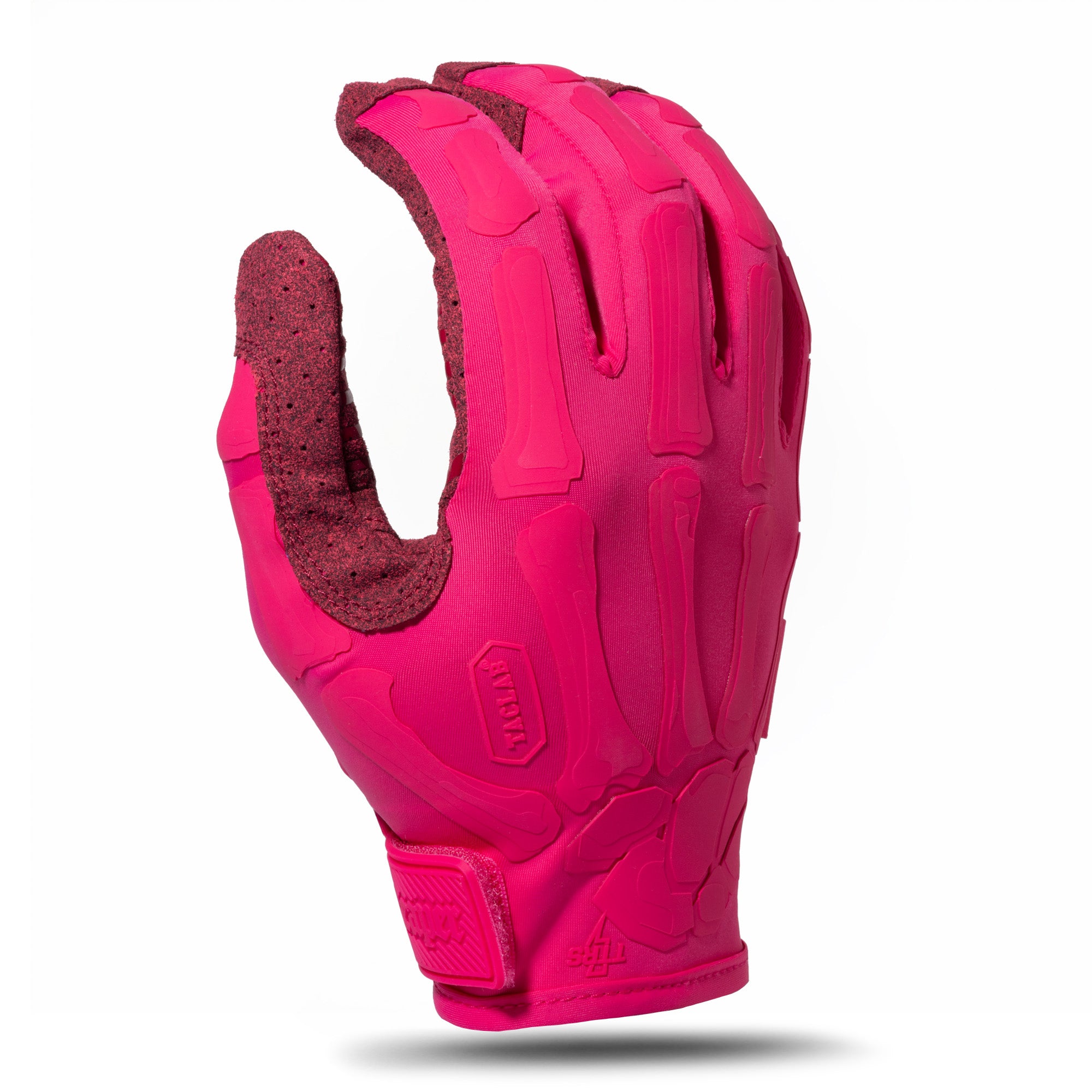
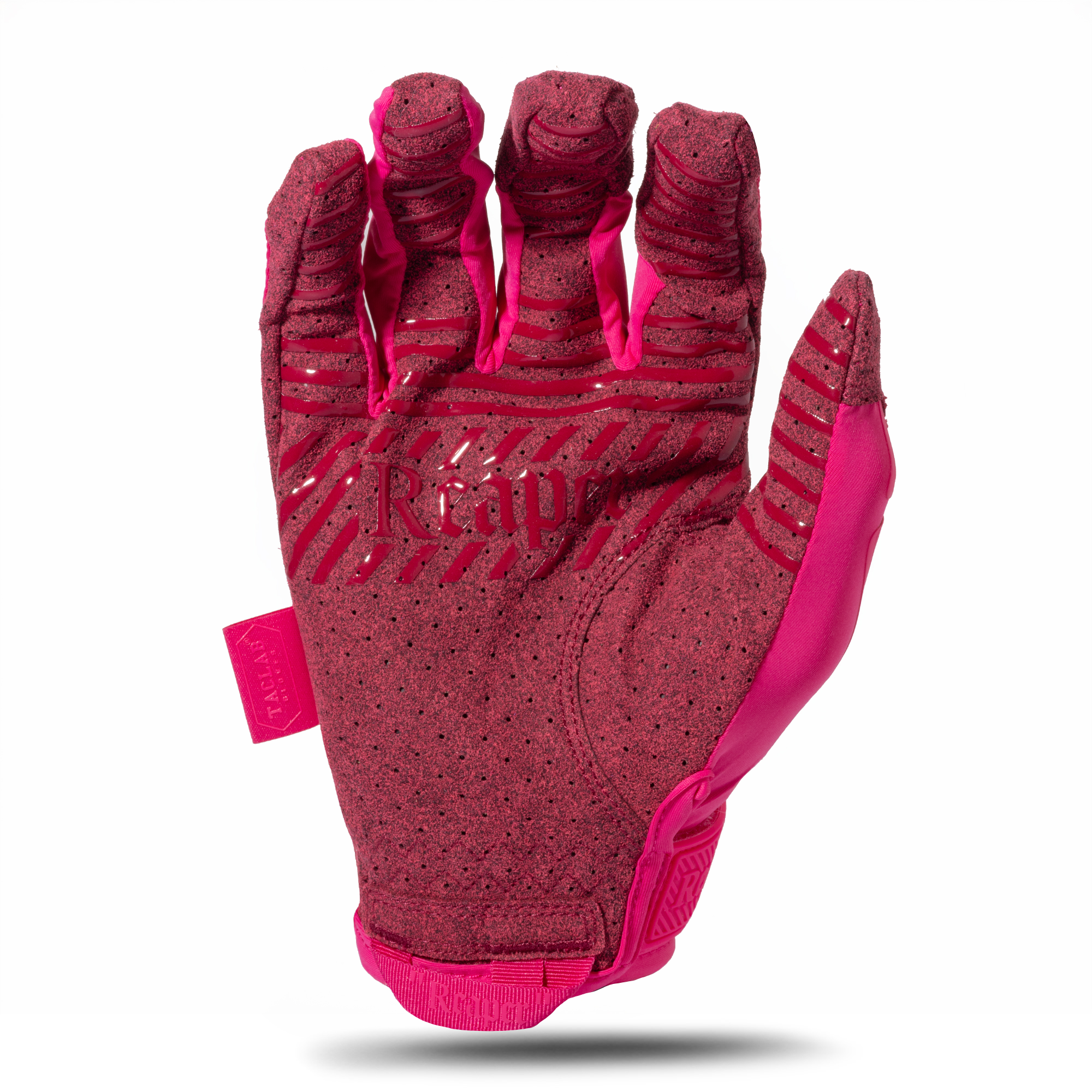
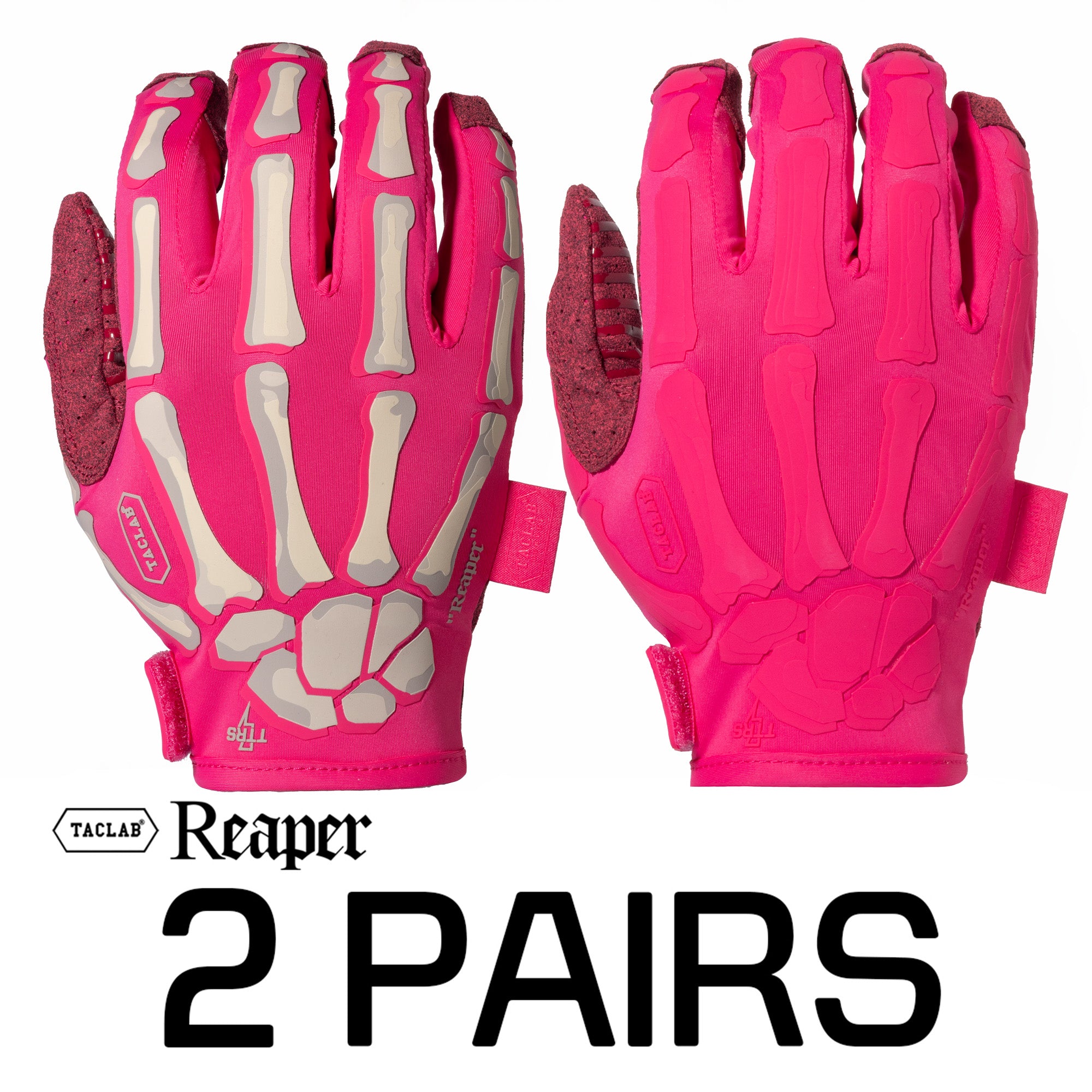
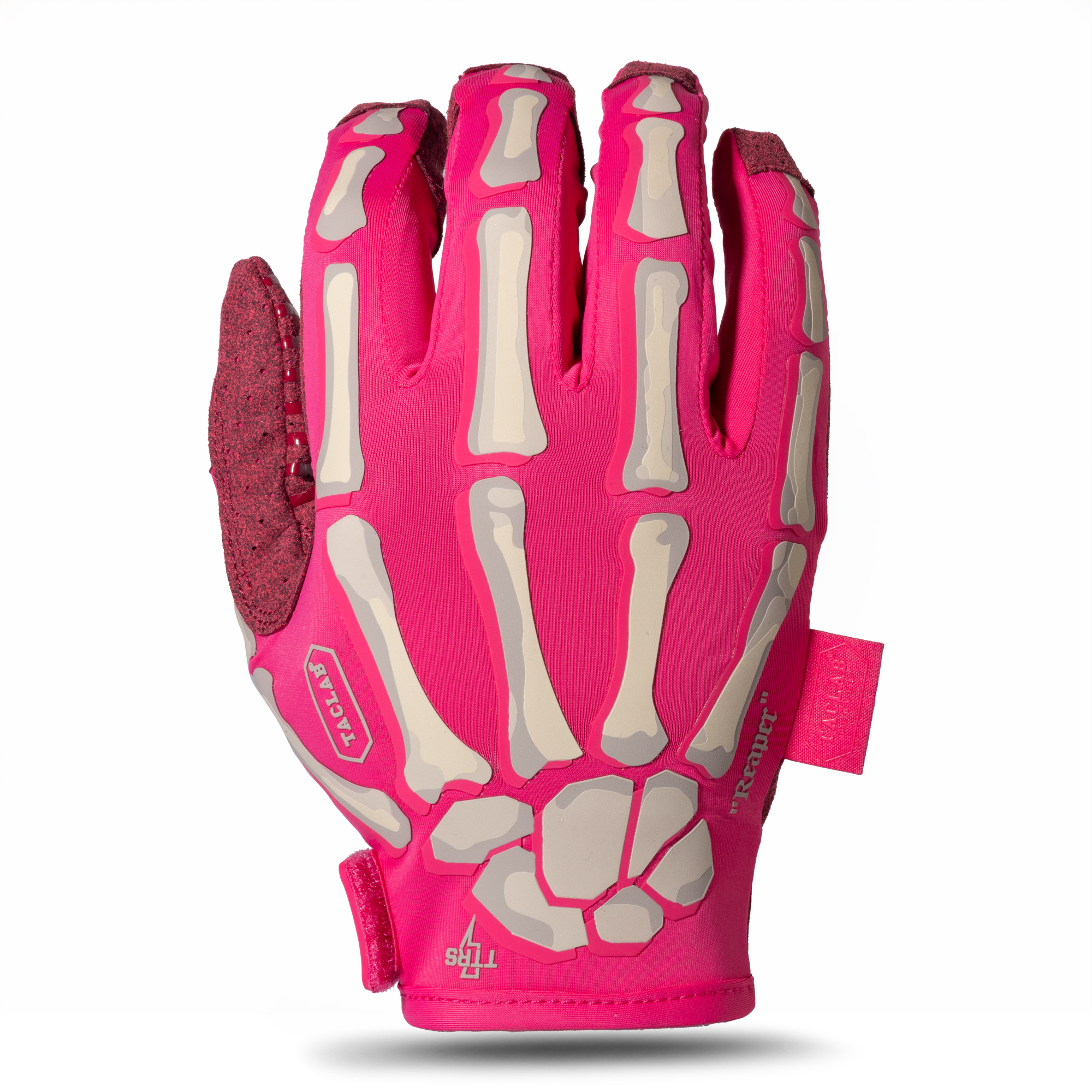
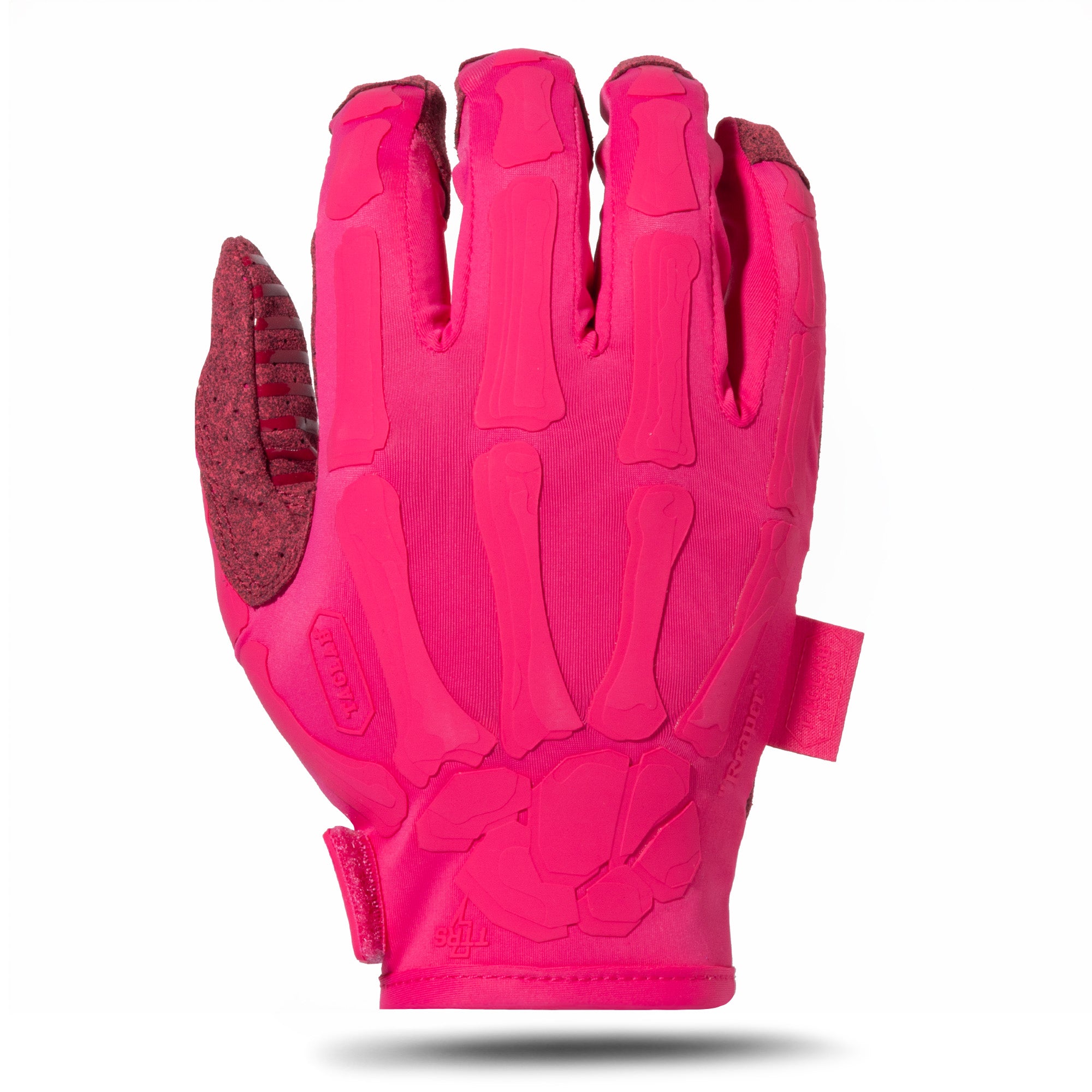
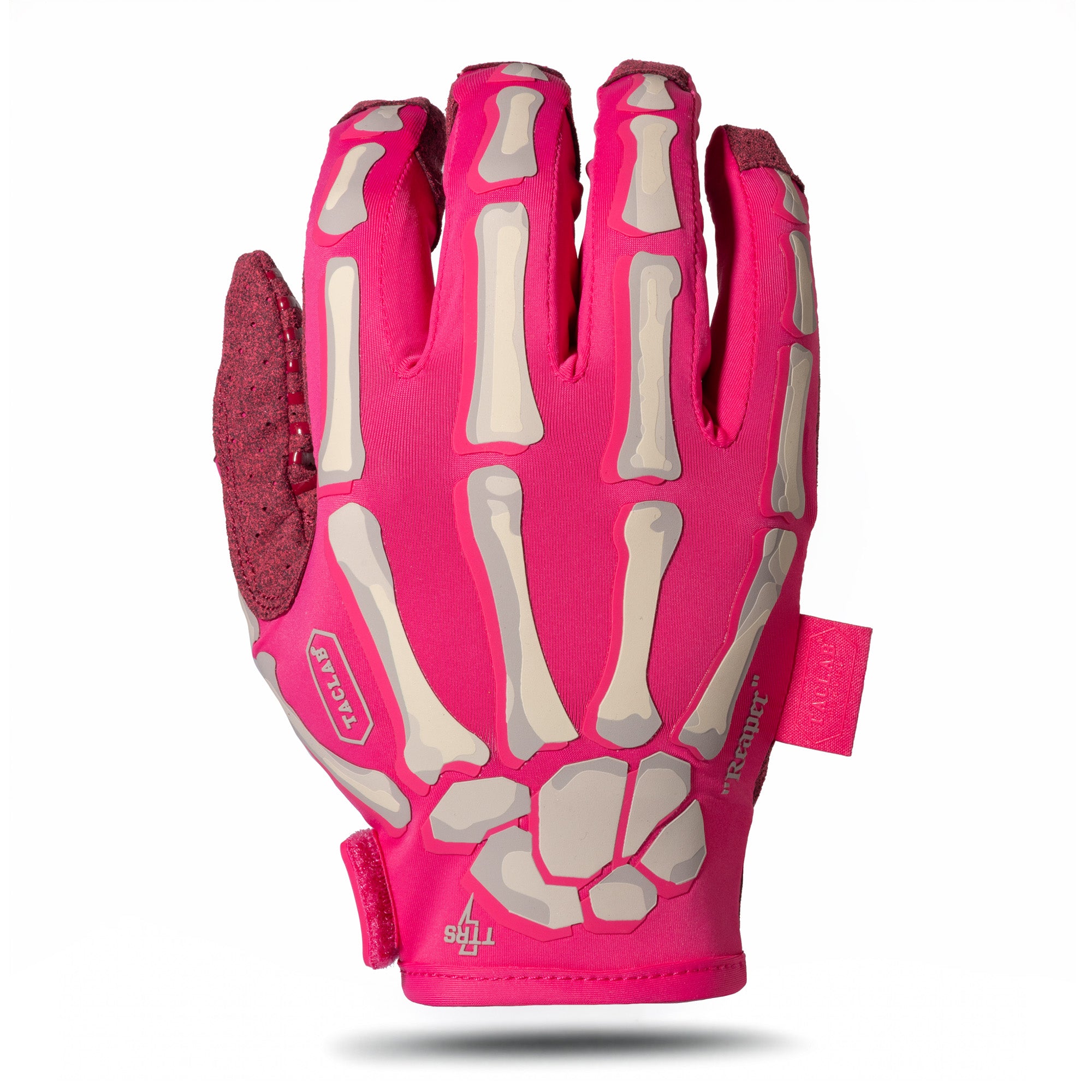
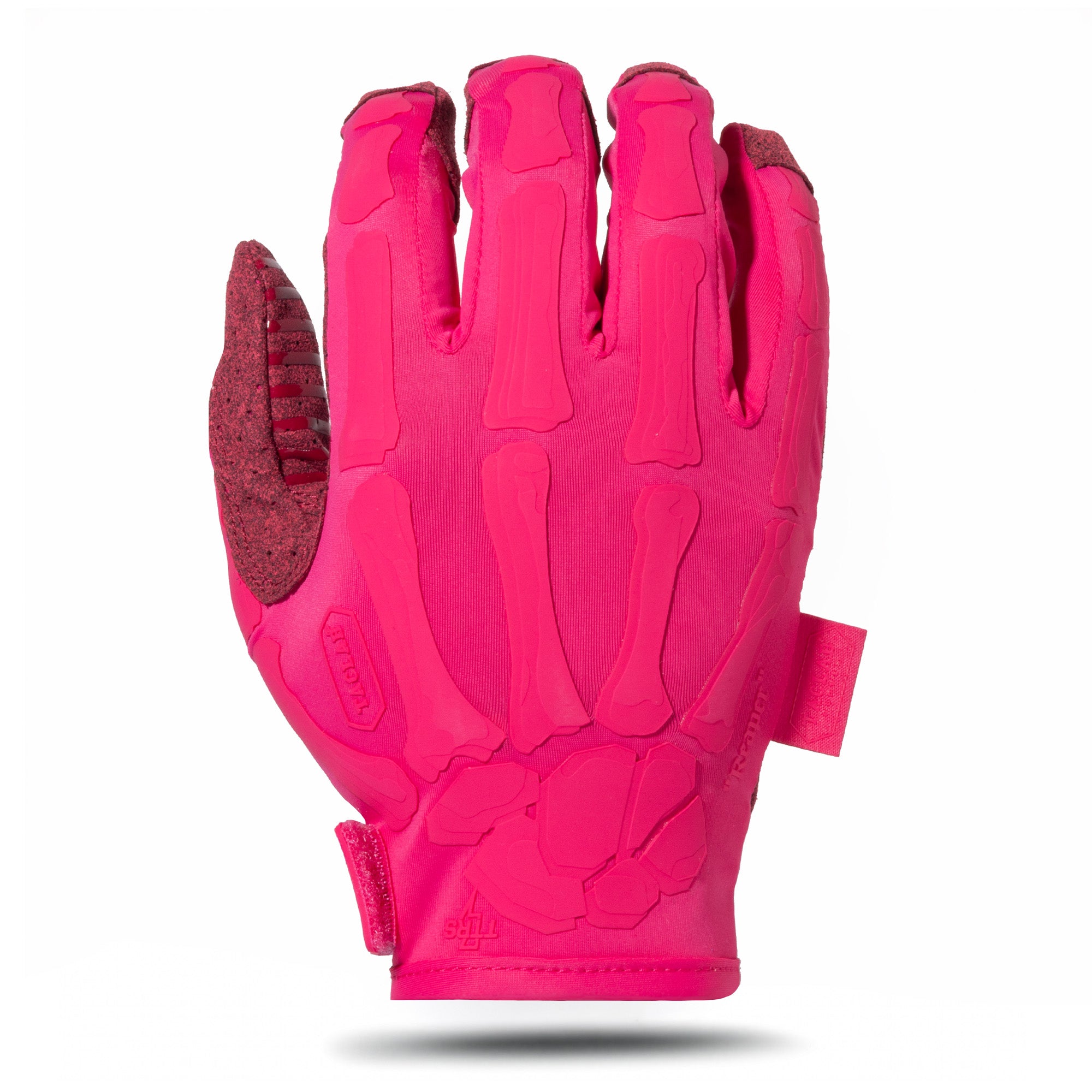
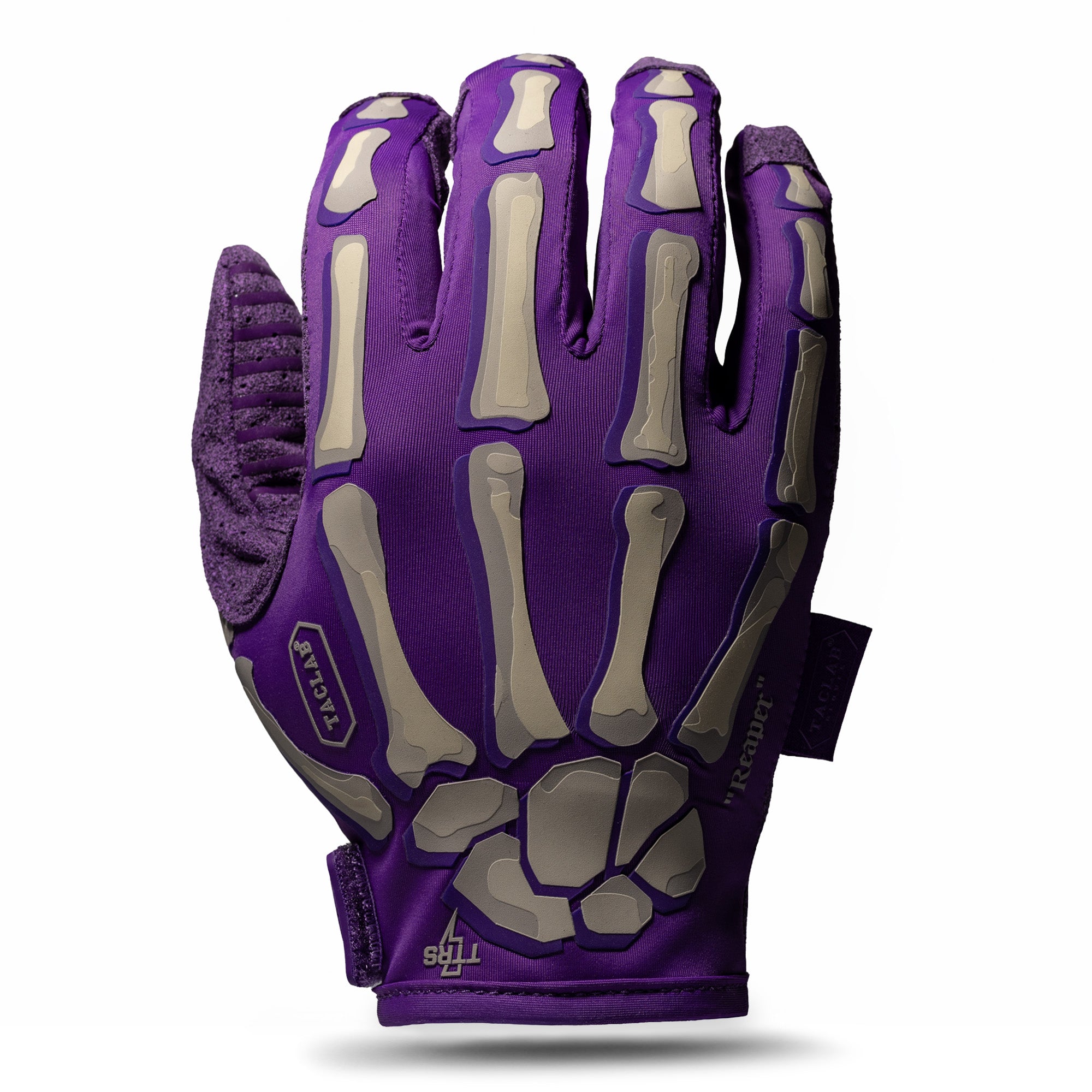
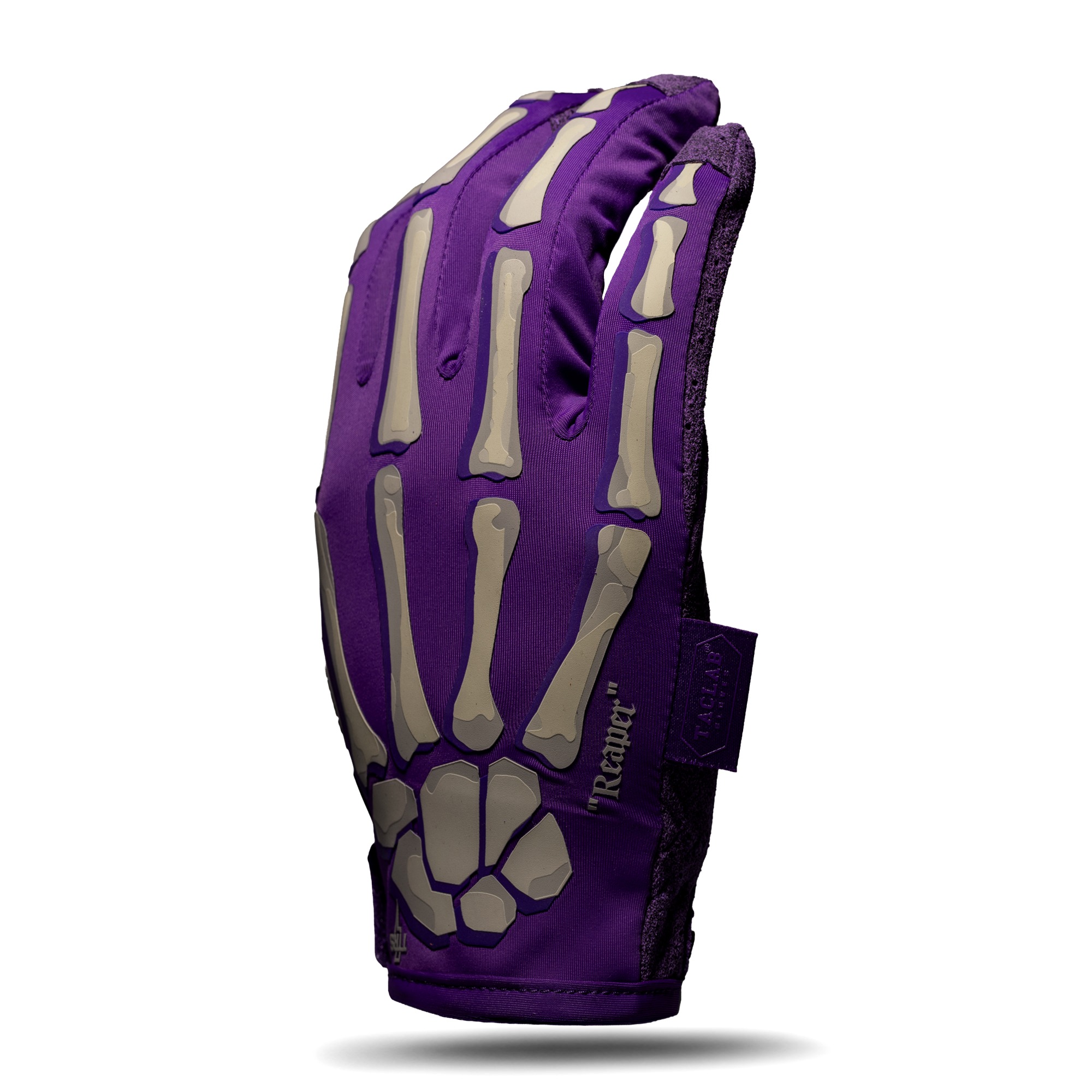
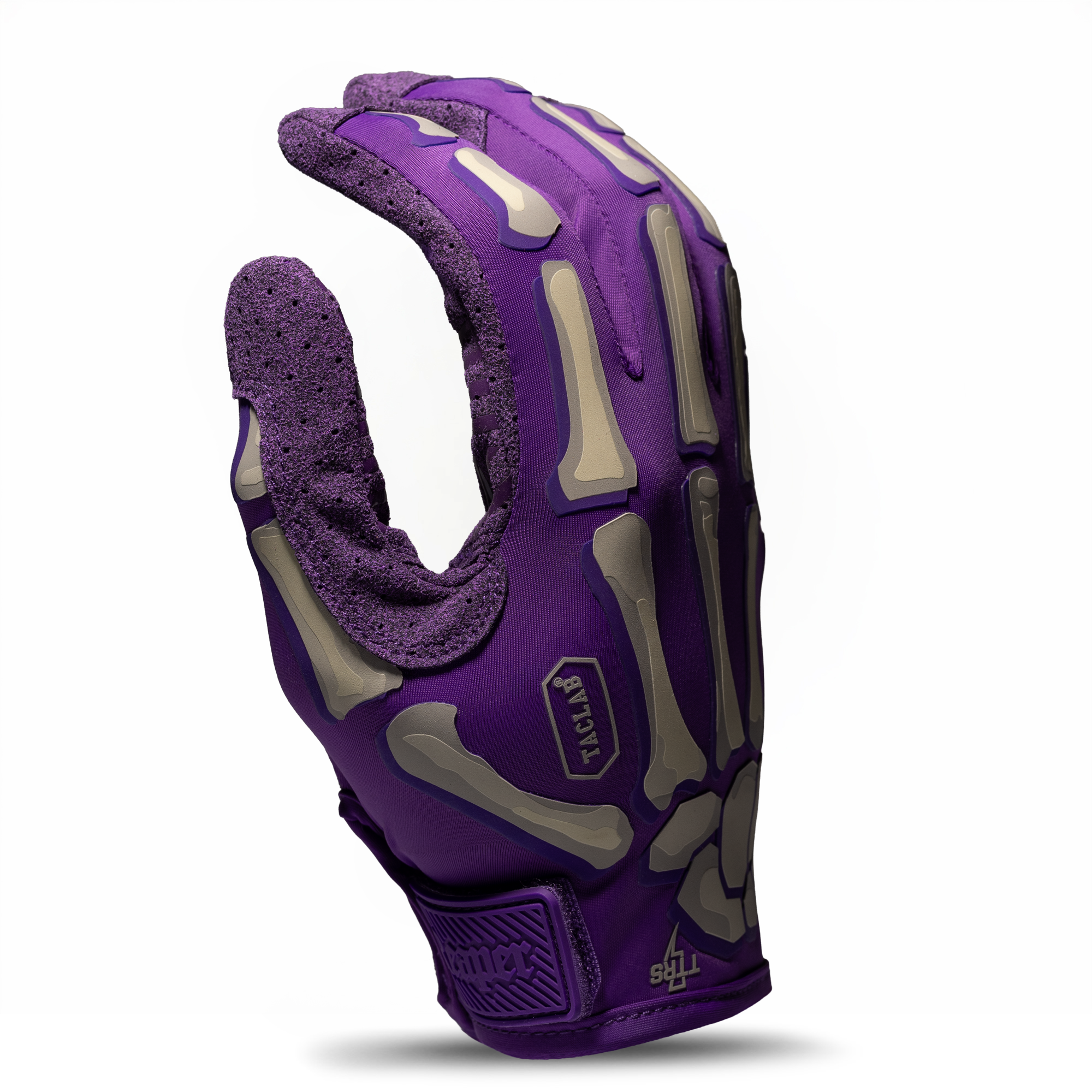
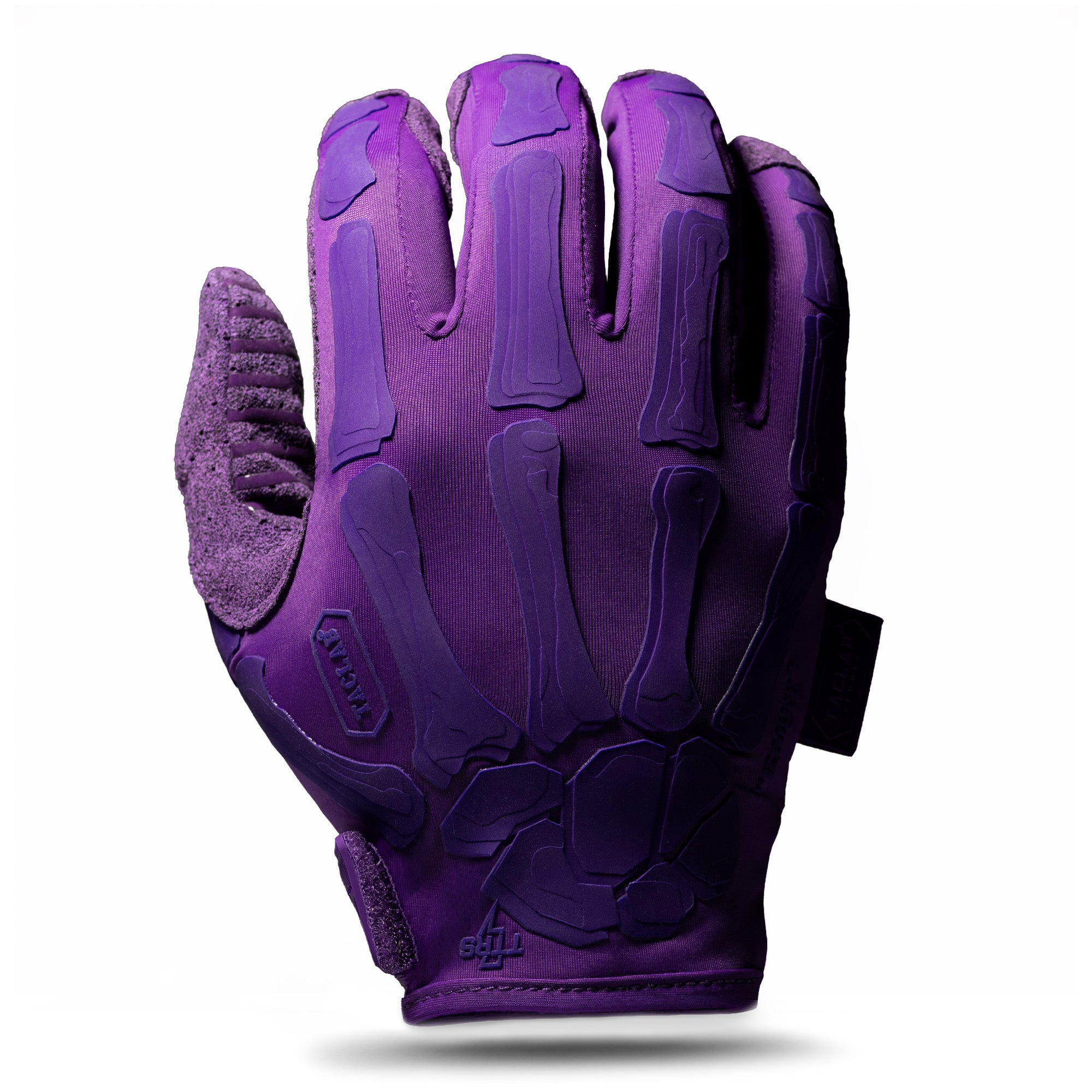
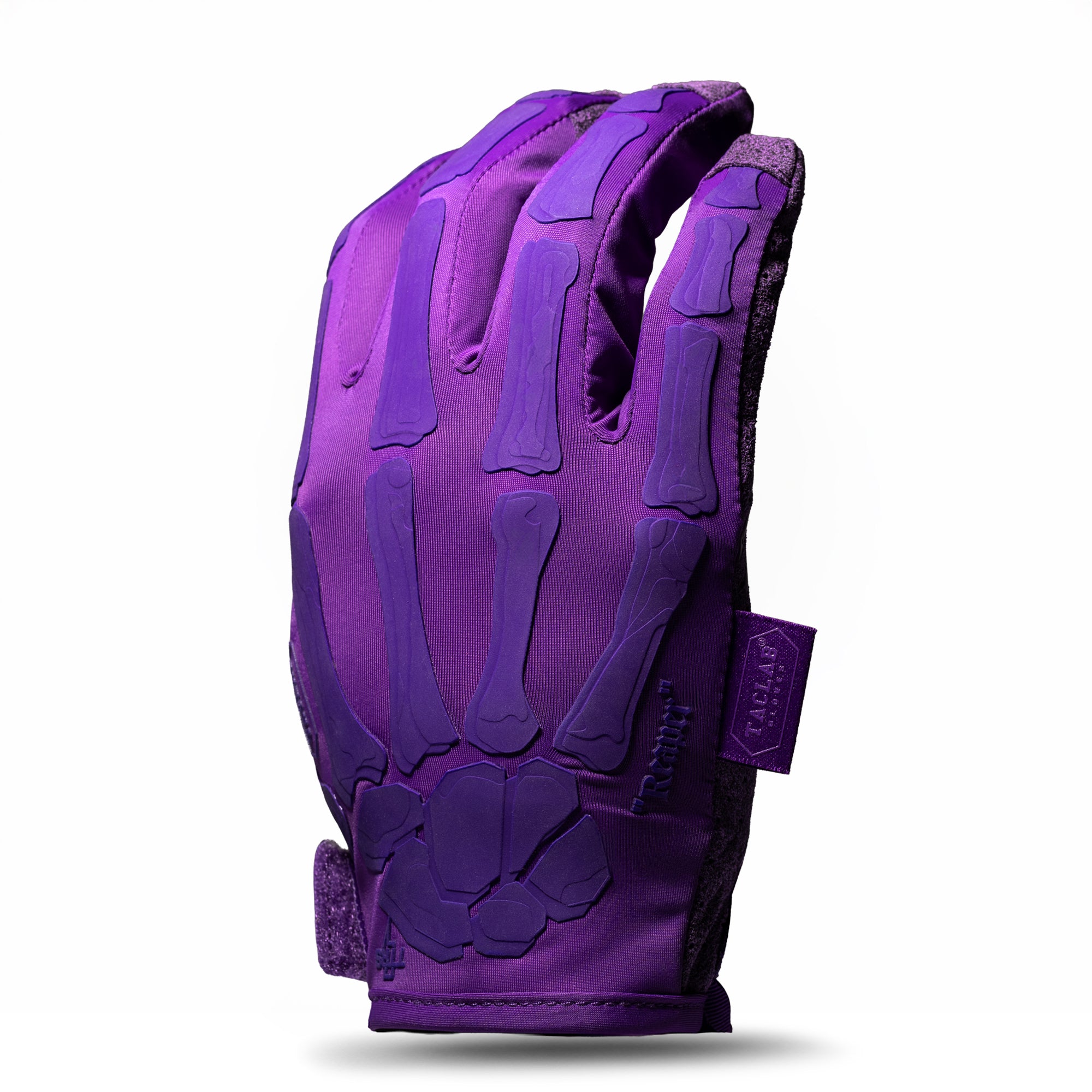
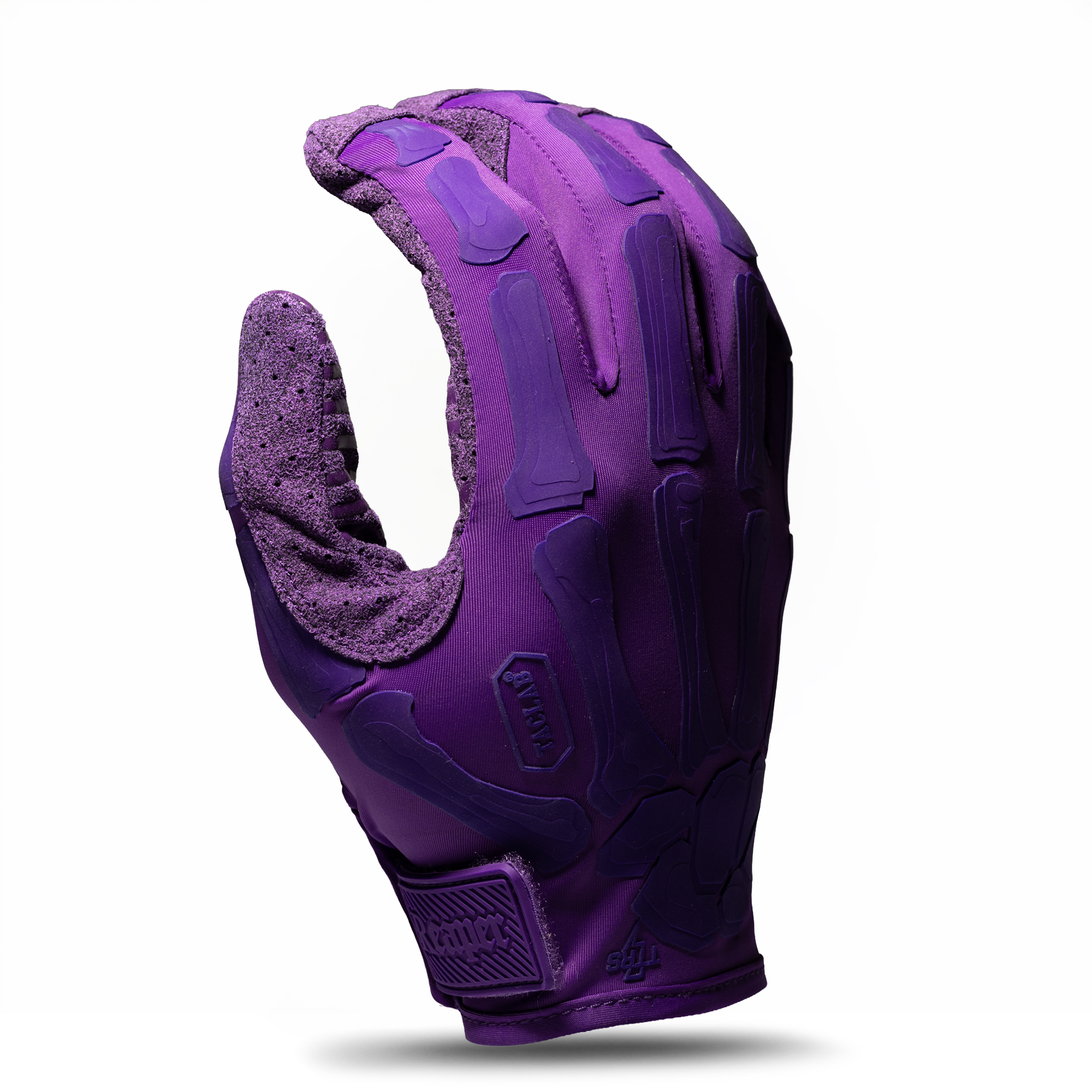
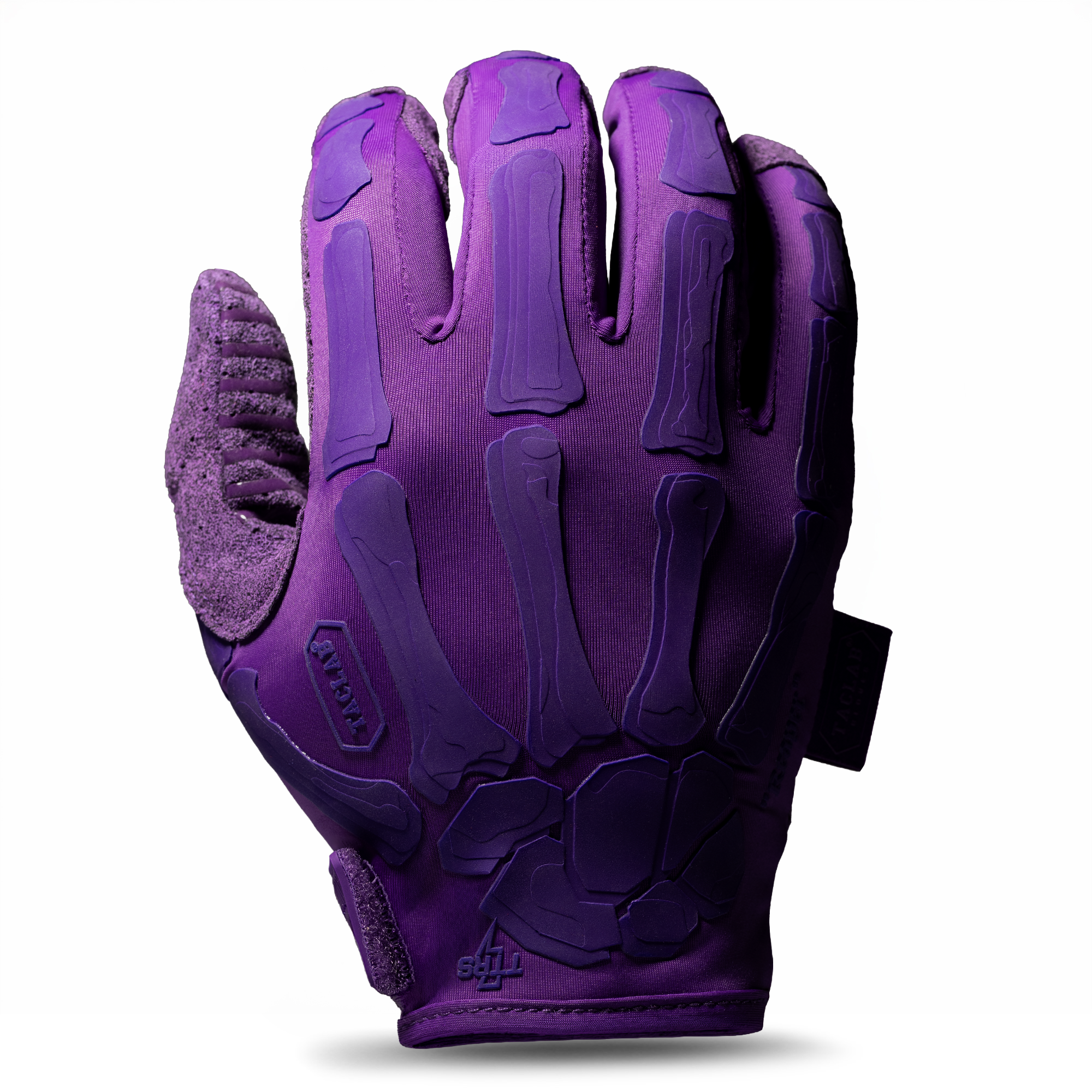
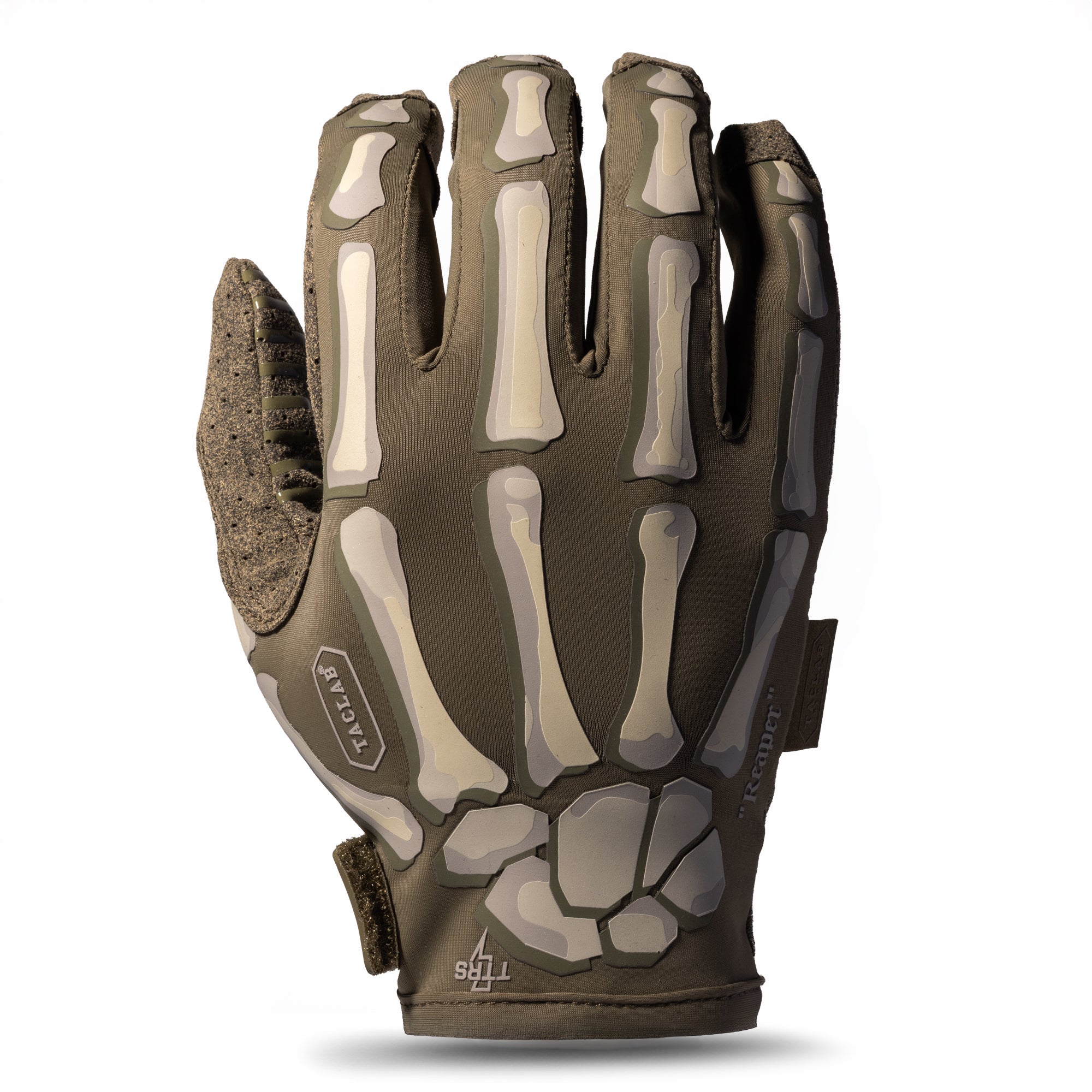
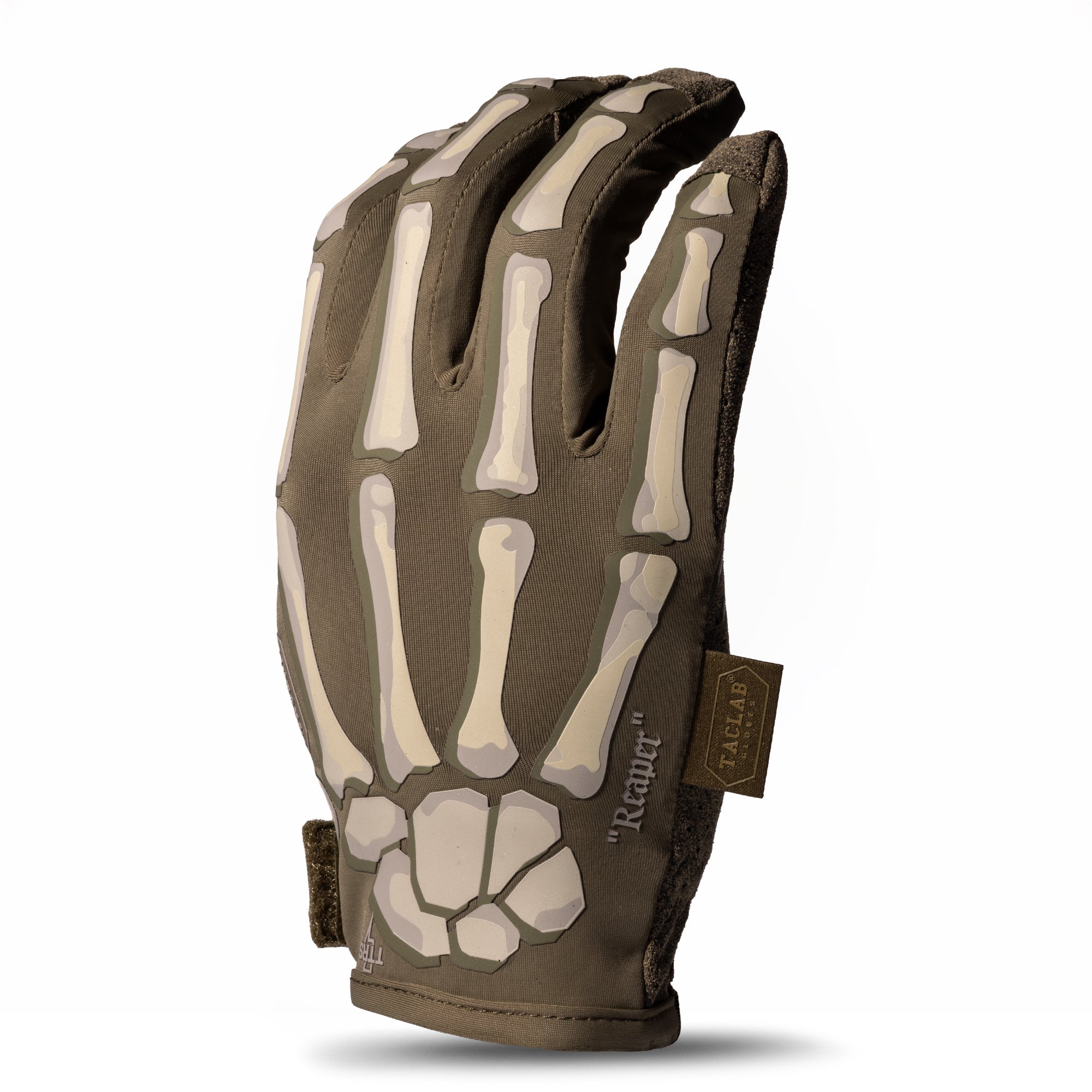
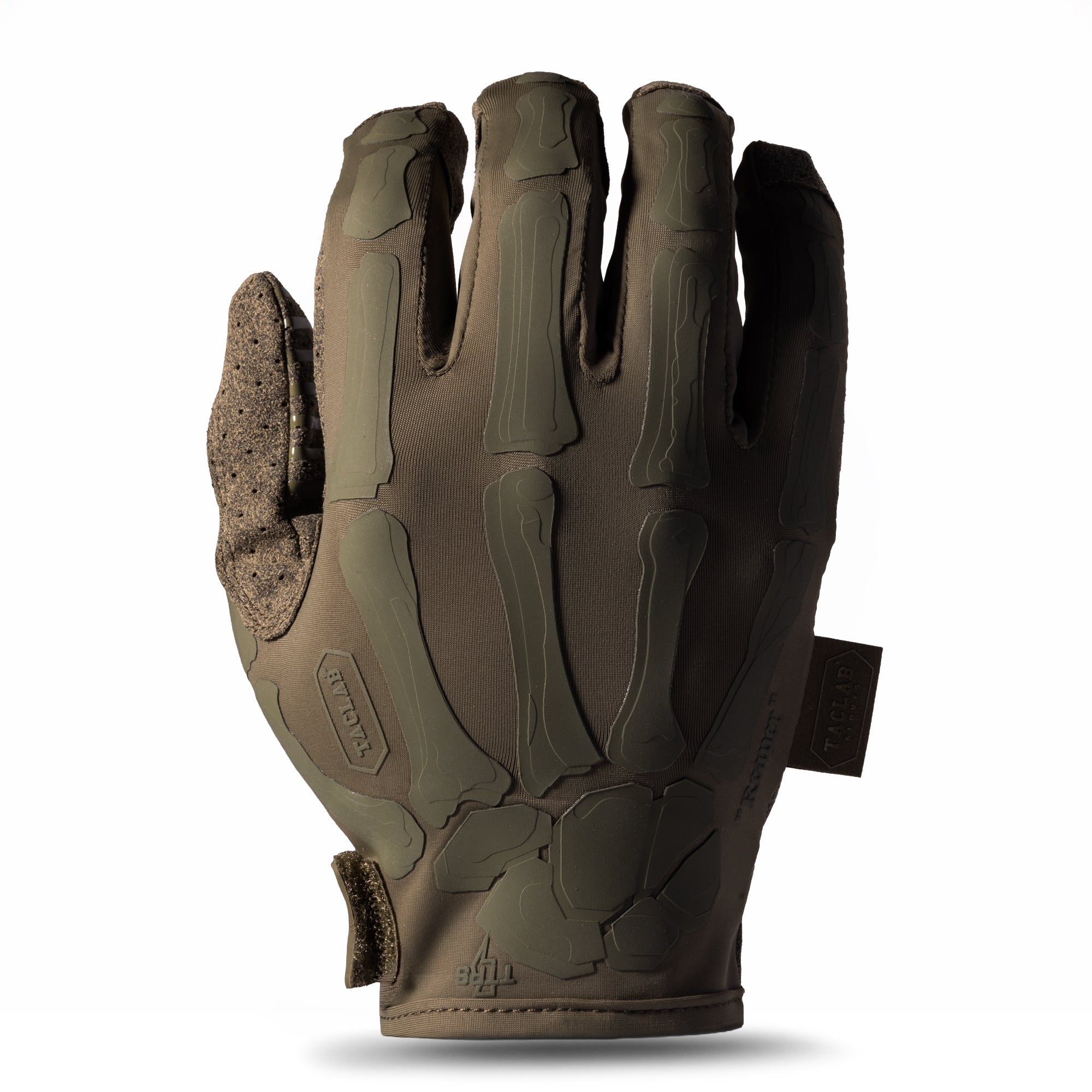
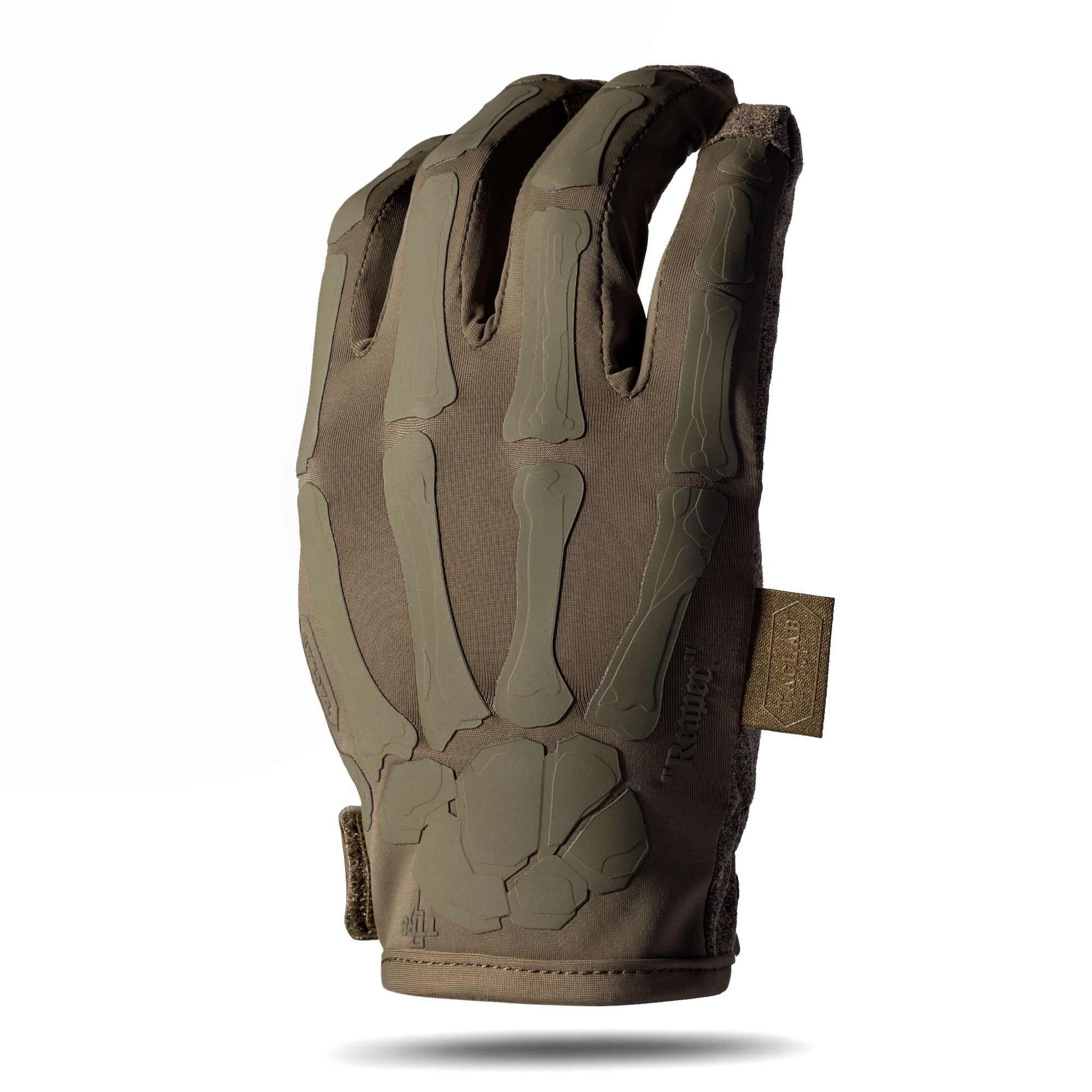
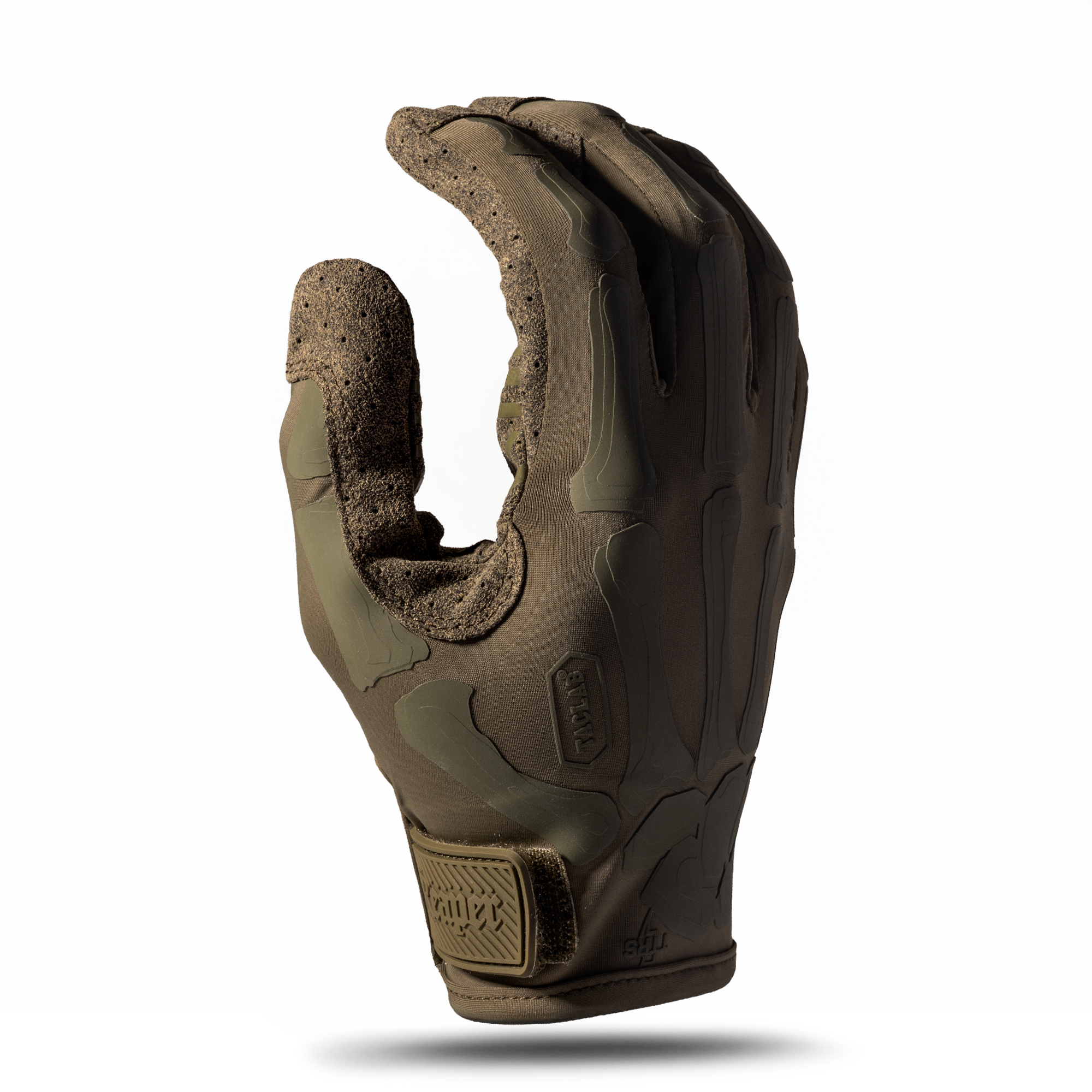
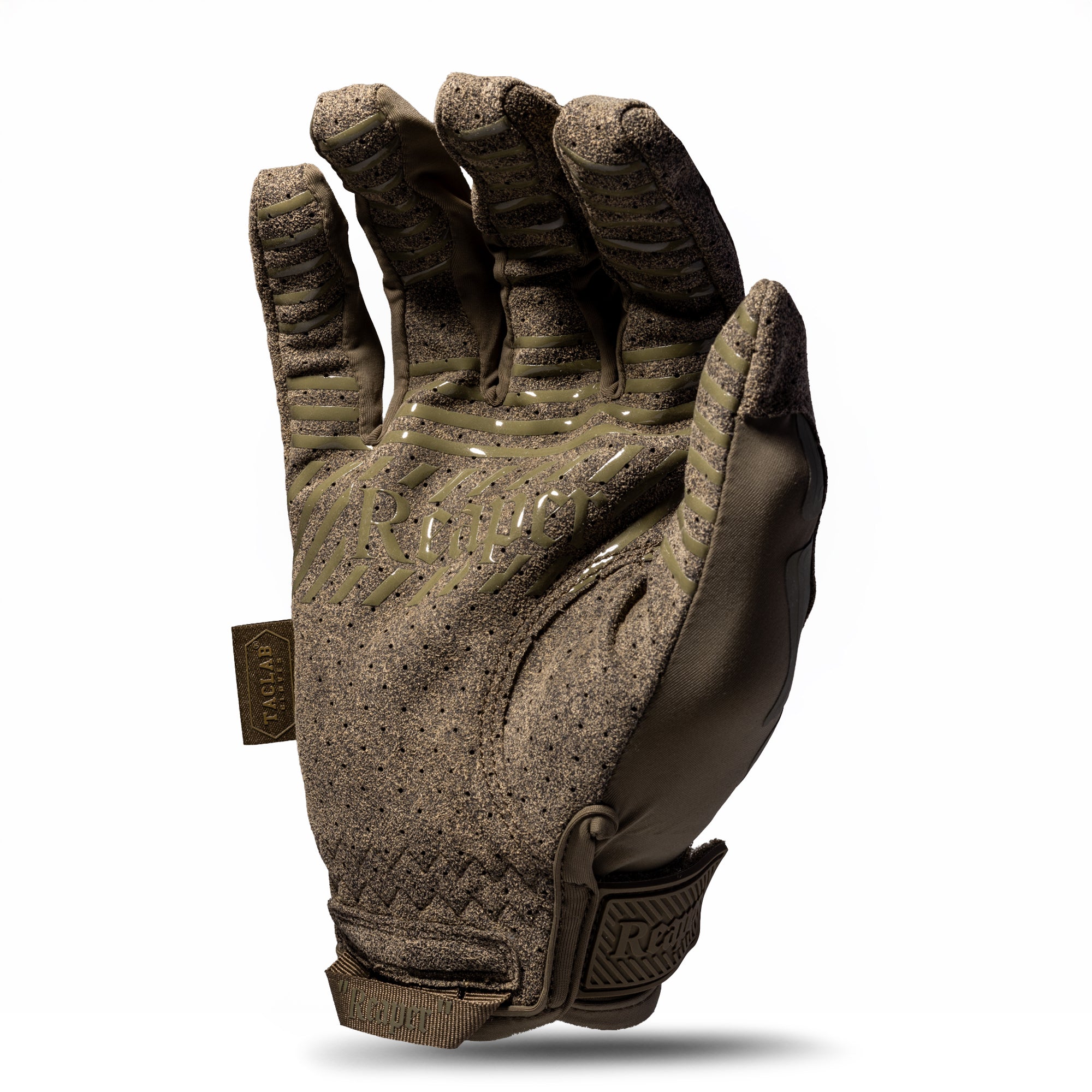
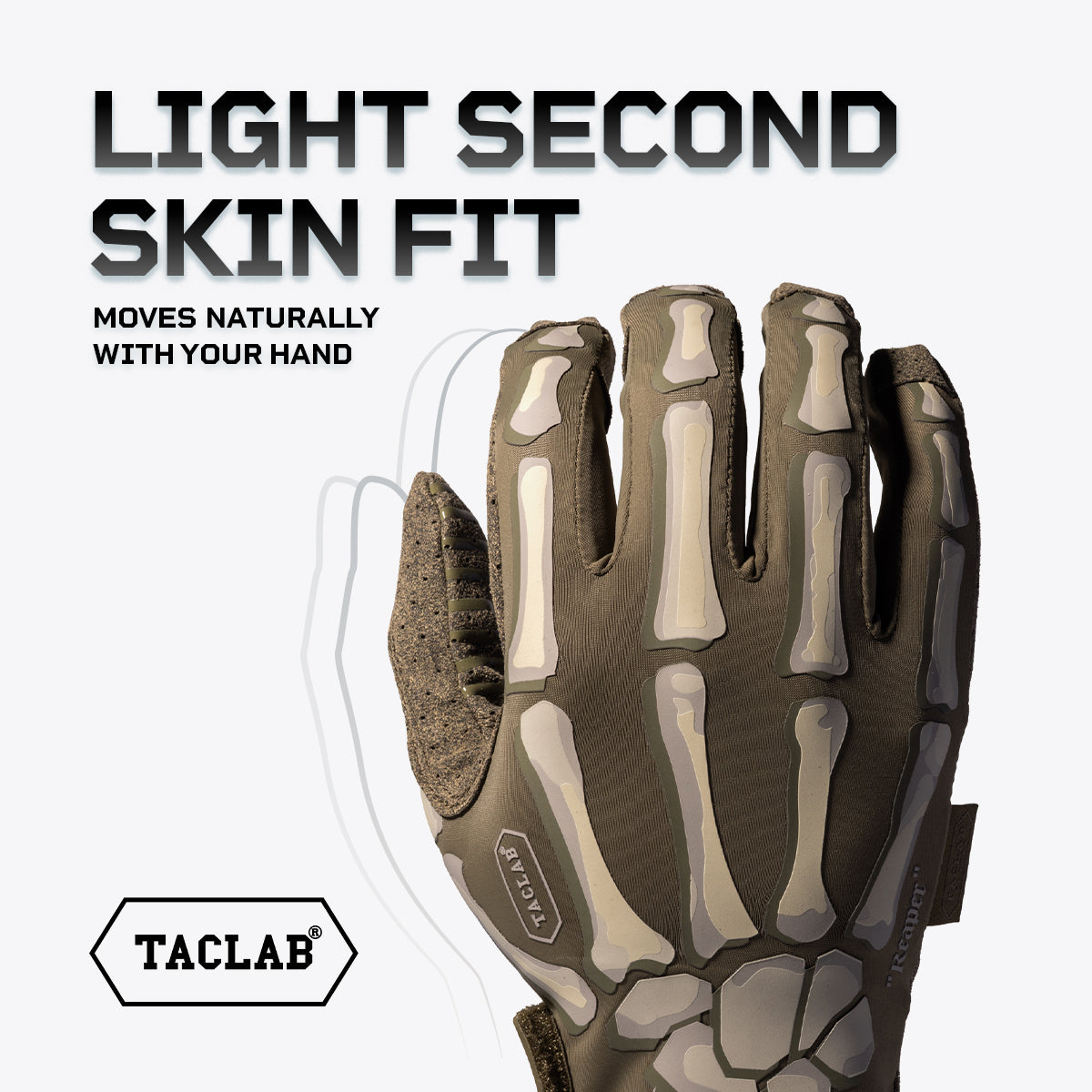
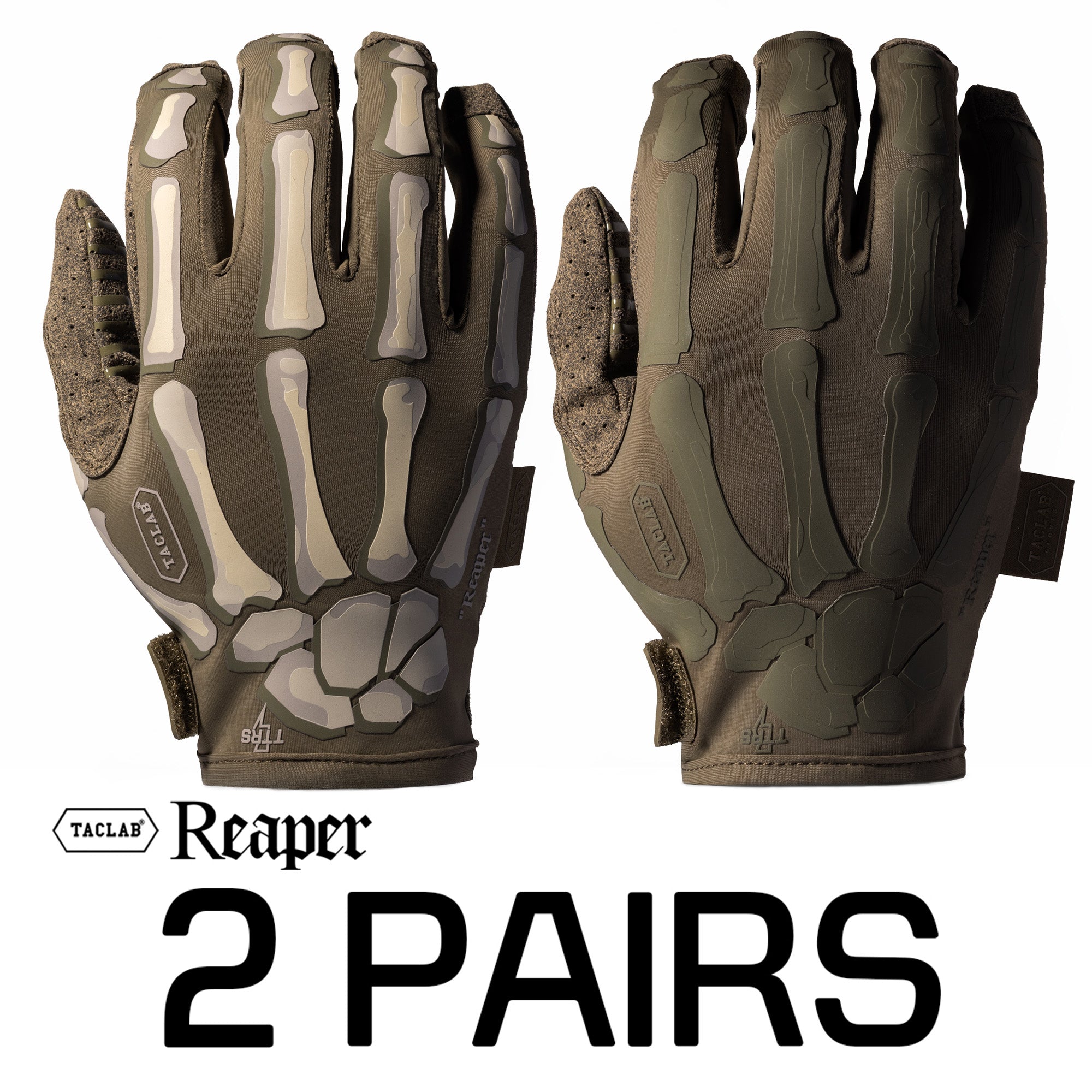
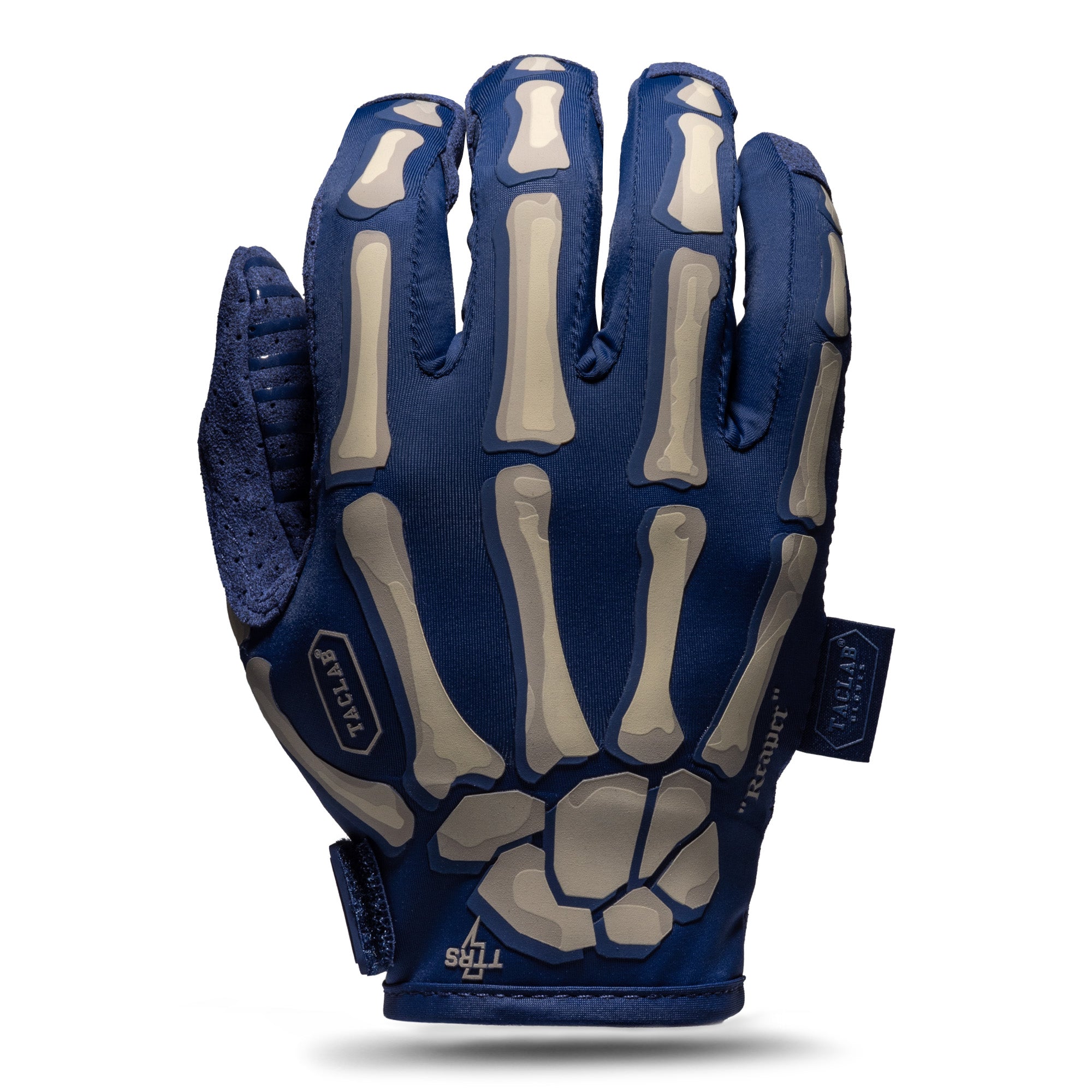
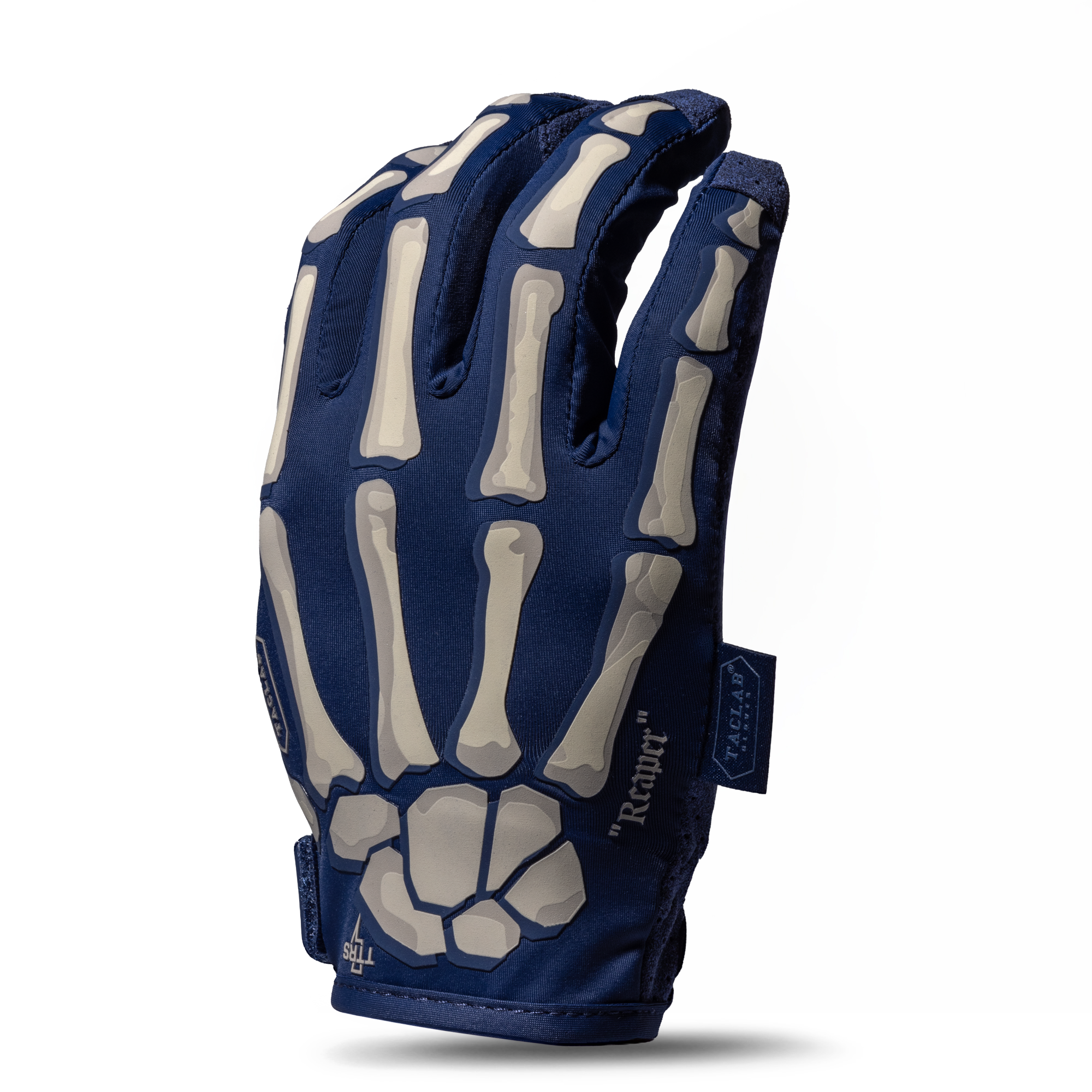
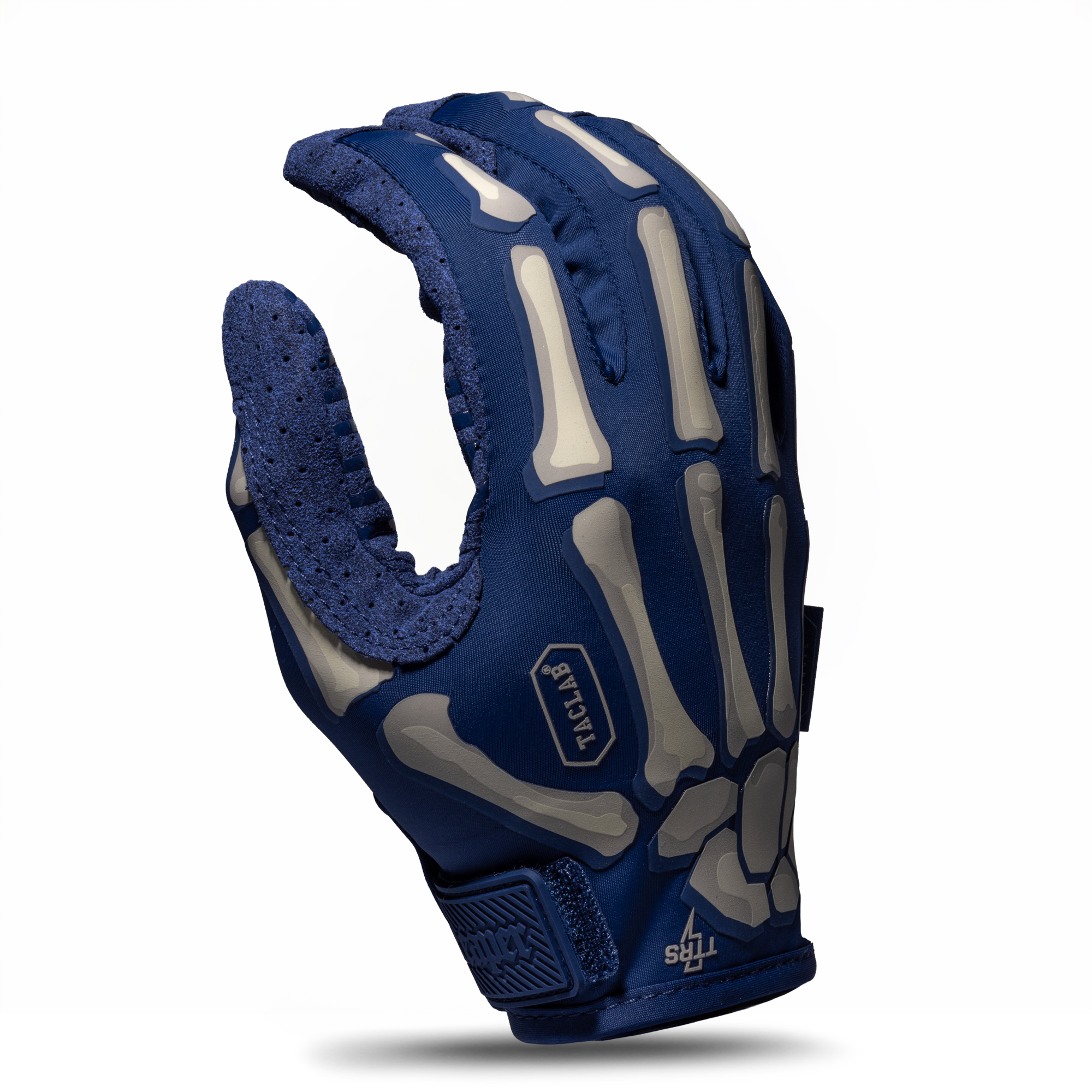
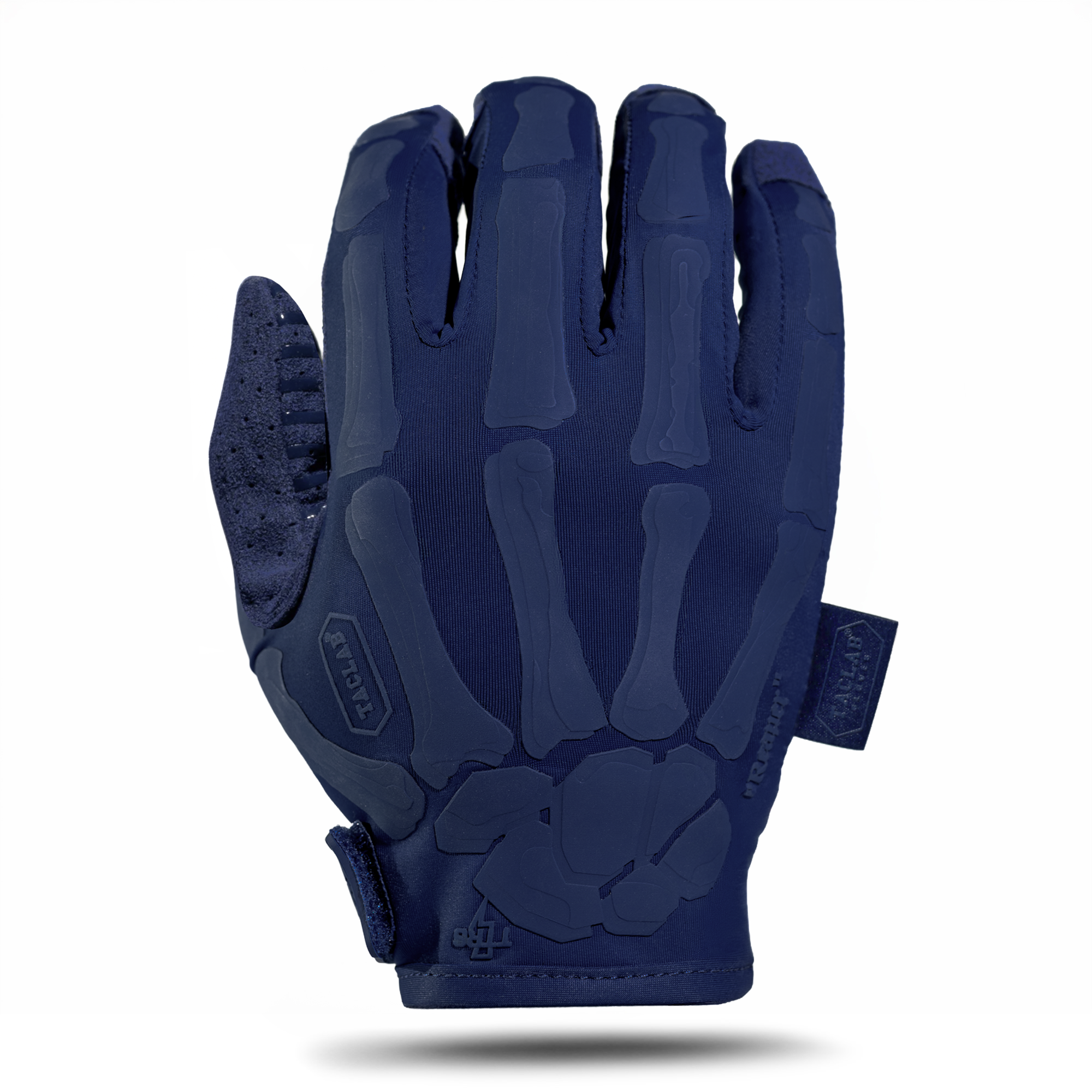
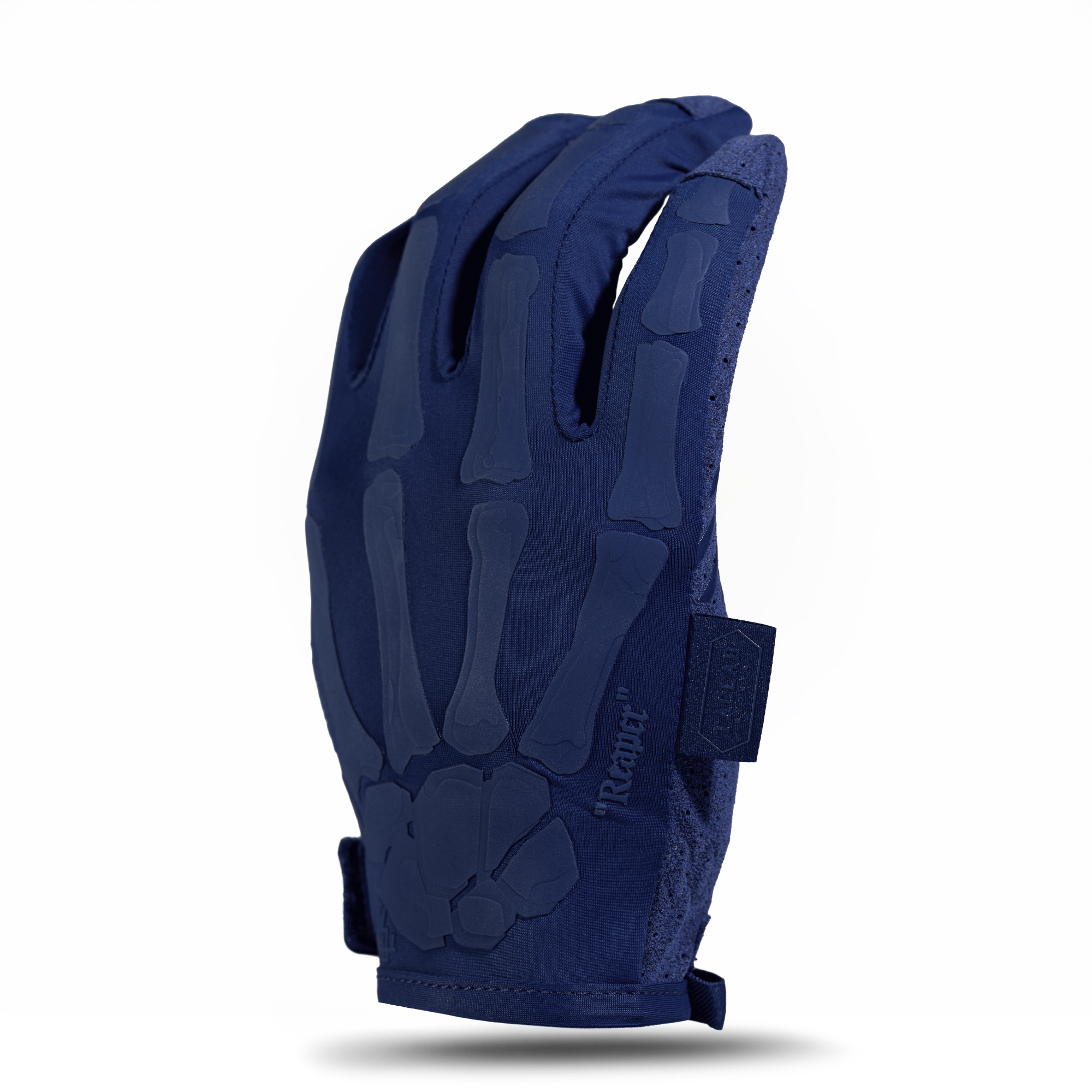
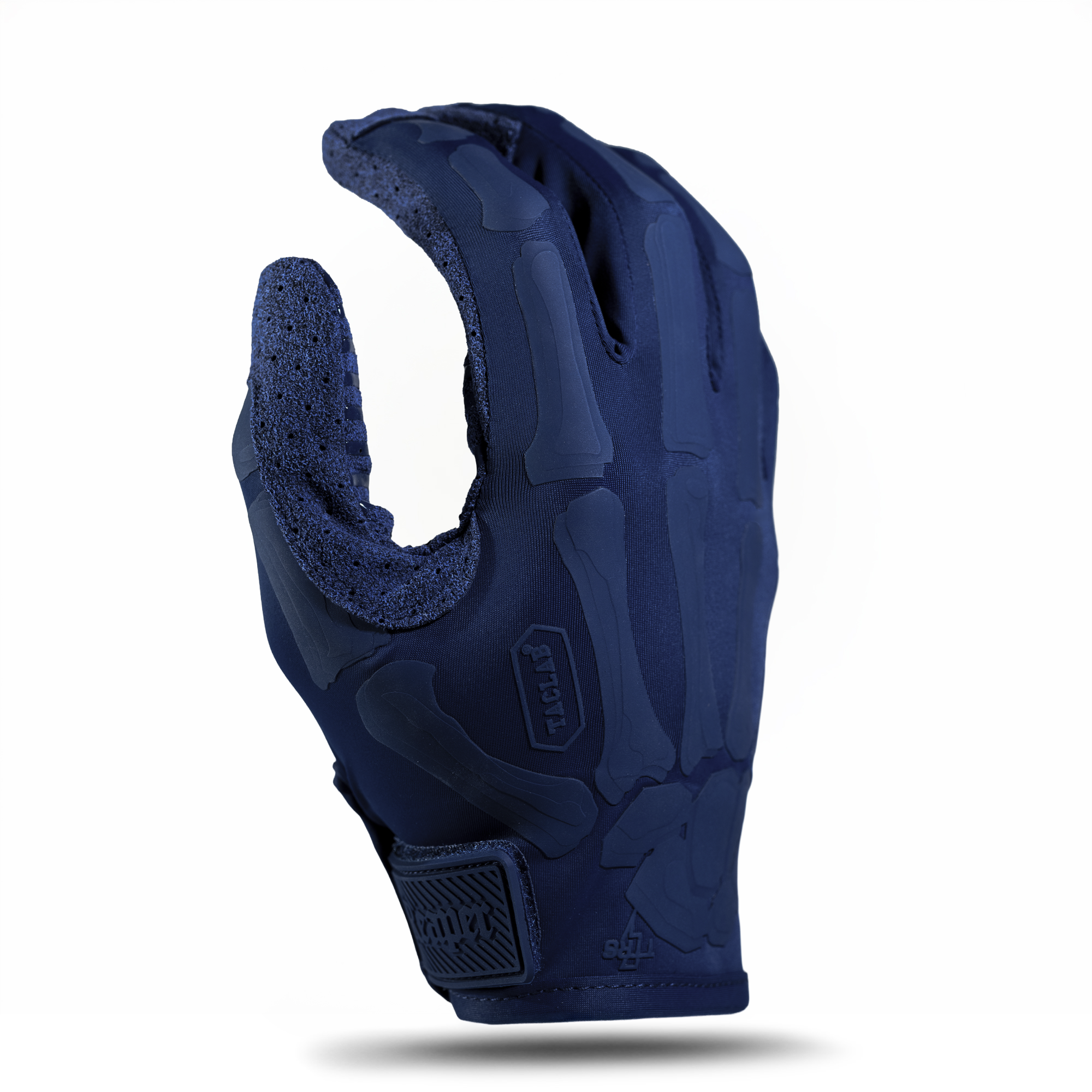
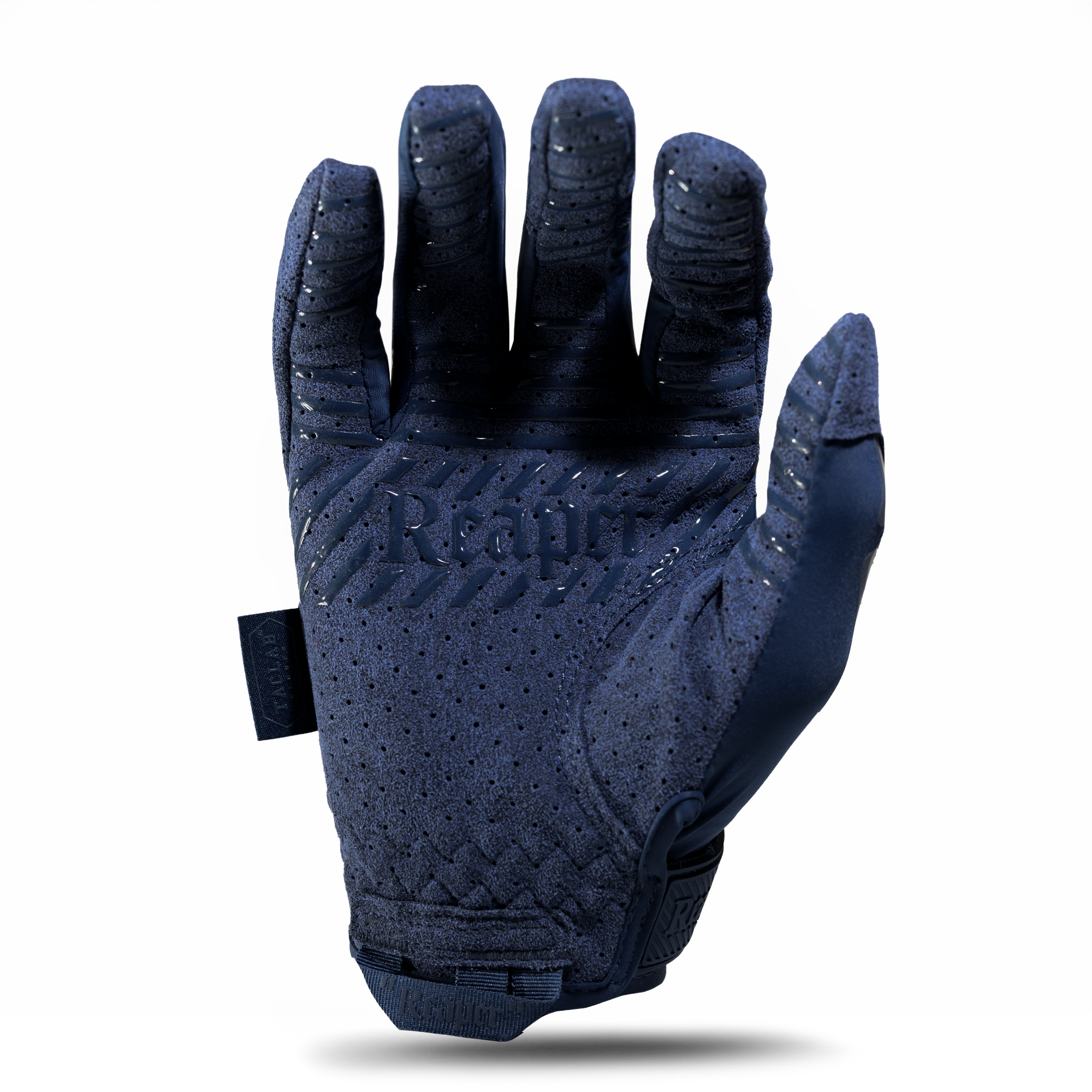
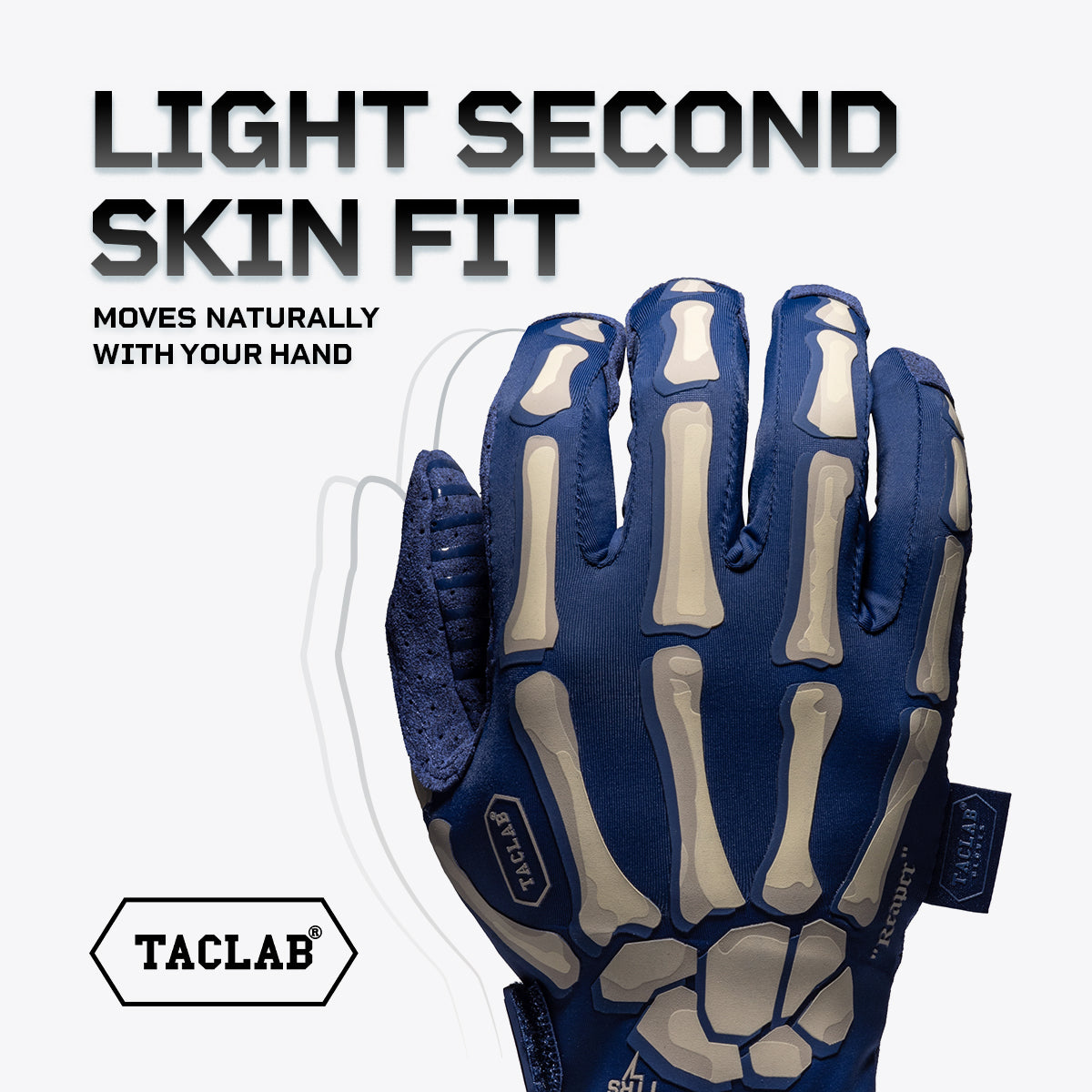
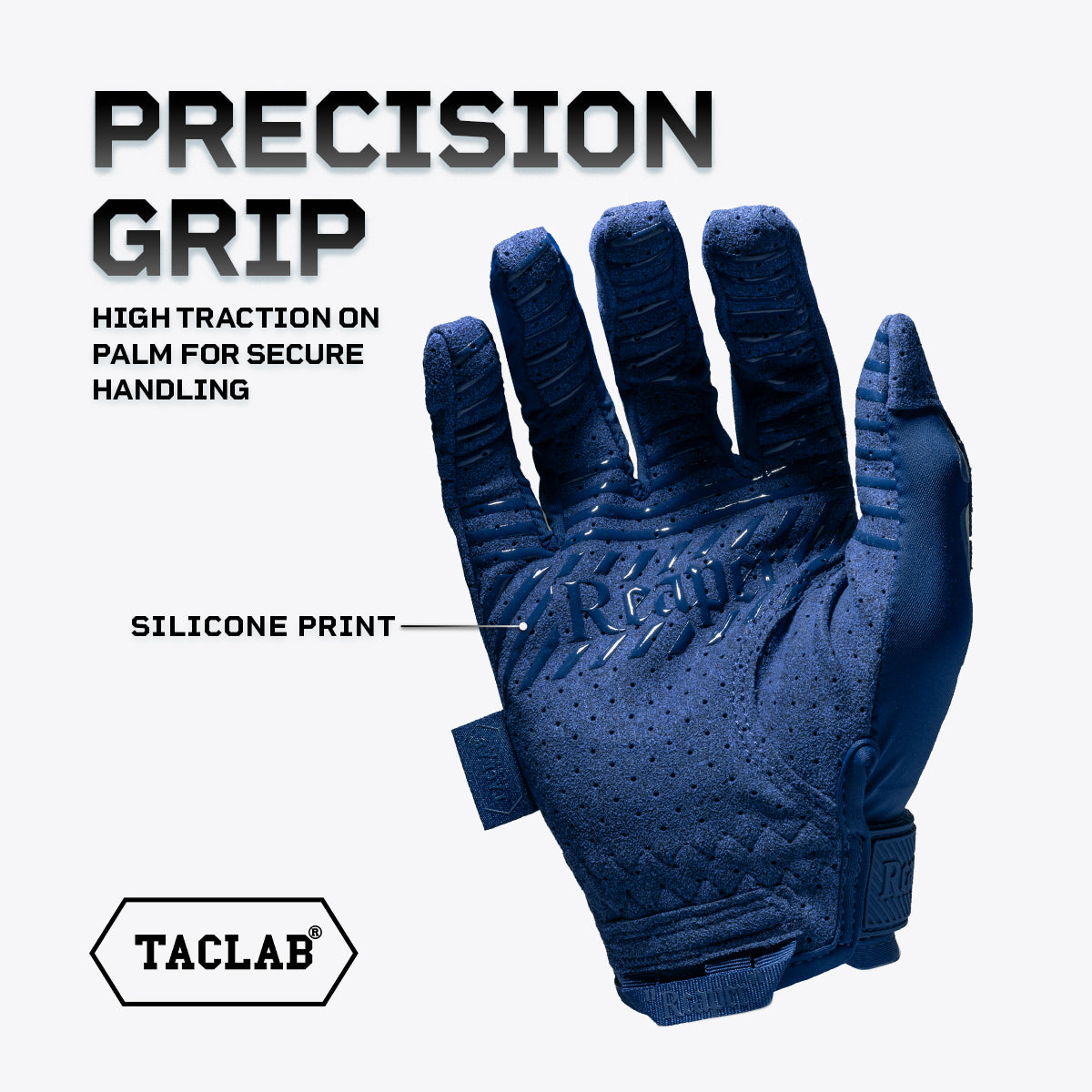
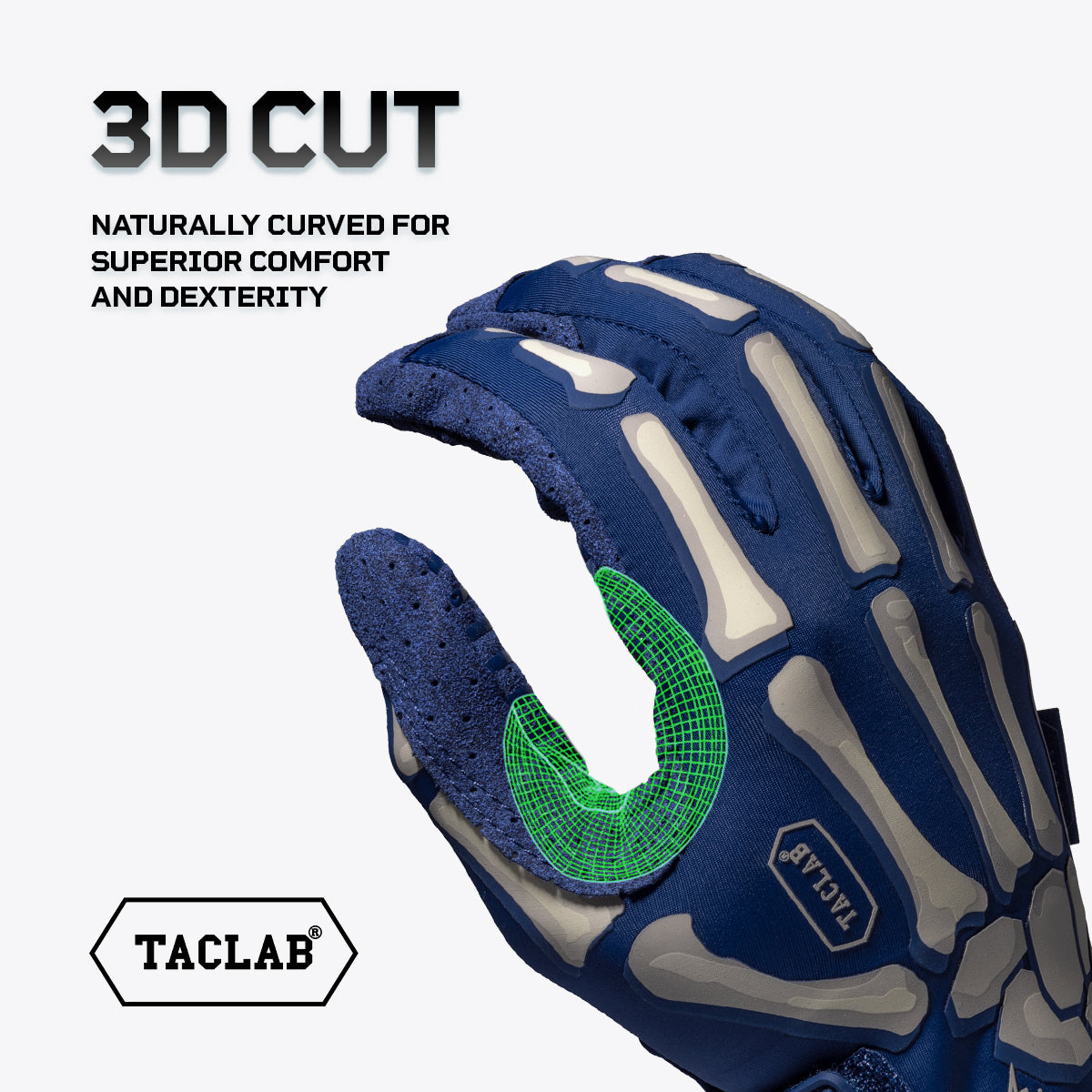
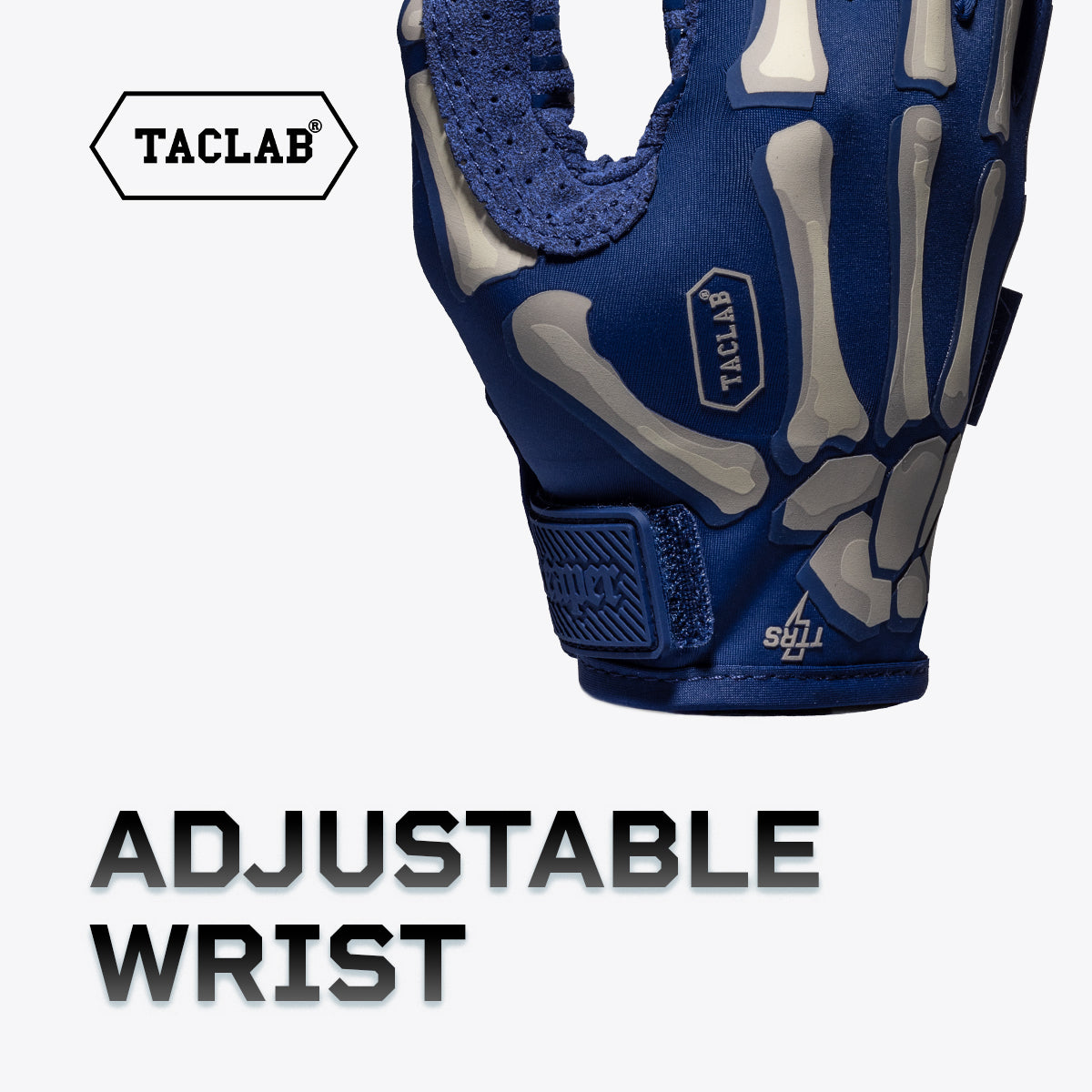
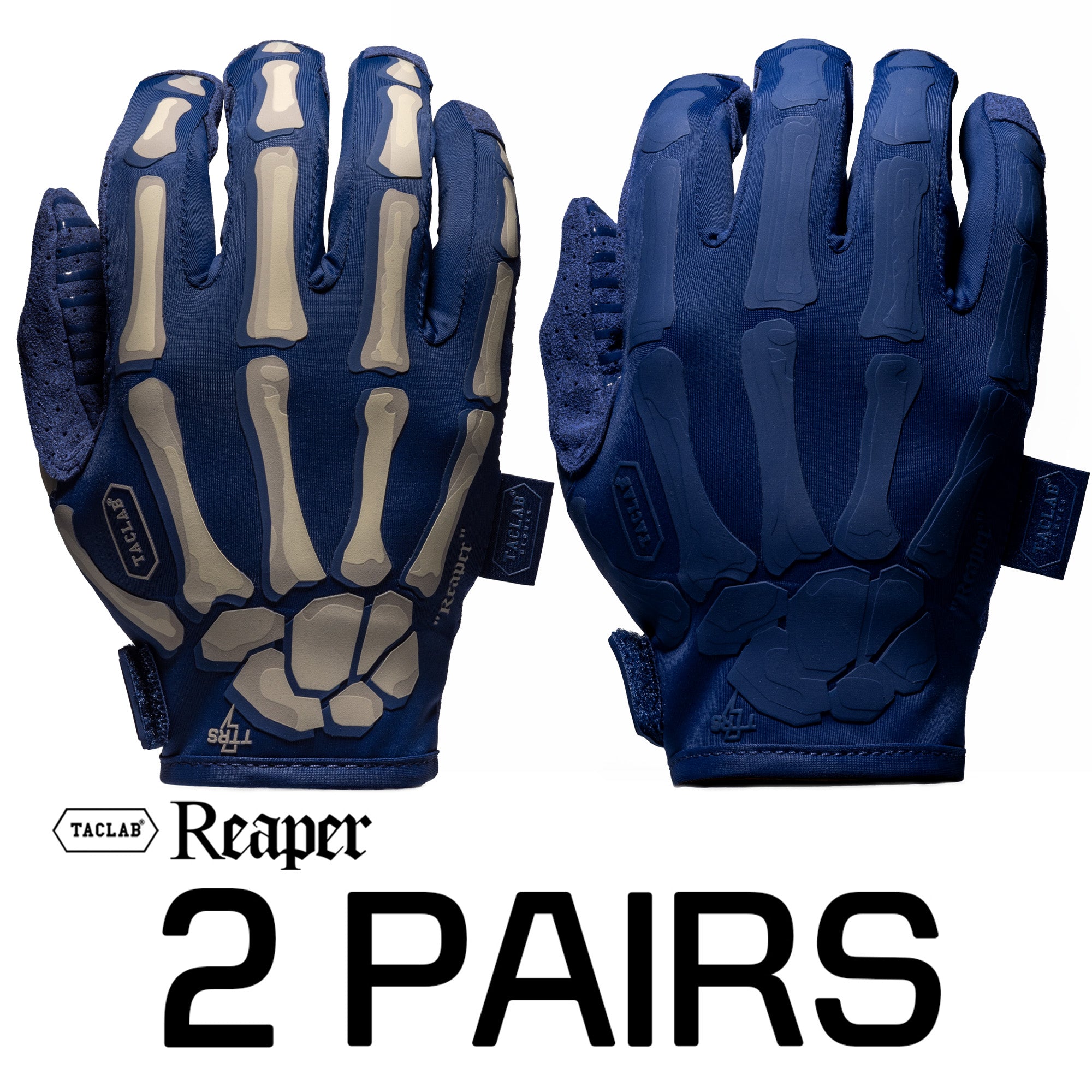
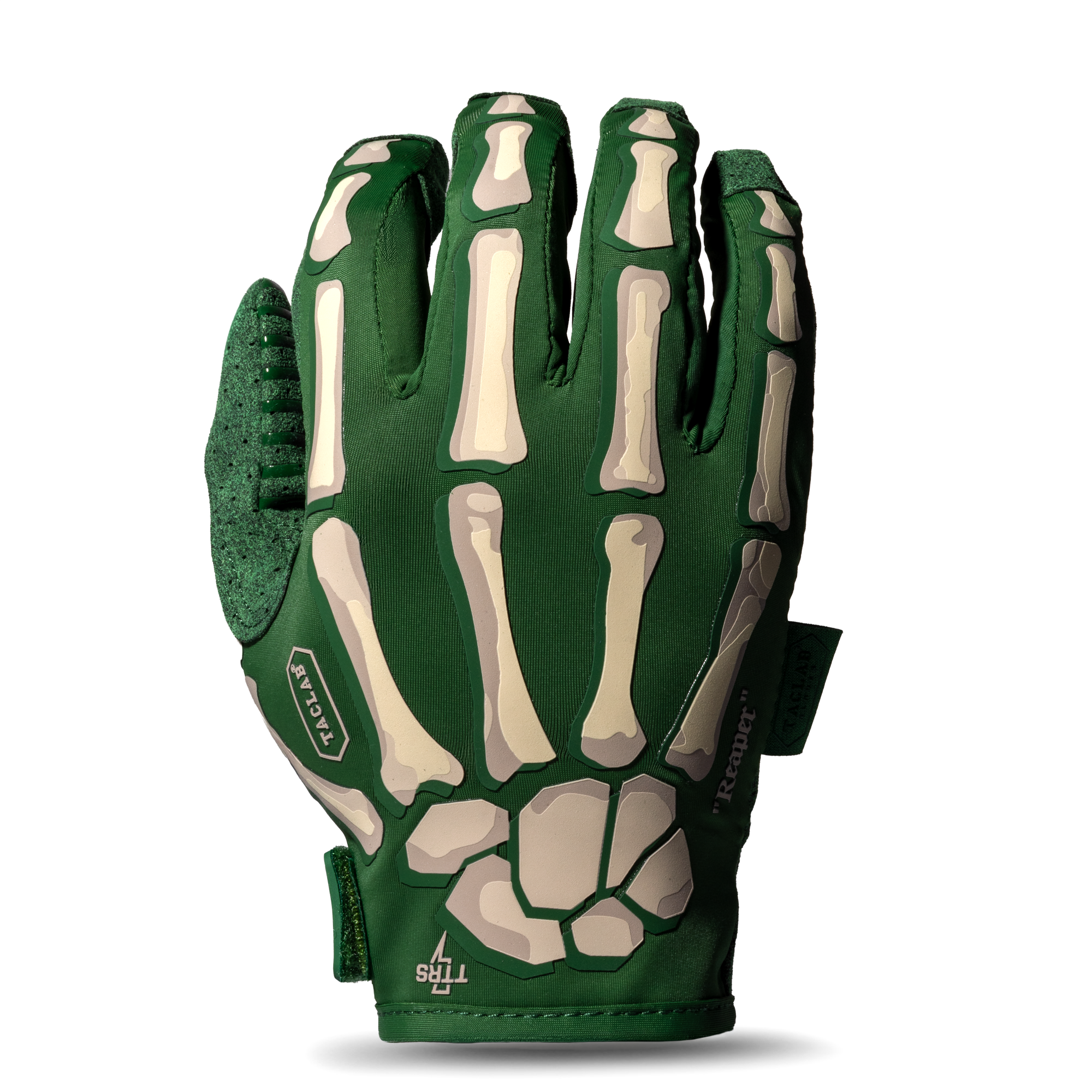
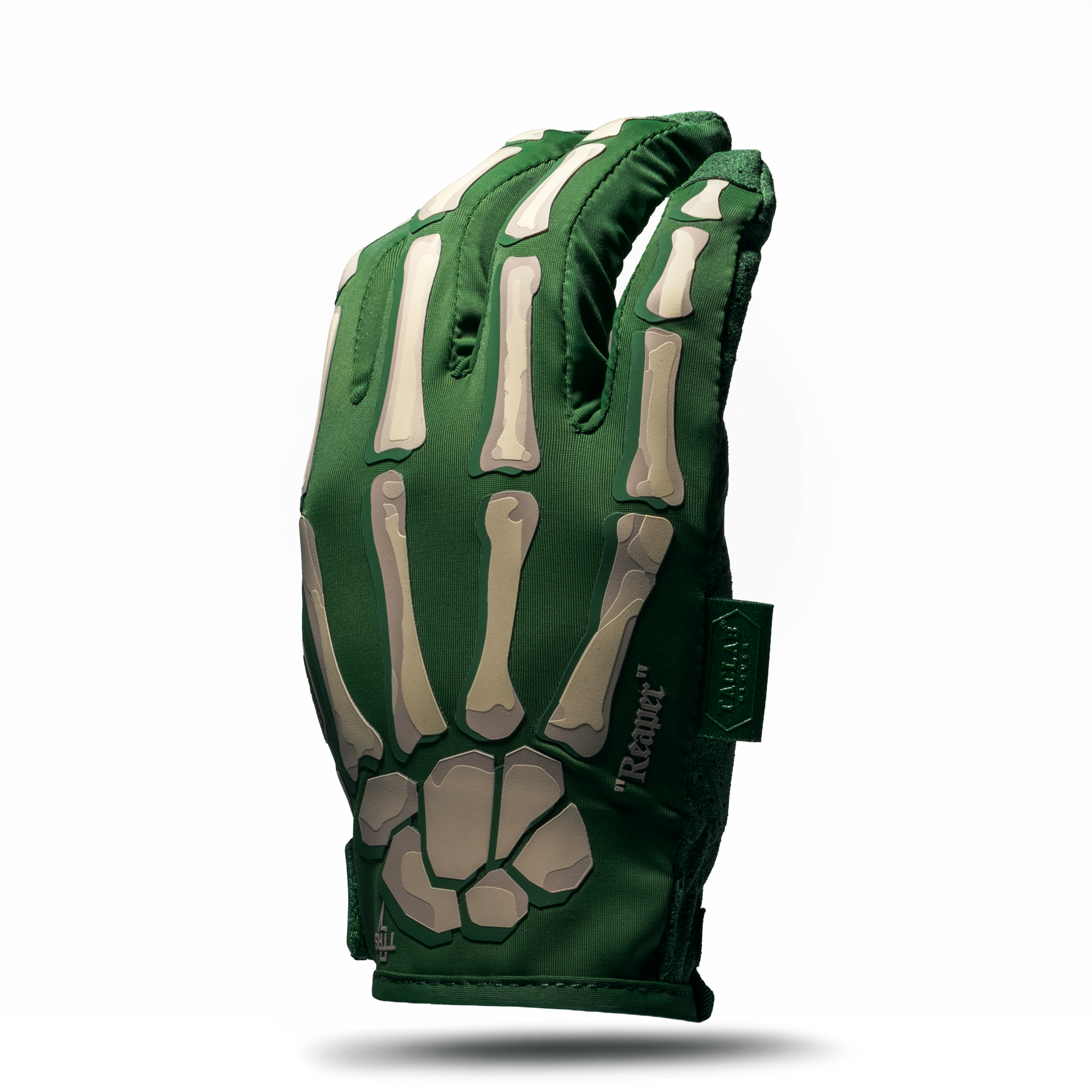
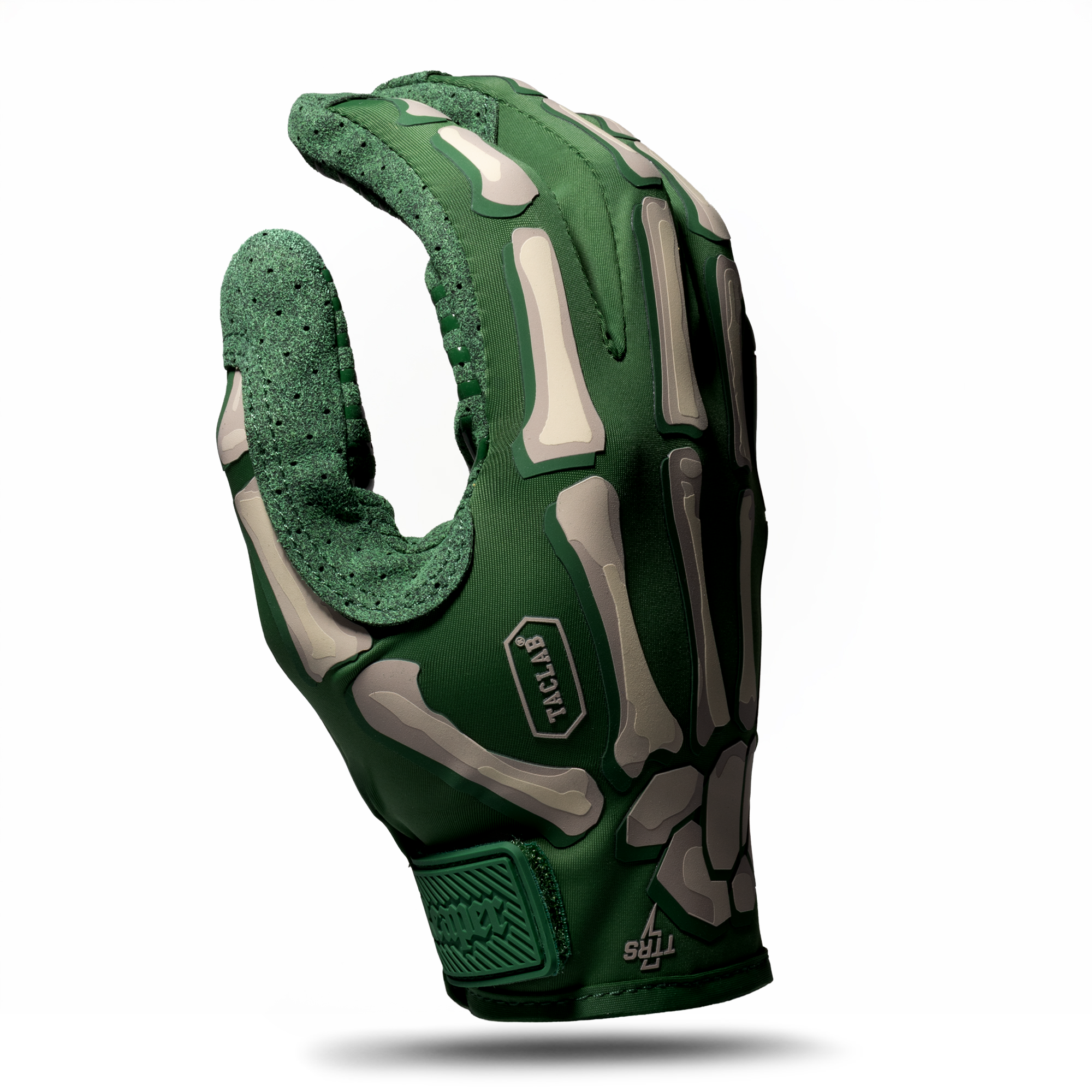
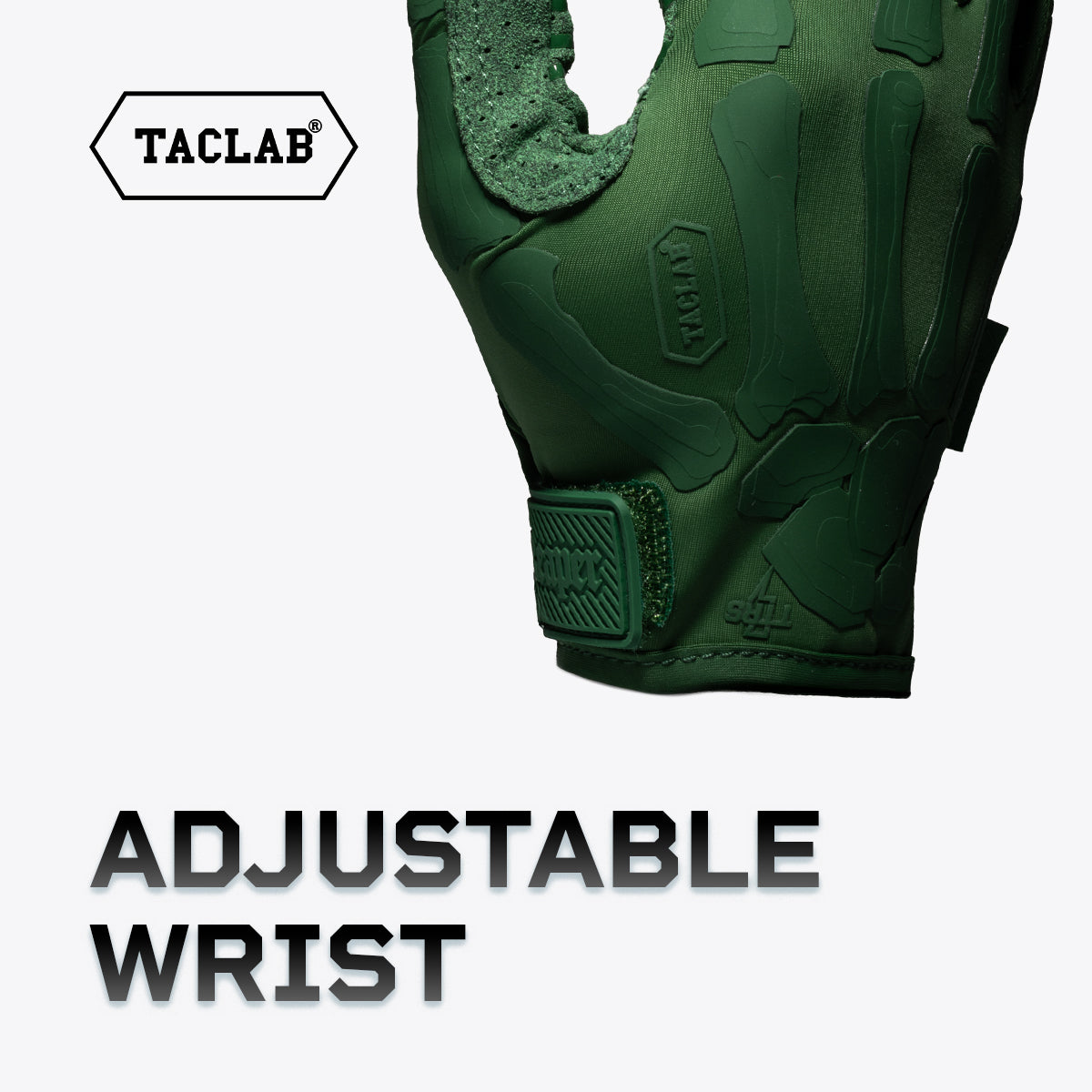
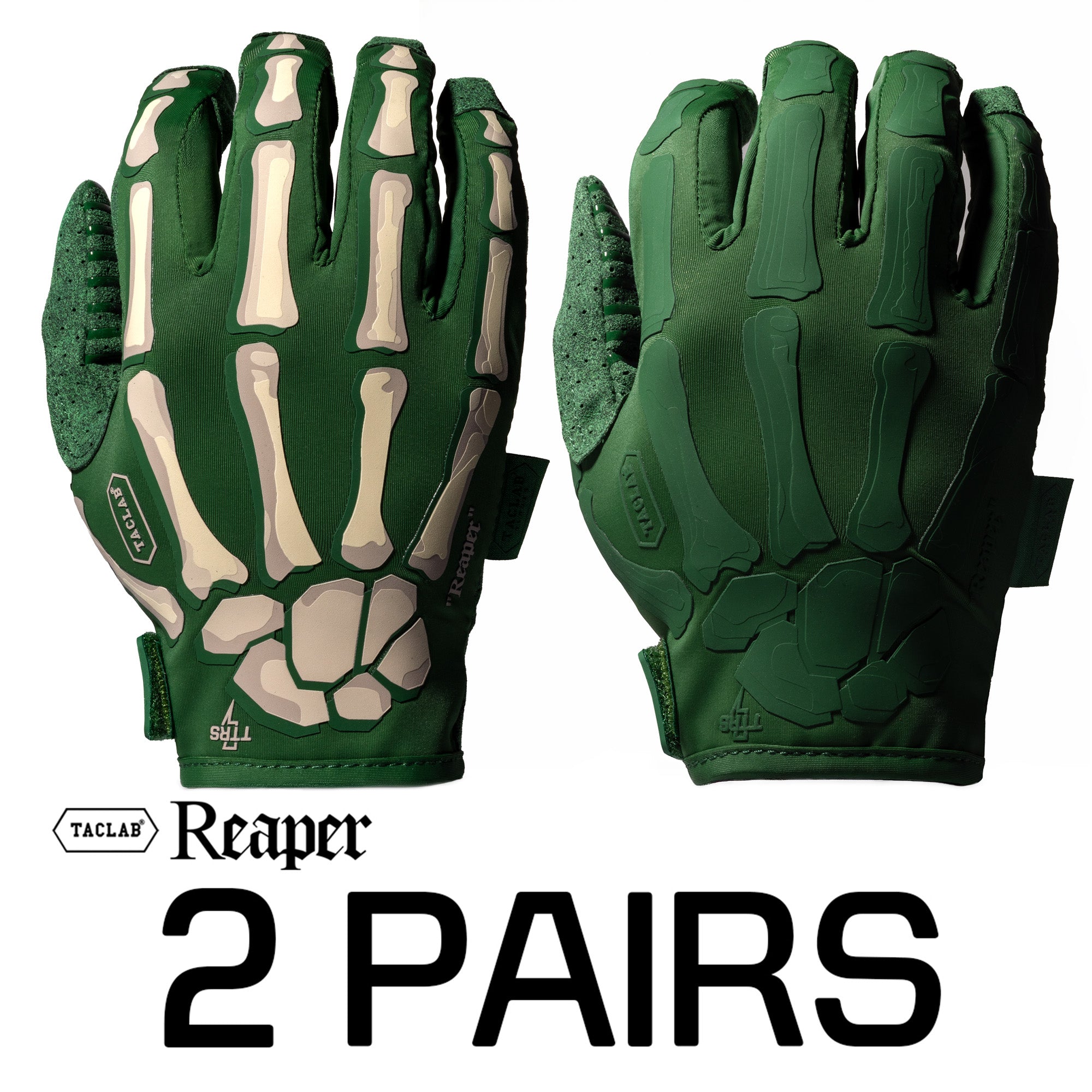
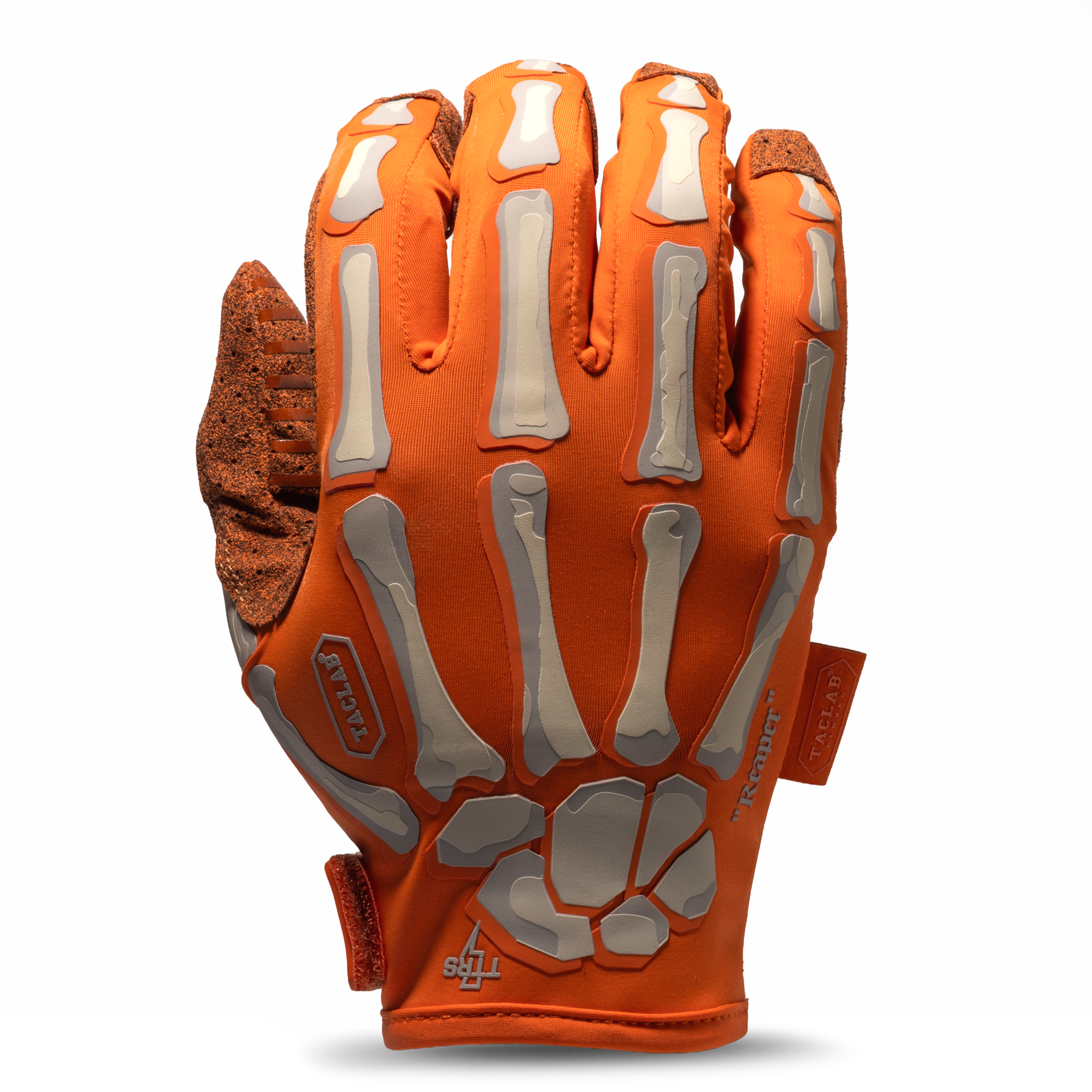
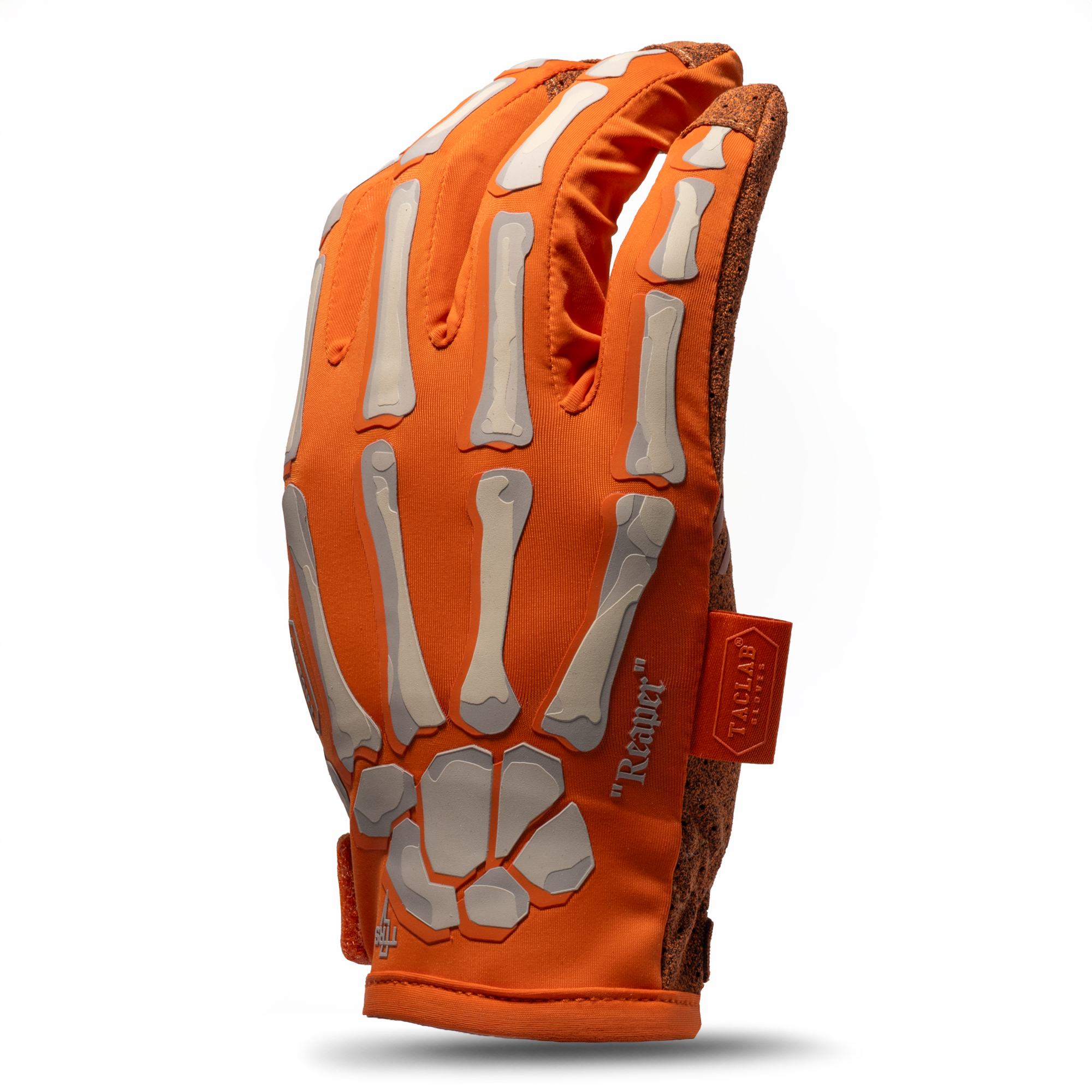
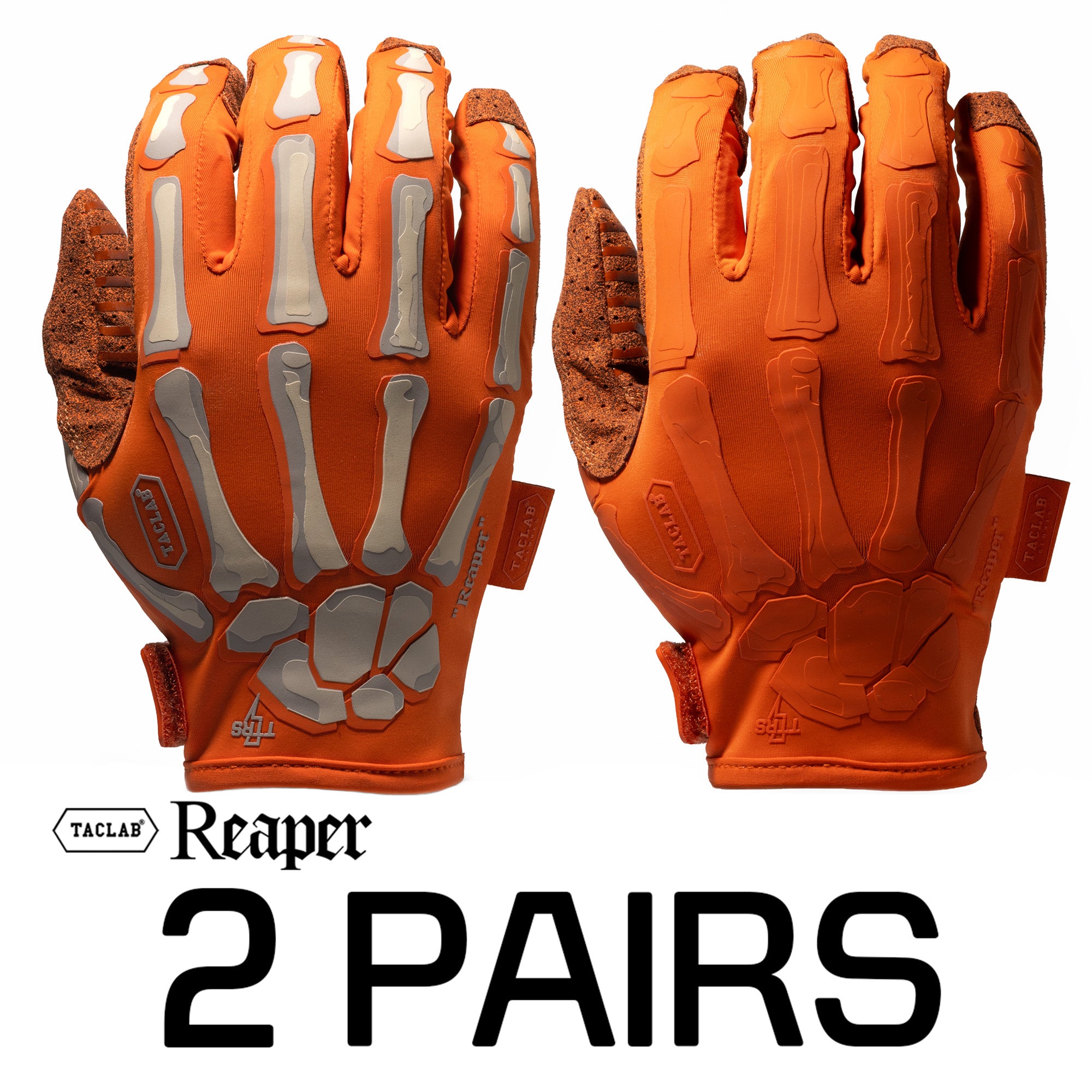
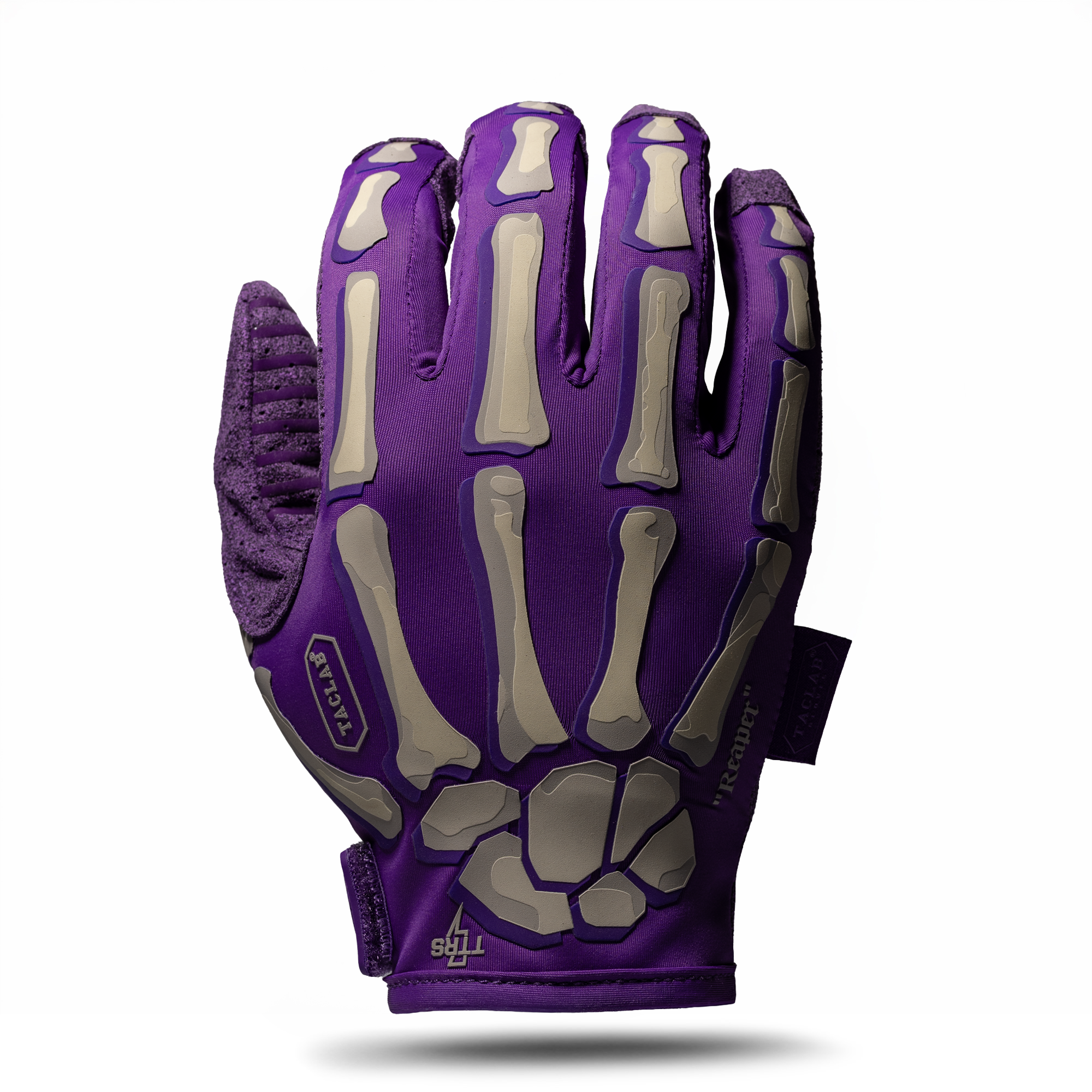
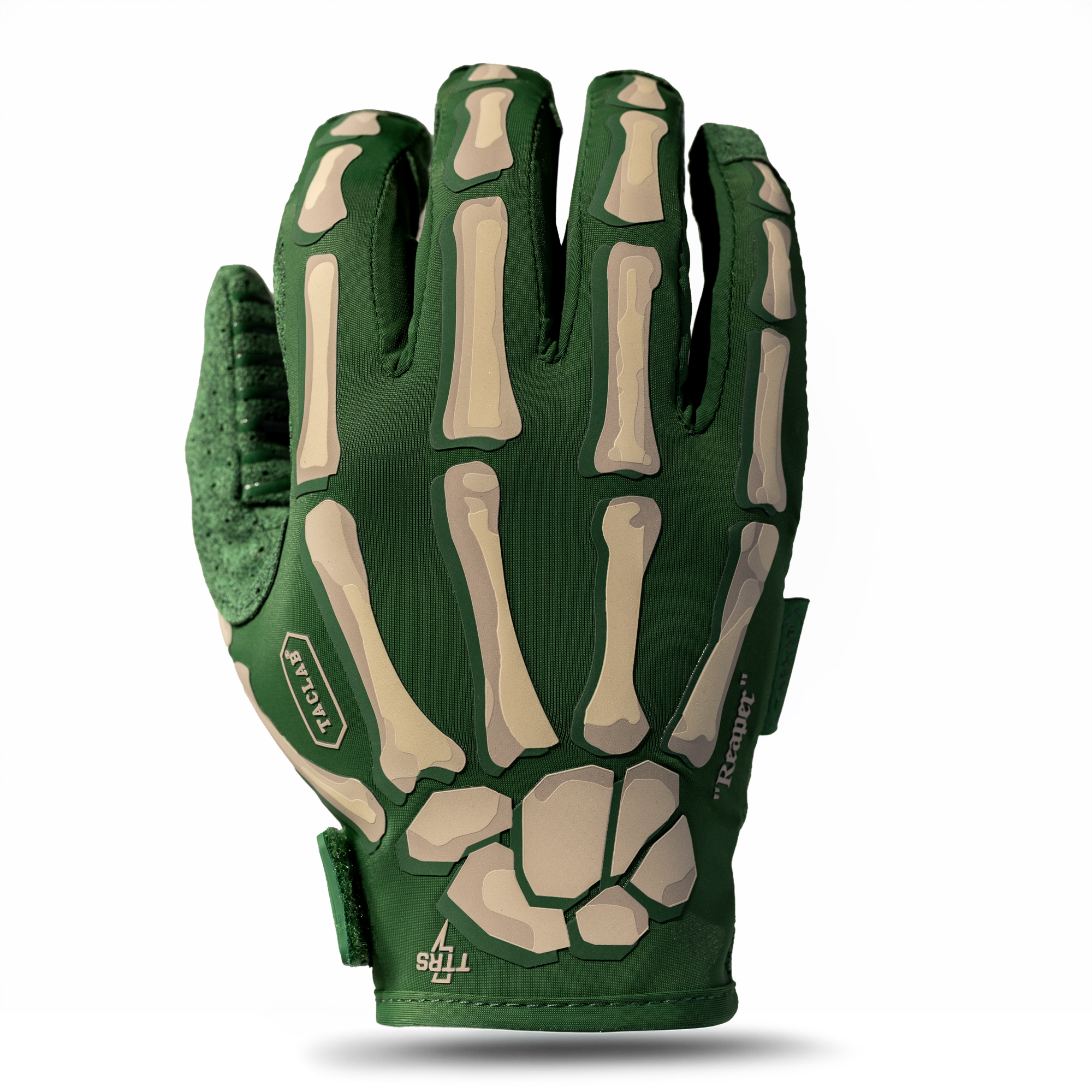
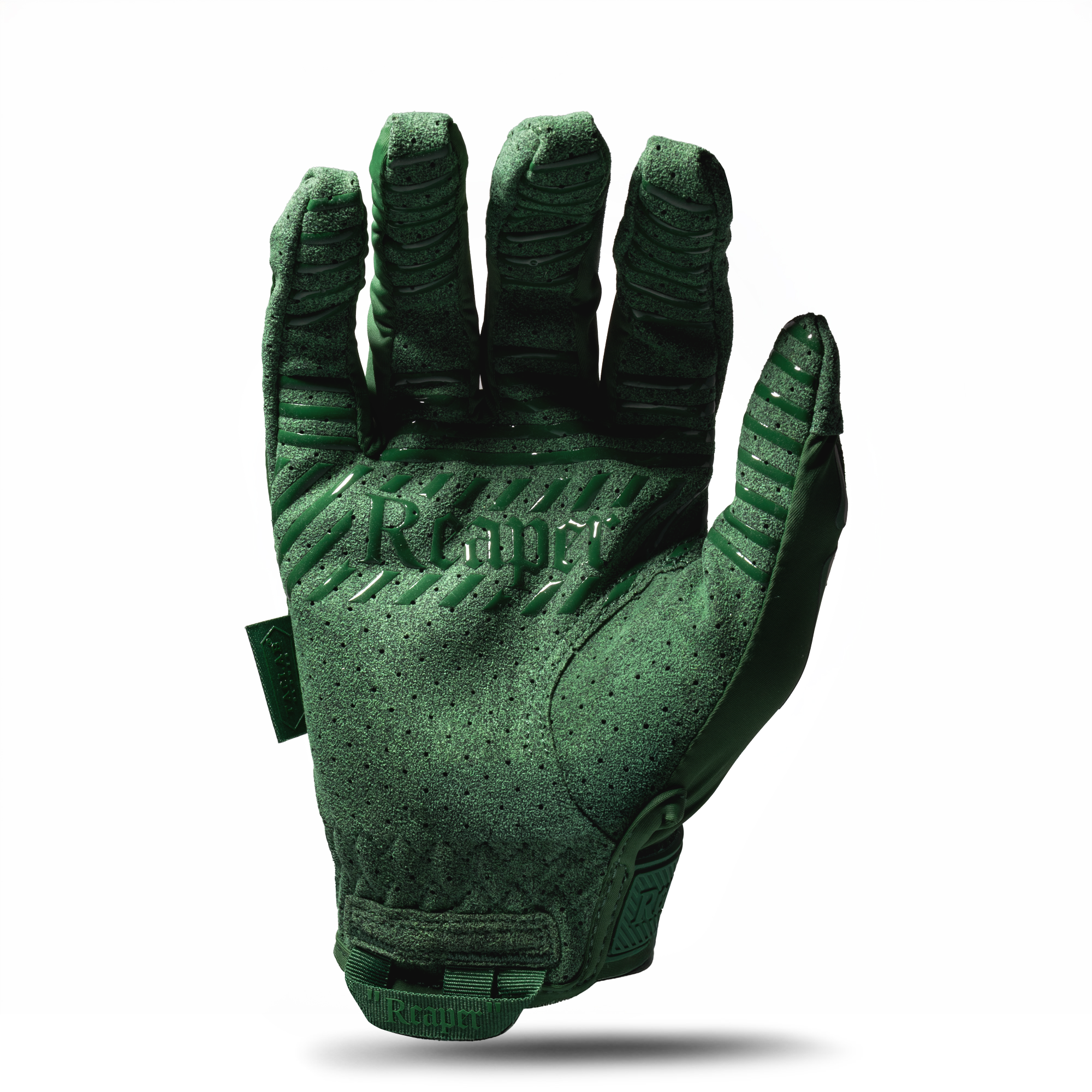
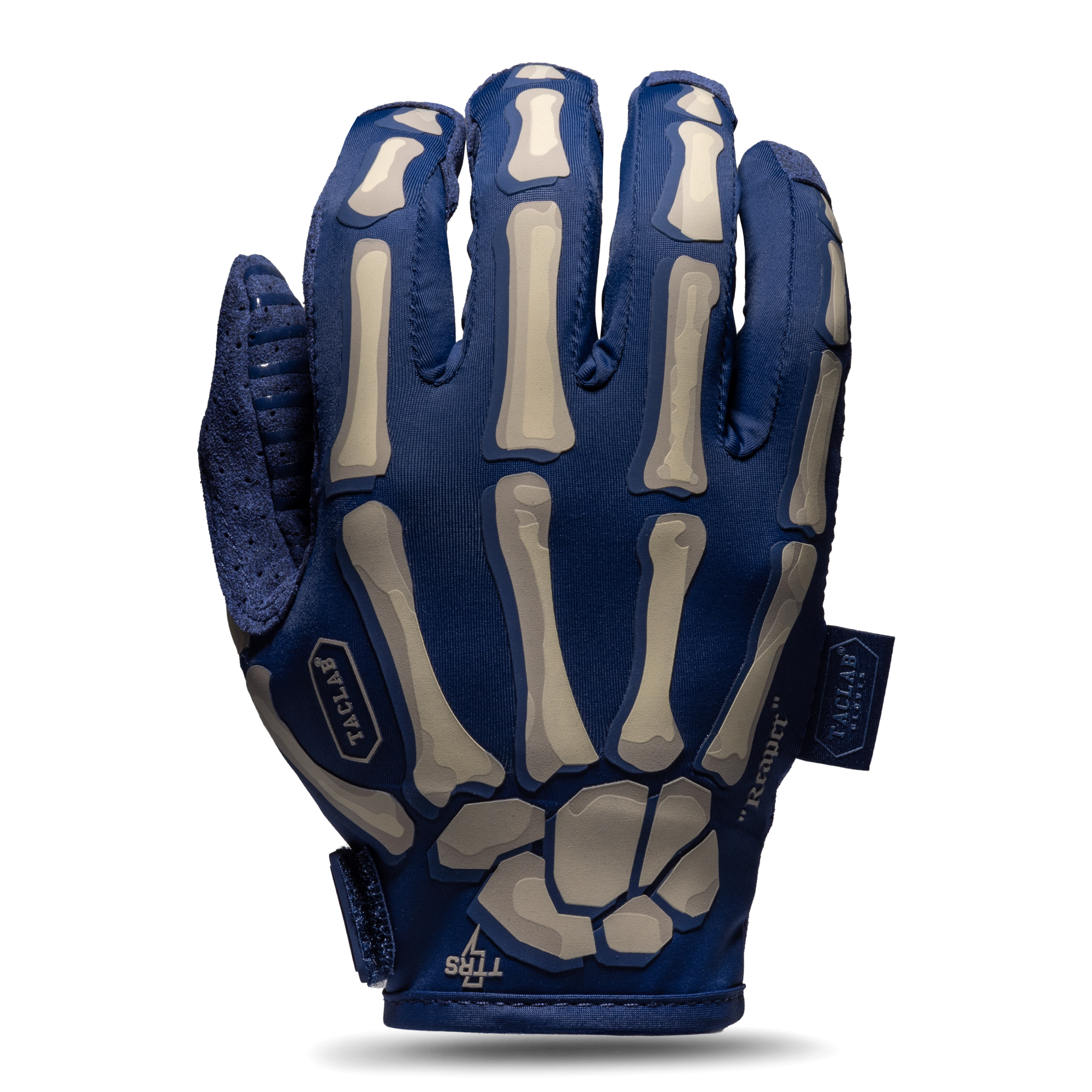
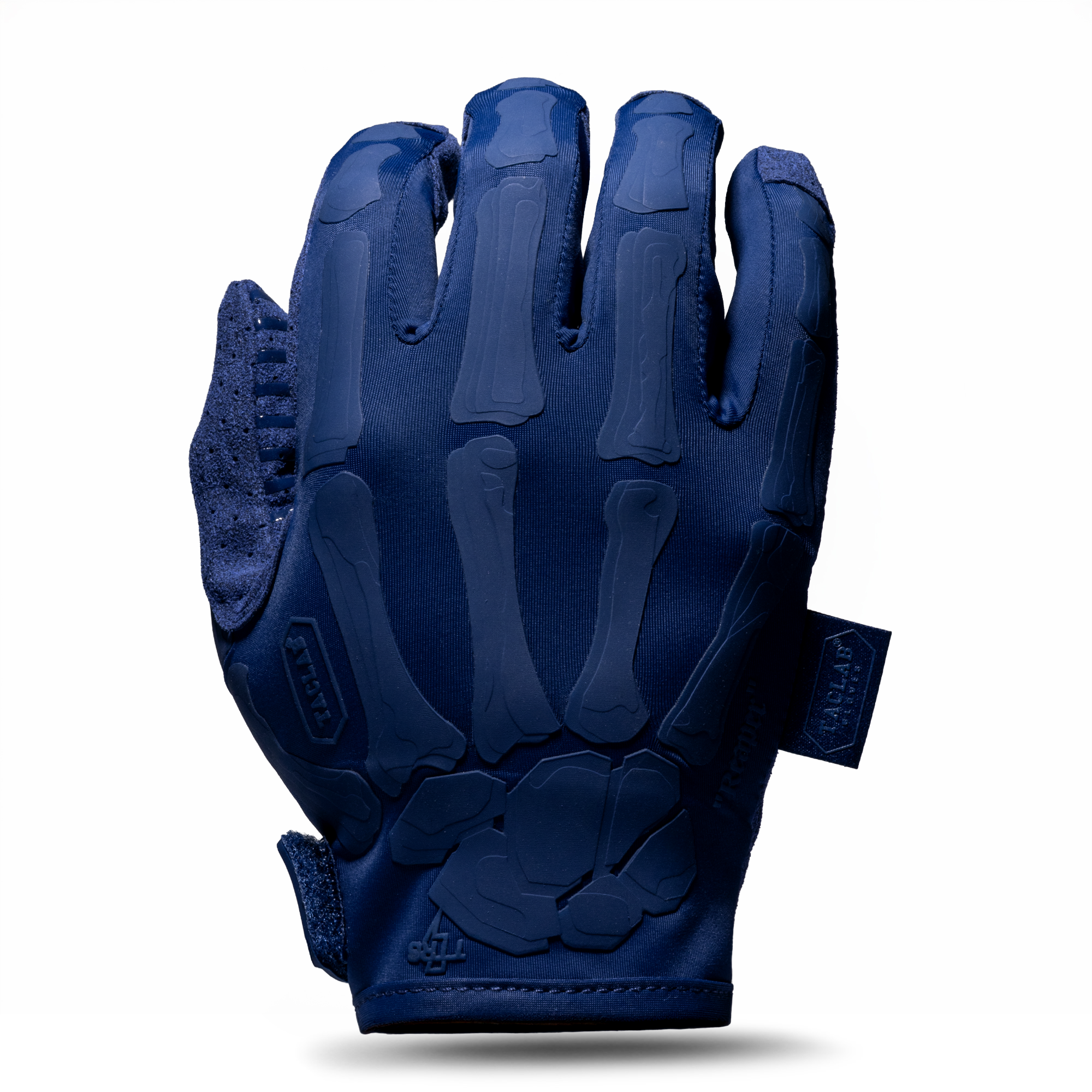
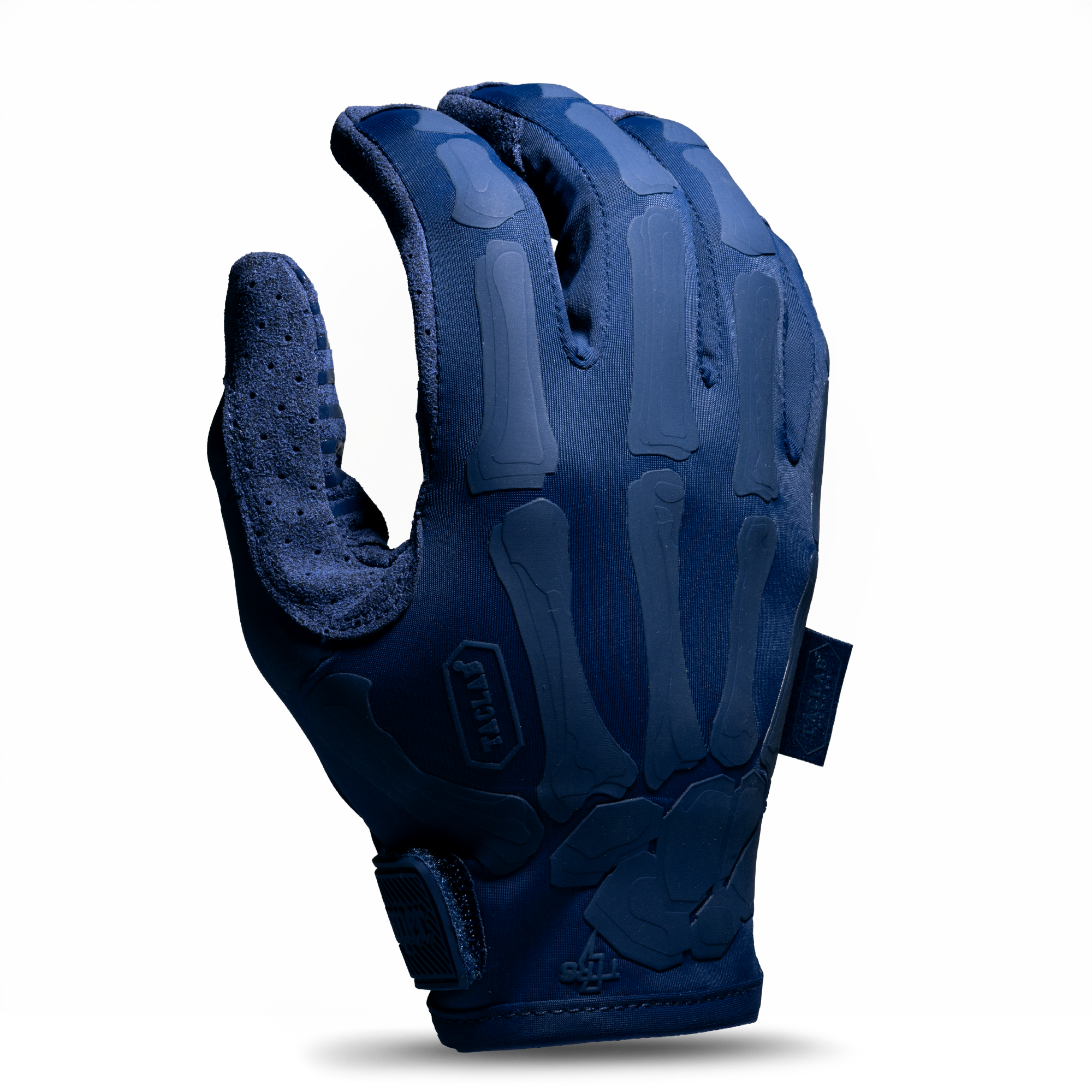
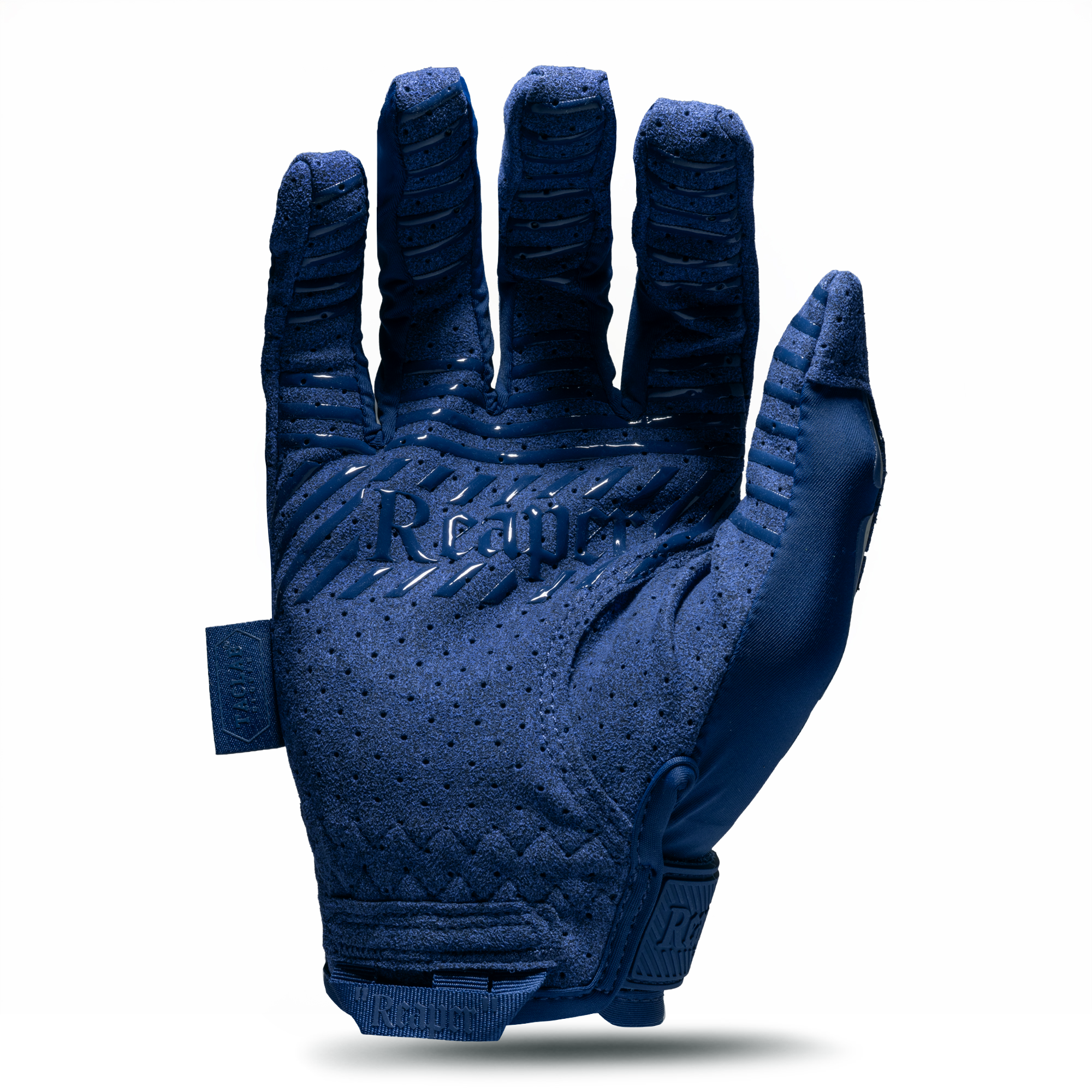
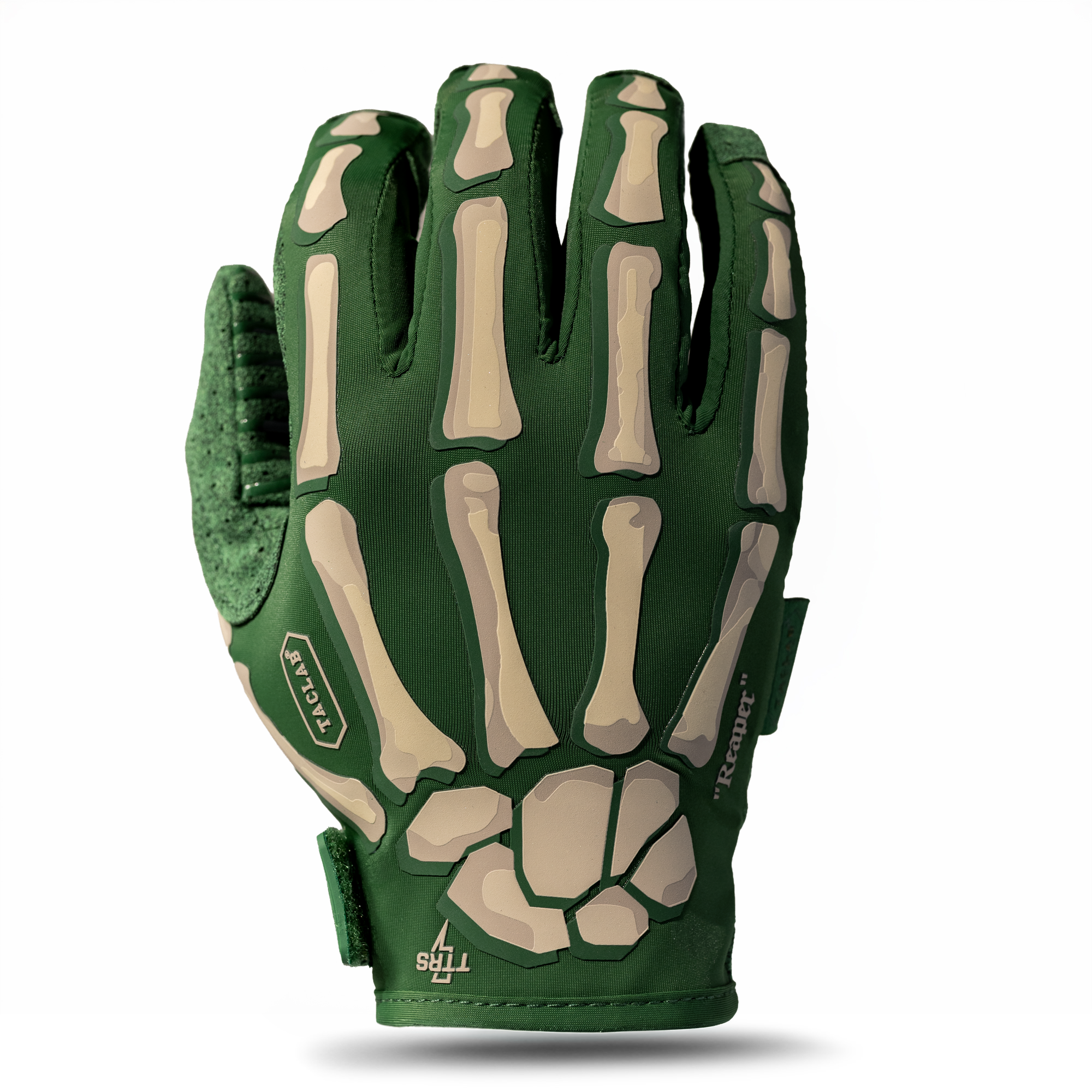
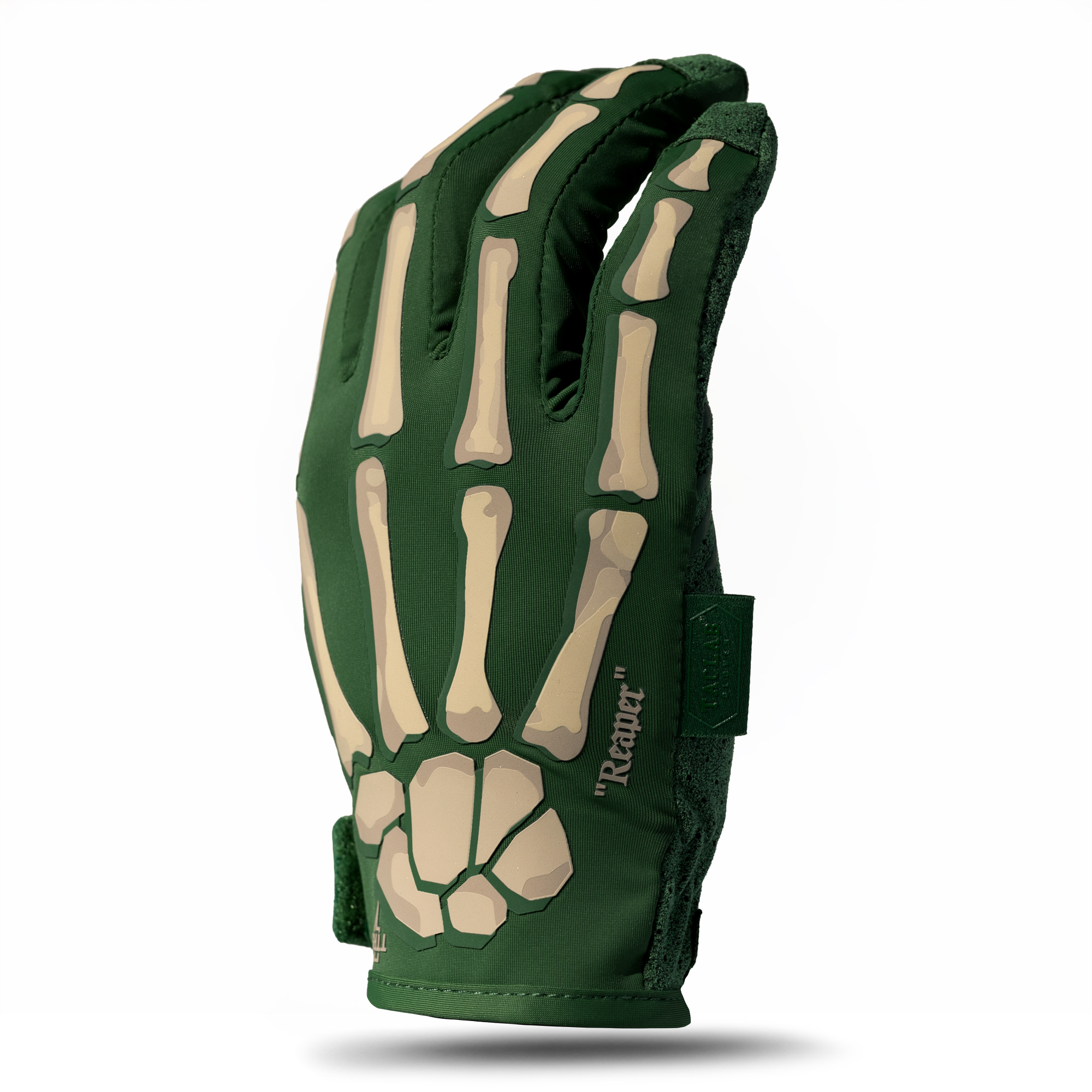
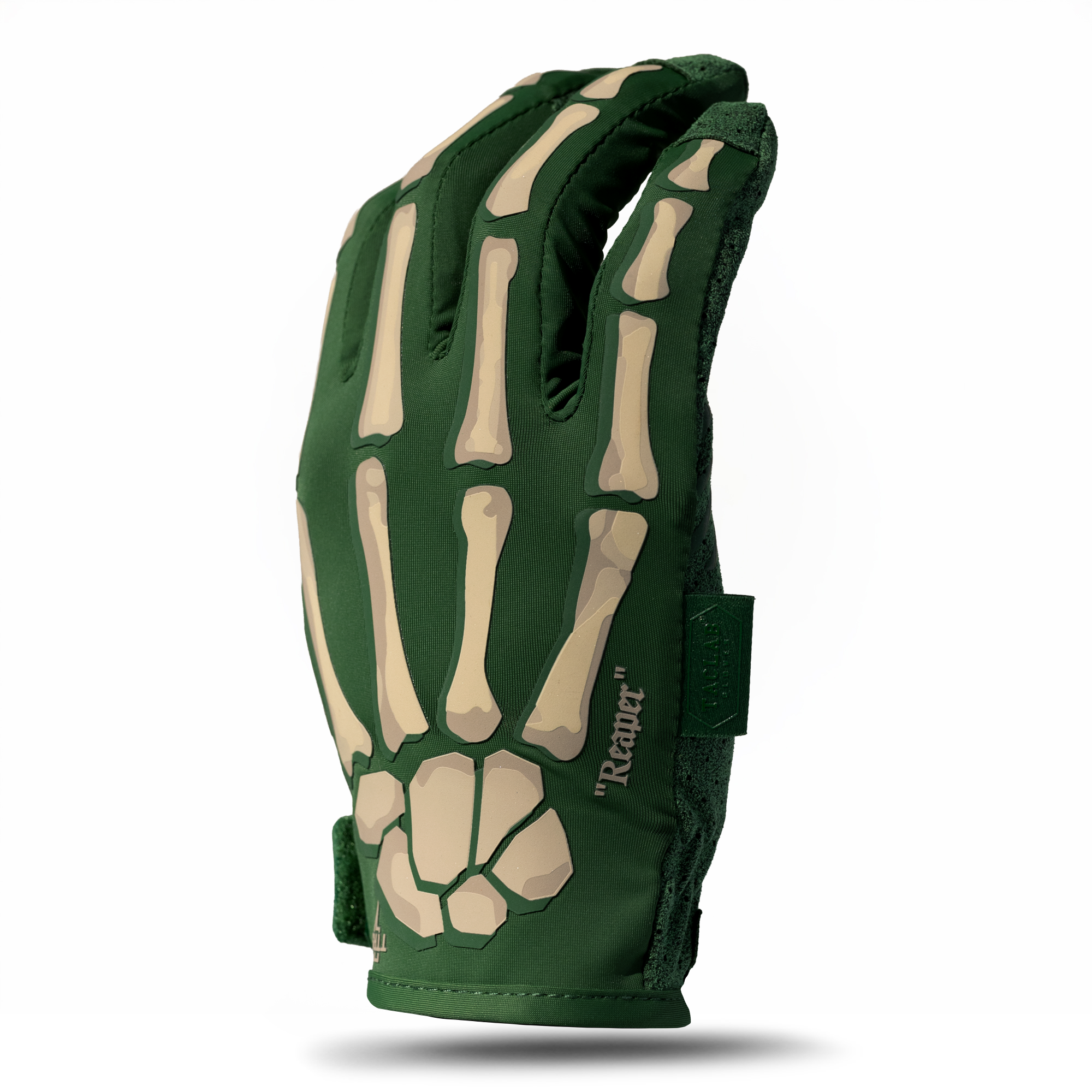
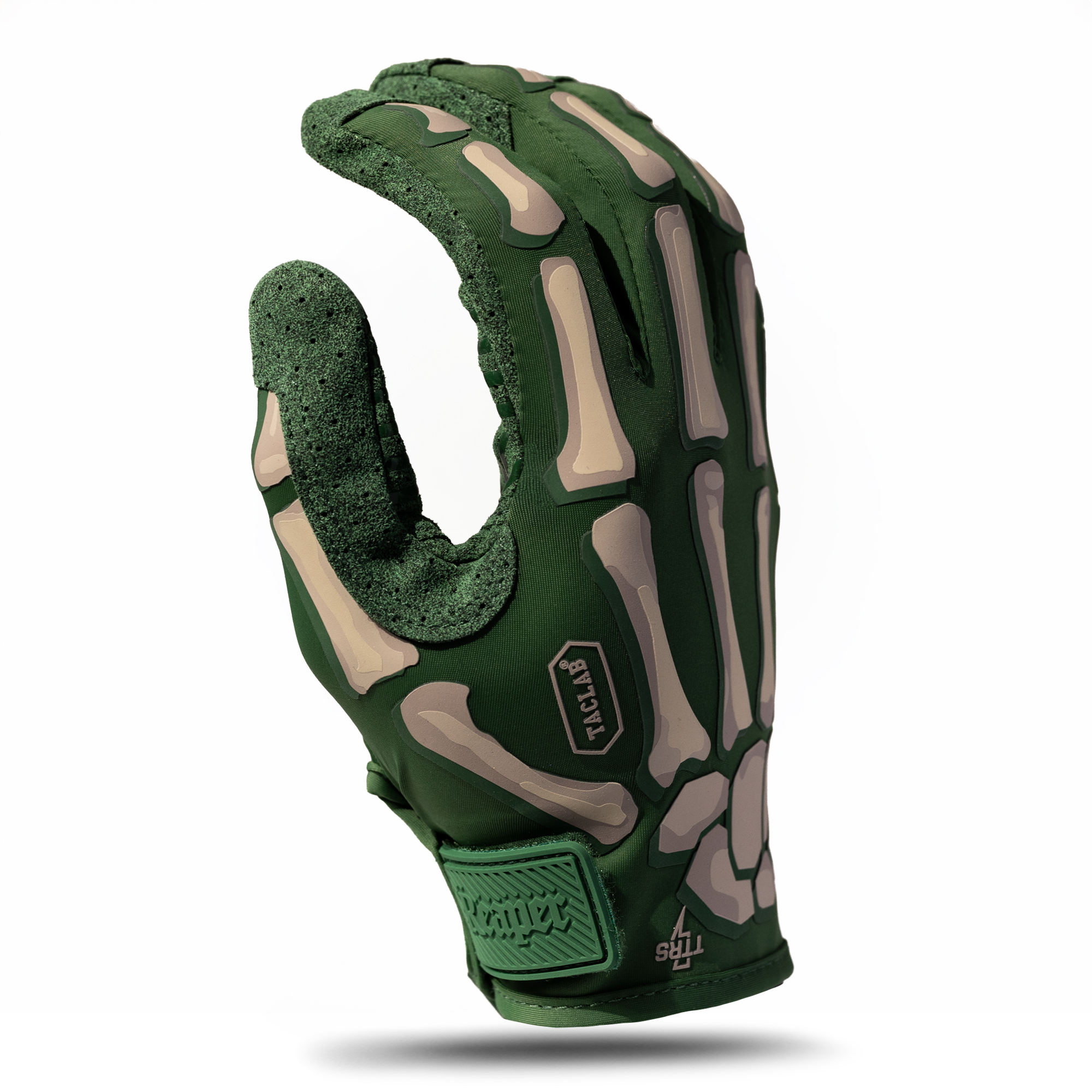
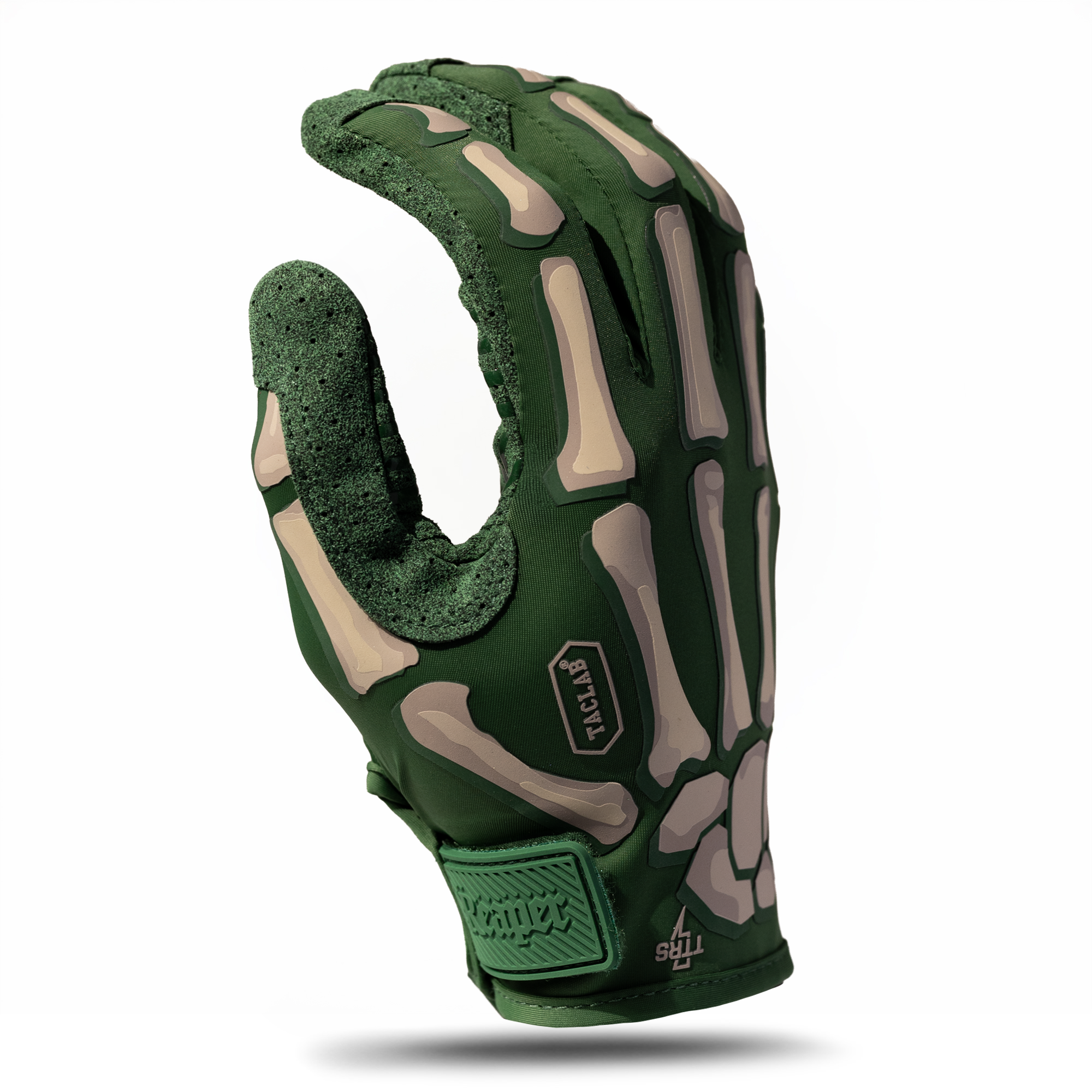
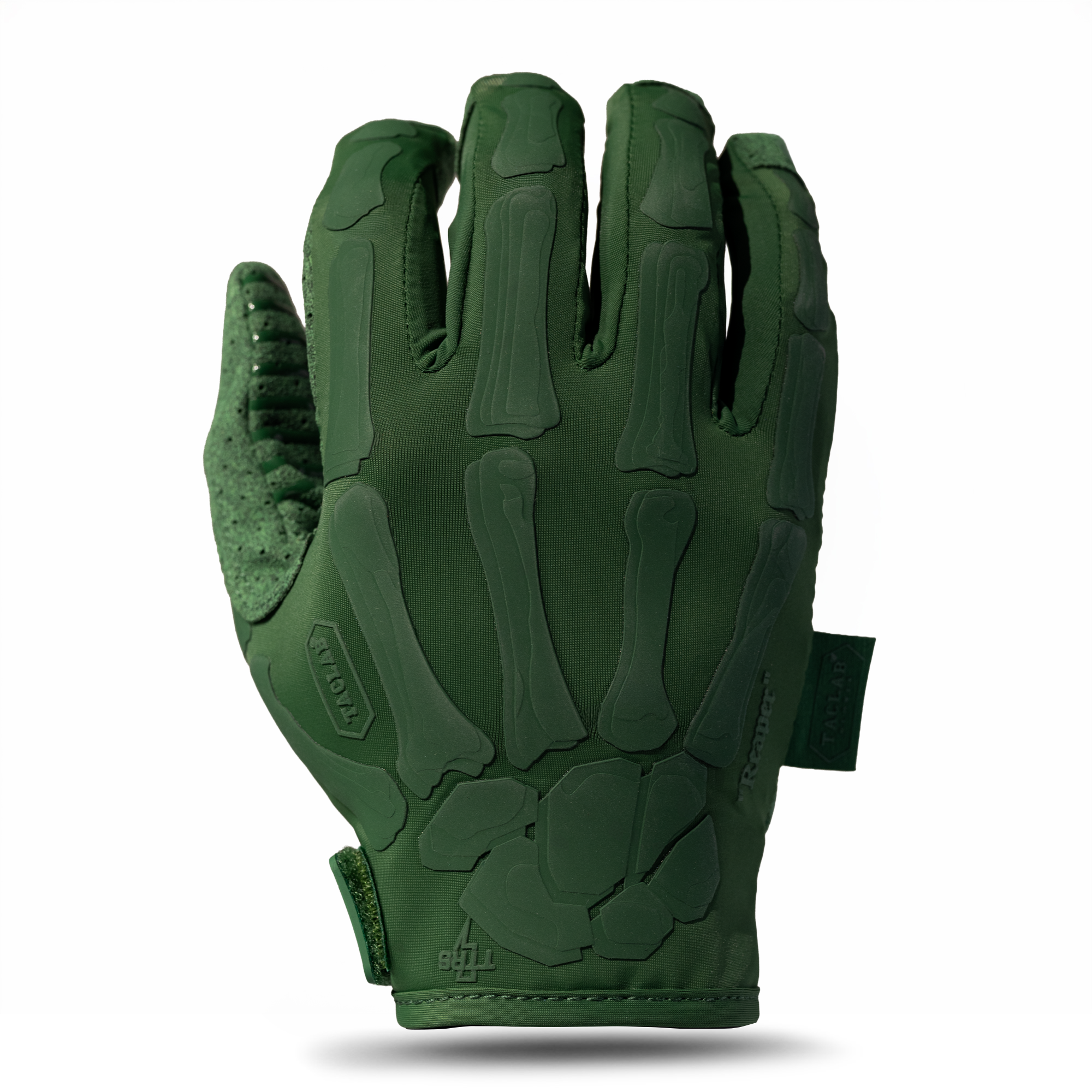
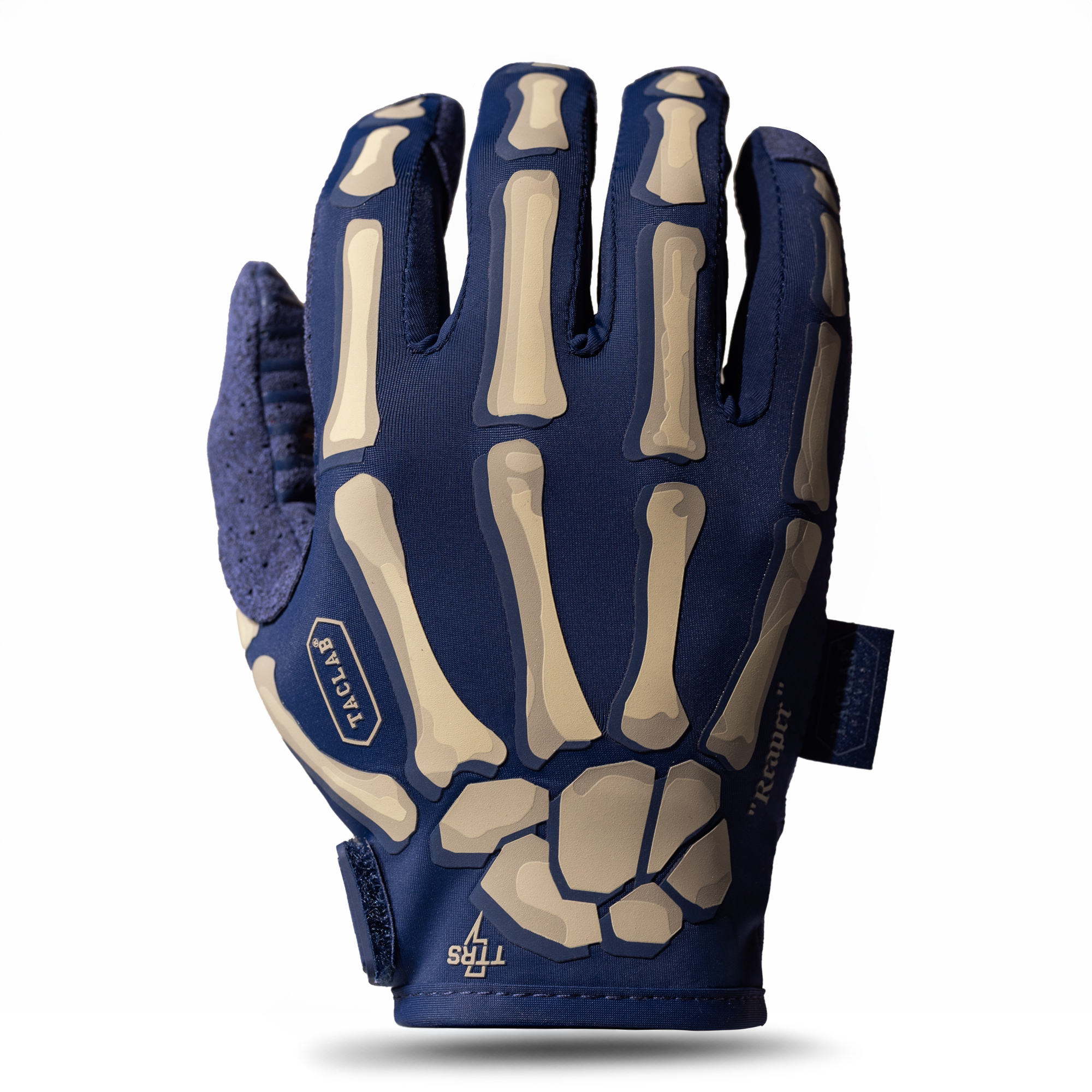
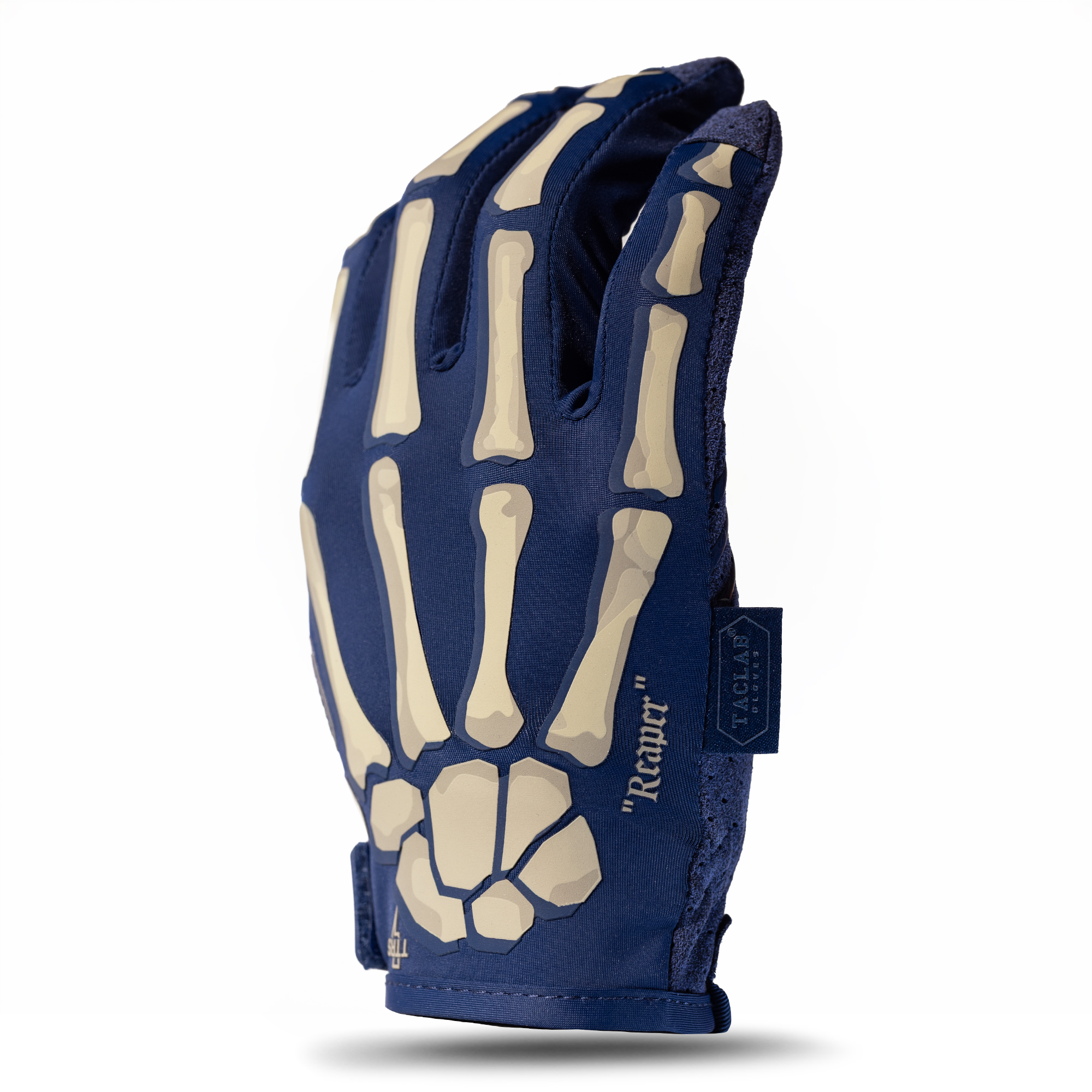
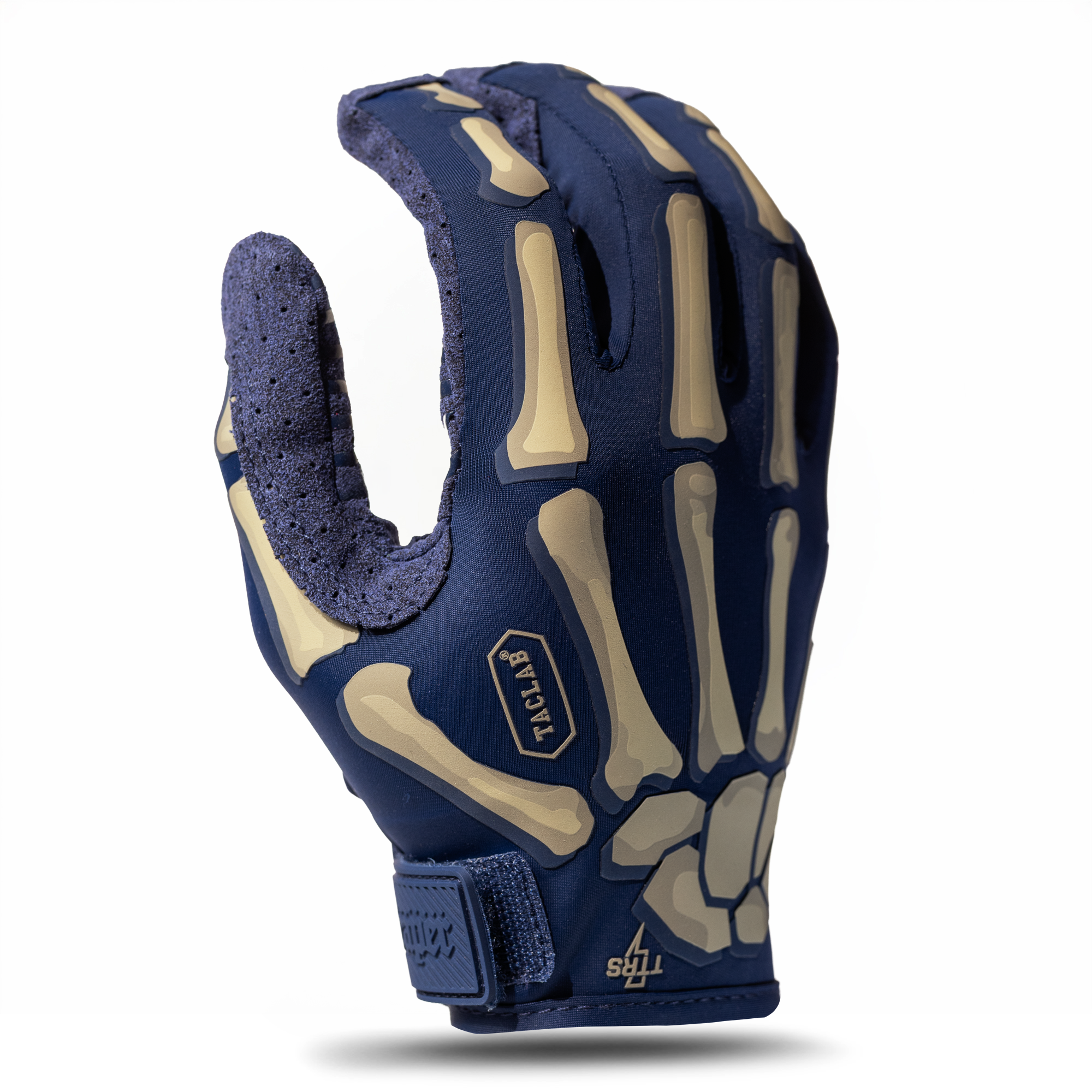
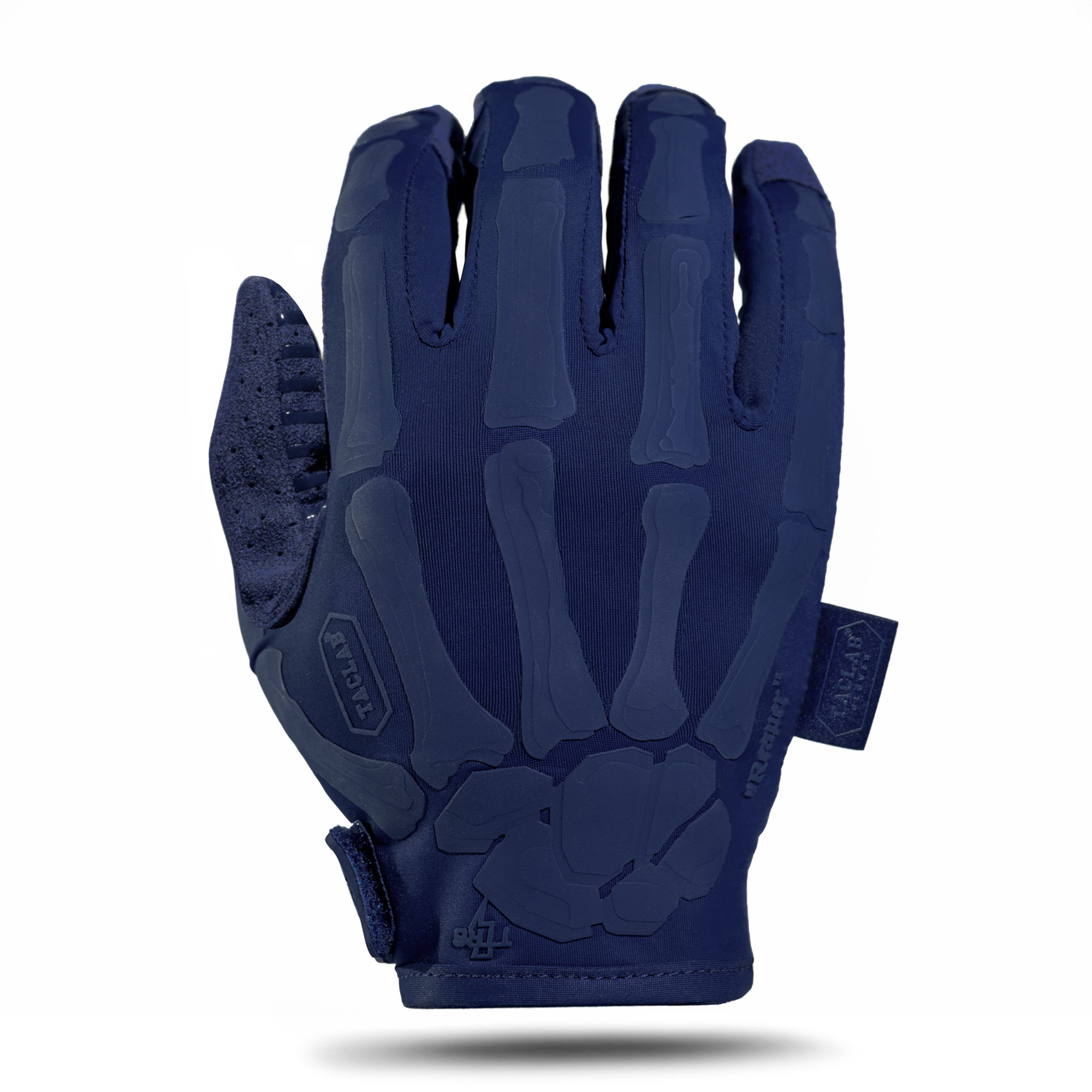
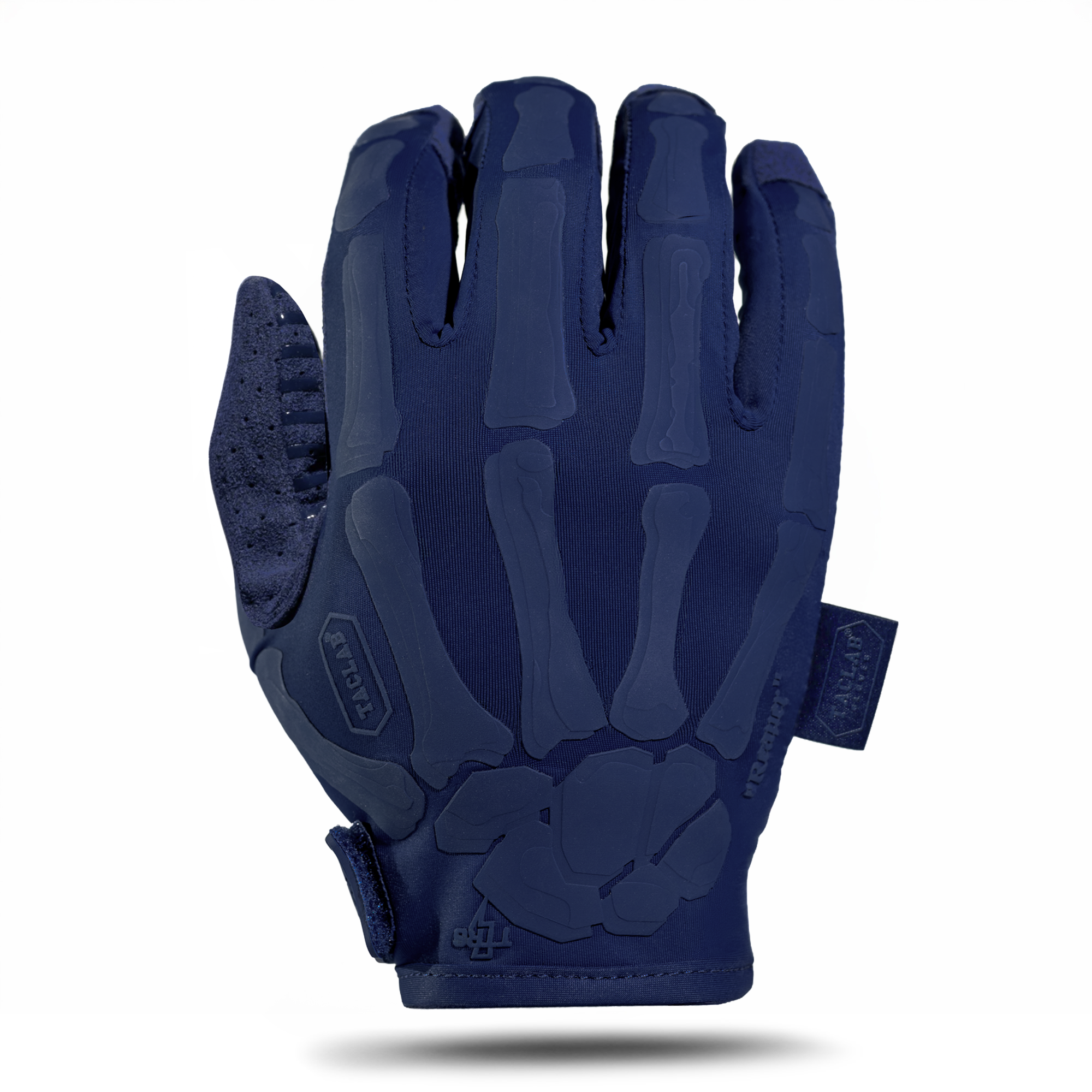
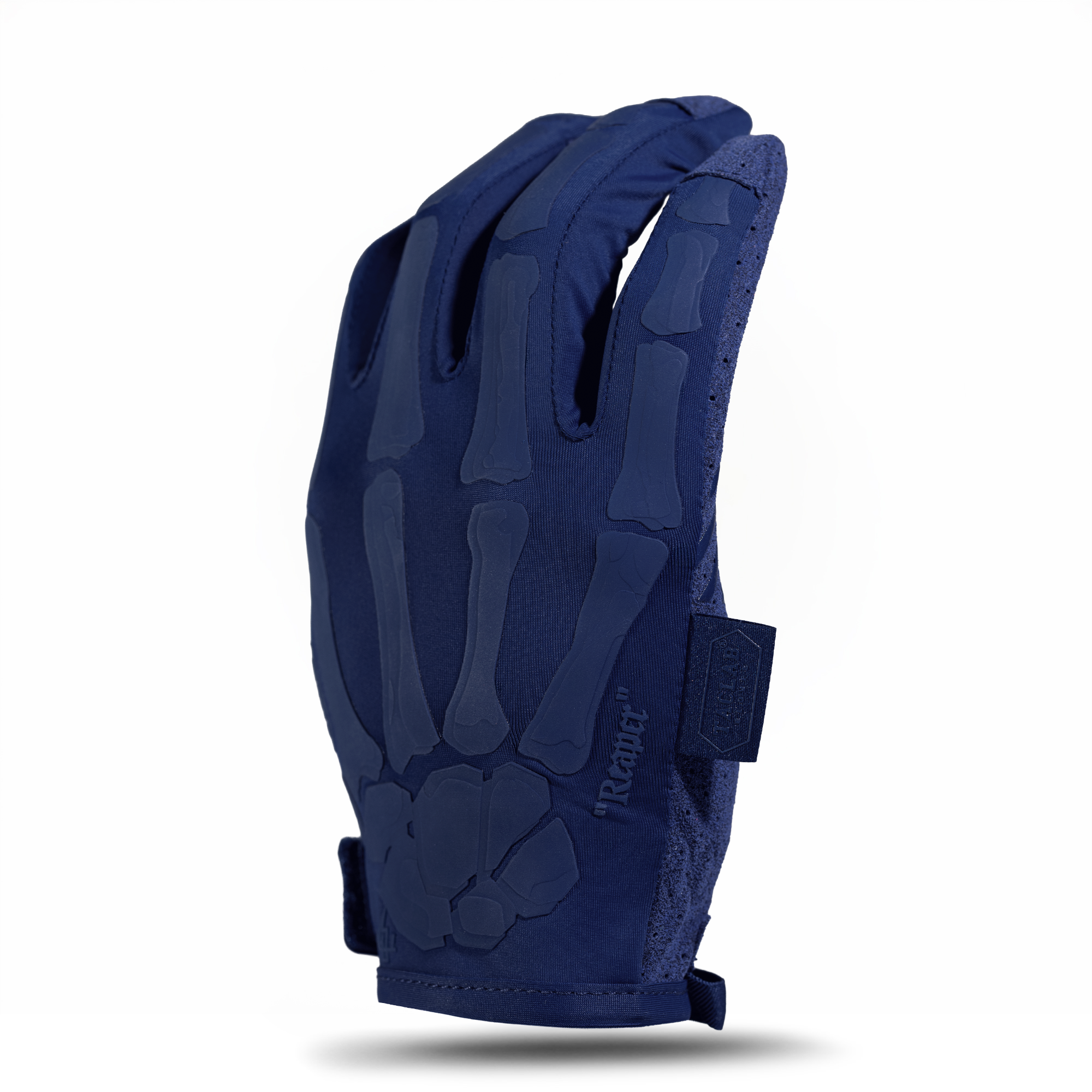
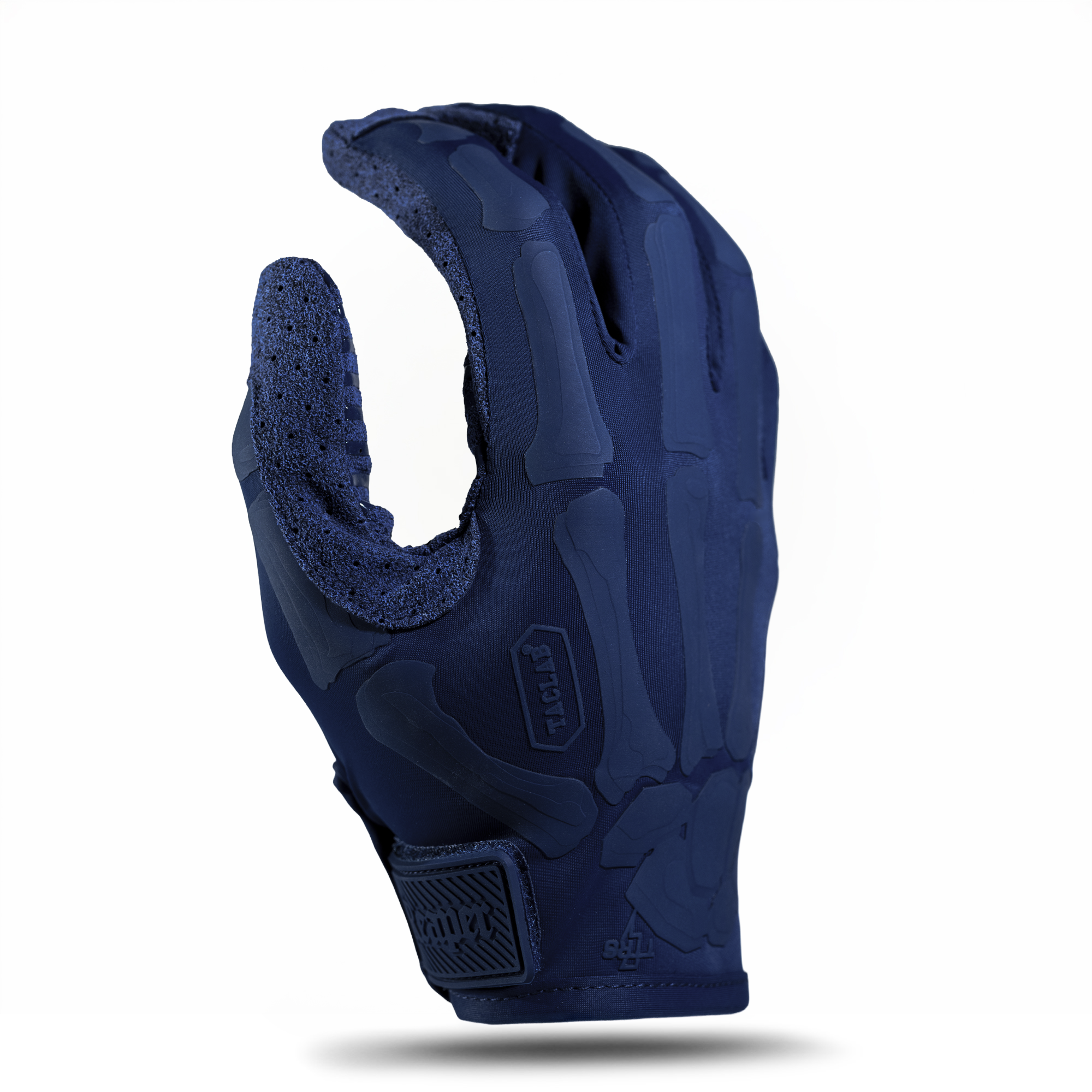
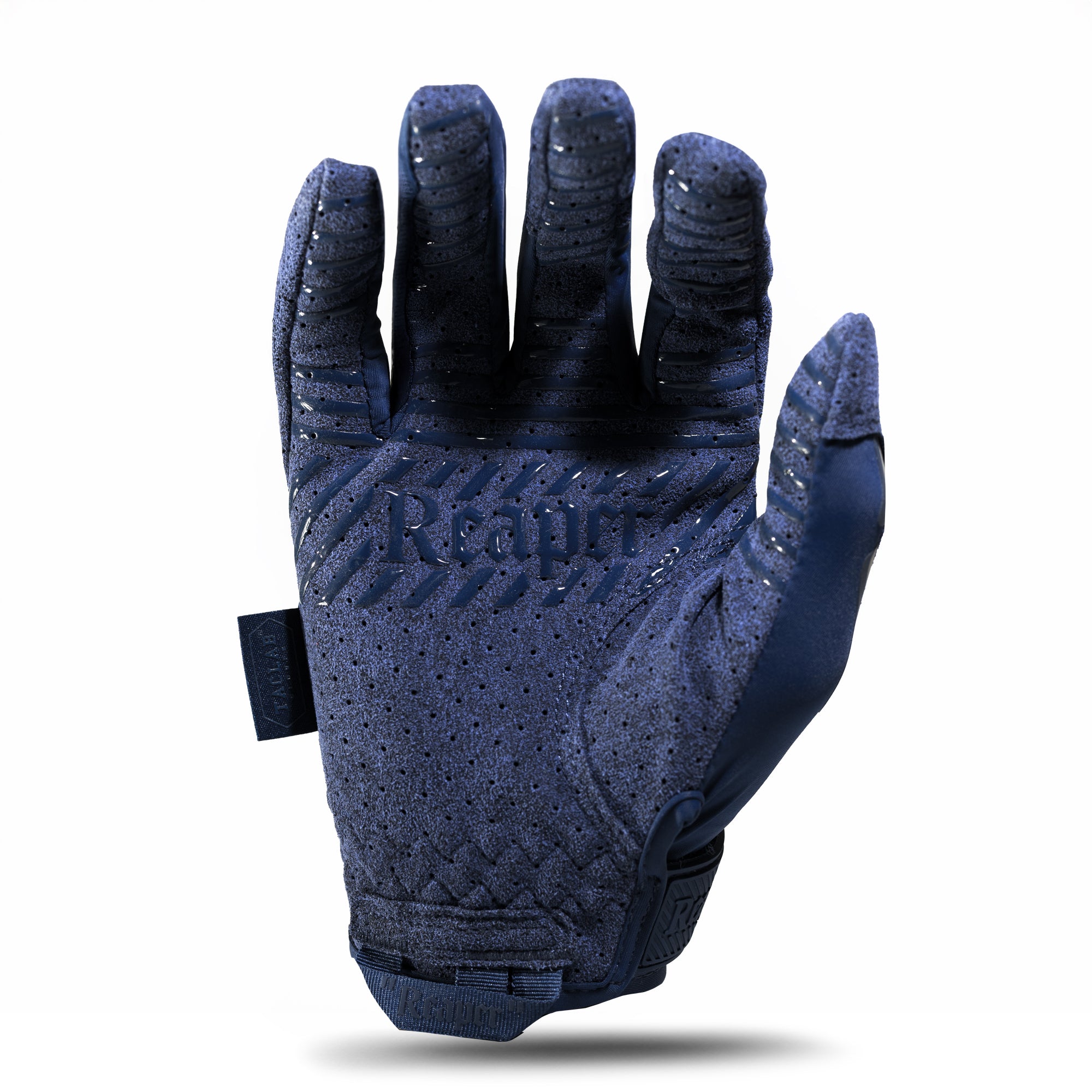
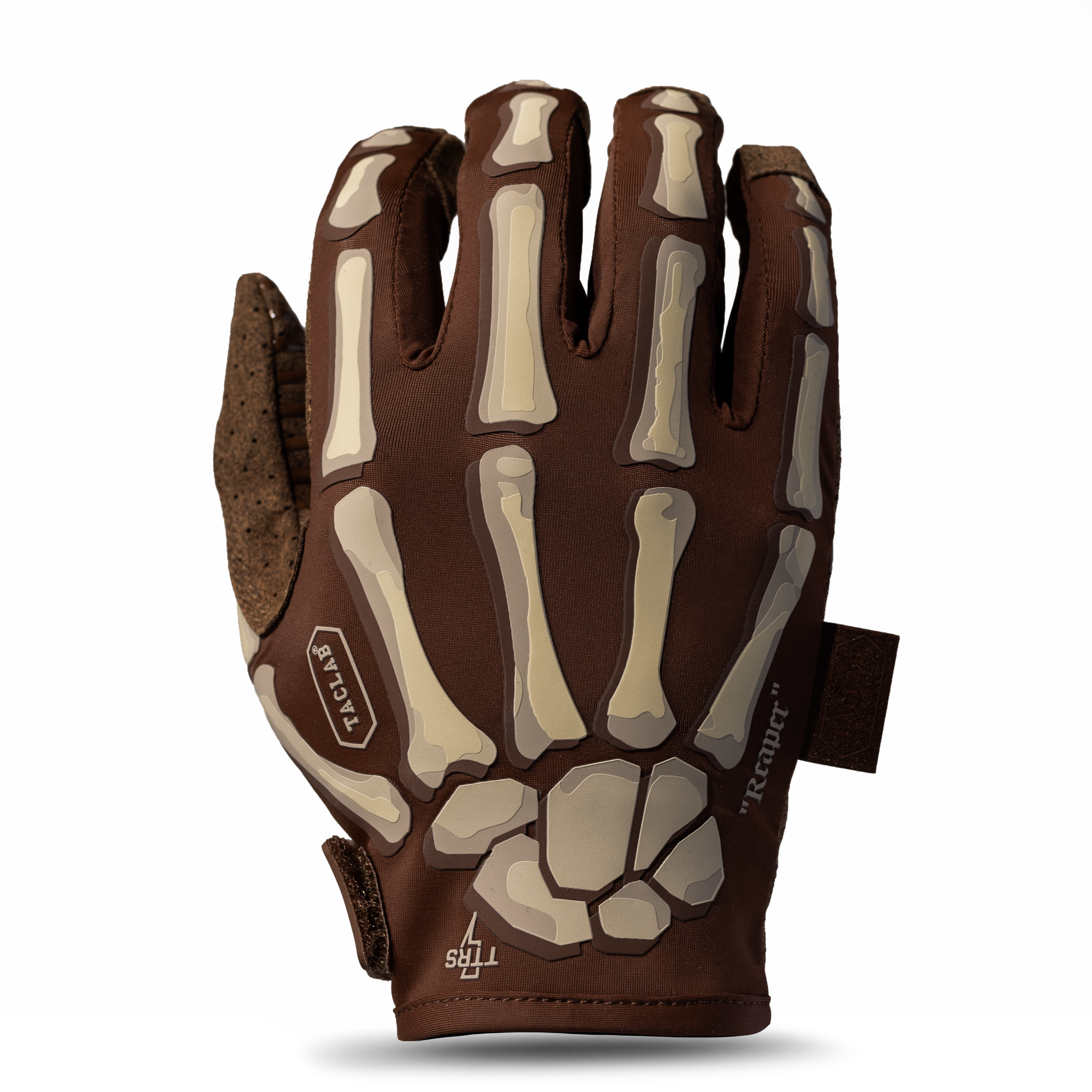
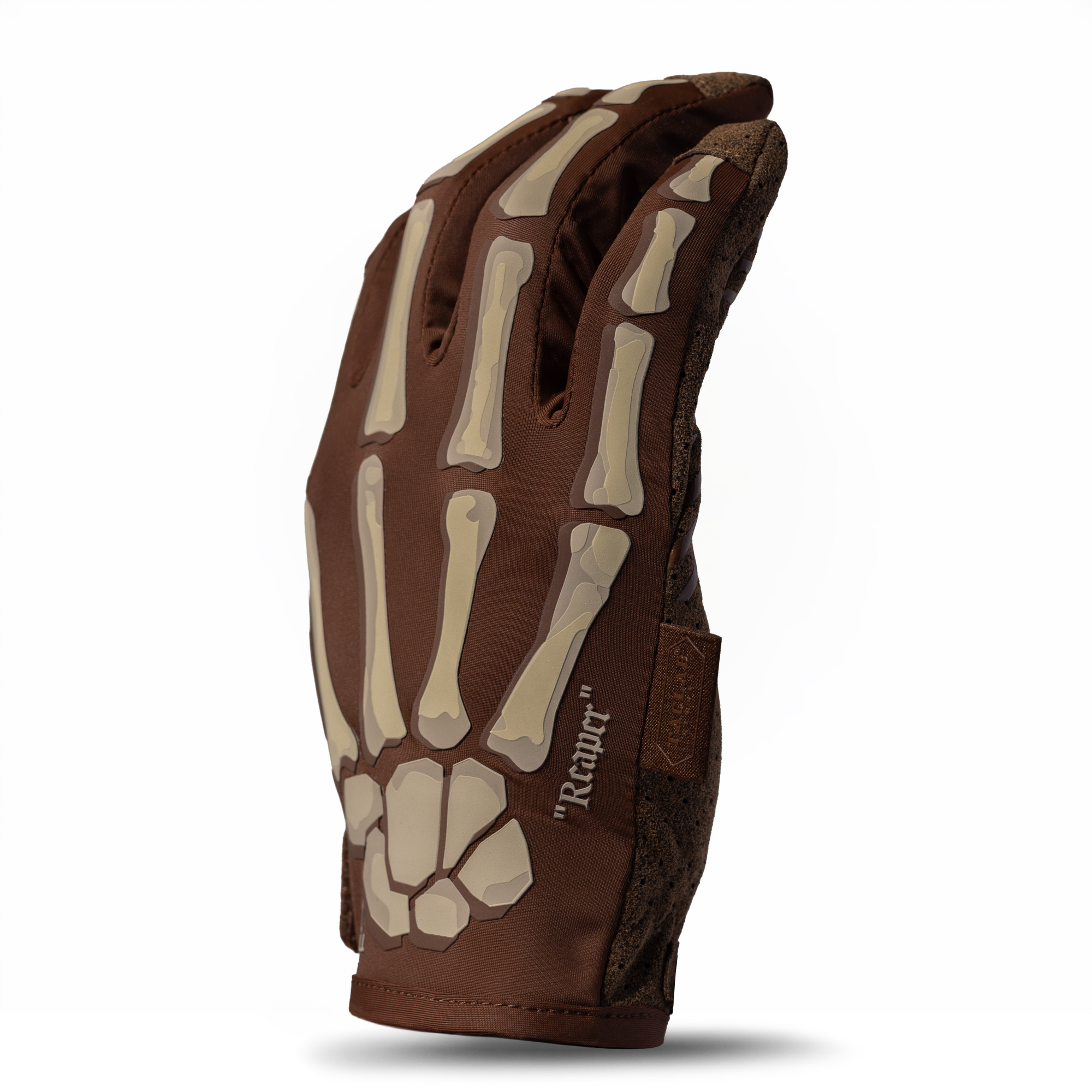
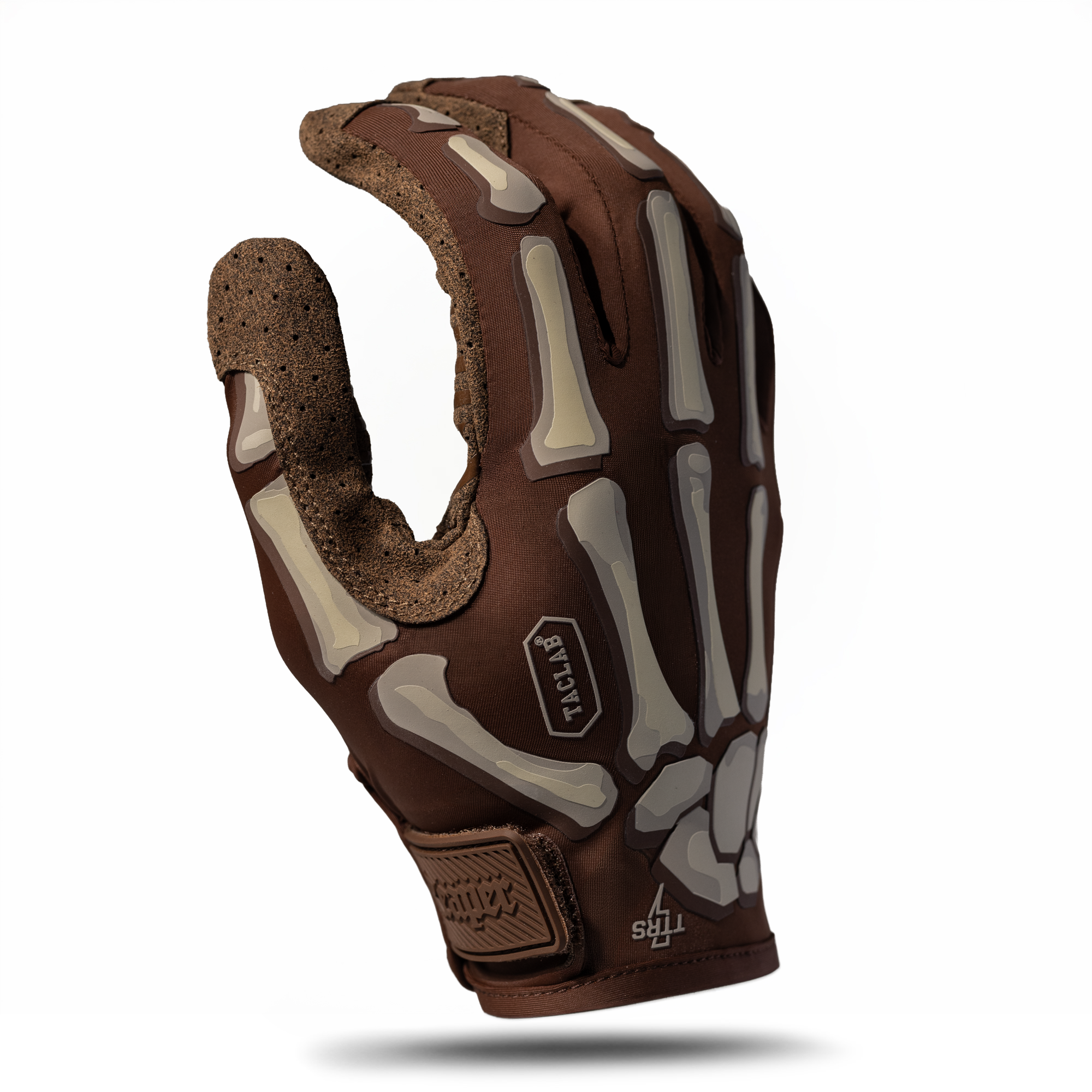
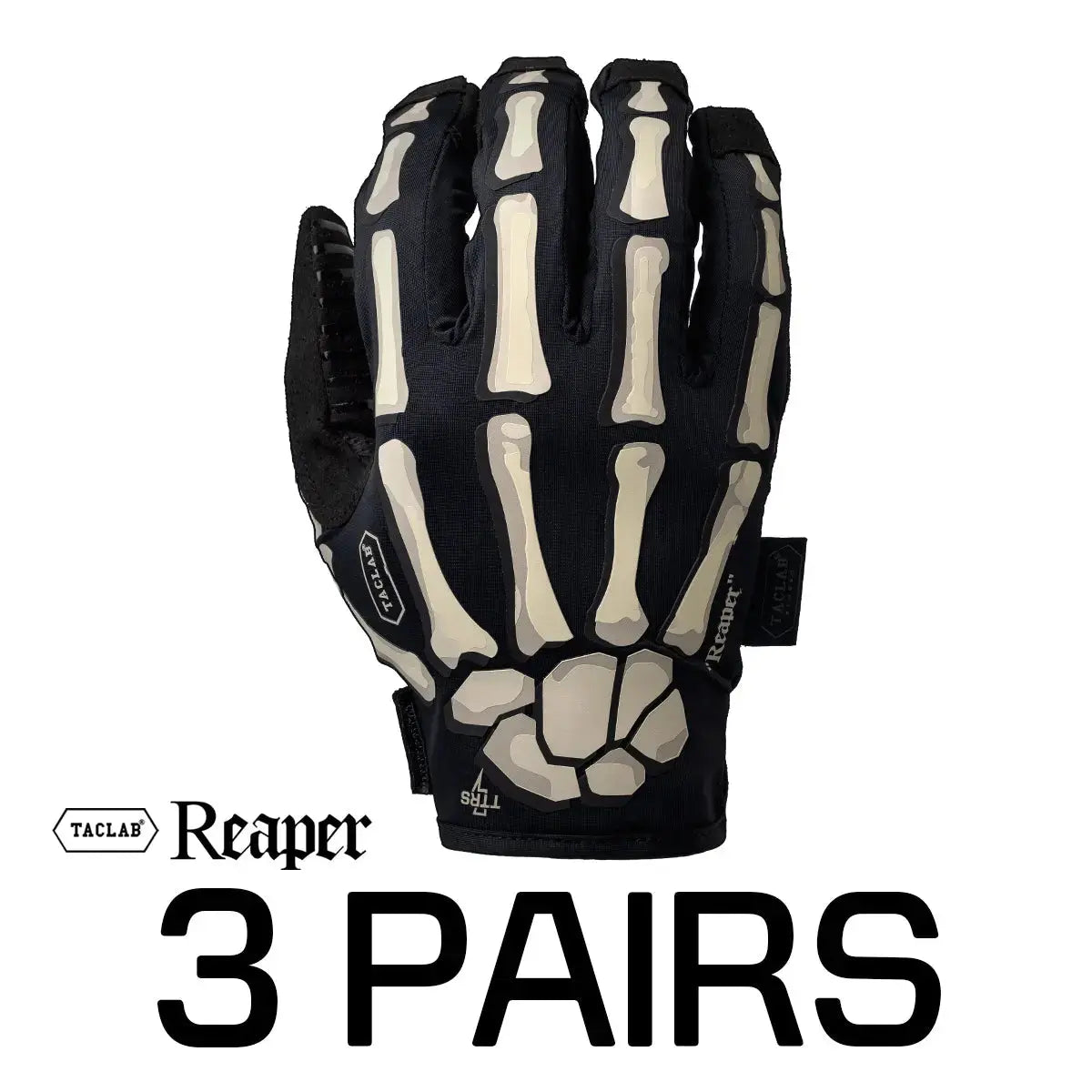
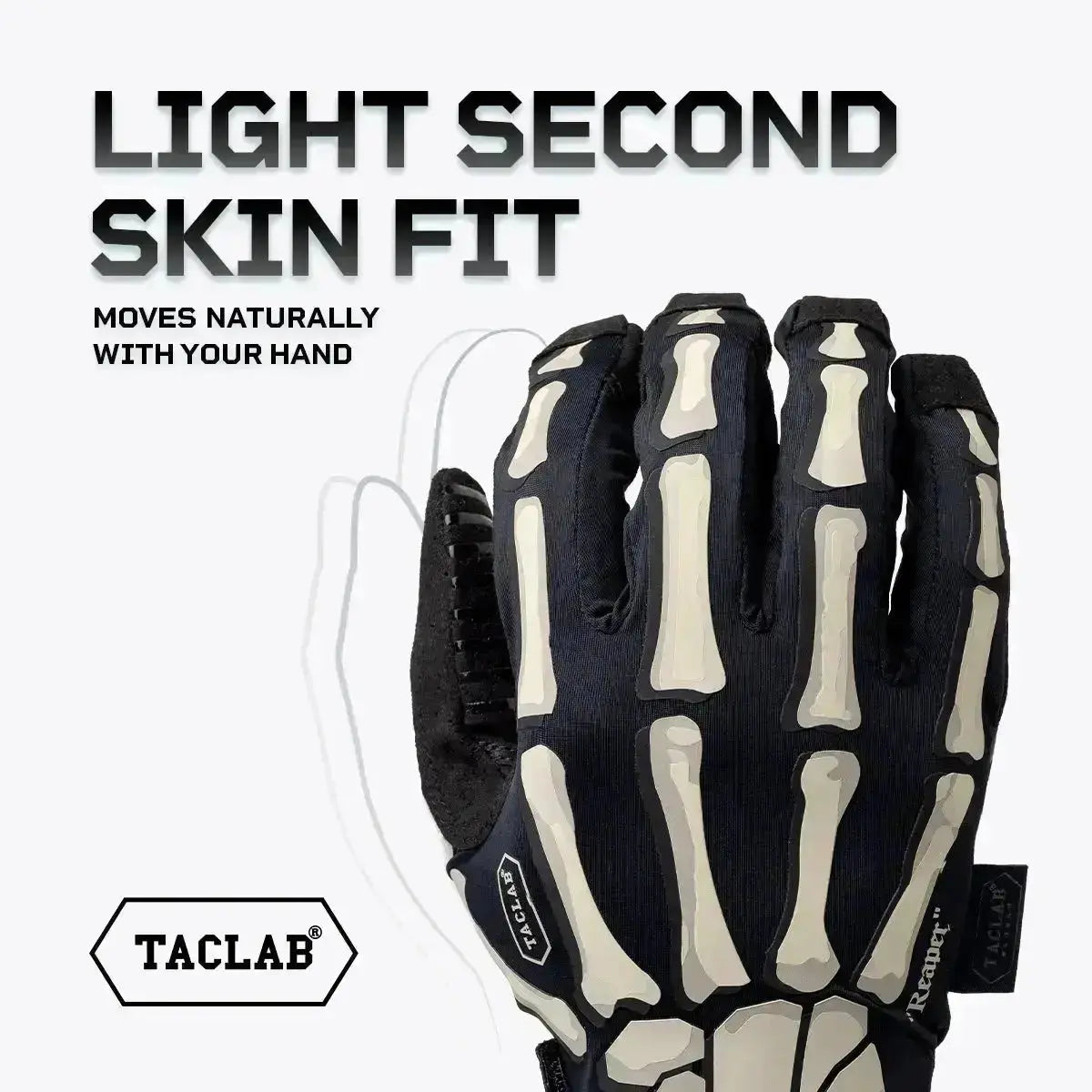
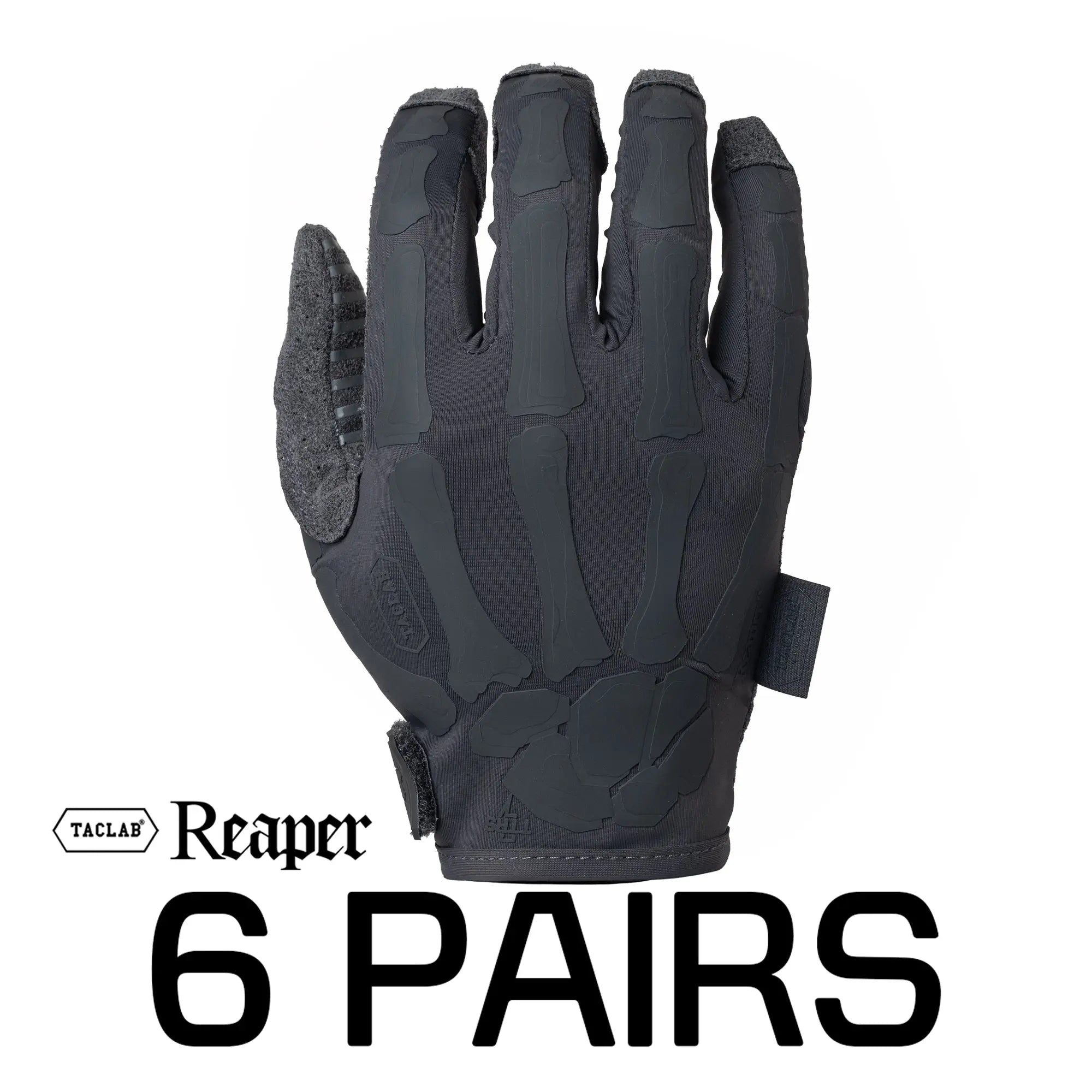
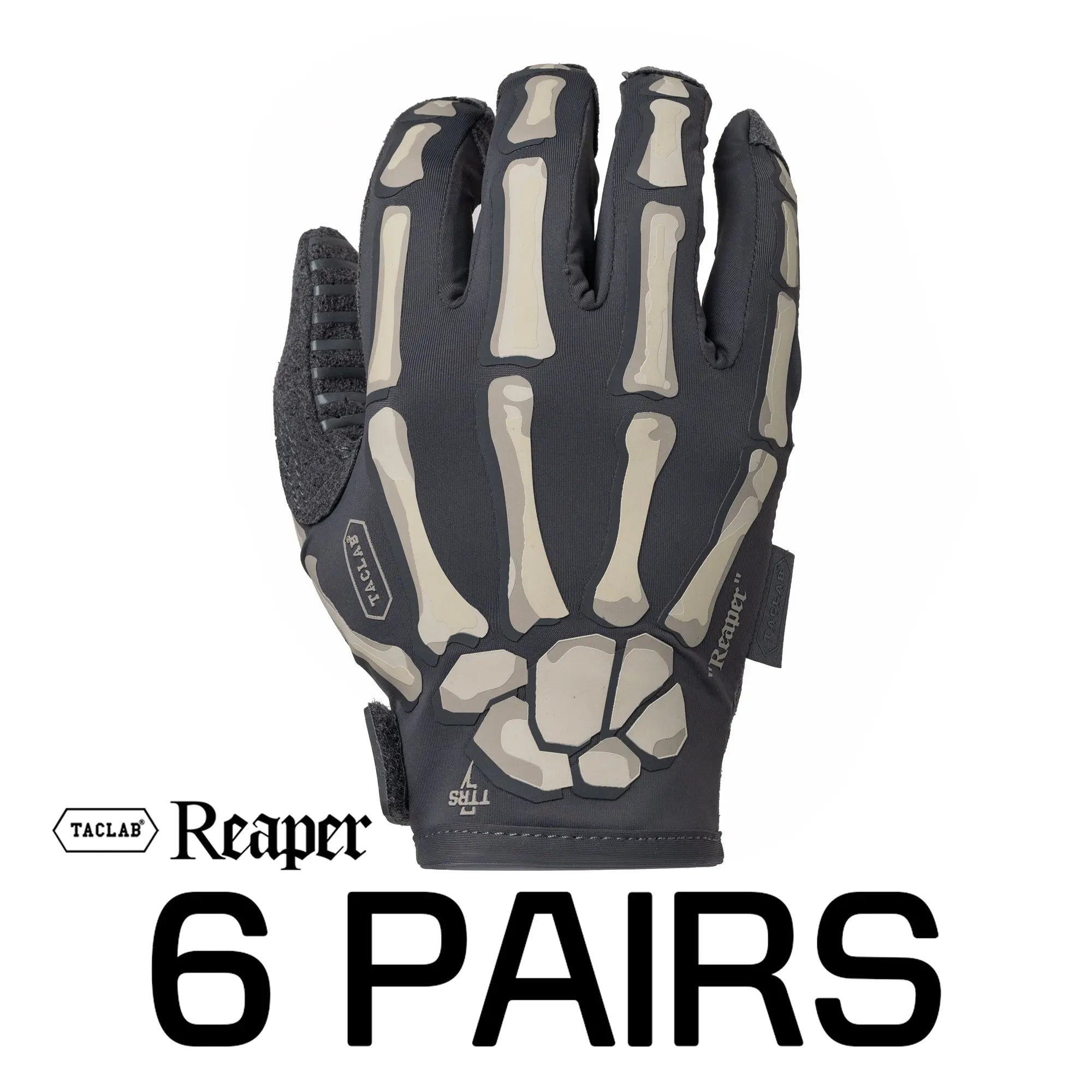
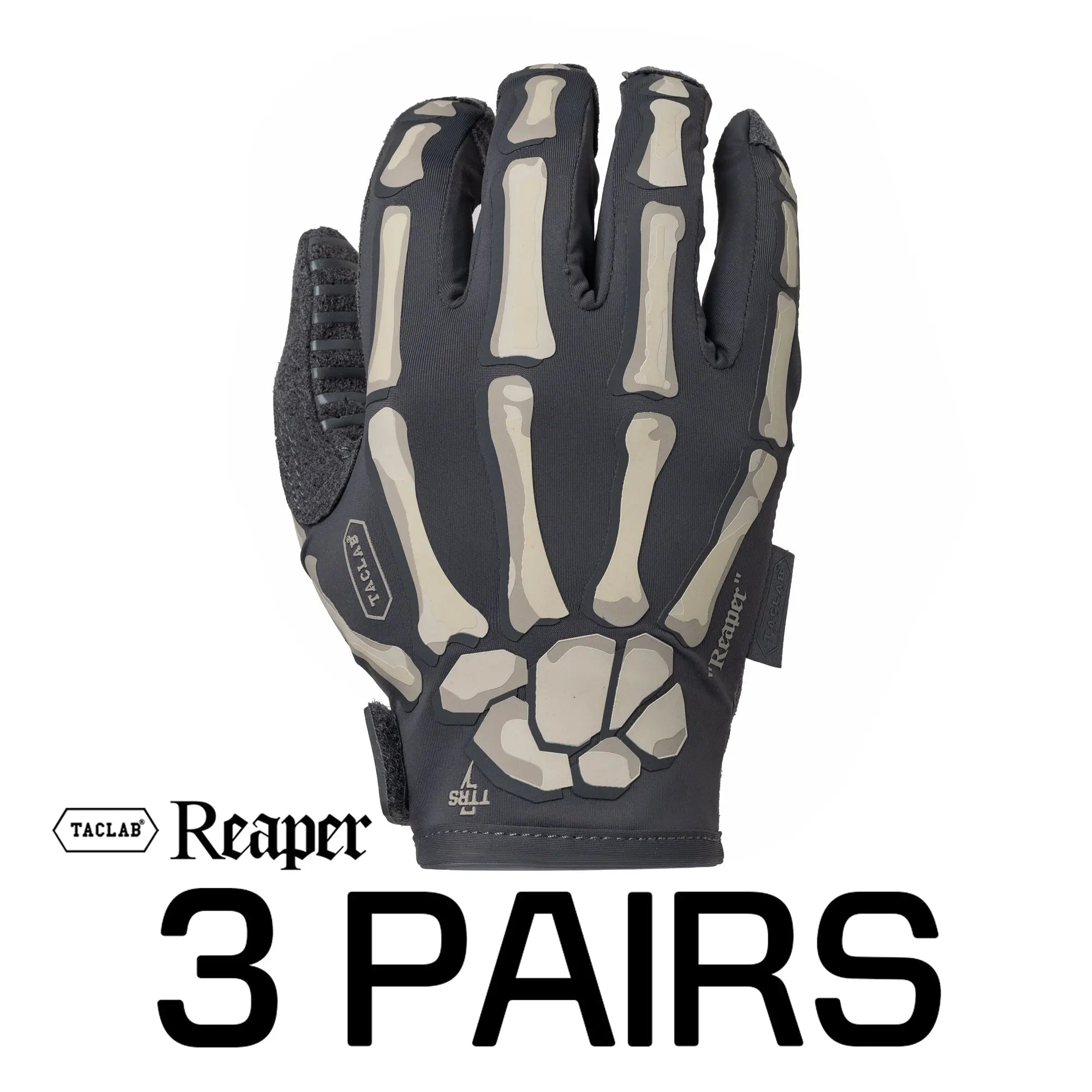
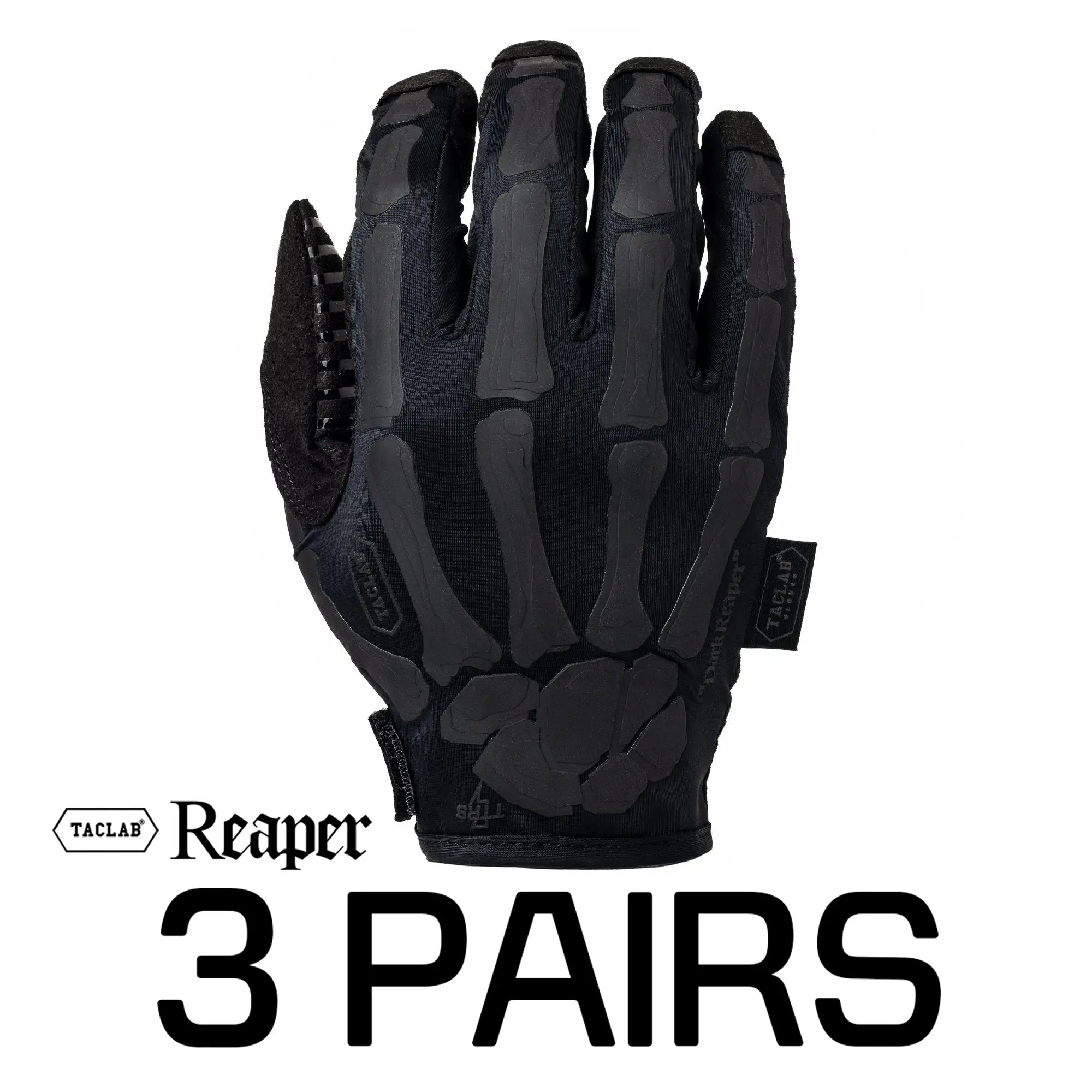
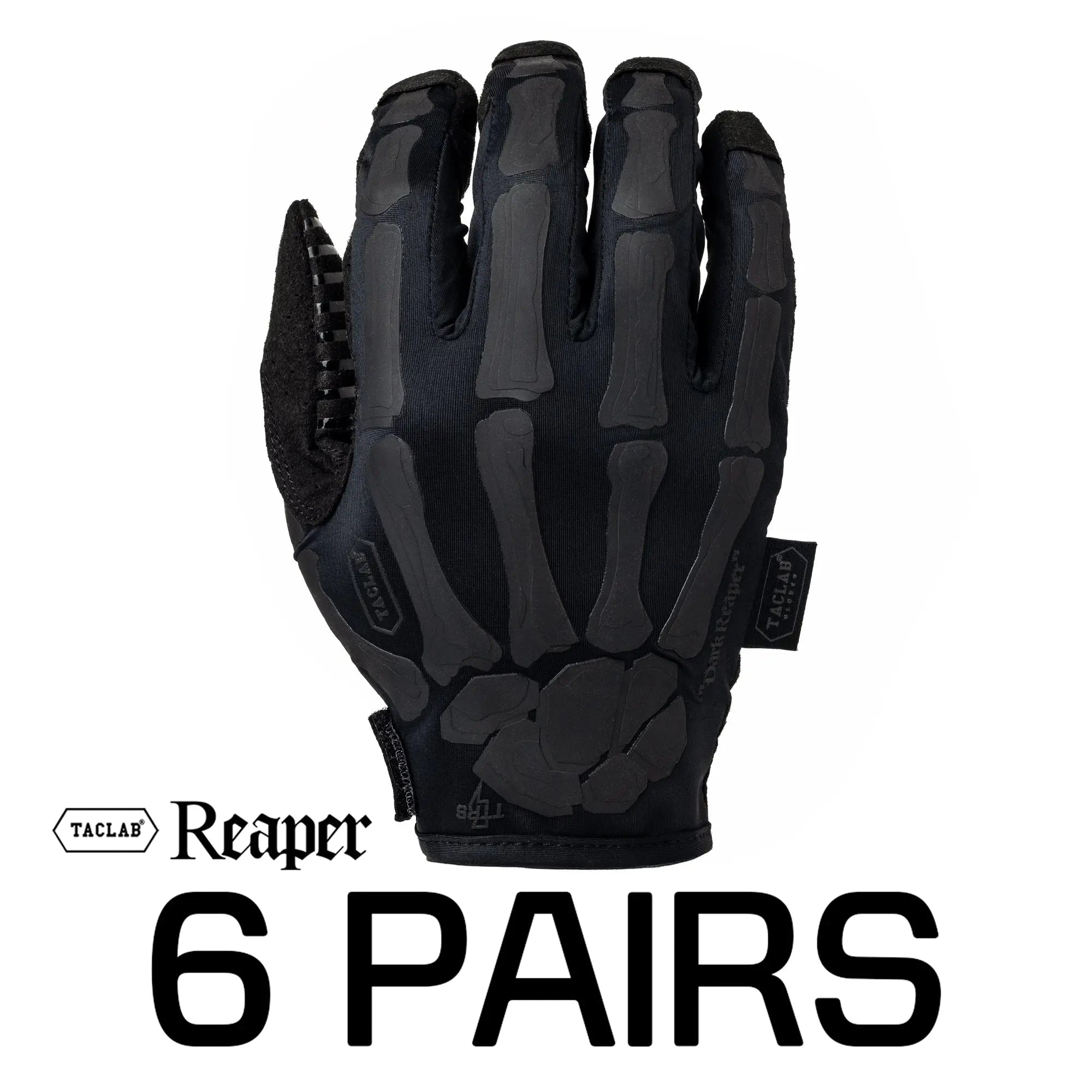
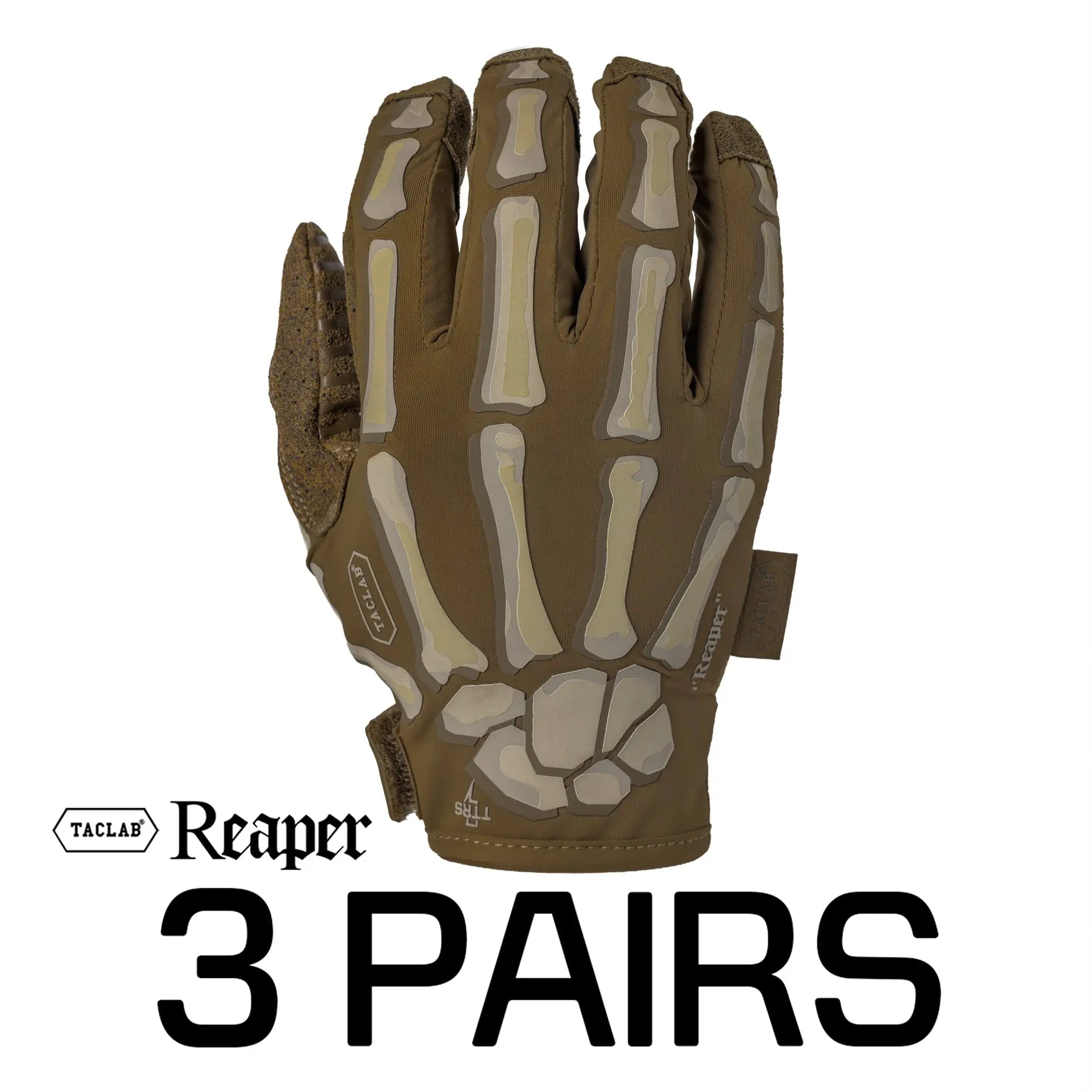
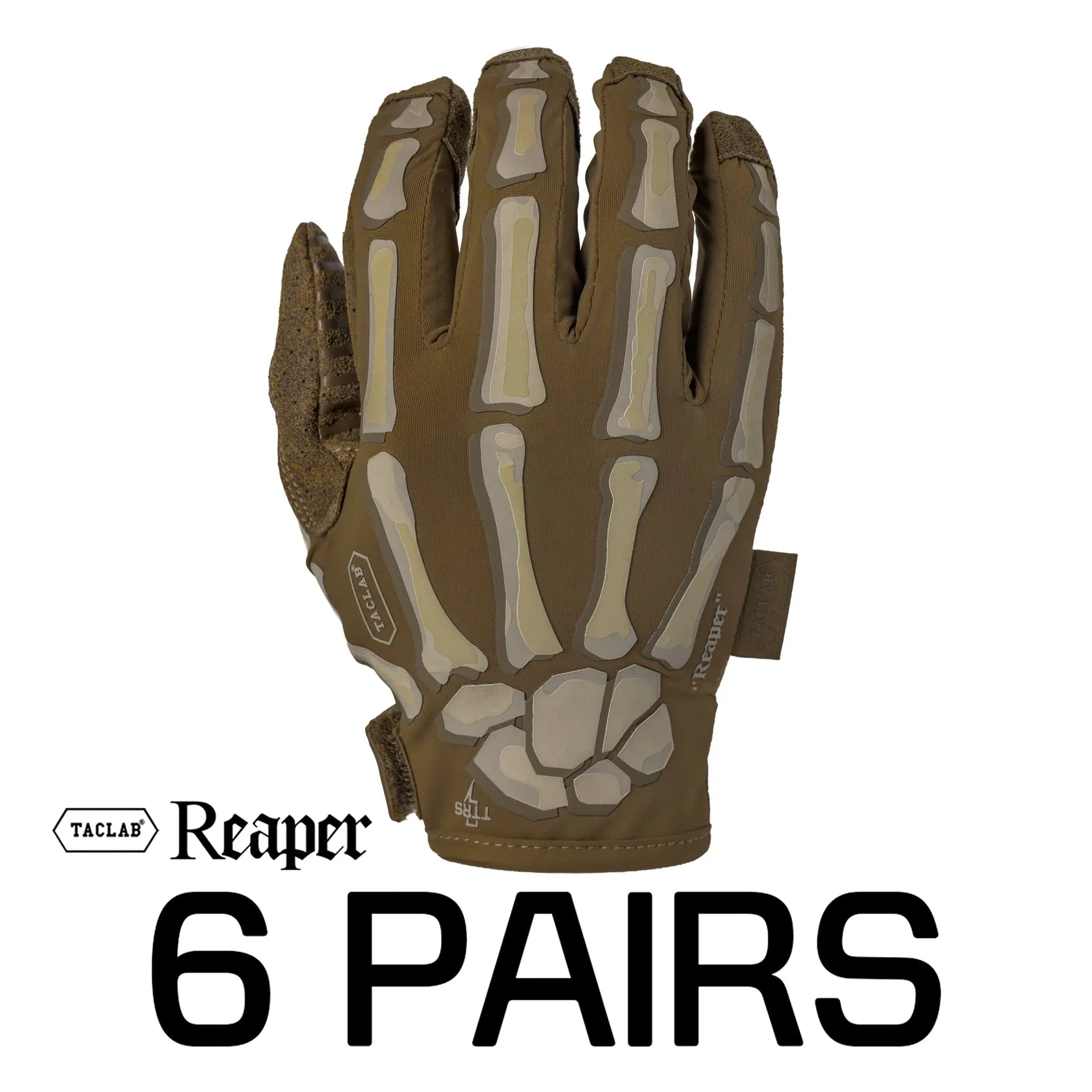
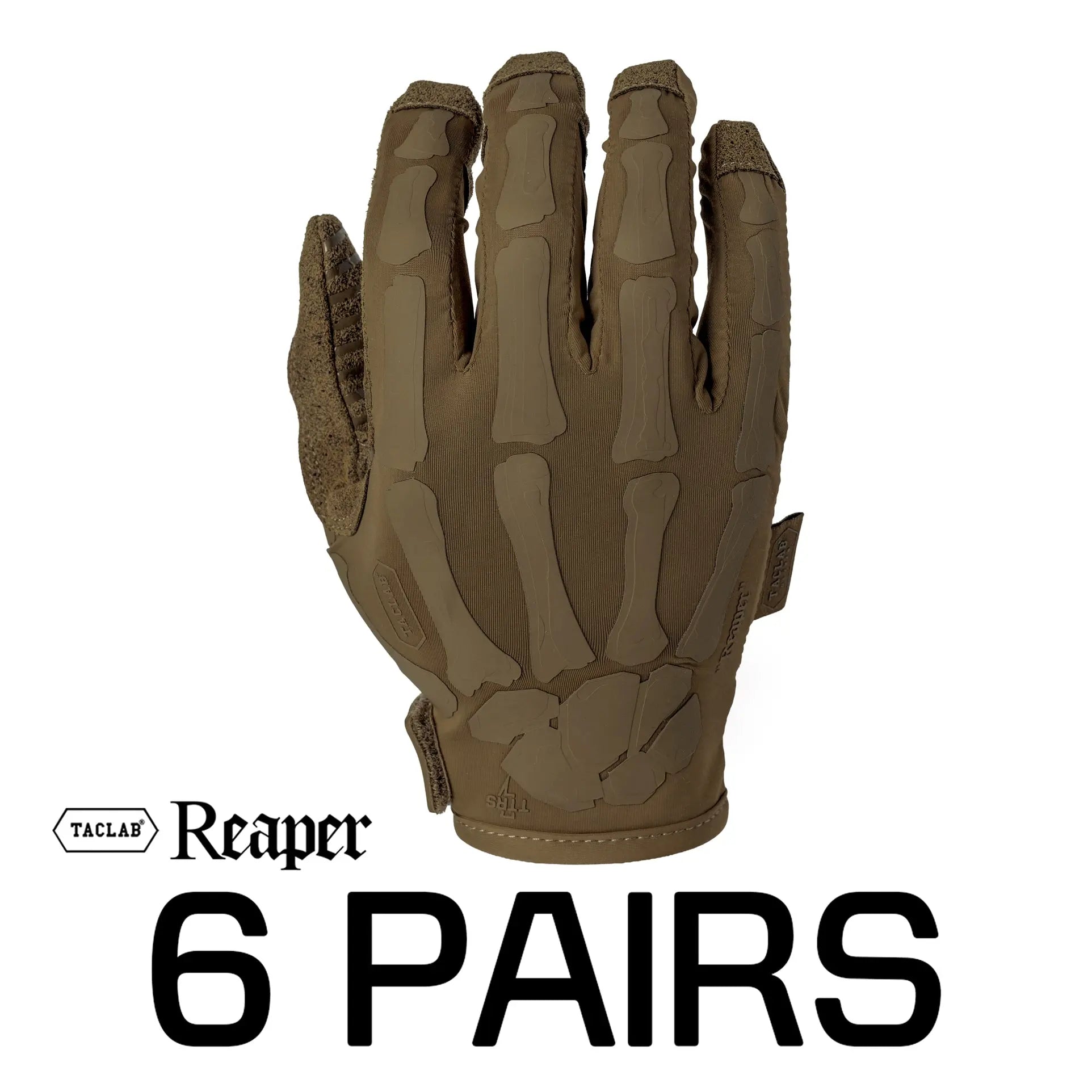
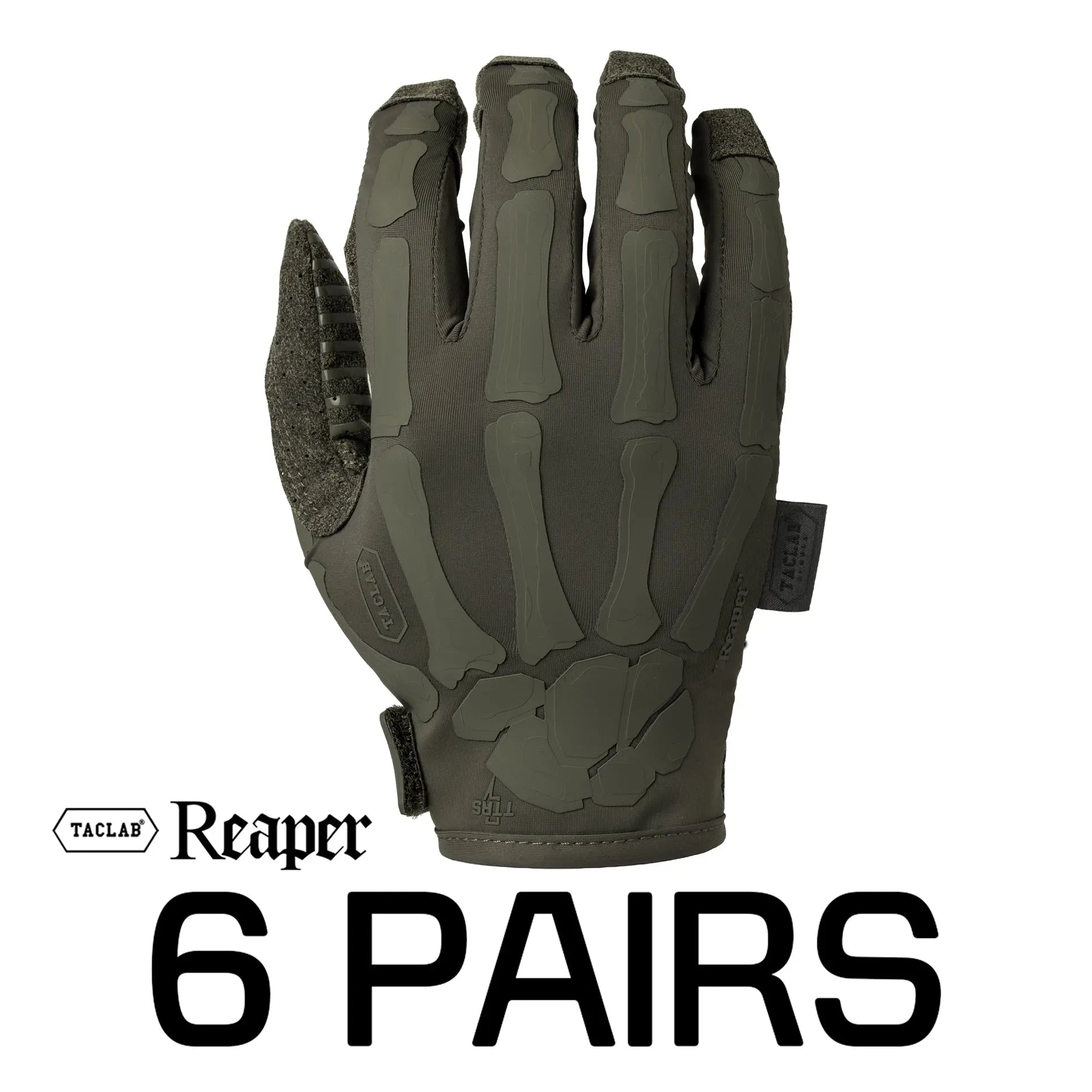
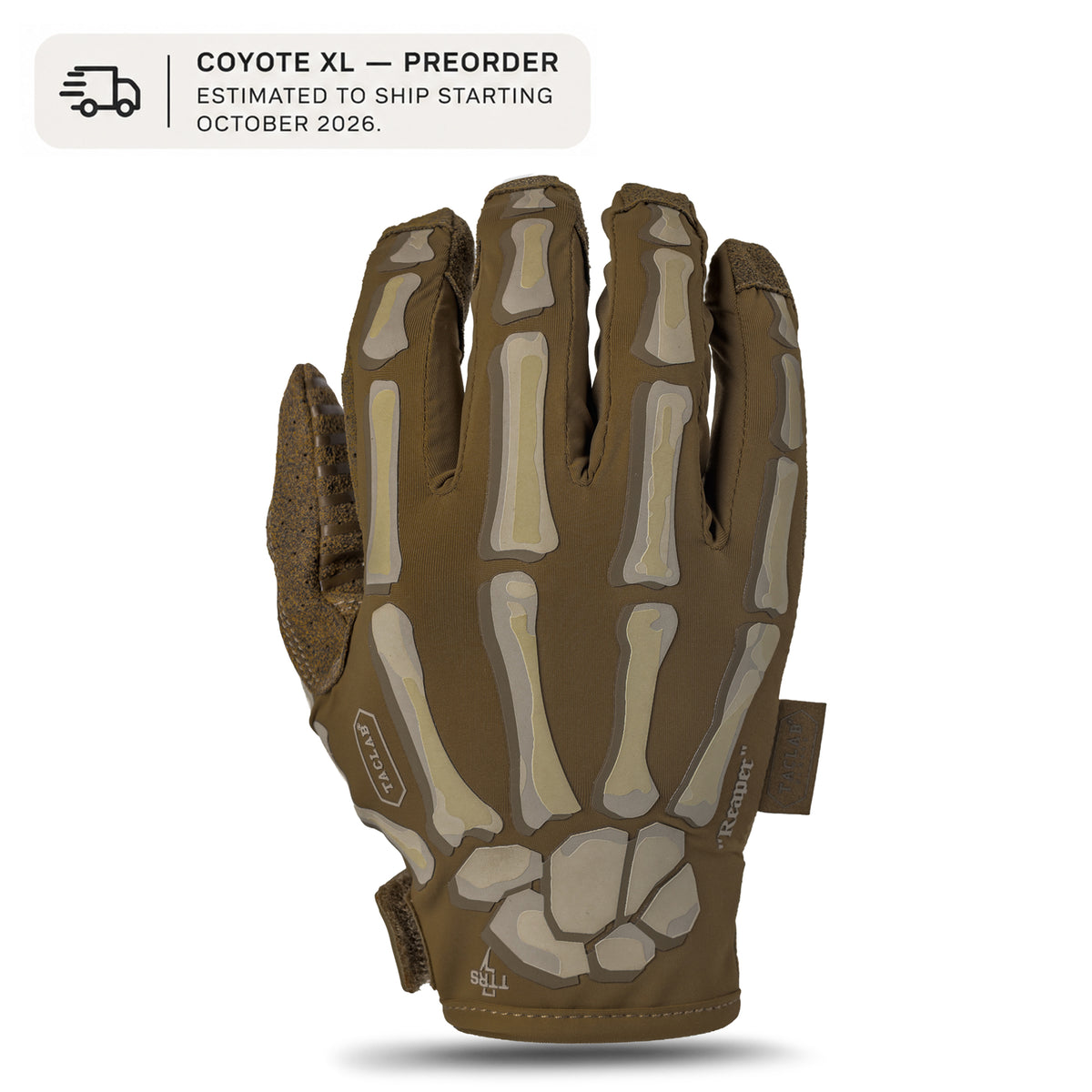
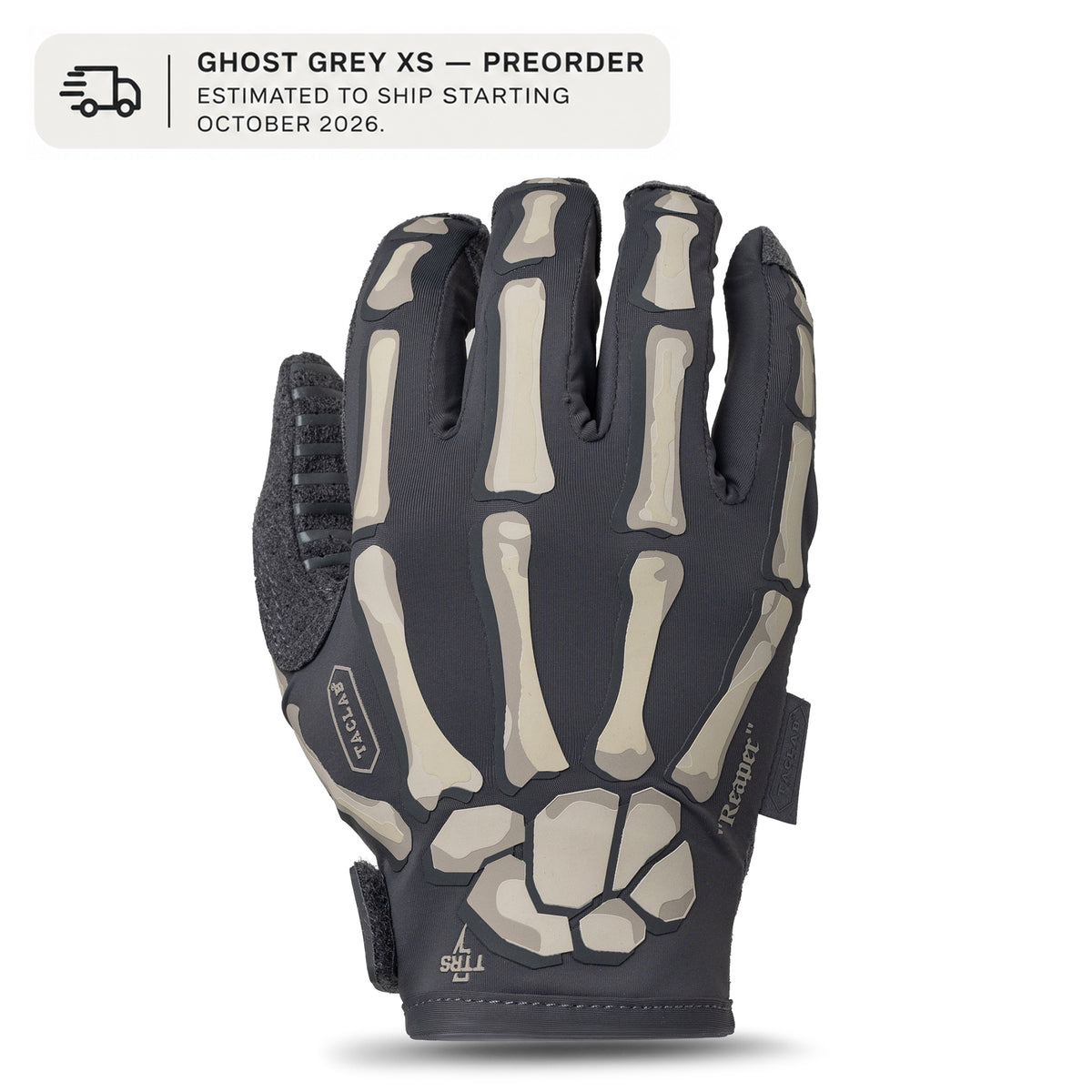
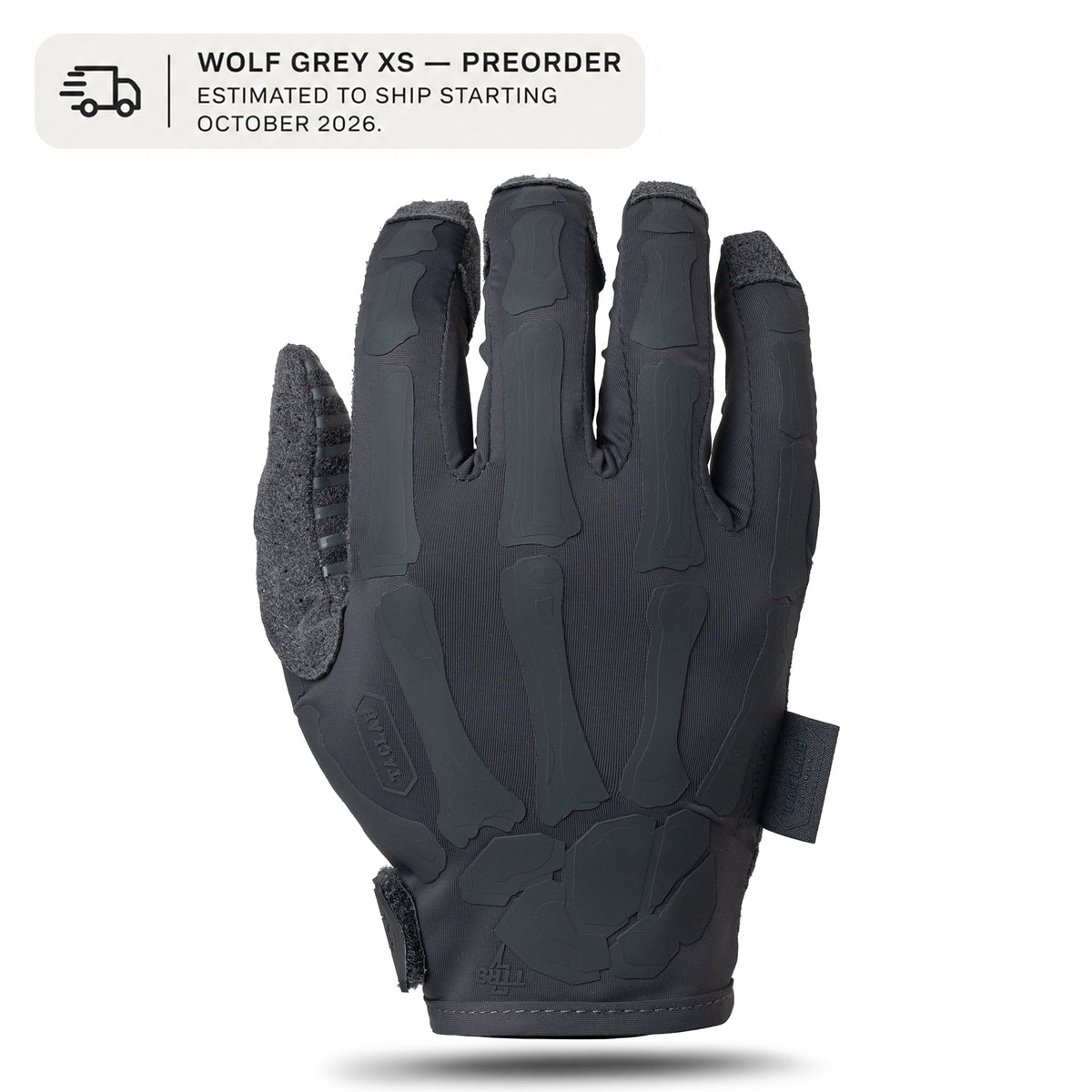
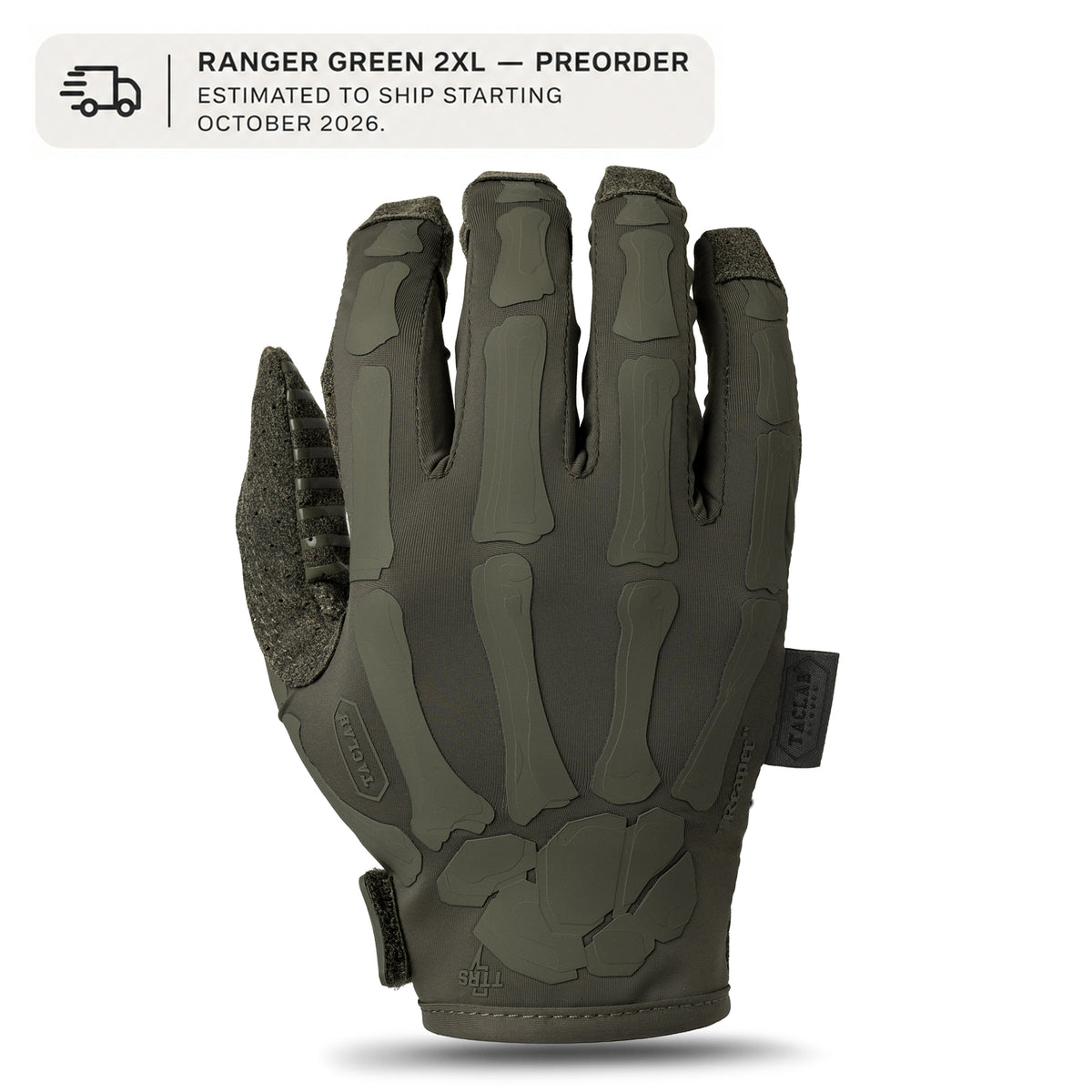
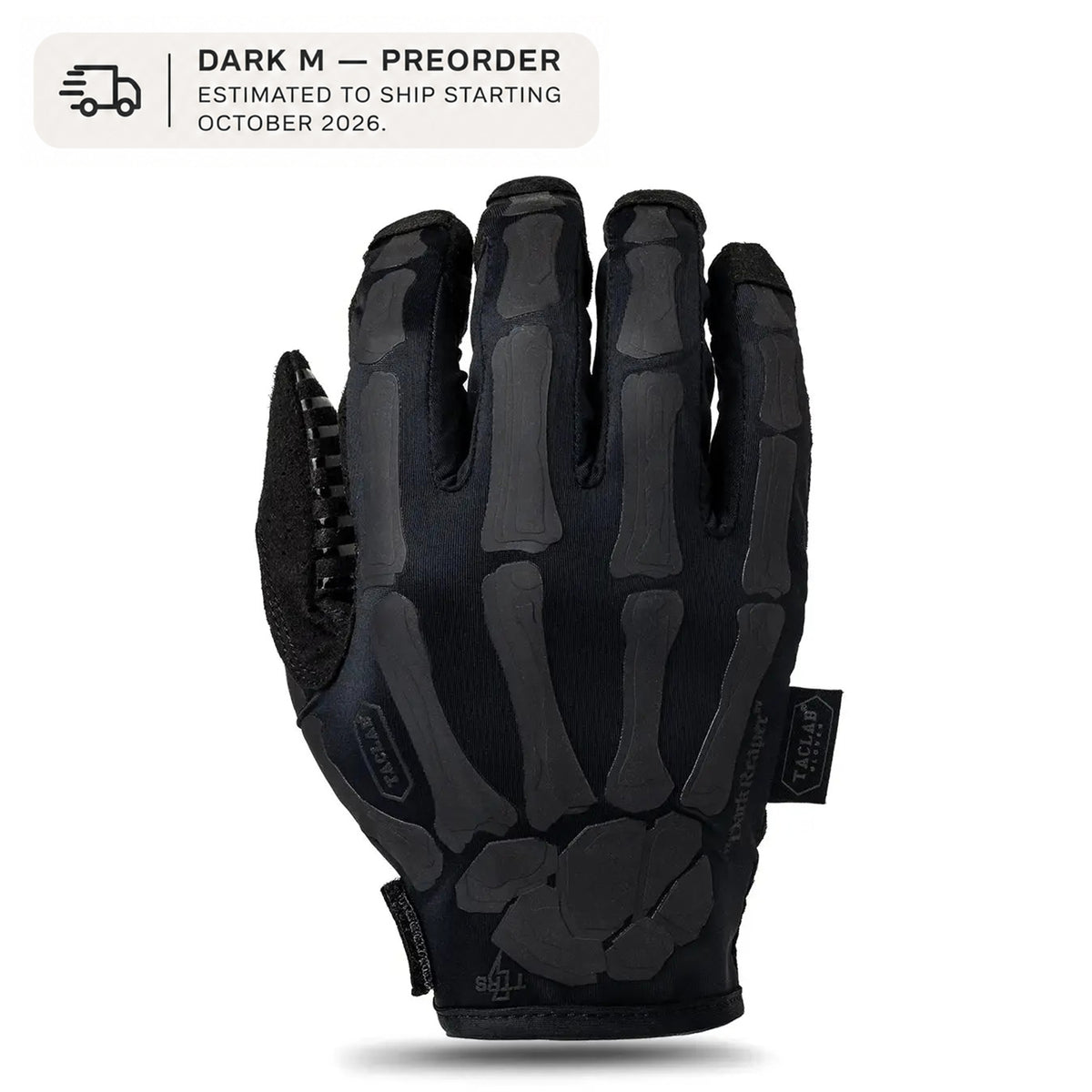
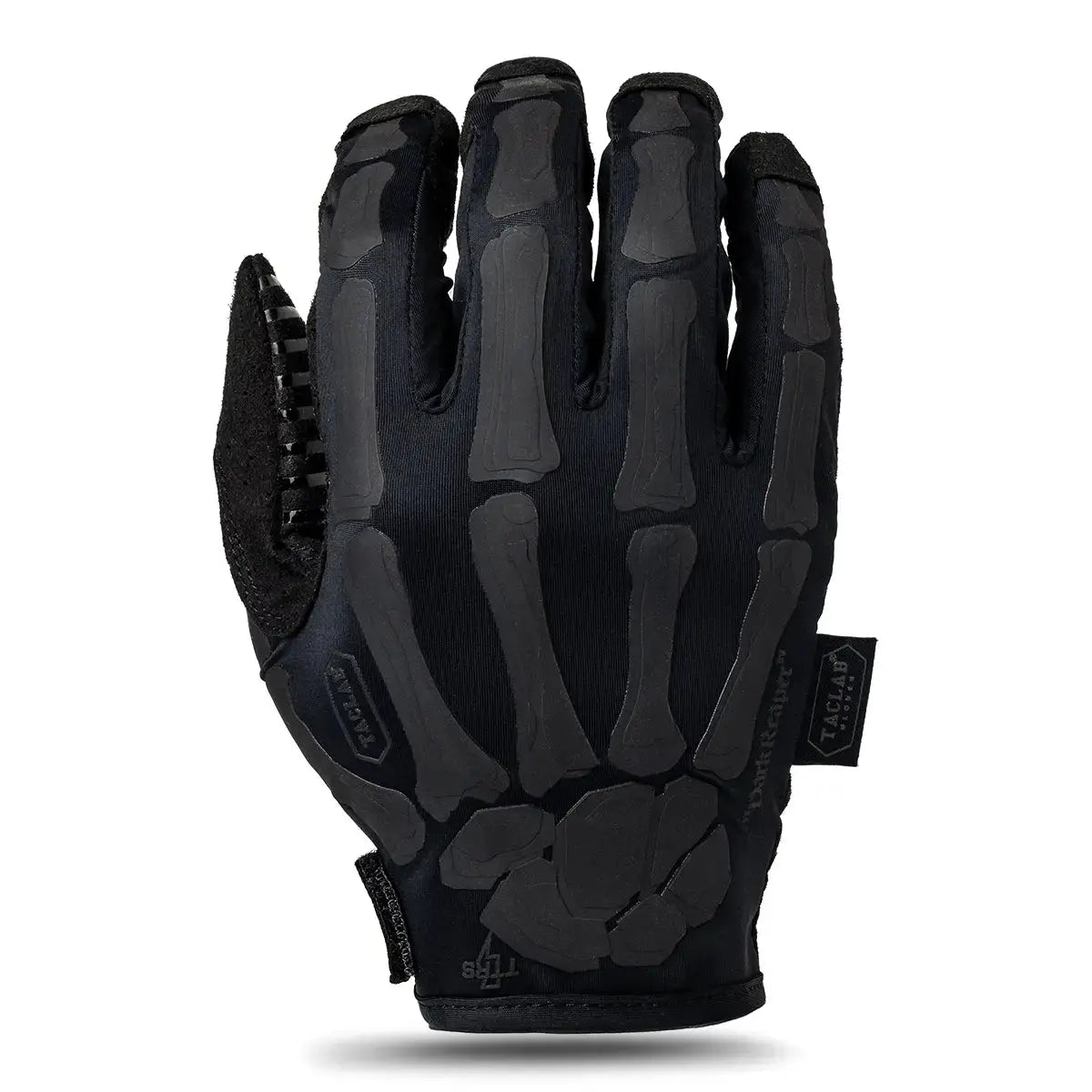
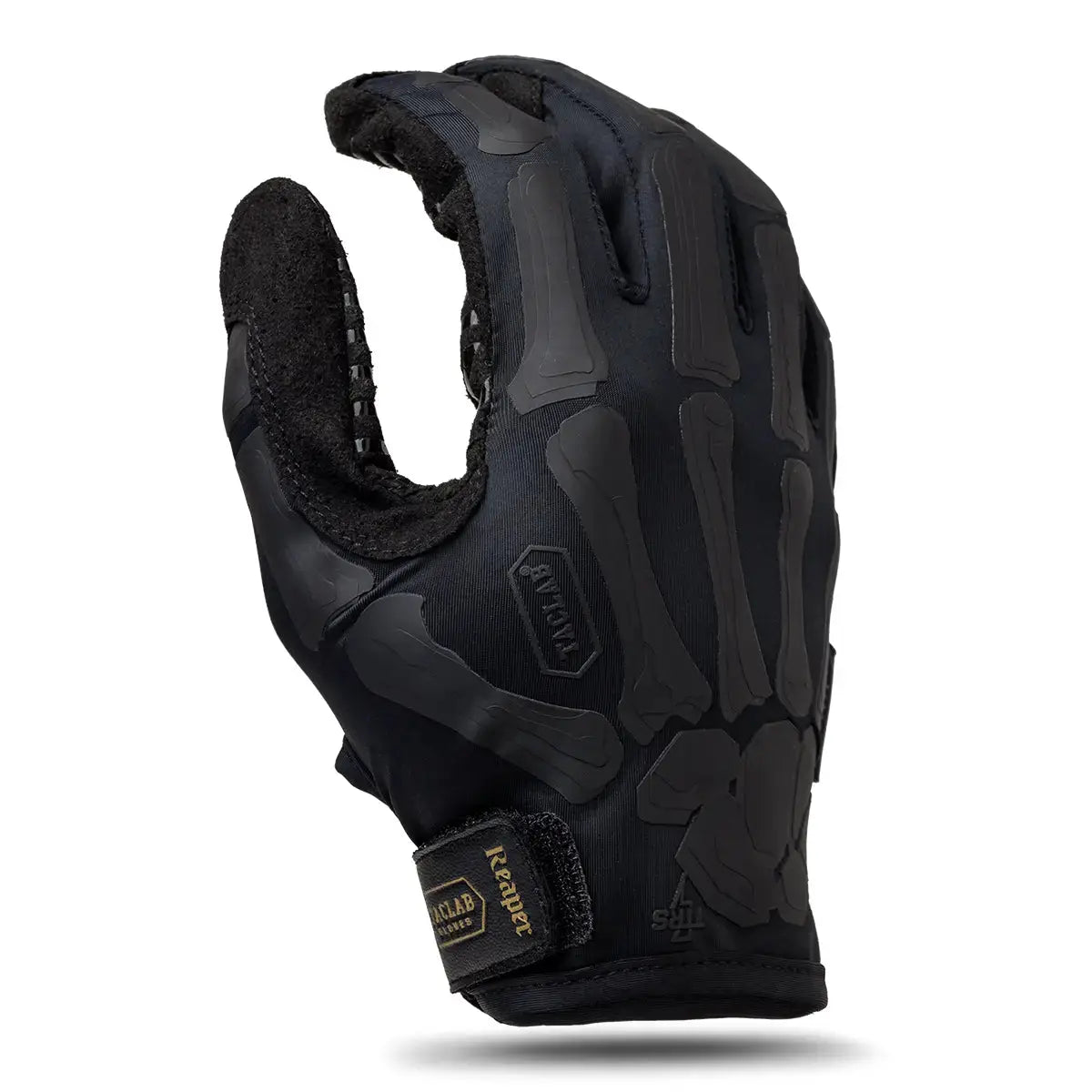
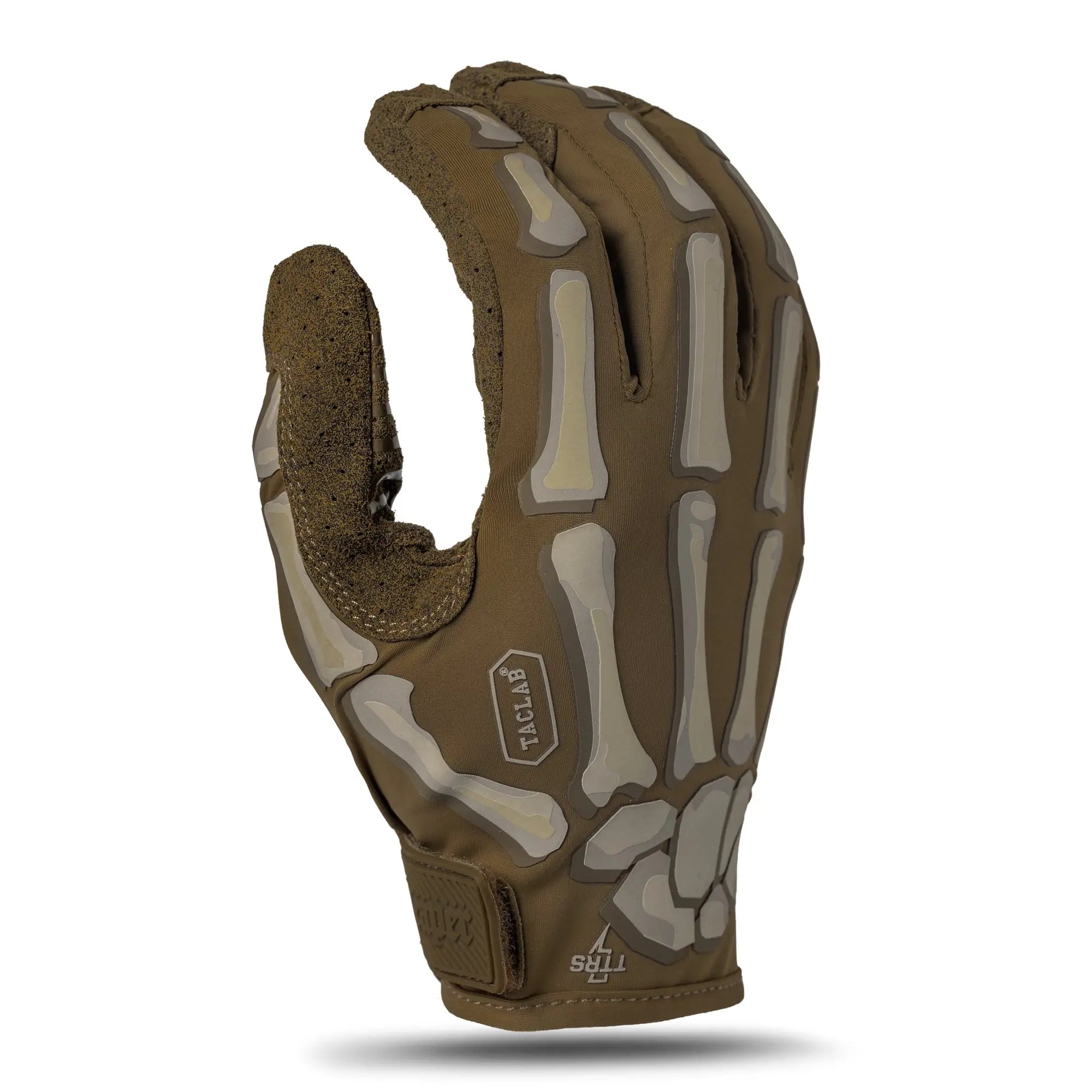
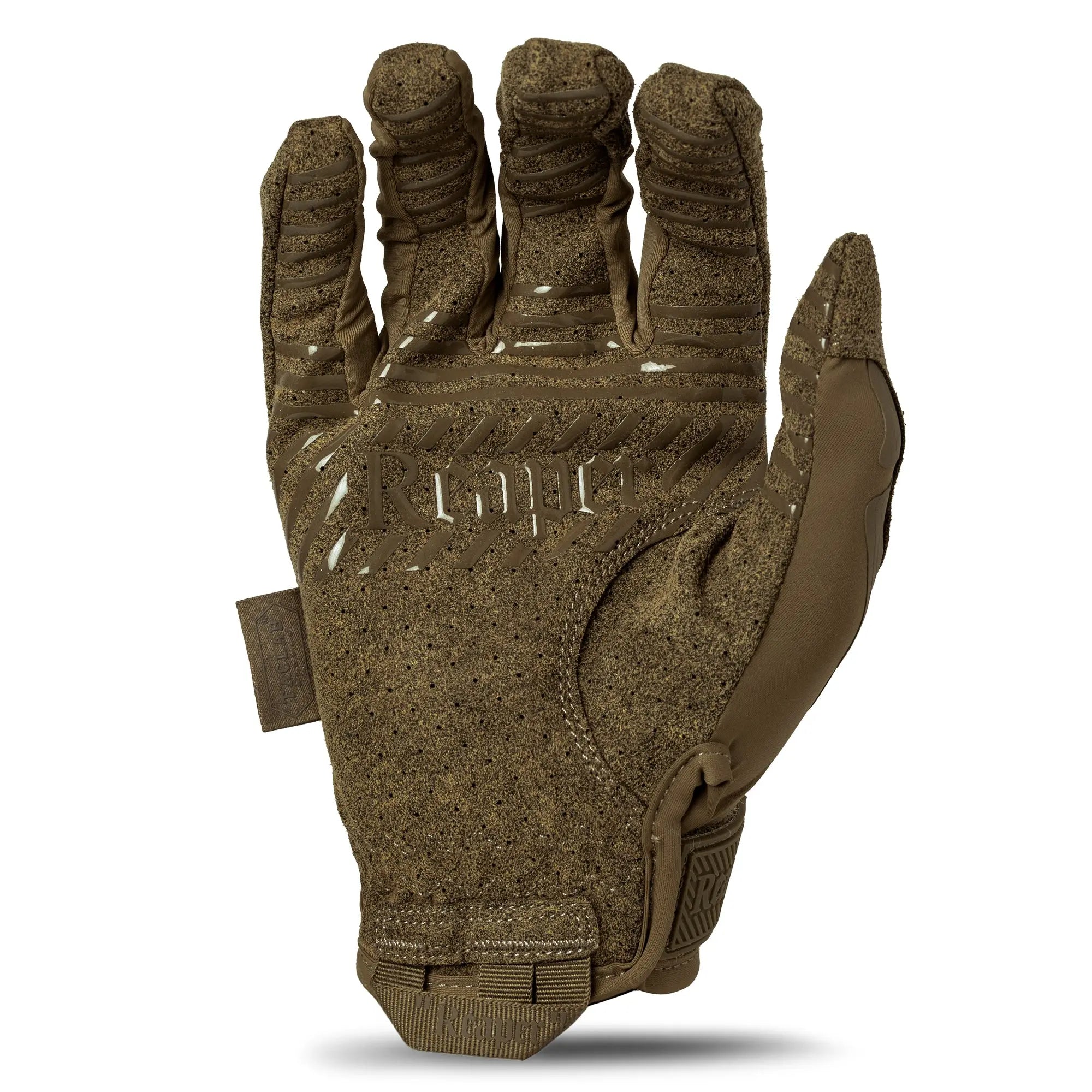
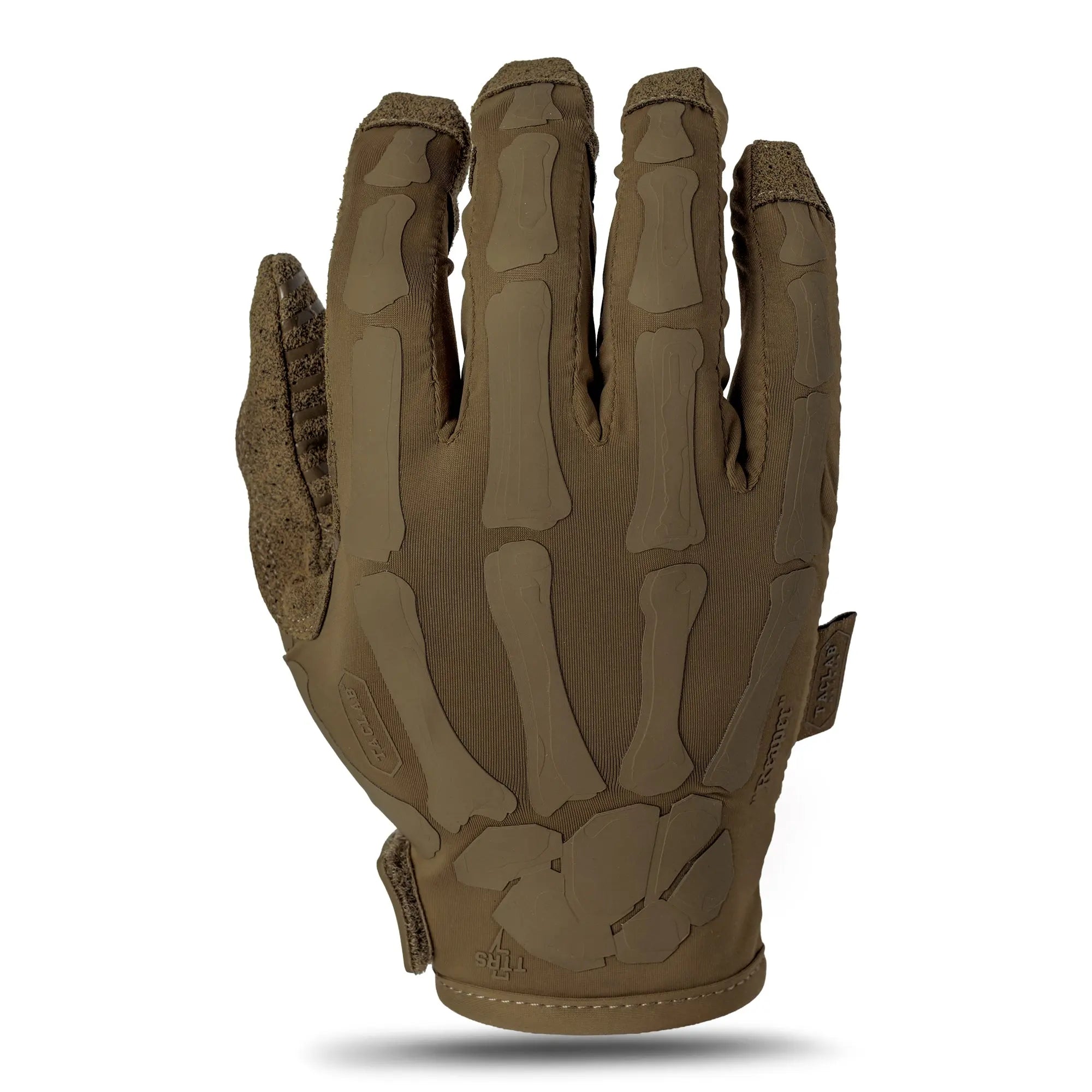
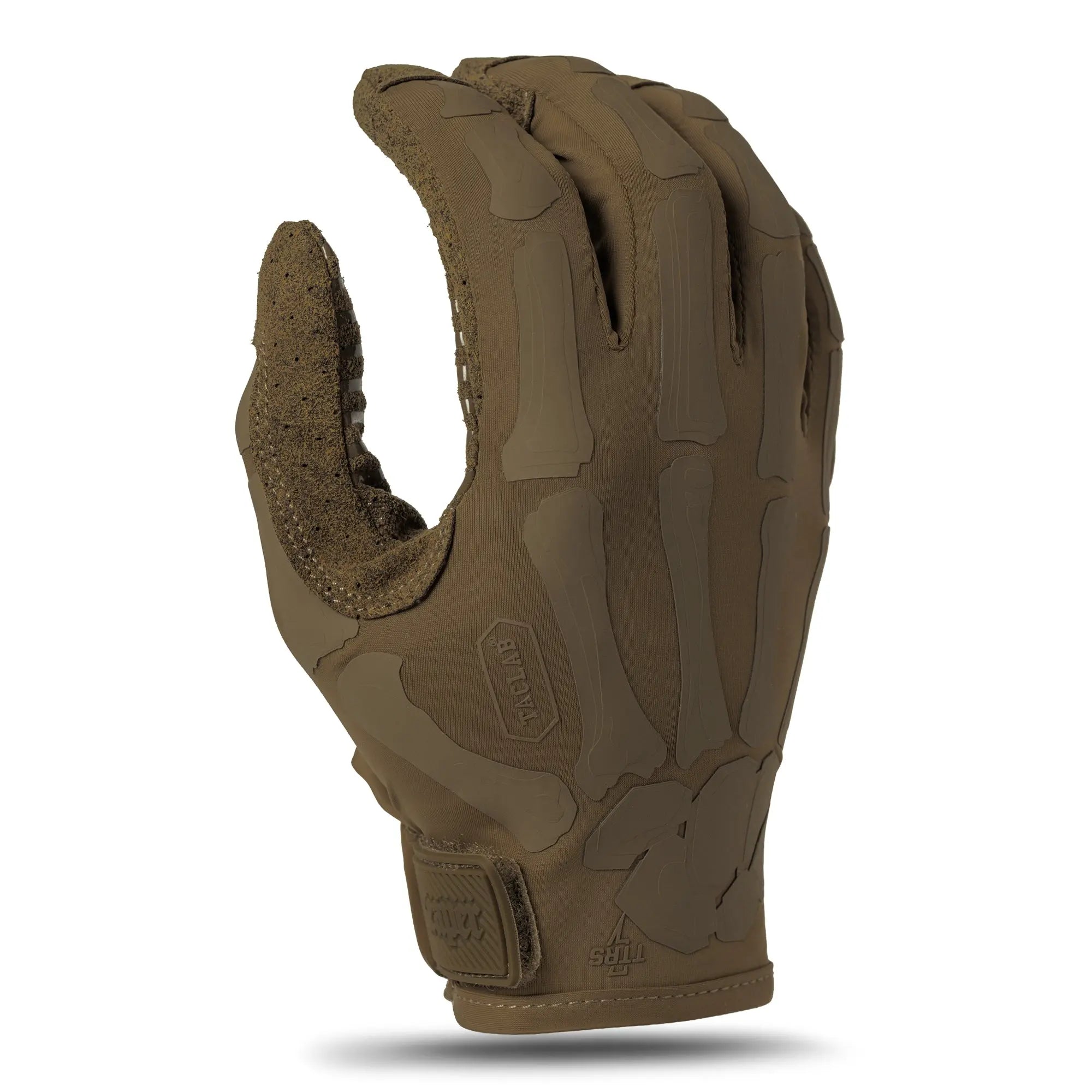
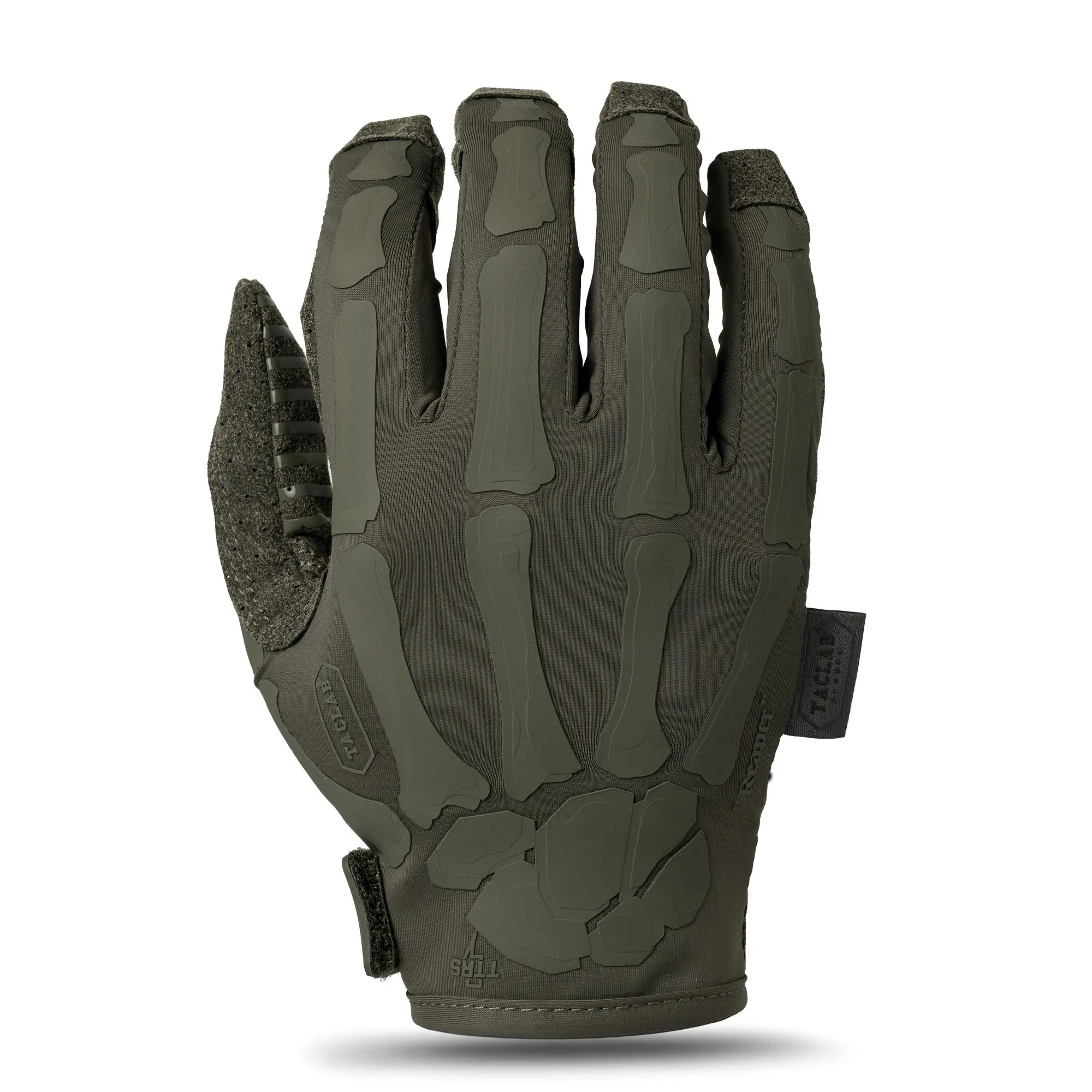
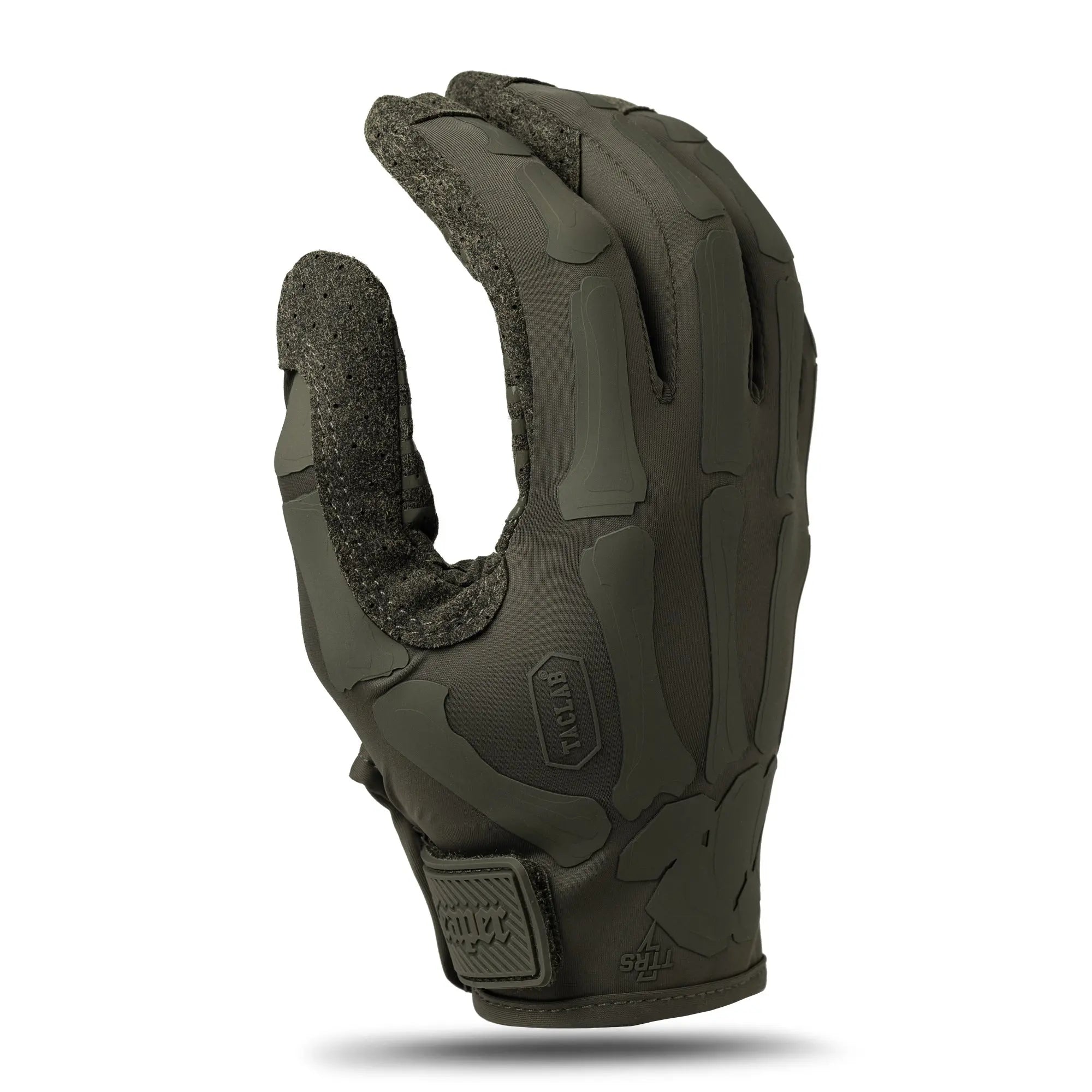
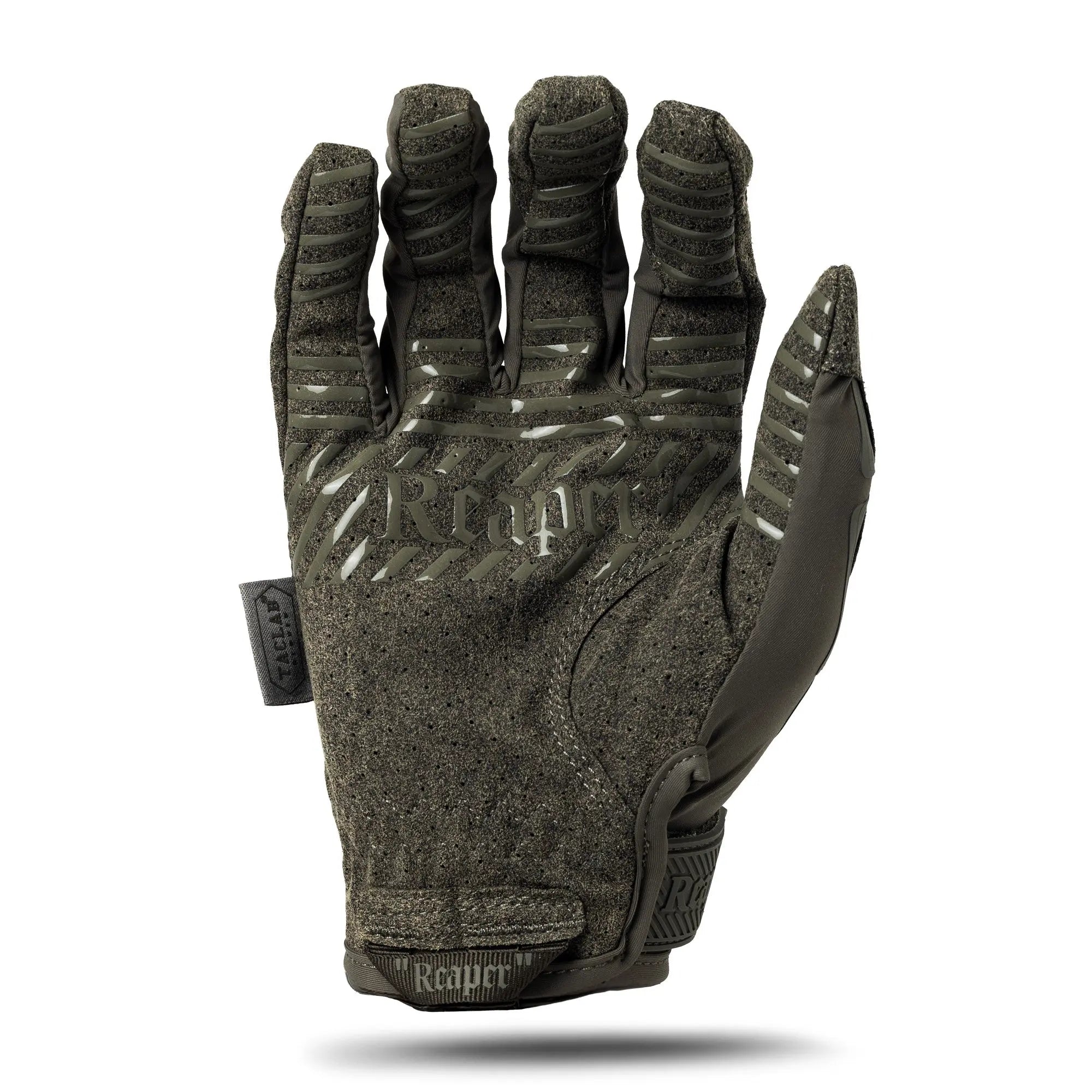
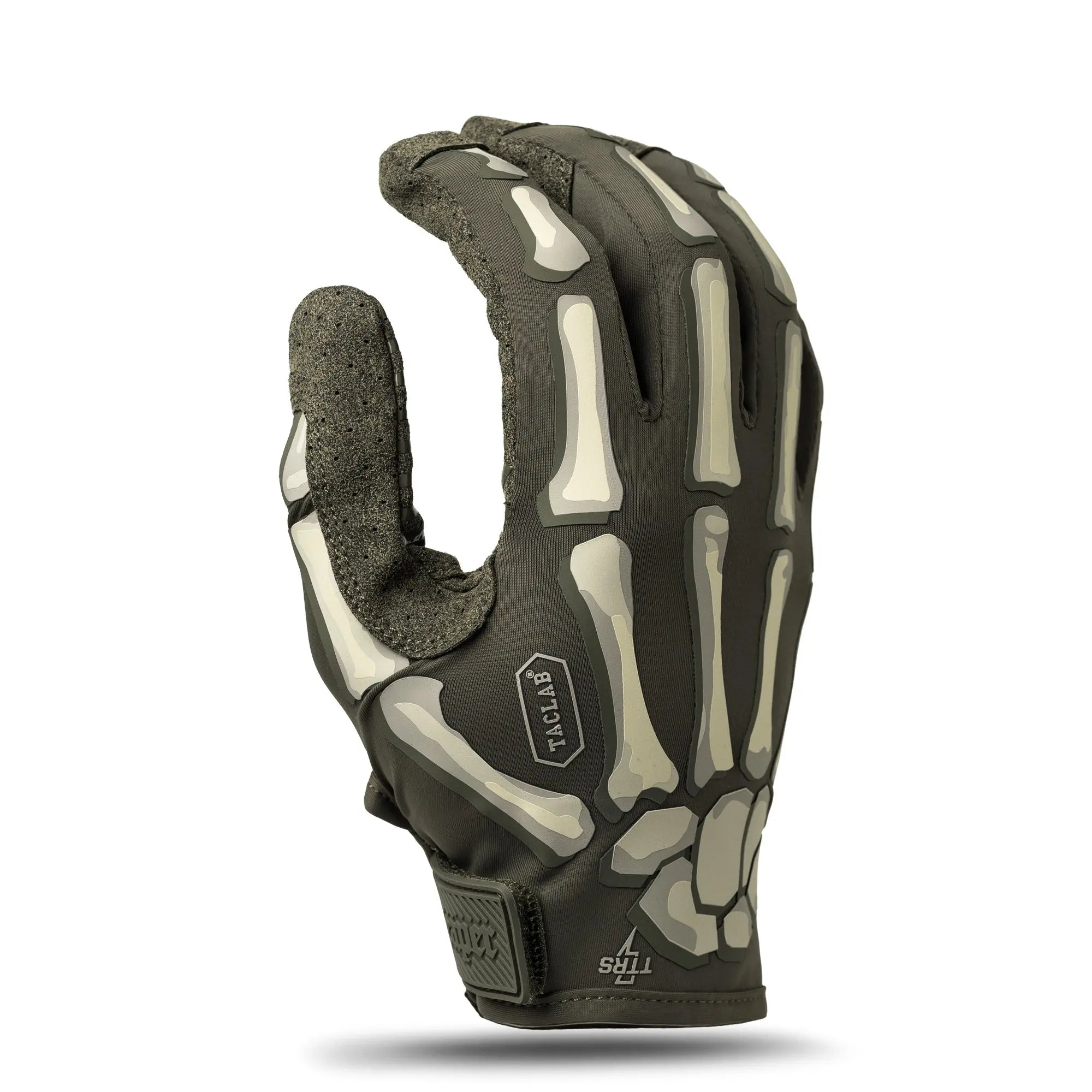
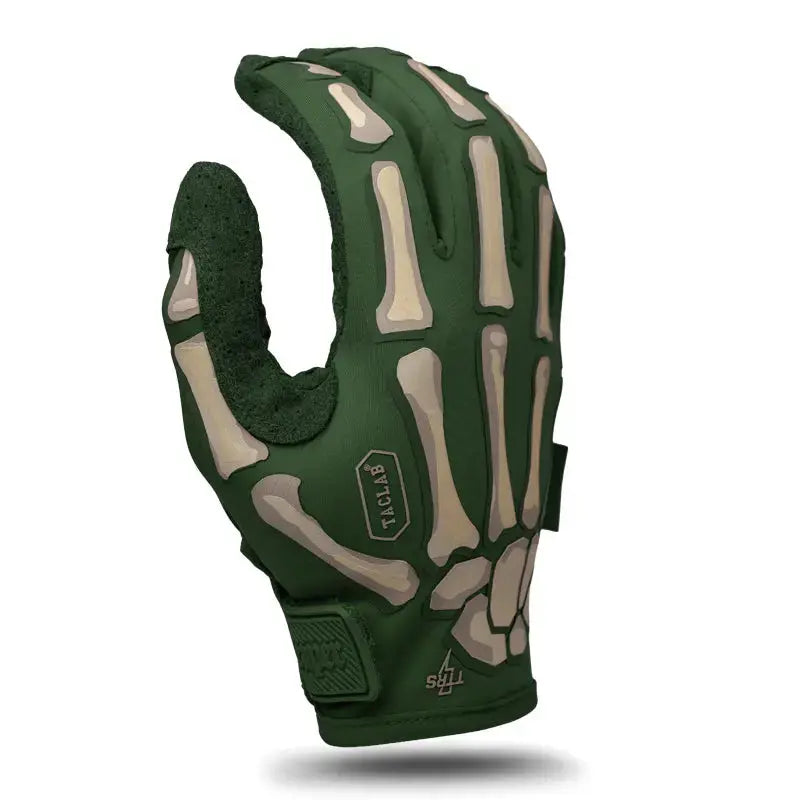
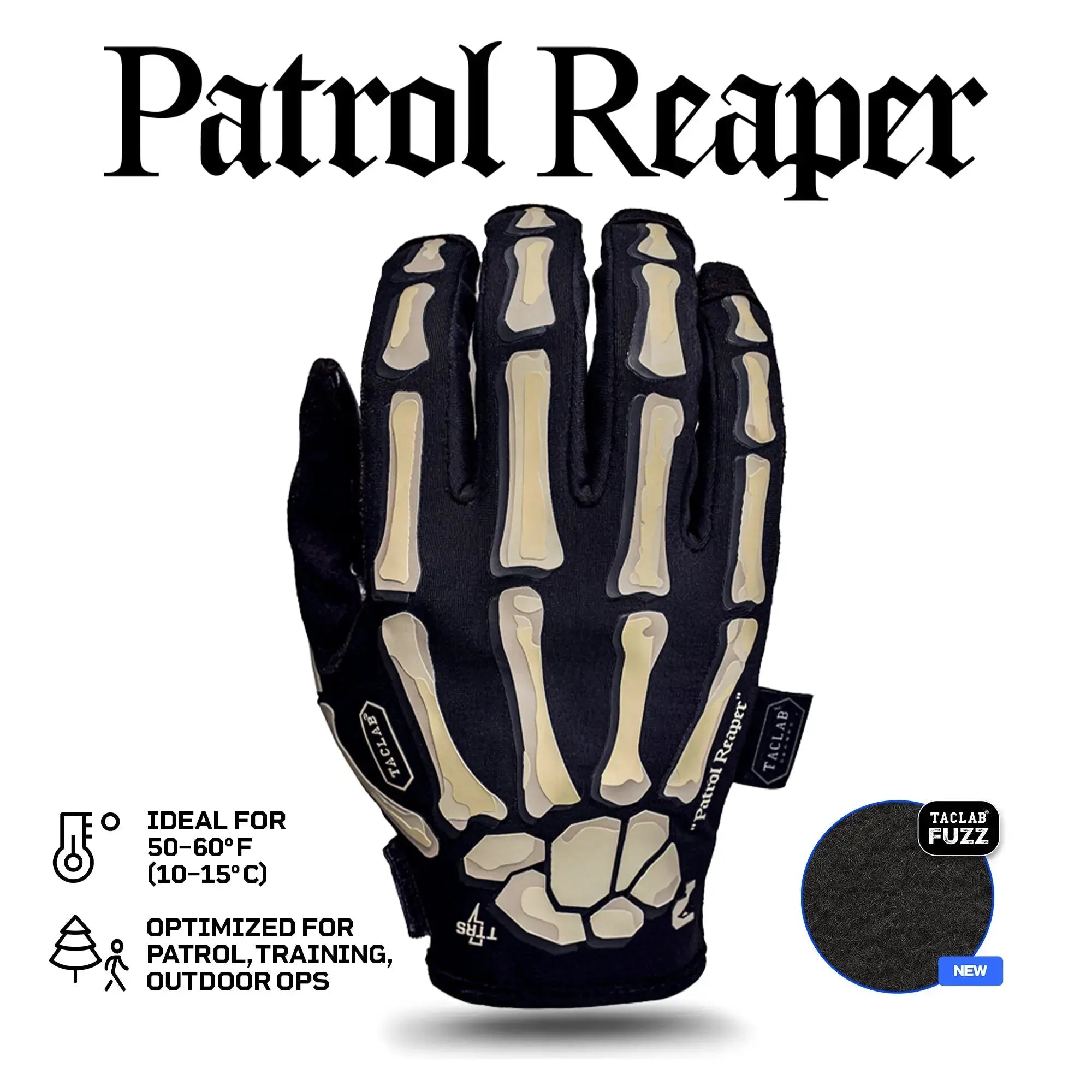
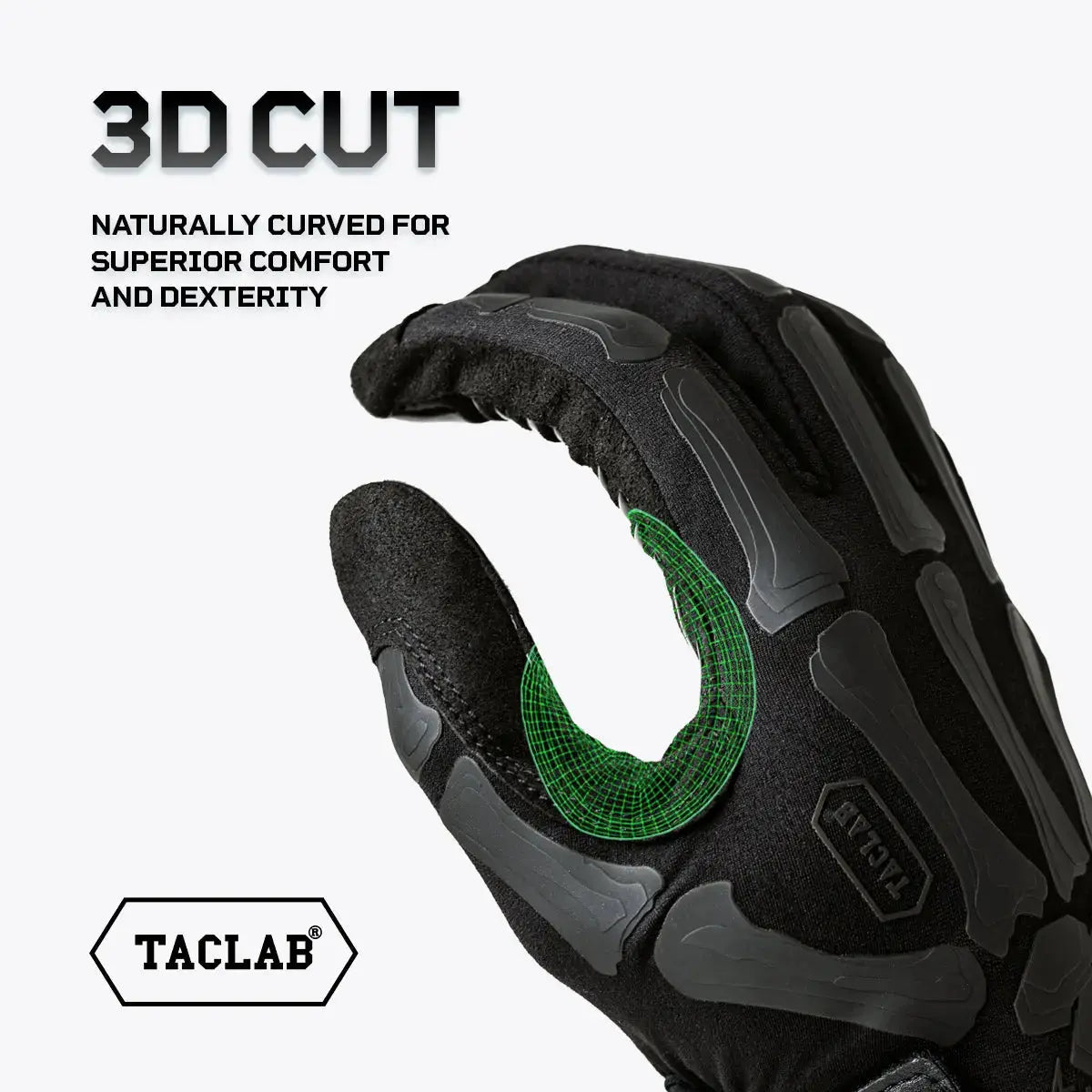
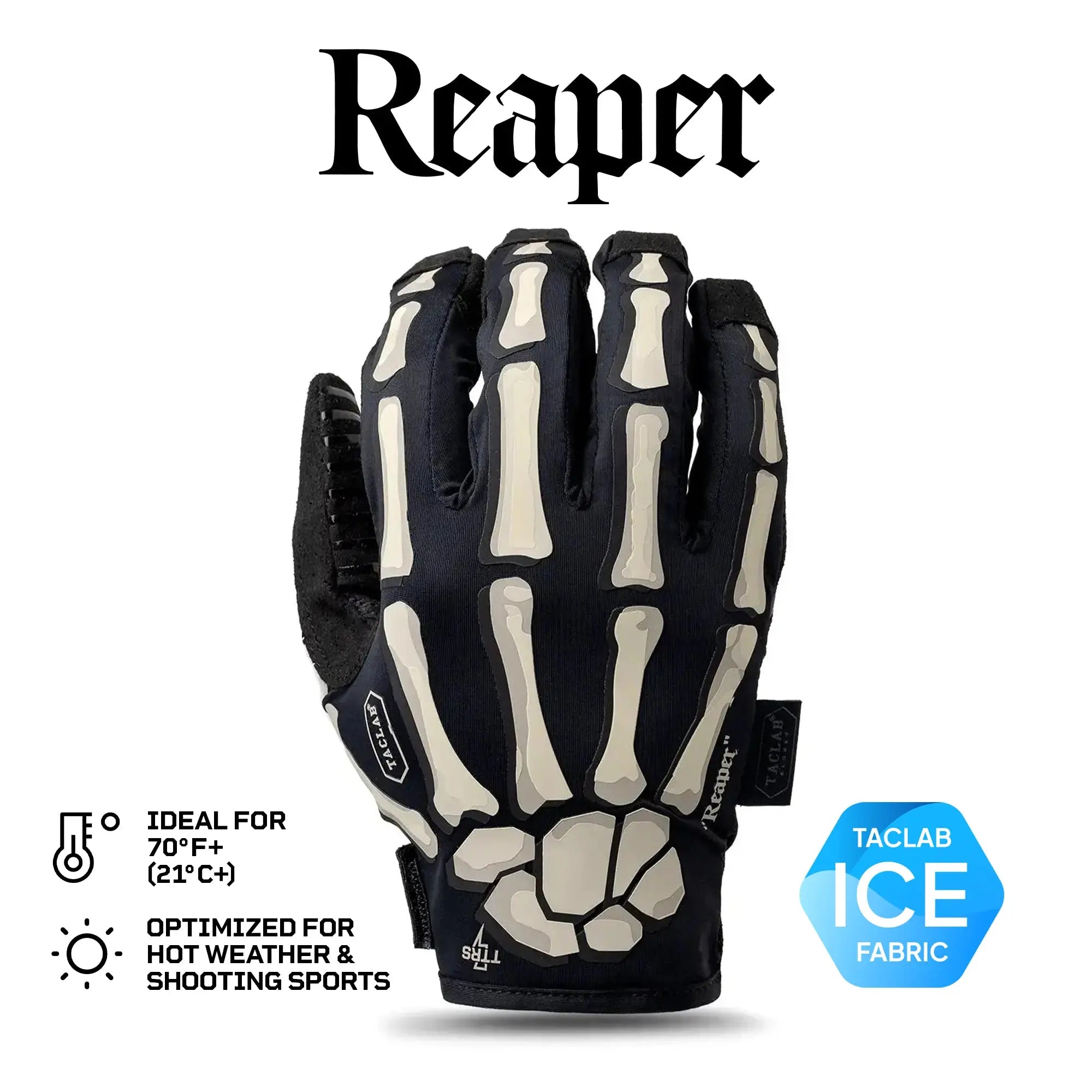
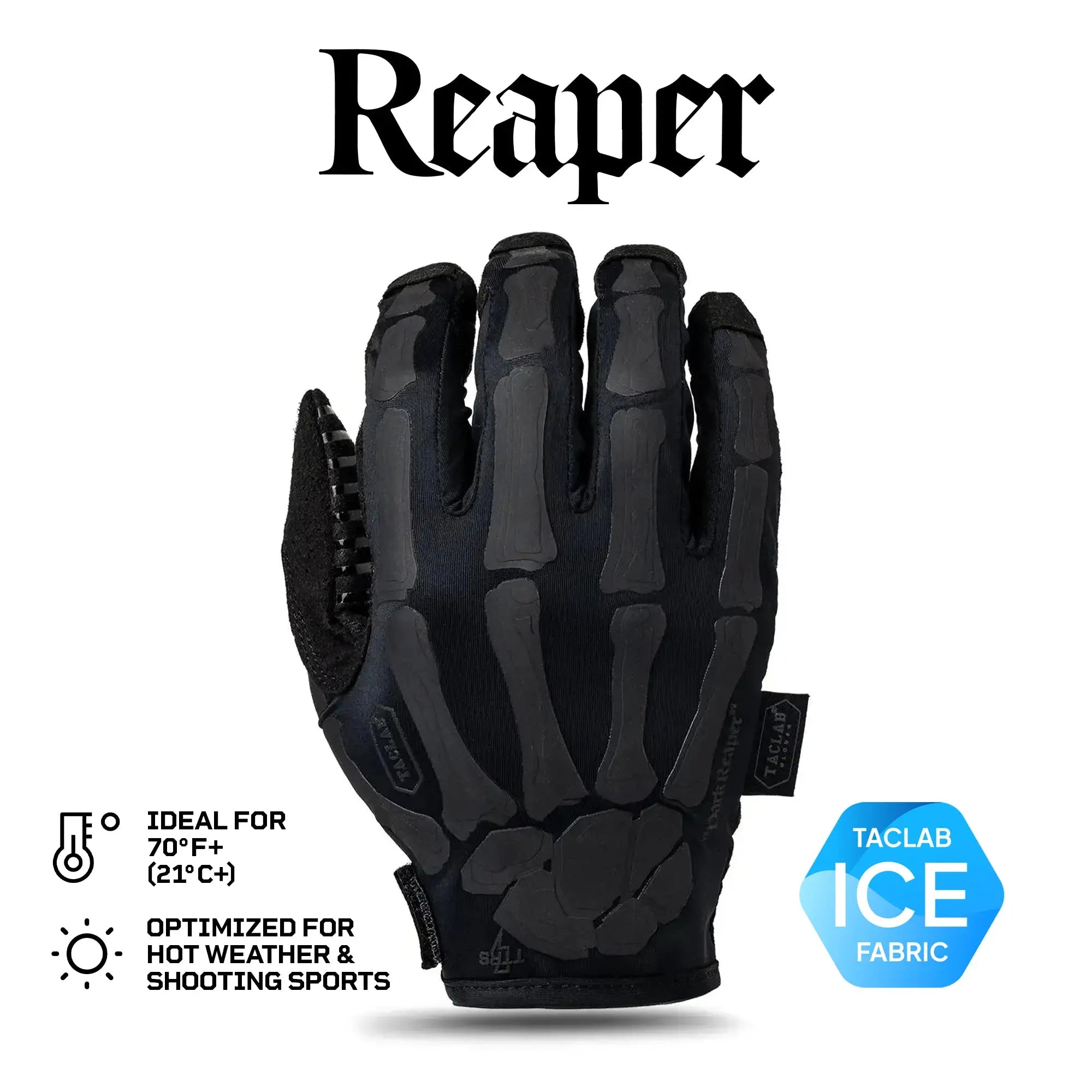
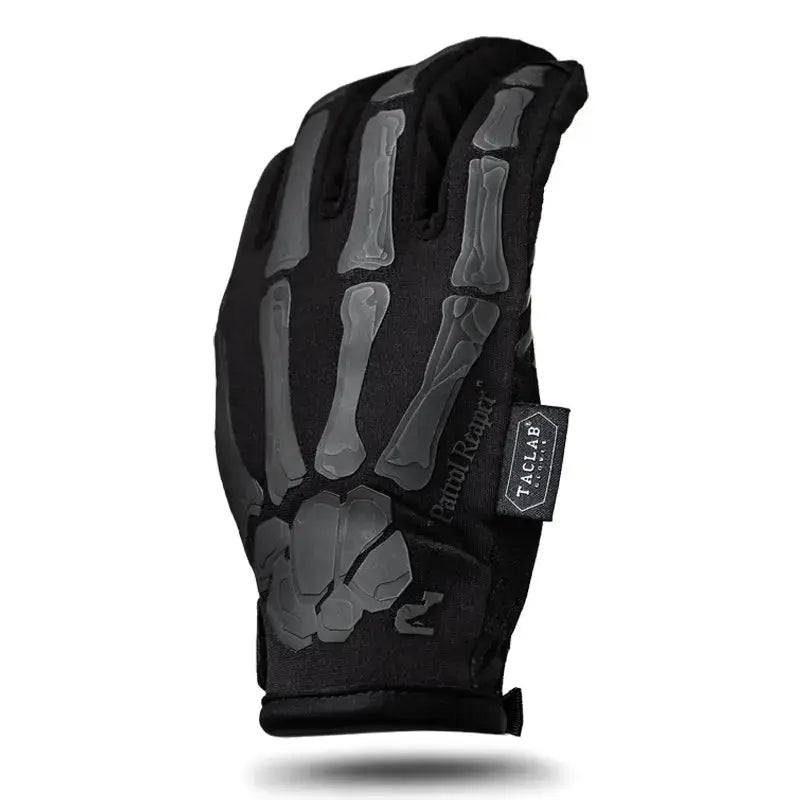
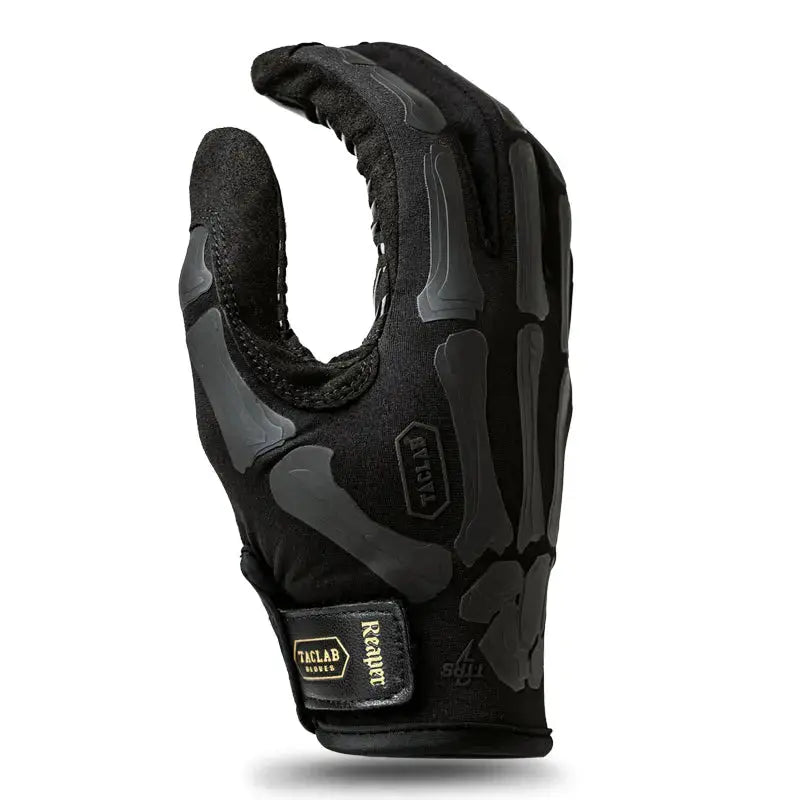
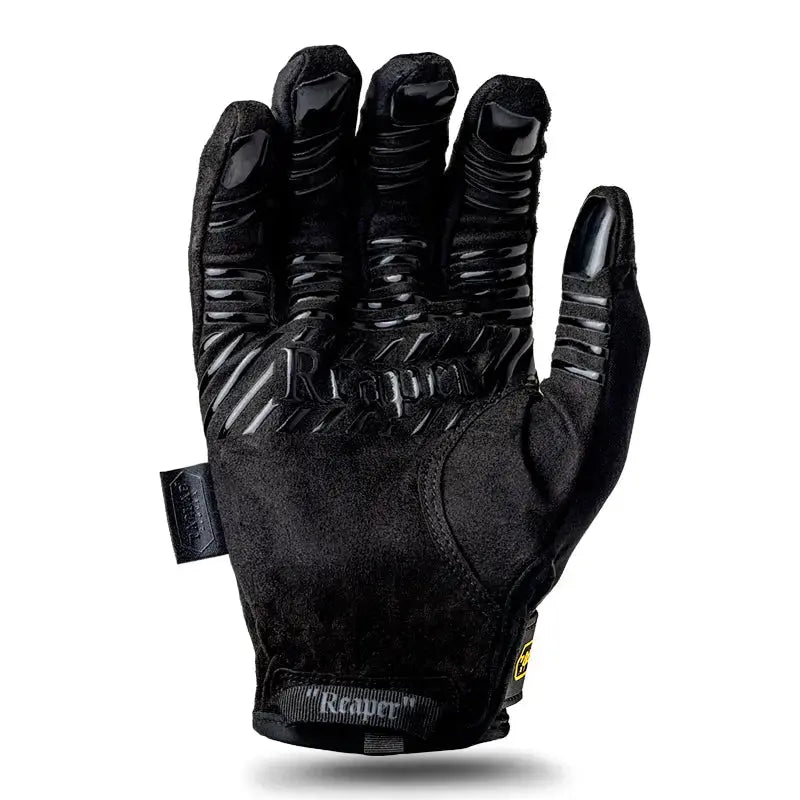
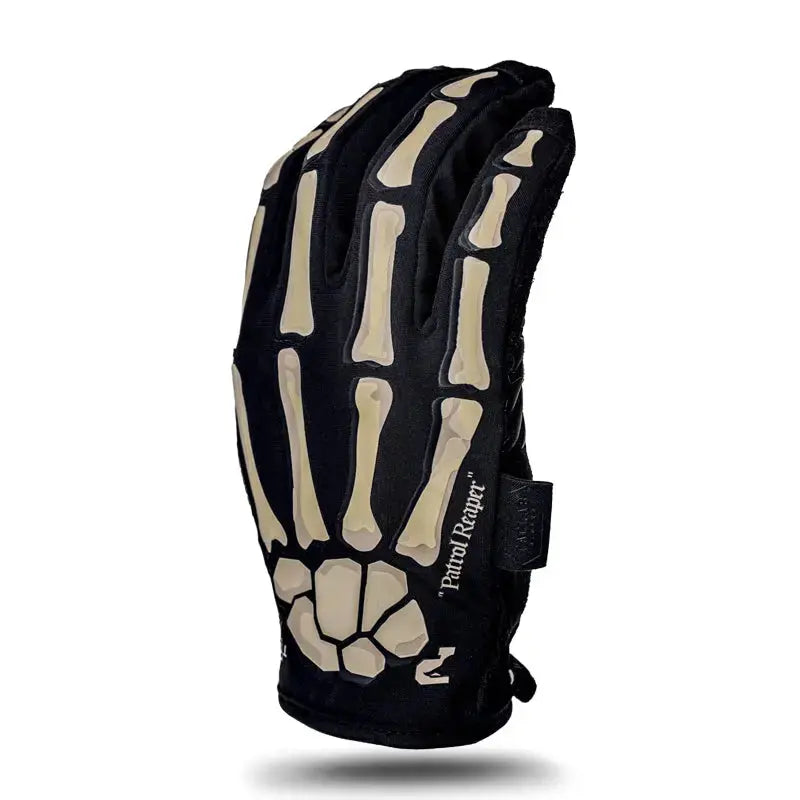
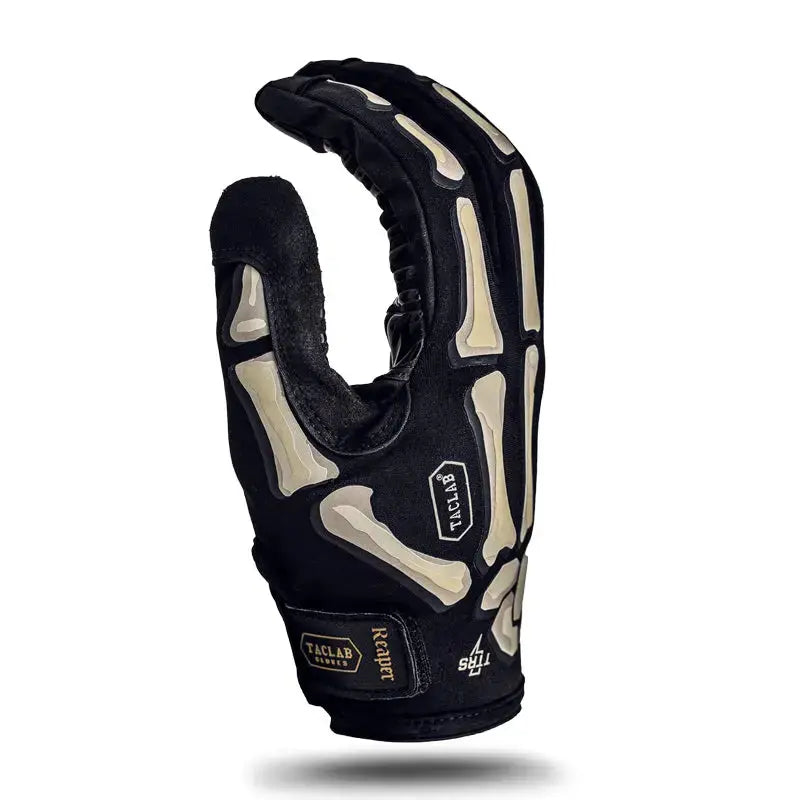
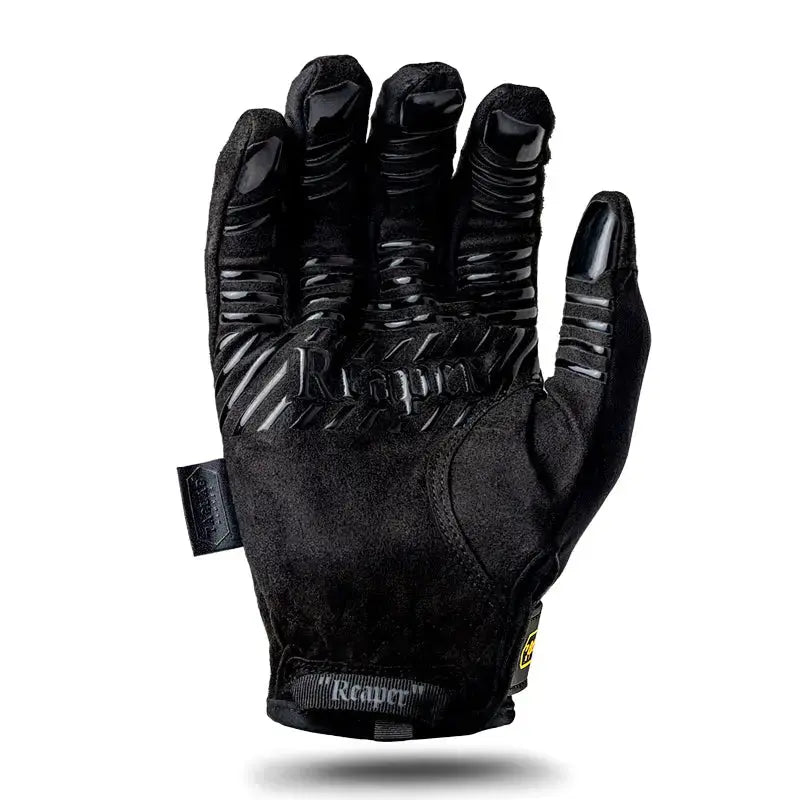
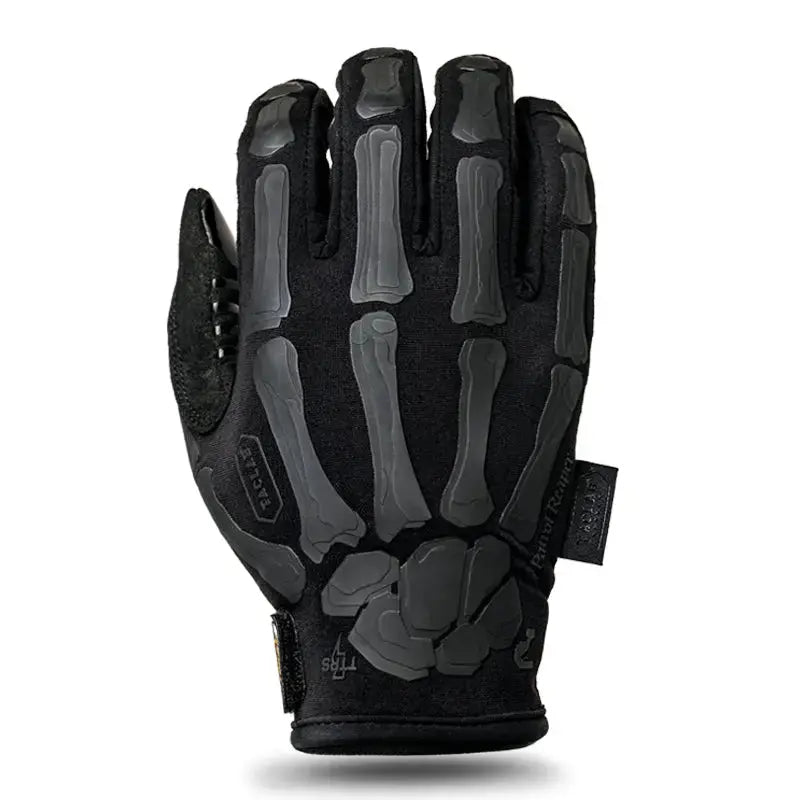
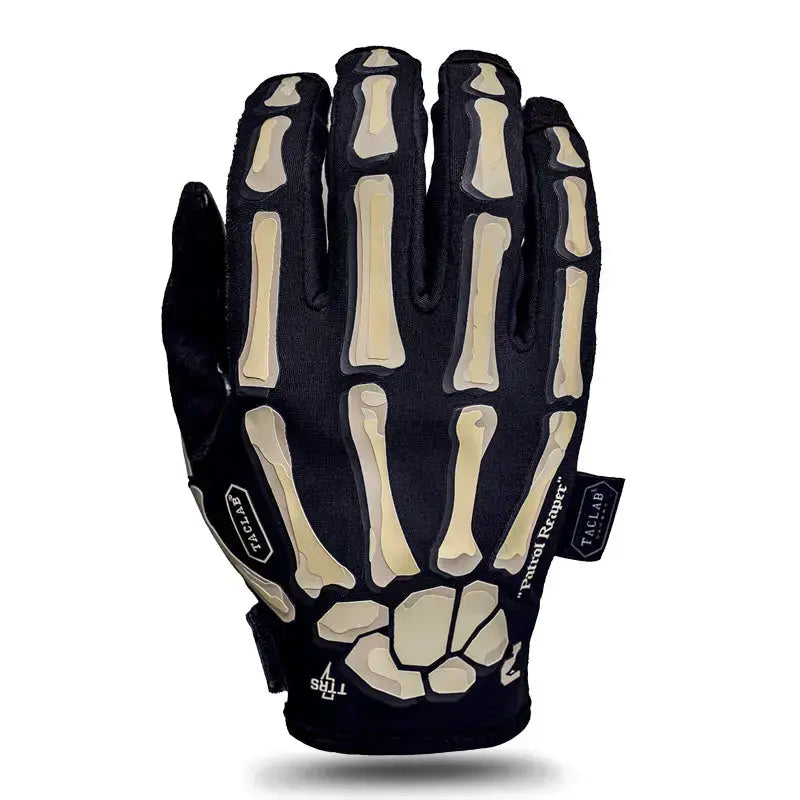
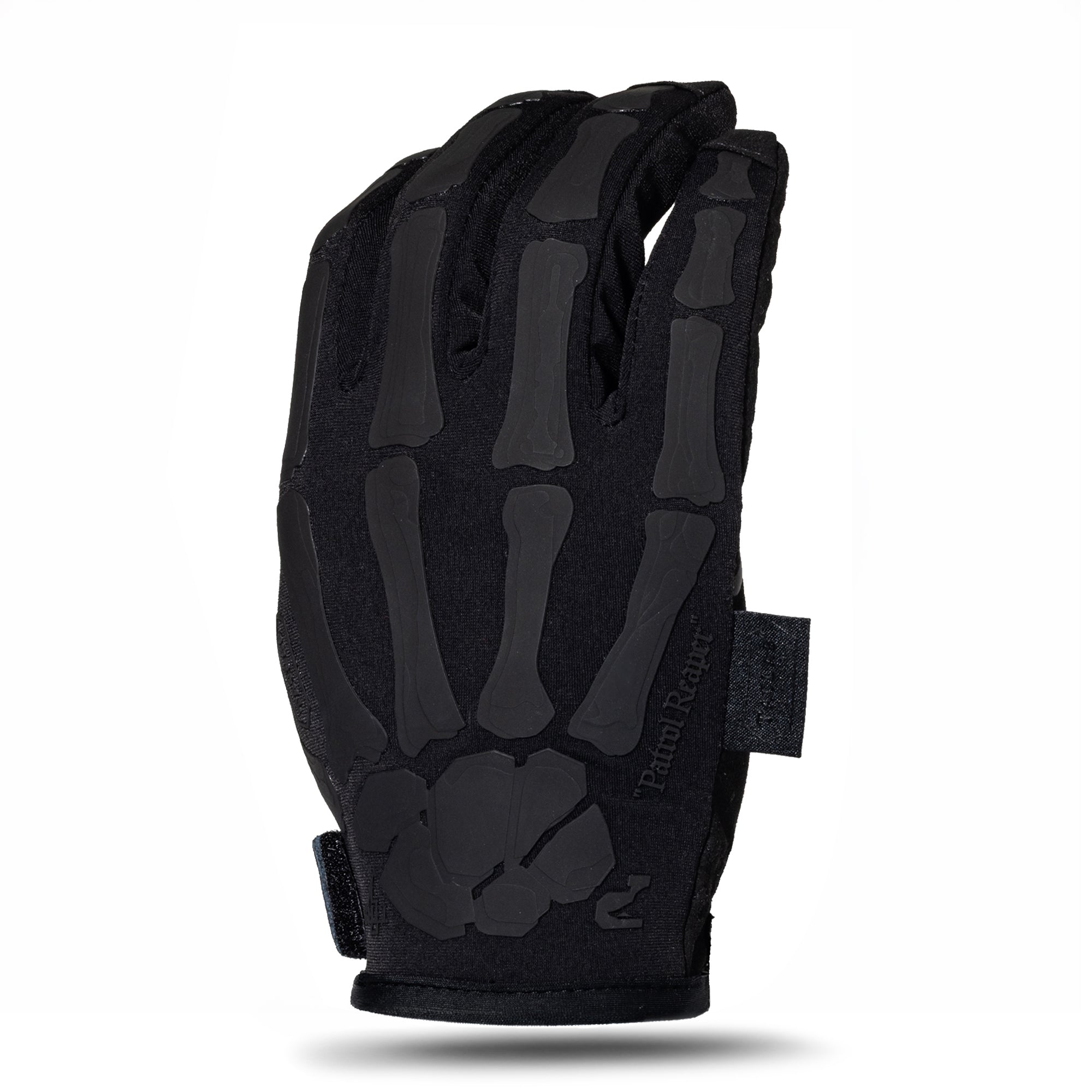
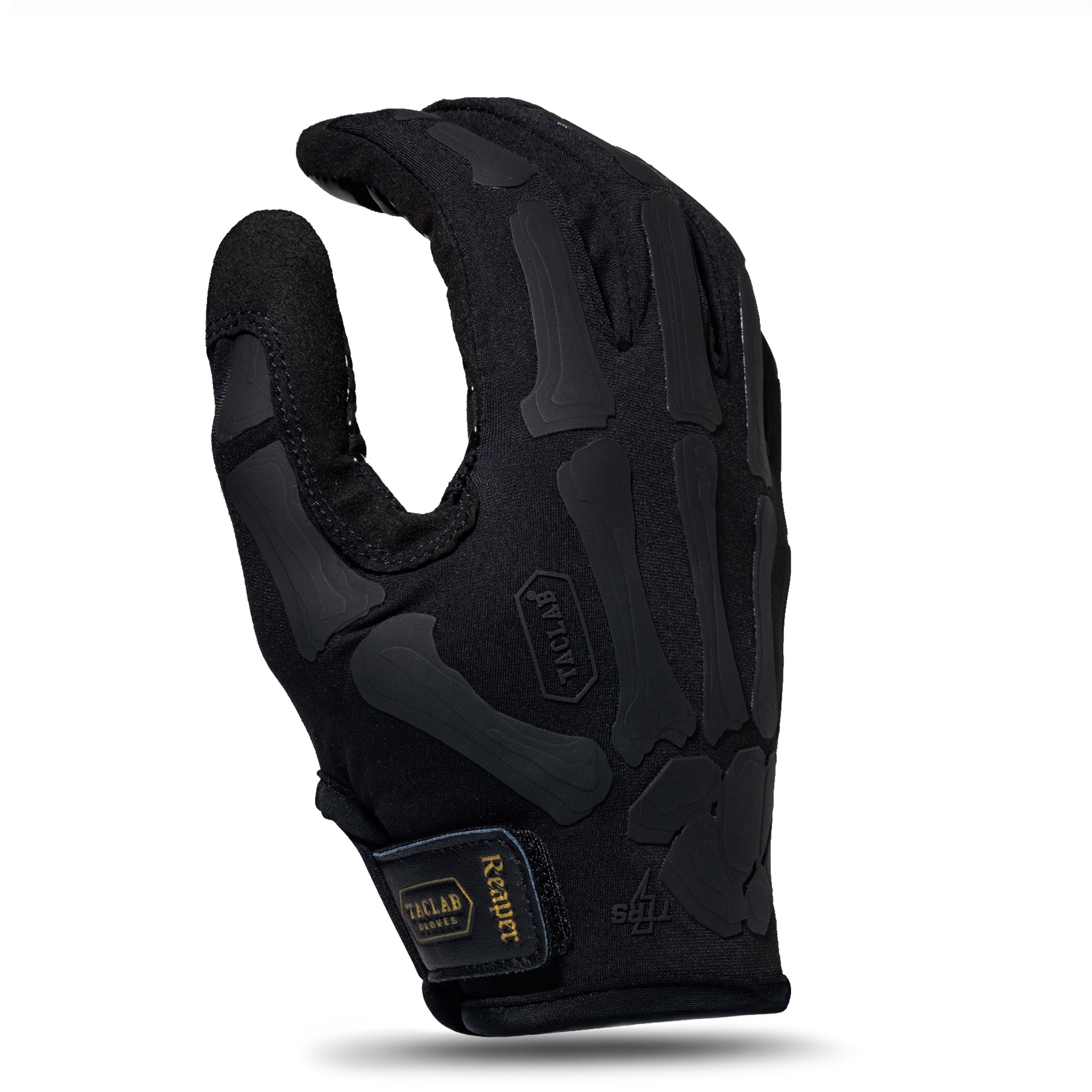
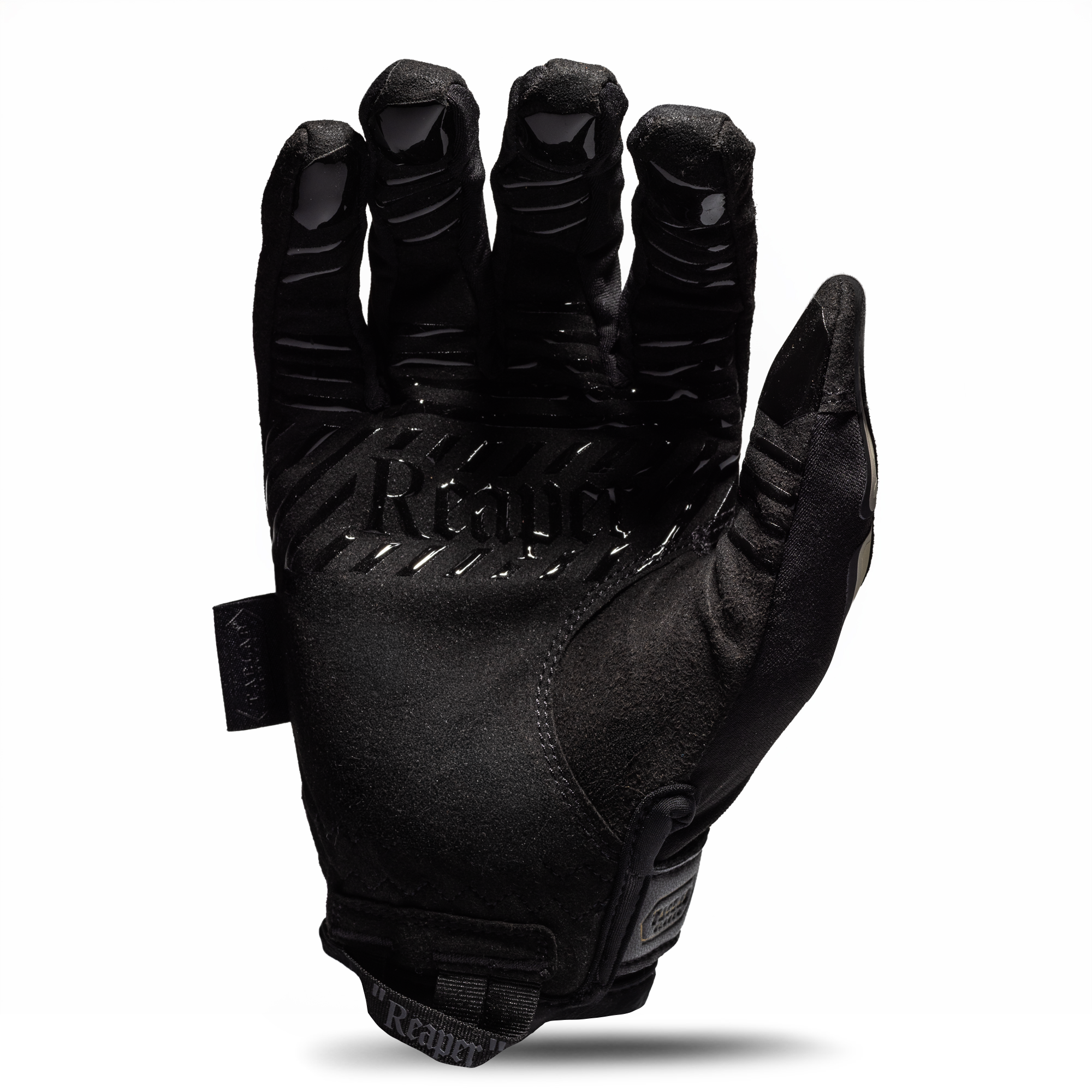
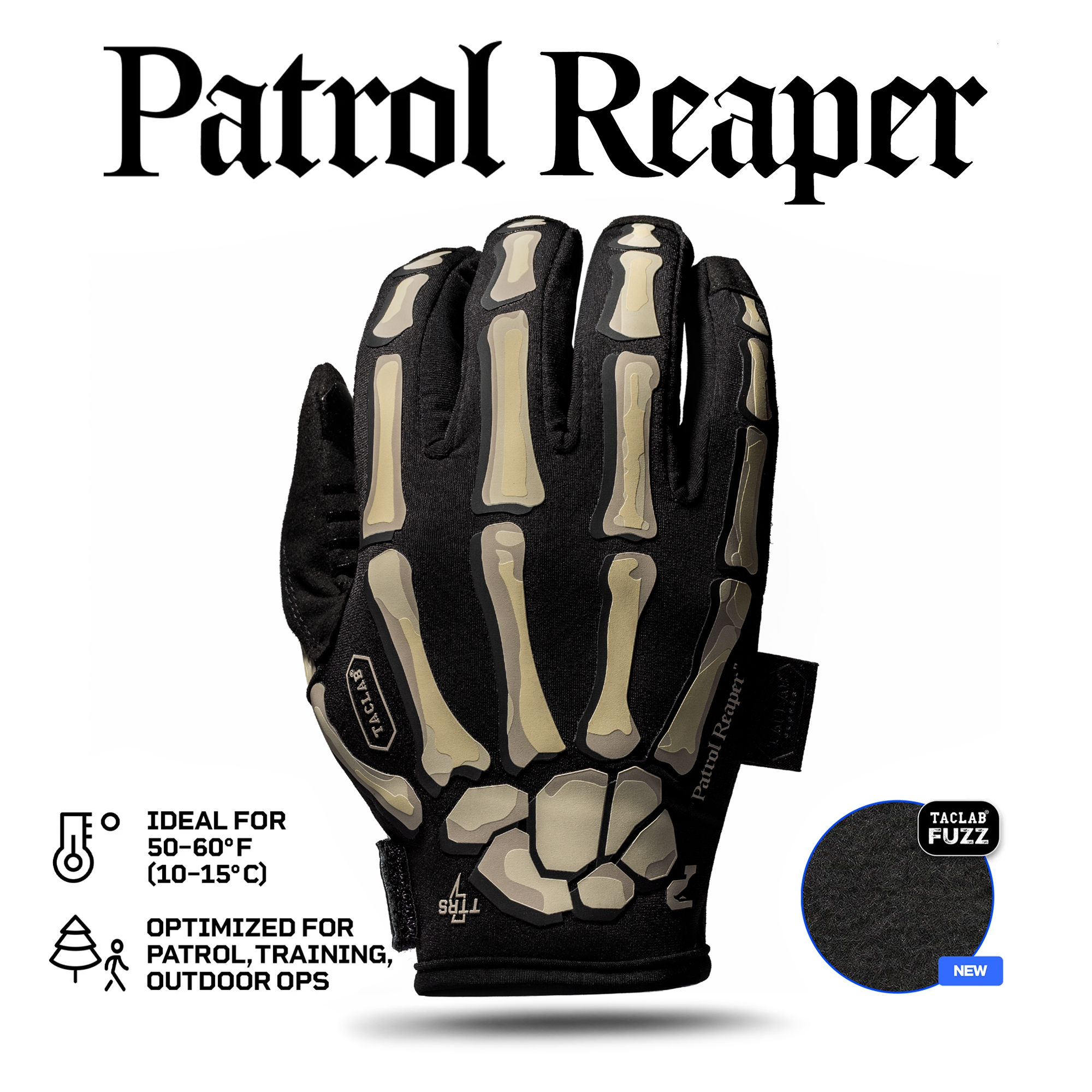
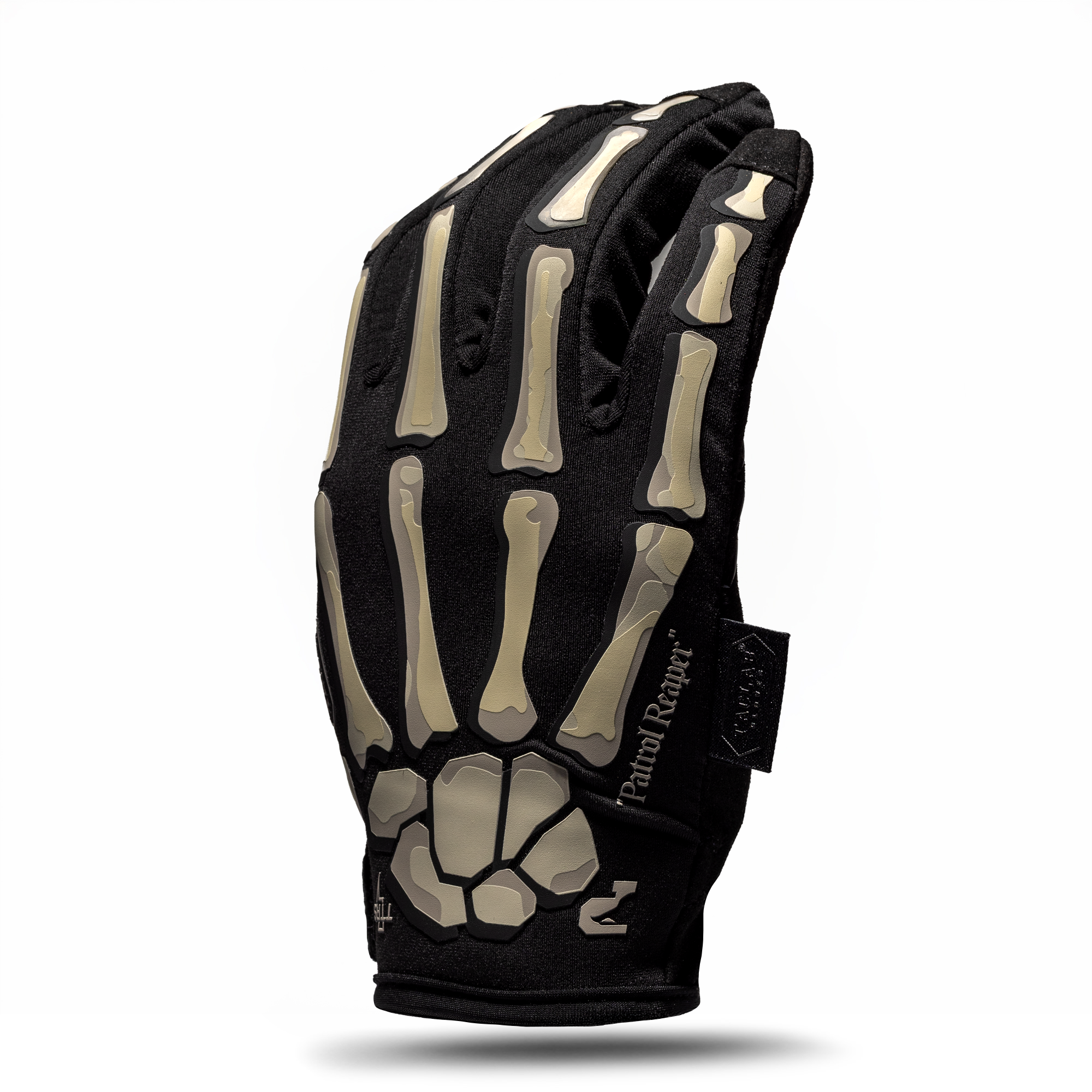
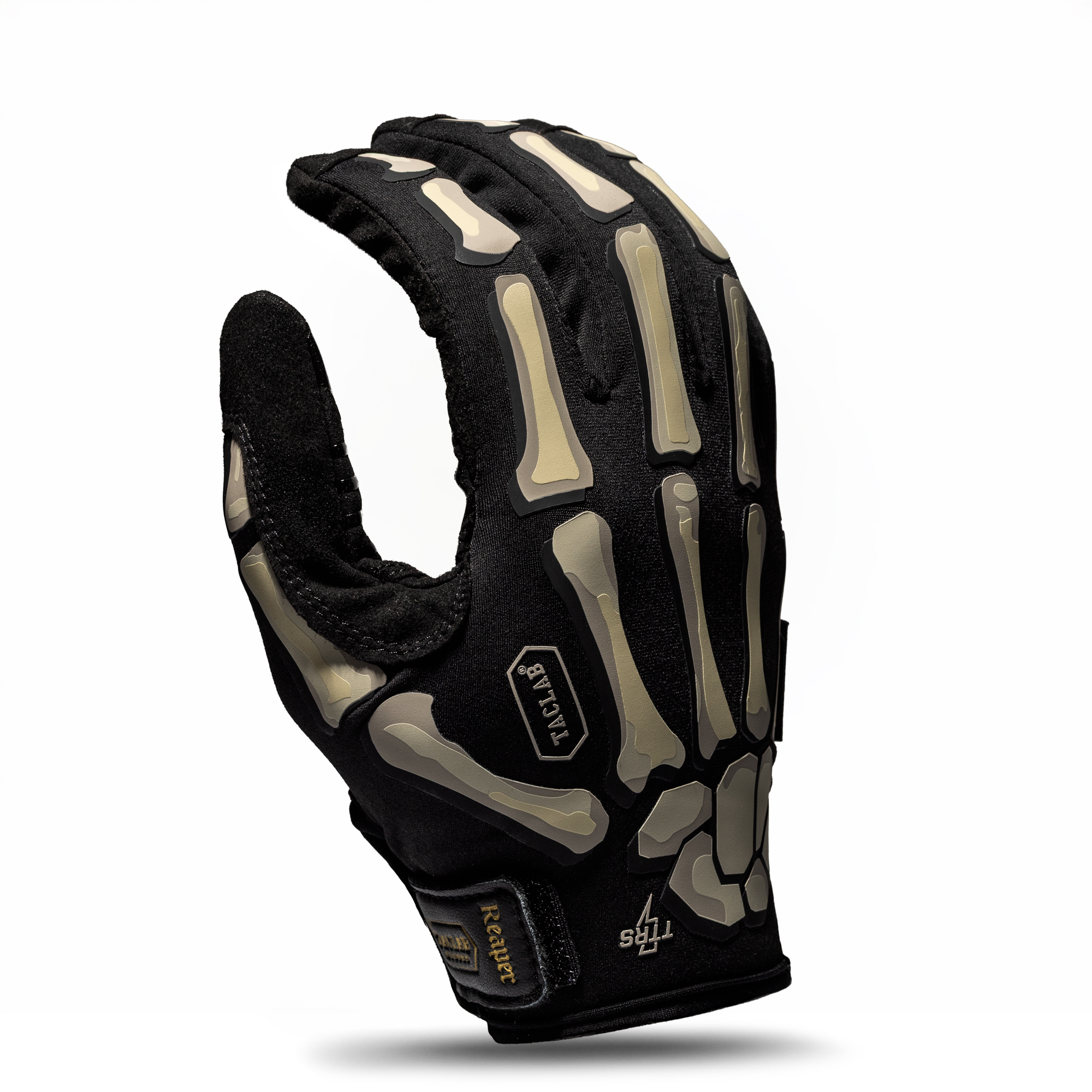
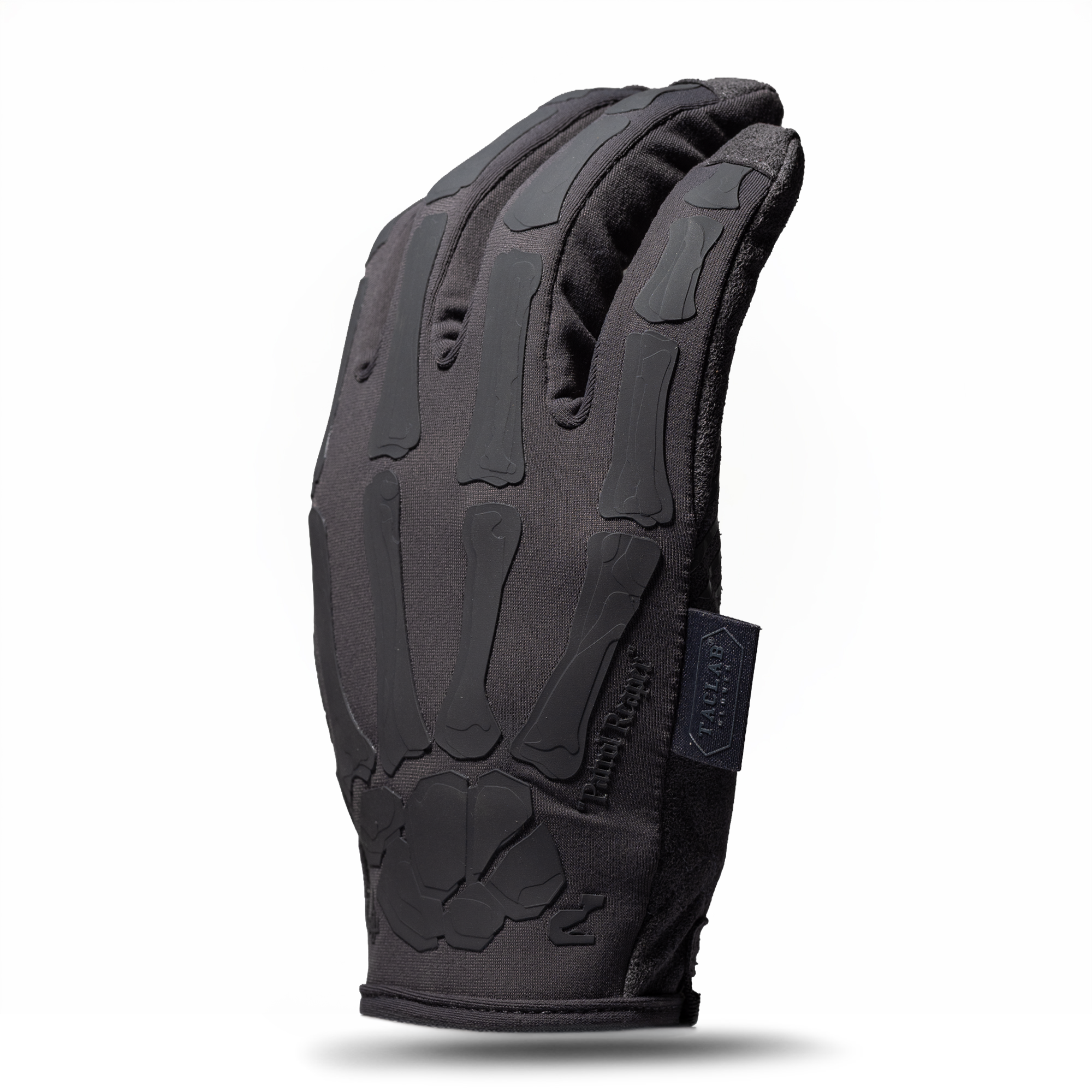
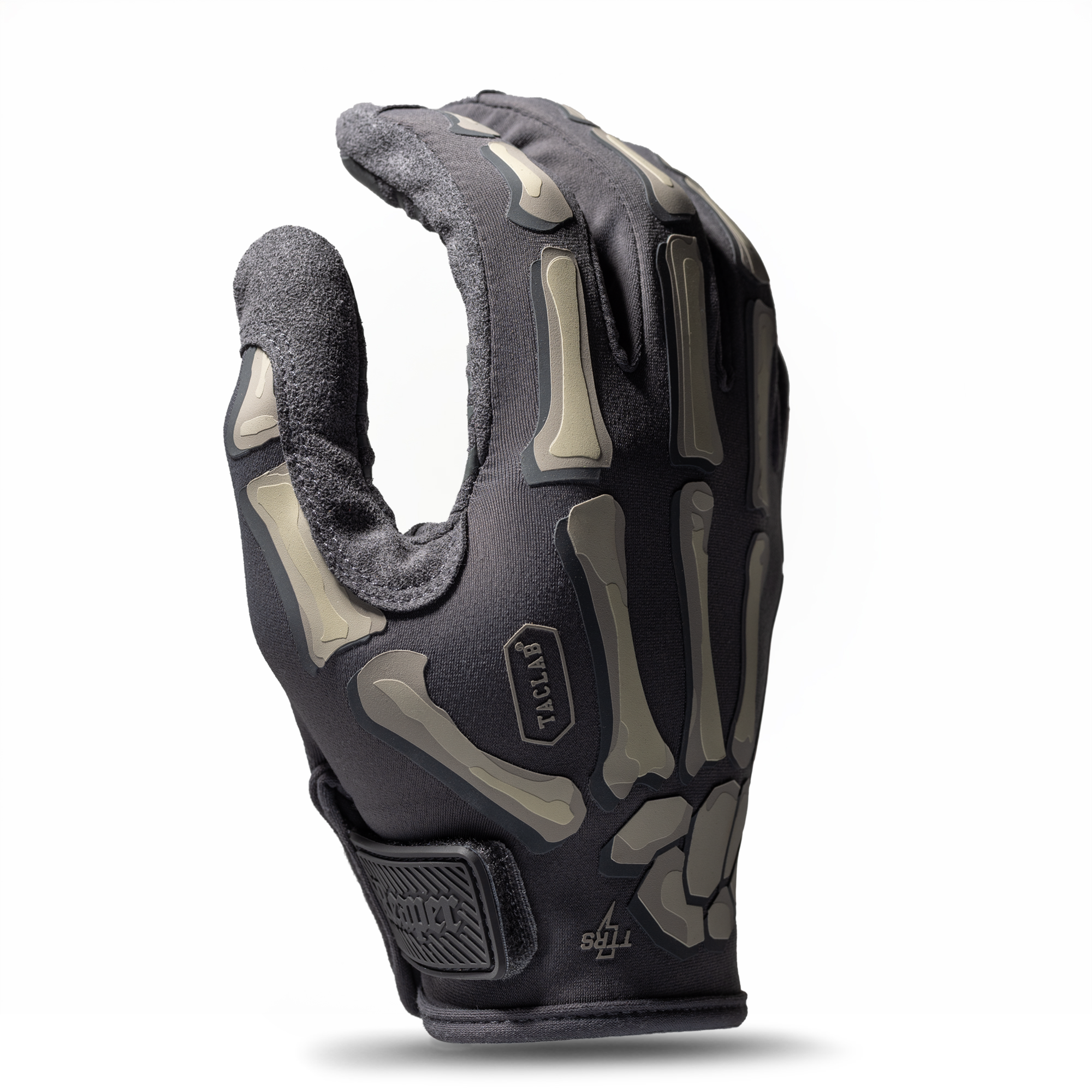
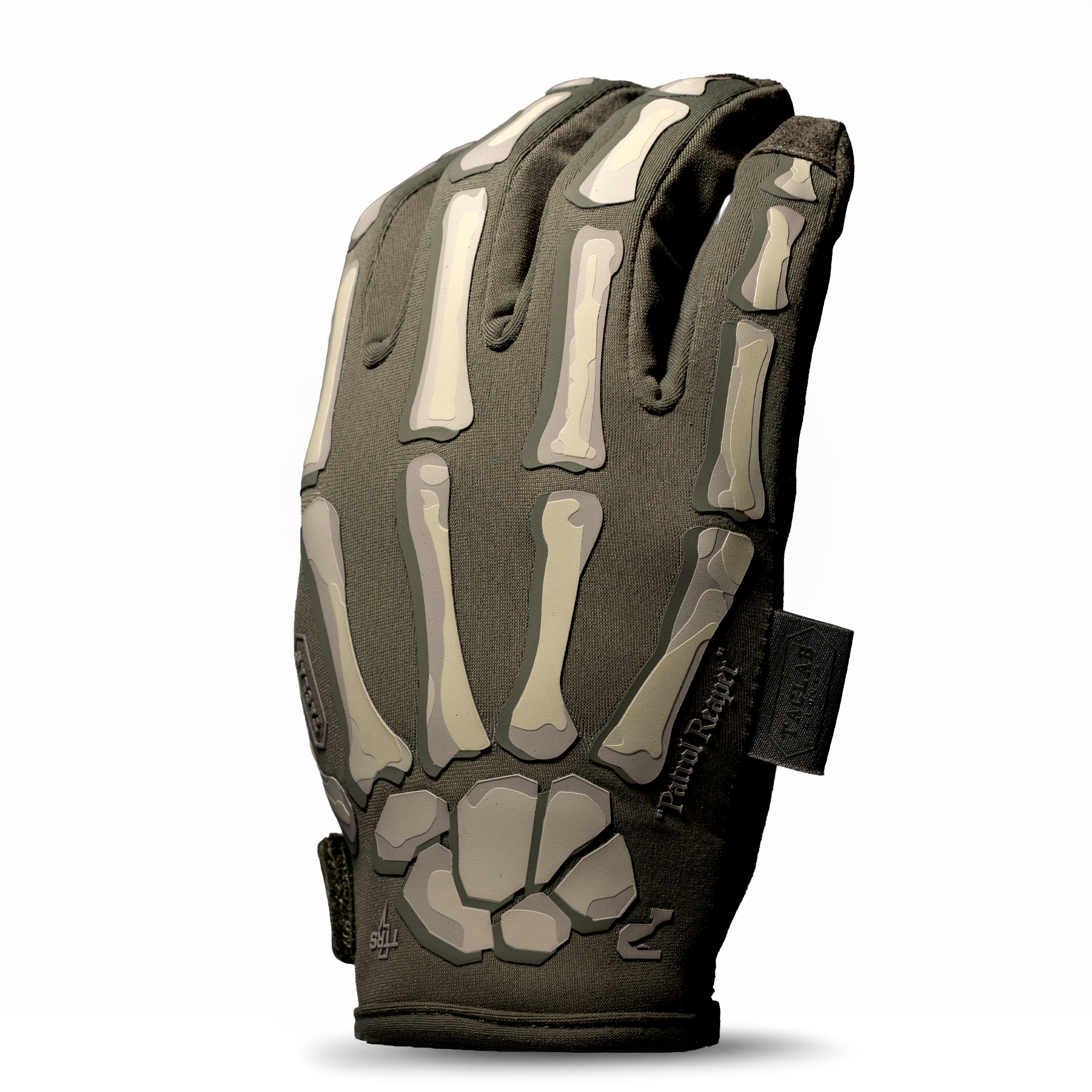
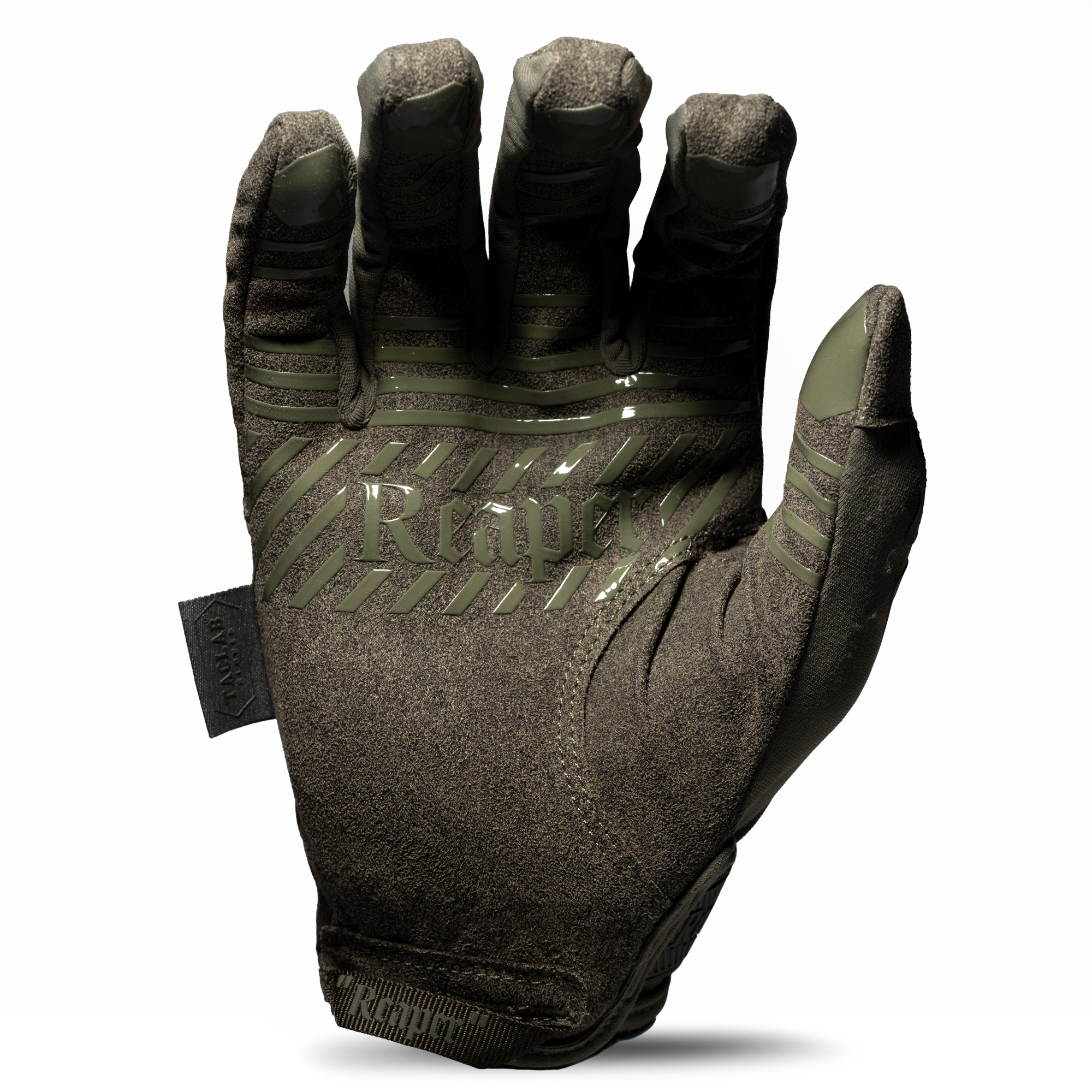
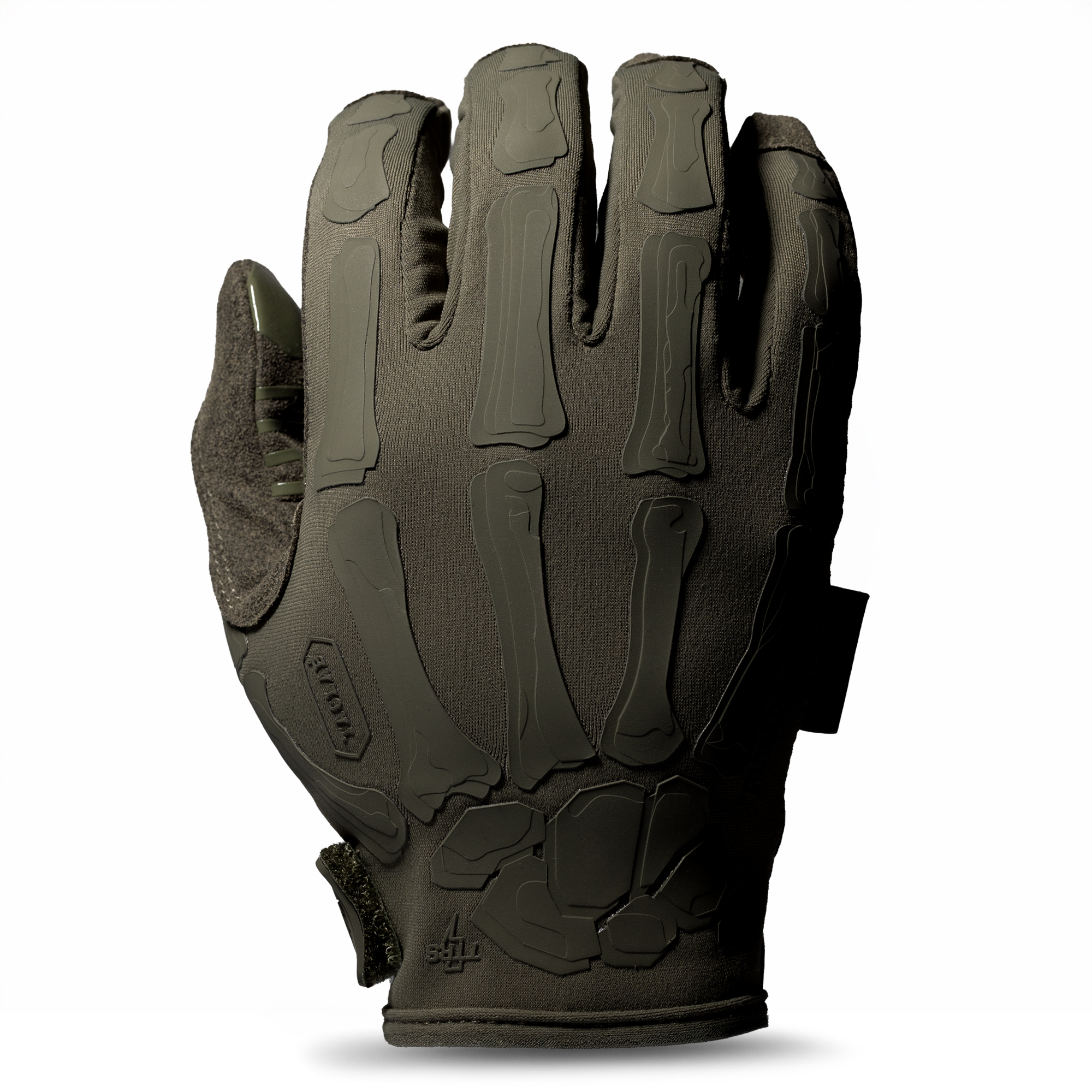
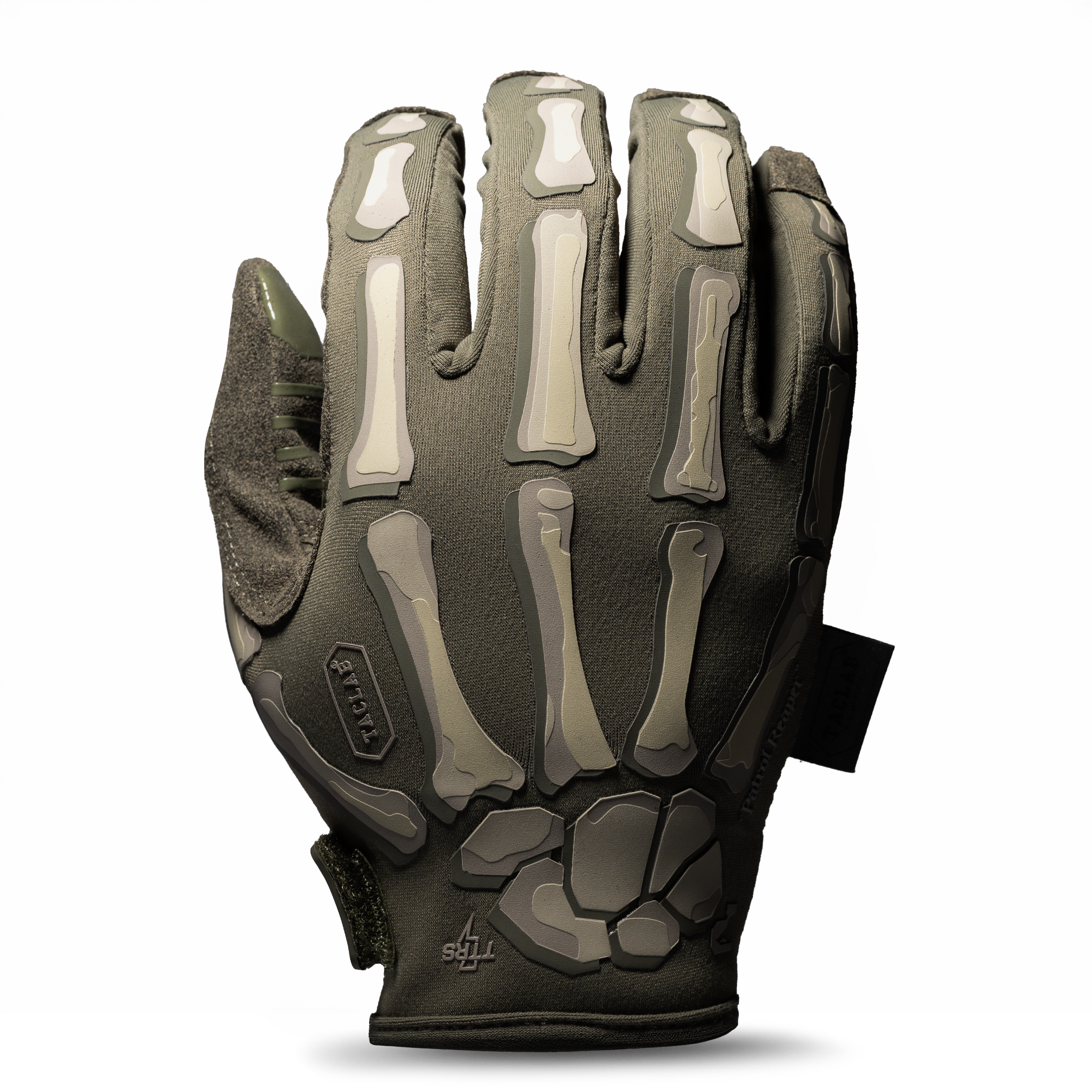
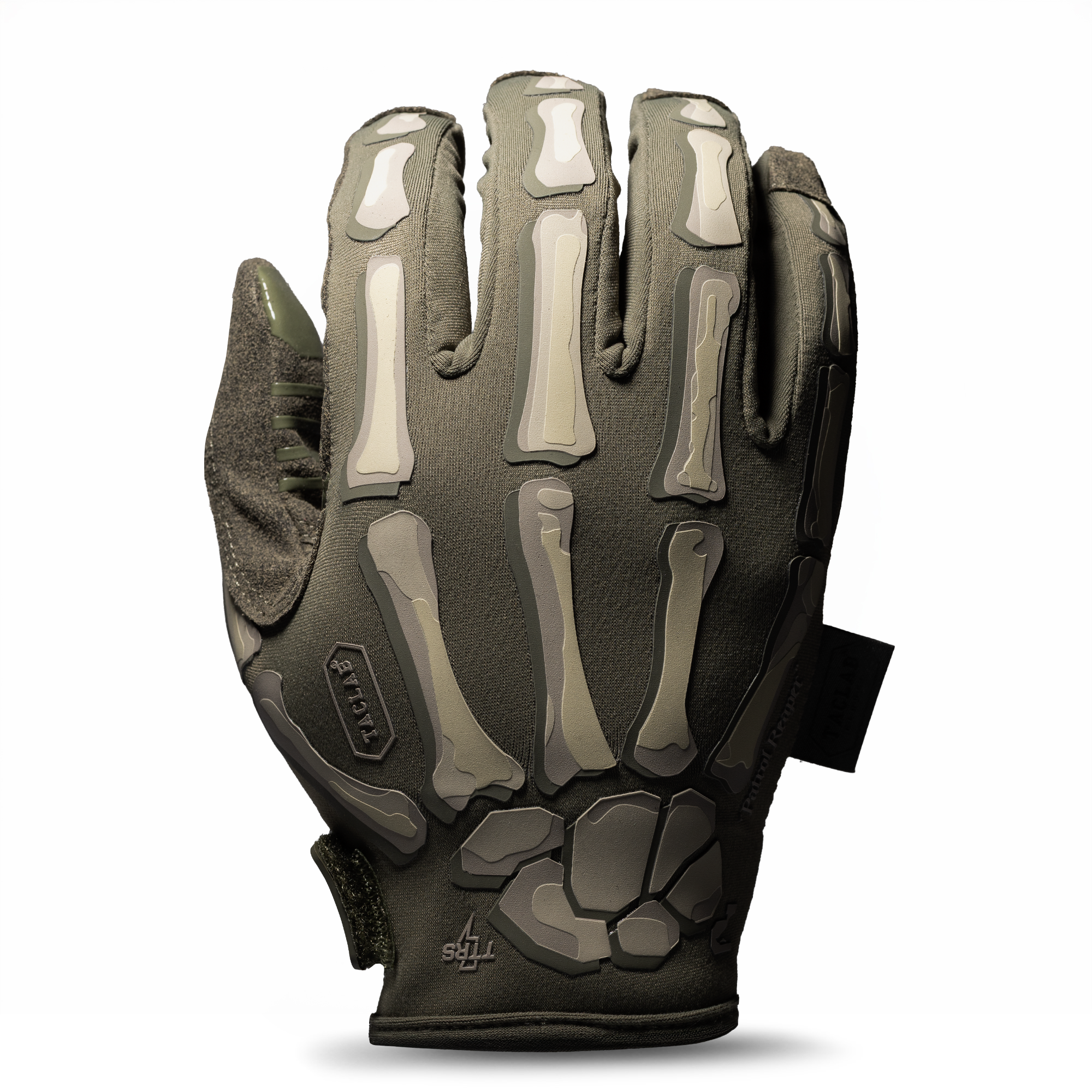
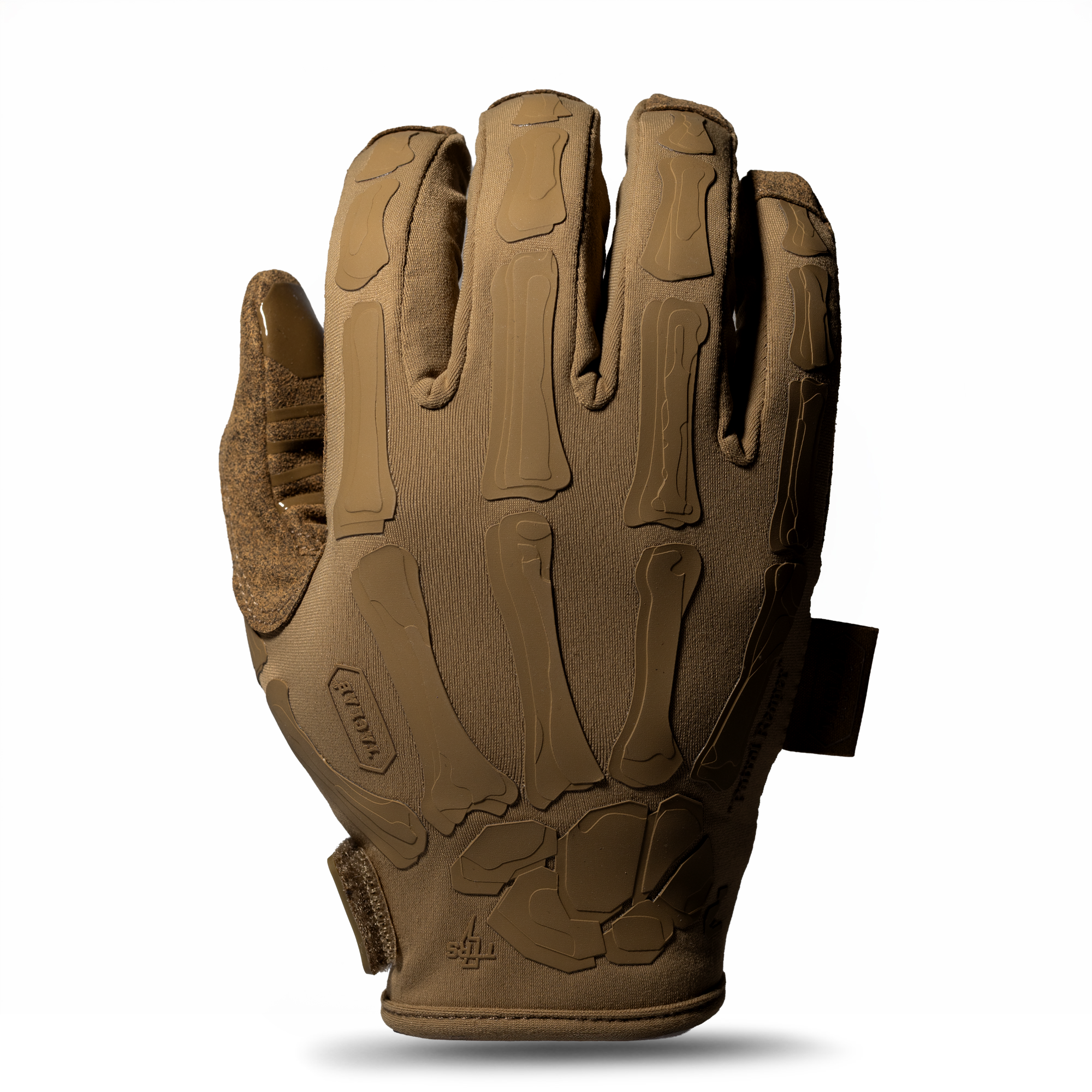
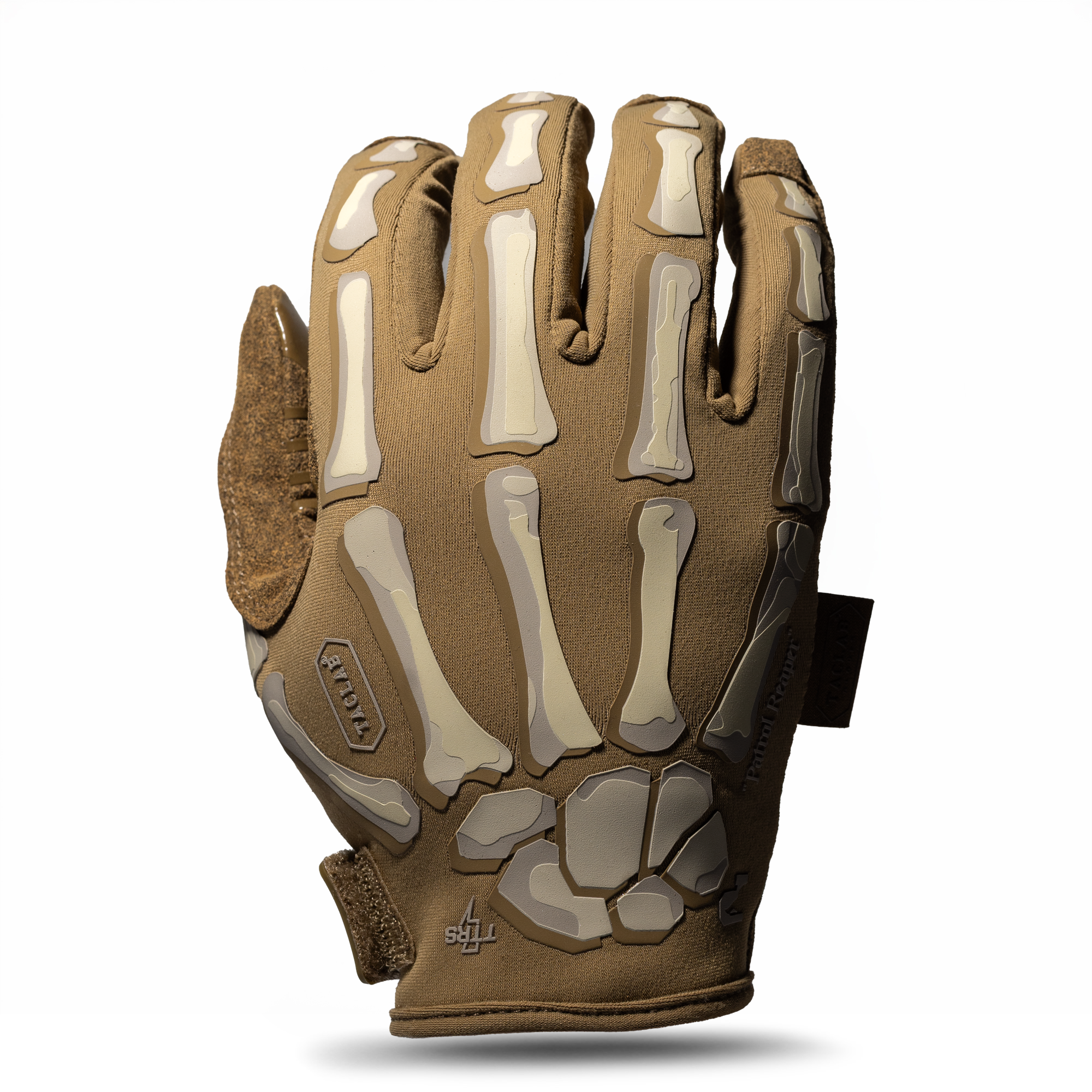
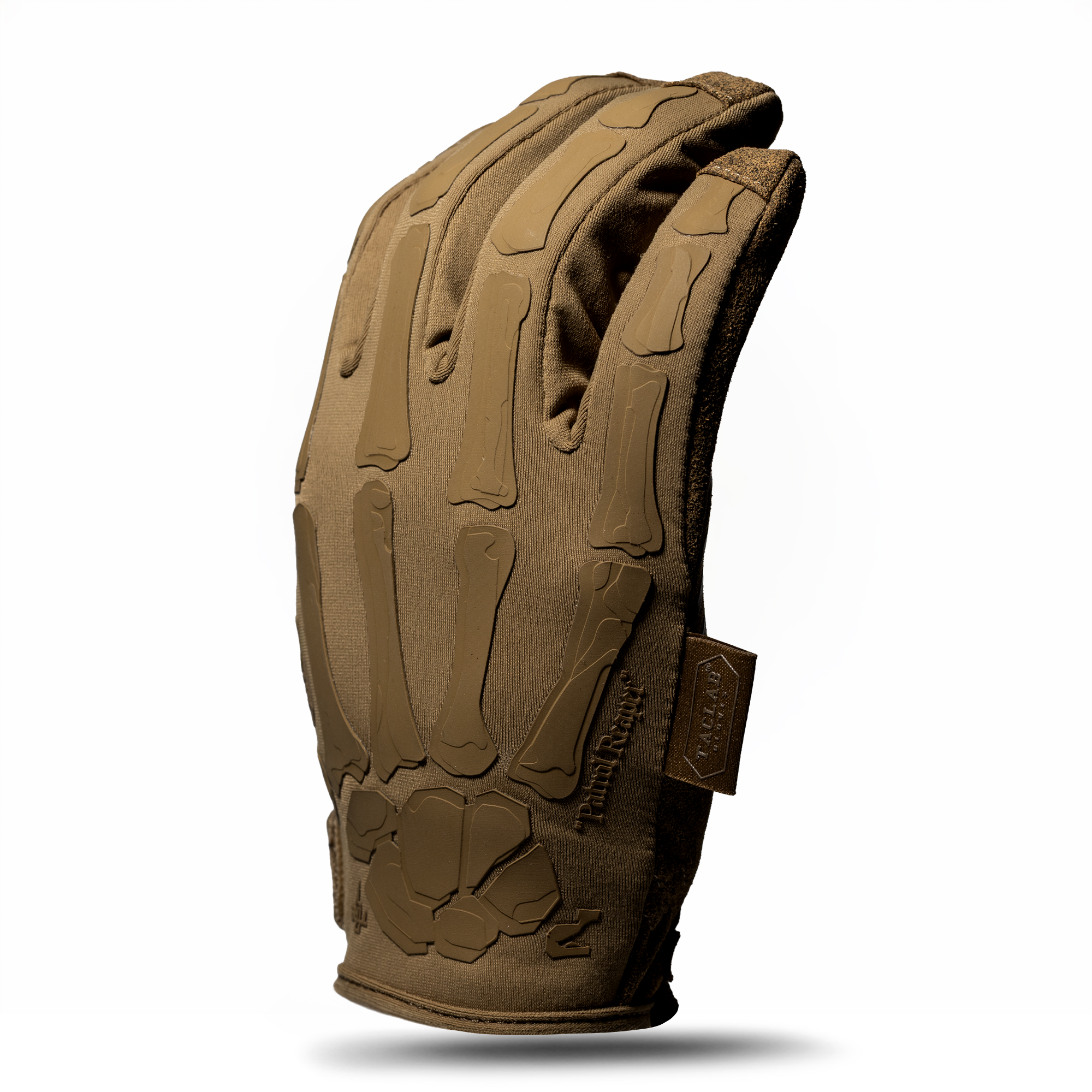
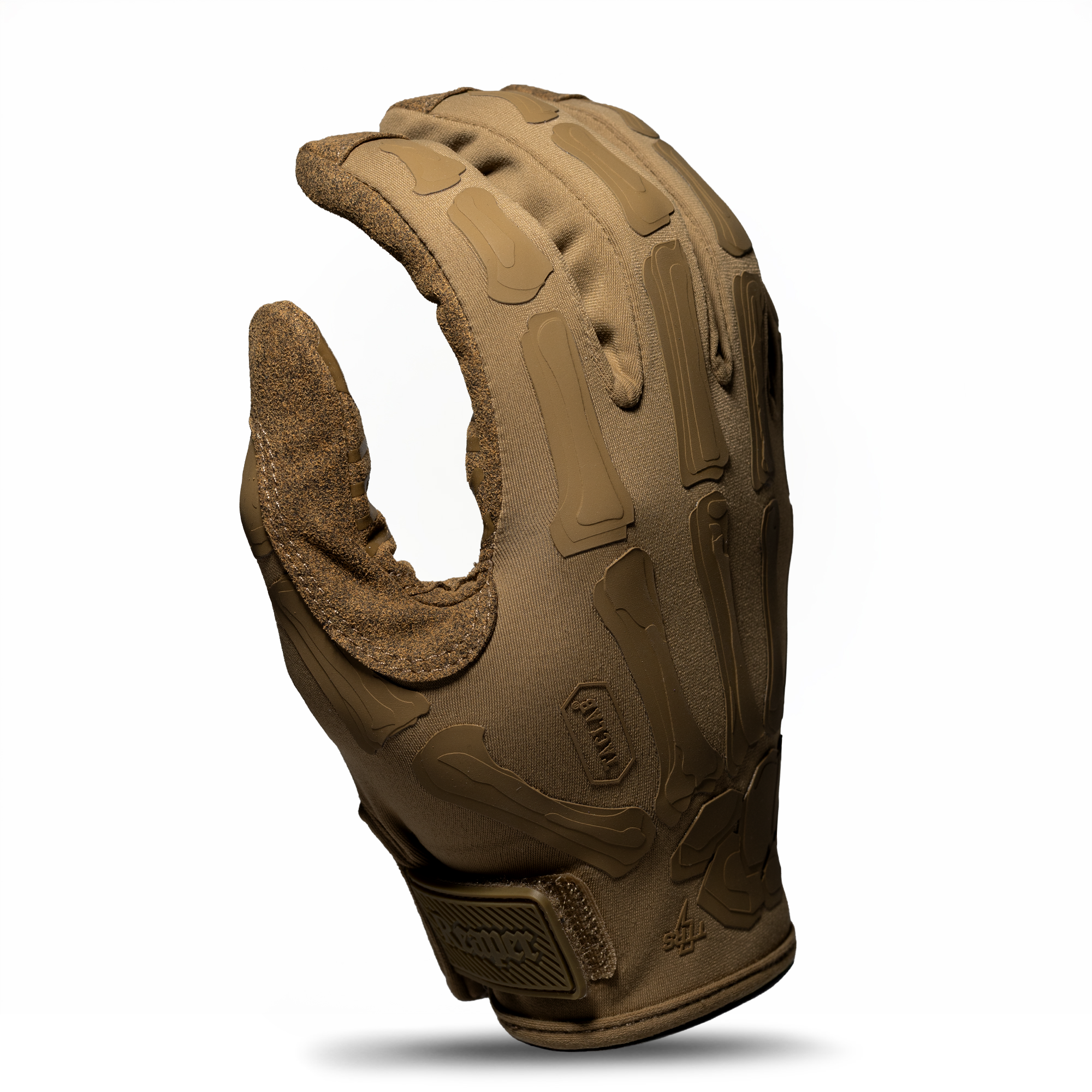
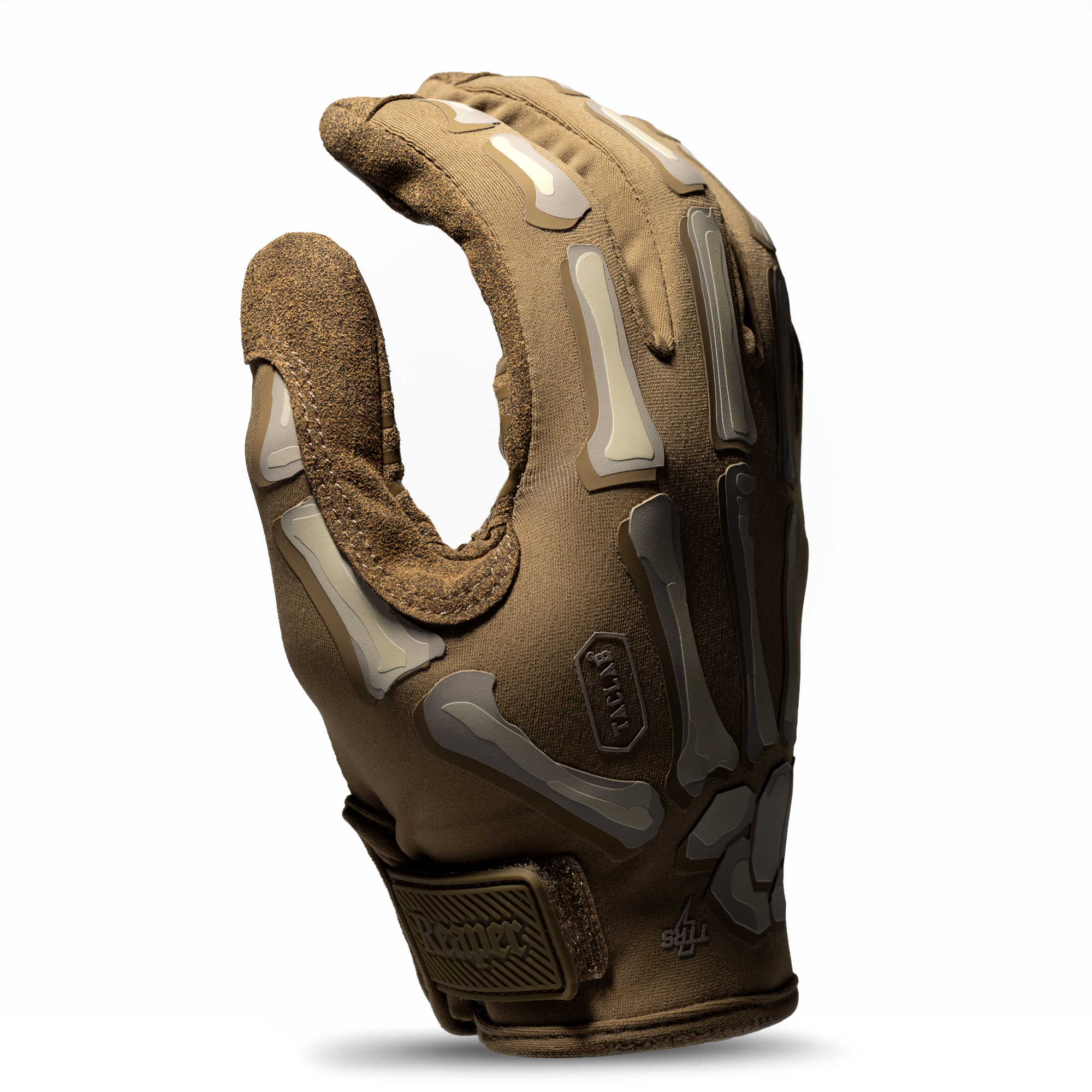
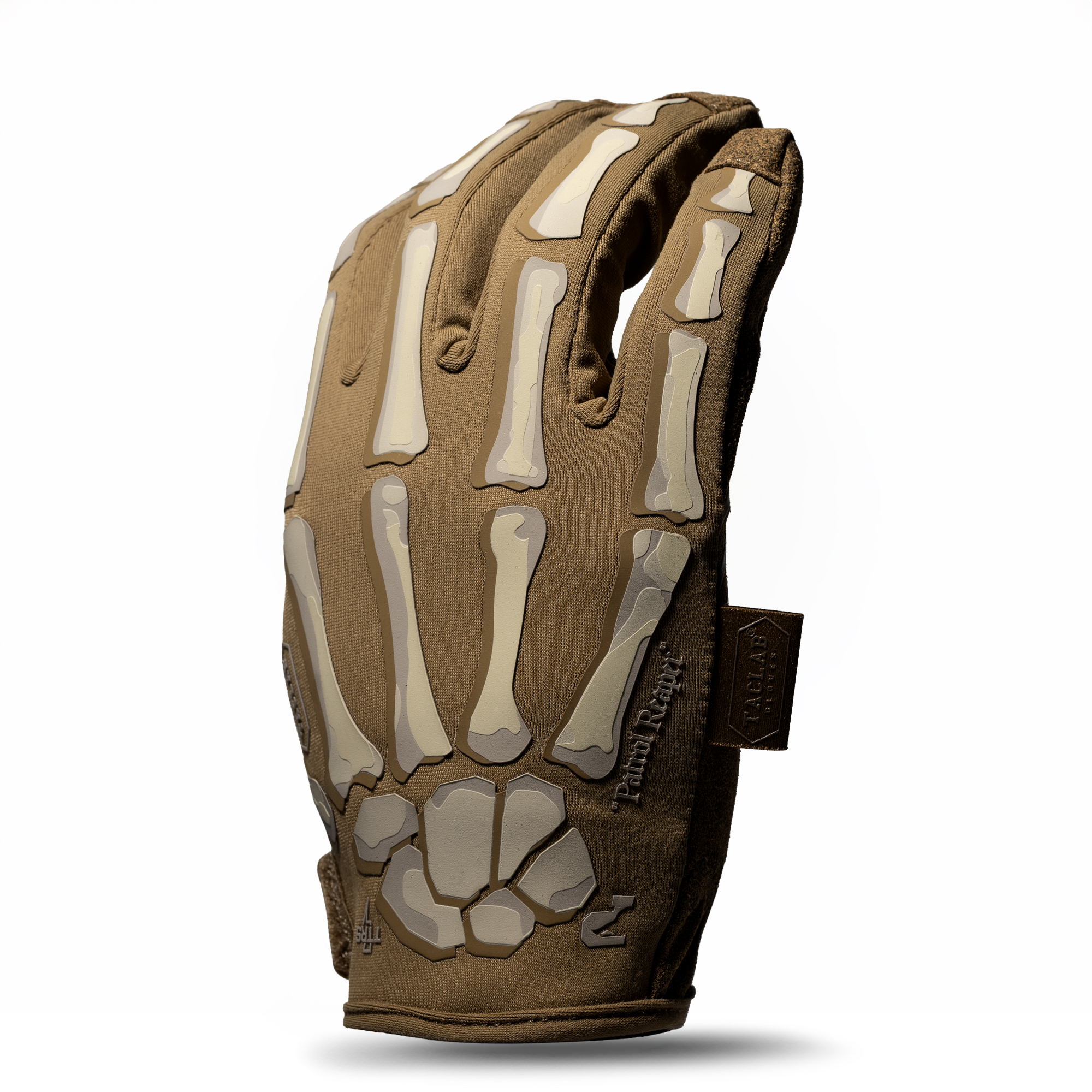
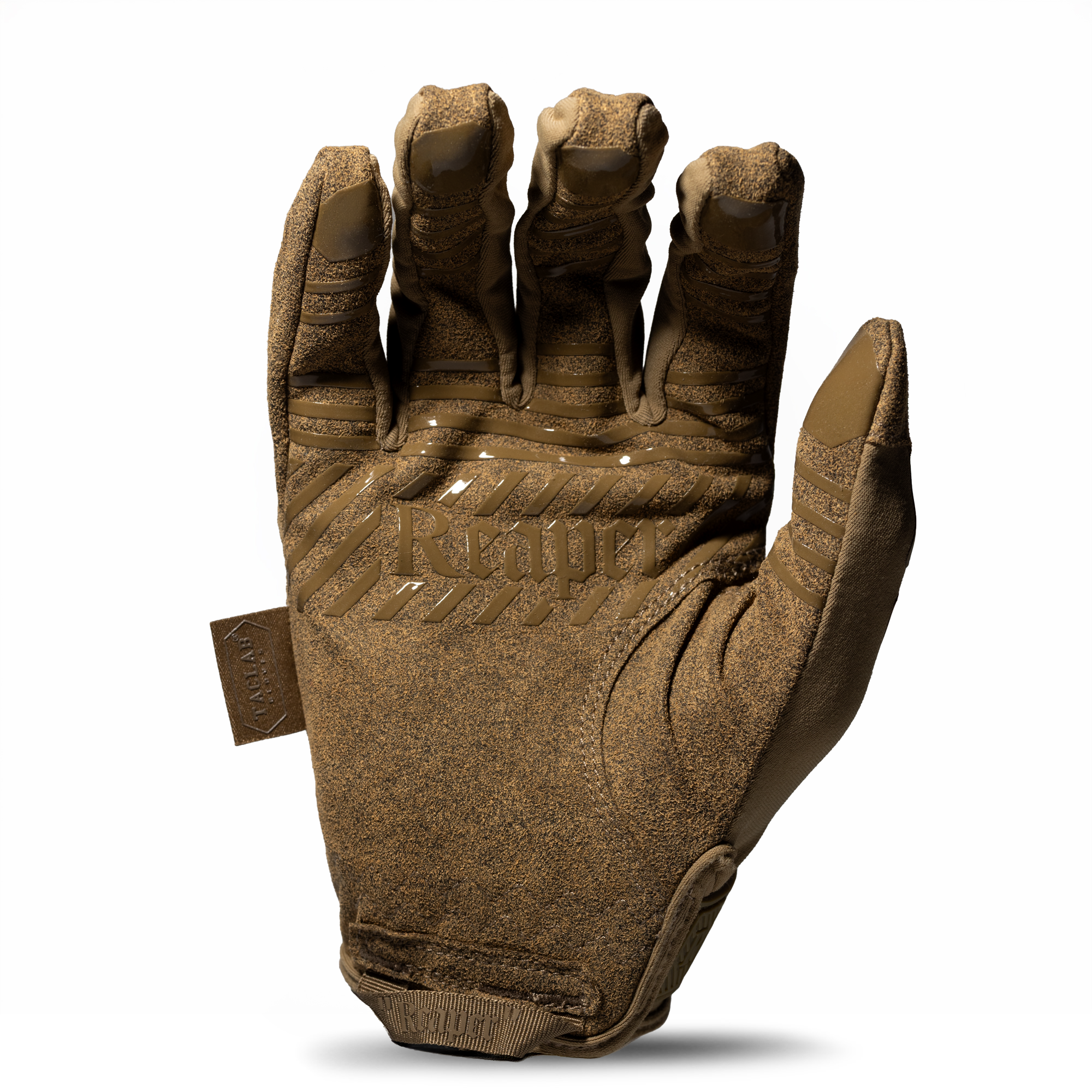
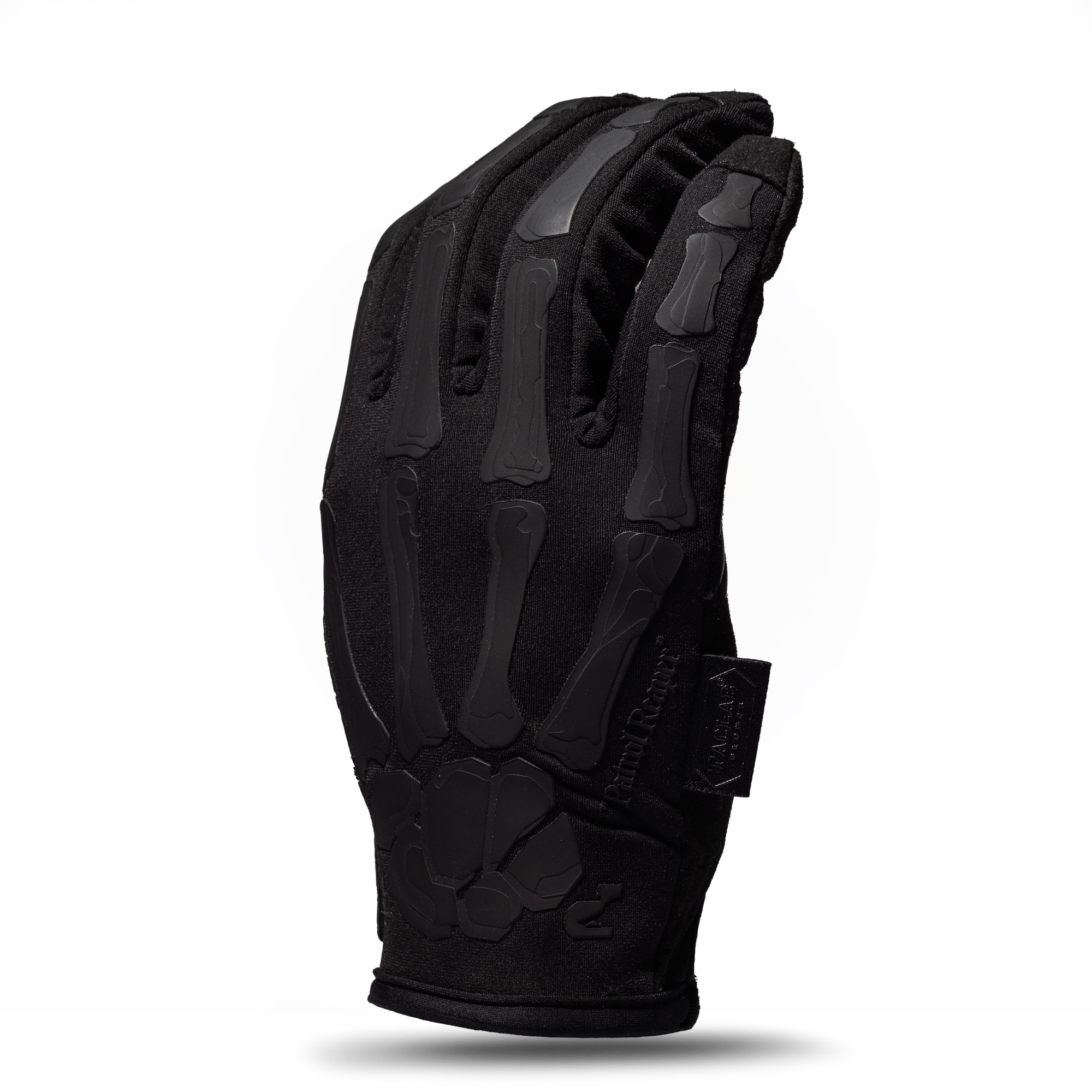
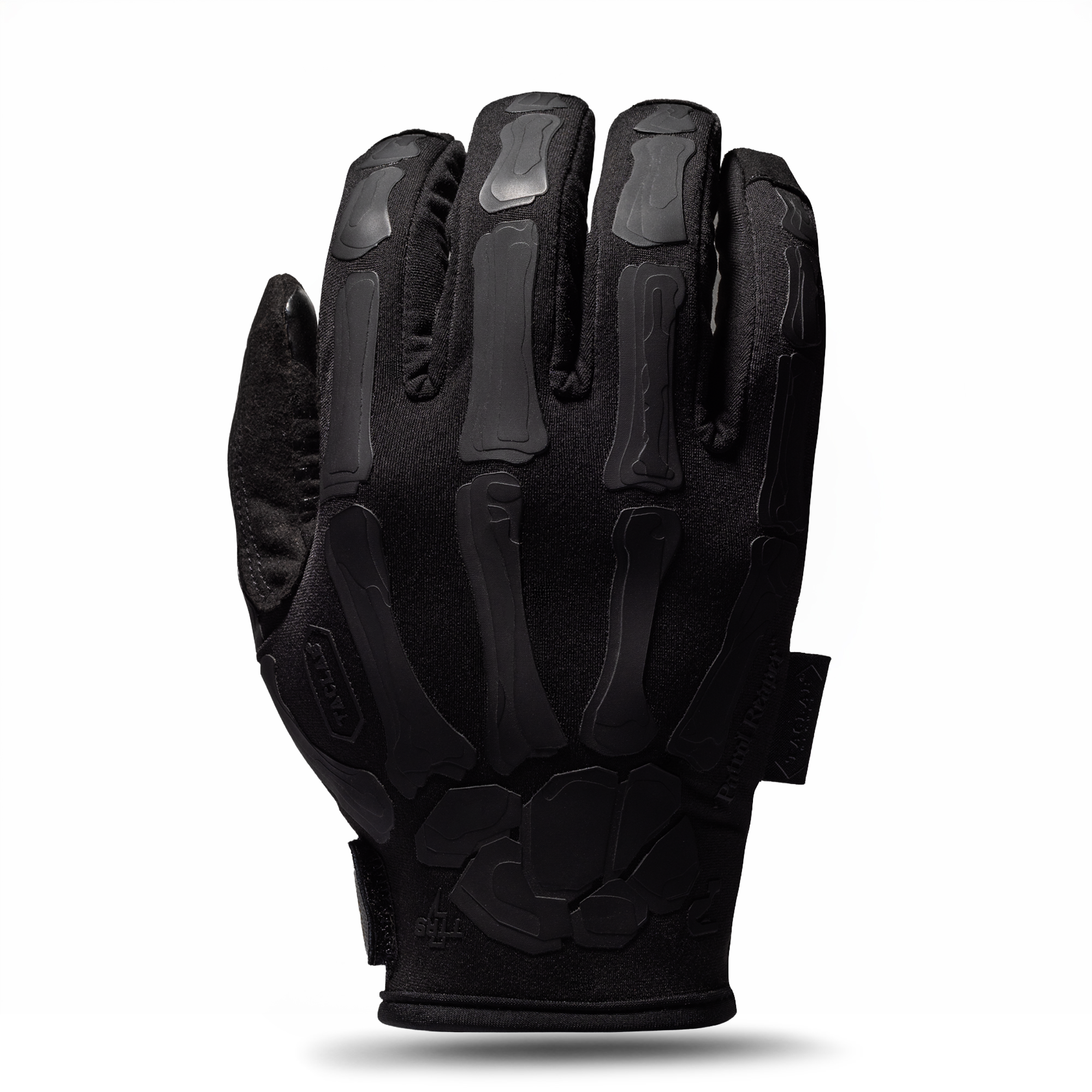
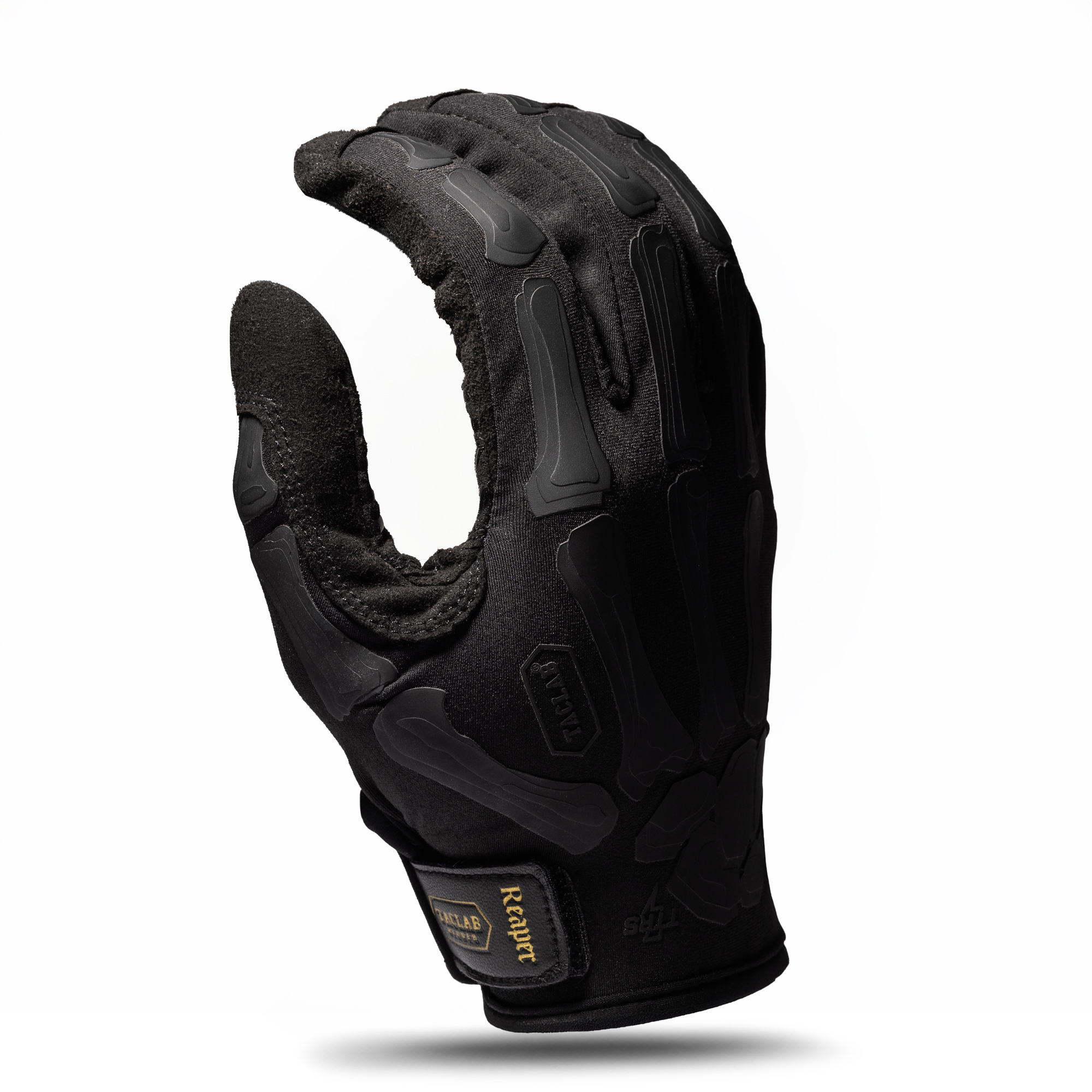
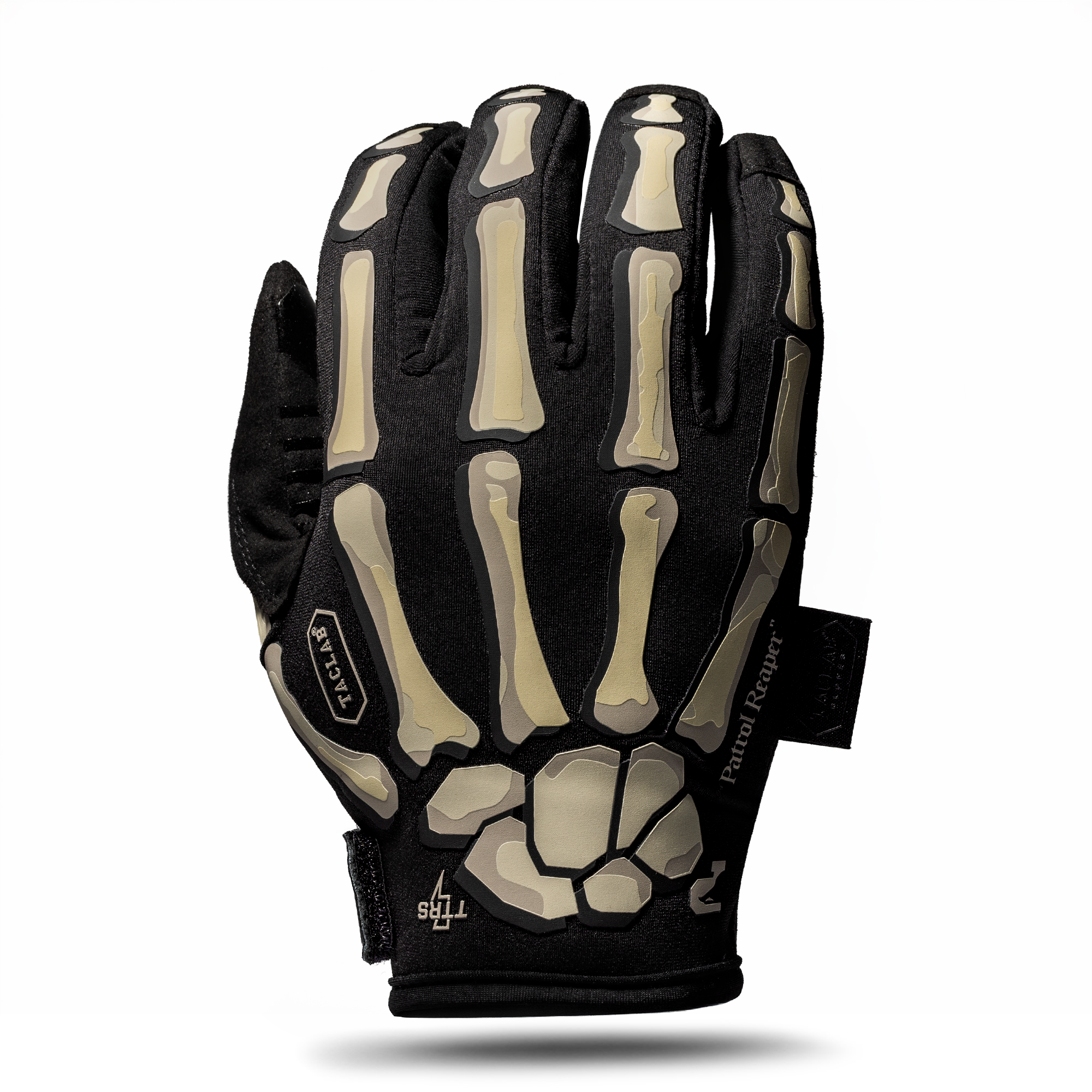
This distinction is particularly relevant to the TACLAB Reaper.
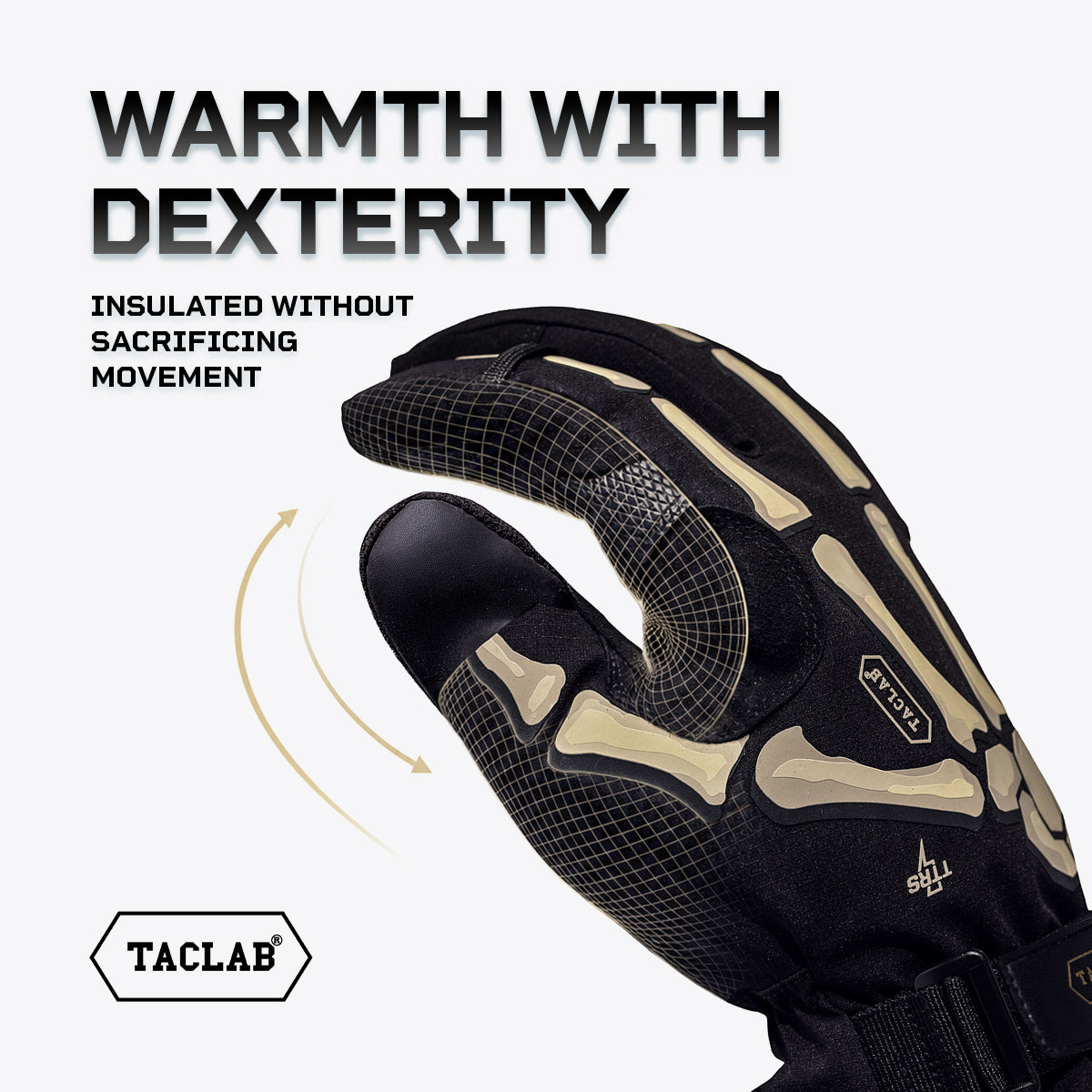
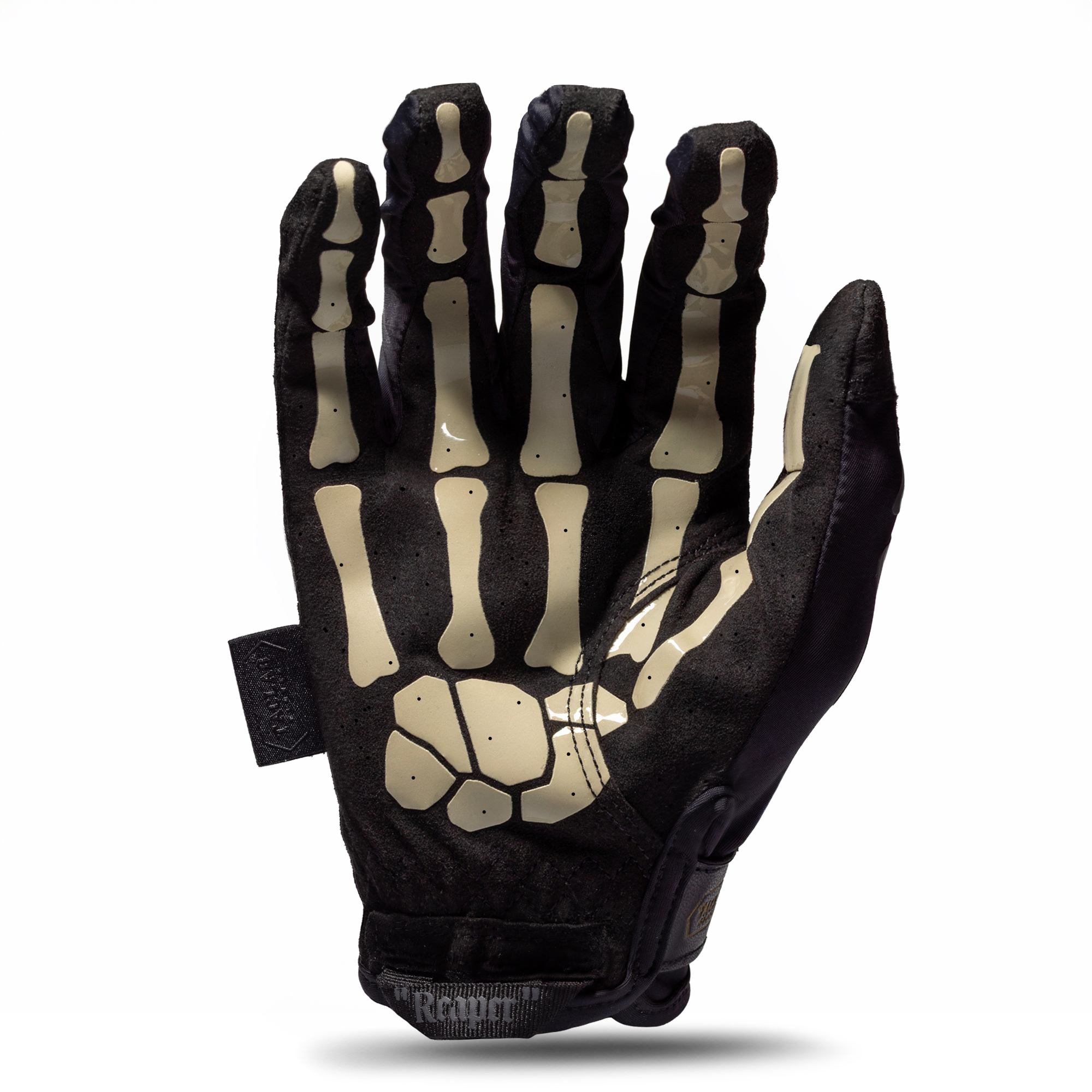
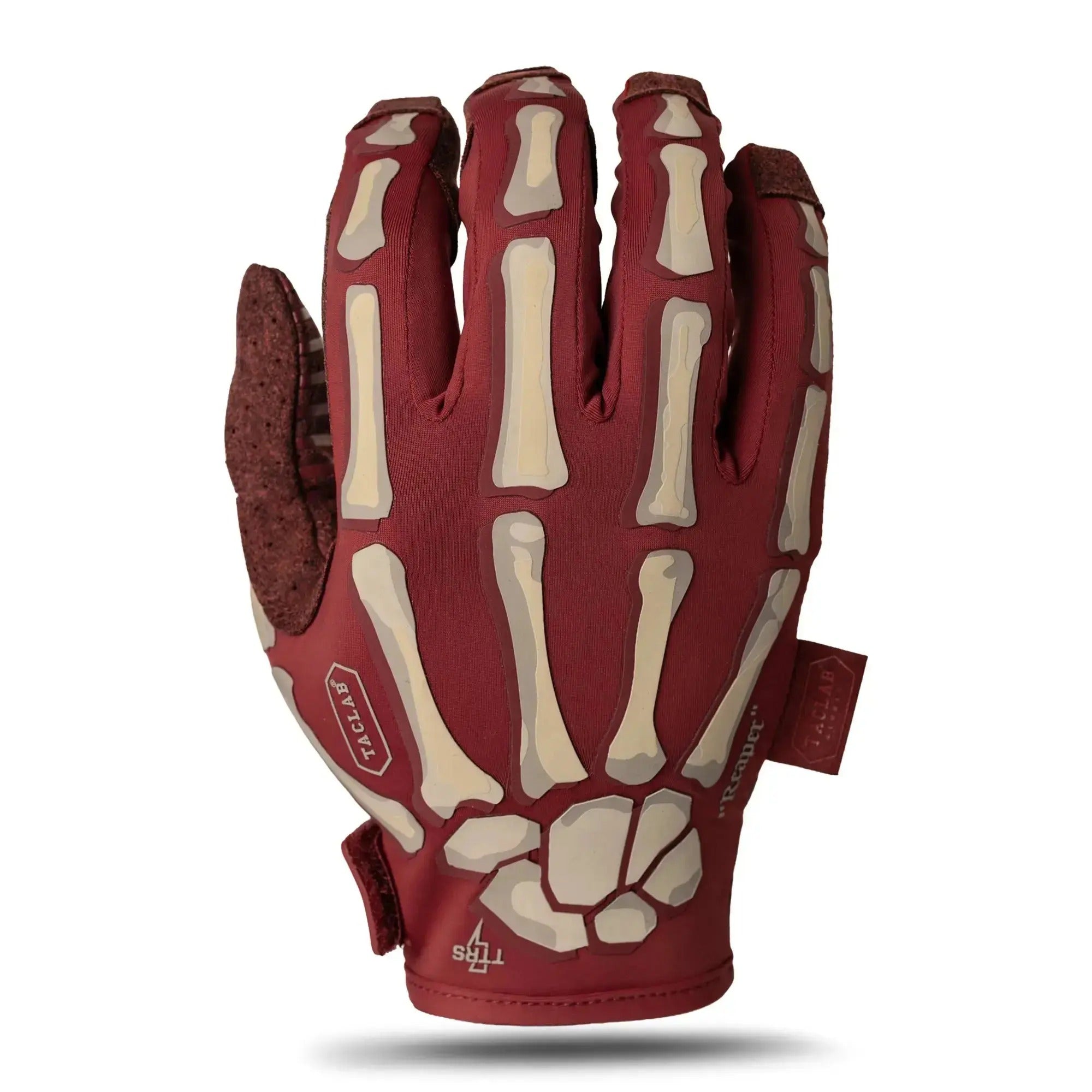
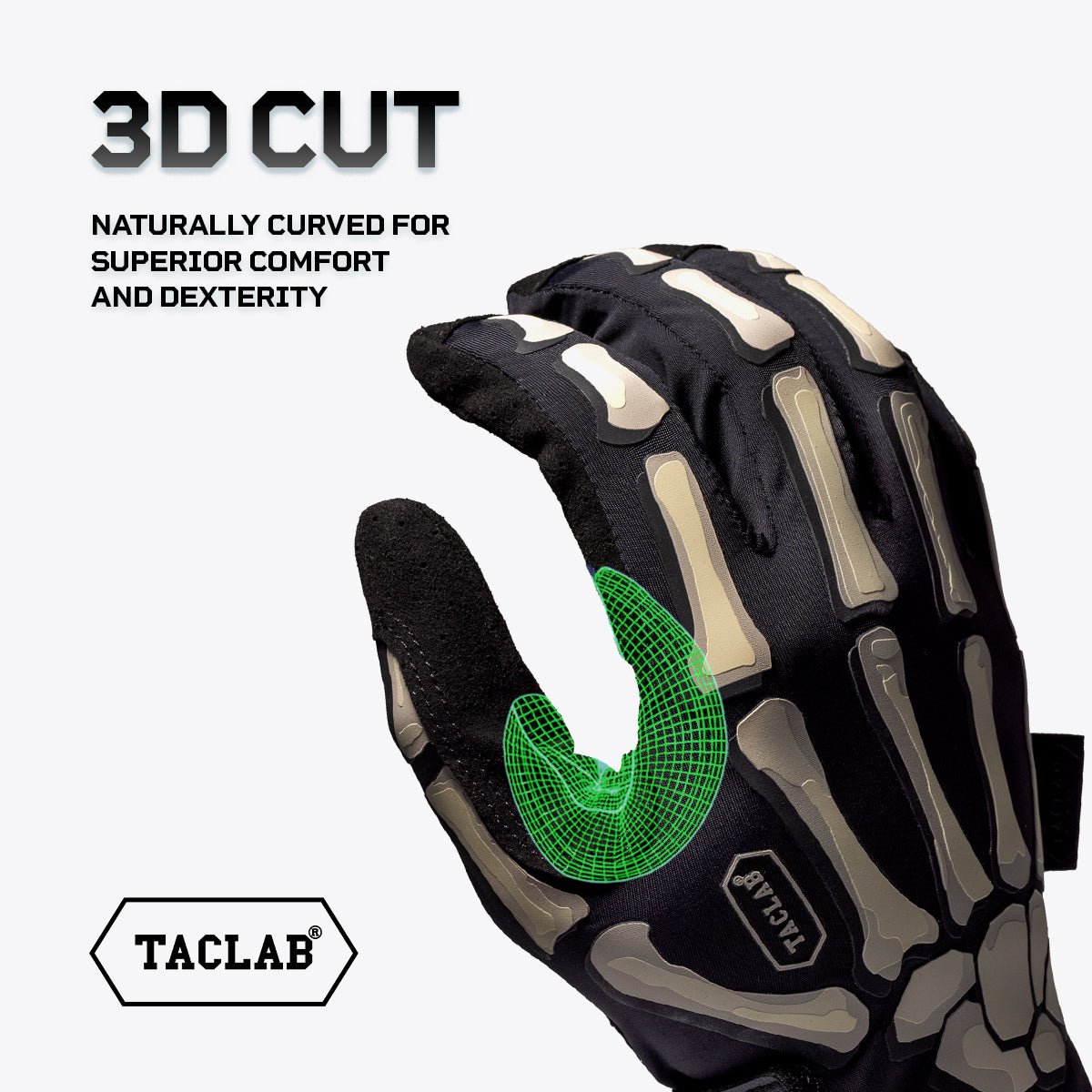
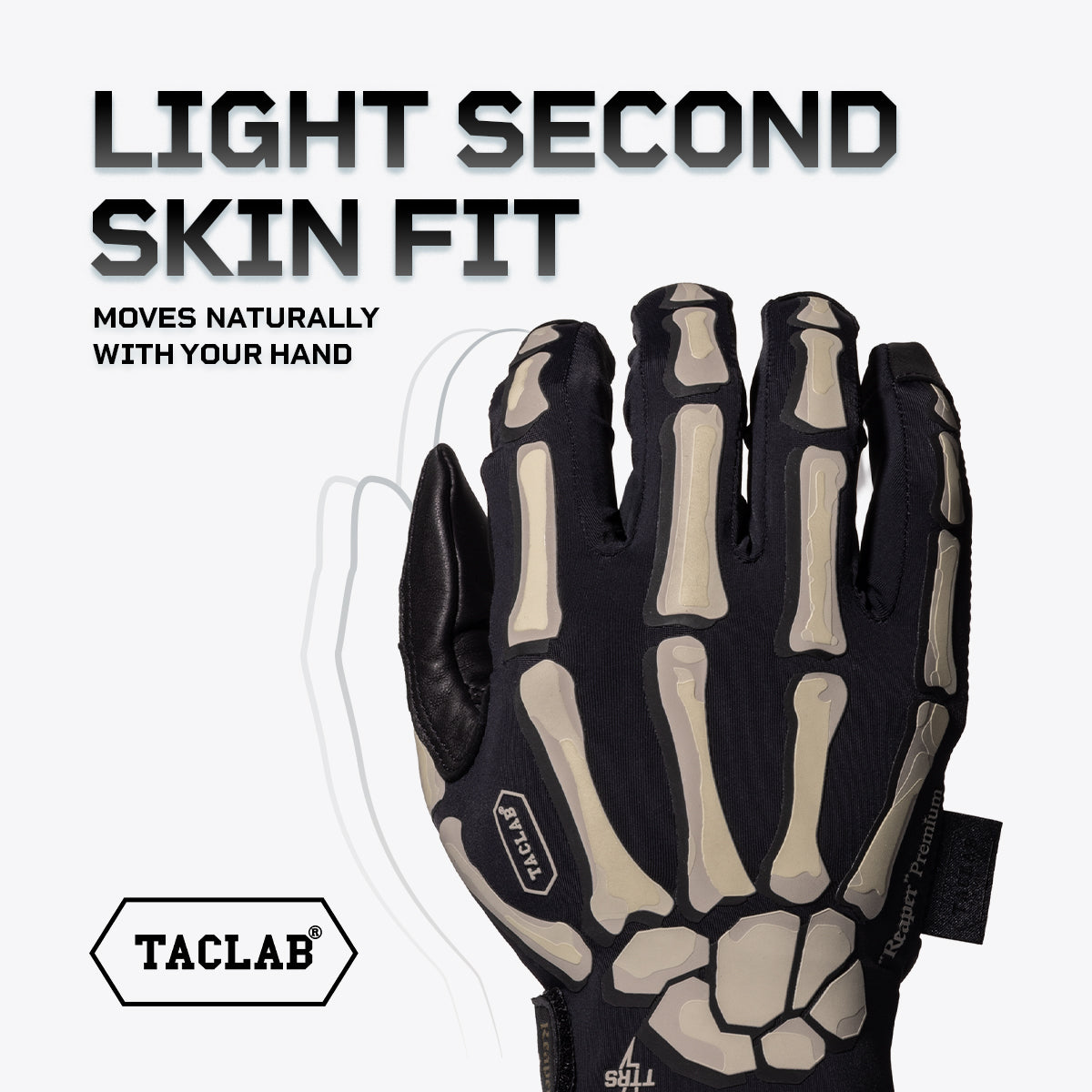
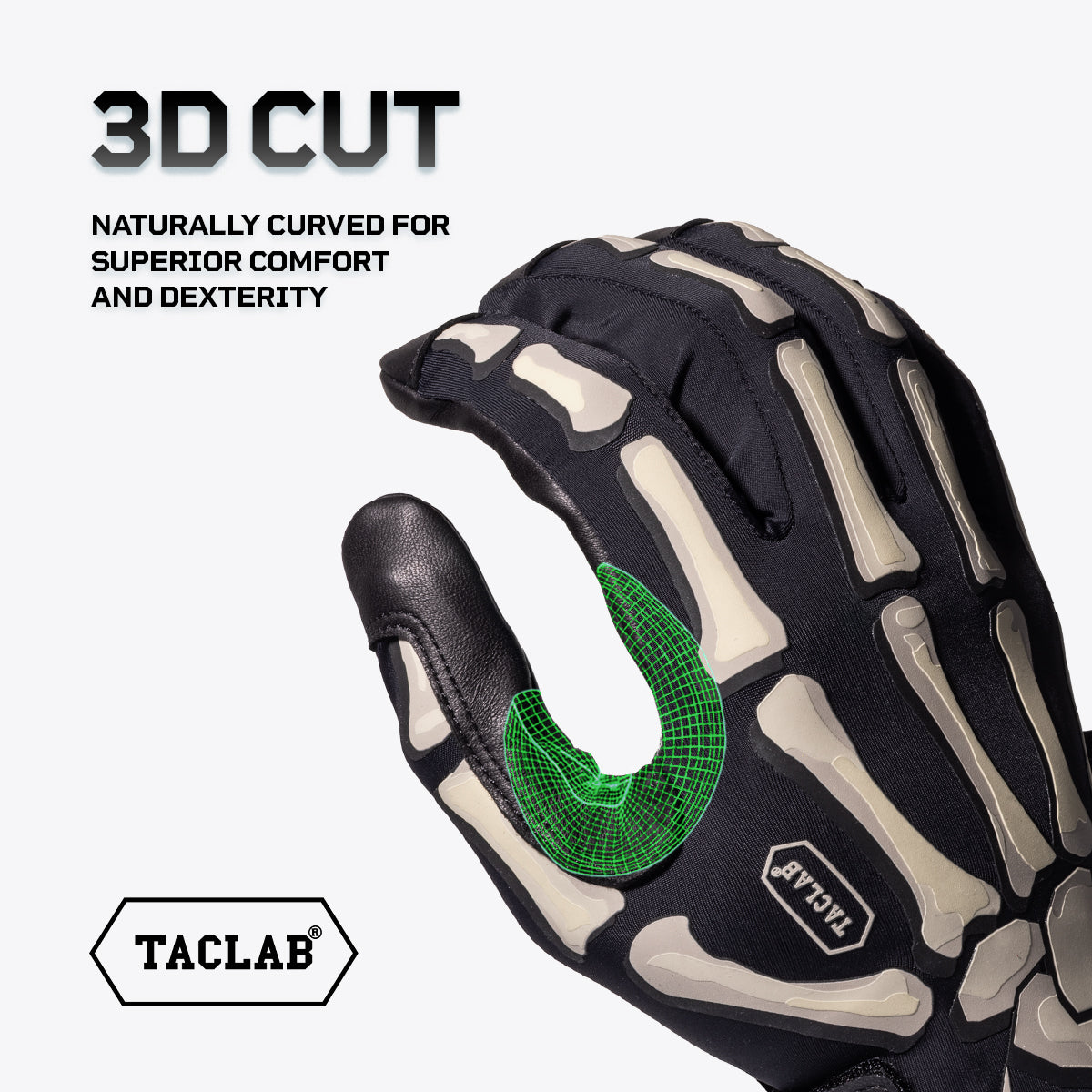
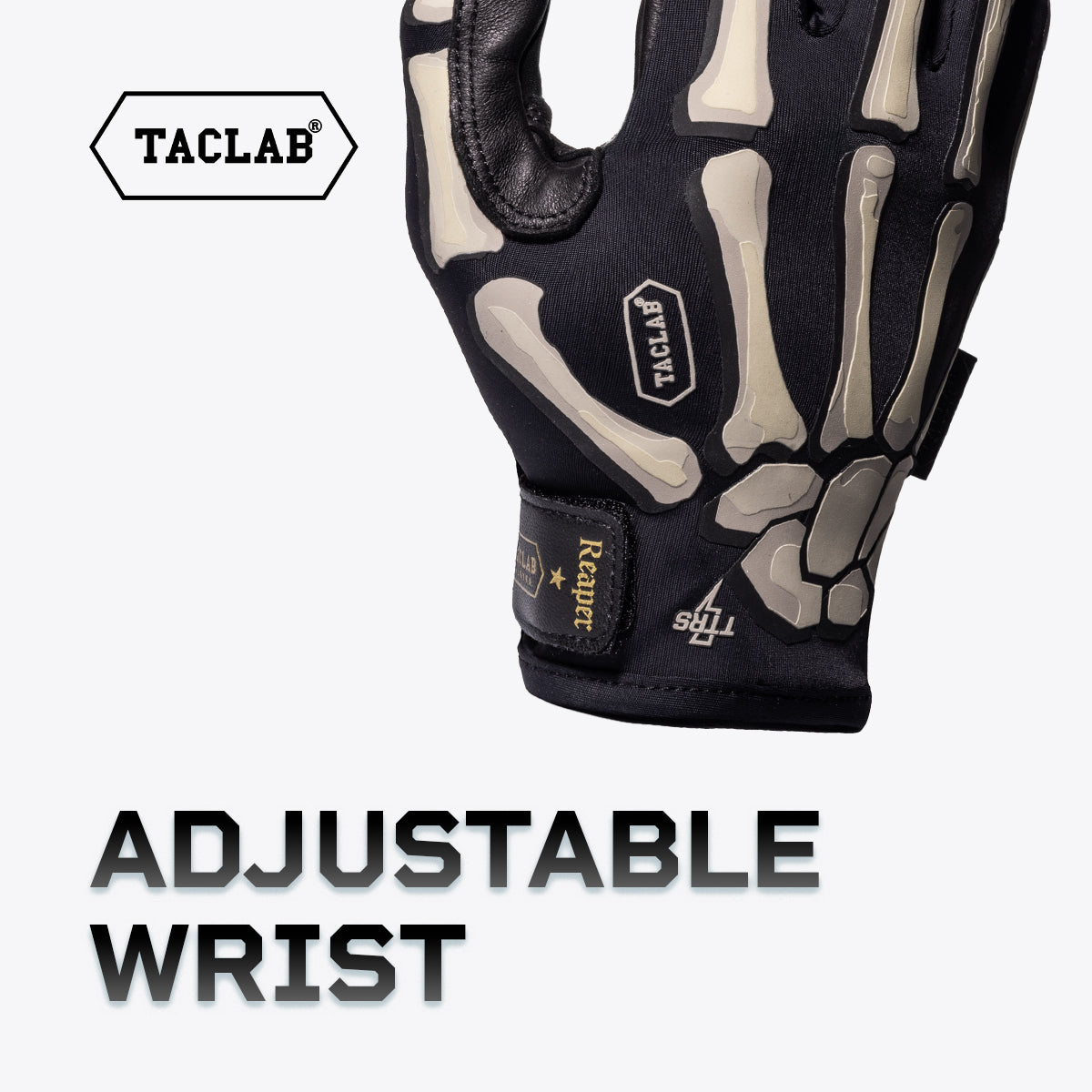
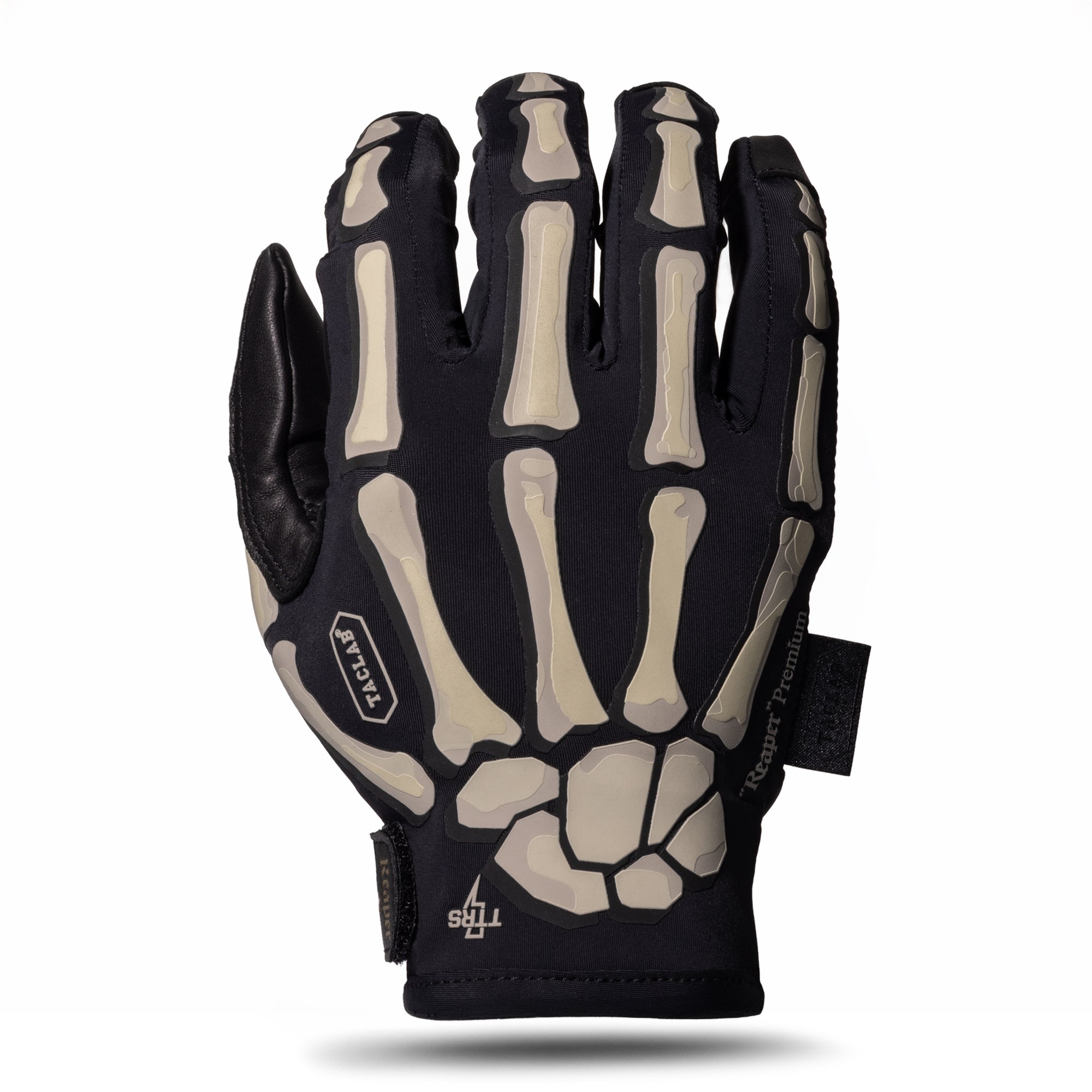
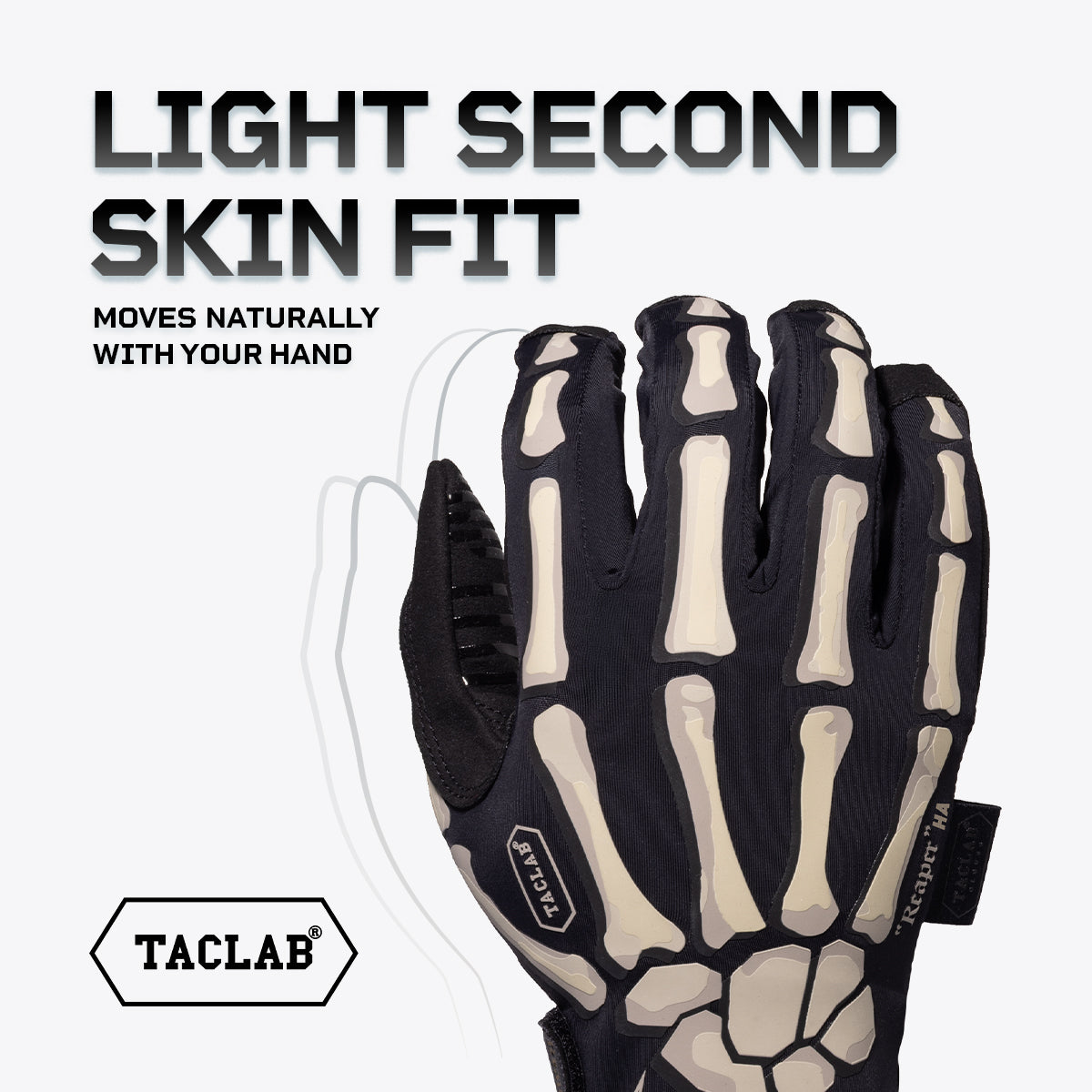
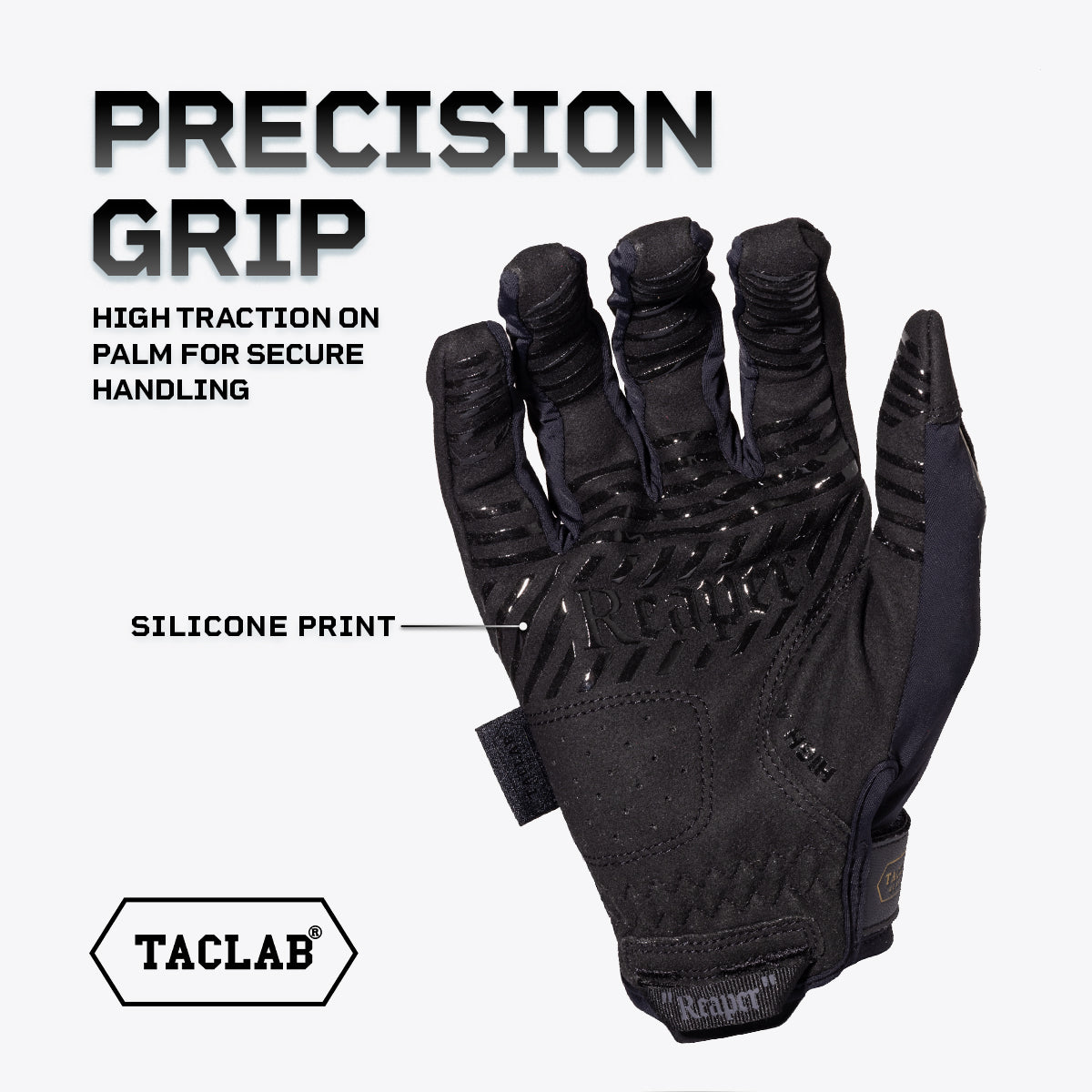
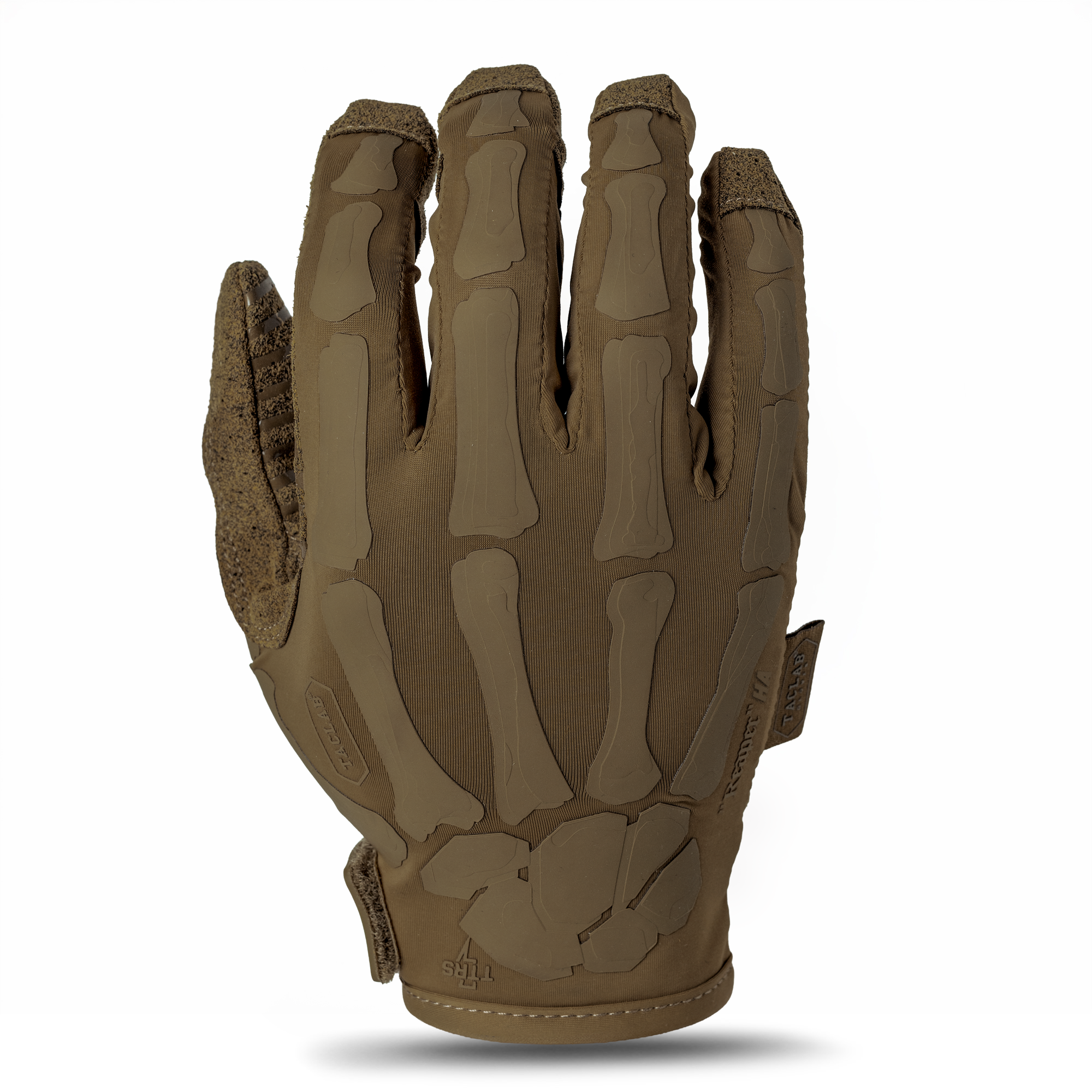
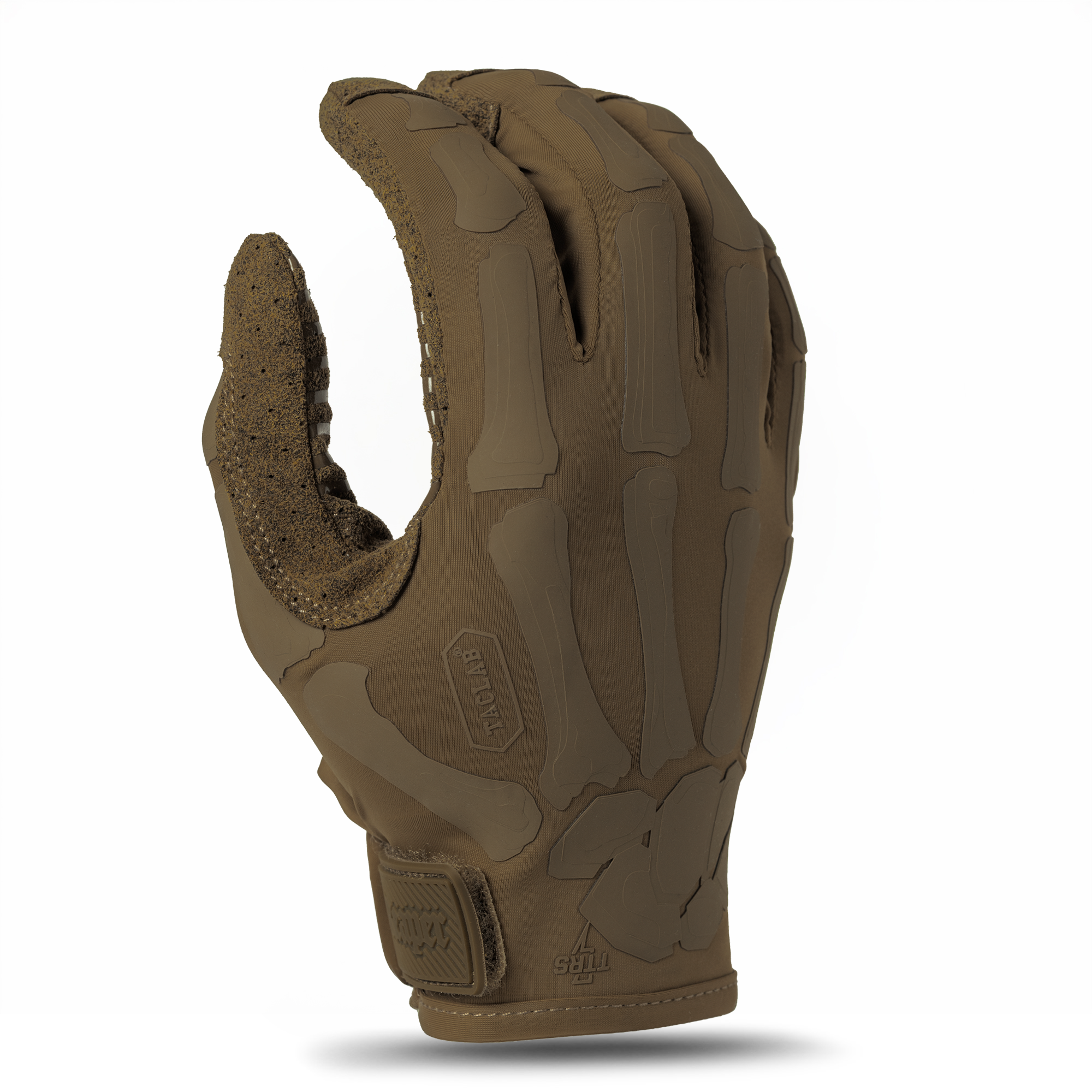
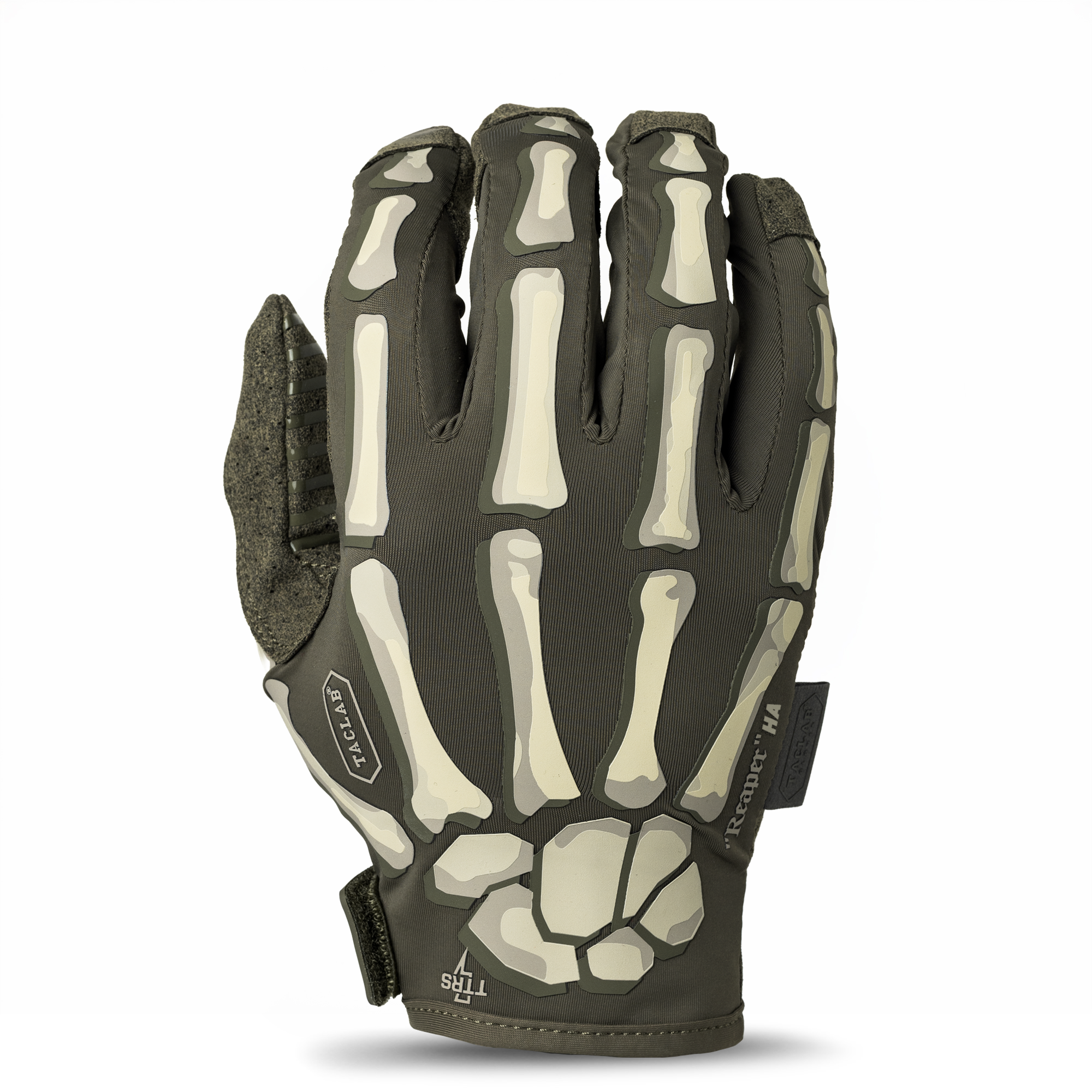
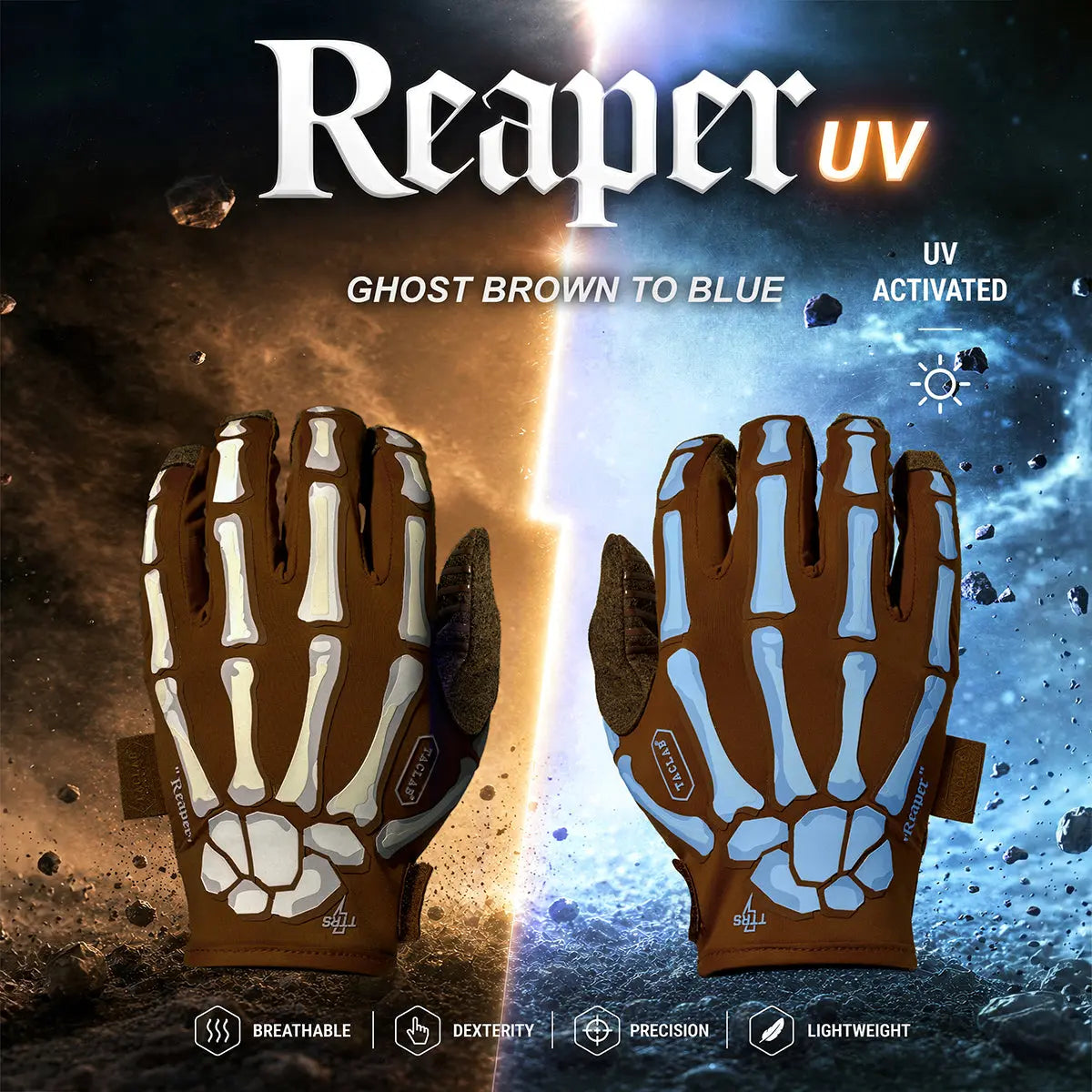
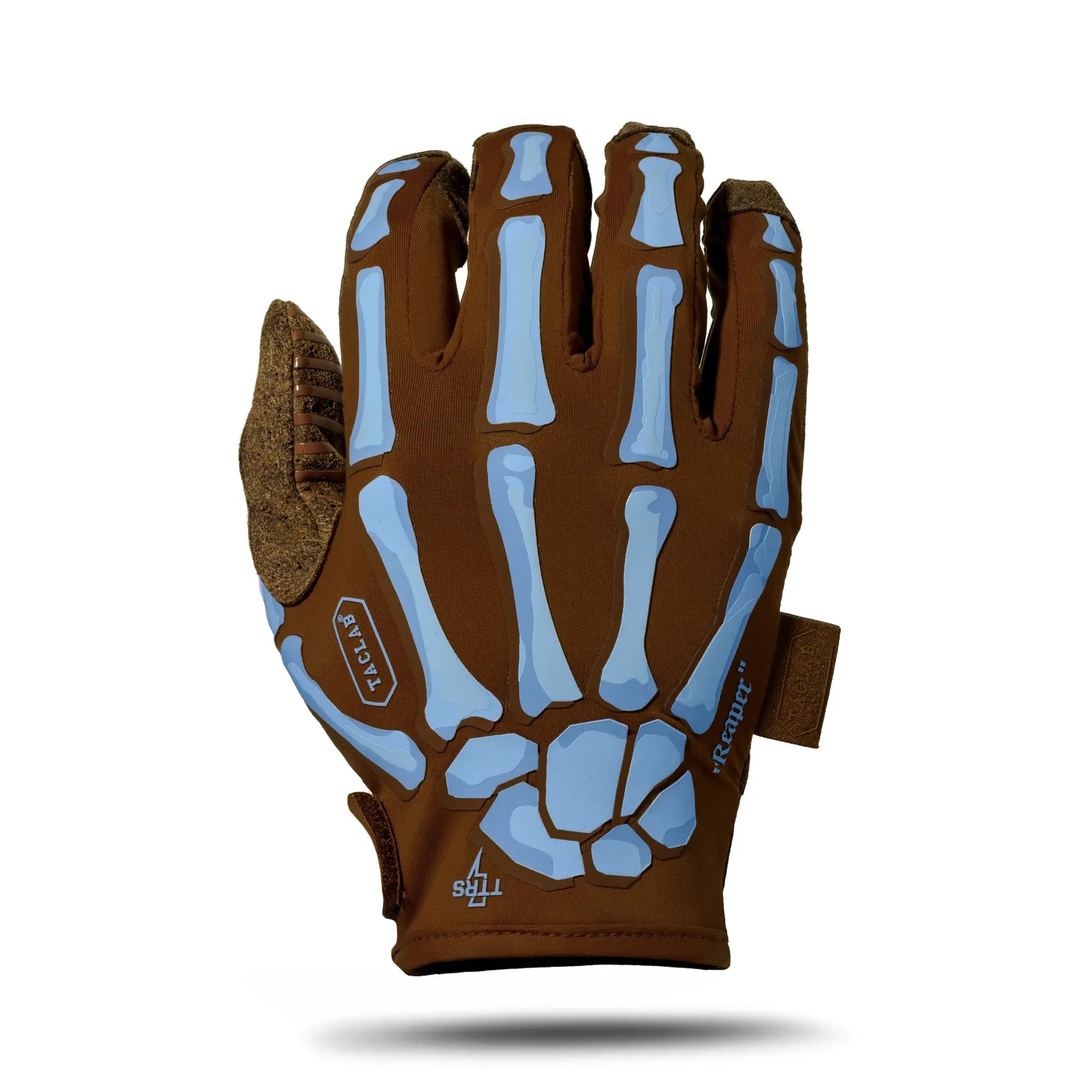
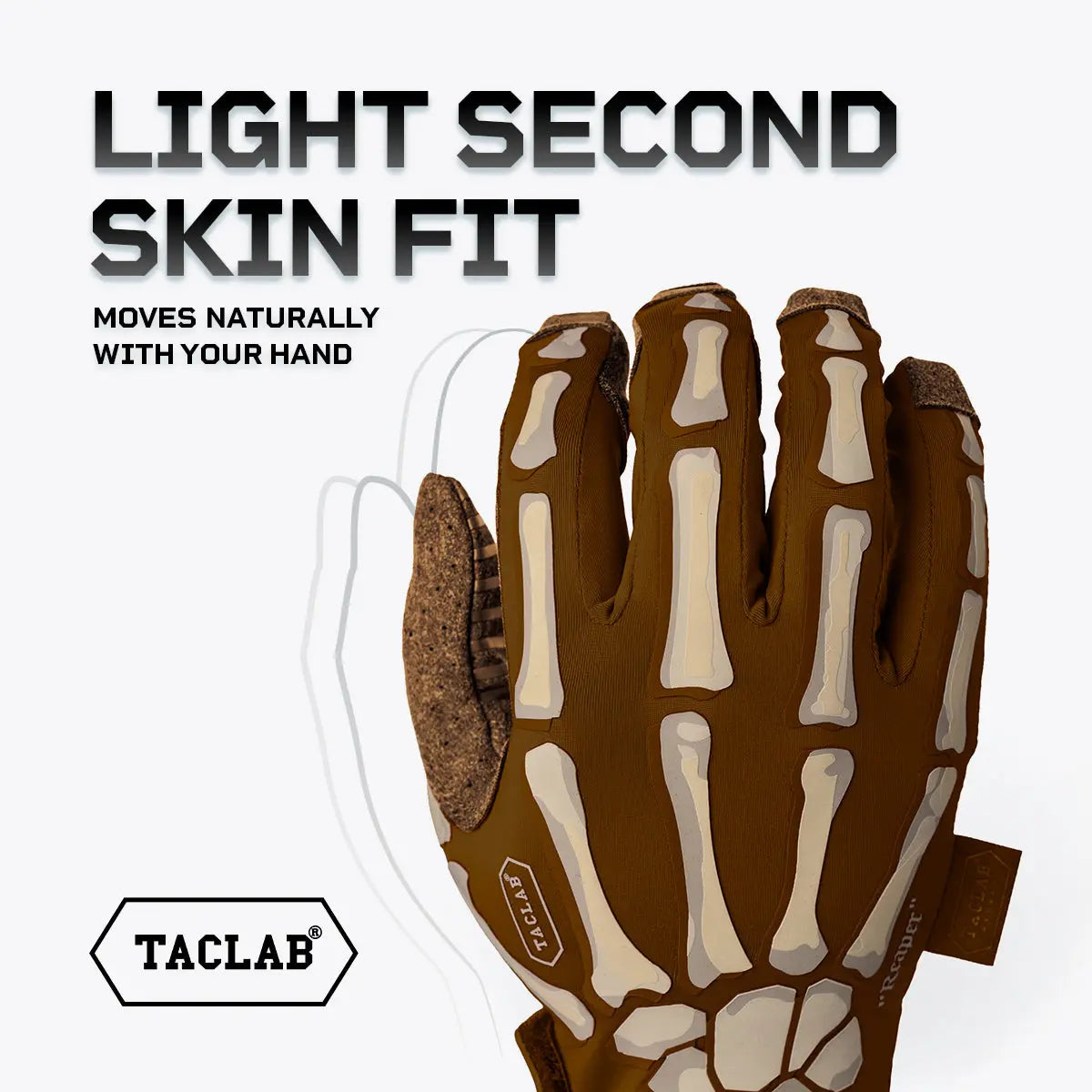
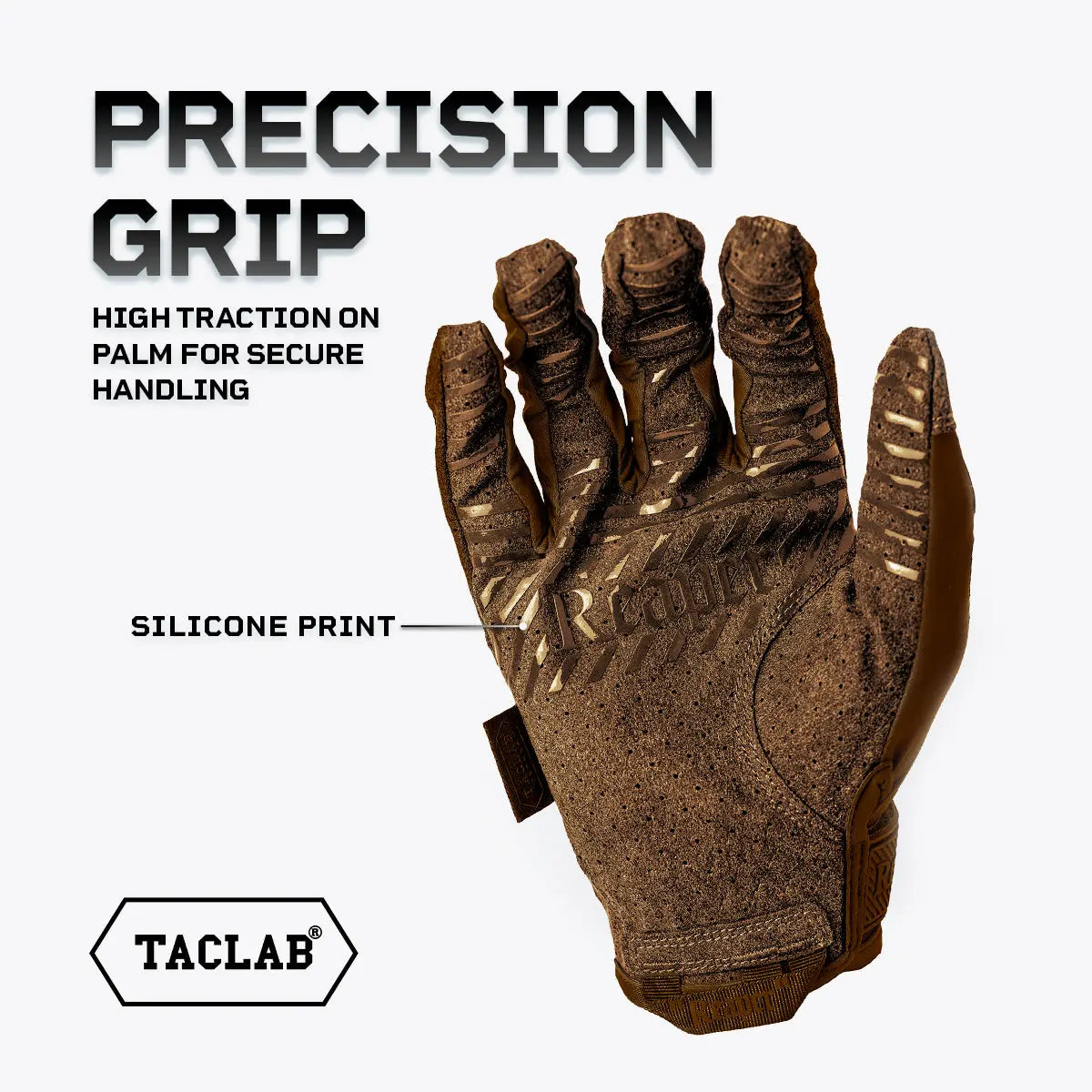
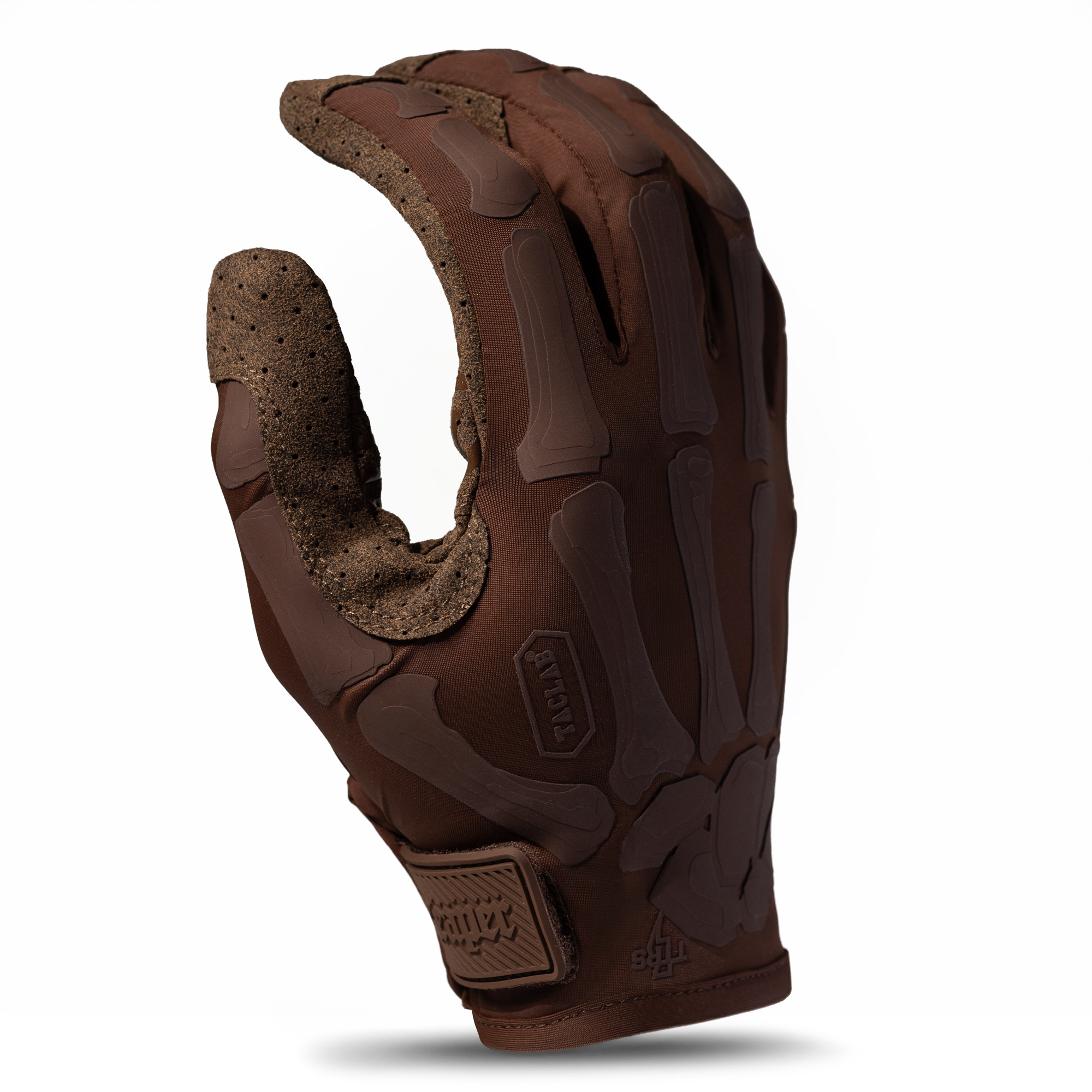
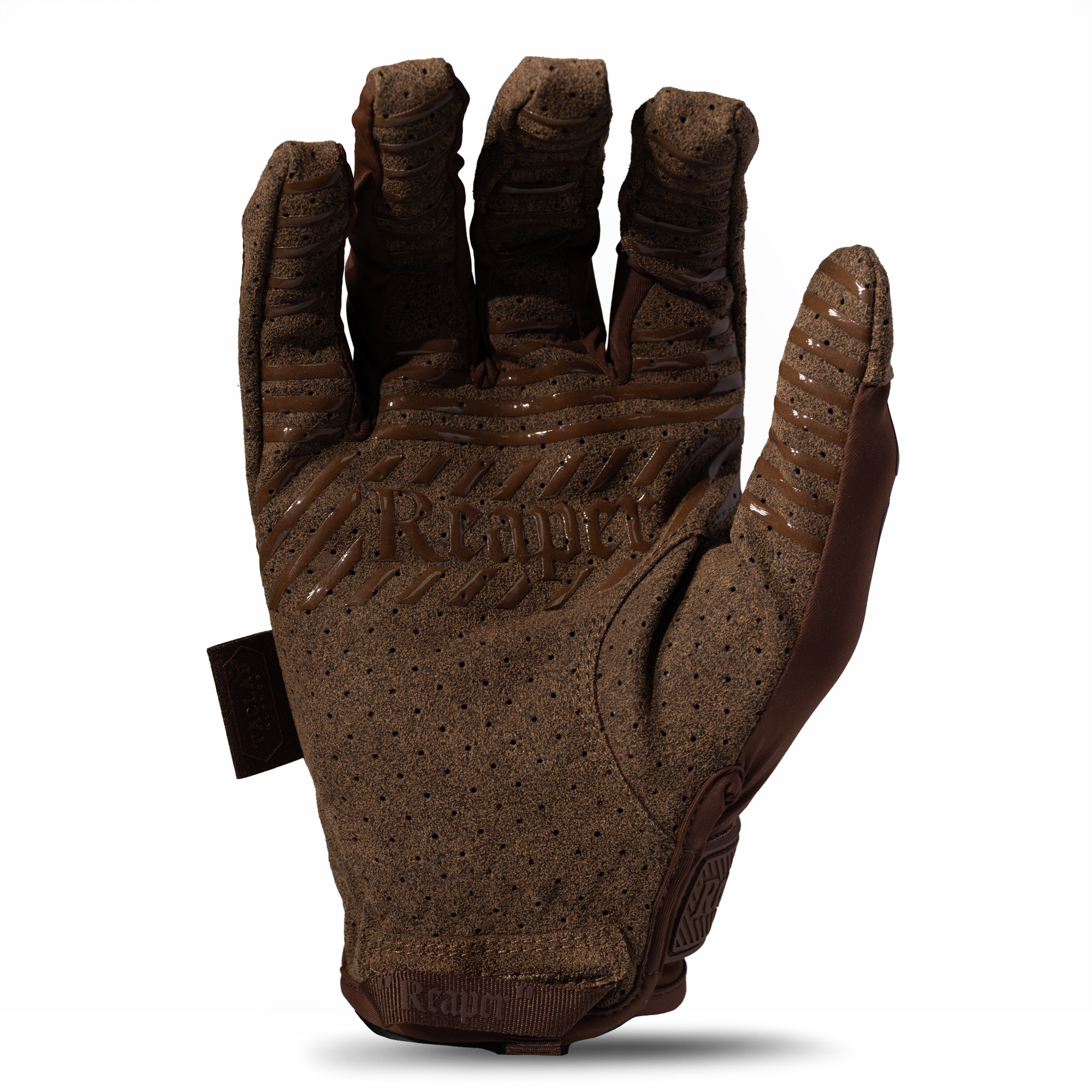
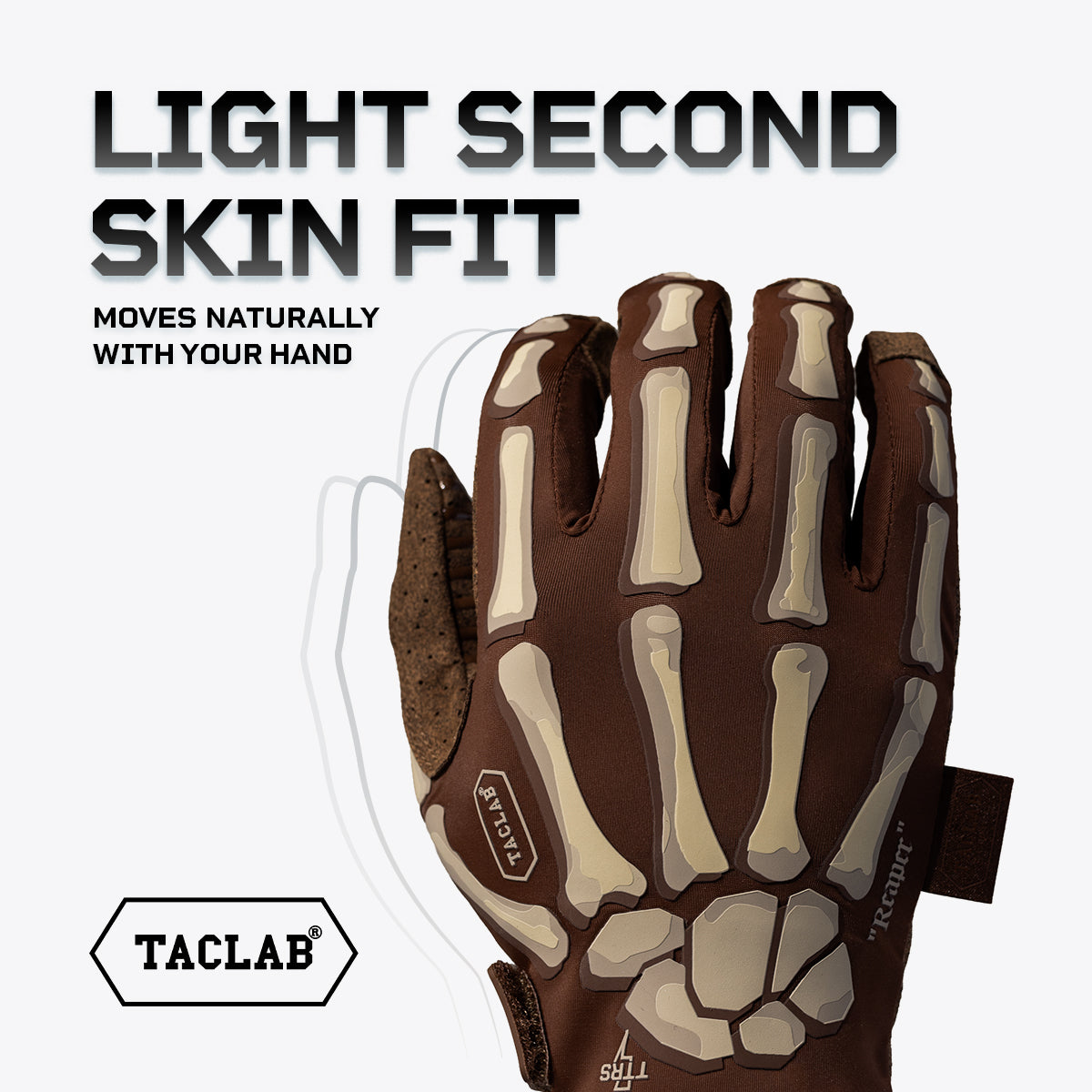
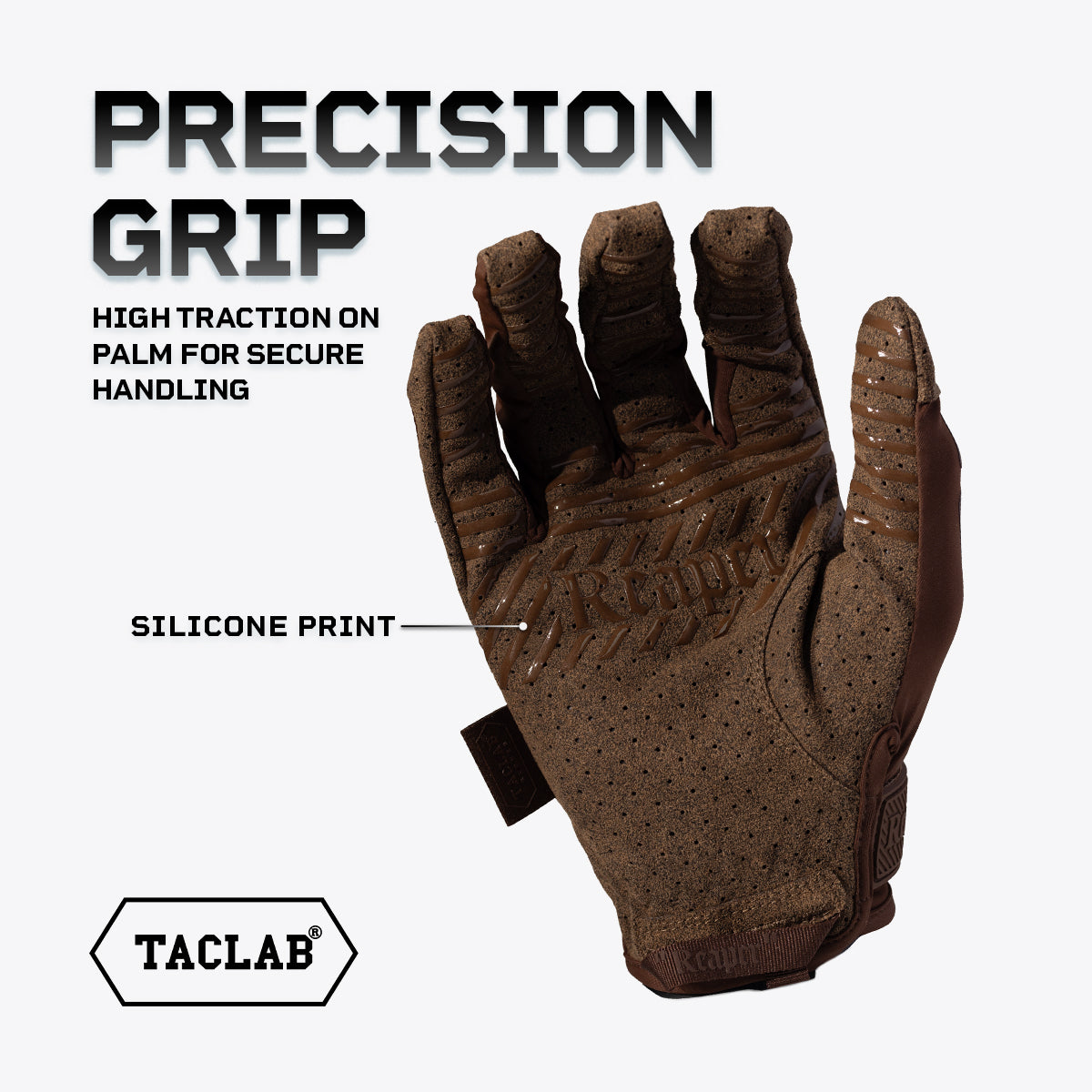
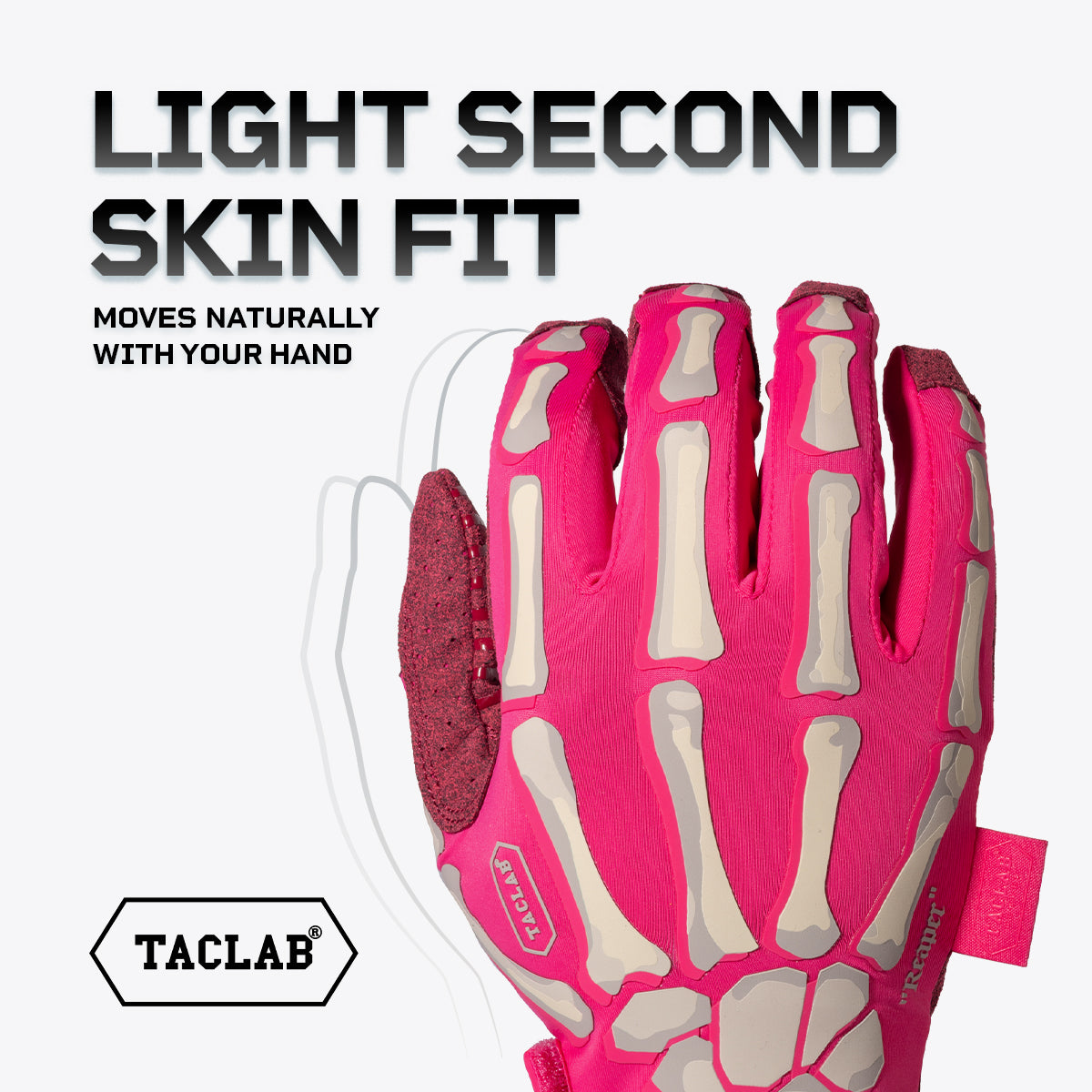
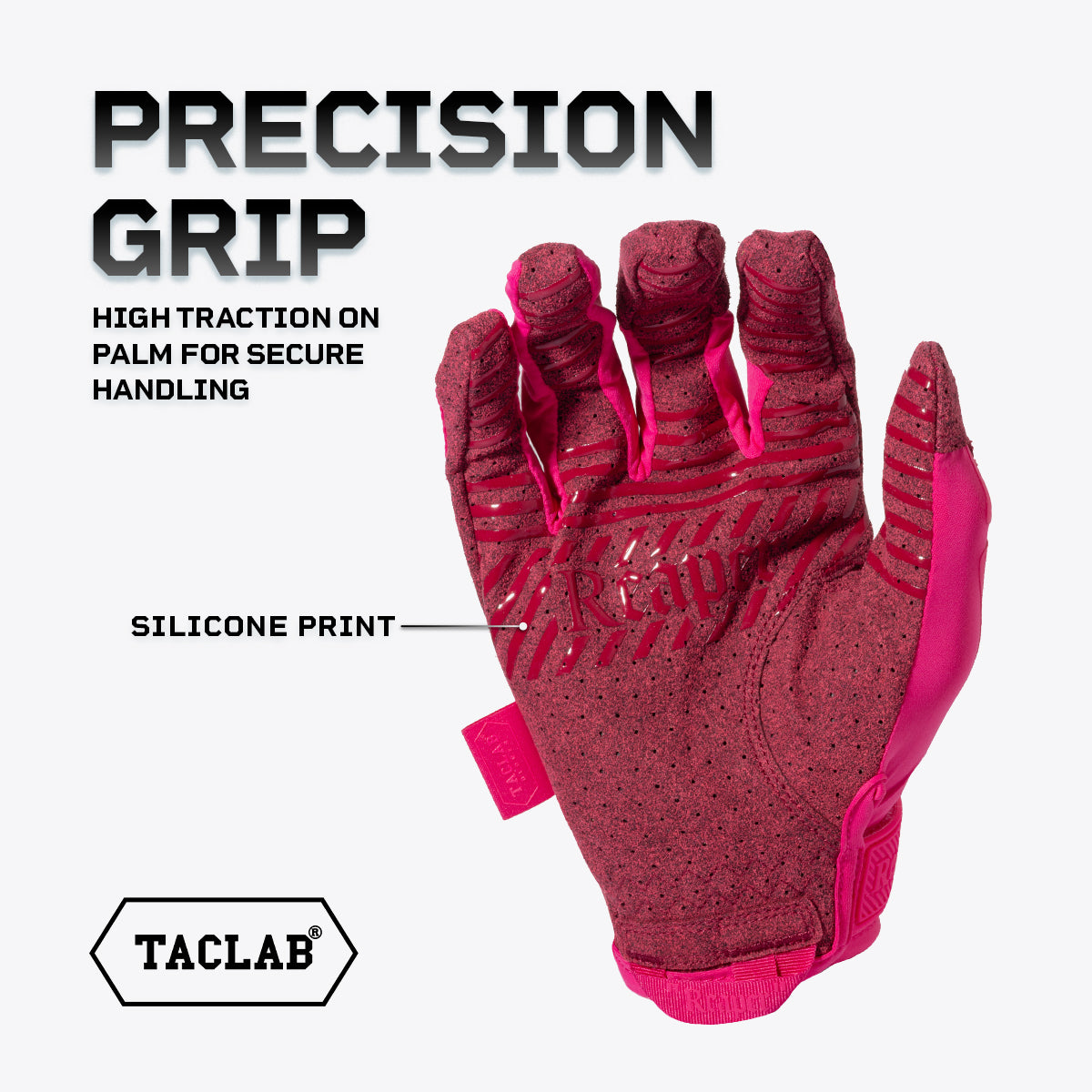
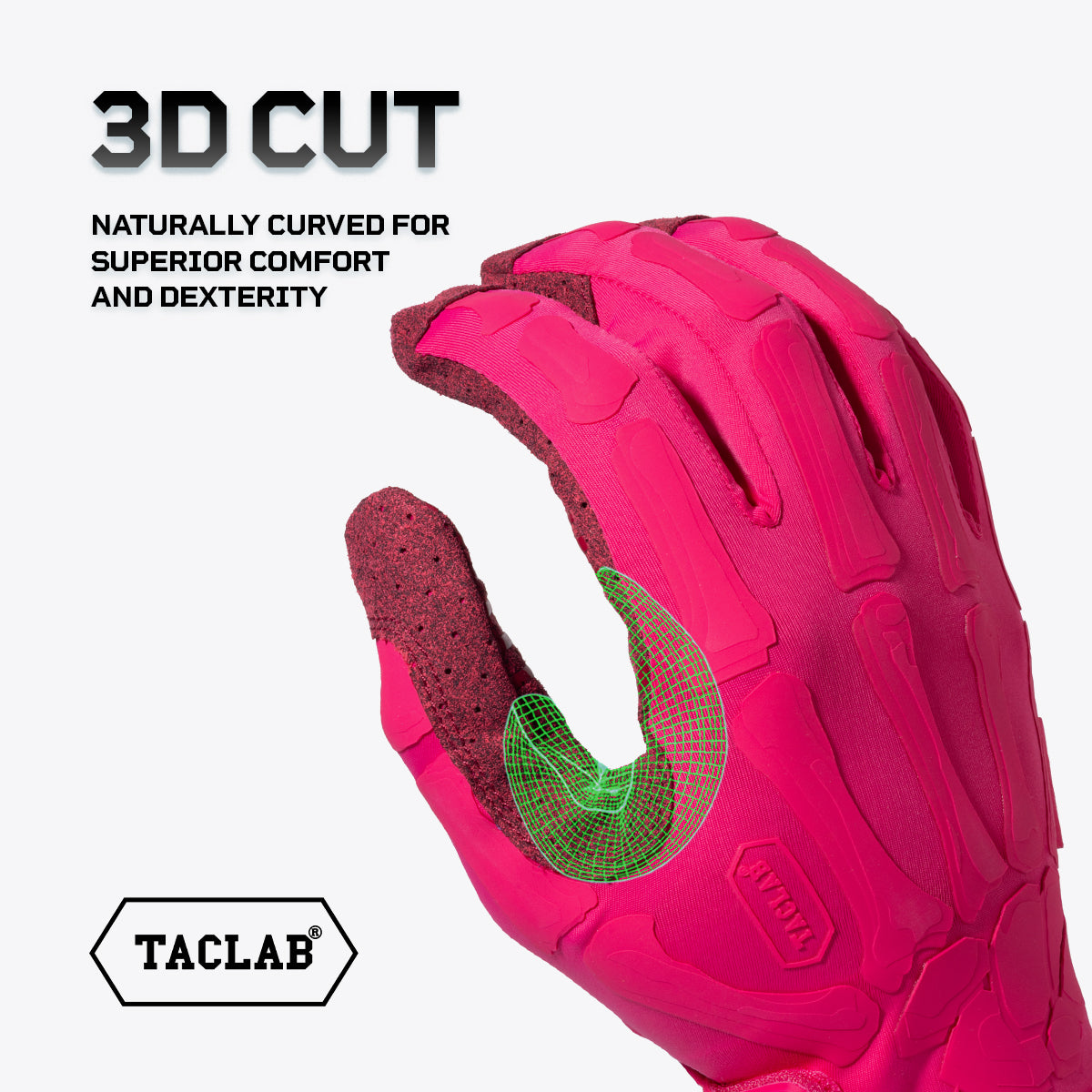
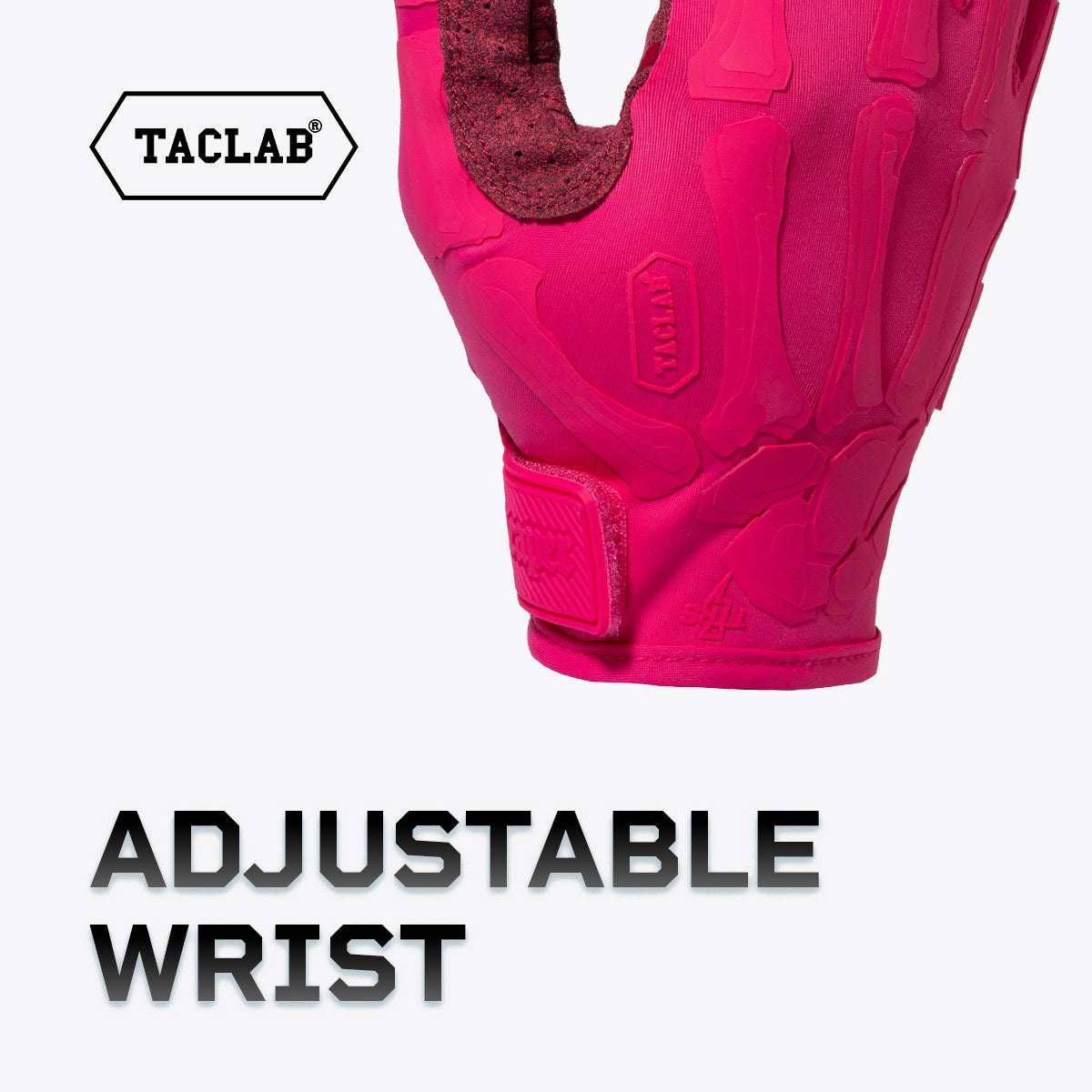
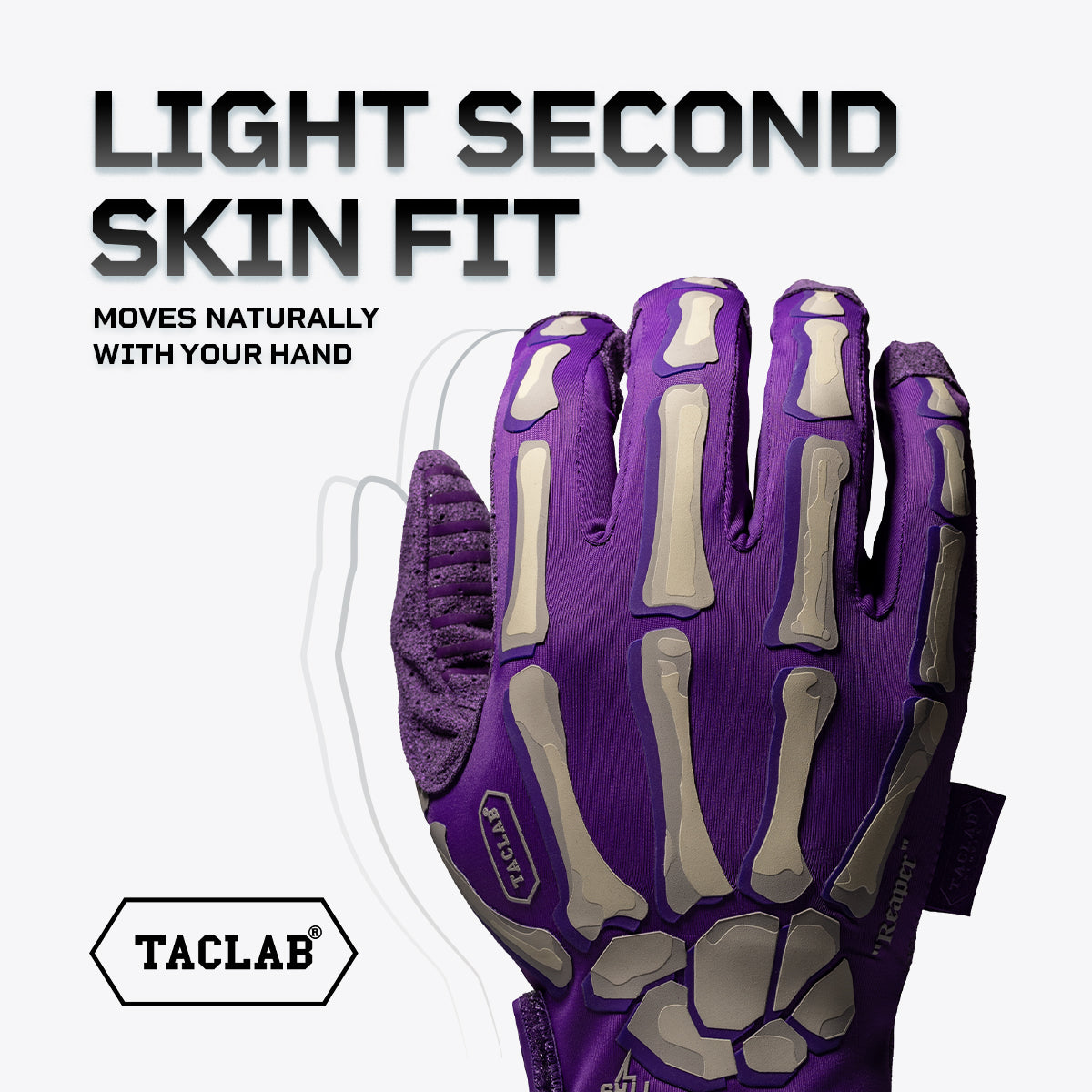
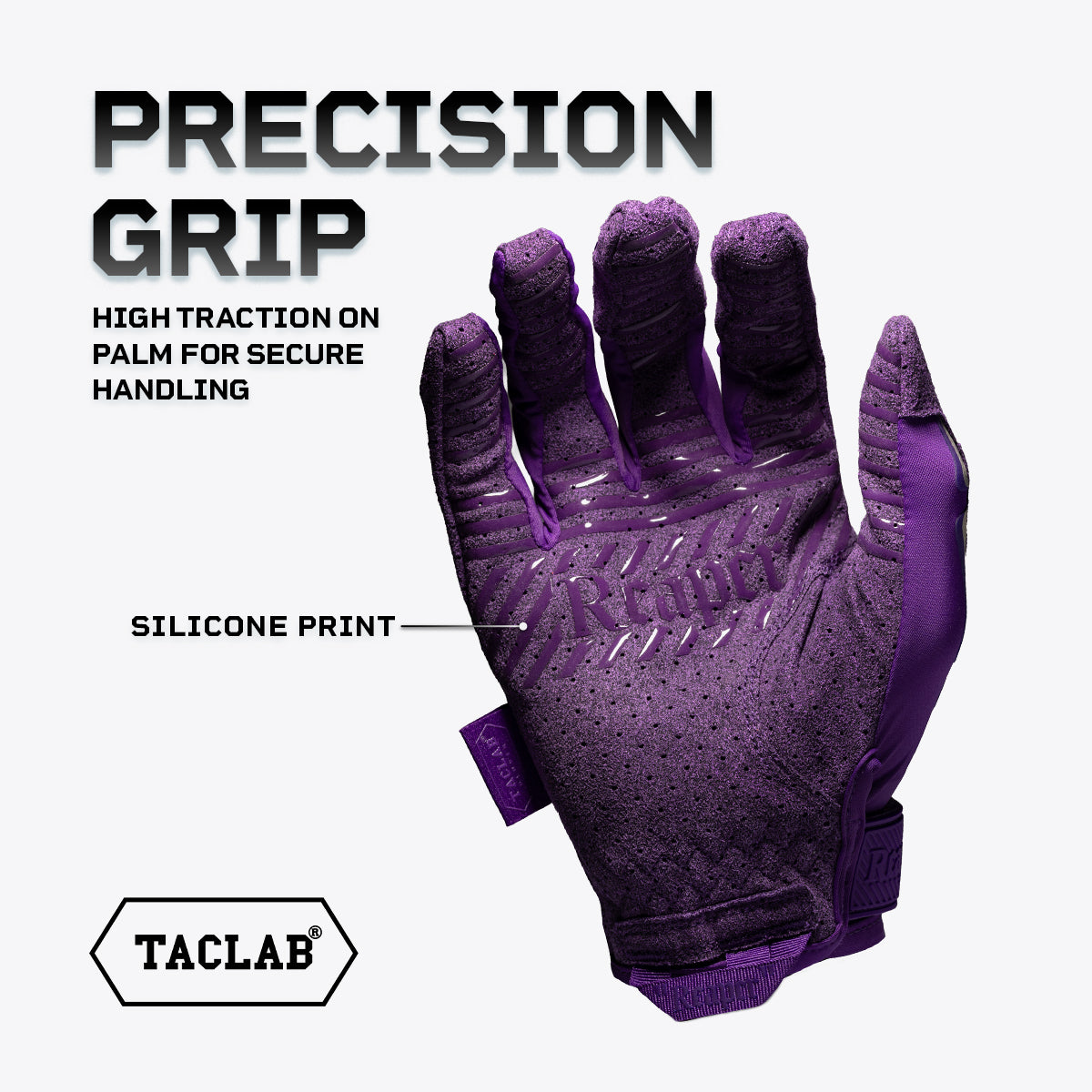
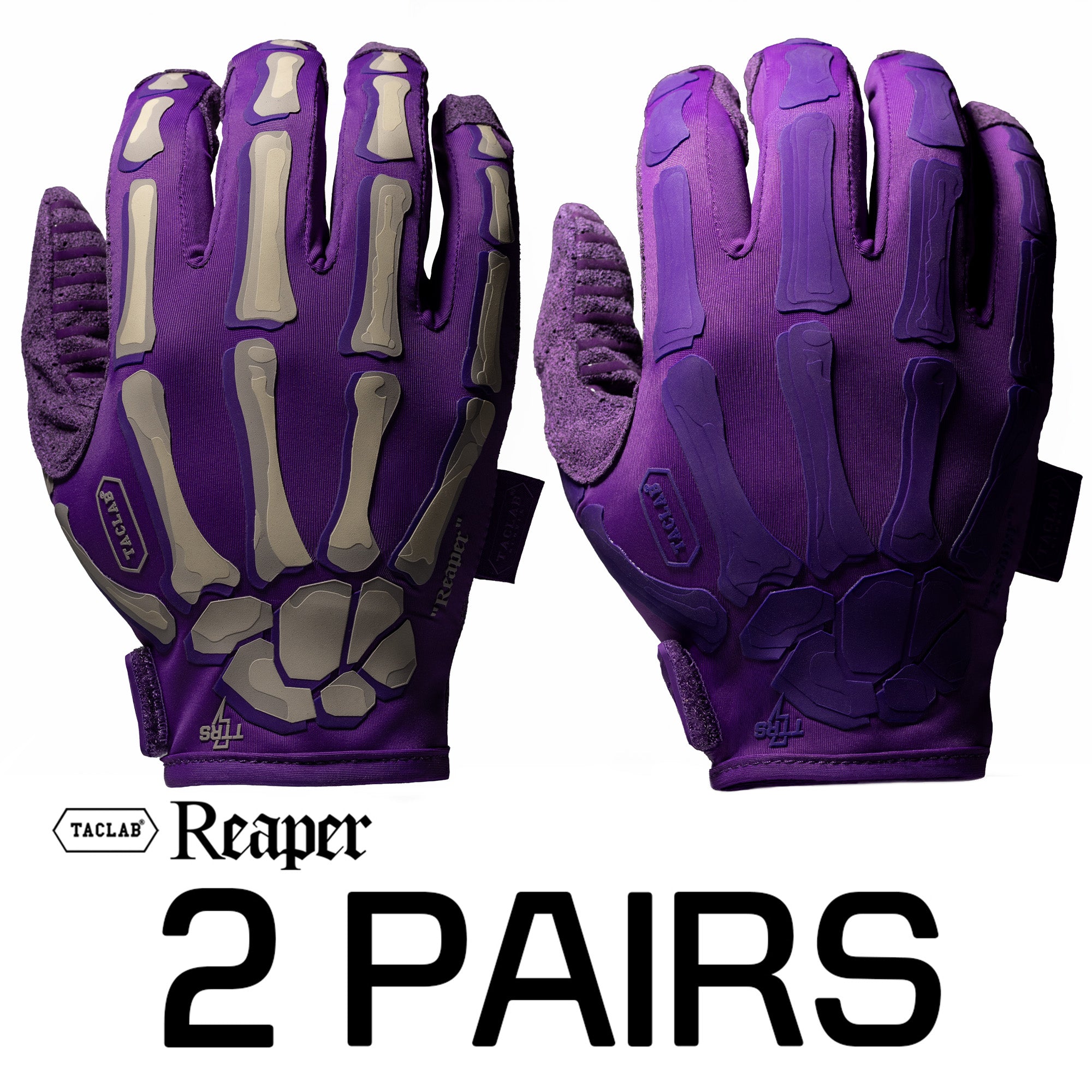
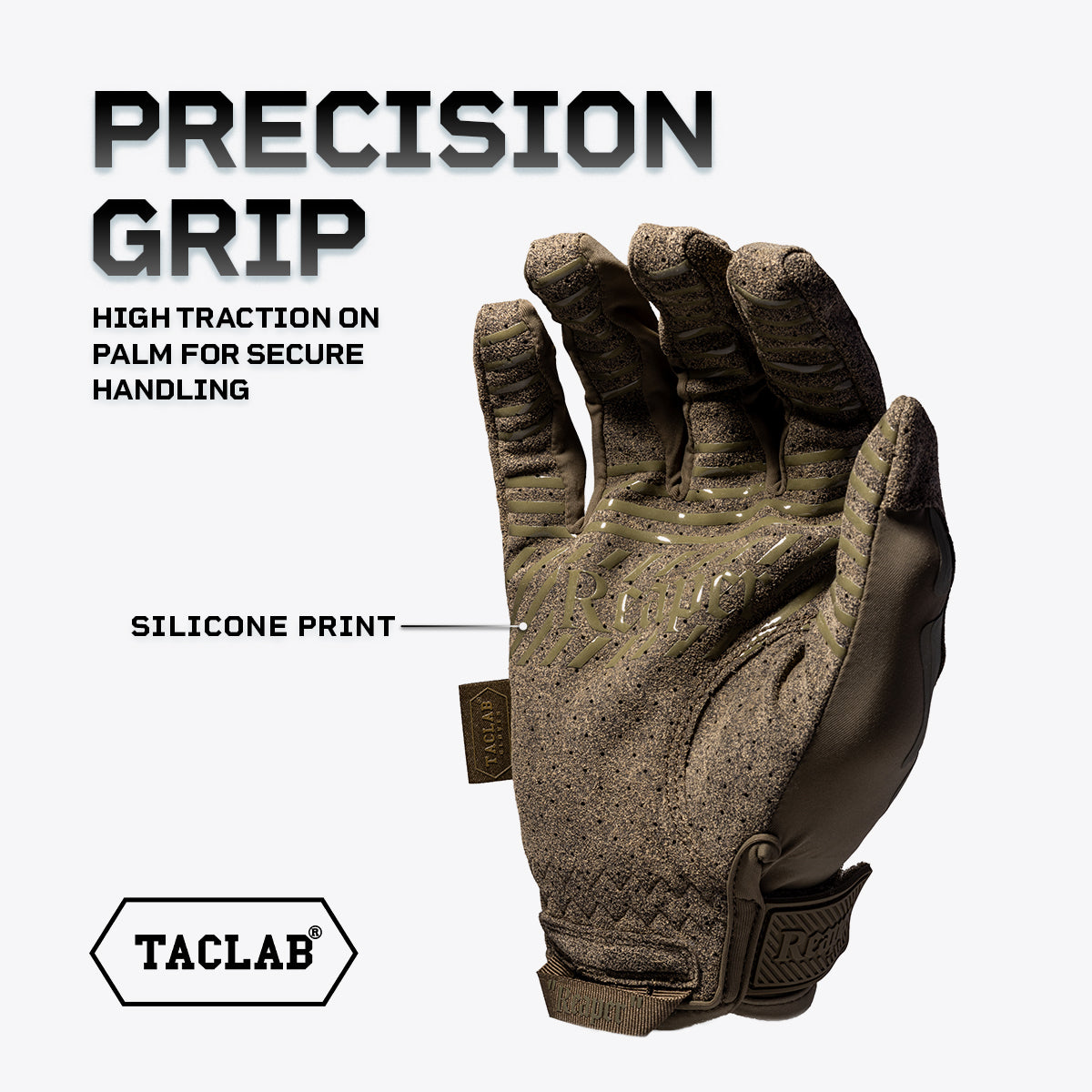
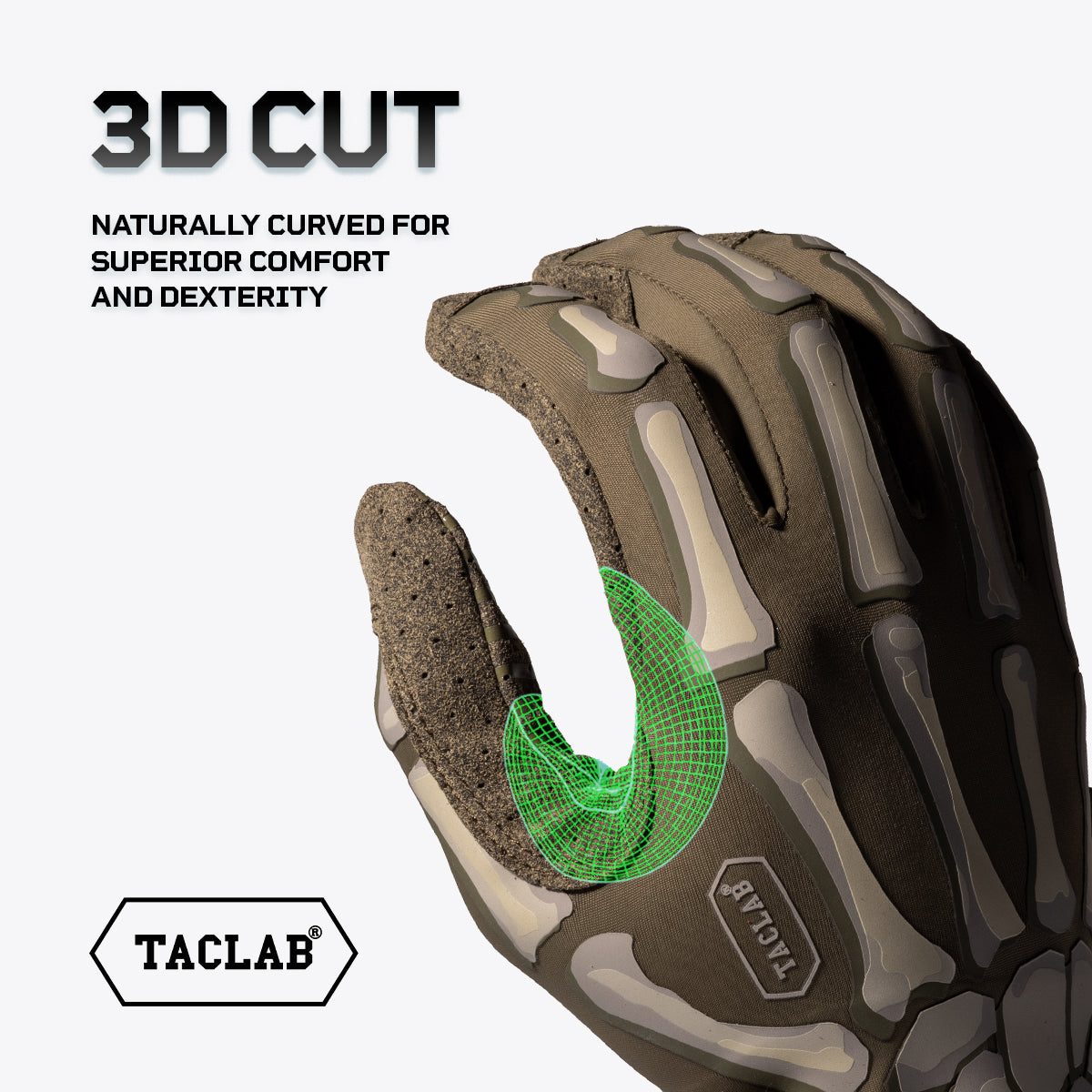
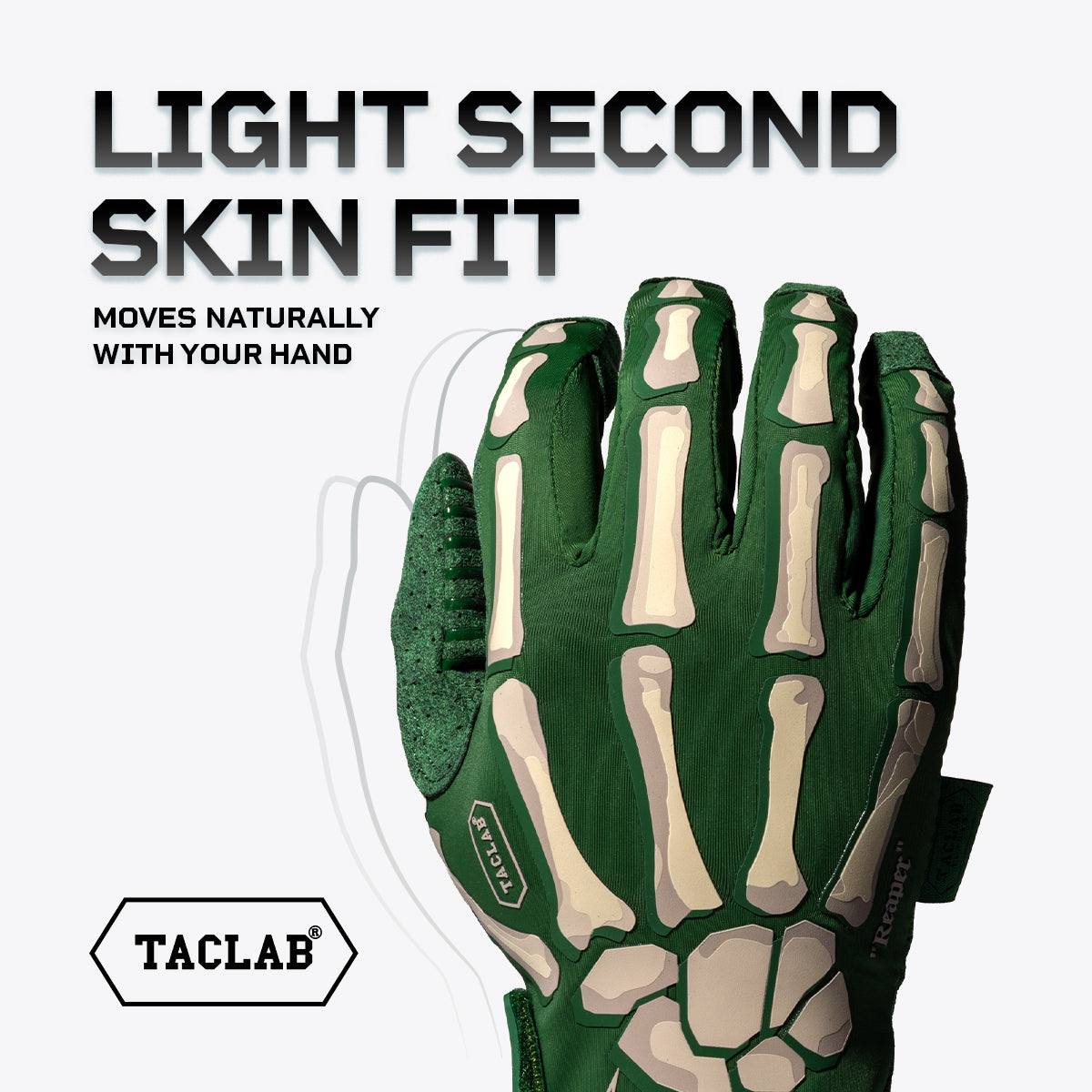
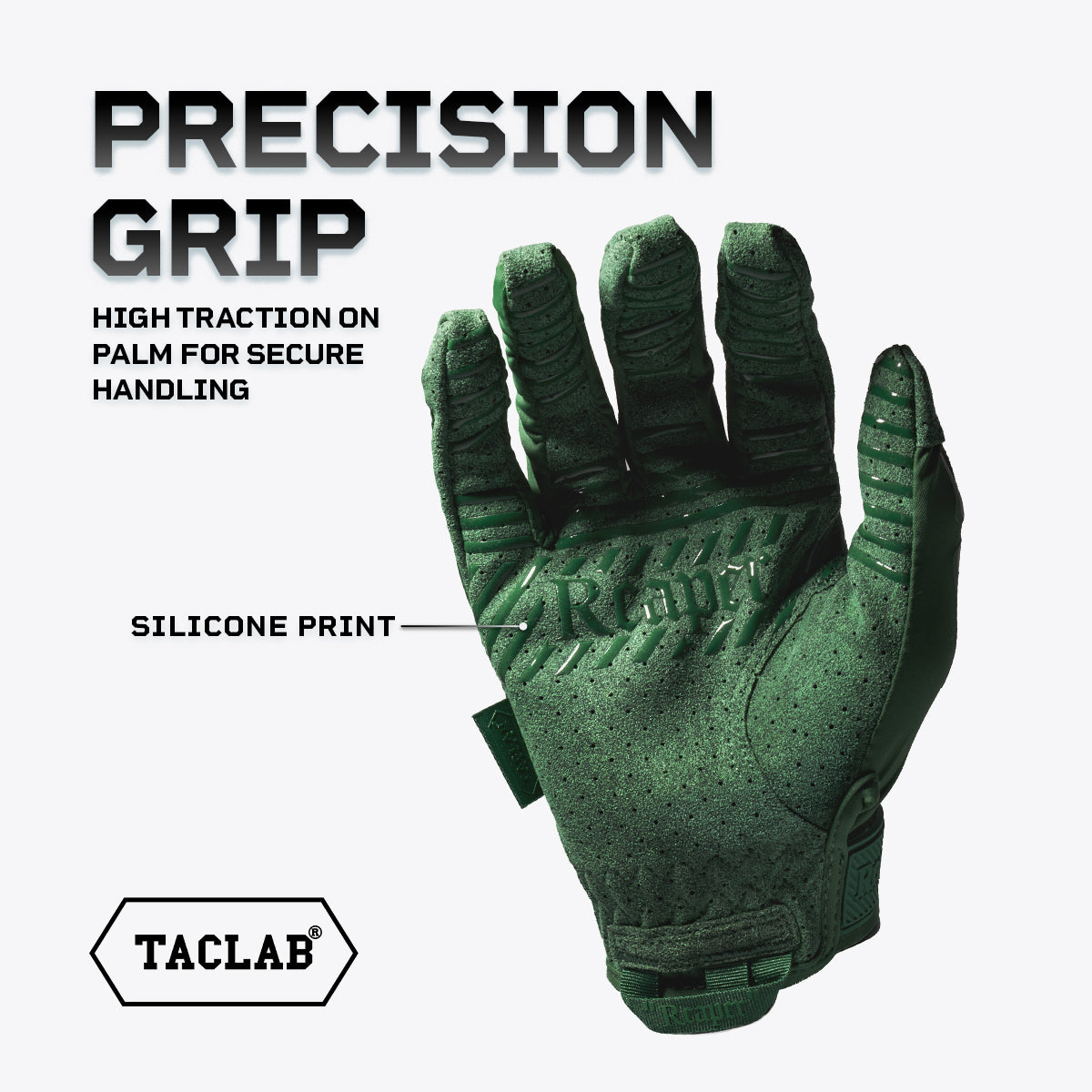
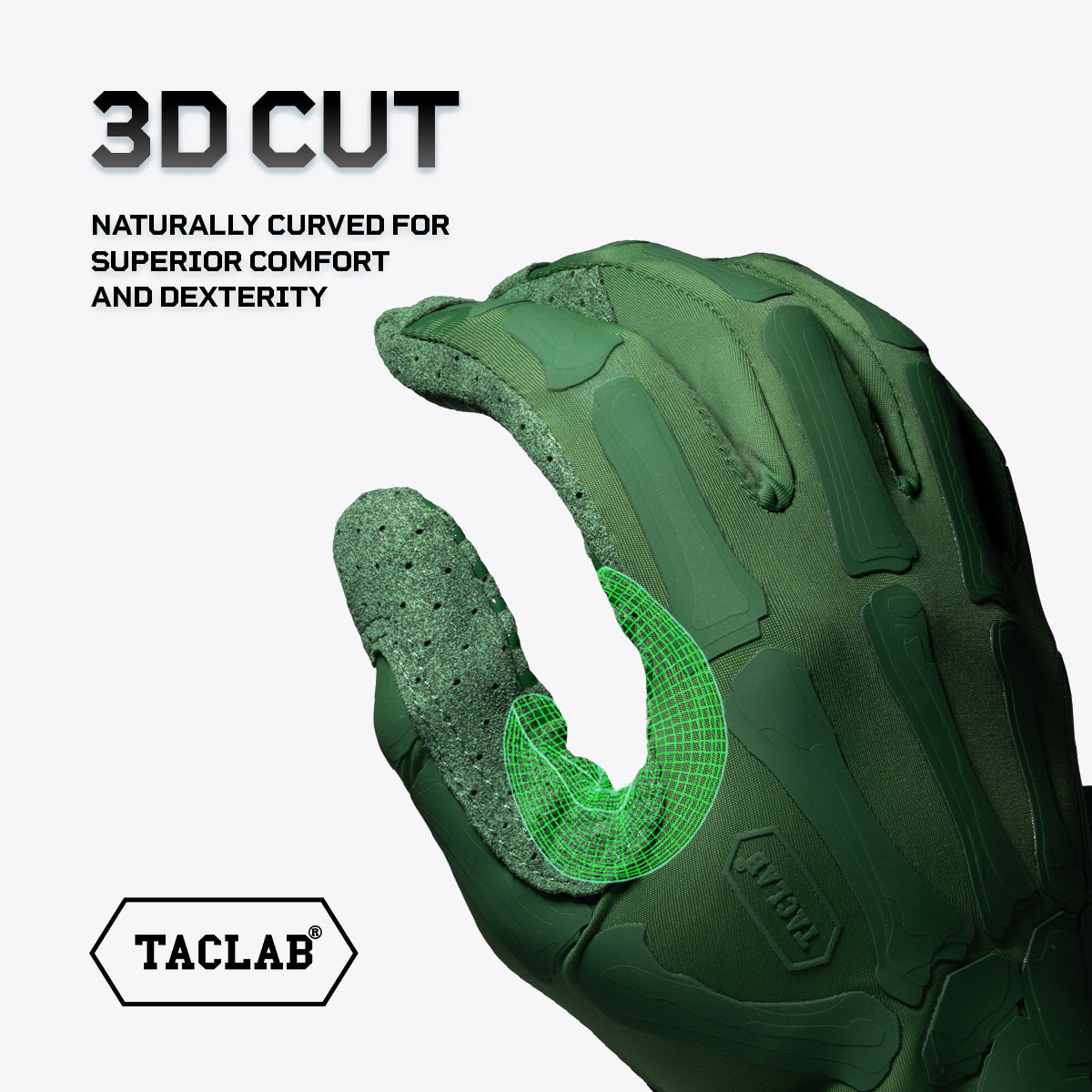
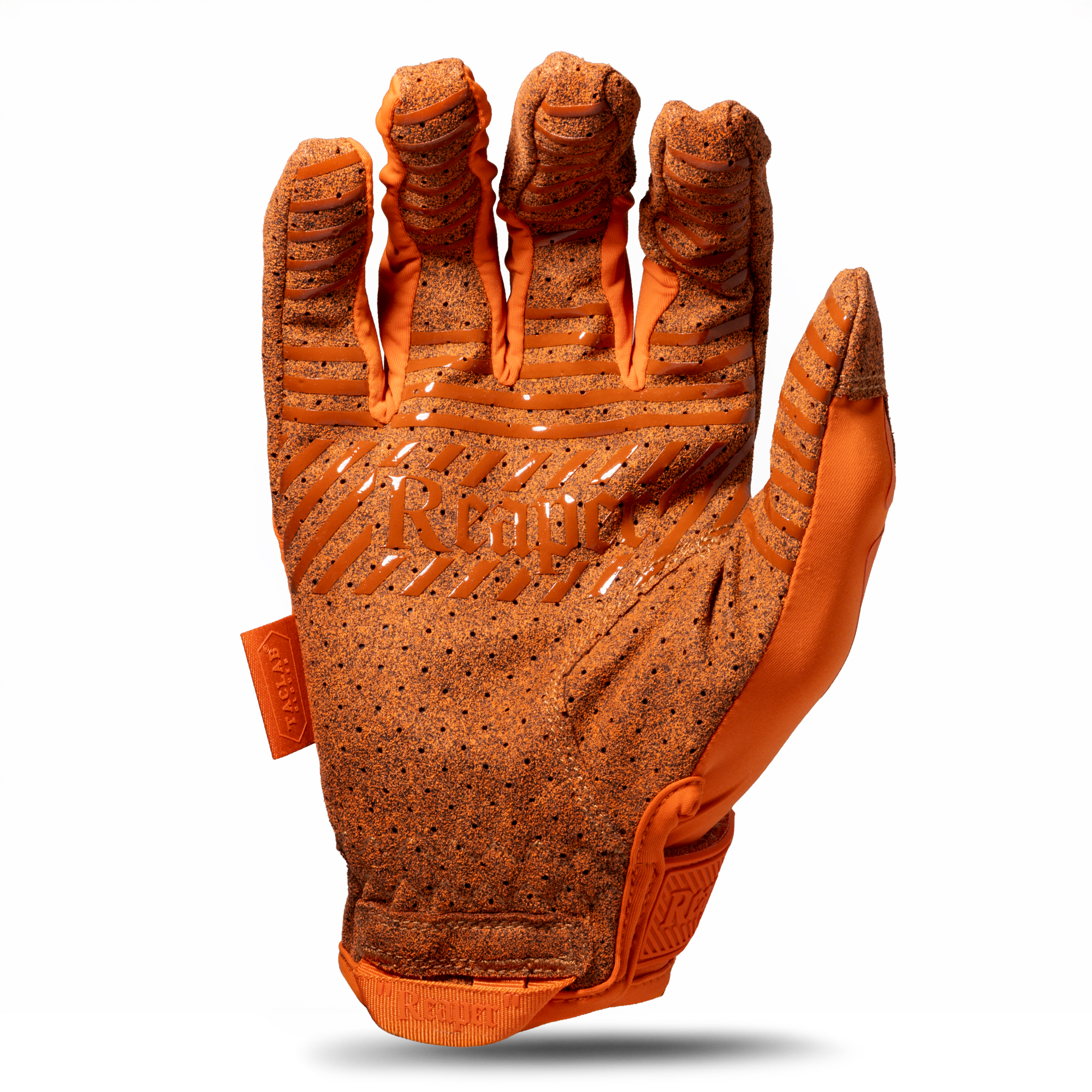
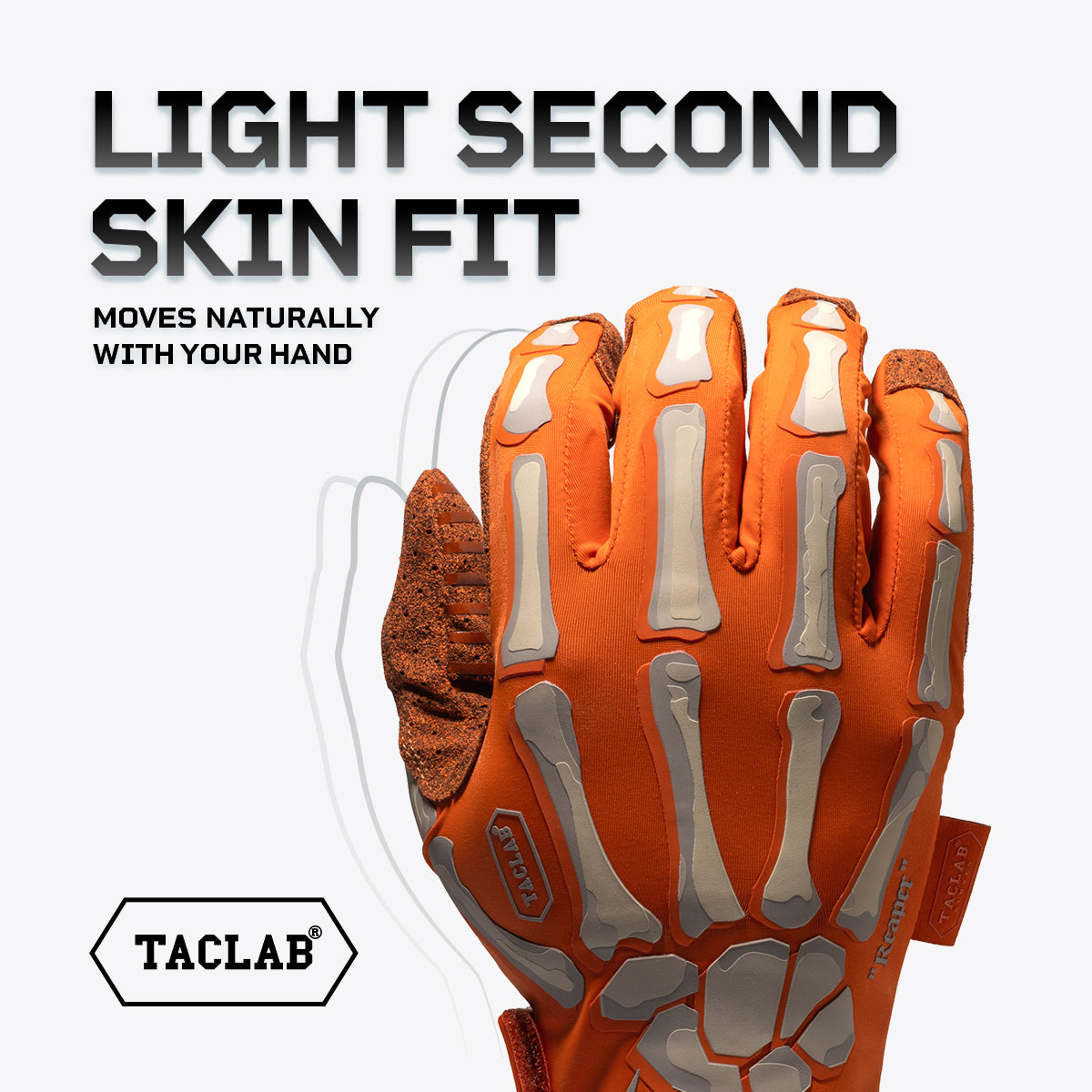
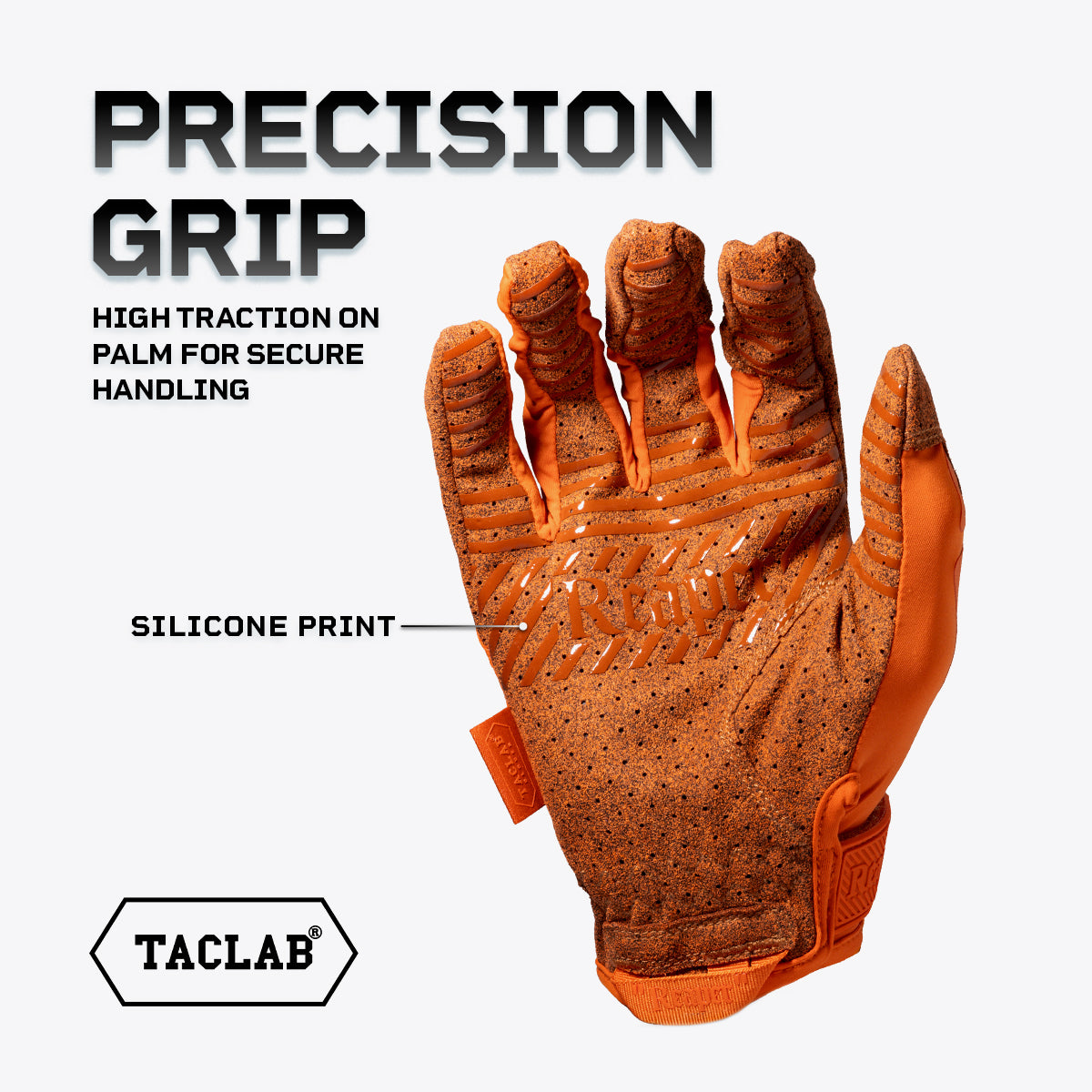
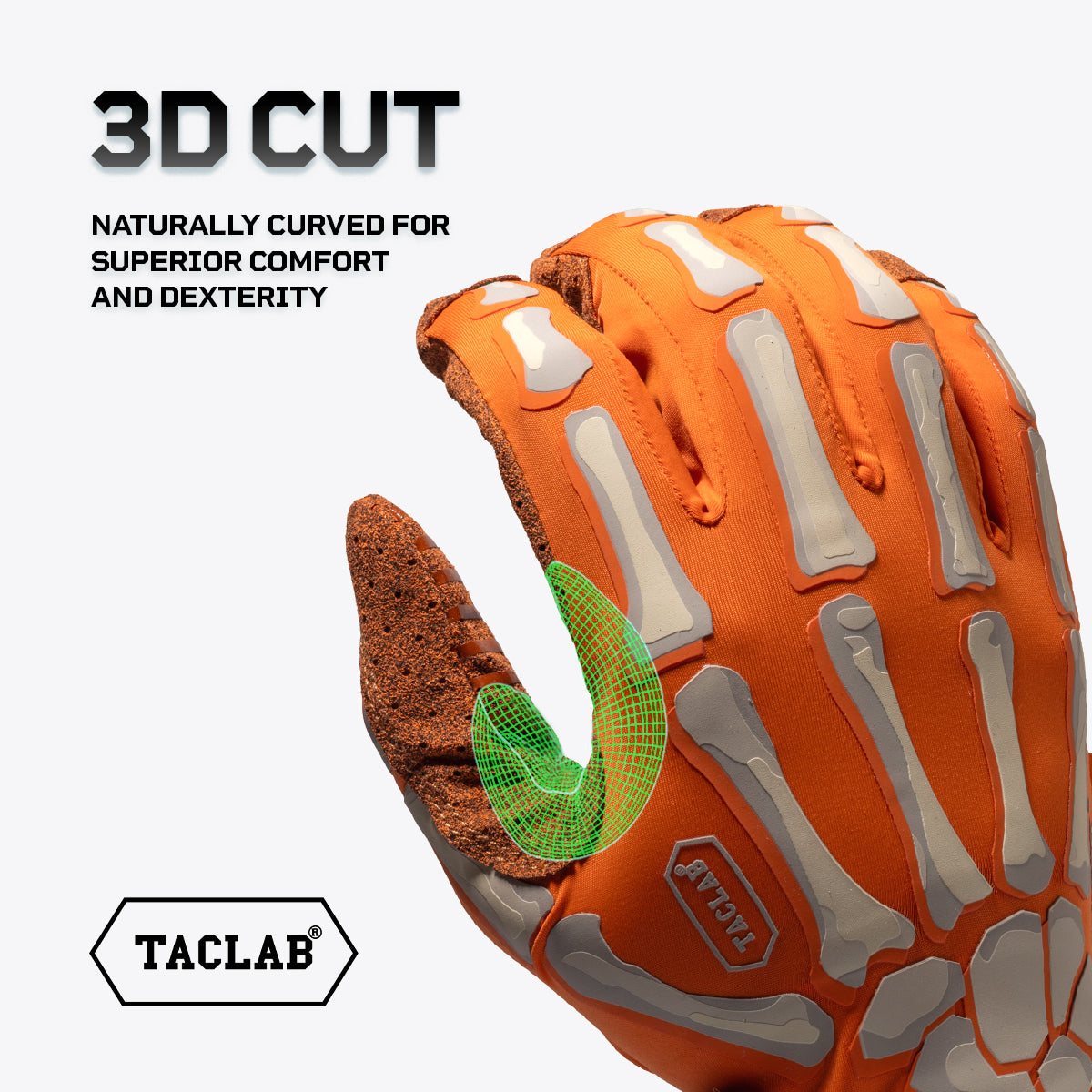
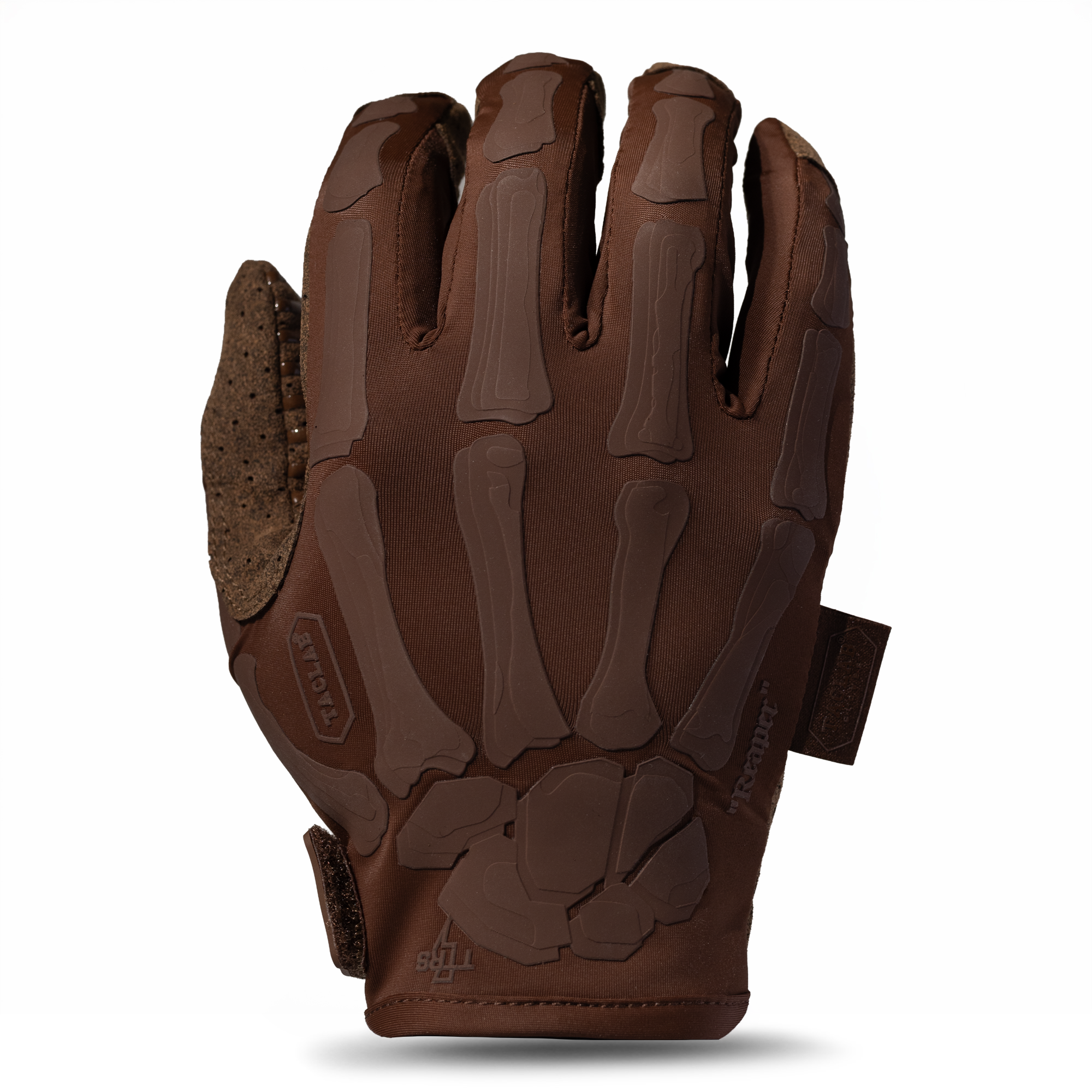
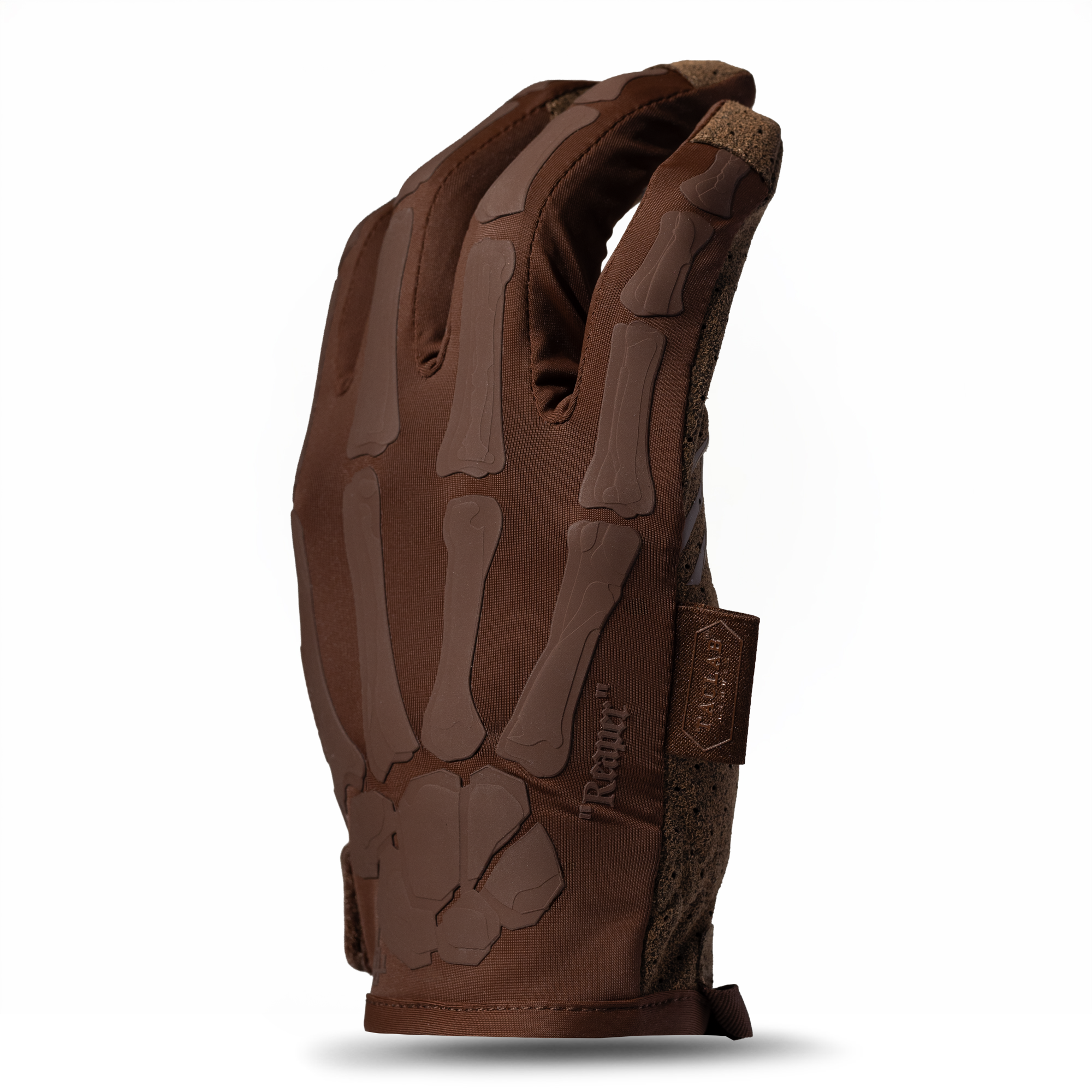
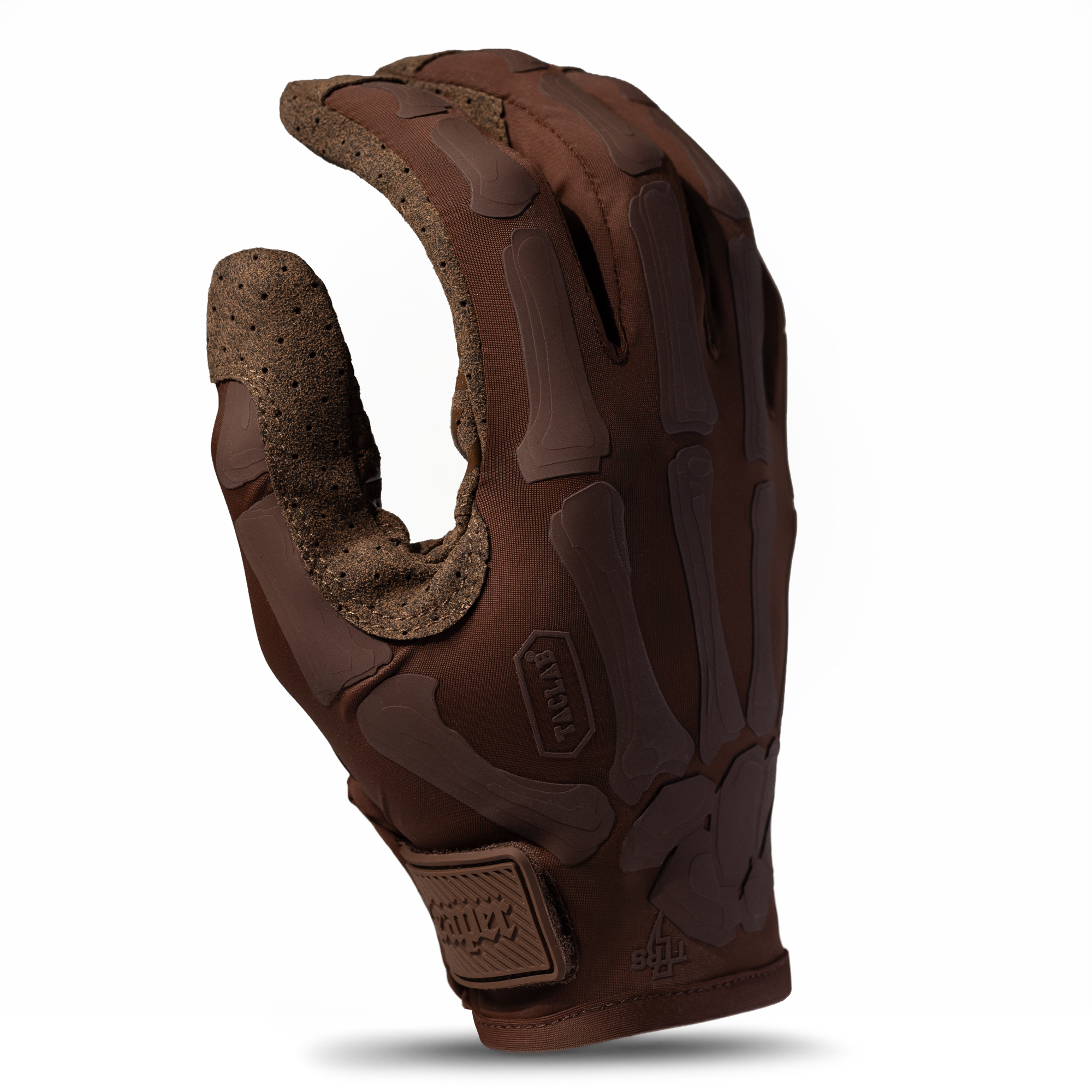
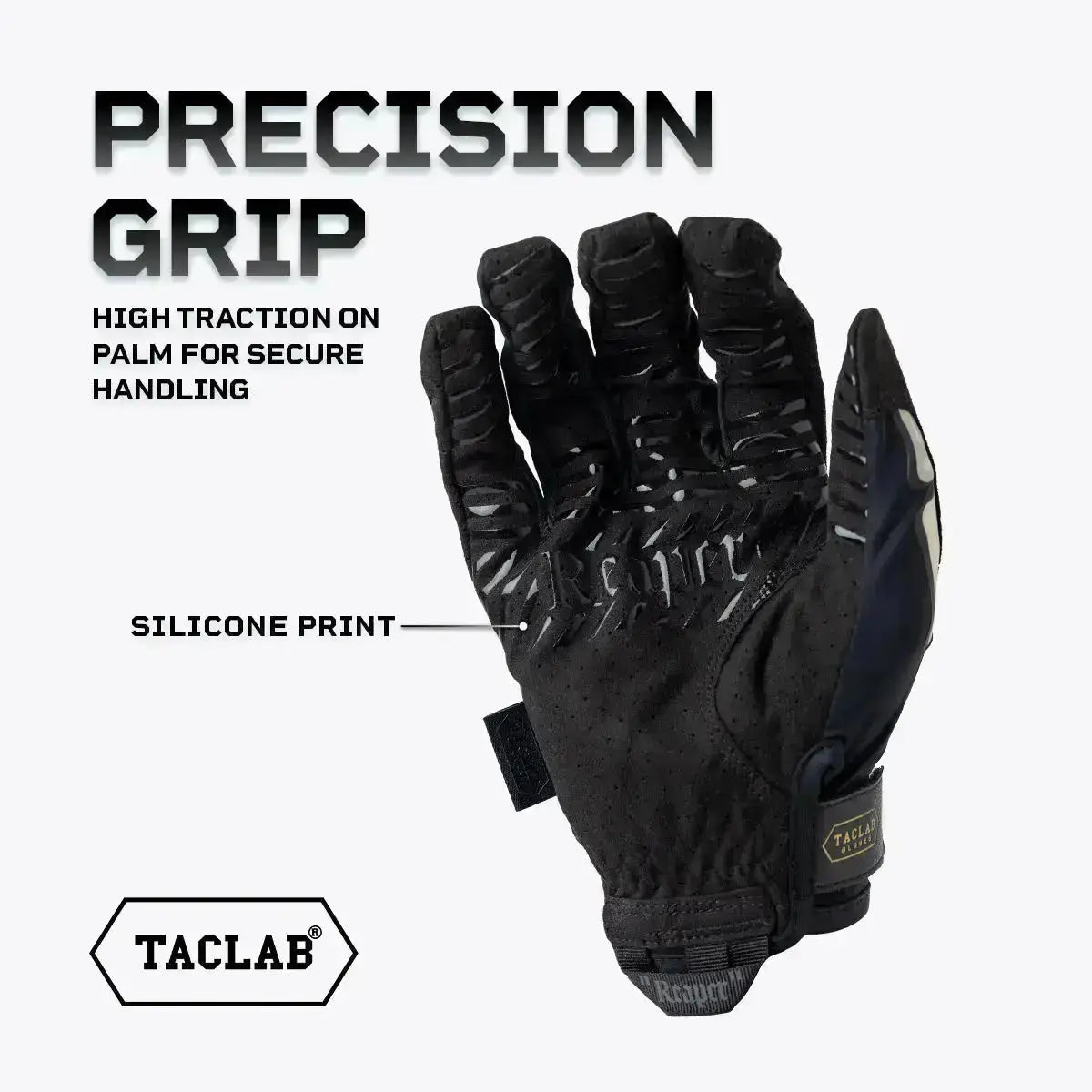
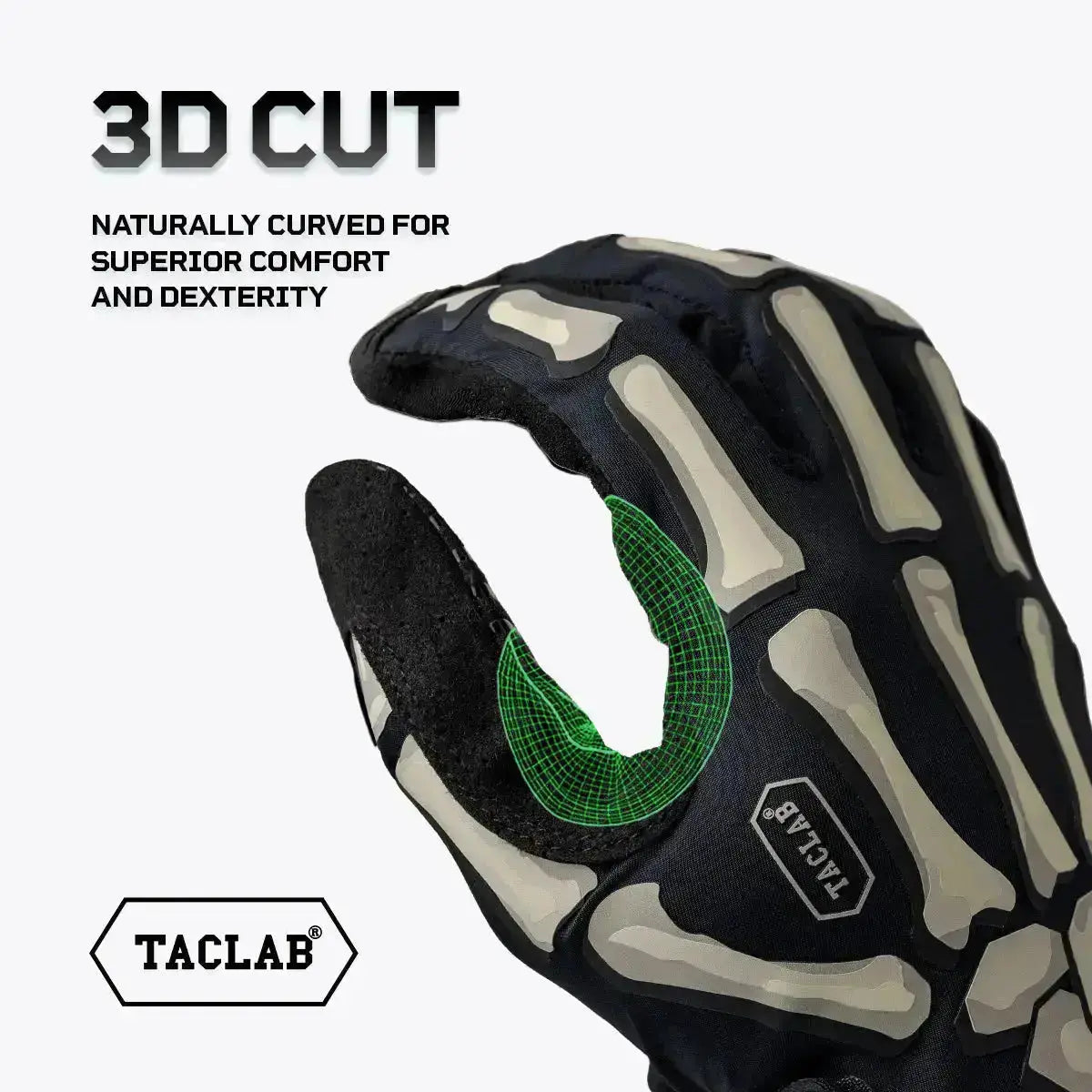
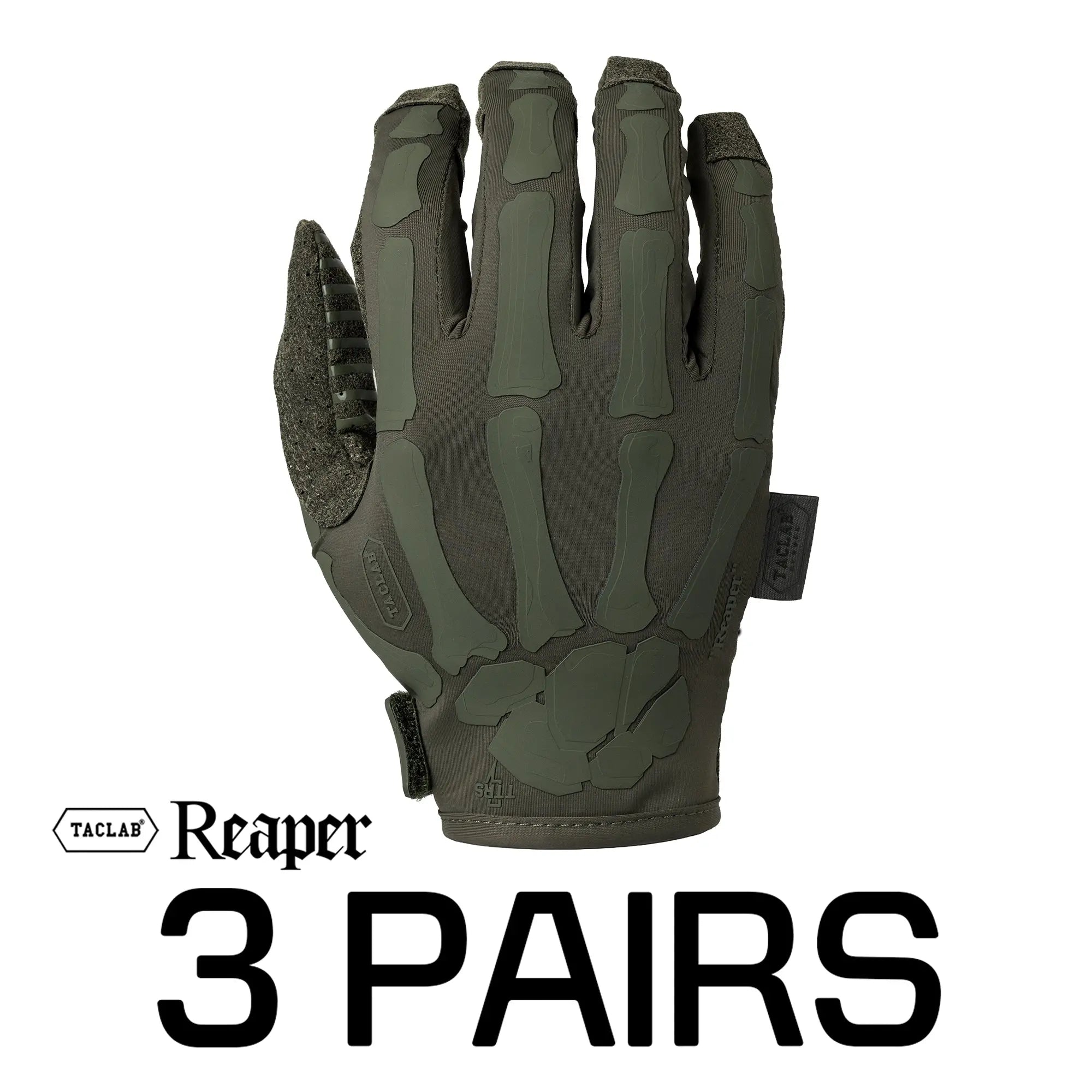
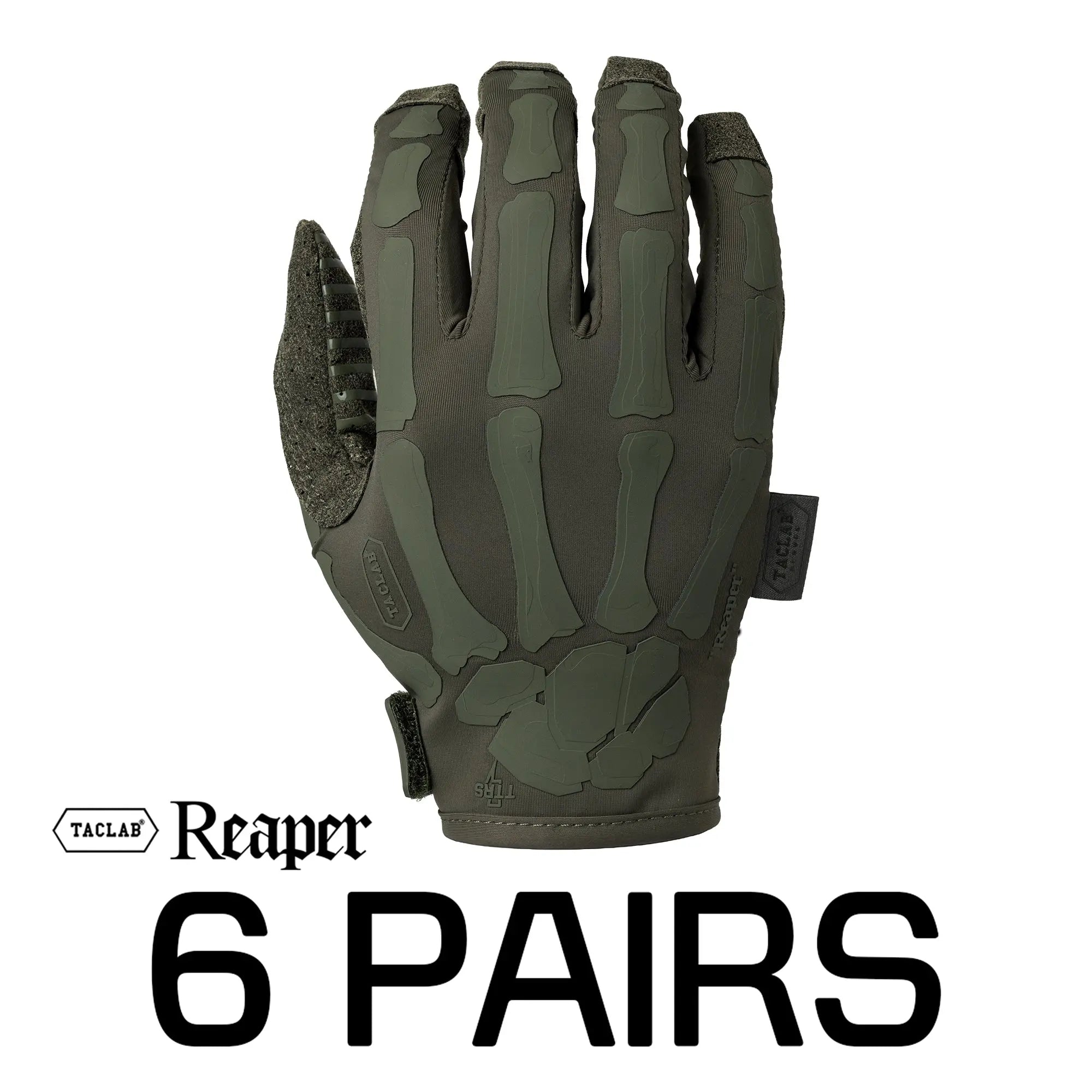
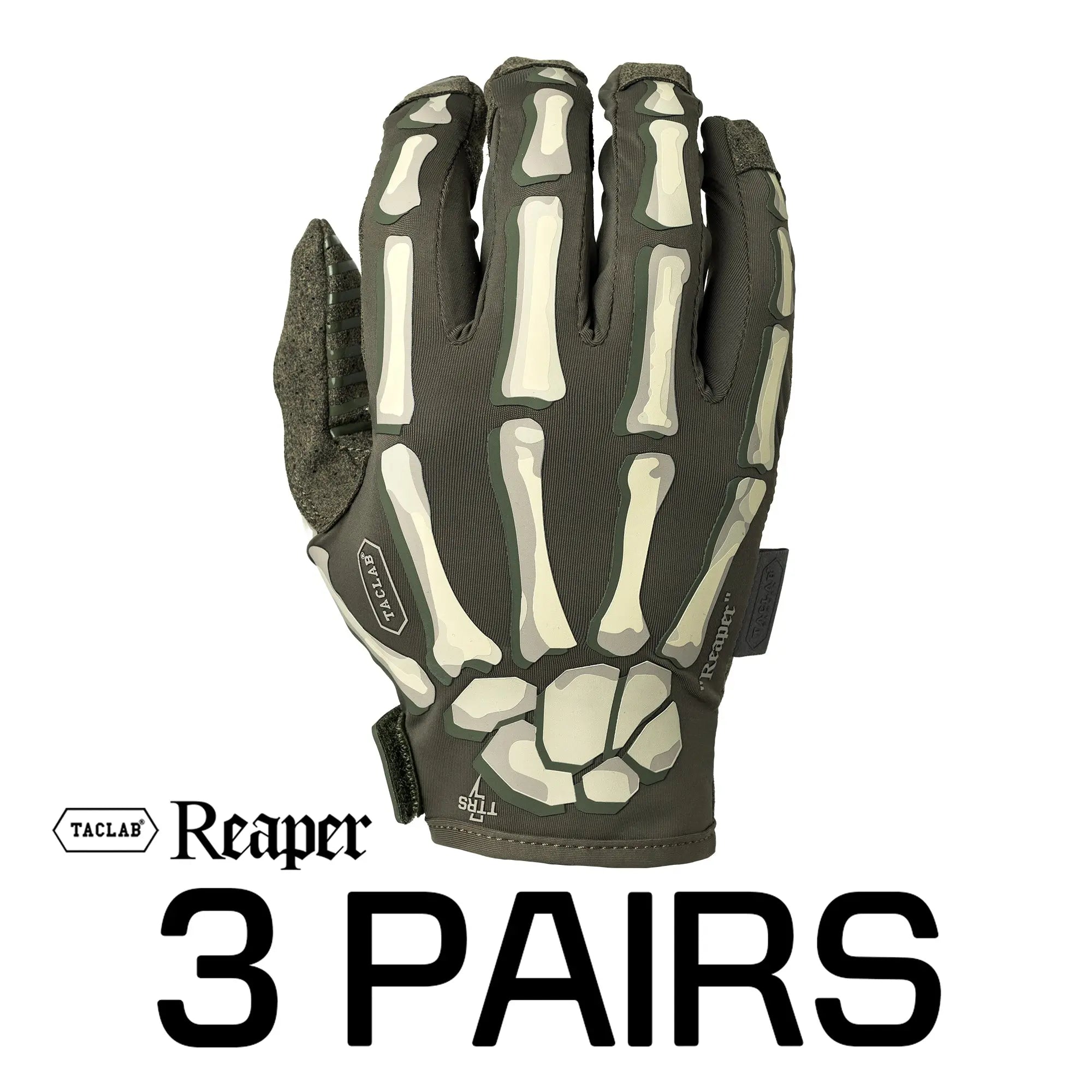
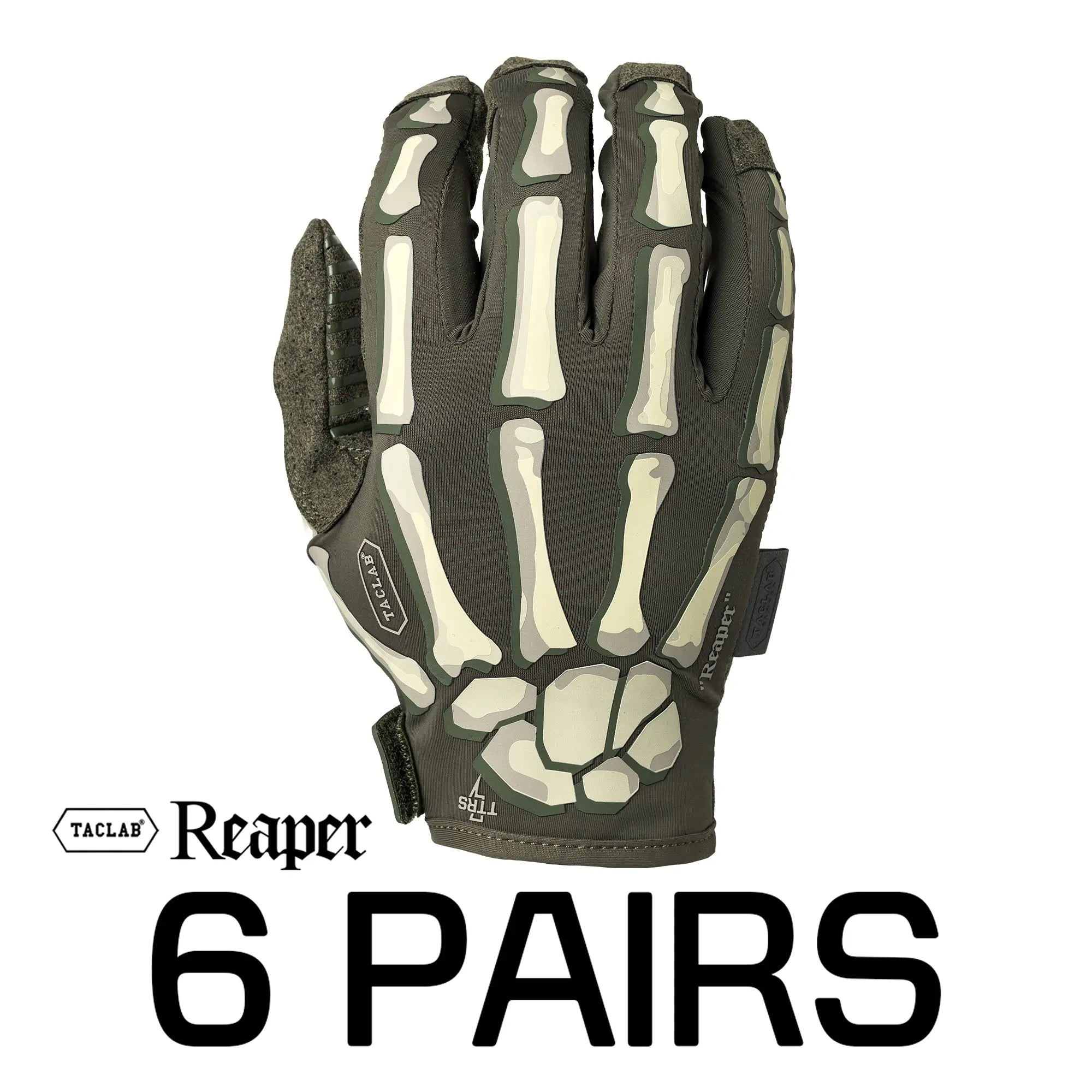
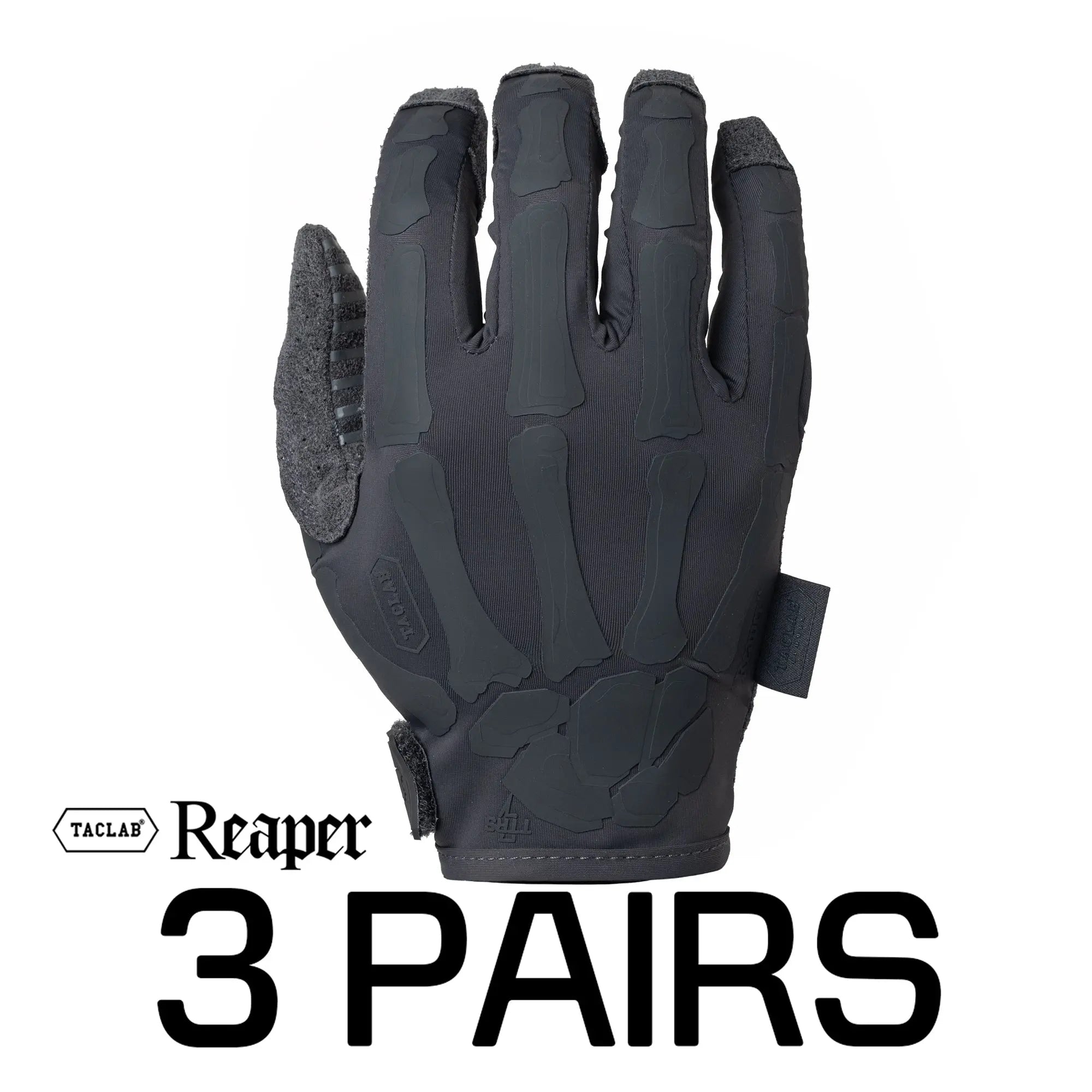
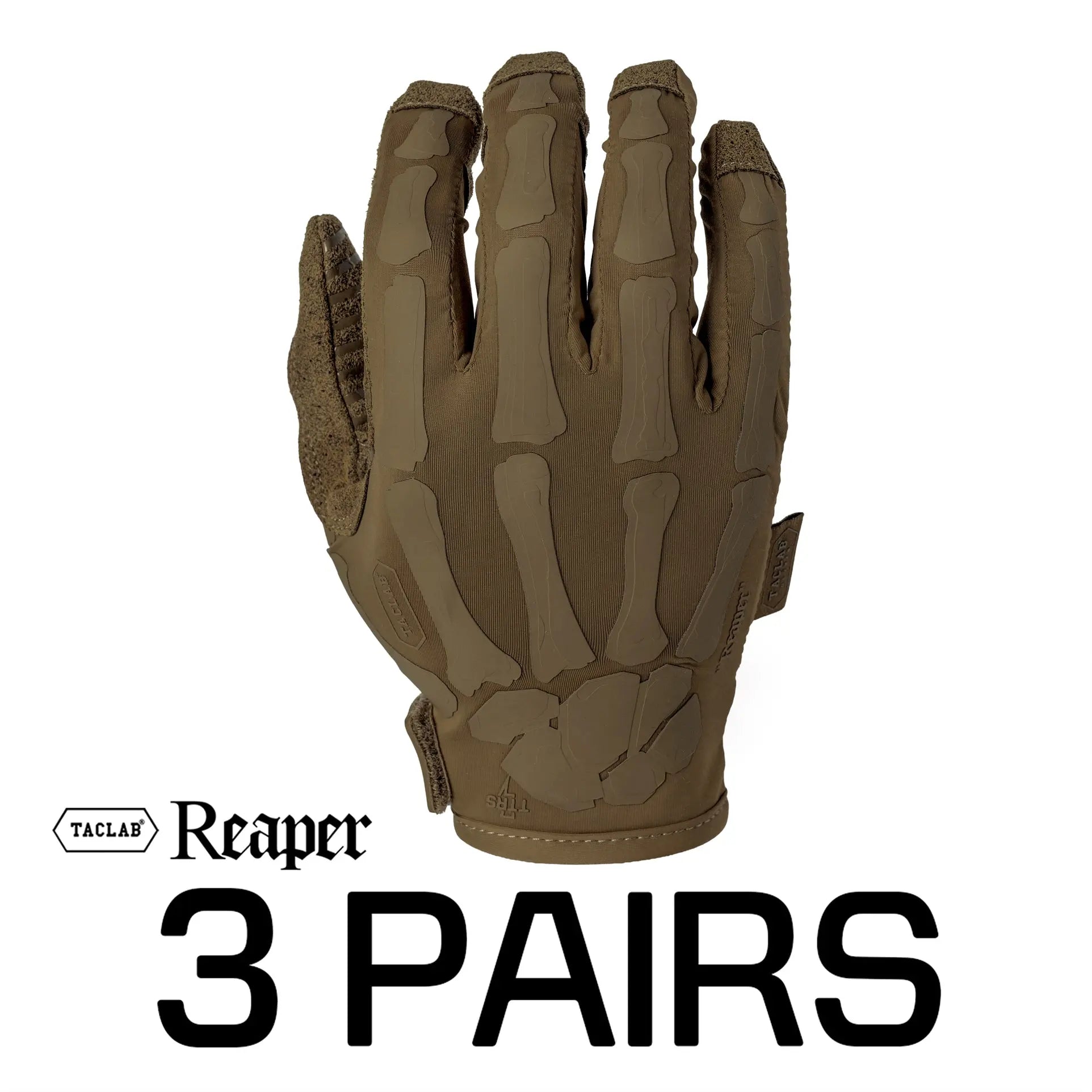
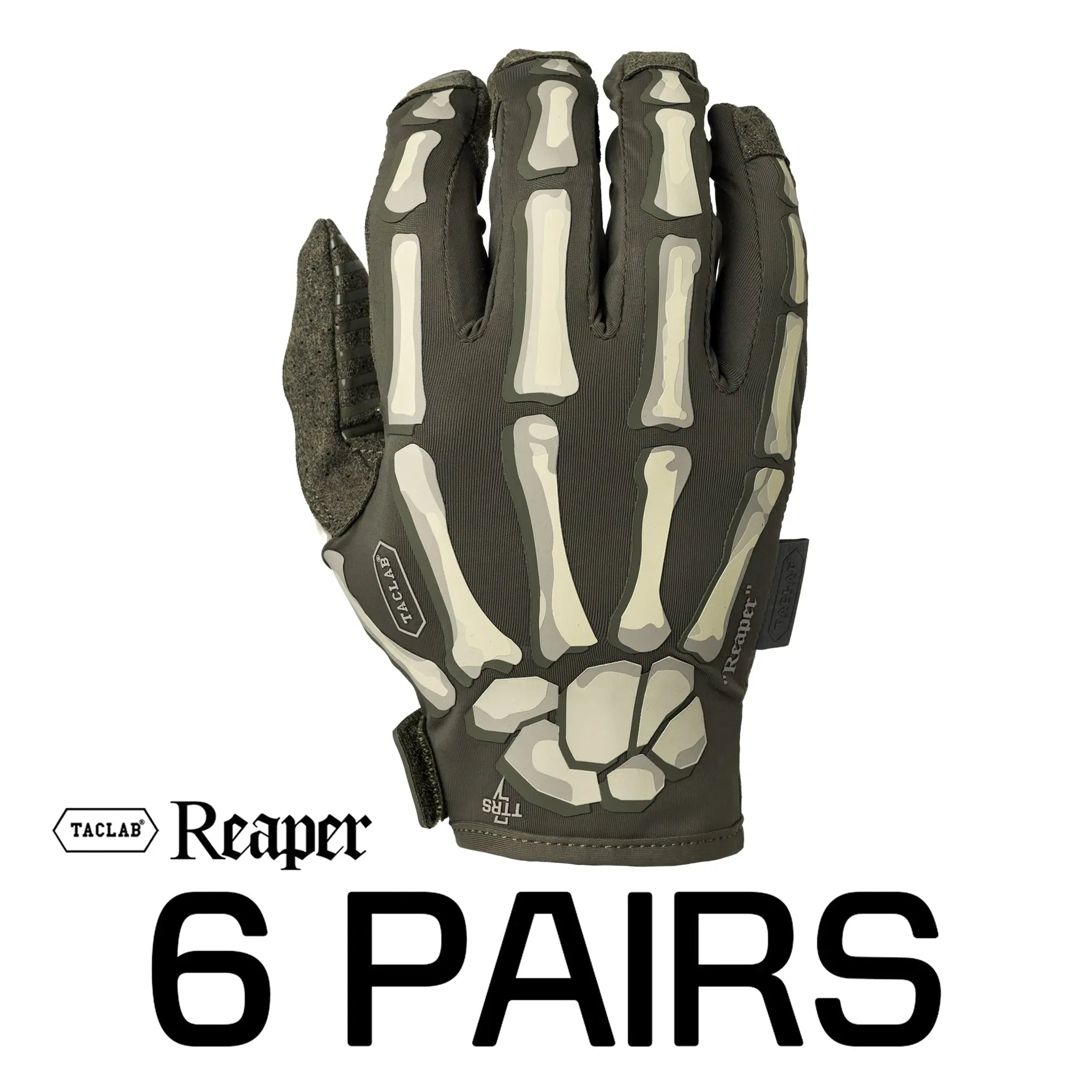
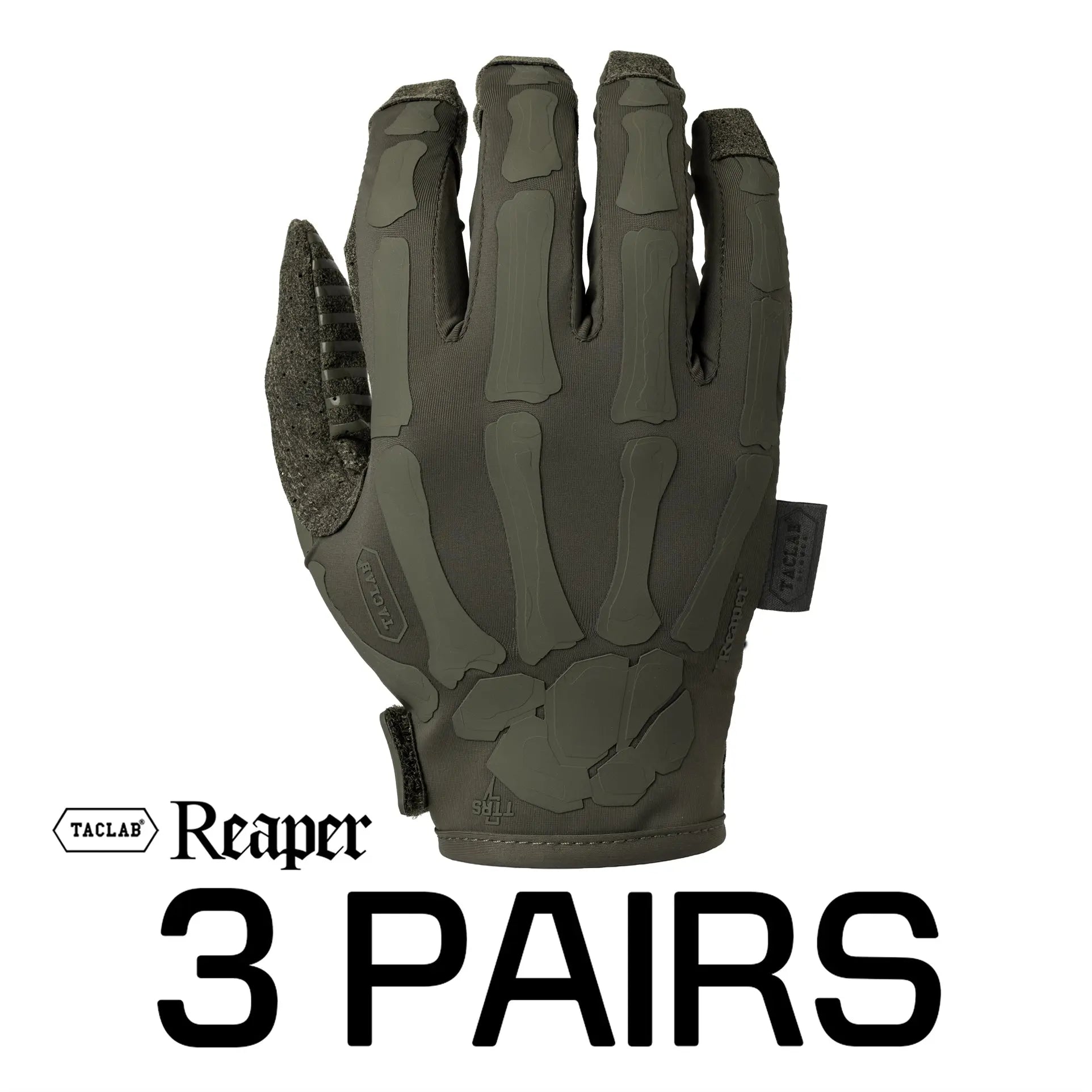
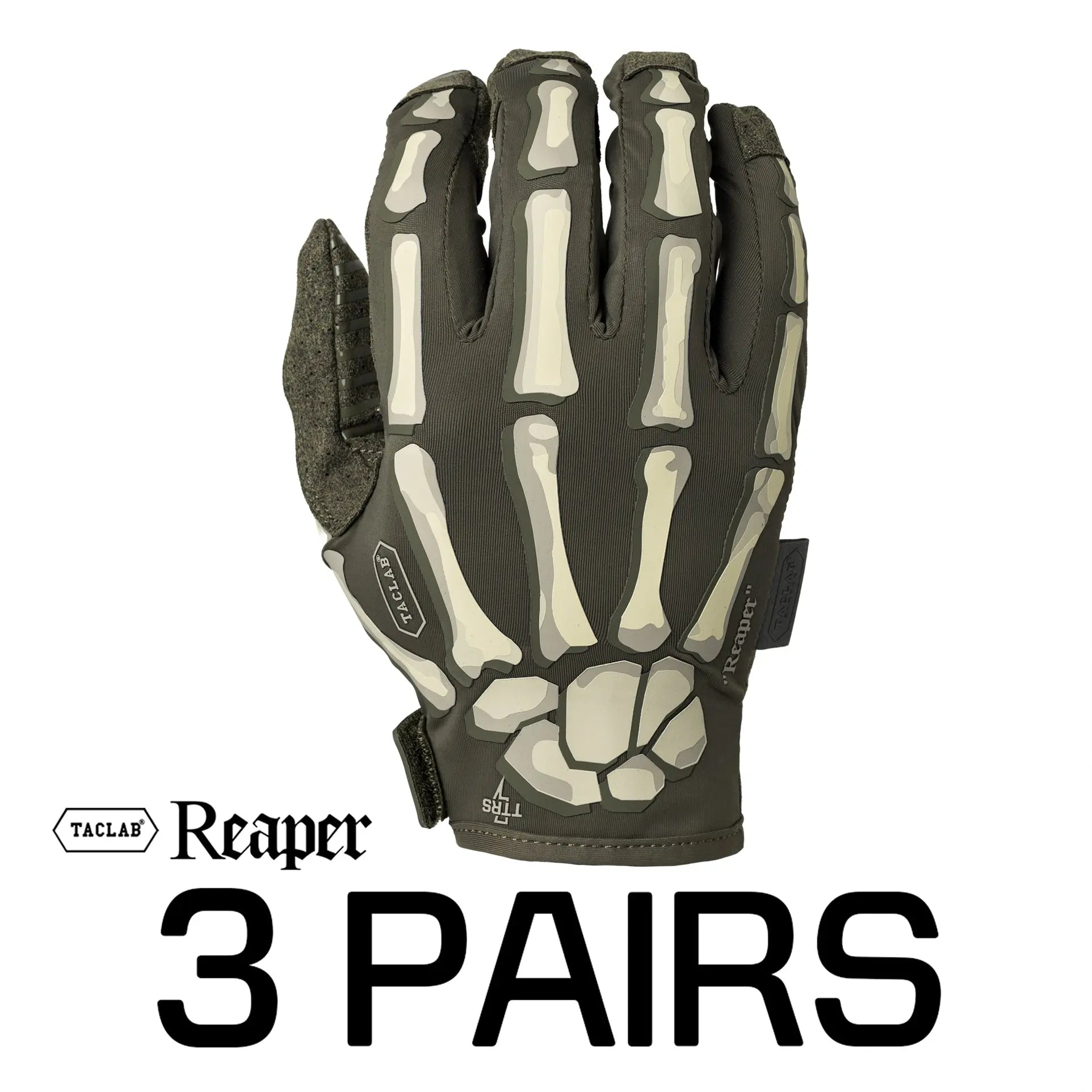
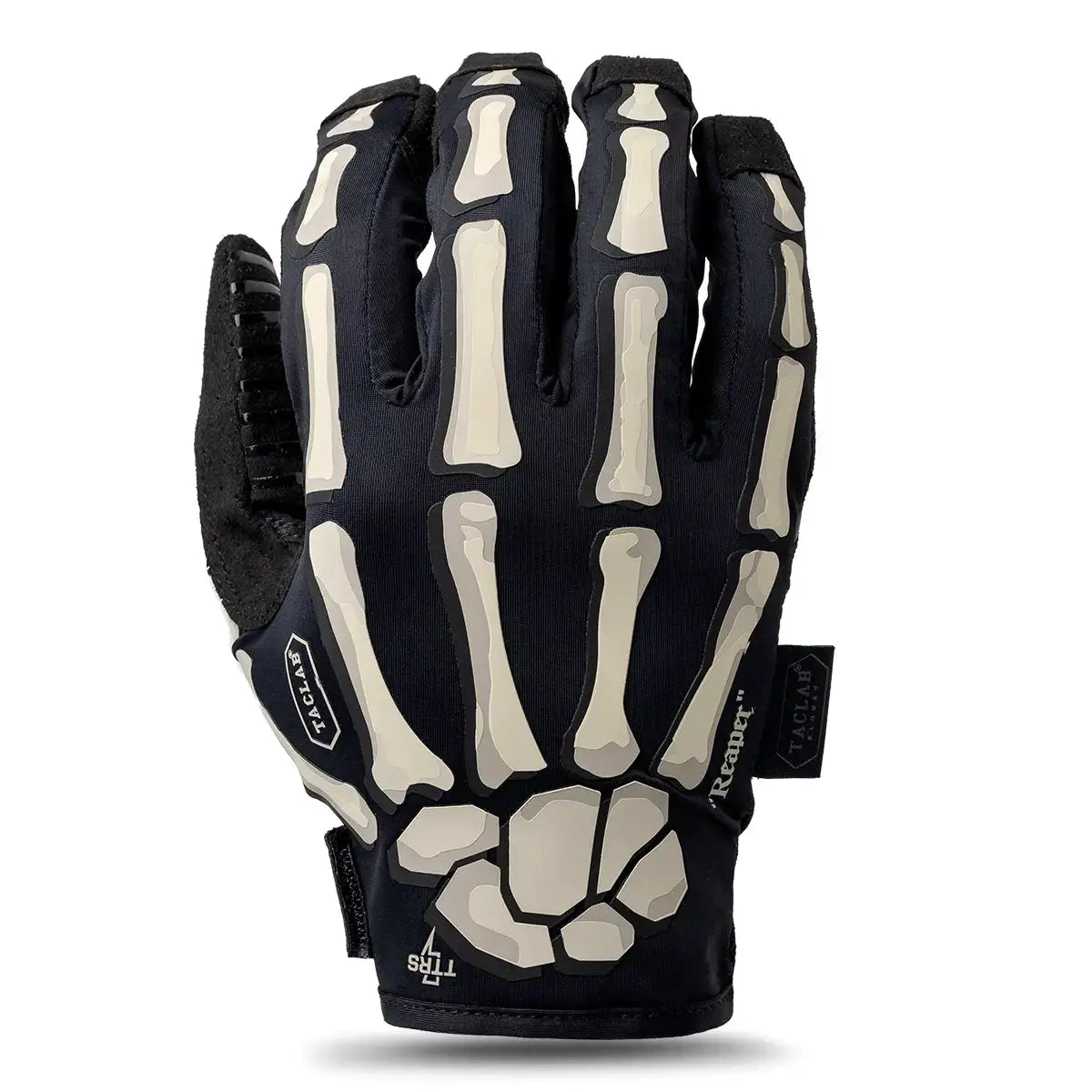
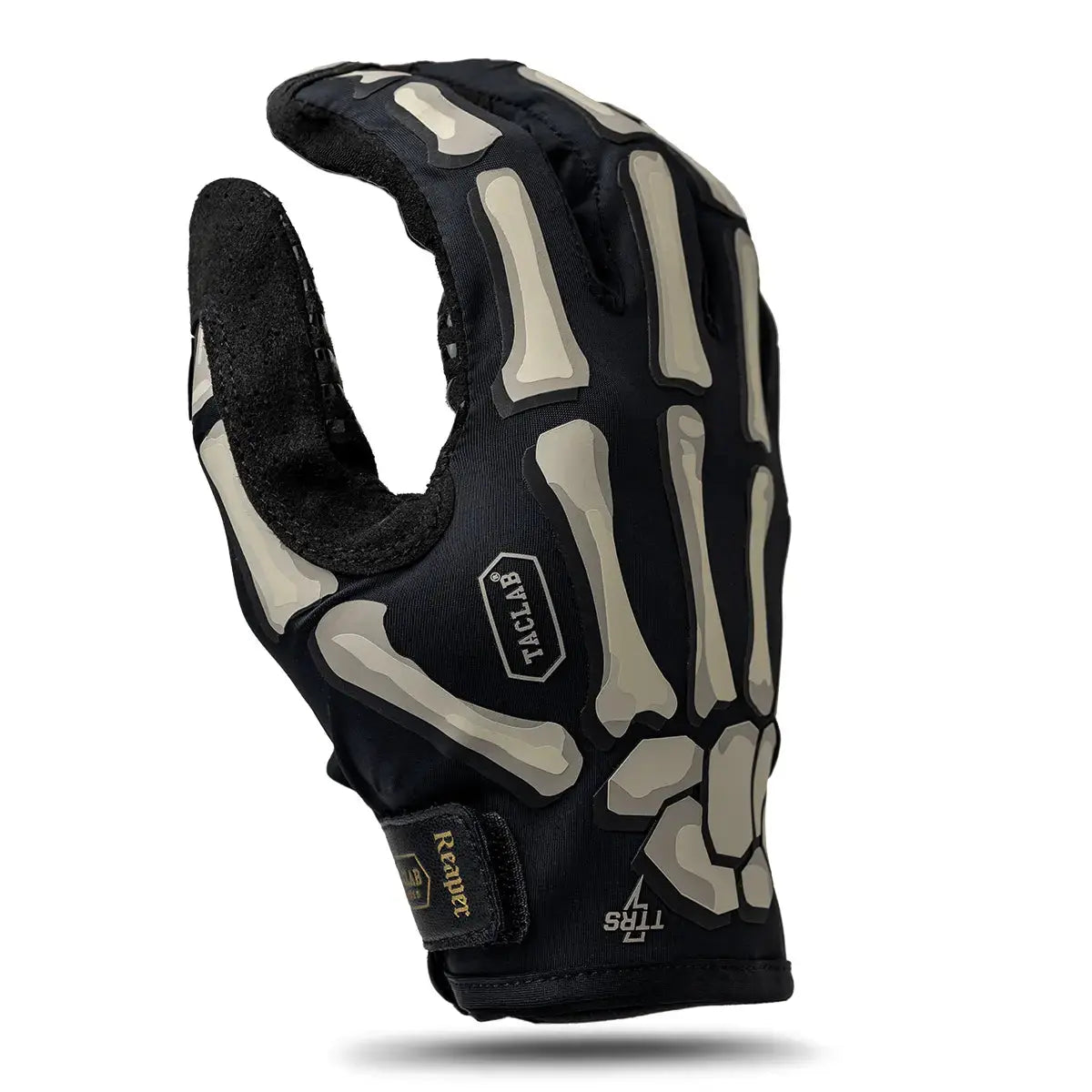
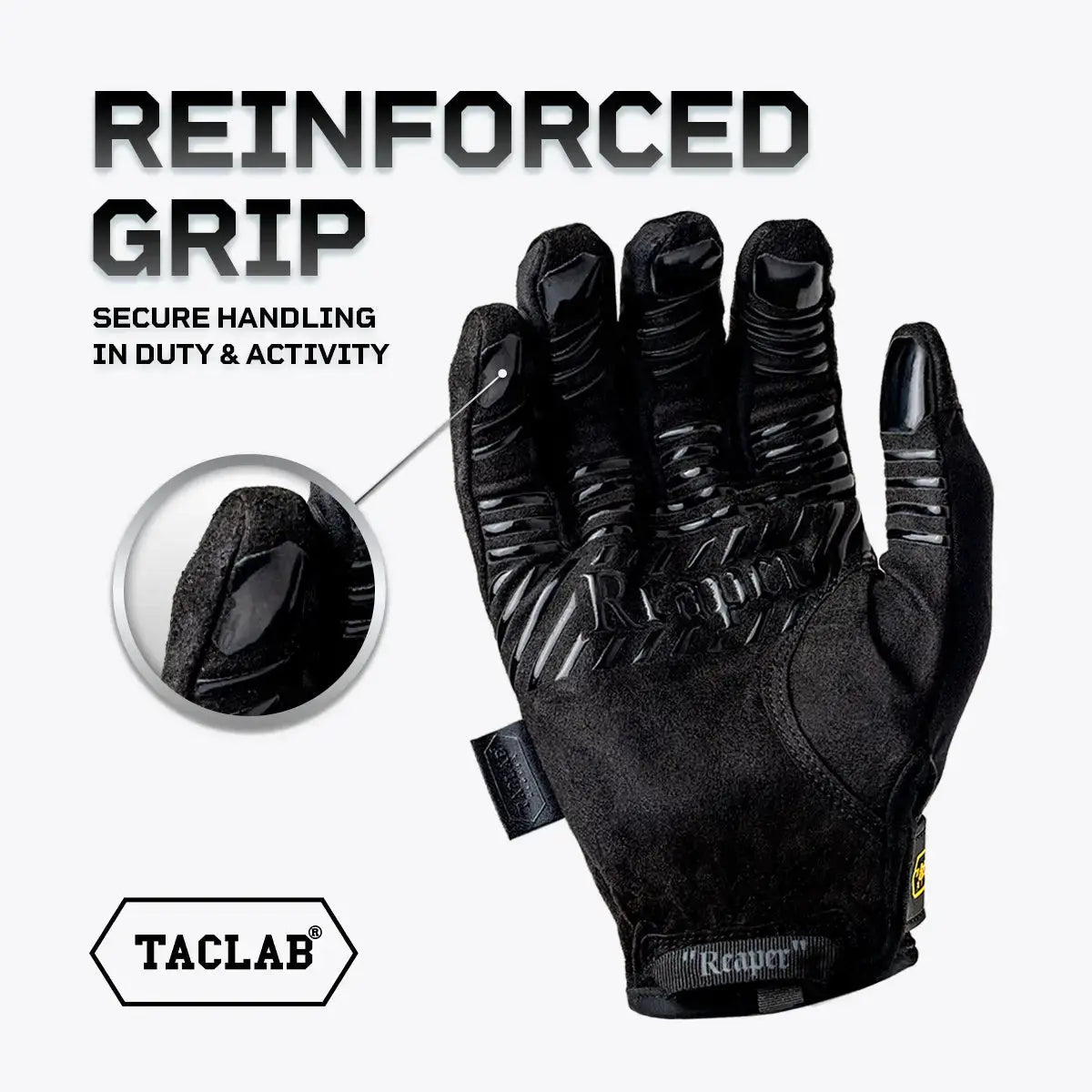
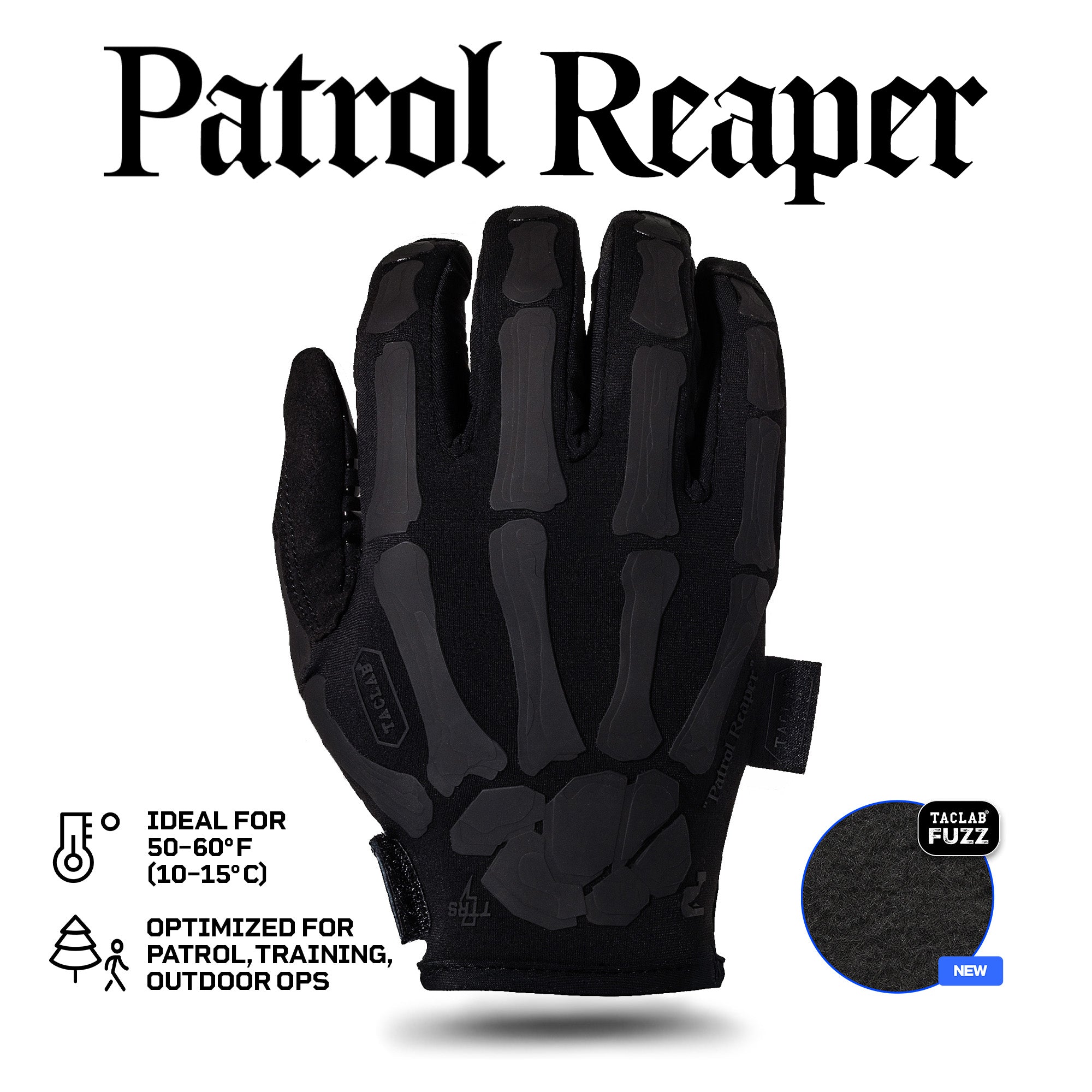
The standard Reaper is designed around lightweight feel, flexibility, grip, and dexterity for shooting and tactical use.
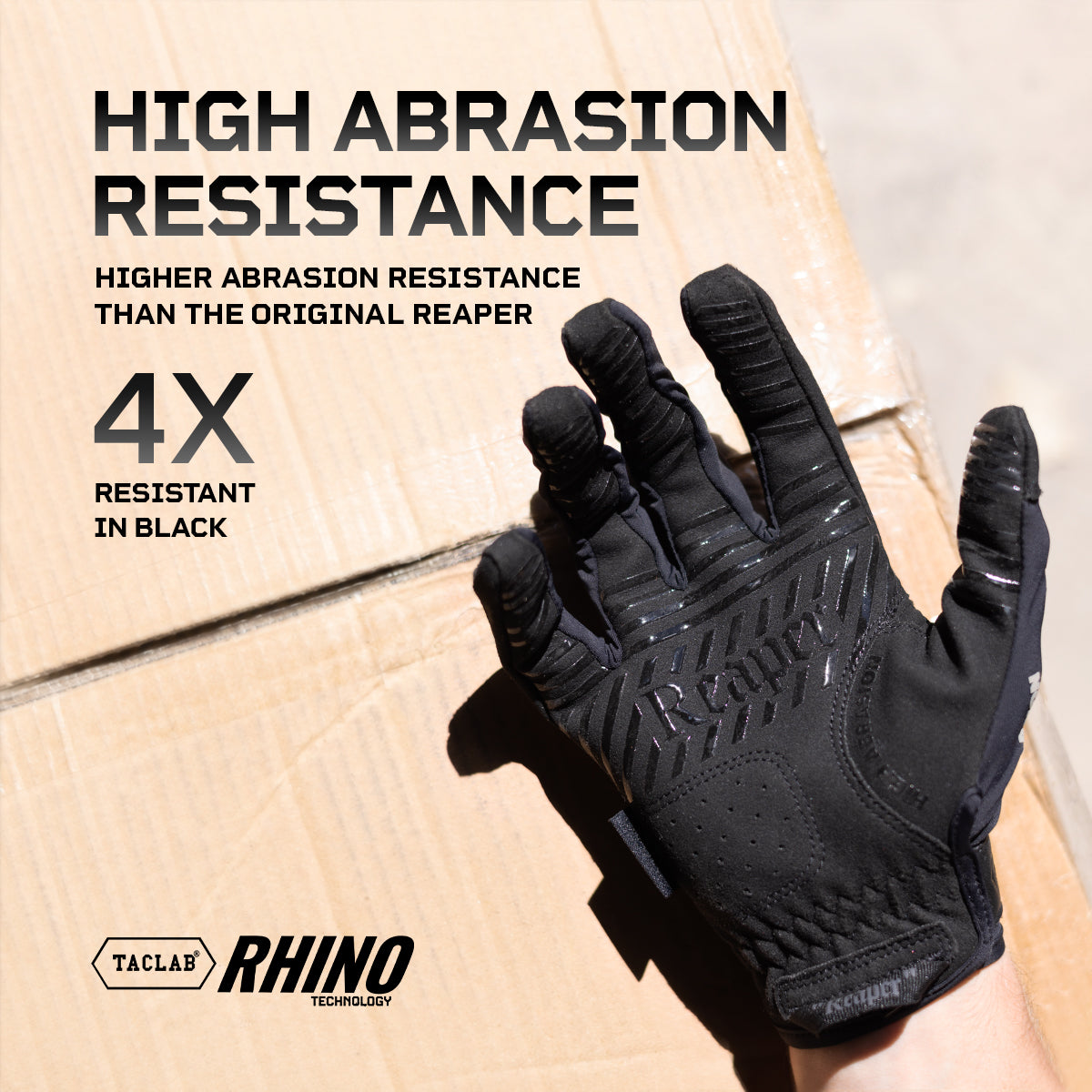
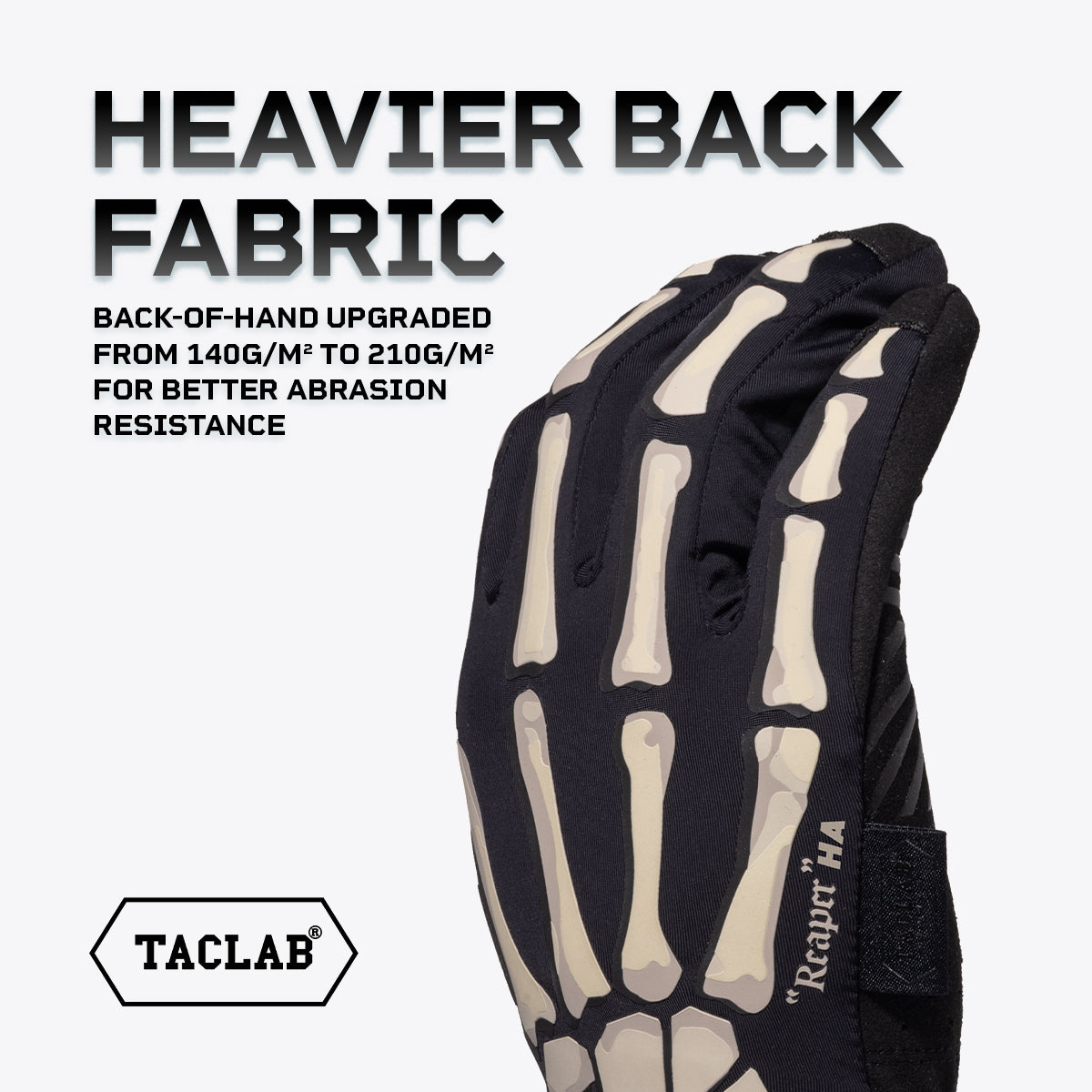
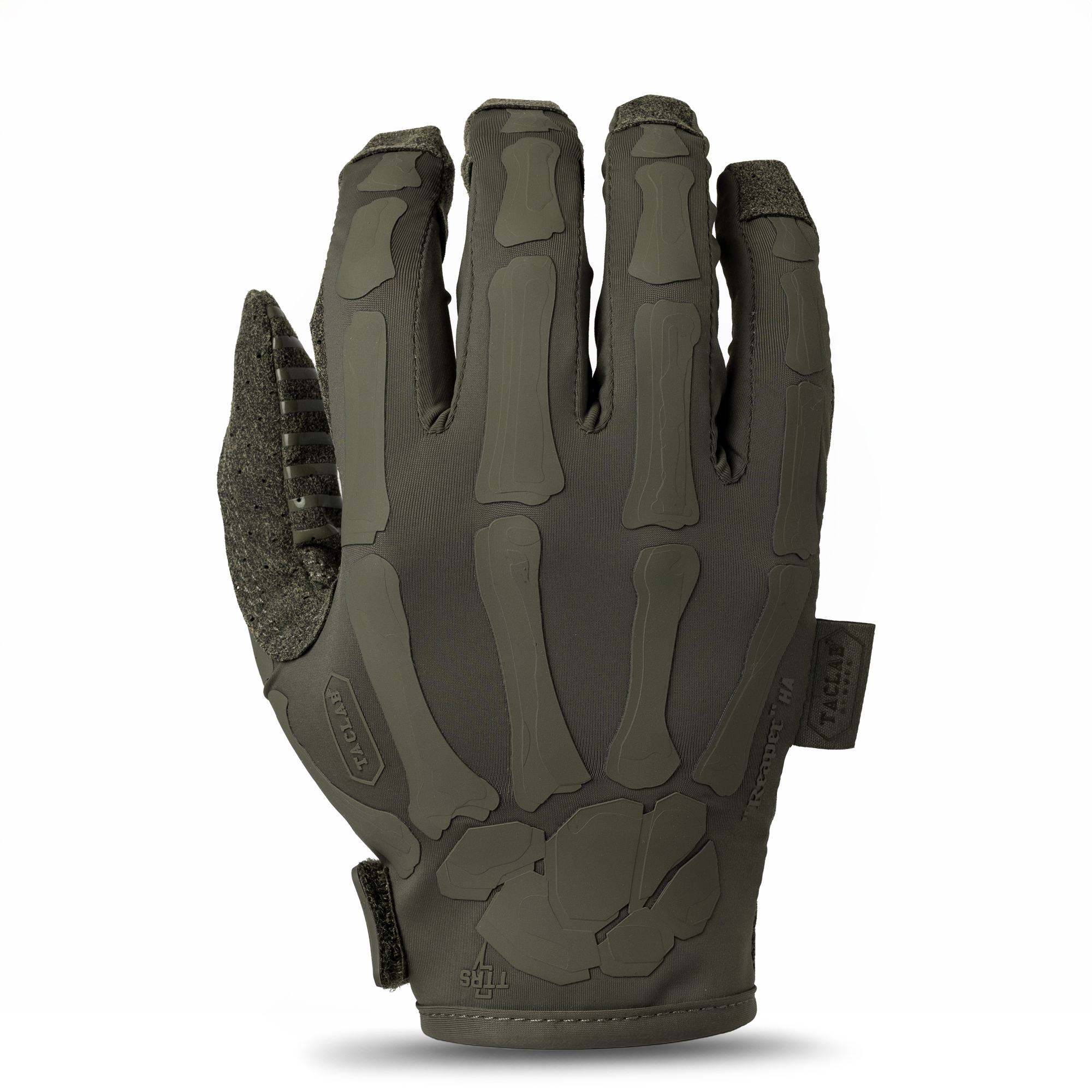
If abrasion is consistently destroying your gloves, an abrasion-focused model such as the TACLAB Reaper HA High Abrasion may make more sense.
👉 Explore TACLAB glove options
The takeaway is simple:
Don't destroy a precision glove doing an abrasion glove's job.
7. Your Daily Habits May Be Creating One Specific Wear Point
This one requires a little detective work.
Suppose every pair you own develops a hole in exactly the same place:
Right index fingertip.
Or:
Left thumb.
At that point, it's worth asking whether the glove is really the common factor.
Maybe you repeatedly use that finger to:
- Open a specific piece of equipment
- Operate a rough switch
- Handle magazines
- Pull a zipper
- Use a tool
- Adjust motorcycle controls
- Manipulate outdoor equipment
We often perform these movements without thinking.
But the glove records them.
Read the Wear Pattern
Where your gloves wear can tell you something about how you use your hands.
For example:
| Wear Area | Possible Cause |
|---|---|
| Index fingertip | Fine manipulation, nail pressure, repeated contact |
| Thumb | Pinching, equipment manipulation |
| Center palm | Grip friction |
| Base of fingers | Handlebar/tool pressure |
| Side of index finger | Repeated equipment contact |
| Fingertip seam | Fit, tension, nail pressure, repeated flexing |
| Multiple fingertips | Fit issue or abrasive task |
This isn't a diagnostic chart—different activities produce different patterns.
But it gives you somewhere to start.
Instead of asking only:
"Why did my glove break?"
Ask:
"Why did it break right there?"
That's a much better question.
Does a Fingertip Hole Mean the Glove Is Poor Quality?
Not automatically.
But sometimes it can.
This distinction matters.
A glove developing a hole after extensive use in a high-friction area is very different from a new glove experiencing an unexpected structural failure after minimal normal use.
Things worth considering include:
- How long the glove has been used
- Frequency of use
- Type of activity
- Material thickness
- Fit
- Nail length
- Exposure to moisture
- Abrasive surfaces
- Whether the seam failed or the material wore through
Wear vs. Defect
Wear generally develops progressively through repeated use.
The material becomes:
Thin → Smooth → Frayed → Eventually worn through.
A potential manufacturing issue may look different—for example, an unusually early seam separation or construction failure under normal intended use.
If a relatively new glove fails unexpectedly, don't automatically assume:
"Tactical gloves just do that."
Contact the manufacturer or retailer and review the applicable warranty.
Good brands should want to know about unusual failures.
Why Shooting Gloves Are Often Thin at the Fingers
If durability matters, why don't manufacturers simply make every fingertip twice as thick?
Because then you'd probably complain about something else:
Dexterity.
The fingers are where shooters need some of the most precise feedback.
Extra material can affect:
- Trigger feel
- Small controls
- Magazine manipulation
- Equipment adjustments
- Touchscreen use
- Fine-motor tasks
This is one of the central challenges in shooting glove design.
Manufacturers are constantly balancing:
Protection ↔ Durability ↔ Dexterity ↔ Tactile Feel
Push too far toward durability and the glove can become bulky.
Push too far toward tactile feel and abrasion life may decrease.
That's why asking for the “most durable shooting glove” isn't always the right question.
A better question is:
How much durability do I need without sacrificing the dexterity required for my activity?
How to Prevent Fingertip Holes in Tactical Gloves
You can't eliminate wear completely.
Gloves are consumable equipment.
But you can reduce unnecessary wear.
Get the Fit Right
This comes first.
Your fingers should reach the ends of the glove without being painfully compressed.
There should not be large amounts of loose material beyond the fingertips.
Make a fist.
Open your hand.
Grip the equipment you actually use.
The glove should move naturally with you.
Keep Your Fingernails Trimmed
It's simple.
It costs nothing.
And it can reduce concentrated internal pressure on thin fingertips.
If one particular nail consistently presses against your glove, pay attention to it.
Dry Gloves Properly
After sweaty or wet use:
- Remove them from the gear bag.
- Allow them to air-dry.
- Follow manufacturer care instructions.
- Avoid unnecessary high heat.
Don't store damp gloves in a sealed environment for days.
Rotate Multiple Pairs
Frequent shooters, riders, and outdoor users may benefit from rotating gloves.
If Pair A is damp after today's training session, use Pair B while A dries completely.
This can also help you identify wear patterns.
If multiple pairs develop the same damage in the same place, your activity or fit may be contributing.
Match the Glove to the Task
This is the biggest one.
If you need tactile feel for range training, choose a lightweight shooting glove.
If you're repeatedly working against rough surfaces, choose something designed around abrasion resistance.
If you need heavy-duty leather, choose a leather utility glove.
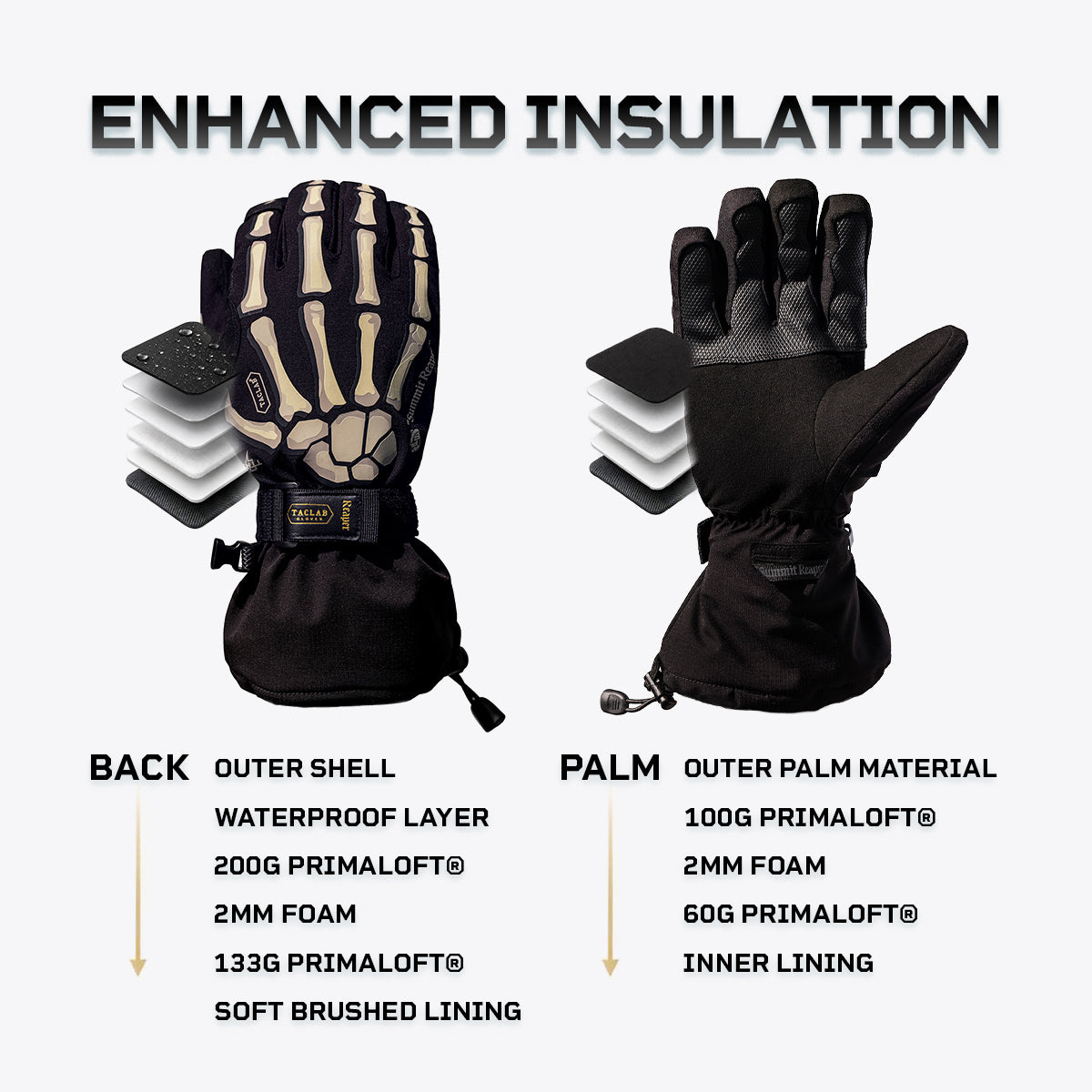
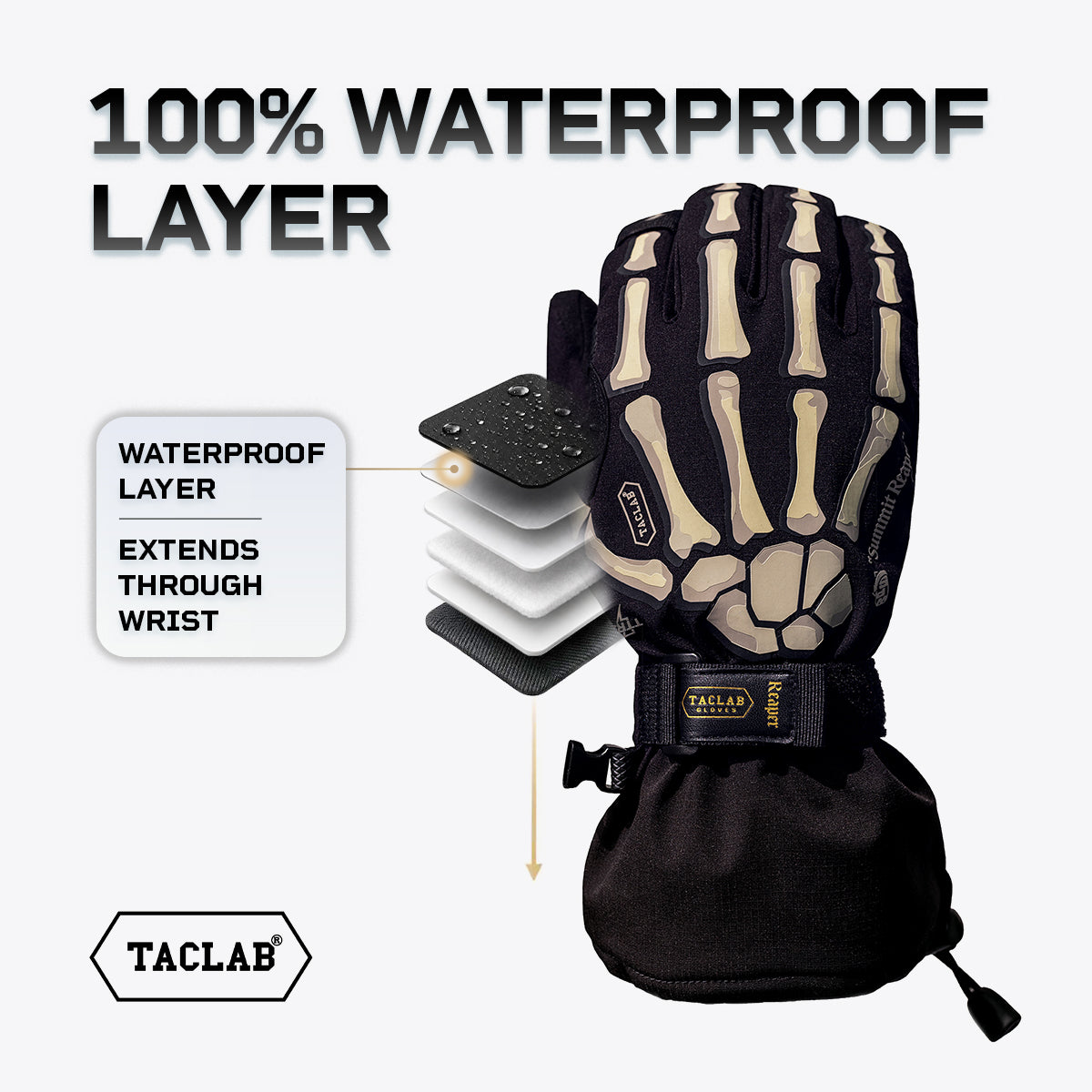
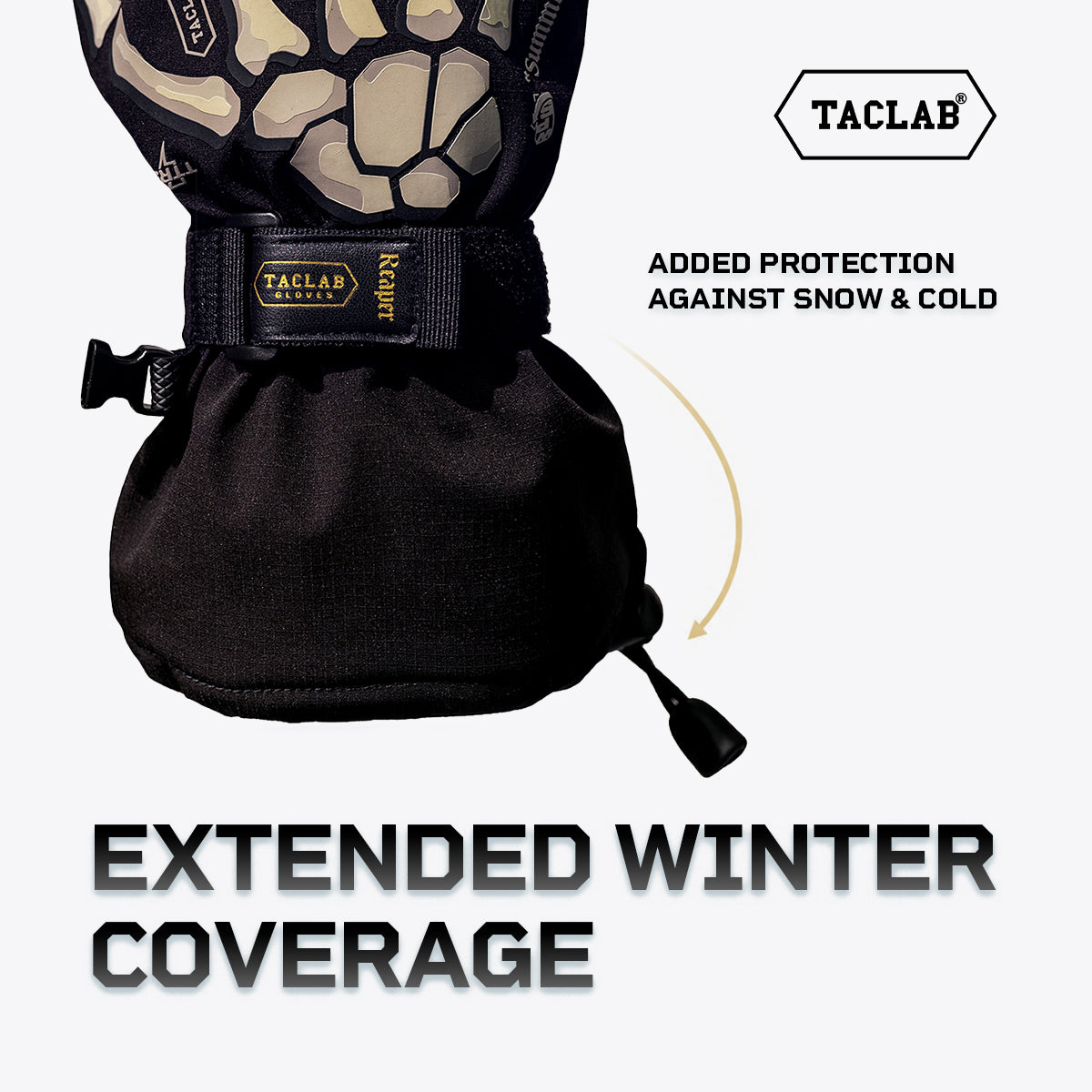
If you need winter warmth, choose an insulated glove.
Don't demand that one pair perform every job equally well.
Can You Repair a Hole in a Tactical Glove?
Sometimes.
Whether repair makes sense depends on:
- Location of the hole
- Size
- Glove material
- Intended use
- Whether the damage affects safety or protection
A tiny hole in a casual utility glove may be repairable.
But repairing a high-dexterity fingertip can be tricky.
Adding patches, adhesive, or heavy stitching can create exactly what the glove was designed to avoid:
bulk.
A repaired index fingertip may feel noticeably different during fine manipulation.
And protective gloves require additional caution. If the glove provides certified cut, impact, heat, or other specialized protection, a home repair should not automatically be assumed to restore the original protective performance.
Sometimes repair makes sense.
Sometimes replacement does.
When Should You Replace the Gloves?
A tiny cosmetic imperfection doesn't automatically mean a glove is finished.
But replacement becomes more reasonable when damage affects:
- Grip
- Dexterity
- Fit
- Finger coverage
- Structural integrity
- Protective performance
- Comfort
We've covered this topic more fully in “How Long Should Tactical Gloves Last? 7 Signs It's Time to Replace Them.”
The basic principle is:
Judge a working glove by performance, not appearance alone.
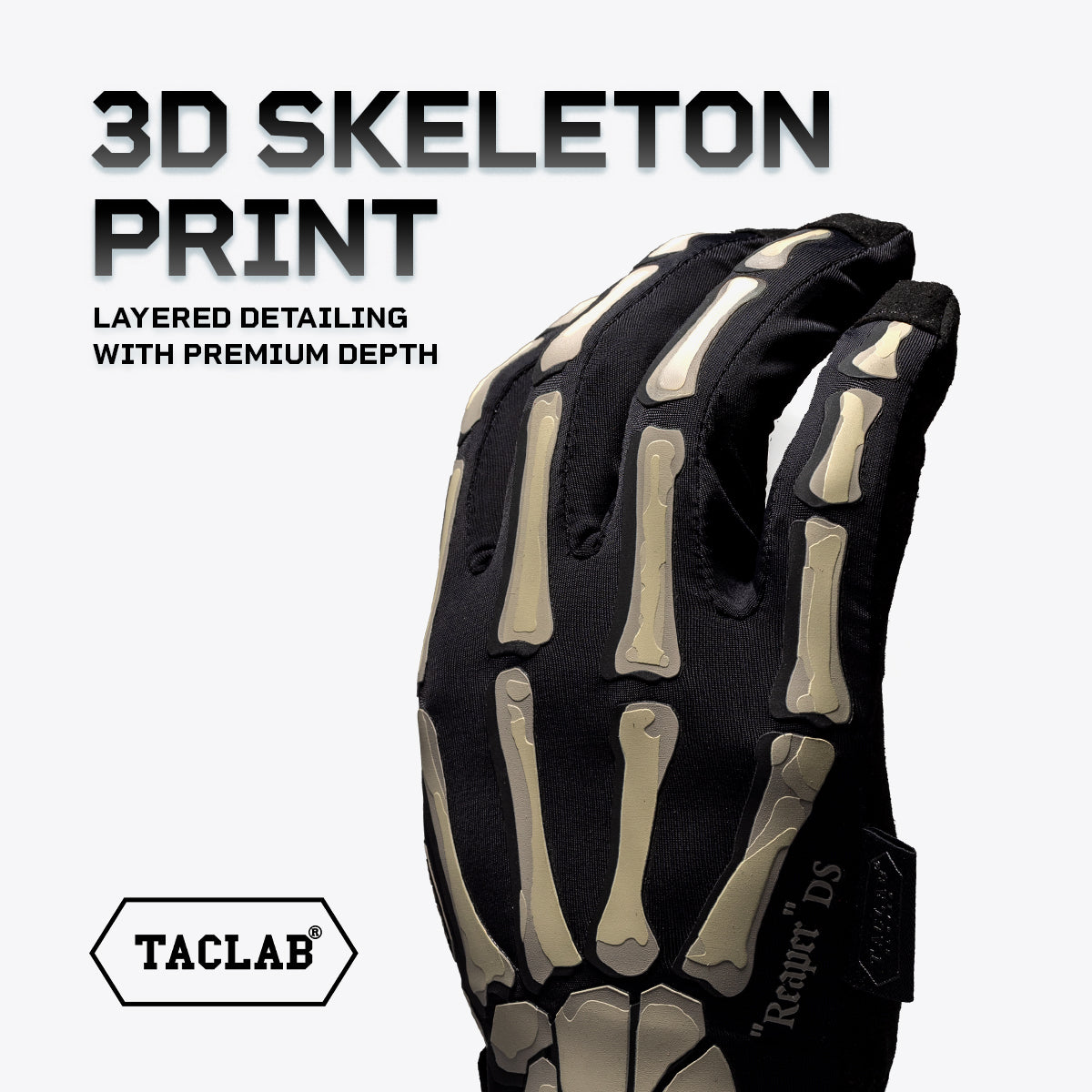
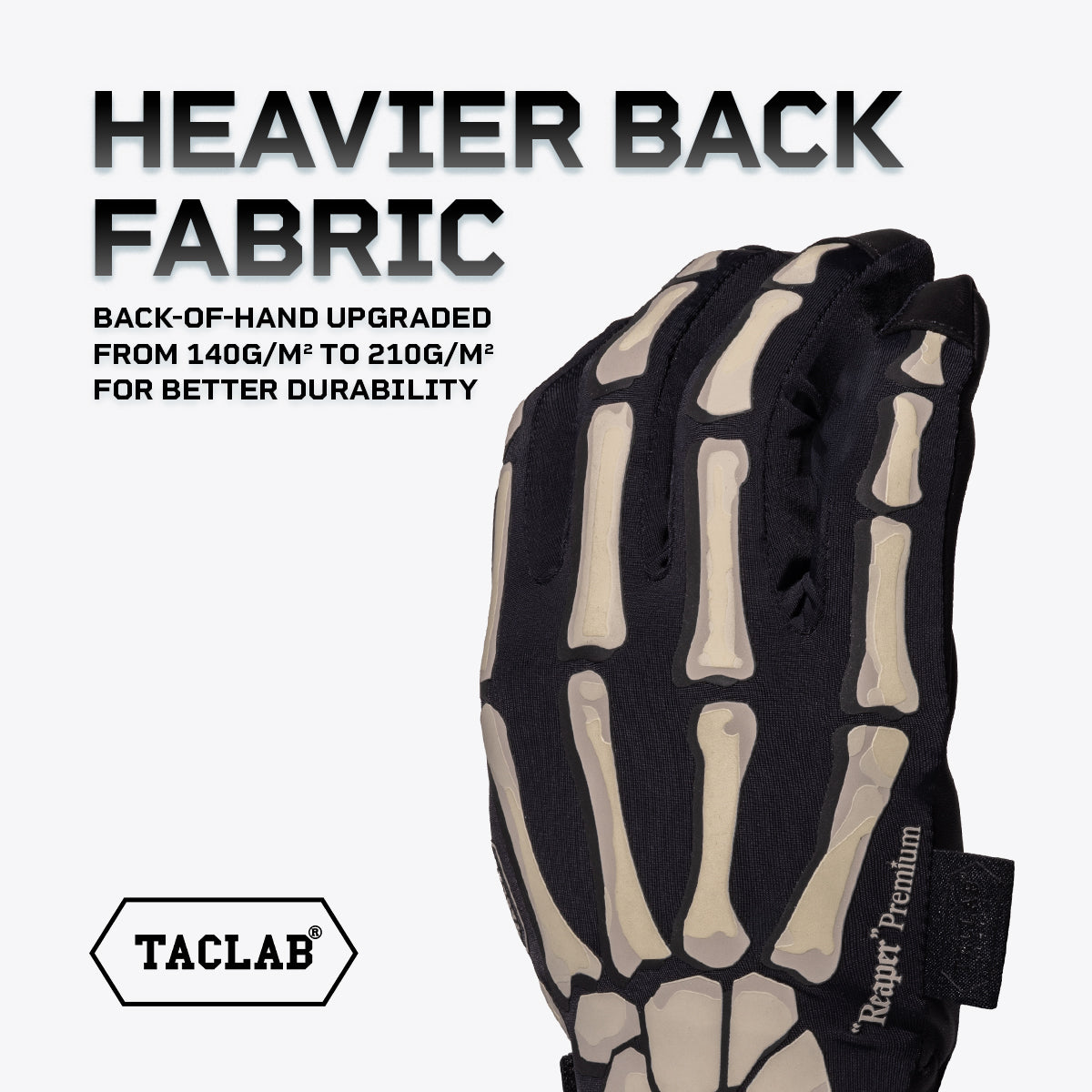
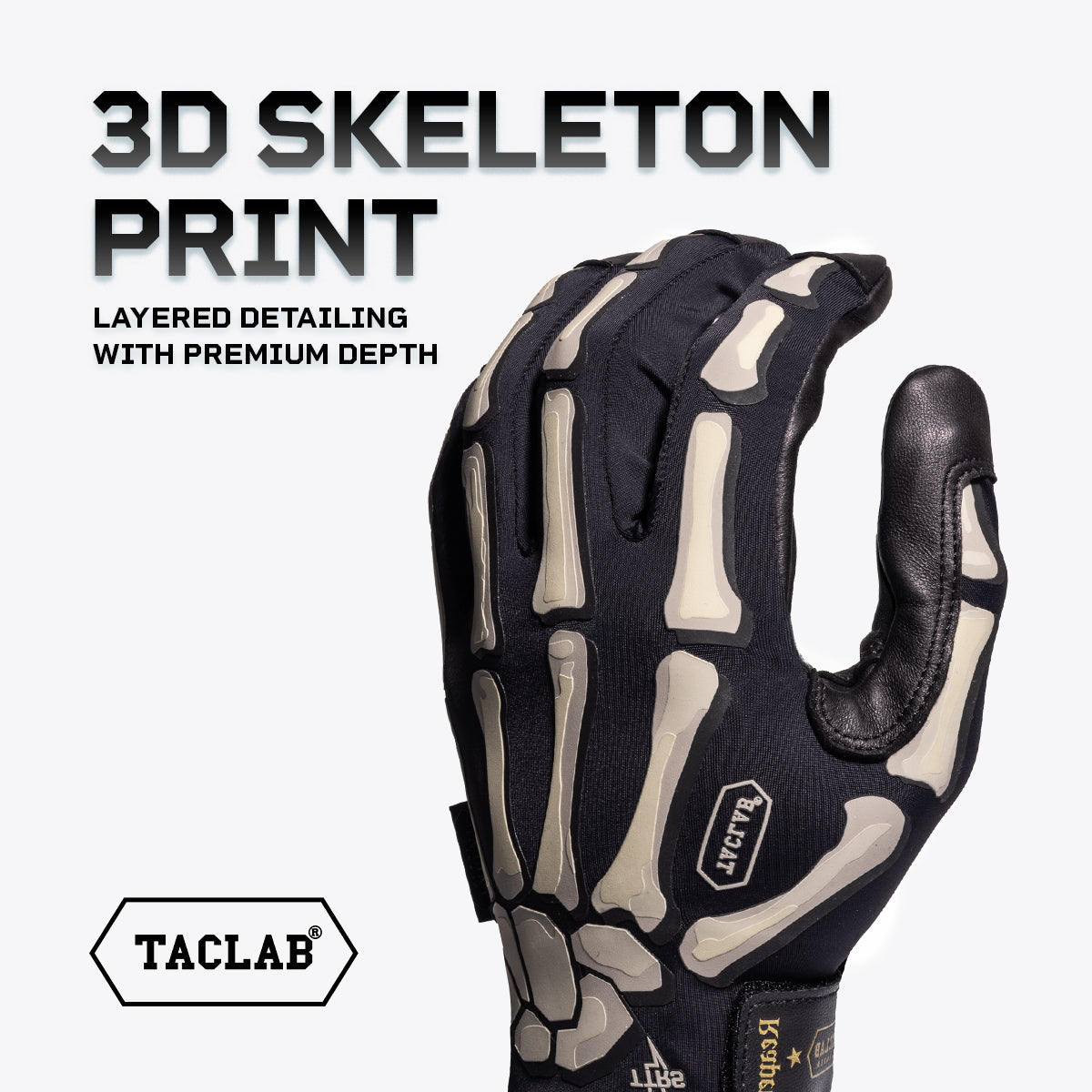
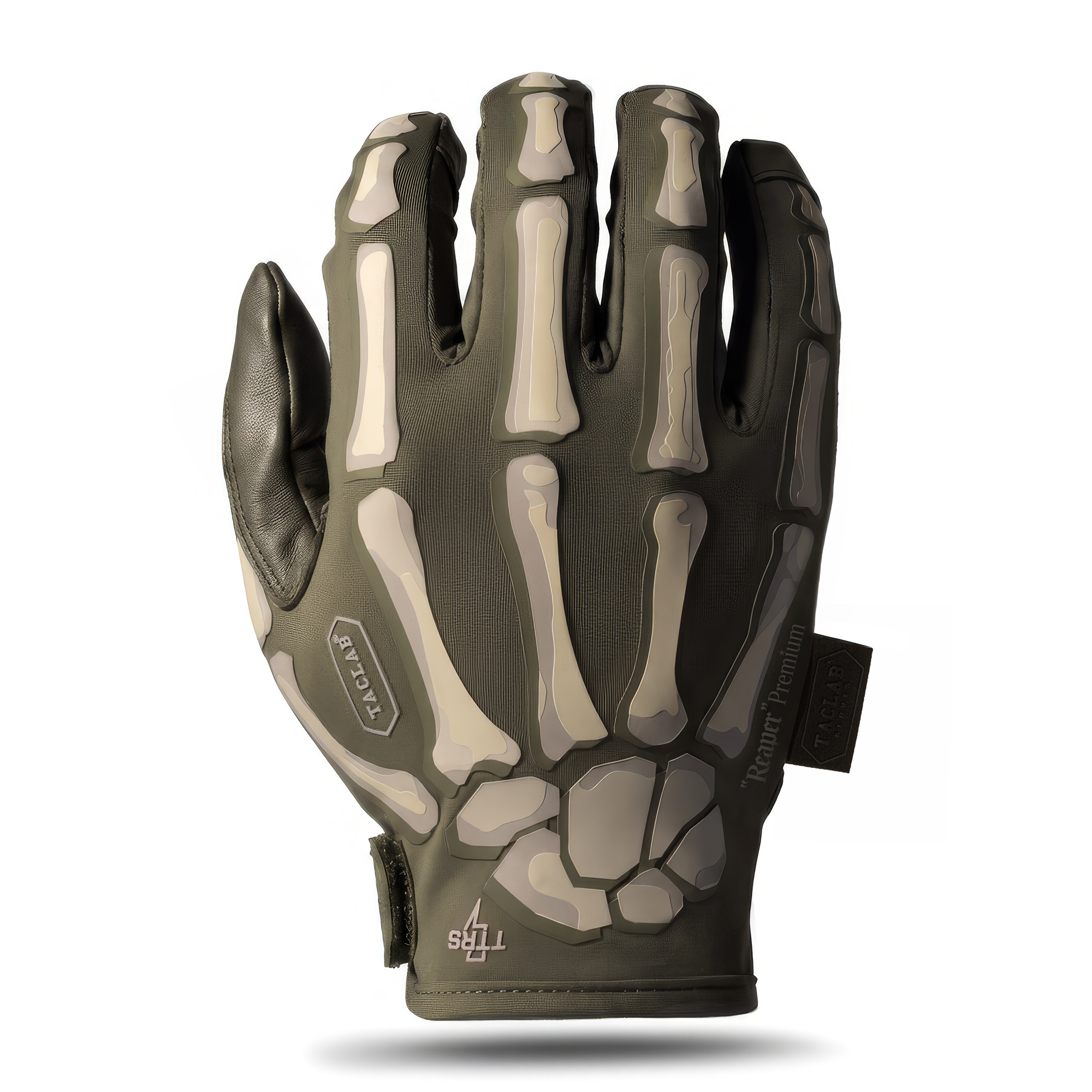
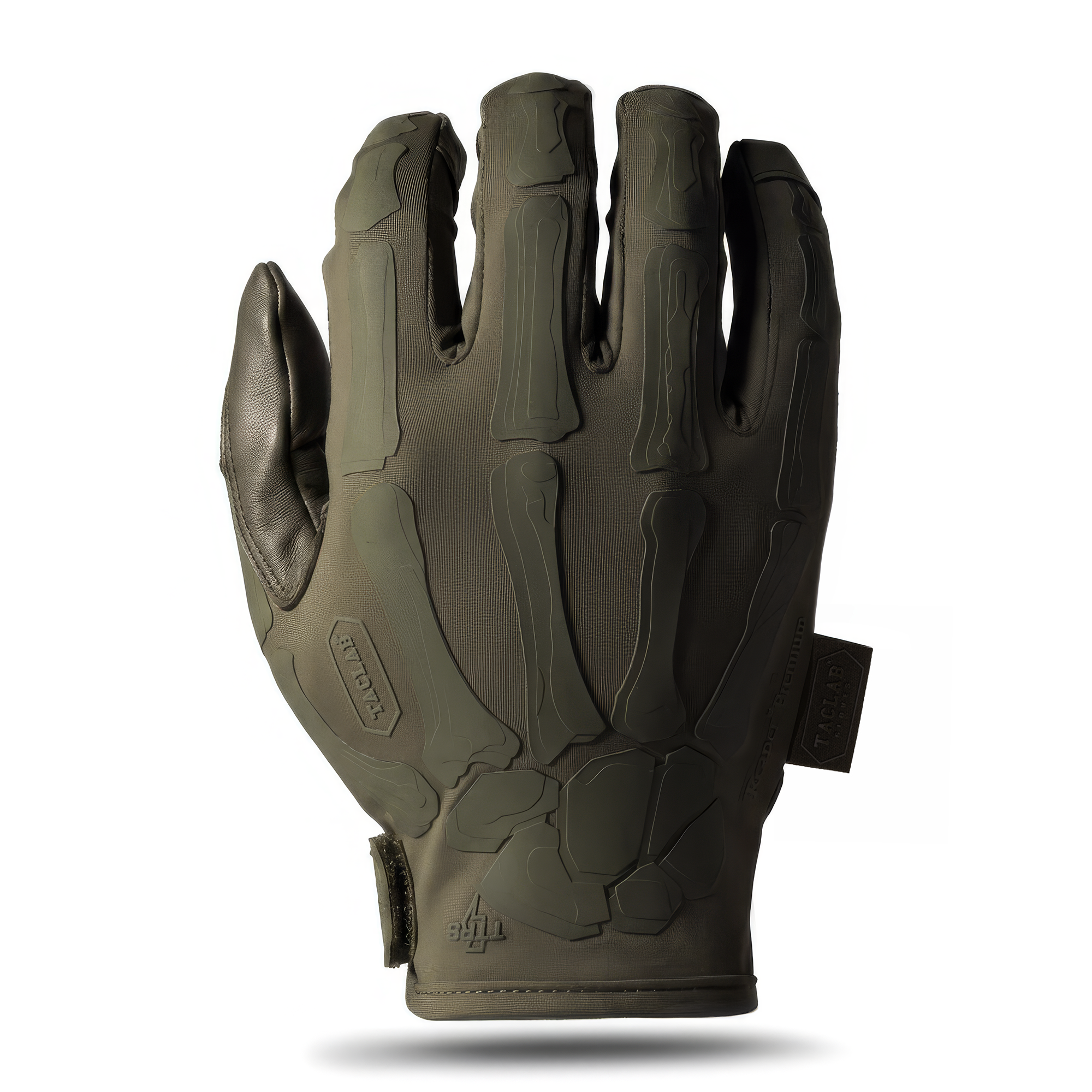
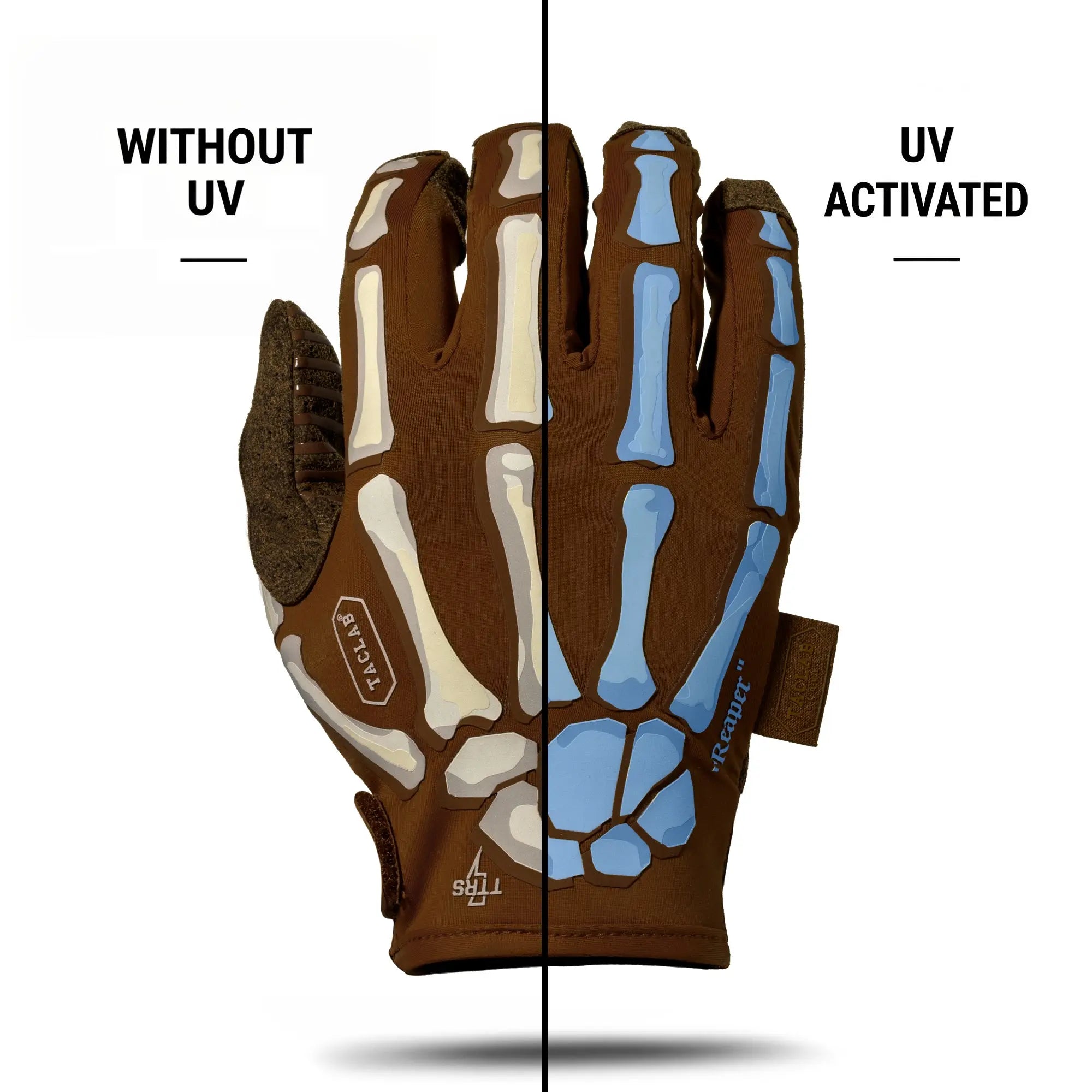
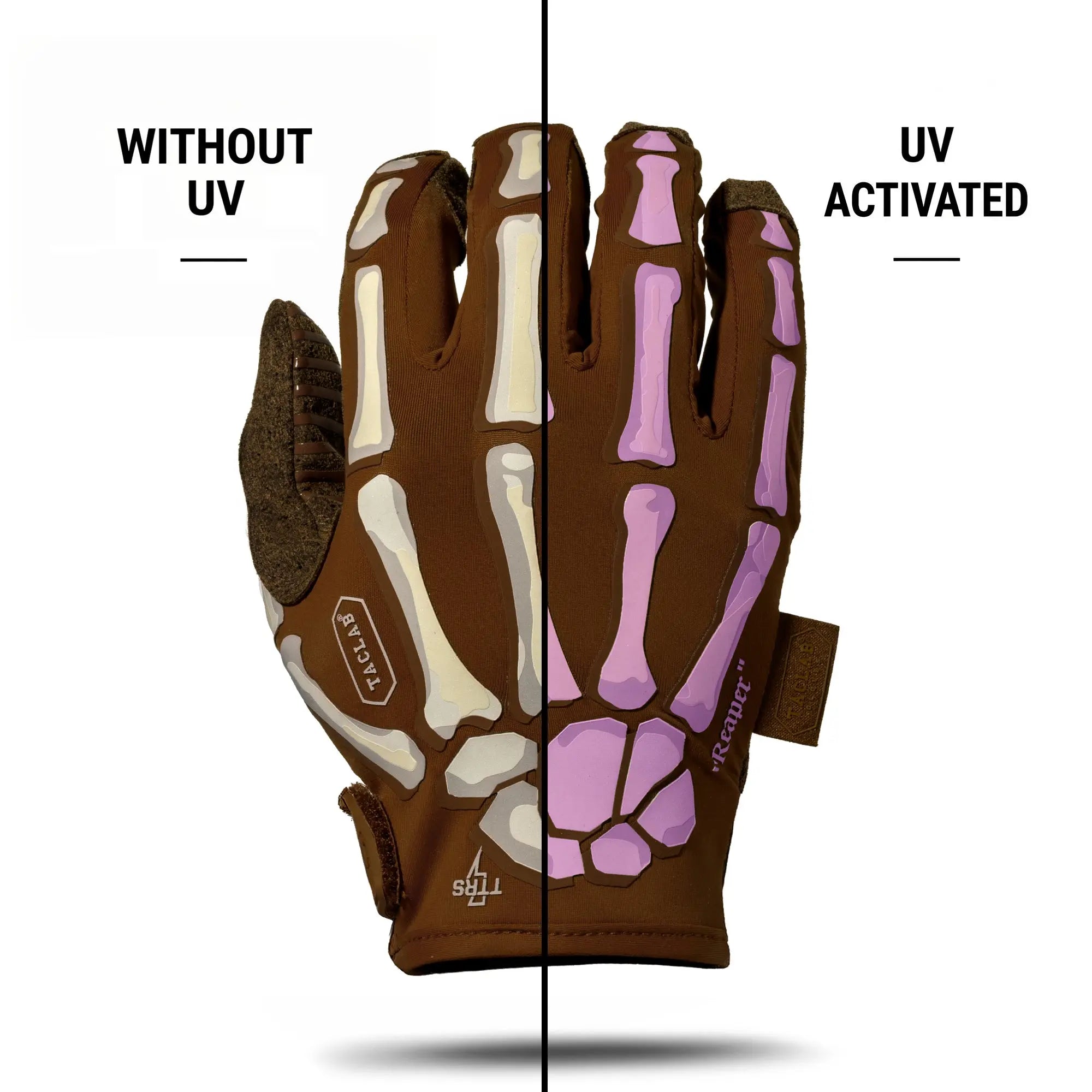
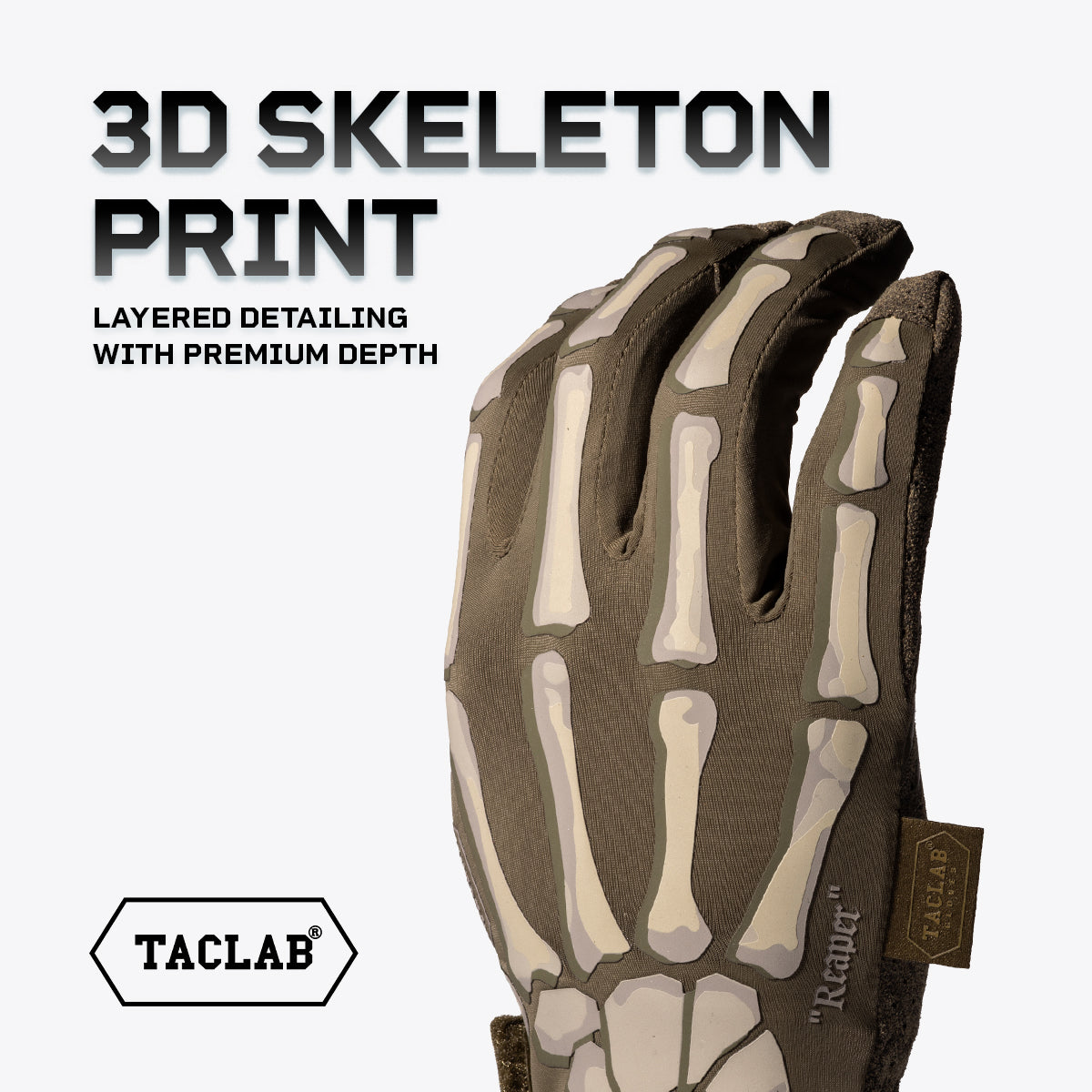
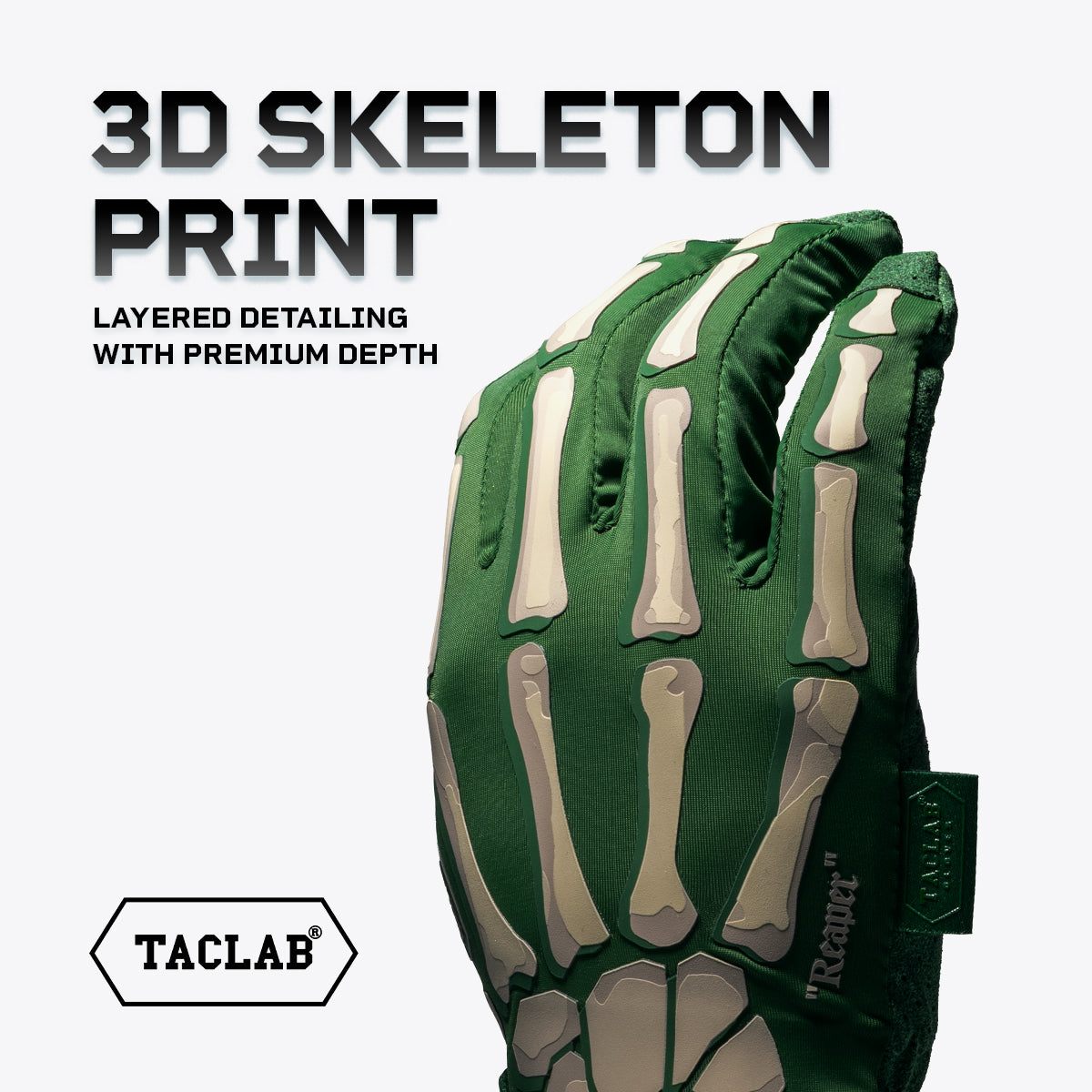
A faded skeleton print may still work perfectly.
A nearly invisible structural problem may matter much more.
Reaper vs. Reaper HA: Which Type of User Are You?
This is where understanding fingertip wear becomes useful when choosing your next glove.
If your old gloves developed holes, ask why before replacing them.
Choose Reaper When Your Priority Is:
- Shooting
- Range training
- Dexterity
- Lightweight feel
- Flexible finger movement
- Tactile control
The classic TACLAB Reaper is built around the idea that a shooting glove should feel close and responsive rather than unnecessarily heavy.
Consider Reaper HA When Your Priority Is:
- Greater abrasion resistance
- Rougher environments
- Frequent abrasive contact
- More demanding outdoor use
- Durability over ultra-light construction
The Reaper HA High Abrasion exists for a different type of user.
That doesn't make Reaper HA “better” than Reaper.
And it doesn't make Reaper “better” than Reaper HA.
They're solving different problems.
What About Leather?
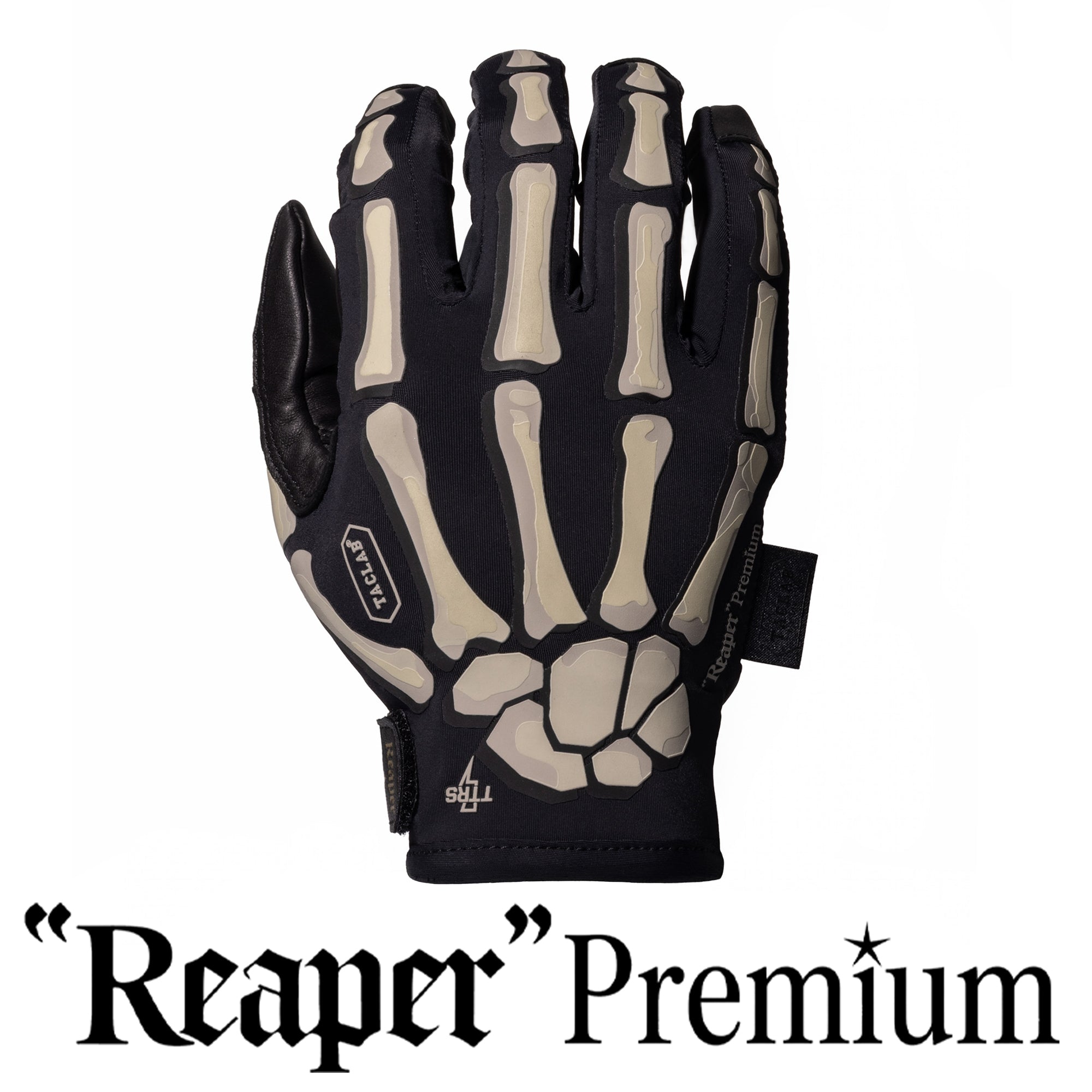
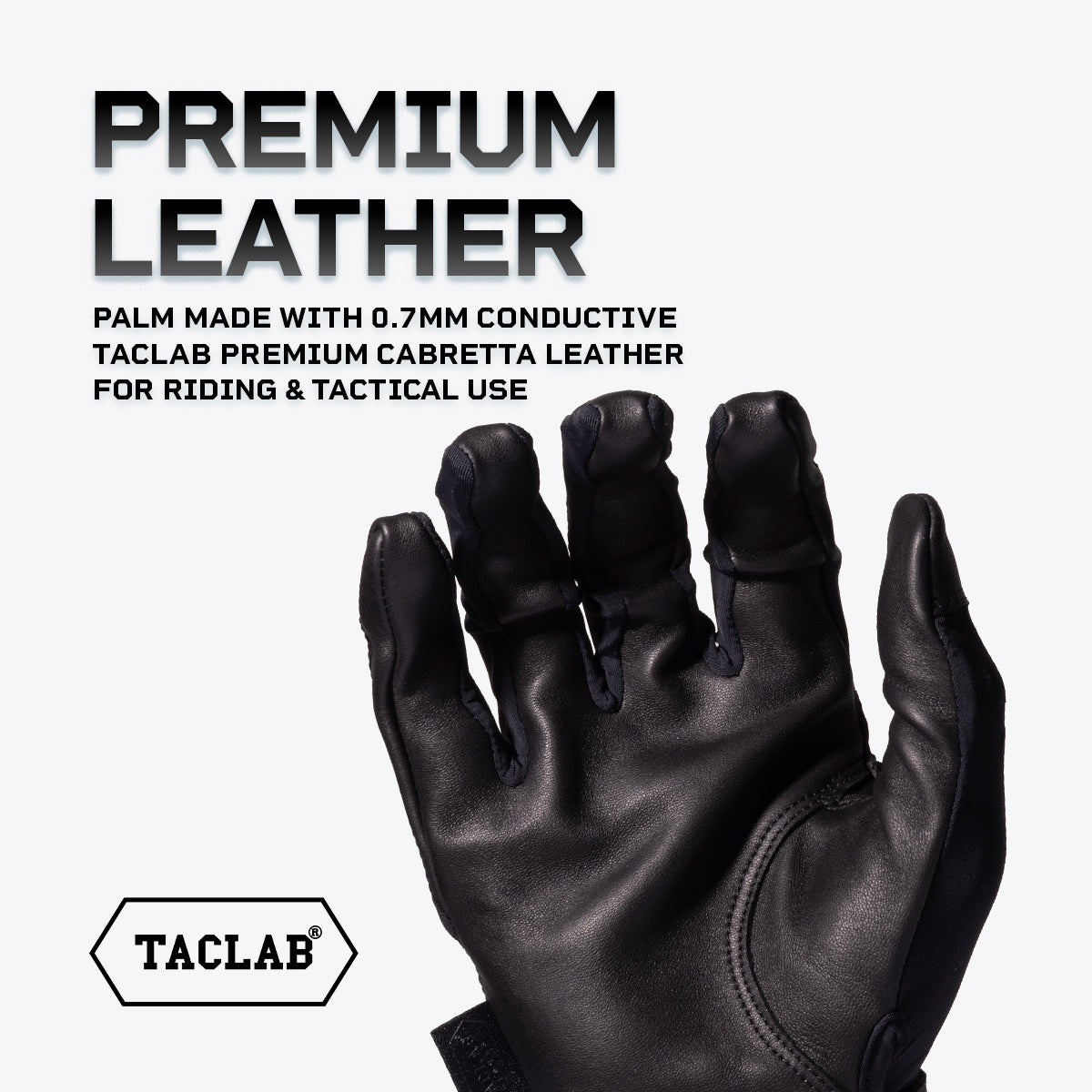
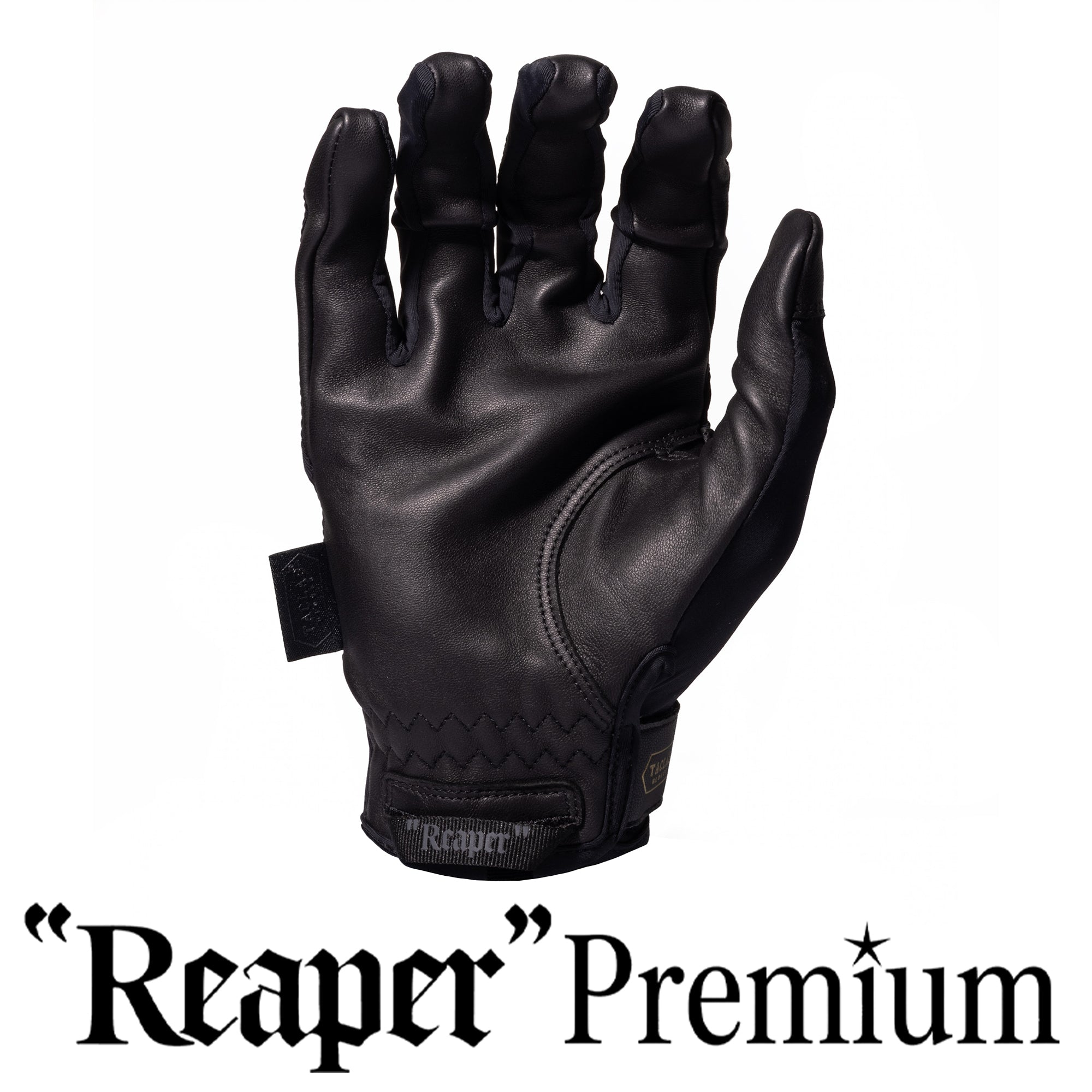
If you prefer natural leather feel, TACLAB also offers different directions within the collection, including Reaper Premium and the heavier-duty Raider Goatskin Leather Gloves.
Again, material choice should follow the activity.
👉 Compare the TACLAB Gloves Collection
Frequently Asked Questions
Why do tactical gloves get holes in the fingertips?
Fingertips experience constant bending, friction, stretching, and internal pressure. Common causes of holes include repeated equipment contact, long fingernails, incorrect sizing, sweat and moisture, abrasive tasks, and using lightweight dexterity gloves for heavy-duty work.
Why does my index finger always wear through first?
The index finger performs a large amount of fine manipulation and frequently contacts equipment. Nail pressure, glove fit, and repeated habits can also create a concentrated wear point at the index fingertip.
Can long fingernails cause holes in gloves?
Yes. A fingernail that repeatedly presses against the inside of a glove can create concentrated pressure at the fingertip. Keeping nails trimmed and choosing the correct glove size may help reduce premature wear.
Do tight tactical gloves wear out faster?
They can if they're too small. Excessive tension at the fingertips and seams may accelerate wear. Tactical gloves should fit closely without painfully compressing the fingers or restricting movement.
Can loose gloves wear out faster too?
Yes. Excess material can fold, rub, and move against equipment, creating additional friction. Oversized gloves can also reduce dexterity and tactile feedback.
Are shooting gloves less durable than work gloves?
Some lightweight shooting gloves may have lower abrasion resistance than heavy-duty work gloves because they prioritize dexterity, flexibility, and tactile feedback. The two categories are designed for different tasks.
How can I make tactical gloves last longer?
Choose the correct size, keep fingernails trimmed, allow wet gloves to dry properly, follow the manufacturer's cleaning instructions, rotate multiple pairs during frequent use, and select a glove designed for the level of abrasion your activity creates.
Should I replace tactical gloves when a fingertip develops a hole?
It depends on the size and location of the hole and the glove's purpose. Replacement is advisable when the damage affects dexterity, grip, coverage, fit, structural integrity, or protective performance.
What type of tactical glove should I choose if I constantly wear through fingertips?
First determine why the wear occurs. If fit and fingernail length are correct but repeated abrasive contact is the cause, consider a glove designed with greater emphasis on abrasion resistance rather than an ultra-light dexterity glove.
Final Thoughts: Your Worn Gloves Are Telling You Something
A fingertip hole isn't just damage.
It's information.
Look at where it appeared.
Look at the material around it.
Look at your fingernails.
Look at the glove fit.
And most importantly, look at what you were doing while wearing it.
If every pair develops the same hole in the same finger, buying another identical pair without investigating the cause probably won't solve the problem.
The answer may be as simple as trimming a fingernail.
You may need a different size.
You may need to dry your gloves more carefully.
Or you may be asking a lightweight shooting glove to survive a job that calls for higher abrasion resistance.
That's the bigger lesson:
The longest-lasting glove isn't necessarily the thickest glove. It's the glove whose design matches the work you're asking it to do.
For shooters who prioritize lightweight dexterity and tactile feel, that may mean the TACLAB Reaper.
For users repeatedly dealing with abrasive environments, the Reaper HA may be the more appropriate direction.
For others, leather or specialized gloves may make more sense.
Don't choose your next pair based only on what your old gloves looked like when they were new.
Choose based on what they looked like when they finally wore out.
Find the TACLAB Glove That Matches How You Use Your Hands
Compare lightweight shooting, high-abrasion, leather, insulated, riding, and outdoor options in the full TACLAB collection.