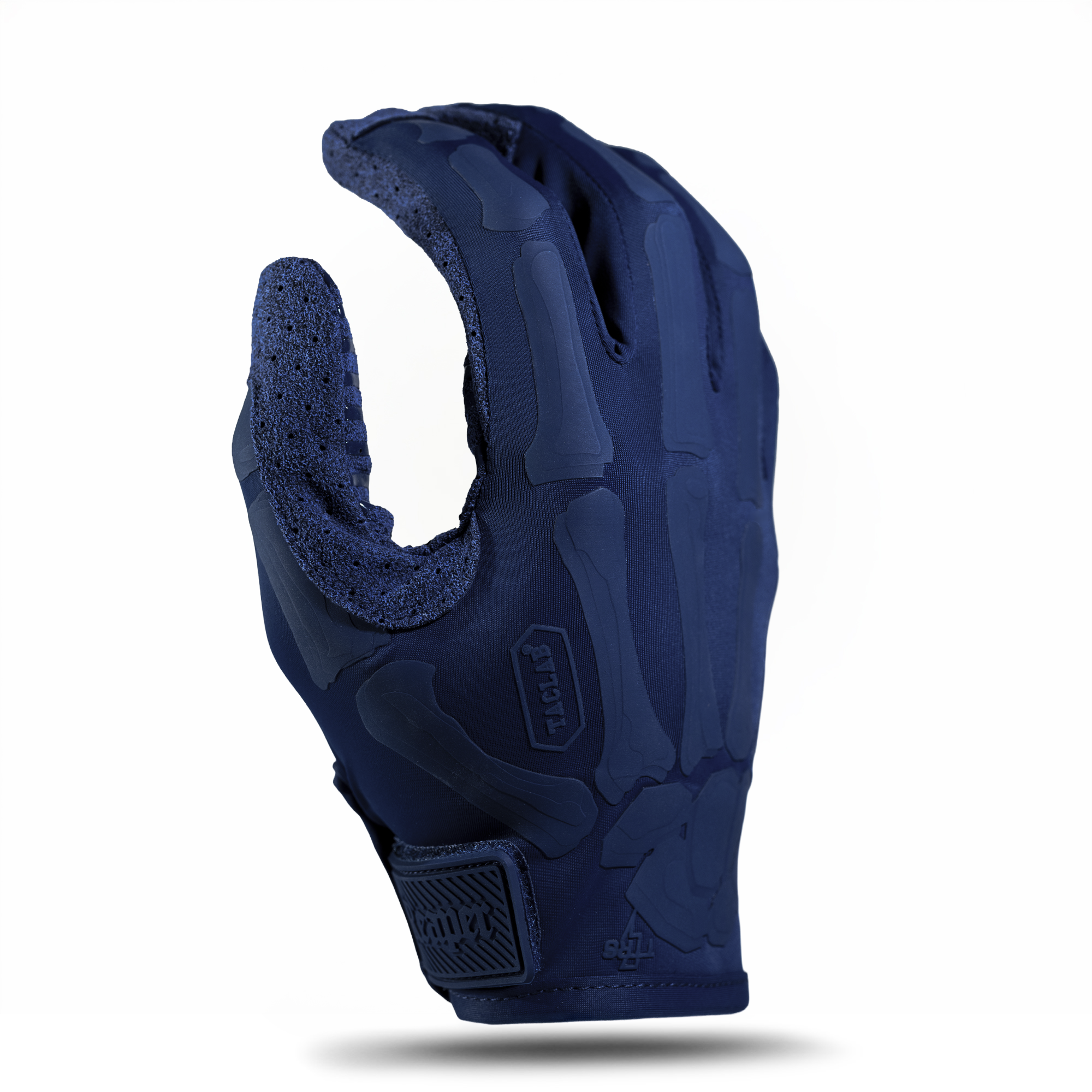
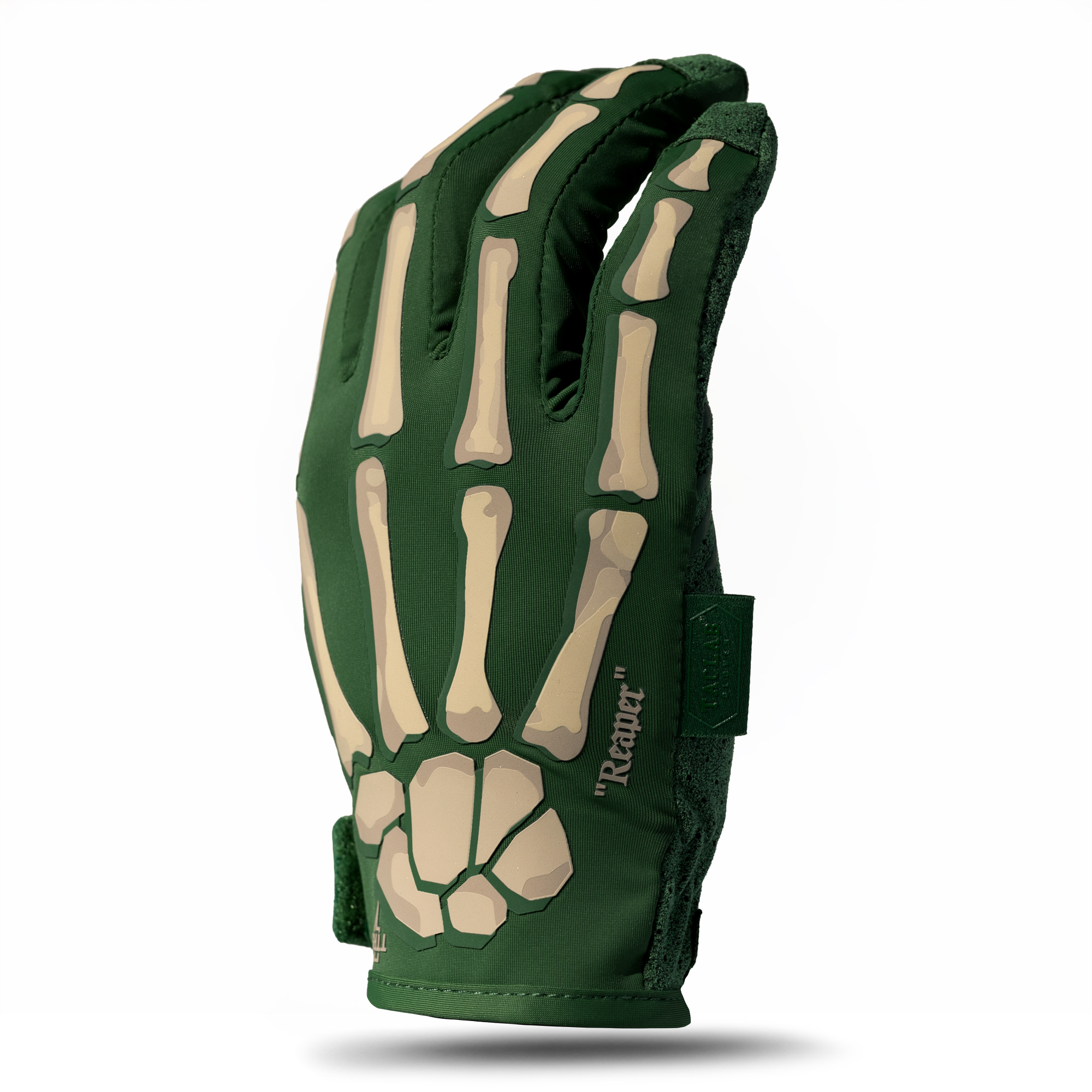
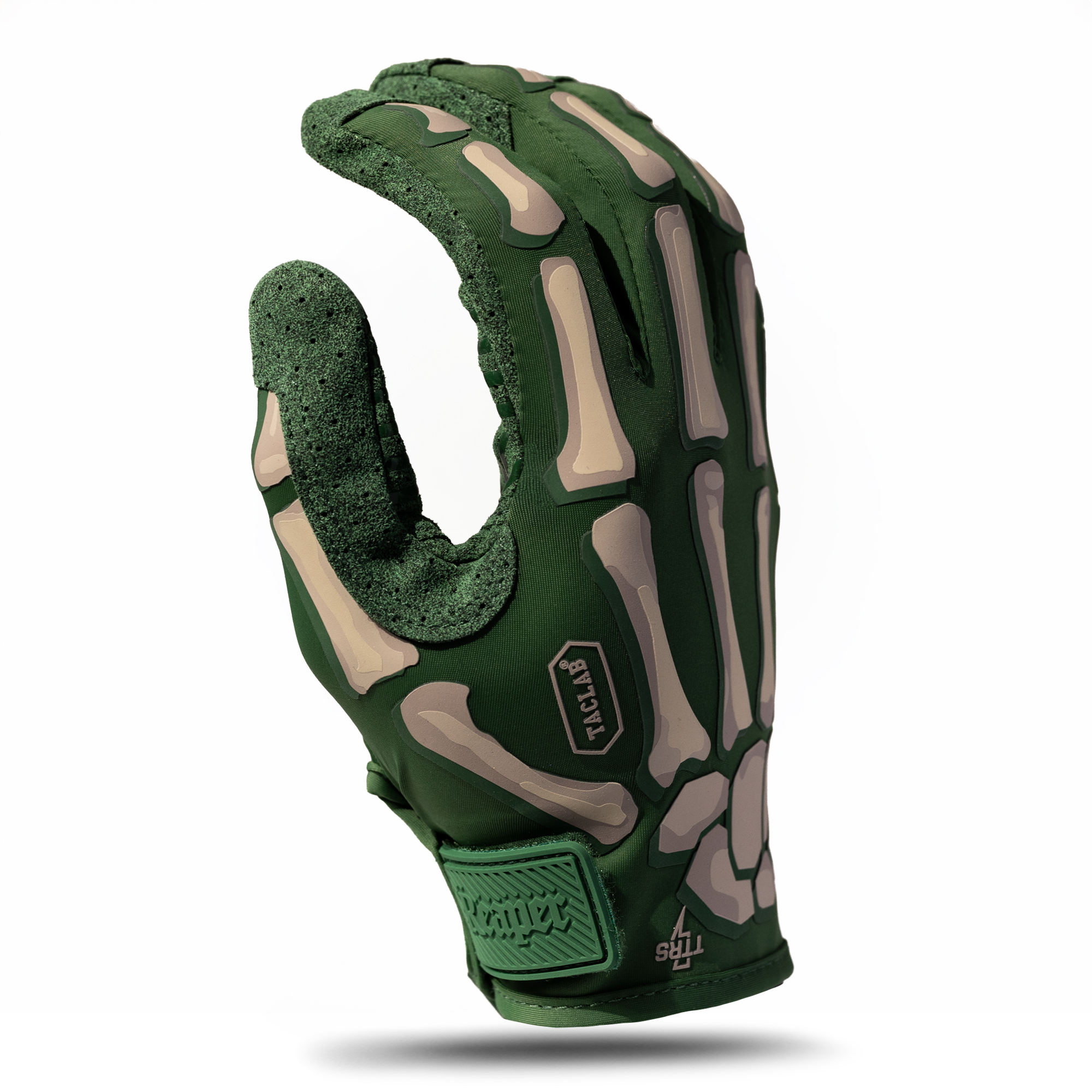
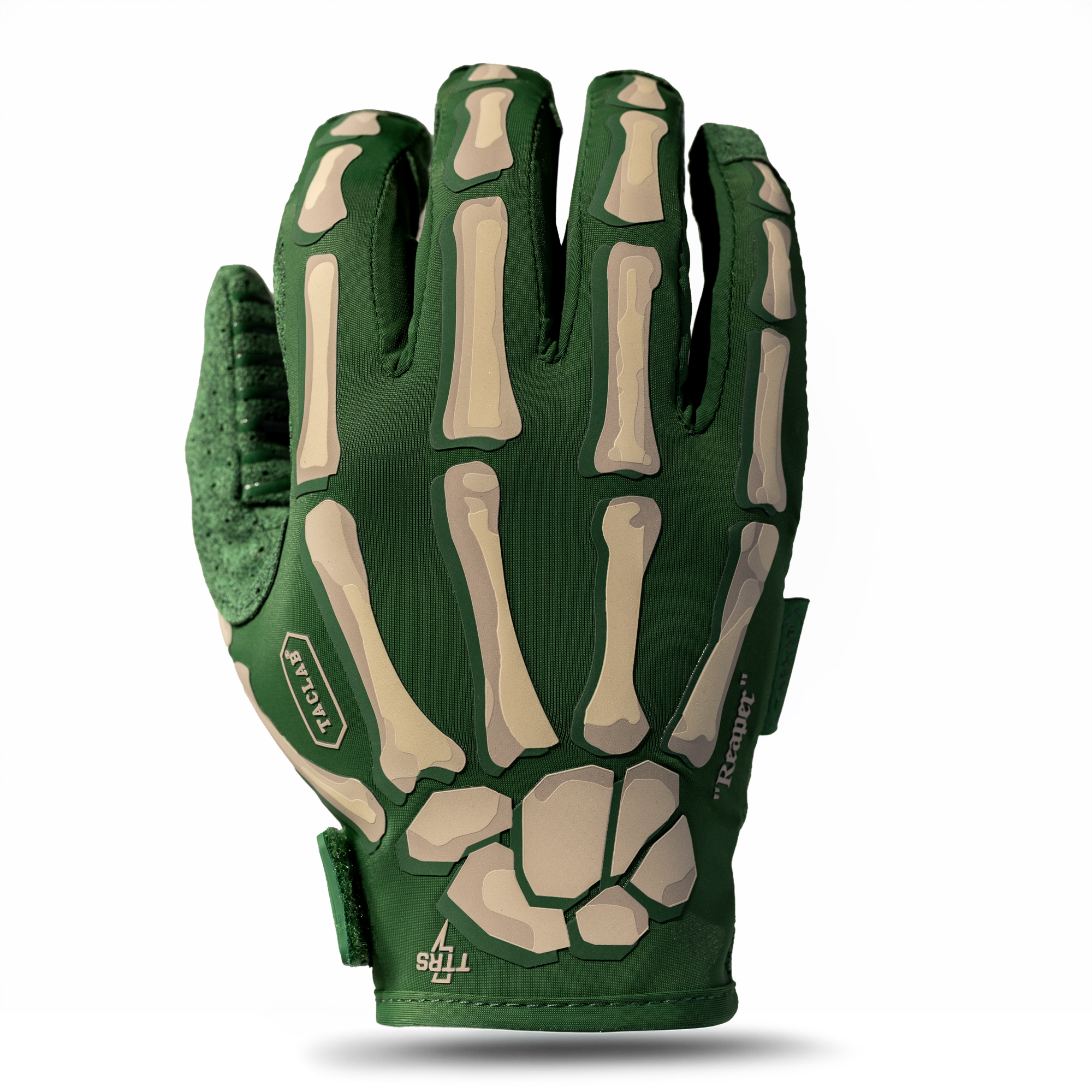
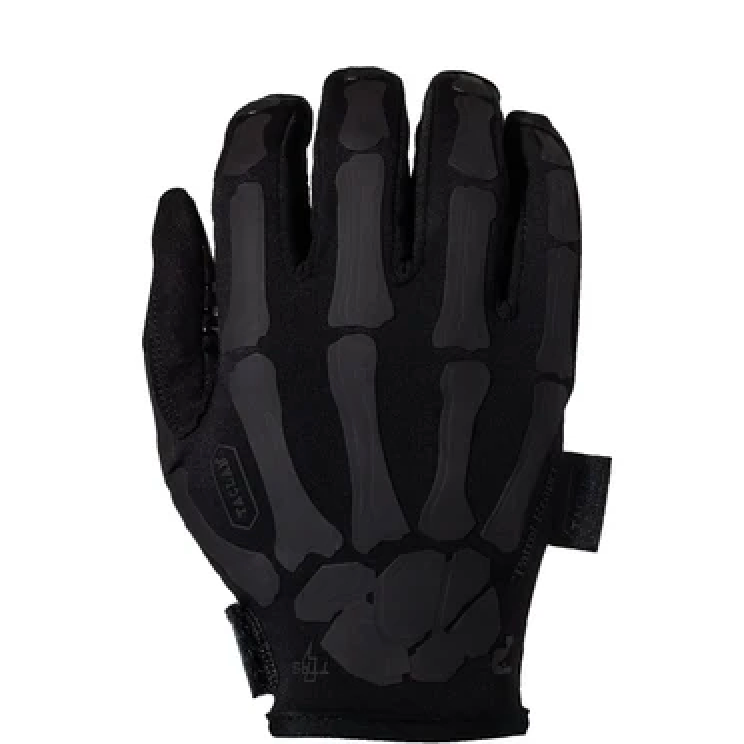
Put on a new pair of tactical gloves and there's one question almost everyone asks:
Are these supposed to feel this tight?
It's a surprisingly important question.
Gloves that are too loose can bunch in the palm, leave excess material around the fingertips, and reduce tactile feedback.
But going too far in the other direction isn't better.
Gloves that are too small can restrict movement, create uncomfortable pressure, pull excessively at seams, and place constant tension on the fingertips.
So should tactical gloves be tight or loose?
The short answer is:
Tactical gloves should fit snugly—not tightly.
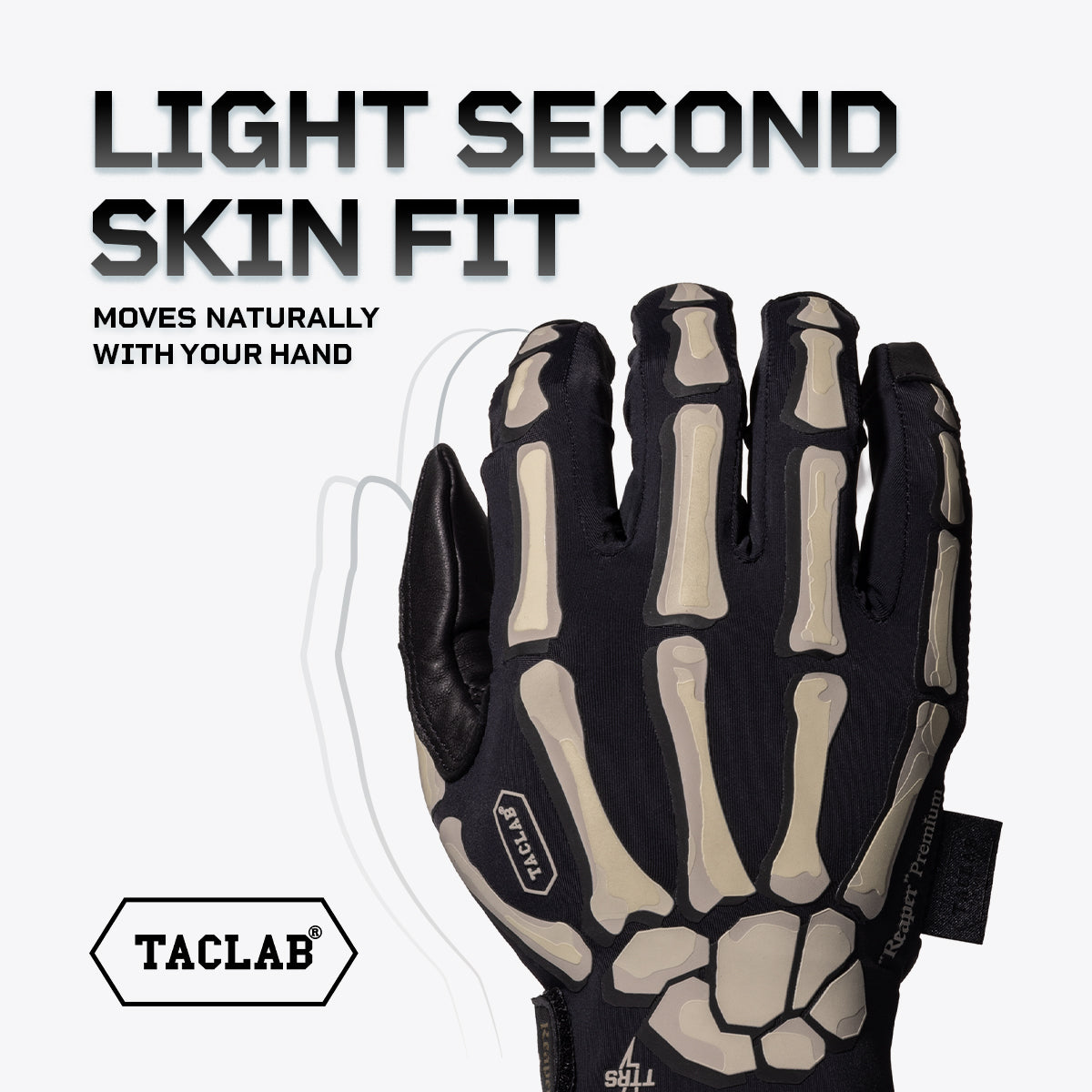
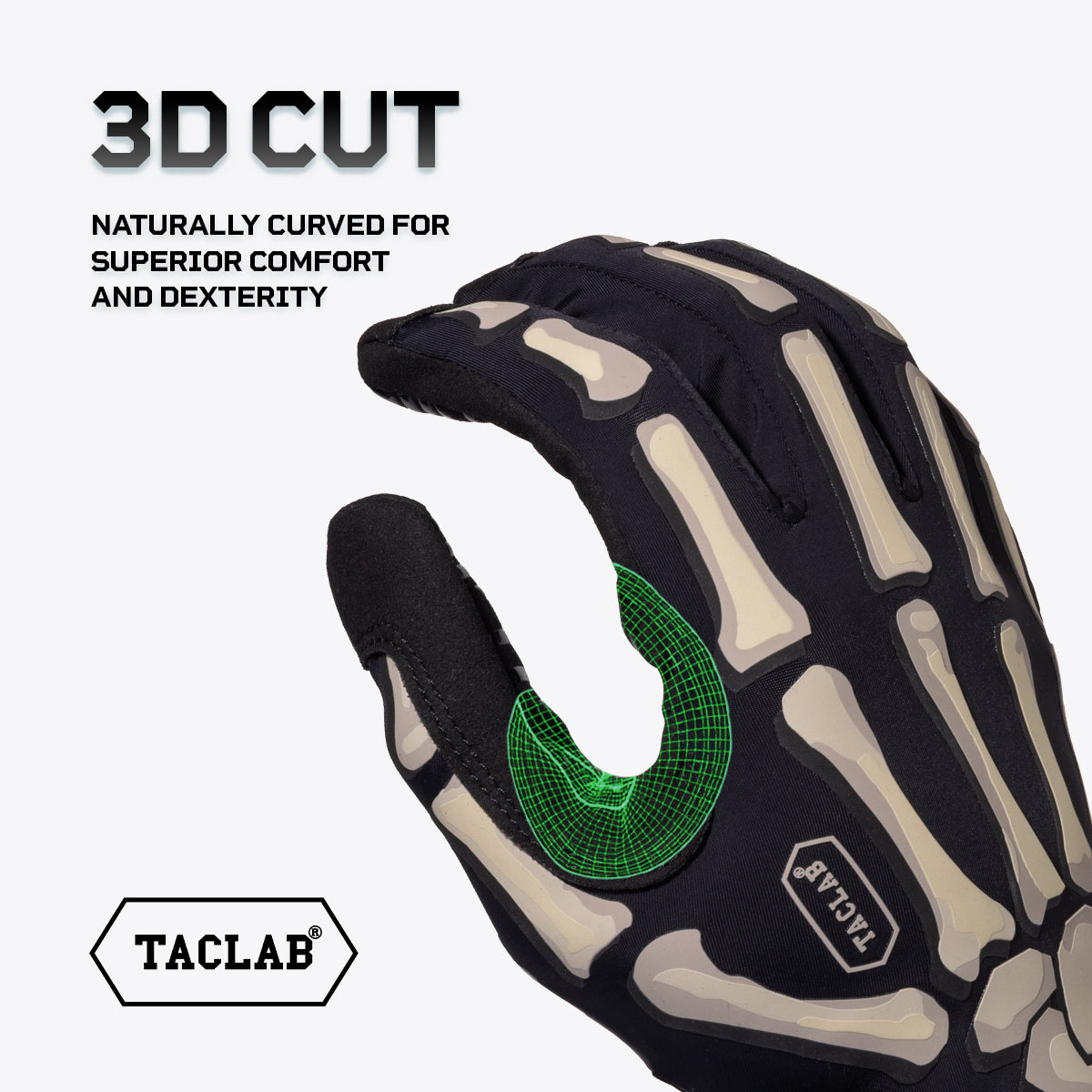
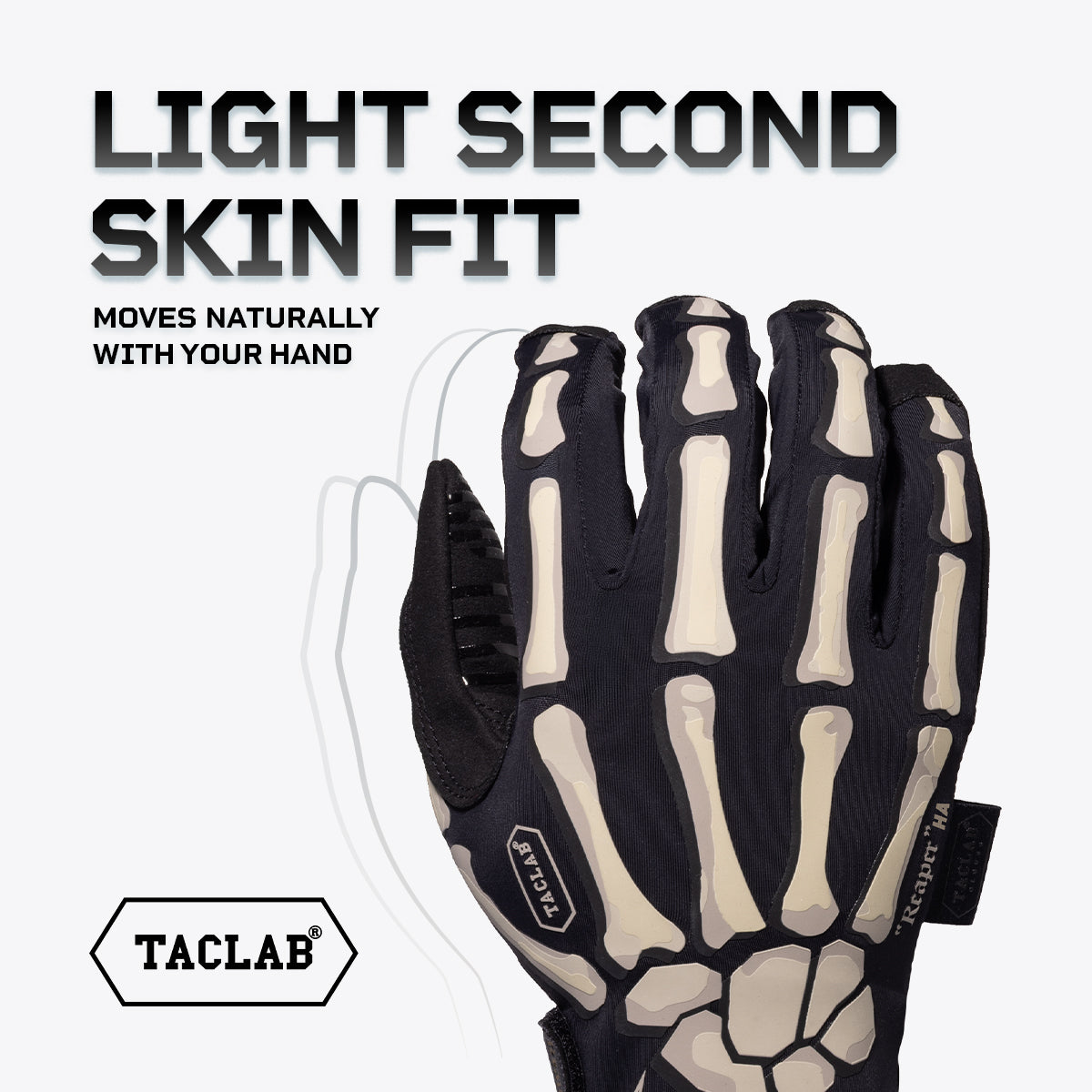
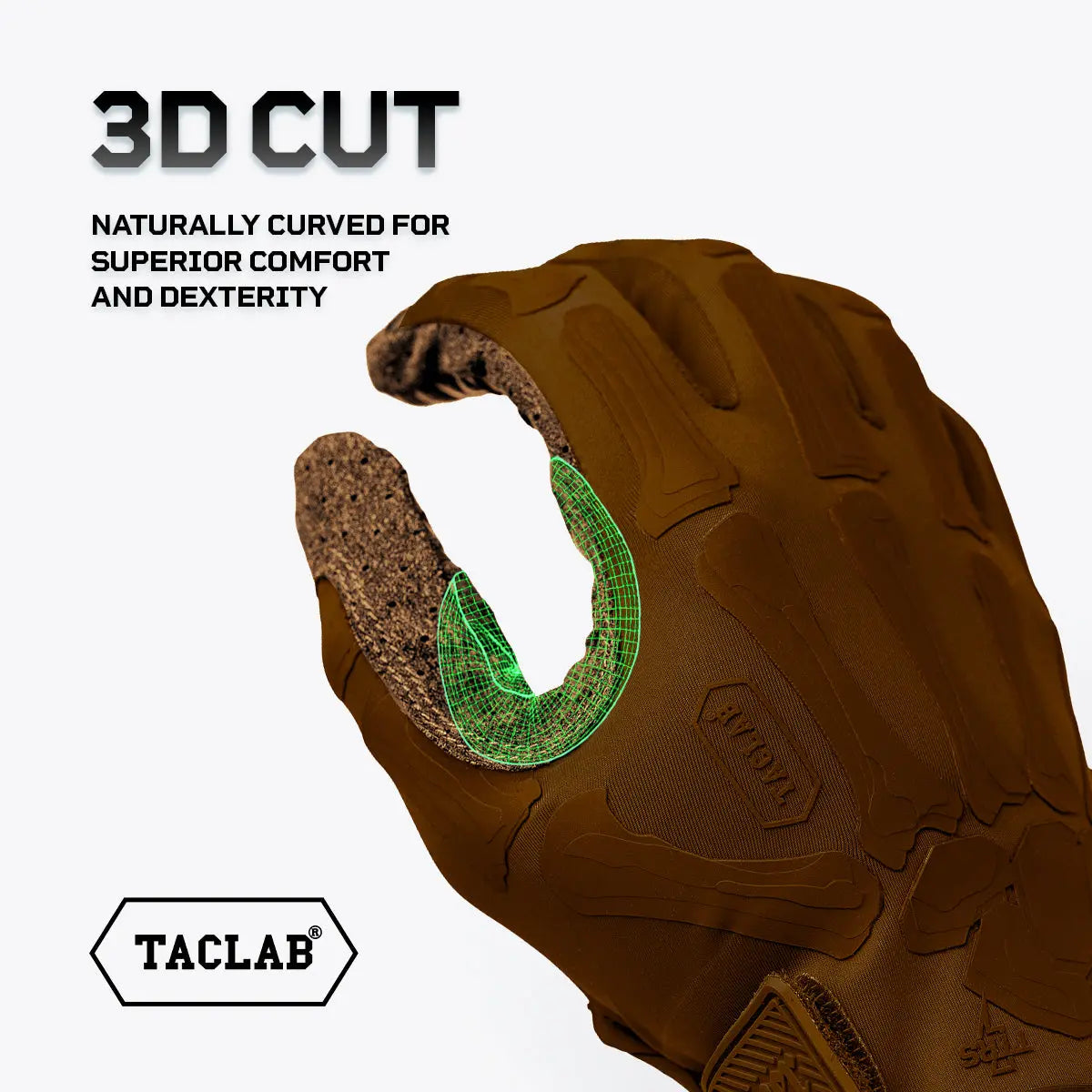
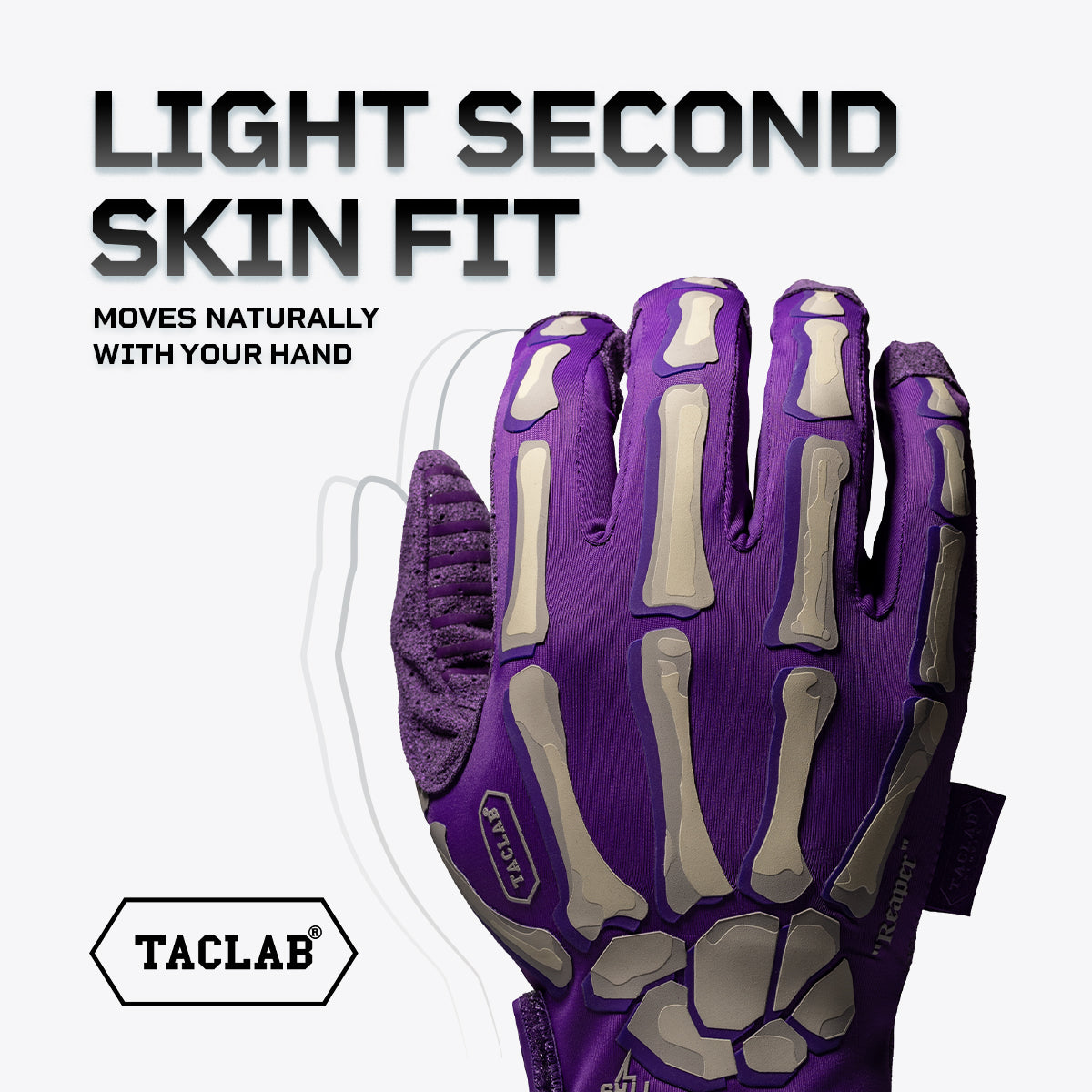
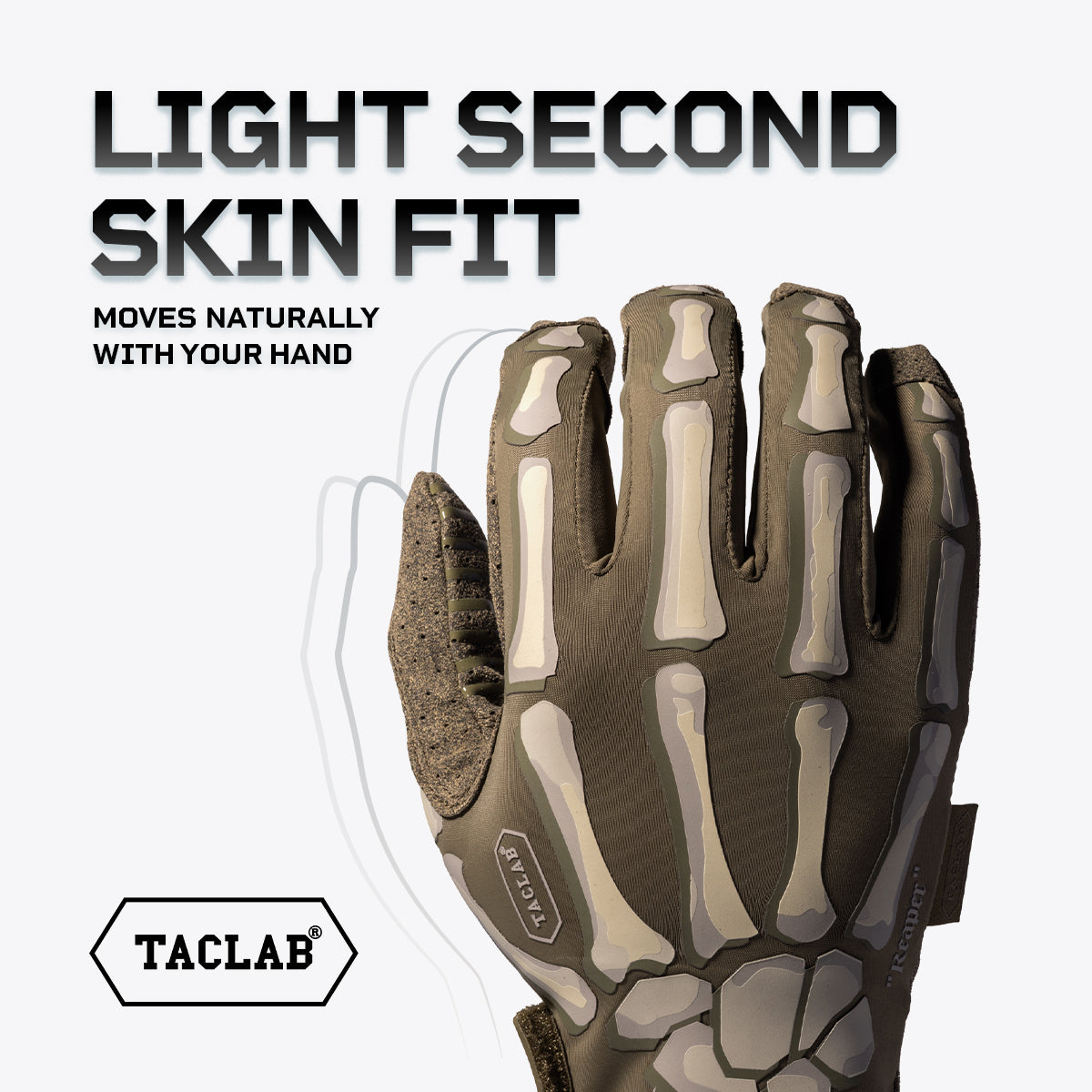
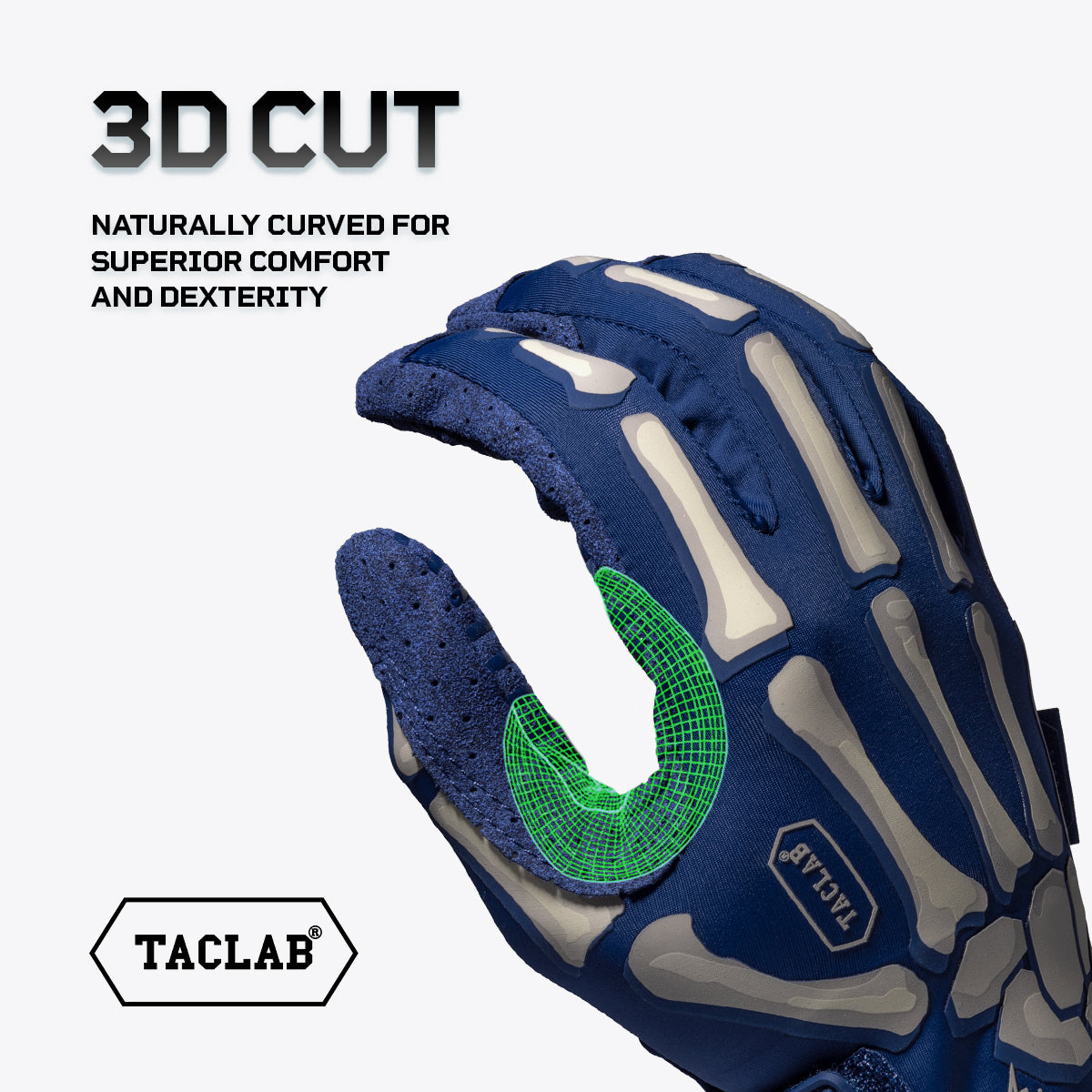
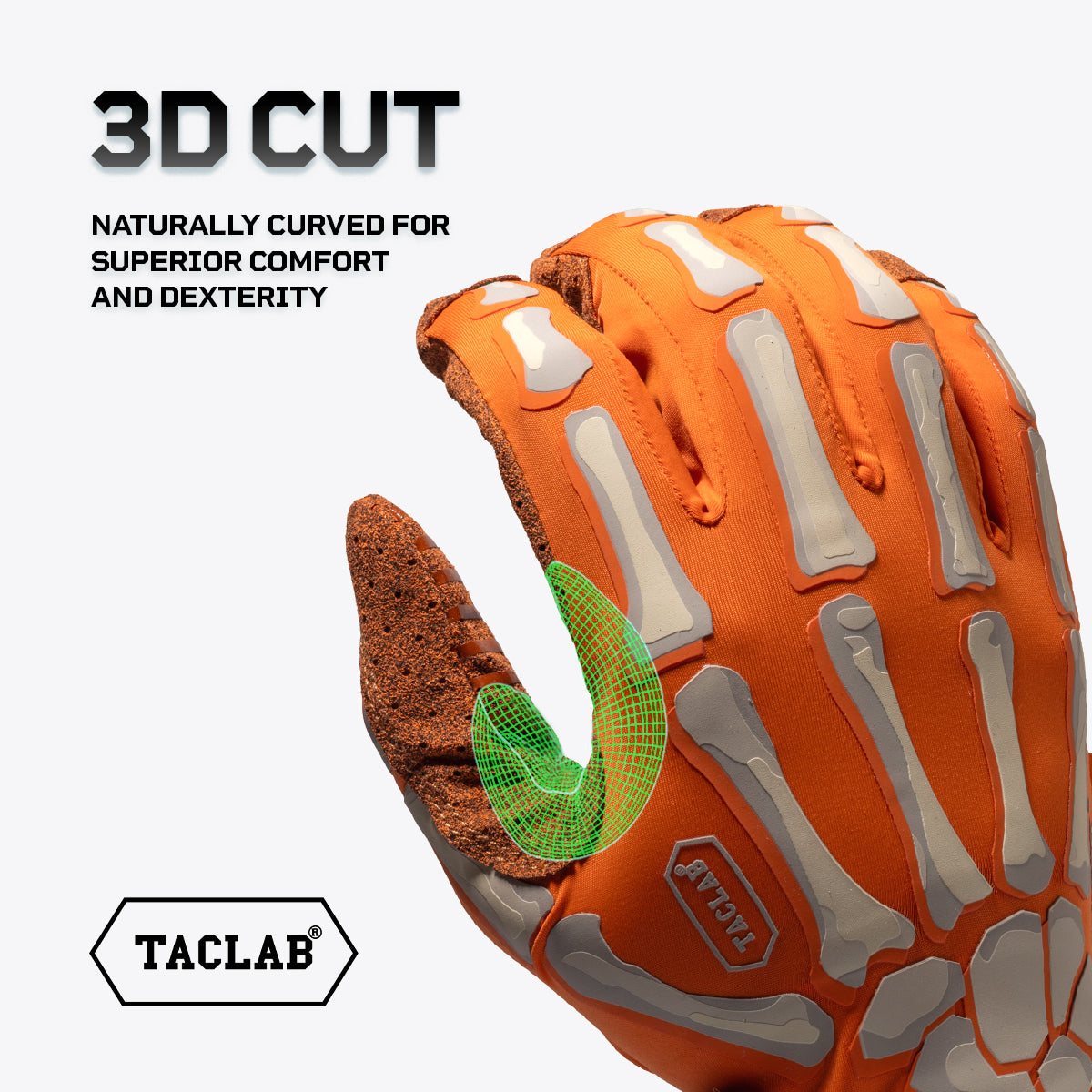
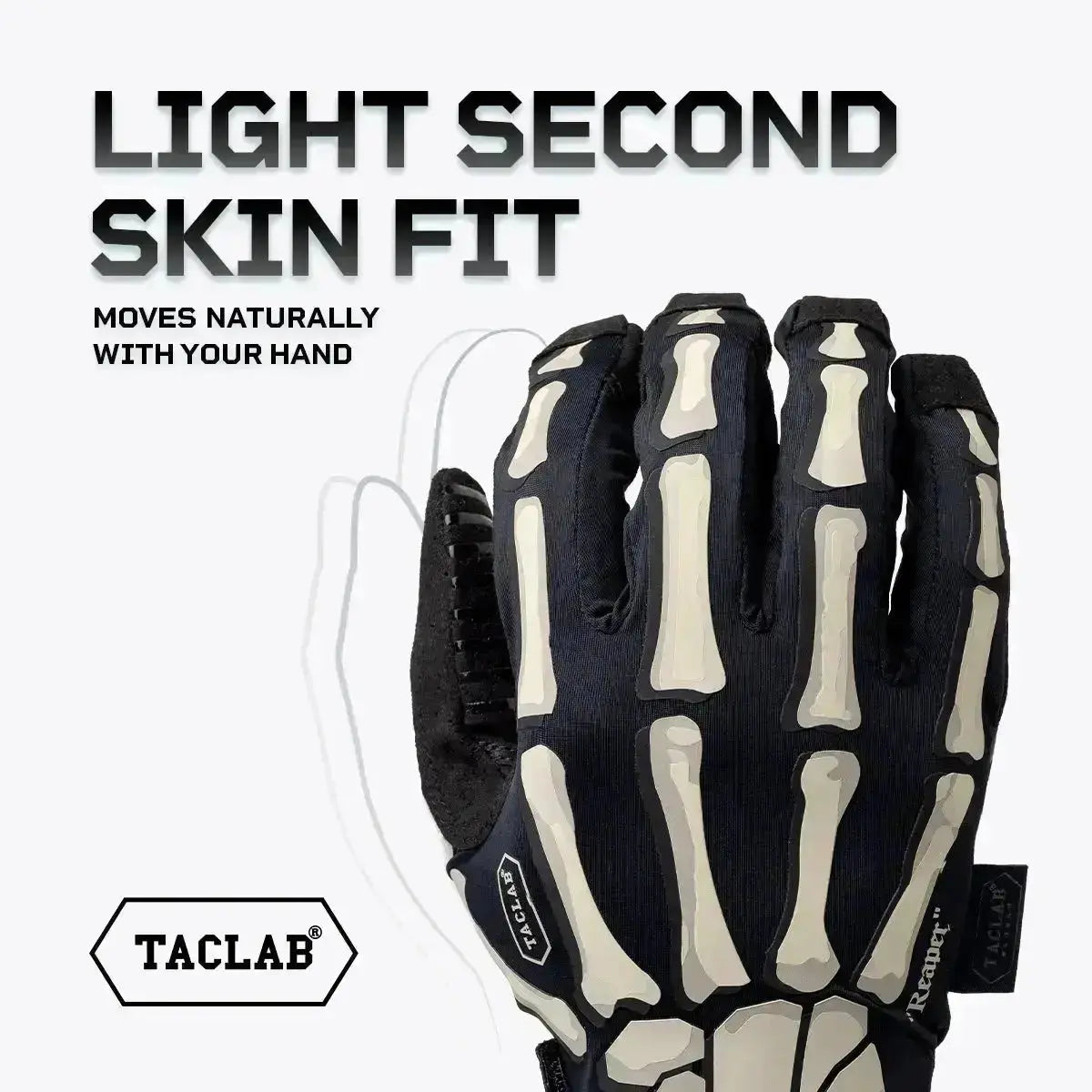
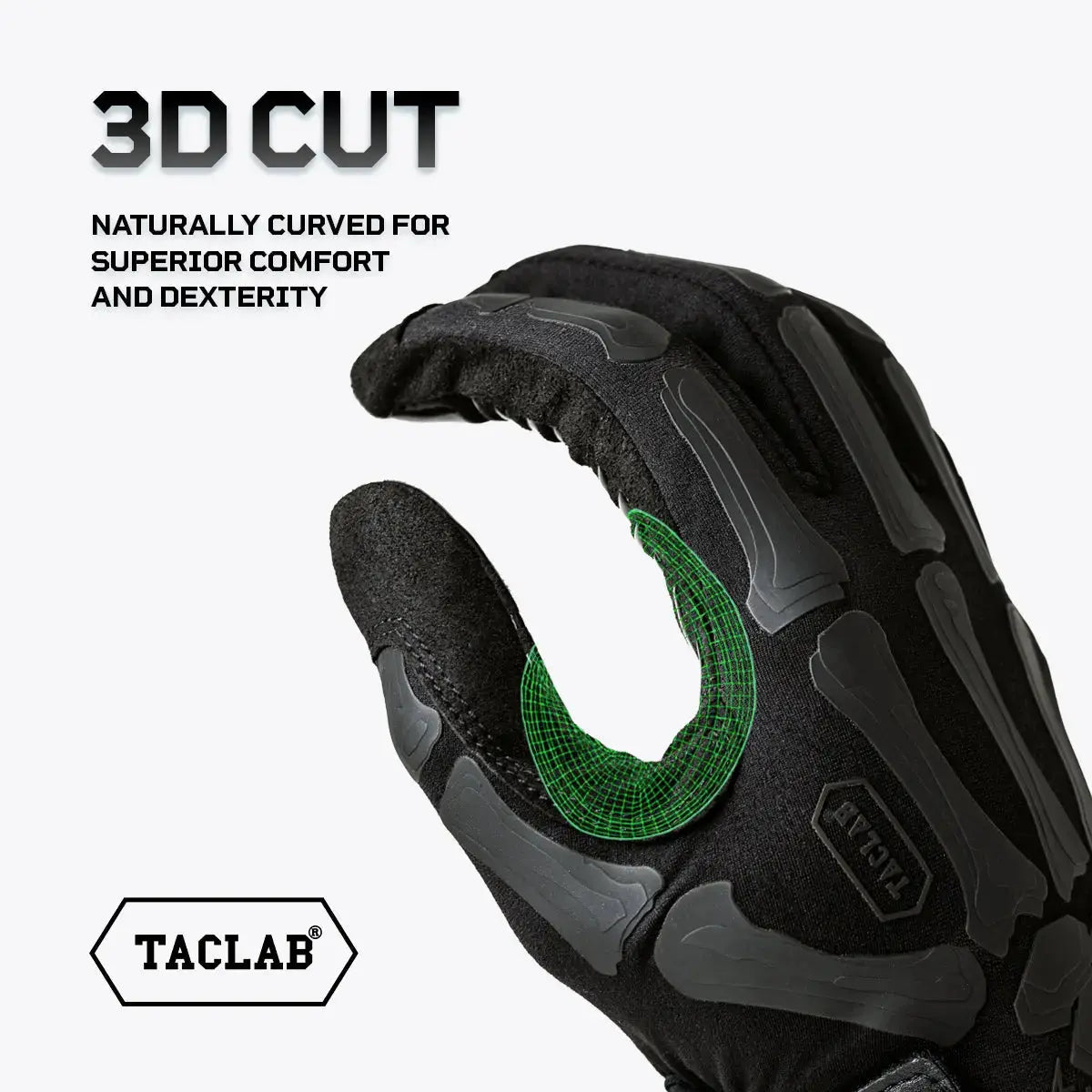
They should follow the shape of your hand with minimal excess material while still allowing your fingers, thumb, knuckles, and wrist to move naturally.
Think close-fitting, not compressed.
And because different tactical gloves are designed for different jobs, the ideal fit can also vary slightly between a lightweight shooting glove, a heavy-duty work glove, an insulated winter glove, and an impact-protection glove.
Here's how to tell whether your tactical gloves actually fit.
The Short Answer: Tactical Gloves Should Fit Snug, Not Tight
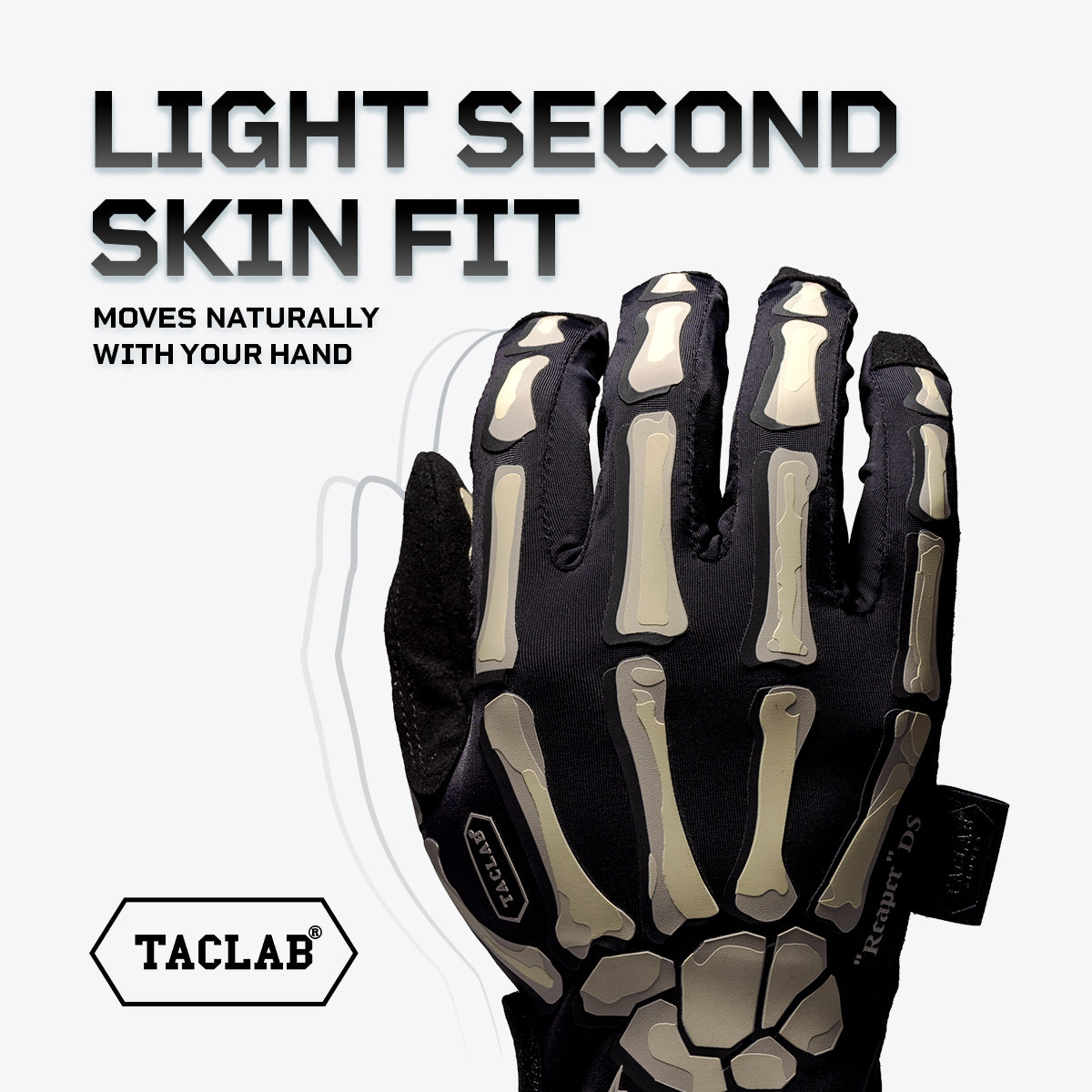
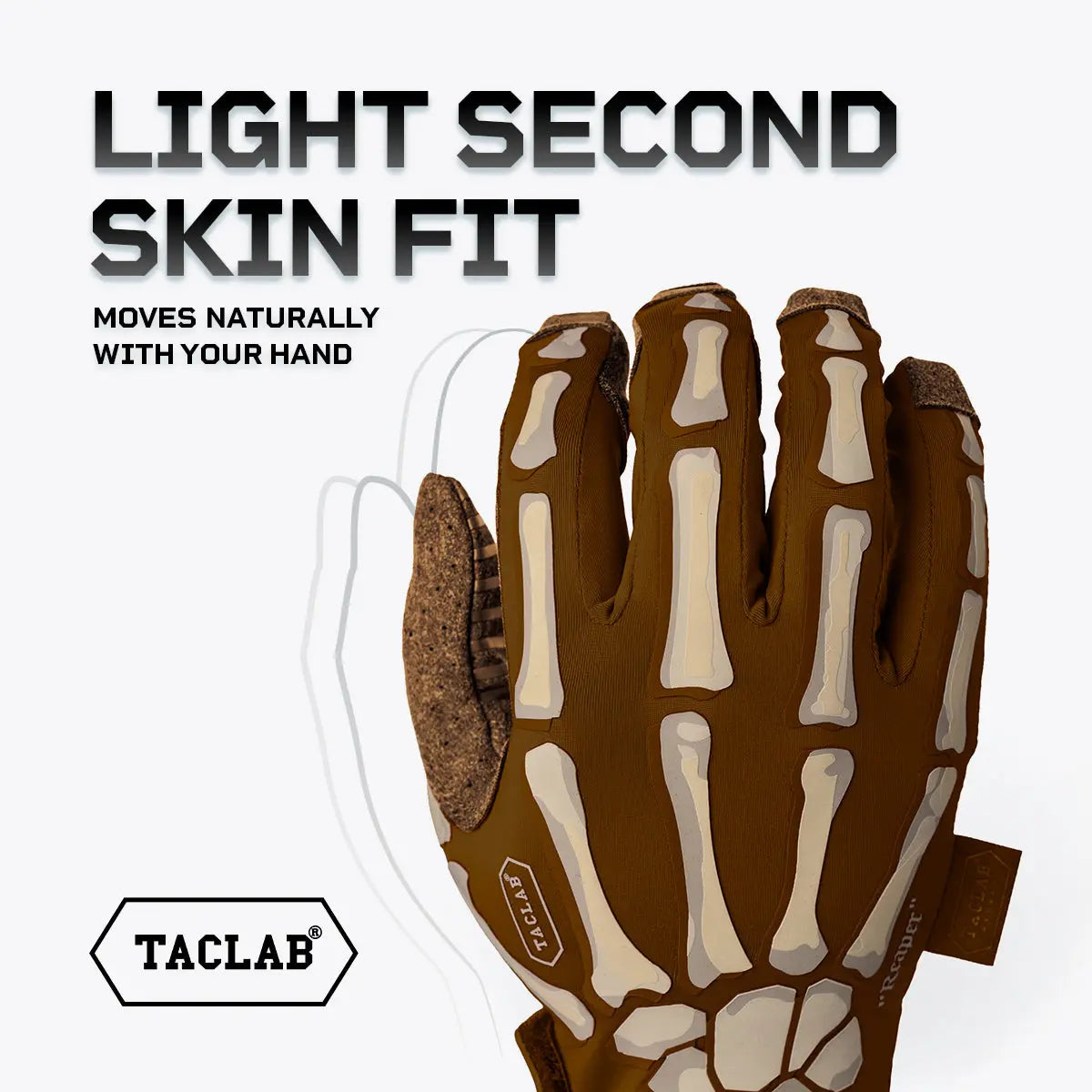
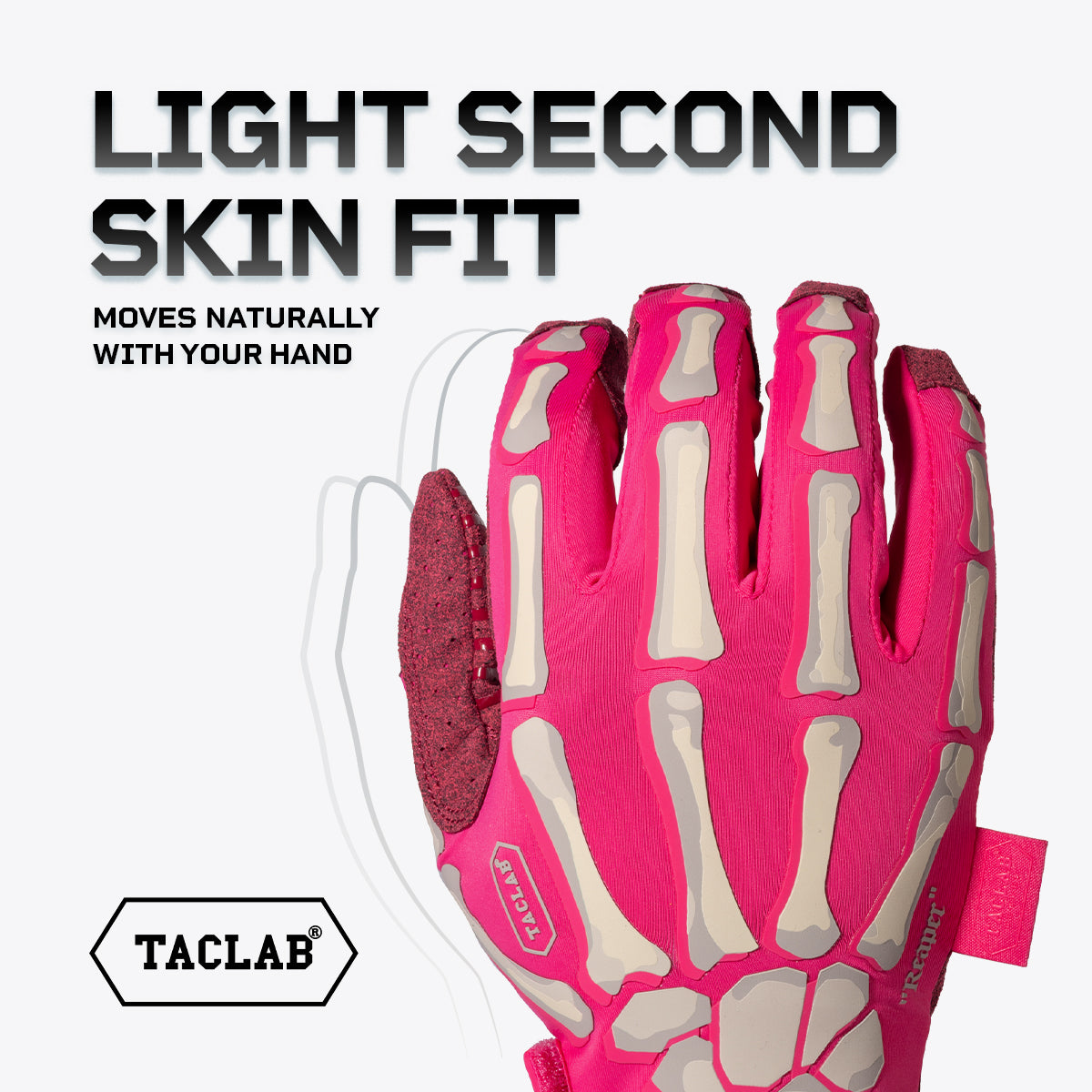
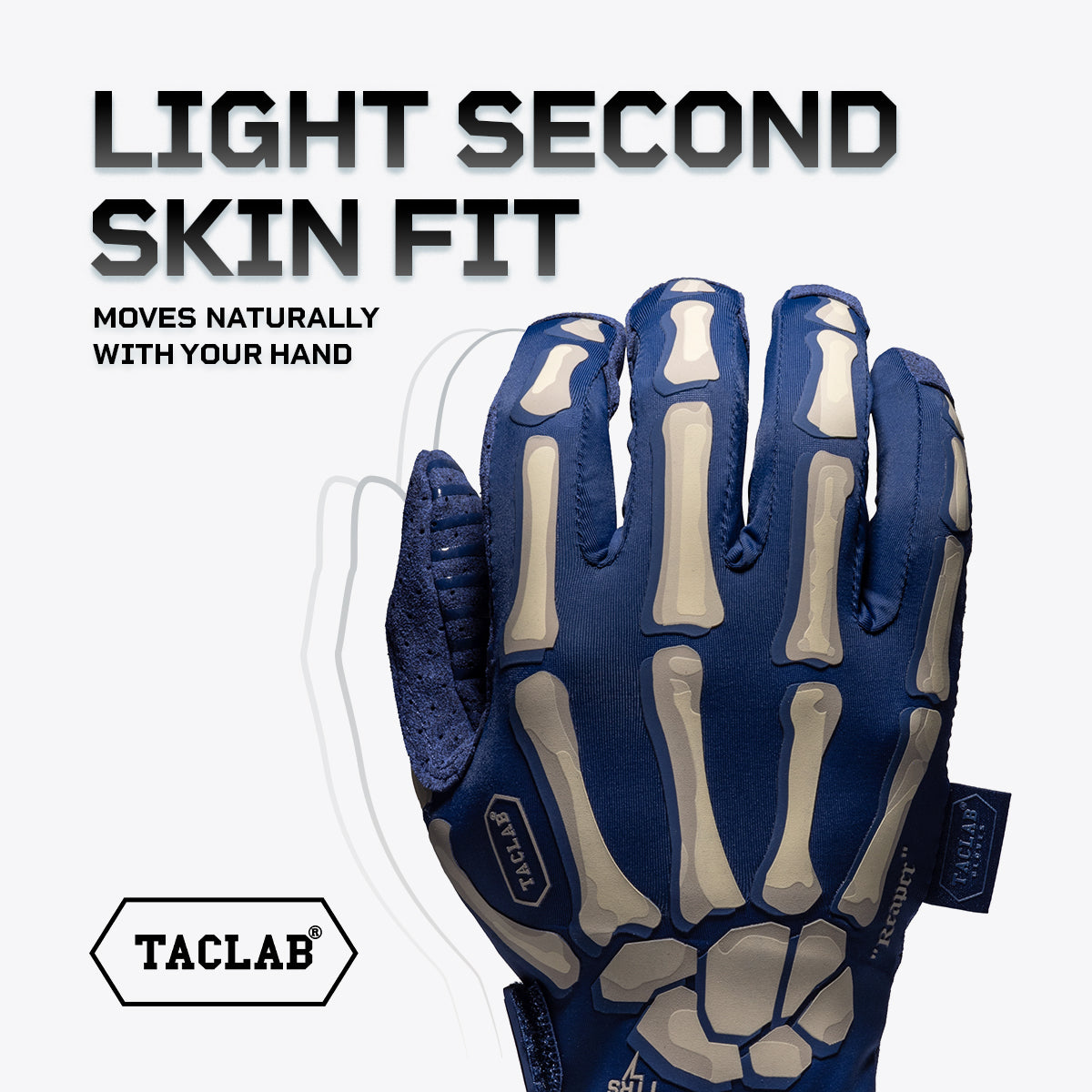
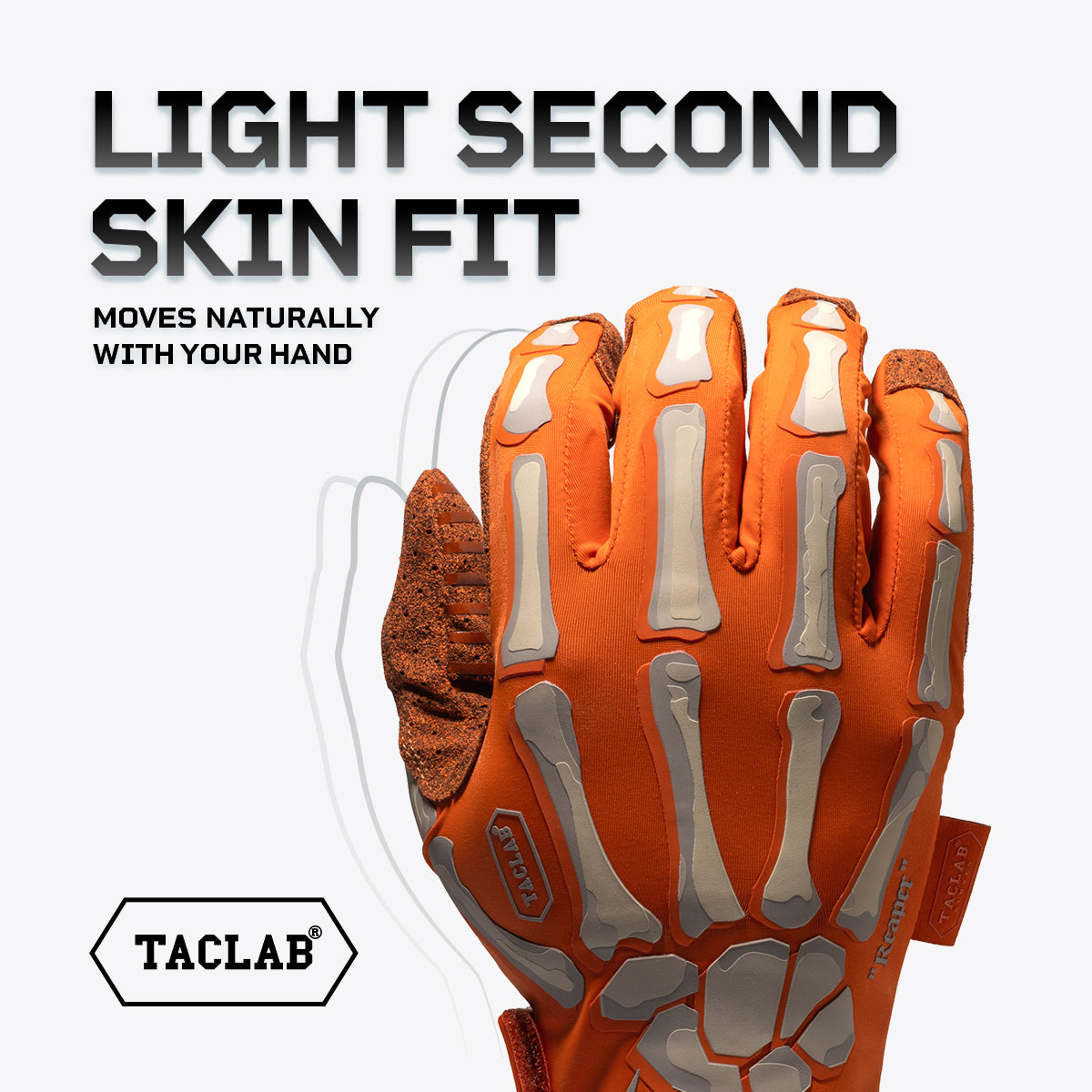
A properly fitted tactical glove should feel secure enough that it moves with your hand.
When you bend your index finger, the glove should follow.
When you make a fist, the palm shouldn't develop large folds.
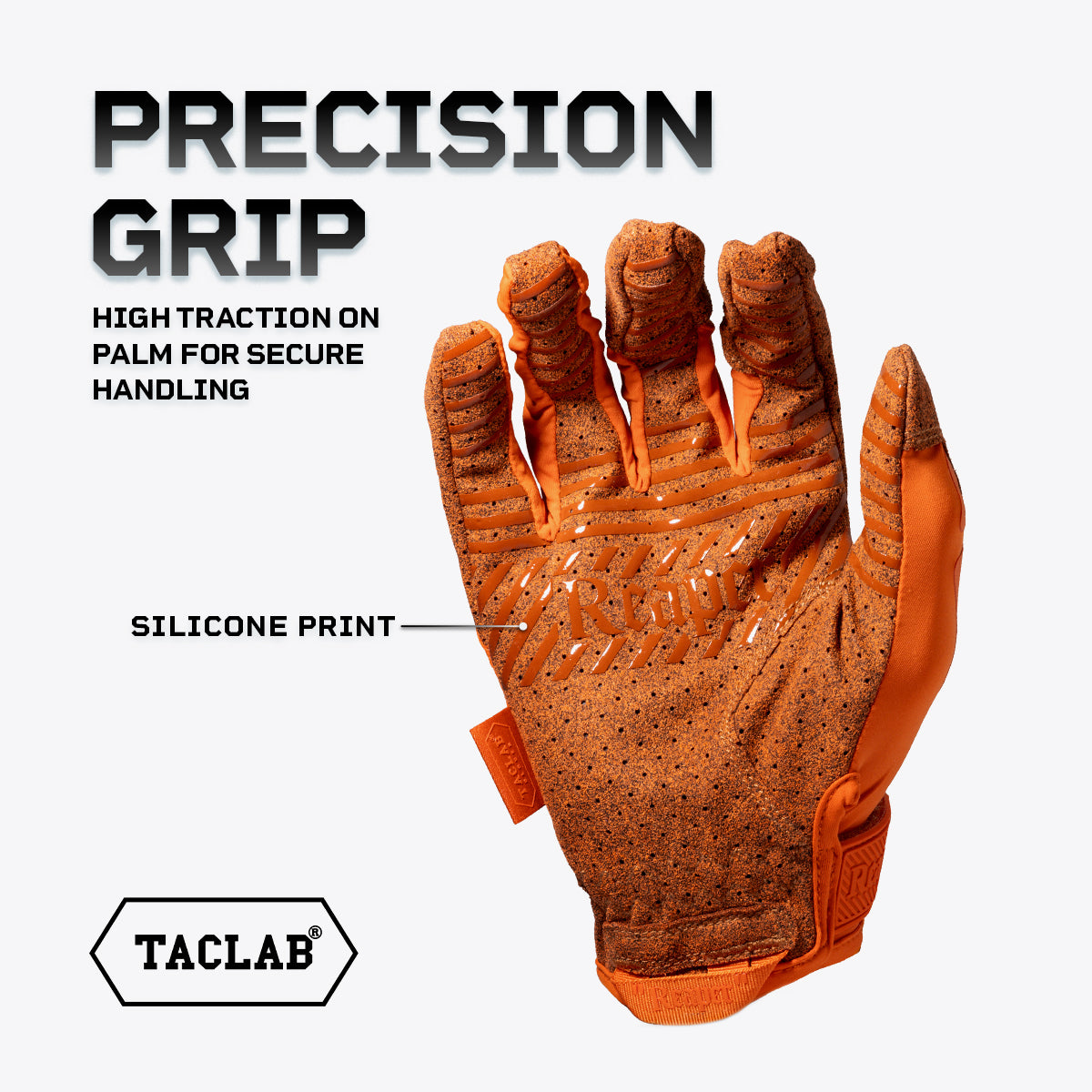
When you grip equipment, the glove shouldn't slide around your hand.
But you also shouldn't feel like you're fighting the glove.
A good fit should allow:
- Full finger extension
- A natural fist
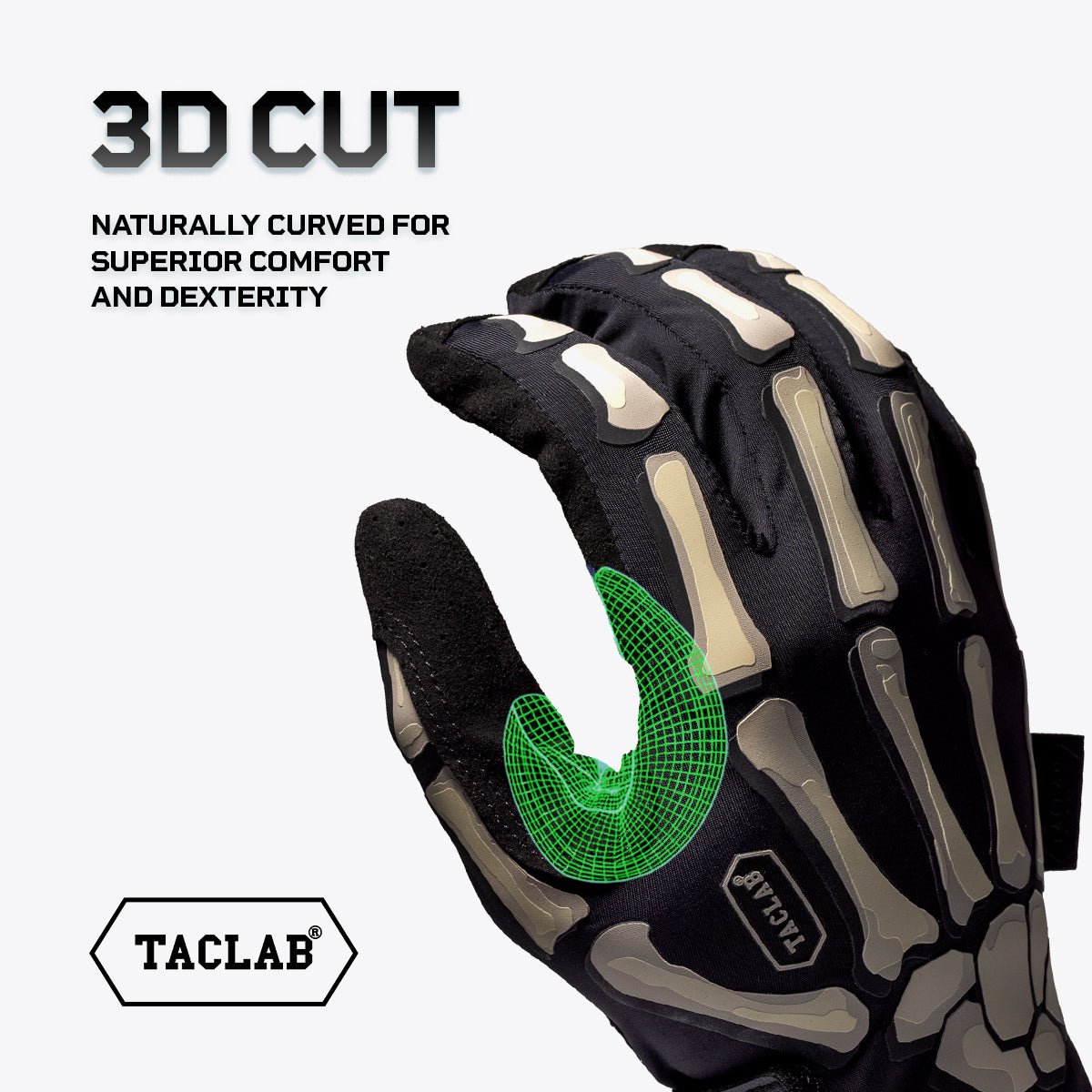
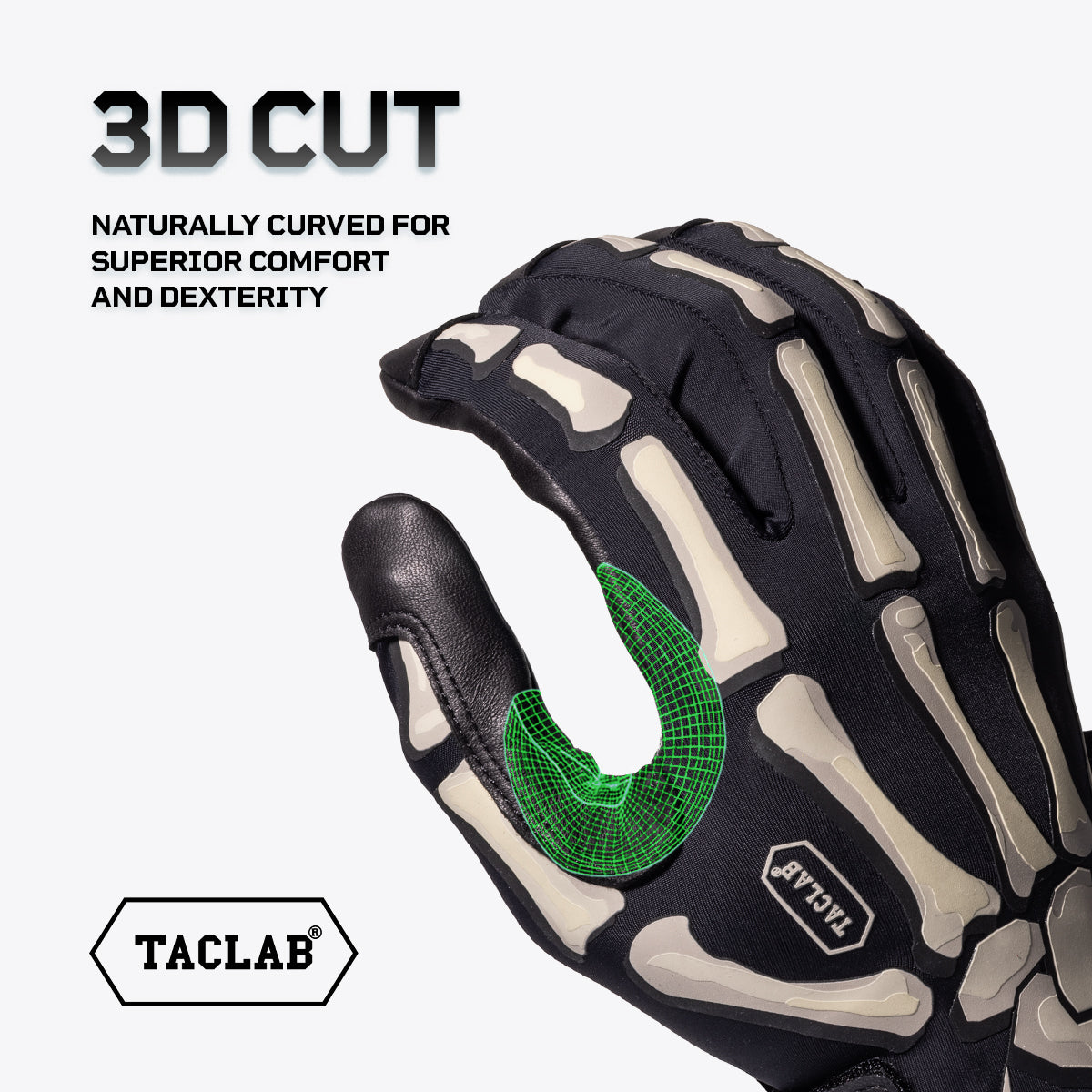
- Comfortable thumb movement
- Normal wrist movement
- Fine-motor manipulation
- A secure grip
- Minimal excess material at the fingertips
What shouldn't you feel?
Pain.
Numbness.
Strong fingertip pressure.
Seams digging into your hand.
Restricted finger movement.
Those aren't signs of a “performance fit.”
They're signs that something may be wrong with the size or shape.
Why Tactical Glove Fit Matters More Than You Think
With ordinary winter gloves, a little extra room may not bother you.
Tactical gloves are different because they're often used for activities requiring much more precise hand movement.
Depending on the glove, that may include:
- Shooting
- Range training
- Motorcycle riding
- Hunting
- Airsoft
- Outdoor activities
- Equipment handling
- Work applications
In these situations, the glove becomes an interface between your hand and whatever you're controlling.
A few millimeters of unnecessary material can suddenly become noticeable.
Imagine trying to pick up a coin while wearing oversized gloves.
Or operating a small zipper.
Or manipulating equipment while the palm material folds underneath your grip.
That's why fit isn't simply about comfort.
Fit affects how the glove performs.
What Does a Properly Fitted Tactical Glove Feel Like?
There's a useful distinction here:
Tight
The glove compresses the hand or creates tension.
Loose
The glove moves independently from the hand.
Snug
The glove closely follows the hand while allowing natural movement.
Snug is what you're looking for.
When standing with your hand relaxed, the glove should feel close across the palm and fingers.
There shouldn't be large pockets of empty material.
At the same time, you should be able to spread your fingers, bend them, and make a fist without excessive resistance.
Your fingertips should sit close to the ends of the glove.
But they shouldn't be painfully pushing against them.
That's the sweet spot.
The 30-Second Tactical Glove Fit Test
You don't need special equipment to determine whether a glove fits.
Put the glove on normally and run through these seven checks.
It takes about 30 seconds.
1. Check the Fingertips
Straighten your fingers.
Your fingers should reach close to the ends of the glove without being painfully compressed.
A tiny amount of space may be normal depending on the glove design.
What you don't want is a noticeable flap of empty material hanging beyond the fingertip.
Now pay particular attention to your index finger.
For shooting and other fine-motor activities, excess material here can be especially noticeable.
Good: Finger fills the glove naturally.
Too small: Fingertip is pushing hard against the end.
Too large: Significant empty material remains beyond the finger.
2. Make a Fist
Close your hand naturally.
Don't squeeze as hard as possible.
Just make a normal fist.
Ask yourself:
Does anything feel like it's pulling?
Some tension is normal because the glove is moving with your hand.
But strong pulling across the fingertips, knuckles, or seams can indicate that the glove is too small or that its shape isn't well suited to your hand.
Now look at the palm.
Large folds or bunches of material may indicate excess volume.
3. Spread Your Fingers
Open your hand and spread your fingers apart.
You should be able to do this without fighting the material between your fingers.
If the glove strongly restricts finger spread, it may be too small or simply the wrong shape for your hand.
Remember:
Glove size isn't only about hand length.
Two people with hands of similar length can have very different:
- Palm widths
- Finger lengths
- Finger proportions
- Thumb shapes
That's why a size chart is an important starting point—but the movement test still matters.
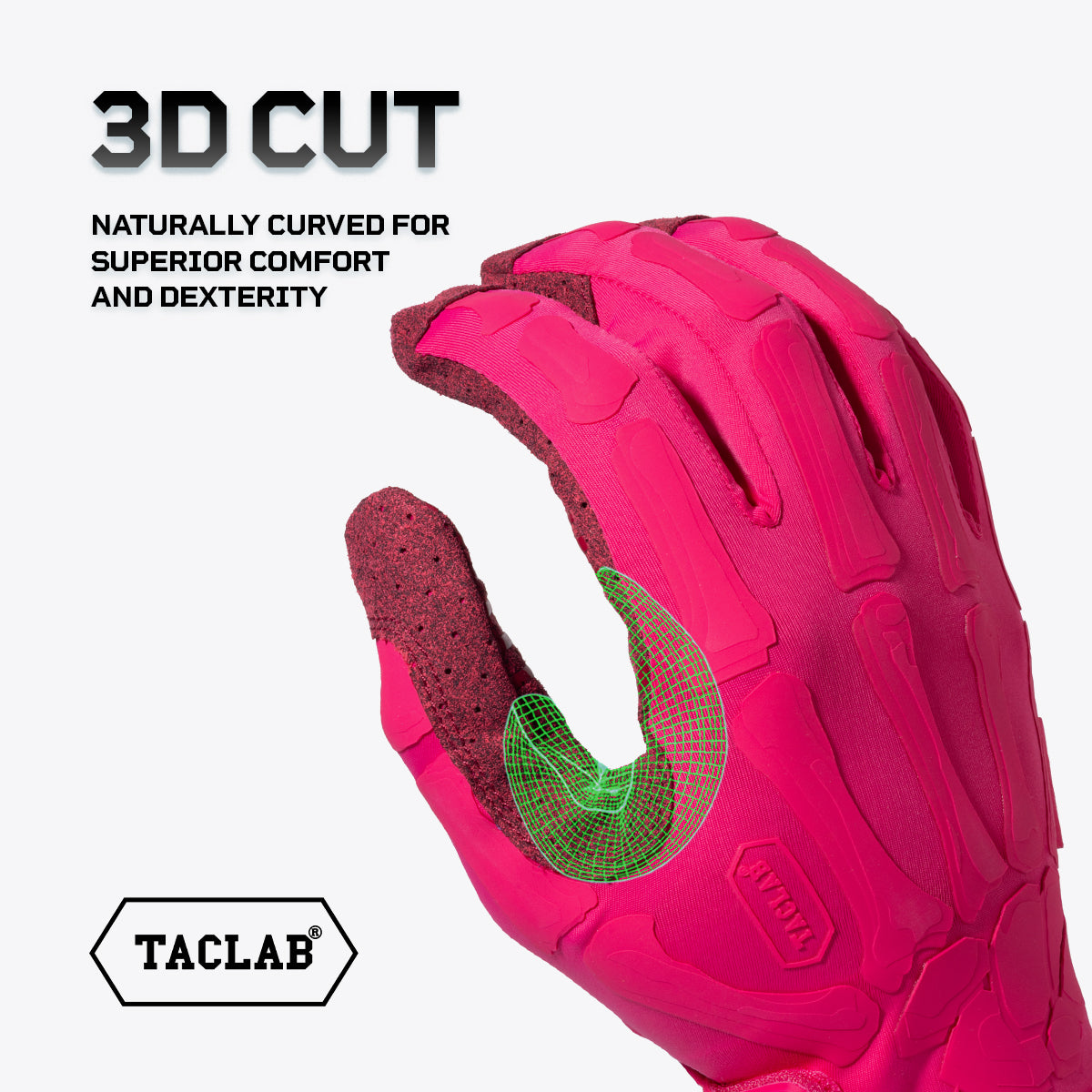
4. Move Your Thumb
Touch your thumb toward each fingertip.
Index.
Middle.
Ring.
Pinky.
This simple movement reveals a lot about glove fit.
The thumb is involved in an enormous amount of equipment manipulation, and a poorly fitted thumb section can make an otherwise correct glove feel awkward.
Look for natural movement without excessive pulling or large amounts of loose material.
5. Pick Up Something Small
Here's where fit becomes performance.
Try picking up:
- A coin
- A key
- A zipper
- A small tool
You don't need bare-hand levels of sensitivity.
You're wearing a glove, after all.
But you shouldn't feel like you're manipulating everything through oven mitts.
If the glove's intended purpose emphasizes dexterity and you can't comfortably perform basic fine-motor tasks, investigate the fit before assuming that's simply how tactical gloves feel.
6. Grip the Equipment You Actually Use
This step gets overlooked constantly.
Don't evaluate tactical gloves only while standing in front of a mirror.
Use them with the type of equipment they're intended for, where safe and appropriate.
For example, a rider can evaluate how the glove feels around motorcycle controls while stationary and following appropriate safety practices.
For general gear use, grip the handles or equipment you commonly use.
Look at the palm.
Does it remain relatively smooth?
Or does excess material fold and bunch?
A glove can feel fine with an open hand and completely different once you actually grip something.
7. Wear Them for a Few Minutes
Don't judge a glove entirely from the first five seconds.
Keep it on for a little while.
Move your hands naturally.
Pay attention to whether pressure develops around:
- Fingertips
- Fingernails
- Knuckles
- Finger webs
- Thumb
- Wrist
A glove that initially feels “performance tight” may simply be too small.
Your hands will usually tell you.
Listen to them.
How to Tell If Tactical Gloves Are Too Small
People often size down because they want more dexterity.
That's not always a good strategy.
Here are common warning signs:
| What You Notice | What It May Mean |
|---|---|
| Fingertips press hard against the ends | Fingers may be too short |
| Fingernails feel pressure | Excessive fingertip compression |
| Seams pull strongly when making a fist | Glove may be too small |
| Finger movement feels restricted | Insufficient room |
| Material is visibly stretched | Excessive tension |
| Hand discomfort increases over time | Fit may be too tight |
| Numbness or tingling develops | Remove the glove; it may be too restrictive |
A tactical glove shouldn't need to hurt before it becomes usable.
That's particularly important when people talk about “breaking in” gloves.
How to Tell If Tactical Gloves Are Too Large
Oversizing creates the opposite set of problems.
Common signs include:
- Empty space beyond fingertips
- Loose material around the thumb
- Palm bunching
- Glove movement during gripping
- Reduced tactile feedback
- Difficulty manipulating small objects
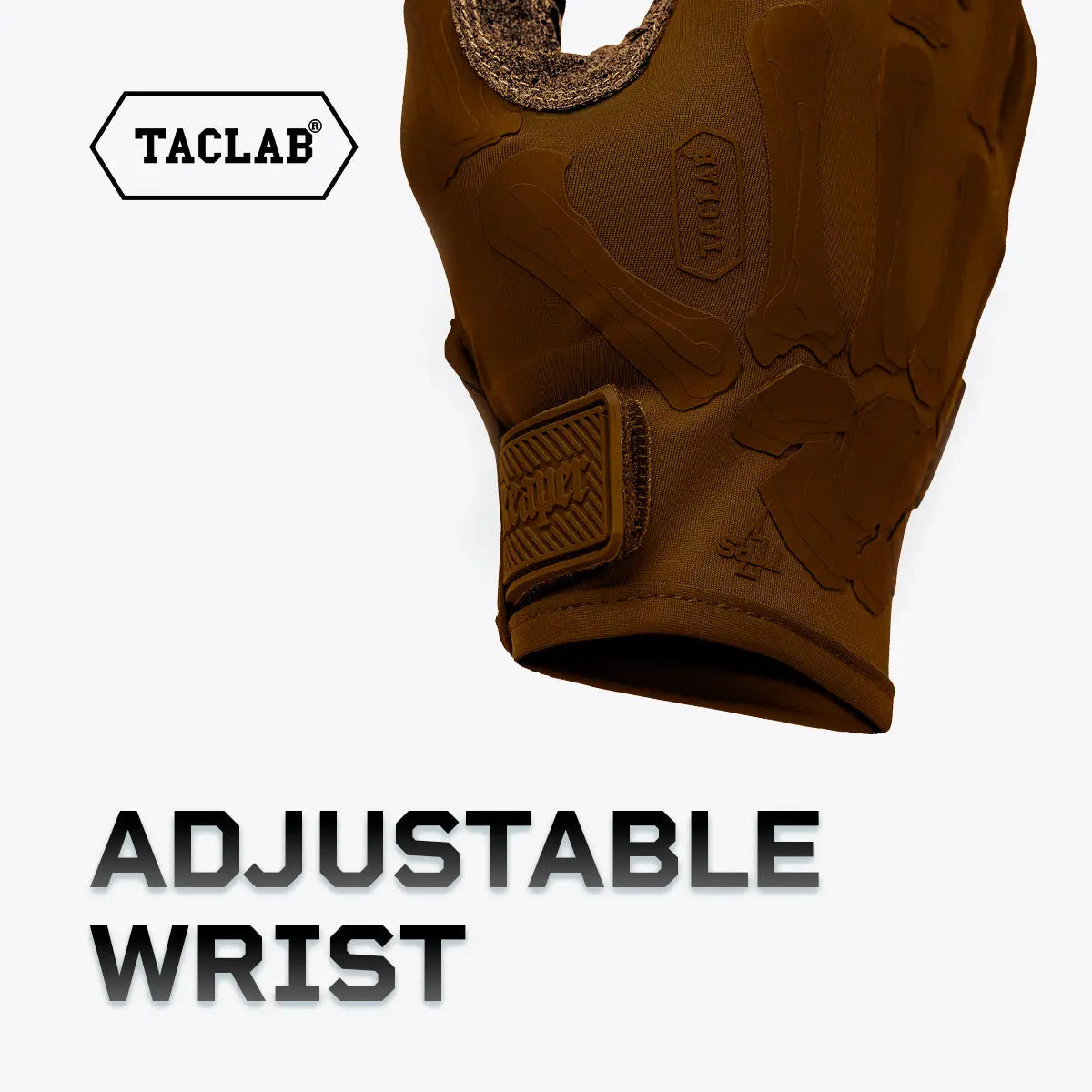
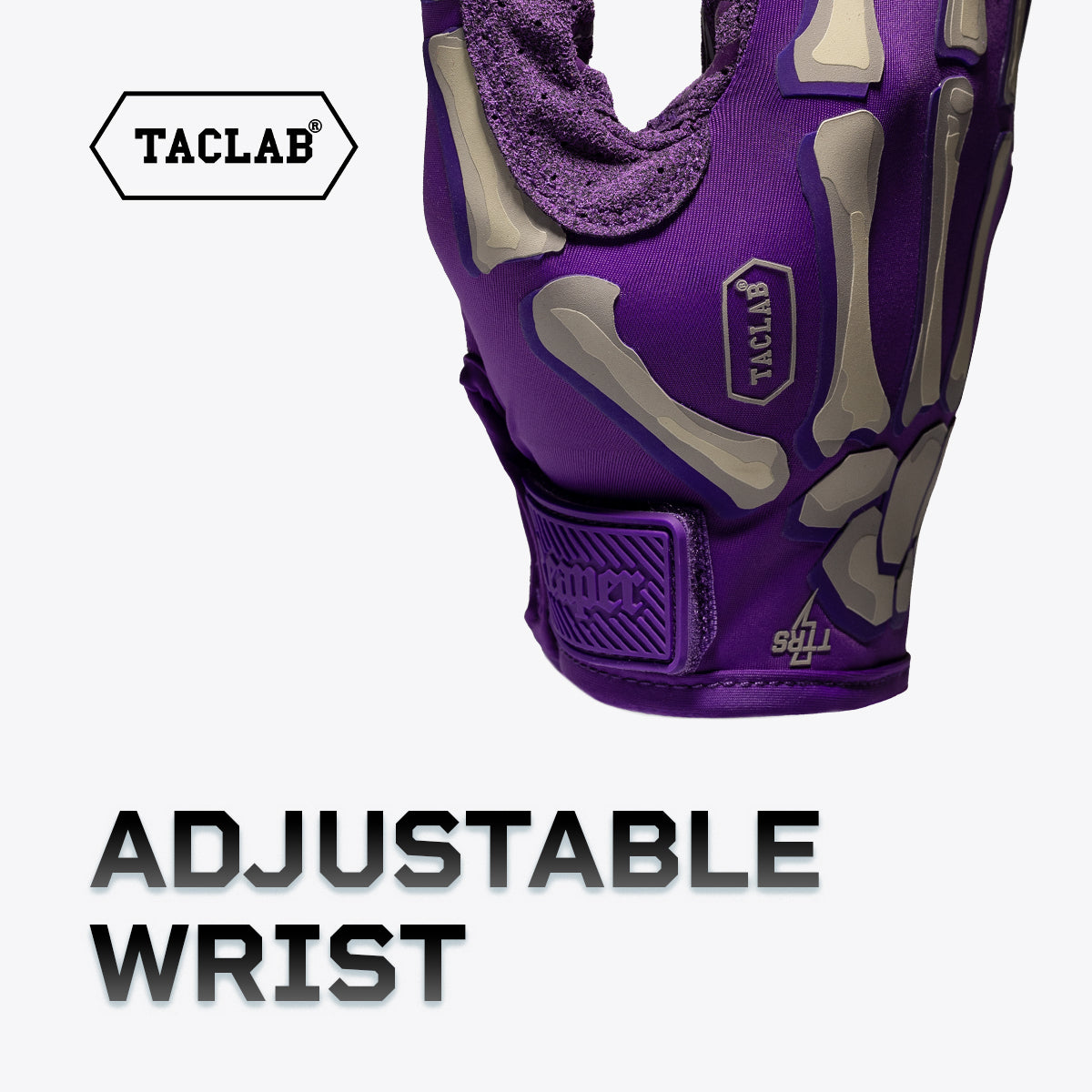
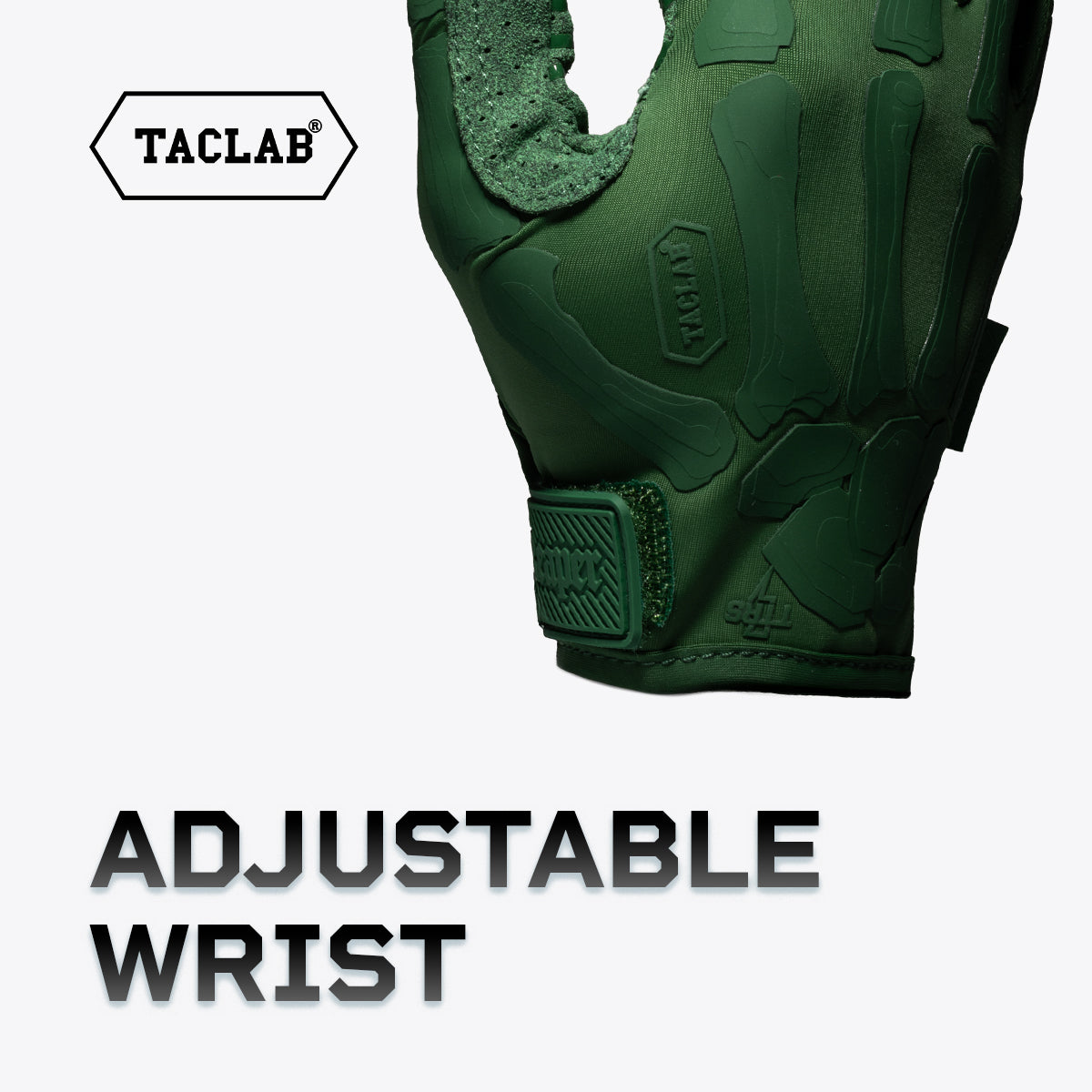
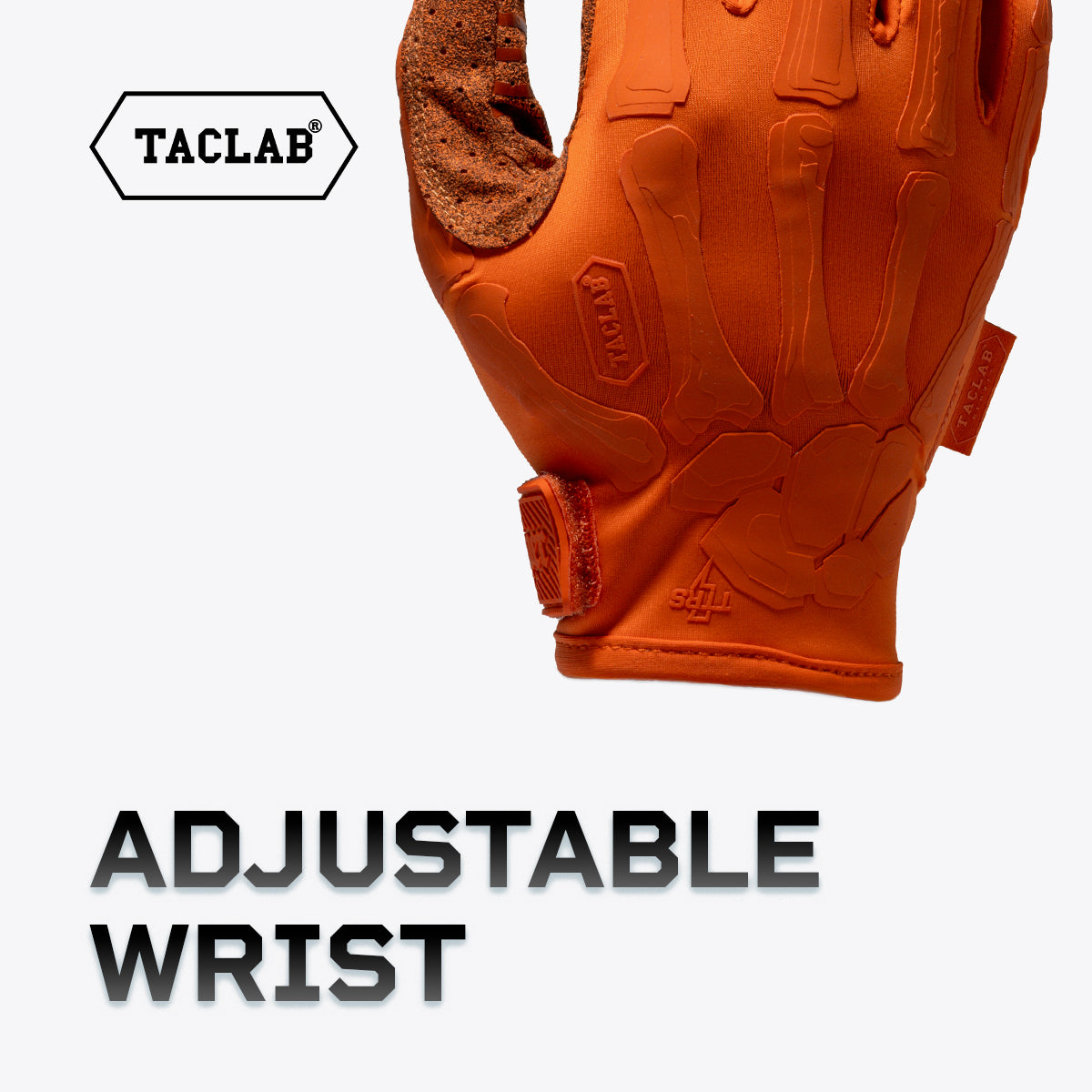
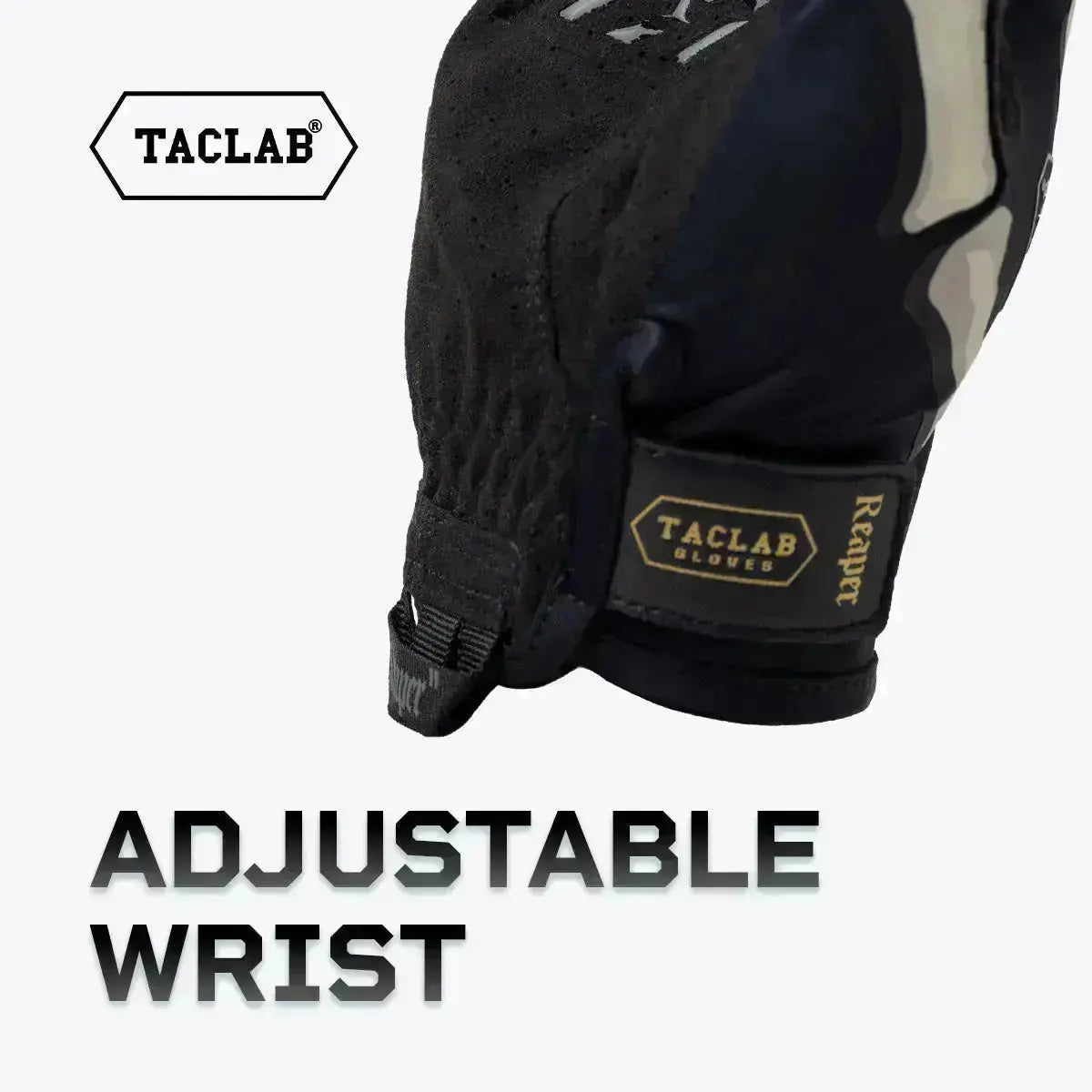
- Wrist closure doing all the work to keep the glove in place
Here's an easy test:
Grip something.
If the glove stays stationary while your hand moves noticeably inside it, the fit may be too loose.
Your hand and glove should function as closely as practical as one unit.
Too Tight vs. Too Loose: Quick Comparison
If you're standing between two sizes trying to decide, use this:
| Fit Area | Too Tight | Good Fit | Too Loose |
|---|---|---|---|
| Fingertips | Compressed | Reach naturally near end | Empty material beyond fingers |
| Palm | Stretched | Close and relatively smooth | Bunches and folds |
| Knuckles | Restricted | Natural movement | Material shifts |
| Thumb | Pulls | Moves naturally | Excess material |
| Making a fist | Difficult/tight | Comfortable | Material bunches |
| Fine-motor tasks | Restricted | Controlled | Sloppy |
| Grip | Uncomfortable | Secure | Glove moves around |
| Long wear | Pressure/discomfort | Comfortable | Friction/movement |
The middle column is where you want to be.
Should Shooting Gloves Fit Tighter Than Regular Gloves?
Generally, shooting gloves benefit from a closer fit than casual winter gloves.
The reason is dexterity.
Extra material around the fingers can interfere with tactile feedback and make fine manipulation less precise.
But here's where shooters sometimes make a mistake:
Closer does not mean smaller.
Buying one size down isn't automatically going to give you better trigger feel.
If the glove is too small, you may create:
- Excessive fingertip tension
- Restricted finger movement
- Uncomfortable seams
- Premature wear
A properly designed shooting glove should achieve dexterity through its materials, pattern, construction, and correct sizing—not simply by squeezing your hand.
Can Gloves That Are Too Tight Wear Out Faster?
They can.
This connects directly to something we discussed in our guide “Why Do Tactical Gloves Get Holes in the Fingertips?”
Imagine your index finger is slightly longer than the glove's index finger.
Every time you straighten your hand, your fingertip pushes against the end.
Every time you make a fist, the material stretches again.
Now add:
- A fingernail pressing from inside
- Friction against equipment outside
- Sweat
- Thousands of repeated movements
You've created a concentrated stress point.
Eventually, that can contribute to premature fingertip wear.
So if you repeatedly develop holes at the same fingertip, don't automatically conclude:
“I need a more durable glove.”
First ask:
“Does my glove actually fit?”
Sometimes durability problems begin with sizing problems.
Can Gloves That Are Too Loose Wear Out Faster?
Yes—through a different mechanism.
Loose material can repeatedly:
- Fold
- Rub
- Drag
- Catch
- Shift
Instead of moving naturally with your hand, excess material moves against your hand and against equipment.
That creates friction.
This is particularly noticeable around the palm and fingertips.
So neither extreme is ideal for durability.
Too tight creates tension.
Too loose creates unnecessary movement.
Correct fit reduces both.
What About Fingernail Length?
This sounds like a minor detail.
It isn't.
Your fingernails sit directly behind one of the most frequently worn parts of a glove.
If a nail repeatedly presses against a tightly fitted fingertip, it creates pressure from inside the glove.
That can contribute to premature wear.
Before deciding your gloves are too small, check your nails.
If trimming them significantly changes the fingertip pressure, you've identified at least part of the problem.
This is particularly relevant for thin, high-dexterity gloves where the fingertip material is intentionally less bulky.
Do Tactical Gloves Stretch Over Time?
This depends heavily on the material and construction.
There is no universal answer.
Some leather gloves can gradually conform to the hand with wear.
Some textile or synthetic constructions may relax slightly in certain areas.
Other materials retain their shape more consistently.
But there's an important rule:
Don't buy a painfully tight glove assuming it will eventually become the correct size.
Normal break-in and material adaptation are not substitutes for correct sizing.
If your fingers are significantly compressed or movement is restricted from the beginning, hoping the glove will “stretch out” may leave you with an uncomfortable glove—or one experiencing unnecessary material stress.
Choose the correct size first.
Let break-in improve an already reasonable fit.
Leather vs. Synthetic: Should They Fit Differently?
Material affects how a glove feels.
A leather glove and a lightweight synthetic tactical glove in the same nominal size may not feel identical.
Leather Tactical Gloves
Quality leather can conform to the hand with use.
A new leather glove may feel slightly firmer initially and become more natural as it breaks in.
However, it still shouldn't begin painfully tight.
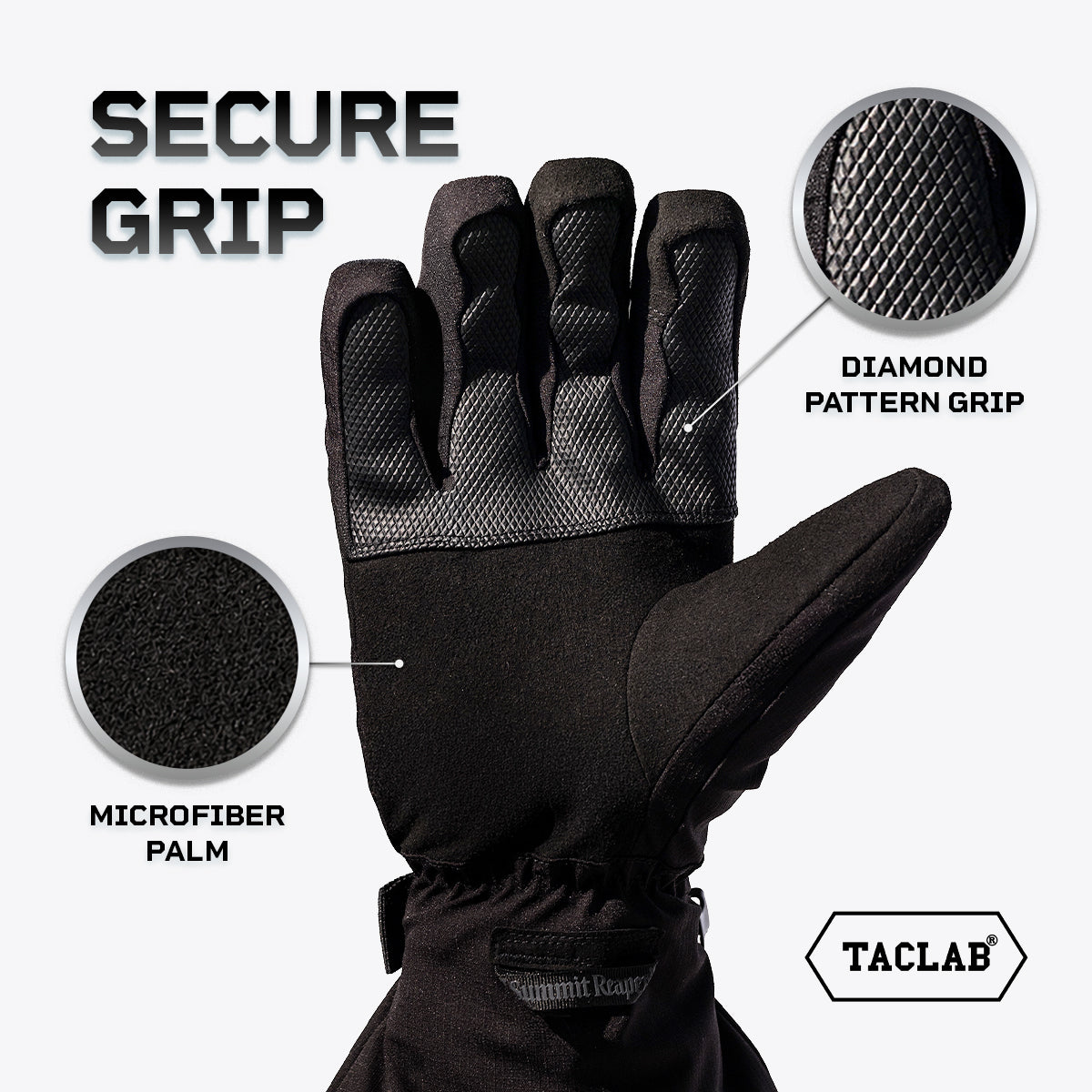
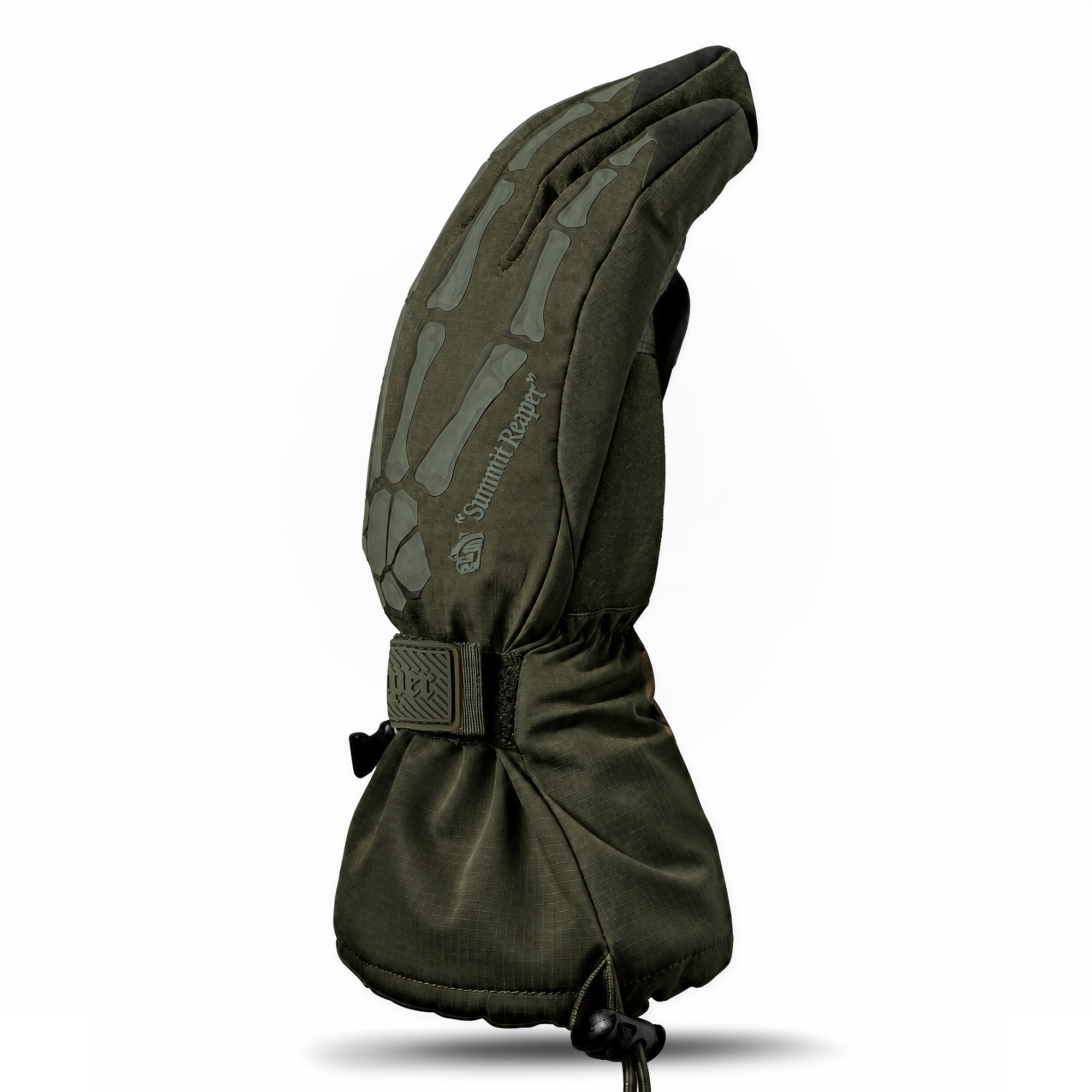
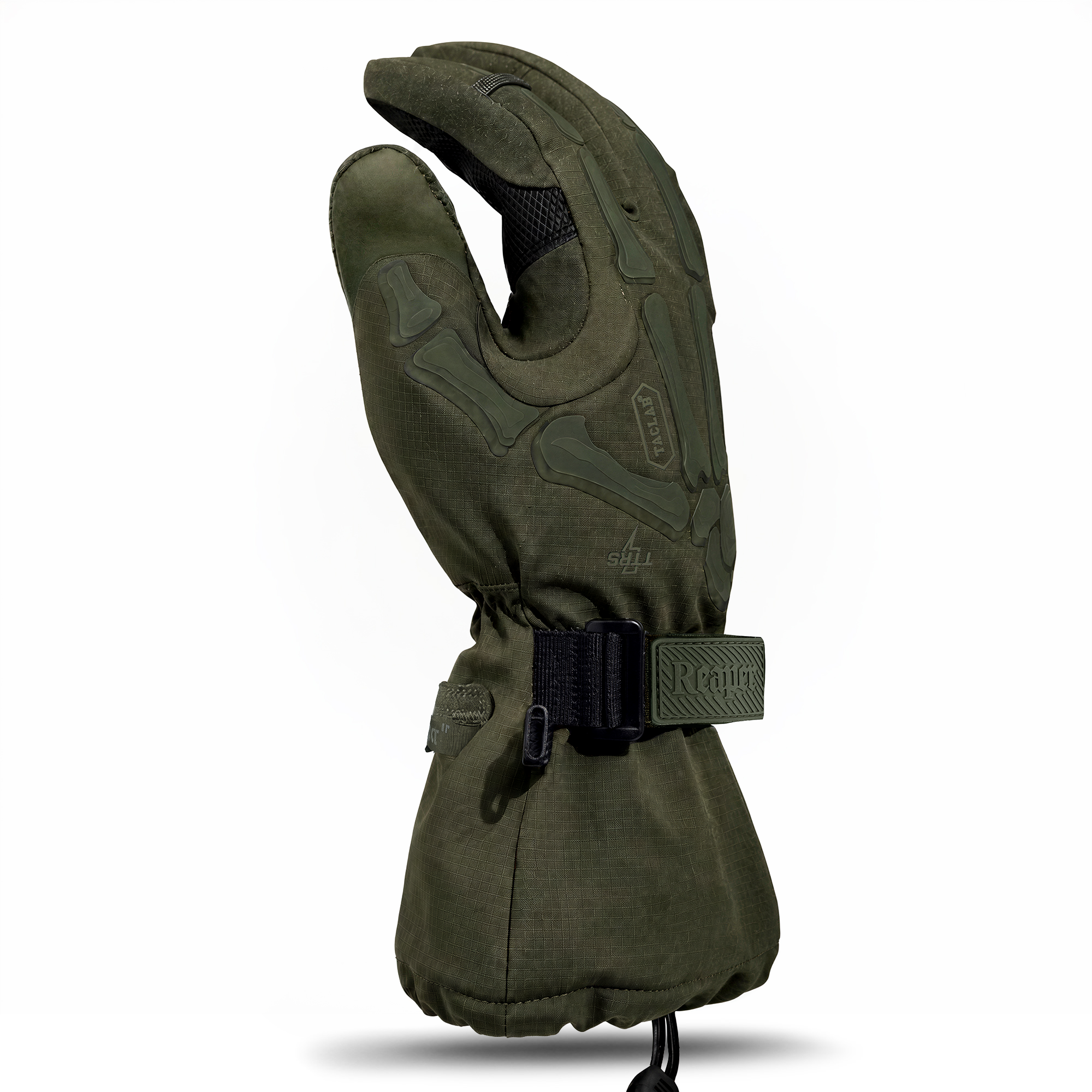
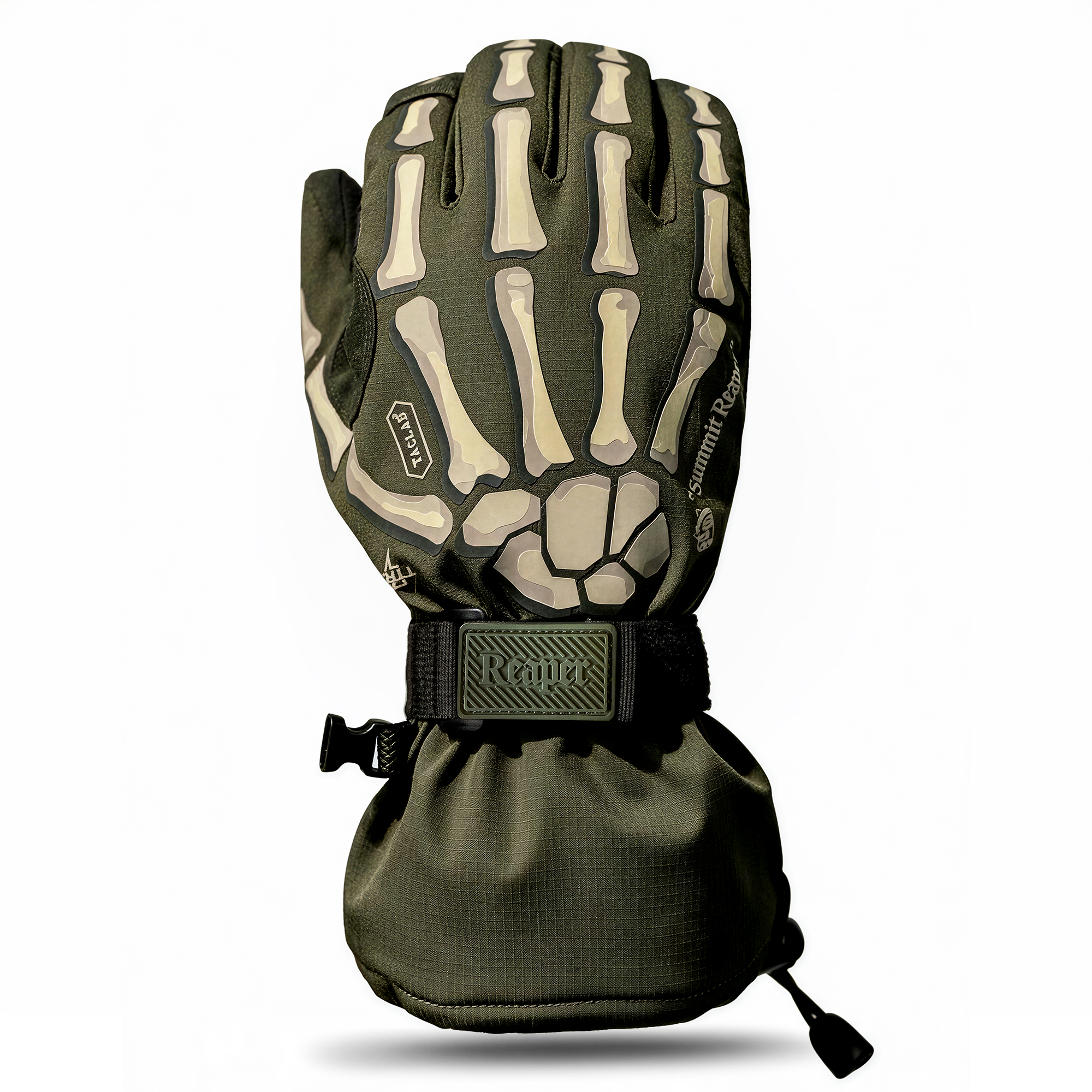
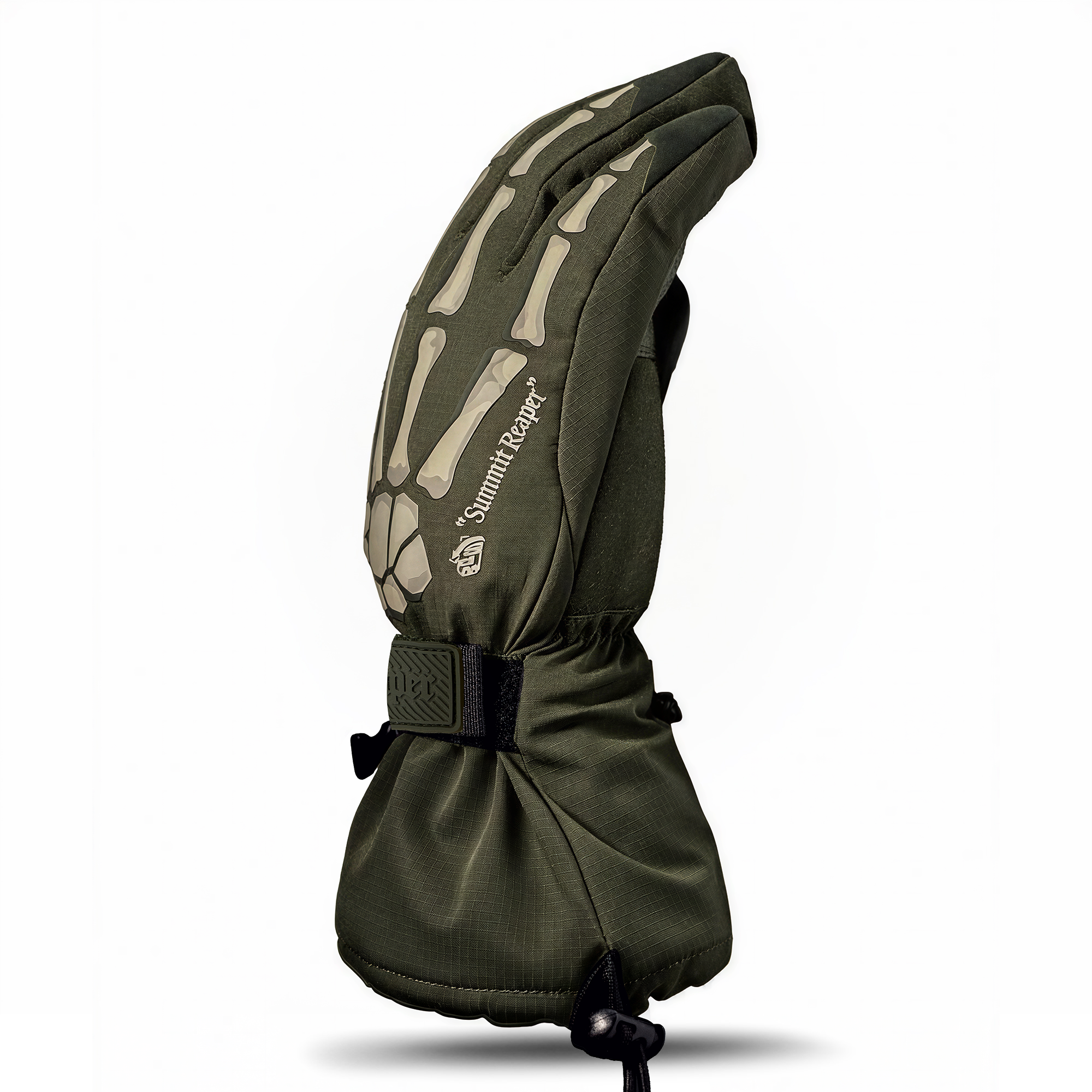
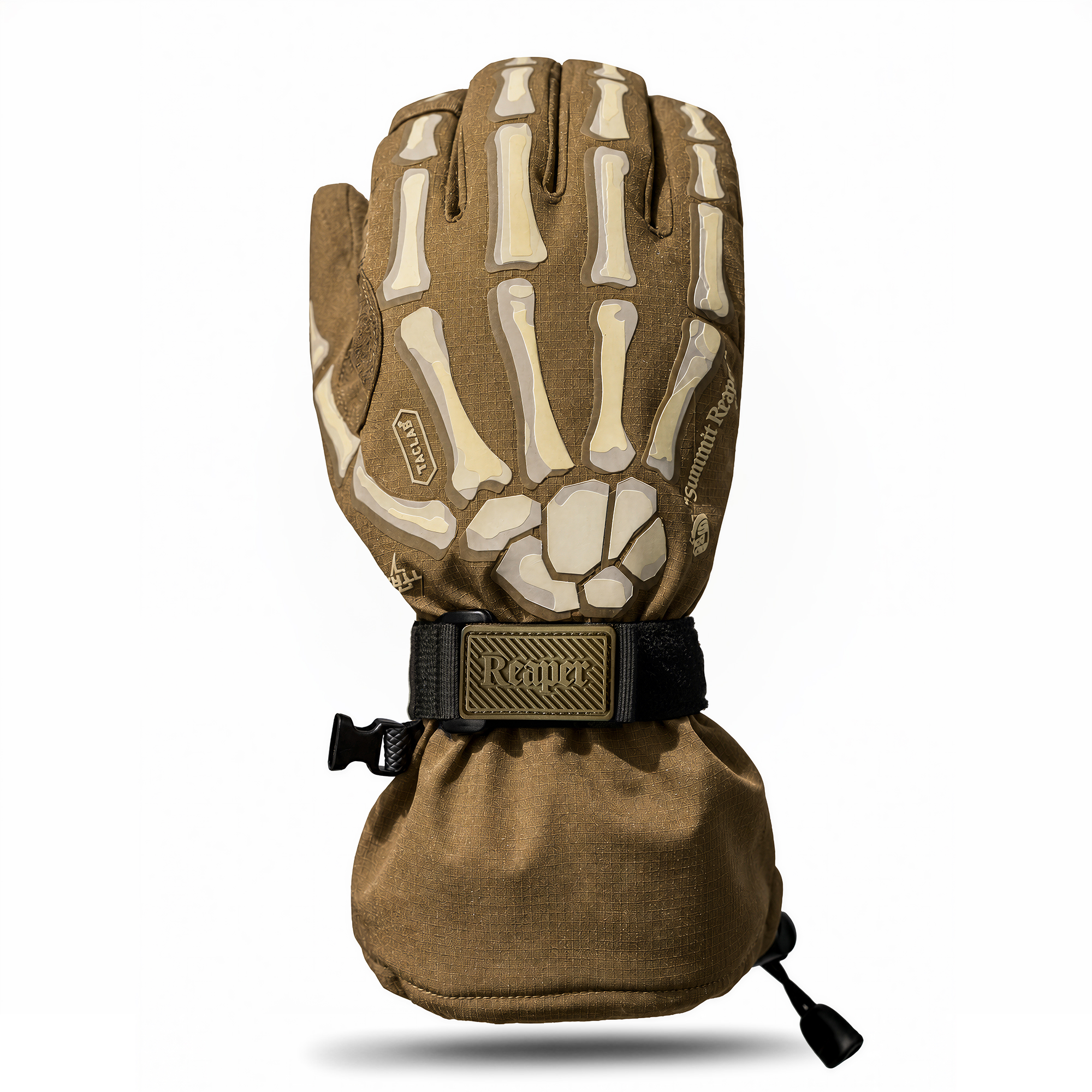
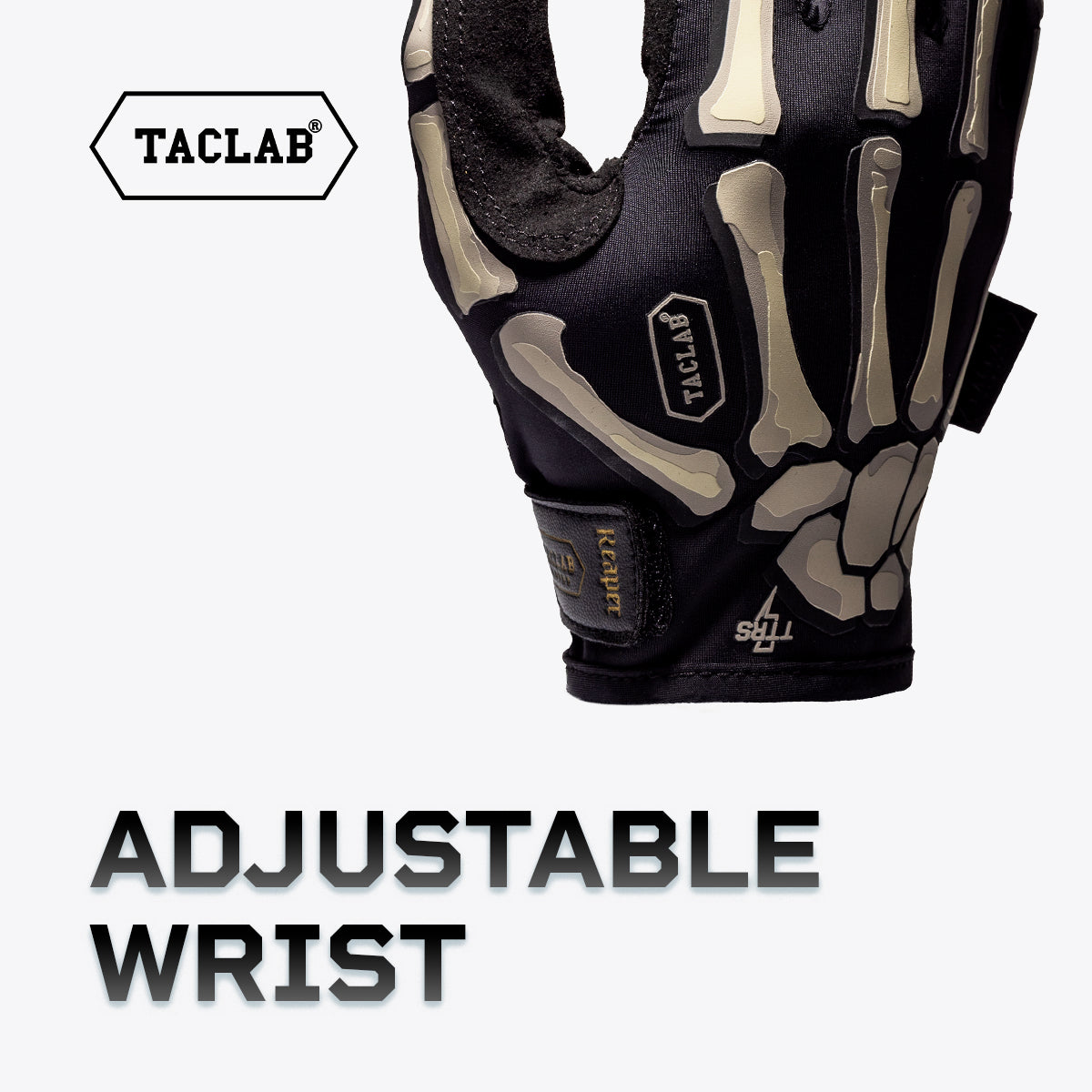
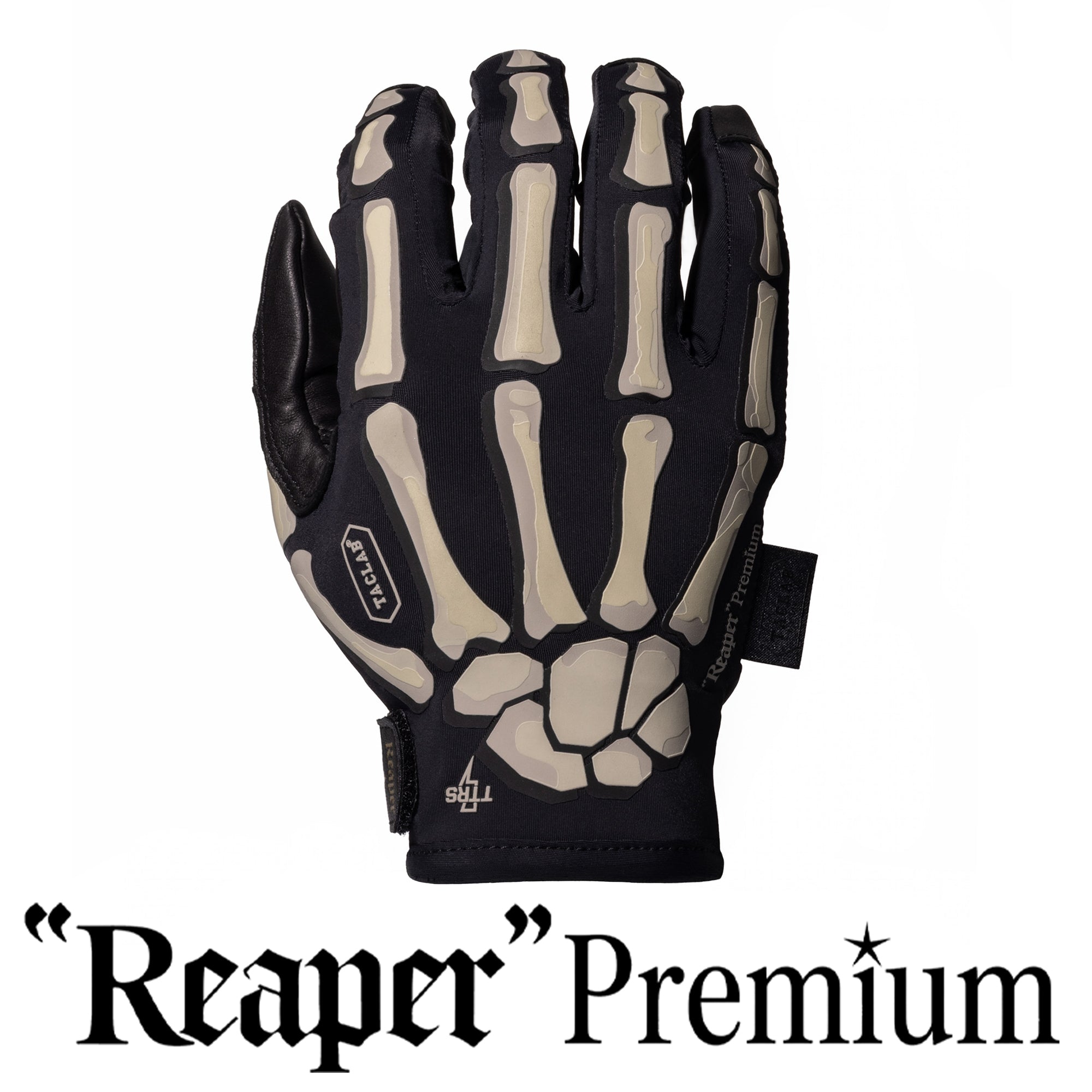
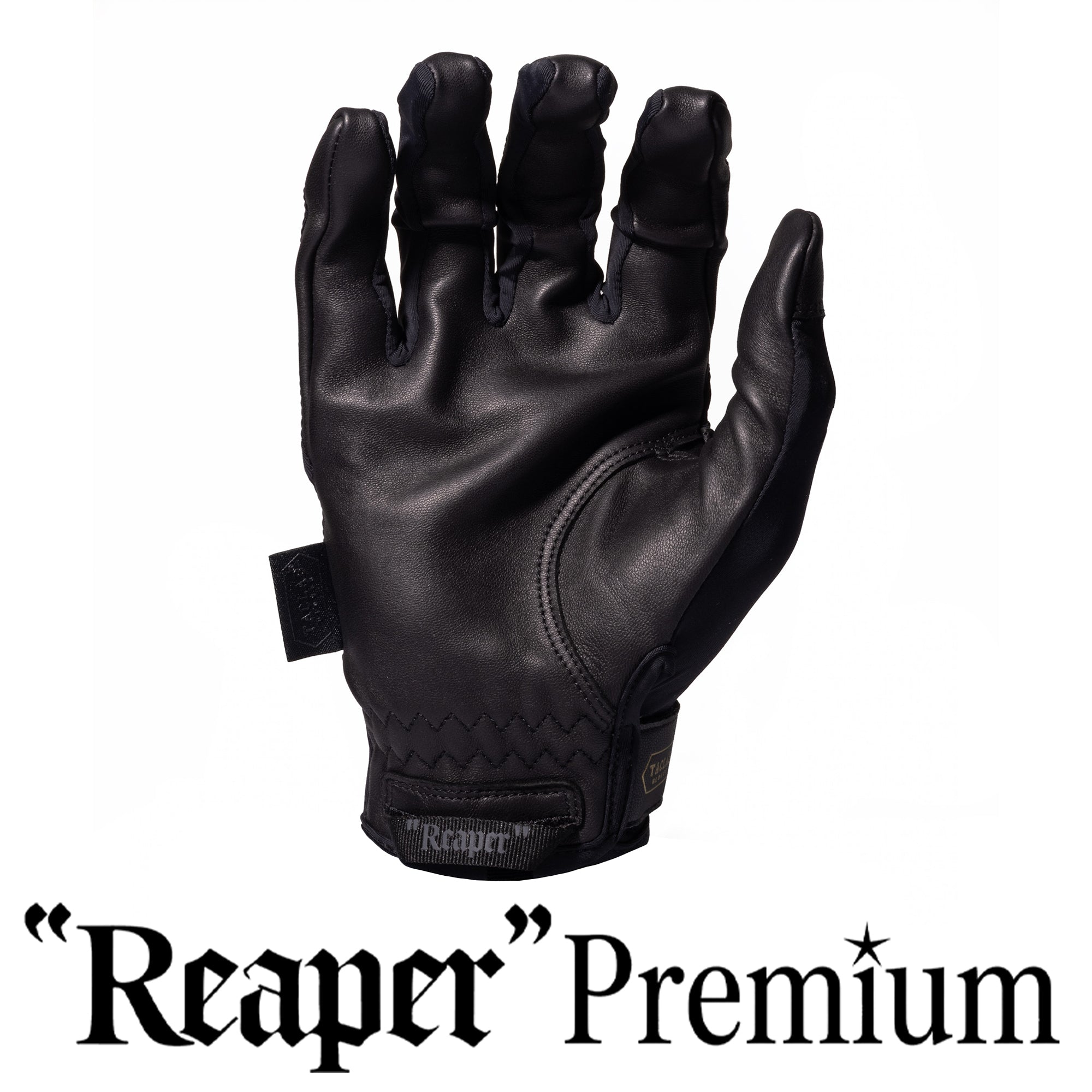
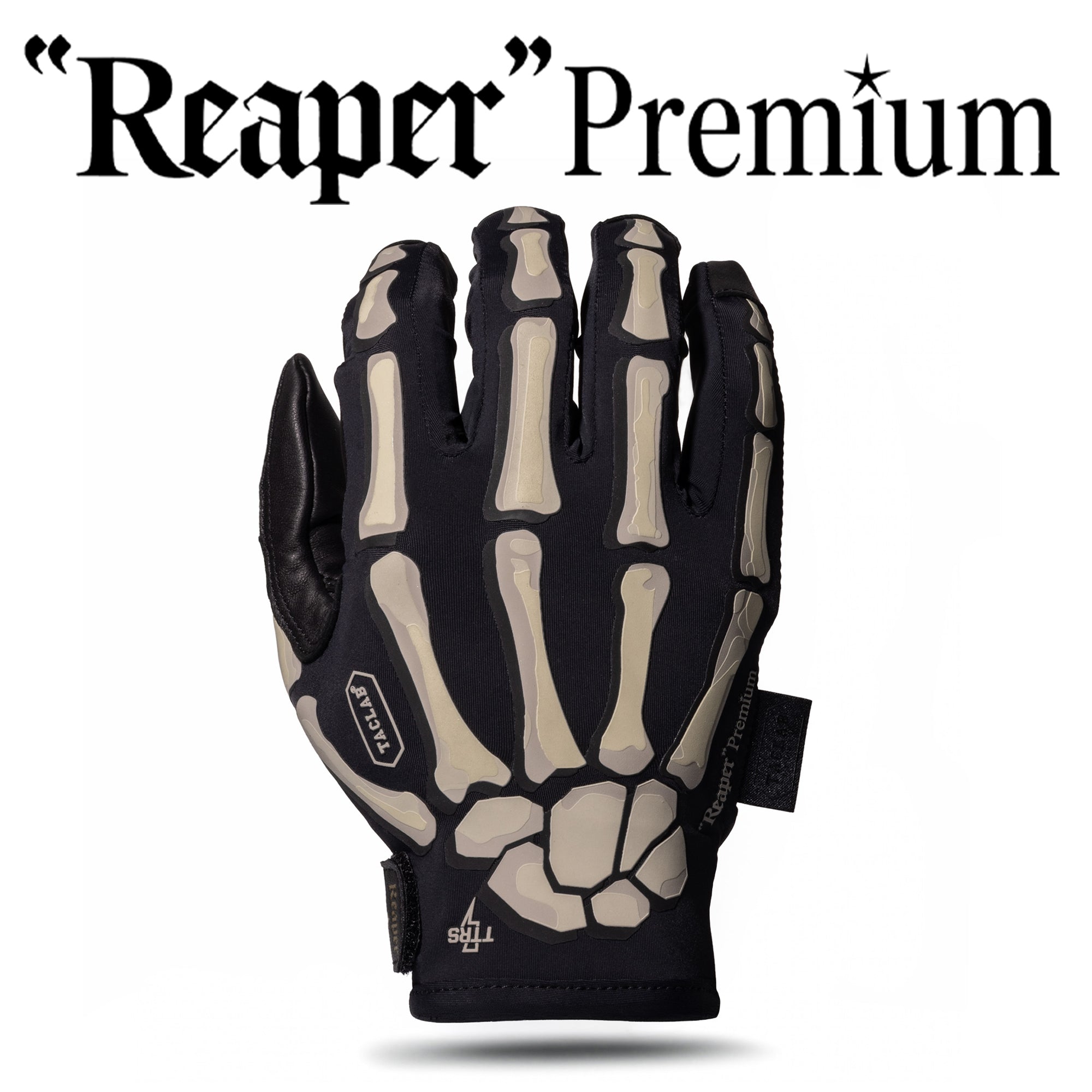
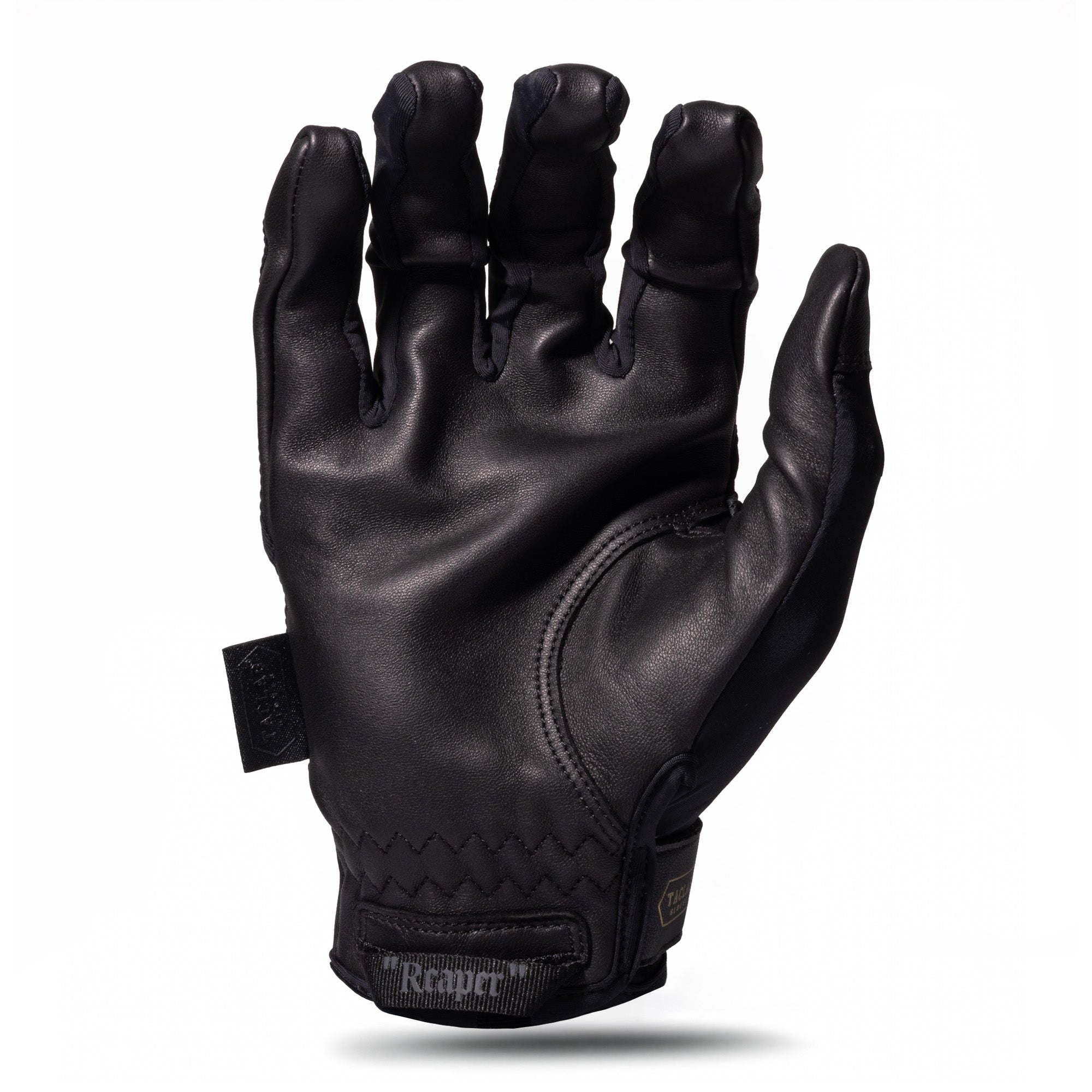
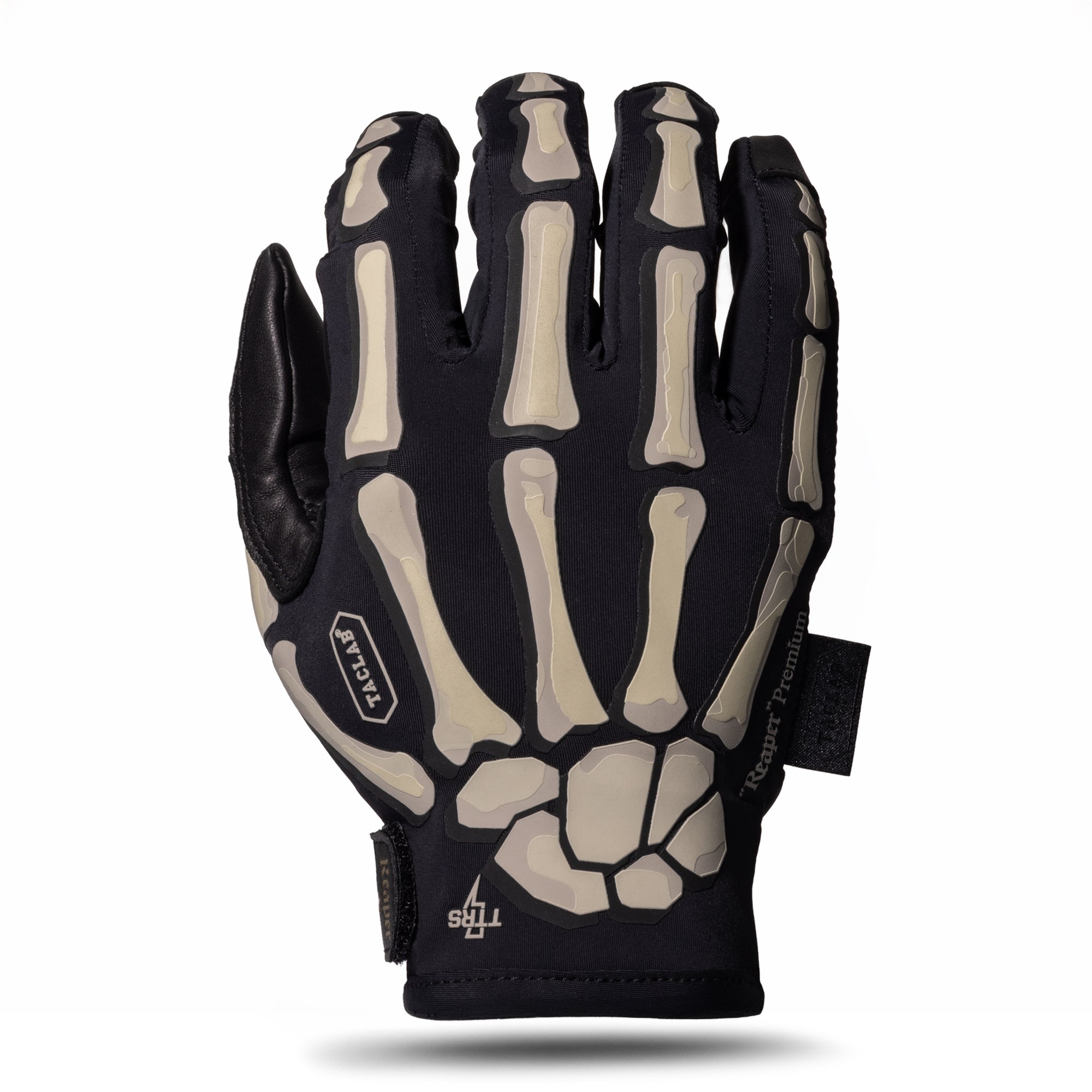
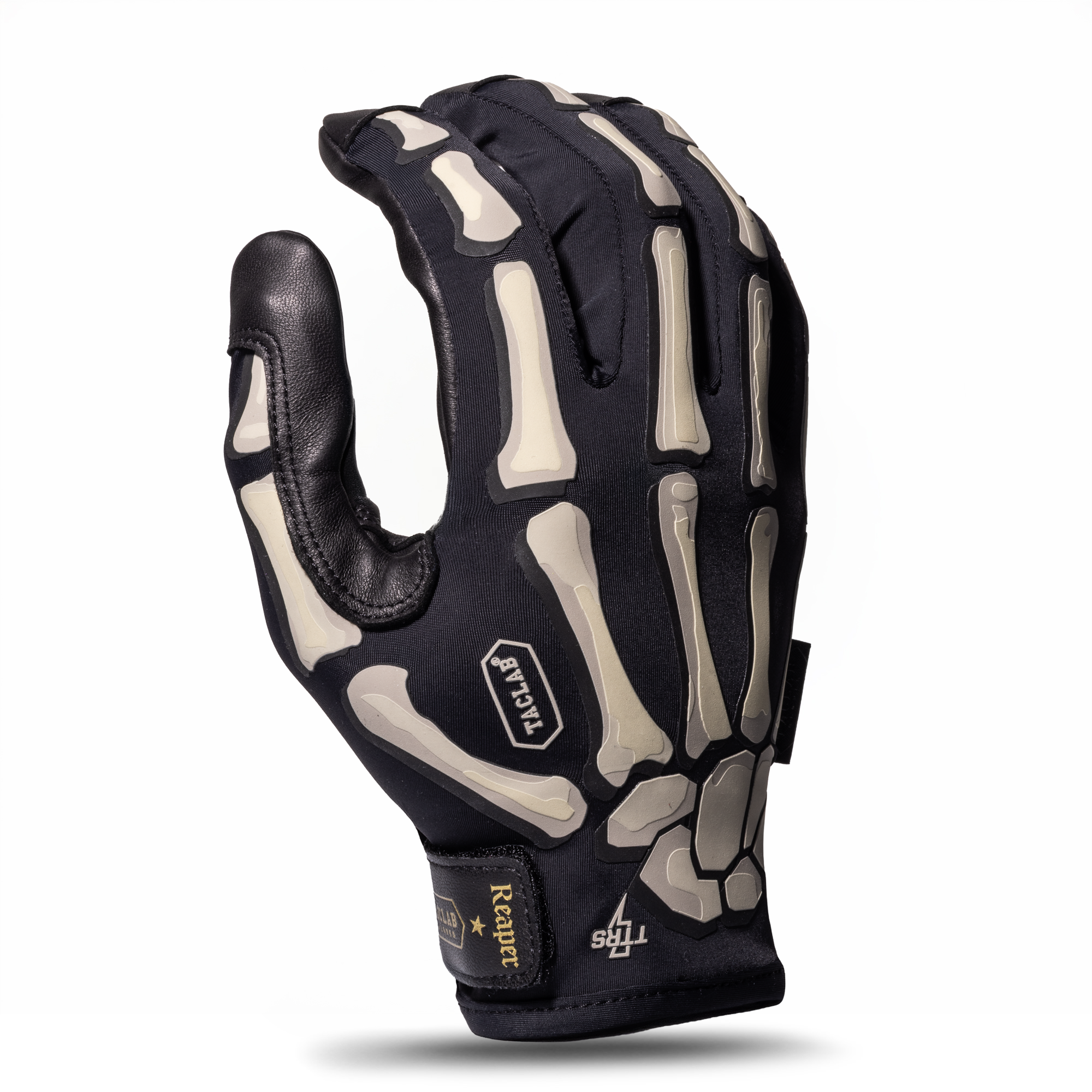
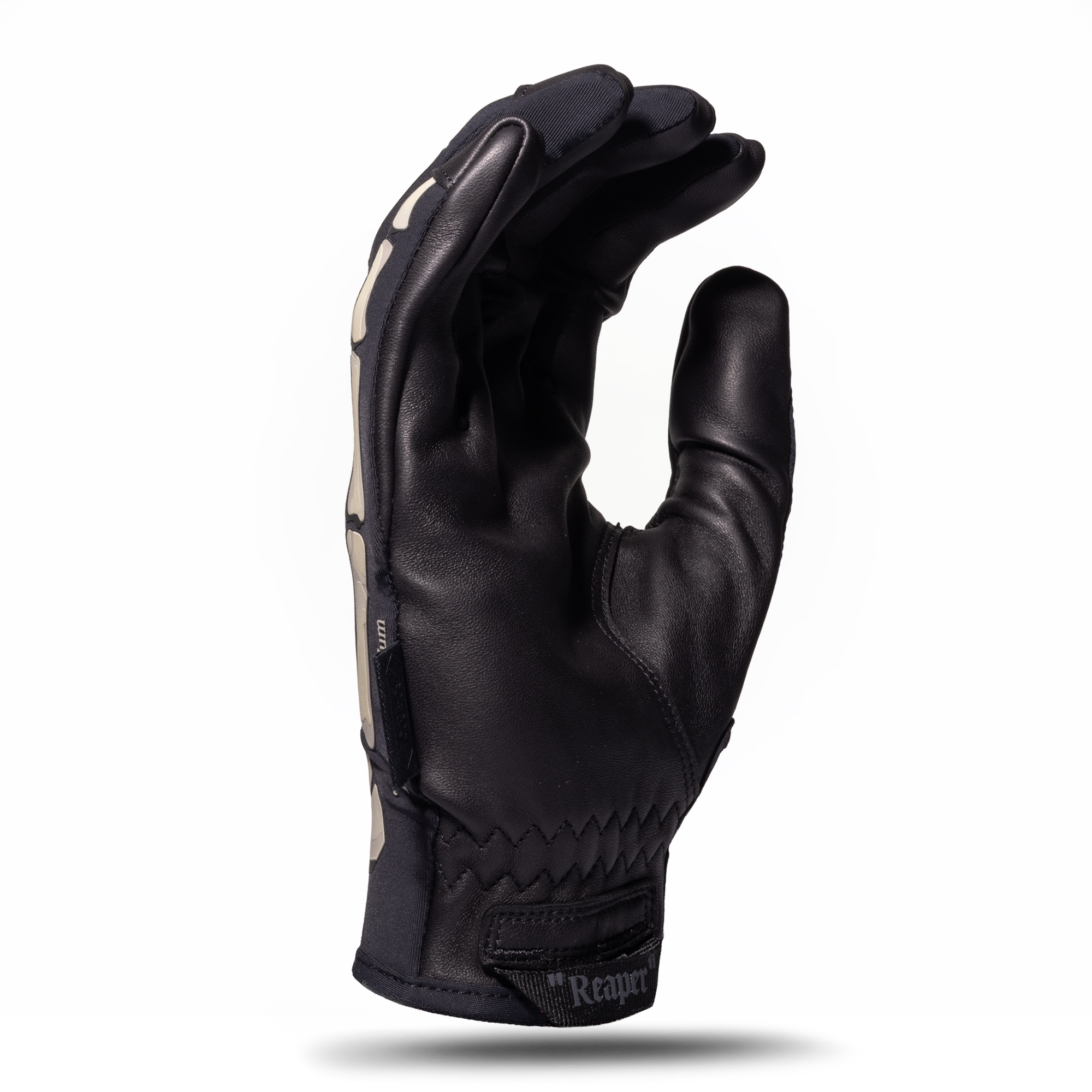
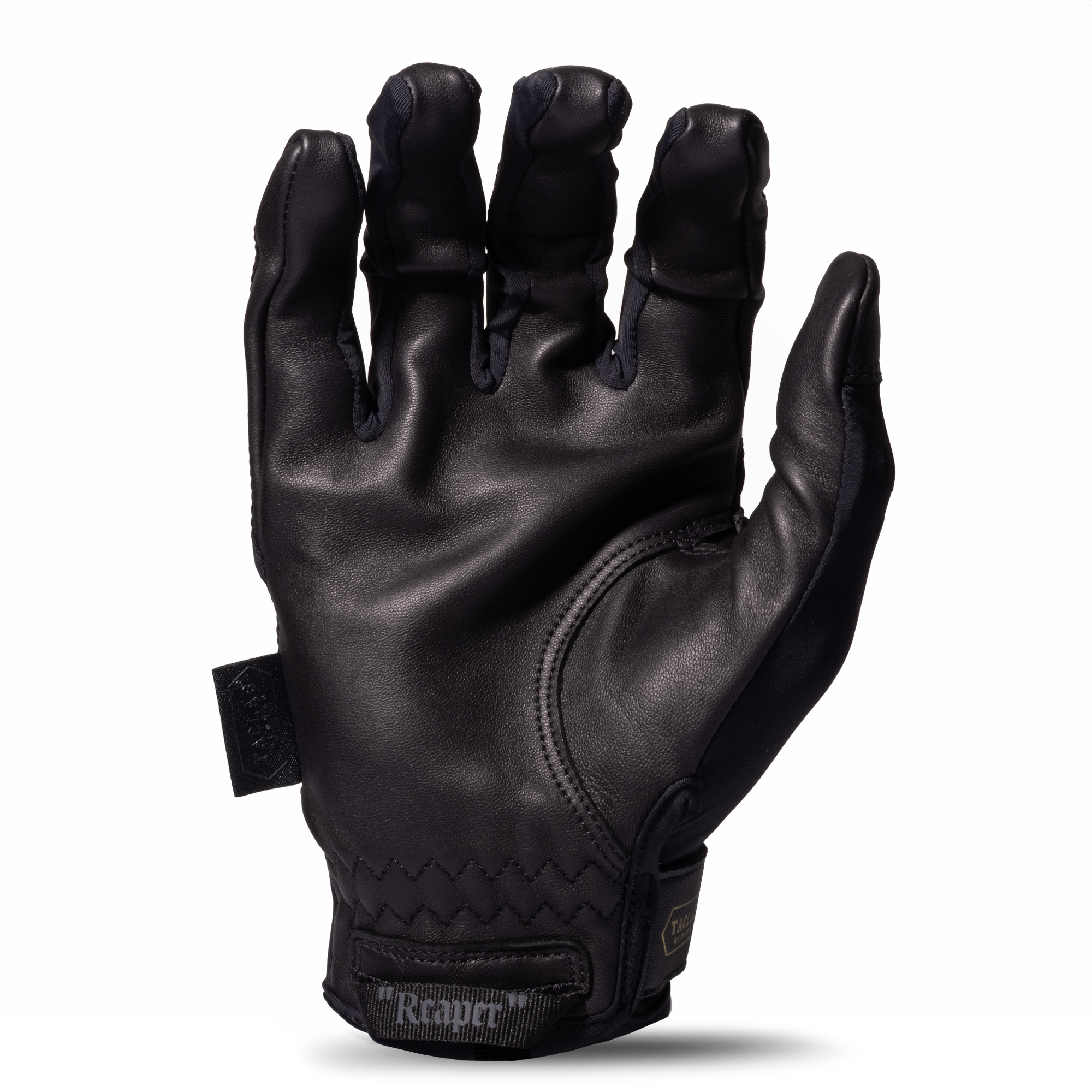
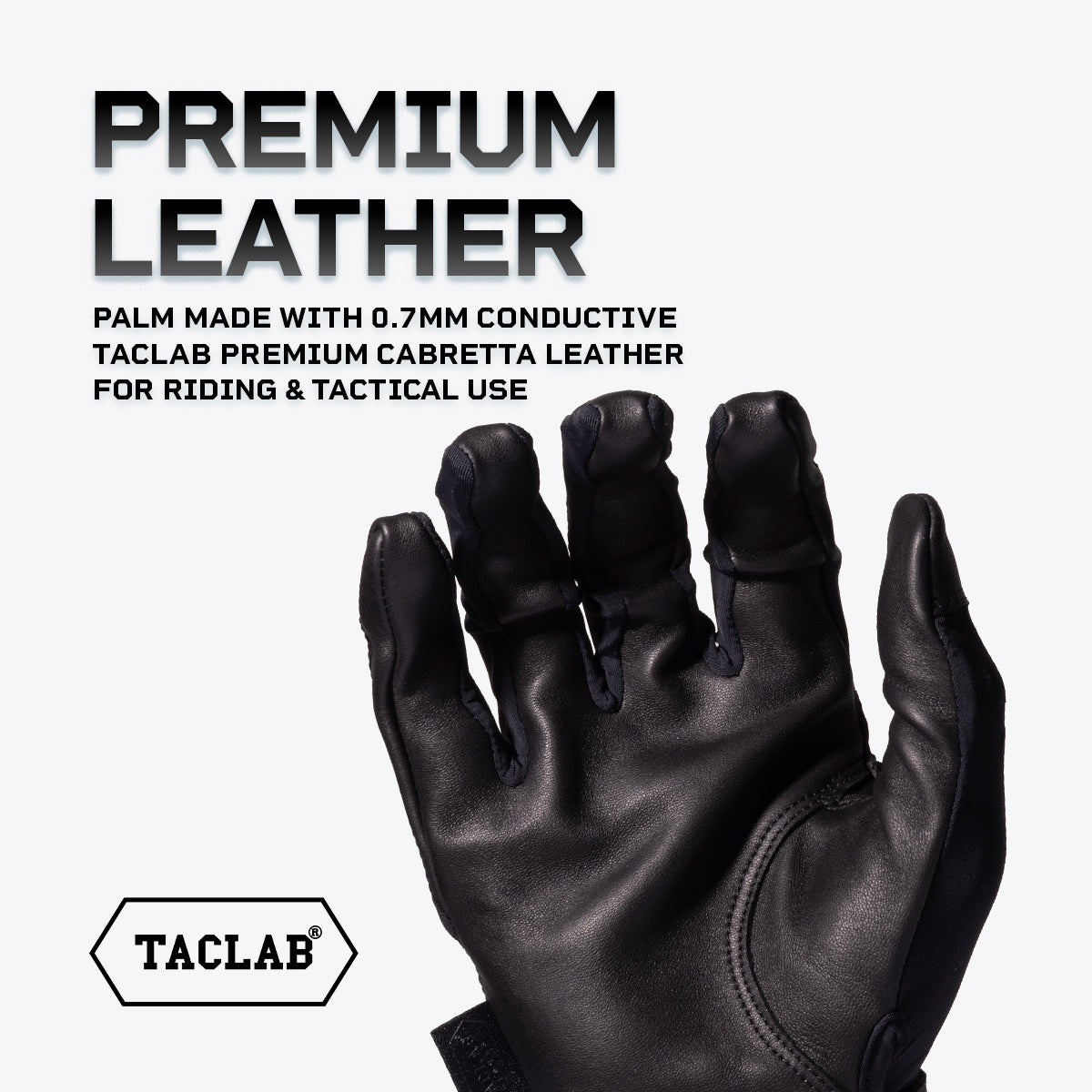
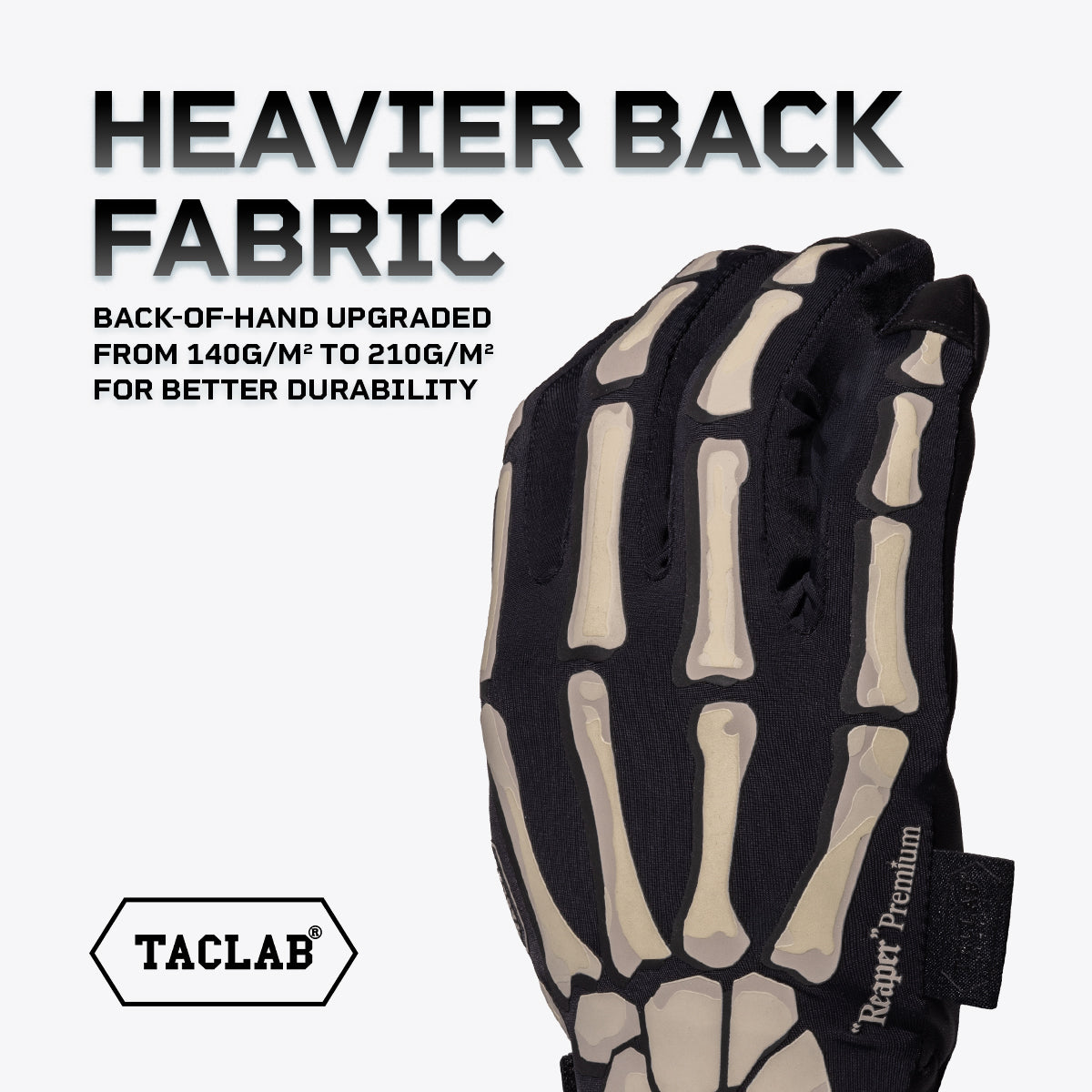
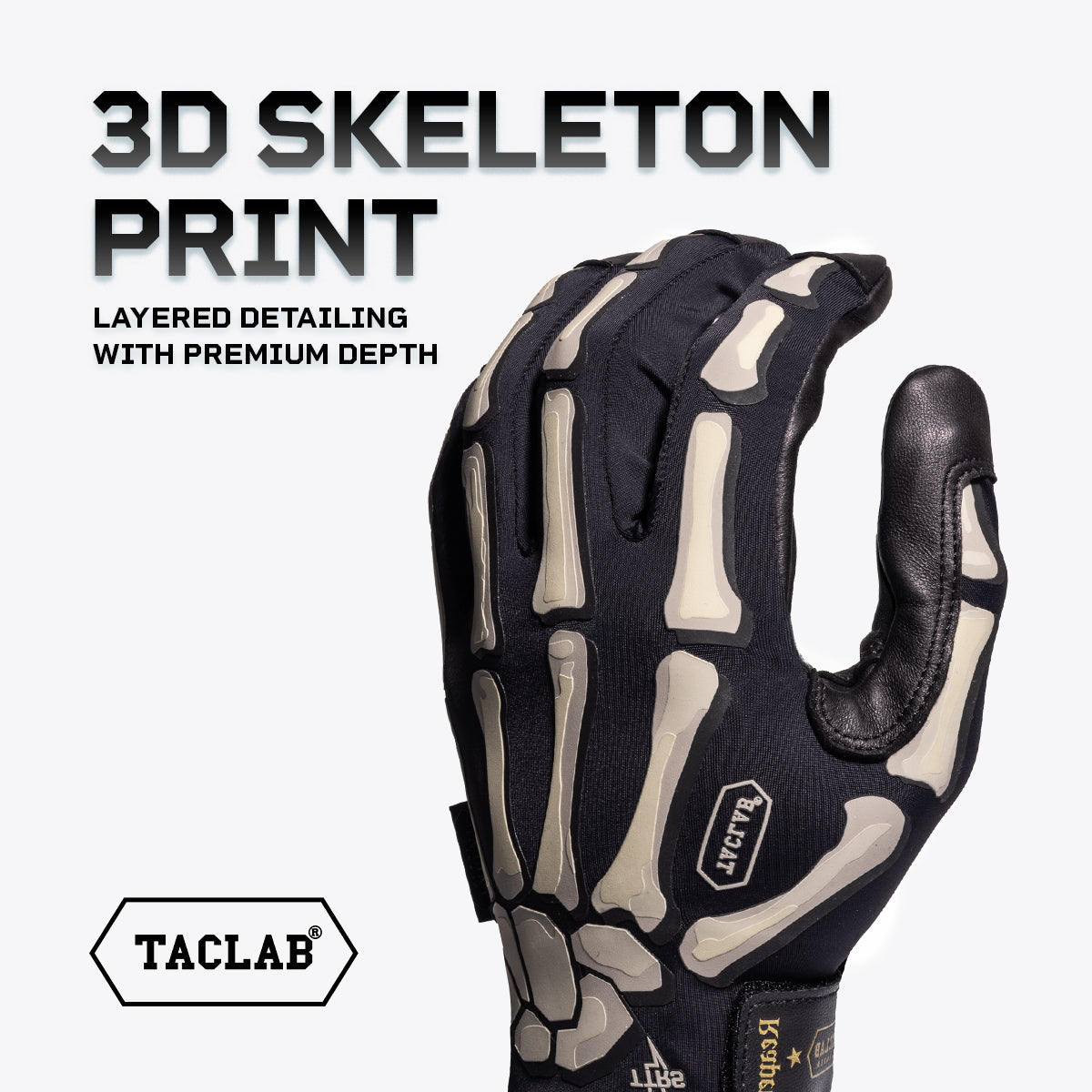
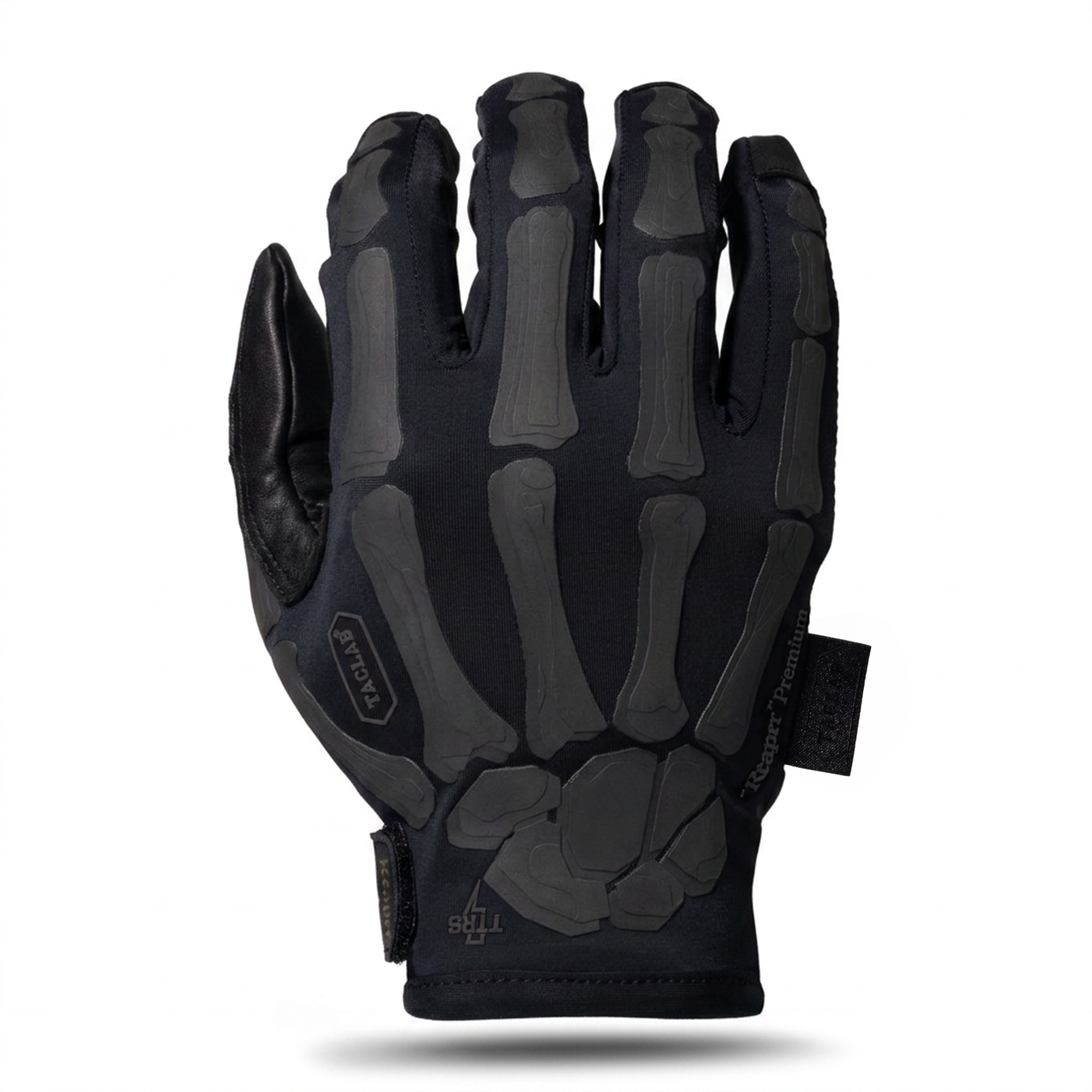
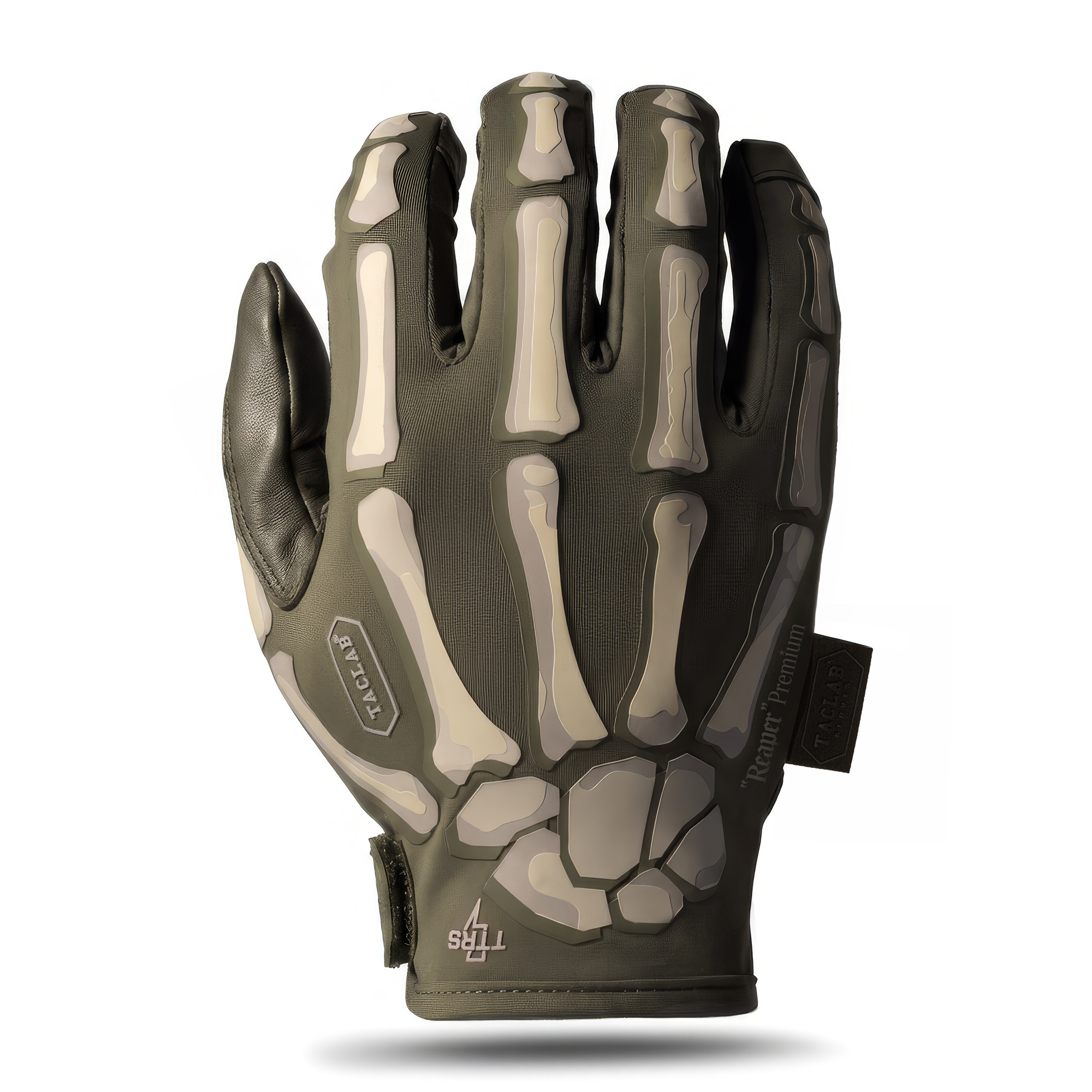
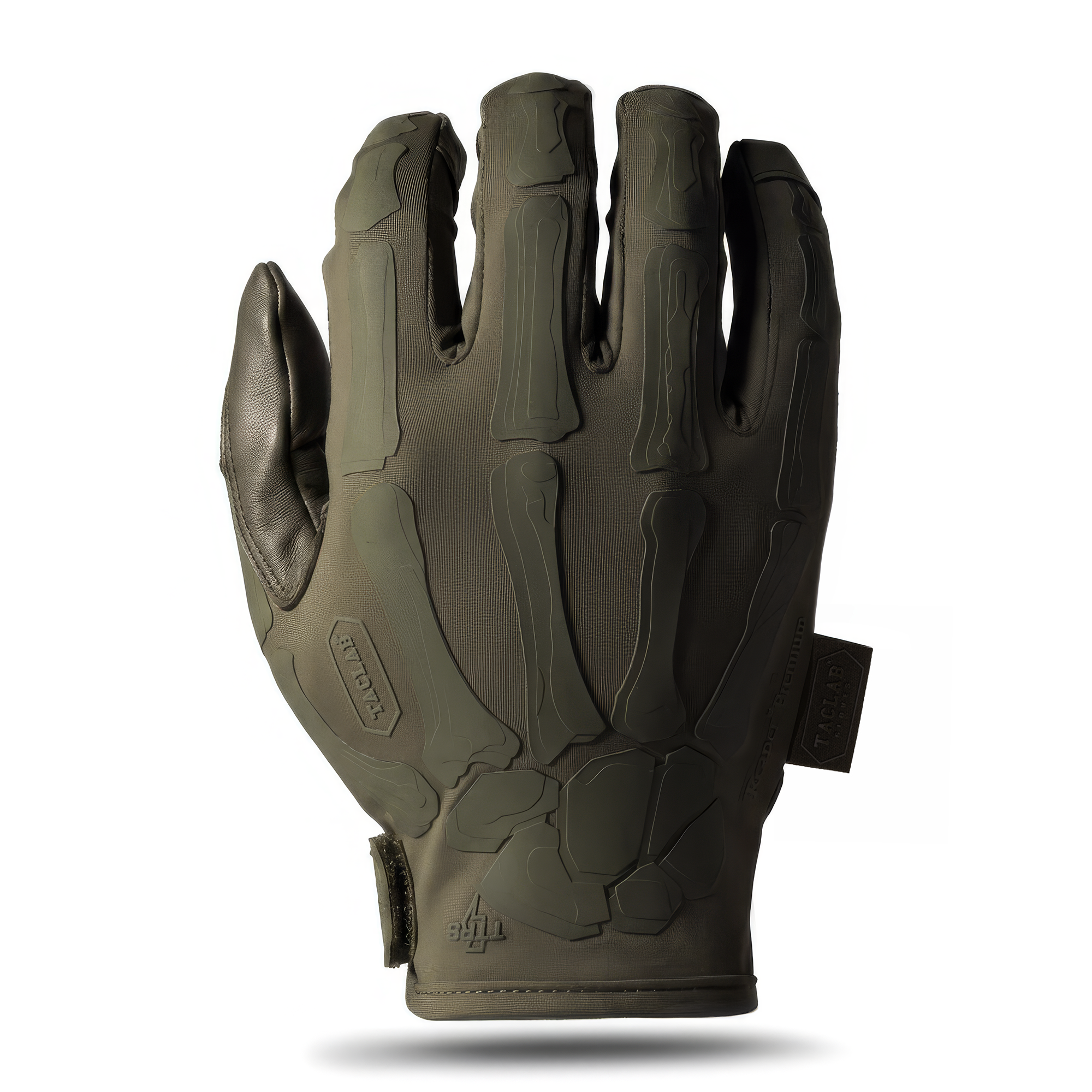
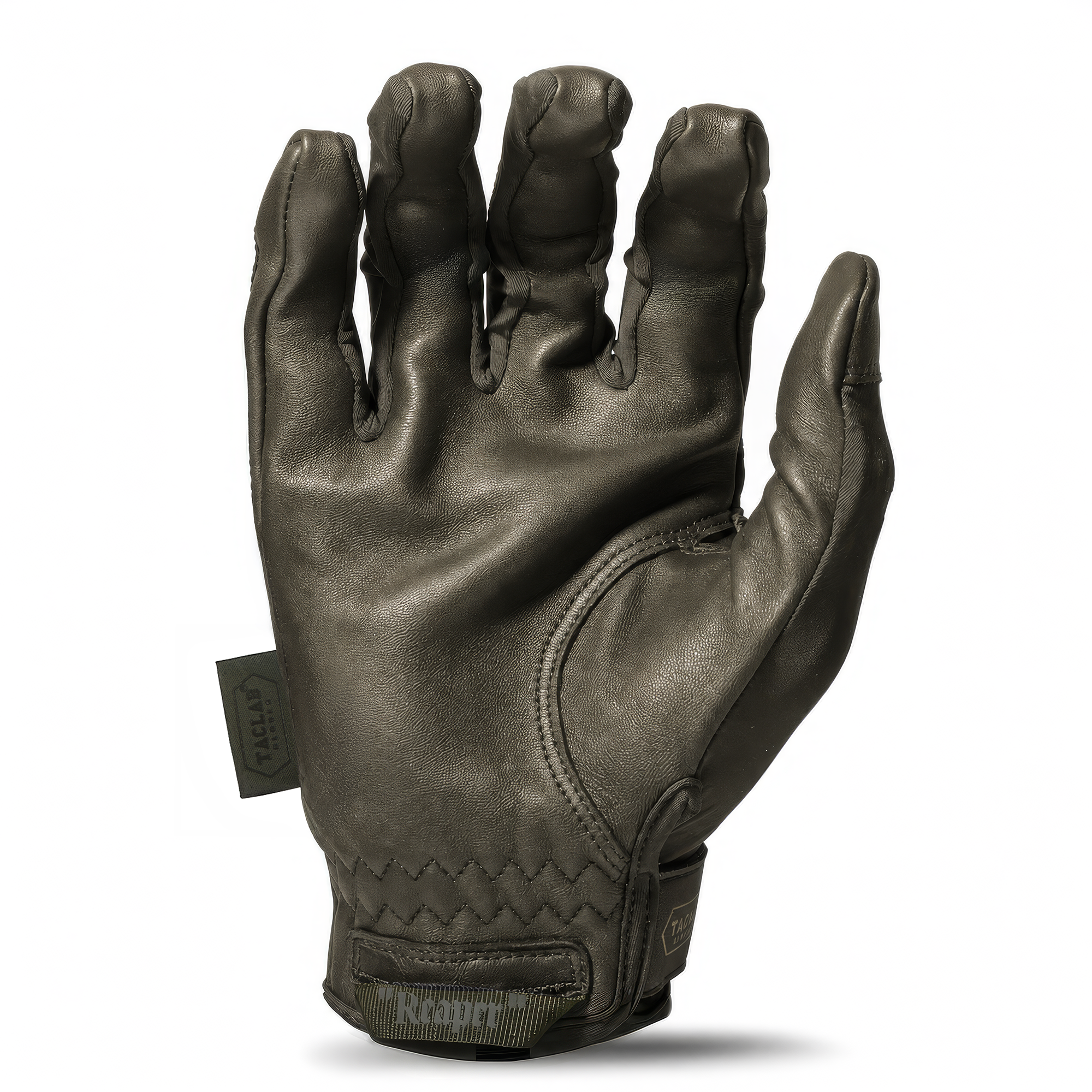
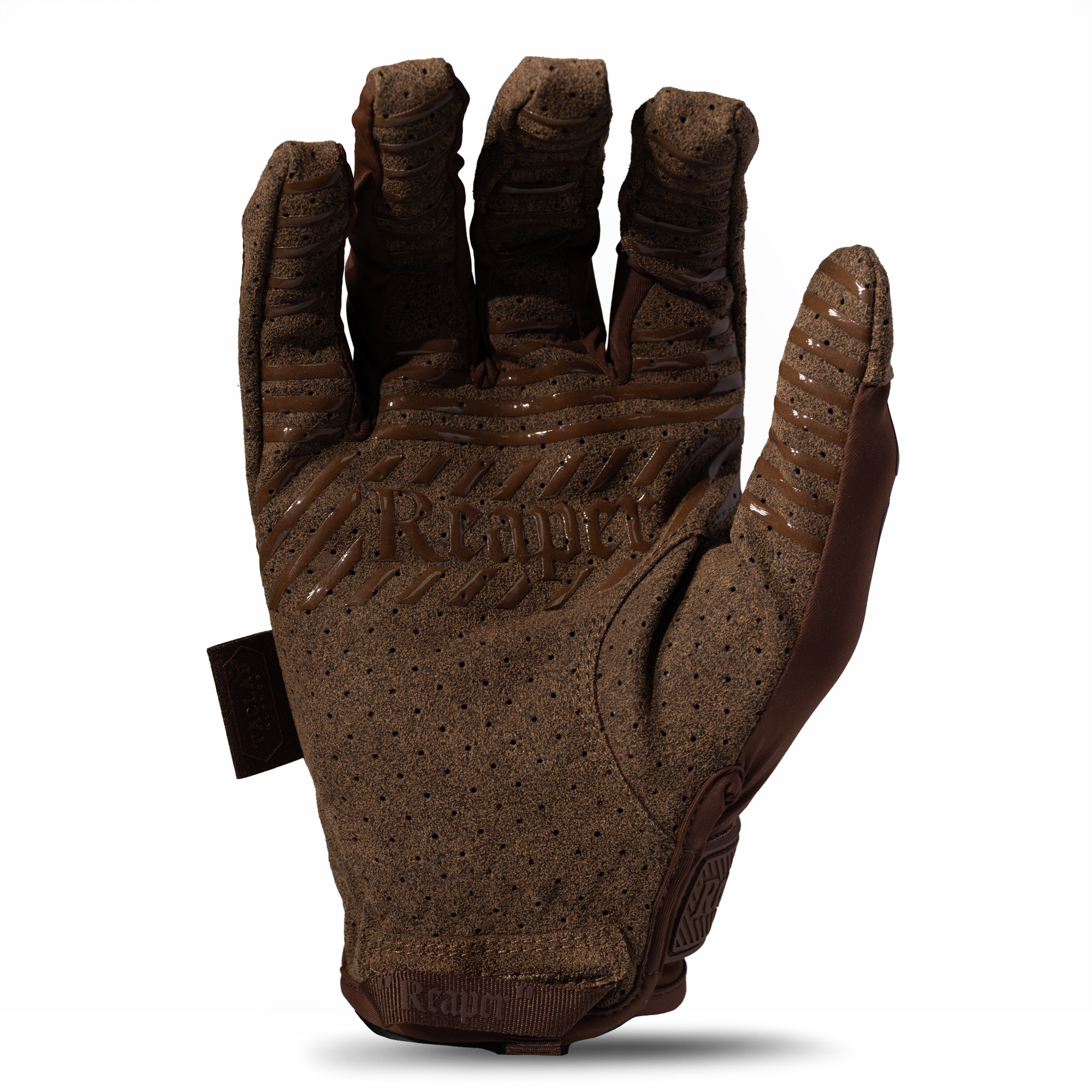
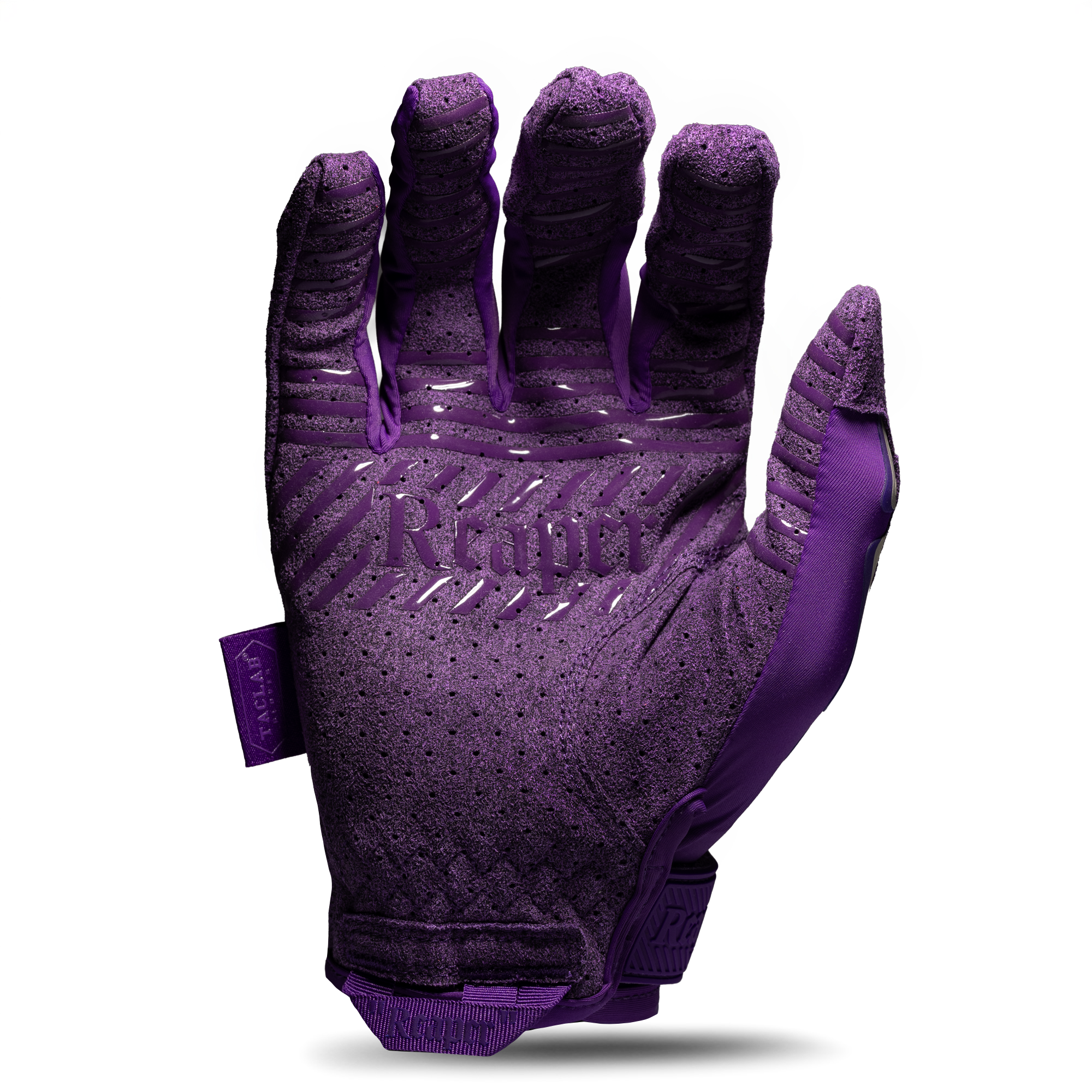
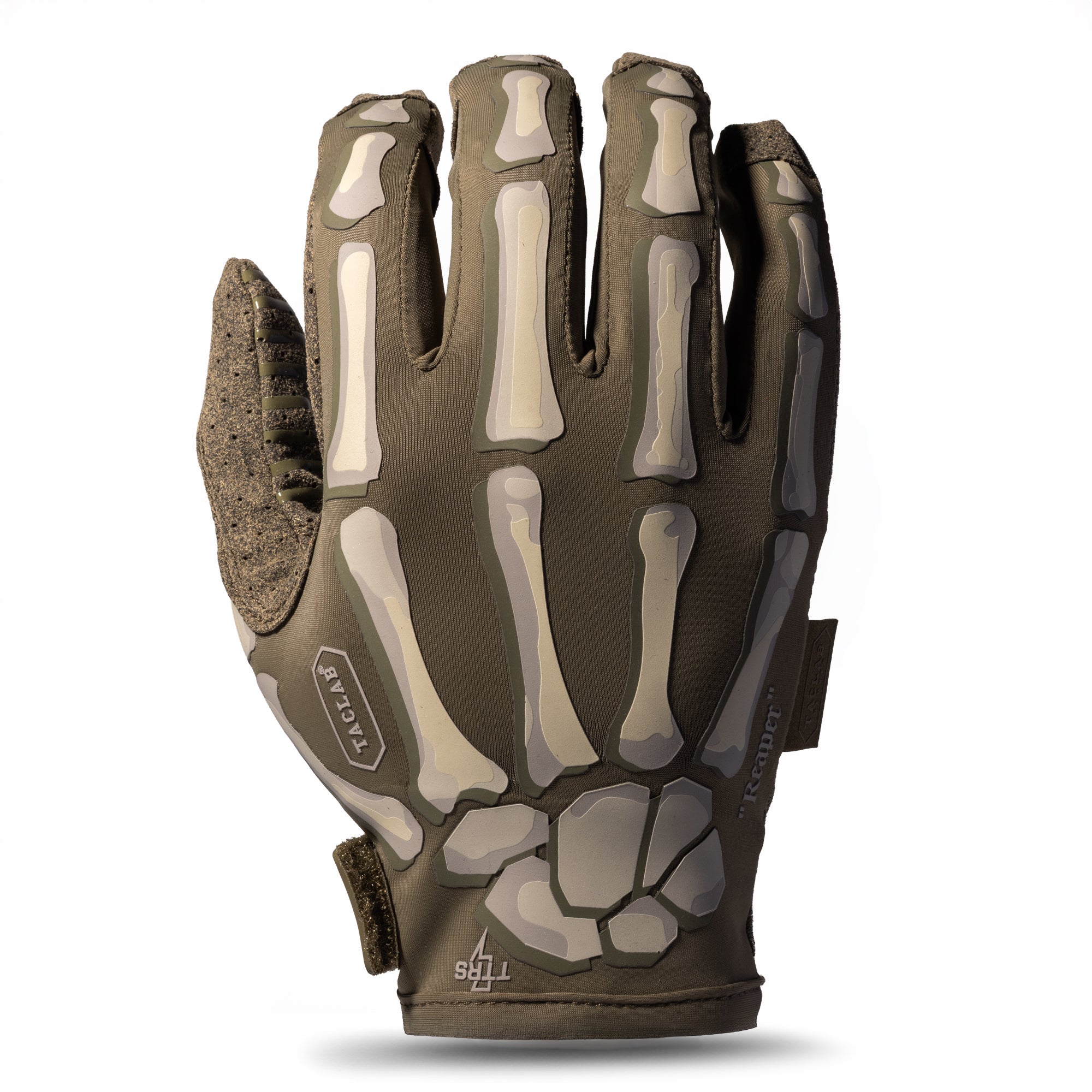
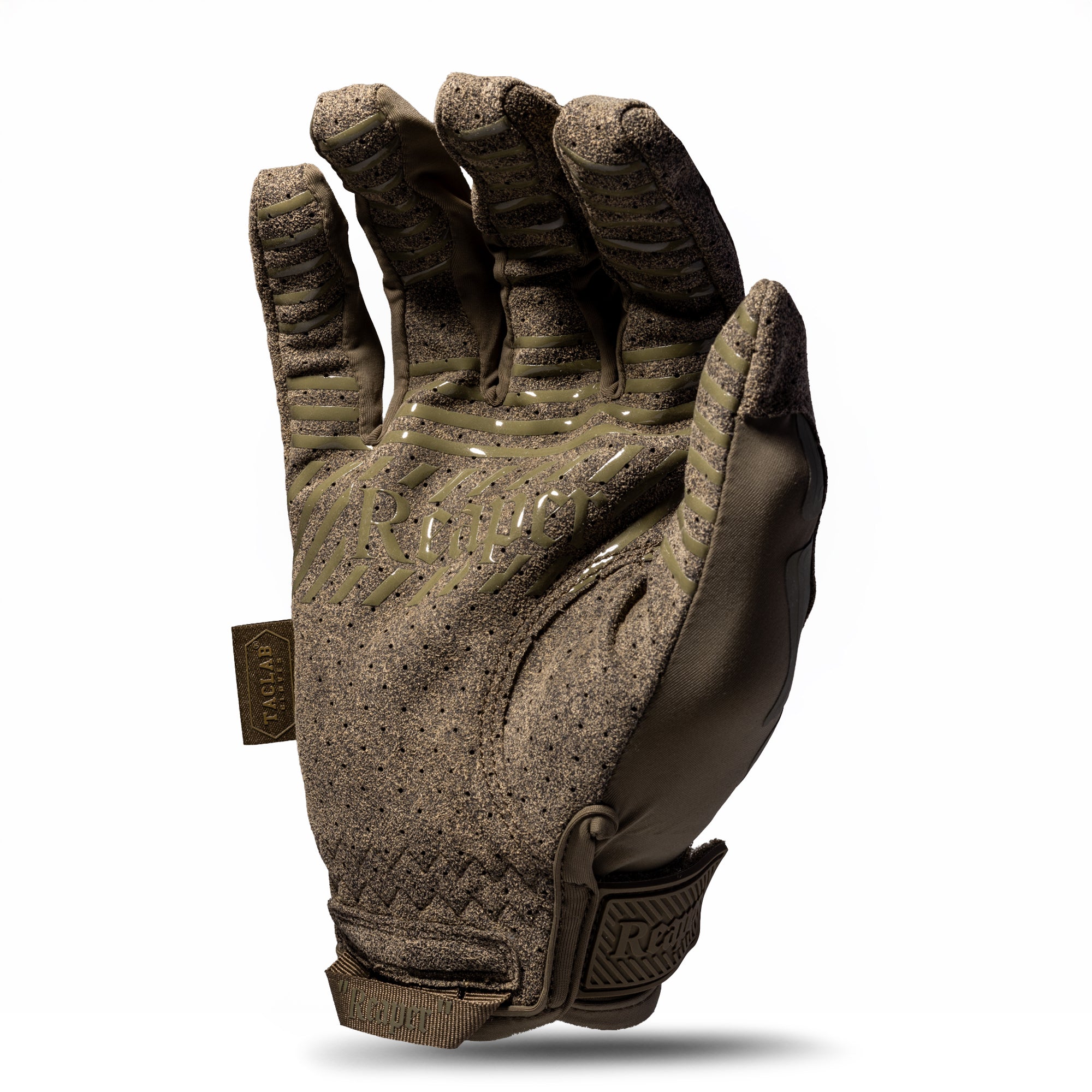
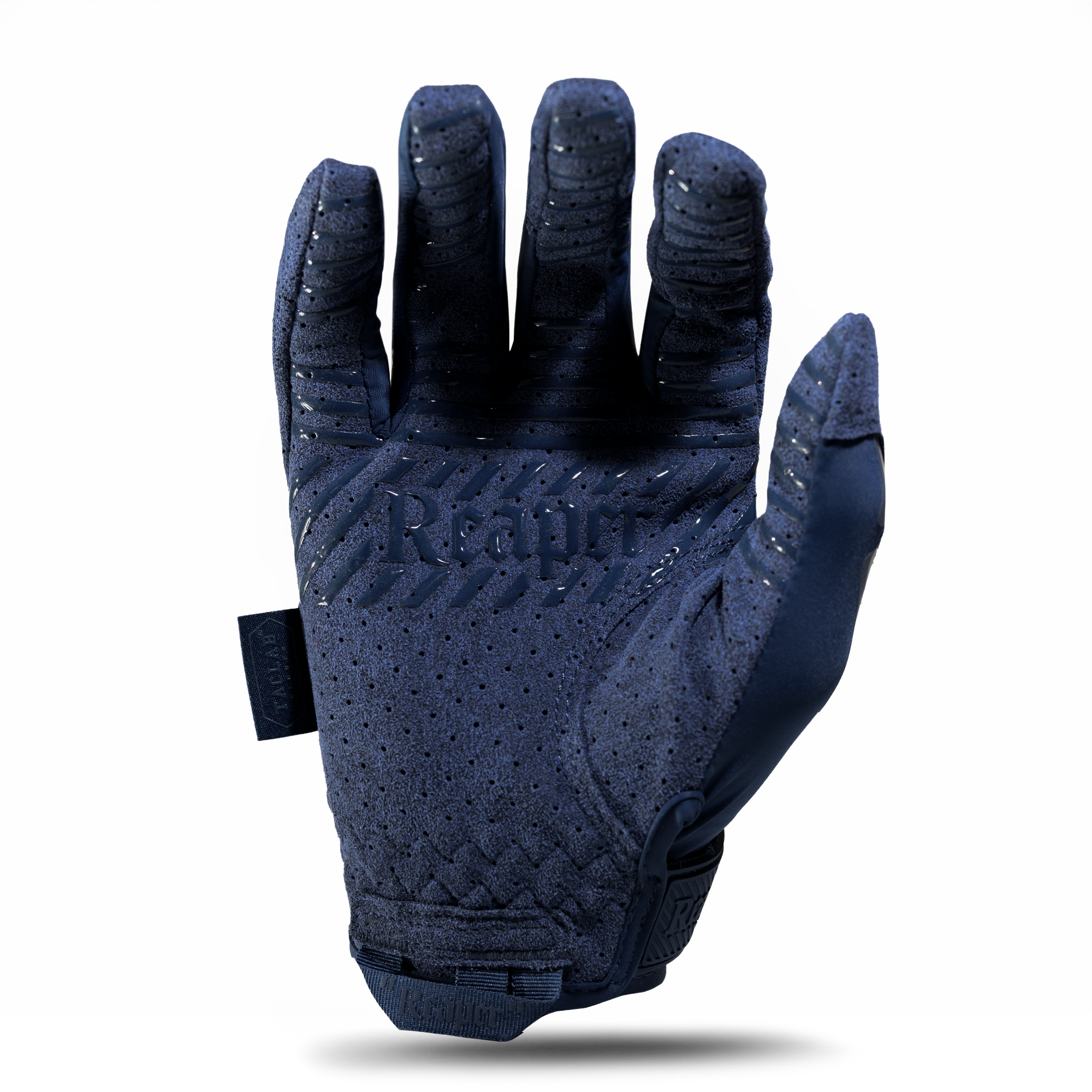
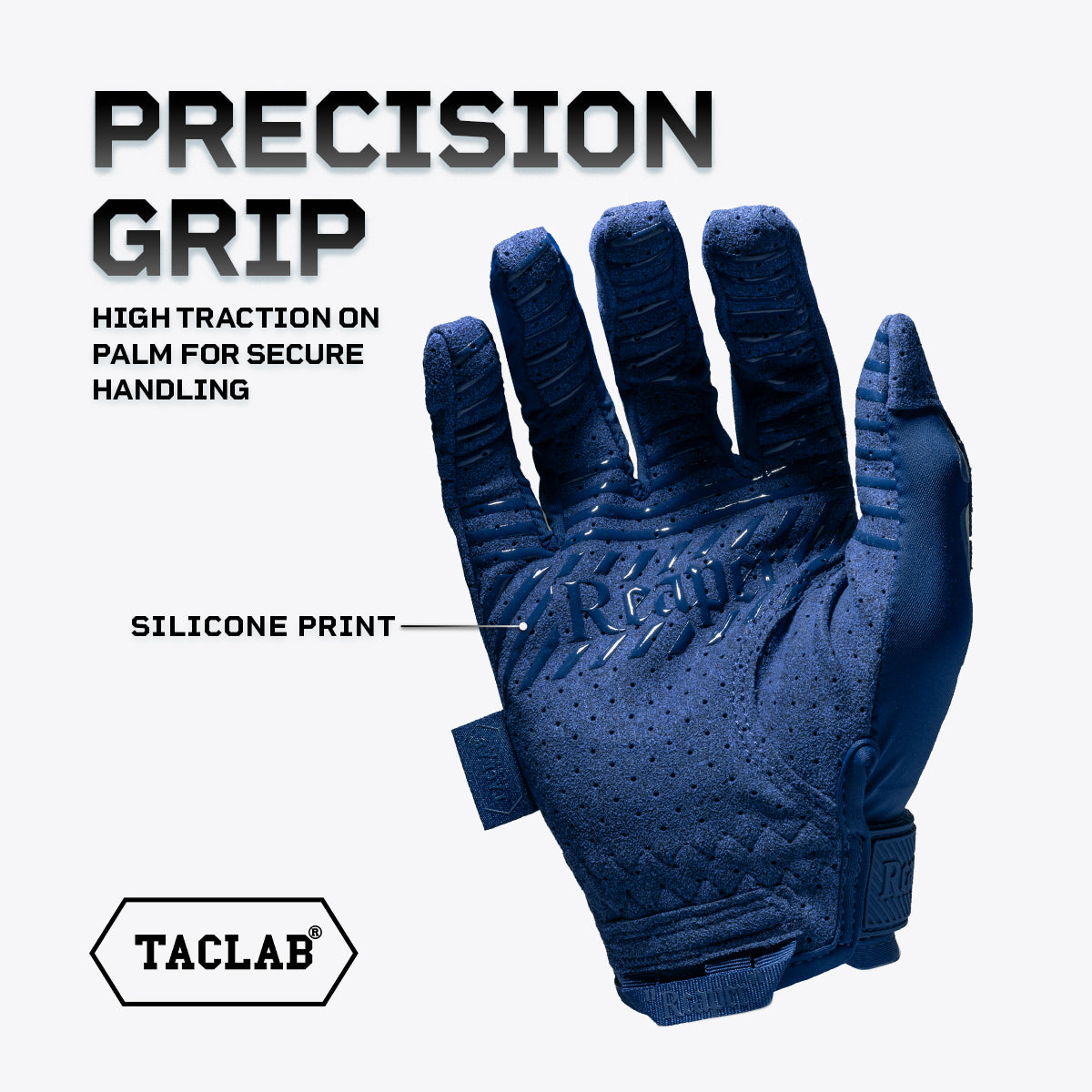
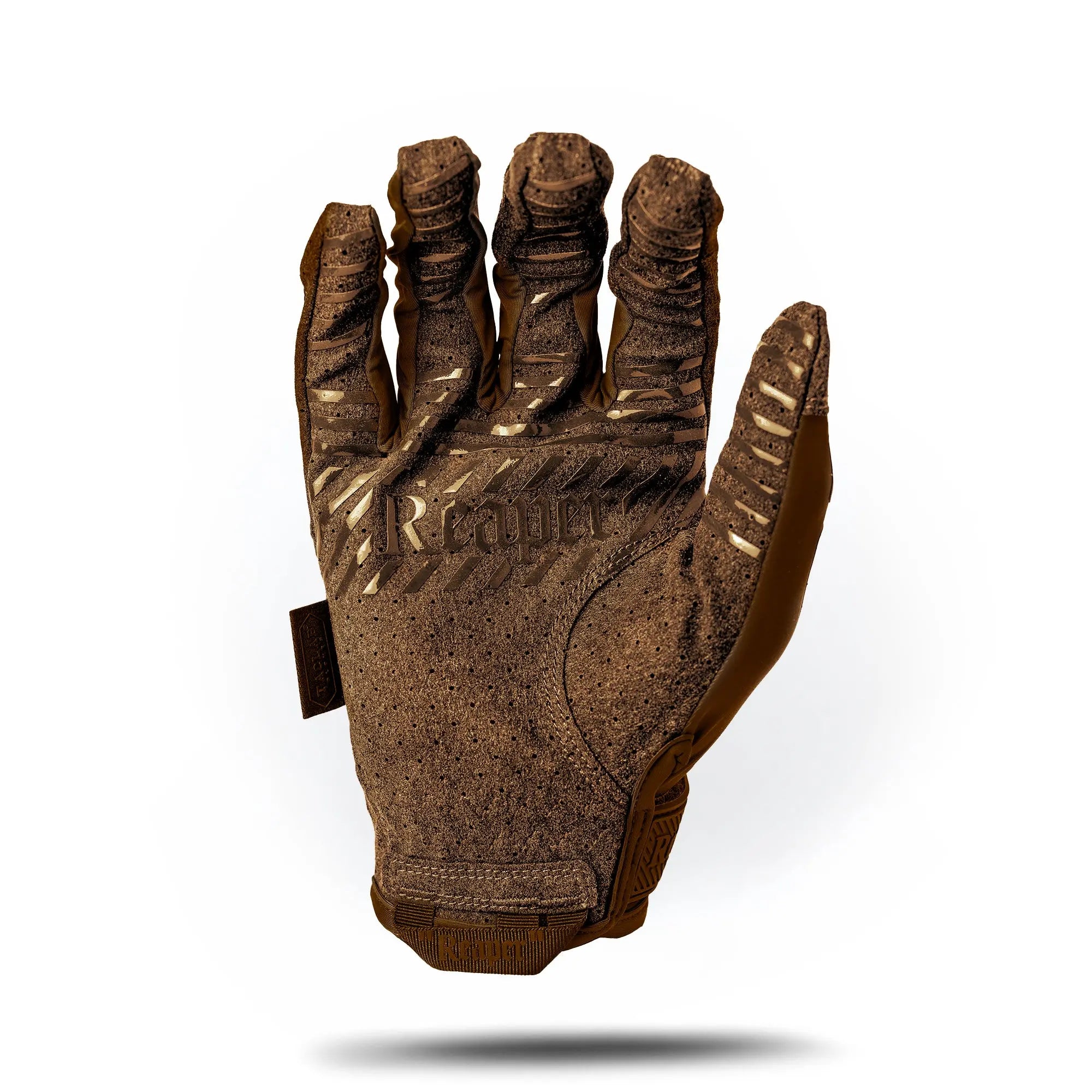
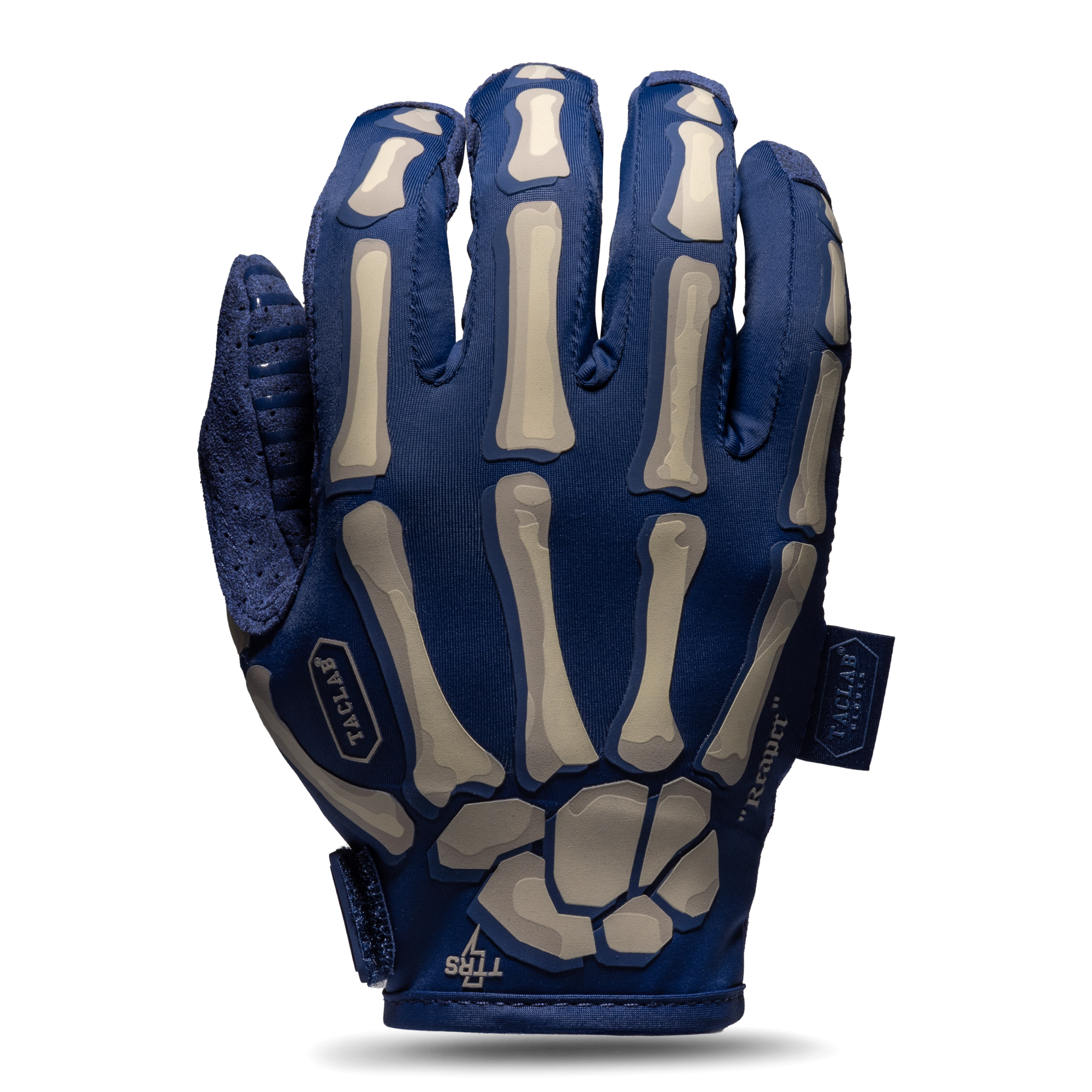
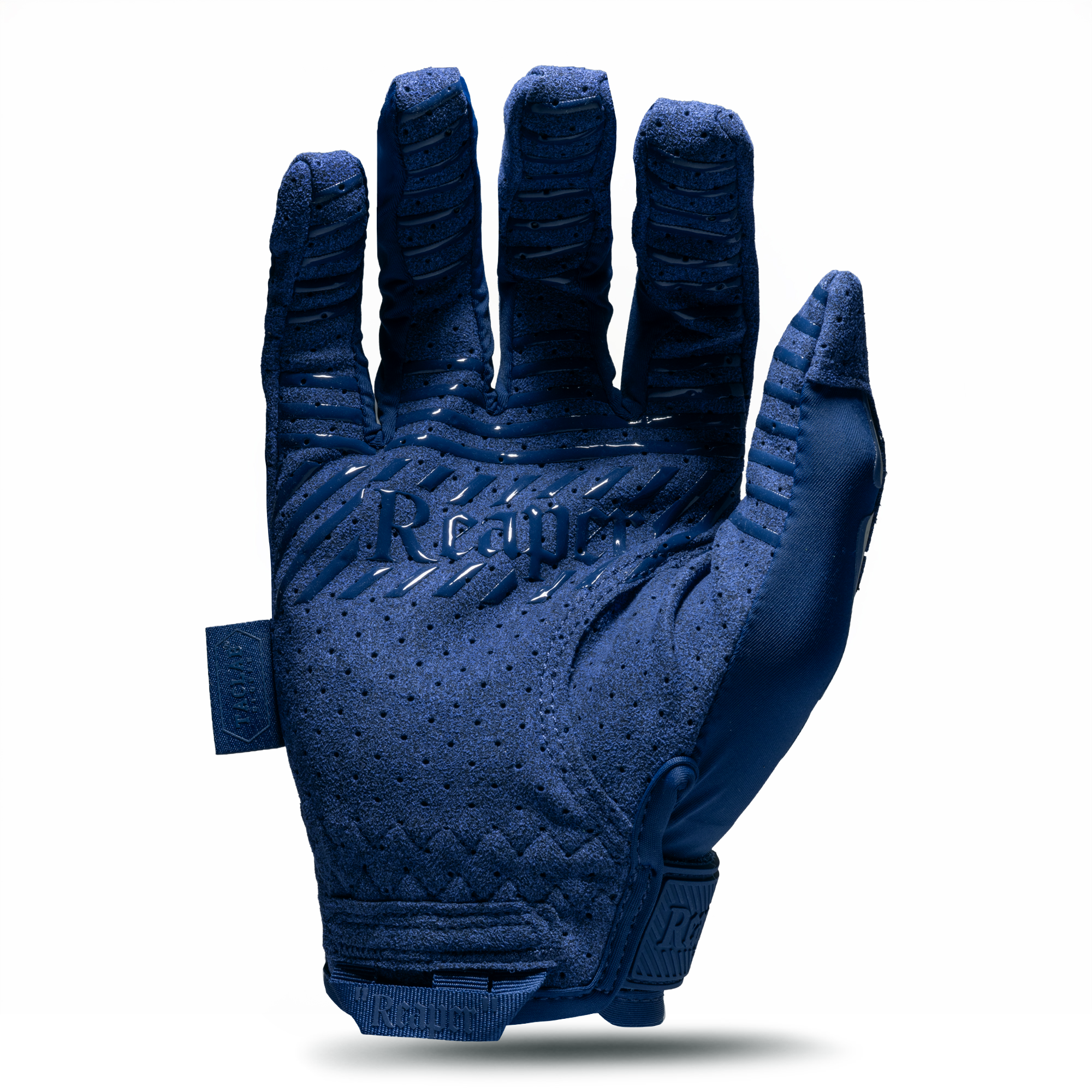
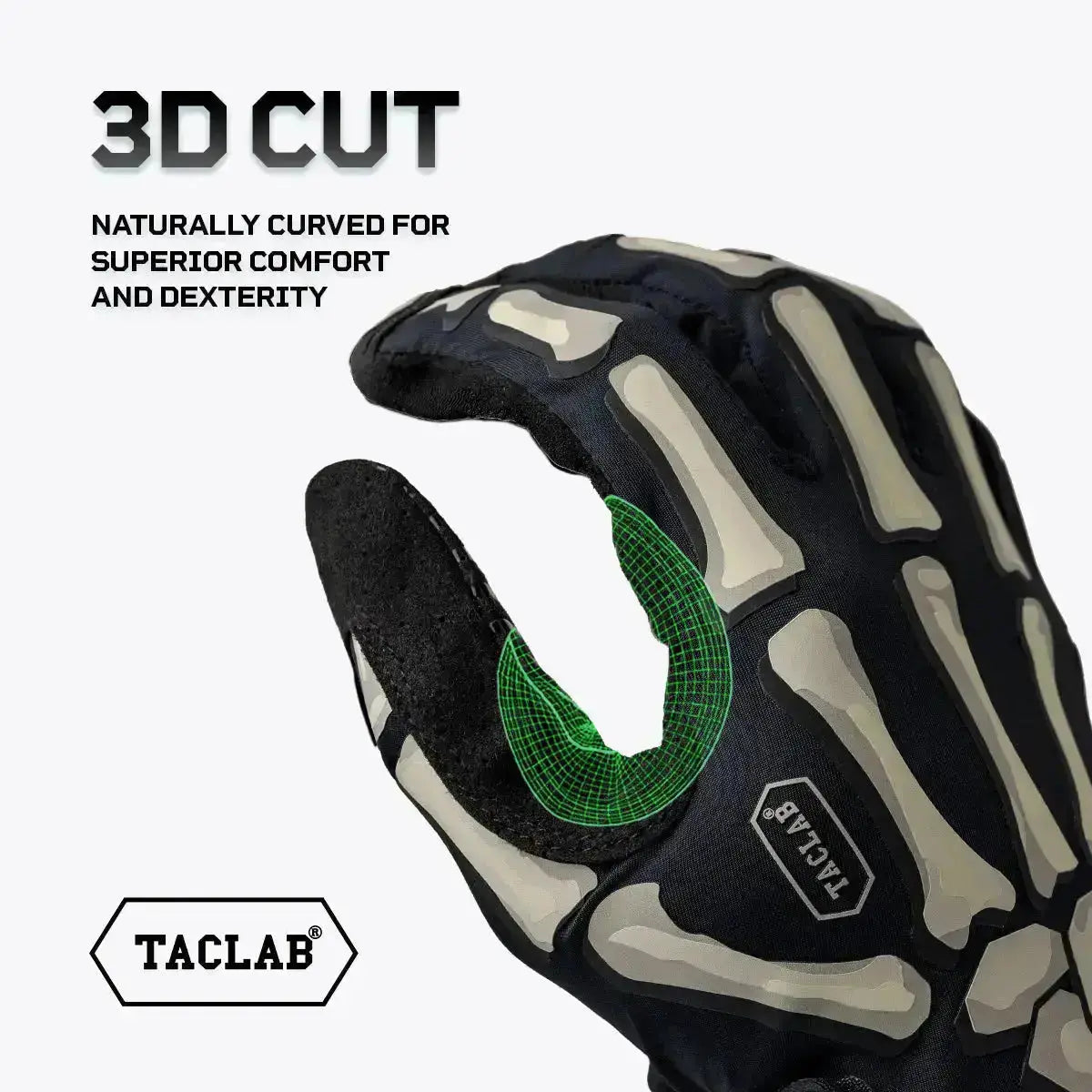
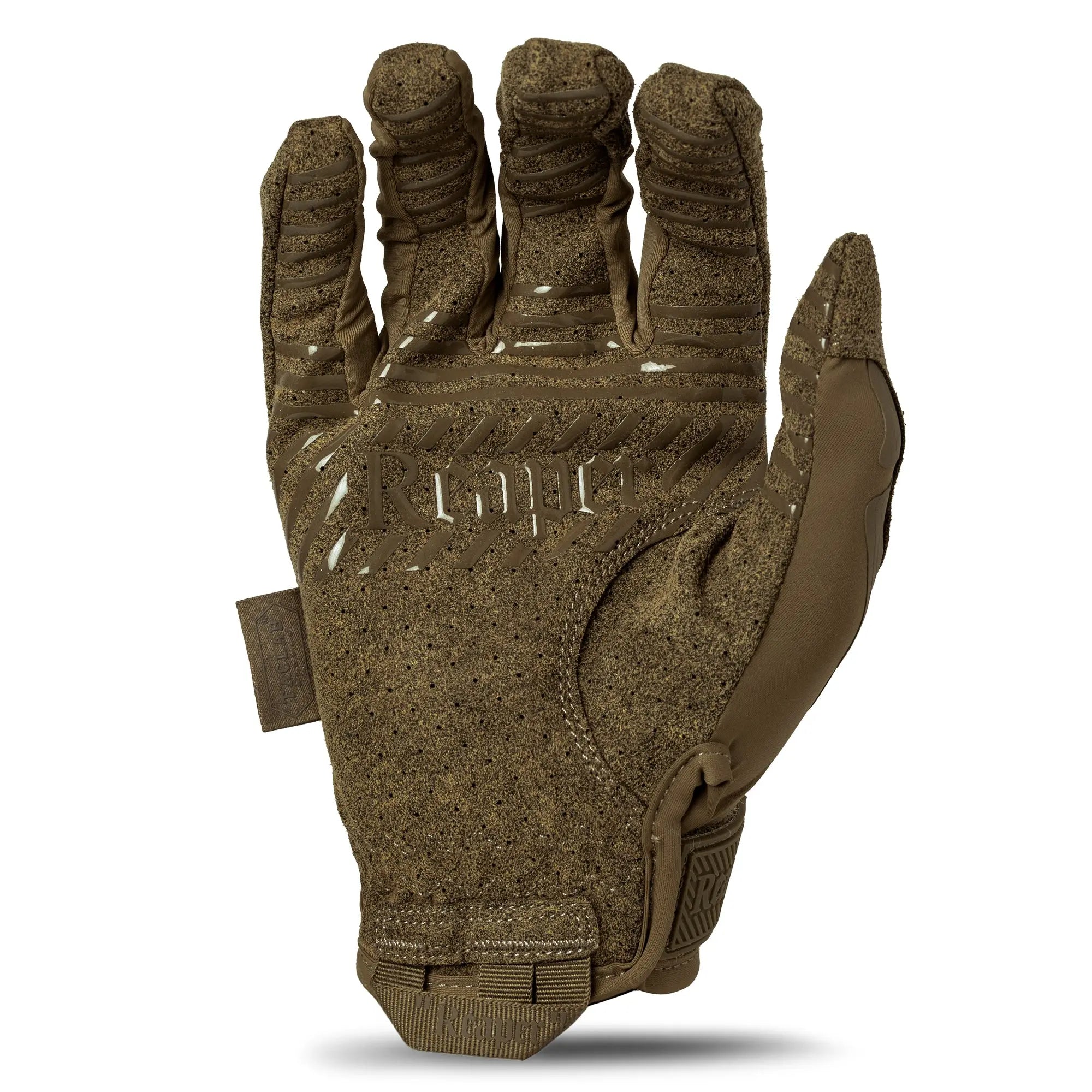
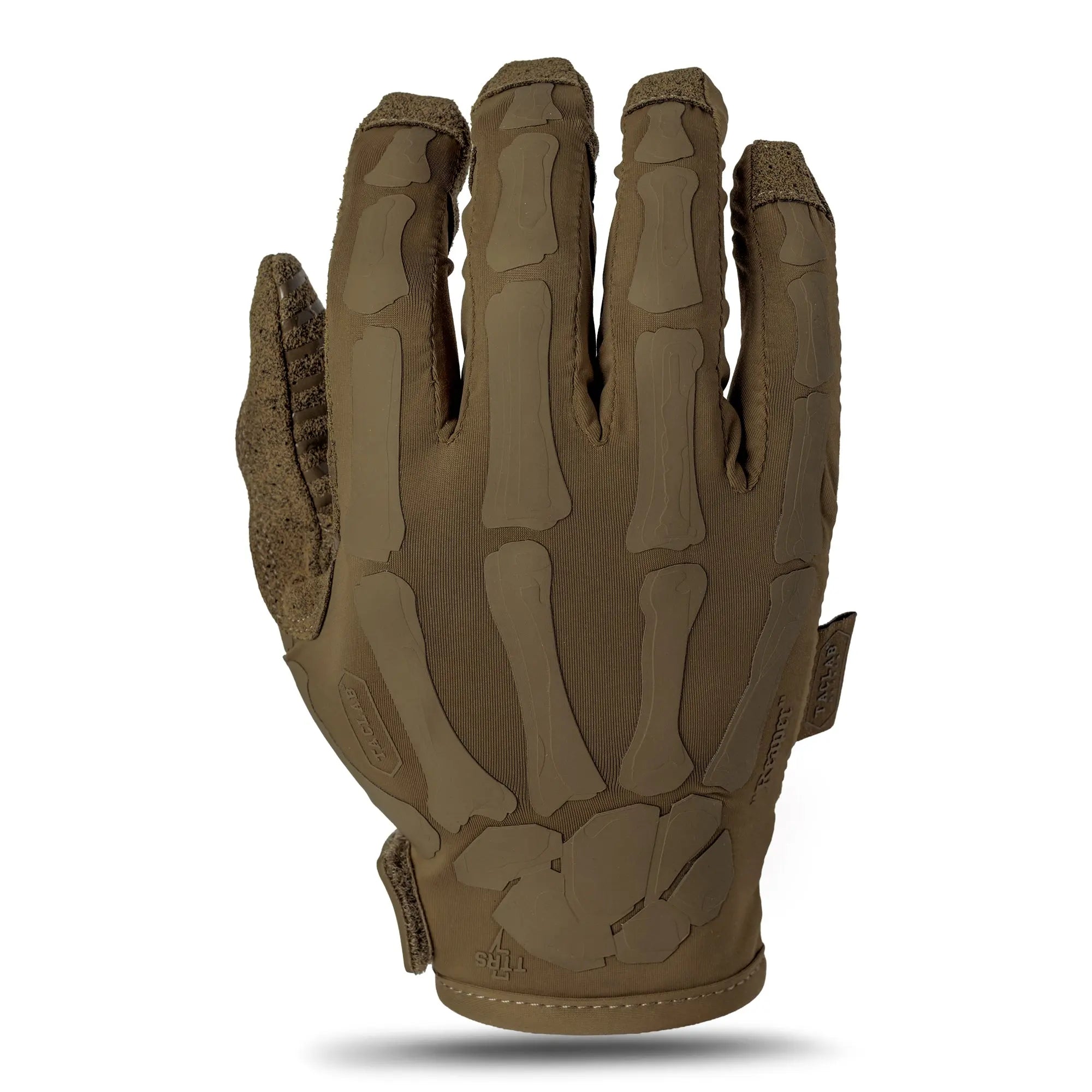
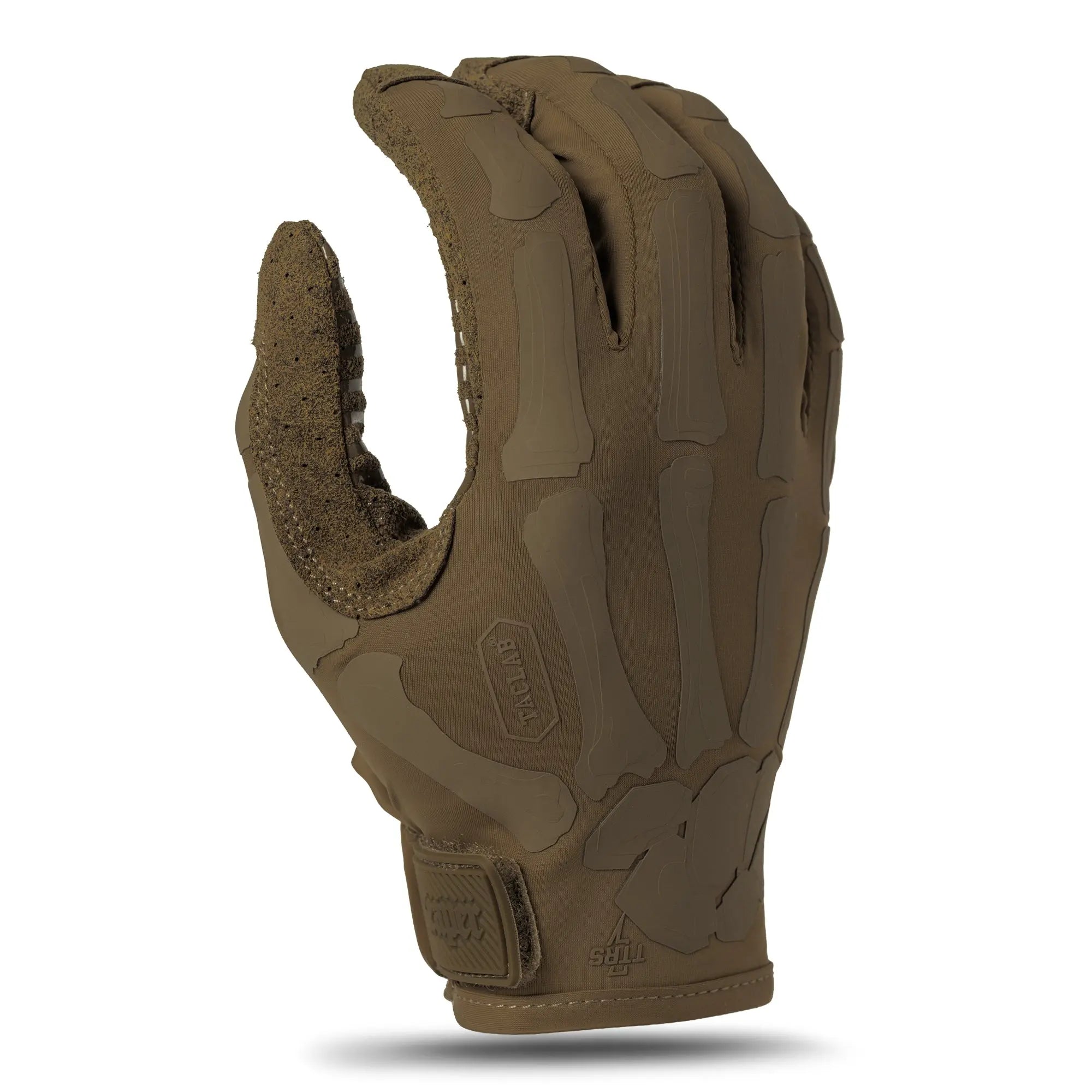
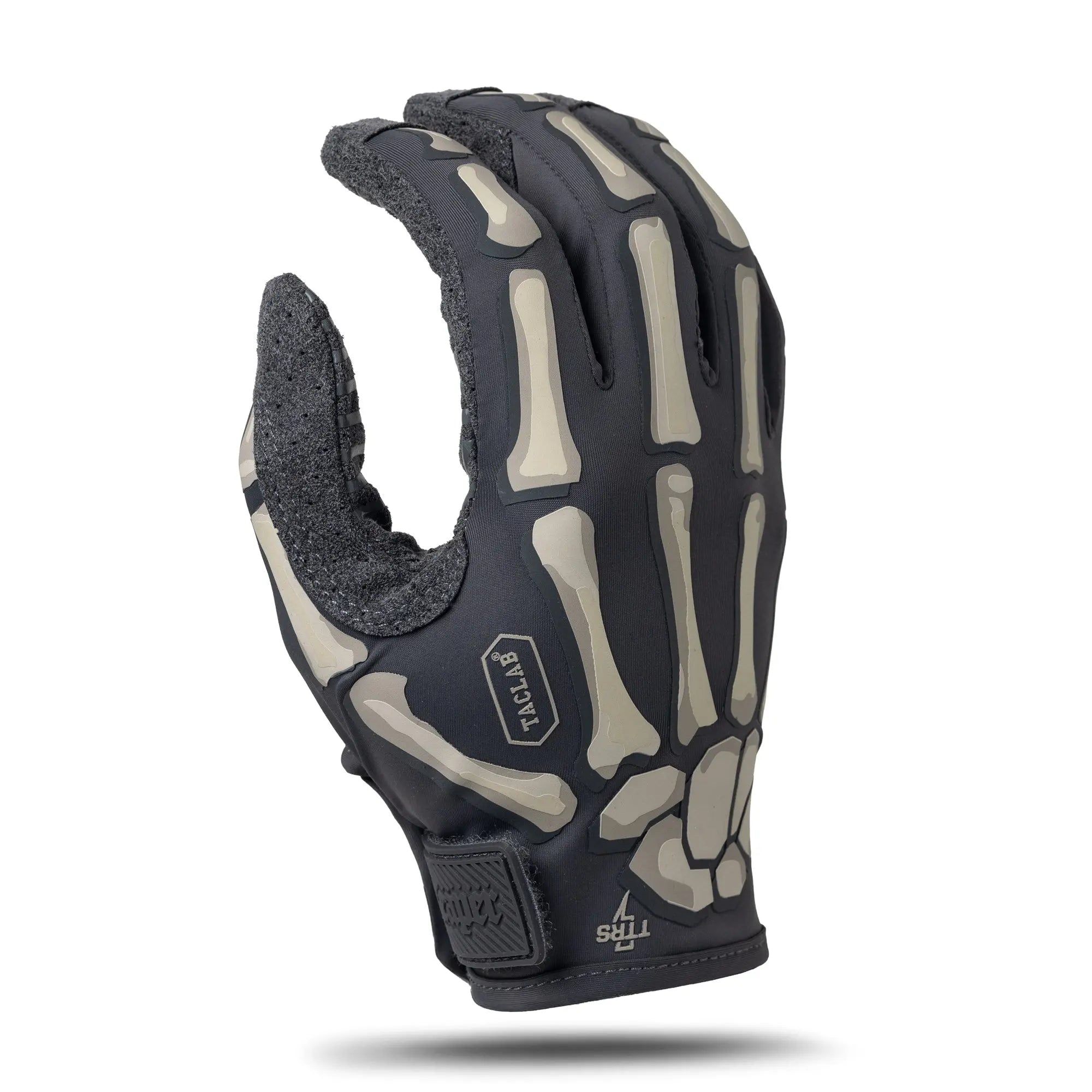
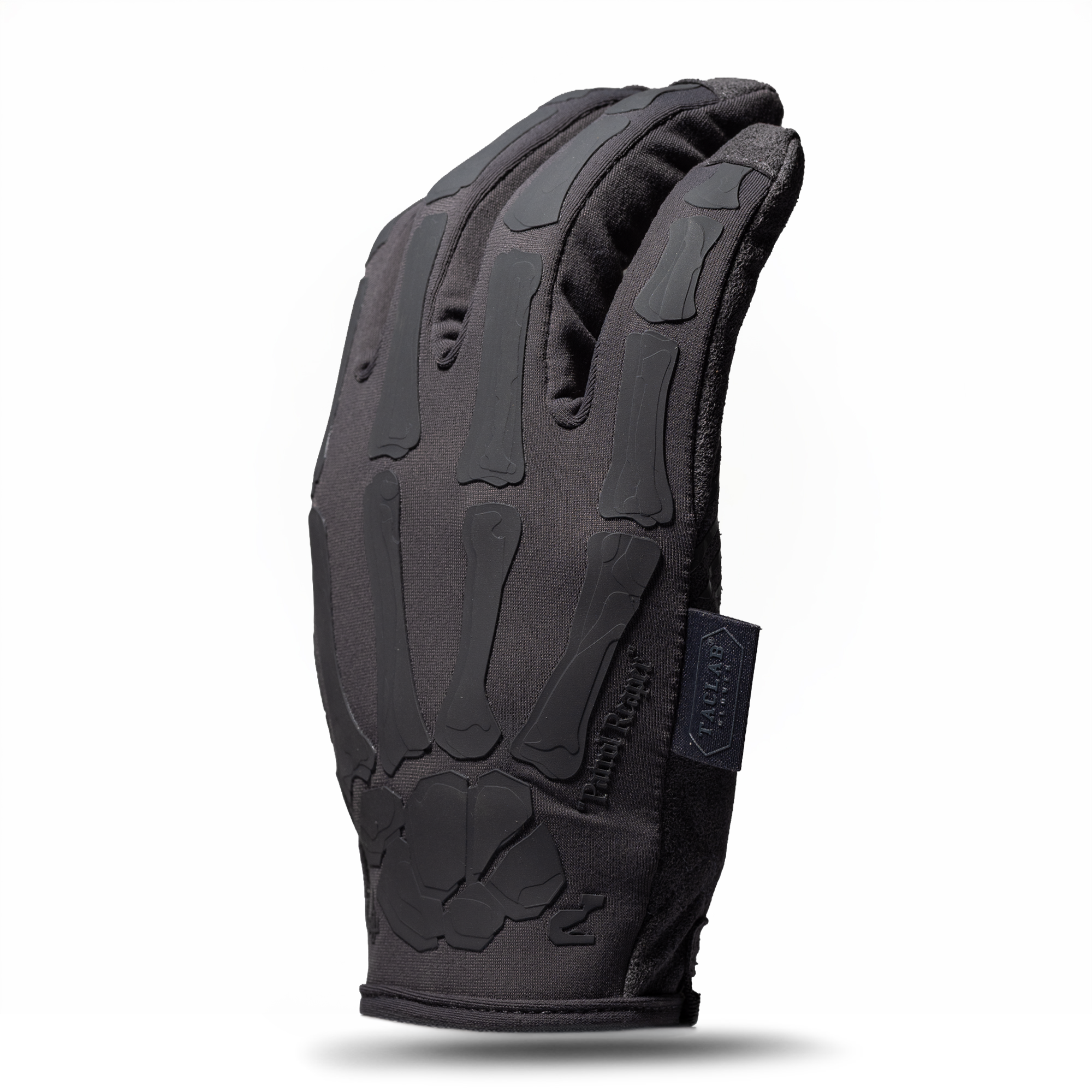
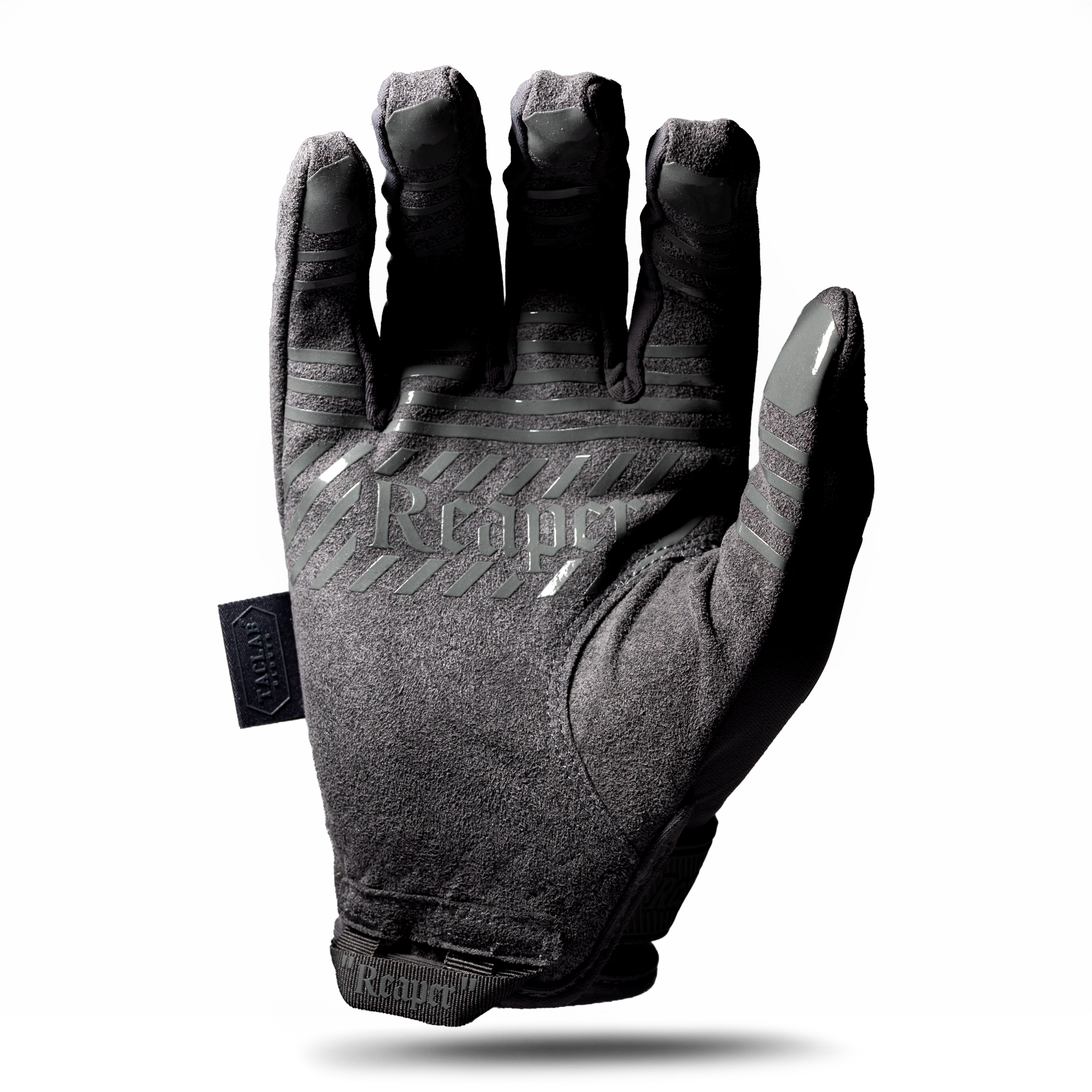
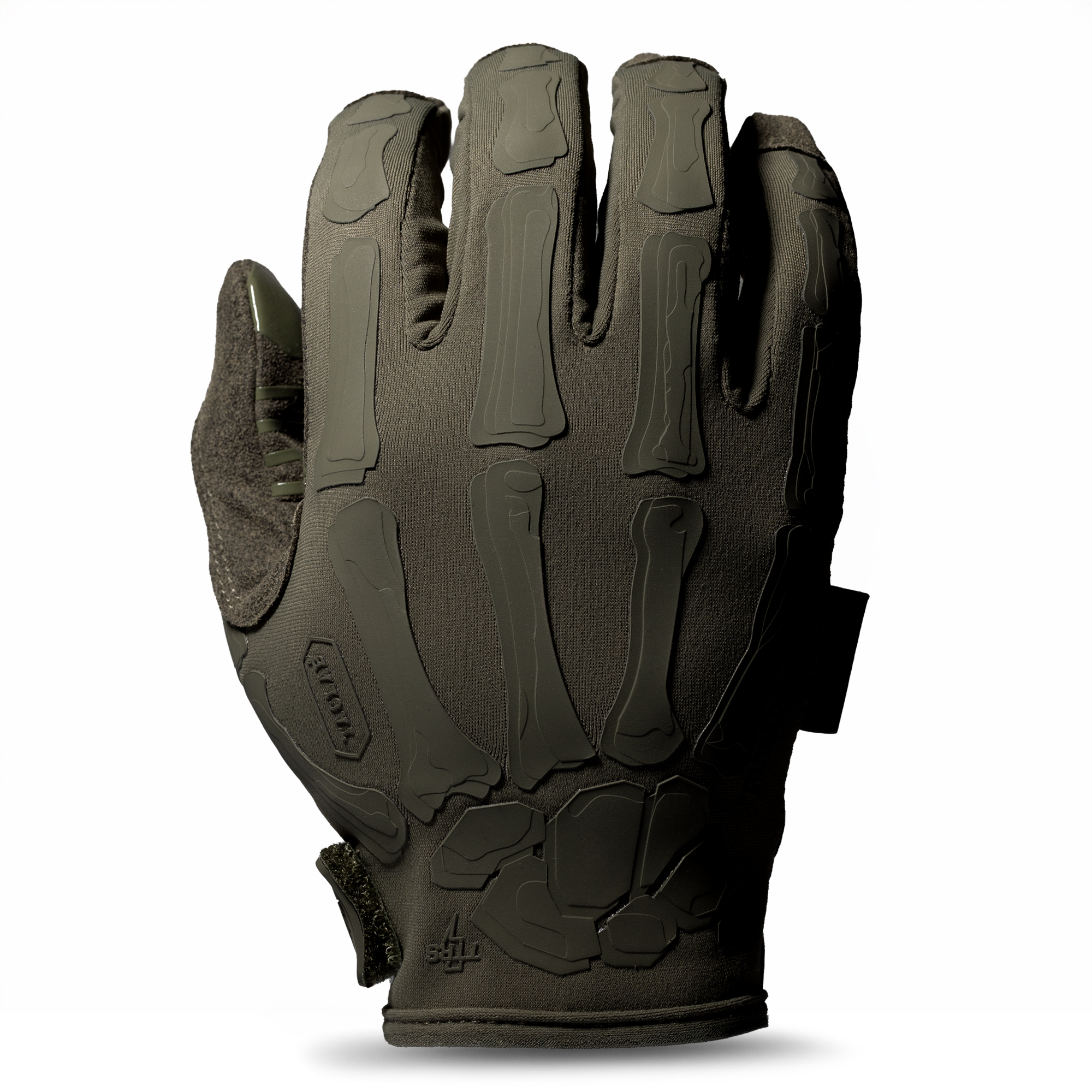
TACLAB's Reaper Premium, for example, uses a thin 0.7mm Cabretta leather palm, combining a natural leather interface with a design focused on tactile use.
Synthetic Tactical Gloves
Synthetic constructions can offer:
- Lightweight feel
- Flexibility
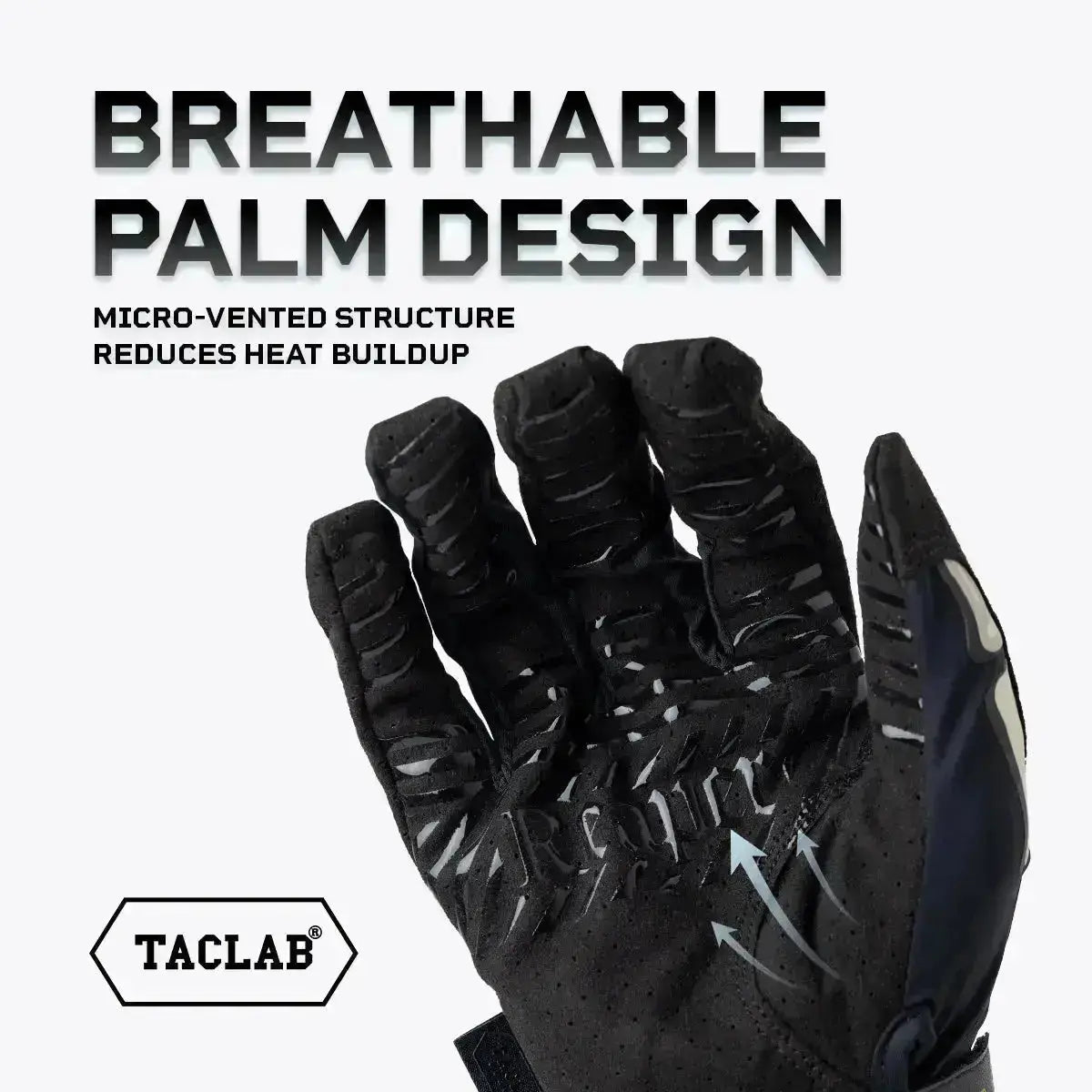
- Breathability
- Consistent shape
- Specialized abrasion characteristics
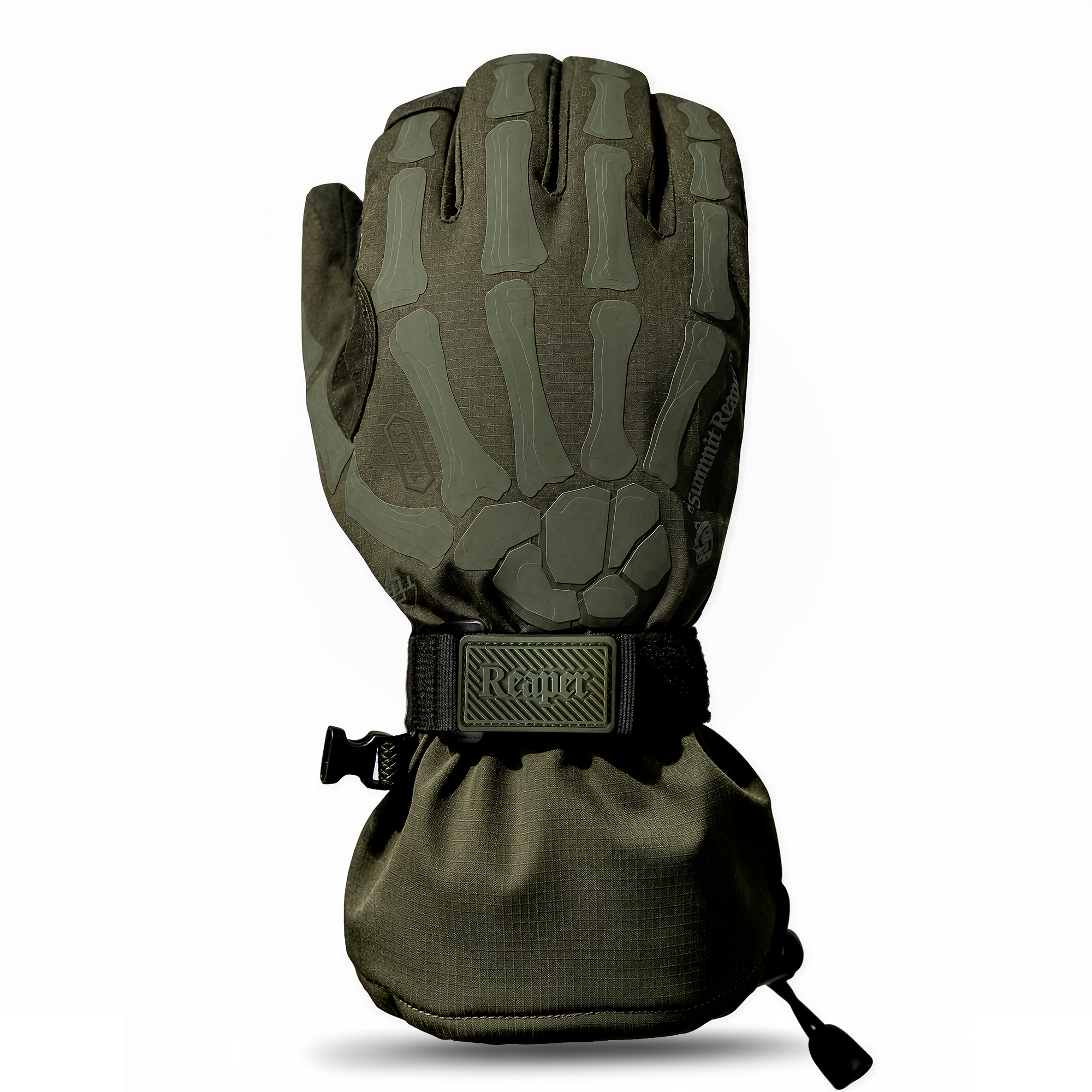
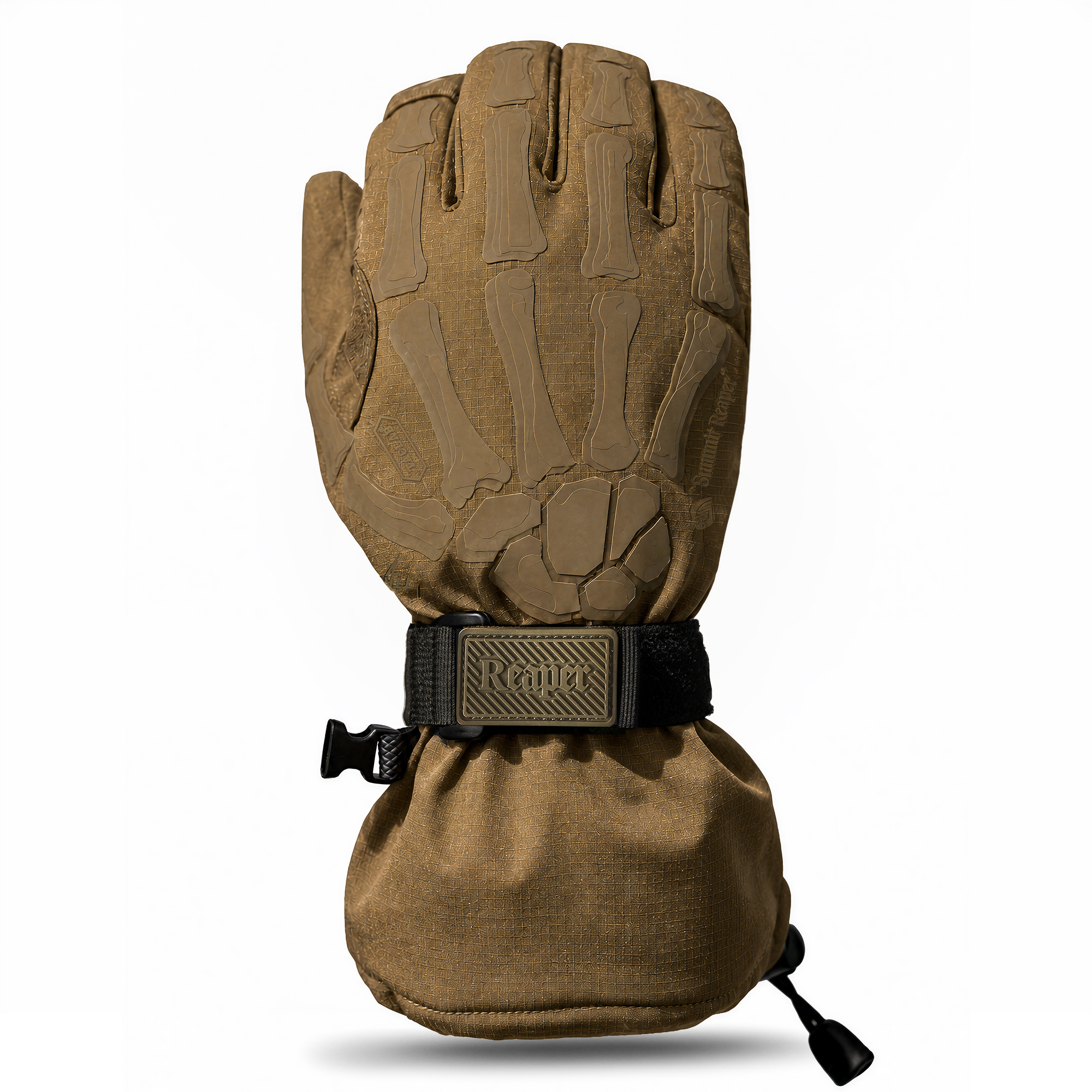
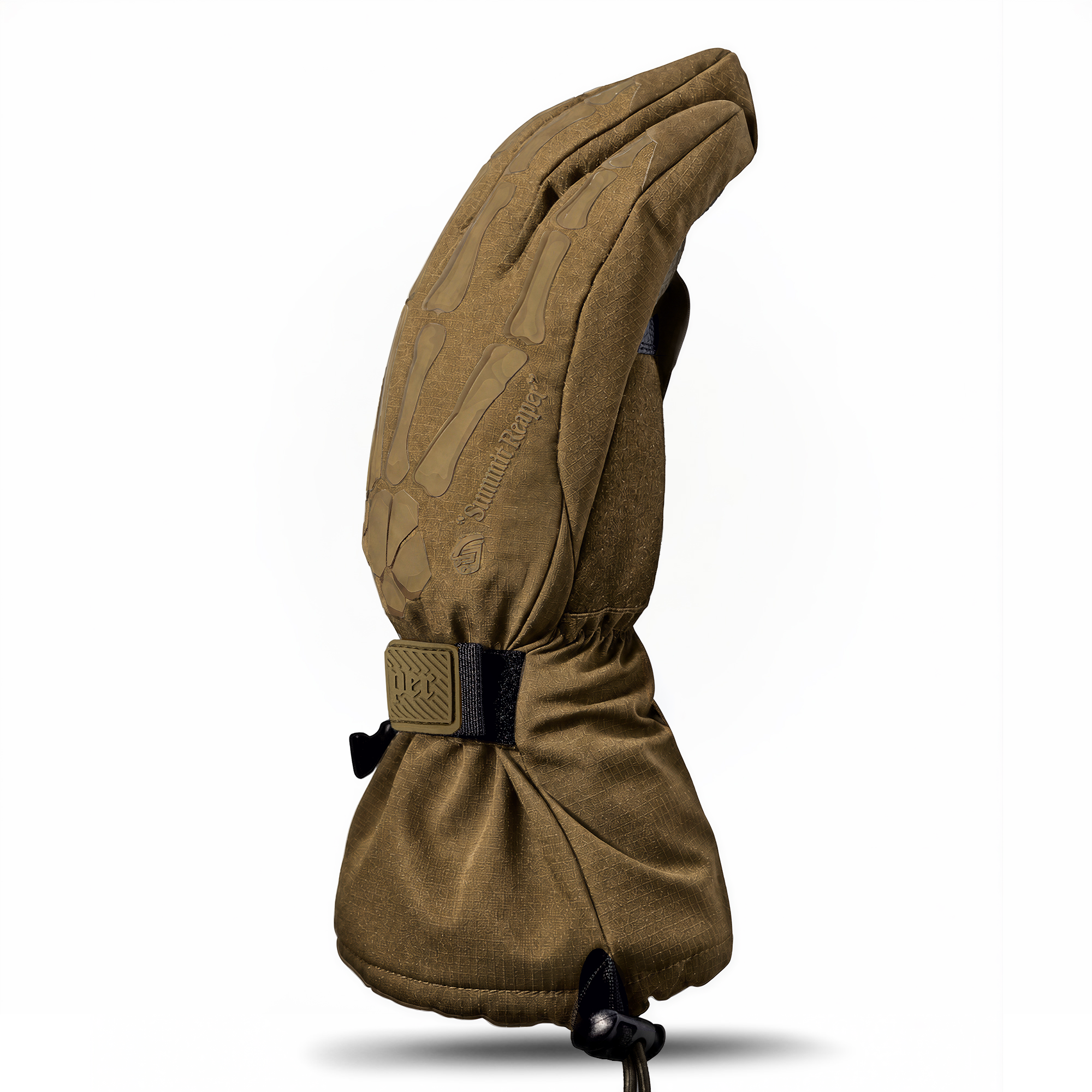
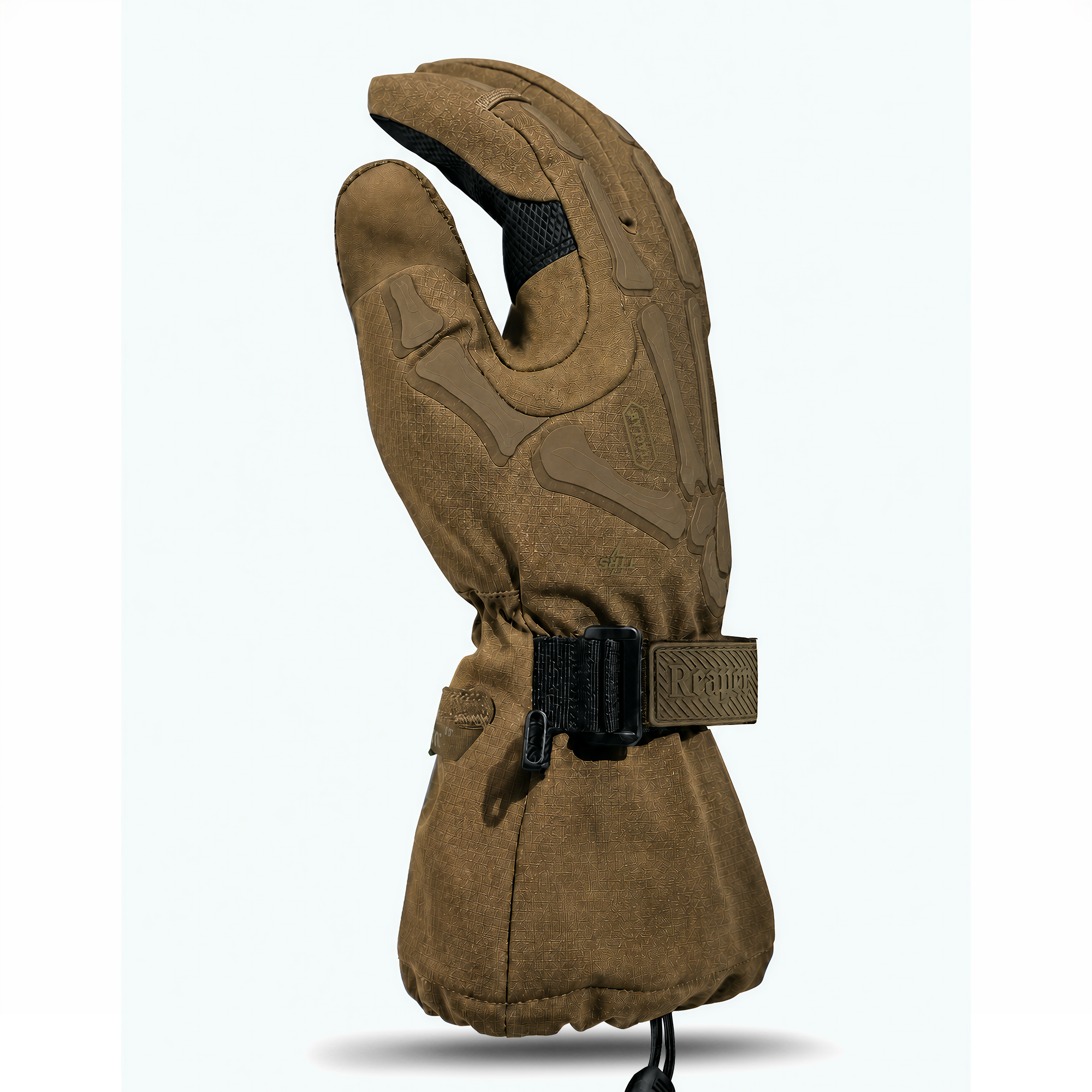
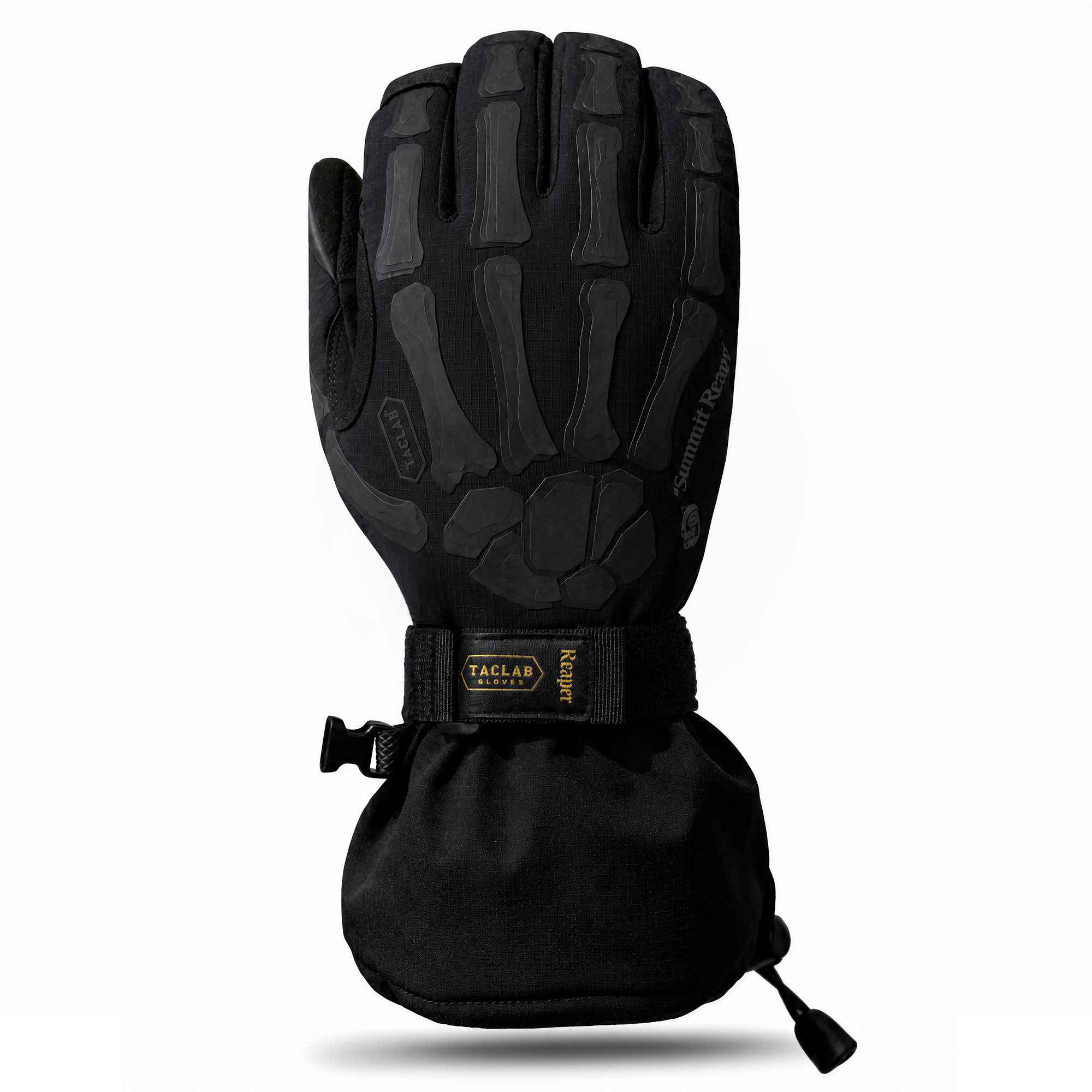
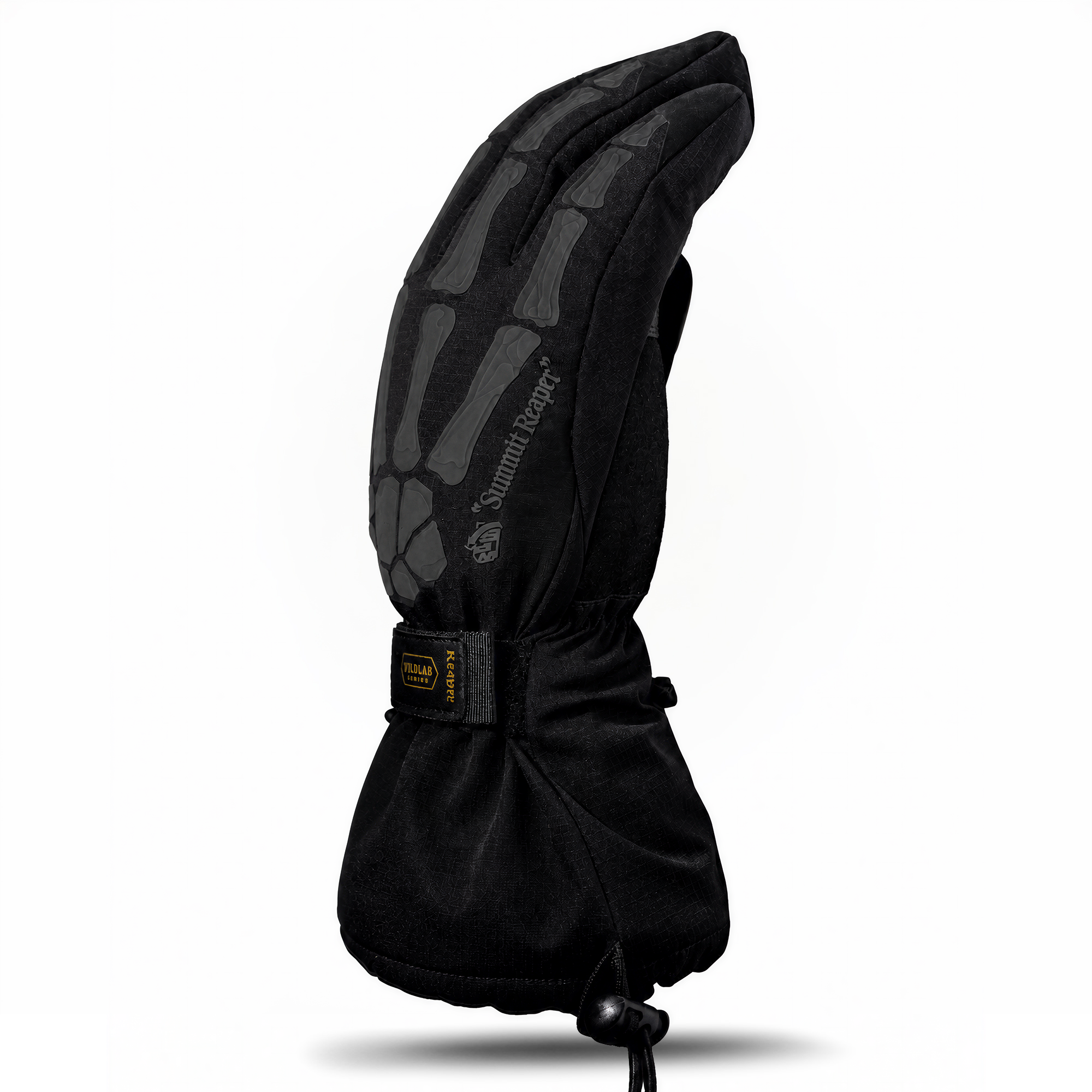
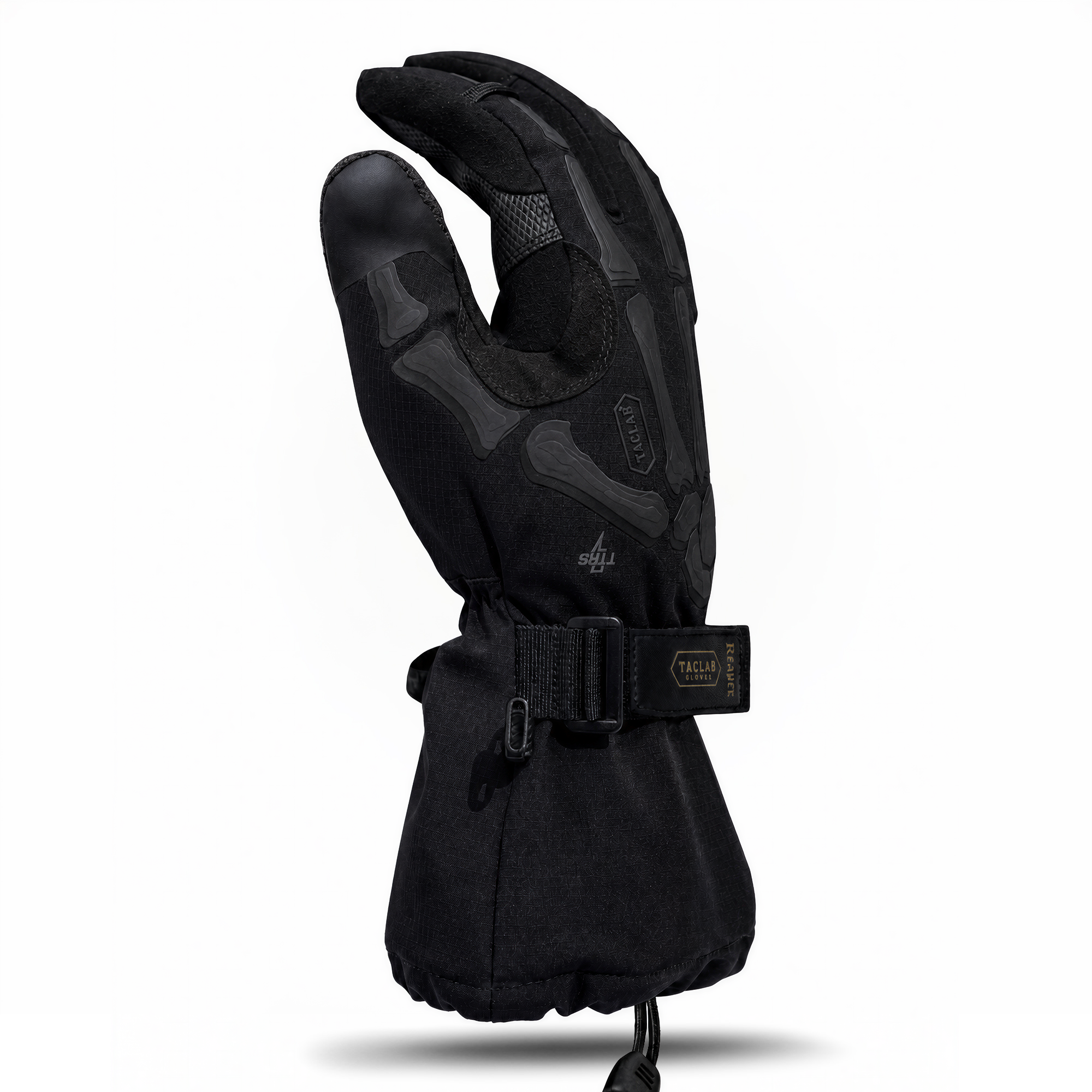
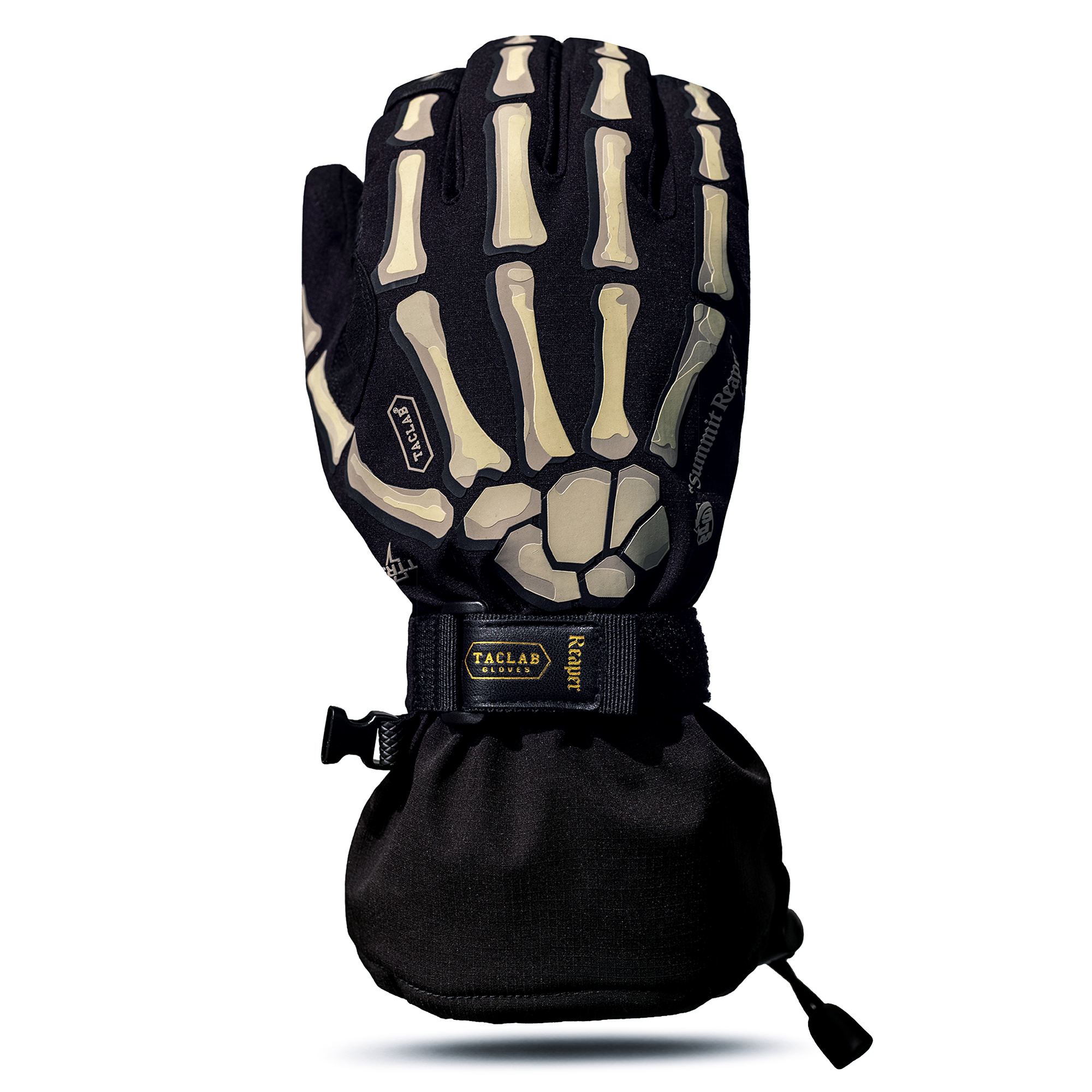
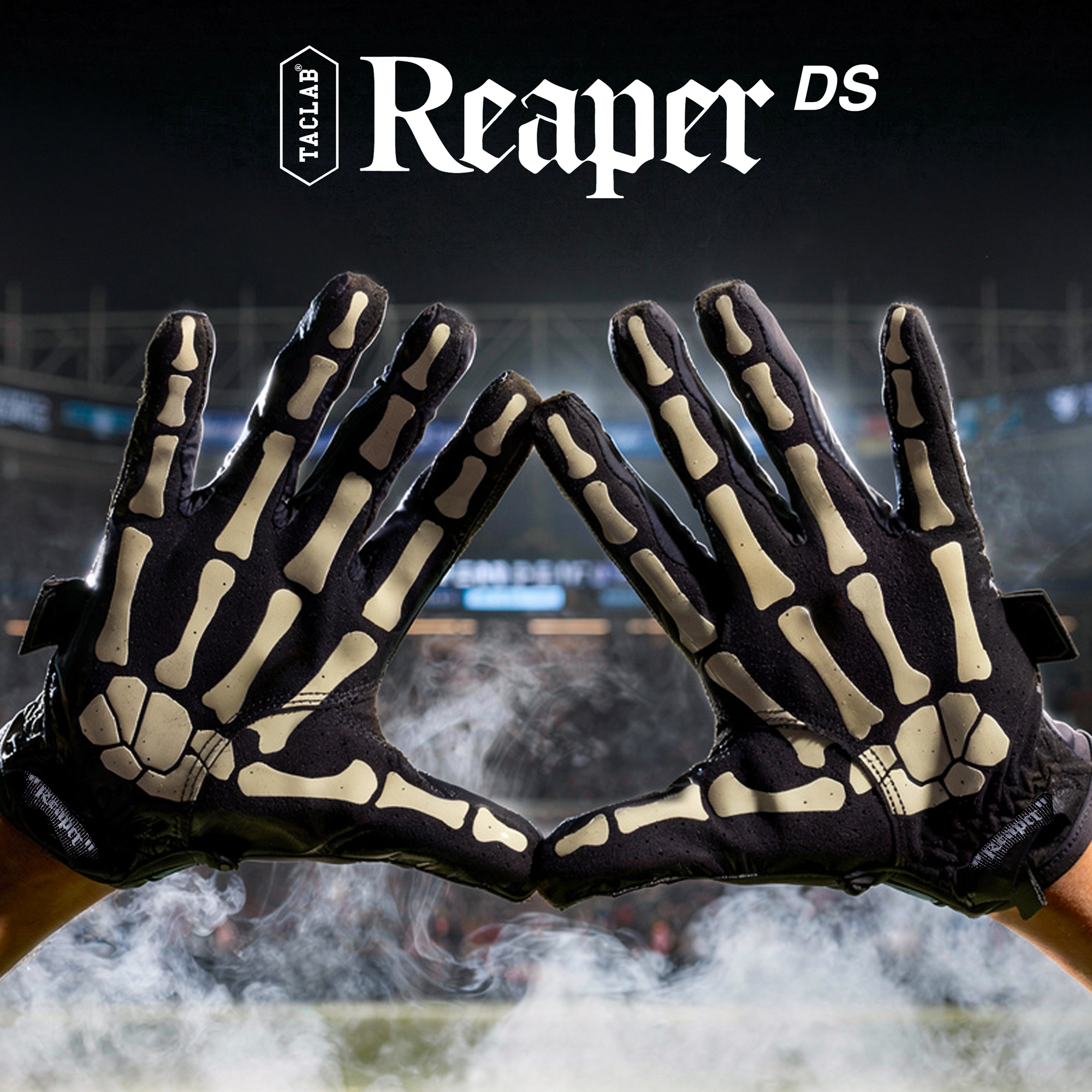
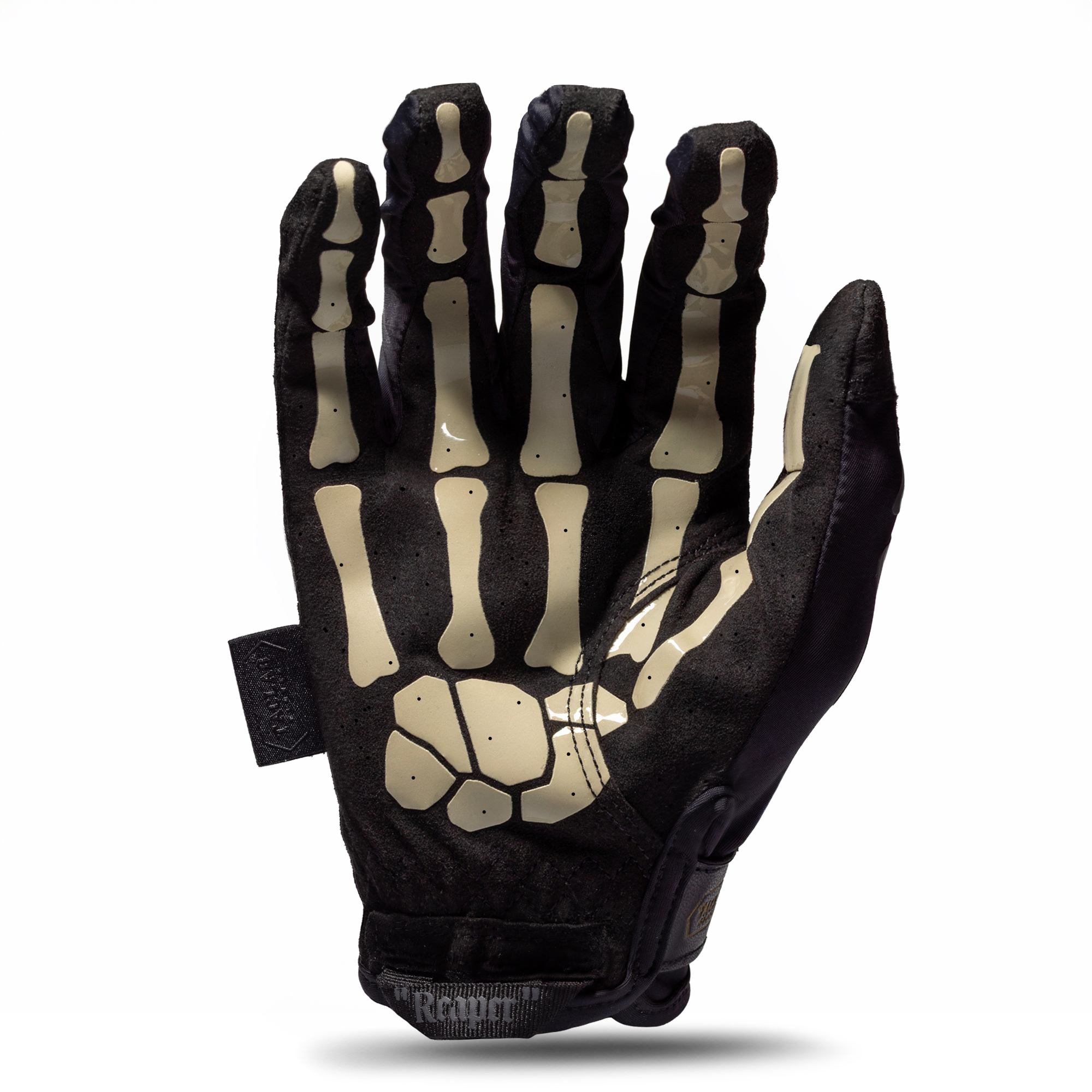
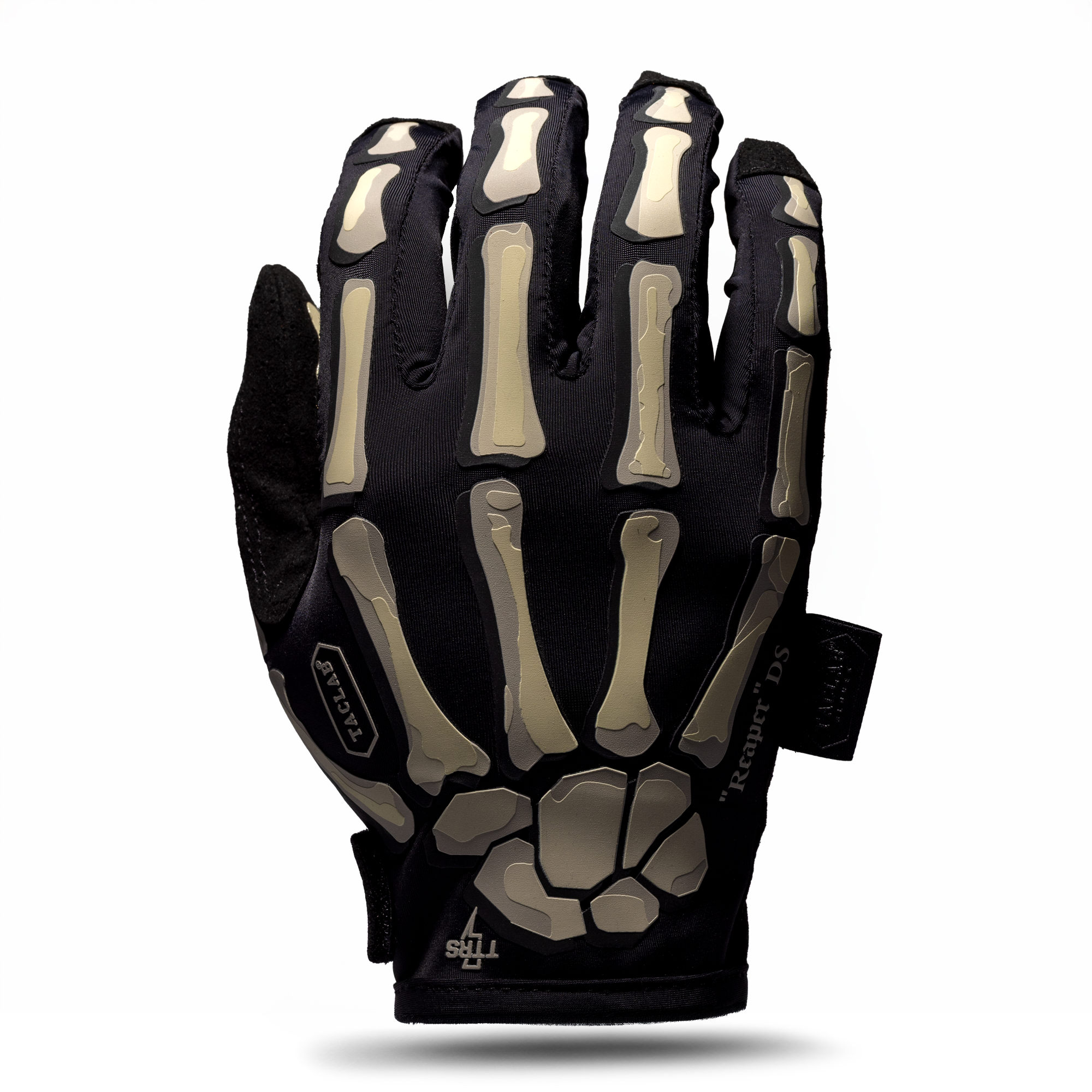
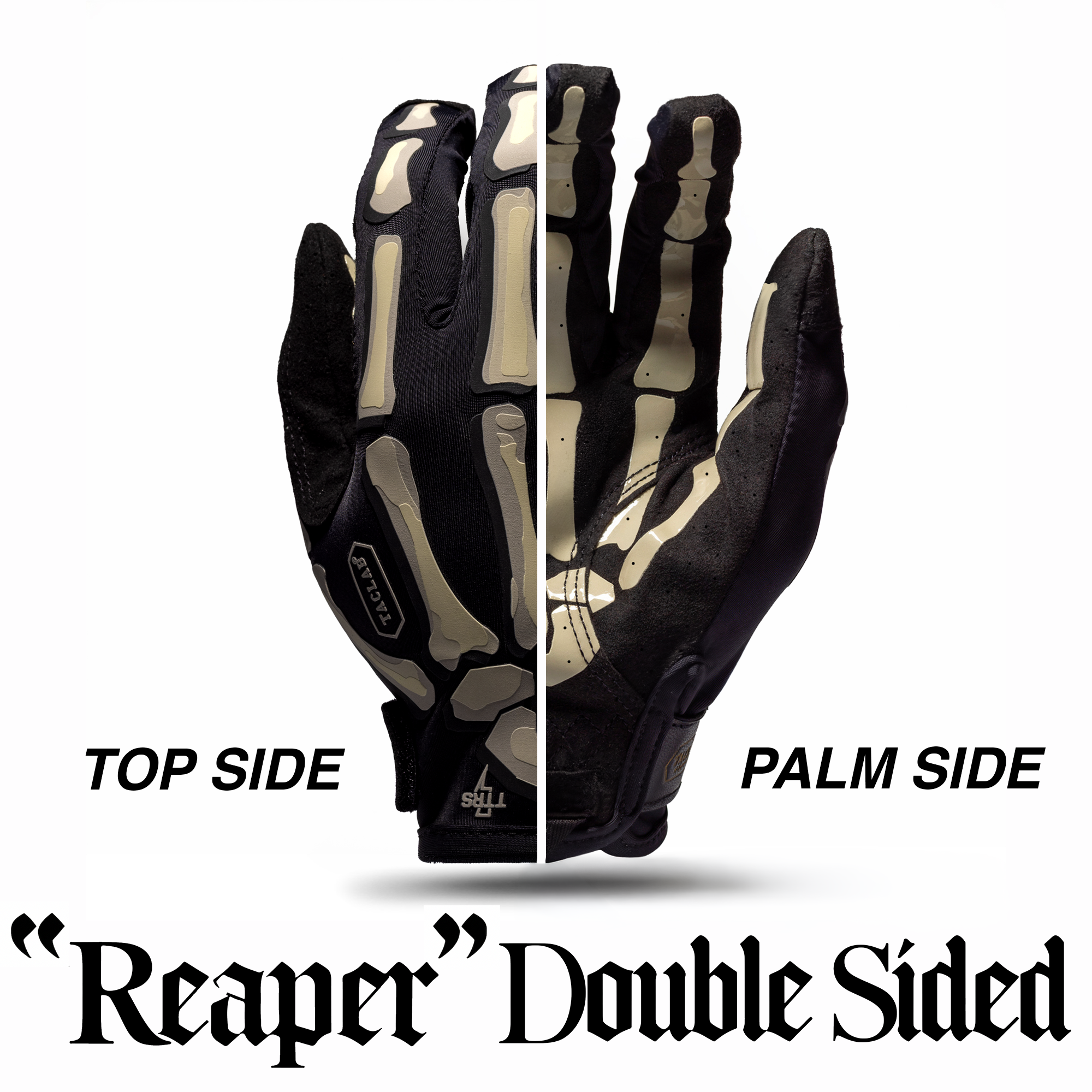
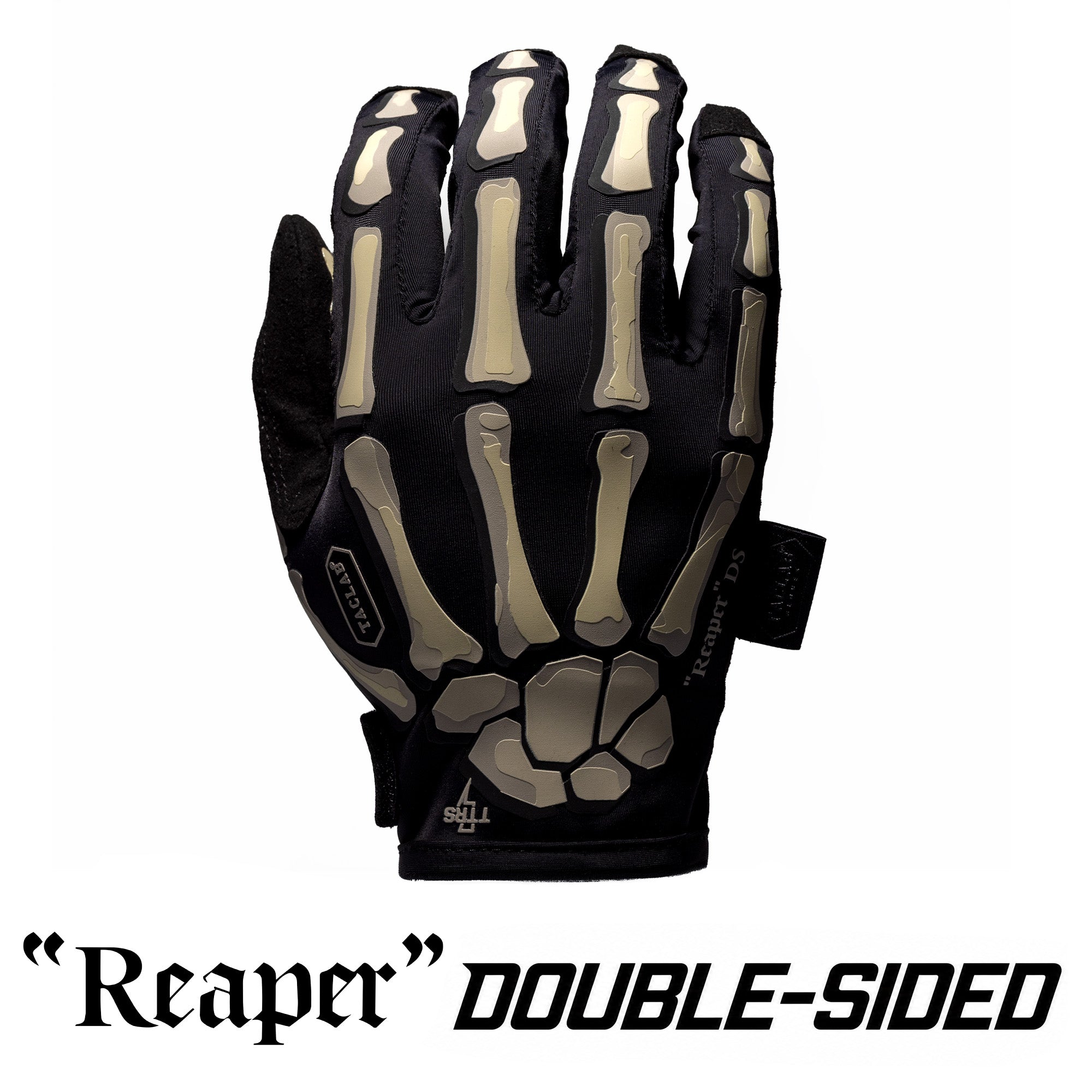
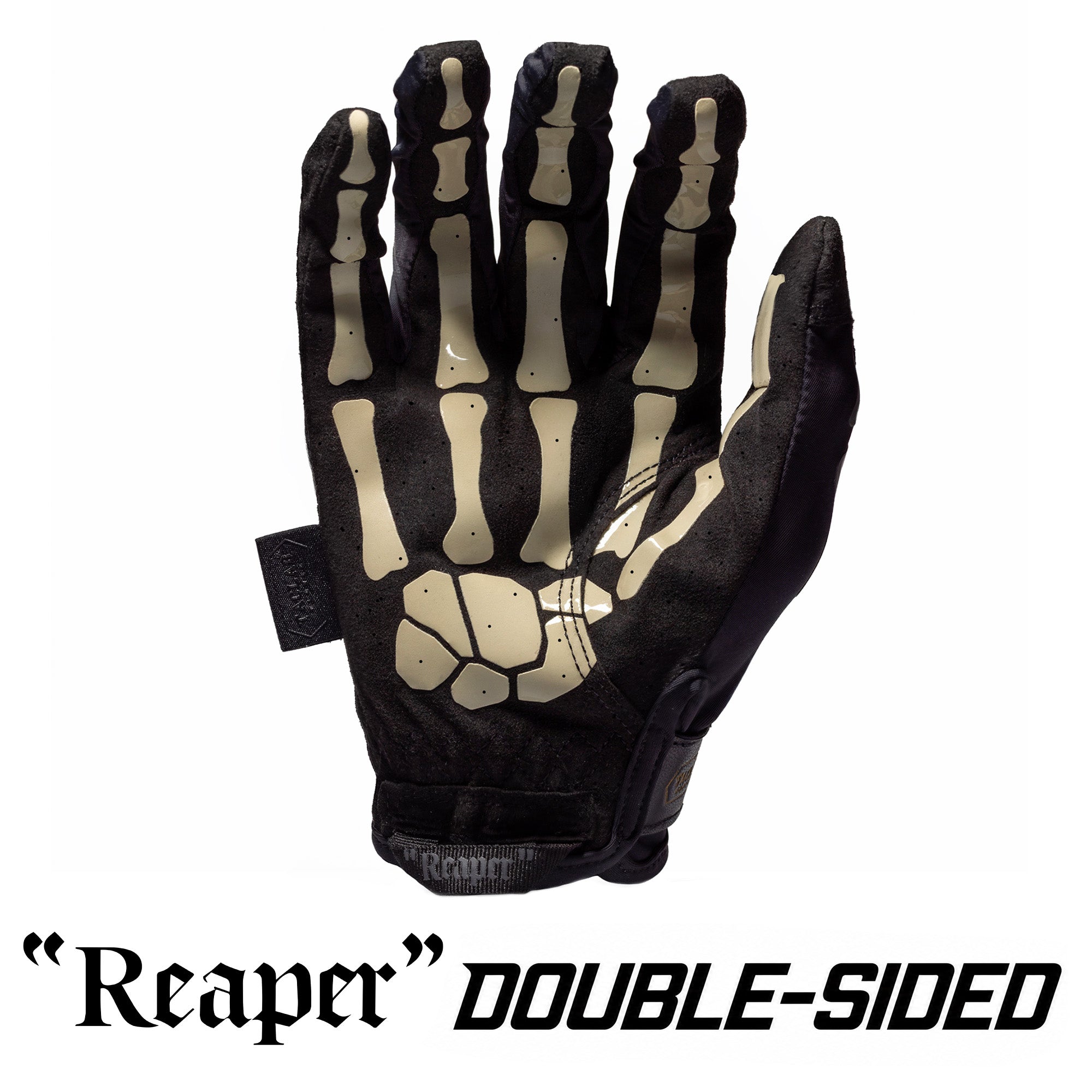
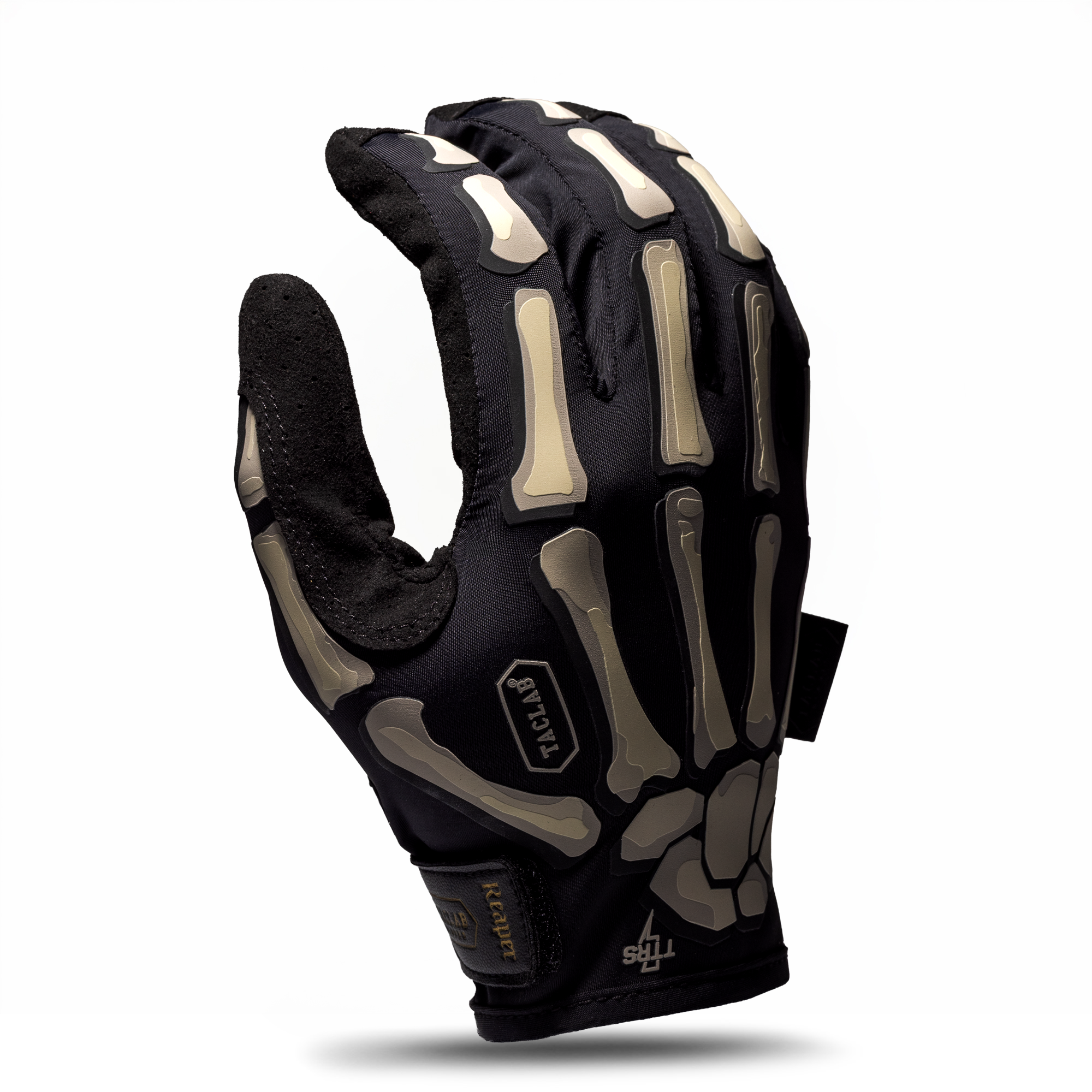
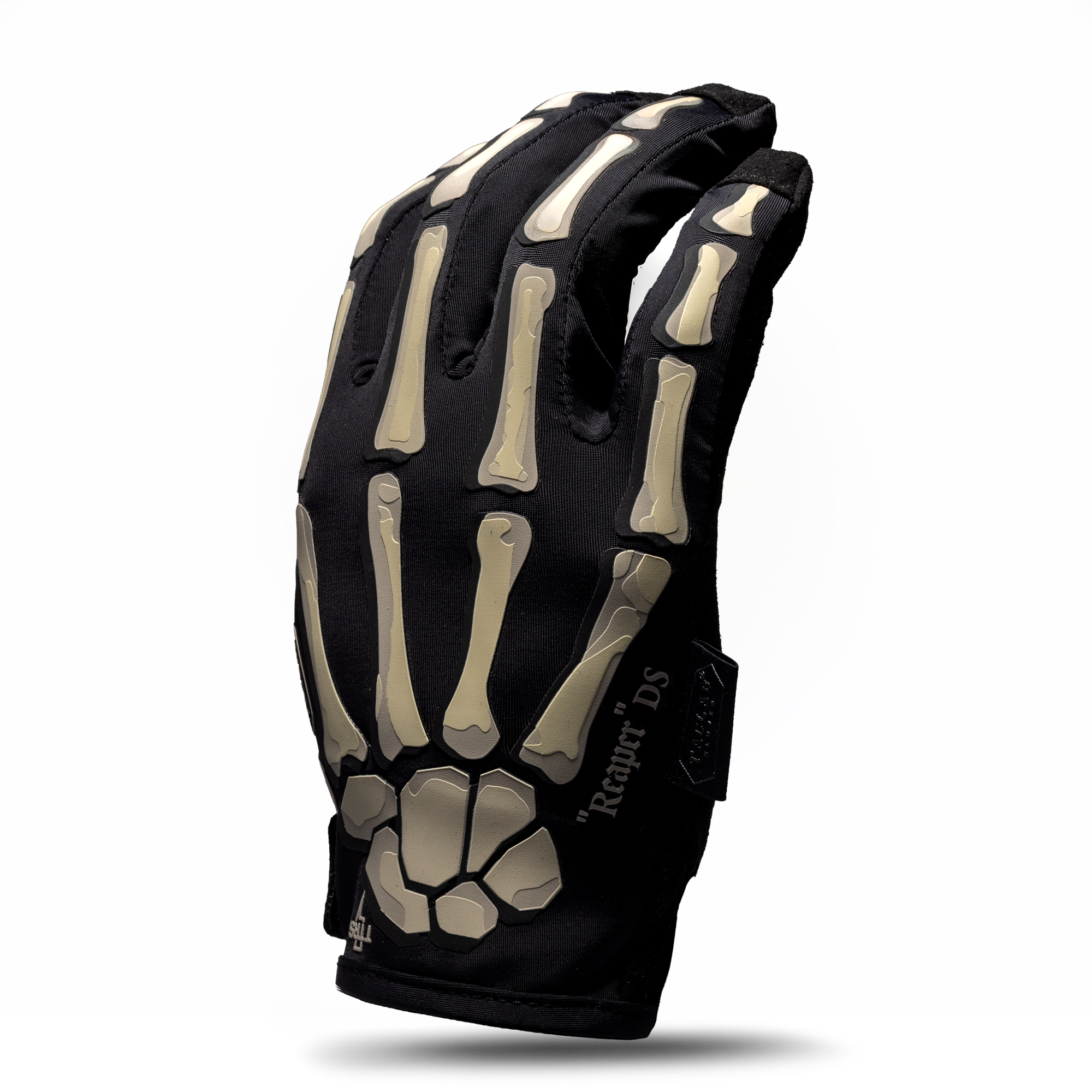
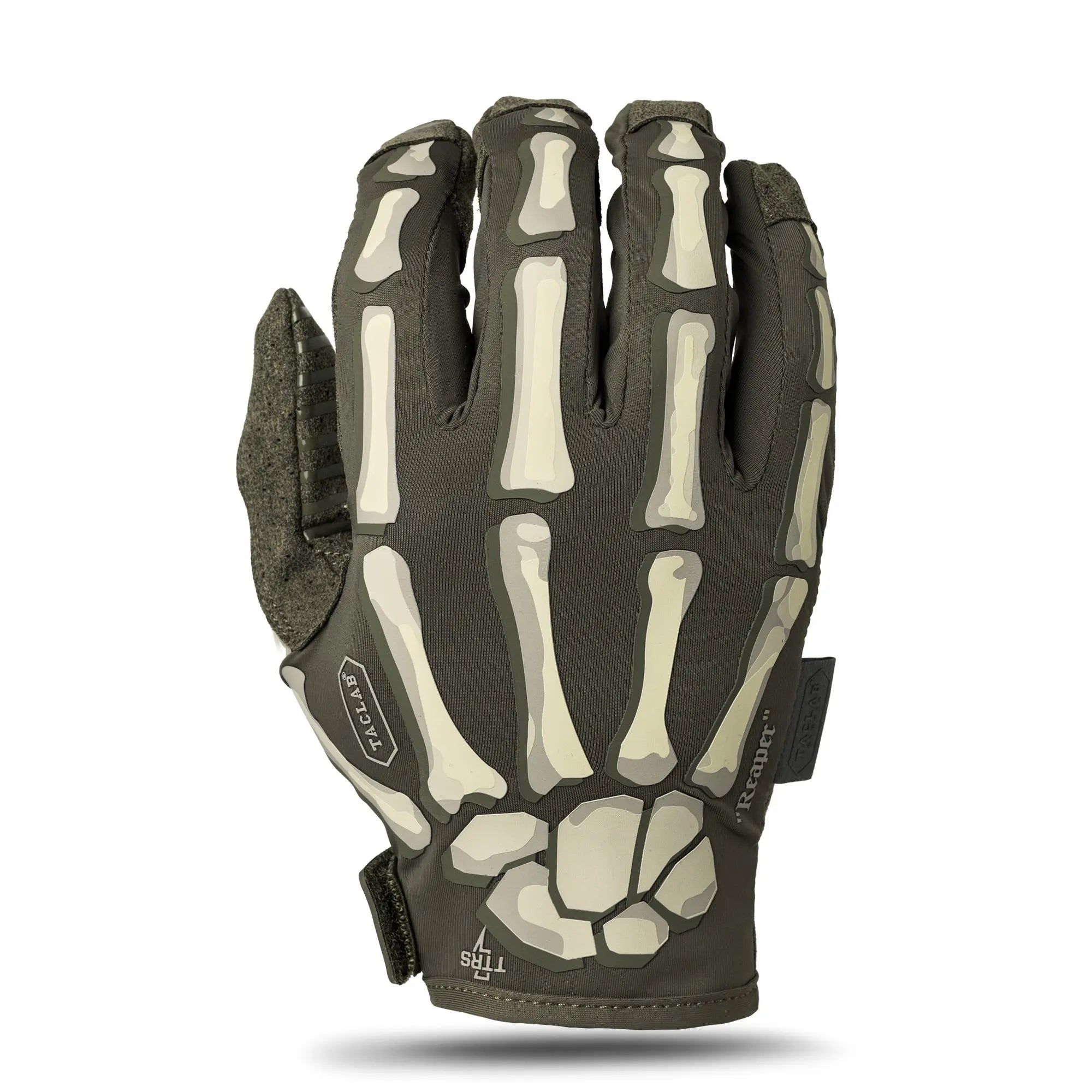
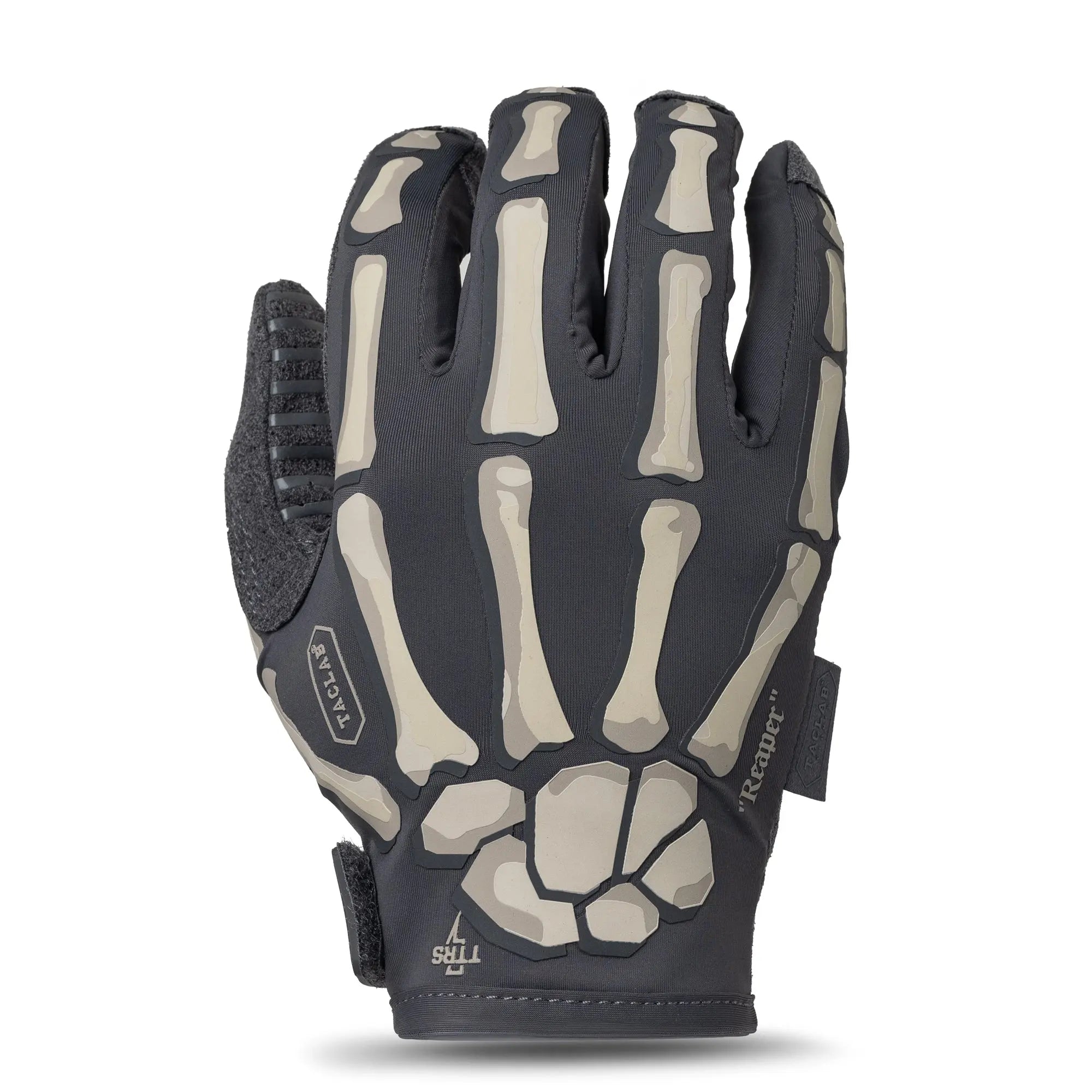
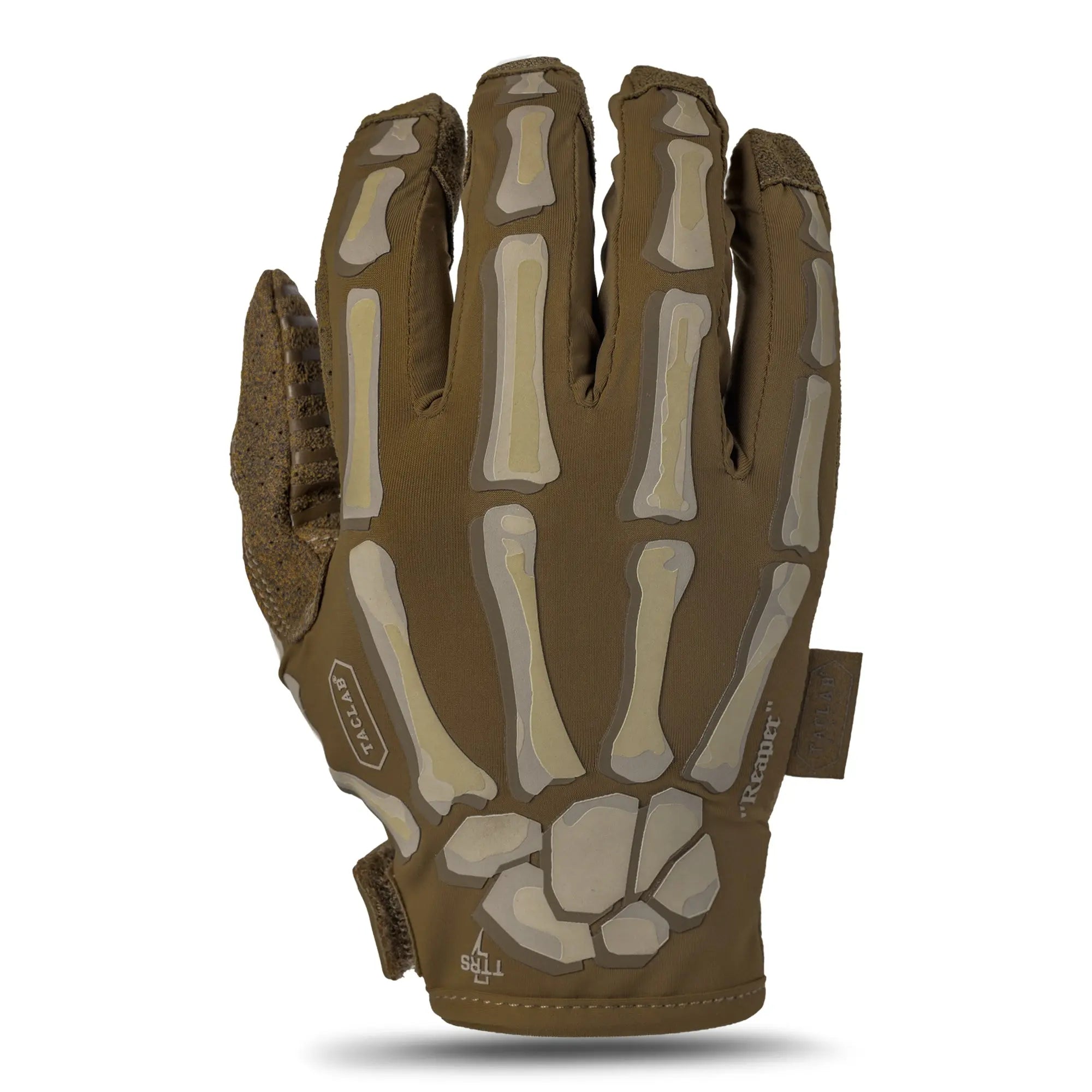
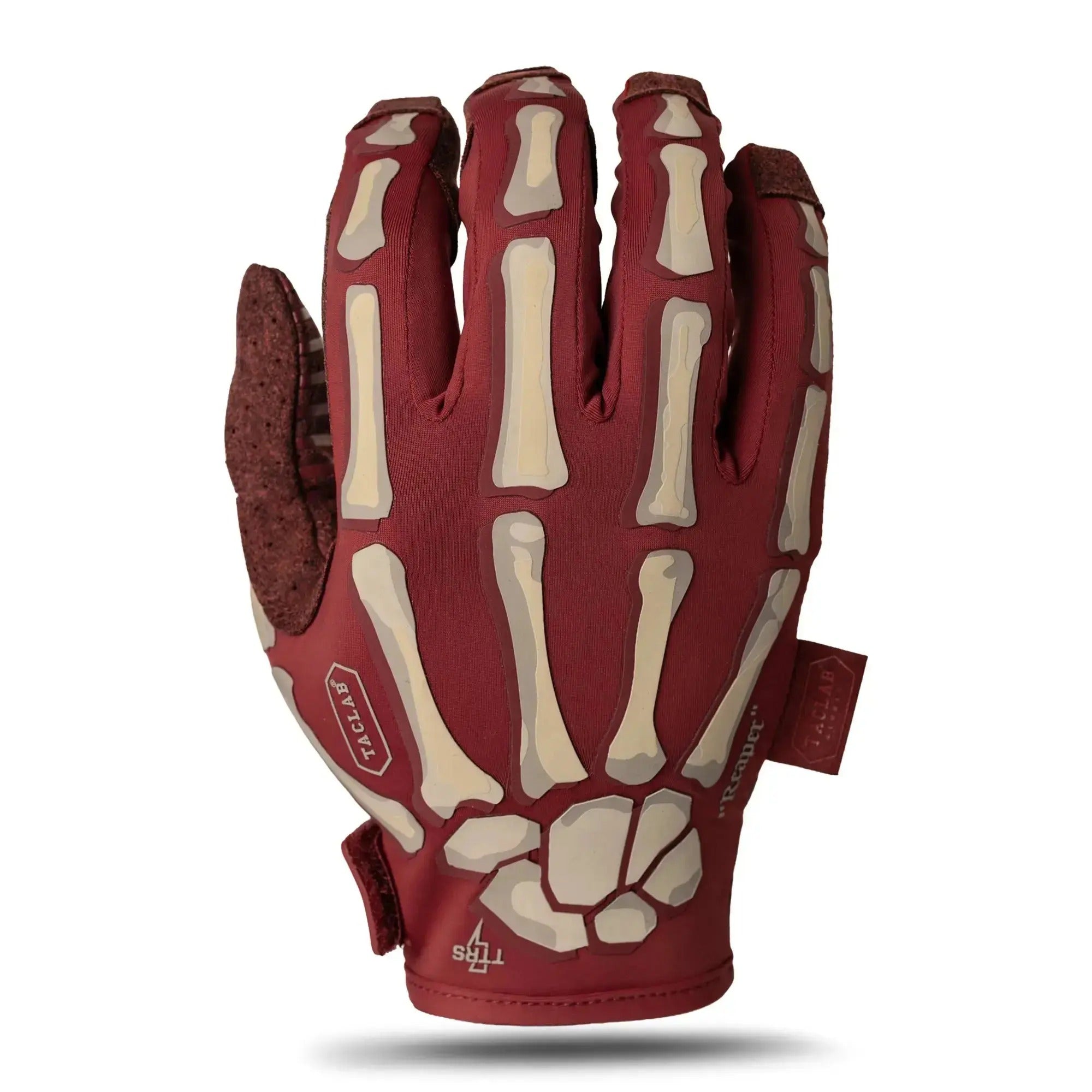
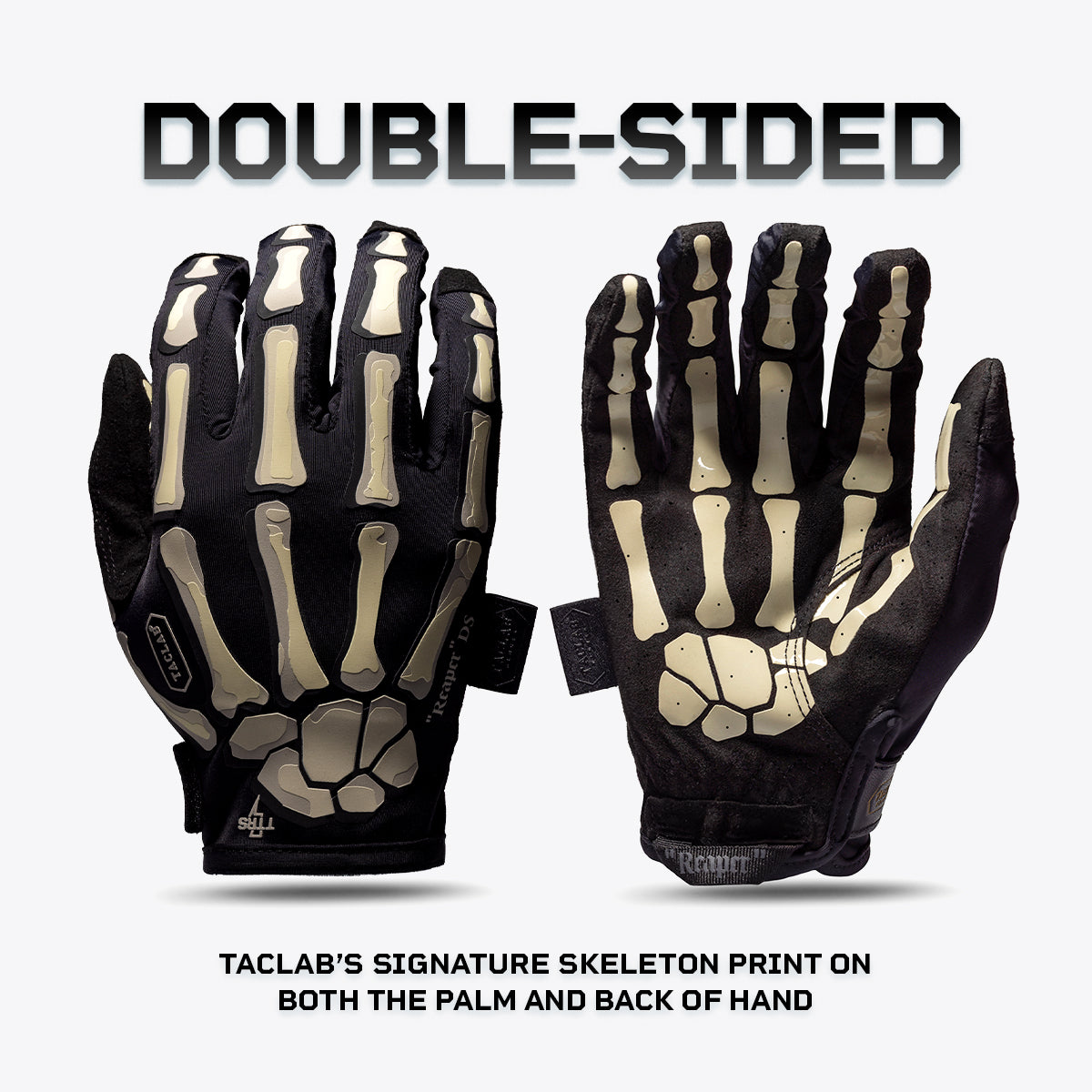
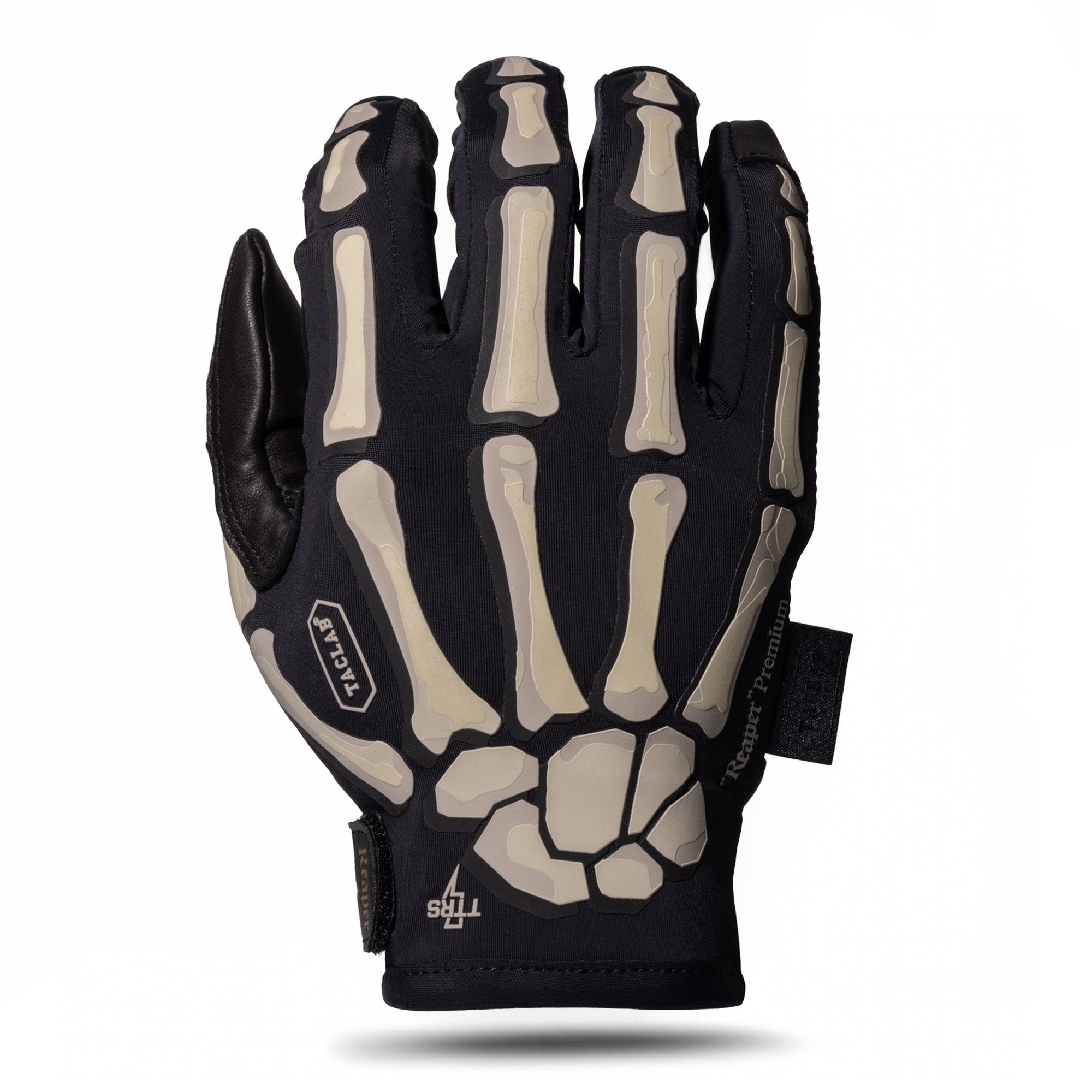
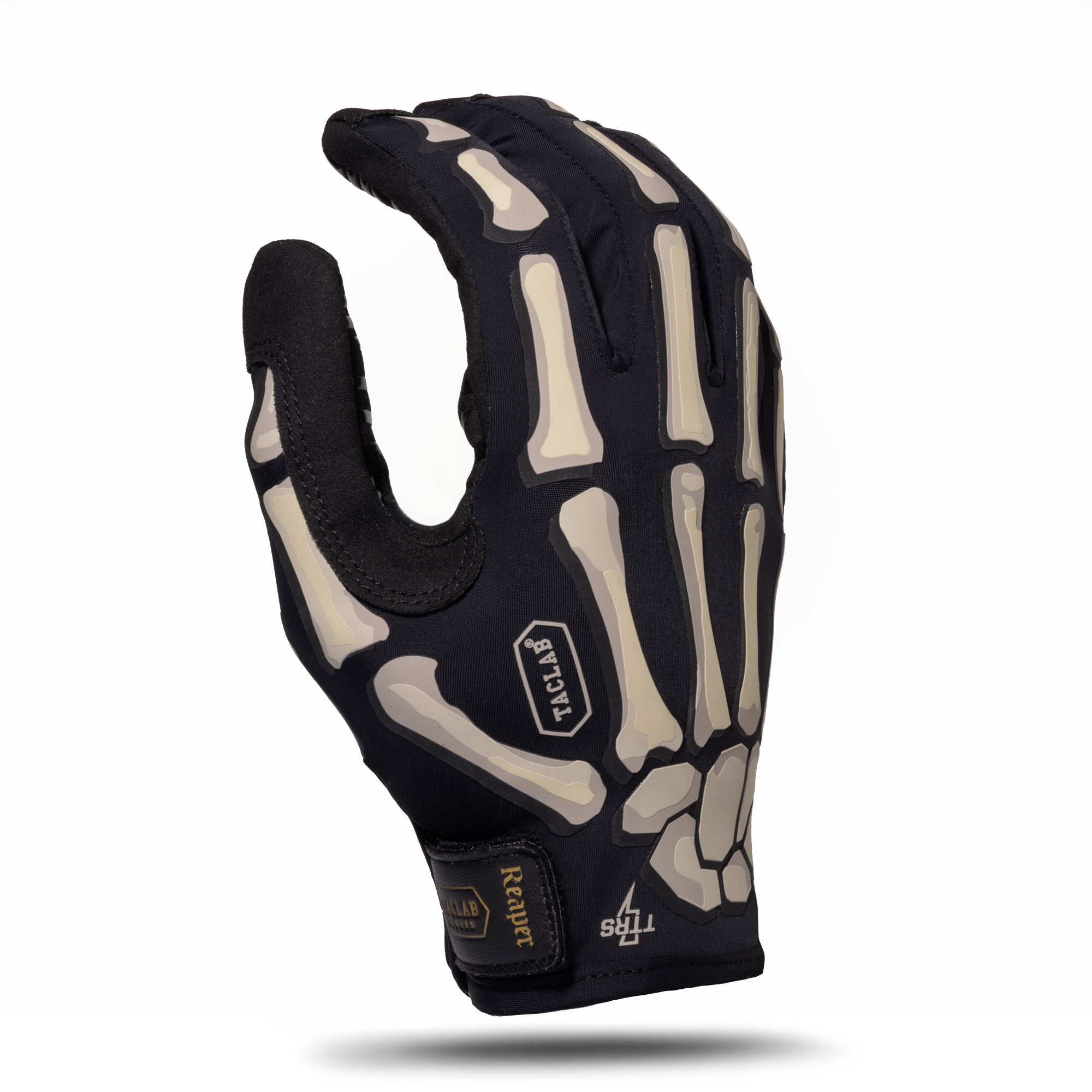
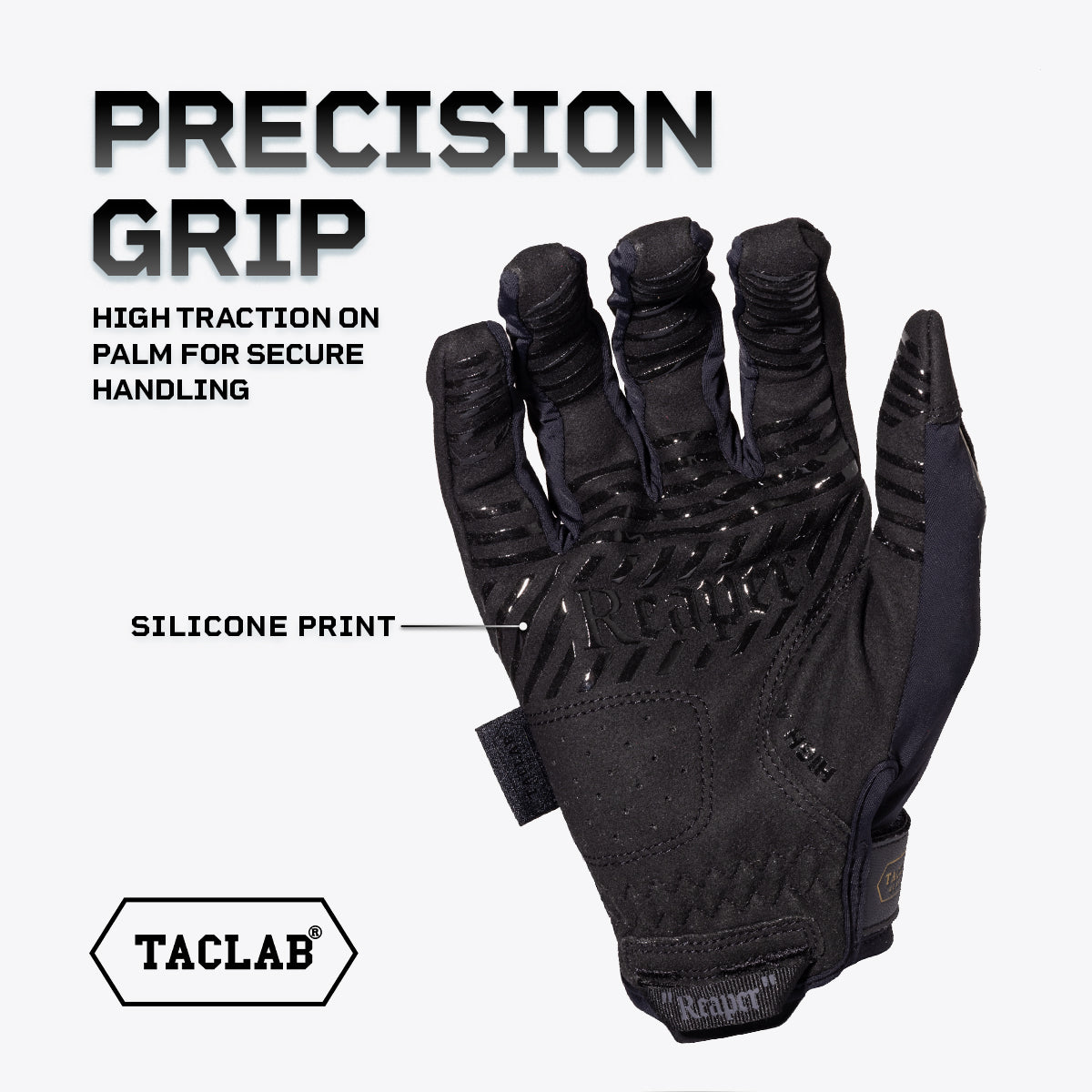
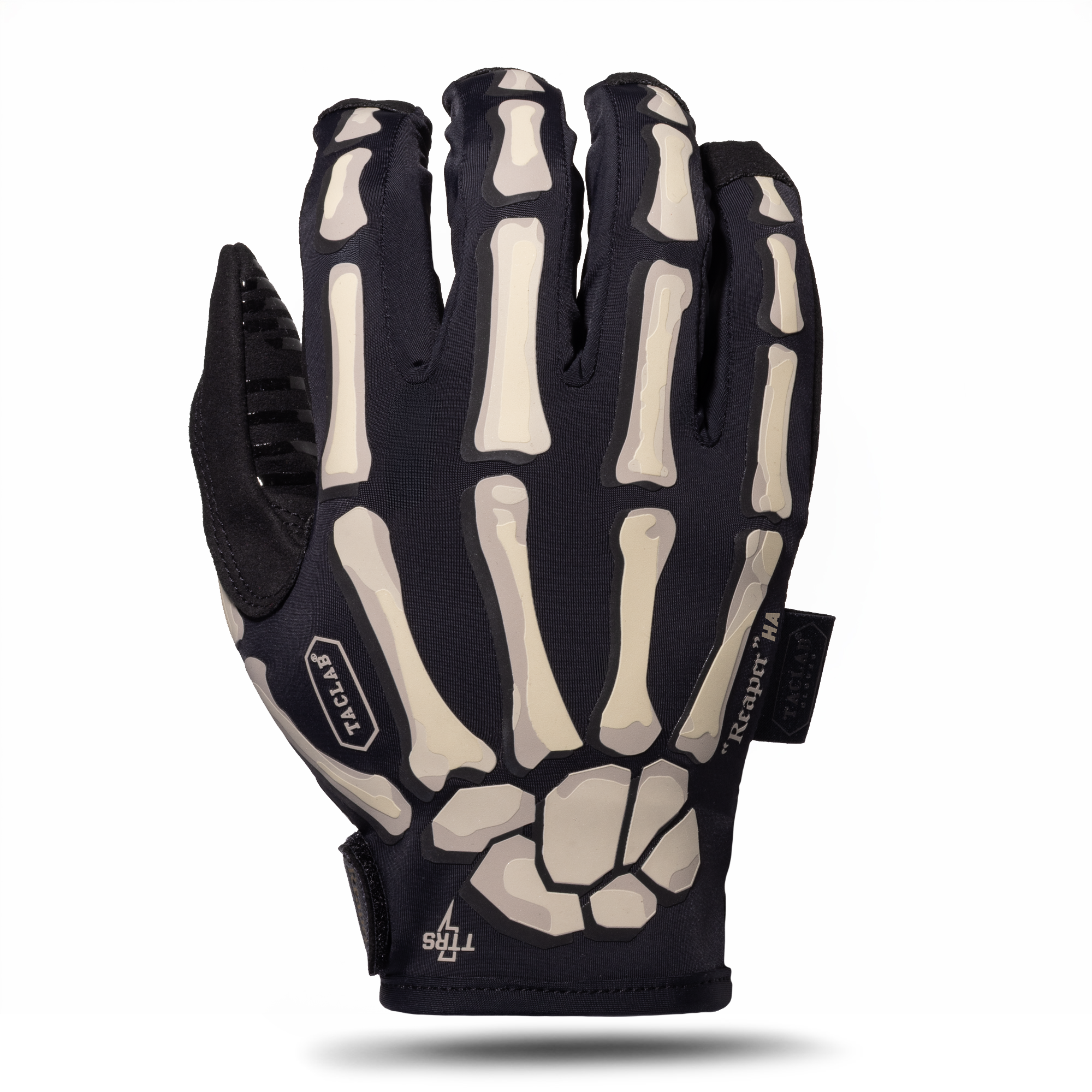
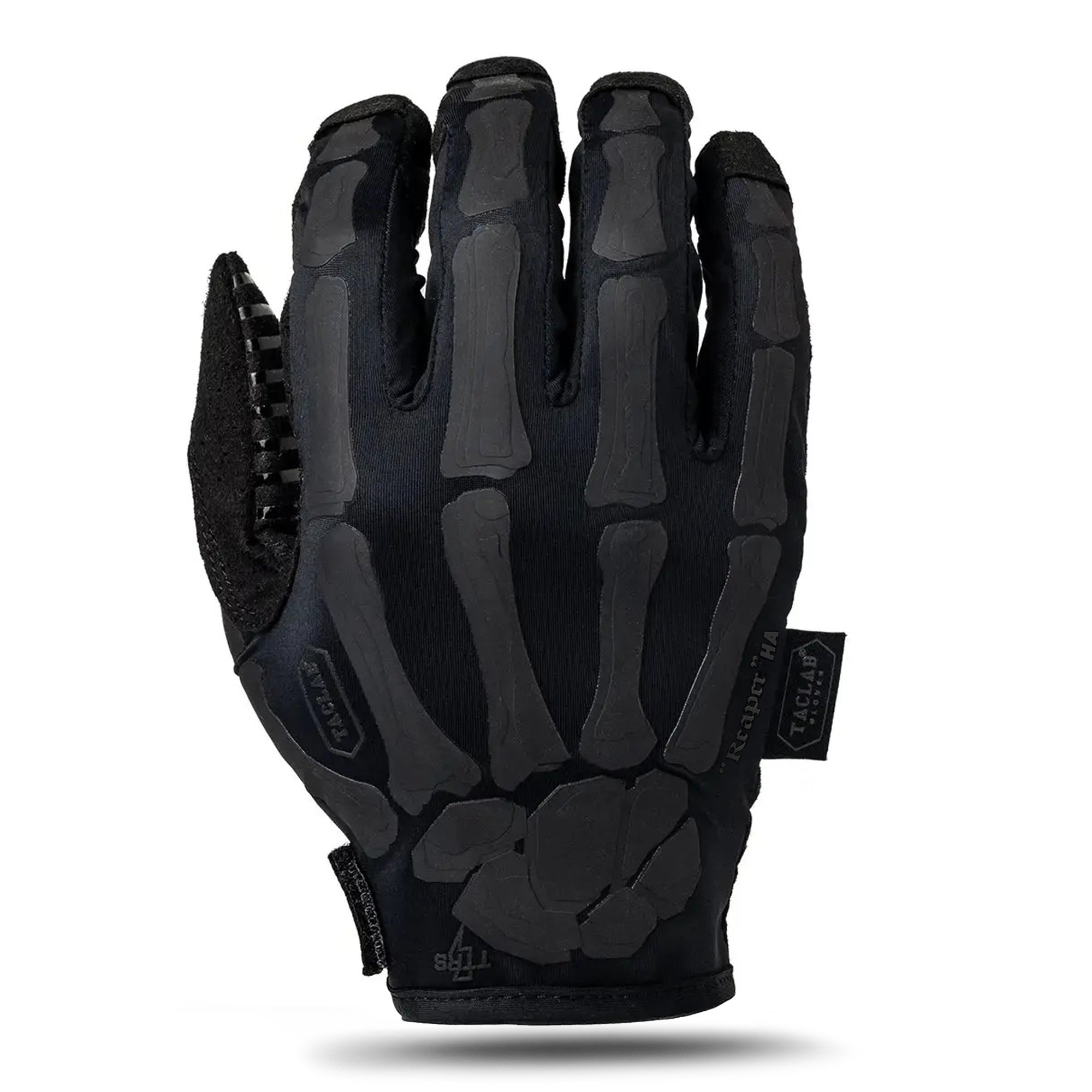
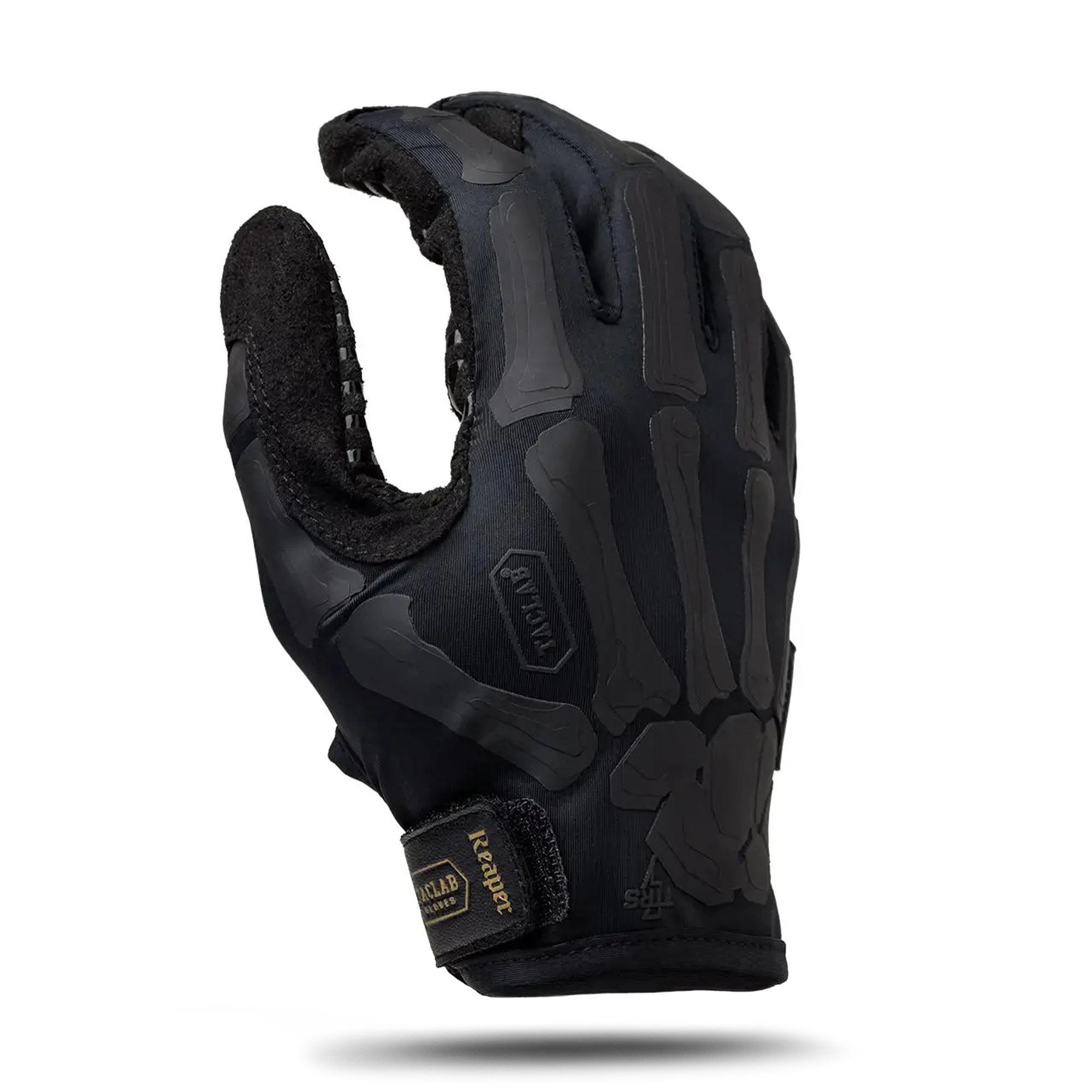
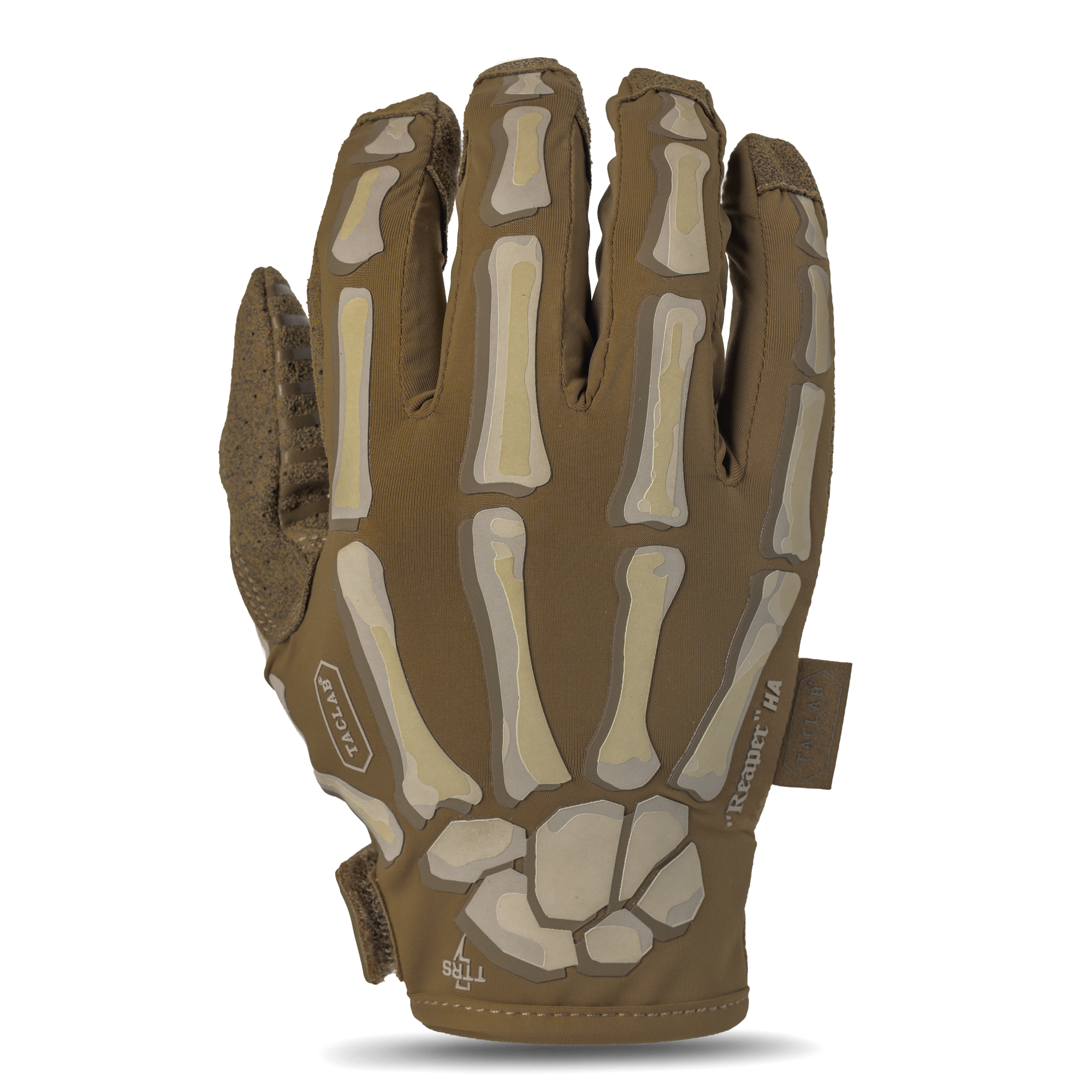
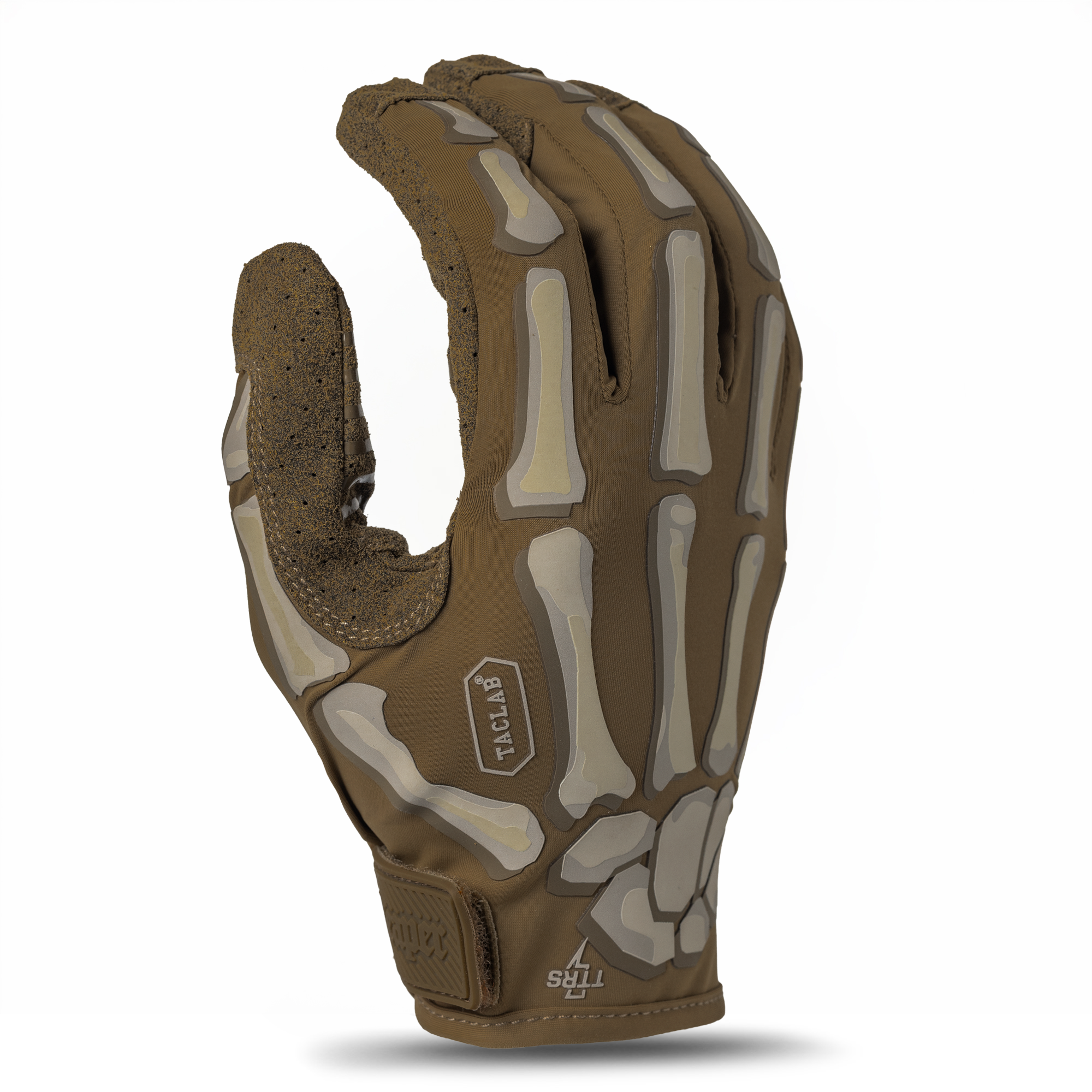
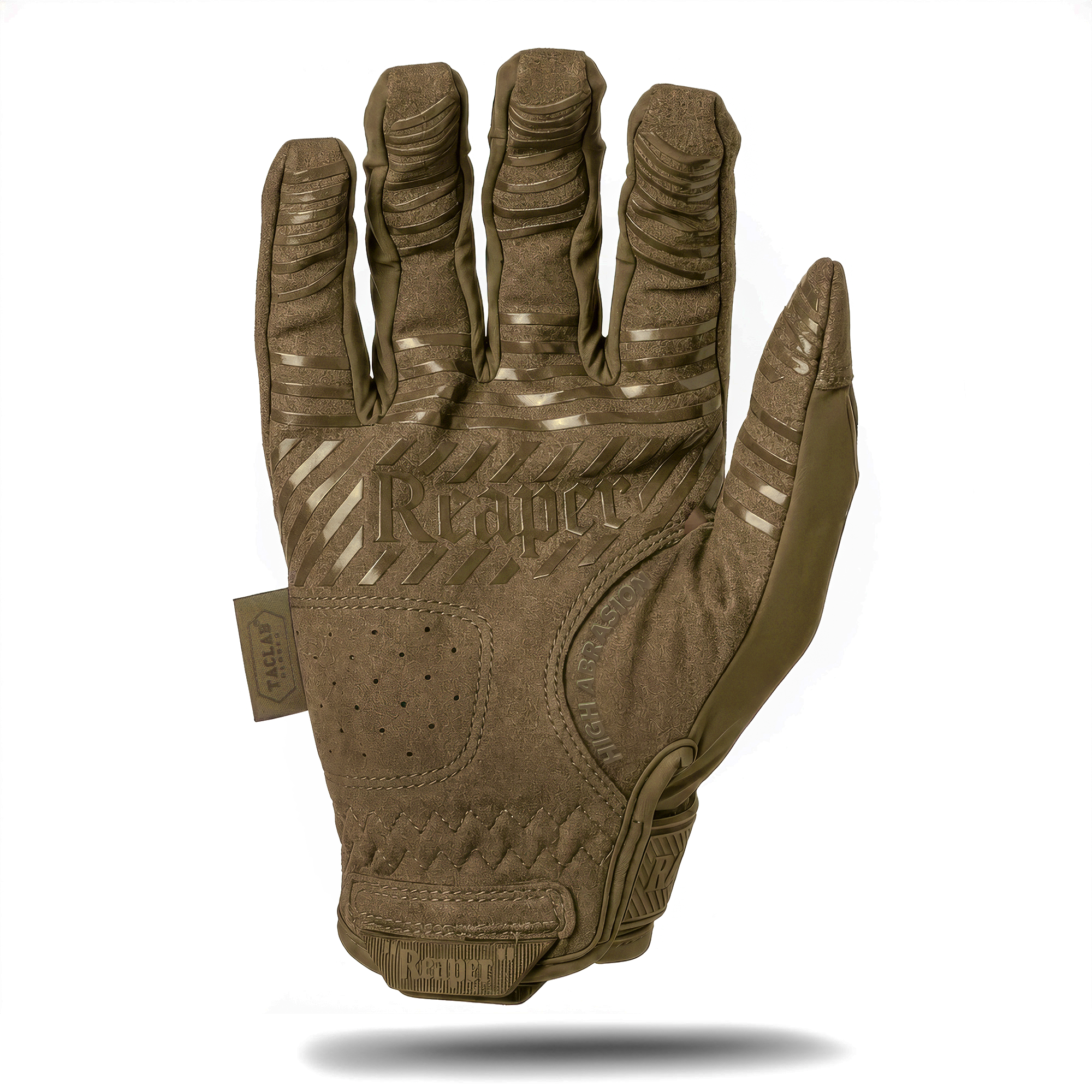
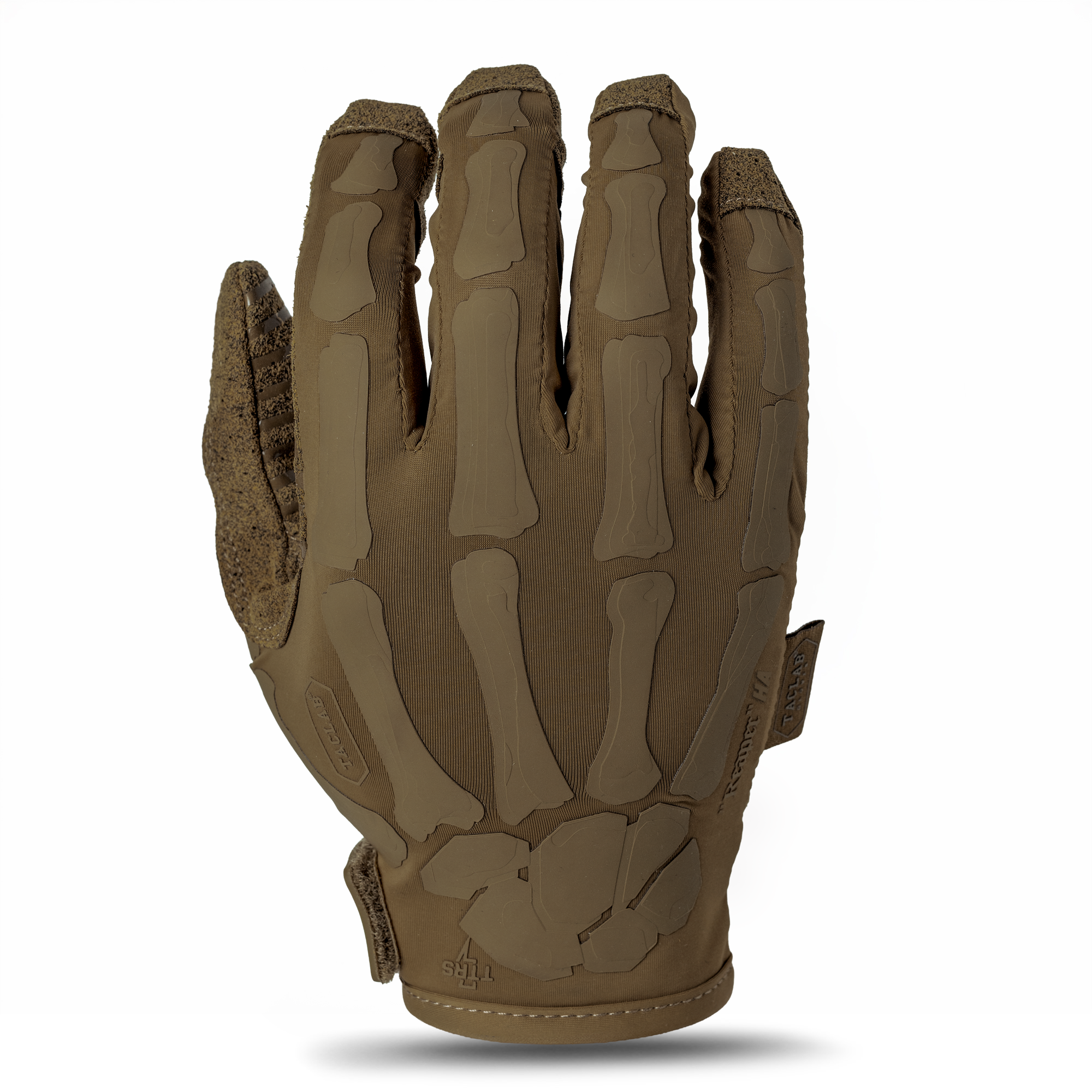
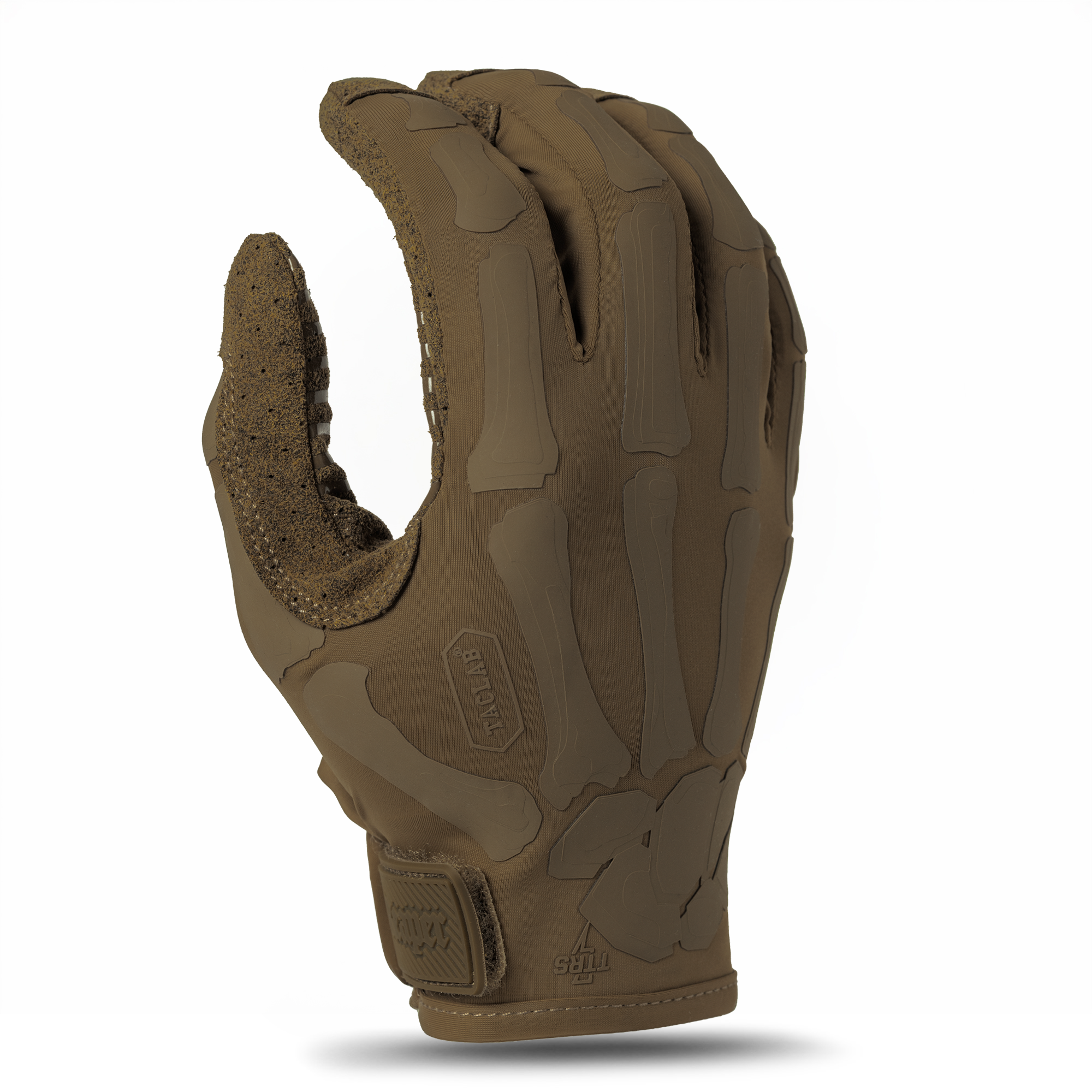
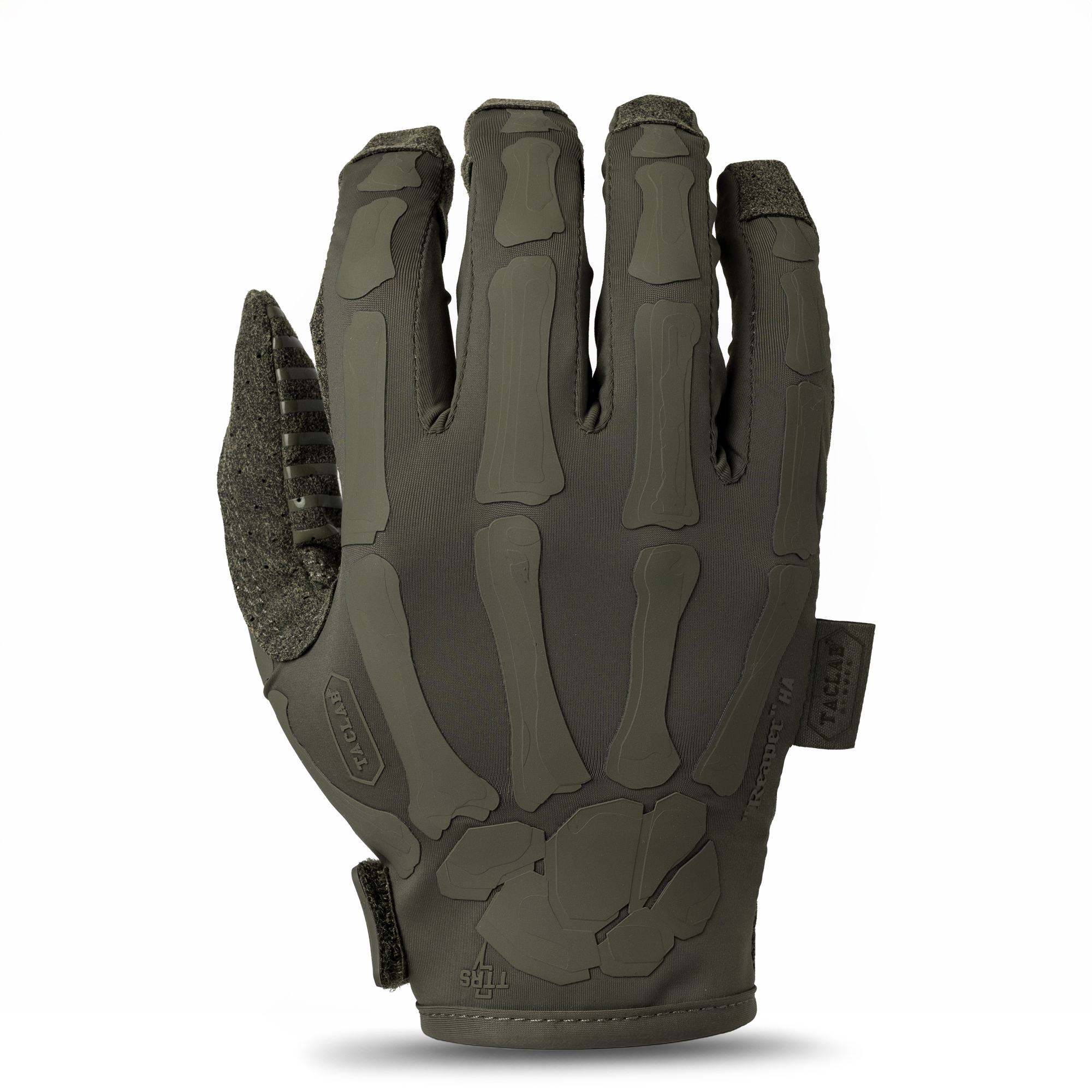
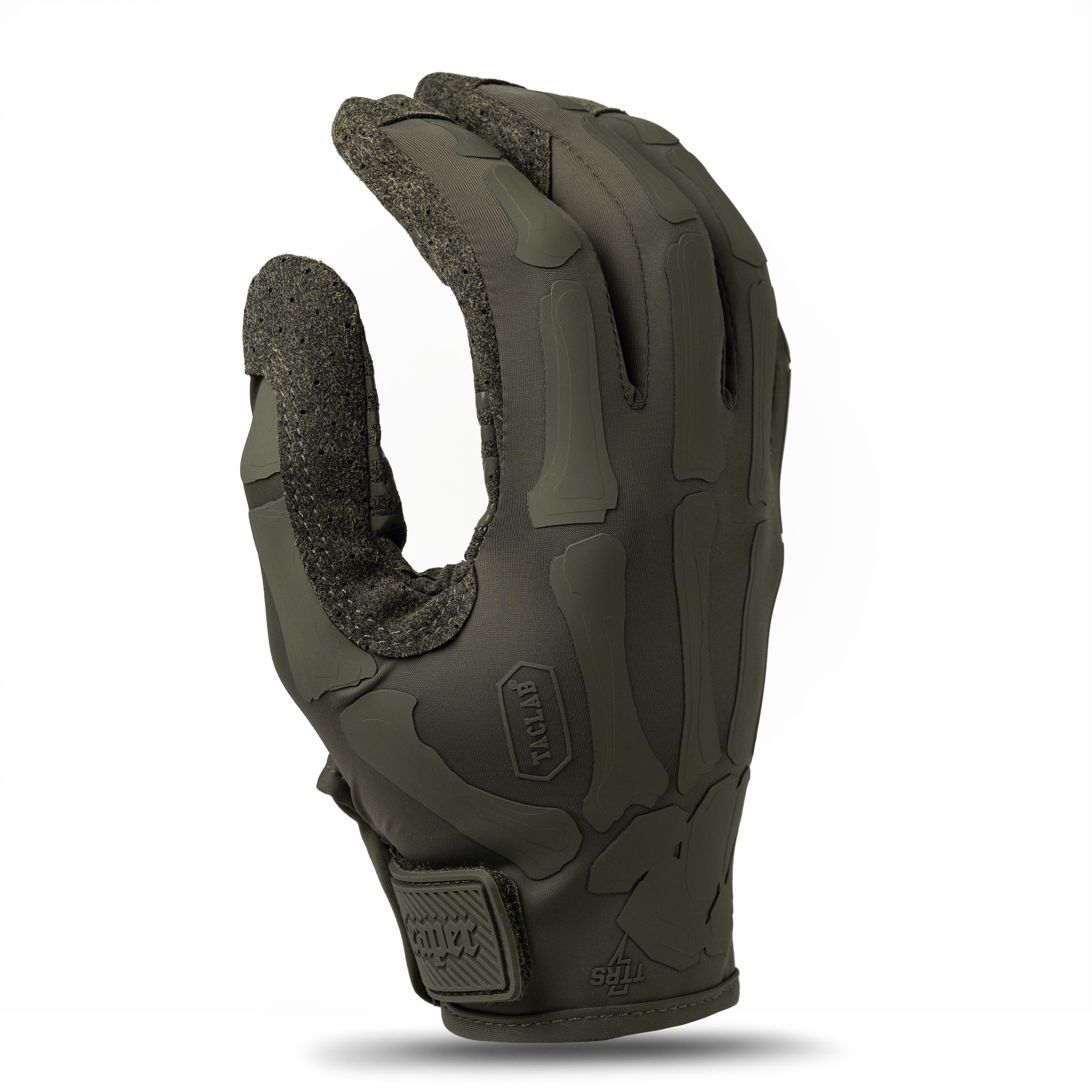
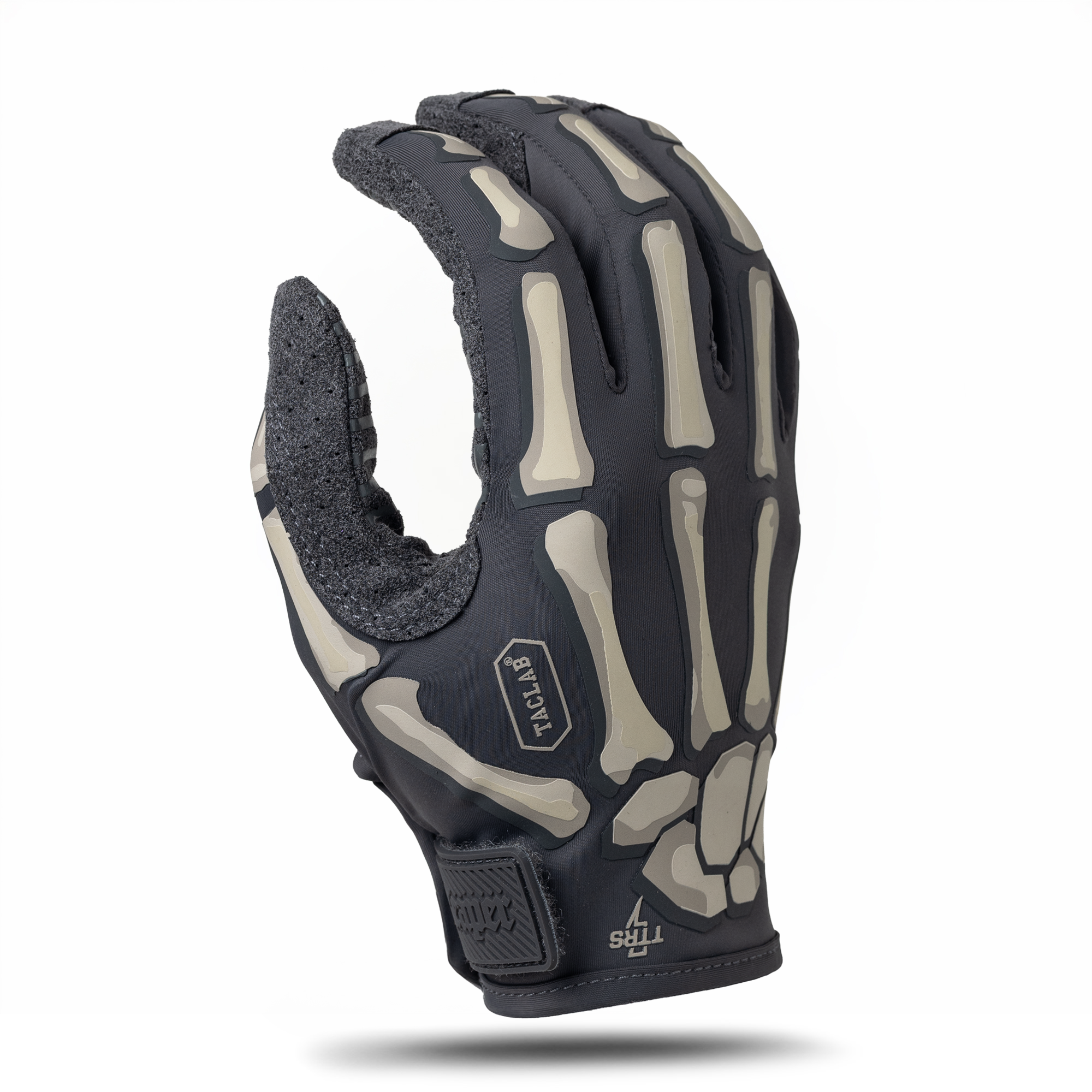
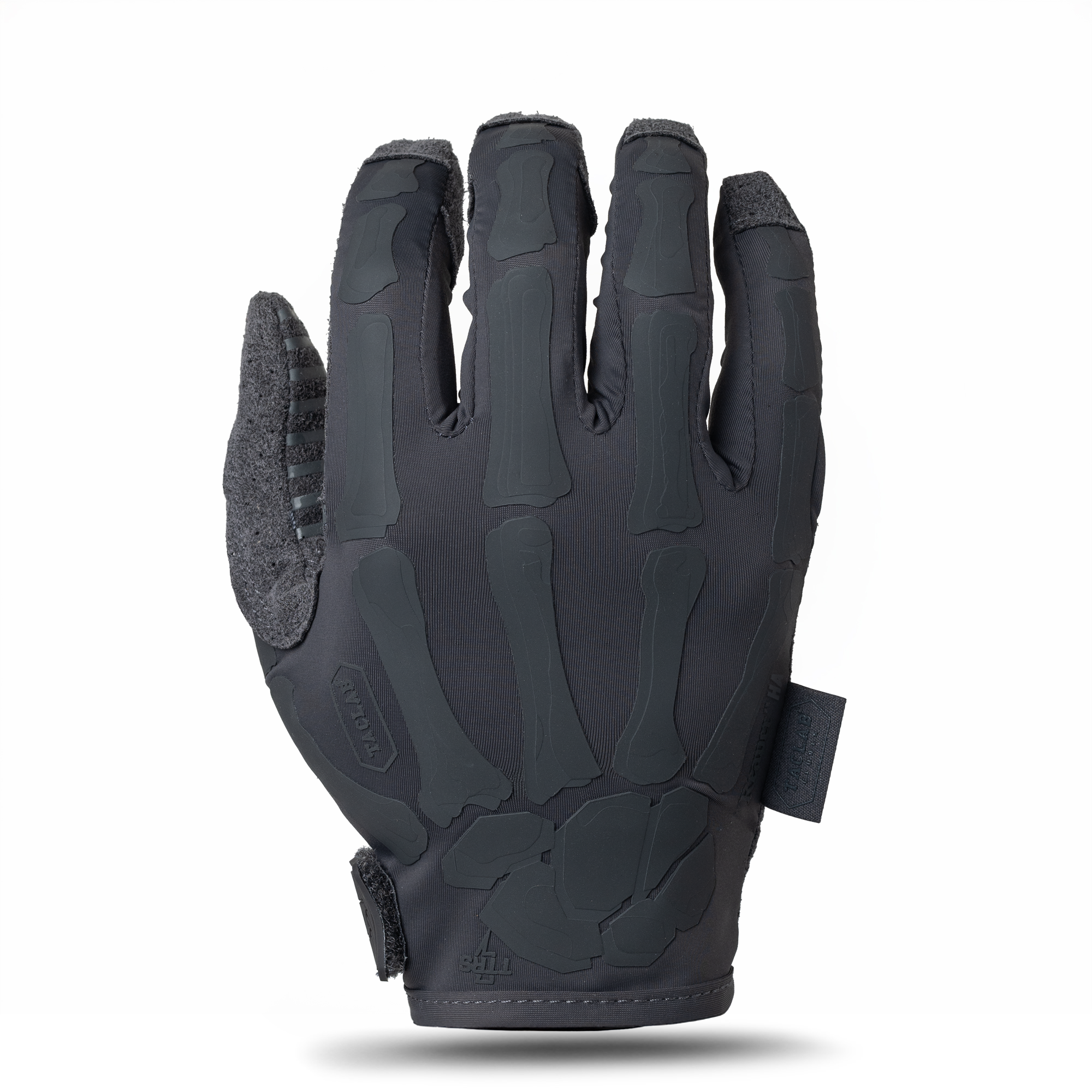
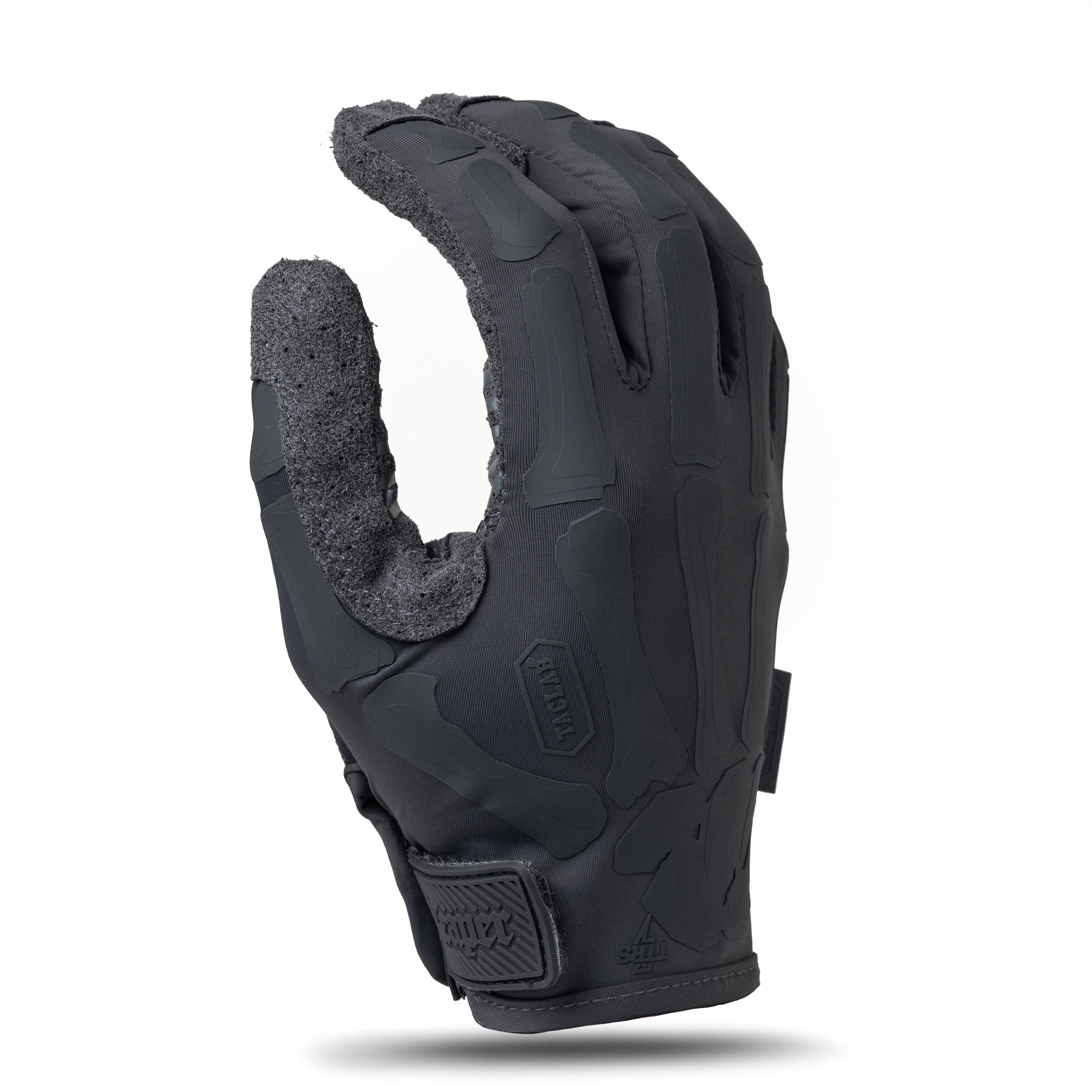
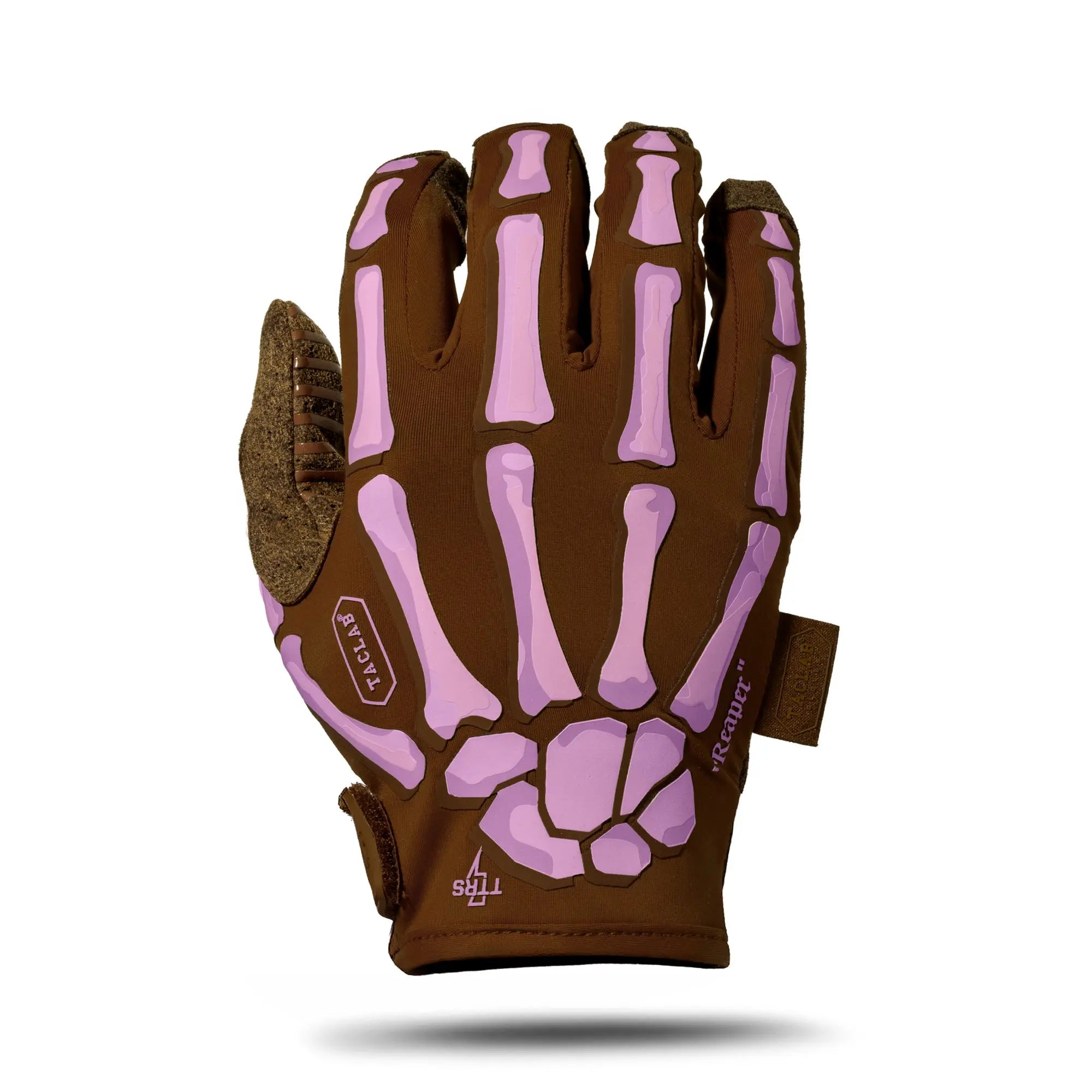
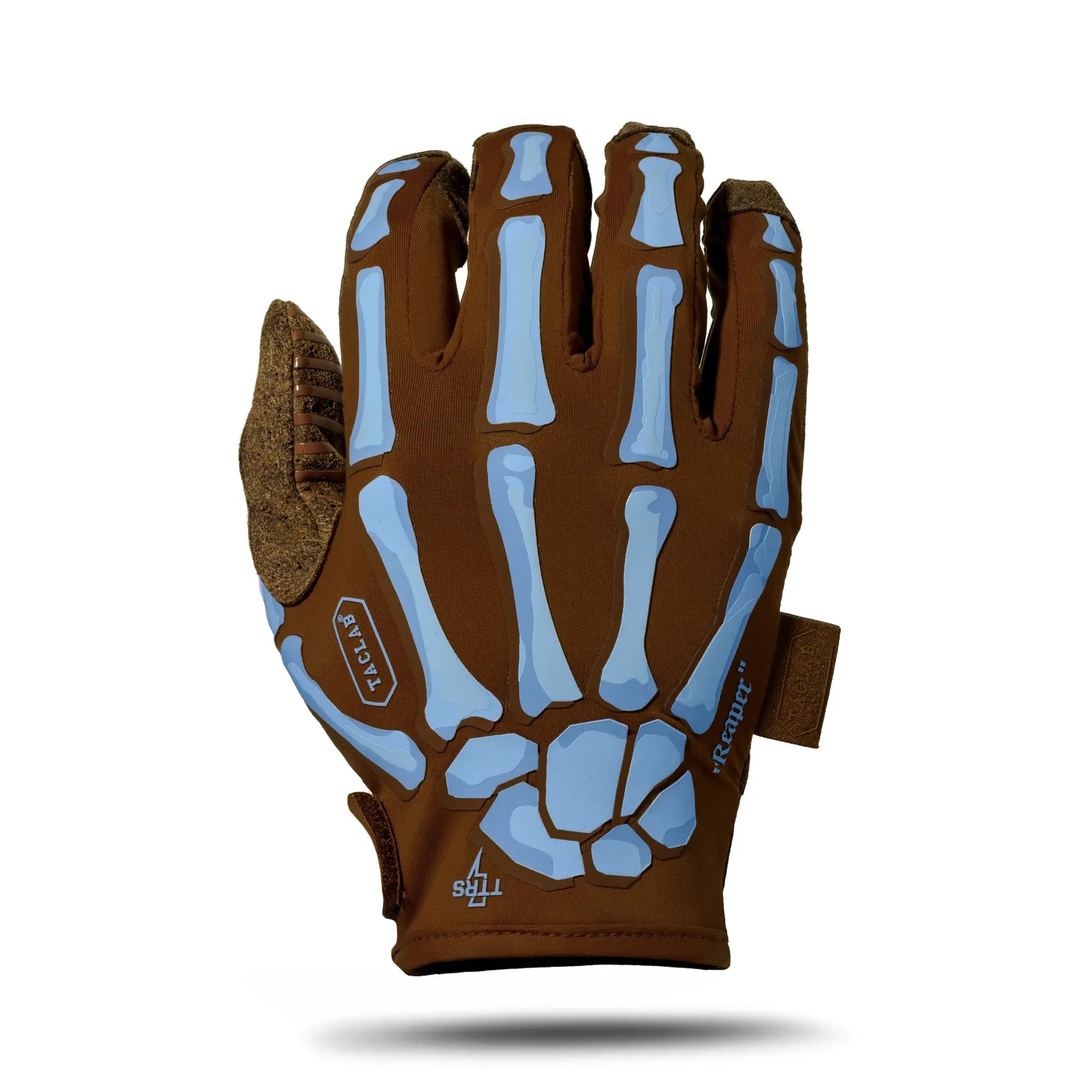
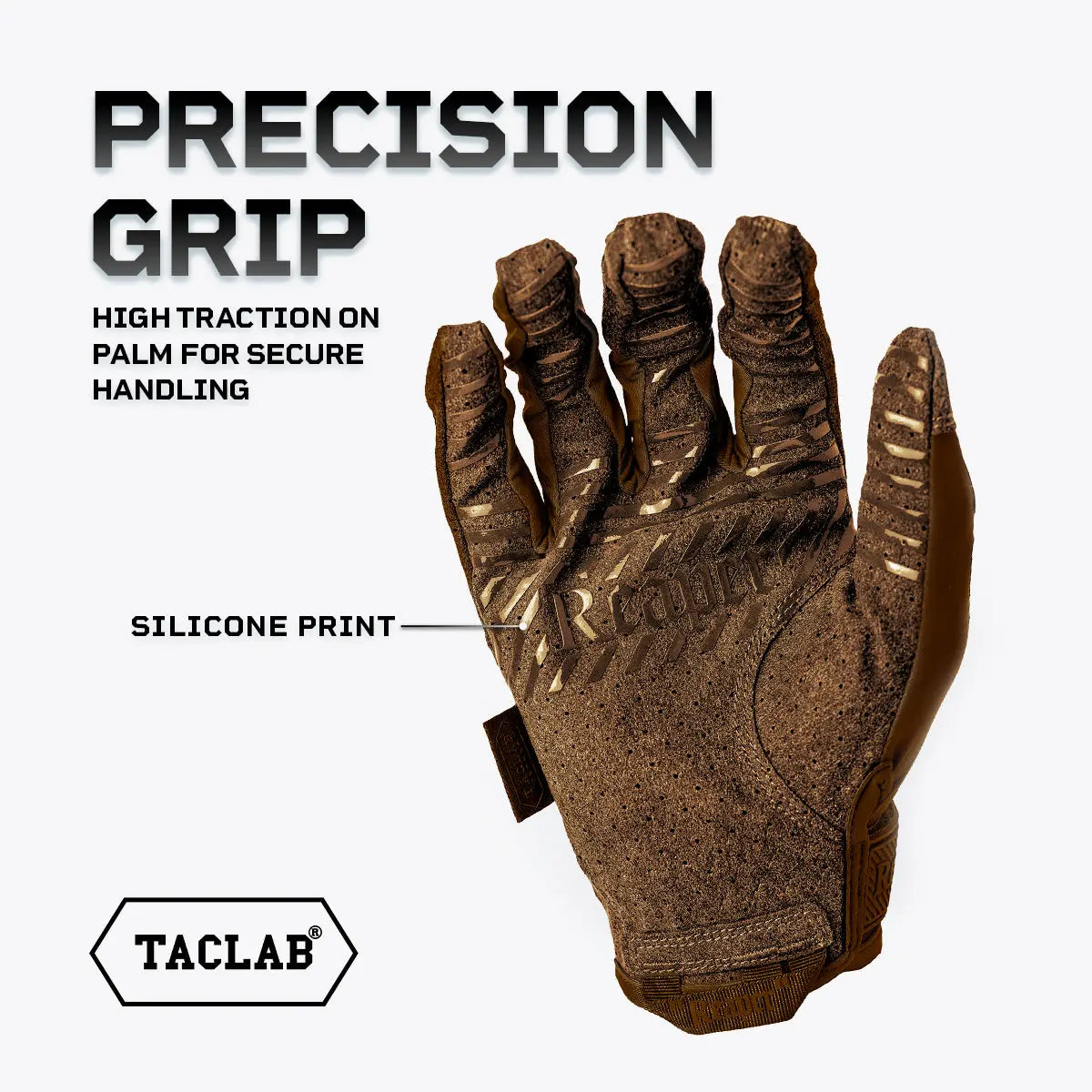
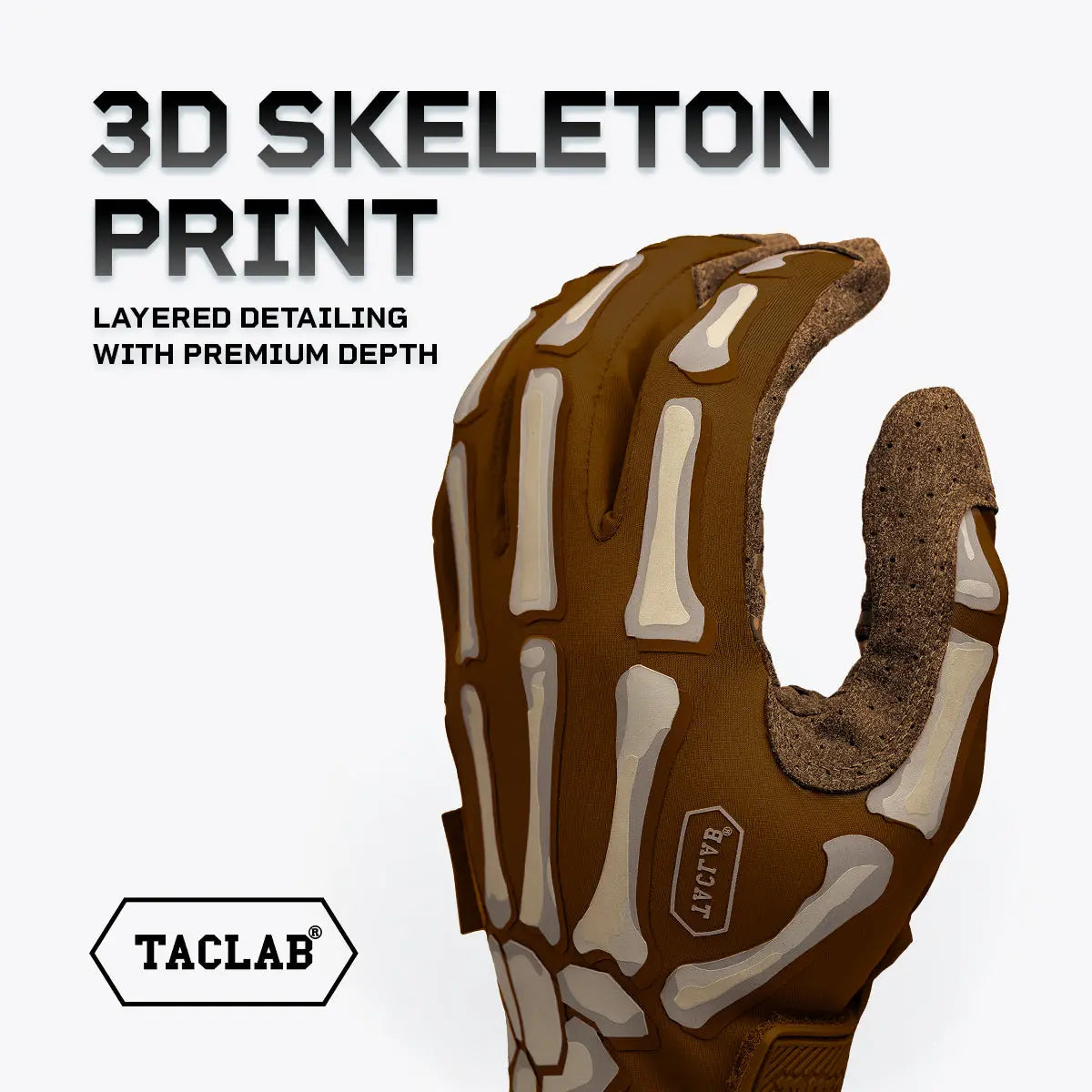
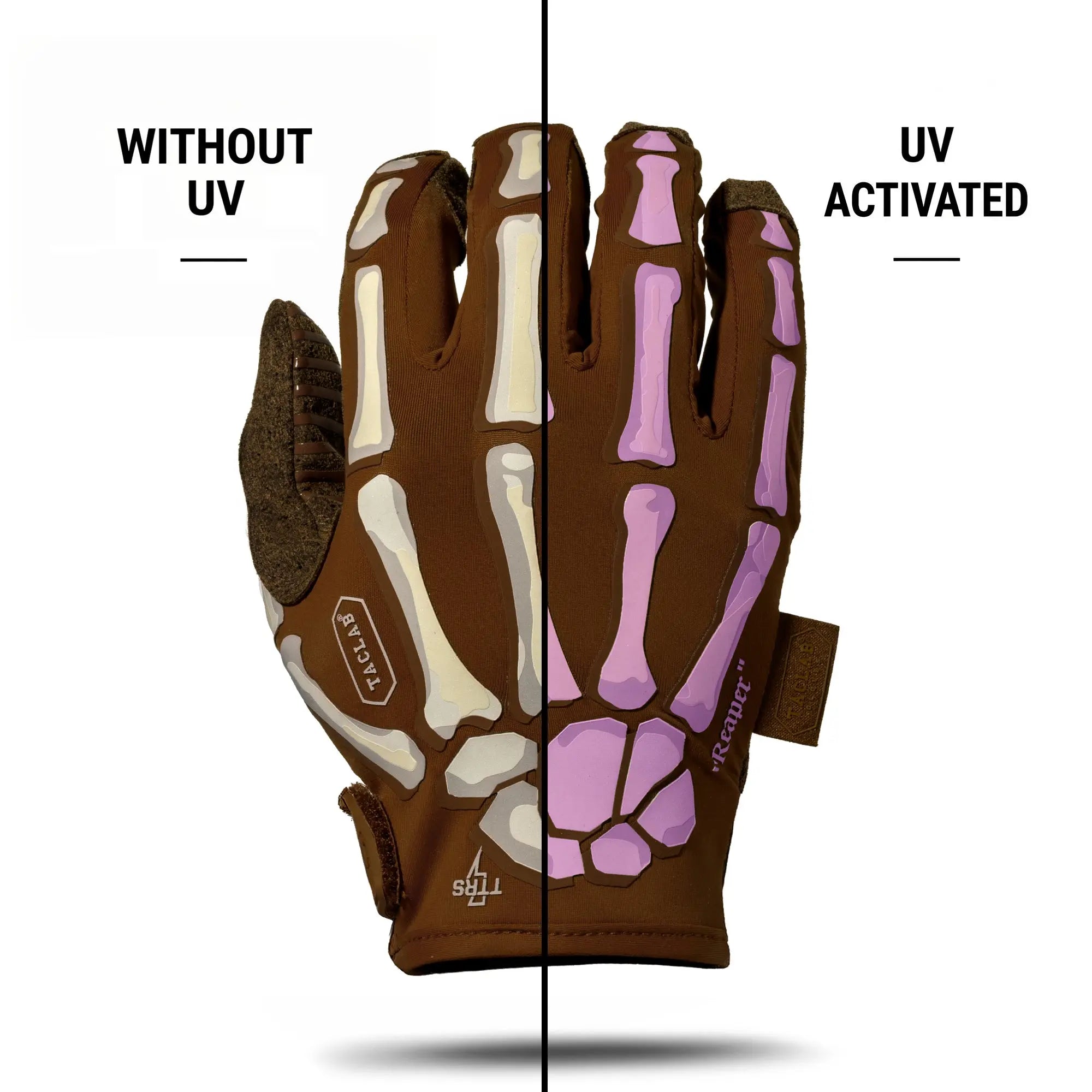
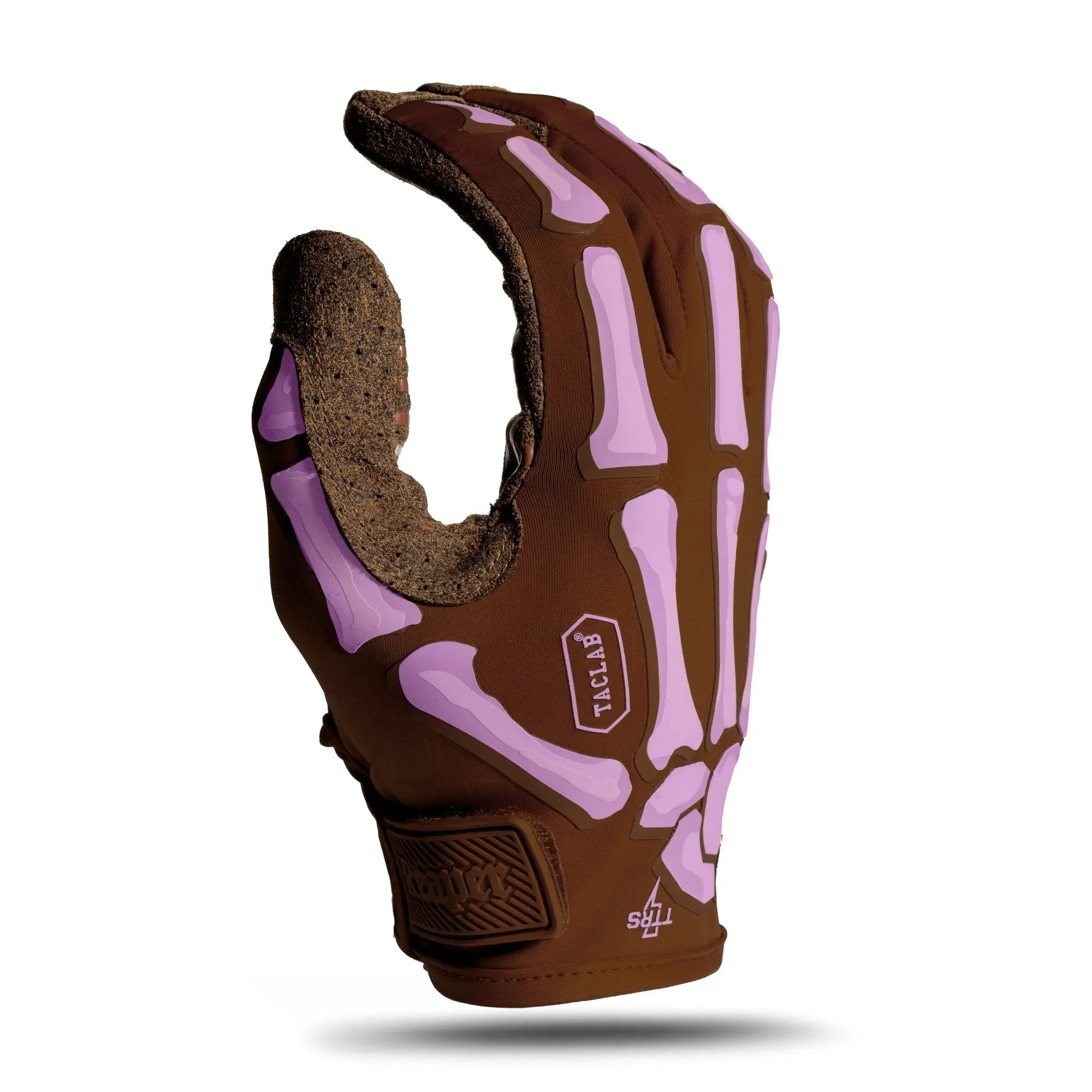
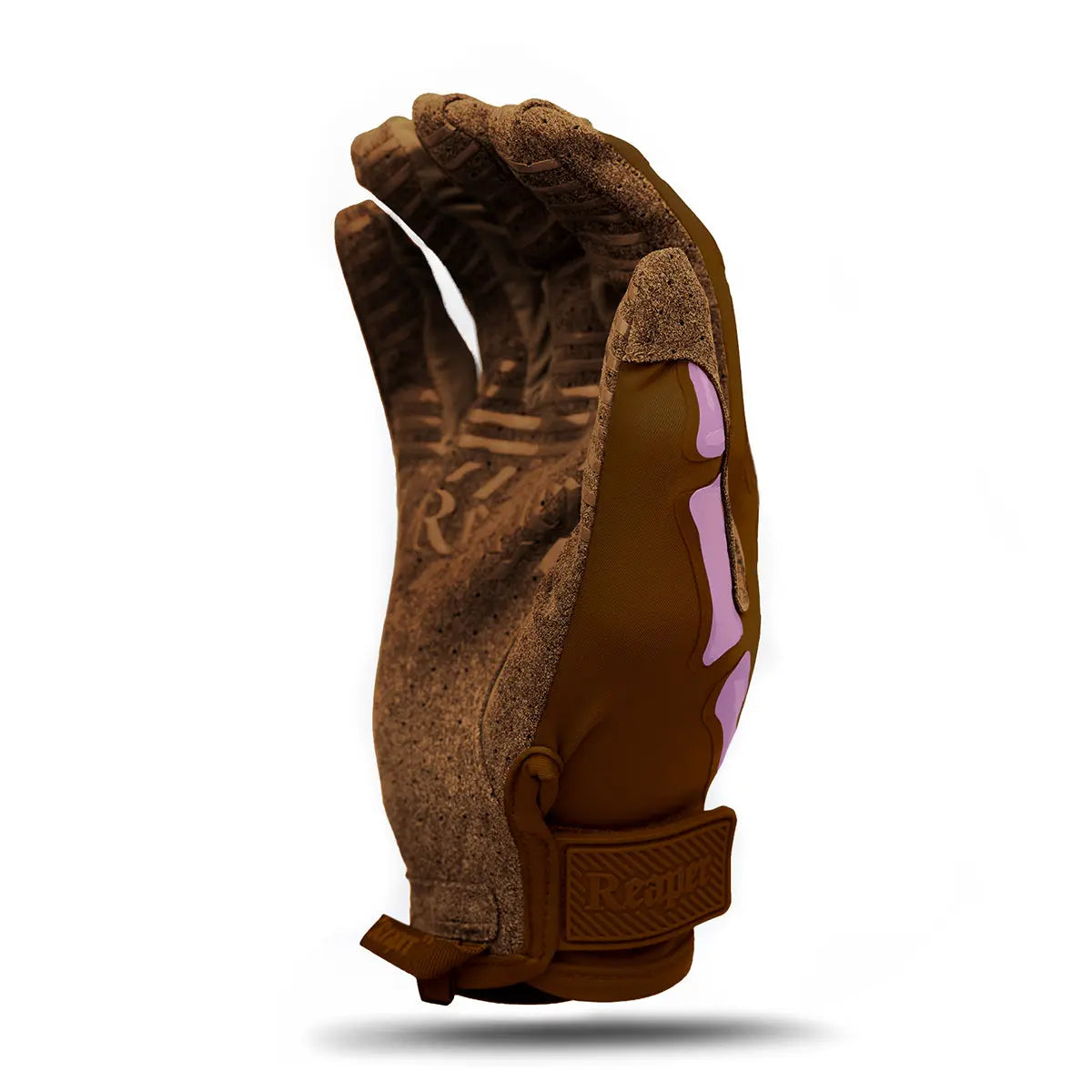
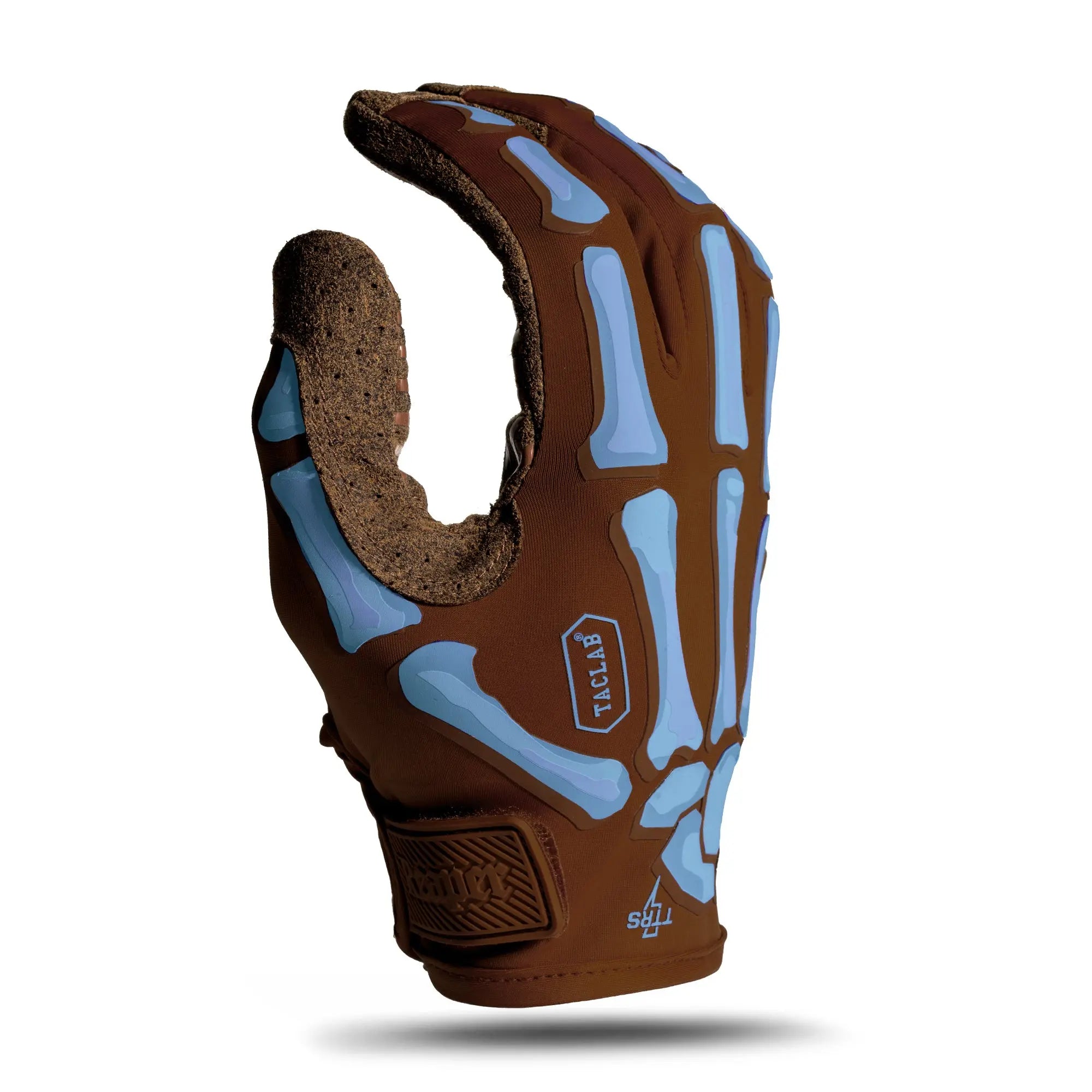
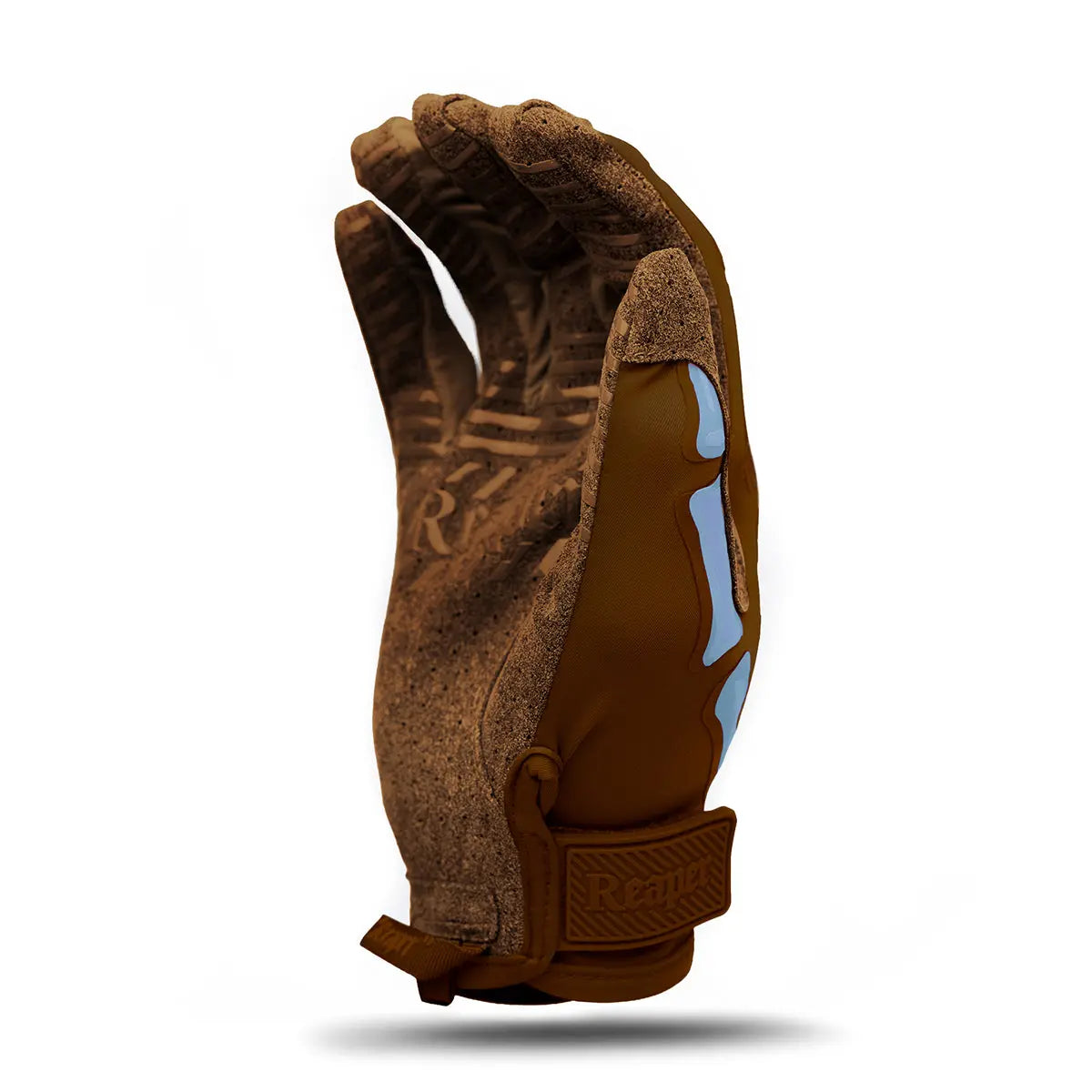
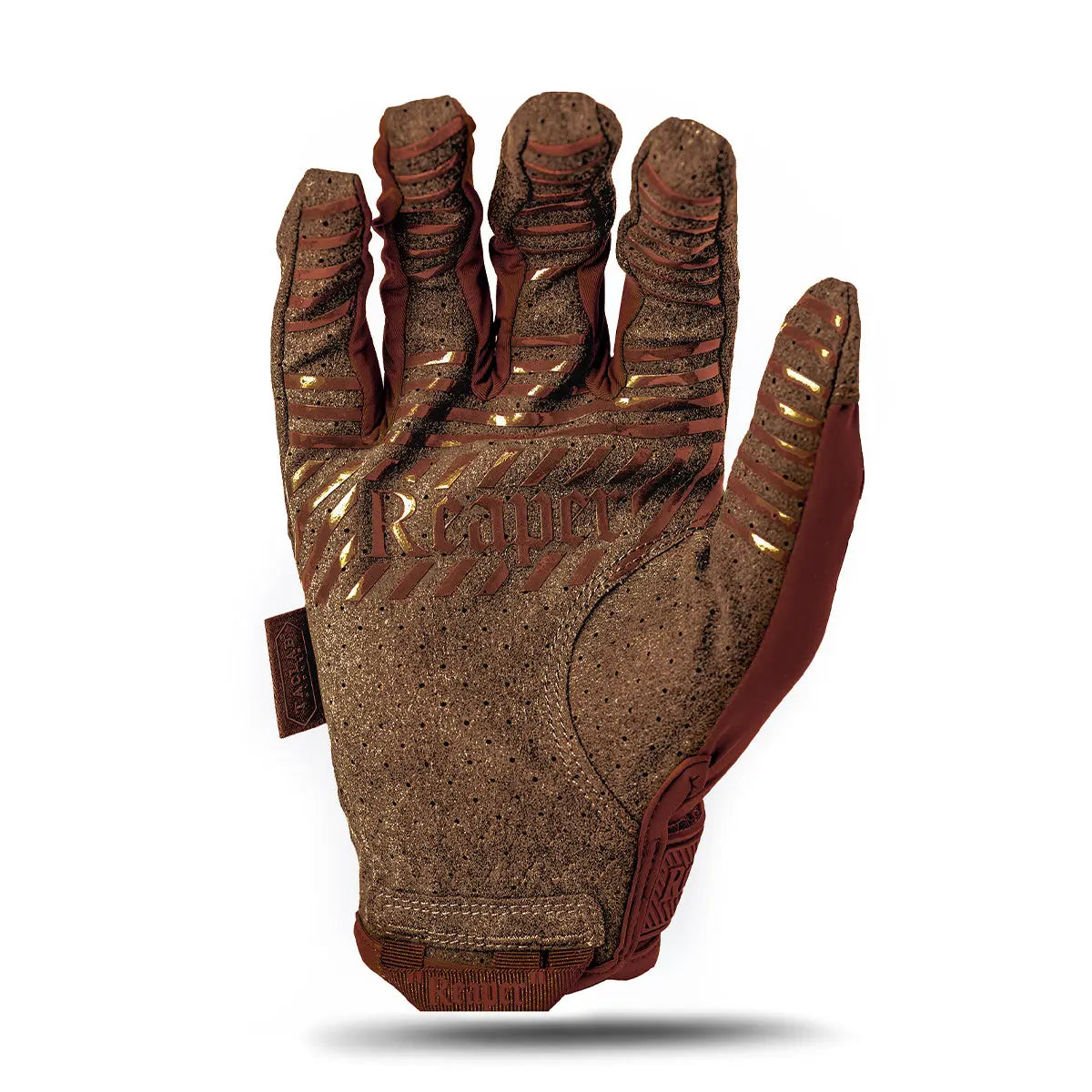
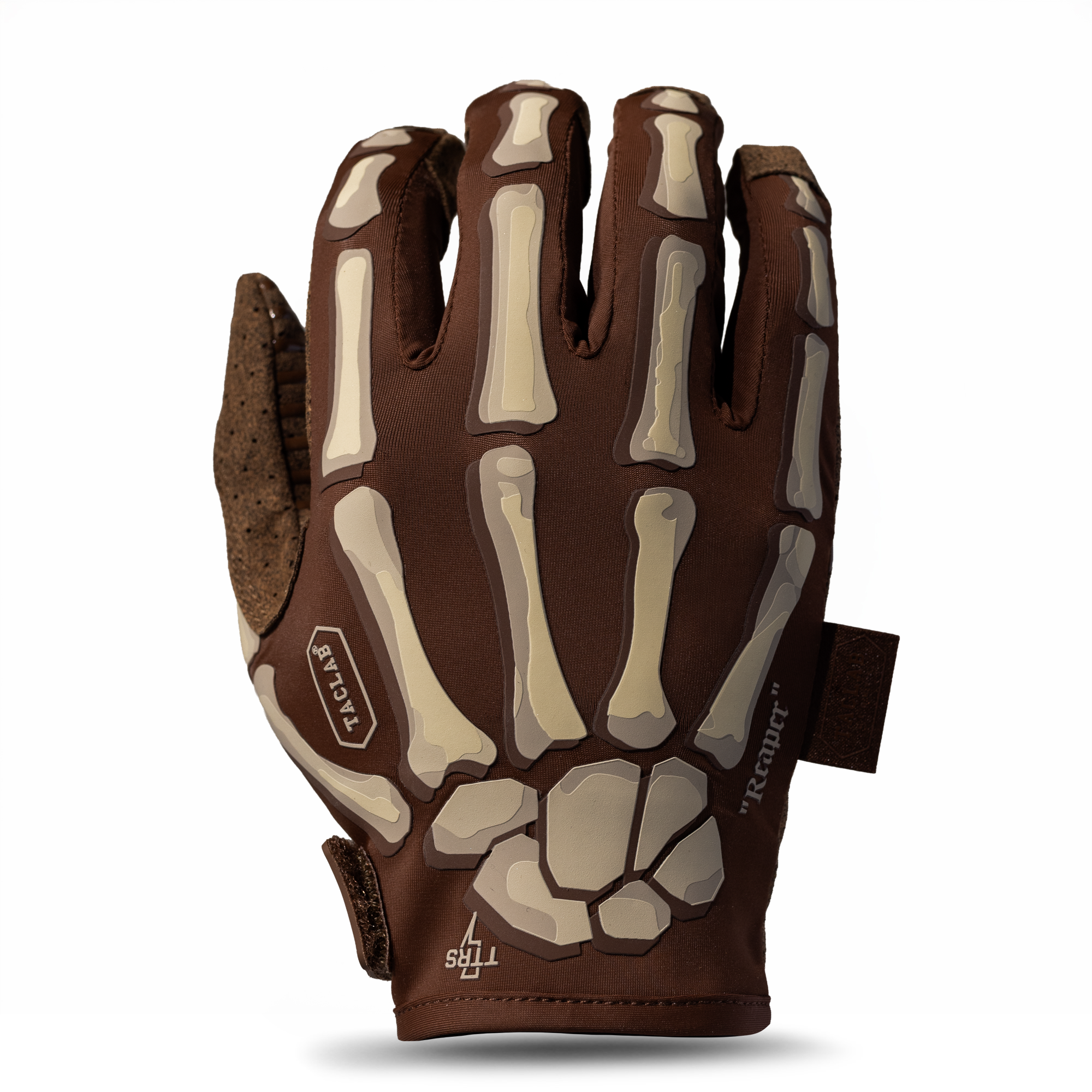
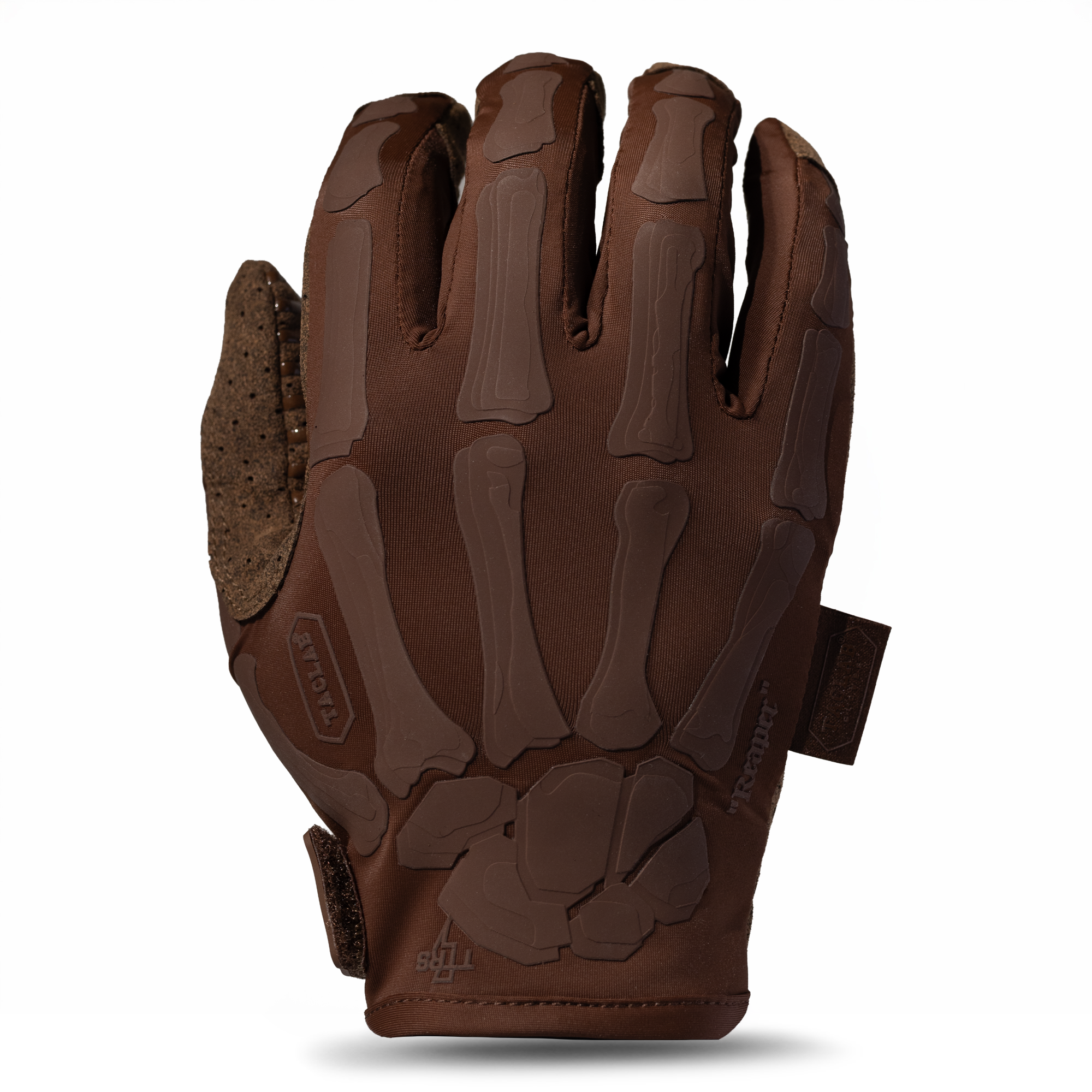
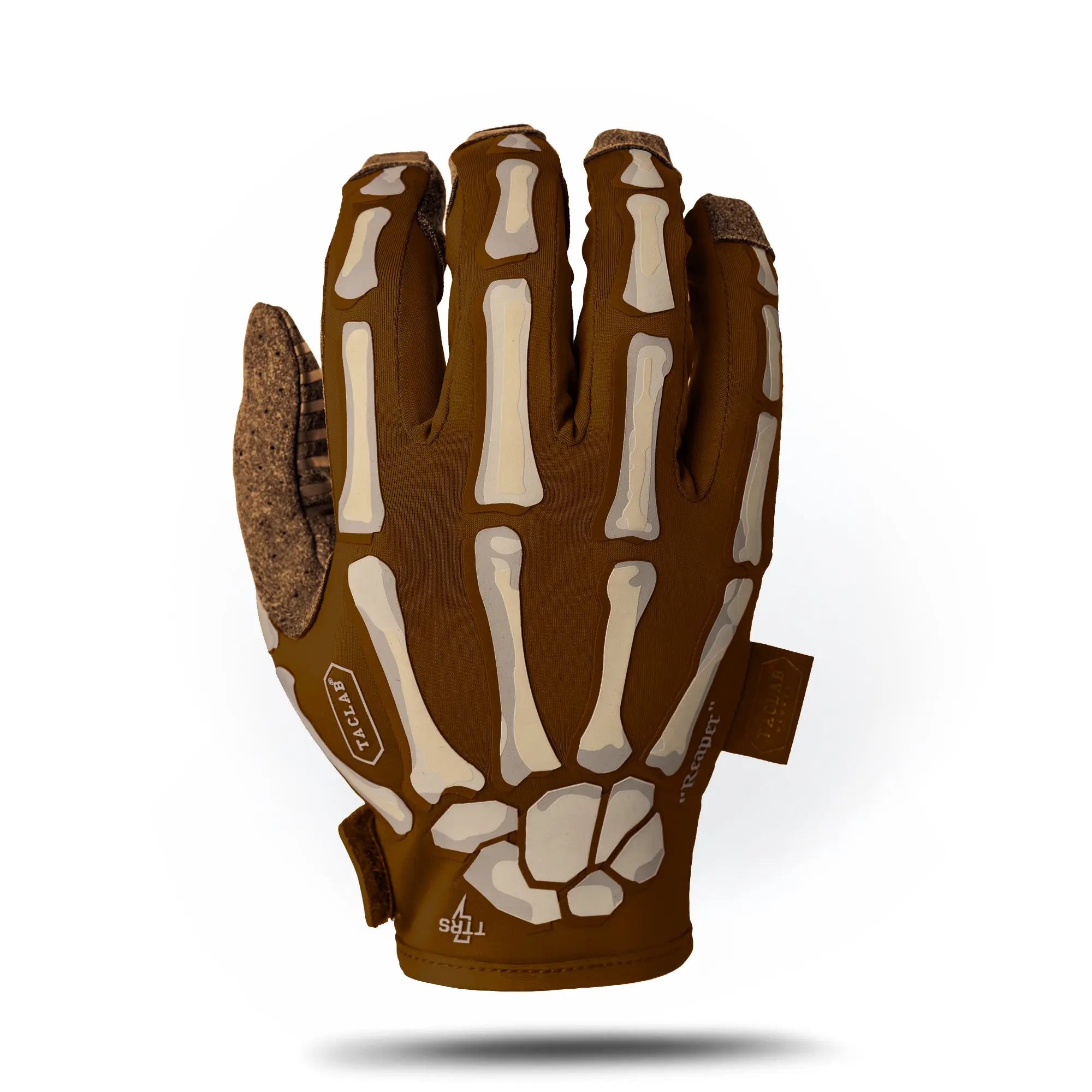
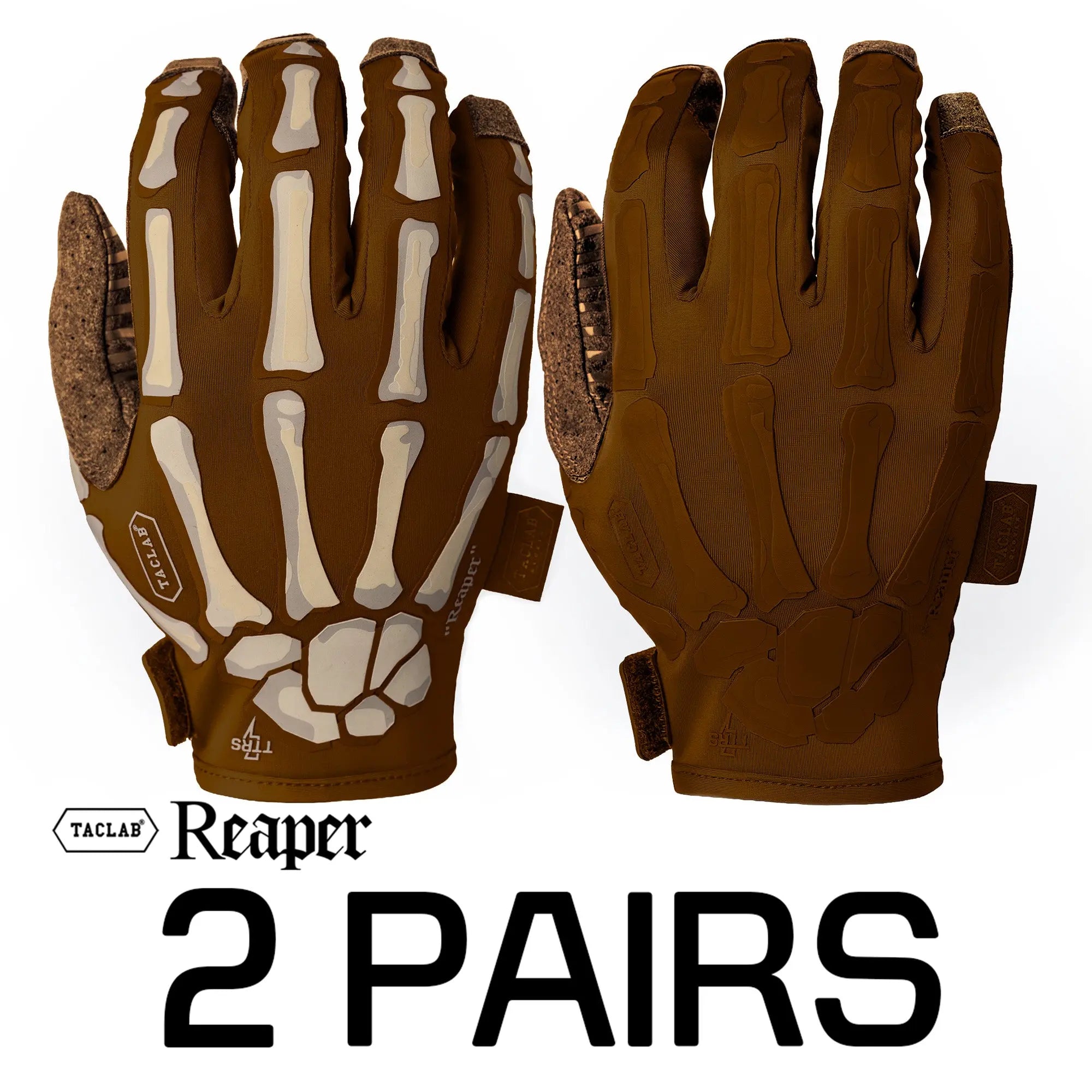
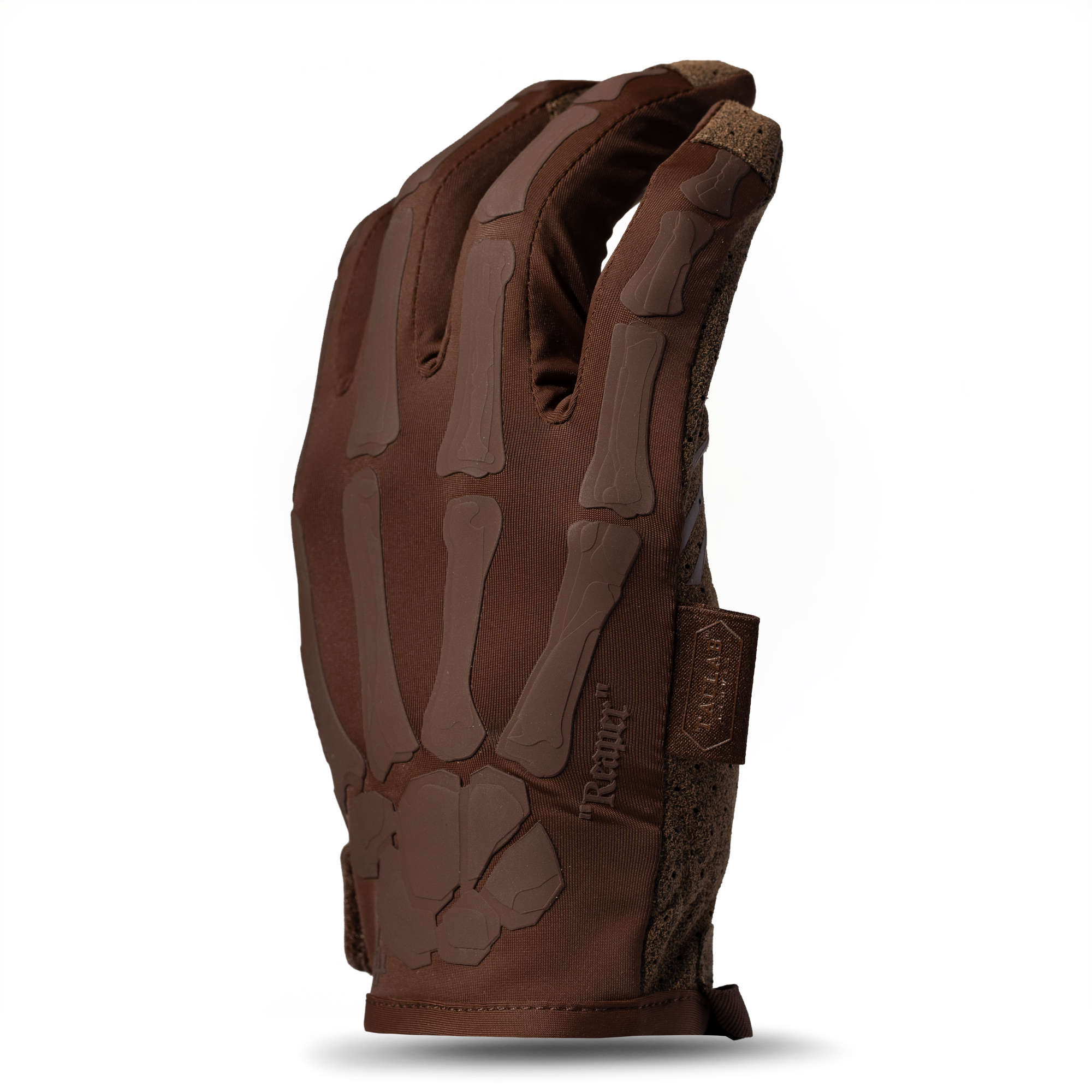
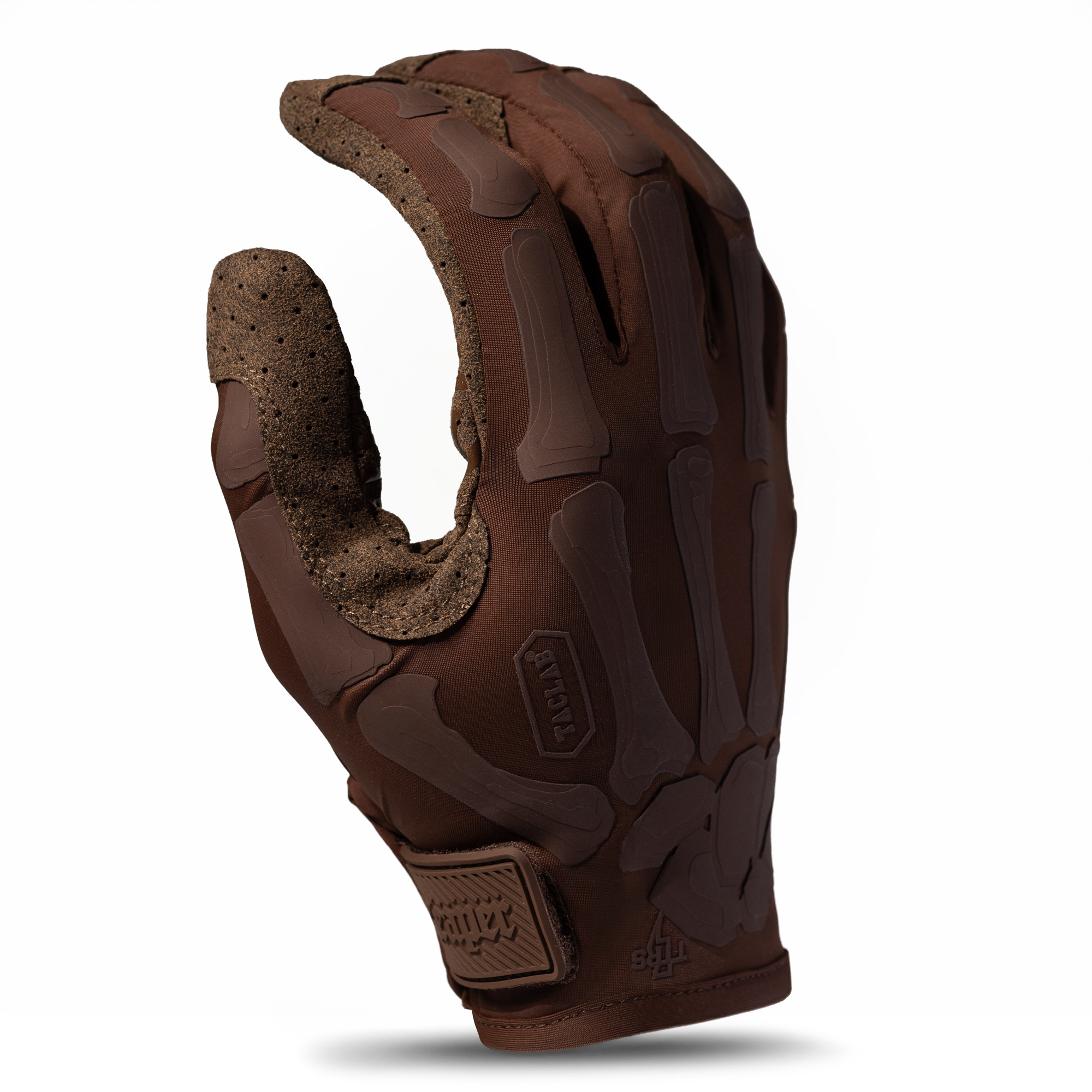
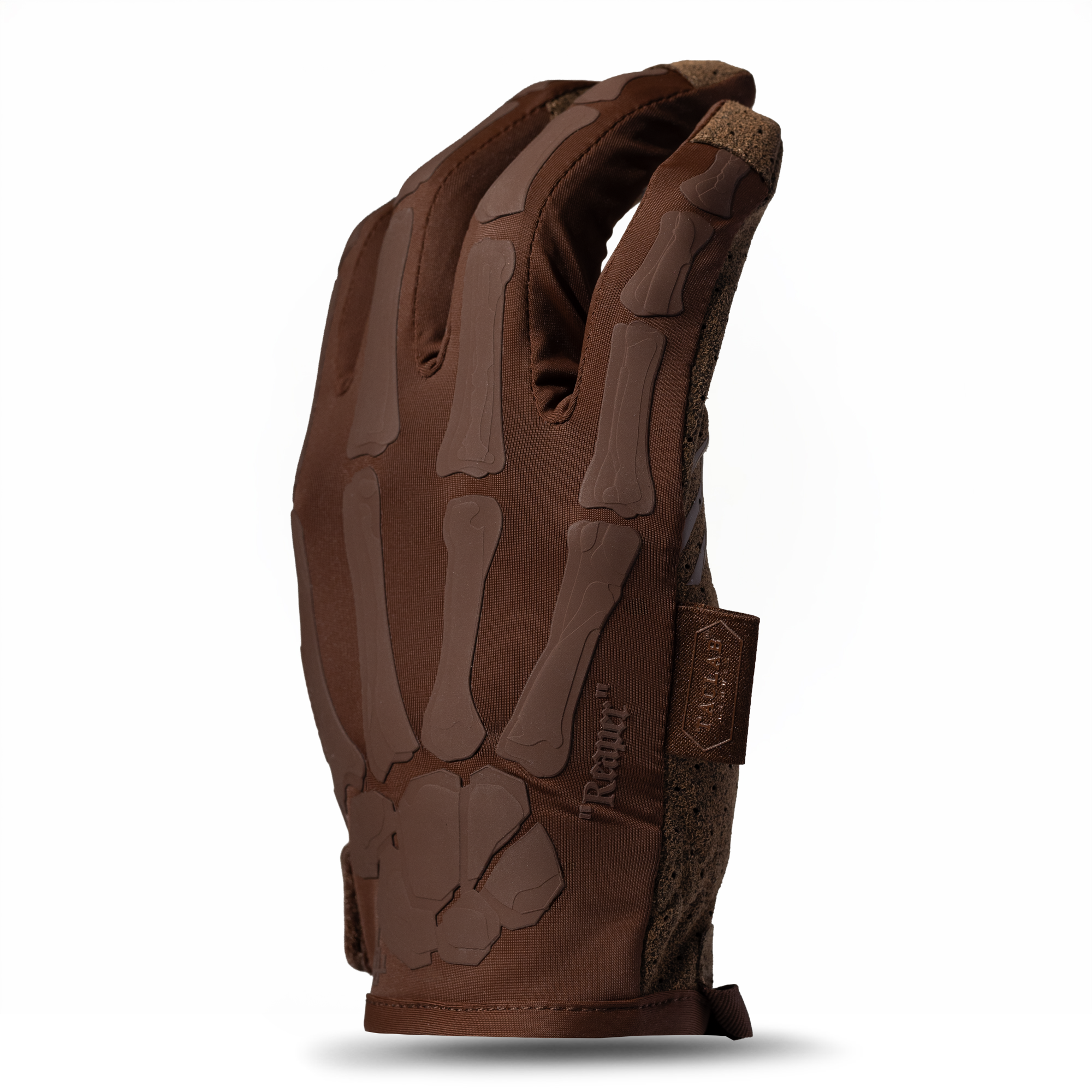
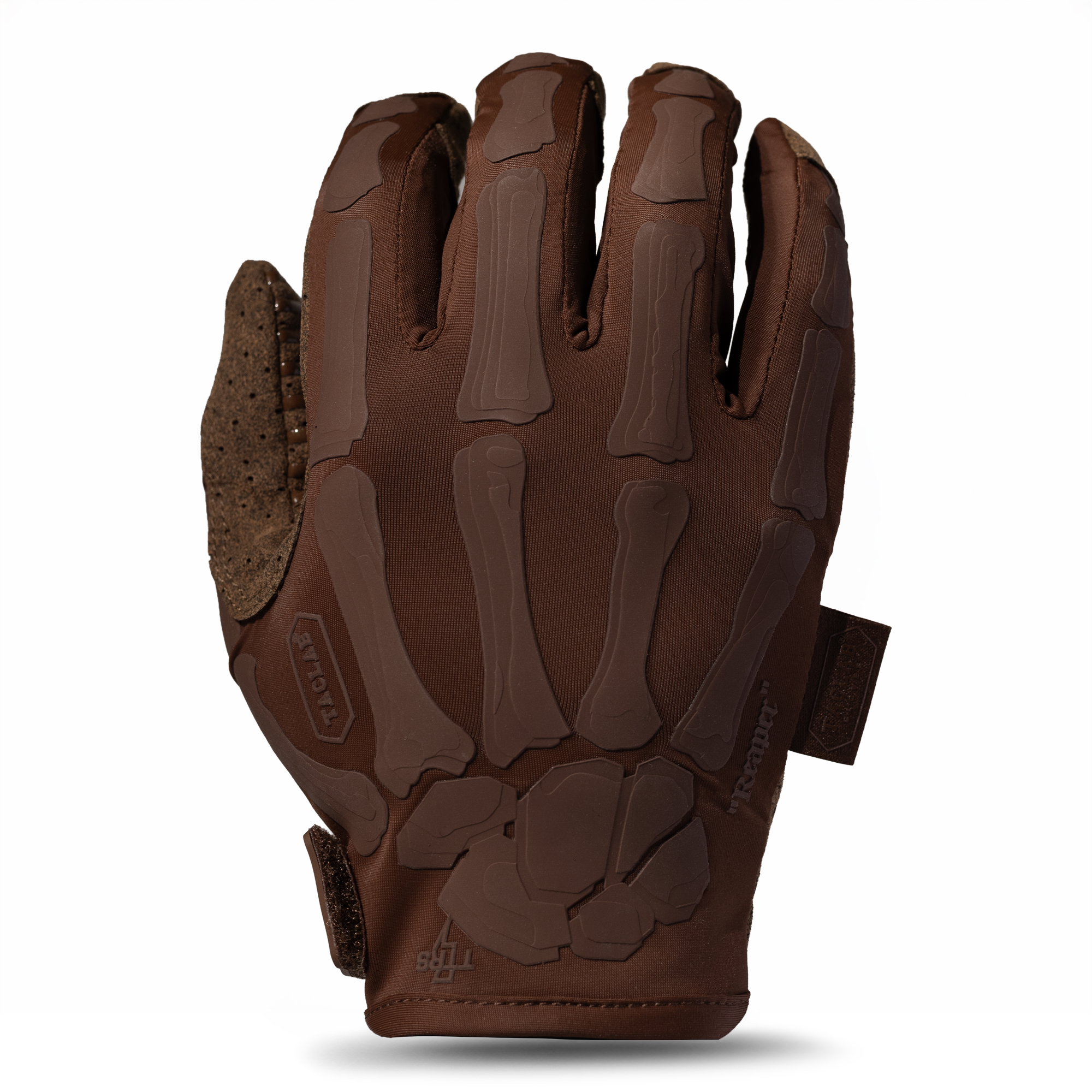
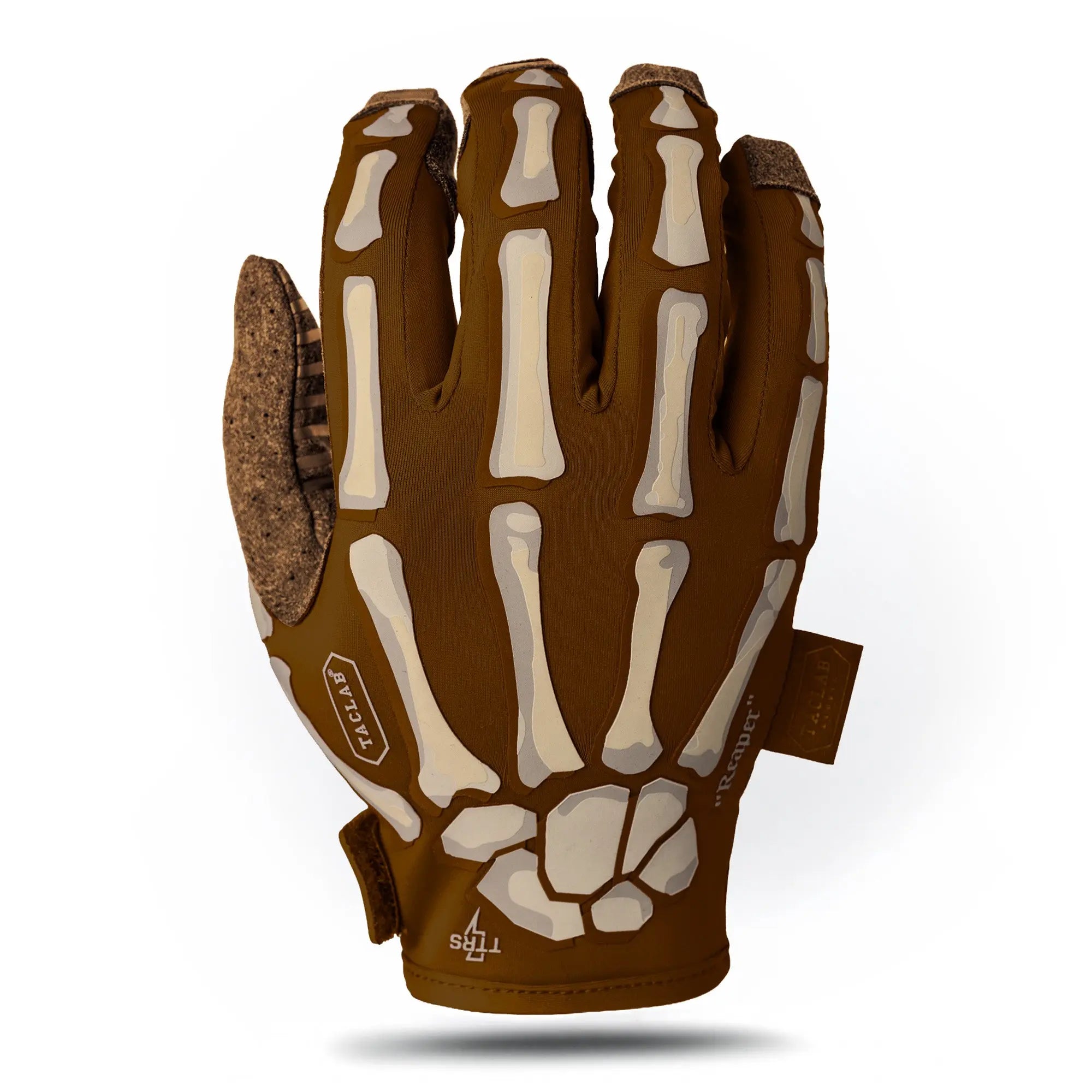
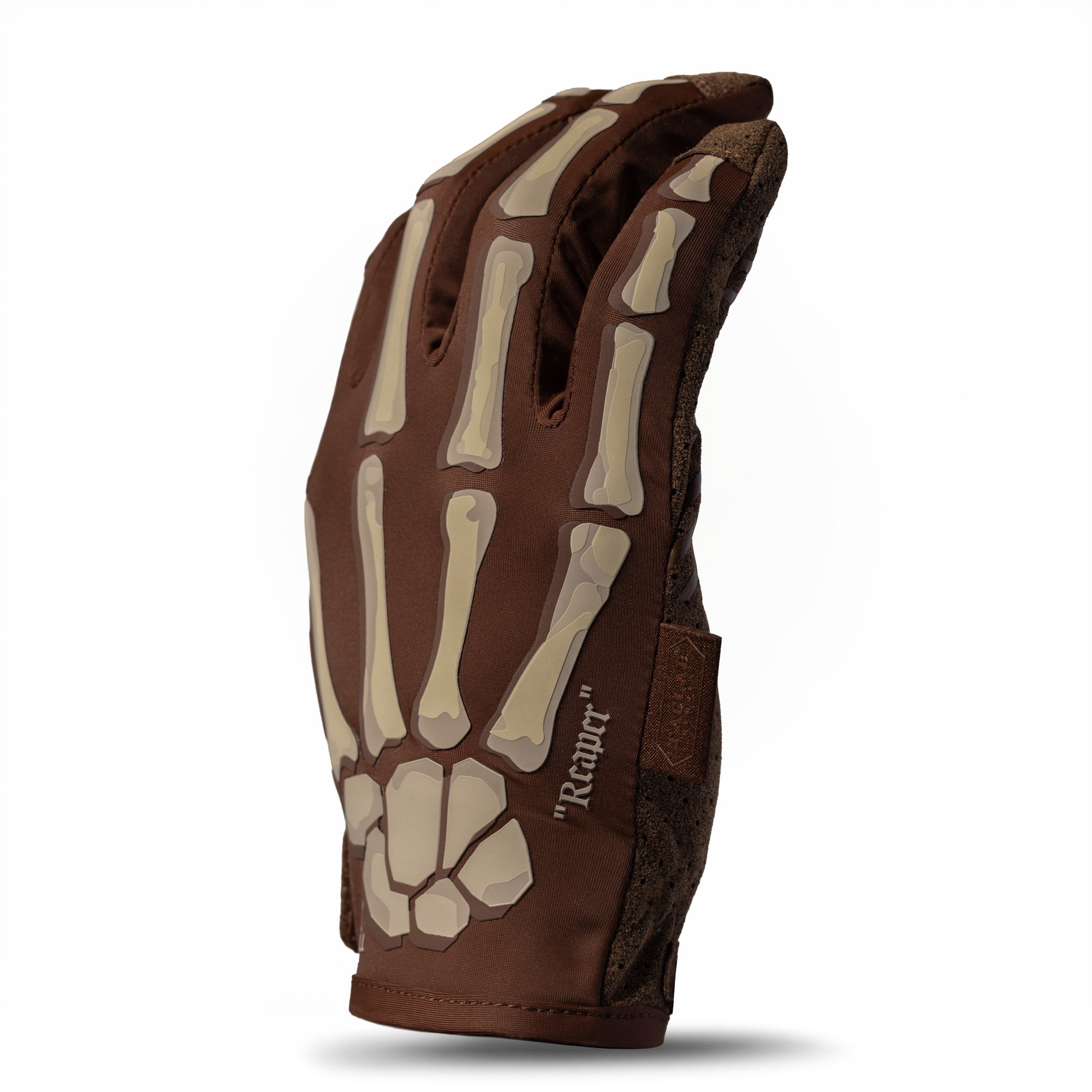
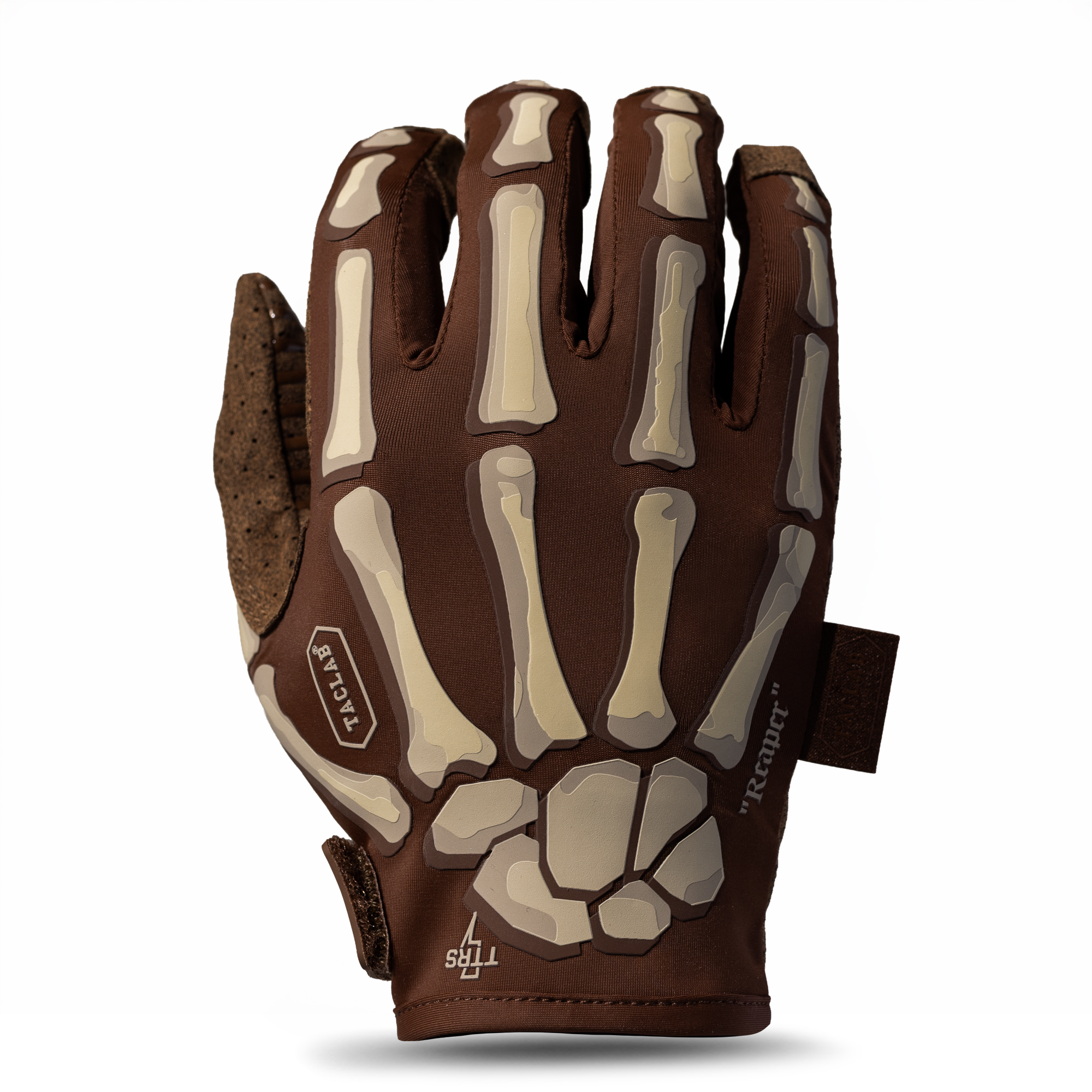
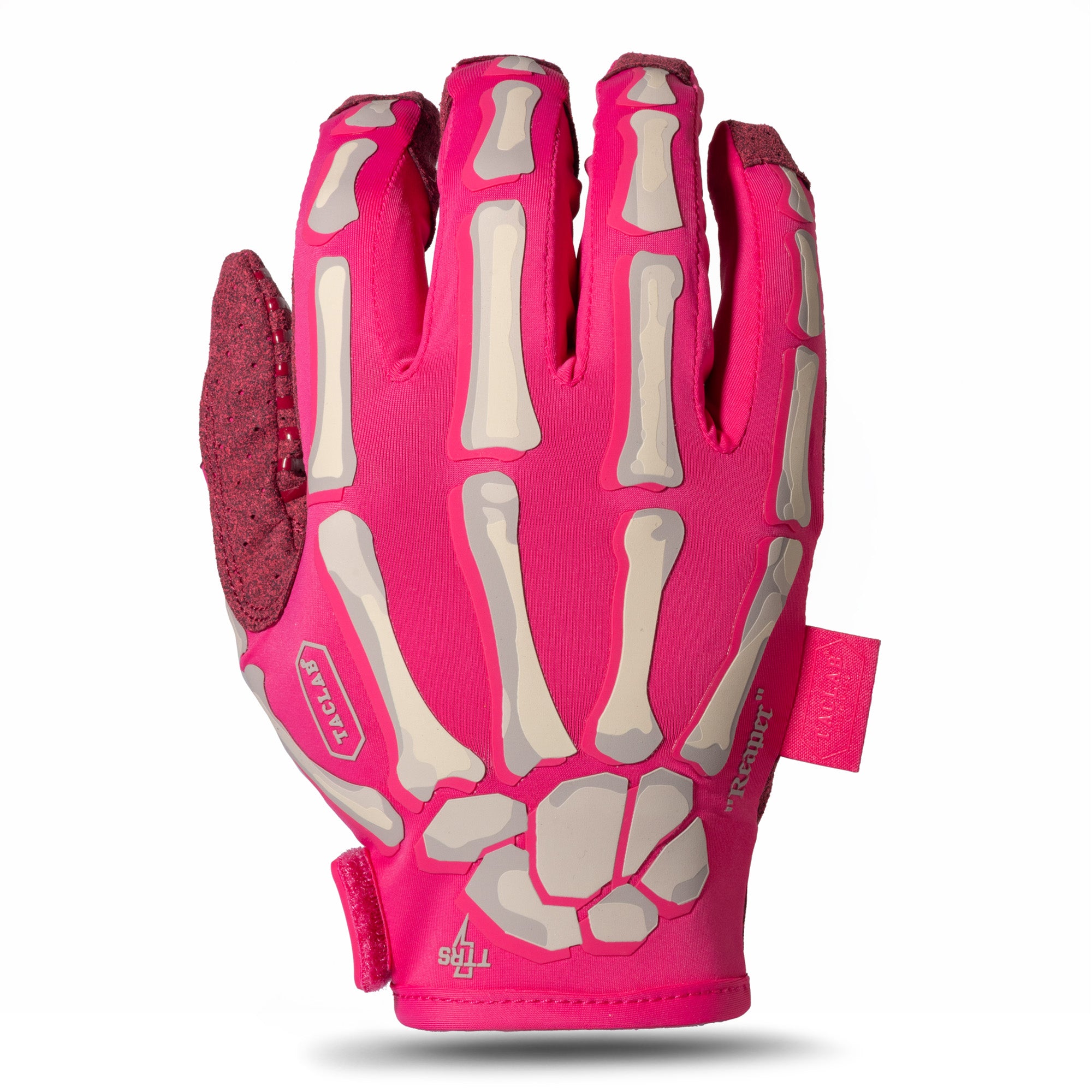
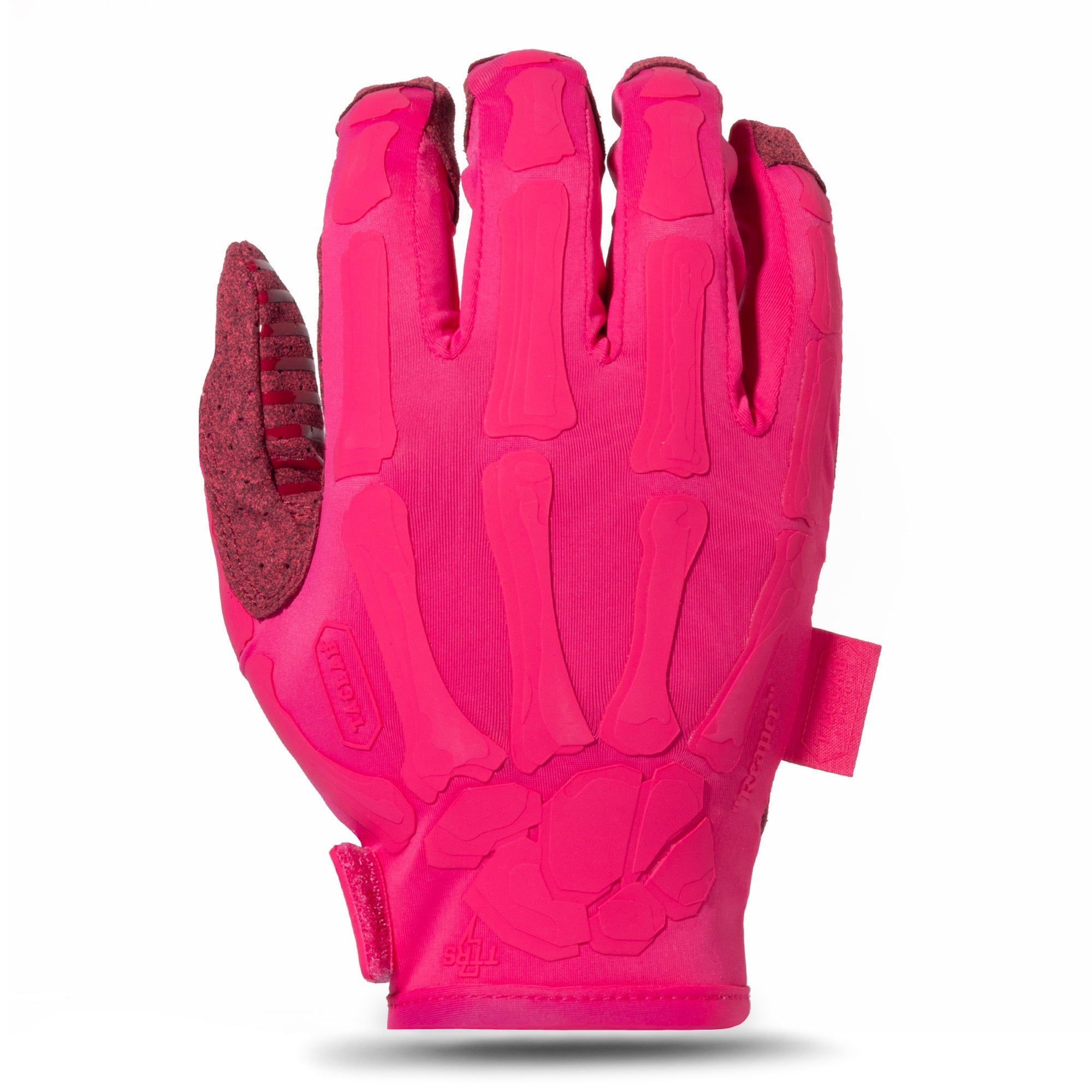
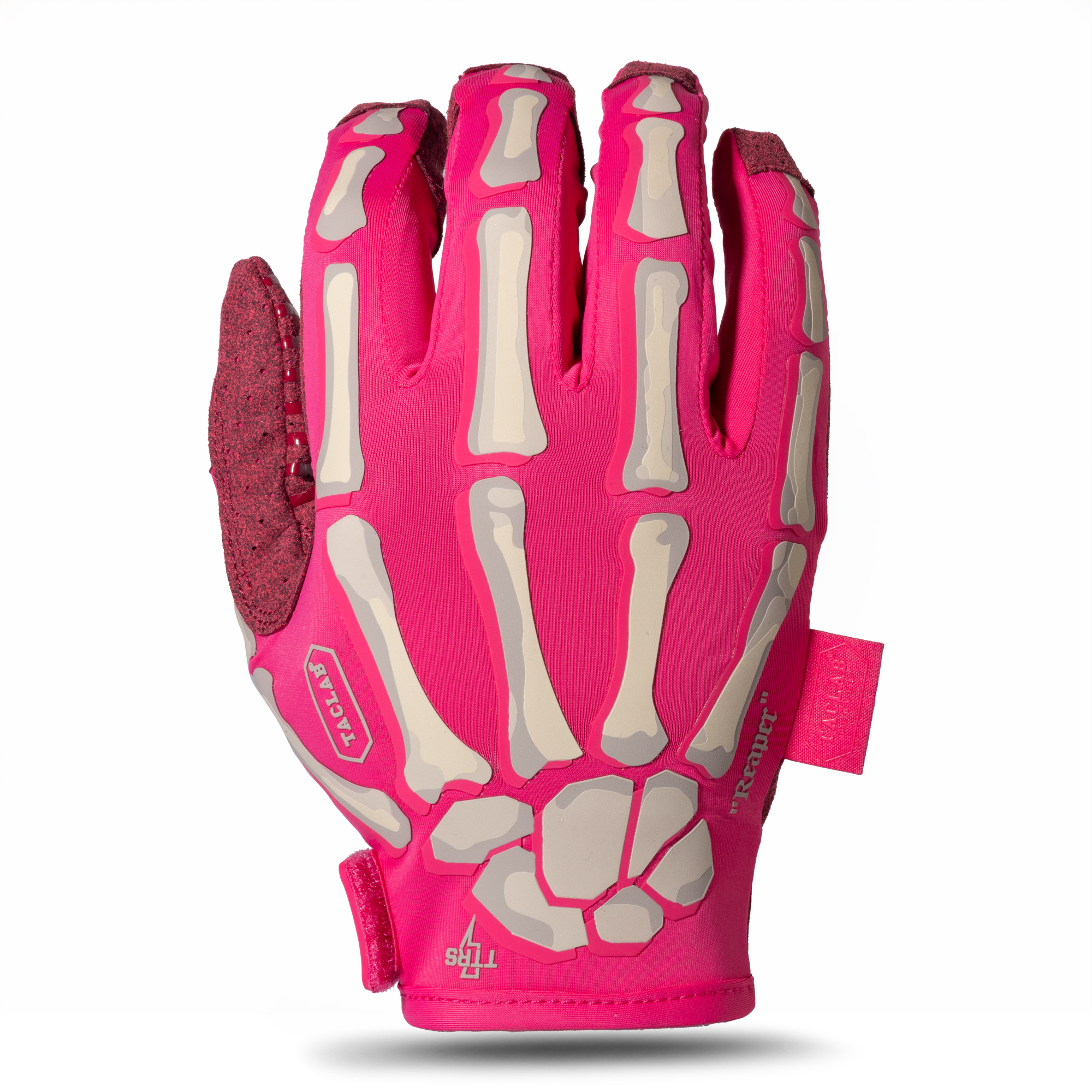
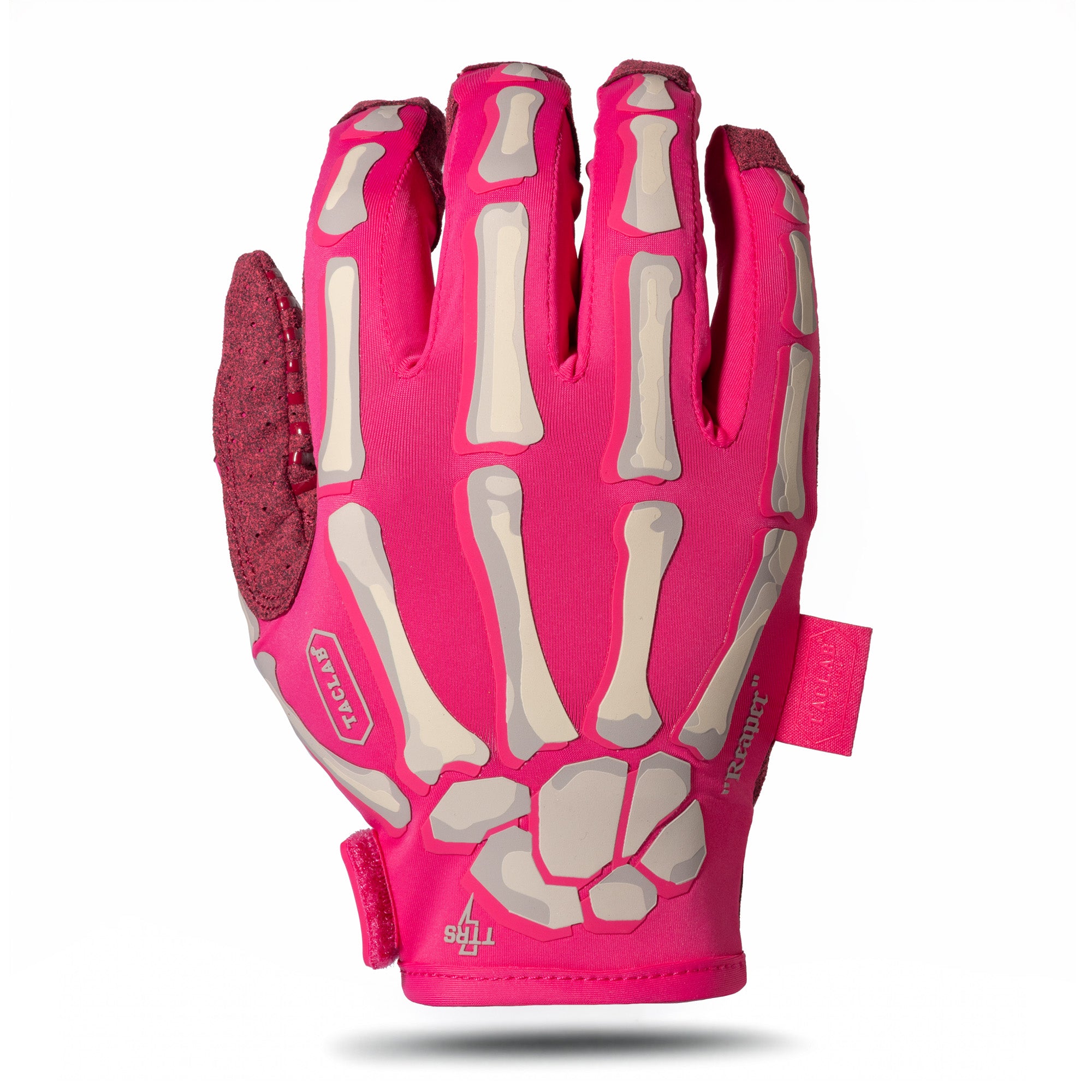
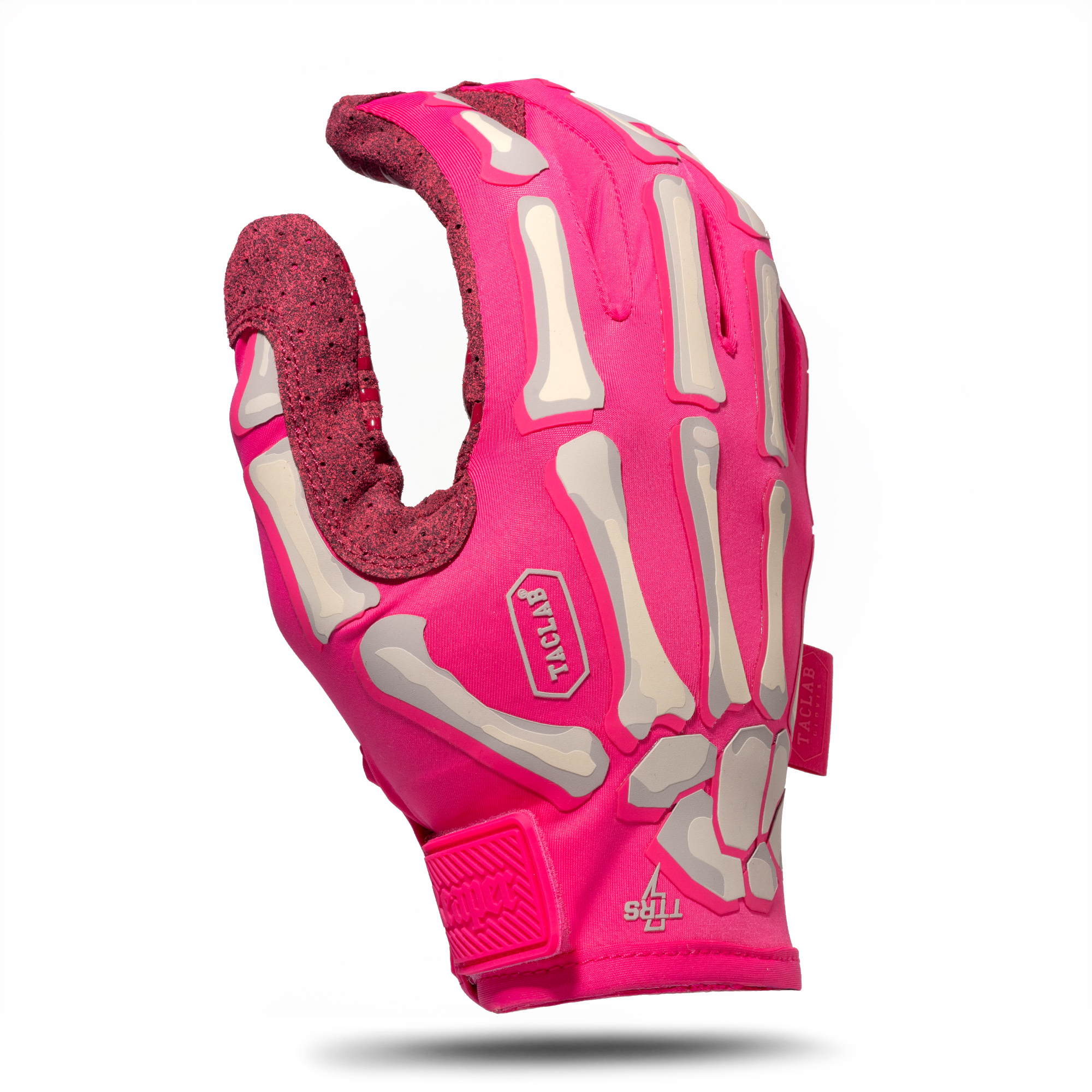
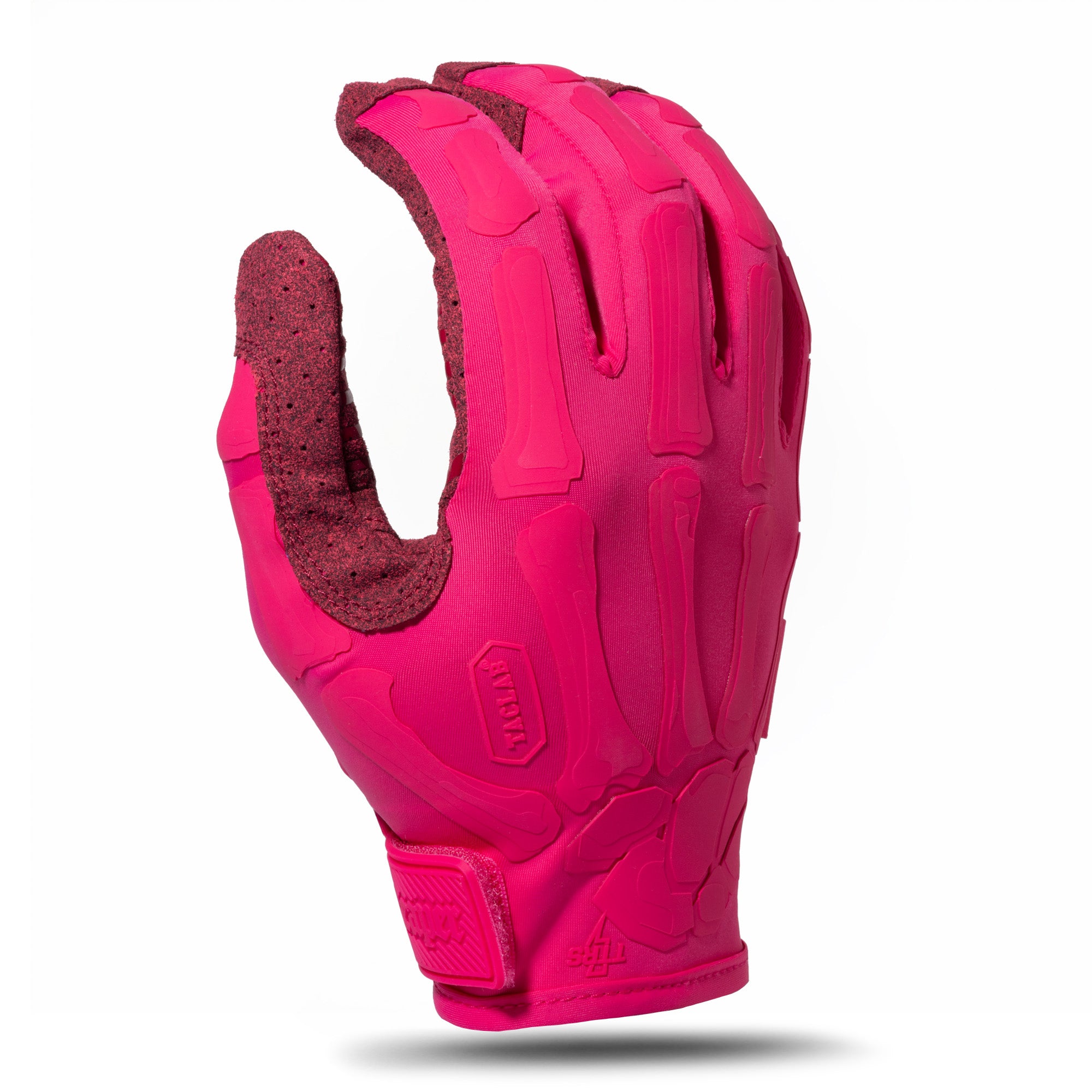
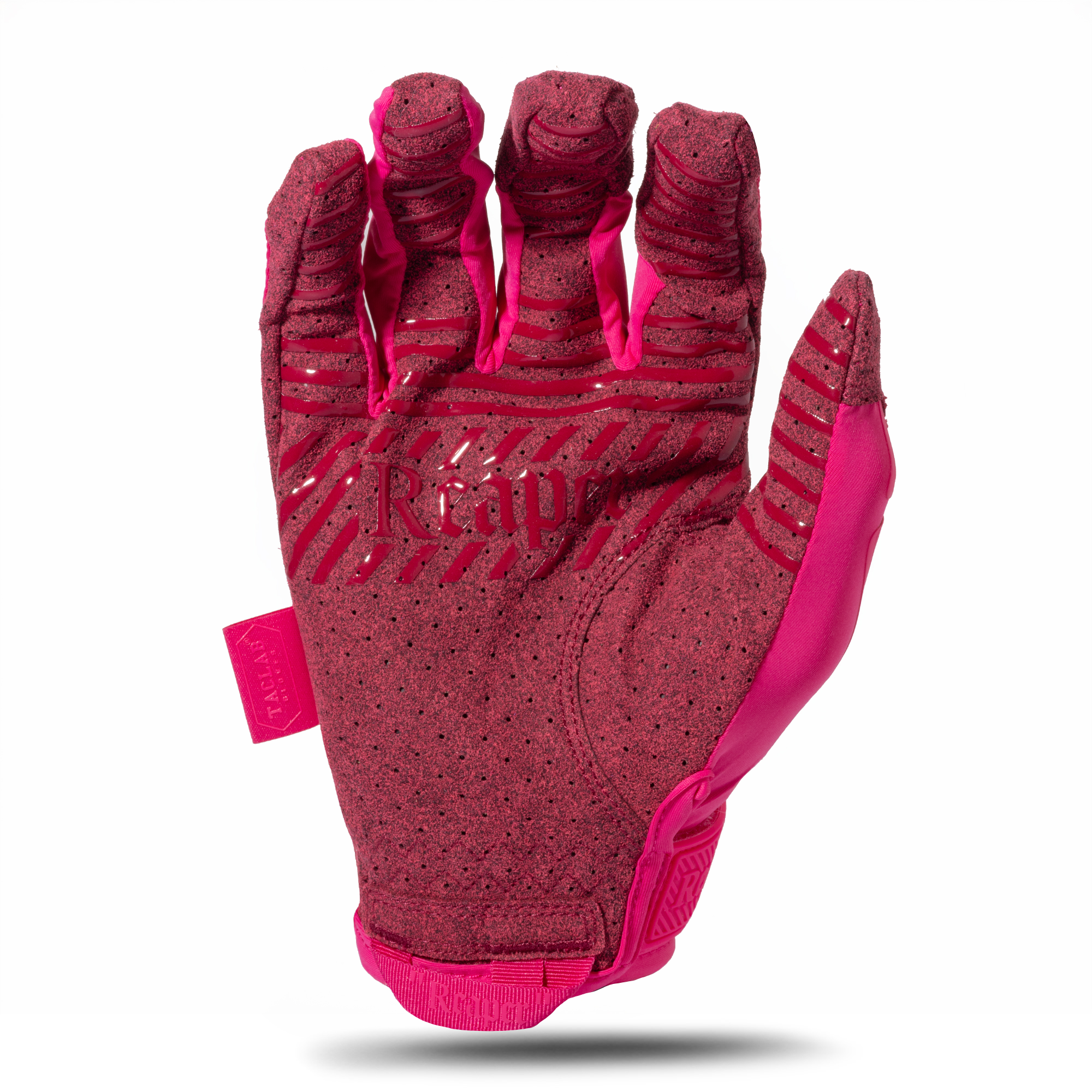
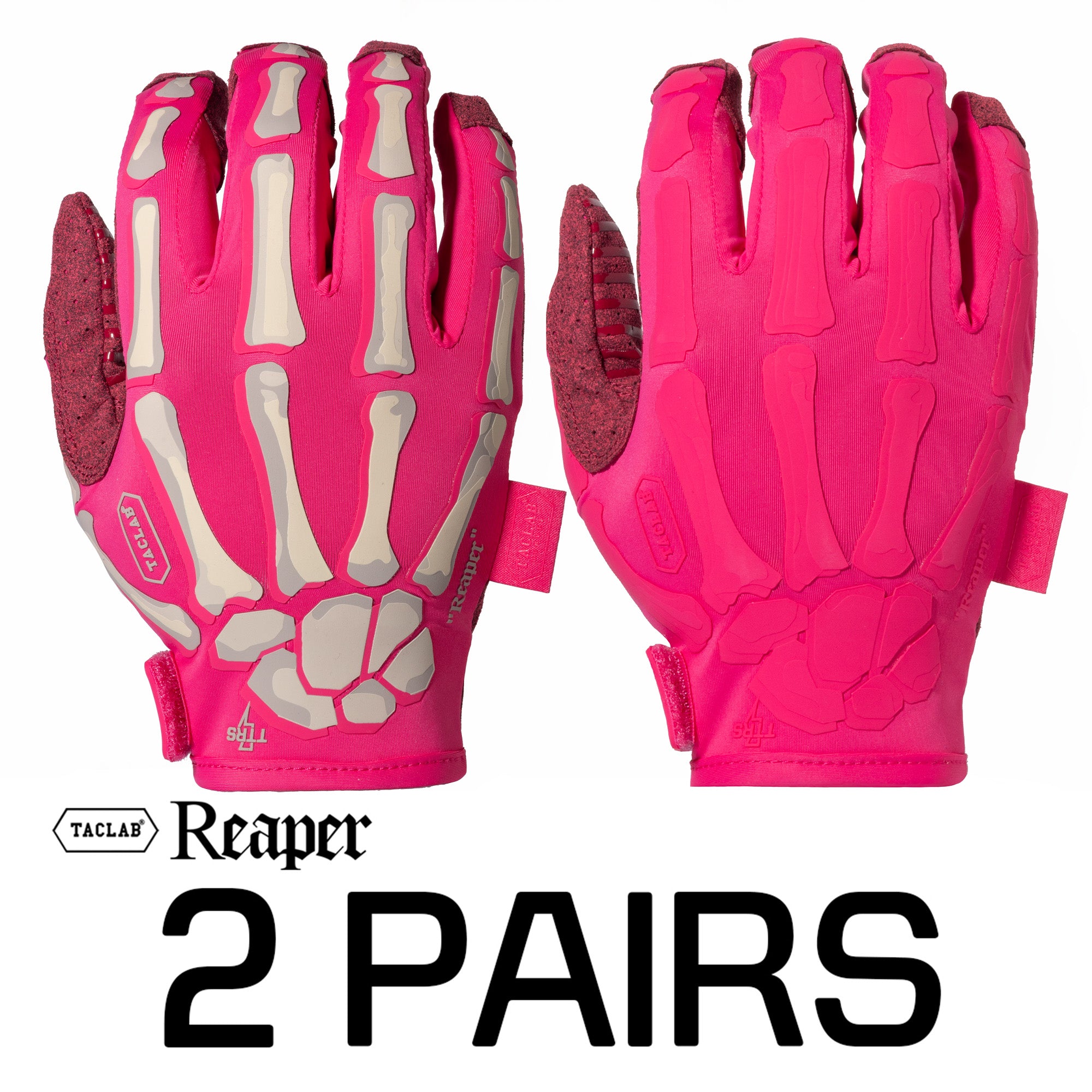
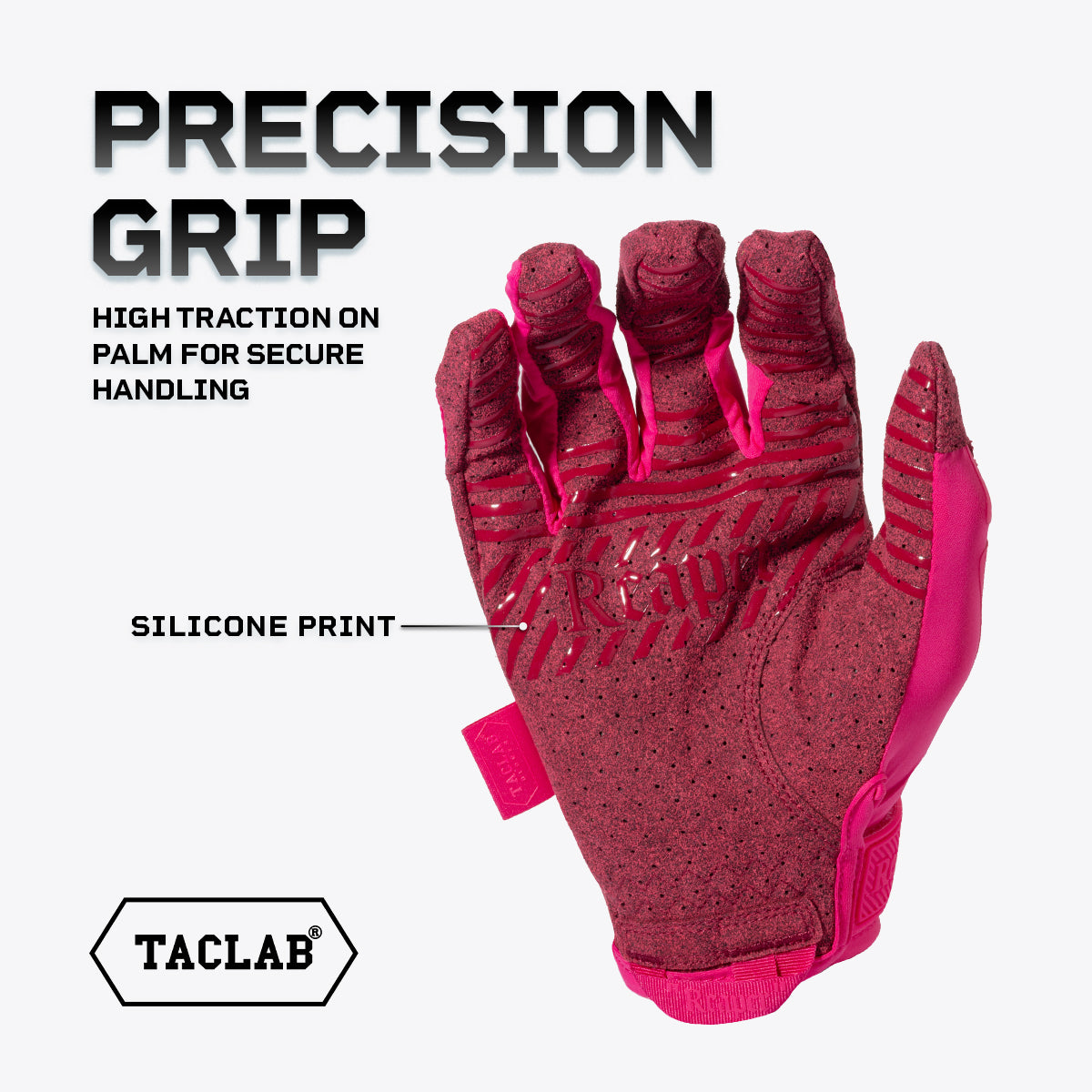
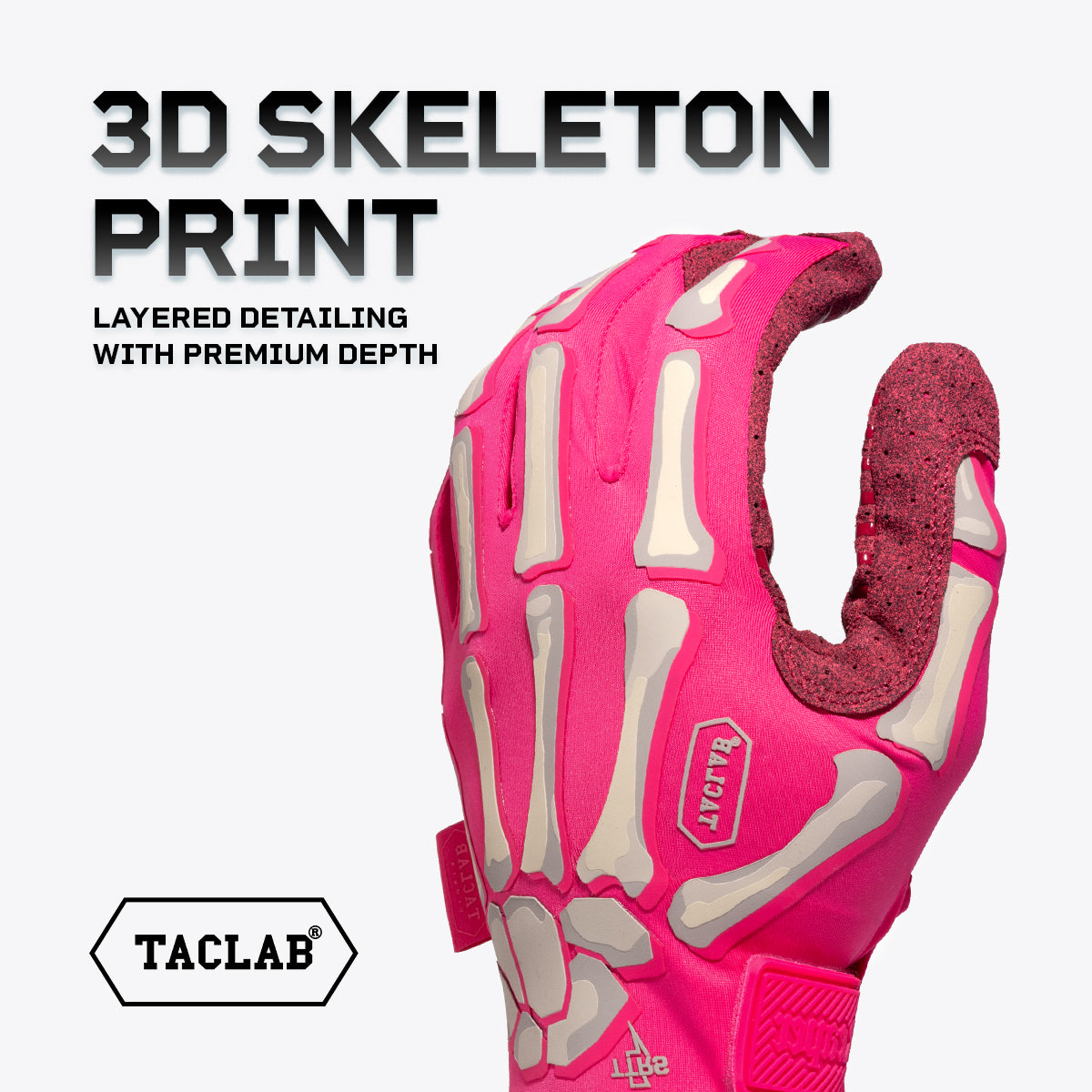
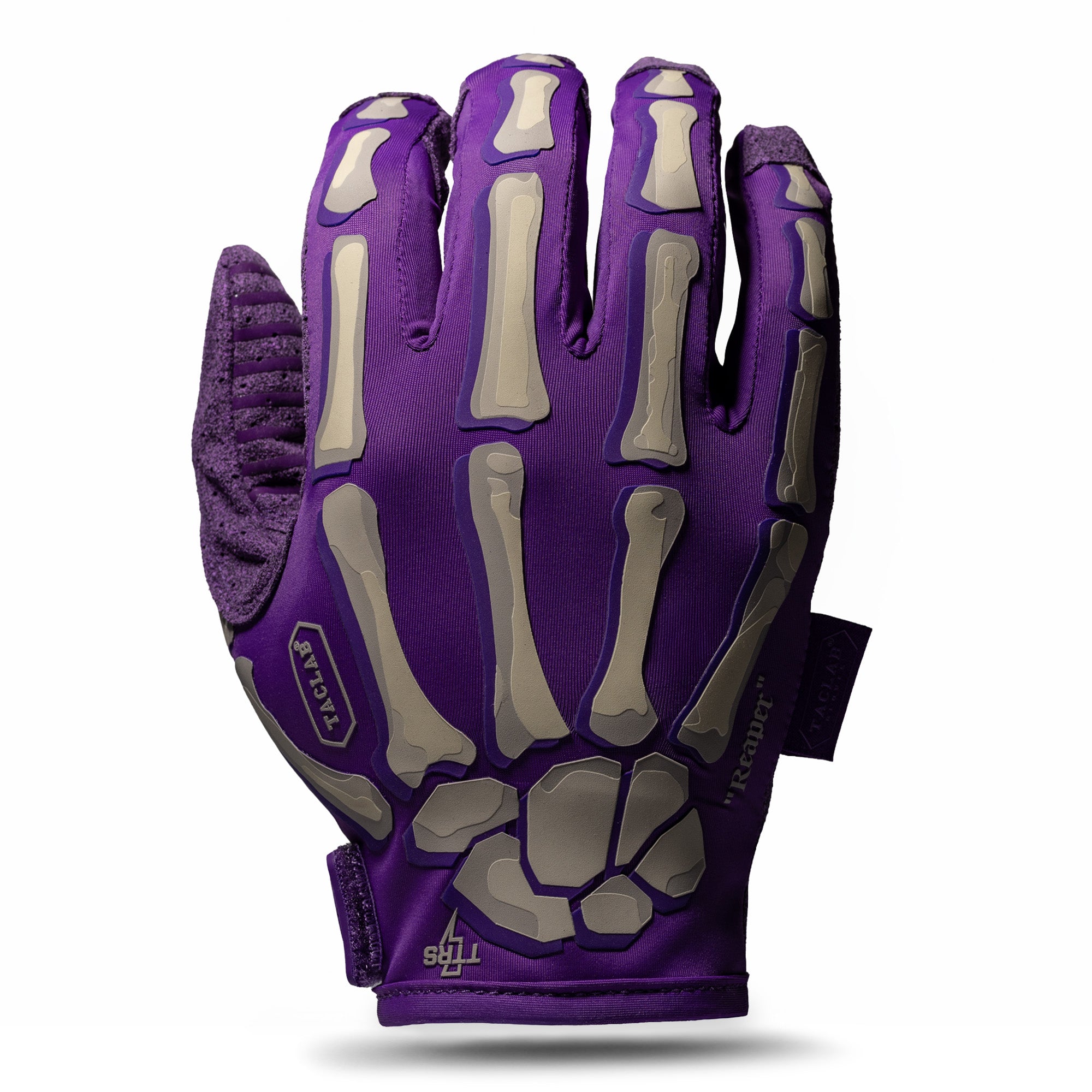
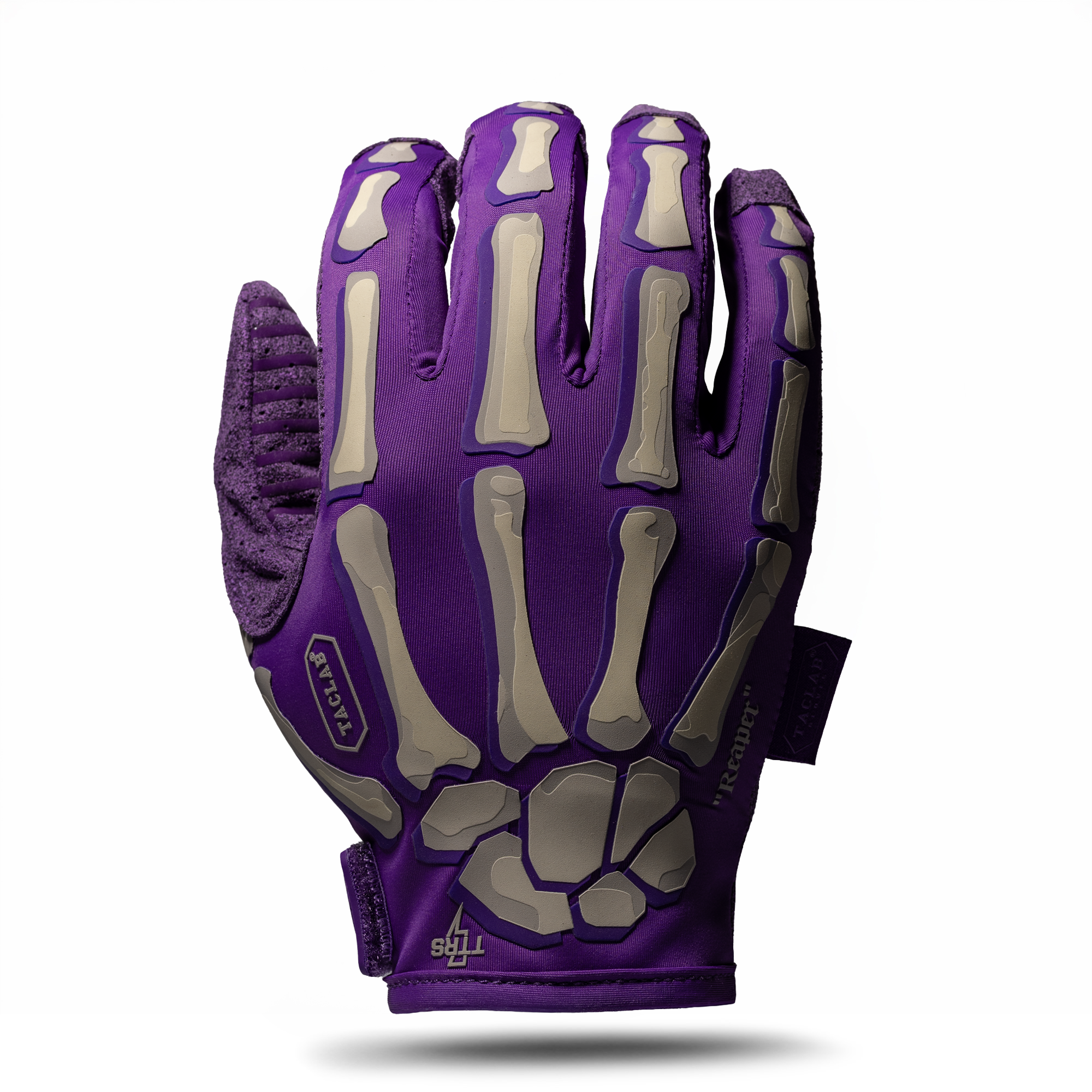
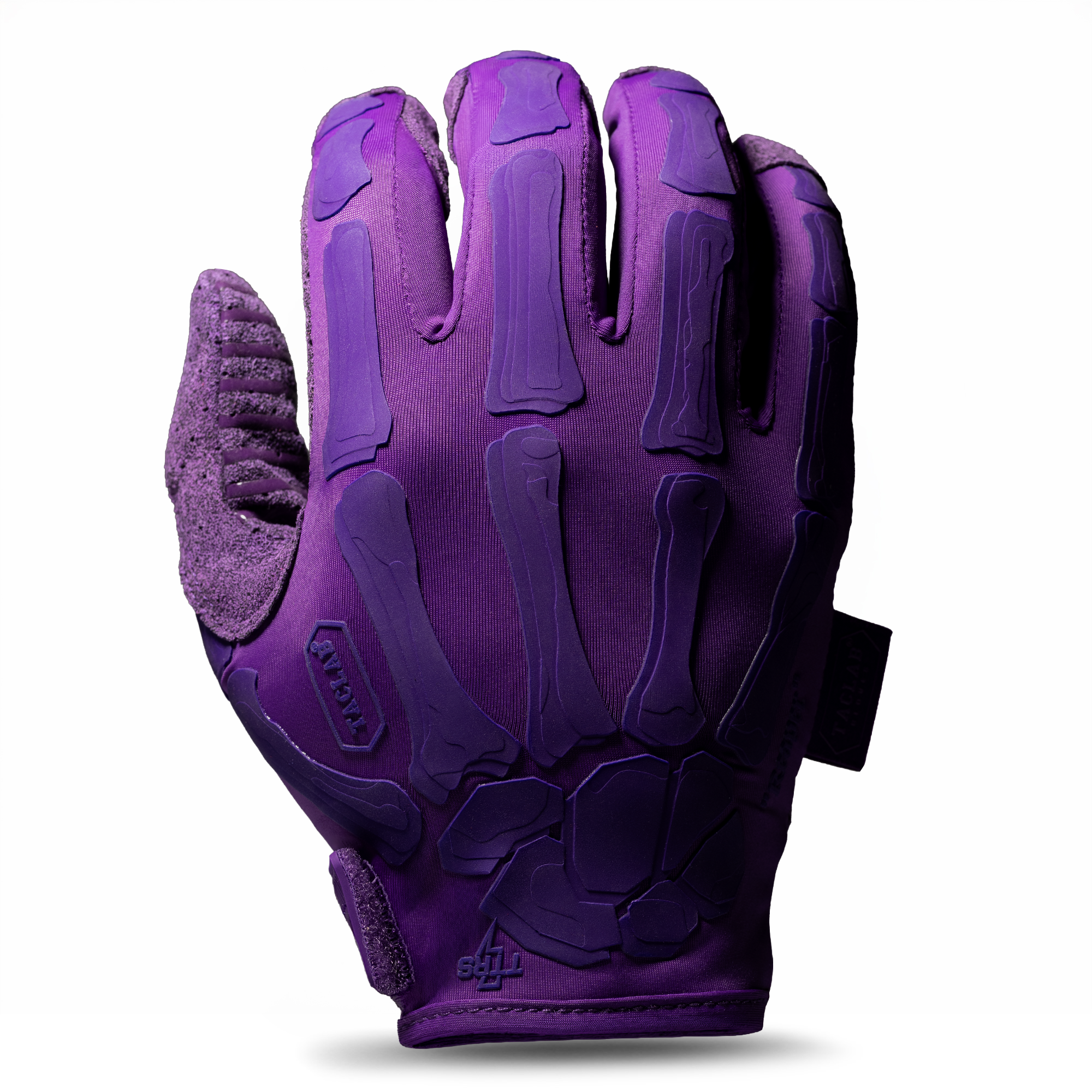
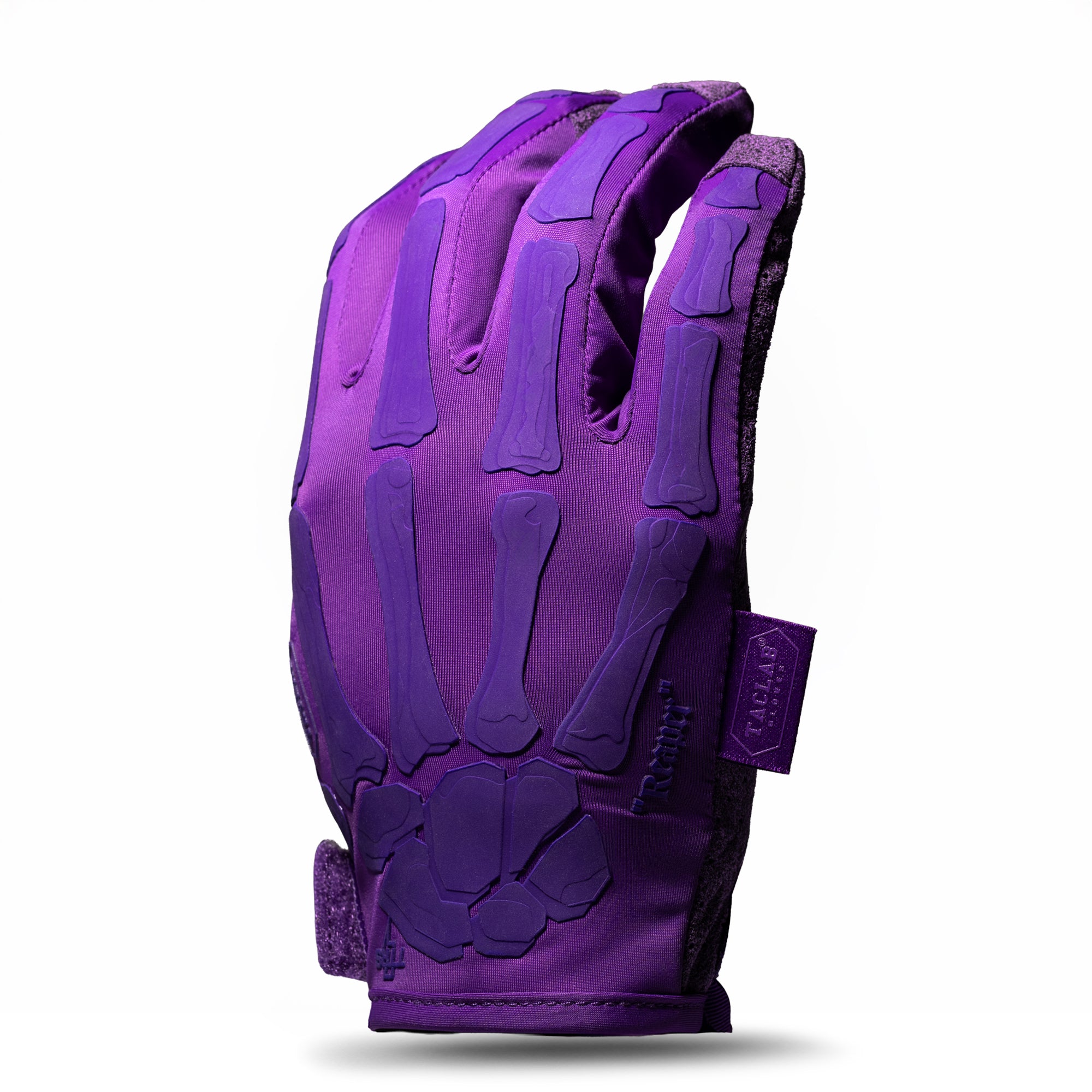
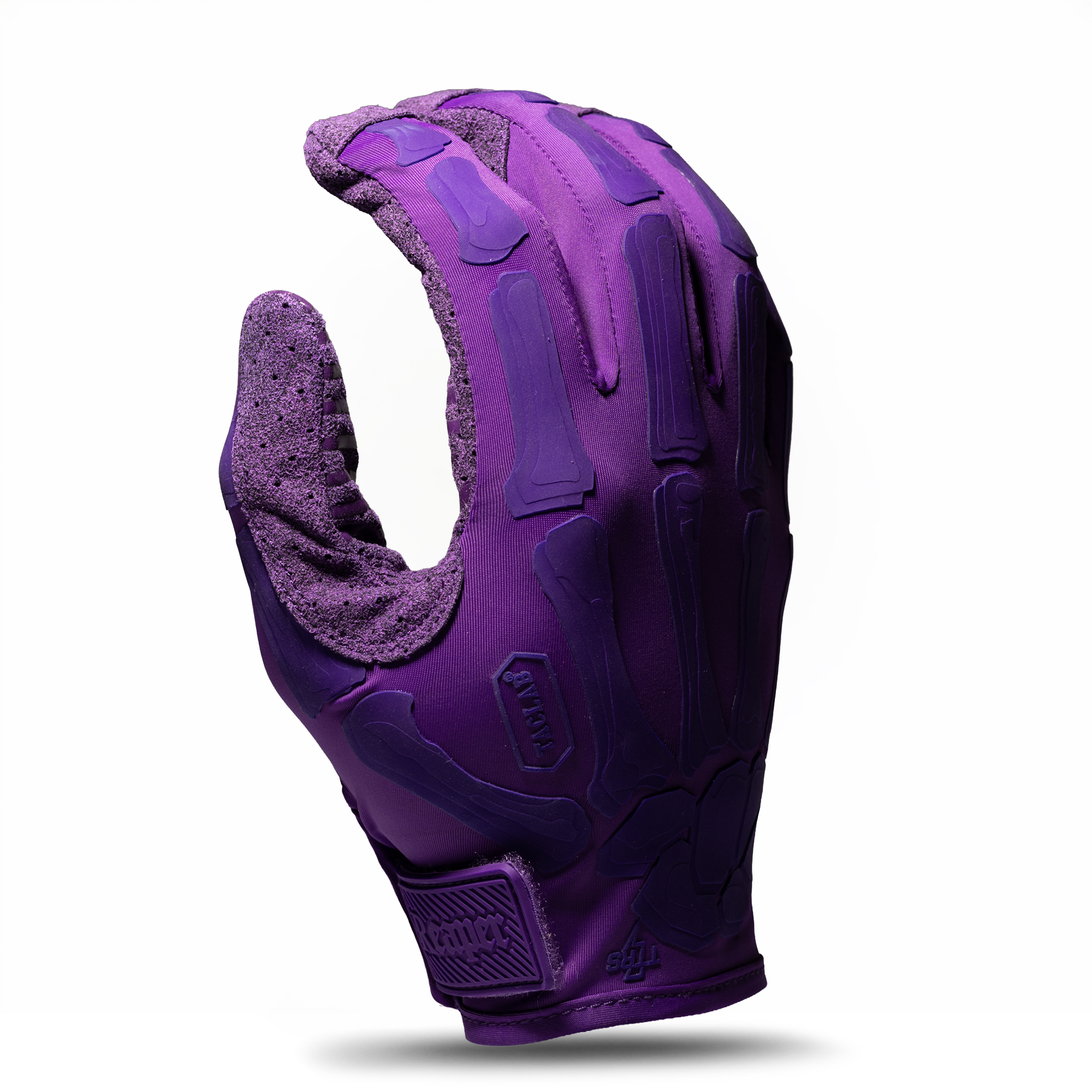
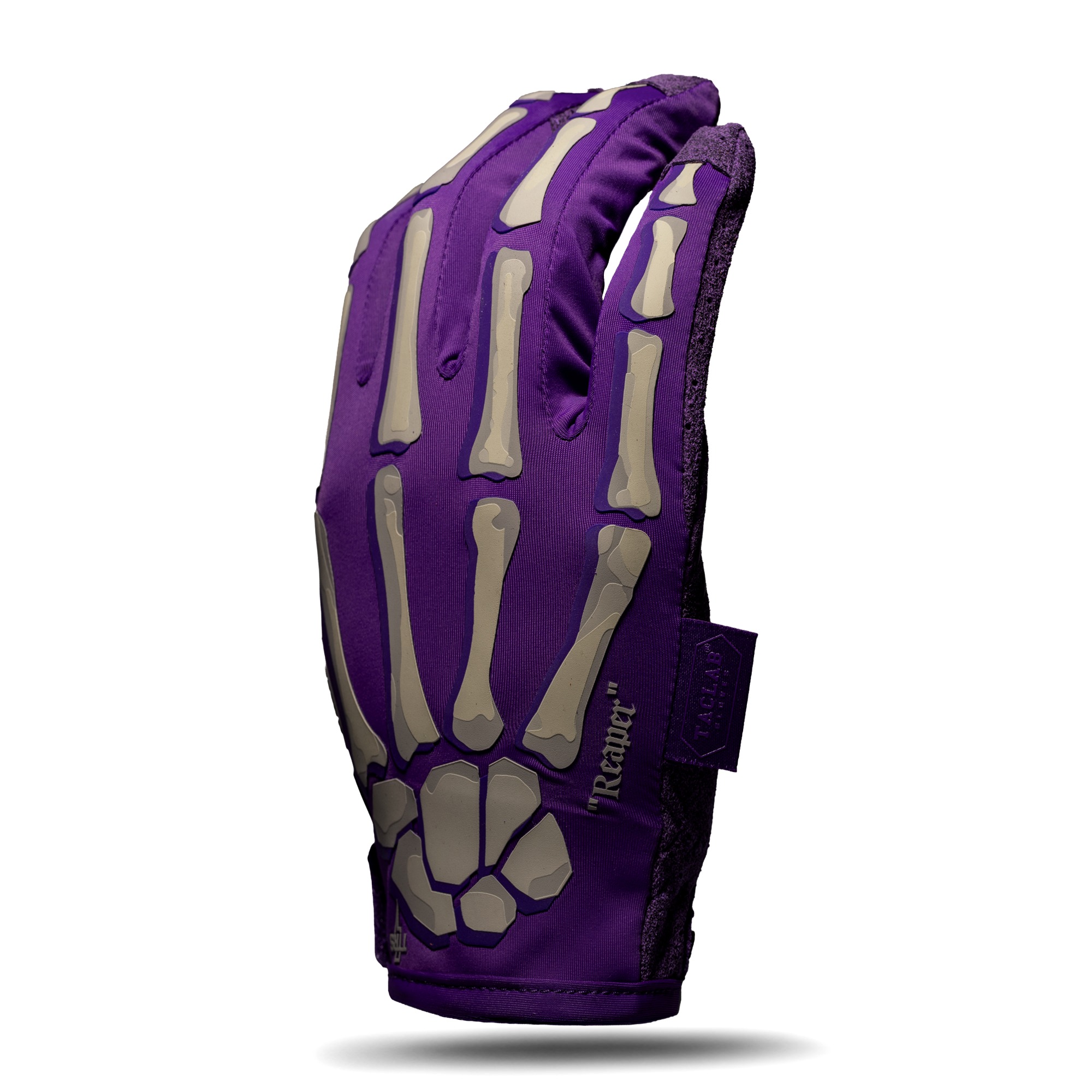
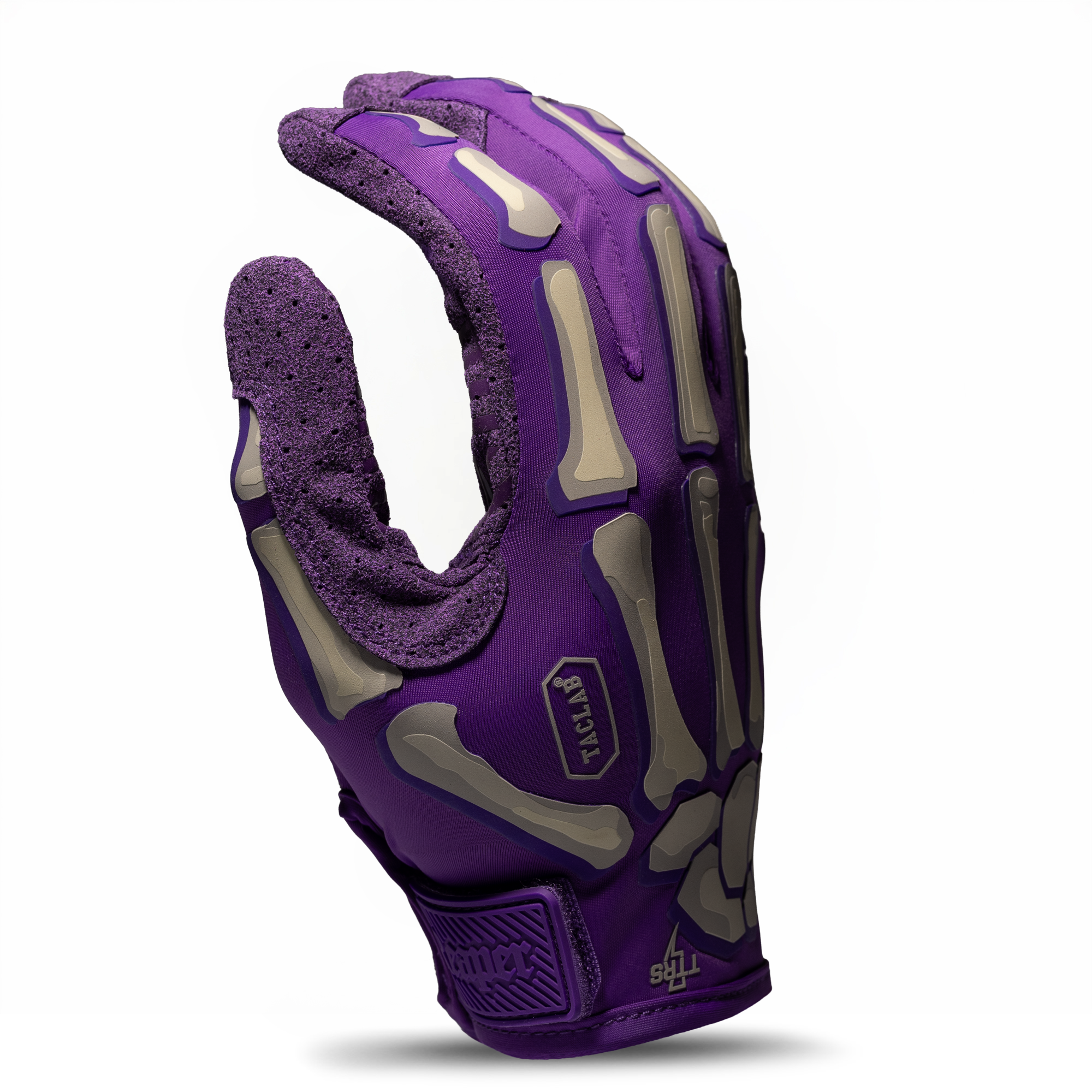
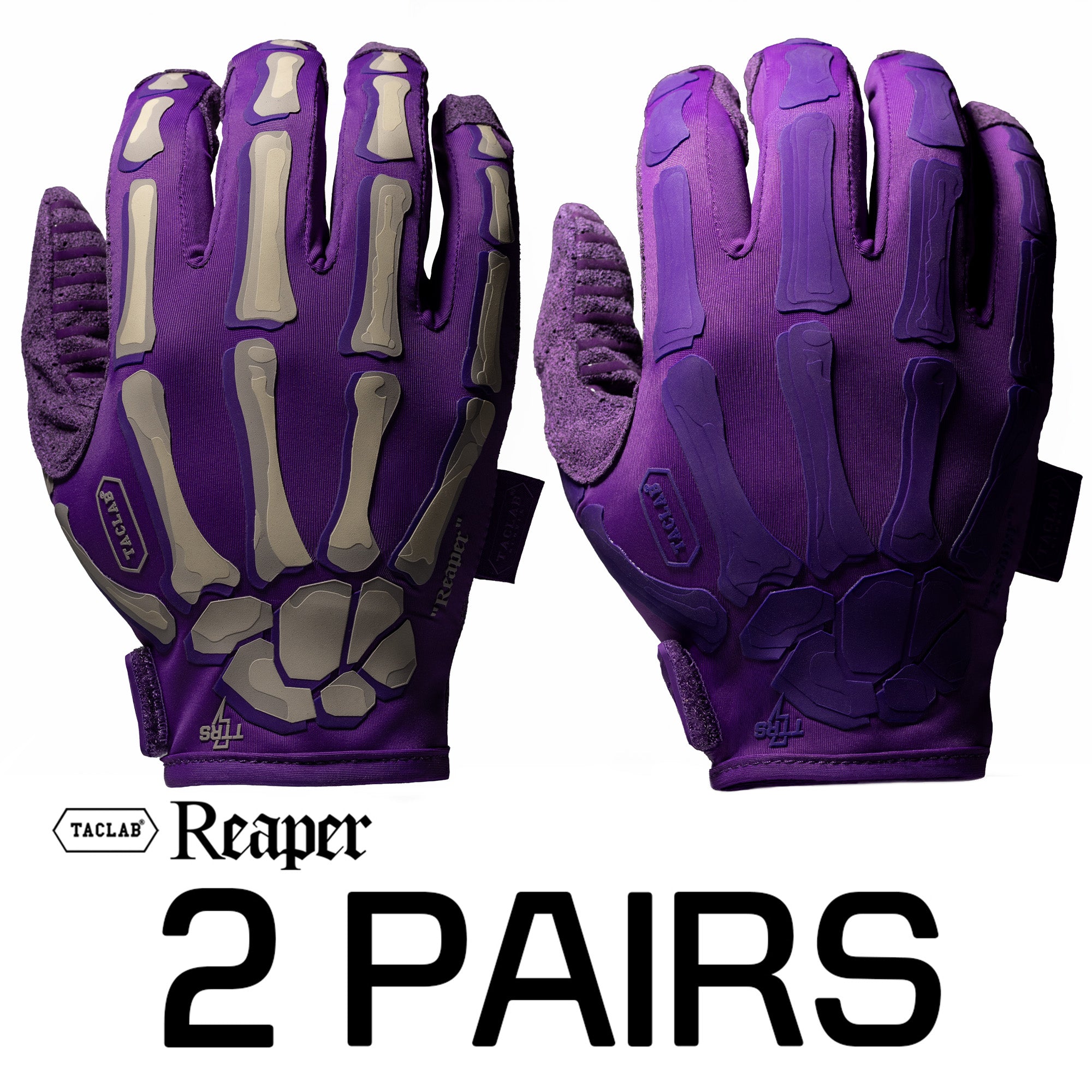
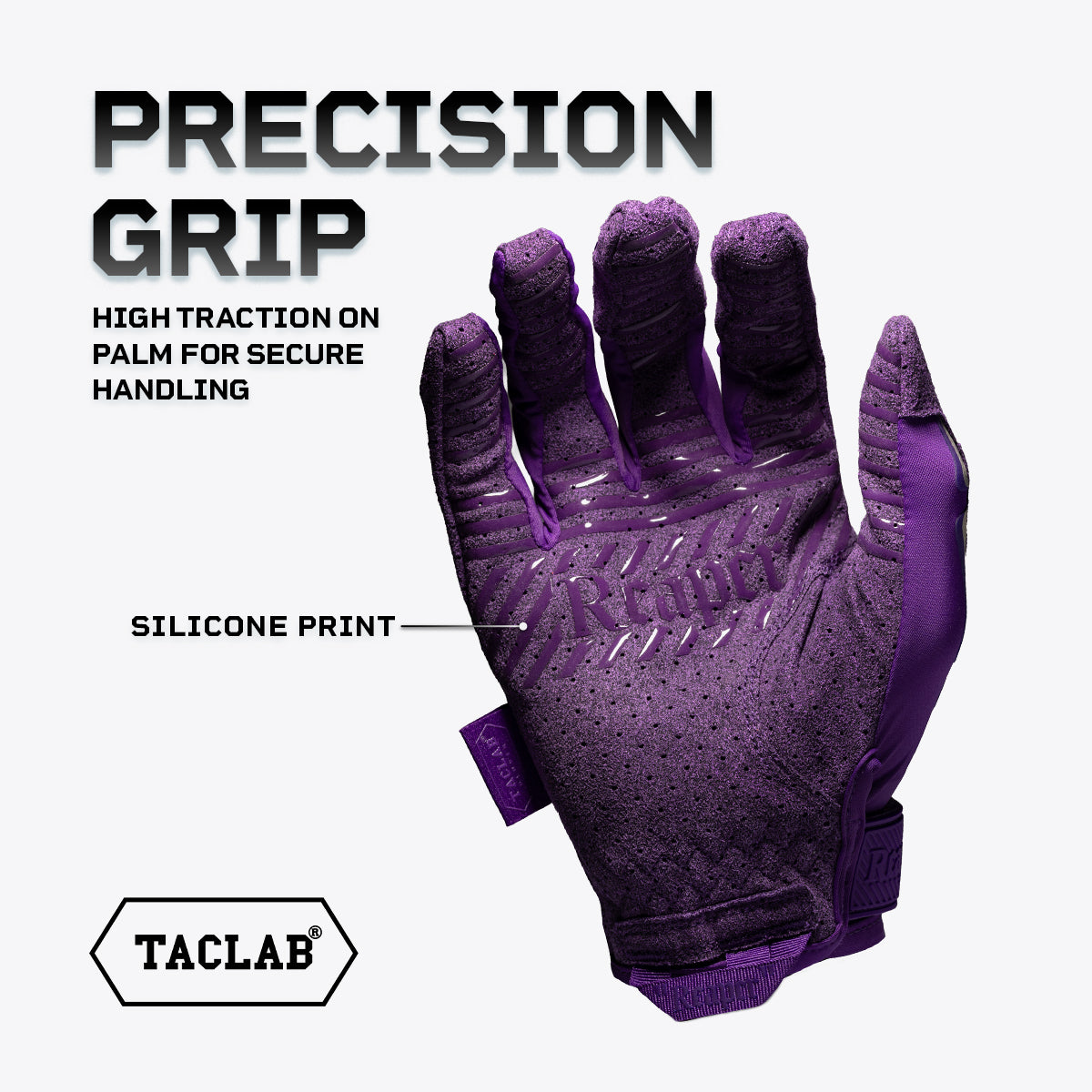
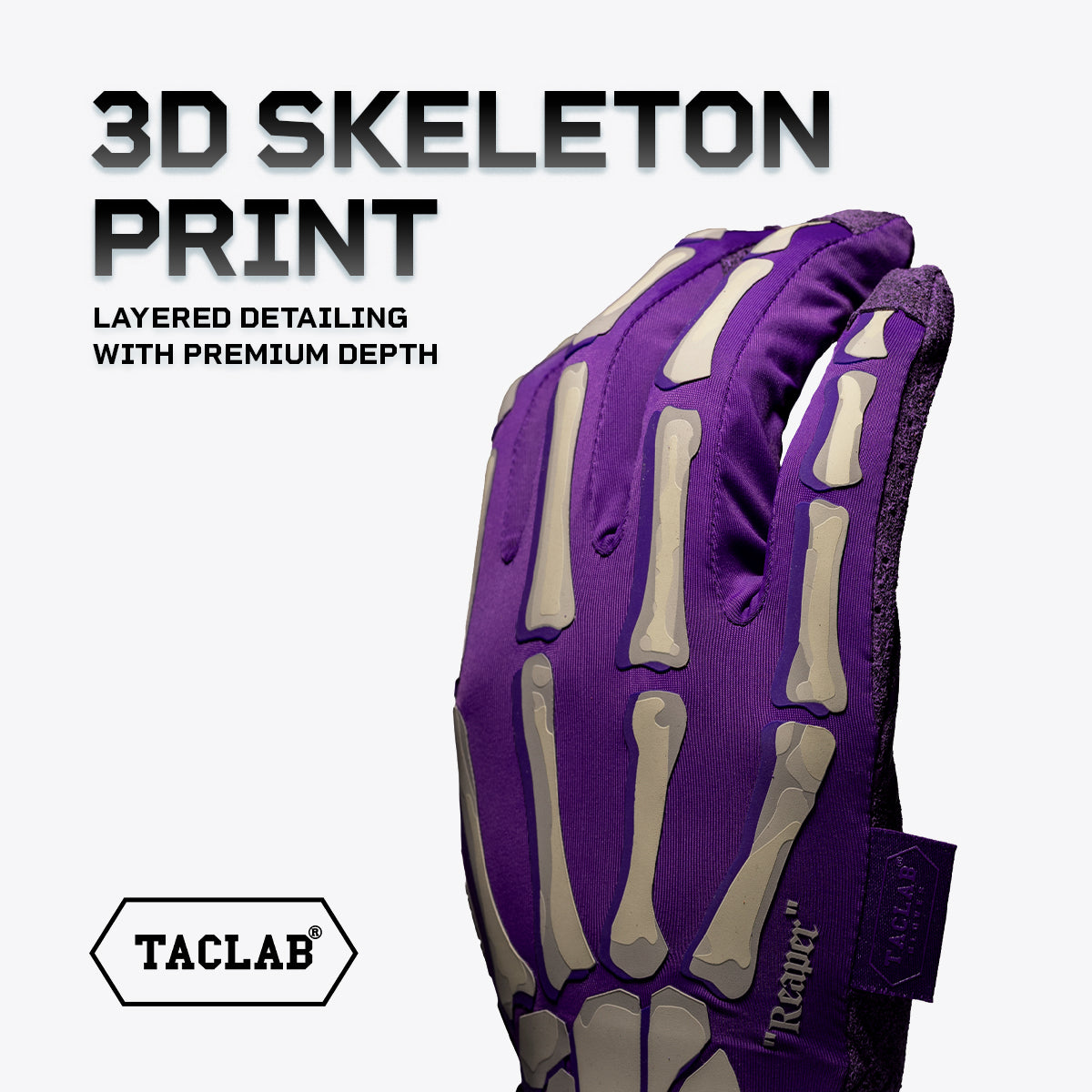
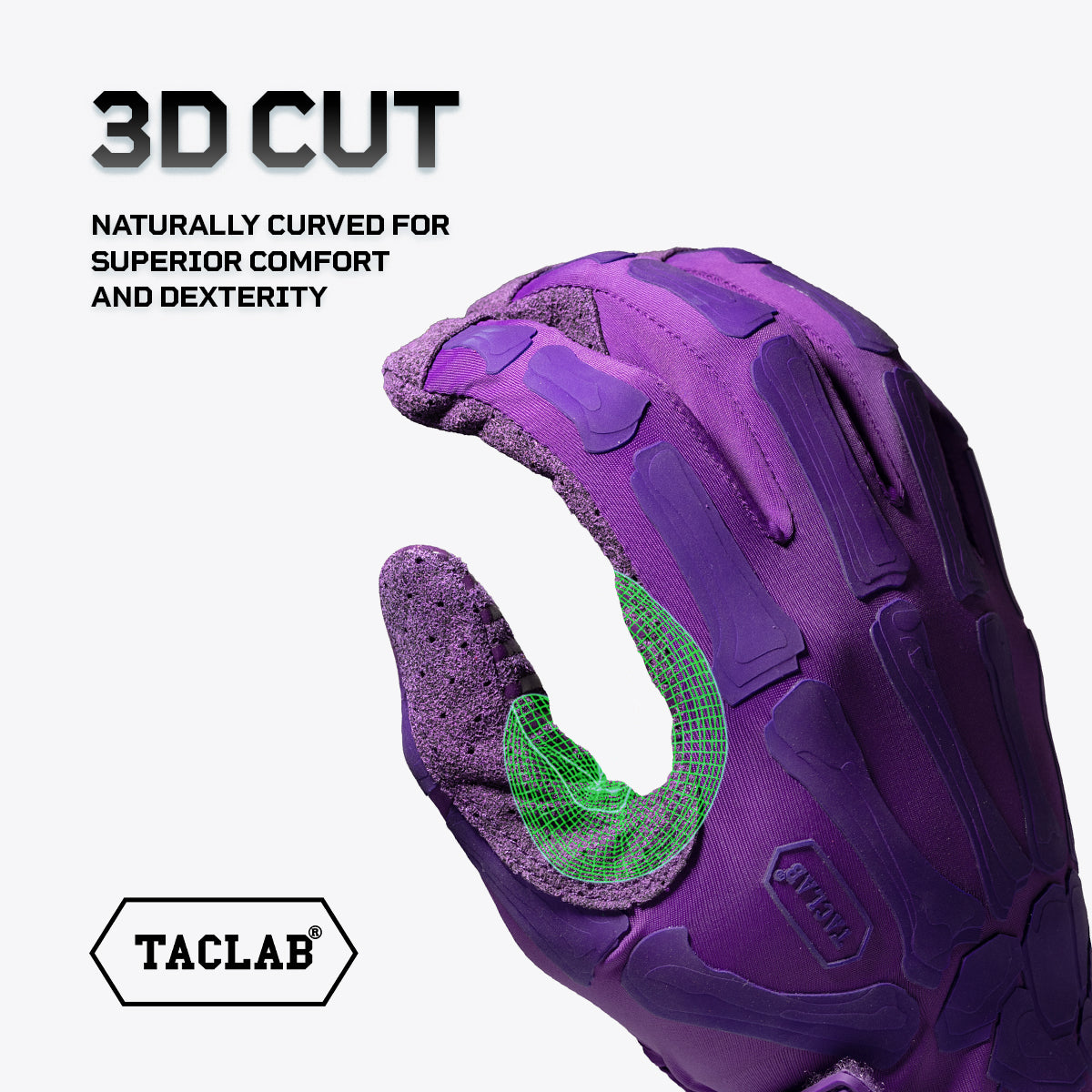
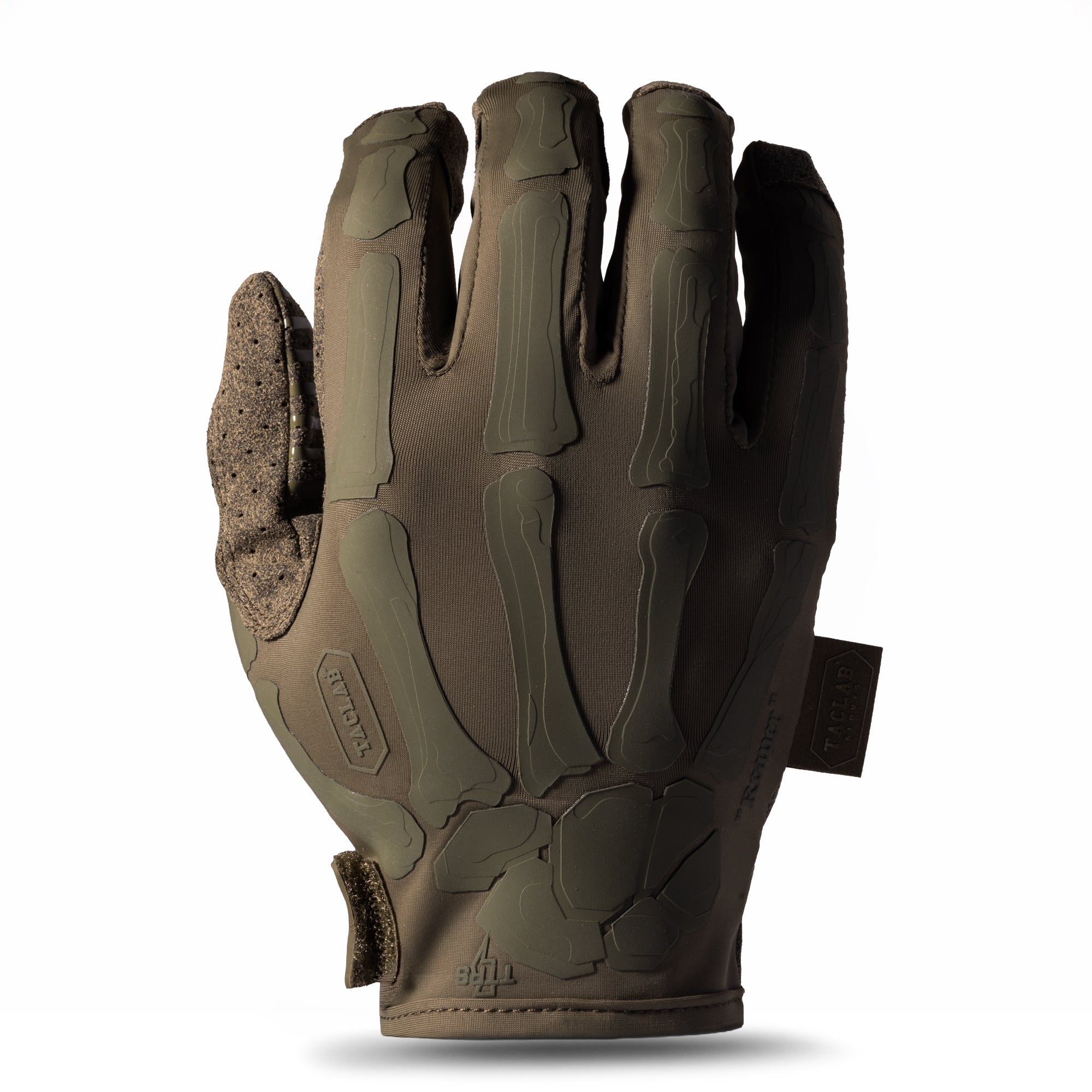
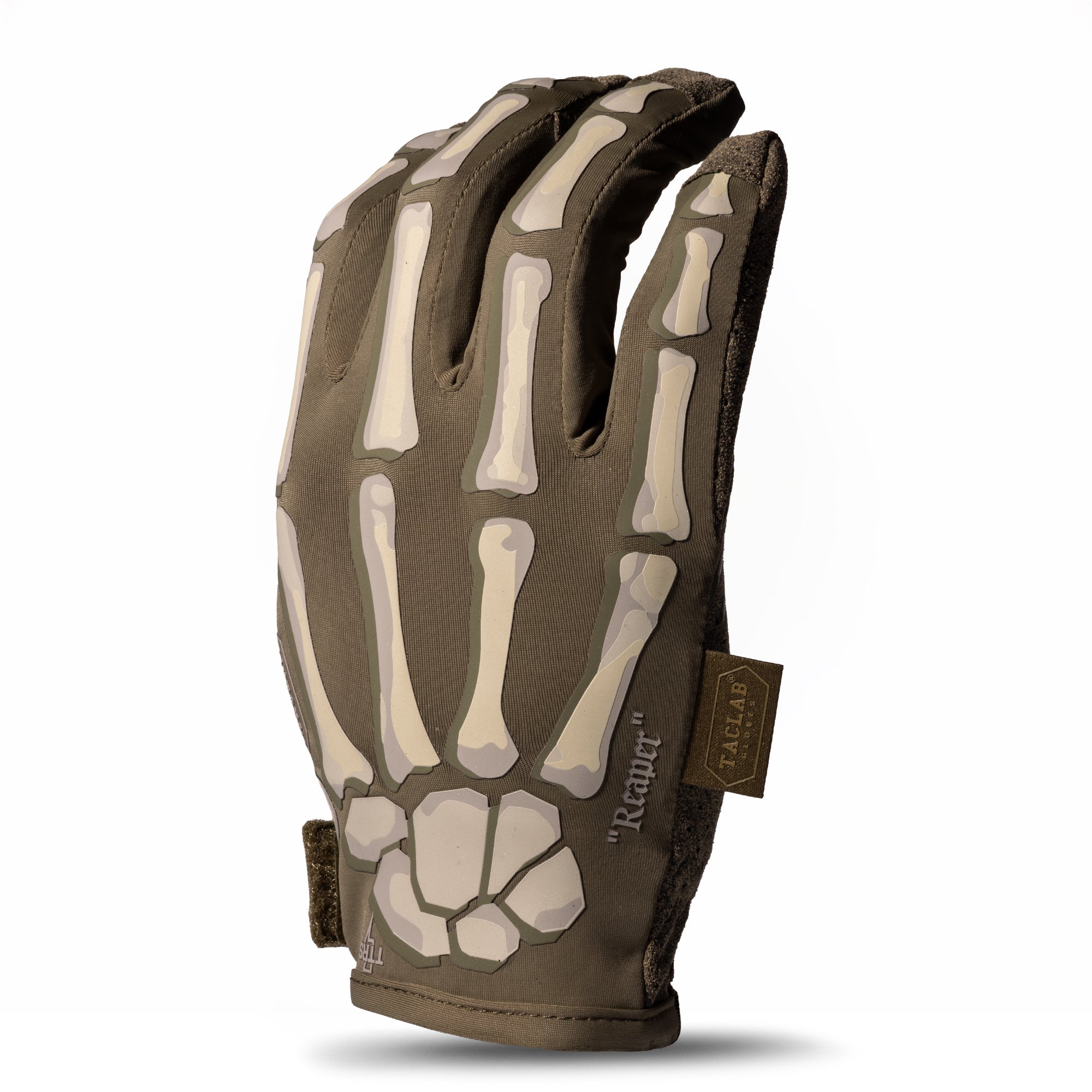
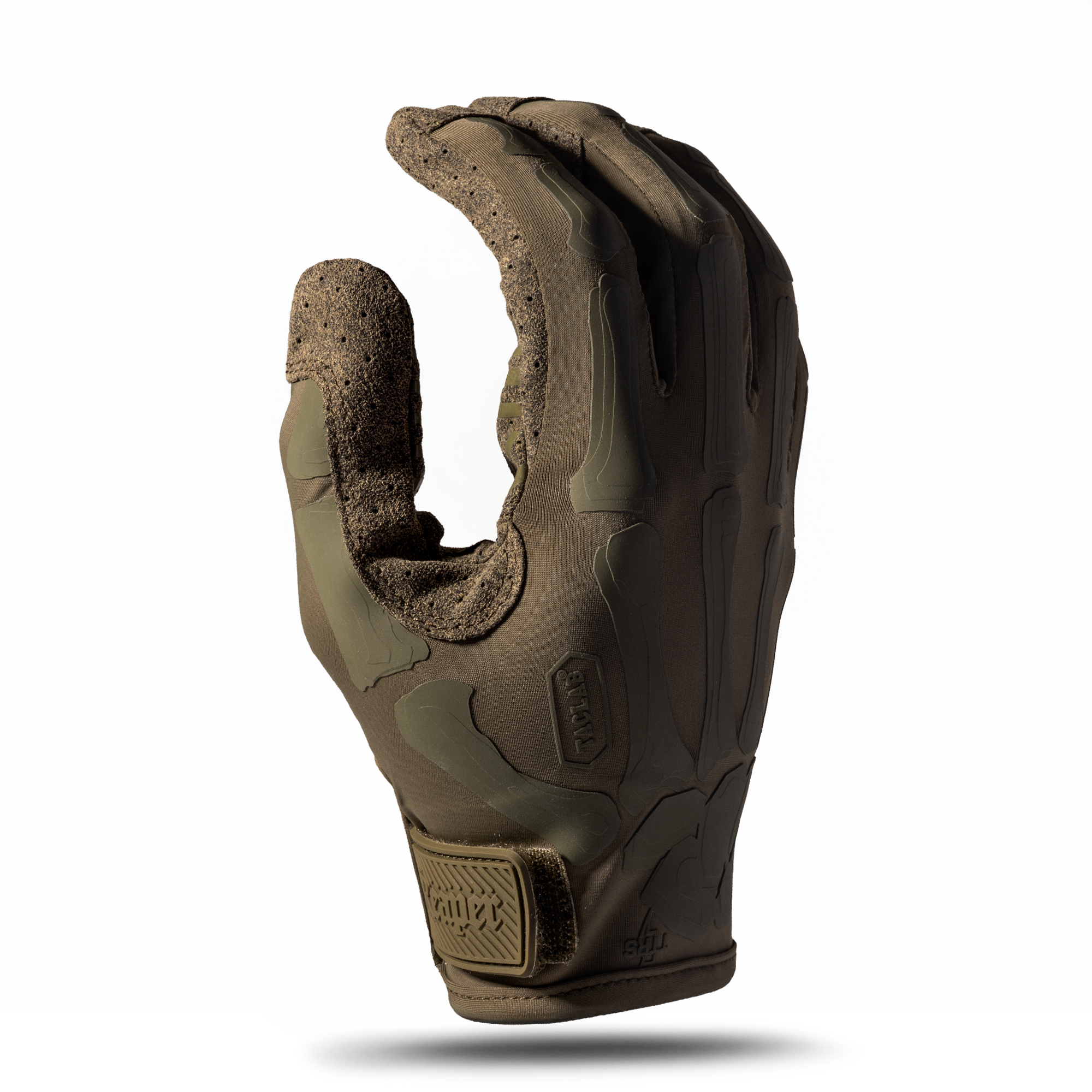
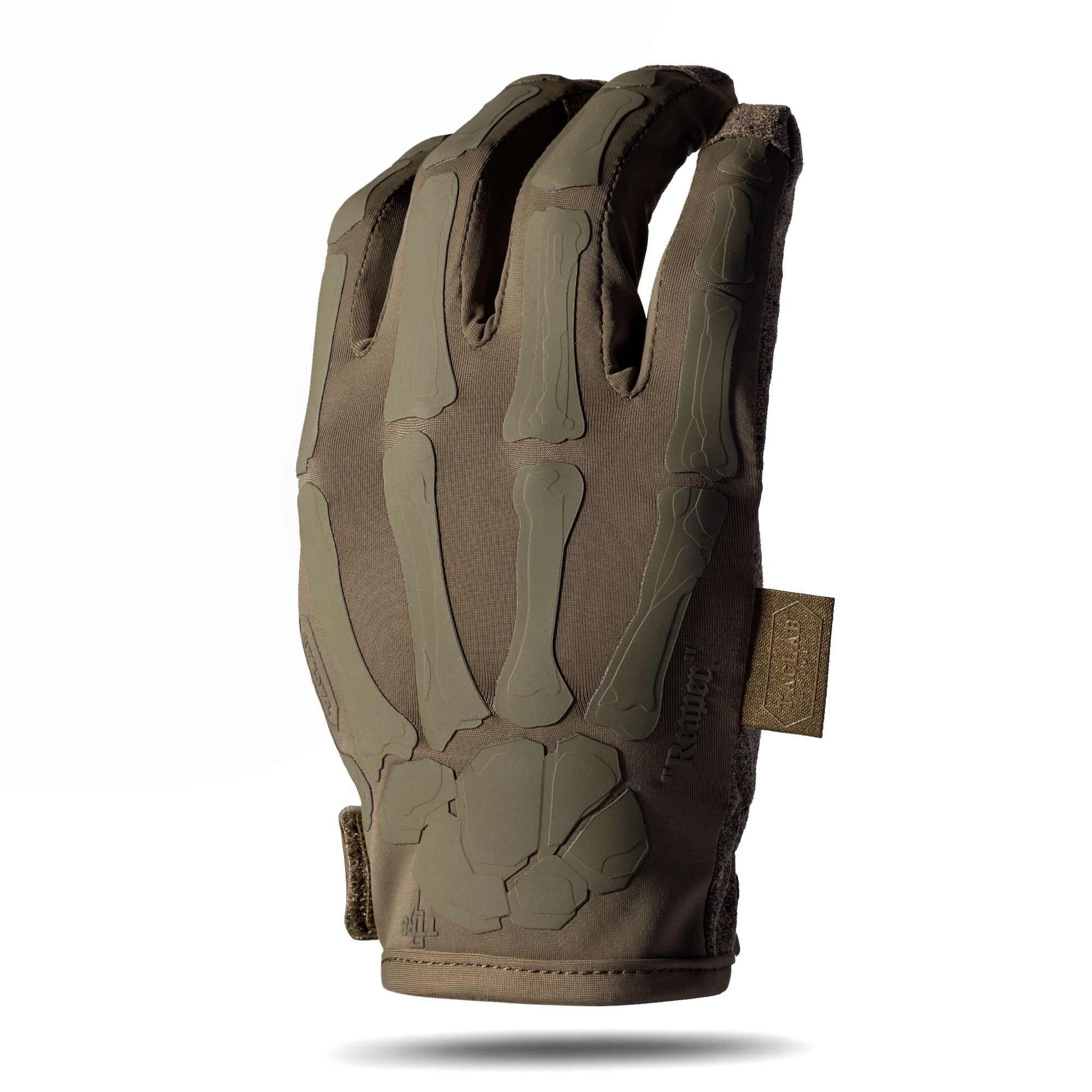
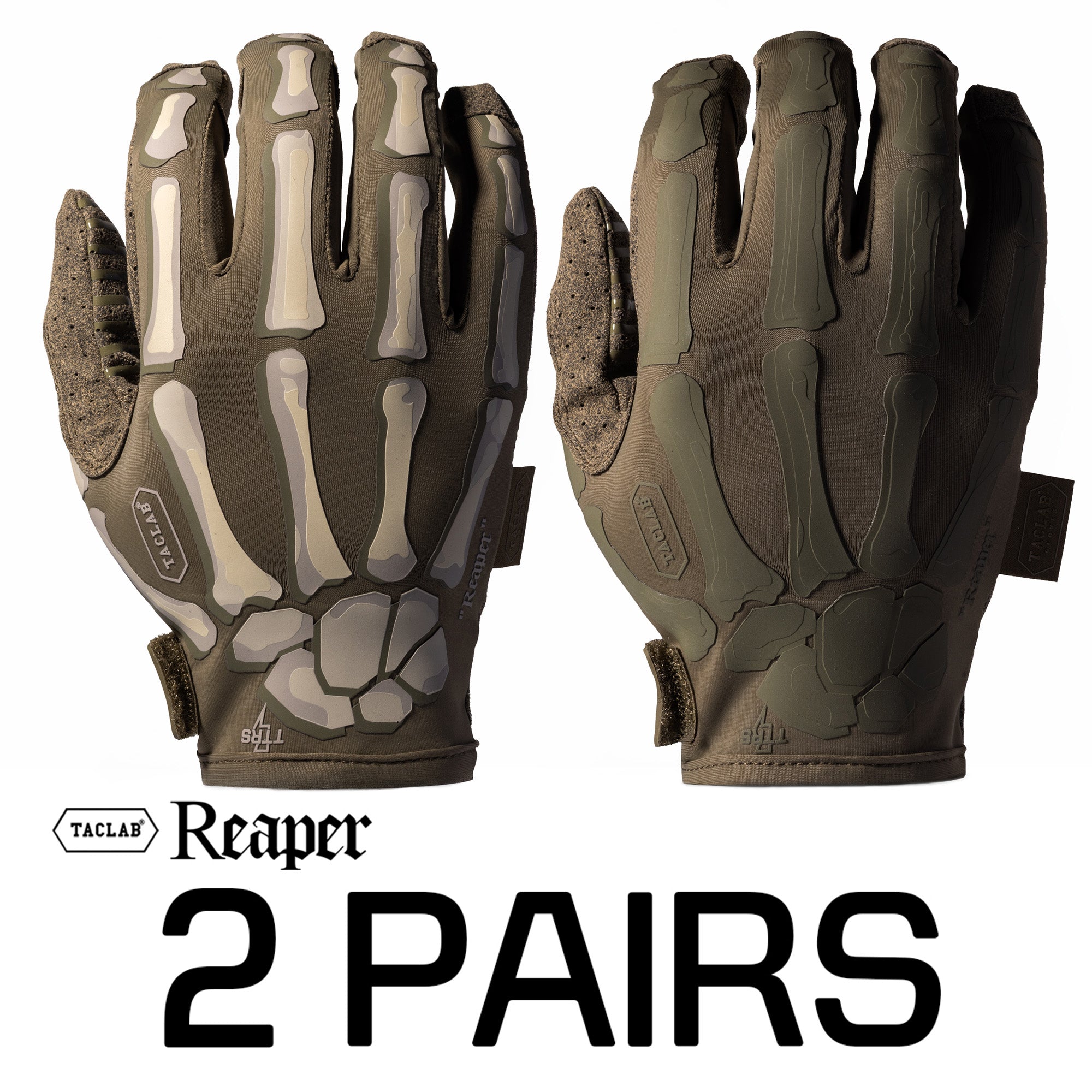
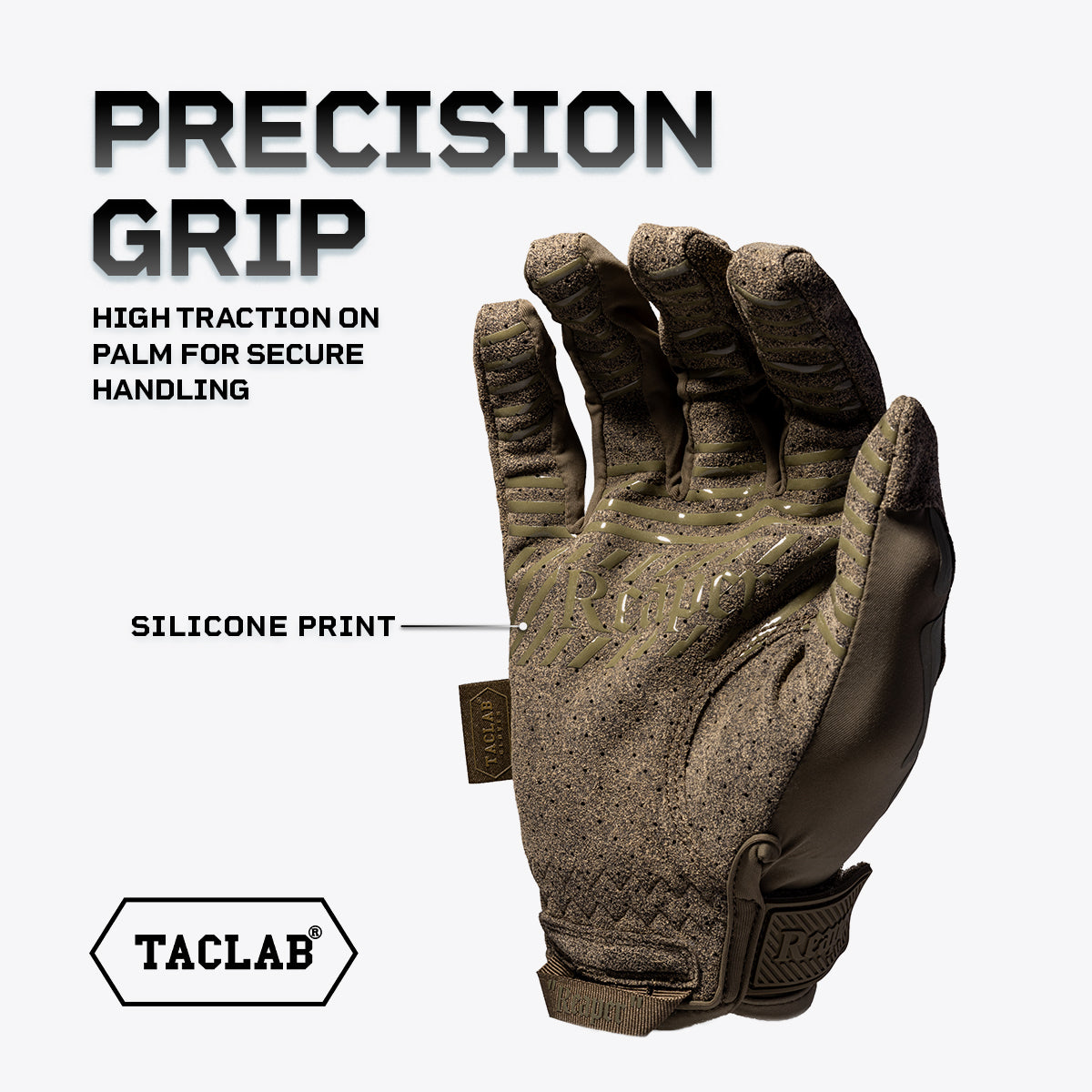
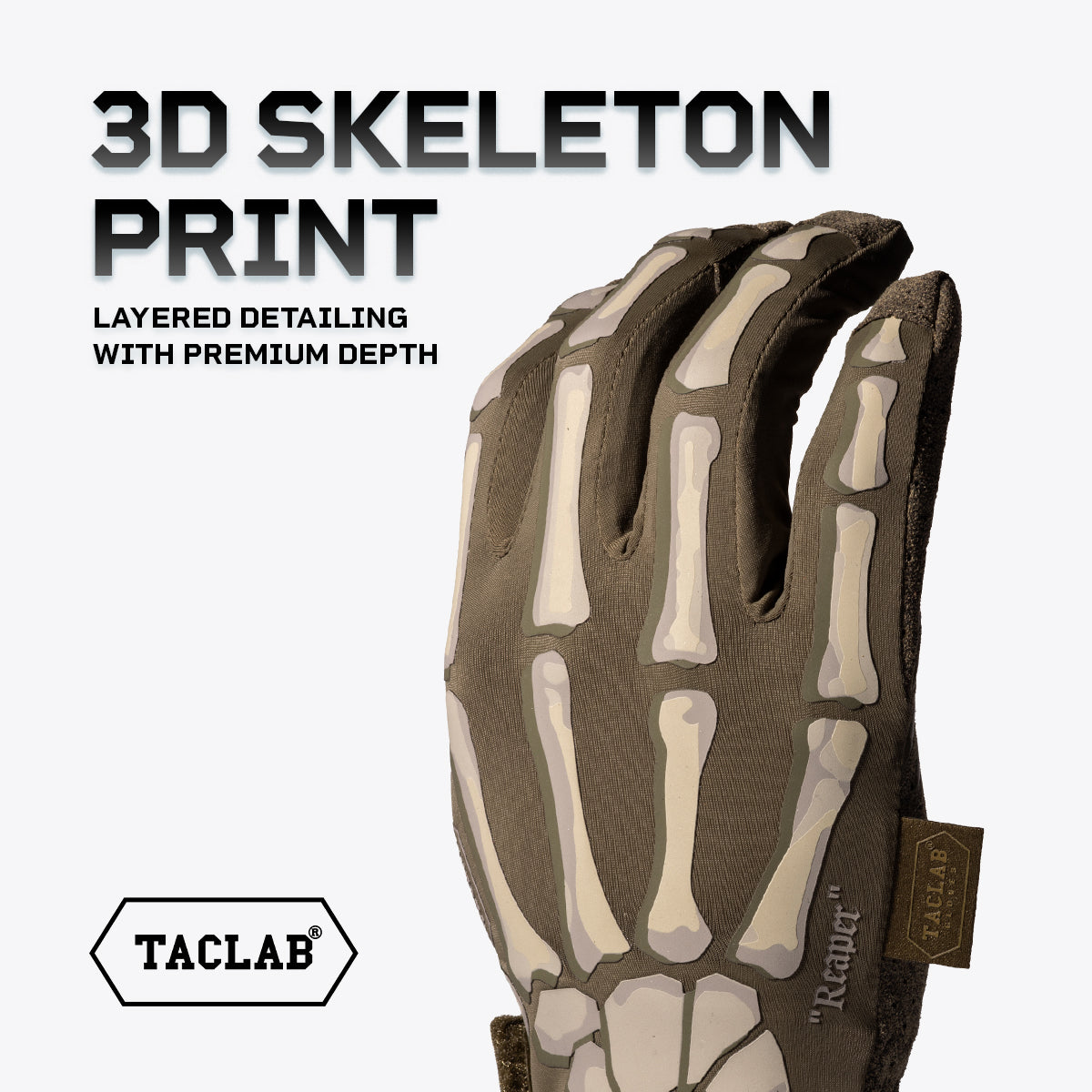
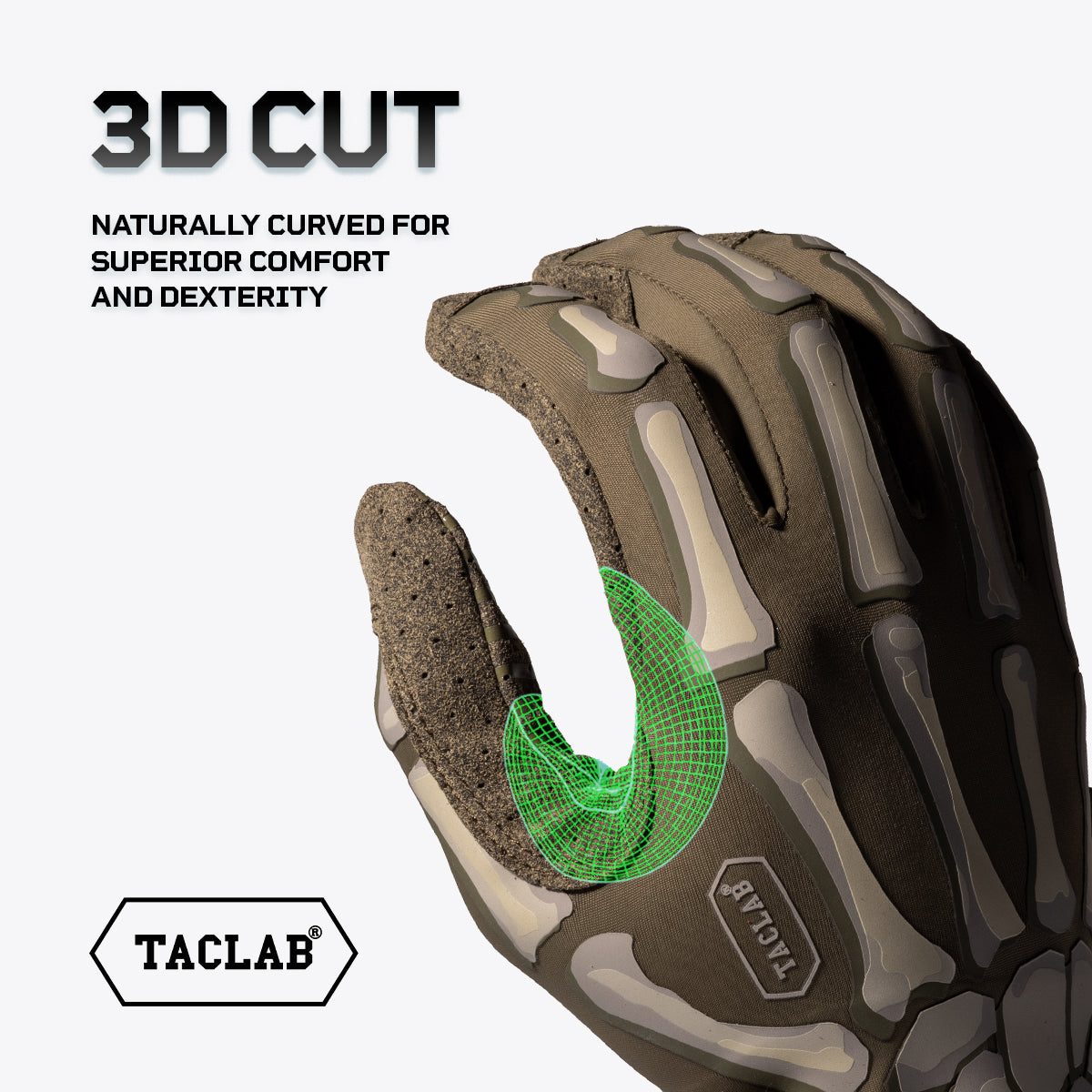
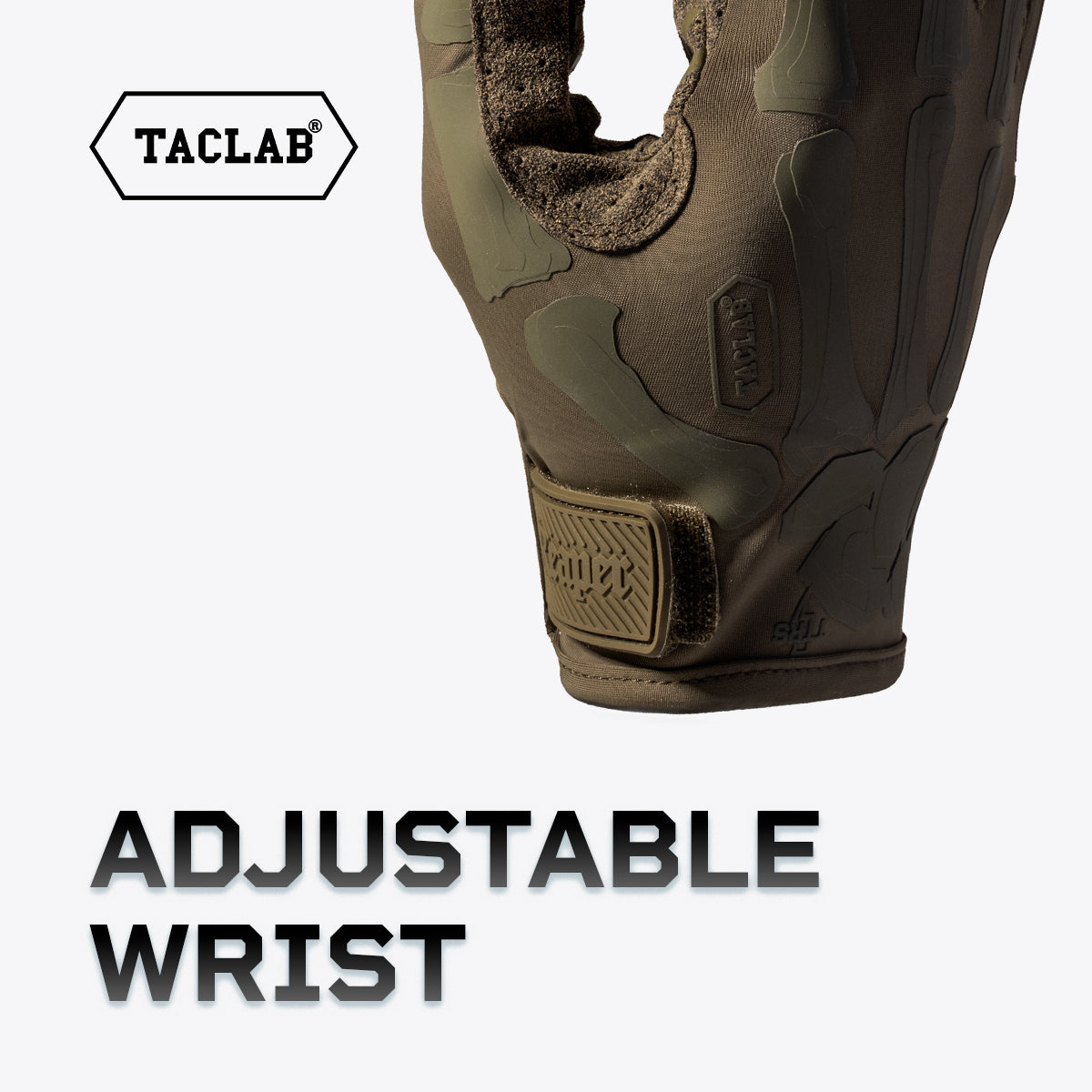
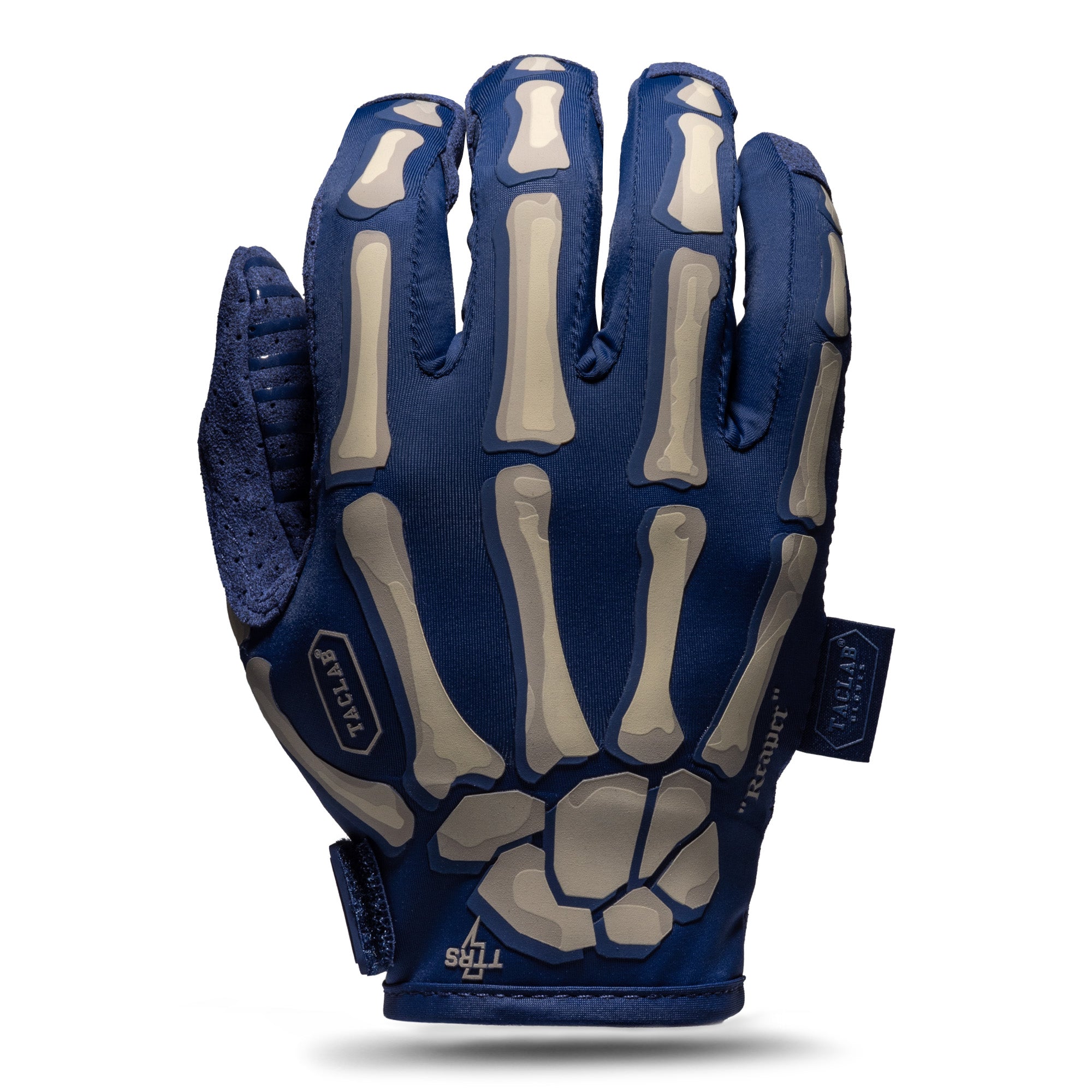
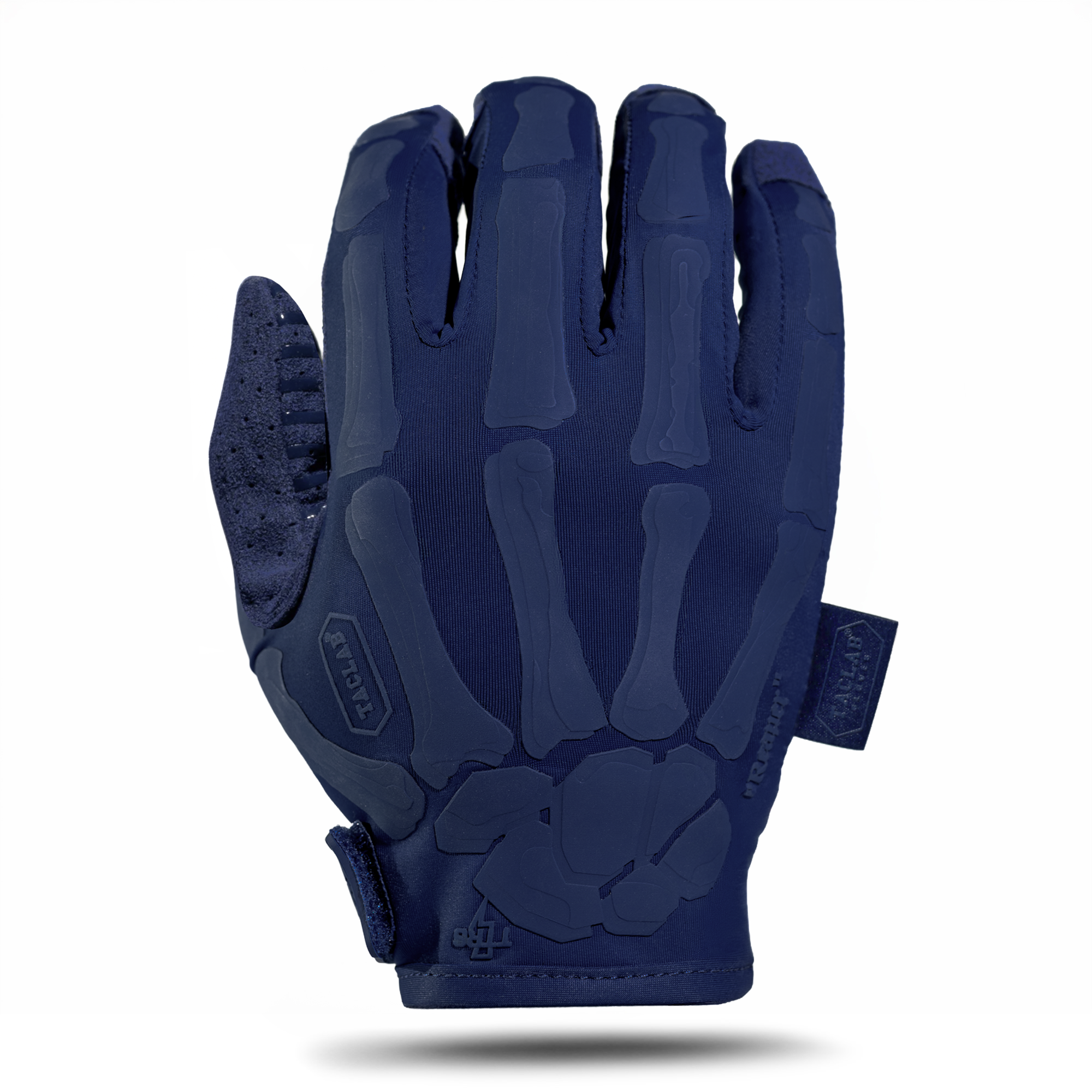
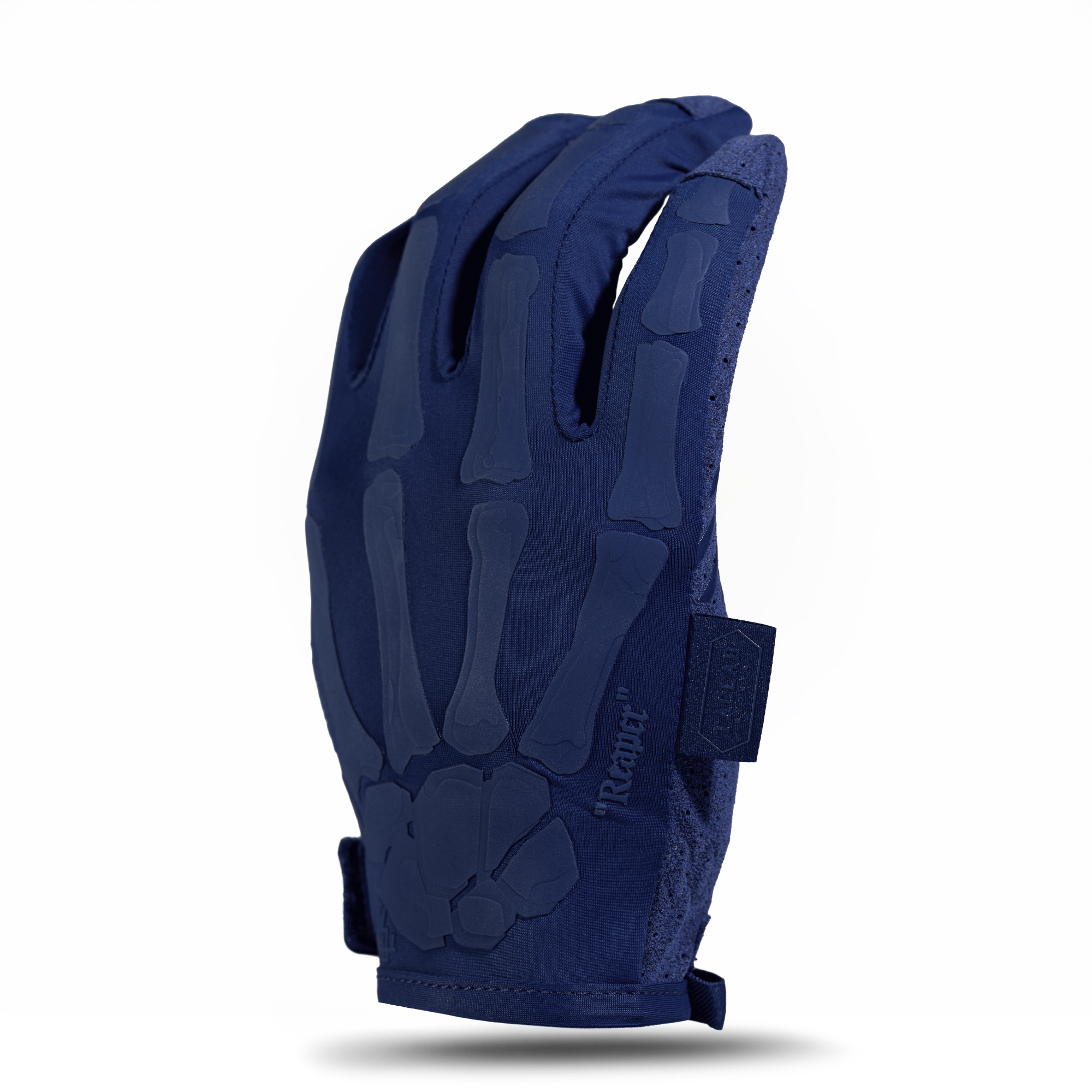
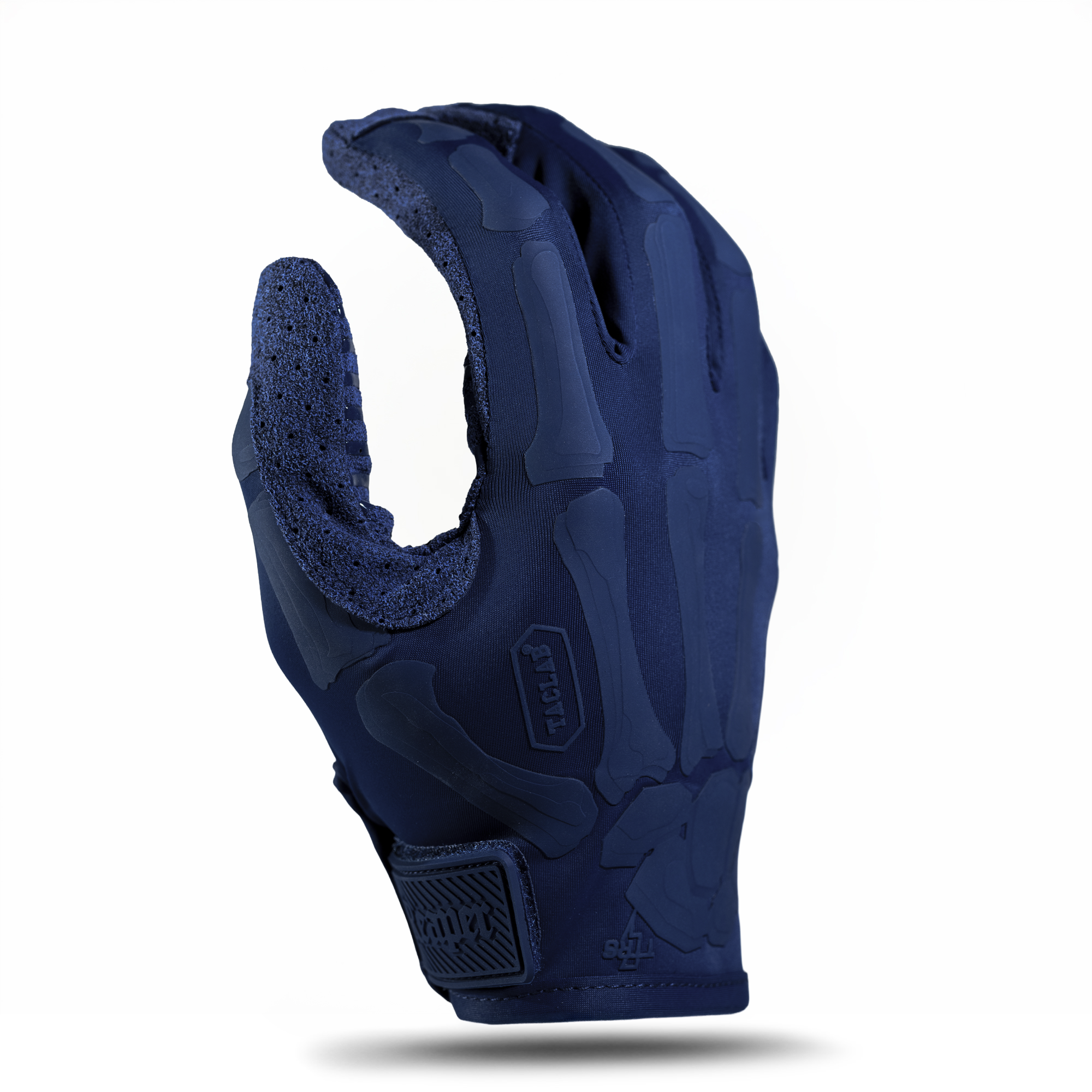
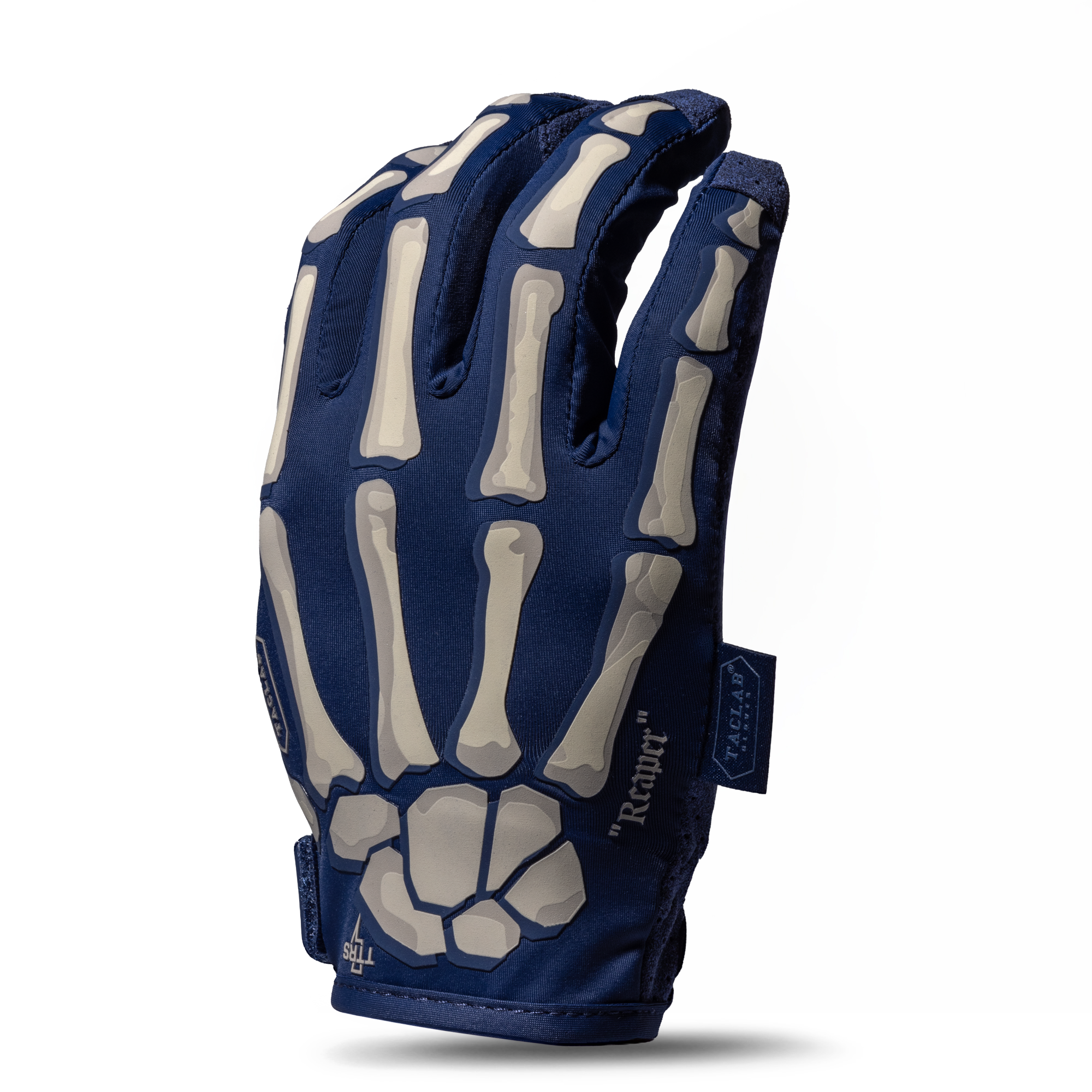
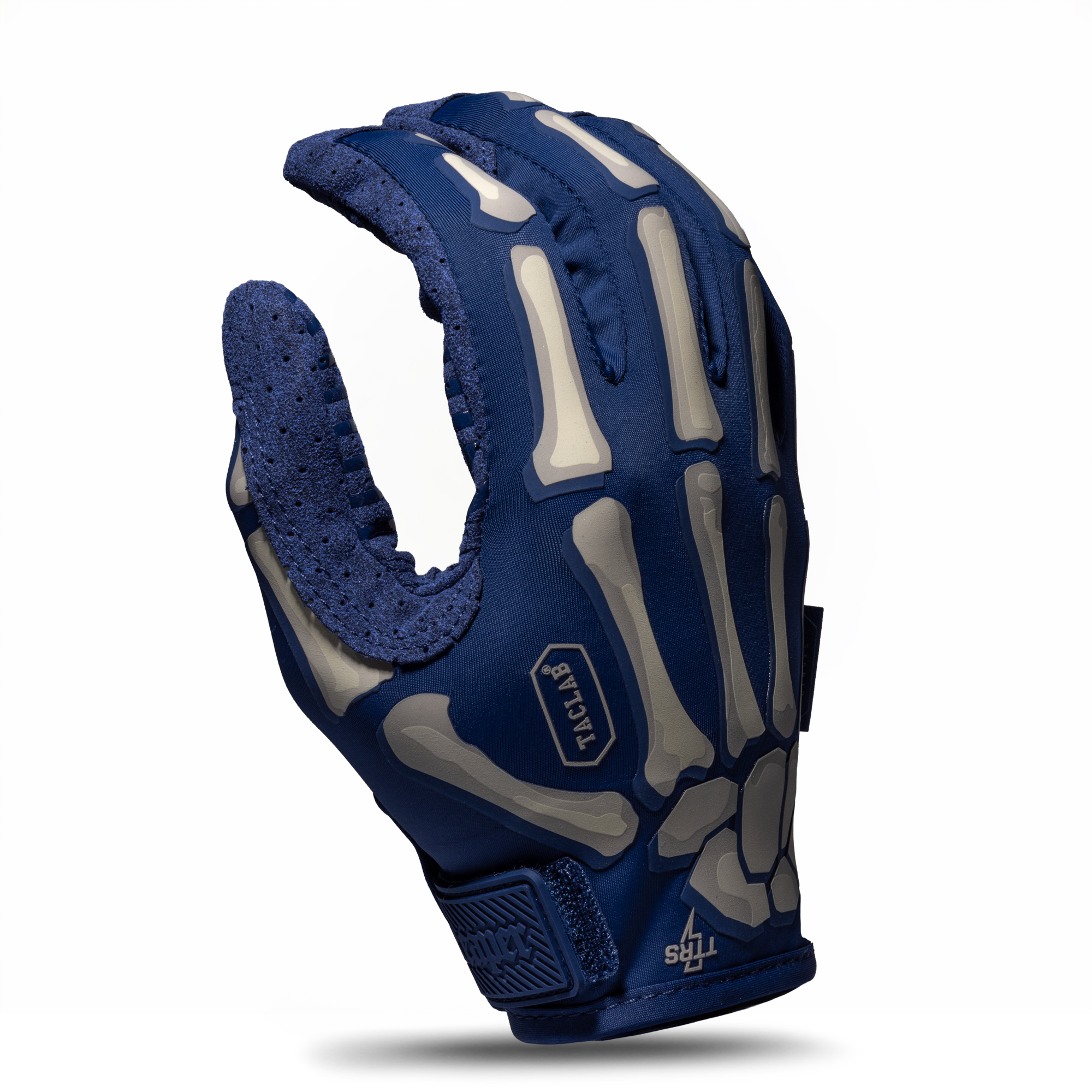
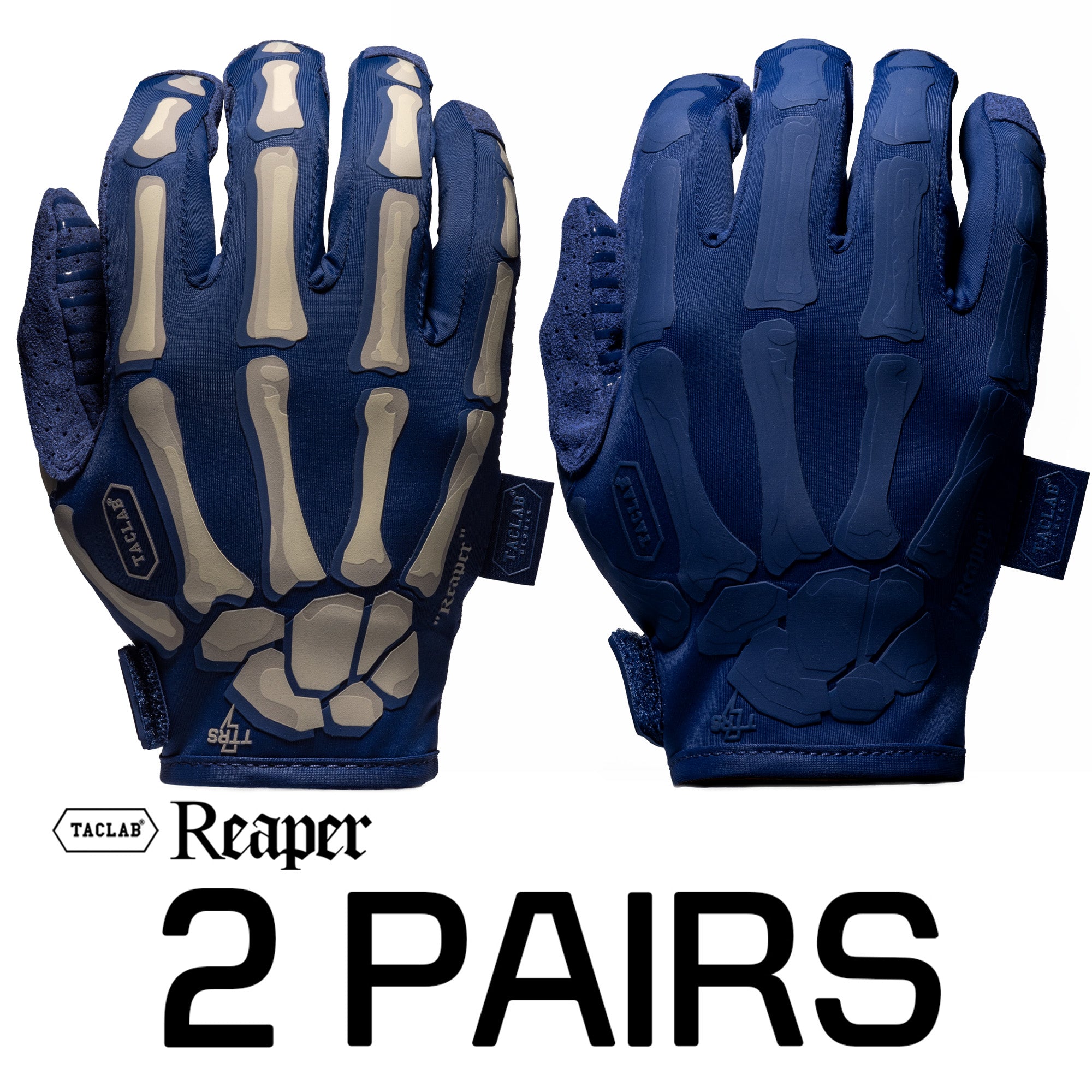
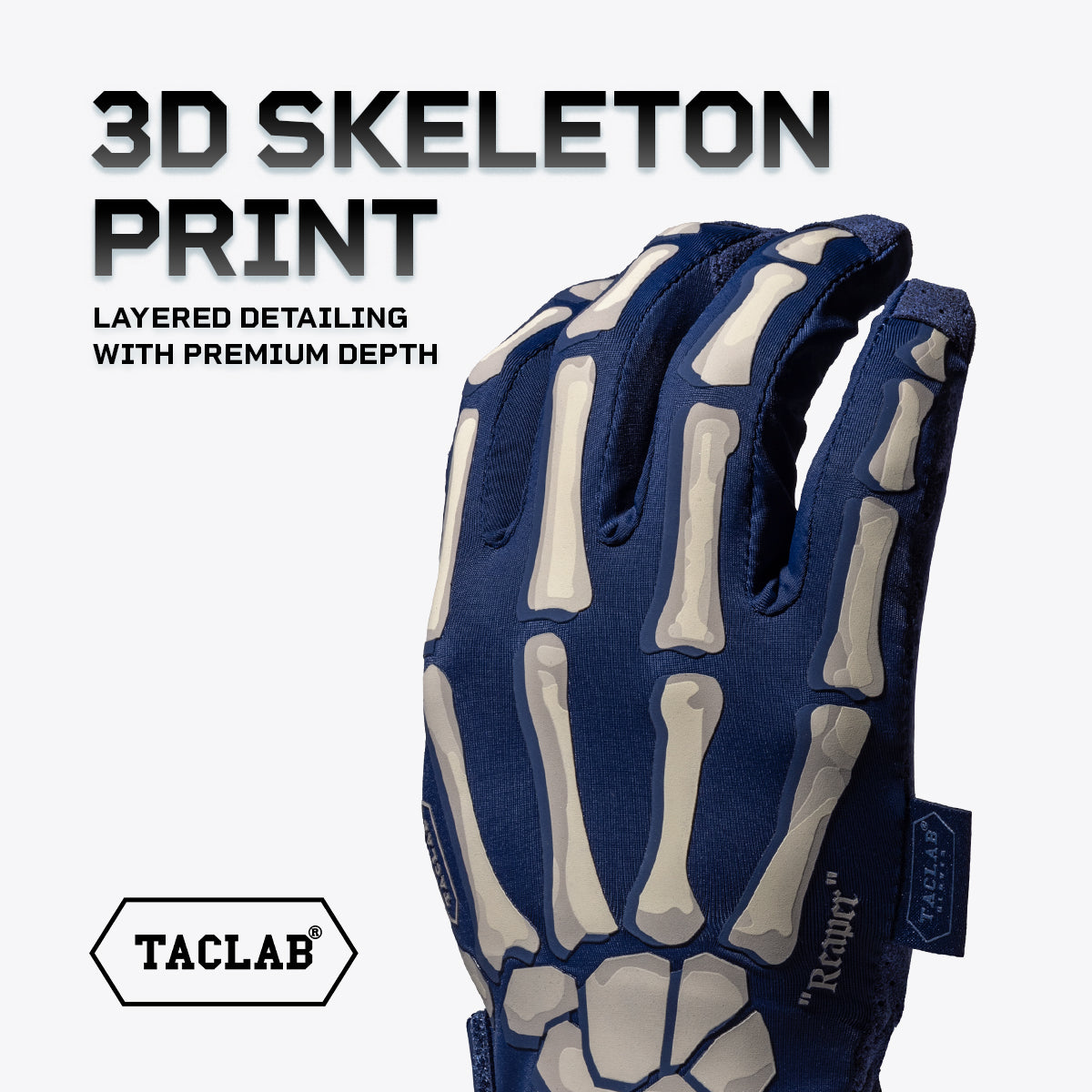
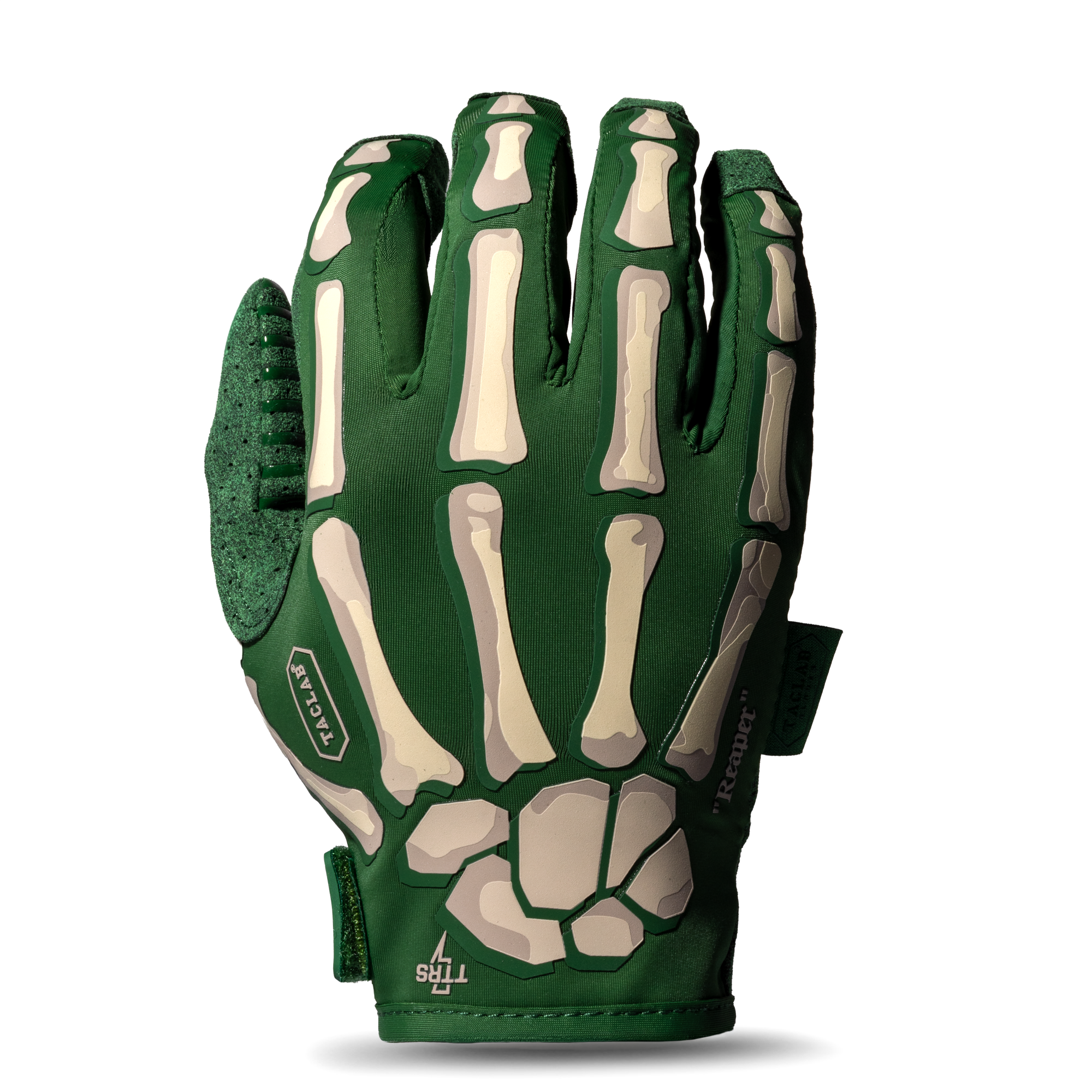
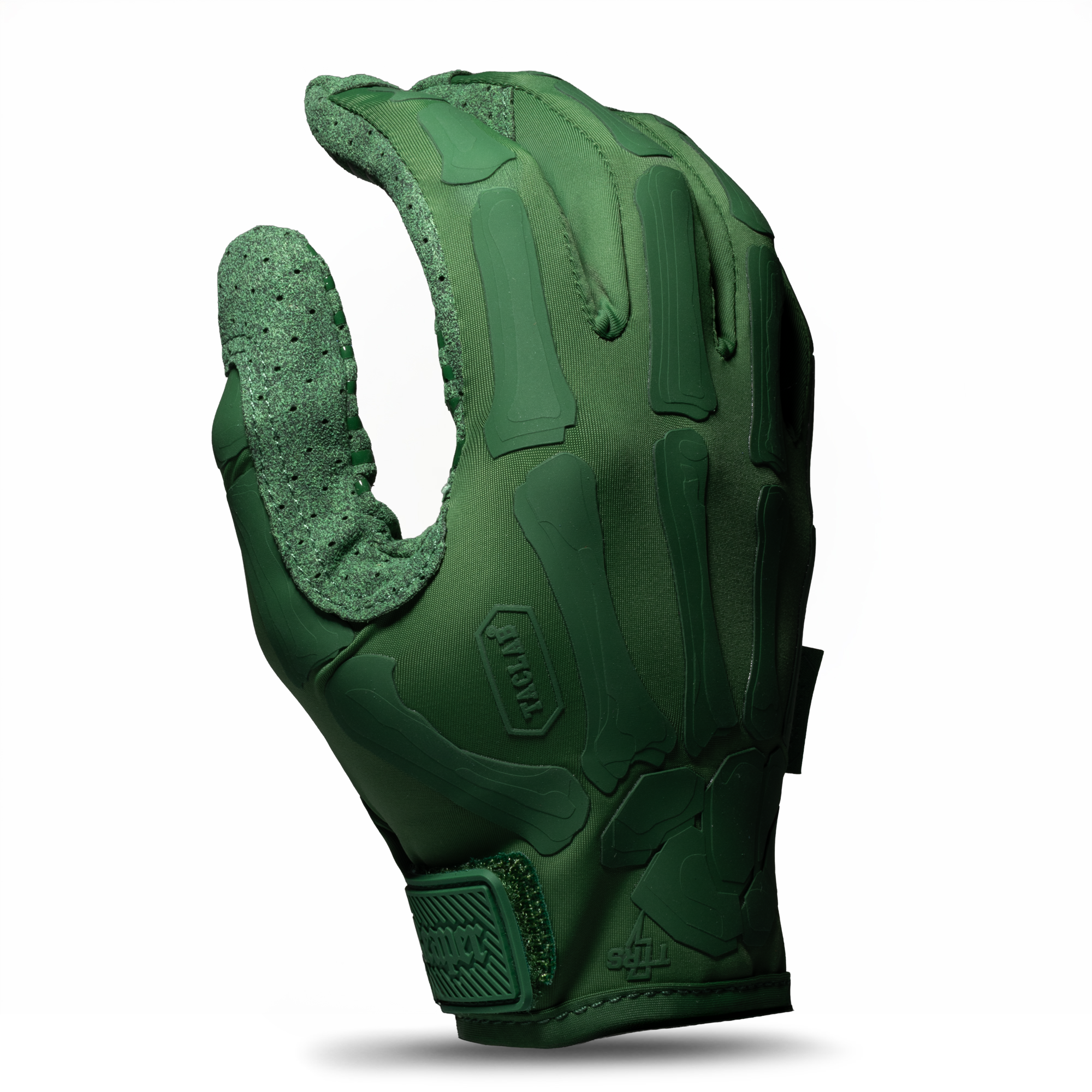
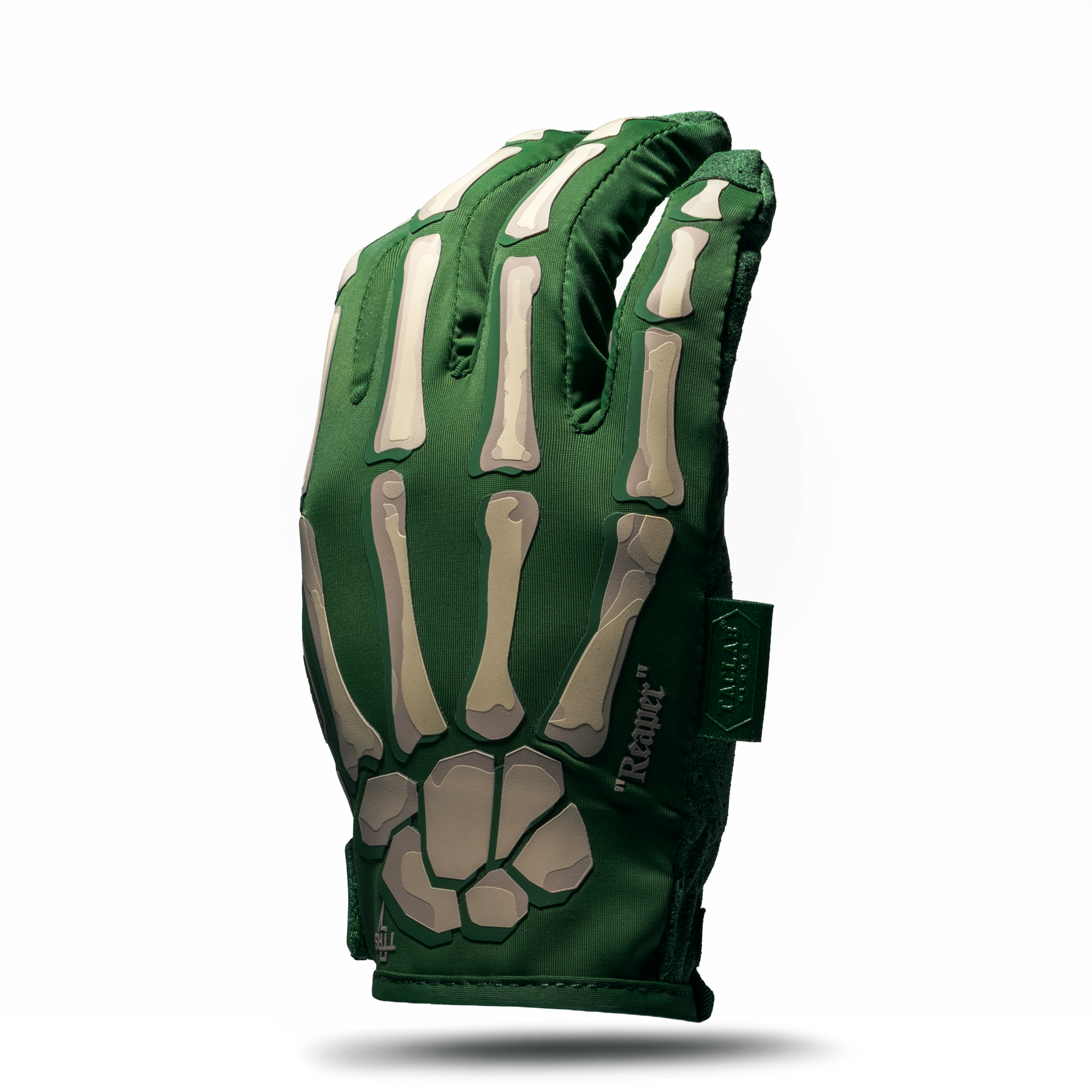
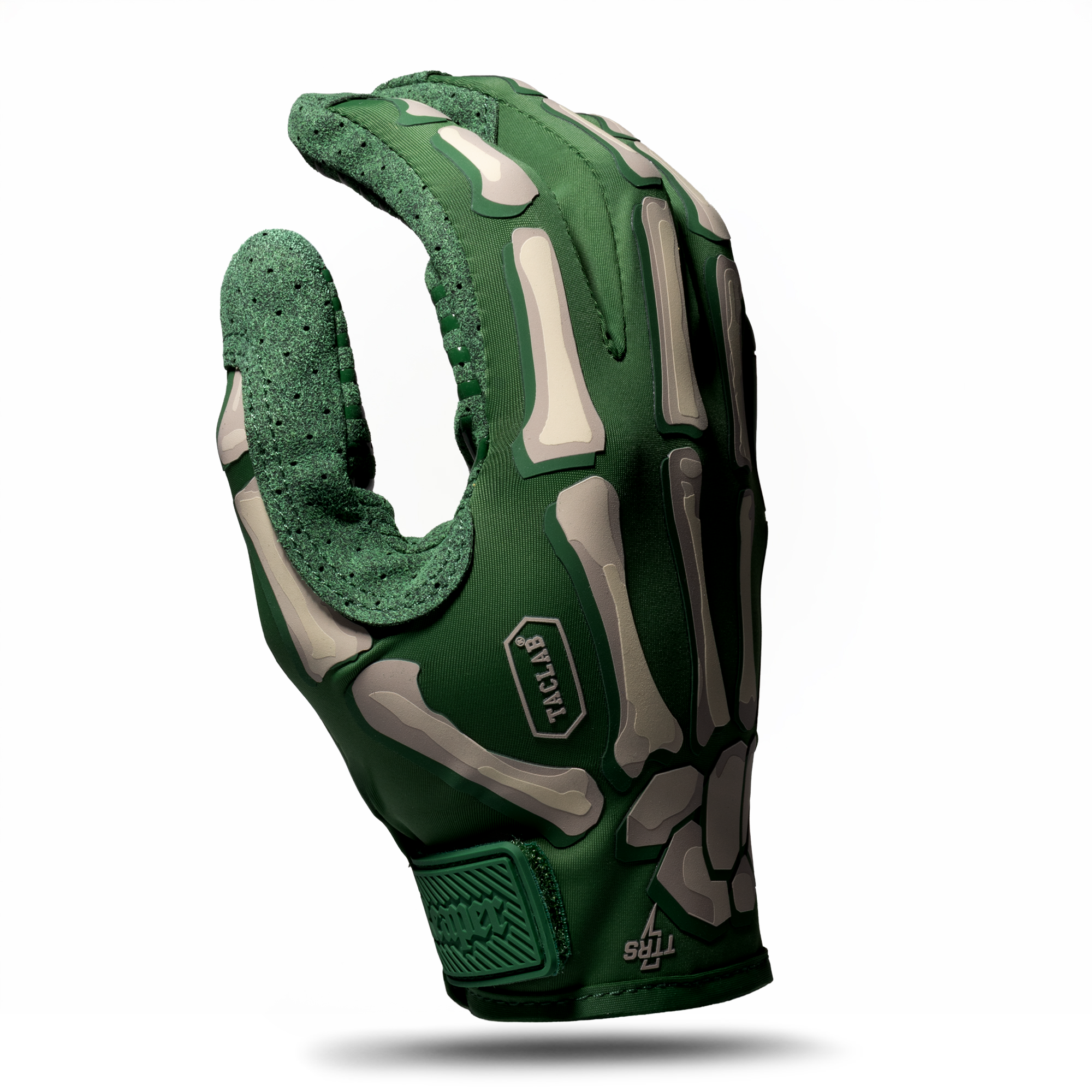
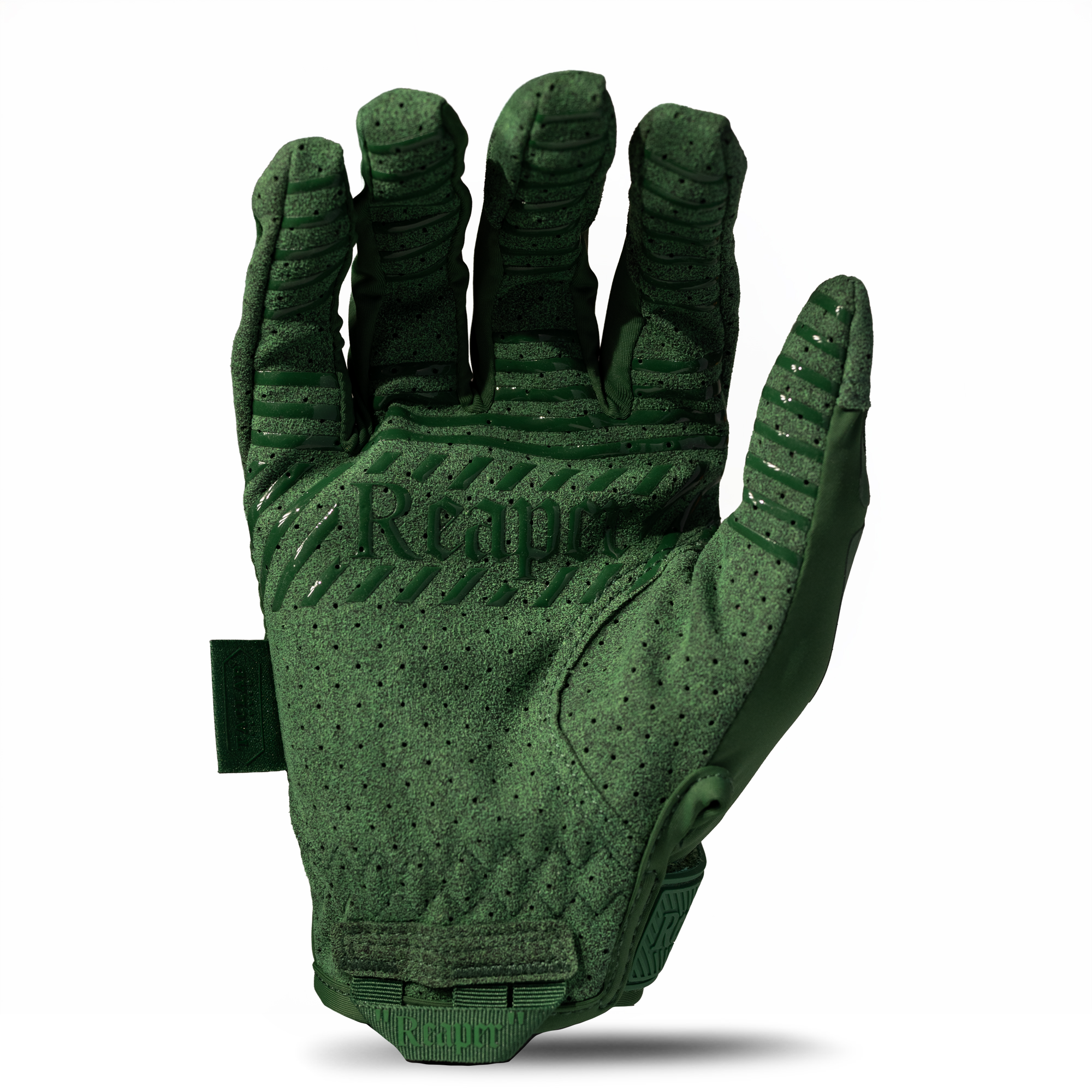
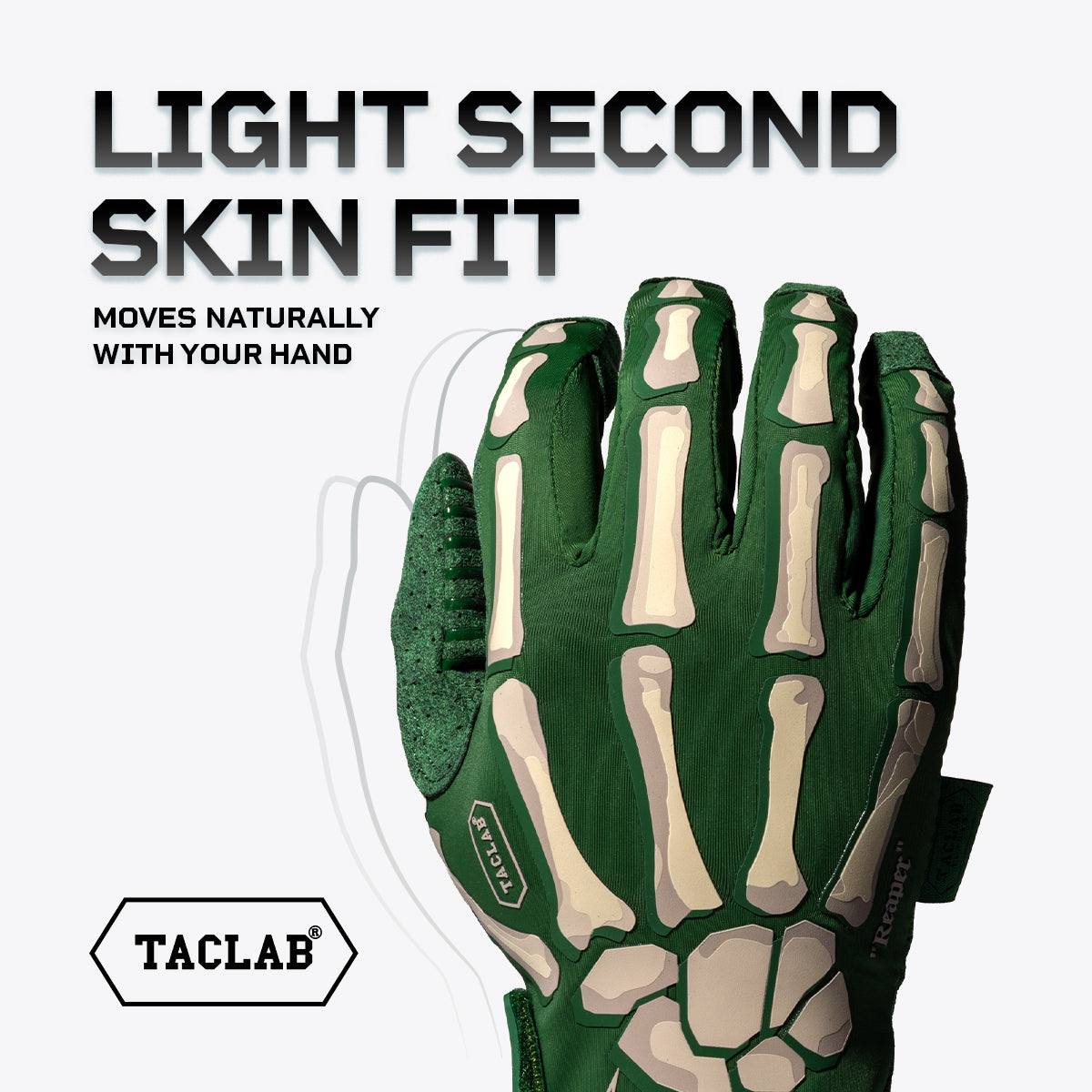
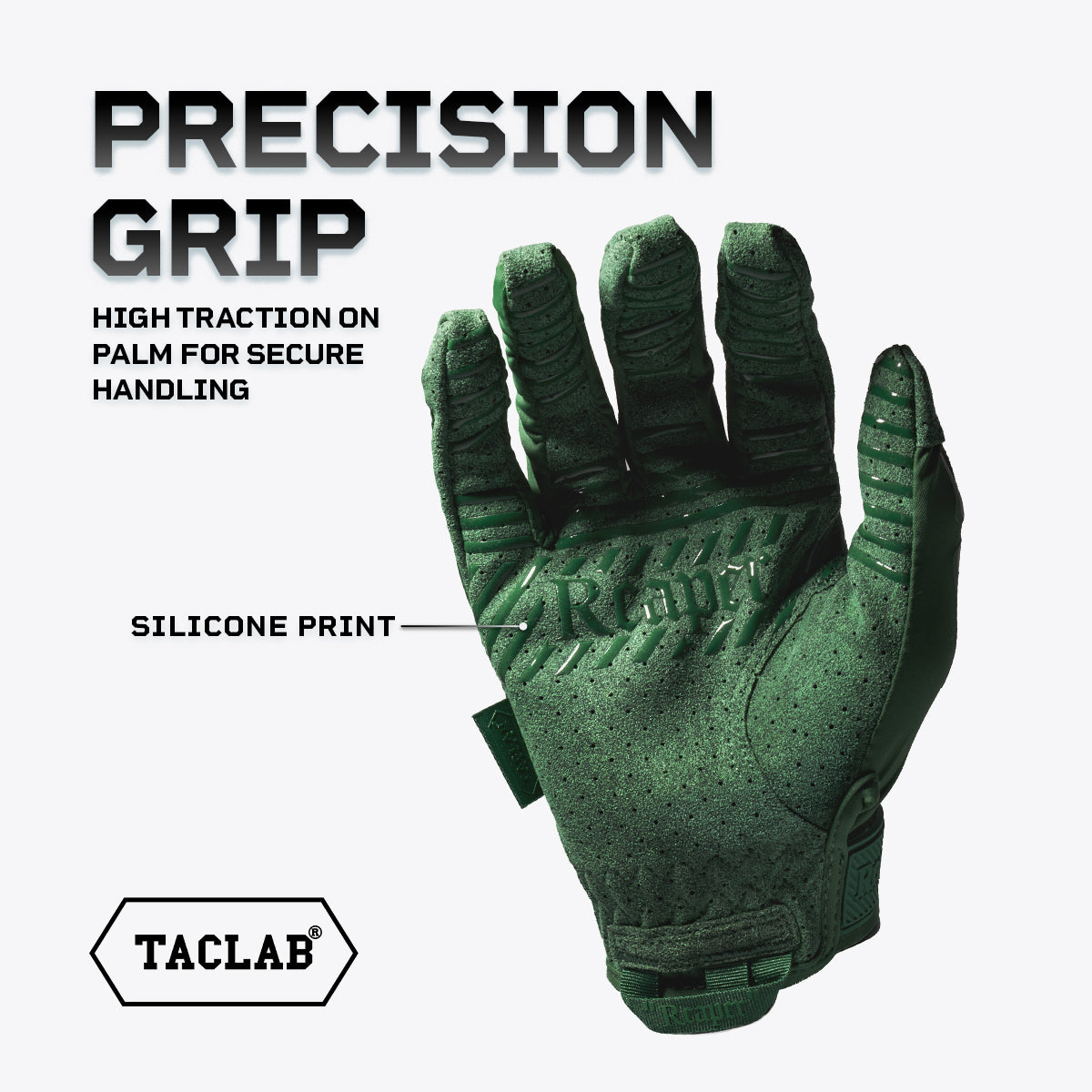
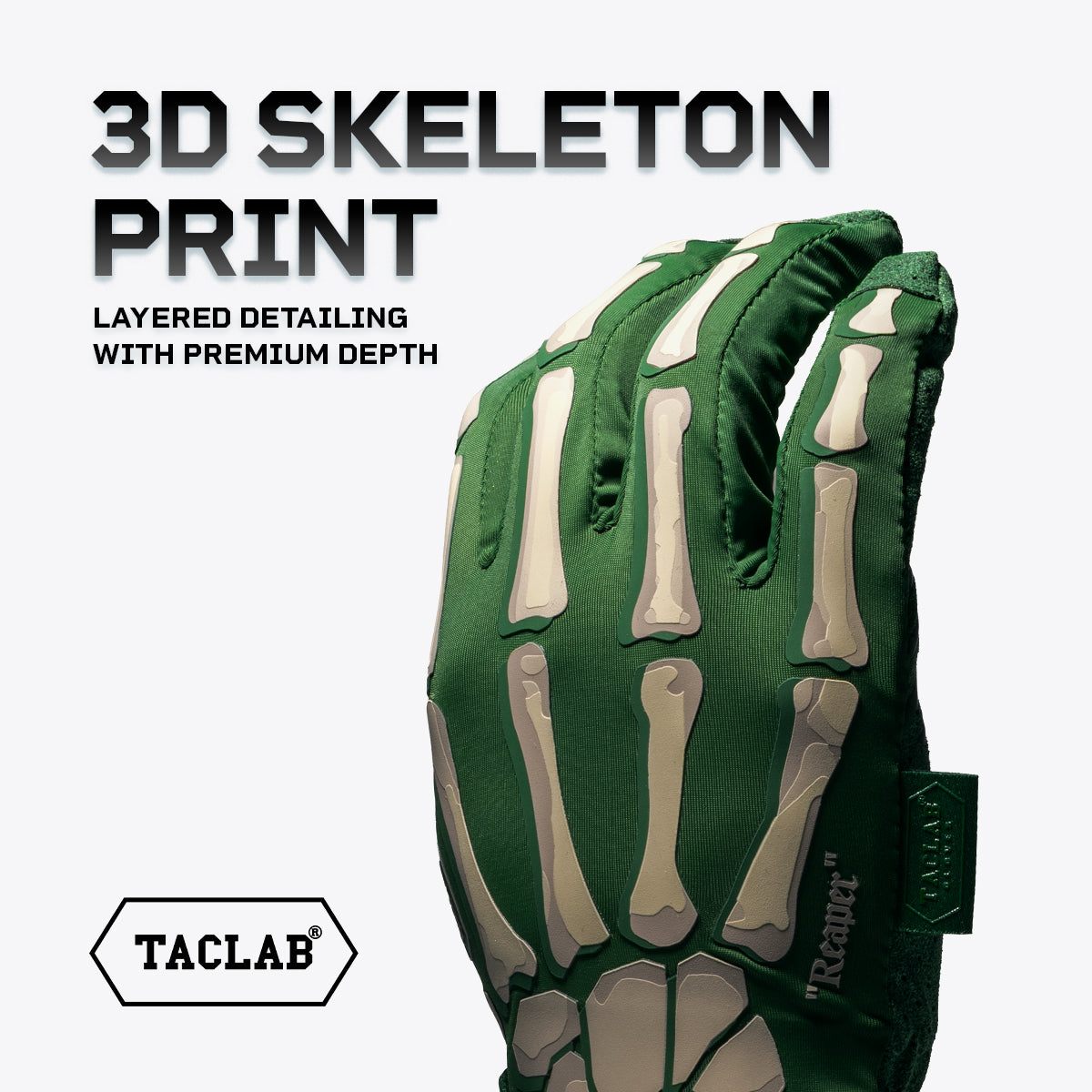
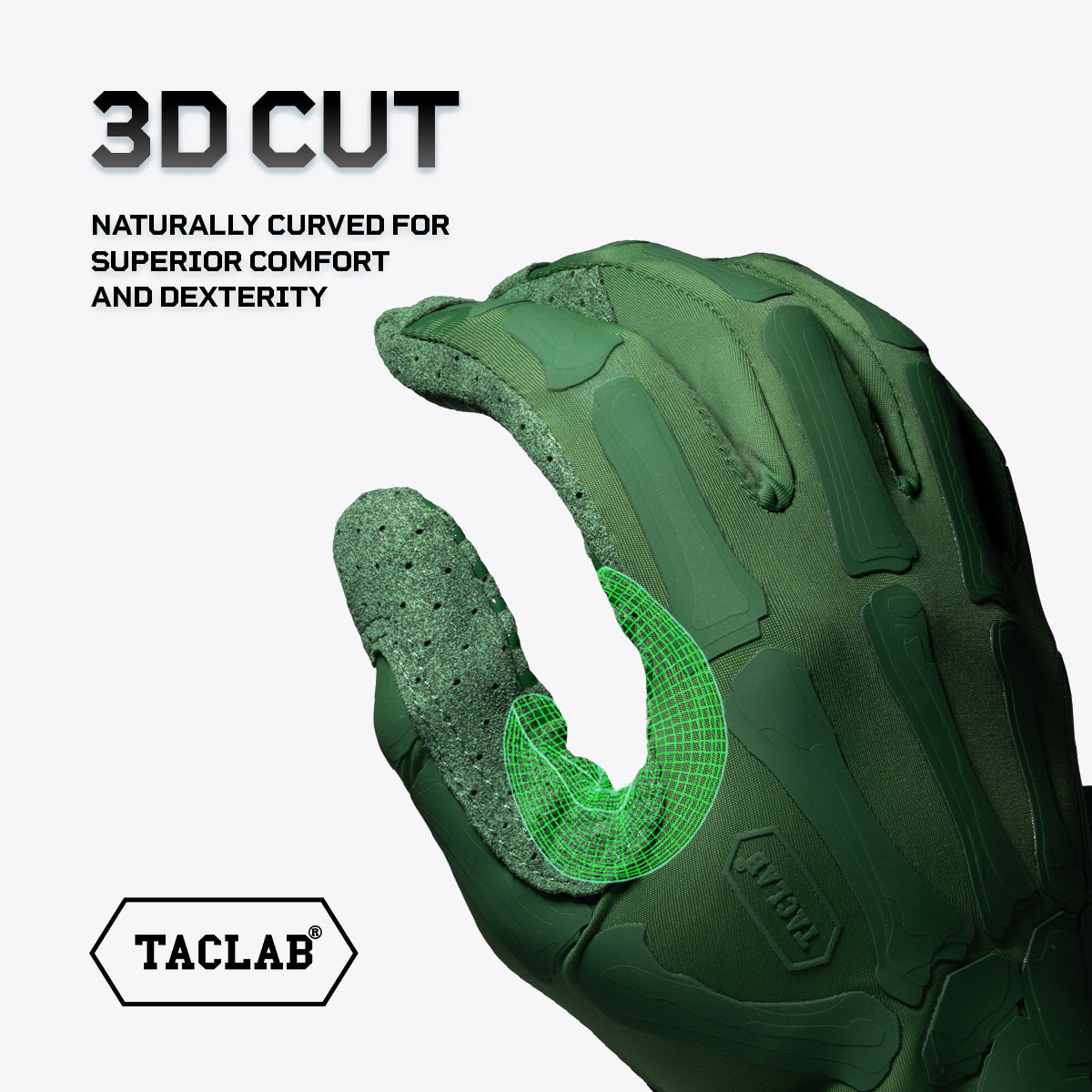
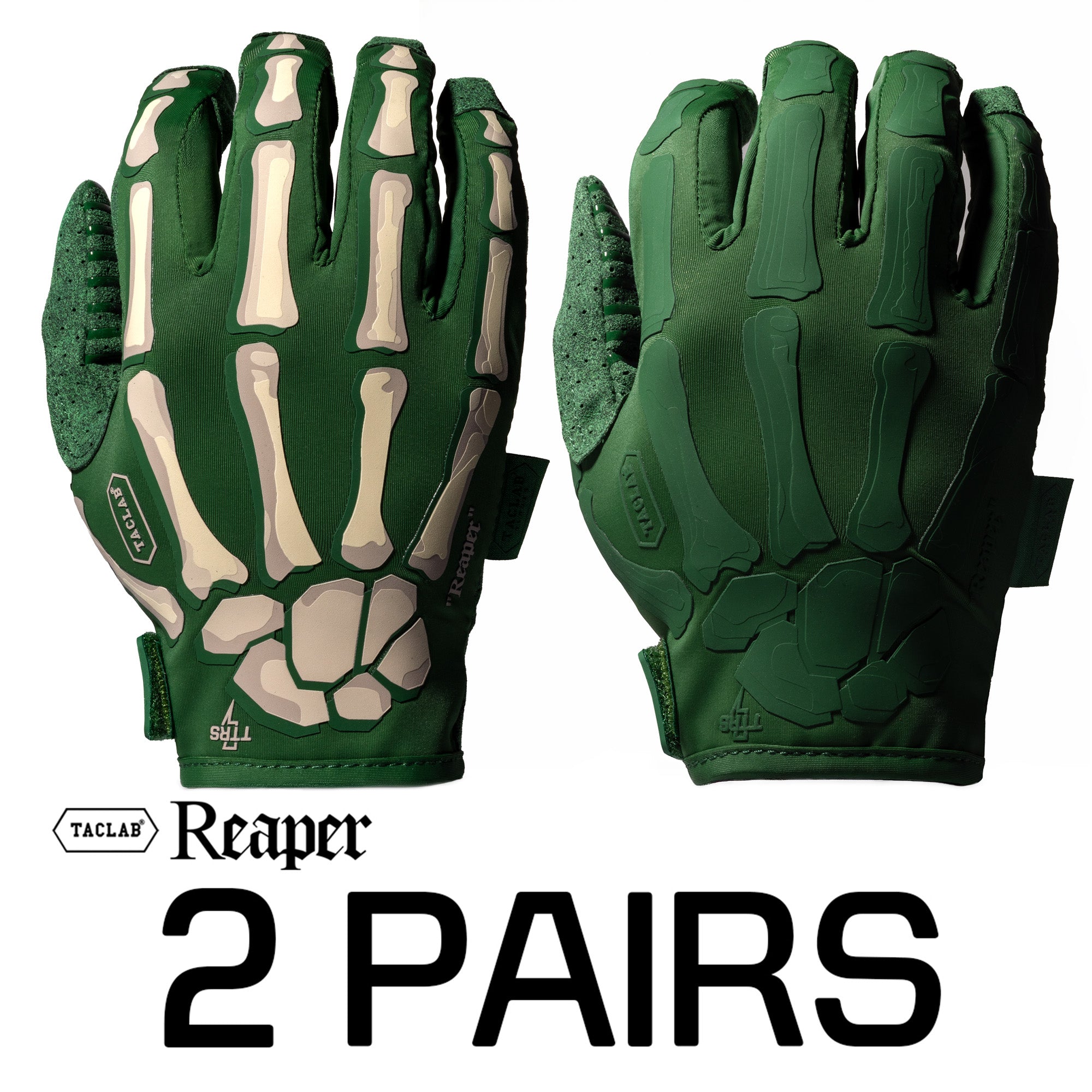
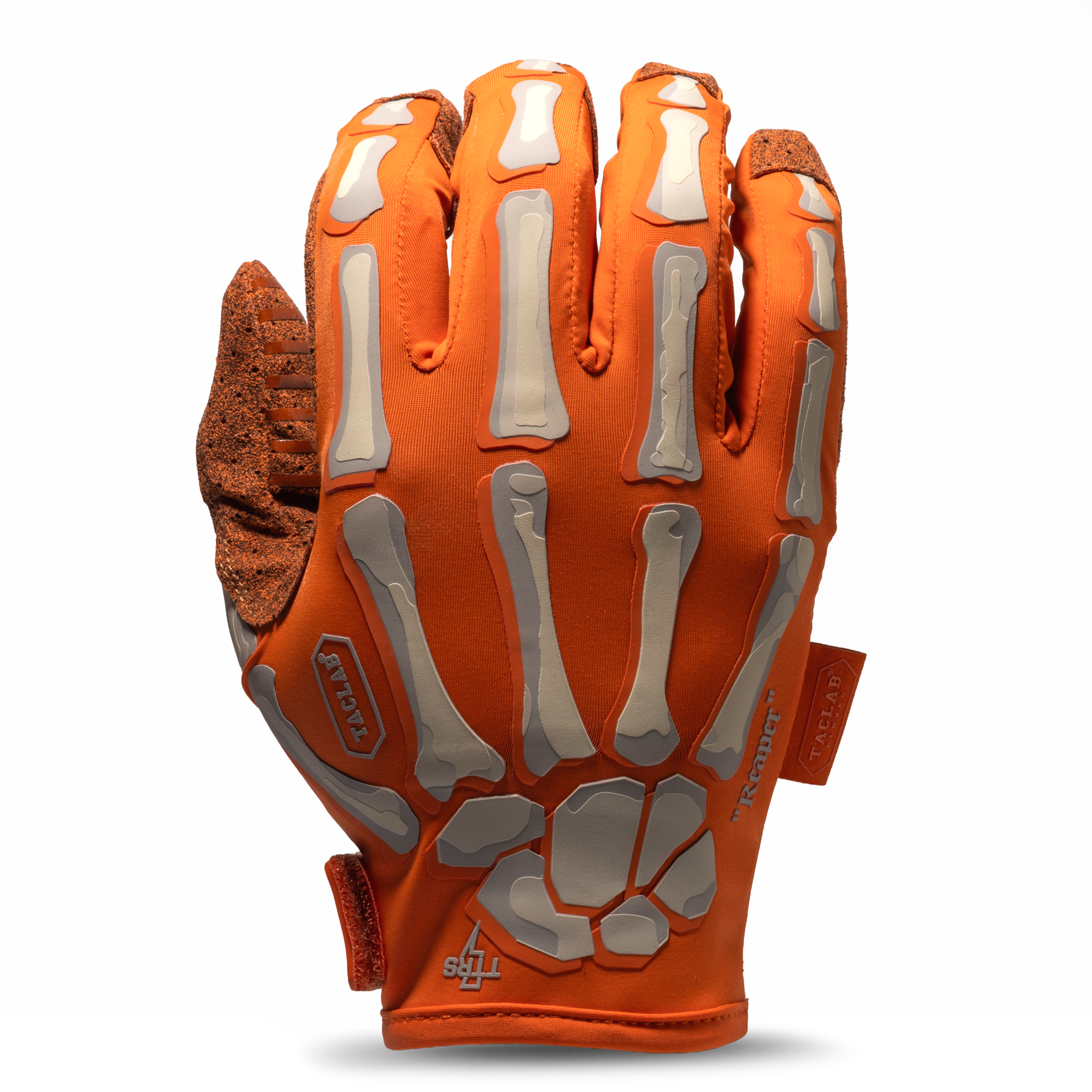
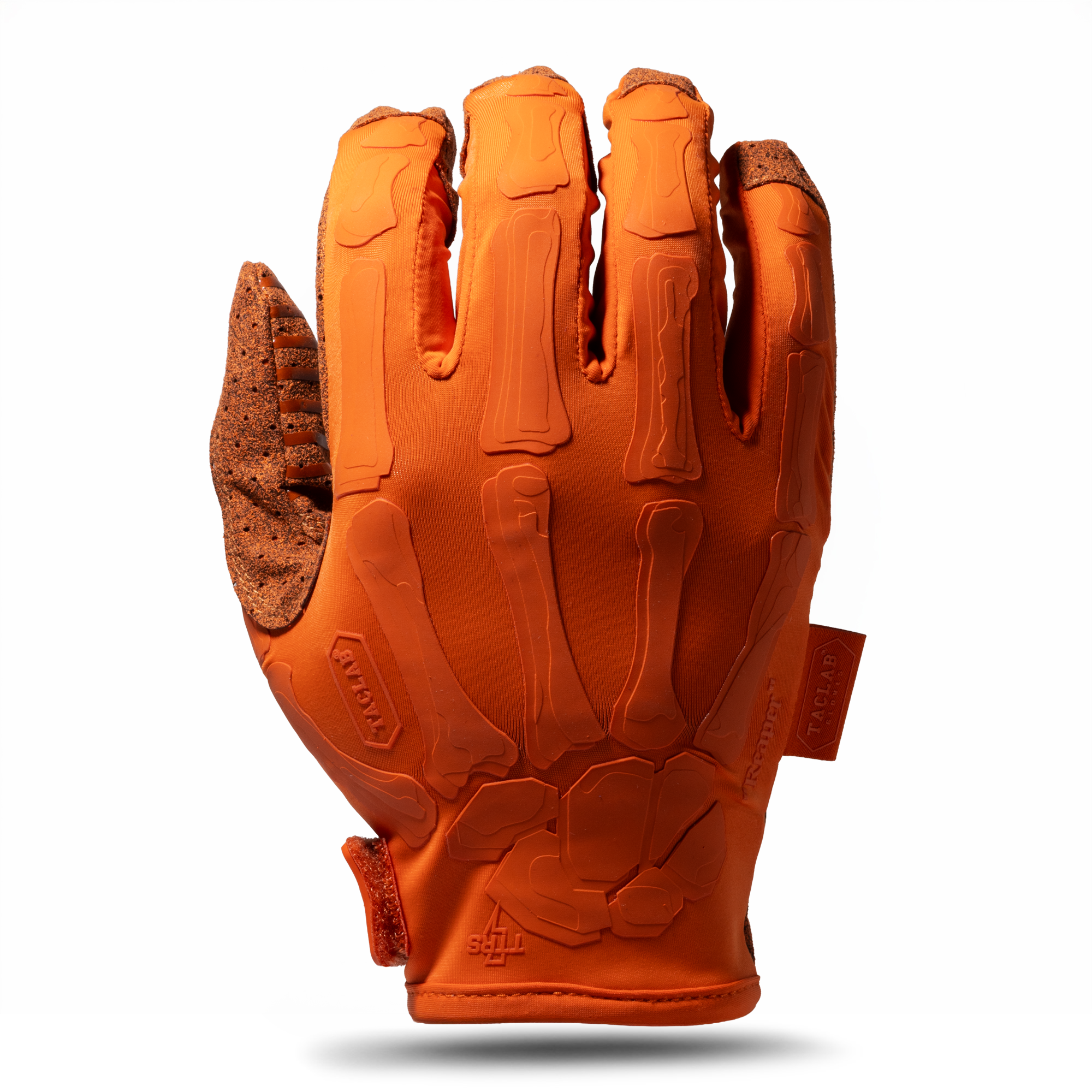
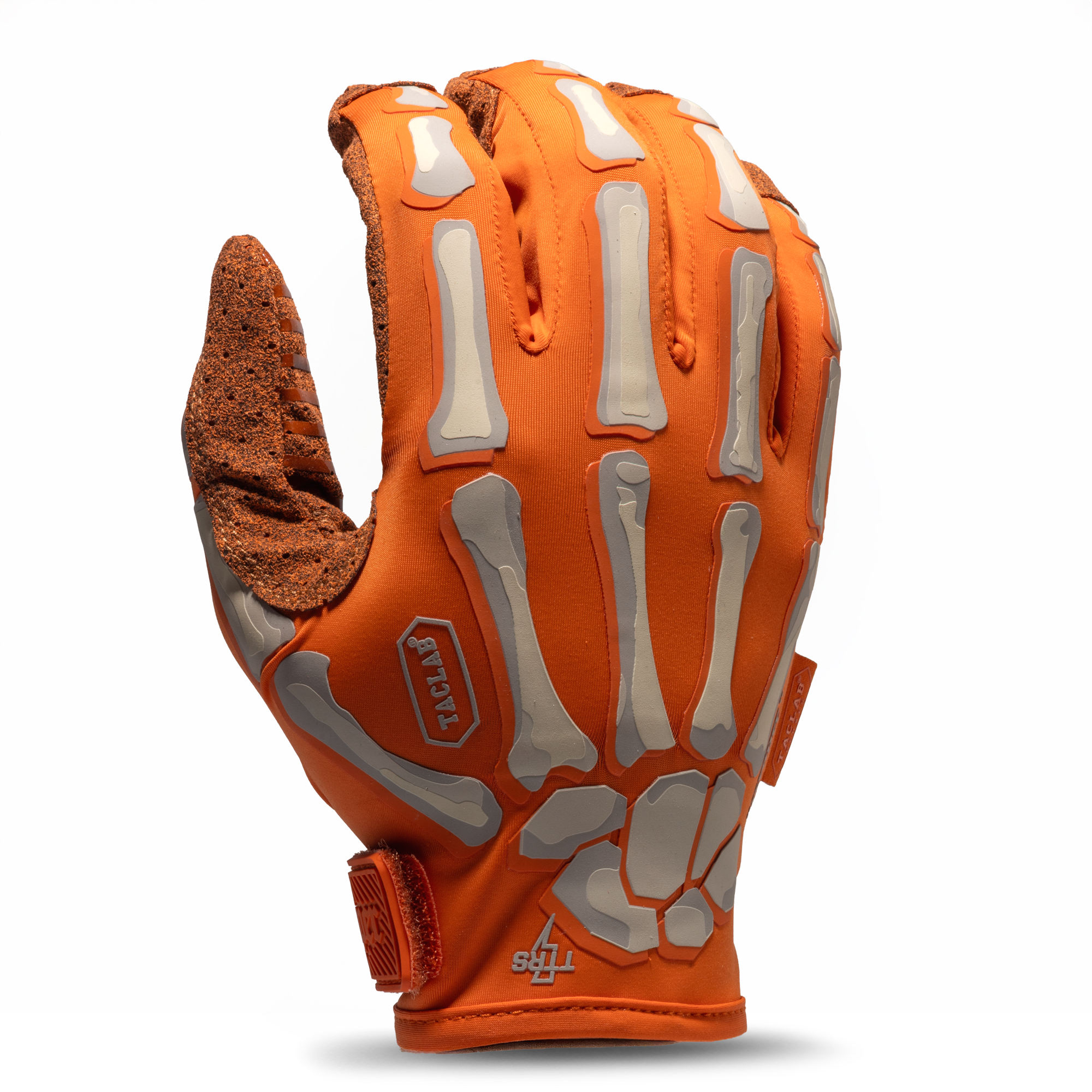
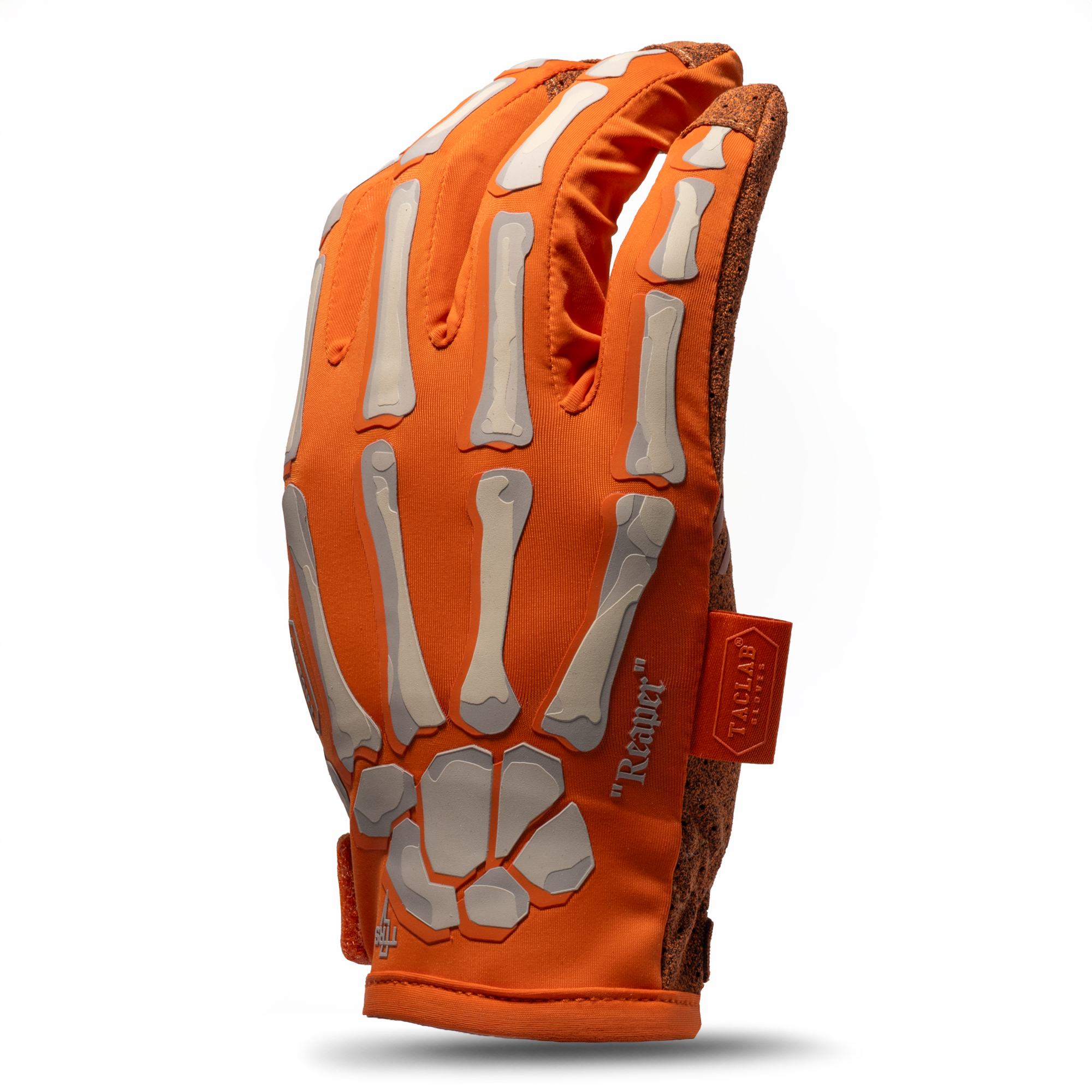
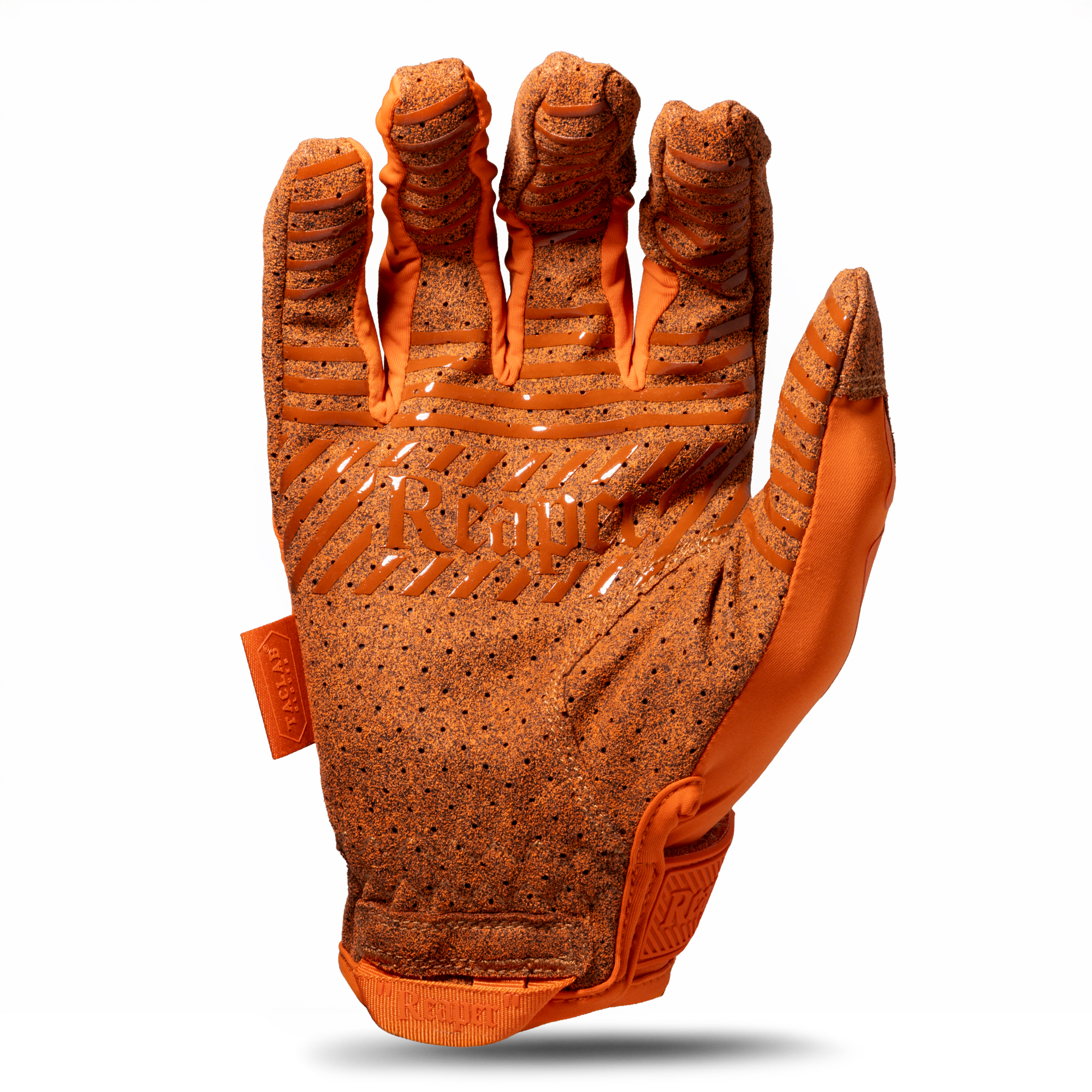
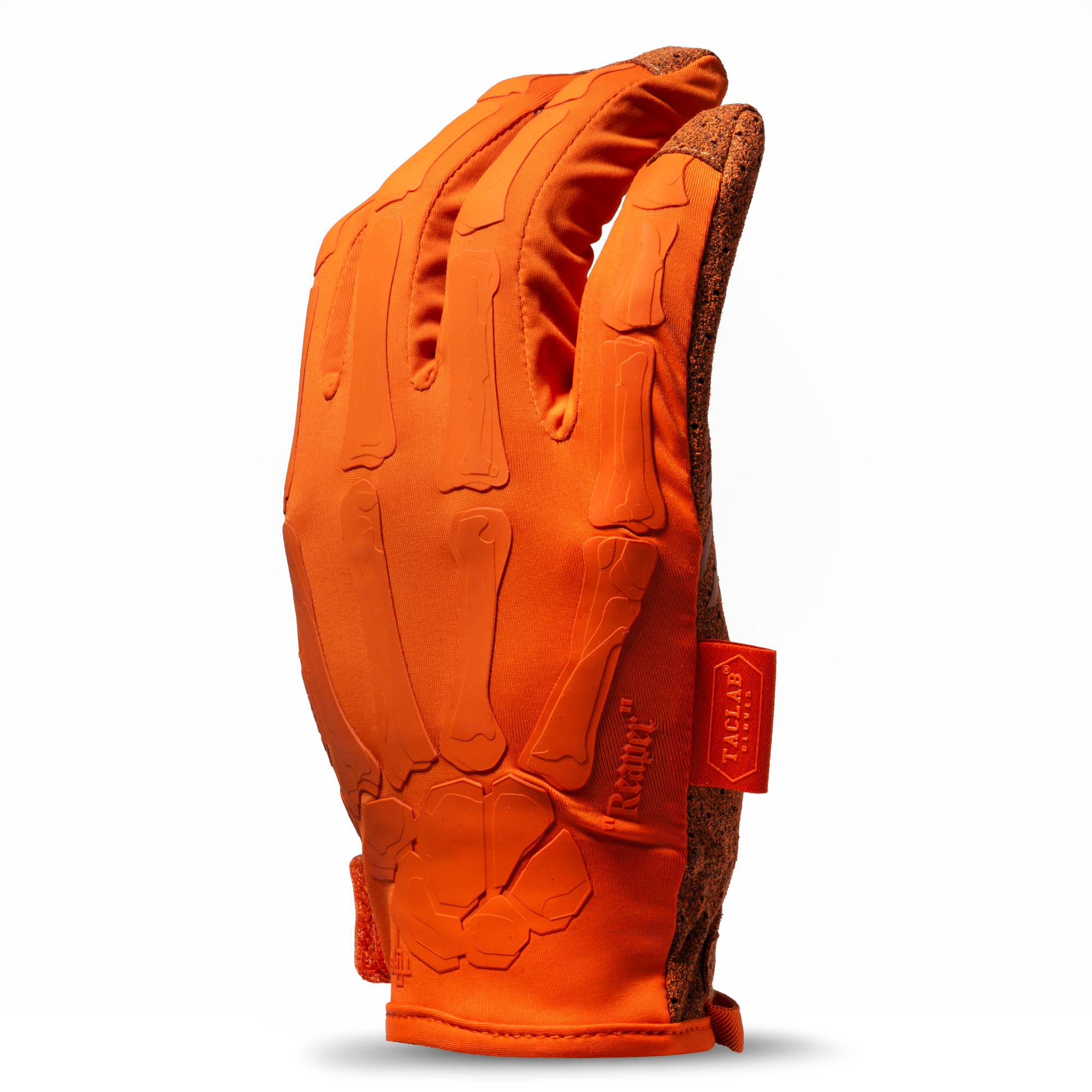
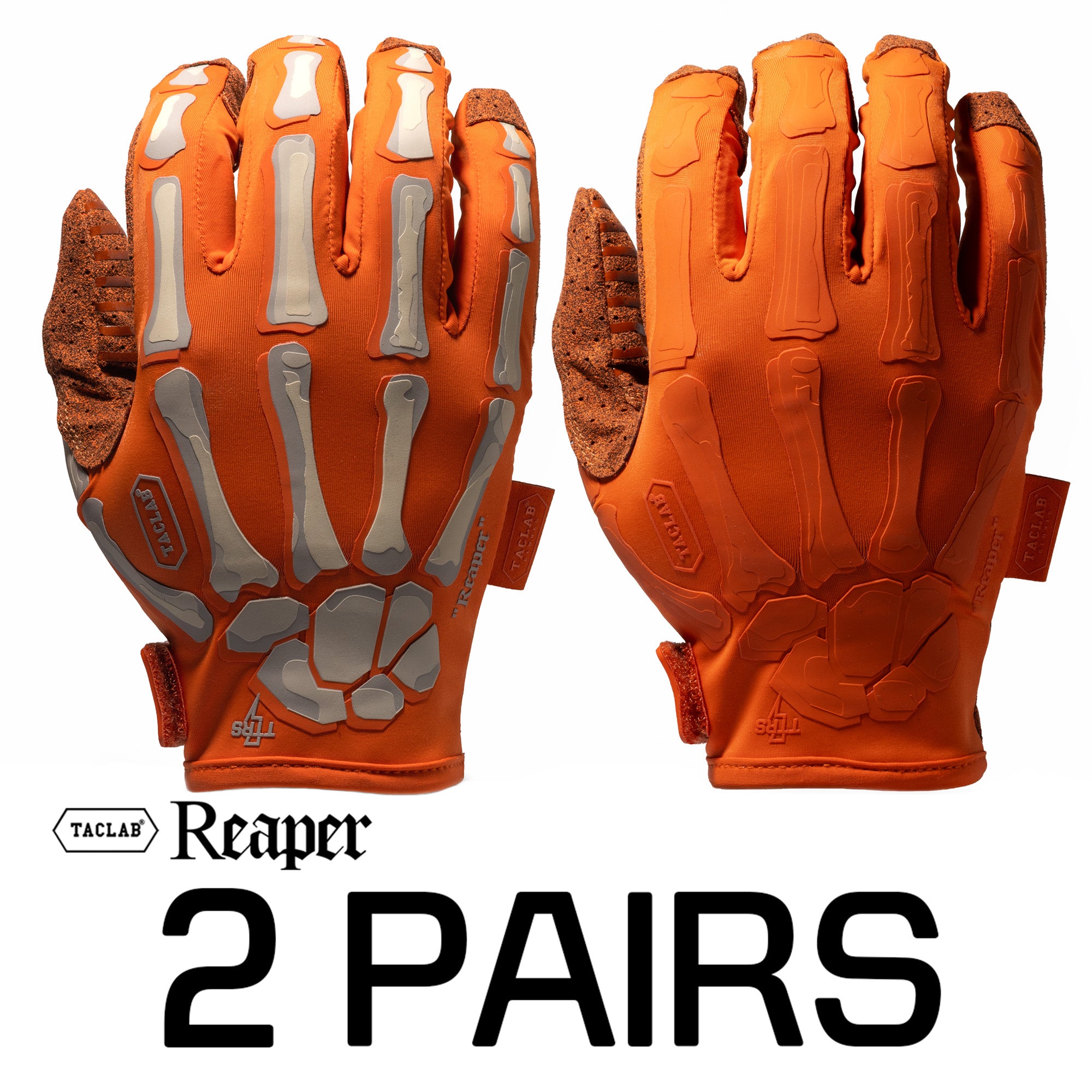
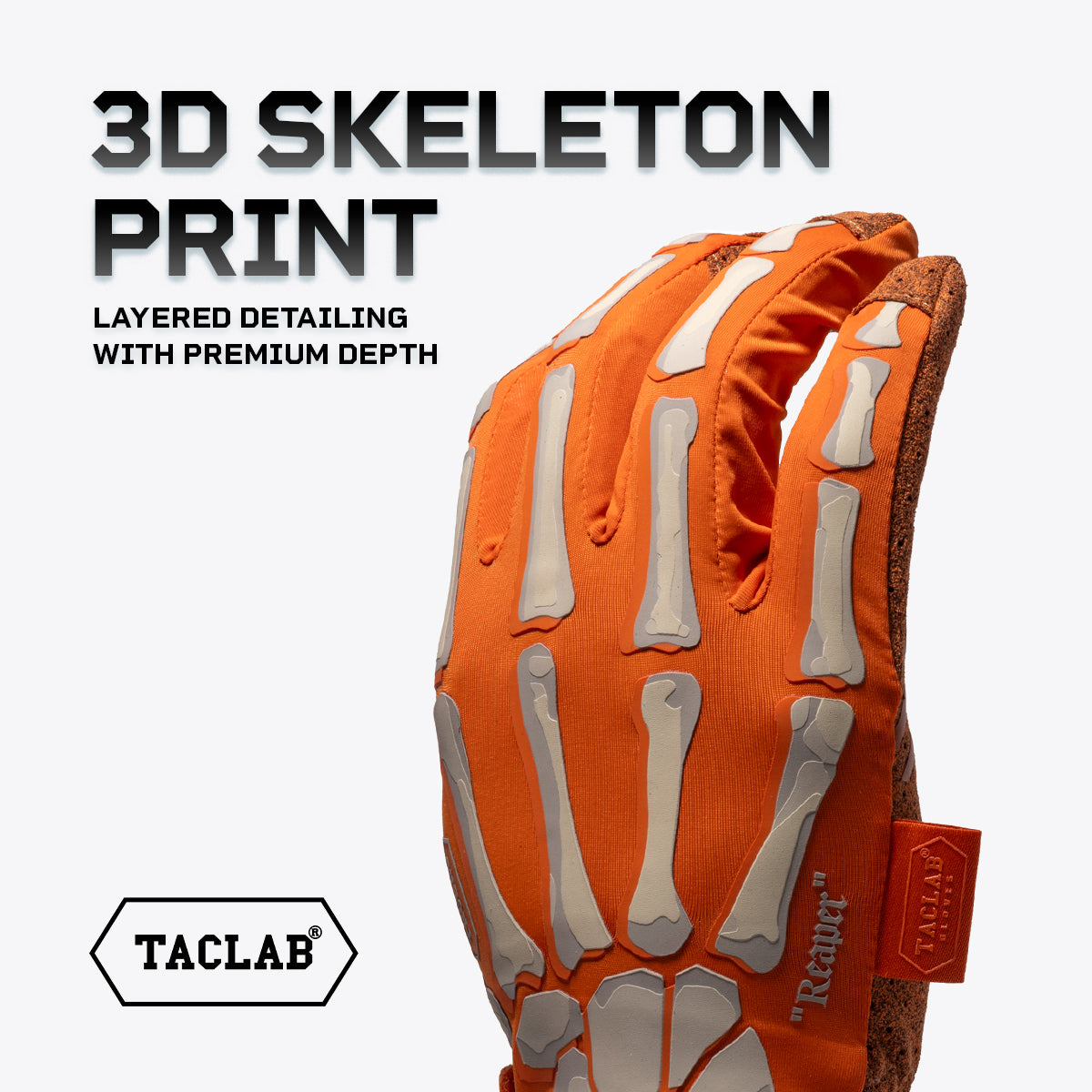
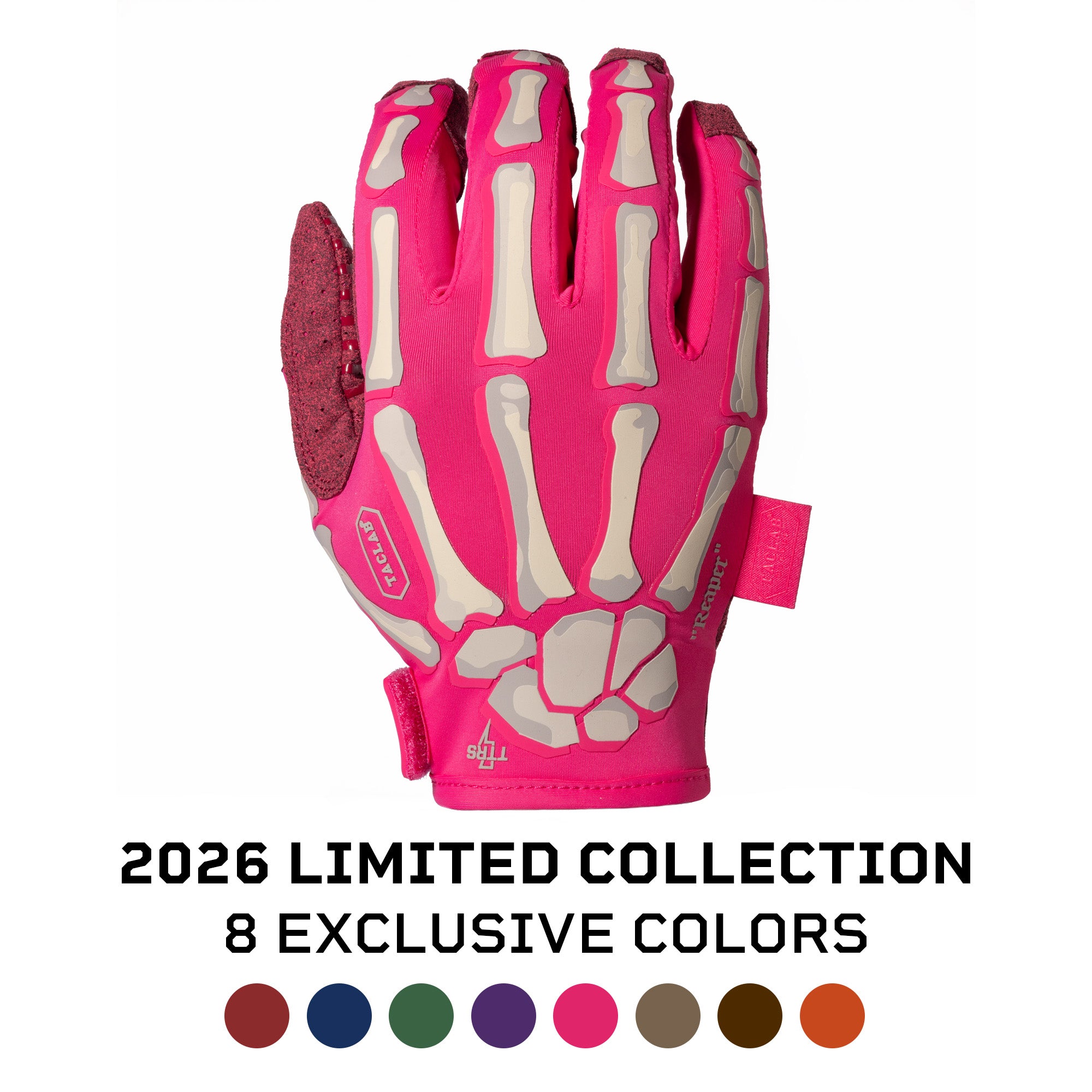
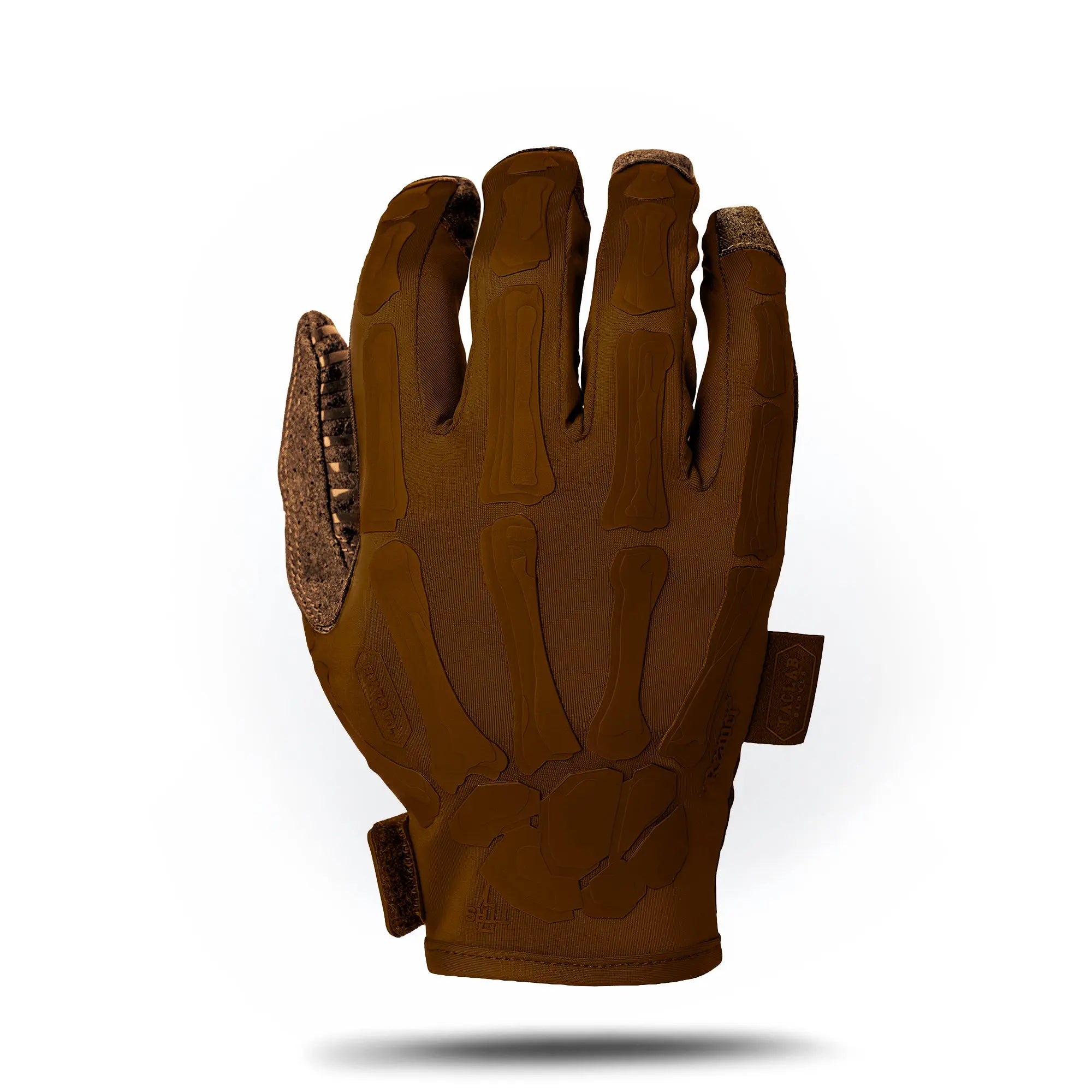
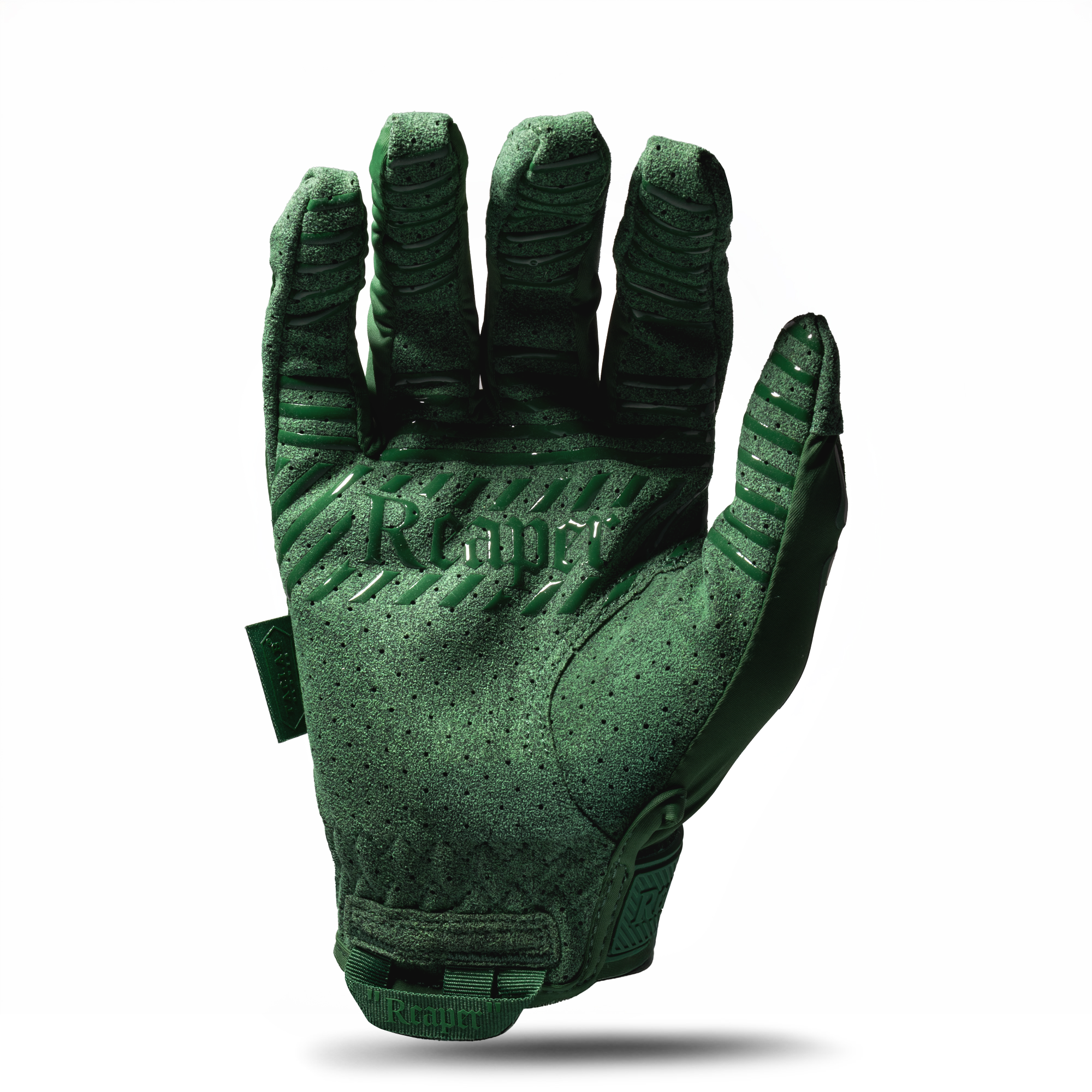
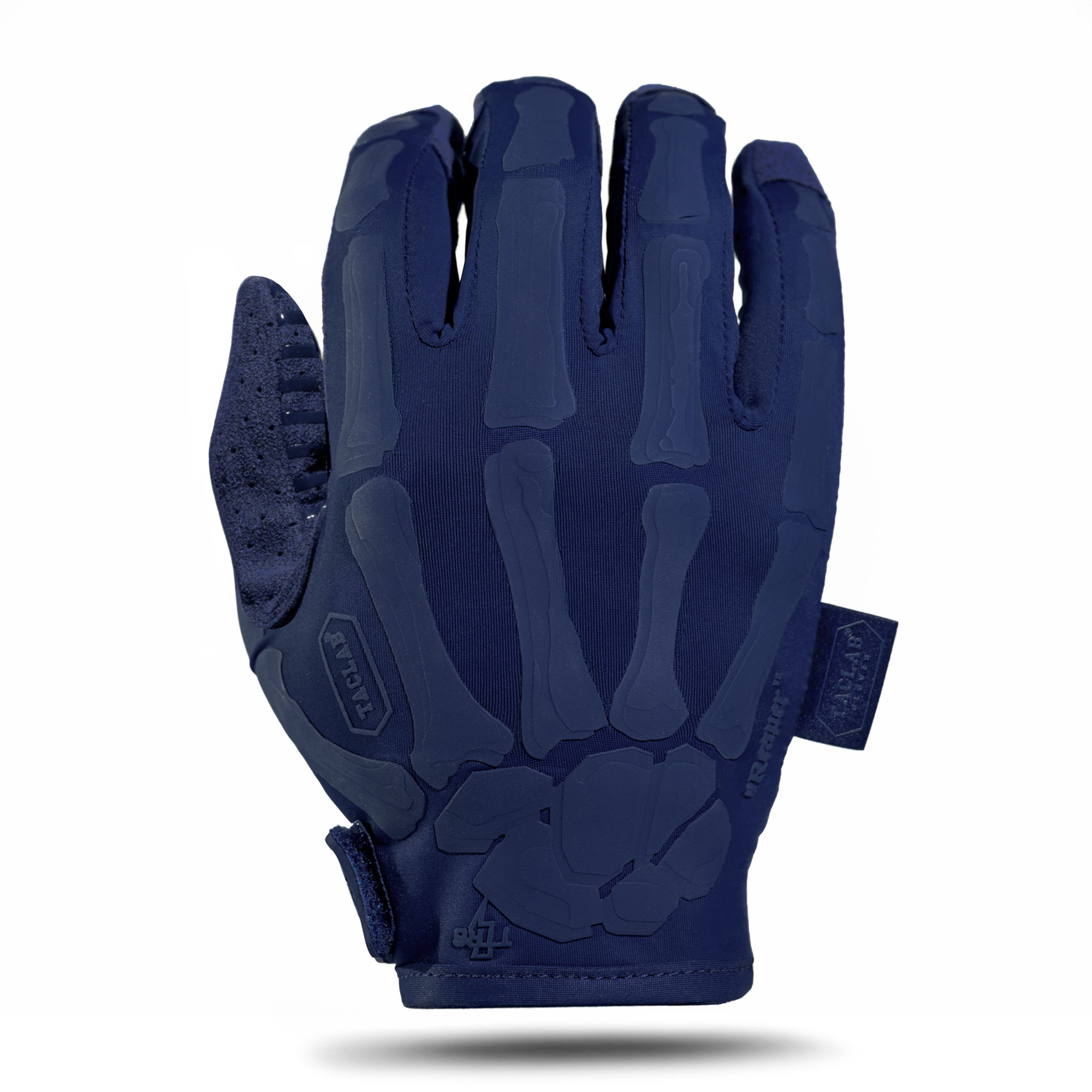
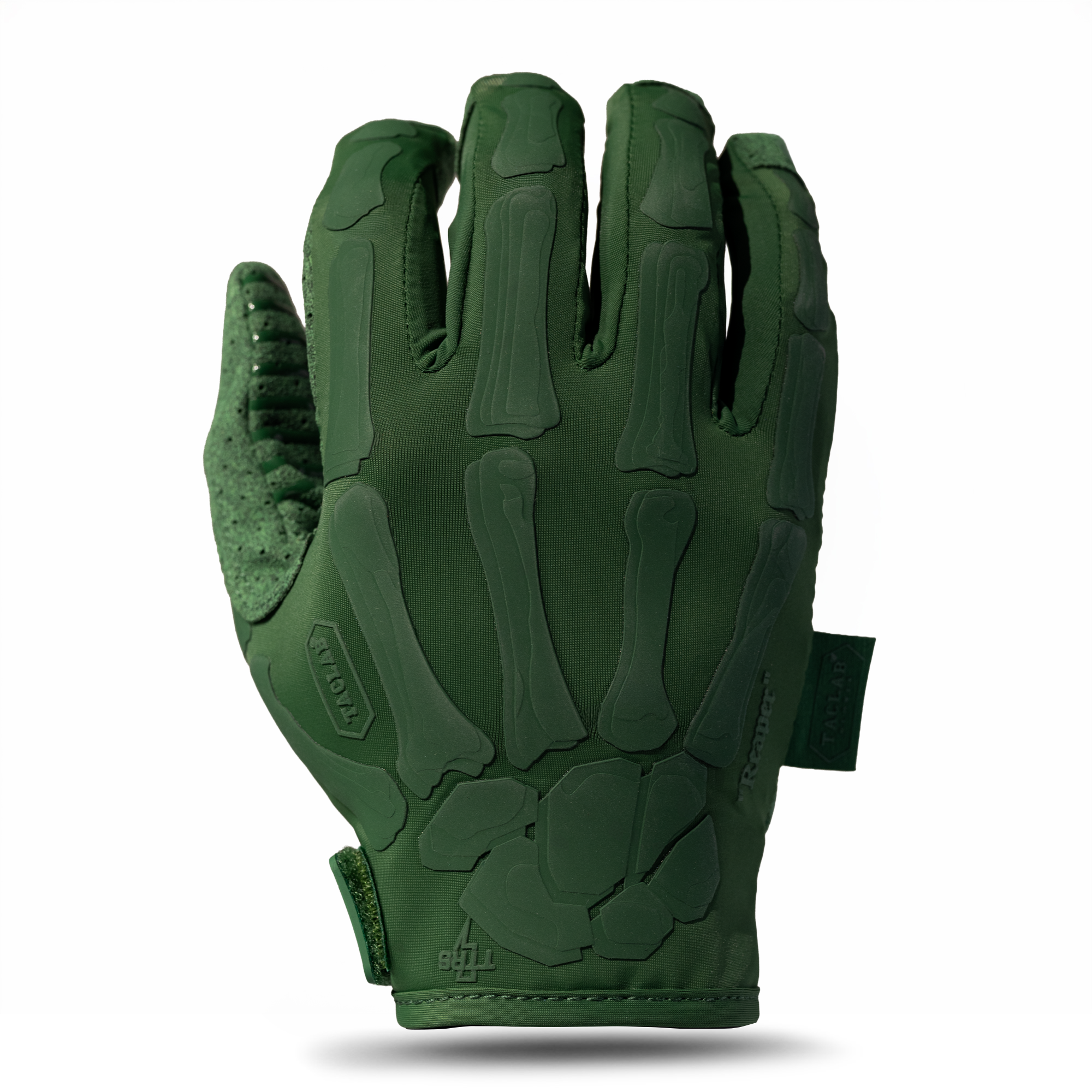
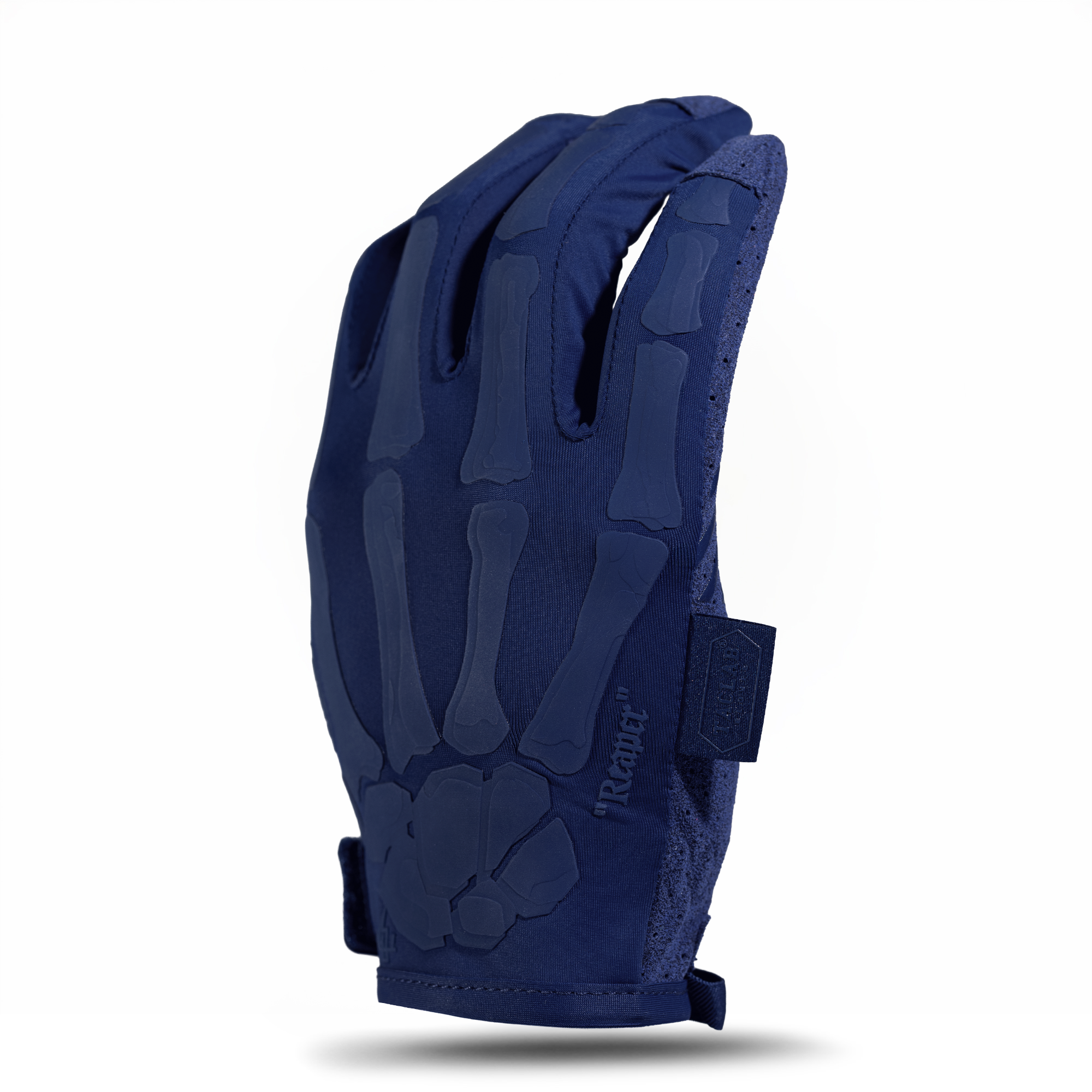
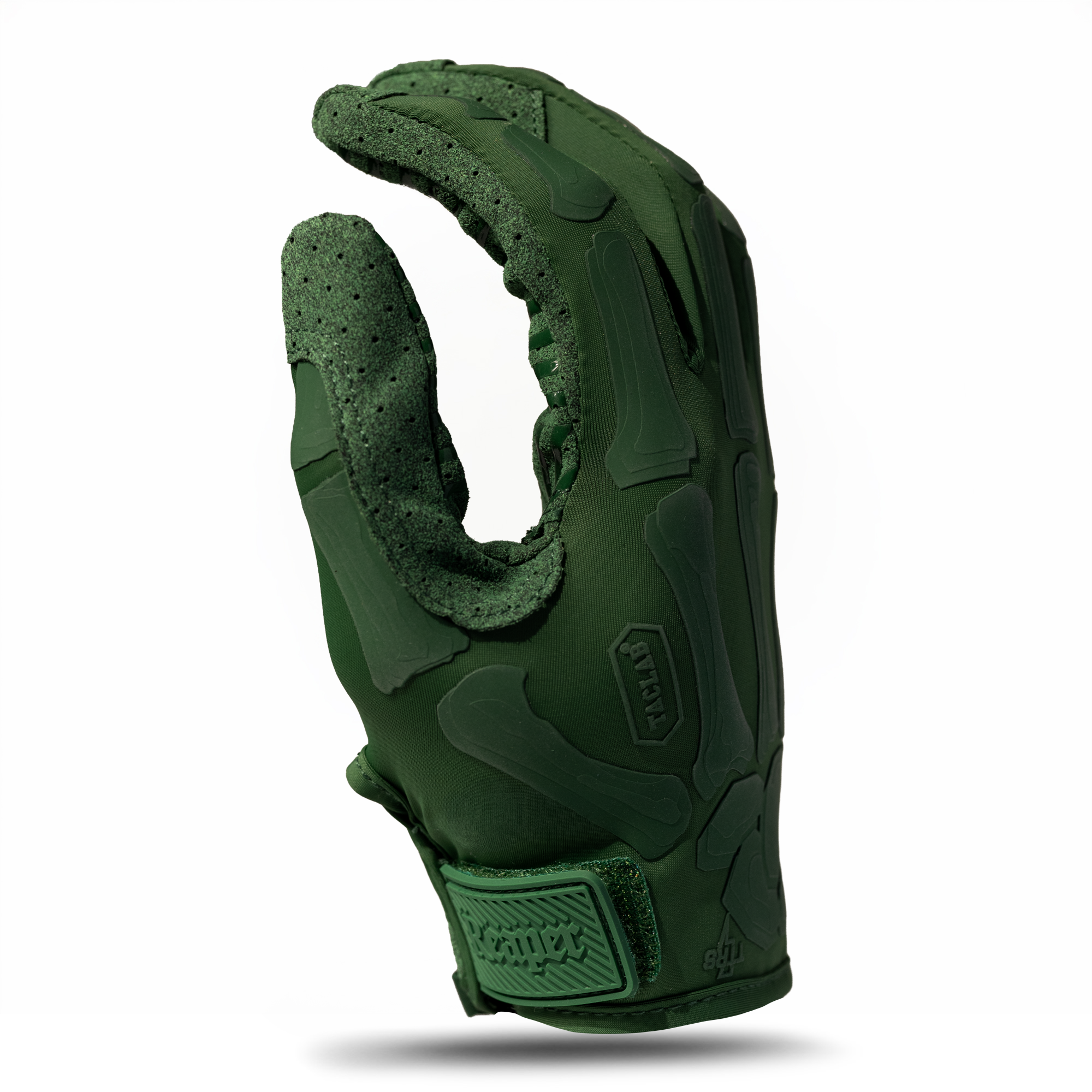
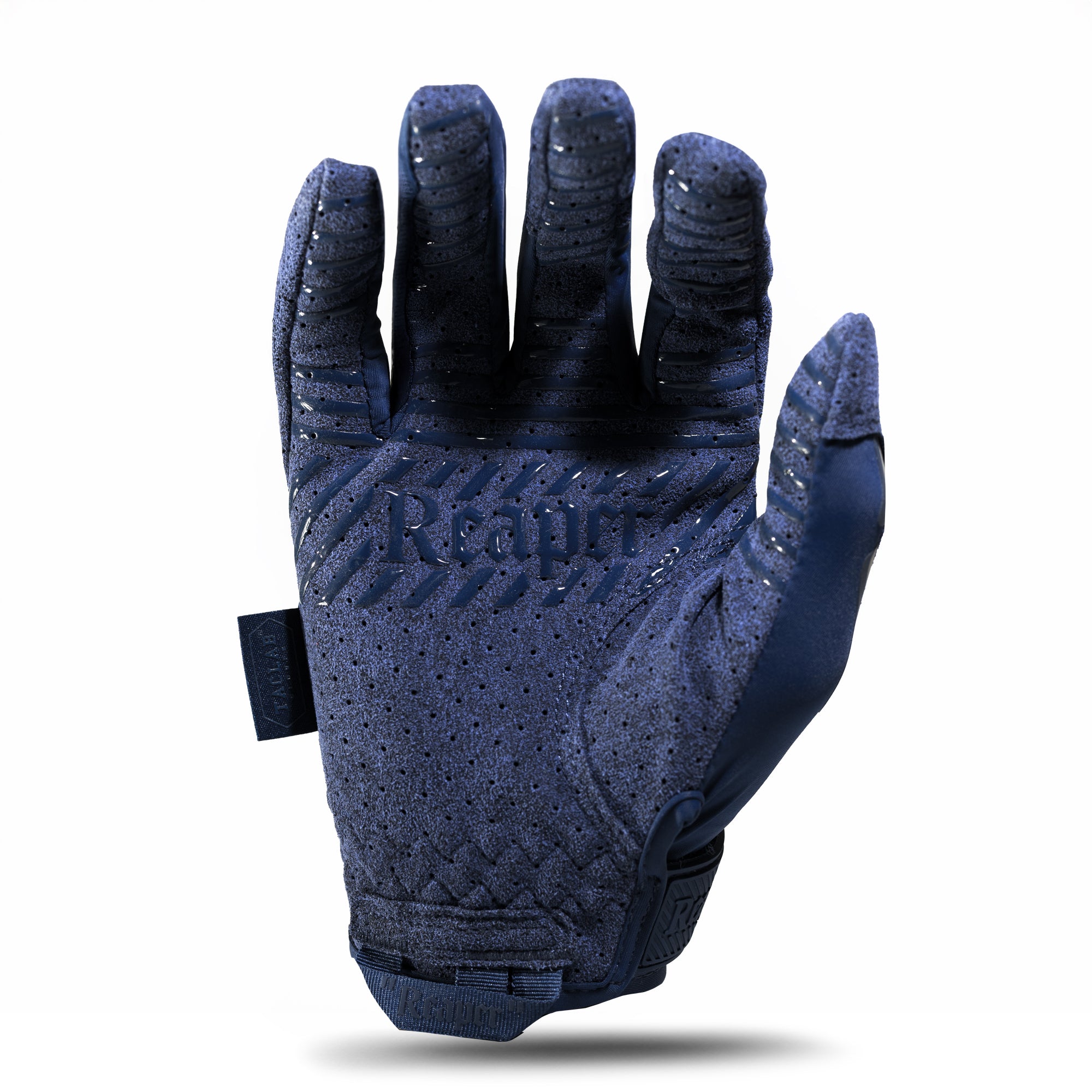
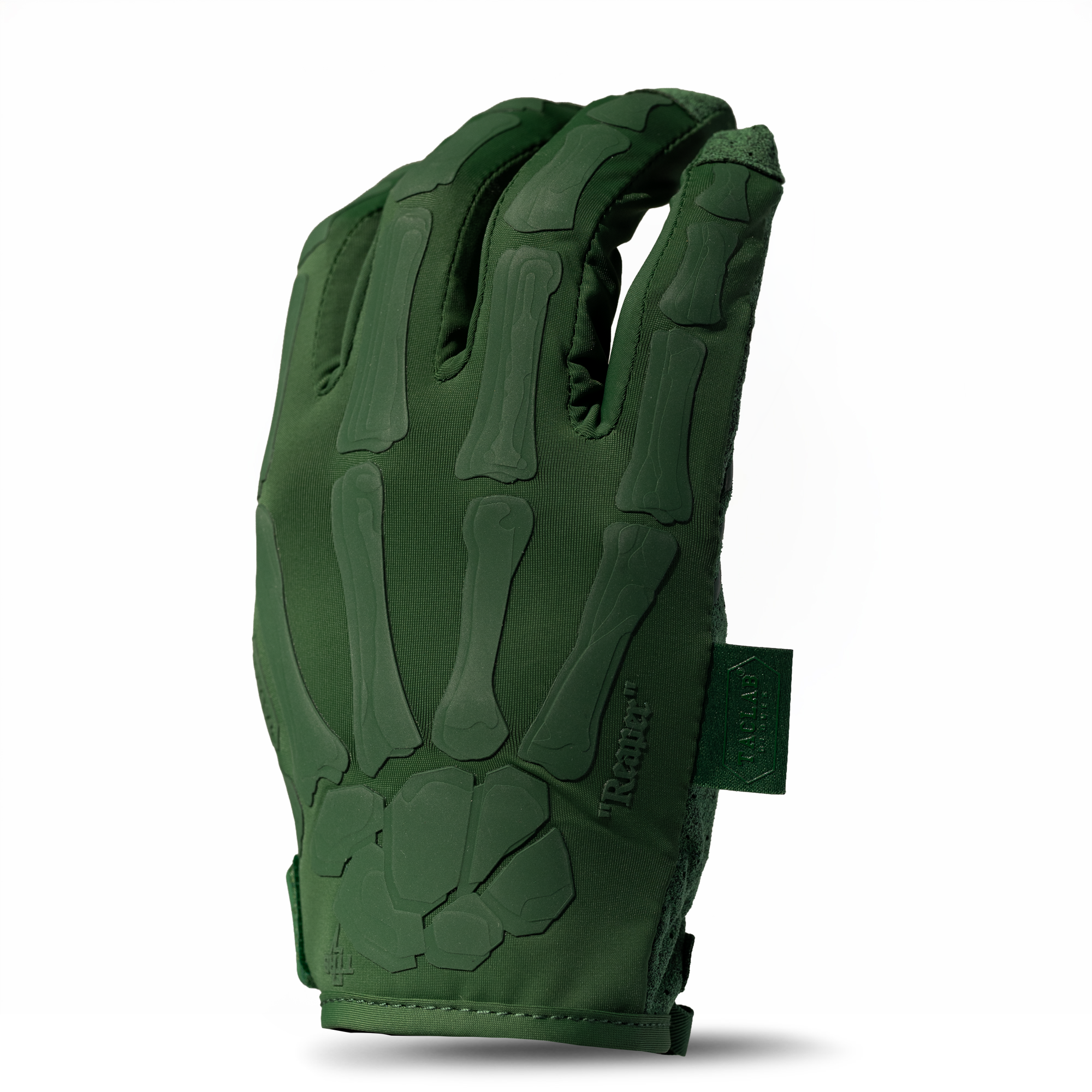
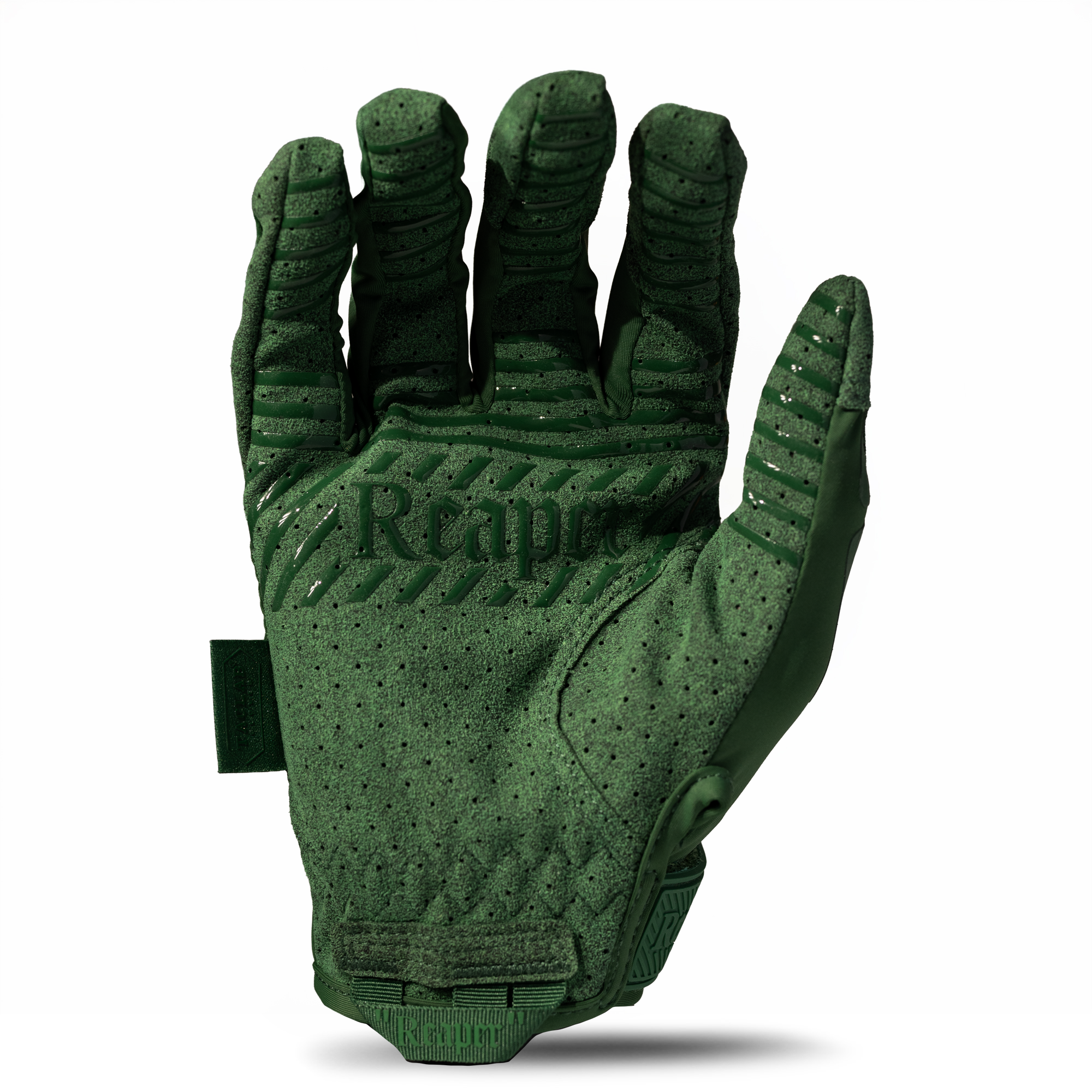
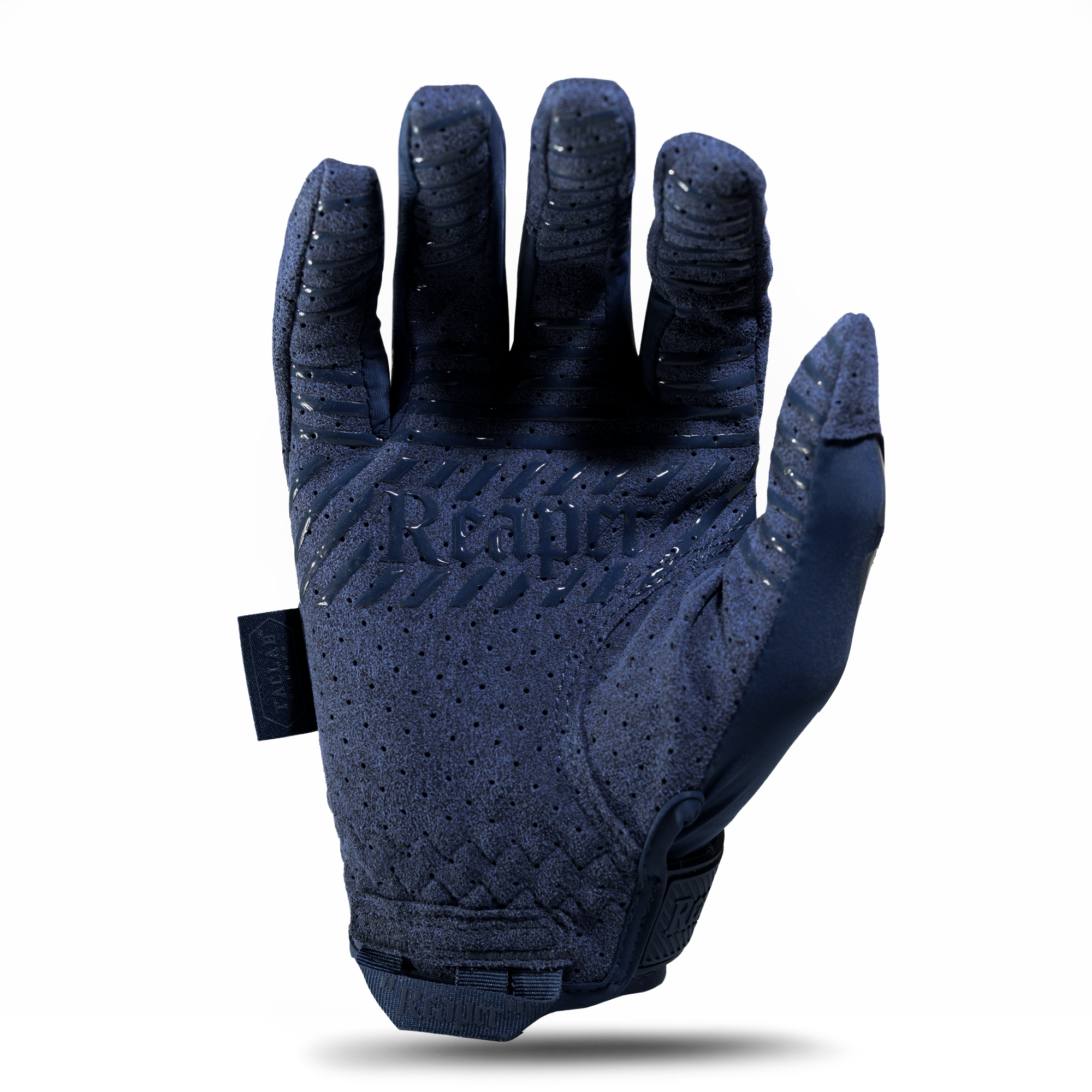
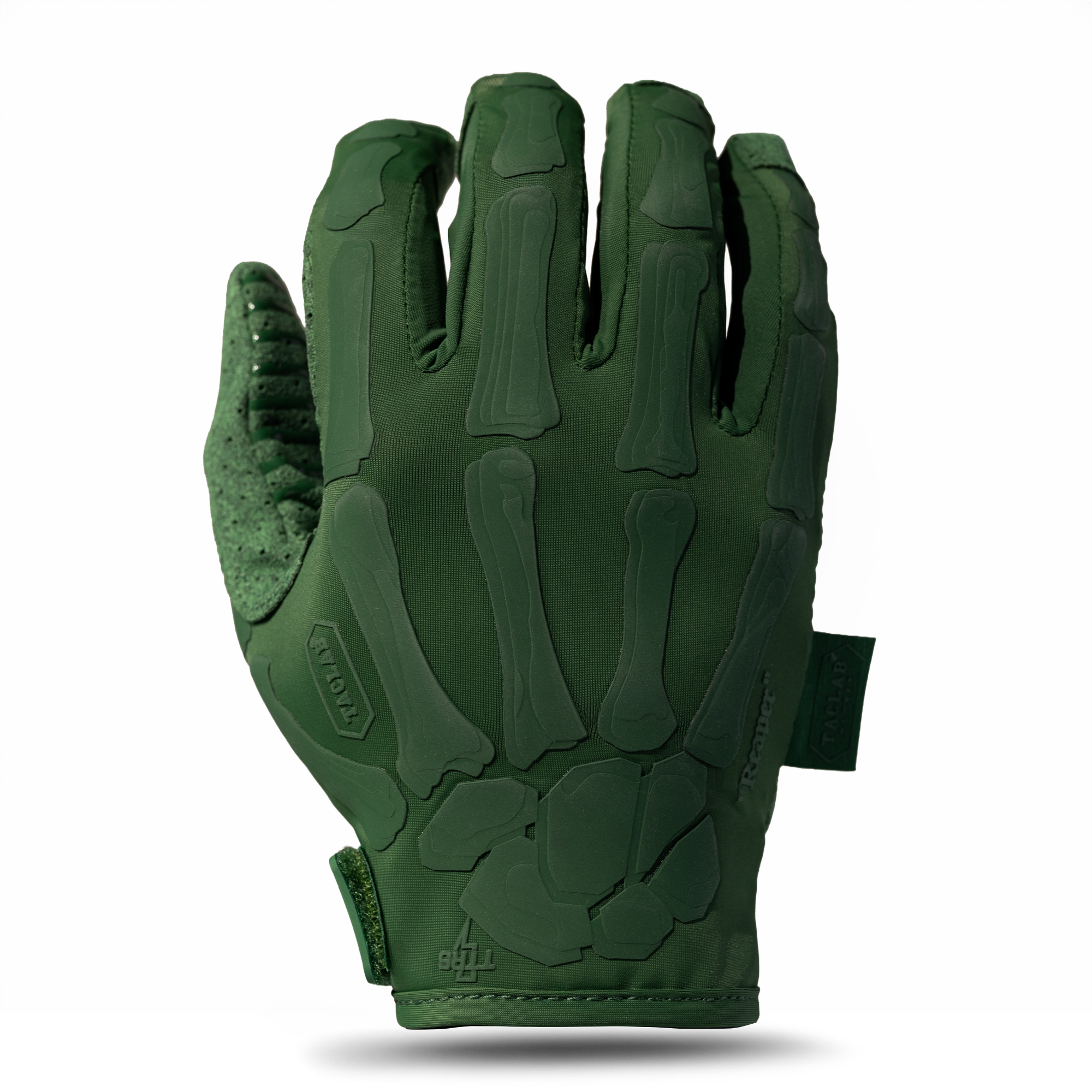
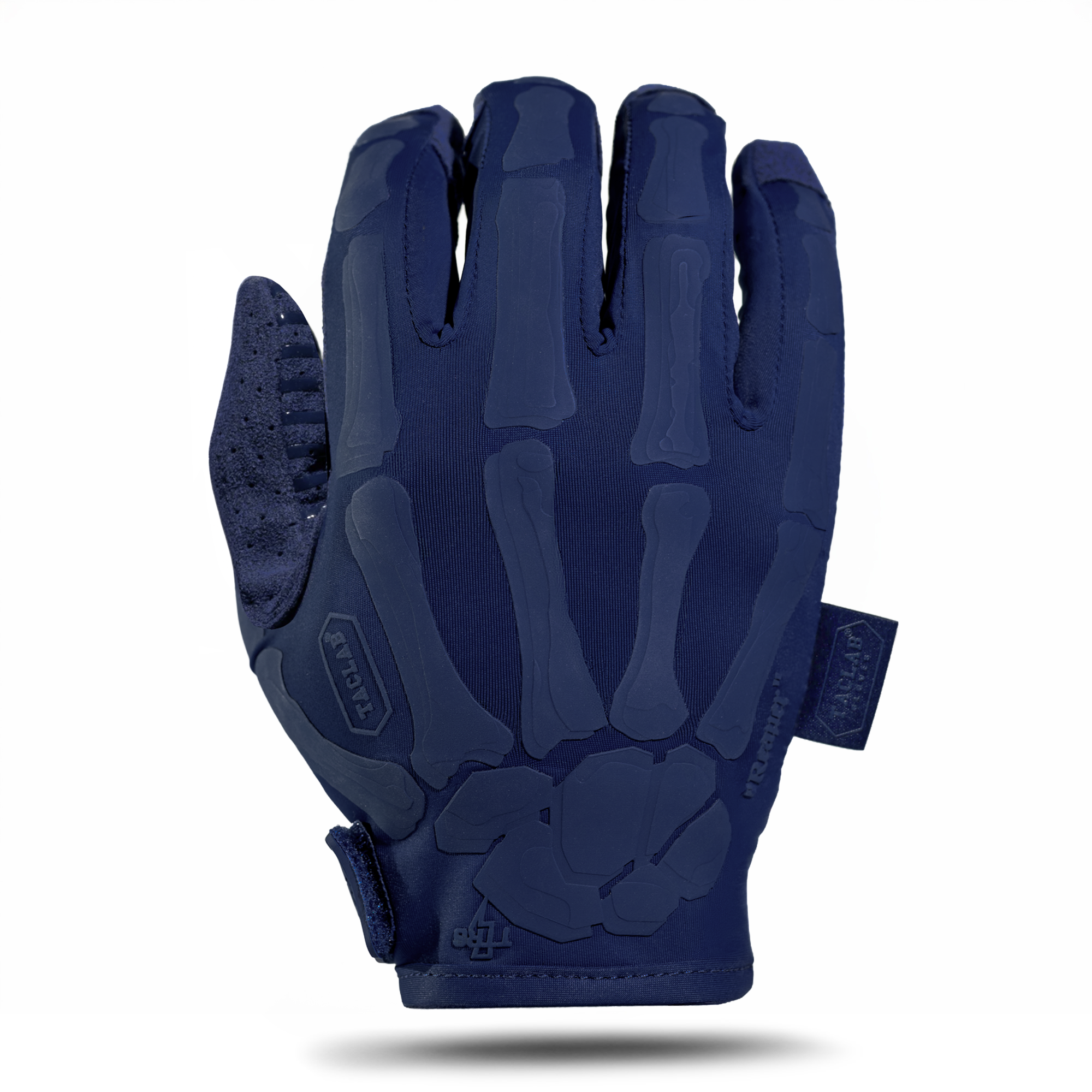
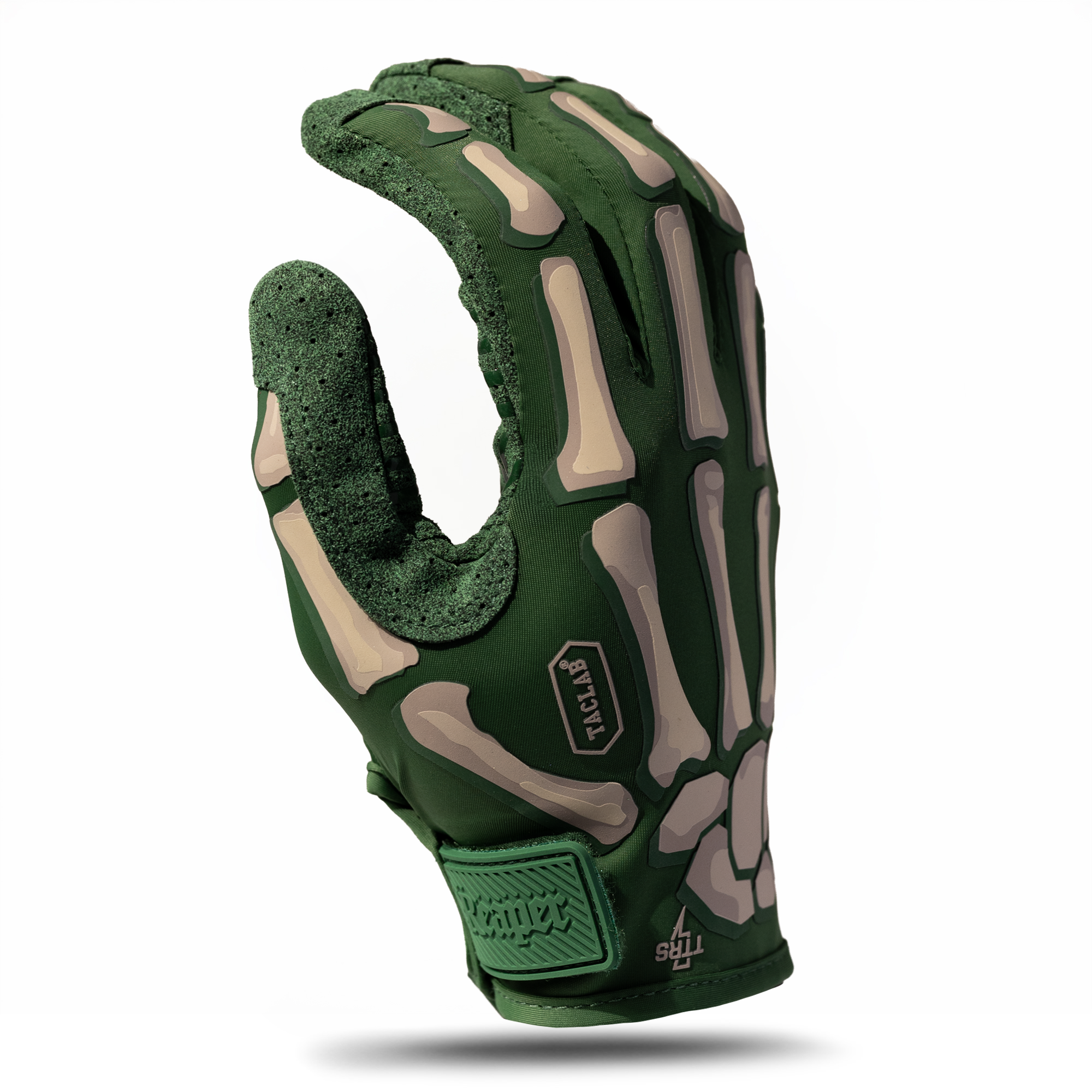
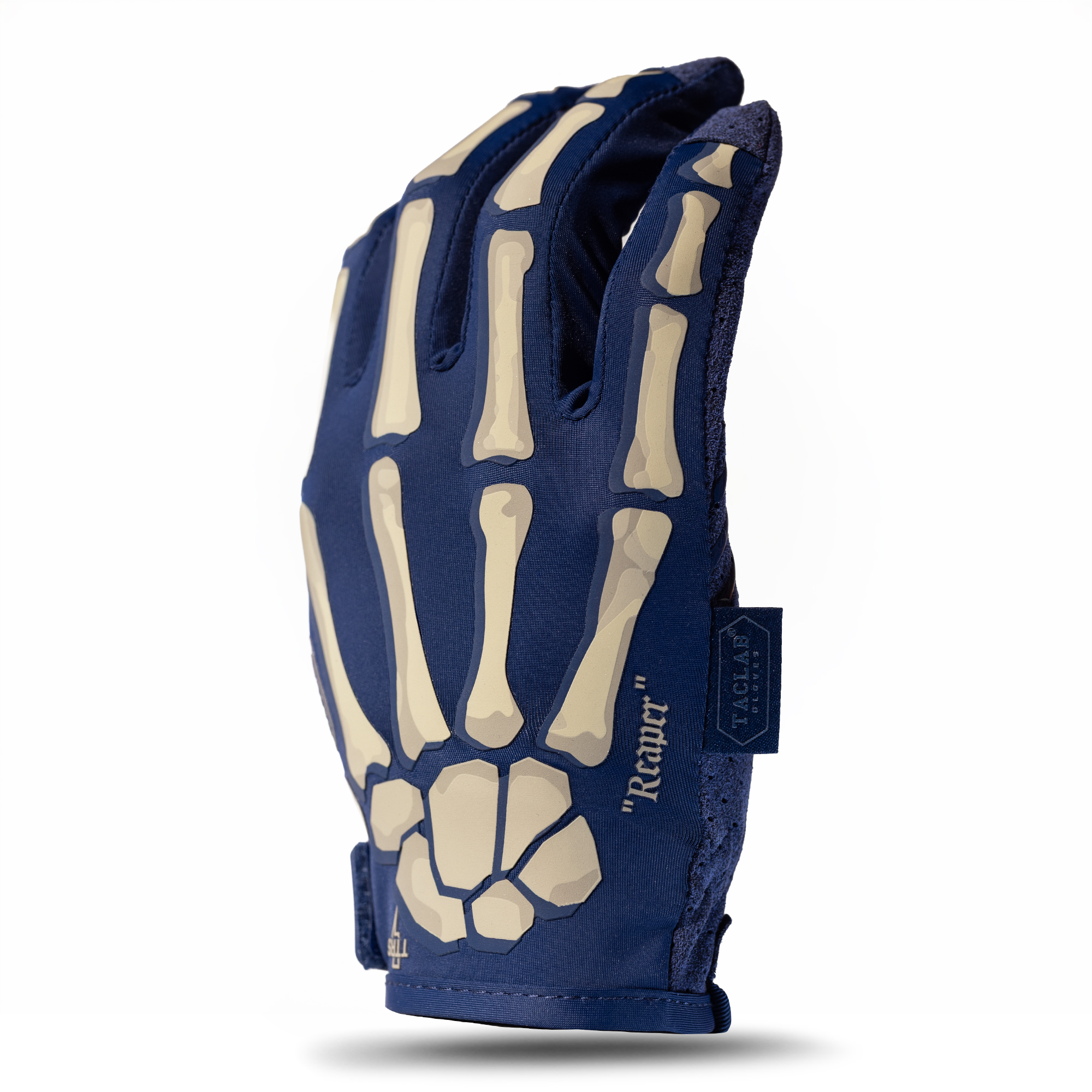
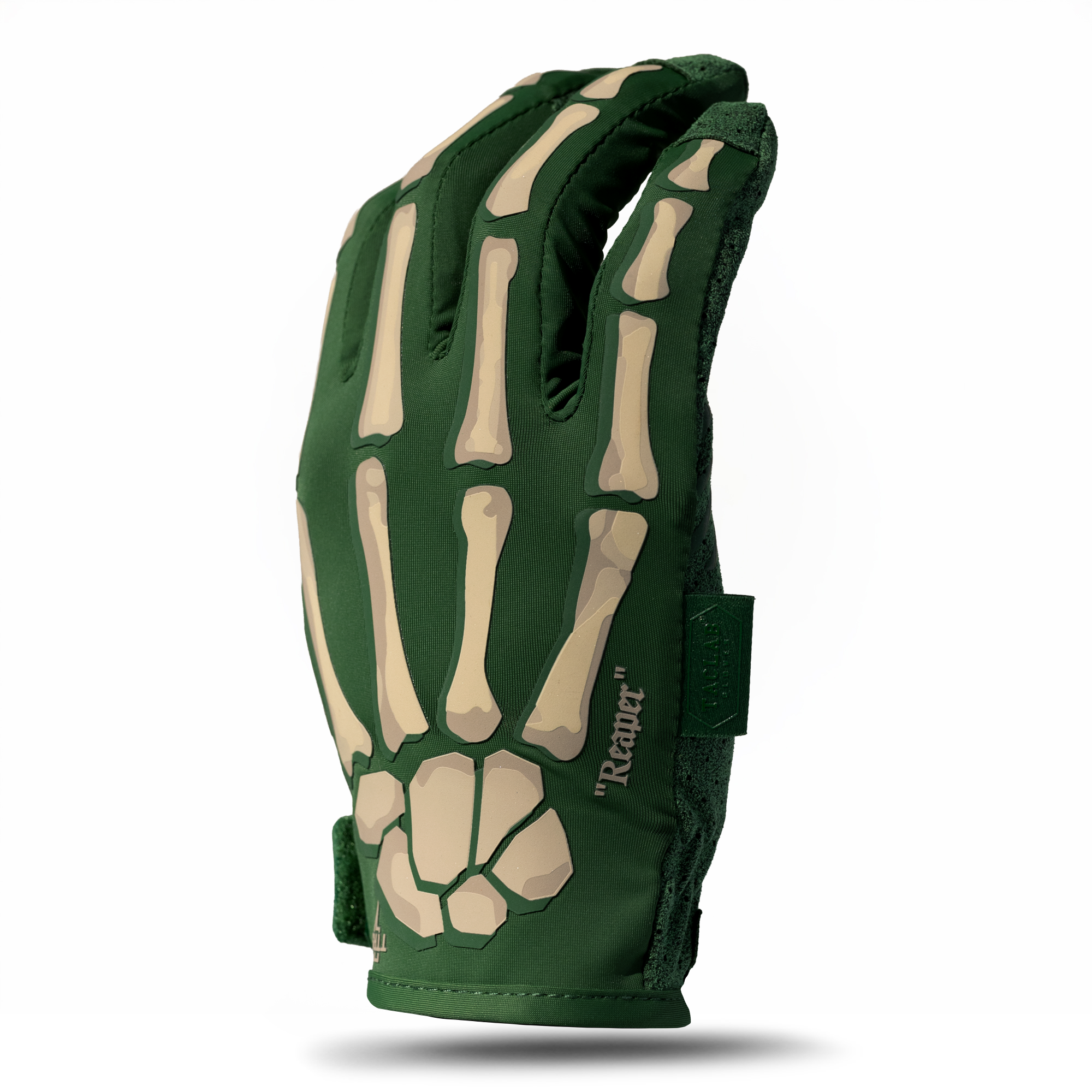
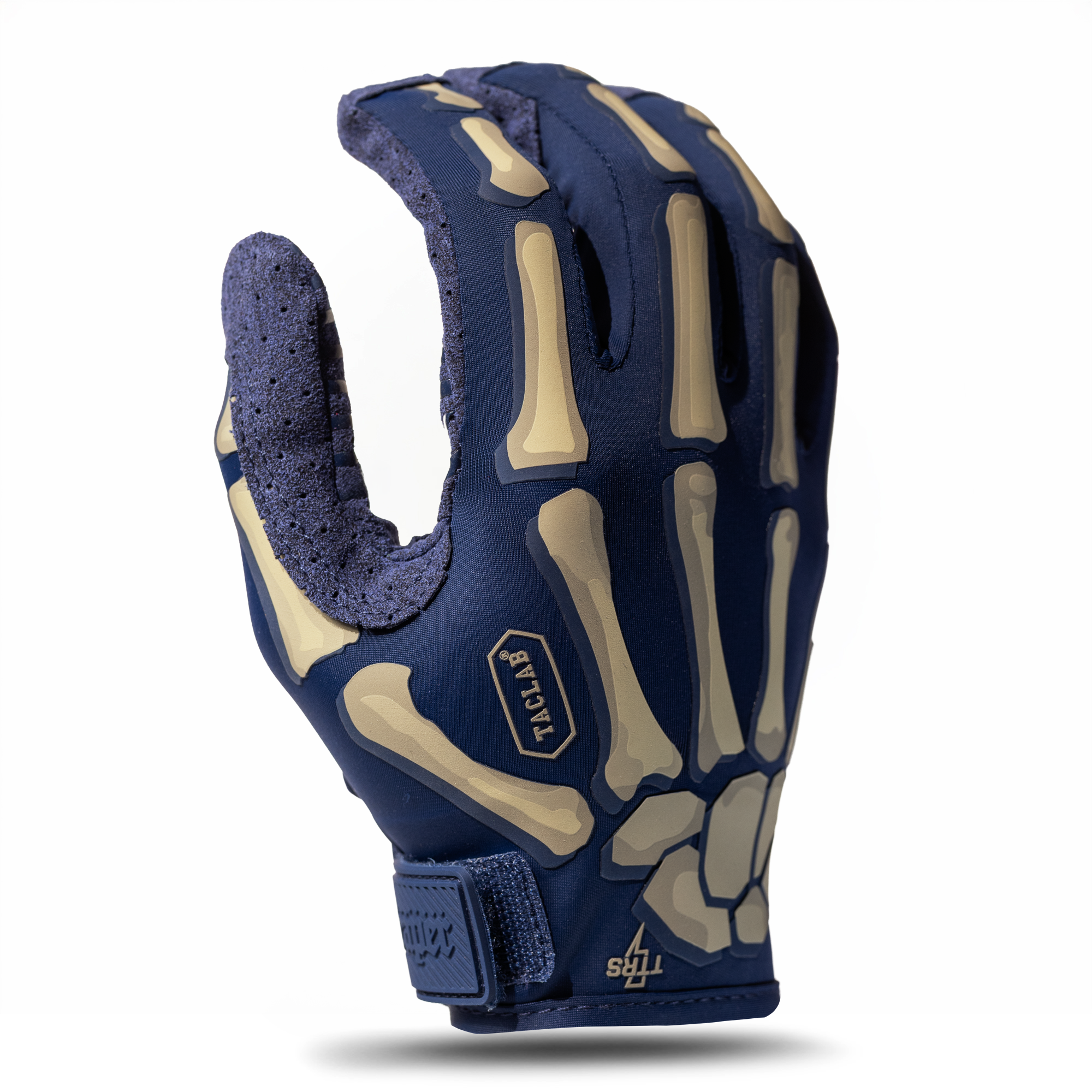
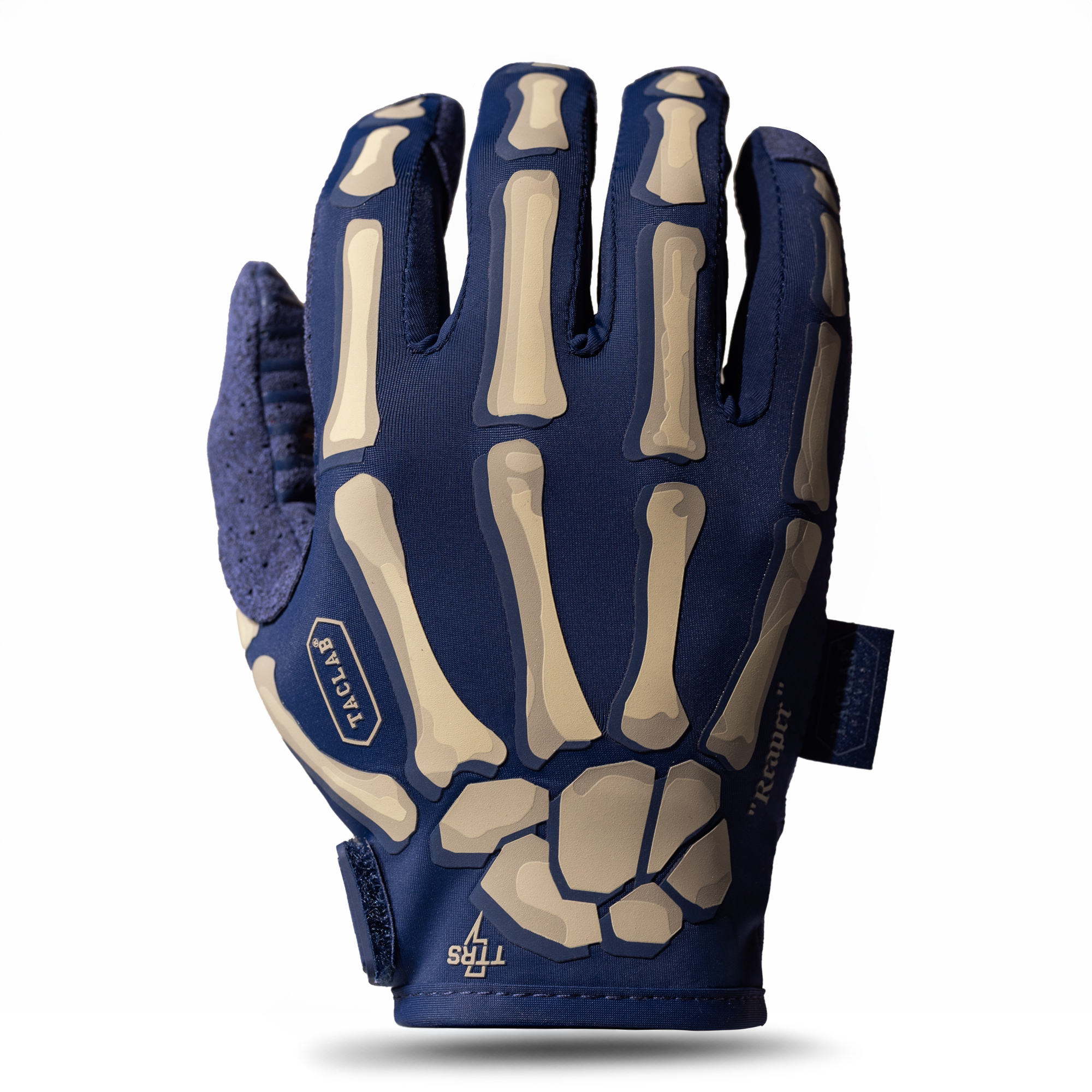
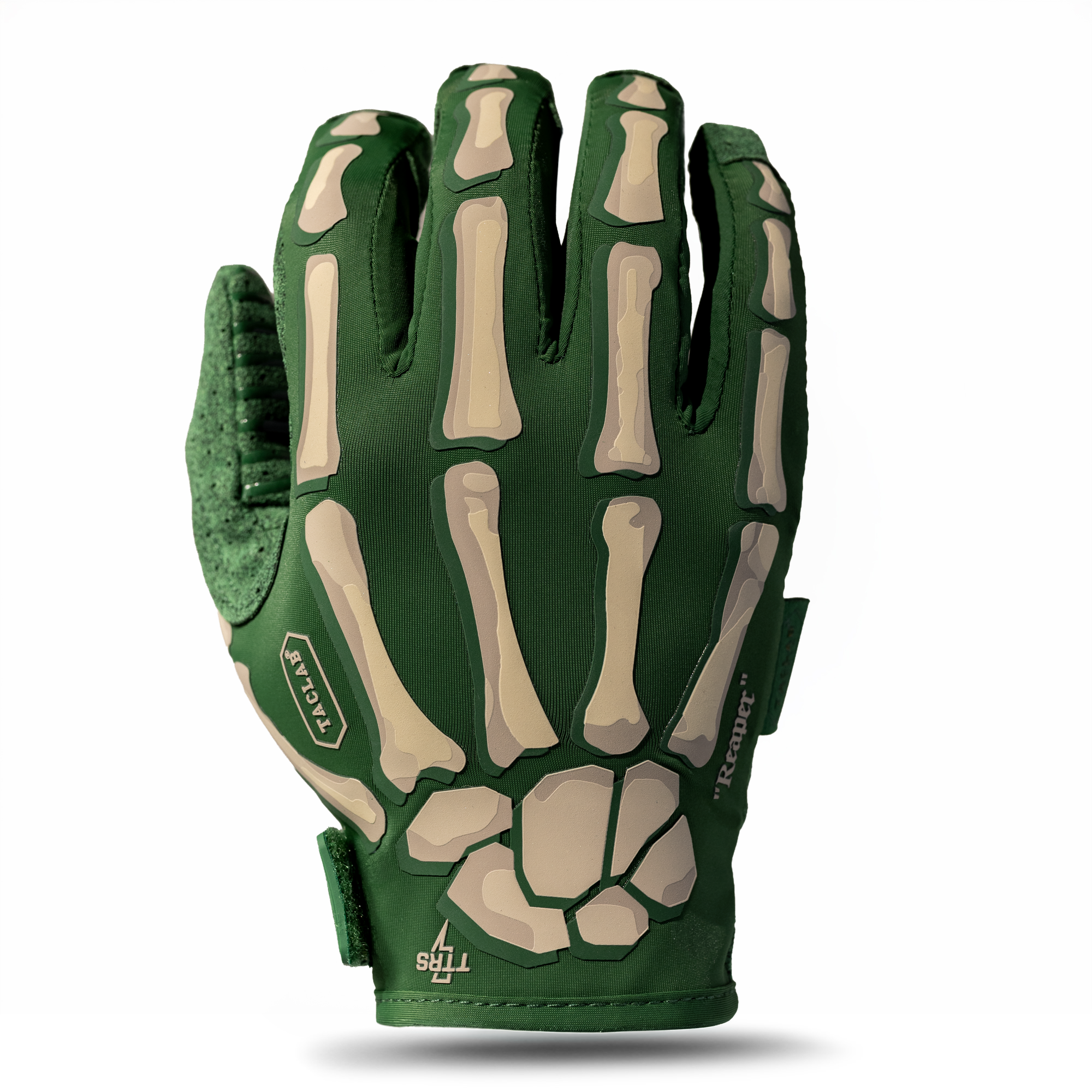
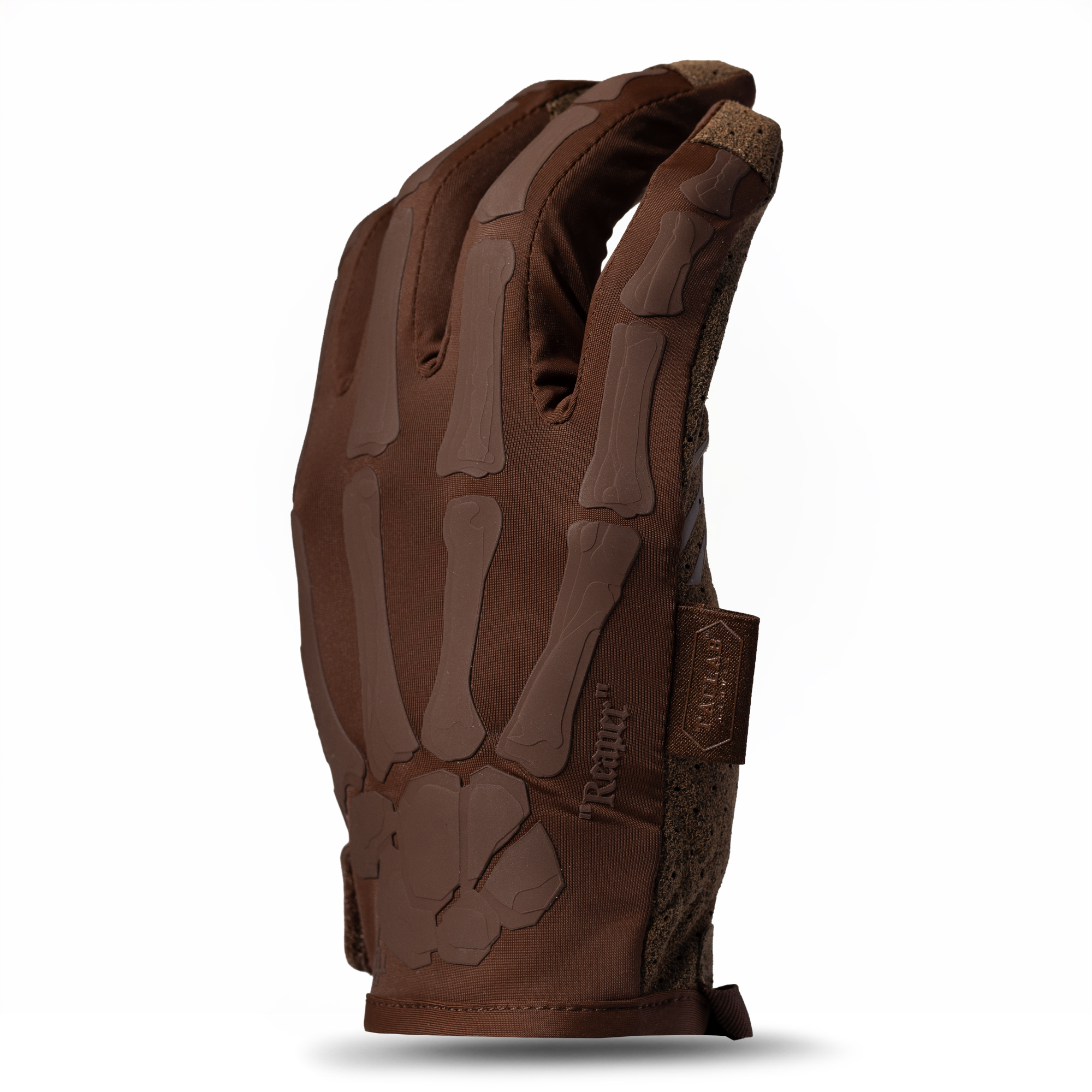
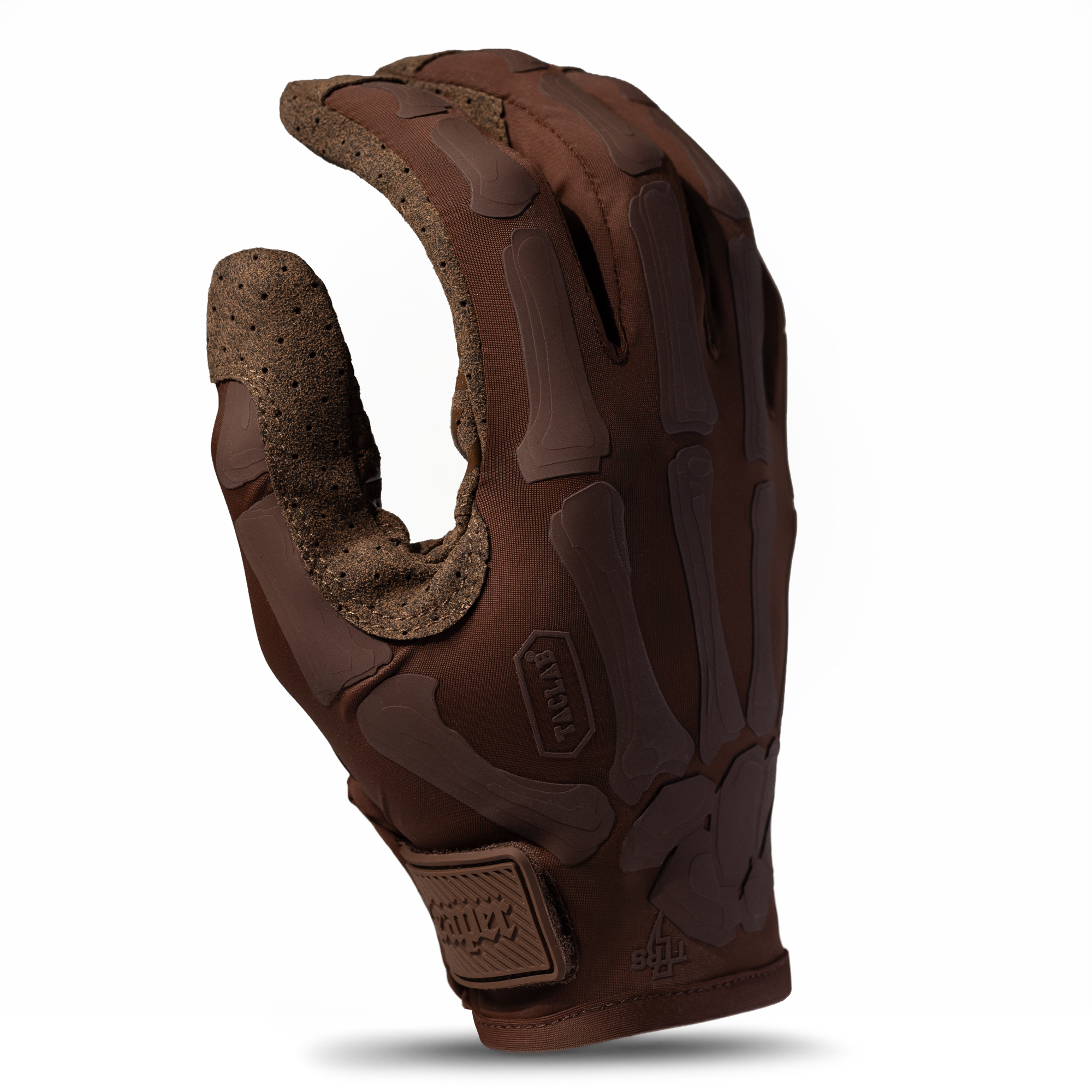
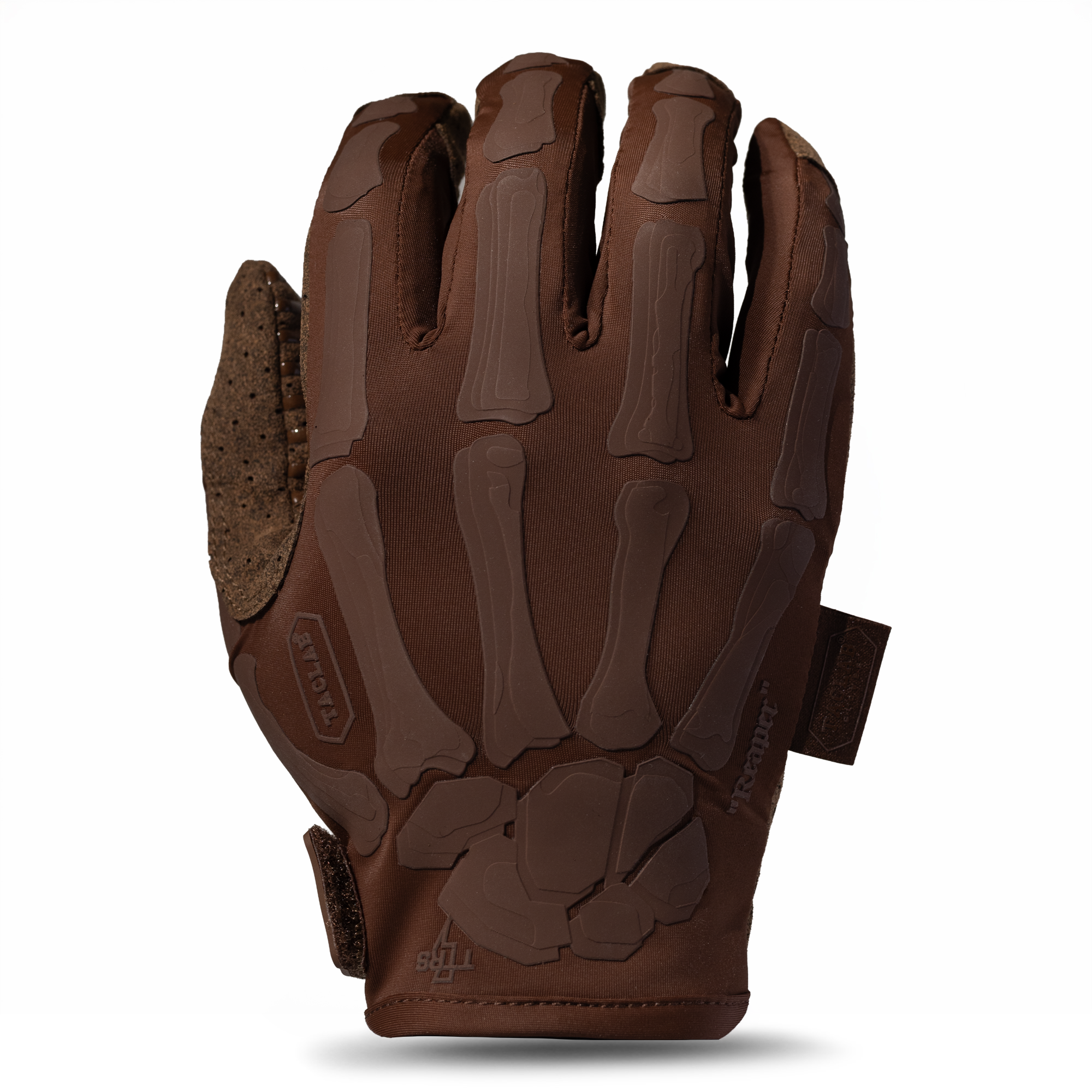
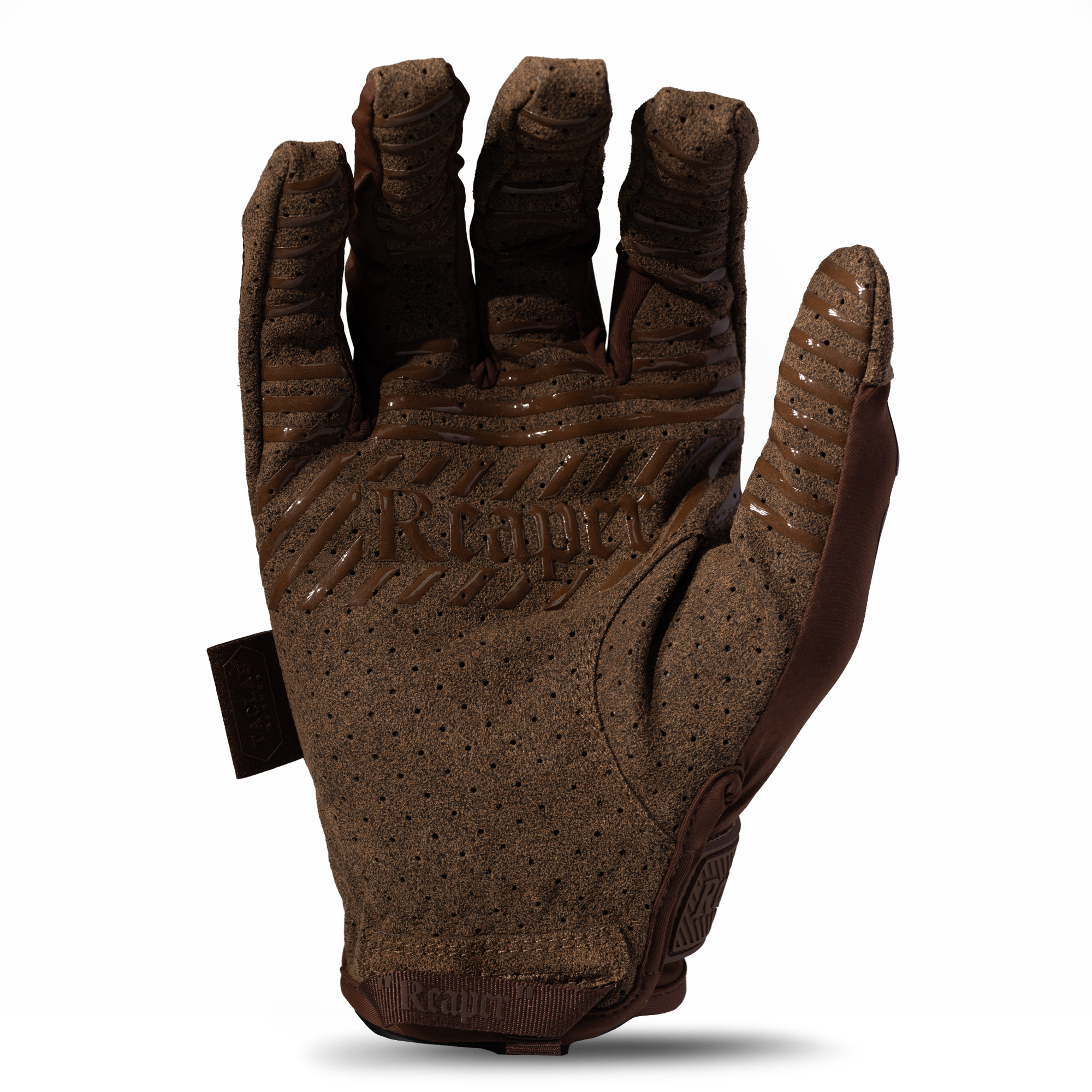
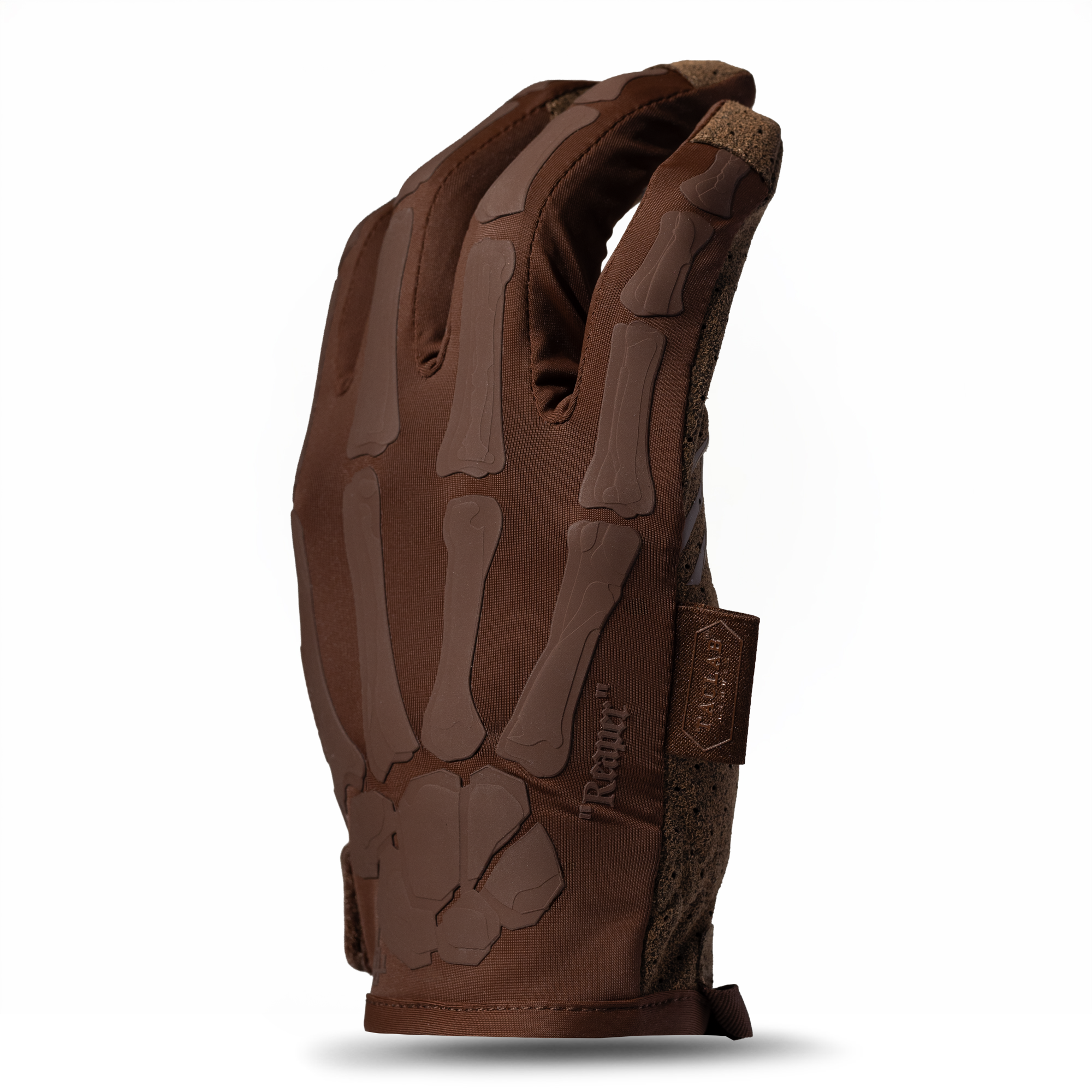
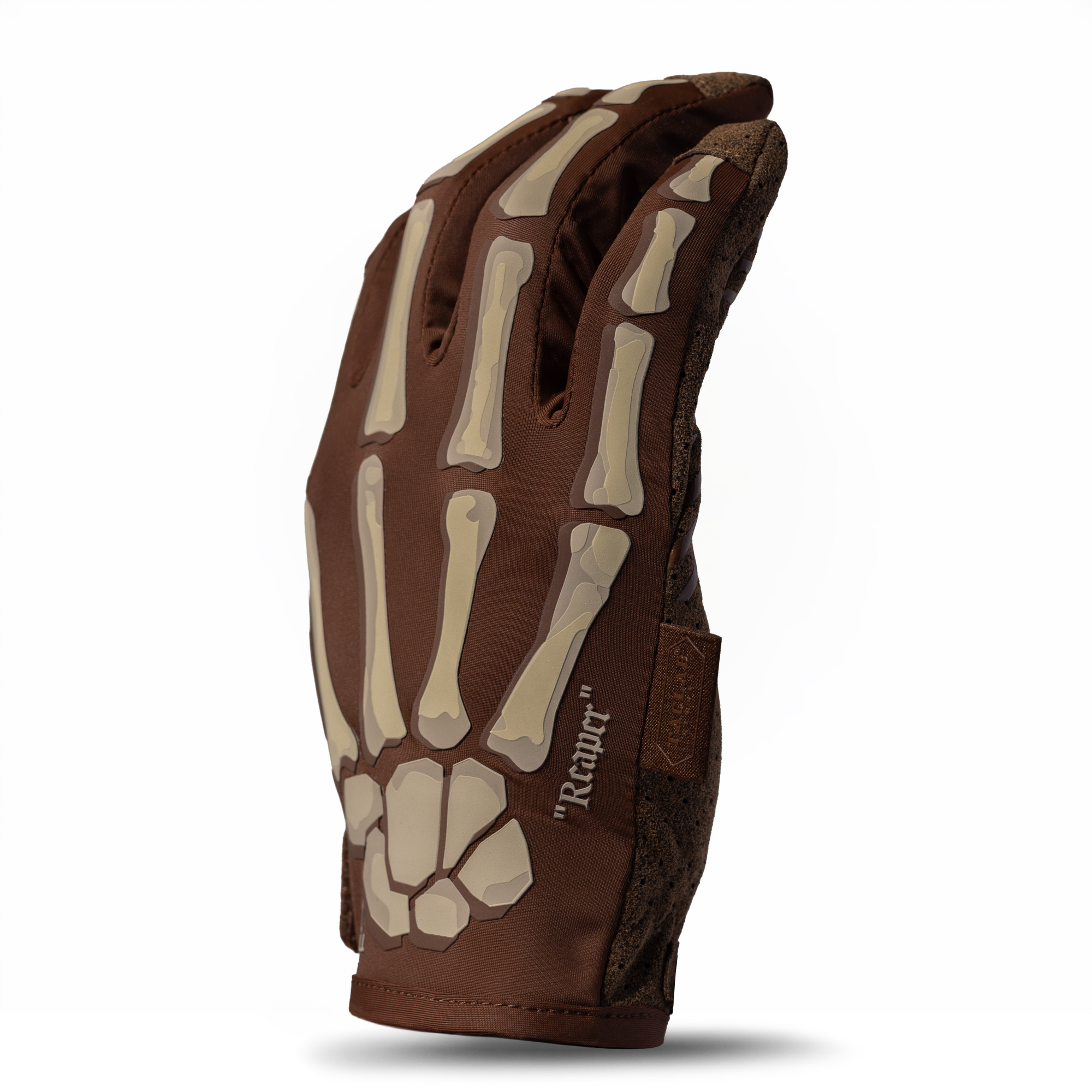
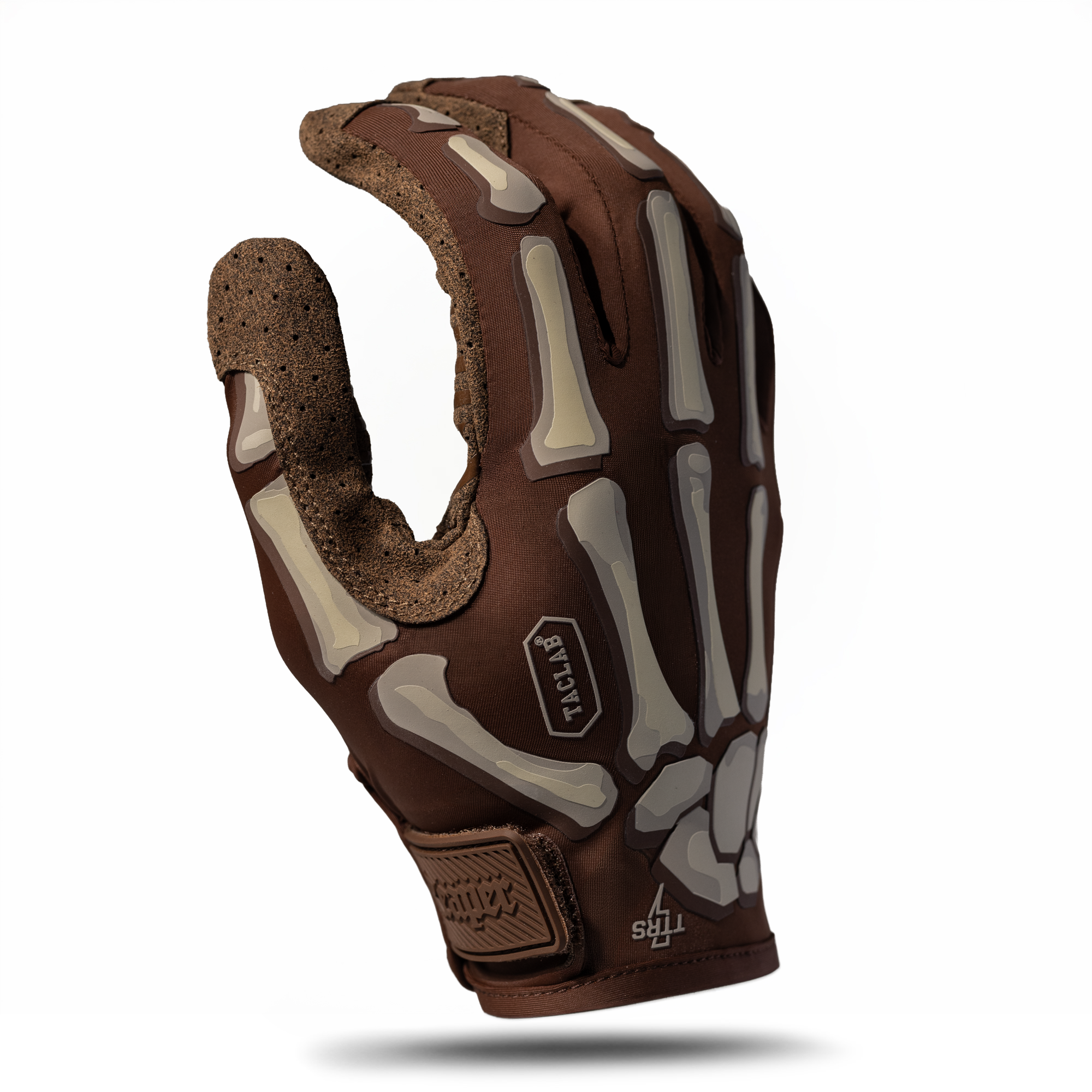
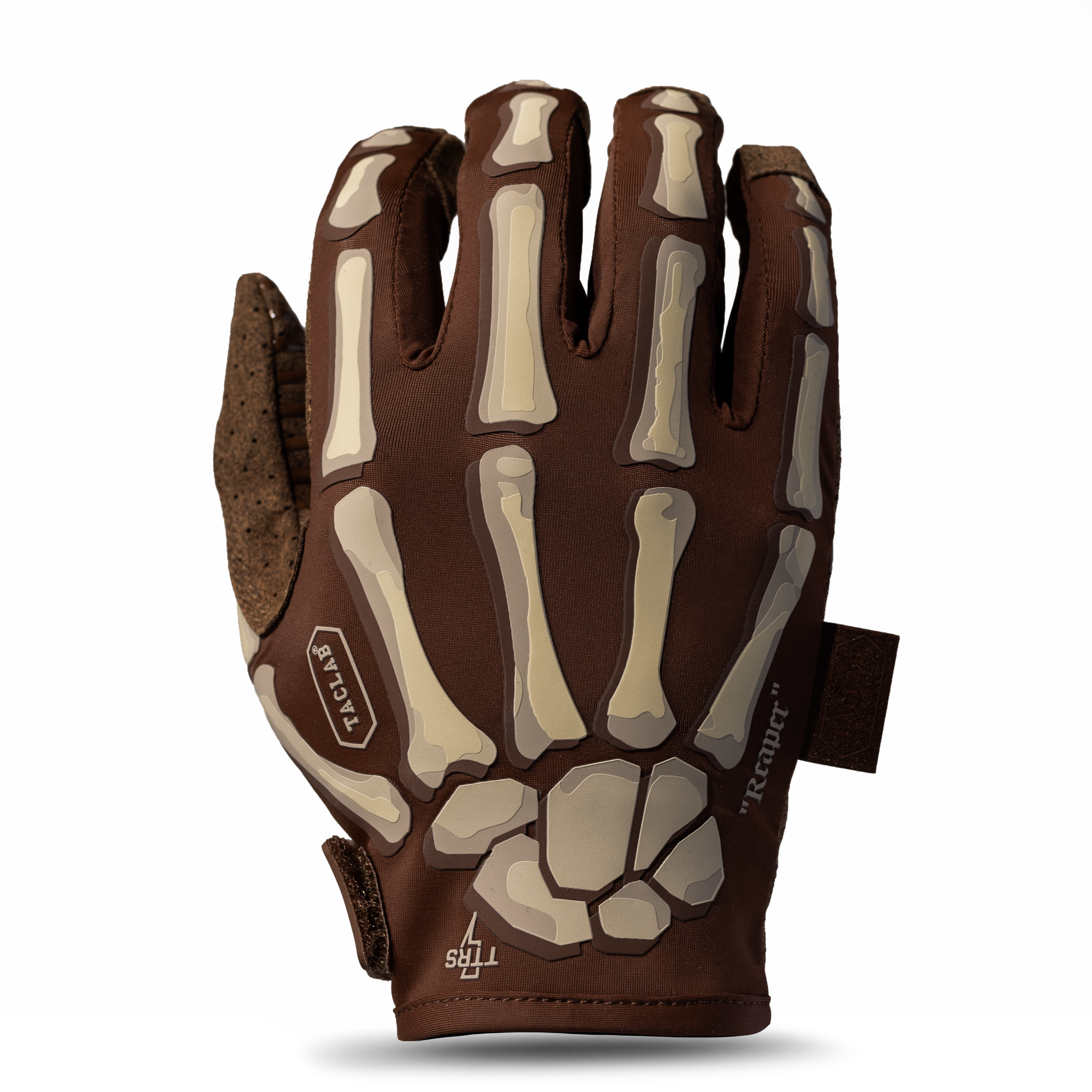
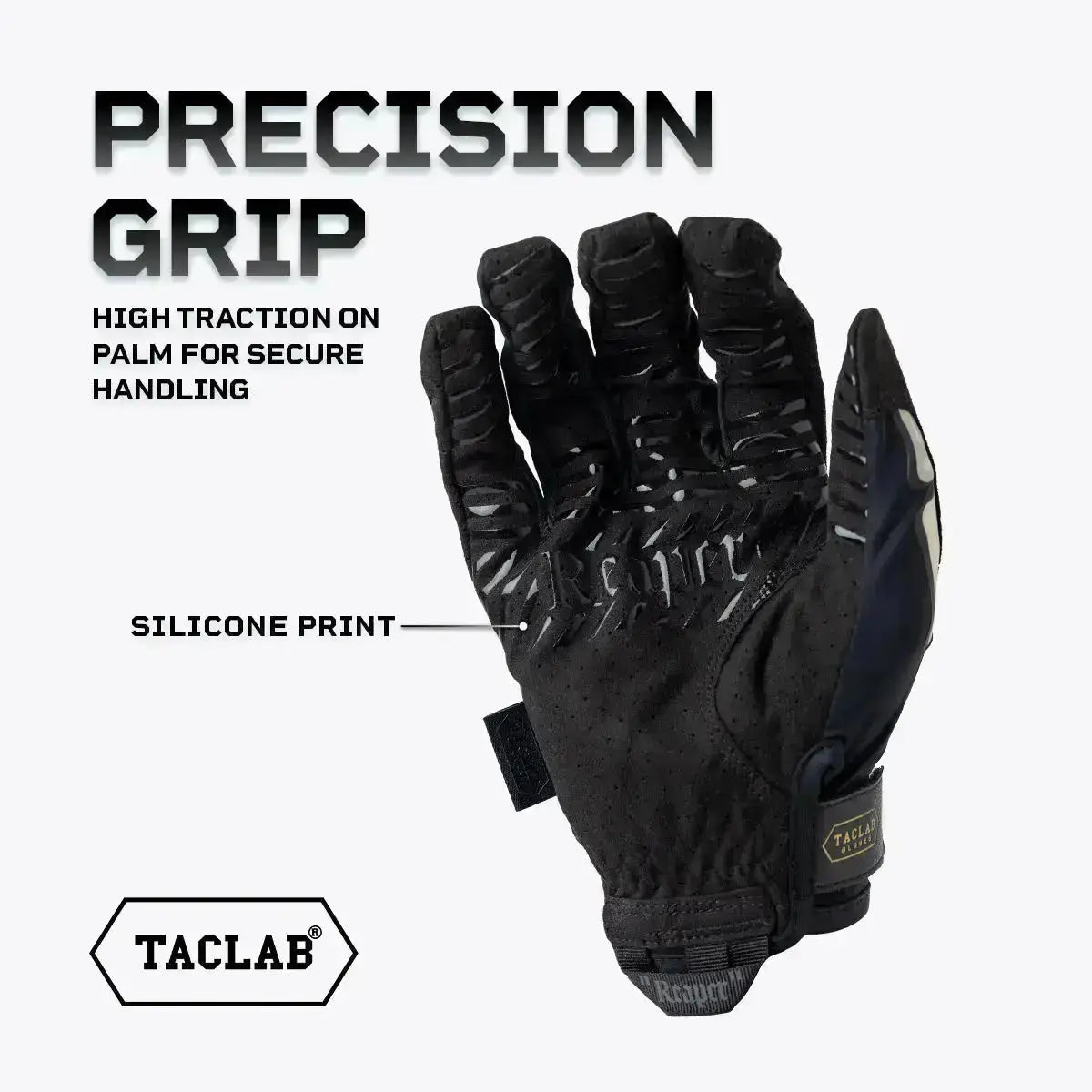
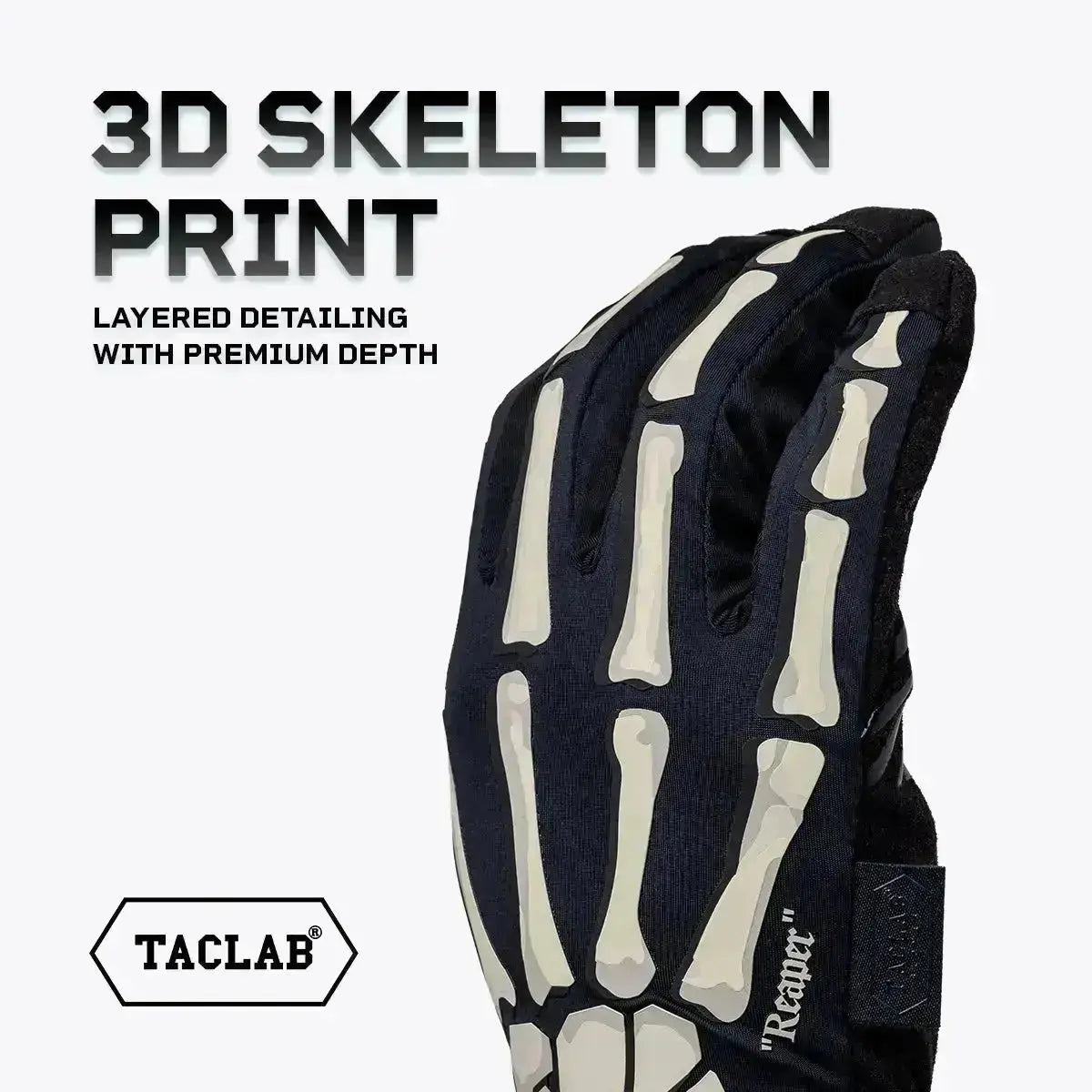
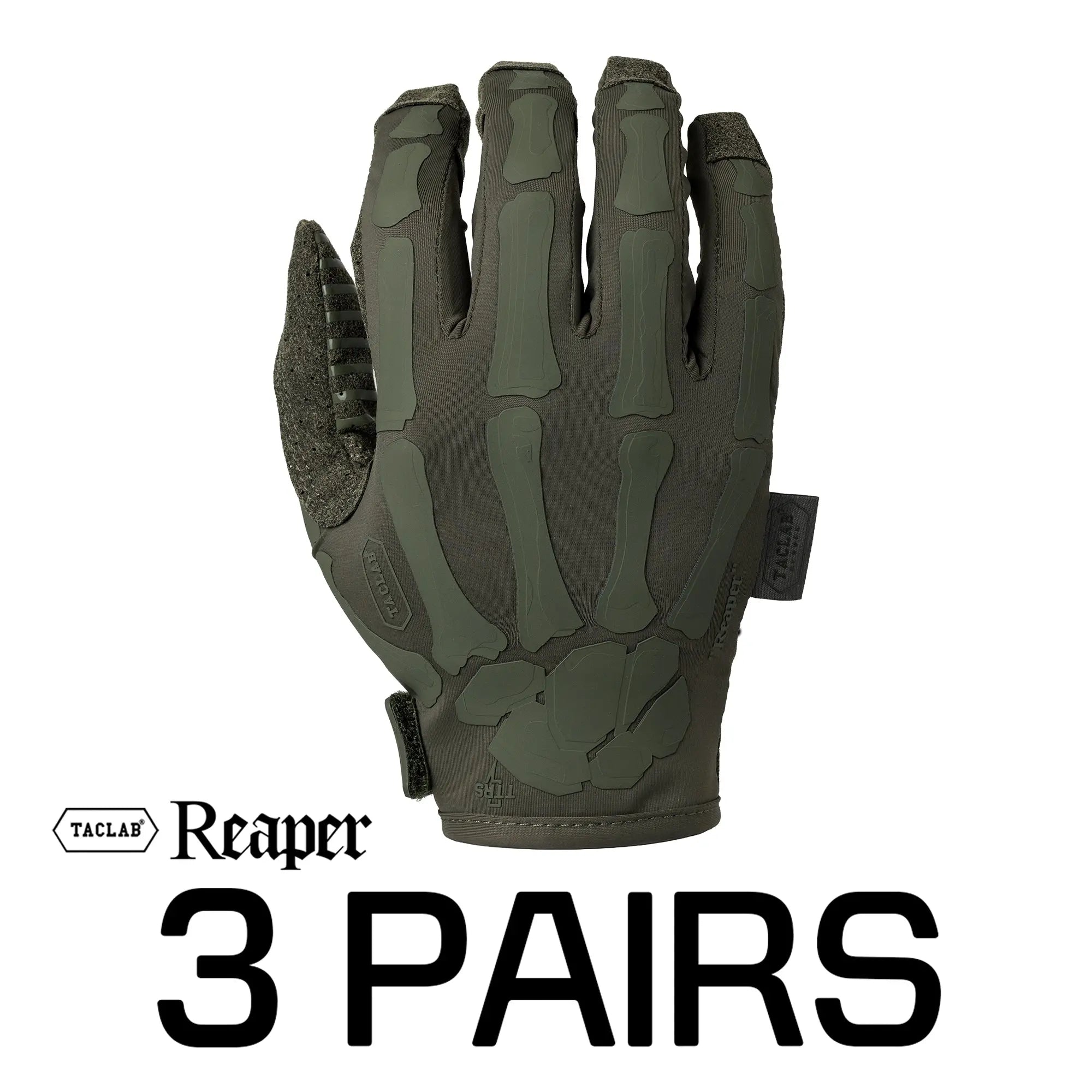
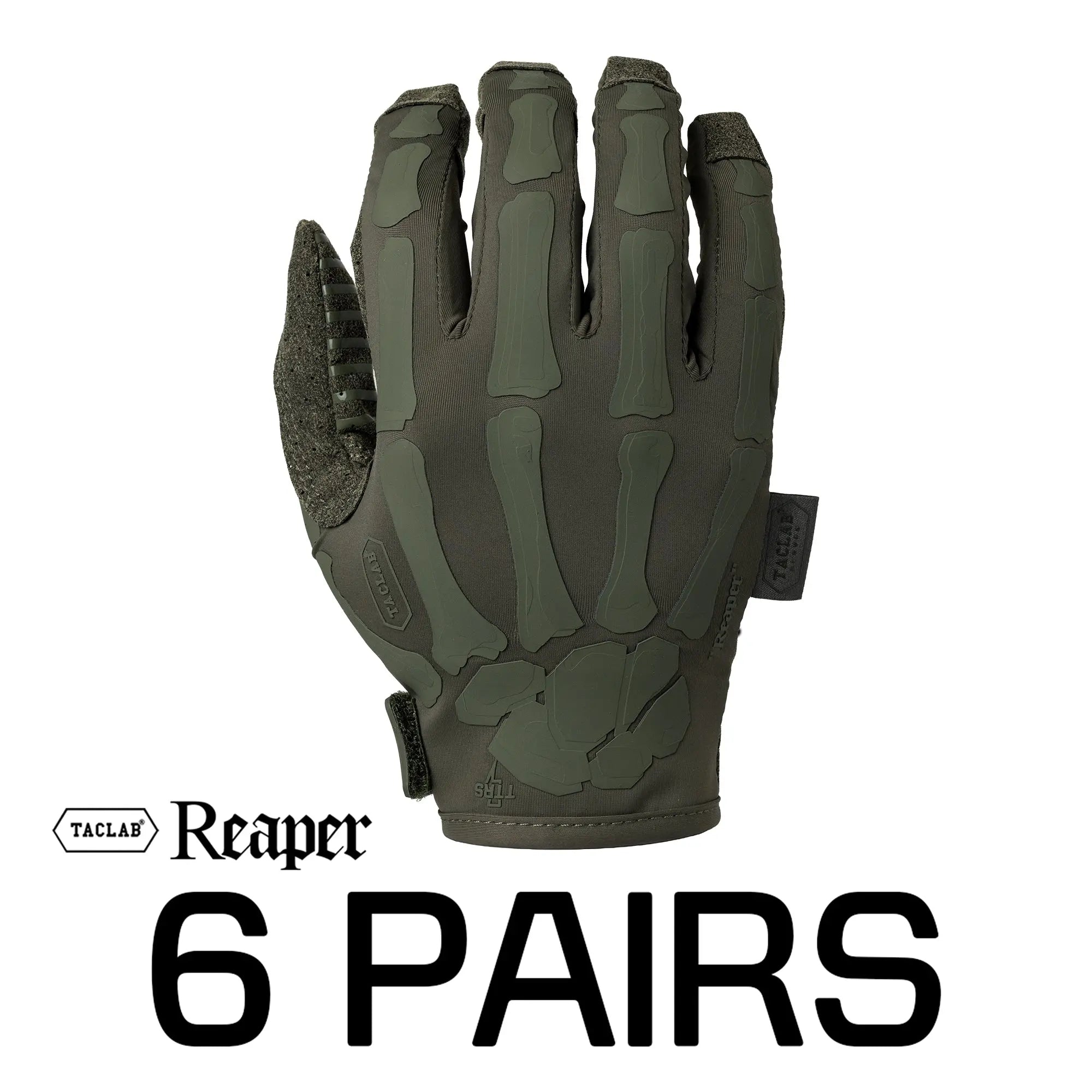
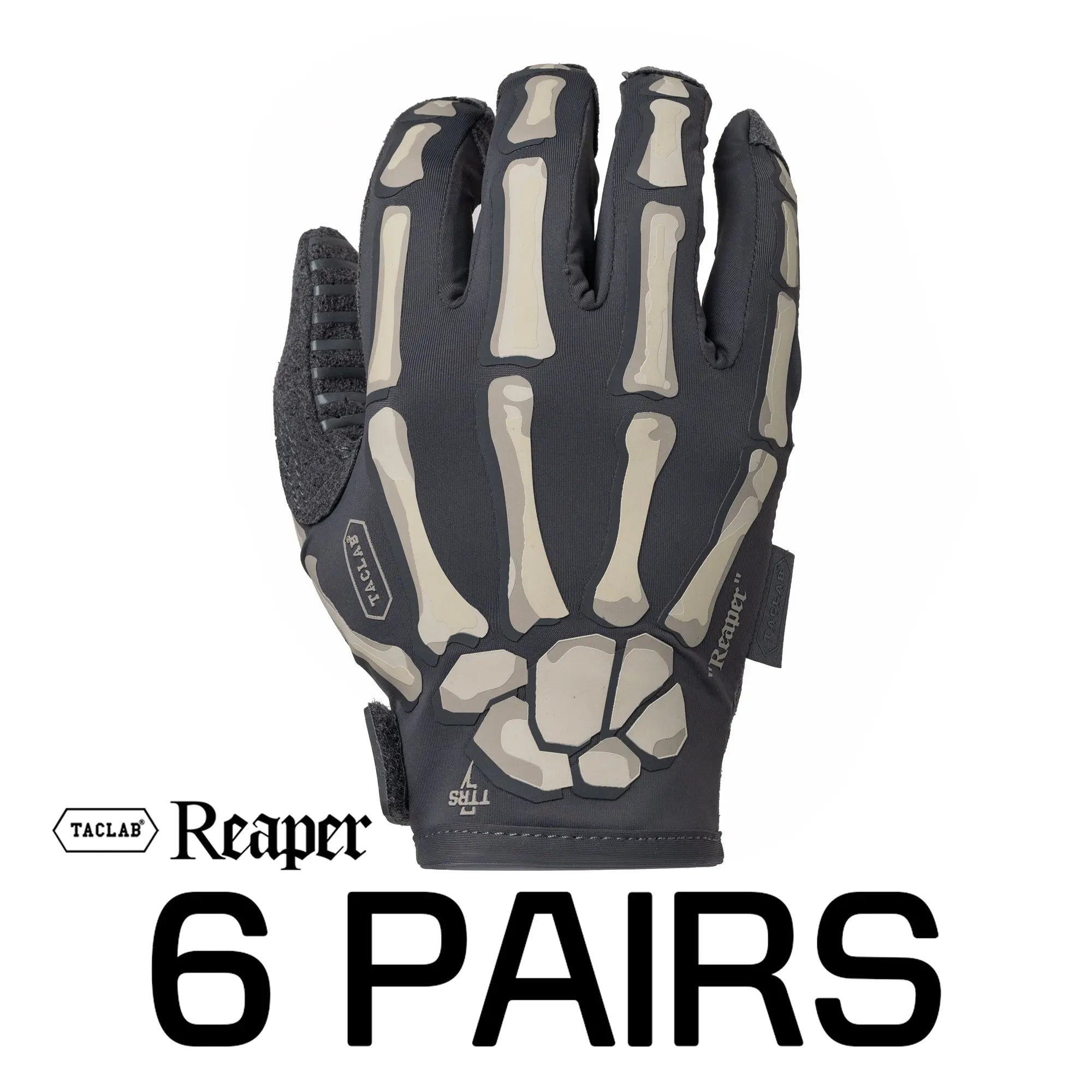
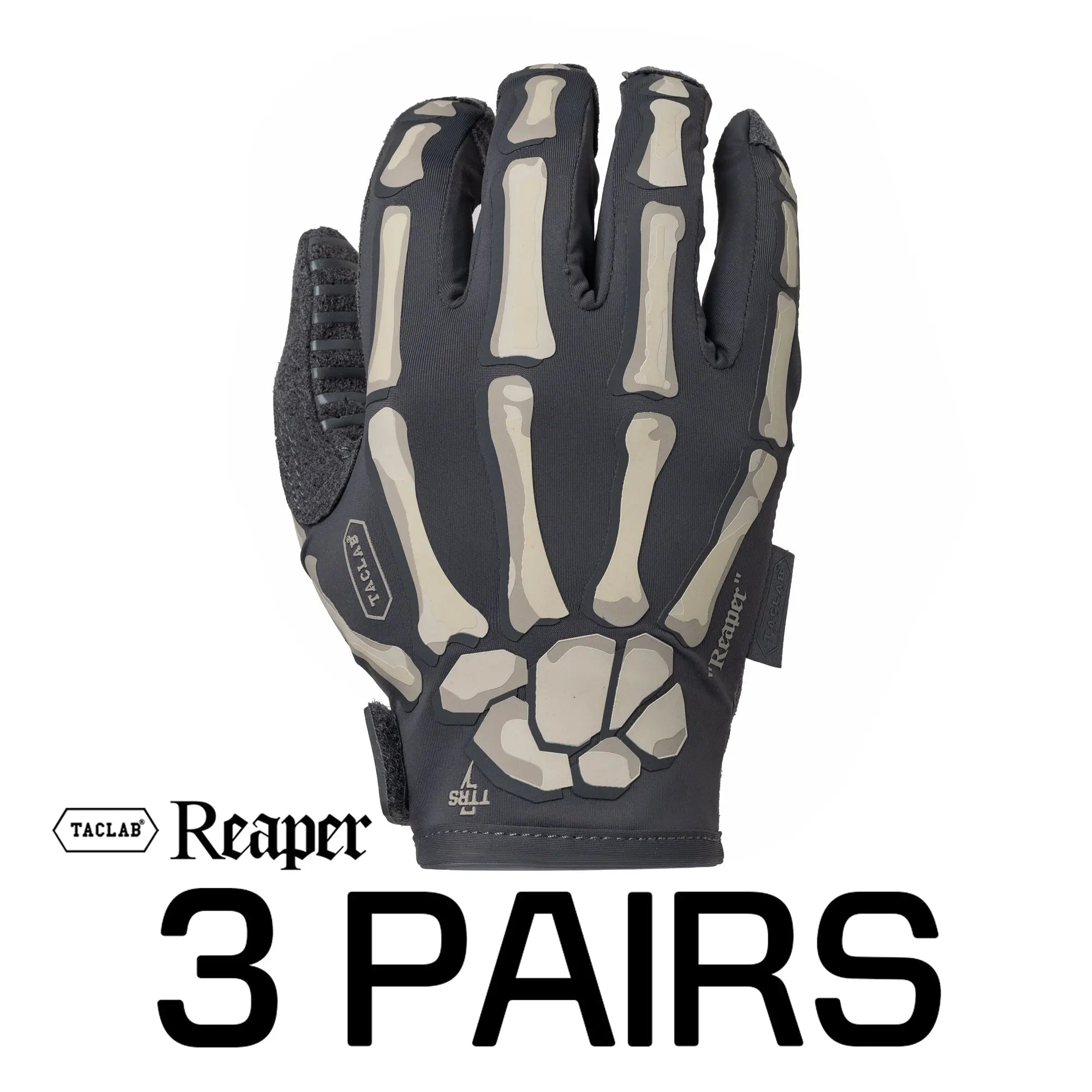
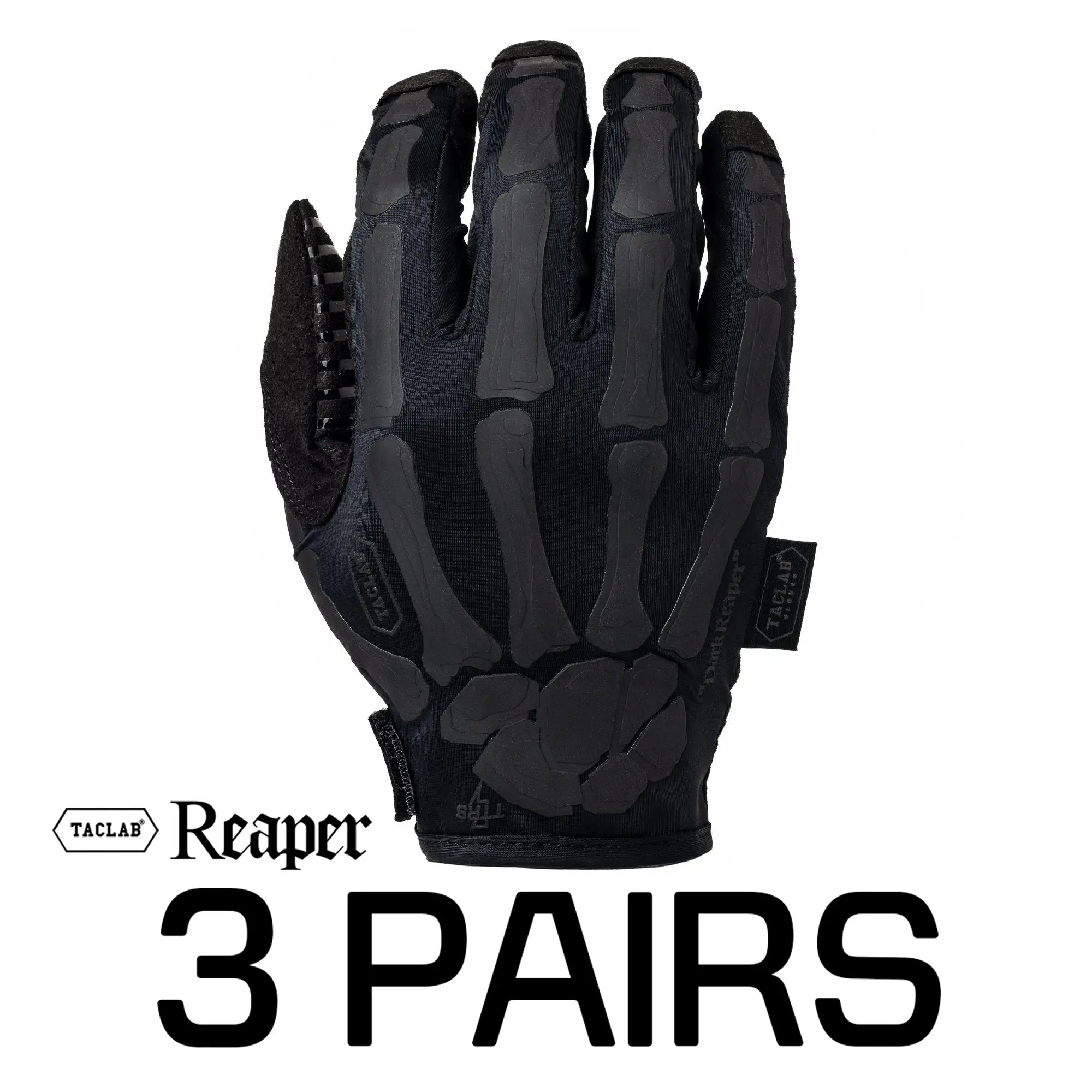
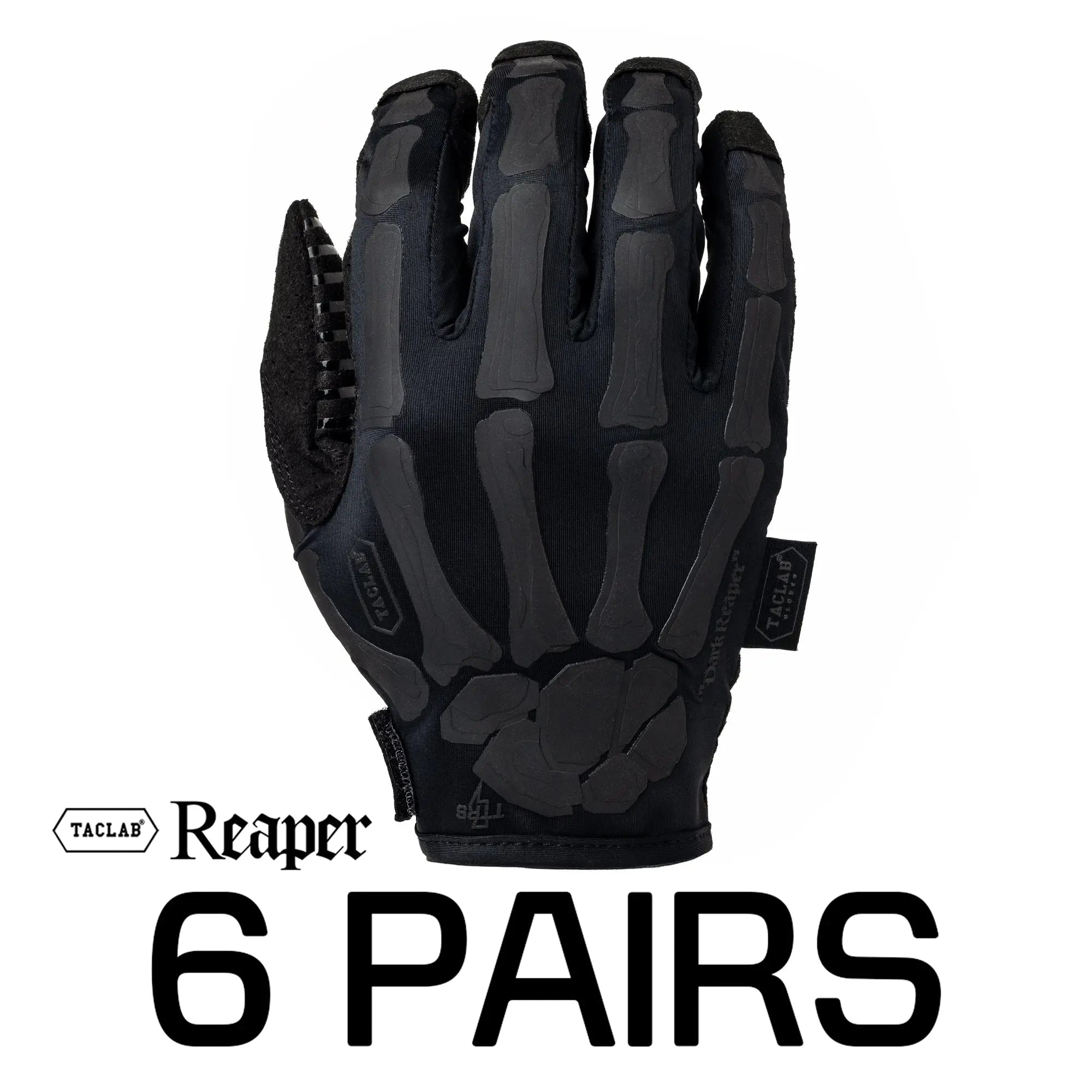
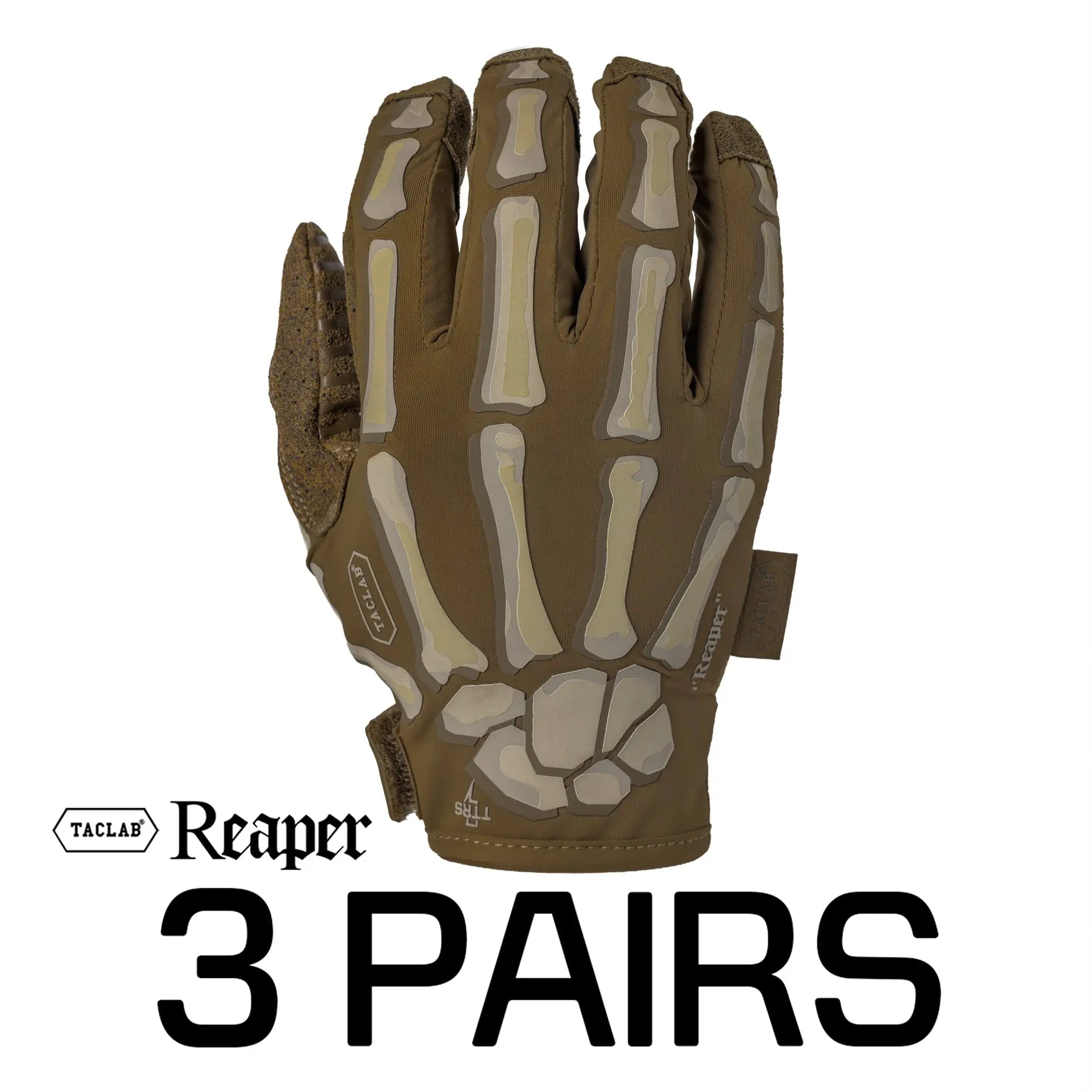
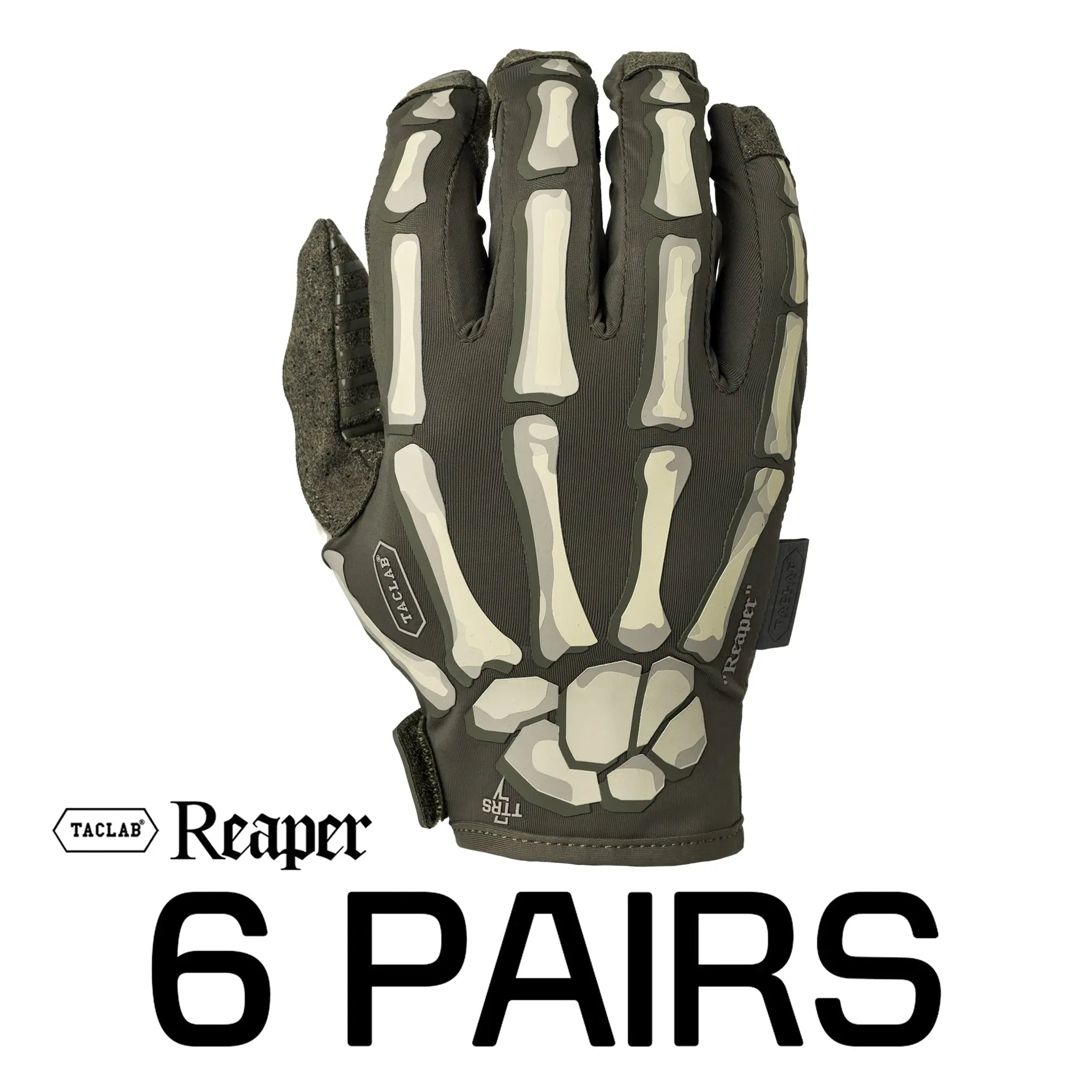
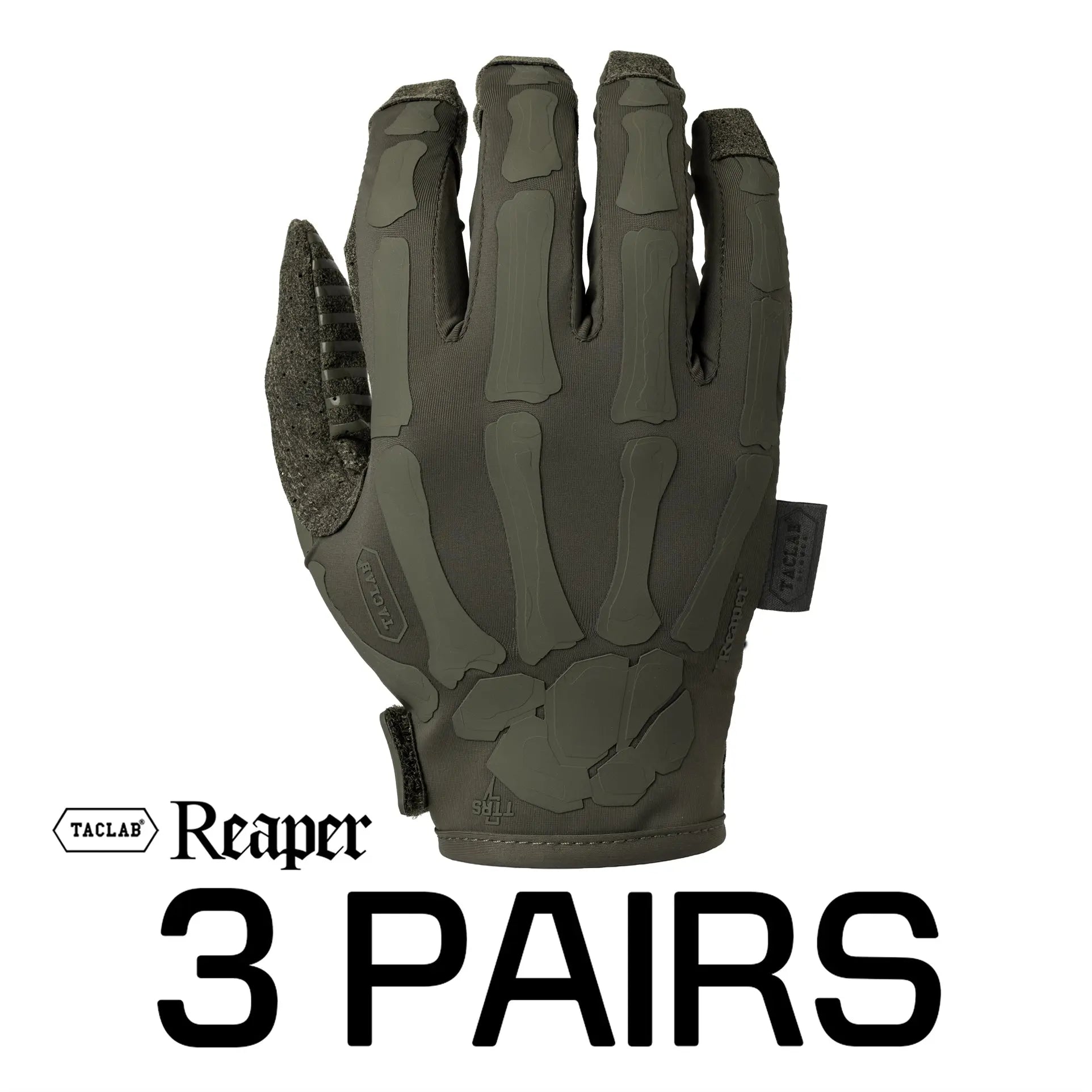
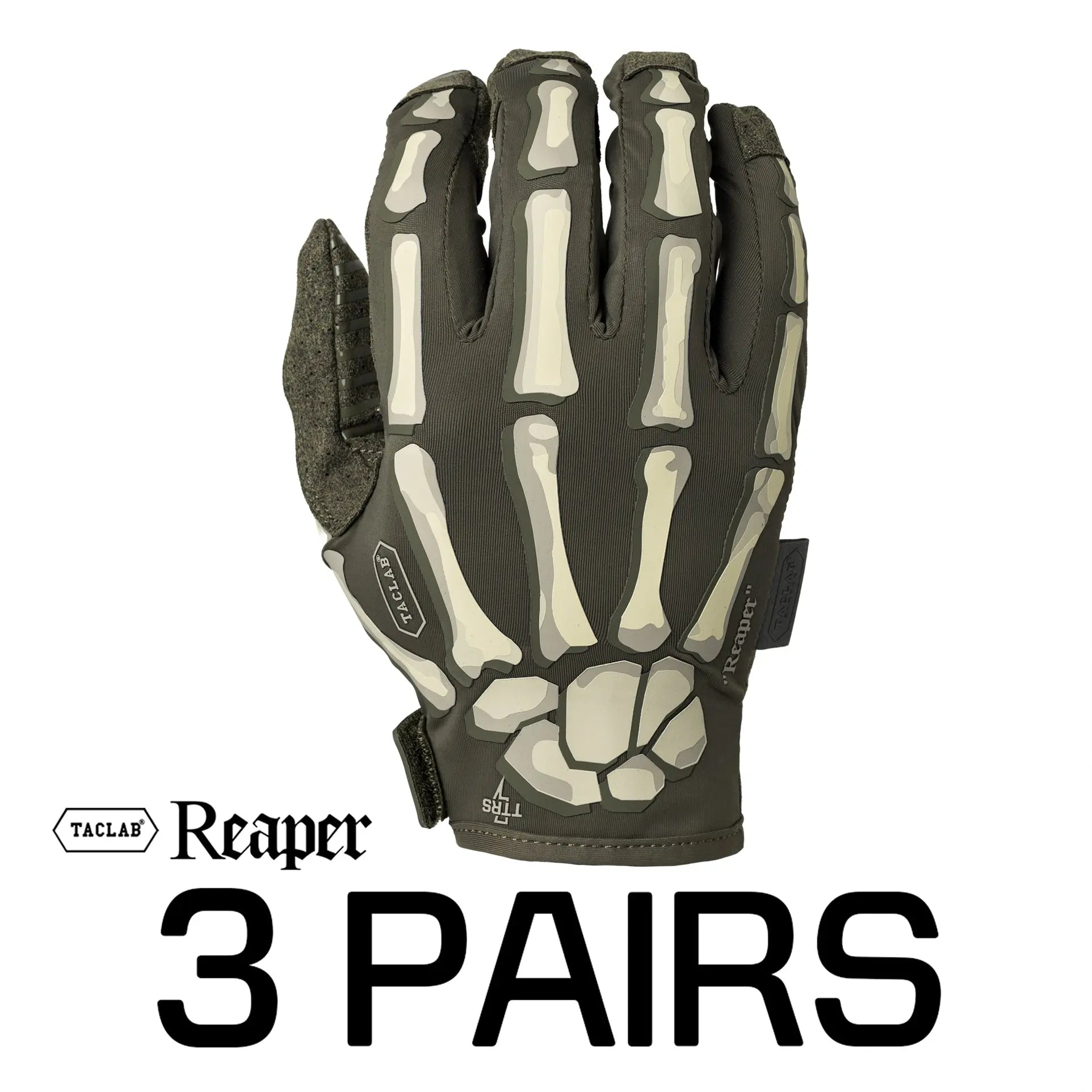
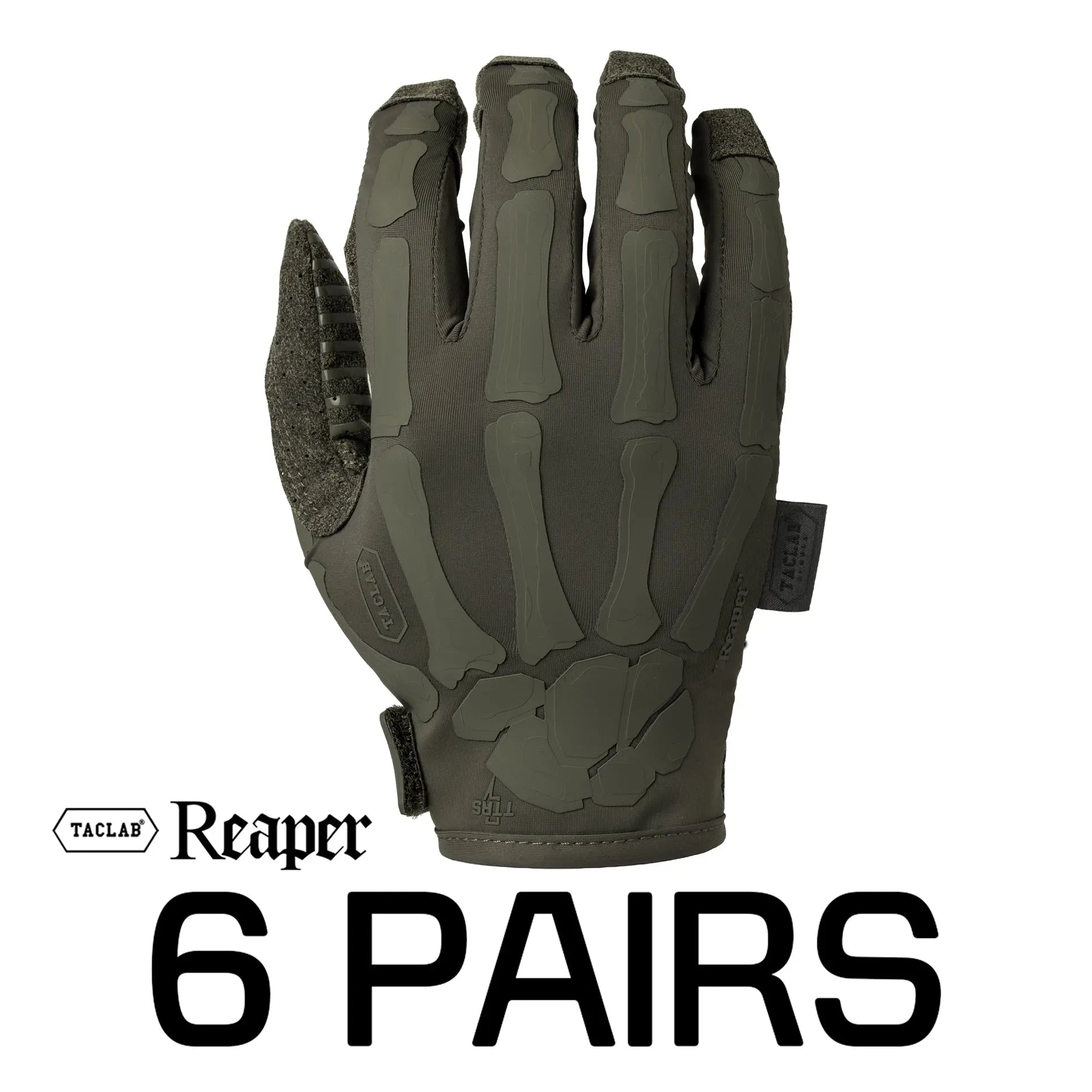
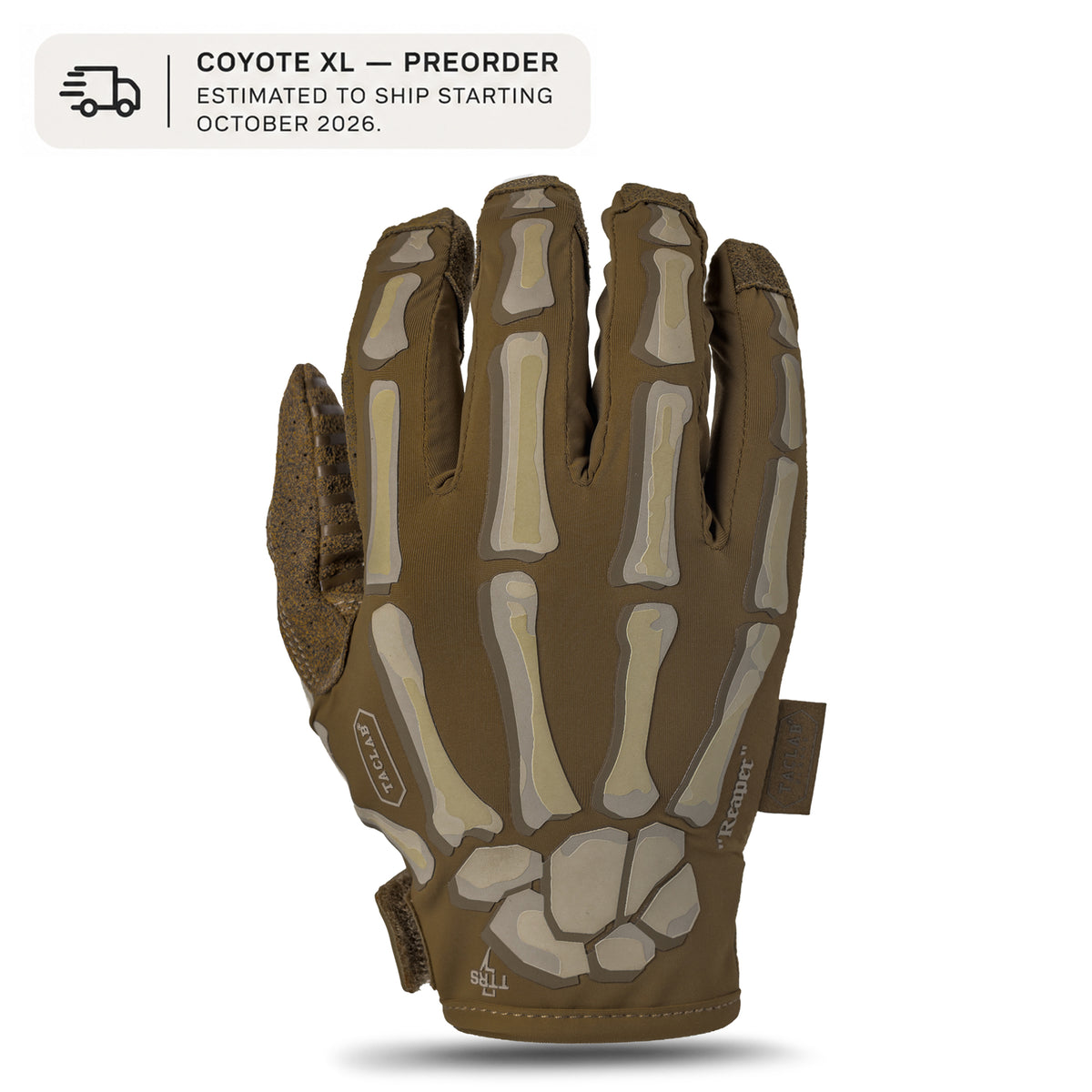
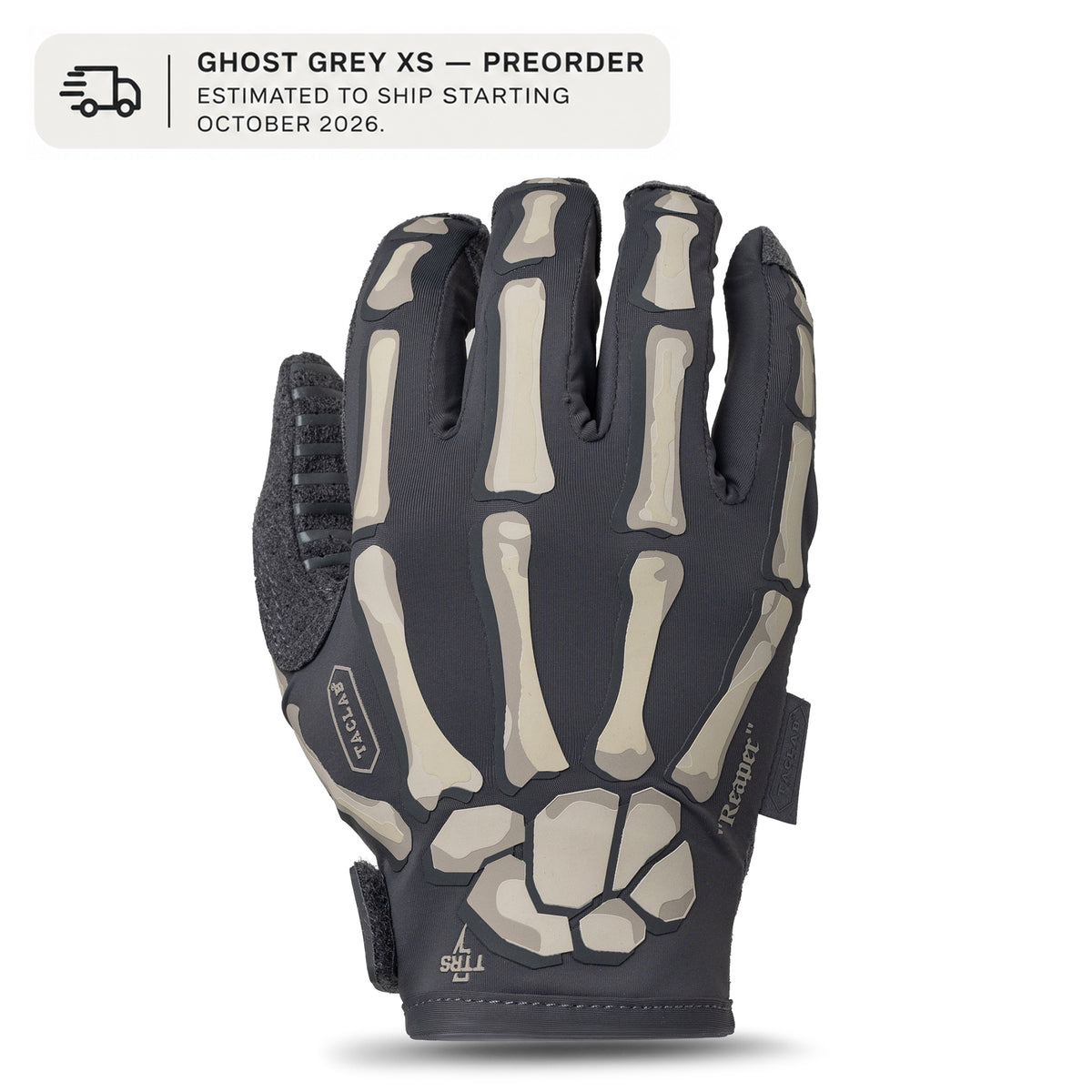
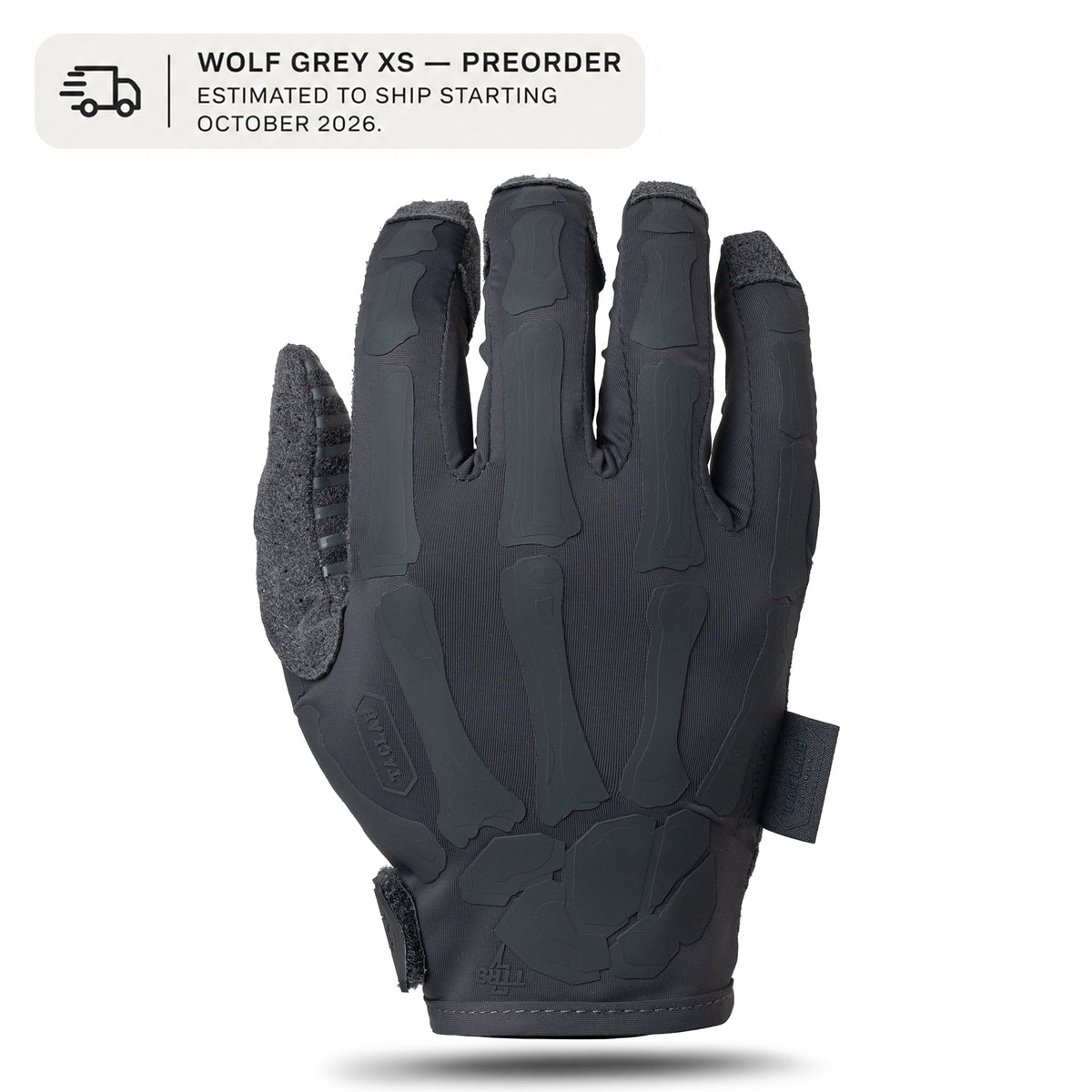
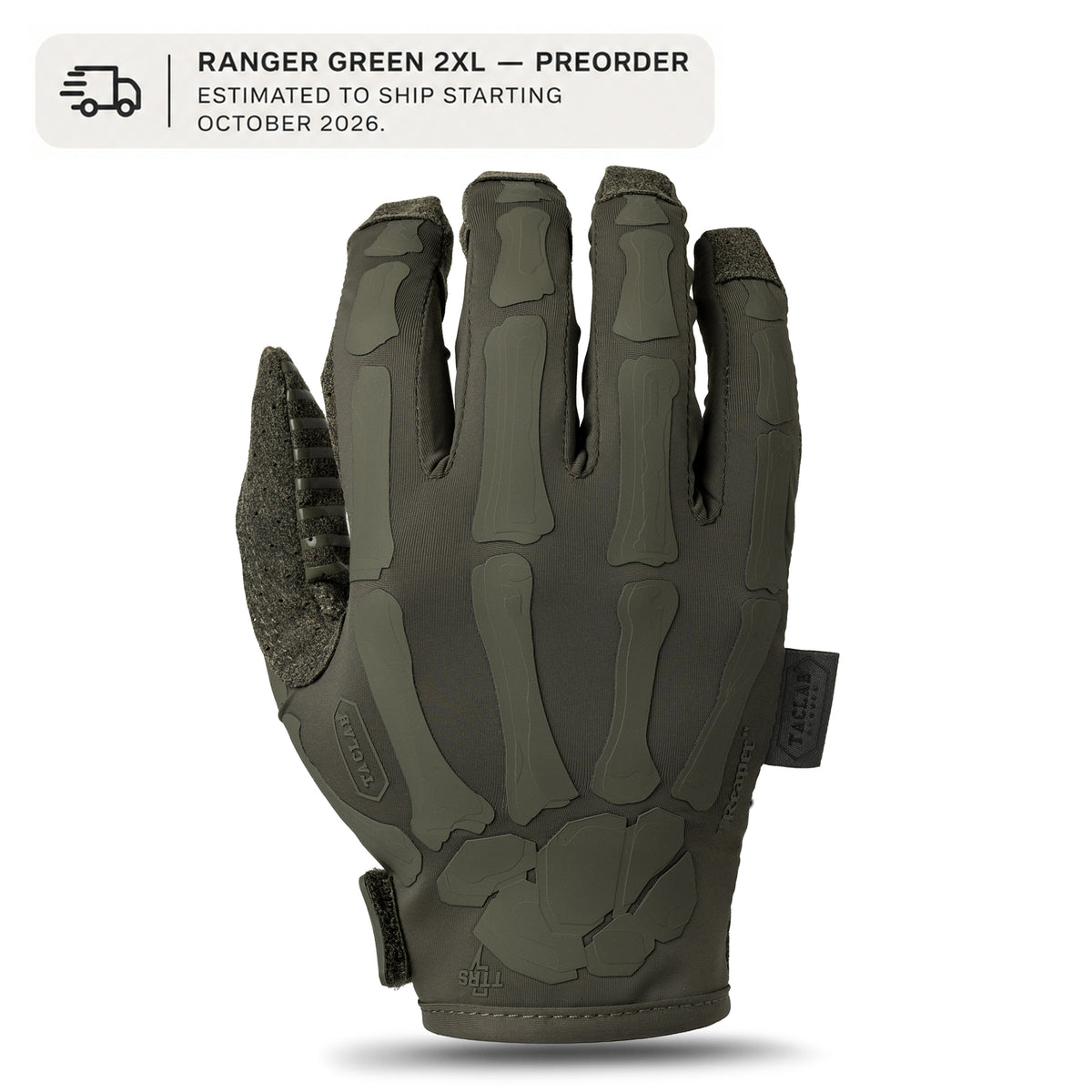
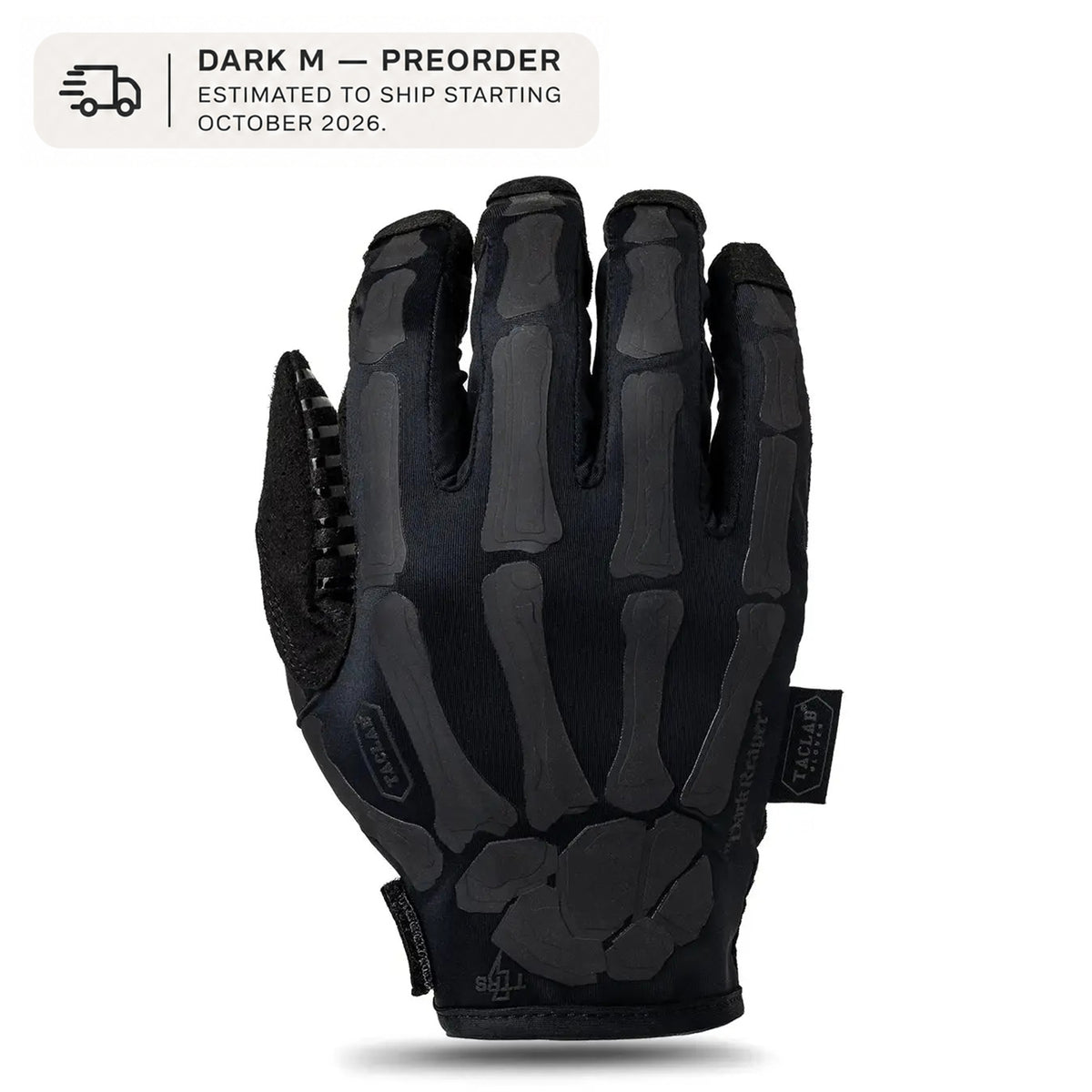
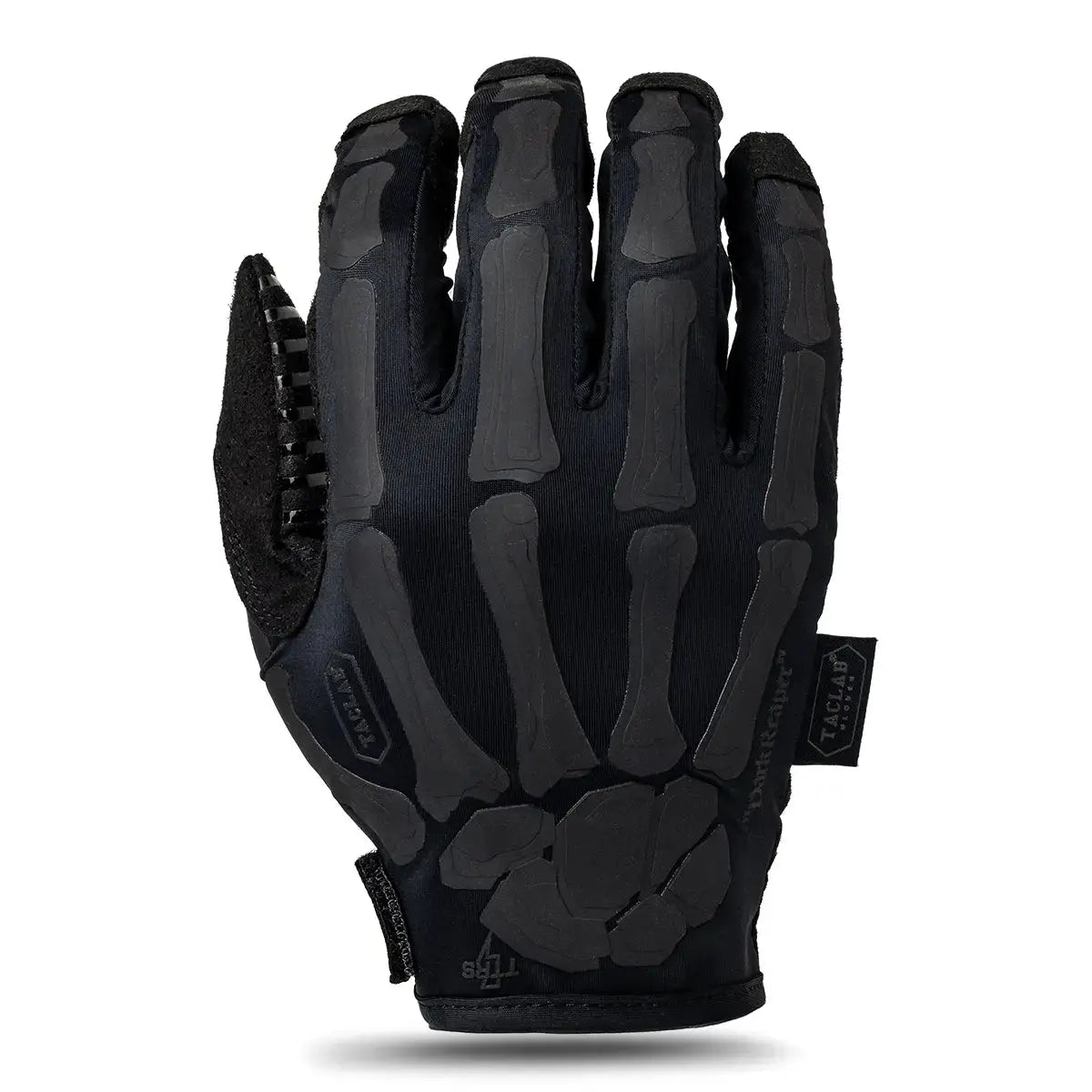
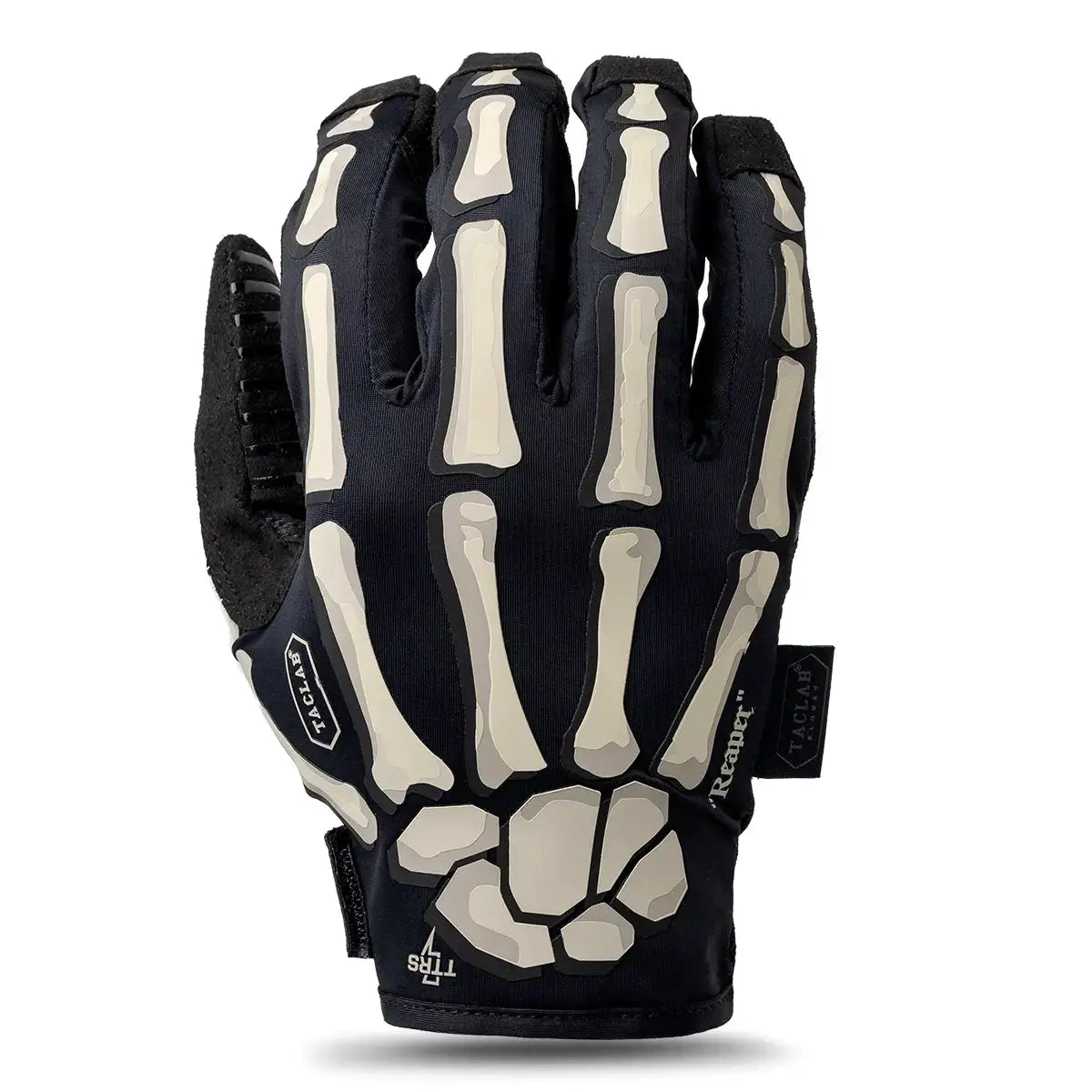
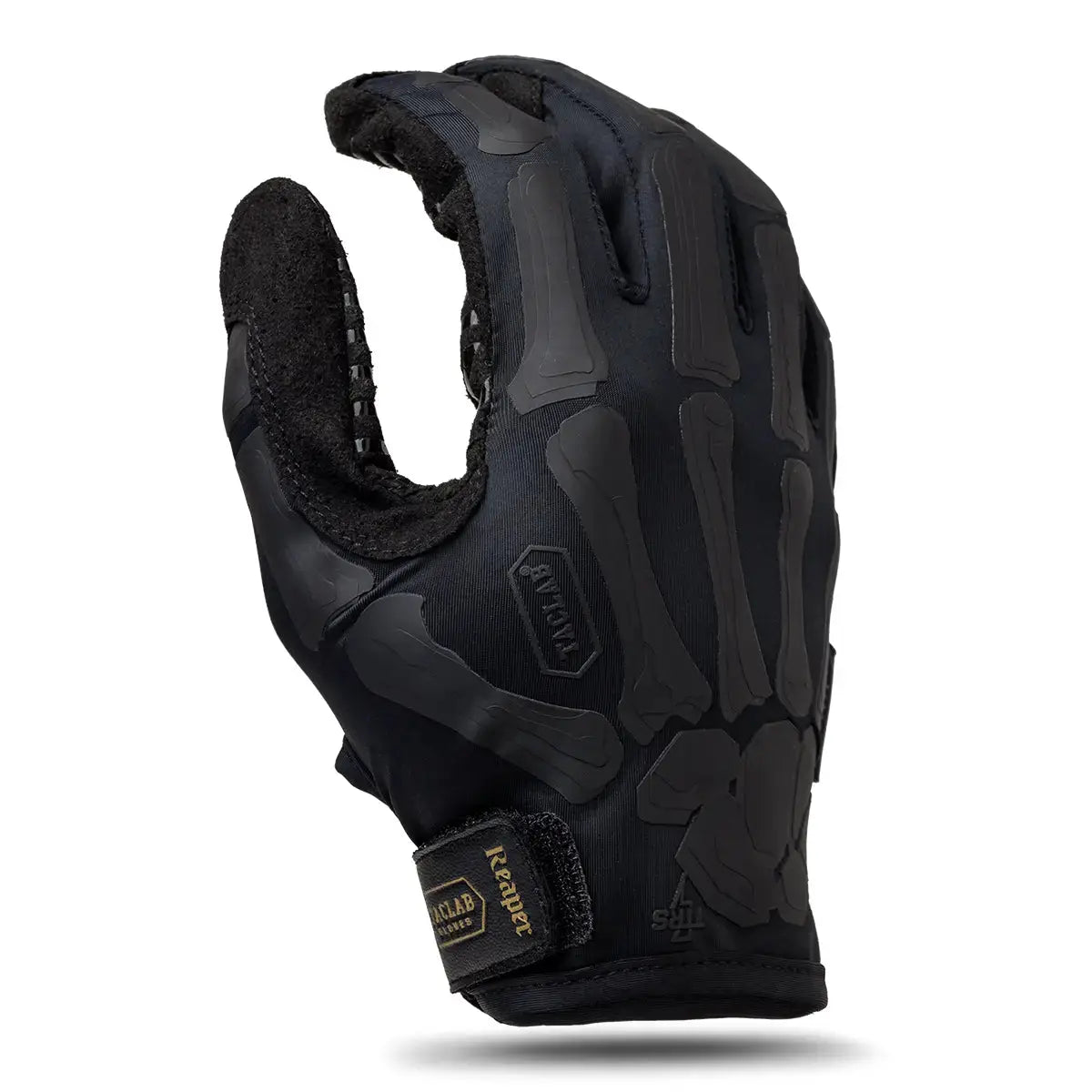
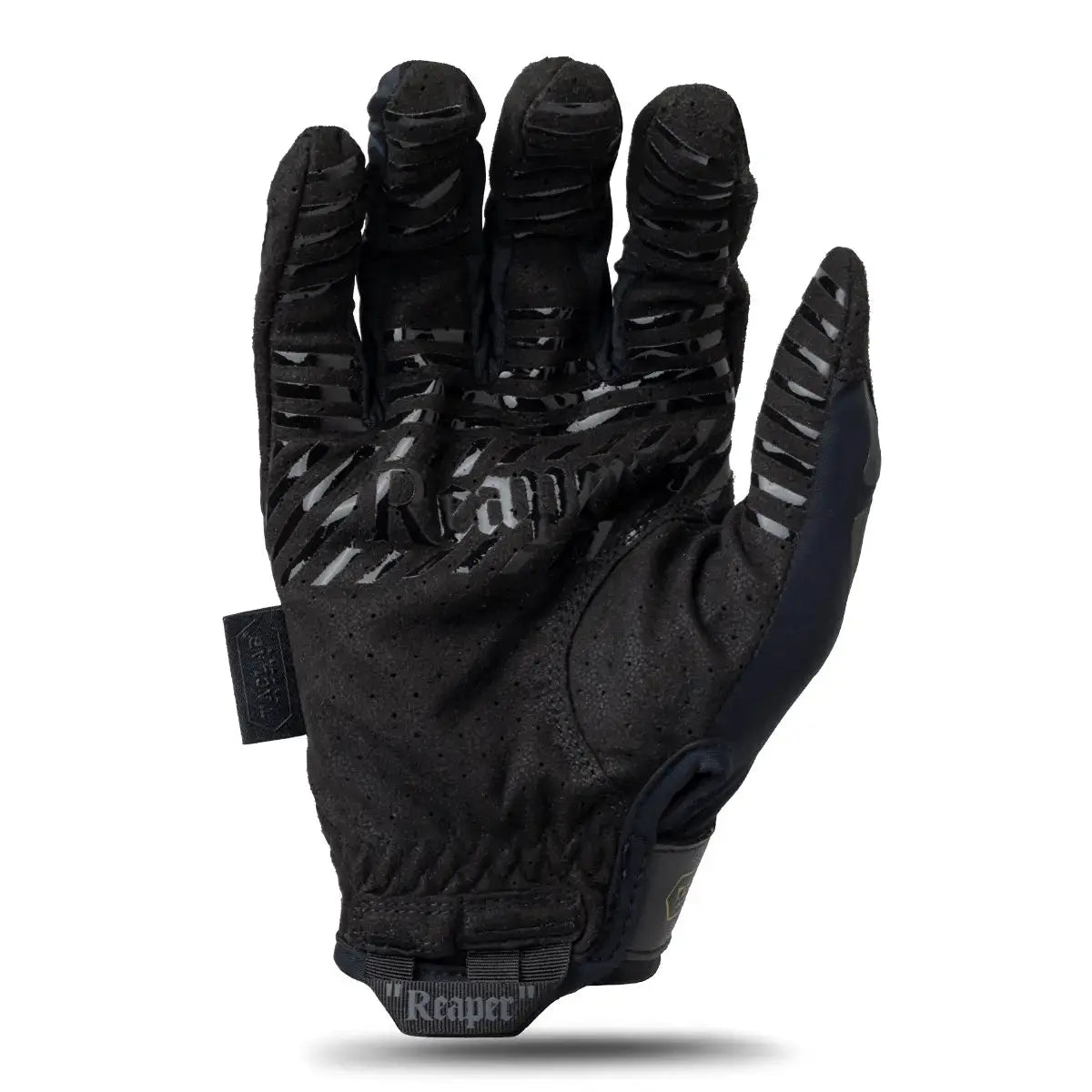
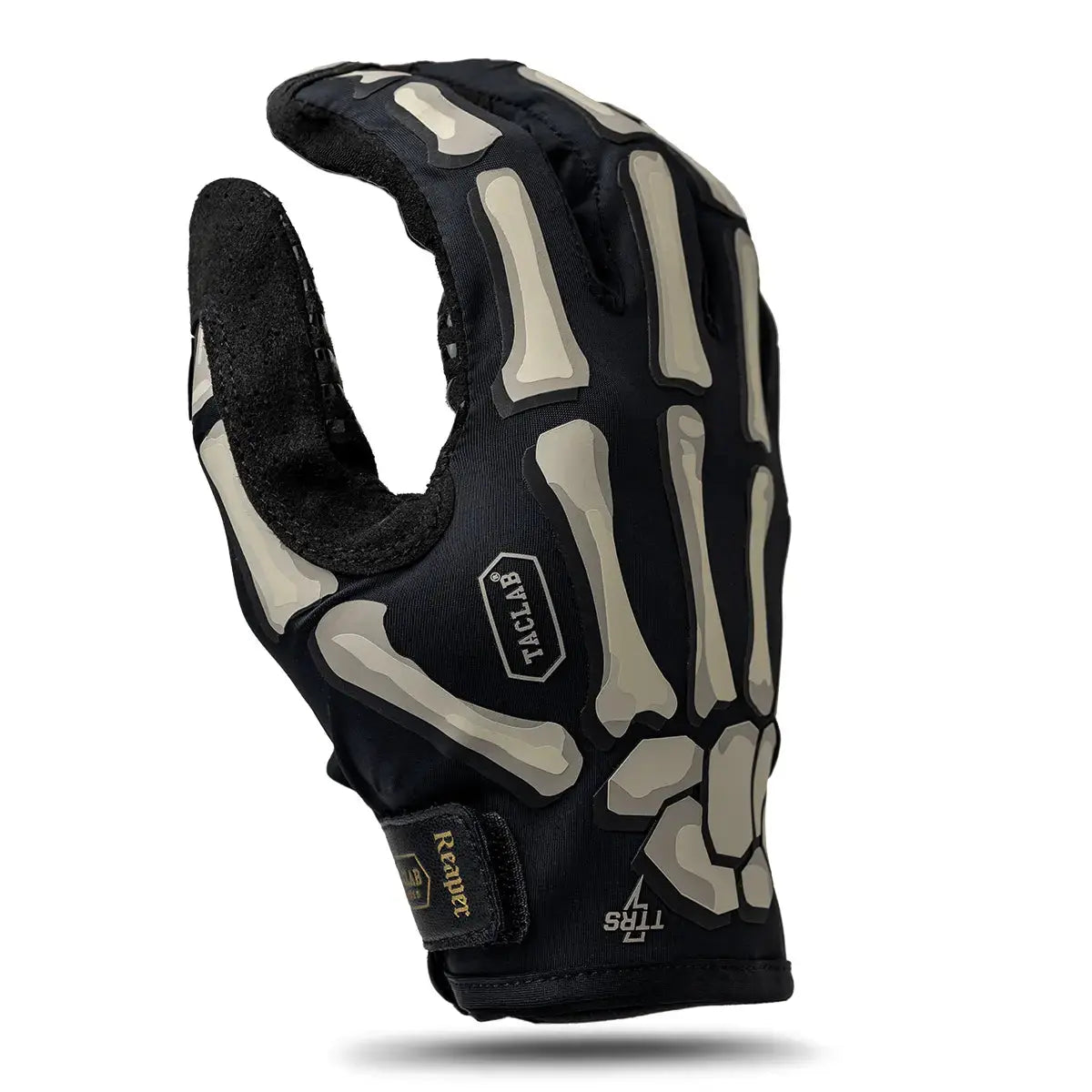
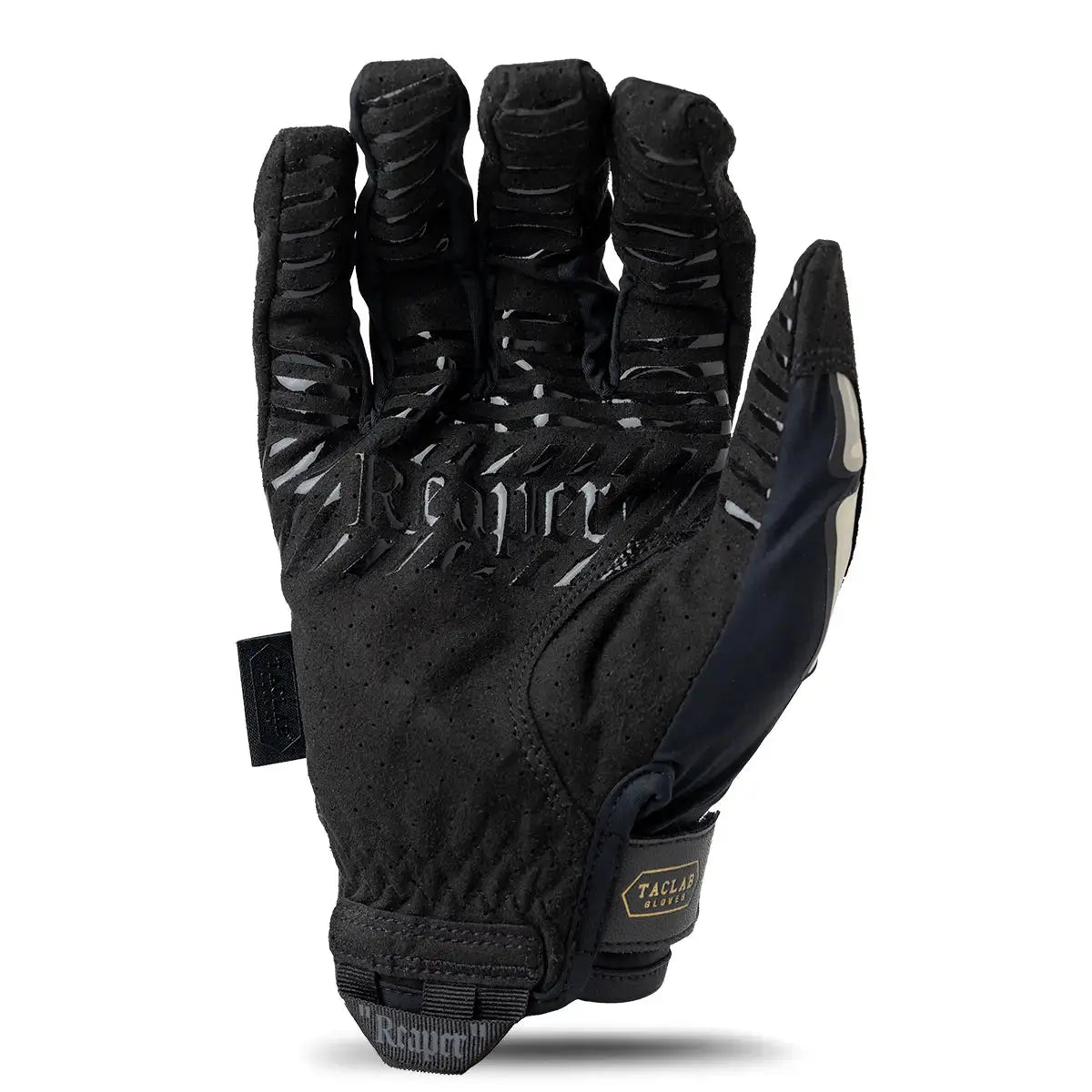
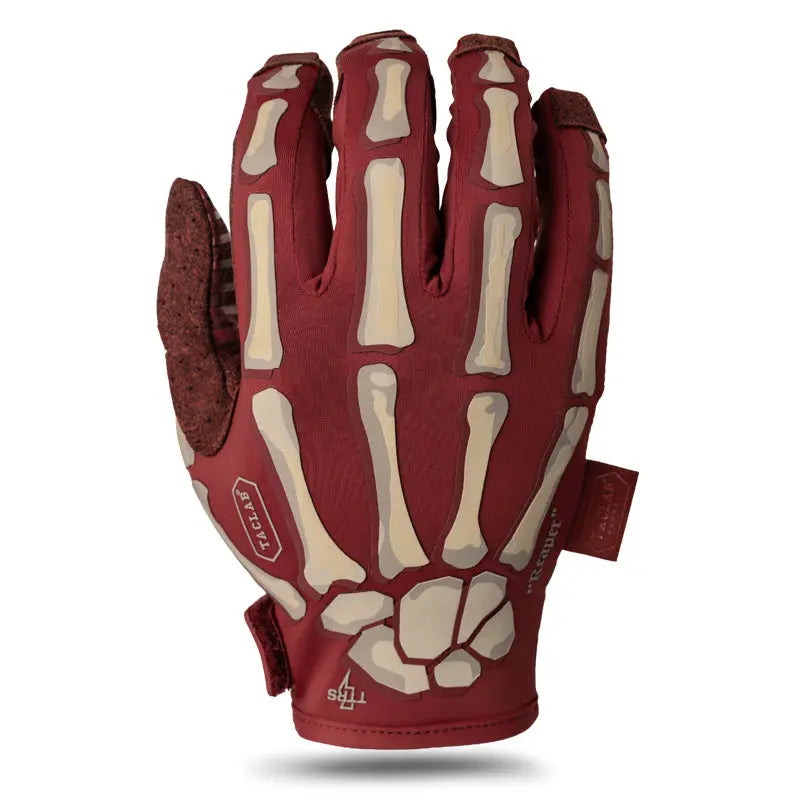
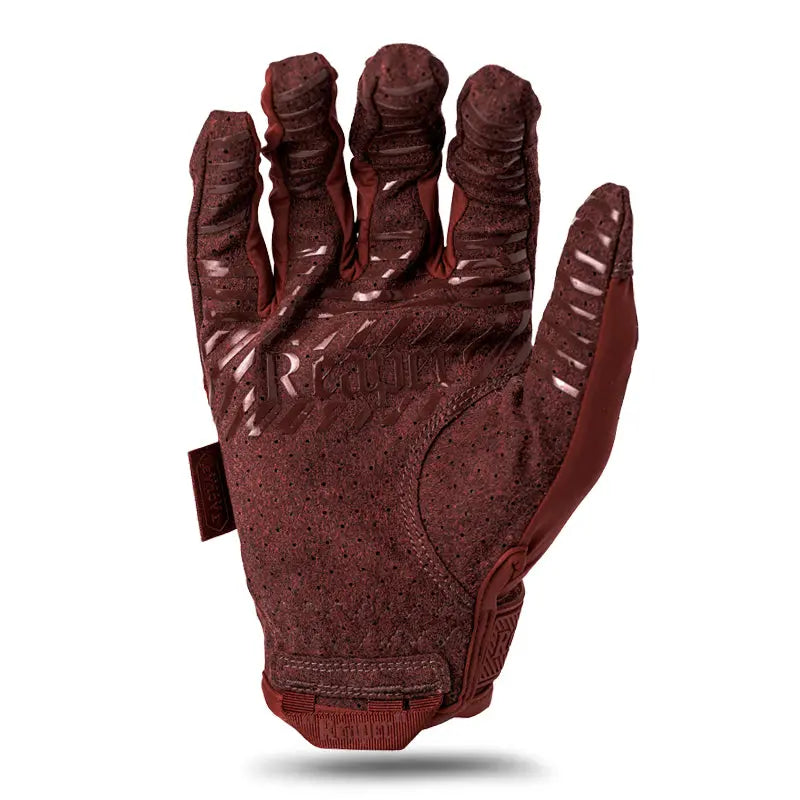
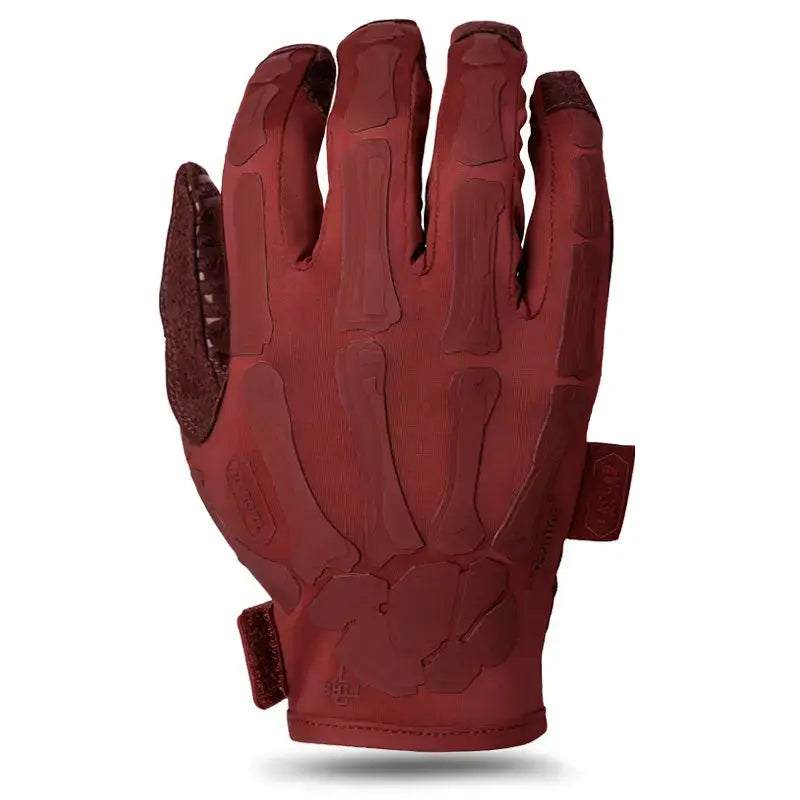
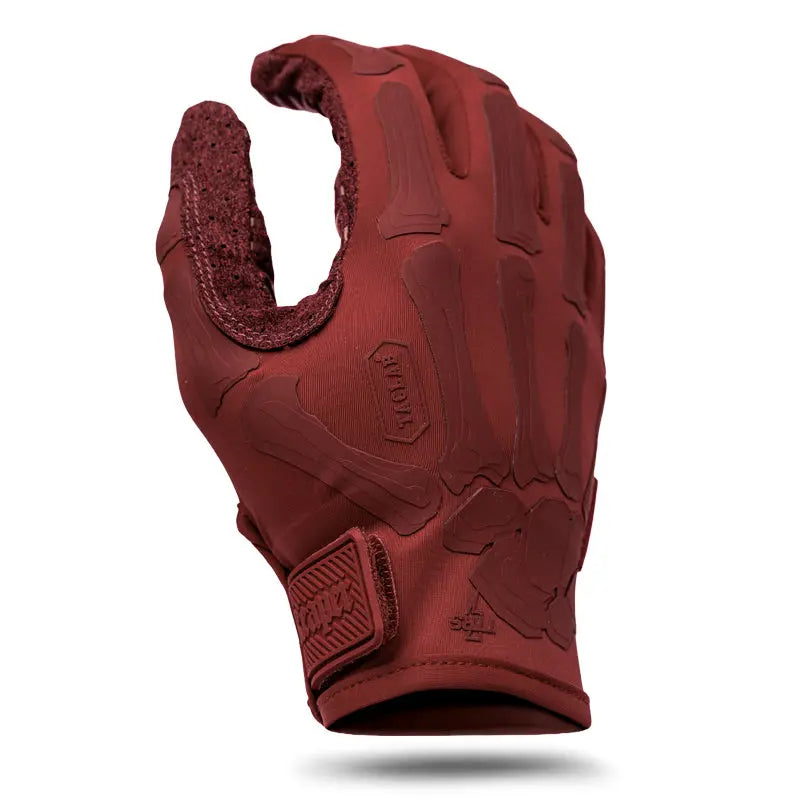
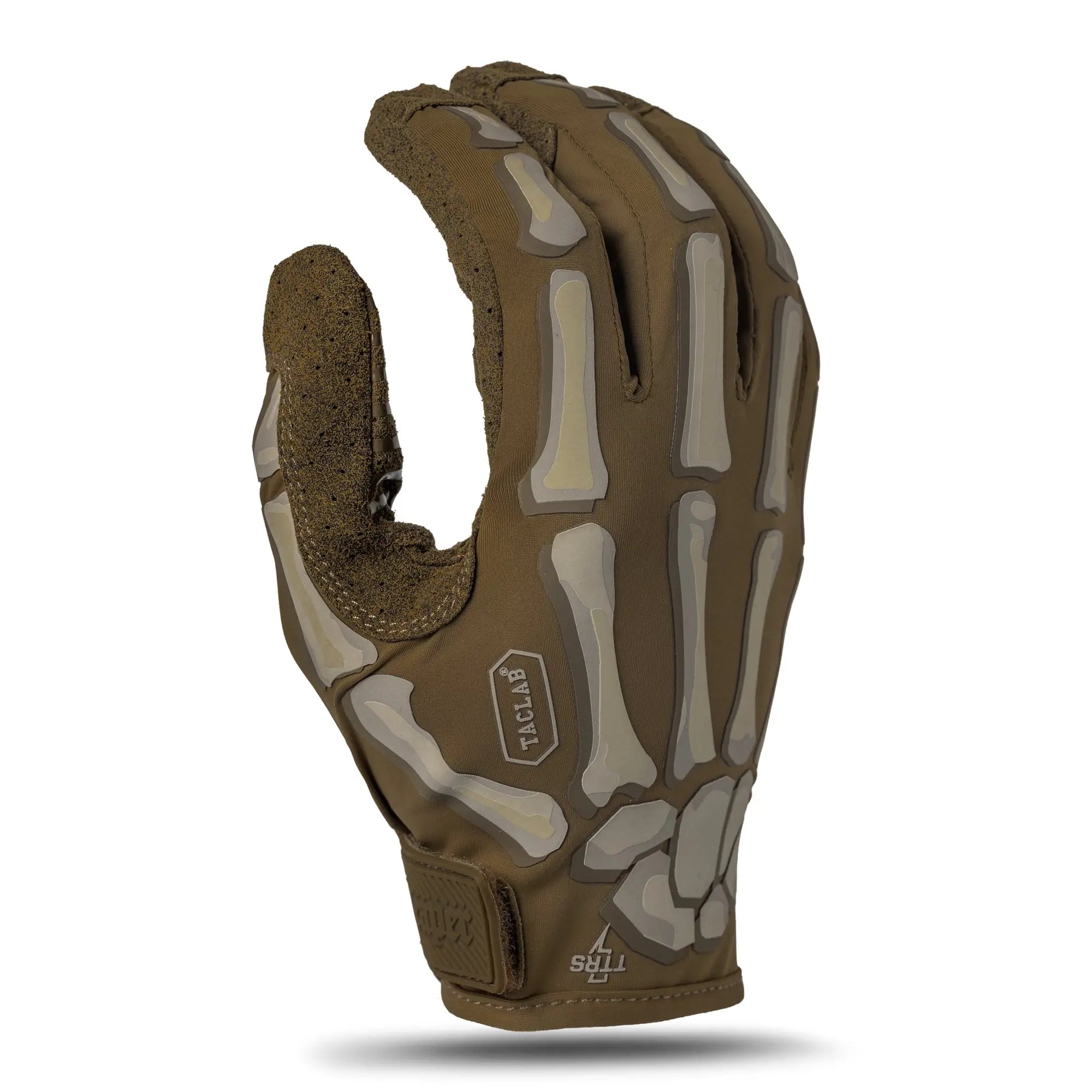
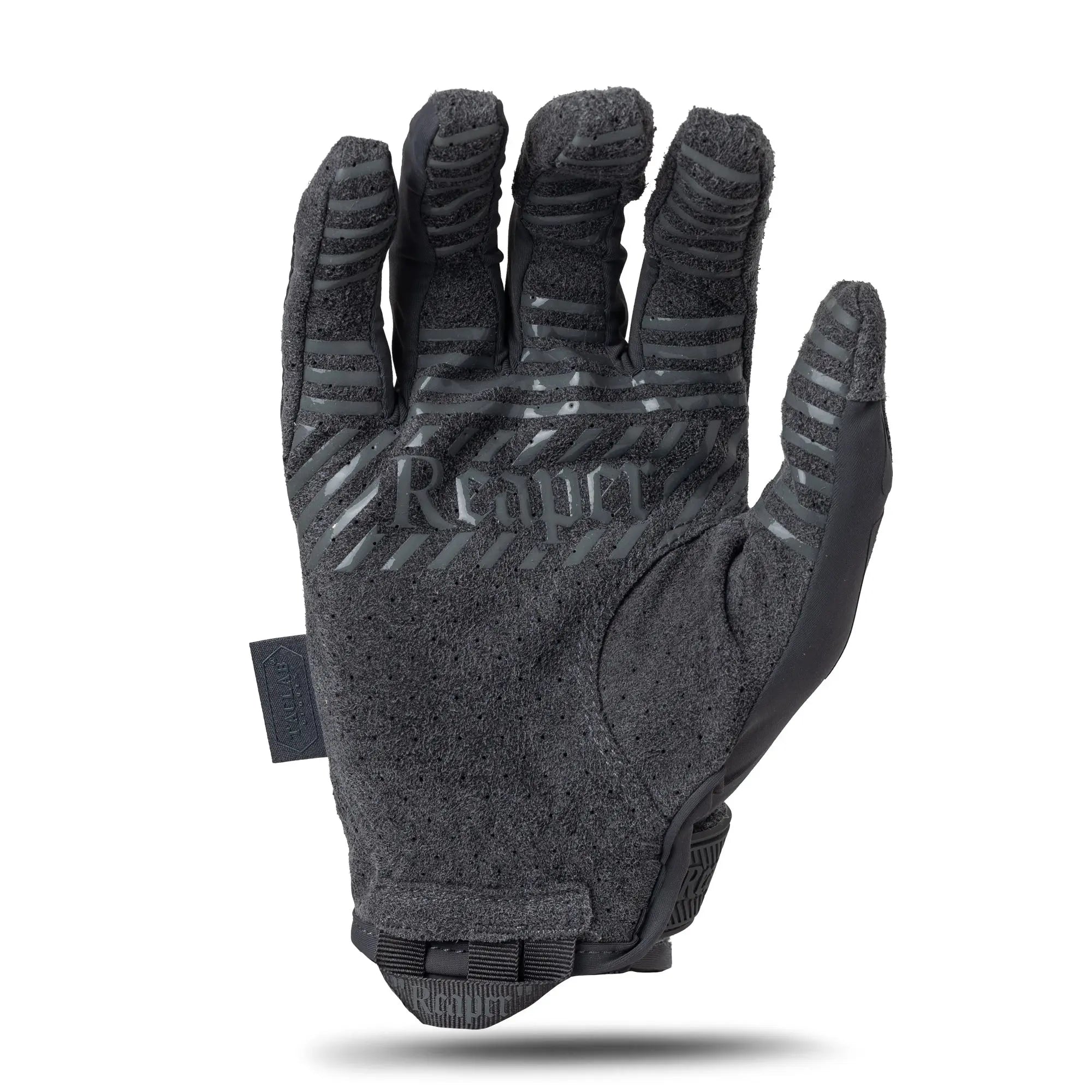
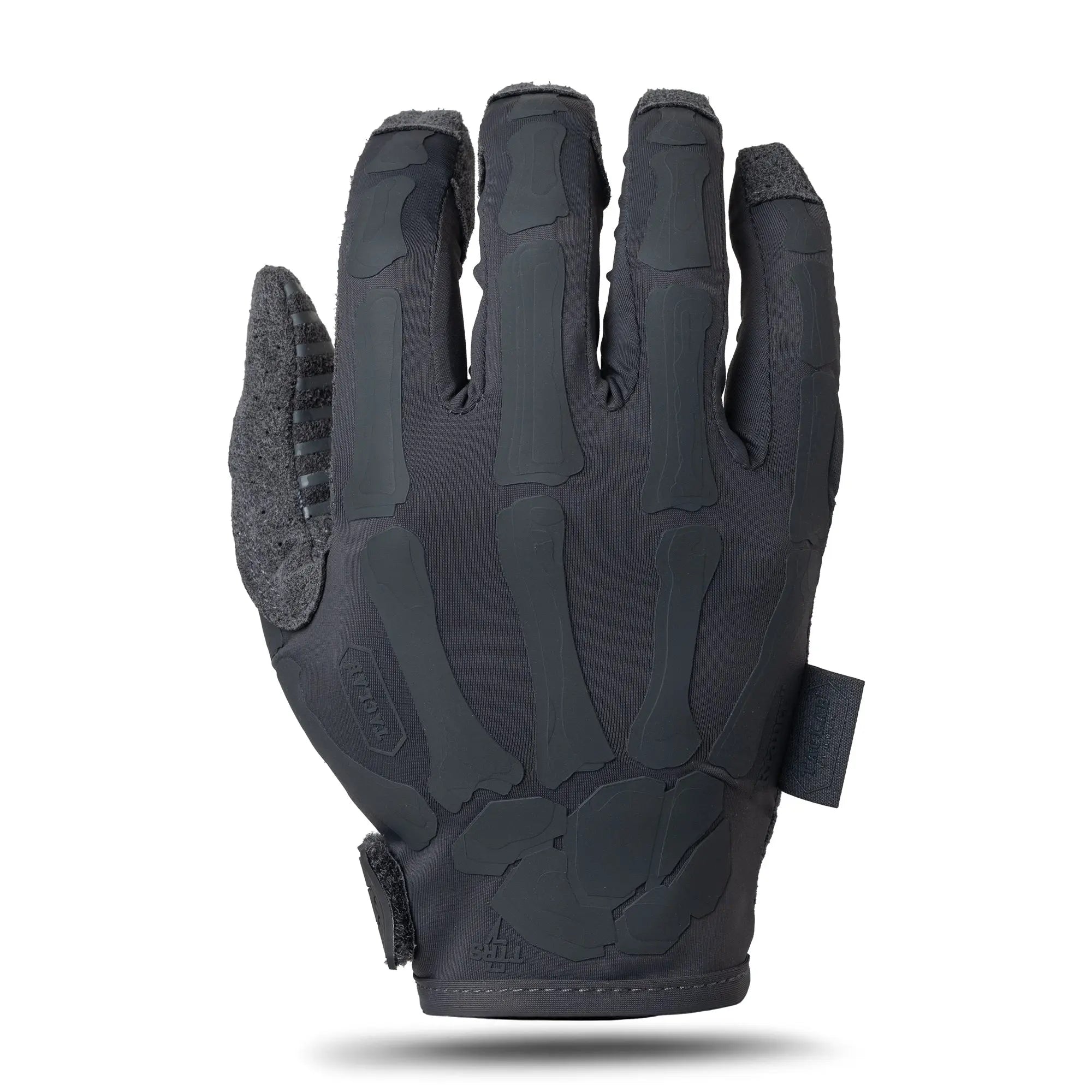
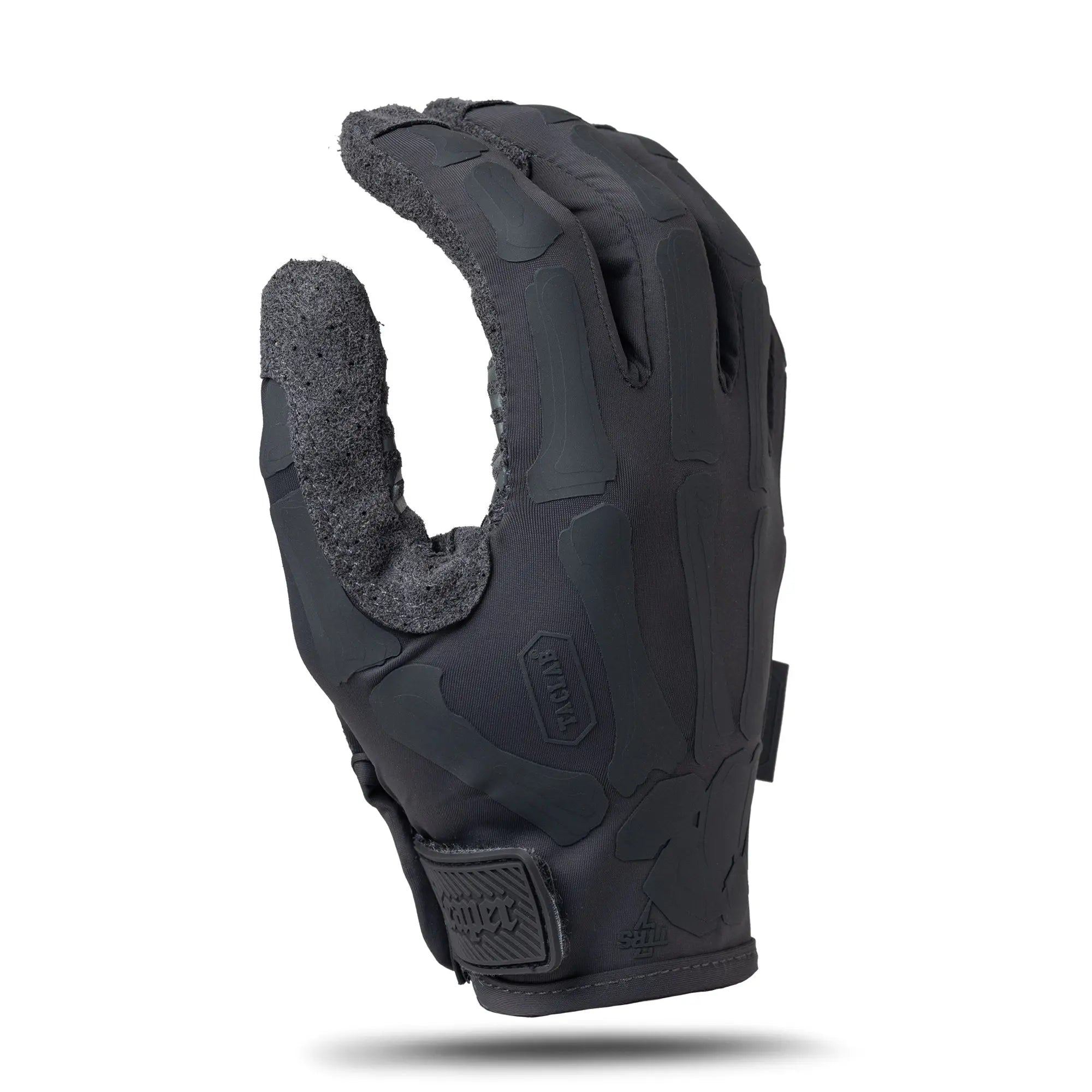
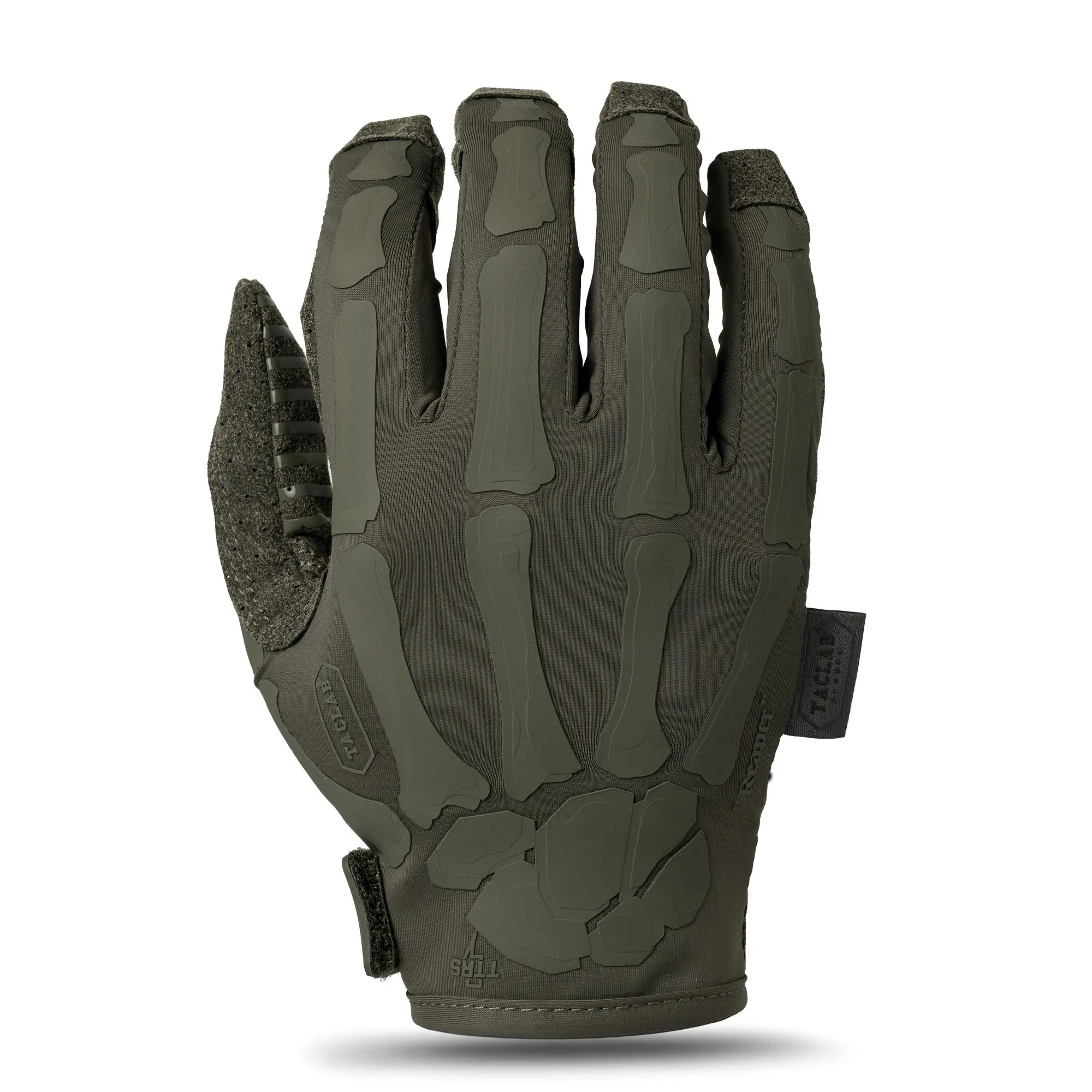
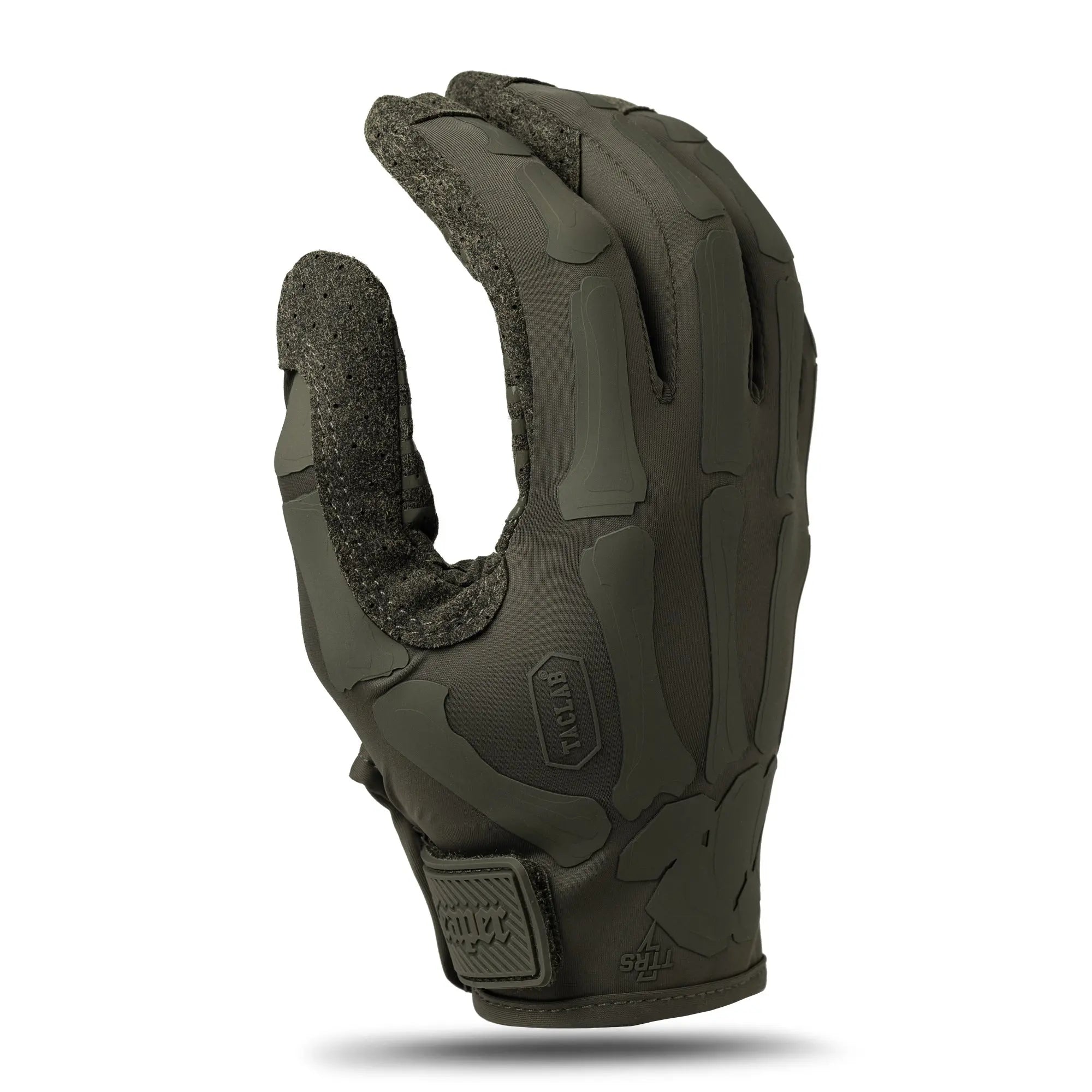
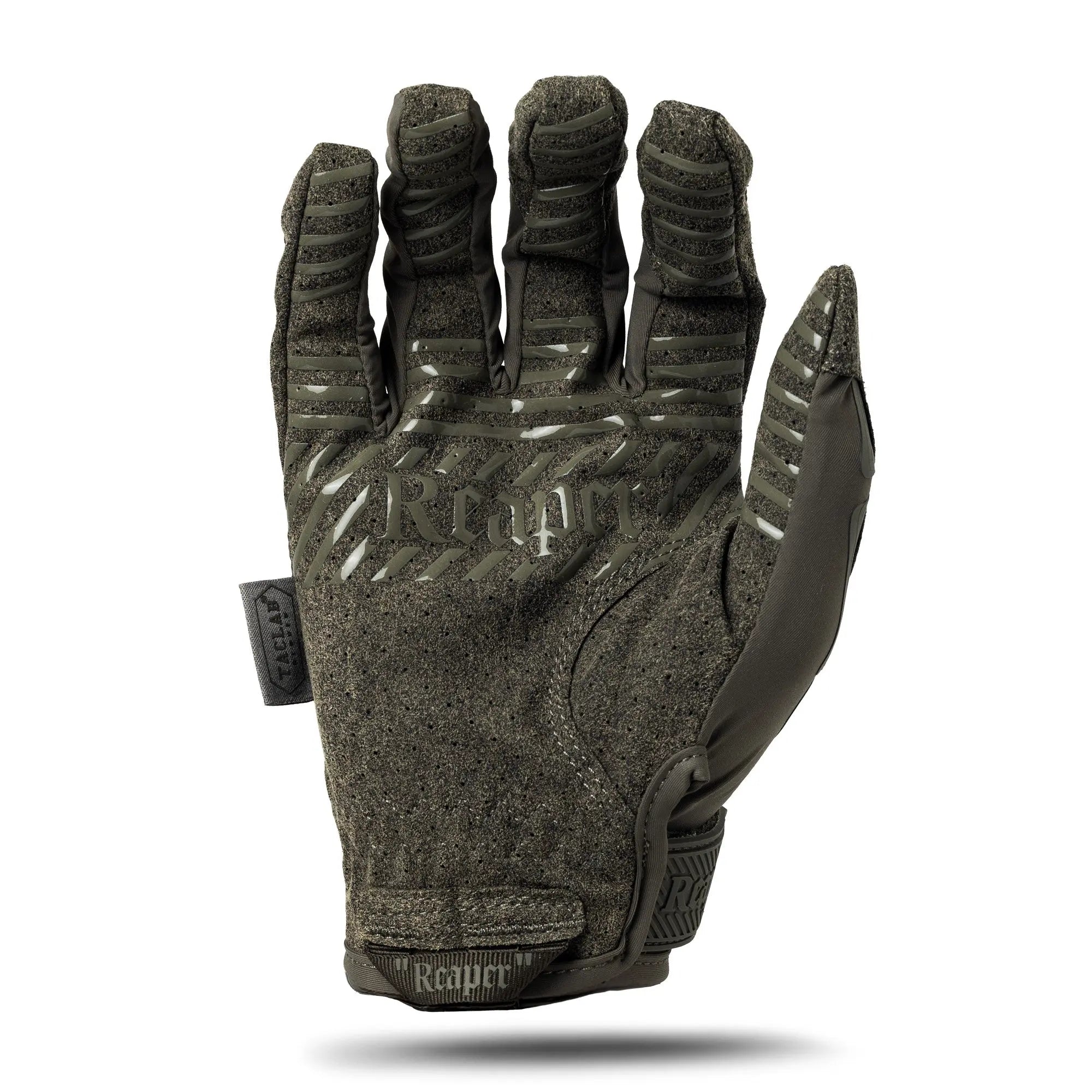
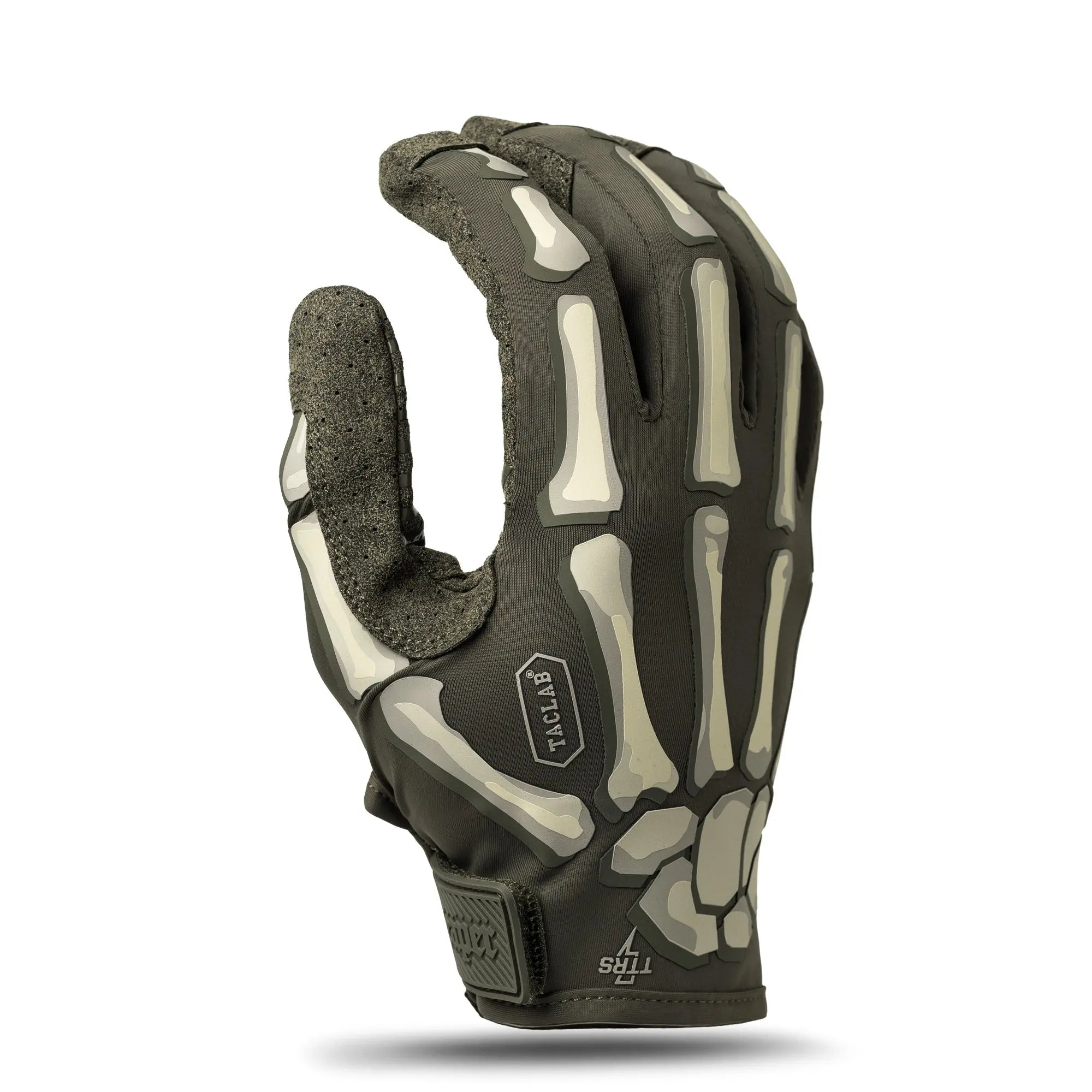
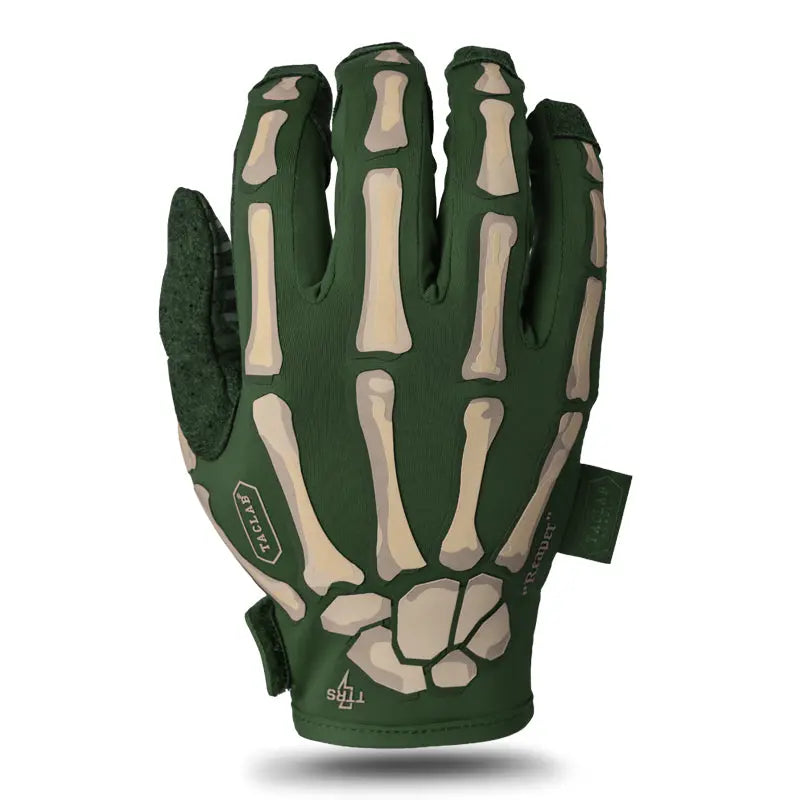
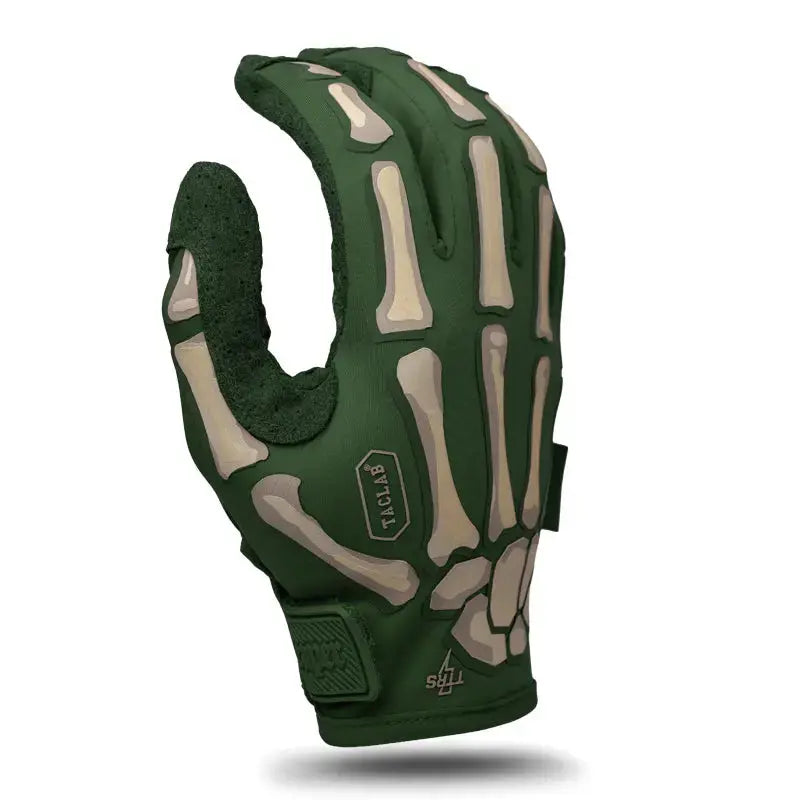
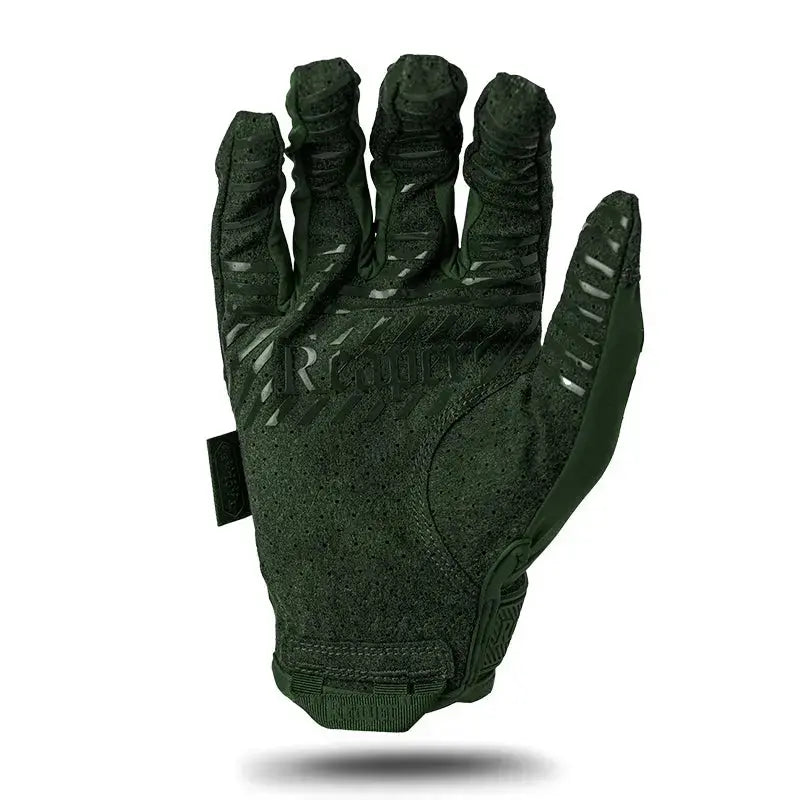
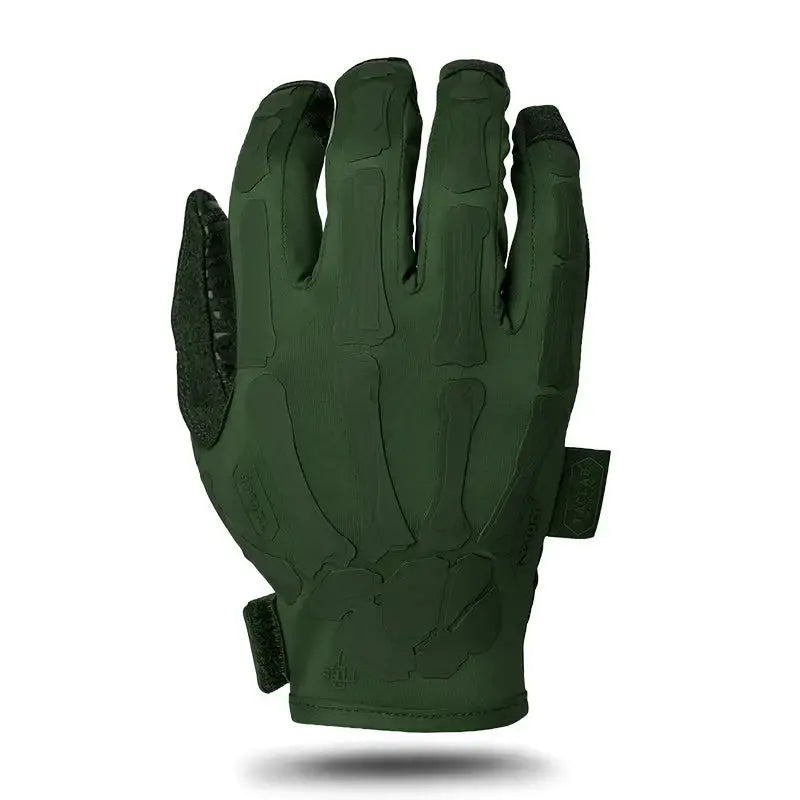
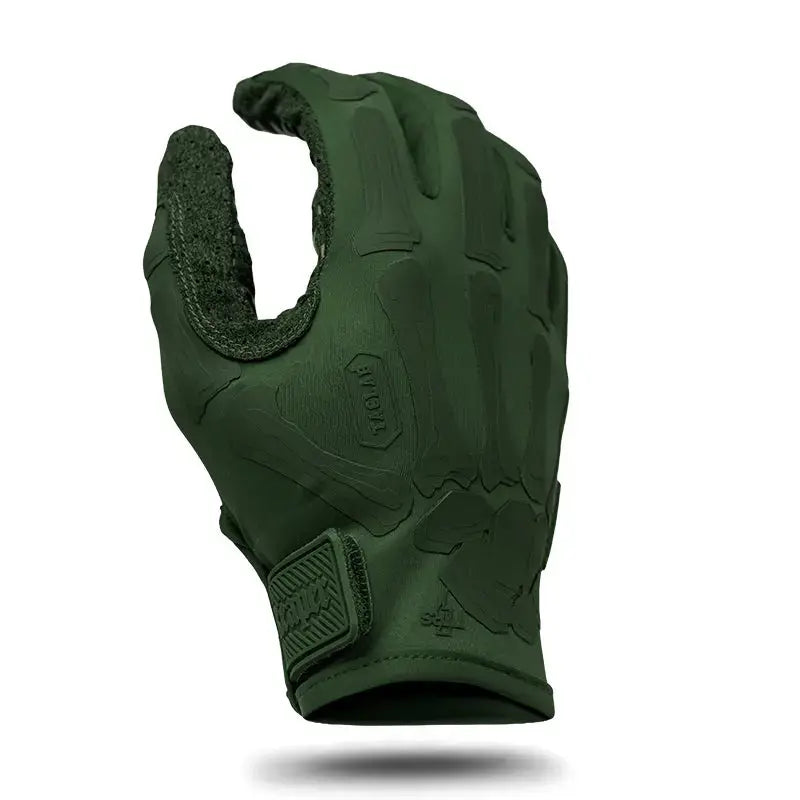
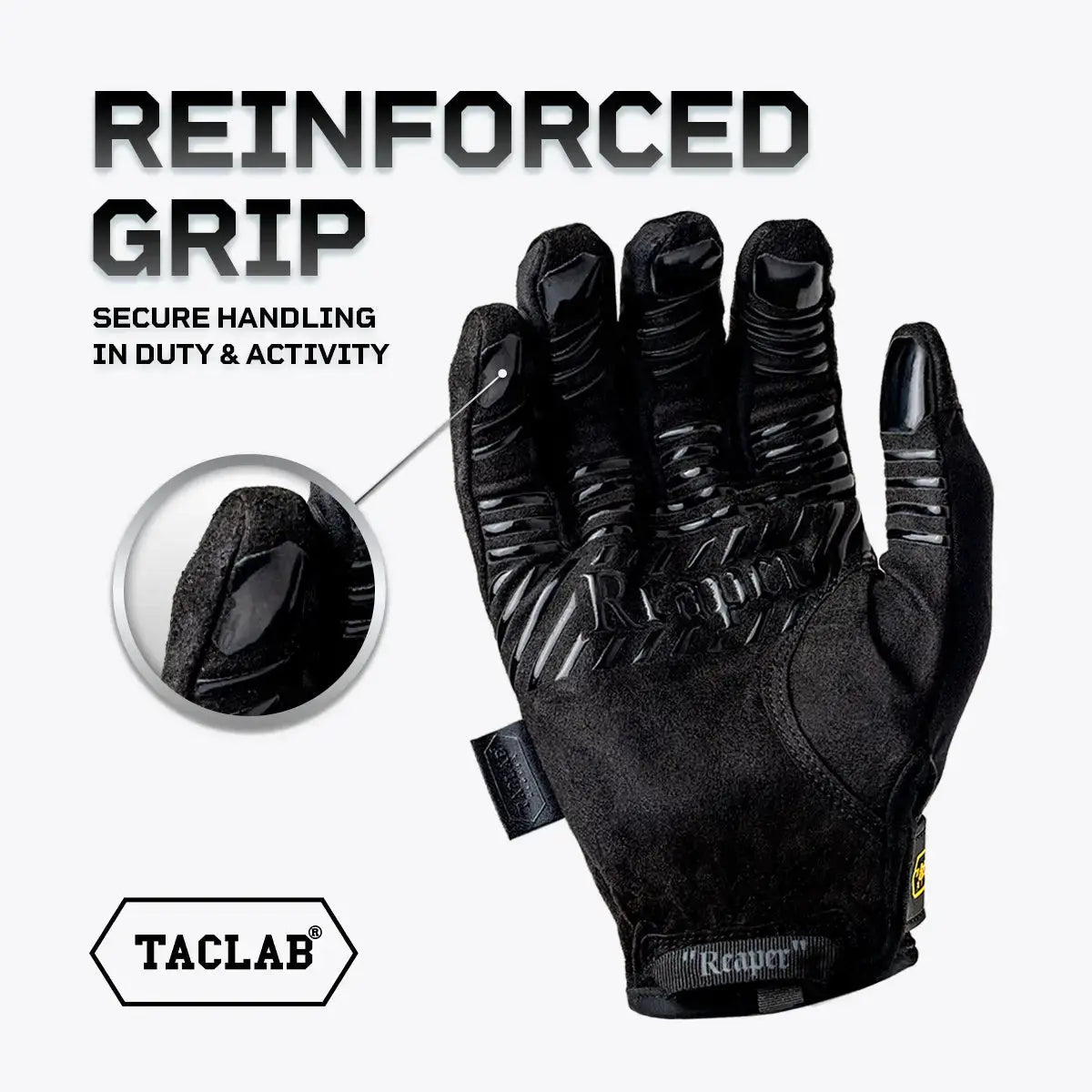
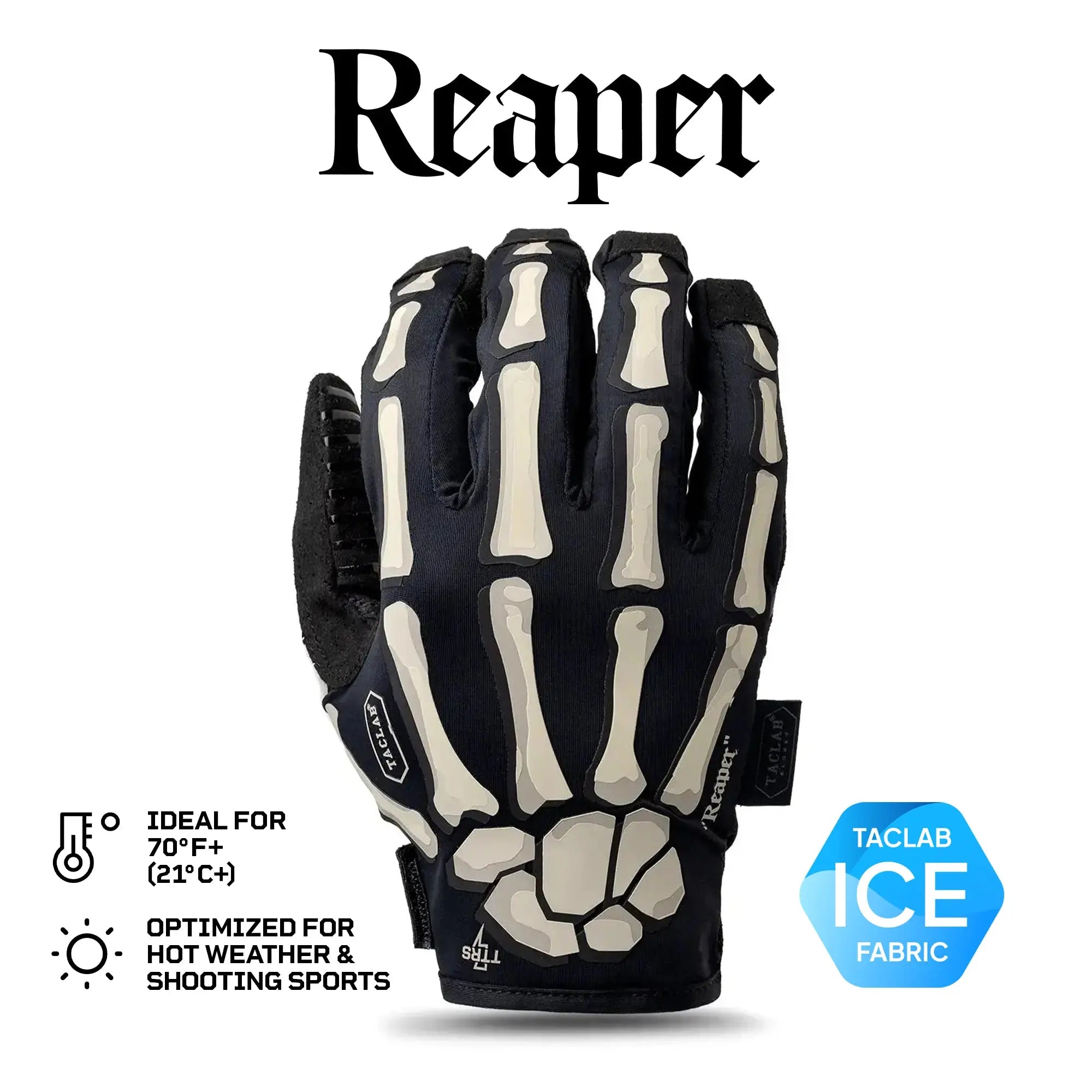
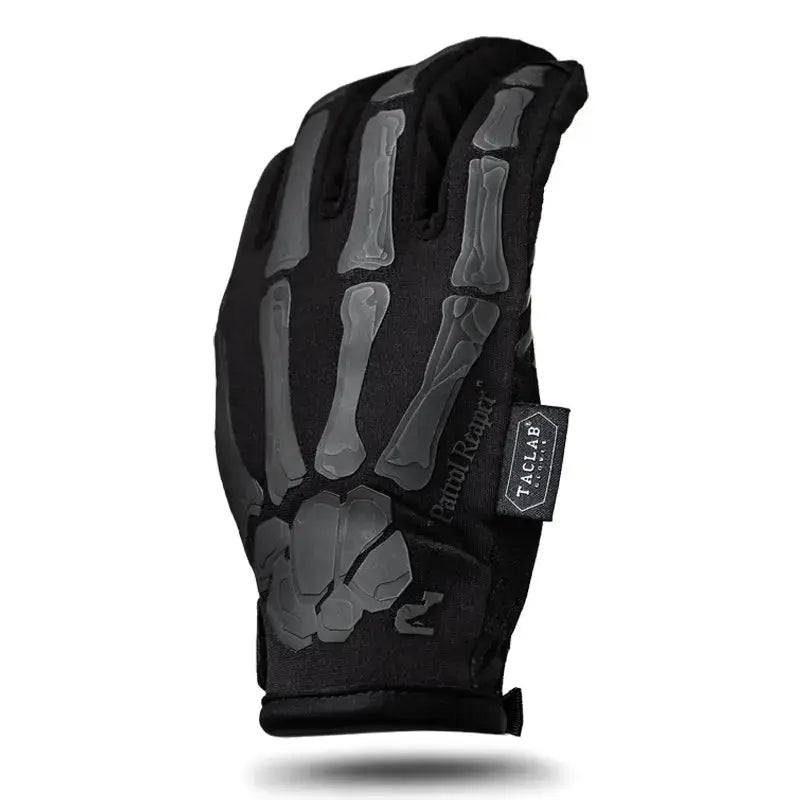
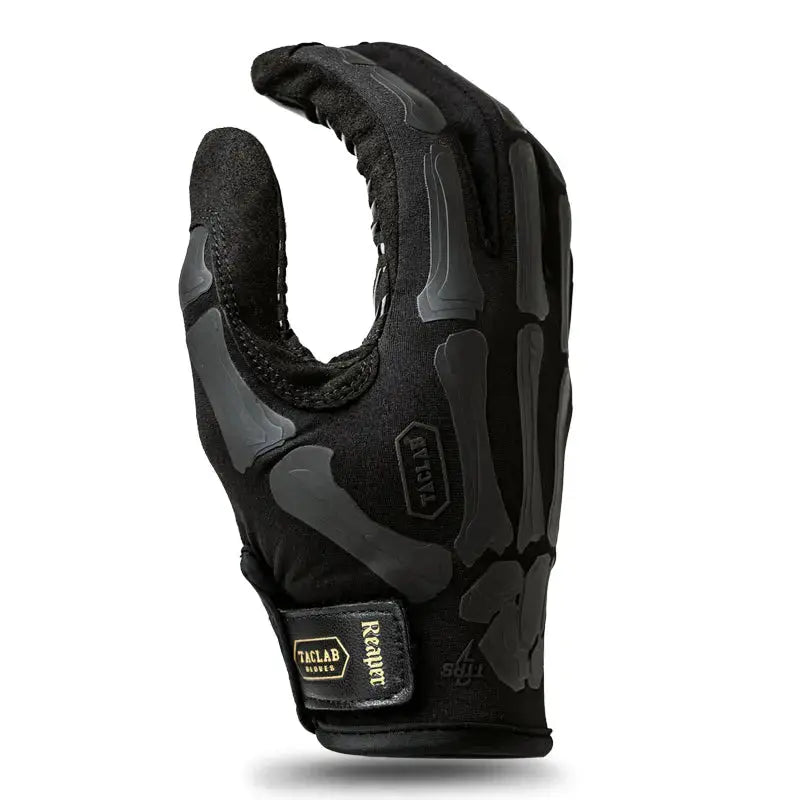
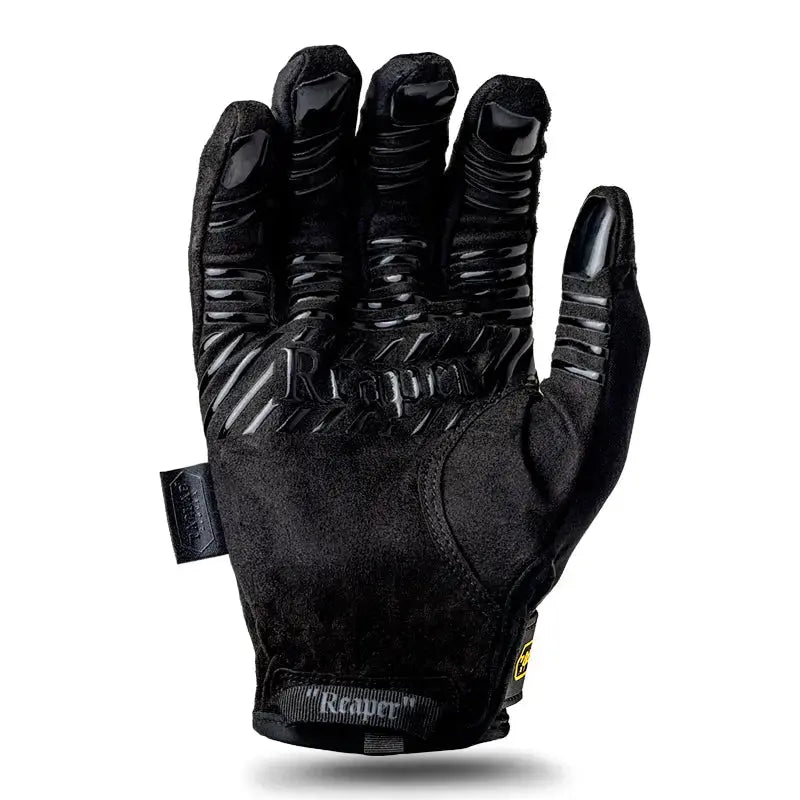
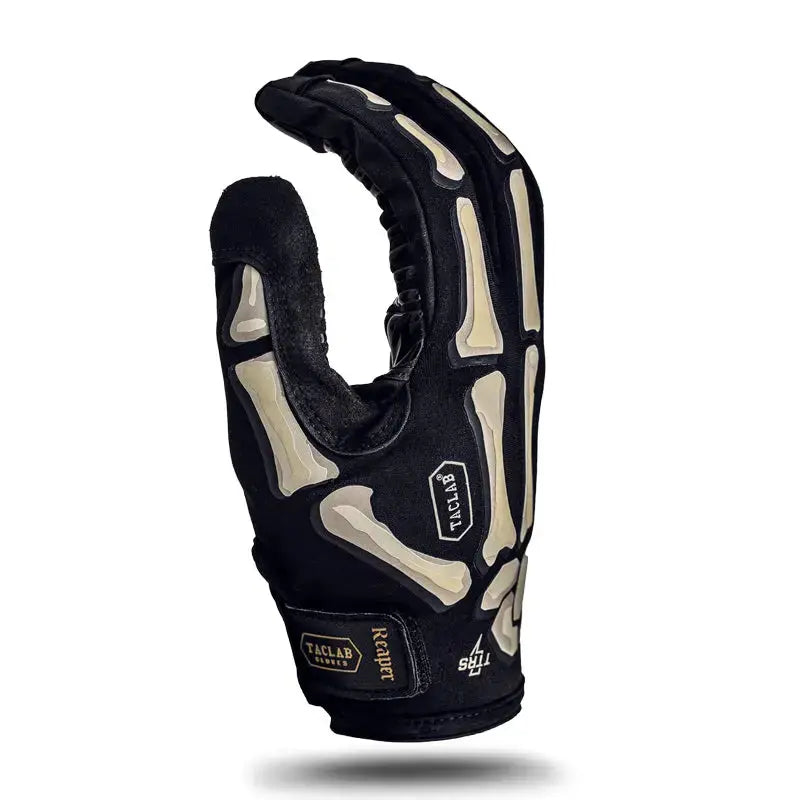
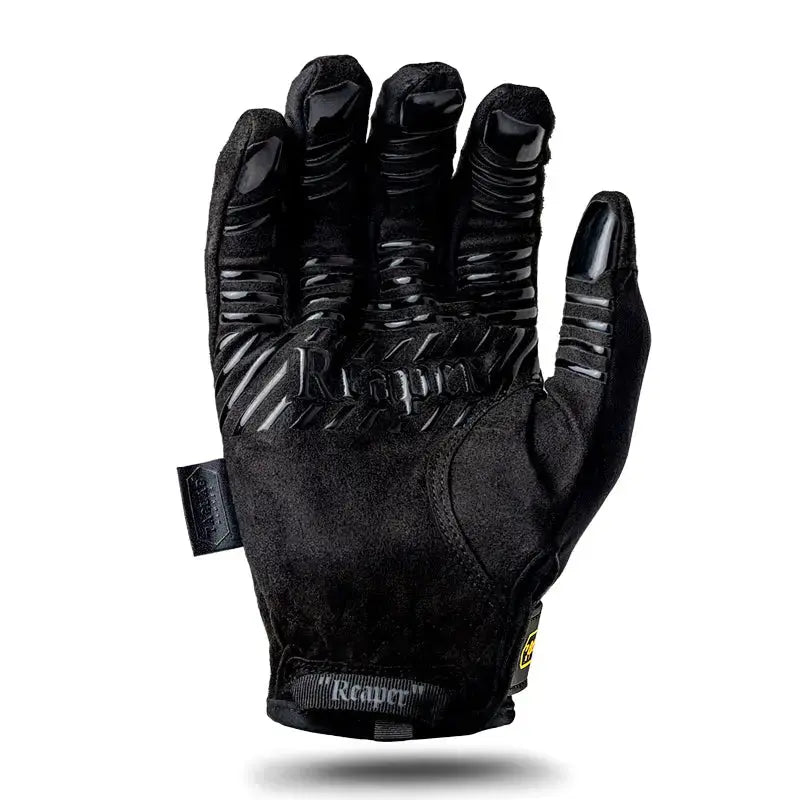
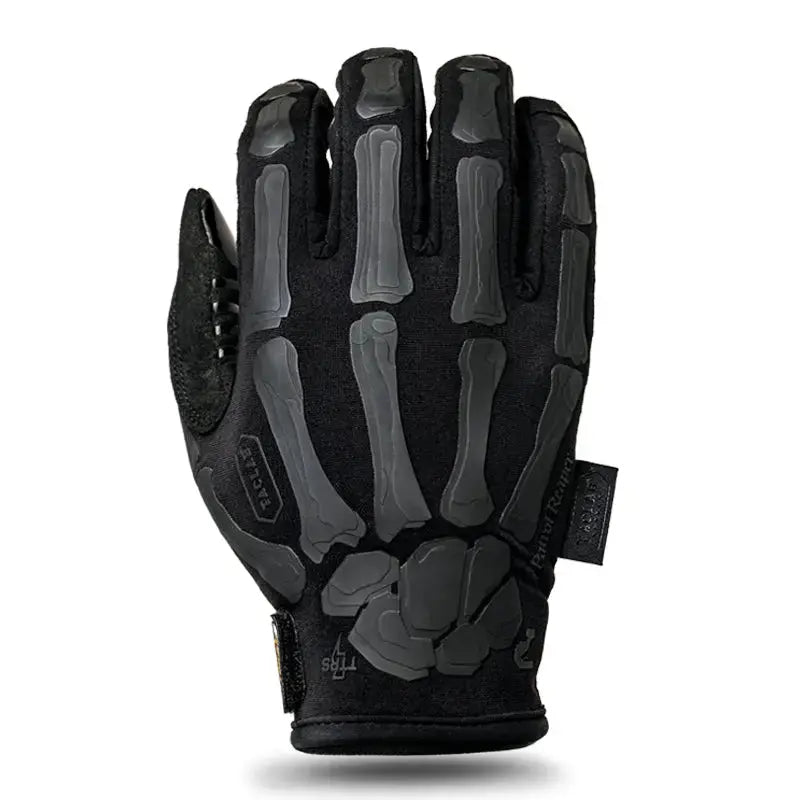
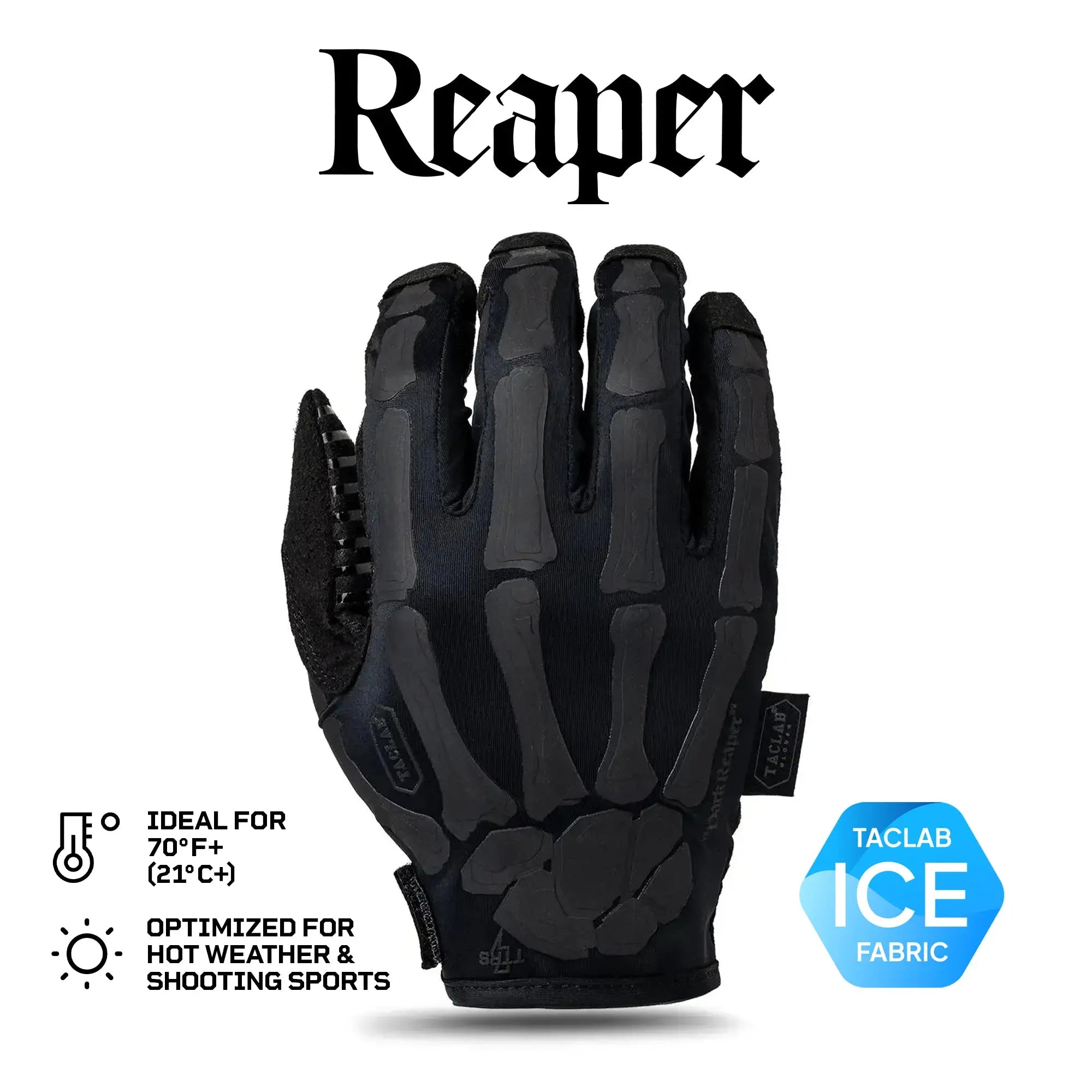
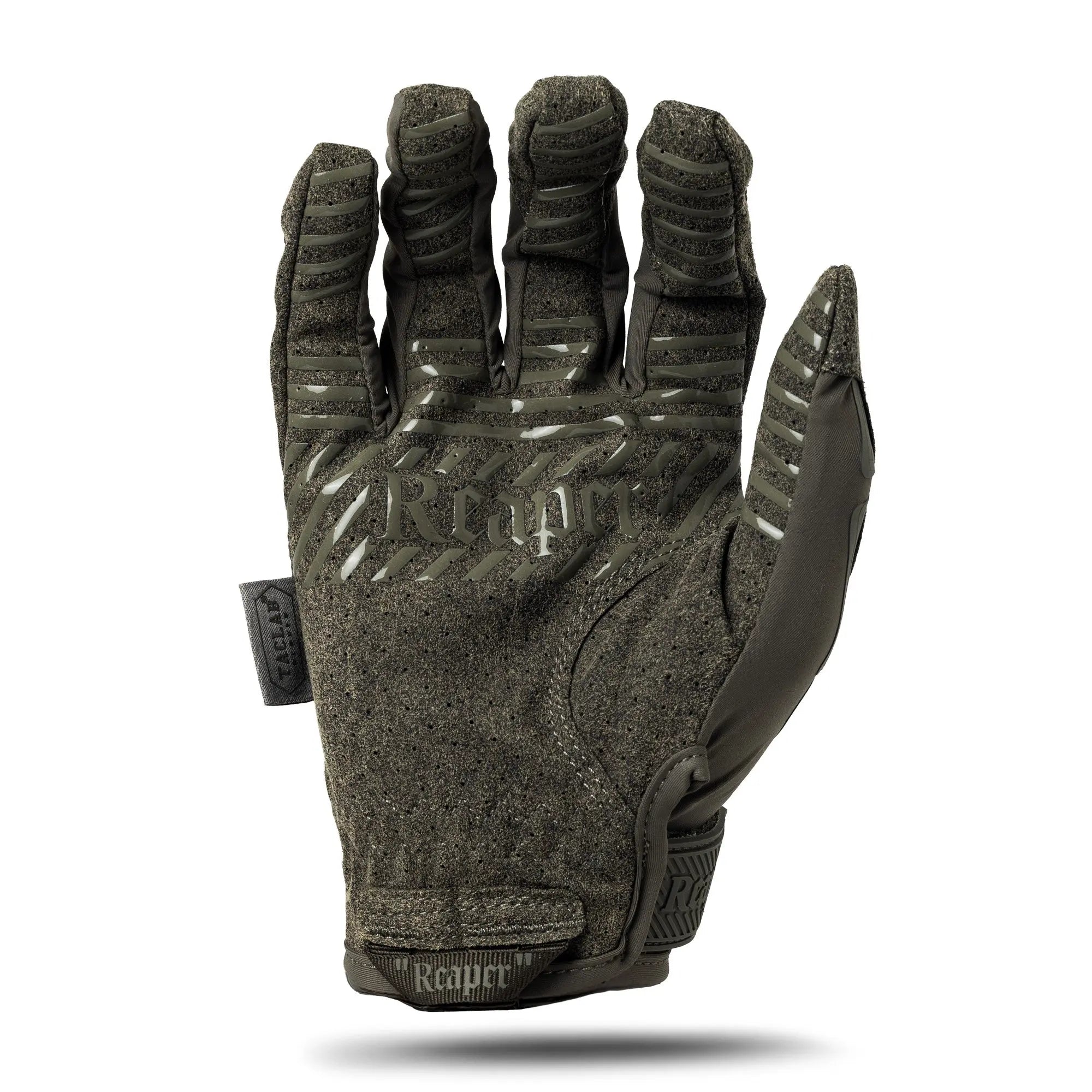
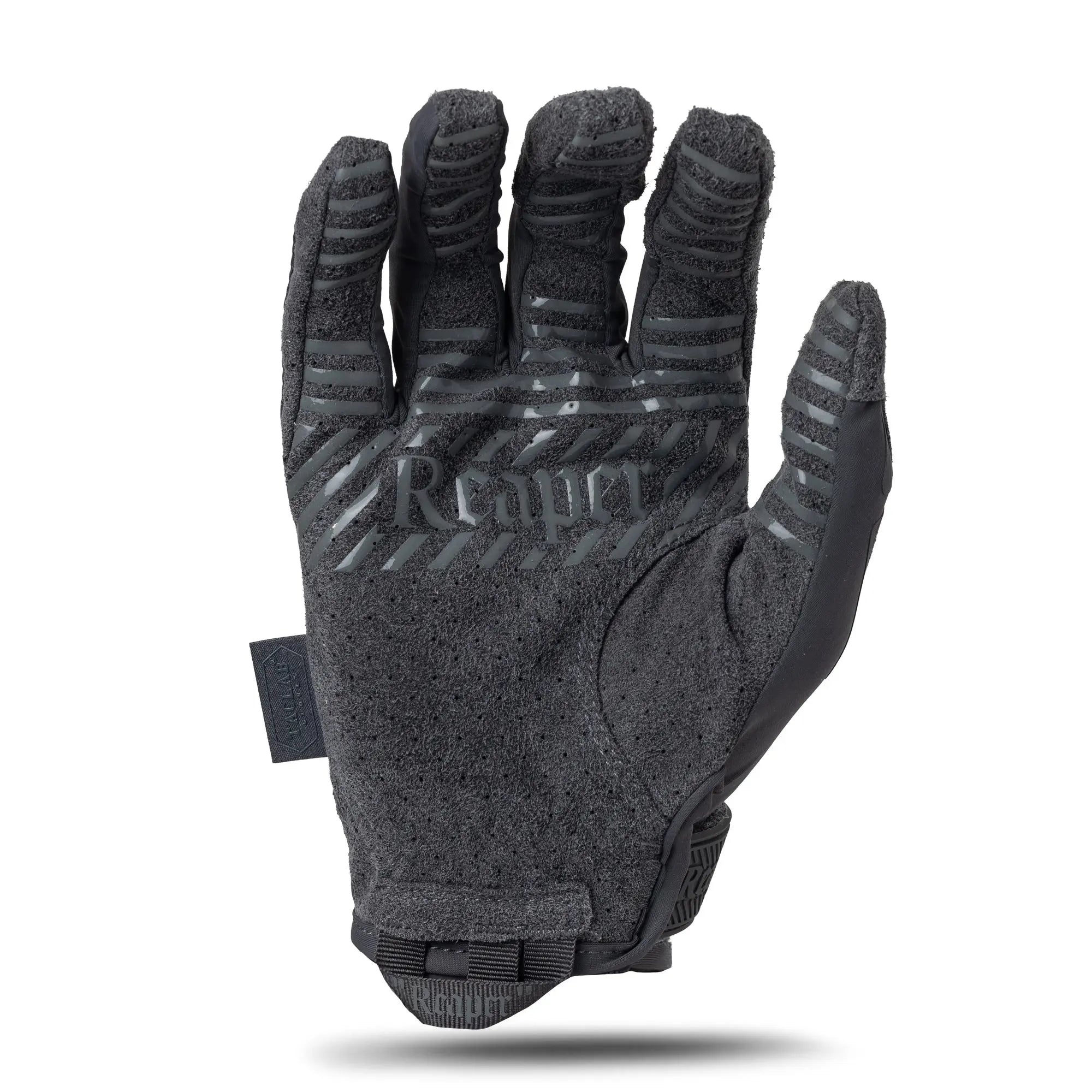
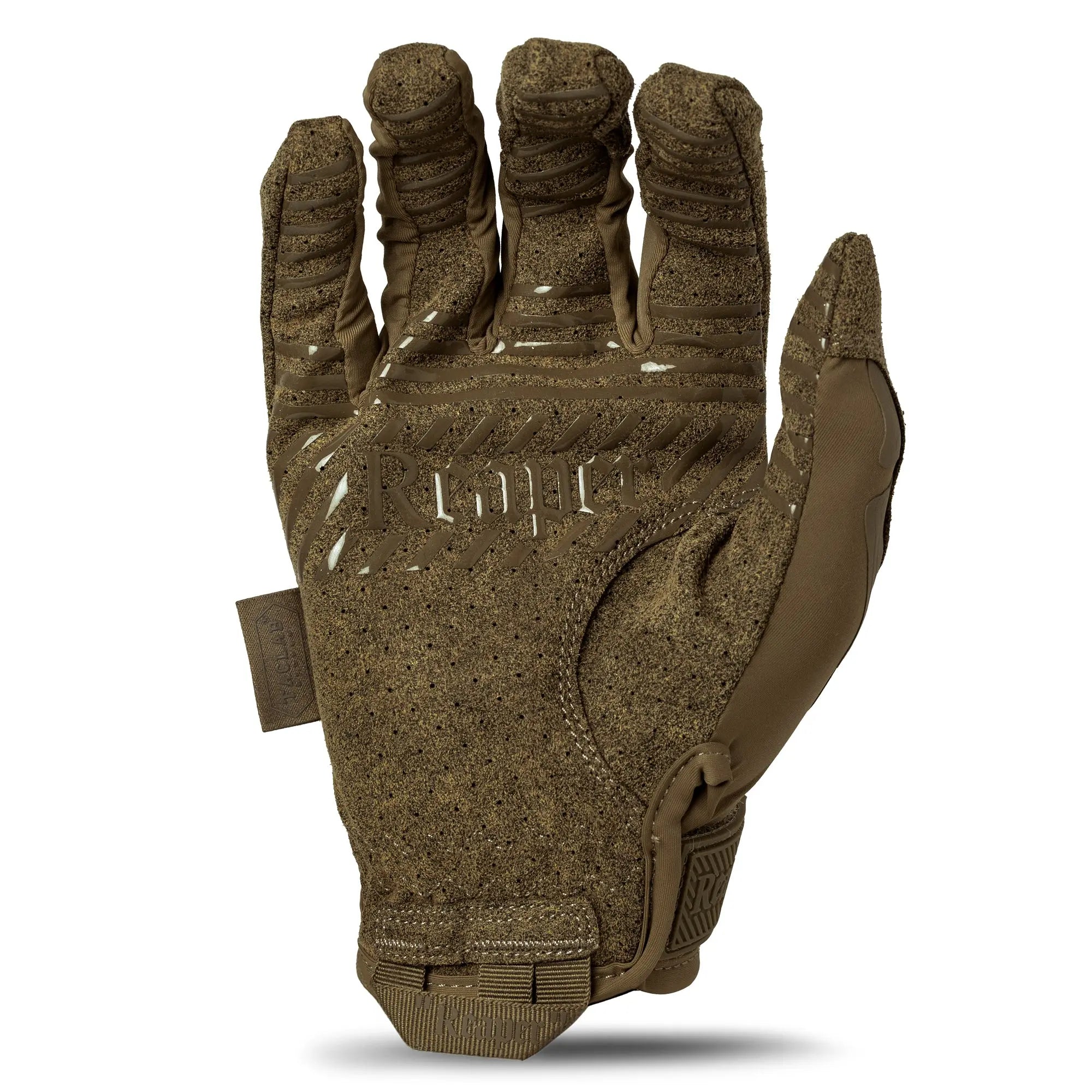
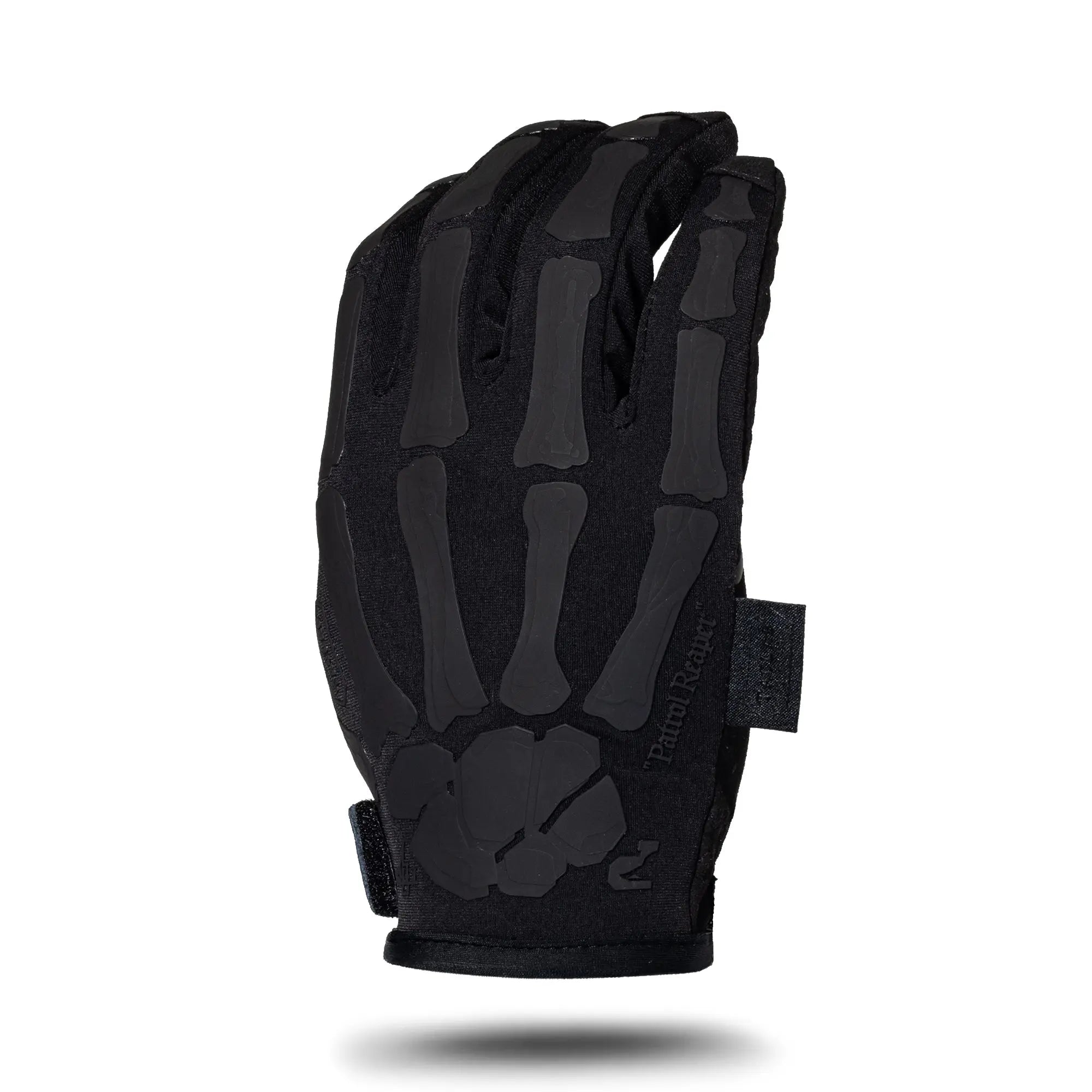
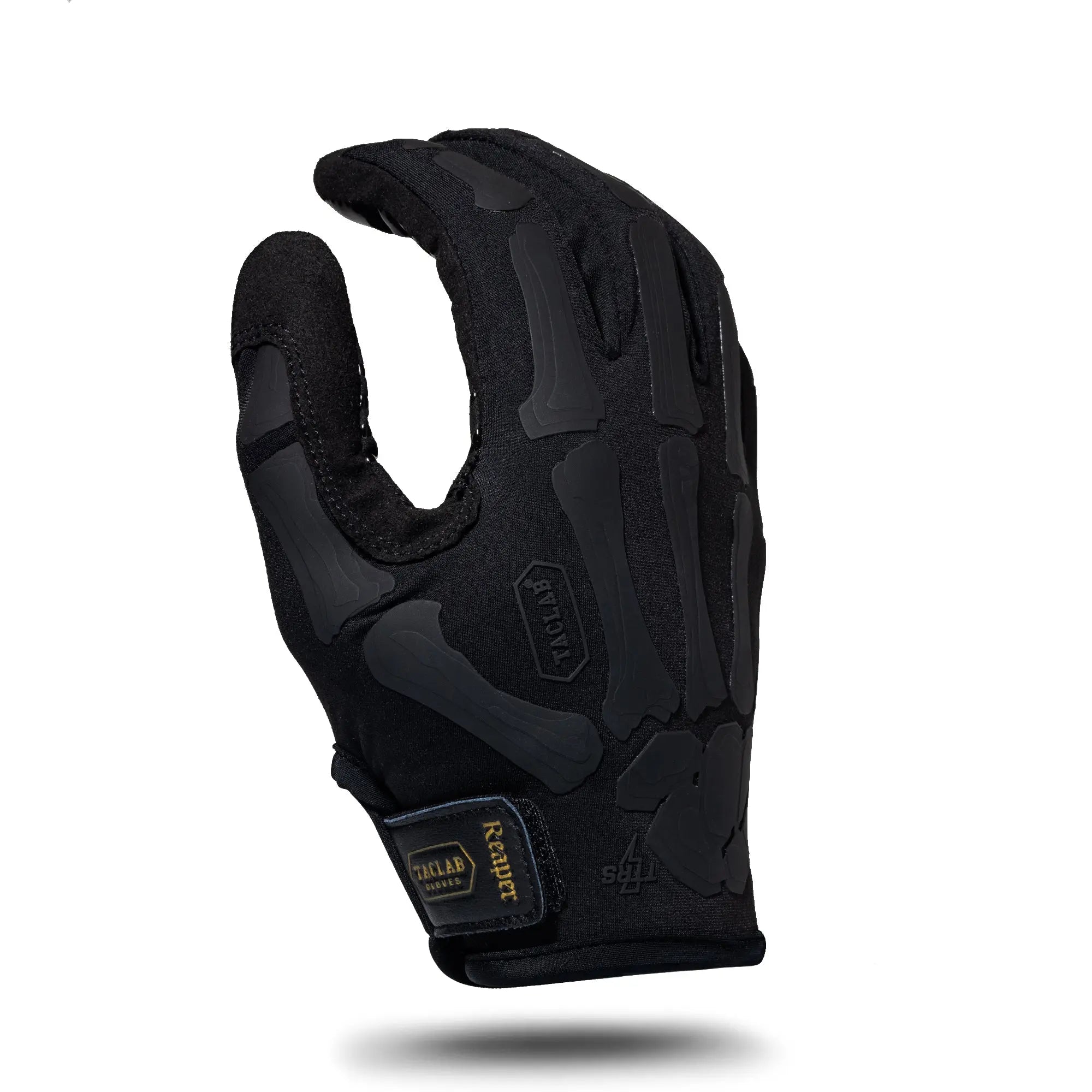
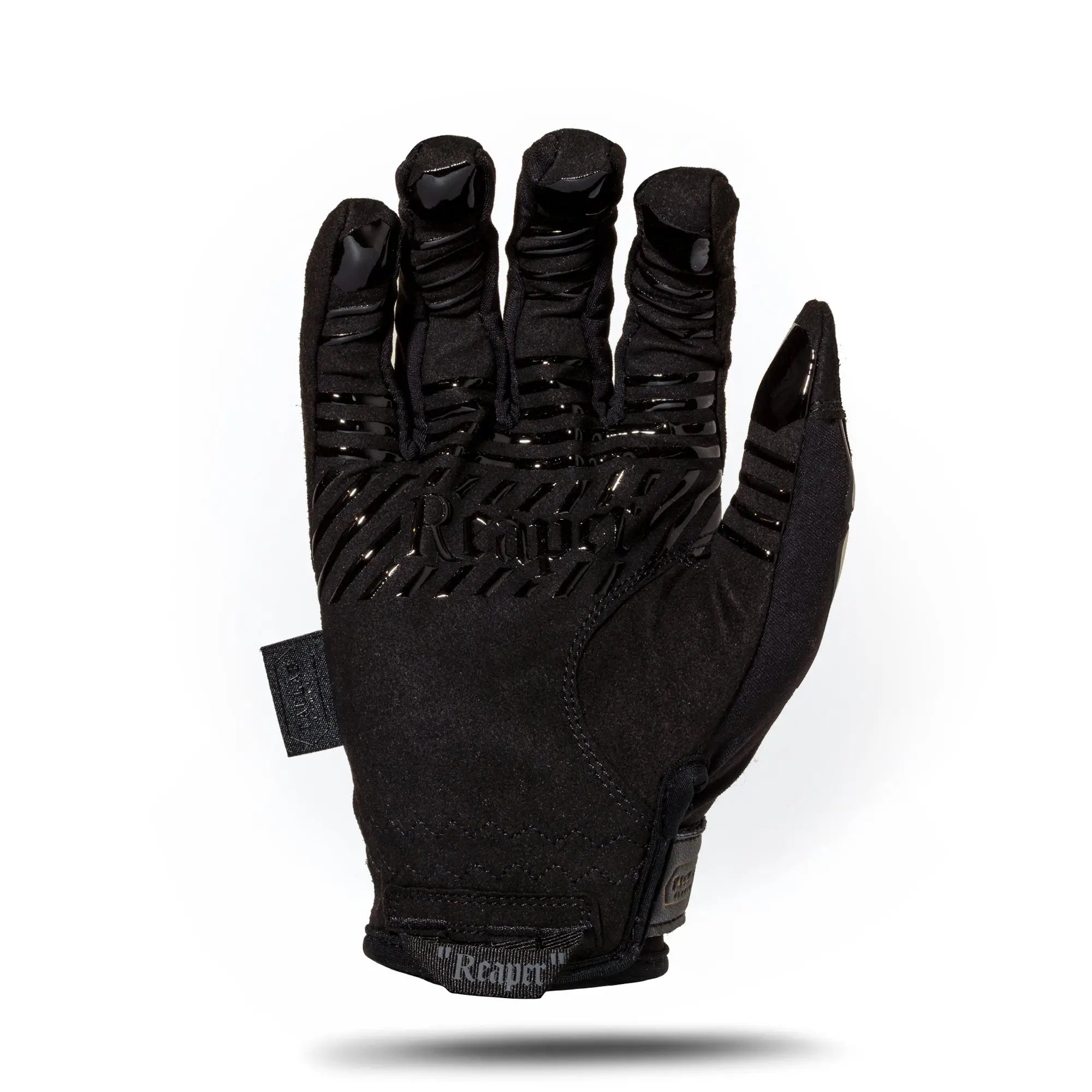
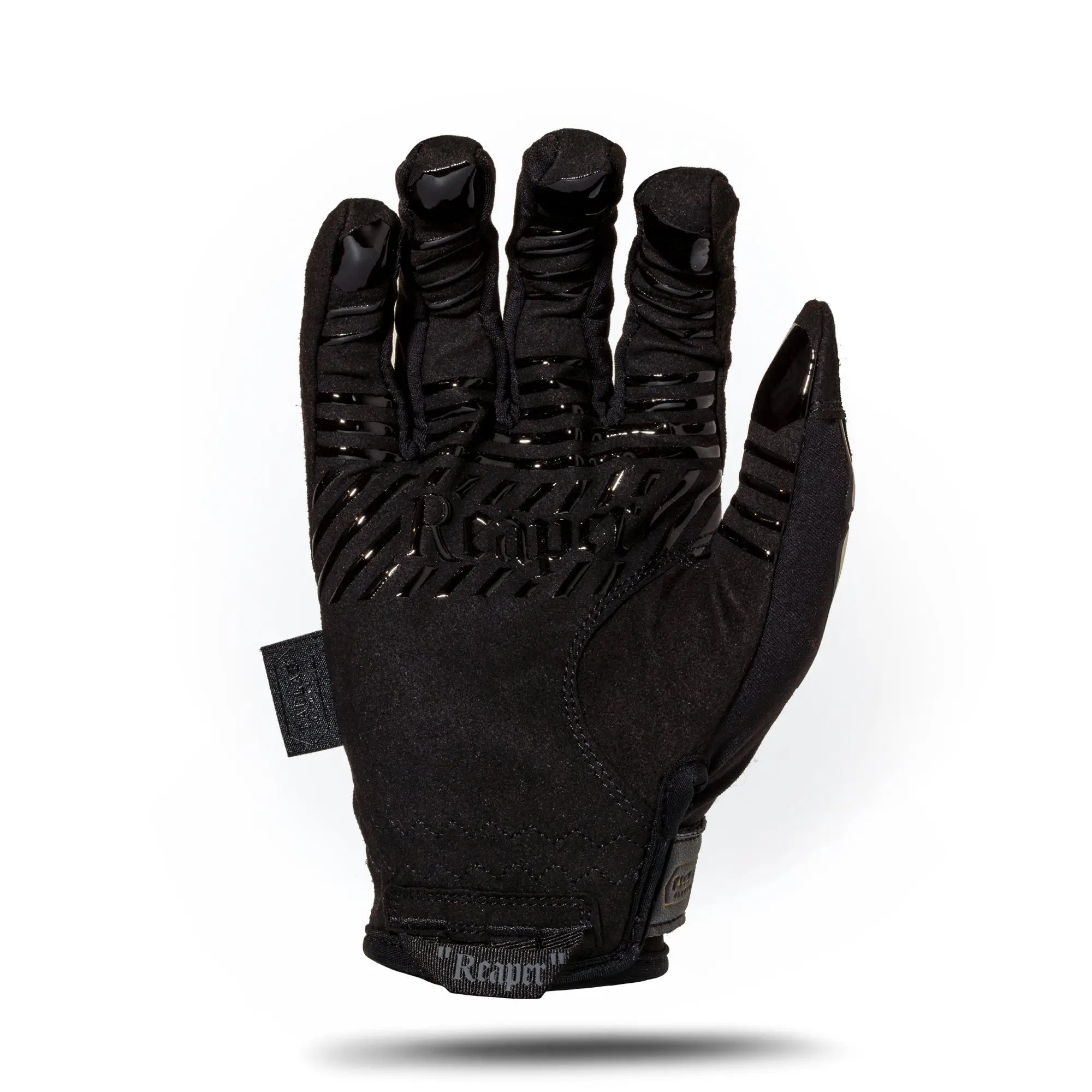
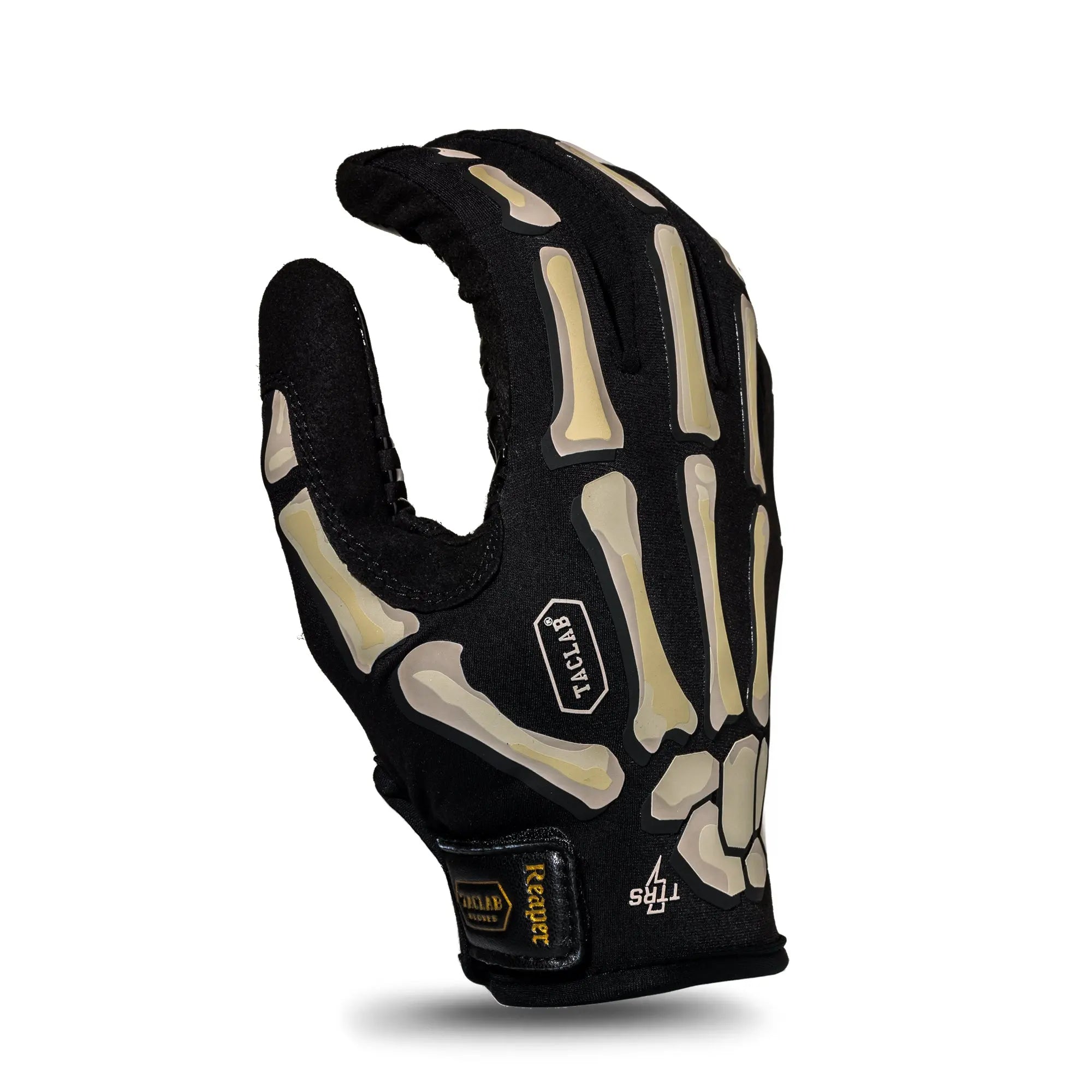
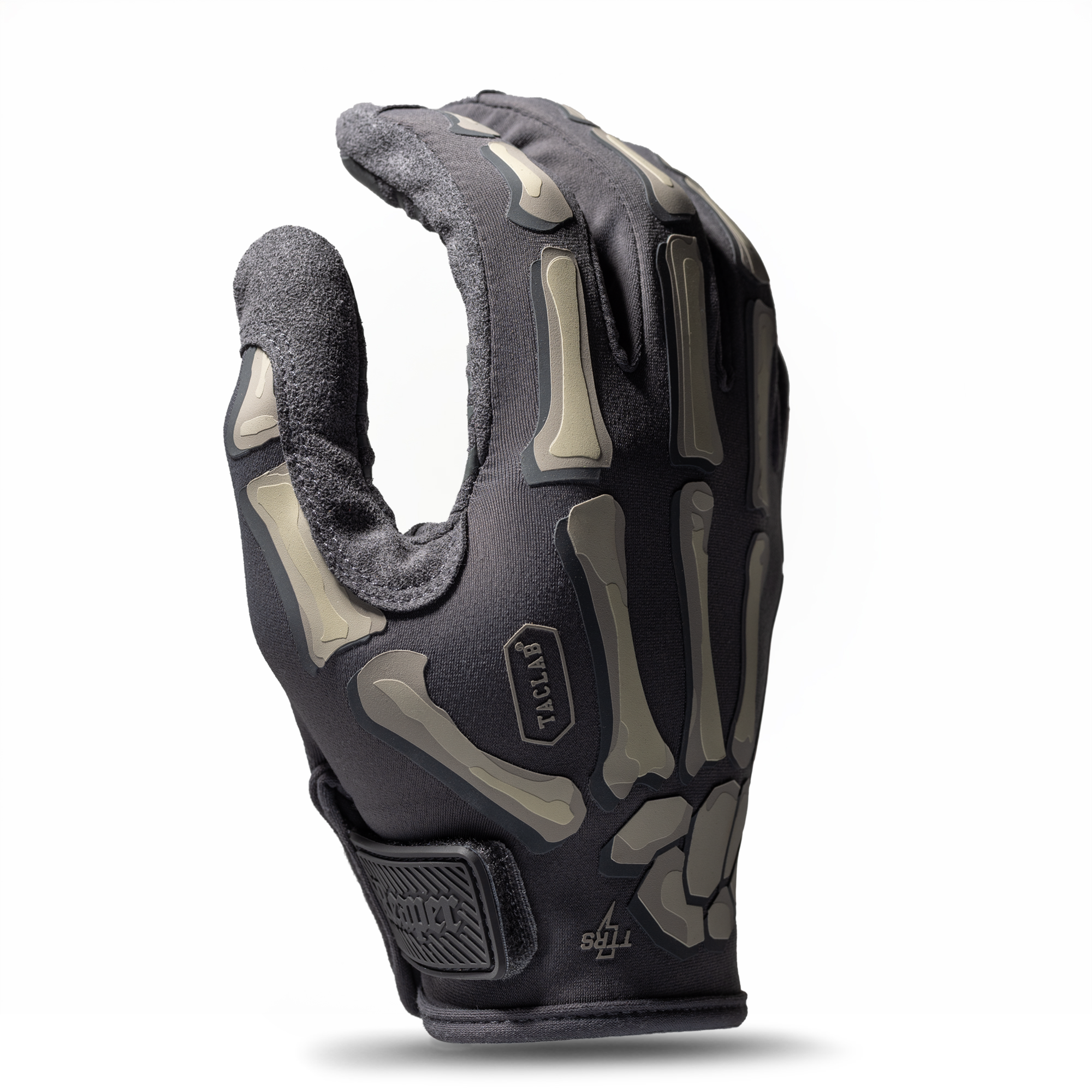
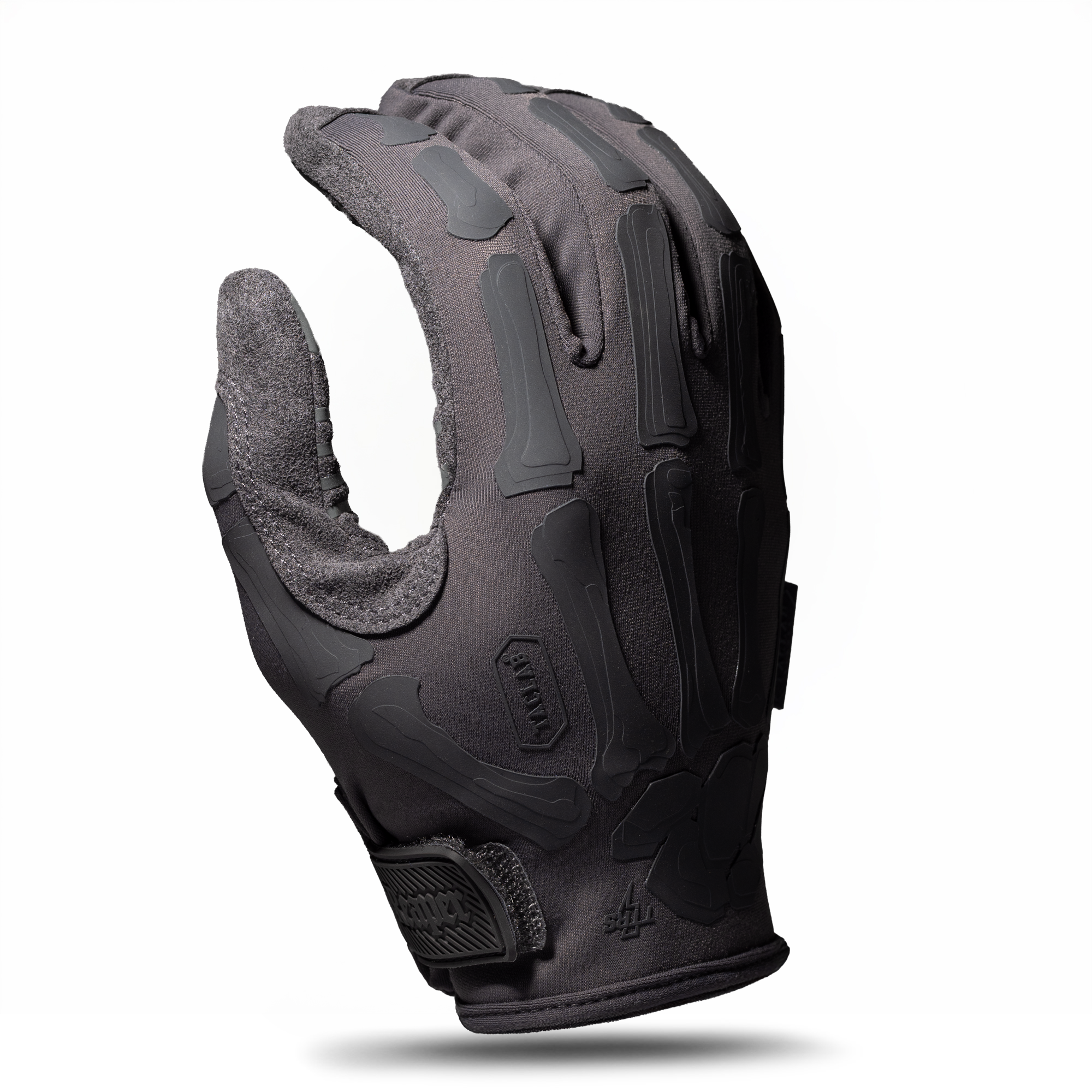
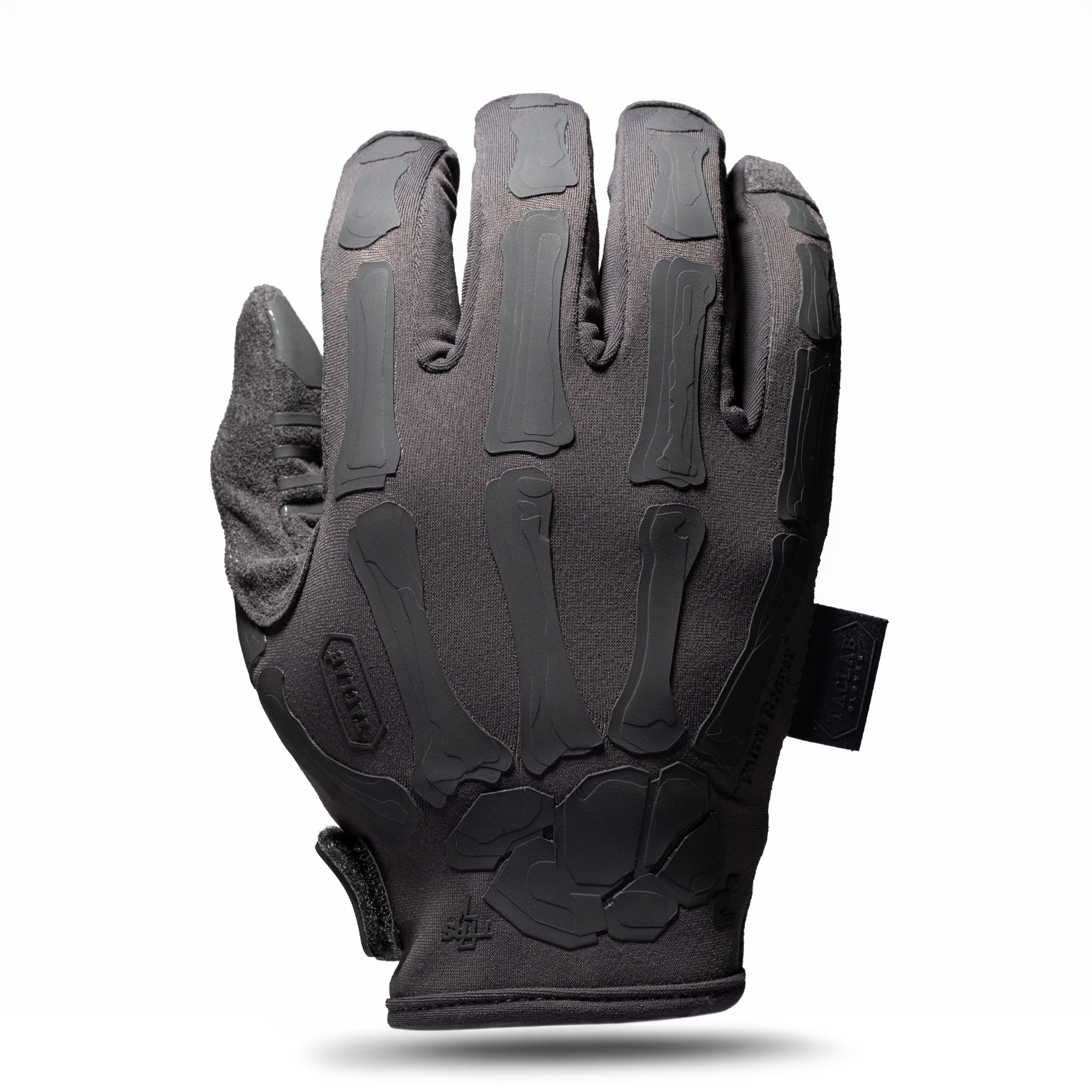
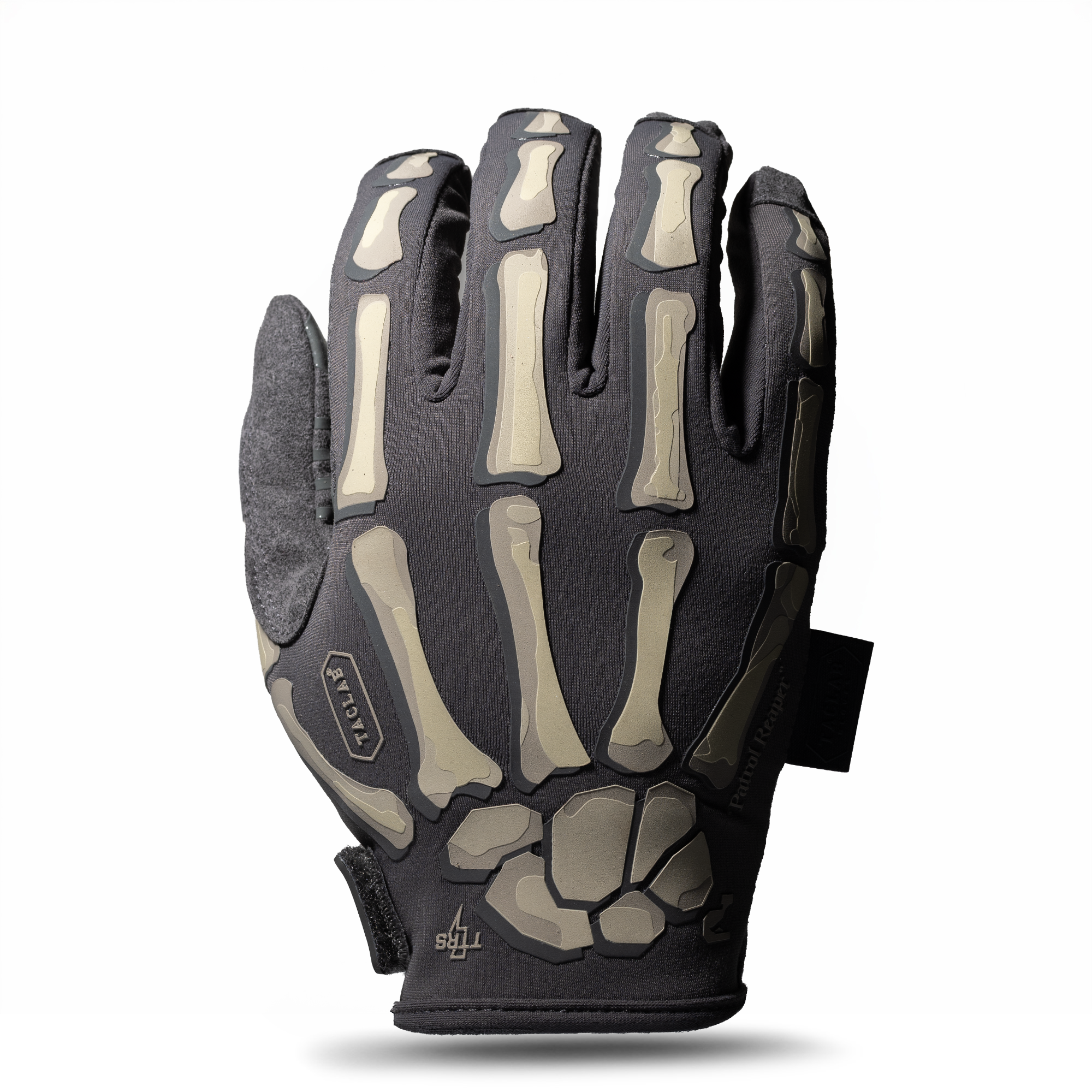
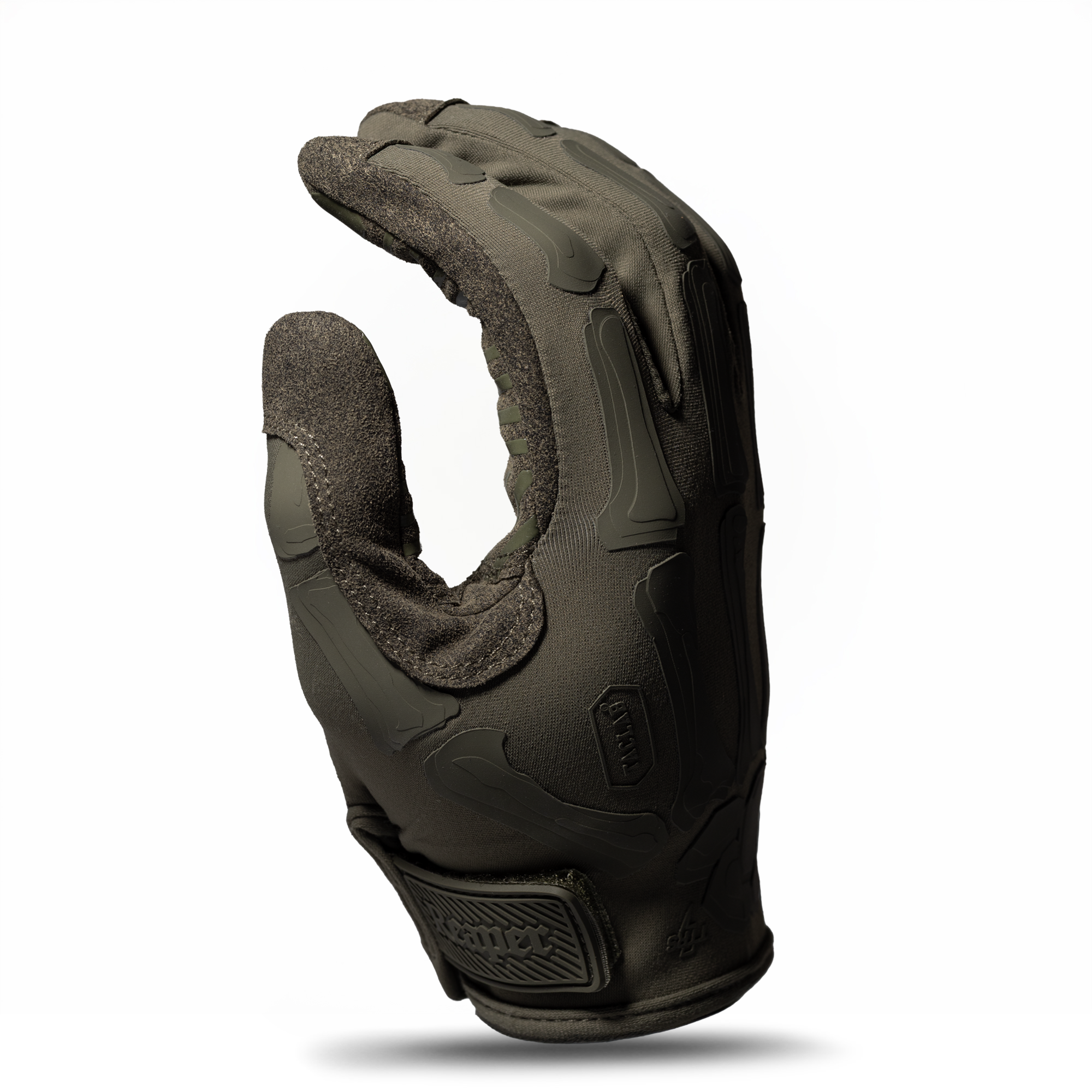
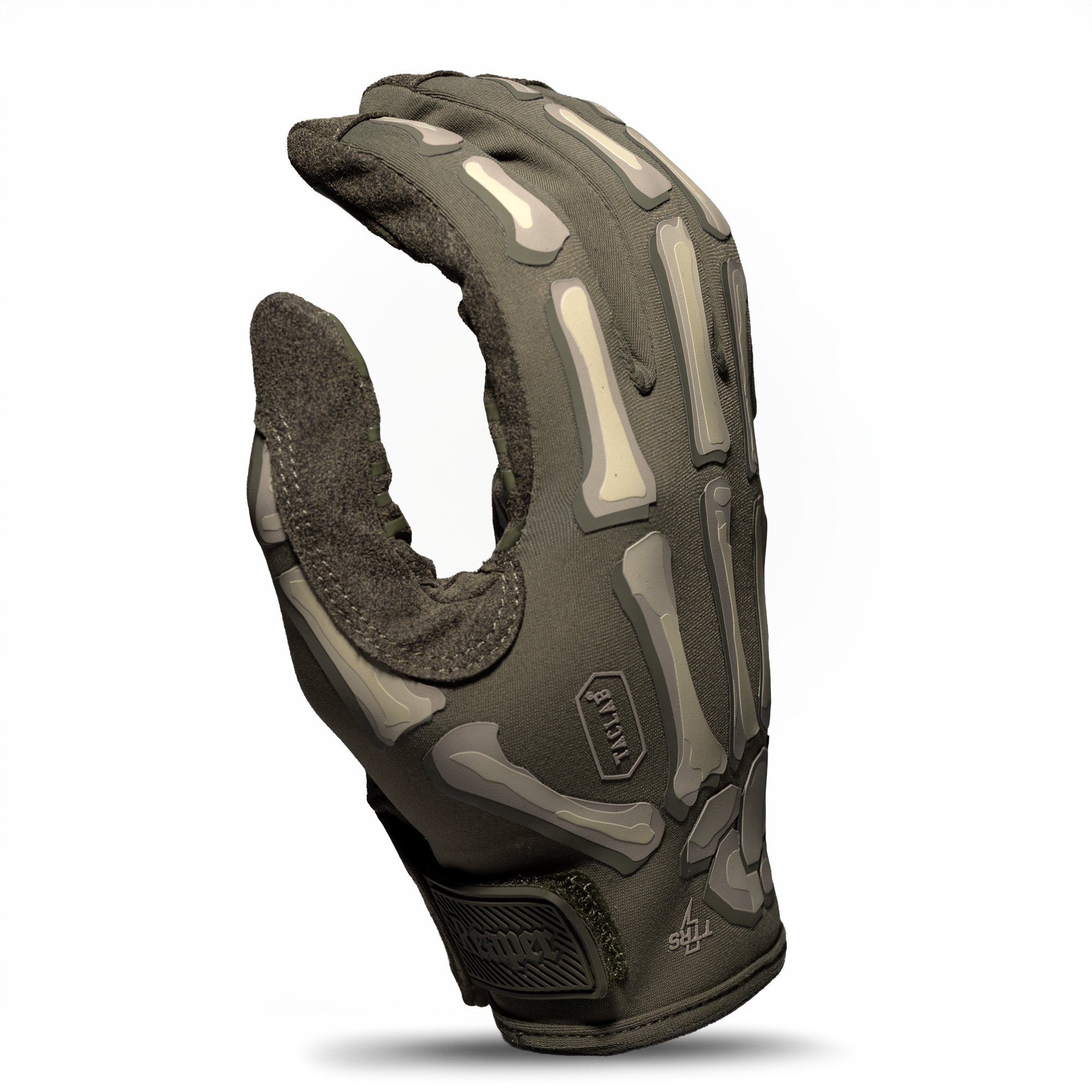
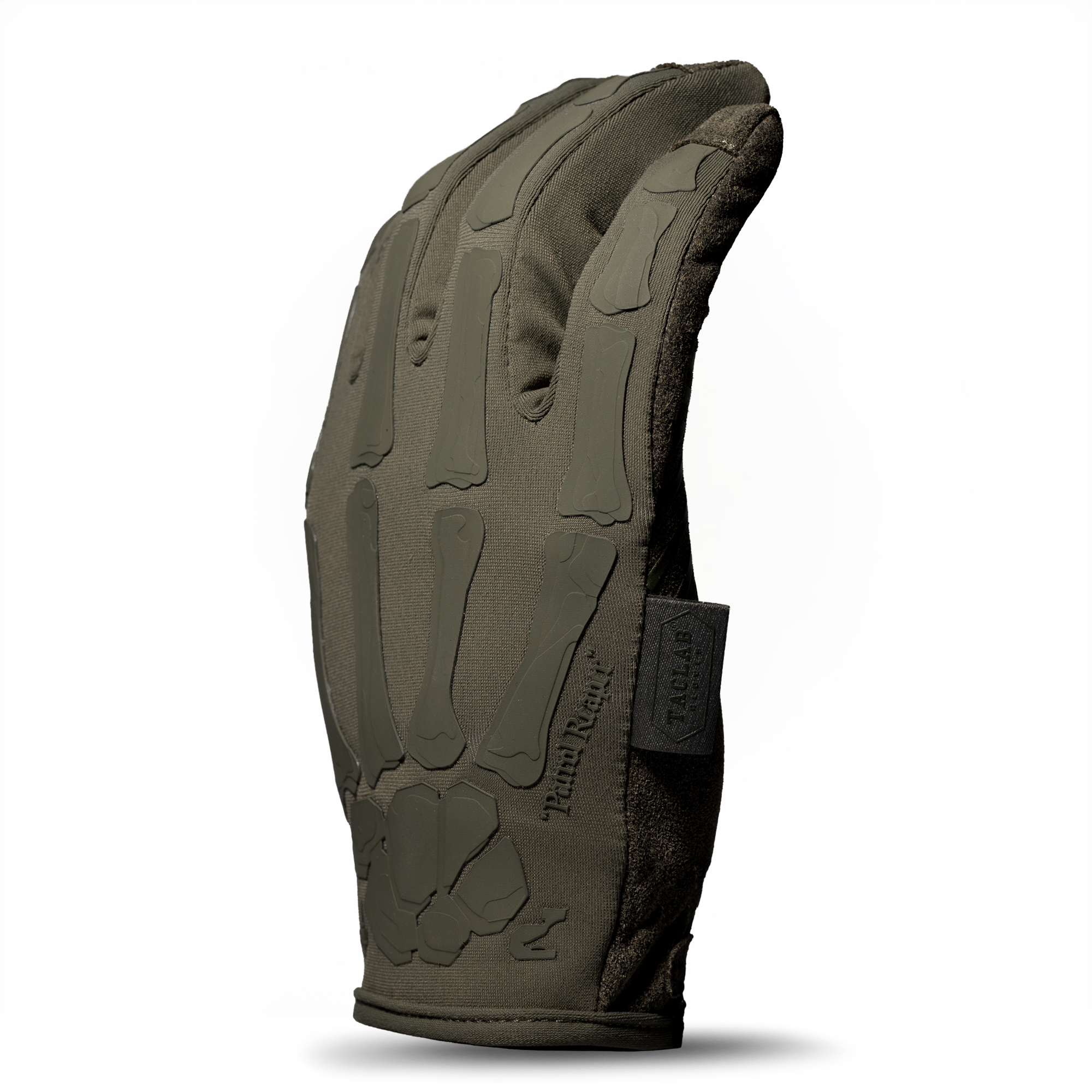
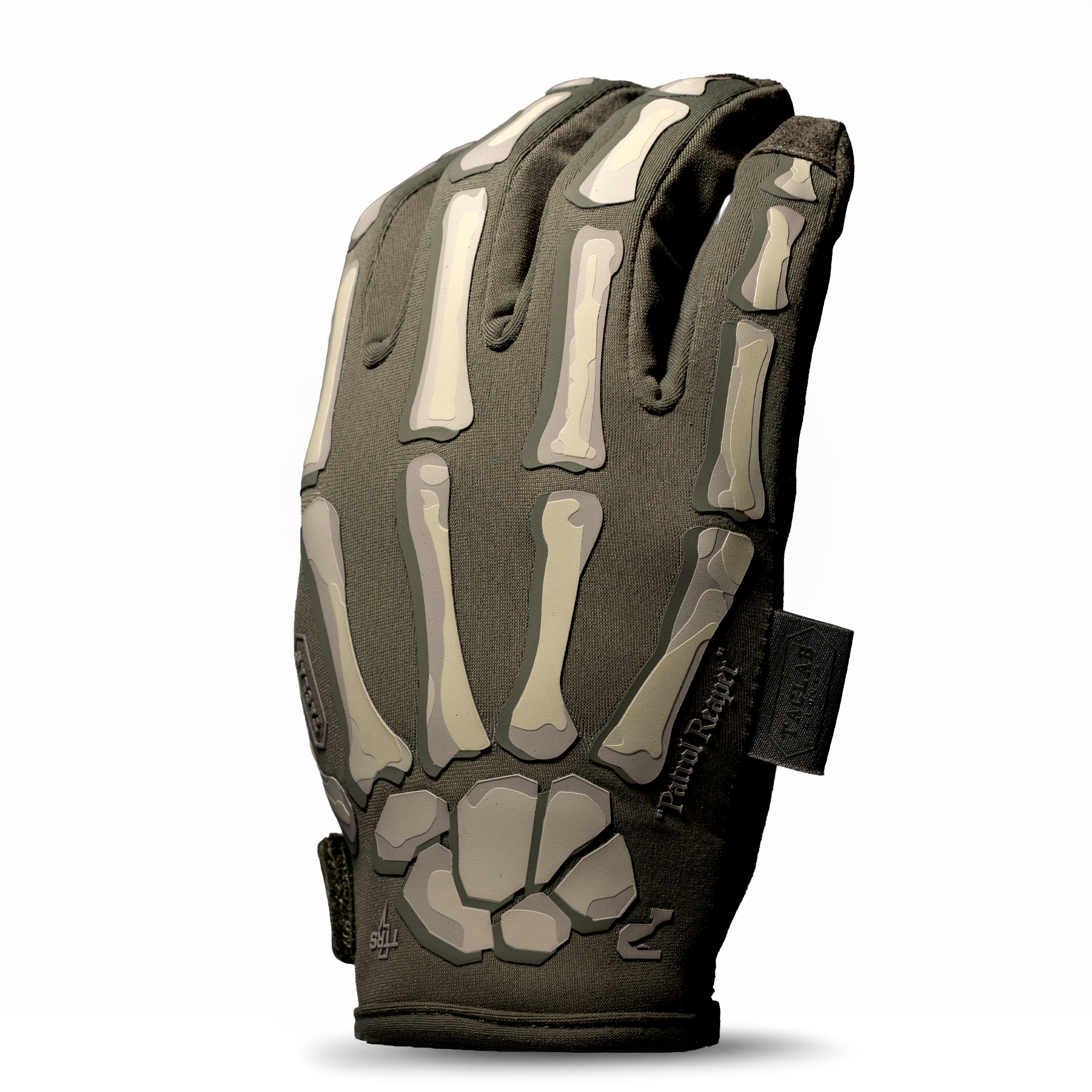
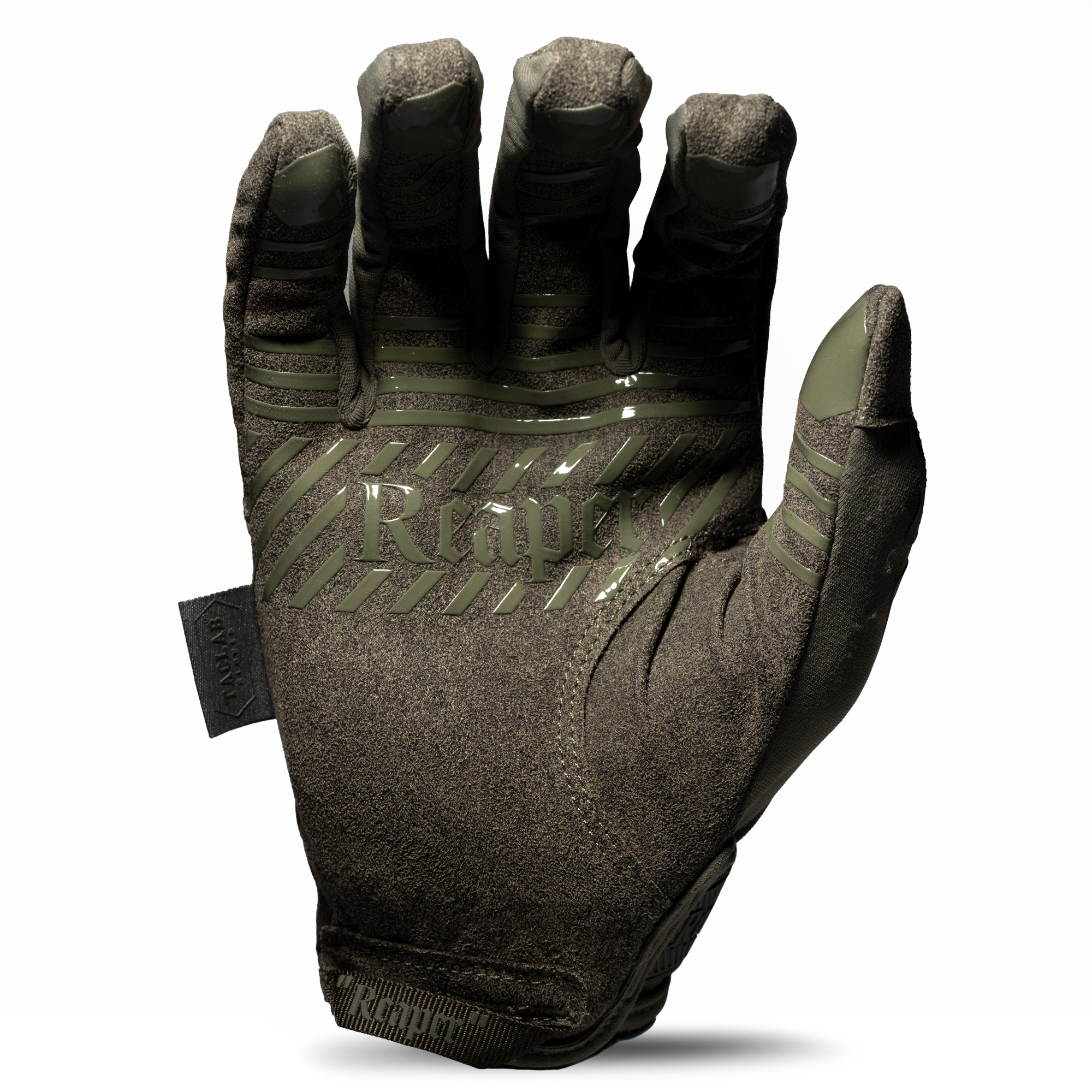
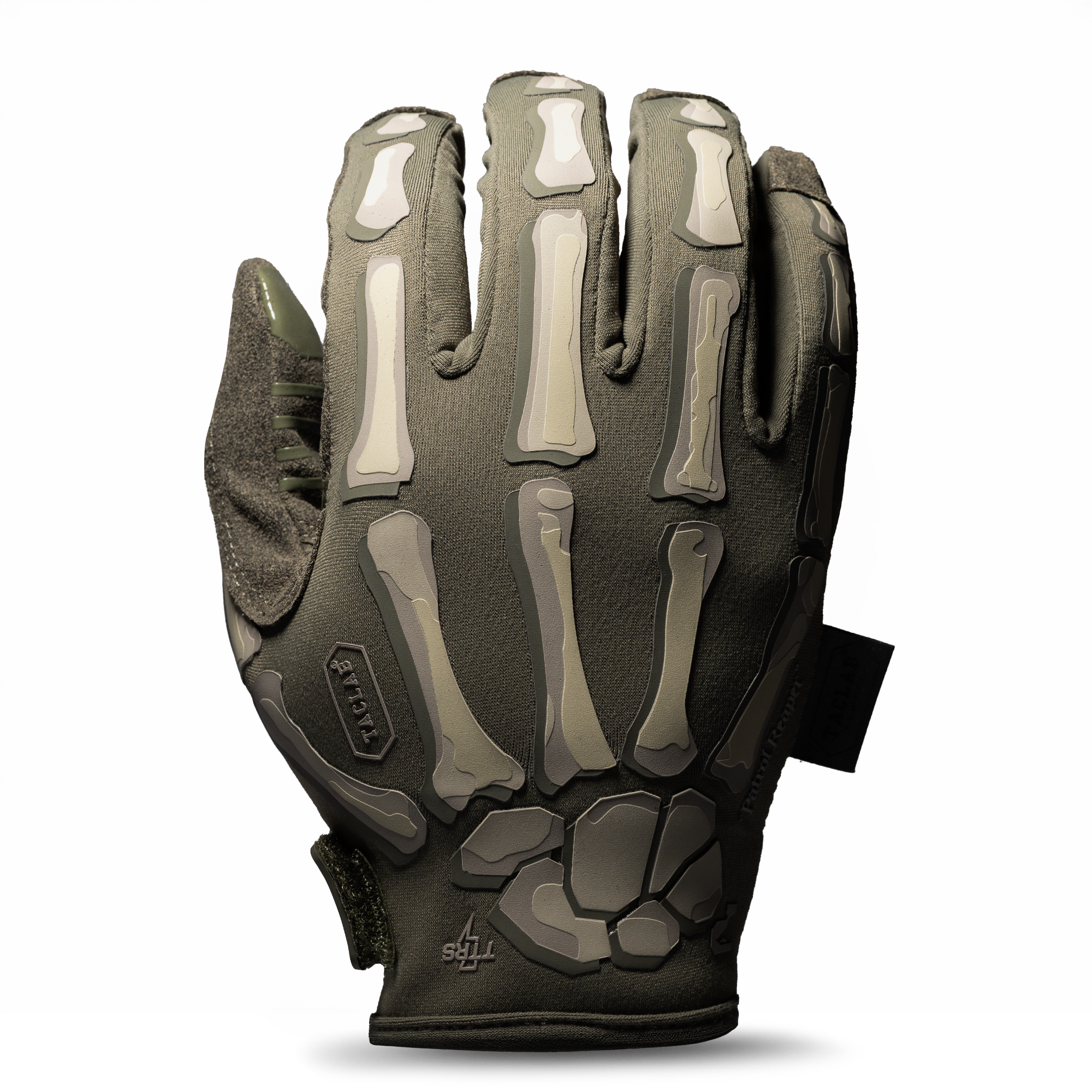
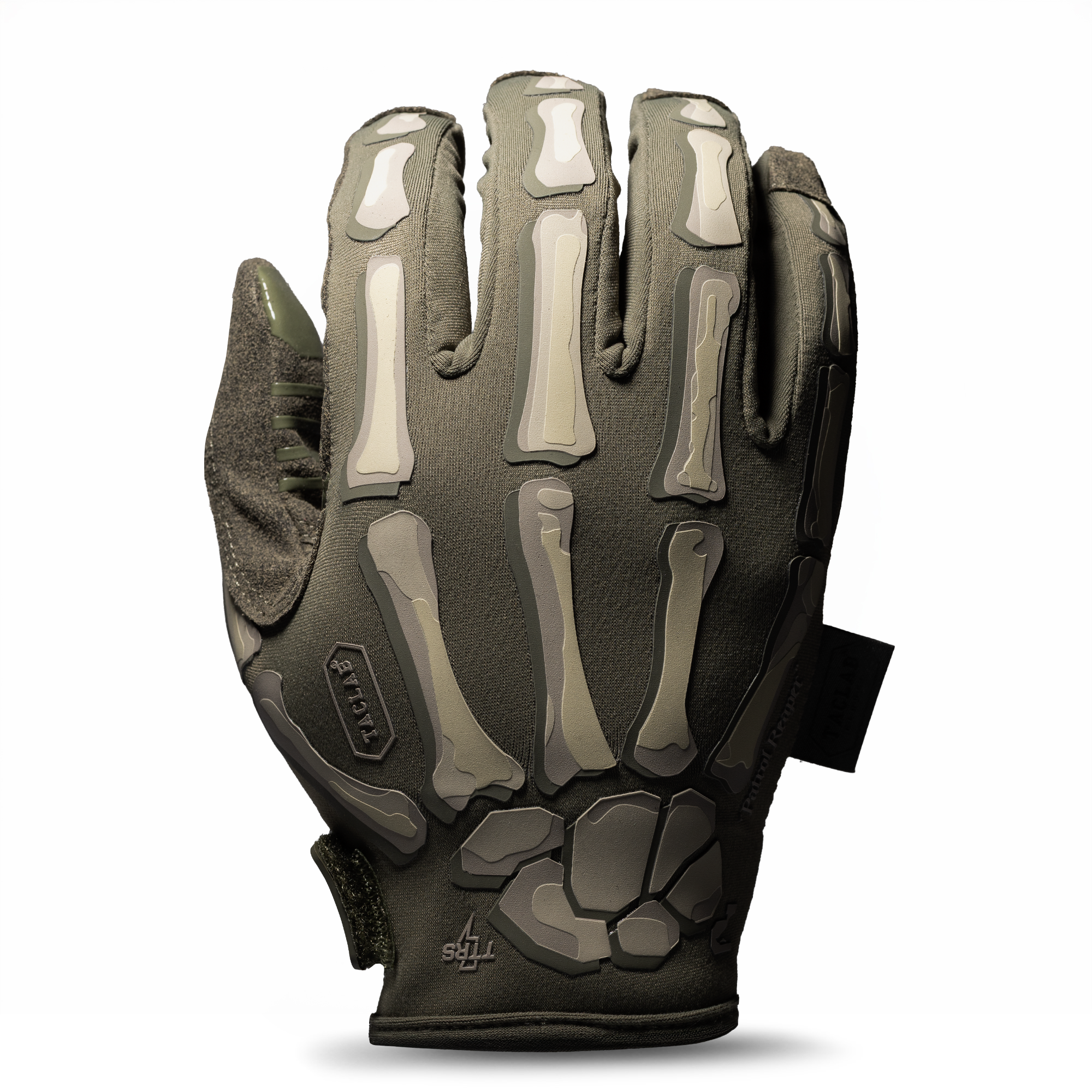
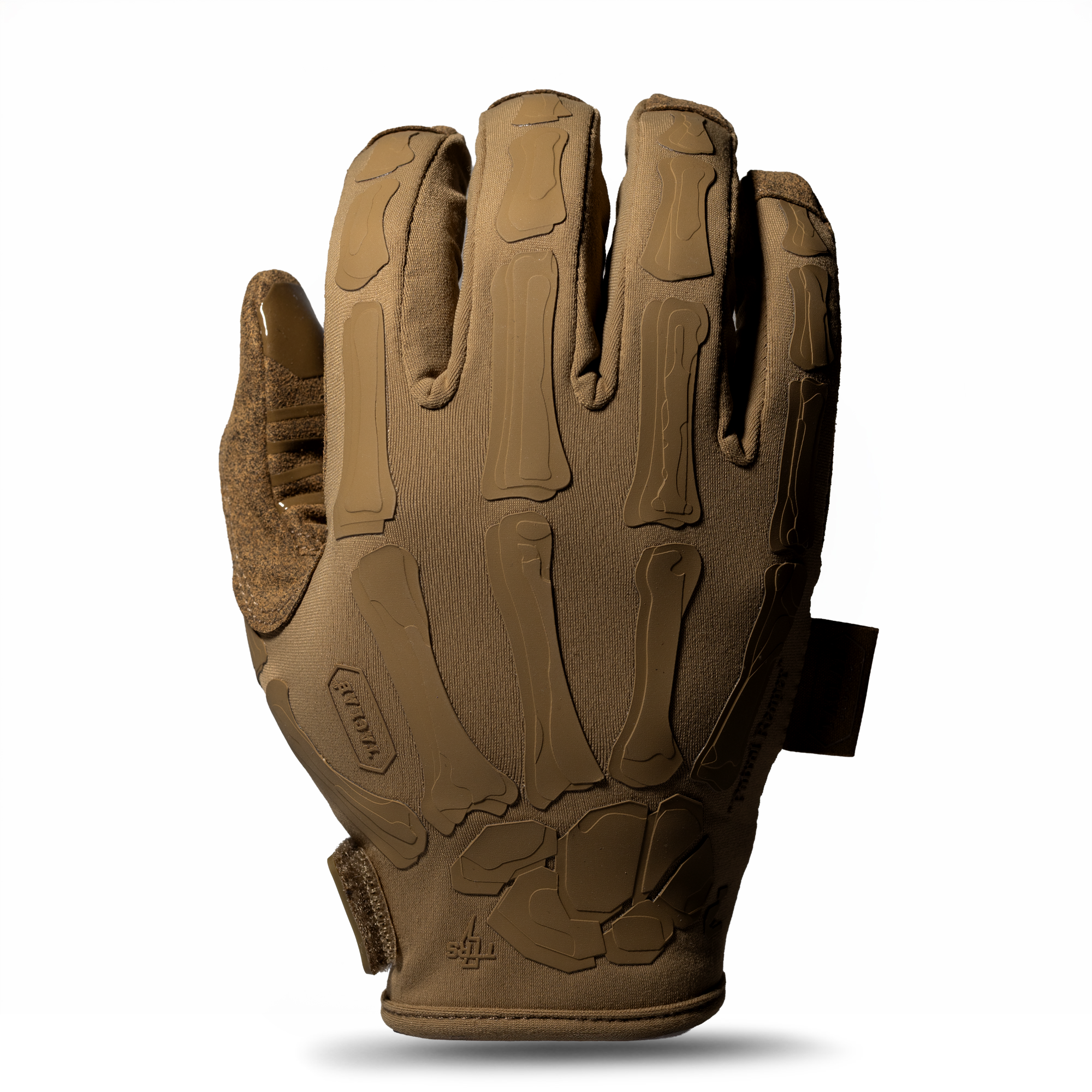
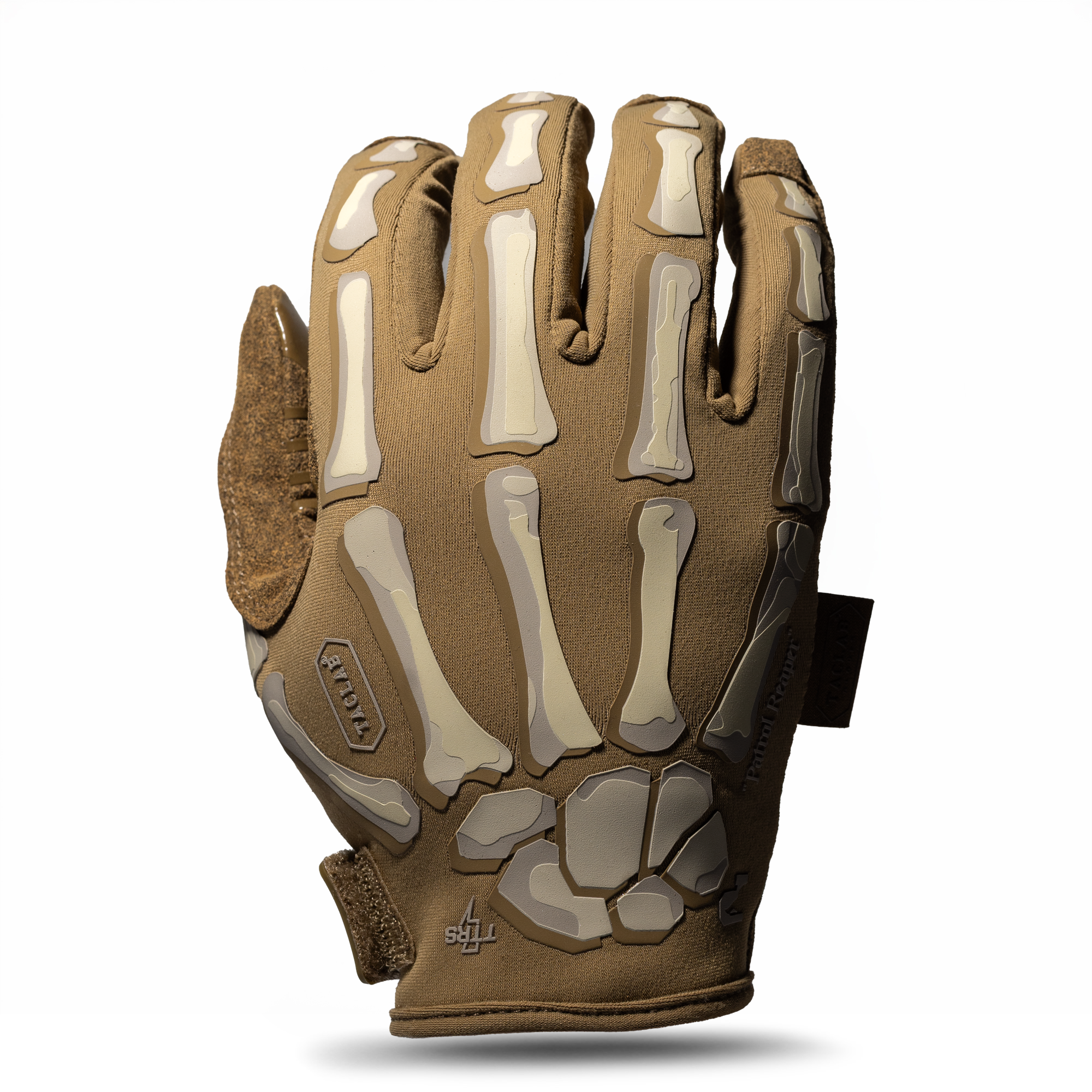
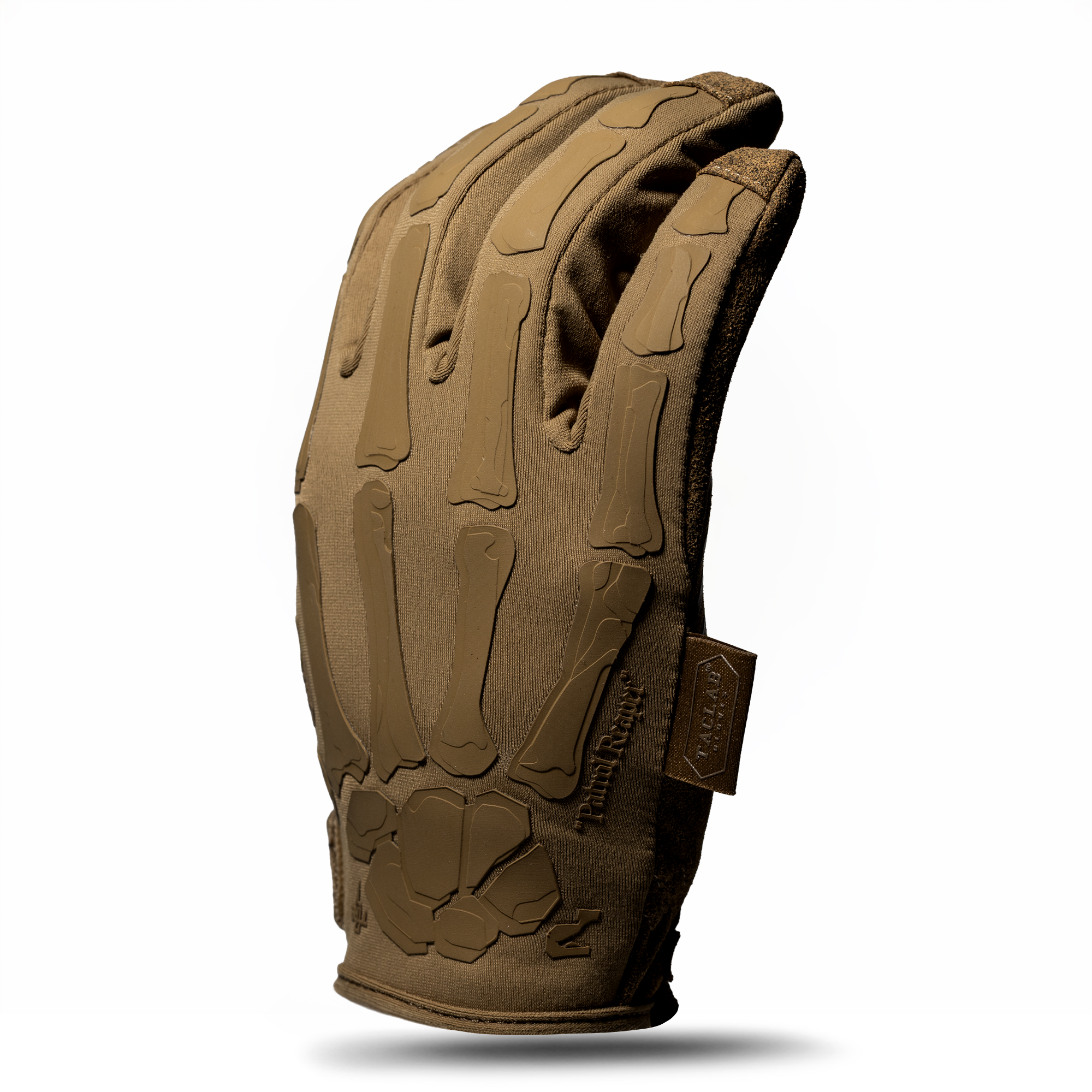
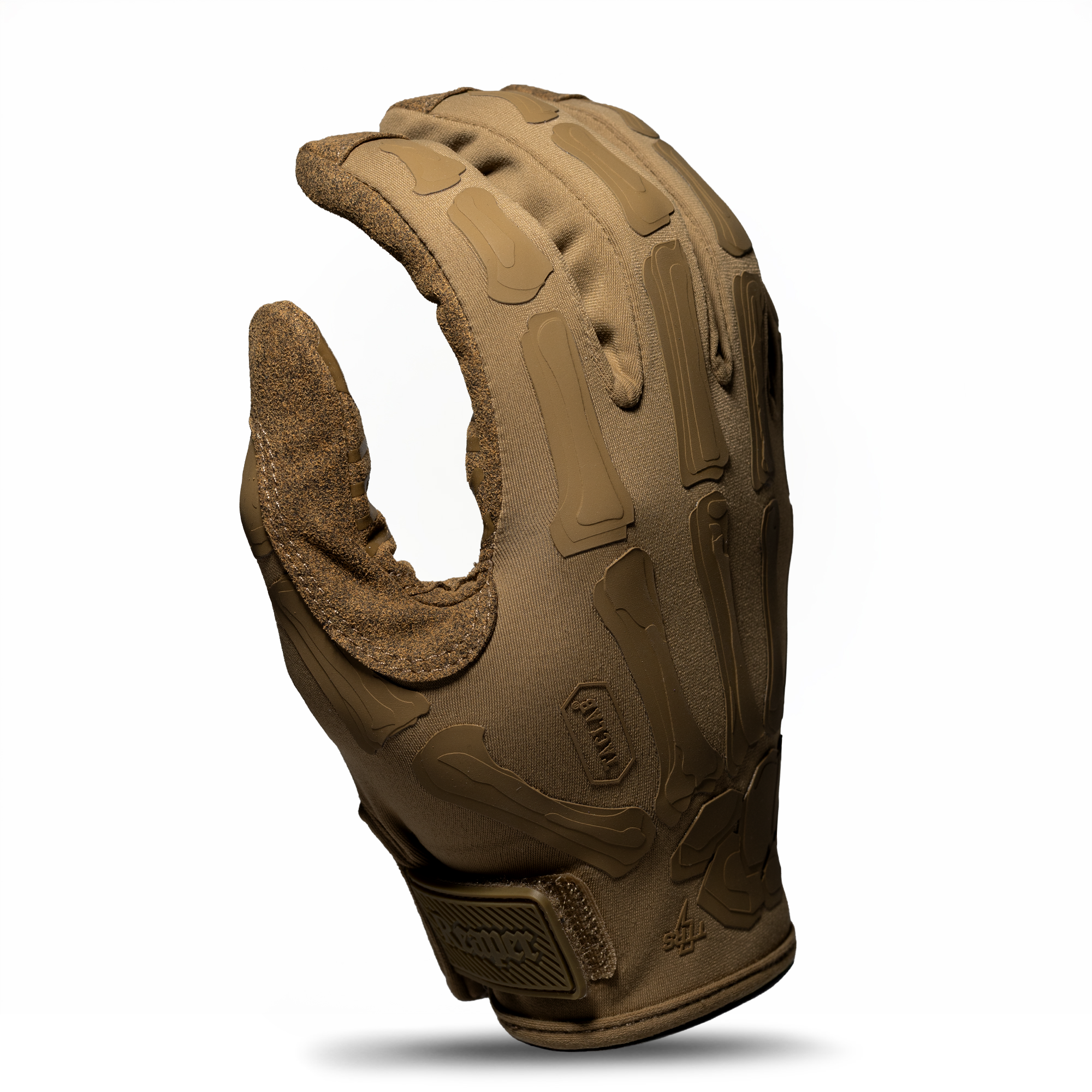
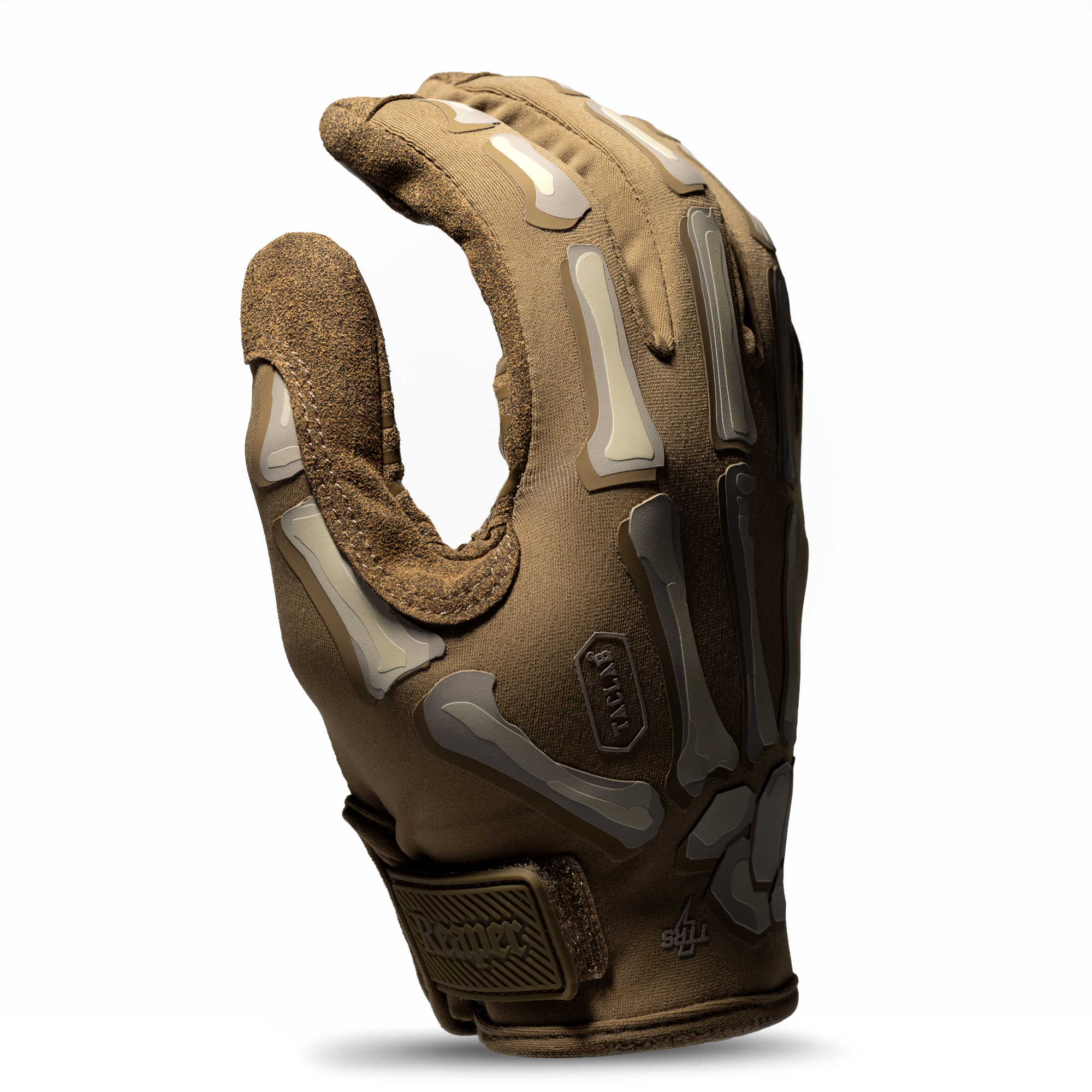
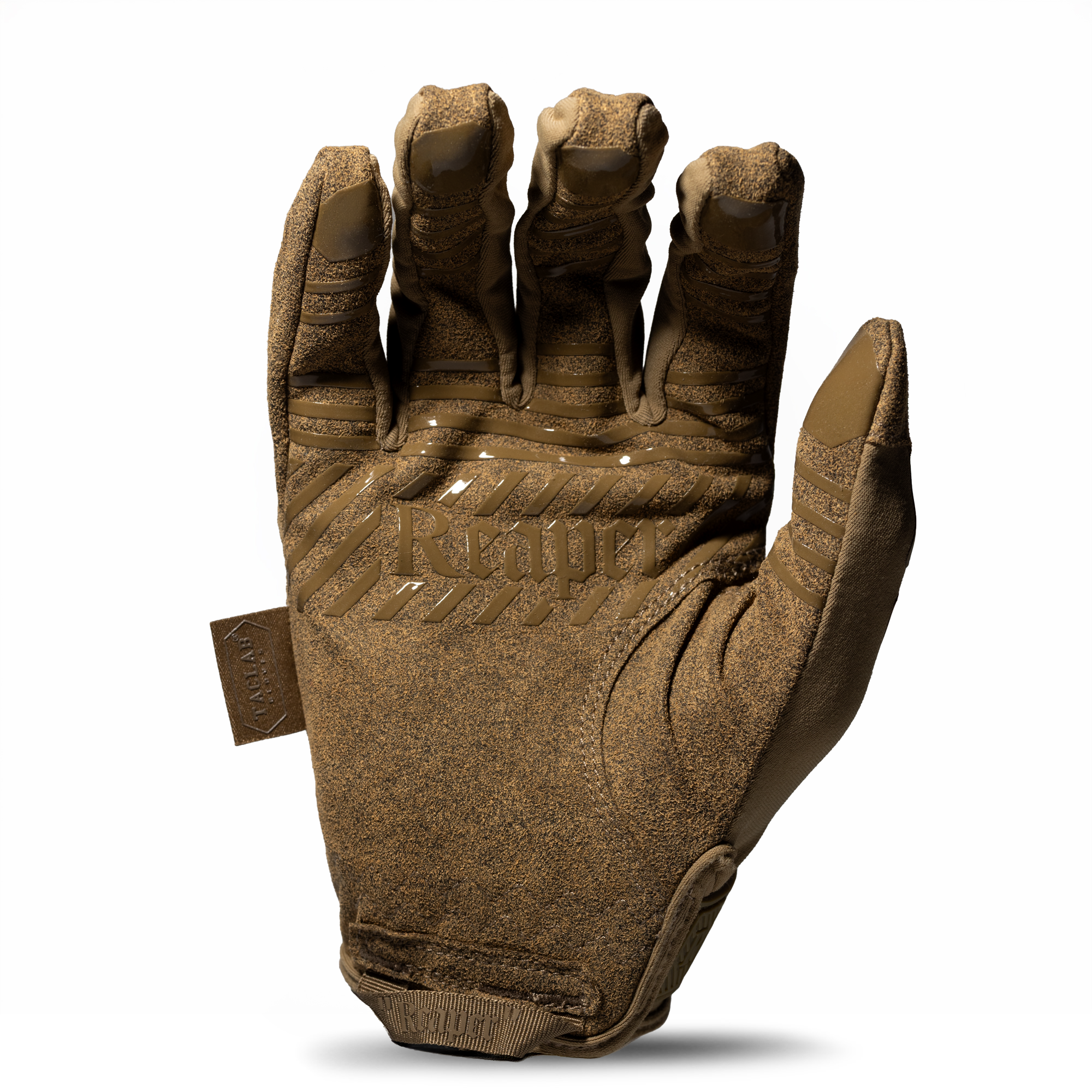
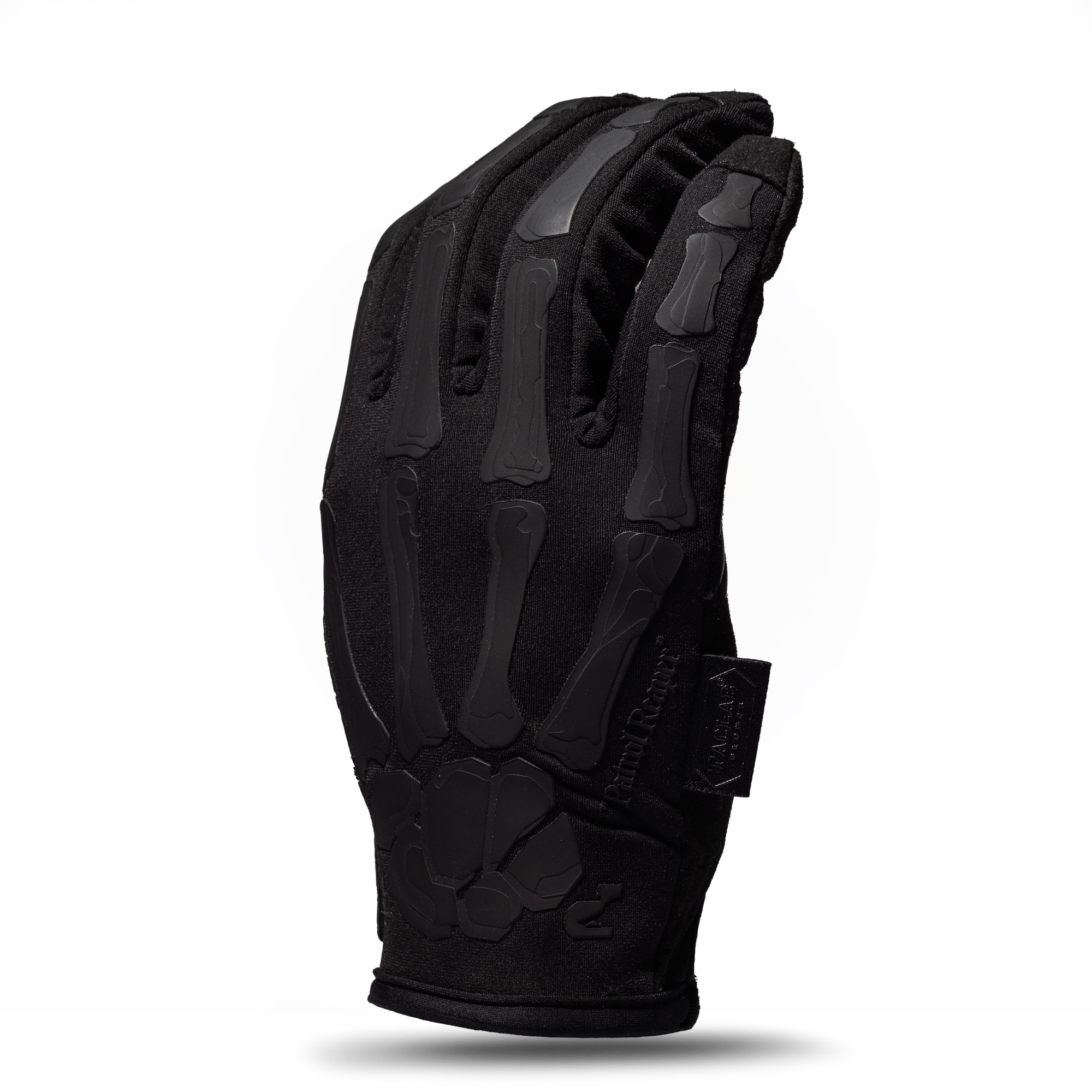
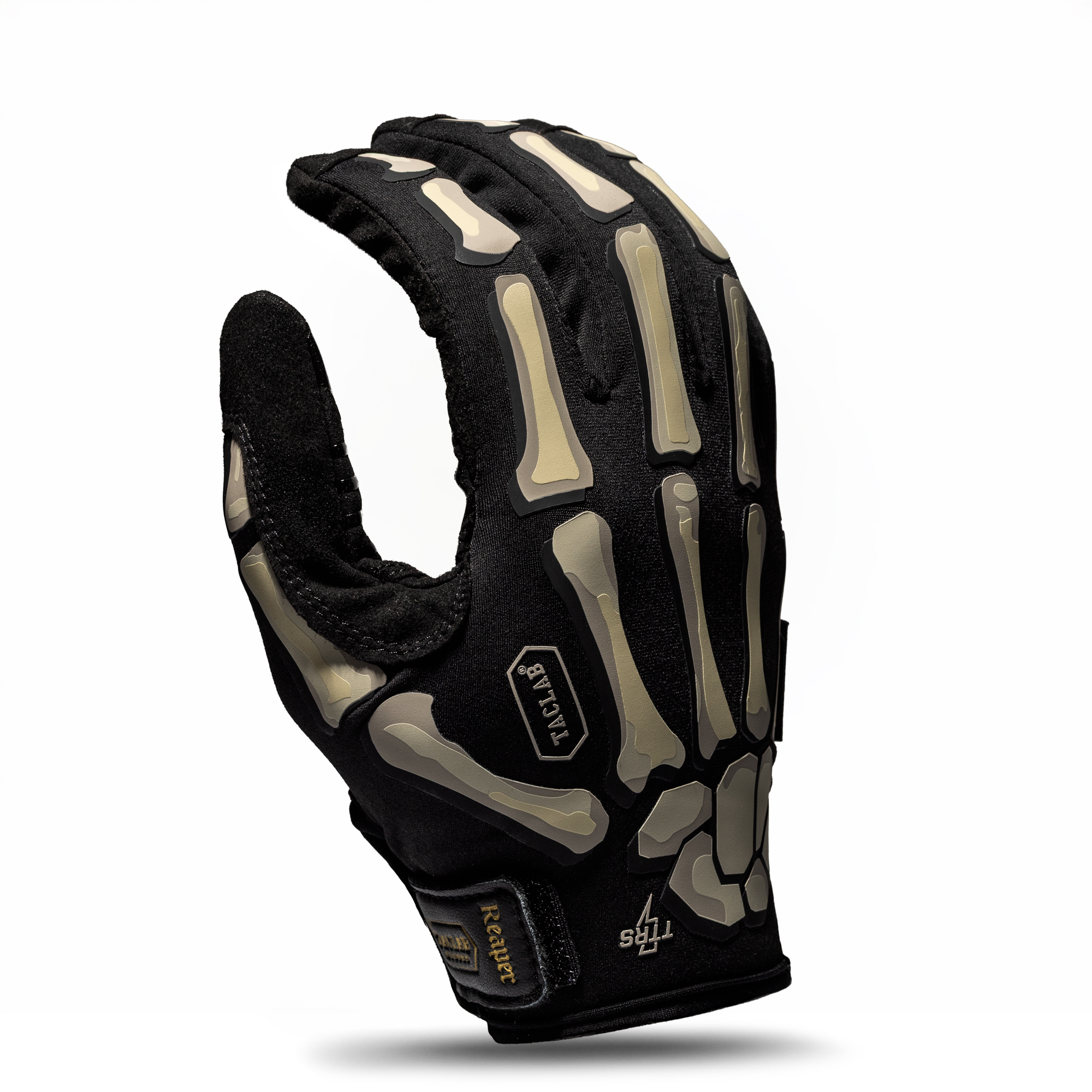
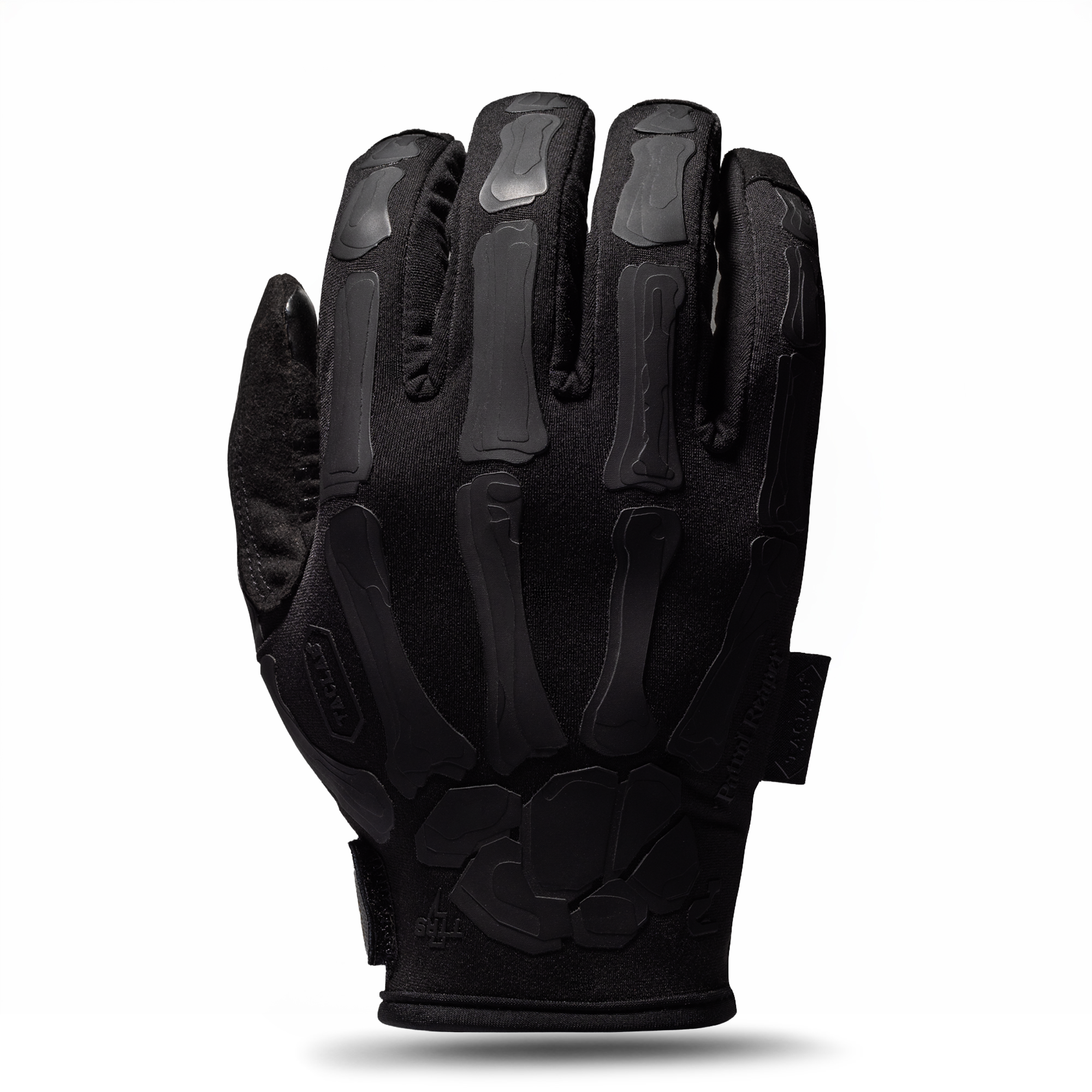
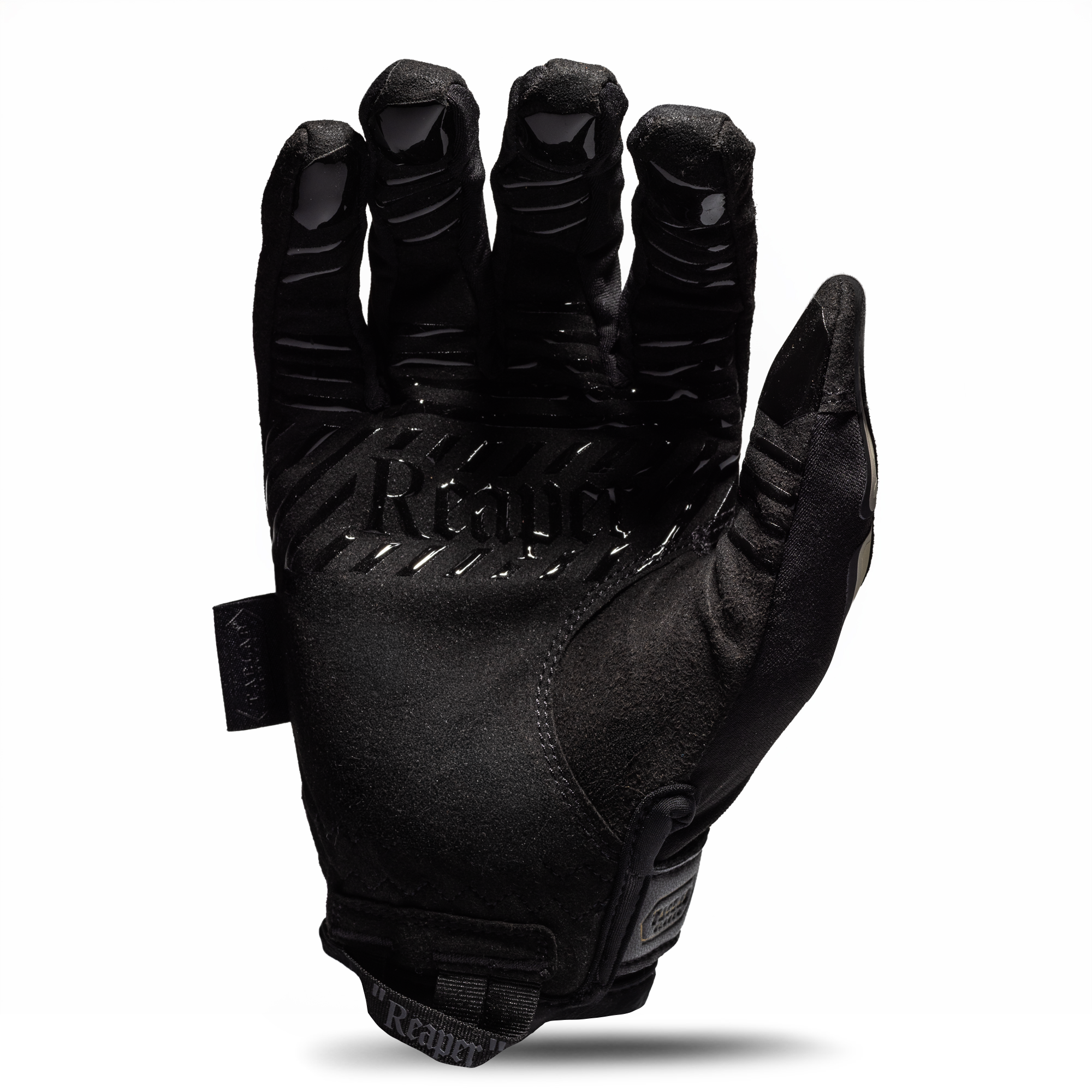
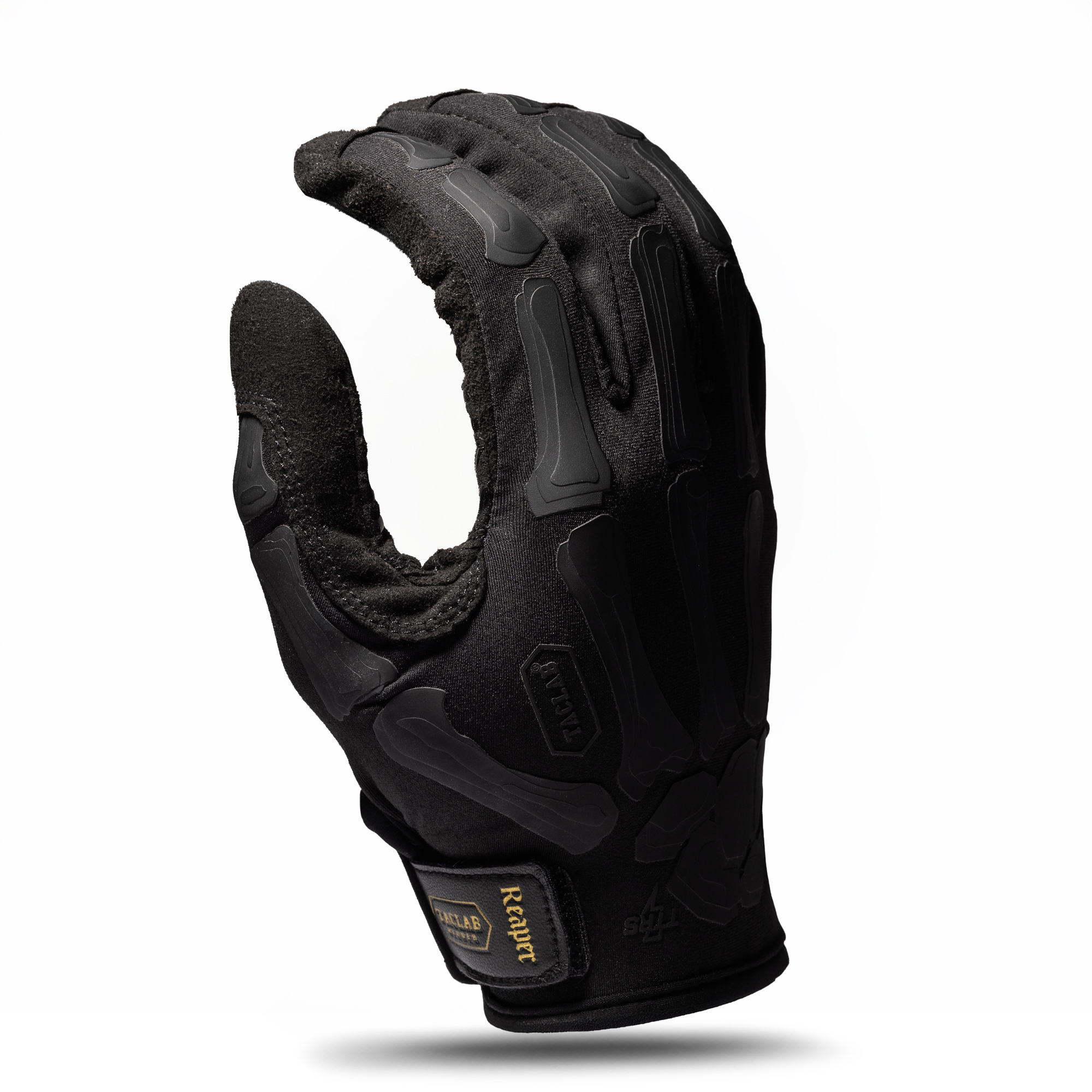
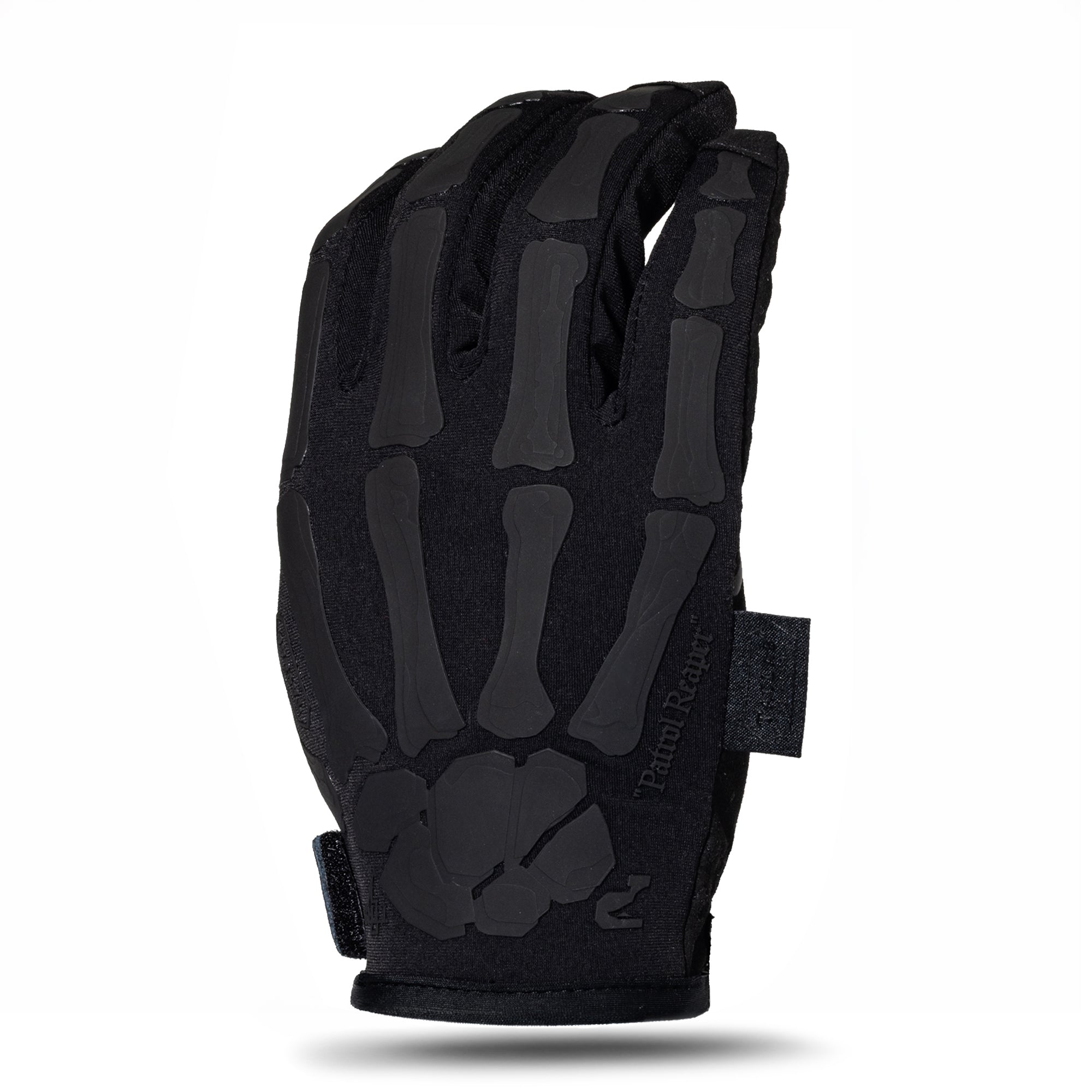
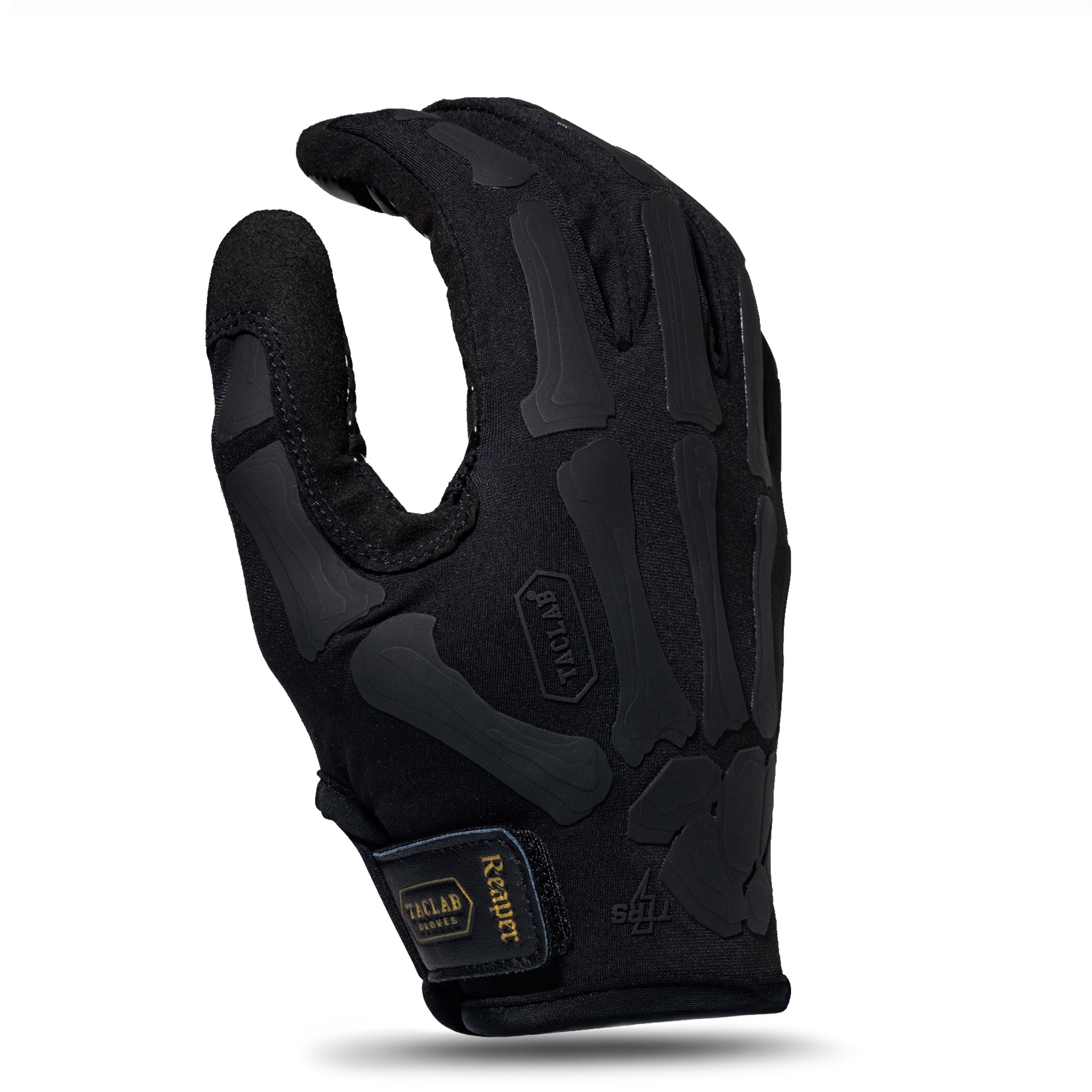
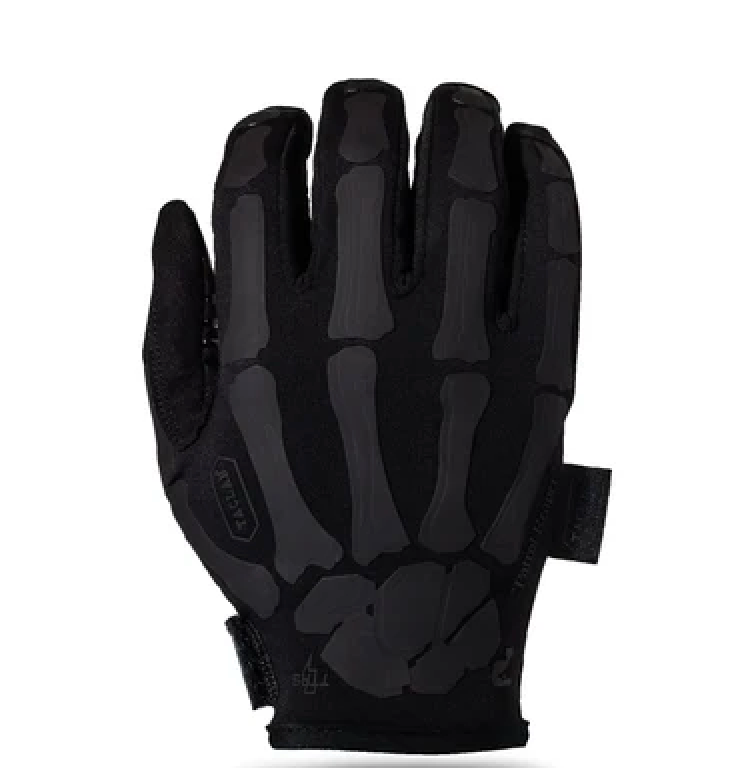
The classic TACLAB Reaper is an example of a glove aimed at lightweight dexterity and flexible tactical/range use.
Neither material automatically requires you to buy the wrong size.
Follow measurements first. Evaluate fit second.
Should Motorcycle Gloves Fit Tight?
Motorcycle gloves also benefit from a secure fit because the rider needs consistent contact with the controls.
Loose palm material can be particularly annoying when gripping handlebars.
But again:
Secure ≠ restrictive.
A motorcycle-oriented tactical glove should allow comfortable movement of the:
- Fingers
- Thumb
- Wrist
without excessive material bunching around the grip.
Riders should also evaluate gloves in a riding-relevant hand position rather than judging fit only with their hands hanging straight down.
Different glove constructions may feel different when the fingers are curved around the controls.
Should Winter Tactical Gloves Fit Looser?
This gets interesting.
Winter gloves require insulation.
Insulation adds volume.
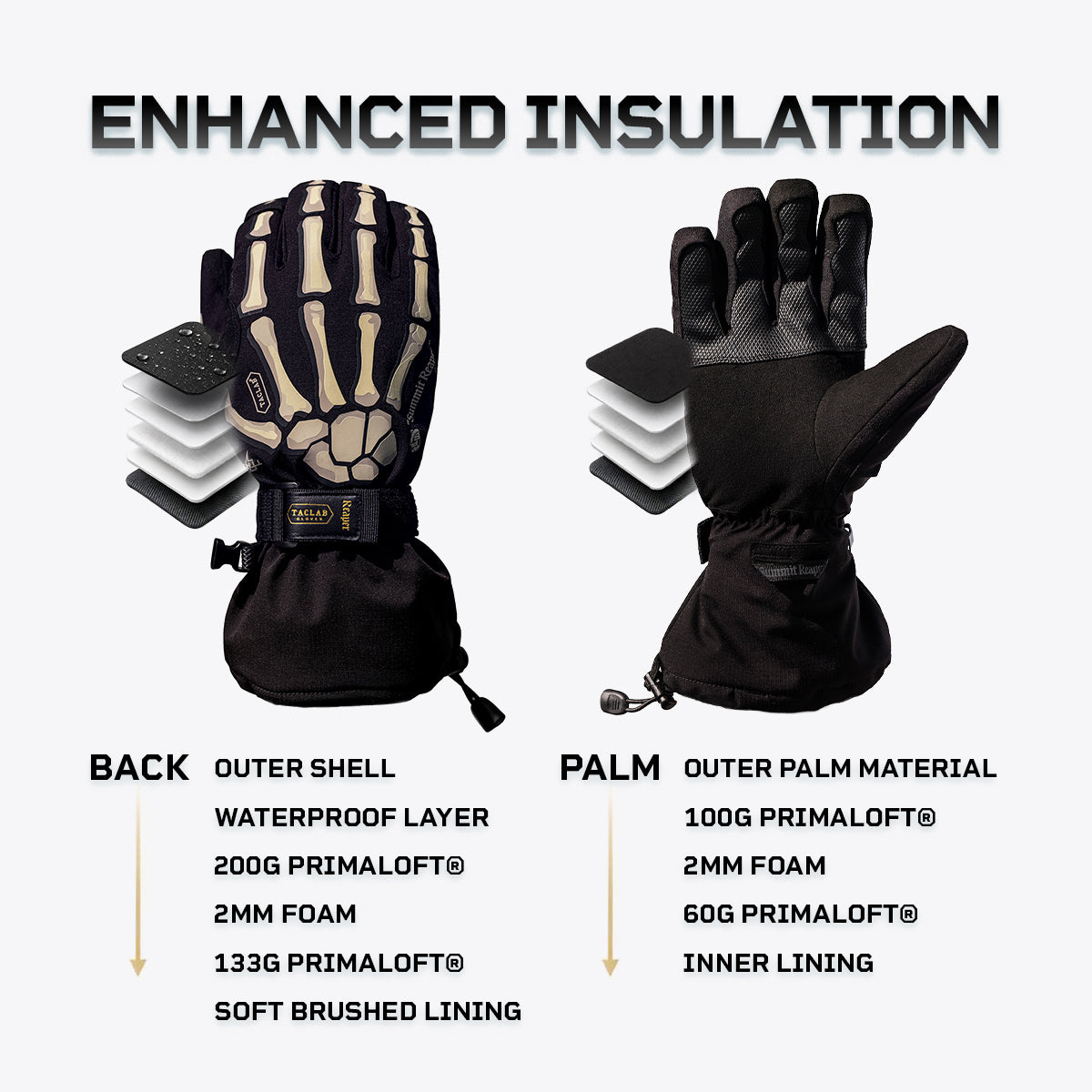
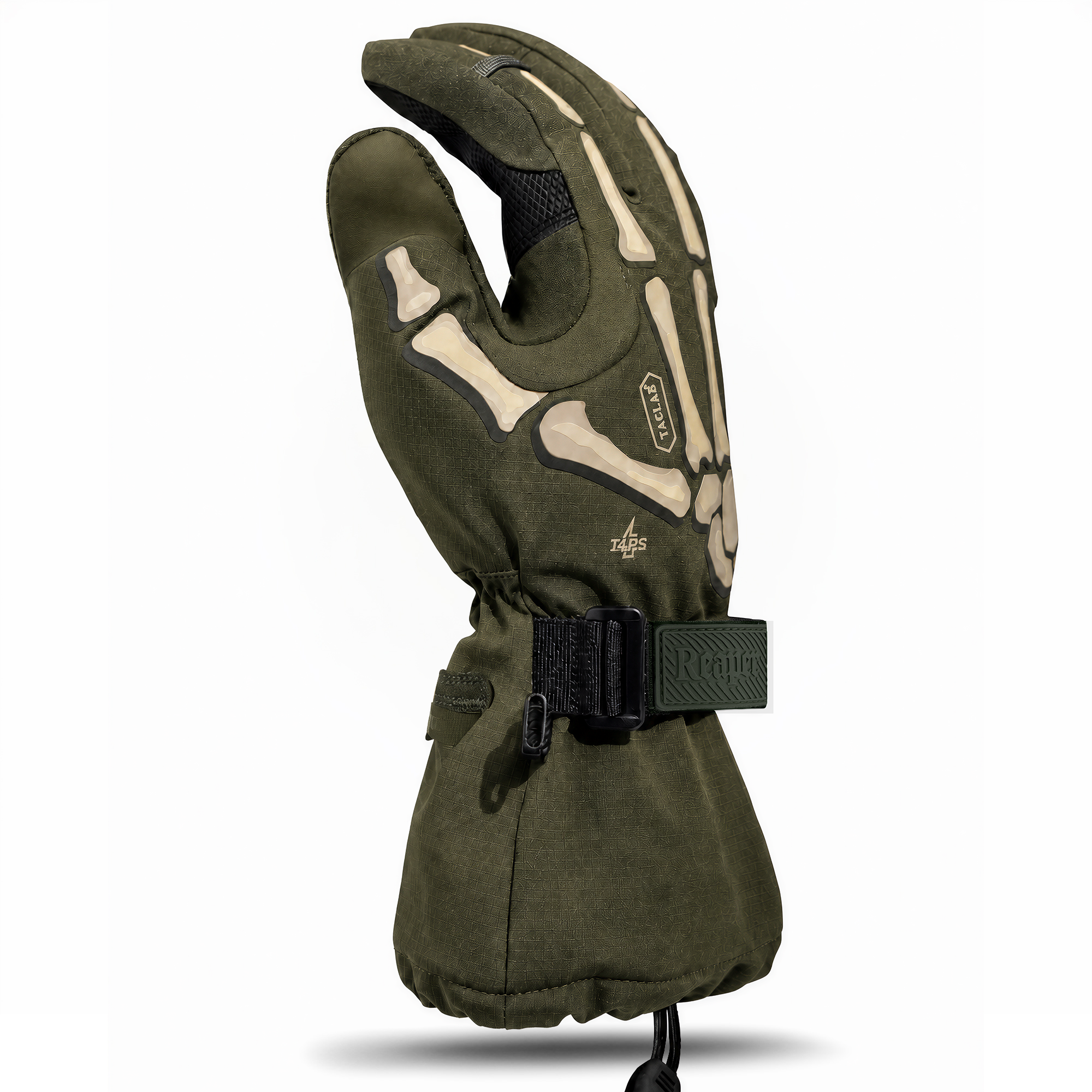
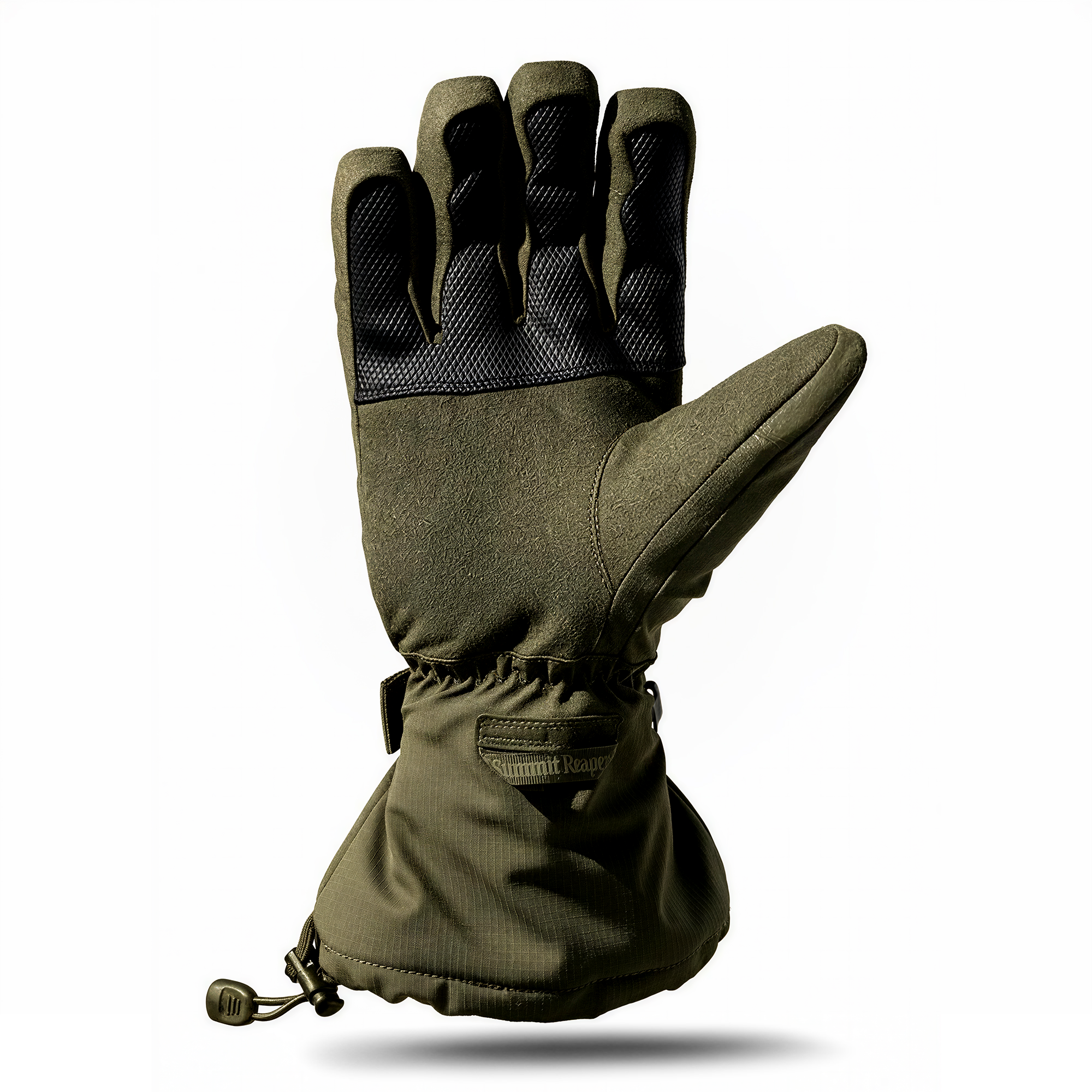
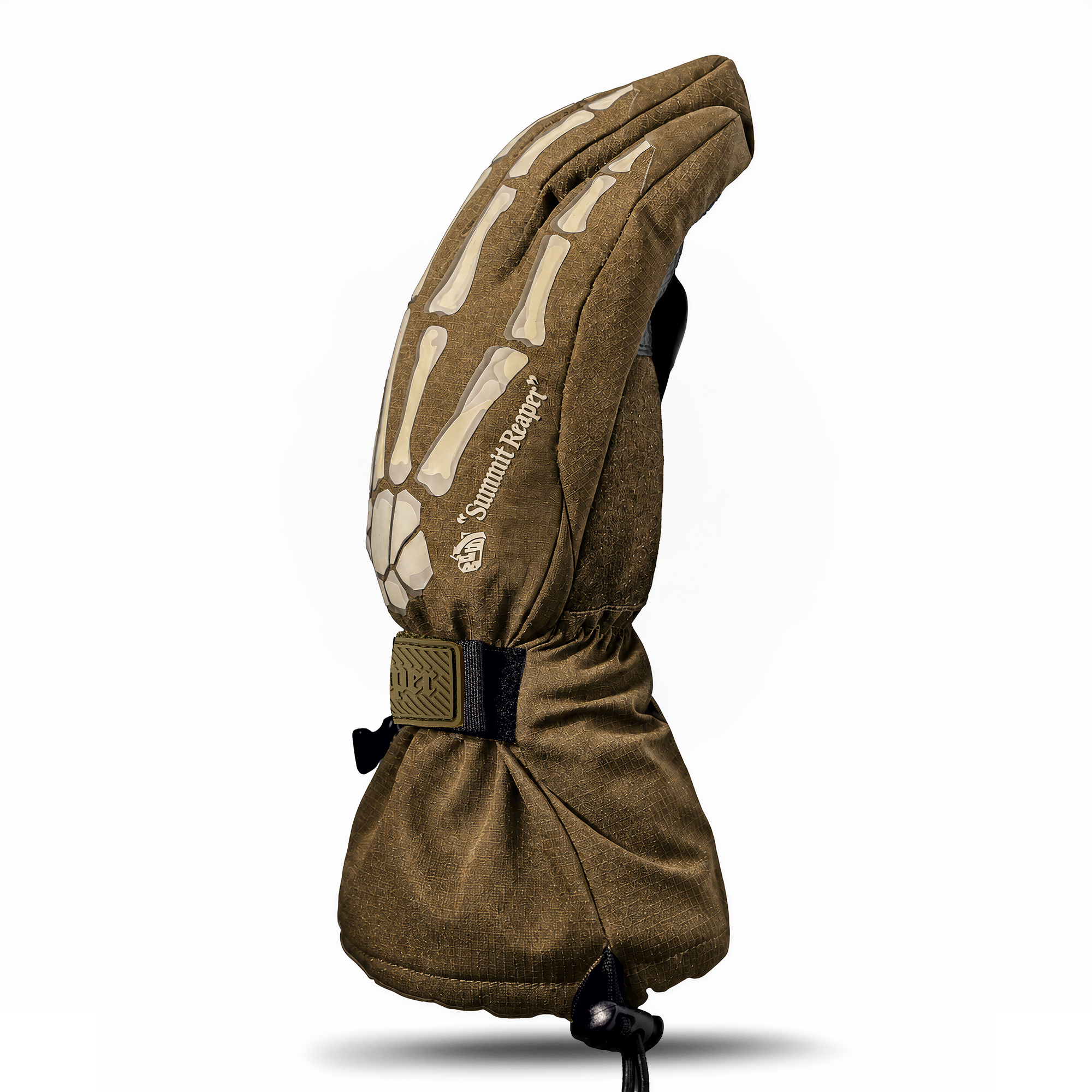
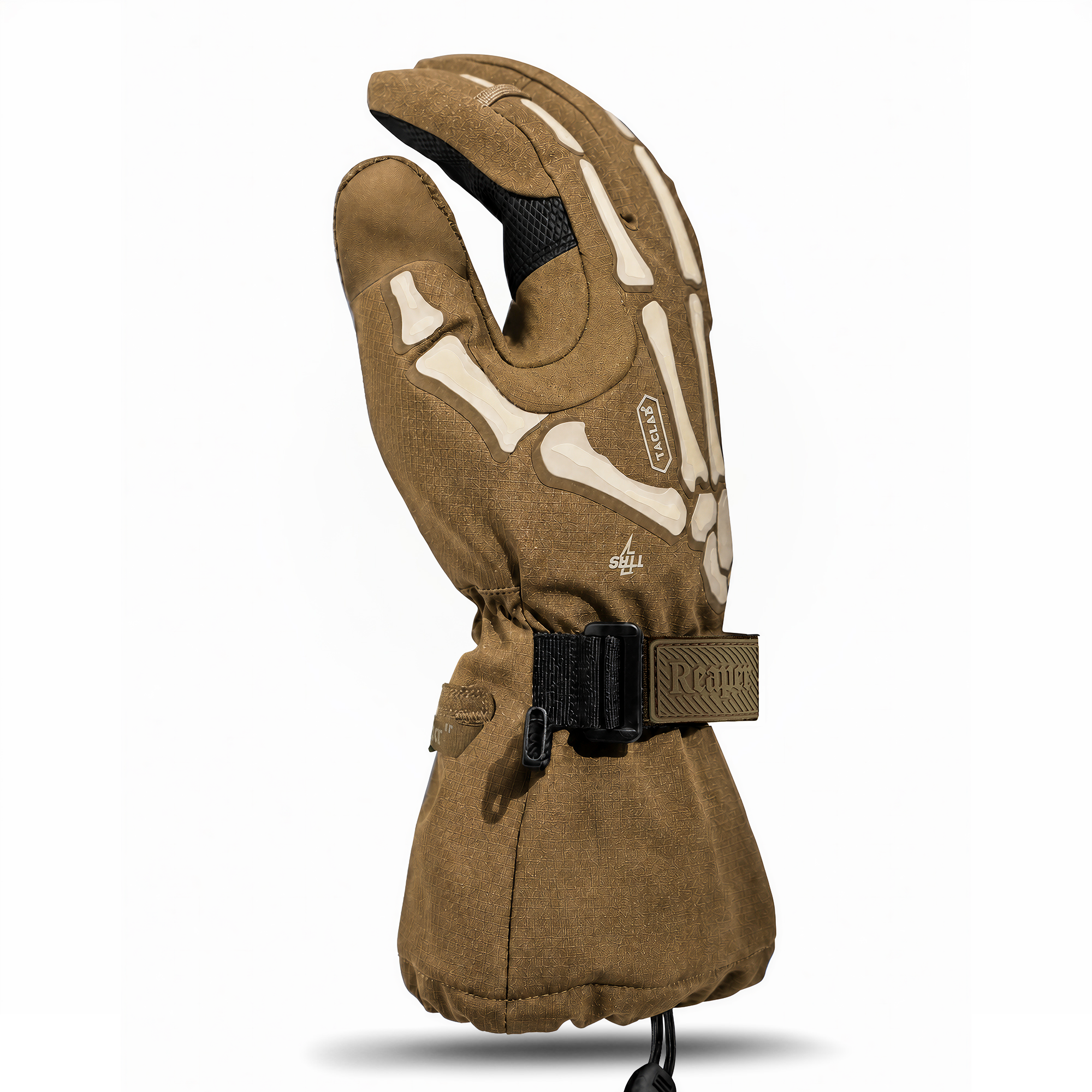
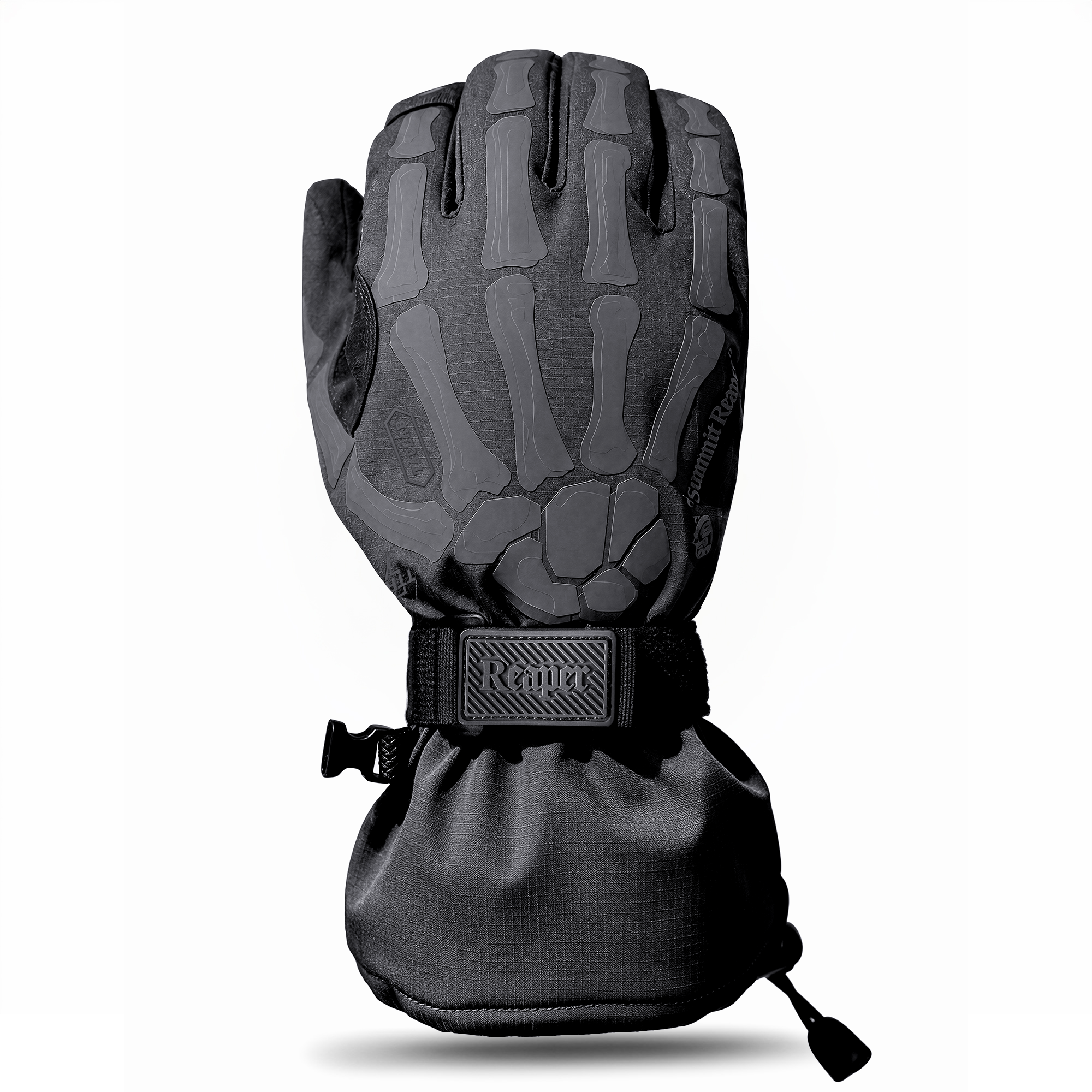
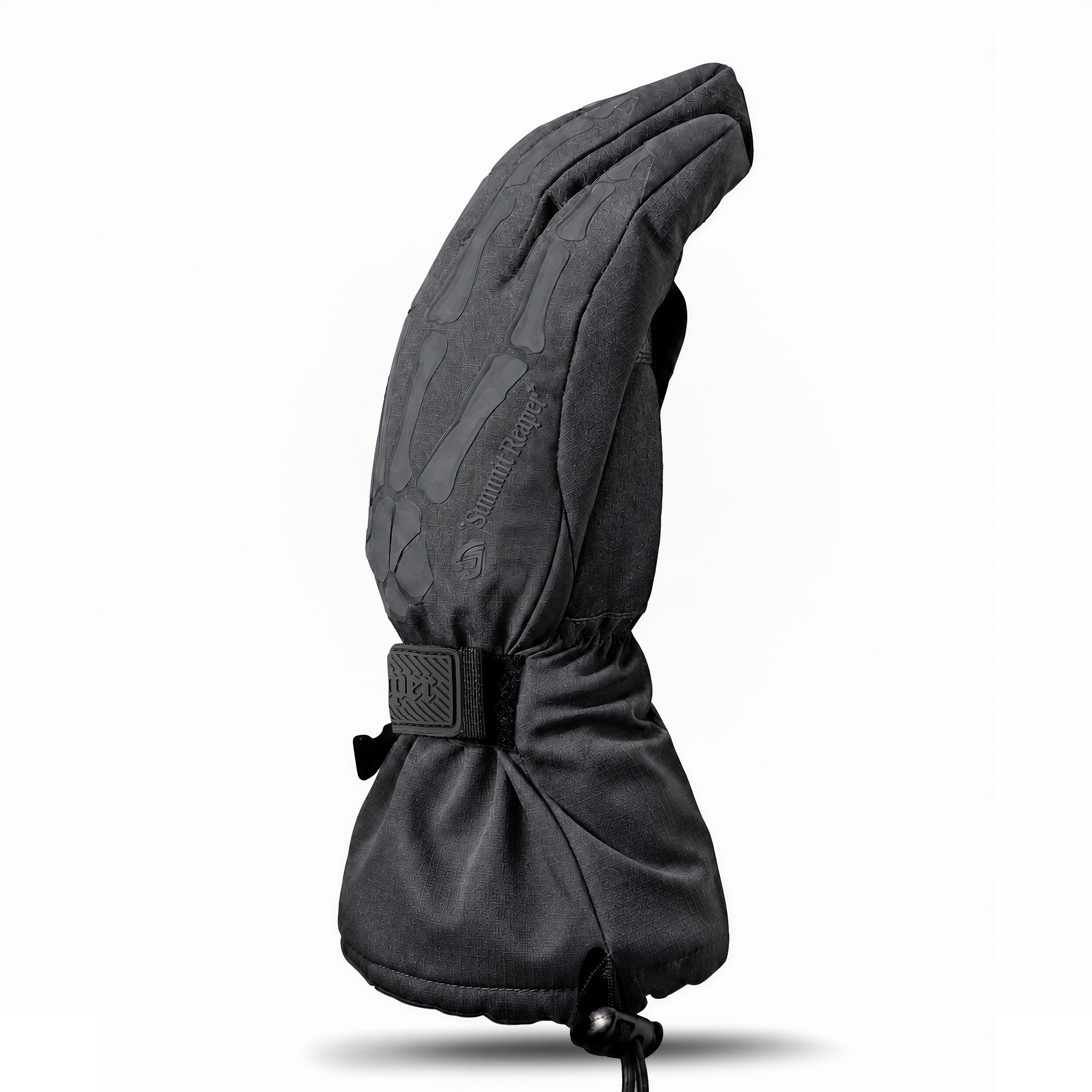
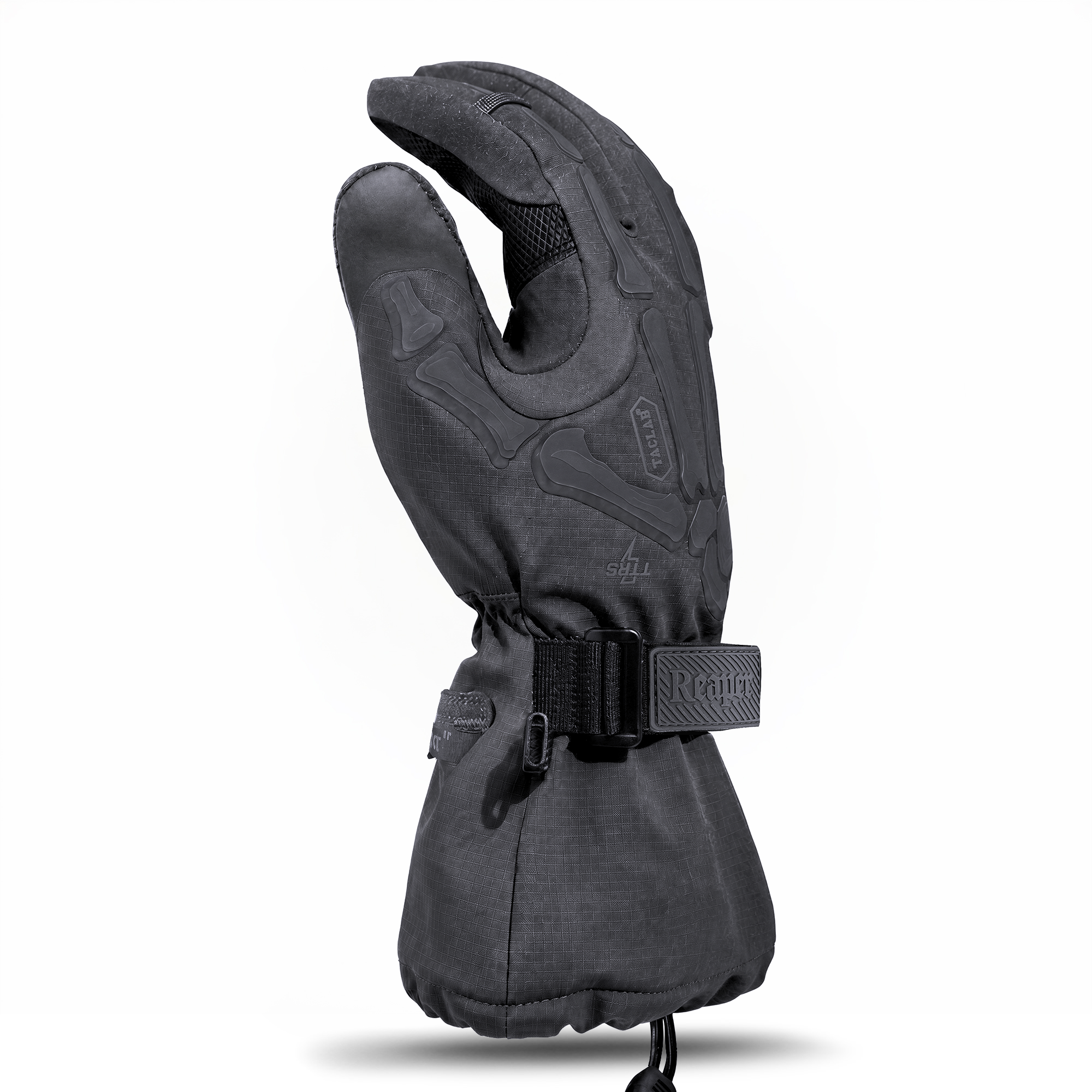
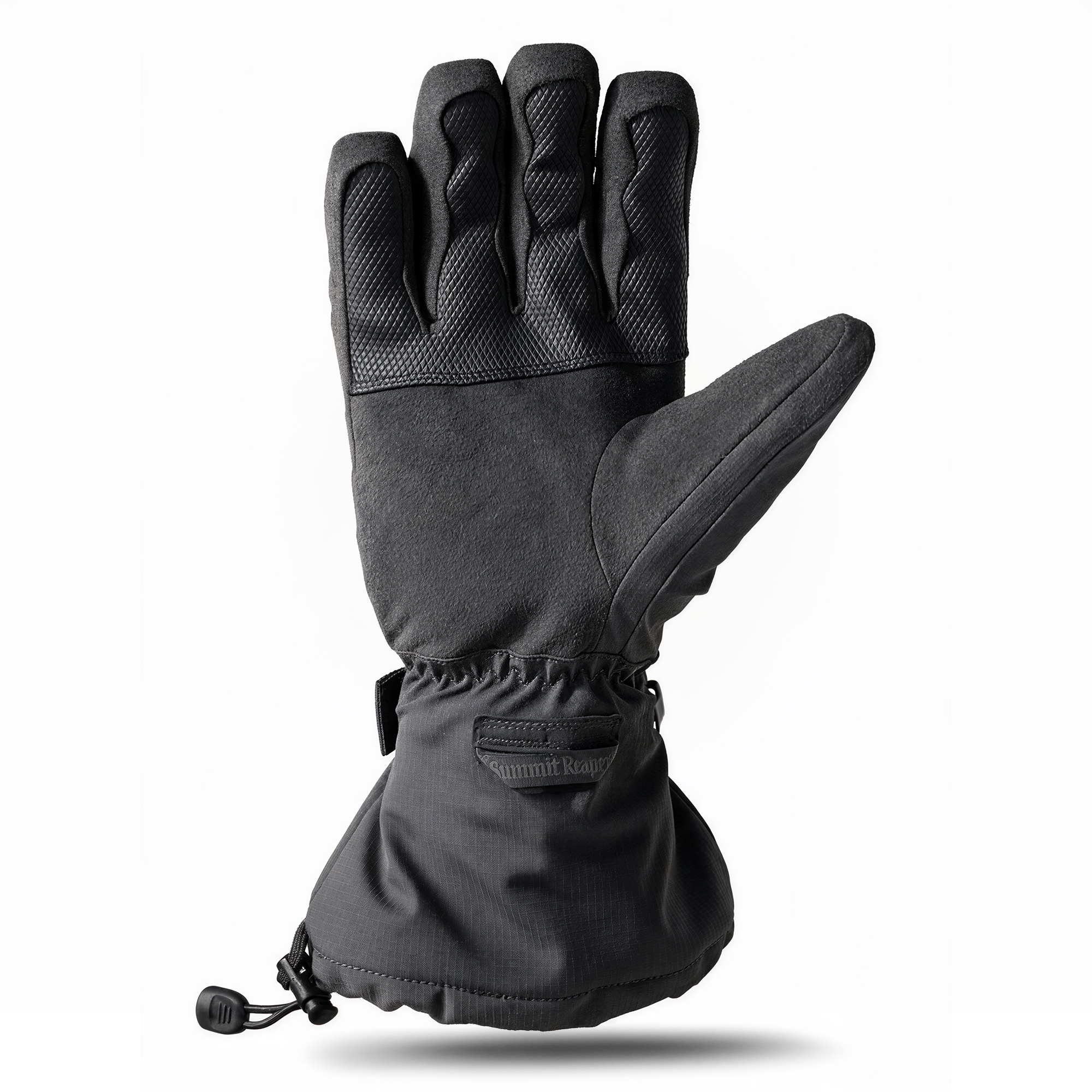
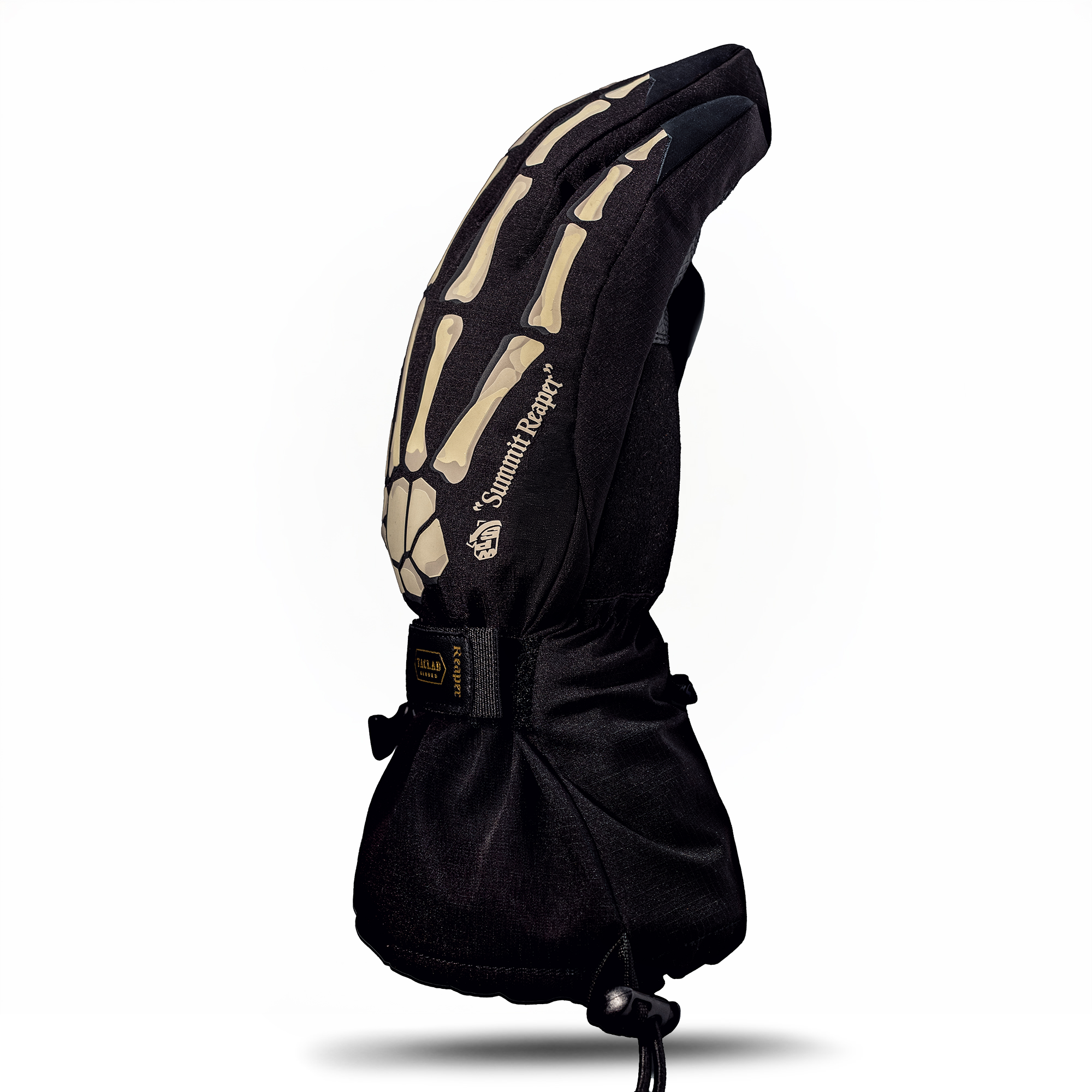
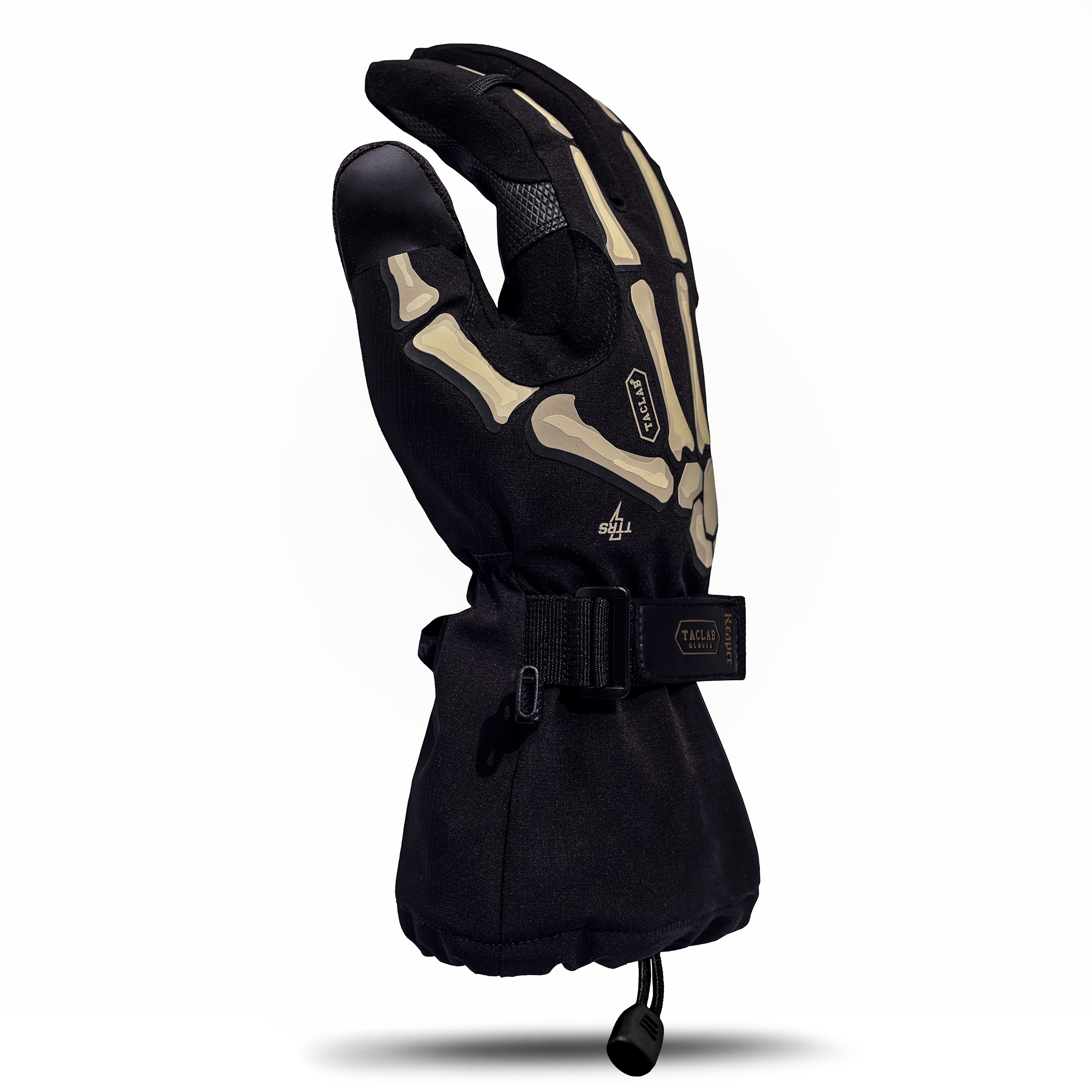
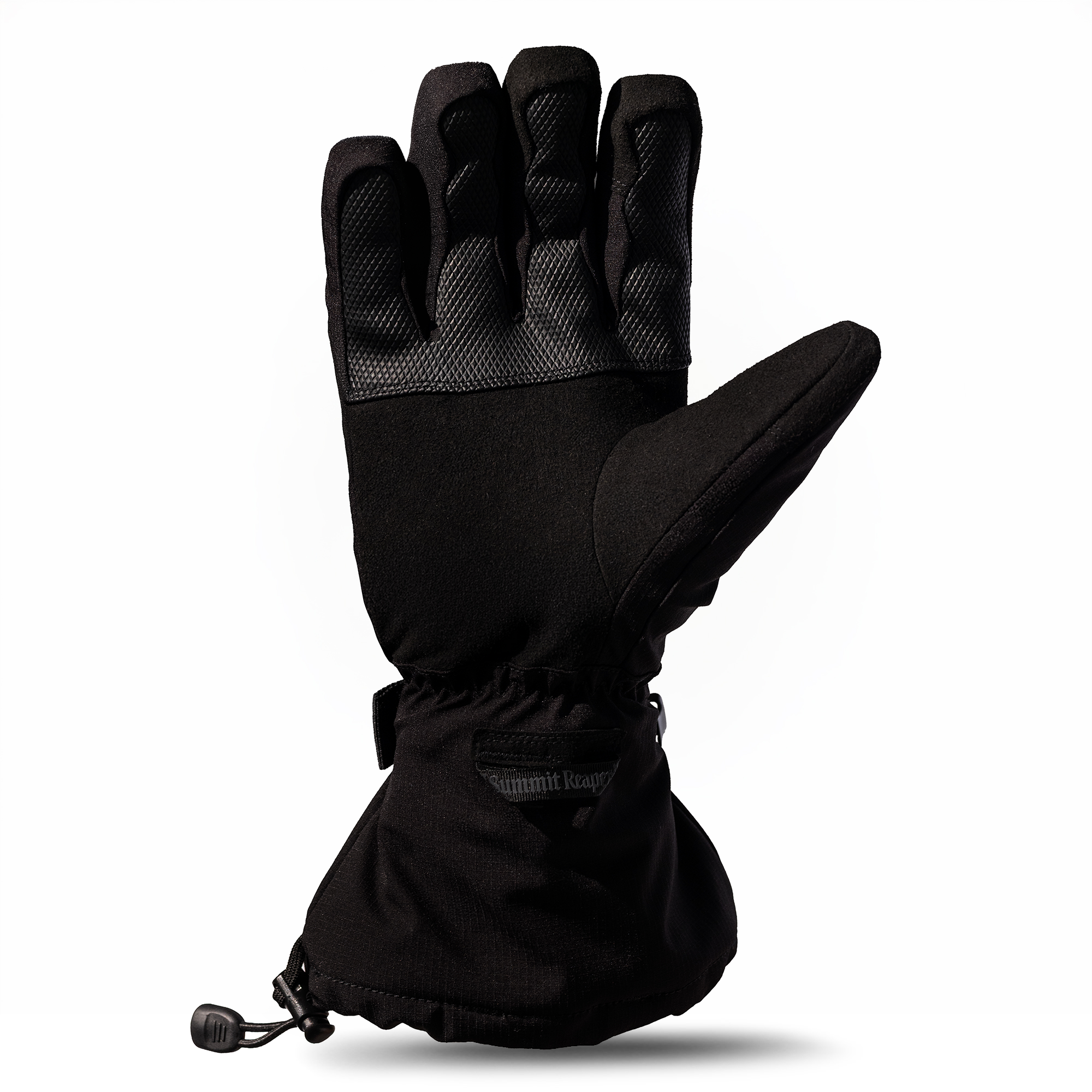
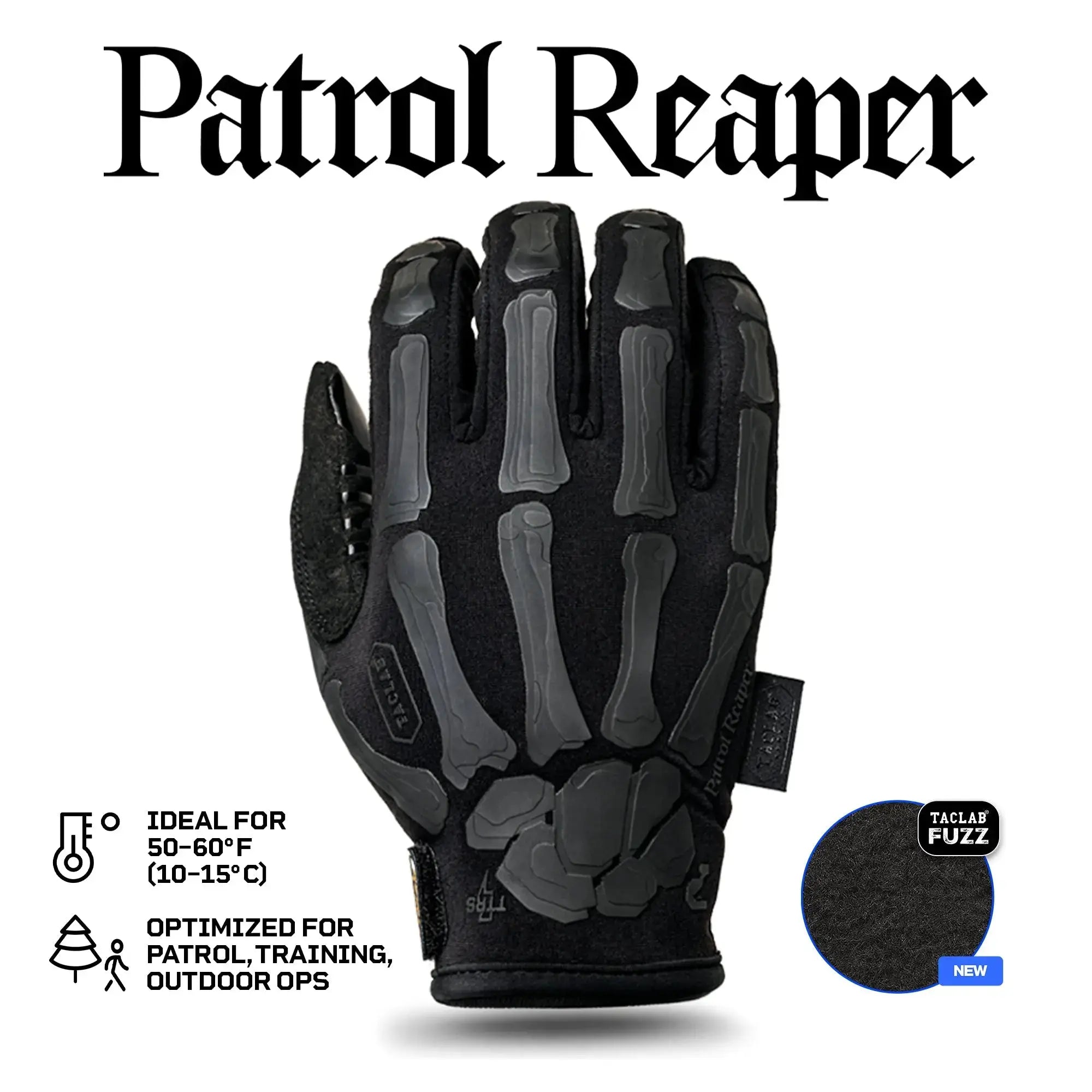
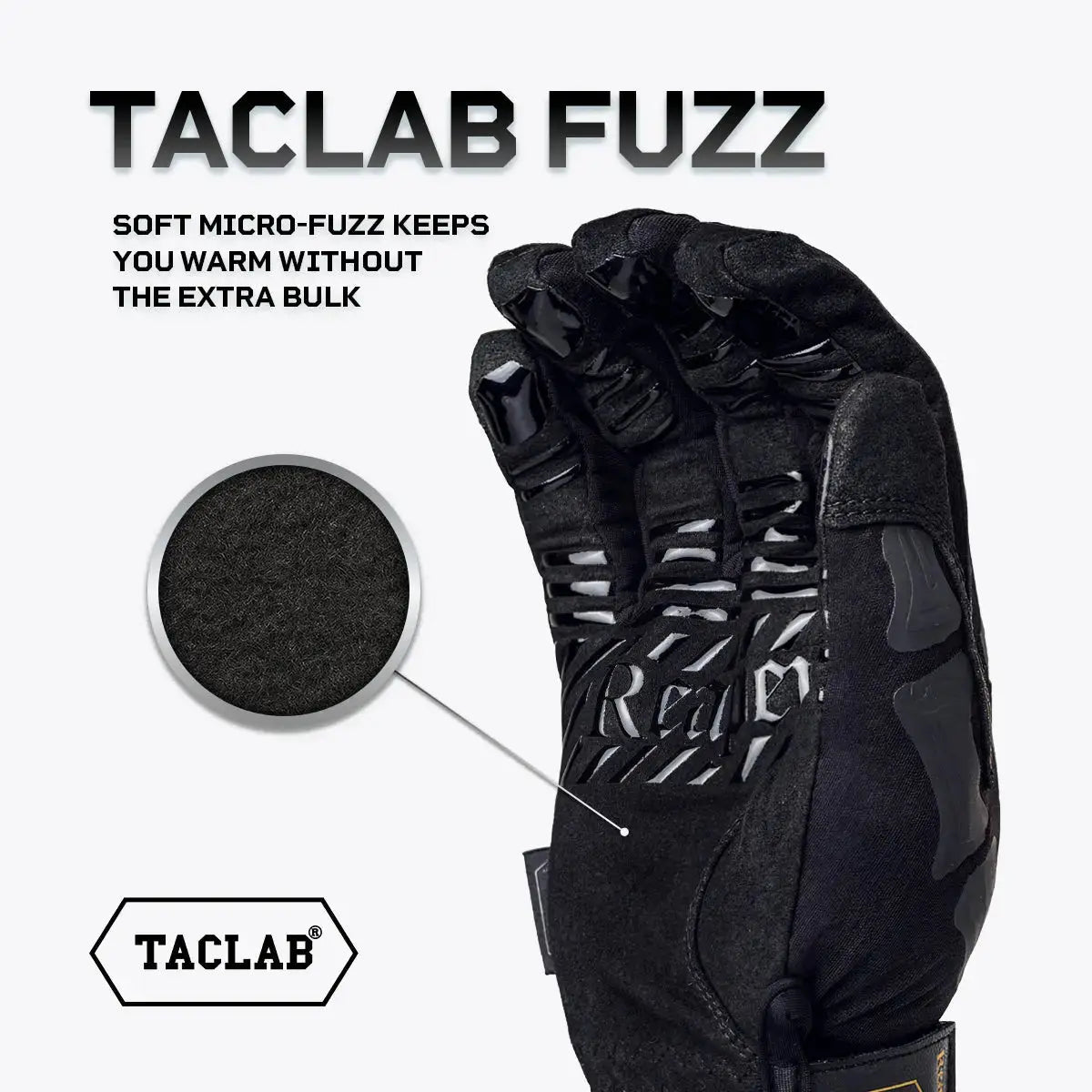
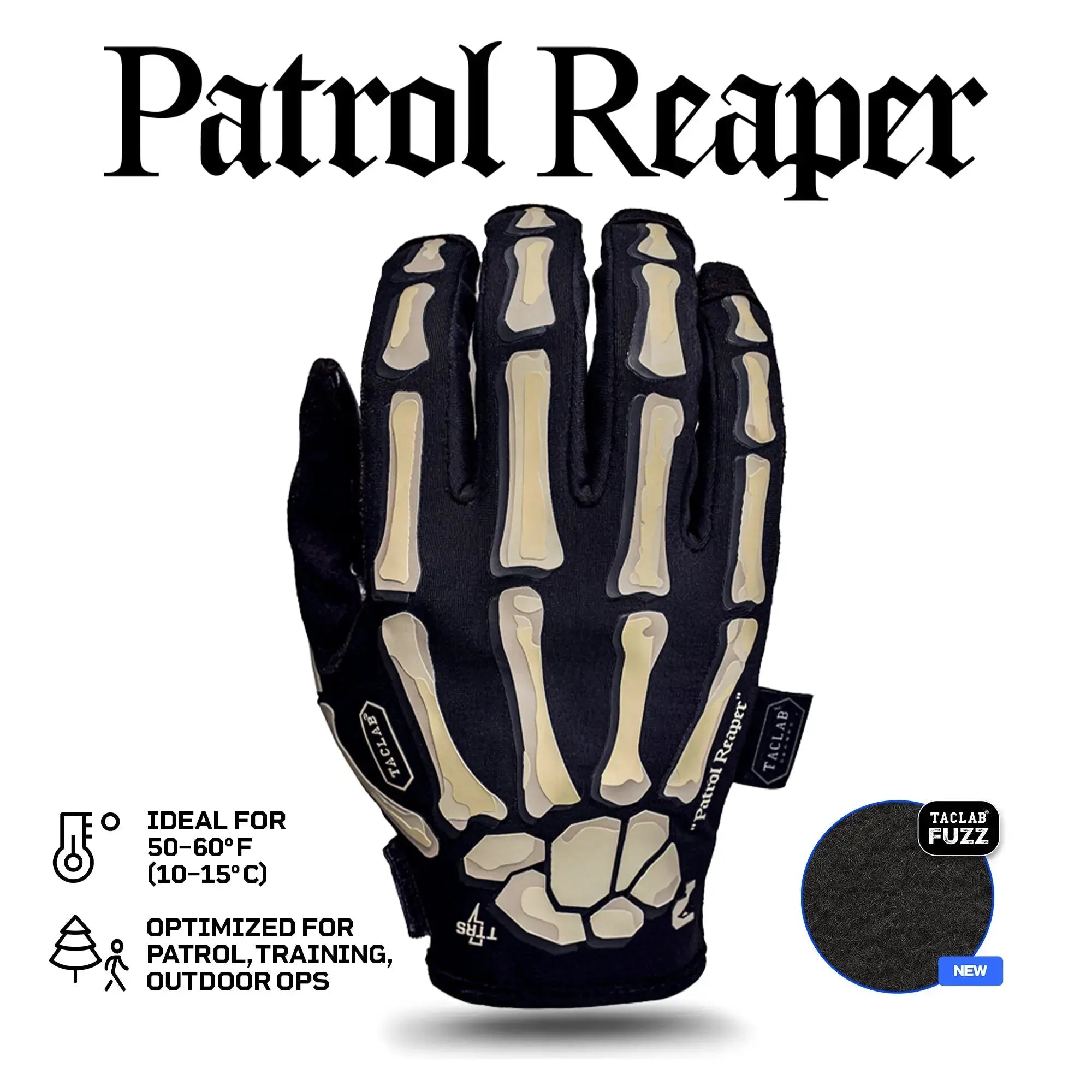
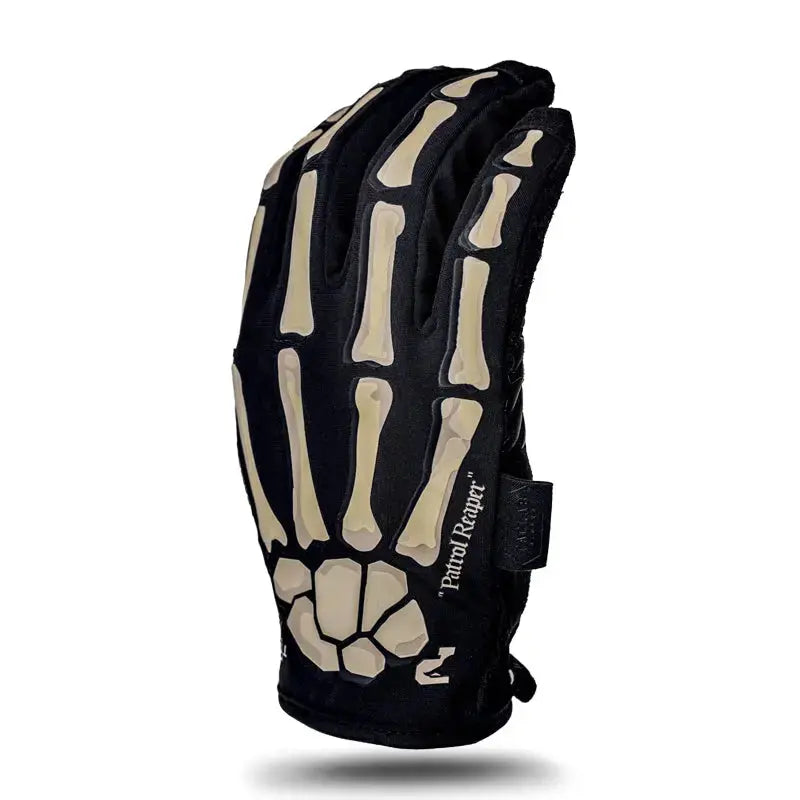
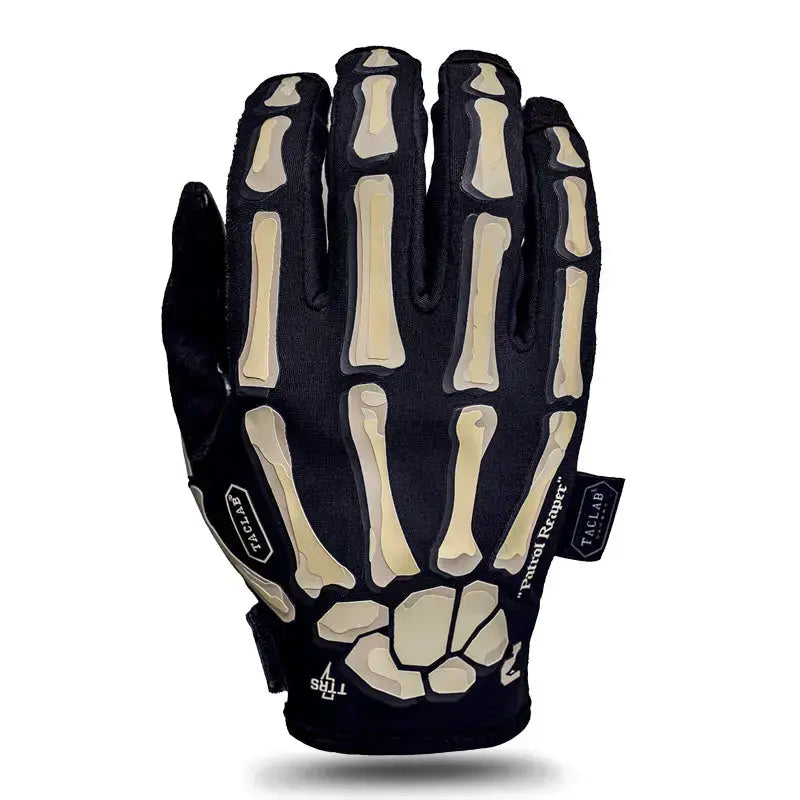
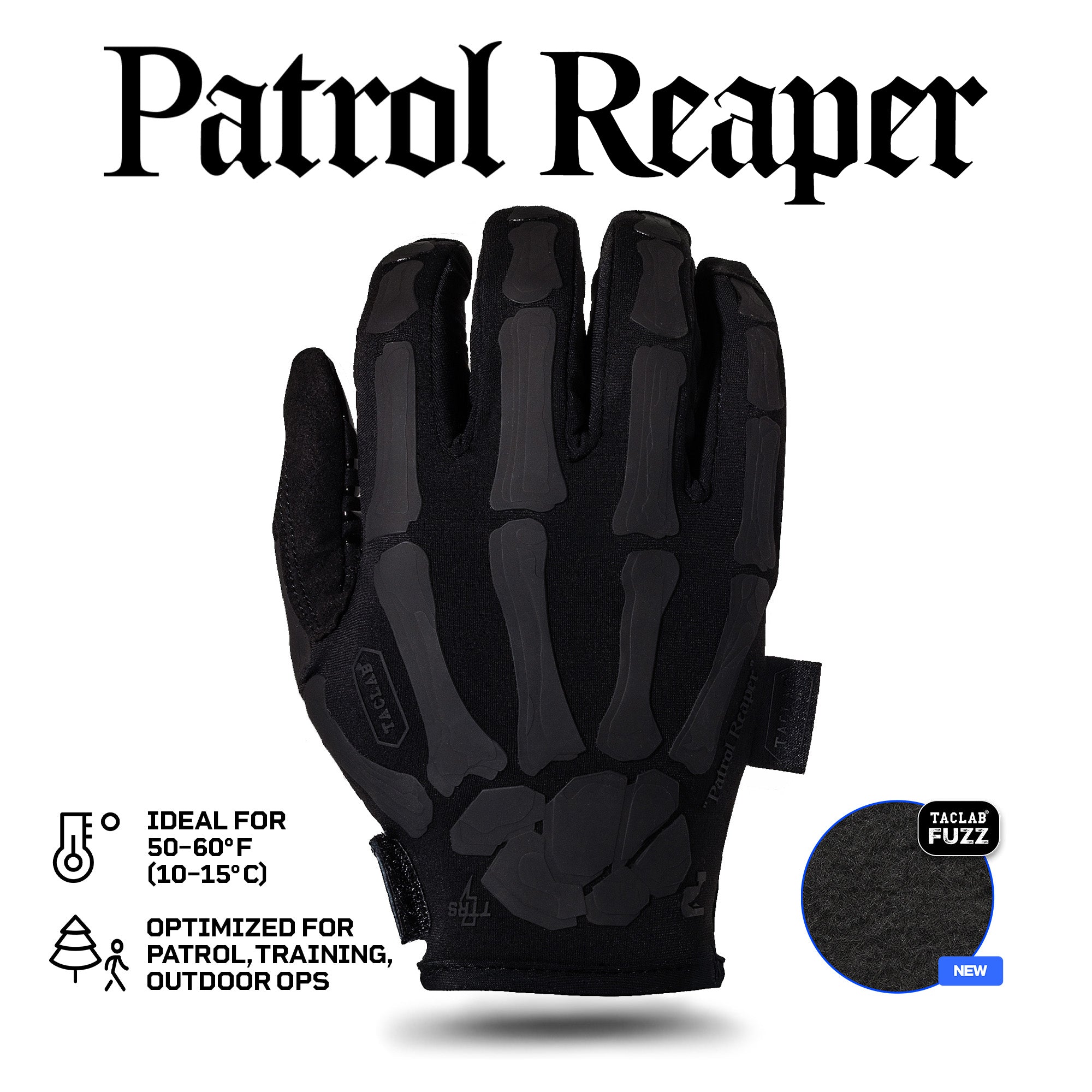
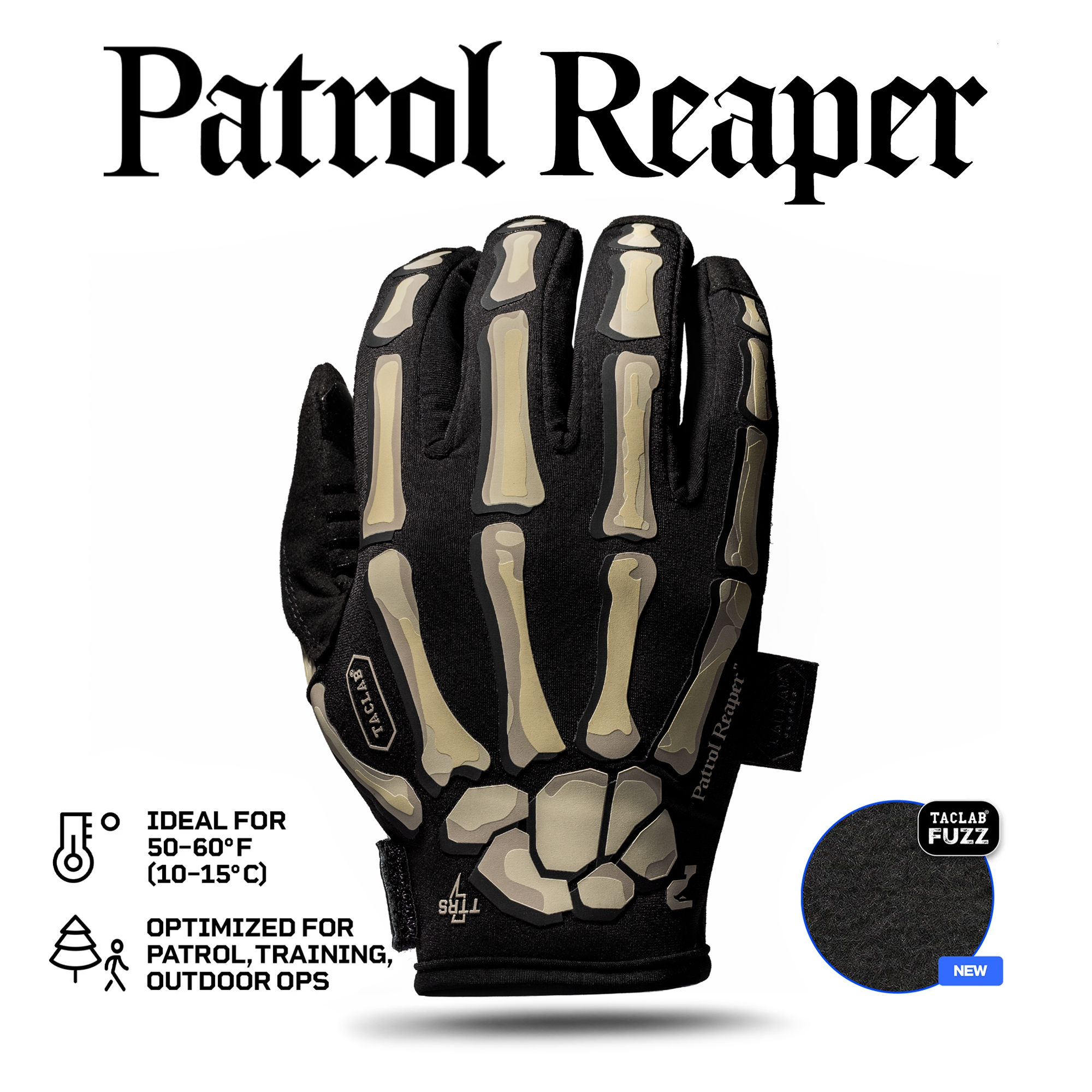
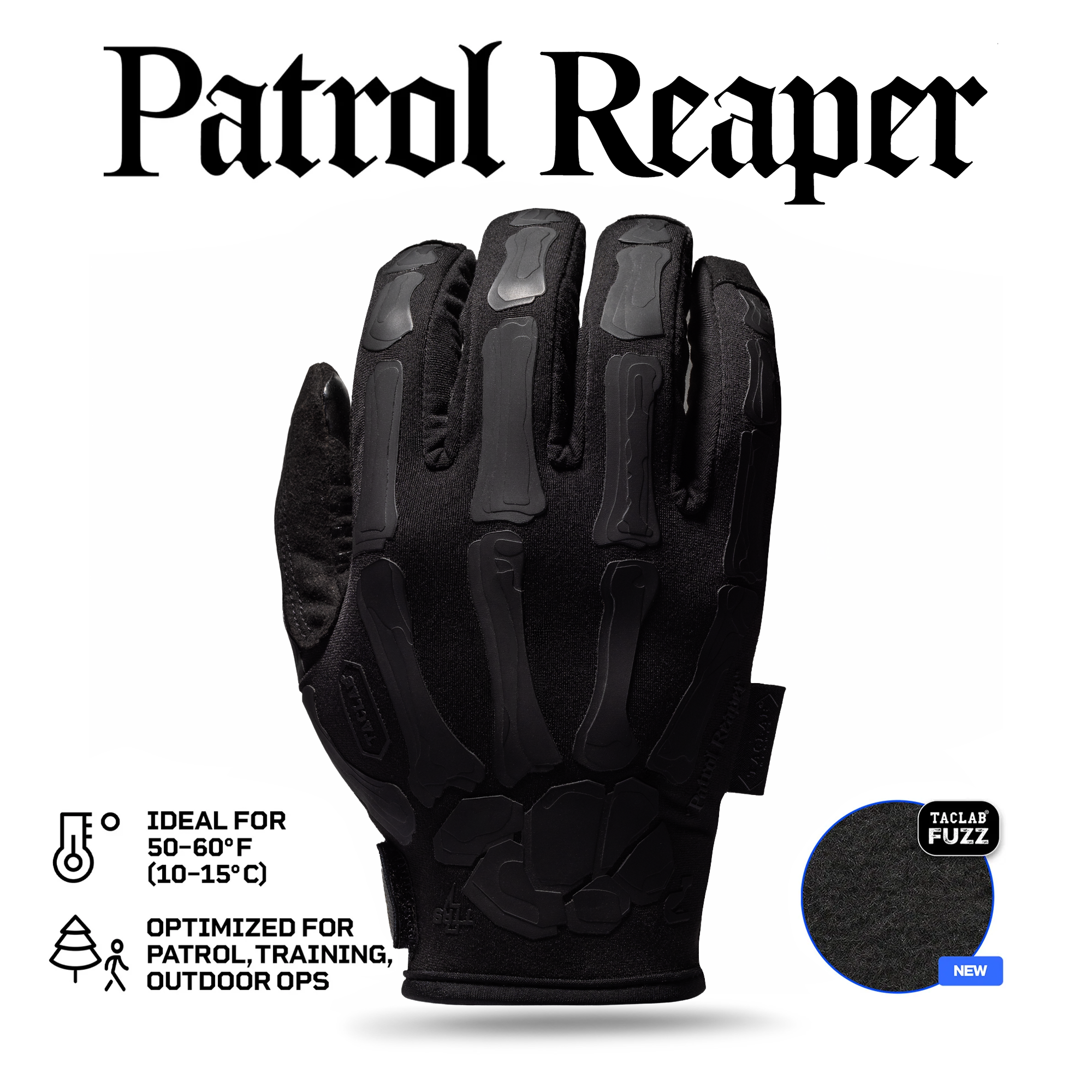
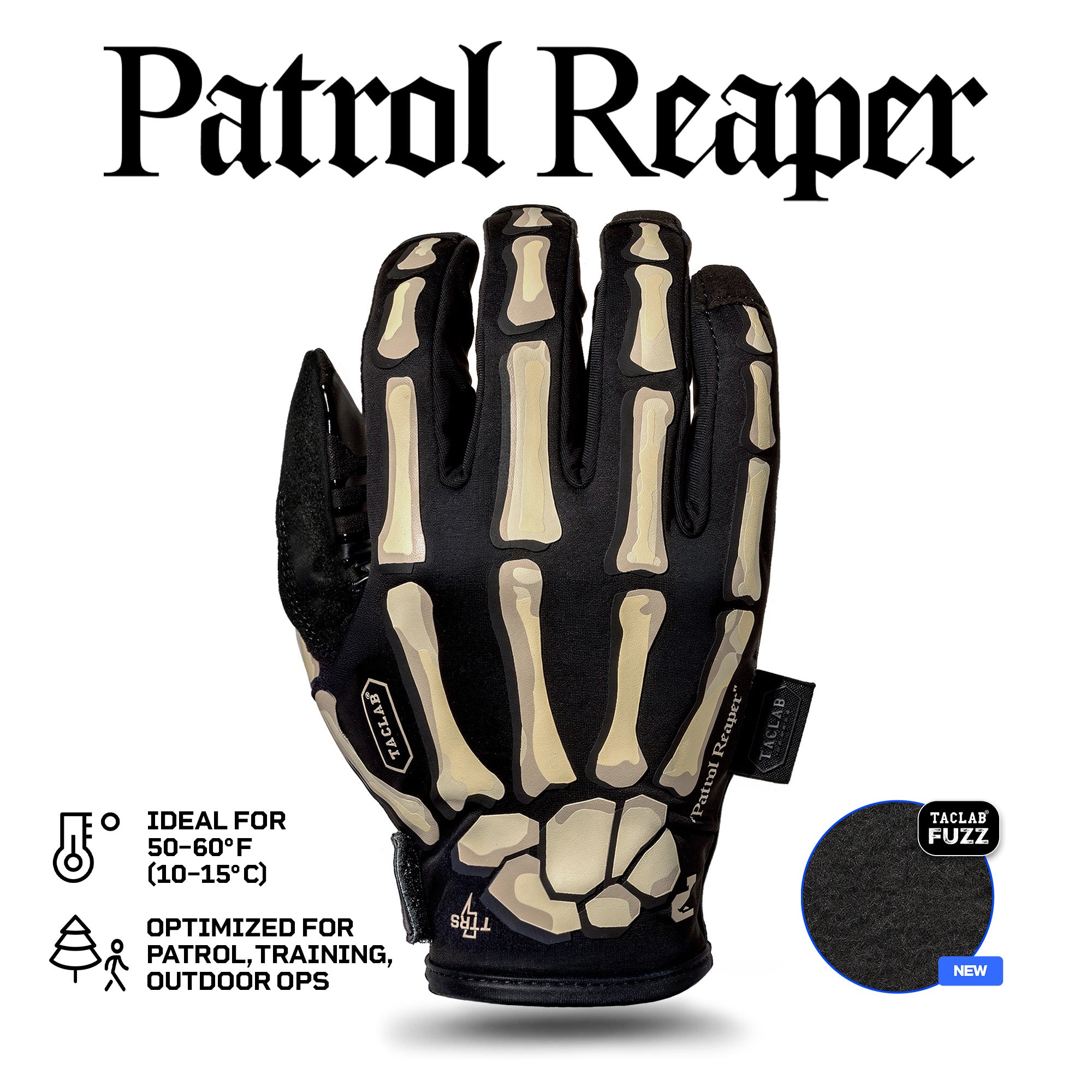
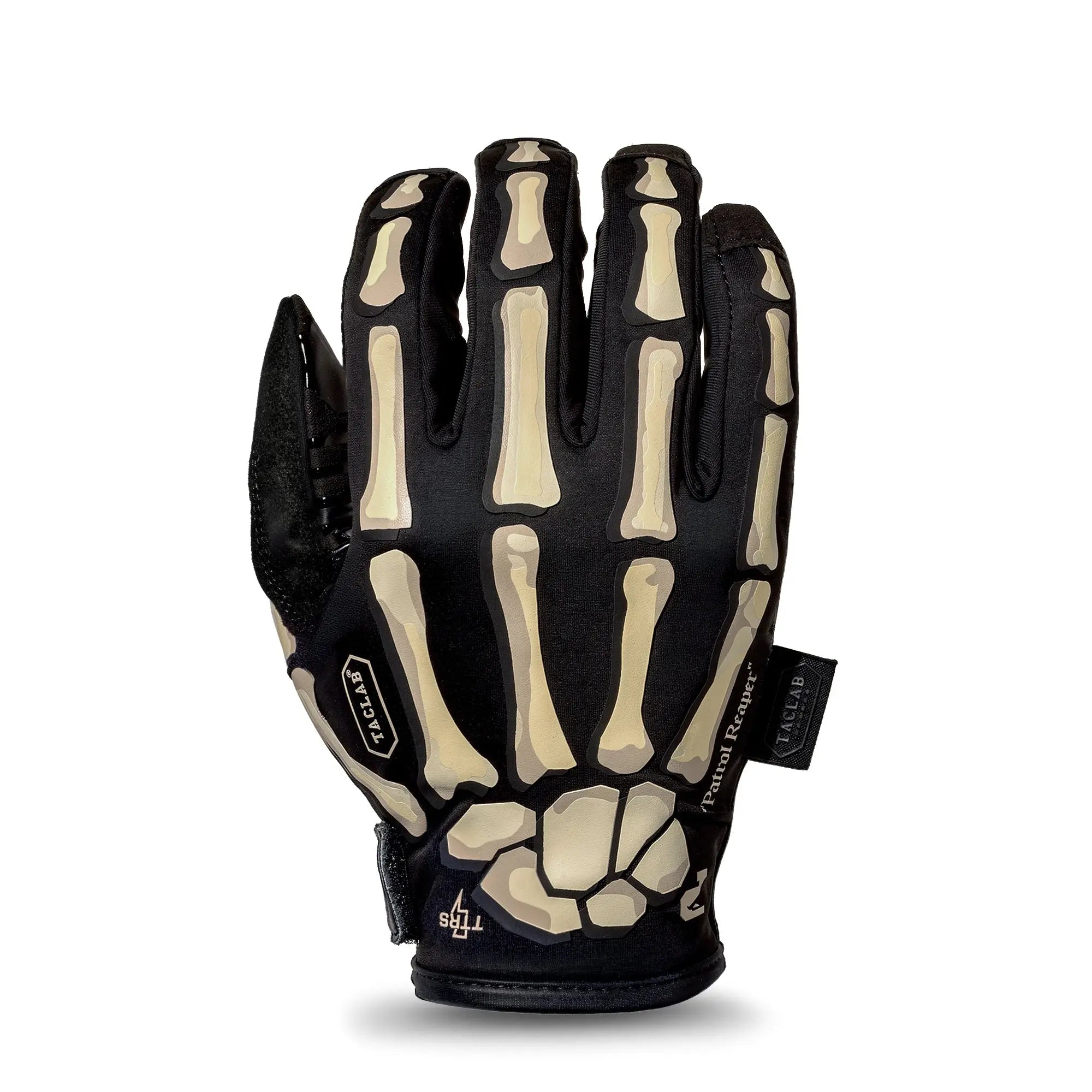
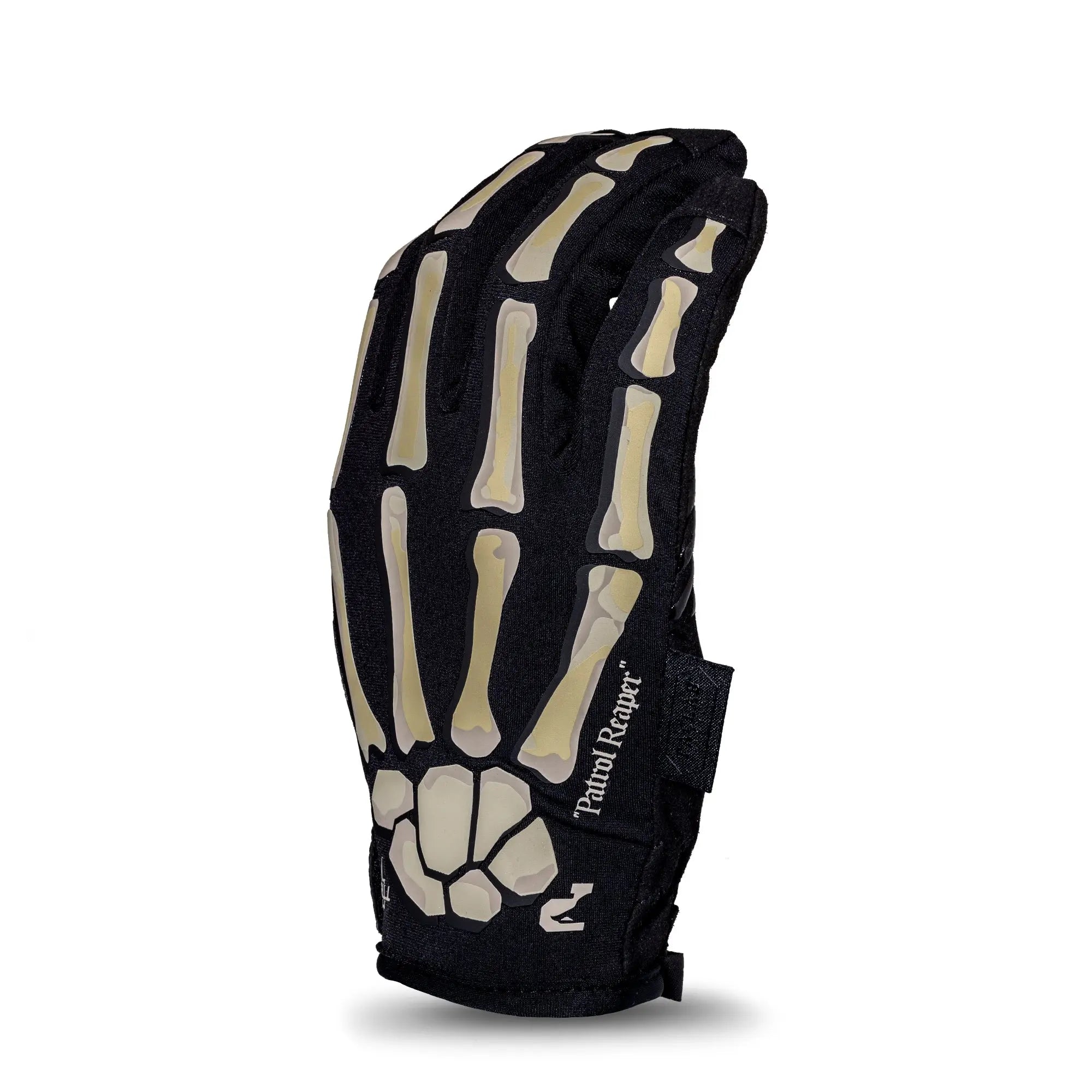
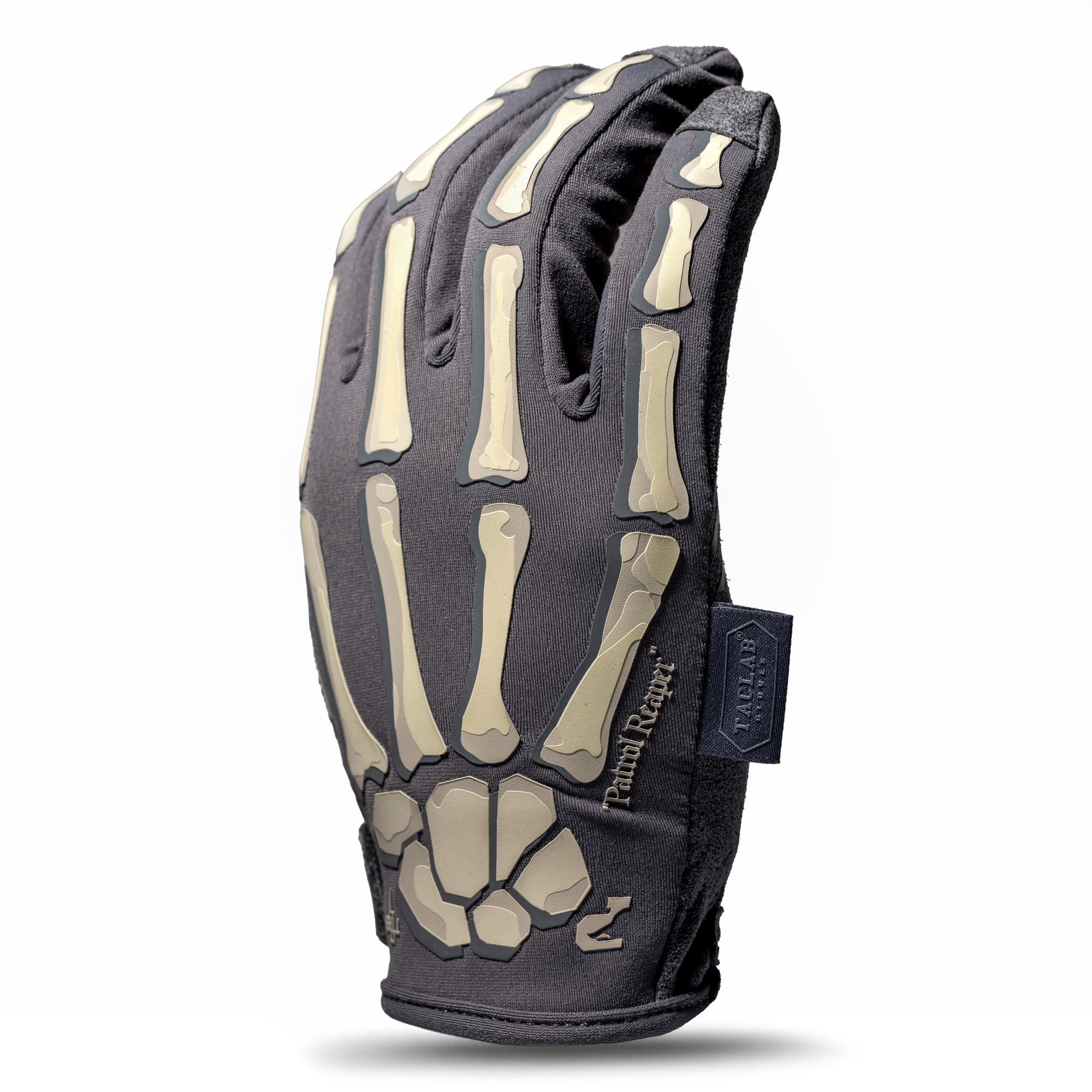
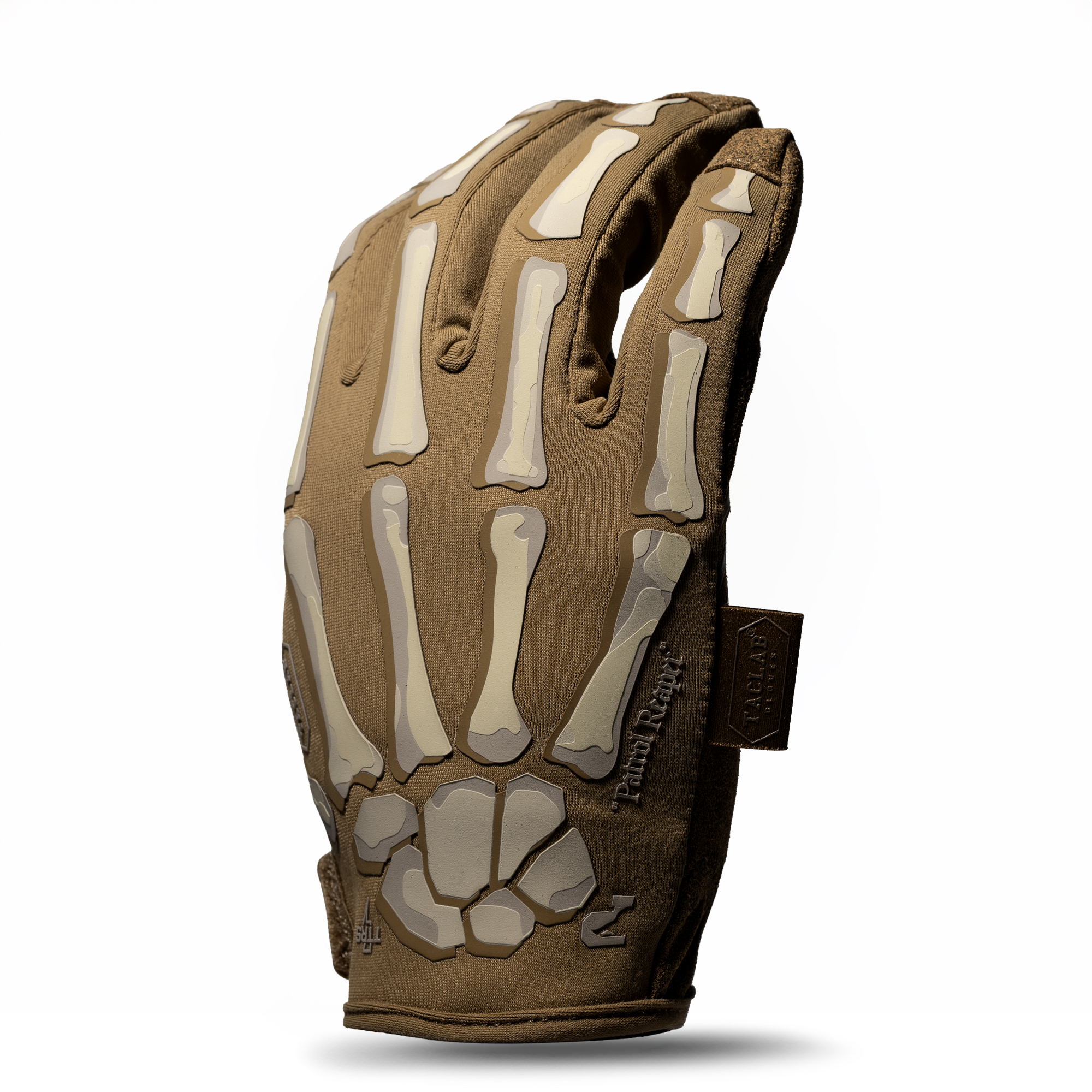
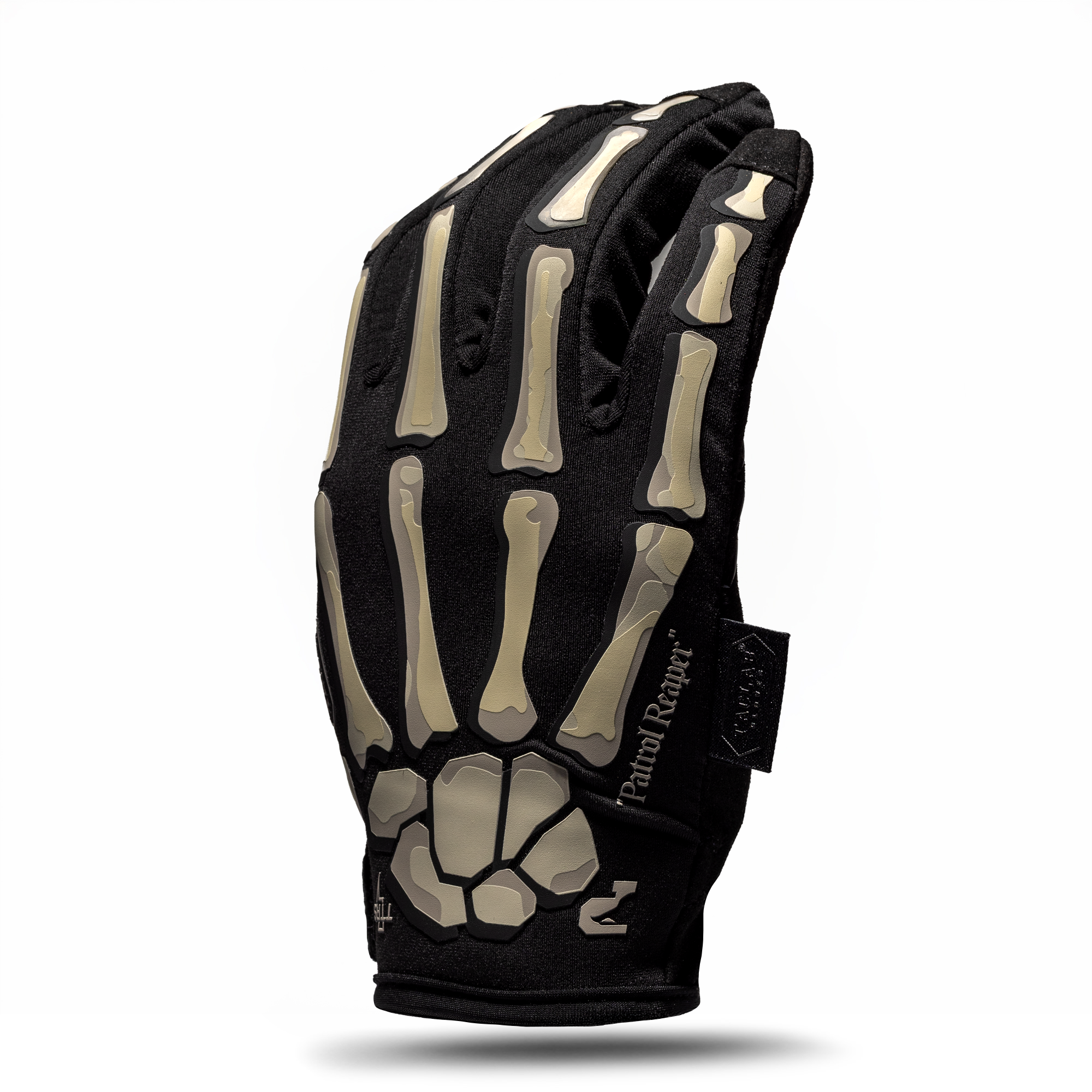
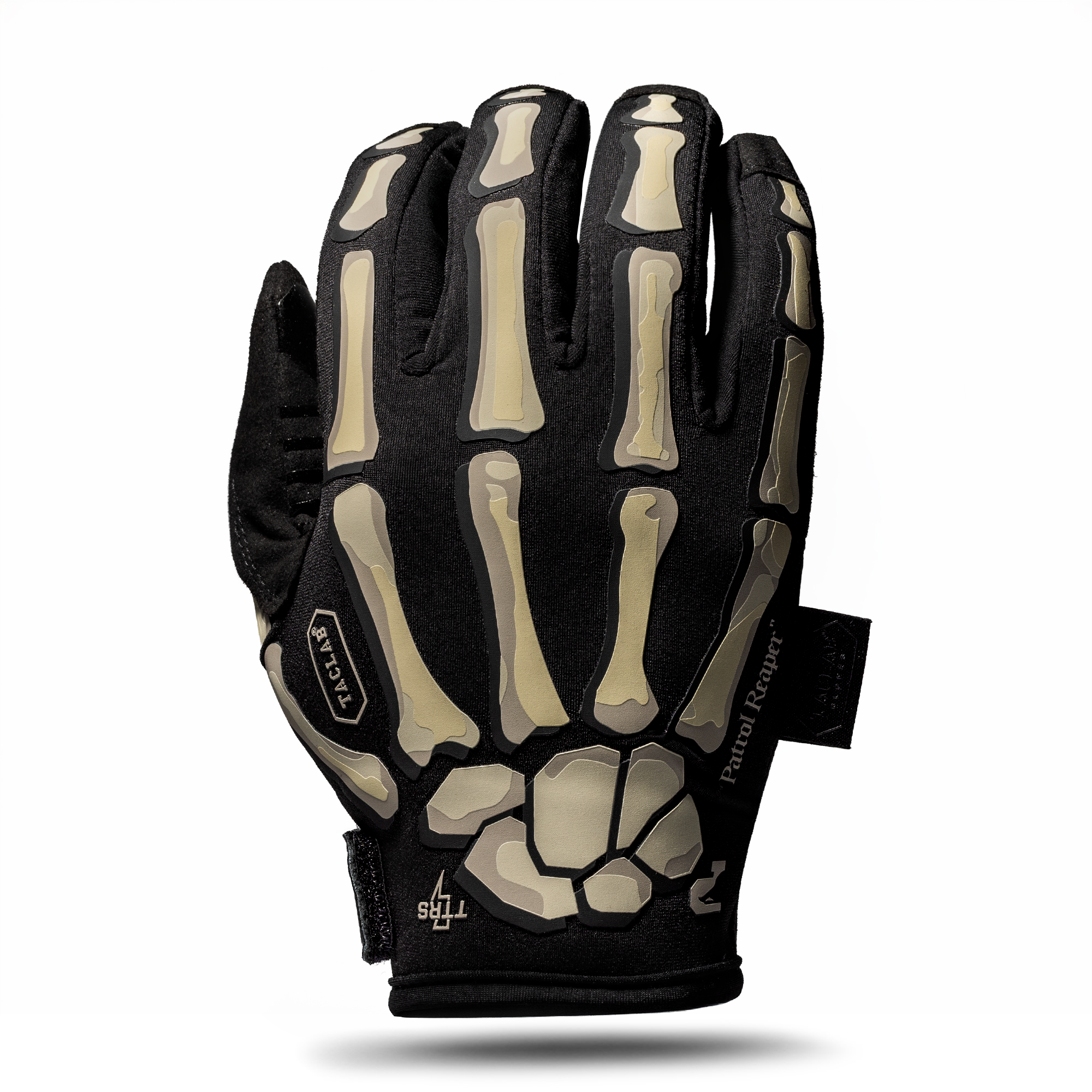
That means an insulated tactical glove such as the TACLAB Patrol Reaper naturally won't feel identical to an ultra-light range glove.
Trying to force a winter glove into the exact same skin-tight fit as a lightweight shooting glove can be counterproductive.
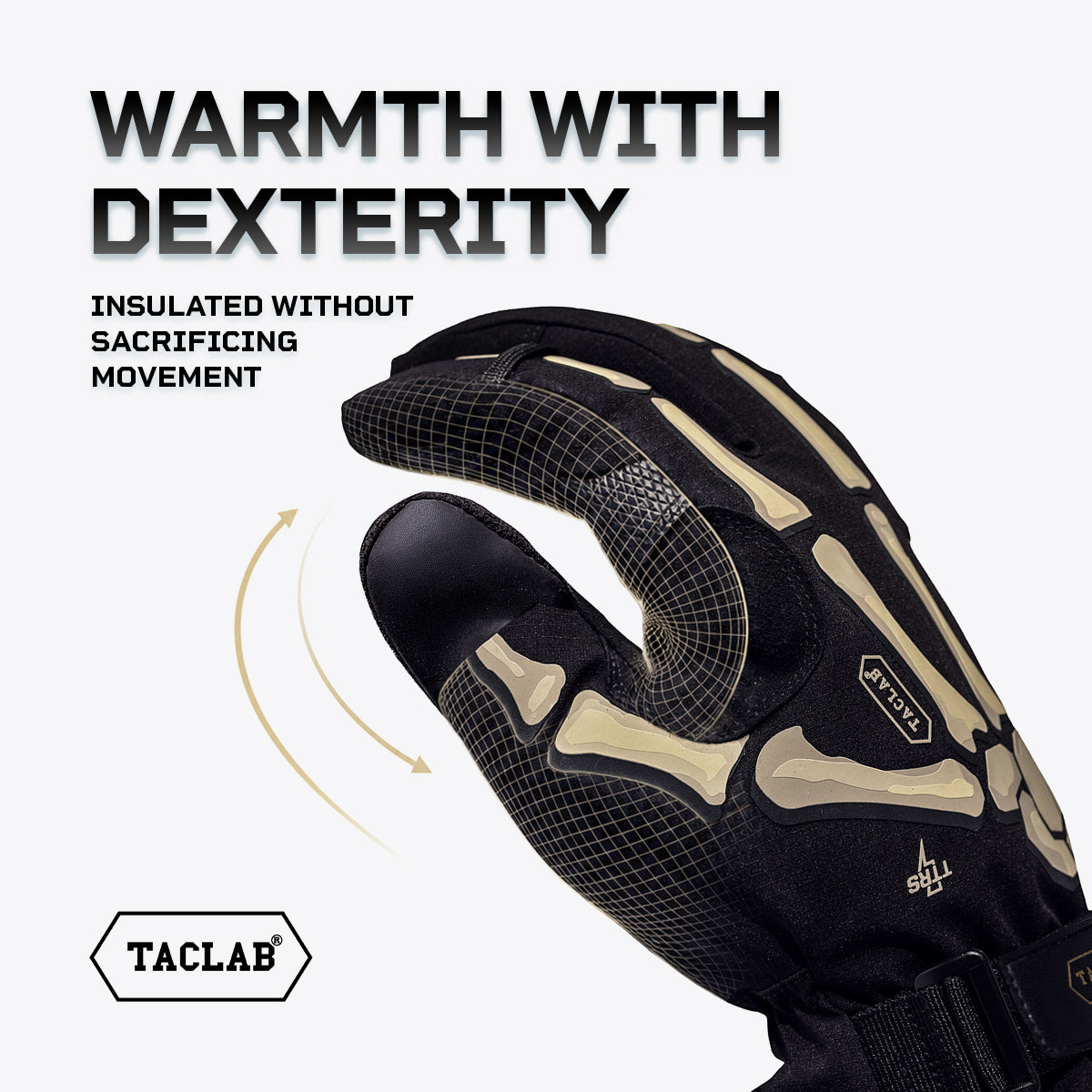
You still want control and dexterity, but you also need room for the glove's insulation to function as designed.
And a winter glove that is excessively tight may become uncomfortable.
The objective remains the same:
Secure fit + natural movement + appropriate performance for the environment.
The way a glove achieves that changes with its purpose.
Should Heavy-Duty Tactical Gloves Fit Differently?
Slightly, yes.
A glove designed around abrasion resistance, impact protection, or demanding work may use heavier materials than a lightweight shooting glove.
That changes the feel.
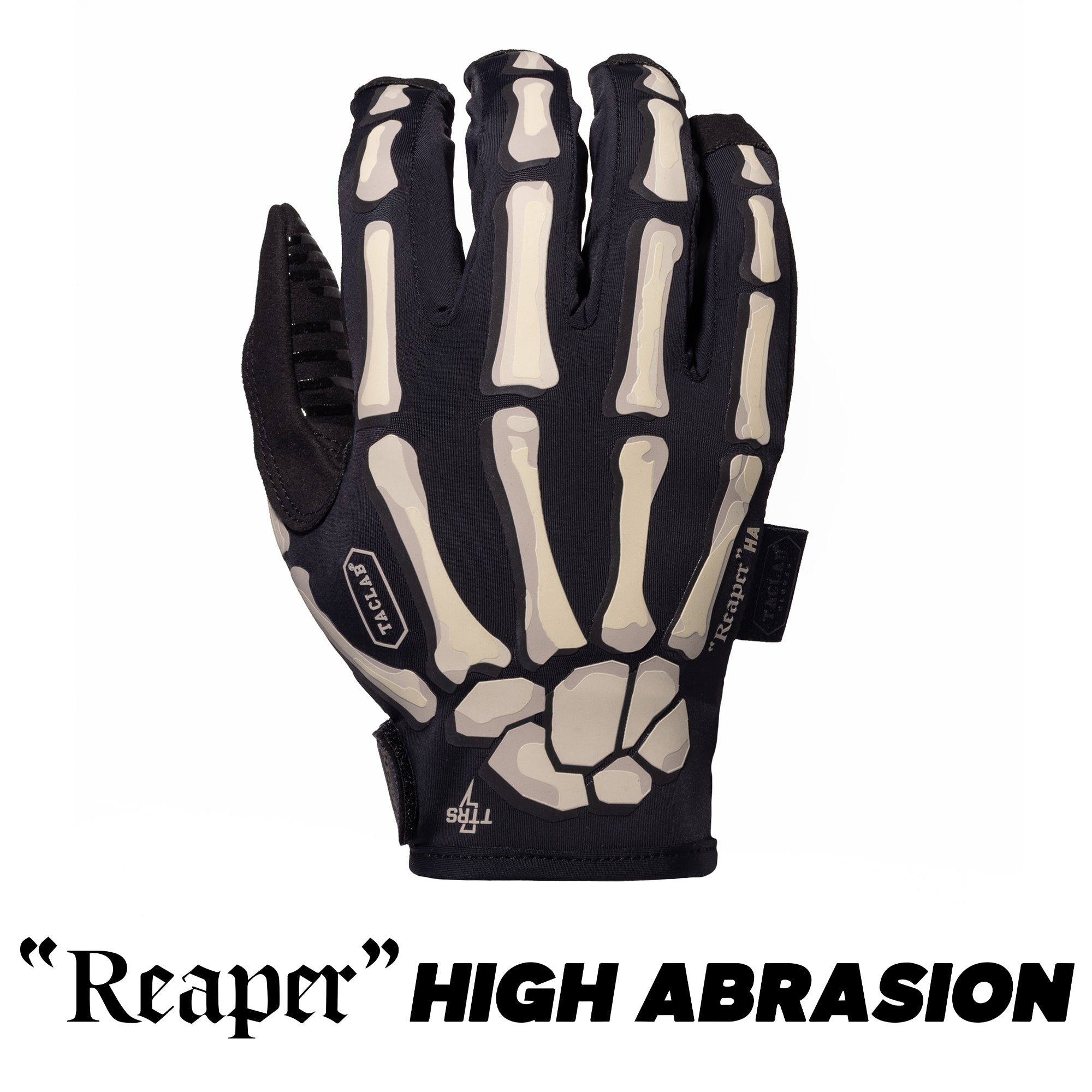
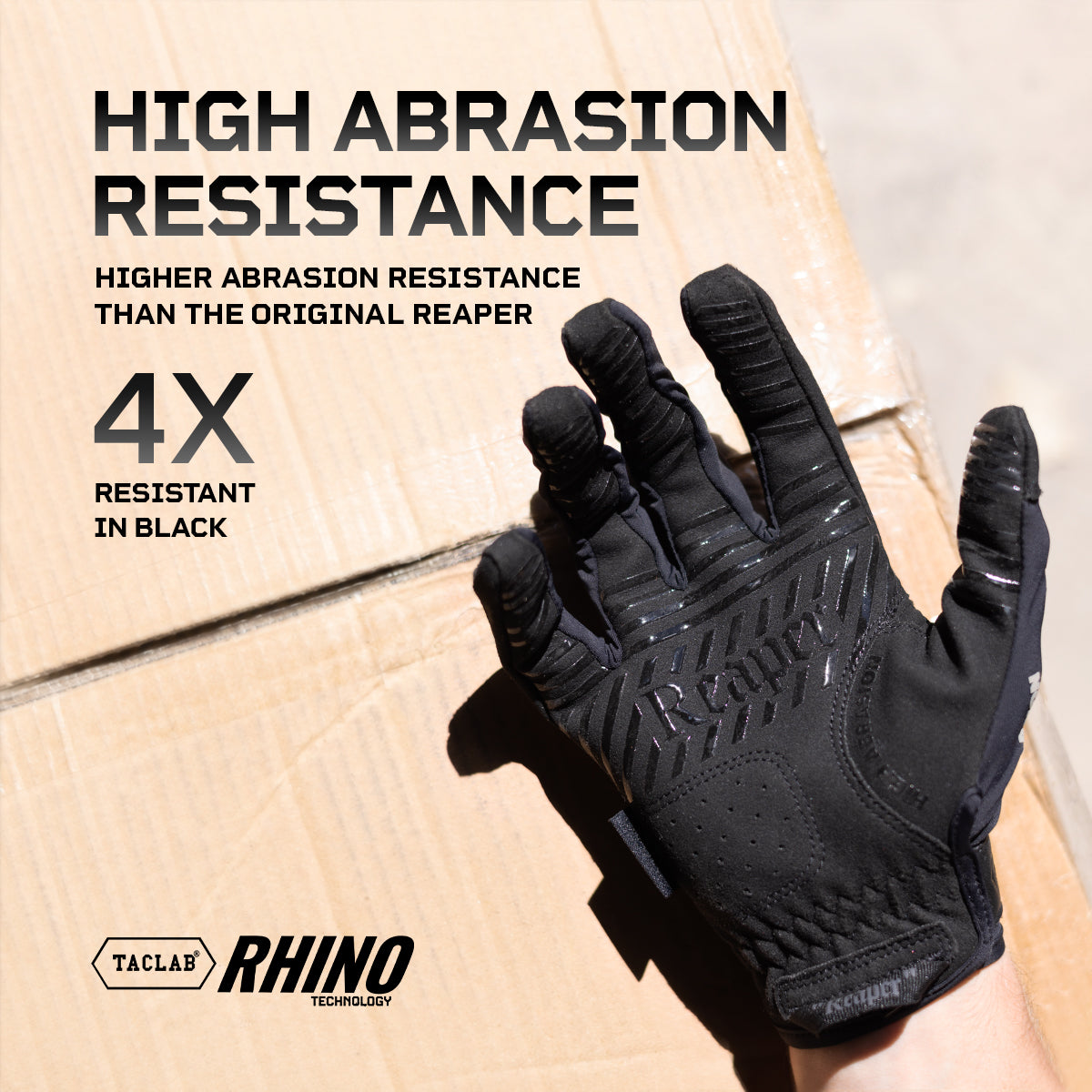
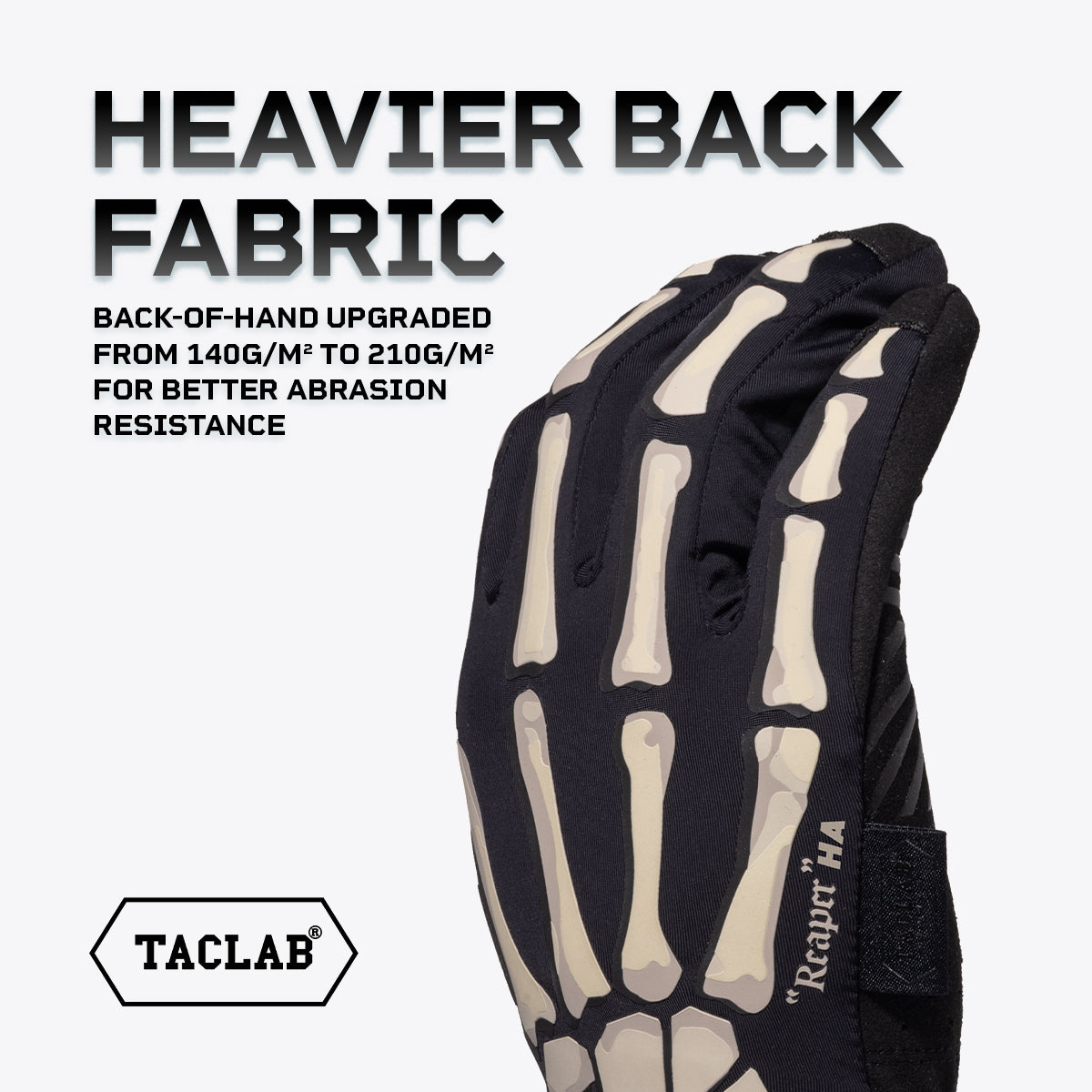
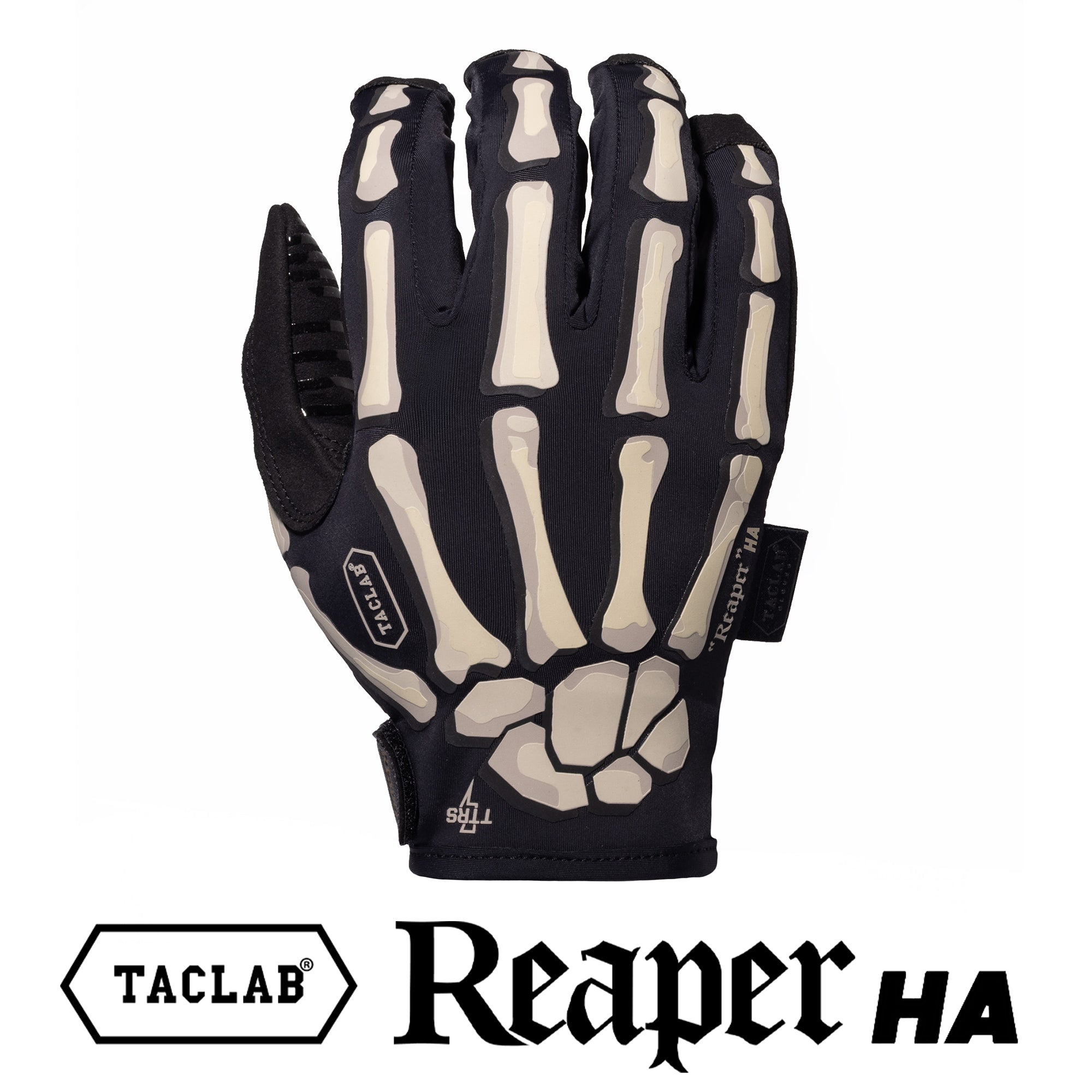
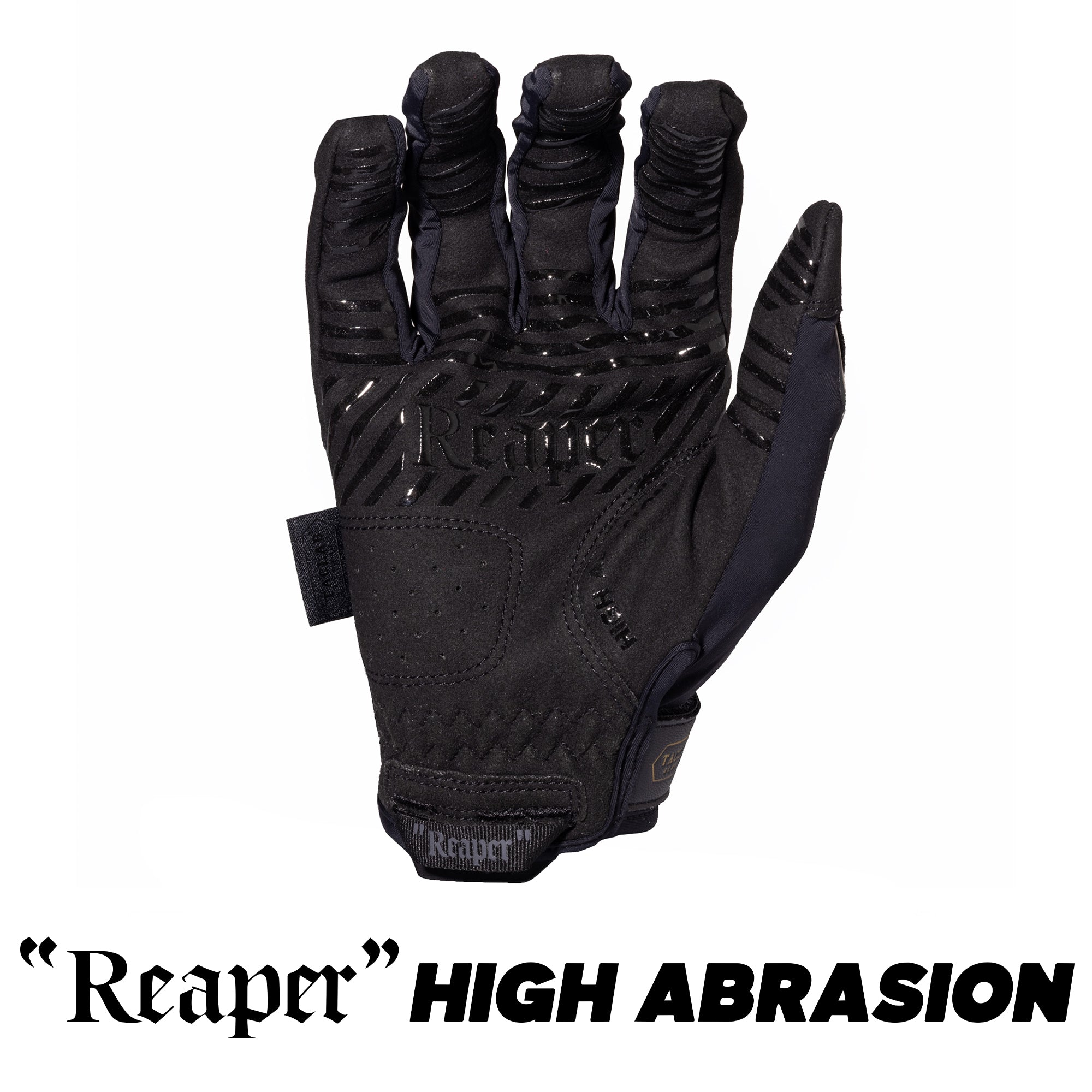
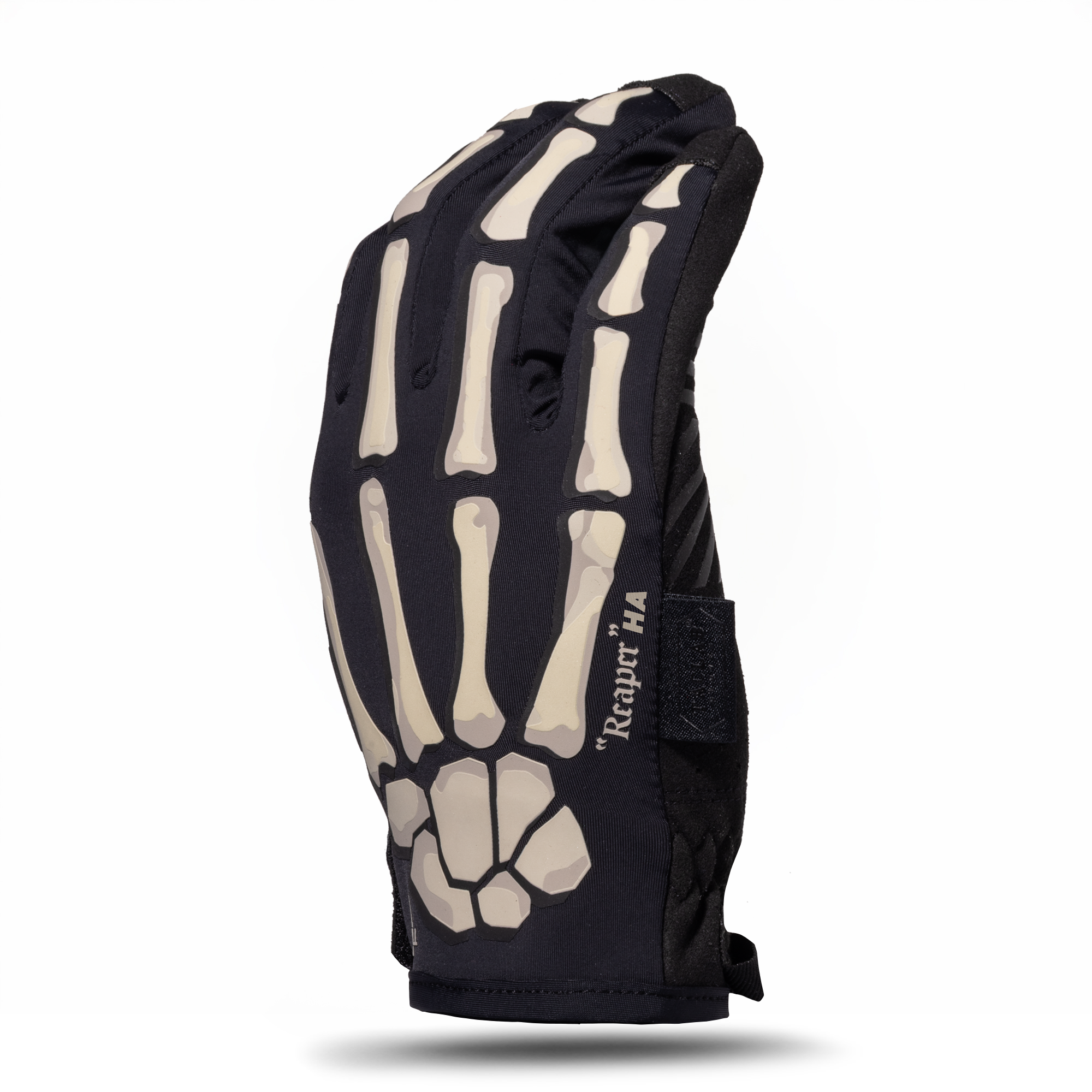
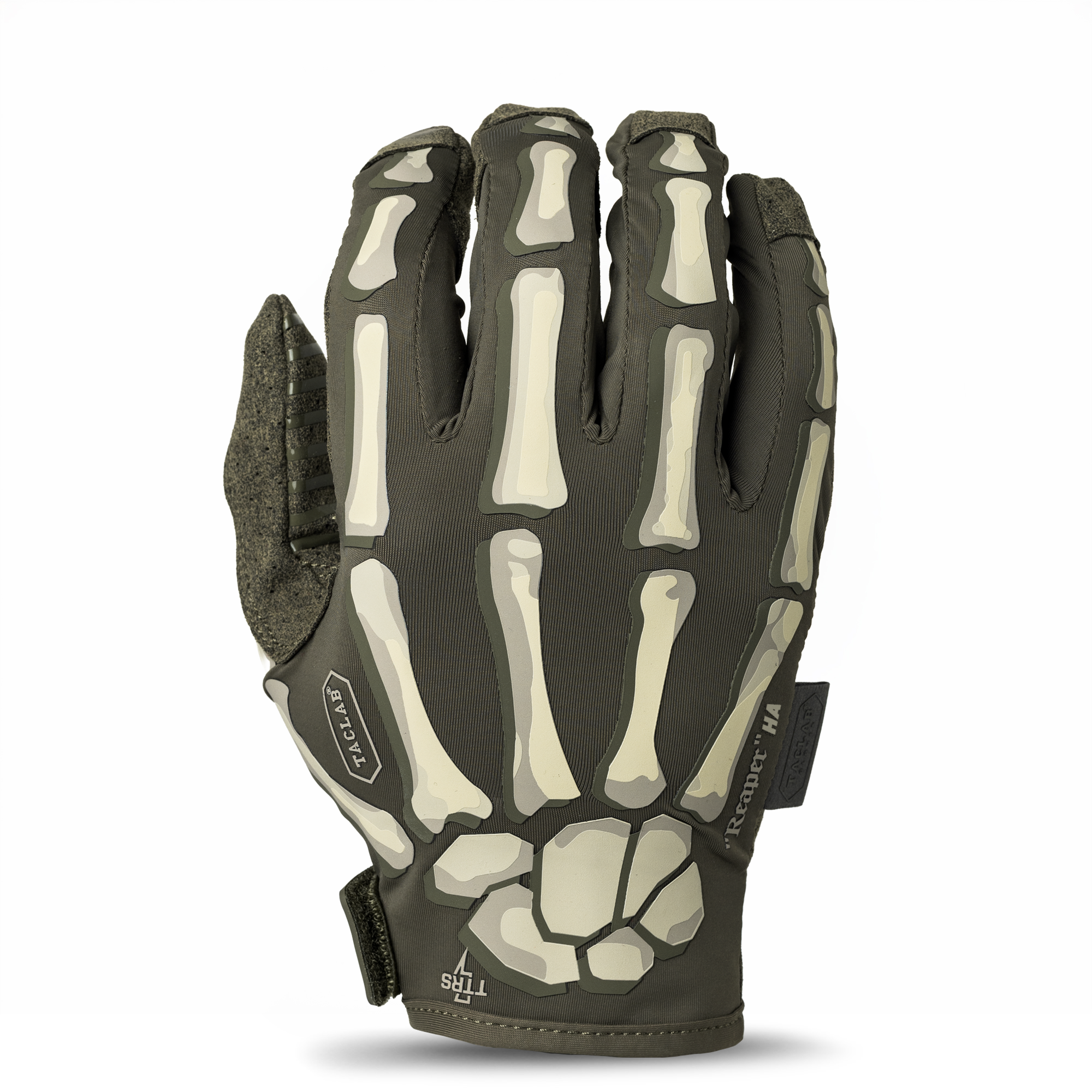
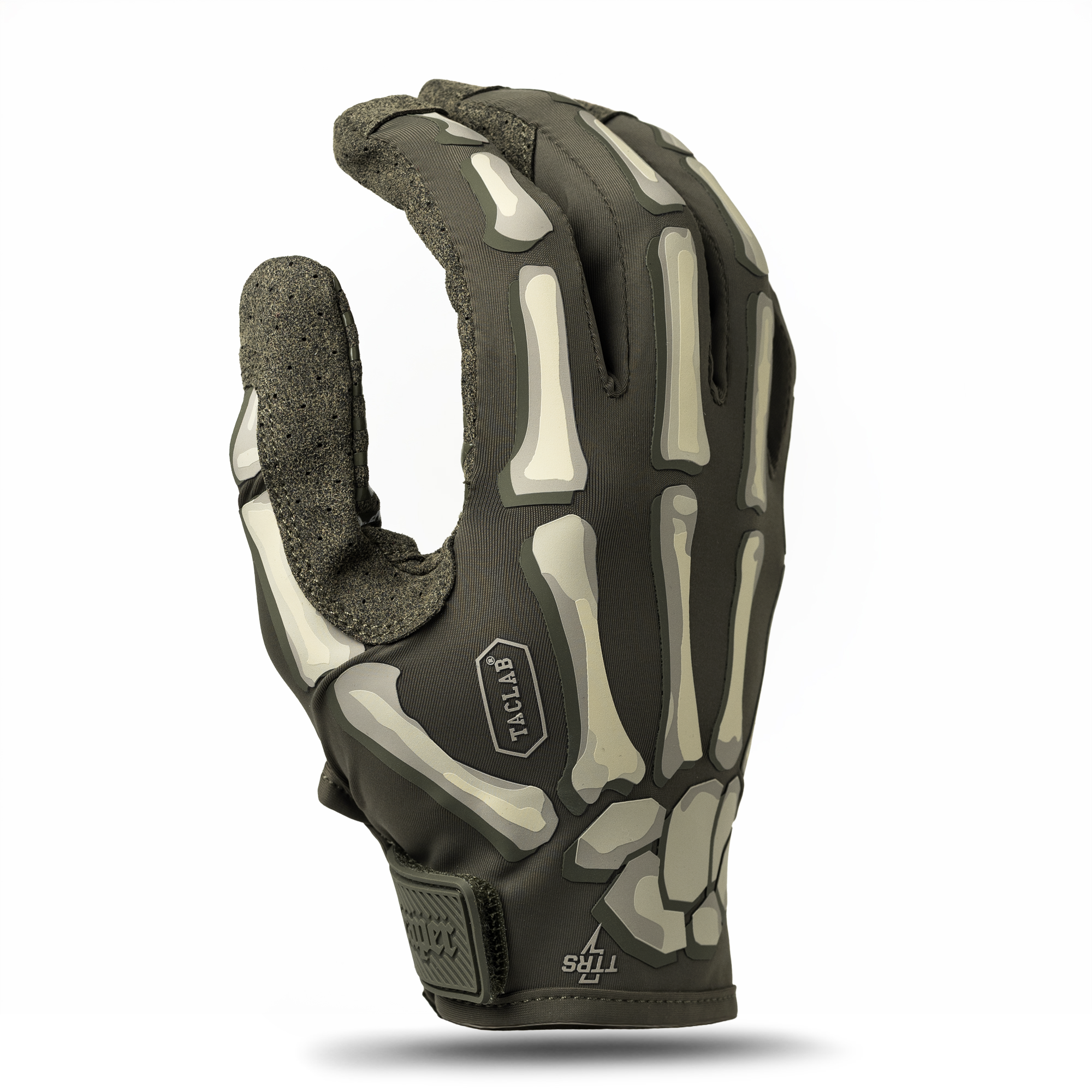
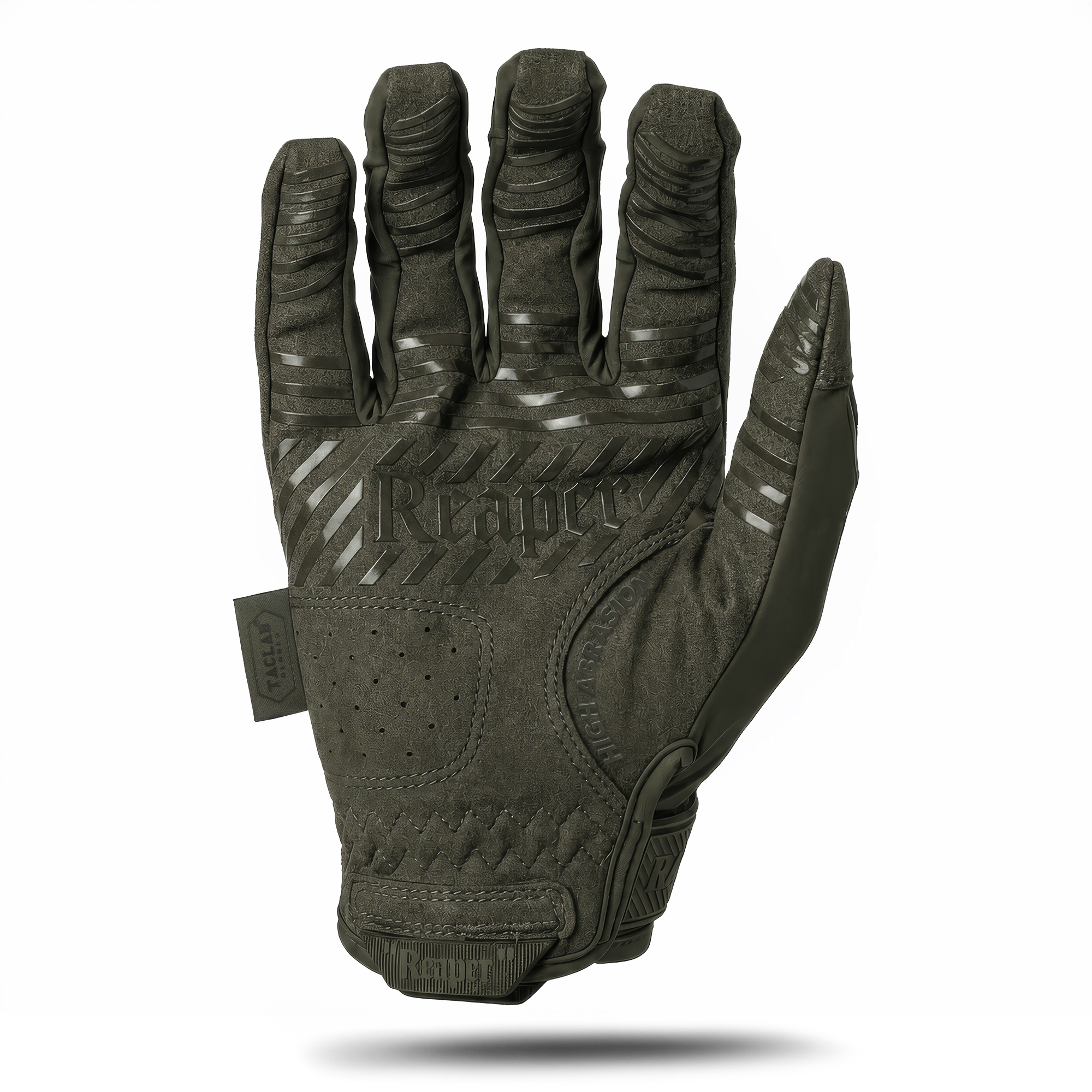
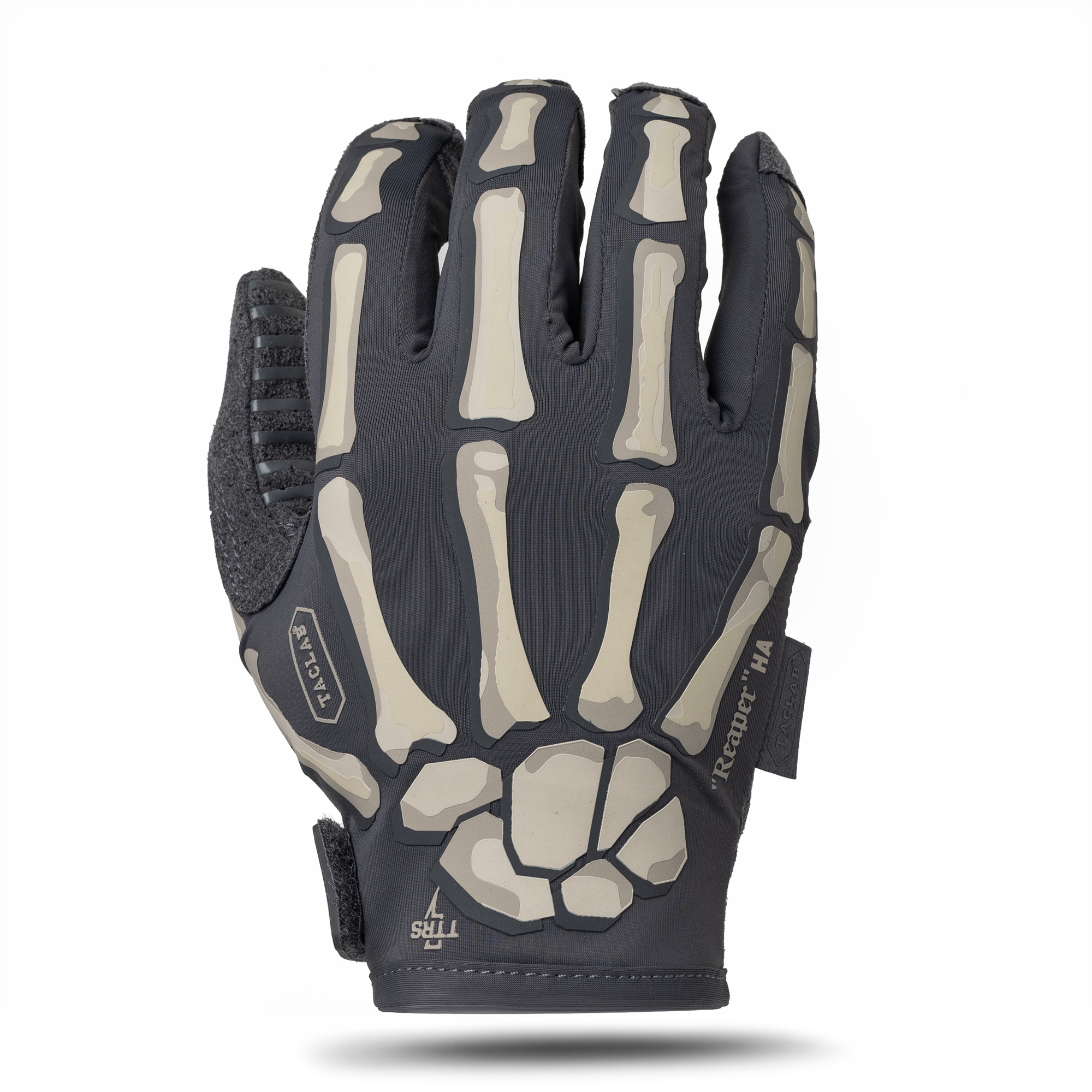
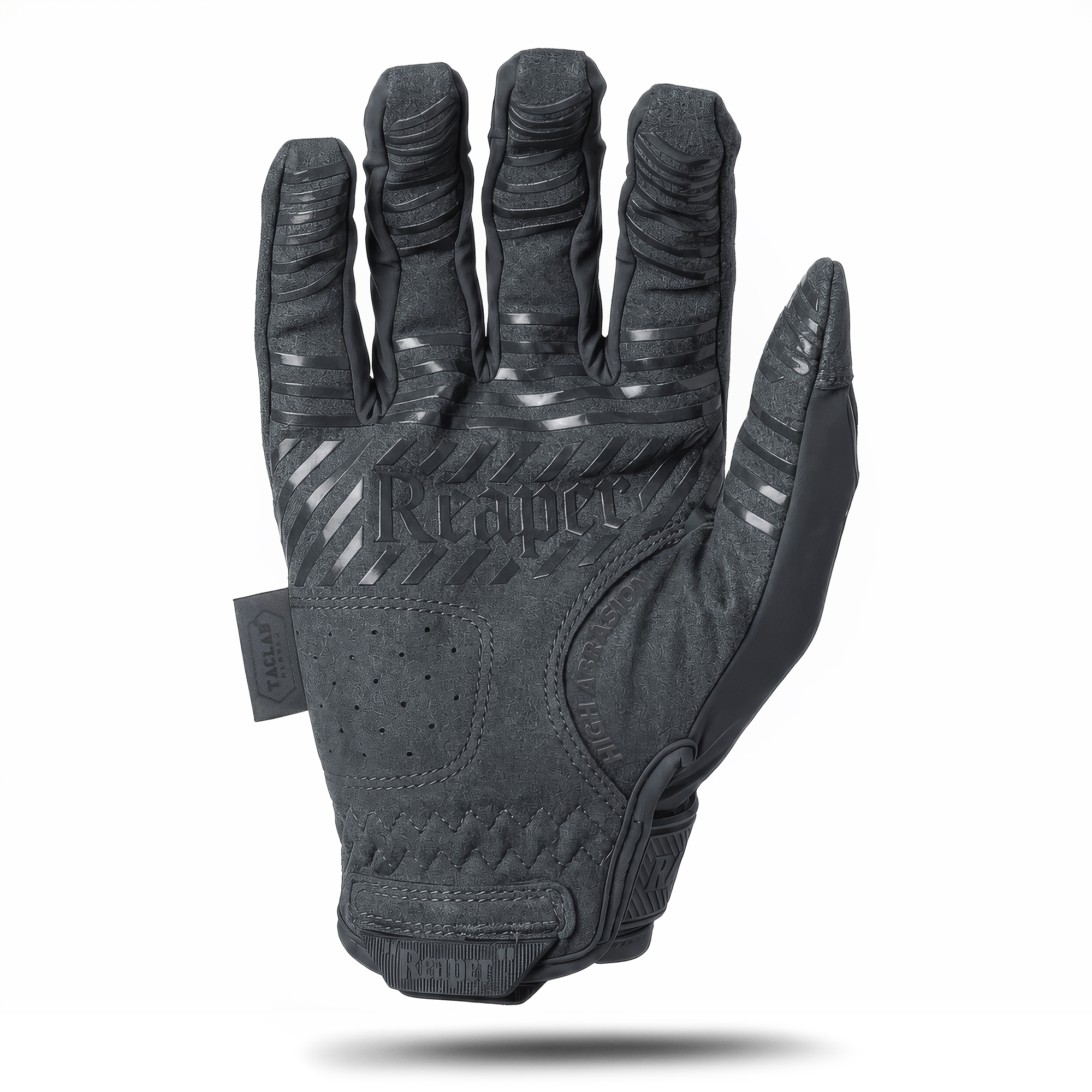
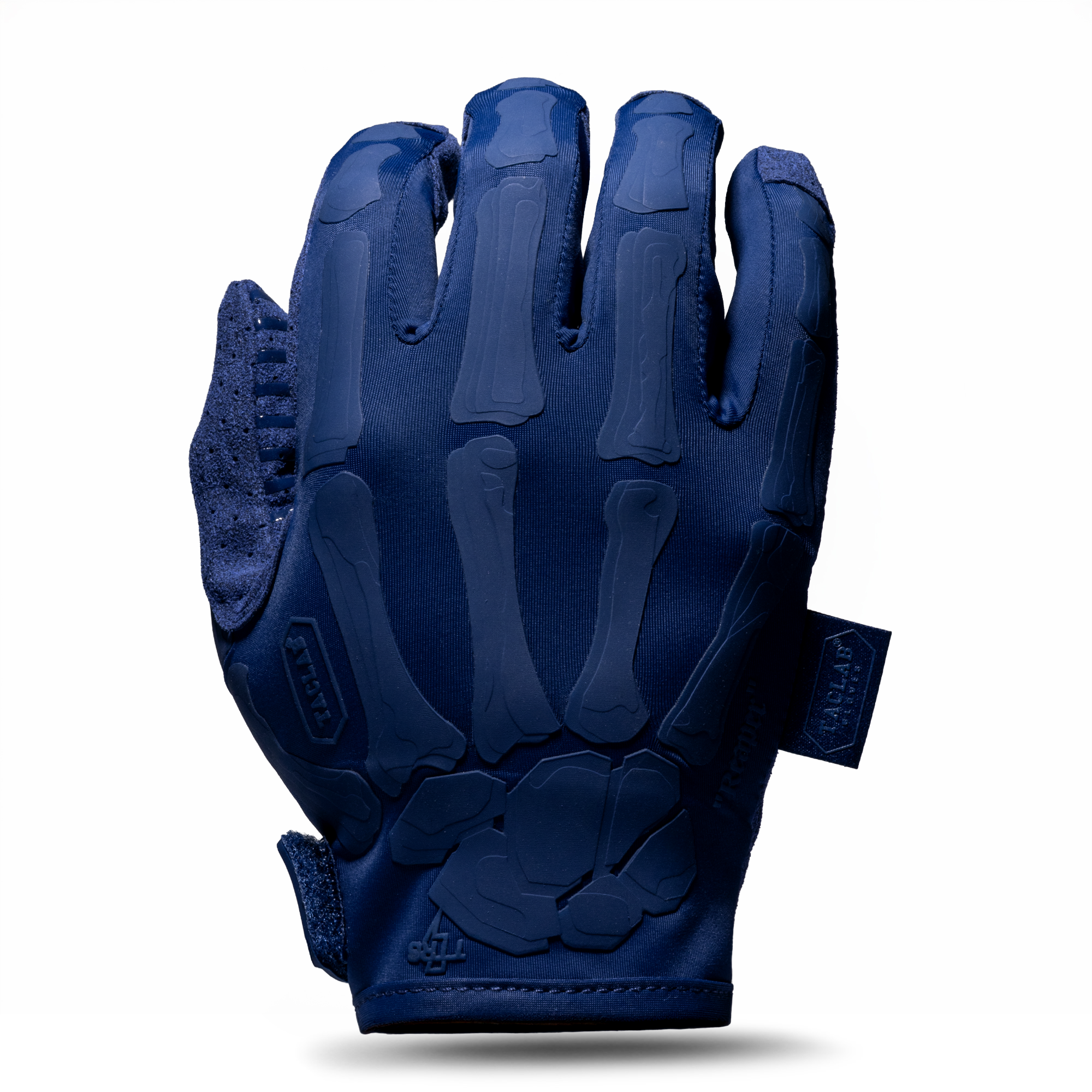
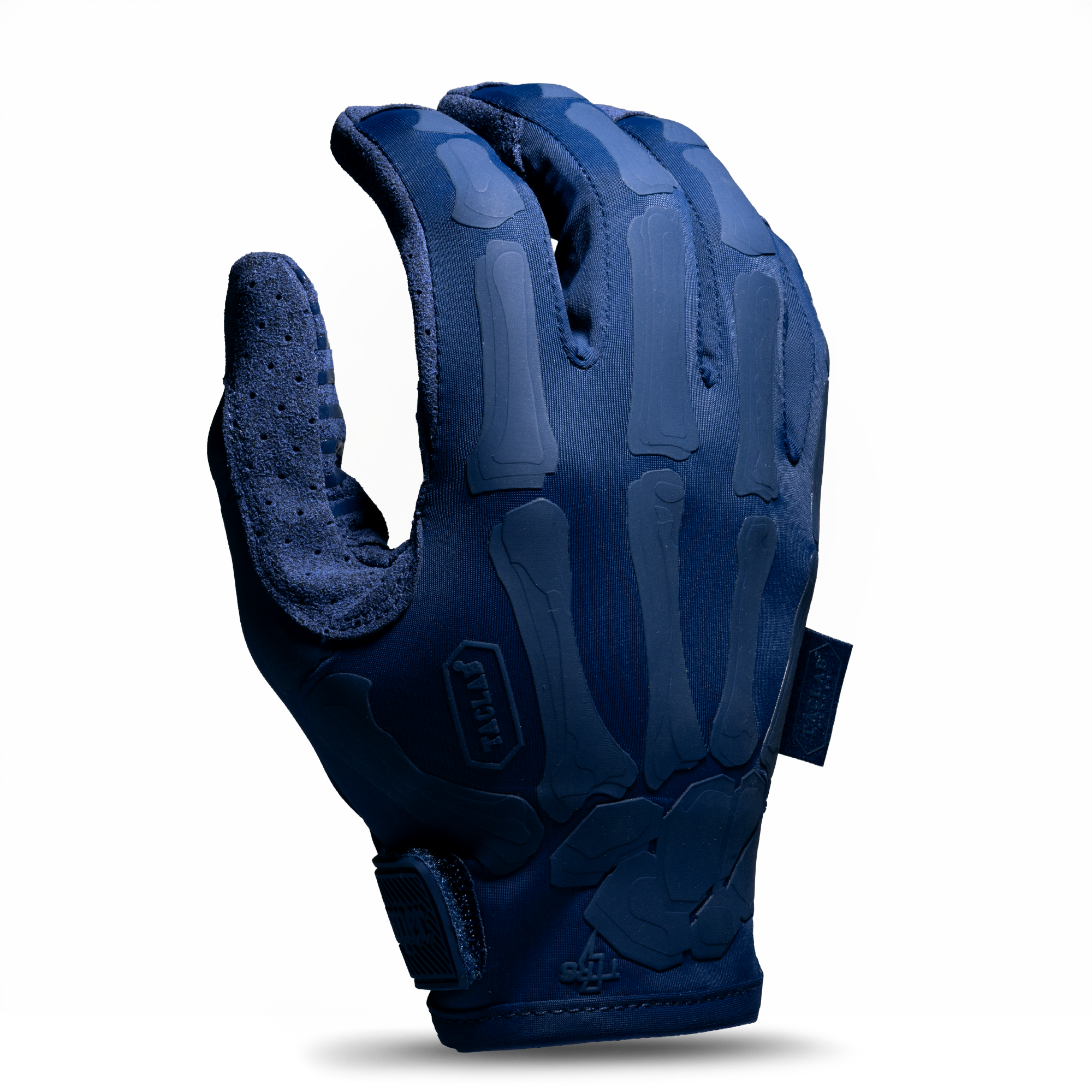
For example, TACLAB's Reaper HA places more emphasis on abrasion resistance than the standard lightweight Reaper.
Likewise, a heavier leather glove such as the Raider is solving a different problem from an ultra-light shooting glove.
Don't expect every tactical glove to feel identical simply because the size label says “Medium.”
Purpose affects construction.
Construction affects feel.
Fit still needs to be correct.
How Should Different Tactical Gloves Fit?
Here's a more practical comparison:
| Glove Type | Ideal Fit Character |
|---|---|
| Lightweight shooting glove | Close, low-bulk, high dexterity |
| General tactical glove | Snug with unrestricted movement |
| Motorcycle glove | Secure with minimal palm bunching |
| Heavy-duty glove | Secure but allows movement under heavier materials |
| Leather tactical glove | Close and comfortable with room for natural break-in |
| Winter tactical glove | Secure without compressing insulation excessively |
| Impact-protection glove | Stable while allowing knuckle and finger movement |
This is why simply asking:
“What size tactical glove am I?”
is only part of the question.
The other part is:
“What kind of tactical glove am I buying?”
How to Measure Your Hand for Tactical Gloves
Always prioritize the manufacturer's specific sizing chart because sizing can vary between brands and models.
Common measurements include:
Hand Circumference
Wrap a flexible measuring tape around the widest part of your palm, usually below the knuckles and excluding the thumb.
Hand Length
Measure from the base of the palm/wrist area to the tip of the middle finger according to the manufacturer's instructions.
Then compare your measurements with the size chart for the specific glove.
Don't assume:
“I wear Large in every glove.”
You might not.
Sizing can vary because of:
- Pattern
- Material
- Intended activity
- Finger proportions
- Brand
- Model
Measure first. Check the chart second. Test the actual fit third.
That's the better process.
What If You're Between Two Sizes?
This is one of the most common sizing questions.
Unfortunately, there isn't one rule that works for every glove and every hand.
Don't automatically:
Size down for dexterity.
And don't automatically:
Size up for comfort.
Instead, consider:
- Manufacturer sizing guidance
- Intended activity
- Material
- Finger length
- Palm width
- Whether the glove is insulated
- Whether the design is meant to fit close
If possible, compare both sizes using the 30-second test.
The correct size is the one that gives you a close fit without excessive tension or excess material.
A Common Mistake: “I'll Just Size Down for Better Dexterity”
This deserves its own section because it sounds logical.
Smaller glove.
Less loose material.
Better feel.
Right?
Not necessarily.
Once a glove becomes too small, you're trading one problem for another.
You may reduce excess material but introduce:
- Finger compression
- Seam tension
- Restricted motion
- Nail pressure
- Discomfort
- Premature wear
Dexterity doesn't come from buying the smallest glove you can physically put on.
It comes from buying a glove whose design and size match your hand and activity.
If maximum dexterity matters, choose a glove designed for dexterity.
Don't use incorrect sizing to manufacture it.
Which TACLAB Fit Is Right for Your Use?
Rather than choosing a TACLAB glove based only on appearance, start with what you're actually going to do with it.
Reaper — Lightweight Dexterity
For shooting, range training, Airsoft, and multipurpose tactical use where low bulk and finger movement matter, the Reaper is the natural starting point.
It should fit close enough to support dexterity without painfully compressing the hand.
Reaper Premium — Thin Leather Feel
The Reaper Premium uses a 0.7mm Cabretta leather palm for users who want a thin natural-leather interface and premium hand feel.
Expect leather to feel different from a fully synthetic construction, especially as it conforms through use.
Reaper HA — Abrasion-Focused Use
If your environment repeatedly exposes gloves to abrasive surfaces, the Reaper HA shifts the balance toward greater abrasion resistance.
Don't size down simply to make a heavier-duty glove feel like an ultra-light glove.
They're designed around different priorities.
Patrol Reaper — Cold Weather
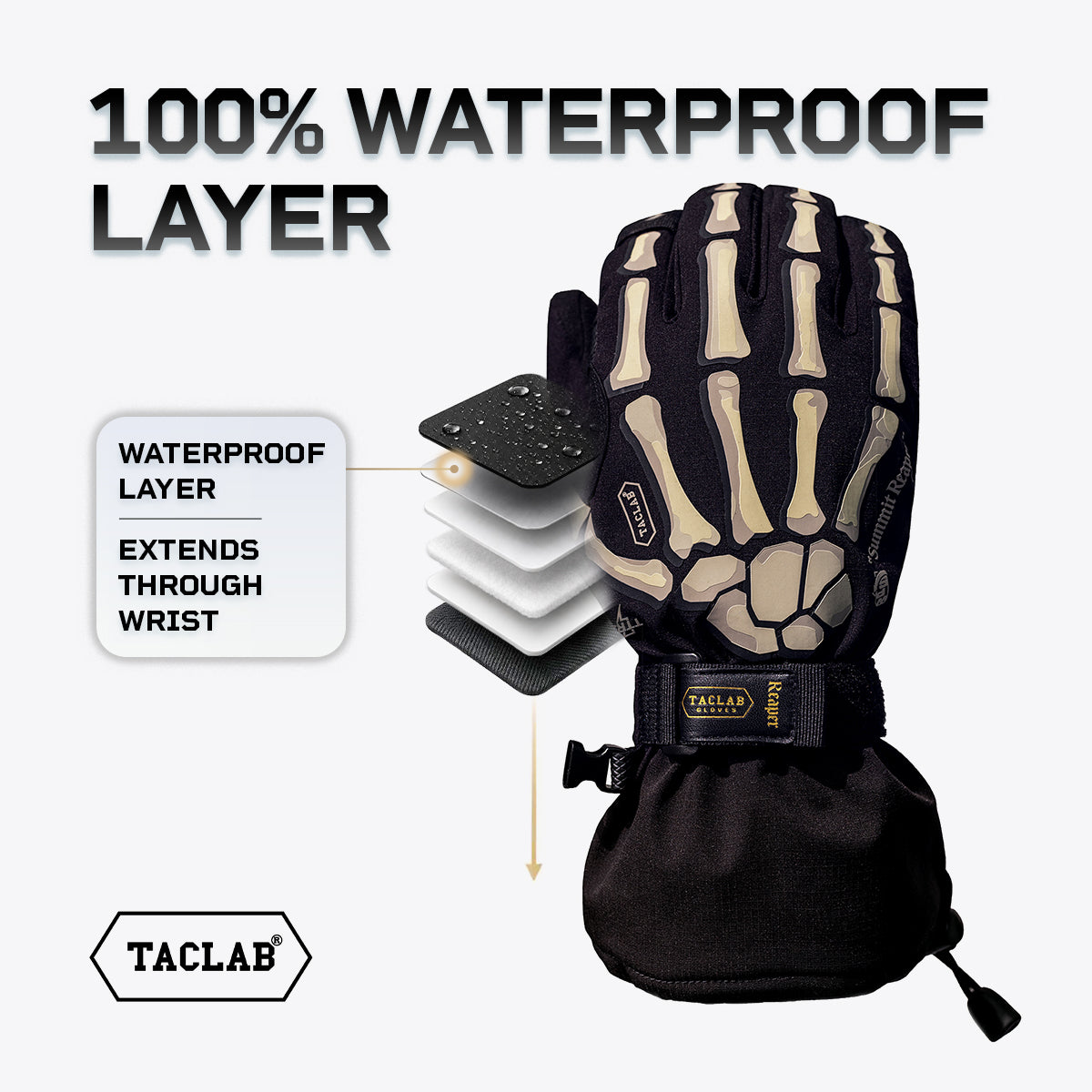
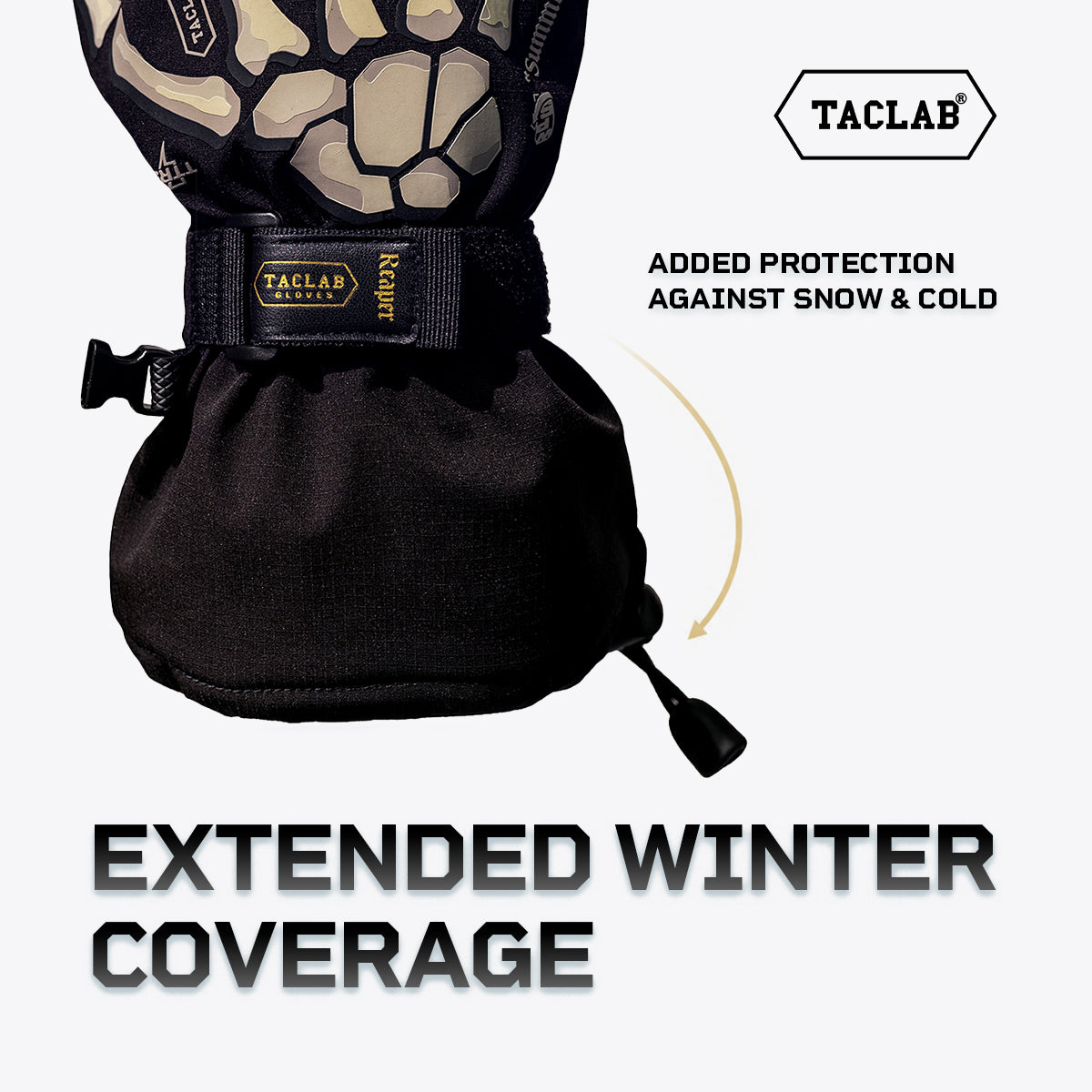
The Patrol Reaper incorporates insulation for colder conditions.
Because insulation changes the volume and feel of a glove, evaluate both warmth and dexterity rather than expecting it to fit exactly like a summer shooting glove.
Raider — Heavier Leather Applications
For users who prefer a heavier-duty leather direction, Raider provides another option within the TACLAB lineup.
The important principle across all of them is the same:
Match size to your hand—and glove construction to your job.
👉 Explore the TACLAB Gloves Collection
The Tactical Glove Fit Checklist
Before removing the tags or deciding you've found your size, run through this checklist:
Fingertips: Close to the ends without painful pressure.
Fingernails: Not constantly pushing hard against the material.
Palm: Minimal bunching when gripping.
Knuckles: Natural movement when making a fist.
Thumb: Full, comfortable range of motion.
Finger webs: No excessive pulling.
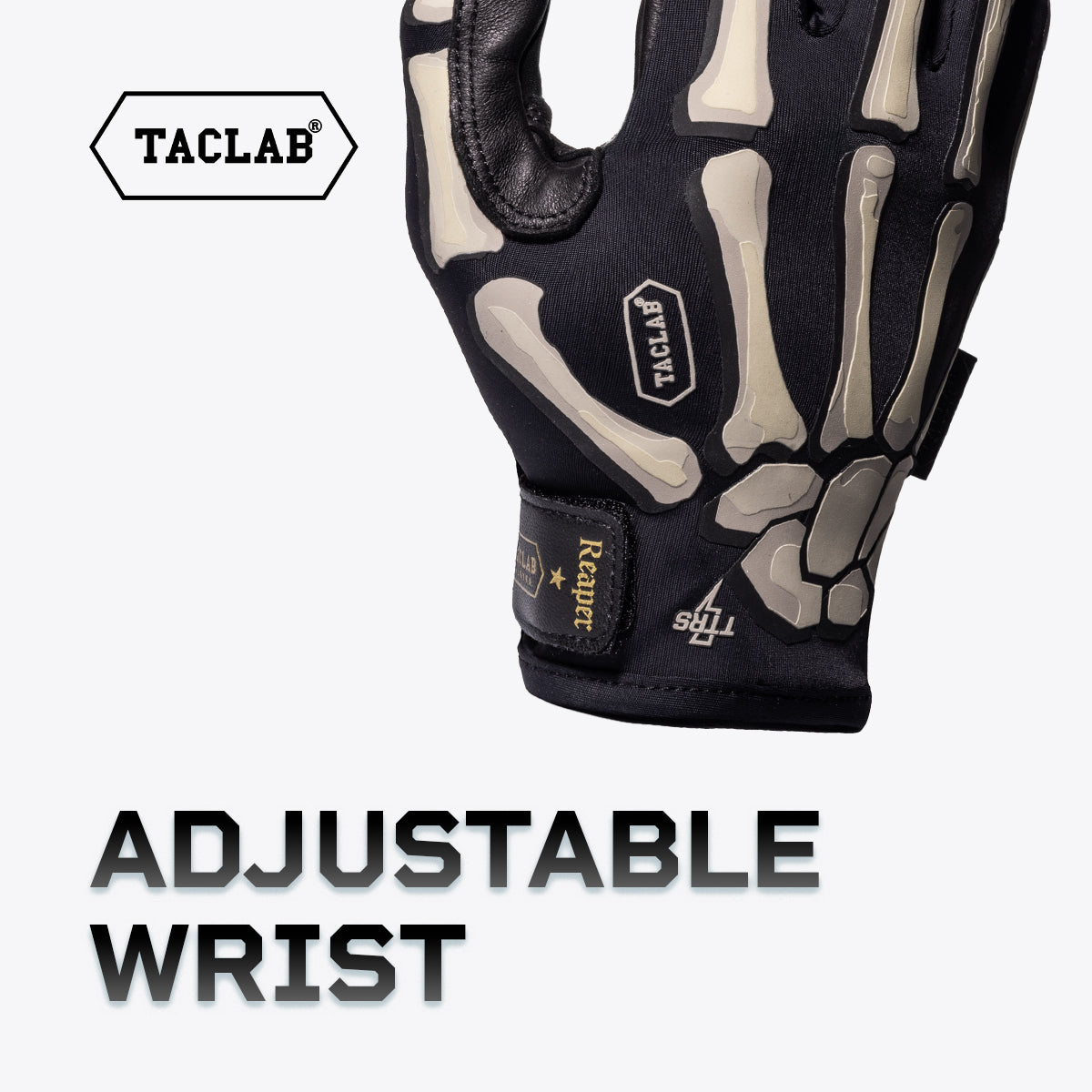
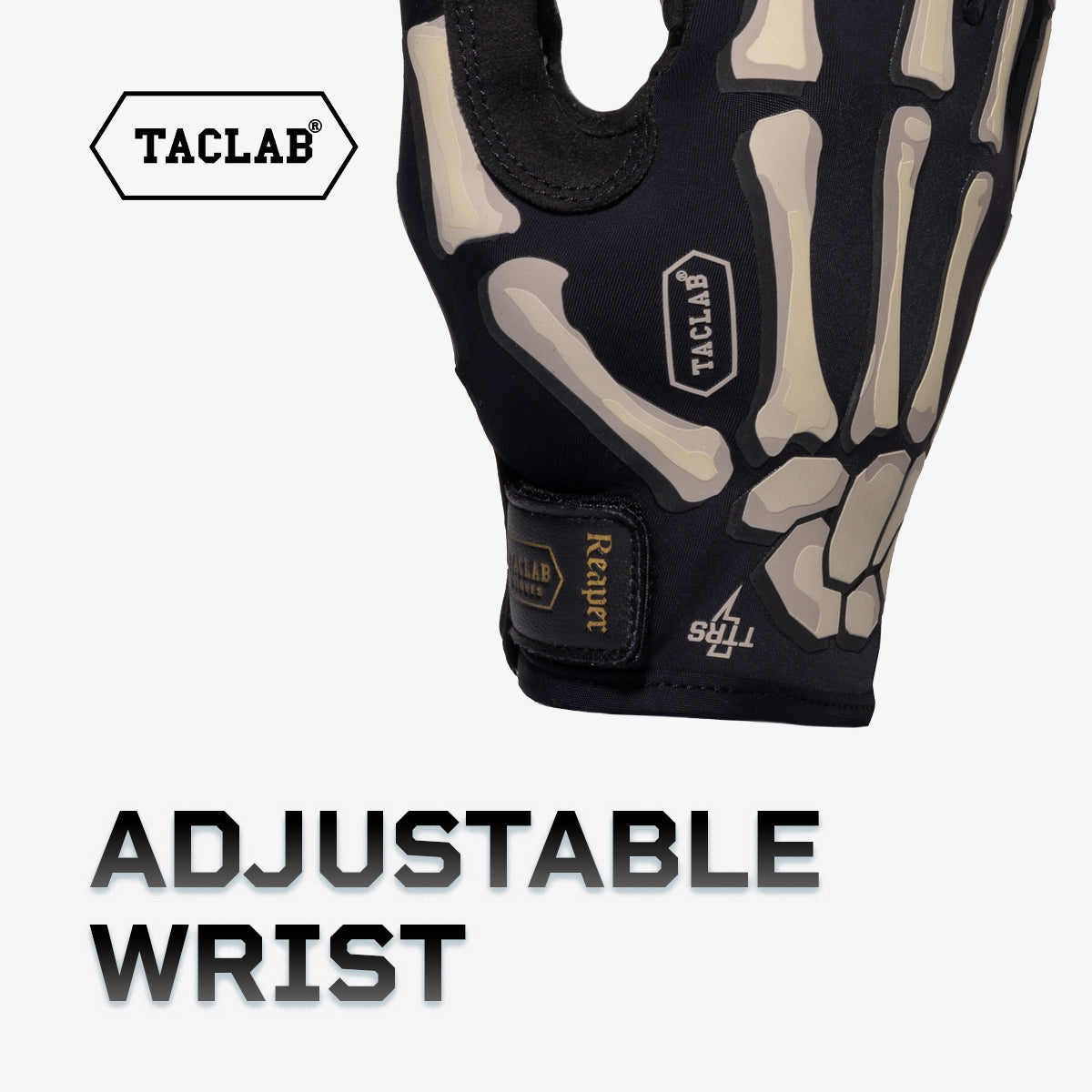
Wrist: Secure without uncomfortable restriction.
Dexterity: You can manipulate appropriately sized objects for the glove's intended purpose.
Grip: Glove doesn't noticeably slide around your hand.
Comfort: No developing pain, numbness, or significant pressure.
If all ten look good, you're probably close to the fit you want.
Frequently Asked Questions
Should tactical gloves be tight or loose?
Tactical gloves should generally fit snugly rather than tightly or loosely. They should closely follow the shape of the hand with minimal excess material while still allowing full finger, thumb, knuckle, and wrist movement.
Should shooting gloves fit tight?
Shooting gloves usually benefit from a close, low-bulk fit, but they shouldn't painfully compress the hand. Excessive tightness can restrict movement and place unnecessary pressure on the fingertips and seams.
How do I know if tactical gloves are too small?
Common signs include compressed fingertips, strong fingernail pressure, restricted movement, excessive seam tension, discomfort when making a fist, and material that feels constantly stretched.
How do I know if tactical gloves are too big?
Look for empty material beyond the fingertips, palm bunching, a loose thumb, reduced tactile feedback, or the glove moving around your hand when gripping equipment.
Should my fingers touch the ends of tactical gloves?
Your fingers should generally reach close to the ends without being painfully compressed. Significant empty material beyond the fingertips may reduce dexterity, while constant hard pressure can indicate insufficient finger length.
Do tactical gloves stretch?
It depends on the material. Some leather constructions may gradually conform to the hand, while synthetic materials behave differently. You shouldn't rely on stretching to correct a glove that is clearly too small.
Should I size down in tactical gloves for better dexterity?
Not automatically. Sizing down can create excessive fingertip pressure, restricted movement, seam tension, and premature wear. Choose a glove designed for dexterity in the correct size instead.
Why do my tactical gloves bunch in the palm?
Palm bunching can occur when the glove has excess material, doesn't match your hand shape, or is too large. Some amount of material movement is normal, but large folds during gripping can reduce comfort and control.
Can tight tactical gloves cause fingertip holes?
An excessively tight fit can contribute to premature fingertip wear by keeping the material under tension and increasing pressure from the fingertip or fingernail. Friction, material, activity, moisture, and usage patterns also affect glove lifespan.
How should winter tactical gloves fit?
Winter tactical gloves should remain secure while allowing natural movement and enough room for their insulation to function as designed. They shouldn't be evaluated by exactly the same low-bulk feel expected from lightweight shooting gloves.
Final Thoughts: Snug Is the Word You're Looking For
So, should tactical gloves be tight or loose?
Neither.
They should be snug.
A good tactical glove should feel like it's moving with your hand—not squeezing it and not sliding around it.
Remember the three easiest signs:
Fingertips shouldn't be painfully compressed.
The palm shouldn't excessively bunch when you grip.
You should be able to move your fingers naturally.
If your gloves repeatedly develop holes in the fingertips, check the fit before assuming you simply need a tougher glove.
If you can't comfortably manipulate equipment, don't automatically assume all tactical gloves are bulky.
And if you're sizing down just to get more dexterity, consider choosing a more dexterity-focused glove instead.
Fit first. Material second. Application third.
Get those three things right and you'll have a much better chance of finding a glove that feels natural, performs the way you need it to, and doesn't create problems that the correct size could have prevented.
Find the Right TACLAB Glove for Your Hands
Whether your priority is lightweight shooting dexterity, premium Cabretta leather, abrasion resistance, cold-weather performance, or heavier-duty leather construction, start by choosing the right glove for the task—and then the right size for your hand.
Explore the TACLAB Gloves Collection →
The best tactical glove shouldn't feel tight or loose. After a few minutes, it should barely feel like something you need to think about.